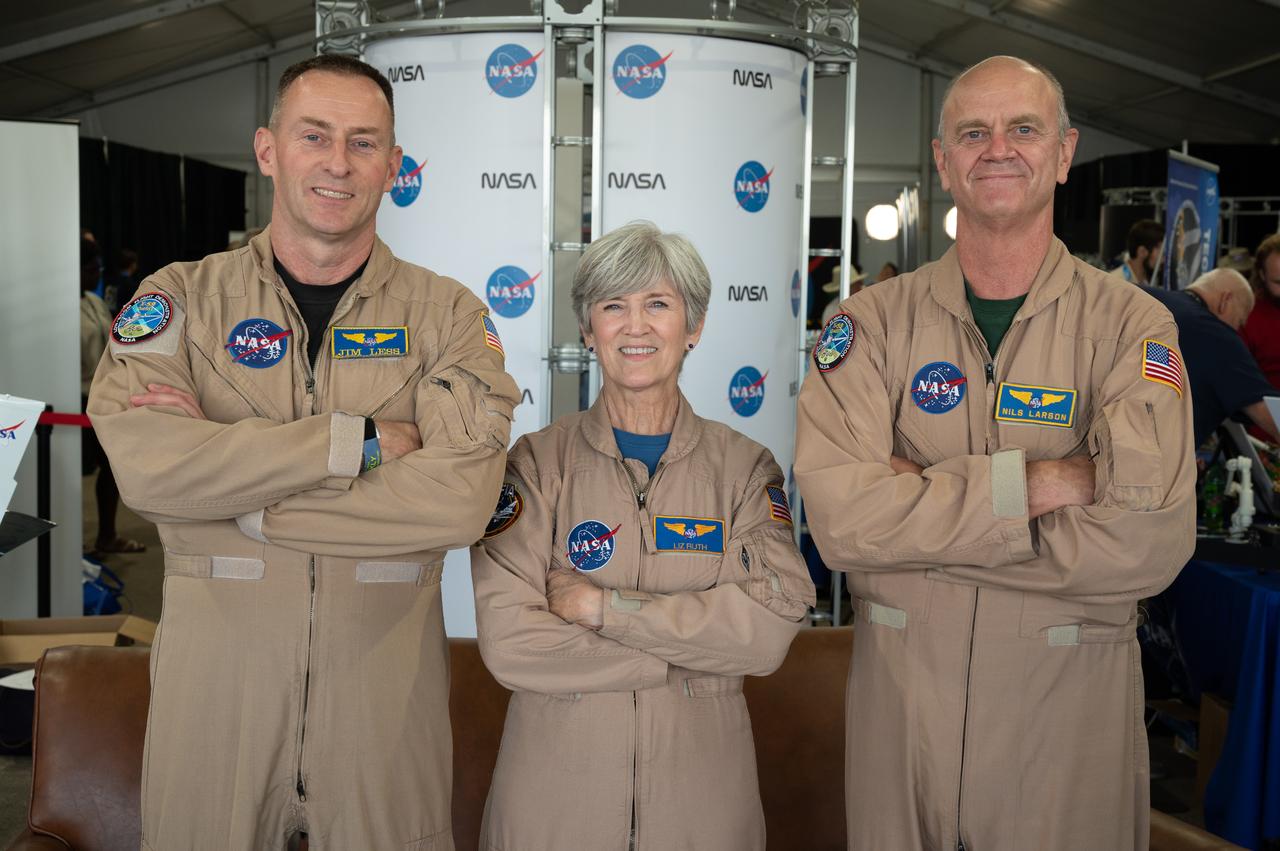
NASA pilots Jim Less, Liz Ruth and Nils Larson pose for a photo on Friday, July 28, 2022, during a meet and greet session in the NASA pavilion at AirVenture Oshkosh.
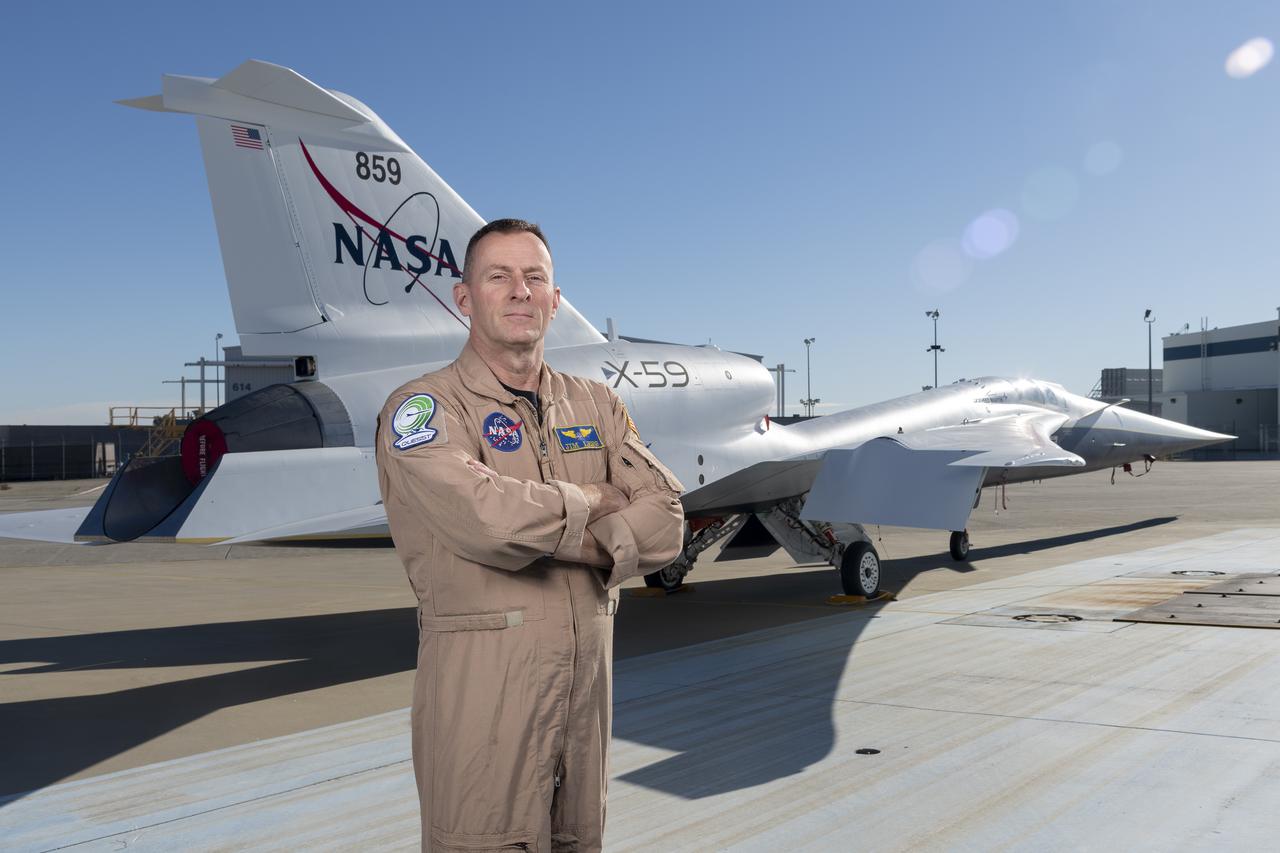
NASA test pilot Jim “Clue” Less poses with the newly-painted X-59 as it sits on the ramp at Lockheed Martin Skunk Works in Palmdale, California. The X-59 is the centerpiece of NASA’s Quesst mission, which seeks to solve one of the major barriers to supersonic flight over land, currently banned in the United States, by making sonic booms quieter.
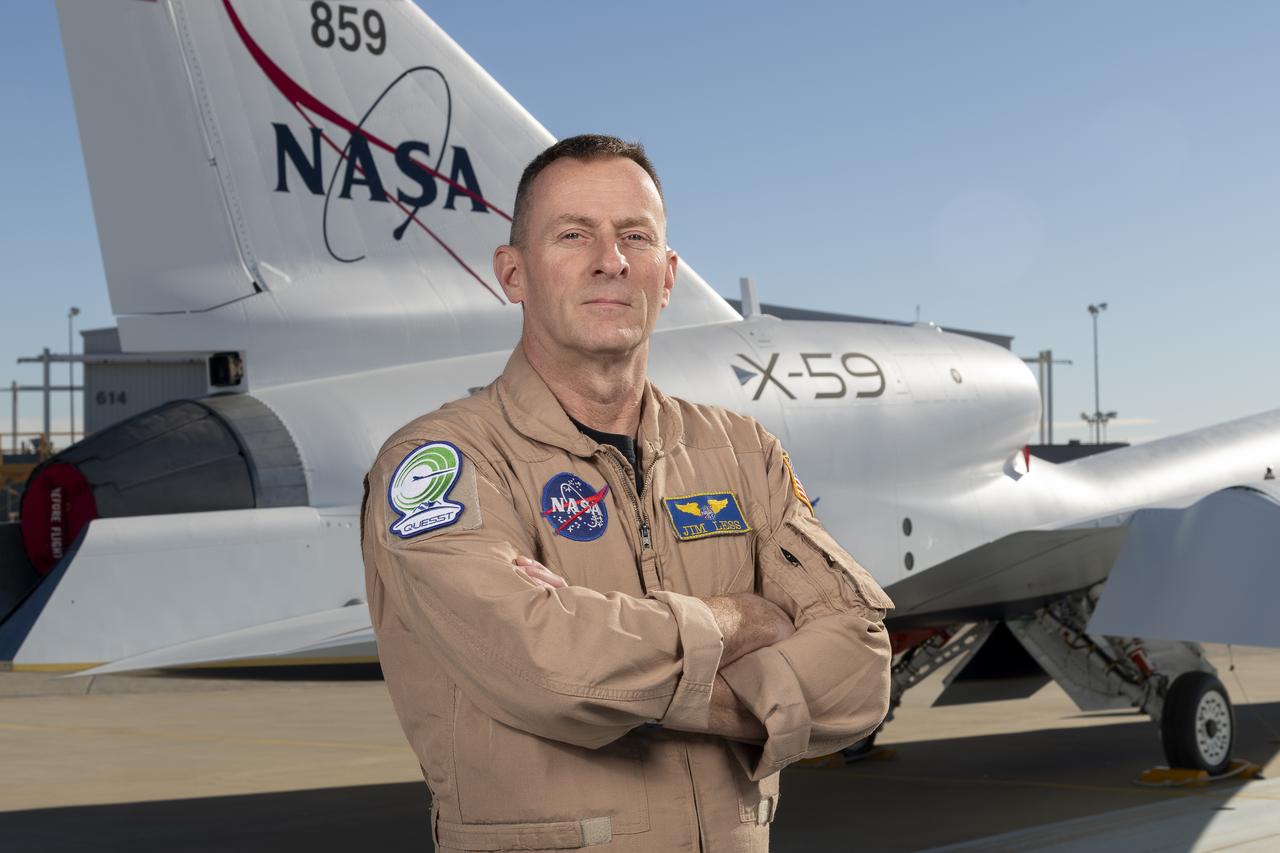
NASA test pilot Jim “Clue” Less poses with the newly-painted X-59 as it sits on the ramp at Lockheed Martin Skunk Works in Palmdale, California. The X-59 is the centerpiece of NASA’s Quesst mission, which seeks to solve one of the major barriers to supersonic flight over land, currently banned in the United States, by making sonic booms quieter.
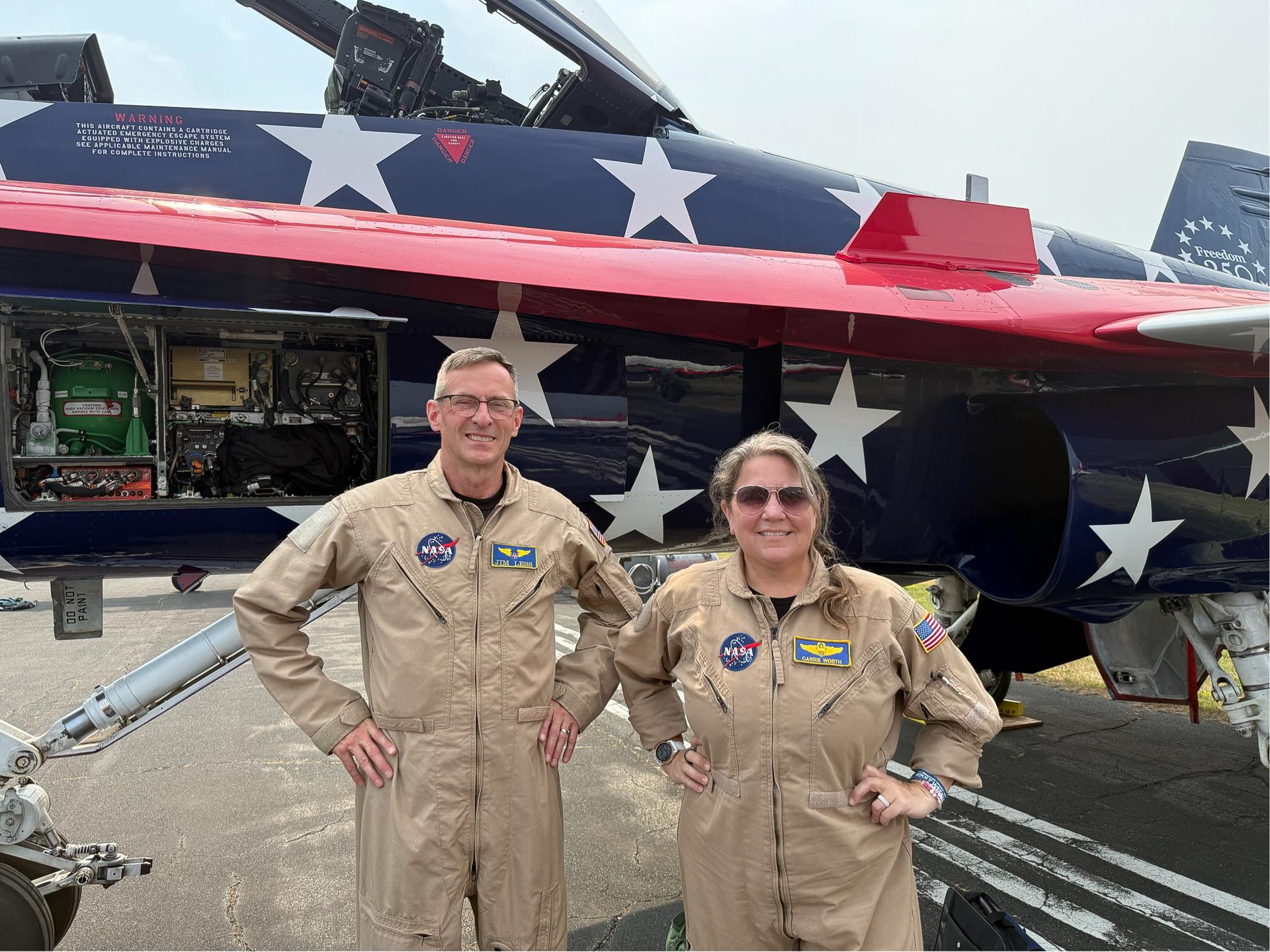
NASA test pilot Jim “Clue” Less and NASA research pilot Carrie Worth stand in front of an F/A-18 Hornet with special patriotic livery celebrating America 250, including navy blue-and-white star covered fuselages and red-and-white striped wings at the 2026 Experimental Aircraft Association (EAA) AirVenture air show in Oshkosh, Wisconsin, on Saturday, July 26, 2026.
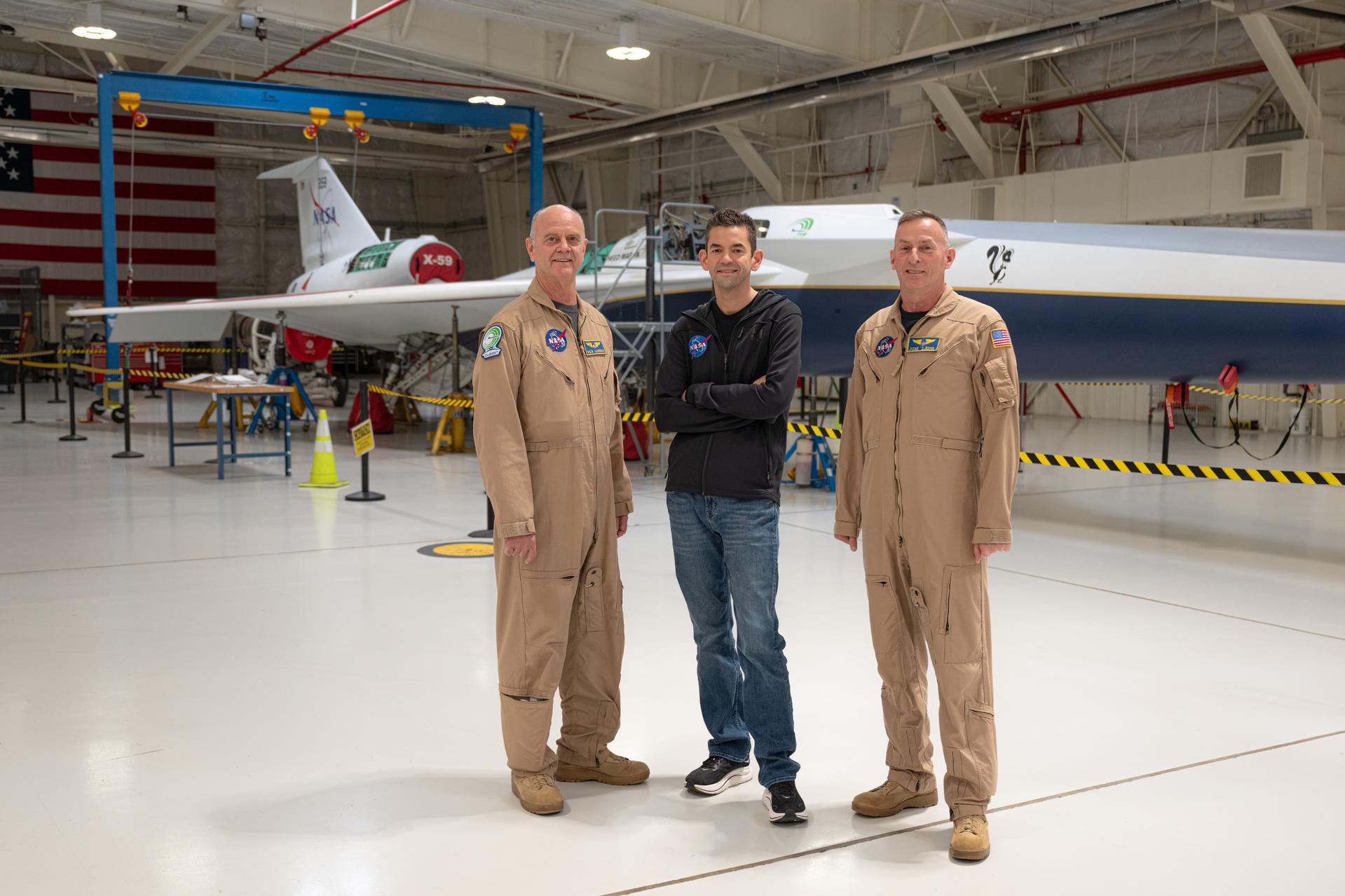
NASA Administrator Jared Isaacman, center, and NASA pilots Nils Larson, left, and Jim Less, right, pose for a photograph with the X-59 aircraft, Sunday, Jan. 25, 2026, at NASA’s Armstrong Flight Research Center at Edwards Air Force Base in California. Armstrong marks the ninth stop in Isaacman’s roadshow to visit NASA facilities and engage directly with the agency’s workforce. Photo Credit: (NASA/John Kraus)
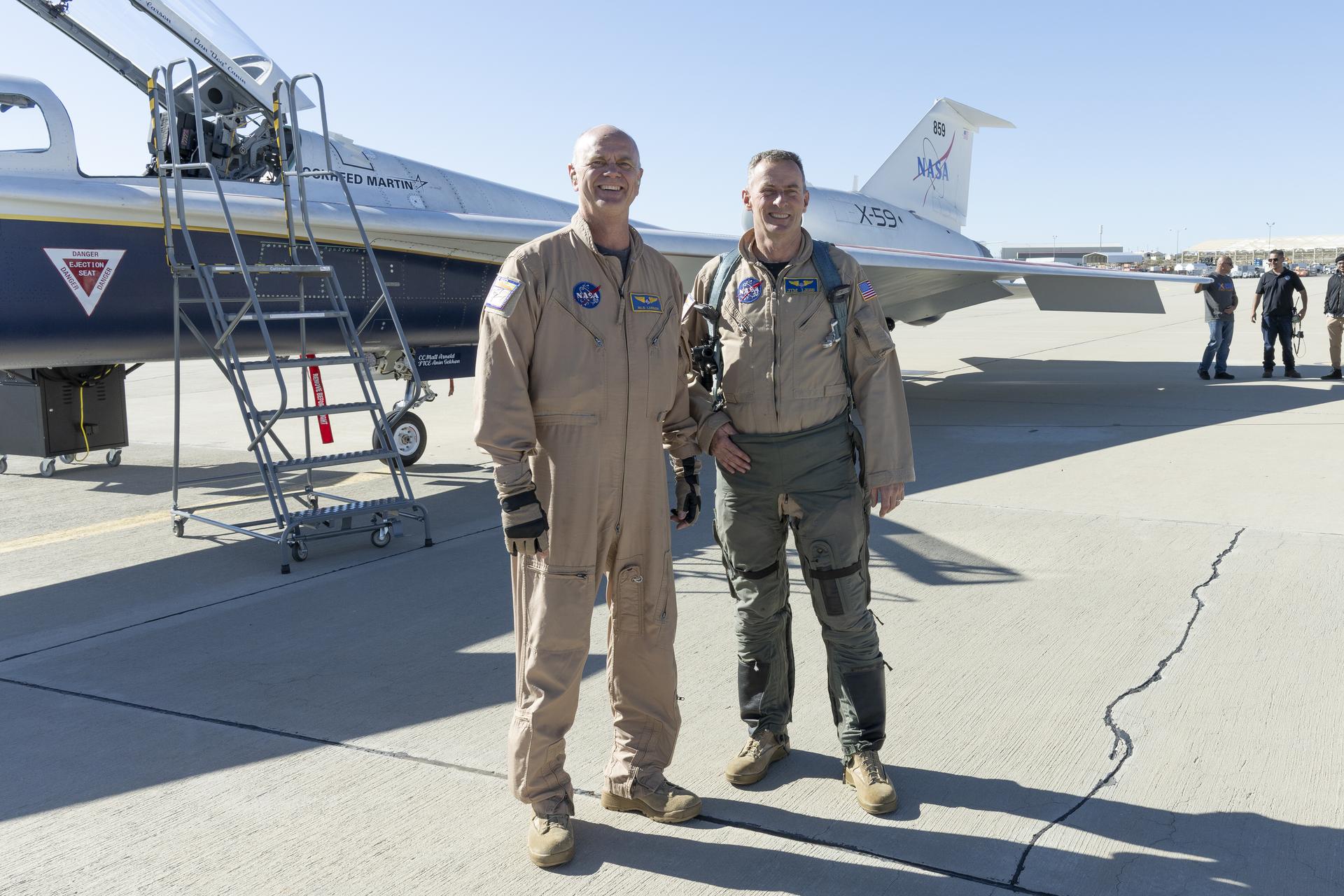
NASA chase pilot Jim “Clue” Less congratulates Nils Larson after completing the X-59’s first flight on Tuesday, Oct. 28, 2025. The milestone marks a major step toward demonstrating quiet supersonic technology that could enable future air travel over land without the disruptive noise of traditional sonic booms.
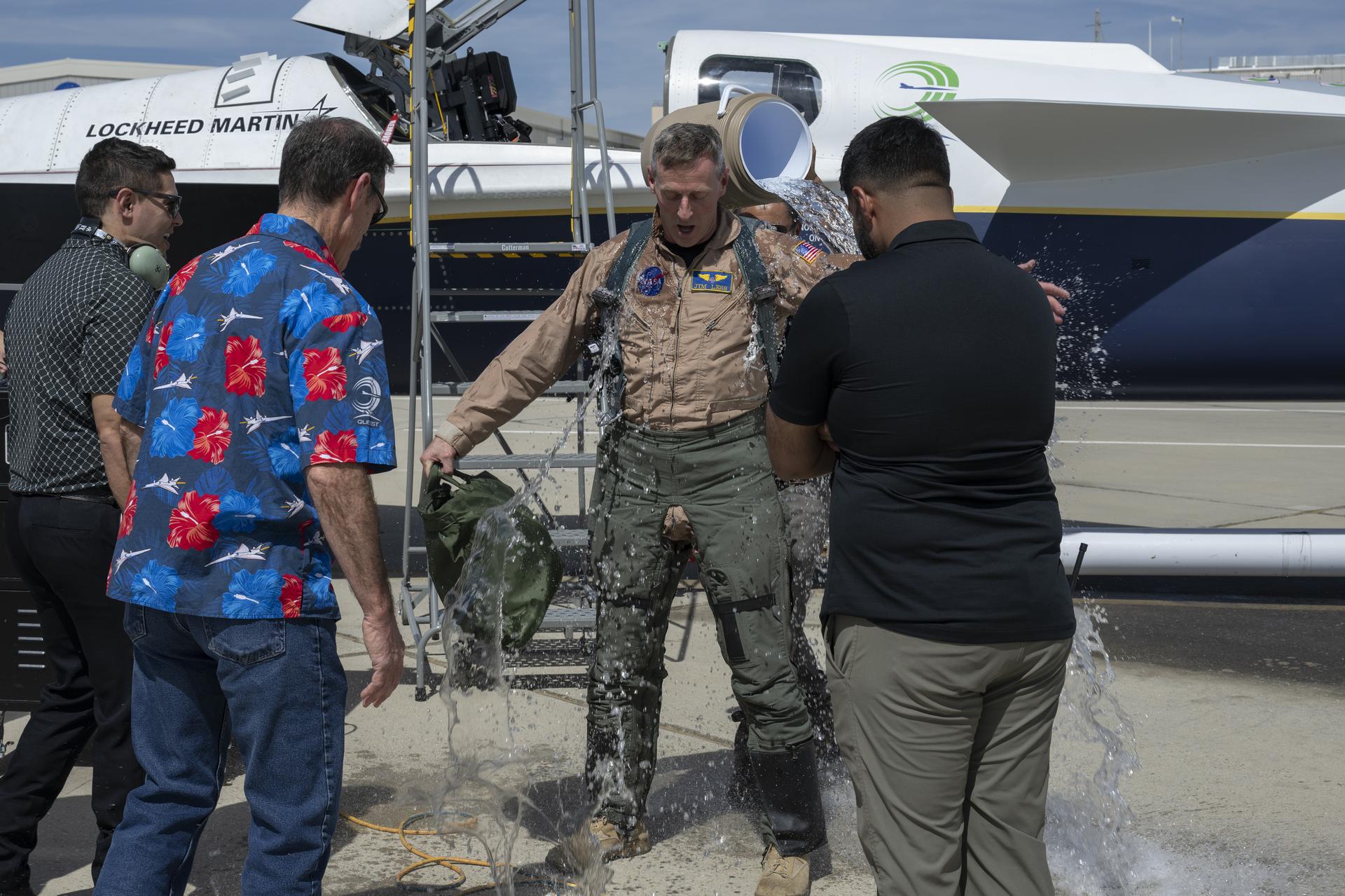
NASA test pilot Jim “Clue” Less is seen after completing his first flight of the X-59 and the aircraft’s second flight overall at Edwards Air Force Base in California on Thursday, March 26, 2026. The flight supports NASA’s Quesst mission to demonstrate supersonic flight that produces a quieter sonic “thump” instead of a loud sonic boom.
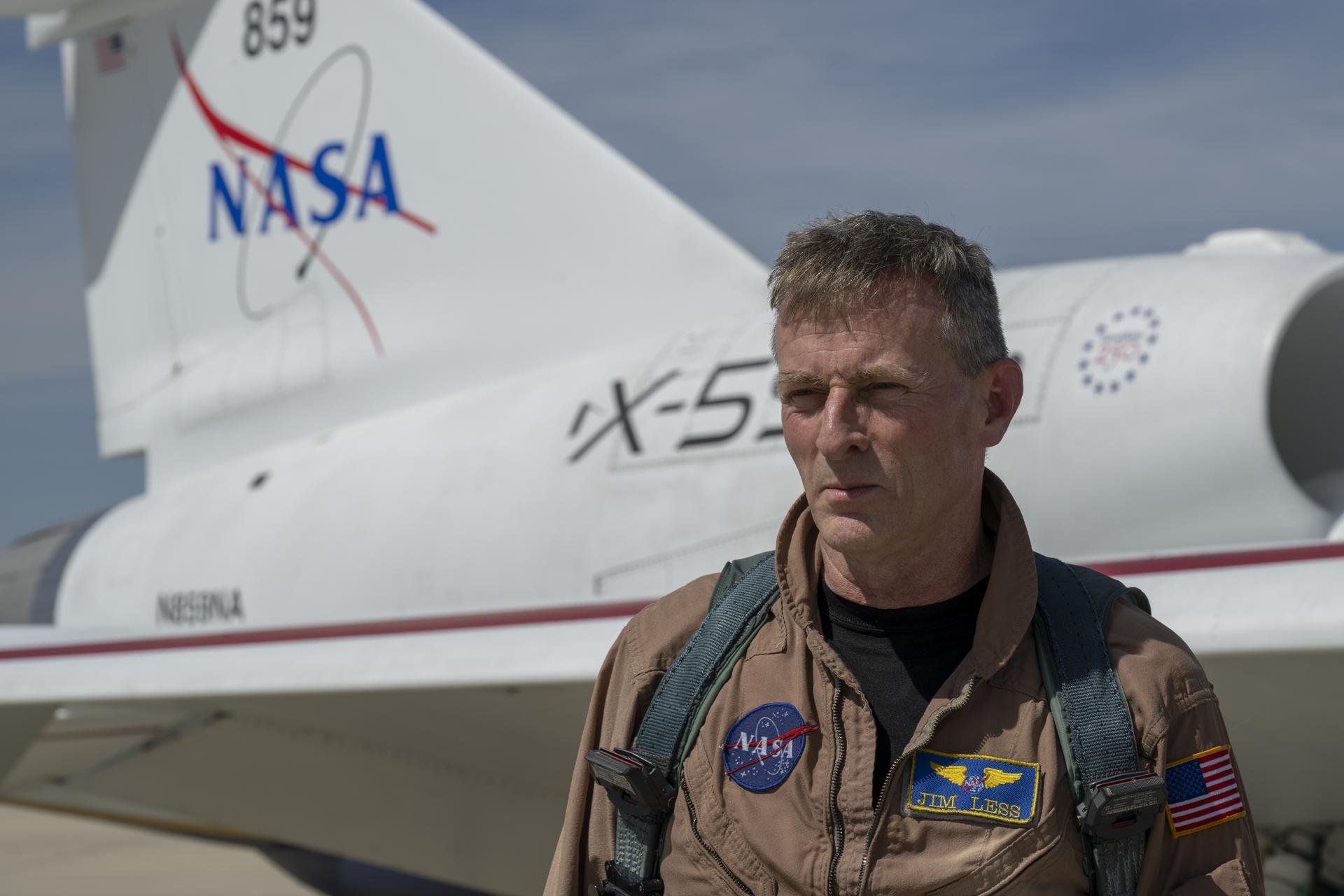
NASA test pilot Jim “Clue” Less is seen after completing his first flight of the X-59 and the aircraft’s second flight overall at Edwards Air Force Base in California on Thursday, March 26, 2026. The flight supports NASA’s Quesst mission to demonstrate supersonic flight that produces a quieter sonic “thump” instead of a loud sonic boom.
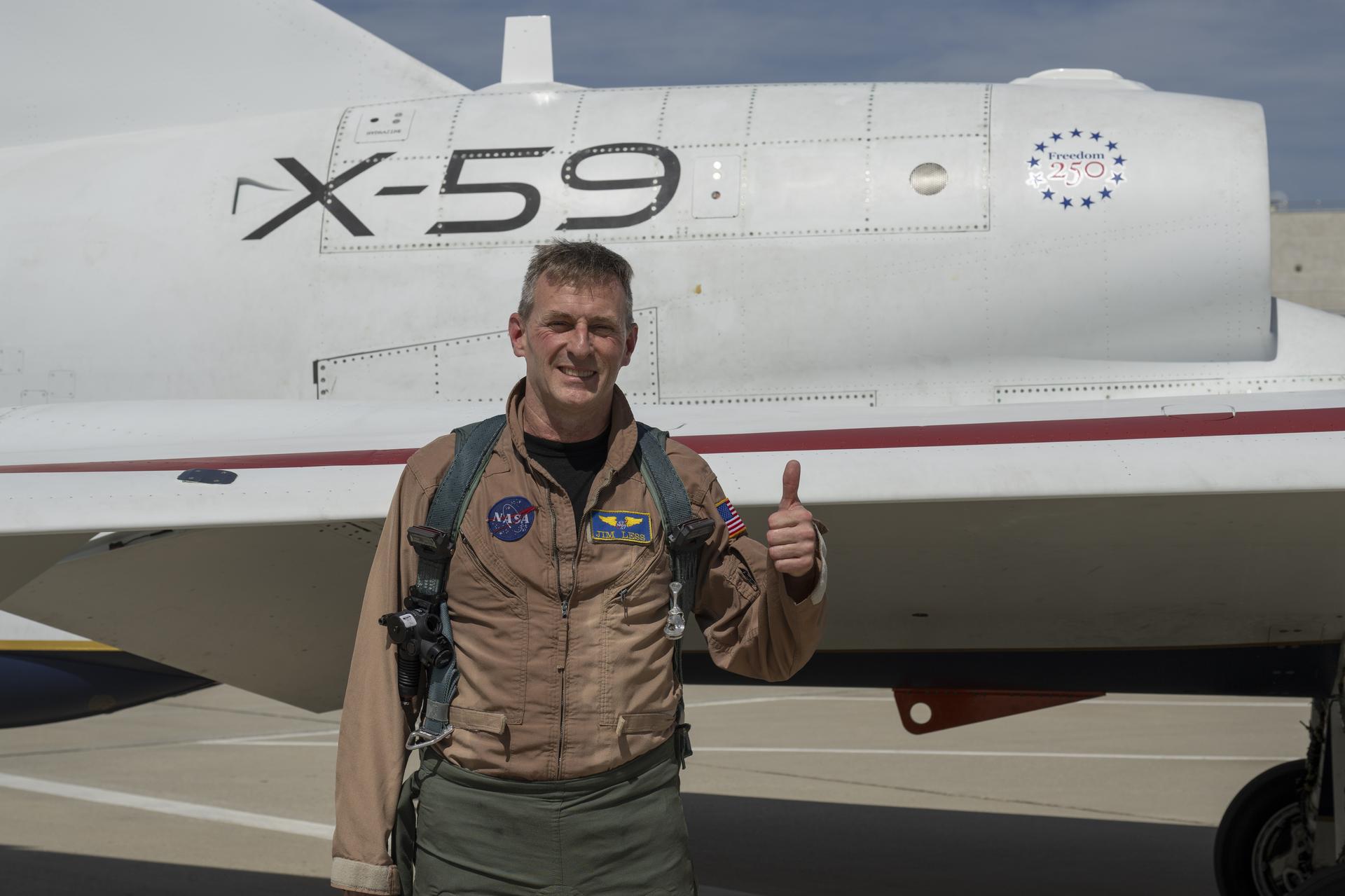
NASA test pilot Jim “Clue” Less is seen after completing his first flight of the X-59 and the aircraft’s second flight overall at Edwards Air Force Base in California on Thursday, March 26, 2026. The flight supports NASA’s Quesst mission to demonstrate supersonic flight that produces a quieter sonic “thump” instead of a loud sonic boom.

NASA chase pilot Jim “Clue” Less congratulates Nils Larson after completing the X-59’s first flight on Tuesday, Oct. 28, 2025. The milestone marks a major step toward demonstrating quiet supersonic technology that could enable future air travel over land without the disruptive noise of traditional sonic booms.

NASA chase pilot Jim “Clue” Less congratulates Nils Larson after completing the X-59’s first flight on Tuesday, Oct. 28, 2025. The milestone marks a major step toward demonstrating quiet supersonic technology that could enable future air travel over land without the disruptive noise of traditional sonic booms.
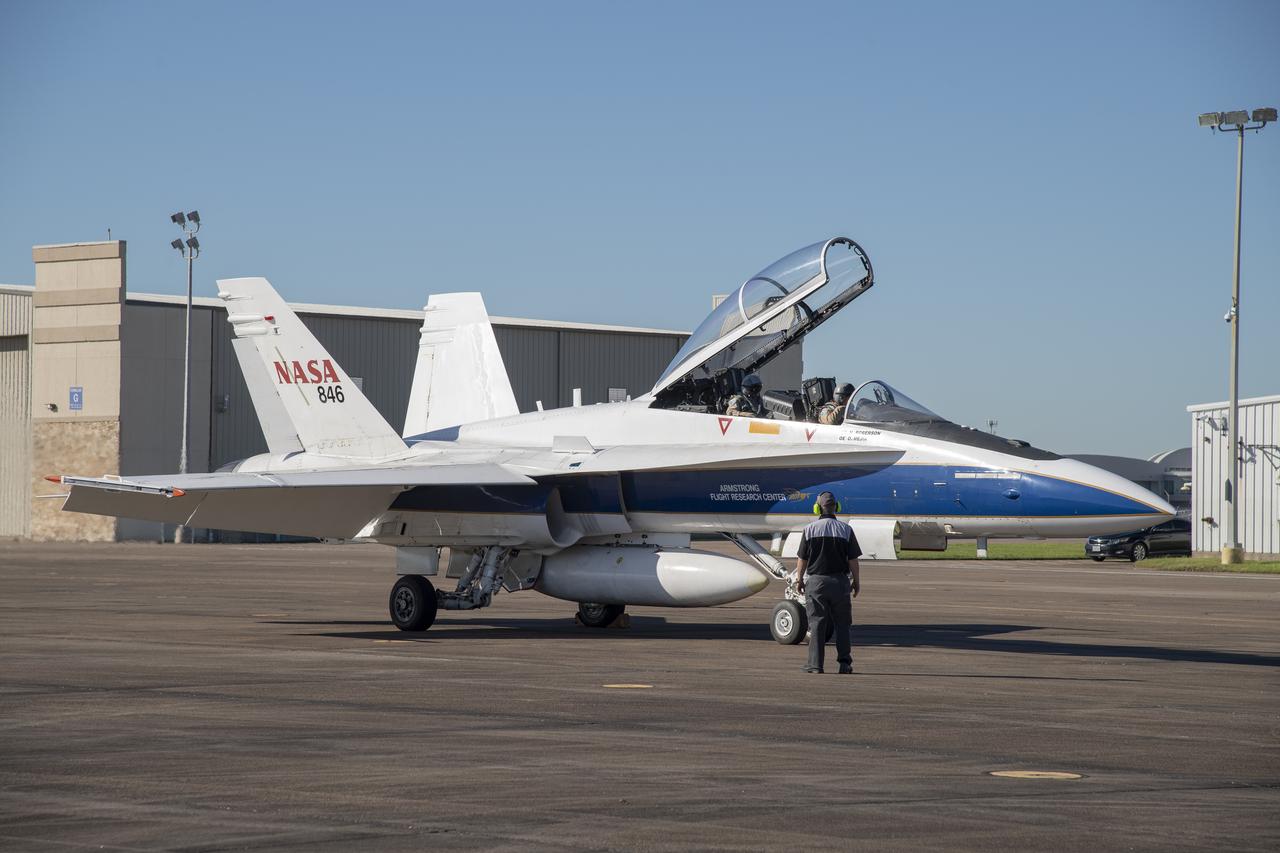
NASA test pilots Jim “Clue” Less and Wayne “Ringo” Ringelberg step to the F/A-18 research aircraft at Ellington Field and conduct pre-flight safety checks on the aircraft prior to a supersonic research flight for the QSF18 series.
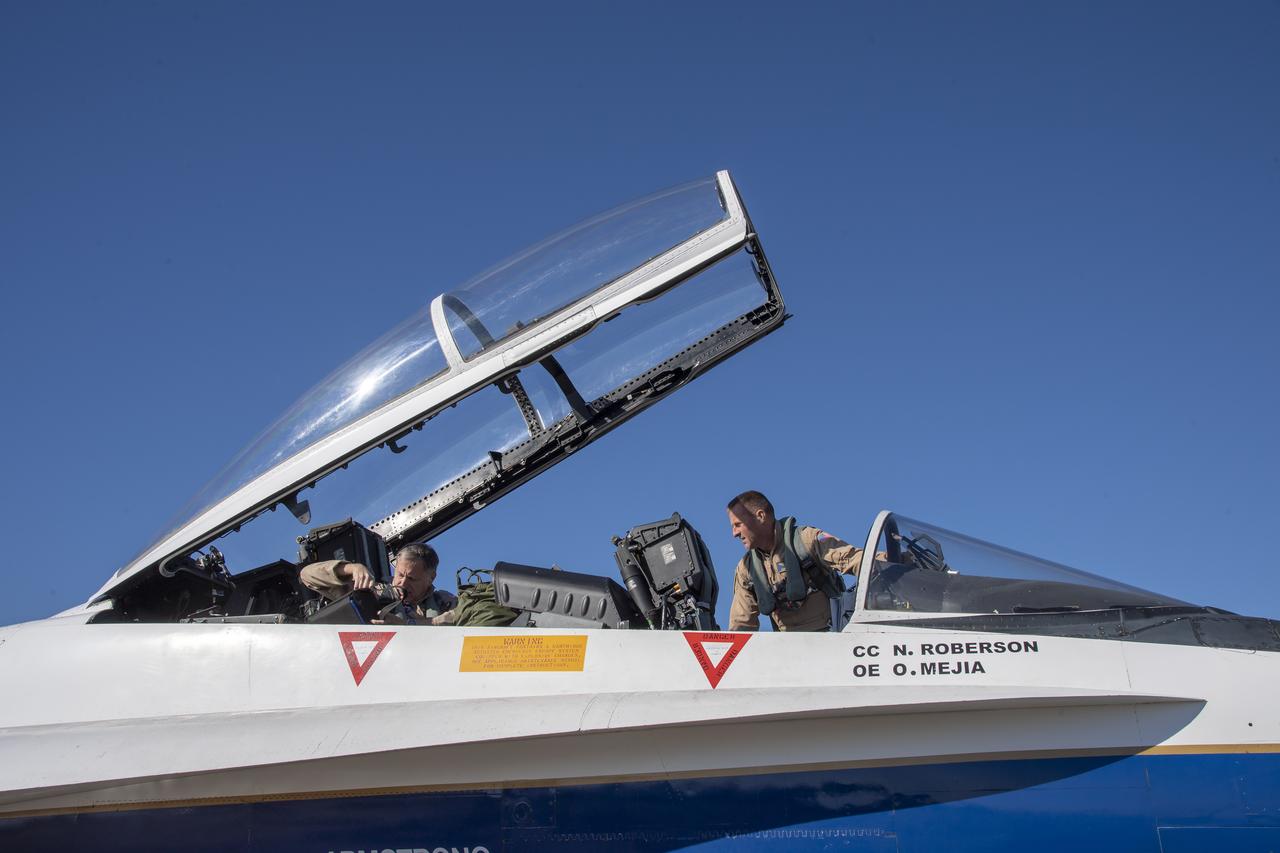
NASA test pilots Jim “Clue” Less and Wayne “Ringo” Ringelberg step to the F/A-18 research aircraft at Ellington Field and conduct pre-flight safety checks on the aircraft prior to a supersonic research flight for the QSF18 series.

NASA test pilots Jim “Clue” Less and Wayne “Ringo” Ringelberg step to the F/A-18 research aircraft at Ellington Field and conduct pre-flight safety checks on the aircraft prior to a supersonic research flight for the QSF18 series.
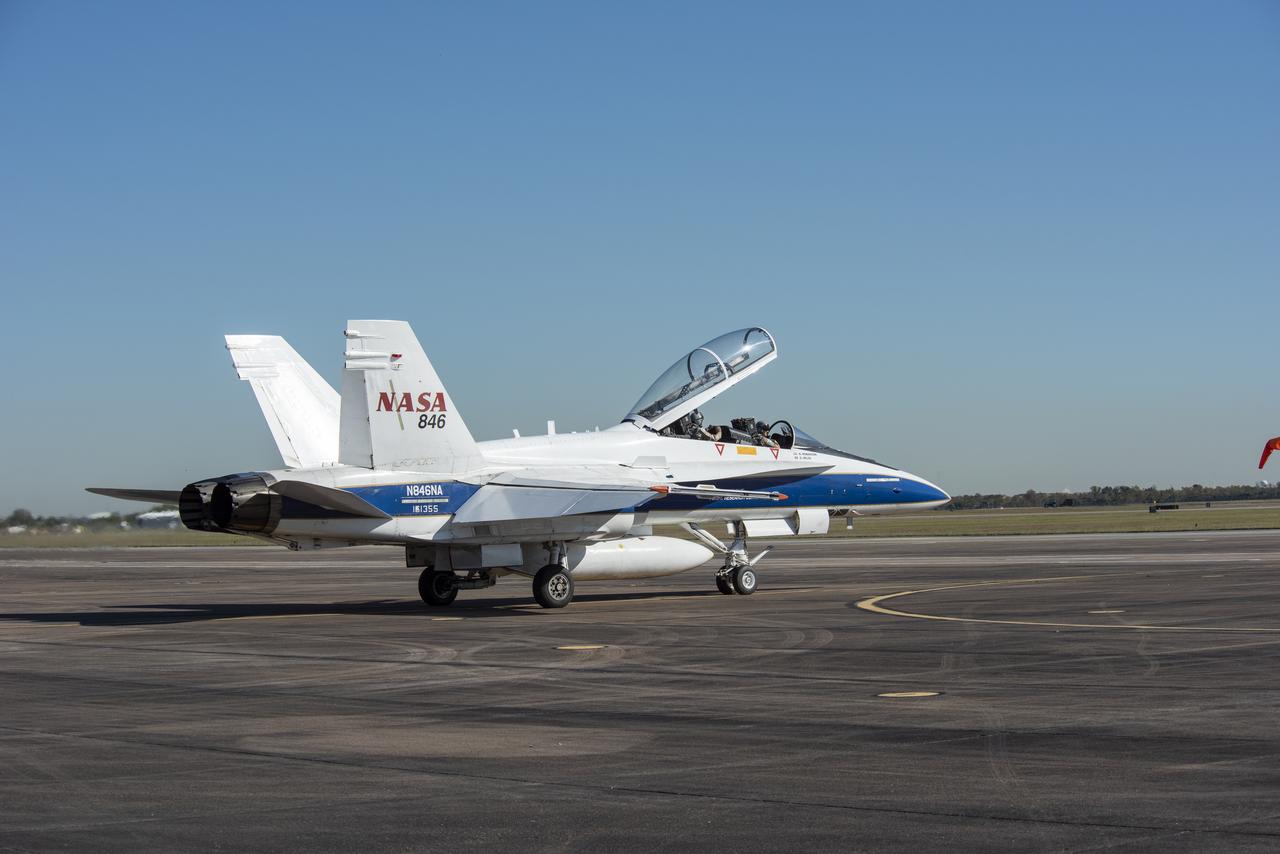
NASA test pilots Jim “Clue” Less and Wayne “Ringo” Ringelberg step to the F/A-18 research aircraft at Ellington Field and conduct pre-flight safety checks on the aircraft prior to a supersonic research flight for the QSF18 series.
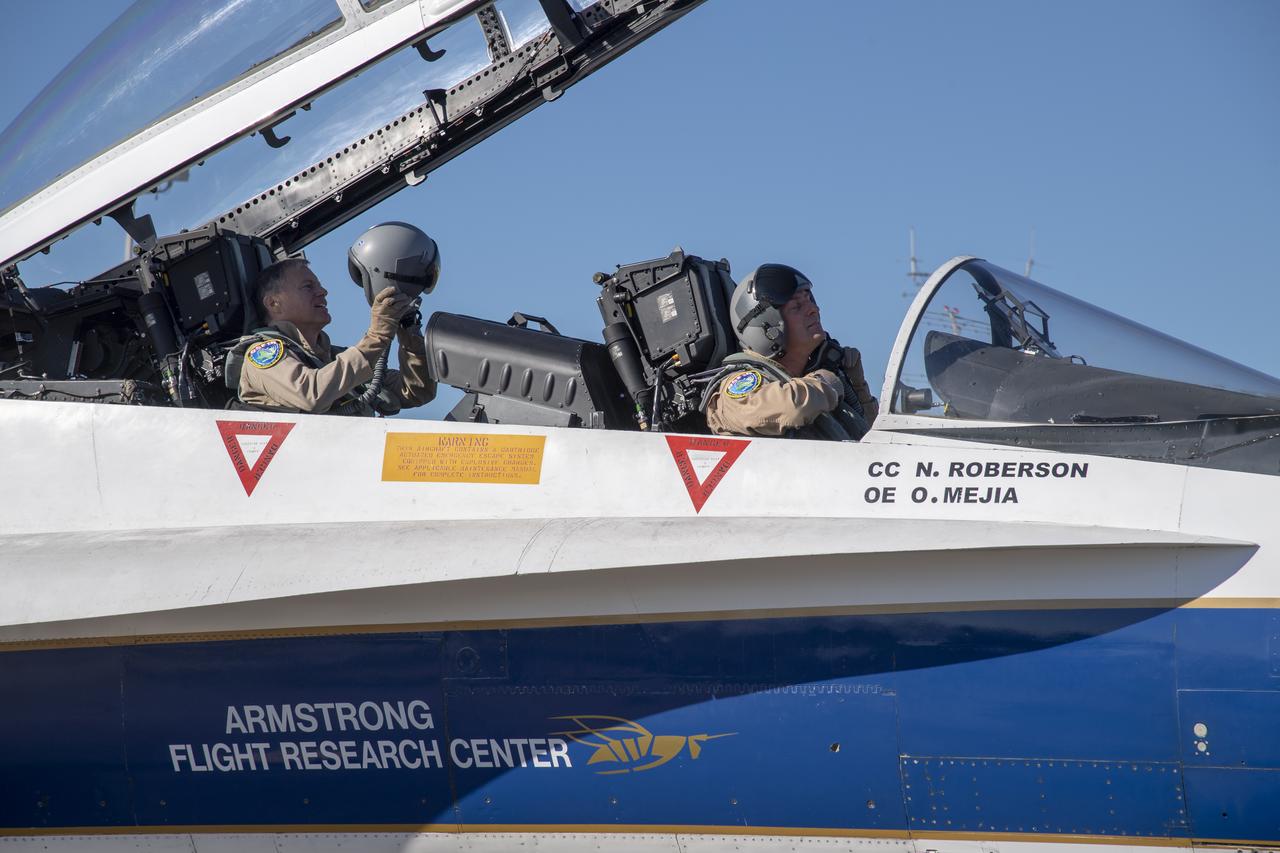
NASA test pilots Jim "Clue" Less and Wayne "Ringo" Ringelberg step to the F/A-18 research aircraft at Ellington Field and conduct pre-flight safety checks on the aircraft prior to a supersonic research flight for the QSF18 series.
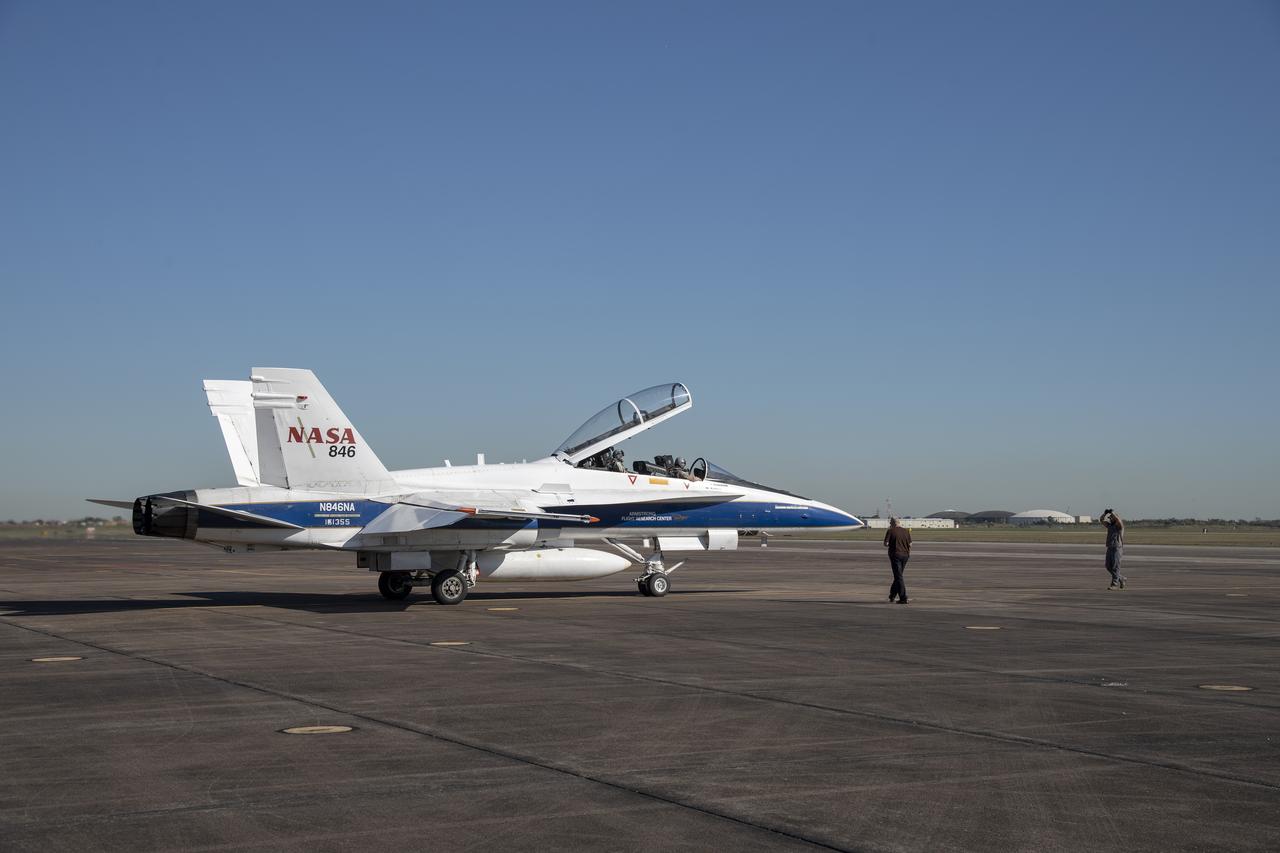
NASA test pilots Jim “Clue” Less and Wayne “Ringo” Ringelberg step to the F/A-18 research aircraft at Ellington Field and conduct pre-flight safety checks on the aircraft prior to a supersonic research flight for the QSF18 series.
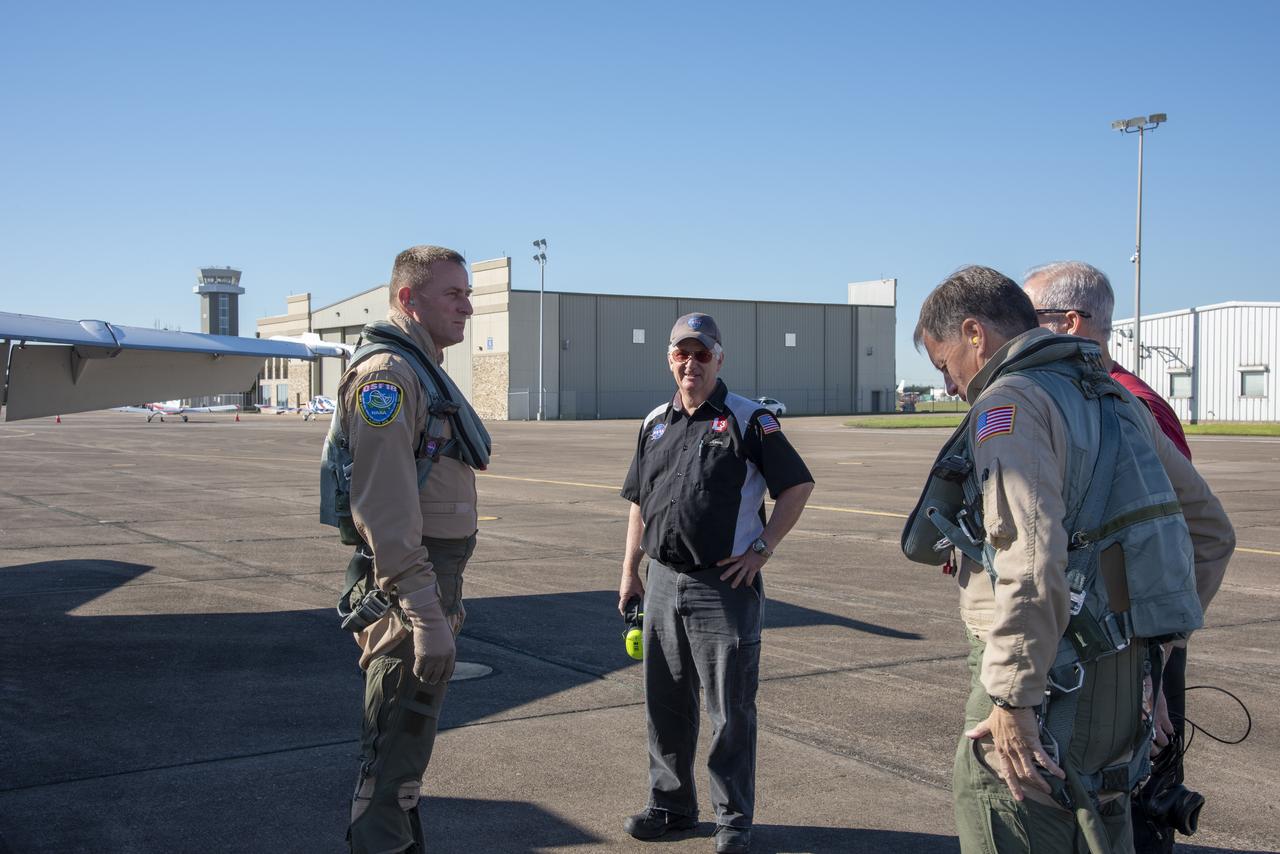
NASA test pilots Jim “Clue” Less and Wayne “Ringo” Ringelberg step to the F/A-18 research aircraft at Ellington Field and conduct pre-flight safety checks on the aircraft prior to a supersonic research flight for the QSF18 series.
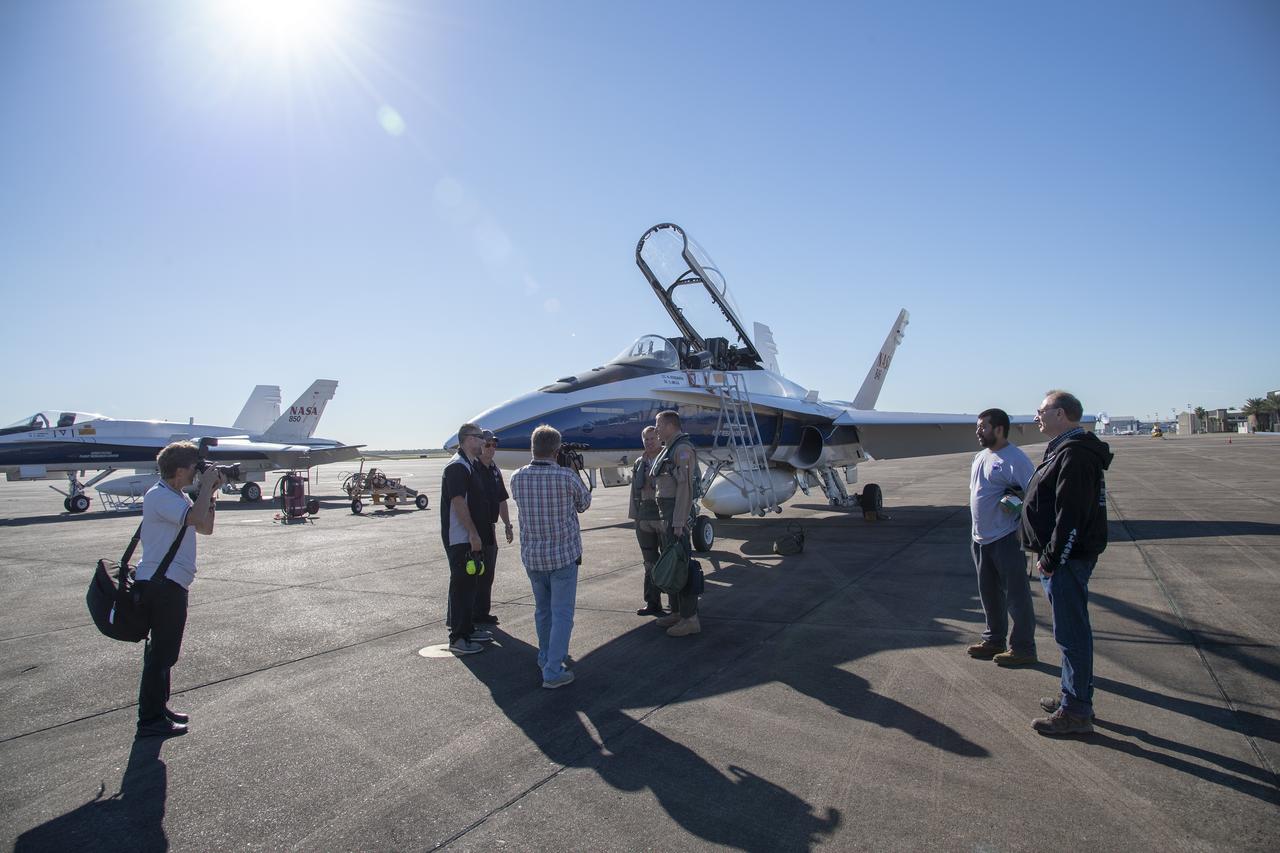
NASA test pilots Jim "Clue" Less and Wayne "Ringo" Ringelberg step to the F/A-18 research aircraft at Ellington Field and conduct pre-flight safety checks on the aircraft prior to a supersonic research flight for the QSF18 series.
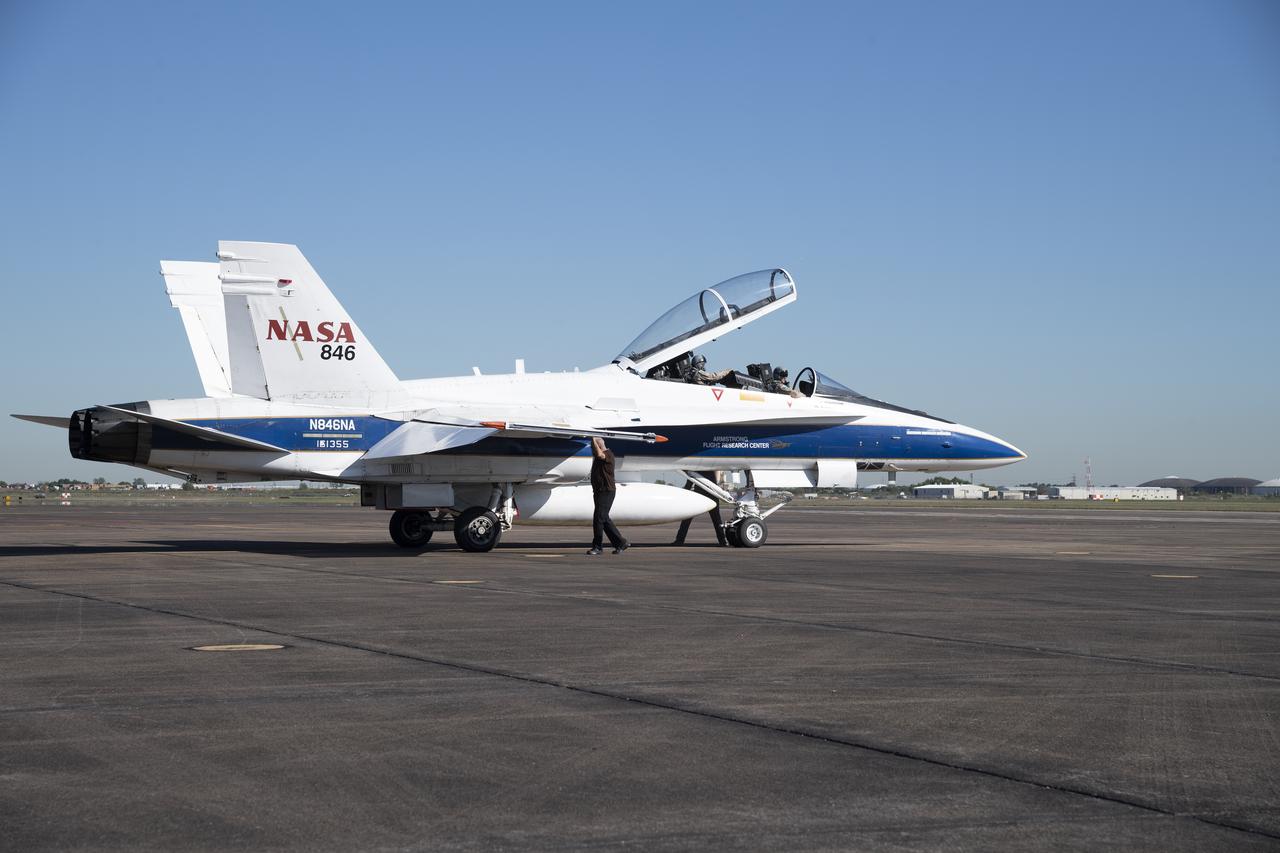
NASA test pilots Jim “Clue” Less and Wayne “Ringo” Ringelberg step to the F/A-18 research aircraft at Ellington Field and conduct pre-flight safety checks on the aircraft prior to a supersonic research flight for the QSF18 series.
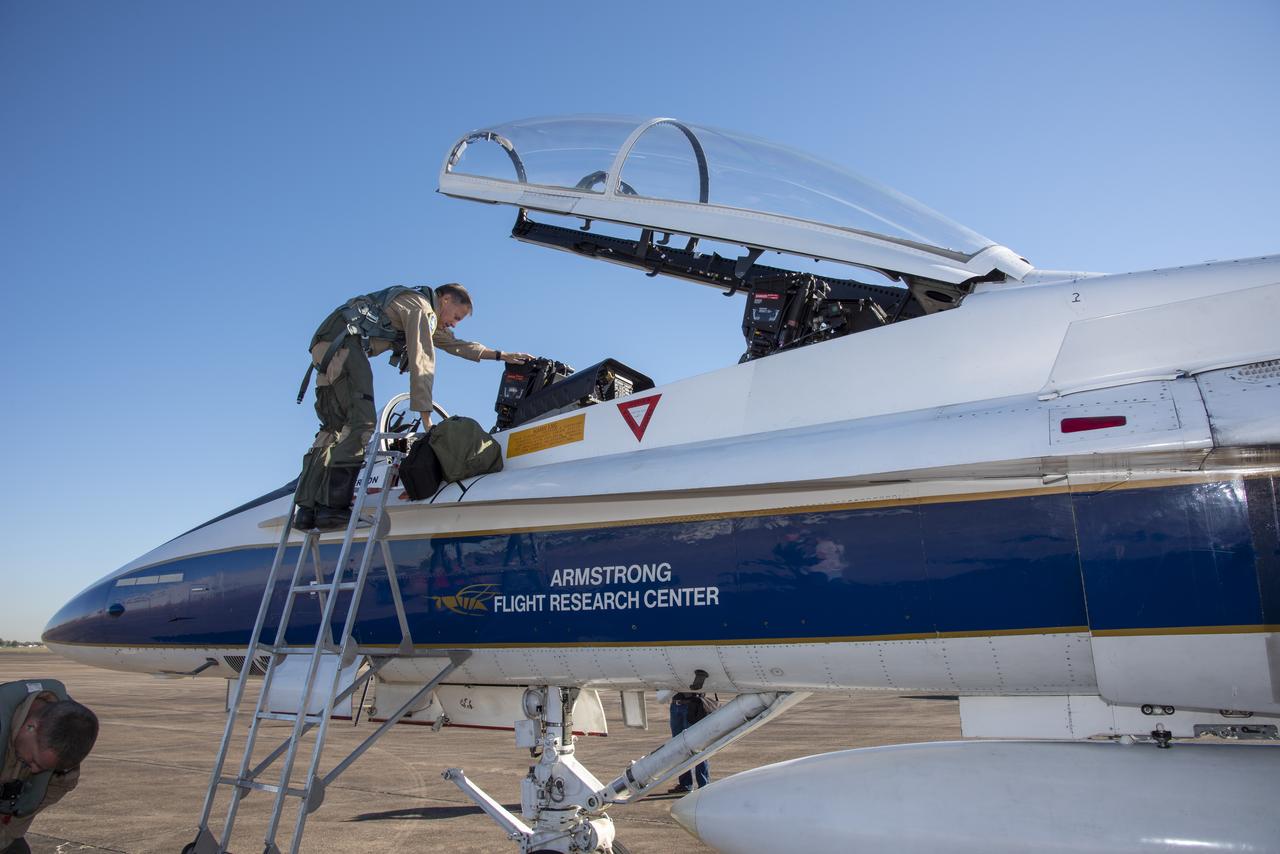
NASA test pilots Jim “Clue” Less and Wayne “Ringo” Ringelberg step to the F/A-18 research aircraft at Ellington Field and conduct pre-flight safety checks on the aircraft prior to a supersonic research flight for the QSF18 series.
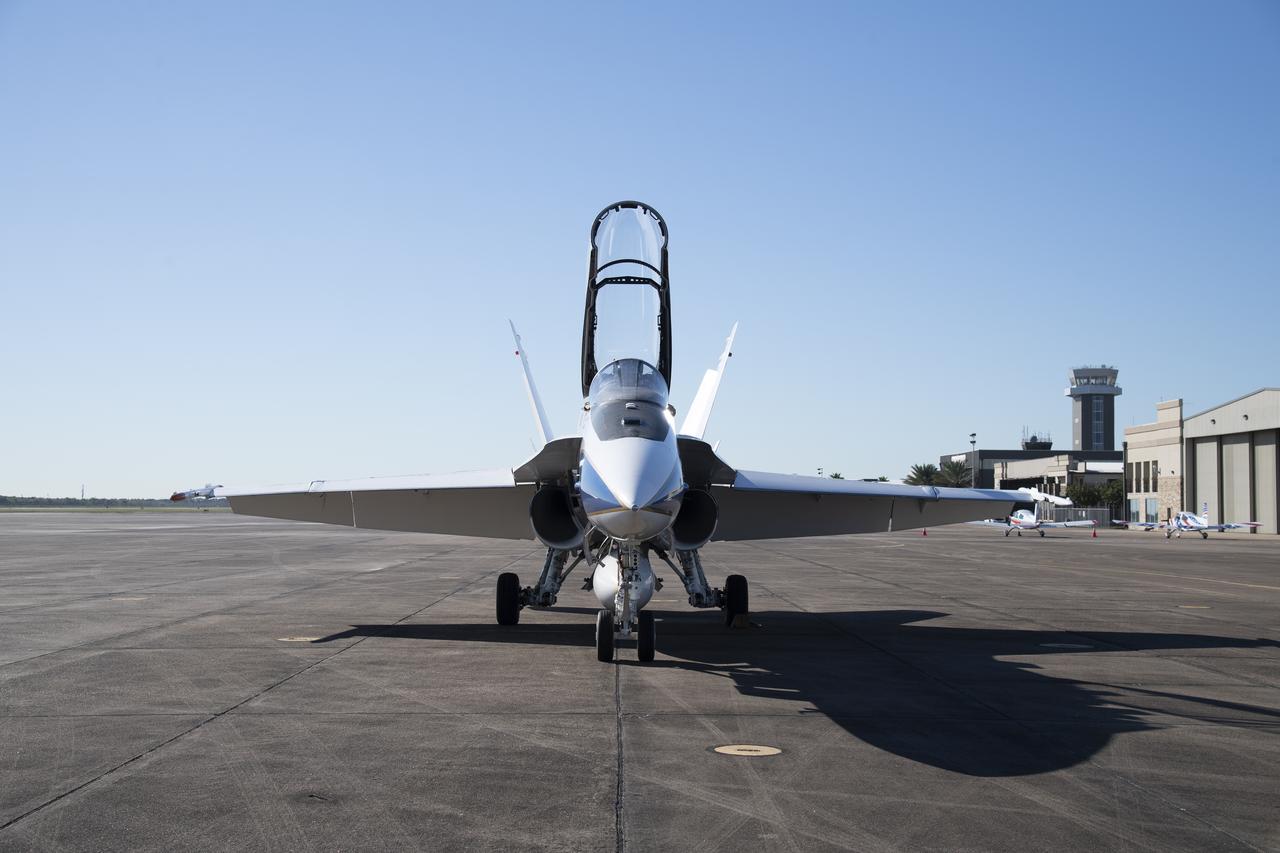
NASA test pilots Jim “Clue” Less and Wayne “Ringo” Ringelberg step to the F/A-18 research aircraft at Ellington Field and conduct pre-flight safety checks on the aircraft prior to a supersonic research flight for the QSF18 series.
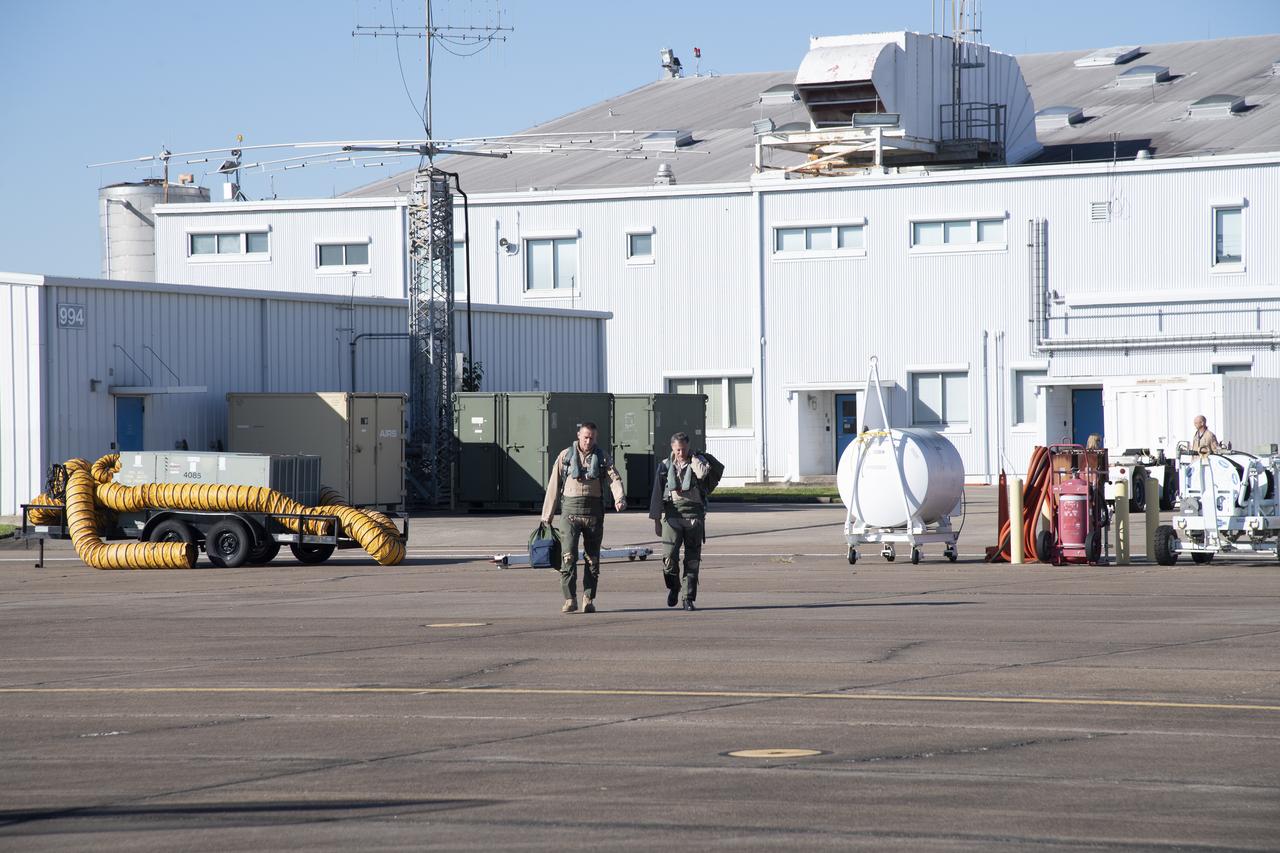
NASA test pilots Jim “Clue” Less and Wayne “Ringo” Ringelberg step to the F/A-18 research aircraft at Ellington Field and conduct pre-flight safety checks on the aircraft prior to a supersonic research flight for the QSF18 series.
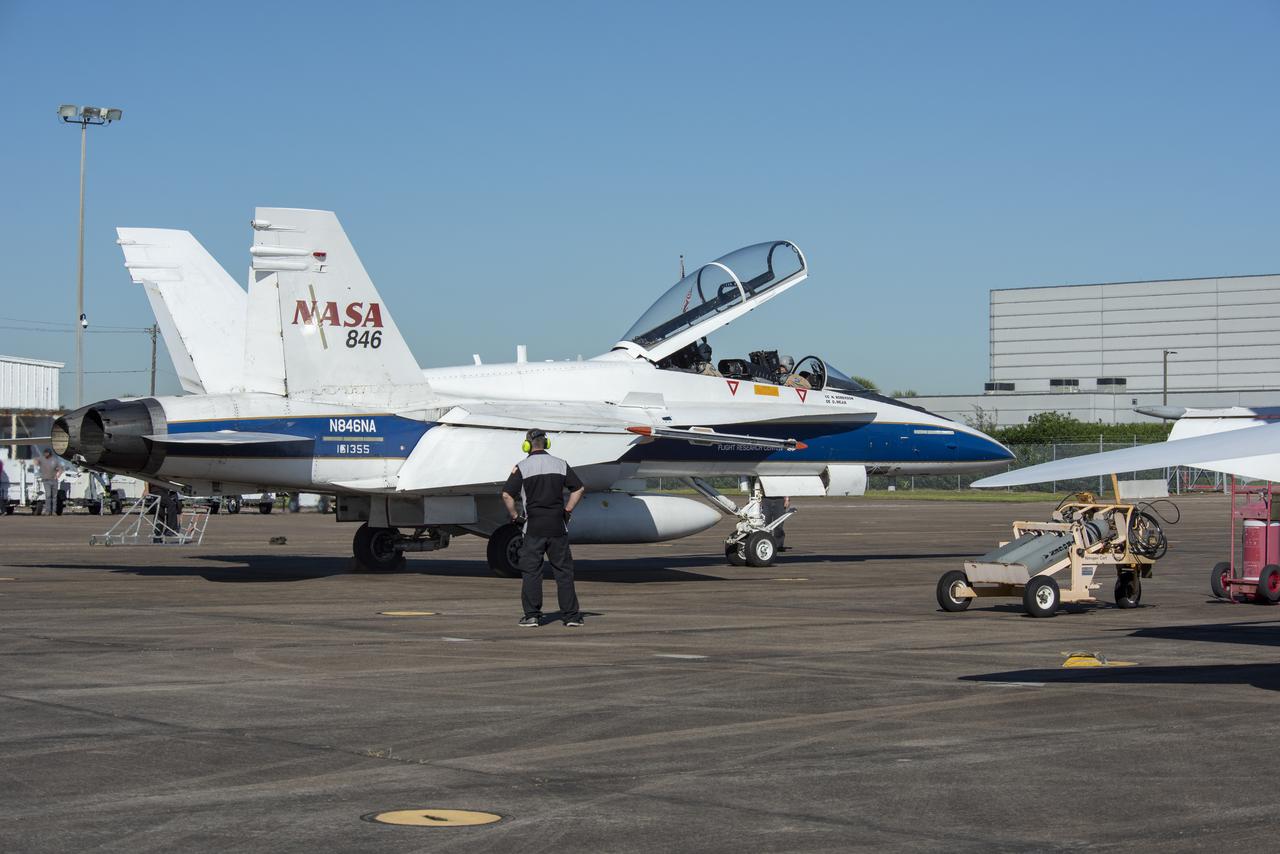
NASA test pilots Jim “Clue” Less and Wayne “Ringo” Ringelberg step to the F/A-18 research aircraft at Ellington Field and conduct pre-flight safety checks on the aircraft prior to a supersonic research flight for the QSF18 series.
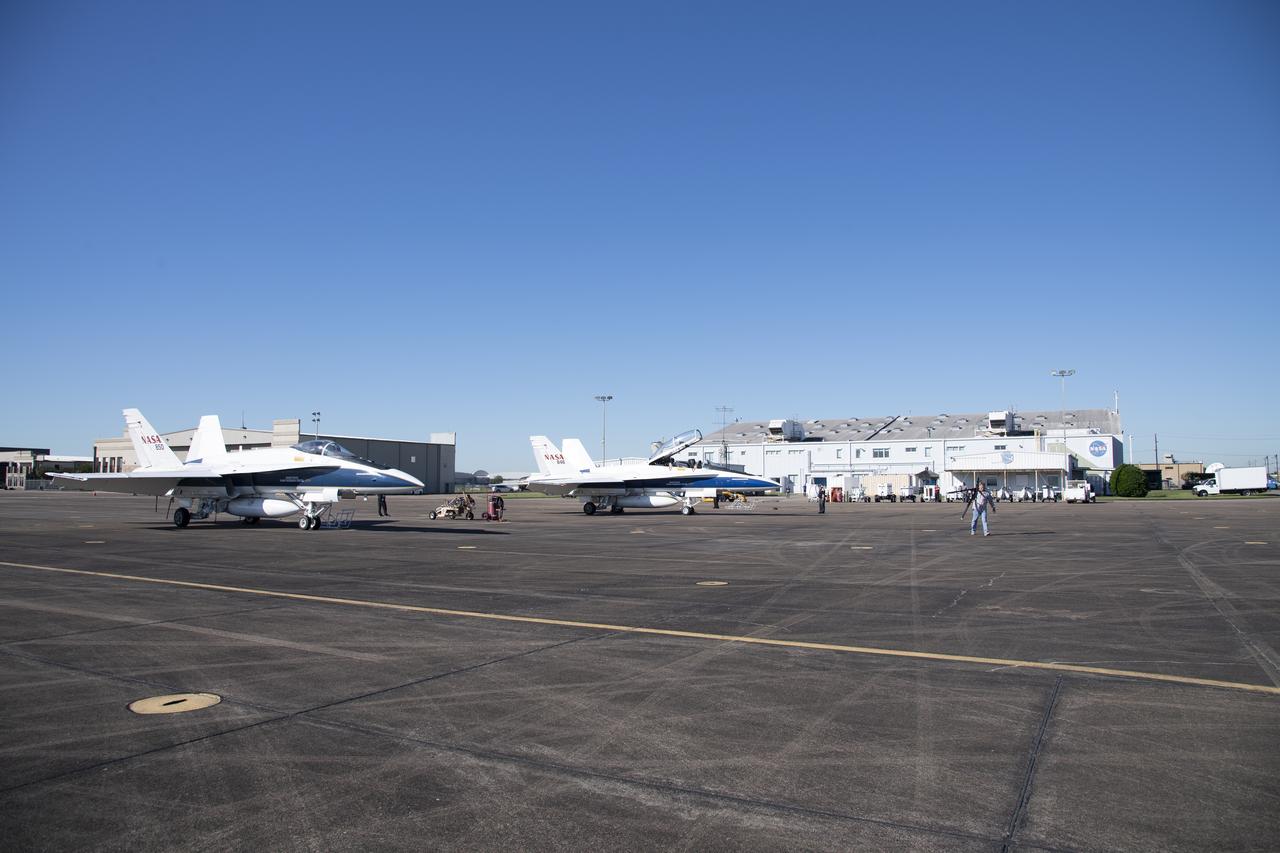
NASA test pilots Jim "Clue" Less and Wayne "Ringo" Ringelberg step to the F/A-18 research aircraft at Ellington Field and conduct pre-flight safety checks on the aircraft prior to a supersonic research flight for the QSF18 series.
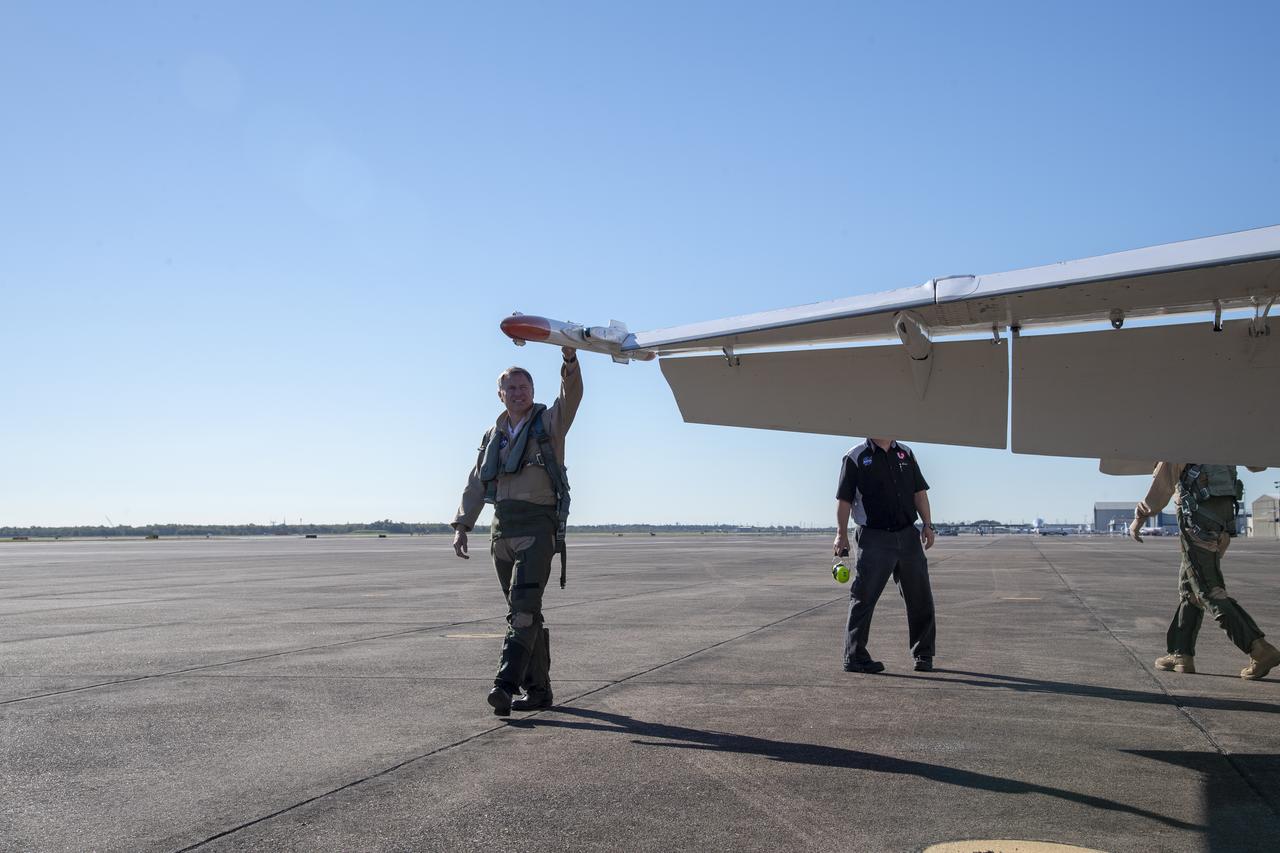
NASA test pilots Jim “Clue” Less and Wayne “Ringo” Ringelberg step to the F/A-18 research aircraft at Ellington Field and conduct pre-flight safety checks on the aircraft prior to a supersonic research flight for the QSF18 series.
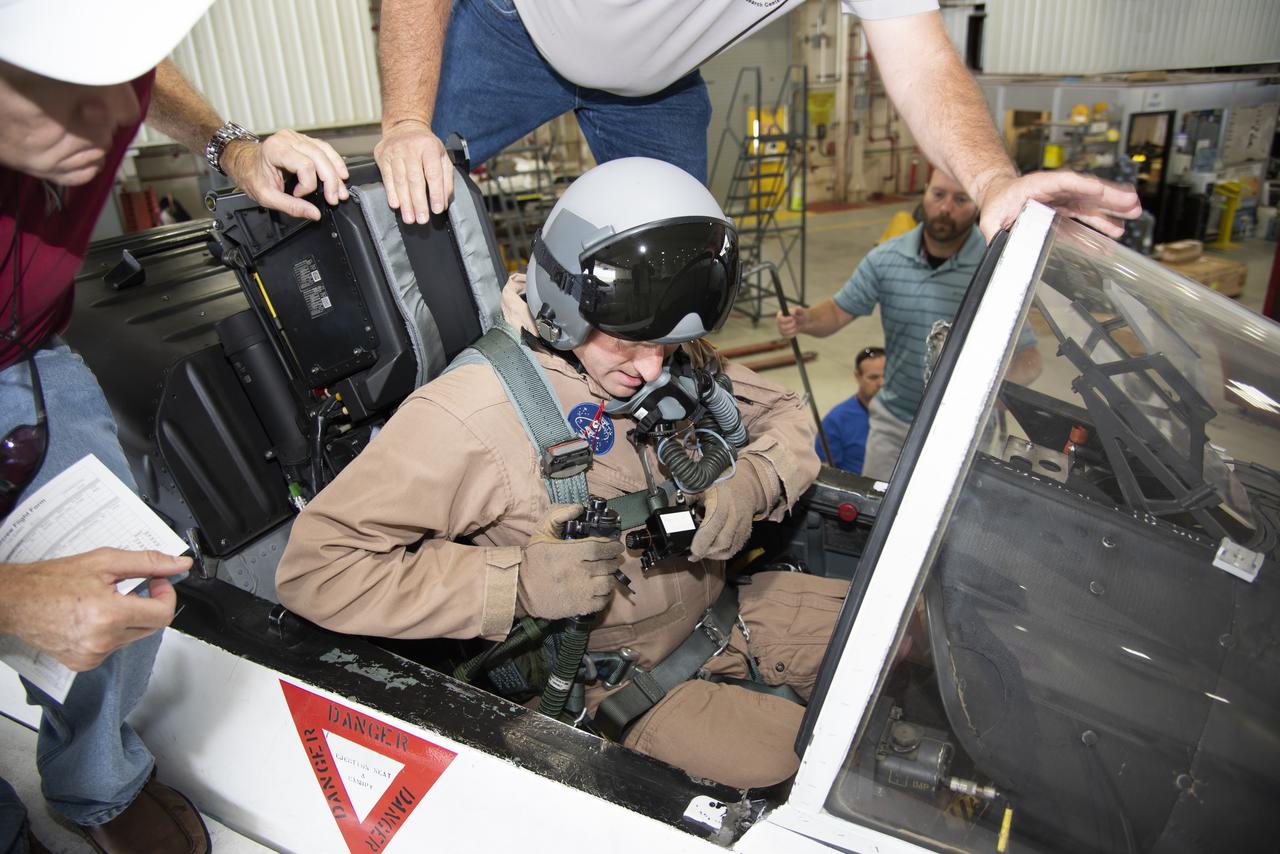
NASA pilot Jim Less sits in the cockpit of a NASA F/A-18 aircraft in preparation for flight tests that will be used to understand the physiological impacts that high-performance aircraft have on pilots.
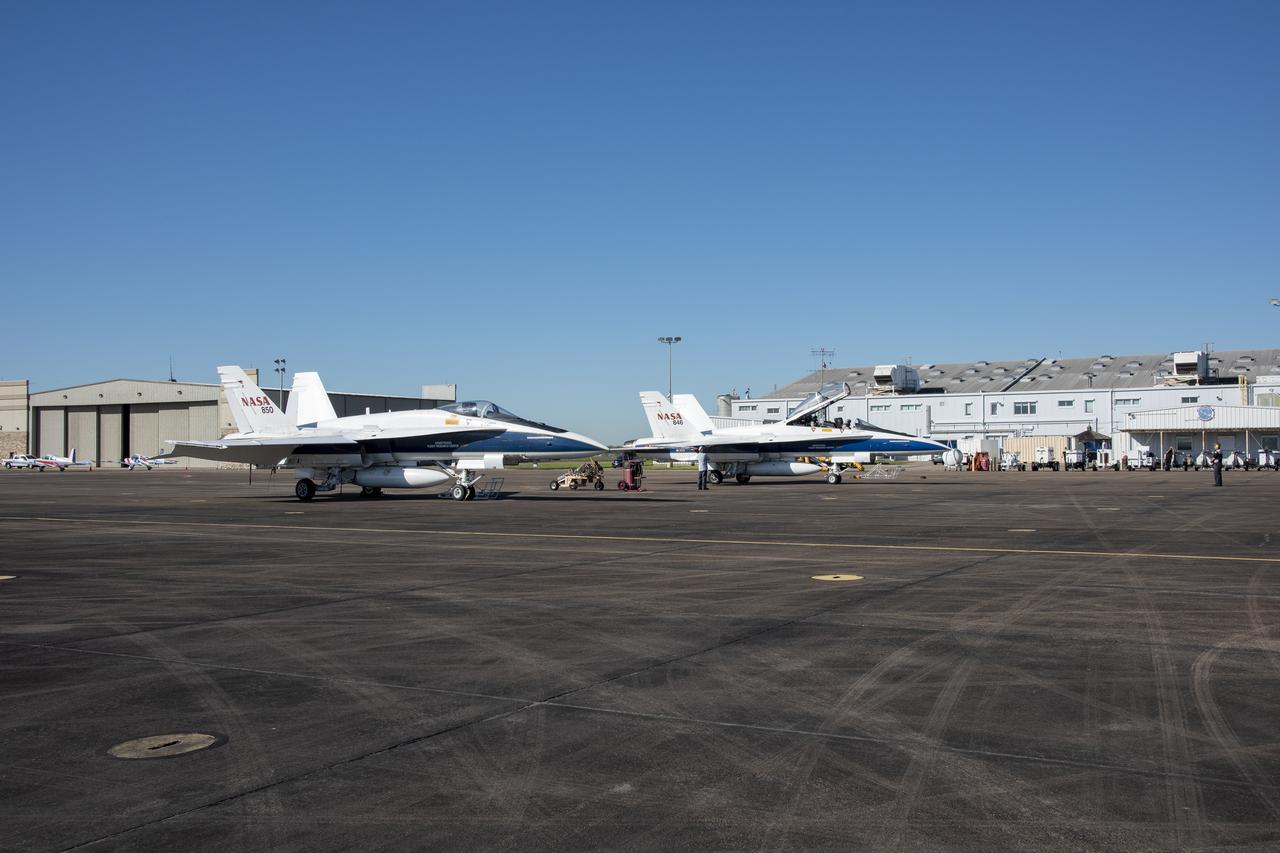
NASA test pilots Jim “Clue” Less and Wayne “Ringo” Ringelberg step to the F/A-18 research aircraft at Ellington Field and conduct pre-flight safety checks on the aircraft prior to a supersonic research flight for the QSF18 series.
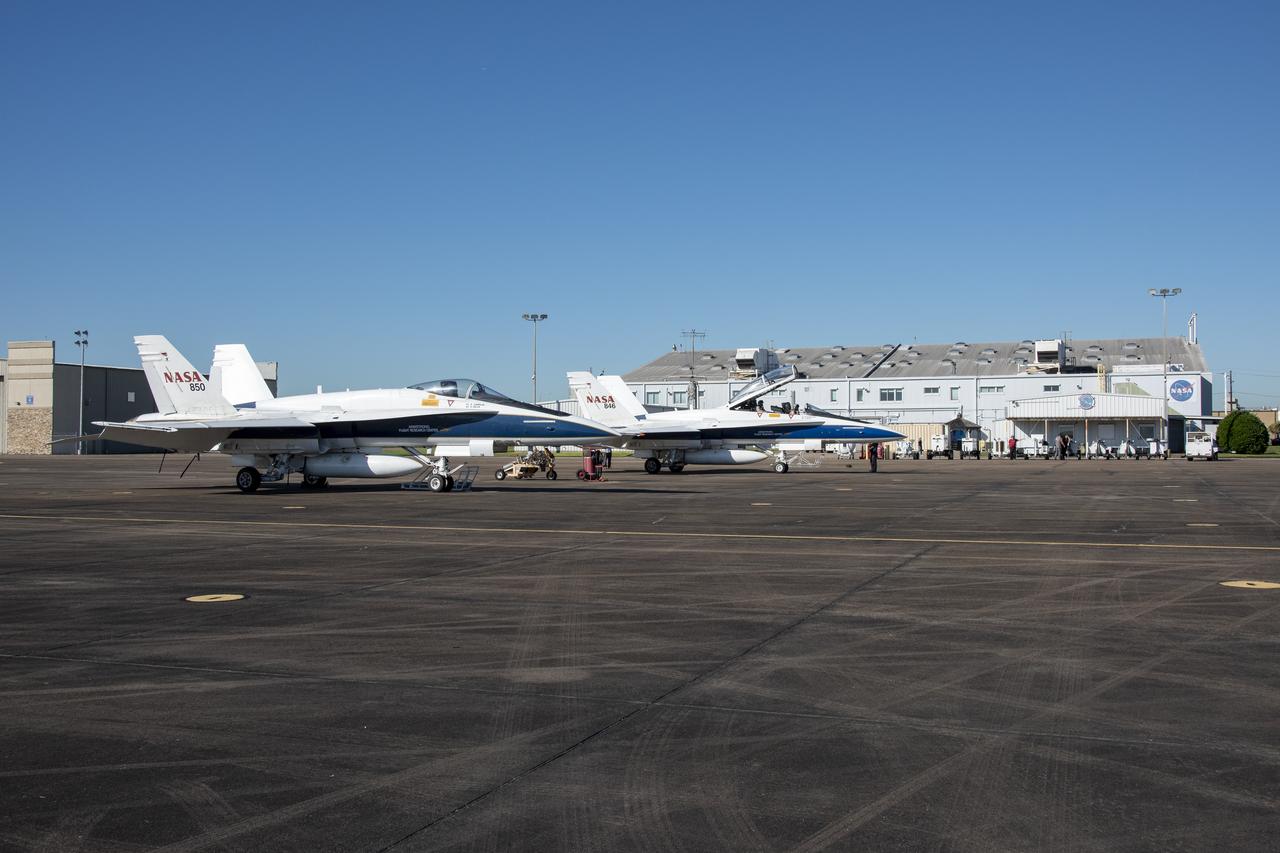
NASA test pilots Jim “Clue” Less and Wayne “Ringo” Ringelberg step to the F/A-18 research aircraft at Ellington Field and conduct pre-flight safety checks on the aircraft prior to a supersonic research flight for the QSF18 series.

NASA test pilots Jim "Clue" Less and Wayne "Ringo" Ringelberg step to the F/A-18 research aircraft at Ellington Field and conduct pre-flight safety checks on the aircraft prior to a supersonic research flight for the QSF18 series.
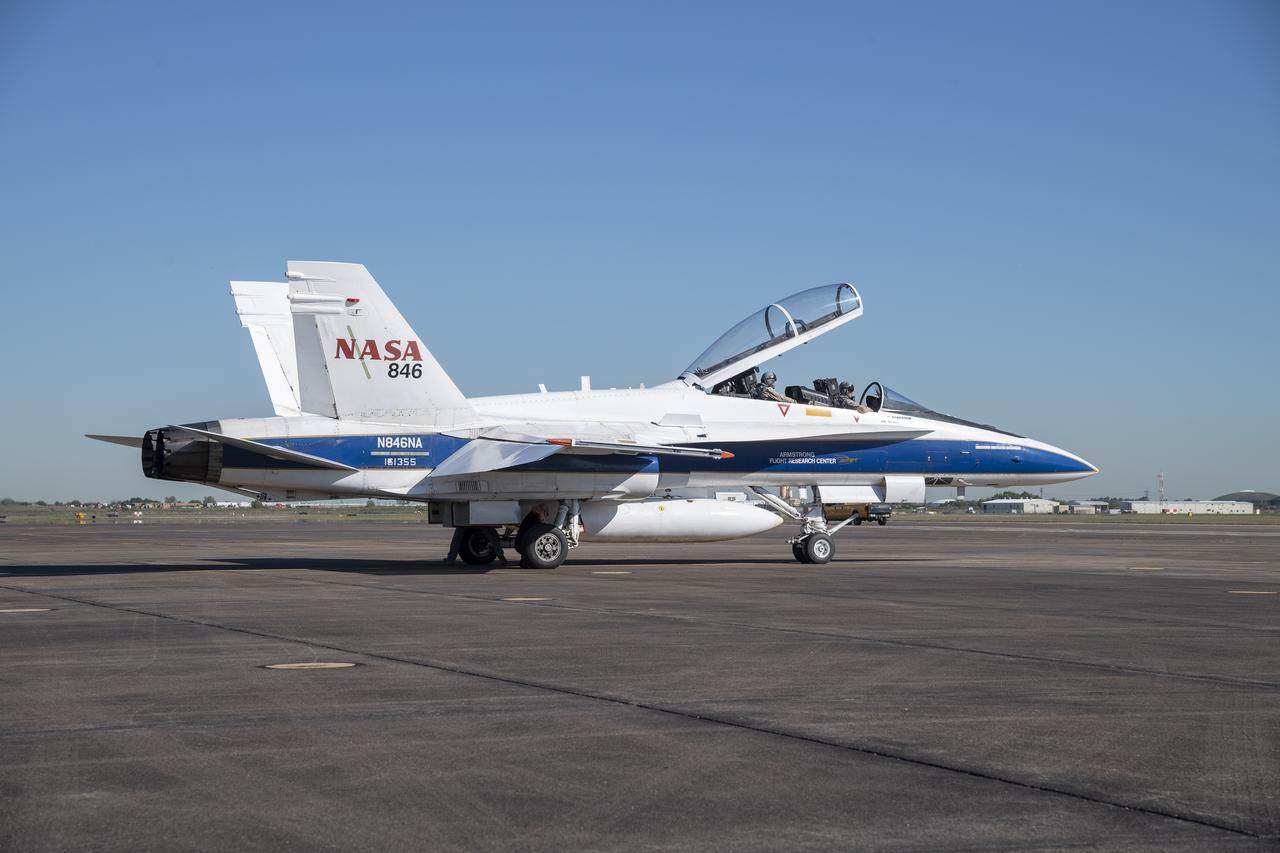
NASA test pilots Jim "Clue" Less and Wayne "Ringo" Ringelberg step to the F/A-18 research aircraft at Ellington Field and conduct pre-flight safety checks on the aircraft prior to a supersonic research flight for the QSF18 series.
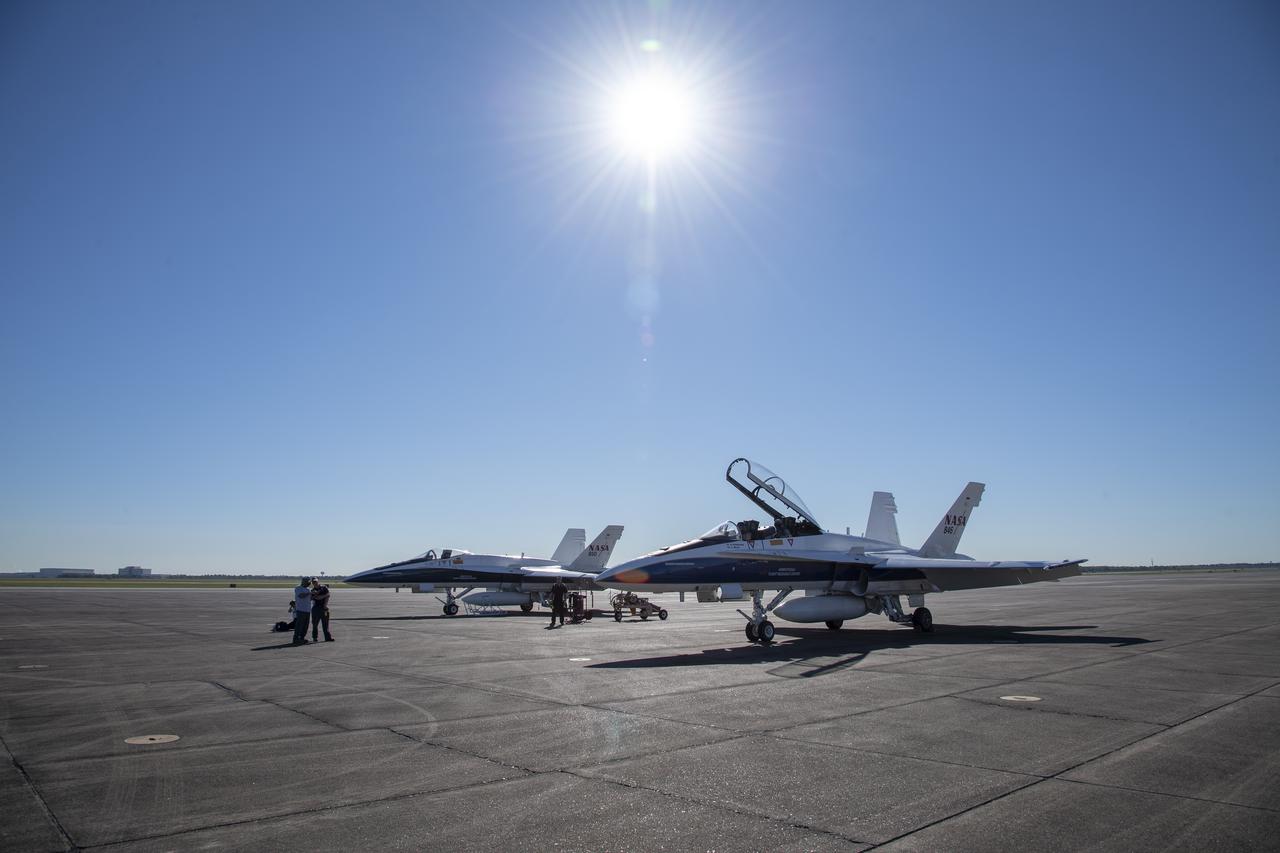
NASA test pilots Jim “Clue” Less and Wayne “Ringo” Ringelberg step to the F/A-18 research aircraft at Ellington Field and conduct pre-flight safety checks on the aircraft prior to a supersonic research flight for the QSF18 series.
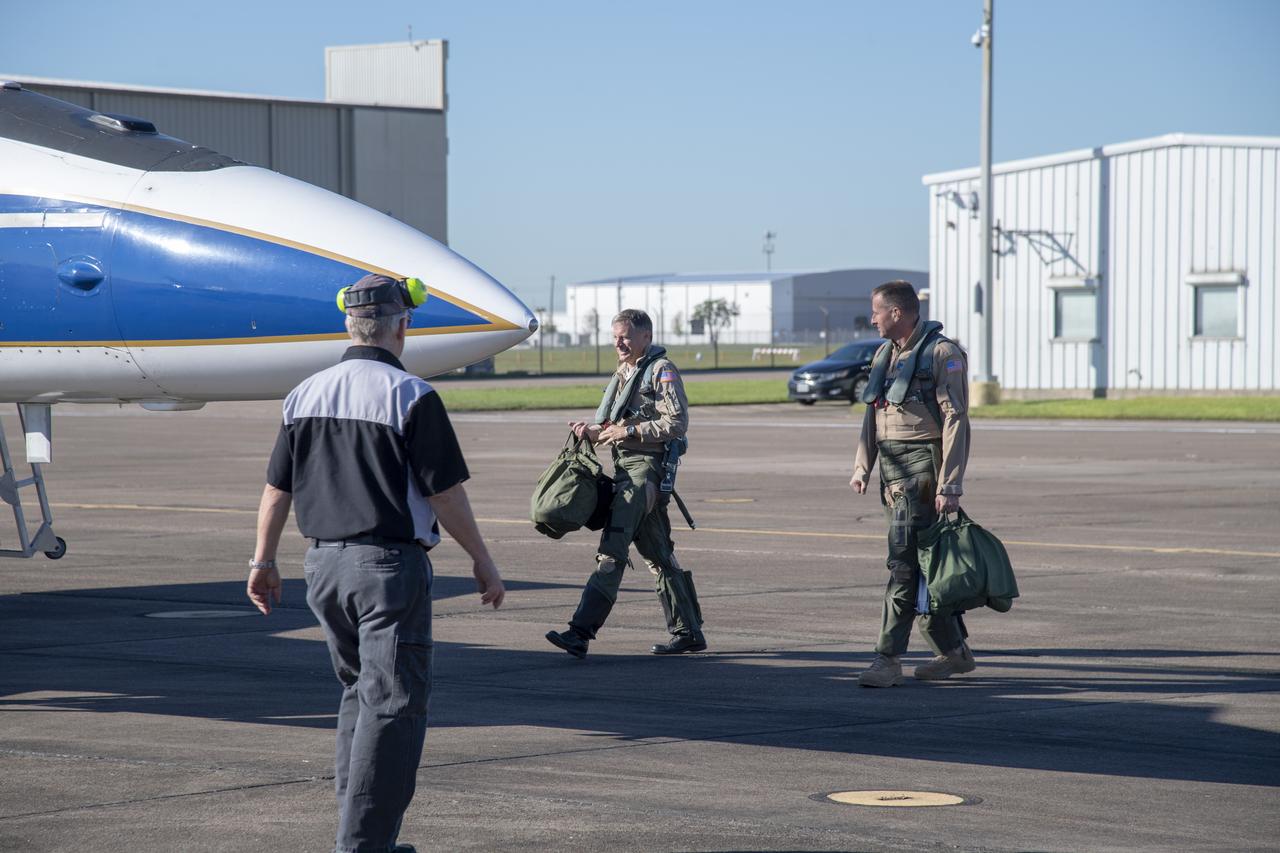
NASA test pilots Jim “Clue” Less and Wayne “Ringo” Ringelberg step to the F/A-18 research aircraft at Ellington Field and conduct pre-flight safety checks on the aircraft prior to a supersonic research flight for the QSF18 series.
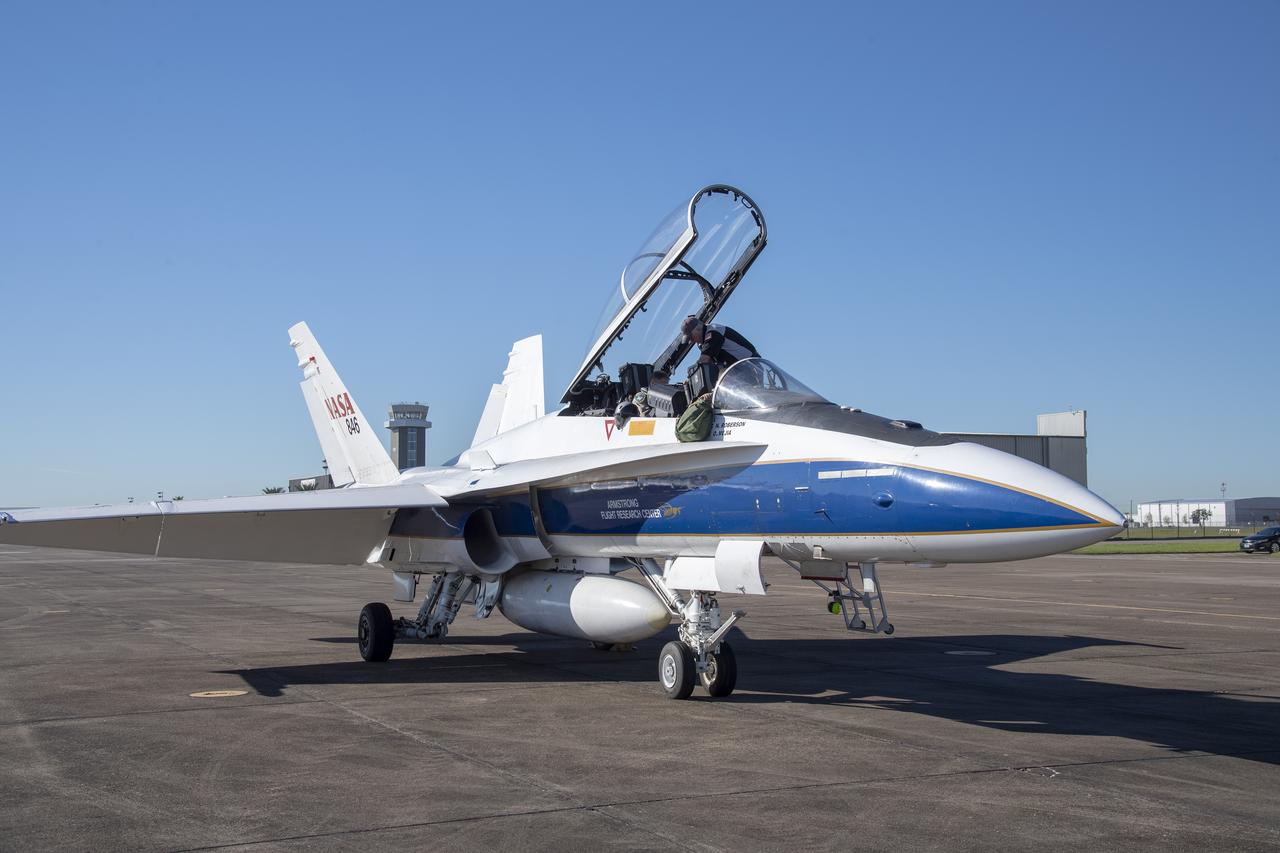
NASA test pilots Jim “Clue” Less and Wayne “Ringo” Ringelberg step to the F/A-18 research aircraft at Ellington Field and conduct pre-flight safety checks on the aircraft prior to a supersonic research flight for the QSF18 series.
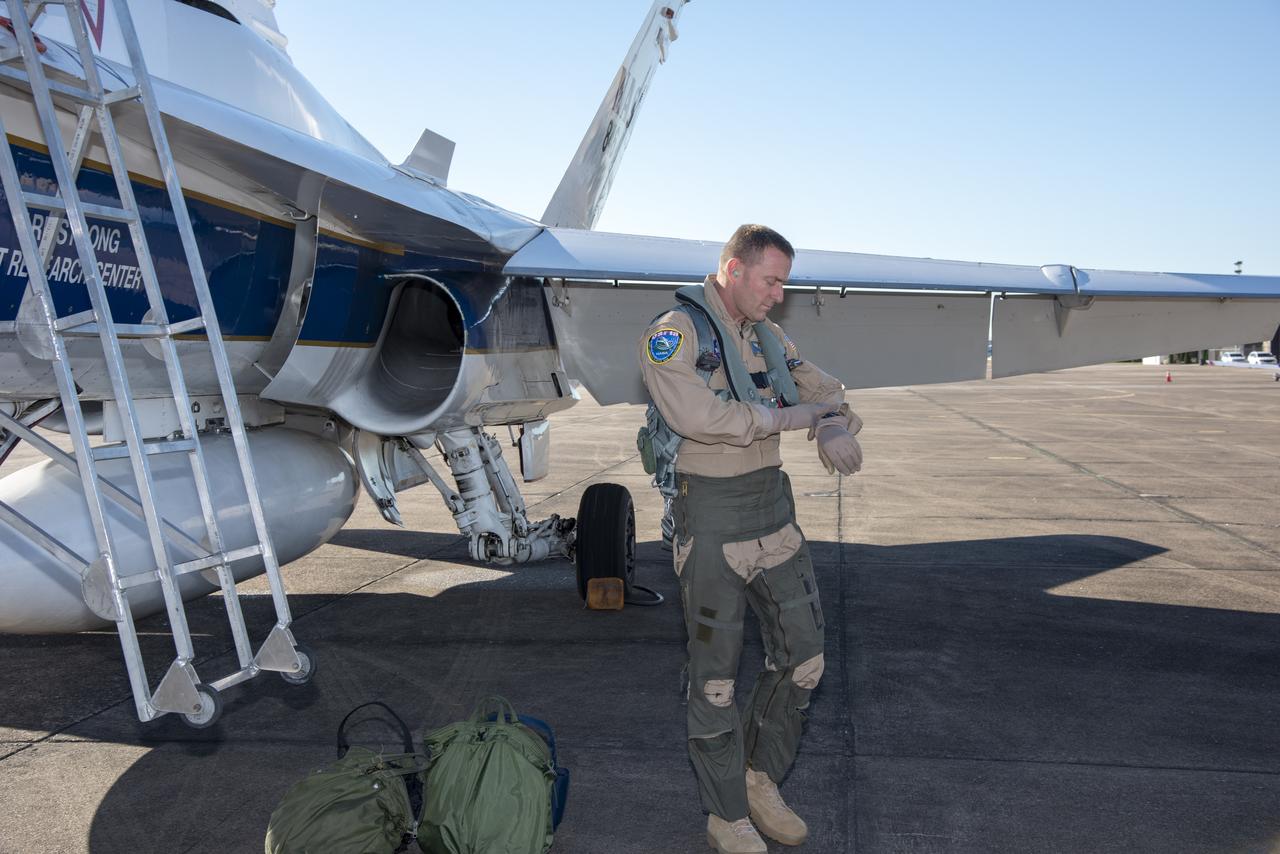
NASA test pilots Jim “Clue” Less and Wayne “Ringo” Ringelberg step to the F/A-18 research aircraft at Ellington Field and conduct pre-flight safety checks on the aircraft prior to a supersonic research flight for the QSF18 series.
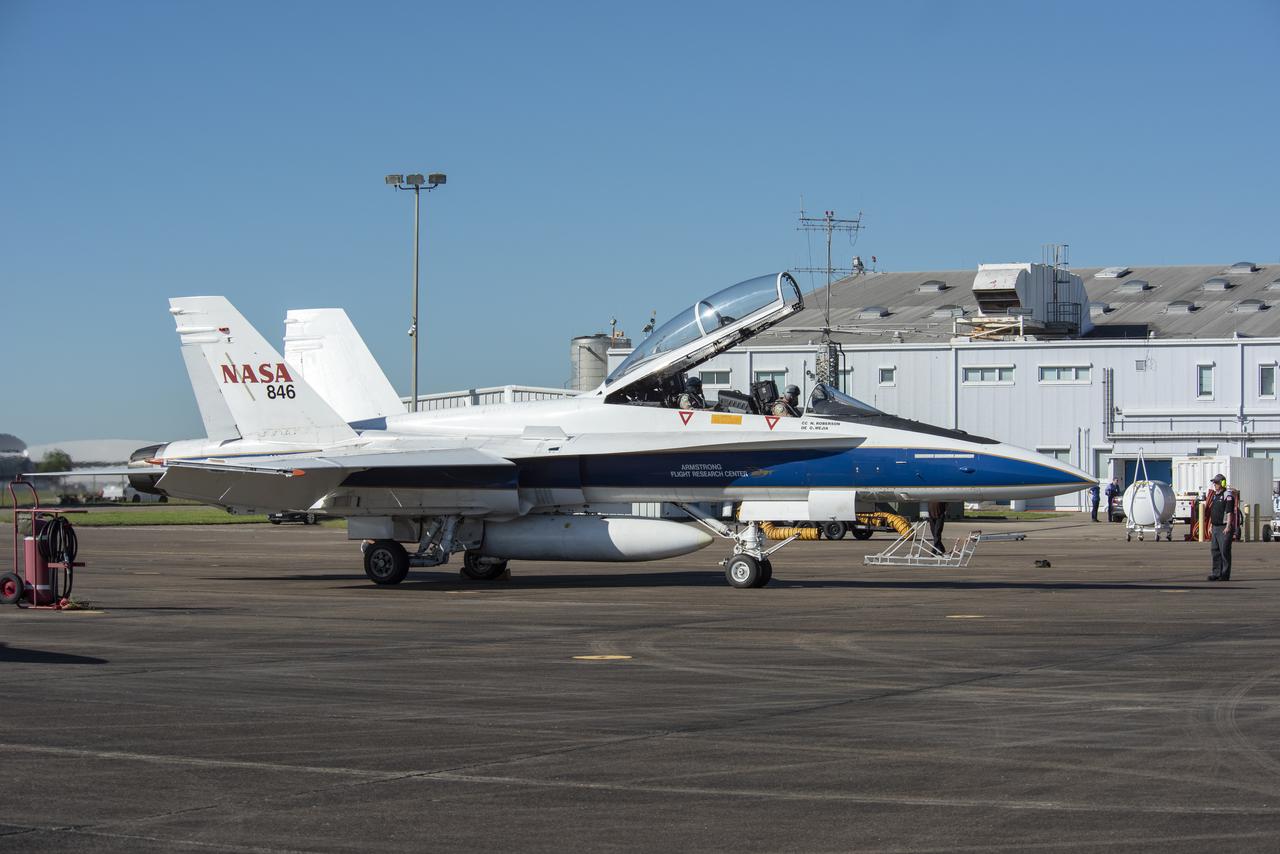
NASA test pilots Jim “Clue” Less and Wayne “Ringo” Ringelberg step to the F/A-18 research aircraft at Ellington Field and conduct pre-flight safety checks on the aircraft prior to a supersonic research flight for the QSF18 series.
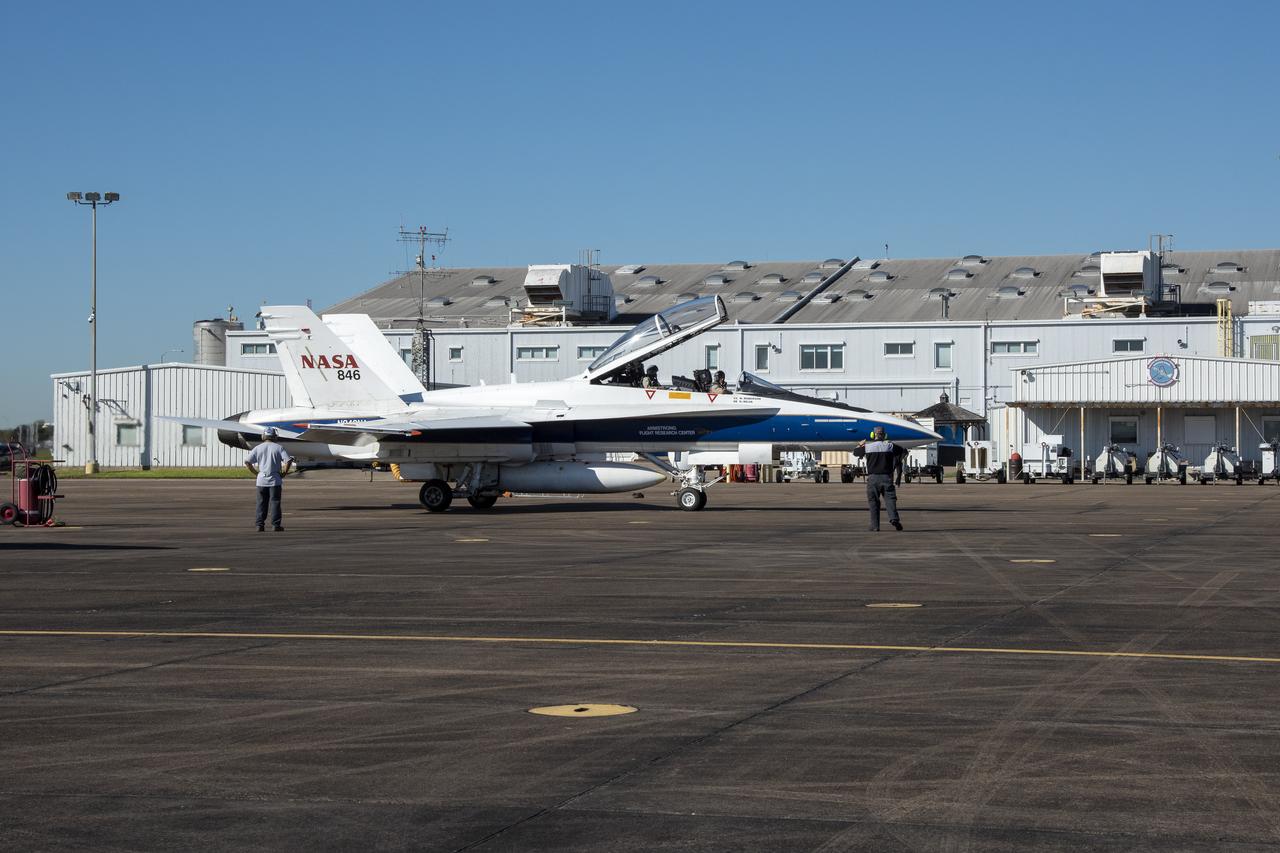
NASA test pilots Jim “Clue” Less and Wayne “Ringo” Ringelberg step to the F/A-18 research aircraft at Ellington Field and conduct pre-flight safety checks on the aircraft prior to a supersonic research flight for the QSF18 series.
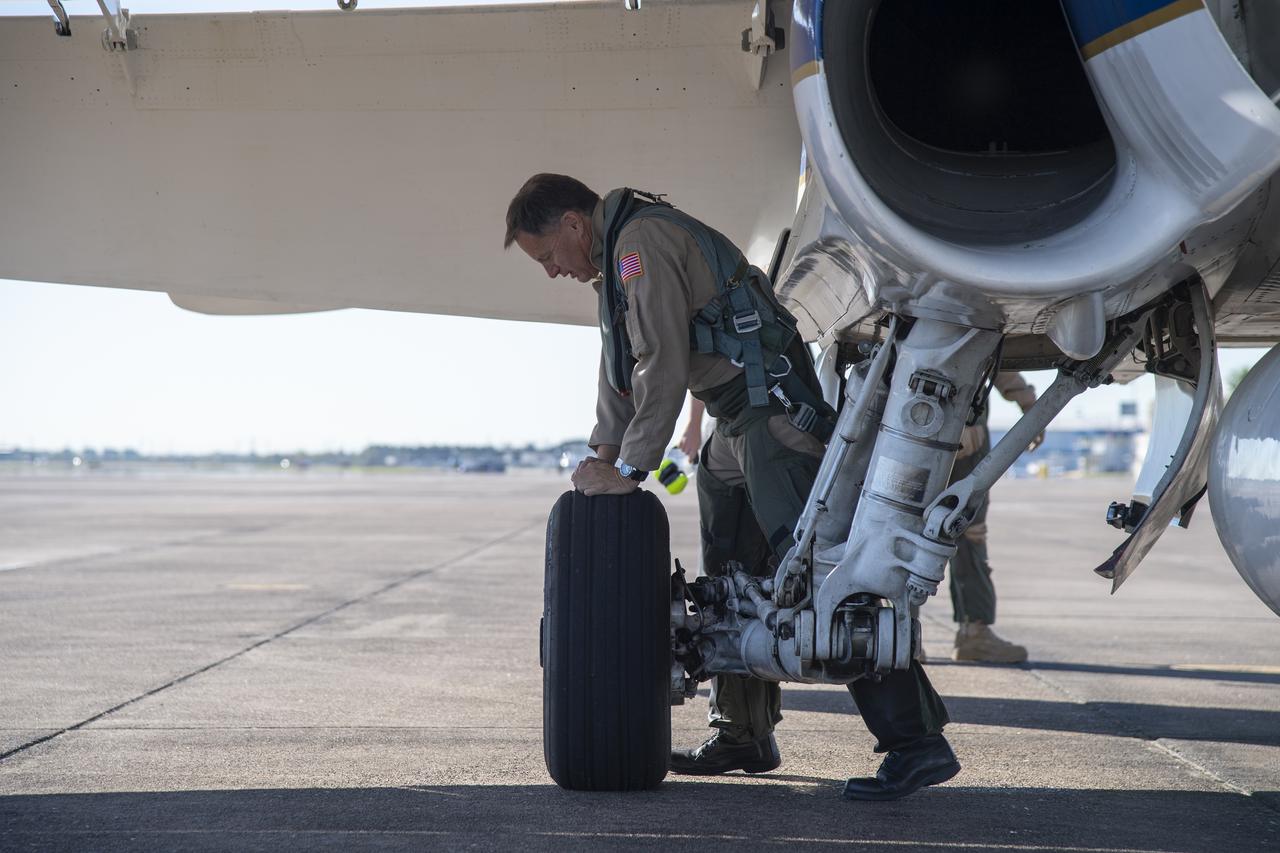
NASA test pilots Jim "Clue" Less and Wayne "Ringo" Ringelberg step to the F/A-18 research aircraft at Ellington Field and conduct pre-flight safety checks on the aircraft prior to a supersonic research flight for the QSF18 series.
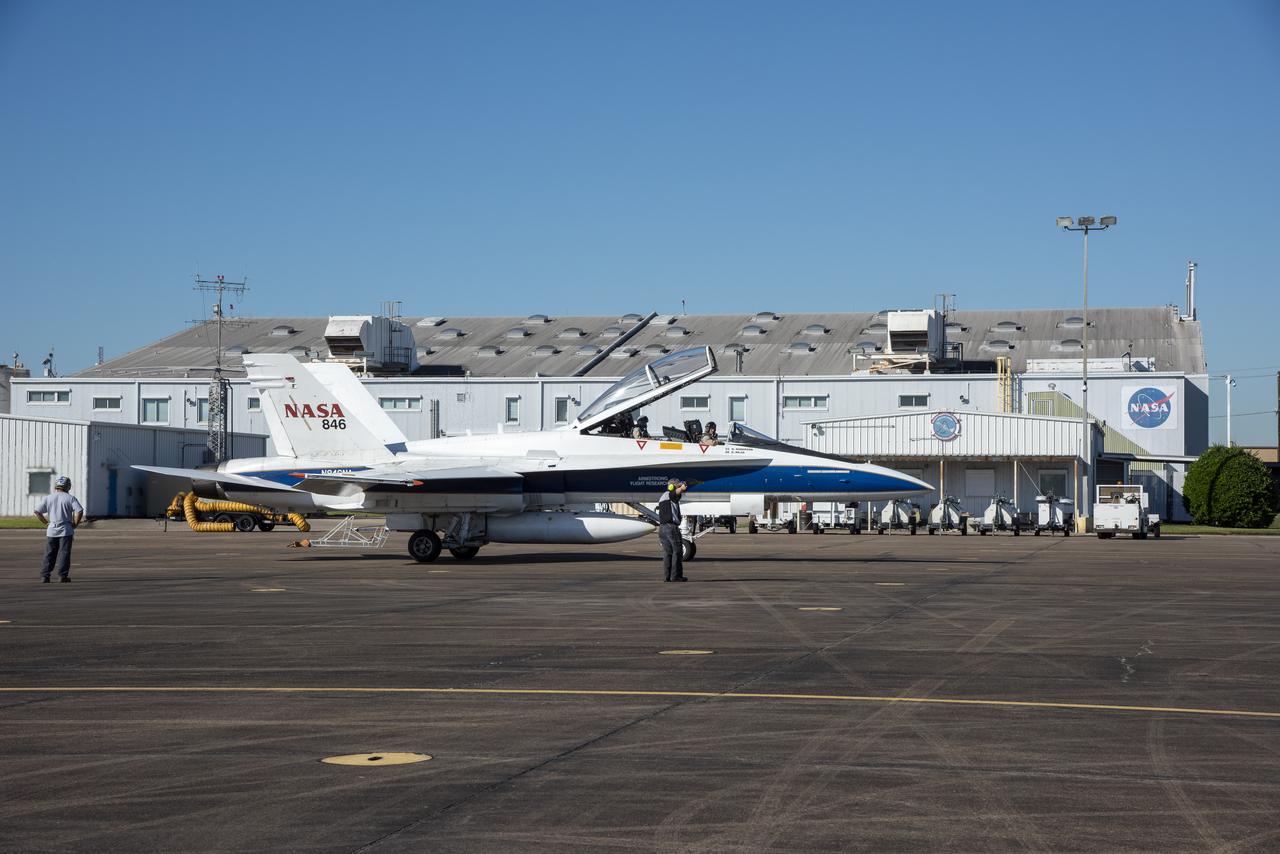
NASA test pilots Jim “Clue” Less and Wayne “Ringo” Ringelberg step to the F/A-18 research aircraft at Ellington Field and conduct pre-flight safety checks on the aircraft prior to a supersonic research flight for the QSF18 series.
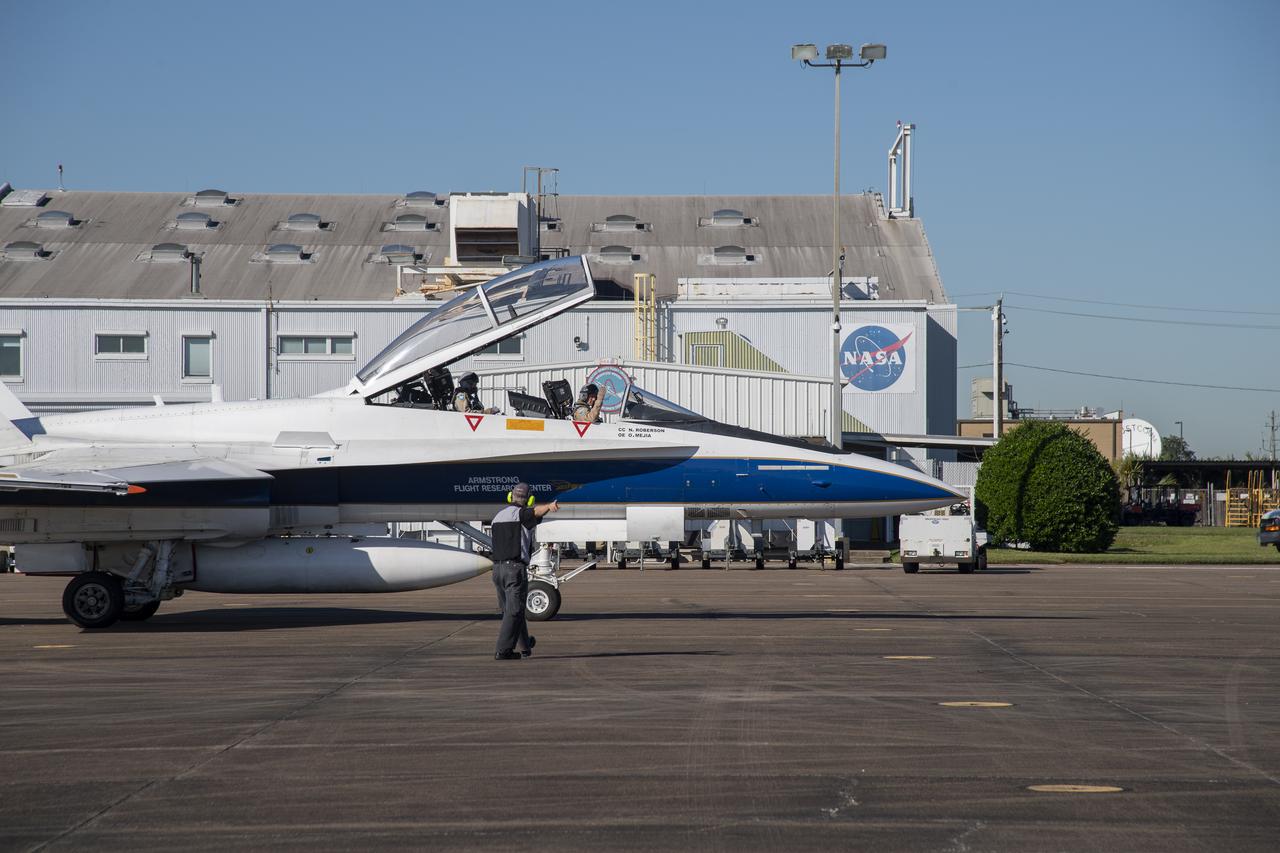
NASA test pilots Jim "Clue" Less and Wayne "Ringo" Ringelberg step to the F/A-18 research aircraft at Ellington Field and conduct pre-flight safety checks on the aircraft prior to a supersonic research flight for the QSF18 series.
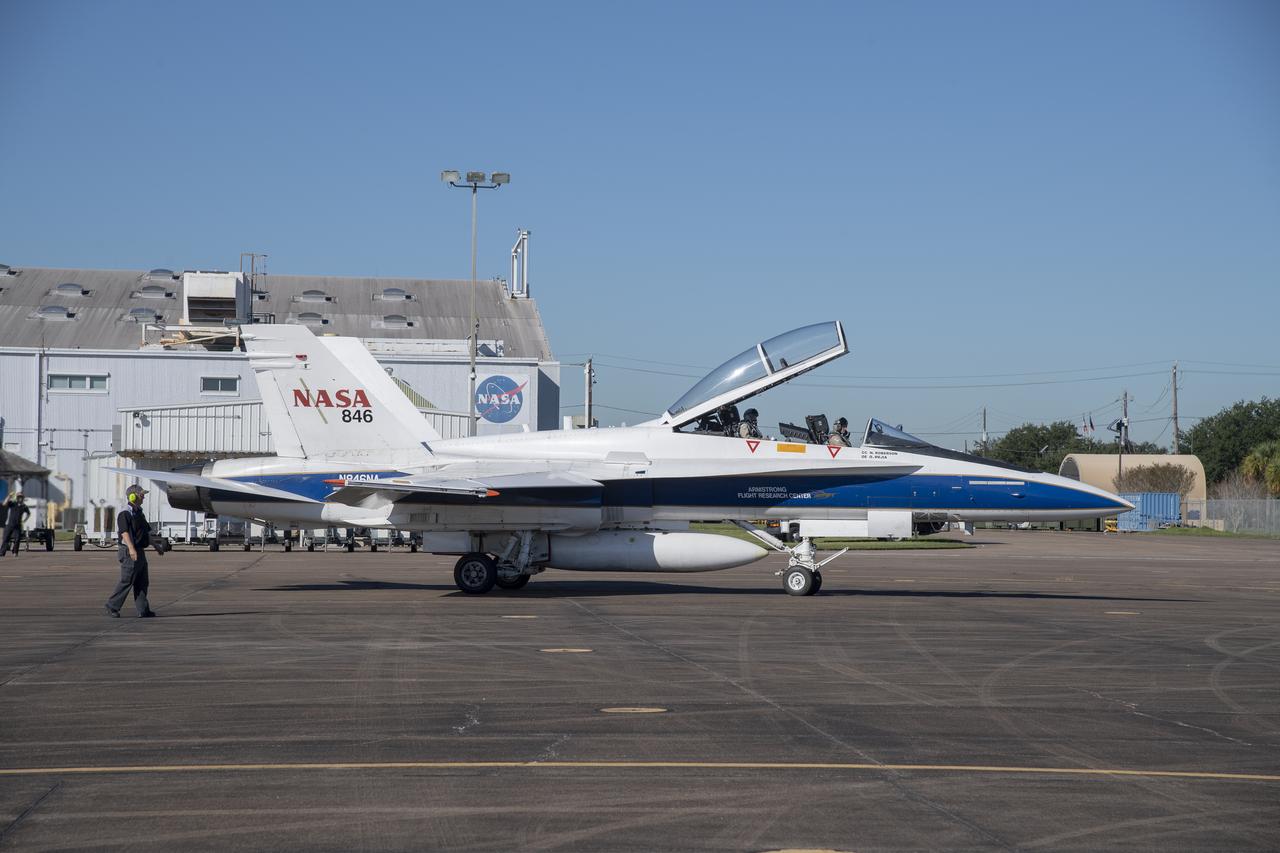
NASA test pilots Jim "Clue" Less and Wayne "Ringo" Ringelberg step to the F/A-18 research aircraft at Ellington Field and conduct pre-flight safety checks on the aircraft prior to a supersonic research flight for the QSF18 series.
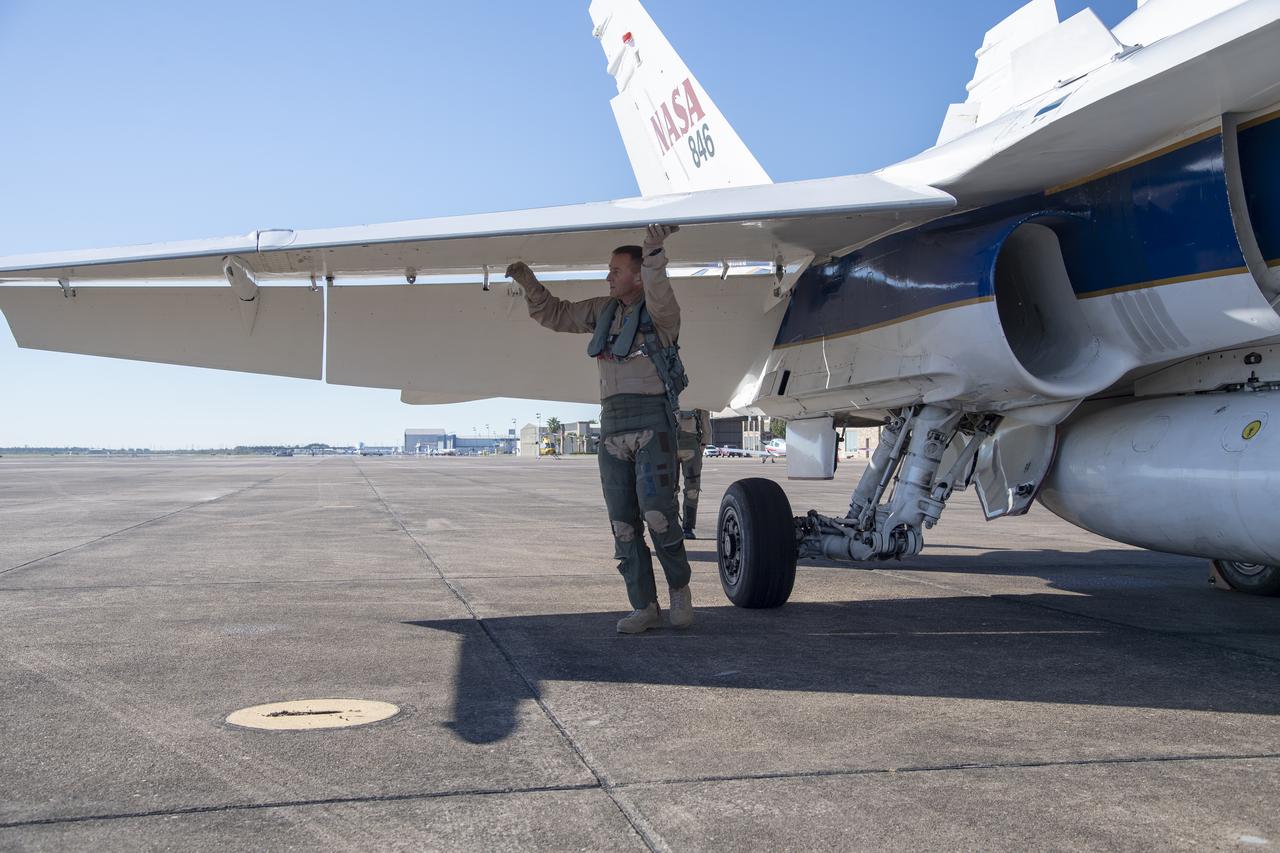
NASA test pilots Jim "Clue" Less and Wayne "Ringo" Ringelberg step to the F/A-18 research aircraft at Ellington Field and conduct pre-flight safety checks on the aircraft prior to a supersonic research flight for the QSF18 series.
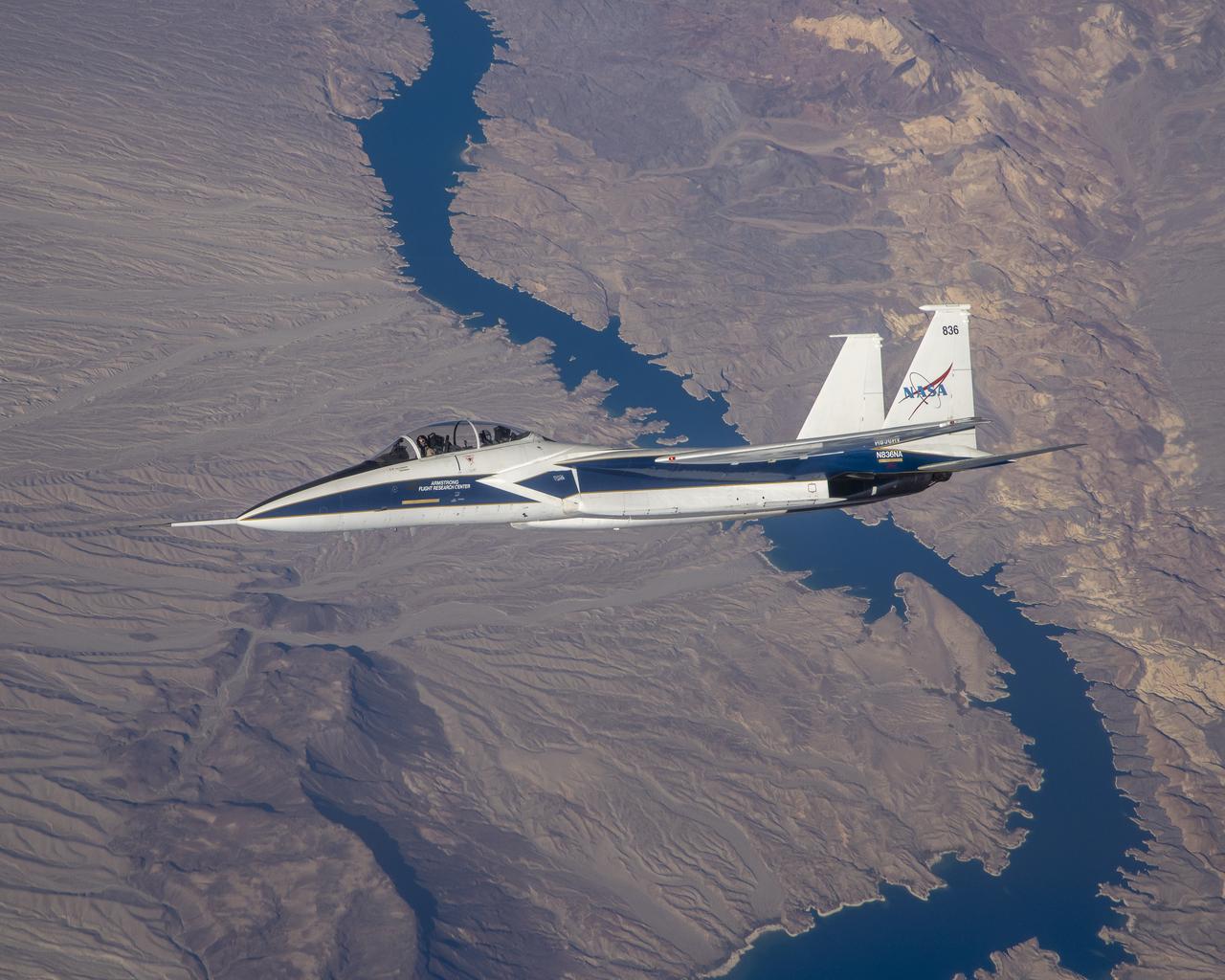
F-15 N836NA with test pilots Nils Larson and Jim Less at the controls flying over the Colorado River during Shock Sensing Probe (SSP) Flight #6.
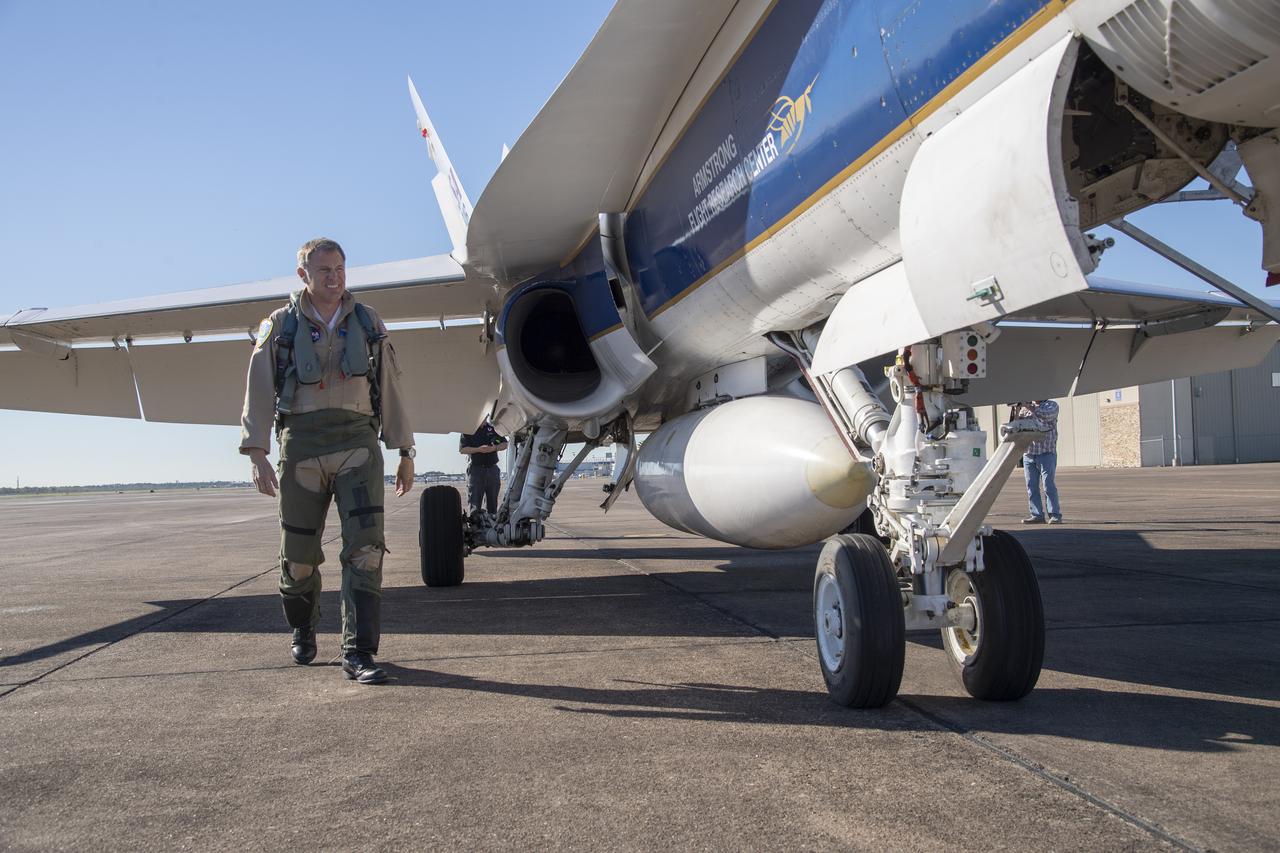
NASA test pilots Jim "Clue" Less and Wayne "Ringo" Ringelberg step to the F/A-18 research aircraft at Ellington Field and conduct pre-flight safety checks on the aircraft prior to a supersonic research flight for the QSF18 series.

NASA test pilots Jim "Clue" Less and Wayne "Ringo" Ringelberg step to the F/A-18 research aircraft at Ellington Field and conduct pre-flight safety checks on the aircraft prior to a supersonic research flight for the QSF18 series.
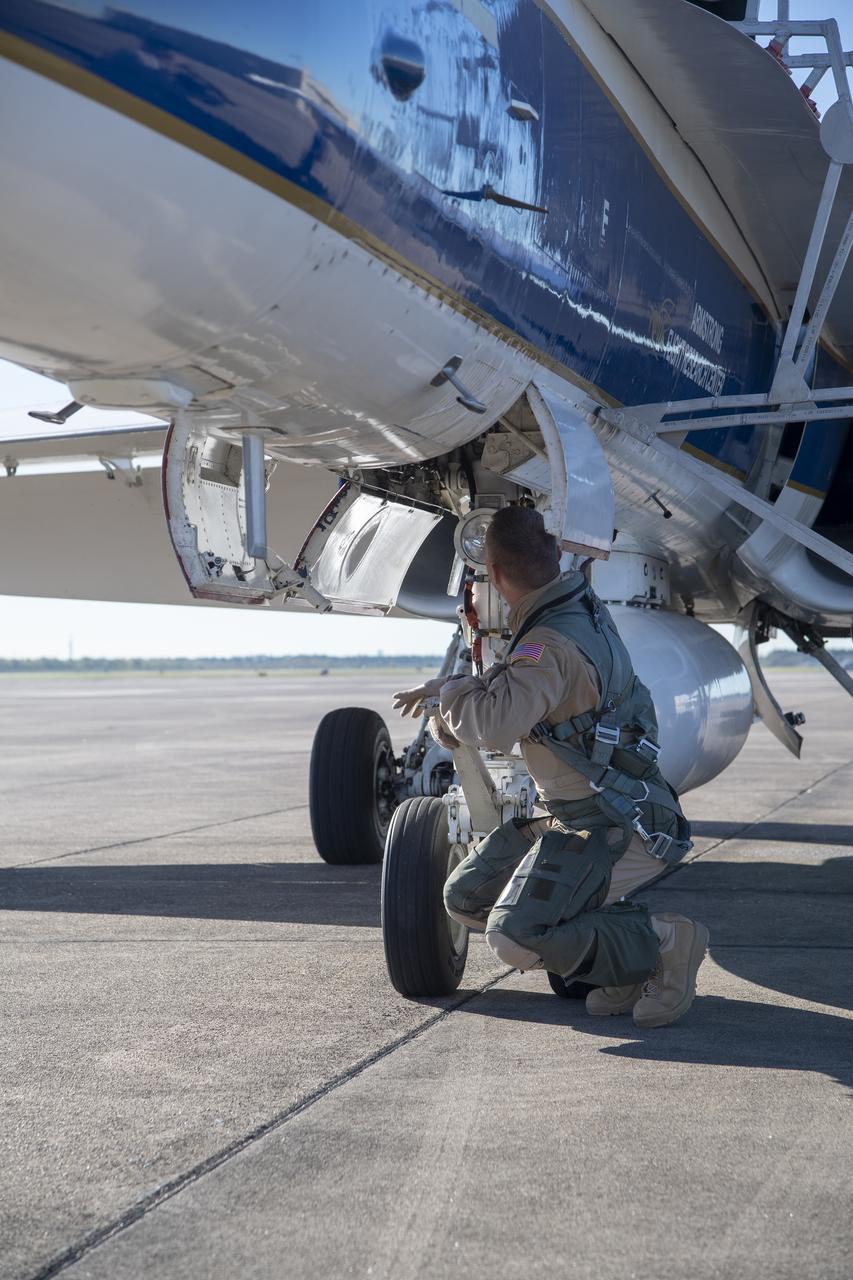
NASA test pilots Jim "Clue"Less and Wayne "Ringo" Ringelberg step to the F/A-18 research aircraft at Ellington Field and conduct pre-flight safety checks on the aircraft prior to a supersonic research flight for the QSF18 series.
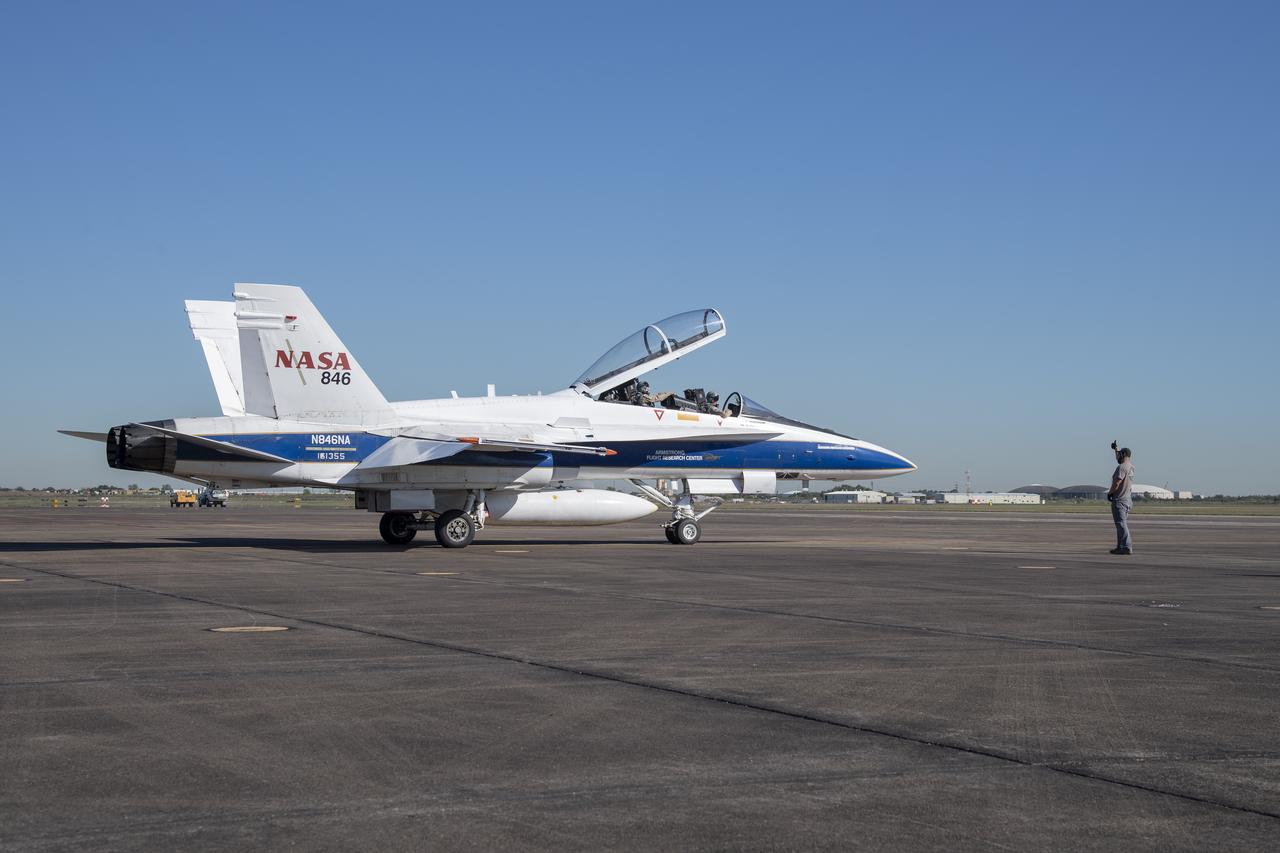
NASA test pilots Jim “Clue” Less and Wayne “Ringo” Ringelberg step to the F/A-18 research aircraft at Ellington Field and conduct pre-flight safety checks on the aircraft prior to a supersonic research flight for the QSF18 series.
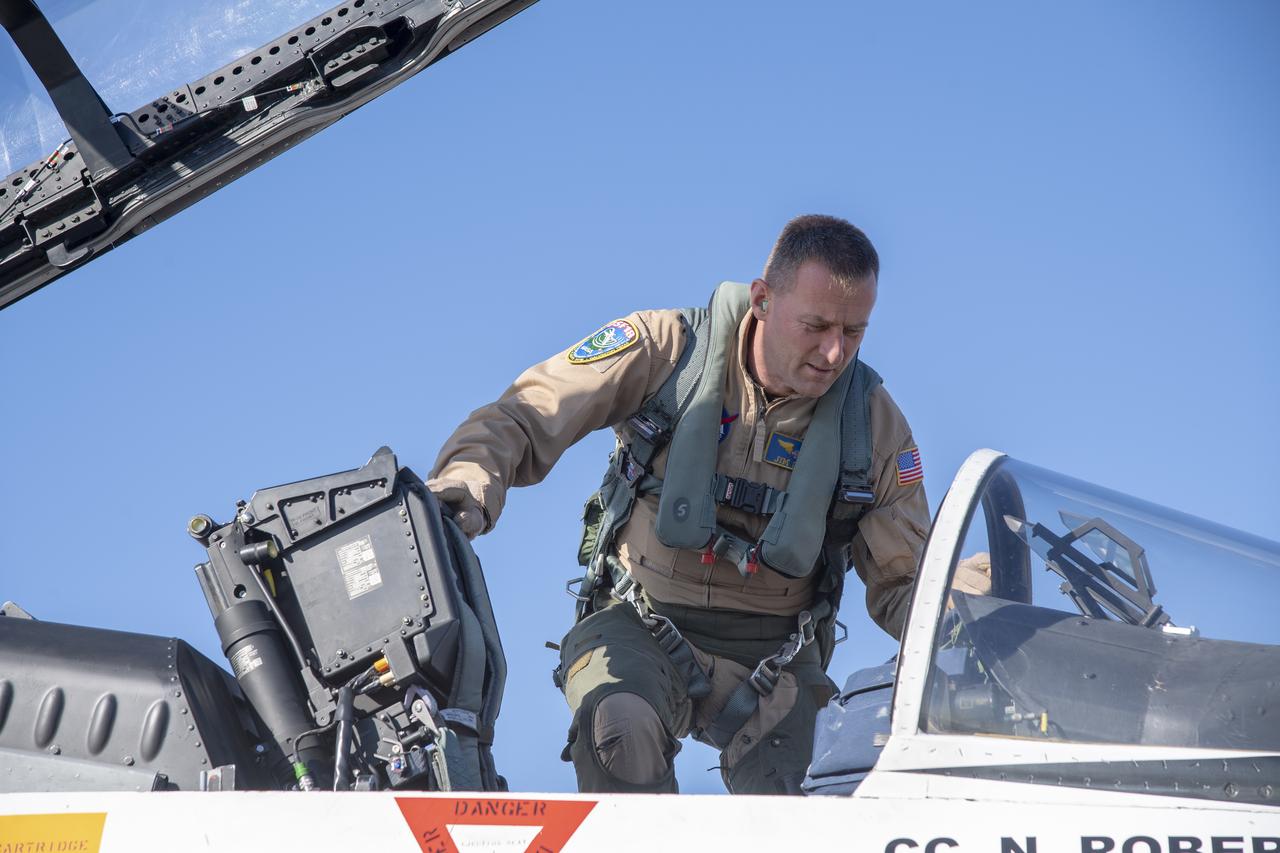
NASA test pilots Jim "Clue" Less and Wayne "Ringo" Ringelberg step to the F/A-18 research aircraft at Ellington Field and conduct pre-flight safety checks on the aircraft prior to a supersonic research flight for the QSF18 series.
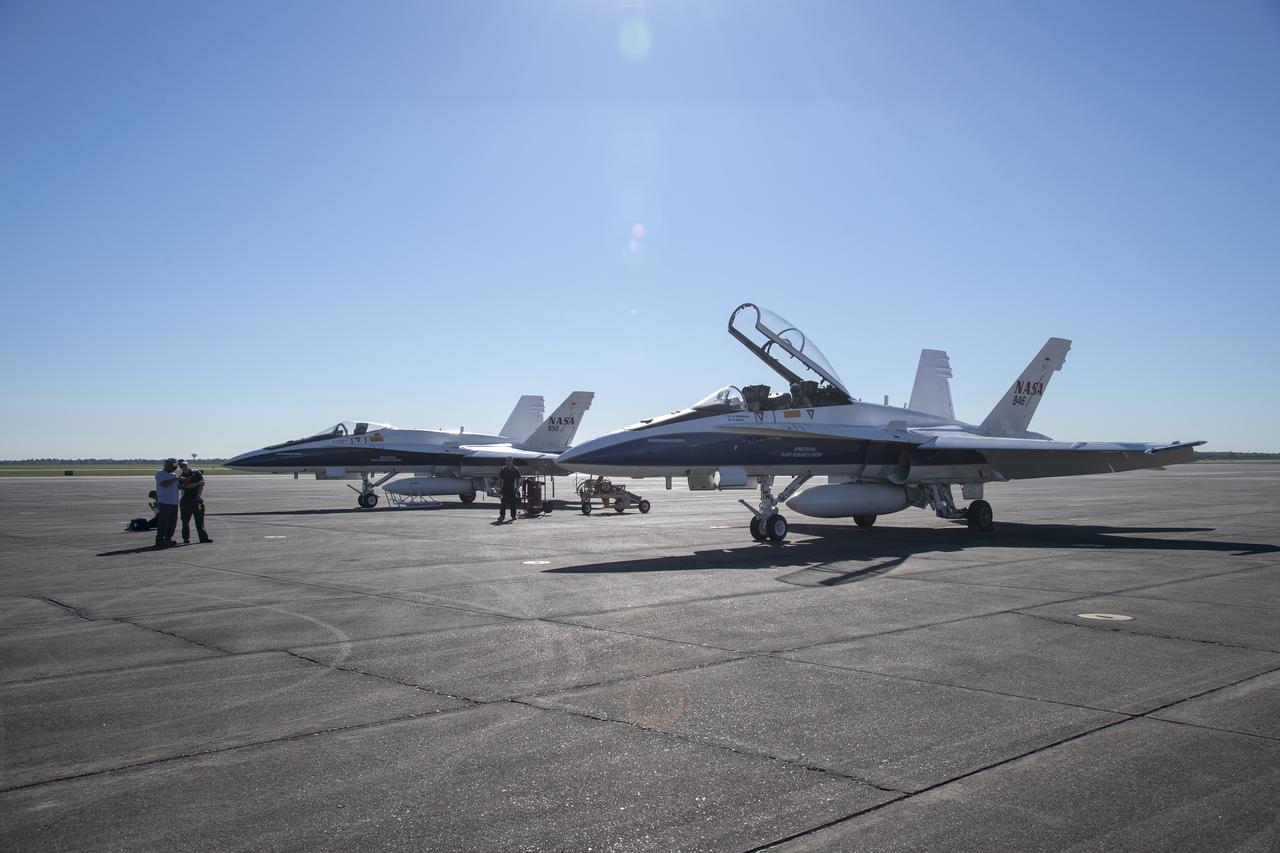
NASA test pilots Jim "Clue" Less and Wayne "Ringo" Ringelberg step to the F/A-18 research aircraft at Ellington Field and conduct pre-flight safety checks on the aircraft prior to a supersonic research flight for the QSF18 series.
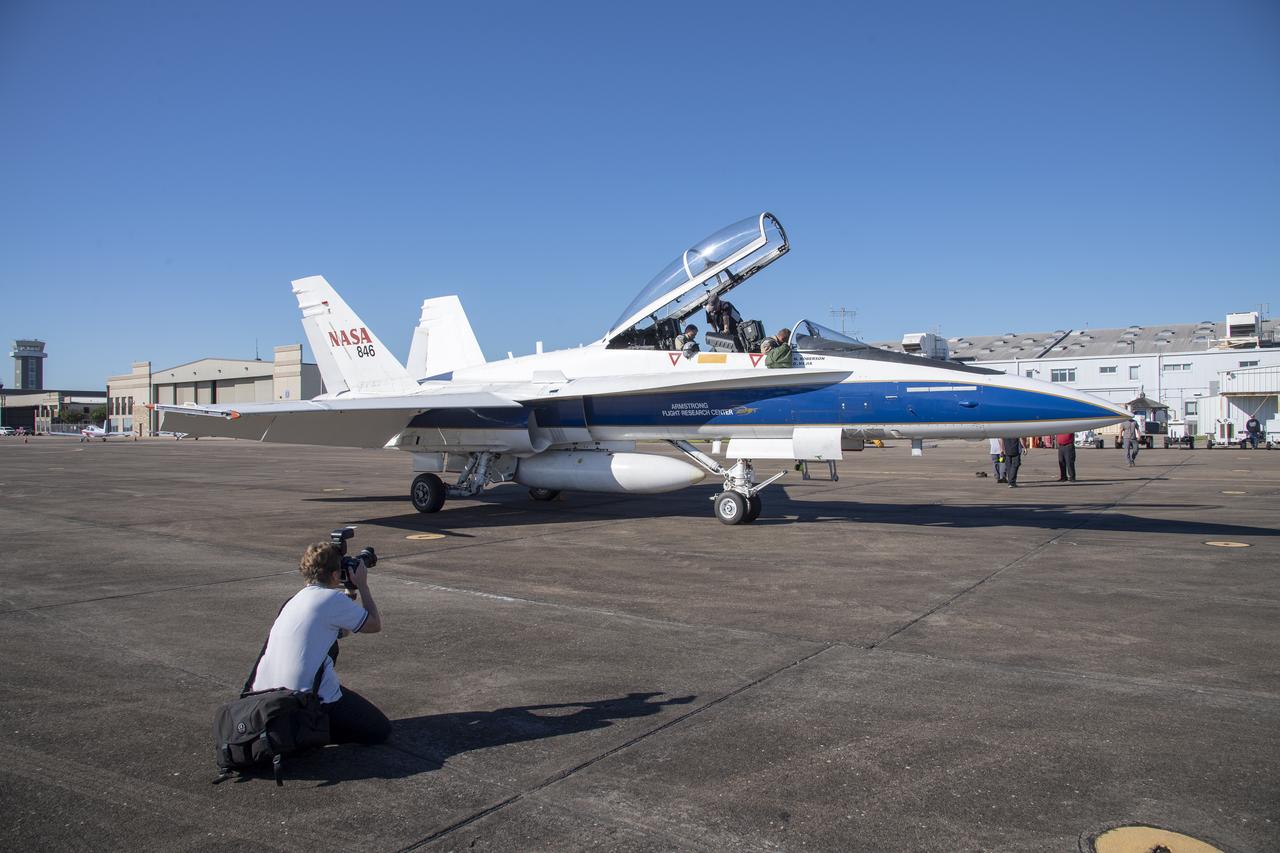
NASA test pilots Jim "Clue" Less and Wayne "Ringo"Ringelberg step to the F/A-18 research aircraft at Ellington Field and conduct pre-flight safety checks on the aircraft prior to a supersonic research flight for the QSF18 series.
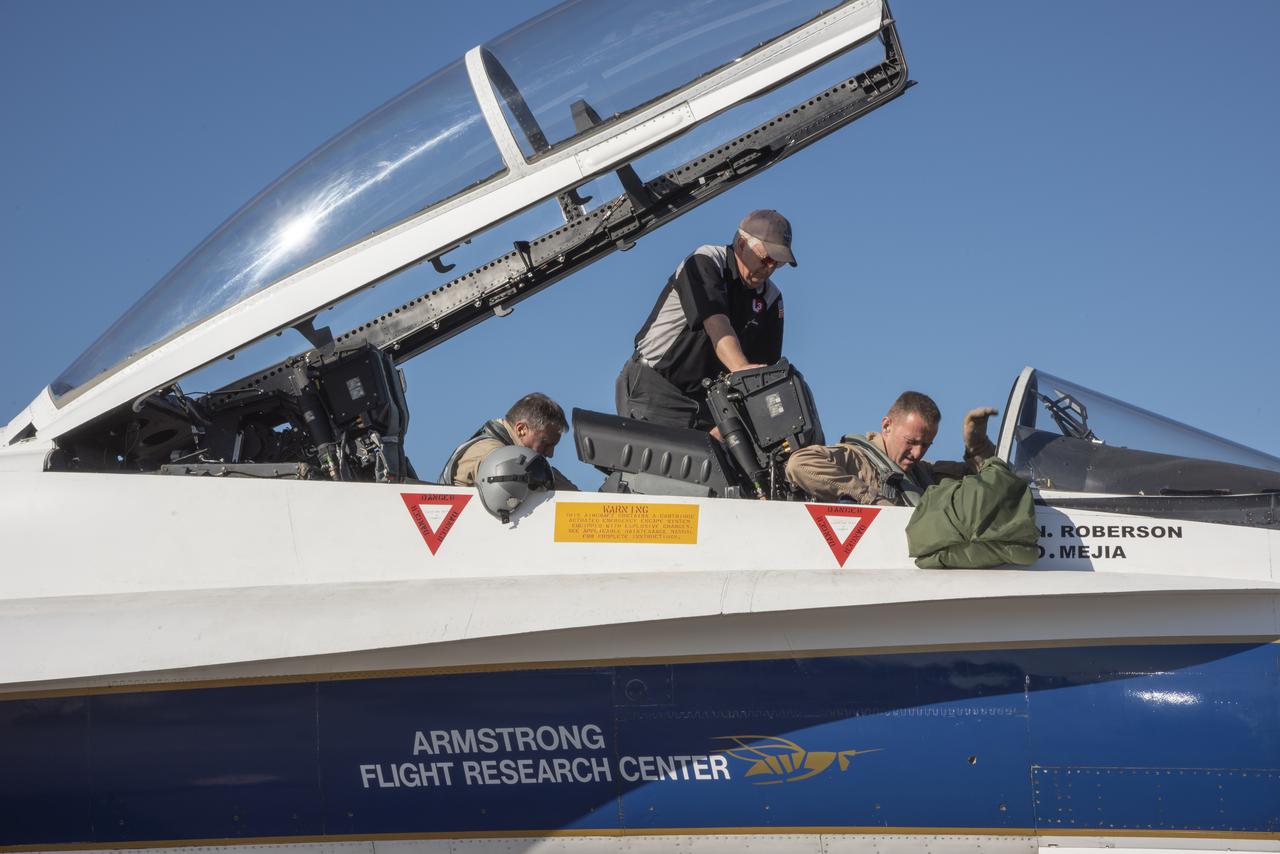
NASA test pilots Jim “Clue” Less and Wayne “Ringo” Ringelberg step to the F/A-18 research aircraft at Ellington Field and conduct pre-flight safety checks on the aircraft prior to a supersonic research flight for the QSF18 series.
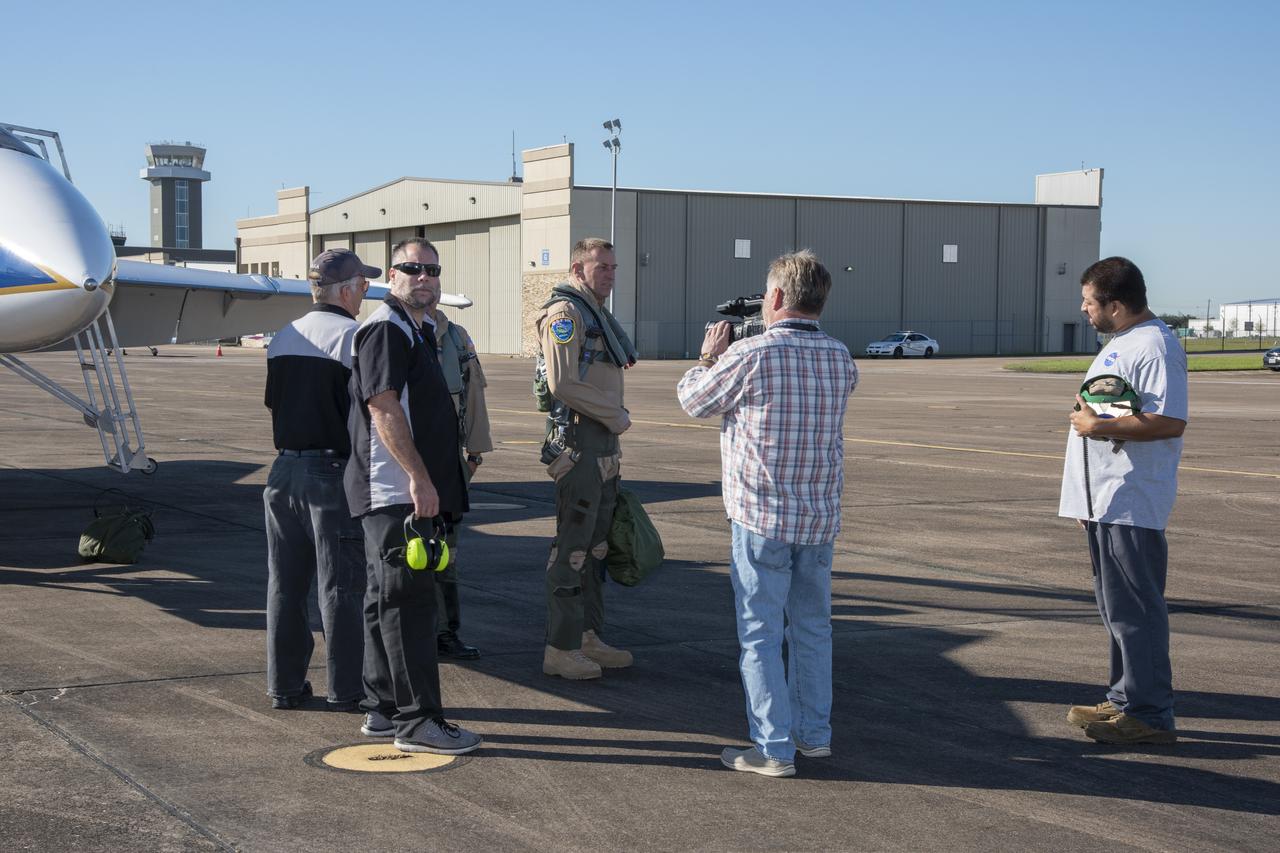
NASA test pilots Jim “Clue” Less and Wayne “Ringo” Ringelberg step to the F/A-18 research aircraft at Ellington Field and conduct pre-flight safety checks on the aircraft prior to a supersonic research flight for the QSF18 series.
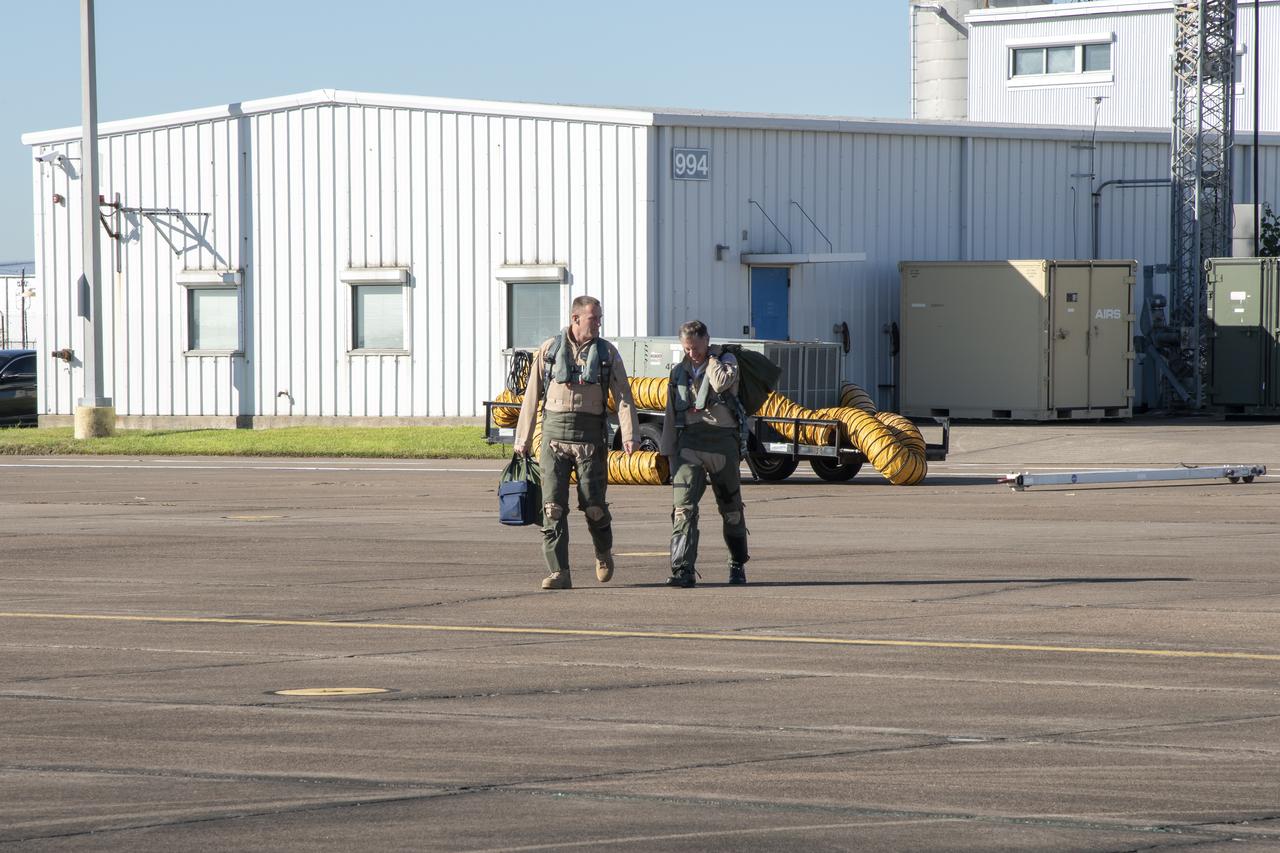
NASA test pilots Jim “Clue” Less and Wayne “Ringo” Ringelberg step to the F/A-18 research aircraft at Ellington Field and conduct pre-flight safety checks on the aircraft prior to a supersonic research flight for the QSF18 series.
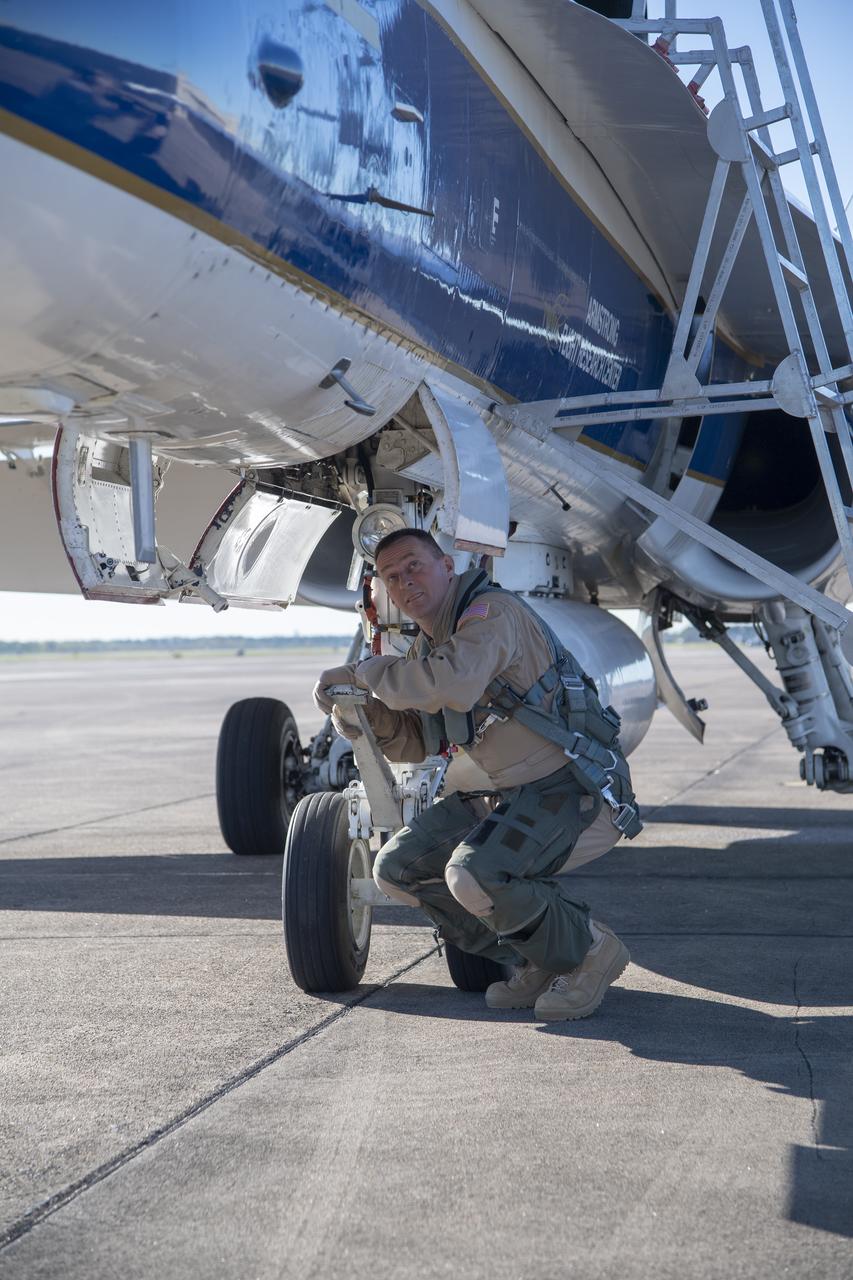
NASA test pilots Jim “Clue” Less and Wayne “Ringo” Ringelberg step to the F/A-18 research aircraft at Ellington Field and conduct pre-flight safety checks on the aircraft prior to a supersonic research flight for the QSF18 series.
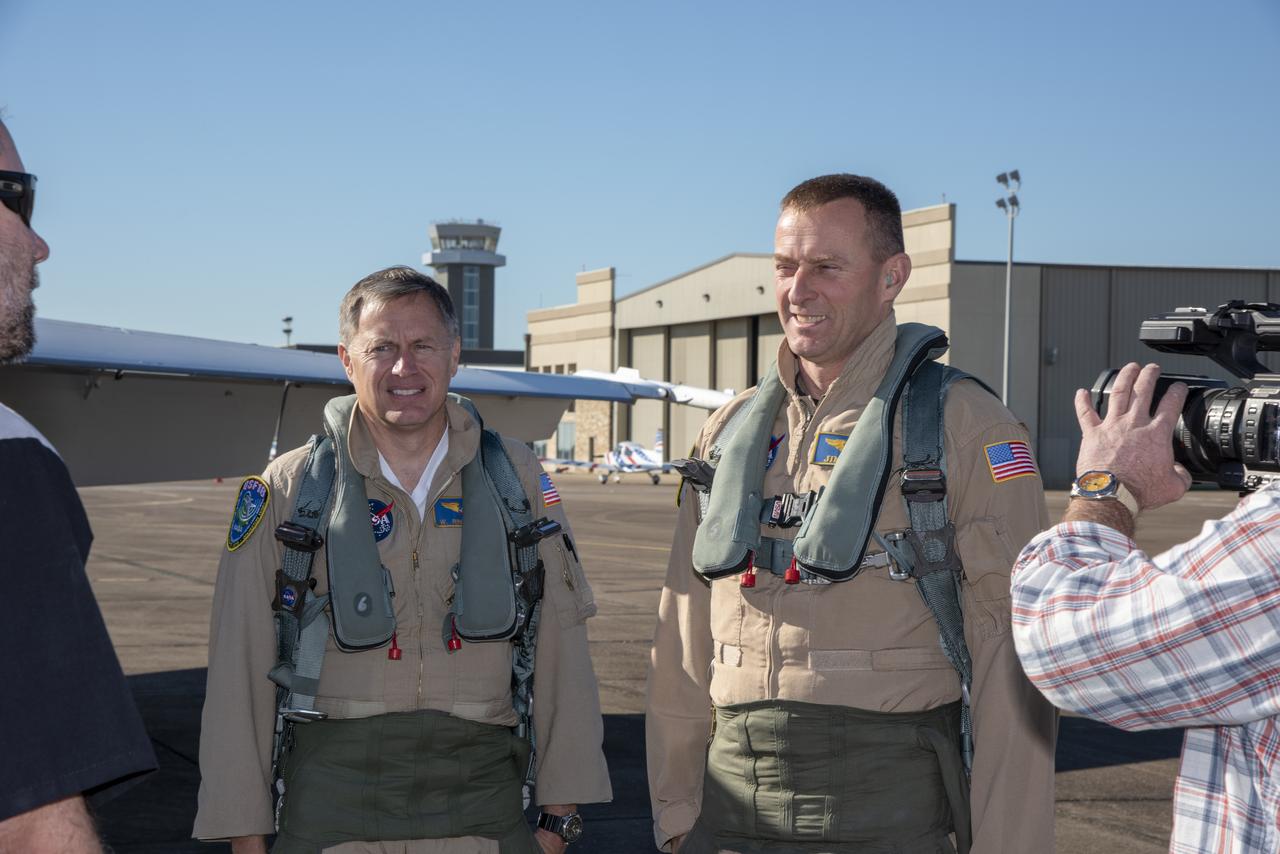
NASA test pilots Jim “Clue” Less and Wayne “Ringo” Ringelberg step to the F/A-18 research aircraft at Ellington Field and conduct pre-flight safety checks on the aircraft prior to a supersonic research flight for the QSF18 series.
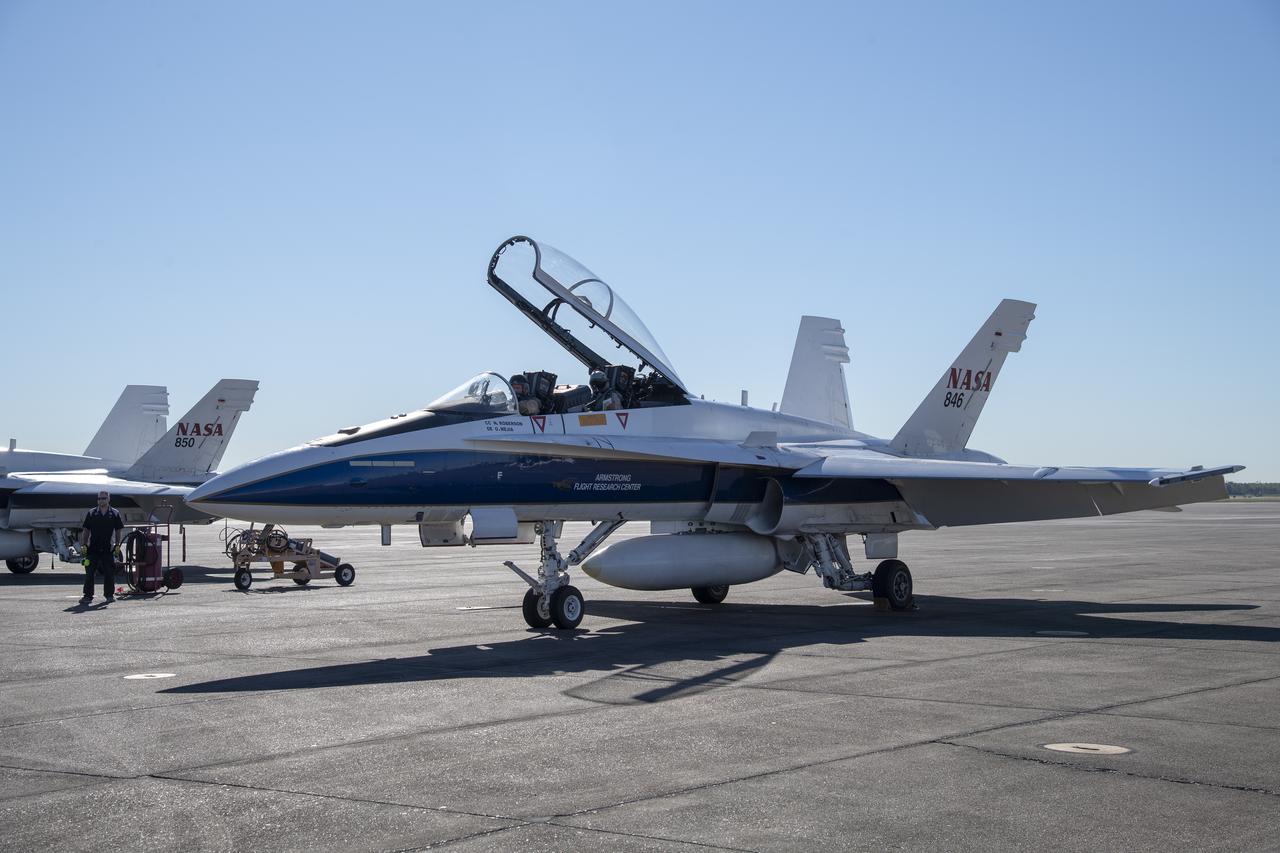
NASA test pilots Jim "Clue" Less and Wayne "Ringo" Ringelberg step to the F/A-18 research aircraft at Ellington Field and conduct pre-flight safety checks on the aircraft prior to a supersonic research flight for the QSF18 series.
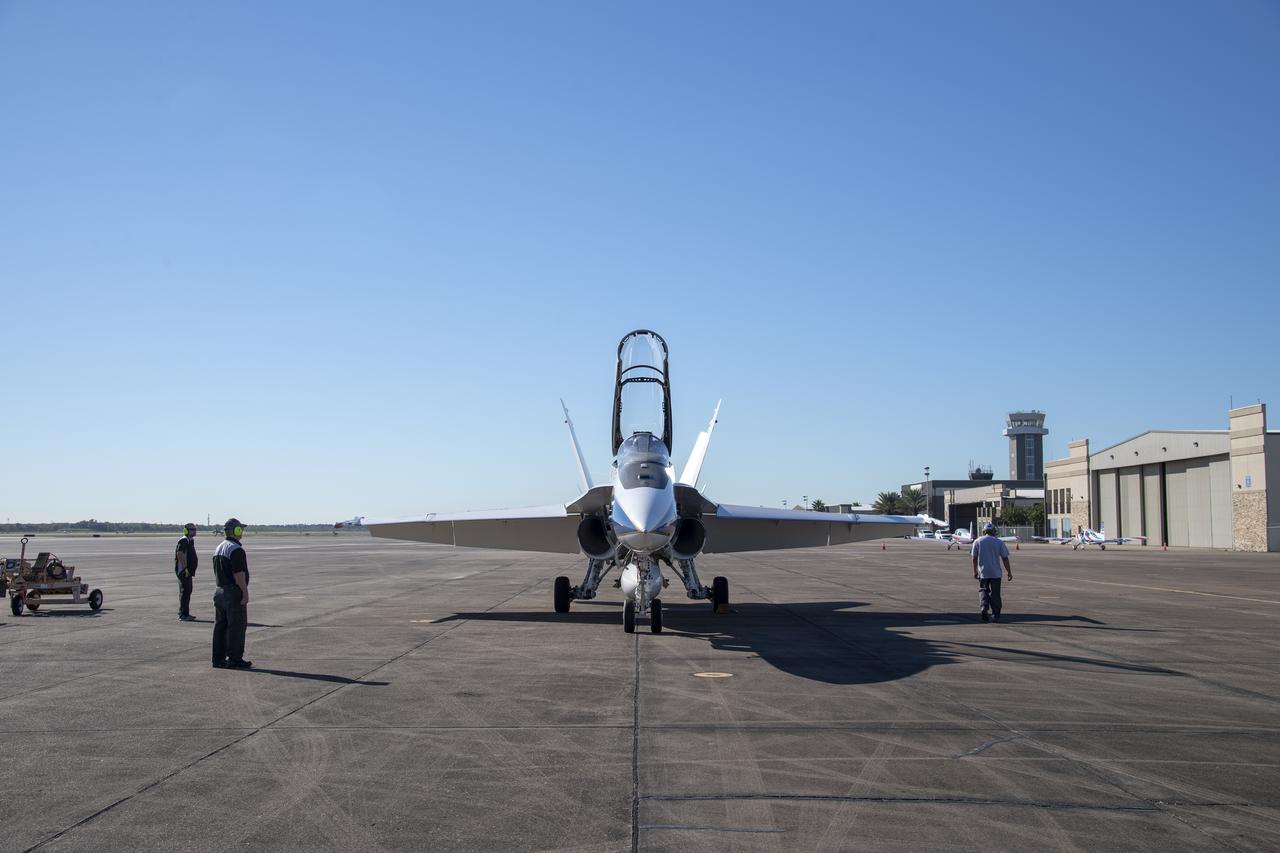
NASA test pilots Jim "Clue" Less and Wayne "Ringo" Ringelberg step to the F/A-18 research aircraft at Ellington Field and conduct pre-flight safety checks on the aircraft prior to a supersonic research flight for the QSF18 series.
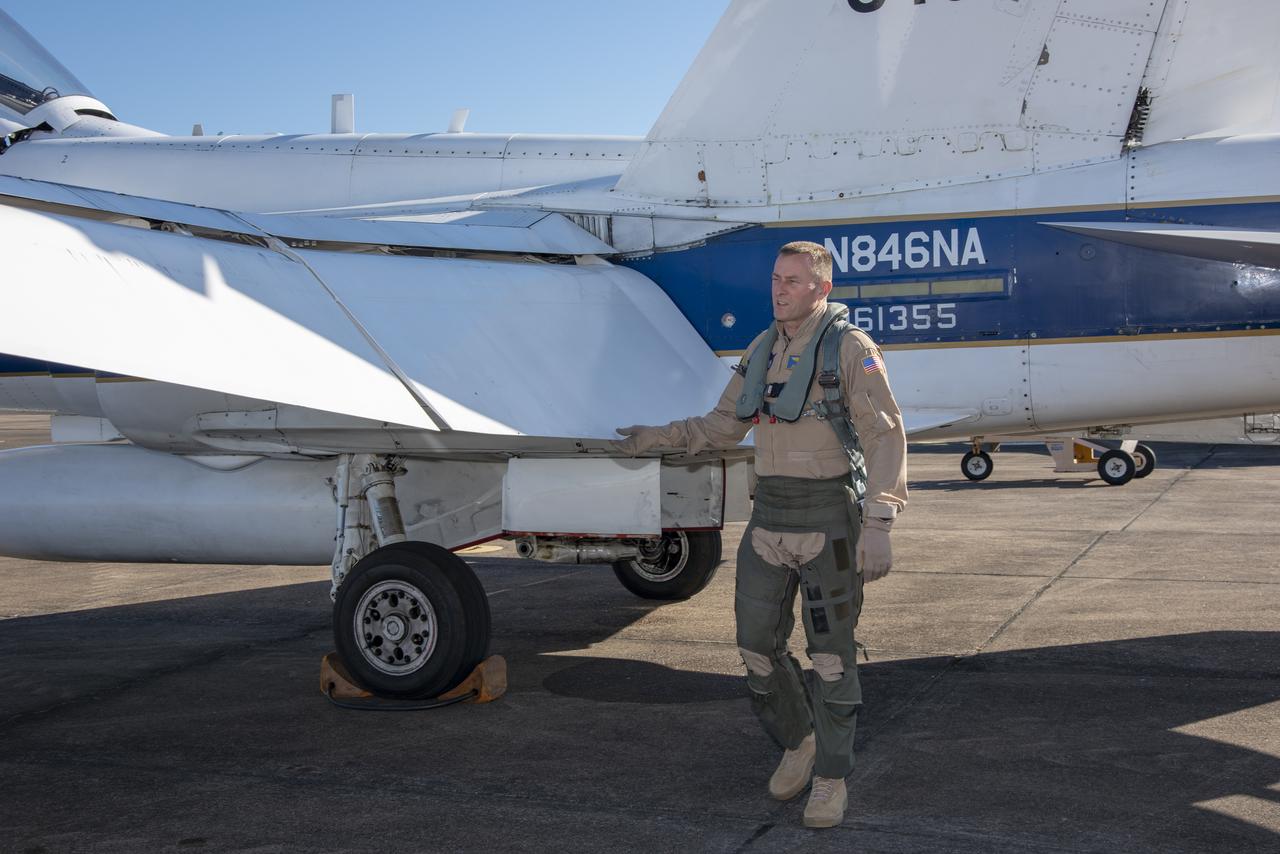
NASA test pilots Jim “Clue” Less and Wayne “Ringo” Ringelberg step to the F/A-18 research aircraft at Ellington Field and conduct pre-flight safety checks on the aircraft prior to a supersonic research flight for the QSF18 series.
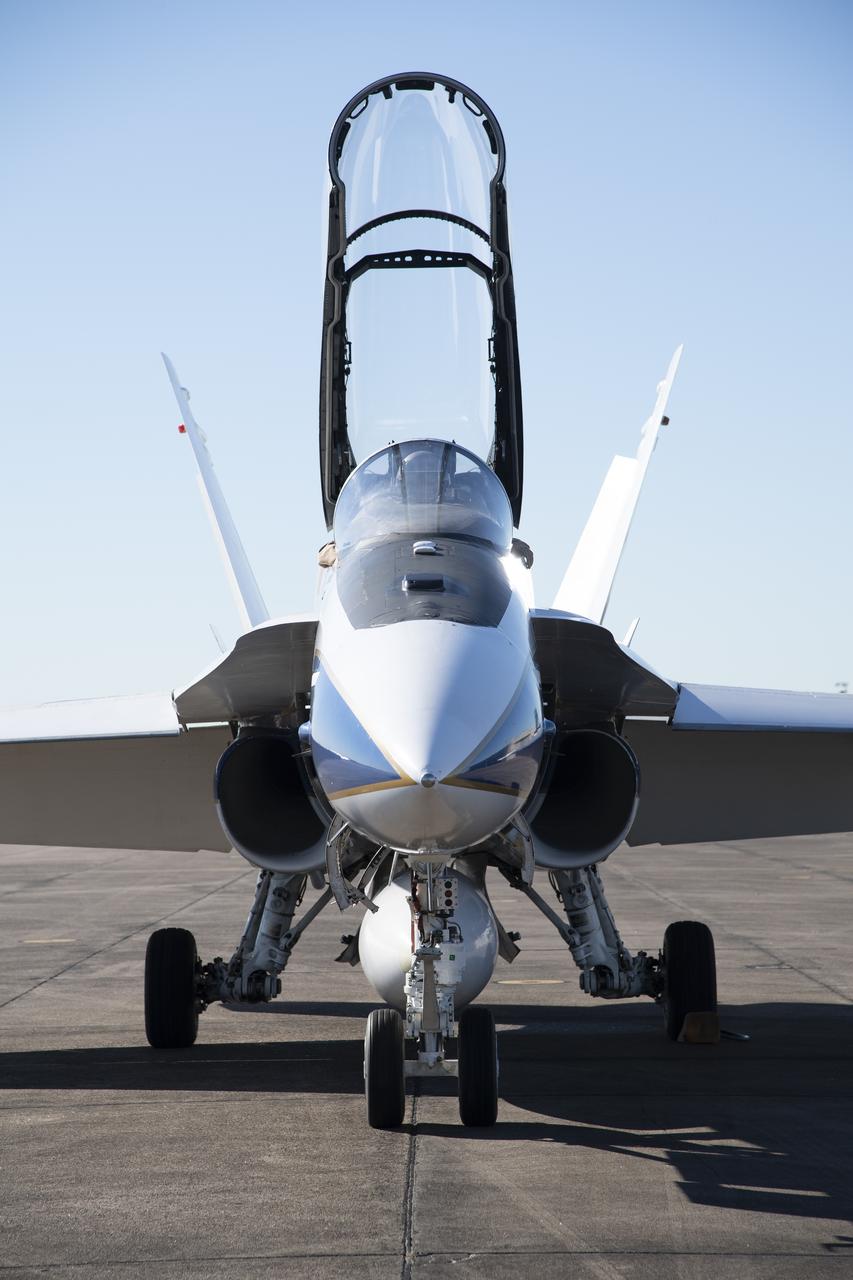
NASA test pilots Jim "Clue" Less and Wayne "Ringo"Ringelberg step to the F/A-18 research aircraft at Ellington Field and conduct pre-flight safety checks on the aircraft prior to a supersonic research flight for the QSF18 series.
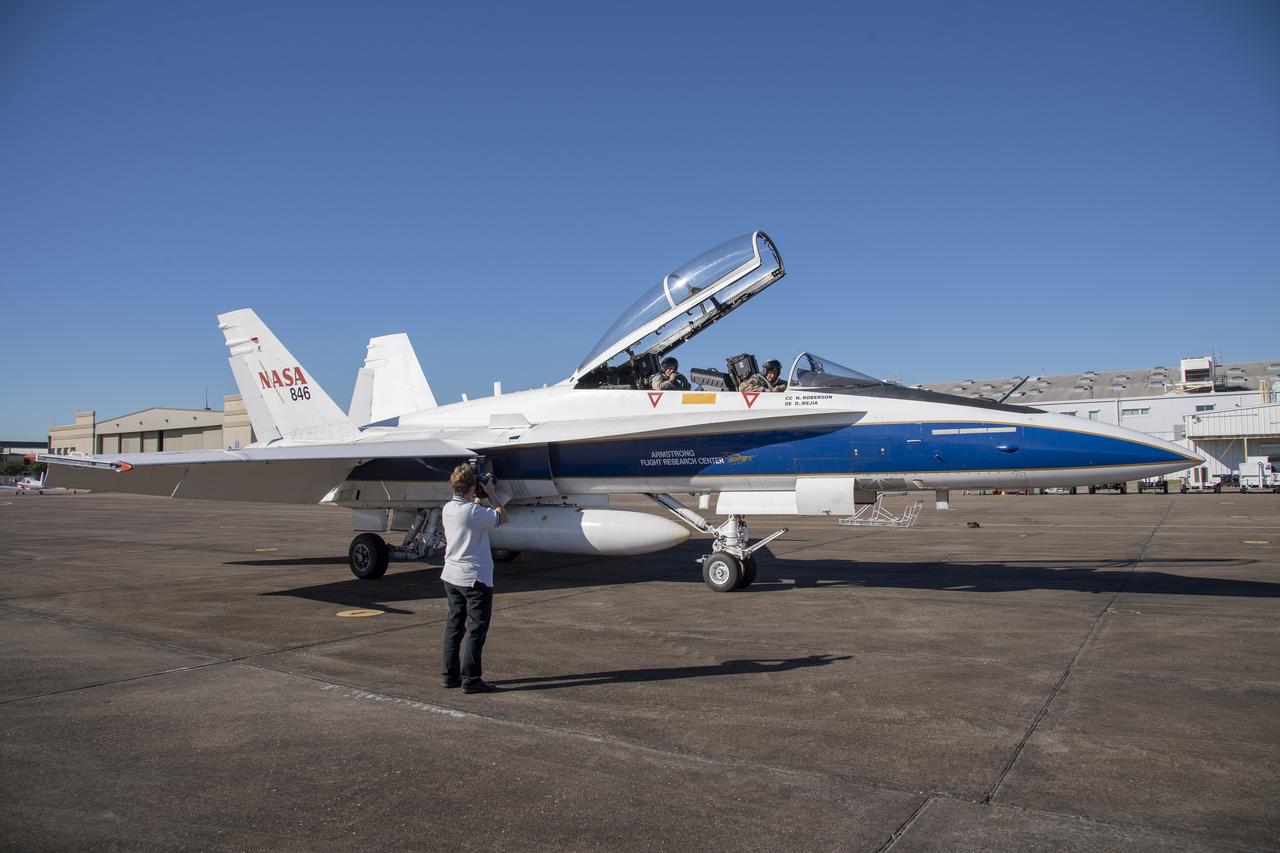
NASA test pilots Jim "Clue" Less and Wayne "Ringo" Ringelberg step to the F/A-18 research aircraft at Ellington Field and conduct pre-flight safety checks on the aircraft prior to a supersonic research flight for the QSF18 series.
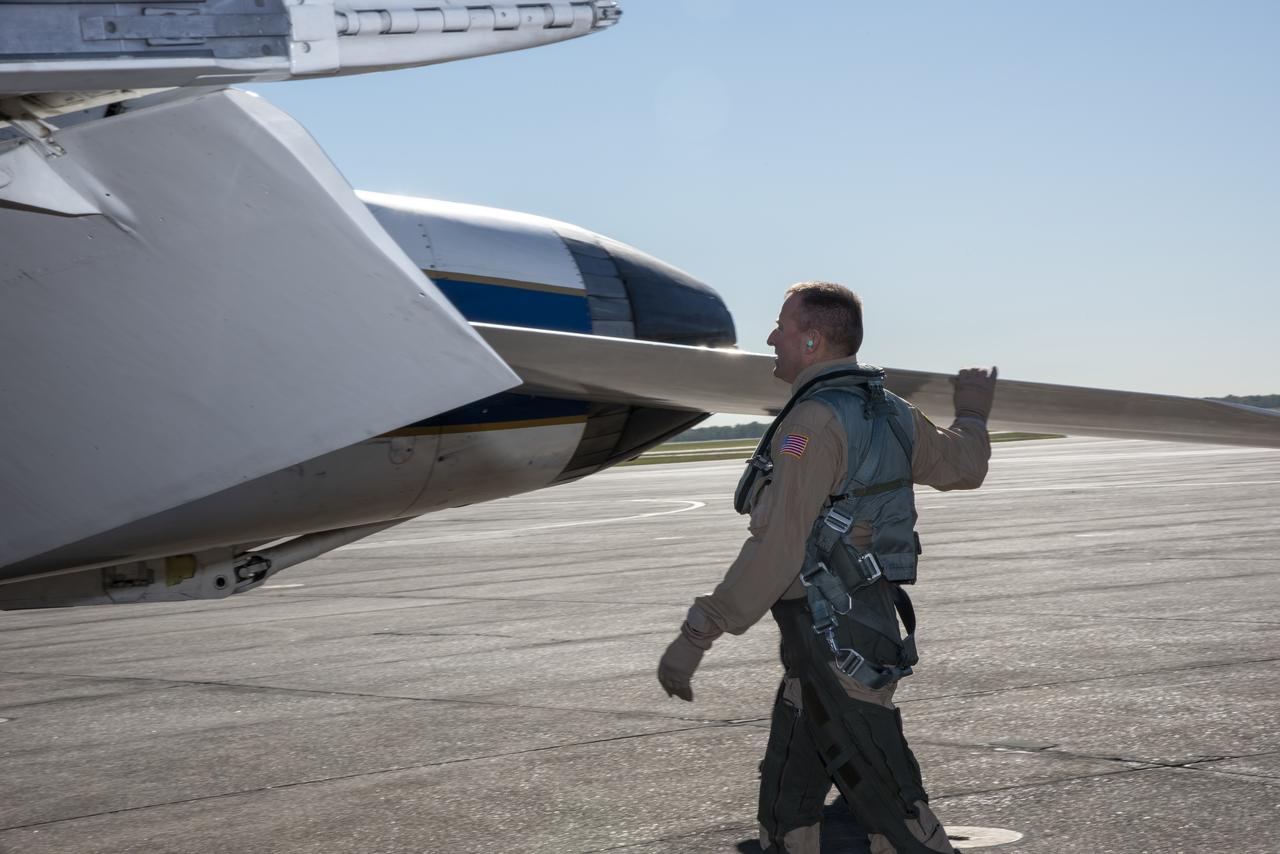
NASA test pilots Jim “Clue” Less and Wayne “Ringo” Ringelberg step to the F/A-18 research aircraft at Ellington Field and conduct pre-flight safety checks on the aircraft prior to a supersonic research flight for the QSF18 series.
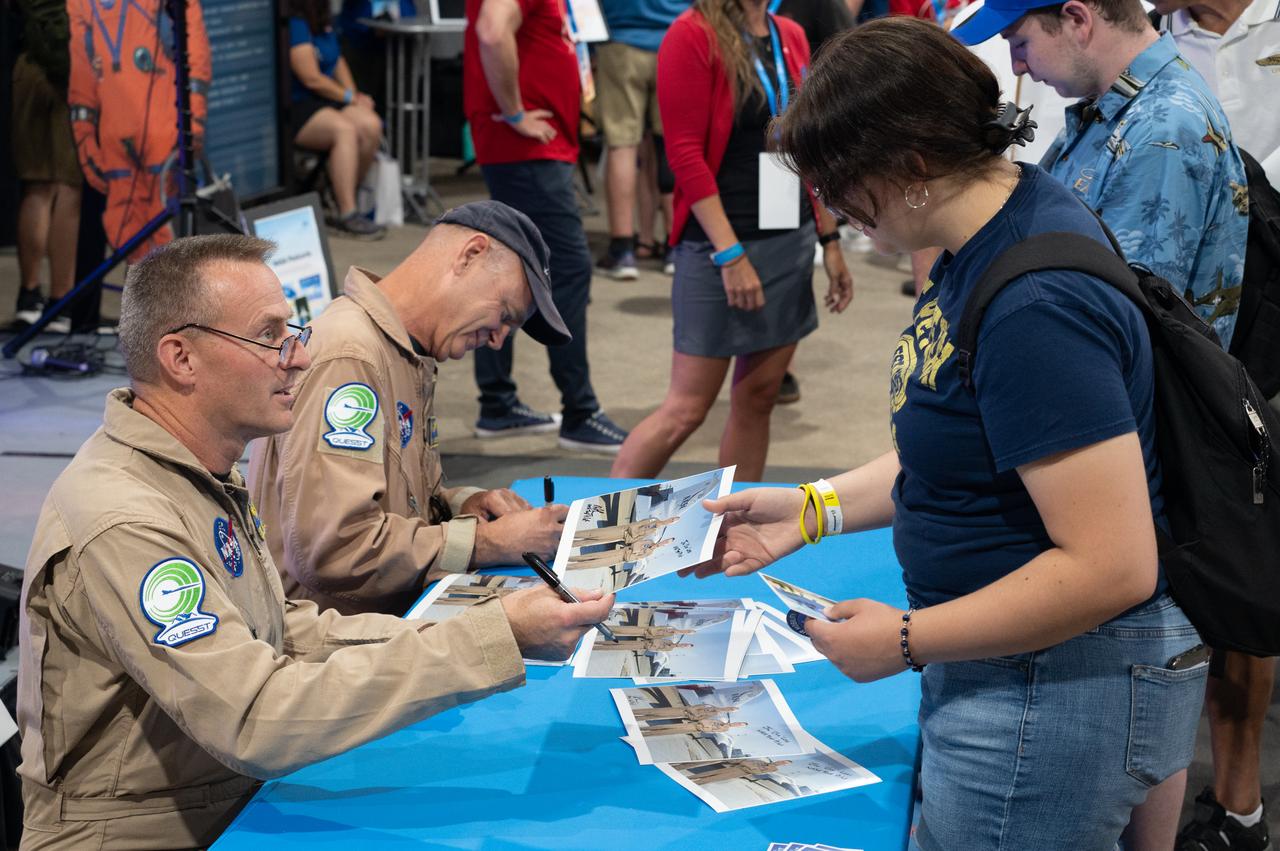
AirVenture at Oshkosh 2024

NASA test pilot Jim “Clue” Less sits inside the cockpit of the agency’s X-59 quiet supersonic research aircraft ahead of early morning engine runs at NASA’s Armstrong Flight Research Center in Edwards, California, on Thursday, March 12, 2026. The X-59 is part of NASA's Quesst mission, which seeks to demonstrate quiet supersonic flight and gather data that could help define acceptable sound for commercial supersonic travel over land.
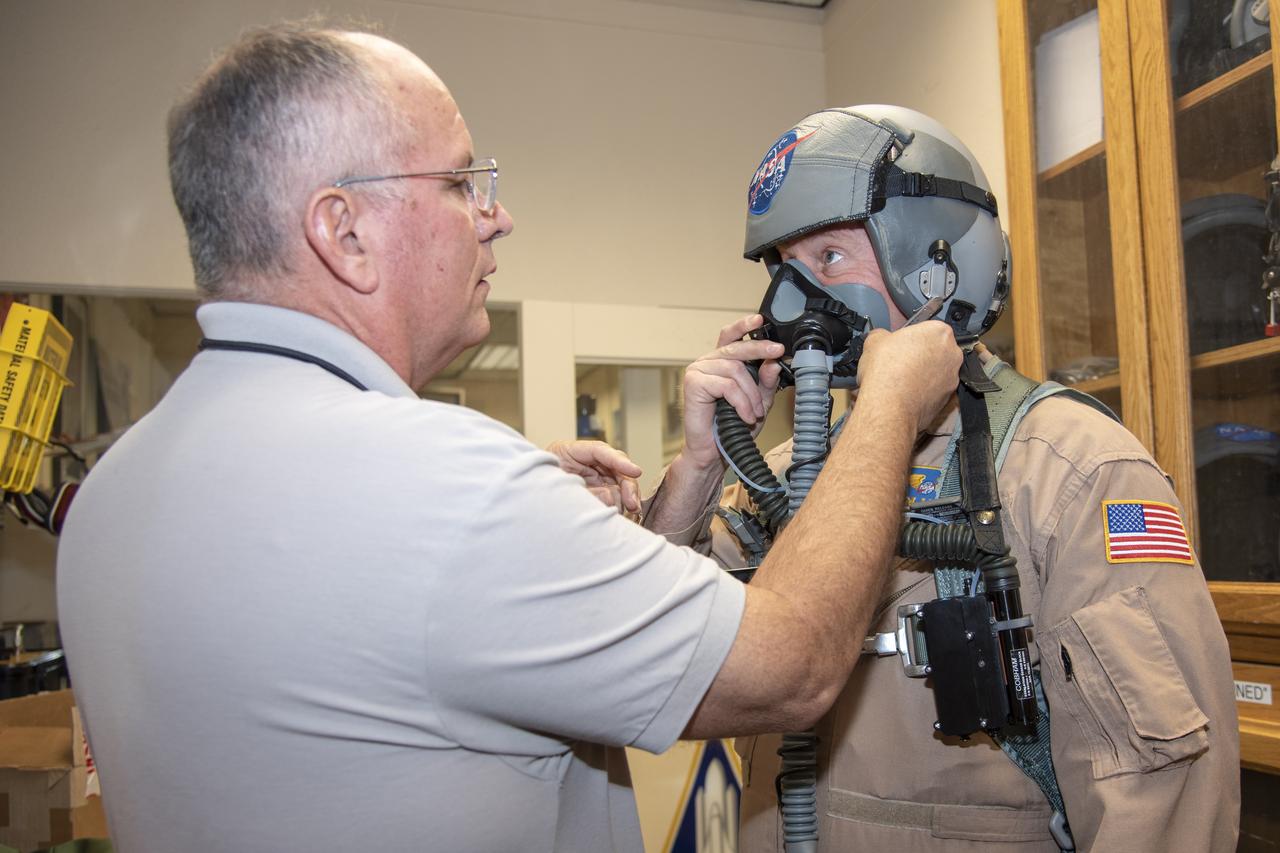
NASA pilot Jim Less is assisted by life support as he is fitted with a Cobham designed VigiLOX pilot oxygen monitoring system. VigiLOX is a sensing system that is attached to a pilot's existing gear to capture real-time physiological, breathing gas and cockpit environmental data.
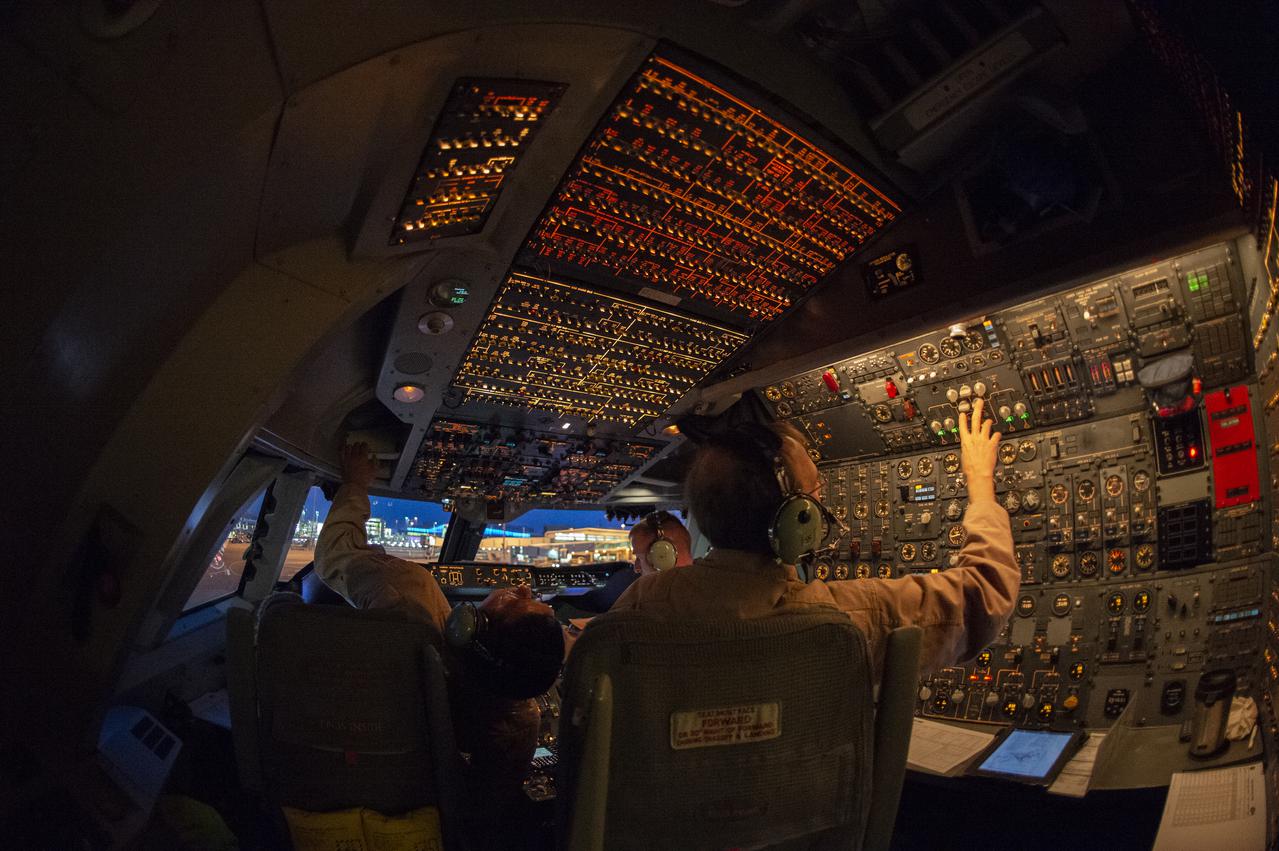
SOFIA’s flight crew prepare to takeoff from the U.S. Antarctic Program facility at Christchurch International Airport in Christchurch, New Zealand, to observe the Southern Hemisphere’s skies. Pilot: Manny Antimisiaris, Co-Pilot: Jim Less, Flight Engineer: Marty Trout
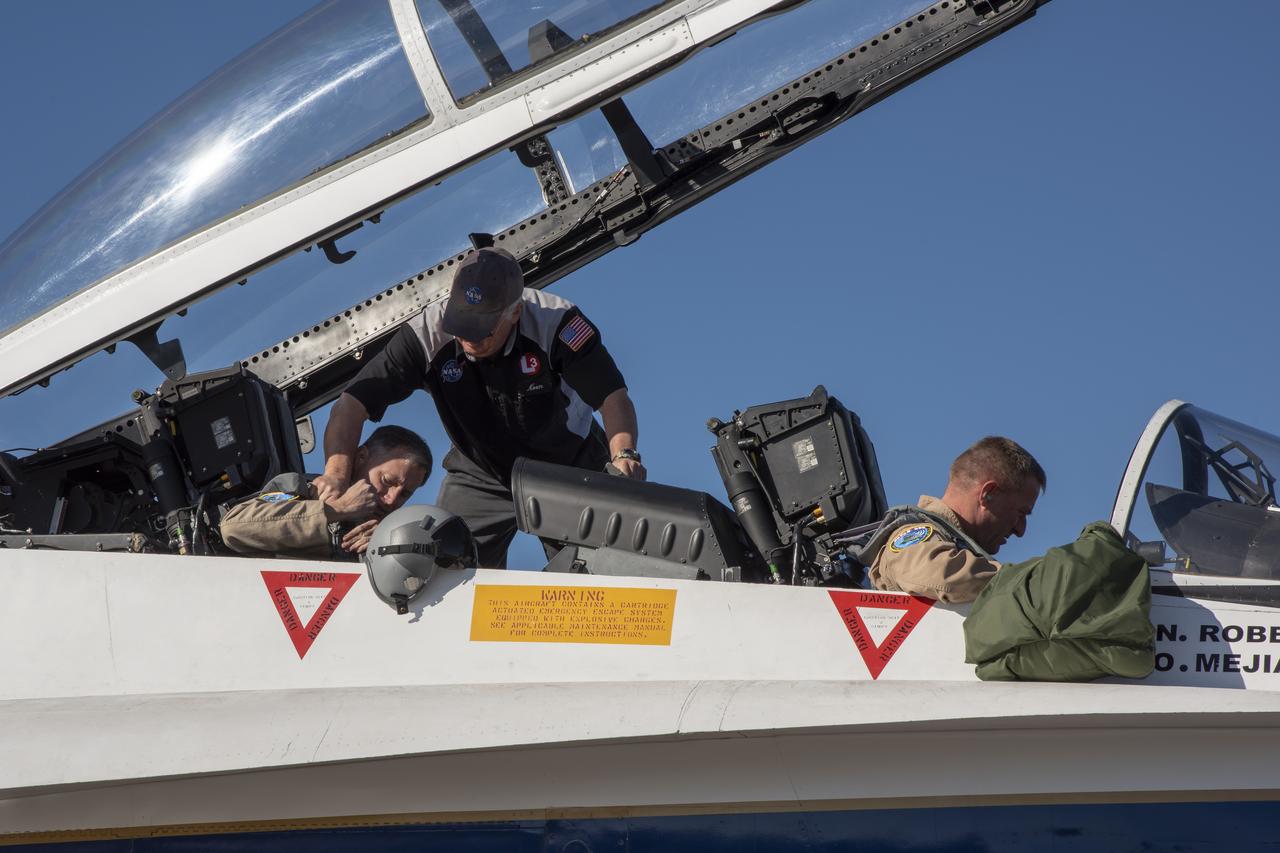
NASA test pilots Jim “Clue†Less and Wayne “Ringo†Ringelberg step to the F/A-18 research aircraft at Ellington Field and conduct pre-flight safety checks on the aircraft prior to a supersonic research flight for the QSF18 series.
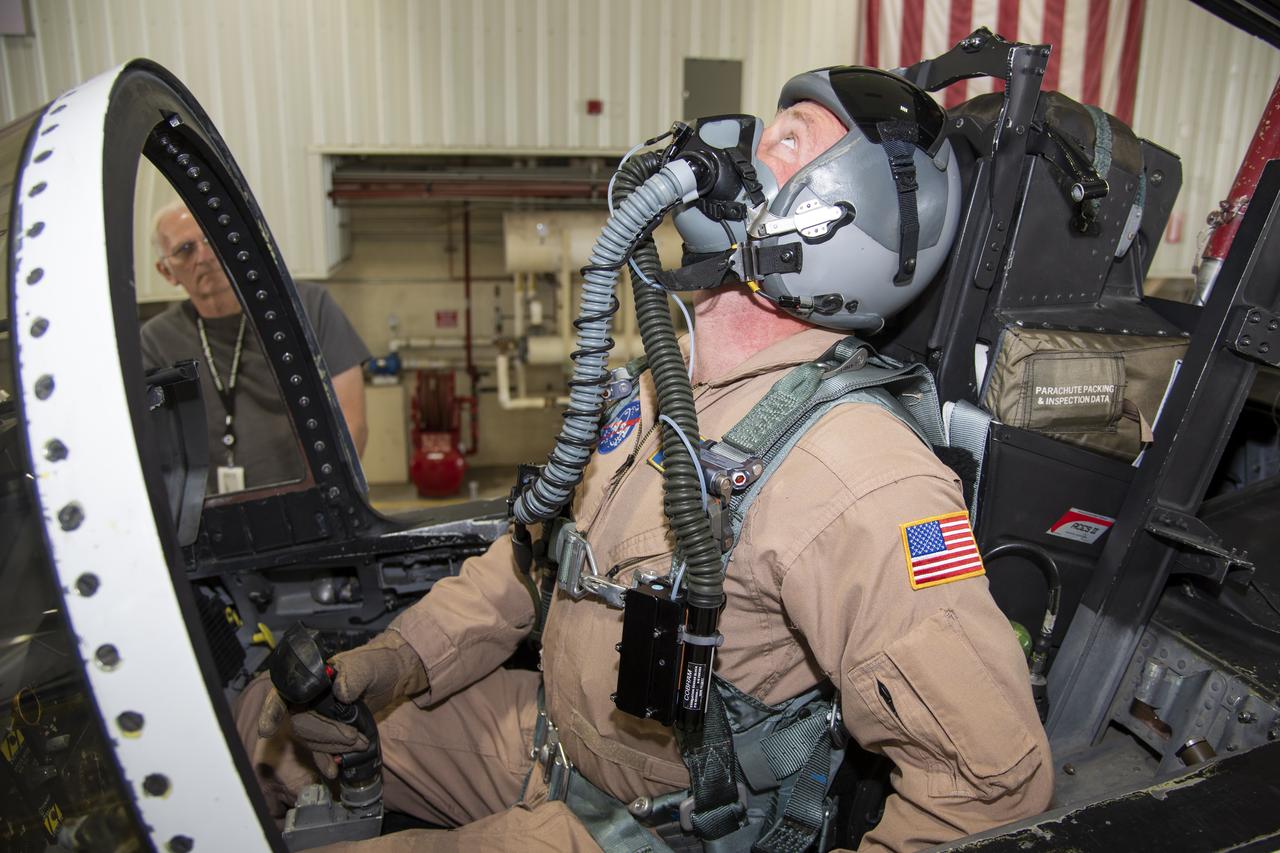
NASA pilot Jim Less is assisted by life support as he is fitted with a Cobham designed VigiLOX pilot oxygen monitoring system. VigiLOX is a sensing system that is attached to a pilot's existing gear to capture real-time physiological, breathing gas and cockpit environmental data.
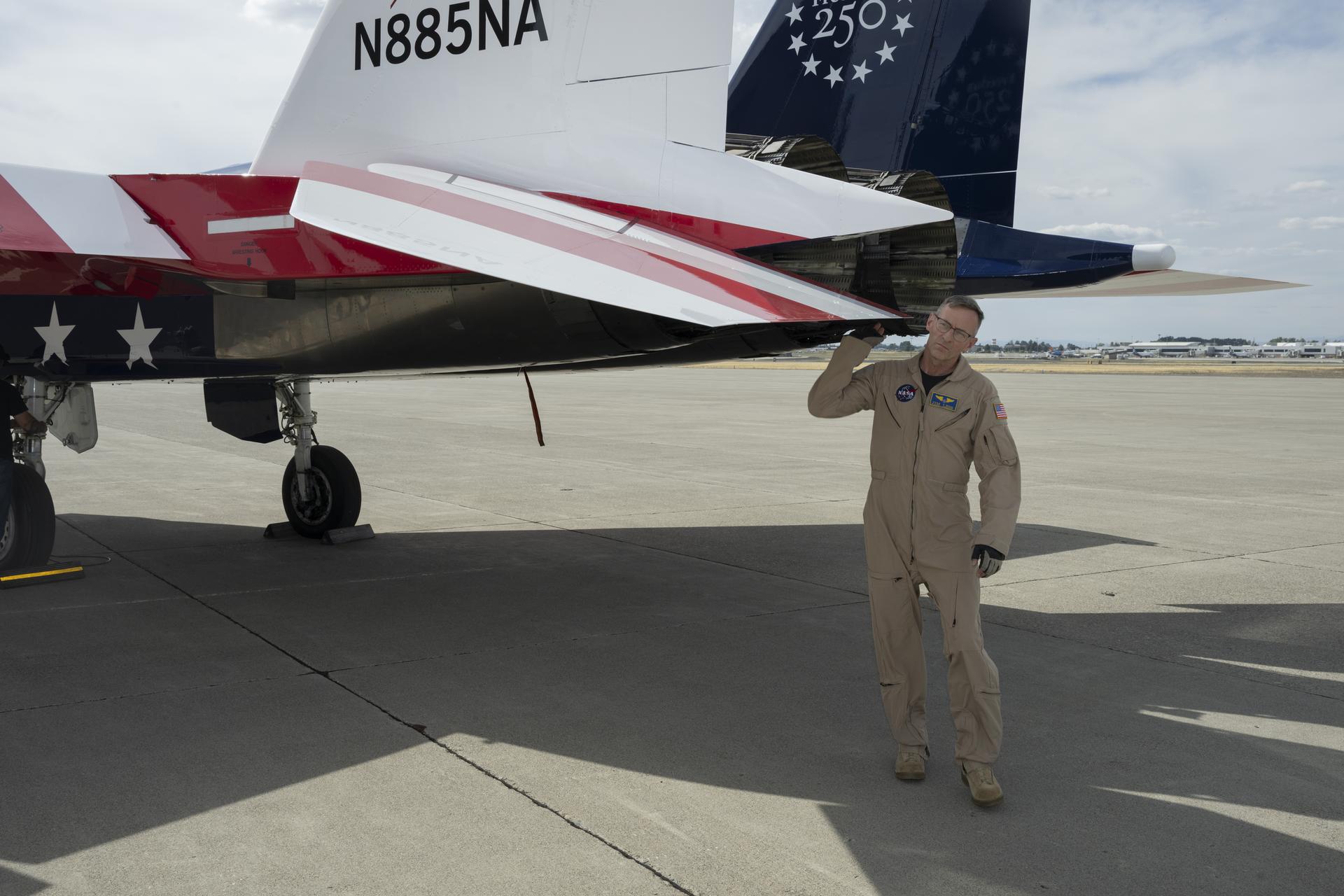
NASA test pilot Jim “Clue” Less completes pre‑flight checks on a NASA F‑15 in Spokane, Washington, on Thursday, July 2, 2026. The aircraft, from NASA’s Armstrong Flight Research Center in Edwards, California, displays new red, white, and blue paint to celebrate America’s 250th birthday and was preparing to fly cross‑country to Washington, D.C., where it participated in the Freedom 250 flyover with other NASA and military aircraft on Saturday, July 4, 2026. NASA/Jim Ross
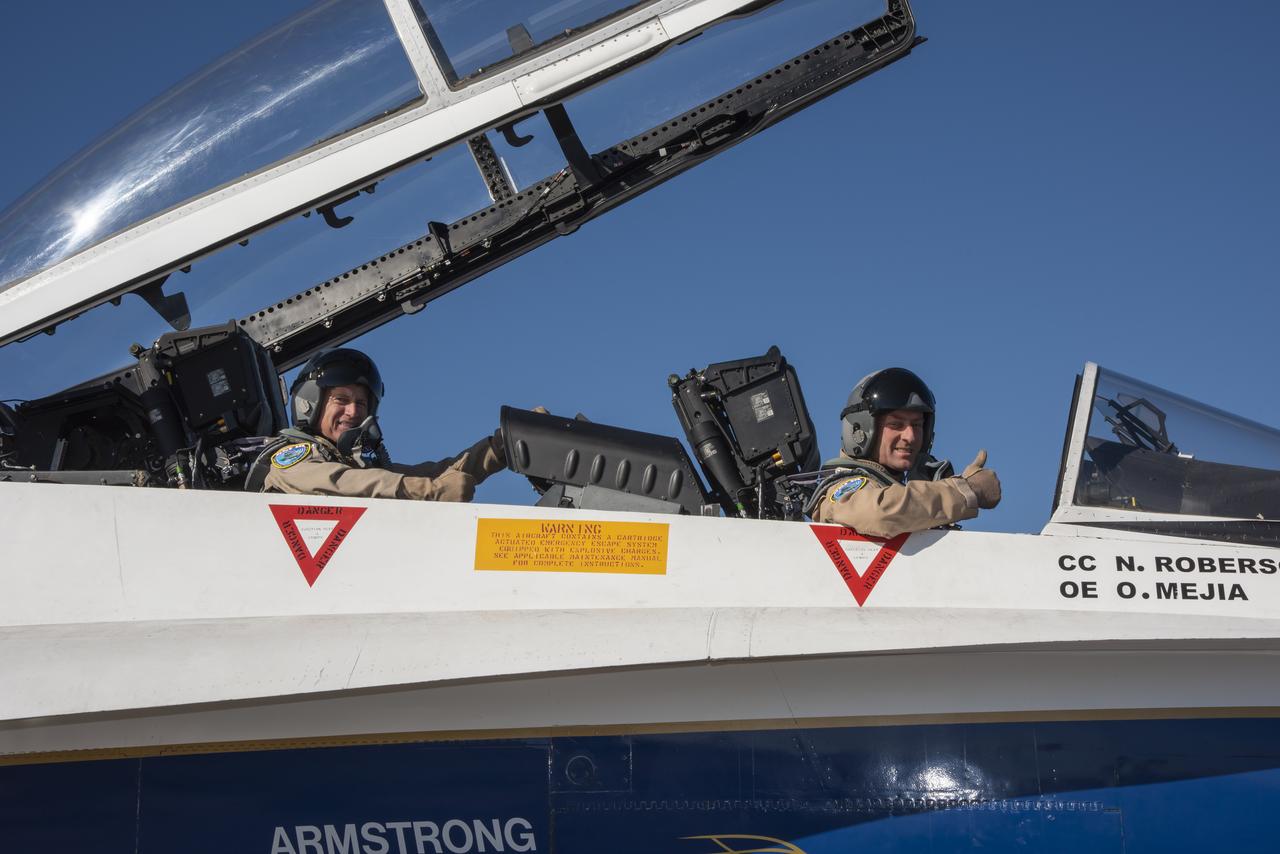
NASA Armstrong Flight Research Center test pilots Jim "Clue" Less (front) and Wayne "Ringo" Ringelberg (back) taxi out in a NASA F/A-18 at Ellington Field in Houston, Texas, in preparation of a training flight for the Quiet Supersonic Flights 2018 series, or QSF18. The QSF18 flights will provide NASA with feedback necessary to validate community response techniques for future quiet supersonic research flights for the X-59 Quiet SuperSonic Technology, or QueSST.
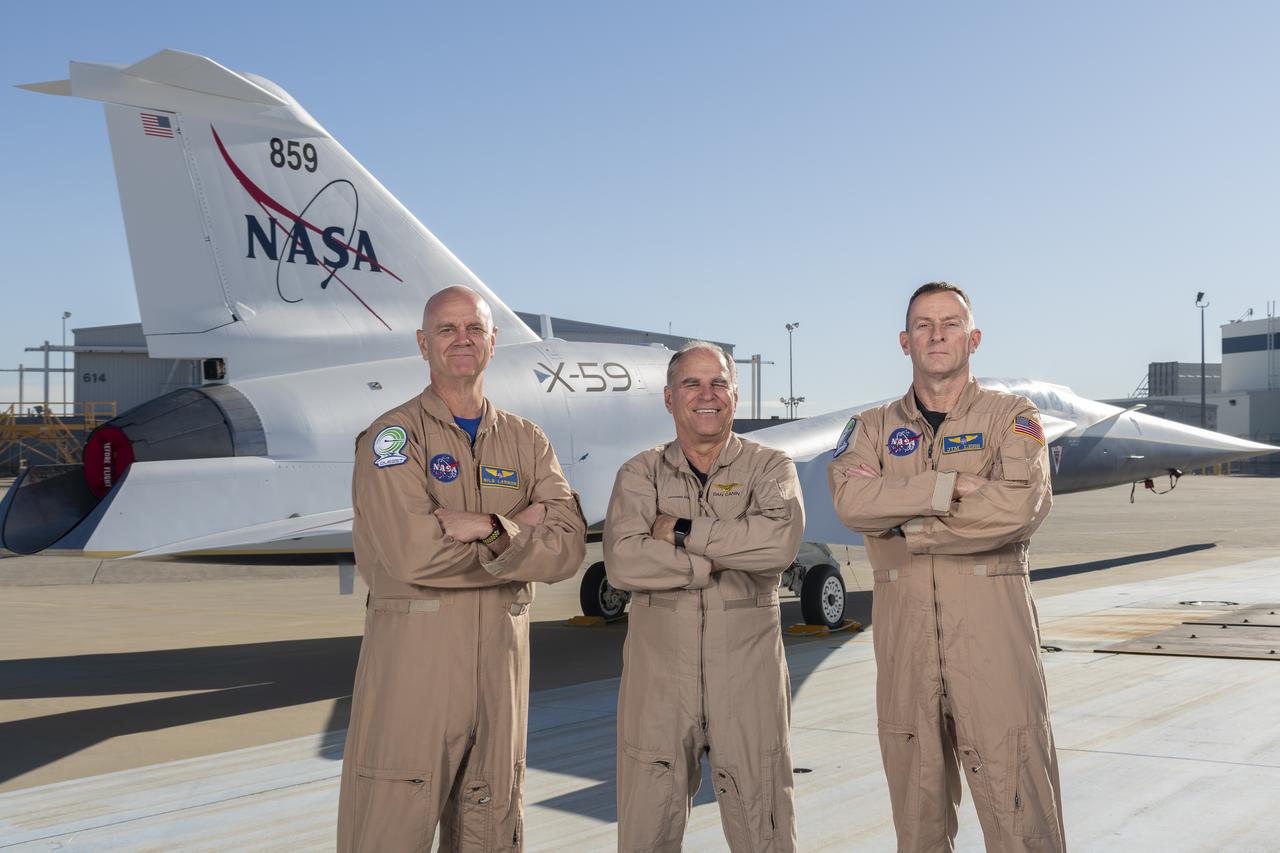
NASA test pilots Nils Larson (left) and Jim “Clue” Less (right), and Lockheed Martin test pilot Dan “Dog” Canin pose with the newly-painted X-59 as it sits on the ramp at Lockheed Martin Skunk Works in Palmdale, California. The X-59 is the centerpiece of NASA’s Quesst mission, which seeks to solve one of the major barriers to supersonic flight over land, currently banned in the United States, by making sonic booms quieter.
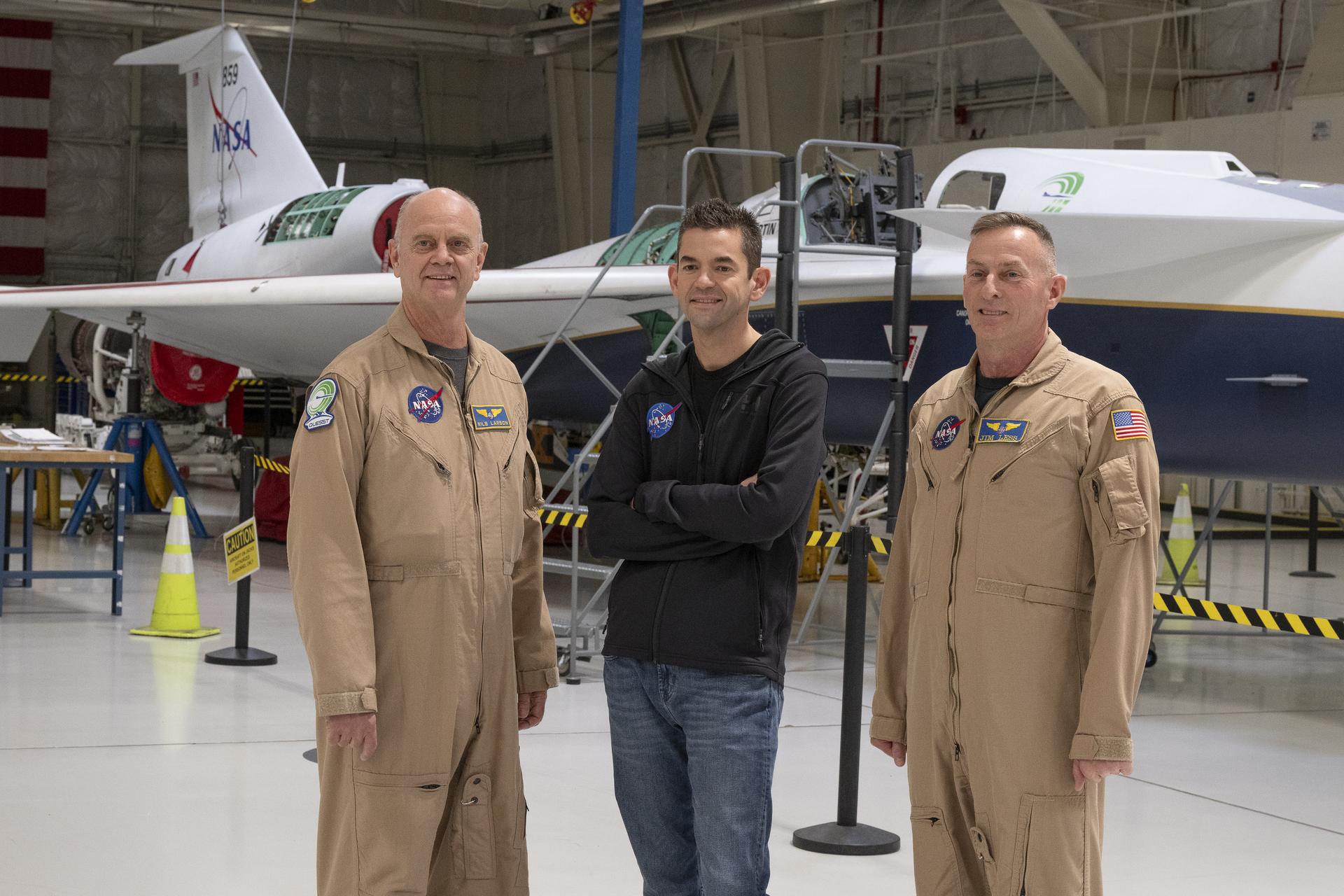
NASA Administrator Jared Isaacman, center, stands with NASA X-59 pilots Nils Larson, left, and Jim “Clue” Less during Isaacman’s visit to NASA’s Armstrong Flight Research Center in Edwards, California, on Sunday, Jan. 25, 2026. Isaacman, NASA’s 15th administrator, began visiting the agency’s centers after his appointment on Dec. 17, 2025.
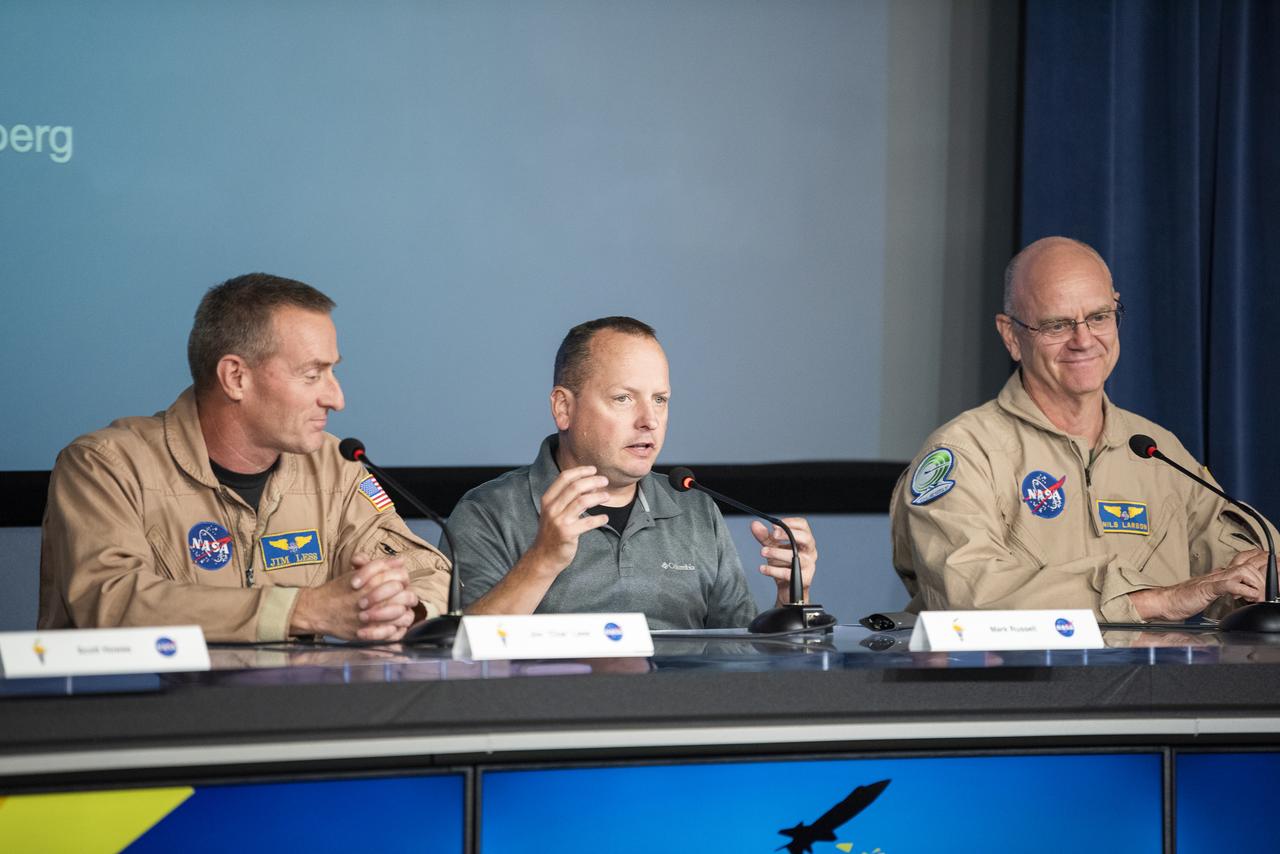
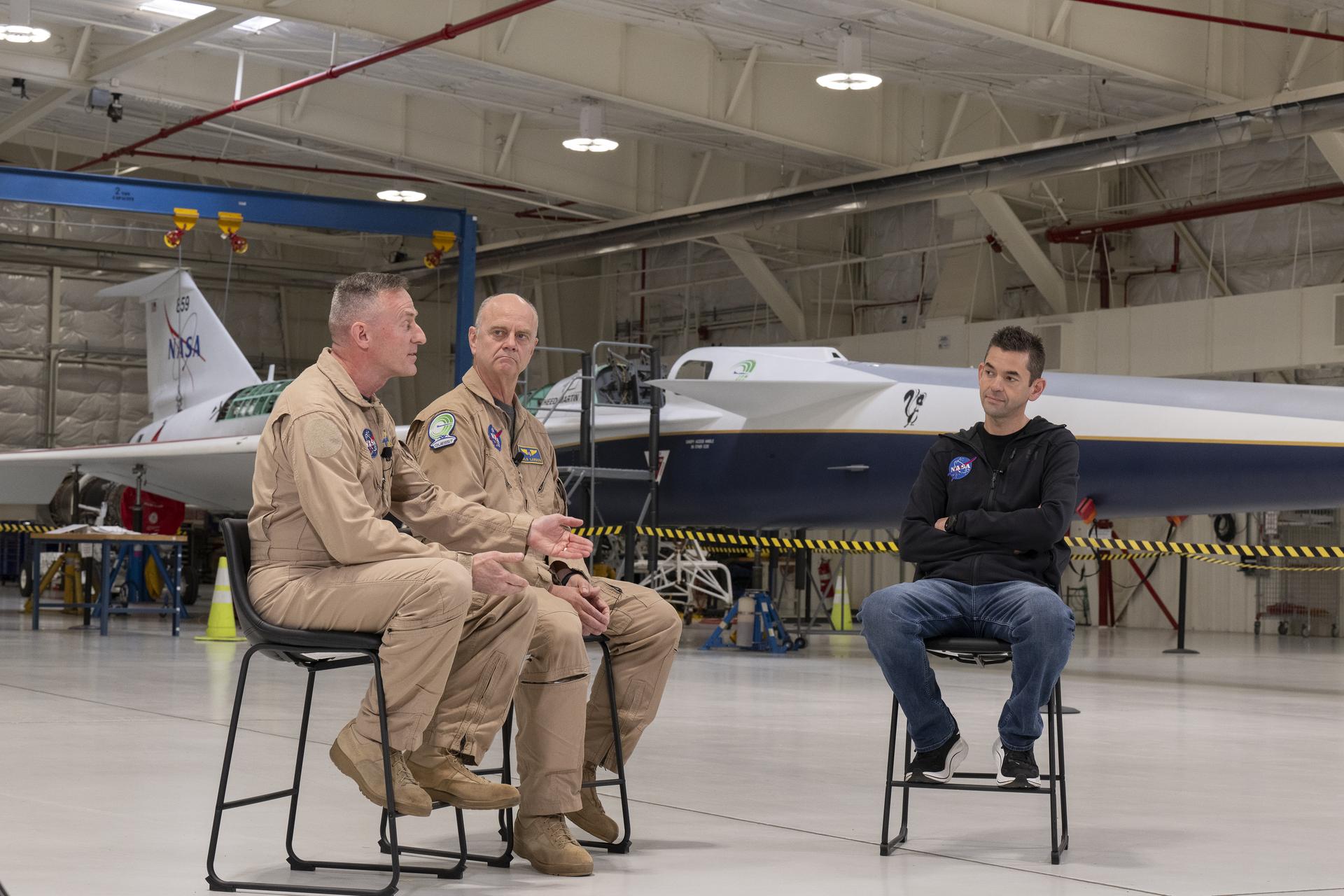
Mark Russell, center, a research pilot at NASA’s Glenn Research Center in Hampton, Virginia, explains the differences in flight environments at different NASA centers. Jim Less, a NASA pilot at NASA’s Armstrong Flight Research Center in Edwards, California, left, Russell, and Nils Larson, NASA Armstrong chief X-59 aircraft pilot and senior advisor on flight research, provided perspective on flight research at the Ideas to Flight Workshop on Sept. 18 at NASA Armstrong.
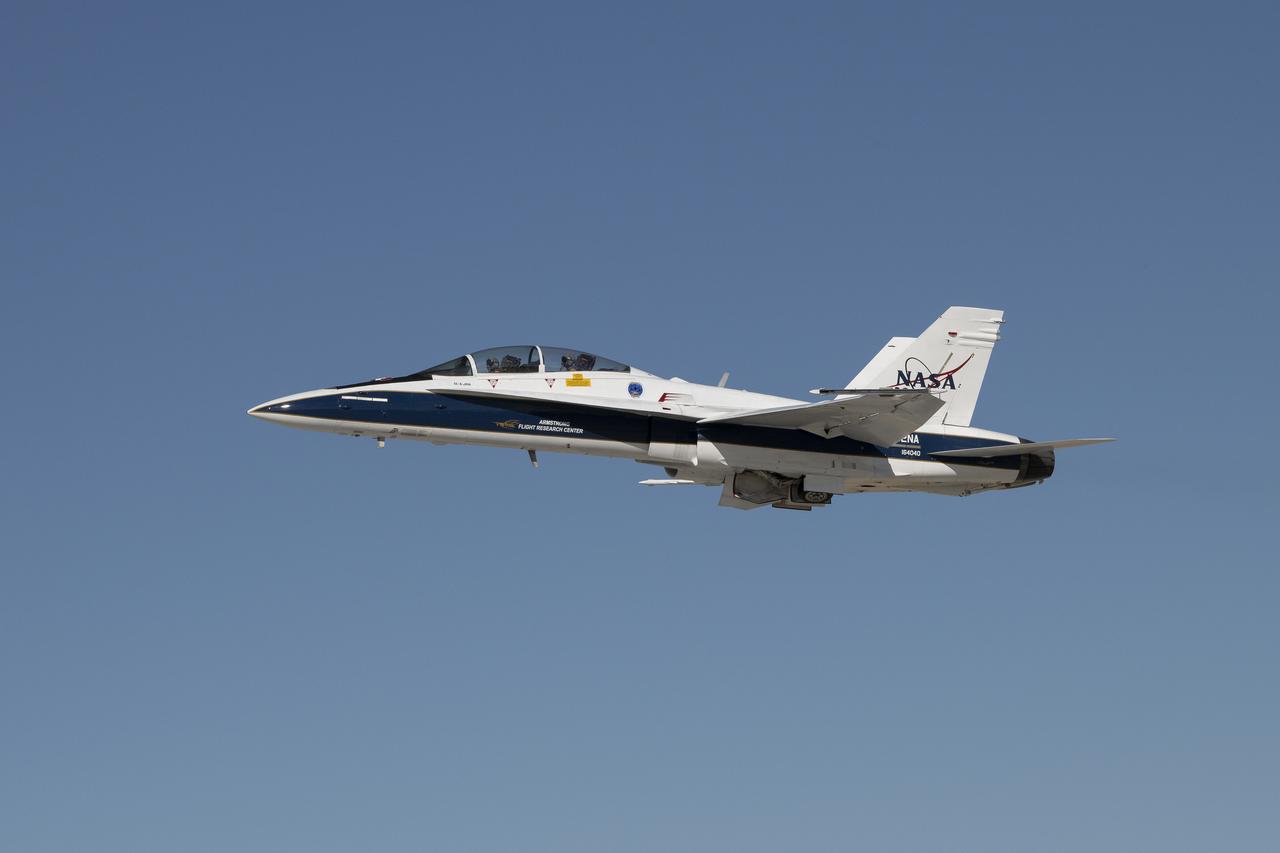
The Quesst mission recently completed testing of operations and equipment to be used in recording the sonic thumps of the X-59. To simulate the sonic thumps expected to be created by the X-59, NASA Armstrong Flight Researcher Center pilot Jim Less performed inverted dive maneuvers in an F-18, shown here, to generate softer sonic booms. The sonic booms were recorded by 10 ground recording stations stretched across 30 miles of desert near Edwards Air Force Base.
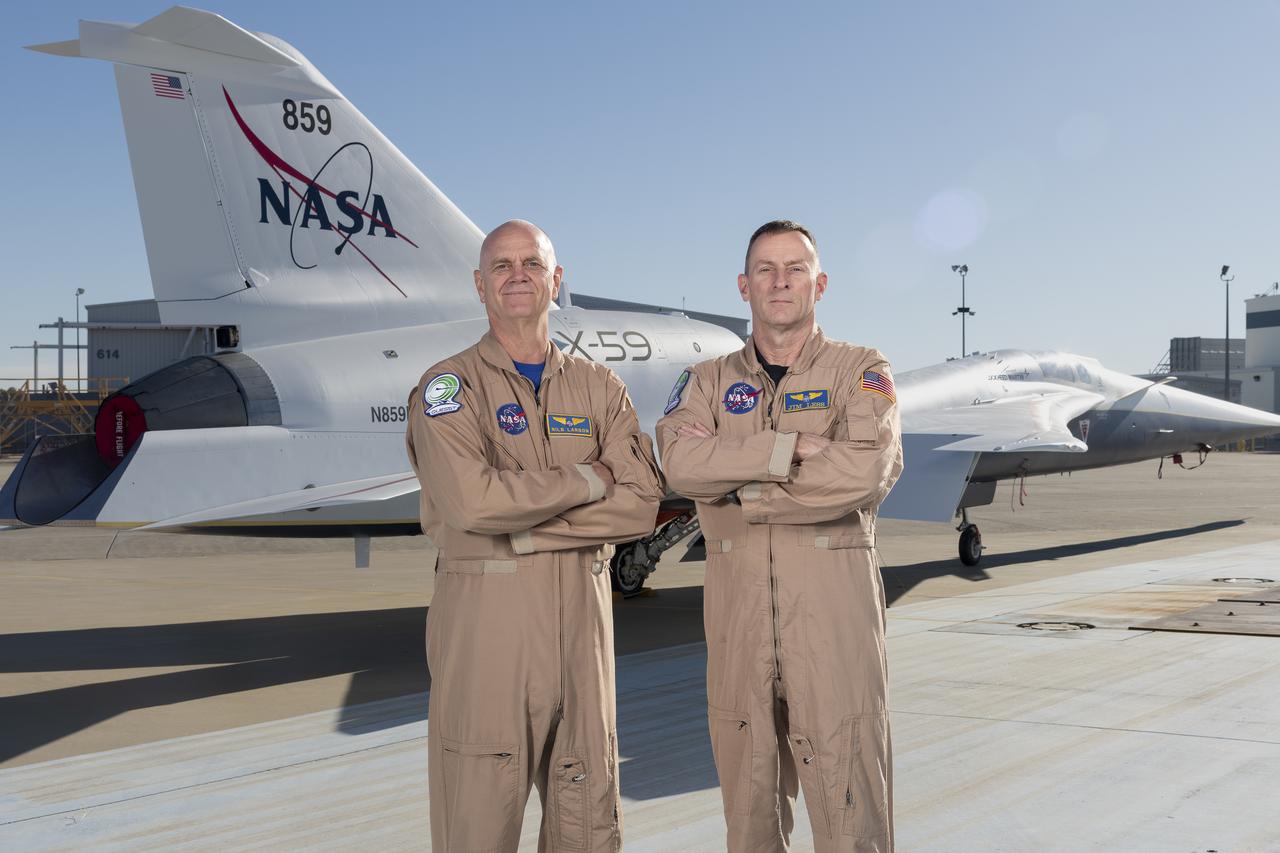
NASA test pilots Nils Larson (left) and Jim “Clue” Less (right) pose with the newly-painted X-59 as it sits on the ramp at Lockheed Martin Skunk Works in Palmdale, California. The X-59 is the centerpiece of NASA’s Quesst mission, which seeks to solve one of the major barriers to supersonic flight over land, currently banned in the United States, by making sonic booms quieter.
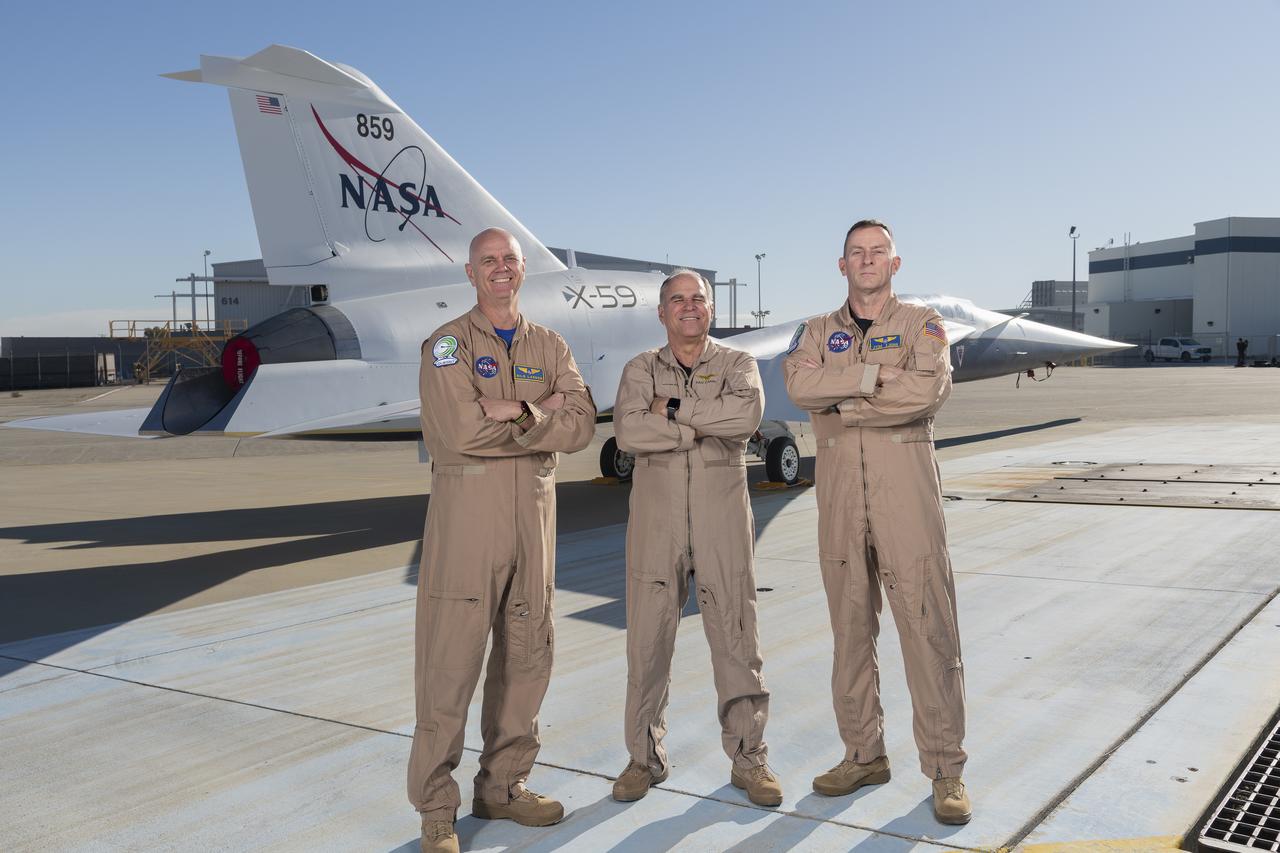
NASA test pilots Nils Larson (left) and Jim “Clue” Less (right), and Lockheed Martin test pilot Dan “Dog” Canin pose with the newly-painted X-59 as it sits on the ramp at Lockheed Martin Skunk Works in Palmdale, California. The X-59 is the centerpiece of NASA’s Quesst mission, which seeks to solve one of the major barriers to supersonic flight over land, currently banned in the United States, by making sonic booms quieter.
NASA Administrator Jared Isaacman, right, speaks with NASA X-59 pilots Jim “Clue” Less, left, and Nils Larson during Isaacman’s visit to NASA’s Armstrong Flight Research Center in Edwards, California, on Sunday, Jan. 25, 2026. Isaacman, NASA’s 15th administrator, began visiting the agency’s centers after his appointment on Dec. 17, 2025.
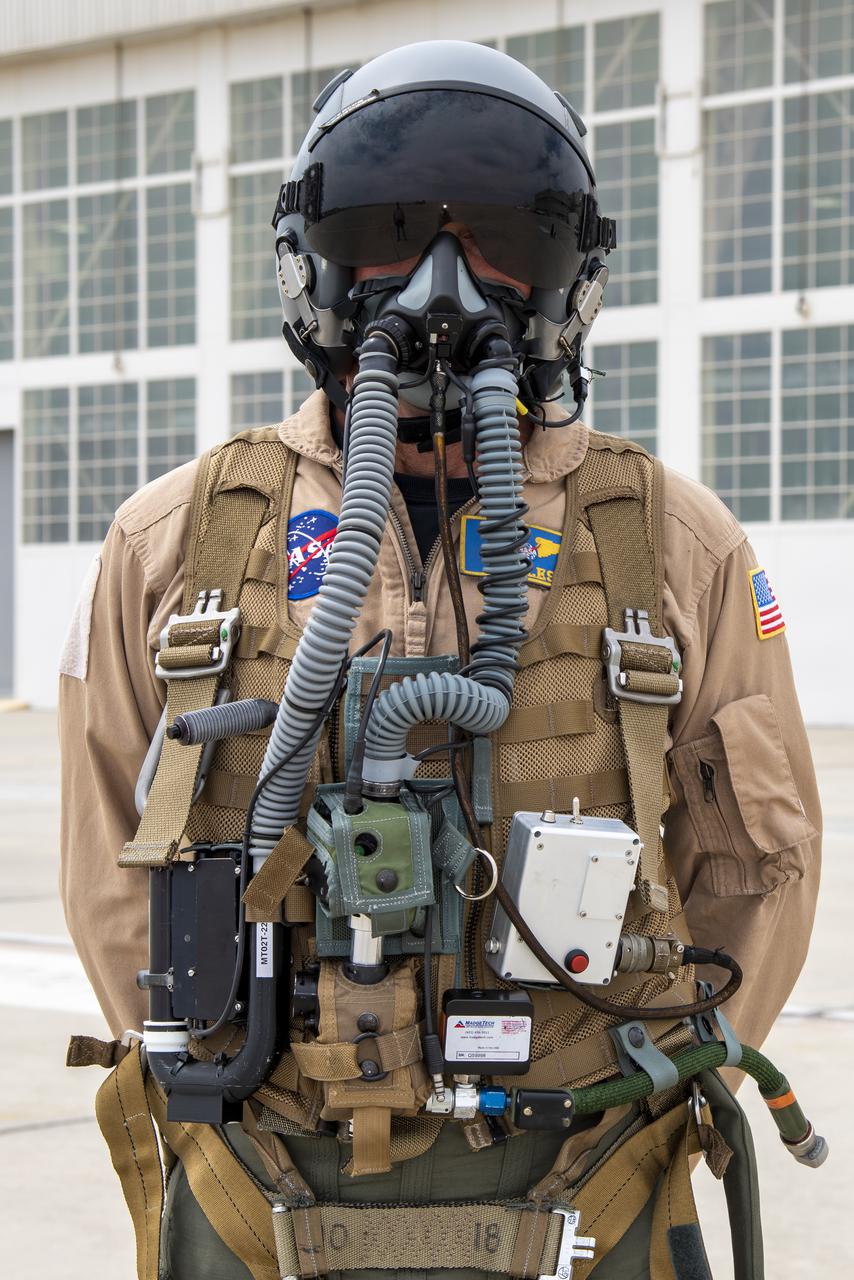
NASA research pilot Jim Less wears a U.S. Navy harness configuration with the NASA Jet Propulsion Laboratory in California prototype mask, which uses laser sensors to determine levels of carbon dioxide and water exhaled inside the mask. This prototype was tested in conjunction with the current VigilOX system, which measures the pilot’s oxygen concentration, breathing pressures and flow rates. This and the U.S. Air Force configuration was used in the Pilot Breathing Assessment program at NASA’s Armstrong Flight Research Center in California.
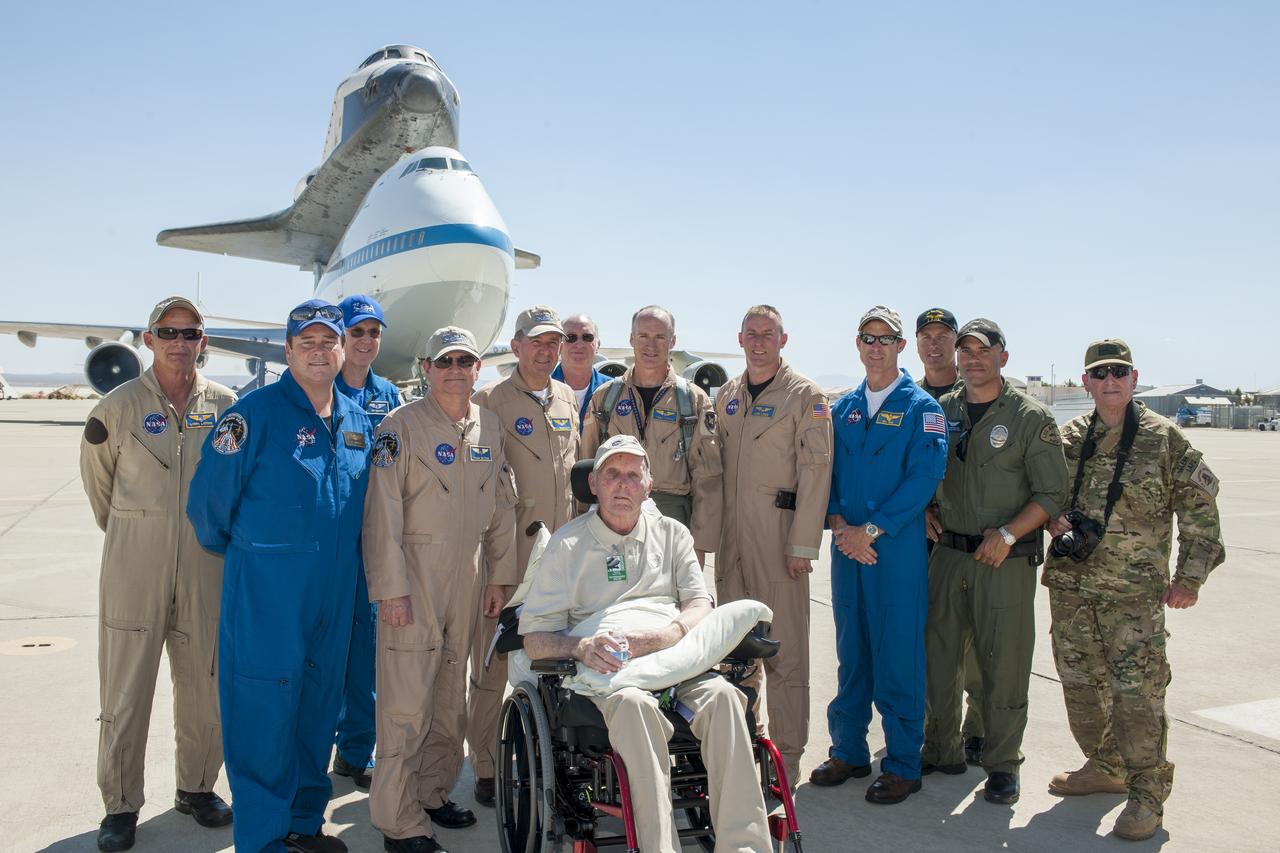
Los Angeles Police Department personnel and former NASA astronaut and NASA Armstrong Flight Research Center (then Dryden) test pilot Gordon Fullerton, seated, join the crew of the NASA 747 Shuttle Carrier Aircraft. Standing is, from left, Larry LaRose, J.J. Johnston, Jeff Moultrie, Frank Batteas, Bill Brockett, Henry Taylor, Troy Asher, Jim Less, Bill Rieke, officer Kevin Standage, Sgt. Stephen Roussell, and Glenn Grossman.
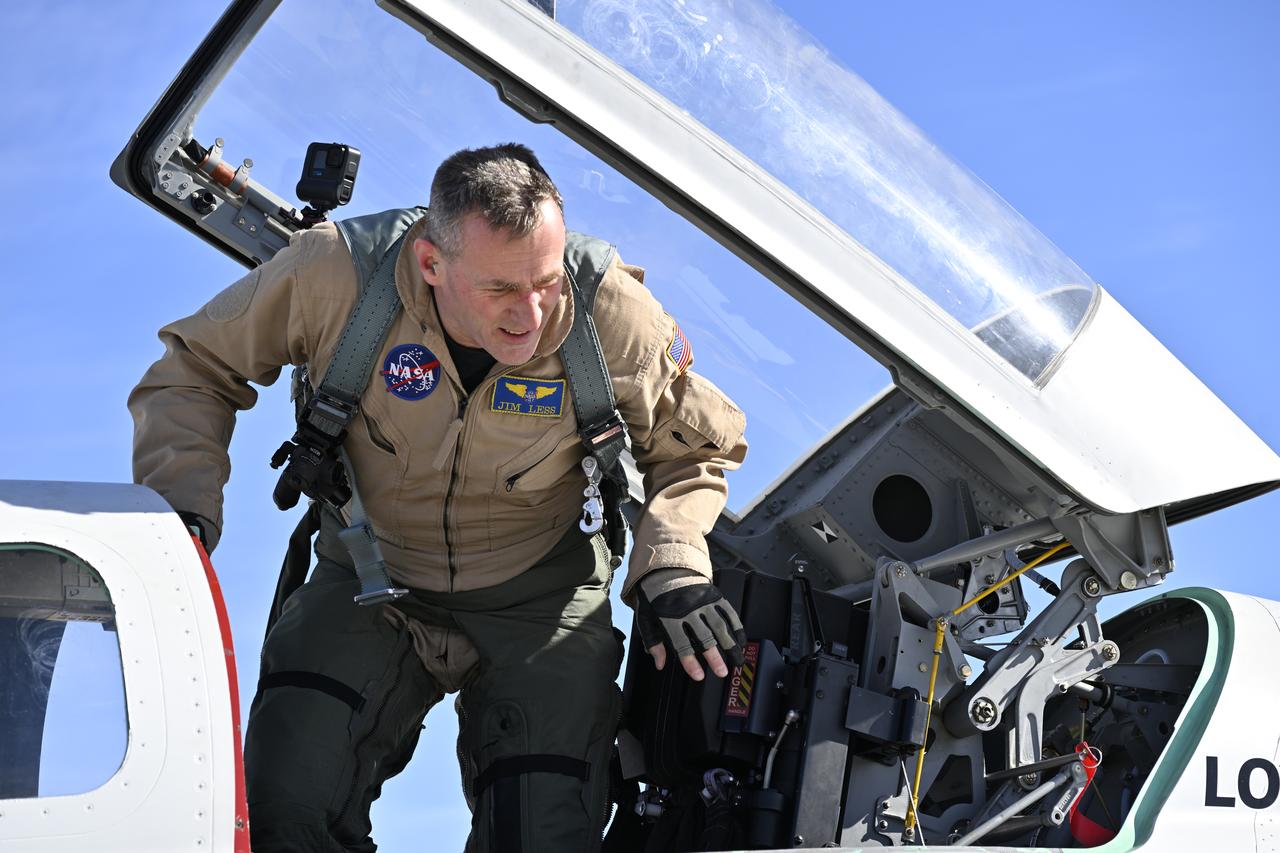
NASA test pilot Jim Less prepares to exit the cockpit of the quiet supersonic X-59 aircraft in between electromagnetic interference (EMI) testing. The EMI testing ensures an aircraft’s systems function properly under various conditions of electromagnetic radiation. The X-59 is the centerpiece of the NASA’s Quesst mission, designed to demonstrate quiet supersonic technology and provide data to address a key barrier to commercial supersonic travel.
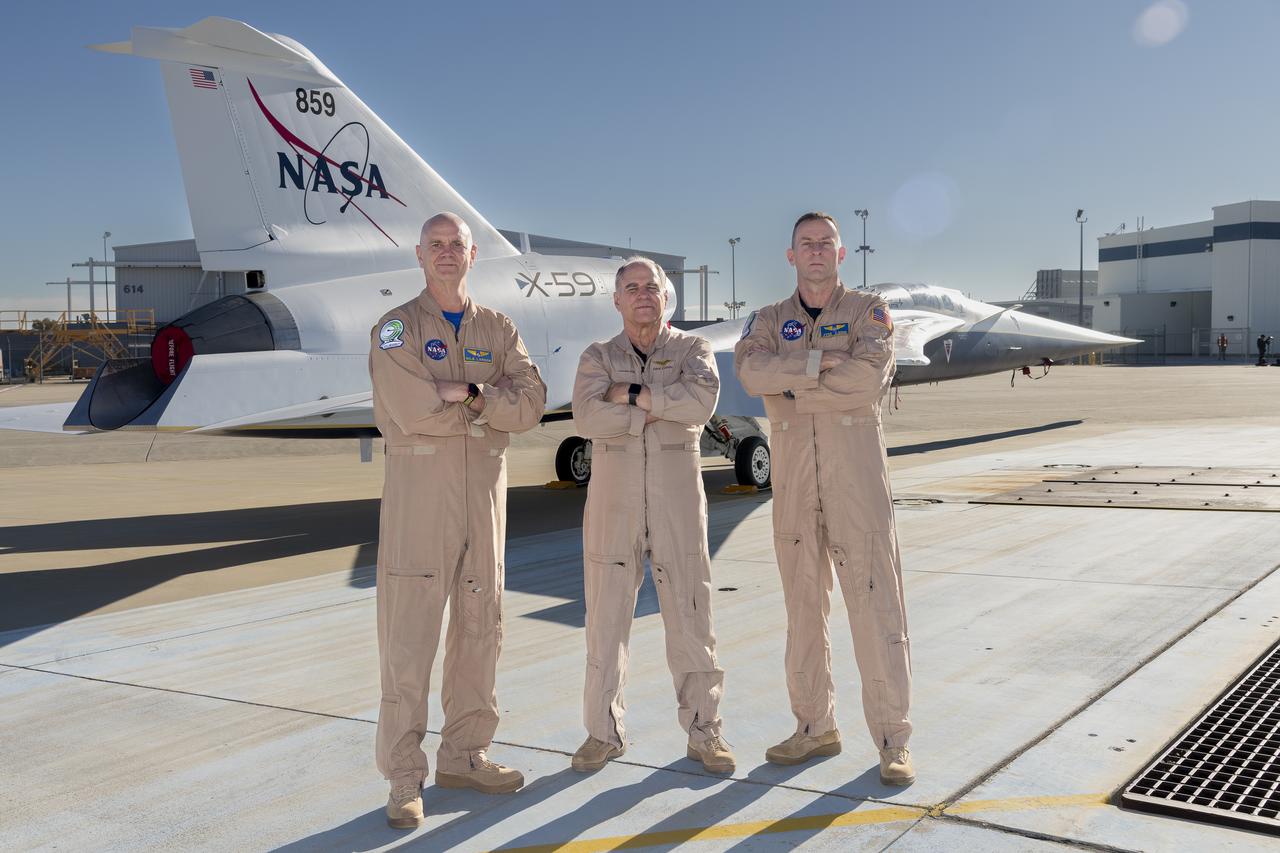
NASA test pilots Nils Larson (left) and Jim “Clue” Less (right), and Lockheed Martin test pilot Dan “Dog” Canin pose with the newly-painted X-59 as it sits on the ramp at Lockheed Martin Skunk Works in Palmdale, California. The X-59 is the centerpiece of NASA’s Quesst mission, which seeks to solve one of the major barriers to supersonic flight over land, currently banned in the United States, by making sonic booms quieter.
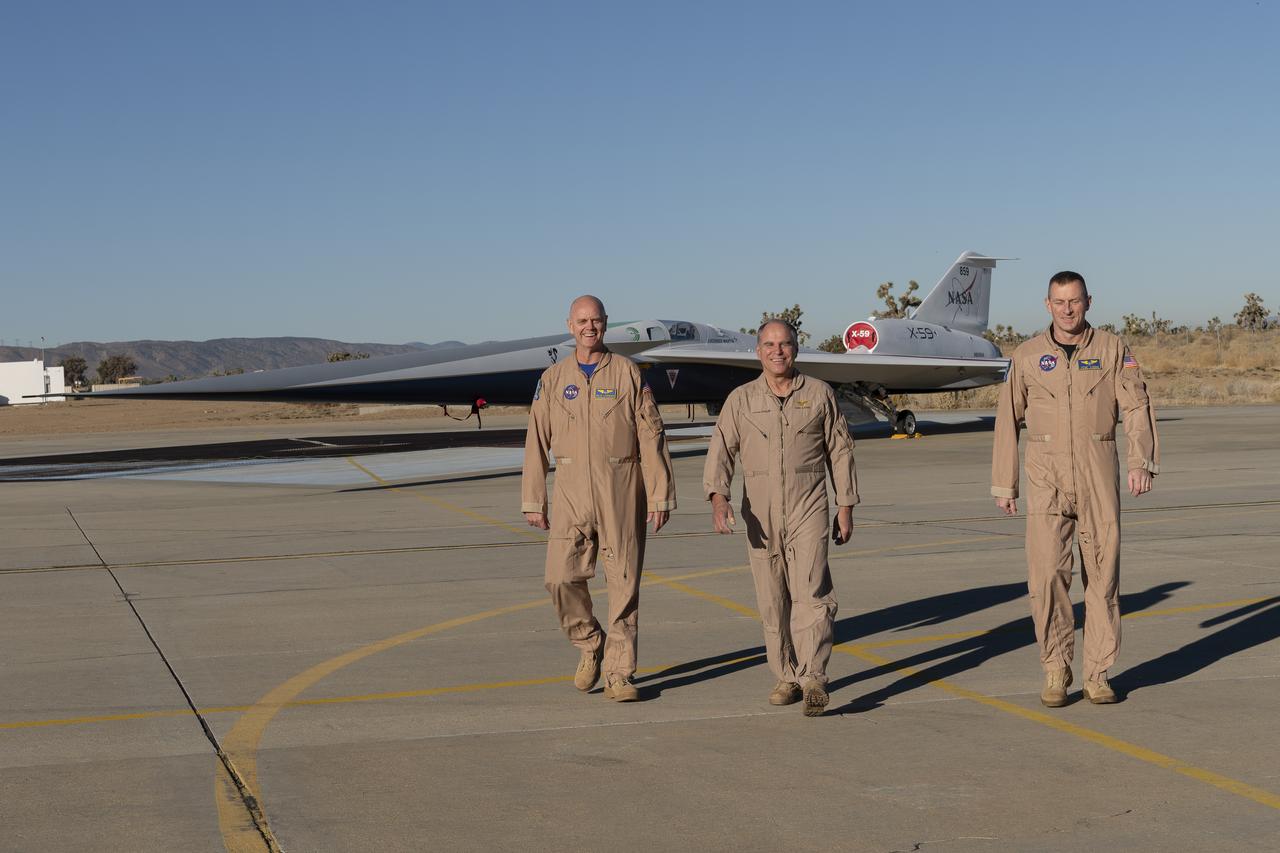
NASA test pilots Nils Larson (left) and Jim “Clue” Less (right), and Lockheed Martin test pilot Dan “Dog” Canin pose with the newly-painted X-59 as it sits on the ramp at Lockheed Martin Skunk Works in Palmdale, California. The X-59 is the centerpiece of NASA’s Quesst mission, which seeks to solve one of the major barriers to supersonic flight over land, currently banned in the United States, by making sonic booms quieter.
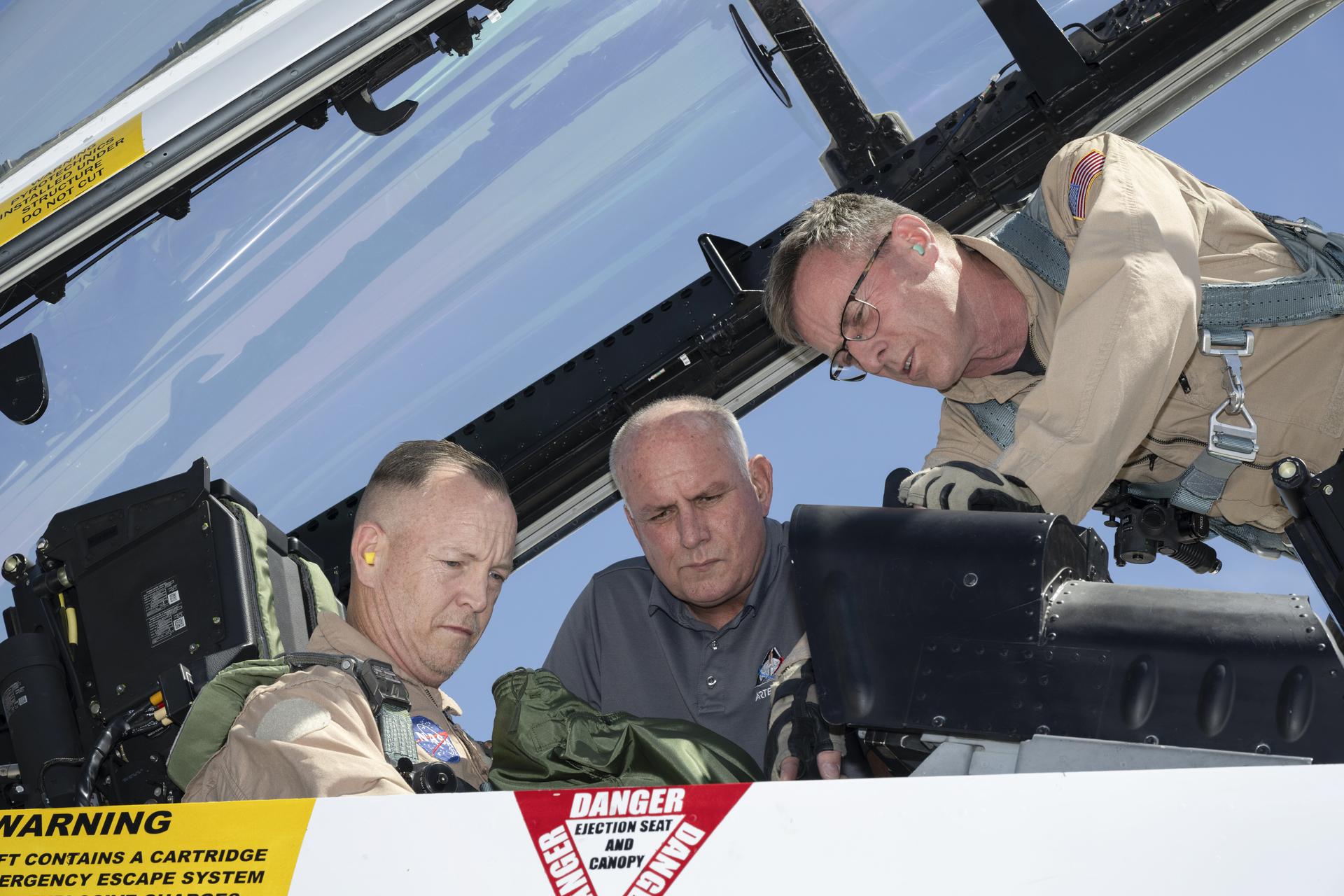
NASA pilot Jim Less and Phil Wellner, aircrew life support technician, help prepare Mike Frederick, aerospace engineer and researcher, for an employee incentive flight in an F/A-18 aircraft at NASA’s Armstrong Flight Research Center in Edwards, California, on Wednesday, April 15, 2026. NASA Administrator Jared Isaacman established the ride‑along program to recognize and reward workforce members for their dedication to advancing the agency’s priorities.
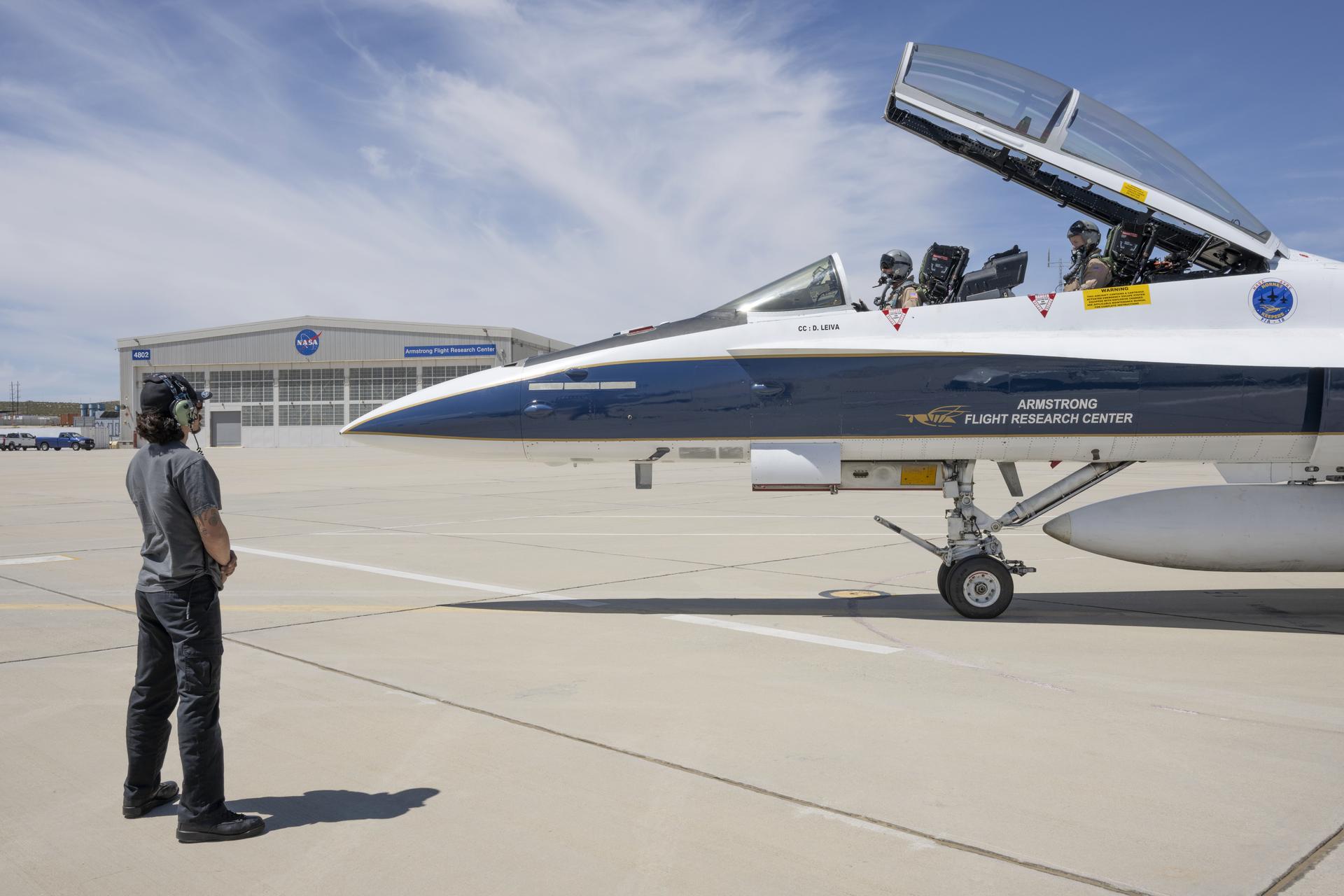
Crew chief, David Leiva, prepares NASA pilot Jim Less and Mike Frederick, aerospace engineer and researcher, for an employee incentive flight in an F/A-18 aircraft at NASA’s Armstrong Flight Research Center in Edwards, California, on Wednesday, April 15, 2026. NASA Administrator Jared Isaacman established the ride‑along program to recognize and reward workforce members for their dedication to advancing the agency’s priorities.

An F/A-18 aircraft soars through the sky from NASA’s Armstrong Flight Research Center in Edwards, California, on Wednesday, May 13, 2026. Aboard is Sarah D’Souza, deputy systems manager for the Orion Thermal Protection System, piloted by Jim “Clue” Less, offering a firsthand look at the aircraft and flight operations that help advance NASA’s aeronautics research. NASA Administrator Jared Isaacman established the ride-along program to recognize and reward workforce members for their dedication to advancing the agency’s priorities. Credit: NASA

Sarah D’Souza, deputy systems manager for the Orion Thermal Protection System, gives a thumbs up during her ride aboard an F/A-18 aircraft from NASA’s Armstrong Flight Research Center in Edwards, California. Piloted by Jim “Clue” Less, the flight was rewarded to D’Souza to spotlight her exceptional contributions to NASA under Administrator Jared Isaacman’s ride-along program. The program recognizes and rewards workforce members for their dedication to advancing the agency’s priorities. Credit: NASA
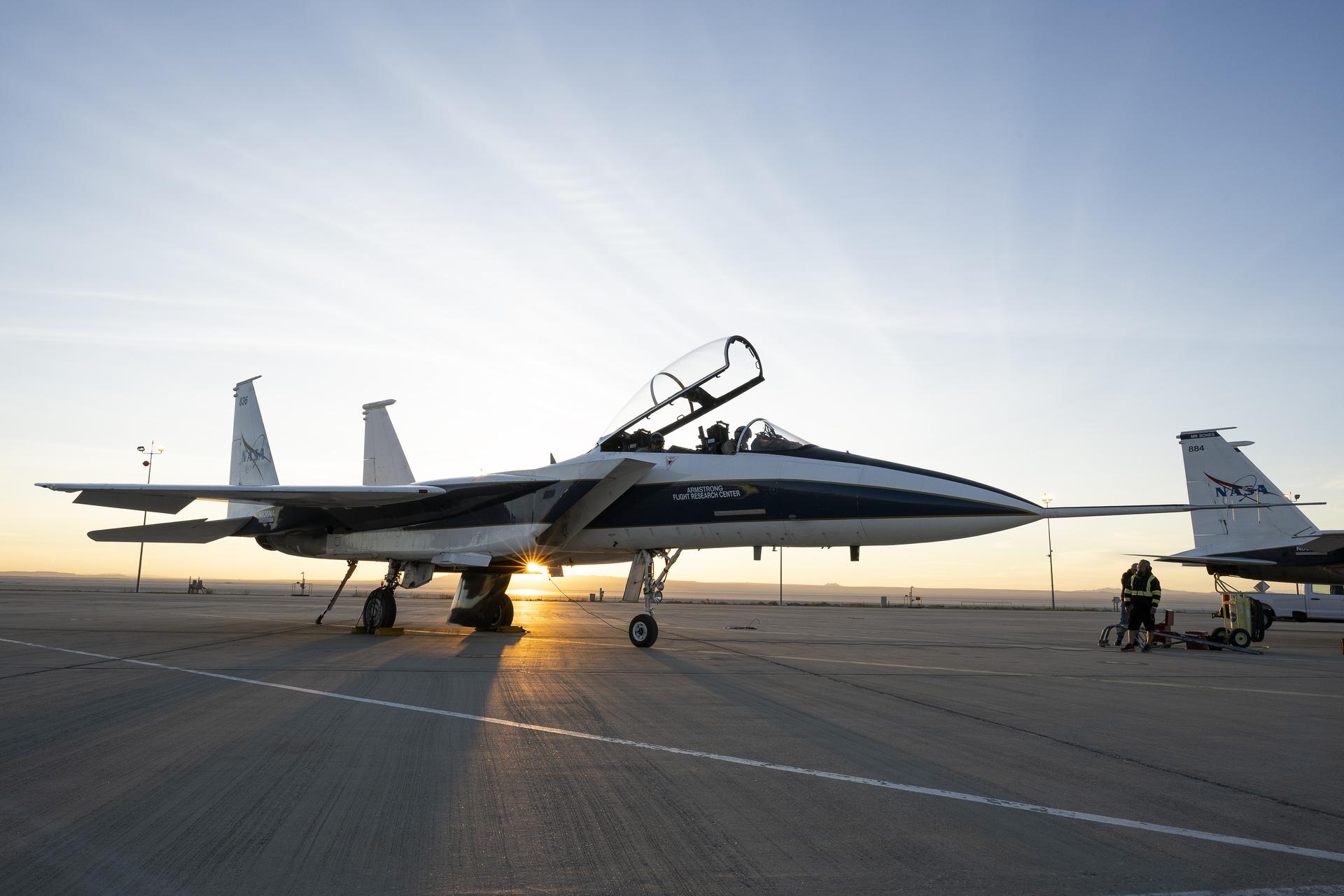
An F-15 research aircraft sits on the ramp at NASA’s Armstrong Flight Research Center in Edwards, California, on Tuesday, March 17, 2026. NASA pilots Jim Less, front seat, and Carrie Worth prepare for the flight. The agency’s Crossflow Attenuated Natural Laminar Flow (CATNLF) test article is attached to the bottom of the F-15. The project aims to lower fuel costs for future commercial aircraft by testing a scale-model wing designed to improve laminar flow.

NASA test pilots Jim Less, left, and Nils Larson walk away from a hangar at NASA’s Armstrong Flight Research Center in Edwards, California, on Thursday, Feb. 4, 2026. The pilots support the agency’s Crossflow Attenuated Natural Laminar Flow (CATNLF) project, which aims to lower fuel costs for future commercial aircraft by testing a scale-model wing designed to improve laminar flow.
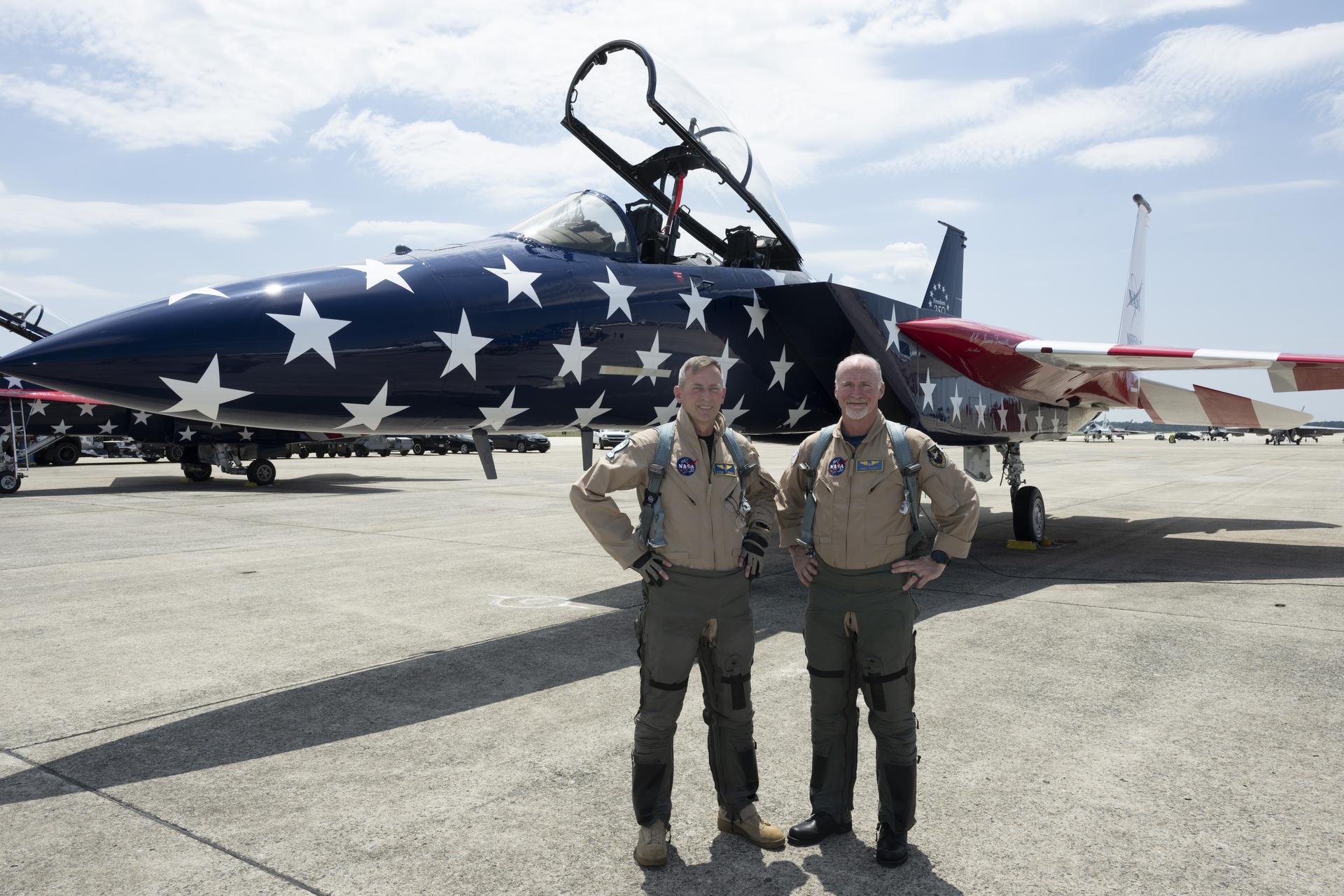
NASA Armstrong pilot Jim Less, left, and center director, Troy Asher, right, stand in front of a NASA F-15 aircraft on Saturday, July 4, 2026. Both pilots took part in a flyover to celebrate America’s 250th birthday. This aircraft is from NASA’s Armstrong Flight Research Center in Edwards, California, and it joined other NASA aircraft for the flyover.
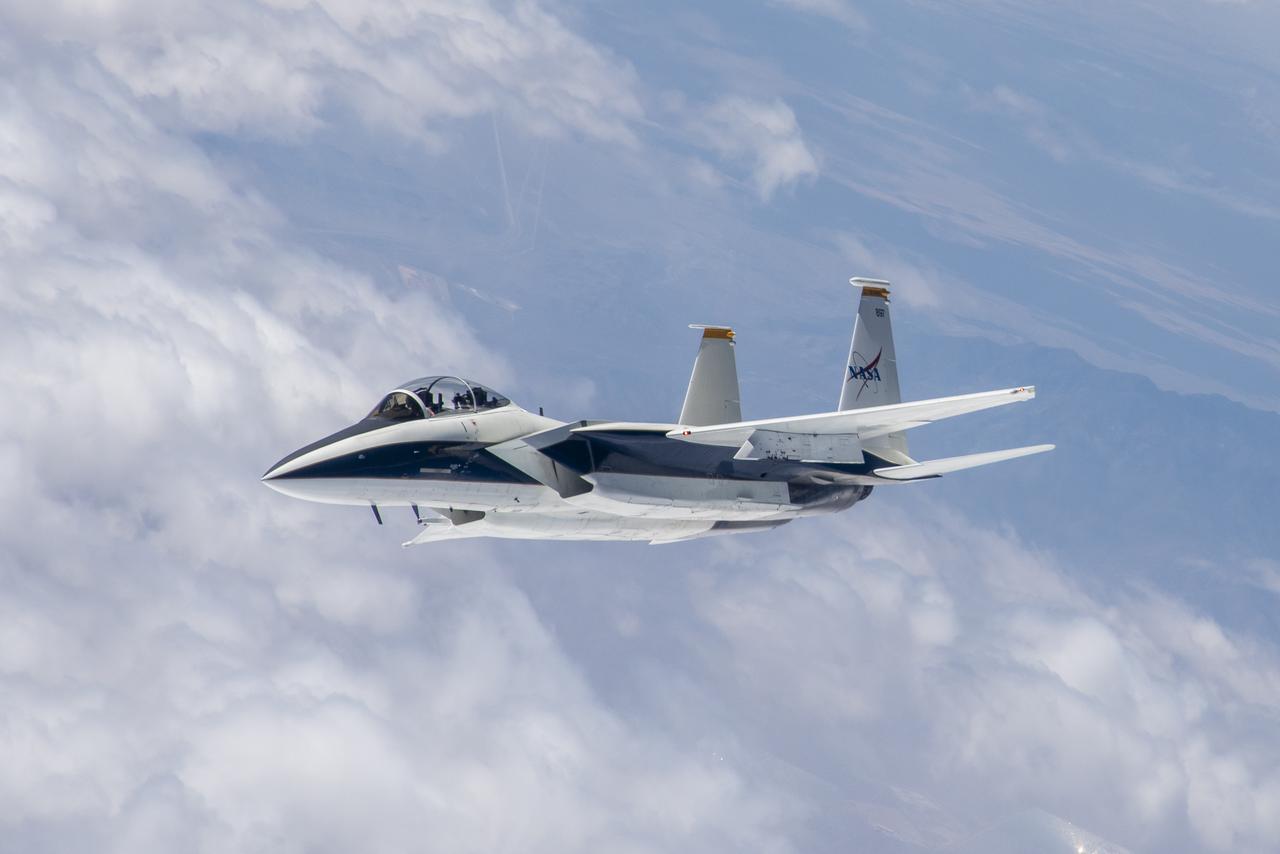
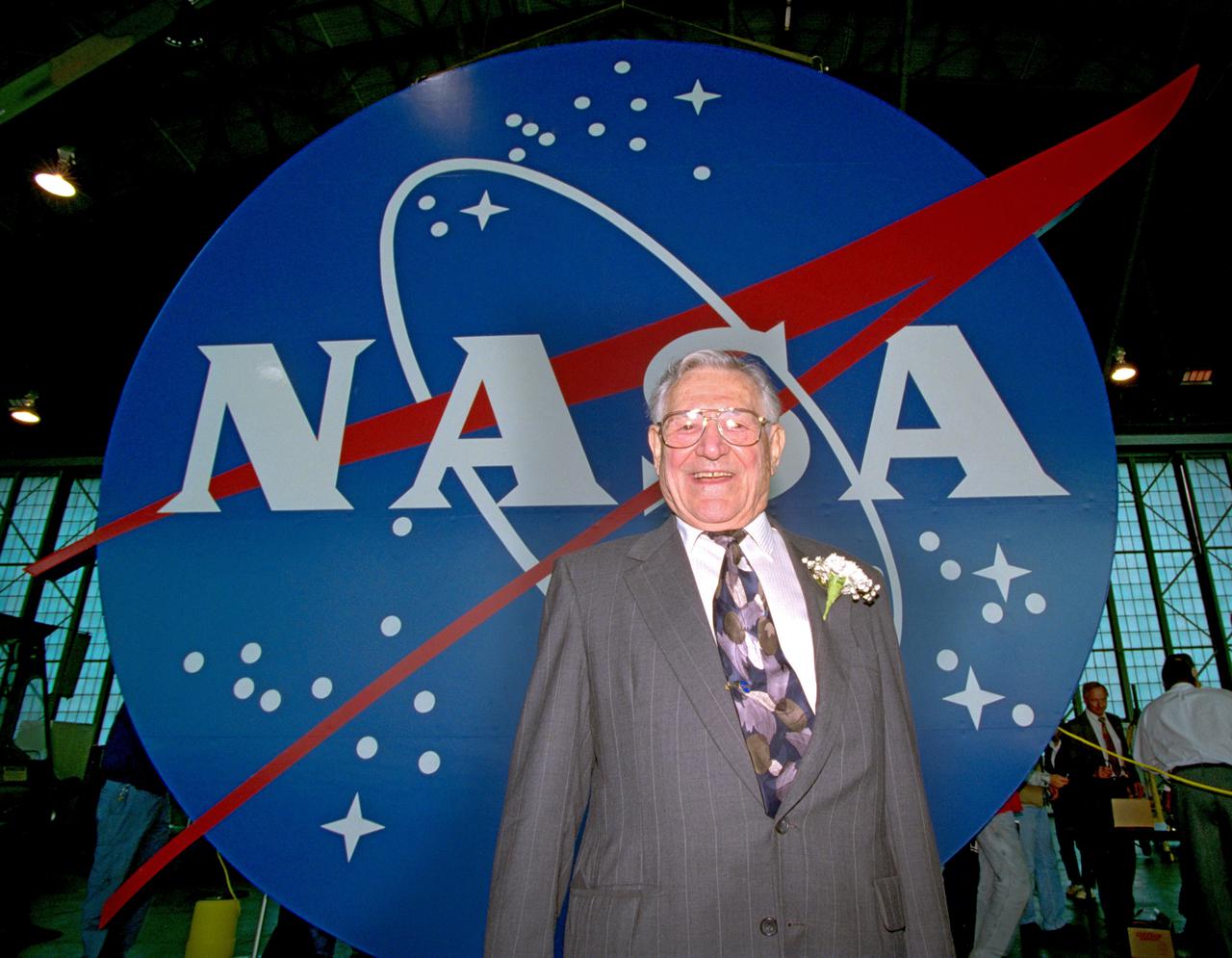
In 1949, after graduating from the Cleveland Institute of Art, James “Jim” Modarelli began his career as an artist-designer at the laboratory that would become the NASA Glenn Research Center. When the NACA was approved to be absorbed into the new space agency—NASA, employees were invited to submit designs for the Agency’s logo. Modarelli, who was serving as the Management Services Division Chief at the time, submitted the winning designs. The official NASA seal and the less formal NASA “meatball” insignia (shown here) are among the most recognized emblems in the world. The logos, which include symbols representing the space and aeronautics missions of NASA, became official in 1959. In July 1958, Modarelli participated in a tour at the Ames Unitary Plan Wind Tunnel, where he viewed a model of a radical supersonic airplane designed for flight at Mach 3.0. With a cambered, twisted arrow wing and an upturned nose, the model deeply impressed Modarelli. He later stylized the radical features of the arrow-wing configuration in his evolution of the NASA seal design; the wing would also become an element of the NASA insignia.
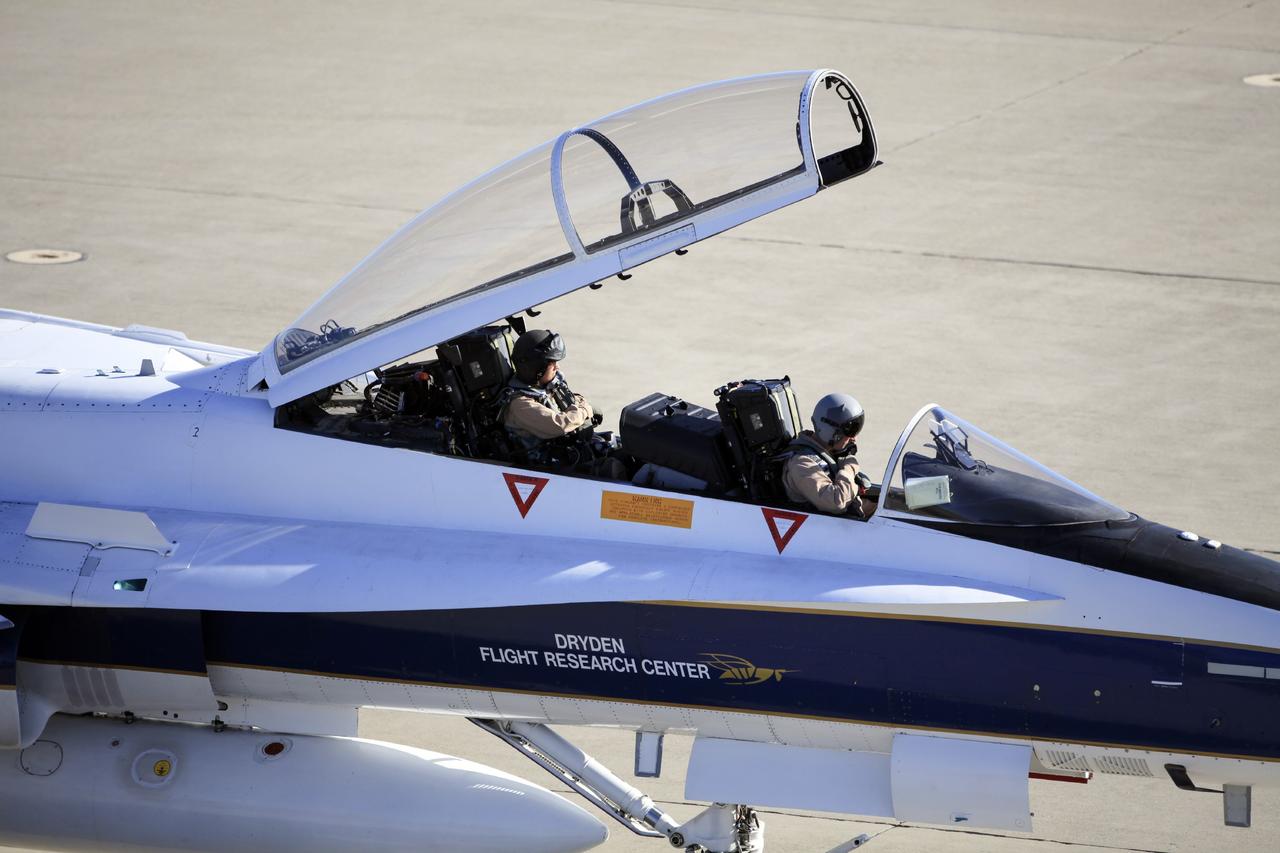
VANDENBERG AIR FORCE BASE, Calif. – Videographer Lori Losey, back seat, and pilot Jim Less board an F-18 aircraft at Vandenberg Air Force Base in California. The F-18 will be the "chase plane" for the Orbital Sciences L-1011 aircraft transporting the Pegasus XL rocket that will launch NASA's Interface Region Imaging Spectrograph, or IRIS, solar observatory to orbit. Release of the rocket from under the wing of the L-1011 is scheduled for 10:27 p.m. EDT. IRIS will open a new window of discovery using spectrometry and imaging to trace the flow of energy and plasma through the chromospheres and transition region into the sun’s corona. The spacecraft will observe how solar material moves, gathers energy and heats up as it travels through a largely unexplored region of the solar atmosphere. This interface region, located between the sun's visible surface and its upper atmosphere, is where most of its ultraviolet emission is generated. These emissions impact the near-Earth space environment and Earth's climate. NASA's Launch Services Program at the agency's Kennedy Space Center in Florida is managing the countdown and launch. For more information, visit http://www.nasa.gov/iris. Photo credit: NASA/Daniel Casper