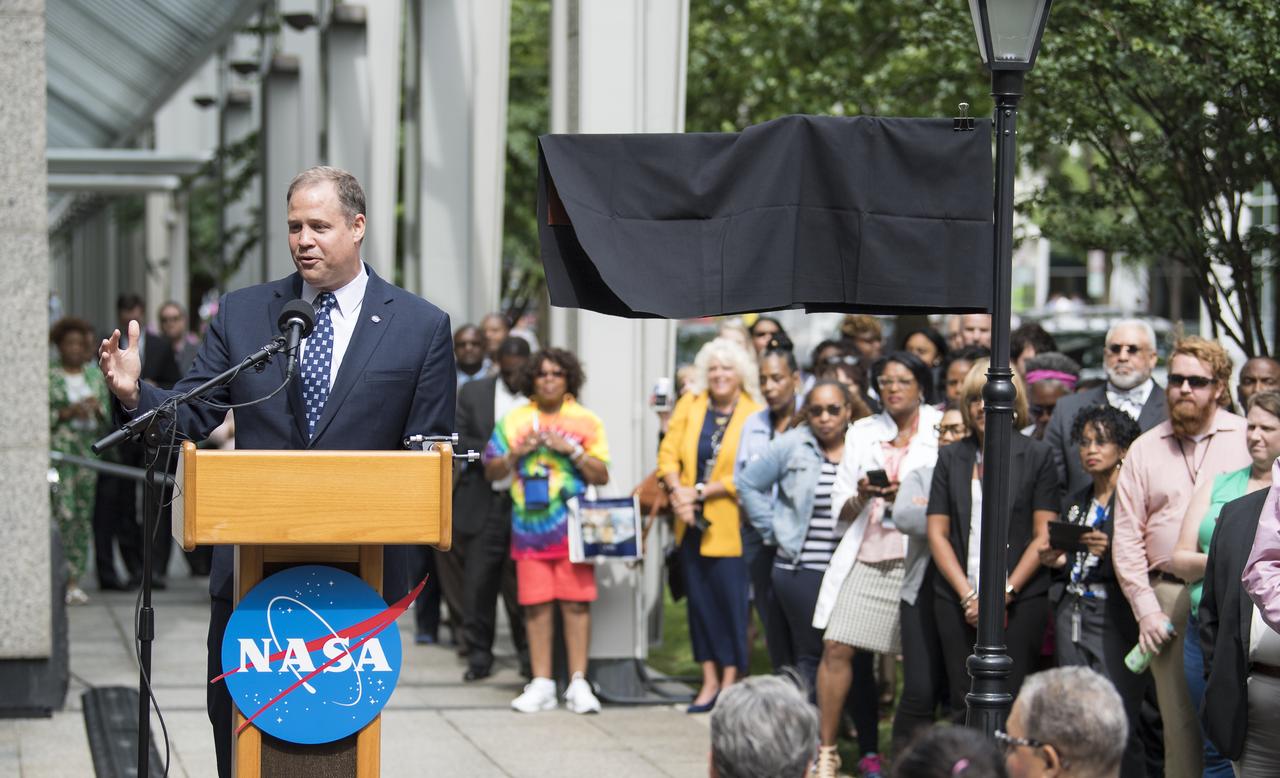
NASA Administrator Jim Bridenstine delivers remarks during the dedication ceremony for "Hidden Figures Way," Wednesday, June 12, 2019 at NASA Headquarters in Washington, DC. The 300 block of E Street SW in front of the NASA Headquarters building was designated as "Hidden Figures Way" to honor Katherine Johnson, Dorothy Vaughan, Mary Jackson and all women who have dedicated their lives to honorably serving their country, advancing equality, and contributing to the space program of the United States. Photo Credit: (NASA/Joel Kowsky)
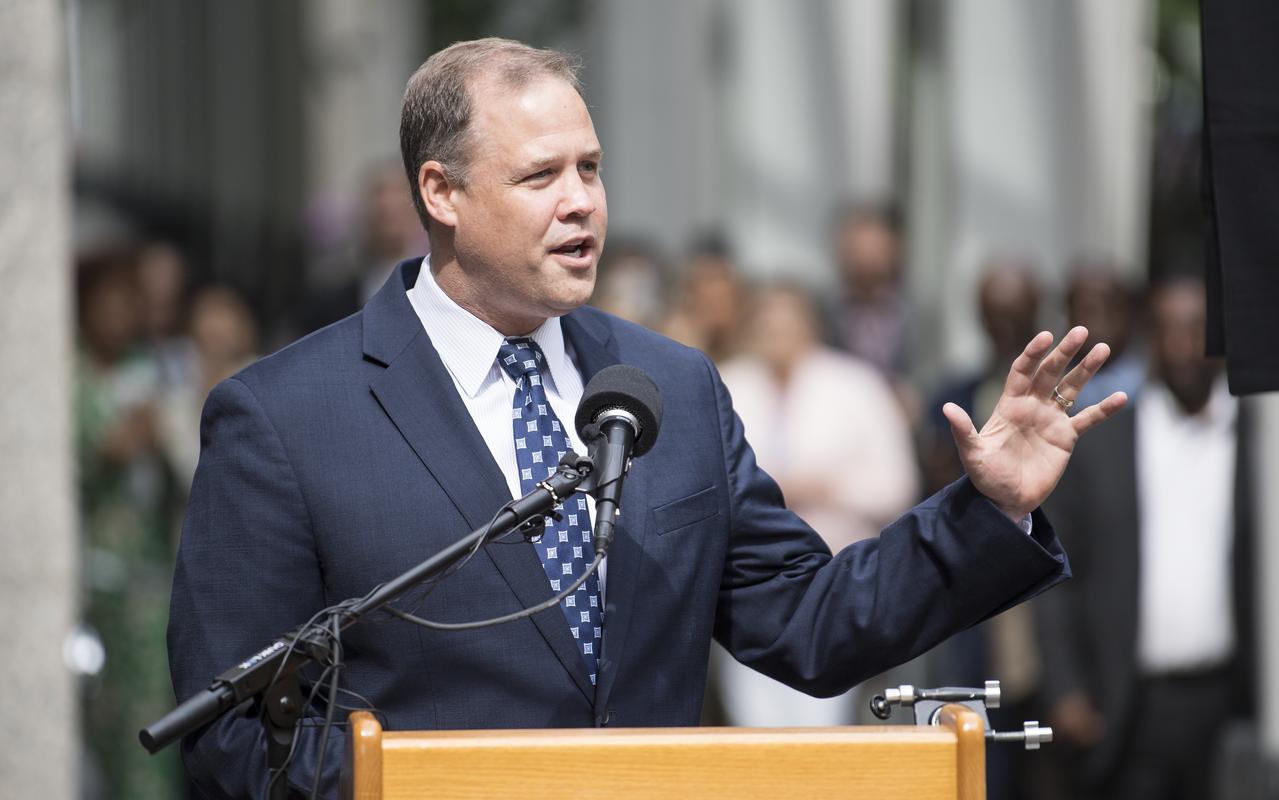
NASA Administrator Jim Bridenstine delivers remarks during the dedication ceremony for "Hidden Figures Way," Wednesday, June 12, 2019 at NASA Headquarters in Washington, DC. The 300 block of E Street SW in front of the NASA Headquarters building was designated as "Hidden Figures Way" to honor Katherine Johnson, Dorothy Vaughan, Mary Jackson and all women who have dedicated their lives to honorably serving their country, advancing equality, and contributing to the space program of the United States. Photo Credit: (NASA/Joel Kowsky)
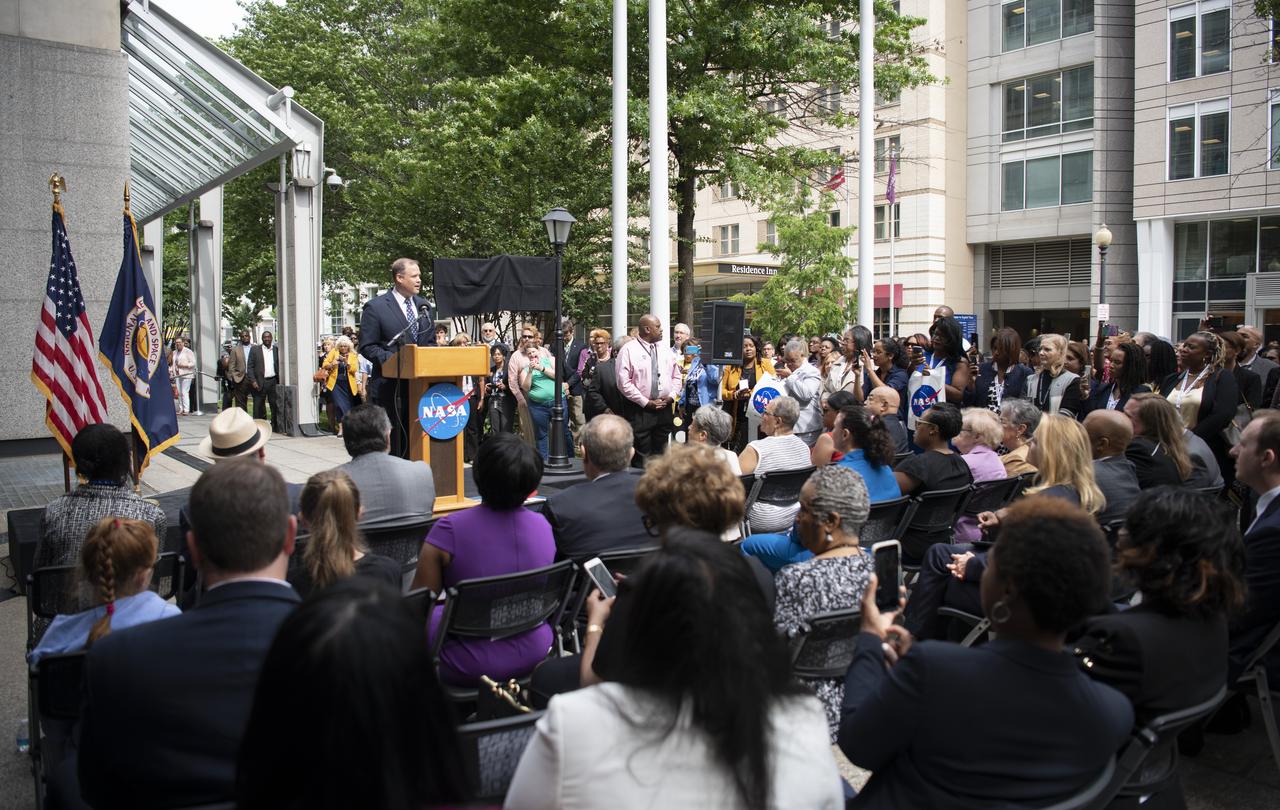
NASA Administrator Jim Bridenstine delivers remarks during the dedication ceremony for "Hidden Figures Way," Wednesday, June 12, 2019 at NASA Headquarters in Washington, DC. The 300 block of E Street SW in front of the NASA Headquarters building was designated as "Hidden Figures Way" to honor Katherine Johnson, Dorthy Vaughan, Mary Jackson and all women who have dedicated their lives to honorably serving their country, advancing equality, and contributing to the space program of the United States. Photo Credit: (NASA/Joel Kowsky)4
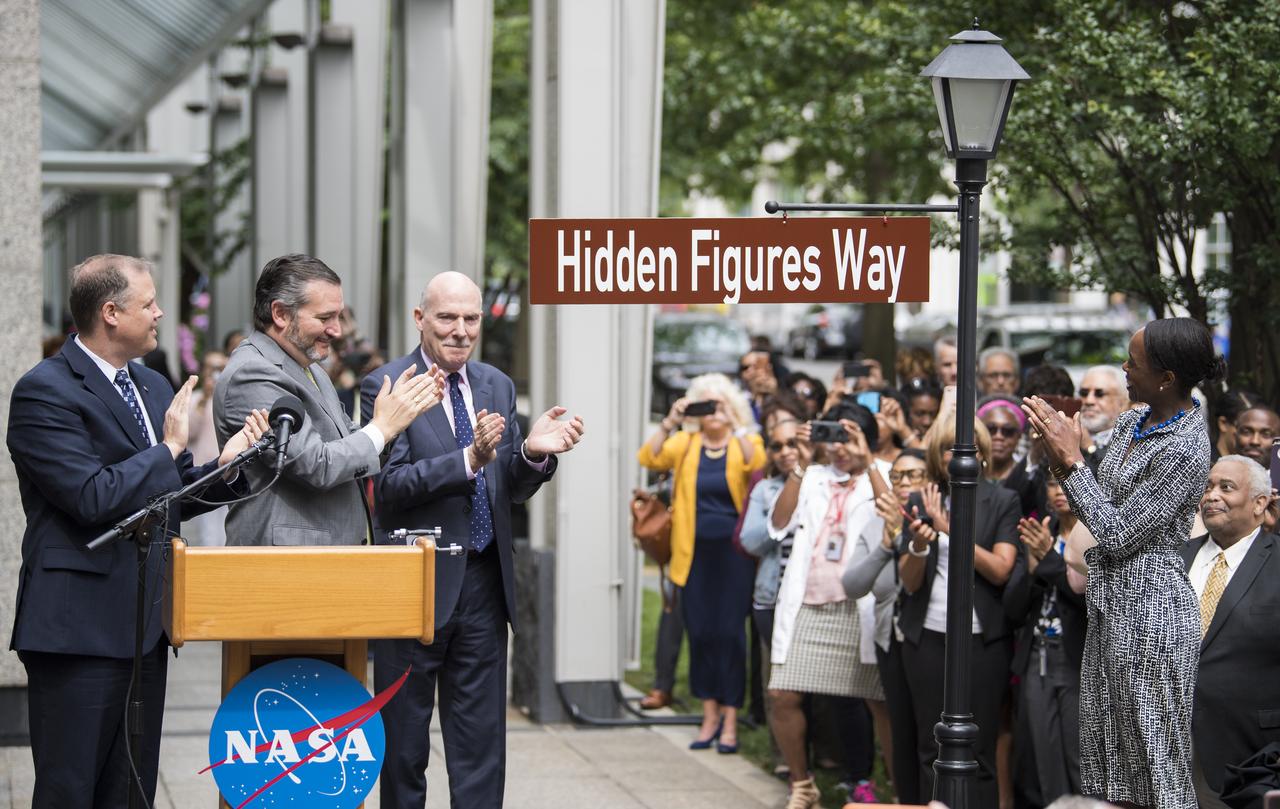
NASA Administrator Jim Bridenstine, left, U.S. Senator Ted Cruz, R-Texas, second from left, D.C. Council Chairman Phil Mendelson, third from left, and Margot Lee Shetterly, author of the book "Hidden Figures," right, unveil the "Hidden Figures Way" street sign at a dedication ceremony, Wednesday, June 12, 2019 at NASA Headquarters in Washington, DC. The 300 block of E Street SW in front of the NASA Headquarters building was designated as "Hidden Figures Way" to honor Katherine Johnson, Dorothy Vaughan, Mary Jackson and all women who have dedicated their lives to honorably serving their country, advancing equality, and contributing to the space program of the United States. Photo Credit: (NASA/Joel Kowsky)
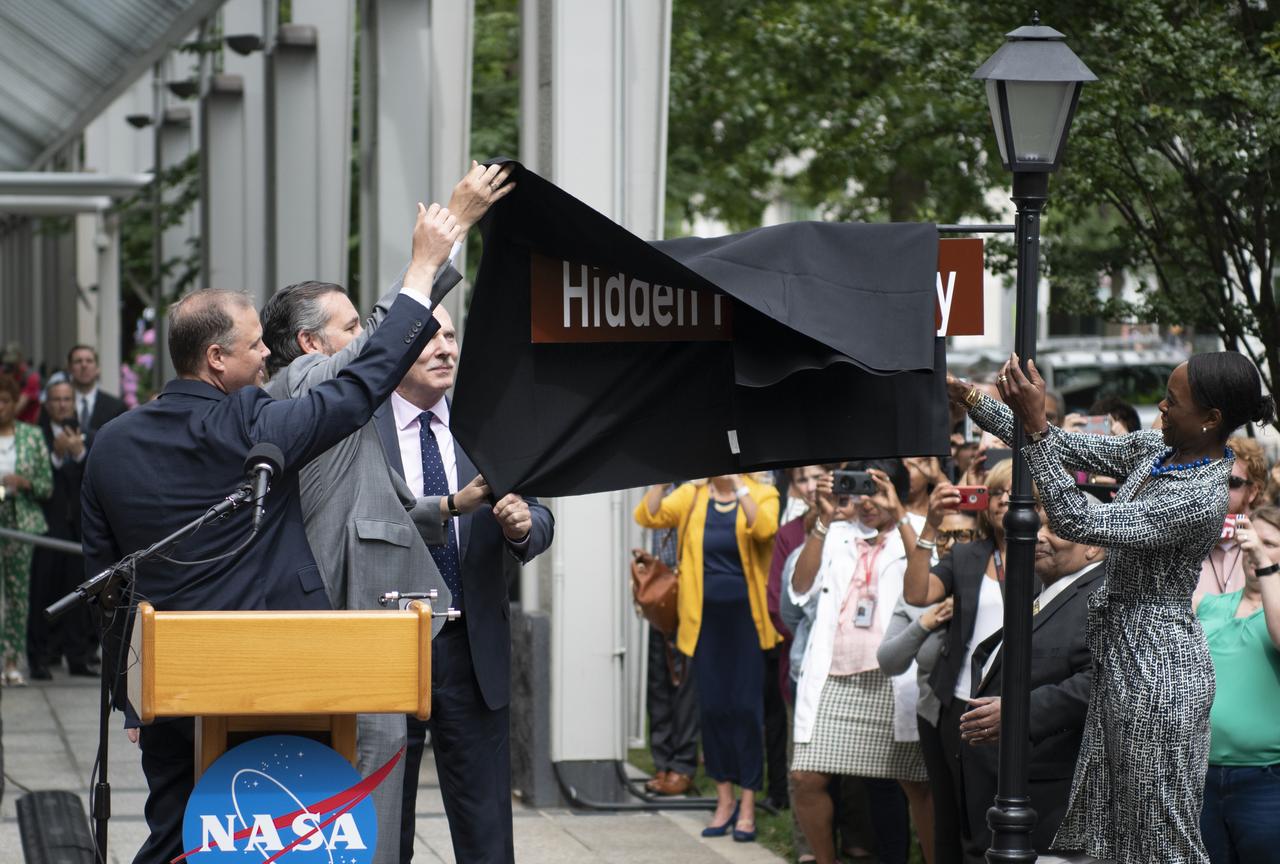
NASA Administrator Jim Bridenstine, left, U.S. Senator Ted Cruz, R-Texas, second from left, D.C. Council Chairman Phil Mendelson, third from left, and Margot Lee Shetterly, author of the book "Hidden Figures," right, unveil the "Hidden Figures Way" street sign at a dedication ceremony, Wednesday, June 12, 2019 at NASA Headquarters in Washington, DC. The 300 block of E Street SW in front of the NASA Headquarters building was designated as "Hidden Figures Way" to honor Katherine Johnson, Dorothy Vaughan, Mary Jackson and all women who have dedicated their lives to honorably serving their country, advancing equality, and contributing to the space program of the United States. Photo Credit: (NASA/Joel Kowsky)
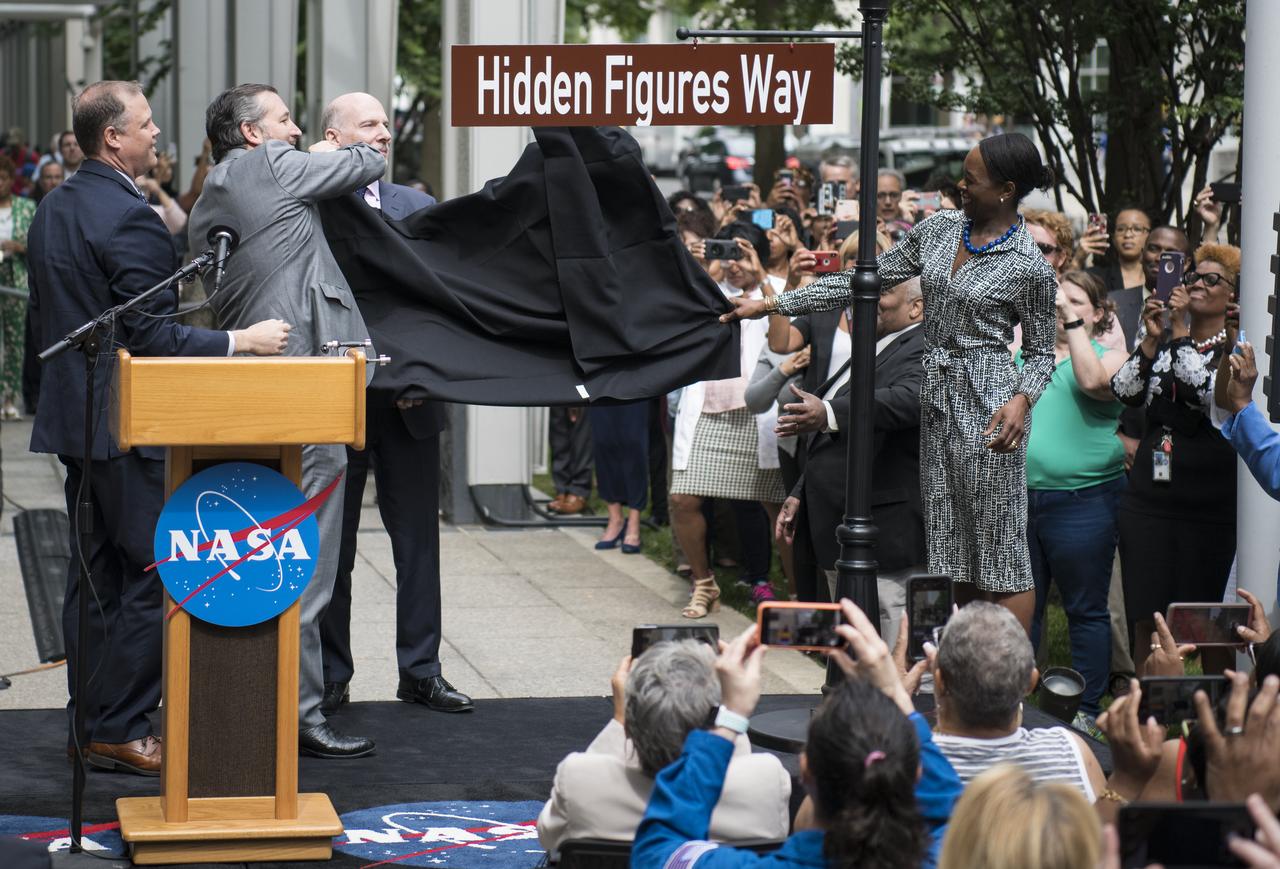
NASA Administrator Jim Bridenstine, left, U.S. Senator Ted Cruz, R-Texas, second from left, D.C. Council Chairman Phil Mendelson, third from left, and Margot Lee Shetterly, author of the book "Hidden Figures," right, unveil the "Hidden Figures Way" street sign at a dedication ceremony, Wednesday, June 12, 2019 at NASA Headquarters in Washington, DC. The 300 block of E Street SW in front of the NASA Headquarters building was designated as "Hidden Figures Way" to honor Katherine Johnson, Dorothy Vaughan, Mary Jackson and all women who have dedicated their lives to honorably serving their country, advancing equality, and contributing to the space program of the United States. Photo Credit: (NASA/Joel Kowsky)
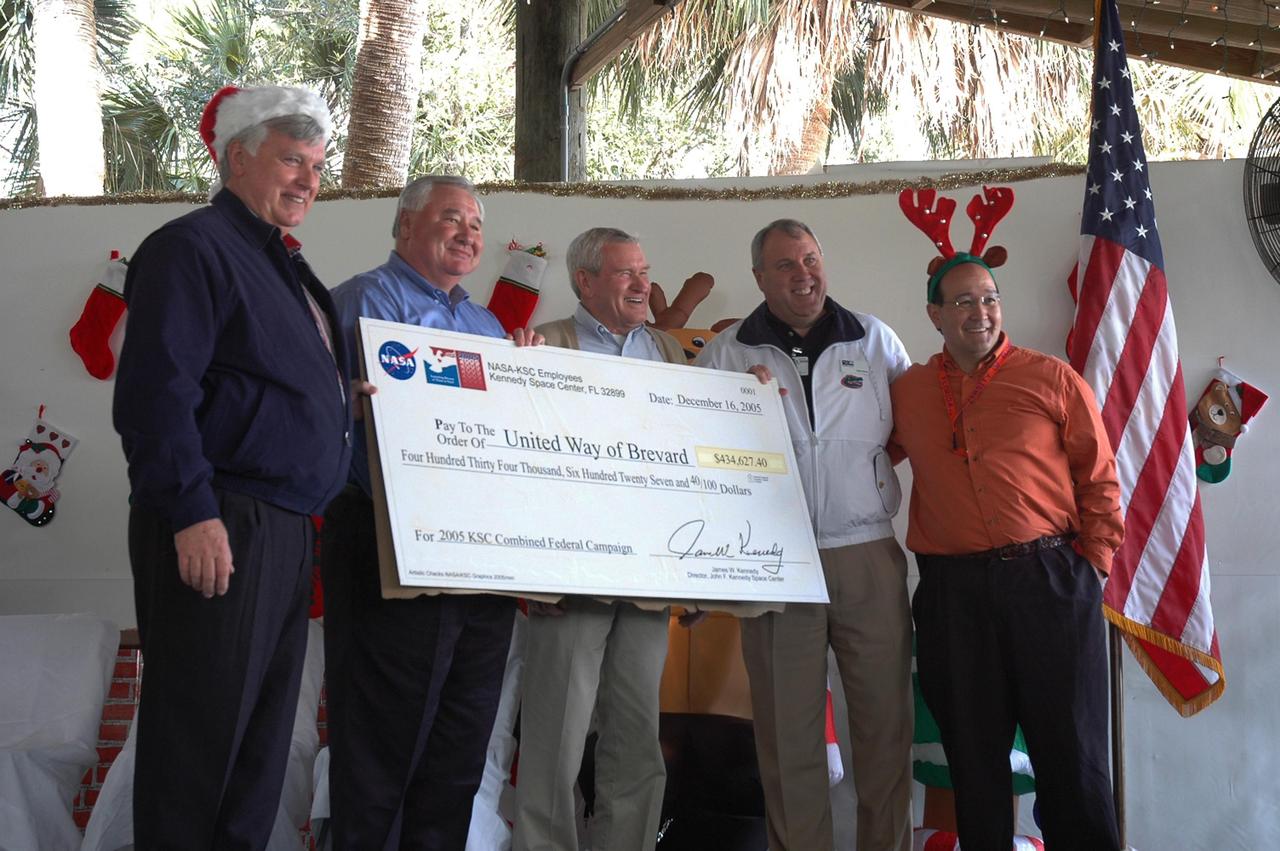
KENNEDY SPACE CENTER, FLA. - An oversized $434,627.40 check represents the highest amount the NASA civil service work force has ever donated to the Combined Federal Campaign. Standing with the check, from left, are Center Director Jim Kennedy; Dennis Burns, United Way of Brevard, vice president of resource development; Frank Ramsey, United Way of Brevard campaign director; Rob Rains, United Way of Brevard president; and Launch Services Program deputy director Ray Lugo, who served as KSC's Combined Federal Campaign chairperson. The check was presented at a holiday dinner and celebration at KARS Park I on Merritt Island, Fla., hosted by Center Director Jim Kennedy for NASA civil service employees. The theme of the celebration was "Launching Dreams of Those in Need." The event was sponsored by the Change Leaders Network and the Combined Federal Campaign Cabinet.
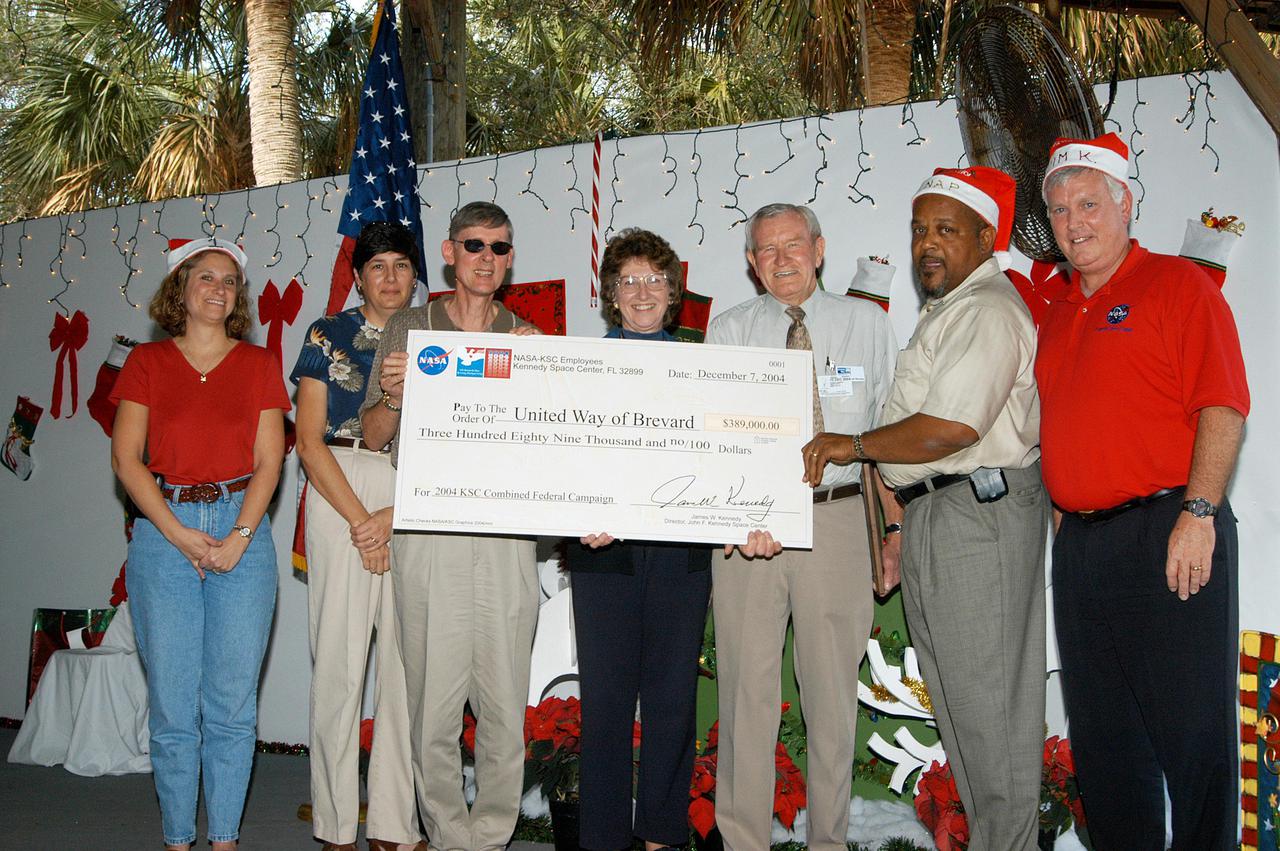
KENNEDY SPACE CENTER, FLA. - The KSC Holiday Celebration was also the occasion for presenting the Center’s Combined Federal Campaign check to United Way of Brevard. The 2004 campaign netted $389,000 in donations. At right is Center Director Jim Kennedy. Next to him, at left, is the campaign chairman, KSC’s Chief Financial Officer, Nap Carroll.
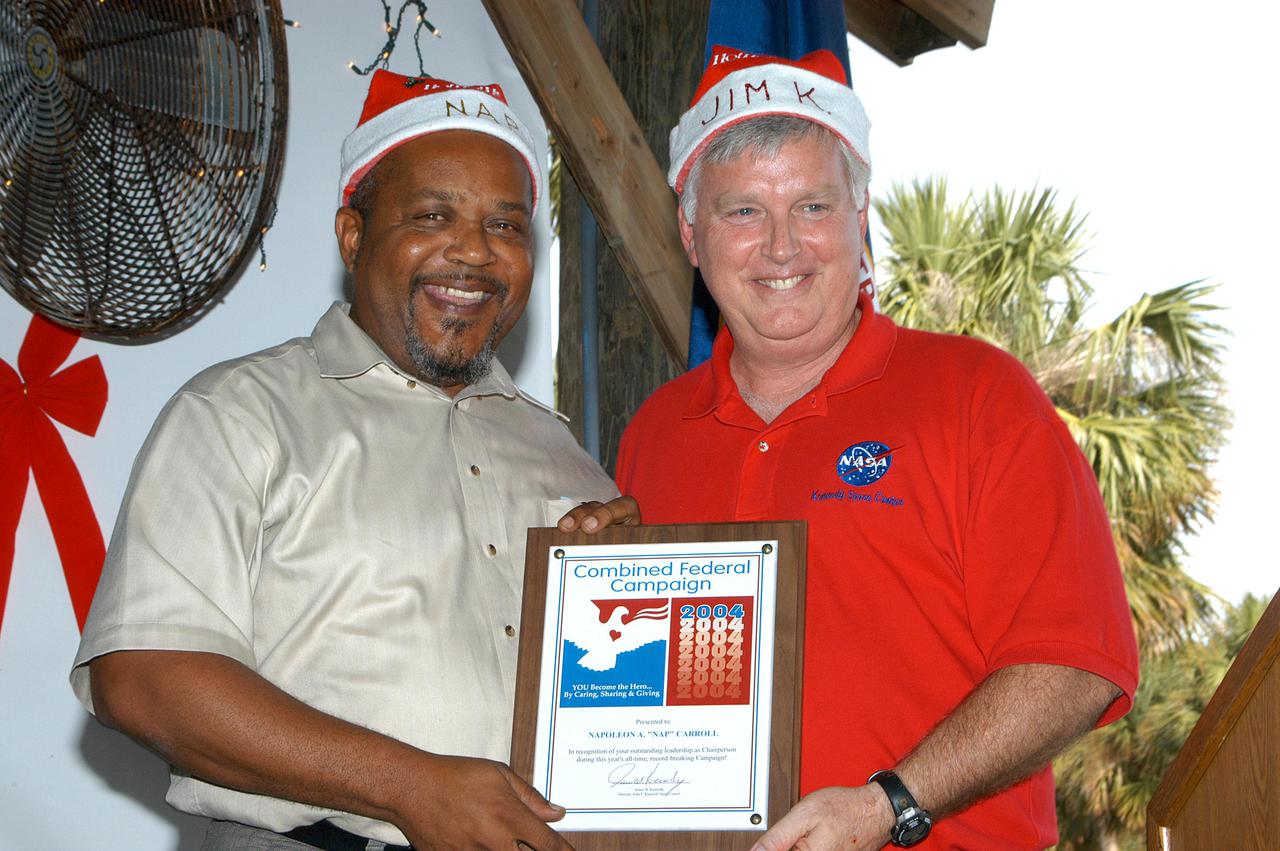
KENNEDY SPACE CENTER, FLA. - Center Director Jim Kennedy (right) presents a plaque to the Center’s Chief Financial Officer, Nap Carroll, who spearheaded the Kennedy Space Center Combined Federal Campaign. The 2004 campaign netted $389,000 to donate to the United Way of Brevard.
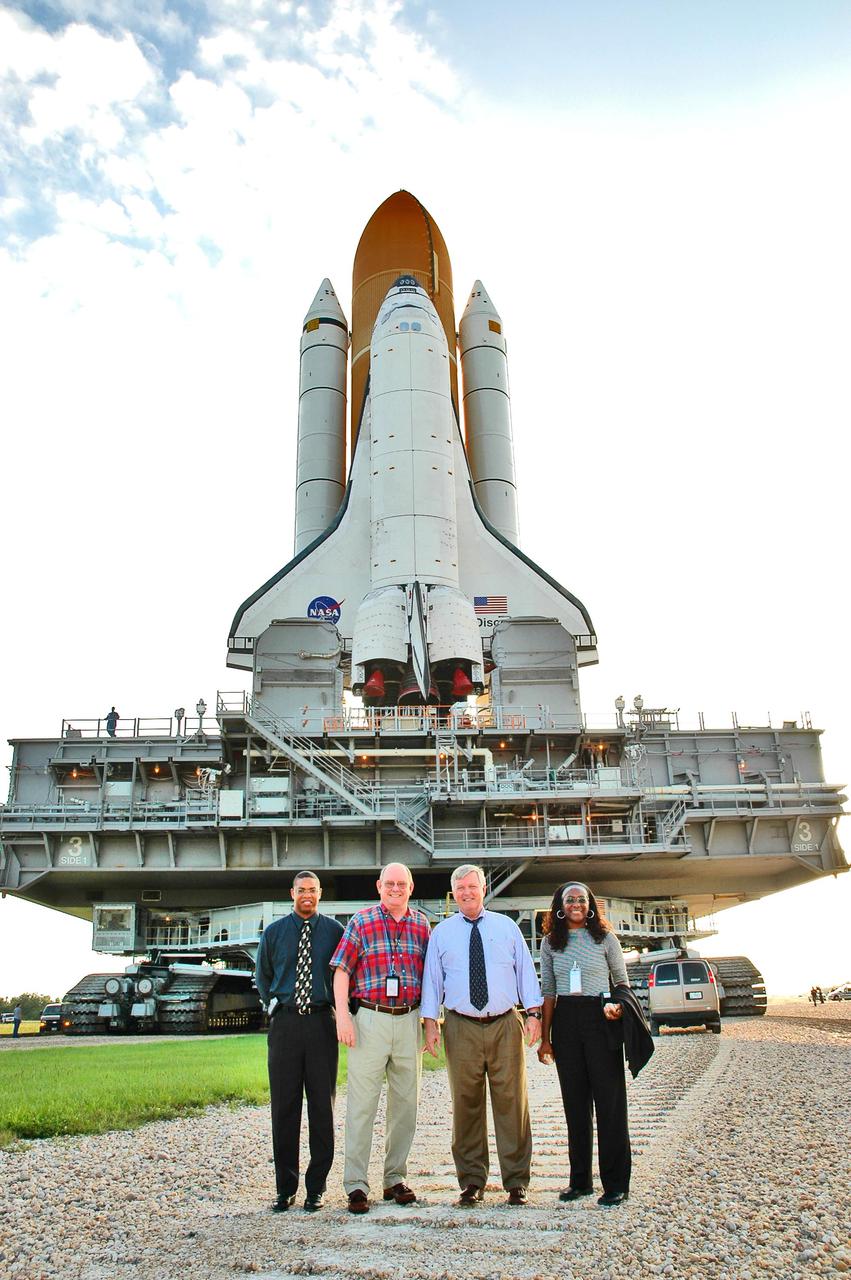
KENNEDY SPACE CENTER, FLA. - Space Shuttle Discovery, on top of the Mobile Launcher Platform and Crawler-Transporter, makes its way along the crawlerway to Launch Pad 39B. Getting a close look at the operation is Center Director Jim Kennedy (second from right), flanked by (on the left) Prentice Washington, intern for Deputy Director Woodrow Whitlow Jr., and Associate Director Jim Hattaway, and (on the right) Hortense Burt, intern for Kennedy. This is the second rollout of Discovery after being returned to the Vehicle Assembly Building for connection to an improved External Tank. Launch of Discovery on its Return to Flight mission STS-114 is targeted for a launch window extending from July 13 to July 31.
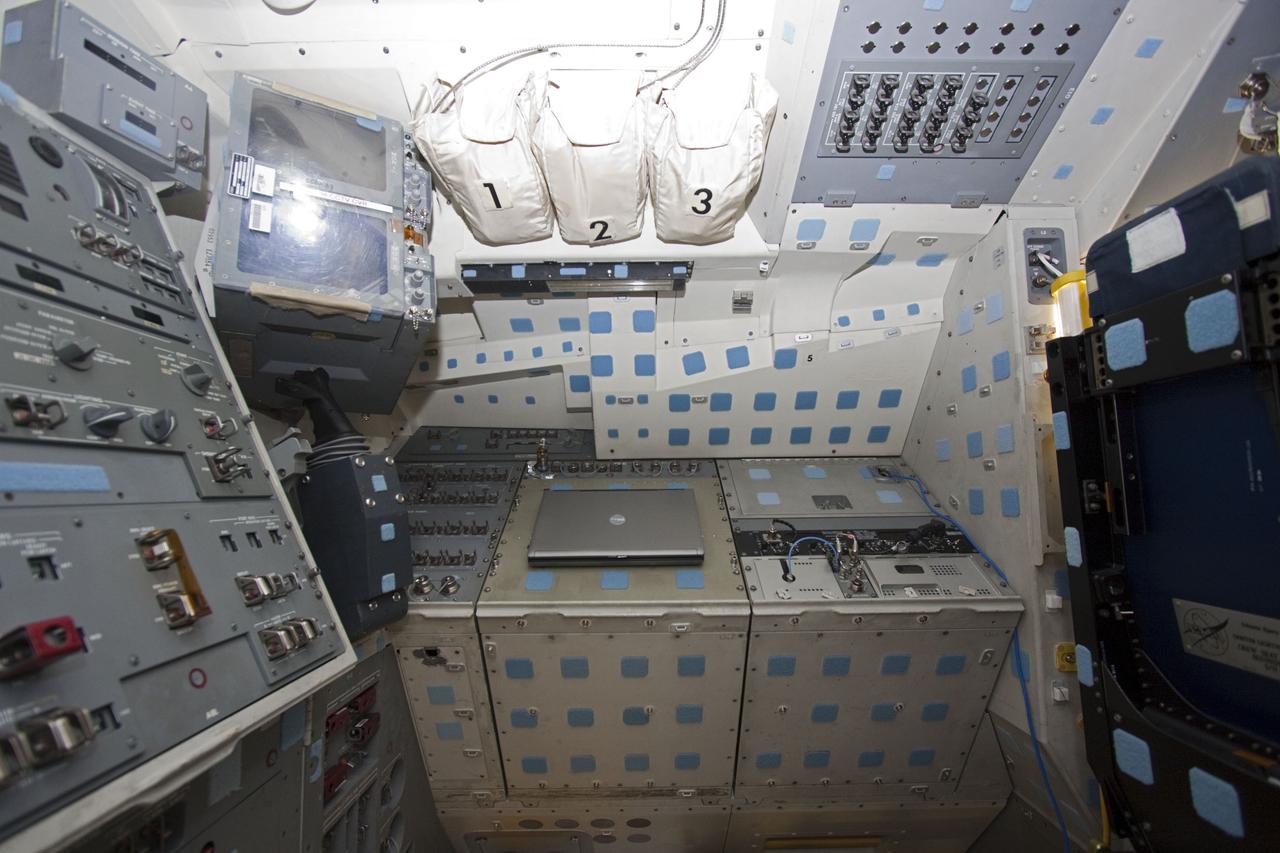
CAPE CANAVERAL, Fla. – In Orbiter Processing Facility-2 at NASA's Kennedy Space Center in Florida, the camera captures a section of space shuttle Atlantis' flight deck. Preparations are under way for the shuttle's final power down during Space Shuttle Program transition and retirement activities. Atlantis is being prepared for public display in 2013 at the Kennedy Space Center Visitor Complex. For more information, visit http://www.nasa.gov/shuttle. Photo credit: NASA/Jim Grossmann
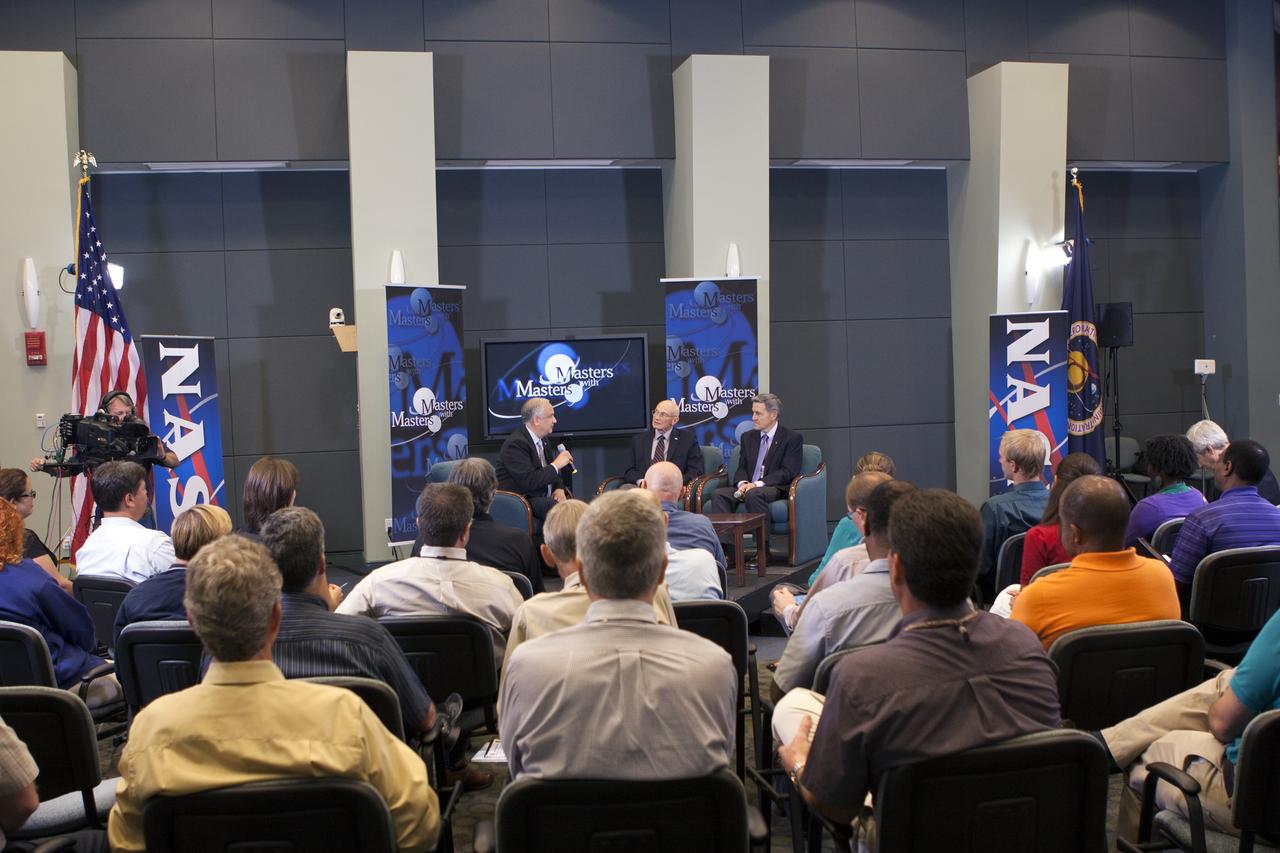
CAPE CANAVERAL, Fla. – Ed Hoffman, from left, Bob Sieck and Bob Cabana discuss techniques to handle a transition era during the second session in a weeklong series called "Masters with Masters" at the agency's Kennedy Space Center in Florida. Hoffman, NASA's chief Knowledge officer, Sieck, a former space shuttle launch director, and Cabana, the director of Kennedy, focused on the transition from Apollo to the shuttle and the current transition under way following the shuttle fleet's retirement. Photo credit: NASA/Jim Grossmann
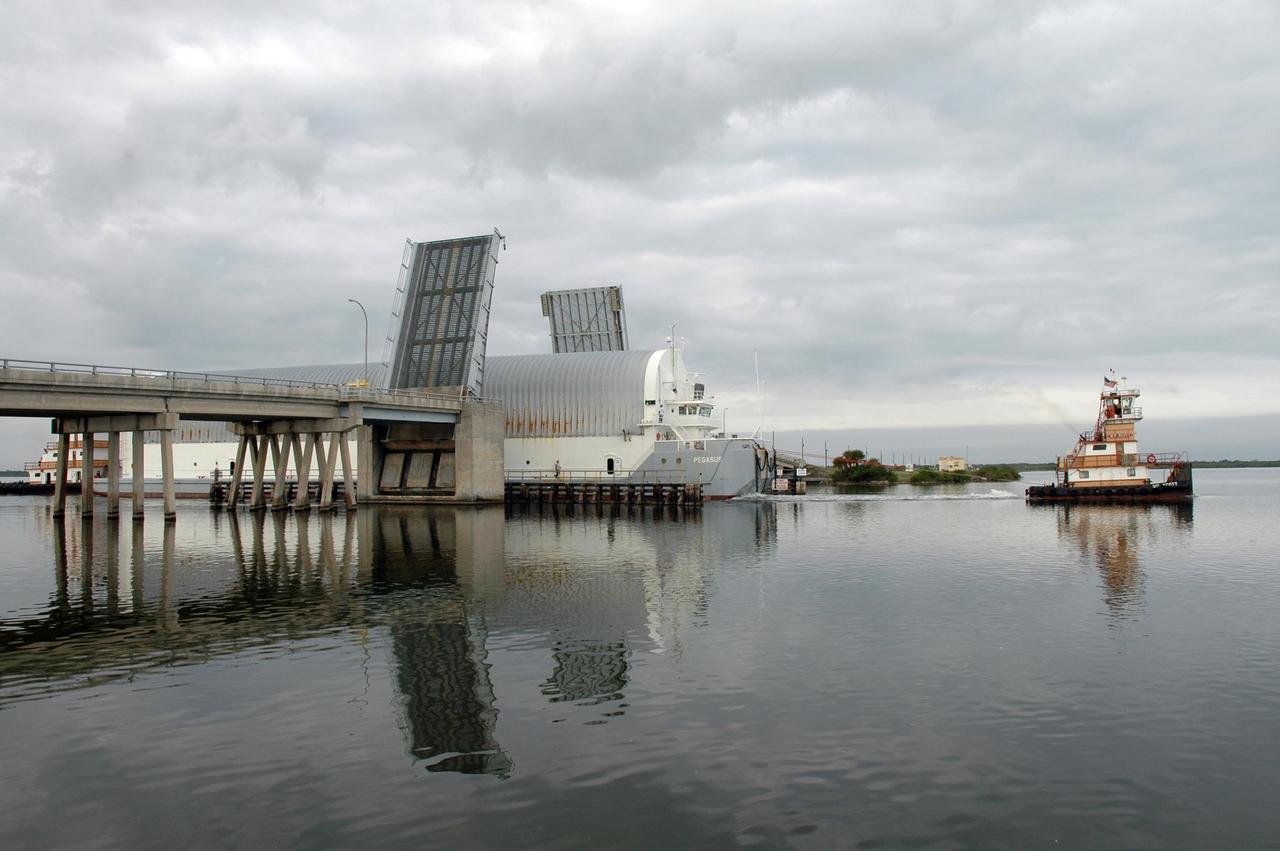
KENNEDY SPACE CENTER, FLA. -- Towed by a tugboat, the Pegasus barge passes through the open bridge in the Banana River on its way to the turn basin in the Launch Complex 39 Area at NASA's Kennedy Space Center. The barge is carrying the external tank for space shuttle Endeavour's STS-123 mission. After offloading, the tank will be transported to the Vehicle Assembly Building. Endeavour is targeted for launch to the International Space Station on Feb. 14. Photo credit: NASA/Jim Grossmann
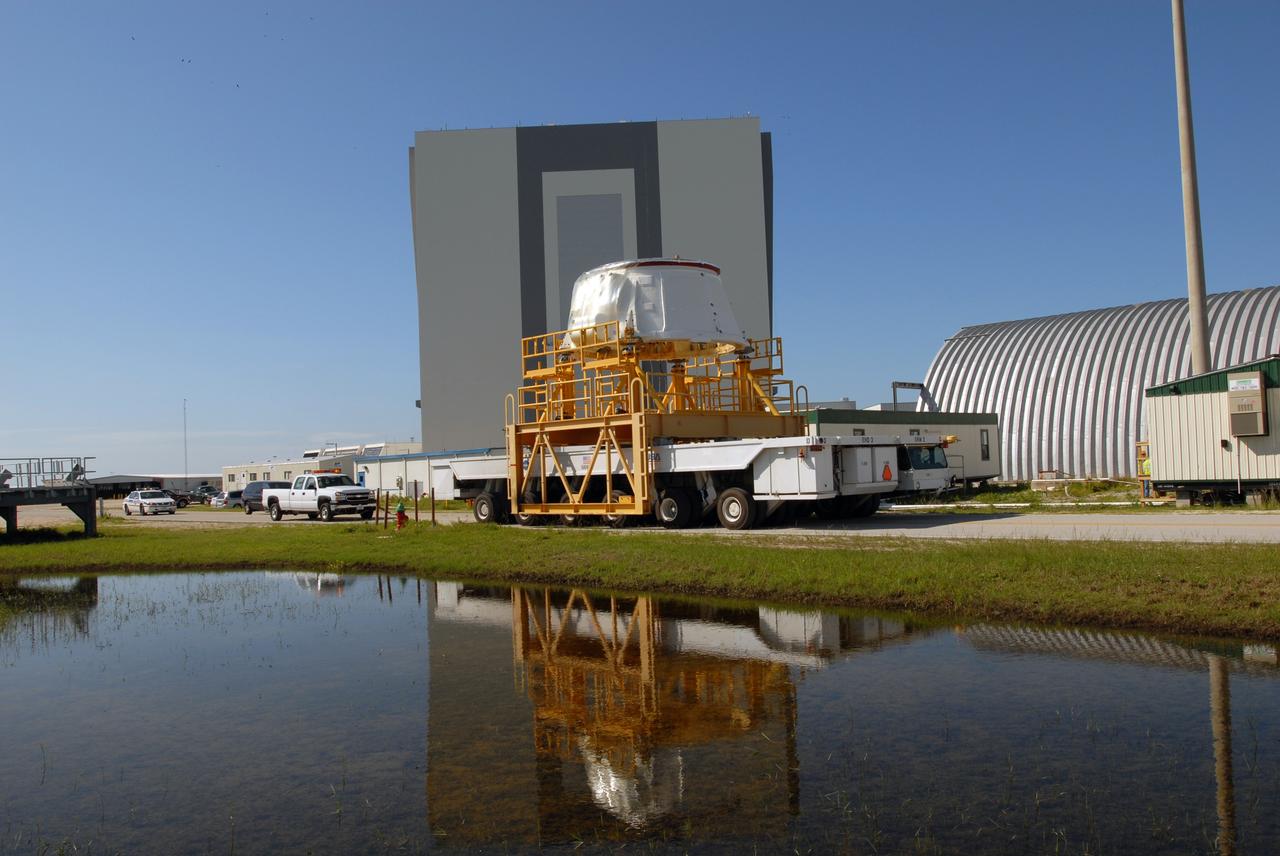
CAPE CANAVERAL, Fla. – The Ares I-X aft skirt moves past the Vehicle Assembly Building at NASA's Kennedy Space Center in Florida on its way to the Rotation, Processing and Surge Facility. In the RPSF, it will be stacked with the aft motor to form the aft assembly. The complete Ares I-X will be assembled in the Vehicle Assembly Building. The launch of Ares I-X is targeted for August 2009. Photo credit: NASA/Jim Grossmann
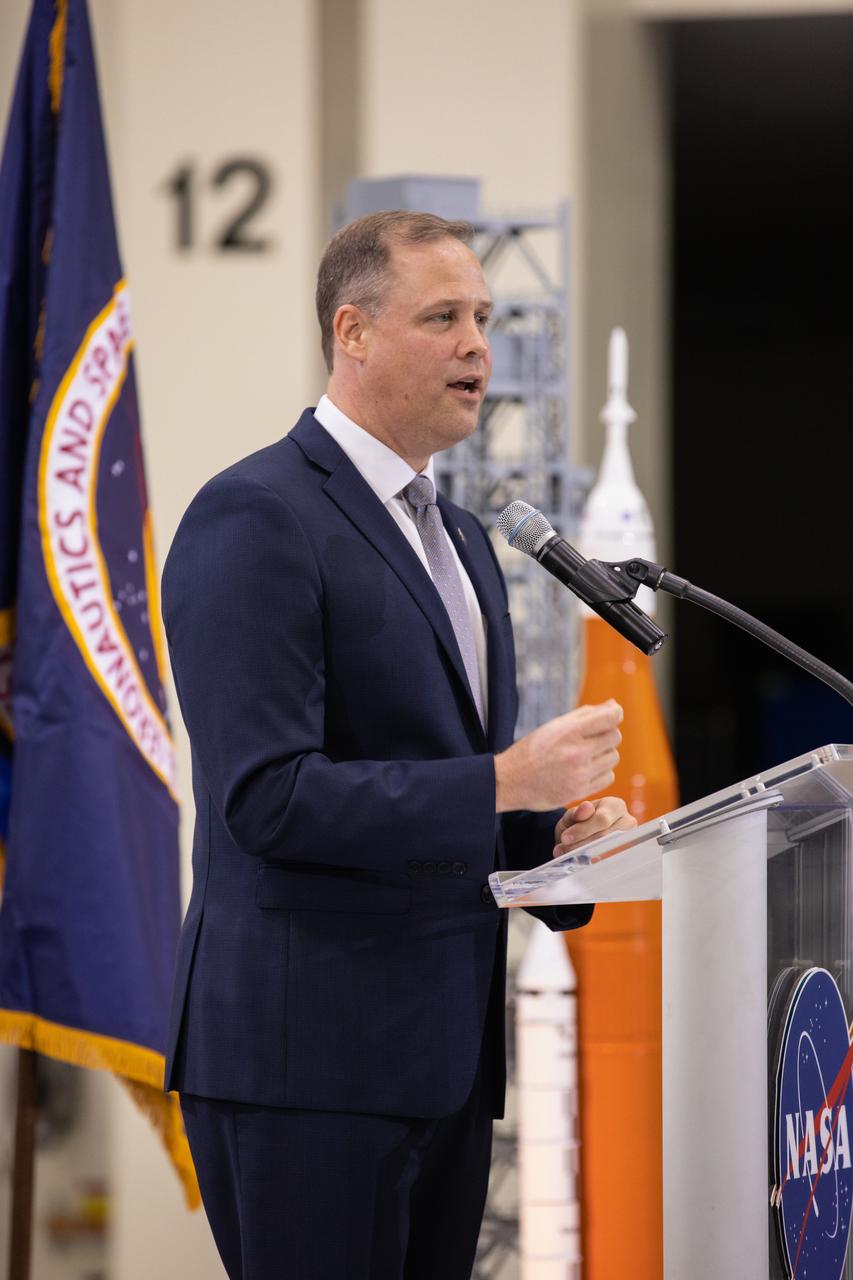
NASA Administrator Jim Bridenstine speaks to NASA workers across the nation and members of the news media, during a Moon to Mars event in the Neil Armstrong Operations and Checkout Building high bay on March 11, 2019. The event followed the delivery of President Trump’s fiscal year 2020 budget proposal to U.S. Congress, which includes funding for the agency’s Moon to Mars initiative and Gateway lunar outpost. Bridenstine presented a closer look at America’s work to return astronauts to the Moon in a sustainable way and continue exploration to Mars.
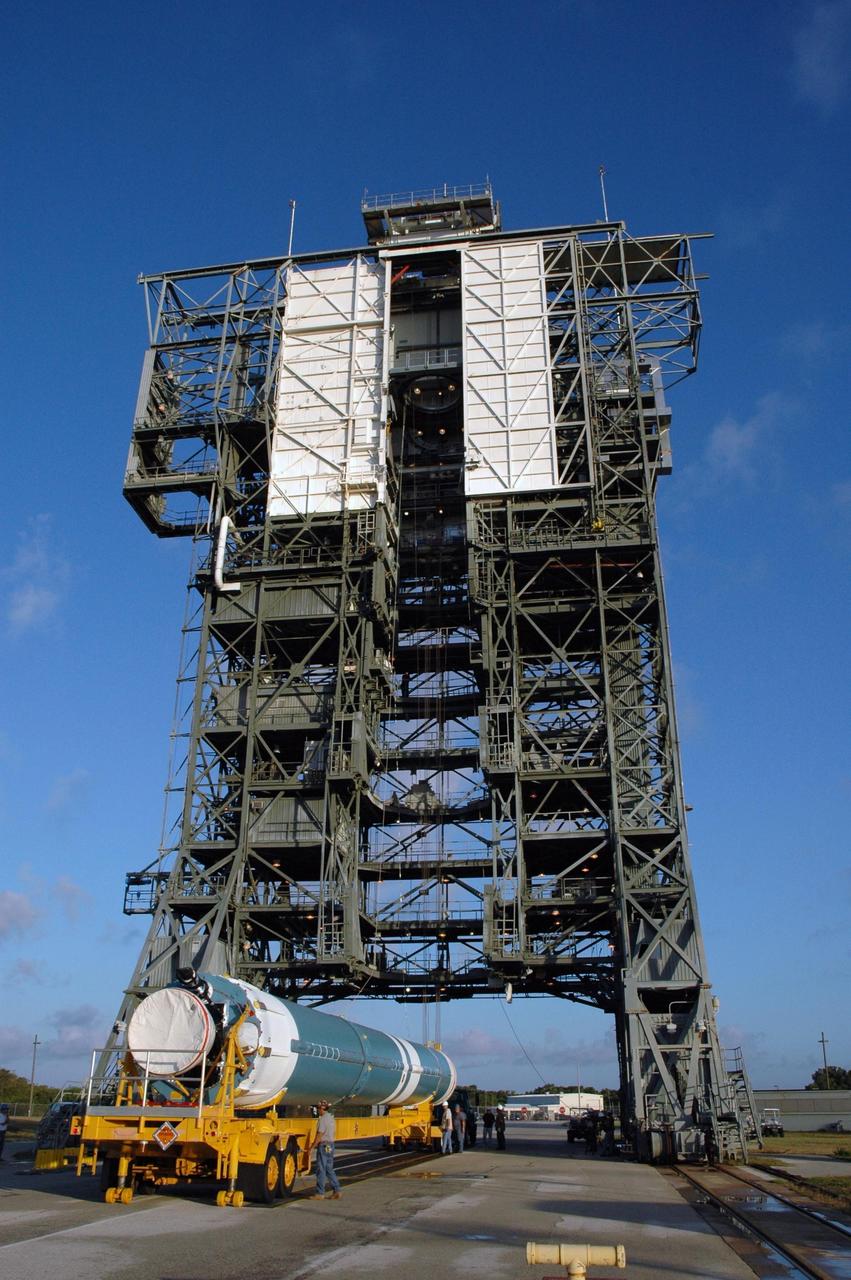
KENNEDY SPACE CENTER, FLA. - The first stage of the Boeing Delta II rocket, slated to launch NASA's Solar Terrestrial Relations Observatory (STEREO), arrives at Pad 17B on Cape Canaveral Air Force Station. Preparations are under way for a liftoff no earlier than July 22. STEREO consists of two spacecraft whose mission is the first to take measurements of the sun and solar wind in 3-D. This new view will improve our understanding of space weather and its impact on the Earth. Photo credit: NASA/Jim Grossmann
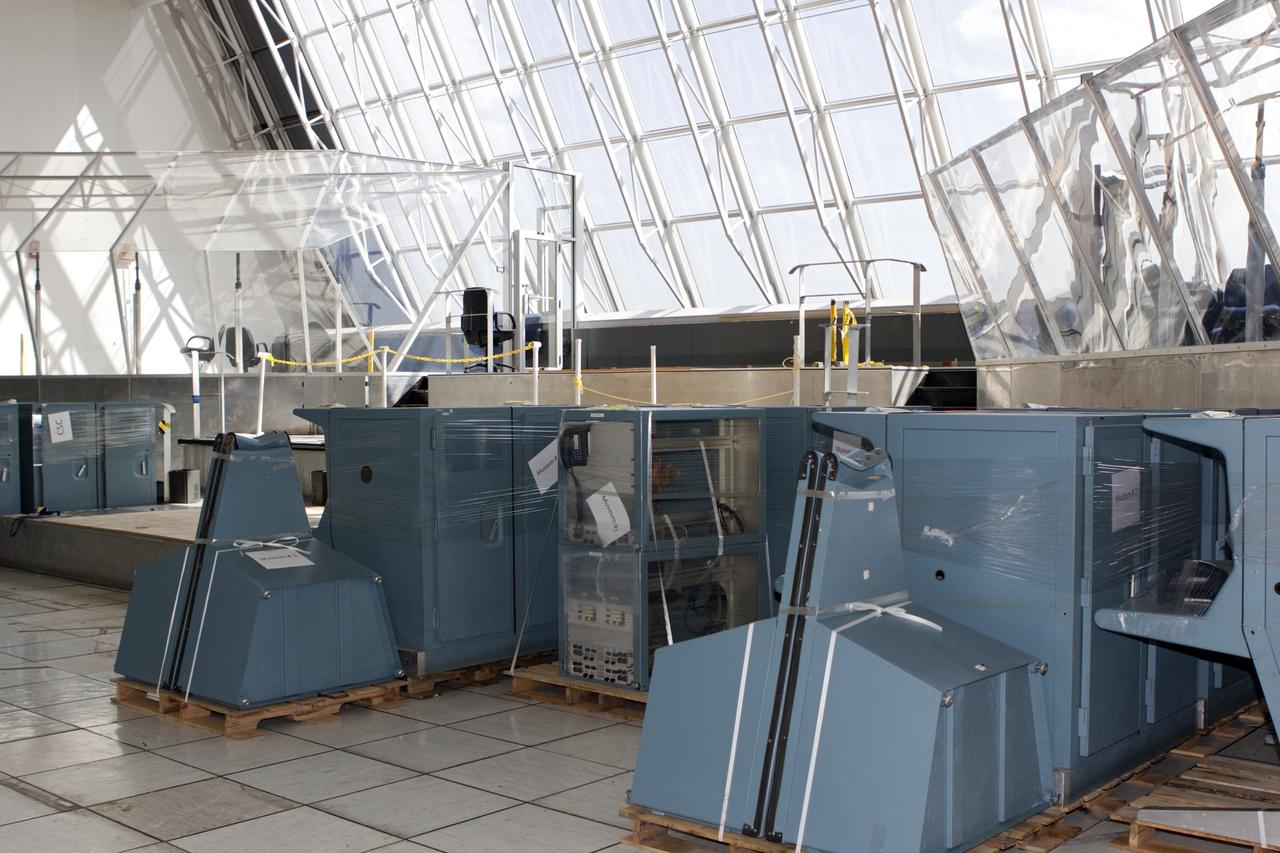
CAPE CANAVERAL, Fla. - In Firing Room 3 of the Launch Control Center at NASA’s Kennedy Space Center in Florida, legacy consoles and monitors are being removed to make way for new systems designed to be flexible so controllers can process and launch multiple types of rockets and spacecraft, whether they are government or commercial models. KSC’s Launch Complex 39 is transitioning to support multiple users with the Firing Rooms being modified to be more generic in nature for upcoming programs. Photo credit: NASA/Jim Grossmann
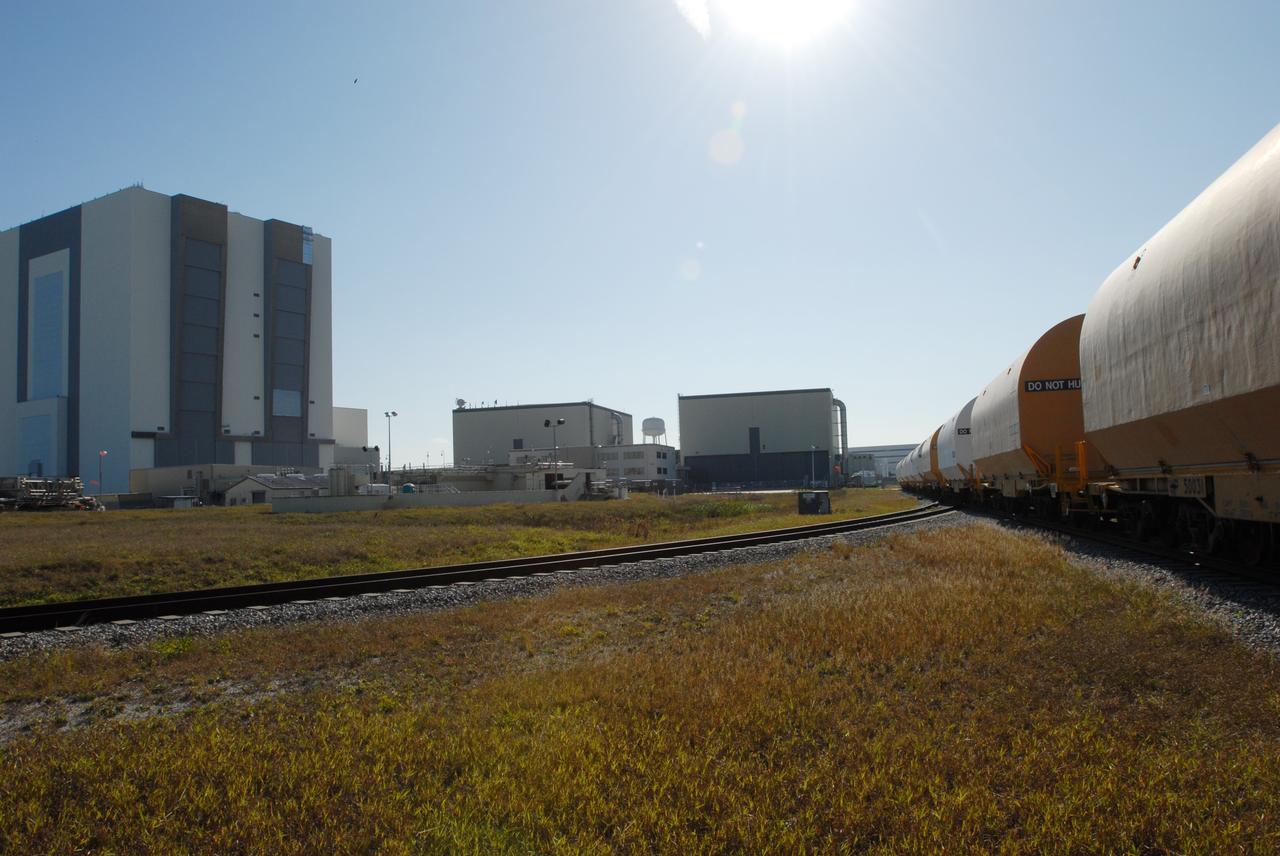
CAPE CANAVERAL, Fla. -- The NASA Railroad train hauling the solid rocket booster, or SRB, segments recovered from space shuttle Endeavour's STS-126 launch in November moves past the Vehicle Assembly Building at NASA's Kennedy Space Center in Florida on its way to Titusville, Fla. There it will interchange with Florida East Coast Railway to begin the trip back to Utah. The SRB segments are under protective covers. Photo credit: NASA/Jim Grossmann
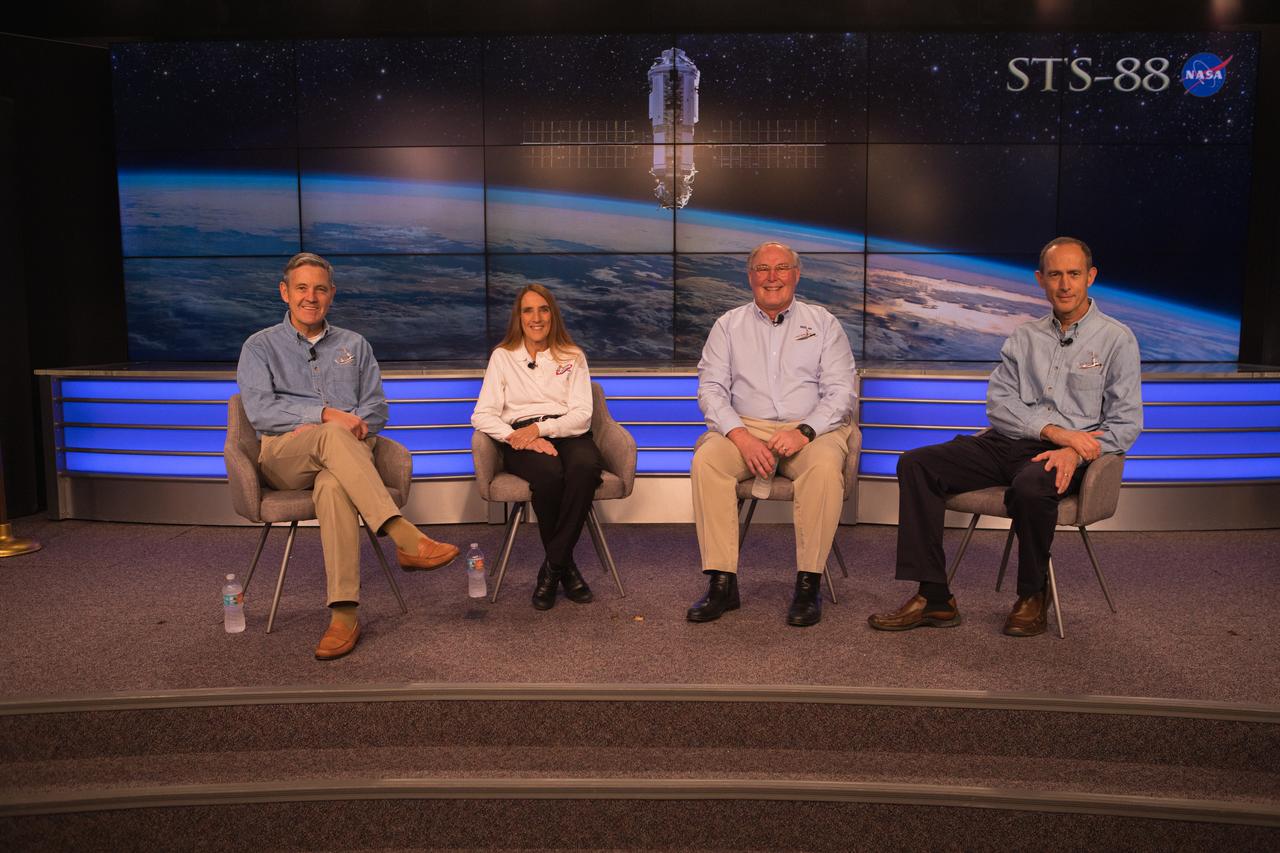
From left, Kennedy Space Center Director and STS-88 commander Bob Cabana, along with STS-88 mission specialists Nancy Currie-Gregg, Jerry Ross and Jim Newman, are recognized Dec. 10, 2018, at Kennedy Space Center in Florida during a 20th anniversary celebration of the first International Space Station assembly mission. The STS-88 mission paved the way for humans to live and work on the space station.
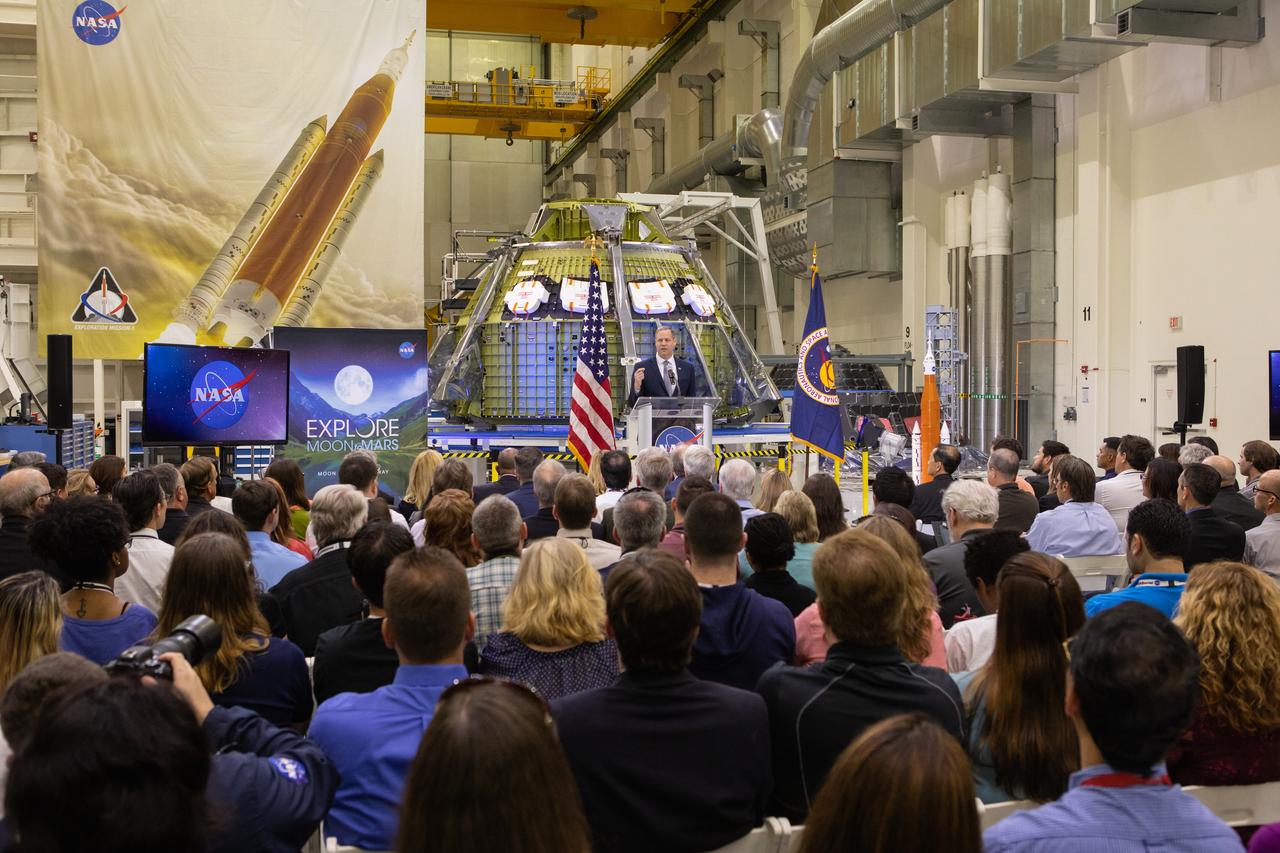
NASA Administrator Jim Bridenstine speaks to NASA workers across the nation and members of the news media, during a Moon to Mars event in the Neil Armstrong Operations and Checkout Building high bay on March 11, 2019. The event followed the delivery of President Trump’s fiscal year 2020 budget proposal to U.S. Congress, which includes funding for the agency’s Moon to Mars initiative and Gateway lunar outpost. Bridenstine presented a closer look at America’s work to return astronauts to the Moon in a sustainable way and continue exploration to Mars.
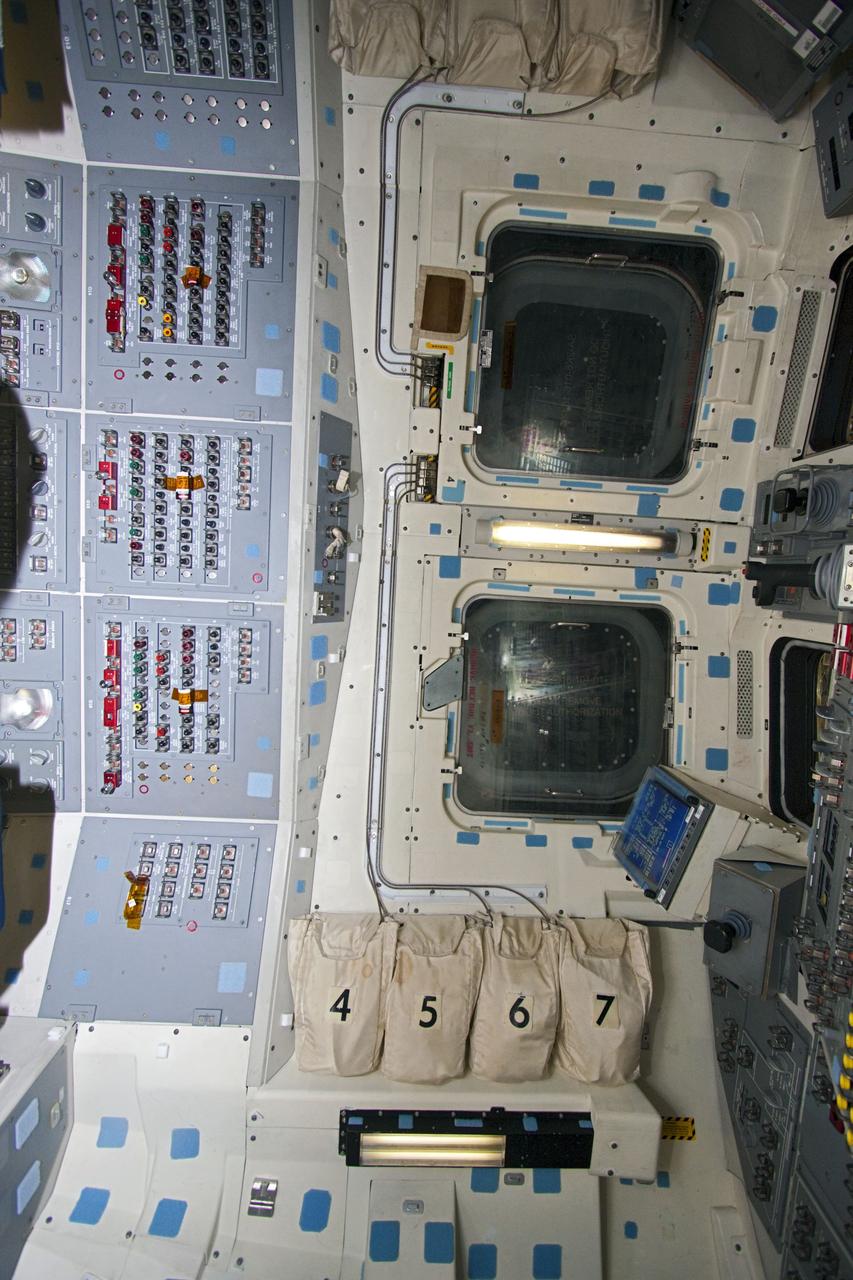
CAPE CANAVERAL, Fla. – In Orbiter Processing Facility-2 at NASA's Kennedy Space Center in Florida, the camera captures a section of space shuttle Atlantis' flight deck. Preparations are under way for the shuttle's final power down during Space Shuttle Program transition and retirement activities. Atlantis is being prepared for public display in 2013 at the Kennedy Space Center Visitor Complex. For more information, visit http://www.nasa.gov/shuttle. Photo credit: NASA/Jim Grossmann
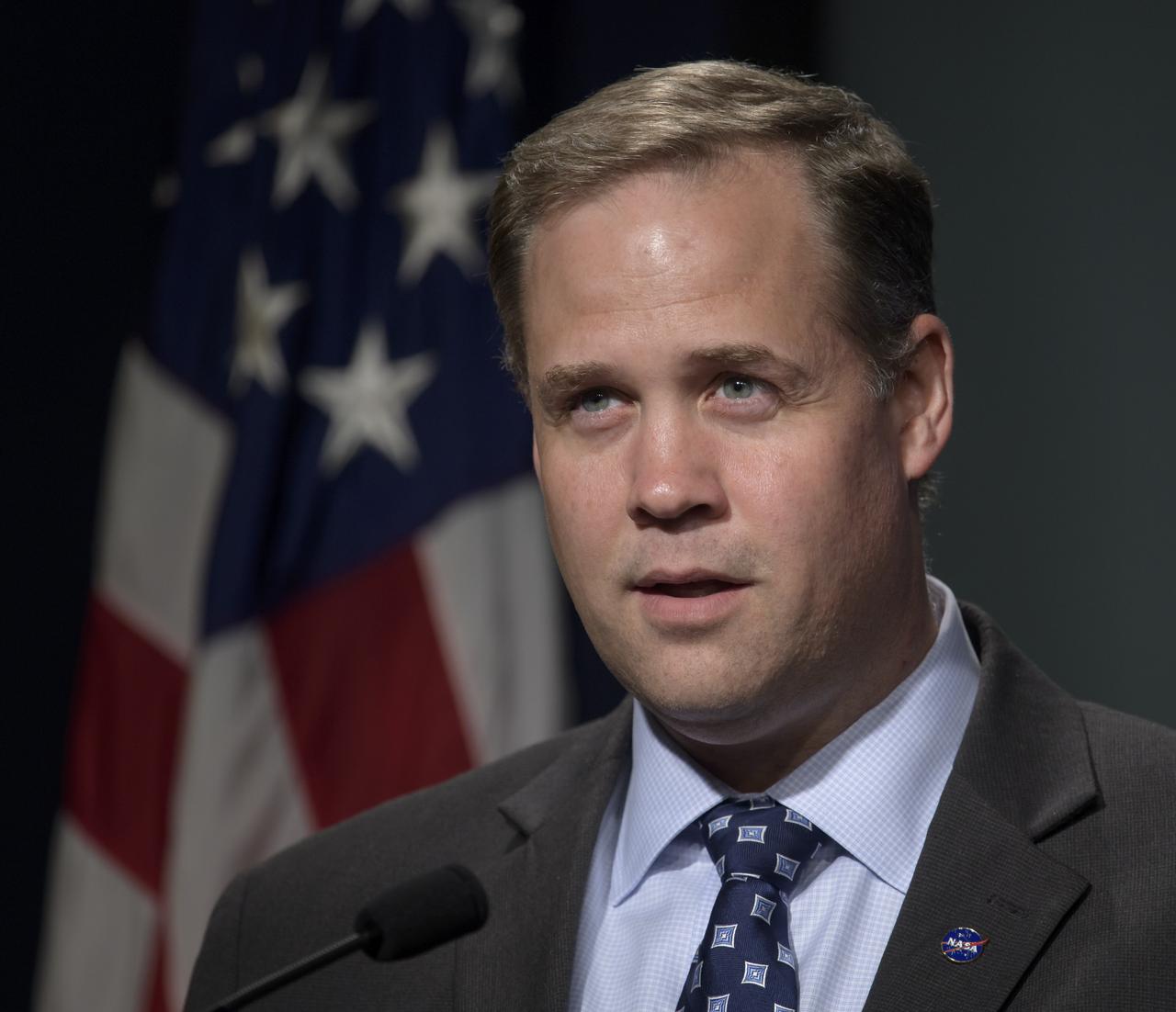
NASA Administrator Jim Bridenstine asks commercial companies to help get the agency back to the Moon as quickly as possible during an ‘industry day', Tuesday, May 8, 2018 held at NASA Headquarters in Washington. NASA is calling for commercial proposals for delivering instruments, experiments, and other small payloads to the surface of the Moon as early as next year. This solicitation is part of a broader Exploration Campaign that will pave the way for a human return to the Moon. Photo Credit: (NASA/Bill Ingalls)
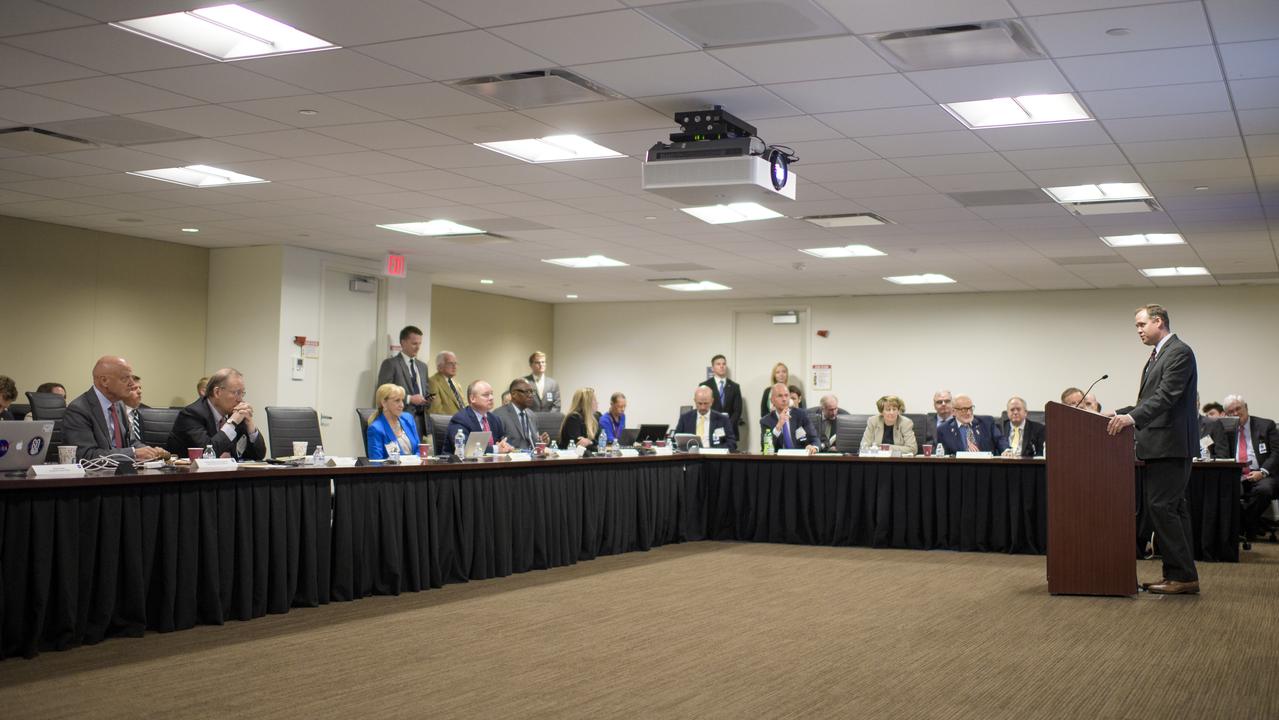
NASA Administrator Jim Bridenstine speaks at the first meeting of the National Space Council Users' Advisory Group, Tuesday, June 19, 2018 at NASA Headquarters in Washington. The Users' Advisory Group will advise and inform the National Space Council on a broad range of aerospace topics, including the impacts of U.S. and international laws and regulations, national security space priorities, scientific and human space exploration priorities, and ways to bolster support. Photo Credit: (NASA/Joel Kowsky)
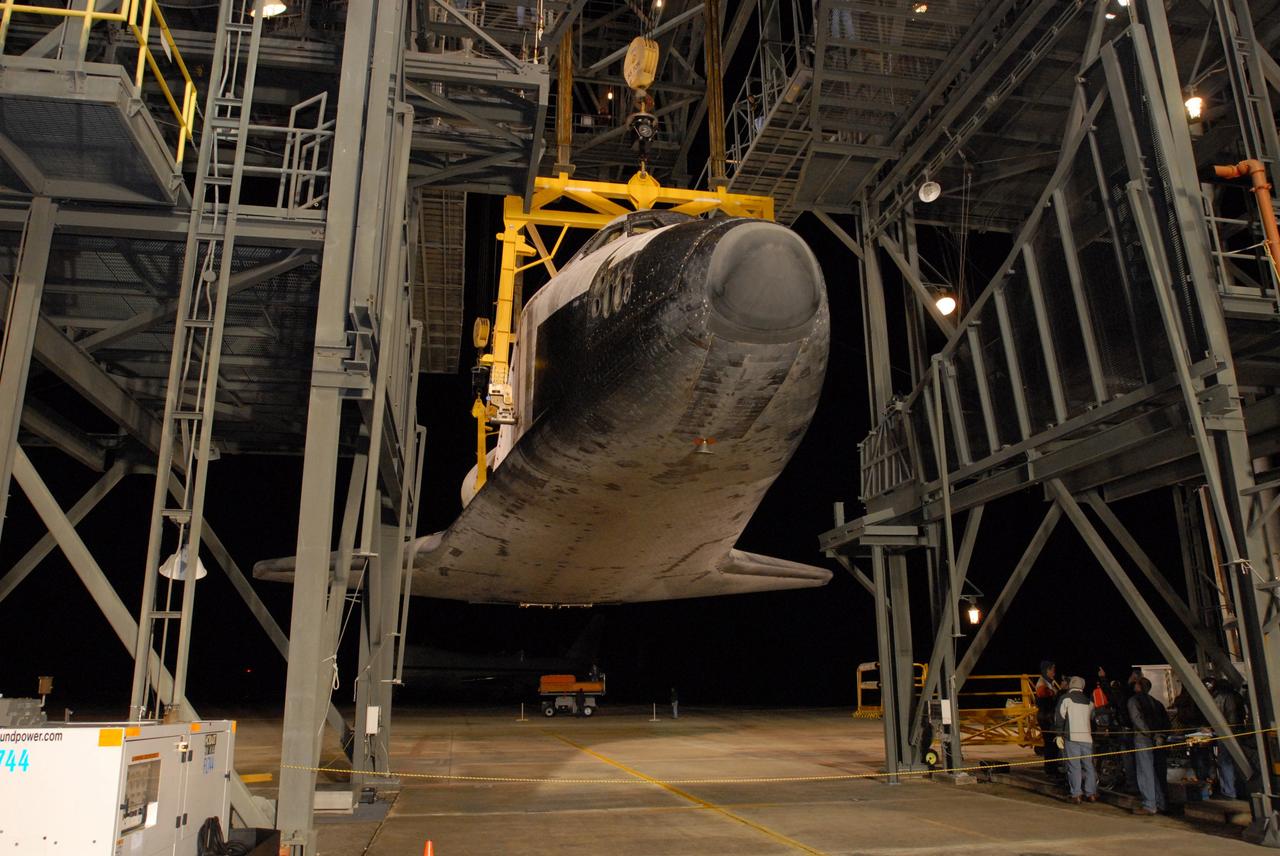
CAPE CANAVERAL, Fla. -- Before dawn, at the Shuttle Landing Facility, or SLF, at NASA's Kennedy Space Center in Florida, space shuttle Endeavour is lowered toward the ground by the sling in the mate/demate device. After Endeavour is on the ground, it will be towed via the two-mile tow-way from the SLF by a diesel-powered tractor to the Orbiter Processing Facility where it will begin preparations for its next mission, STS-127, targeted for May 2009. Photo credit: NASA/Jim Grossmann
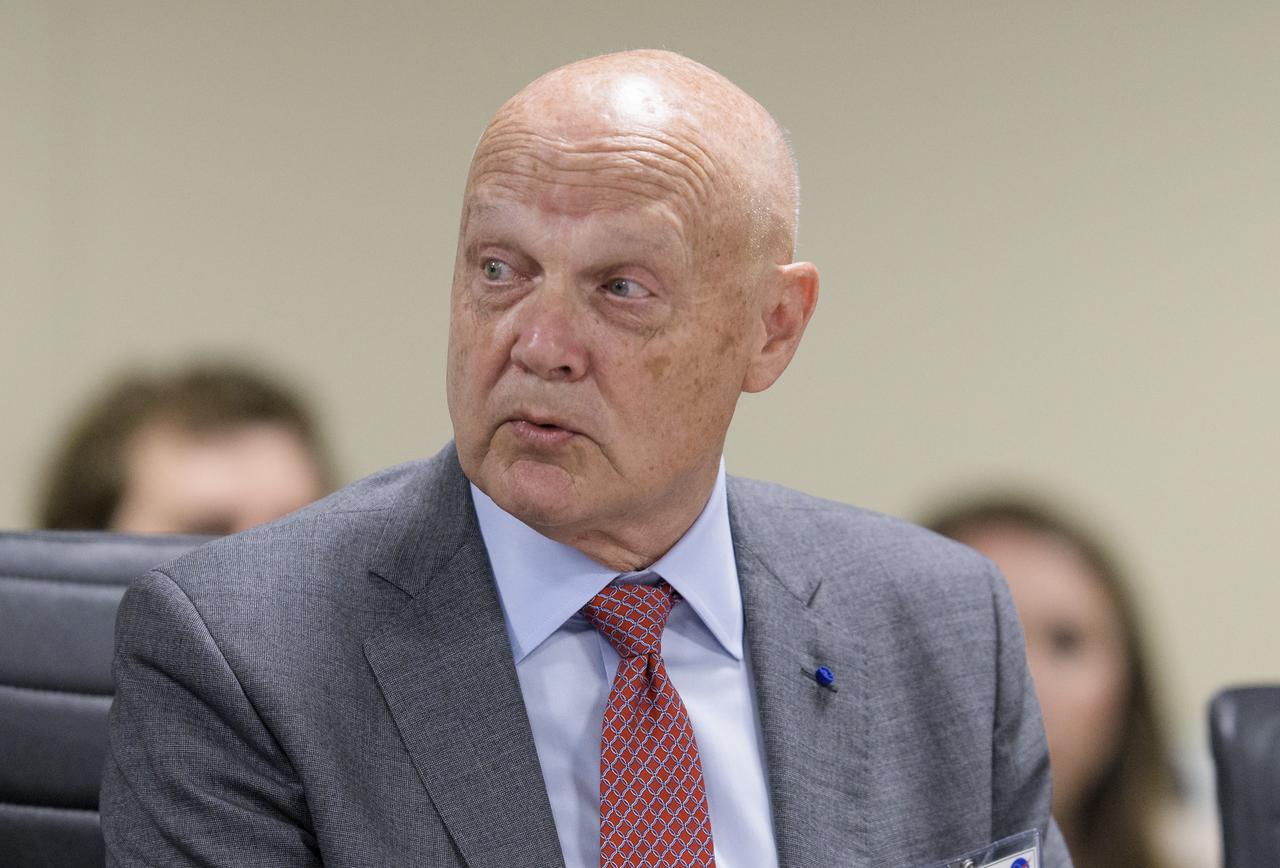
Chairman of the Users' Advisory Group Adm. Jim Ellis, USN (Ret.) delivers opening remarks at the first meeting of the National Space Council Users' Advisory Group, Tuesday, June 19, 2018 at NASA Headquarters in Washington. The Users' Advisory Group will advise and inform the National Space Council on a broad range of aerospace topics, including the impacts of U.S. and international laws and regulations, national security space priorities, scientific and human space exploration priorities, and ways to bolster support. Photo Credit: (NASA/Joel Kowsky)
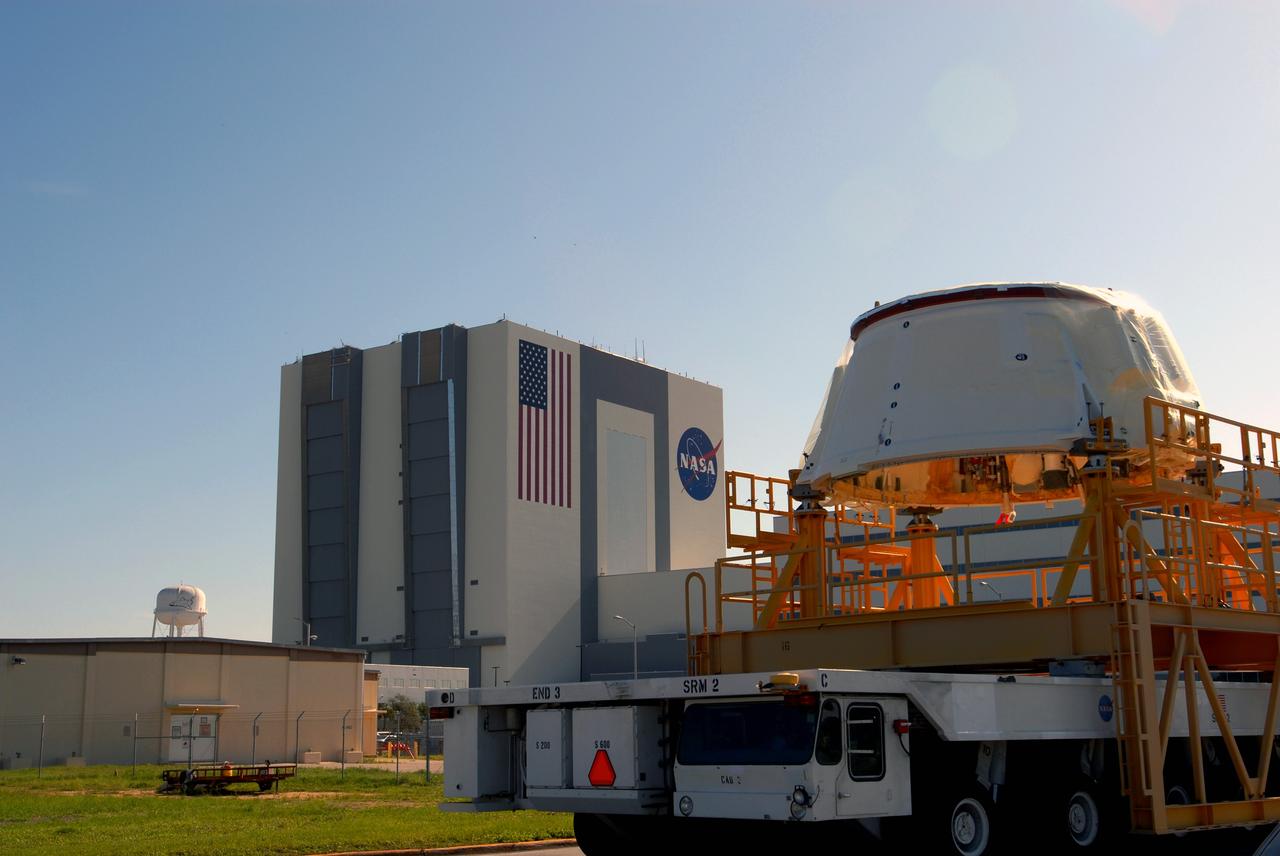
CAPE CANAVERAL, Fla. – The Ares I-X aft skirt moves past the Vehicle Assembly Building at NASA's Kennedy Space Center in Florida on its way to the Rotation, Processing and Surge Facility. In the RPSF, it will be stacked with the aft motor to form the aft assembly. The complete Ares I-X will be assembled in the Vehicle Assembly Building. The launch of Ares I-X is targeted for August 2009. Photo credit: NASA/Jim Grossmann
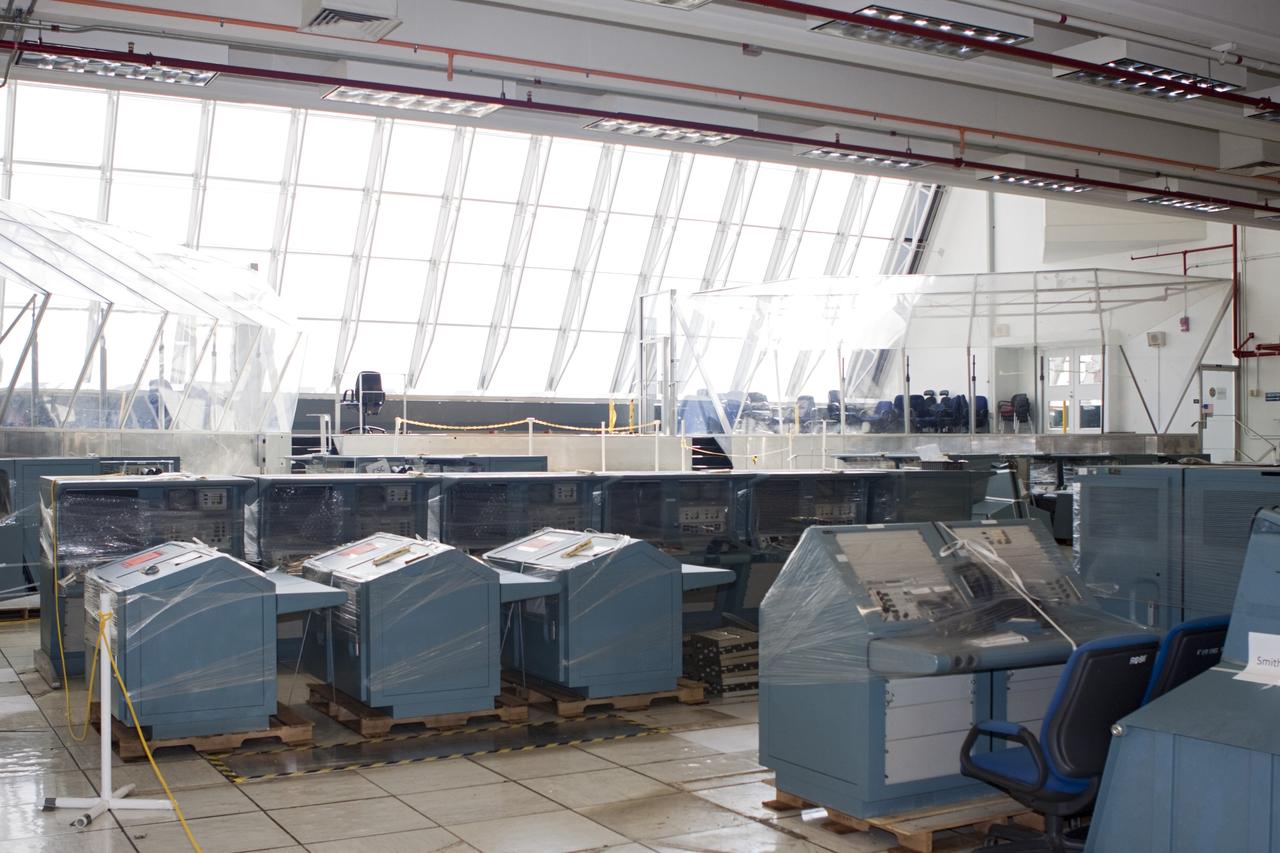
CAPE CANAVERAL, Fla. - In Firing Room 3 of the Launch Control Center at NASA’s Kennedy Space Center in Florida, legacy consoles and monitors are being removed to make way for new systems designed to be flexible so controllers can process and launch multiple types of rockets and spacecraft, whether they are government or commercial models. KSC’s Launch Complex 39 is transitioning to support multiple users with the Firing Rooms being modified to be more generic in nature for upcoming programs. Photo credit: NASA/Jim Grossmann
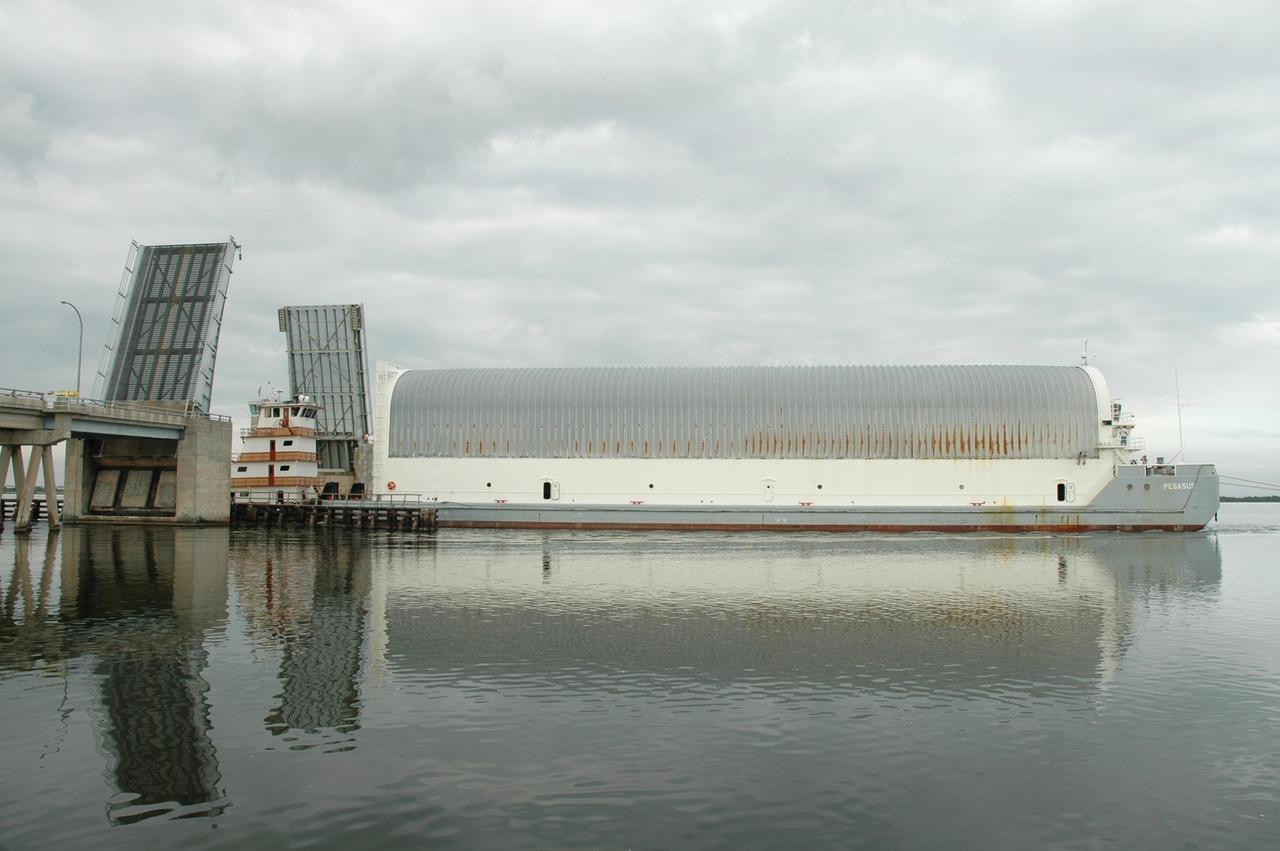
KENNEDY SPACE CENTER, FLA. -- Towed by a tugboat, the Pegasus barge passes through the open bridge in the Banana River on its way to the turn basin in the Launch Complex 39 Area at NASA's Kennedy Space Center. The barge is carrying the external tank for space shuttle Endeavour's STS-123 mission. After offloading, the tank will be transported to the Vehicle Assembly Building. Endeavour is targeted for launch to the International Space Station on Feb. 14. Photo credit: NASA/Jim Grossmann
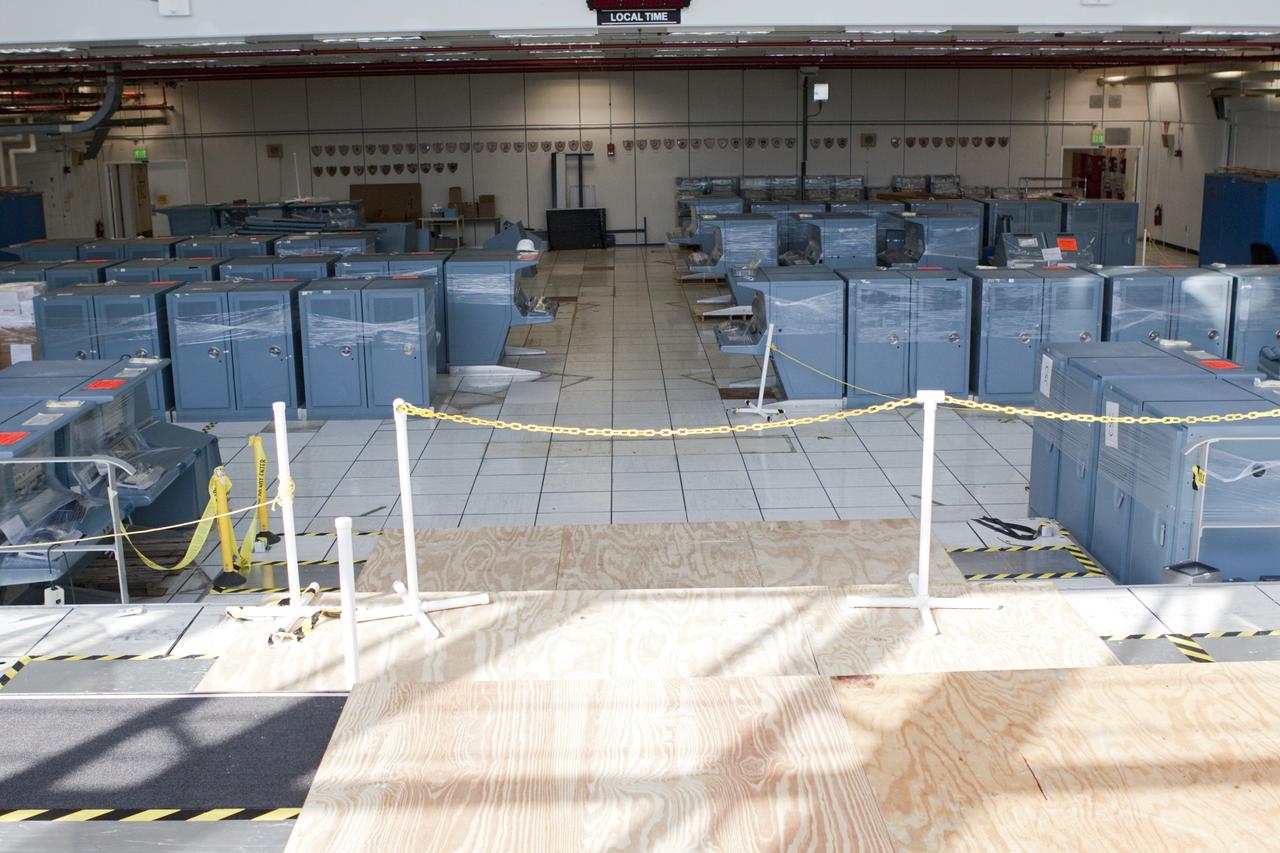
CAPE CANAVERAL, Fla. - In Firing Room 3 of the Launch Control Center at NASA’s Kennedy Space Center in Florida, legacy consoles and monitors are being removed to make way for new systems designed to be flexible so controllers can process and launch multiple types of rockets and spacecraft, whether they are government or commercial models. KSC’s Launch Complex 39 is transitioning to support multiple users with the Firing Rooms being modified to be more generic in nature for upcoming programs. Photo credit: NASA/Jim Grossmann
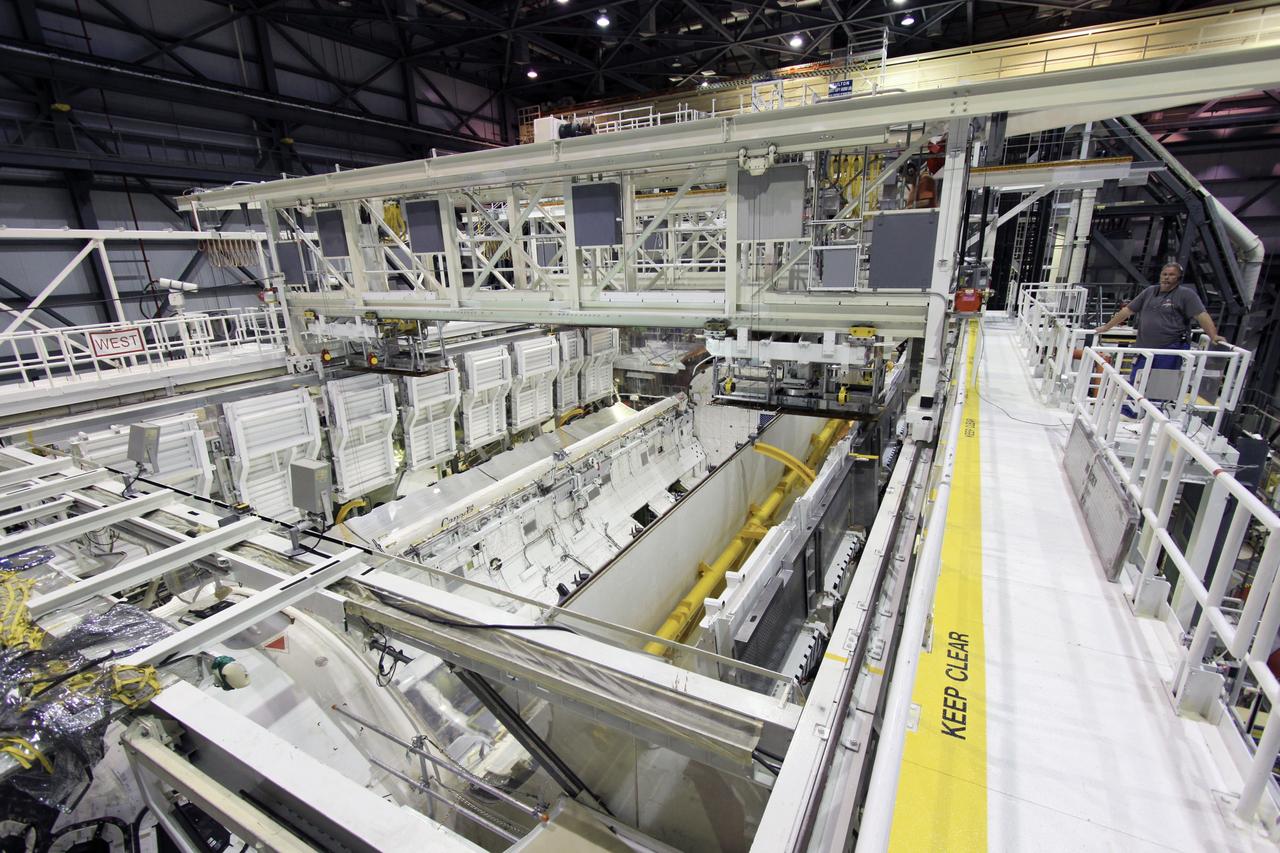
CAPE CANAVERAL, Fla. – In Orbiter Processing Facility-1 at NASA’s Kennedy Space Center in Florida, operations to open the payload bay doors of space shuttle Atlantis are well under way. The work is part of the Space Shuttle Program’s transition and retirement processing of shuttle Atlantis. A groundbreaking was held Jan. 18 for Atlantis' future home -- a 65,000-square-foot exhibit hall in Shuttle Plaza at the Kennedy Space Center Visitor Complex. For more information, visit http://www.nasa.gov/shuttle. Photo credit: NASA/Jim Grossmann
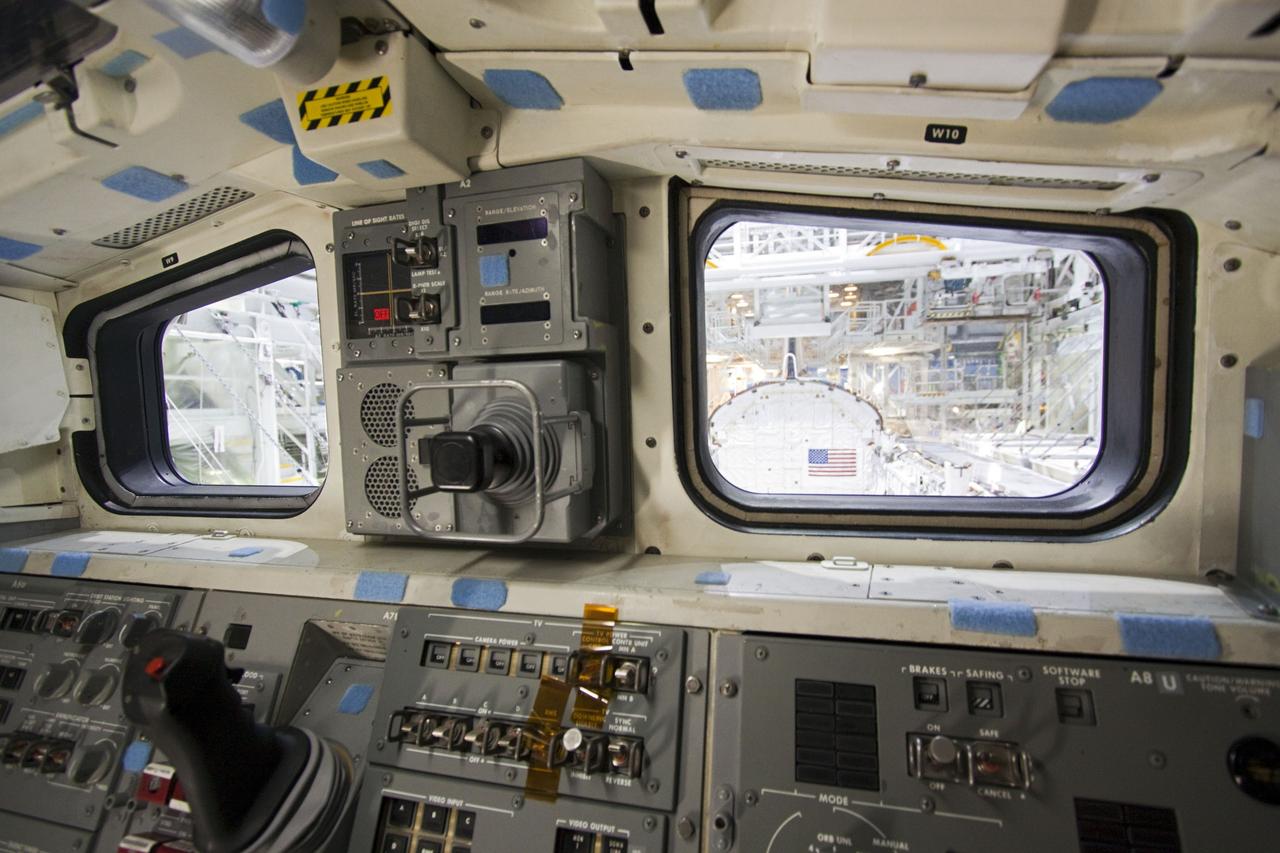
CAPE CANAVERAL, Fla. – In Orbiter Processing Facility-2 at NASA's Kennedy Space Center in Florida, a view of space shuttle Atlantis' payload bay is captured through the window of the flight deck. Preparations are under way for the shuttle's final power down during Space Shuttle Program transition and retirement activities. Atlantis is being prepared for public display in 2013 at the Kennedy Space Center Visitor Complex. For more information, visit http://www.nasa.gov/shuttle. Photo credit: NASA/Jim Grossmann
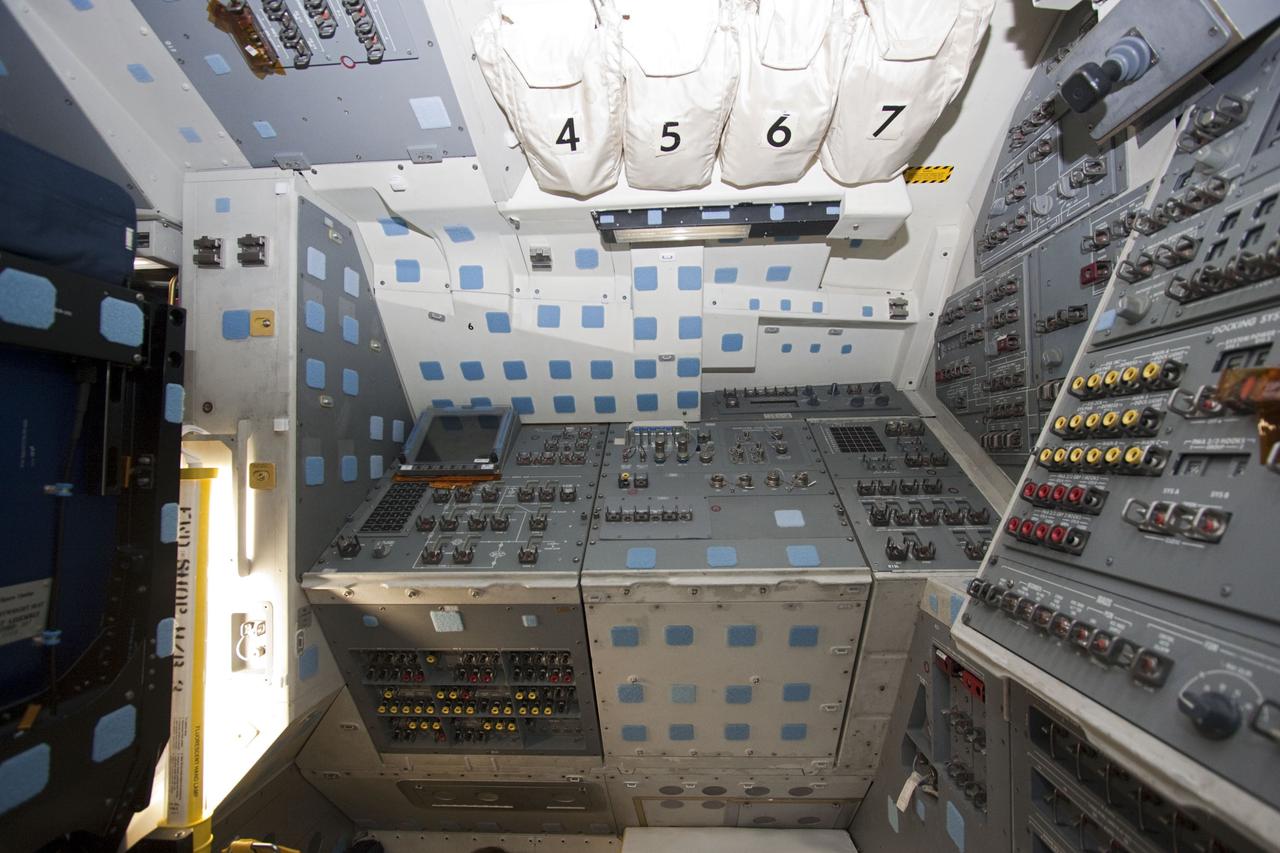
CAPE CANAVERAL, Fla. – In Orbiter Processing Facility-2 at NASA's Kennedy Space Center in Florida, the camera captures a section of space shuttle Atlantis' flight deck. Preparations are under way for the shuttle's final power down during Space Shuttle Program transition and retirement activities. Atlantis is being prepared for public display in 2013 at the Kennedy Space Center Visitor Complex. For more information, visit http://www.nasa.gov/shuttle. Photo credit: NASA/Jim Grossmann
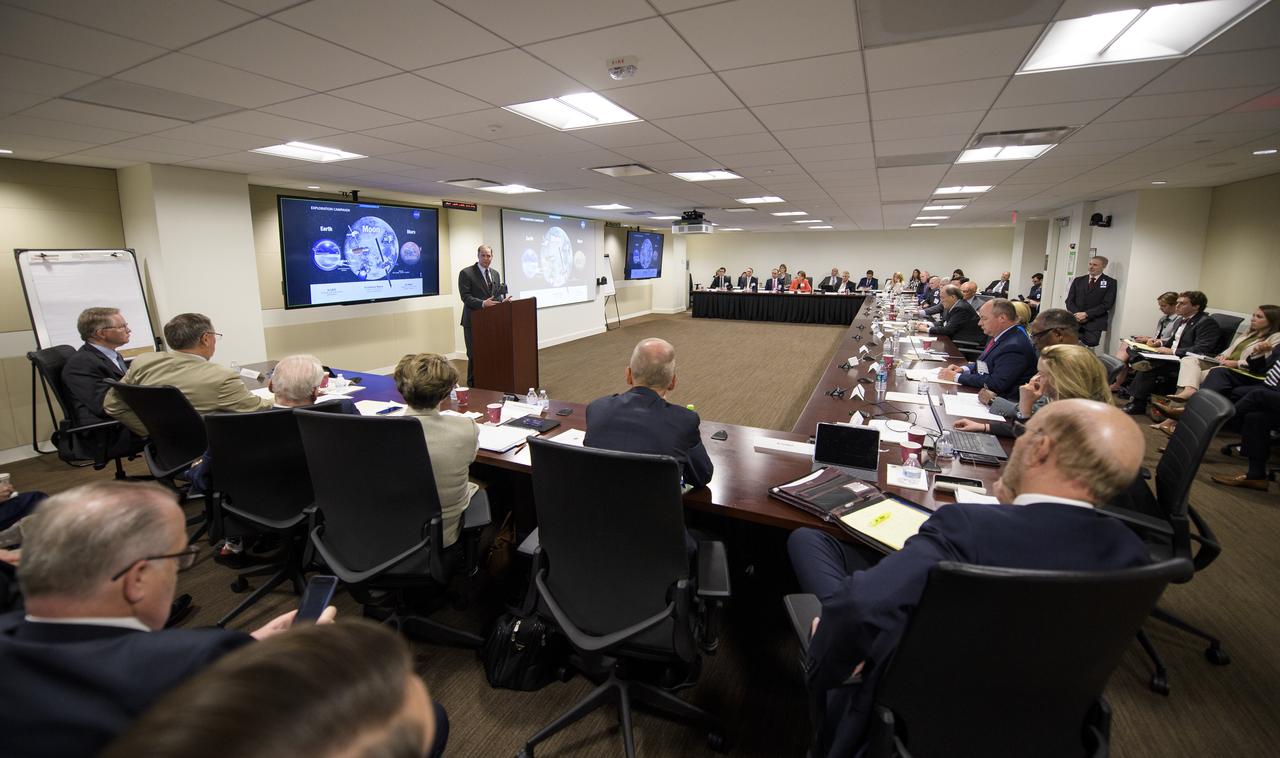
NASA Administrator Jim Bridenstine speaks at the first meeting of the National Space Council Users' Advisory Group, Tuesday, June 19, 2018 at NASA Headquarters in Washington. The Users' Advisory Group will advise and inform the National Space Council on a broad range of aerospace topics, including the impacts of U.S. and international laws and regulations, national security space priorities, scientific and human space exploration priorities, and ways to bolster support. Photo Credit: (NASA/Joel Kowsky)
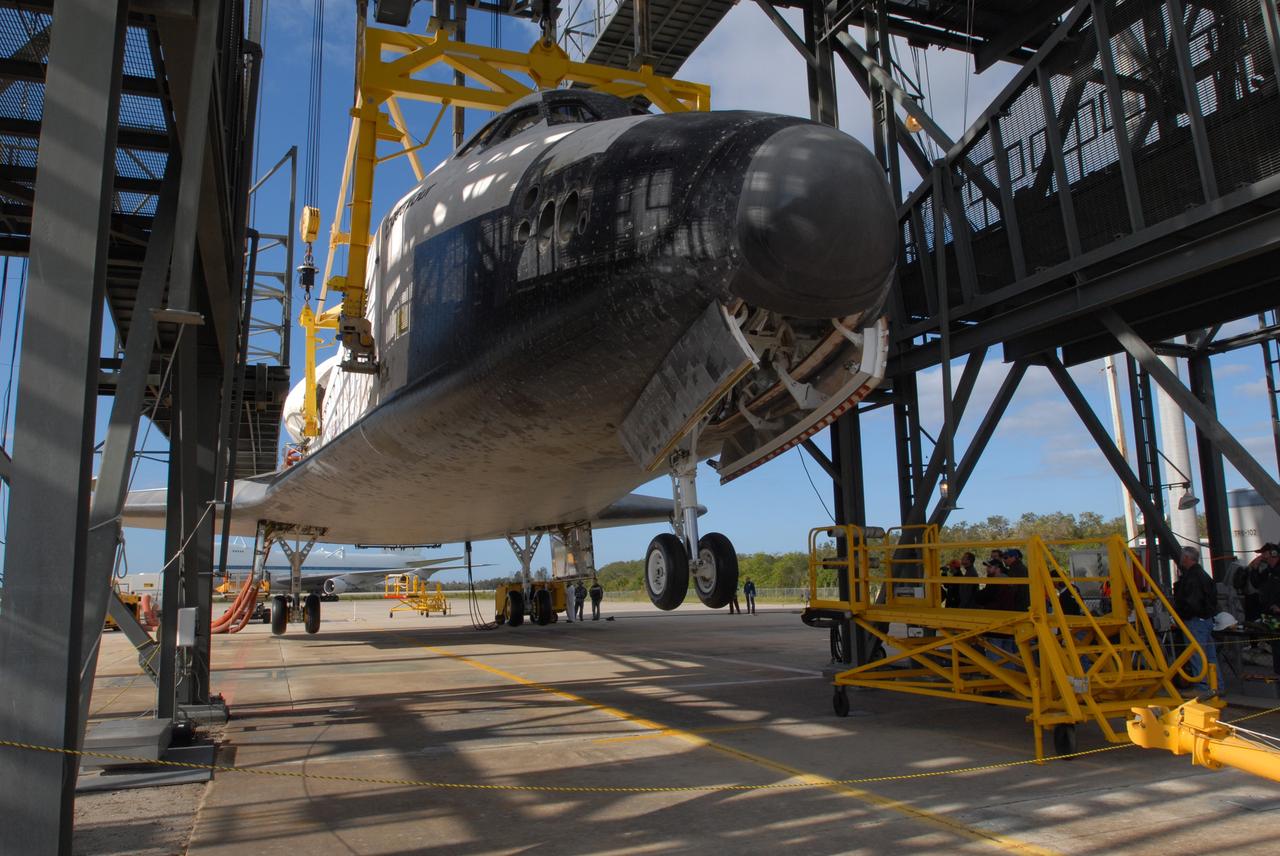
CAPE CANAVERAL, Fla. -- After sunrise, at the Shuttle Landing Facility, or SLF, at NASA's Kennedy Space Center in Florida, the wheels on space shuttle Endeavour are lowered before its move to the Orbiter Processing Facility. Endeavour will be towed via the two-mile tow-way from the SLF by a diesel-powered tractor to the Orbiter Processing Facility where it will begin preparations for its next mission, STS-127, targeted for May 2009. Photo credit: NASA/Jim Grossmann
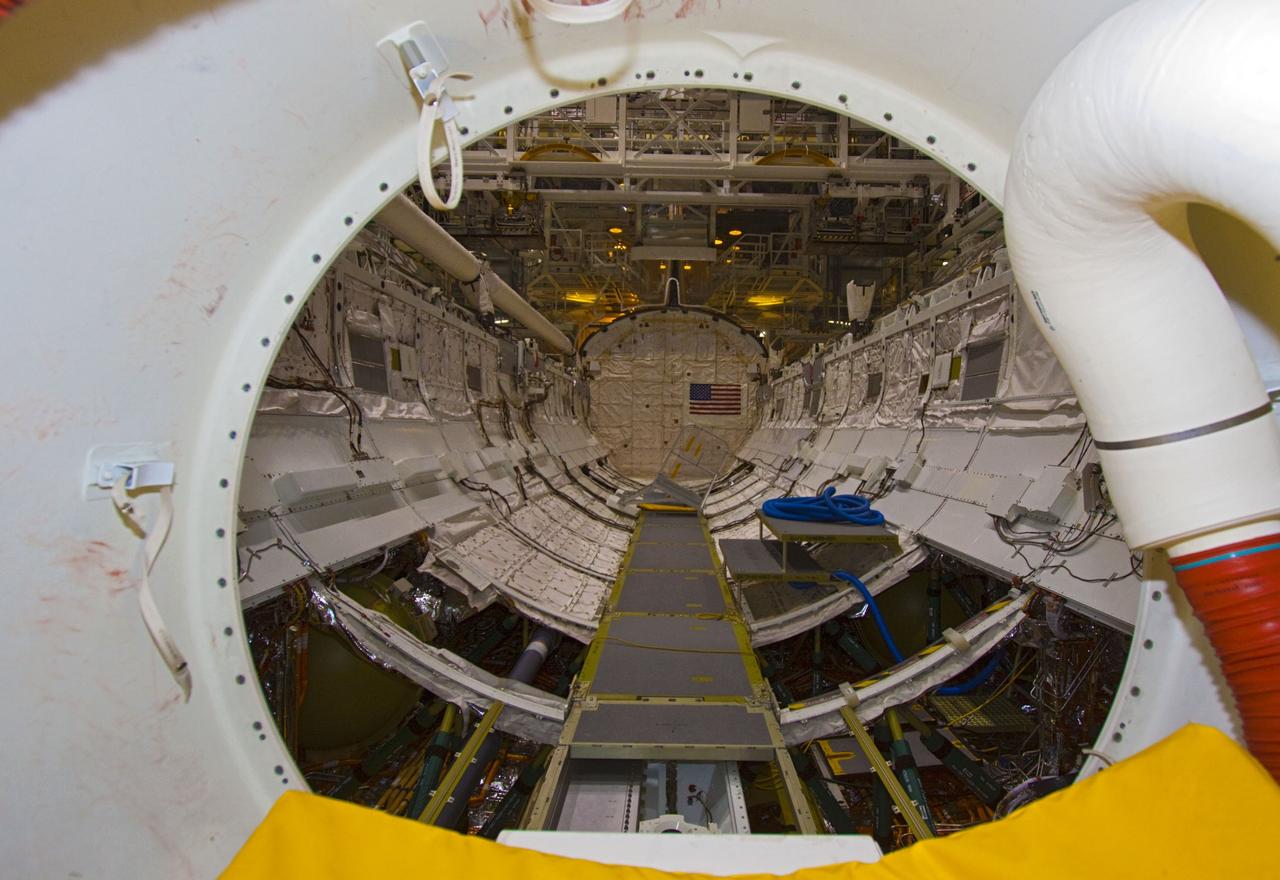
CAPE CANAVERAL, Fla. – In Orbiter Processing Facility-2 at NASA's Kennedy Space Center in Florida, space shuttle Atlantis' payload bay is seen from the airlock on the mid-deck. Preparations to power down the shuttle for the last time are under way during Space Shuttle Program transition and retirement activities. Atlantis is being prepared for public display in 2013 at the Kennedy Space Center Visitor Complex. For more information, visit http://www.nasa.gov/shuttle. Photo credit: NASA/Jim Grossmann
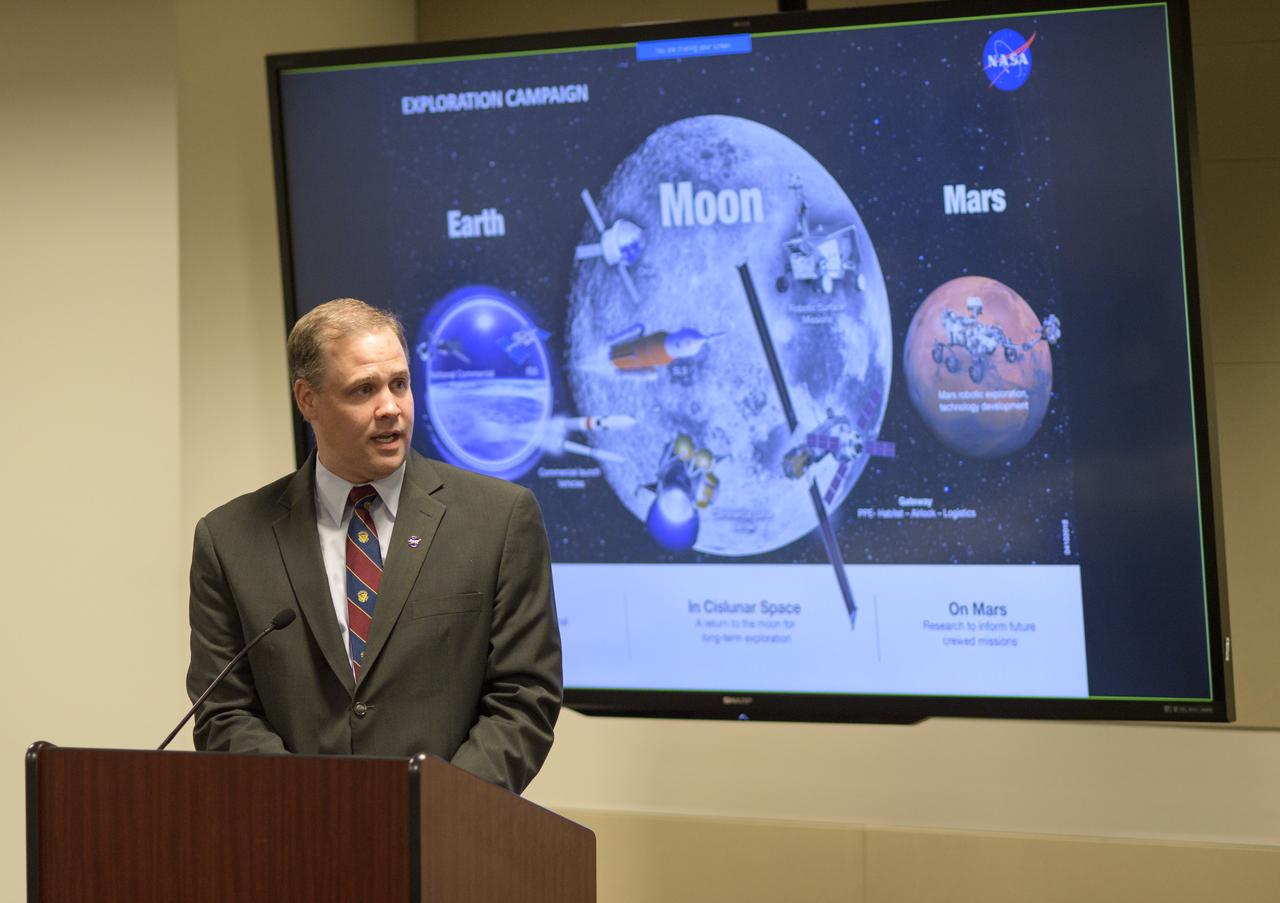
NASA Administrator Jim Bridenstine speaks at the first meeting of the National Space Council Users' Advisory Group, Tuesday, June 19, 2018 at NASA Headquarters in Washington. The Users' Advisory Group will advise and inform the National Space Council on a broad range of aerospace topics, including the impacts of U.S. and international laws and regulations, national security space priorities, scientific and human space exploration priorities, and ways to bolster support. Photo Credit: (NASA/Joel Kowsky)
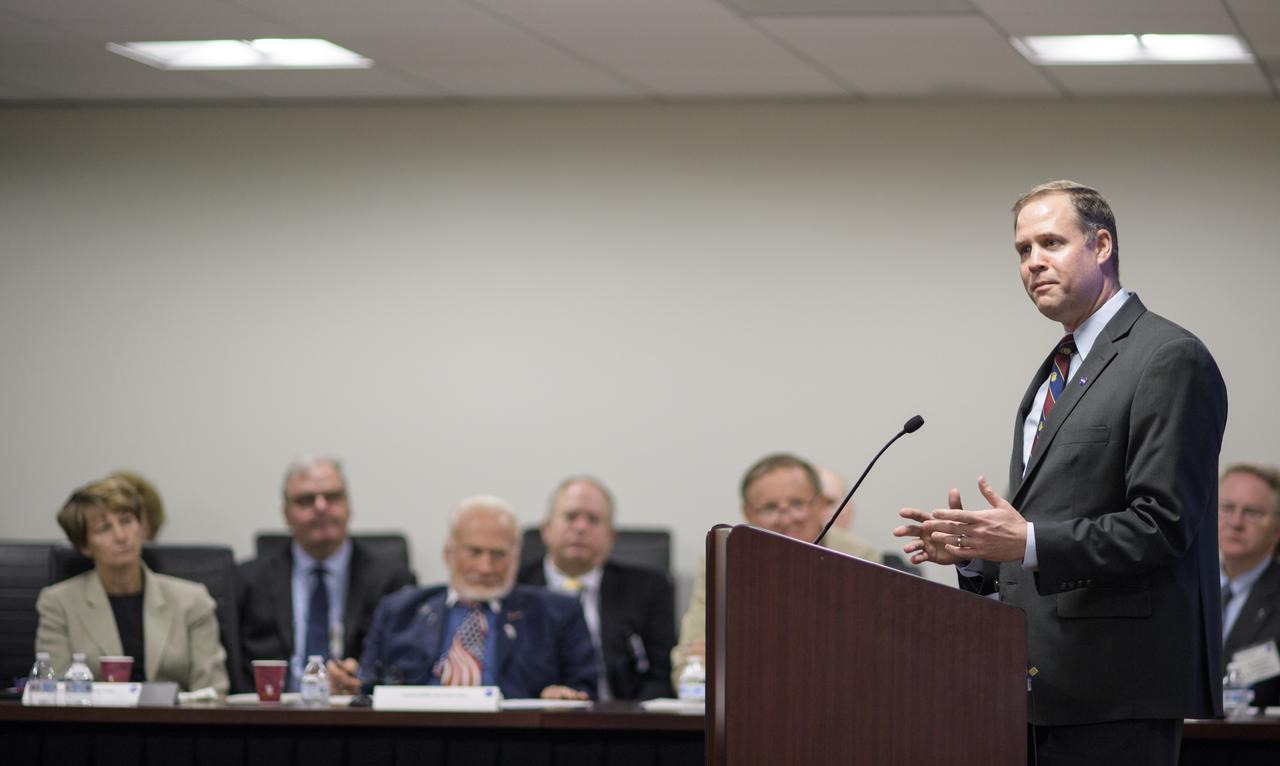
NASA Administrator Jim Bridenstine speaks at the first meeting of the National Space Council Users' Advisory Group, Tuesday, June 19, 2018 at NASA Headquarters in Washington. The Users' Advisory Group will advise and inform the National Space Council on a broad range of aerospace topics, including the impacts of U.S. and international laws and regulations, national security space priorities, scientific and human space exploration priorities, and ways to bolster support. Photo Credit: (NASA/Joel Kowsky)
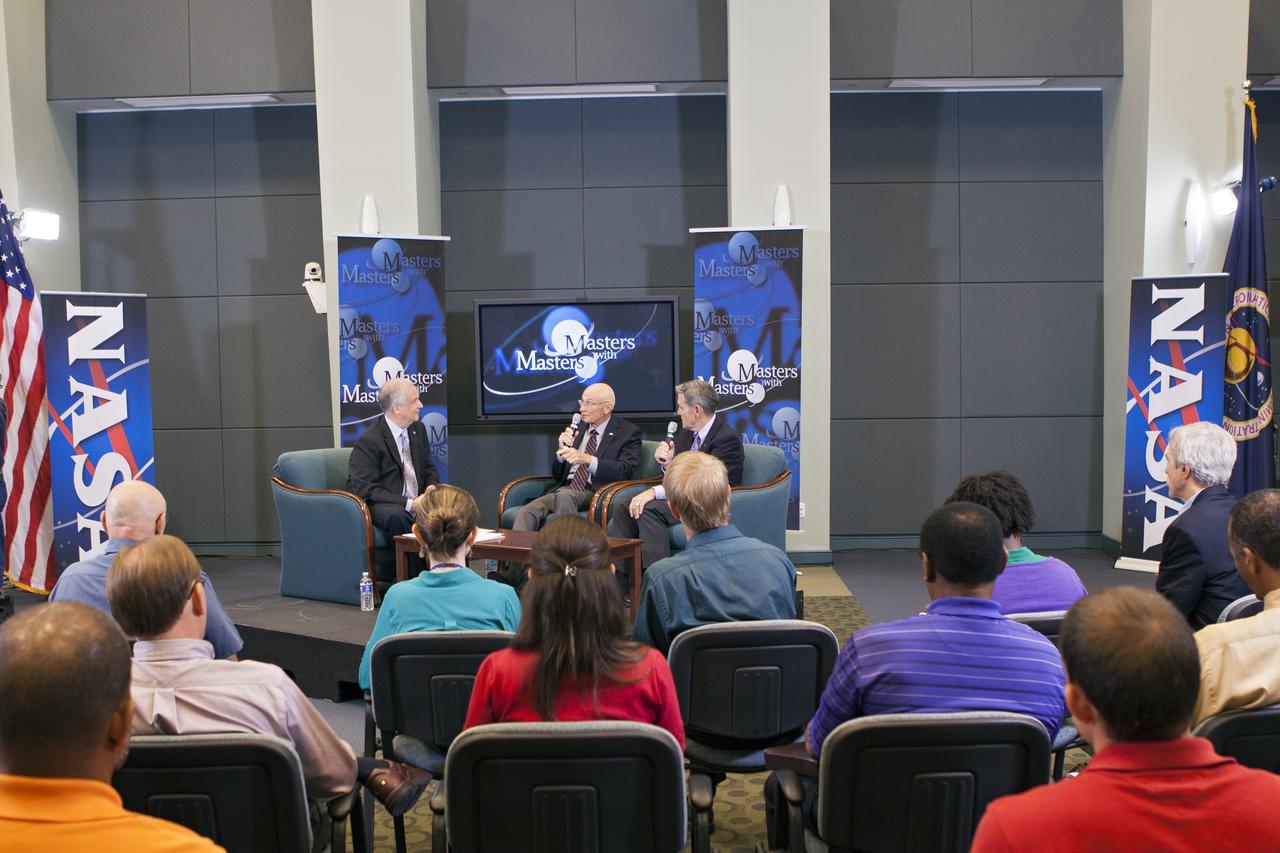
CAPE CANAVERAL, Fla. – Ed Hoffman, from left, Bob Sieck and Bob Cabana discuss techniques to handle a transition era during the second session in a weeklong series called "Masters with Masters" at the agency's Kennedy Space Center in Florida. Hoffman, NASA's chief Knowledge officer, Sieck, a former space shuttle launch director, and Cabana, the director of Kennedy, focused on the transition from Apollo to the shuttle and the current transition under way following the shuttle fleet's retirement. Photo credit: NASA/Jim Grossmann
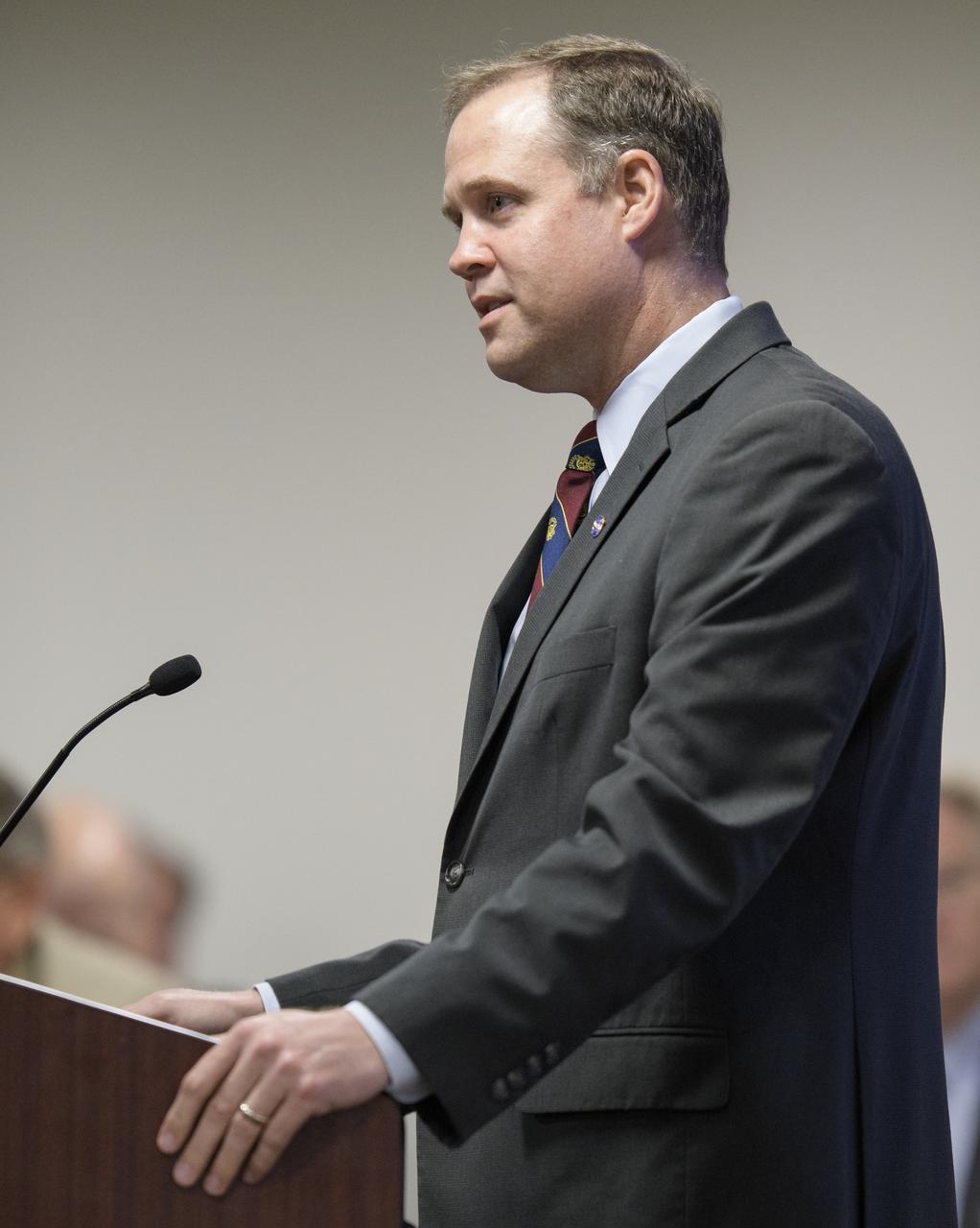
NASA Administrator Jim Bridenstine speaks at the first meeting of the National Space Council Users' Advisory Group, Tuesday, June 19, 2018 at NASA Headquarters in Washington. The Users' Advisory Group will advise and inform the National Space Council on a broad range of aerospace topics, including the impacts of U.S. and international laws and regulations, national security space priorities, scientific and human space exploration priorities, and ways to bolster support. Photo Credit: (NASA/Joel Kowsky)
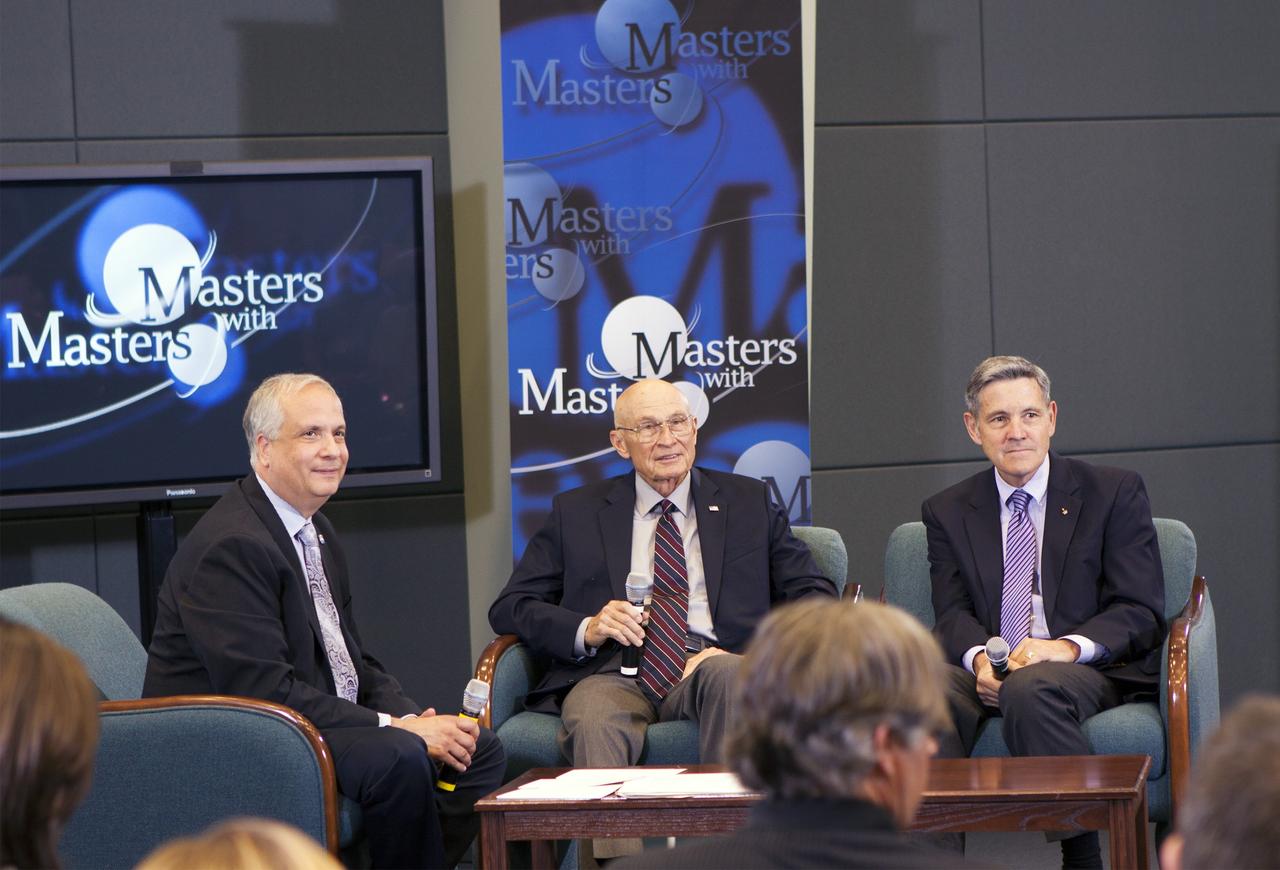
CAPE CANAVERAL, Fla. – Ed Hoffman, from left, Bob Sieck and Bob Cabana discuss techniques to handle a transition era during the second session in a weeklong series called "Masters with Masters" at the agency's Kennedy Space Center in Florida. Hoffman, NASA's chief Knowledge officer, Sieck, a former space shuttle launch director, and Cabana, the director of Kennedy, focused on the transition from Apollo to the shuttle and the current transition under way following the shuttle fleet's retirement. Photo credit: NASA/Jim Grossmann
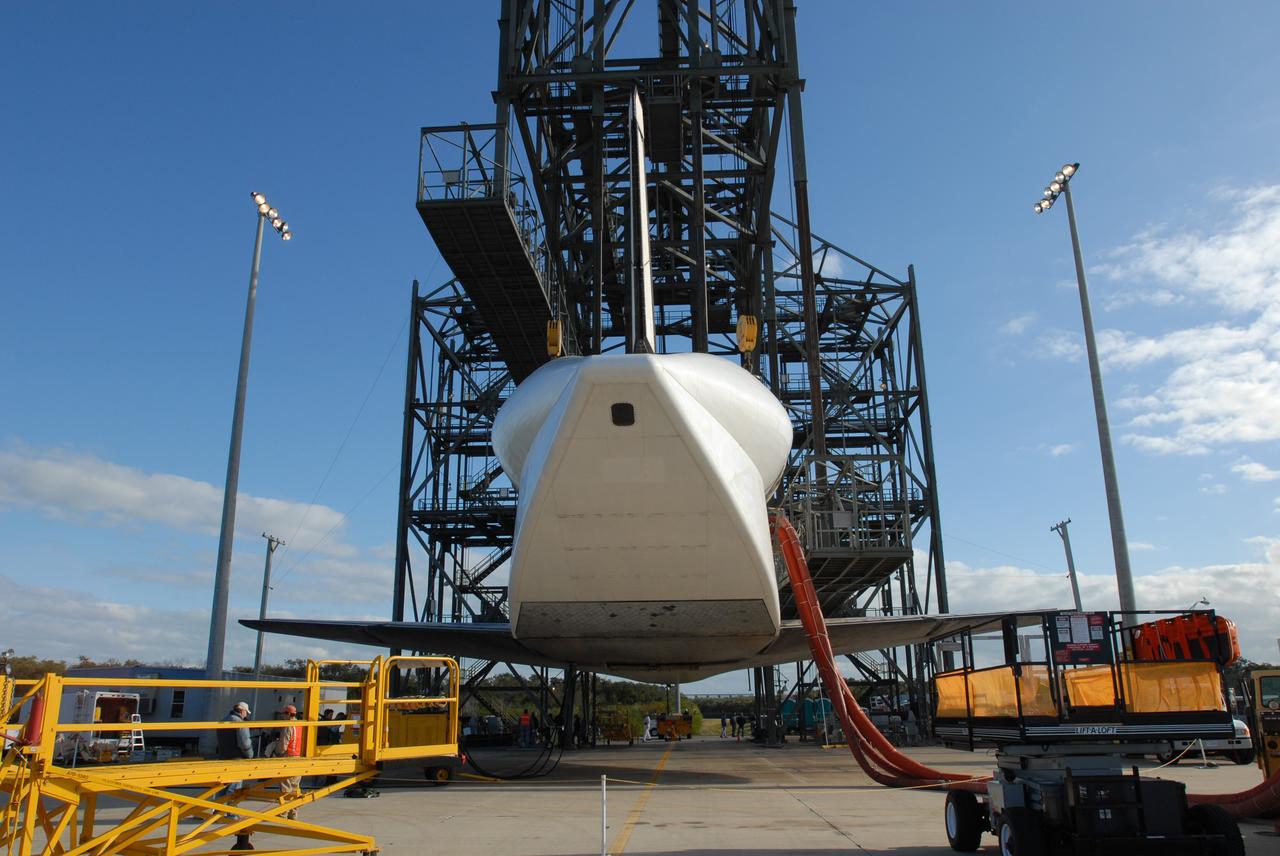
CAPE CANAVERAL, Fla. -- After sunrise, at the Shuttle Landing Facility, or SLF, at NASA's Kennedy Space Center in Florida, space shuttle Endeavour is prepared for its move to the Orbiter Processing Facility. Endeavour will be towed via the two-mile tow-way from the SLF by a diesel-powered tractor to the Orbiter Processing Facility where it will begin preparations for its next mission, STS-127, targeted for May 2009. Photo credit: NASA/Jim Grossmann
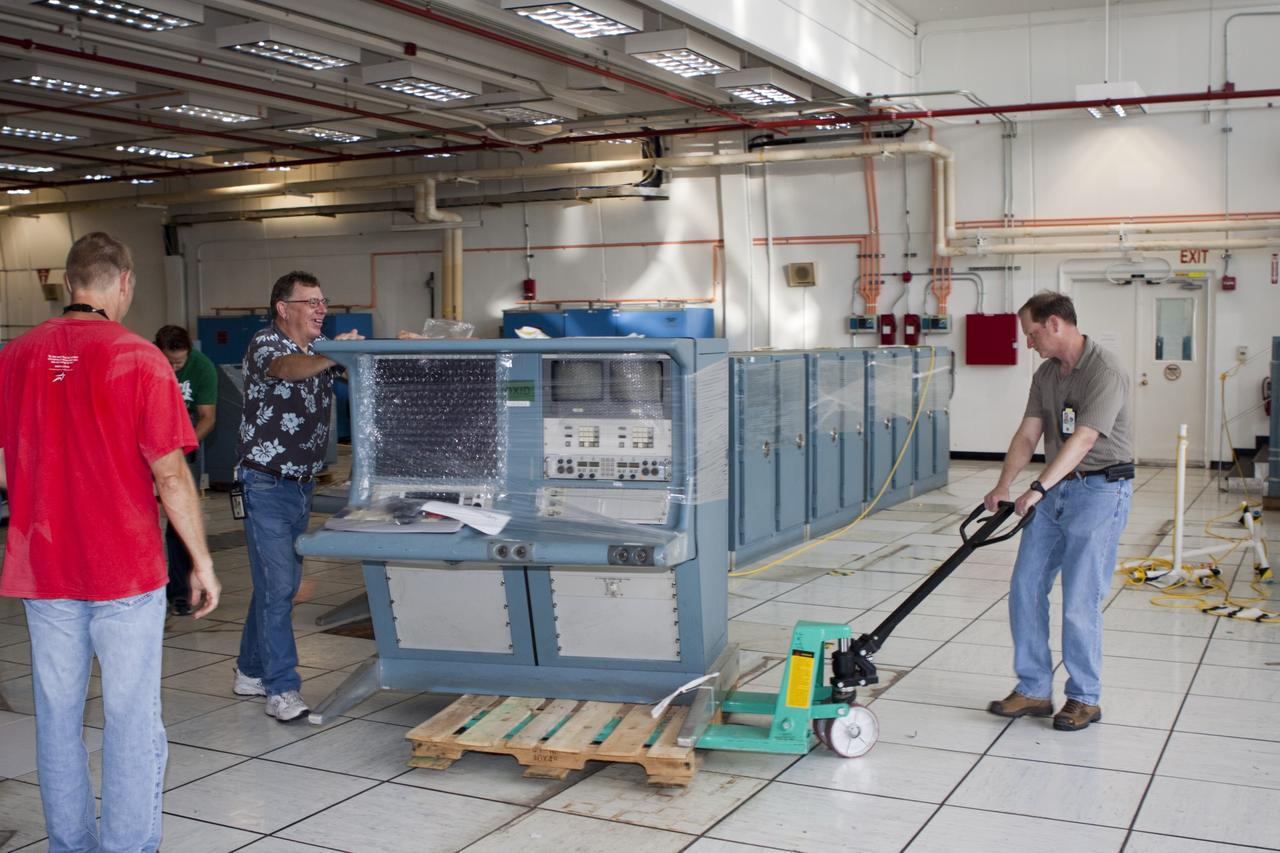
CAPE CANAVERAL, Fla. - In Firing Room 3 of the Launch Control Center at NASA’s Kennedy Space Center in Florida, technicians are removing legacy consoles and monitors to make way for new systems designed to be flexible so controllers can process and launch multiple types of rockets and spacecraft, whether they are government or commercial models. KSC’s Launch Complex 39 is transitioning to support multiple users with the Firing Rooms being modified to be more generic in nature for upcoming programs. Photo credit: NASA/Jim Grossmann
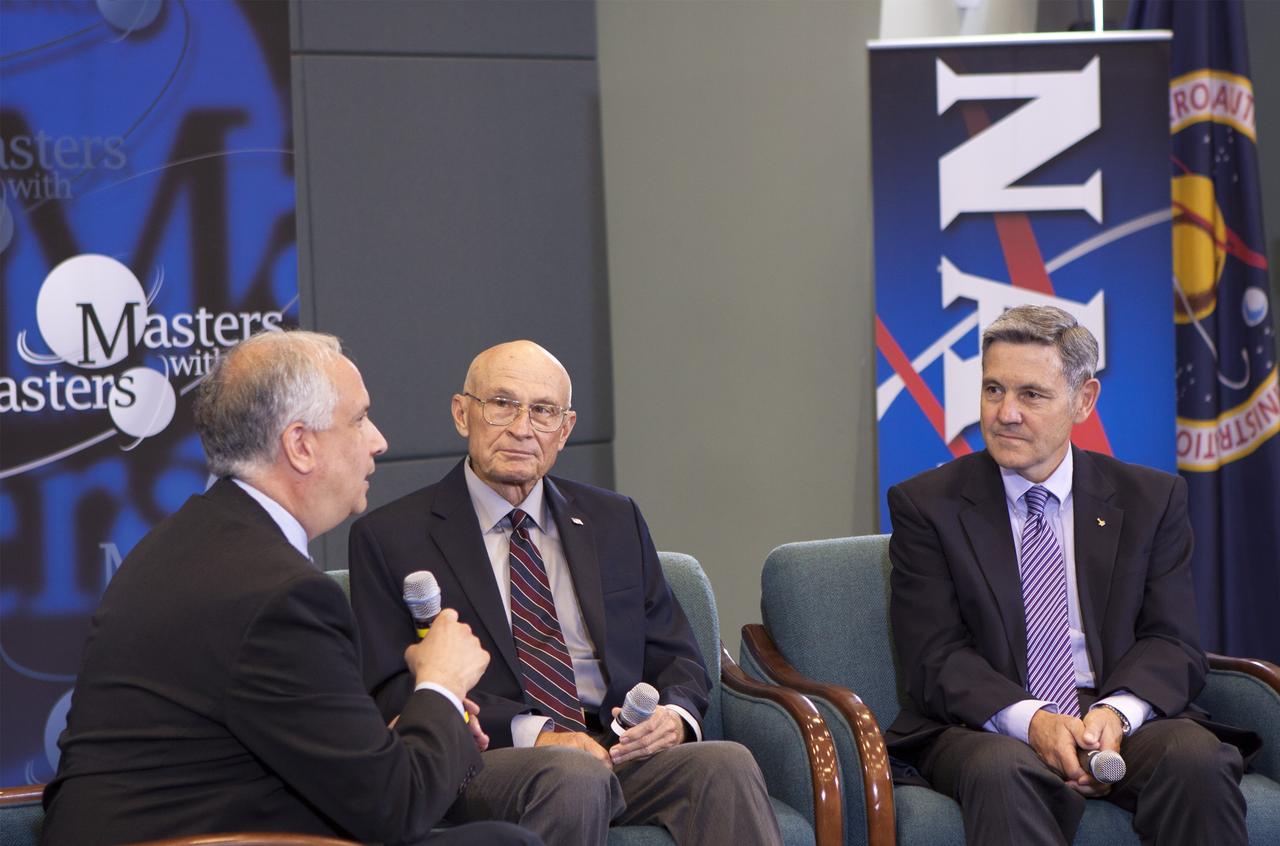
CAPE CANAVERAL, Fla. – Ed Hoffman, from left, Bob Sieck and Bob Cabana discuss techniques to handle a transition era during the second session in a weeklong series called "Masters with Masters" at the agency's Kennedy Space Center in Florida. Hoffman, NASA's chief Knowledge officer, Sieck, a former space shuttle launch director, and Cabana, the director of Kennedy, focused on the transition from Apollo to the shuttle and the current transition under way following the shuttle fleet's retirement. Photo credit: NASA/Jim Grossmann
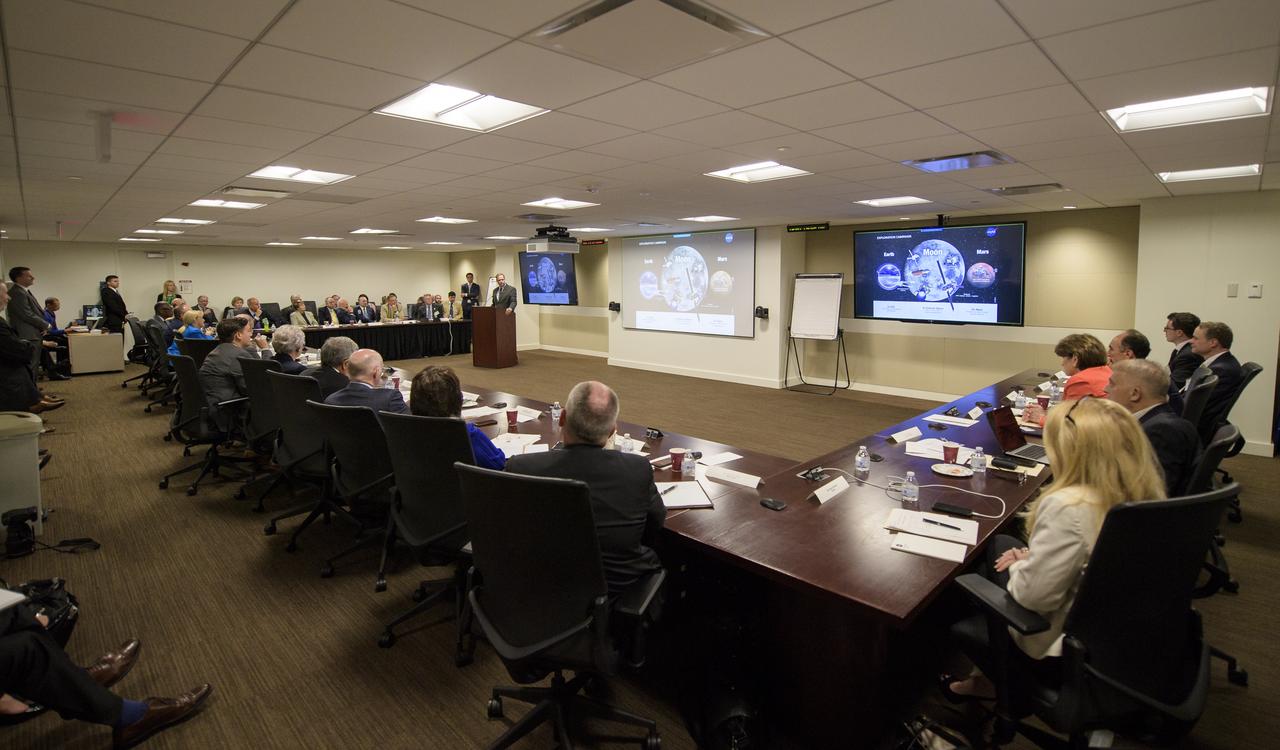
NASA Administrator Jim Bridenstine speaks at the first meeting of the National Space Council Users' Advisory Group, Tuesday, June 19, 2018 at NASA Headquarters in Washington. The Users' Advisory Group will advise and inform the National Space Council on a broad range of aerospace topics, including the impacts of U.S. and international laws and regulations, national security space priorities, scientific and human space exploration priorities, and ways to bolster support. Photo Credit: (NASA/Joel Kowsky)
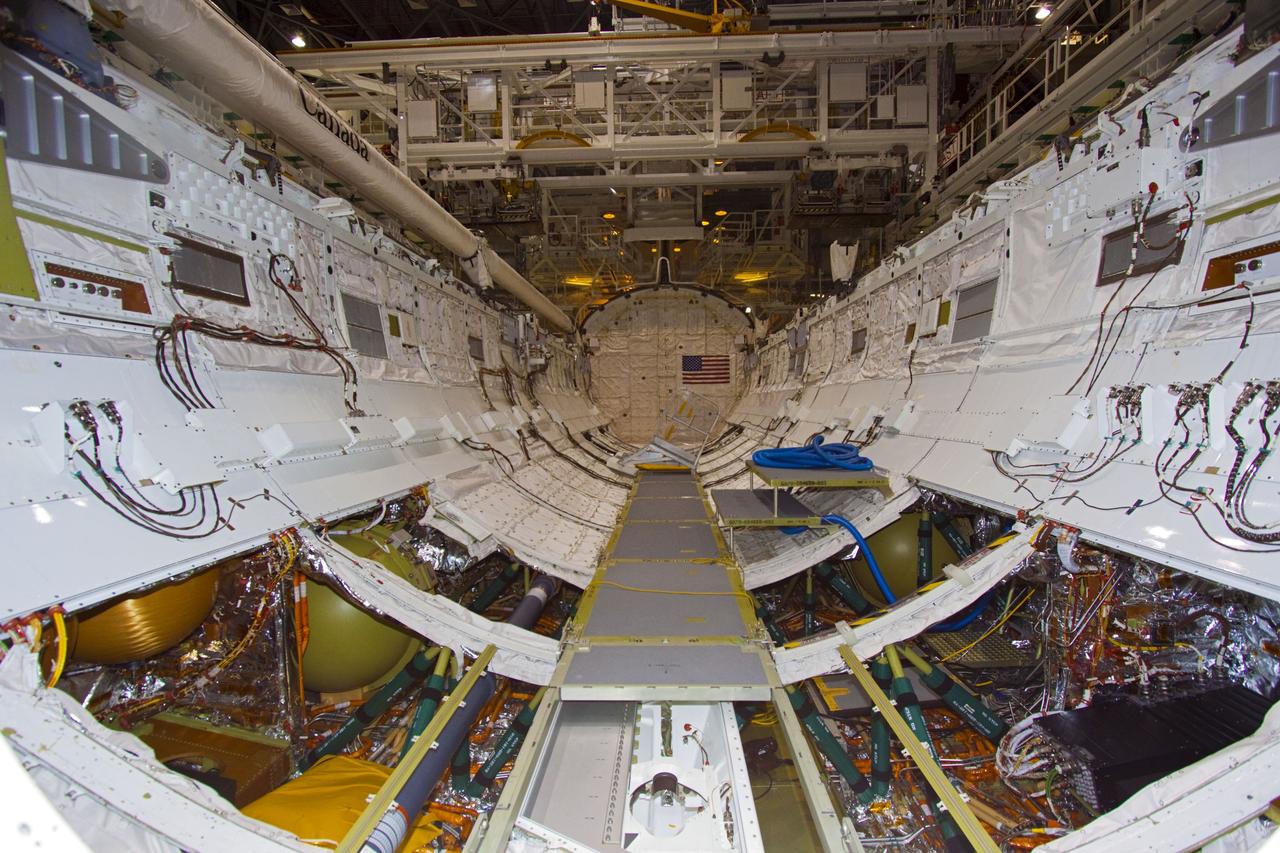
CAPE CANAVERAL, Fla. – In Orbiter Processing Facility-2 at NASA's Kennedy Space Center in Florida, preparations are under way to power down Atlantis for the final time during Space Shuttle Program transition and retirement activities. Atlantis is being prepared for public display in 2013 at the Kennedy Space Center Visitor Complex. For more information, visit http://www.nasa.gov/shuttle. Photo credit: NASA/Jim Grossmann

CAPE CANAVERAL, Fla. – In Orbiter Processing Facility-1 at NASA’s Kennedy Space Center in Florida, preparations are under way to open the payload bay doors of space shuttle Atlantis. The work is part of the Space Shuttle Program’s transition and retirement processing of shuttle Atlantis. A groundbreaking was held Jan. 18 for Atlantis' future home -- a 65,000-square-foot exhibit hall in Shuttle Plaza at the Kennedy Space Center Visitor Complex. For more information, visit http://www.nasa.gov/shuttle. Photo credit: NASA/Jim Grossmann
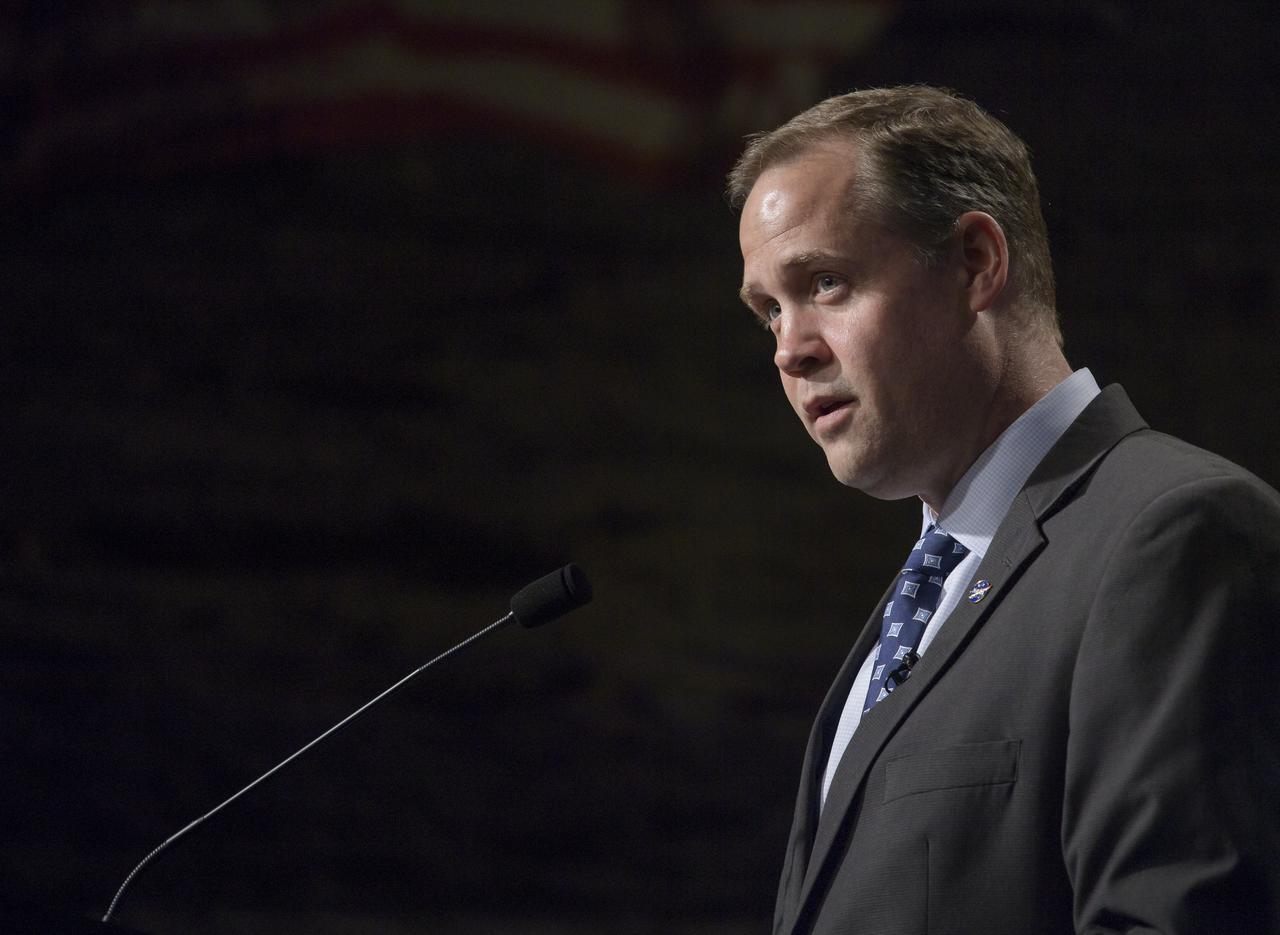
NASA Administrator Jim Bridenstine asks commercial companies to help get the agency back to the Moon as quickly as possible during an ‘industry day', Tuesday, May 8, 2018 held at NASA Headquarters in Washington. NASA is calling for commercial proposals for delivering instruments, experiments, and other small payloads to the surface of the Moon as early as next year. This solicitation is part of a broader Exploration Campaign that will pave the way for a human return to the Moon. Photo Credit: (NASA/Bill Ingalls)
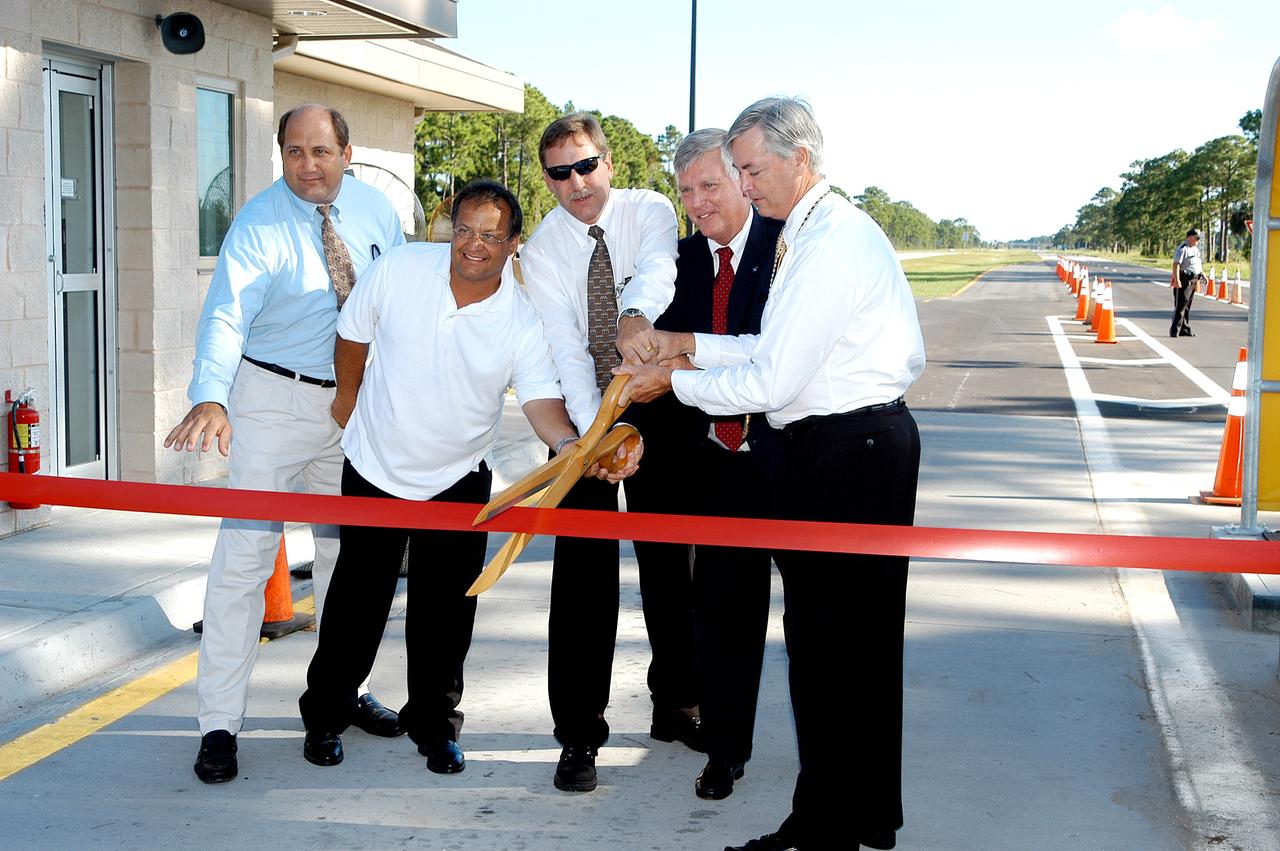
KENNEDY SPACE CENTER, FLA. - Key officials are poised to cut the ribbon officially dedicating the new Security gates on Kennedy Parkway (Gate 2) and NASA Parkway (Gate 3). From left are Wally Schroeder, with Jones, Edmunds & Associates; Bobby Porter, with Oneida Construction; Daniel Tweed, NASA project manager; Jim Kennedy, Center director; and William Sample, SGS deputy program manager. The new gates were activated Aug. 1, allowing the general public to have access to the new Space Commerce Way, which will provide access to the Research Park and KSC Visitor Complex, and providing an alternate route for the general public between Titusville and Merritt Island that is accessible 24 hours a day. The gates are staffed 24 hours daily.
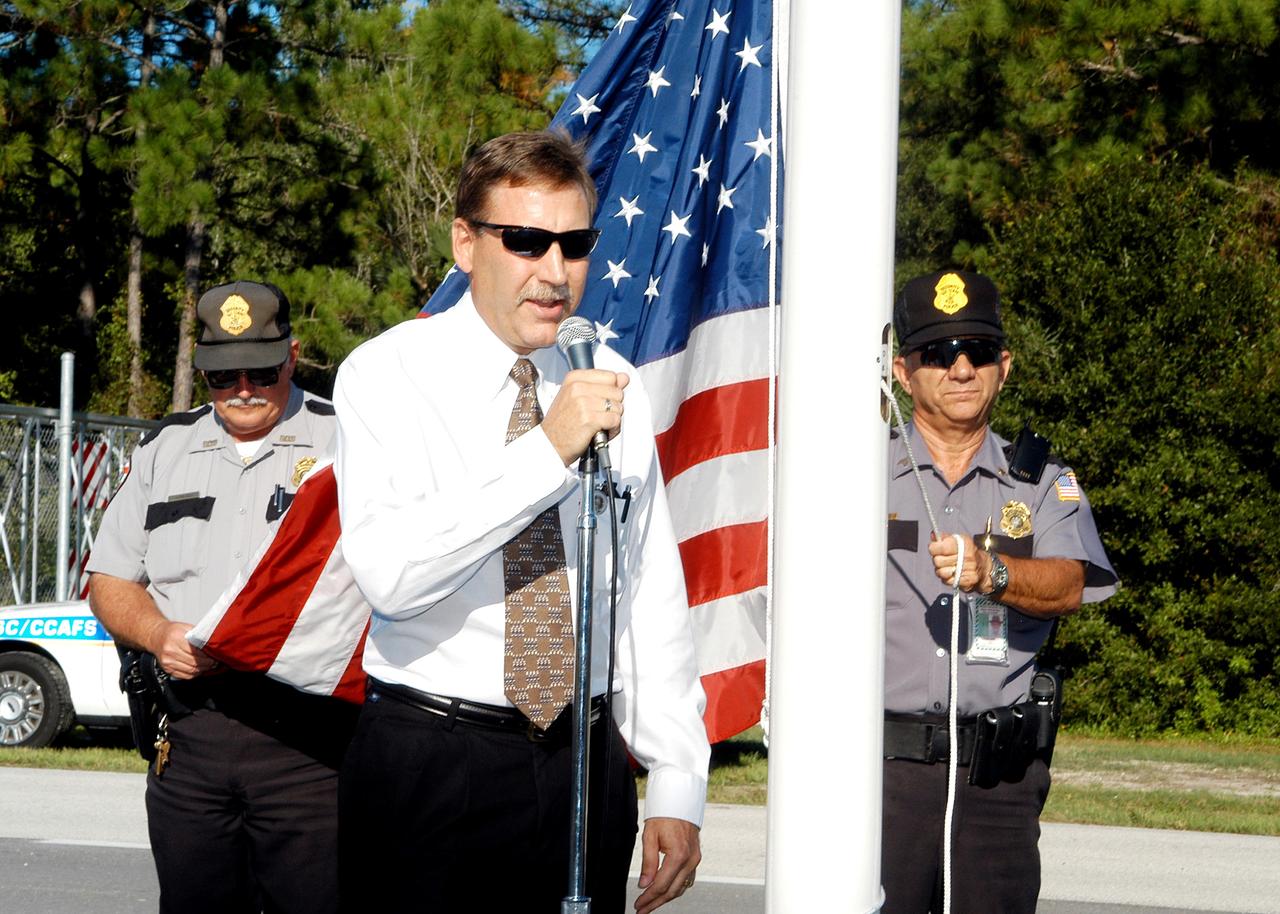
KENNEDY SPACE CENTER, FLA. - Daniel L. Tweed, with the Facilities Division, NASA Spaceport Services, addresses attendees at the ribbon cutting for the KSC Security gates. Tweed was project manager. The two new Security gates on Kennedy Parkway (Gate 2) and NASA Parkway (Gate 3) were activated Aug. 1, allowing the general public to have access to the new Space Commerce Way, which will provide access to the Research Park and KSC Visitor Complex, and providing an alternate route for the general public between Titusville and Merritt Island that is accessible 24 hours a day. The gates are staffed 24 hours daily. Others taking part in the ribbon cutting were Center Director Jim Kennedy; Chief, Protective & Safe Guards Office, Calvin L. Burch; SGS Deputy Program Manager William A. Sample; and Bobby Porter, with Oneida Construction.
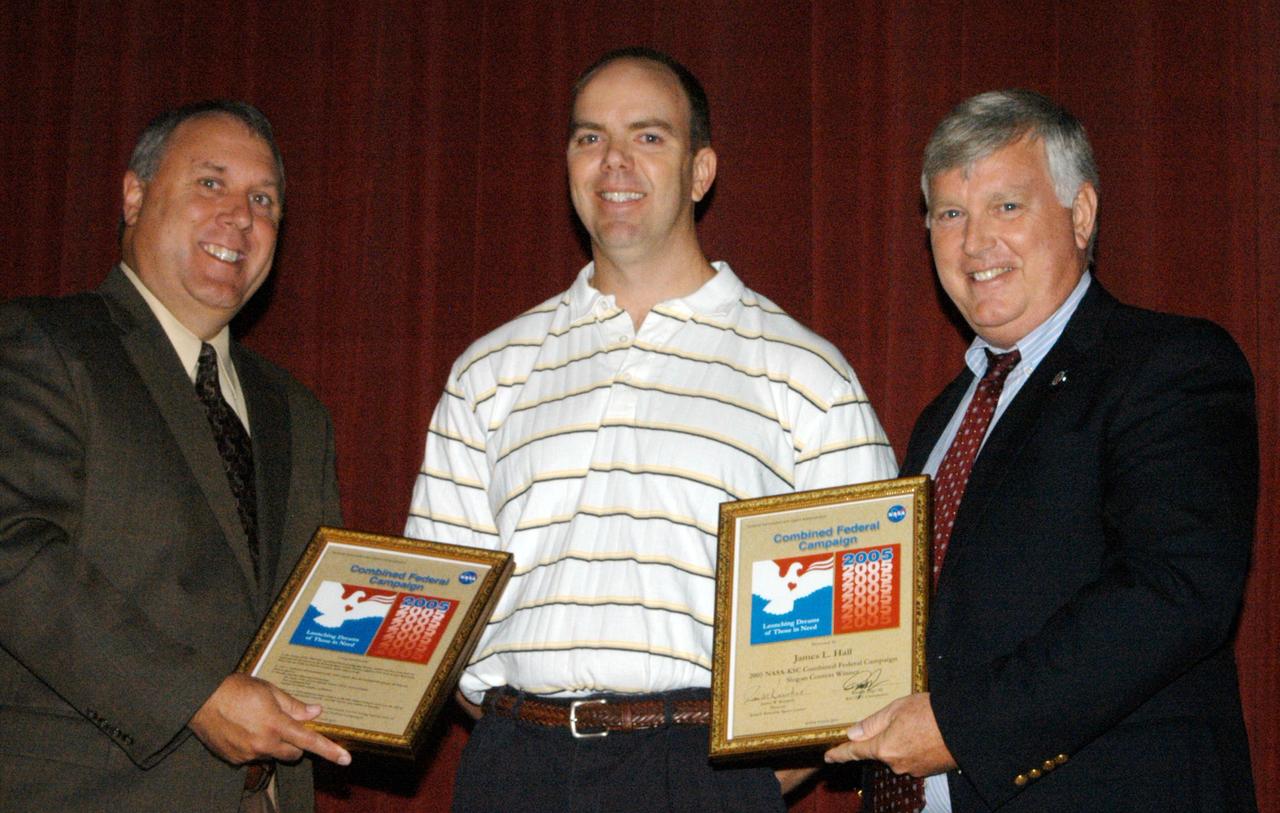
KENNEDY SPACE CENTER, FLA. - In the NASA Kennedy Space Center Training Auditorium, President of United Way in Brevard Rob Rains (left) and Center Director Jim Kennedy (right) recognize James Hall (center) who submitted the winning theme for the center’s 2005 Combined Federal Campaign, “Launching Dreams of Those in Need.” The occasion was the kickoff of the campaign at the center. Guest speakers included Janet Bryant, executive director and CEO of the American Red Cross, Brevard County Chapter; Major Jack Owens, commanding officer of the Salvation Army, North/Central Brevard; and Rob Rains, president of United Way of Brevard. The campaign seeks voluntary donations from Federal civilian, postal and military workers during the campaign season to support eligible nonprofit organizations that provide health and human service benefits throughout the world.
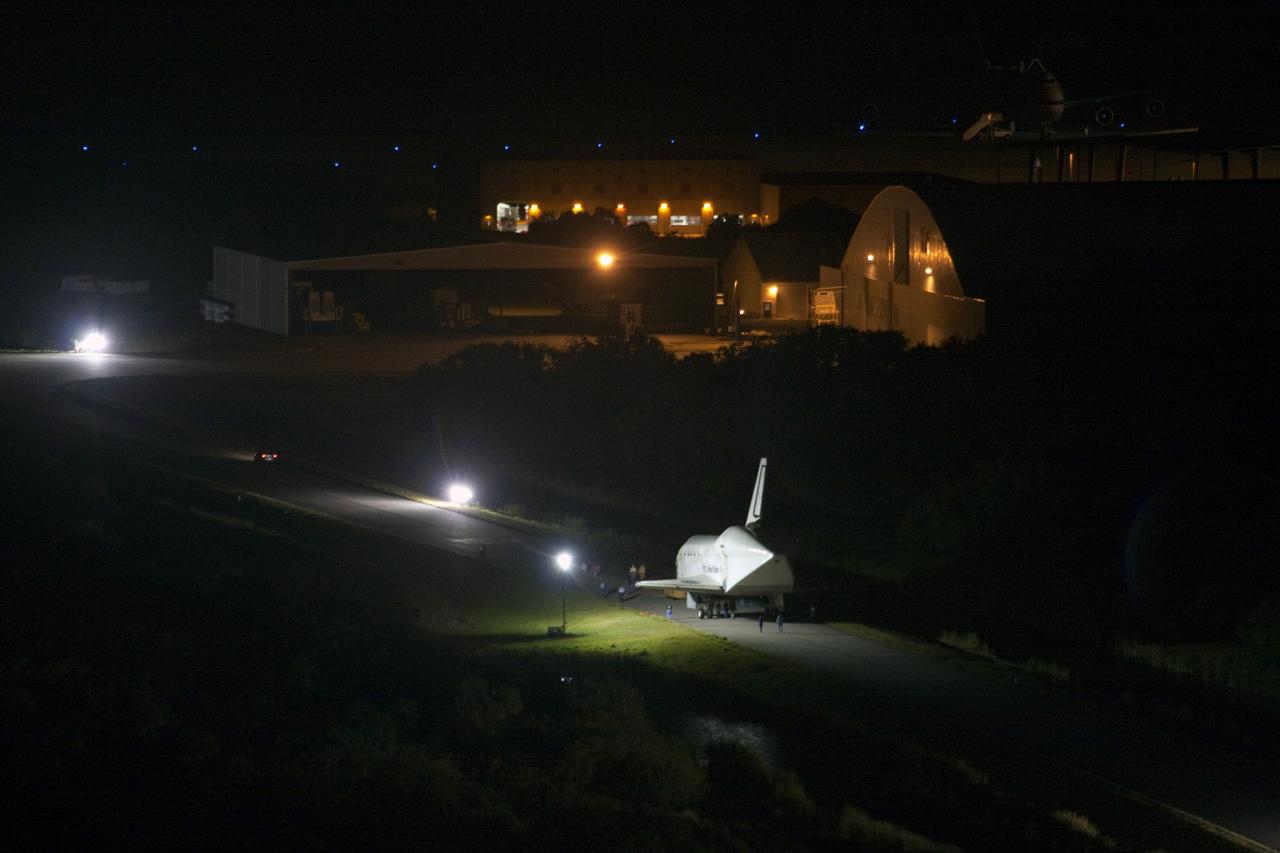
CAPE CANAVERAL, Fla. – At NASA’s Kennedy Space Center in Florida, space shuttle Discovery makes its way along the access road past the hangar at the Shuttle Landing Facility, or SLF, in darkness. Its move got under way at 5 a.m. EDT. At the SLF, Discovery will be hoisted onto a Shuttle Carrier Aircraft, or SCA, with the aid of a mate-demate device. The SCA, a modified Boeing 747 jet airliner, is scheduled to ferry Discovery to the Washington Dulles International Airport in Virginia on April 17, after which the shuttle will be placed on permanent public display in the Smithsonian's National Air and Space Museum Steven F. Udvar-Hazy Center. For more information on shuttle transition and retirement activities, visit http://www.nasa.gov/transition. Photo credit: NASA/Jim Grossmann
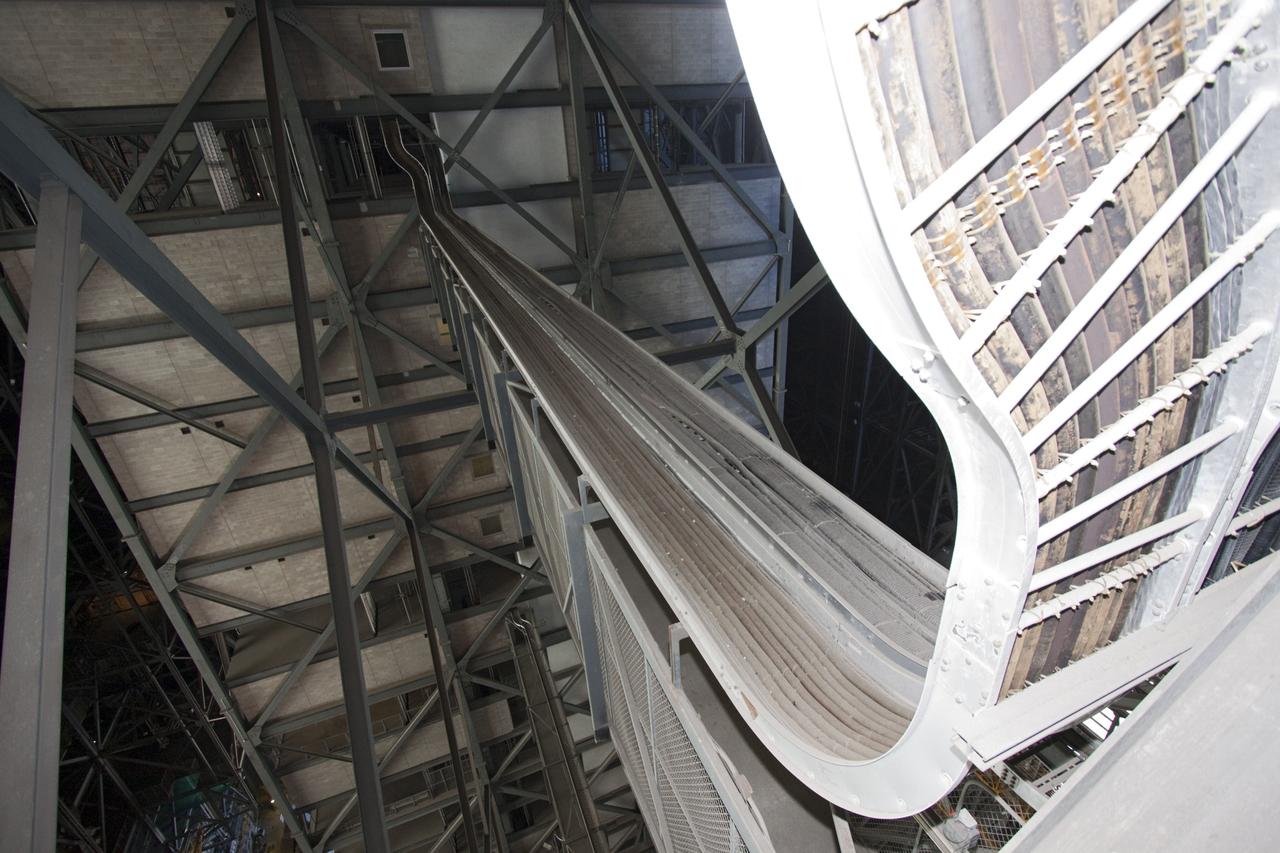
CAPE CANAVERAL, Fla. – At NASA’s Kennedy Space Center in Florida, cable trays wind their way along the grating in high bay 3 in the Vehicle Assembly Building, or VAB, during part of a centerwide refurbishment initiative under the Ground Systems Development and Operations GSDO Program. The cable replacement project is under way in high bays 1 and 3 on the east side of the building, facing Launch Complex 39’s pads A and B. Approximately 150 miles of existing Apollo/shuttle era cabling is being removed to make room for installation of state-of-the-art command, communication and control systems that will be needed by future users to perform vehicle testing and verification prior to rollout to the launch pad. For more information, visit http://go.nasa.gov/groundsystems. Photo credit: NASA/Jim Grossmann
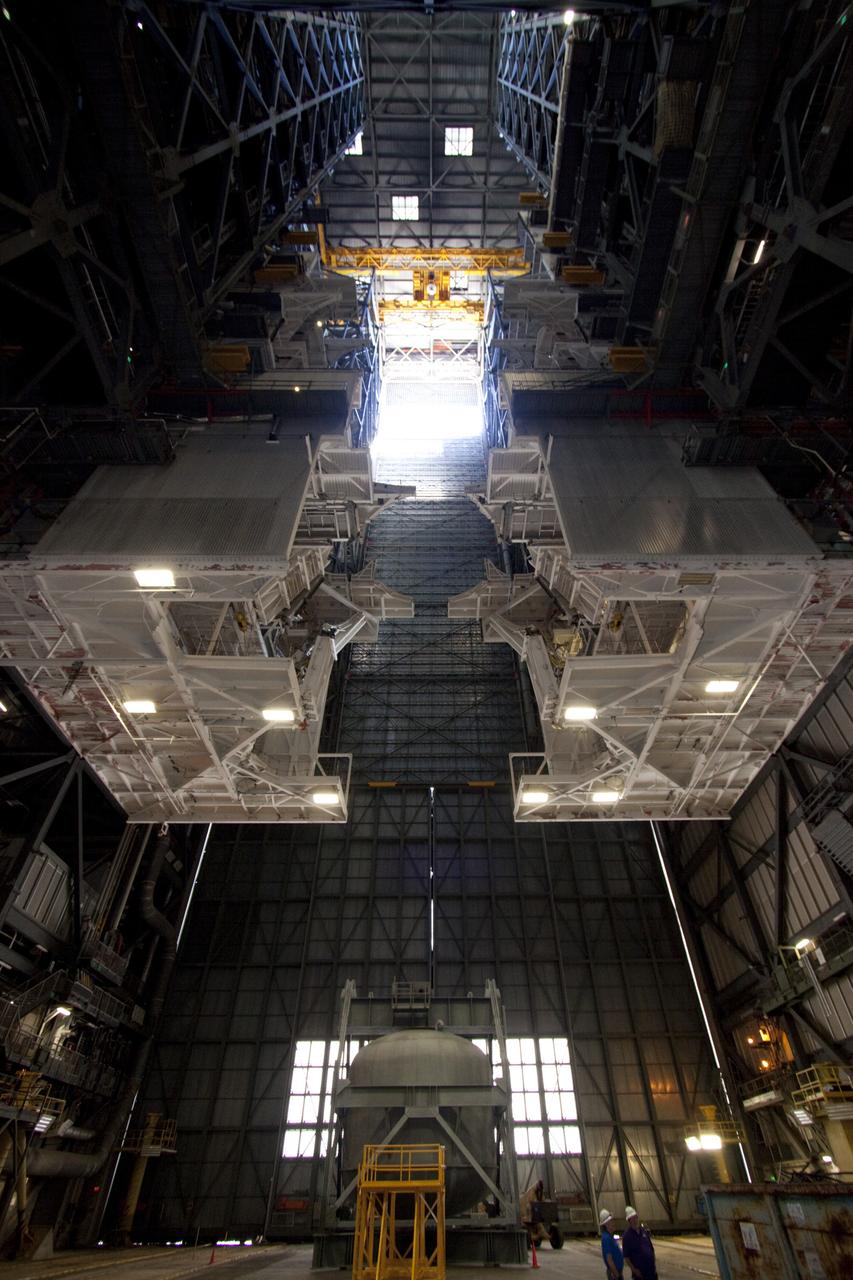
CAPE CANAVERAL, Fla. – At NASA’s Kennedy Space Center in Florida, refurbishment of high bay 3 is under way in the Vehicle Assembly Building, or VAB, as part of a centerwide refurbishment initiative under the Ground Systems Development and Operations GSDO Program. It is 525 feet from the bay’s ceiling to the floor. The cable replacement project is under way in high bays 1 and 3 on the east side of the building, facing Launch Complex 39’s pads A and B. Approximately 150 miles of existing Apollo/shuttle era cabling is being removed to make room for installation of state-of-the-art command, communication and control systems that will be needed by future users to perform vehicle testing and verification prior to rollout to the launch pad. For more information, visit http://go.nasa.gov/groundsystems. Photo credit: NASA/Jim Grossmann
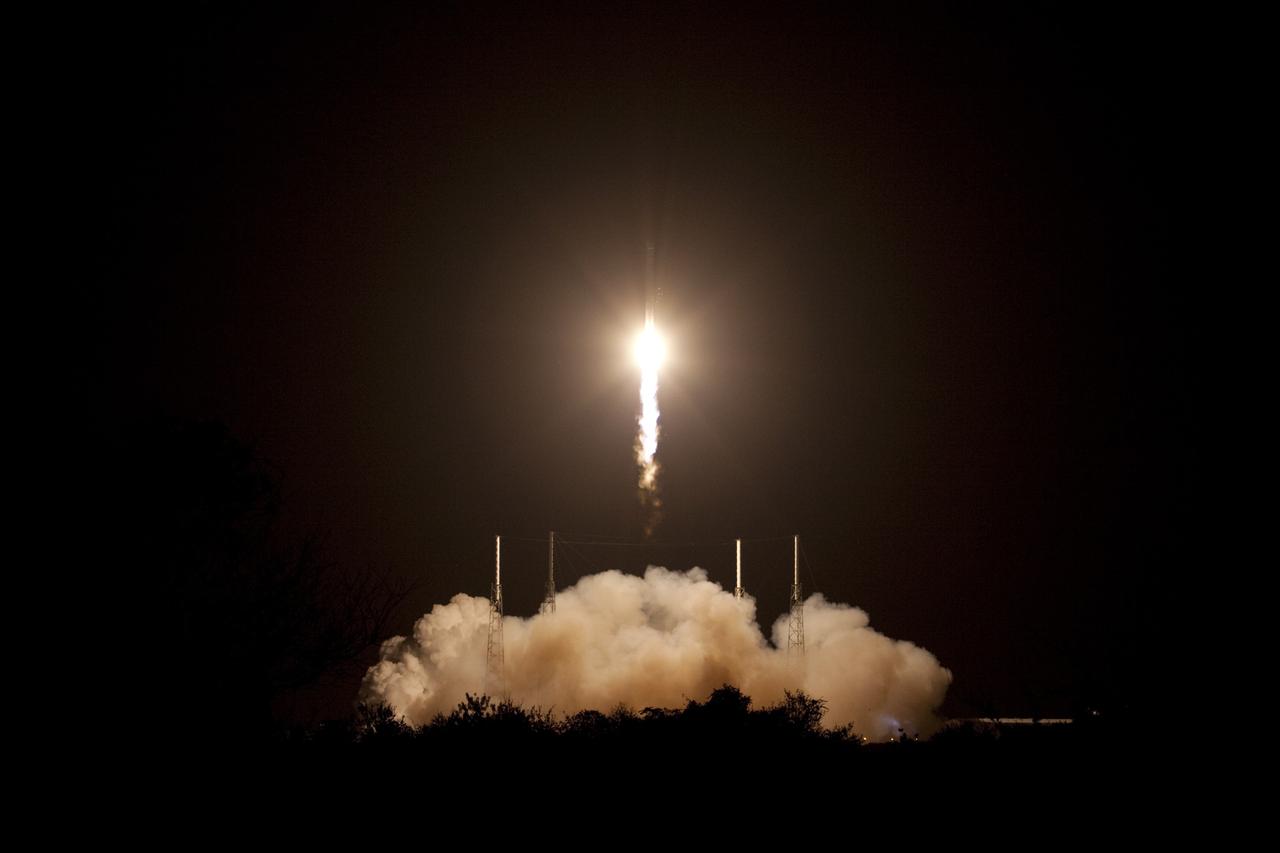
CAPE CANAVERAL, Fla. -- A Falcon 9 rocket makes its way into the night sky over Space Launch Complex 40 on Cape Canaveral Air Force Station in Florida carrying a Dragon capsule to orbit. Launch was at 8:35 p.m. EDT. Space Exploration Technologies Corp., or SpaceX, built both the rocket and capsule for NASA's first Commercial Resupply Services, or CRS-1, mission to the International Space Station. SpaceX CRS-1 is an important step toward making America’s microgravity research program self-sufficient by providing a way to deliver and return significant amounts of cargo, including science experiments, to and from the orbiting laboratory. NASA has contracted for 12 commercial resupply flights from SpaceX and eight from the Orbital Sciences Corp. For more information, visit http://www.nasa.gov/mission_pages/station/living/launch/index.html. Photo credit: NASA/Jim Grossmann
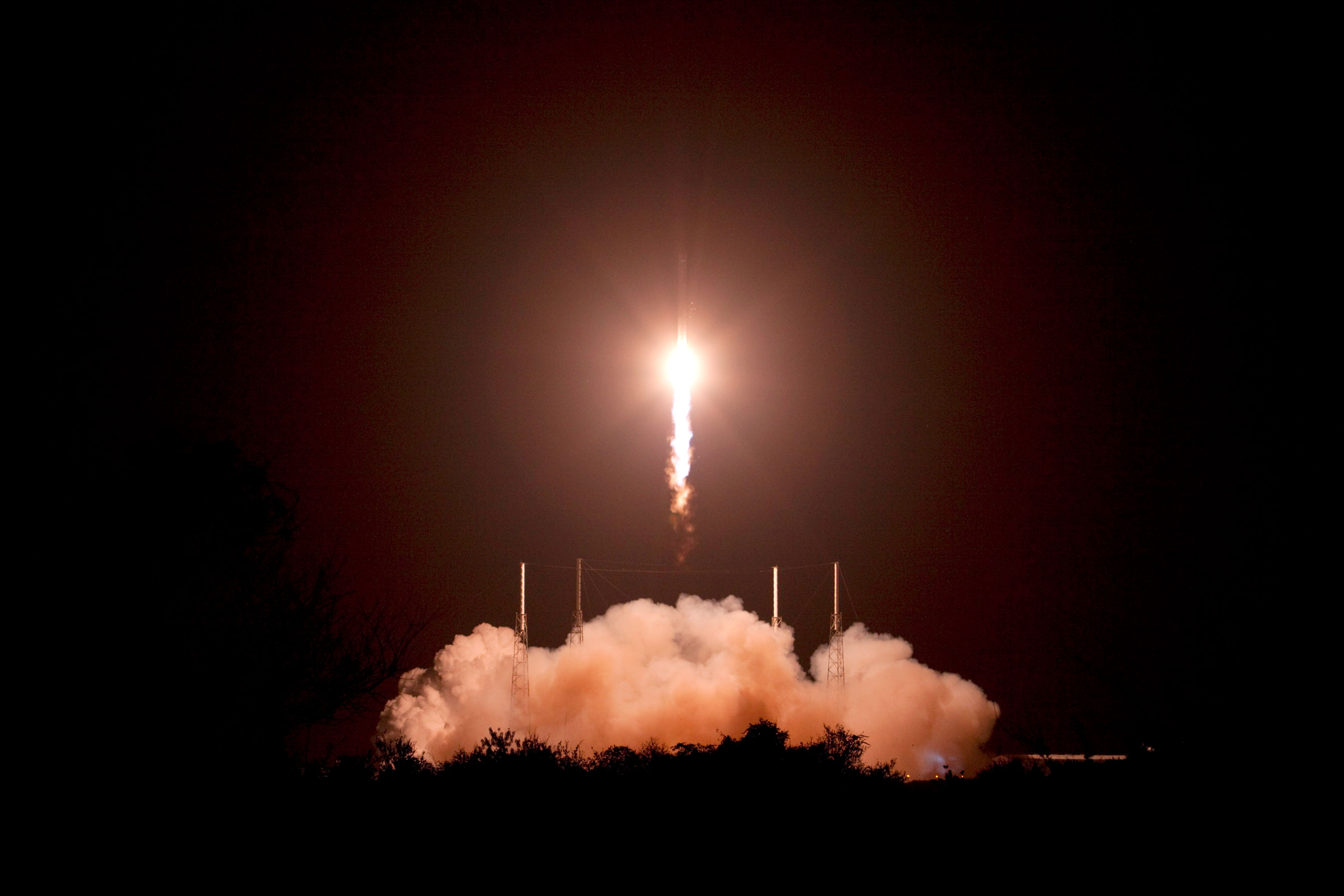
CAPE CANAVERAL, Fla. -- A Falcon 9 rocket makes its way into the night sky over Space Launch Complex 40 on Cape Canaveral Air Force Station in Florida carrying a Dragon capsule to orbit. Launch was at 8:35 p.m. EDT. Space Exploration Technologies Corp., or SpaceX, built both the rocket and capsule for NASA's first Commercial Resupply Services, or CRS-1, mission to the International Space Station. SpaceX CRS-1 is an important step toward making America’s microgravity research program self-sufficient by providing a way to deliver and return significant amounts of cargo, including science experiments, to and from the orbiting laboratory. NASA has contracted for 12 commercial resupply flights from SpaceX and eight from the Orbital Sciences Corp. For more information, visit http://www.nasa.gov/mission_pages/station/living/launch/index.html. Photo credit: NASA/Jim Grossmann
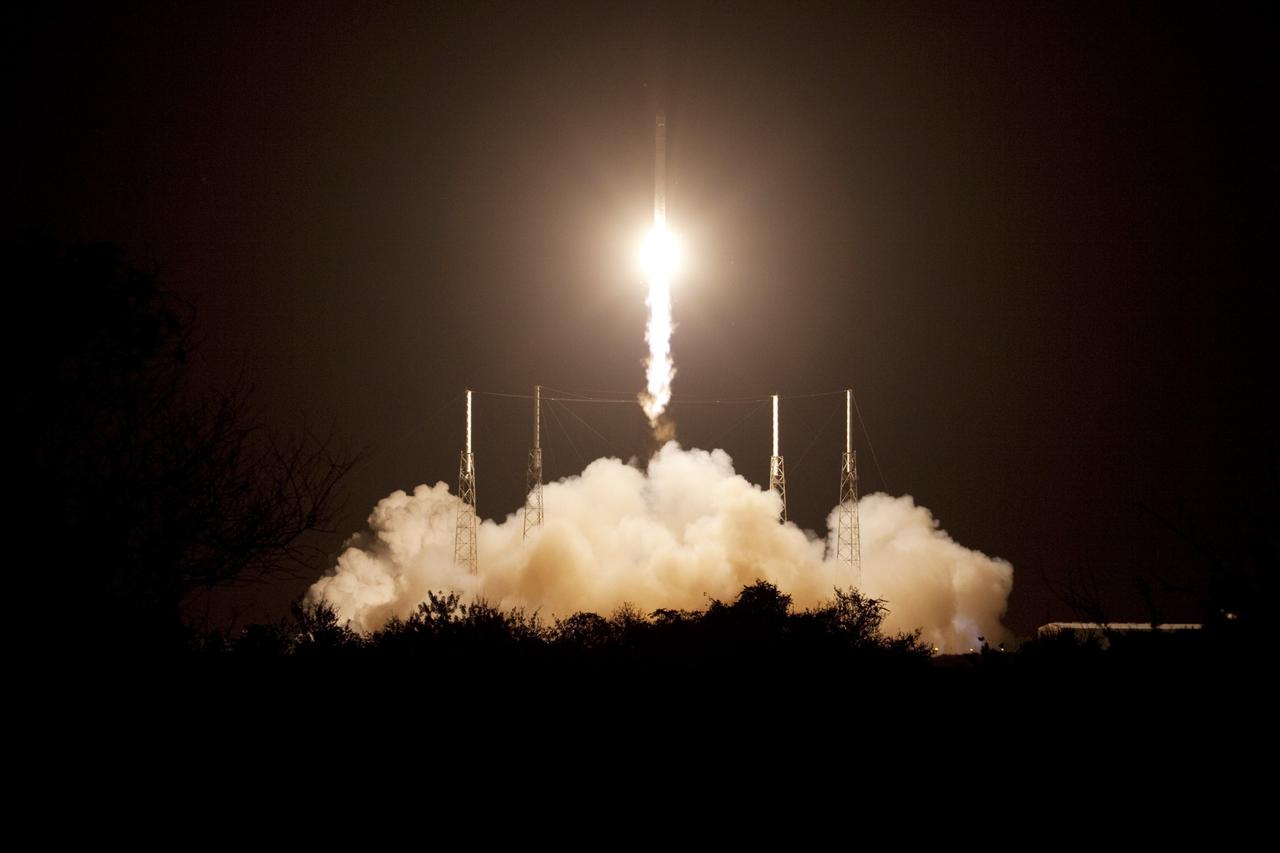
CAPE CANAVERAL, Fla. -- A Falcon 9 rocket makes its way into the clouds over Space Launch Complex 40 on Cape Canaveral Air Force Station in Florida carrying a Dragon capsule to orbit. Launch was at 8:35 p.m. EDT. Space Exploration Technologies Corp., or SpaceX, built both the rocket and capsule for NASA's first Commercial Resupply Services, or CRS-1, mission to the International Space Station. SpaceX CRS-1 is an important step toward making America’s microgravity research program self-sufficient by providing a way to deliver and return significant amounts of cargo, including science experiments, to and from the orbiting laboratory. NASA has contracted for 12 commercial resupply flights from SpaceX and eight from the Orbital Sciences Corp. For more information, visit http://www.nasa.gov/mission_pages/station/living/launch/index.html. Photo credit: NASA/Jim Grossmann
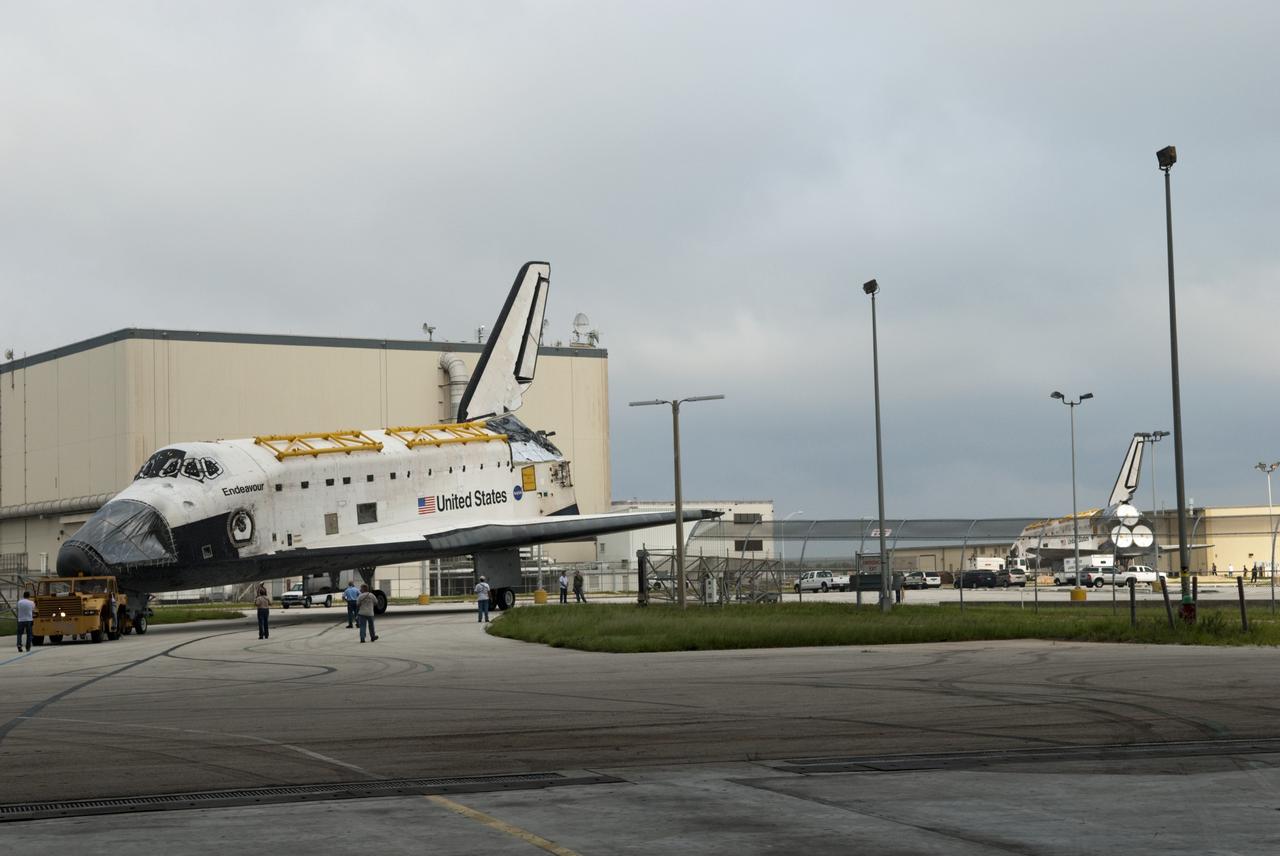
CAPE CANAVERAL, Fla. -- At NASA's Kennedy Space Center in Florida, space shuttle Endeavour continues on its way to the Vehicle Assembly Building (VAB), where it temporarily will be stored. Endeavour is swapping places with Discovery, at right, on its way to Orbiter Processing Facility-1 (OPF-1) where its decommissioning activities will resume. The shuttles stopped briefly outside OPF-3 for a unique "nose-to-nose" photo opportunity. In OPF-1, Discovery will undergo further preparations for public display at the Smithsonian's National Air and Space Museum Steven F. Udvar-Hazy Center in Virginia. Endeavour will be stored in the VAB until October when it will be moved into OPF-2 for further work to get it ready for public display at the California Science Center in Los Angeles. For more information, visit http://www.nasa.gov/shuttle. Photo credit: NASA/Jim Grossmann
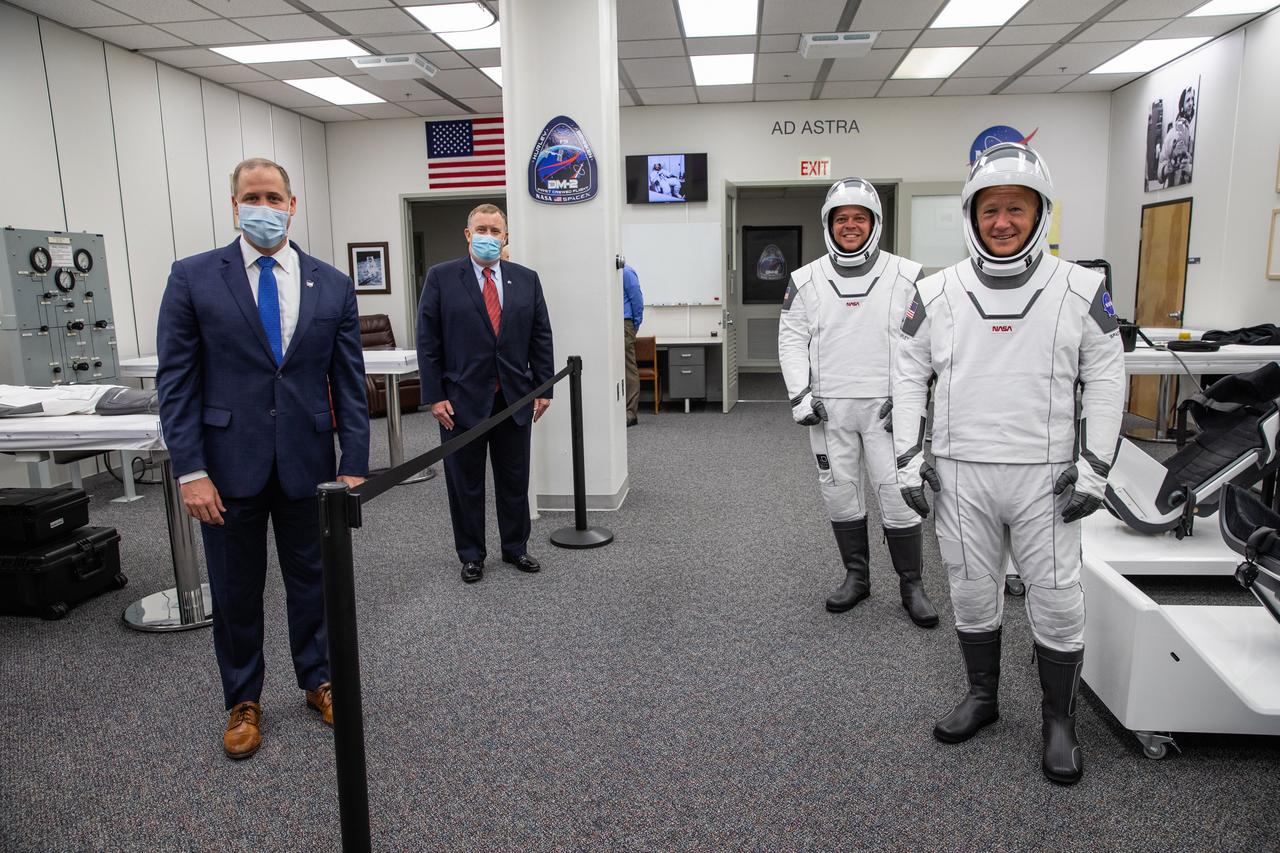
Behind the rope, NASA Administrator Jim Bridenstine (left) and Deputy Administrator Jim Morhard pause for a photo with NASA astronauts Robert Behnken (left) and Douglas Hurley inside the Astronaut Crew Quarters in the Neil A. Armstrong Operations and Checkout Building at NASA’s Kennedy Space Center in Florida on May 30, 2020, ahead of the agency’s SpaceX Demo-2 mission The SpaceX Falcon 9 rocket and Crew Dragon spacecraft lifted off at 3:22 p.m. EDT from historic Launch Complex 39A. Behnken and Hurley are the first astronauts to launch to the International Space Station from U.S. soil since the end of the Space Shuttle Program in 2011. Part of NASA’s Commercial Crew Program, this will be SpaceX’s final flight test, paving the way for the agency to certify the crew transportation system for regular, crewed flights to the orbiting laboratory.
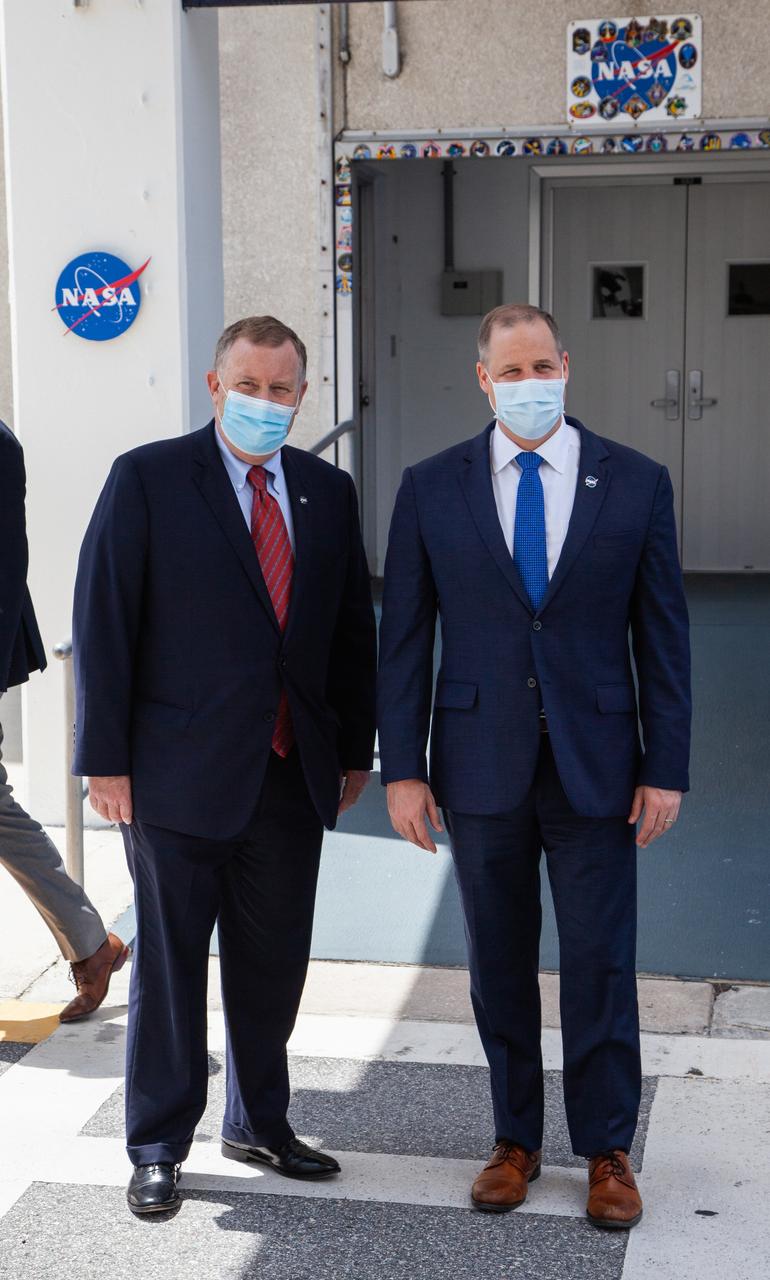
NASA Deputy Administrator Jim Morhard (left) and Administrator Jim Bridenstine pose for a photo outside of the Neil A. Armstrong Operations and Checkout Building at the agency’s Kennedy Space Center in Florida as they wait to greet NASA astronauts Robert Behnken and Douglas Hurley ahead of NASA’s SpaceX Demo-2 launch on May 30, 2020. The SpaceX Falcon 9 rocket and Crew Dragon spacecraft lifted off at 3:22 p.m. EDT from Kennedy’s historic Launch Complex 39A. Behnken and Hurley are the first astronauts to launch to the International Space Station from U.S. soil since the end of the Space Shuttle Program in 2011. Part of NASA’s Commercial Crew Program, this will be SpaceX’s final flight test, paving the way for the agency to certify the crew transportation system for regular, crewed flights to the orbiting laboratory.
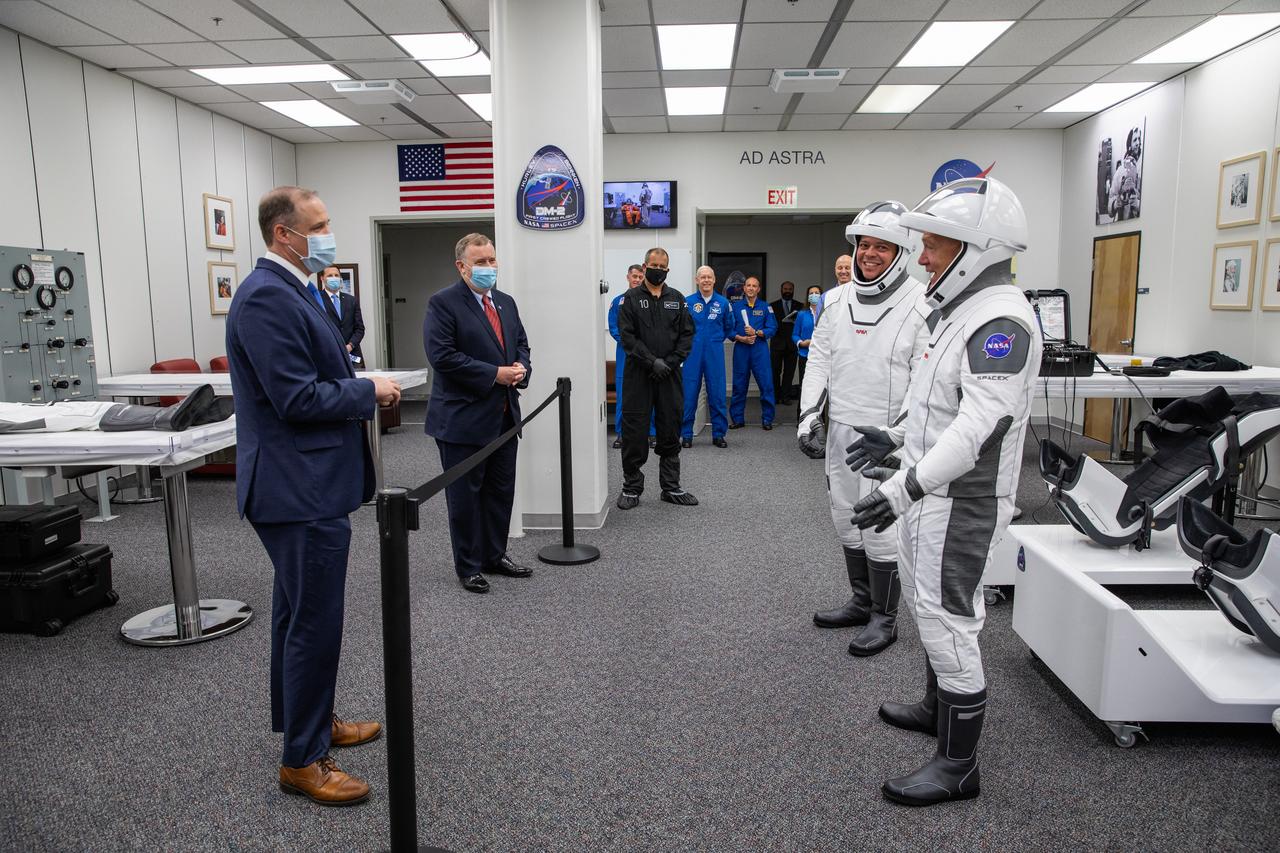
Behind the rope, NASA Administrator Jim Bridenstine (left) and Deputy Administrator Jim Morhard greet NASA astronauts Robert Behnken (left) and Douglas Hurley inside the Astronaut Crew Quarters in the Neil A. Armstrong Operations and Checkout Building at NASA’s Kennedy Space Center in Florida on May 30, 2020, ahead of the agency’s SpaceX Demo-2 mission. The SpaceX Falcon 9 rocket and Crew Dragon spacecraft lifted off at 3:22 p.m. EDT from historic Launch Complex 39A. Behnken and Hurley are the first astronauts to launch to the International Space Station from U.S. soil since the end of the Space Shuttle Program in 2011. Part of NASA’s Commercial Crew Program, this will be SpaceX’s final flight test, paving the way for the agency to certify the crew transportation system for regular, crewed flights to the orbiting laboratory.
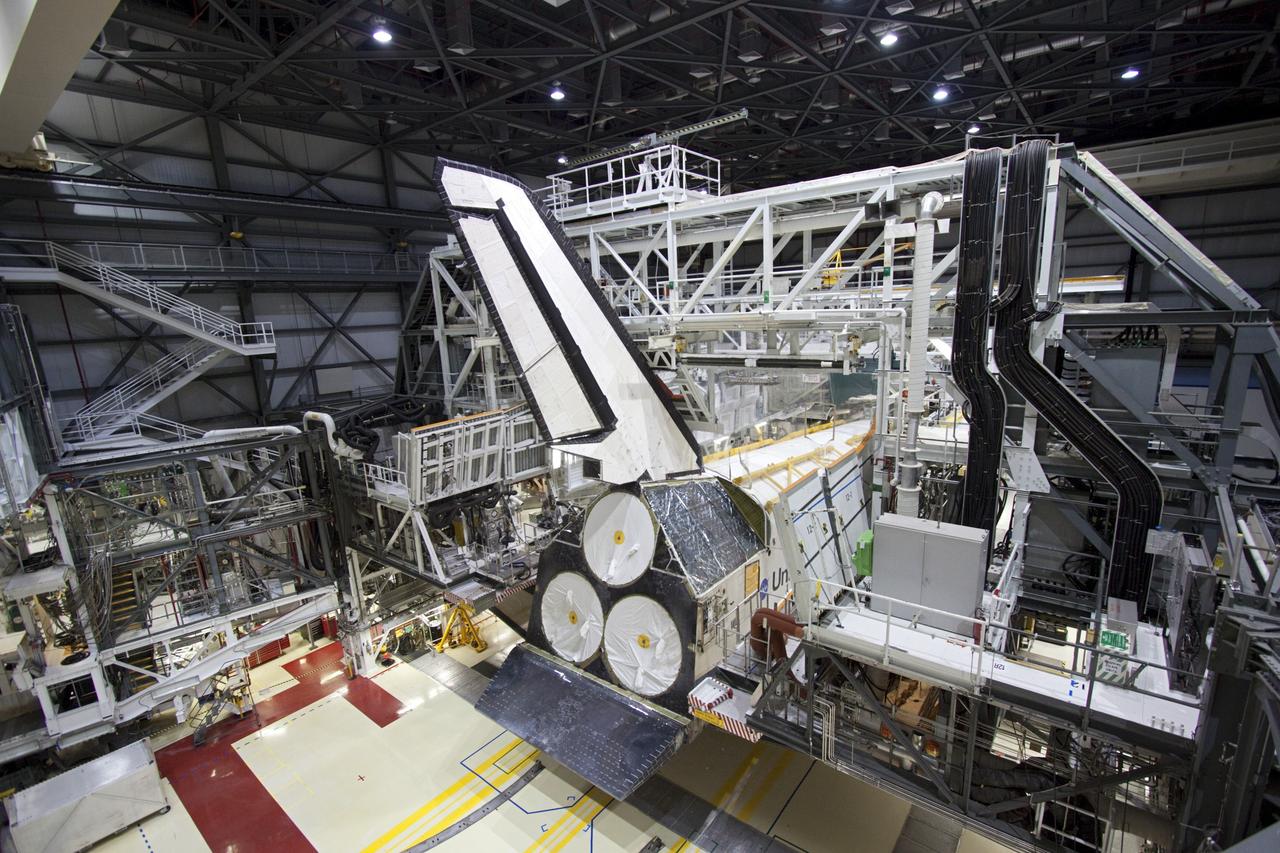
CAPE CANAVERAL, Fla. -- Preparations are under way to back space shuttle Atlantis out from under the work platforms in Orbiter Processing Facility-2 for its move to the Vehicle Assembly Building (VAB) at NASA's Kennedy Space Center in Florida. Atlantis will be stored temporarily in the VAB while transition and retirement processing resumes on shuttle Endeavour in the processing hangar. Endeavour is being prepared for public display at the California Science Center in Los Angeles. A groundbreaking was held Jan. 18 for Atlantis' future home -- a 65,000-square-foot exhibit in Shuttle Plaza at the Kennedy Space Center Visitor Complex. For additional information, visit http://www.nasa.gov/shuttle. Photo credit: NASA/Jim Grossmann
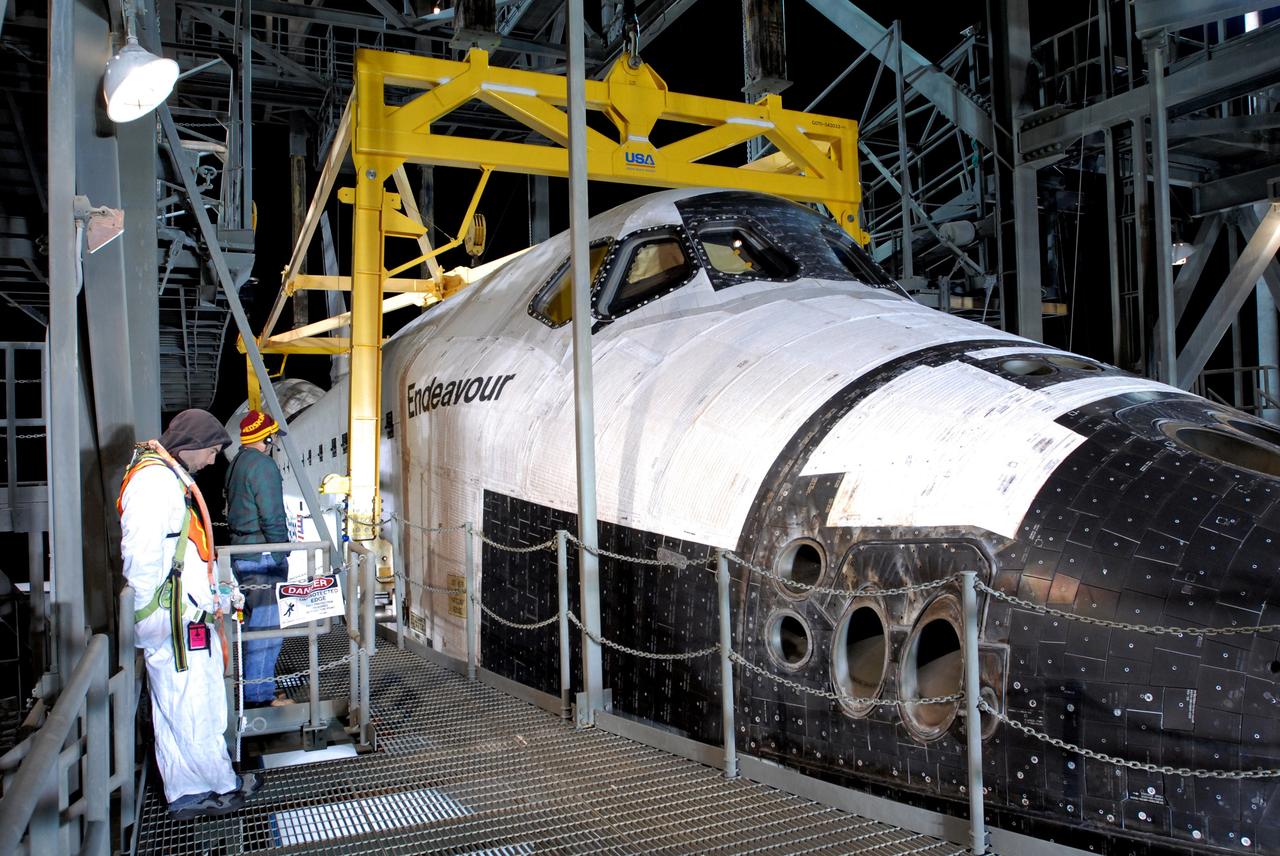
CAPE CANAVERAL, Fla. -- Before dawn, at the Shuttle Landing Facility, or SLF, at NASA's Kennedy Space Center in Florida, space shuttle Endeavour is ready to be lifted, via the sling attached, away from the shuttle carrier aircraft, or SCA, underneath. The SCA carried the shuttle piggyback from California, where Endeavour landed Nov. 30 to end the STS-126 mission. After Endeavour is on the ground, it will be towed via the two-mile tow-way from the SLF by a diesel-powered tractor to the Orbiter Processing Facility where it will begin preparations for its next mission, STS-127, targeted for May 2009. Photo credit: NASA/Jim Grossmann
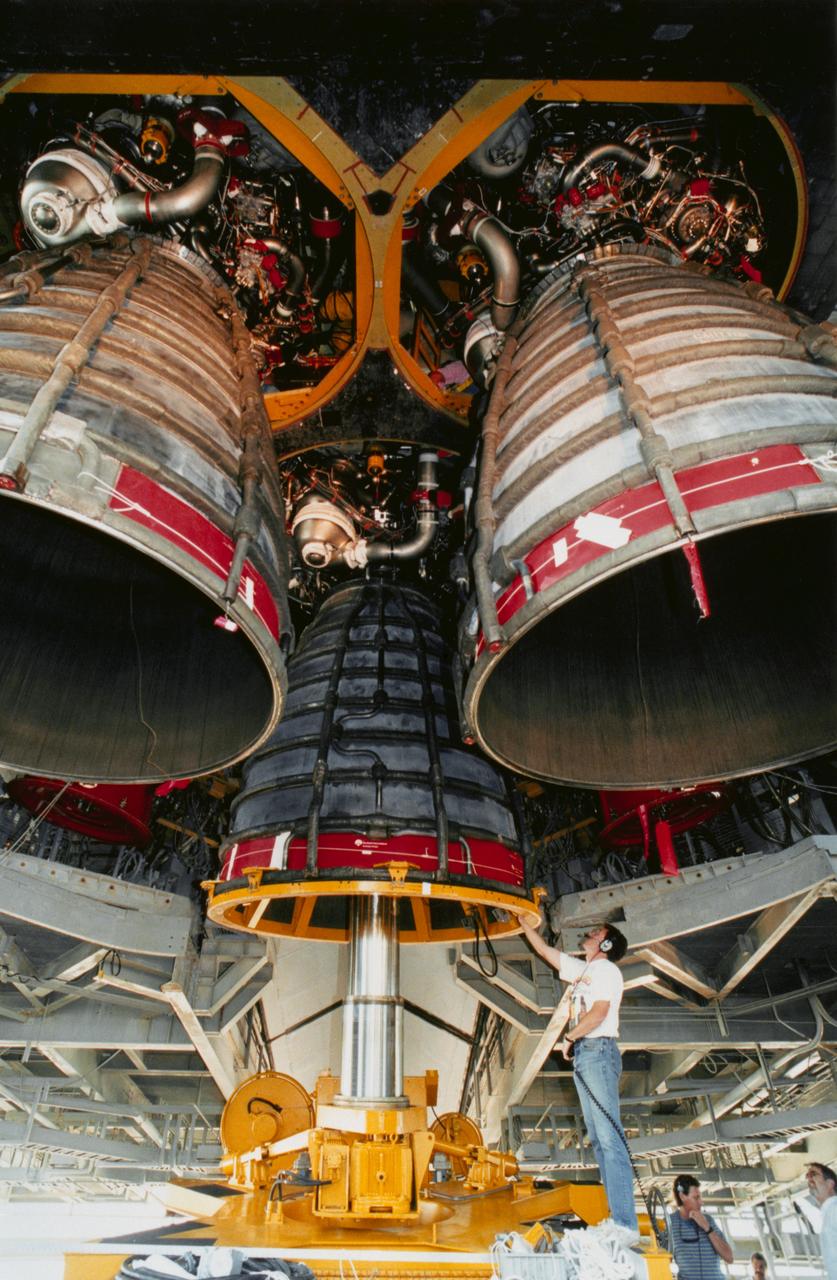
S93-43619 (18 Aug 1993) --- At Launch Pad 39B, work is under way to remove and replace the three main engines on the Space Shuttle Discovery. Here, Rocketdyne workers Jim Tibble (left), John Mooney and Ken Bair are assisting with the removal of the first engine, main engine no. 1, using the engine vertical installer. A failed sensor in main engine no. 2 led to the shutdown of all three engines three seconds before liftoff of mission STS-51 on August 12, 1993. Because it is difficult to perform the necessary inspections, refurbishment, and retesting of a fired engine on a vehicle at the pad, NASA opted to install a fresh set of engines on Discovery.
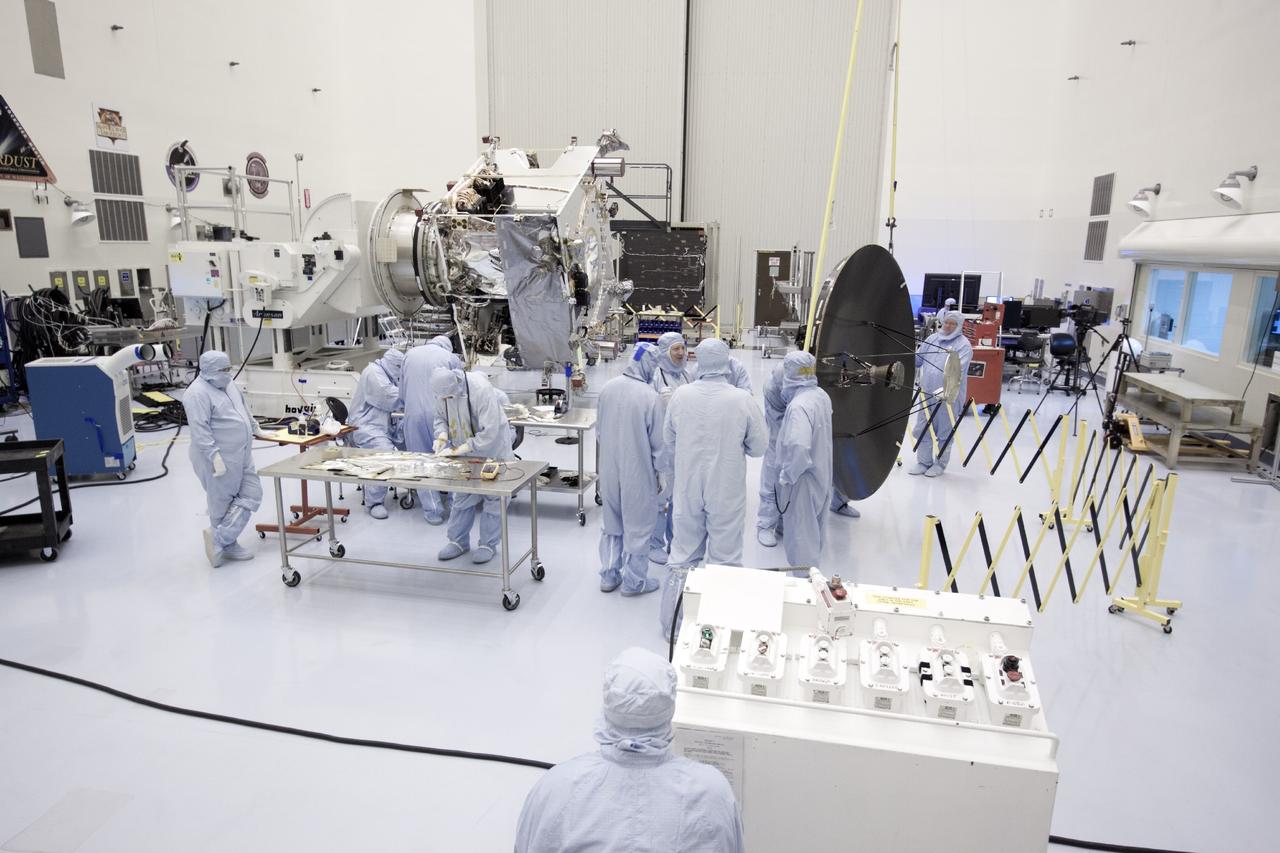
CAPE CANAVERAL, Fla. – Inside the Payload Hazardous Servicing Facility at NASA's Kennedy Space Center in Florida, preparations are under way to install the parabolic high gain antenna, right, onto the Mars Atmosphere and Volatile Evolution, or MAVEN spacecraft. The antenna will communicate vast amounts of data to Earth during the mission. MAVEN is being prepared inside the facility for its scheduled November launch aboard a United Launch Alliance Atlas V rocket to Mars. Positioned in an orbit above the Red Planet, MAVEN will study the upper atmosphere of Mars in unprecedented detail. Photo credit: NASA/Jim Grossmann
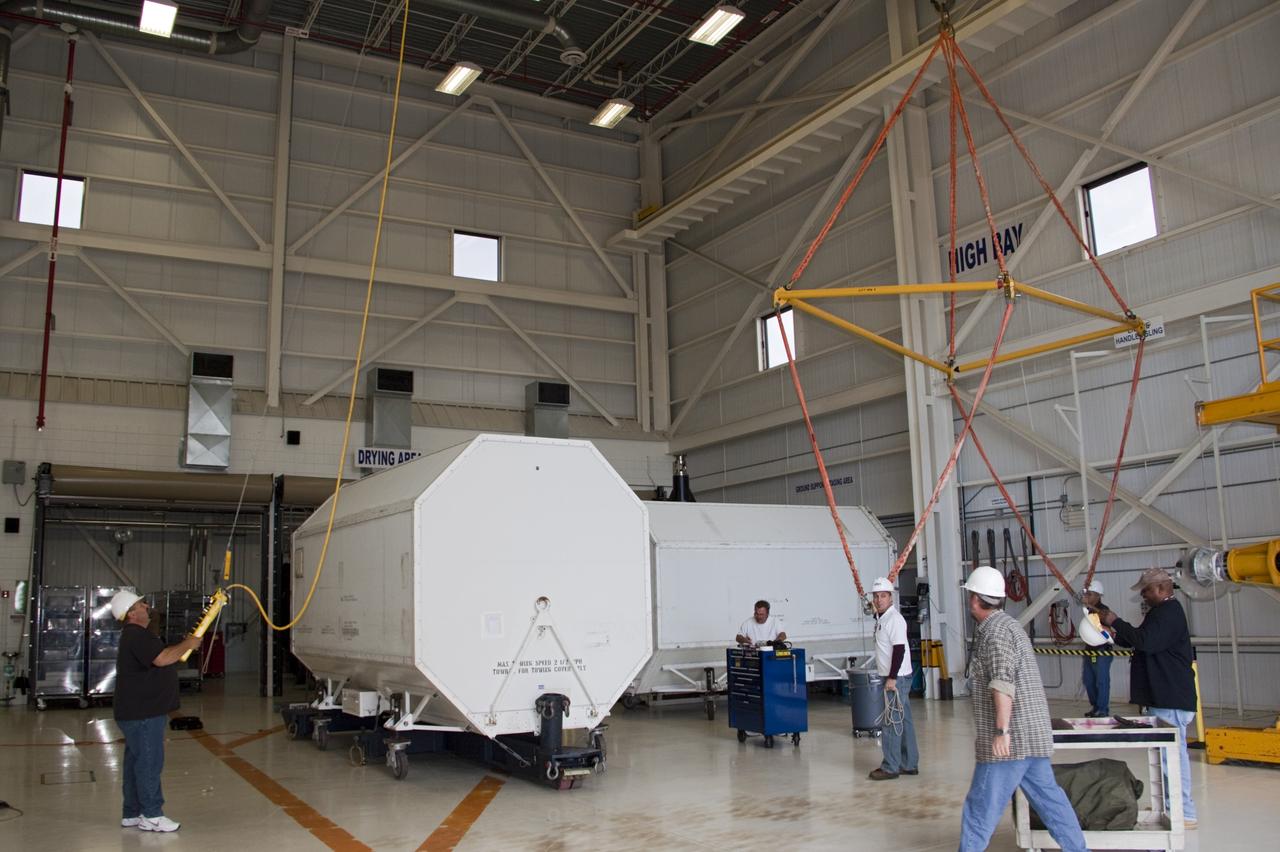
CAPE CANAVERAL, Fla. – In the Space Shuttle Main Engine Processing Facility at NASA’s Kennedy Space Center in Florida, preparations are under way to lift a transportation canister containing a Pratt & Whitney Rocketdyne space shuttle main engine (SSME) onto a flatbed trailer. This is the second of the 15 engines used during the Space Shuttle Program to be transported to NASA's Stennis Space Center in Mississippi. The engines will be stored at Stennis for future use on NASA's new heavy-lift rocket, the Space Launch System (SLS), which will carry NASA's new Orion spacecraft, cargo, equipment and science experiments to space. For more information, visit http://www.nasa.gov/shuttle. Photo credit: NASA/Jim Grossmann
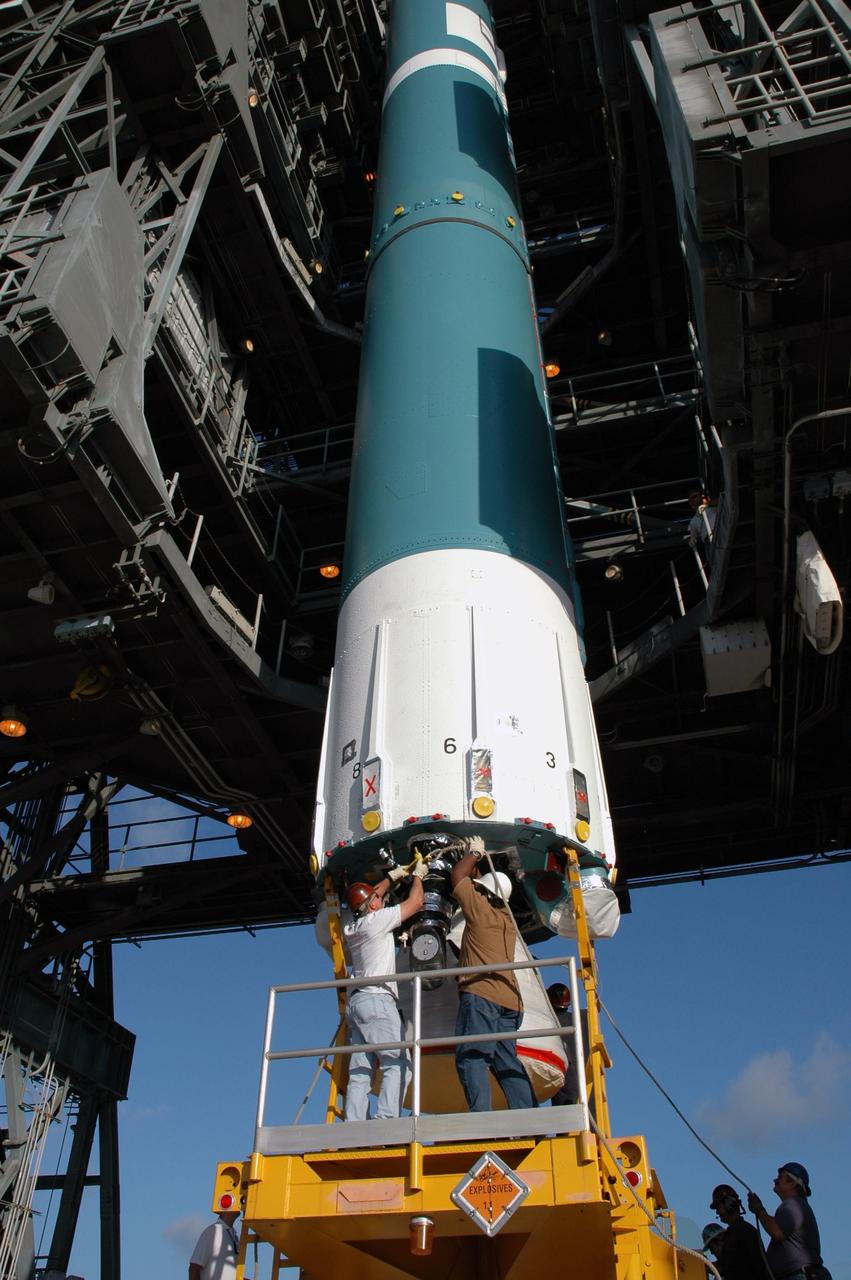
KENNEDY SPACE CENTER, FLA. - Workers prepare the first stage of the Boeing Delta II rocket, slated to launch NASA's Solar Terrestrial Relations Observatory (STEREO), for installation into the mobile service tower at Pad 17B on Cape Canaveral Air Force Station. Preparations are under way for a liftoff no earlier than July 22. STEREO consists of two spacecraft whose mission is the first to take measurements of the sun and solar wind in 3-D. This new view will improve our understanding of space weather and its impact on the Earth. Photo credit: NASA/Jim Grossmann
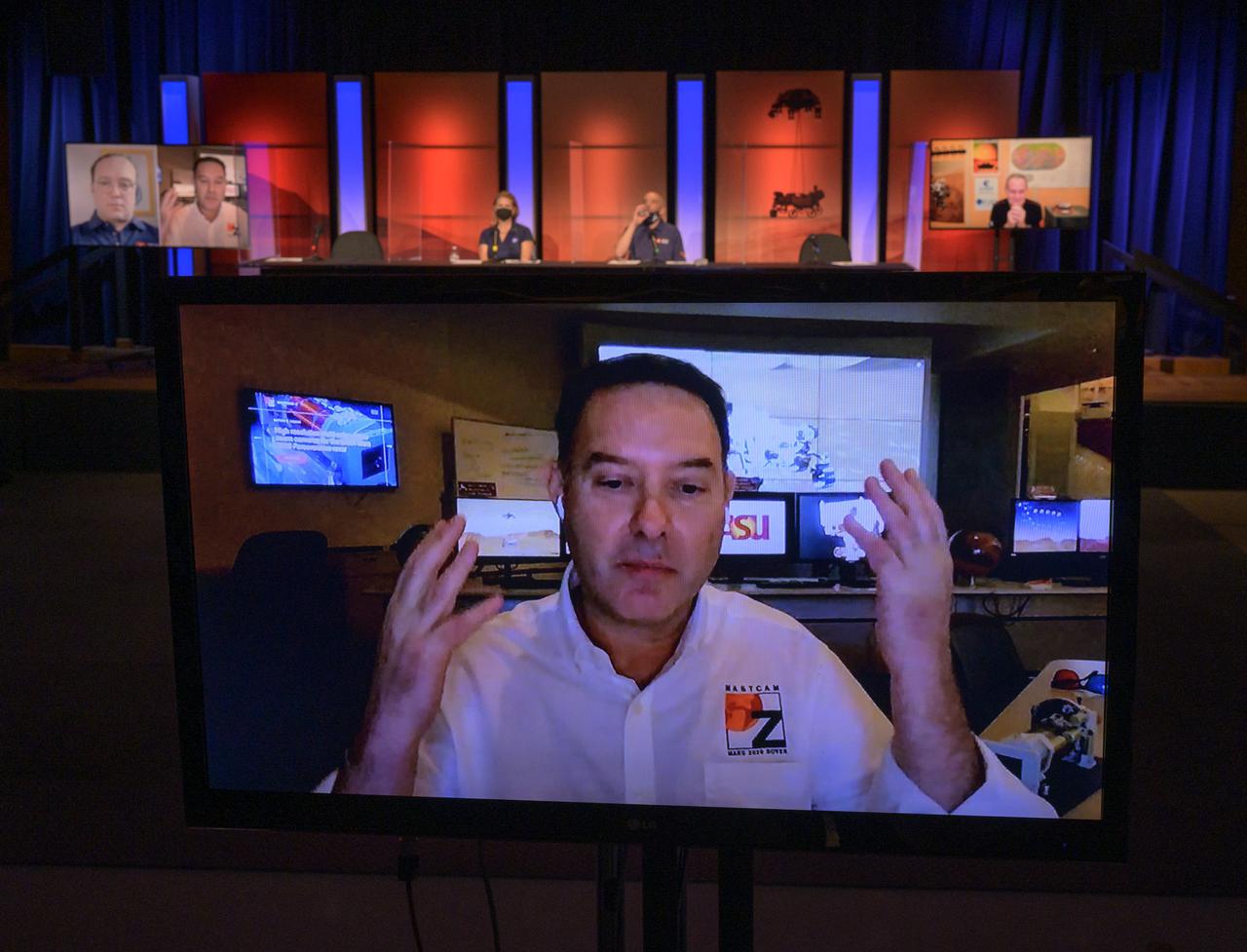
Principal investigator, Mastcam-Z instrument, Arizona State University, Tempe, Jim Bell, gives remarks via remote during a NASA Perseverance rover mission science overview, Tuesday, Feb. 16, 2021, at NASA's Jet Propulsion Laboratory in Pasadena, California. The Perseverance Mars rover is due to land on Mars Thursday, Feb. 18, 2021. A key objective for Perseverance’s mission on Mars is astrobiology, including the search for signs of ancient microbial life. The rover will characterize the planet’s geology and past climate, pave the way for human exploration of the Red Planet, and be the first mission to collect and cache Martian rock and regolith. Photo Credit: (NASA/Bill Ingalls)
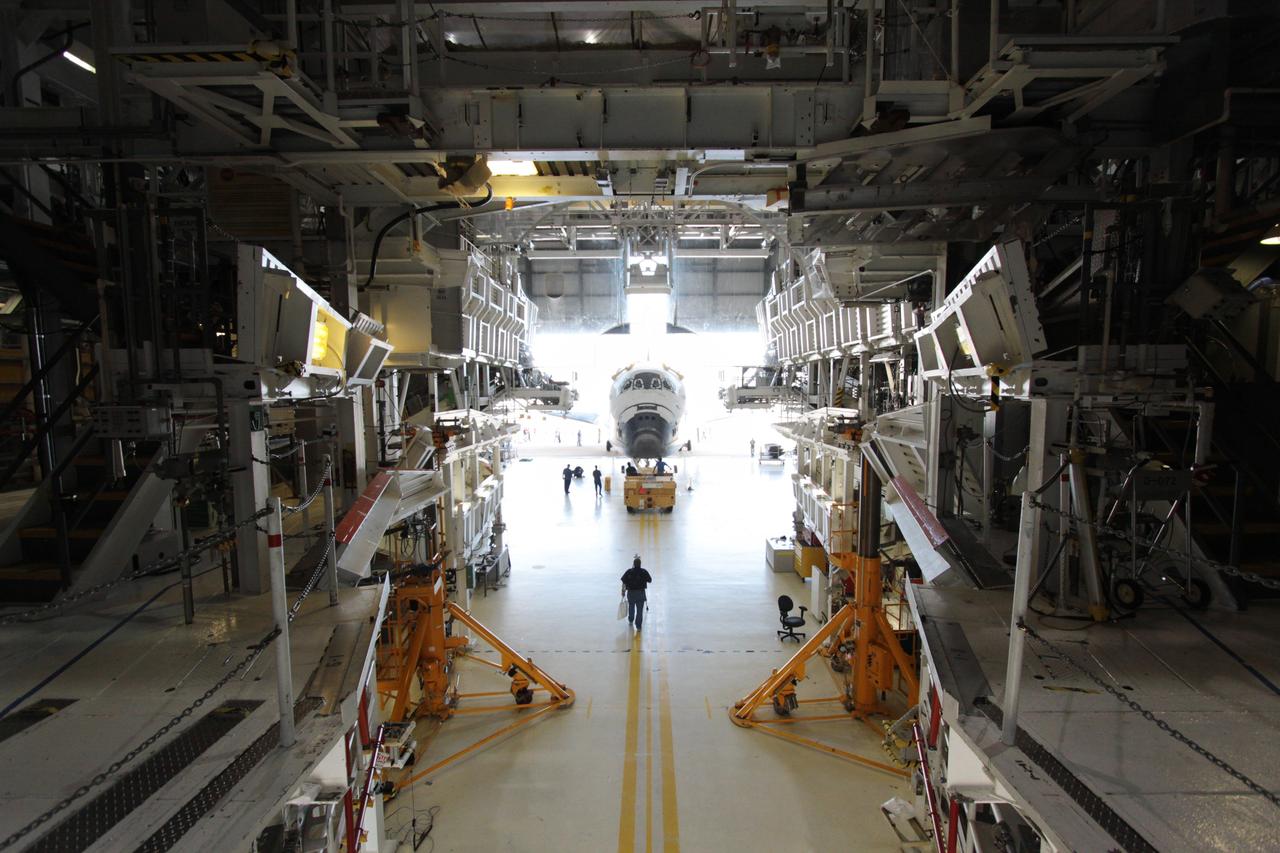
CAPE CANAVERAL, Fla. - At NASA's Kennedy Space Center in Florida, space shuttle Atlantis is awash in sunlight as it rolls out of Orbiter Processing Facility-1 on its way to High Bay 4 of the nearby Vehicle Assembly Building. The work is part of the Space Shuttle Program's transition and retirement processing of the space shuttle fleet. A groundbreaking was held Jan. 18 for Atlantis' future home, a 65,000-square-foot exhibit hall in Shuttle Plaza at the Kennedy Space Center Visitor Complex. Atlantis is scheduled to roll over to the visitor complex in November in preparation for the exhibit's grand opening in July 2013. Photo credit: NASA/Jim Grossmann
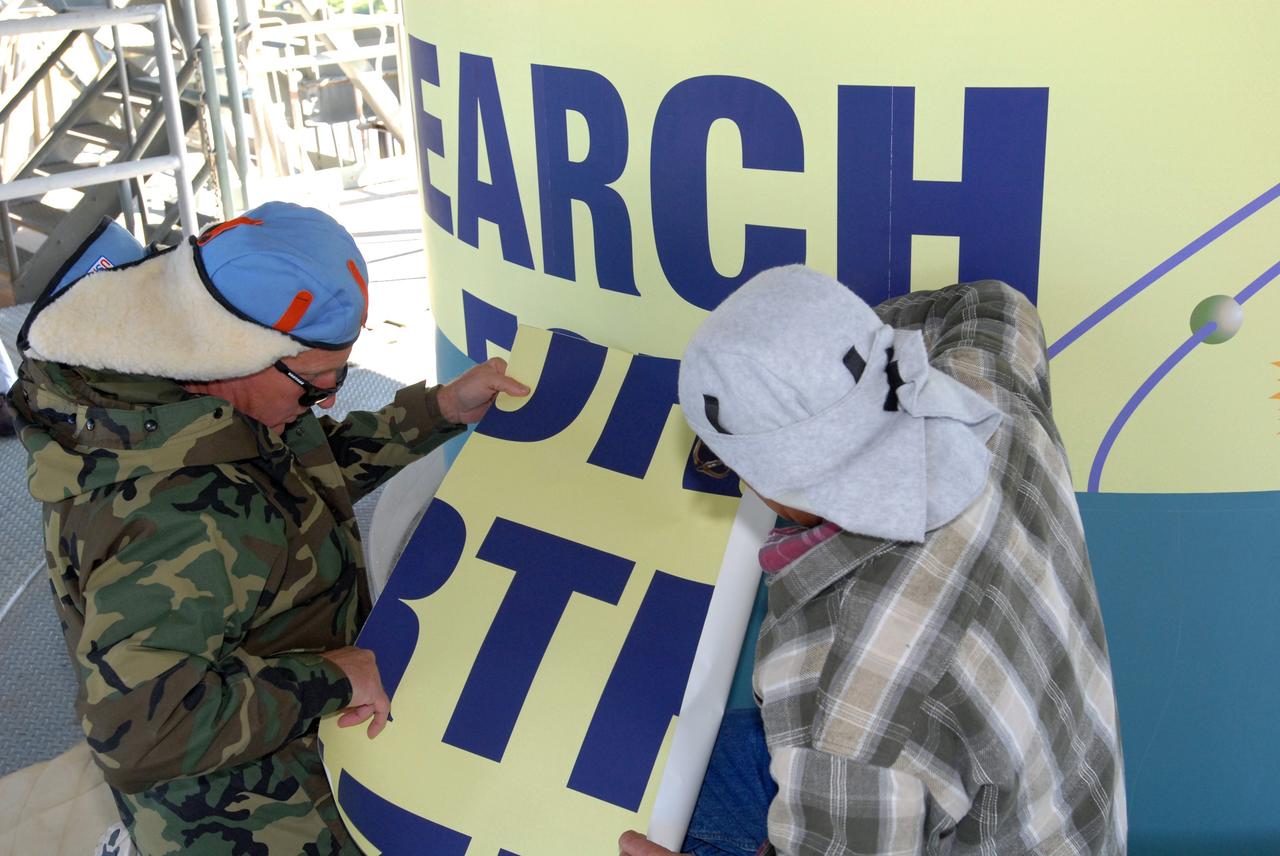
CAPE CANAVERAL, Fla. – Workers at Launch Complex 17-B on Cape Canaveral Air Force Station in Florida place sections of the large patch that describes the Kepler spacecraft mission to be launched by the Delta 2 rocket. The Kepler mission is specifically designed to survey our region of the Milky Way galaxy to discover hundreds of Earth-size and smaller planets in or near the habitable zone and determine how many of the billions of stars in our galaxy have such planets. Results from this mission will allow us to place our solar system within the continuum of planetary systems in the Galaxy. Photo credit: NASA/Jim Grossmann
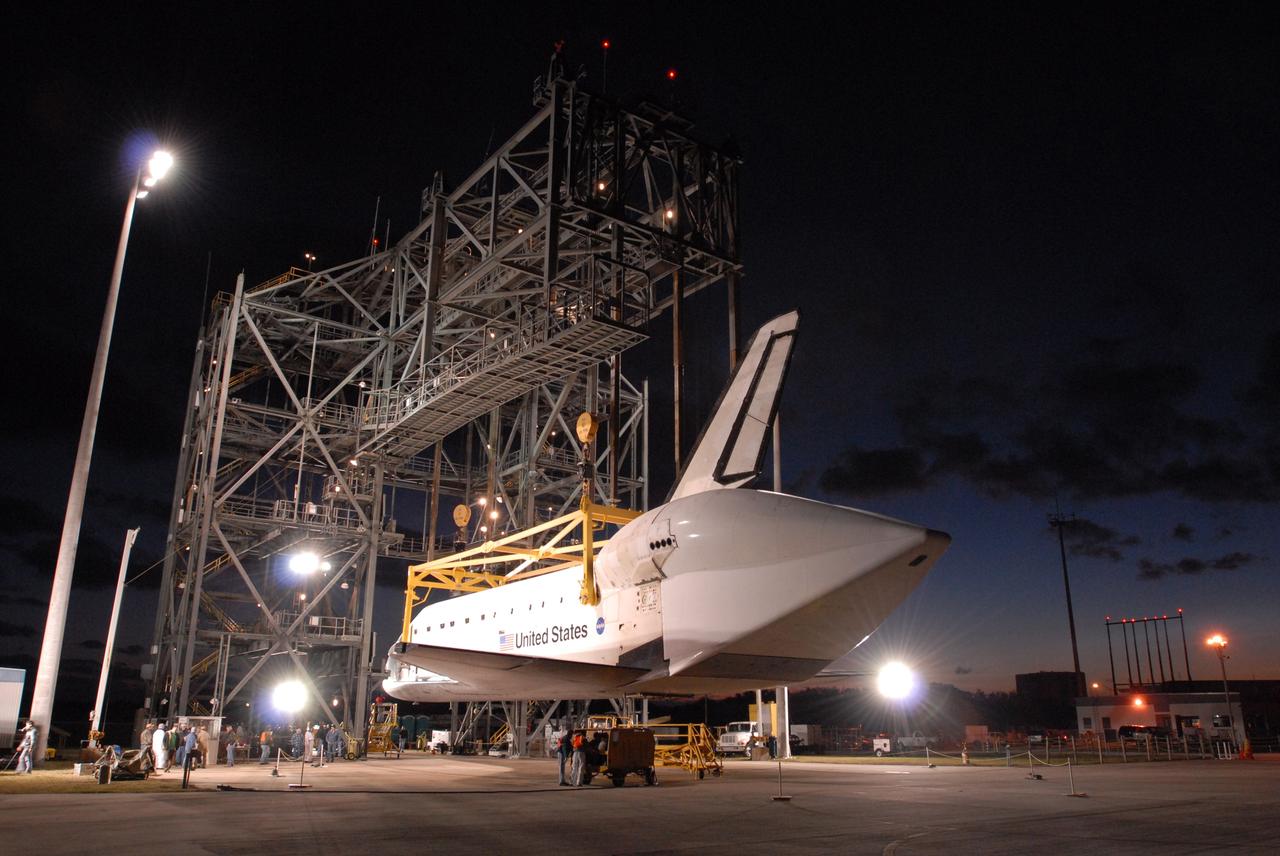
CAPE CANAVERAL, Fla. -- Before dawn, at the Shuttle Landing Facility, or SLF, at NASA's Kennedy Space Center in Florida, space shuttle Endeavour is lowered toward the ground by the sling in the mate/demate device. Visible on Endeavour is the tail cone that covers and protects the main engines during the ferry flight. After Endeavour is on the ground, it will be towed via the two-mile tow-way from the SLF by a diesel-powered tractor to the Orbiter Processing Facility where it will begin preparations for its next mission, STS-127, targeted for May 2009. Photo credit: NASA/Jim Grossmann
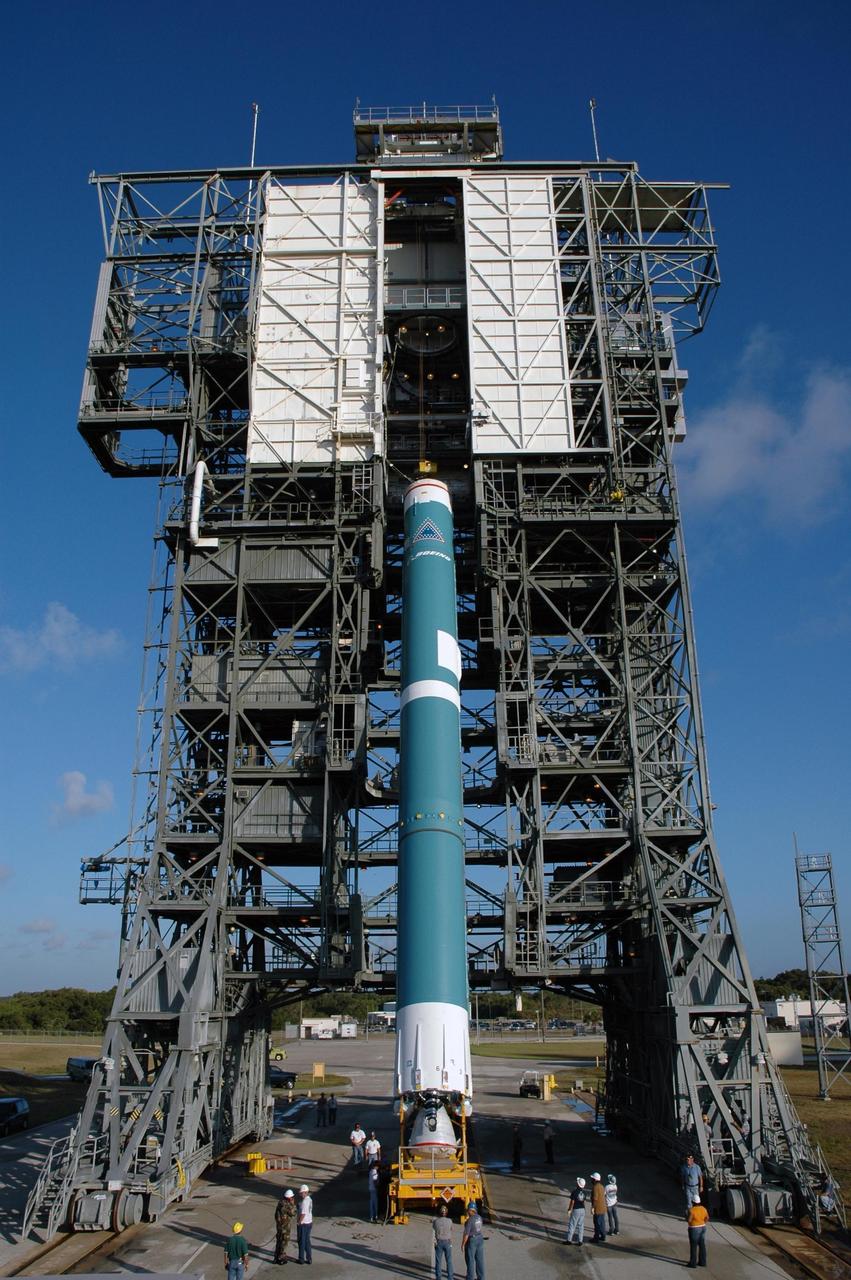
KENNEDY SPACE CENTER, FLA. - The first stage of the Boeing Delta II rocket, slated to launch NASA's Solar Terrestrial Relations Observatory (STEREO), is lifted into a vertical position for installation into the mobile service tower at Pad 17B on Cape Canaveral Air Force Station. Preparations are under way for a liftoff no earlier than July 22. STEREO consists of two spacecraft whose mission is the first to take measurements of the sun and solar wind in 3-D. This new view will improve our understanding of space weather and its impact on the Earth. Photo credit: NASA/Jim Grossmann
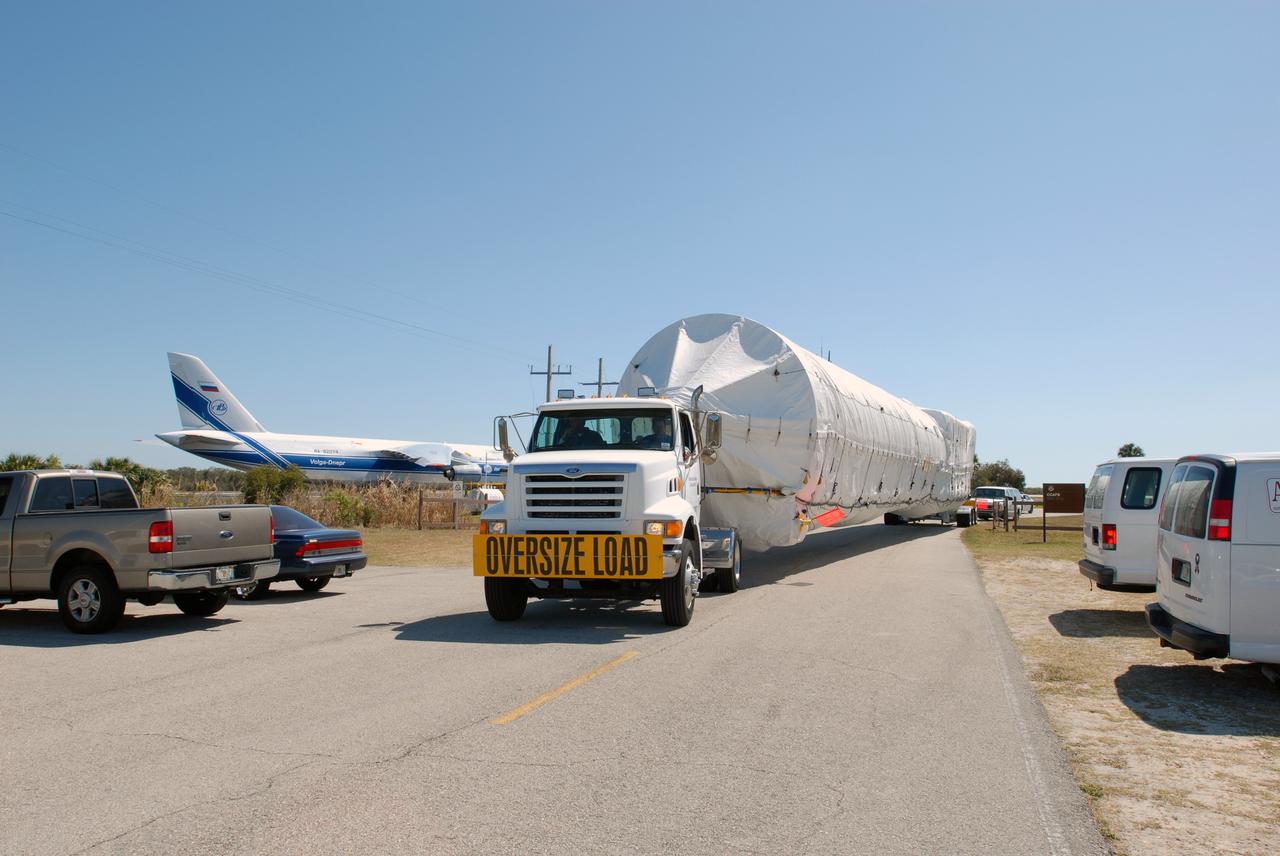
CAPE CANAVERAL, Fla. – A truck moves the shrouded Atlas V first stage booster from Cape Canaveral Air Force Station's skid strip in Florida on its way to the Atlas Space Operations Center on CCAFS. The booster arrived at CCAFS aboard a Russian AH-124-100 aircraft. The Atlas V is the launch vehicle for NASA's Lunar Reconnaissance Orbiter, or LRO, and NASA's Lunar CRater Observation and Sensing Satellite, known as LCROSS. Launch is scheduled no earlier than May 20. LCROSS and LRO are the first missions in NASA's plan to return humans to the moon and begin establishing a lunar outpost by 2020. Photo credit: NASA/Jim Grossmann
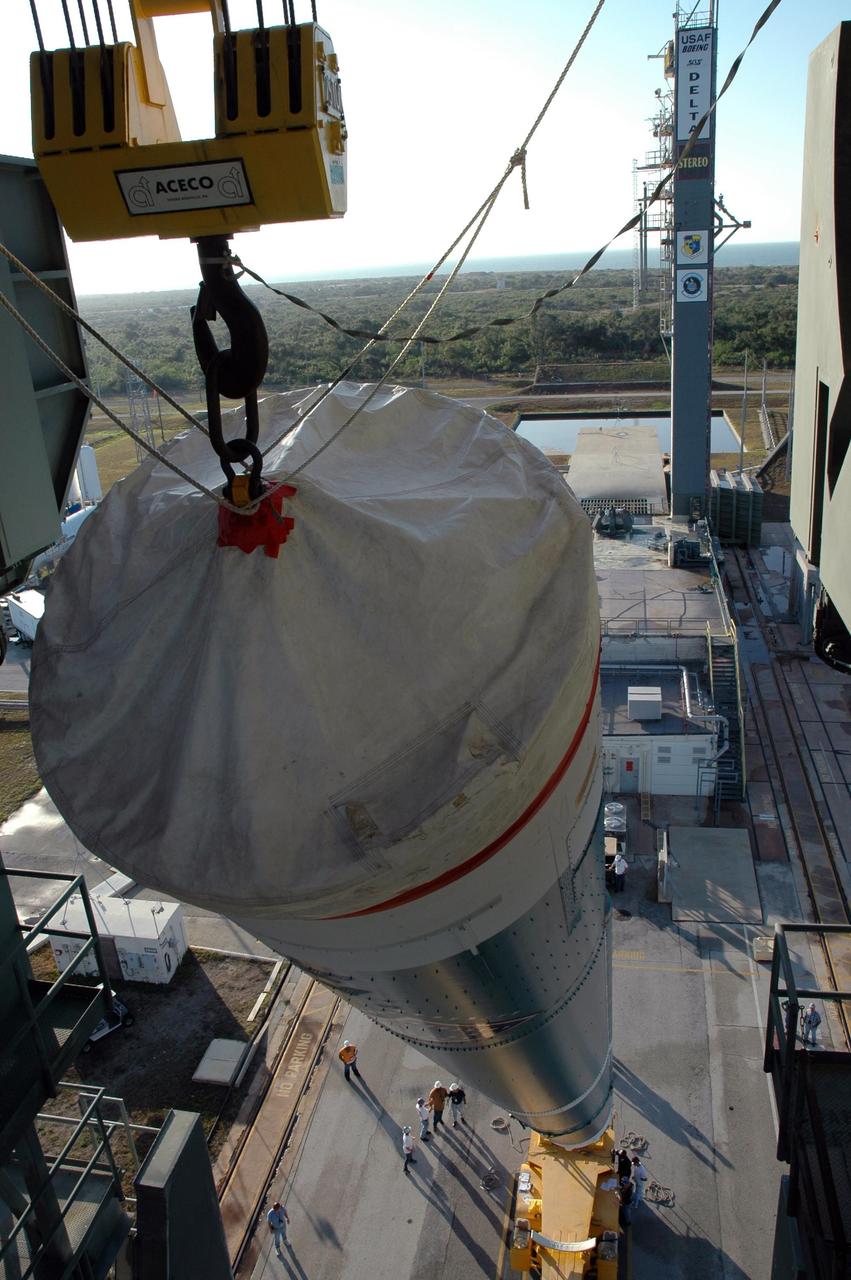
KENNEDY SPACE CENTER, FLA. - The first stage of the Boeing Delta II rocket, slated to launch NASA's Solar Terrestrial Relations Observatory (STEREO), is lifted into a vertical position for installation into the mobile service tower at Pad 17B on Cape Canaveral Air Force Station. Preparations are under way for a liftoff no earlier than July 22. STEREO consists of two spacecraft whose mission is the first to take measurements of the sun and solar wind in 3-D. This new view will improve our understanding of space weather and its impact on the Earth. Photo credit: NASA/Jim Grossmann
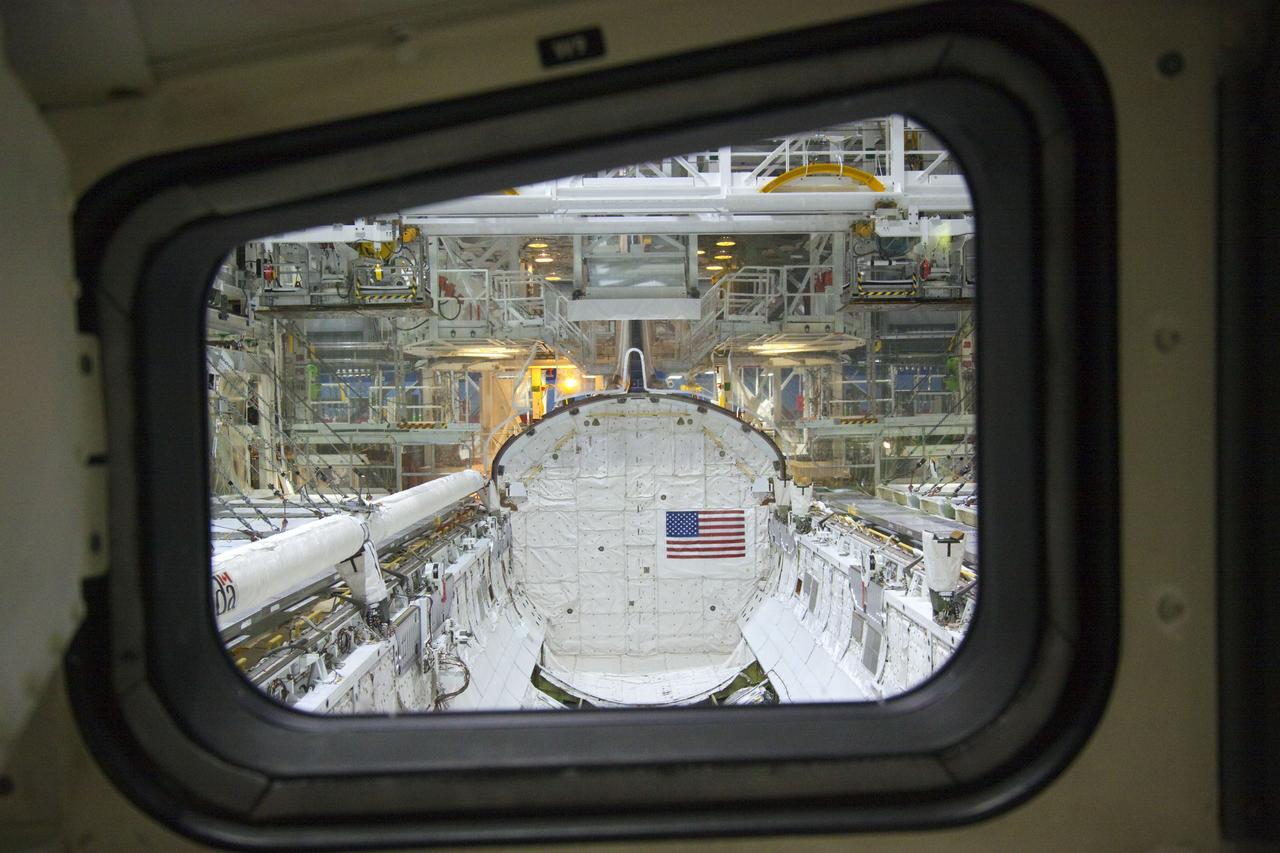
CAPE CANAVERAL, Fla. – In Orbiter Processing Facility-2 at NASA's Kennedy Space Center in Florida, a view of space shuttle Atlantis' payload bay is captured through the window of the flight deck. In the payload bay, at left, is the robotic arm of the shuttle's remote manipulator system (RMS). Preparations are under way for the shuttle's final power down during Space Shuttle Program transition and retirement activities. Atlantis is being prepared for public display in 2013 at the Kennedy Space Center Visitor Complex. For more information, visit http://www.nasa.gov/shuttle. Photo credit: NASA/Jim Grossmann
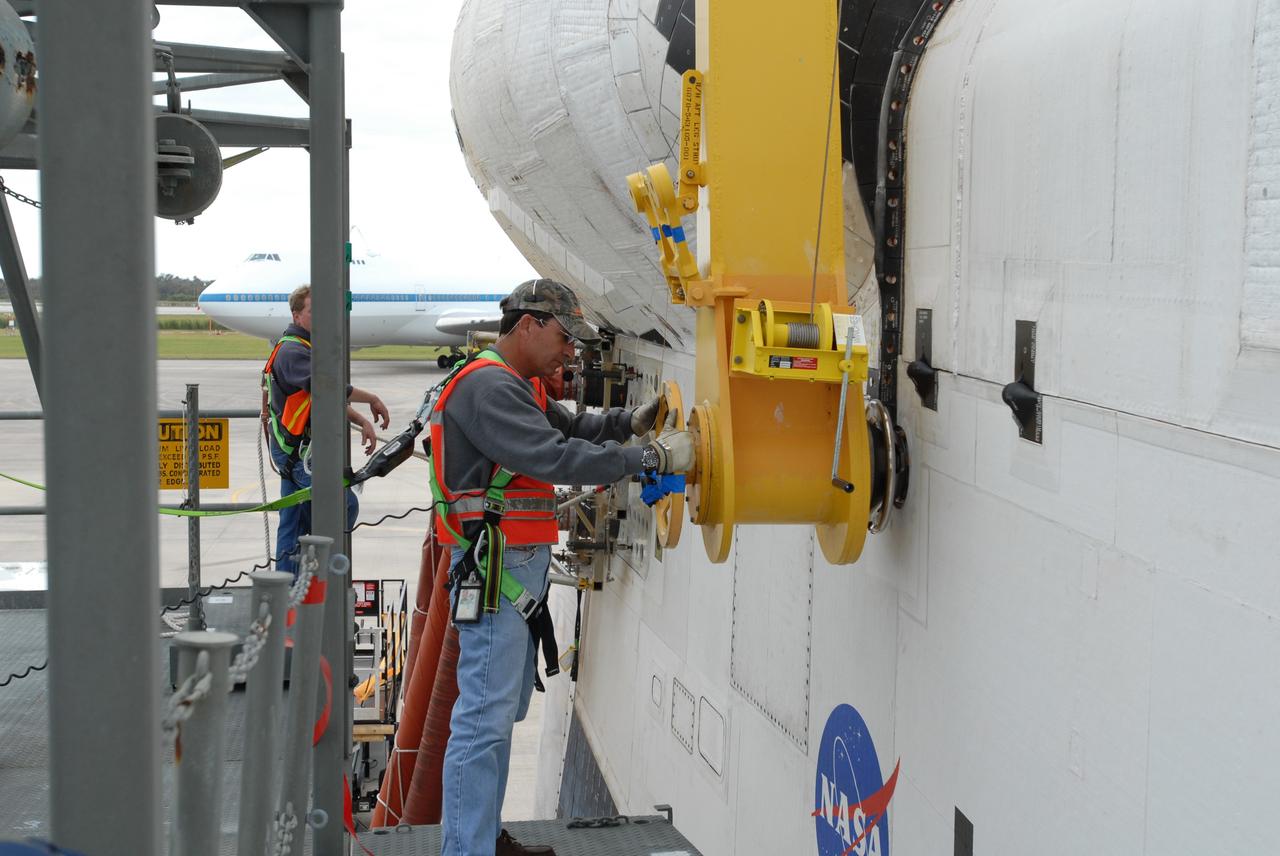
CAPE CANAVERAL, Fla. -- At the Shuttle Landing Facility, or SLF, at NASA's Kennedy Space Center in Florida, workers begin removing the sling from around space shuttle Endeavour. Part of the mate/demate device, the sling enabled Endeavour to be lifted away from shuttle carrier aircraft, or SCA, and lowered to the ground. The SCA carried the shuttle piggyback from California, where Endeavour landed Nov. 30 to end the STS-126 mission. Endeavour will be towed via the two-mile tow-way from the SLF by a diesel-powered tractor to the Orbiter Processing Facility where it will begin preparations for its next mission, STS-127, targeted for May 2009. Photo credit: NASA/Jim Grossmann
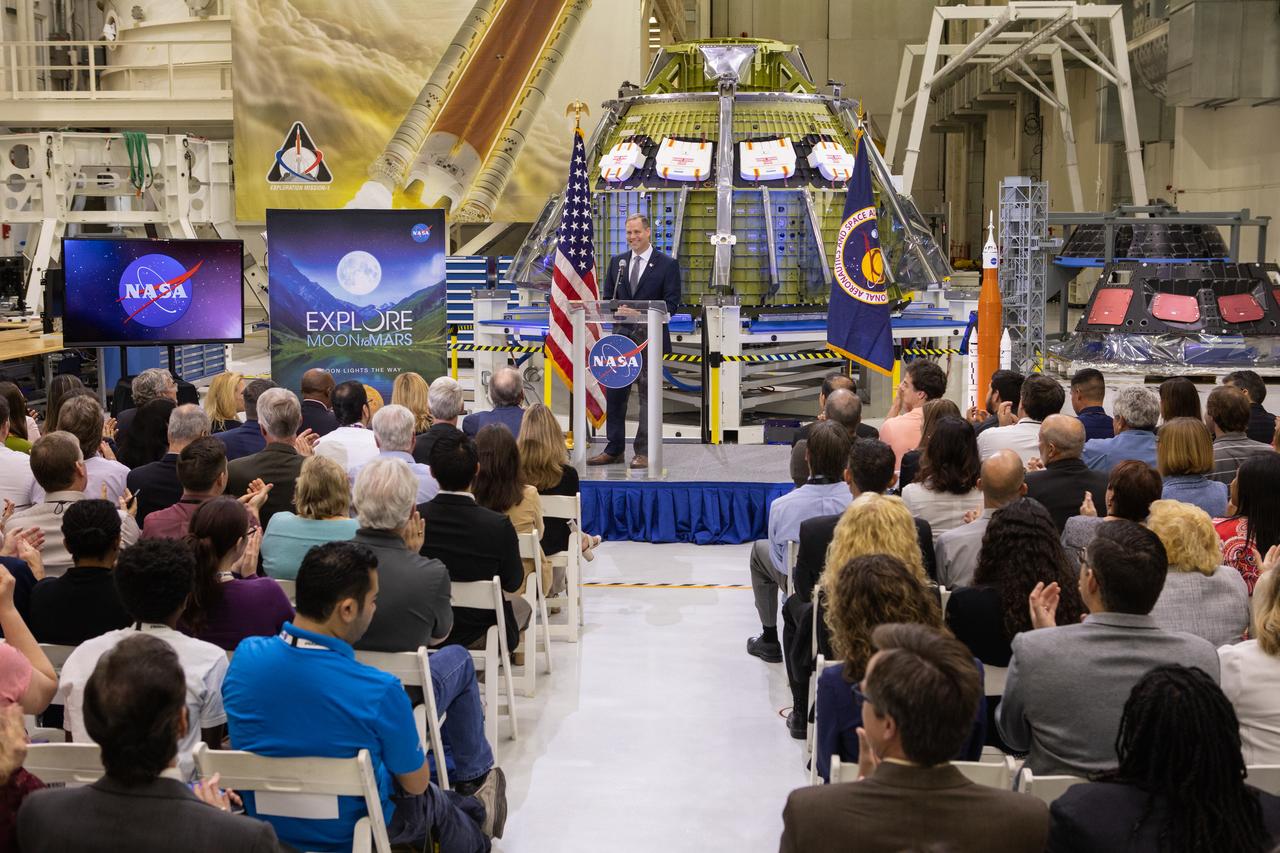
NASA Administrator Jim Bridenstine speaks to NASA workers across the nation and members of the news media, during a Moon to Mars event in the Neil Armstrong Operations and Checkout Building high bay on March 11, 2019. Behind him is the Orion crew module for Exploration Mission-2. The event followed the delivery of President Trump’s fiscal year 2020 budget proposal to U.S. Congress, which includes funding for the agency’s Moon to Mars initiative and Gateway lunar outpost. Bridenstine presented a closer look at America’s work to return astronauts to the Moon in a sustainable way and continue exploration to Mars.
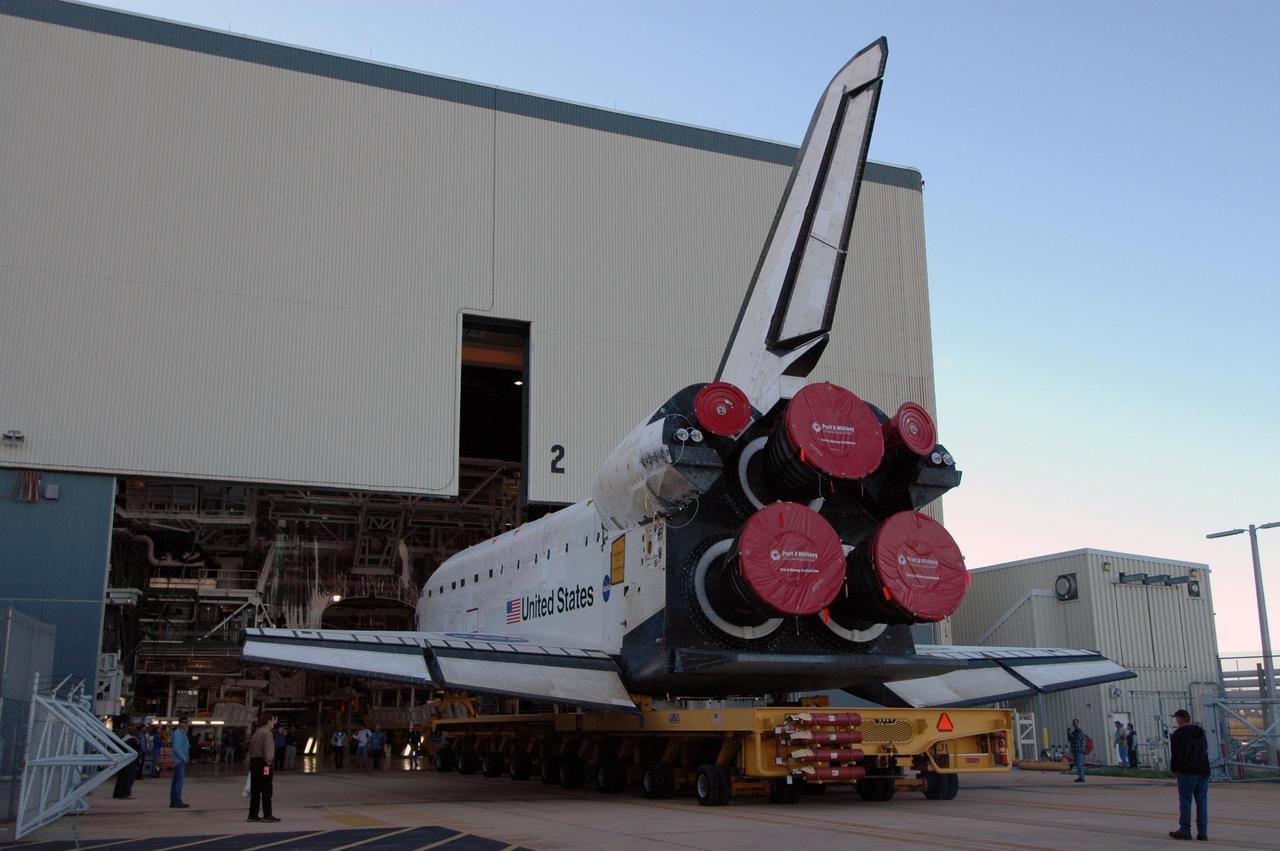
KENNEDY SPACE CENTER, FLA. -- On its transporter, space shuttle Endeavour rolls out of the Orbiter Processing Facility on its way to the Vehicle Assembly Building. In high bay 1 of the VAB, Endeavour will be attached to its external fuel tank and solid rocket boosters in preparation for its upcoming mission, STS-123, to the International Space Station targeted for March 11. The mission will deliver the first section of the Japan Aerospace Exploration Agency's Kibo laboratory and the Canadian Space Agency's two-armed robotic system, Dextre. Photo credit: NASA/Jim Grossmann
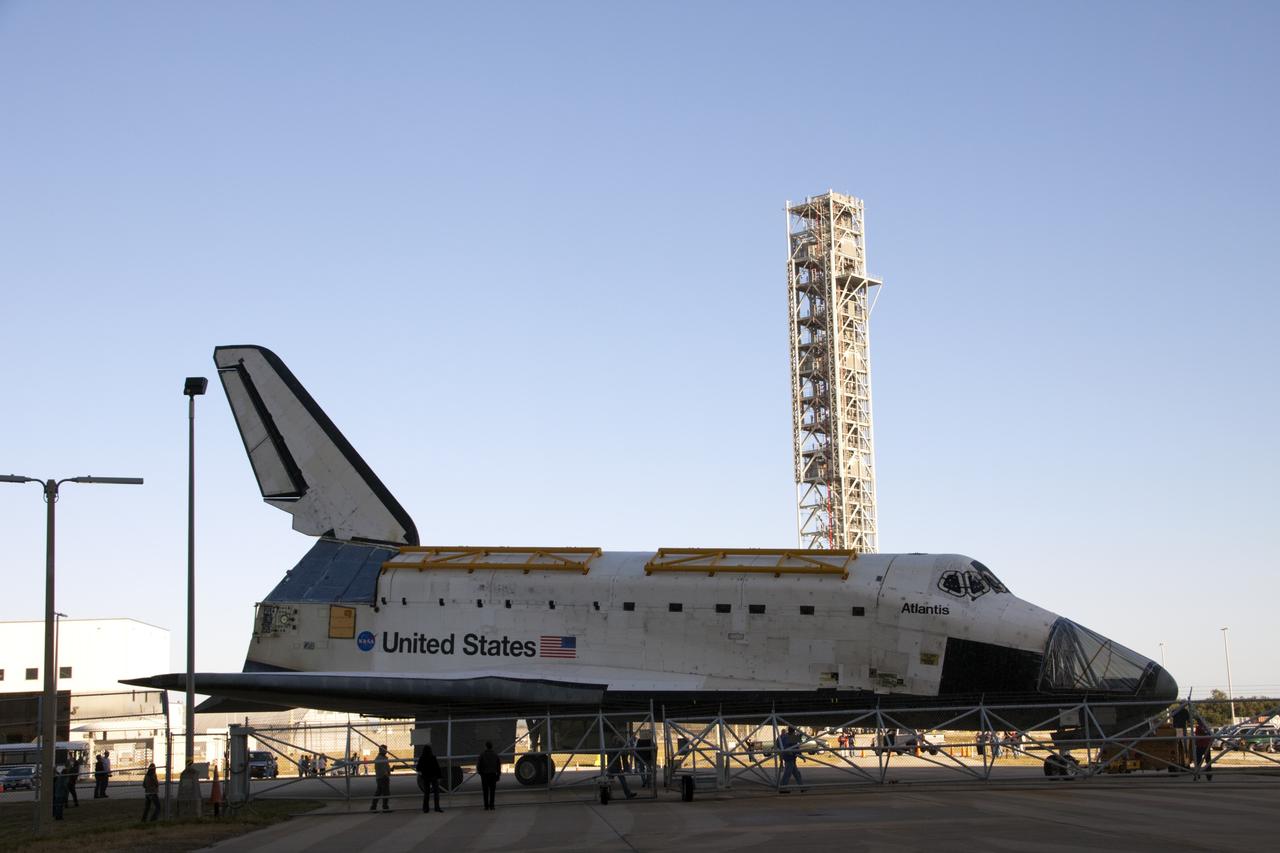
CAPE CANAVERAL, Fla. -- Space shuttle Atlantis rolls past NASA's new mobile launcher on its way from Orbiter Processing Facility-2 to the Vehicle Assembly Building (VAB) at NASA's Kennedy Space Center in Florida. Atlantis will be stored temporarily in the VAB while transition and retirement processing resumes on shuttle Endeavour in the processing hangar. Endeavour is being prepared for public display at the California Science Center in Los Angeles. A groundbreaking was held Jan. 18 for Atlantis' future home -- a 65,000-square-foot exhibit in Shuttle Plaza at the Kennedy Space Center Visitor Complex. For additional information, visit http://www.nasa.gov/shuttle. Photo credit: NASA/Jim Grossmann
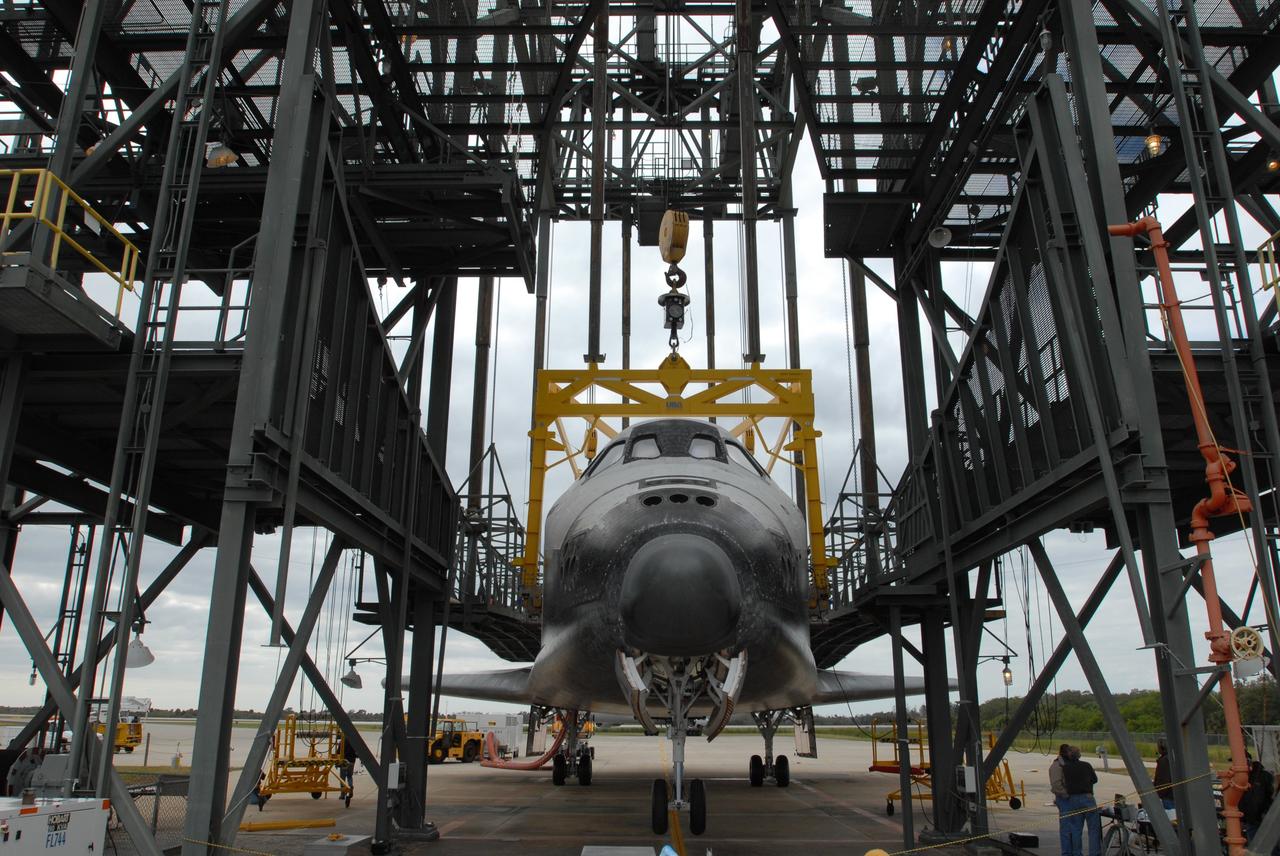
CAPE CANAVERAL, Fla. -- At the Shuttle Landing Facility, or SLF, at NASA's Kennedy Space Center in Florida, space shuttle Endeavour waits for the sling to be removed. Part of the mate/demate device, the sling enabled Endeavour to be lifted away from the shuttle carrier aircraft, or SCA, and lowered to the ground. The SCA carried the shuttle piggyback from California, where Endeavour landed Nov. 30 to end the STS-126 mission. Endeavour will be towed via the two-mile tow-way from the SLF by a diesel-powered tractor to the Orbiter Processing Facility where it will begin preparations for its next mission, STS-127, targeted for May 2009. Photo credit: NASA/Jim Grossmann
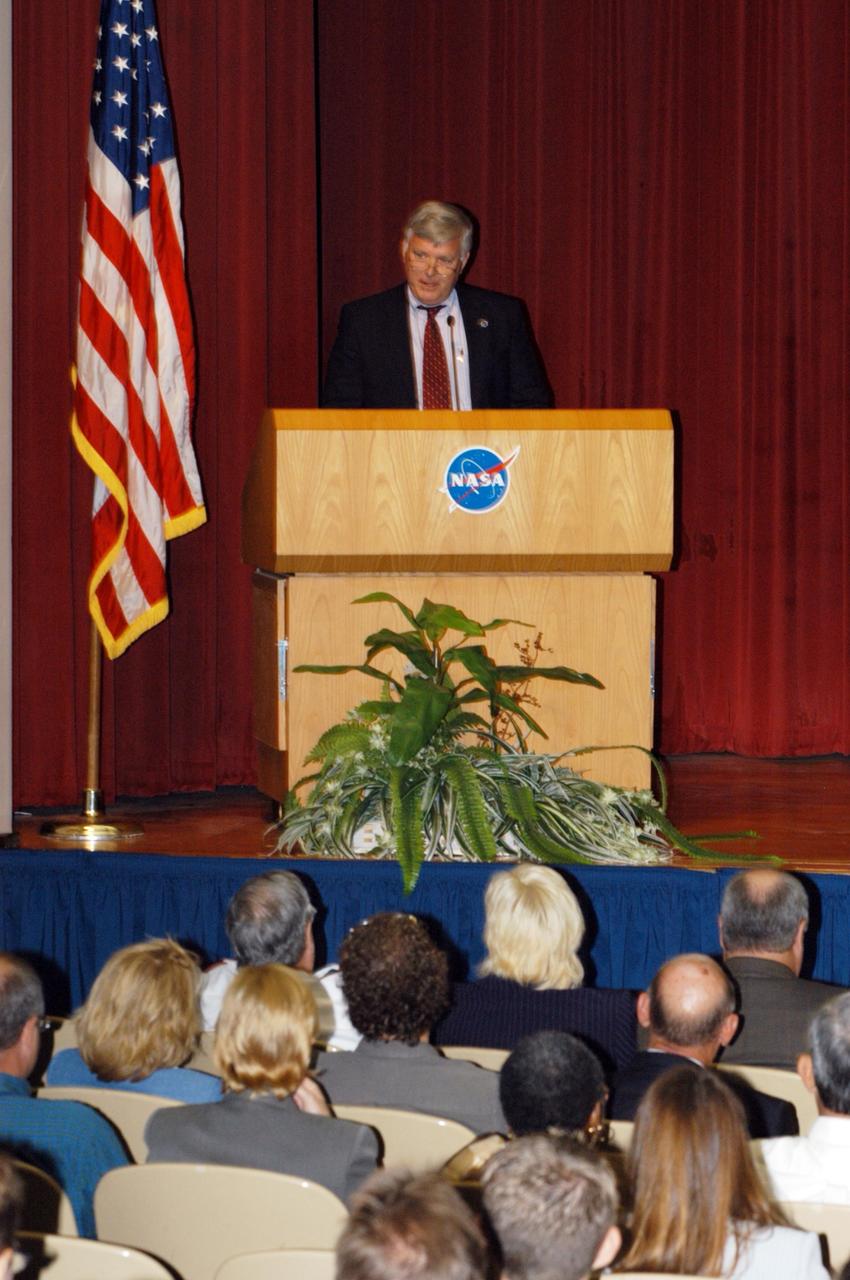
KENNEDY SPACE CENTER, FLA. - In the NASA Kennedy Space Center Training Auditorium, Center Director Jim Kennedy talks to employees at the kickoff of the 2005 Combined Federal Campaign at the center. Guest speakers included Janet Bryant, executive director and CEO of the American Red Cross, Brevard County Chapter; Major Jack Owens, commanding officer of the Salvation Army, North/Central Brevard; and Rob Rains, president of United Way of Brevard. The campaign seeks voluntary donations from Federal civilian, postal and military workers during the campaign season to support eligible nonprofit organizations that provide health and human service benefits throughout the world.
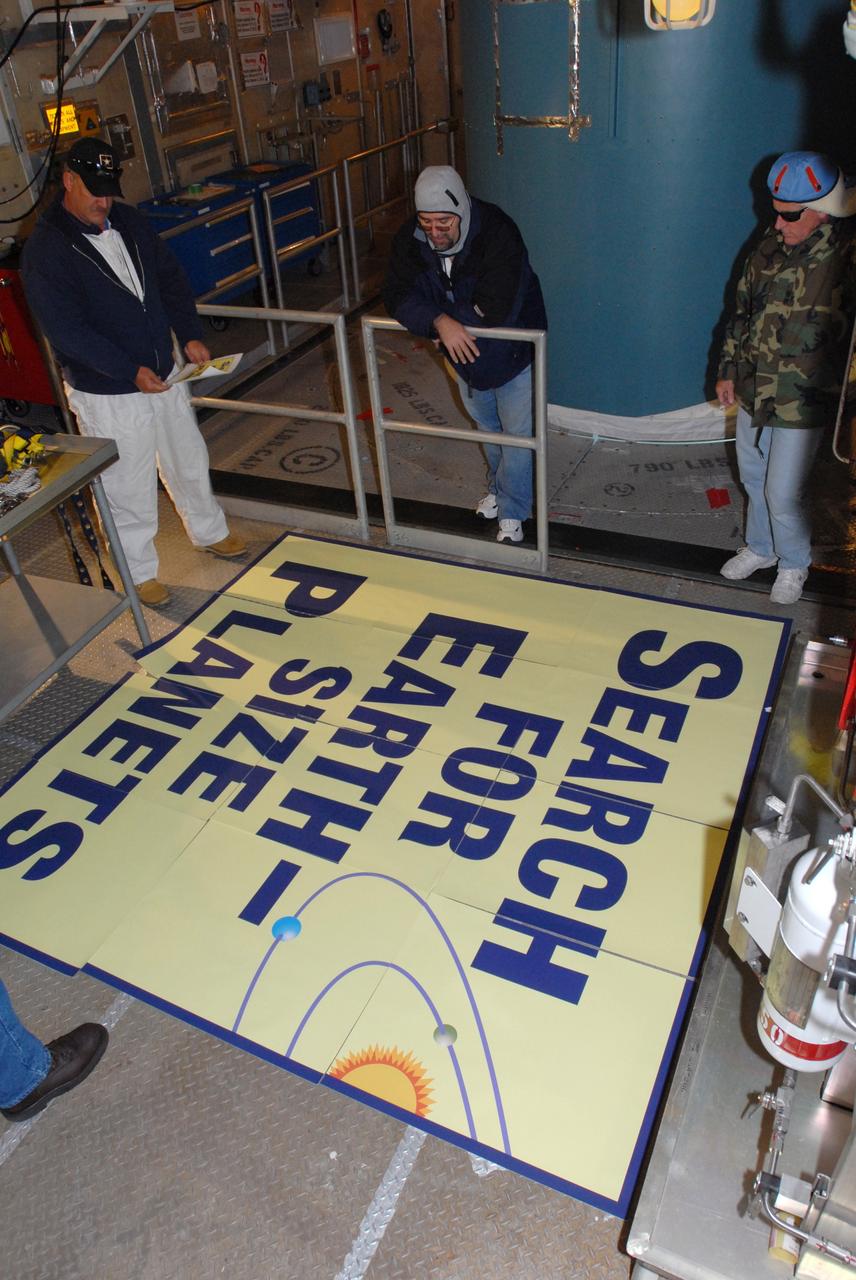
CAPE CANAVERAL, Fla. – Workers at Launch Complex 17-B on Cape Canaveral Air Force Station in Florida check the large patch they will place on the Delta 2 rocket (behind them). The patch describes the Kepler spacecraft mission that will be launched by the rocket. The Kepler mission is specifically designed to survey our region of the Milky Way galaxy to discover hundreds of Earth-size and smaller planets in or near the habitable zone and determine how many of the billions of stars in our galaxy have such planets. Results from this mission will allow us to place our solar system within the continuum of planetary systems in the Galaxy. Photo credit: NASA/Jim Grossmann
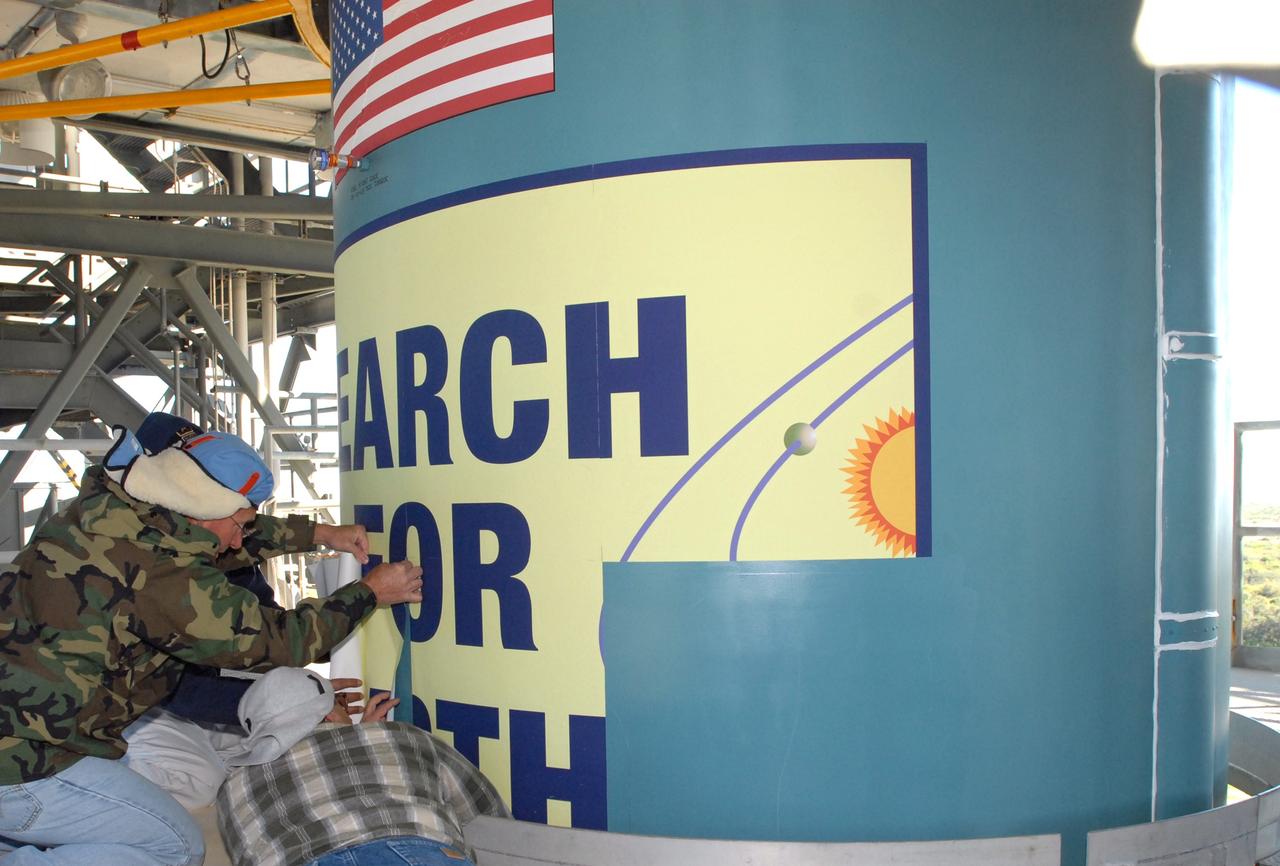
CAPE CANAVERAL, Fla. – Workers at Launch Complex 17-B on Cape Canaveral Air Force Station in Florida place the large patch on the Delta 2 rocket that describes the Kepler spacecraft mission to be launched by the rocket. The Kepler mission is specifically designed to survey our region of the Milky Way galaxy to discover hundreds of Earth-size and smaller planets in or near the habitable zone and determine how many of the billions of stars in our galaxy have such planets. Results from this mission will allow us to place our solar system within the continuum of planetary systems in the Galaxy. Photo credit: NASA/Jim Grossmann
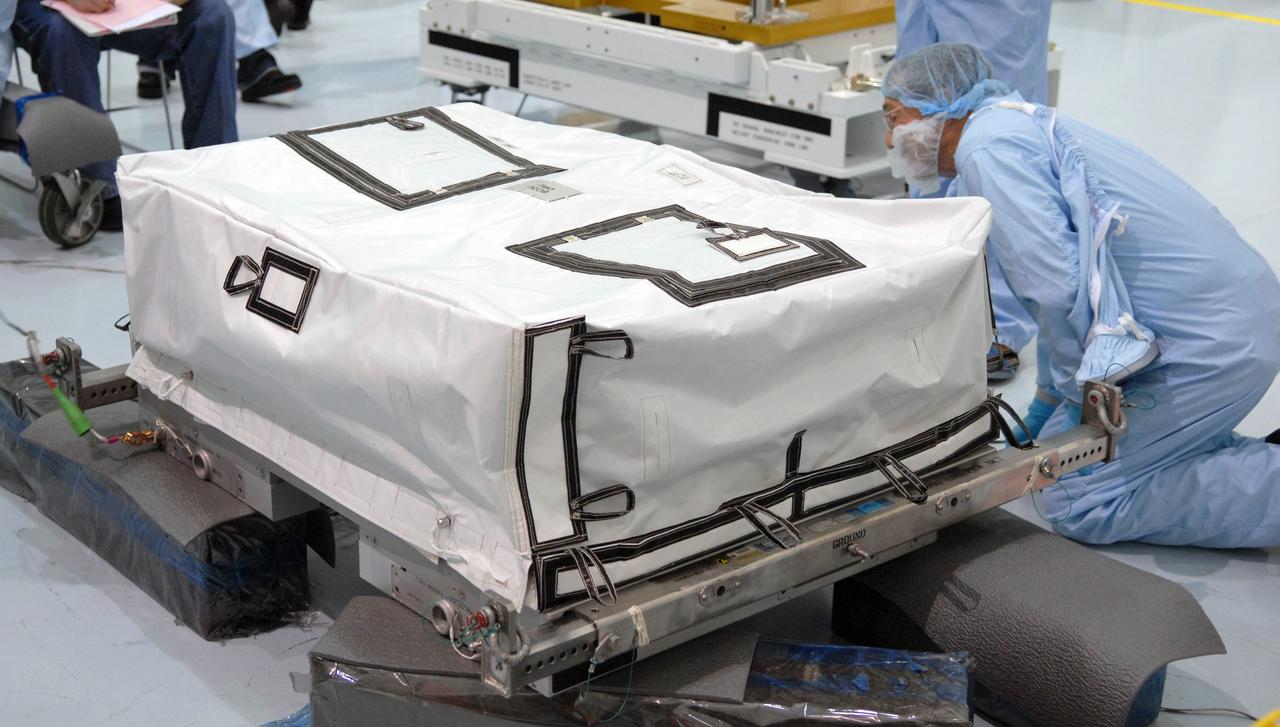
CAPE CANAVERAL, Fla. – In the Space Station Processing Facility at NASA's Kennedy Space Center in Florida, preparations are under way to lift a battery charge-discharge unit from a work stand. The unit will be installed on an EXPRESS Logistics Carrier for flight. The carrier is part of the STS-129 payload on space shuttle Atlantis, which will deliver to the International Space Station two spare gyroscopes, two nitrogen tank assemblies, two pump modules, an ammonia tank assembly and a spare latching end effector for the station's robotic arm. STS-129 is targeted to launch Nov. 12. Photo credit: NASA/Jim Grossmann
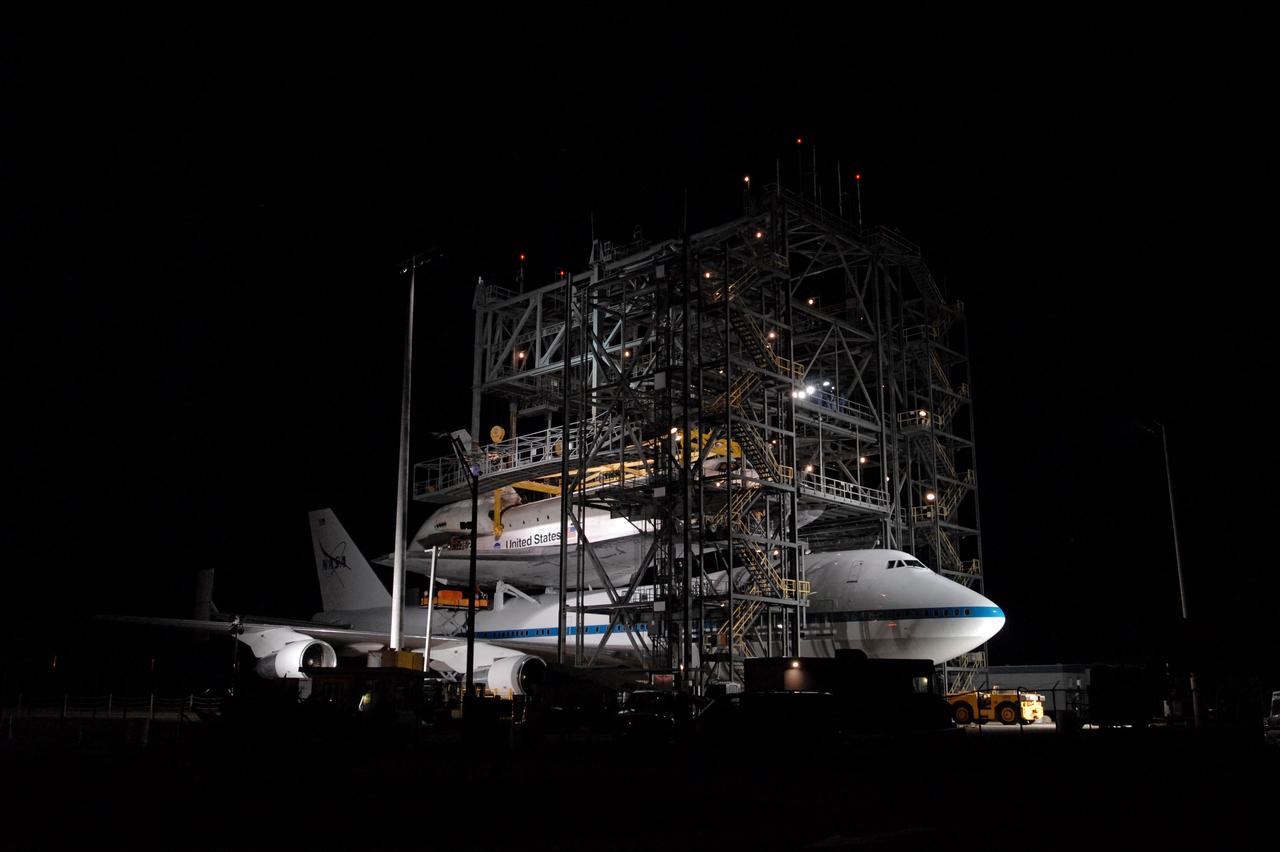
CAPE CANAVERAL, Fla. -- After dark, at the Shuttle Landing Facility, or SLF, at NASA's Kennedy Space Center in Florida, space shuttle Endeavour has been attached to the sling that will lift the shuttle away from the shuttle carrier aircraft, or SCA, underneath. The SCA carried the shuttle piggyback from California, where Endeavour landed Nov. 30 to end the STS-126 mission. After Endeavour is on the ground, it will be towed via the two-mile tow-way from the SLF by a diesel-powered tractor to the Orbiter Processing Facility where it will begin preparations for its next mission, STS-127, targeted for May 2009. Photo credit: NASA/Jim Grossmann

CAPE CANAVERAL, Fla. -- Preparations are under way in Orbiter Processing Facility-2 to roll space shuttle Atlantis to the Vehicle Assembly Building (VAB) at NASA's Kennedy Space Center in Florida. Atlantis will be stored temporarily in the VAB while transition and retirement processing resumes on shuttle Endeavour in the processing hangar. Endeavour is being prepared for public display at the California Science Center in Los Angeles. A groundbreaking was held Jan. 18 for Atlantis' future home -- a 65,000-square-foot exhibit in Shuttle Plaza at the Kennedy Space Center Visitor Complex. For additional information, visit http://www.nasa.gov/shuttle. Photo credit: NASA/Jim Grossmann
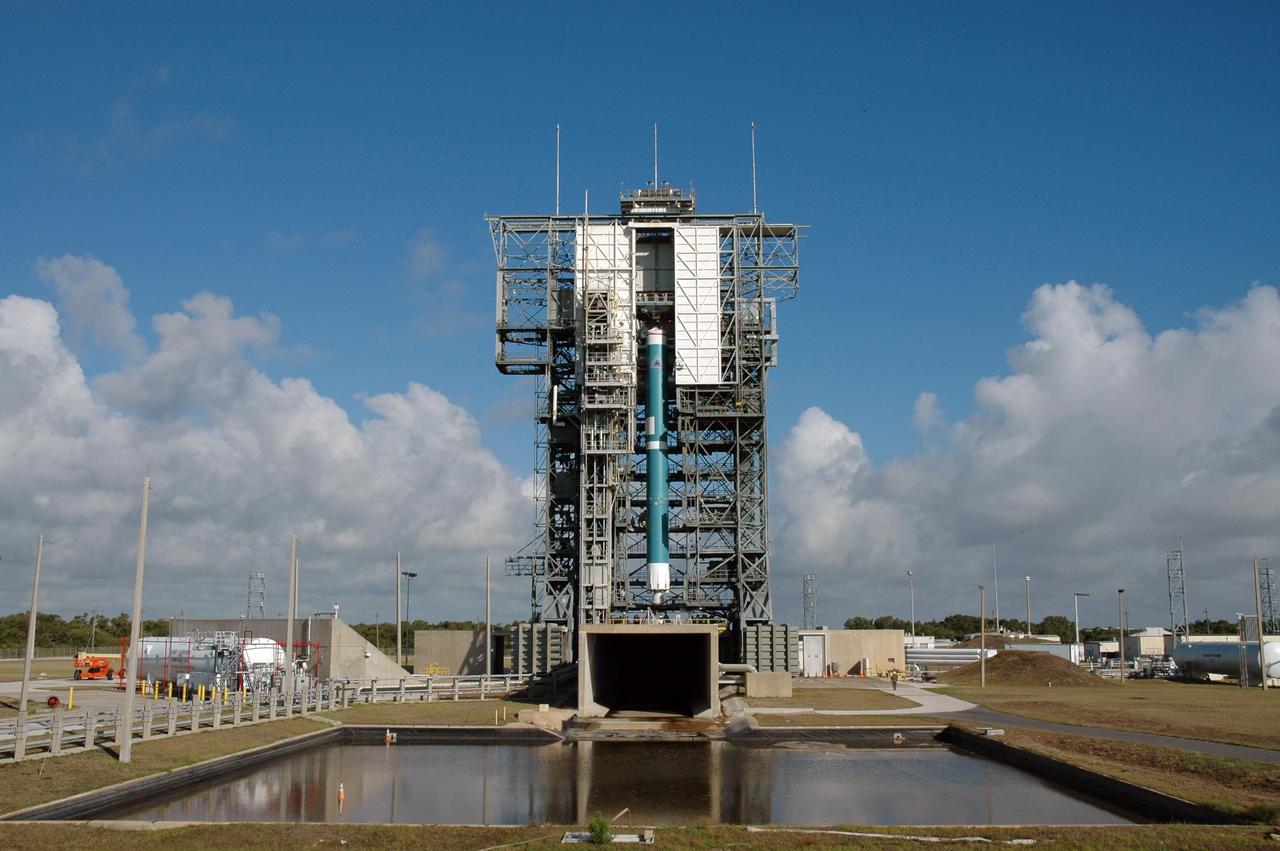
KENNEDY SPACE CENTER, FLA. - The first stage of the Boeing Delta II rocket, slated to launch NASA's Solar Terrestrial Relations Observatory (STEREO), is in position in the mobile service tower at Pad 17B on Cape Canaveral Air Force Station for stacking with the rocket's other stages. Preparations are under way for a liftoff no earlier than July 22. STEREO consists of two spacecraft whose mission is the first to take measurements of the sun and solar wind in 3-D. This new view will improve our understanding of space weather and its impact on the Earth. Photo credit: NASA/Jim Grossmann
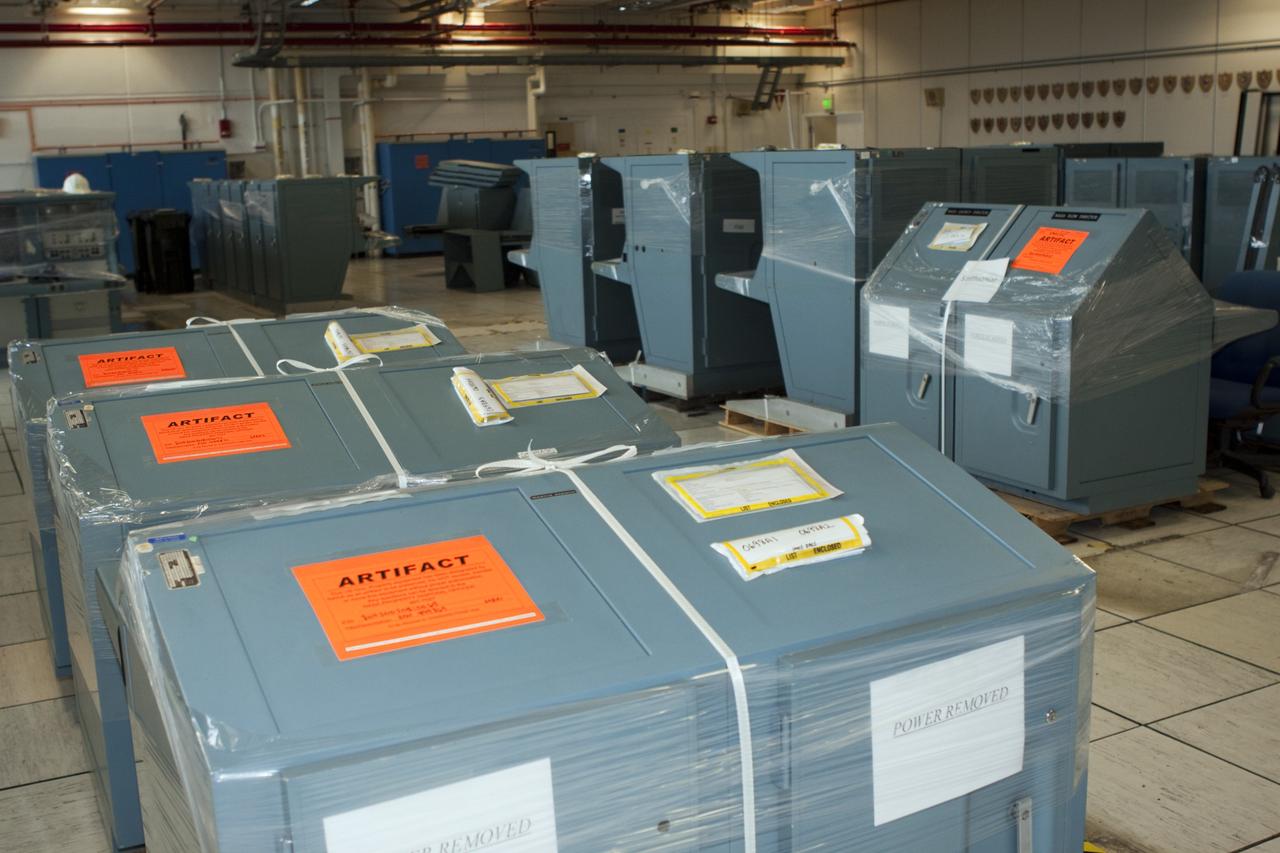
CAPE CANAVERAL, Fla. - In Firing Room 3 of the Launch Control Center at NASA’s Kennedy Space Center in Florida, legacy consoles and monitors are being removed to make way for new systems designed to be flexible so controllers can process and launch multiple types of rockets and spacecraft, whether they are government or commercial models. The historical nature of the consoles is marked with an “artifact” label as some will be displayed in museums and other educational institutions. KSC’s Launch Complex 39 is transitioning to support multiple users with the Firing Rooms being modified to be more generic in nature for upcoming programs. Photo credit: NASA/Jim Grossmann
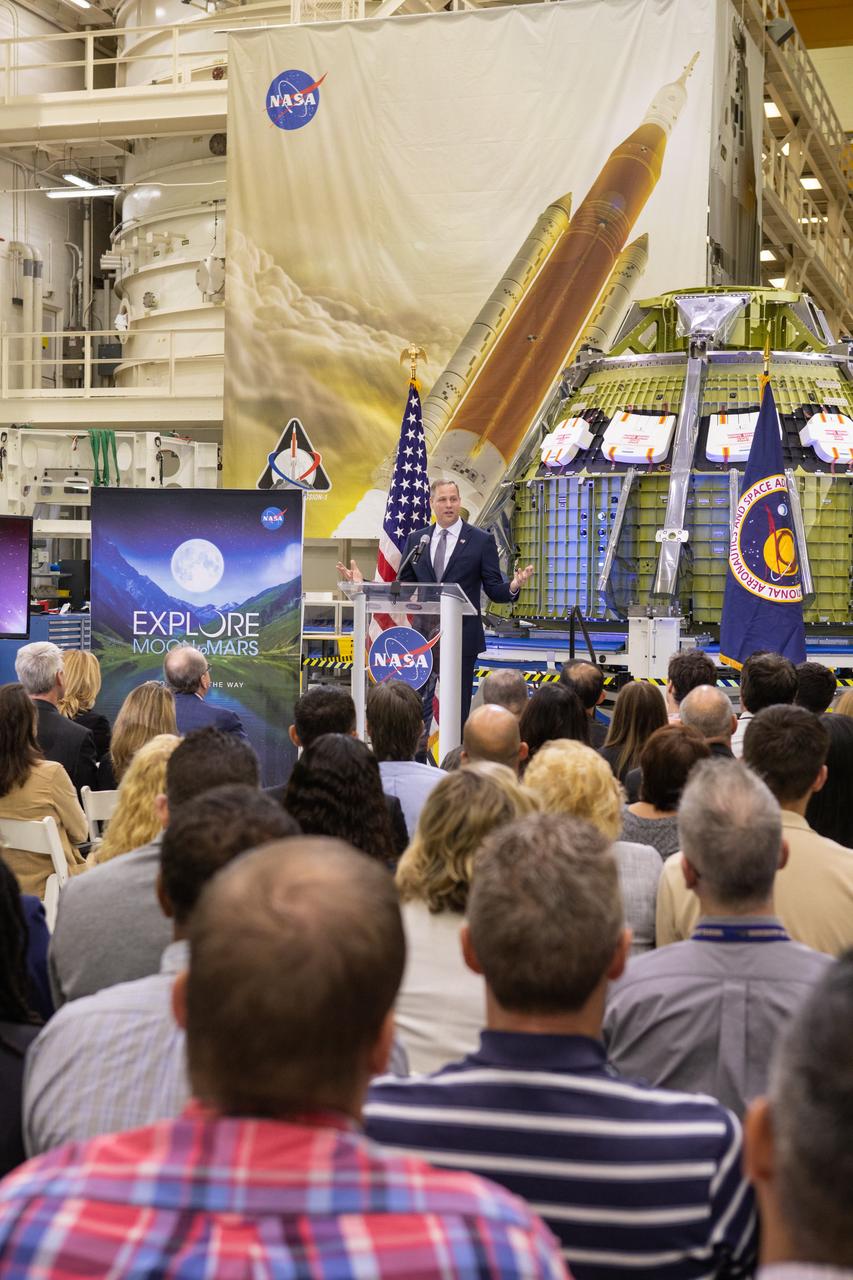
NASA Administrator Jim Bridenstine speaks toNASA workers across the nation and members of the news media, during a Moon to Mars event in the Neil Armstrong Operations and Checkout Building high bay on March 11, 2019. Behind him is the Orion crew module for Exploration Mission-2. The event followed the delivery of President Trump’s fiscal year 2020 budget proposal to U.S. Congress, which includes funding for the agency’s Moon to Mars initiative and Gateway lunar outpost. Bridenstine presented a closer look at America’s work to return astronauts to the Moon in a sustainable way and continue exploration to Mars.
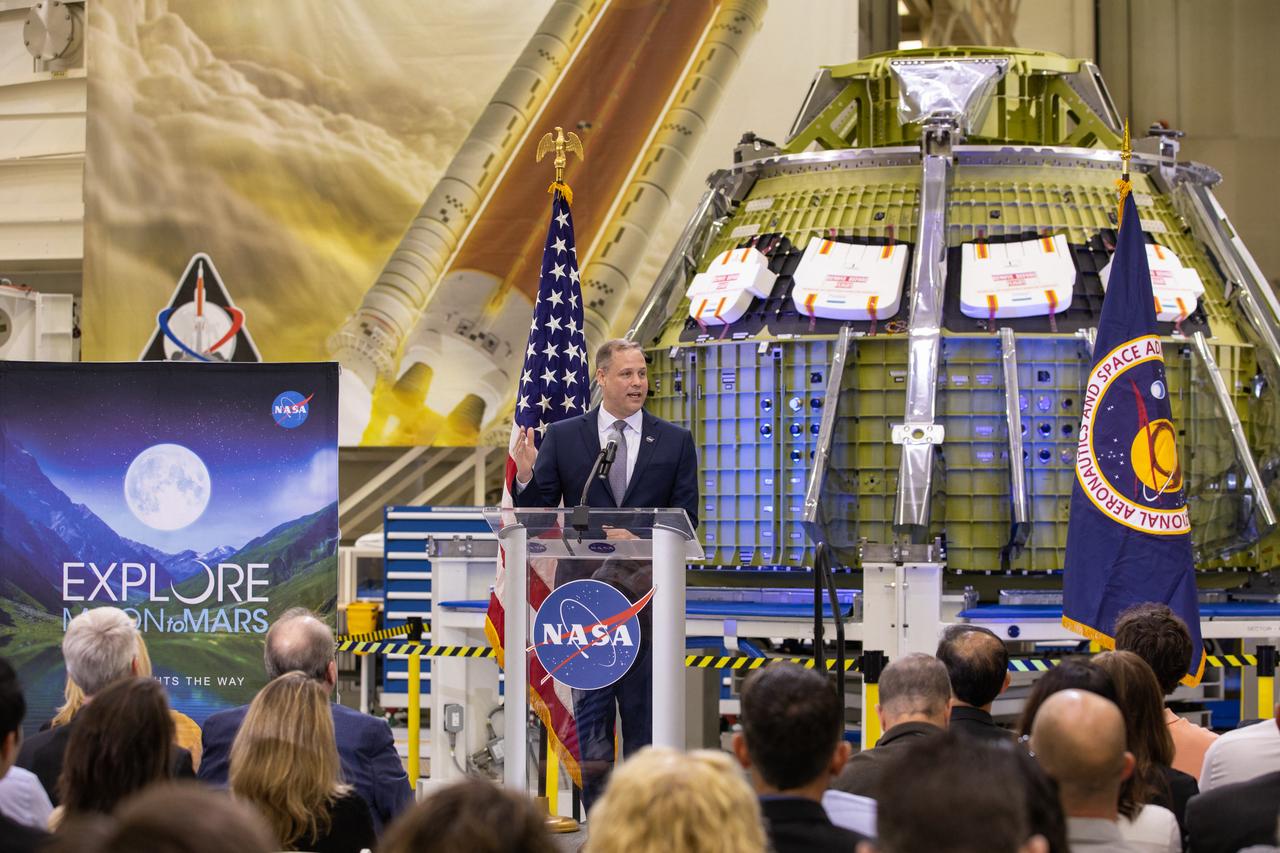
NASA Administrator Jim Bridenstine speaks to NASA workers across the nation and members of the news media, during a Moon to Mars event in the Neil Armstrong Operations and Checkout Building high bay on March 11, 2019. Behind him is the Orion crew module for Exploration Mission-2. The event followed the delivery of President Trump’s fiscal year 2020 budget proposal to U.S. Congress, which includes funding for the agency’s Moon to Mars initiative and Gateway lunar outpost. Bridenstine presented a closer look at America’s work to return astronauts to the Moon in a sustainable way and continue exploration to Mars.
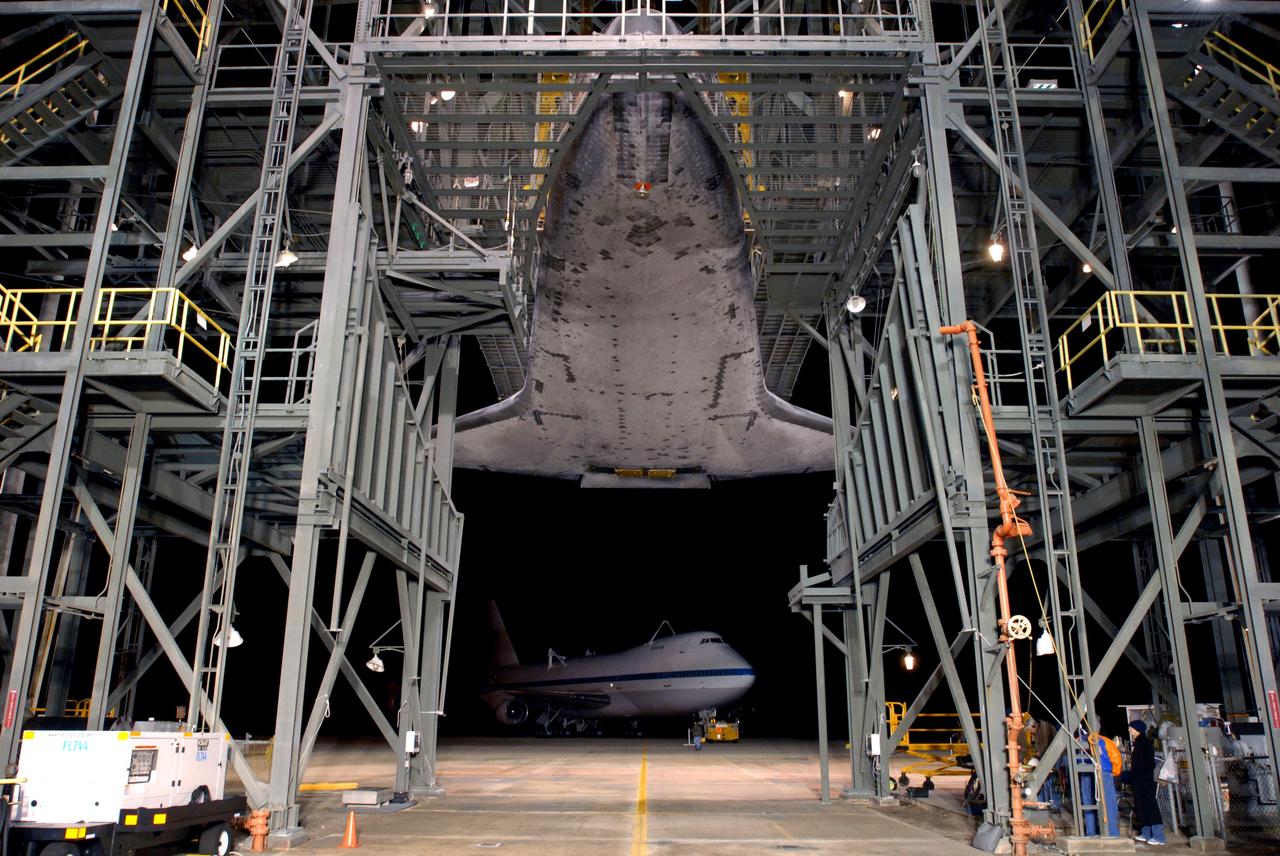
CAPE CANAVERAL, Fla. -- Before dawn, at the Shuttle Landing Facility, or SLF, at NASA's Kennedy Space Center in Florida, space shuttle Endeavour is suspended by a sling under the mate/demate device. The shuttle carrier aircraft, or SCA, has rolled away. Endeavour will be lowered onto the ground. The SCA carried the shuttle piggyback from California, where Endeavour landed Nov. 30 to end the STS-126 mission. After Endeavour is on the ground, it will be towed via the two-mile tow-way from the SLF by a diesel-powered tractor to the Orbiter Processing Facility where it will begin preparations for its next mission, STS-127, targeted for May 2009. Photo credit: NASA/Jim Grossmann
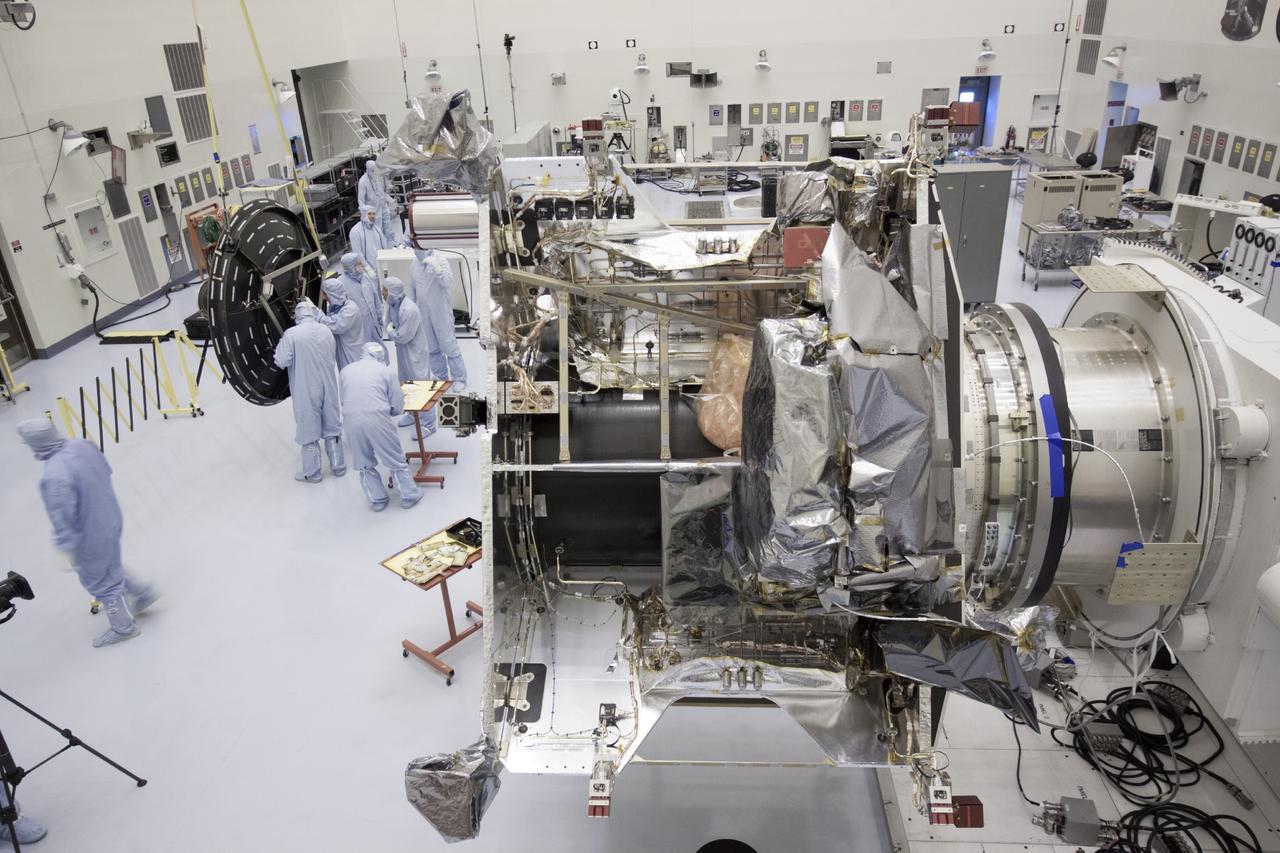
CAPE CANAVERAL, Fla. – Inside the Payload Hazardous Servicing Facility at NASA's Kennedy Space Center in Florida, preparations are under way to install the parabolic high gain antenna, left, onto the Mars Atmosphere and Volatile Evolution, or MAVEN spacecraft. The antenna will communicate vast amounts of data to Earth during the mission. MAVEN is being prepared inside the facility for its scheduled November launch aboard a United Launch Alliance Atlas V rocket to Mars. Positioned in an orbit above the Red Planet, MAVEN will study the upper atmosphere of Mars in unprecedented detail. Photo credit: NASA/Jim Grossmann
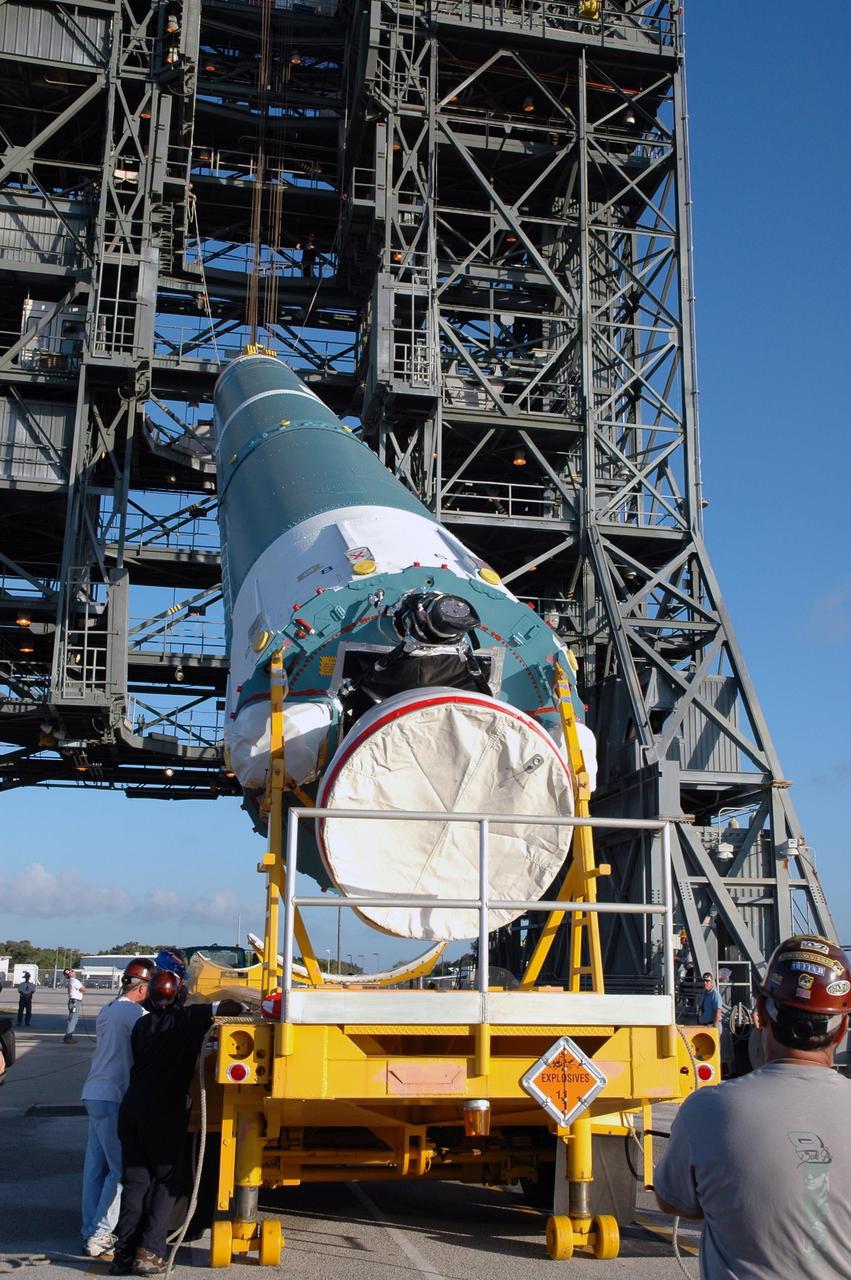
KENNEDY SPACE CENTER, FLA. - Workers supervise the lift of the first stage of the Boeing Delta II rocket, slated to launch NASA's Solar Terrestrial Relations Observatory (STEREO), into the mobile service tower at Pad 17B on Cape Canaveral Air Force Station. Preparations are under way for a liftoff no earlier than July 22. STEREO consists of two spacecraft whose mission is the first to take measurements of the sun and solar wind in 3-D. This new view will improve our understanding of space weather and its impact on the Earth. Photo credit: NASA/Jim Grossmann
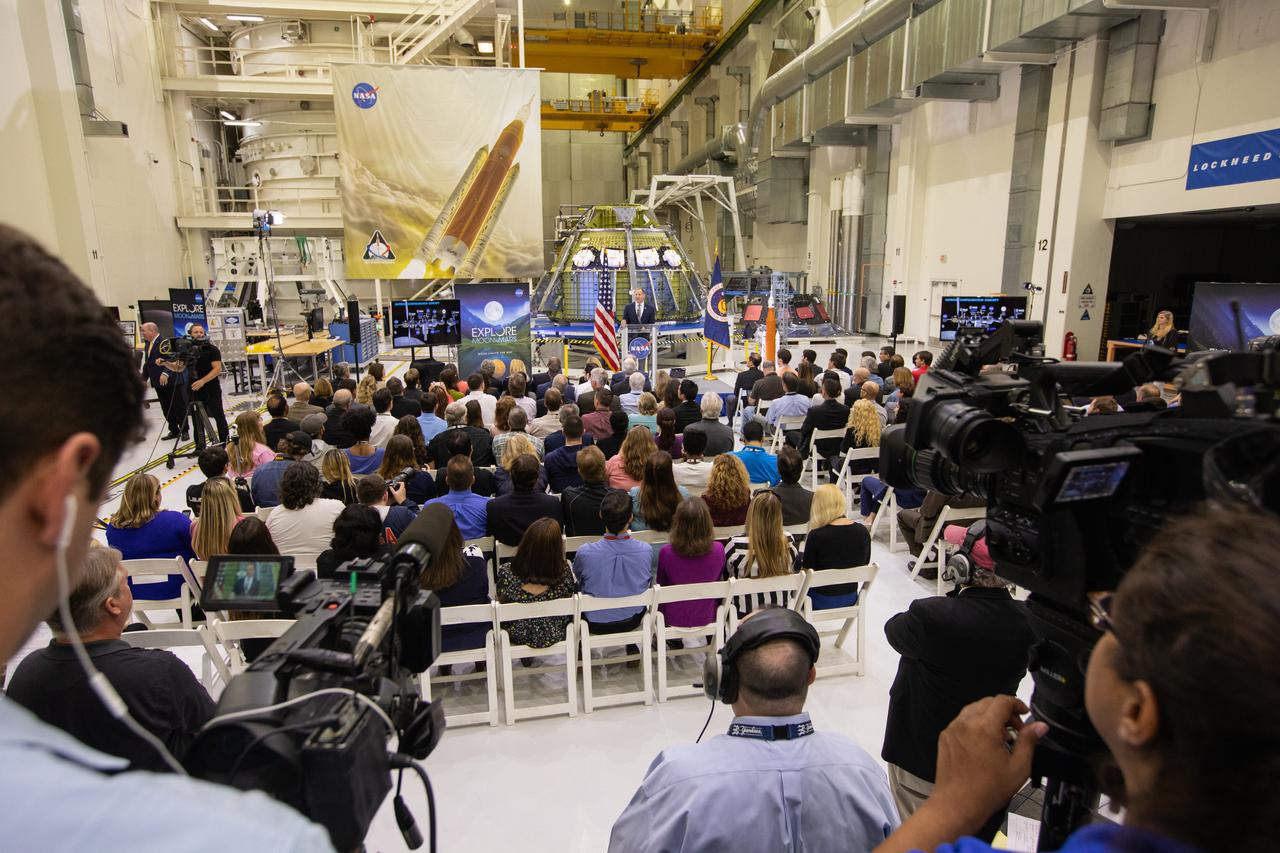
NASA Administrator Jim Bridenstine, at the podium up front, speaks to NASA workers across the nation and members of the news media, during a Moon to Mars event in the Neil Armstrong Operations and Checkout Building high bay on March 11, 2019. Behind him is the Orion crew module for Exploration Mission-2. The event followed the delivery of President Trump’s fiscal year 2020 budget proposal to U.S. Congress, which includes funding for the agency’s Moon to Mars initiative and Gateway lunar outpost. Bridenstine presented a closer look at America’s work to return astronauts to the Moon in a sustainable way and continue exploration to Mars.
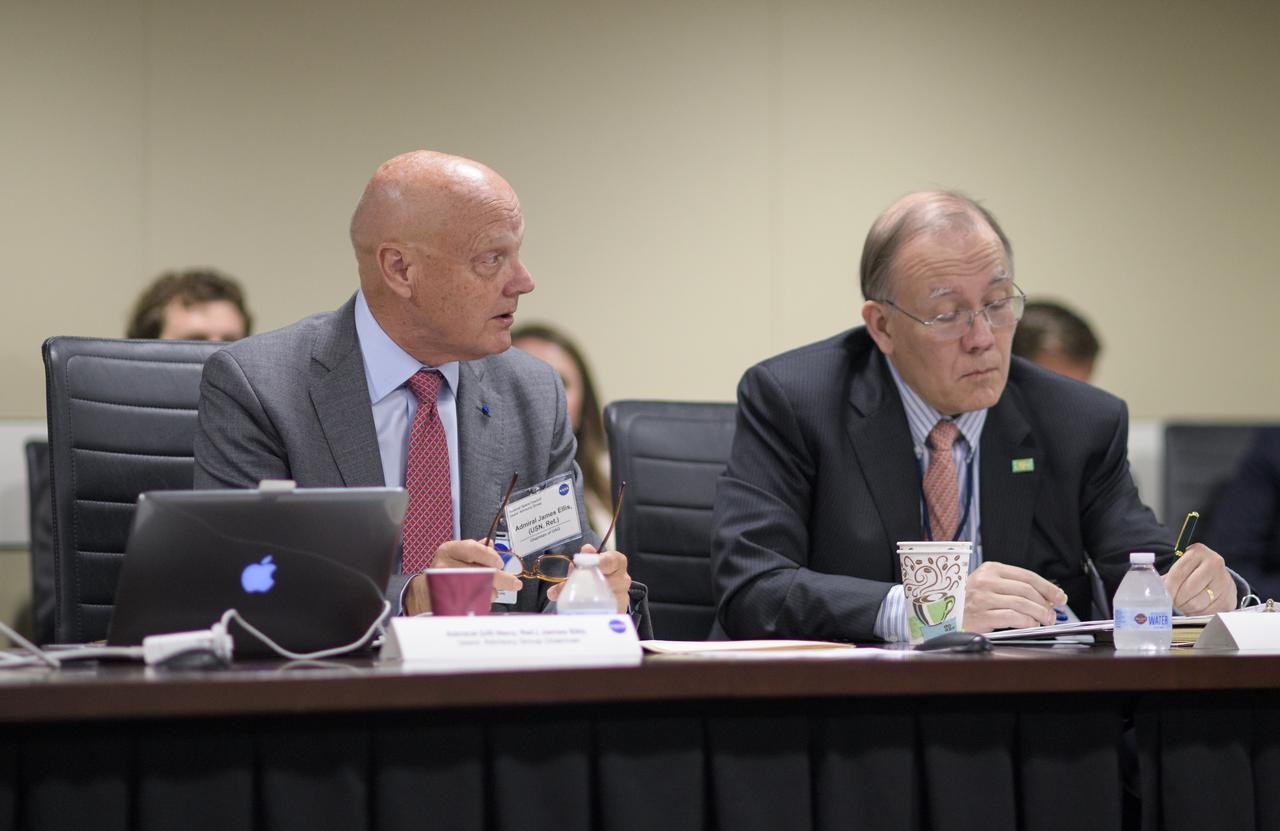
National Space Council Executive Secretary Scott Pace, right, and Chairman of the Users' Advisory Group Adm. Jim Ellis, USN (Ret.), left, are seen during the first meeting of the National Space Council Users' Advisory Group, Tuesday, June 19, 2018 at NASA Headquarters in Washington. The Users' Advisory Group will advise and inform the National Space Council on a broad range of aerospace topics, including the impacts of U.S. and international laws and regulations, national security space priorities, scientific and human space exploration priorities, and ways to bolster support. Photo Credit: (NASA/Joel Kowsky)
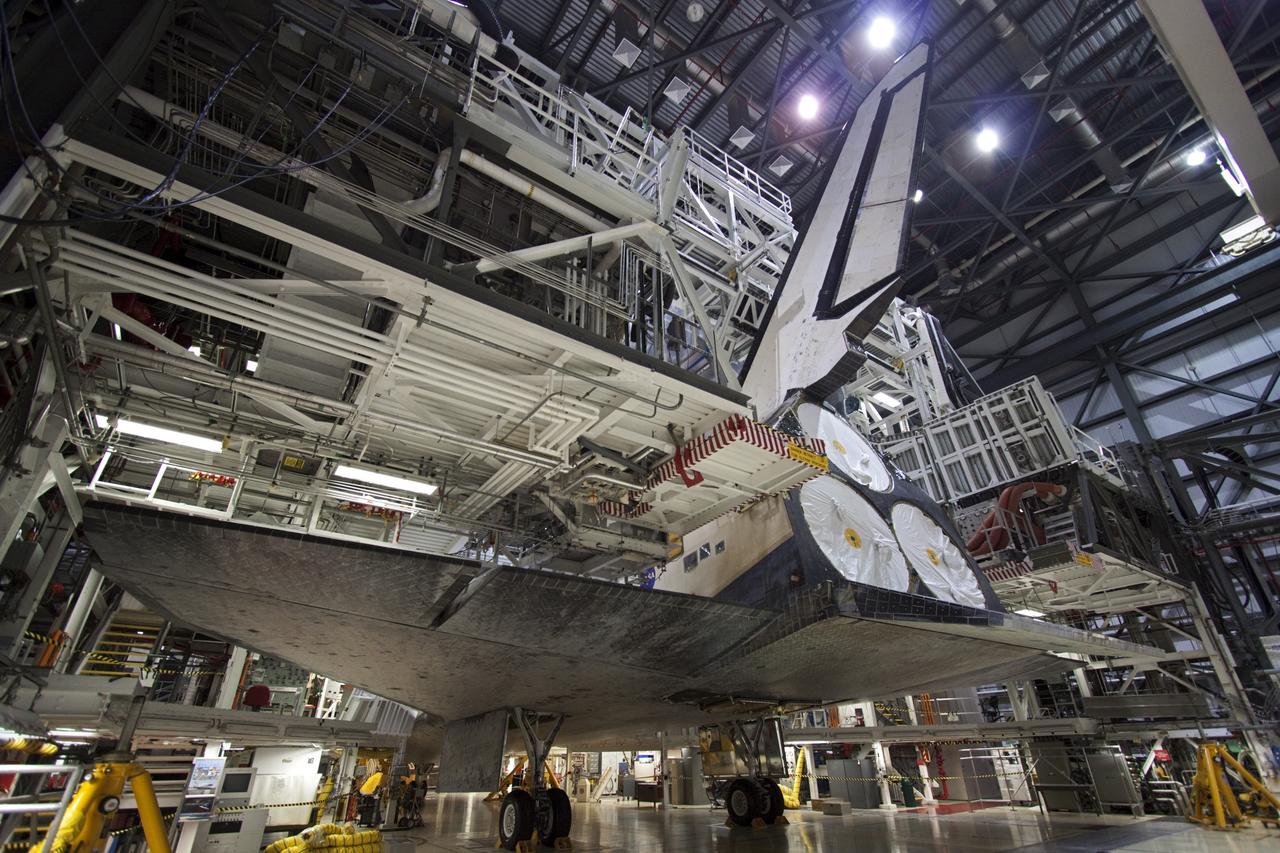
CAPE CANAVERAL, Fla. -- Preparations are under way in Orbiter Processing Facility-2 to move space shuttle Atlantis to the Vehicle Assembly Building (VAB) at NASA's Kennedy Space Center in Florida. Atlantis will be stored temporarily in the VAB while transition and retirement processing resumes on shuttle Endeavour in the processing hangar. Endeavour is being prepared for public display at the California Science Center in Los Angeles. A groundbreaking was held Jan. 18 for Atlantis' future home -- a 65,000-square-foot exhibit in Shuttle Plaza at the Kennedy Space Center Visitor Complex. For additional information, visit http://www.nasa.gov/shuttle. Photo credit: NASA/Jim Grossmann
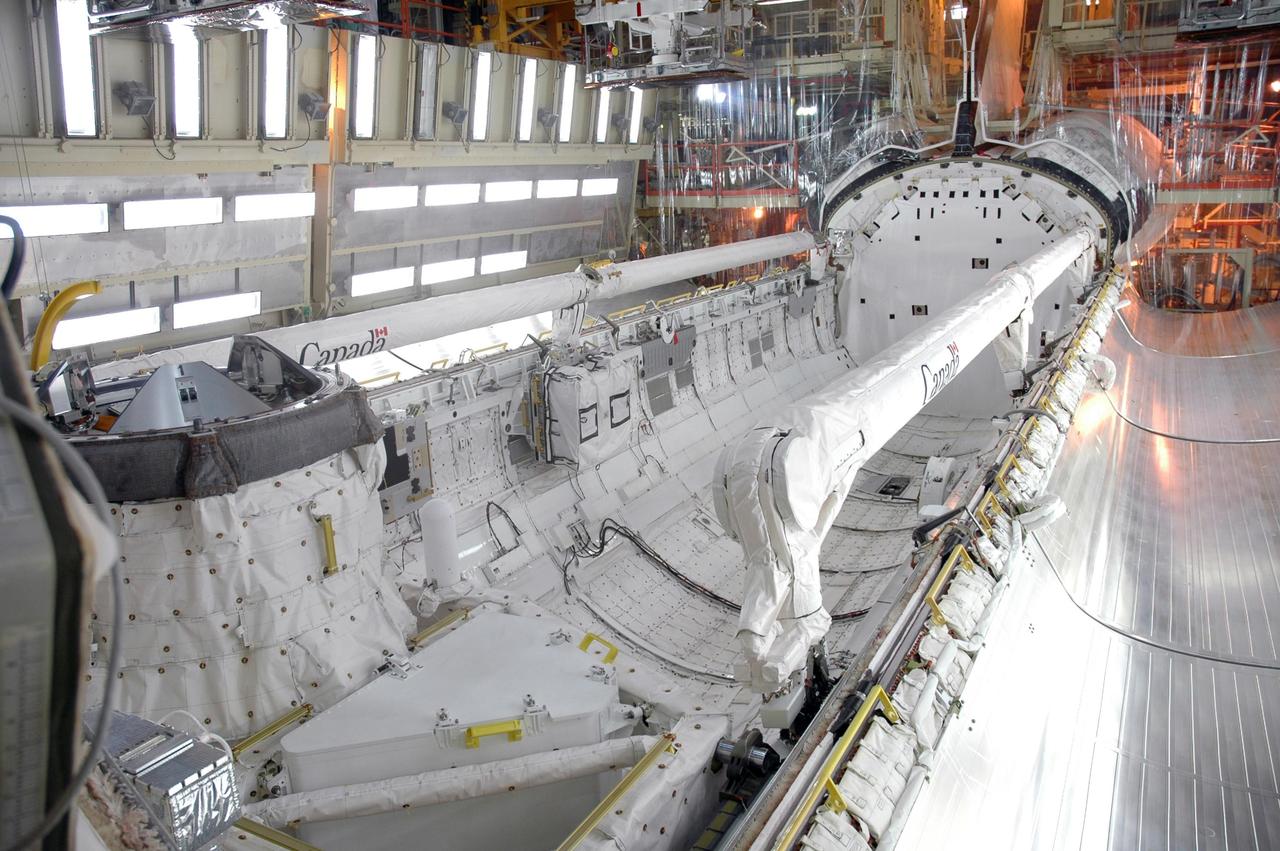
KENNEDY SPACE CENTER, FLA. -- In the Orbiter Processing Facility, preparations are under way to close the payload bay doors of Discovery for the rollover of the orbiter to the Vehicle Assembly Building. Seen along the edges of the bay are the Canadian-built shuttle robotic arm and orbiter boom sensor system. The primary payload, the U.S. Node 2, which is named Harmony, will be installed in the payload bay at the pad prior to Discovery's liftoff on mission STS-120. The mission will be the 23rd flight for the assembly of the International Space Station. Space Shuttle Discovery is targeted for launch on Oct. 23. Photo credit: NASA/Jim Grossmann
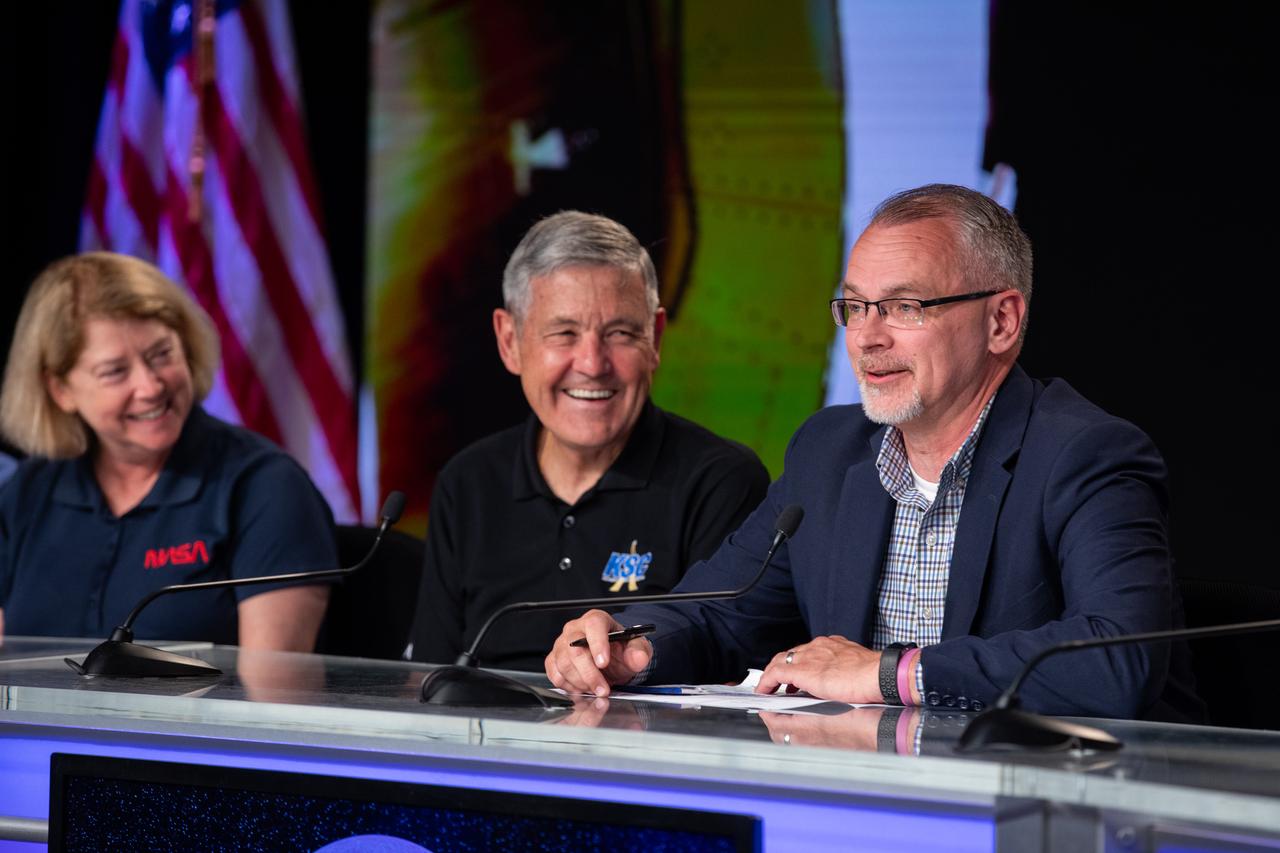
NASA senior leadership and the Artemis II crew participate in a news conference on Aug. 8, 2023, at the agency’s Kennedy Space Center in Florida. Participants include, from left, Pam Melroy, NASA deputy administrator; Bob Cabana, NASA associate administrator; and Jim Free, associate administrator for Exploration Systems Development Mission Directorate, NASA Headquarters. Artemis II is the first mission with astronauts under Artemis, sending NASA astronauts Reid Wiseman, Victor Glover, and Christina Koch, as well as Canadian Space Agency astronaut Jeremy Hansen on a journey around the Moon and back, paving the way for future long-term human exploration missions to the lunar surface and eventually Mars.
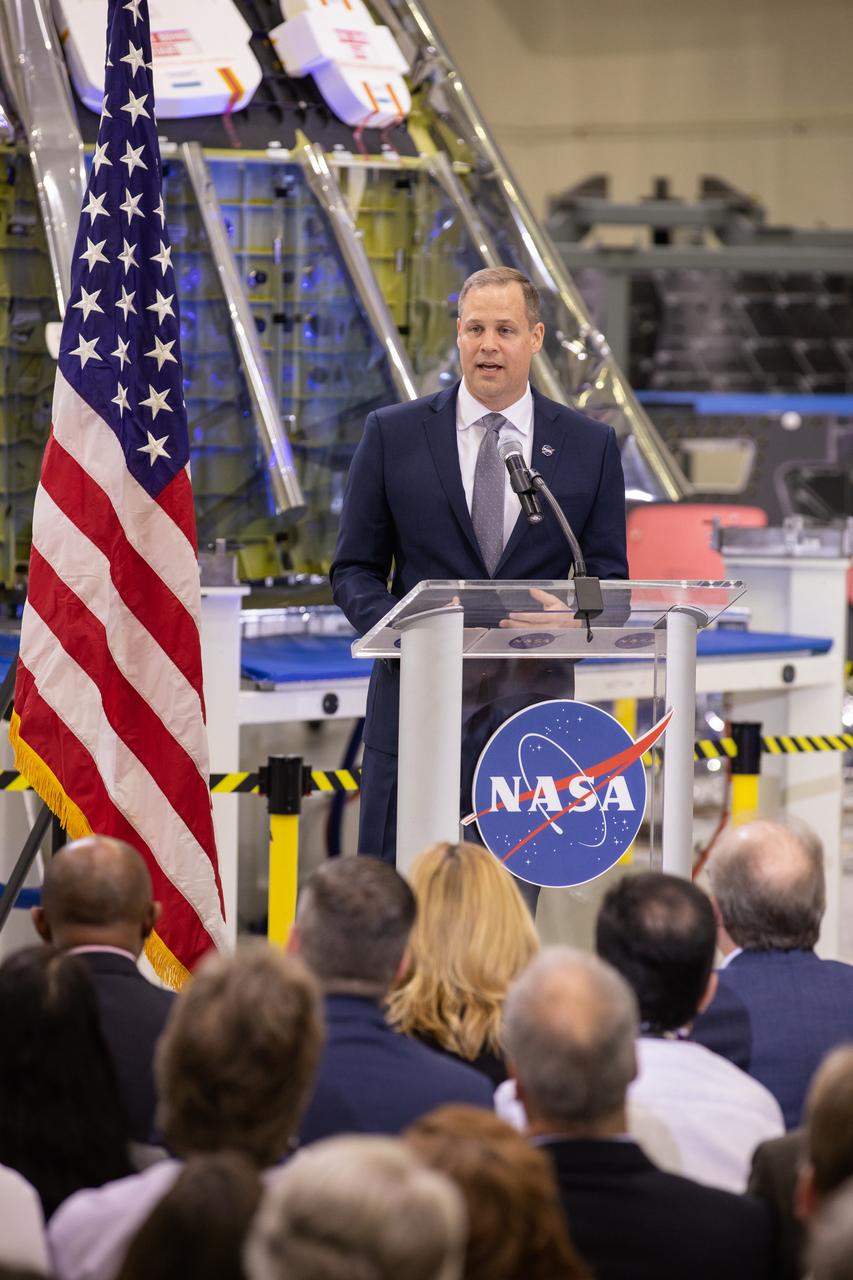
NASA Administrator Jim Bridenstine speaks to NASA workers across the nation and members of the news media, during a Moon to Mars event in the Neil Armstrong Operations and Checkout Building high bay on March 11, 2019. Behind him is the Orion crew module for Exploration Mission-2. The event followed the delivery of President Trump’s fiscal year 2020 budget proposal to U.S. Congress, which includes funding for the agency’s Moon to Mars initiative and Gateway lunar outpost. Bridenstine presented a closer look at America’s work to return astronauts to the Moon in a sustainable way and continue exploration to Mars.
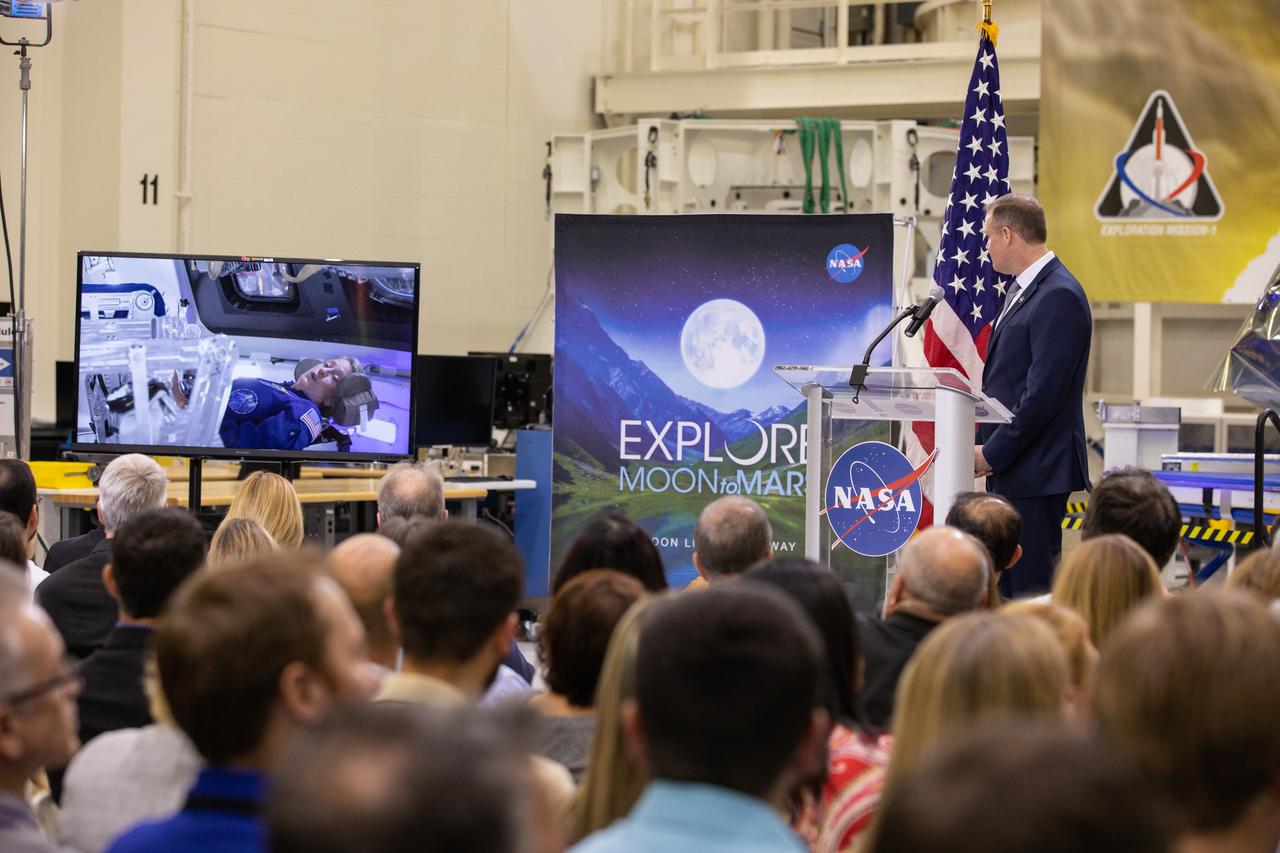
During a Moon to Mars event March 11, 2019, in the Neil Armstrong Operations and Checkout Building high bay at Kennedy Space Center in Florida, NASA Administrator Jim Bridenstine speaks to astronaut Karen Nyberg, on screen. Nyberg is in a test version of the Orion crew module at the agency’s Johnson Space Center in Houston. Bridenstine spoke to NASA workers across the nation and members of the news media, following the delivery of President Trump’s fiscal year 2020 budget proposal to U.S. Congress, which includes funding for the agency’s Moon to Mars initiative and Gateway lunar outpost. Bridenstine presented a closer look at America’s work to return astronauts to the Moon in a sustainable way and continue exploration to Mars.
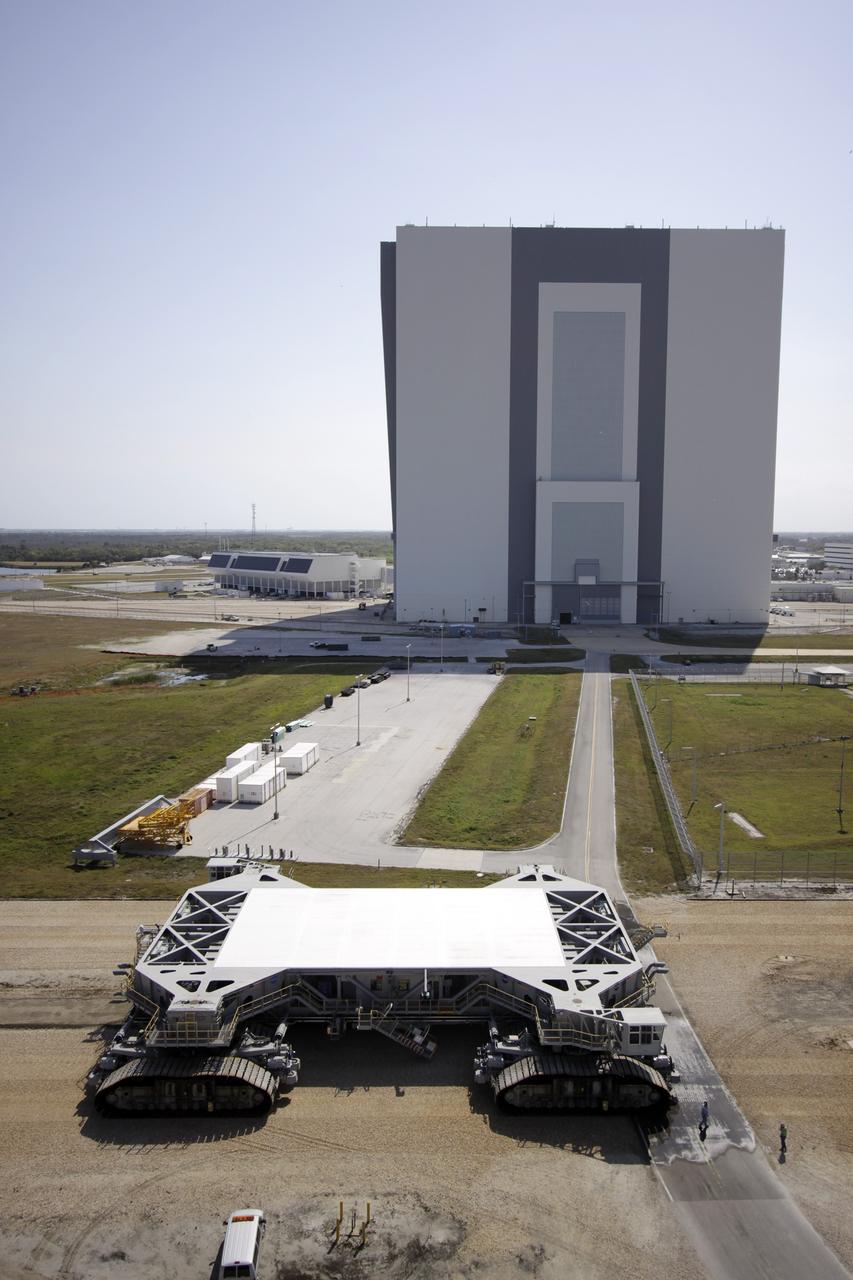
CAPE CANAVERAL, Fla. – At NASA’s Kennedy Space Center in Florida, the crawler-transporter 2, or CT-2, is on its way to the Park Site west of the Vehicle Assembly Building. The transporter has new brakes and mufflers and a recently-painted white roof deck. The Ground Systems Development and Operations Program office at Kennedy is overseeing the upgrades to CT-2 so that it can carry NASA’s Space Launch System heavy-lift rocket, which is under design, and new Orion spacecraft to the launch pad. The crawler-transporters were used to carry the mobile launcher platform and space shuttle to Launch Complex 39 for space shuttle launches for 30 years. Photo credit: NASA/Jim Grossmann