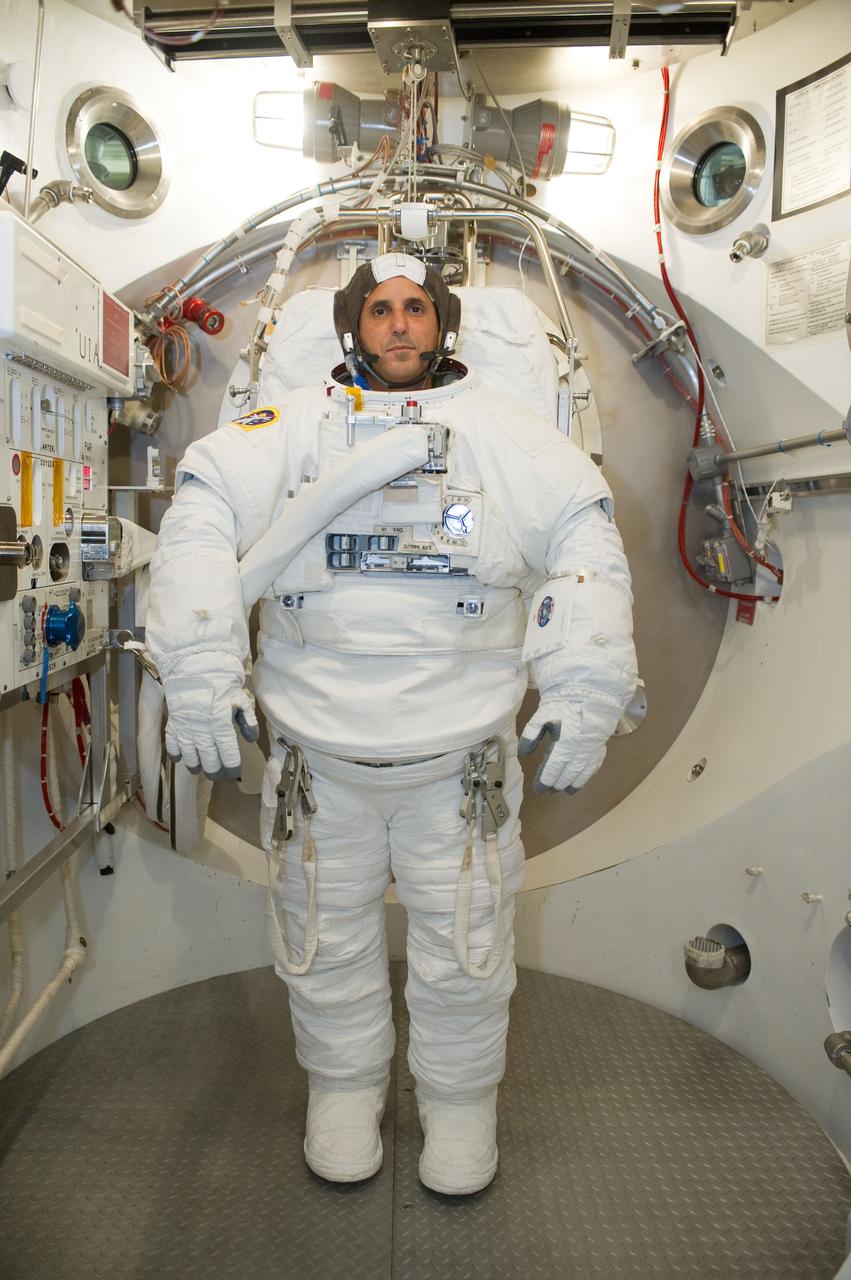
Expedition 31 crew member Joe Acaba during SSATA Crew Training in the SSATA Chamber. Photo Date: October 19, 2011. Location: Building 7 - SSATA Chamber. Photographer: Robert Markowitz
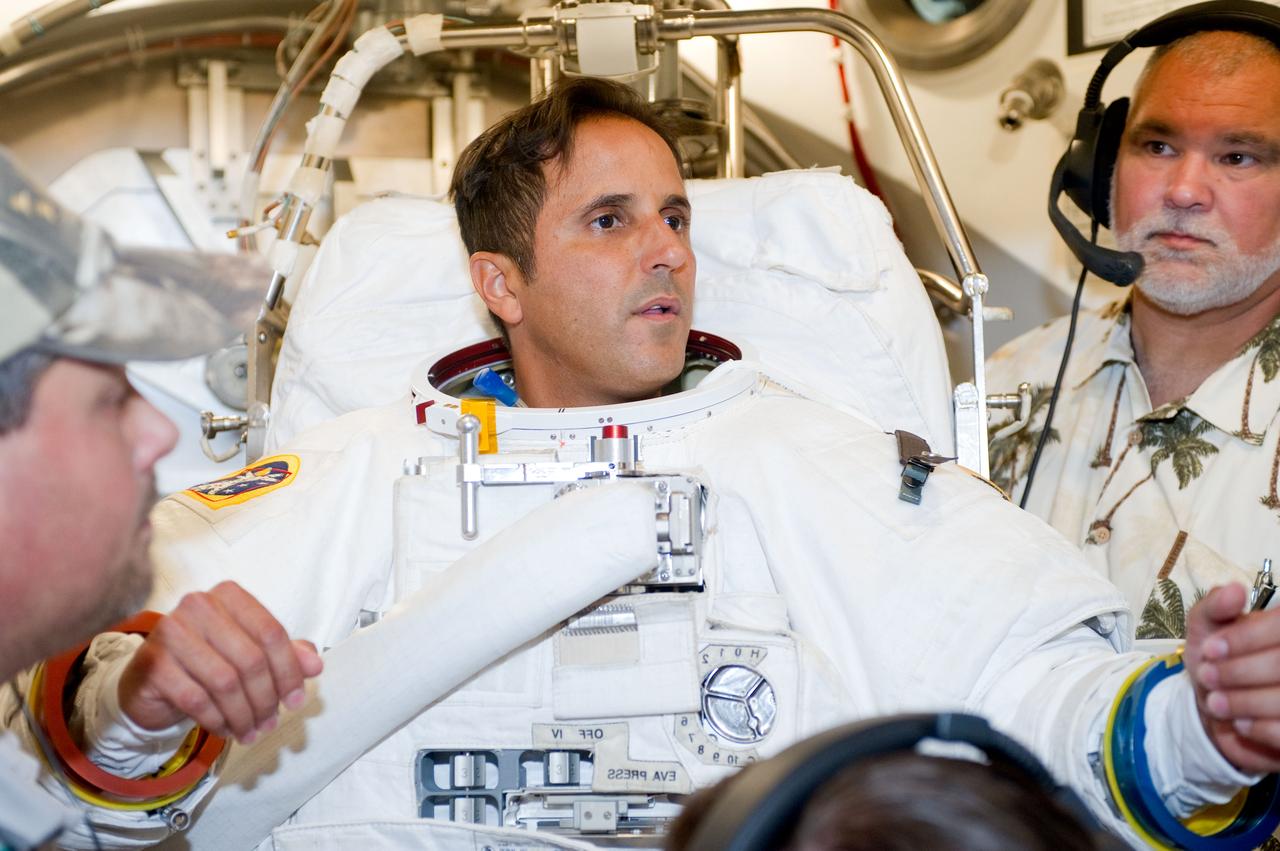
Expedition 31 crew member Joe Acaba during SSATA Crew Training in the SSATA Chamber. Photo Date: October 19, 2011. Location: Building 7 - SSATA Chamber. Photographer: Robert Markowitz
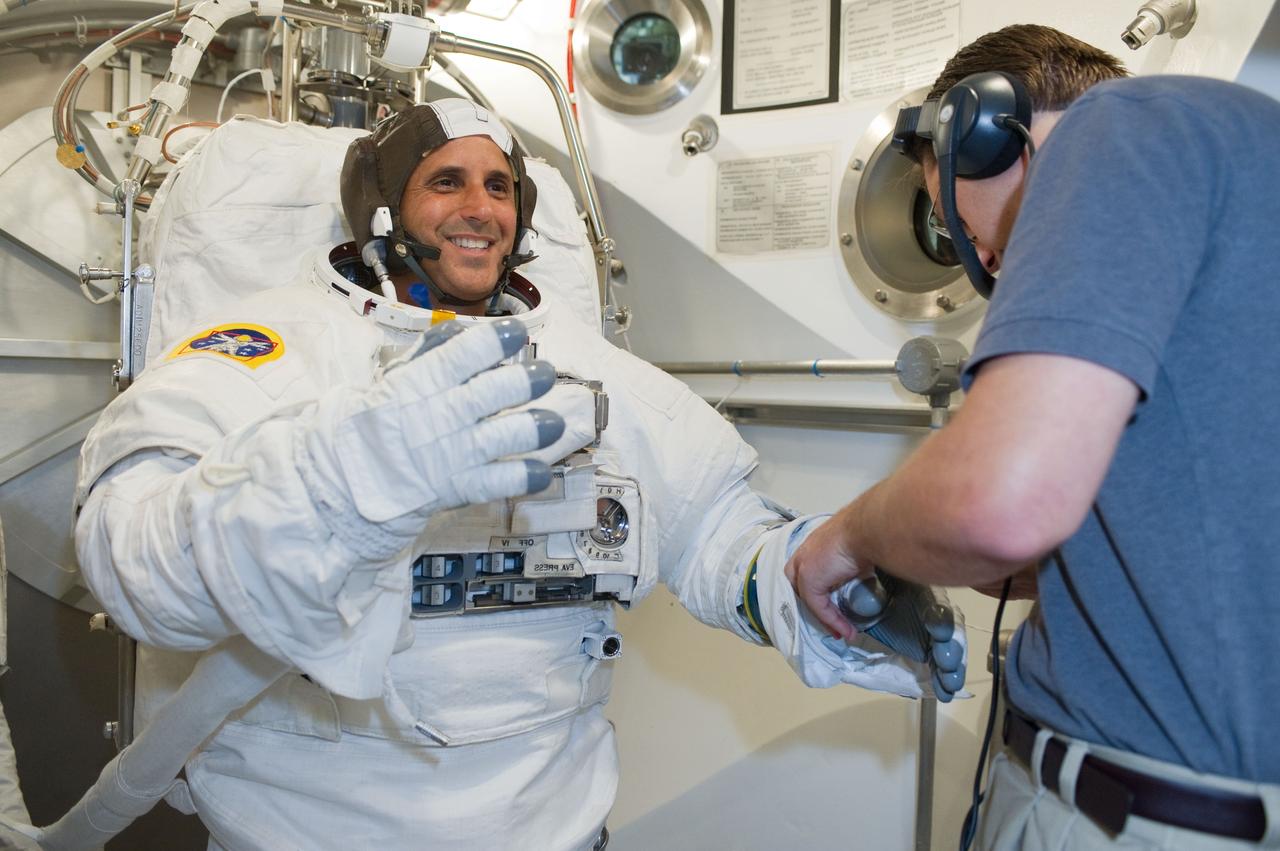
Expedition 31 crew member Joe Acaba during SSATA Crew Training in the SSATA Chamber. Photo Date: October 19, 2011. Location: Building 7 - SSATA Chamber. Photographer: Robert Markowitz
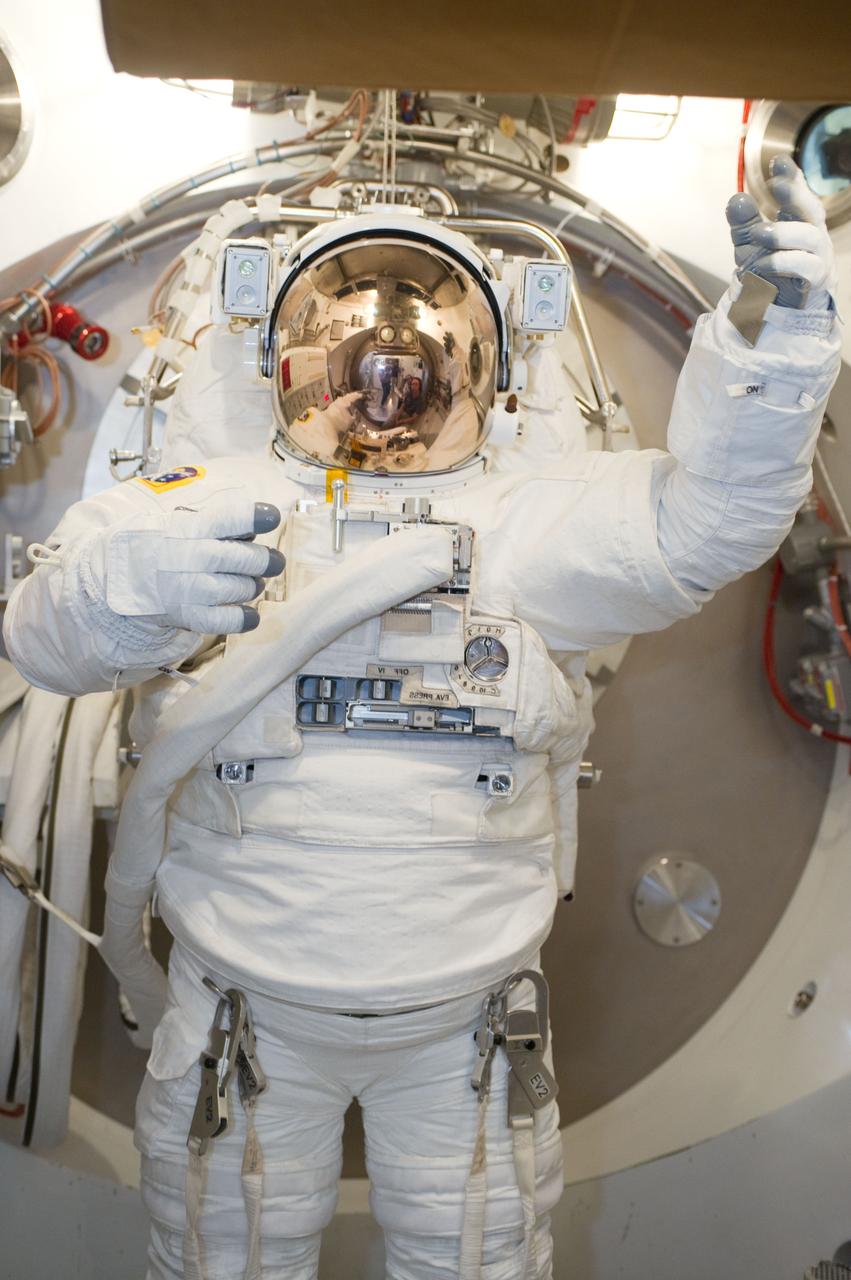
Expedition 31 crew member Joe Acaba during SSATA Crew Training in the SSATA Chamber. Photo Date: October 19, 2011. Location: Building 7 - SSATA Chamber. Photographer: Robert Markowitz
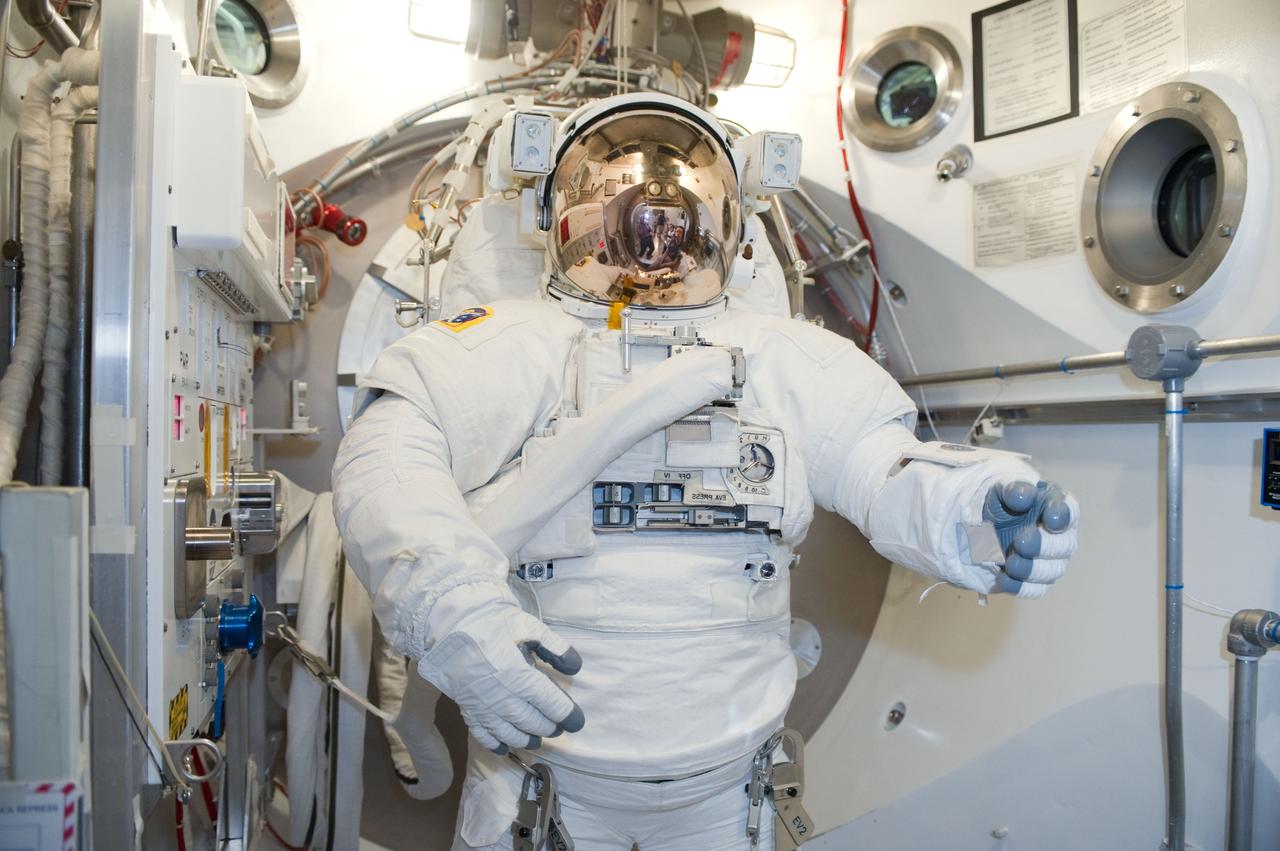
Expedition 31 crew member Joe Acaba during SSATA Crew Training in the SSATA Chamber. Photo Date: October 19, 2011. Location: Building 7 - SSATA Chamber. Photographer: Robert Markowitz
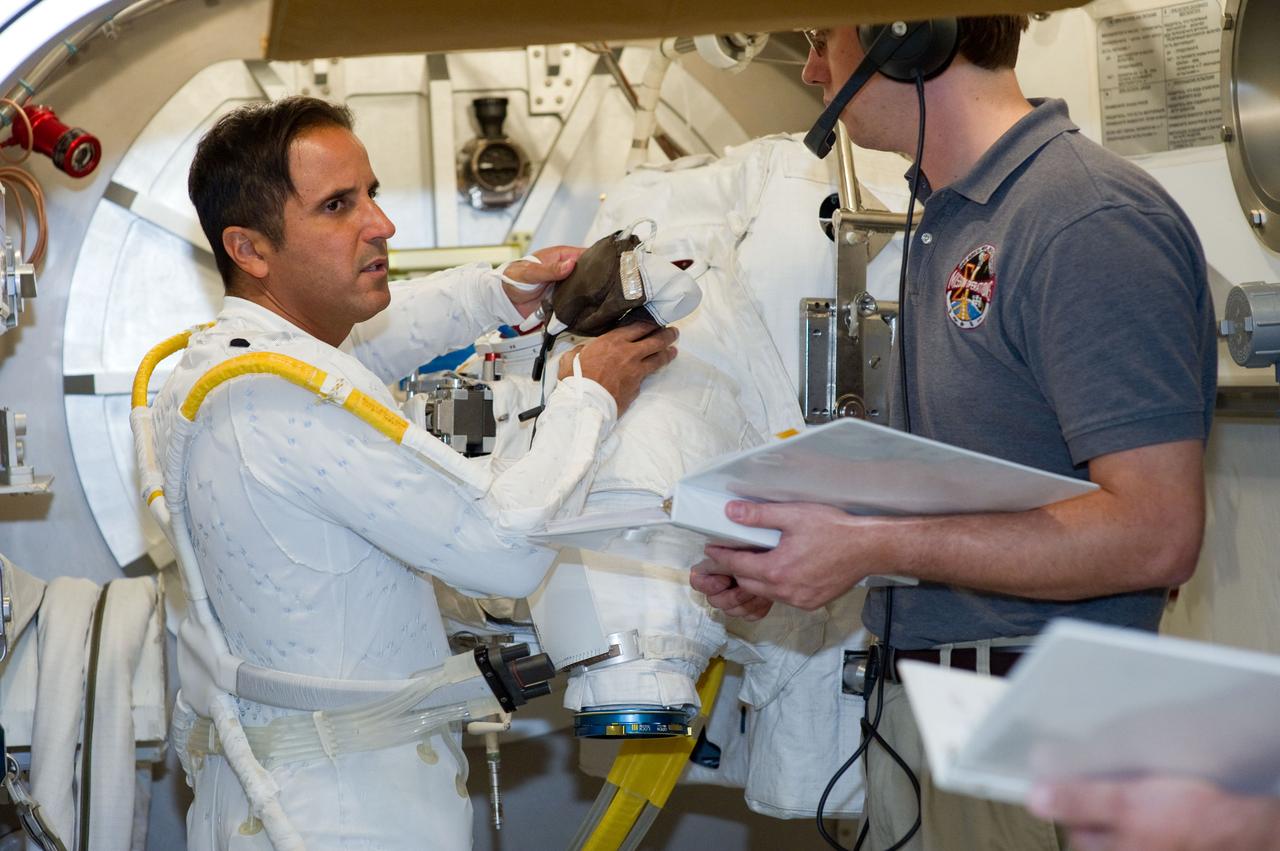
Expedition 31 crew member Joe Acaba during SSATA Crew Training in the SSATA Chamber. Photo Date: October 19, 2011. Location: Building 7 - SSATA Chamber. Photographer: Robert Markowitz
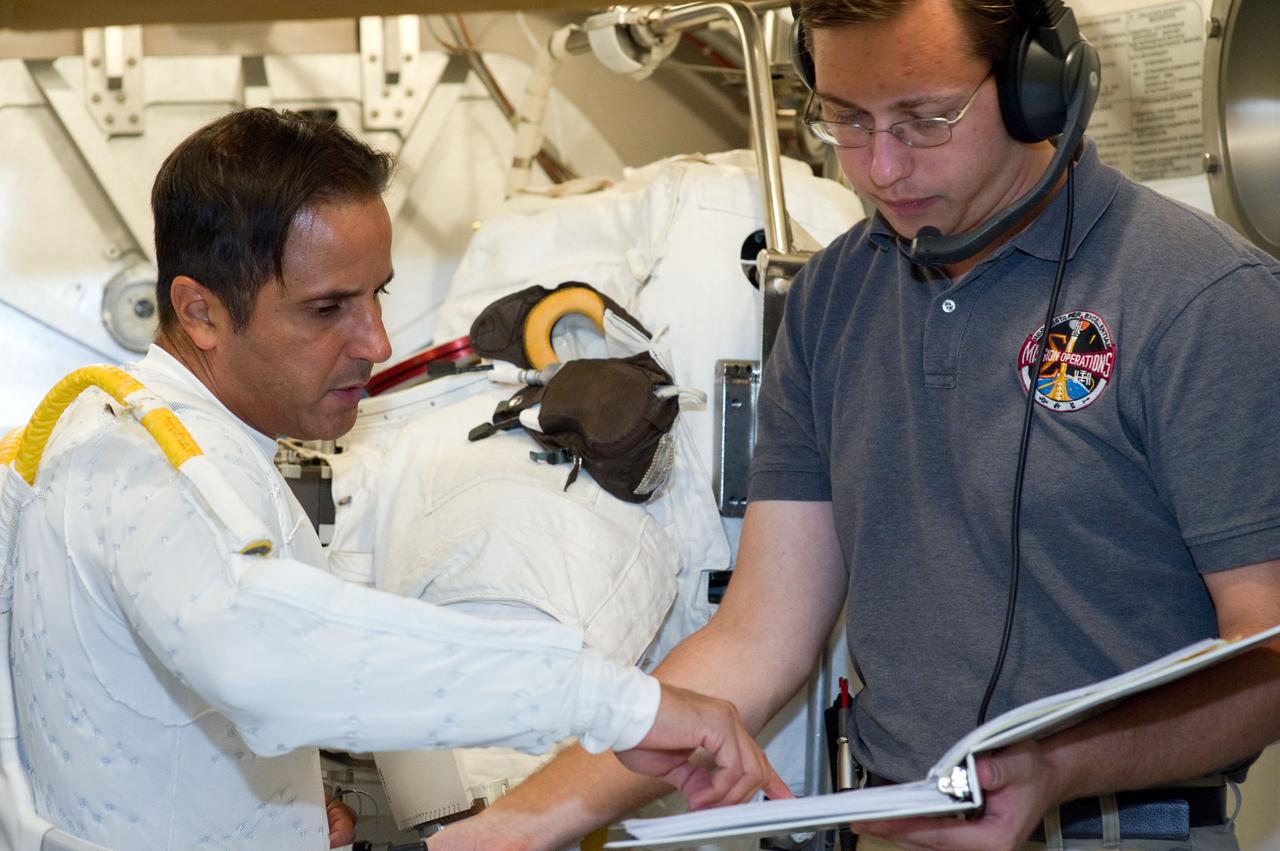
Expedition 31 crew member Joe Acaba during SSATA Crew Training in the SSATA Chamber. Photo Date: October 19, 2011. Location: Building 7 - SSATA Chamber. Photographer: Robert Markowitz
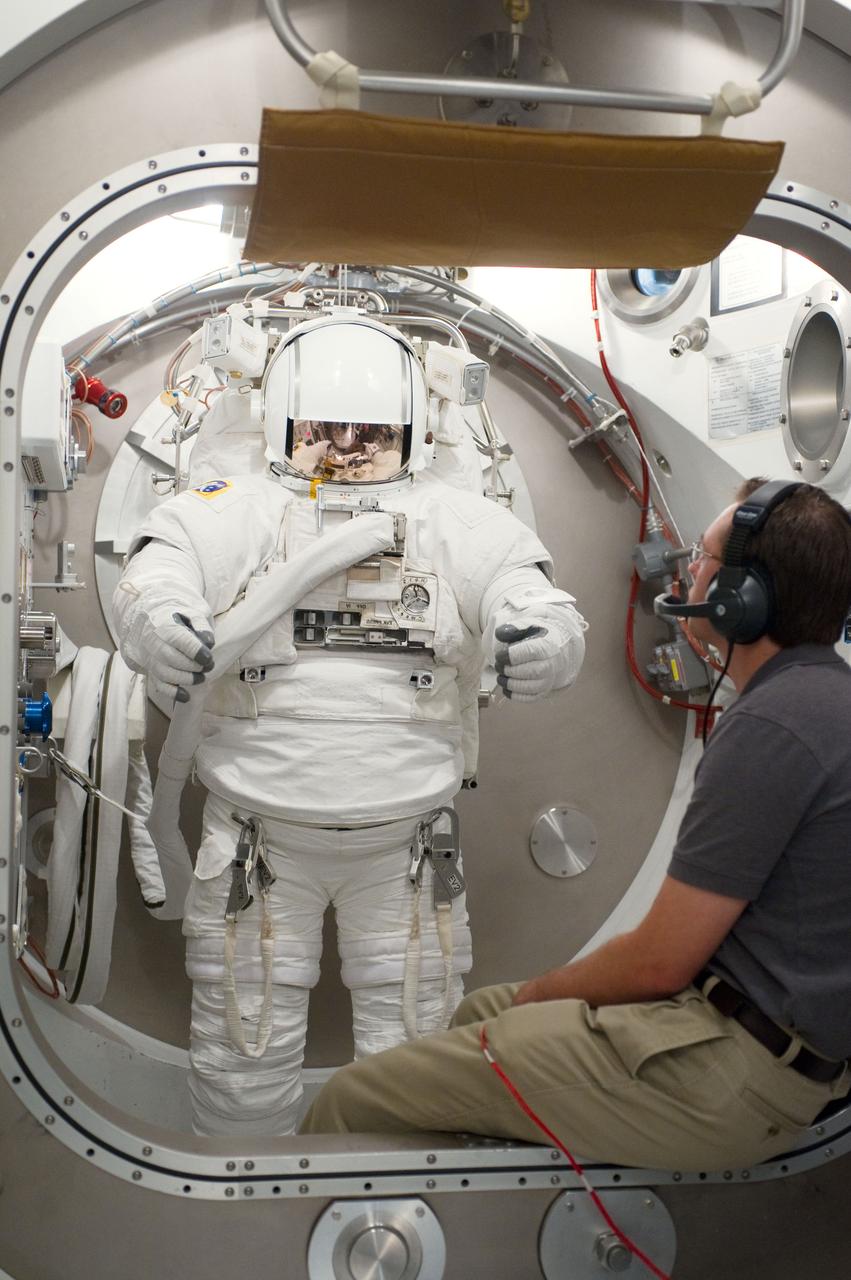
Expedition 31 crew member Joe Acaba during SSATA Crew Training in the SSATA Chamber. Photo Date: October 19, 2011. Location: Building 7 - SSATA Chamber. Photographer: Robert Markowitz
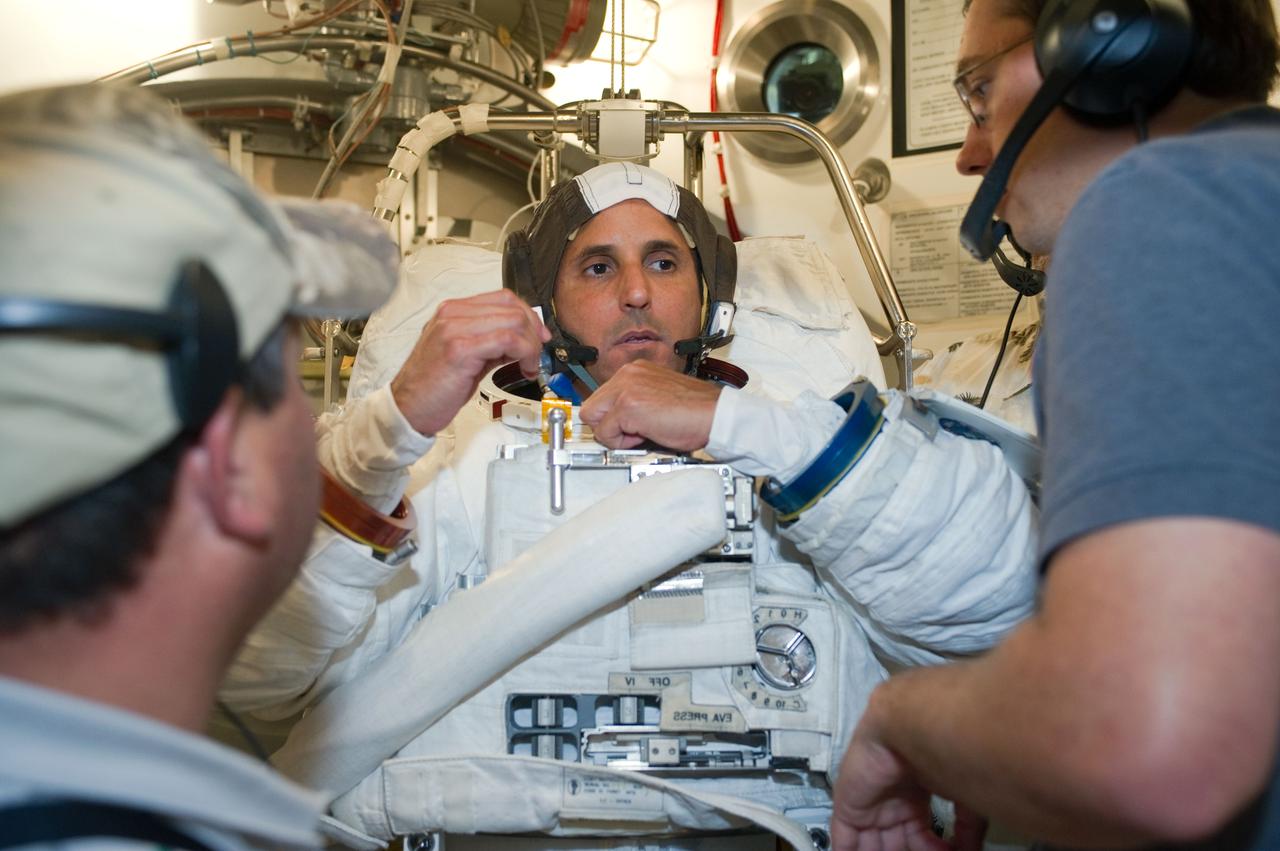
Expedition 31 crew member Joe Acaba during SSATA Crew Training in the SSATA Chamber. Photo Date: October 19, 2011. Location: Building 7 - SSATA Chamber. Photographer: Robert Markowitz
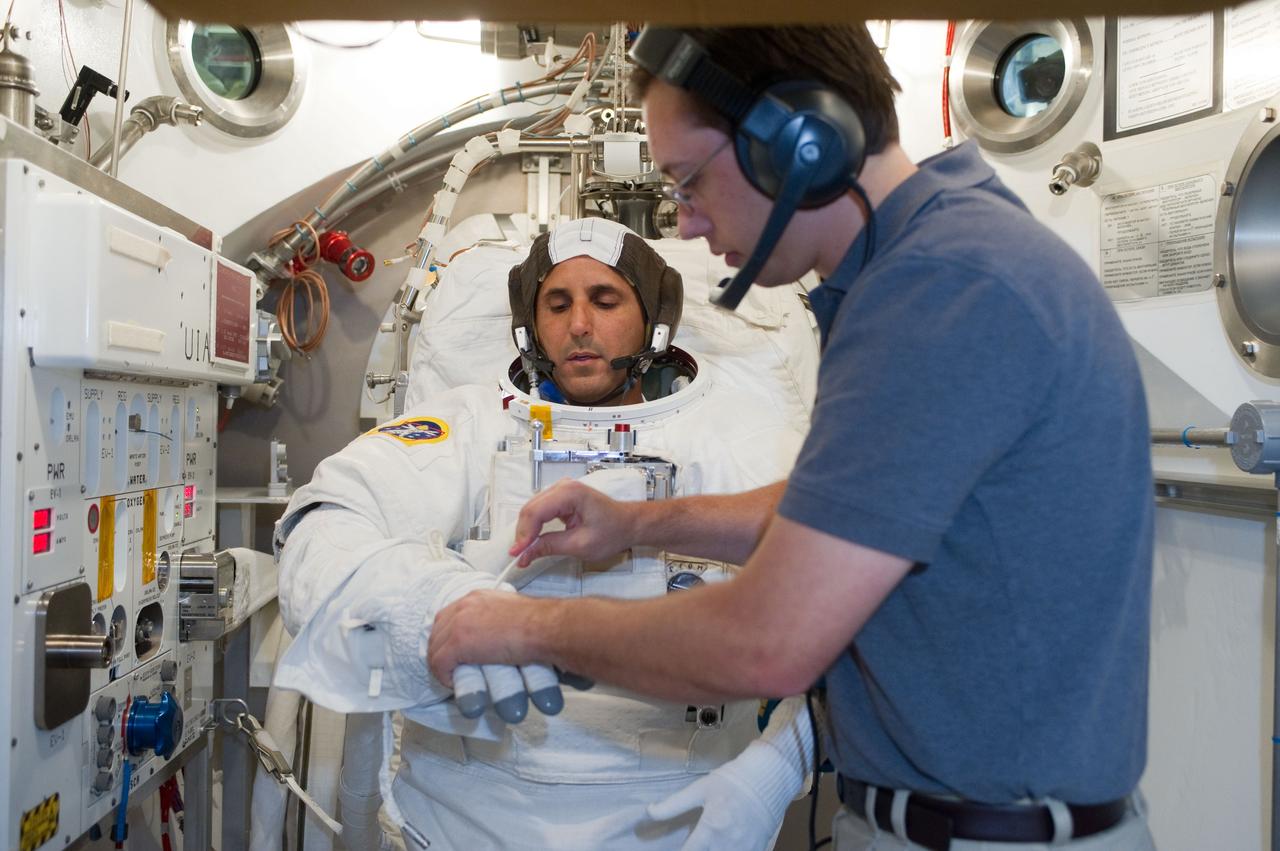
Expedition 31 crew member Joe Acaba during SSATA Crew Training in the SSATA Chamber. Photo Date: October 19, 2011. Location: Building 7 - SSATA Chamber. Photographer: Robert Markowitz
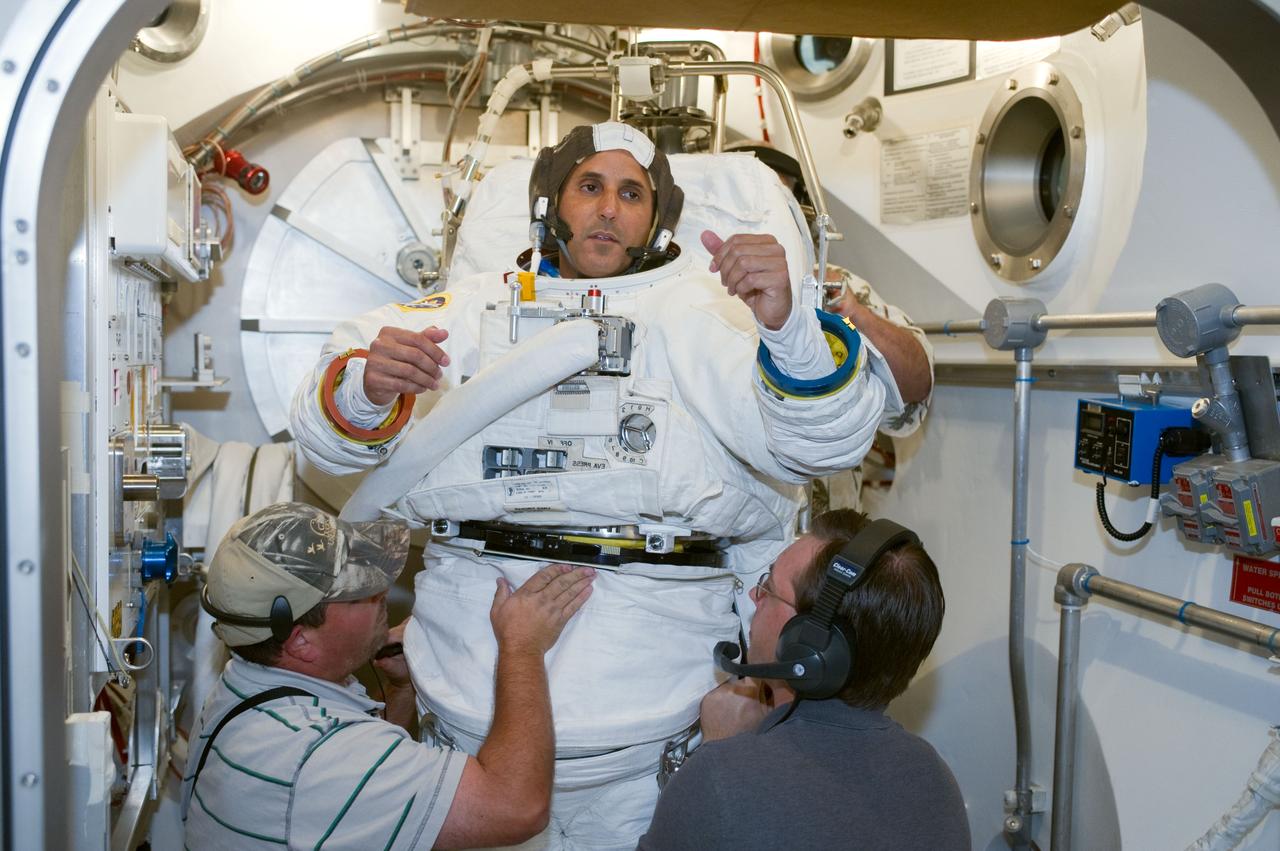
Expedition 31 crew member Joe Acaba during SSATA Crew Training in the SSATA Chamber. Photo Date: October 19, 2011. Location: Building 7 - SSATA Chamber. Photographer: Robert Markowitz
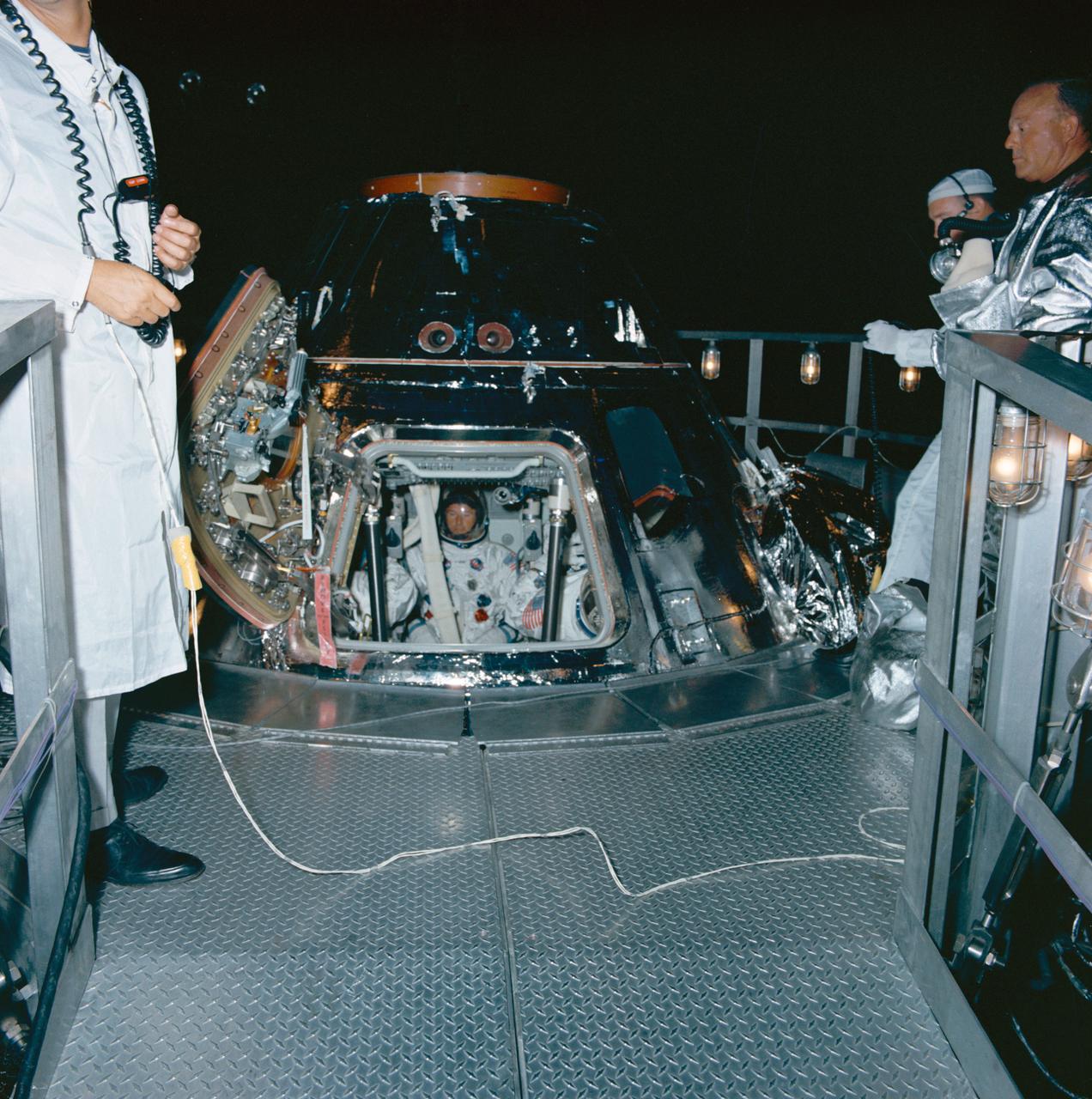
Crew ingress and beginnings of 7 1/2-day Manned Thermal Vacuum Test with Astronauts Joe Engle, Dr. Joseph Kerwin and Brand in the Apollo S/C-2TV-1, Chamber "A", Bldg. 32. Note - 35mm BW (S68-35881 thru S68-35882) - 120 CN (S68-35883 thru S68-35908) 1. ASTRONAUT BRAND, VANCE D. - VACUUM TEST 2. ASTRONAUT KERWIN, JOSEPH - VACUUM TEST 3. ASTRONAUT ENGLE, JOE - VACUUM MSC, HOUSTON, TX
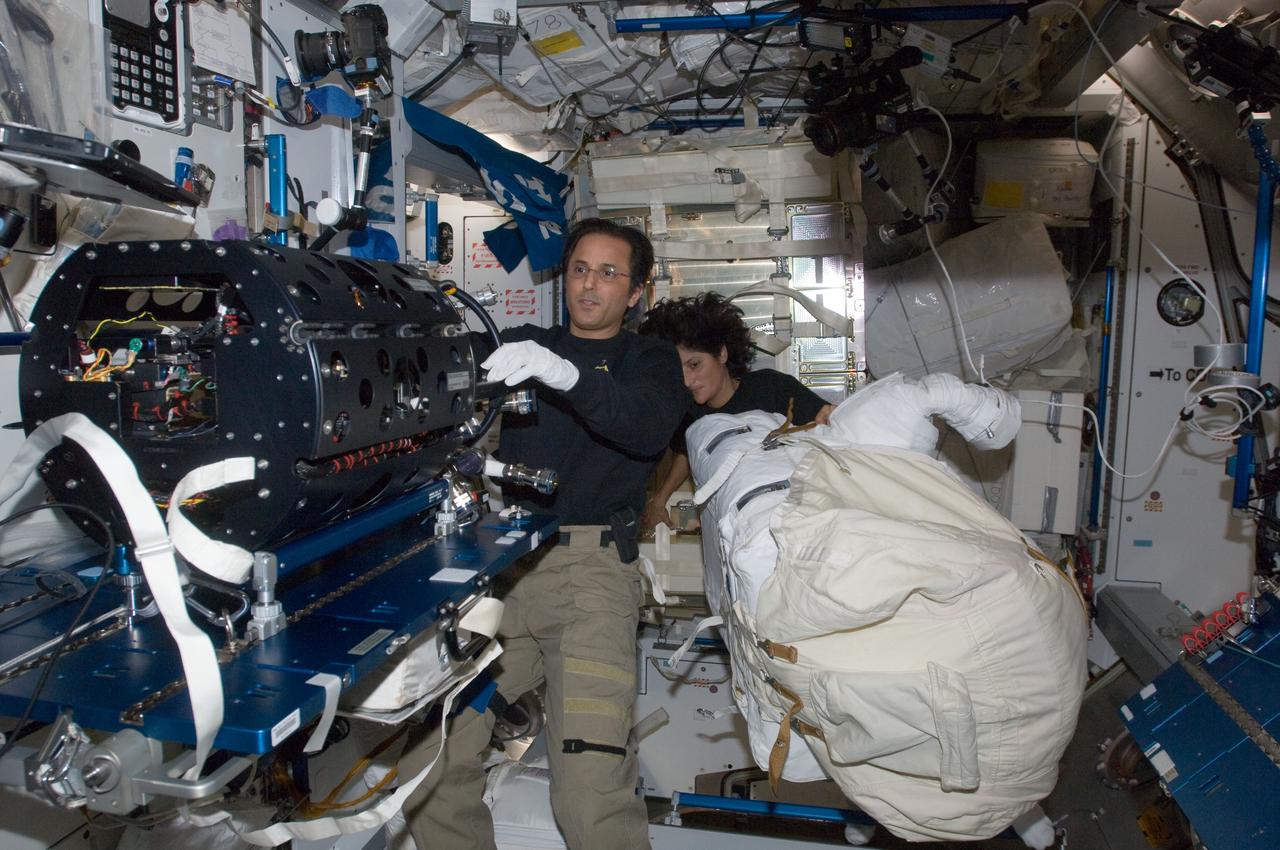
ISS032-E-016863 (7 Aug. 2012) --- NASA astronaut Joe Acaba, Expedition 32 flight engineer, works on the Multi-User Droplet Combustion Apparatus (MDCA) Chamber Insert Assembly (CIA) in the Harmony node of the International Space Station. NASA astronaut Sunita Williams, flight engineer, works with an Extravehicular Mobility Unit (EMU) spacesuit in the background.
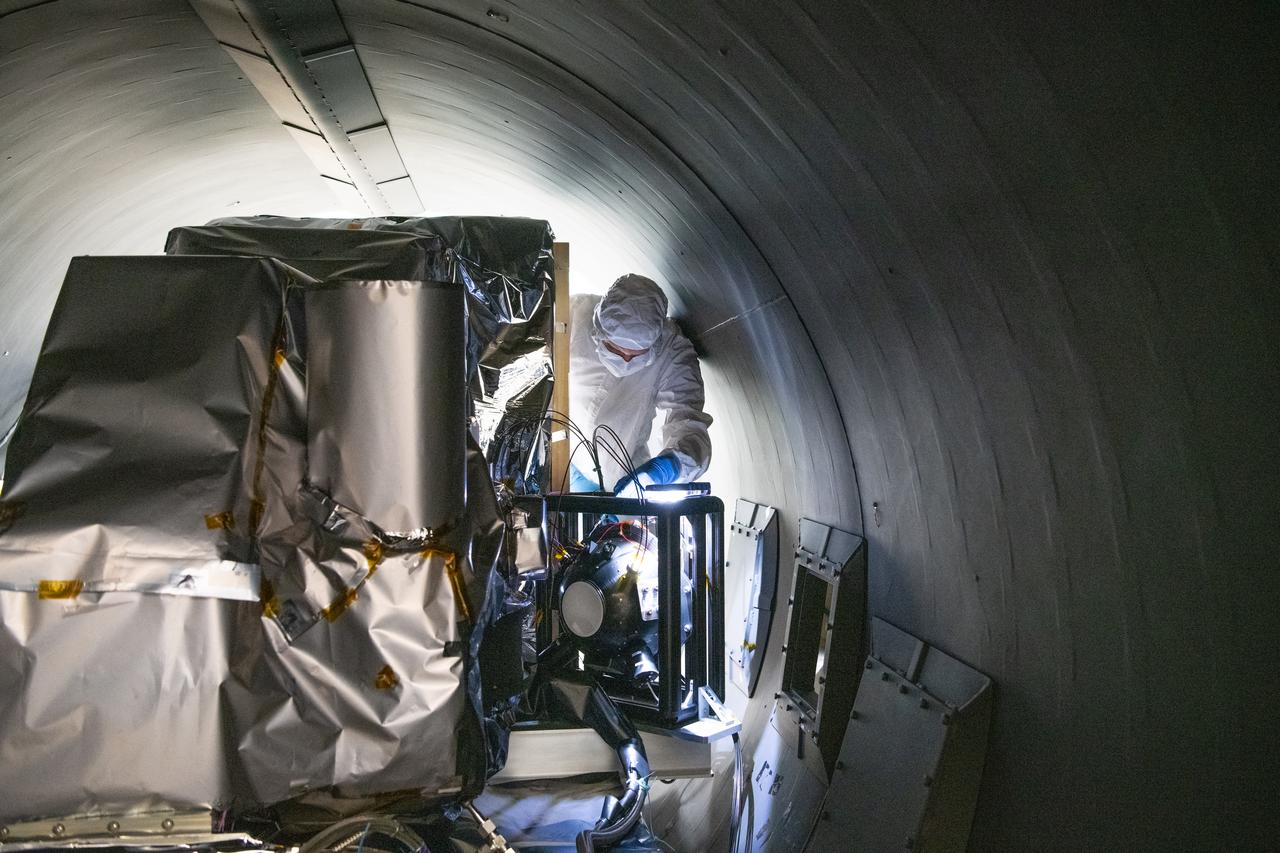
Engineer, Joe Thomes, disconnects the Multi-Lens Array fibers from the Ocean Color Instrument (OCI) in the thermal vacuum chamber after successful thermal testing. OCI is a highly advanced optical spectrometer that will be used to measure properties of light over portions of the electromagnetic spectrum. It will enable continuous measurement of light at finer wavelength resolution than previous NASA satellite sensors, extending key system ocean color data records for climate studies. OCI is PACE's (Plankton, Aerosol, Cloud, ocean Ecosystem) primary sensor built at Goddard Space Flight Center in Greenbelt, MD.
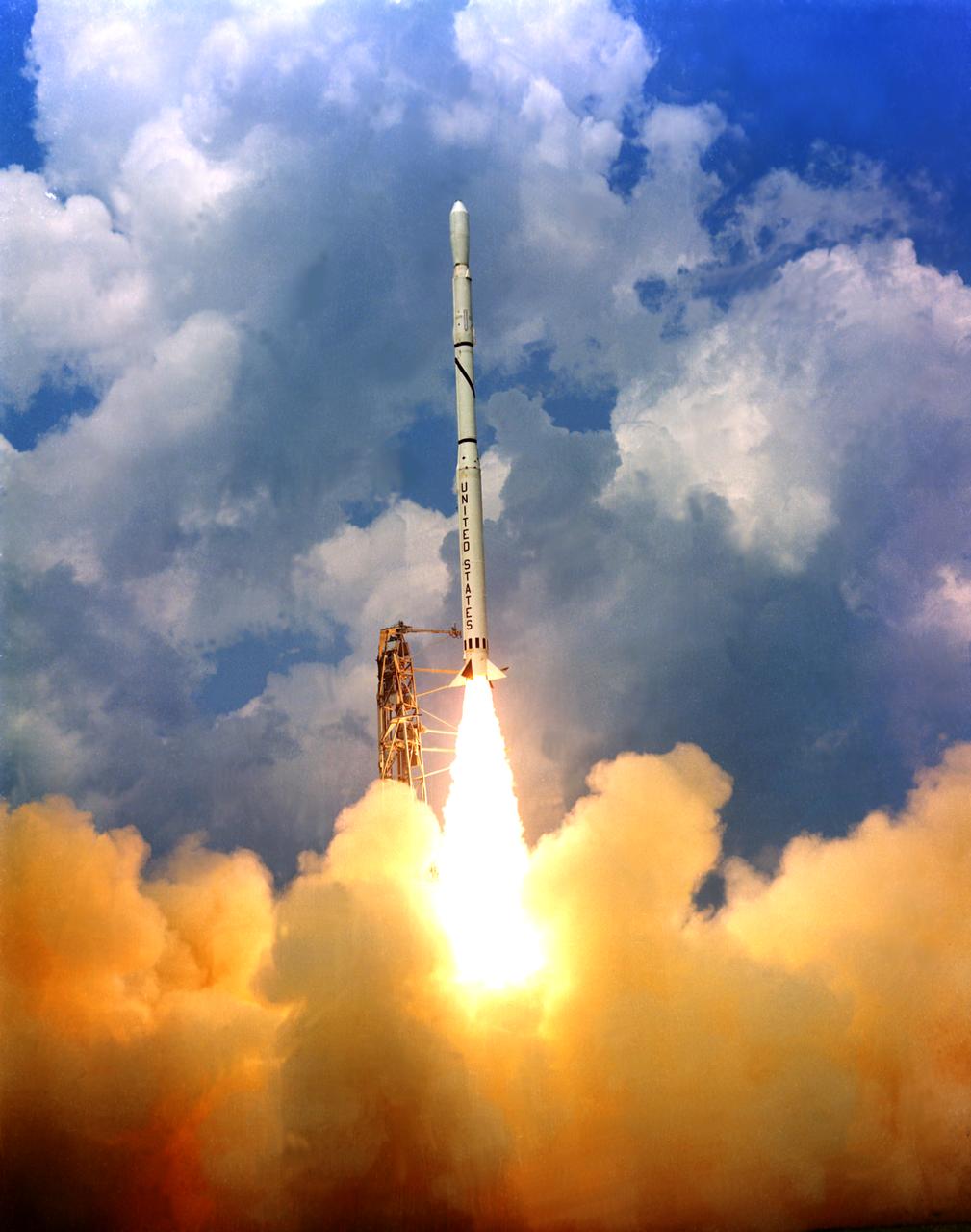
Scout launch vehicle lift off on Wallops Island in 1965. The Scout launch vehicle was used for unmanned small satellite missions, high altitude probes, and reentry experiments. Scout, the smallest of the basic launch vehicles, is the only United States launch vehicle fueled exclusively with solid propellants. Published in the book " A Century at Langley" by Joseph Chambers pg. 92

A Mercury capsule is mounted inside the Altitude Wind Tunnel for a test of its escape tower rockets at the National Aeronautics and Space Administration (NASA) Lewis Research Center. In October 1959 NASA’s Space Task Group allocated several Project Mercury assignments to Lewis. The Altitude Wind Tunnel was quickly modified so that its 51-foot diameter western leg could be used as a test chamber. The final round of tests in the Altitude Wind Tunnel sought to determine if the smoke plume from the capsule’s escape tower rockets would shroud or compromise the spacecraft. The escape tower, a 10-foot steel rig with three small rockets, was attached to the nose of the Mercury capsule. It could be used to jettison the astronaut and capsule to safety in the event of a launch vehicle malfunction on the pad or at any point prior to separation from the booster. Once actuated, the escape rockets would fire, and the capsule would be ejected away from the booster. After the capsule reached its apex of about 2,500 feet, the tower, heatshield, retropackage, and antenna would be ejected and a drogue parachute would be released. Flight tests of the escape system were performed at Wallops Island as part of the series of Little Joe launches. Although the escape rockets fired prematurely on Little Joe’s first attempt in August 1959, the January 1960 follow-up was successful.
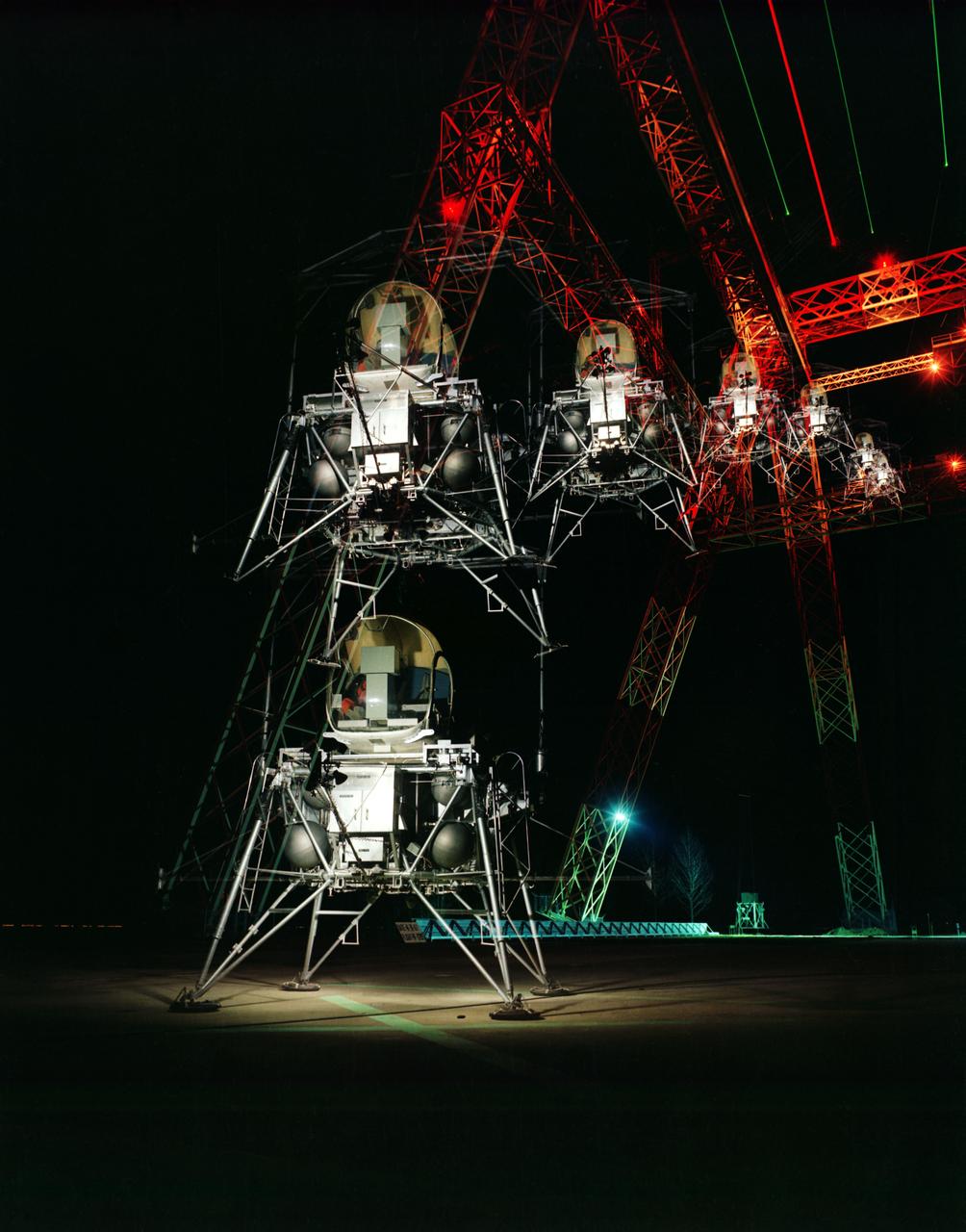
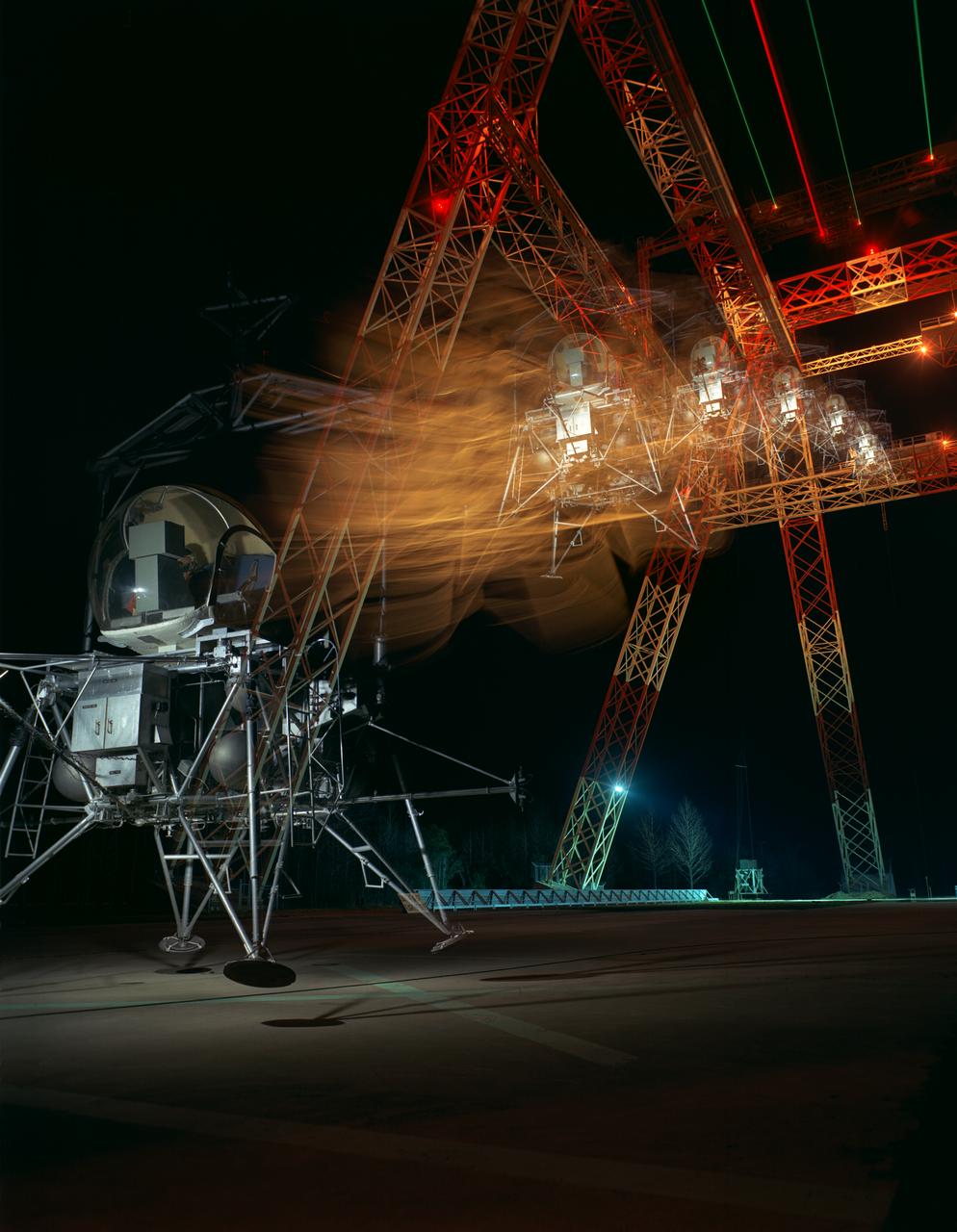
During a nighttime training session, a multiple exposure captures the movement of the Lunar Excursion Module Simulator (LEMS). The LEMS was a manned vehicle used to familiarize the Apollo astronauts with the handling characteristics of lunar-landing type vehicle. The Apollo Program is best known for the astronaut Neal Armstrong s first step on the Moon July 20, 1969. In its earliest test period, the LEMS featured a helicopter crew cabin atop the lunar landing module. Later, the helicopter crew cabin was replaced with a stand-up rectangular cabin which was more efficient for controlling maneuvers and for better viewing by the pilot. The vehicle was designed at Langley Research Center in Hampton, VA. This multiple exposure shows a simulated Moon landing of the (LEMS) trainer at Langley s Lunar Landing Research Facility. -- Photograph published in Winds of Change, 75th Anniversary NASA publication (page 70), by James Shultz. Also published in " A Century at Langley" by Joseph Chambers, pg. 93.
During a nighttime training session, a multiple exposure captures the movement of the Lunar Excursion Module Simulator (LEMS). The LEMS was a manned vehicle used to familiarize the Apollo astronauts with the handling characteristics of lunar-landing type vehicle. The Apollo Program is best known for the astronaut Neal Armstrong s first step on the Moon July 20, 1969. In its earliest test period, the LEMS featured a helicopter crew cabin atop the lunar landing module. Later, the helicopter crew cabin was replaced with a stand-up rectangular cabin which was more efficient for controlling maneuvers and for better viewing by the pilot. The vehicle was designed at Langley Research Center in Hampton, VA. This multiple exposure shows a simulated Moon landing of the (LEMS) trainer at Langley s Lunar Landing Research Facility. -- Photograph published in Winds of Change, 75th Anniversary NASA publication (page 70), by James Shultz. Also published in " A Century at Langley" by Joseph Chambers, pg. 93.