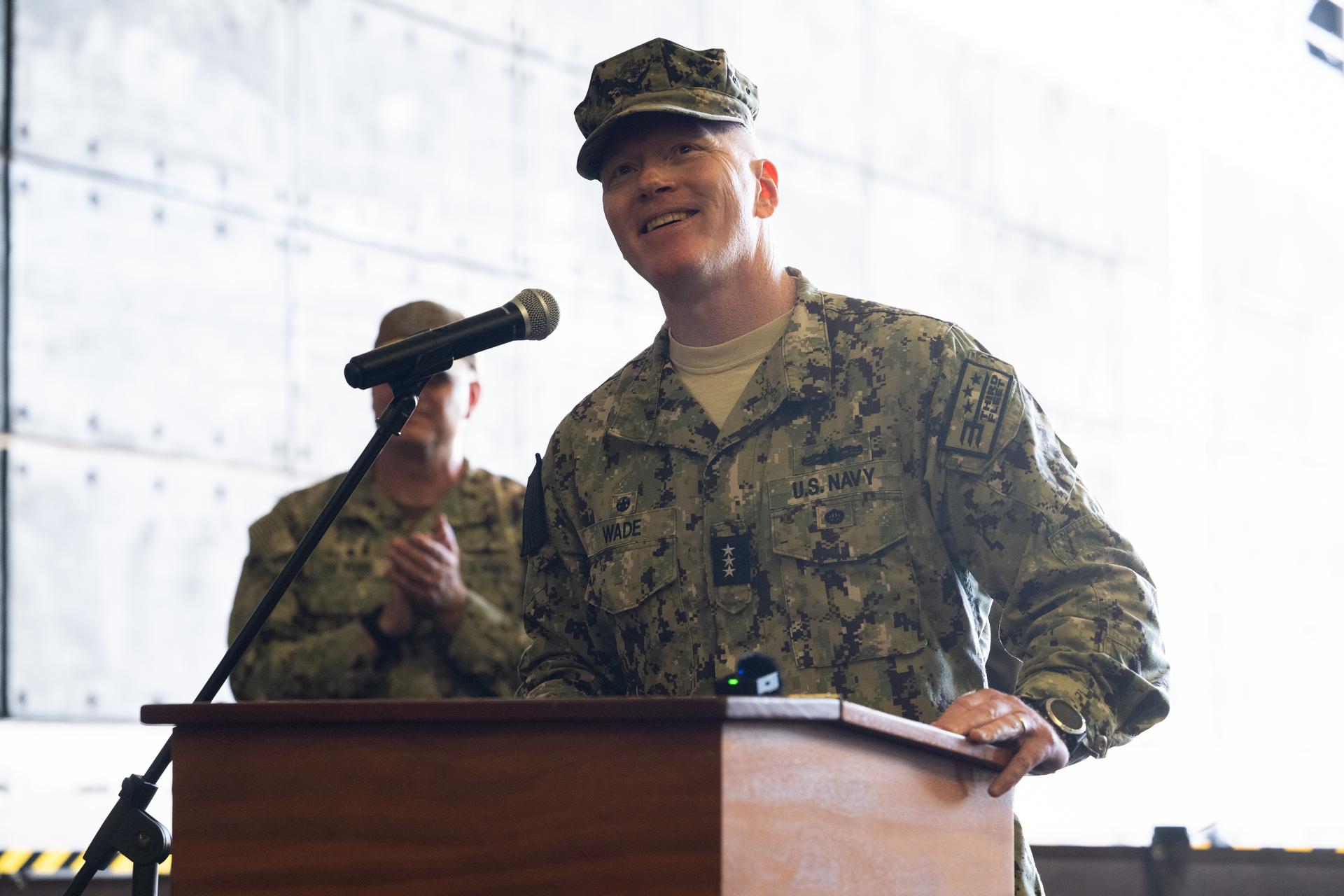
Vice Adm. John Wade, Commander, Third Fleet, speaks to the crew of USS John P. Murtha, NASA Landing and Recovery teams, and the agency’s U.S. military recovery partners in the well deck of John P. Murtha, Saturday, April 11, 2026, at Naval Base San Diego after supporting recovery operations for NASA’s Artemis II mission. The agency’s Artemis II mission, which took NASA astronauts Reid Wiseman, commander; Victor Glover, pilot; Christina Koch, mission specialist; and CSA (Canadian Space Agency) astronaut Jeremy Hansen, mission specialist on a nearly 10-day journey around the Moon and back to Earth, splashed down at 5:07 p.m. PDT (8:07 p.m. EDT) on April 10 in the Pacific Ocean off the coast of California. Photo Credit: (NASA/Joel Kowsky)
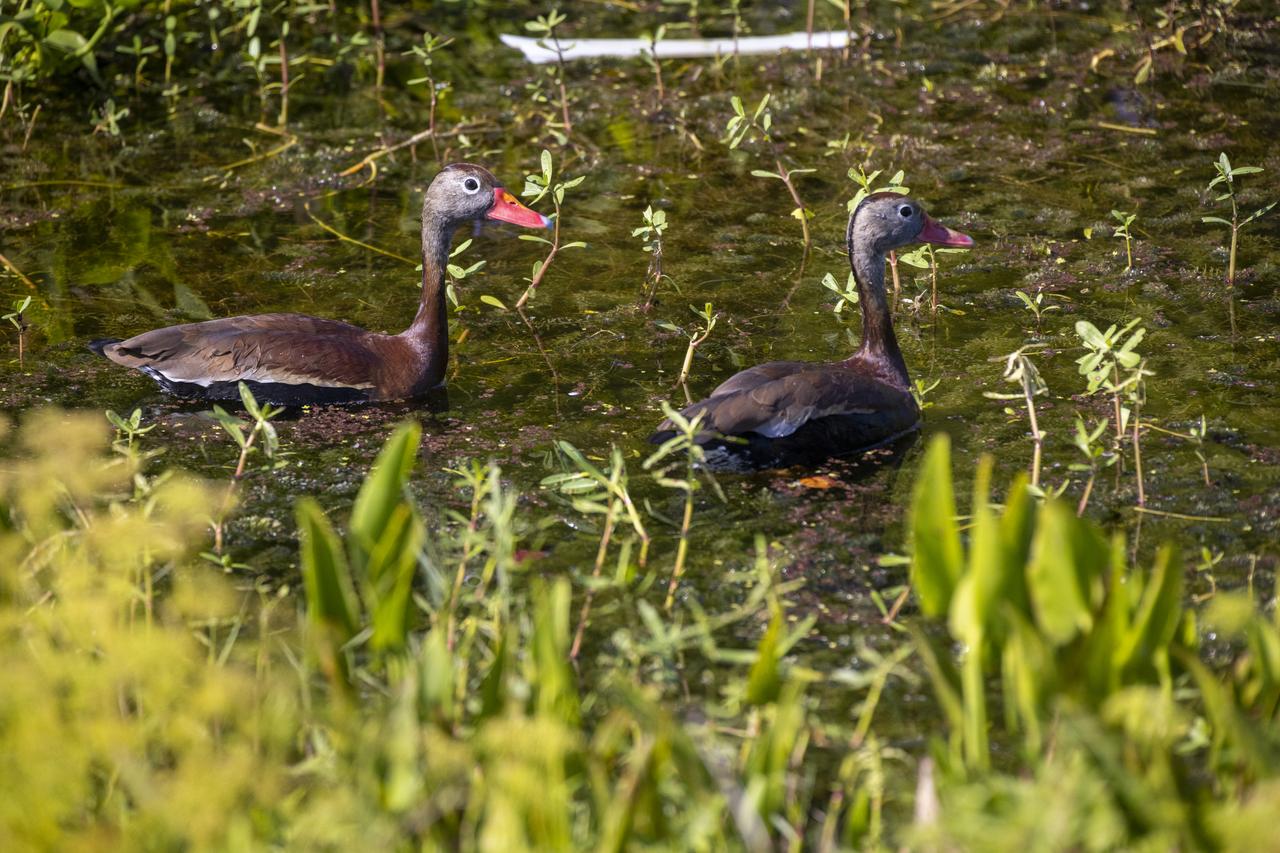
Two black-bellied whistling ducks wade in a marsh at NASA’s John F. Kennedy Space Center in Florida on May 19, 2023. The center shares a border with the Merritt Island National Wildlife Refuge. More than 330 native and migratory bird species call Kennedy and the wildlife refuge home.
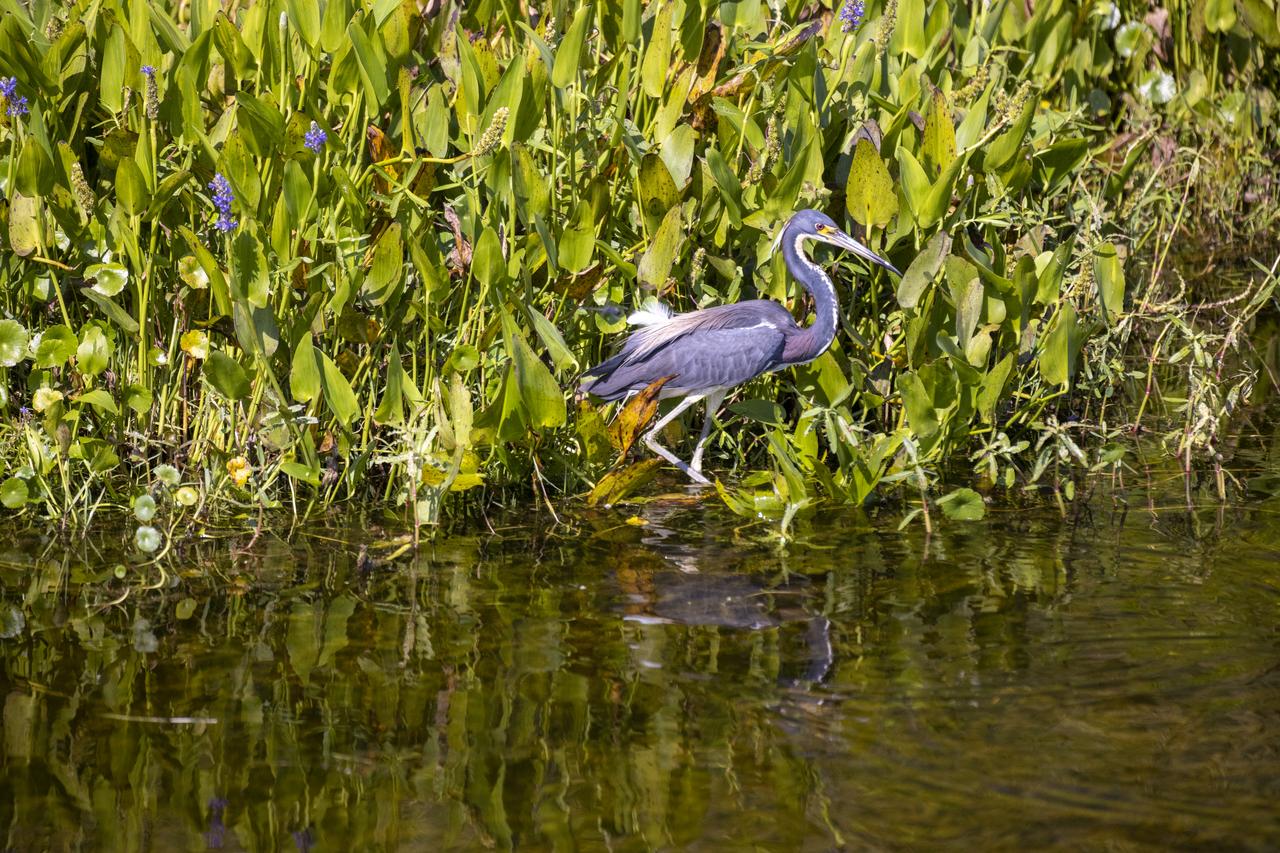
Framed by wildflowers, a tricolored heron wades in a waterway at NASA’s John F. Kennedy Space Center in Florida on May 19, 2023. The center shares a border with the Merritt Island National Wildlife Refuge. More than 330 native and migratory bird species call Kennedy and the wildlife refuge home.
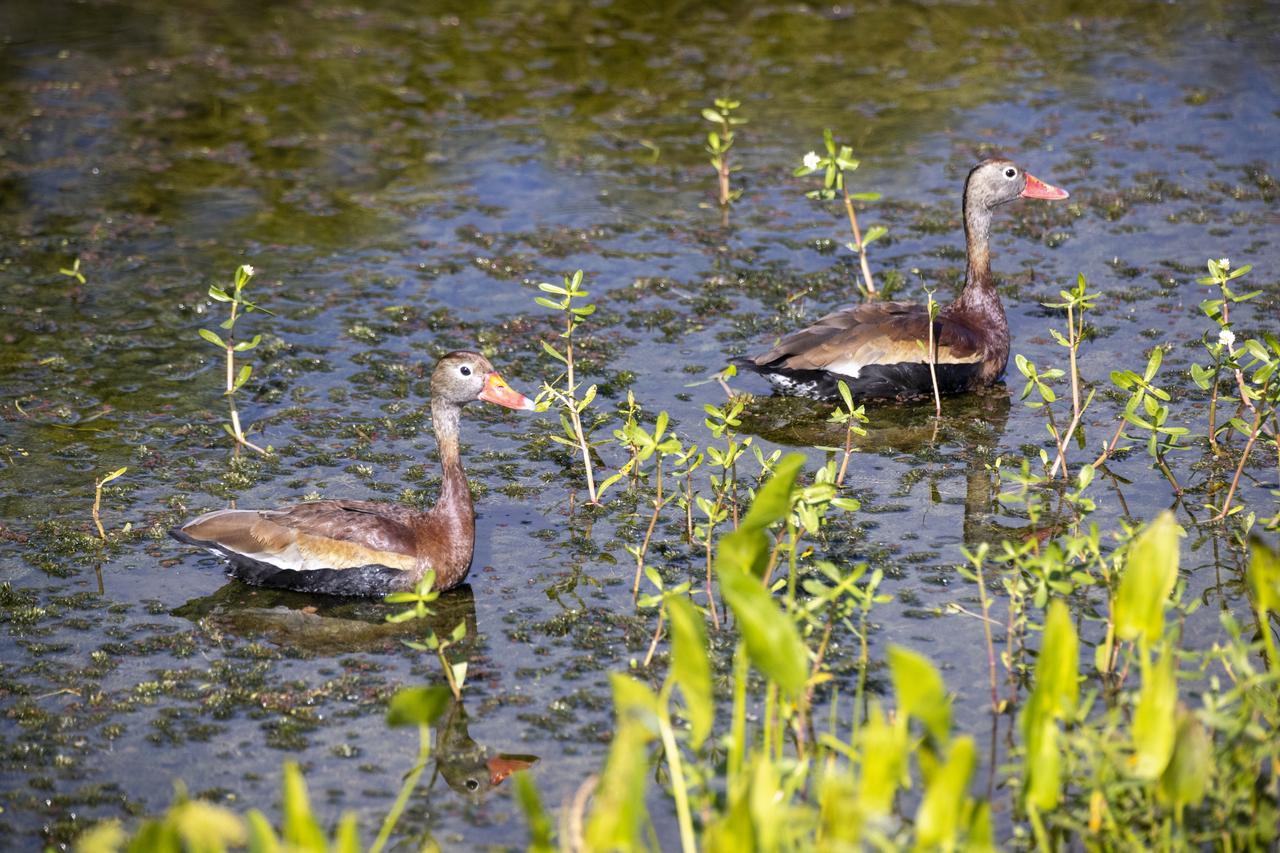
Two black-bellied whistling ducks wade in a marsh at NASA’s John F. Kennedy Space Center in Florida on May 19, 2023. The center shares a border with the Merritt Island National Wildlife Refuge. More than 330 native and migratory bird species call Kennedy and the wildlife refuge home.
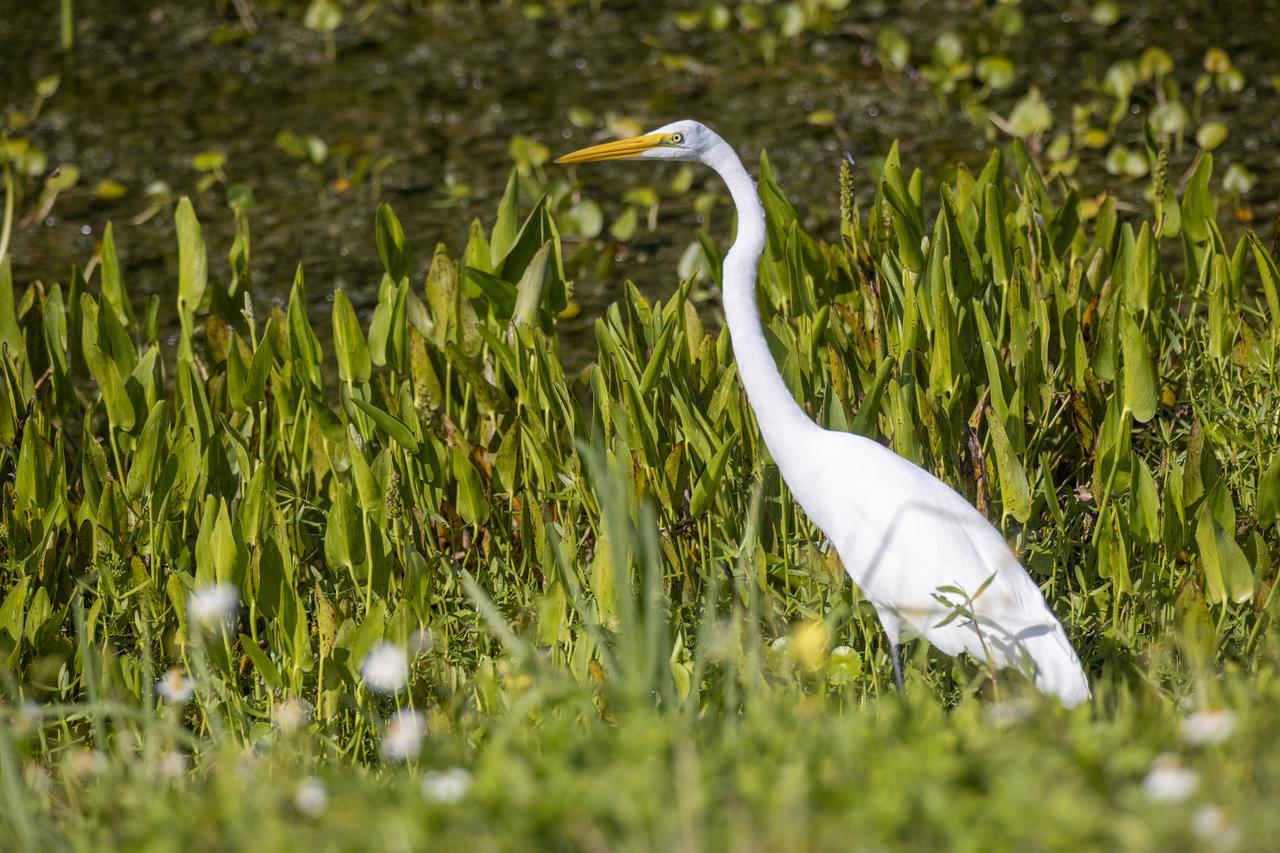
A great egret wades through a marsh filled with wildflowers at NASA’s John F. Kennedy Space Center in Florida on May 19, 2023. The center shares a border with the Merritt Island National Wildlife Refuge. More than 330 native and migratory bird species, along with 65 amphibian and reptile species, call Kennedy and the wildlife refuge home.
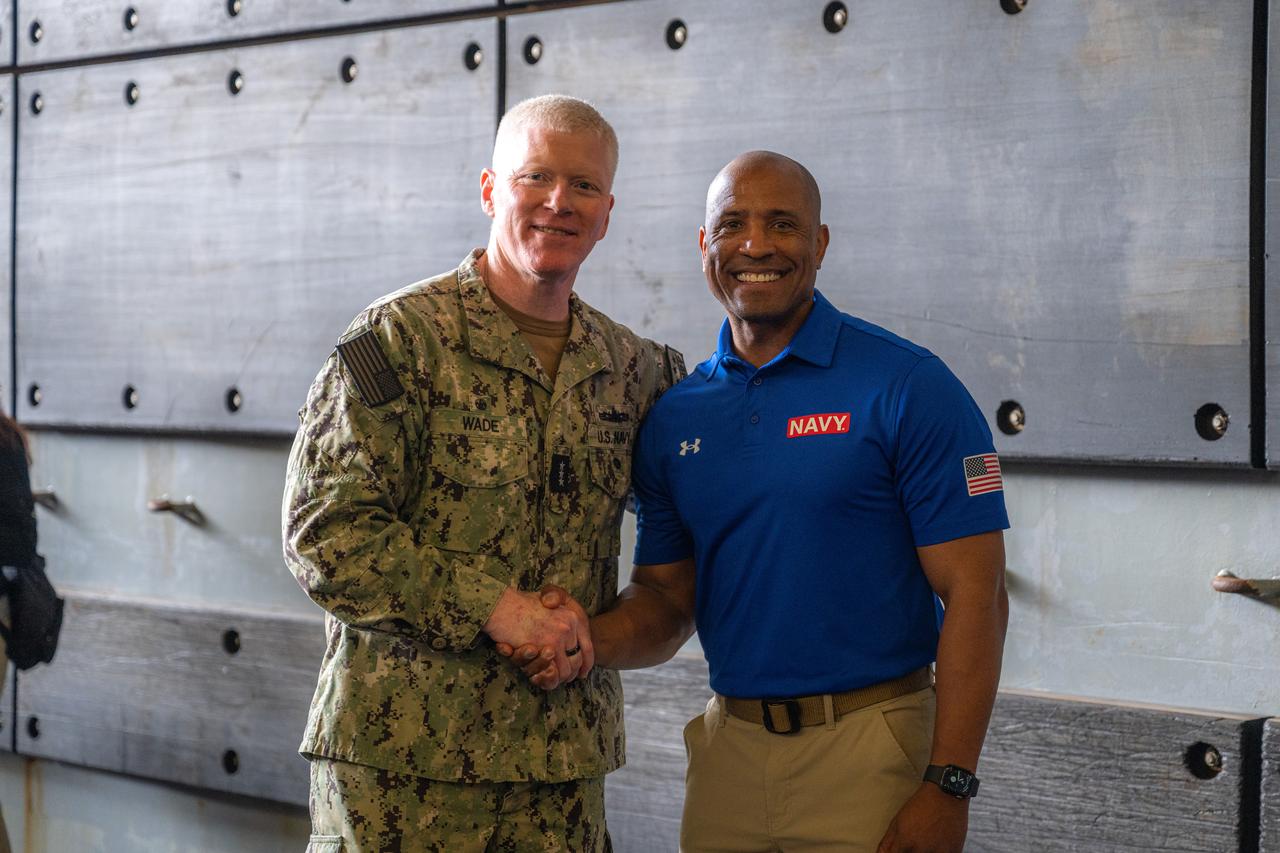
Vice Adm. John F. G. Wade, commander, U.S. 3rd Fleet, left, and NASA Artemis II Mission Pilot, Victor Glover, pose for a photo in the well deck of amphibious transport dock USS Somerset (LPD 25) ahead of NASA Underway Recovery Test 12 on Naval Base San Diego, March 25, 2025. In preparation for NASA's Artemis II crewed mission, which will send four astronauts around the moon and beyond in the Orion spacecraft, NASA and the Department of Defense will conduct a series of tests to demonstrate and evaluate the processes, procedures, and hardware used in recovery operations for crewed lunar missions.
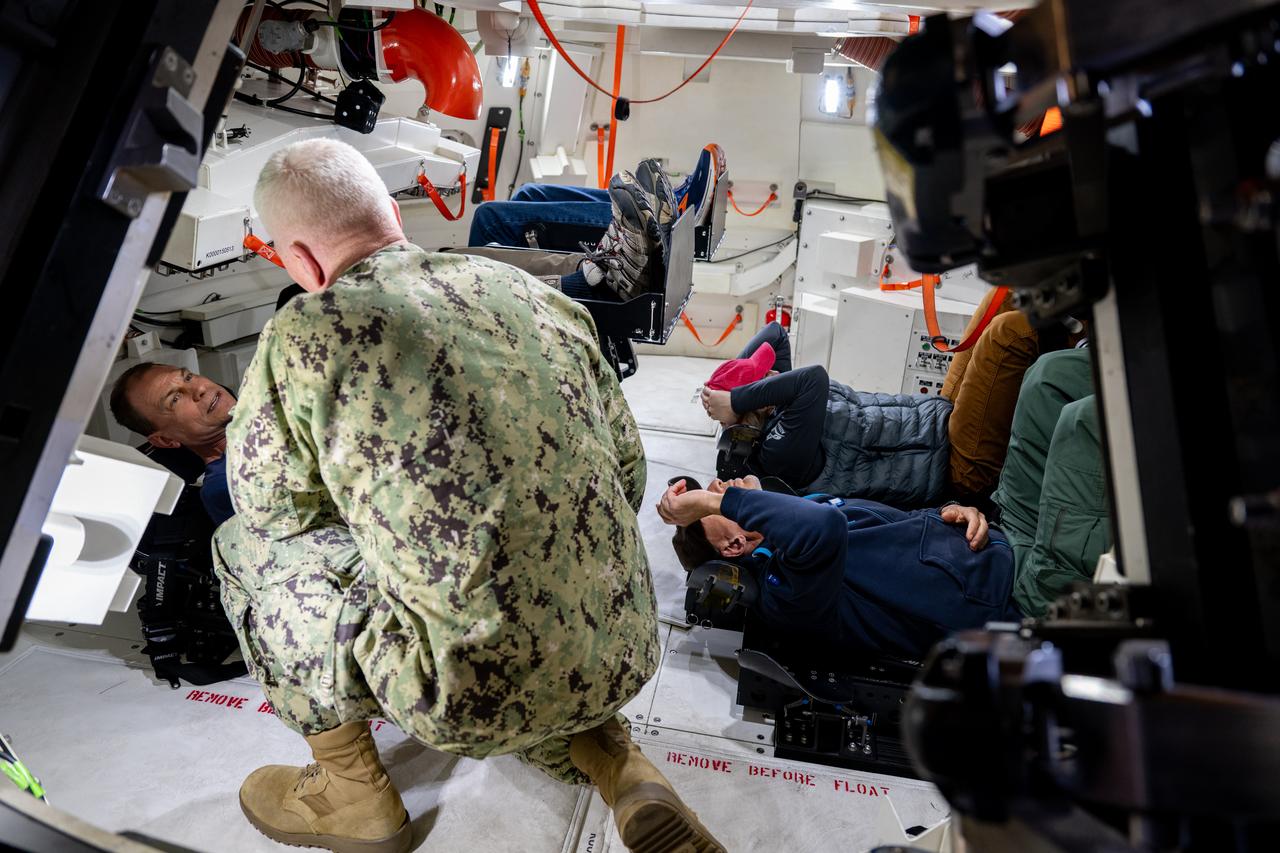
Vice Adm. John F. G. Wade, commander of U.S. 3rd Fleet, speaks with NASA astronaut Stan Love inside an Orion crew module test article in the well deck of amphibious transport dock USS Somerset (LPD 25) ahead of NASA Underway Recovery Test 12 on Naval Base San Diego, March 25, 2025. In preparation for NASA's Artemis II crewed mission, which will send four astronauts around the Moon and beyond in the Orion spacecraft, NASA and the Department of Defense will conduct a series of tests to demonstrate and evaluate the processes, procedures, and hardware used in recovery operations for crewed lunar missions.
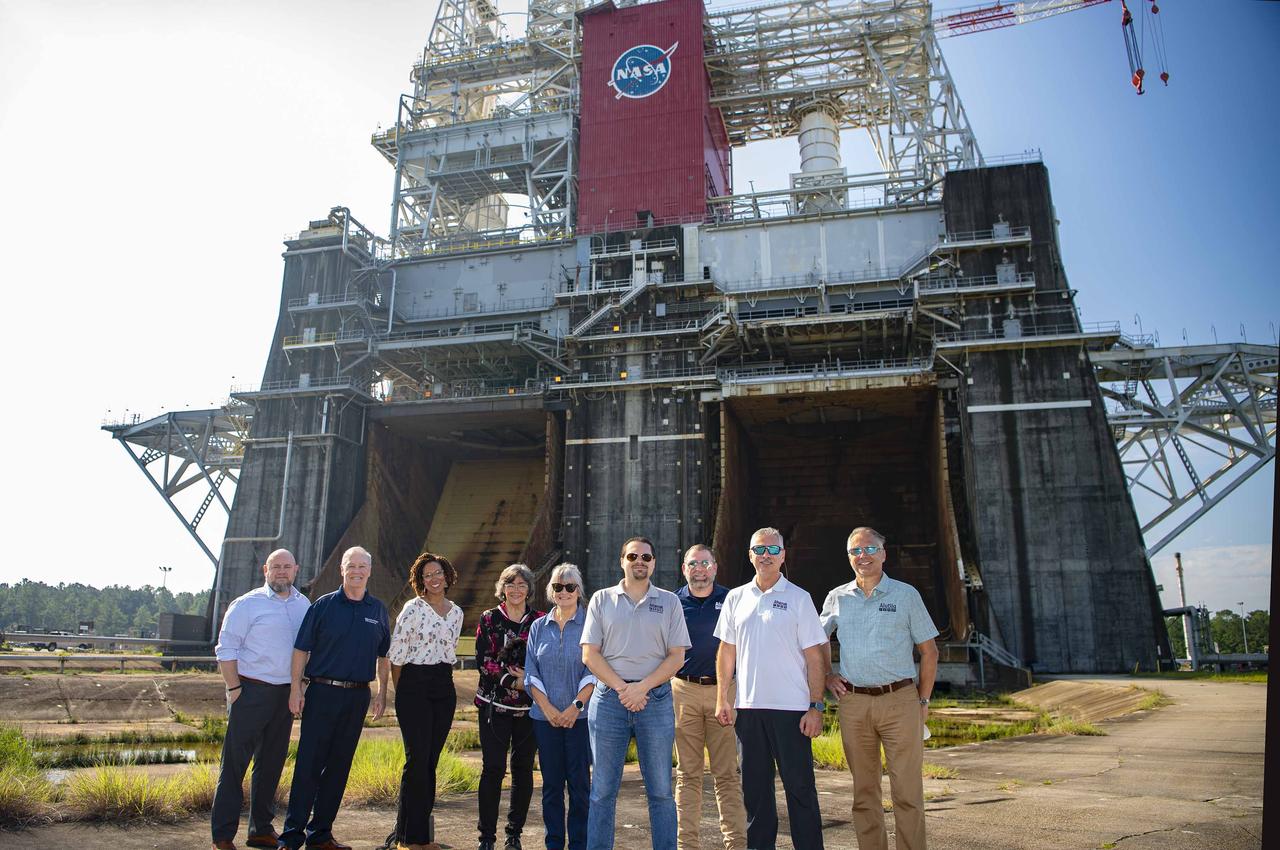
Afognak Native Corporation Board of Director members and Alutiiq, LLC executives stand at the Thad Cochran Test Stand (B-1/B-2) during a visit to NASA’s Stennis Space Center on Sept. 19. The board members and executives visited the site to learn about laboratory services provided by Alutiiq Essential Services at NASA Stennis since 2020. Afognak is an Alaskan corporation focused on serving the needs of its native Alaskan people. Alutiiq, LLC operates as a subsidiary of the corporation to provide a variety of services to federal entities. Alutiiq Essential Services operates as a subsidiary of Alutiiq, LLC. Shown at the test stand during the Sept. 19 visit are, left to right: Ian Neumann, Alutiiq executive; John Monaccio, Alutiiq Essential Services president; Autumn Sellers, Alutiiq executive; Loretta Nelson, director; Marci Orth, director; Wade Hall, director; Shane Mendel, Alutiiq Essential Services program manager at NASA Stennis; Erik Olsen, director; Alan Hines, Alutiiq Essential Services executive.
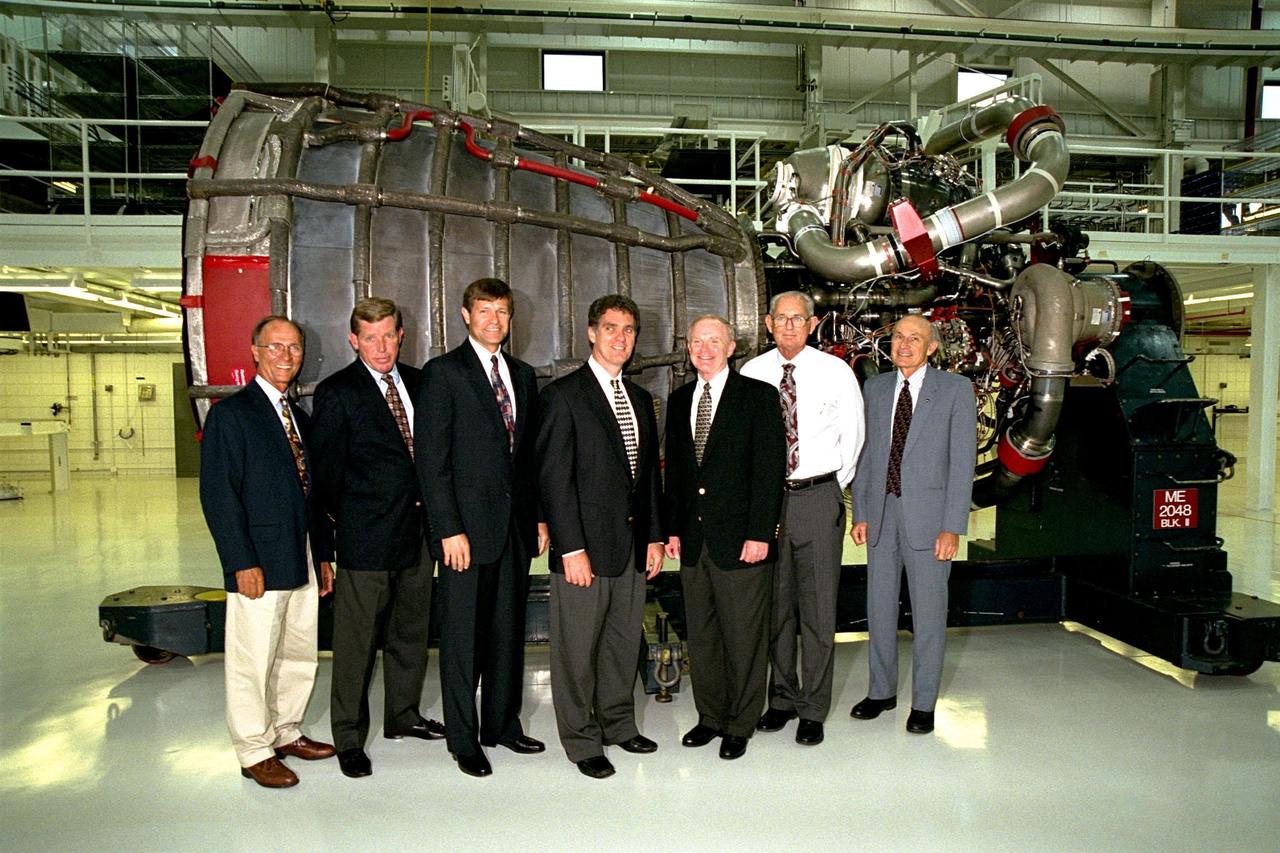
Participants in the ribbon cutting for KSC's new 34,600-square-foot Space Shuttle Main Engine Processing Facility (SSMEPF) pose in front of a Space Shuttle Main Engine on display for the ceremony. From left, they are Ed Adamek, vice president and associate program manager for Ground Operations of United Space Alliance; John Plowden, vice president of Rocketdyne; Donald R. McMonagle, manager of Launch Integration; U.S. Congressman Dave Weldon; KSC Center Director Roy D. Bridges Jr.; Wade Ivey of Ivey Construction, Inc.; and Robert B. Sieck, director of Shuttle Processing. A major addition to the existing Orbiter Processing Facility Bay 3, the SSMEPF replaces the Shuttle Main Engine Shop located in the Vehicle Assembly Building (VAB). The decision to move the shop out of the VAB was prompted by safety considerations and recent engine processing improvements. The first three main engines to be processed in the new facility will fly on Shuttle Endeavour's STS-88 mission in December 1998
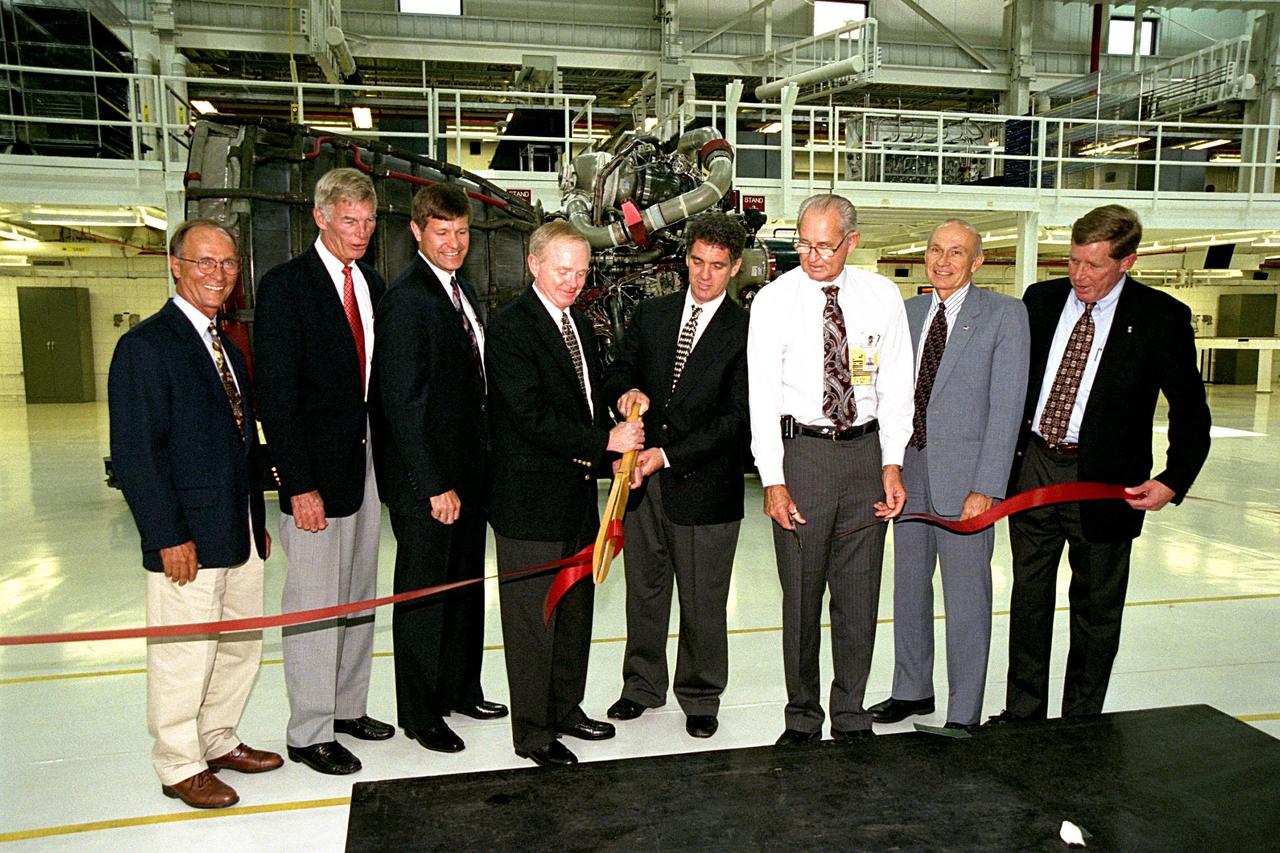
KSC Center Director Roy D. Bridges Jr. and U.S. Congressman Dave Weldon (holding scissors) cut the ribbon at a ceremony on July 6 to open KSC's new 34,600-square-foot Space Shuttle Main Engine Processing Facility (SSMEPF). Joining in the ribbon cutting are (left) Ed Adamek, vice president and associate program manager for Ground Operations of United Space Alliance; Marvin L. Jones, director of Installation Operations; Donald R. McMonagle, manager of Launch Integration; (right) Wade Ivey of Ivey Construction, Inc.; Robert B. Sieck, director of Shuttle Processing; and John Plowden, vice president of Rocketdyne. A major addition to the existing Orbiter Processing Facility Bay 3, the SSMEPF replaces the Shuttle Main Engine Shop located in the Vehicle Assembly Building (VAB). The decision to move the shop out of the VAB was prompted by safety considerations and recent engine processing improvements. The first three main engines to be processed in the new facility will fly on Shuttle Endeavour's STS-88 mission in December 1998