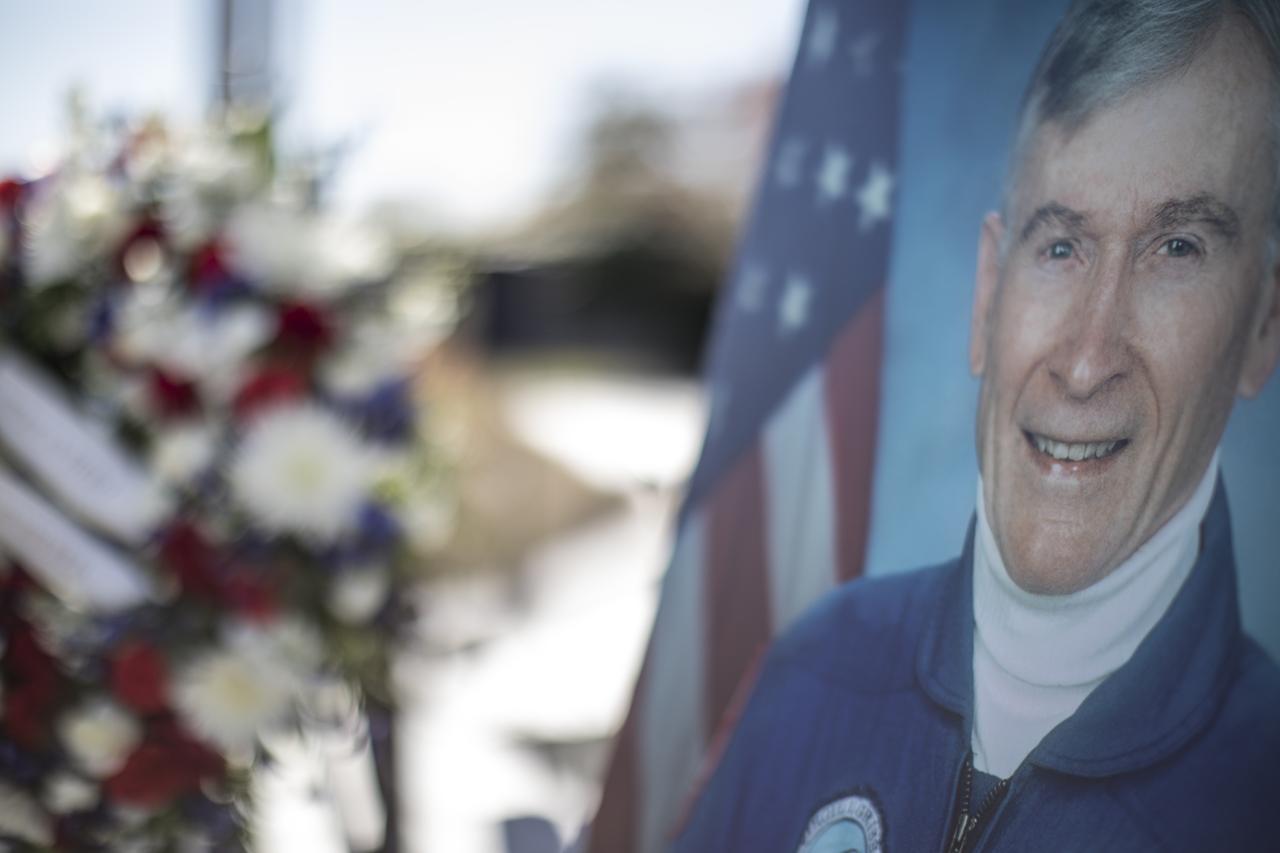
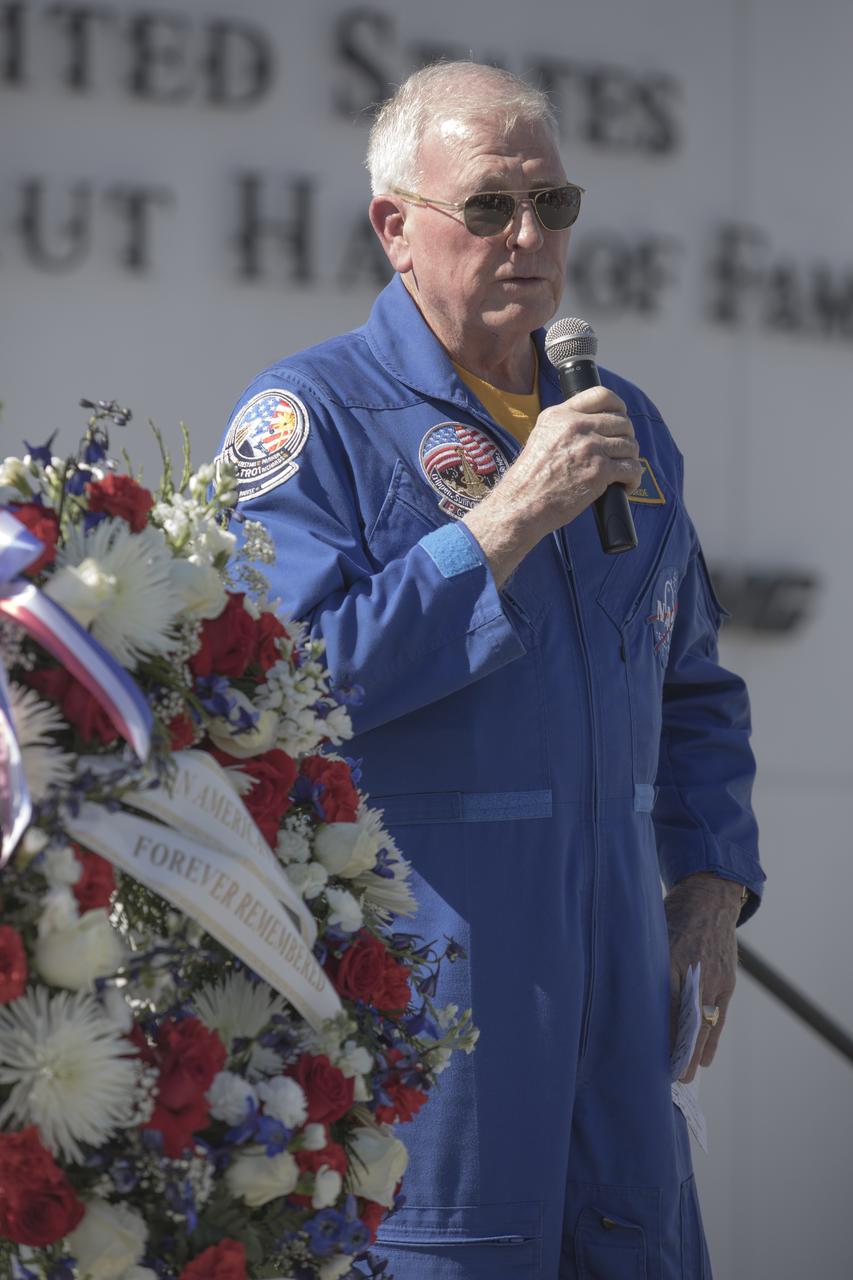
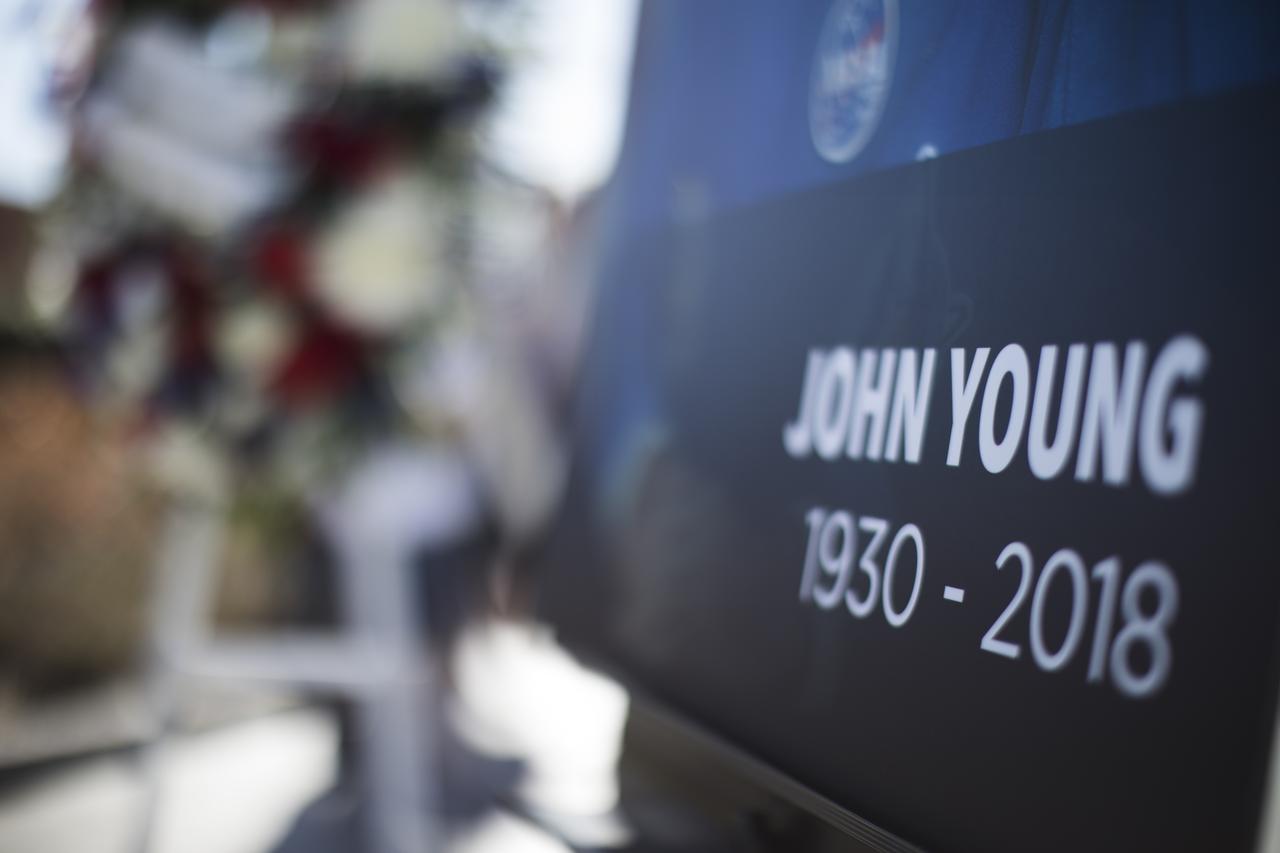
NASA astronaut John Young was remembered in a ceremony at the Heroes and Legends exhibit at the Kennedy Space Center Visitor Complex. The brief memorial took place on the afternoon of Jan. 11, 2018. Young died Jan. 5, 2018, in Houston at the age of 87. He was the only astronaut to fly in NASA's Gemini, Apollo and Space Shuttle Programs.
John Young Memorial Tribute
NASA astronaut John Young was remembered in a ceremony at the Heroes and Legends exhibit at the Kennedy Space Center Visitor Complex. The brief memorial took place on the afternoon of Jan. 11, 2018. Young died Jan. 5, 2018, in Houston at the age of 87. He was the only astronaut to fly in NASA's Gemini, Apollo and Space Shuttle Programs.
John Young Memorial Tribute
NASA astronaut John Young was remembered in a ceremony at the Heroes and Legends exhibit at the Kennedy Space Center Visitor Complex. The brief memorial took place on the afternoon of Jan. 11, 2018. Young died Jan. 5, 2018, in Houston at the age of 87. He was the only astronaut to fly in NASA's Gemini, Apollo and Space Shuttle Programs.
John Young Memorial Tribute
NASA astronaut John Young was remembered in a ceremony at the Heroes and Legends exhibit at the Kennedy Space Center Visitor Complex. The brief memorial took place on the afternoon of Jan. 11, 2018. Young died Jan. 5, 2018, in Houston at the age of 87. He was the only astronaut to fly in NASA's Gemini, Apollo and Space Shuttle Programs.
John Young Memorial Tribute
NASA astronaut John Young was remembered in a ceremony at the Heroes and Legends exhibit at the Kennedy Space Center Visitor Complex. The brief memorial took place on the afternoon of Jan. 11, 2018. Young died Jan. 5, 2018, in Houston at the age of 87. He was the only astronaut to fly in NASA's Gemini, Apollo and Space Shuttle Programs.
John Young Memorial Tribute
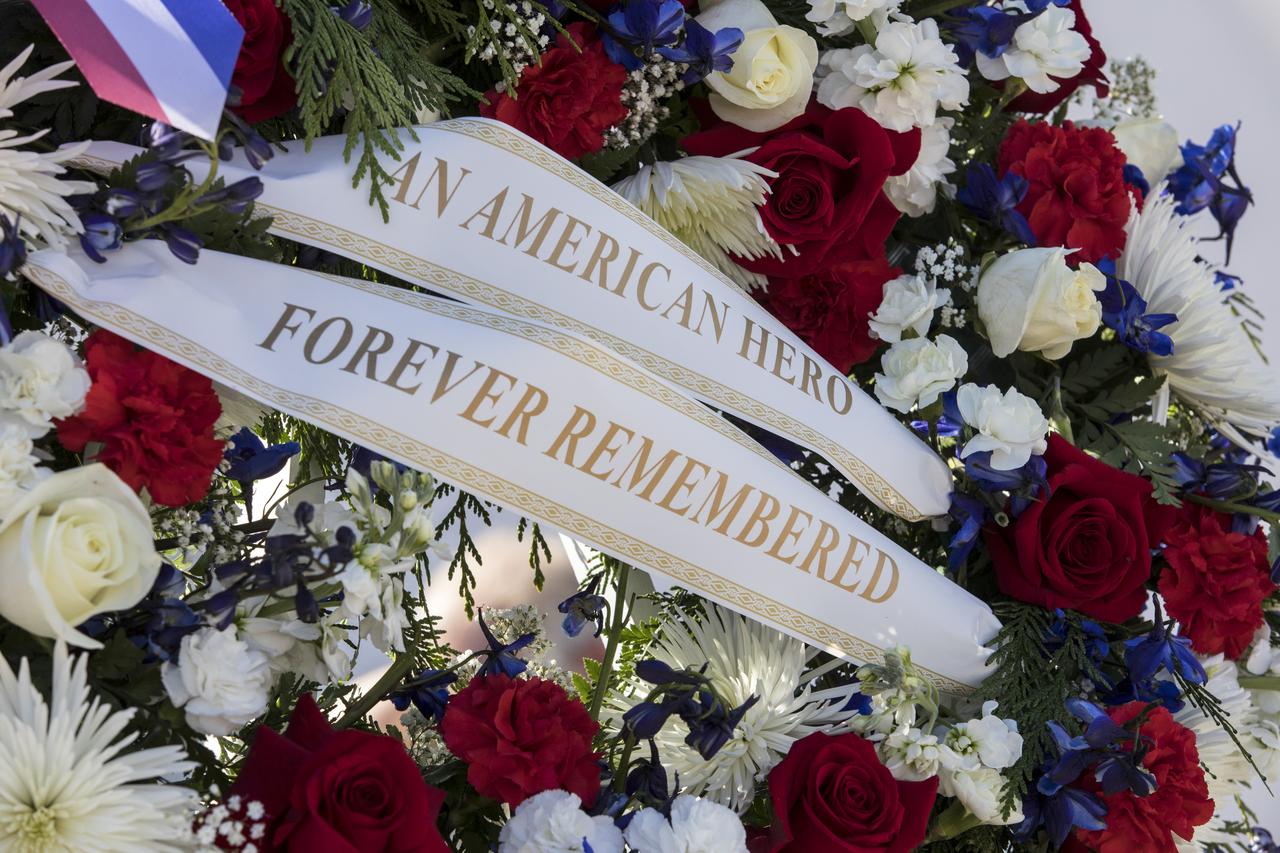
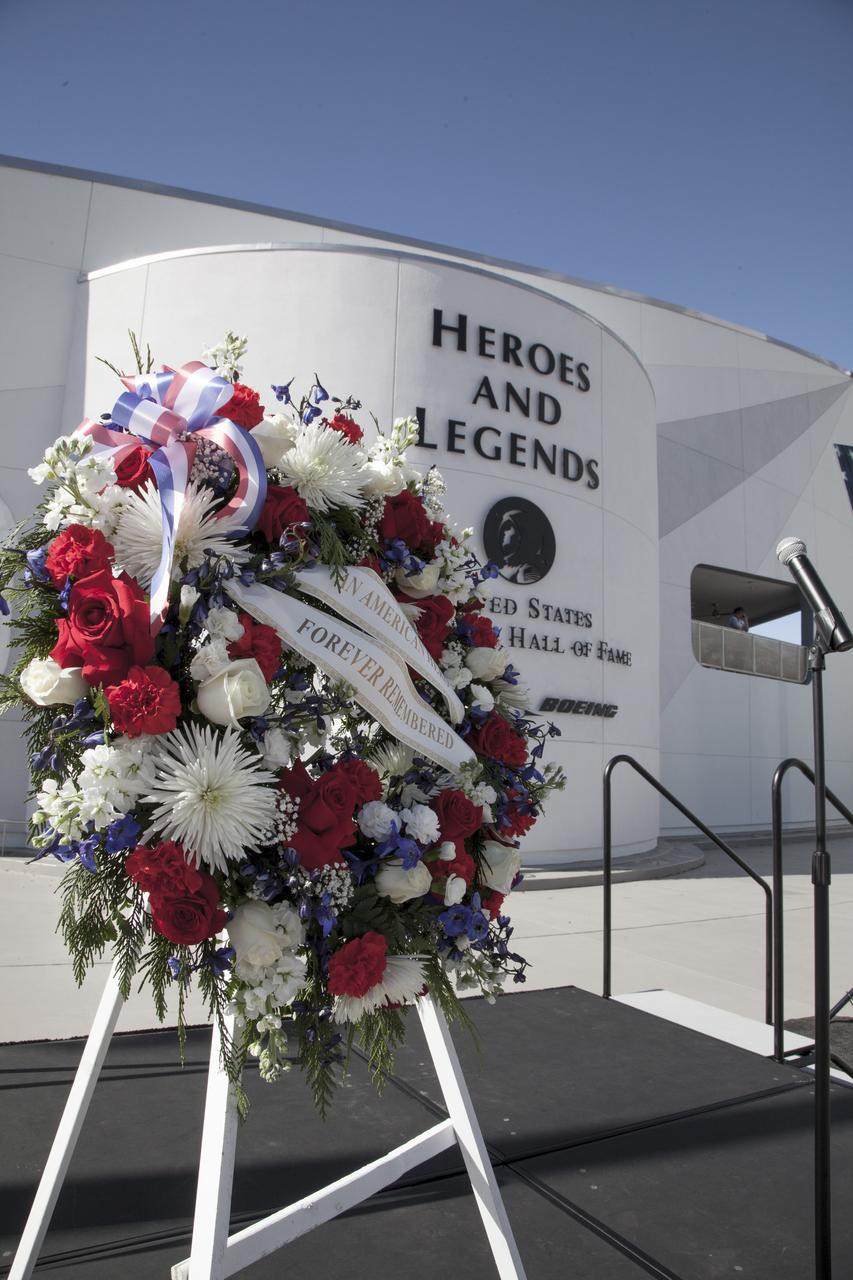
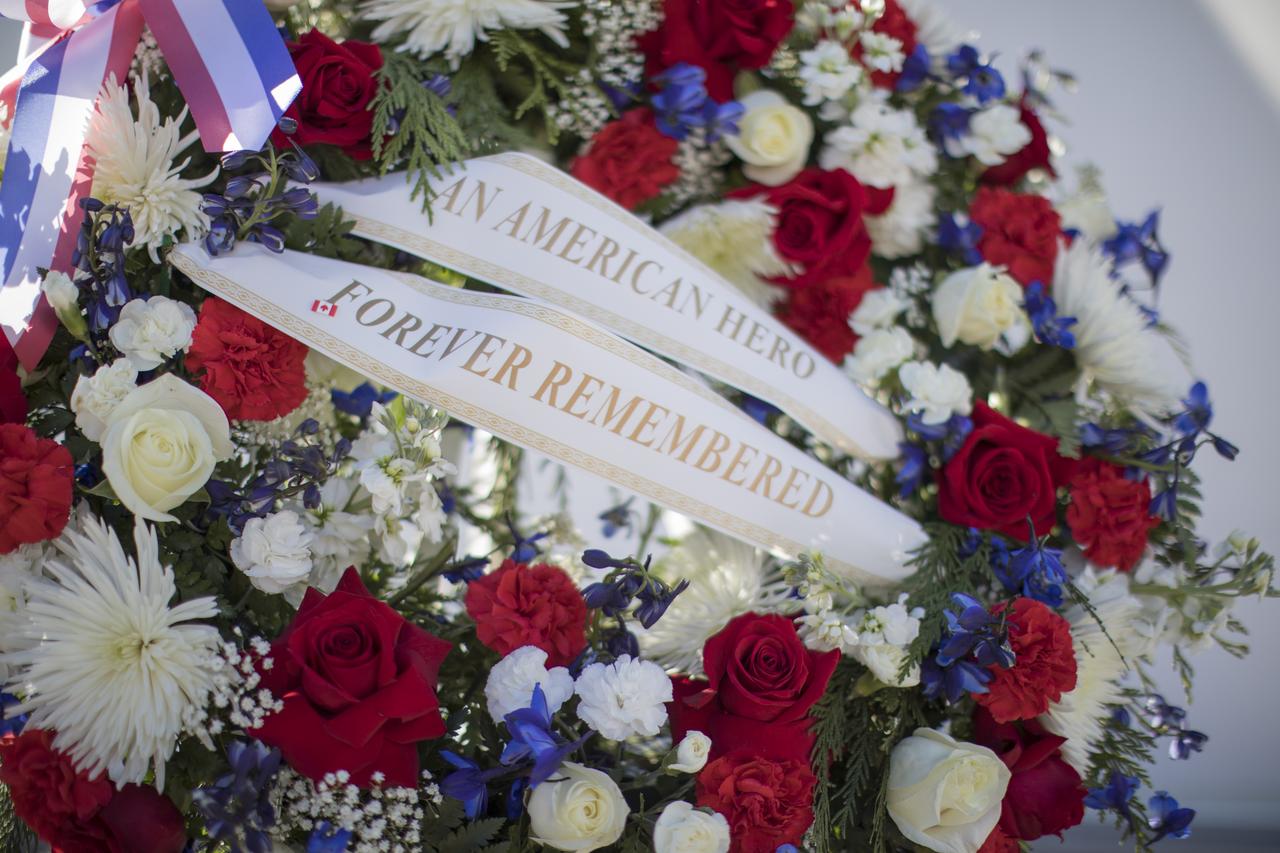
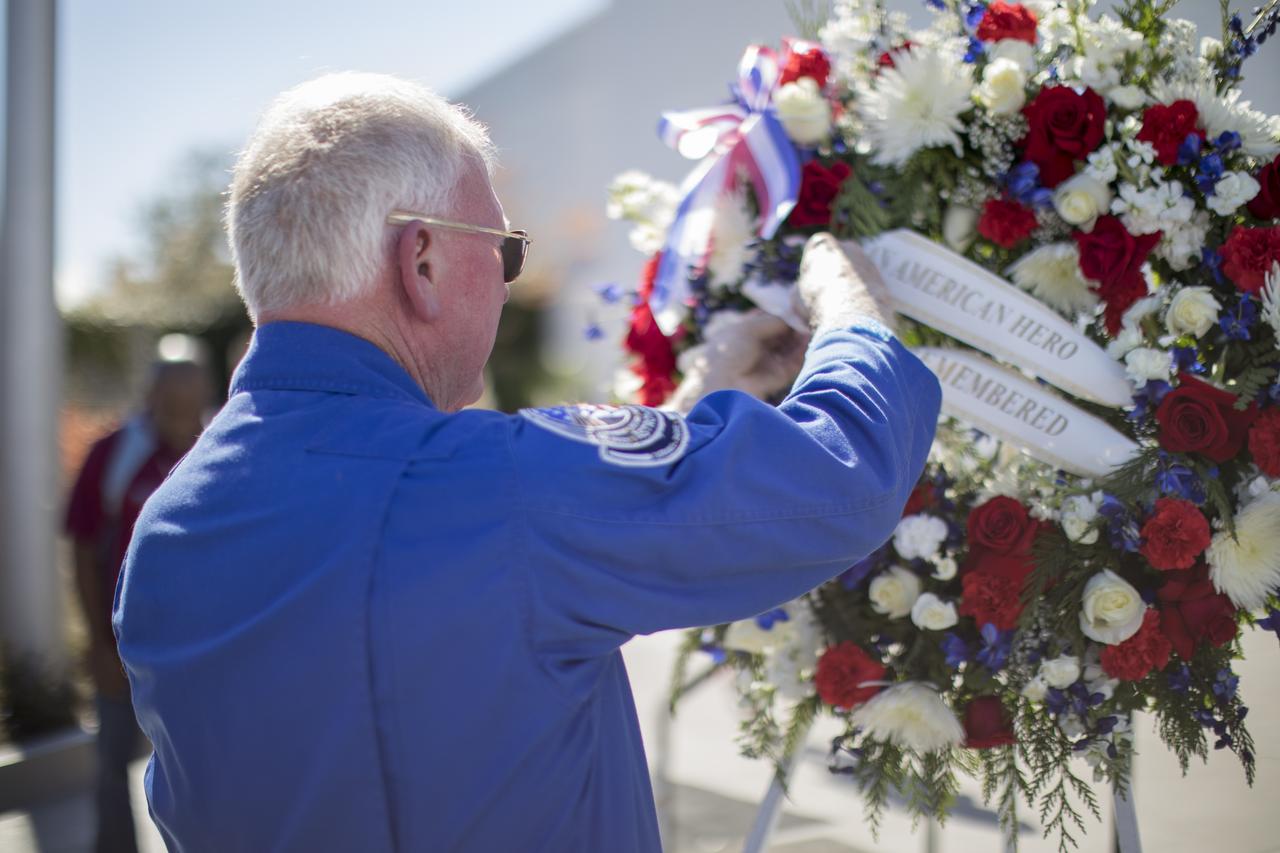
Former NASA astronaut Jon McBride places a wreath at the Heroes and Legends exhibit at the Kennedy Space Center Visitor Complex. The brief memorial honoring NASA astronaut John Young took place on the afternoon of Jan. 11, 2018. Young died Jan. 5, 2018, in Houston at the age of 87. He was the only astronaut to fly in NASA's Gemini, Apollo and Space Shuttle Programs.
John Young Memorial Tribute
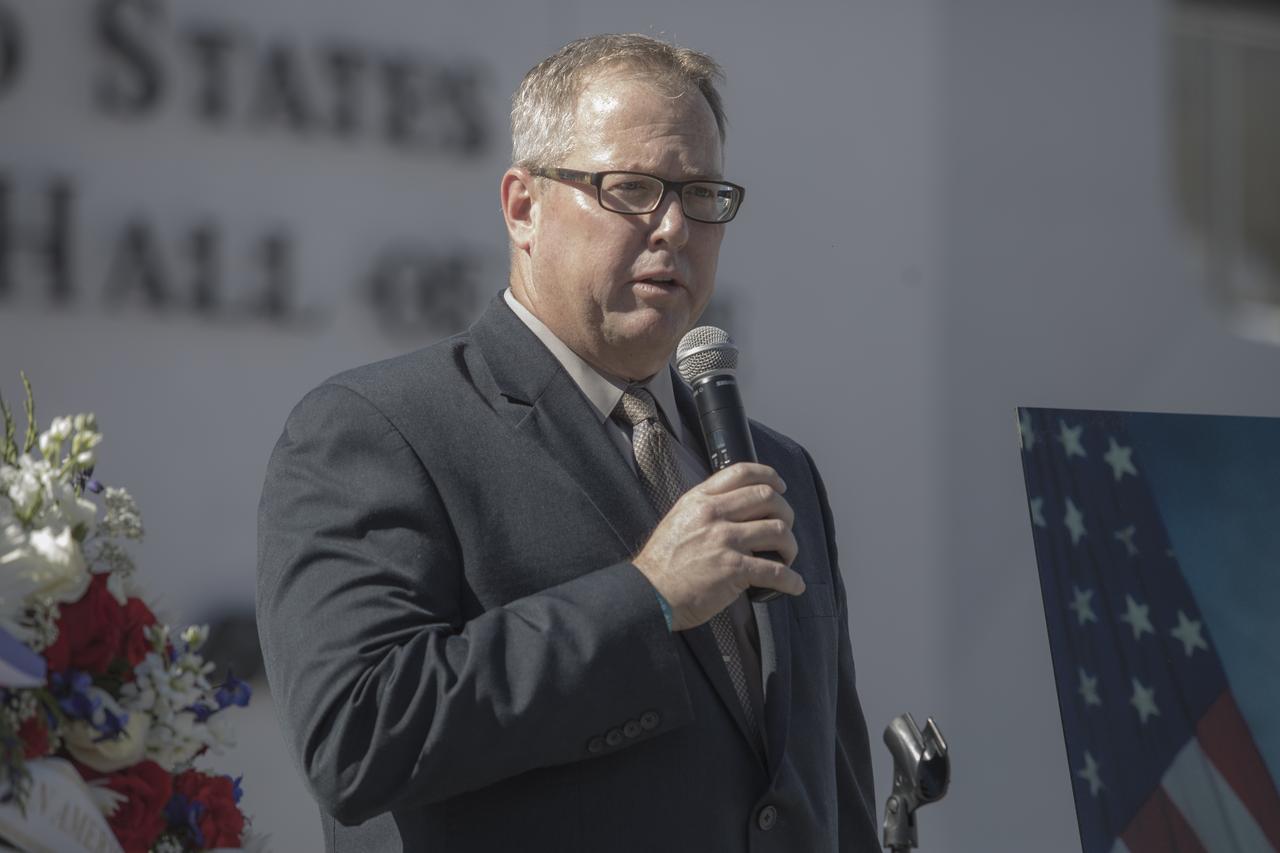
Delaware North COO Therrin Protze speaks during a ceremony at the Heroes and Legends exhibit at the Kennedy Space Center Visitor Complex. The brief memorial honoring NASA astronaut John Young took place on the afternoon of Jan. 11, 2018. Young died Jan. 5, 2018, in Houston at the age of 87. He was the only astronaut to fly in NASA's Gemini, Apollo and Space Shuttle Programs.
John Young Memorial Tribute
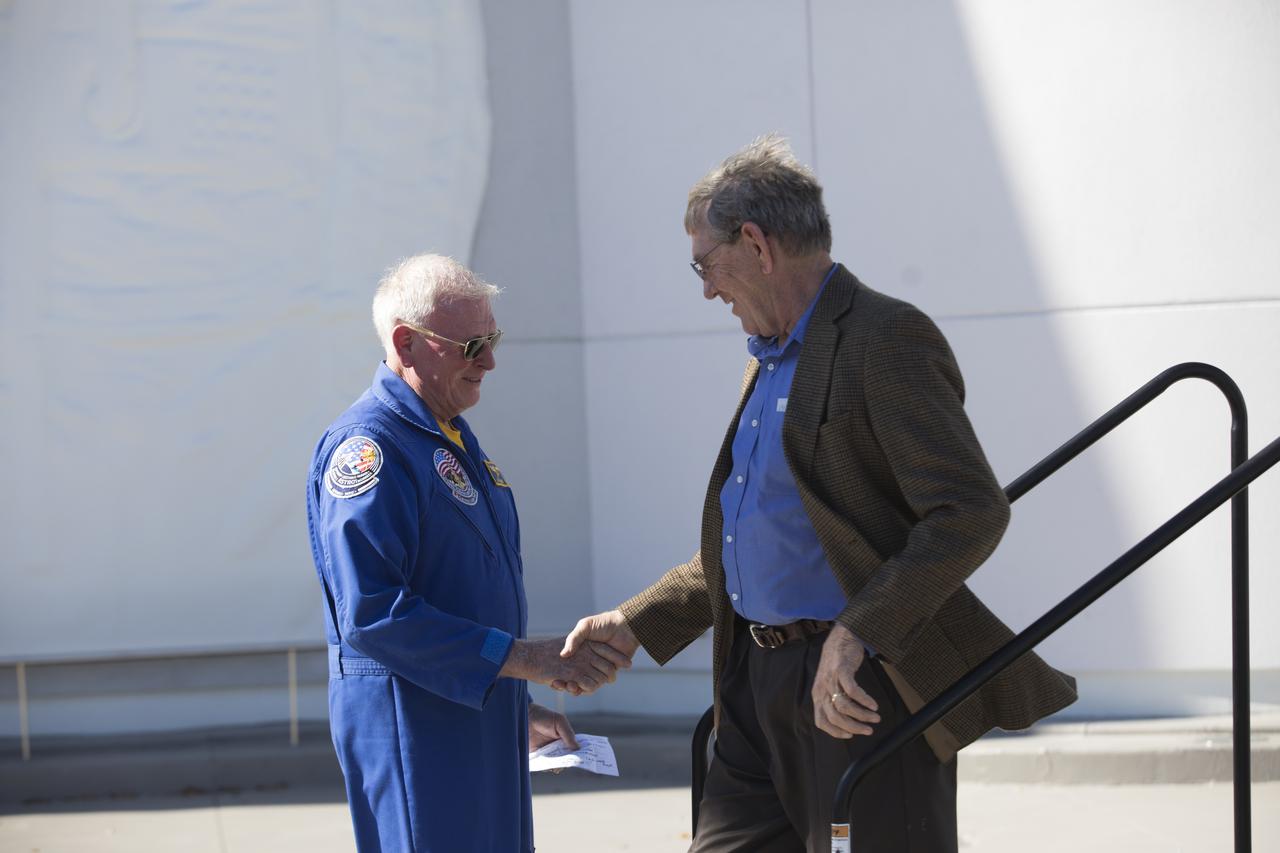
Former NASA astronaut Jon McBride, left, greets Mike McCulley during a ceremony at the Heroes and Legends exhibit at the Kennedy Space Center Visitor Complex. The brief memorial honoring NASA astronaut John Young took place on the afternoon of Jan. 11, 2018. Young died Jan. 5, 2018, in Houston at the age of 87. He was the only astronaut to fly in NASA's Gemini, Apollo and Space Shuttle Programs.
John Young Memorial Tribute
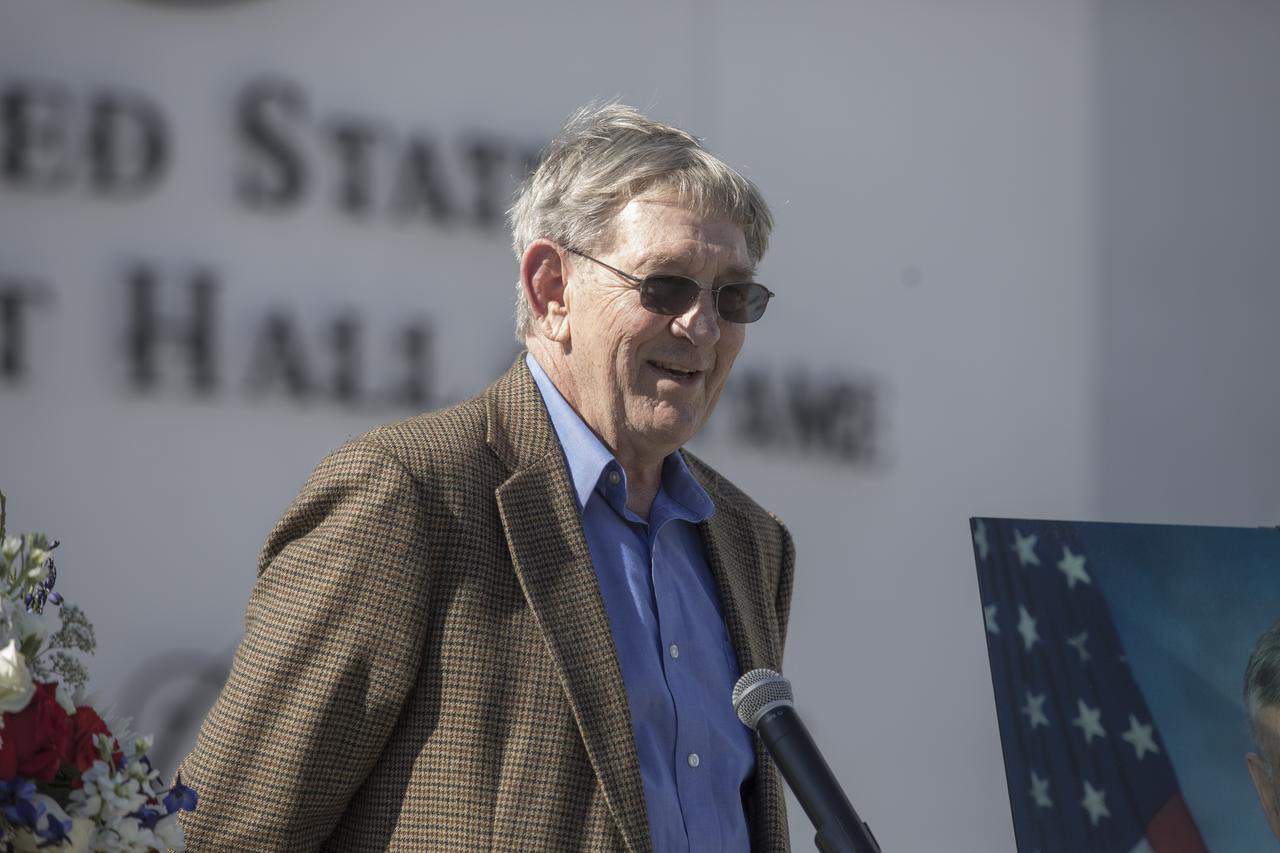
Former NASA astronaut Mike McCulley speaks during a ceremony at the Heroes and Legends exhibit at the Kennedy Space Center Visitor Complex. The brief memorial honoring NASA astronaut John Young took place on the afternoon of Jan. 11, 2018. Young died Jan. 5, 2018, in Houston at the age of 87.He was the only astronaut to fly in NASA's Gemini, Apollo and Space Shuttle Programs.
John Young Memorial Tribute
Former NASA astronaut Jon McBride speaks during a ceremony at the Heroes and Legends exhibit at the Kennedy Space Center Visitor Complex. The brief memorial honoring NASA astronaut John Young took place on the afternoon of Jan. 11, 2018. Young died Jan. 5, 2018, in Houston at the age of 87. He was the only astronaut to fly in NASA's Gemini, Apollo and Space Shuttle Programs.
John Young Memorial Tribute
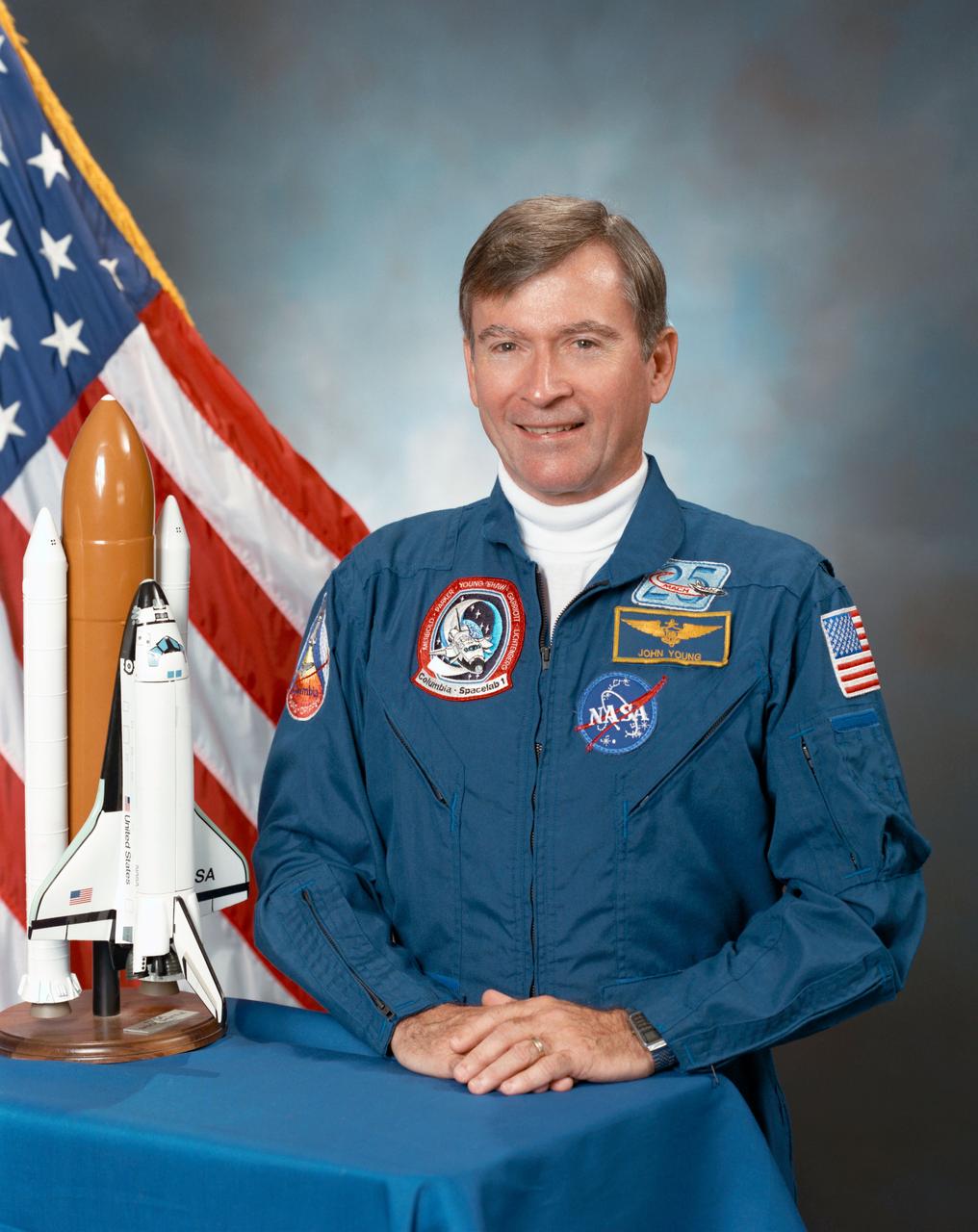
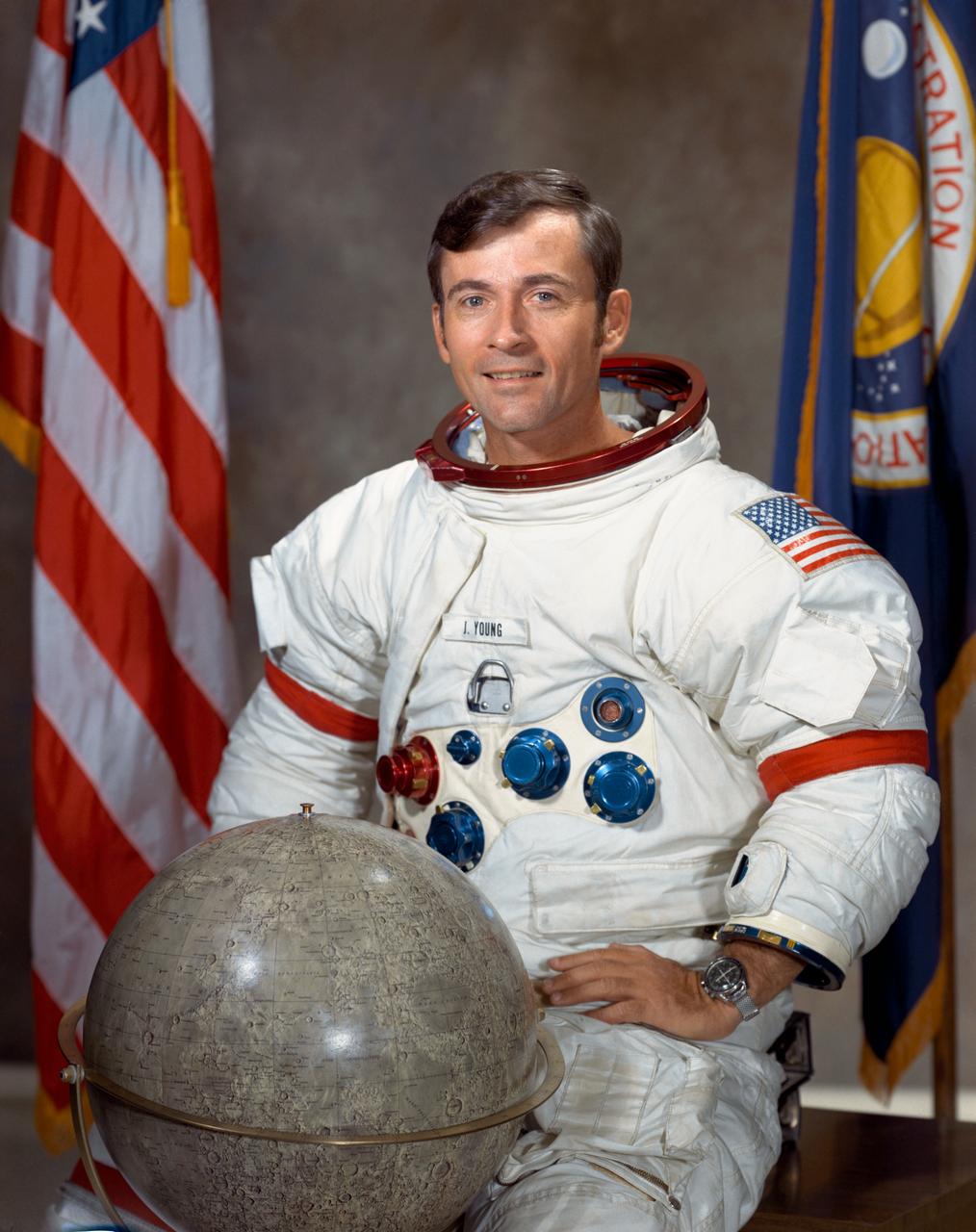
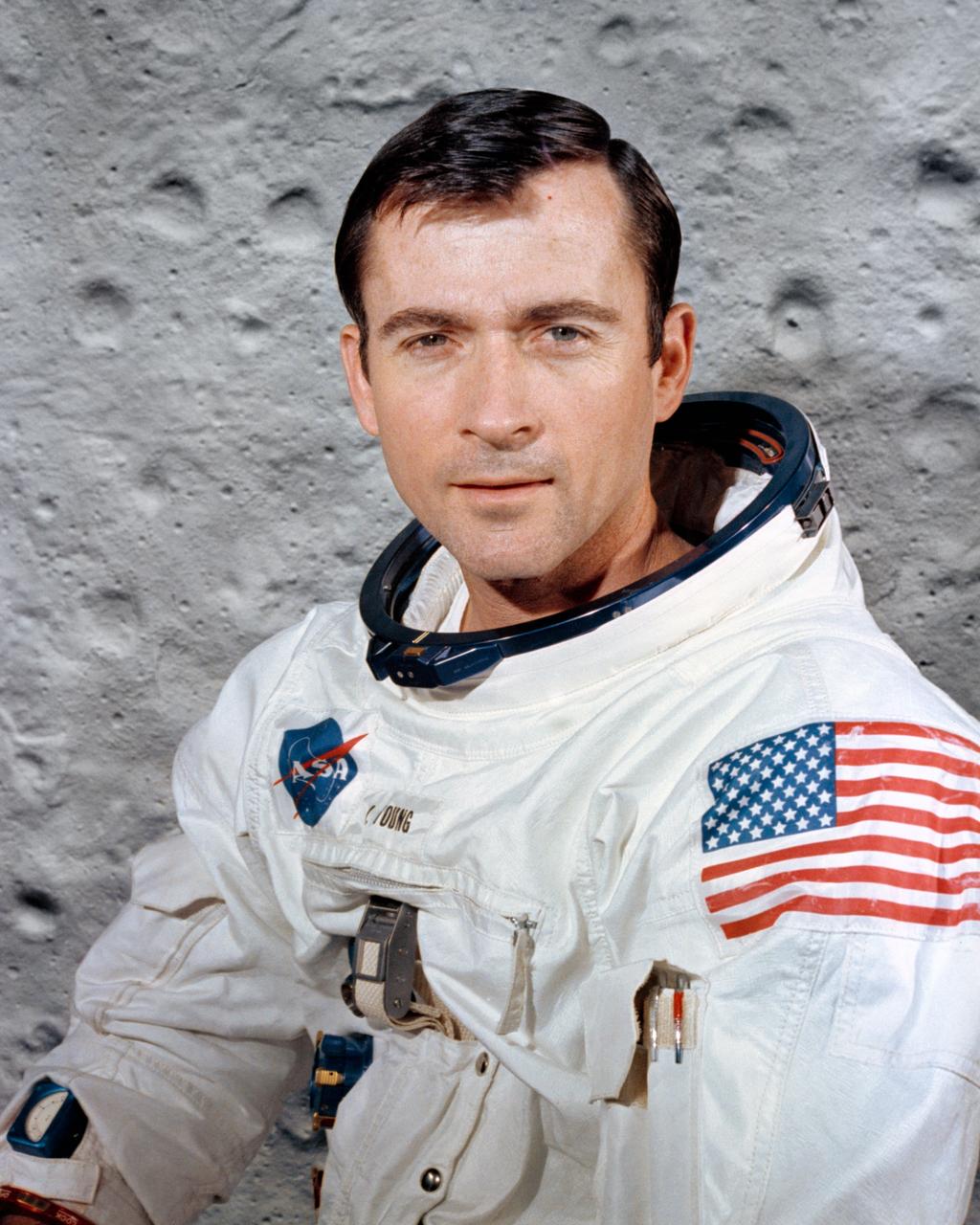
S86-38018 (1986) --- Astronaut John W. Young.
PORTRAIT - YOUNG, JOHN W.
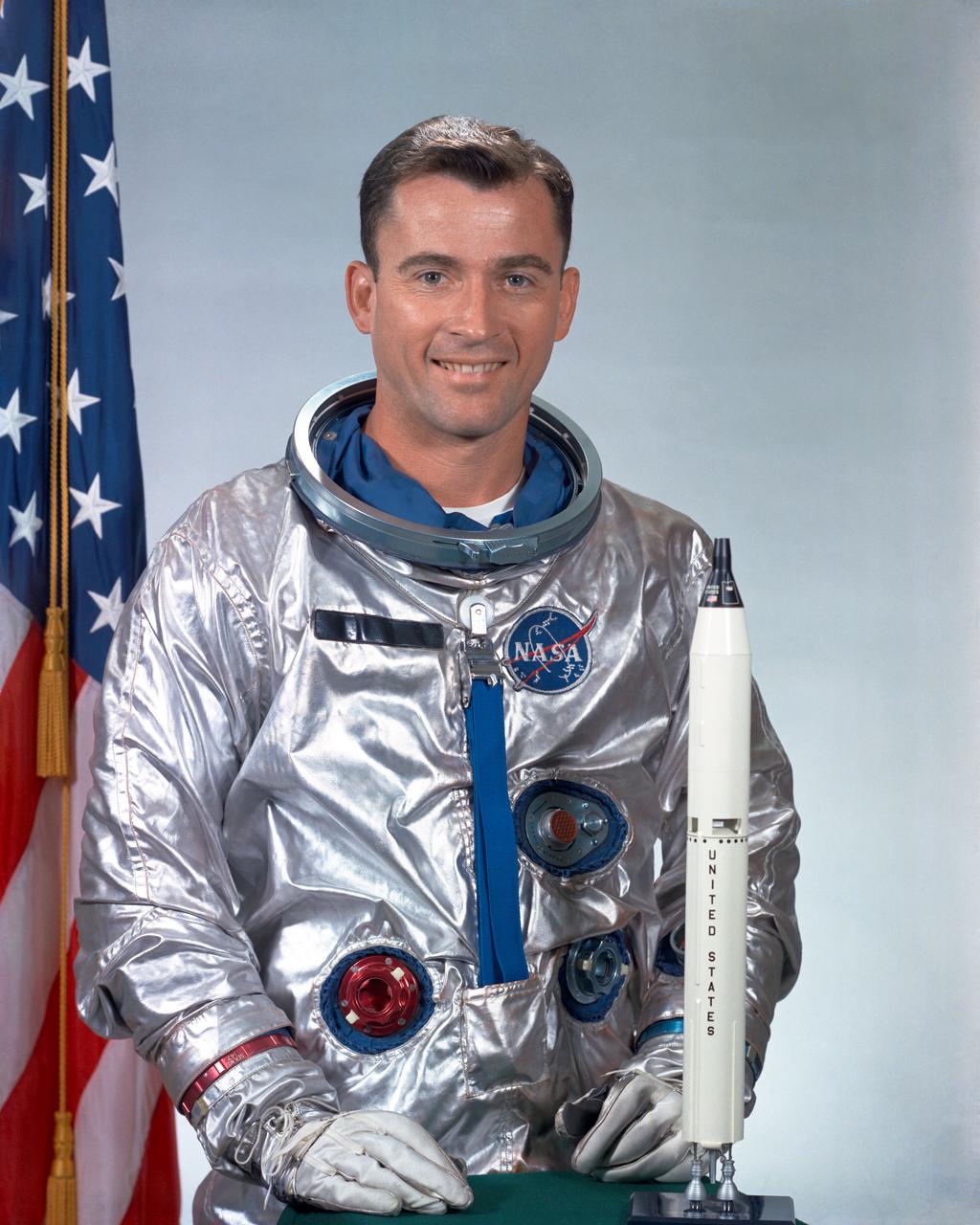
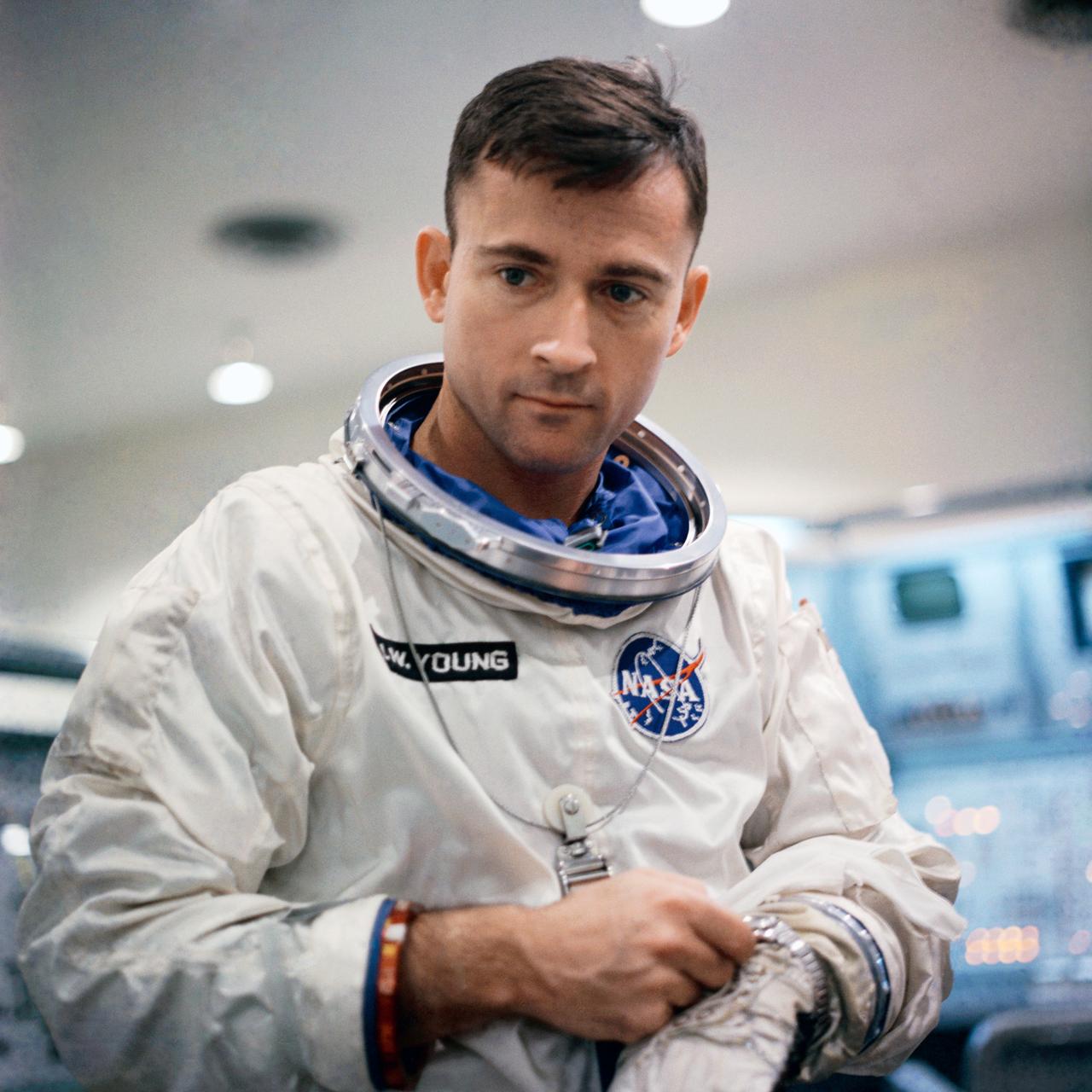
S64-29940 (1964) --- Astronaut John W. Young.
PORTRAIT - YOUNG, CAPT. JOHN YOUNG, ASTRONAUT
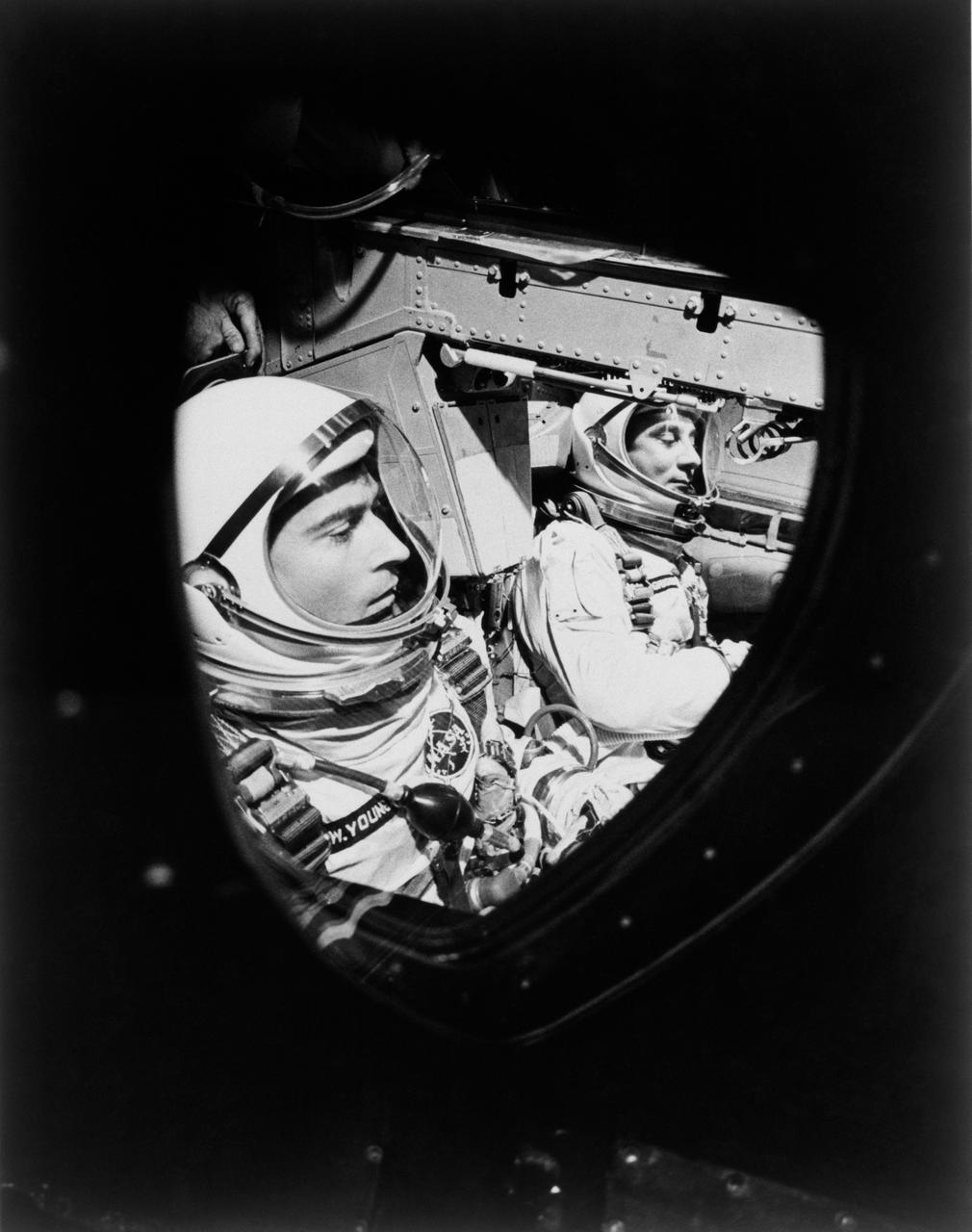
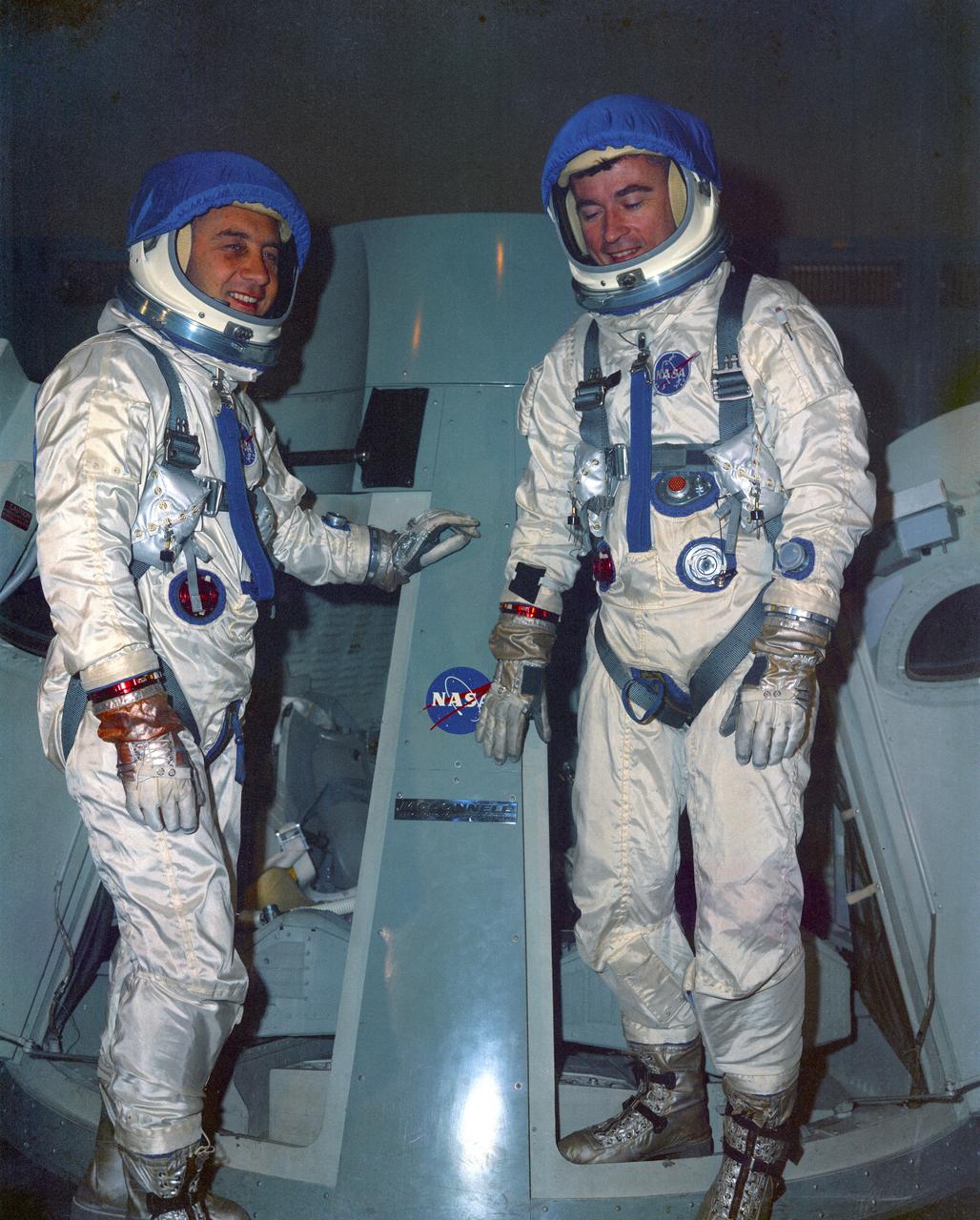
S65-19225 (23 March 1965) --- This view of astronauts John W. Young (left), pilot, and Virgil I. Grissom, command pilot, was taken through the window of the open hatch on Young's side of the Gemini-Titan 3 spacecraft just before the hatches were closed in readiness for their three-orbit flight.
JOHN W. YOUNG
S71-51261 (October 1971) --- Astronaut John W. Young
Portrait - Astronaut John W. Young
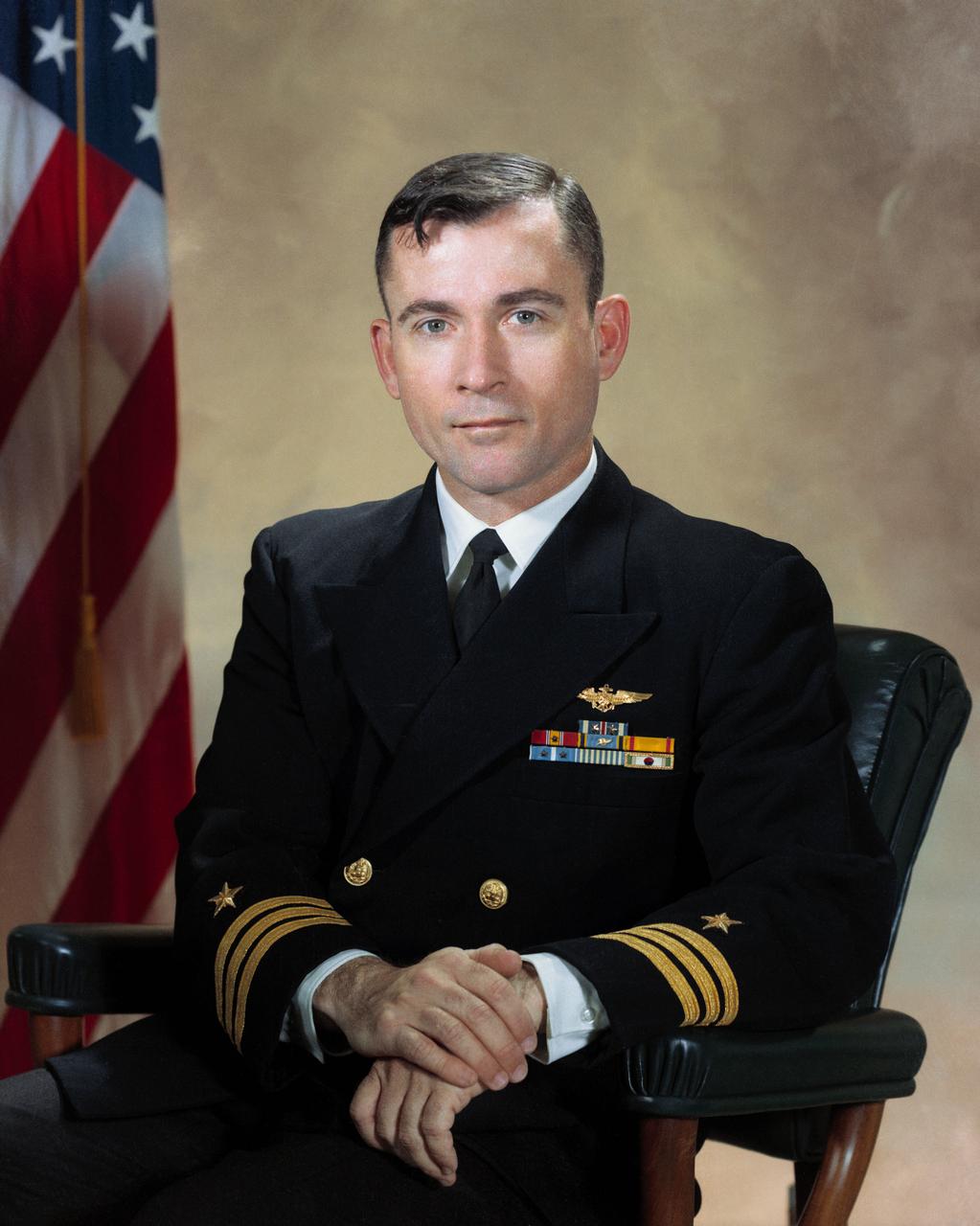
S68-33194 (1968) --- Astronaut John W. Young in military uniform.
PORTRAIT - ASTRONAUT JOHN W. YOUNG
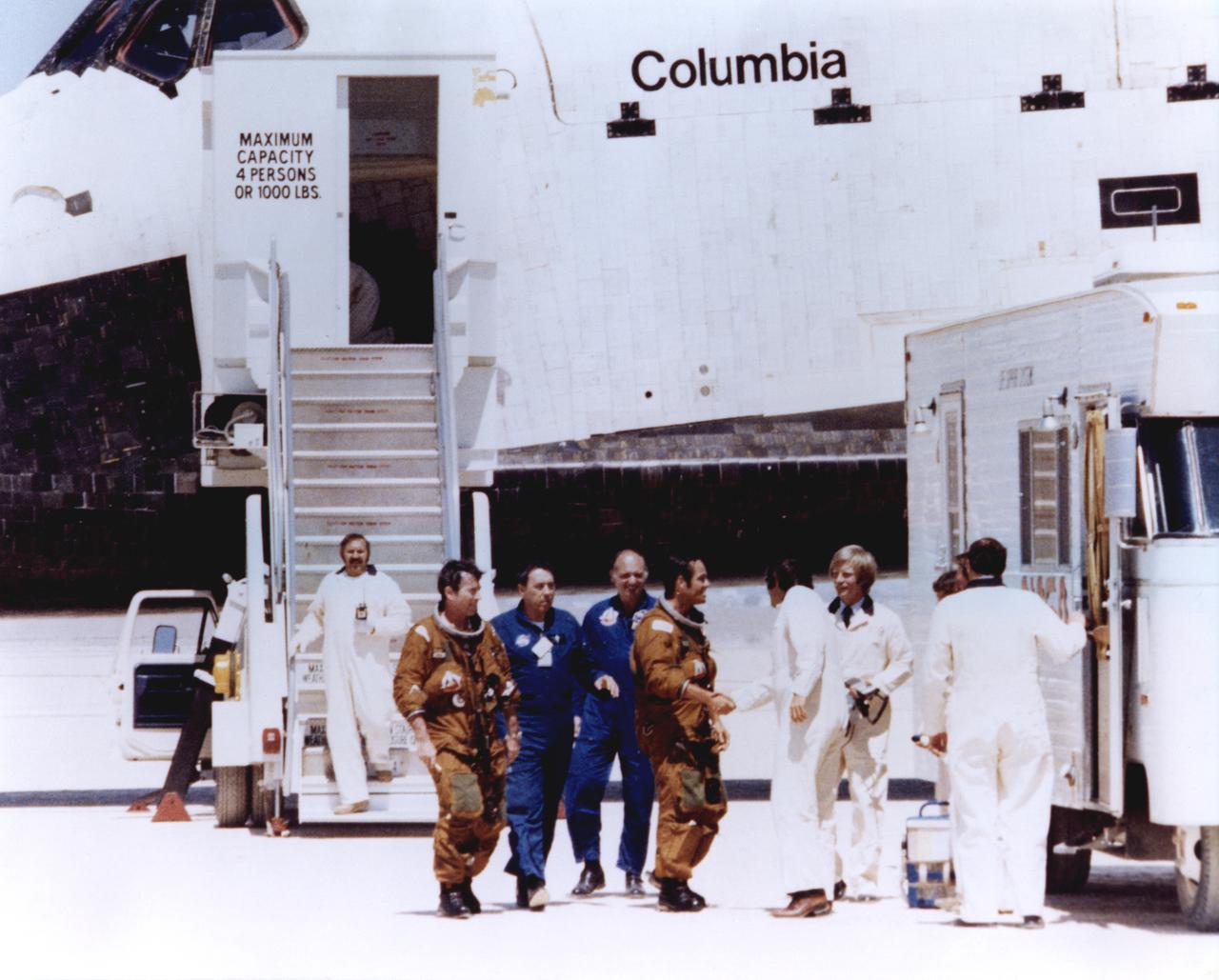
WELCOME HOME -- Space Shuttle astronauts John Young and Robert Crippen (in tan space suits) are greeted by members of the ground crew moments after stepping off the shuttle Columbia following its first landing at Edwards Air Force Base, Calif. Young and Crippen had piloted the Columbia on its first orbital space mission, April 12 - 14, 1981.
Space Shuttle astronauts John Young and Robert Crippen (in tan space suits) are greeted by members of the ground crew after stepping off the Space Shuttle Columbia after STS-1
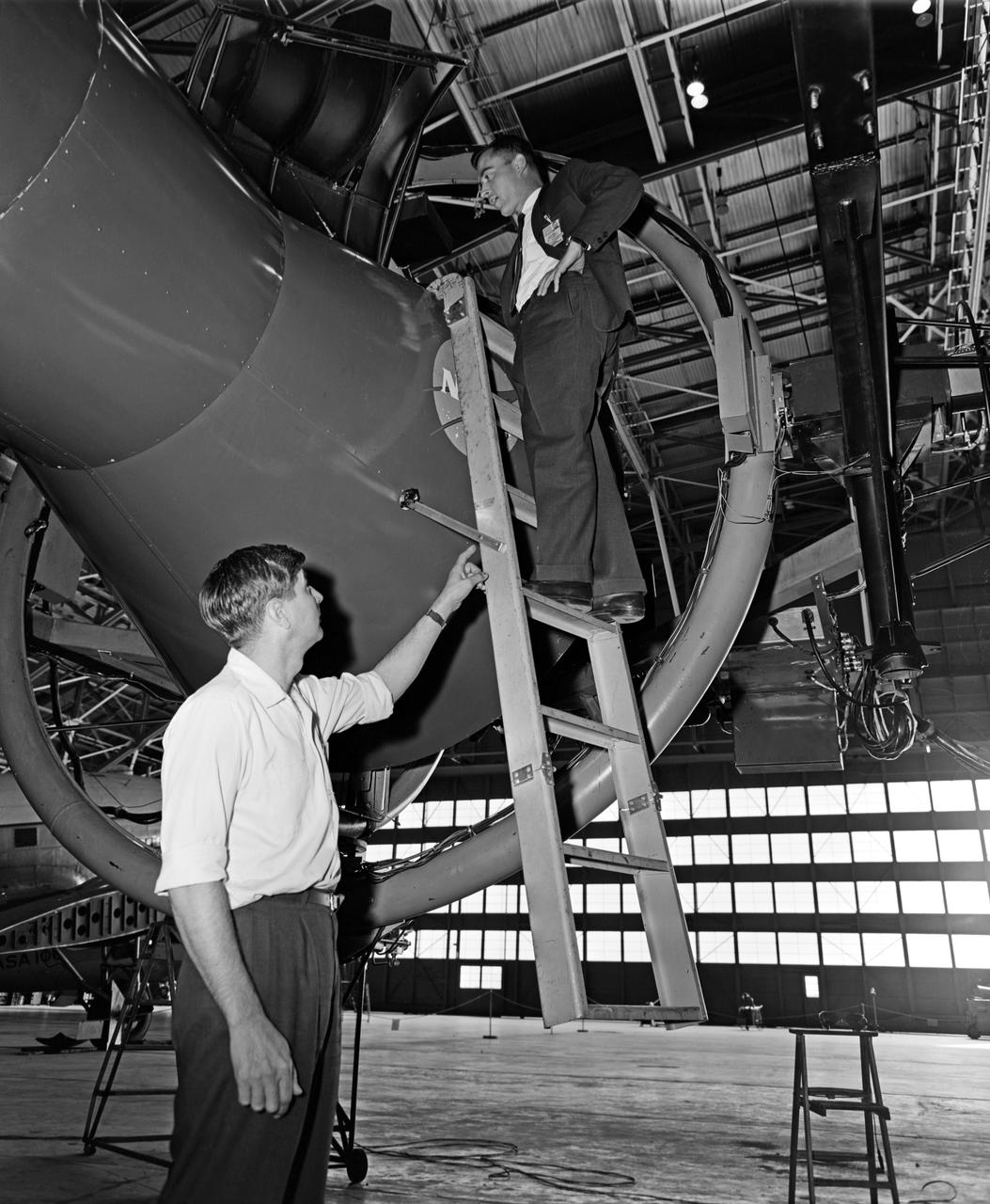
Astronaut John Young (above) was one of 14 astronauts, 8 NASA test pilots, and 2 McDonnell test pilots who took part in simulator studies. Young piloted the simulator on November 12, 1963 Arthur Vogeley wrote: "Many of the astronauts have flown this simulator in support of the Gemini studies and they, without exception, appreciated the realism of the visual scene. The simulator has also been used in the development of pilot techniques to handle certain jet malfunctions in order that aborts could be avoided. In these situations large attitude changes are sometimes necessary and the false motion cues that were generated due to earth gravity were somewhat objectionable; however, the pilots were readily able to overlook these false motion cues in favor of the visual realism." Roy F. Brissenden wrote: "The basic Gemini control studies developed the necessary techniques and demonstrated the ability of human pilots to perform final space docking with the specified Gemini-Agena systems using only visual references. ... Results... showed that trained astronauts can effect the docking with direct acceleration control and even with jet malfunctions as long as good visual conditions exist.... Probably more important than data results was the early confidence that the astronauts themselves gained in their ability to perform the maneuver in the ultimate flight mission." -- Published in Barton C. Hacker and James M. Grimwood, On the Shoulders of Titans: A History of Project Gemini, NASA SP-4203; A.W. Vogeley, "Discussion of Existing and Planned Simulators For Space Research," Paper presented at the Conference on the Role of Simulation in Space Technology, August 17-21, 1964; Roy F. Brissenden, "Initial Operations with Langley's Rendezvous Docking Facility," Langley Working Paper, LWP-21, 1964.
John W. Young in Rendezvous Docking Simulator
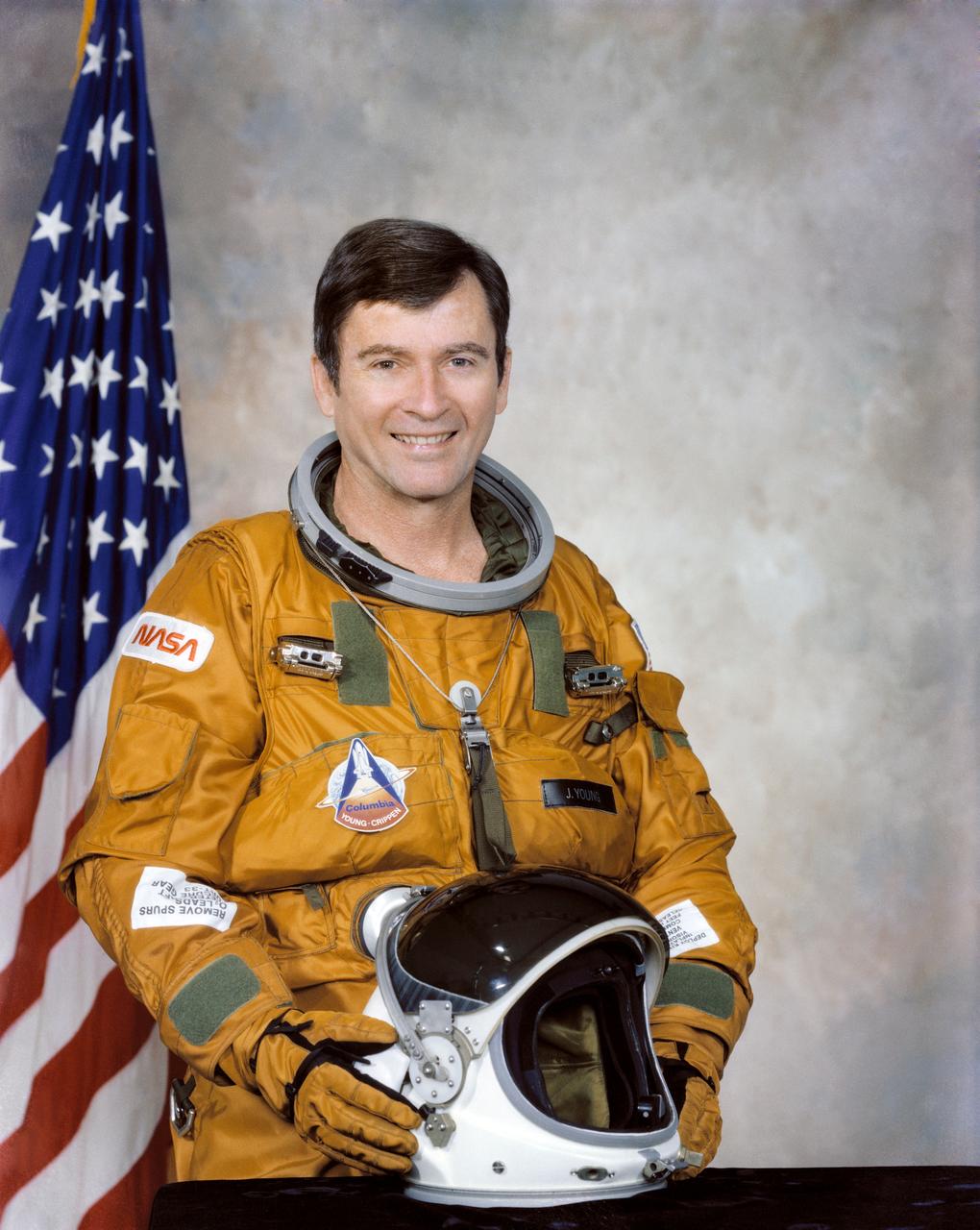
S79-31776 (29 April 1979) - Astronaut John W. Young, STS-1 Commander.
OFFICIAL PORTRAIT - YOUNG, JOHN W., STS-1
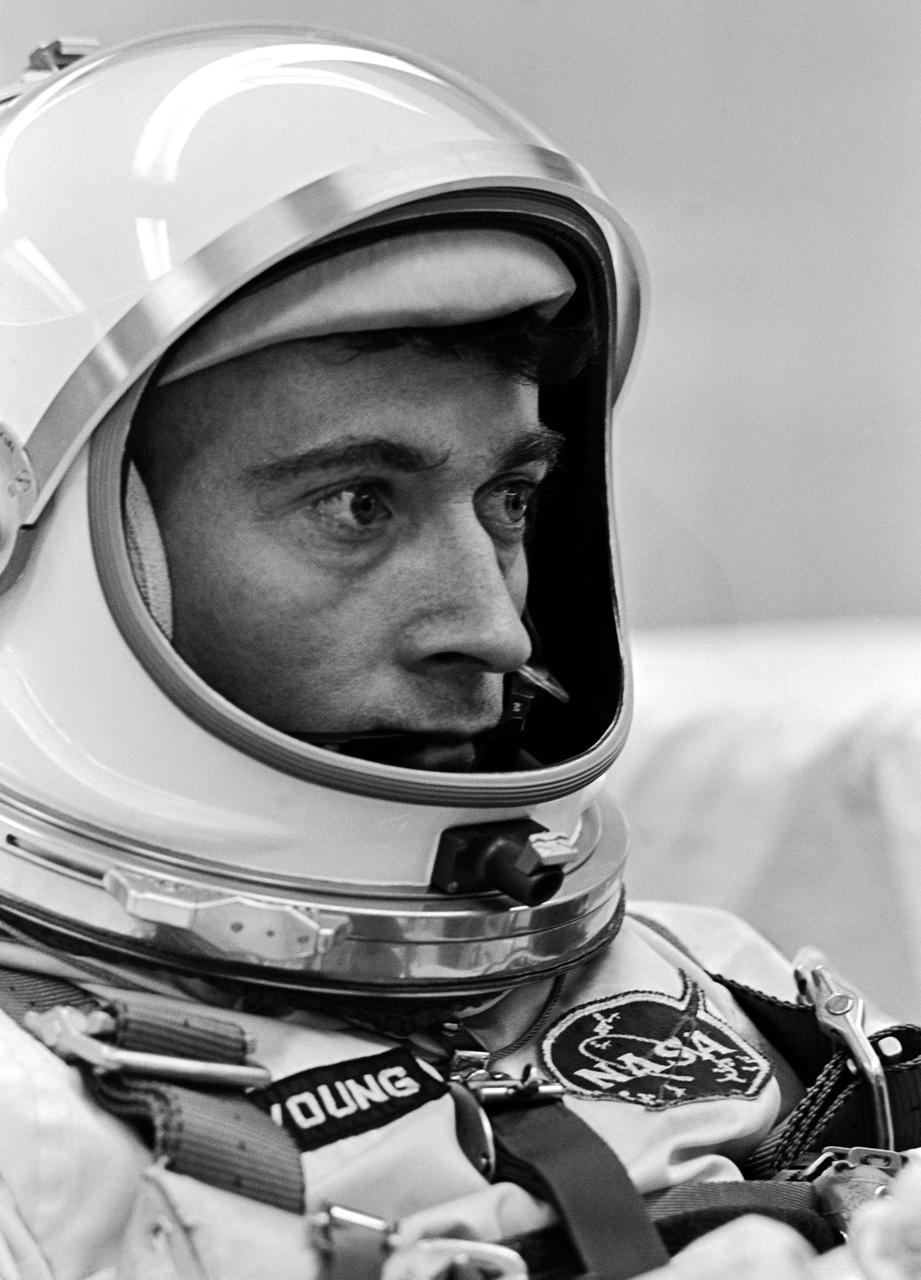
Closeup of Astronaut John W. Young, Pilot for the Gemini-III Spaceflight.        CAPE KENNEDY, FL
CLOSEUP - ASTRONAUT JOHN W. YOUNG - MISC. - CAPE
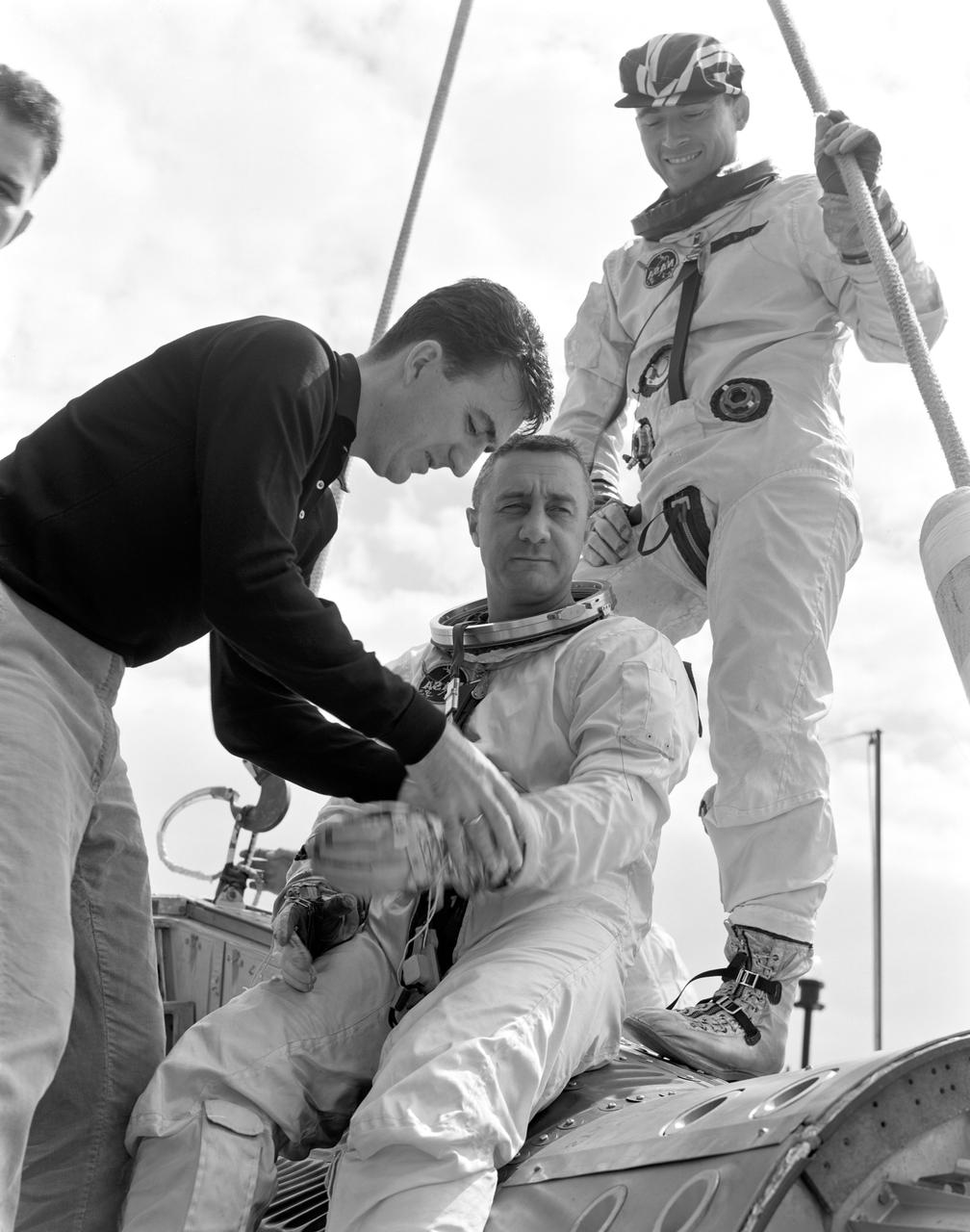
S65-14454 (23 Feb. 1965) --- A technician adjusts the suit of astronaut Virgil I. Grissom during water egress training operations in the Gulf of Mexico. Astronaut John W. Young (standing) observes. Grissom and Young are the prime crew for the Gemini-Titan 3 flight scheduled this spring.
WATER EGRESS - ASTRONAUT JOHN W. YOUNG - TRAINING
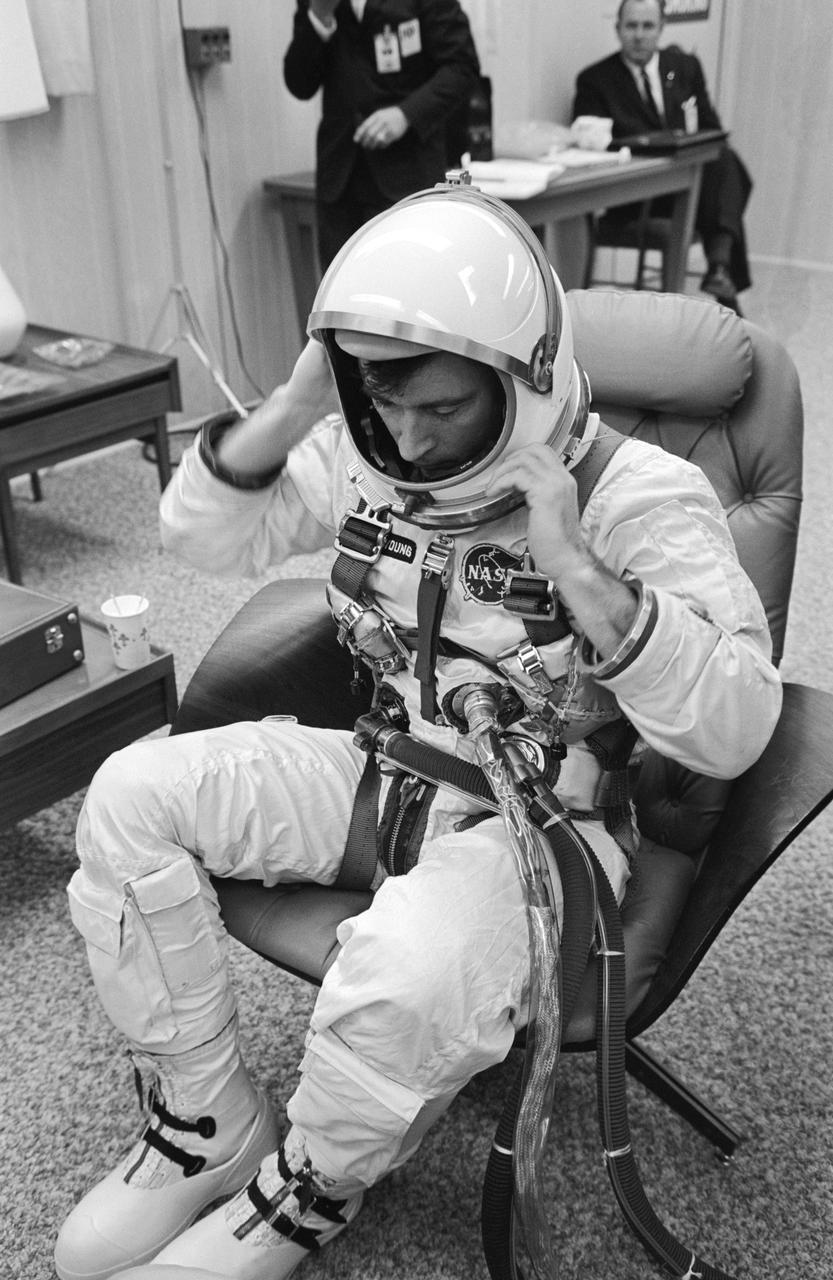
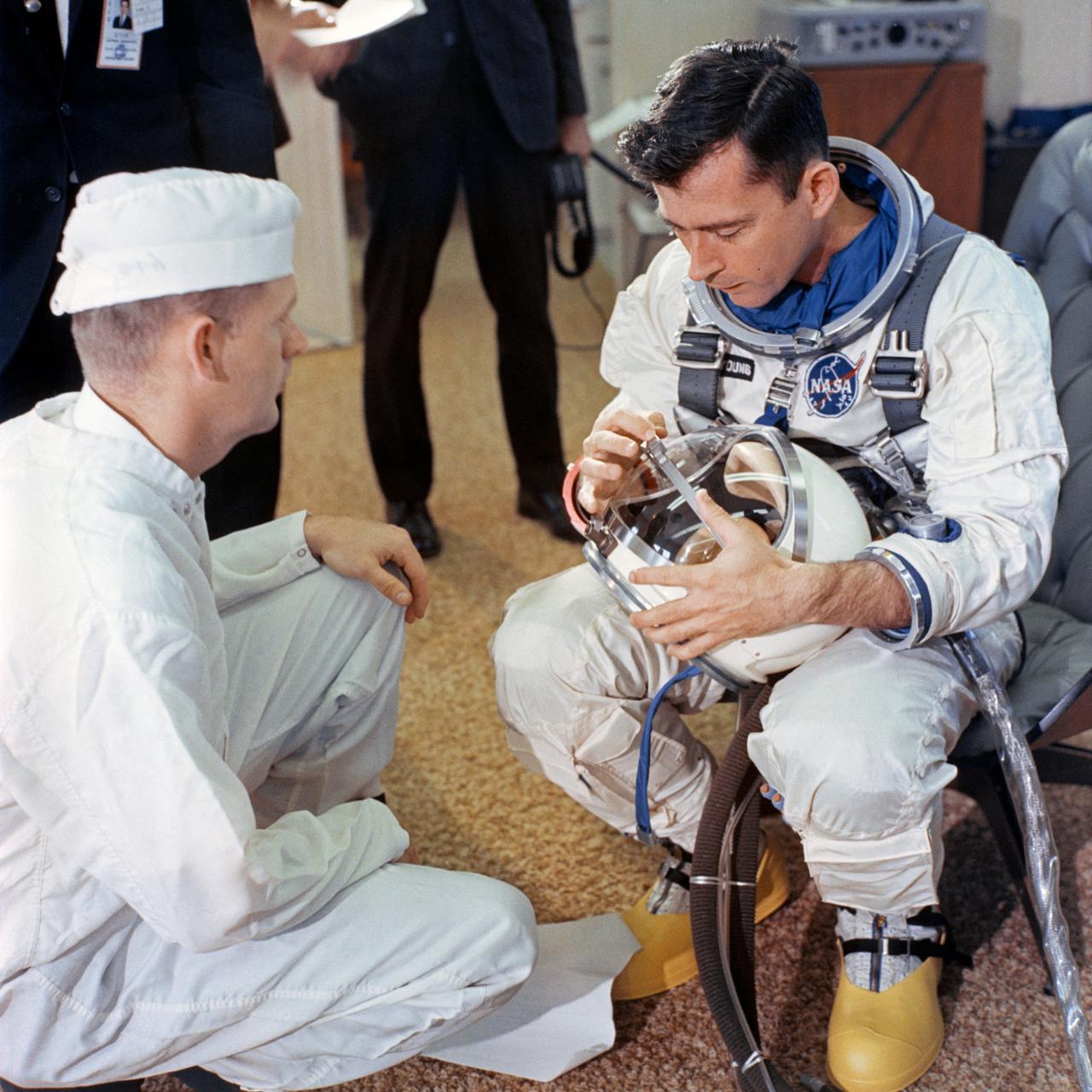
S65-20602 (23 March 1965) --- Astronaut John W. Young, the pilot of the GT-3 three-orbit mission, adjusts his helmet in the Gemini ready room at Pad 16 during the suiting for the flight.
SUITED UP - ASTRONAUT JOHN W. YOUNG - MISC.
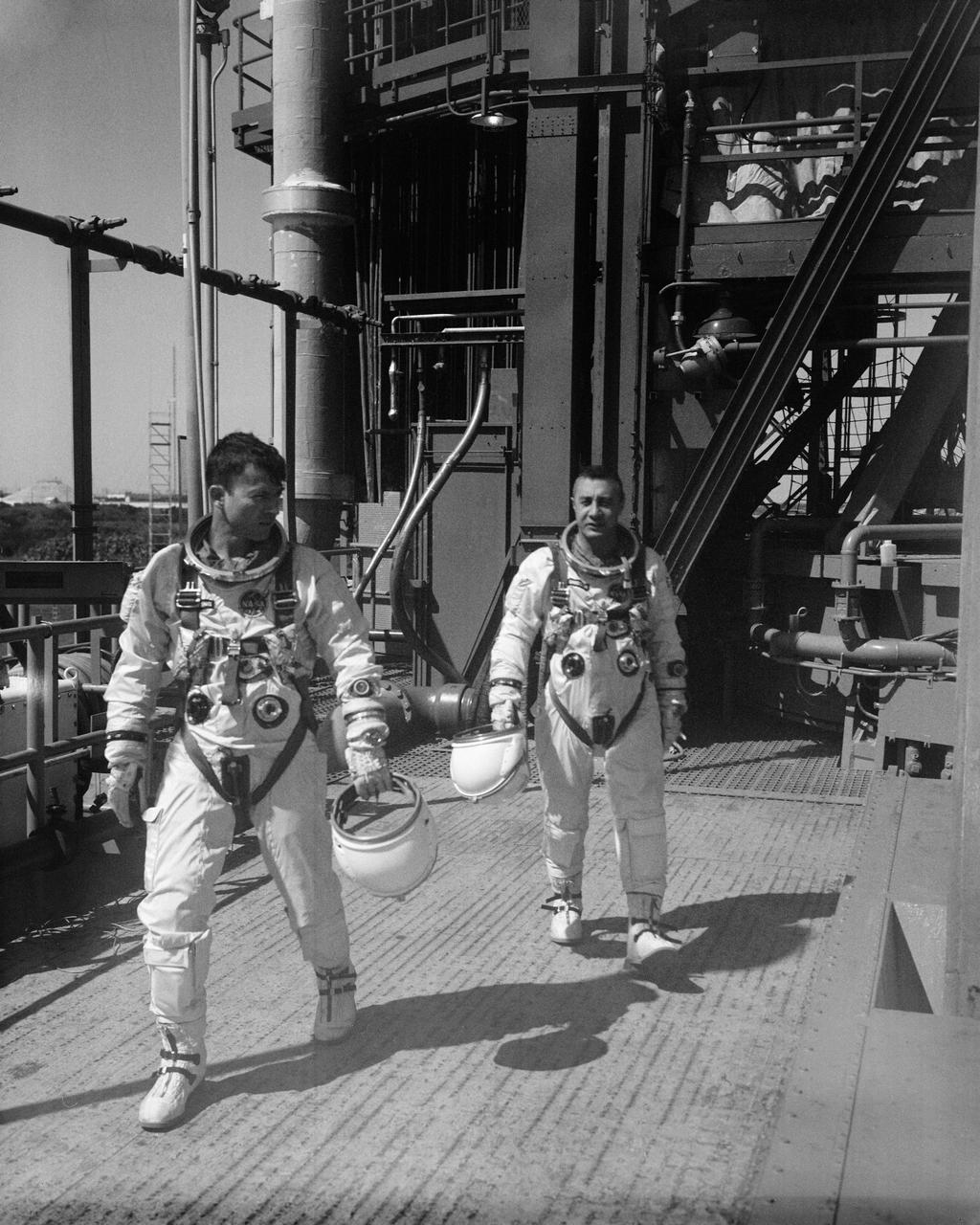
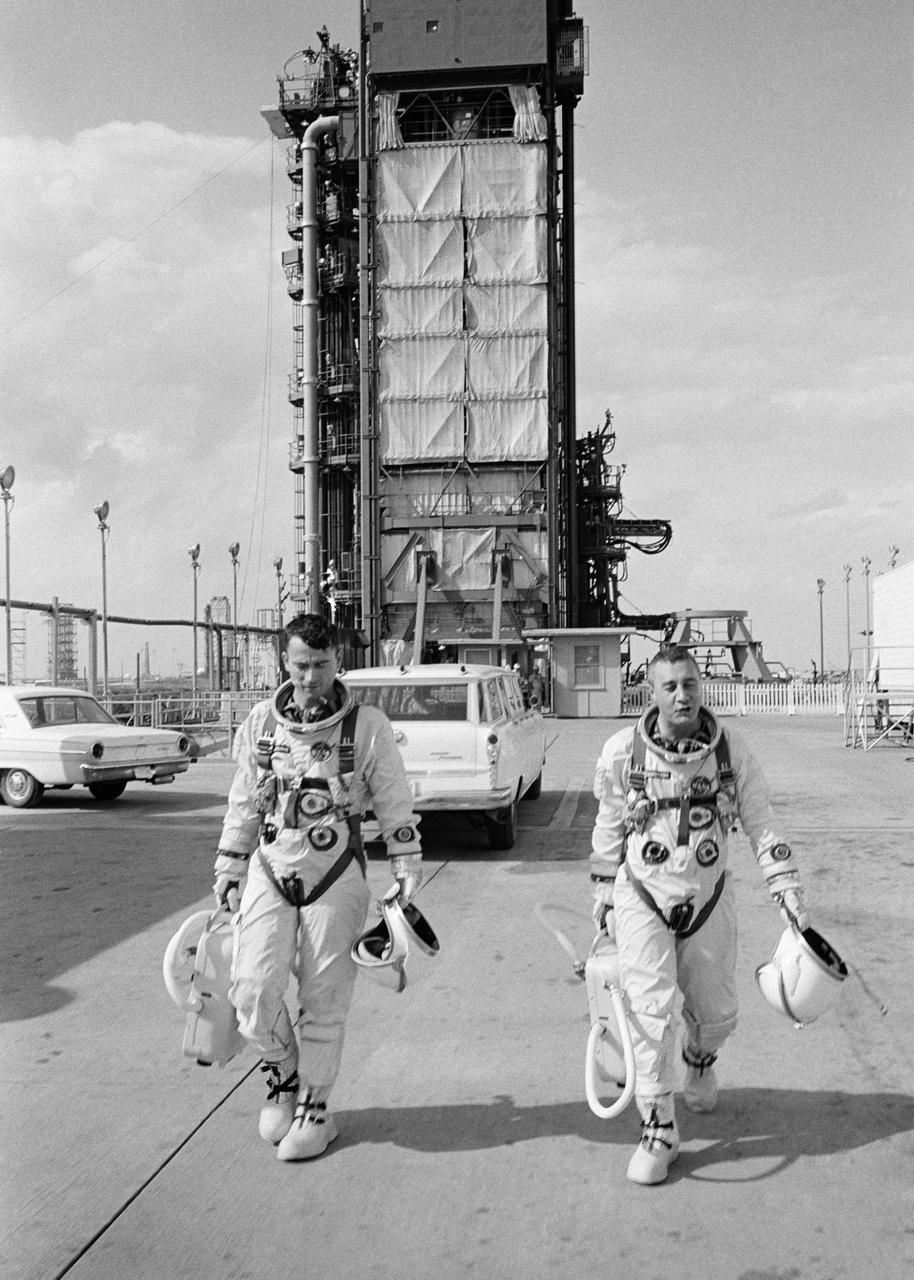
S65-20636 (1965) --- Astronauts John W. Young (left), pilot, and Virgil I. Grissom, command pilot, for the Gemini-Titan 3 flight, are shown leaving the launch pad after simulations in the Gemini-3 spacecraft.
LEAVING PAD - ASTRONAUT JOHN W. YOUNG - TRAINING
S65-22670 (8 March 1965) --- Astronaut John W. Young, the pilot of the Gemini-Titan 3 prime crew, is shown suited up for GT-3 prelaunch test exercises.
SUITED-UP- ASTRONAUT JOHN W. YOUNG - TRAINING
Astronauts Charles Conrad (left) and John W. Young (right) at the controls of the Visual Docking Simulator. From A.W. Vogeley, "Piloted Space-Flight Simulation at Langley Research Center," Paper presented at the American Society of Mechanical Engineers 1966 Winter Meeting, New York, NY, November 27-December 1, 1966. "This facility was [later known as the Visual-Optical Simulator.] It presents to the pilot an out-the-window view of his target in correct 6 degrees of freedom motion. The scene is obtained by a television camera pick-up viewing a small-scale gimbaled model of the target." "For docking studies, the docking target picture was projected onto the surface of a 20-foot-diameter sphere and the pilot could, effectively, maneuver into contract. this facility was used in a comparison study with the Rendezvous Docking Simulator - one of the few comparison experiments in which conditions were carefully controlled and a reasonable sample of pilots used. All pilots preferred the more realistic RDS visual scene. The pilots generally liked the RDS angular motion cues although some objected to the false gravity cues that these motions introduced. Training time was shorter on the RDS, but final performance on both simulators was essentially equal. " "For station-keeping studies, since close approach is not required, the target was presented to the pilot through a virtual-image system which projects his view to infinity, providing a more realistic effect. In addition to the target, the system also projects a star and horizon background. "
Charles P. Conrad, Jr. and John W. Young at Visual Docking Simulator
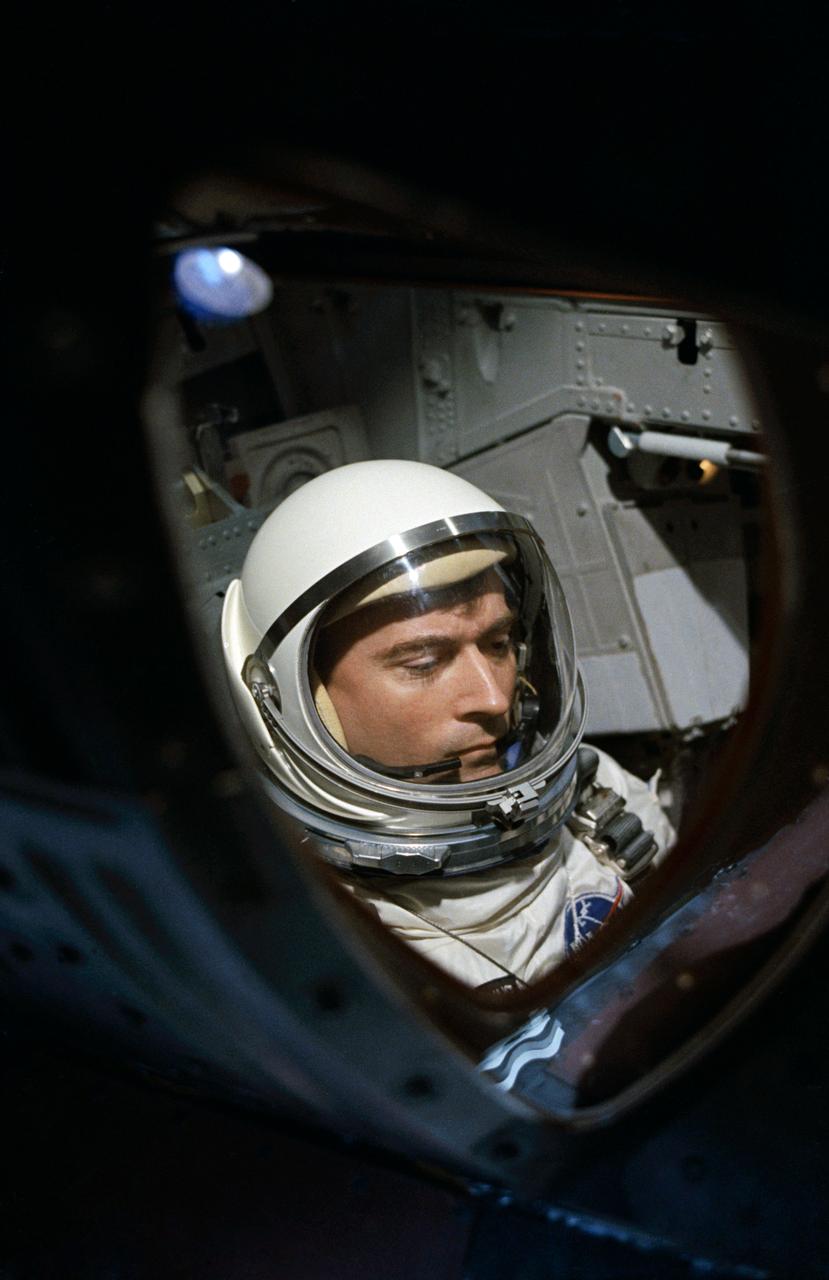
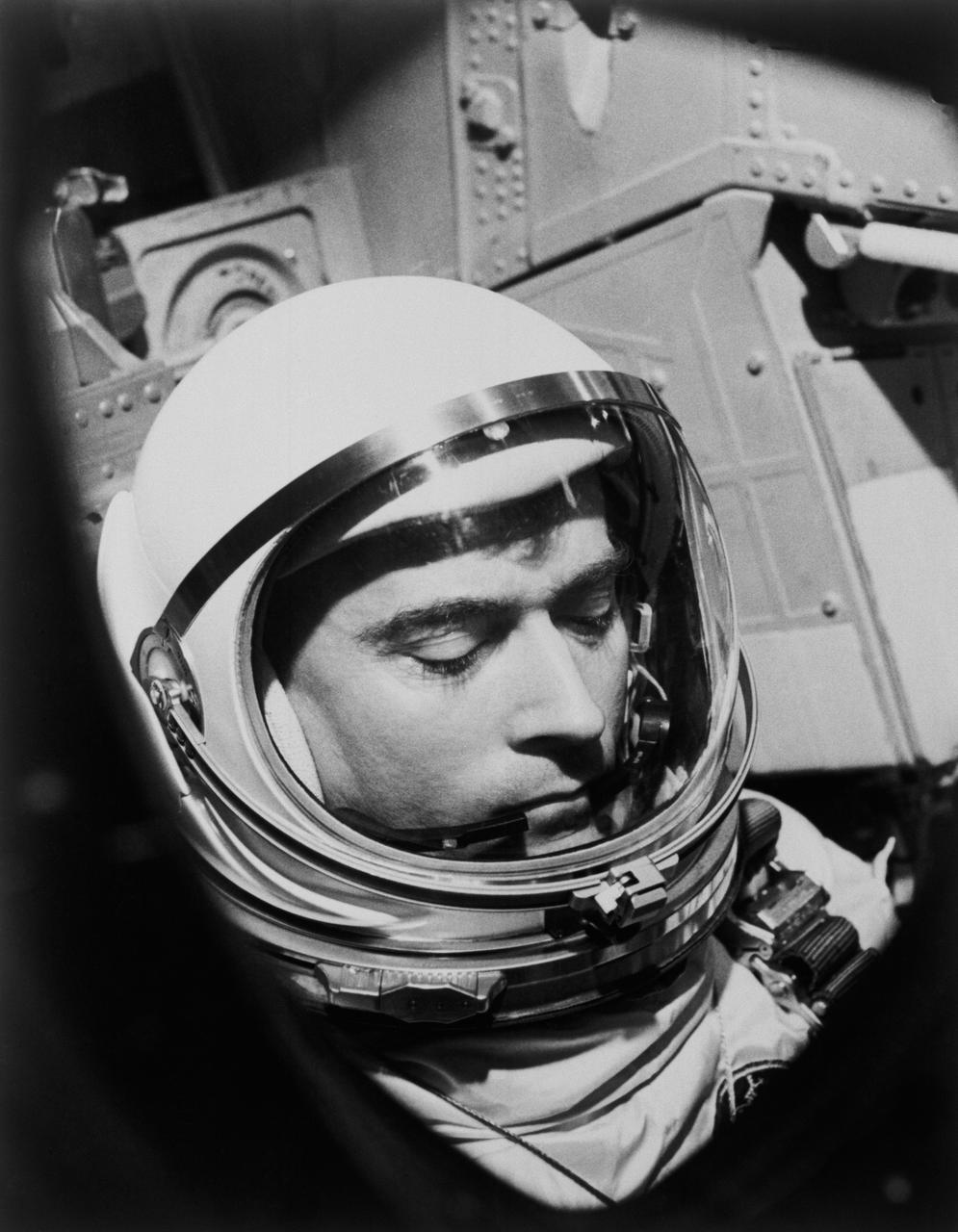
View of Astronaut John W. Young through spacecraft window prior to launch of Gemini-Titan 3 mission.
View of Astronaut John Young through spacecraft window prior to launch
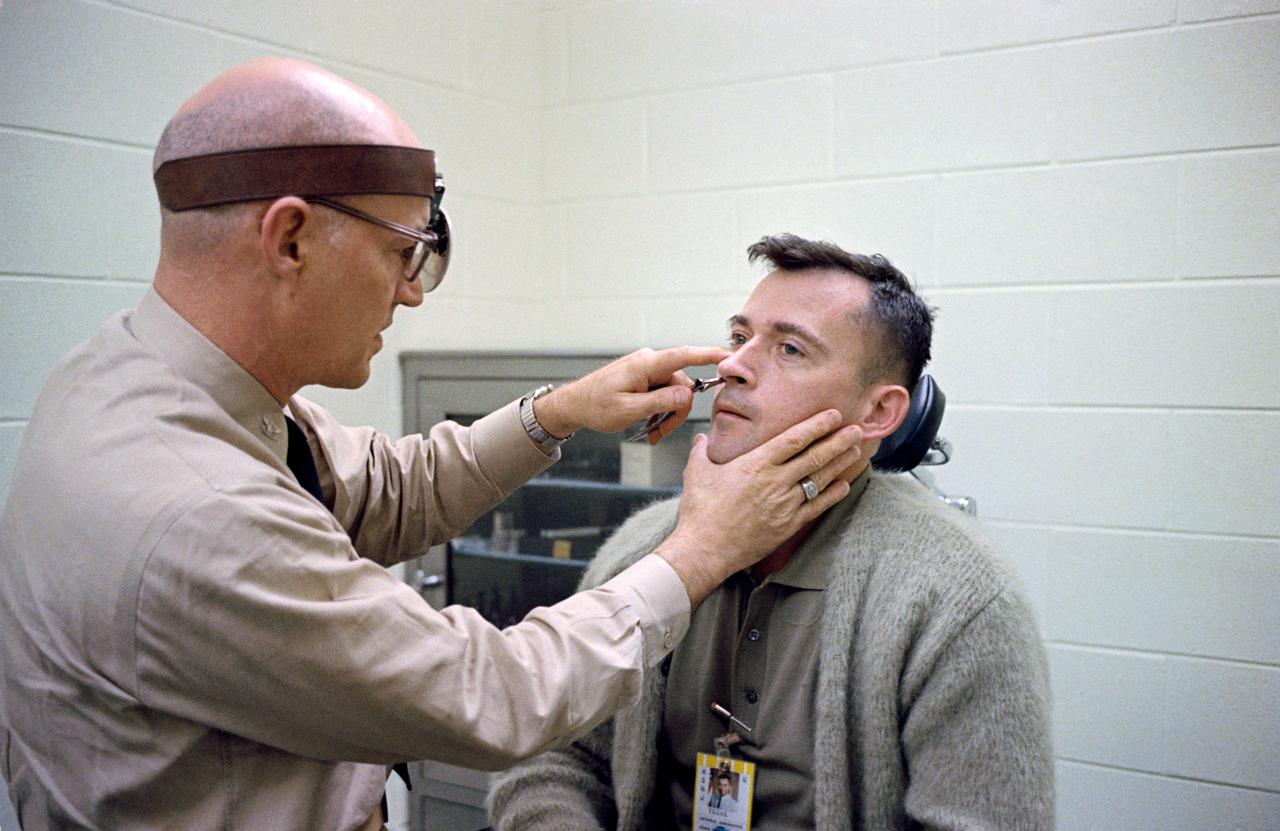
S65-22672 (21 March 1965) --- Astronaut John W. Young, pilot for the Gemini-Titan 3 mission, undergoes an ear, nose and throat examination by Dr. L. Ballenberger, U.S. Navy captain.  The examination took place during the physical given to the GT-3 crew two days before launch.
JOHN W. YOUNG - MISC. - CAPE - medical exam
S69-32616 (April 1969) --- Astronaut John W. Young, prime crew command module pilot of the Apollo 10 lunar orbit mission.
Portrait - Astronaut John W. Young - Apollo X - Cape
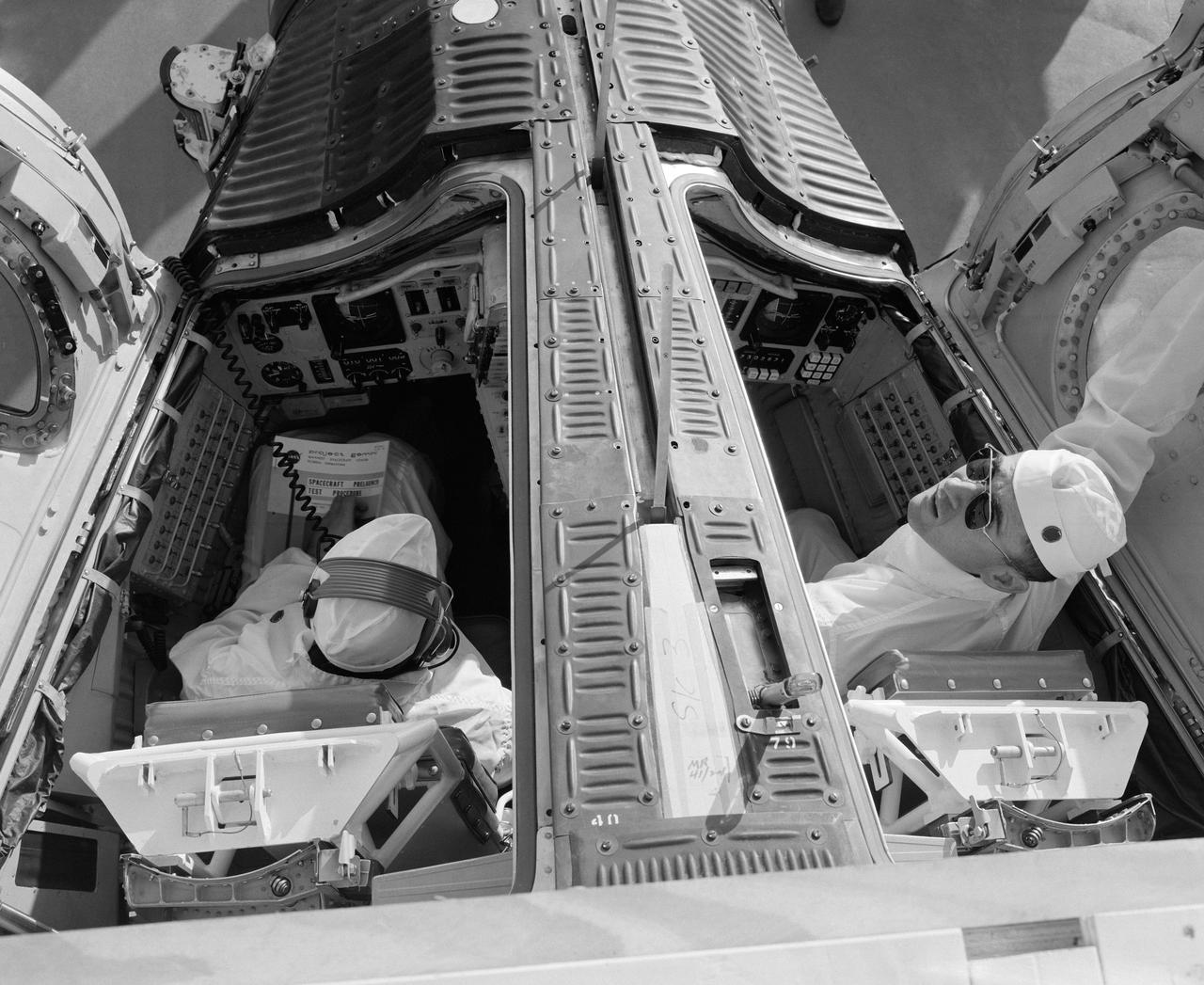
S65-19228 (23 March 1965) --- Astronaut John W. Young, the pilot of the Gemini-Titan 3 mission, is shown going through last minute checks before the hatch is closed on the spacecraft.  The window frames Young just before the launch.
SPACECRAFT (INSPECTION) - ASTRONAUT JOHN W. YOUNG - MISC. - CAPE
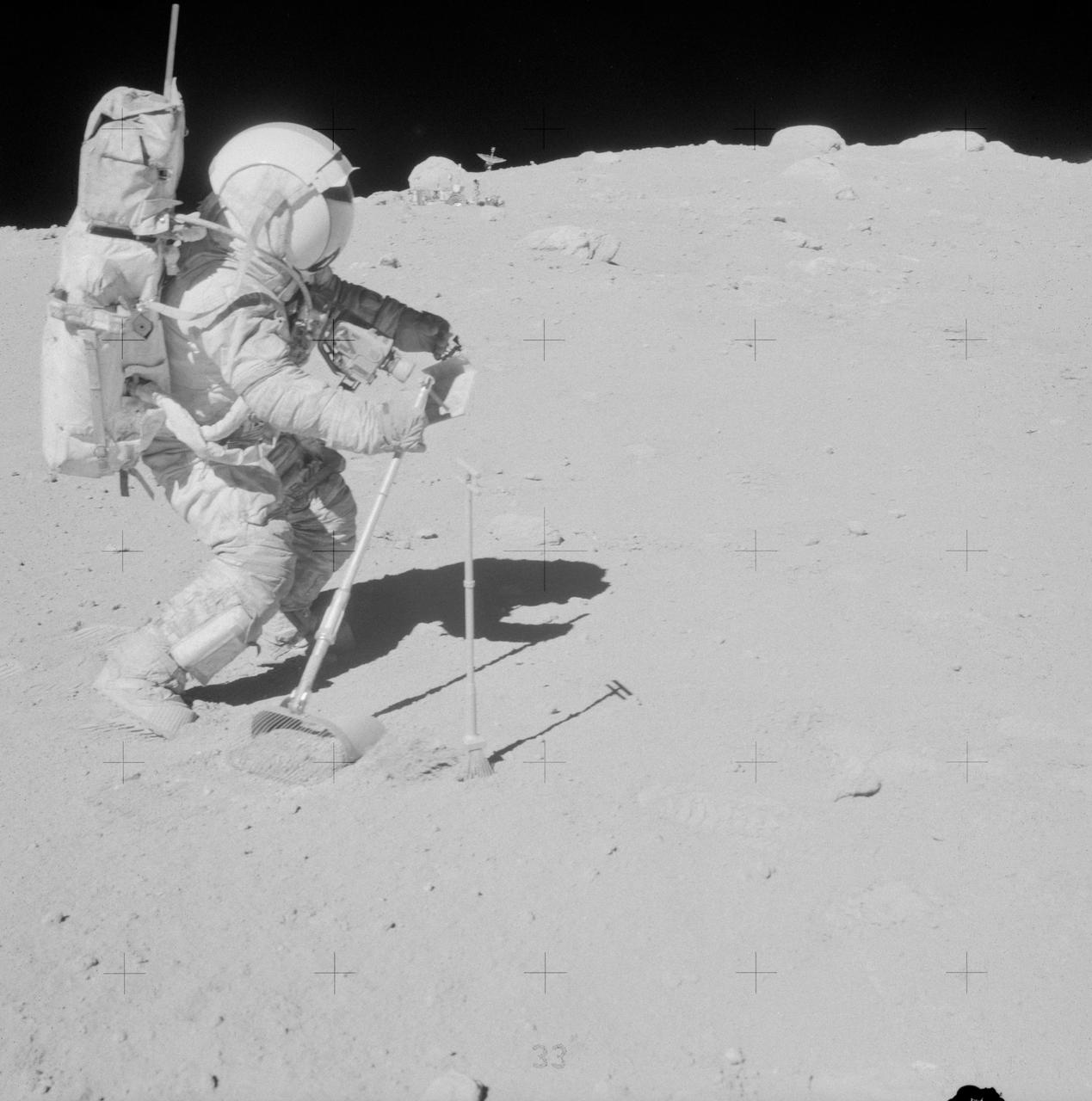
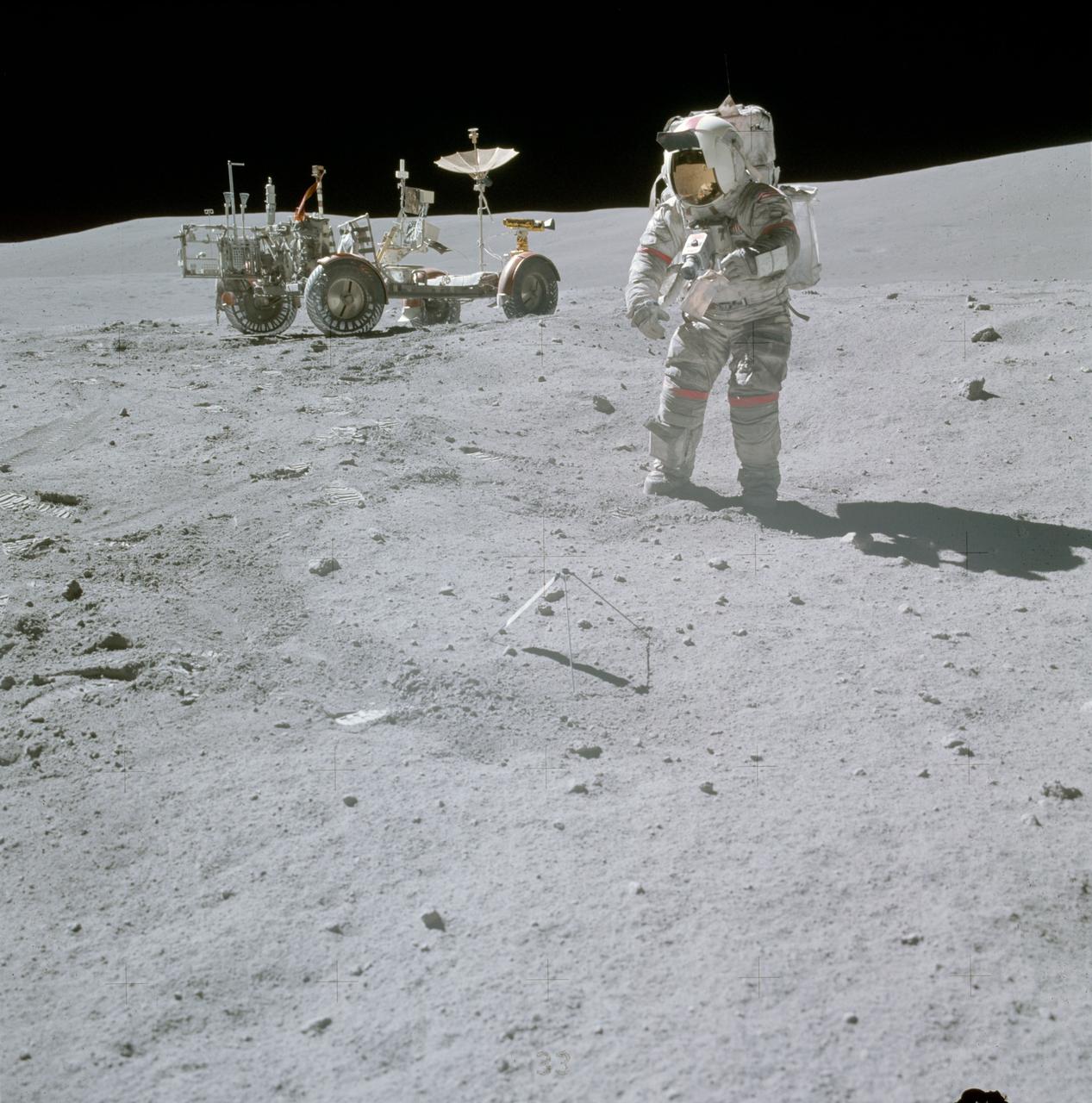
AS16-106-17340 (23 April 1972) --- Astronaut John W. Young, commander of the Apollo 16 lunar landing mission, is photographed collecting lunar samples near North Ray Crater during the third Apollo 16 extravehicular activity (EVA) at the Descartes landing site. This picture was taken by astronaut Charles M. Duke Jr., lunar module pilot. Young is using the lunar surface rake and a set of tongs. The Lunar Roving Vehicle (LRV) is parked in the field of large boulders in the background. While astronauts Young and Duke descended in the Lunar Module (LM) "Orion" to explore the moon, astronaut Thomas K. Mattingly II, command module pilot, remained with the Command and Service Modules (CSM) in lunar orbit.
Astronaut John Young photographed collecting lunar samples
S65-20637 (1965) --- Astronauts John W. Young, pilot, and Virgil I. Grissom, command pilot, for the Gemini-Titan 3 flight, are shown entering launch pad abort rescue vehicle during training exercise.
ABORT RESCUE VEHICLE - ASTRONAUT JOHN W. YOUNG - TRAINING - CAPE
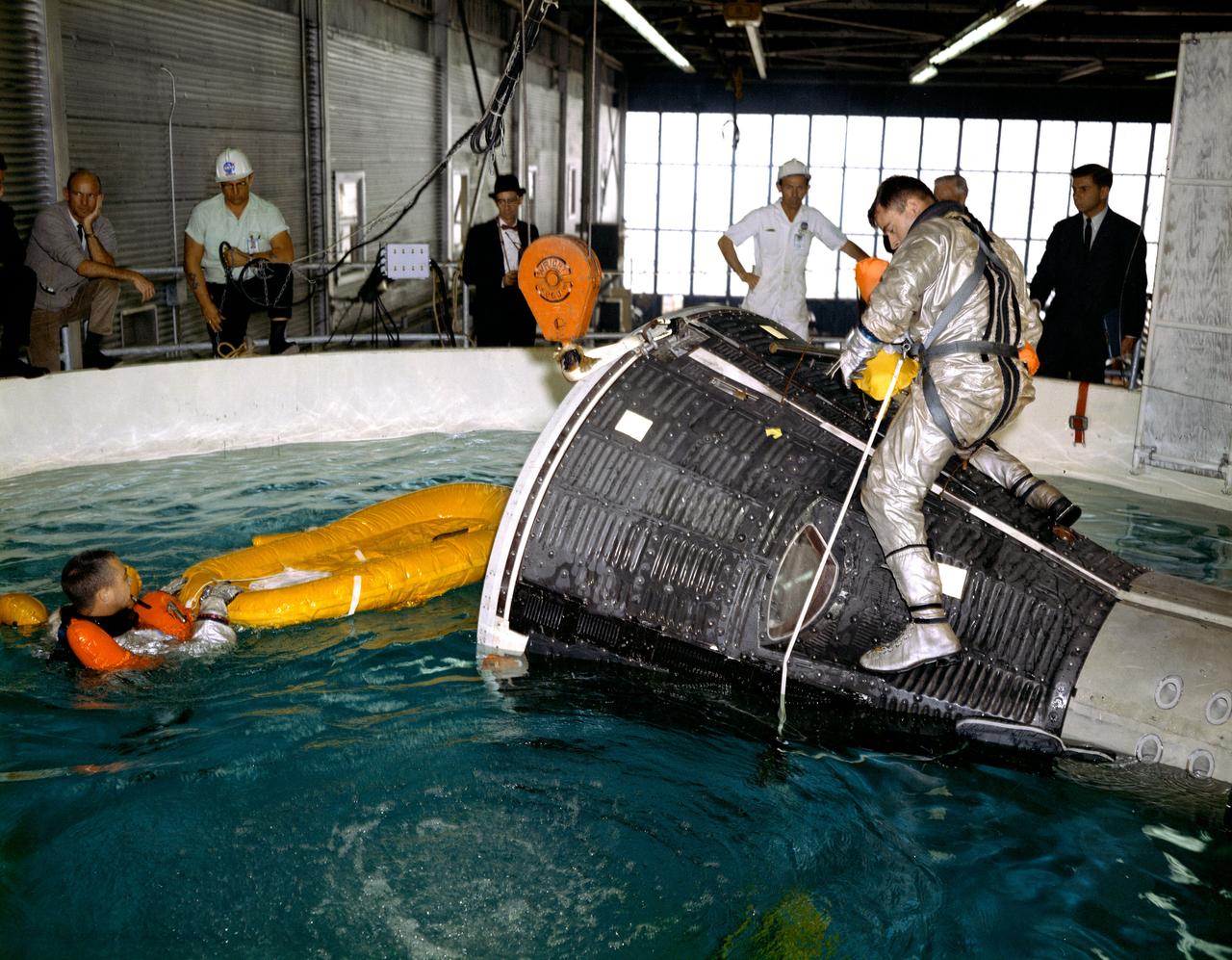
S65-10157 (5 Feb. 1965) --- Astronaut John W. Young, the Gemini-Titan 3 prime crew pilot, is shown atop a Gemini spacecraft at Ellington Air Force Base, Texas, during water egress training.
EGRESS - ASTRONAUT JOHN W. YOUNG - TRAINING - ELLINGTON AFB (EAFB), TX
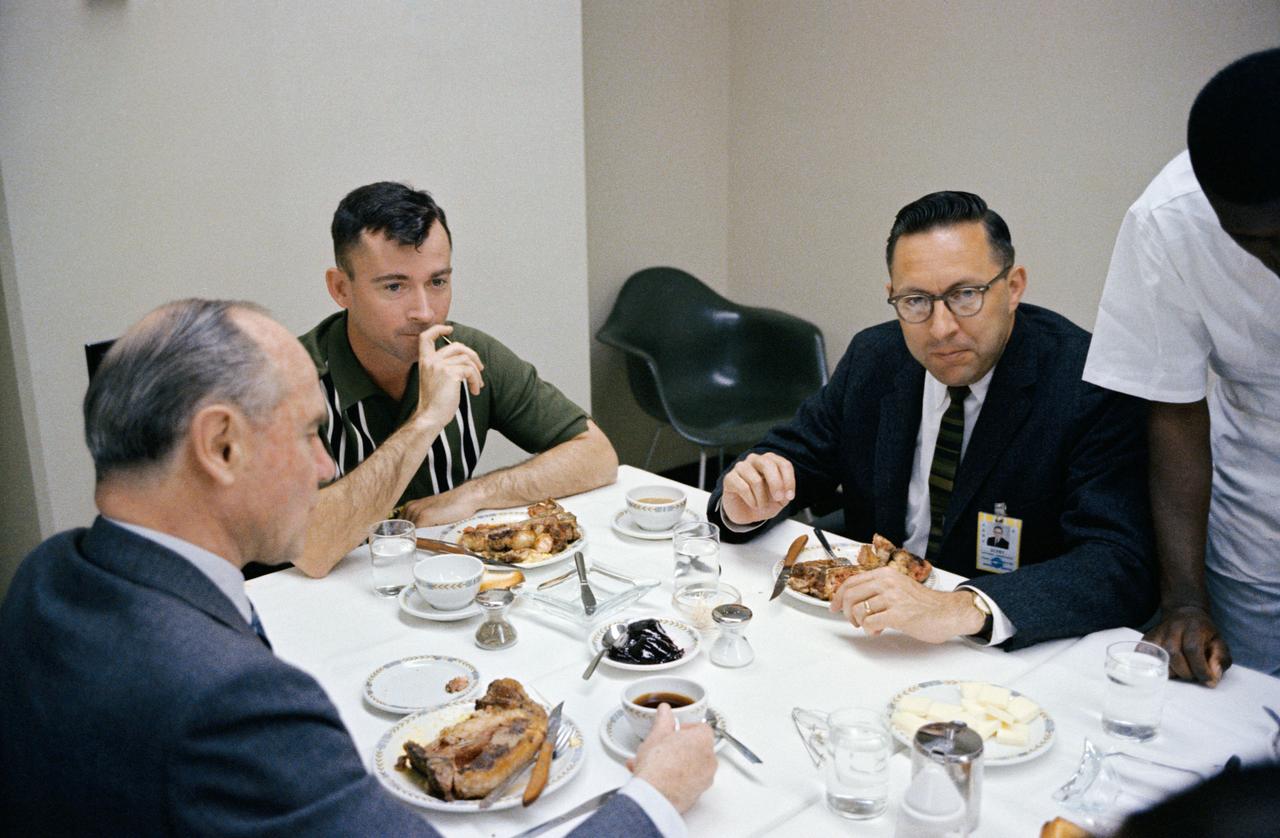
S65-20428 (23 March 1965) --- Astronaut John W. Young (center), pilot of the Gemini-Titan 3 flight, is shown during a steak breakfast which he was served about two hours prior to the 9:24 a.m. (EST) GT-3 launch. At left is J.S. McDonnell, board chairman and Chief Executive Officer of the McDonnell Aircraft Corporation. Dr. Charles A. Berry, chief of Center Medical Programs, is at right.
STEAK BREAKFAST - ASTRONAUT JOHN W. YOUNG - PERSONNEL
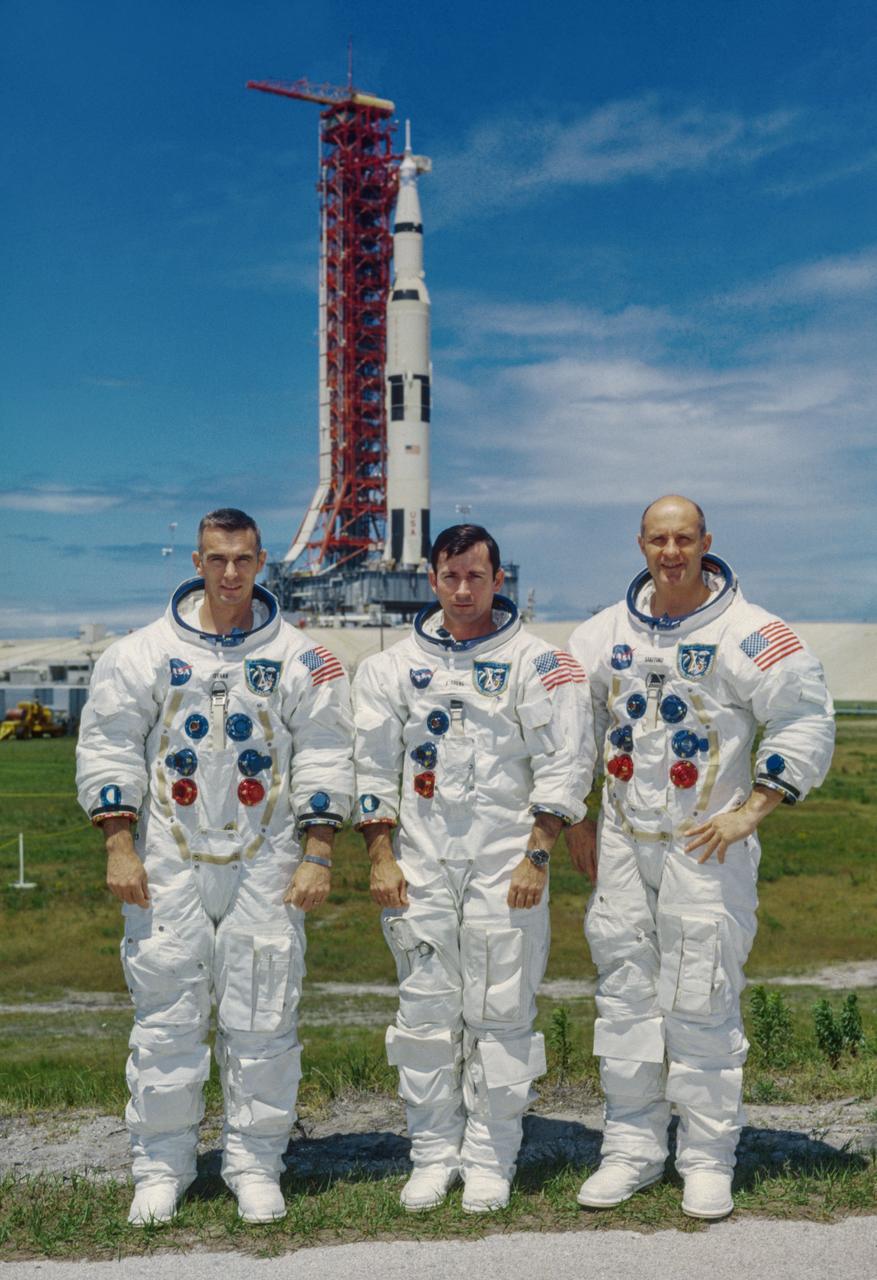
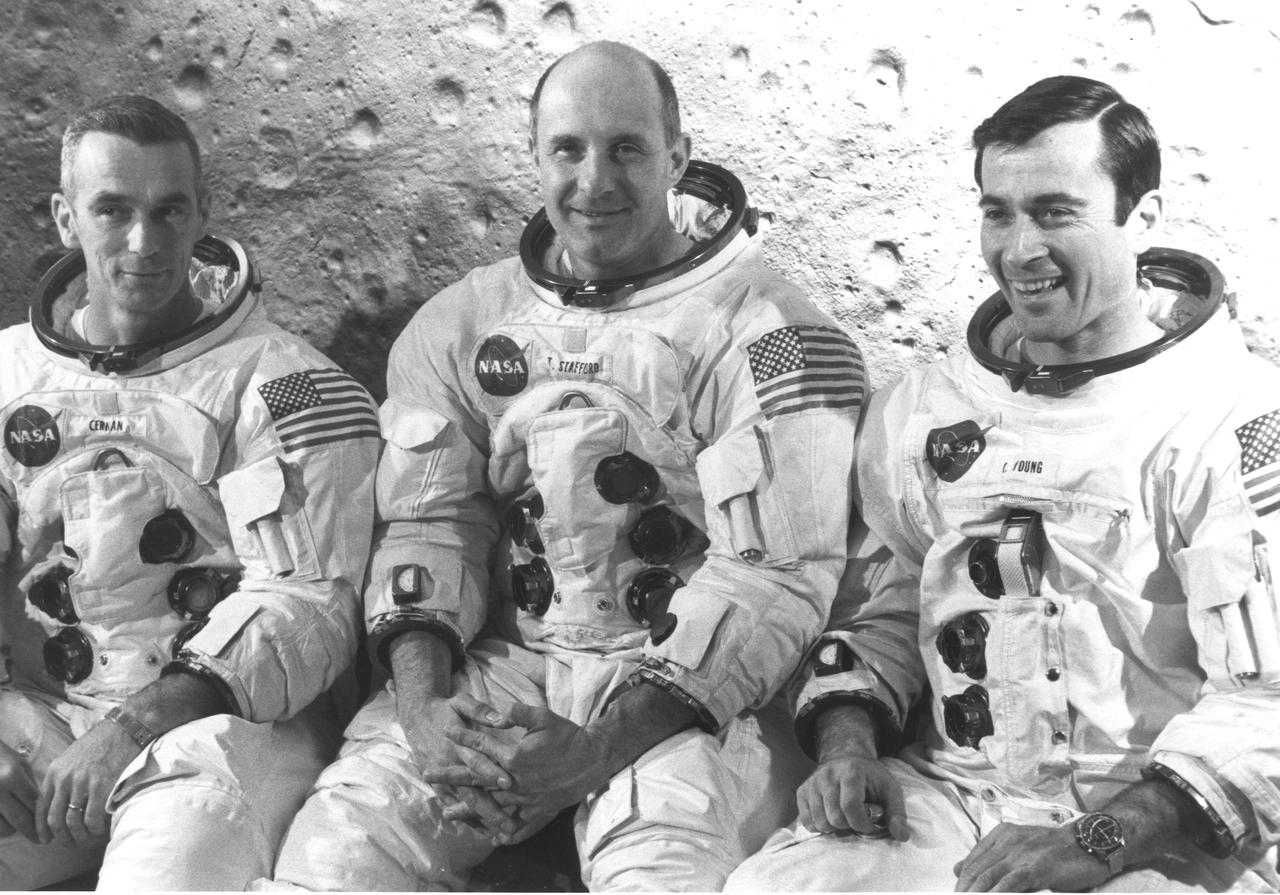
S69-34385 (13 May 1969) --- These three astronauts are the prime crew of the Apollo 10 lunar orbit mission. Left to right, are Eugene A. Cernan, lunar module pilot; John W. Young, command module pilot; and Thomas P. Stafford, commander. In the background is the Apollo 10 space vehicle on Pad B, Launch Complex 39, Kennedy Space Center, Florida.
Portrait - Apollo 10 - MSC
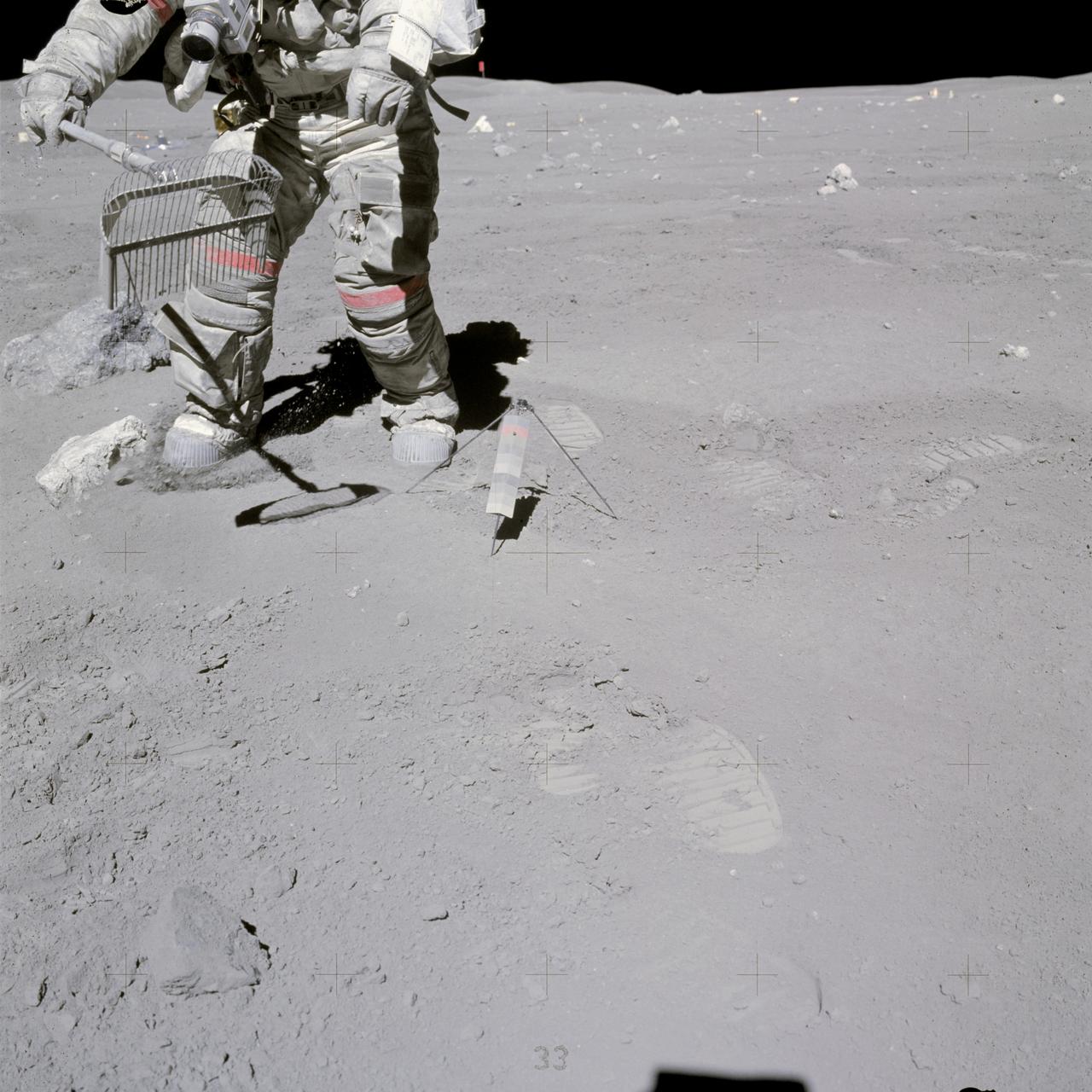
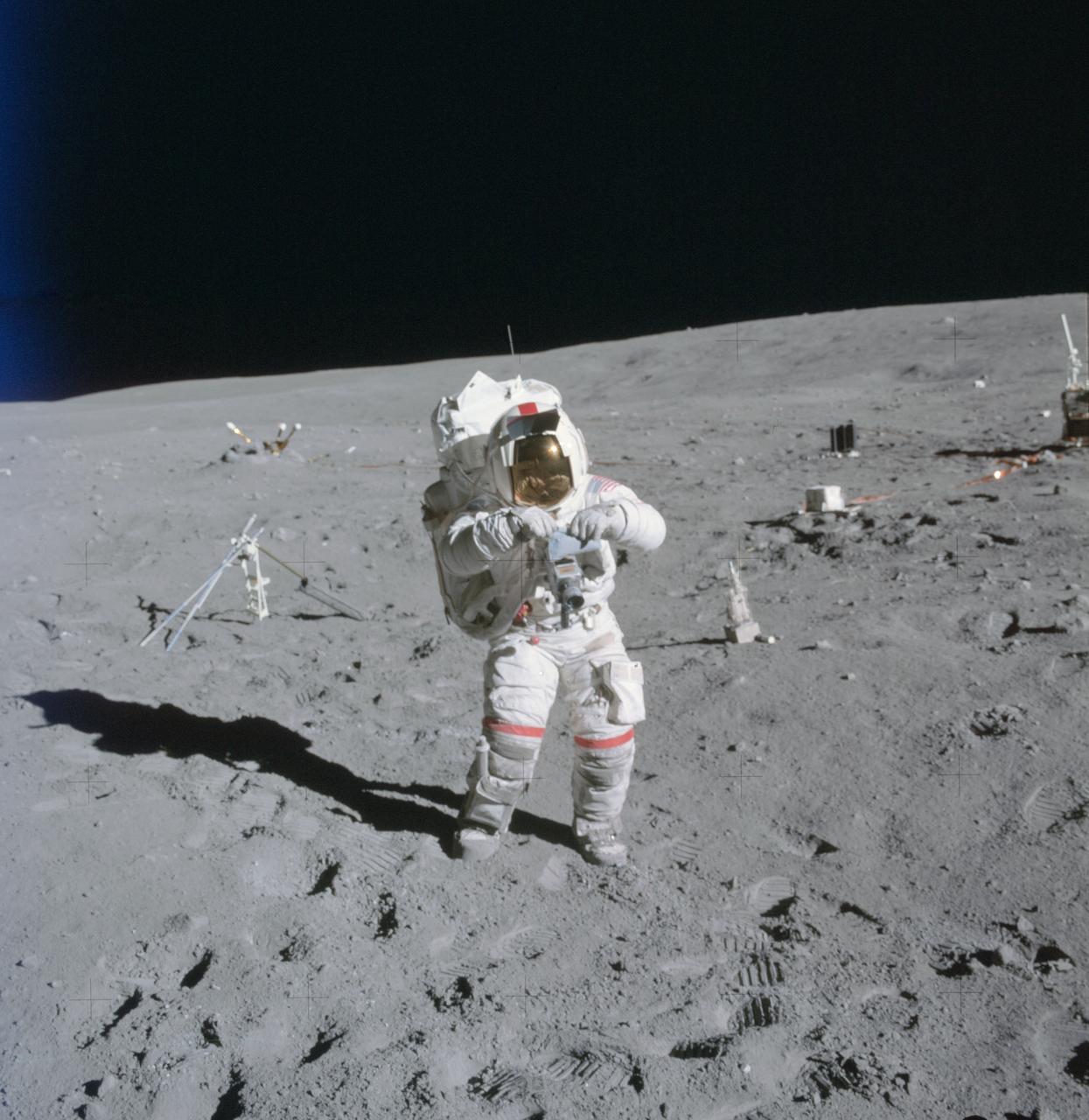
AS16-117-18826 (23 April 1972) --- Astronaut John W. Young collects samples at the North Ray Crater geological site during the mission's third and final Apollo 16 extravehicular activity (EVA). He has a rake in his hand, and the gnomon is near his foot. Note how soiled Young's Extravehicular Mobility Unit (EMU) is. While astronauts Young, commander; and Charles M. Duke Jr., lunar module pilot; descended in the Apollo 16 Lunar Module (LM) "Orion" to explore the Descartes highlands landing site on the moon, astronaut Thomas K. Mattingly II, command module pilot, remained with the Command and Service Modules (CSM) "Casper" in lunar orbit.
Astronaut John Young collecting samples at North Ray crater during EVA
S65-20593 (1965) --- Riding the elevator to the white room atop the Gemini Launch Vehicle on Pad 19 are astronauts Alan B. Shepard Jr. (left) and John W. Young. The Gemini-Titan 3 flight is scheduled to launch on March 23, 1965. Young is the pilot of the GT-3 mission.  Shepard was the Mercury Redstone 3 pilot.
ELEVATOR (RIDING) - ASTRONAUT JOHN W. YOUNG - MISC. - CAPE
AS16-117-18825 (23 April 1972) --- Astronaut John W. Young, Apollo 16 commander, with a sample bag in his left hand, moves toward the bottom part of the gnomon (center) while collecting samples at the North Ray Crater geological site. Note how soiled Young's Extravehicular Mobility Unit (EMU) is during this the third and final Apollo 16 extravehicular activity (EVA). The Lunar Roving Vehicle (LRV) is parked at upper left.
Astronaut John Young collecting samples at North Ray crater during EVA
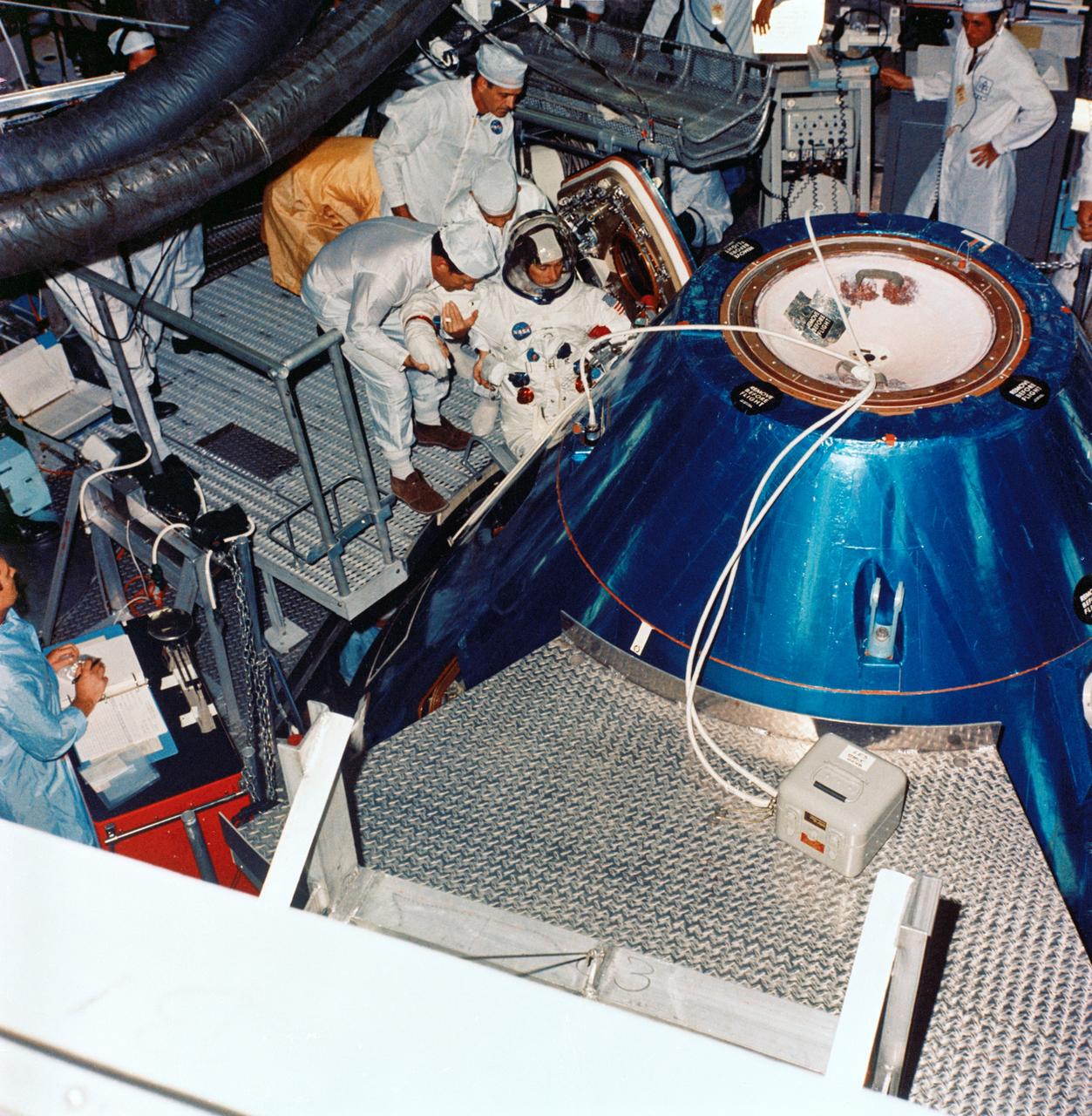
S68-40875 (5 July 1968) --- Astronaut John W. Young, Apollo 7 backup command module pilot, ingresses Apollo Spacecraft 101 Command Module during simulated altitude runs at the Kennedy Space Center's Pad 34.
Astronaut John Young ingresses Apollo spacecraft command module in training
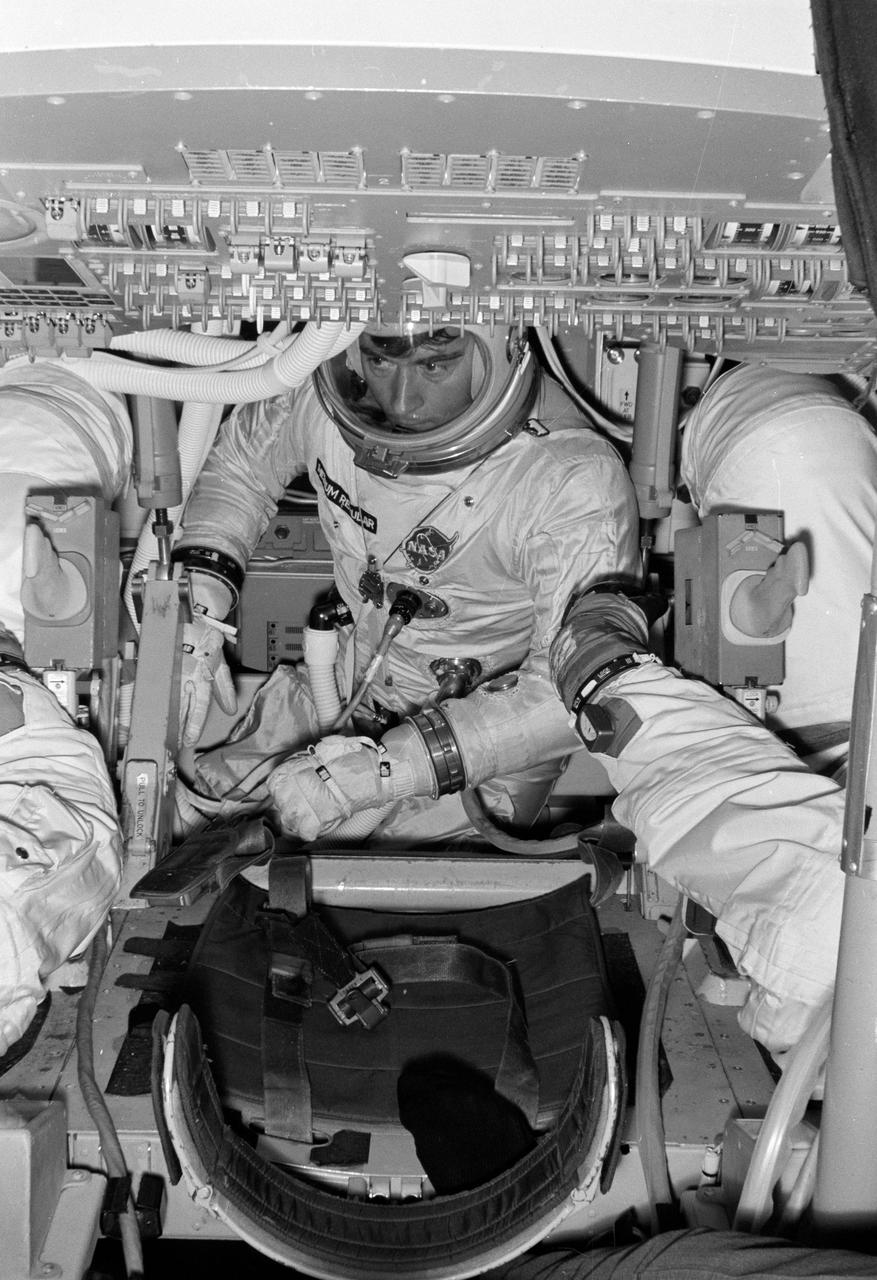
S68-15979 (15 Jan. 1968) --- Astronaut John W. Young, command module pilot, inside the Command Module Simulator in Building 5 during an Apollo Simulation. Out of view are astronaut Thomas P. Stafford (on the left), commander; and astronaut Eugene A. Cernan (on the right), lunar module pilot.
Astronaut John Young in Command Module Simulator during Apollo Simulation
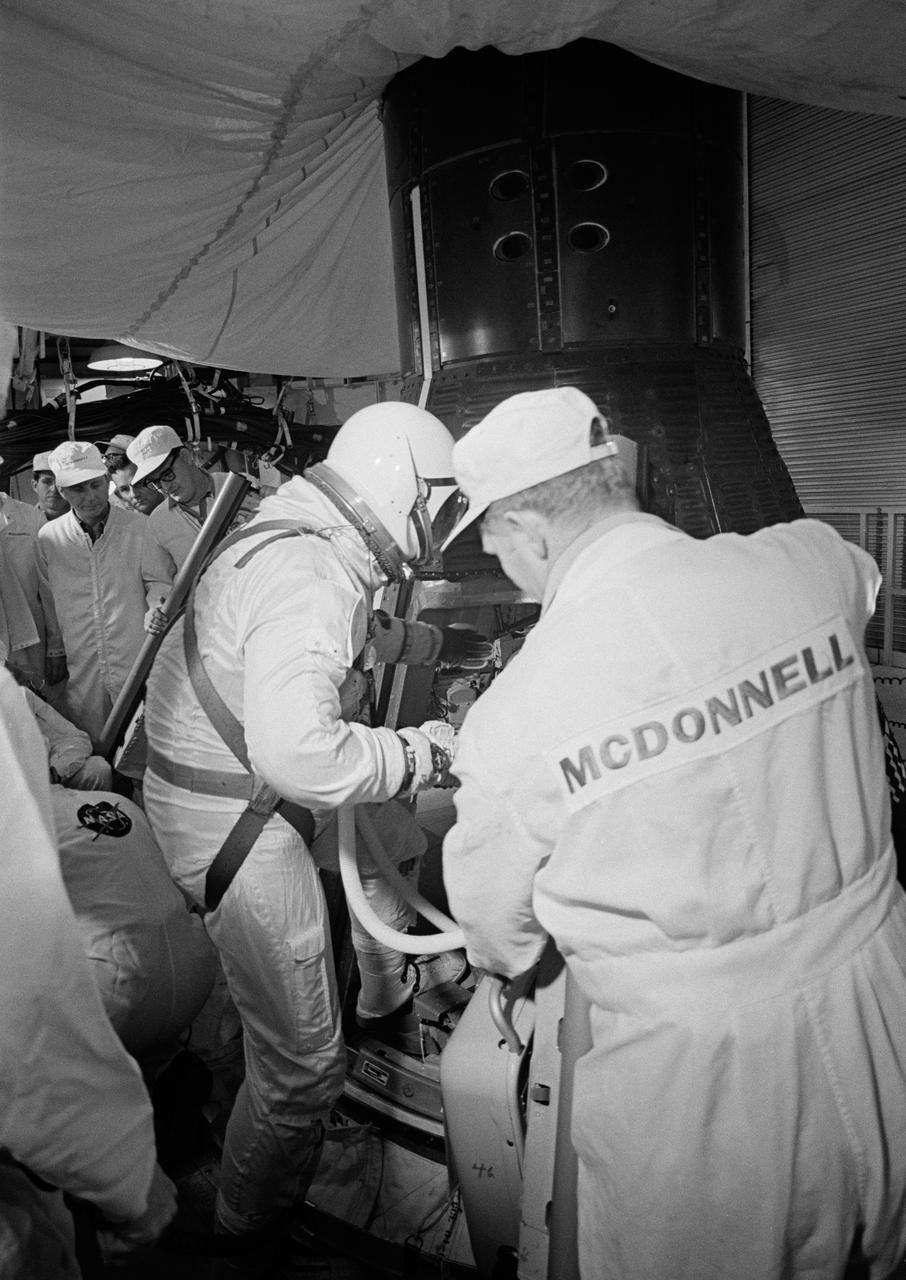
S65-20604 (23 March 1965) --- Astronaut John W. Young, the pilot of the Gemini-Titan 3 three-orbit mission, is assisted by a McDonnell Aircraft Corp. engineer as he enters the Gemini spacecraft in the white room atop the Gemini launch vehicle.
Astronaut John Young assisted into Gemini spacecraft in white room
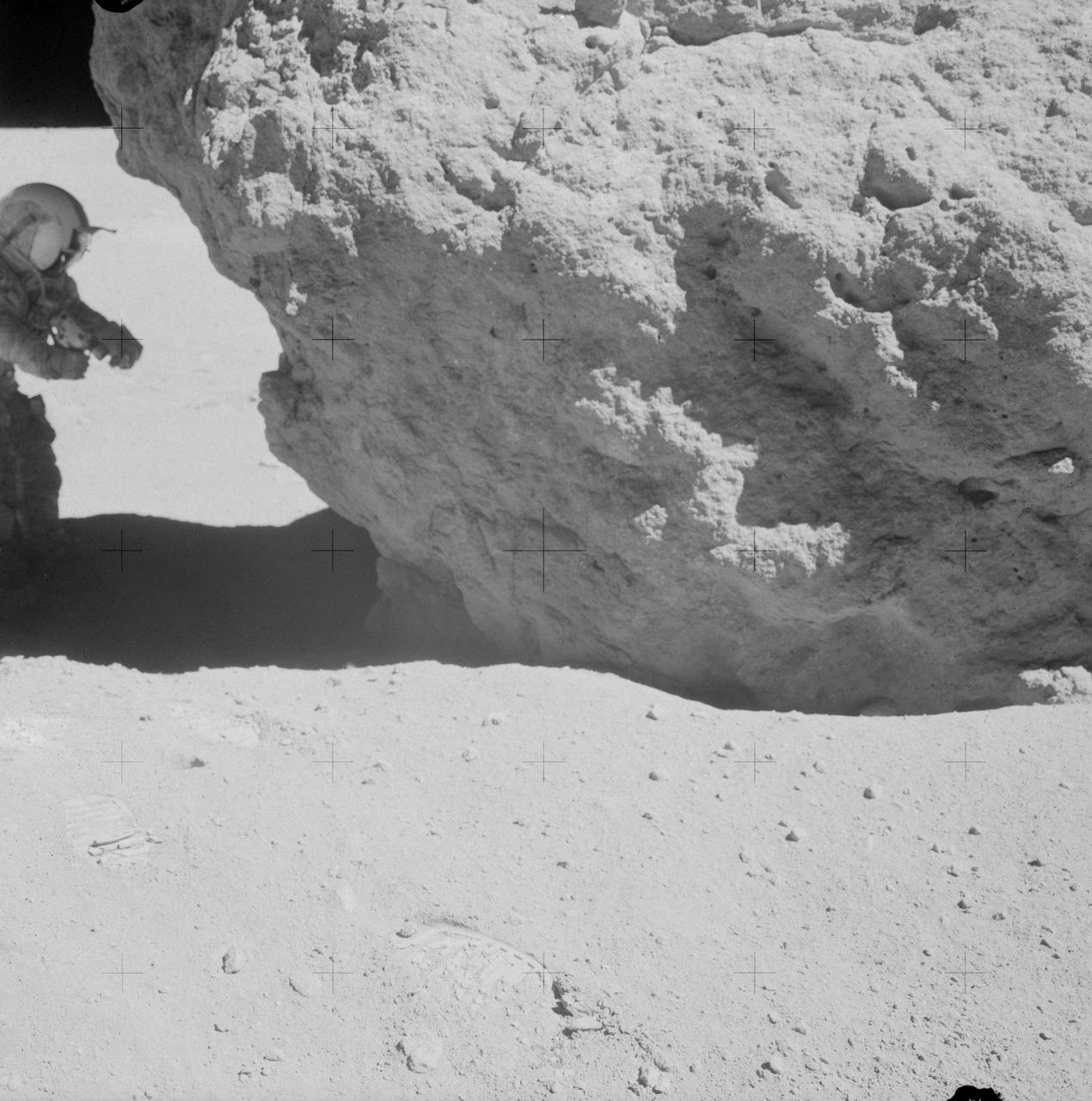
AS16-106-17413 (23 April 1972) --- Astronaut John W. Young, commander of the Apollo 16 lunar landing mission, looks over a large boulder at Station No.13 during the third Apollo 16 extravehicular activity (EVA) at the Descartes landing site. This was the site of the permanently shadowed soil sample which was taken from a hole extending under overhanging rock. Astronaut Charles M. Duke Jr., lunar module pilot, took this photograph. Concerning Young's reaching under the big rock, Duke remarked: "You do that in west Texas and you get a rattlesnake!"
Astronaut John Young looks over a boulder at Station no. 13 during EVA
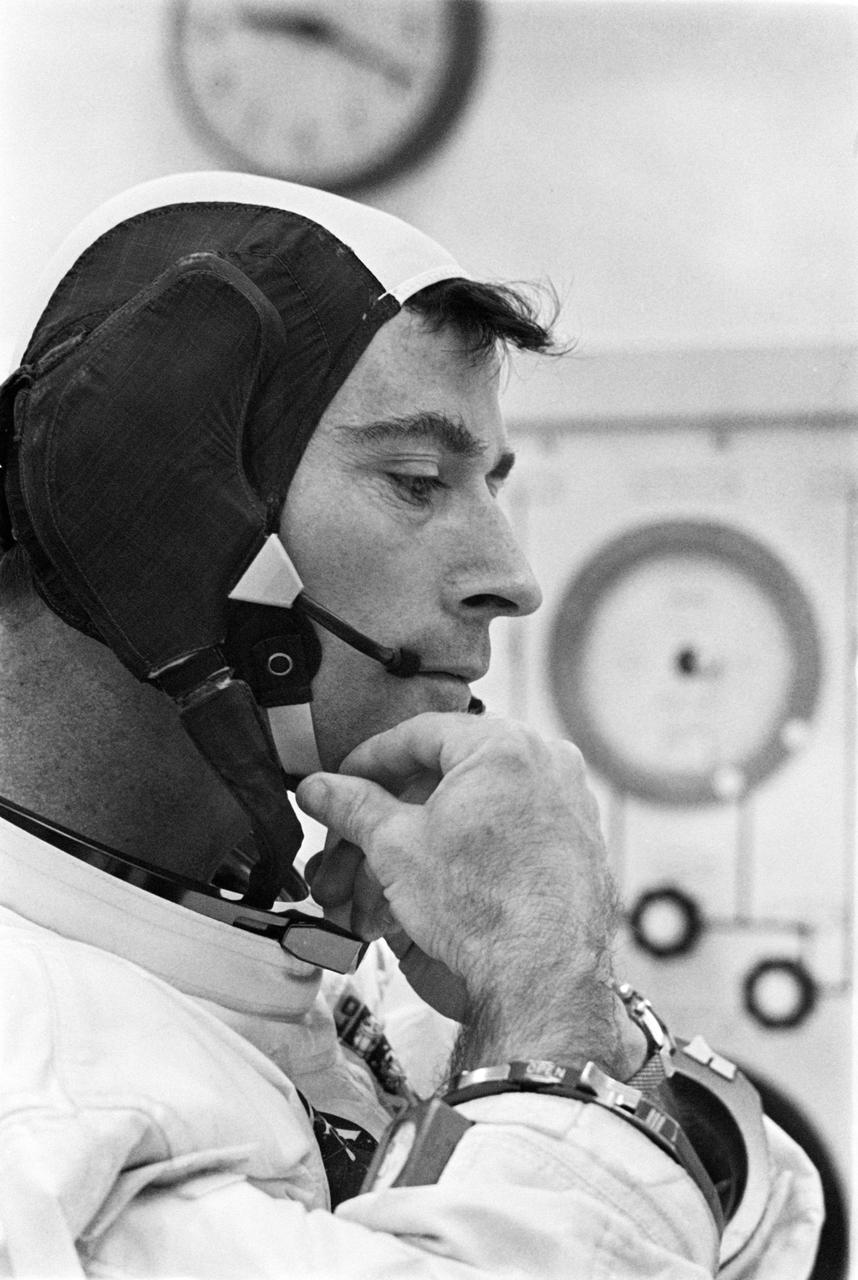
S69-34485 (18 May 1969) --- Astronaut John W. Young, Apollo 10 command module pilot, adjusts strap on his communications cap during suiting up operations for the lunar orbit mission. Minutes later astronauts Young; Thomas P. Stafford, commander; and Eugene A. Cernan, lunar module pilot, rode a transfer van from the Kennedy Space Center's Manned Spacecraft Operations Building over to Pad B, Launch Complex 39, where their spacecraft awaited them. Liftoff was at 12:49 p.m. (EDT), May 18, 1969.
Astronaut John Young during final suiting operations for Apollo 10 mission
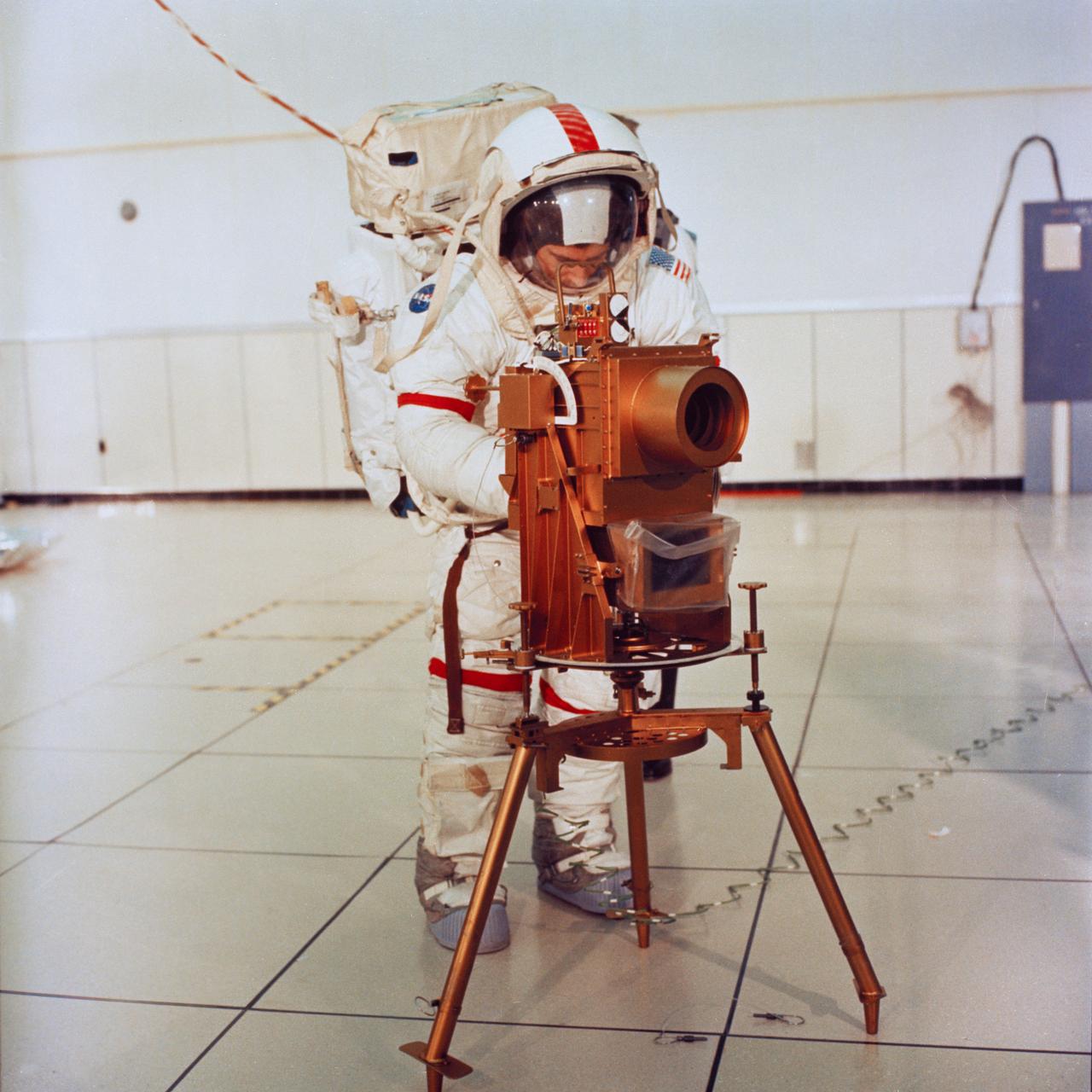
S72-19739 (22 Dec. 1972) --- Astronaut John W. Young, commander of the Apollo 16 lunar landing mission, participates in lunar surface extravehicular activity (EVA) training in the Flight Crew Training Building at the Kennedy Space Center (KSC). Young adjusts a training model of a Far Ultraviolet Camera/Spectroscope, an instrument which will be emplaced on the moon during the Apollo 16 EVA. Deep-space sources of hydrogen in interplanetary, interstellar and intergalactic regions will be mapped by this instrument which gathers both photographic images and spectroscope data in the far ultraviolet spectrum. This experiment will be the first such astronomical observation emplaced on the lunar surface.
Astronaut John Young participates in lunar surface EVA training at KSC
AS16-113-18339 (21 April 1972) --- Astronaut John W. Young, commander of the Apollo 16 lunar landing mission, leaps from the lunar surface as he salutes the United States flag at the Descartes landing site during the first Apollo 16 extravehicular activity (EVA).  Astronaut Charles M. Duke Jr., lunar module pilot, took this picture. The Lunar Module (LM) "Orion" is on the left. The Lunar Roving Vehicle (LRV) is parked beside the LM. The object behind Young (in the shade of the LM) is the Far Ultraviolet Camera/Spectrograph (FUC/S). Stone Mountain dominates the background in this lunar scene. While astronauts Young and Duke descended in the LM to explore the Descartes highlands landing site on the moon, astronaut Thomas K. Mattingly II, command module pilot, remained with the Command and Service Modules (CSM) "Casper" in lunar orbit.
Astronaut John Young leaps from lunar surface to salute flag
Astronaut John W. Young, Apollo 16 prime crew commander (right), takes a drive in the One-G Lunar Roving Vehicle (LRV) trainer in the Lunar Topgraphic Simulation area at the Manned Spacecraft Center (MSC). He is accompanied by John Omstead, with General Electric, MSC.
Astronaut John Young drives in One-G Lunar Roving Vehicle during simulation
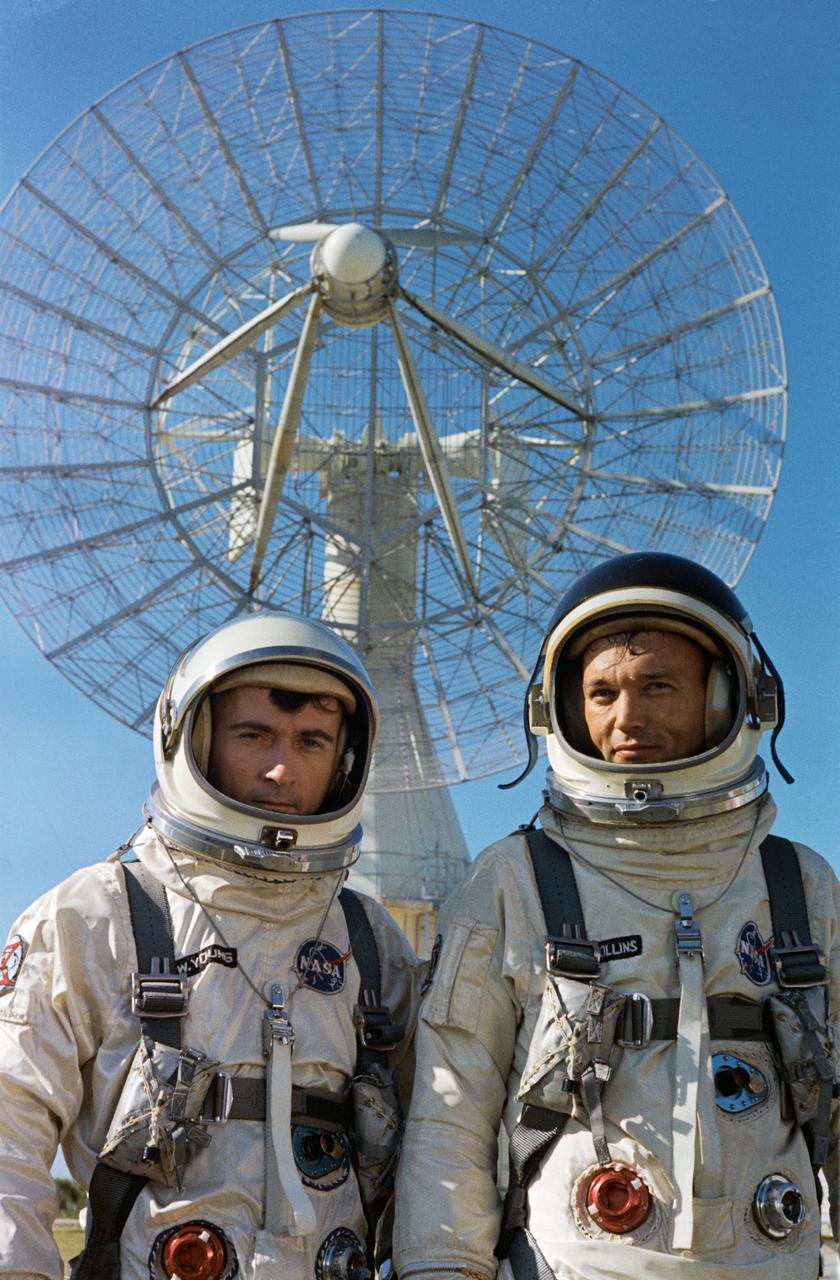
S66-42725 (16 July 1966) --- Astronauts John W. Young (left), command pilot, and Michael Collins, pilot, the Gemini-10 prime crew during a photo session for the press outside the Kennedy Space Center (KSC) Mission Control Center. Both men are wearing their spacesuits including helmets. Behind them is a large radar dish. Photo credit: NASA
GT-10 (CREW PORTRAIT)- ASTRONAUT JOHN W. YOUNG - PORTRAIT
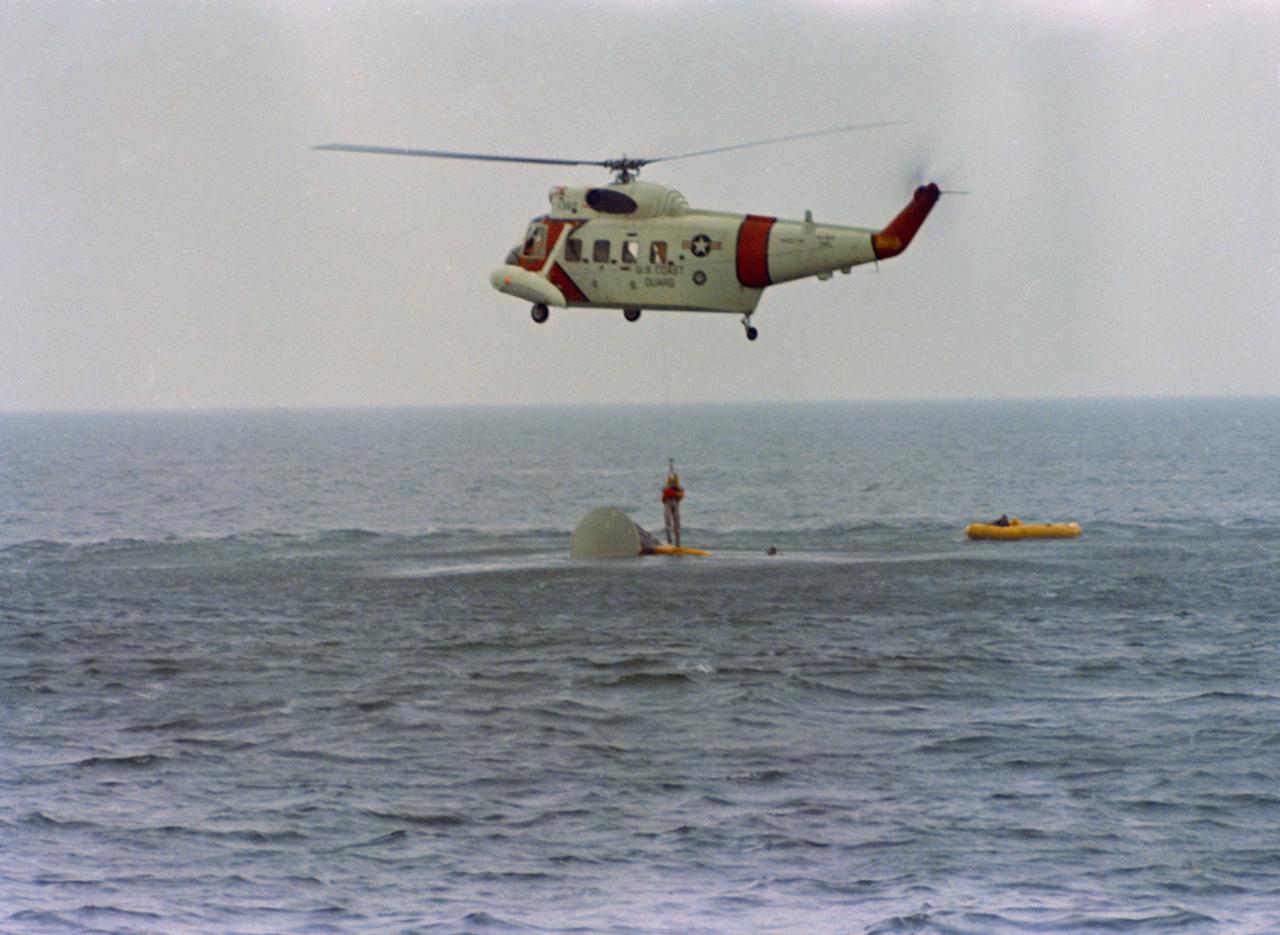
S66-39713 (18 June 1966) --- Astronaut John W. Young, Gemini-10 command pilot, is hoisted up to a U.S. Coast Guard helicopter during water egress training in the Gulf of Mexico. A team of Manned Spaceflight Center (MSC) swimmers assists in the exercise. The Static Article 5 spacecraft can be seen in the water. Photo credit: NASA
Astronaut John Young hoisted aboard helicopter during water egress training
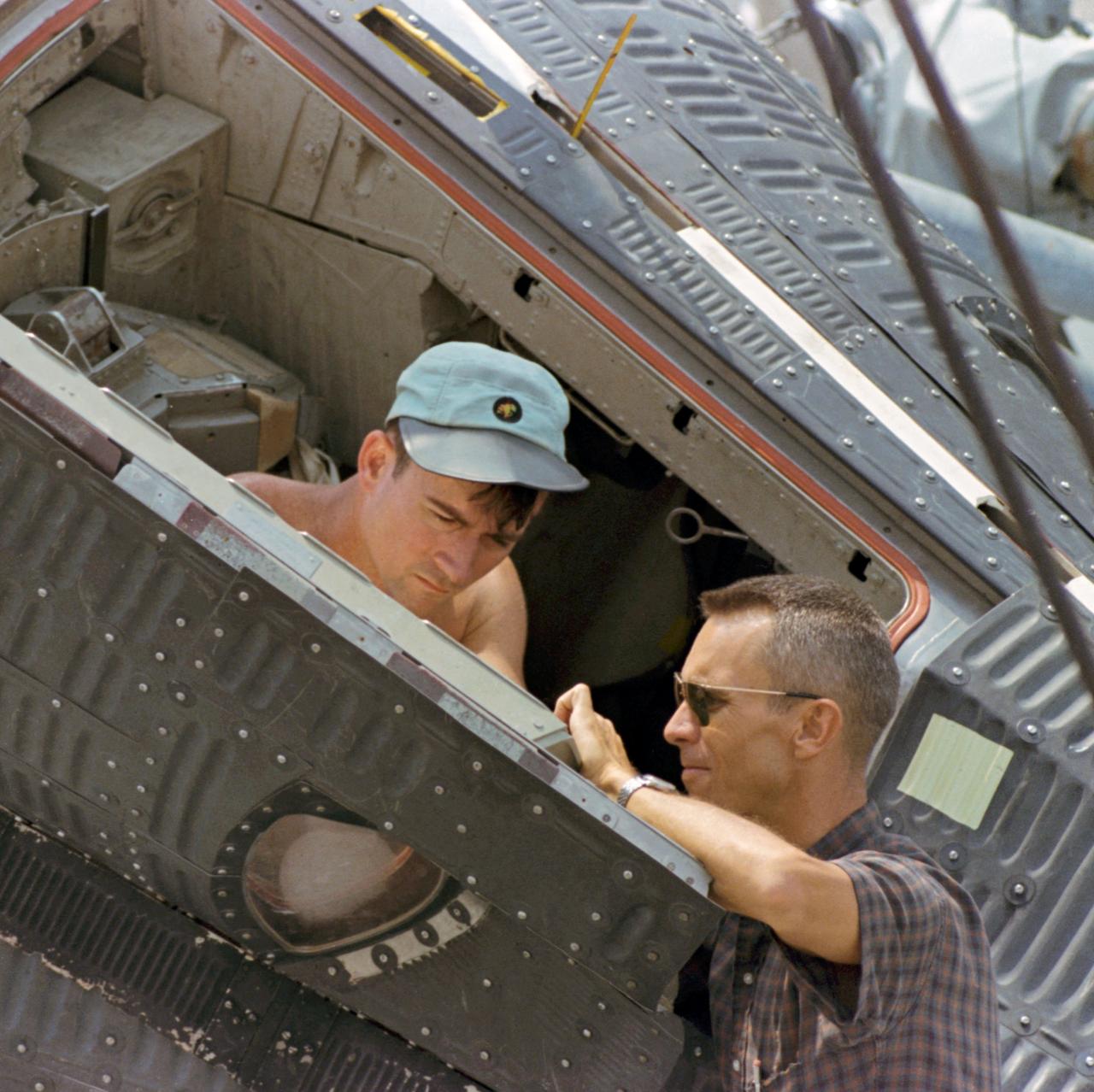
S66-39691 (18 June 1966) --- Astronaut John W. Young, prime crew command pilot for the Gemini-10 spaceflight, sits in Static Article 5 during water egress training activity onboard the NASA Motor Vessel Retriever. The SA-5 will be placed in the water and he and astronaut Michael Collins will then practice egress and water survival techniques. At right is Gordon Harvey, Spacecraft Operations Branch, Flight Crew Support Division. Photo credit: NASA
Astronaut John W. Young during water egress training
AS16-116-18578 (21 April 1972) --- Astronaut John W. Young, commander of the Apollo 16 lunar landing mission, works at the Lunar Roving Vehicle (LRV) just prior to deployment of the Apollo Lunar Surface Experiments Package (ALSEP) during the first extravehicular activity (EVA) on April 21, 1972. Note the Ultraviolet (UV) Camera/Spectrometer to the right of the Lunar Module (LM) ladder. Also, note the pile of protective/thermal foil under the U.S. flag on the LM which the astronauts pulled away to get to the Modular Equipment Storage Assembly (MESA) bay. While astronauts Young and Charles M. Duke Jr., lunar module pilot; descended in the Apollo 16 LM "Orion" to explore the Descartes highlands landing site on the moon, astronaut Thomas K. Mattingly II, command module pilot, remained with the Command and Service Modules (CSM) "Casper" in lunar orbit.
Astronaut John Young at LRV prior to deployment of ALSEP during first EVA
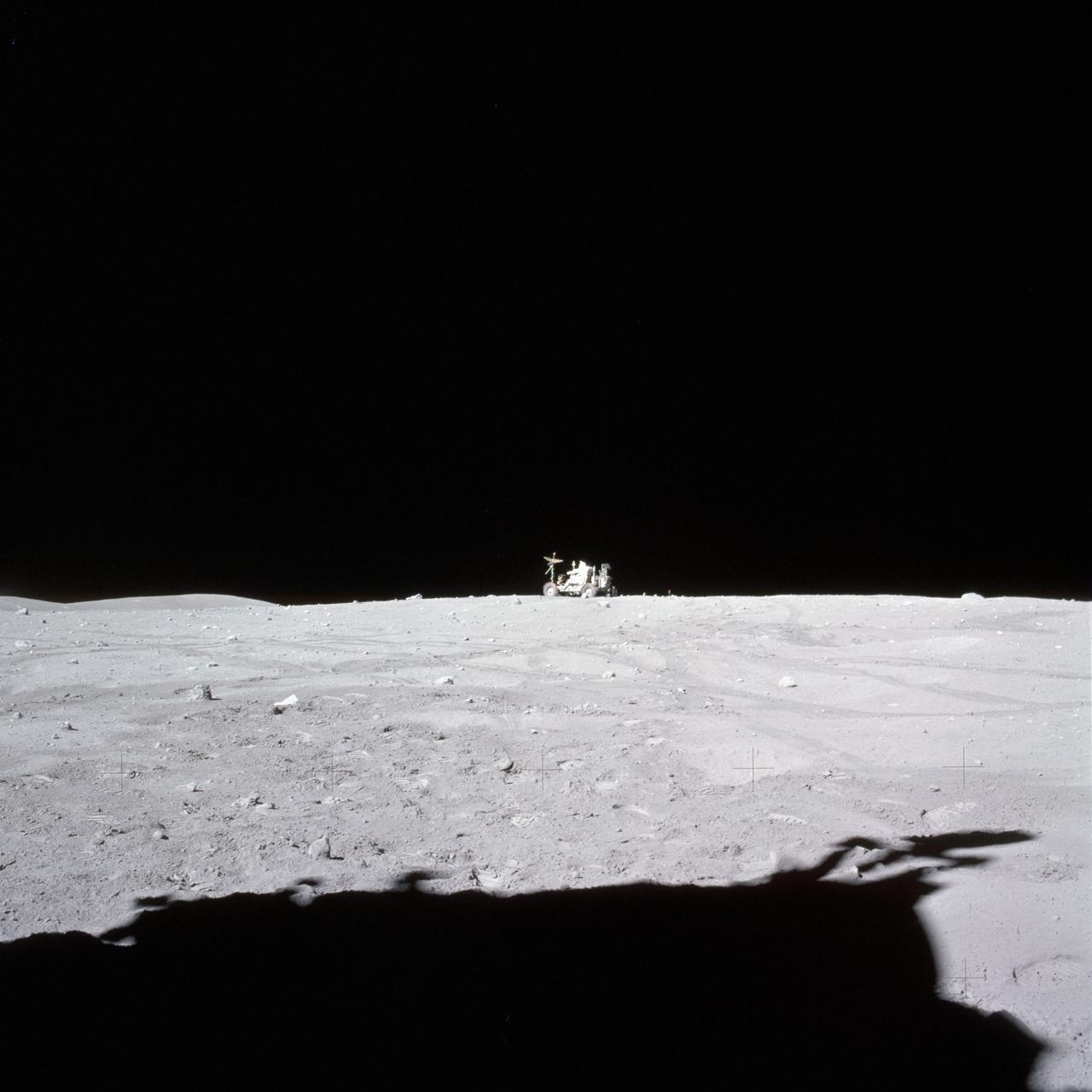
AS16-115-18559 (23 April 1972) --- Astronaut John W. Young, commander of the Apollo 16 lunar landing mission, drives the Lunar Roving Vehicle (LRV) to its final parking place near the end of the third Apollo 16 extravehicular activity (EVA) at the Descartes landing site. Astronaut Charles M. Duke Jr., lunar module pilot, took this photograph looking southward. The flank of Stone Mountain can be seen on the horizon at left. The shadow of the Lunar Module (LM) occupies much of the picture. While astronauts Young and Duke descended in the Apollo 16 LM "Orion" to explore the Descartes highlands landing site on the moon, astronaut Thomas K. Mattingly II, command module pilot, remained with the Command and Service Modules (CSM) "Casper" in lunar orbit.
Astronaut John Young drives Lunar Roving Vehicle to final parking place
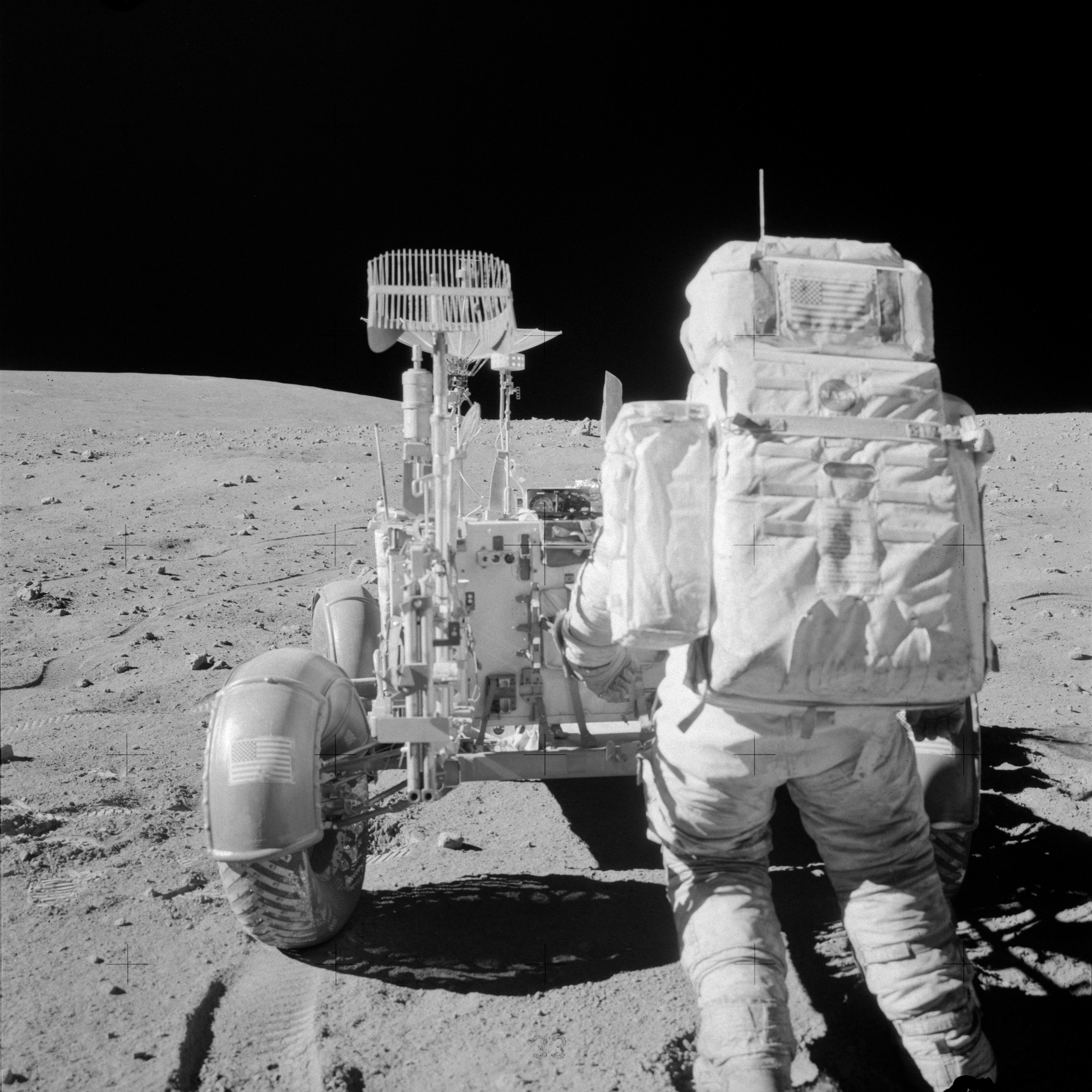
AS16-108-17622 (22 April 1972) --- Astronaut John W. Young, commander of the Apollo 16 lunar landing mission, reaches for tools in the Apollo Lunar Hand Tool Carrier at the aft end of the Lunar Roving Vehicle (LRV) during the second Apollo 16 extravehicular activity (EVA) at the Descartes landing site. This photograph was taken by astronaut Charles M. Duke Jr., lunar module pilot. This view is looking south from the base of Stone Mountain. While astronauts Young and Duke descended in the Lunar Module (LM) "Orion" to explore the Descartes highlands region of the moon, astronaut Thomas K. Mattingly II, command module pilot, remained with the Command and Service Modules (CSM) "Casper" in lunar orbit.
Astronaut John Young reaches for tools in Lunar Roving Vehicle during EVA
AS16-114-18388 (21 April 1972) --- Astronaut John W. Young, commander of the Apollo 16 lunar landing mission, stands at the Apollo Lunar Surface Experiments Package (ALSEP) deployment site during the first Apollo 16 extravehicular activity (EVA) at the Descartes landing site. The components of the ALSEP are in the background. The lunar surface drill is just behind and to the right of astronaut Young. The drill's rack and bore stems are to the left. The three-sensor Lunar Surface Magnetometer is beyond the rack. The dark object in the right background is the Radioisotope Thermoelectric Generator (RTG). Between the RTG and the drill is the Heat Flow Experiment. A part of the Central Station is at the right center edge of the picture. This photograph was taken by astronaut Charles M. Duke Jr., lunar module pilot.
Astronaut John Young stands at ALSEP deployment site during first EVA
AS16-110-17960 (22 April 1972) --- Astronaut John W. Young, commander, replaces tools in the Apollo Lunar Hand Tool (ALHT) carrier at the aft end of the Lunar Roving Vehicle (LRV) during the second Apollo 16 extravehicular activity (EVA) on the high side of Stone Mountain at the Descartes landing site. Astronaut Charles M. Duke Jr., lunar module pilot, took this photograph near the conclusion of Station 4 activities. Smoky Mountain, with the large Ravine Crater on its flank, is in the left background. This view is looking northeast. While astronauts Young and Duke descended in the Apollo 16 Lunar Module (LM) "Orion" to explore the Descartes highlands landing site on the moon, astronaut Thomas K. Mattingly II, command module pilot, remained with the Command and Service Modules (CSM) "Casper" in lunar orbit.
Astronaut John Young replaces tools in Lunar Roving Vehicle during EVA
S66-42742 (18 July 1966) --- The Gemini-10 prime crew, astronauts John W. Young (background), command pilot, and Michael Collins (foreground), pilot, relax in the Launch Complex 16 suiting trailer during the Gemini-10 prelaunch countdown. Minutes later astronaut Young and Collins were transported to Pad 19 and their waiting Gemini-10 spacecraft in preparation for their scheduled three-day mission in space. Photo credit: NASA
GEMINI-TITAN (GT)-10 (SUITING-UP) - ASTRONAUT JOHN W. YOUNG - MISC. - CAPE
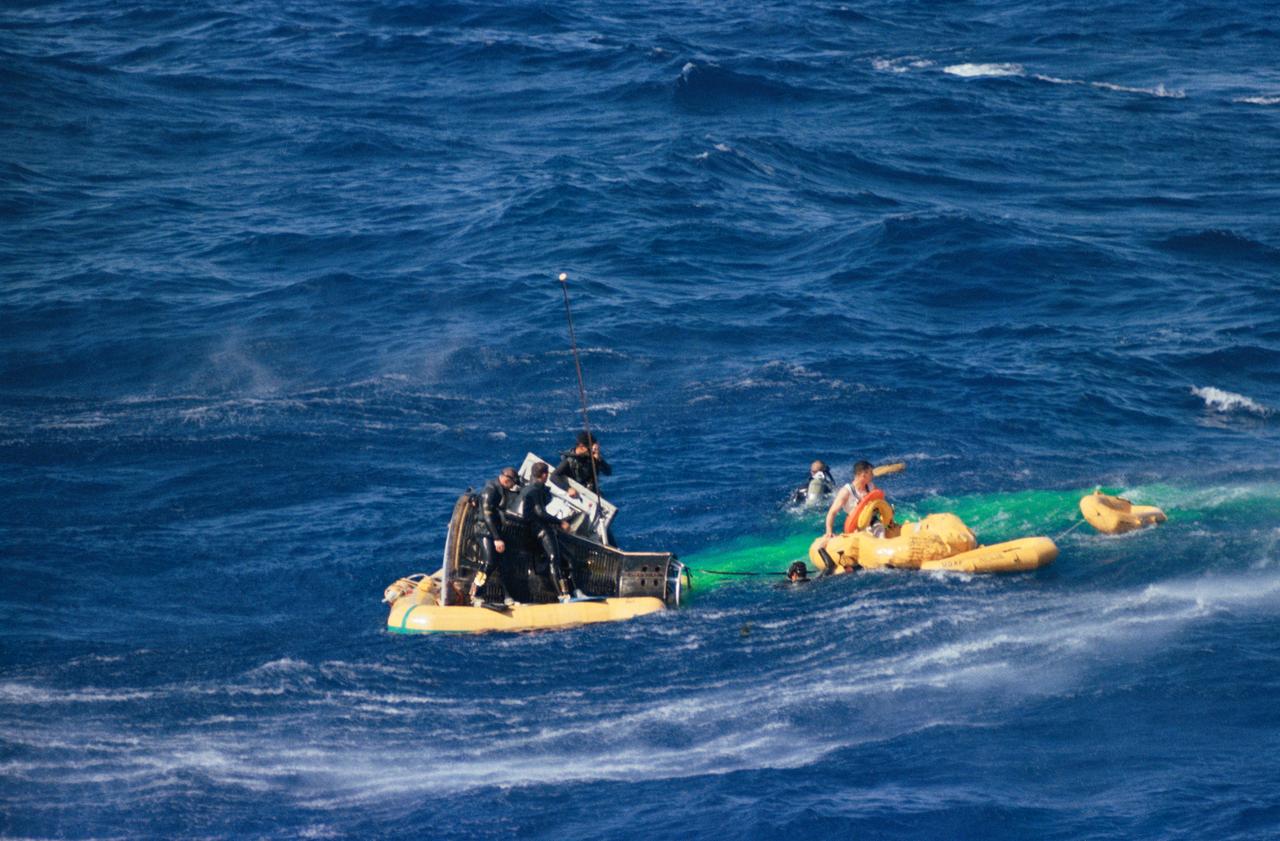
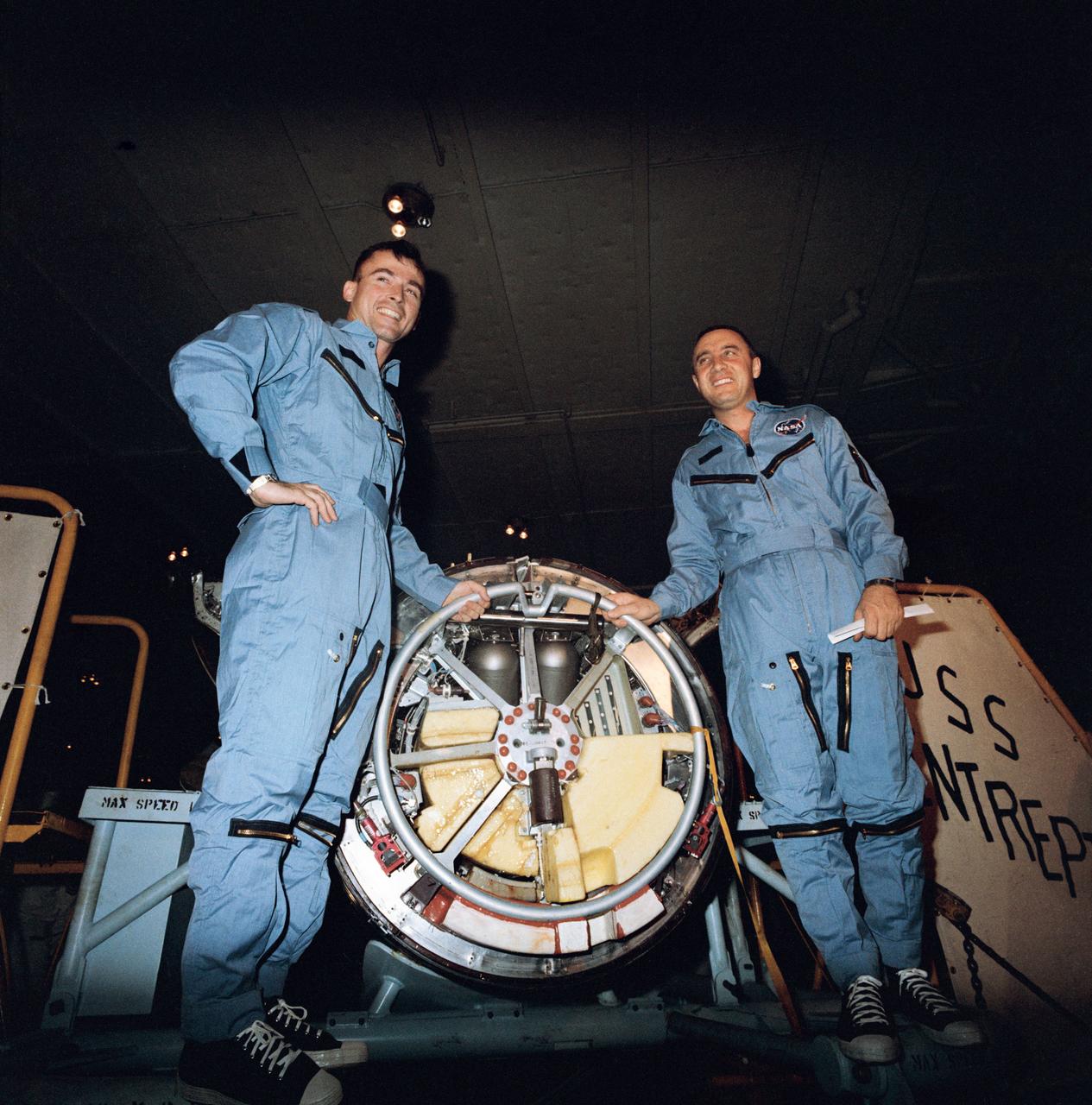
S65-22893 (23 March 1965) --- Astronaut John W. Young, the pilot of the Gemini-Titan III (GT-3) flight, waits in a life raft to be picked up by a helicopter during recovery operations following the successful three-orbit mission. Young and astronaut Virgil I. Grissom, command pilot, were flown by helicopter to the nearby recovery vessel, the USS Intrepid. The recovery ship later came alongside and retrieved the GT-3 spacecraft.  United States Navy swimmers assisted in the GT-3 recovery operations.
GEMINI-TITAN (GT)-3 - RECOVERY OPERATIONS - ASTRONAUT JOHN W. YOUNG (SPACECRAFT IN WATER) - ATLANTIC
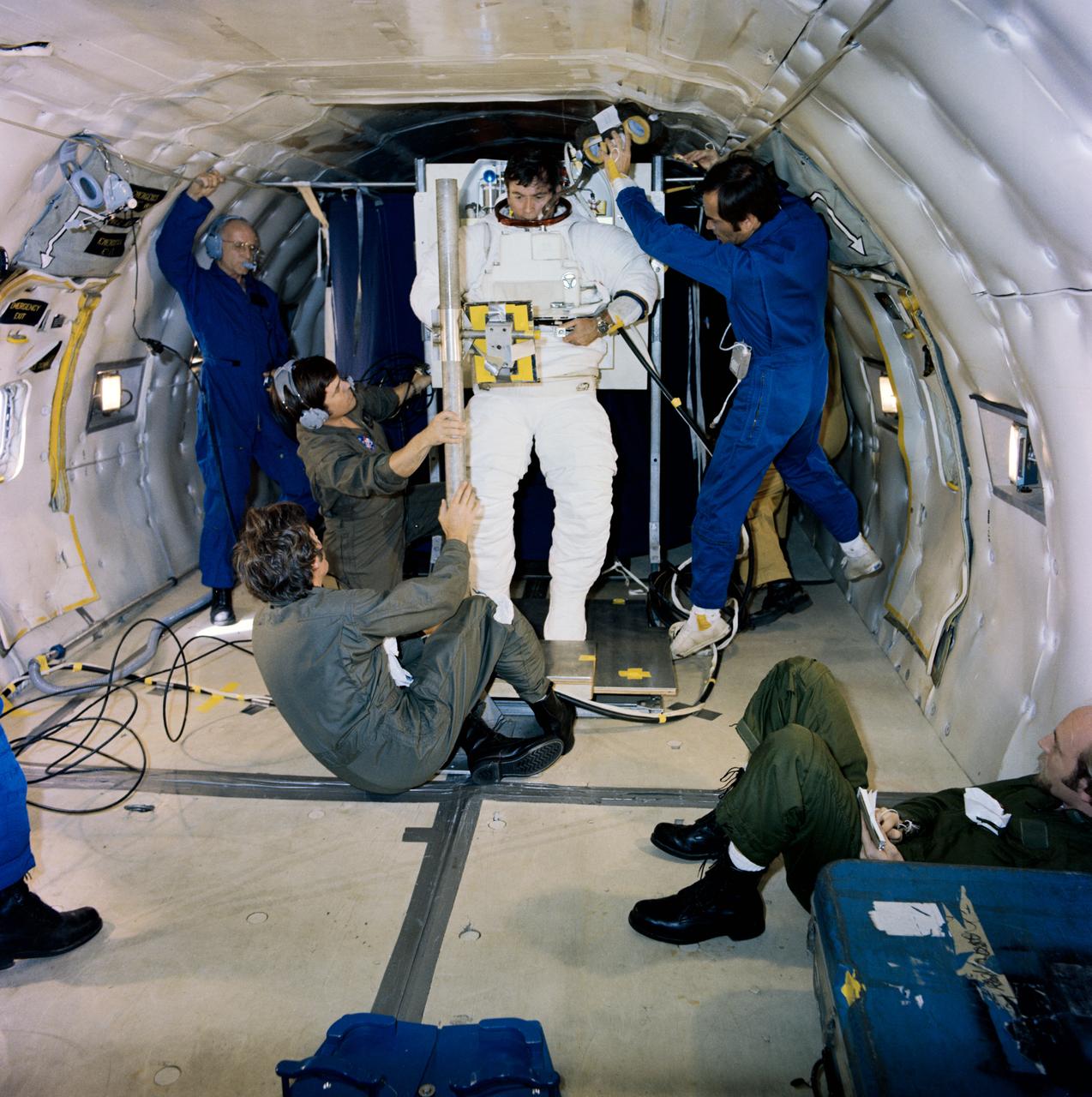
S79-30347 (31 March 1979) --- Taking advantage of a brief period of zero-gravity afforded aboard a KC-135 flying a parabolic curve, the flight crew of the first space shuttle orbital flight test (STS-1) goes through a spacesuit donning exercise. Astronaut John W. Young has just entered the hard-material torso of the shuttle spacesuit by approaching it from below. He is assisted by astronaut Robert L. Crippen. The torso is held in place by a special stand here, simulating the function provided by the airlock wall aboard the actual shuttle craft. The life support system is mated to the torso on Earth and remains so during the flight, requiring this type of donning and doffing exercise. Note Crippen?s suit is the type to be used for intravehicular activity in the shirt sleeve environment to be afforded aboard shuttle. The suit worn by Young is for extravehicular activity (EVA).  Young will be STS-1 commander and Crippen, pilot. They will man the space shuttle orbiter 102 Columbia. Photo credit: NASA
ASTRONAUT YOUNG, JOHN W. - ZERO-GRAVITY (ZERO-G) - KC-135
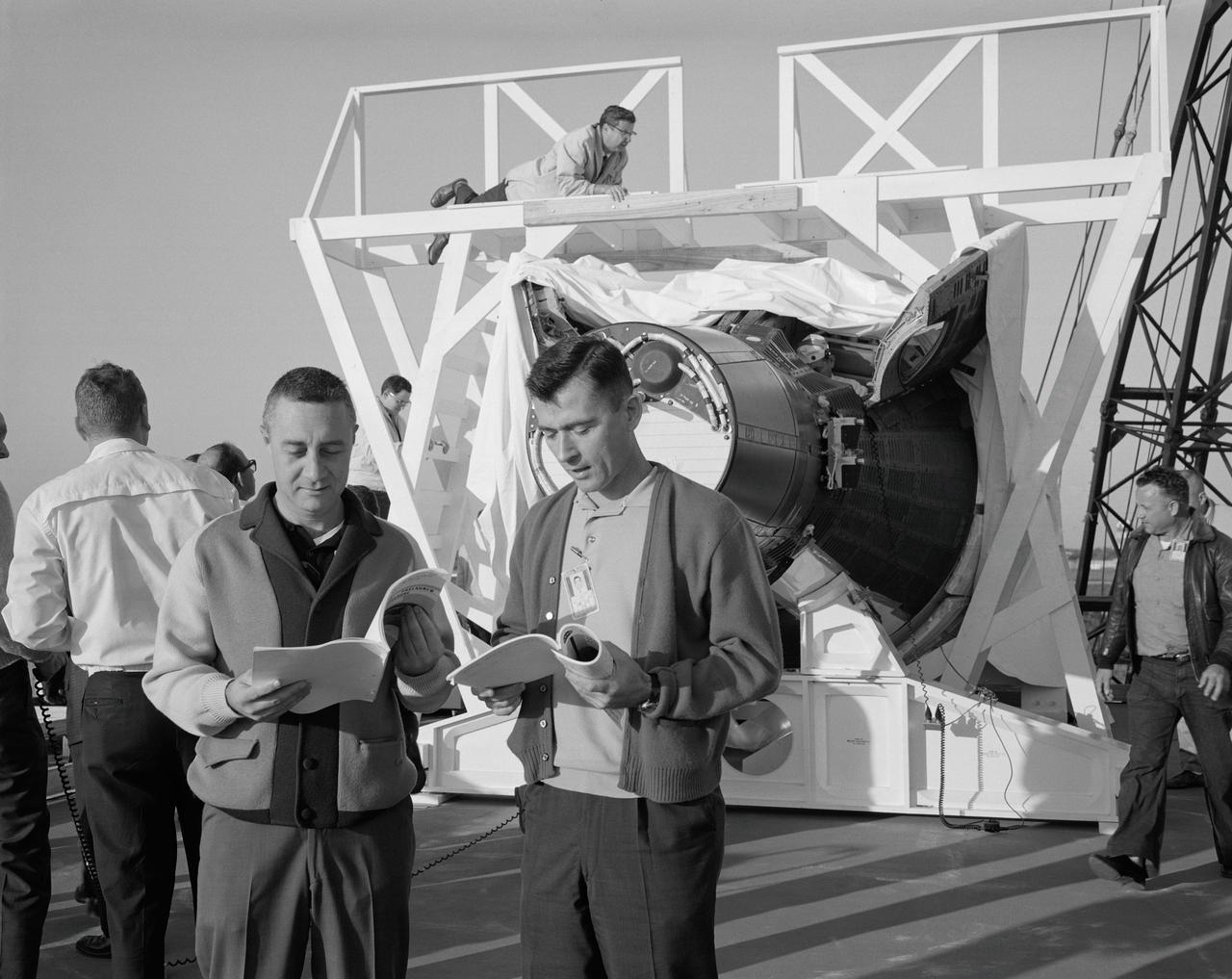
S65-13244 (6 Jan. 1965) --- The Gemini-Titan 3 prime crew, astronauts Virgil I. Grissom (left) and John W. Young, are shown in the Gemini-3 spacecraft during a communications test at the Merritt Island launch area.
COMMUNICATIONS TEST (MERRITT ISLAND LAUNCH AREA [MILA]) - ASTRONAUT JOHN W. YOUNG - TRAINING - FL
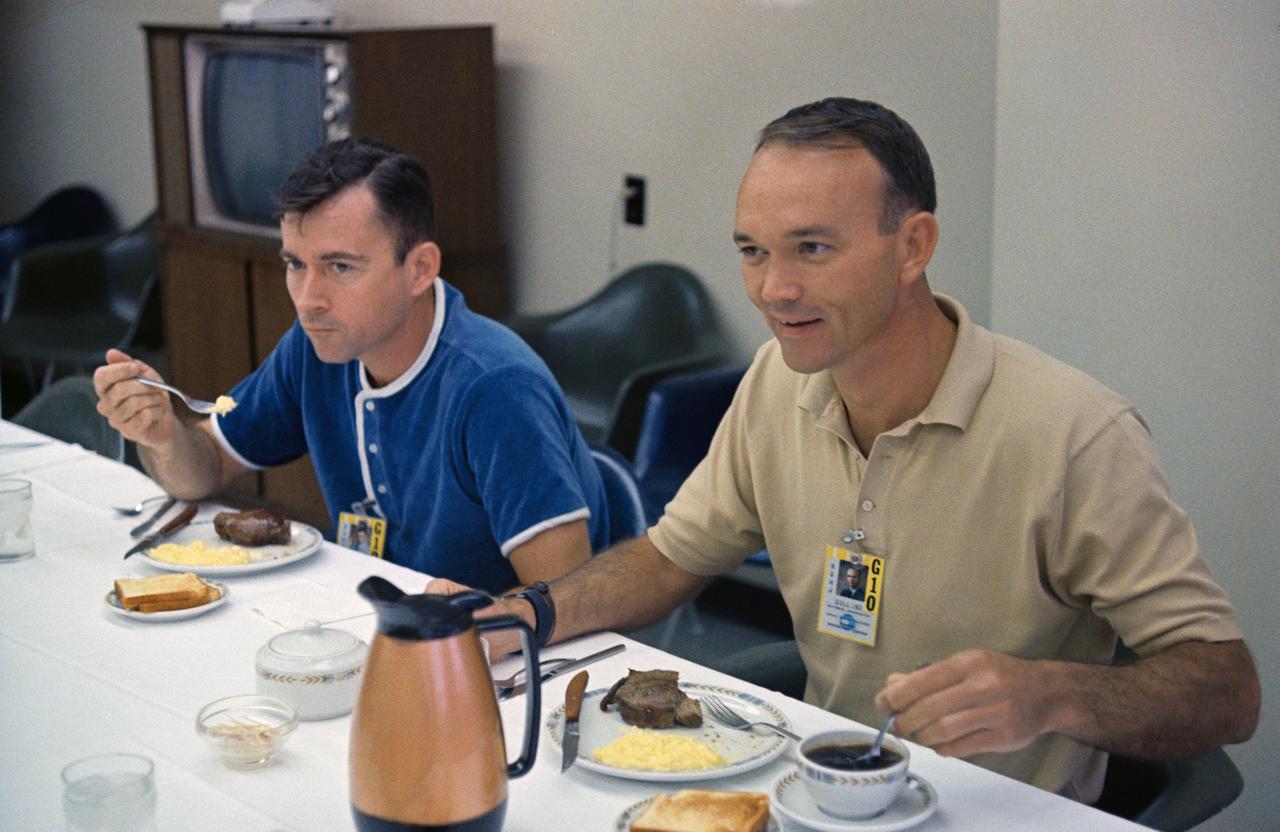
S66-42748 (18 July 1966) --- The Gemini-10 prime crew, astronauts John W. Young (left), command pilot, and Michael Collins, pilot, enjoy a breakfast of steak and eggs on the day of the Gemini-10 launch. The Gemini-10 liftoff was at 5:20 p.m. (EST), July 18, 1966. Photo credit: NASA
GEMINI-TITAN (GT)-10 (BREAKFAST) - ASTRONAUT YOUNG, JOHN W. - MISC. - CAPE
S65-13391 (6 Jan. 1965) --- Astronaut Virgil I. Grissom (left), Gemini-Titan 3 command pilot; and John W. Young, pilot, are shown discussing test plans prior to entering the Gemini-3 spacecraft for a communications test at the Merritt Island test area.
GEMINI-TITAN (GT)-3 - COMMUNICATIONS (TEST) - ASTRONAUT JOHN W. YOUNG - TRAINING - FL
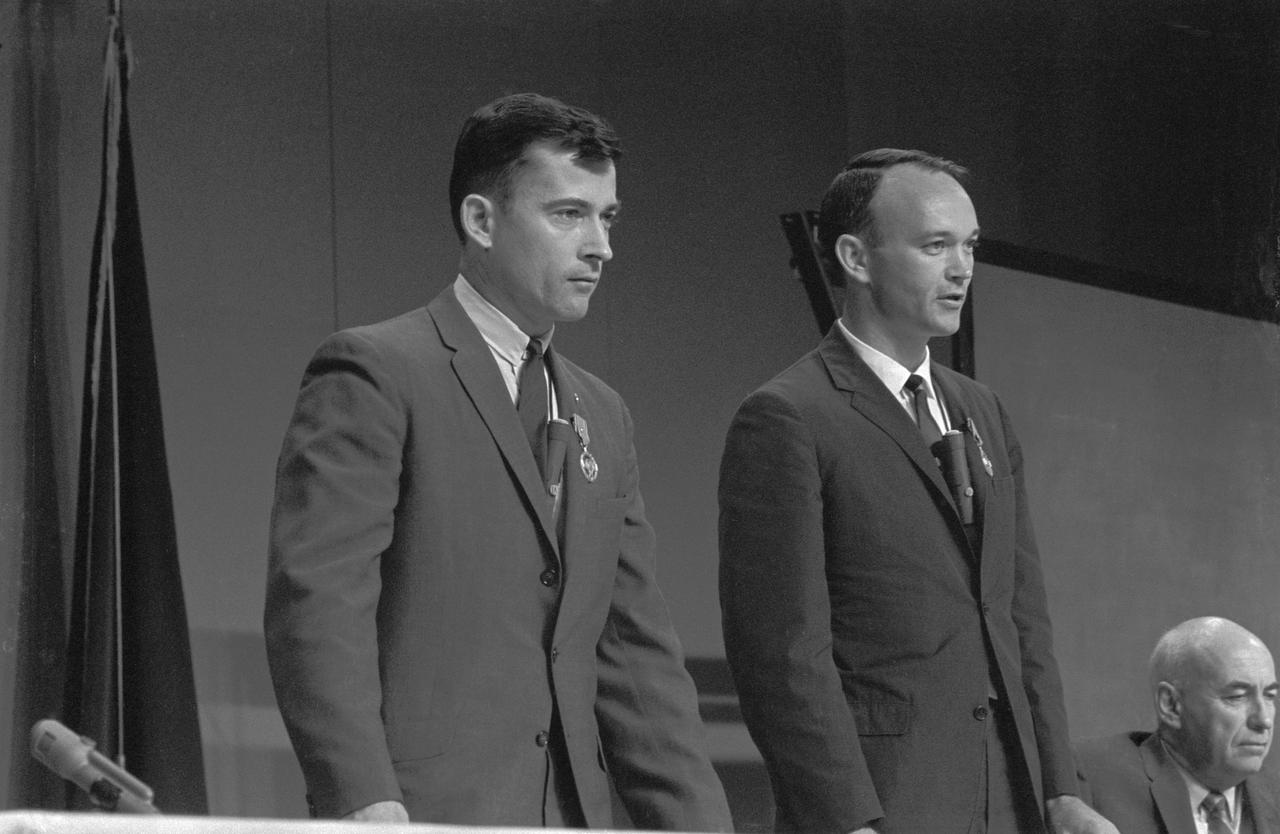
S66-39889 (1 Aug. 1966) --- Astronaut John W. Young (left), command pilot, and Michael Collins, pilot, the prime crew of the Gemini-10 spaceflight, wear the National Aeronautics and Space Administration's Exceptional Service Medal awarded them during ceremonies preceding the Gemini-10 press conference. Photo credit: NASA
GEMINI-TITAN (GT)-10 (AWARDS) - ASTRONAUT JOHN W. YOUNG - MISC. - MSC
S66-32530 (14 April 1966) --- Astronauts John W. Young (right), command pilot, and Michael Collins, pilot, the prime crew of the Gemini-10 spaceflight, prepare for a Manned Altitude Test Run in the Gemini-10 spacecraft. They are in McDonnell Aircraft's 30-feet altitude chamber. Photo credit: NASA
ALTITUDE TEST RUN - ASTRONAUT JOHN W. YOUNG - TRAINING - MCDONNELL AIRCRAFT CORP. (MDAC), MO
S65-18713 (23 March 1965) --- Astronauts John W. Young (left) and Virgil I. Grissom are shown during their first inspection of the Gemini 3 spacecraft aboard the USS Intrepid following their successful Gemini-Titan 3 flight. Photo credit: NASA or National Aeronautics and Space Administration
GEMINI-TITAN (GT)-3 SPACECRAFT - ASTRONAUT JOHN W. YOUNG - MISC. - ATLANTIC
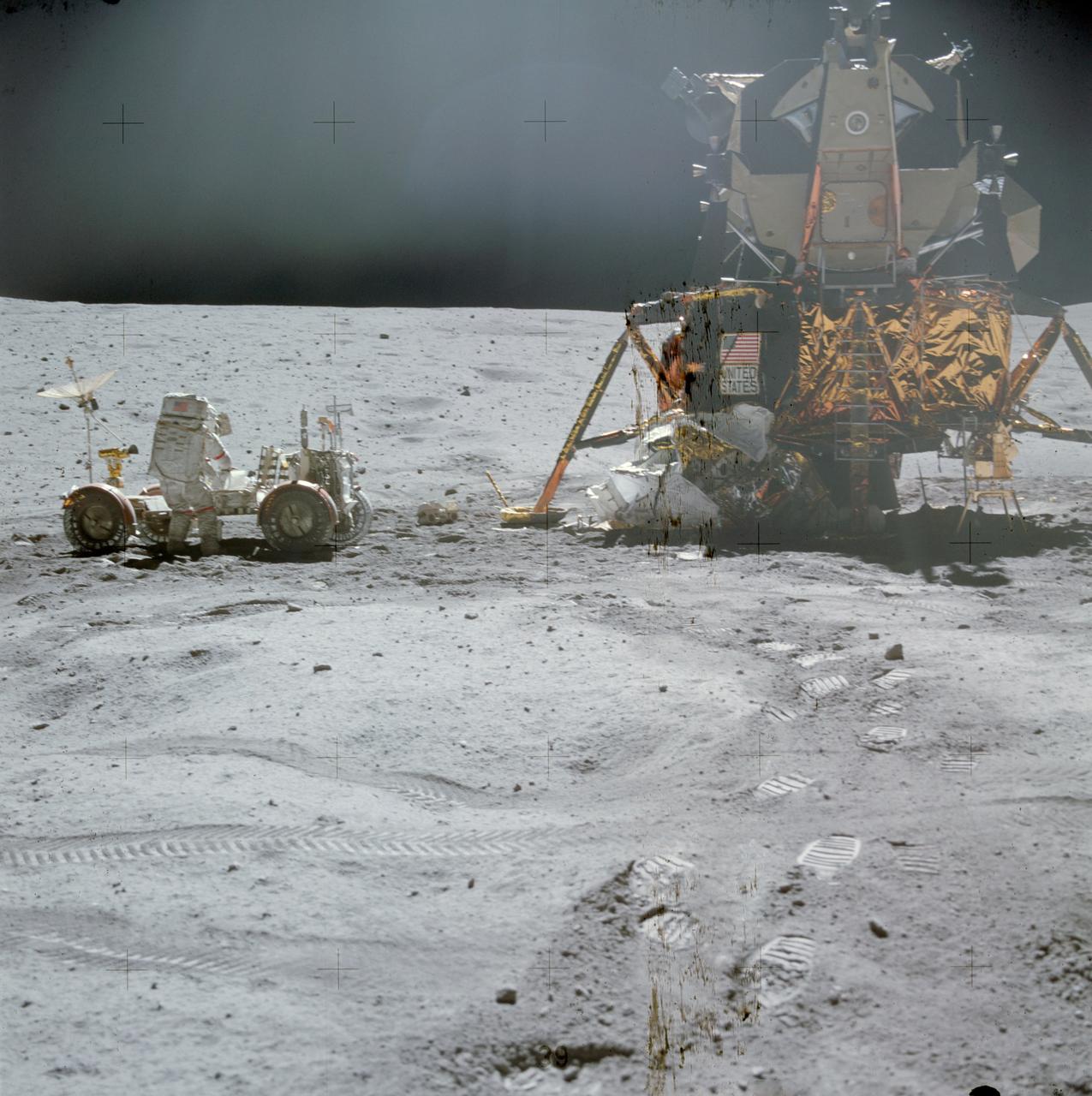
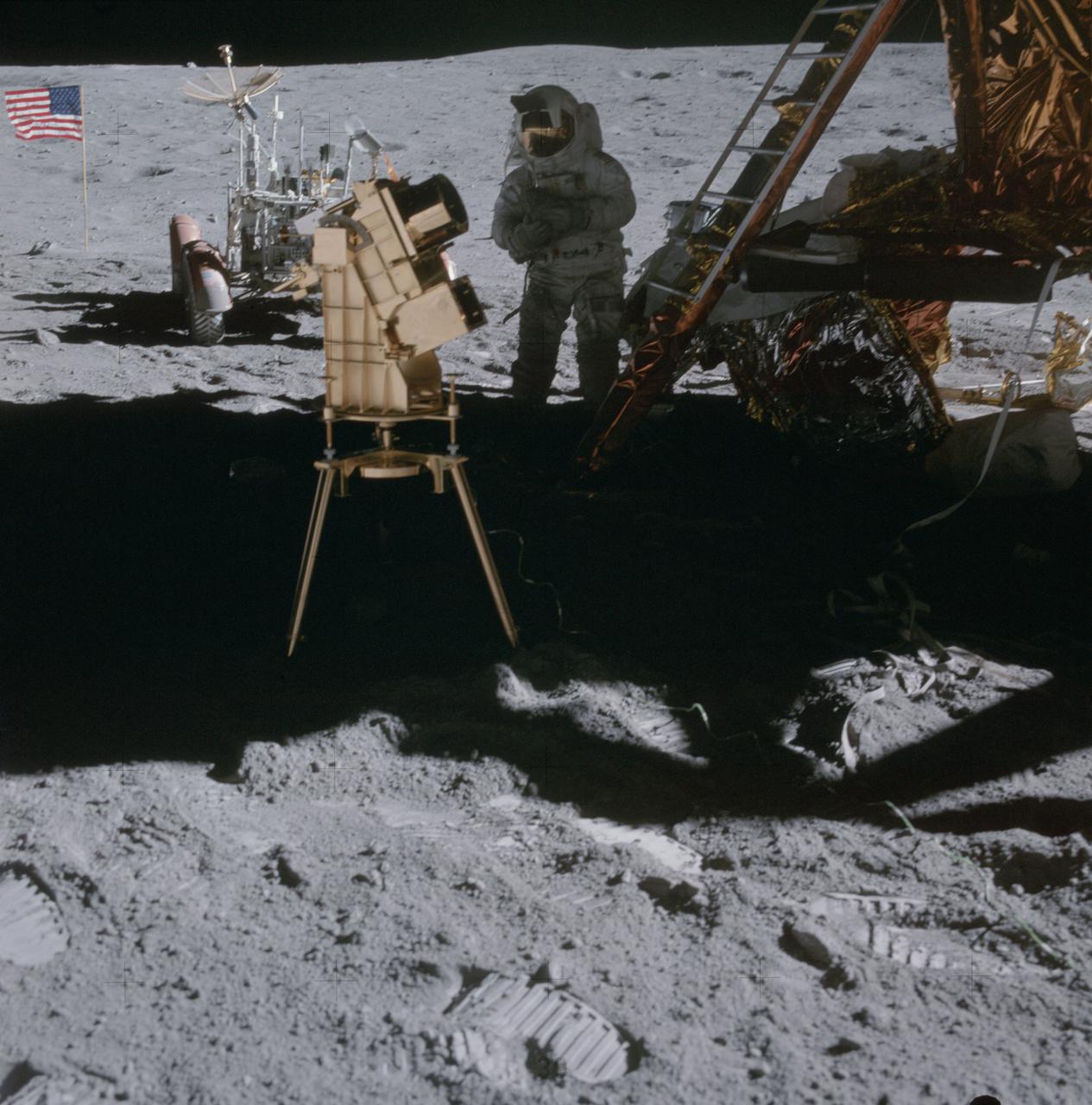
AS16-114-18439 (22 April 1972) --- Astronaut Charles M. Duke Jr., lunar module pilot, stands in the shadow of the Lunar Module (LM) behind the ultraviolet (UV) camera which is in operation. This photograph was taken by astronaut John W. Young, commander, during the mission's second extravehicular activity (EVA). The UV camera's gold surface is designed to maintain the correct temperature. The astronauts set the prescribed angles of azimuth and elevation (here 14 degrees for photography of the large Magellanic Cloud) and pointed the camera. Over 180 photographs and spectra in far-ultraviolet light were obtained showing clouds of hydrogen and other gases and several thousand stars. The United States flag and Lunar Roving Vehicle (LRV) are in the left background. While astronauts Young and Duke descended in the Apollo 16 Lunar Module (LM) "Orion" to explore the Descartes highlands landing site on the moon, astronaut Thomas K. Mattingly II, command module pilot, remained with the Command and Service Modules (CSM) "Casper" in lunar orbit.
Astronaut John Young in shadow of Lunar Module behind ultraviolet camera
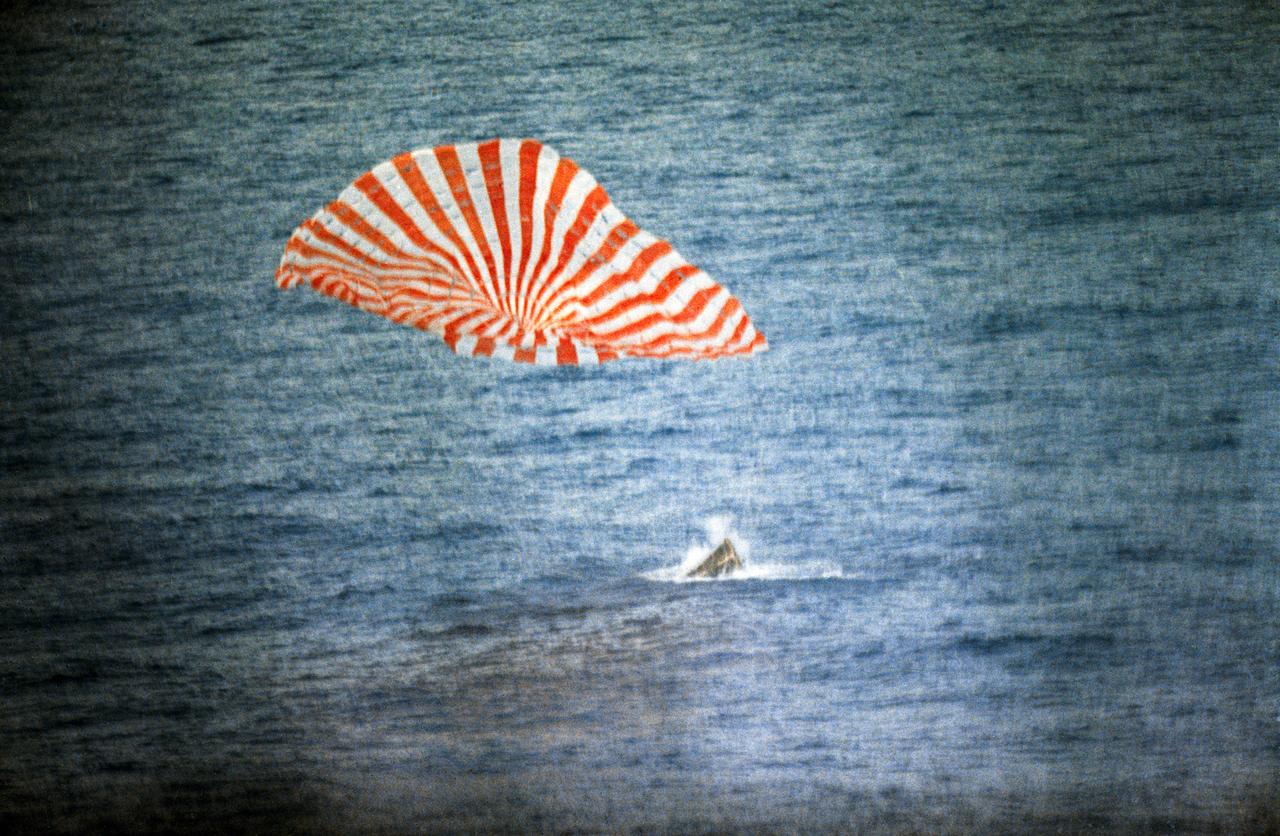
S66-42782 (21 July 1966) --- The Gemini-10 spaceflight is concluded as the Gemini-10 spacecraft, with astronaut John W. Young and Michael Collins aboard, touches down in the Atlantic about four miles from the prime recovery ship, the USS Guadalcanal. Gemini-10 splashed down 540 miles east of Cape Kennedy at 4:07 p.m. (EST), July 21, 1966, to conclude a three-day mission in space. Photo credit: NASA
GEMINI-TITAN (GT)-10 (RECOVERY) - ASTRONAUT JOHN W. YOUNG - MISC. - ATLANTIC
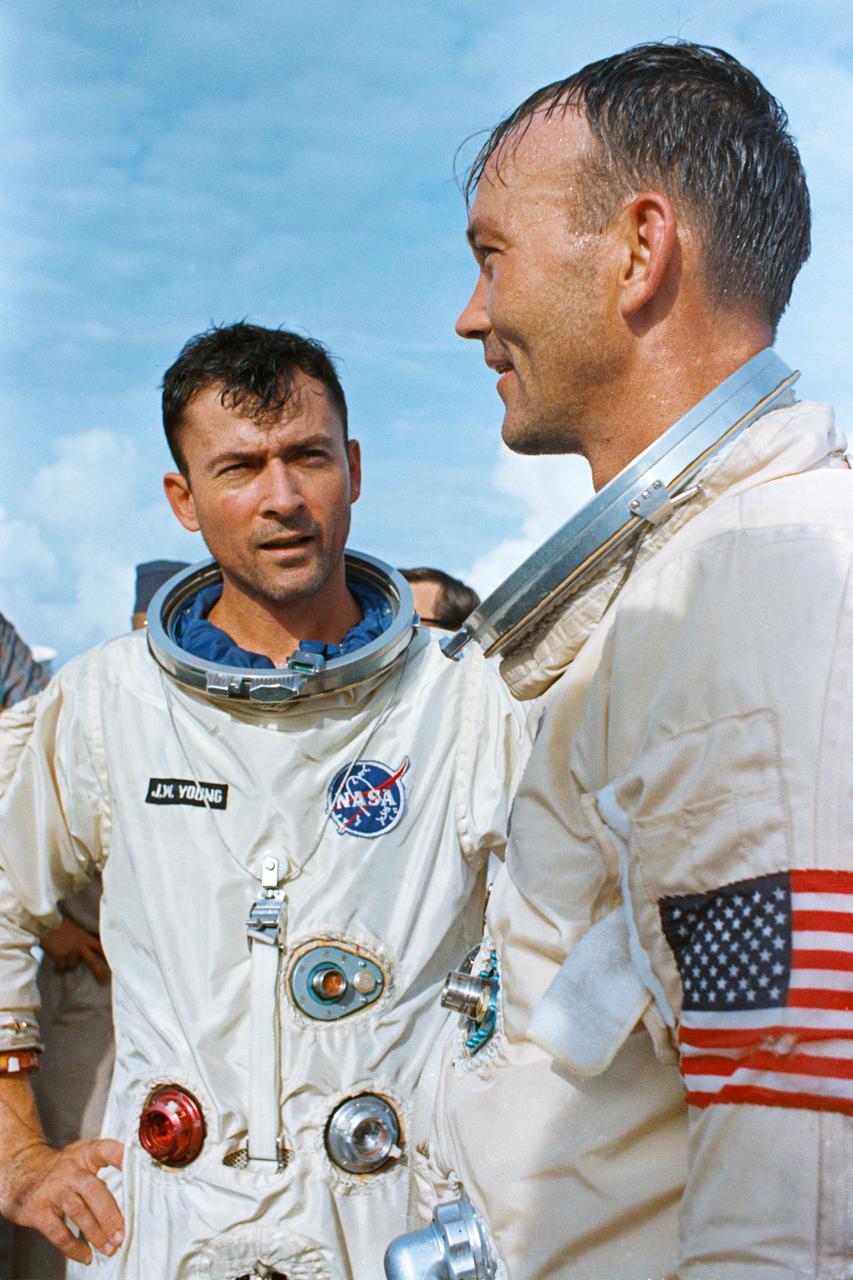
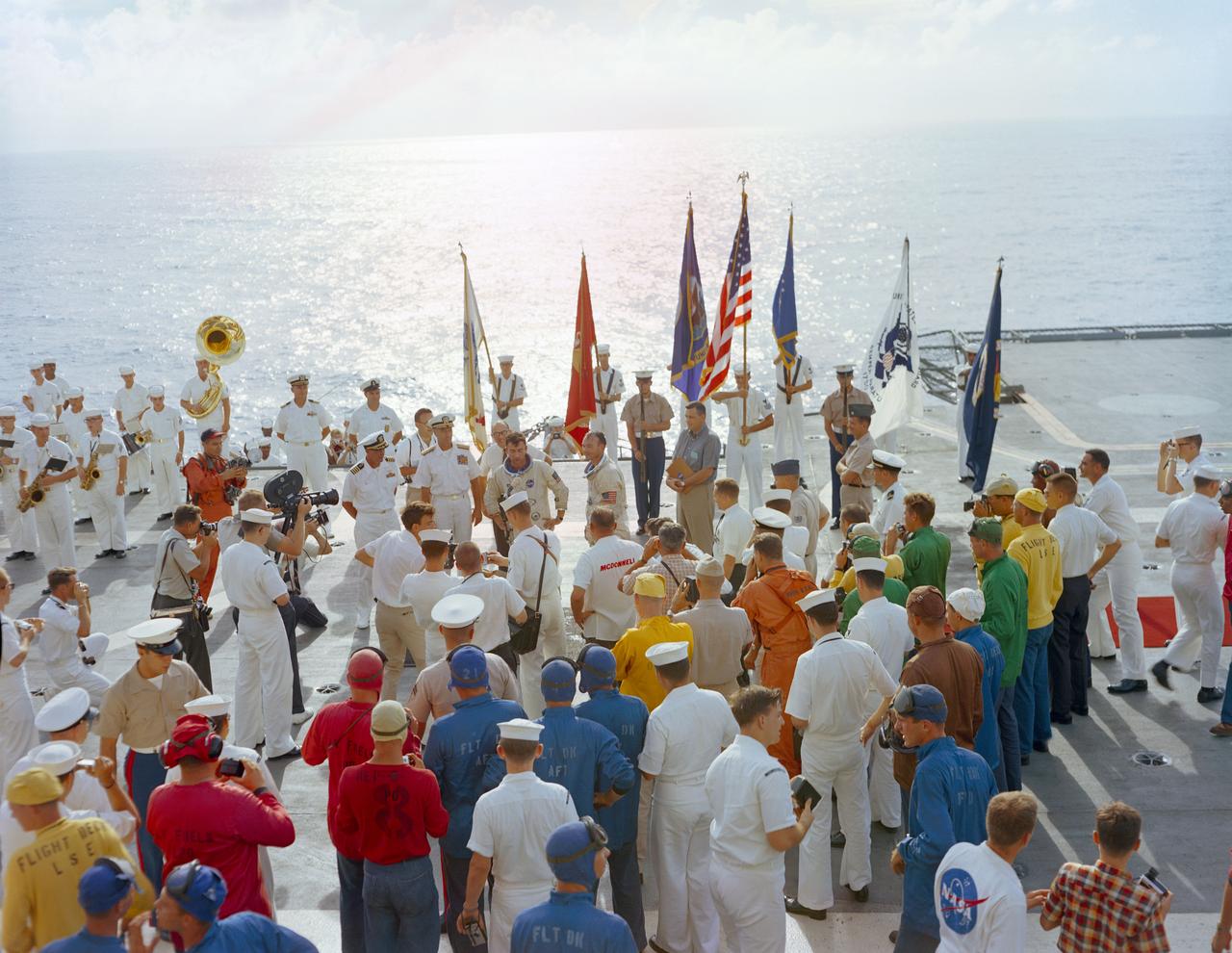
S66-42780 (21 July 1966) --- The crew of the Gemini-10 spaceflight, astronaut John W. Young (left), command pilot, and Michael Collins, pilot, talk on live radio and television during welcome aboard ceremonies on the deck of the USS Guadalcanal. The astronauts were picked up from the ocean, following a successful splashdown, by a recovery helicopter and flown to the Guadalcanal to begin postflight medical and technical debriefings. Photo credit: NASA
GEMINI-TITAN (GT)-10 (RECOVERY) - ASTRONAUT JOHN W. YOUNG - MISC. - ATLANTIC
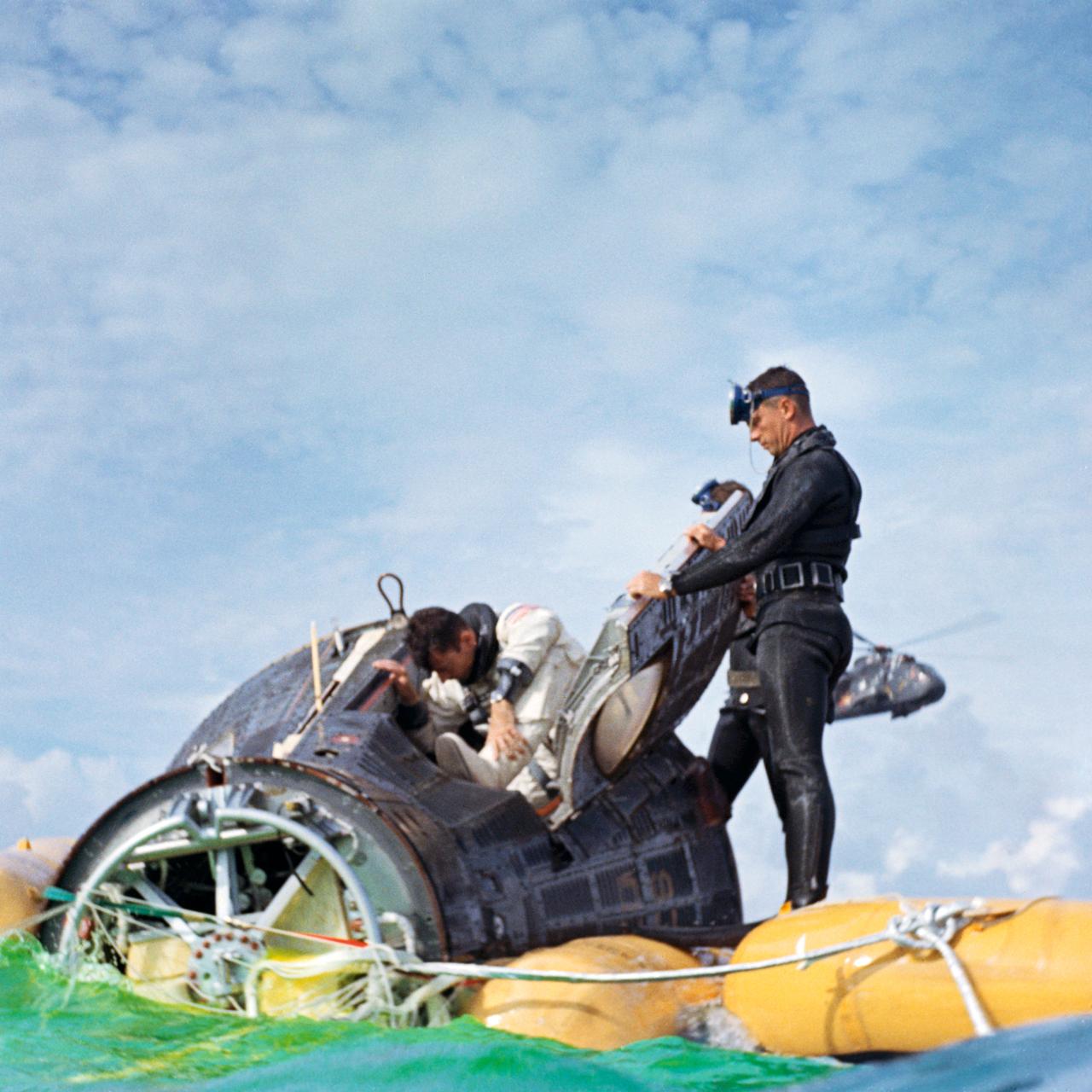
S66-42772 (21 July 1966) --- A U.S. Navy frogman assist the Gemini-10 crew following splashdown at 4:07 p.m. (EST), July 21, 1966, about four miles from the recovery ship, USS Guadalcanal. Astronaut John W. Young (climbing from spacecraft), command pilot, and Michael Collins (in spacecraft), pilot, were later hoisted from the water by a recovery helicopter and flown to the Guadalcanal. Photo credit: NASA
GEMINI-TITAN (GT)-10 (RECOVERY) - ASTRONAUT JOHN W. YOUNG - MISC. - ATLANTIC
S66-42777 (21 July 1966) --- The crew of the Gemini-10 spaceflight, astronaut John W. Young (left), command pilot, and Michael Collins, pilot, aboard the recovery ship USS Guadalcanal. The astronauts were picked up from the ocean, following a successful splashdown, by a recovery helicopter and flown to the Guadalcanal to begin postflight medical and technical debriefings. Photo credit: NASA
GEMINI-TITAN (GT)-10 (RECOVERY)- ASTRONAUT JOHN W. YOUNG - MISC. - ATLANTIC
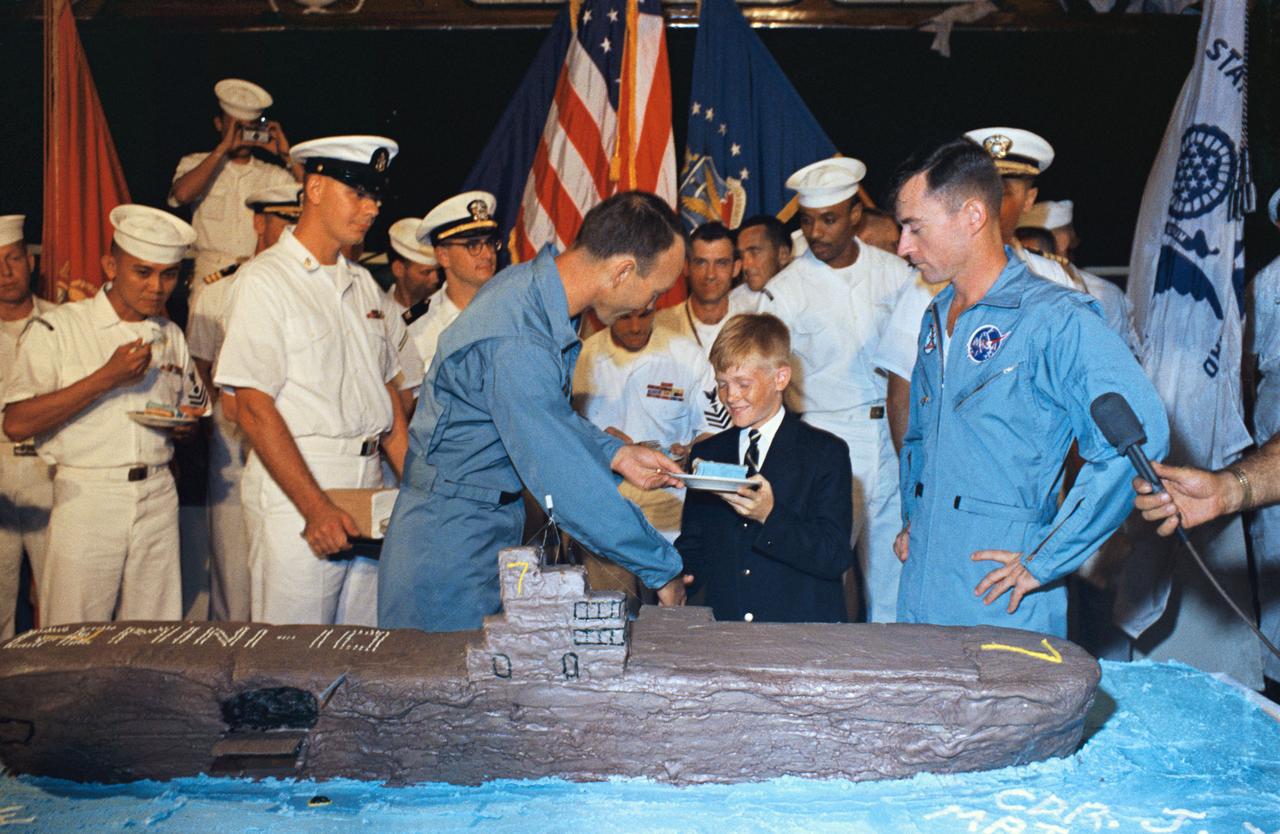
S66-42787 (21 July 1966) --- Twelve-year -old Billy Doyle of Virginia Beach, VA., shakes hands with astronaut Michael Collins, Gemini-10 pilot, aboard the recovery ship USS Guadalcanal. At right is John W. Young, command pilot of the Gemini-10 spaceflight. Billy represented 41 youngsters permitted aboard the Guadalcanal to witness the recovery with their Naval fathers or close relatives, marking the first time dependents have been permitted aboard a ship during a Gemini recovery operation. Photo credit: NASA
GEMINI-TITAN (GT)-10 (RECOVERY)- ASTRONAUT JOHN W. YOUNG - MISC. - ATLANTIC
FDCD Branch  Stability and Control branch: Names, rows front to back, people left to right: Ground level: 1. ?? 2. Debra L. Livingston  3. Katherine G. Johnson 4. Robert Dunning Step 1: 1. Ellie Fillmore (?) 2. Al Hamer 3. Suresh Joshi Step 2: 1. John Young 2. Ernest Armstrong  3. Vladislav Klein 4. Charles T. Woolley  Step 3: 1. Lawrence Taylor 2. Tony Fontana Step 4: 1. Bill Suit 2. Jane Carpenter 3. Daniel P. Giesy 4. Mario Smith  Step 5: 1. Albert Schy 2. Ray Montgomery 3. Sahajendra Singh  Top level: 1: Jim Batterson 2. Jim Williams 3. Claude Keckler 4. N. Sundararajan   Behind all: John Shebalin Names given by Danial P. Giesy
Stability and Control Branch Photo
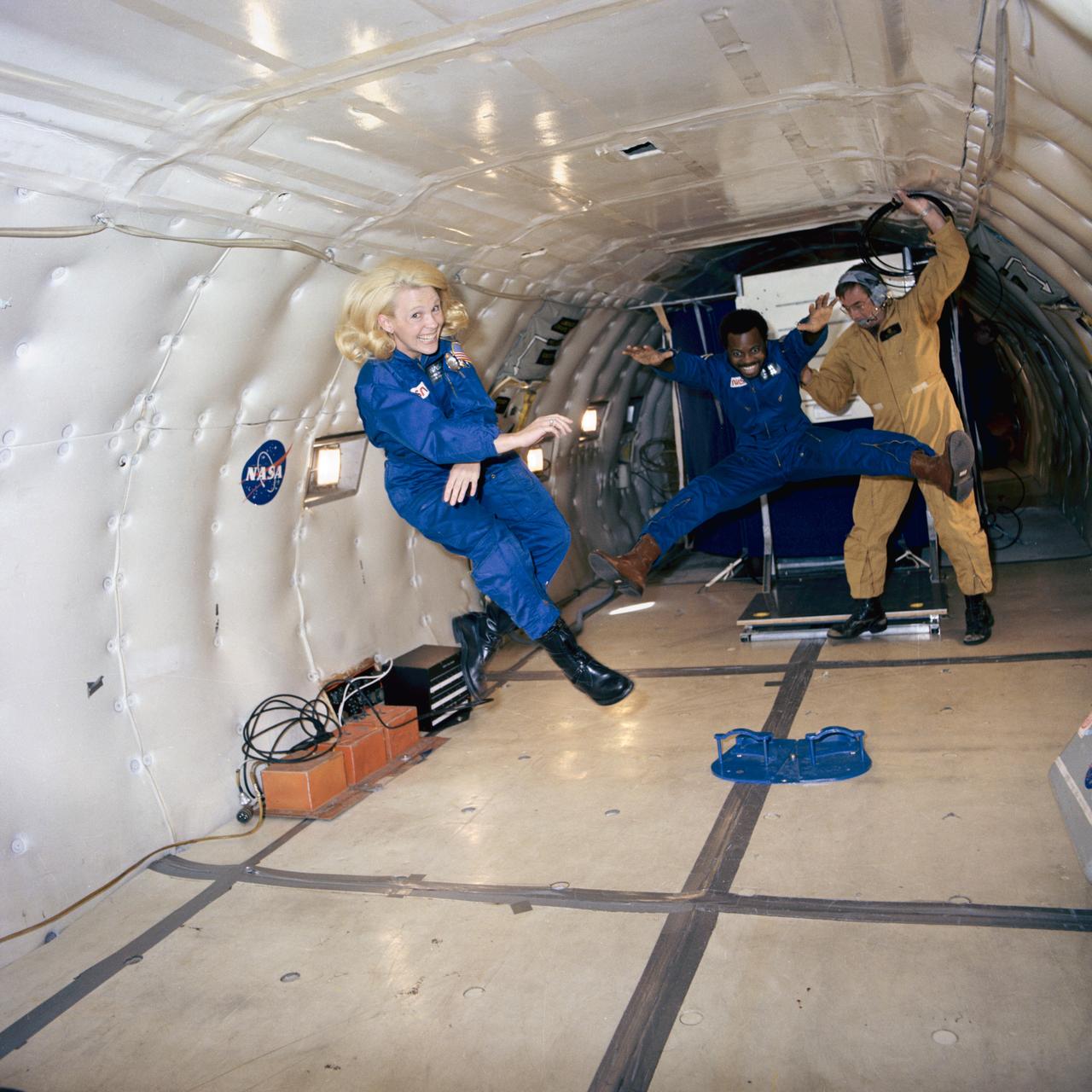
Zero-gravity experiments in KC-135 conducted by John Young, Robert L. Crippen, Joseph Kerwin, and Margaret Seddon.  1. Kerwin, Joseph - Zero-G 2. Seddon, Margaret - Zero-G 3. Young, John - Zero-G 4. Aircraft - KC-135
ZERO-G - Crippen, Robert L.
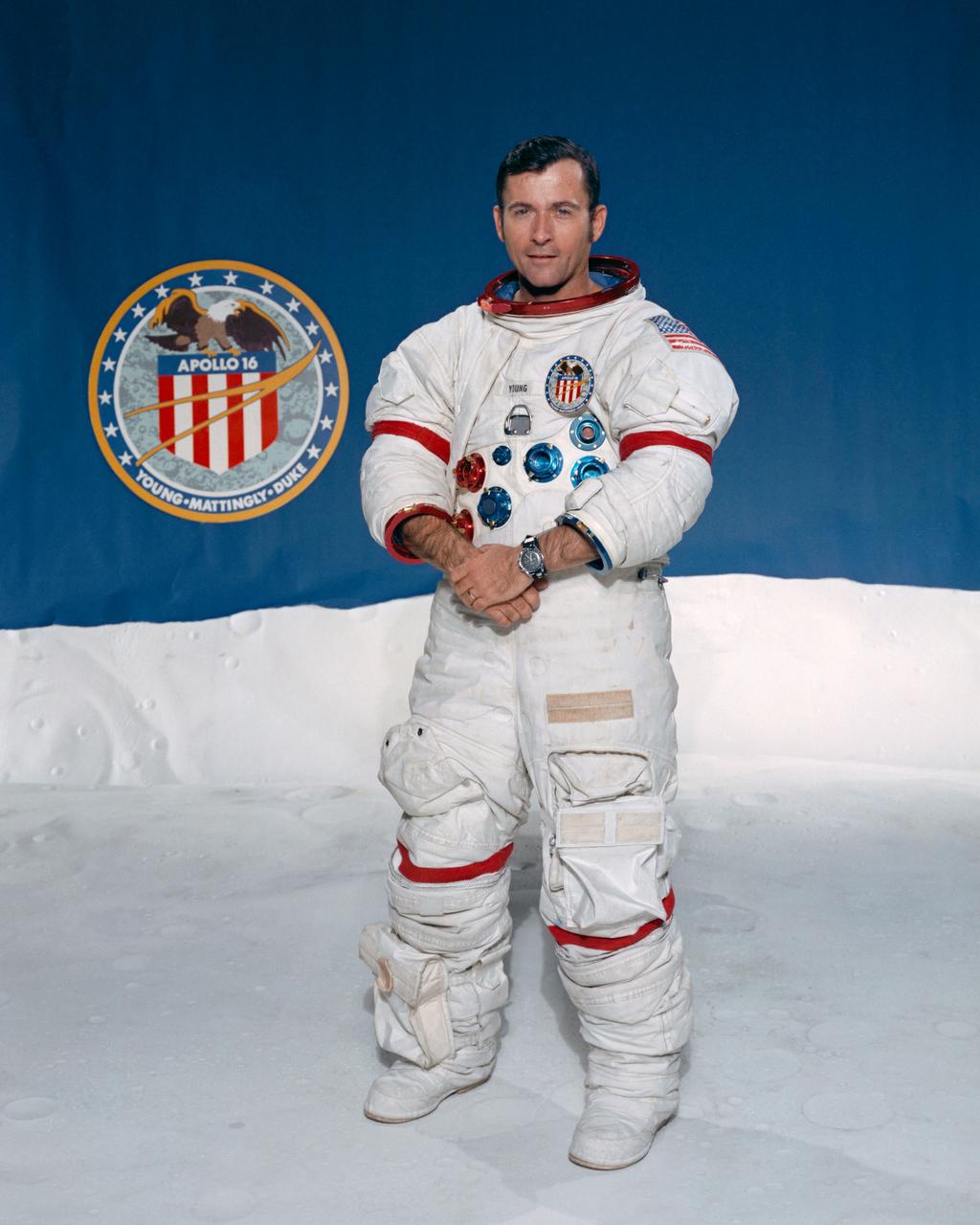
S72-16661 (January 1972) --- Astronaut John W. Young
APOLLO 16 (PORTRAITS) - Young
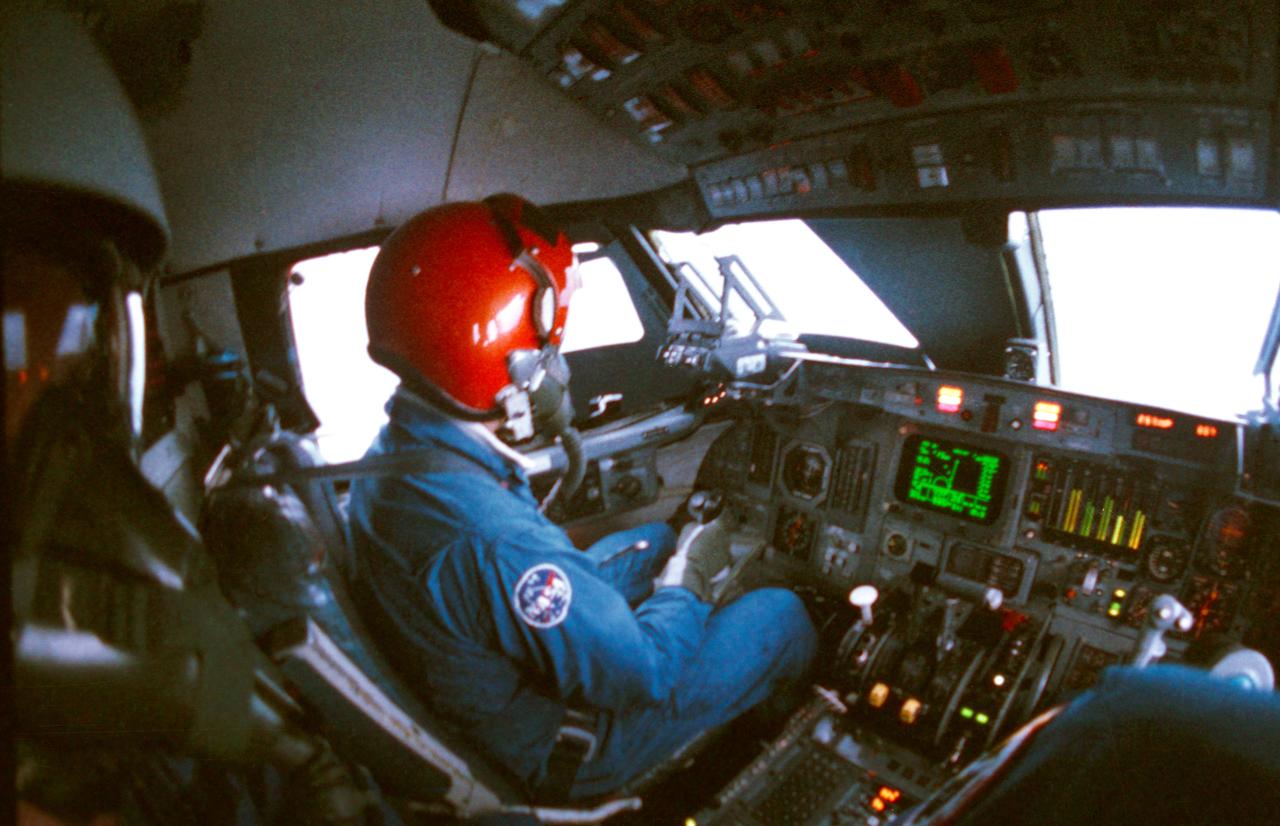
Astronauts John Young and Brewster Shaw in Shuttle Training Aircraft (STA), shot by National Geographic/Otis Imboden.
CREW TRAINING - STS-9
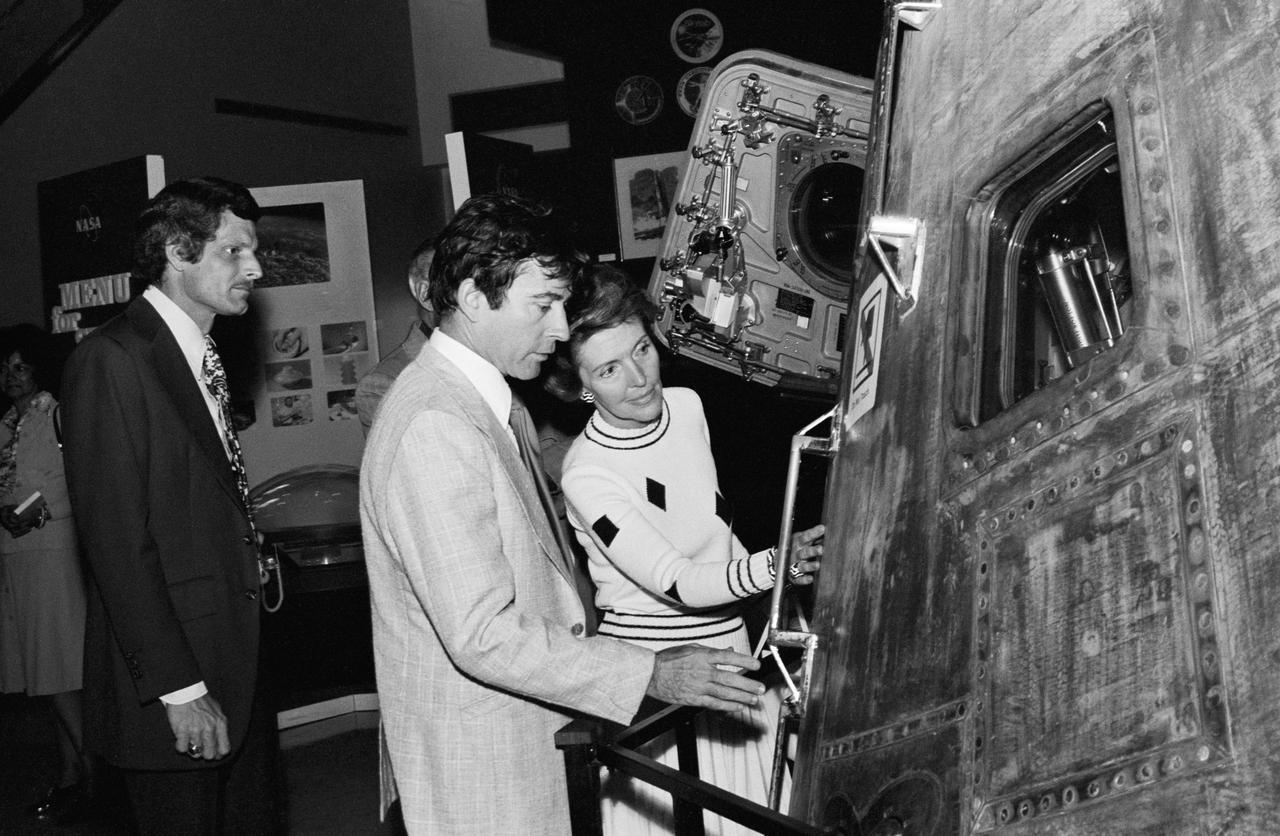
Nine views documenting JSC visit by Mrs. Ronald ( Nancy ) Reagan wife of the U.S, Presidential Candidate challenging the incumbent for Republican nomination. All views are in Building 2. She is seen in Building 2 exhibit area with Astronaut John W. Young in all views and with PAO Harold S. Stall in several. Stall, Young, Reagan at LTA-8 ( 25563 );  Young, Reagan at LRV ( 25564 );  Medium shot of Young, Reagan. ( 25565 );  Young, Reagan at command Module. (25566 ); Reagan, Young, Stall at Cm ( 25567 );  Young, Reagan at Shuttle exhibit. ( 25568 thru 25569 );
Political - Protocol
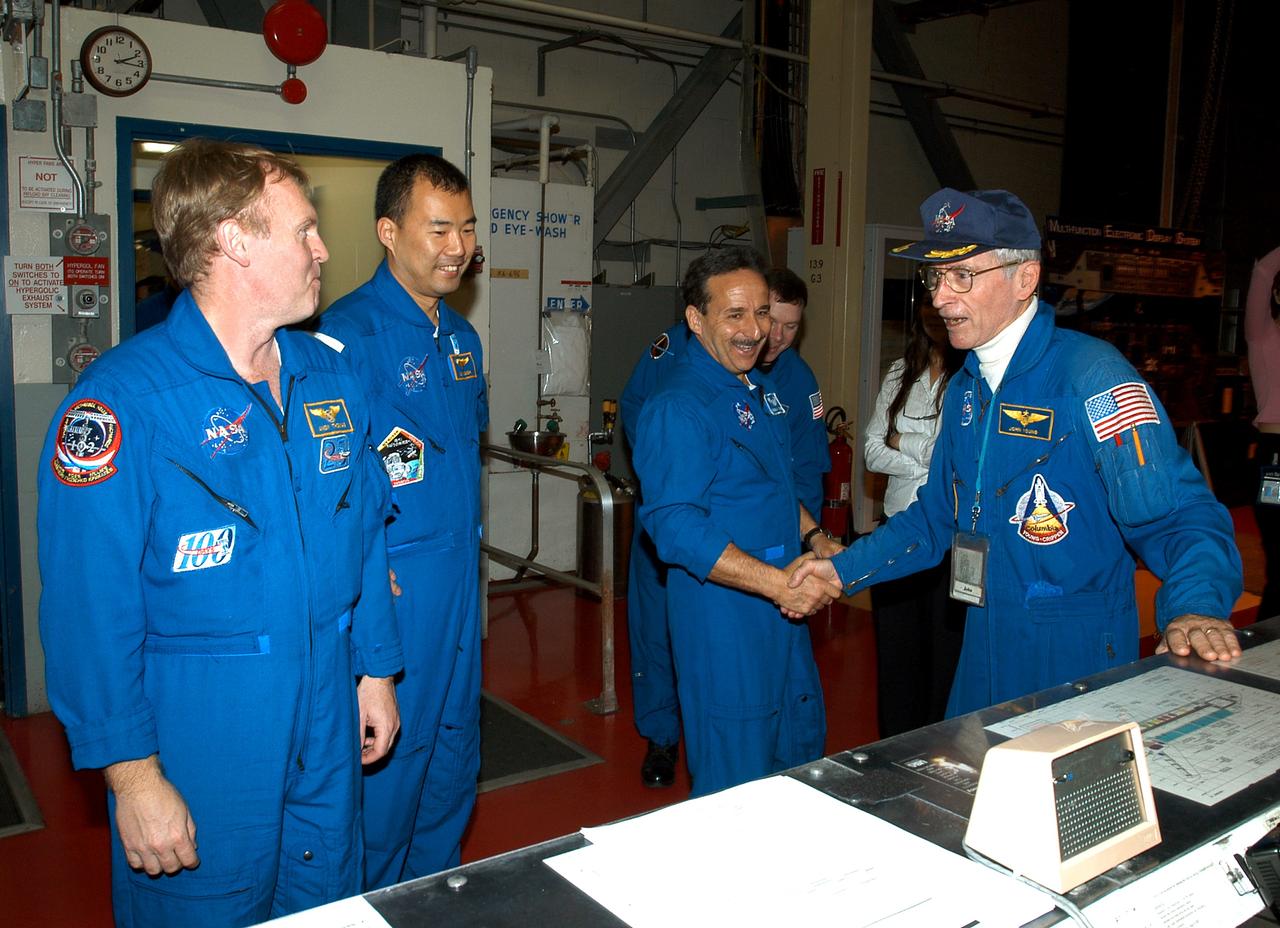
KENNEDY SPACE CENTER, FLA. - -  In the Orbiter Processing Facility, STS-114 Mission Specialists Andrew Thomas, Soichi Noguchi and Charles Camarda greet astronaut John Young (far right), who flew on the first flight of Space Shuttle Columbia with Robert Crippen.  Behind Camarda is Pilot James Kelly.  Young is associate director, Technical, at Johnson Space Center.  Noguchi represents the Japanese Aerospace and Exploration Agency.  The STS-114 crew is spending time becoming familiar with Shuttle and mission equipment.  The mission is Logistics Flight 1, which is scheduled to deliver supplies and equipment plus the external stowage platform to the International Space Station.
KENNEDY SPACE CENTER, FLA. - - In the Orbiter Processing Facility, STS-114 Mission Specialists Andrew Thomas, Soichi Noguchi and Charles Camarda greet astronaut John Young (far right), who flew on the first flight of Space Shuttle Columbia with Robert Crippen. Behind Camarda is Pilot James Kelly. Young is associate director, Technical, at Johnson Space Center. Noguchi represents the Japanese Aerospace and Exploration Agency. The STS-114 crew is spending time becoming familiar with Shuttle and mission equipment. The mission is Logistics Flight 1, which is scheduled to deliver supplies and equipment plus the external stowage platform to the International Space Station.
KENNEDY SPACE CENTER, FLA. - The STS-114 crew stands underneath Discovery in the Orbiter Processing Facility.  From left are Mission Specialist Stephen Robinson, Pilot James Kelly, Mission Specialist Charles Camarda, astronaut John Young, Commander Eileen Collins and Mission Specialists Andrew Thomas, Wendy Lawrence and Soichi Noguchi, who is with the Japanese Aerospace and Exploration Agency.  Young is associate director, Technical, at Johnson Space Center. The crew is spending time becoming familiar with Shuttle and mission equipment. The mission is Logistics Flight 1, which is scheduled to deliver supplies and equipment plus the external stowage platform to the International Space Station.
KENNEDY SPACE CENTER, FLA. - The STS-114 crew stands underneath Discovery in the Orbiter Processing Facility. From left are Mission Specialist Stephen Robinson, Pilot James Kelly, Mission Specialist Charles Camarda, astronaut John Young, Commander Eileen Collins and Mission Specialists Andrew Thomas, Wendy Lawrence and Soichi Noguchi, who is with the Japanese Aerospace and Exploration Agency. Young is associate director, Technical, at Johnson Space Center. The crew is spending time becoming familiar with Shuttle and mission equipment. The mission is Logistics Flight 1, which is scheduled to deliver supplies and equipment plus the external stowage platform to the International Space Station.
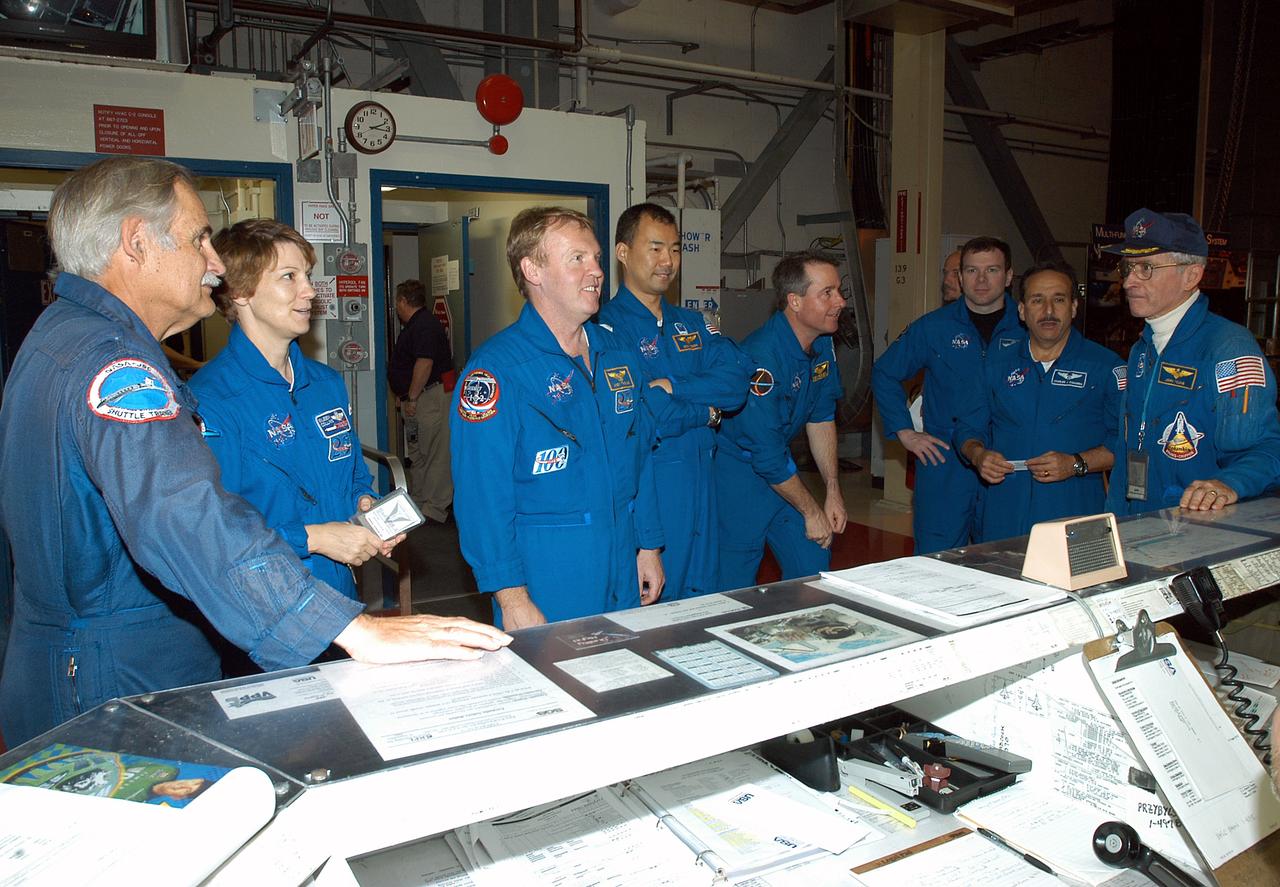
KENNEDY SPACE CENTER, FLA. - The STS-114 crew stands in front of the operations desk in the Orbiter Processing Facility.  At far right is astronaut John Young, who flew on the first flight of Space Shuttle Columbia with Robert Crippen. Young is associate director, Technical, at Johnson Space Center.  From left are Young’s pilot; STS-114 Commander Eileen Collins; Mission Specialists Andrew Thomas, Soichi Noguchi and Stephen Robinson; Pilot James Kelly; and Mission Specialist Charles Camarda. Noguchi represents the Japanese Aerospace and Exploration Agency.  The STS-114 crew is spending time becoming familiar with Shuttle and mission equipment.  The mission is Logistics Flight 1, which is scheduled to deliver supplies and equipment plus the external stowage platform to the International Space Station.
KENNEDY SPACE CENTER, FLA. - The STS-114 crew stands in front of the operations desk in the Orbiter Processing Facility. At far right is astronaut John Young, who flew on the first flight of Space Shuttle Columbia with Robert Crippen. Young is associate director, Technical, at Johnson Space Center. From left are Young’s pilot; STS-114 Commander Eileen Collins; Mission Specialists Andrew Thomas, Soichi Noguchi and Stephen Robinson; Pilot James Kelly; and Mission Specialist Charles Camarda. Noguchi represents the Japanese Aerospace and Exploration Agency. The STS-114 crew is spending time becoming familiar with Shuttle and mission equipment. The mission is Logistics Flight 1, which is scheduled to deliver supplies and equipment plus the external stowage platform to the International Space Station.
Space Shuttle Columbia at Launch Site (Cockpit crew John Young, Commander and Robert Crippen, Pilot) (ref: 80-HC-602)
ARC-1981-AC81-0083-3
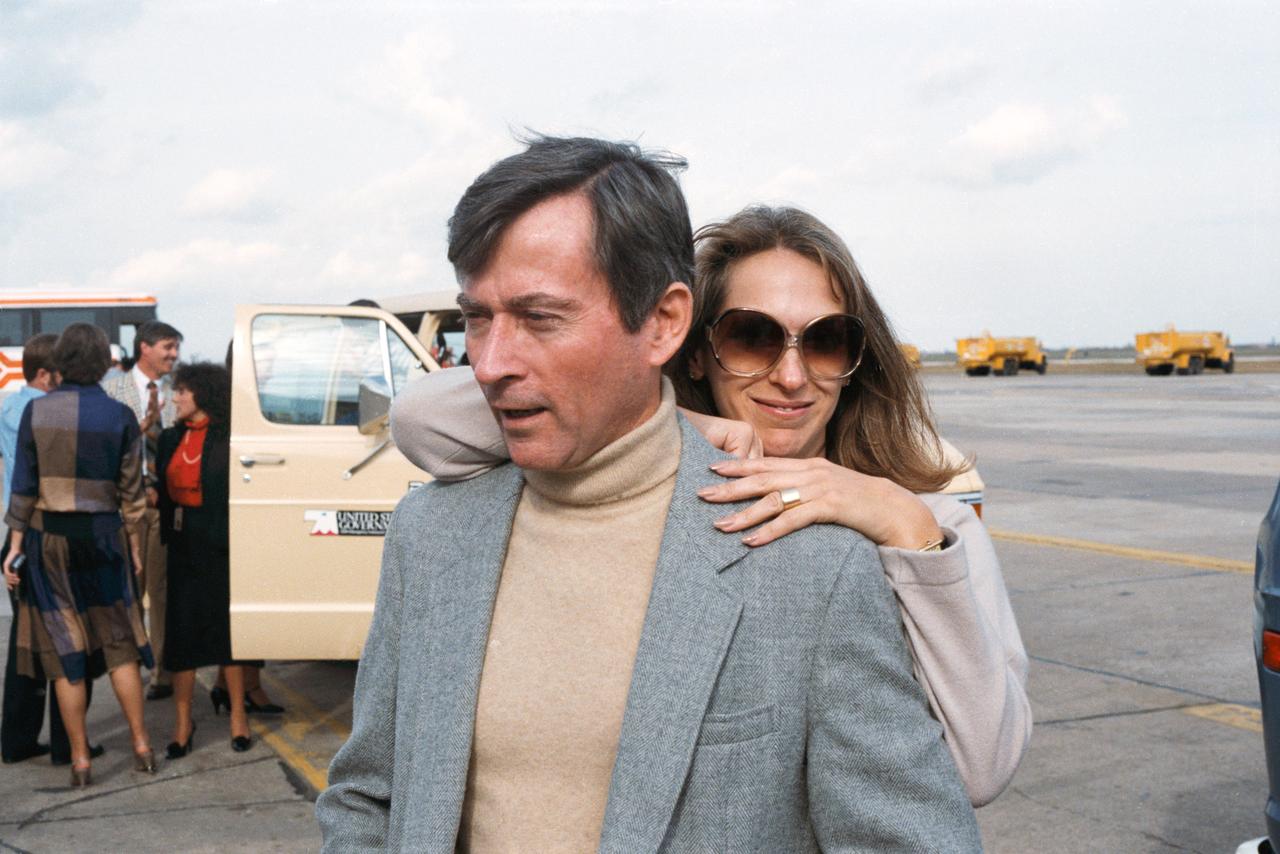
Views of STS-9/41A Crewmen John Young, with wife Susy, and Brewster Shaw with his family upn their return.      EAFB, HOUSTON, TX
POST-FLIGHT (CREW RETURN) - STS-9/41A - ELLINGTON AFB (EAFB), TX
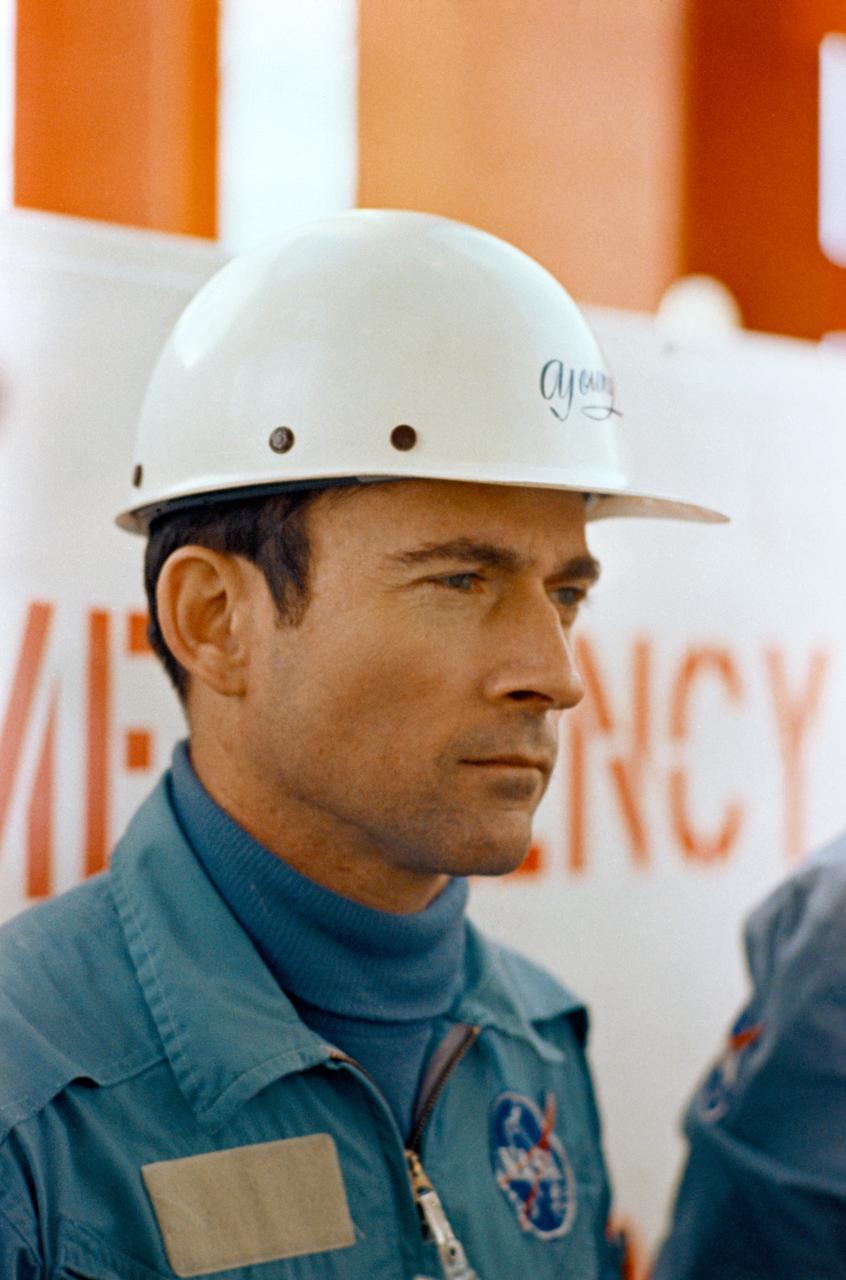
S69-30250 (27 March 1969) --- Astronaut John W. Young, wearing a protective hat, participates in pad egress training at the Kennedy Space Center's Pad 39B during preparations for the scheduled Apollo 10 lunar orbit mission. Young is the Apollo 10 command module pilot.
Crew Training - Apollo X (Pad 39B) - KSC
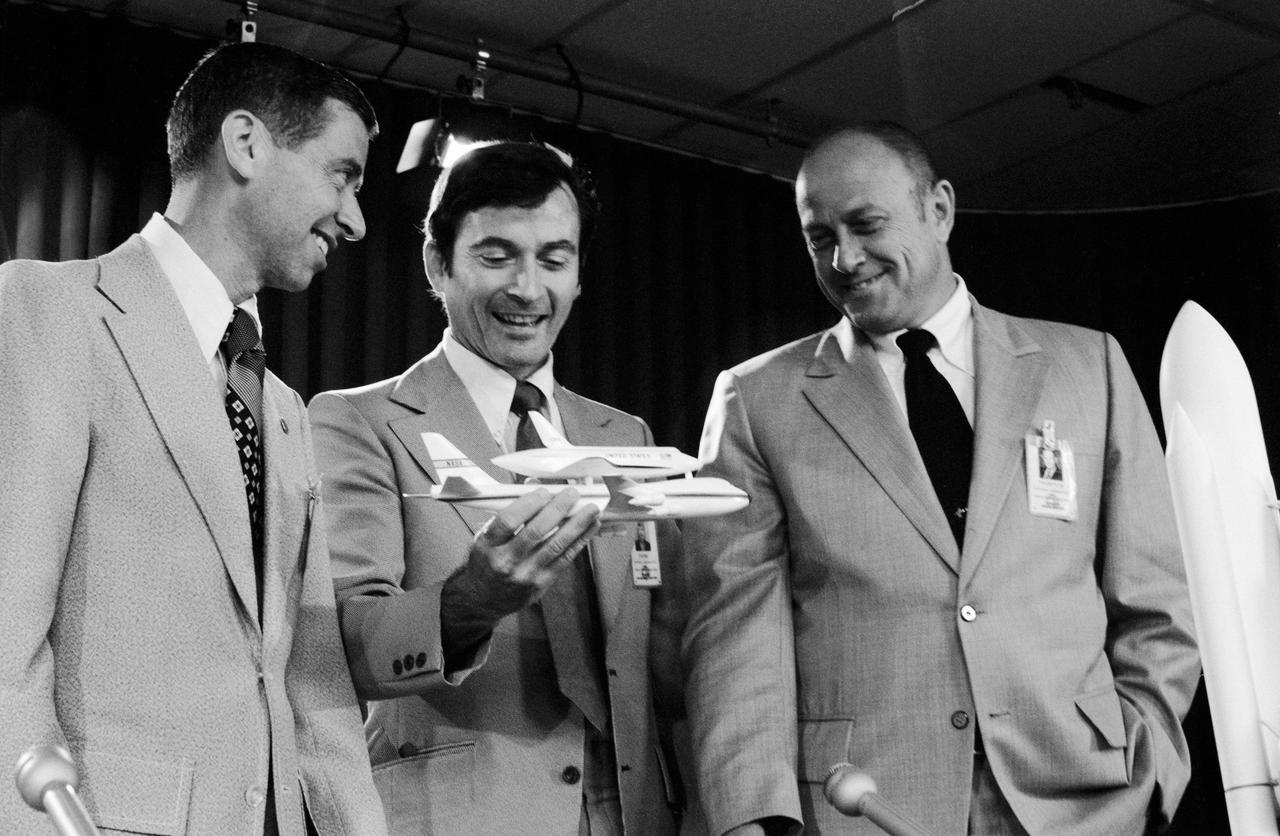
View taken in Building 2, Room 135, during a Shuttle briefing. Shuttle officials Robert Thompson and Aaron Cohen and Astronaut John Young are seen as panel for the Shuttle briefing with various models of the Space Shuttle  Program display in front of them.              1. Robert Thompson      2. Aaron Cohen      3. Astronaut John Young           JSC, HOUSTON, TX
MEETING - SHUTTLE - JSC
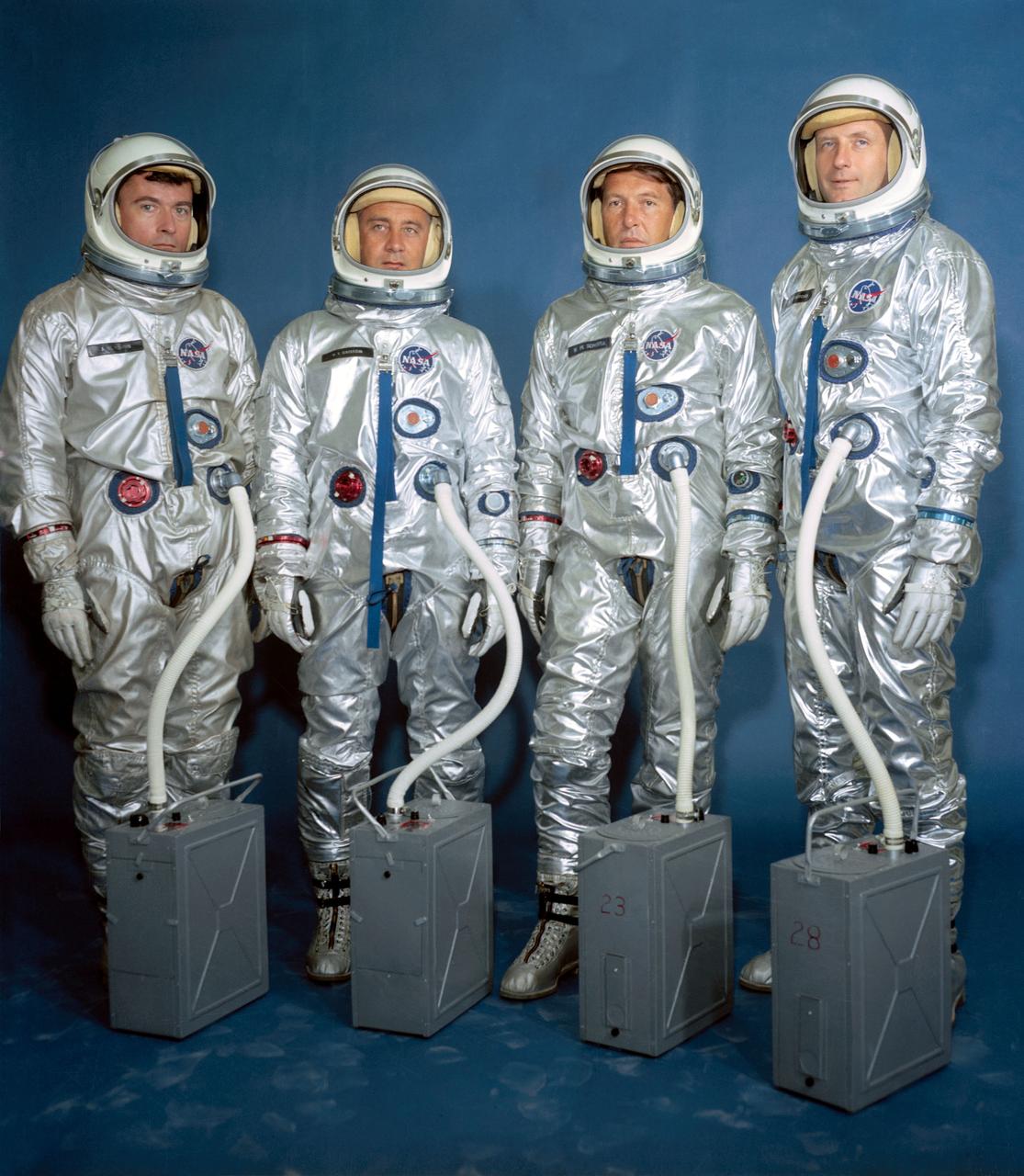
S64-19432 (13 April  1964) --- Left to right are astronauts John W. Young, Virgil I. Grissom, Walter M. Schirra Jr. and Thomas P. Stafford. Gemini III crew assignments are as follows: Grissom, command pilot; Young, pilot, on the prime crew, with Schirra (command pilot) and Stafford (pilot) serving as alternates.    EDITOR'S NOTE: For the Gemini-Titan VI mission, Grissom and Young served as backups for Schirra and Stafford.
GROUP - GEMINI ASTRONAUTS (SUITED) - ASTRONAUT SCHIRRA
Seen in this view left to right Astronauts Virgil I. Grissom and John Young stand in front of Gemini trainer prior to test, MCC.        MSC, HOUSTON, TX  CN
GEMINI-TITAN (GT)-III PRIME CREW - SIMULATIONS - ASTRONAUTS GRISSM & YOUNG - MISSION CONTROL CENTER (MCC) - MSC
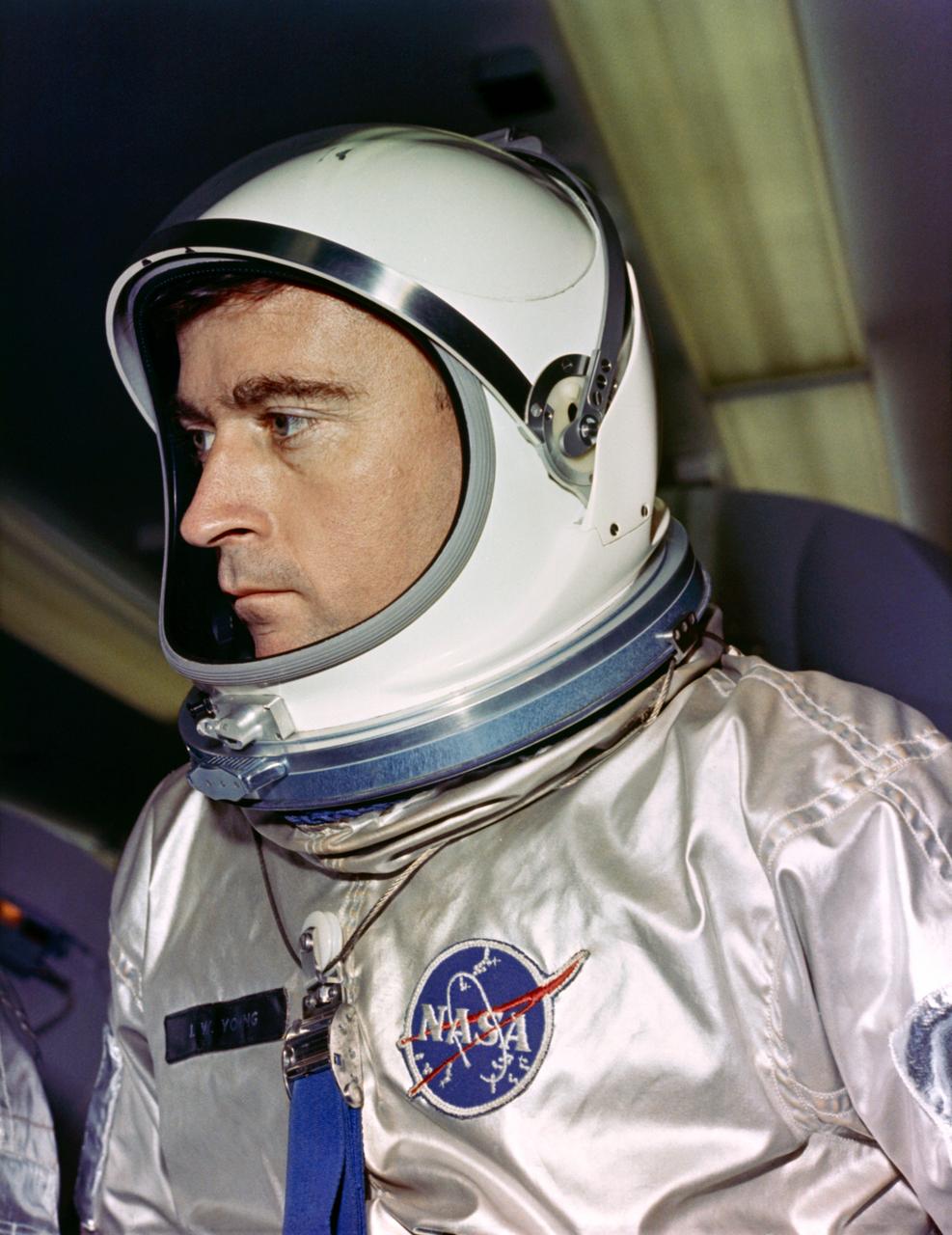
S65-23485 (23 March 1965) --- Astronaut John W. Young, pilot for the Gemini-Titan 3 mission, is in his space suit prior to Gemini-3 launch.
GEMINI-TITAN (GT)-3 - SUITED - CAPE
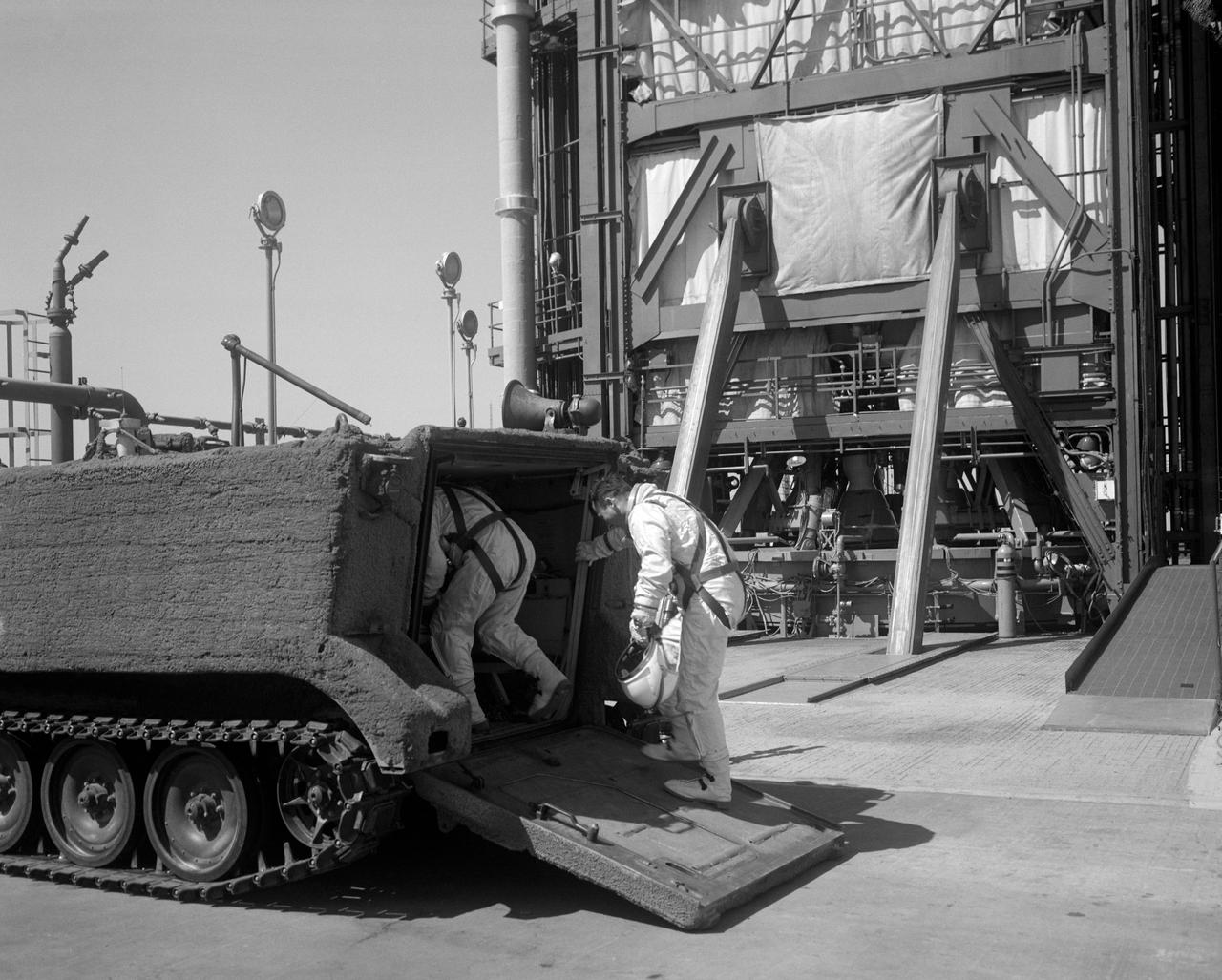
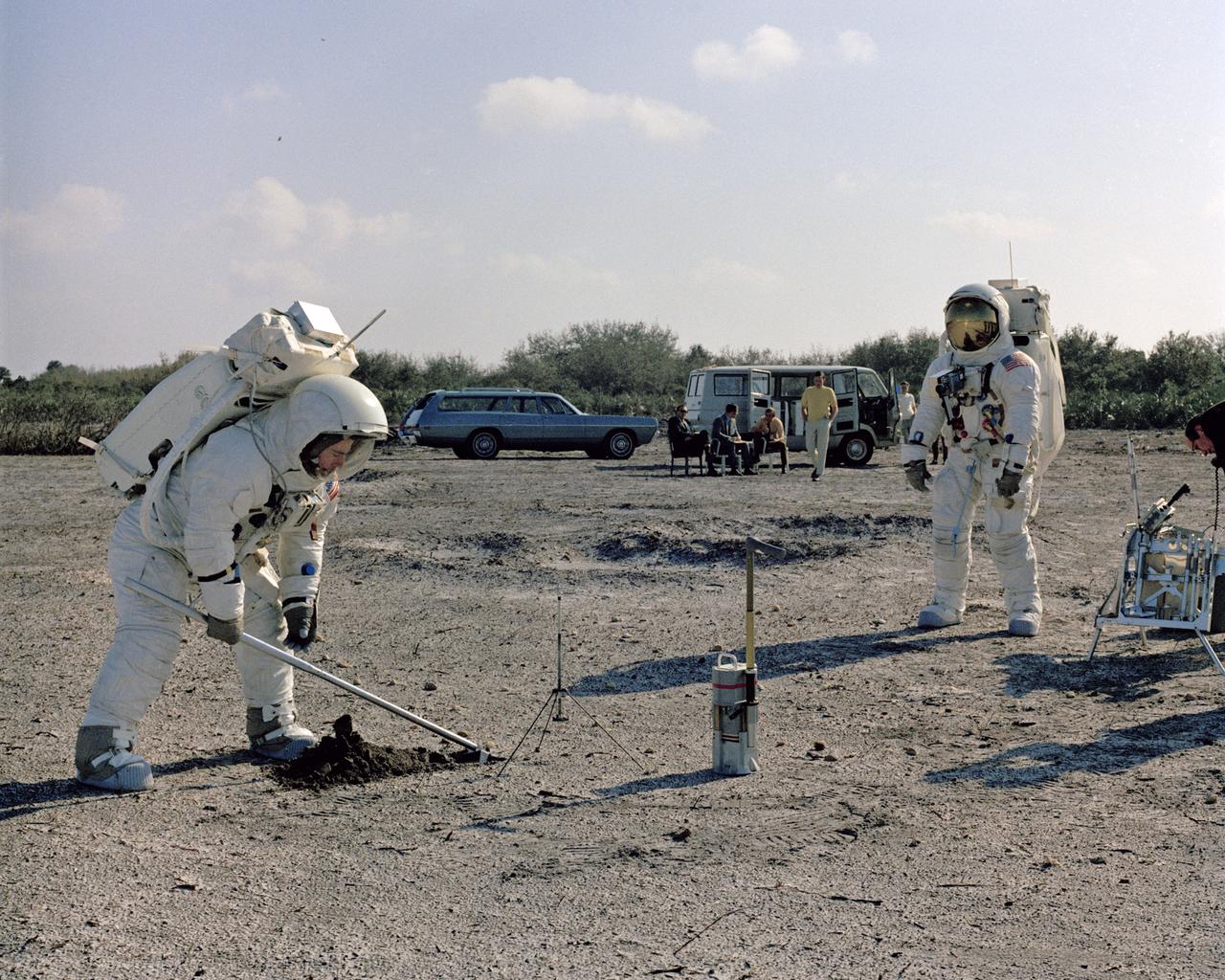
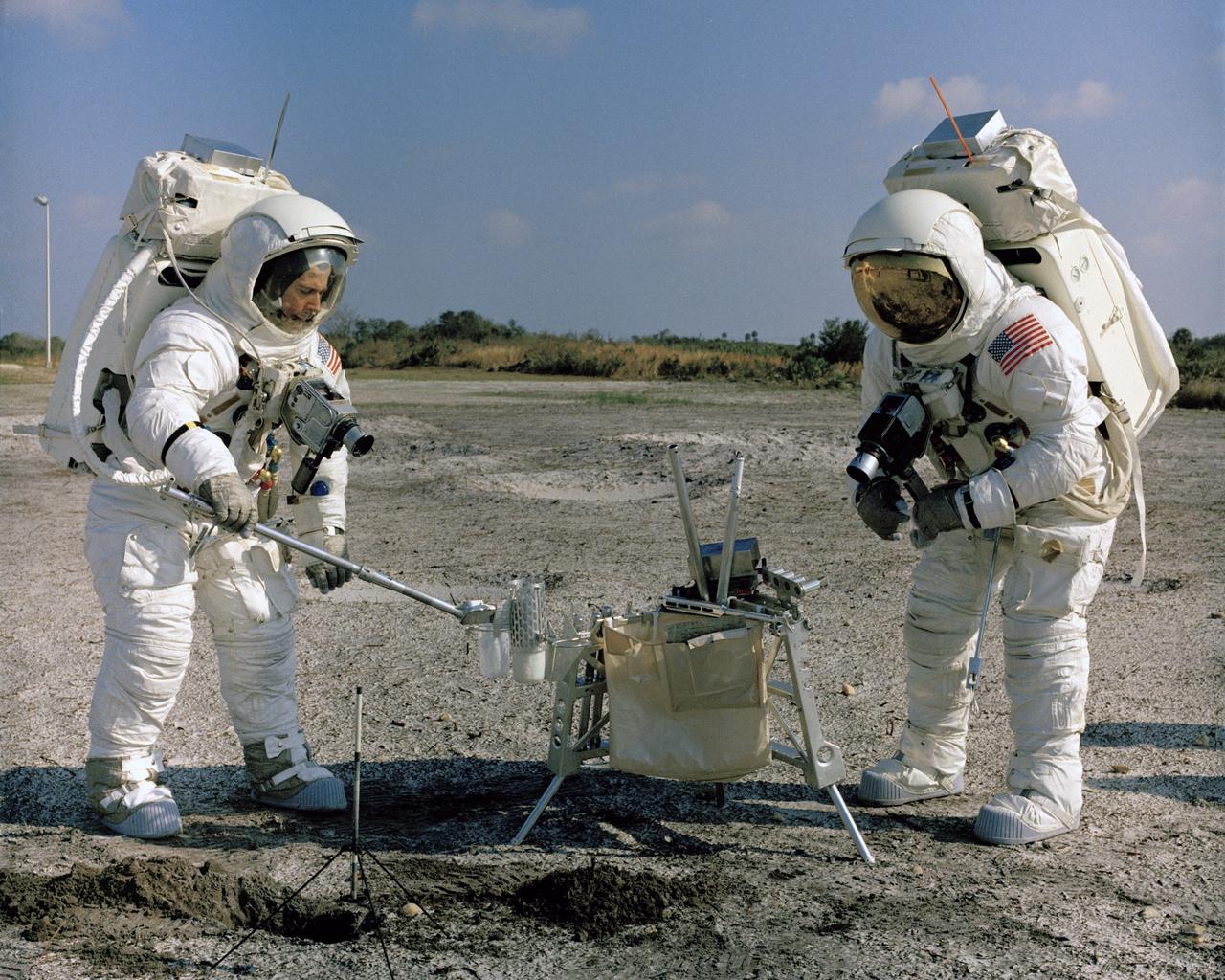
CAPE CANAVERAL, Fla. -- Backup Commander John Young, left, and Lunar Module Pilot Charlie Duke are going through a practice exercise for the Apollo 13 mission at a field site at the Kennedy Space Center. Photo credit: NASA
KSC-70PC-63
S65-23488 (23 March 1965) --- Astronaut John W. Young, pilot of the Gemini-Titan 3 space flight, checks over his helmet during suiting operations in the suiting trailer at Pad 16 prior to flight.
GEMINI-TITAN (GT)-III - SUITING-UP - CAPE
CAPE CANAVERAL, Fla. -- Apollo 13 backup Lunar Module Pilot Charlie Duke, left, scoops up soil at the Kennedy Space Center while backup Commander John Young looks on. Photo credit: NASA
KSC-70PC-67
S65-20641 (1965) --- Astronauts John W. Young (left), pilot, and Virgil I. Grissom, command pilot, for the Gemini-Titan 3 flight, are shown leaving the launch pad after simulations in the Gemini-3 spacecraft.
LEAVE PAD - TRAINING - CAPE
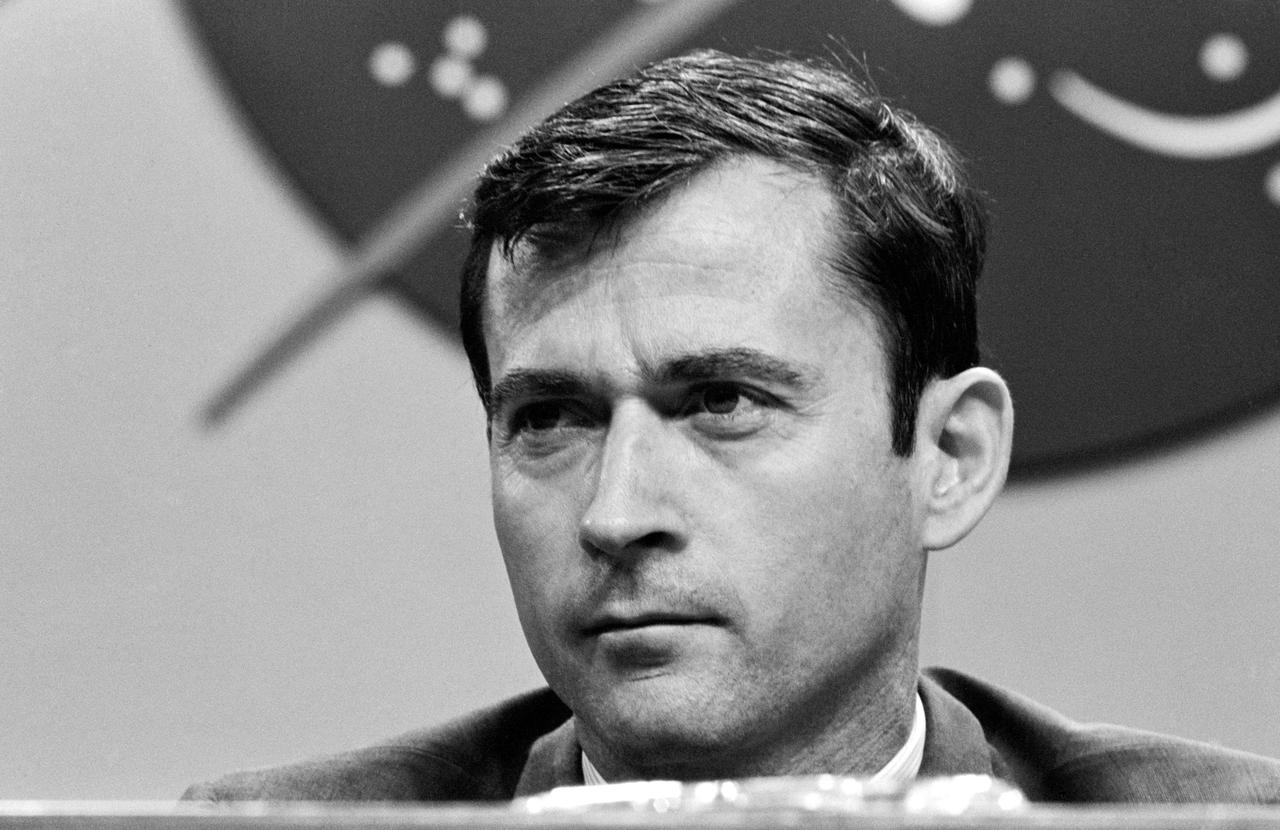
S69-32035 (26 April 1969) --- Astronaut John W. Young, command module pilot of the Apollo 10 prime crew, is seen at a press conference held at the Manned Spacecraft Center on April 26, 1969.
Apollo 10 astronauts during preflight news conference at MSC
KENNEDY SPACE CENTER, FLA. -- Apollo 10 Flight Crew Training.  From left re Lunar Module Pilot Eugene A. Cernan, Commander Thomas P. Stafford and Command Module Pilot John w. Young.
KSC-69p-256
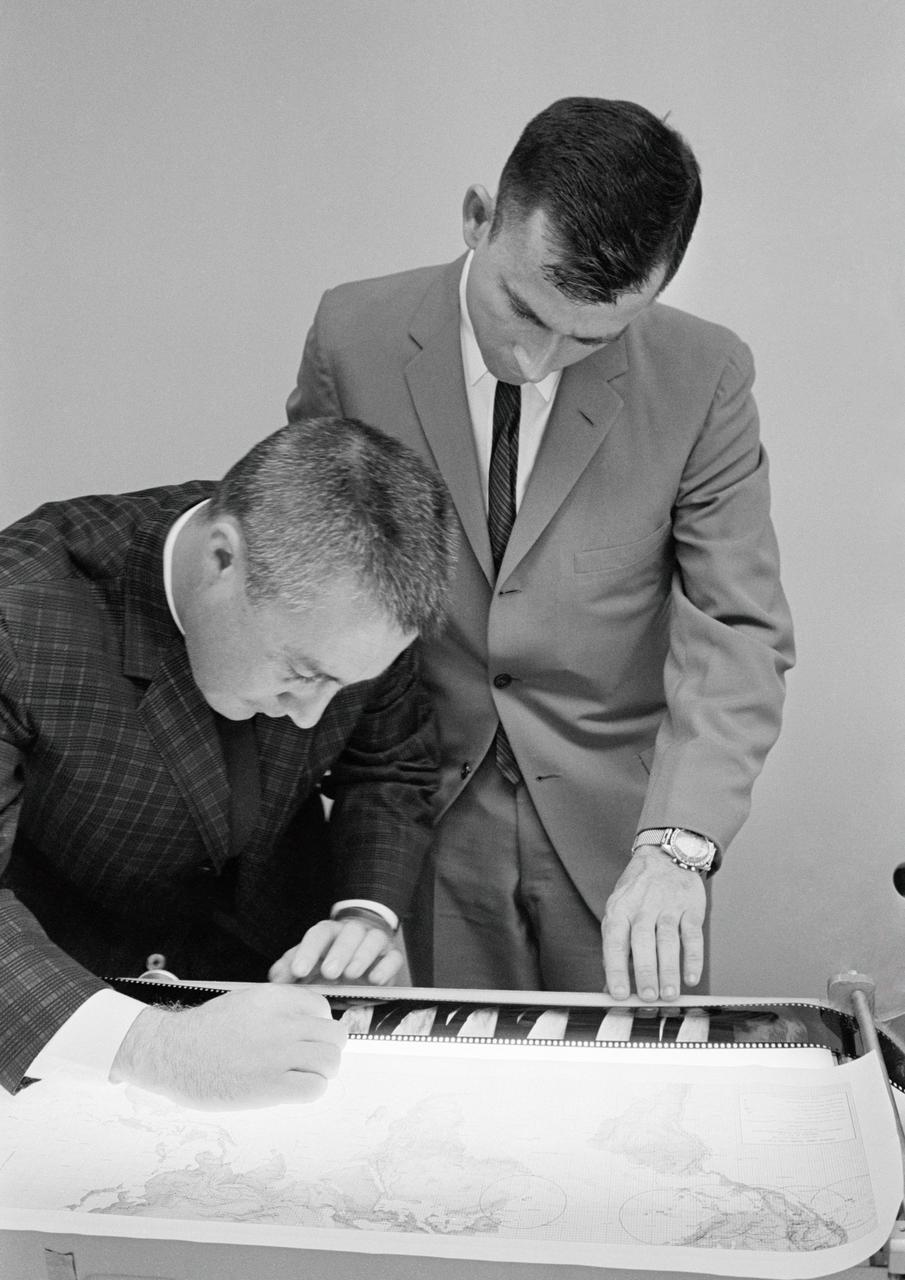
S65-20624 (25 March 1965) --- Gemini-Titan 3 astronauts Virgil I. Grissom (left) and John W. Young examine some of the negatives of photographs taken on their three-orbit flight on March 23, 1965.
GEMINI-TITAN (GT)-3 - CREW
S65-18733 (23 March 1965) --- Astronauts Virgil I. Grissom (left) and John W. Young are shown aboard a helicopter after being retrieved from their spacecraft following the Gemini-Titan 3 flight.
Astronauts Grissom and Young aboard helicopter after retrieval from Gemini 3
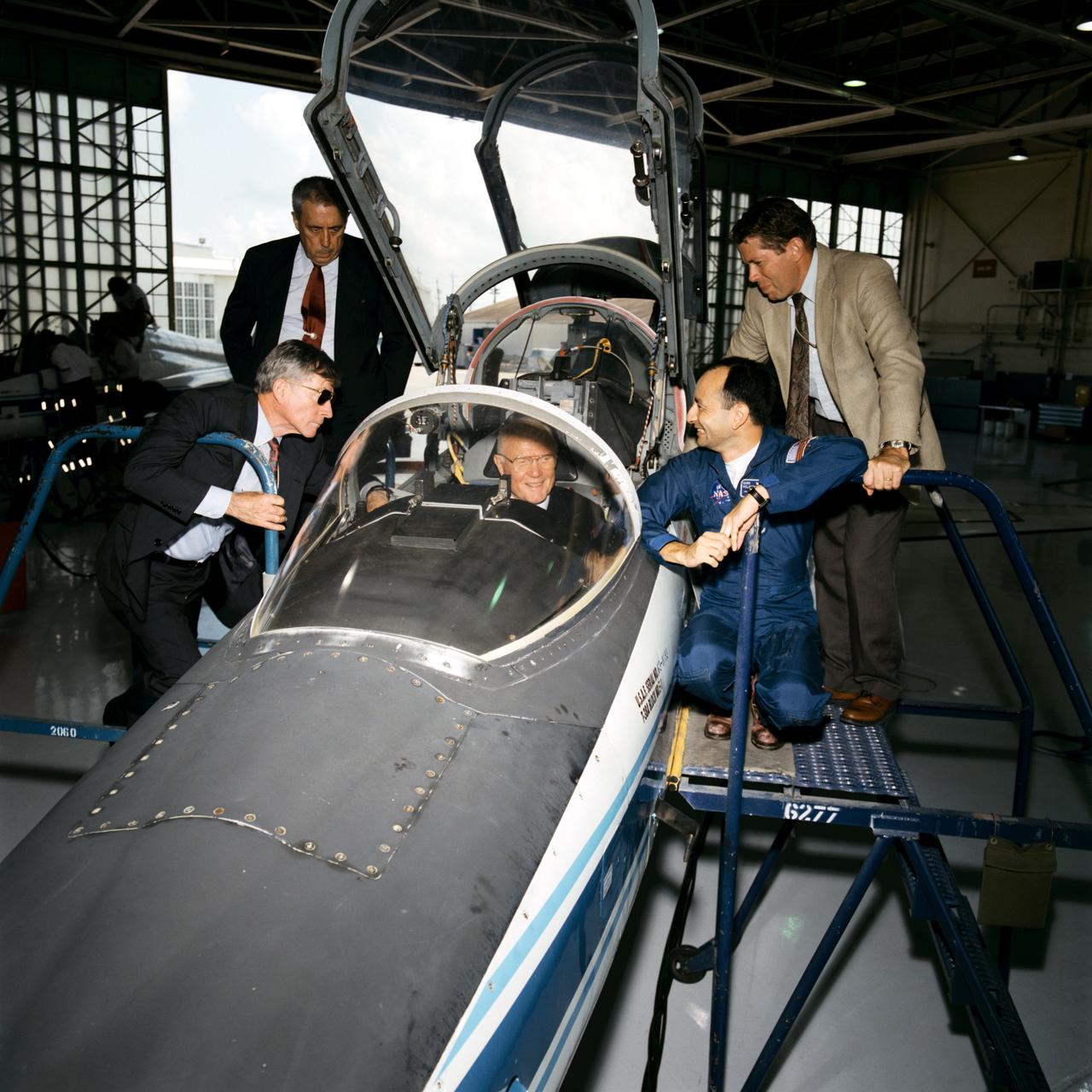
Senator John Glenn visit to Johnson Space Center (JSC). Views of Glenn sitting in cockpit of T-38 in Hangar 276 with John Young, George Abbey, David Leestma and Mark Polansky observing (11150). An engineer explains SPIFEX experiment hardware to Abby, Young and Glenn in Bldg 13 (11151, 11153). Glenn talks with astronaut Terrence T. Henricks and employees in Bldg 9C, Virtual reality lab (11152). Lunch in Bldg 17 Flight Crew support division with Dr. Ellen Baker, Robert "Hoot" Gibson and John Glenn (11154). Linda Godwin, Robert Cabana, Abbey, Young, Baker, Gibson and Glenn at lunch (11155). Astronaut Mark Lee shows Glenn and his aide how to use the virtural reality helmets (11156-7). Glenn shakes the hand of Franklin Chang-Diaz with his plasma rocket in the background in the Sonny Carter Training Facility (SCTF) (11158). Glenn in the Manipulator Development Facility (MDF) Remote Manipulator System (RMS) station mock-up in Bldg 9A with Abbey, Young and aide (11159, 11186). Glenn signs a book for Thomas D. Jones as Frederick Sturckow and Linda Godwin look on (11160). Glenn inside visual-vestibular trainer in Bldg 9B (11161). In conference room meeting with astronaut corps in Bldg 4S, Glenn shakes Robert Cabana's hand (11162). John Glenn and John Young pose for a group shot with Bldg 17 Food lab personnel (11163). Glenn thanks the food lab personnel (11164). Glenn visits Bldg 5 Fixed Base (FB) middeck simulator with astronauts Terrence Henricks and Mary Ellen Weber (11165). Glenn with Charles T. Bourland (11166). STS-70 crew Donald Thomas, Terrence Henricks, Mary Ellen Weber, Nancy Currie and Kevin Kregel with Glenn's advisor (11167). STS-70 crew Thomas, Henricks, Weber, Currie and Kregel with John Glenn (11175). Glenn with Thomas, Kregel, Weber, Henricks and trainer (11176-7). David J. Homan assists Glenn's aide with virtual reality goggles (11168) and Glenn (11174). John Young in Bldg 9C equilibrium trainer (11169). Glenn with Carl Walz in flight deck mock-up of MDF in Bldg 9NE (11170, 11187). Young, Abbey, aides, Glenn and Walz examine helium balloon in MDF (11171-2). Chang-Diaz shows Glenn's tour group the plasma rocket (11173). Glenn's presentation to astronaut corps (11178-81, 11184-5). Glenn is presented with framed picture of Sonny Carter Training Facility (SCTF) (11182) and framed picture of space station (11183).
Senator John Glenn visit to Johnson Space Center (JSC)
S66-42738 (18 July 1966) --- Astronaut John W. Young, Gemini-10 command pilot, holds a pair of king-size pliers presented to him by the crew at Pad 19 for in-flight first-echelon maintenance of a spacecraft utility power cord Young earlier had difficulty in connecting. Gunther Wendt (right center background), Pad 19 leader, jokes with Young about the pliers. At right is Dr. Donald K. Slayton, MSC Director of Flight Crew Operations. At left is astronaut Michael Collins, Gemini-10 pilot. Photo credit: NASA
Gemini-Titan - Prelaunch
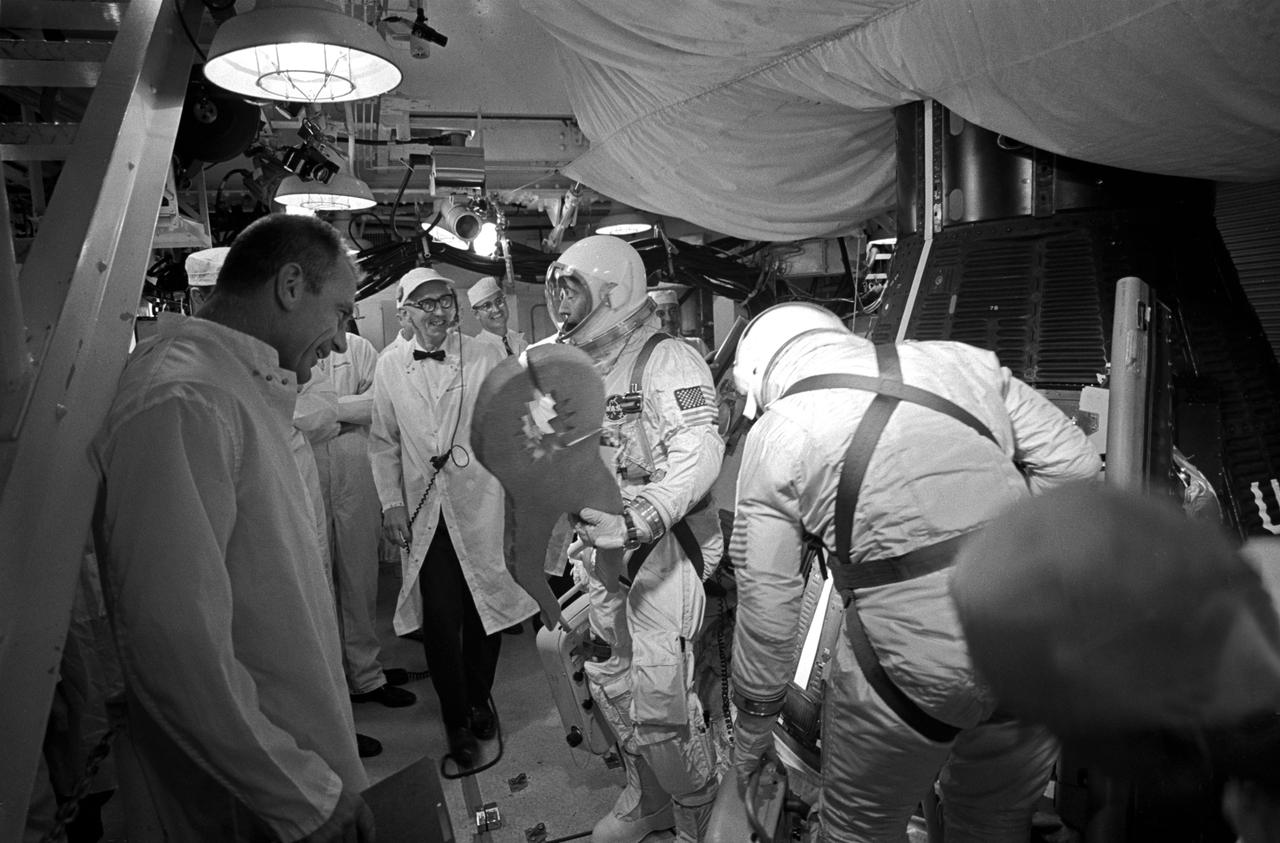
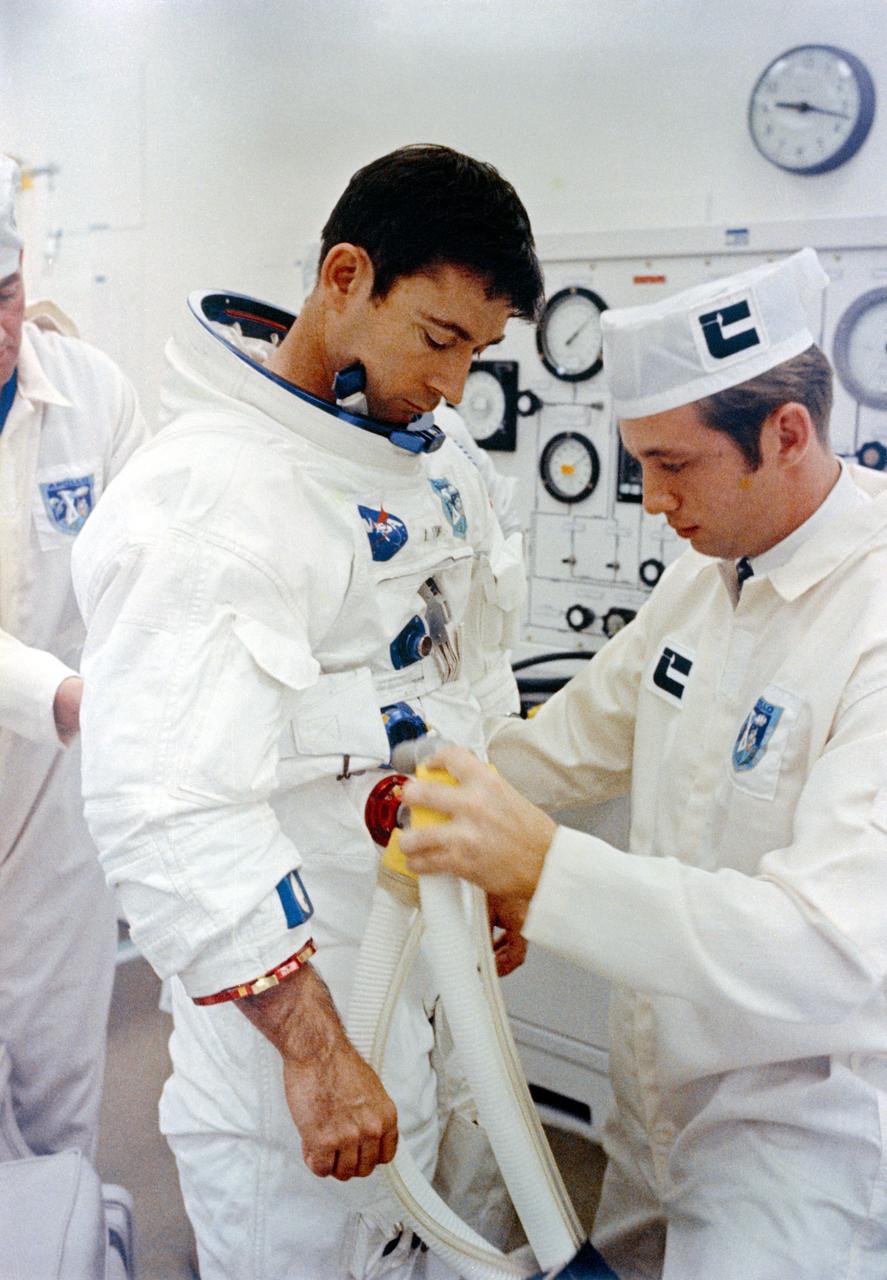
S69-34483 (18 May 1969) --- A technician attaches hose from test stand to spacesuit of astronaut John W. Young, Apollo 10 command module pilot, during final suiting operations for the Apollo 10 lunar orbit mission. Another technician makes adjustment behind Young. Minutes later astronauts Young; Thomas P. Stafford, commander; and Eugene A. Cernan, lunar module pilot, rode a transfer van from the Kennedy Space Center's Manned Spacecraft Operations Building over to Pad B, Launch Complex 39, where their spacecraft awaited them. Liftoff was at 12:49 p.m. (EDT), May 18, 1969.
Prelaunch - Apollo 10
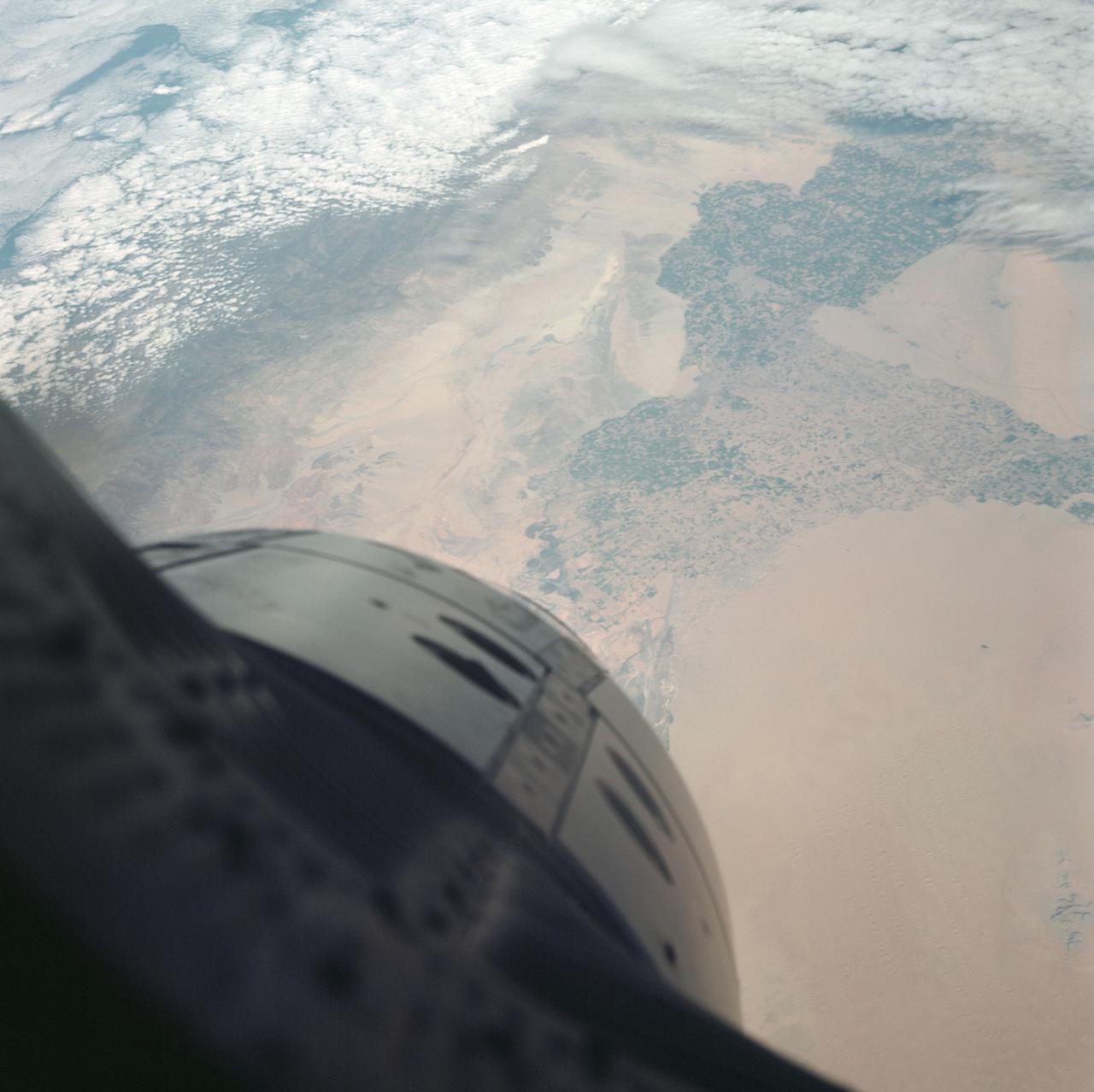
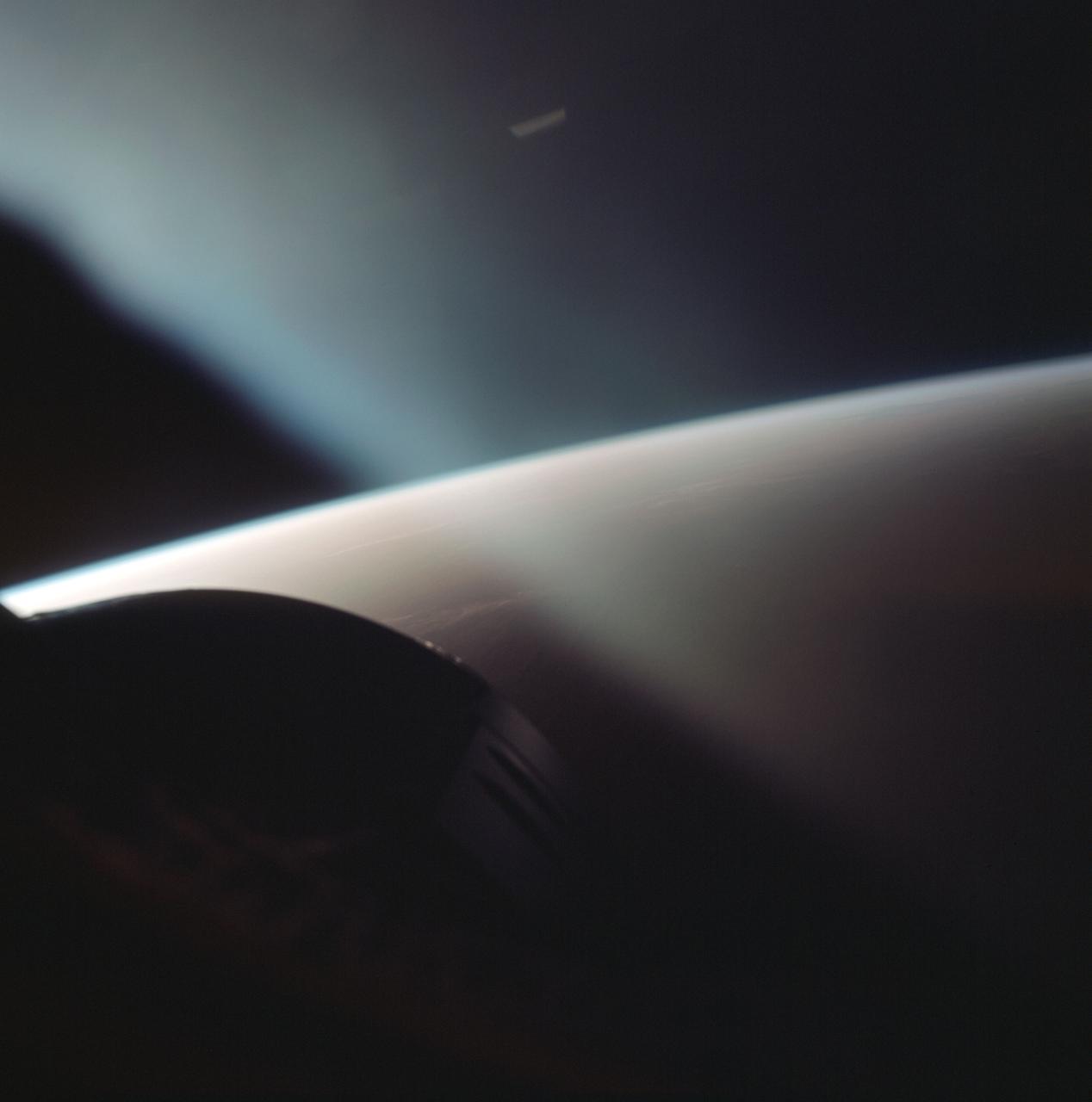
S65-18750 (23 March 1965) --- Astronaut John W. Young took this picture over eastern Africa during the Gemini-Titan 3 three-orbit mission on March 23, 1965. The altitude of the Gemini spacecraft "Molly Brown" was 90 miles. Young used a hand-held modified 70mm Hasselblad camera with color film. The lens setting was 250th of a second at f/11.
GEMINI-TITAN (GT)-3 - EARTH - SKY VIEW - AFRICA
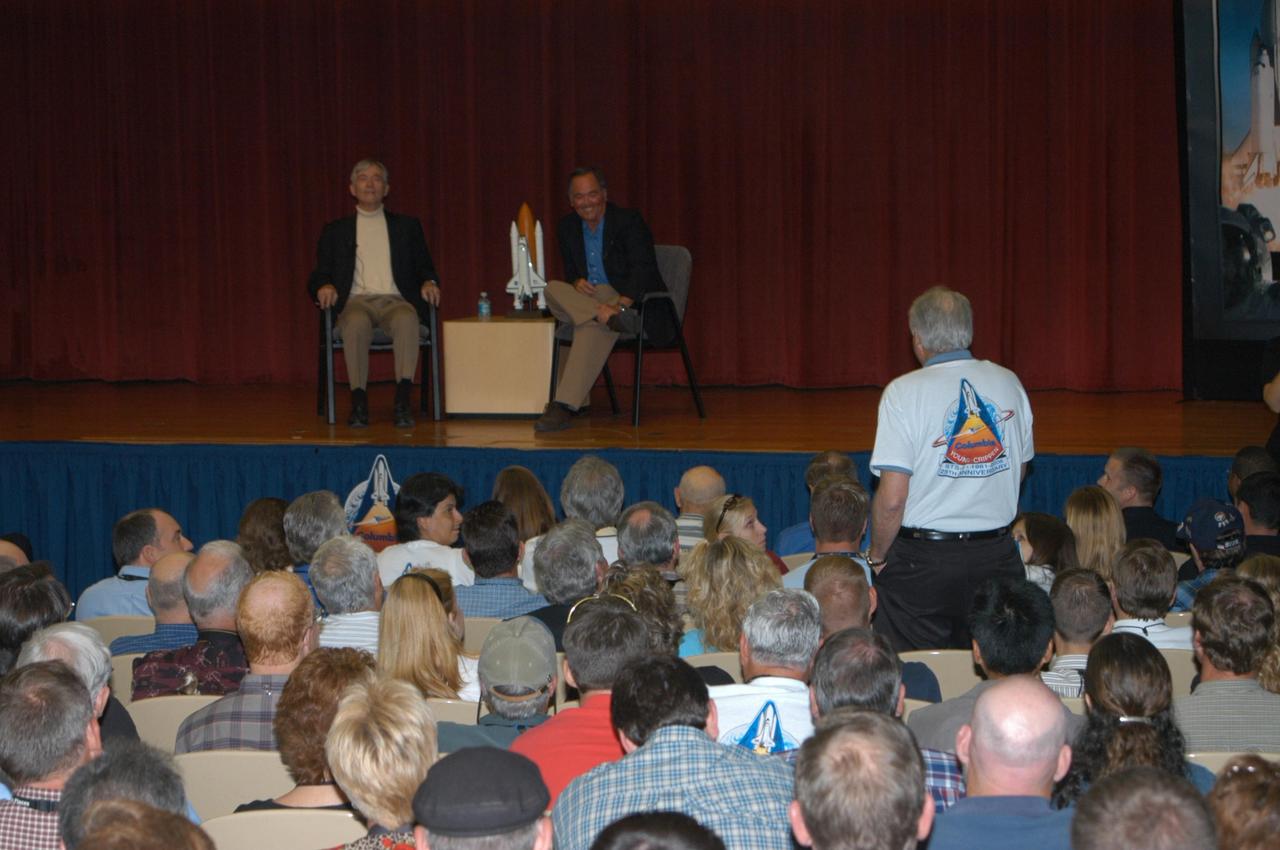
KENNEDY SPACE CENTER, FLA. -   To honor the 25th anniversary of the first shuttle launch on April 12, 1981, STS-1 Commander John Young (left) and Pilot Bob Crippen (right) were invited to share their experiences with employees during a special presentation at Kennedy.  Here, Young relates his feelings about making that historic flight.  Photo credit: NASA/George Shelton
KSC-06pd0592
S72-16660 (January 1972) --- These three astronauts have been selected by the National Aeronautics and Space Administration (NASA) as the prime crew men of the Apollo 16 lunar landing mission. They are, left to right, Thomas K. Mattingly II, command module pilot; John W. Young, commander; and Charles M. Duke Jr., lunar module pilot. While astronauts Young and Duke descend in the Lunar Module (LM) to explore the moon, astronaut Mattingly will remain with the Command and Service Modules (CSM) in lunar orbit.
APOLLO XVI (PORTRAITS)
S65-18759 (23 March 1965) --- Astronaut John W. Young took this picture of clouds over the Indian Ocean during the Gemini-Titan 3 three-orbit mission on March 23, 1965. Young used a hand-held modified 70mm Hasselblad camera with color film. The lens setting was 250th of a second at f/11.
GEMINI-TITAN (GT)-3 - EARTH - SKY VIEWS
S69-34337 (6 May 1969) --- Apollo 10 astronauts John W. Young (left), command module pilot; and Thomas P. Stafford, commander, leave the Kennedy Space Center's (KSC) Manned Spacecraft Operations Building for Pad B, Launch Complex 39, where they participated in dry portion of Countdown Demonstration Test. Apollo 10, with astronauts Stafford, Young and Eugene A. Cernan aboard, is scheduled for launch on May 13, 1969. Cernan is the lunar module pilot.
PRELAUNCH - APOLLO X - CAPE
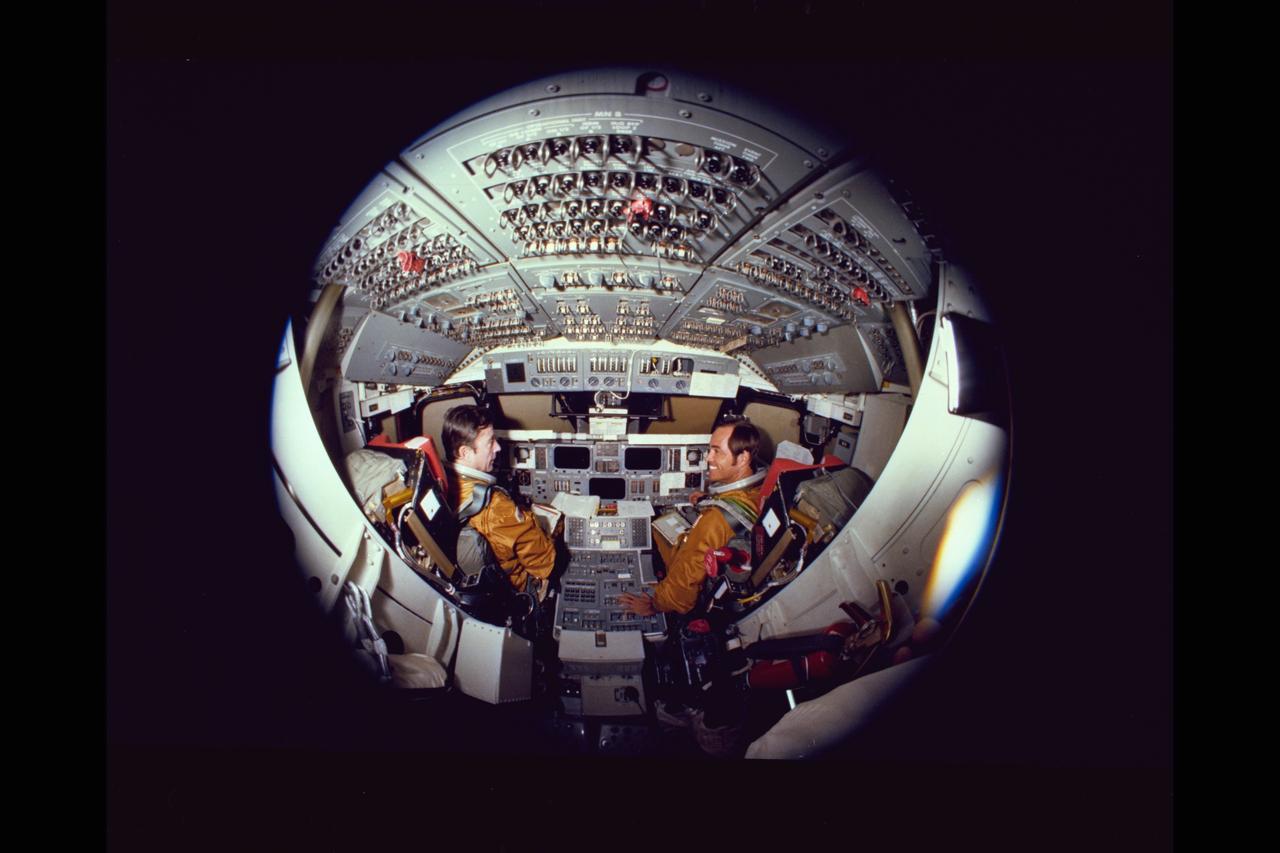
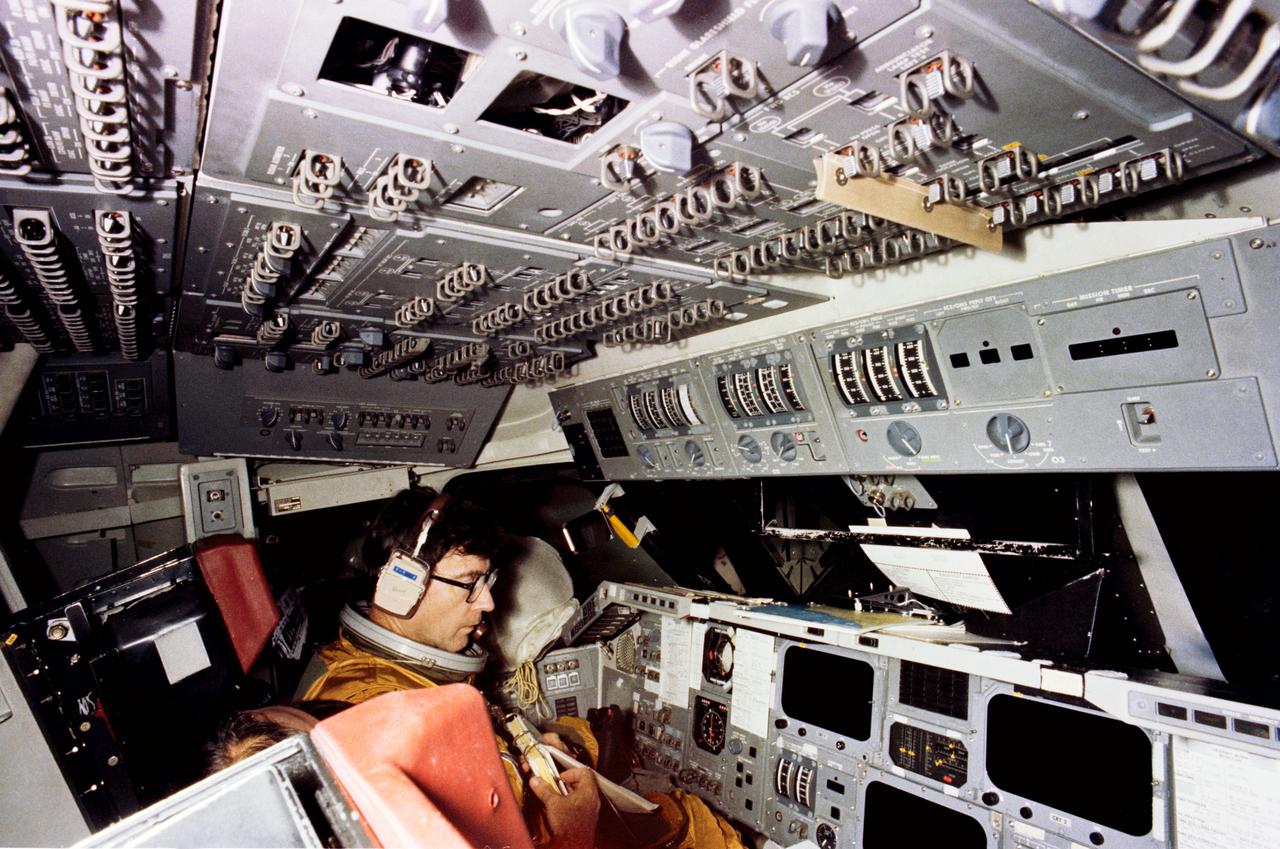
S79-37006 (29 Sept. 1979) --- Astronaut John W. Young, commander of STS-1, goes through a simulation exercises in the shuttle mission simulator (SMS) in the mission simulation and training facility at NASA's Johnson Space Center (JSC). Young and astronaut Robert L. Crippen, prime crew pilot, are in training for the first of series of orbital test missions aboard the Columbia. Photo credit: NASA
Simulator - Crippen, Robert
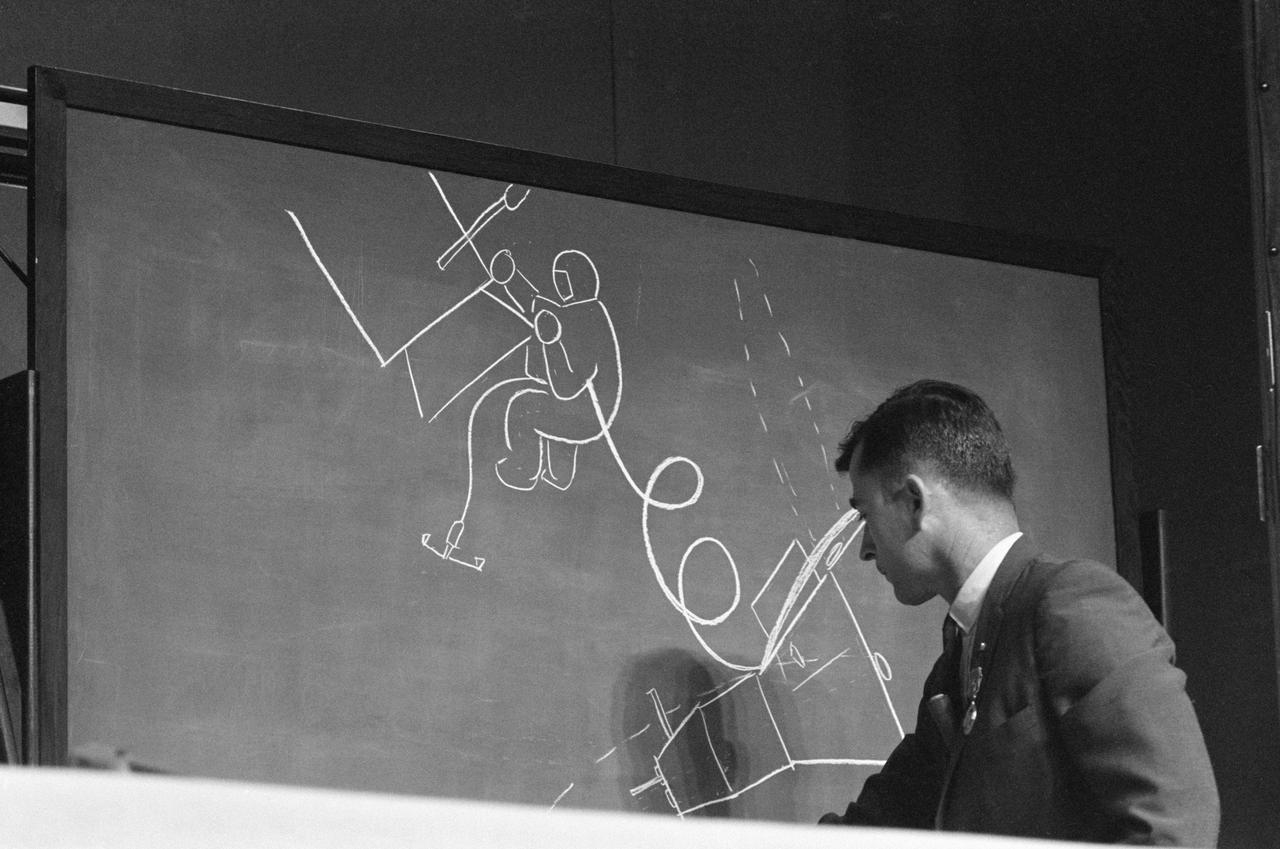
S66-39897 (1 Aug. 1966) --- Astronaut John W. Young, Gemini-10 command pilot, uses a chalk drawing on a blackboard to illustrate how astronaut Michael Collins, Gemini-10 pilot, looked when he inspected the Agena Target Docking Vehicle during his extravehicular activity. Young was discussing the mission before a gathering of news media representatives in the Building 1 auditorium. Photo credit: NASA
PRESS CONFERENCE - GEMINI-TITAN (GT)-10 - MSC