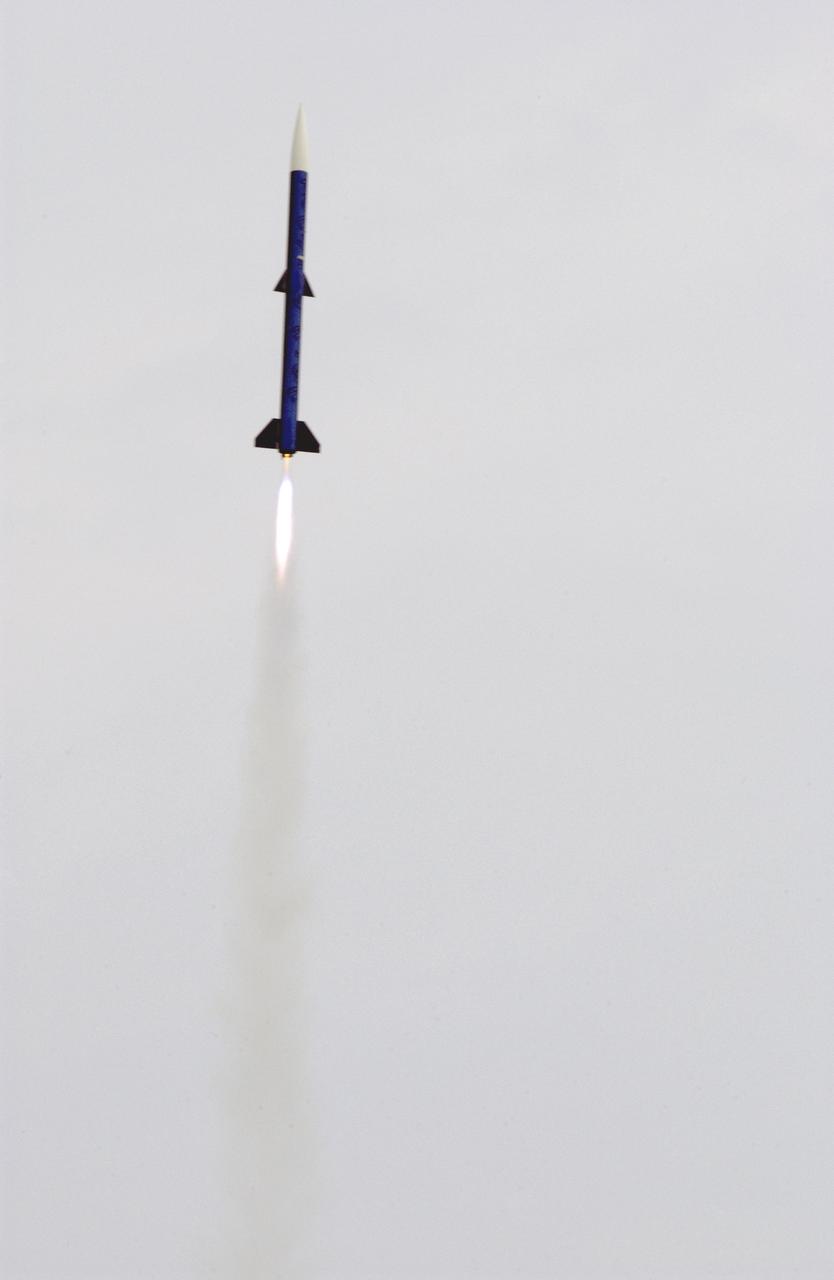
Filled with anticipation, students from three Huntsville area high schools: Randolph, Sparkman, and Johnson High Schools, counted down to launch the rockets they designed and built at the Army test site on Redstone Arsenal in Huntsville, Alabama. The projected two-mile high launch culminated more than a year's work and demonstrated the student team's ability to meet the challenge set by the Marshall Space Flight Center's (MSFC) Student Launch Initiative program to apply science and math to experience, judgment, and common sense, and proved to NASA officials that they have successfully built reusable launch vehicles (RLVs), another challenge set by NASA's SLI program. MSFC's SLI program is an educational effort that aims to motivate students to pursue careers in science, math, and engineering. It provides hands-on, practical aerospace experience. In this picture, a rocket built by Johnson High School students soars to it projected designation.
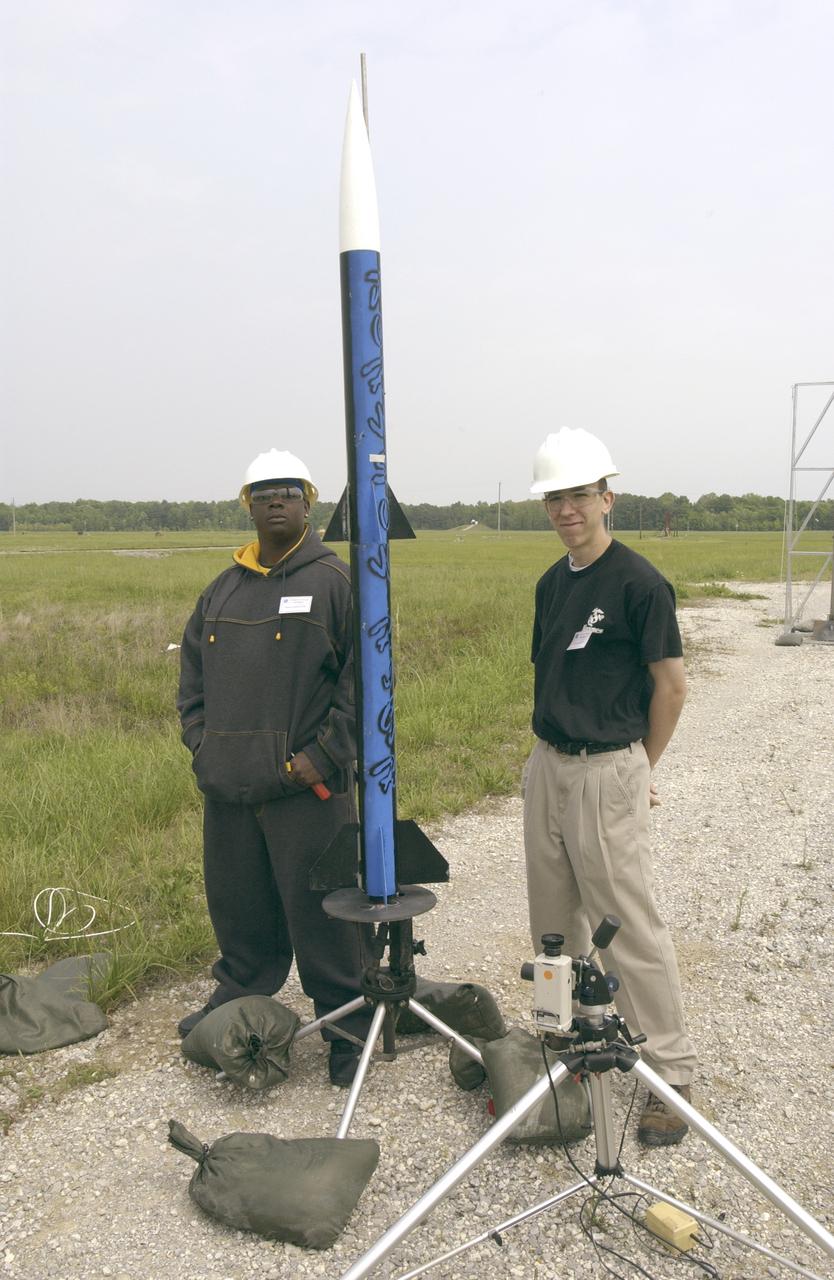
Filled with anticipation, students from three Huntsville area high schools: Randolph, Sparkman and Johnson High Schools, counted down to launch the rockets they designed and built at the Army test site on Redstone Arsenal in Huntsville, Alabama. The projected two-mile high launch culminated more than a year's work and demonstrated the student team's ability to meet the challenge set by the Marshall Space Flight Center's (MSFC) Student Launch Initiative (SLI) program to apply science and math to experience, judgment, and common sense, and proved to NASA officials that they have successfully built reusable launch vehicles (RLVs), another challenge set by NASA's SLI program. MSFC's SLI program is an educational effort that aims to motivate students to pursue careers in science, math, and engineering. It provides them with hands-on, practical aerospace experience. In this picture, two Johnson High School students pose with their rocket.
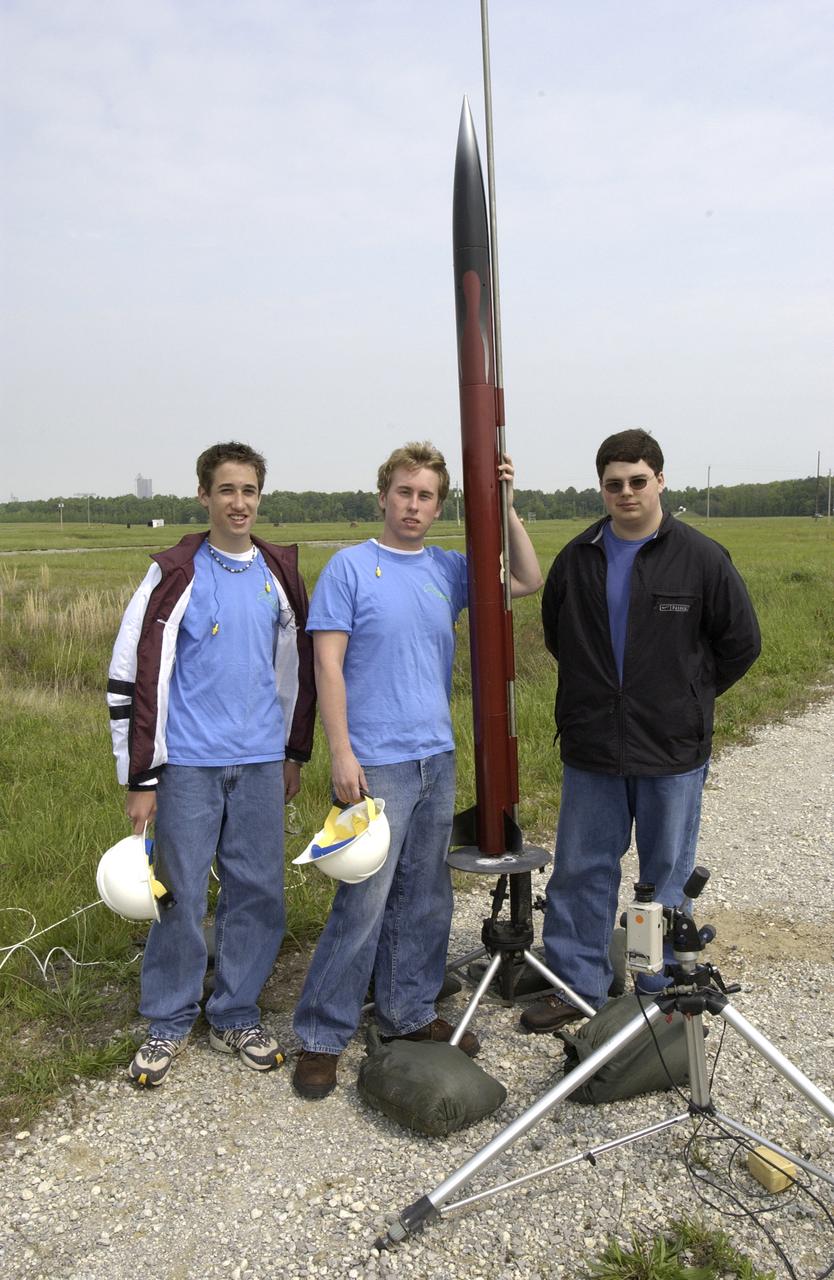
Filled with anticipation, students from three Huntsville area high schools: Randolph, Sparkman, and Johnson High Schools, counted down to launch the rockets they designed and built at the Army test site on Redstone Arsenal in Huntsville, Alabama. The projected two-mile high launch culminated more than a year's work and demonstrated the student team's ability to meet the challenge set by the Marshall Space Flight Center's (MSFC) Student Launch Initiative (SLI) program to apply science and math to experience, judgment, and common sense, and proved to NASA officials that they have successfully built reusable launch vehicles (RLVs), another challenge set by NASA's SLI program. MSFC's SLI program is an educational effort that aims to motivate students to pursue careers in science, math, and engineering. It provides them with hands-on, practical aerospace experience. In this picture, three Sparkman High School students pose with their rocket.
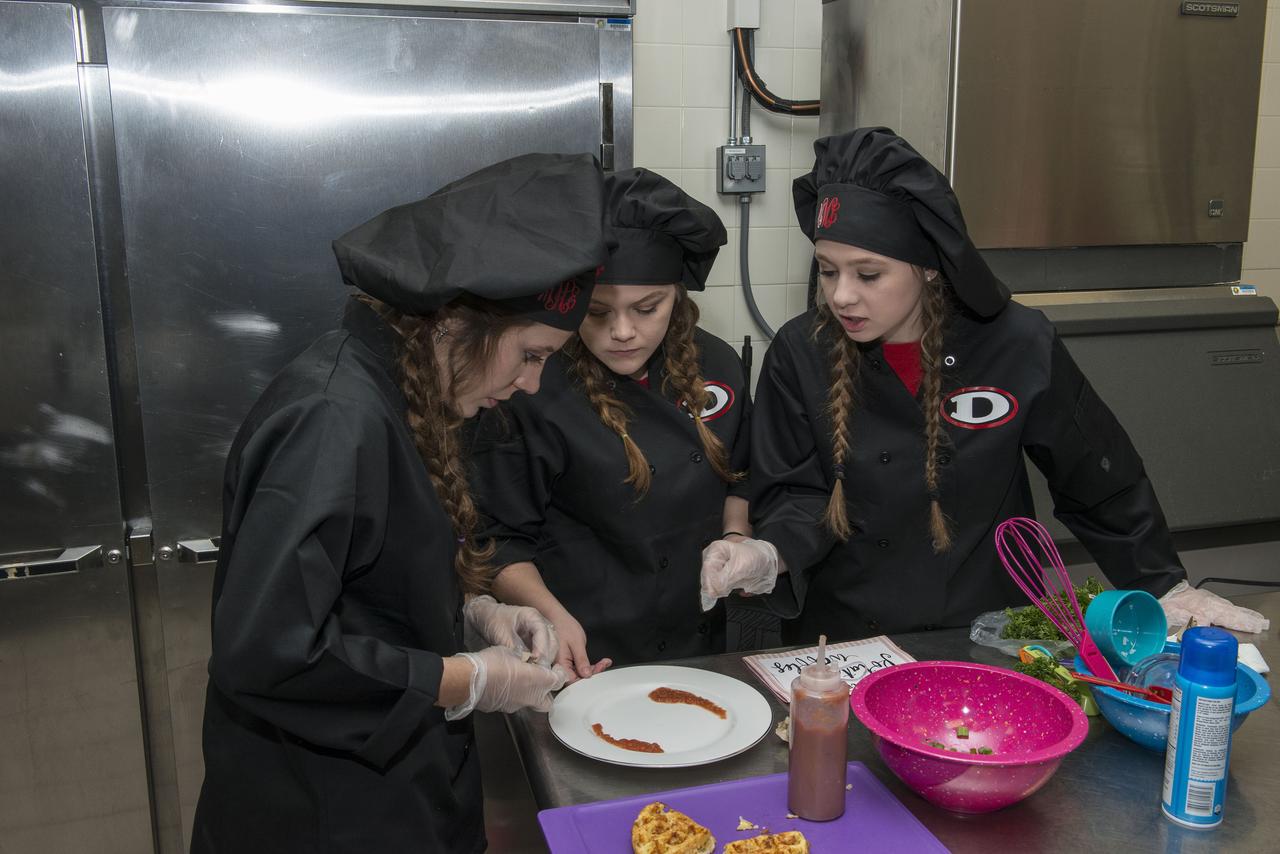
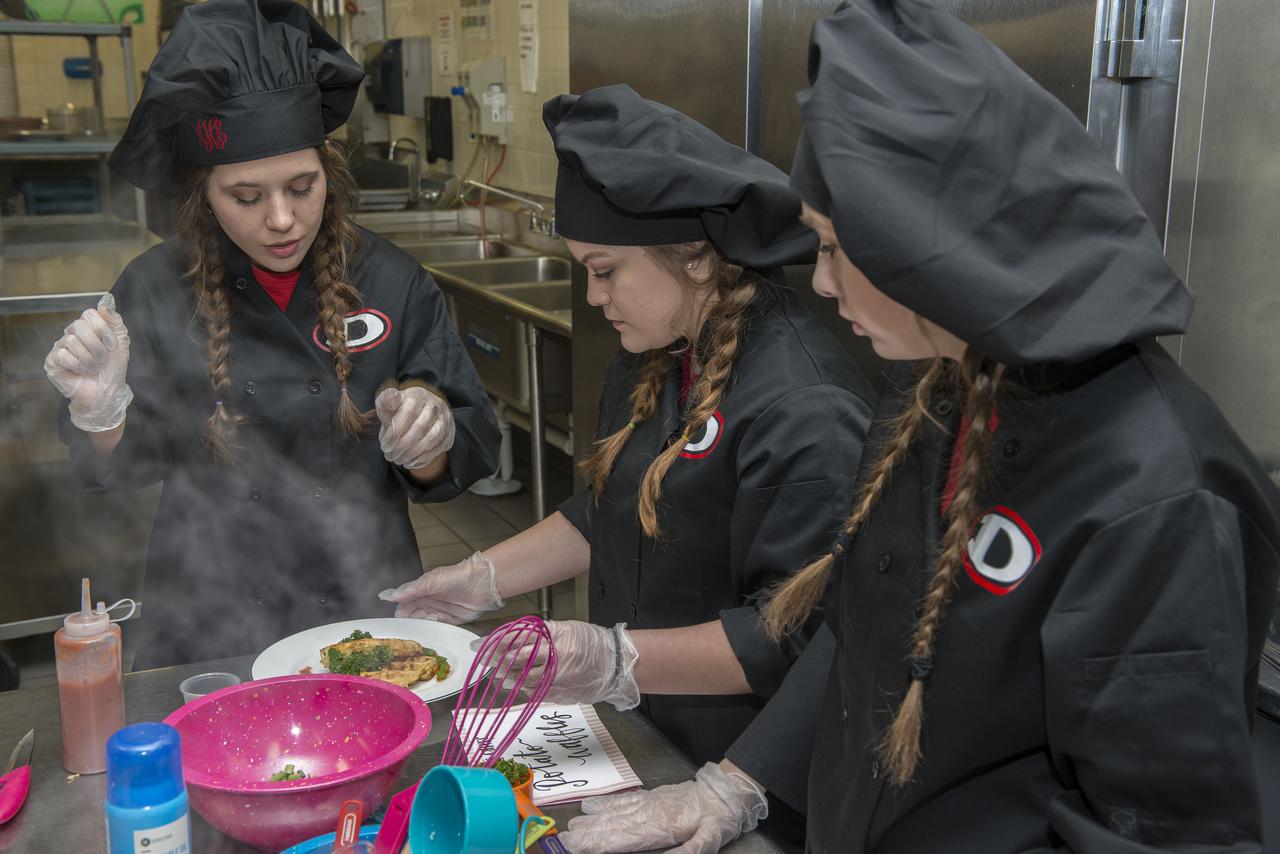
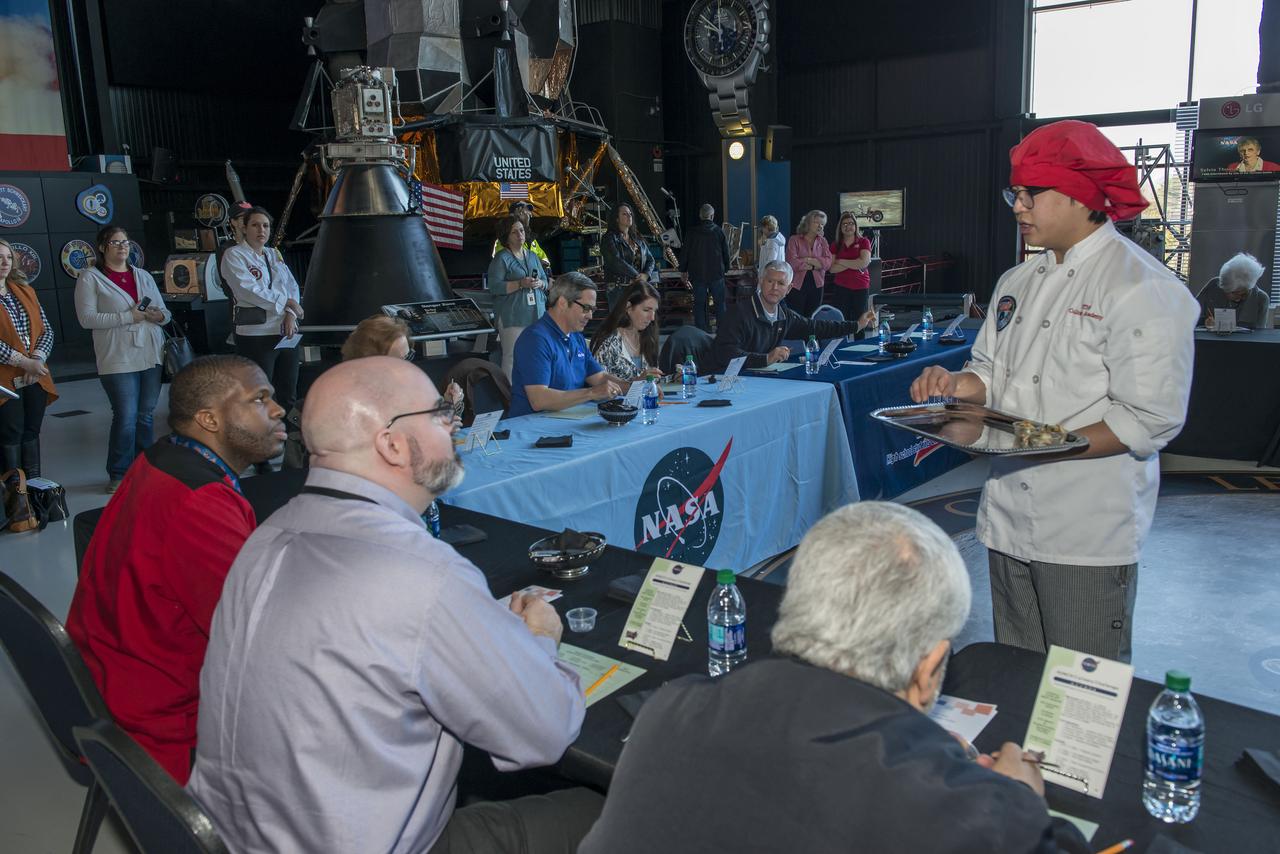
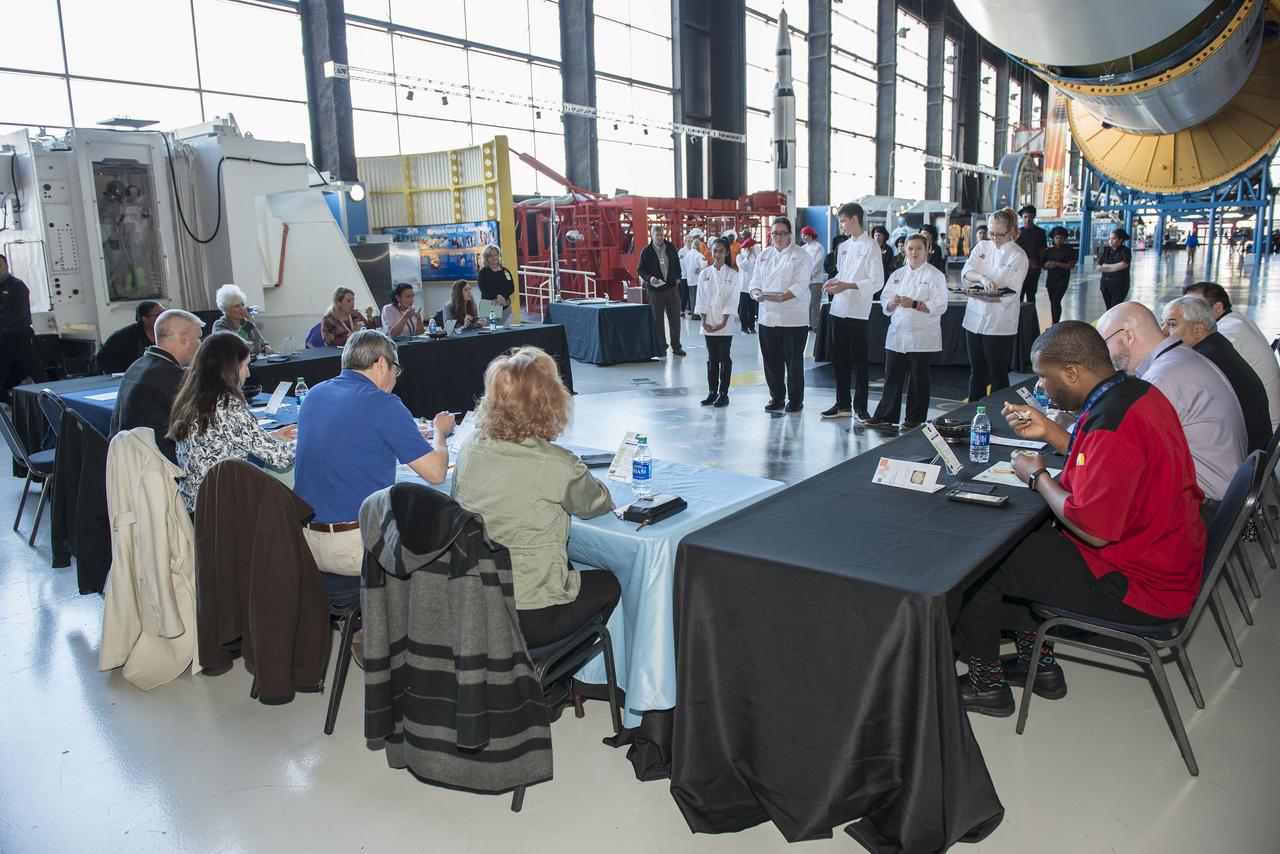
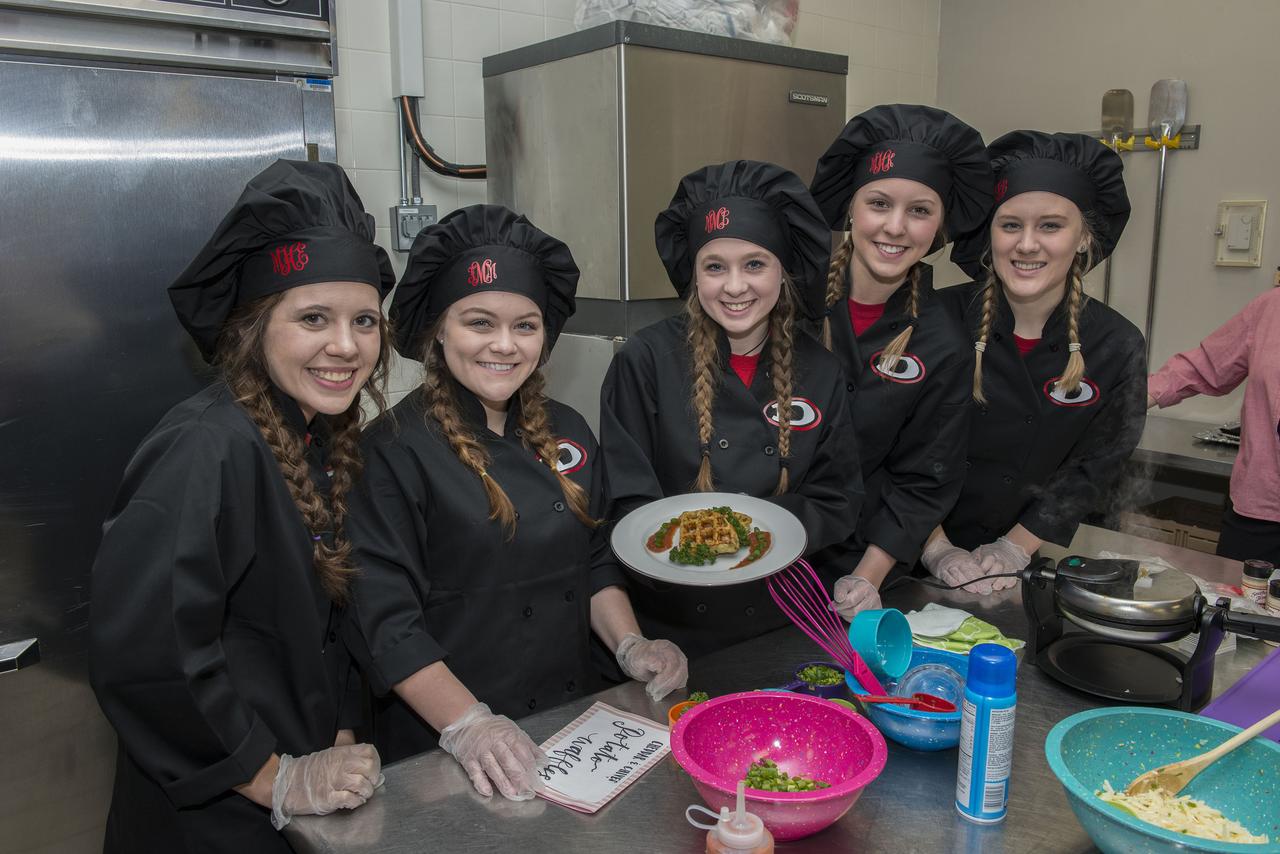
High Schools United with NASA to Create Hardware (HUNCH) students from 6 schools meet at the U.S. Space and Rocket center in order to participate in the annual culinary challenge where students create meals suitable for astronaut use in space. Students in 2018 created different dishes for breakfast dining. Other NASA centers also participate in this program with the top 10 voted recipes being judged at Johnson Space Center.
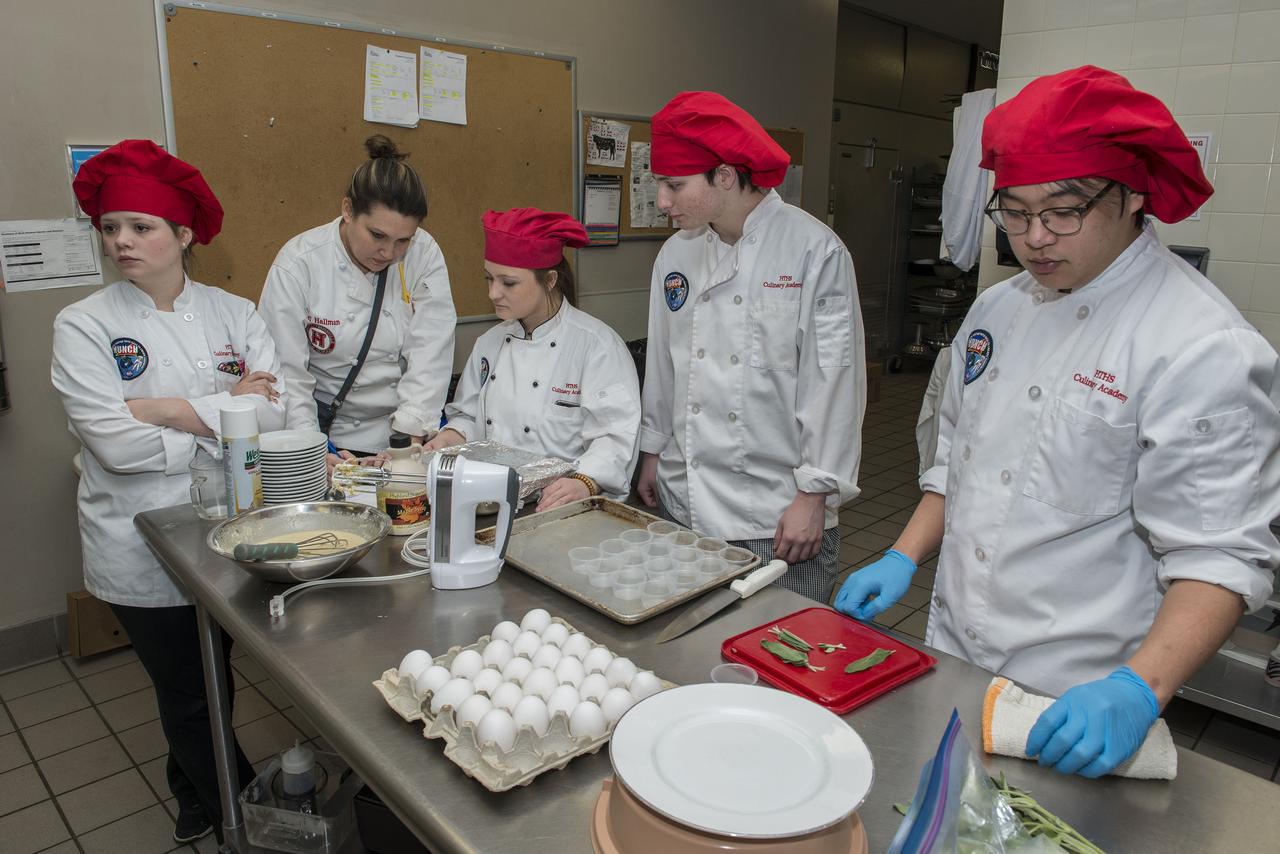
High Schools United with NASA to Create Hardware (HUNCH) students from 6 schools meet at the U.S. Space and Rocket center in order to participate in the annual culinary challenge where students create meals suitable for astronaut use in space. Students in 2018 created different dishes for breakfast dining. Other NASA centers also participate in this program with the top 10 voted recipes being judged at Johnson Space Center.
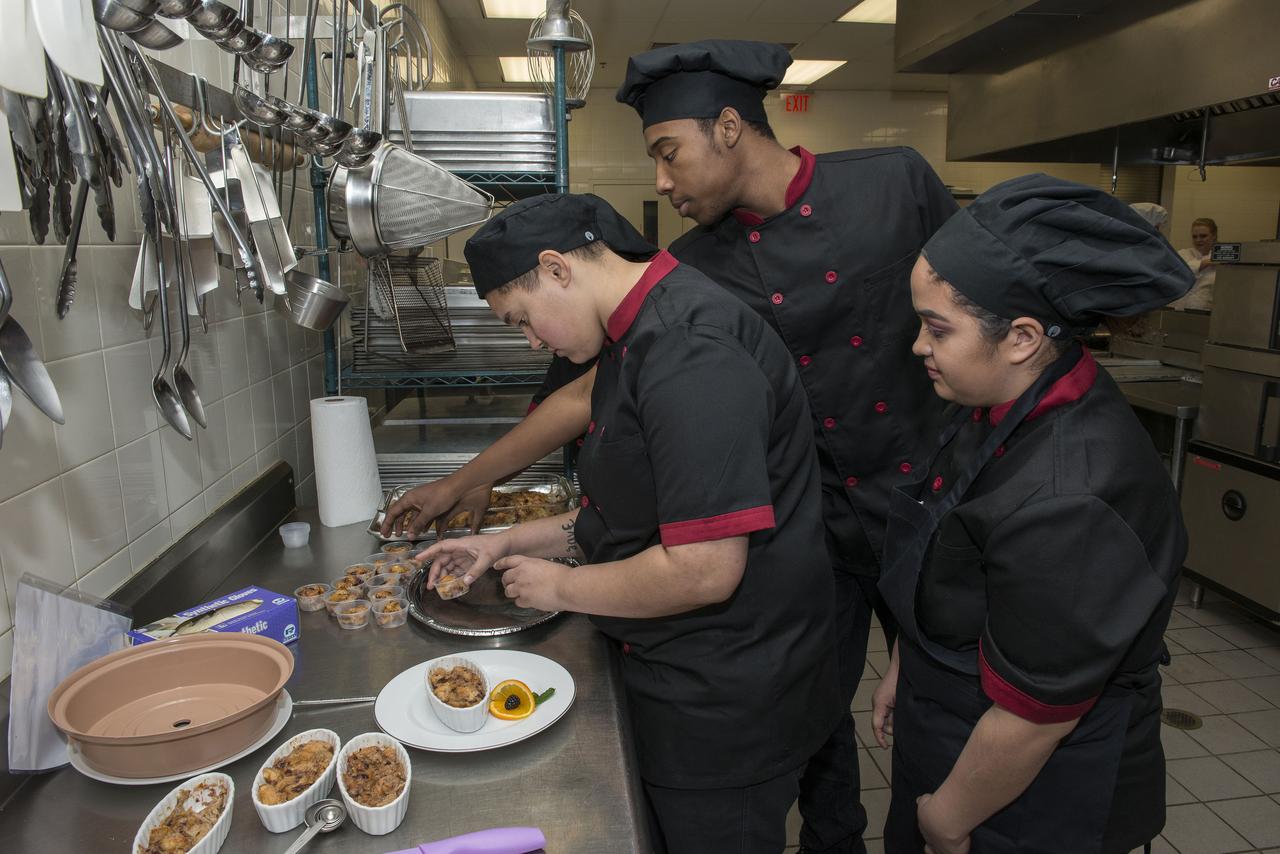
High Schools United with NASA to Create Hardware (HUNCH) students from 6 schools meet at the U.S. Space and Rocket center in order to participate in the annual culinary challenge where students create meals suitable for astronaut use in space. Students in 2018 created different dishes for breakfast dining. Other NASA centers also participate in this program with the top 10 voted recipes being judged at Johnson Space Center.
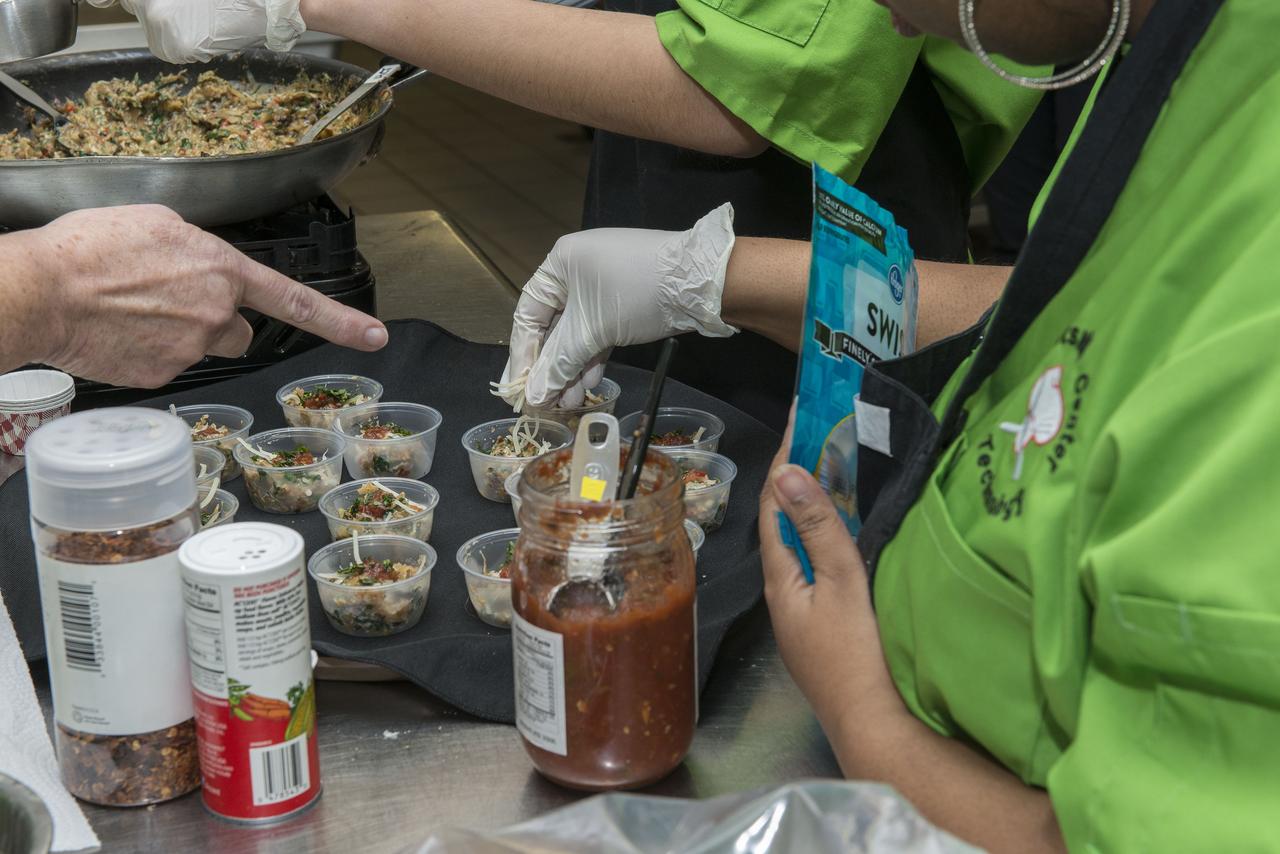
High Schools United with NASA to Create Hardware (HUNCH) students from 6 schools meet at the U.S. Space and Rocket center in order to participate in the annual culinary challenge where students create meals suitable for astronaut use in space. Students in 2018 created different dishes for breakfast dining. Other NASA centers also participate in this program with the top 10 voted recipes being judged at Johnson Space Center.
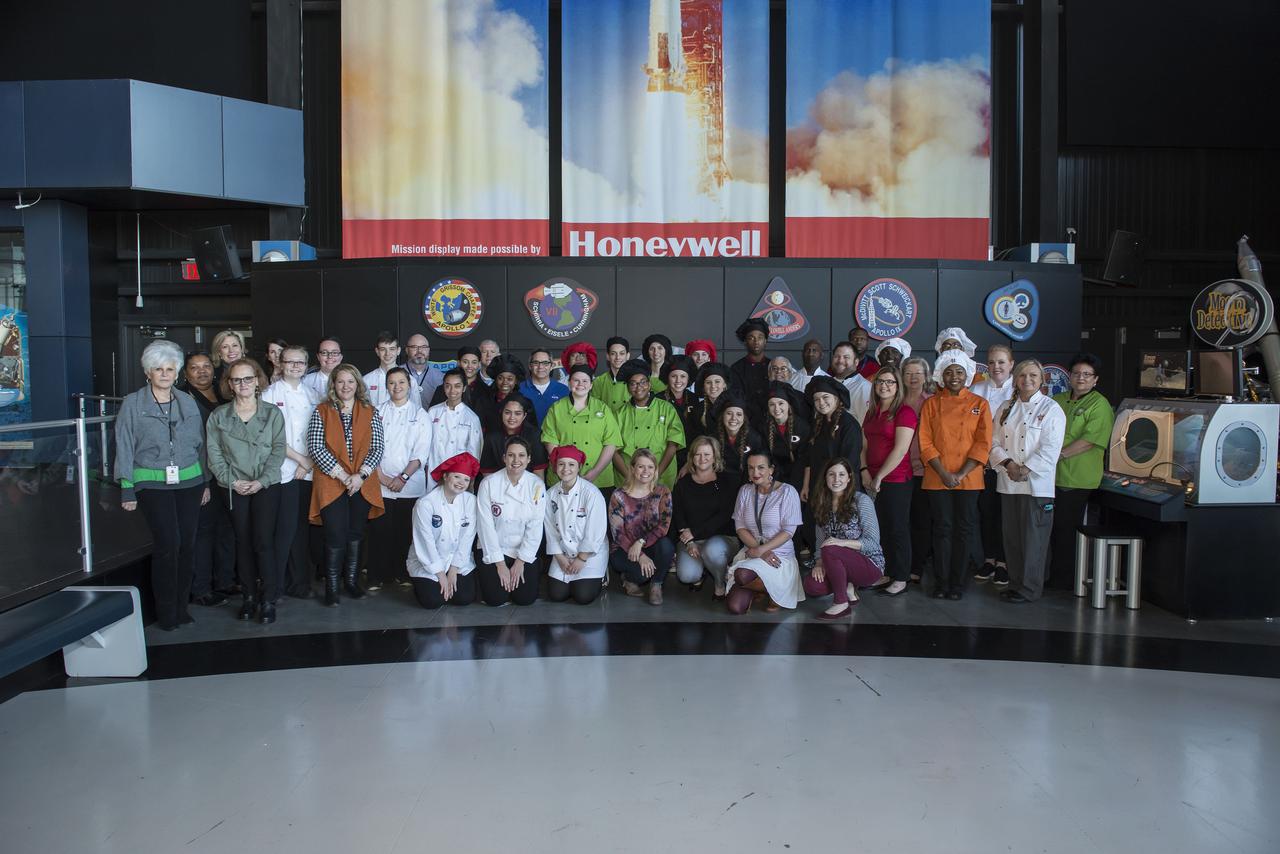
High Schools United with NASA to Create Hardware (HUNCH) students from 6 schools meet at the U.S. Space and Rocket center in order to participate in the annual culinary challenge where students create meals suitable for astronaut use in space. Students in 2018 created different dishes for breakfast dining. Other NASA centers also participate in this program with the top 10 voted recipes being judged at Johnson Space Center.
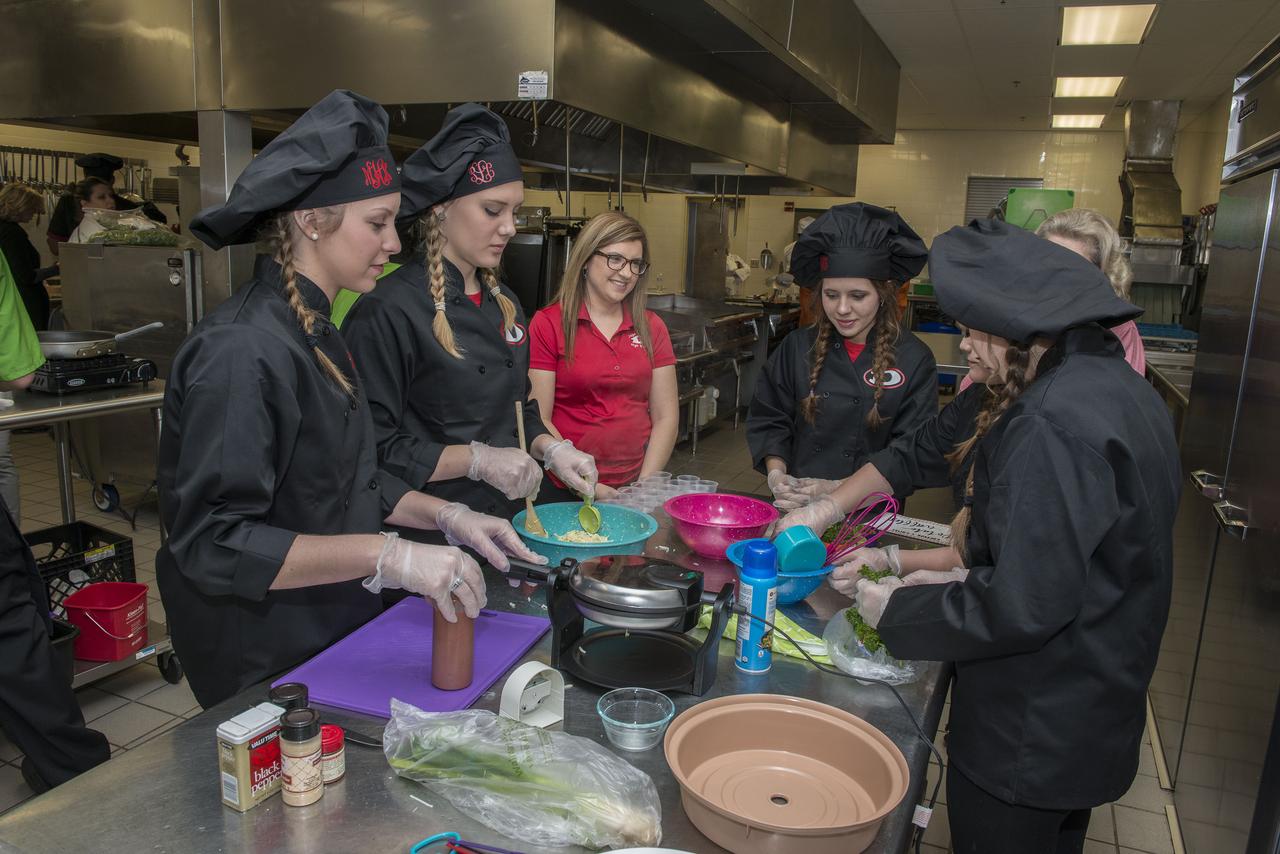
High Schools United with NASA to Create Hardware (HUNCH) students from 6 schools meet at the U.S. Space and Rocket center in order to participate in the annual culinary challenge where students create meals suitable for astronaut use in space. Students in 2018 created different dishes for breakfast dining. Other NASA centers also participate in this program with the top 10 voted recipes being judged at Johnson Space Center.
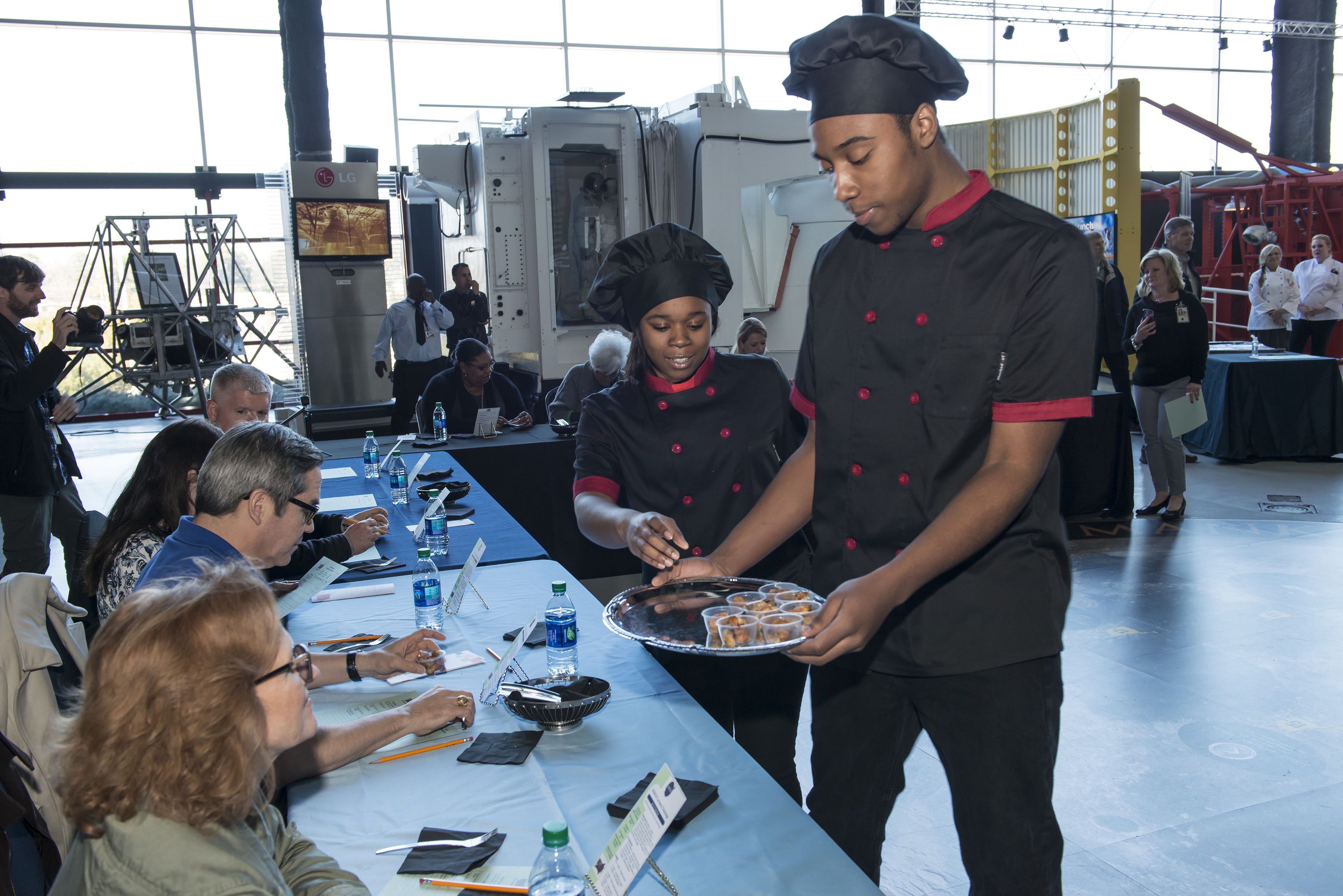
High Schools United with NASA to Create Hardware (HUNCH) students from 6 schools meet at the U.S. Space and Rocket center in order to participate in the annual culinary challenge where students create meals suitable for astronaut use in space. Students in 2018 created different dishes for breakfast dining. Other NASA centers also participate in this program with the top 10 voted recipes being judged at Johnson Space Center.
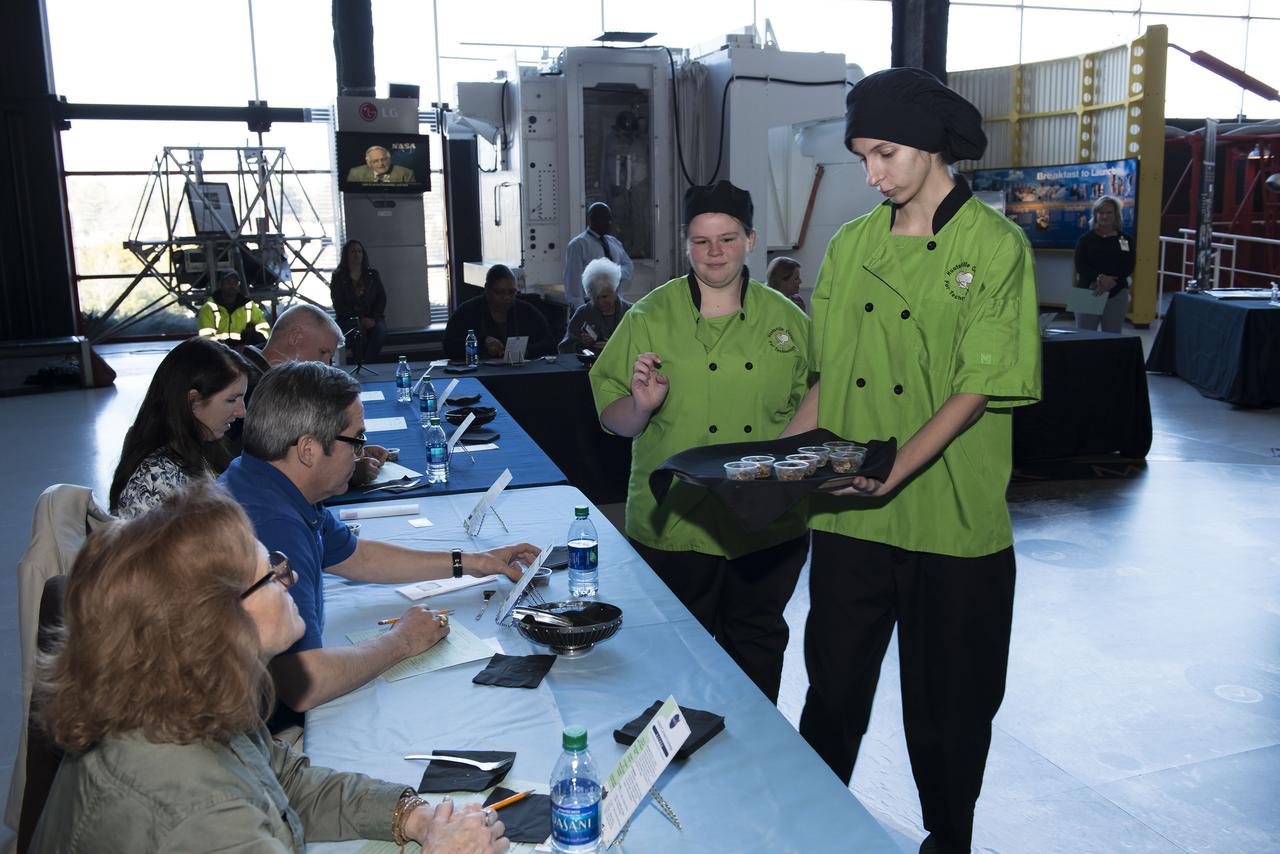
High Schools United with NASA to Create Hardware (HUNCH) students from 6 schools meet at the U.S. Space and Rocket center in order to participate in the annual culinary challenge where students create meals suitable for astronaut use in space. Students in 2018 created different dishes for breakfast dining. Other NASA centers also participate in this program with the top 10 voted recipes being judged at Johnson Space Center.
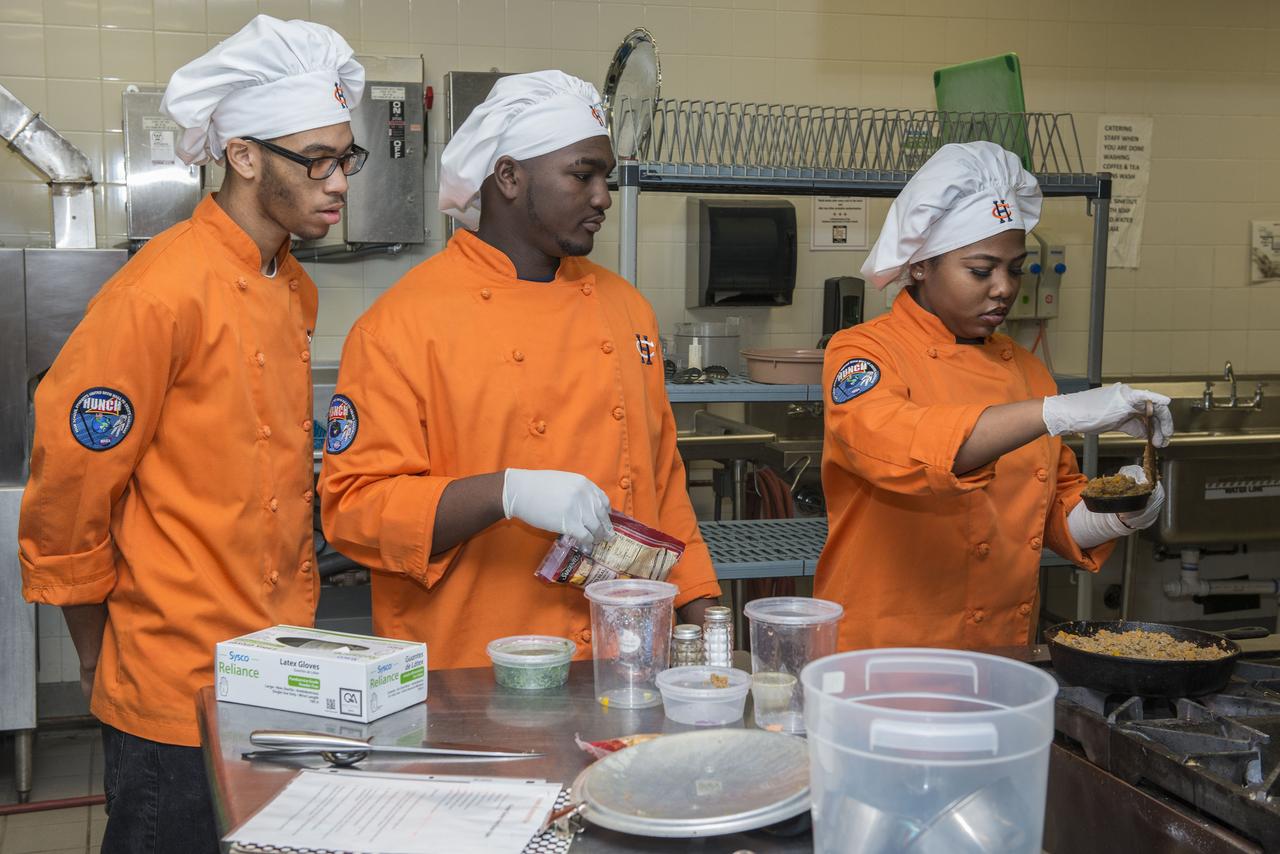
High Schools United with NASA to Create Hardware (HUNCH) students from 6 schools meet at the U.S. Space and Rocket center in order to participate in the annual culinary challenge where students create meals suitable for astronaut use in space. Students in 2018 created different dishes for breakfast dining. Other NASA centers also participate in this program with the top 10 voted recipes being judged at Johnson Space Center.
High Schools United with NASA to Create Hardware (HUNCH) students from 6 schools meet at the U.S. Space and Rocket center in order to participate in the annual culinary challenge where students create meals suitable for astronaut use in space. Students in 2018 created different dishes for breakfast dining. Other NASA centers also participate in this program with the top 10 voted recipes being judged at Johnson Space Center.
High Schools United with NASA to Create Hardware (HUNCH) students from 6 schools meet at the U.S. Space and Rocket center in order to participate in the annual culinary challenge where students create meals suitable for astronaut use in space. Students in 2018 created different dishes for breakfast dining. Other NASA centers also participate in this program with the top 10 voted recipes being judged at Johnson Space Center.
High Schools United with NASA to Create Hardware (HUNCH) students from 6 schools meet at the U.S. Space and Rocket center in order to participate in the annual culinary challenge where students create meals suitable for astronaut use in space. Students in 2018 created different dishes for breakfast dining. Other NASA centers also participate in this program with the top 10 voted recipes being judged at Johnson Space Center.
High Schools United with NASA to Create Hardware (HUNCH) students from 6 schools meet at the U.S. Space and Rocket center in order to participate in the annual culinary challenge where students create meals suitable for astronaut use in space. Students in 2018 created different dishes for breakfast dining. Other NASA centers also participate in this program with the top 10 voted recipes being judged at Johnson Space Center.
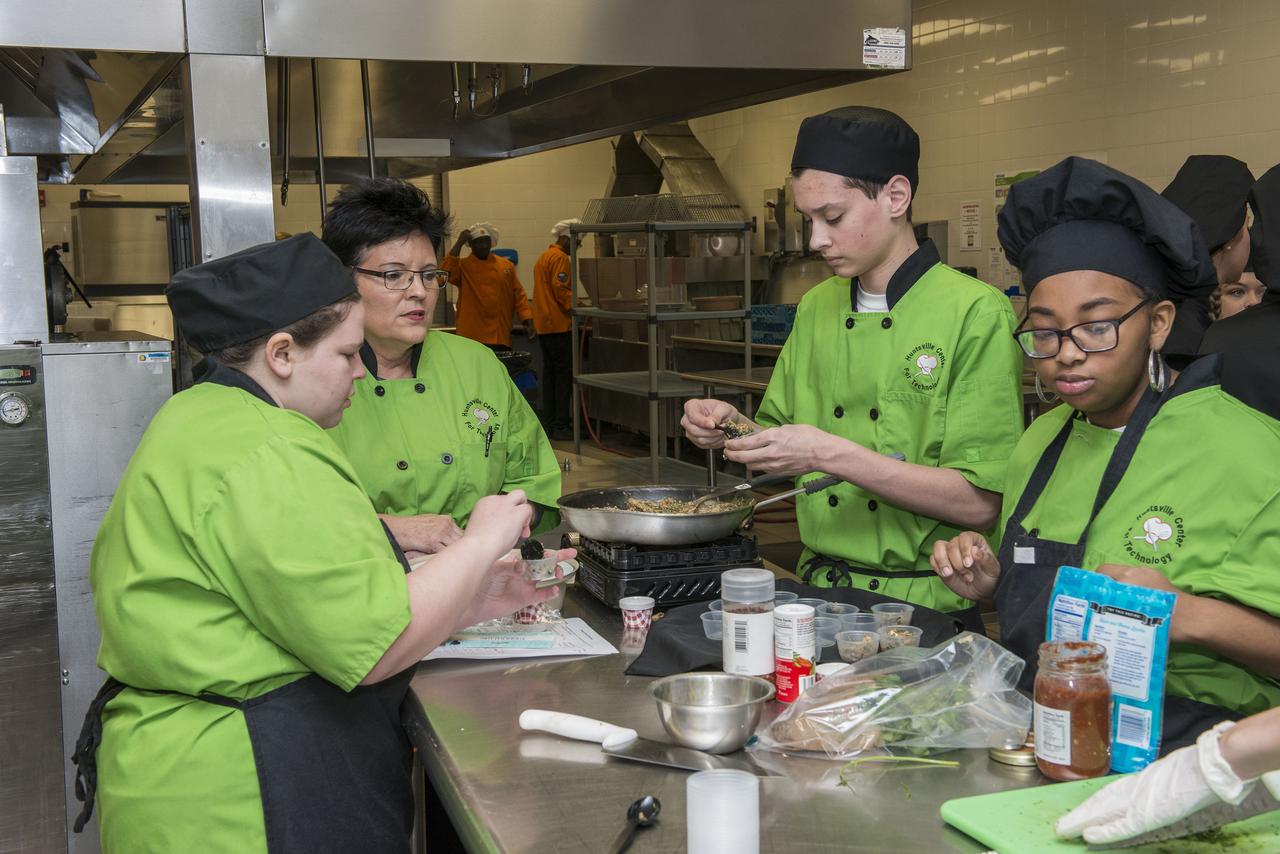
High Schools United with NASA to Create Hardware (HUNCH) students from 6 schools meet at the U.S. Space and Rocket center in order to participate in the annual culinary challenge where students create meals suitable for astronaut use in space. Students in 2018 created different dishes for breakfast dining. Other NASA centers also participate in this program with the top 10 voted recipes being judged at Johnson Space Center.
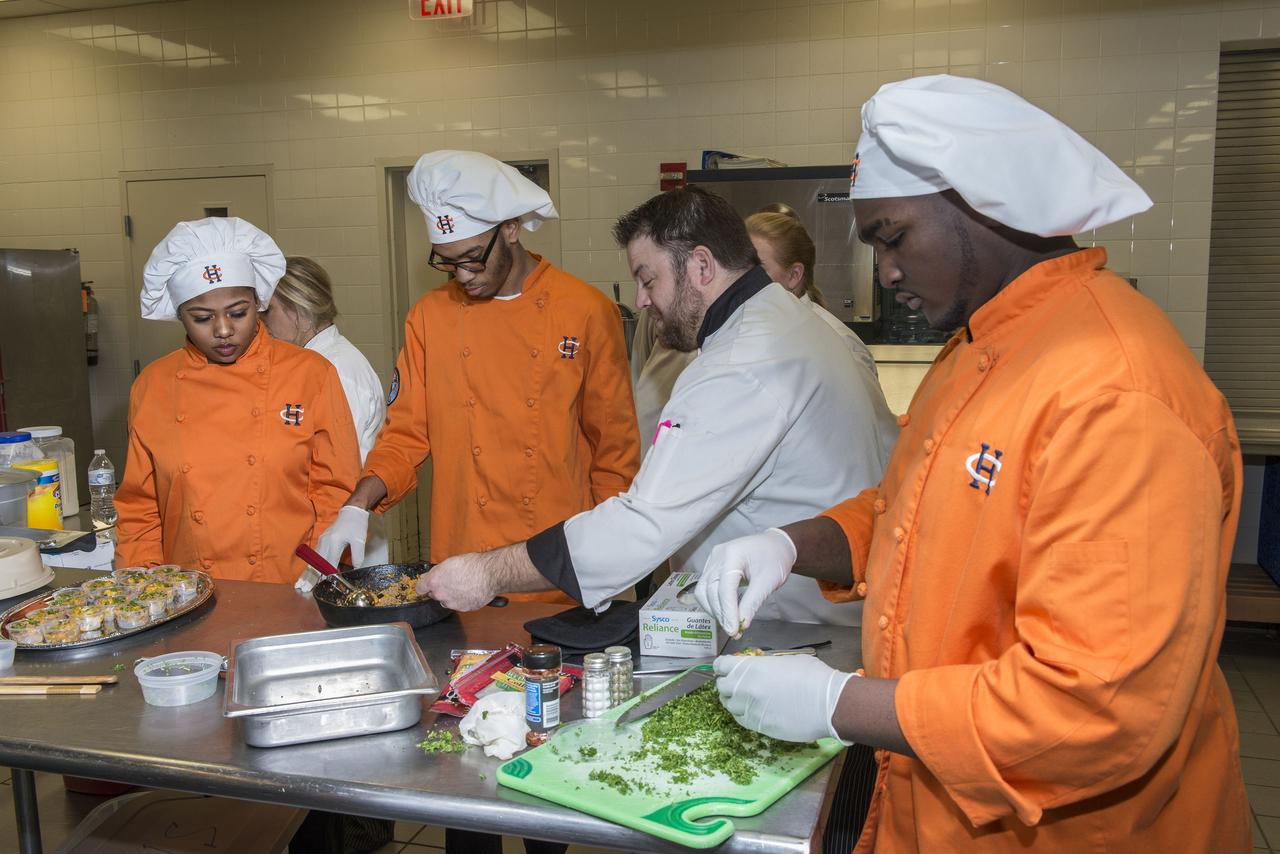
High Schools United with NASA to Create Hardware (HUNCH) students from 6 schools meet at the U.S. Space and Rocket center in order to participate in the annual culinary challenge where students create meals suitable for astronaut use in space. Students in 2018 created different dishes for breakfast dining. Other NASA centers also participate in this program with the top 10 voted recipes being judged at Johnson Space Center.
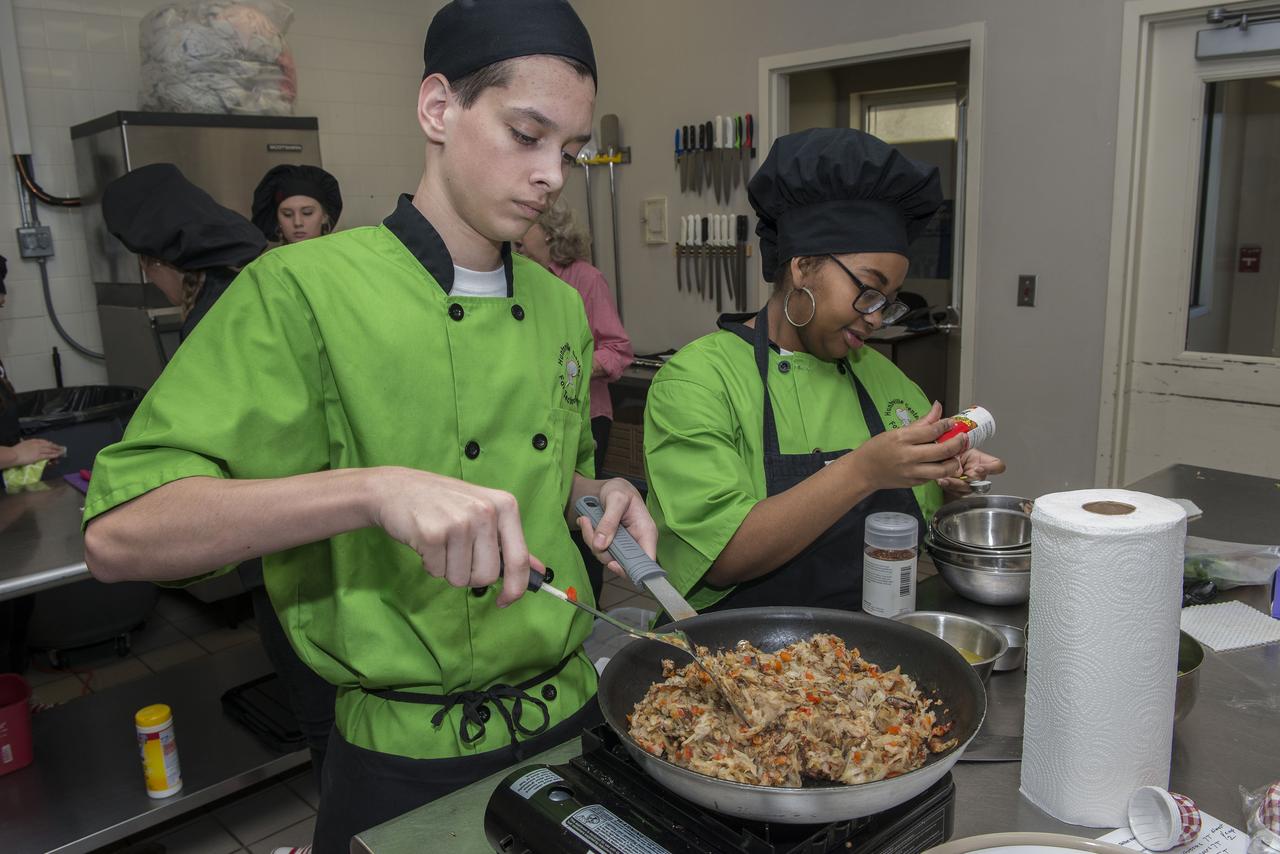
High Schools United with NASA to Create Hardware (HUNCH) students from 6 schools meet at the U.S. Space and Rocket center in order to participate in the annual culinary challenge where students create meals suitable for astronaut use in space. Students in 2018 created different dishes for breakfast dining. Other NASA centers also participate in this program with the top 10 voted recipes being judged at Johnson Space Center.
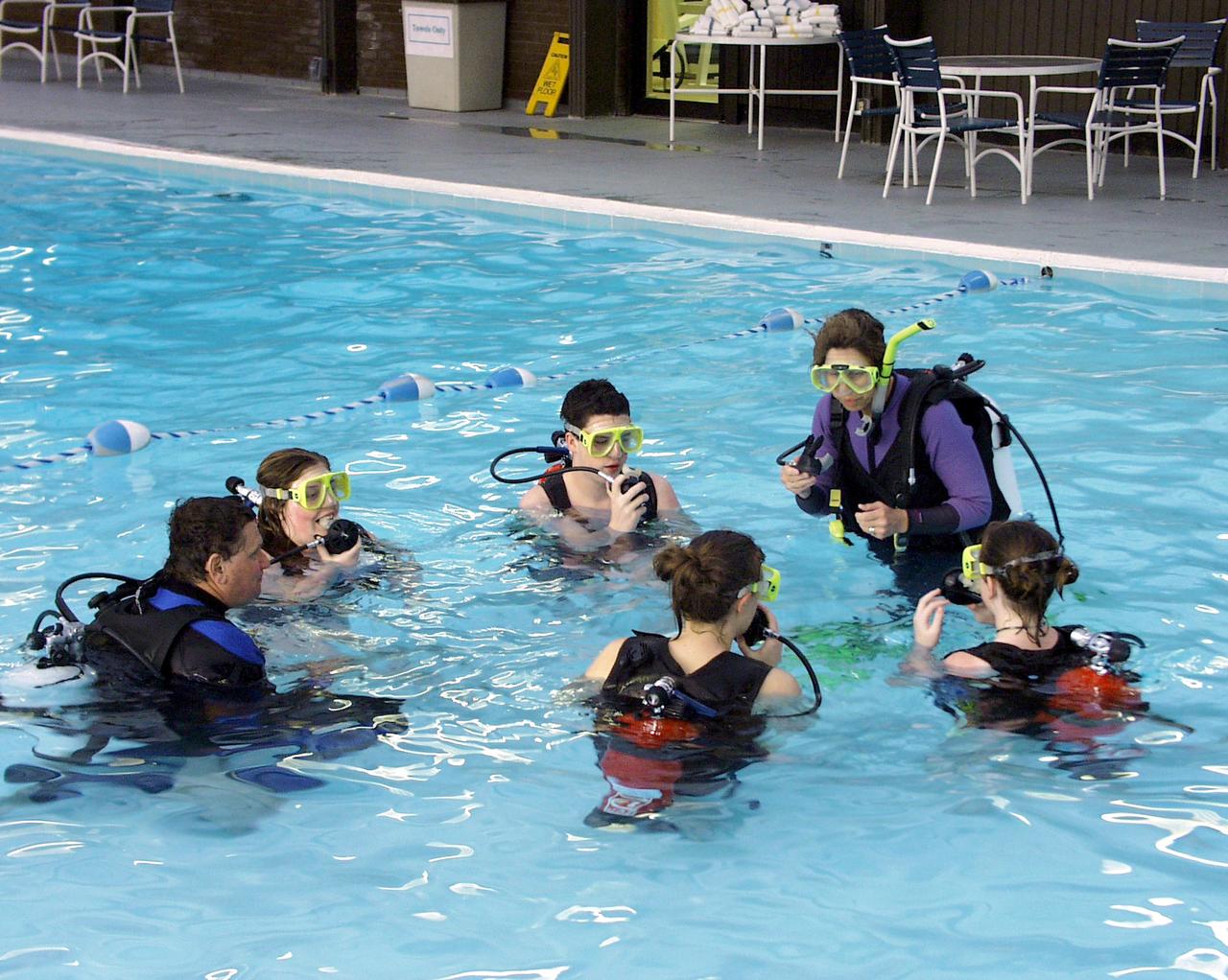
In addition to drop tower activities, students assembled a plastic pipe structure underwater in a SCUBA exercise similar to training astronauts receive at NASA Johnson Space Center. This was part of the second Dropping in a Microgravity Environment (DIME) competition held April 23-25, 2002, at NASA's Glenn Research Center. Competitors included two teams from Sycamore High School, Cincinnati, OH, and one each from Bay High School, Bay Village, OH, and COSI Academy, Columbus, OH. DIME is part of NASA's education and outreach activities. Details are on line at http://microgravity.grc.nasa.gov/DIME_2002.html.
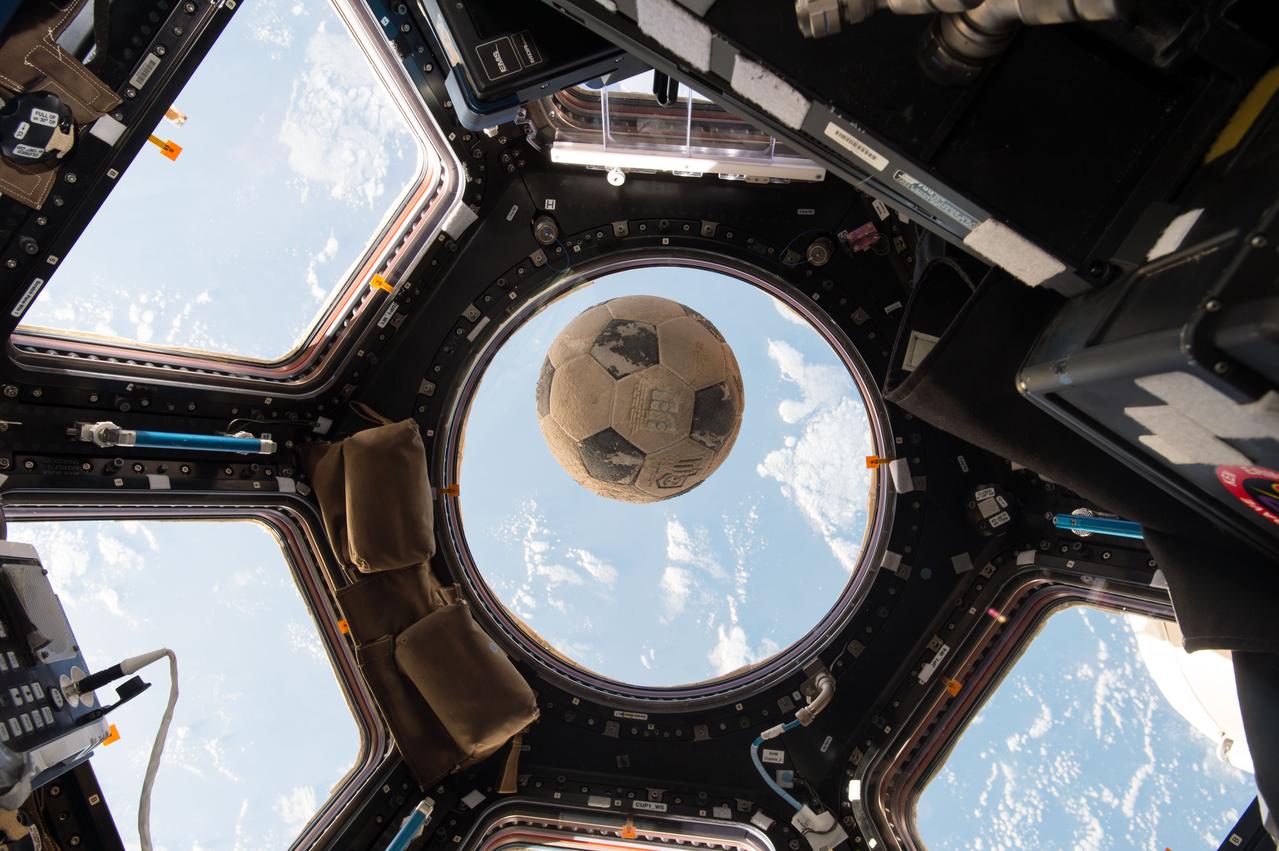
iss050e033912 (01/21/2017) --- A soccer ball originally packed onto space shuttle Challenger in 1986 is now orbiting the Earth on board the International Space Station, 31 years later. The soccer ball was signed and presented to NASA astronaut Ellison Onizuka by soccer players – including his daughter – from Clear Lake High School, near NASA’s Johnson Space Center. Onizuka was one of seven astronauts on board Challenger on Jan. 28, 1986, when it exploded shortly after liftoff. Following the accident, the ball was recovered and returned to the high school, where it has been on display for the past three decades. Its history had begun to fade into obscurity when Principal Karen Engle learned of its origin. Soon after, astronaut Shane Kimbrough, whose son attends Clear Lake High School, offered to carry up a memento on the school’s behalf, and she had the idea to send the soccer ball into space. Kimbrough snapped this photo of the ball floating in front of the station’s Cupola window in advance of Challenger anniversary and NASA’s Day of Remembrance.
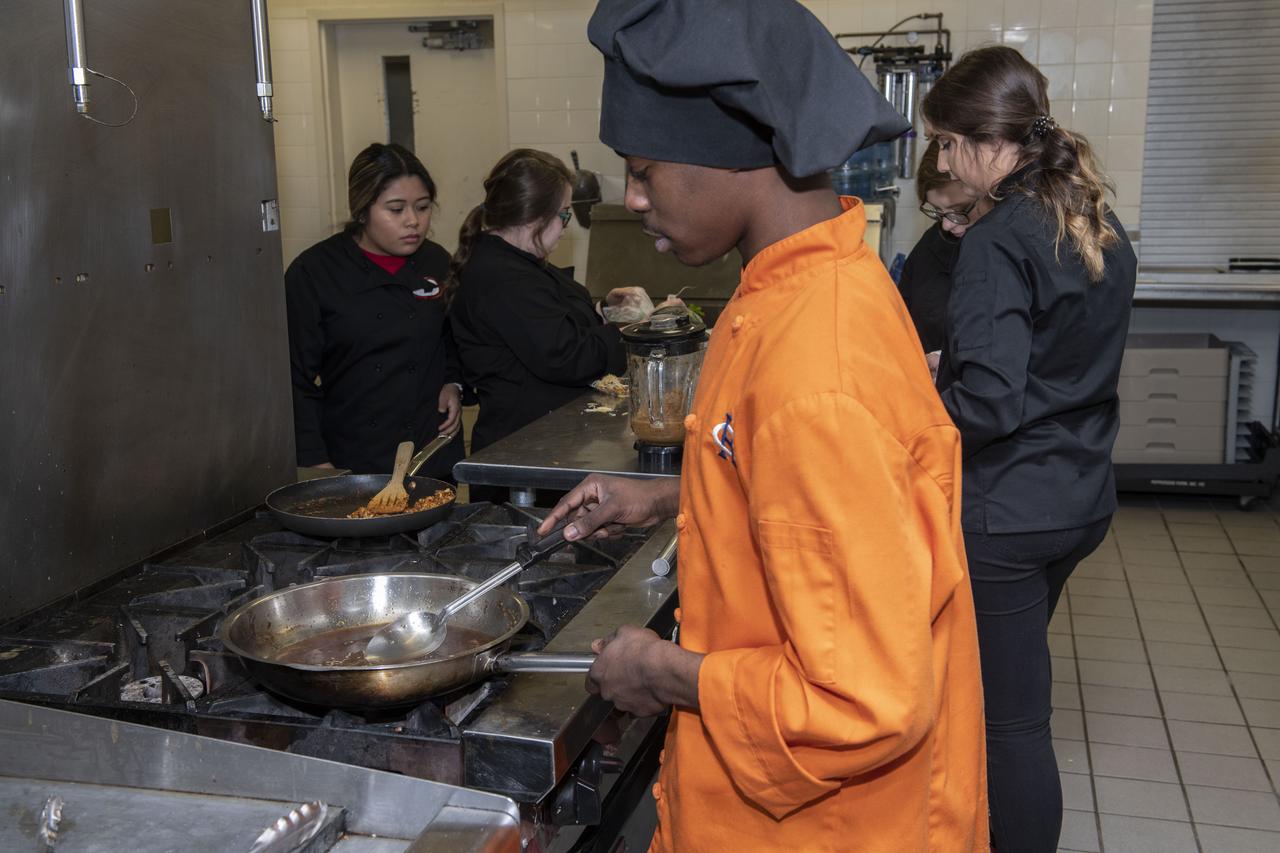
HUNCH (High School Students United with NASA to Create Hardware) students came together at the U.Sl Space and Rocket Center (USSRC) in a competition to create recipes for food to feed astronauts in space. Six teams from North Alabama and George participated. The winner will compete with students from competitions at other NASA centers later at the Johnson Space Flight Center.
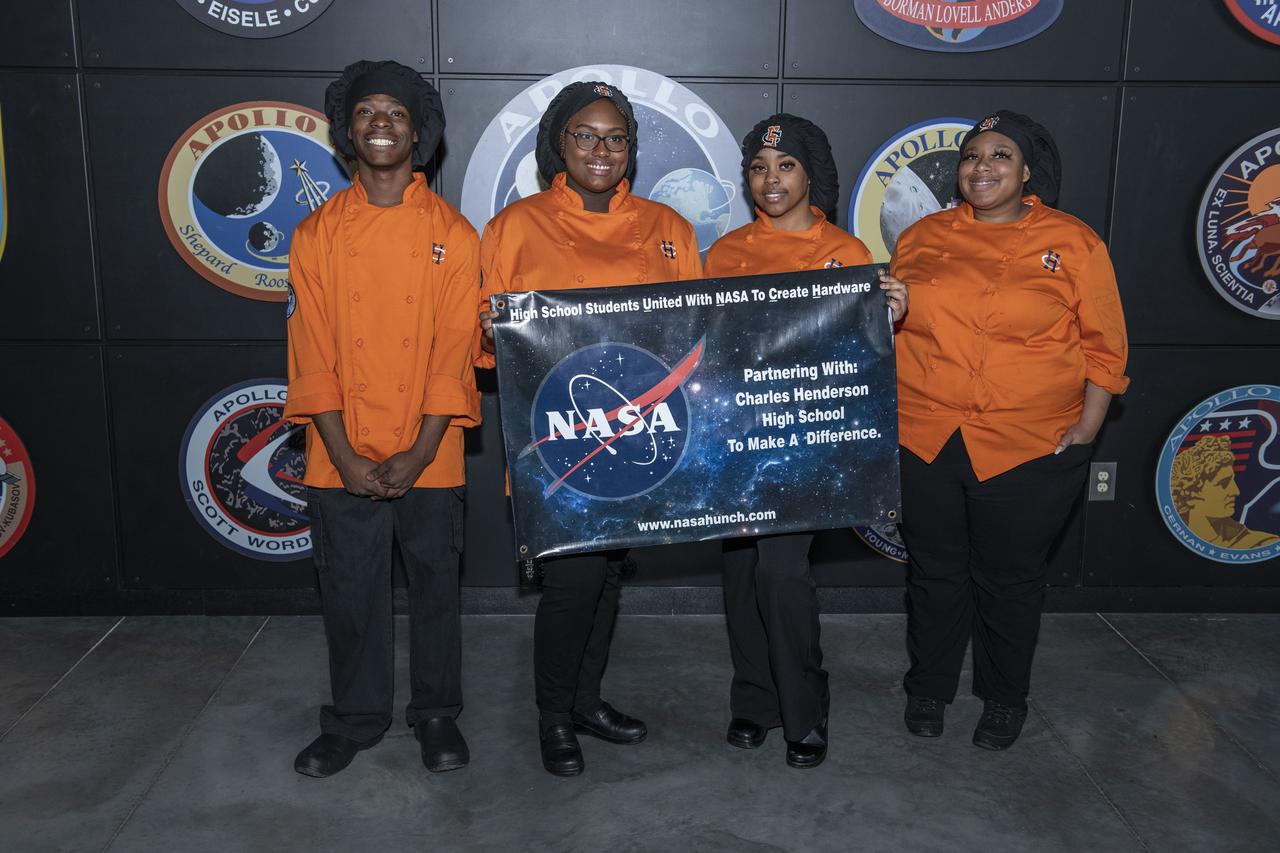
HUNCH (High School Students United with NASA to Create Hardware) students came together at the U.Sl Space and Rocket Center (USSRC) in a competition to create recipes for food to feed astronauts in space. Six teams from North Alabama and George participated. The winner will compete with students from competitions at other NASA centers later at the Johnson Space Flight Center.
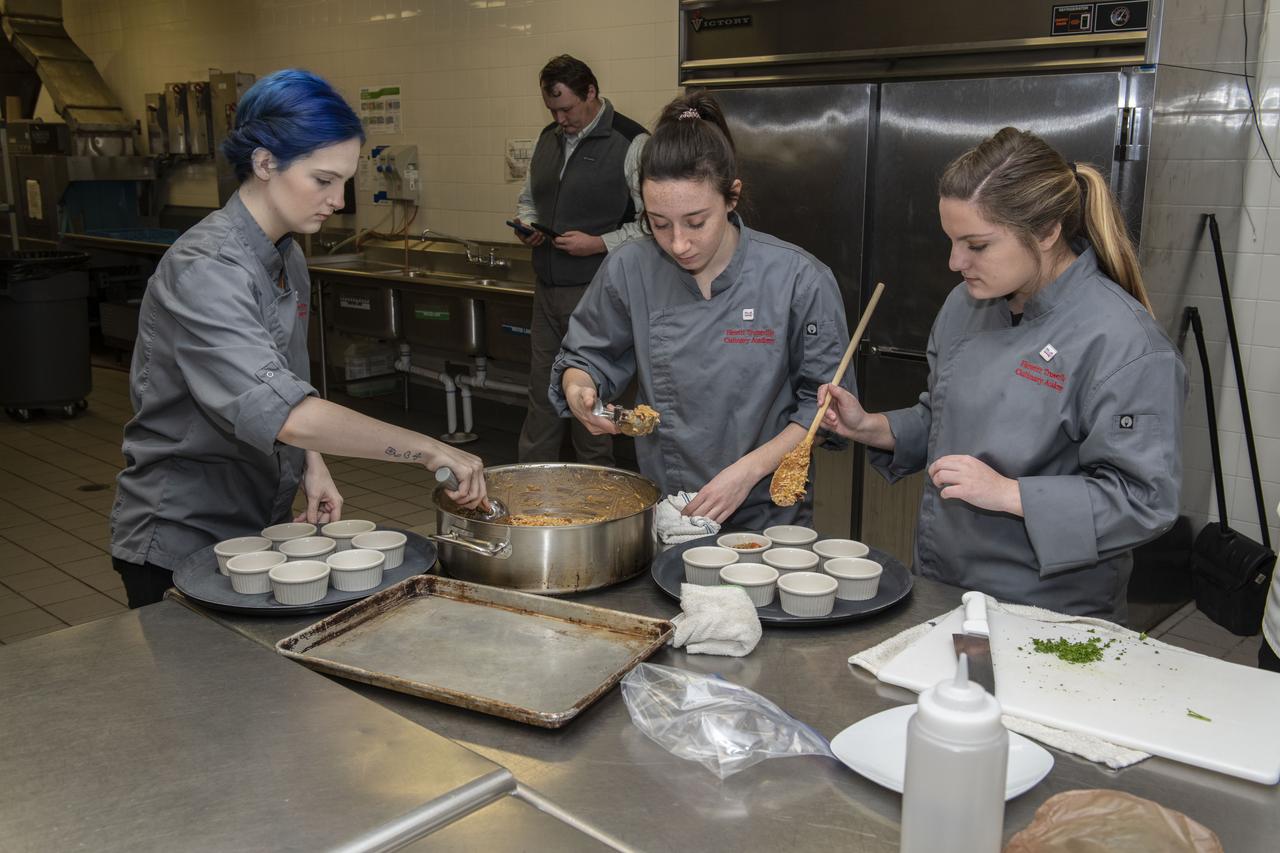
HUNCH (High School Students United with NASA to Create Hardware) students came together at the U.Sl Space and Rocket Center (USSRC) in a competition to create recipes for food to feed astronauts in space. Six teams from North Alabama and George participated. The winner will compete with students from competitions at other NASA centers later at the Johnson Space Flight Center.
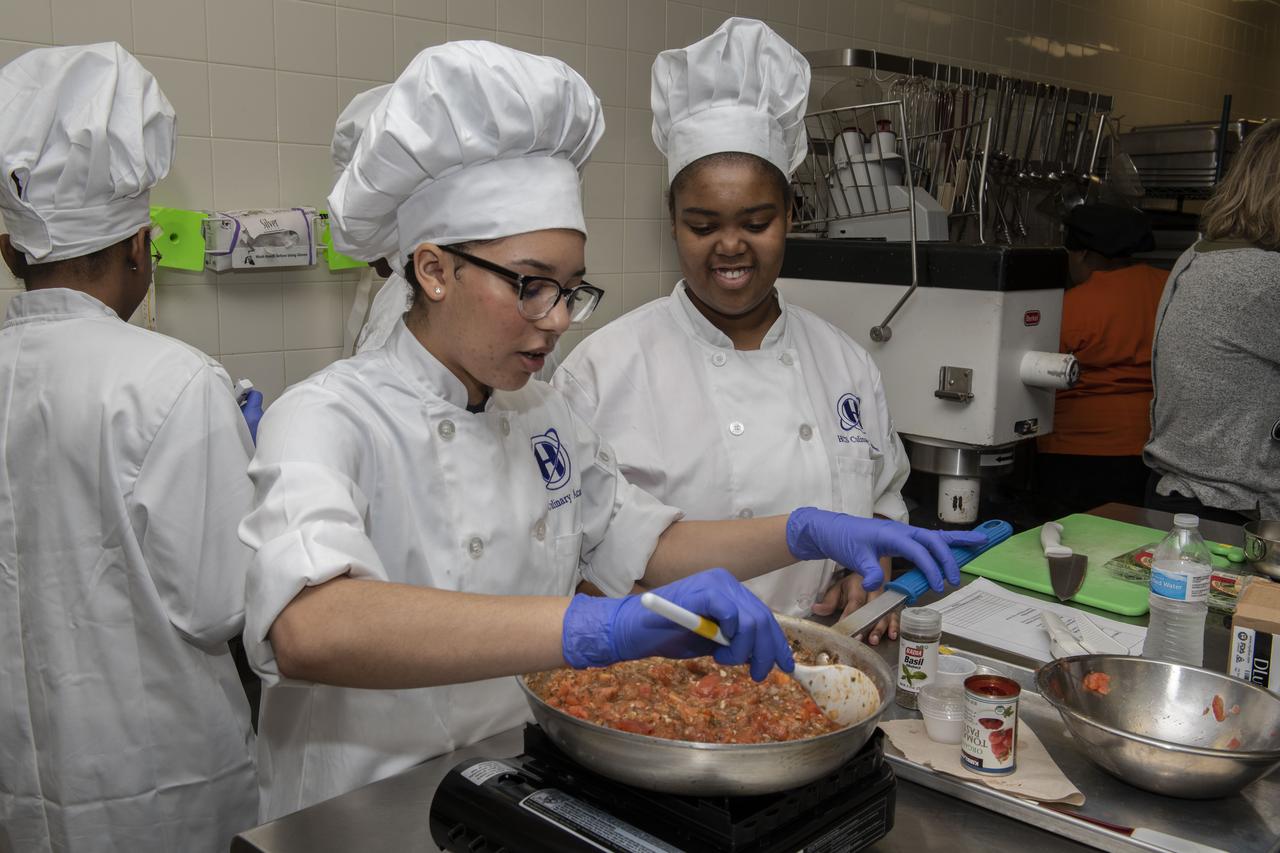
HUNCH (High School Students United with NASA to Create Hardware) students came together at the U.Sl Space and Rocket Center (USSRC) in a competition to create recipes for food to feed astronauts in space. Six teams from North Alabama and George participated. The winner will compete with students from competitions at other NASA centers later at the Johnson Space Flight Center.
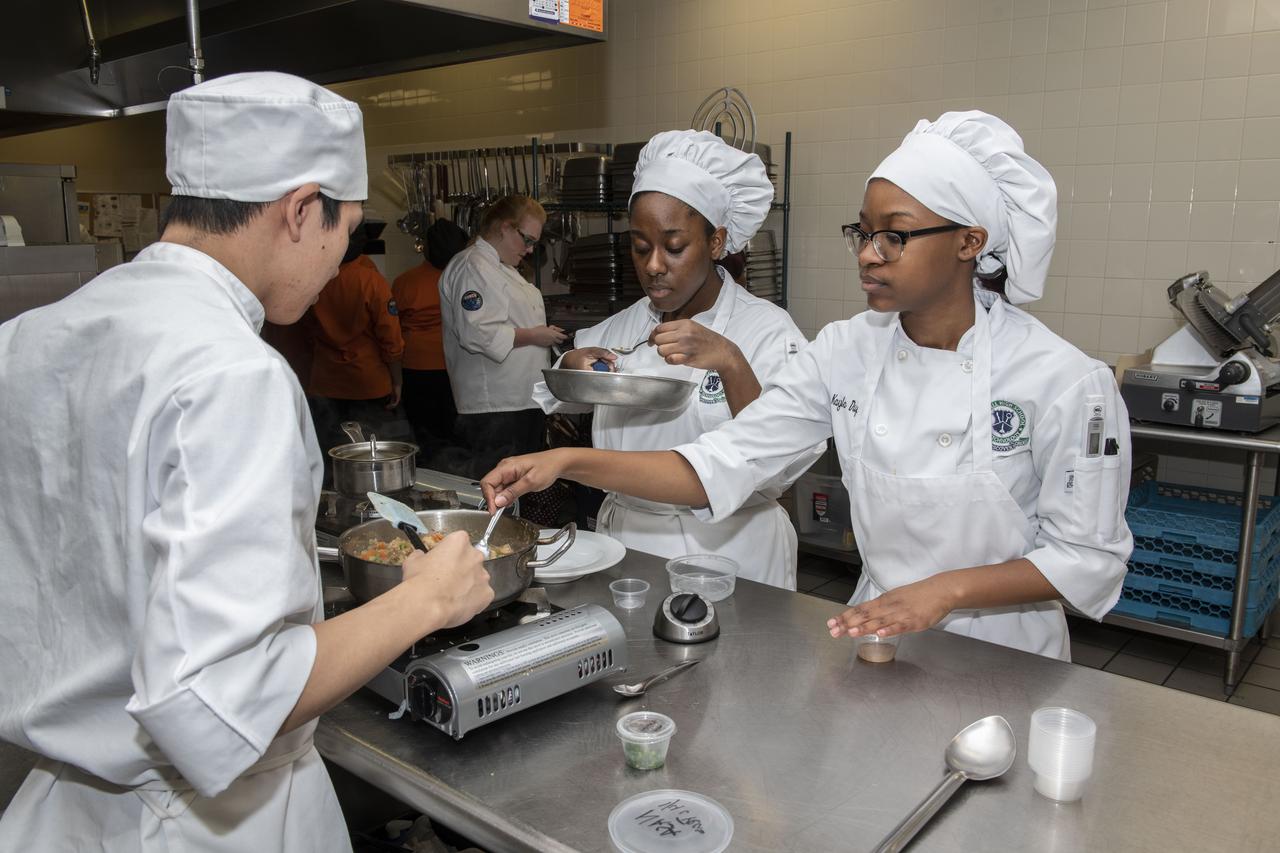
HUNCH (High School Students United with NASA to Create Hardware) students came together at the U.Sl Space and Rocket Center (USSRC) in a competition to create recipes for food to feed astronauts in space. Six teams from North Alabama and George participated. The winner will compete with students from competitions at other NASA centers later at the Johnson Space Flight Center.
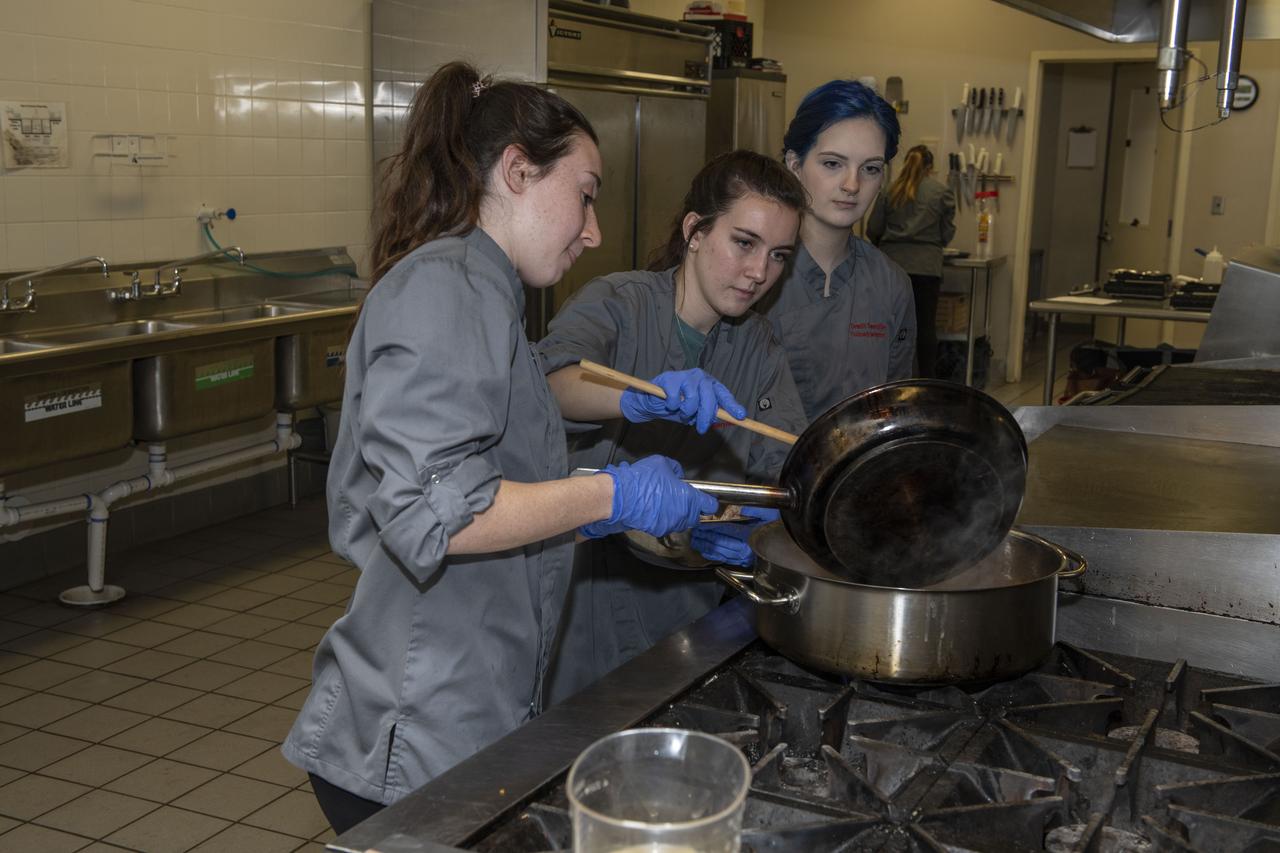
HUNCH (High School Students United with NASA to Create Hardware) students came together at the U.Sl Space and Rocket Center (USSRC) in a competition to create recipes for food to feed astronauts in space. Six teams from North Alabama and George participated. The winner will compete with students from competitions at other NASA centers later at the Johnson Space Flight Center.
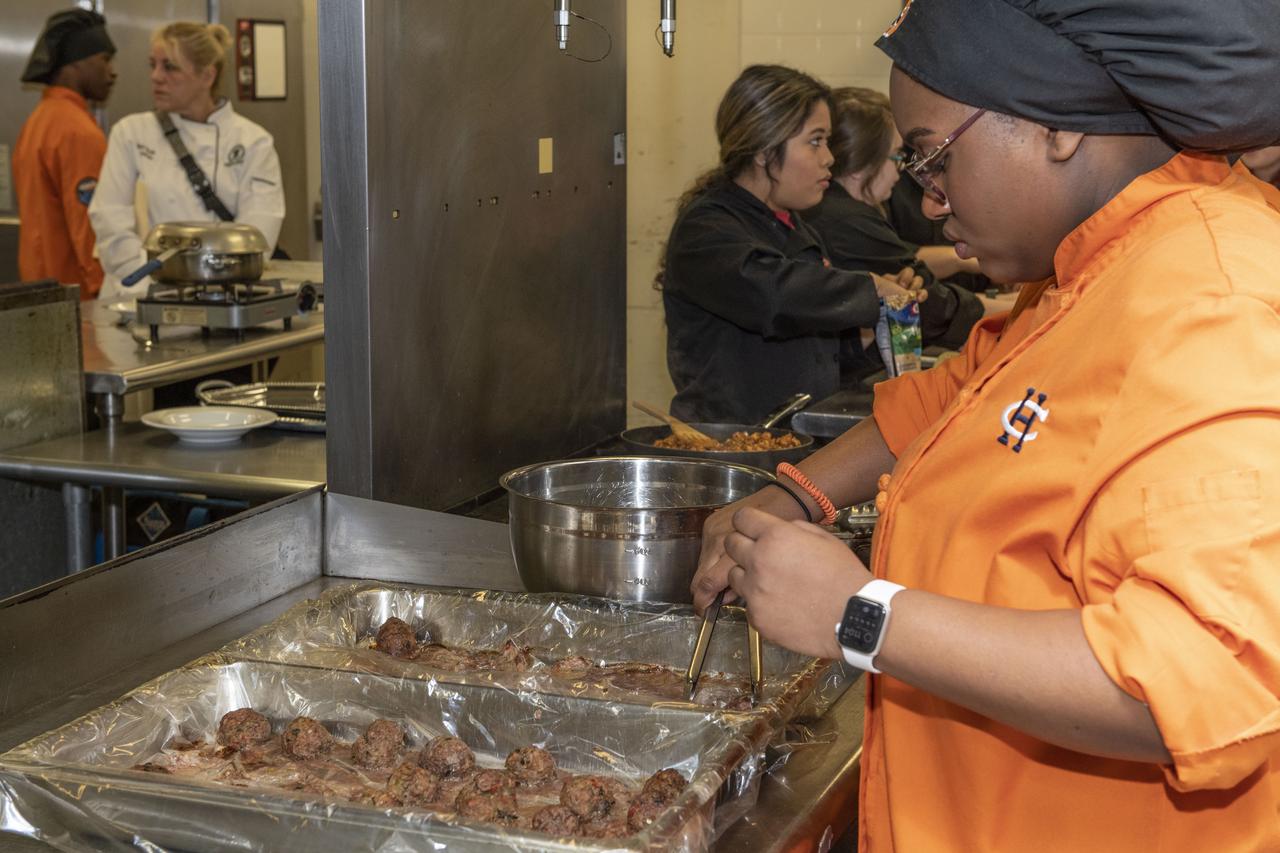
HUNCH (High School Students United with NASA to Create Hardware) students came together at the U.Sl Space and Rocket Center (USSRC) in a competition to create recipes for food to feed astronauts in space. Six teams from North Alabama and George participated. The winner will compete with students from competitions at other NASA centers later at the Johnson Space Flight Center.
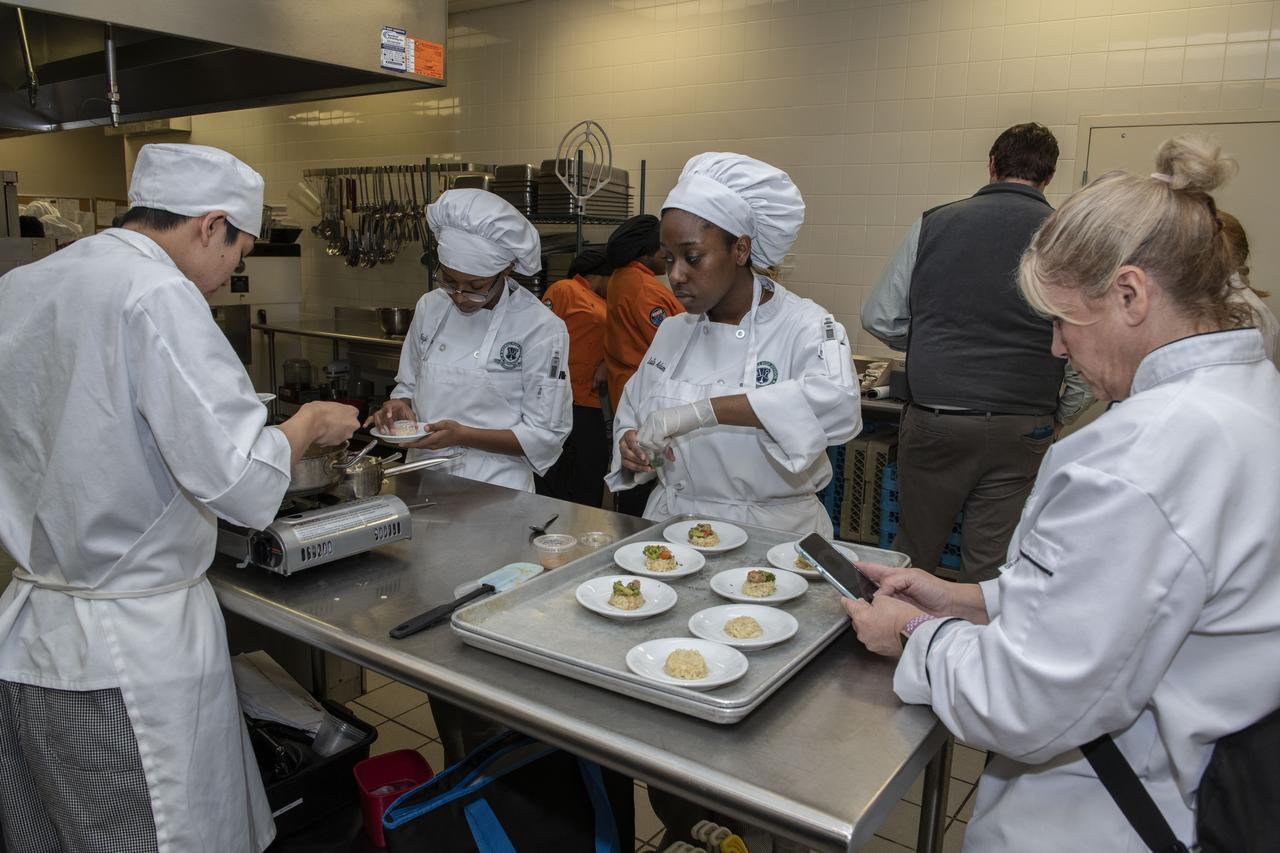
HUNCH (High School Students United with NASA to Create Hardware) students came together at the U.Sl Space and Rocket Center (USSRC) in a competition to create recipes for food to feed astronauts in space. Six teams from North Alabama and George participated. The winner will compete with students from competitions at other NASA centers later at the Johnson Space Flight Center.
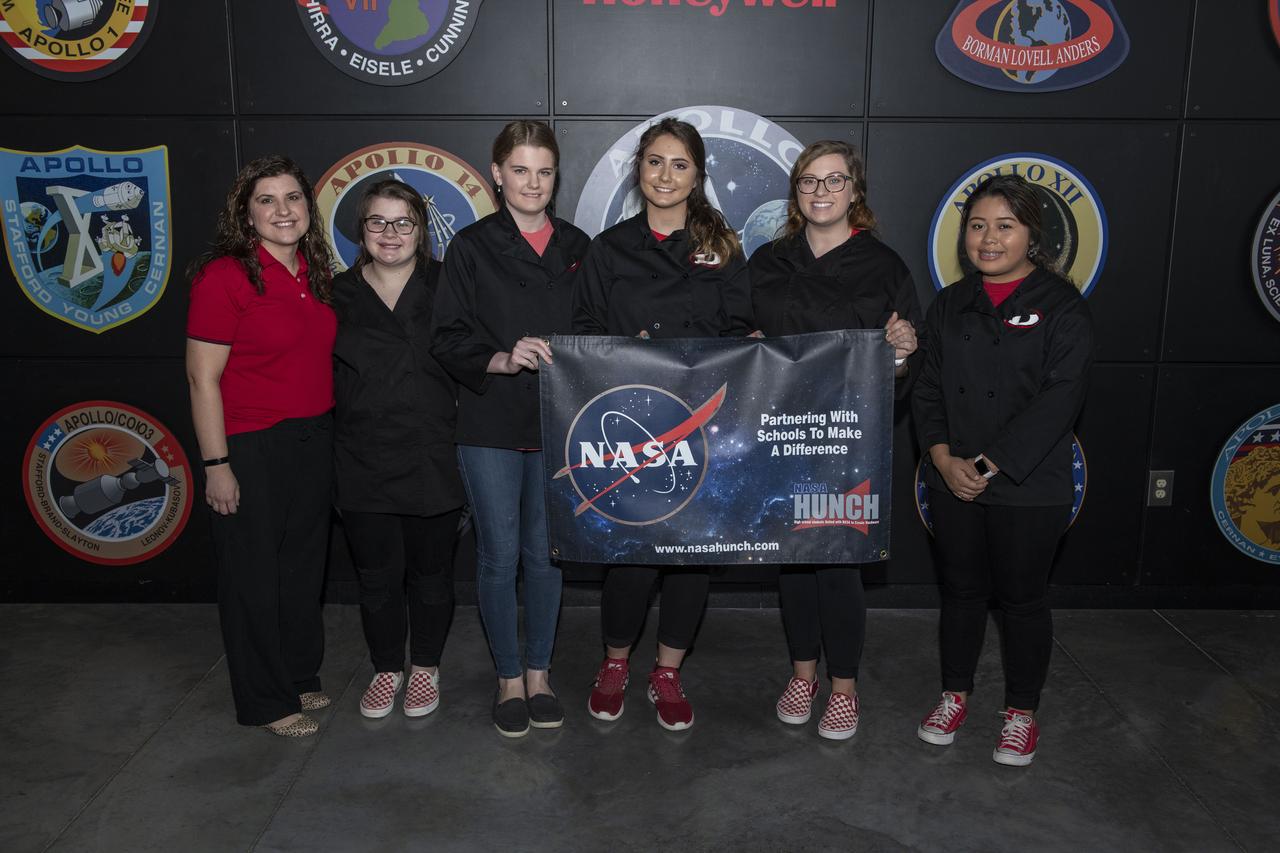
HUNCH (High School Students United with NASA to Create Hardware) students came together at the U.Sl Space and Rocket Center (USSRC) in a competition to create recipes for food to feed astronauts in space. Six teams from North Alabama and George participated. The winner will compete with students from competitions at other NASA centers later at the Johnson Space Flight Center.
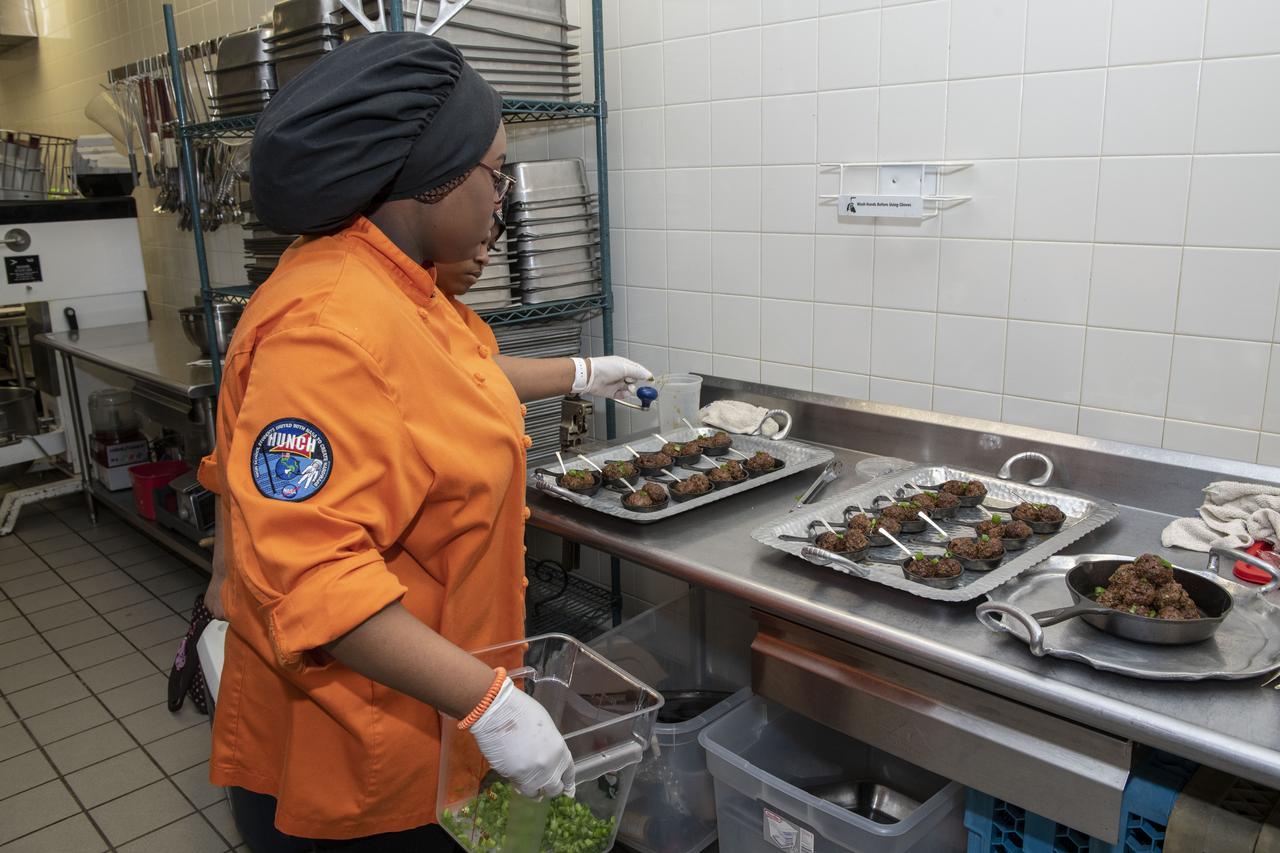
HUNCH (High School Students United with NASA to Create Hardware) students came together at the U.Sl Space and Rocket Center (USSRC) in a competition to create recipes for food to feed astronauts in space. Six teams from North Alabama and George participated. The winner will compete with students from competitions at other NASA centers later at the Johnson Space Flight Center.
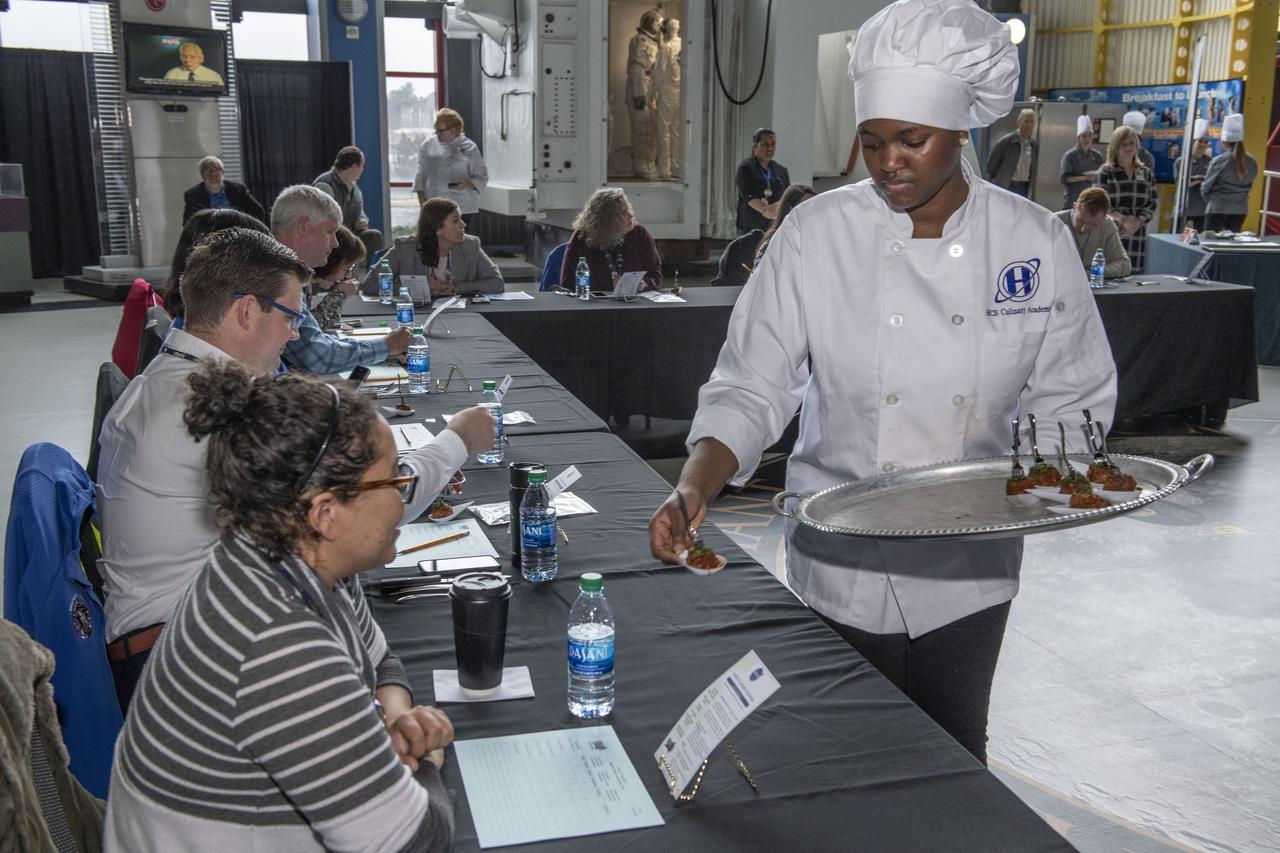
HUNCH (High School Students United with NASA to Create Hardware) students came together at the U.Sl Space and Rocket Center (USSRC) in a competition to create recipes for food to feed astronauts in space. Six teams from North Alabama and George participated. The winner will compete with students from competitions at other NASA centers later at the Johnson Space Flight Center.
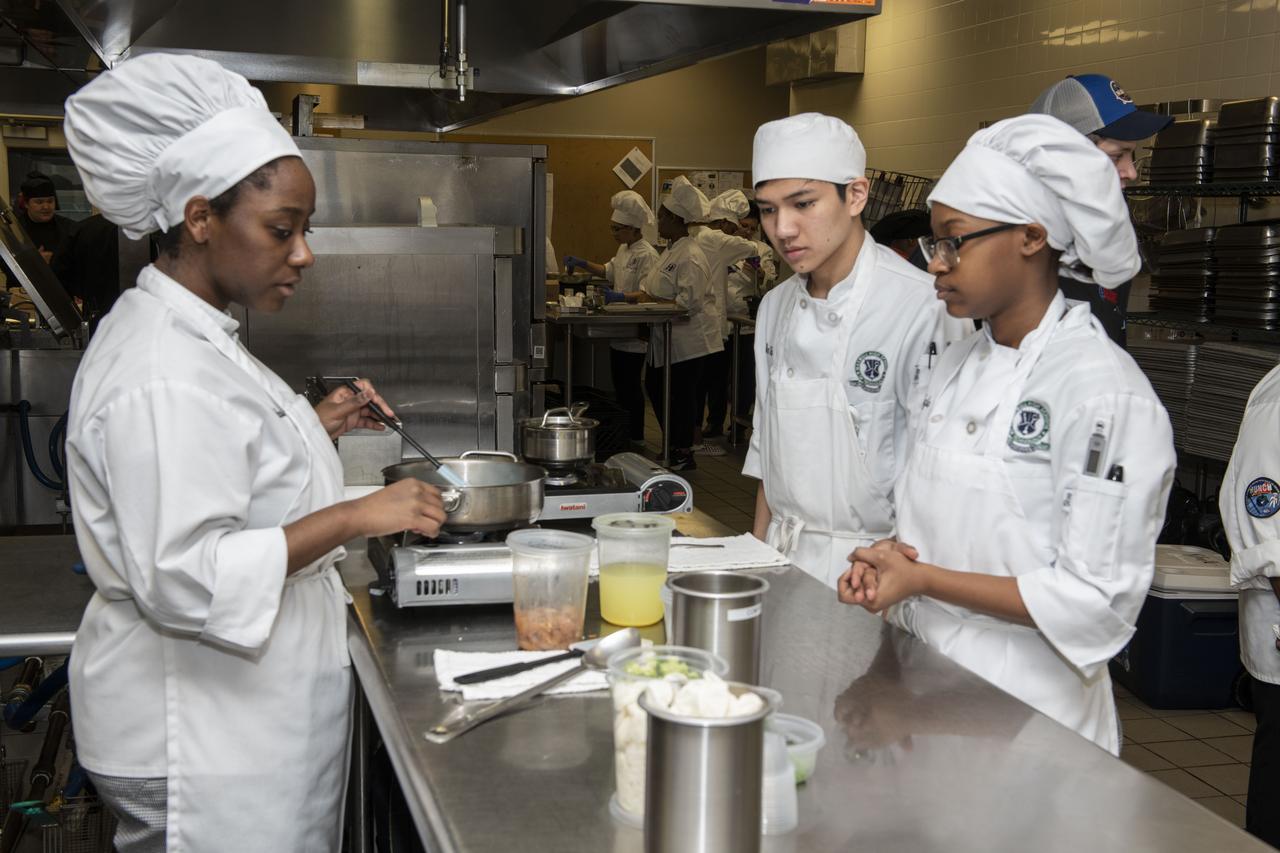
HUNCH (High School Students United with NASA to Create Hardware) students came together at the U.Sl Space and Rocket Center (USSRC) in a competition to create recipes for food to feed astronauts in space. Six teams from North Alabama and George participated. The winner will compete with students from competitions at other NASA centers later at the Johnson Space Flight Center.
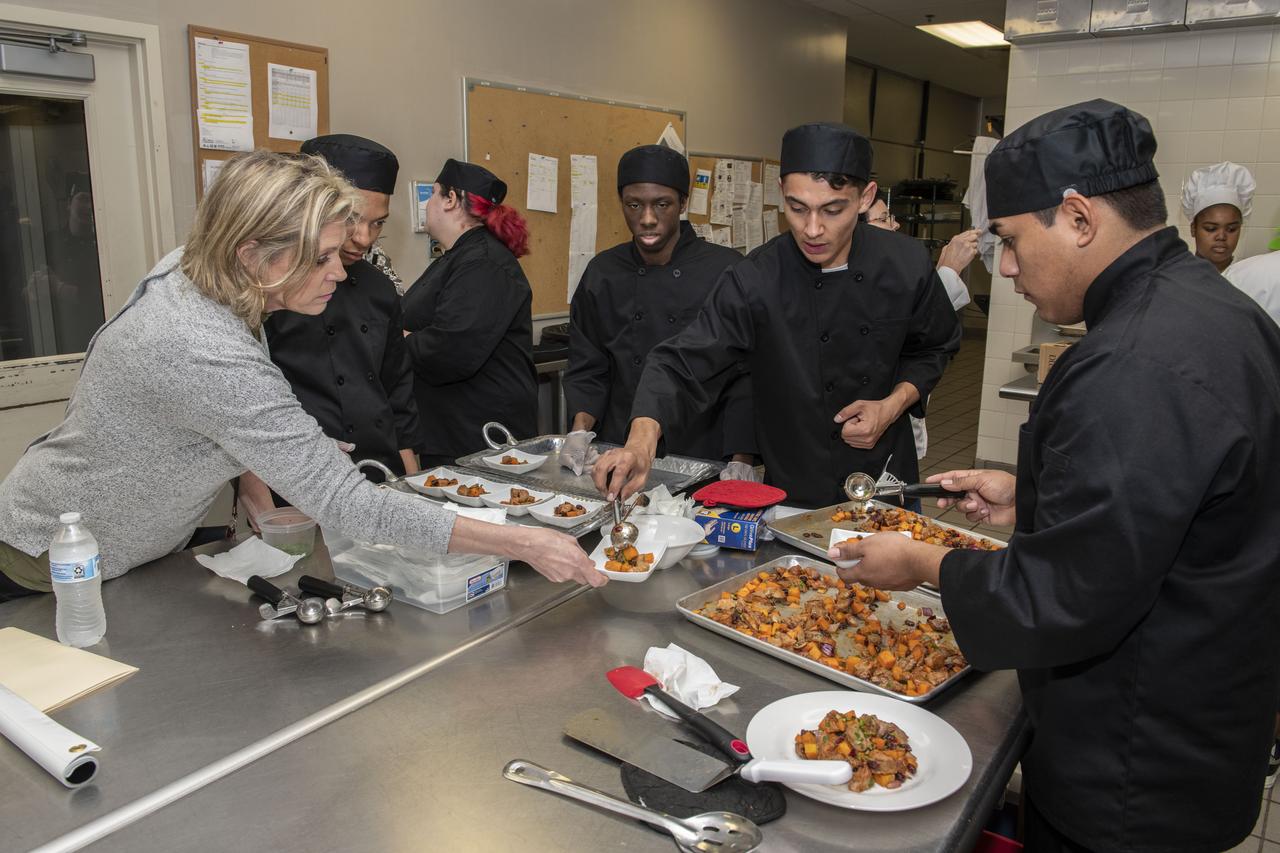
HUNCH (High School Students United with NASA to Create Hardware) students came together at the U.Sl Space and Rocket Center (USSRC) in a competition to create recipes for food to feed astronauts in space. Six teams from North Alabama and George participated. The winner will compete with students from competitions at other NASA centers later at the Johnson Space Flight Center.
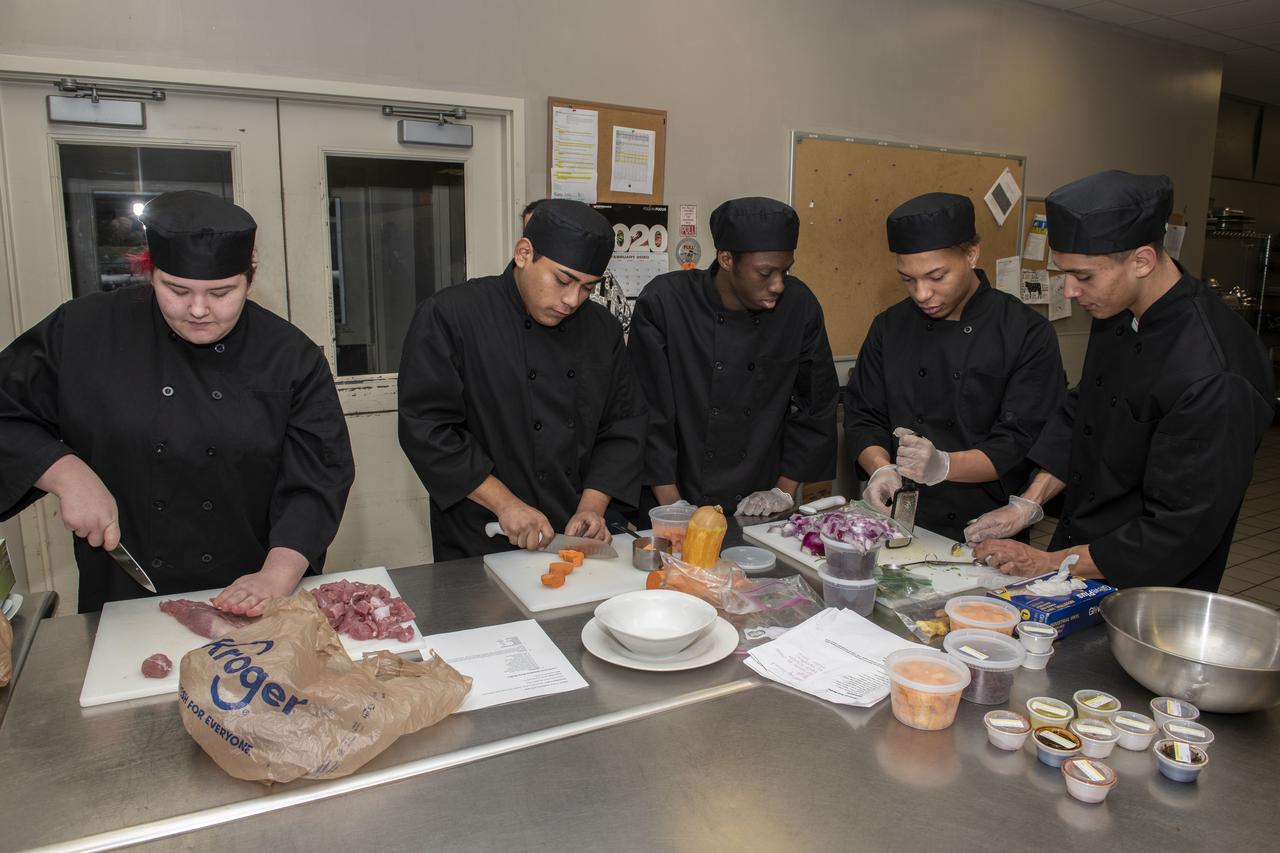
HUNCH (High School Students United with NASA to Create Hardware) students came together at the U.Sl Space and Rocket Center (USSRC) in a competition to create recipes for food to feed astronauts in space. Six teams from North Alabama and George participated. The winner will compete with students from competitions at other NASA centers later at the Johnson Space Flight Center.
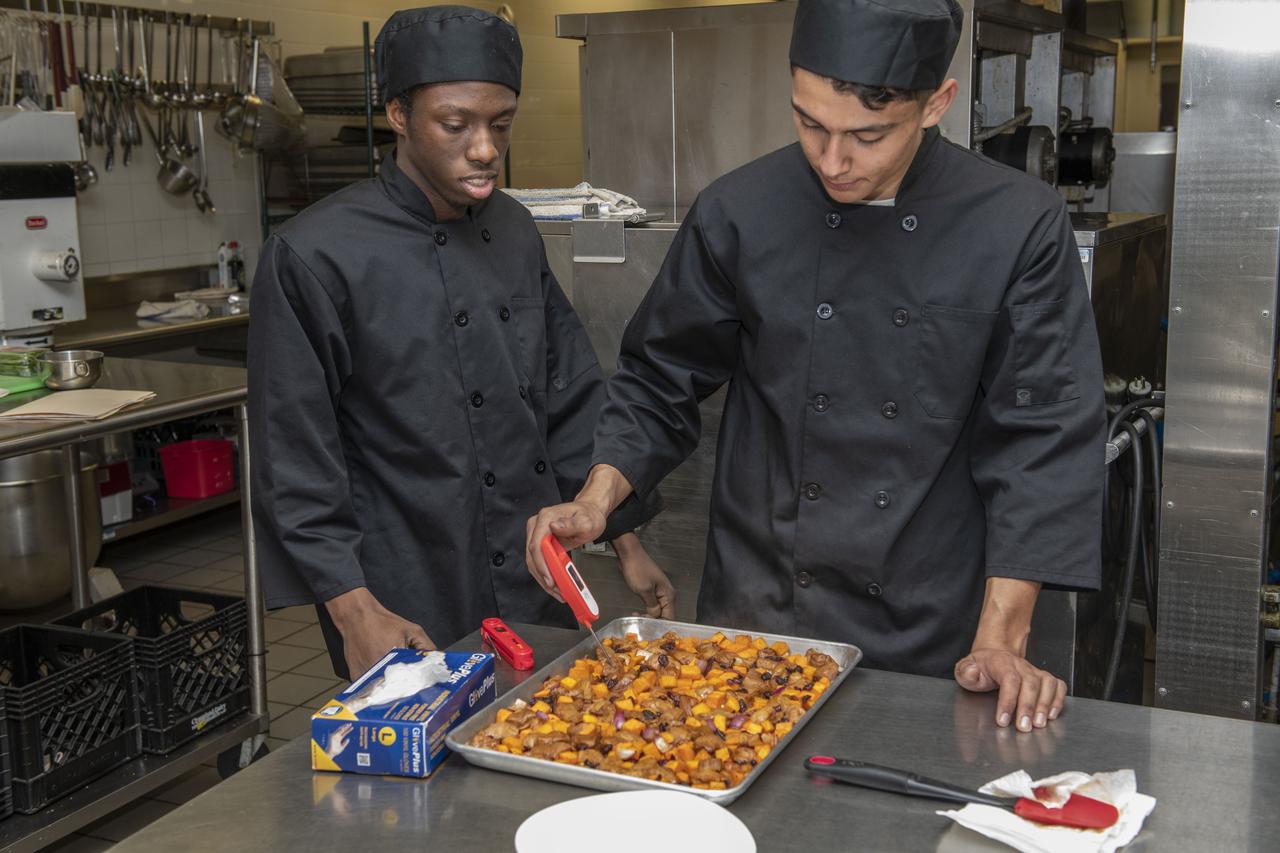
HUNCH (High School Students United with NASA to Create Hardware) students came together at the U.Sl Space and Rocket Center (USSRC) in a competition to create recipes for food to feed astronauts in space. Six teams from North Alabama and George participated. The winner will compete with students from competitions at other NASA centers later at the Johnson Space Flight Center.
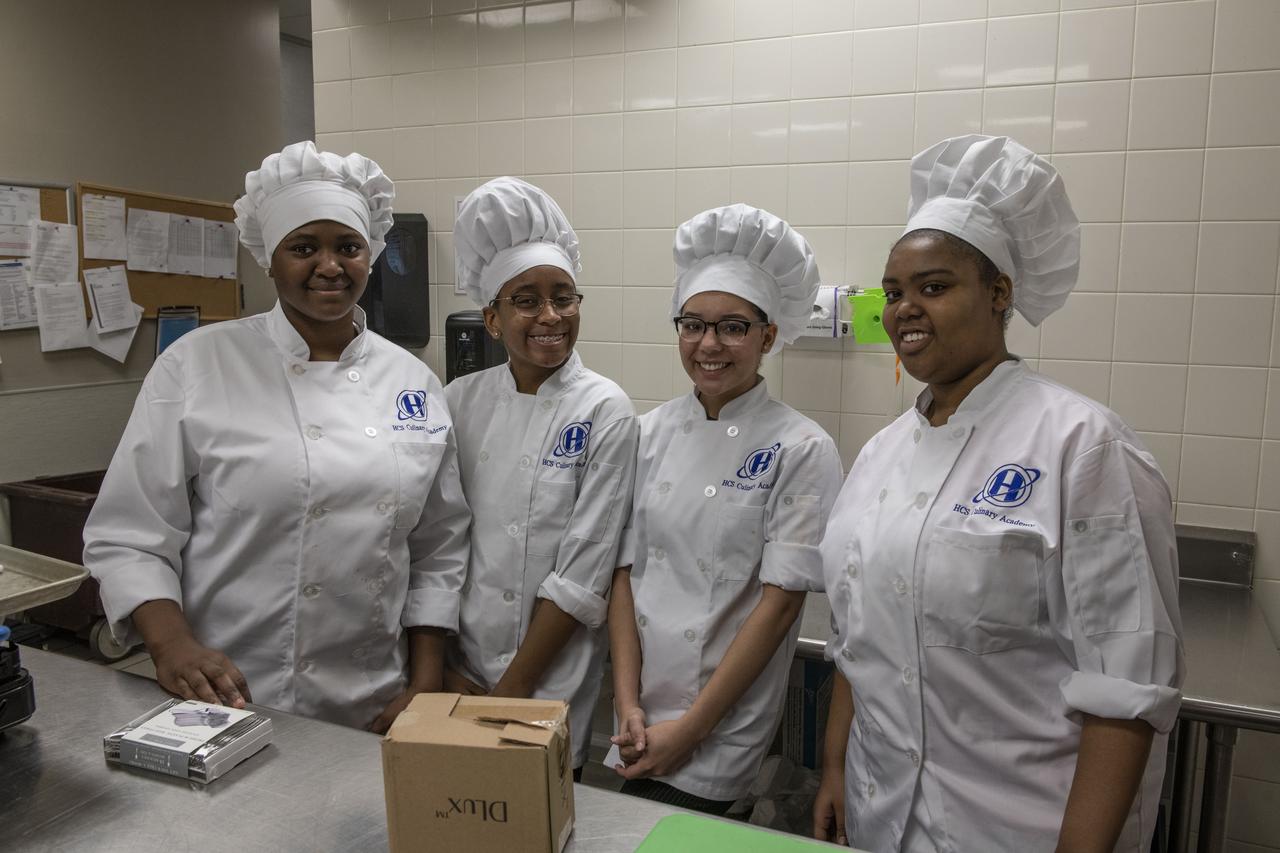
HUNCH (High School Students United with NASA to Create Hardware) students came together at the U.Sl Space and Rocket Center (USSRC) in a competition to create recipes for food to feed astronauts in space. Six teams from North Alabama and George participated. The winner will compete with students from competitions at other NASA centers later at the Johnson Space Flight Center.
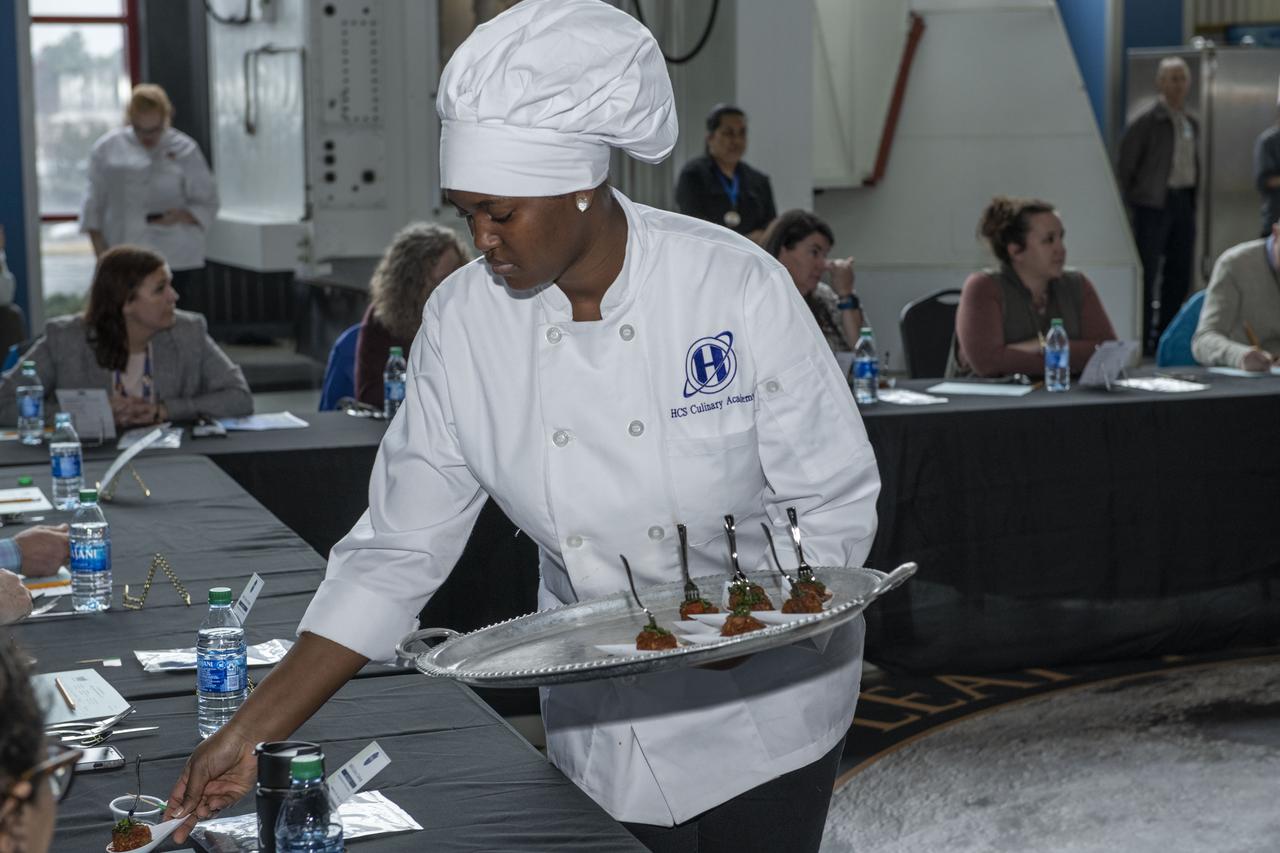
HUNCH (High School Students United with NASA to Create Hardware) students came together at the U.Sl Space and Rocket Center (USSRC) in a competition to create recipes for food to feed astronauts in space. Six teams from North Alabama and George participated. The winner will compete with students from competitions at other NASA centers later at the Johnson Space Flight Center.
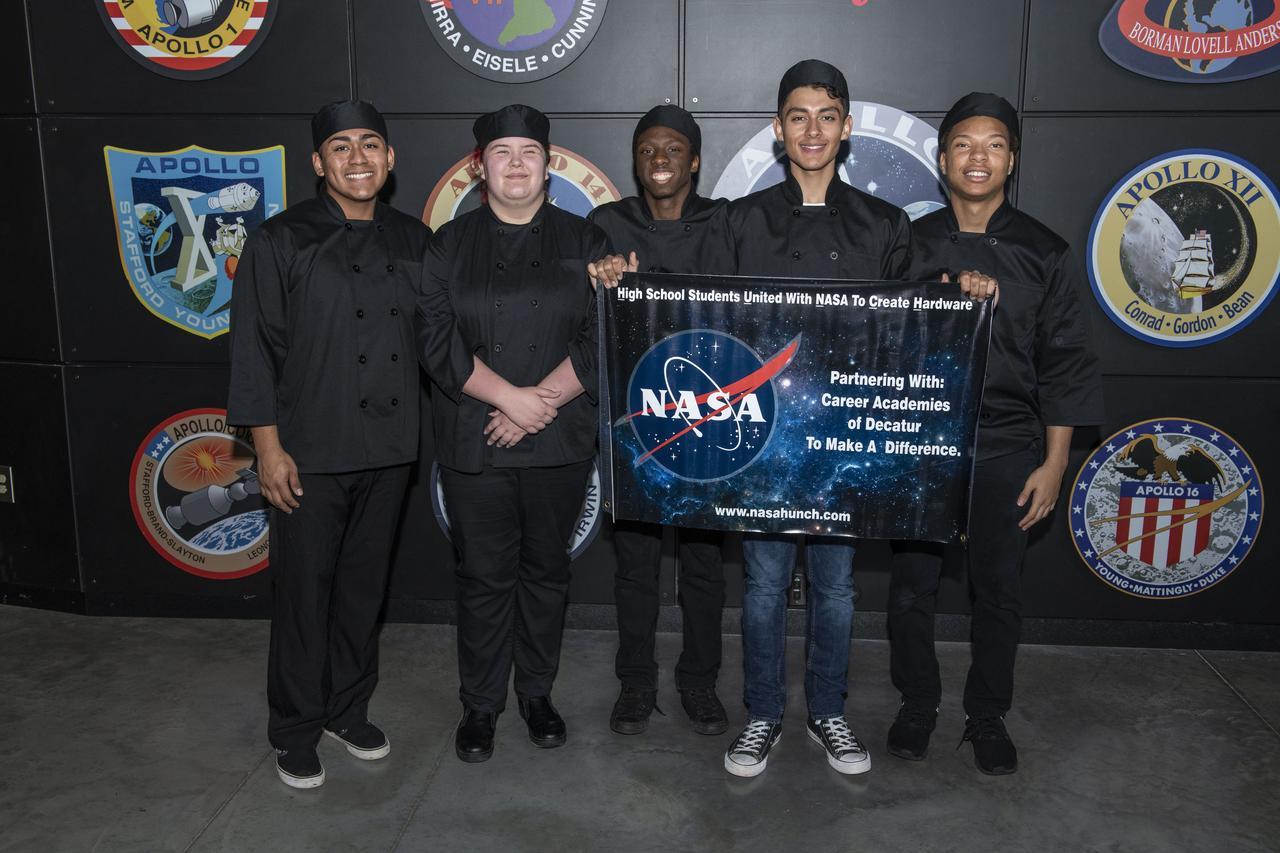
HUNCH (High School Students United with NASA to Create Hardware) students came together at the U.Sl Space and Rocket Center (USSRC) in a competition to create recipes for food to feed astronauts in space. Six teams from North Alabama and George participated. The winner will compete with students from competitions at other NASA centers later at the Johnson Space Flight Center.
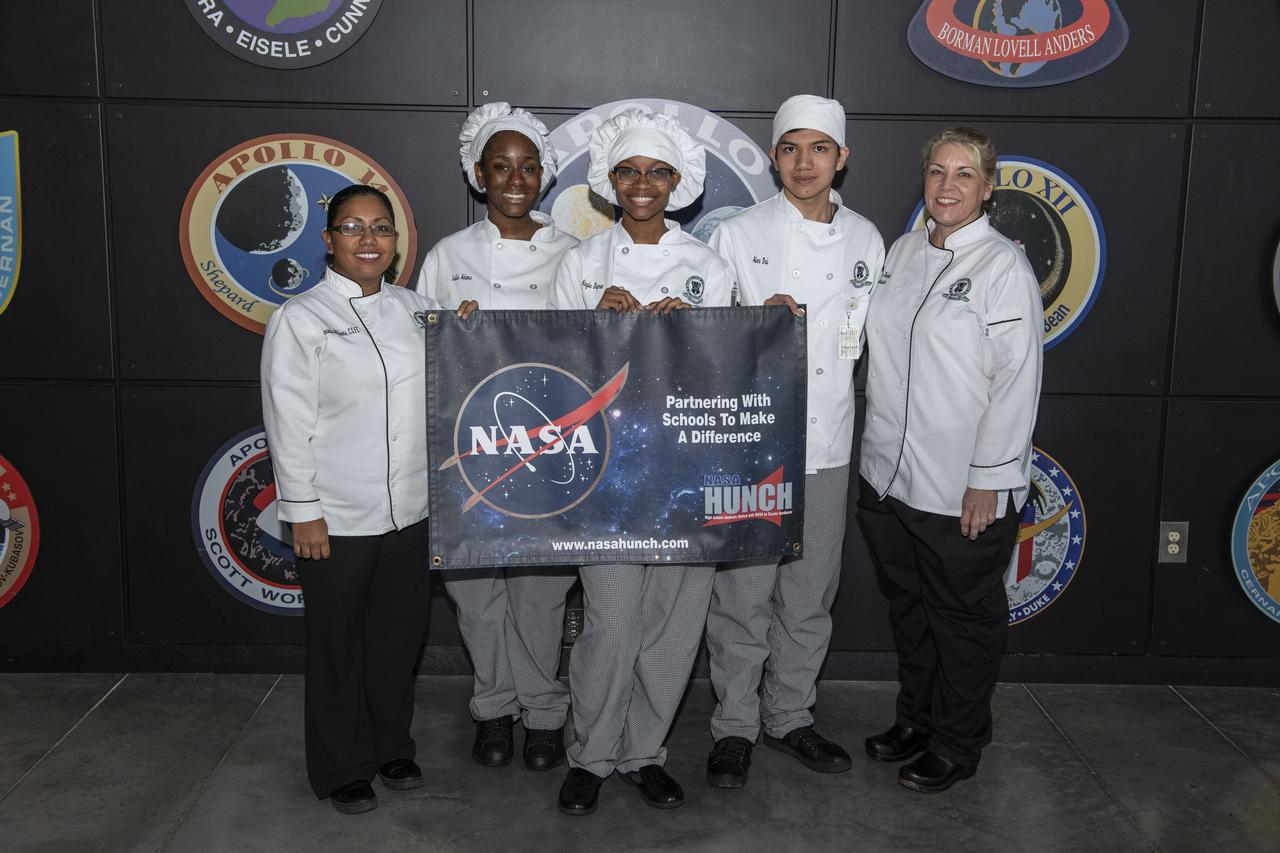
HUNCH (High School Students United with NASA to Create Hardware) students came together at the U.Sl Space and Rocket Center (USSRC) in a competition to create recipes for food to feed astronauts in space. Six teams from North Alabama and George participated. The winner will compete with students from competitions at other NASA centers later at the Johnson Space Flight Center.
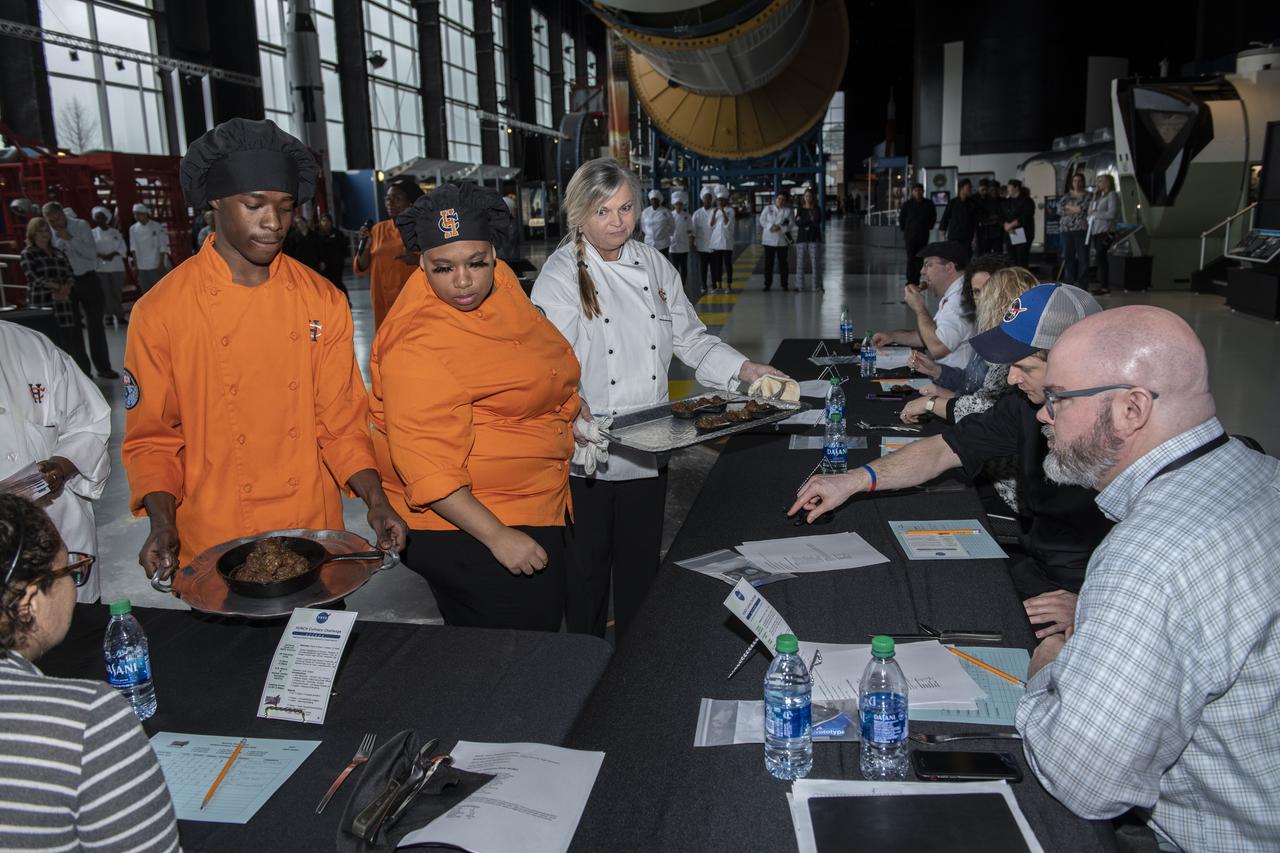
HUNCH (High School Students United with NASA to Create Hardware) students came together at the U.Sl Space and Rocket Center (USSRC) in a competition to create recipes for food to feed astronauts in space. Six teams from North Alabama and George participated. The winner will compete with students from competitions at other NASA centers later at the Johnson Space Flight Center.
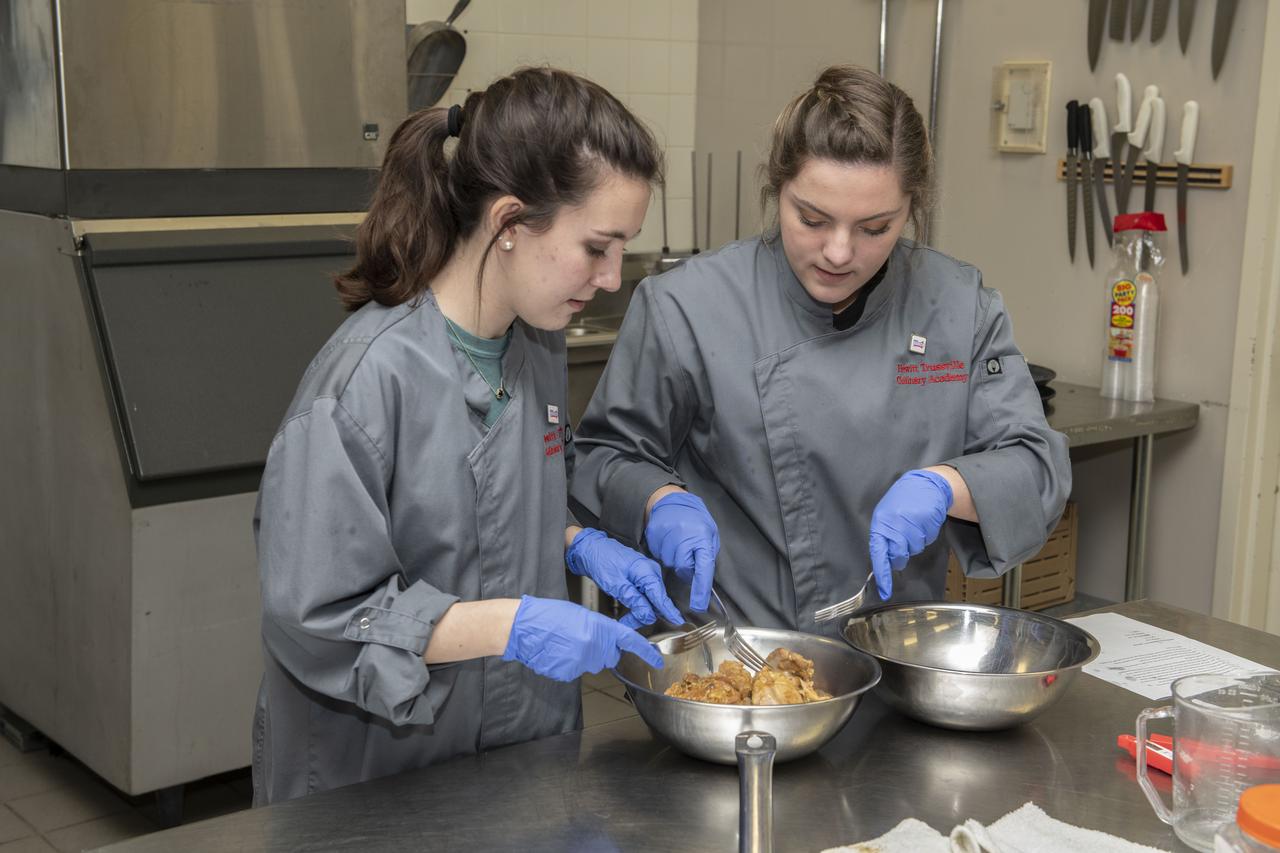
HUNCH (High School Students United with NASA to Create Hardware) students came together at the U.Sl Space and Rocket Center (USSRC) in a competition to create recipes for food to feed astronauts in space. Six teams from North Alabama and George participated. The winner will compete with students from competitions at other NASA centers later at the Johnson Space Flight Center.
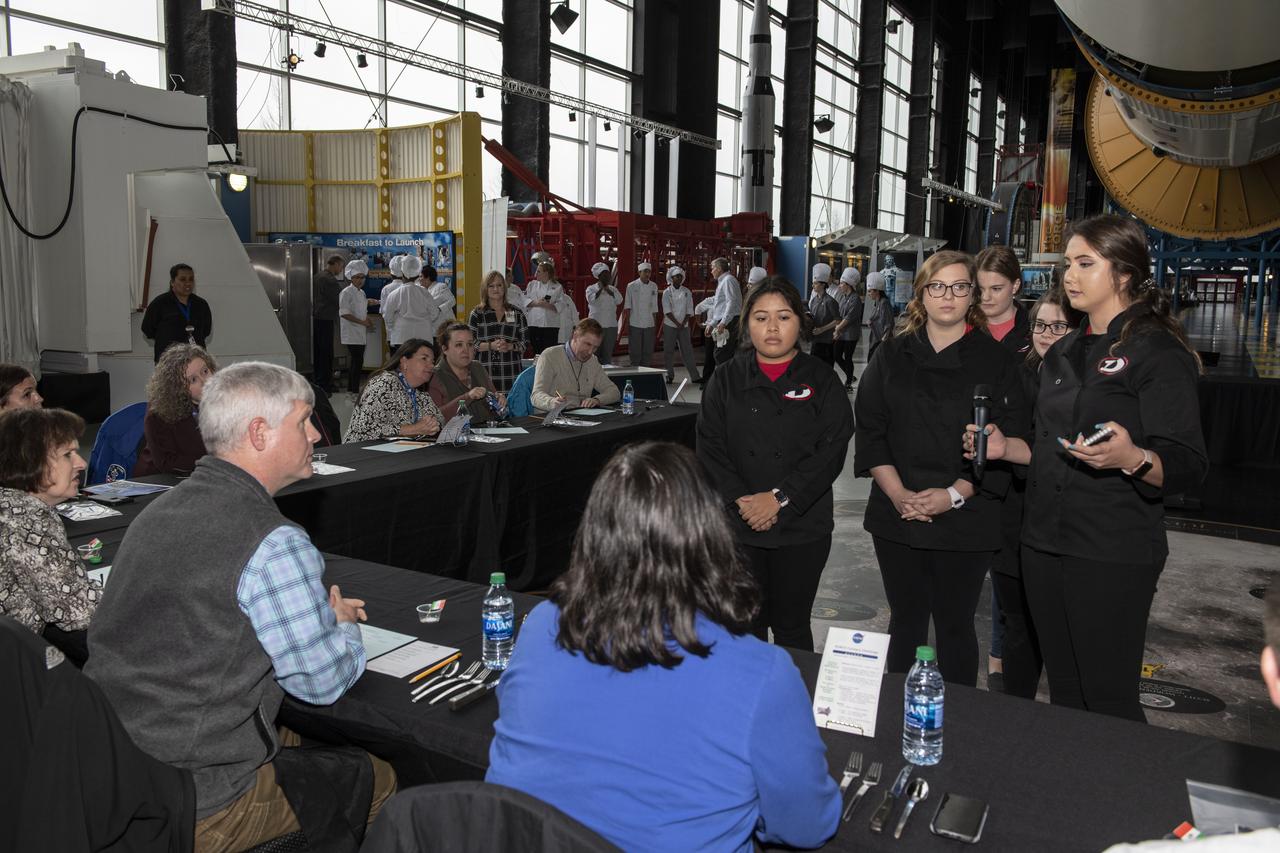
HUNCH (High School Students United with NASA to Create Hardware) students came together at the U.Sl Space and Rocket Center (USSRC) in a competition to create recipes for food to feed astronauts in space. Six teams from North Alabama and George participated. The winner will compete with students from competitions at other NASA centers later at the Johnson Space Flight Center.
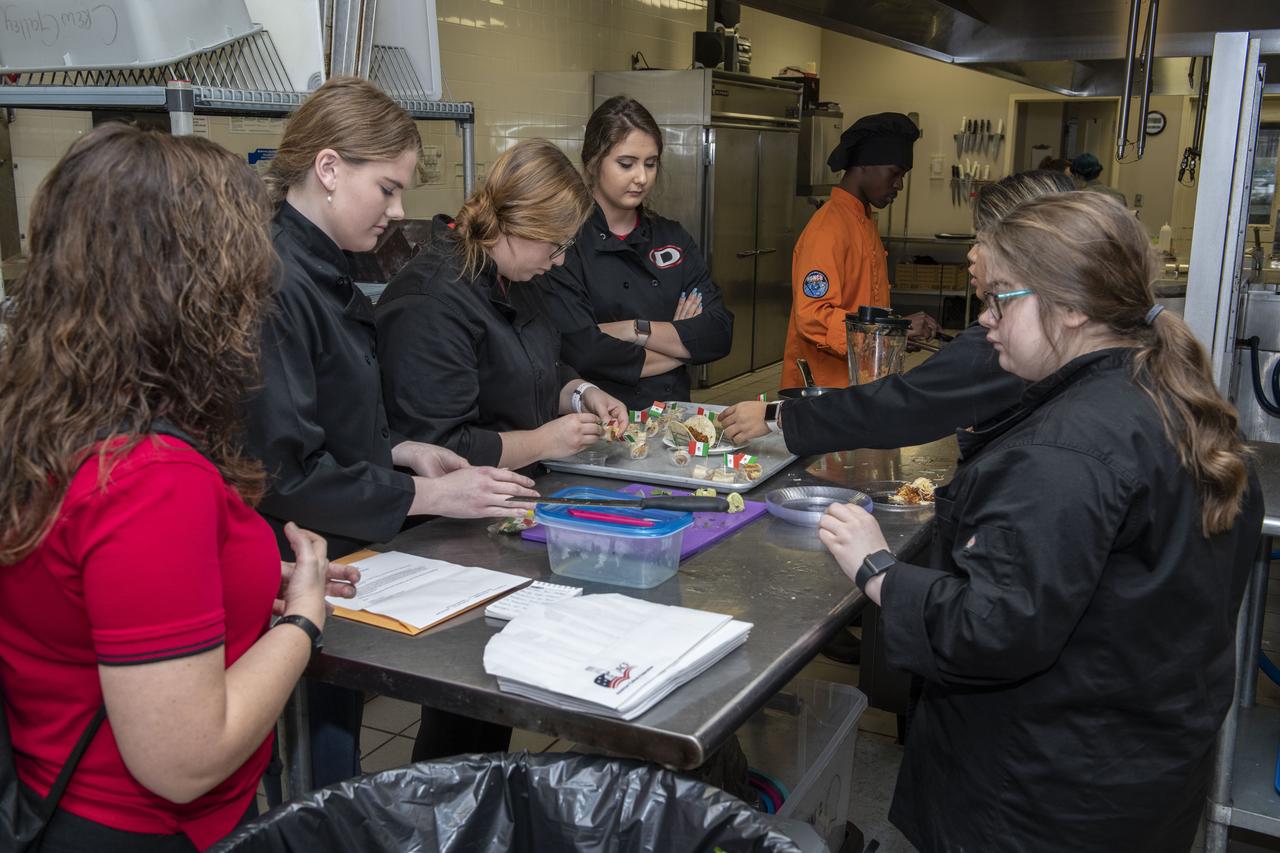
HUNCH (High School Students United with NASA to Create Hardware) students came together at the U.Sl Space and Rocket Center (USSRC) in a competition to create recipes for food to feed astronauts in space. Six teams from North Alabama and George participated. The winner will compete with students from competitions at other NASA centers later at the Johnson Space Flight Center.
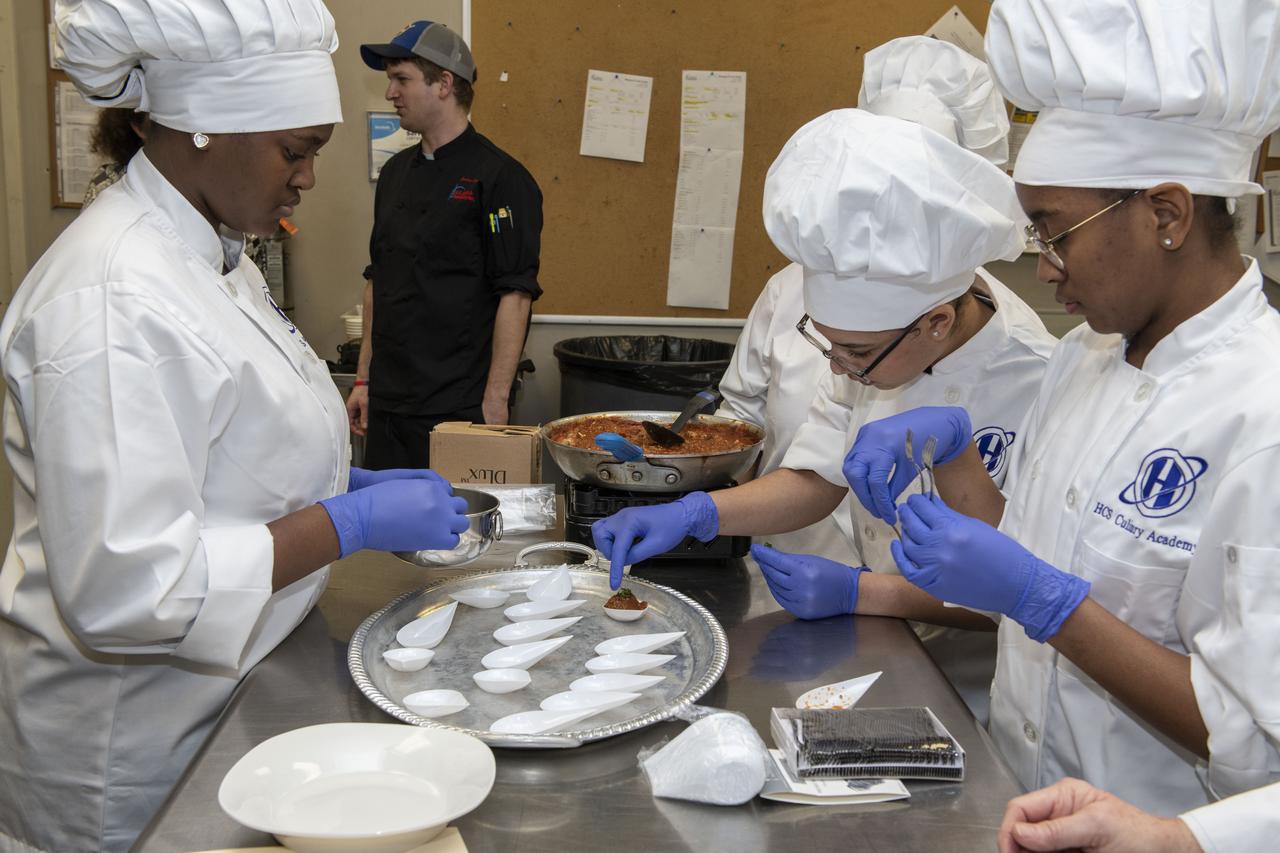
HUNCH (High School Students United with NASA to Create Hardware) students came together at the U.Sl Space and Rocket Center (USSRC) in a competition to create recipes for food to feed astronauts in space. Six teams from North Alabama and George participated. The winner will compete with students from competitions at other NASA centers later at the Johnson Space Flight Center.
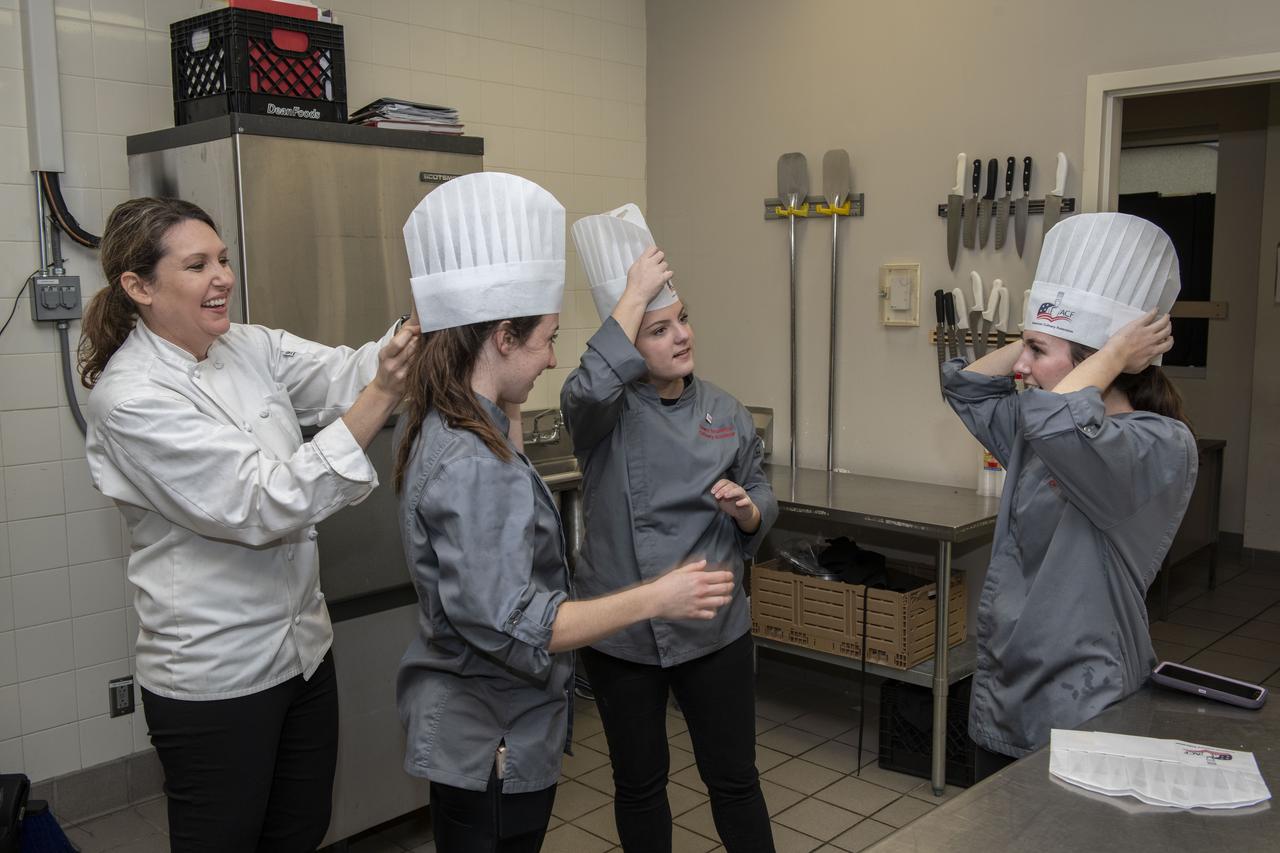
HUNCH (High School Students United with NASA to Create Hardware) students came together at the U.Sl Space and Rocket Center (USSRC) in a competition to create recipes for food to feed astronauts in space. Six teams from North Alabama and George participated. The winner will compete with students from competitions at other NASA centers later at the Johnson Space Flight Center.
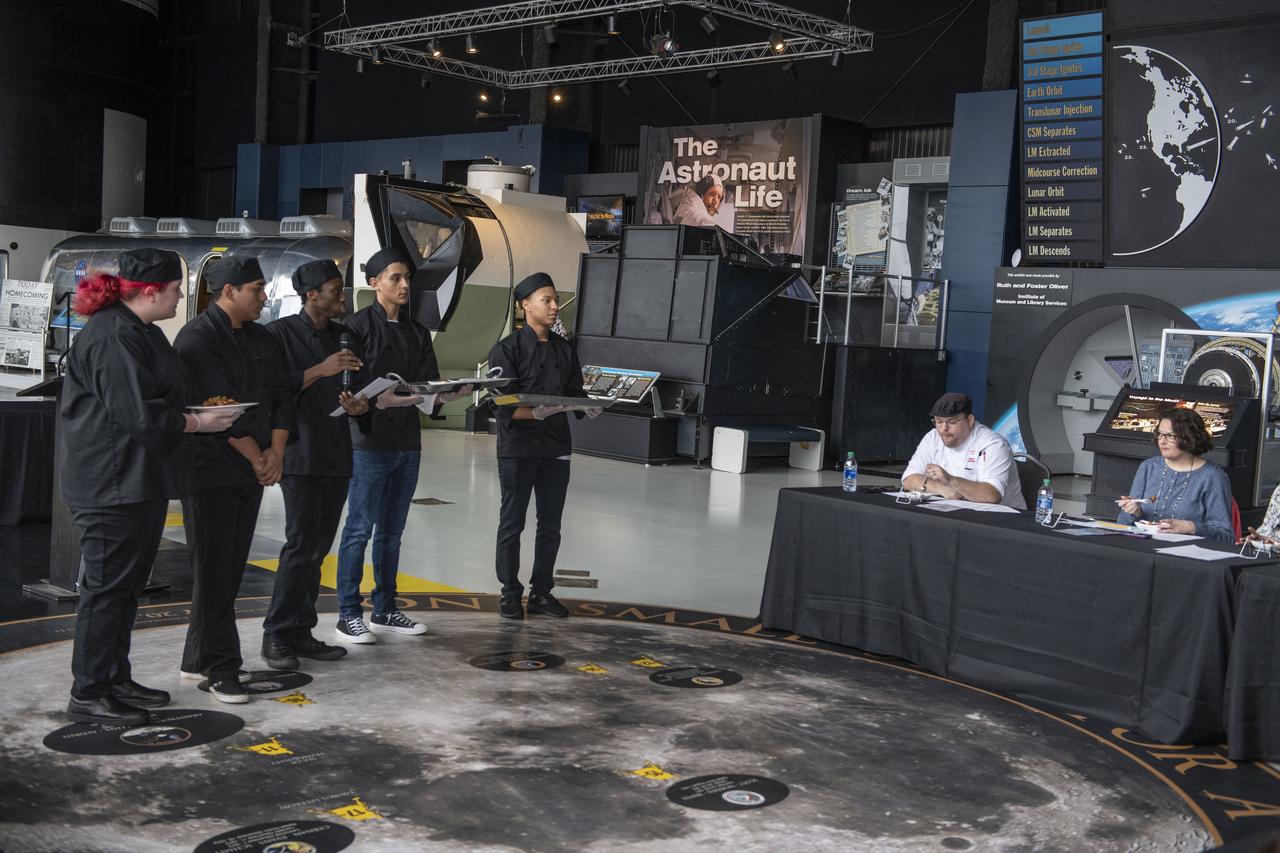
HUNCH (High School Students United with NASA to Create Hardware) students came together at the U.Sl Space and Rocket Center (USSRC) in a competition to create recipes for food to feed astronauts in space. Six teams from North Alabama and George participated. The winner will compete with students from competitions at other NASA centers later at the Johnson Space Flight Center.
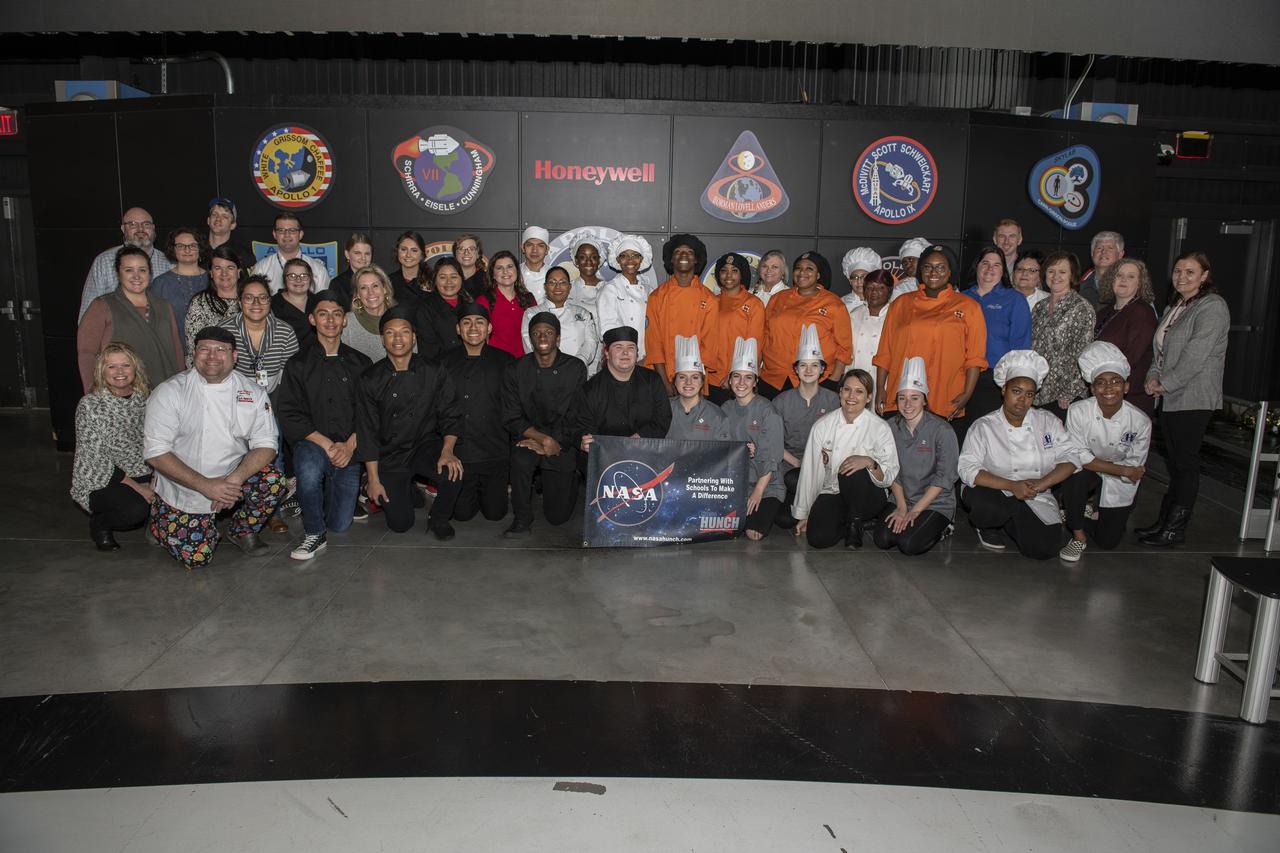
HUNCH (High School Students United with NASA to Create Hardware) students came together at the U.Sl Space and Rocket Center (USSRC) in a competition to create recipes for food to feed astronauts in space. Six teams from North Alabama and George participated. The winner will compete with students from competitions at other NASA centers later at the Johnson Space Flight Center.
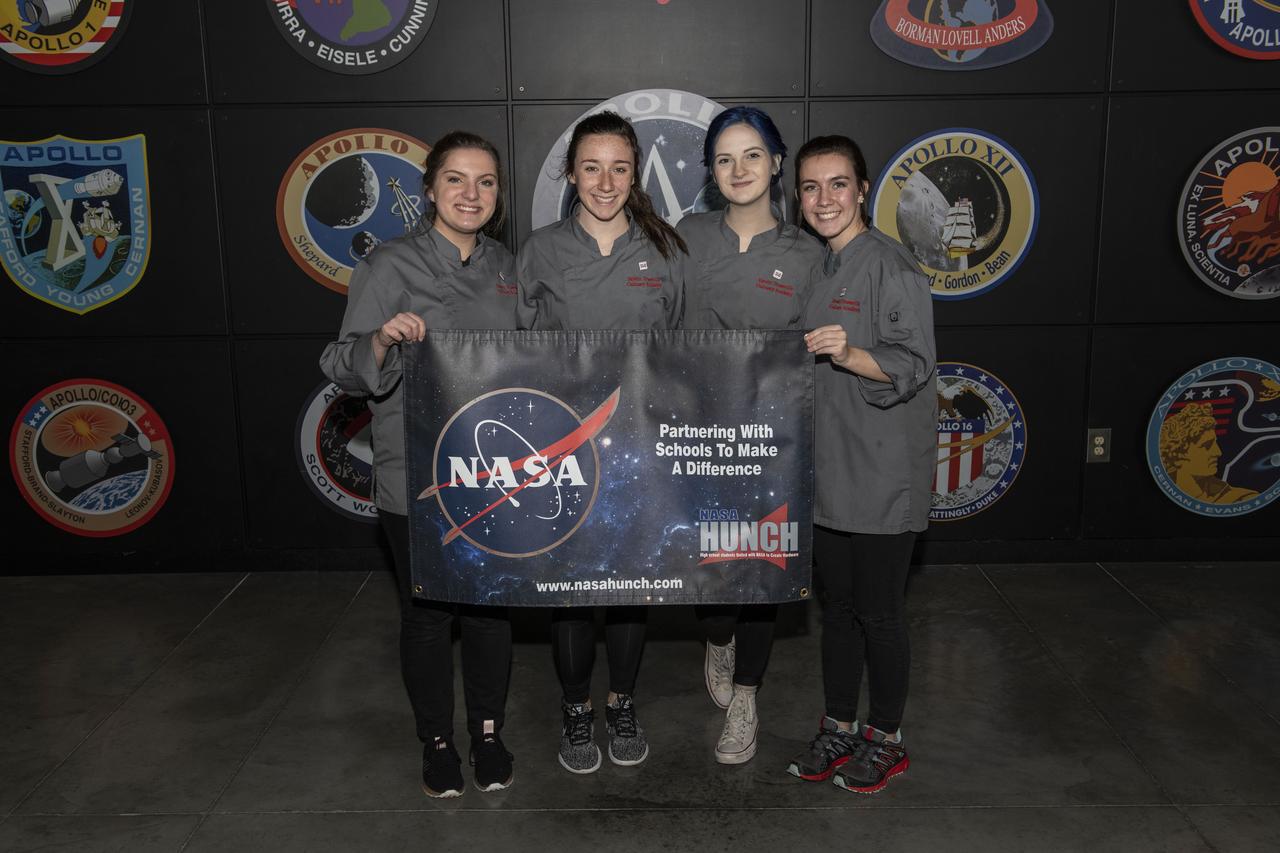
HUNCH (High School Students United with NASA to Create Hardware) students came together at the U.Sl Space and Rocket Center (USSRC) in a competition to create recipes for food to feed astronauts in space. Six teams from North Alabama and George participated. The winner will compete with students from competitions at other NASA centers later at the Johnson Space Flight Center.
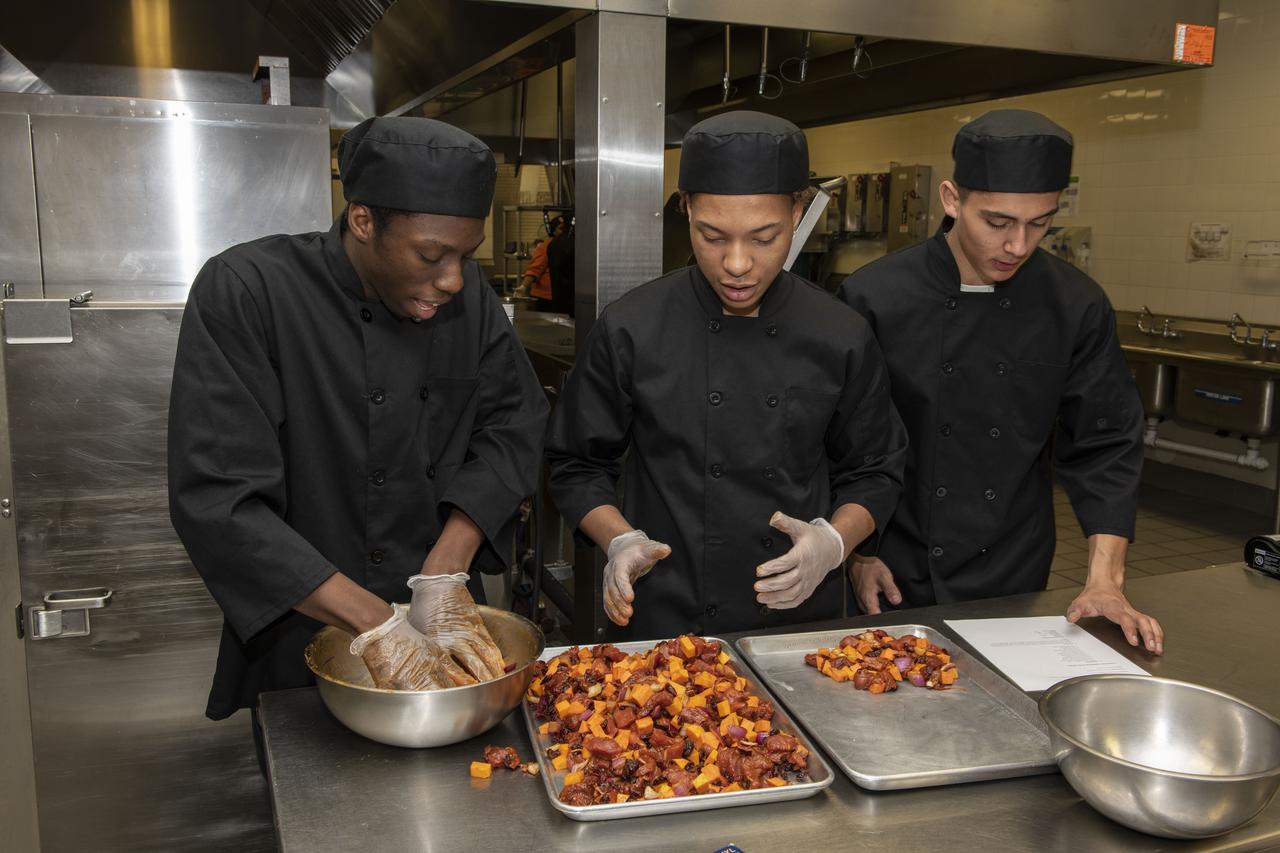
HUNCH (High School Students United with NASA to Create Hardware) students came together at the U.Sl Space and Rocket Center (USSRC) in a competition to create recipes for food to feed astronauts in space. Six teams from North Alabama and George participated. The winner will compete with students from competitions at other NASA centers later at the Johnson Space Flight Center.
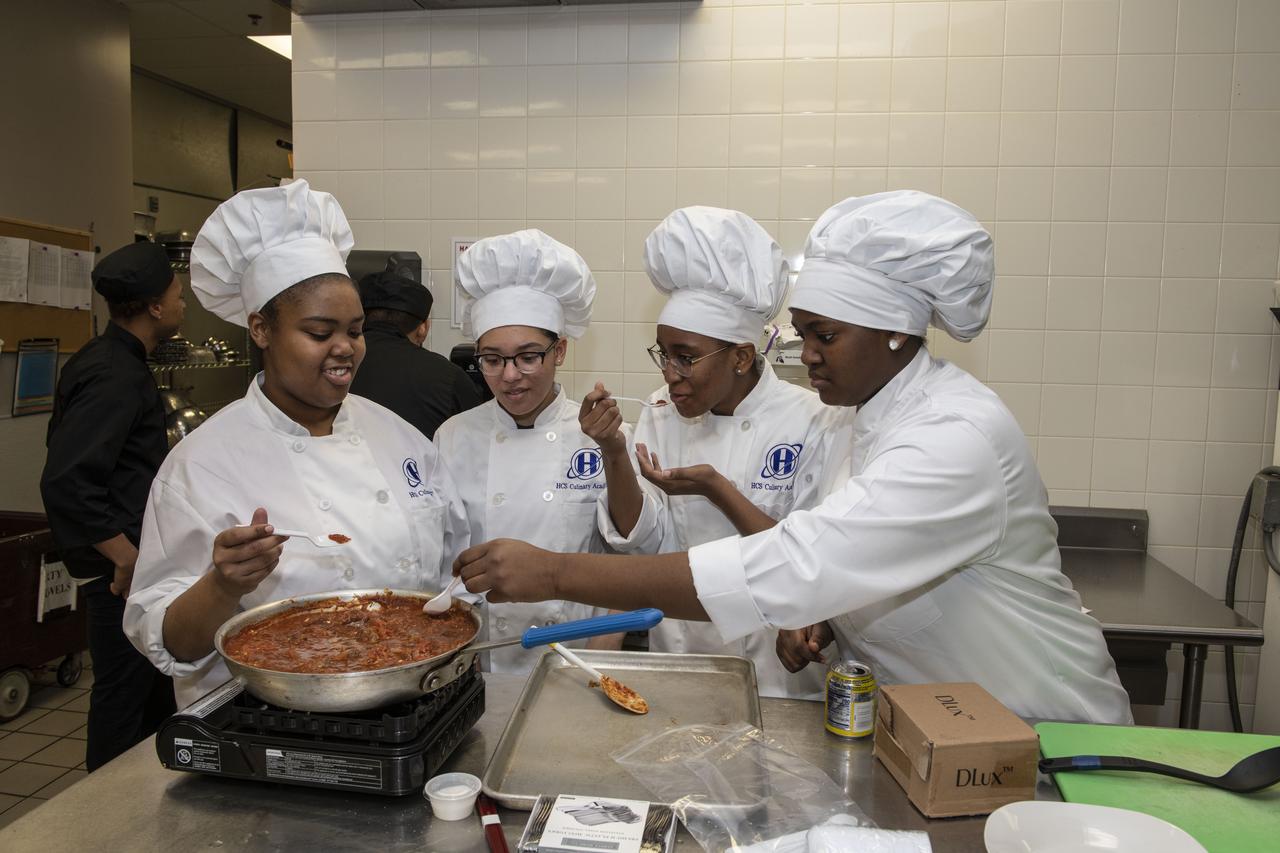
HUNCH (High School Students United with NASA to Create Hardware) students came together at the U.Sl Space and Rocket Center (USSRC) in a competition to create recipes for food to feed astronauts in space. Six teams from North Alabama and George participated. The winner will compete with students from competitions at other NASA centers later at the Johnson Space Flight Center.
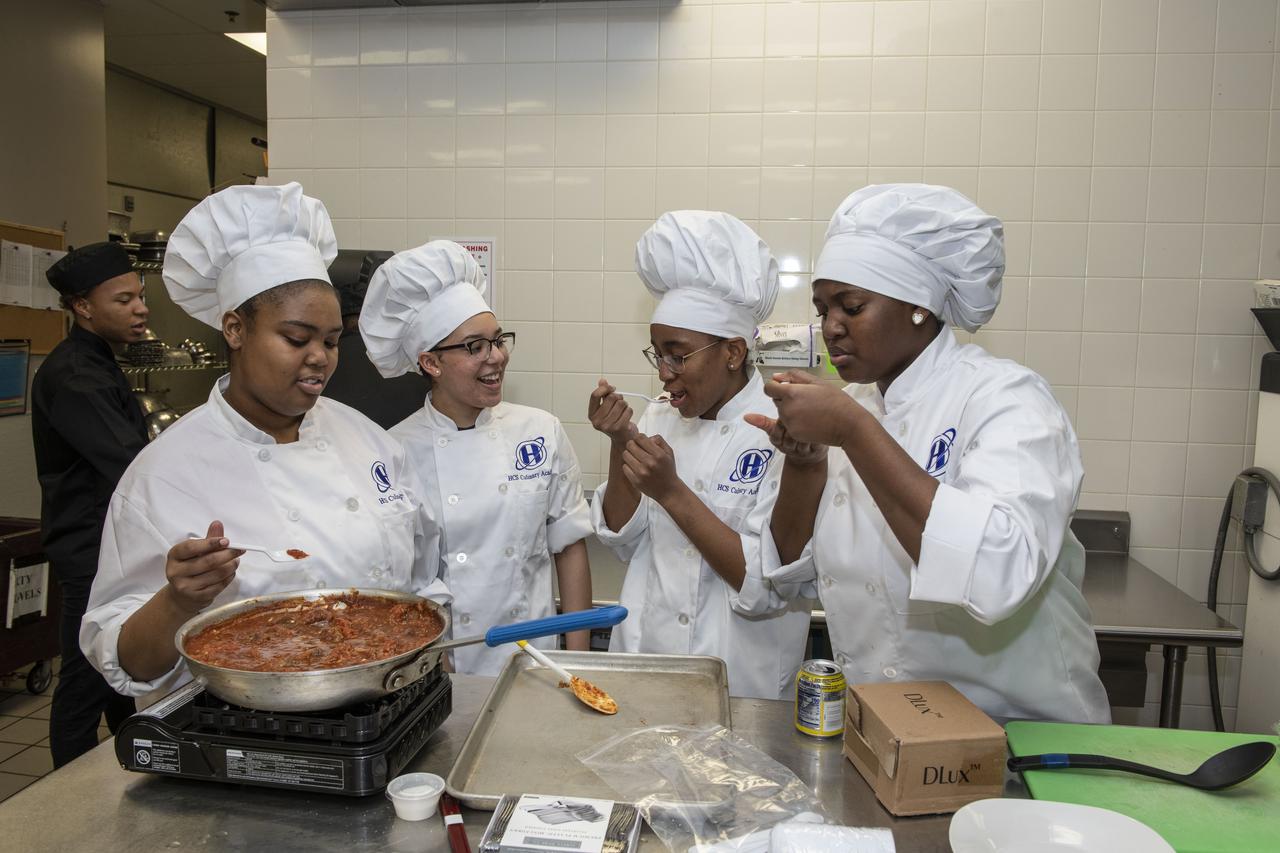
HUNCH (High School Students United with NASA to Create Hardware) students came together at the U.Sl Space and Rocket Center (USSRC) in a competition to create recipes for food to feed astronauts in space. Six teams from North Alabama and George participated. The winner will compete with students from competitions at other NASA centers later at the Johnson Space Flight Center.
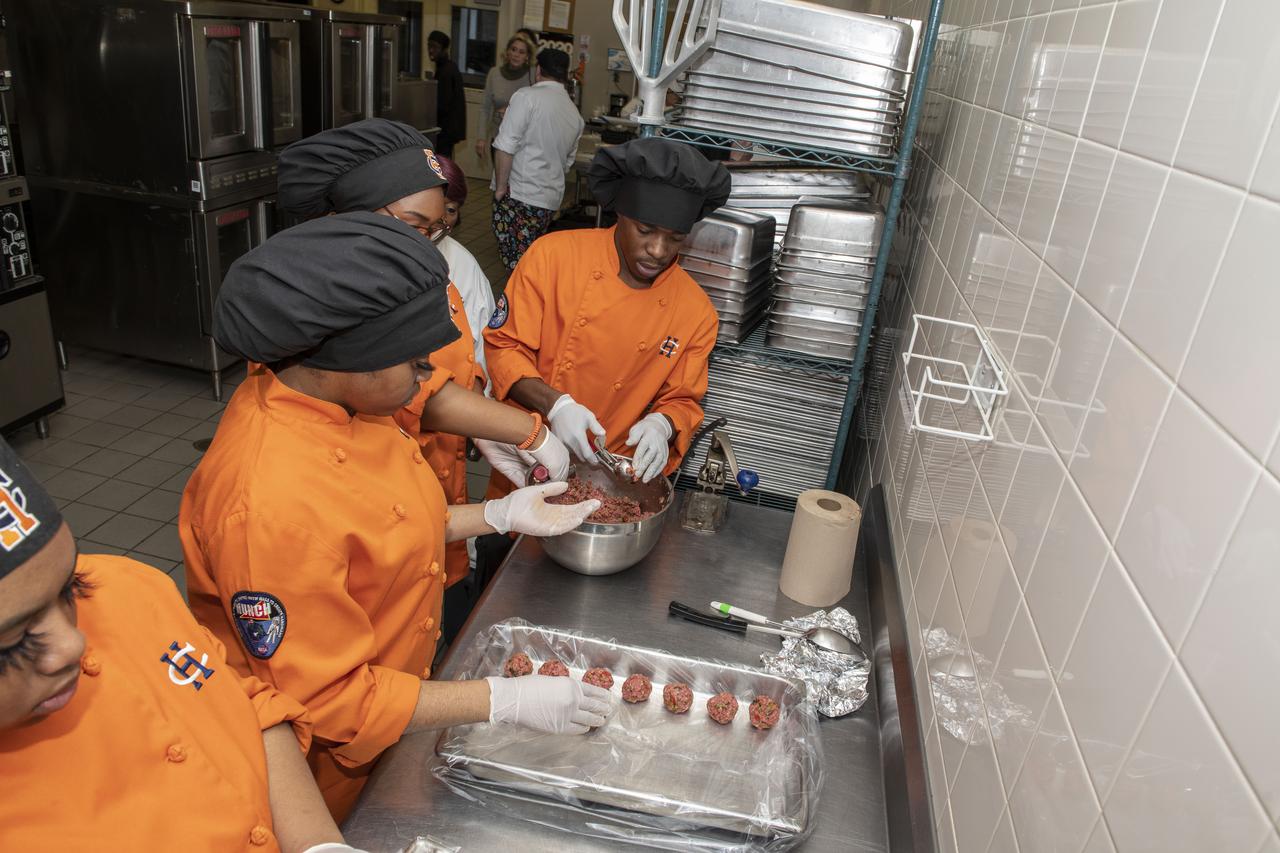
HUNCH (High School Students United with NASA to Create Hardware) students came together at the U.Sl Space and Rocket Center (USSRC) in a competition to create recipes for food to feed astronauts in space. Six teams from North Alabama and George participated. The winner will compete with students from competitions at other NASA centers later at the Johnson Space Flight Center.
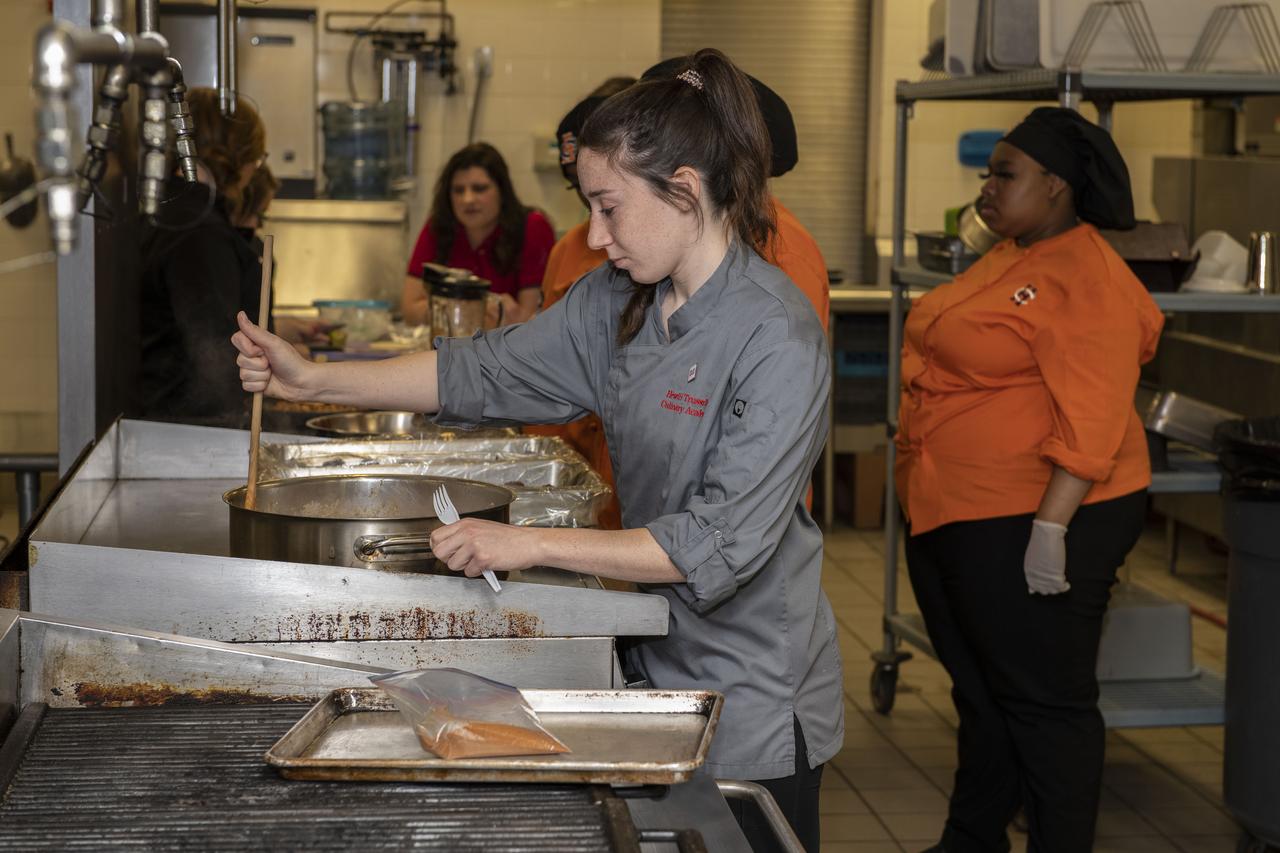
HUNCH (High School Students United with NASA to Create Hardware) students came together at the U.Sl Space and Rocket Center (USSRC) in a competition to create recipes for food to feed astronauts in space. Six teams from North Alabama and George participated. The winner will compete with students from competitions at other NASA centers later at the Johnson Space Flight Center.

HUNCH (High School Students United with NASA to Create Hardware) students came together at the U.Sl Space and Rocket Center (USSRC) in a competition to create recipes for food to feed astronauts in space. Six teams from North Alabama and George participated. The winner will compete with students from competitions at other NASA centers later at the Johnson Space Flight Center.
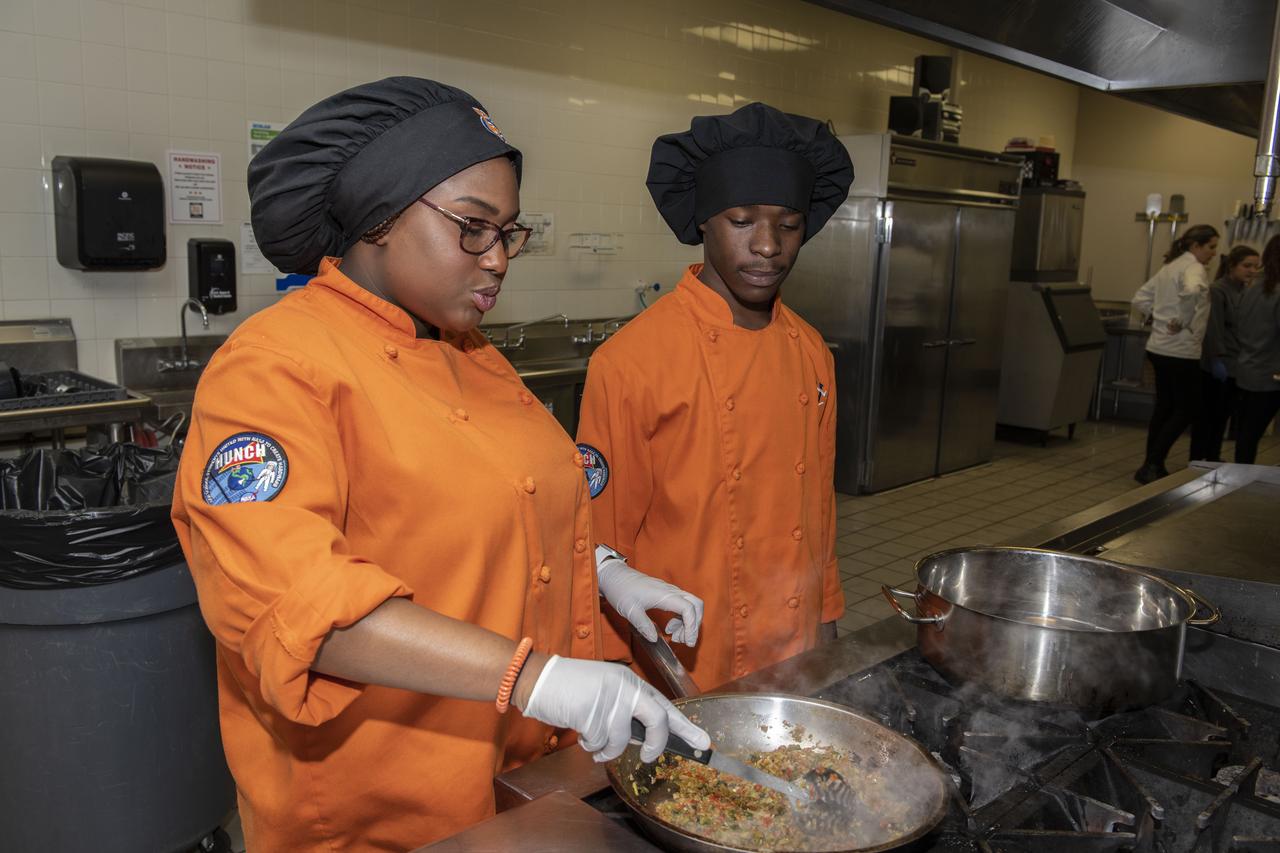
HUNCH (High School Students United with NASA to Create Hardware) students came together at the U.Sl Space and Rocket Center (USSRC) in a competition to create recipes for food to feed astronauts in space. Six teams from North Alabama and George participated. The winner will compete with students from competitions at other NASA centers later at the Johnson Space Flight Center.
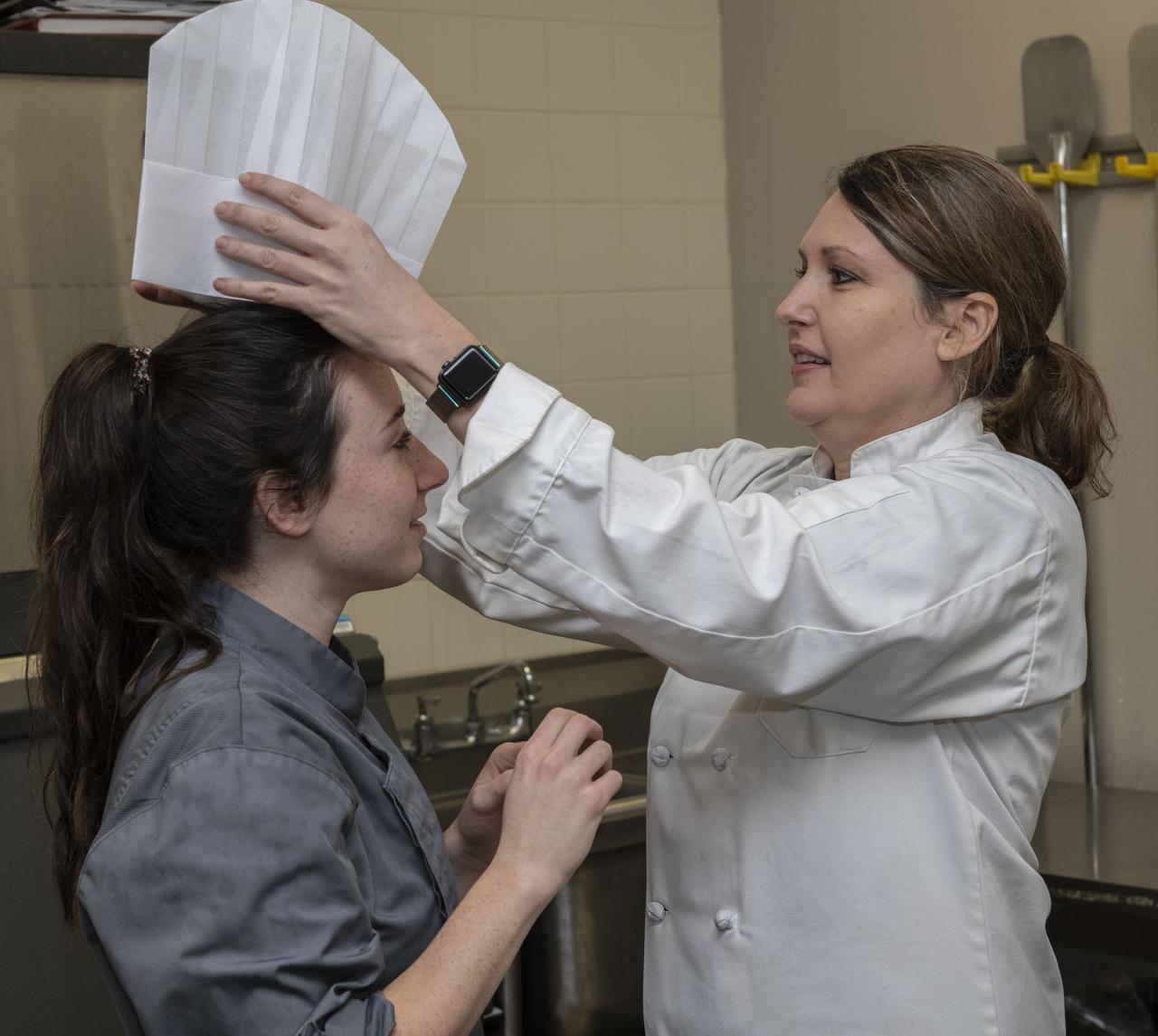
HUNCH (High School Students United with NASA to Create Hardware) students came together at the U.Sl Space and Rocket Center (USSRC) in a competition to create recipes for food to feed astronauts in space. Six teams from North Alabama and George participated. The winner will compete with students from competitions at other NASA centers later at the Johnson Space Flight Center.
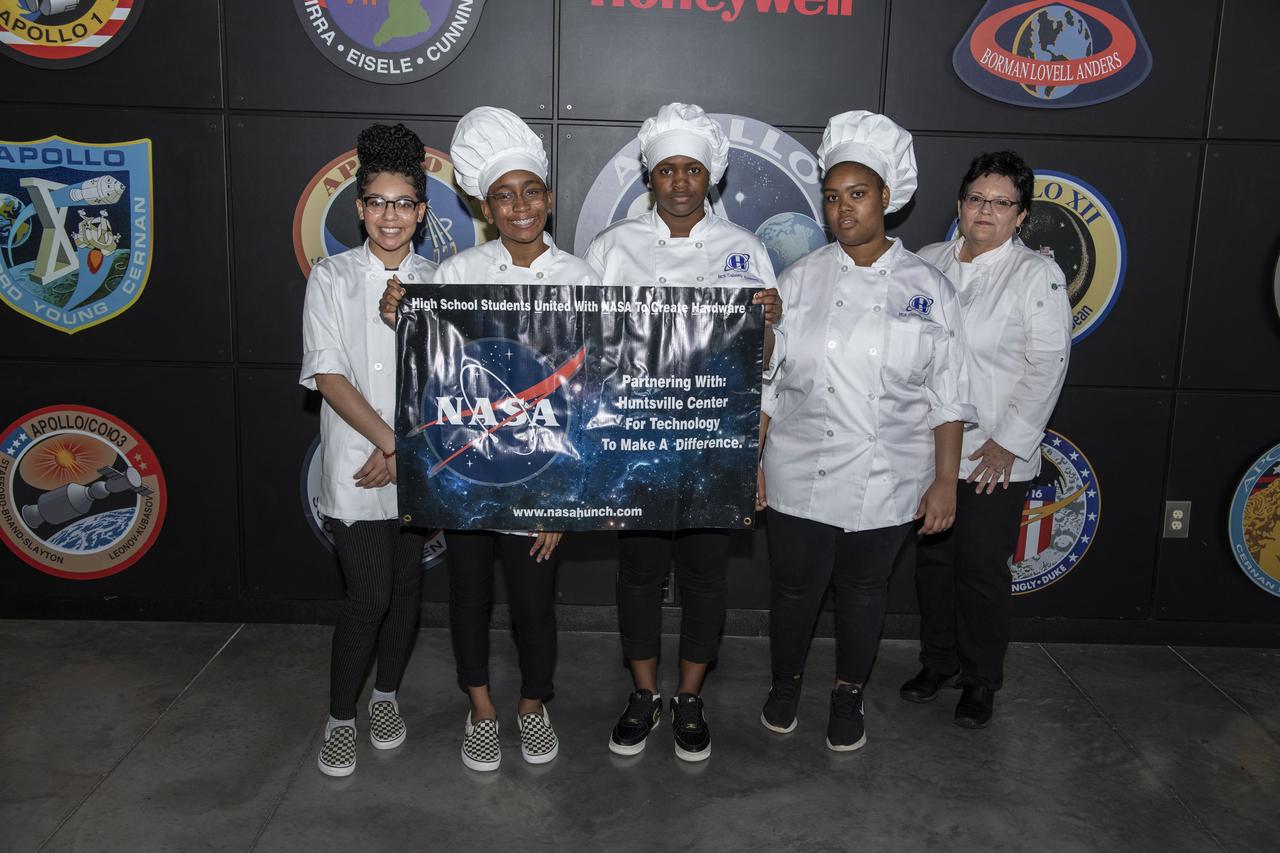
HUNCH (High School Students United with NASA to Create Hardware) students came together at the U.Sl Space and Rocket Center (USSRC) in a competition to create recipes for food to feed astronauts in space. Six teams from North Alabama and George participated. The winner will compete with students from competitions at other NASA centers later at the Johnson Space Flight Center.
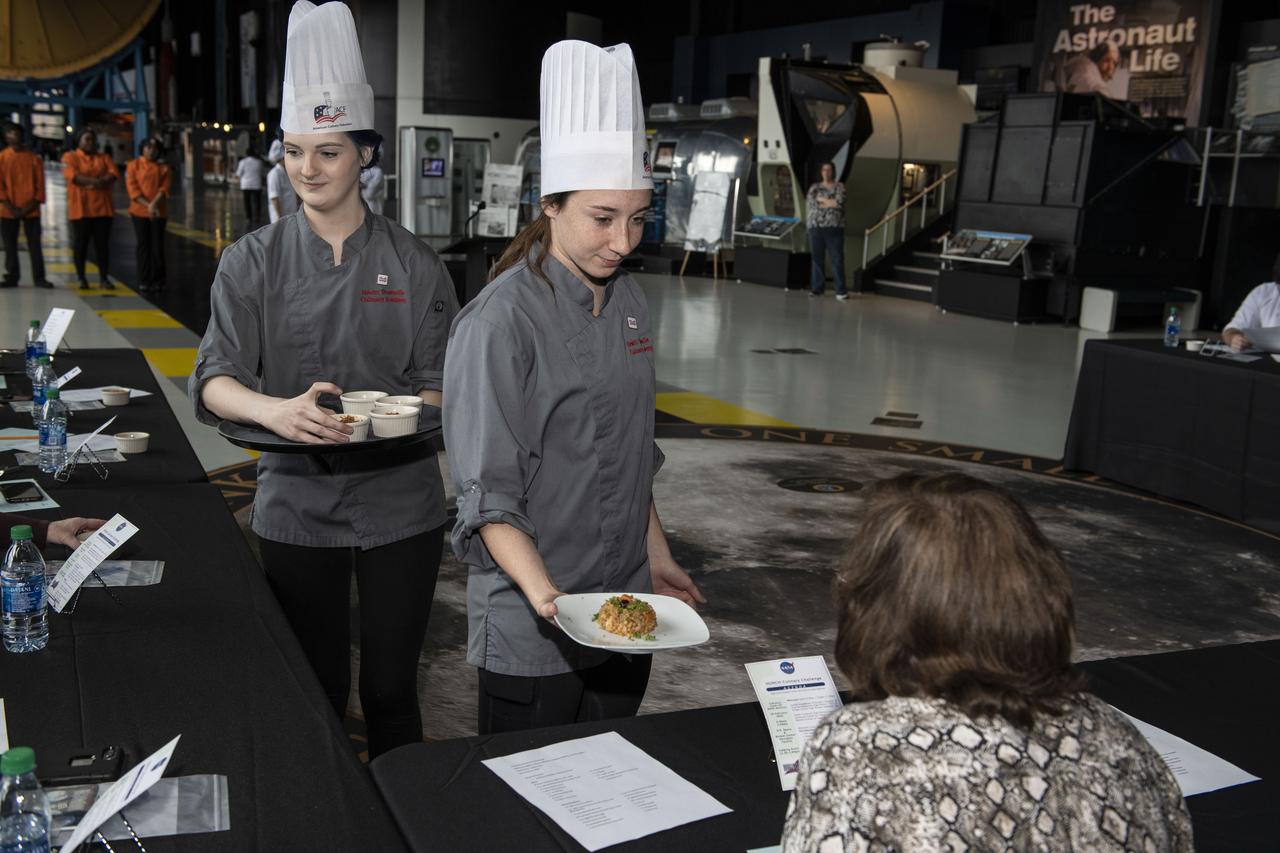
HUNCH (High School Students United with NASA to Create Hardware) students came together at the U.Sl Space and Rocket Center (USSRC) in a competition to create recipes for food to feed astronauts in space. Six teams from North Alabama and George participated. The winner will compete with students from competitions at other NASA centers later at the Johnson Space Flight Center.
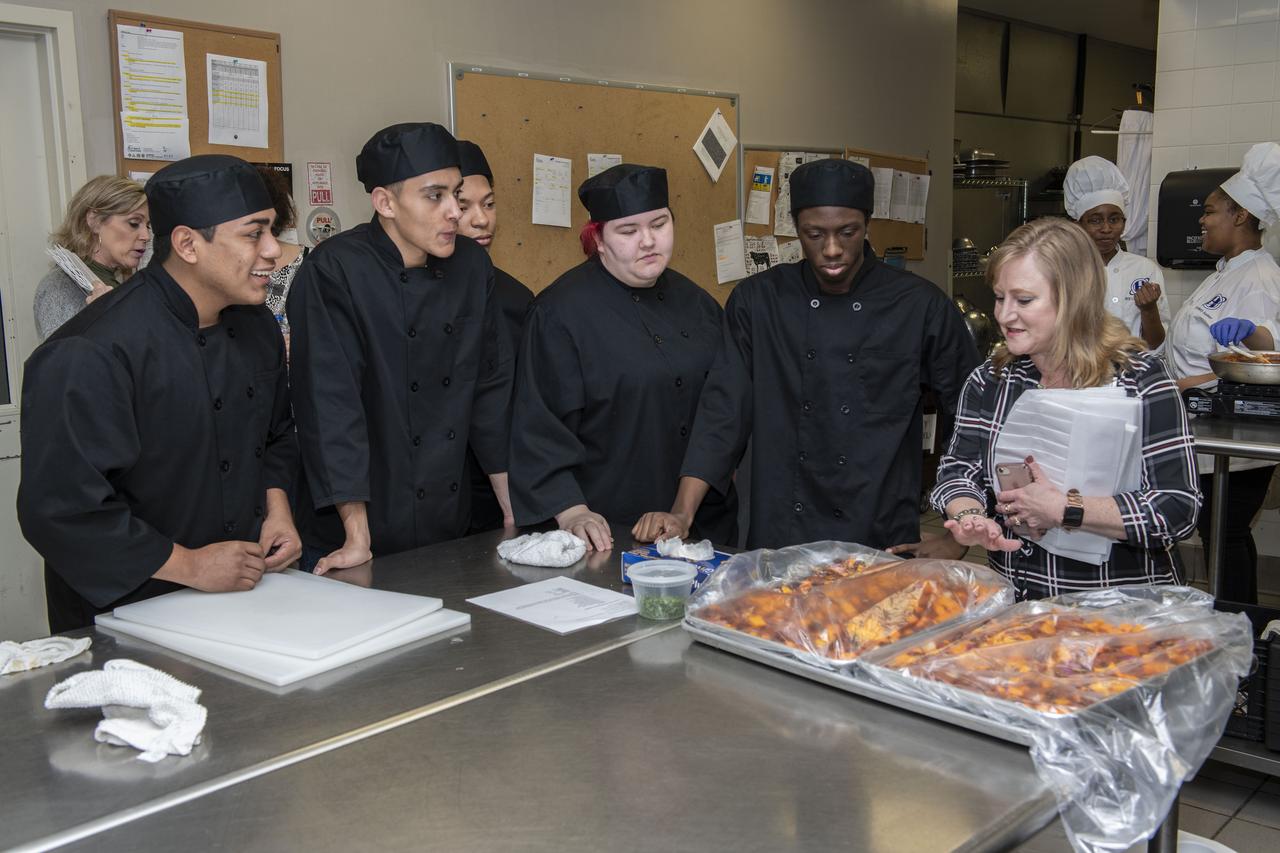
HUNCH (High School Students United with NASA to Create Hardware) students came together at the U.Sl Space and Rocket Center (USSRC) in a competition to create recipes for food to feed astronauts in space. Six teams from North Alabama and George participated. The winner will compete with students from competitions at other NASA centers later at the Johnson Space Flight Center.
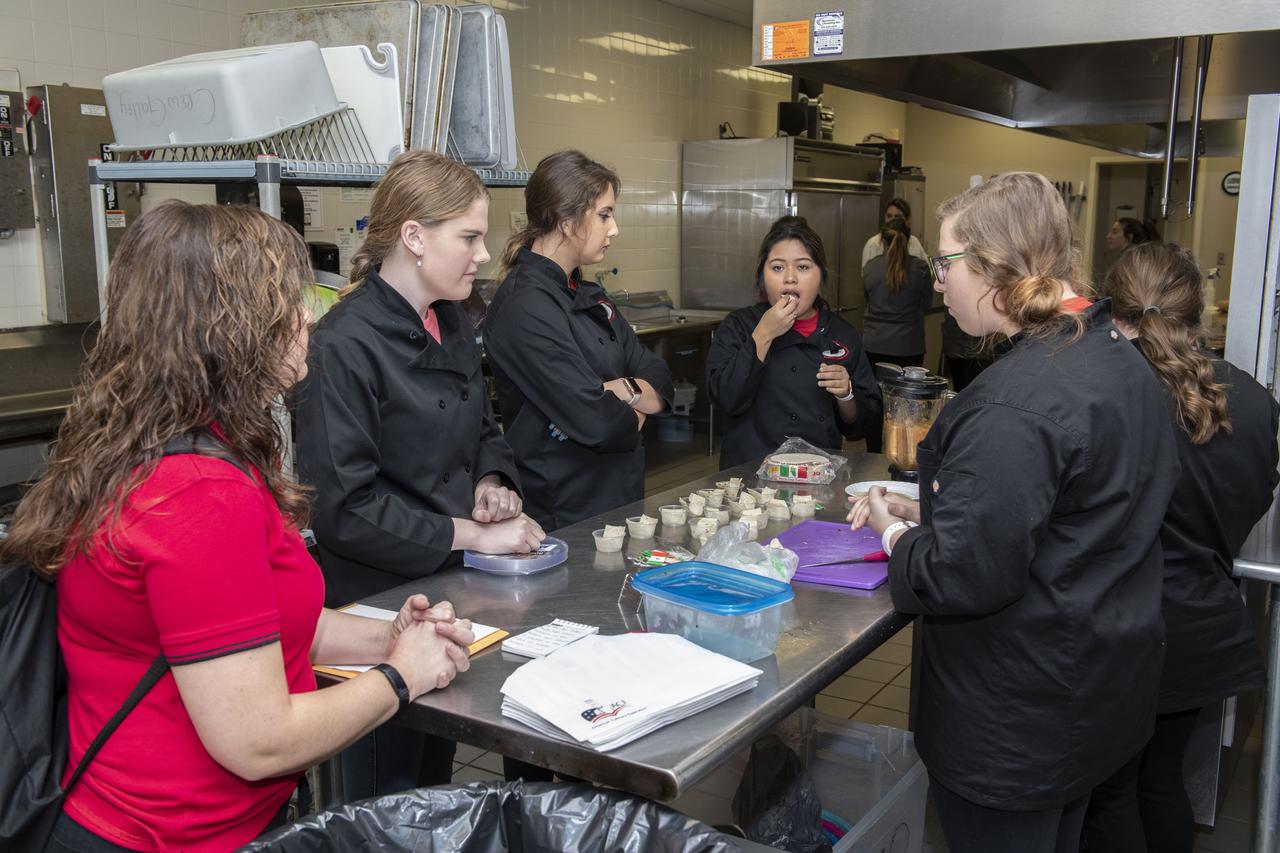
HUNCH (High School Students United with NASA to Create Hardware) students came together at the U.Sl Space and Rocket Center (USSRC) in a competition to create recipes for food to feed astronauts in space. Six teams from North Alabama and George participated. The winner will compete with students from competitions at other NASA centers later at the Johnson Space Flight Center.
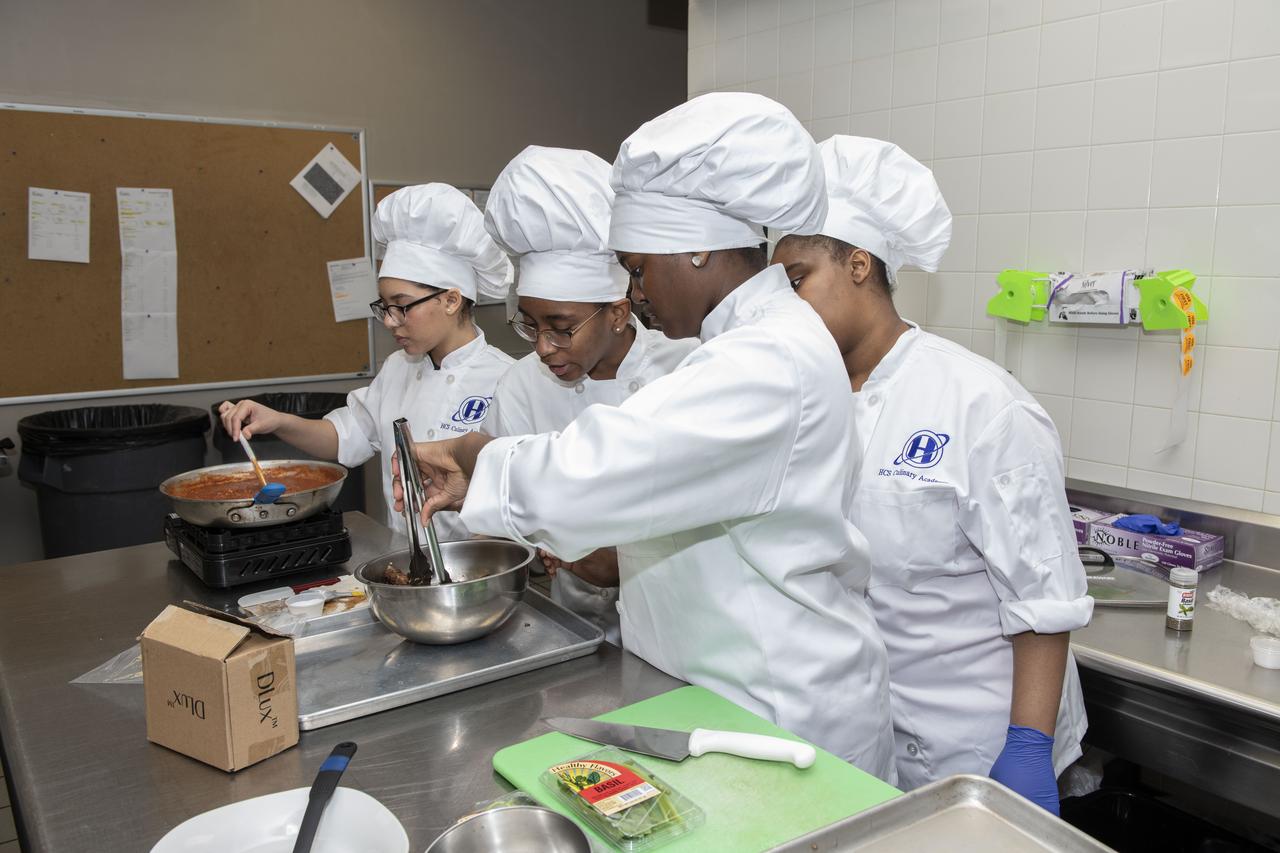
HUNCH (High School Students United with NASA to Create Hardware) students came together at the U.Sl Space and Rocket Center (USSRC) in a competition to create recipes for food to feed astronauts in space. Six teams from North Alabama and George participated. The winner will compete with students from competitions at other NASA centers later at the Johnson Space Flight Center.
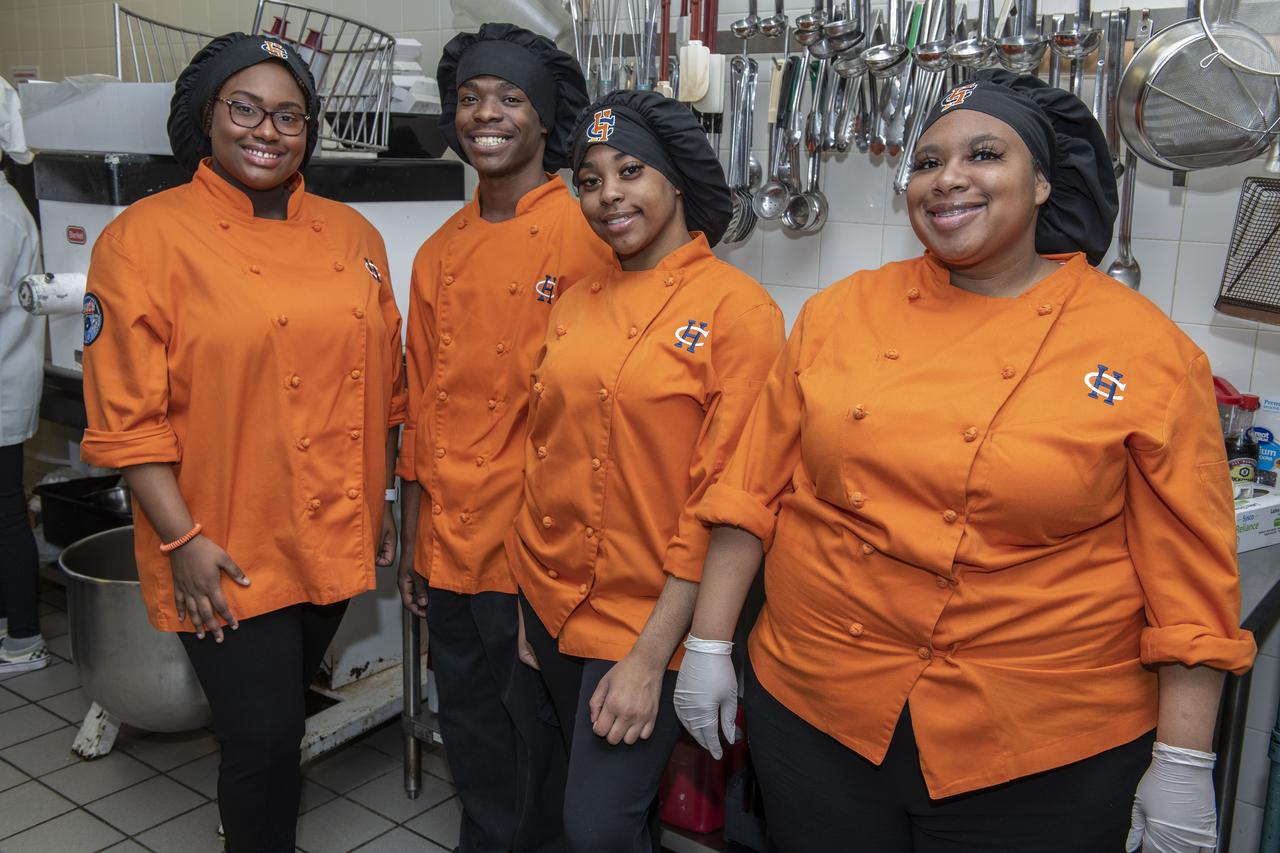
HUNCH (High School Students United with NASA to Create Hardware) students came together at the U.Sl Space and Rocket Center (USSRC) in a competition to create recipes for food to feed astronauts in space. Six teams from North Alabama and George participated. The winner will compete with students from competitions at other NASA centers later at the Johnson Space Flight Center.
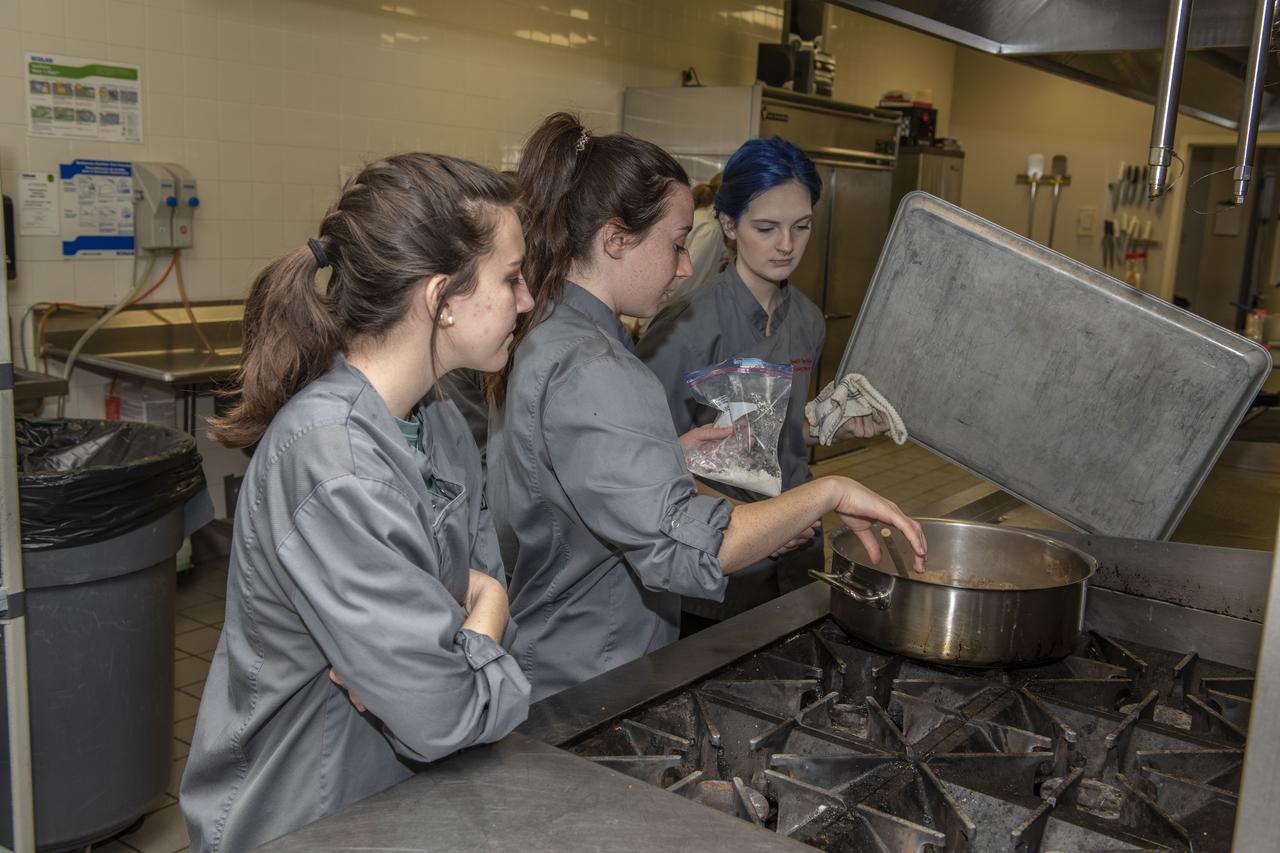
HUNCH (High School Students United with NASA to Create Hardware) students came together at the U.Sl Space and Rocket Center (USSRC) in a competition to create recipes for food to feed astronauts in space. Six teams from North Alabama and George participated. The winner will compete with students from competitions at other NASA centers later at the Johnson Space Flight Center.
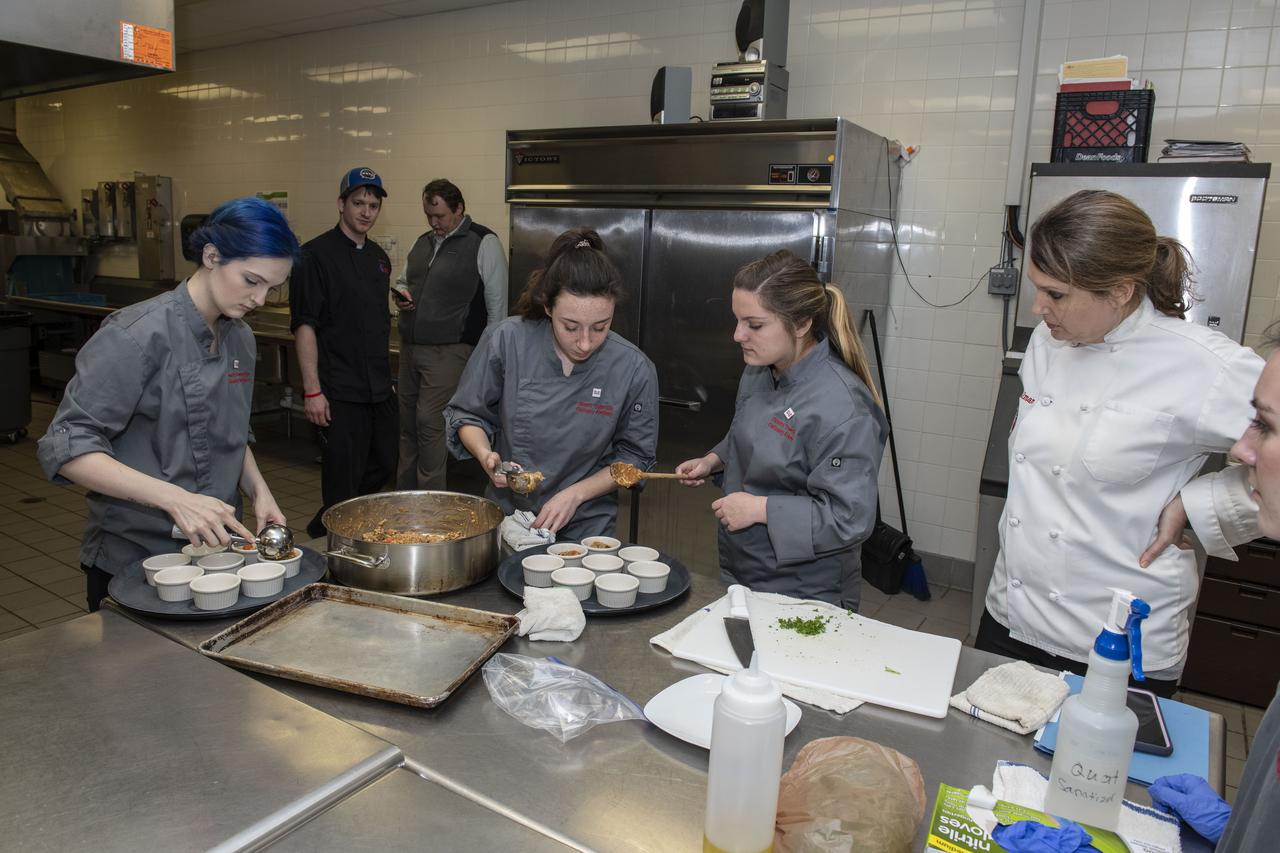
HUNCH (High School Students United with NASA to Create Hardware) students came together at the U.Sl Space and Rocket Center (USSRC) in a competition to create recipes for food to feed astronauts in space. Six teams from North Alabama and George participated. The winner will compete with students from competitions at other NASA centers later at the Johnson Space Flight Center.
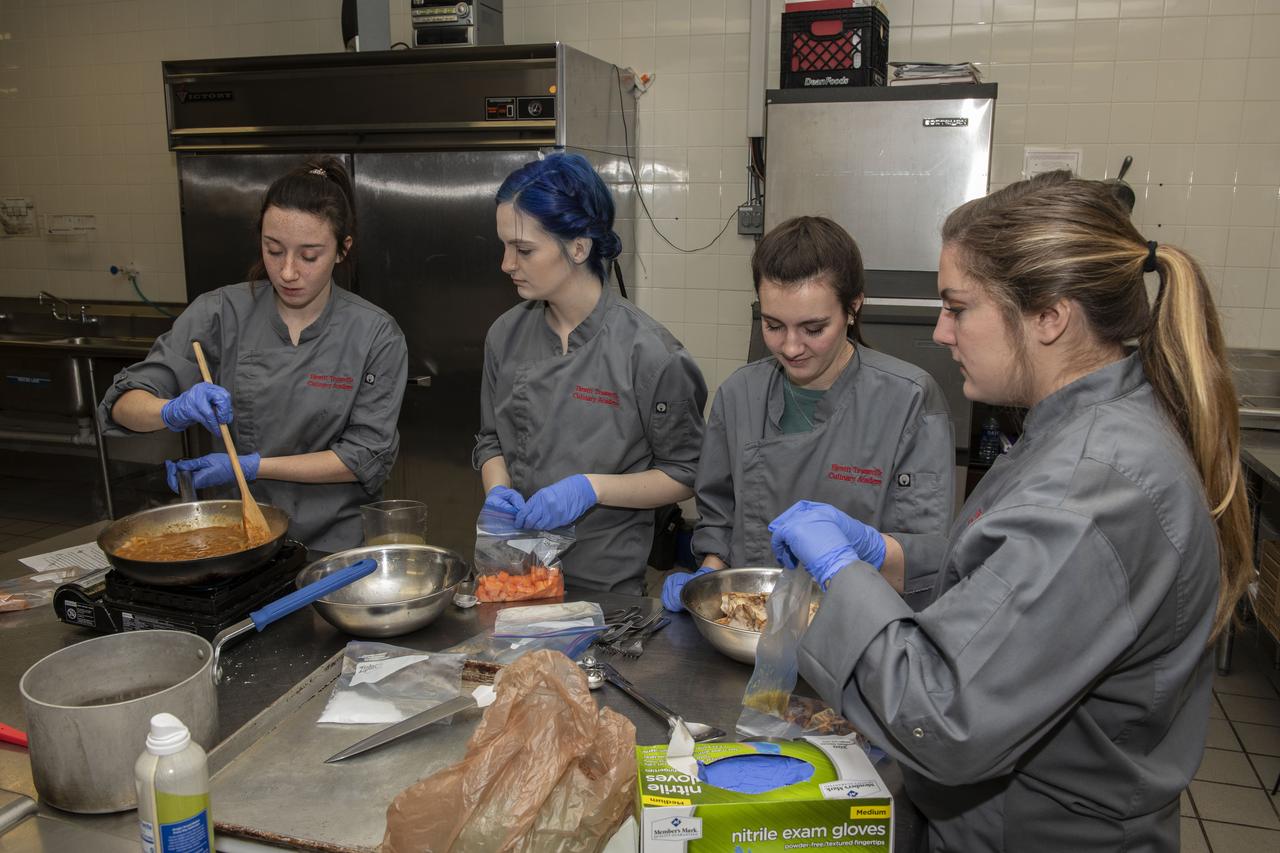
HUNCH (High School Students United with NASA to Create Hardware) students came together at the U.Sl Space and Rocket Center (USSRC) in a competition to create recipes for food to feed astronauts in space. Six teams from North Alabama and George participated. The winner will compete with students from competitions at other NASA centers later at the Johnson Space Flight Center.
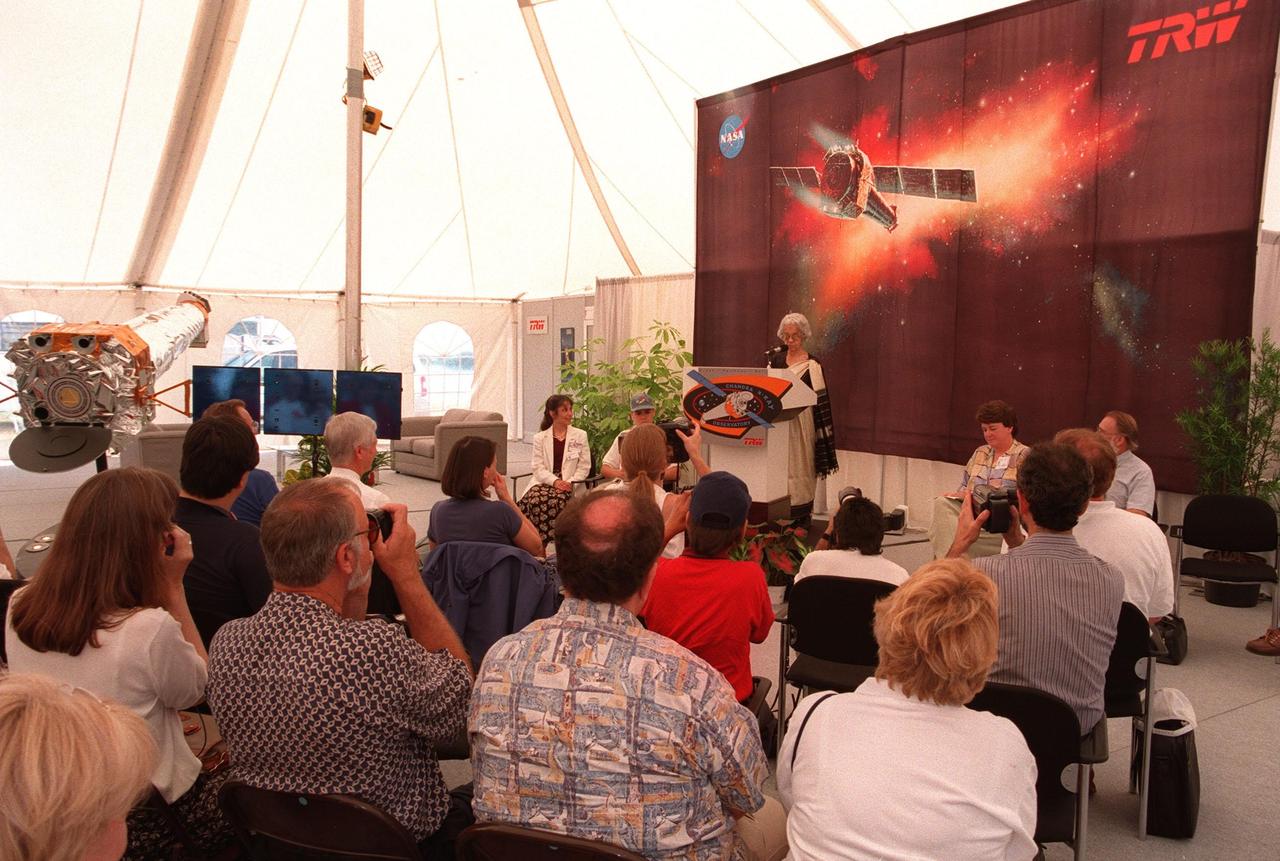
Mrs. Lalitha Chandrasekhar (at podium), wife of the late Indian-American Nobel Laureate Subrahmanyan Chandrasekhar, addresses the media and other invited guests in the TRW Media Hospitality Tent at the NASA Press Site at KSC. Other participants in the program (seated facing the audience, left to right) are the winners of the contest to rename the telescope, Jatila van der Veen, academic coordinator and lecturer, Physics Dept., University of Santa Barbara, Calif., and Tyrel Johnson, high school student, Laclede, Idaho; Joanne Maguire, vice-president and general manager, TRW Space & Laser Programs Division; and Dr. Alan Bunner, Science Program Director, Structure and Evolution of the Universe, Office of Space Science, NASA Headquarters, Washington, D.C. The name "Chandra," a shortened version of Chandrasekhar, was the name the Nobel Laureate preferred among friends and colleagues. "Chandra" also means "Moon" or "luminous" in Sanskrit. The observatory is scheduled to be launched aboard Columbia on Space Shuttle mission STS-93
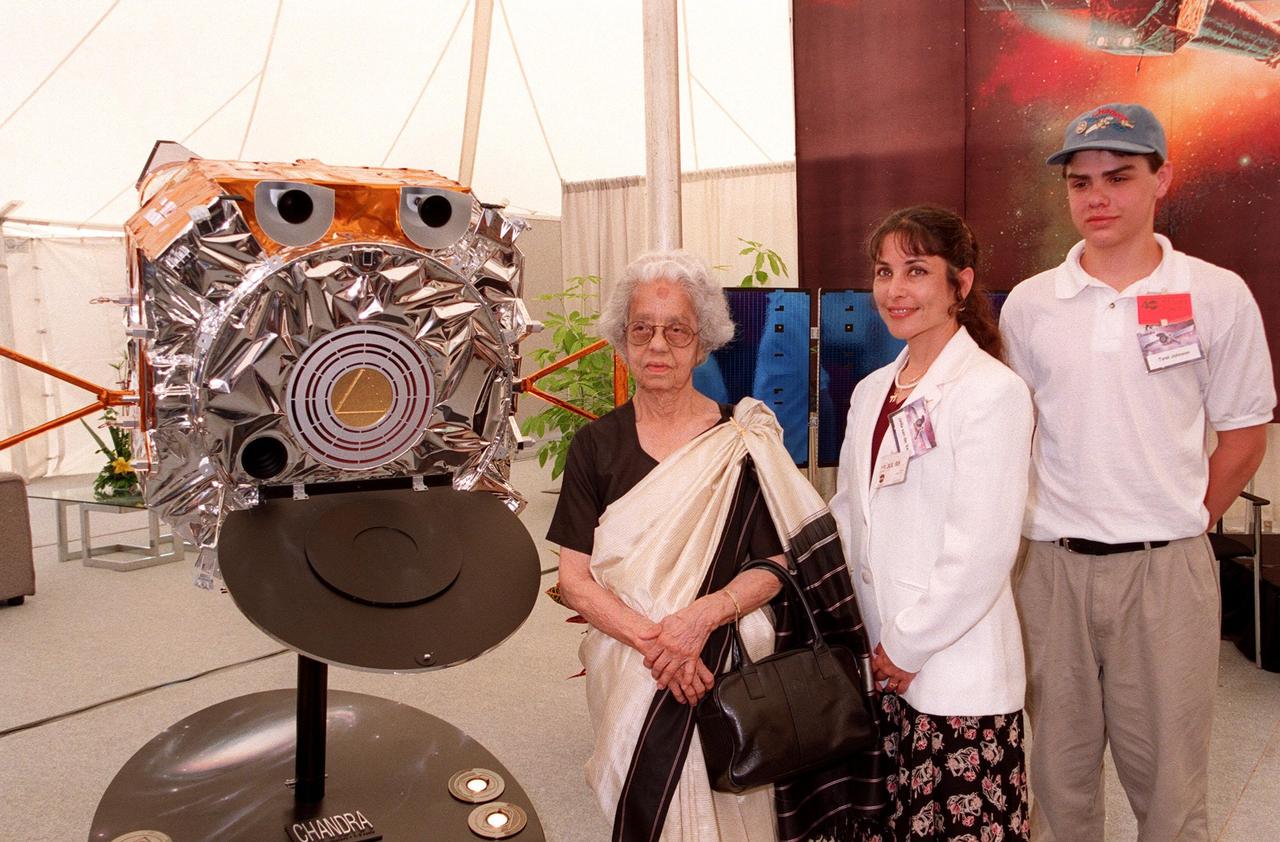
KENNEDY SPACE CENTER, FLA. -- Mrs. Lalitha Chandrasekhar (left), wife of the late Indian-American Nobel Laureate Subrahmanyan Chandrasekhar, poses with a model of the Chandra X-ray Observatory and the winners of the contest to rename the telescope in the TRW Media Hospitality Tent at the NASA Press Site at KSC. The winners of the contest are Jatila van der Veen (center), academic coordinator and lecturer, Physics Dept., University of Santa Barbara, Calif., and Tyrel Johnson (right), high school student, Laclede, Idaho. The name "Chandra," a shortened version of Chandrasekhar's name which he preferred among friends and colleagues, was chosen to honor the Nobel Laureate. "Chandra" also means "Moon" or "luminous" in Sanskrit. The observatory is scheduled to be launched aboard Columbia on Space Shuttle mission STS-93
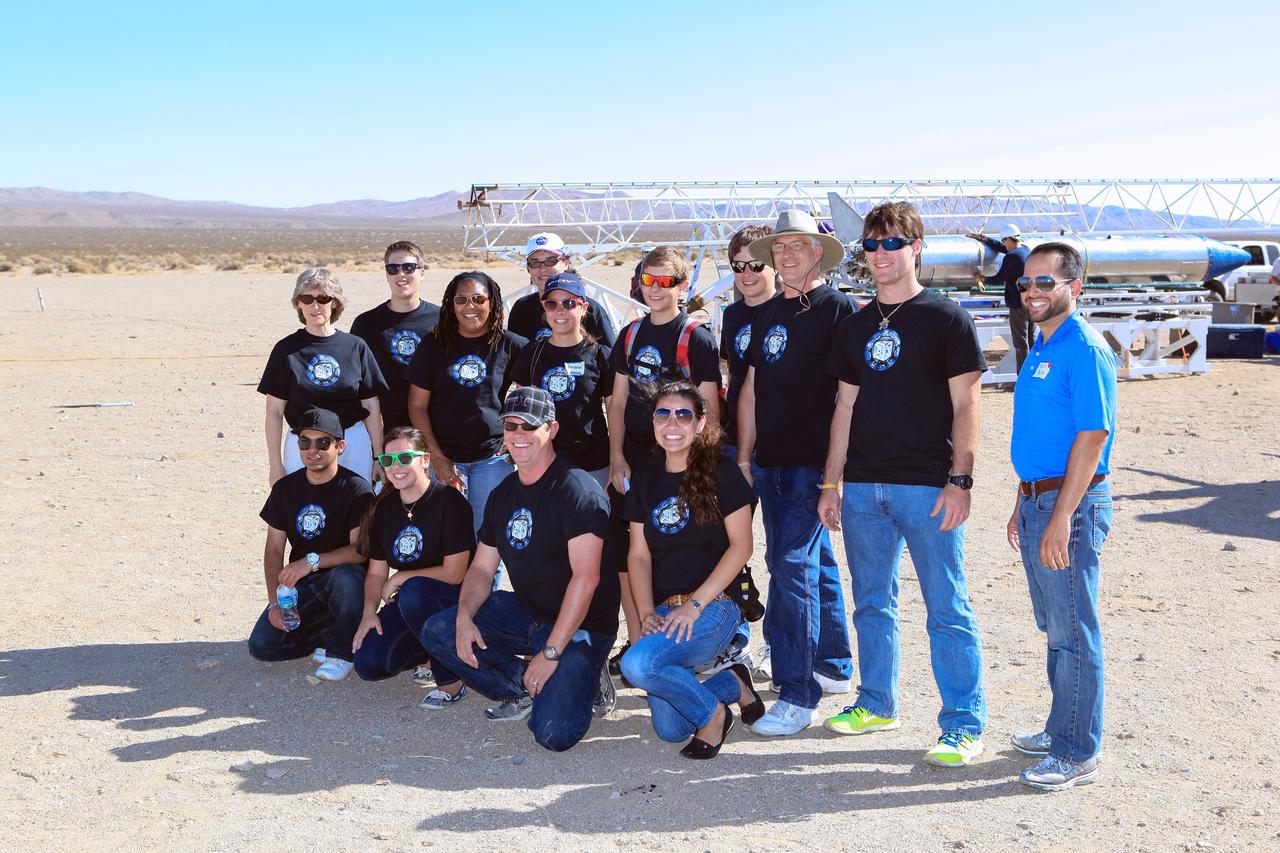
MOJAVE DESERT, Calif. – In the Mojave Desert in California, a student StangSat Team of students from Merritt Island High School in Florida posed for a pre-launch photograph as the Garvey Spacecraft Corporation's Prospector P-18D rocket, in the background, was being prepared for flight at the Friends of Amateur Rocketry launch site. Kneeling from left to right, are: Gurkirat Kainth, Megan Mackool, NASA mentor Shaun Daly and Maurisa Orona. Standing from left to right, are: teacher sponsor Tracey Beatovich, Brian Robusto, NASA Education program manager Grace Johnson, Nathan Stephens, Briana Luthman, Jackson Kinney, Steven Krygier, NASA mentor Jim Kinney, Joshua Zirkle and NASA mentor Kelvin Ruiz. Collectively known as CubeSats, the satellites will record shock, vibrations and heat inside the rocket. They will not be released during the test flight, but the results will be used to prove or strengthen their designs before they are carried into orbit in 2014 on a much larger rocket. A new, lightweight carrier is also being tested for use on future missions to deploy the small spacecraft. The flight also is being watched closely as a model for trying out new or off-the-shelf technologies quickly before putting them in the pipeline for use on NASA's largest launchers. Built by several different organizations, including a university, a NASA field center and a high school, the spacecraft are four-inch cubes designed to fly on their own eventually, but will remain firmly attached to the rocket during the upcoming mission. For more information, visit http://www.nasa.gov/mission_pages/smallsats/elana/cubesatlaunchpreview.html Photo credit: NASA/Dimitri Gerondidakis
!["Where I grew up [on my family farm] 100% shaped who I am. In fact, my son and I were talking about high schools and how big his is. His high school population is double the population of the town I grew up in. I had 20 kids in my graduating class, and three of them were foreign exchange students. He asked me, 'Do you wish you would have gone to a bigger school like us?' And I said, 'Actually, no, I don't.' I loved where I grew up. I absolutely cherish what it instilled in me, and that's something I carry with me all the time. "The earliest lesson was that you are part of something much bigger than yourself. Everybody has an important role in what they're doing, no matter how small. I remember when we were bringing in the corn. Right now, everybody buys it, but I didn't buy corn until maybe college because it was a whole family thing. We went and picked the corn. The little kids would shuck it, pulling off all the silk. The grown-ups would shave it off the cob and then push it off to the side, and then the older kids would bag it up into plastic bags. And then everybody went home. It was always about a team. You can be the youngest person or the lowest-ranking person, but you always bring something important to that table. "Everywhere I've been since I got commissioned [as an Air Force officer], my very first office in 1997, I hang an aerial picture of our farm on my wall because it's [a reminder to] remember where you came from, remember home, and don't get too big for your britches. No matter what, you could be part of something huge, and I look at that picture and say, 'I have always been part of something much bigger than myself.' All the little, tiny moments in life that build upon themselves trace back to that family farm for me." Alana Johnson, Senior Communications Specialist, poses for a portrait, Wednesday, Feb. 7, 2024, at the Mary W. Jackson NASA Headquarters building in Washington. Photo Credit: (NASA/Joel Kowsky)](https://images-assets.nasa.gov/image/NHQ202402070011/NHQ202402070011~medium.jpg)
"Where I grew up [on my family farm] 100% shaped who I am. In fact, my son and I were talking about high schools and how big his is. His high school population is double the population of the town I grew up in. I had 20 kids in my graduating class, and three of them were foreign exchange students. He asked me, 'Do you wish you would have gone to a bigger school like us?' And I said, 'Actually, no, I don't.' I loved where I grew up. I absolutely cherish what it instilled in me, and that's something I carry with me all the time. "The earliest lesson was that you are part of something much bigger than yourself. Everybody has an important role in what they're doing, no matter how small. I remember when we were bringing in the corn. Right now, everybody buys it, but I didn't buy corn until maybe college because it was a whole family thing. We went and picked the corn. The little kids would shuck it, pulling off all the silk. The grown-ups would shave it off the cob and then push it off to the side, and then the older kids would bag it up into plastic bags. And then everybody went home. It was always about a team. You can be the youngest person or the lowest-ranking person, but you always bring something important to that table. "Everywhere I've been since I got commissioned [as an Air Force officer], my very first office in 1997, I hang an aerial picture of our farm on my wall because it's [a reminder to] remember where you came from, remember home, and don't get too big for your britches. No matter what, you could be part of something huge, and I look at that picture and say, 'I have always been part of something much bigger than myself.' All the little, tiny moments in life that build upon themselves trace back to that family farm for me." Alana Johnson, Senior Communications Specialist, poses for a portrait, Wednesday, Feb. 7, 2024, at the Mary W. Jackson NASA Headquarters building in Washington. Photo Credit: (NASA/Joel Kowsky)
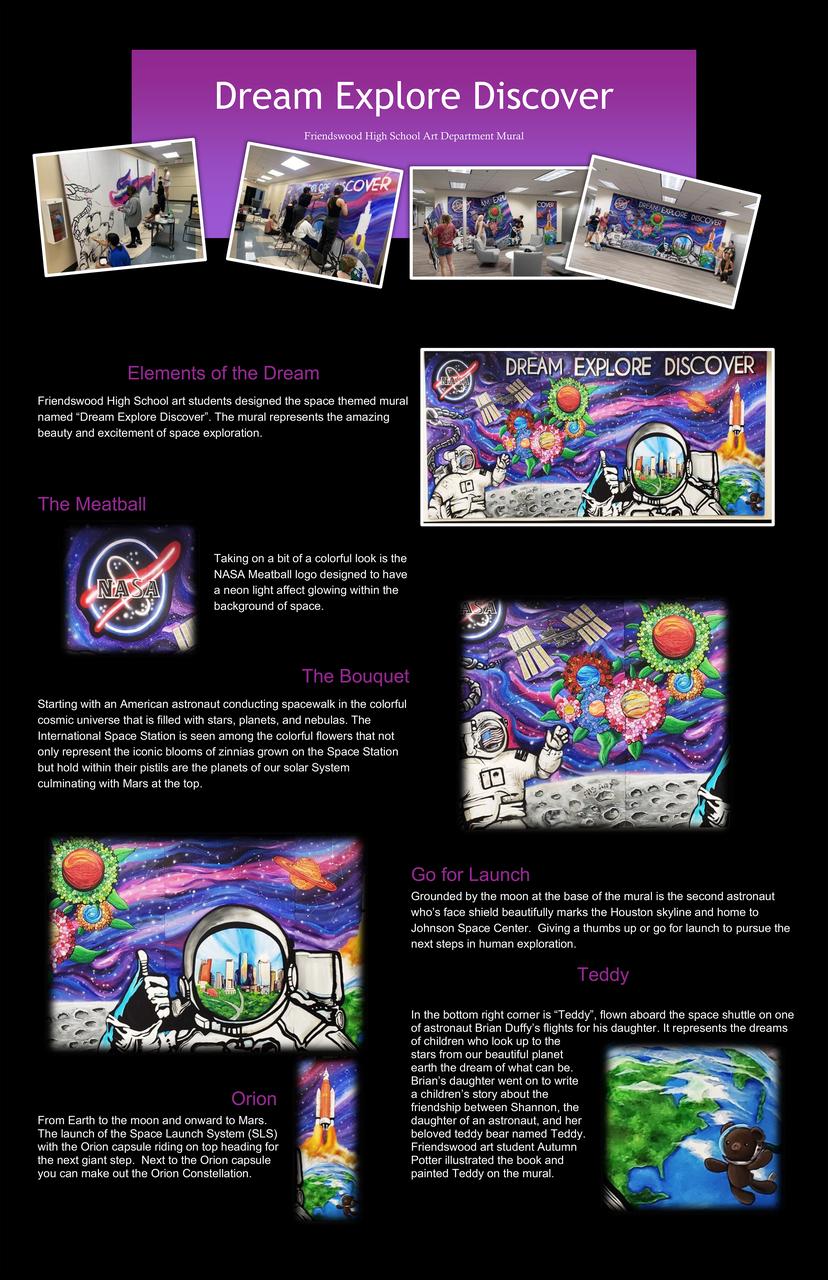
jsc2022e060871_Alt ( 6/22/2022) Friendswood High School art students designed the space themed mural named “Dream Explore Discover”. The mural represents the amazing beauty and excitement of space exploration. Taking on a bit of a colorful look is the NASA Meatball logo designed to have a neon light affect glowing within the background of space. Starting with an American astronaut conducting spacewalk in the colorful cosmic universe that is filled with stars, planets, and nebulas. The International Space Station is seen among the colorful flowers that not only represent the iconic blooms of zinnias grown on the Space Station but hold within their pistils are the planets of our solar System culminating with Mars at the top. Grounded by the moon at the base of the mural is the second astronaut who’s face shield beautifully marks the Houston skyline and home to Johnson Space Center. Giving a thumbs up or go for launch to pursue the next steps in human exploration. From Earth to the moon and onward to Mars. The launch of the Space Launch System (SLS) with the Orion capsule riding on top heading for the next giant step. Next to the Orion capsule you can make out the Orion Constellation. In the bottom right corner is “Teddy”, flown aboard the space shuttle on one of astronaut Brian Duffy’s flights for his daughter. It represents the dreams of children who look up to the stars from our beautiful planet earth the dream of what can be. Brian’s daughter went on to write a children’s story about the friendship between Shannon, the daughter of an astronaut, and her beloved teddy bear named Teddy. Friendswood art student Autumn Potter illustrated the book and painted Teddy on the mural.