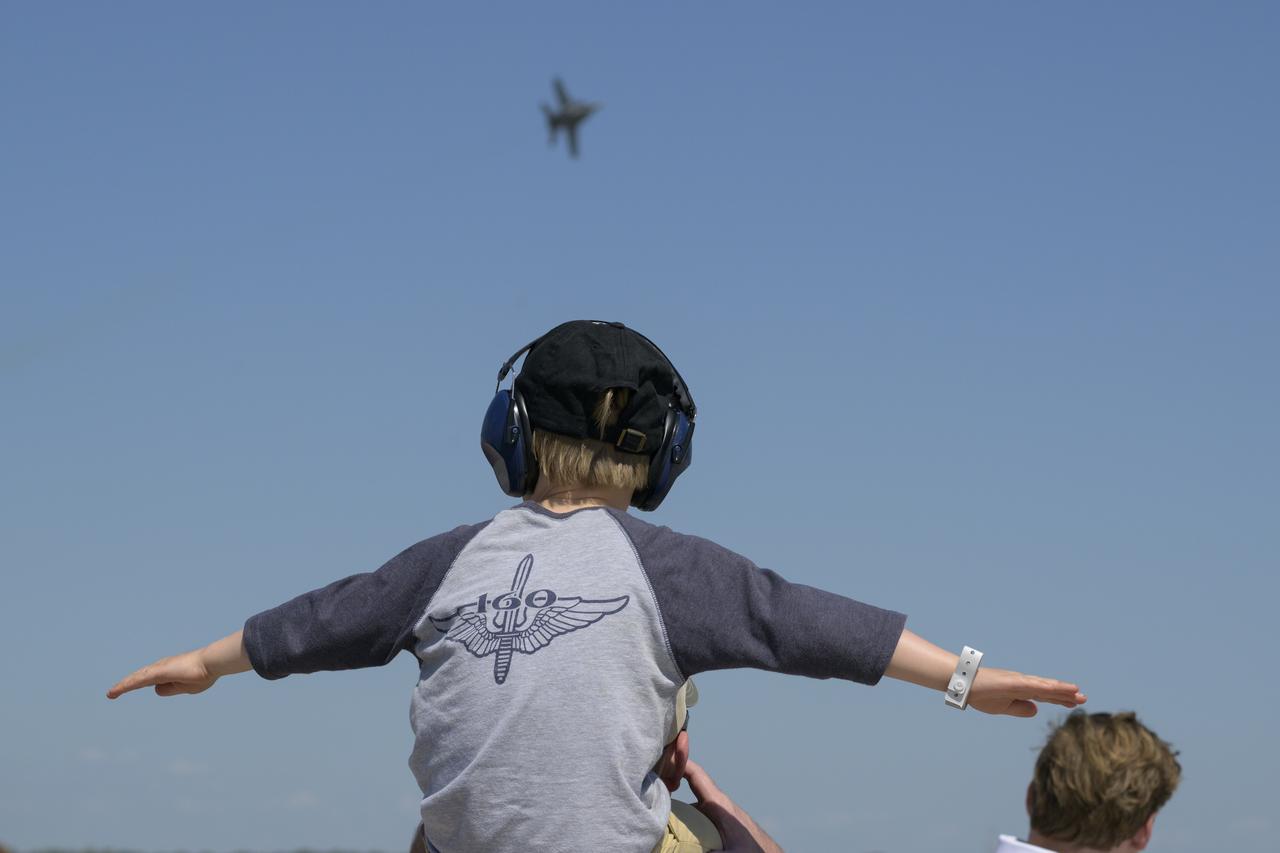
A young spectator watches a U.S. Navy F/A-15F Super Hornet jet fly, Friday, Sept. 12, 2025, during the Joint Base Andrews Air Show at Joint Base Andrews in Prince George's County, Maryland. NASA astronaut Nick Hague was on hand to provide remarks and meet with guests. Hague spent 171 days onboard the International Space Station as part of Expedition 72. Photo Credit: (NASA/Bill Ingalls)
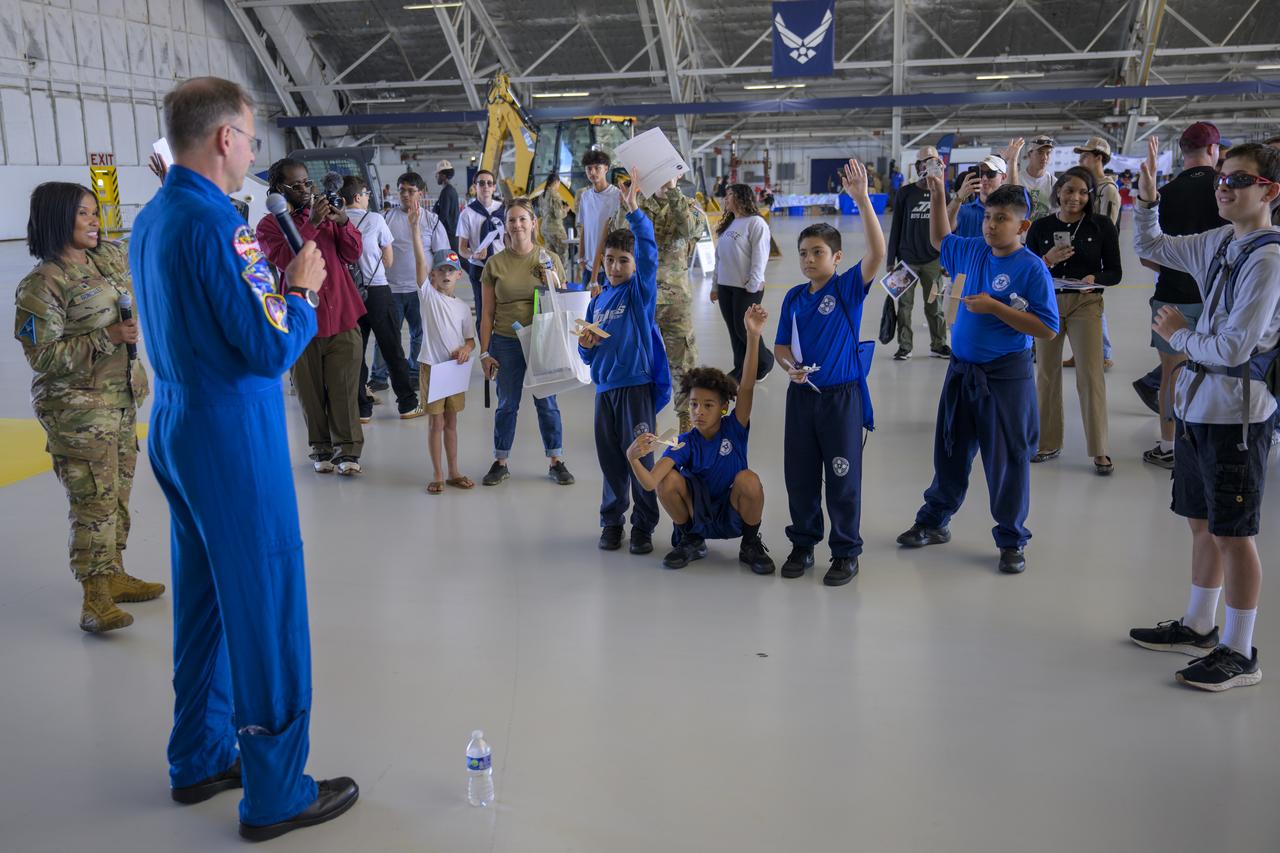
NASA astronaut Nick Hague meets with attendees, Friday, Sept. 12, 2025, during the Joint Base Andrews Air Show at Joint Base Andrews in Prince George's County, Maryland. Hague spent 171 days onboard the International Space Station as part of Expedition 72. Photo Credit: (NASA/Bill Ingalls)
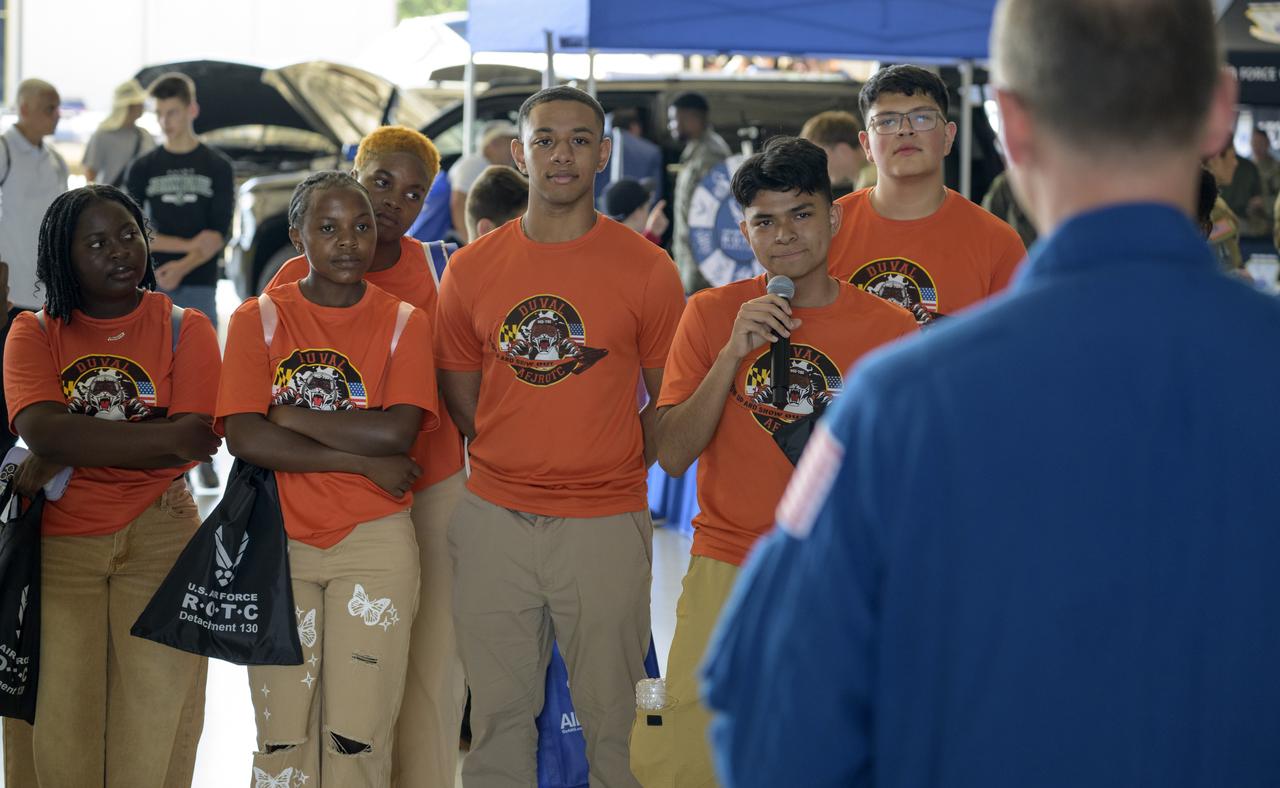
NASA astronaut Nick Hague meets with attendees, Friday, Sept. 12, 2025, during the Joint Base Andrews Air Show at Joint Base Andrews in Prince George's County, Maryland. Hague spent 171 days onboard the International Space Station as part of Expedition 72. Photo Credit: (NASA/Bill Ingalls)
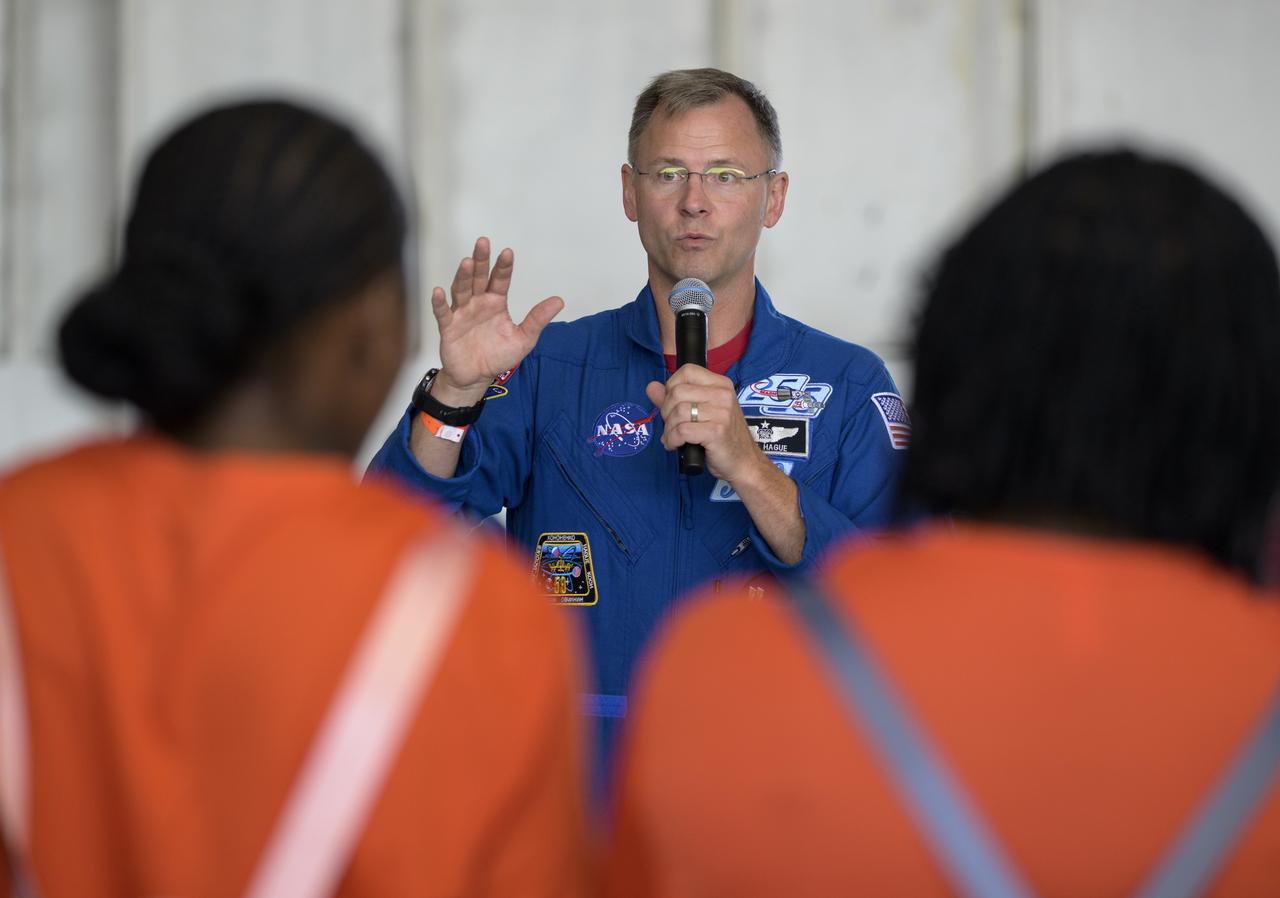
NASA astronaut Nick Hague meets with attendees, Friday, Sept. 12, 2025, during the Joint Base Andrews Air Show at Joint Base Andrews in Prince George's County, Maryland. Hague spent 171 days onboard the International Space Station as part of Expedition 72. Photo Credit: (NASA/Bill Ingalls)
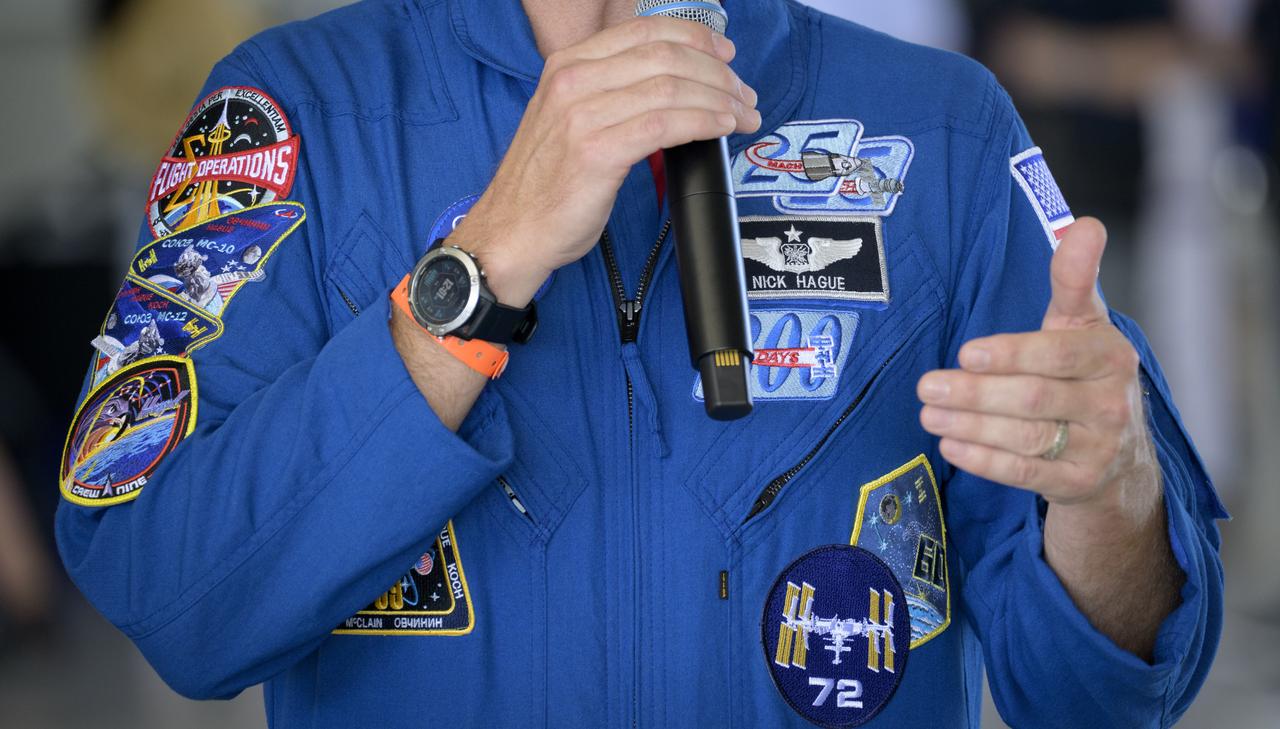
NASA astronaut Nick Hague meets with attendees, Friday, Sept. 12, 2025, during the Joint Base Andrews Air Show at Joint Base Andrews in Prince George's County, Maryland. Hague spent 171 days onboard the International Space Station as part of Expedition 72. Photo Credit: (NASA/Bill Ingalls)
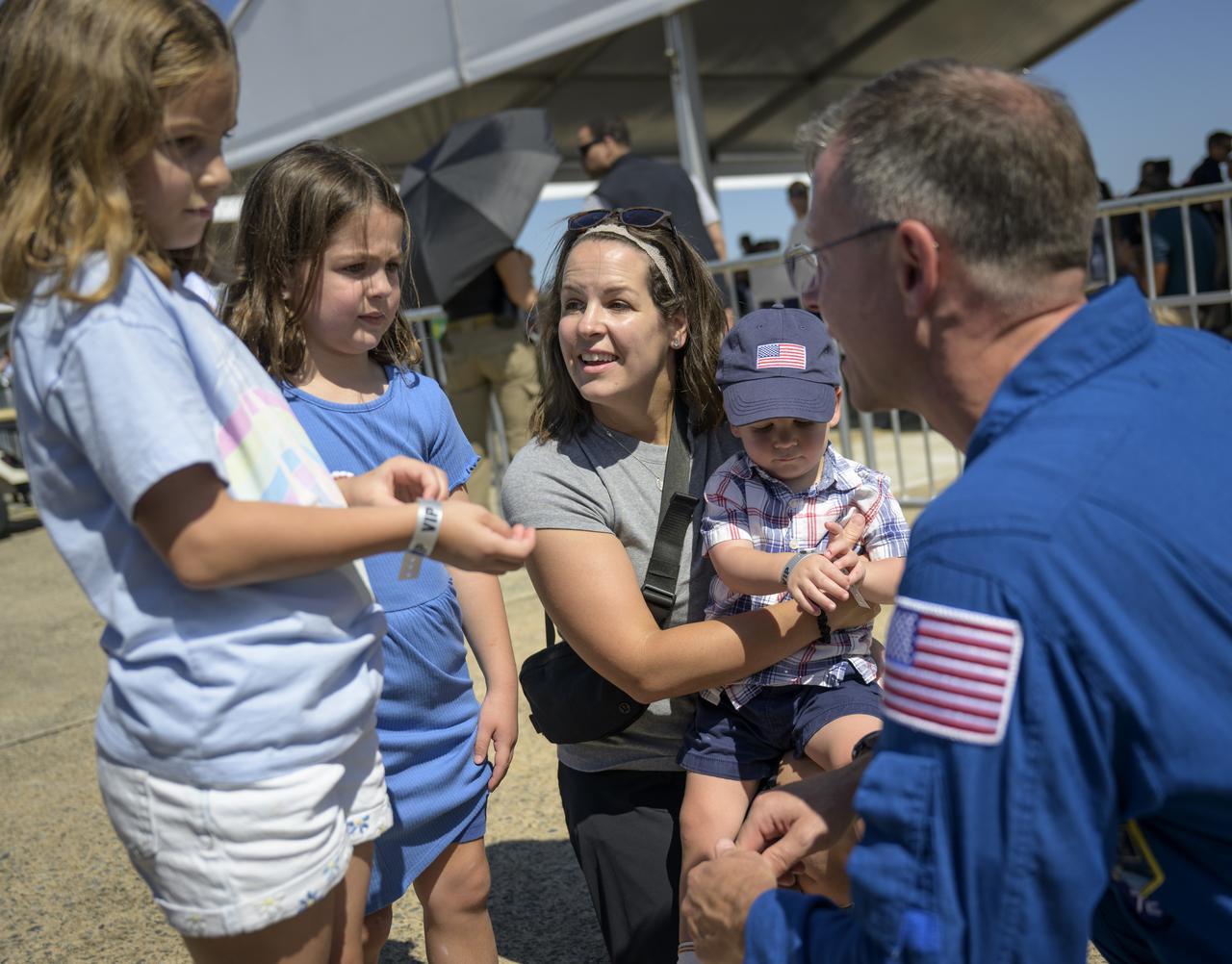
NASA astronaut Nick Hague meets with attendees, Friday, Sept. 12, 2025, during the Joint Base Andrews Air Show at Joint Base Andrews in Prince George's County, Maryland. Hague spent 171 days onboard the International Space Station as part of Expedition 72. Photo Credit: (NASA/Bill Ingalls)
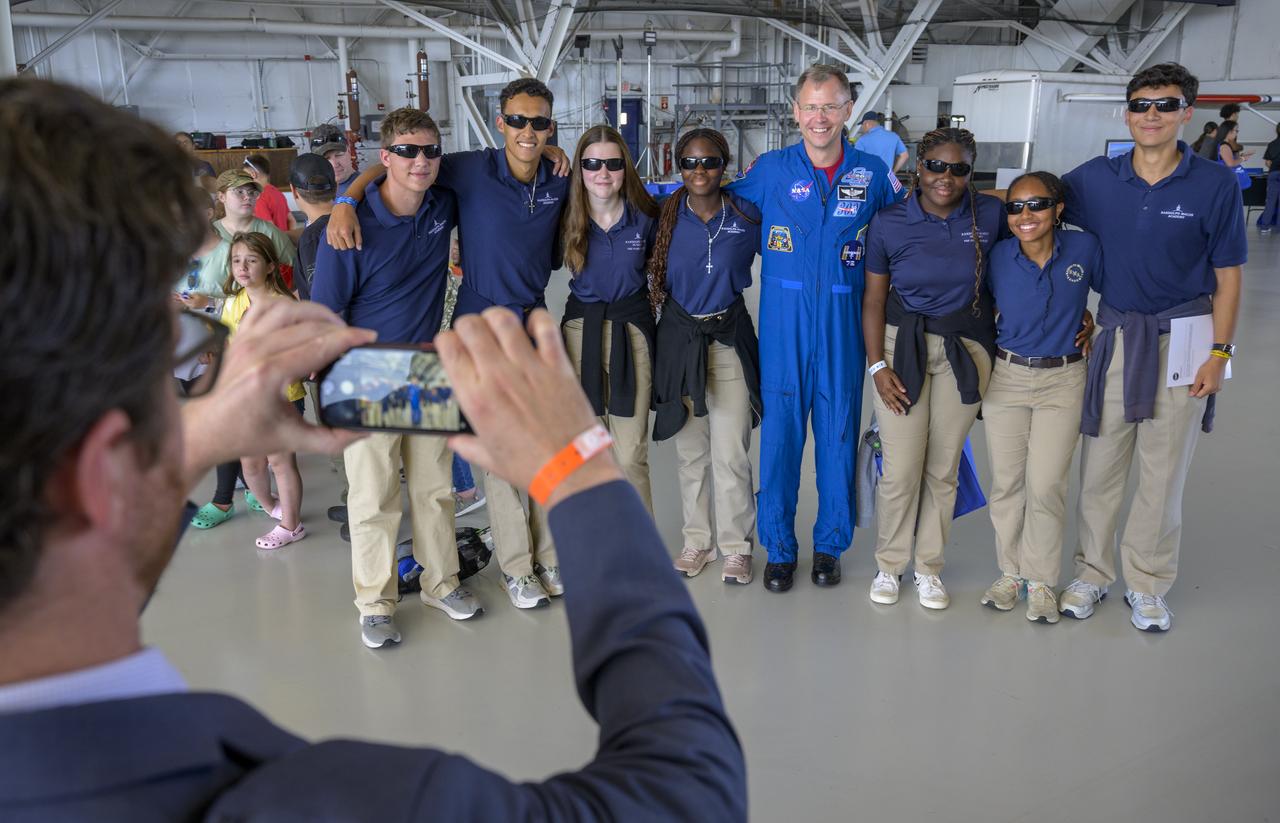
NASA astronaut Nick Hague meets with attendees, Friday, Sept. 12, 2025, during the Joint Base Andrews Air Show at Joint Base Andrews in Prince George's County, Maryland. Hague spent 171 days onboard the International Space Station as part of Expedition 72. Photo Credit: (NASA/Bill Ingalls)
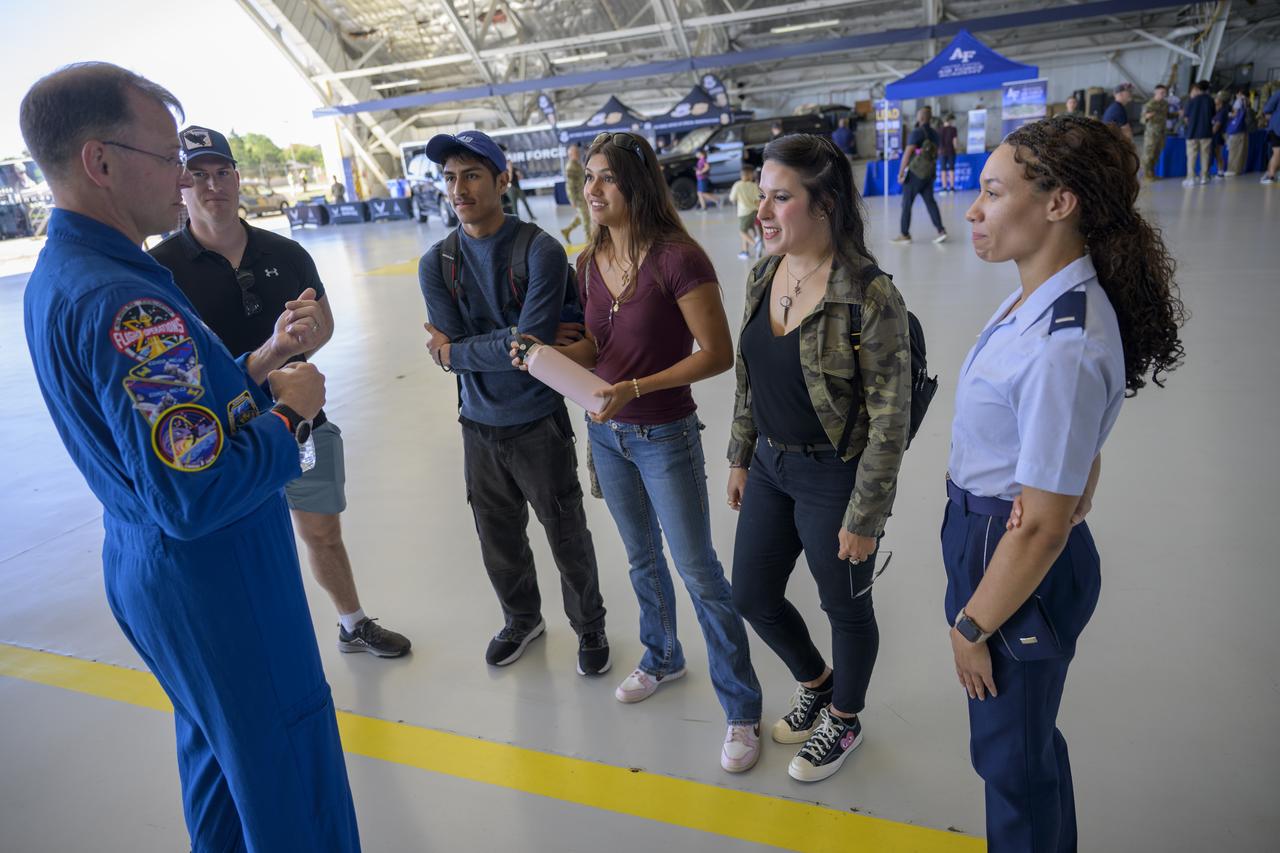
NASA astronaut Nick Hague meets with attendees, Friday, Sept. 12, 2025, during the Joint Base Andrews Air Show at Joint Base Andrews in Prince George's County, Maryland. Hague spent 171 days onboard the International Space Station as part of Expedition 72. Photo Credit: (NASA/Bill Ingalls)
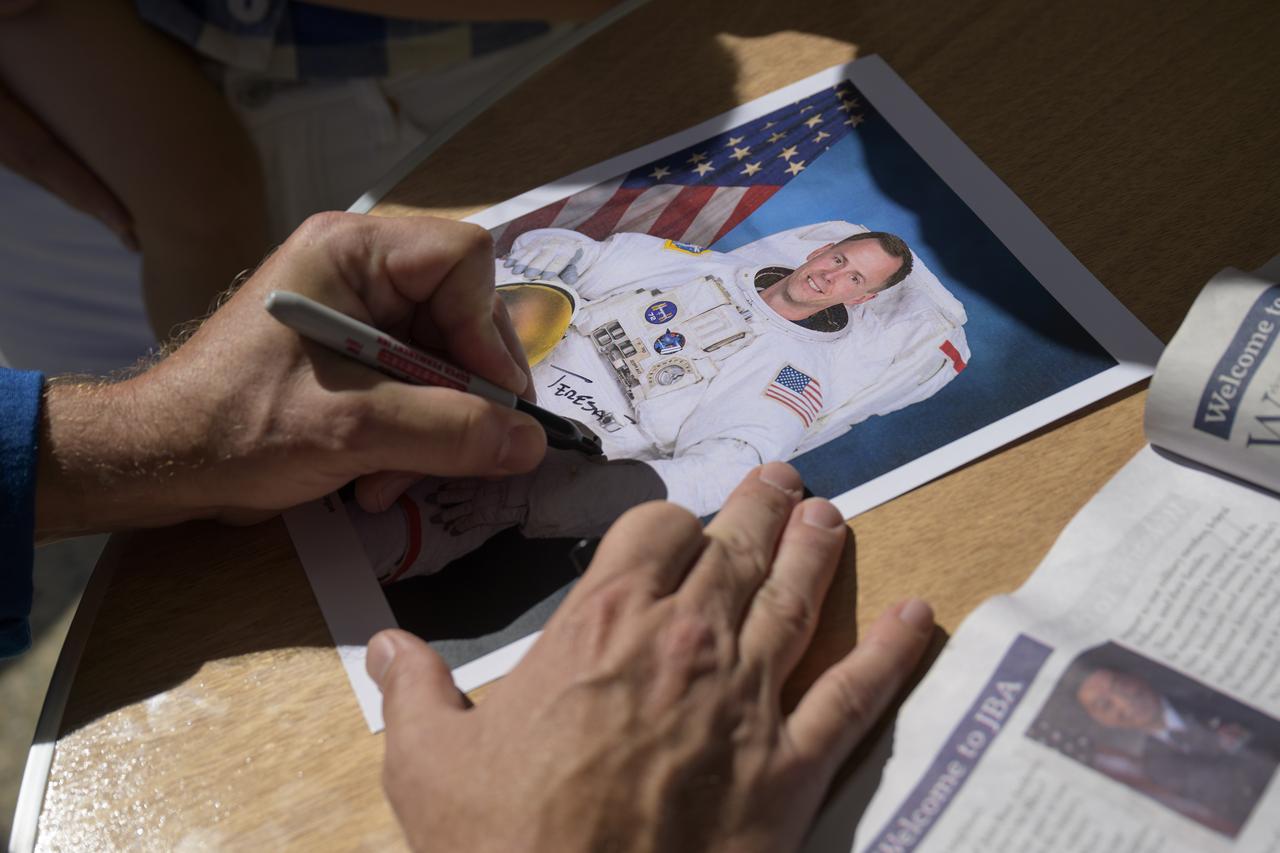
NASA astronaut Nick Hague signs autographs, Friday, Sept. 12, 2025, during the Joint Base Andrews Air Show at Joint Base Andrews in Prince George's County, Maryland. Hague spent 171 days onboard the International Space Station as part of Expedition 72. Photo Credit: (NASA/Bill Ingalls)
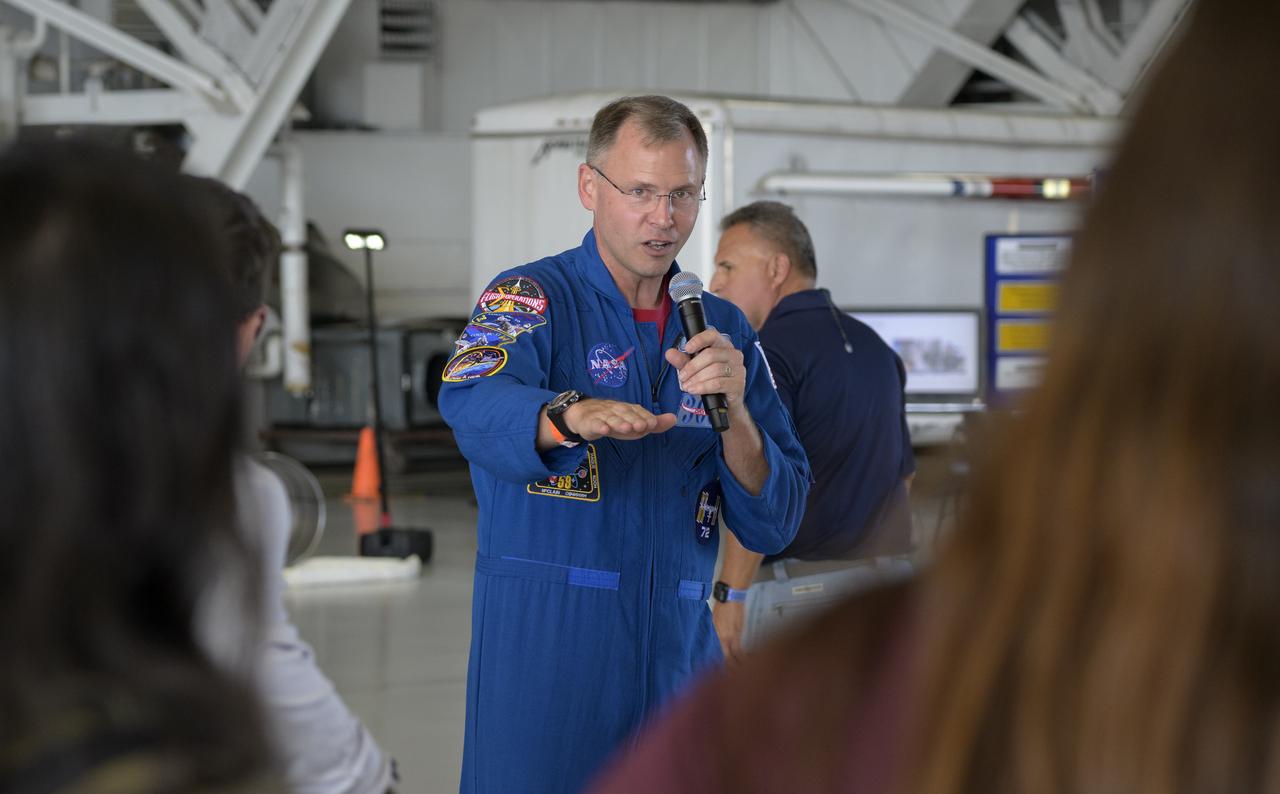
NASA astronaut Nick Hague meets with attendees, Friday, Sept. 12, 2025, during the Joint Base Andrews Air Show at Joint Base Andrews in Prince George's County, Maryland. Hague spent 171 days onboard the International Space Station as part of Expedition 72. Photo Credit: (NASA/Bill Ingalls)
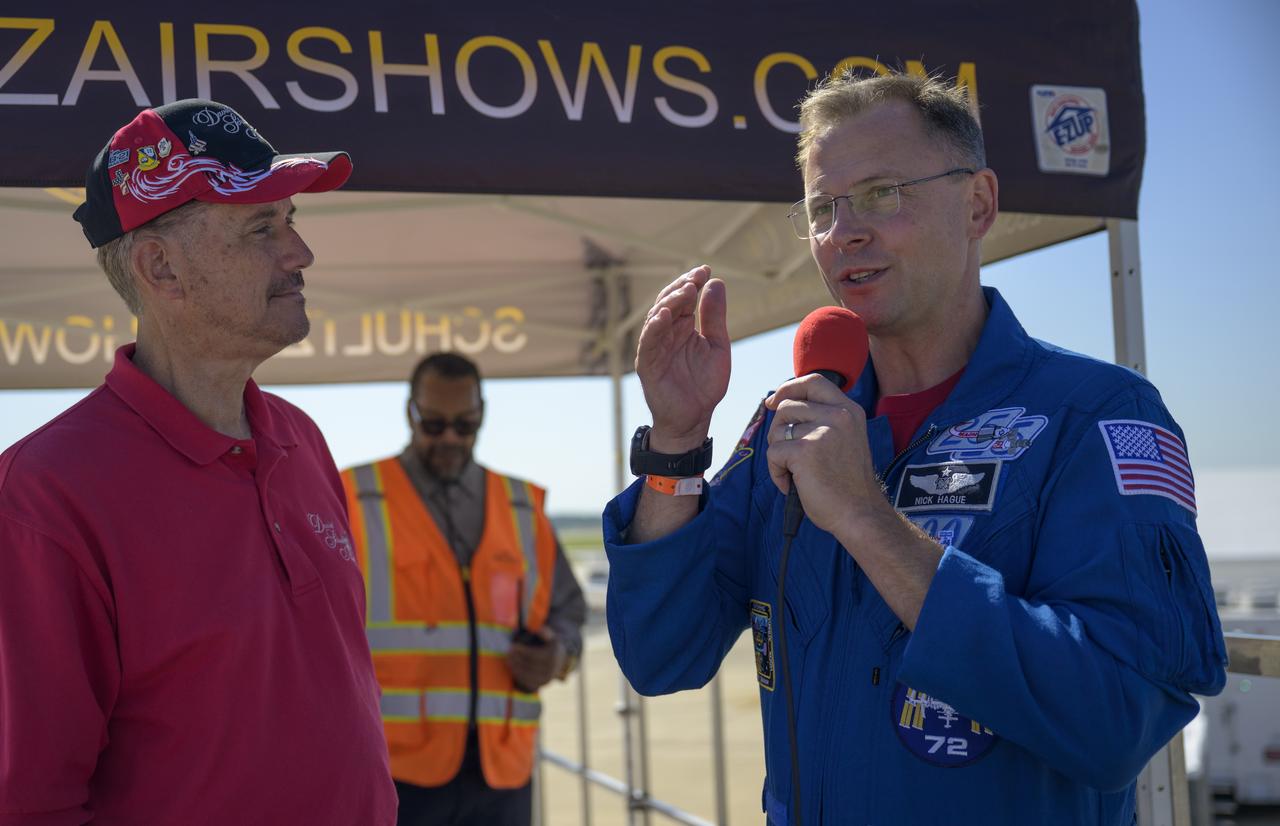
NASA astronaut Nick Hague gives remarks, Friday, Sept. 12, 2025, during the Joint Base Andrews Air Show at Joint Base Andrews in Prince George's County, Maryland. Hague spent 171 days onboard the International Space Station as part of Expedition 72. Photo Credit: (NASA/Bill Ingalls)
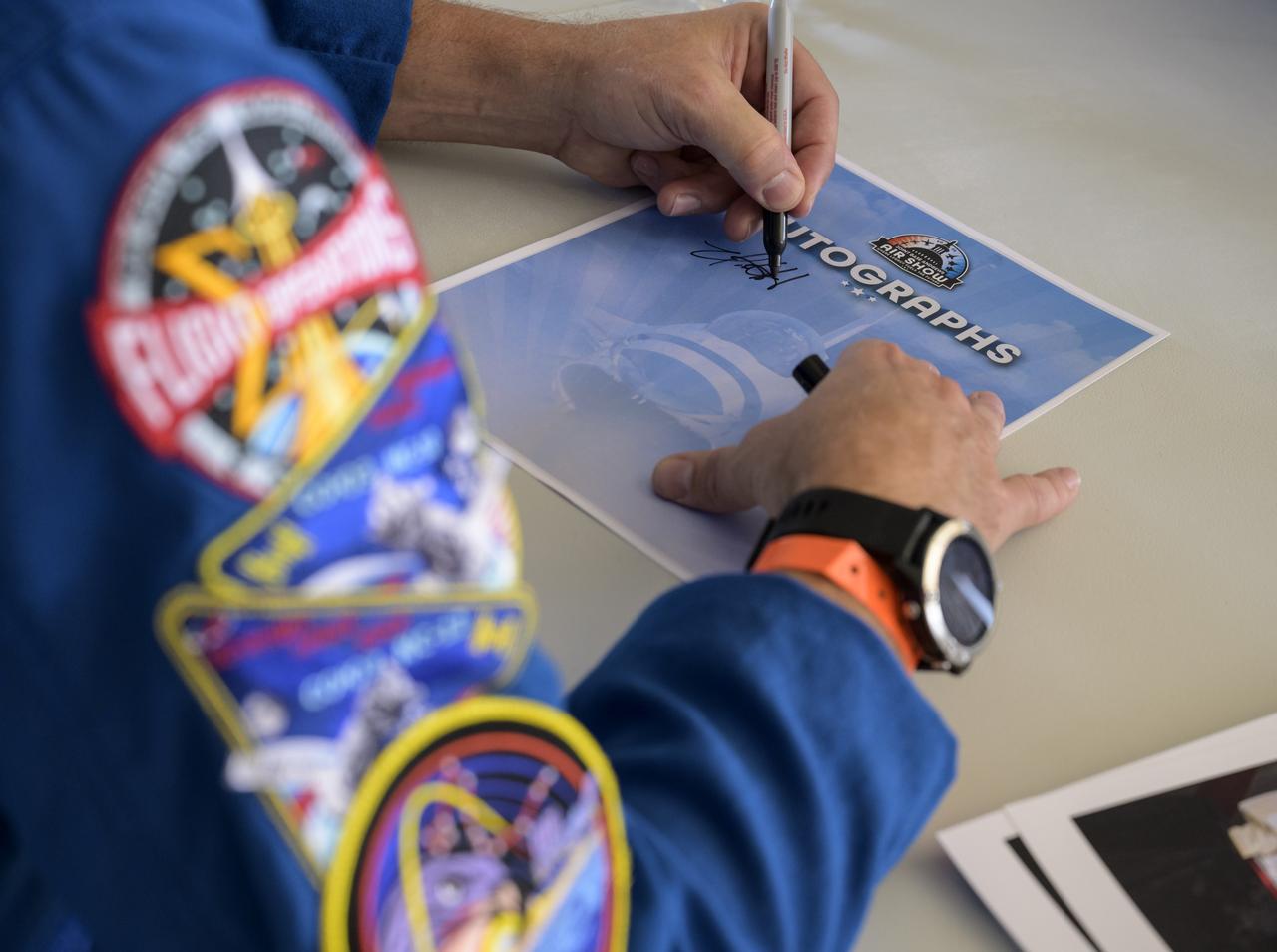
NASA astronaut Nick Hague meets with attendees, Friday, Sept. 12, 2025, during the Joint Base Andrews Air Show at Joint Base Andrews in Prince George's County, Maryland. Hague spent 171 days onboard the International Space Station as part of Expedition 72. Photo Credit: (NASA/Bill Ingalls)
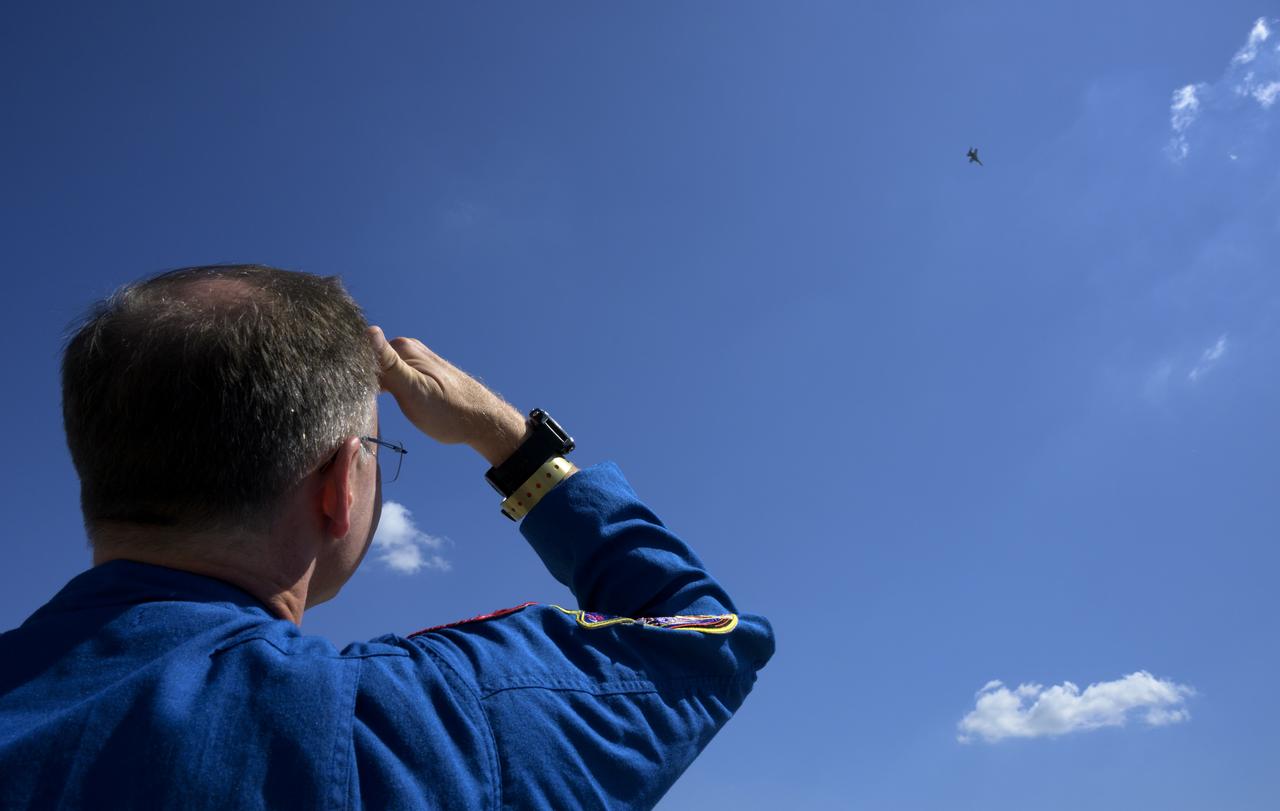
NASA astronaut Nick Hague watches a U.S. Navy F/A-15F Super Hornet jet fly, Friday, Sept. 12, 2025, during the Joint Base Andrews Air Show at Joint Base Andrews in Prince George's County, Maryland. Hague spent 171 days onboard the International Space Station as part of Expedition 72. Photo Credit: (NASA/Bill Ingalls)
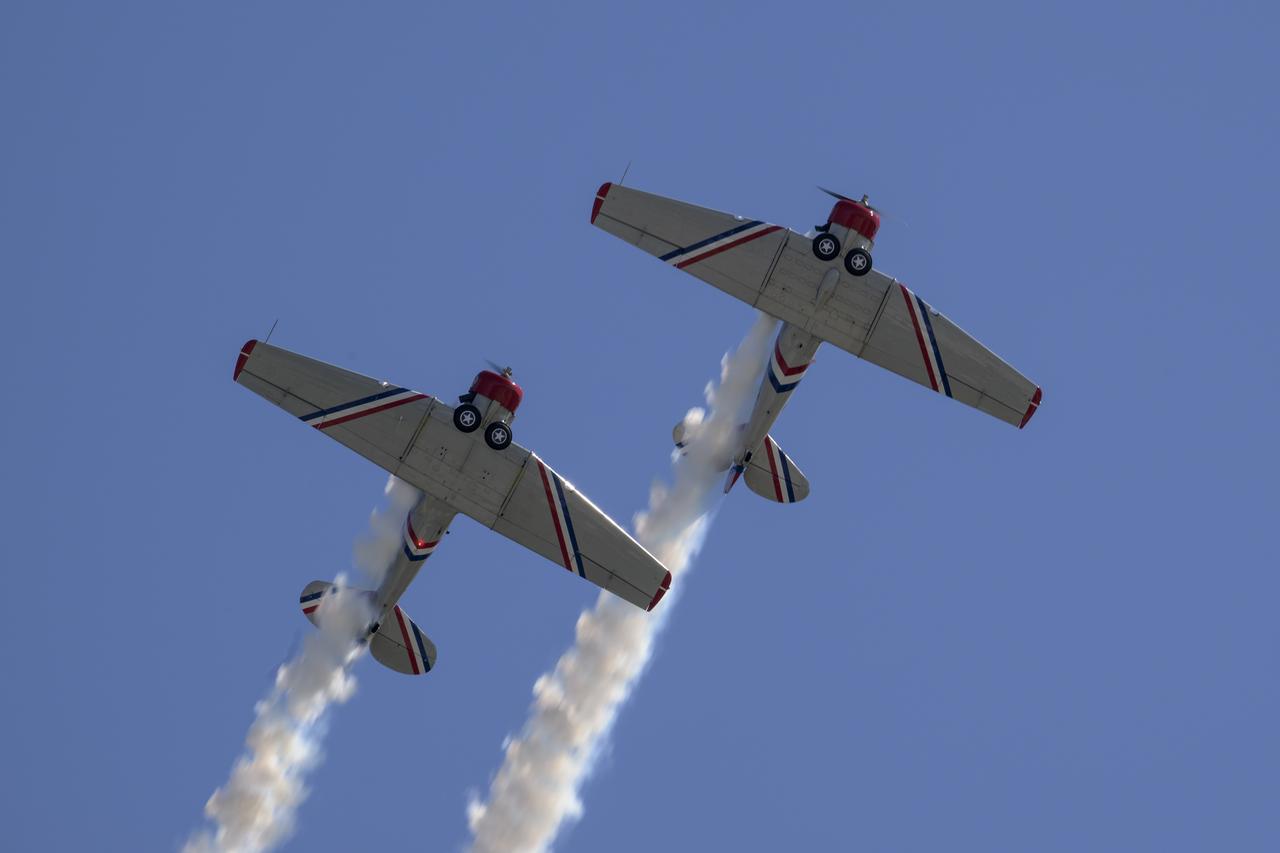
Warbird Thunder SNJ planes perform, Friday, Sept. 12, 2025, during the Joint Base Andrews Air Show at Joint Base Andrews in Prince George's County, Maryland. NASA astronaut Nick Hague was on hand to provide remarks and meet with guests. Hague spent 171 days onboard the International Space Station as part of Expedition 72. Photo Credit: (NASA/Bill Ingalls)
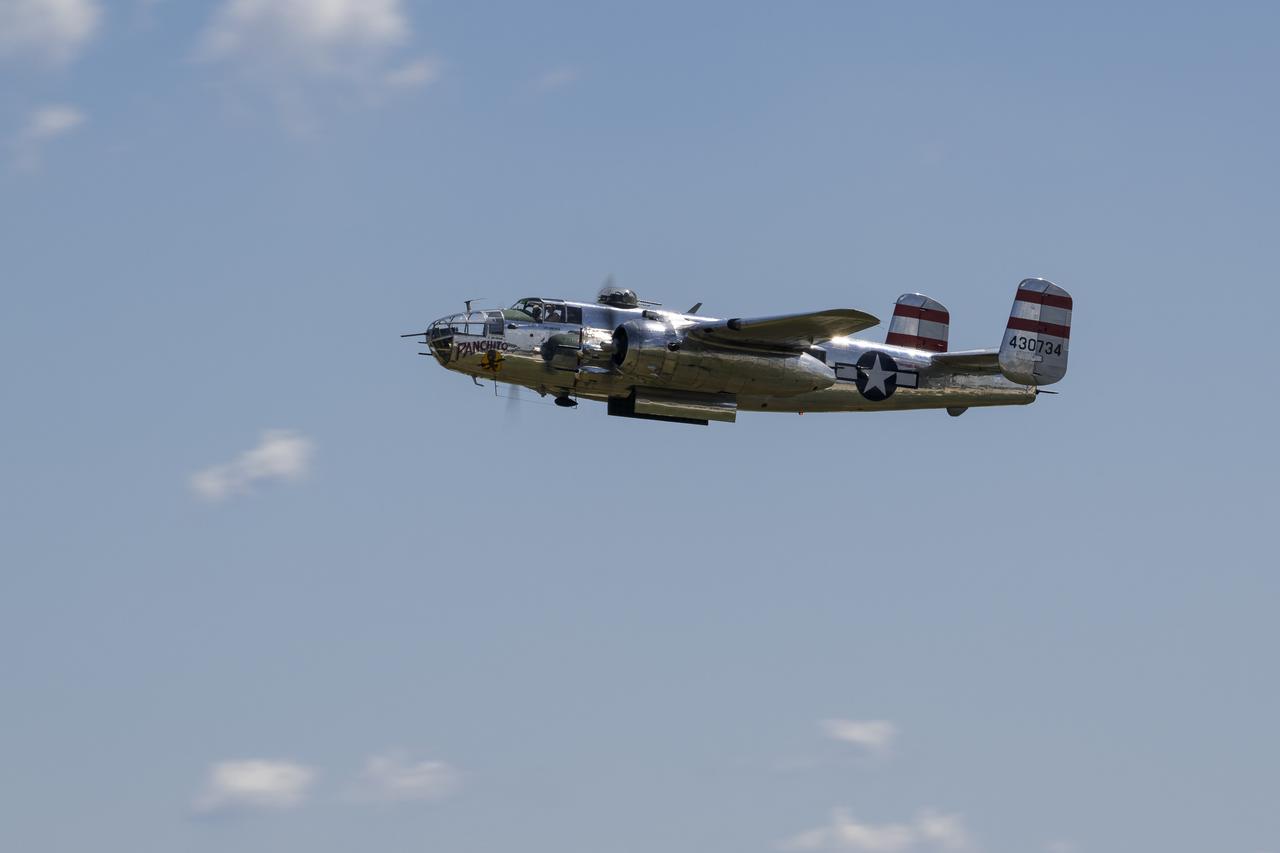
The B-25J “Panchito” plane performs, Friday, Sept. 12, 2025, during the Joint Base Andrews Air Show at Joint Base Andrews in Prince George's County, Maryland. NASA astronaut Nick Hague was on hand to provide remarks and meet with guests. Hague spent 171 days onboard the International Space Station as part of Expedition 72. Photo Credit: (NASA/Bill Ingalls)
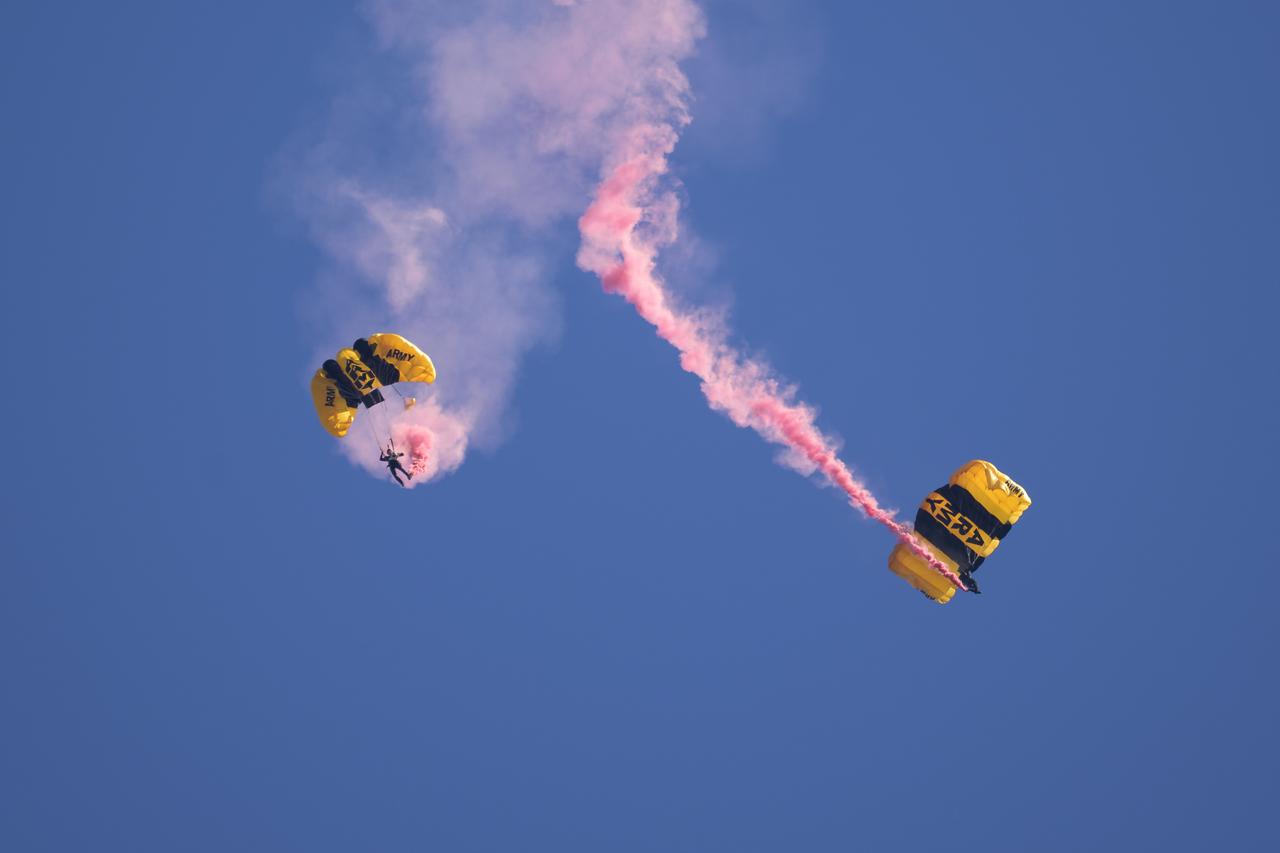
The United States Army Parachute Team, the Golden Knights, are seen during the opening ceremony of the Joint Base Andrews Air Show, Friday, Sept. 12, 2025, at Joint Base Andrews in Prince George's County, Maryland. NASA astronaut Nick Hague was on hand to provide remarks and meet with guests. Hague spent 171 days onboard the International Space Station as part of Expedition 72. Photo Credit: (NASA/Bill Ingalls)
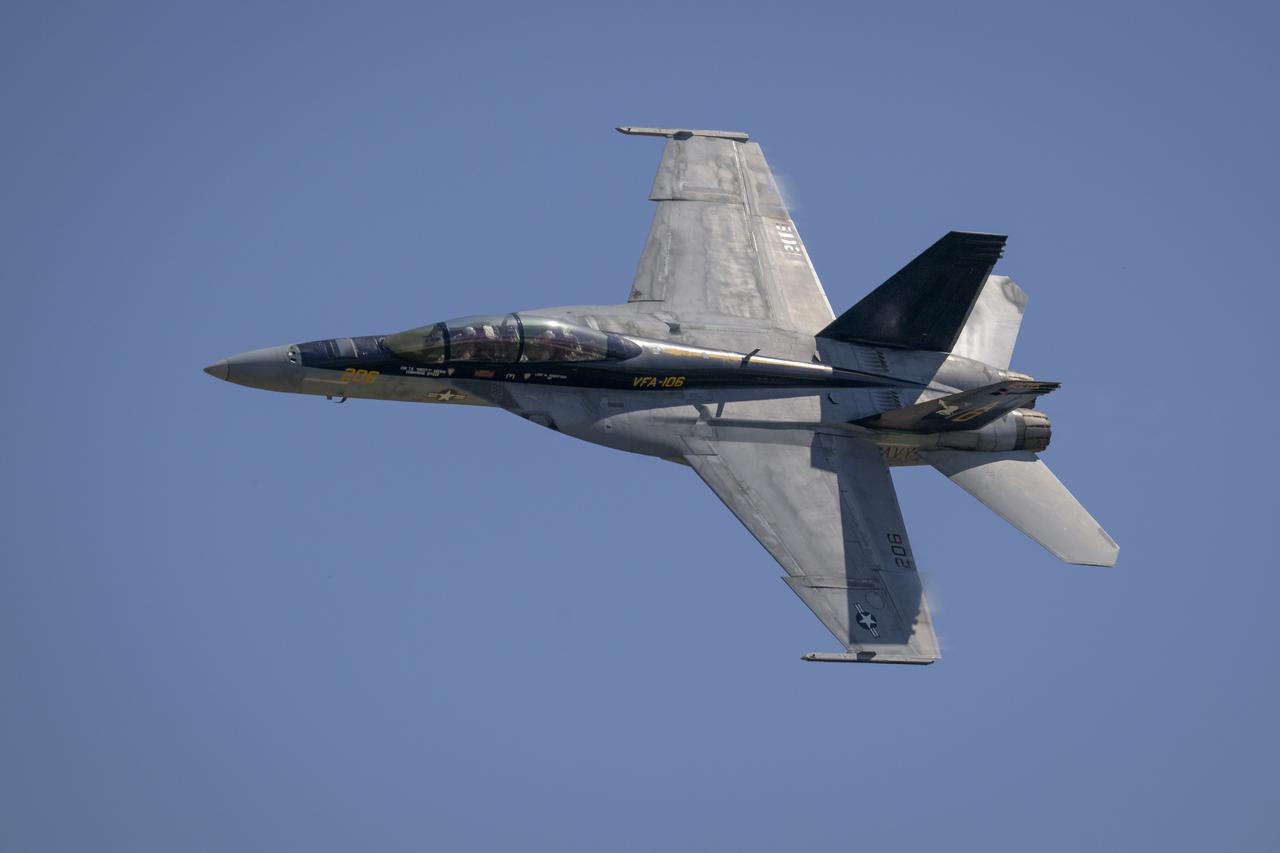
A U.S. Navy F/A-15F Super Hornet jet performs, Friday, Sept. 12, 2025, during the Joint Base Andrews Air Show at Joint Base Andrews in Prince George's County, Maryland. NASA astronaut Nick Hague was on hand to provide remarks and meet with guests. Hague spent 171 days onboard the International Space Station as part of Expedition 72. Photo Credit: (NASA/Bill Ingalls)
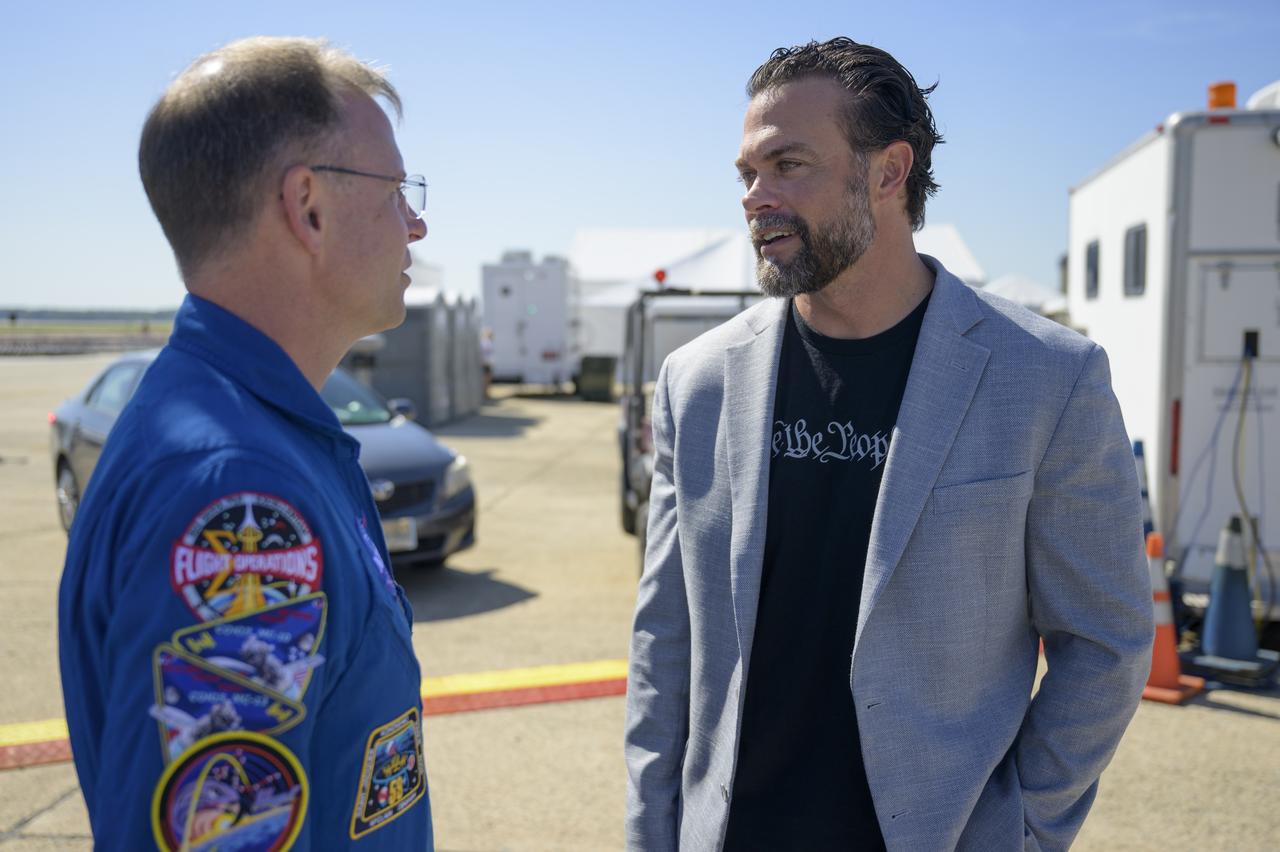
NASA astronaut Nick Hague, left, talks with Under Secretary of the Air Force Matthew Lohmeier, Friday, Sept. 12, 2025, during the Joint Base Andrews Air Show at Joint Base Andrews in Prince George's County, Maryland. Hague spent 171 days onboard the International Space Station as part of Expedition 72. Photo Credit: (NASA/Bill Ingalls)
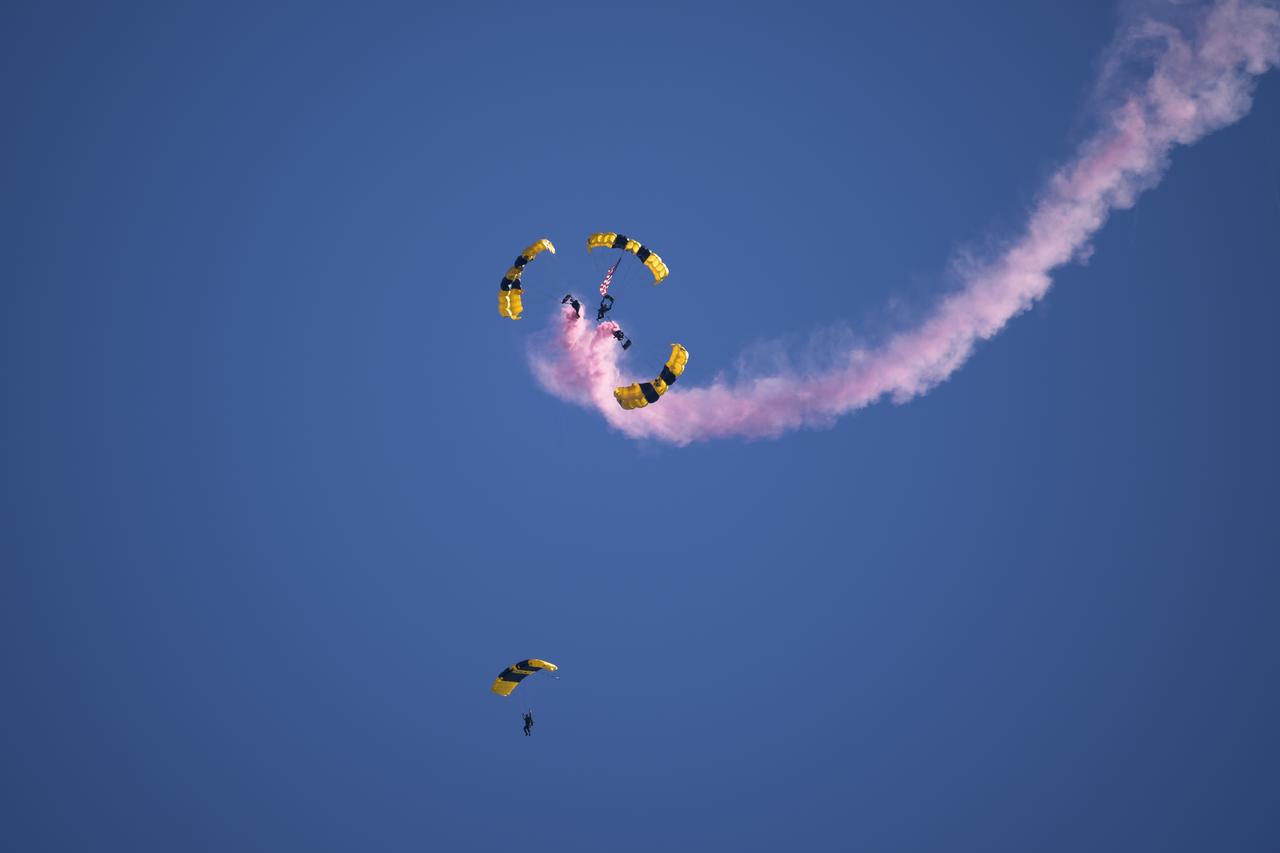
The United States Army Parachute Team, the Golden Knights, are seen during the opening ceremony of the Joint Base Andrews Air Show, Friday, Sept. 12, 2025, at Joint Base Andrews in Prince George's County, Maryland. NASA astronaut Nick Hague was on hand to provide remarks and meet with guests. Hague spent 171 days onboard the International Space Station as part of Expedition 72. Photo Credit: (NASA/Bill Ingalls)
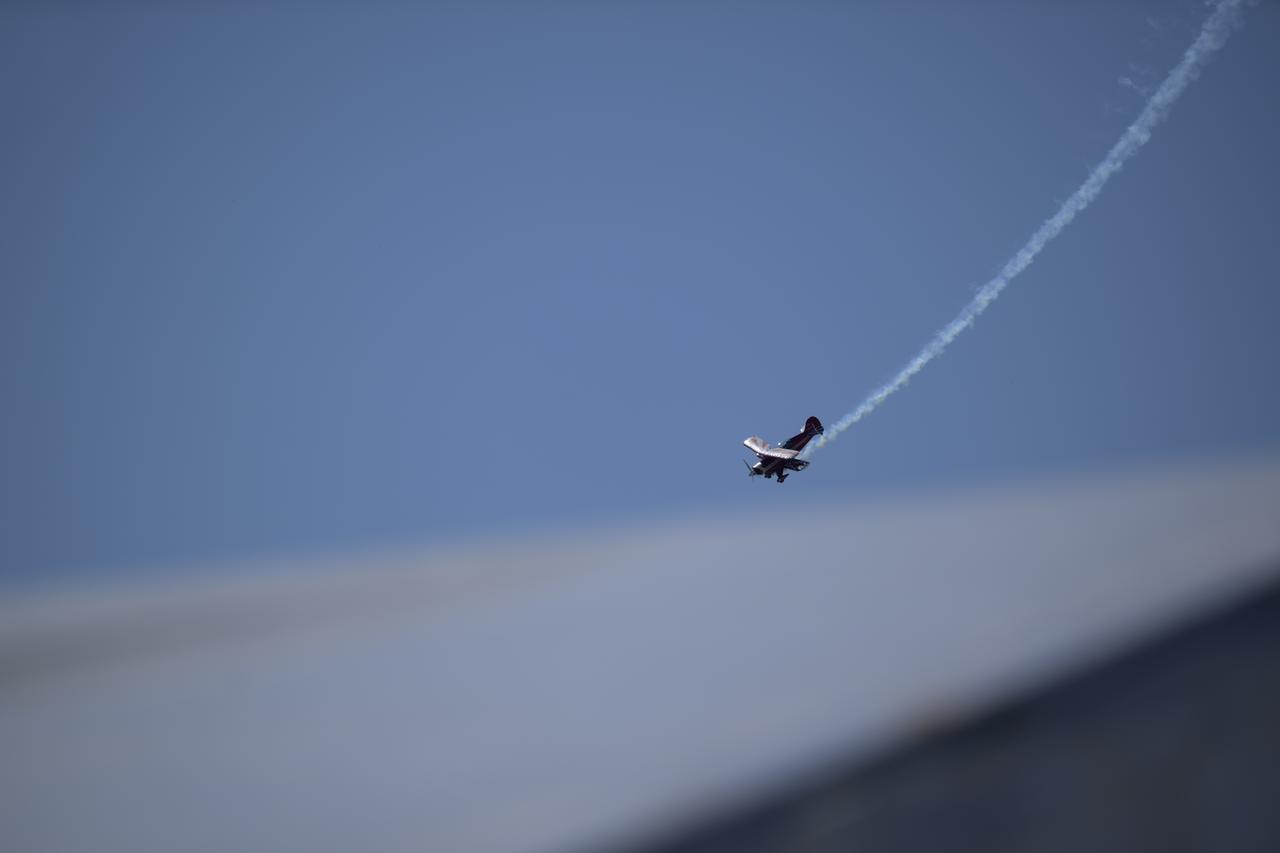
Robert Schmidle Pitts Aerobatics perform, Friday, Sept. 12, 2025, during the Joint Base Andrews Air Show at Joint Base Andrews in Prince George's County, Maryland. NASA astronaut Nick Hague was on hand to provide remarks and meet with guests. Hague spent 171 days onboard the International Space Station as part of Expedition 72. Photo Credit: (NASA/Bill Ingalls)
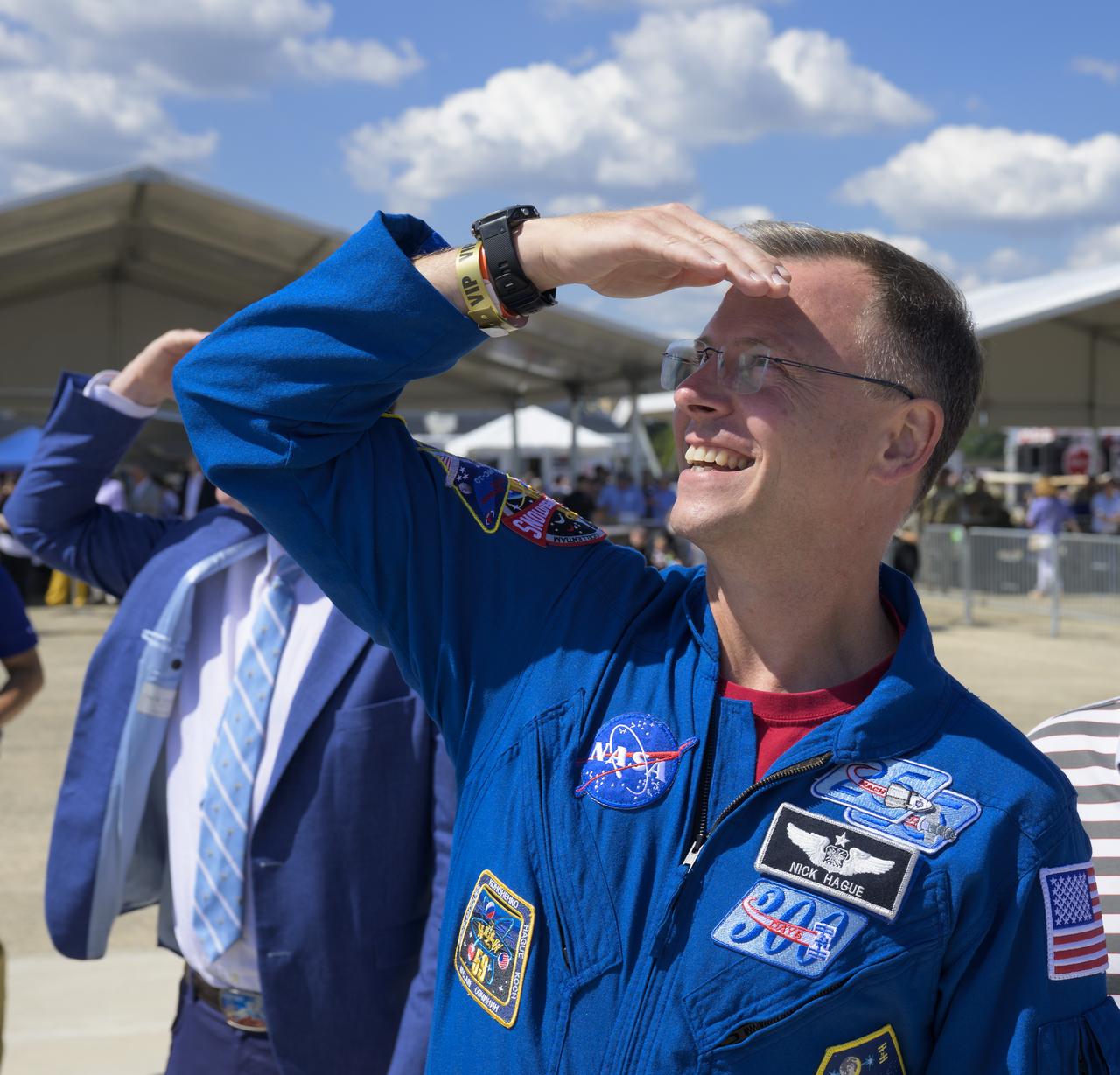
NASA astronaut Nick Hague watches a U.S. Navy F/A-15F Super Hornet jet fly, Friday, Sept. 12, 2025, during the Joint Base Andrews Air Show at Joint Base Andrews in Prince George's County, Maryland. Hague spent 171 days onboard the International Space Station as part of Expedition 72. Photo Credit: (NASA/Bill Ingalls)
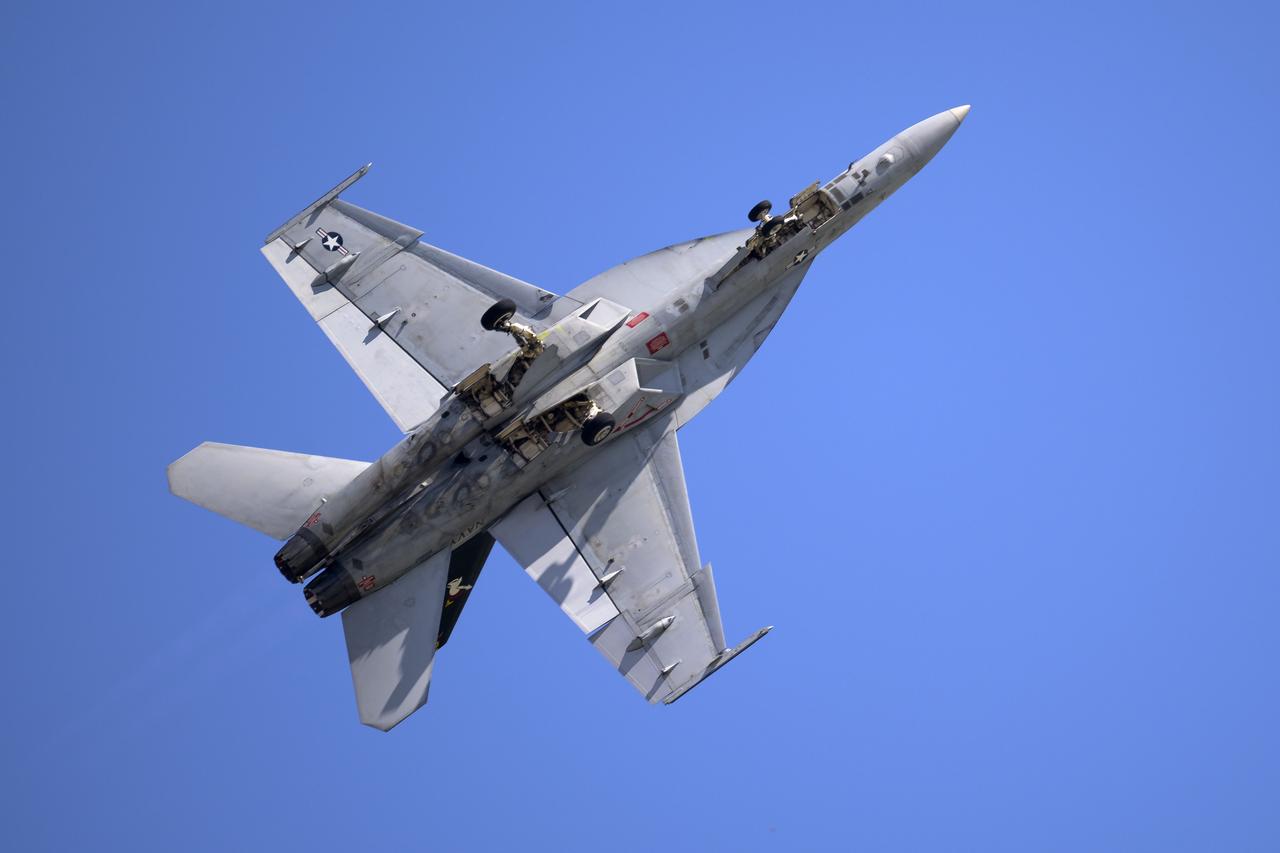
A U.S. Navy F/A-15F Super Hornet jet performs, Friday, Sept. 12, 2025, during the Joint Base Andrews Air Show at Joint Base Andrews in Prince George's County, Maryland. NASA astronaut Nick Hague was on hand to provide remarks and meet with guests. Hague spent 171 days onboard the International Space Station as part of Expedition 72. Photo Credit: (NASA/Bill Ingalls)
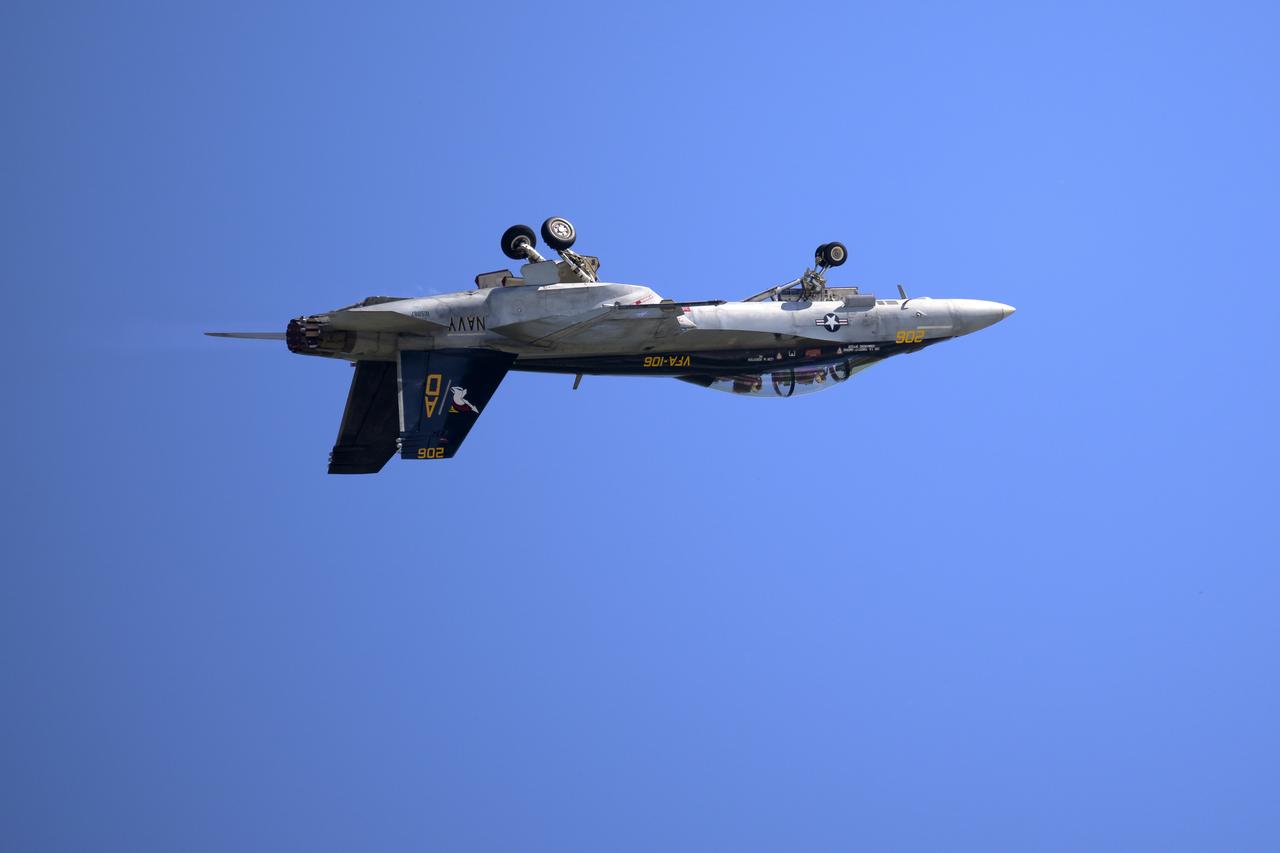
A U.S. Navy F/A-15F Super Hornet jet performs, Friday, Sept. 12, 2025, during the Joint Base Andrews Air Show at Joint Base Andrews in Prince George's County, Maryland. NASA astronaut Nick Hague was on hand to provide remarks and meet with guests. Hague spent 171 days onboard the International Space Station as part of Expedition 72. Photo Credit: (NASA/Bill Ingalls)
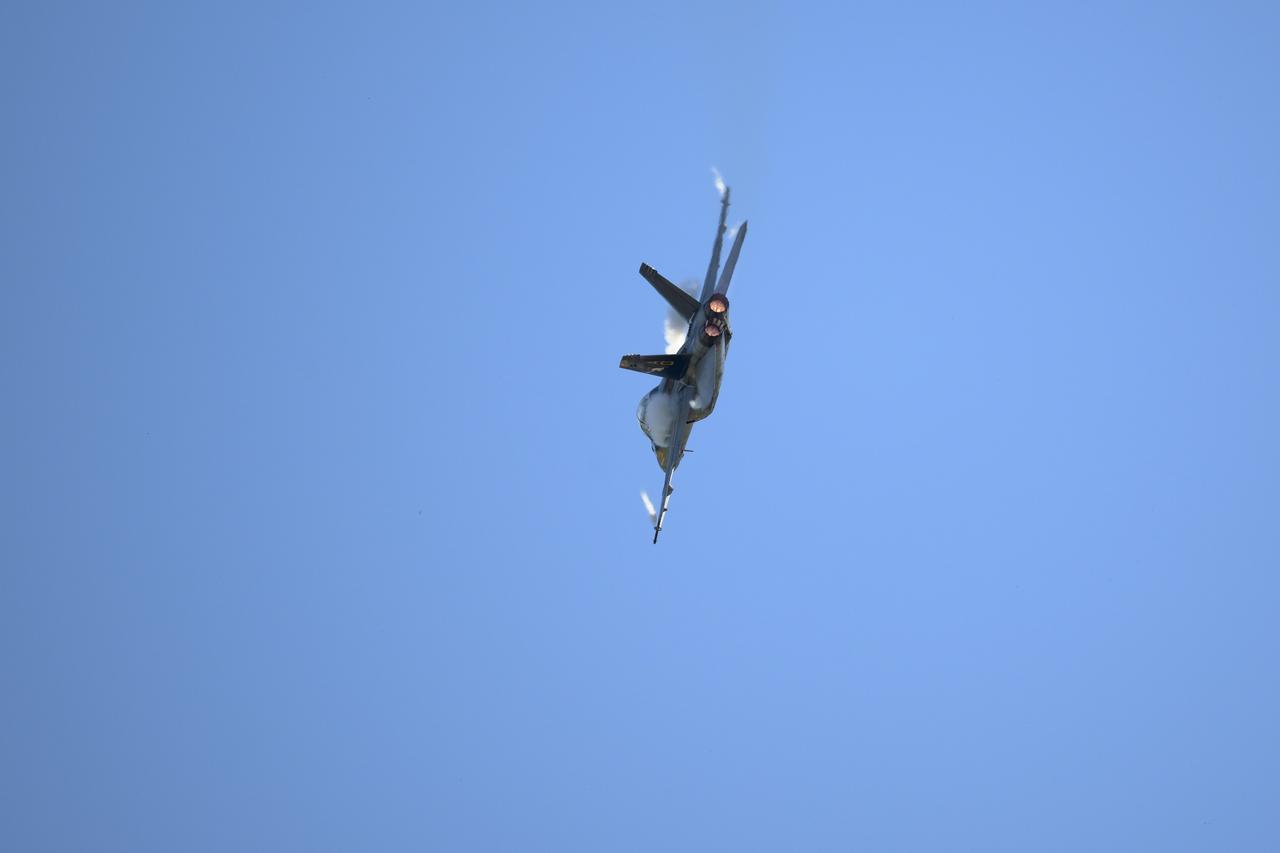
A U.S. Navy F/A-15F Super Hornet jet performs, Friday, Sept. 12, 2025, during the Joint Base Andrews Air Show at Joint Base Andrews in Prince George's County, Maryland. NASA astronaut Nick Hague was on hand to provide remarks and meet with guests. Hague spent 171 days onboard the International Space Station as part of Expedition 72. Photo Credit: (NASA/Bill Ingalls)
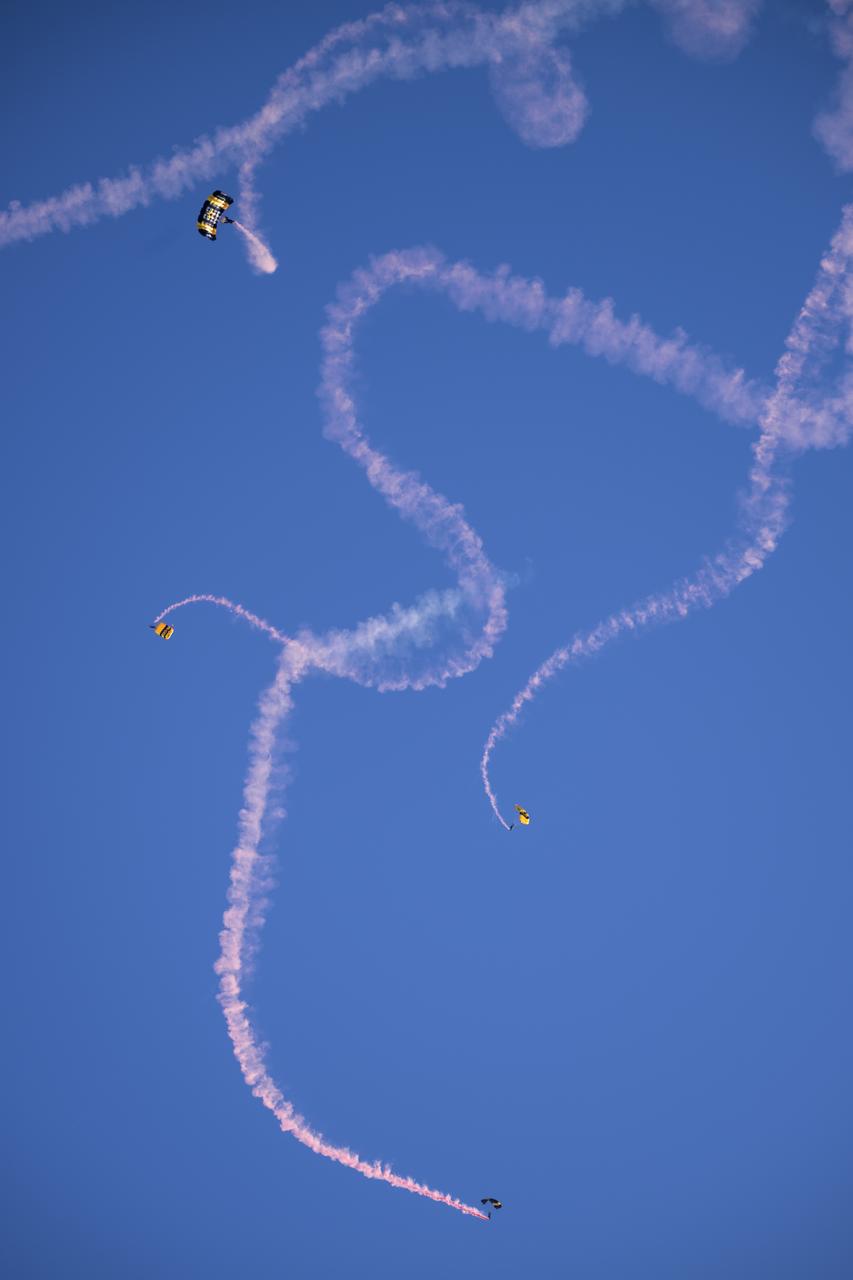
The United States Army Parachute Team, the Golden Knights, are seen during the opening ceremony of the Joint Base Andrews Air Show, Friday, Sept. 12, 2025, at Joint Base Andrews in Prince George's County, Maryland. NASA astronaut Nick Hague was on hand to provide remarks and meet with guests. Hague spent 171 days onboard the International Space Station as part of Expedition 72. Photo Credit: (NASA/Bill Ingalls)
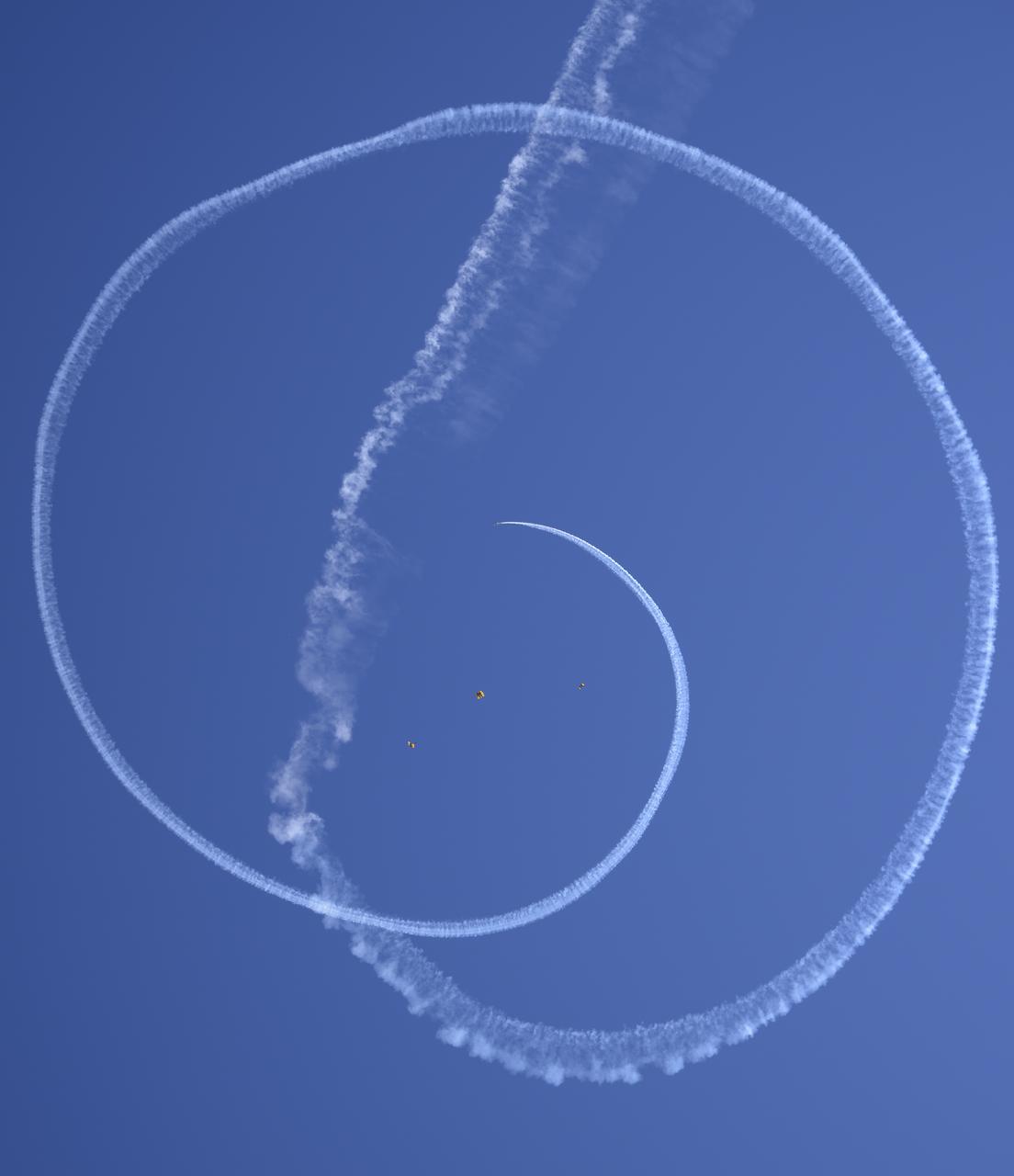
The United States Army Parachute Team, the Golden Knights, are seen during the opening ceremony of the Joint Base Andrews Air Show, Friday, Sept. 12, 2025, at Joint Base Andrews in Prince George's County, Maryland. NASA astronaut Nick Hague was on hand to provide remarks and meet with guests. Hague spent 171 days onboard the International Space Station as part of Expedition 72. Photo Credit: (NASA/Bill Ingalls)
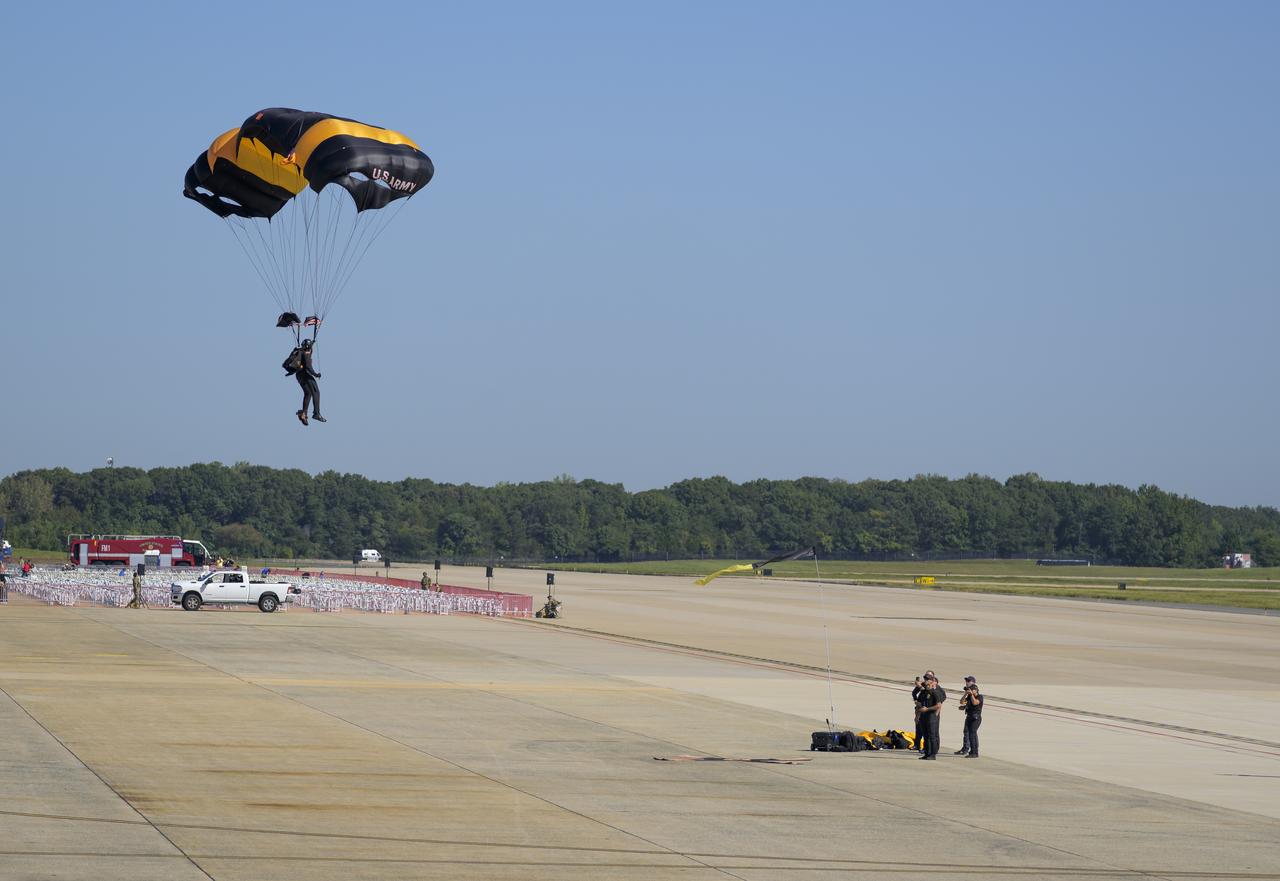
The United States Army Parachute Team, the Golden Knights, are seen during the opening ceremony of the Joint Base Andrews Air Show, Friday, Sept. 12, 2025, at Joint Base Andrews in Prince George's County, Maryland. NASA astronaut Nick Hague was on hand to provide remarks and meet with guests. Hague spent 171 days onboard the International Space Station as part of Expedition 72. Photo Credit: (NASA/Bill Ingalls)
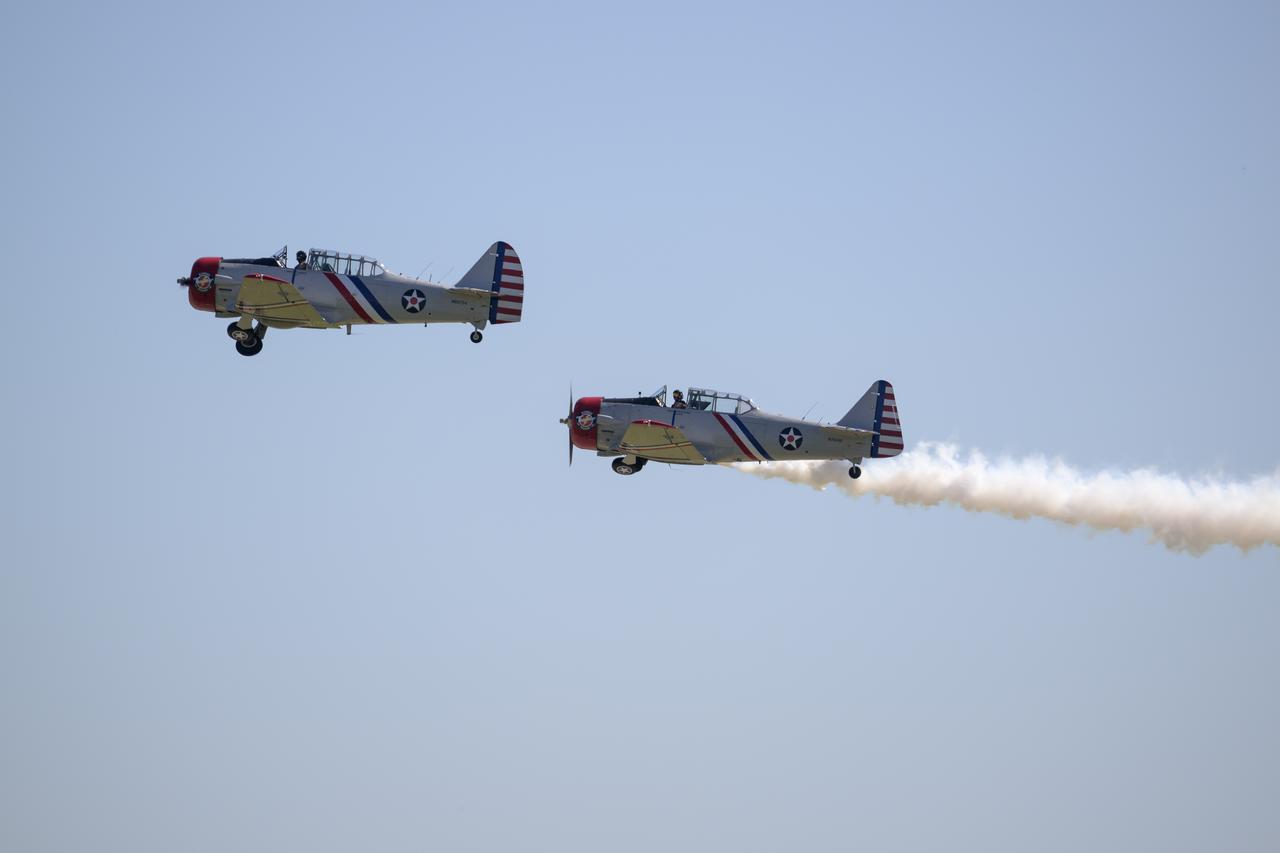
Warbird Thunder SNJ planes perform, Friday, Sept. 12, 2025, during the Joint Base Andrews Air Show at Joint Base Andrews in Prince George's County, Maryland. NASA astronaut Nick Hague was on hand to provide remarks and meet with guests. Hague spent 171 days onboard the International Space Station as part of Expedition 72. Photo Credit: (NASA/Bill Ingalls)
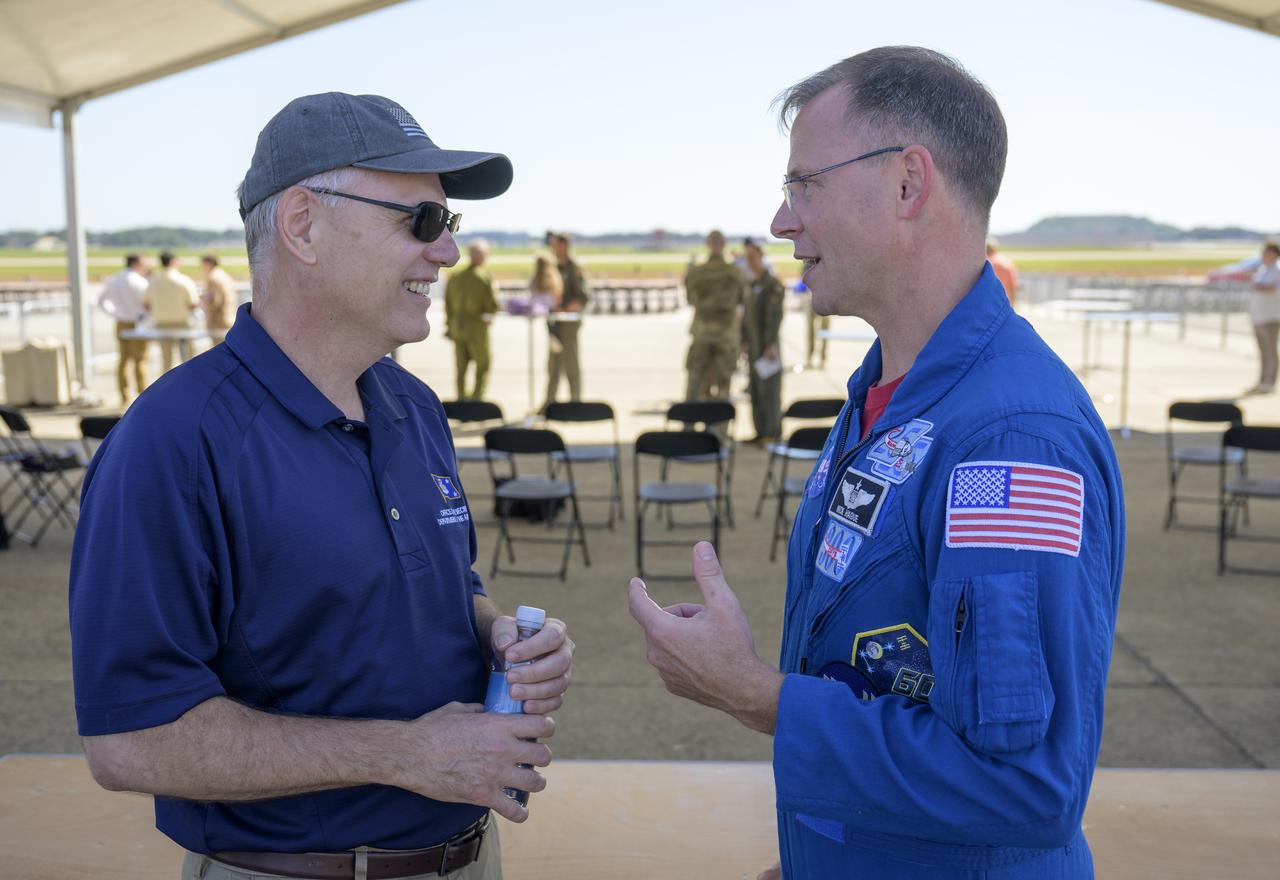
Secretary of the Air Force Troy Meink, left, talks with NASA astronaut Nick Hague, Friday, Sept. 12, 2025, during the Joint Base Andrews Air Show at Joint Base Andrews in Prince George's County, Maryland. Hague spent 171 days onboard the International Space Station as part of Expedition 72. Photo Credit: (NASA/Bill Ingalls)
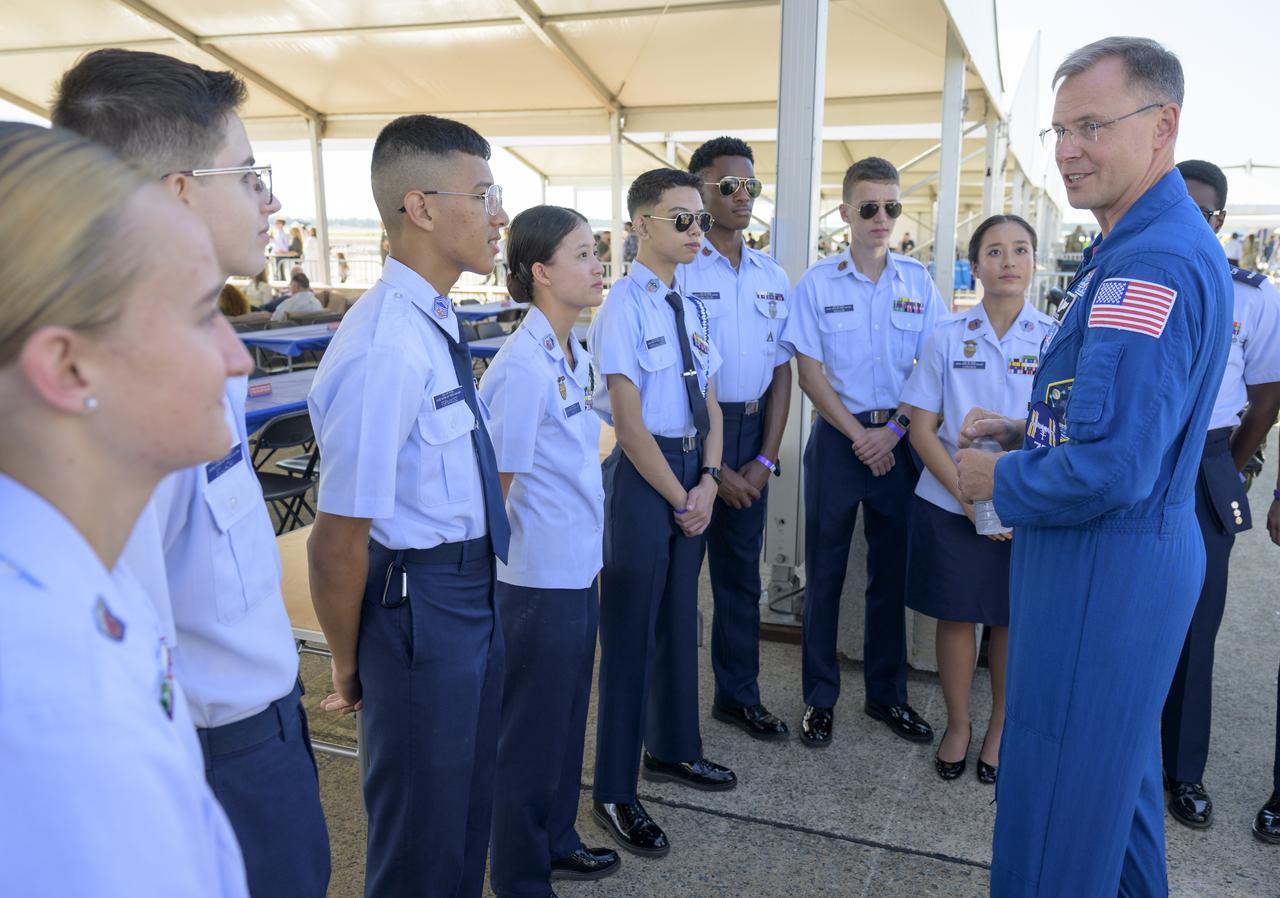
NASA astronaut Nick Hague talks with members of the Civil Air Patrol, Friday, Sept. 12, 2025, during the Joint Base Andrews Air Show at Joint Base Andrews in Prince George's County, Maryland. Hague spent 171 days onboard the International Space Station as part of Expedition 72. Photo Credit: (NASA/Bill Ingalls)
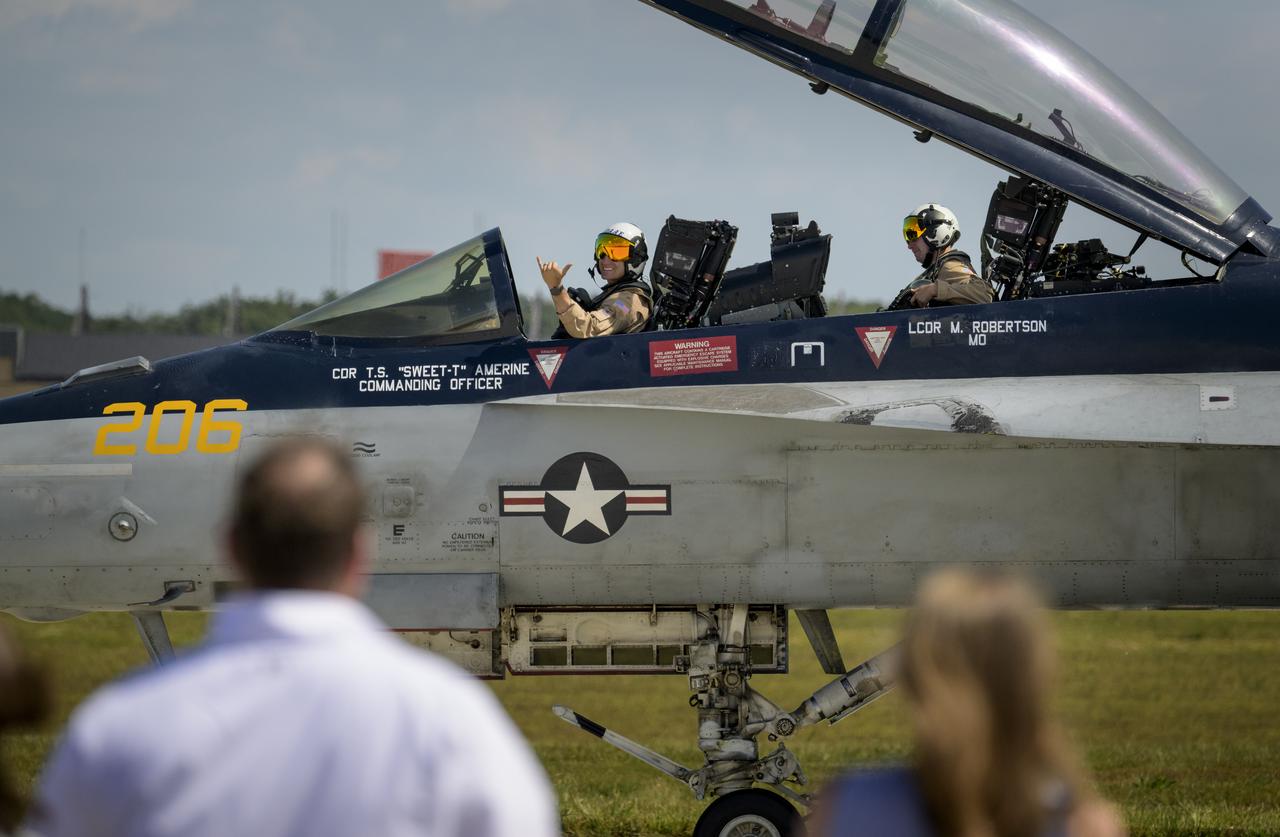
Pilots taxi past spectators in their U.S. Navy F/A-15F Super Hornet jet, Friday, Sept. 12, 2025, during the Joint Base Andrews Air Show at Joint Base Andrews in Prince George's County, Maryland. NASA astronaut Nick Hague was on hand to provide remarks and meet with guests. Hague spent 171 days onboard the International Space Station as part of Expedition 72. Photo Credit: (NASA/Bill Ingalls)
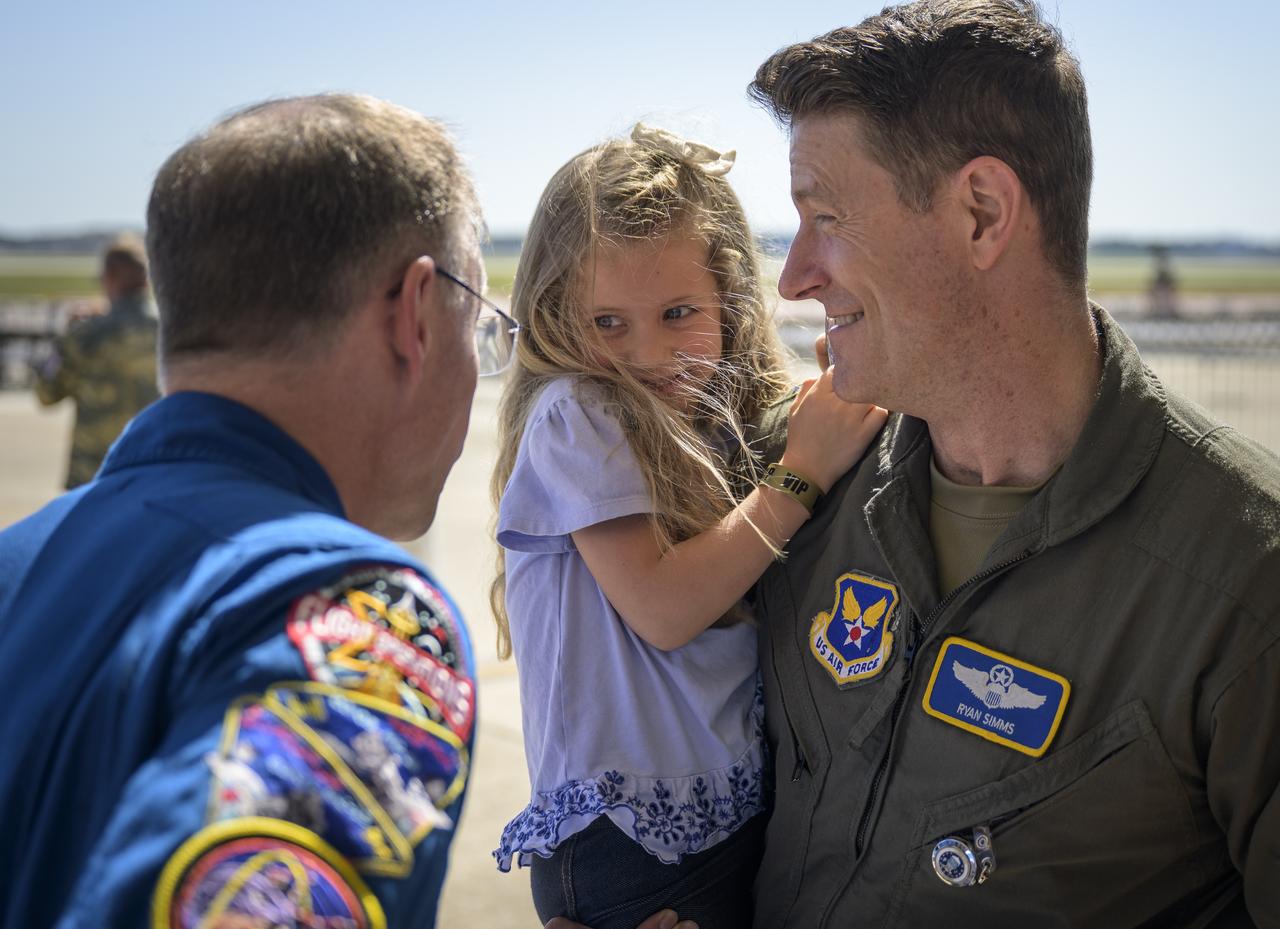
5-year old Vivian Simms, and her father Ryan Simms, meet with NASA astronaut Nick Hague, Friday, Sept. 12, 2025, during the Joint Base Andrews Air Show at Joint Base Andrews in Prince George's County, Maryland. Hague spent 171 days onboard the International Space Station as part of Expedition 72. Photo Credit: (NASA/Bill Ingalls)
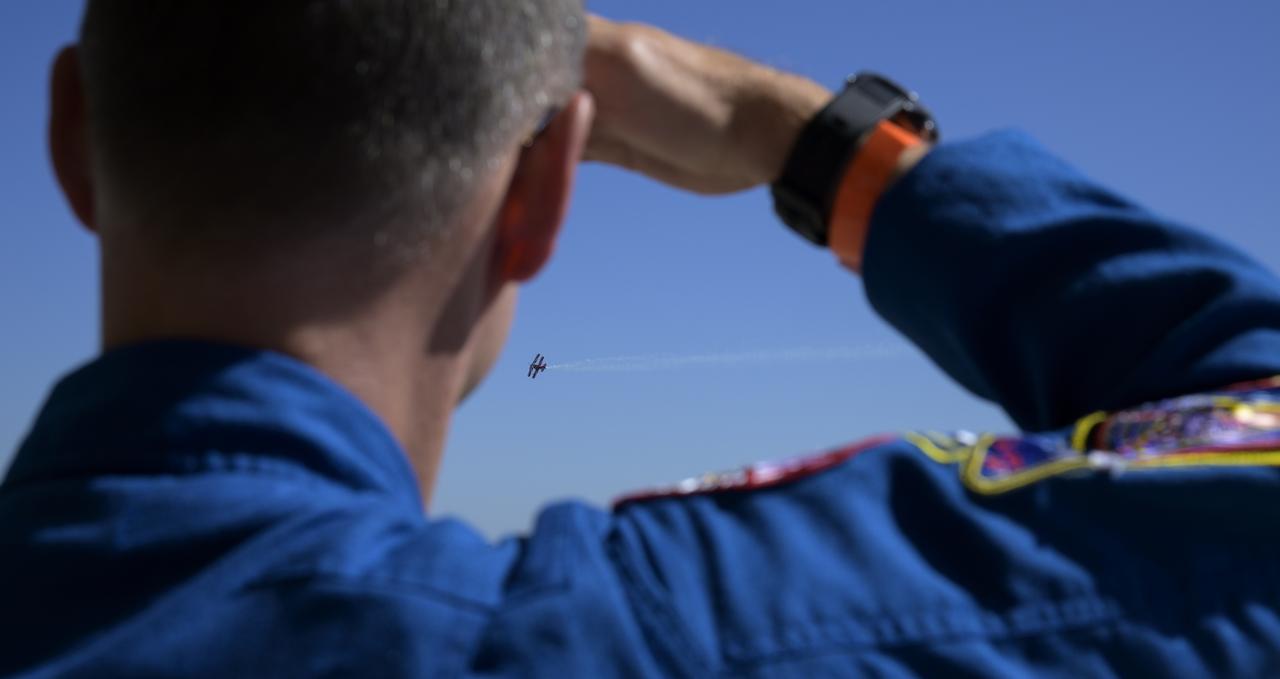
NASA astronaut Nick Hague watches as Robert Schmidle Pitts Aerobatics perform, Friday, Sept. 12, 2025, during the Joint Base Andrews Air Show at Joint Base Andrews in Prince George's County, Maryland. Hague spent 171 days onboard the International Space Station as part of Expedition 72. Photo Credit: (NASA/Bill Ingalls)
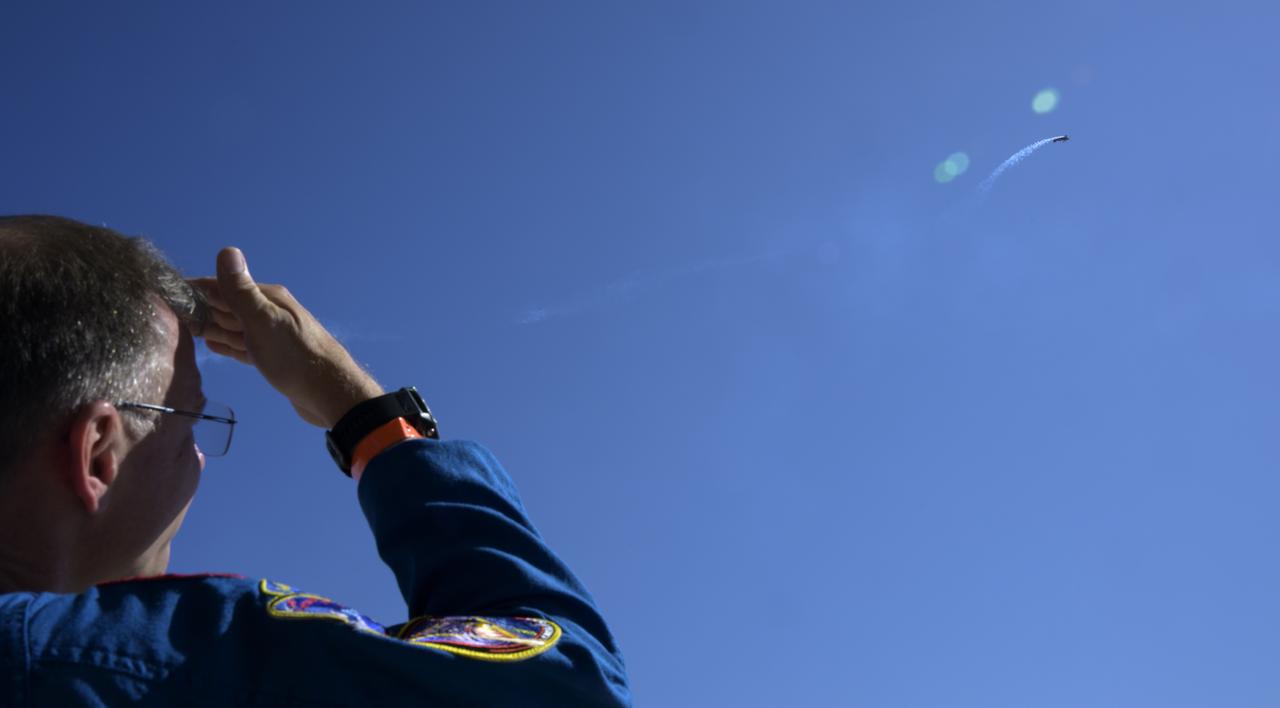
NASA astronaut Nick Hague watches as Robert Schmidle Pitts Aerobatics perform, Friday, Sept. 12, 2025, during the Joint Base Andrews Air Show at Joint Base Andrews in Prince George's County, Maryland. Hague spent 171 days onboard the International Space Station as part of Expedition 72. Photo Credit: (NASA/Bill Ingalls)
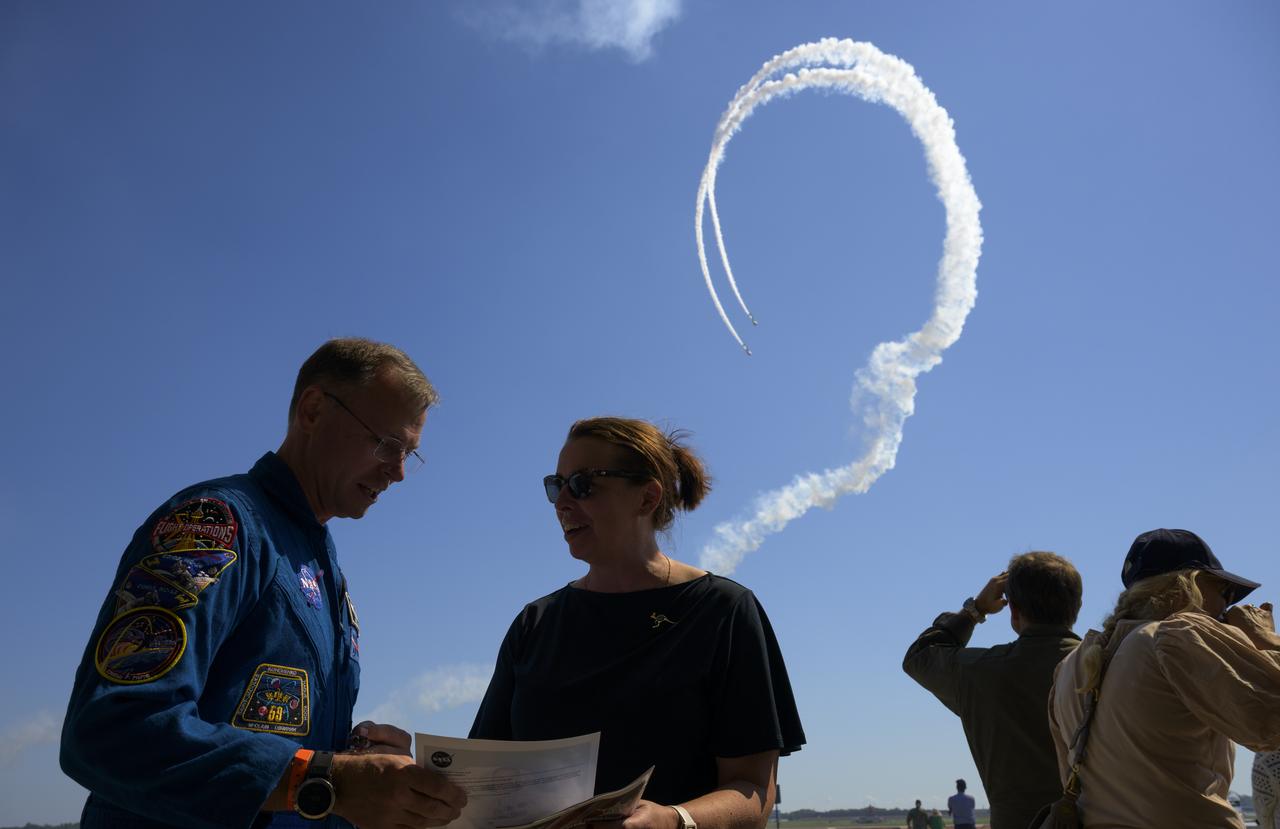
Warbird Thunder SNJ planes perform in the background as NASA astronaut Nick Hague meets with attendees, Friday, Sept. 12, 2025, during the Joint Base Andrews Air Show at Joint Base Andrews in Prince George's County, Maryland. Hague spent 171 days onboard the International Space Station as part of Expedition 72. Photo Credit: (NASA/Bill Ingalls)
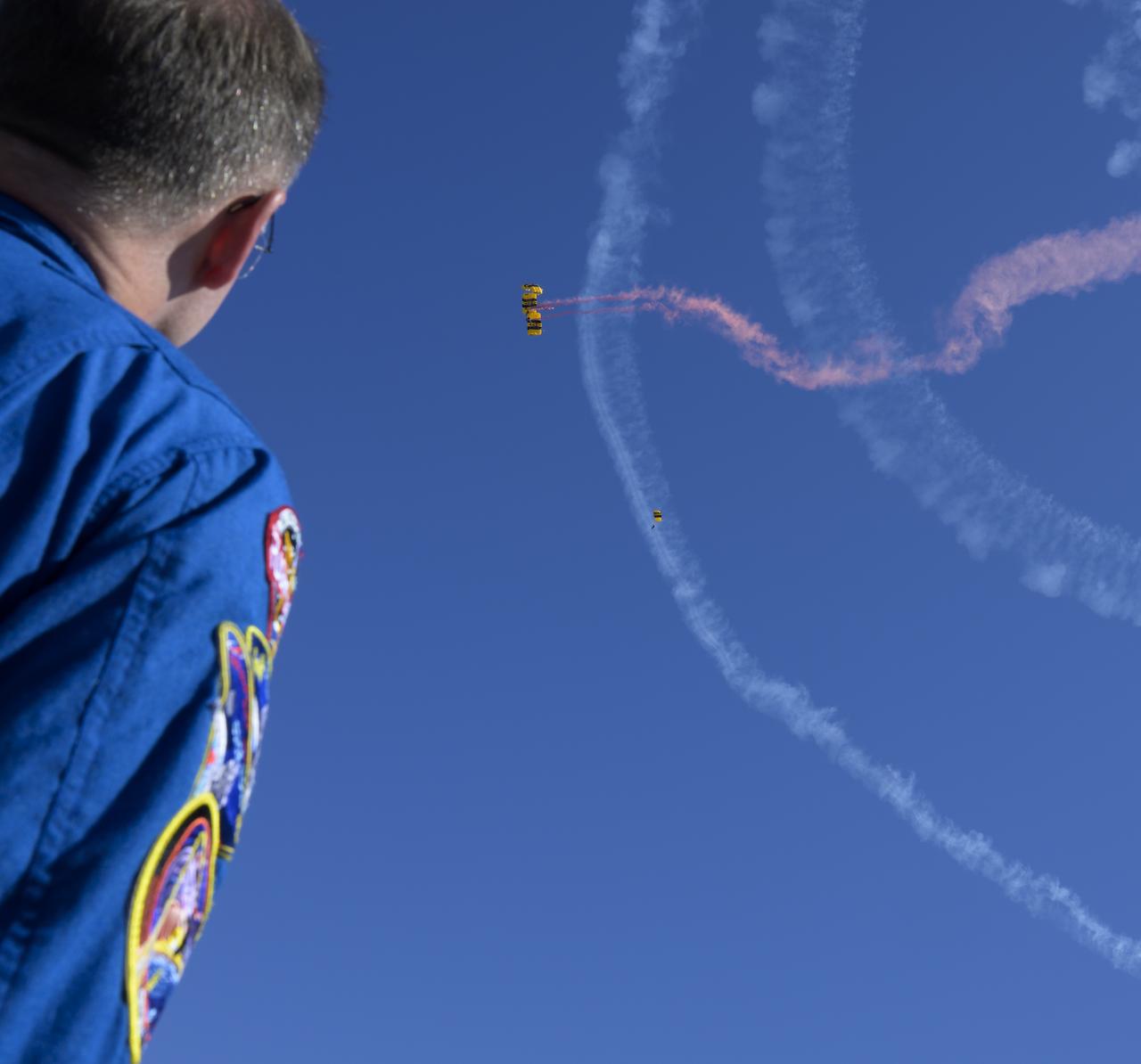
NASA astronaut Nick Hague watches as the United States Army Parachute Team, the Golden Knights, perform during the opening ceremony of the Joint Base Andrews Air Show, Friday, Sept. 12, 2025, at Joint Base Andrews in Prince George's County, Maryland. Hague spent 171 days onboard the International Space Station as part of Expedition 72. Photo Credit: (NASA/Bill Ingalls)
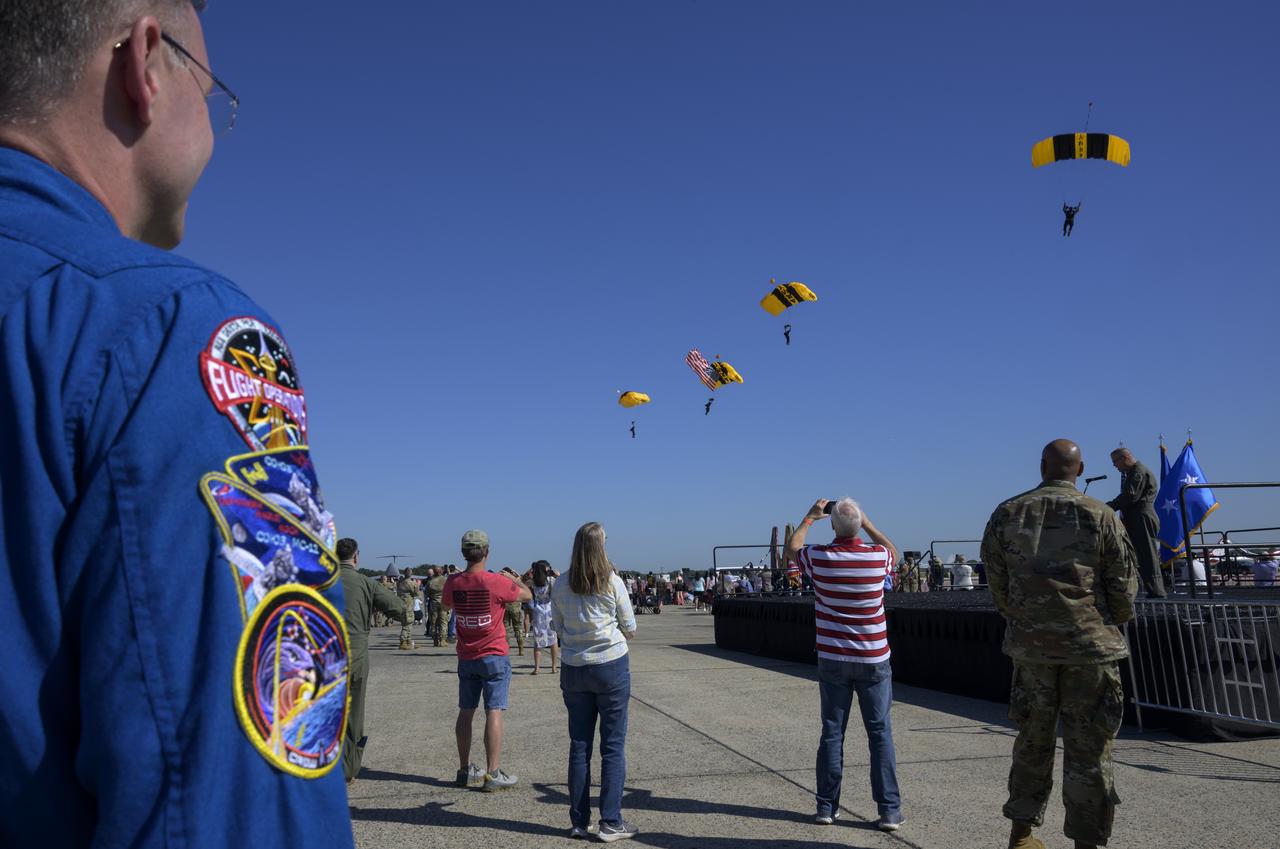
NASA astronaut Nick Hague watches as the United States Army Parachute Team, the Golden Knights, perform during the opening ceremony of the Joint Base Andrews Air Show, Friday, Sept. 12, 2025, at Joint Base Andrews in Prince George's County, Maryland. Hague spent 171 days onboard the International Space Station as part of Expedition 72. Photo Credit: (NASA/Bill Ingalls)
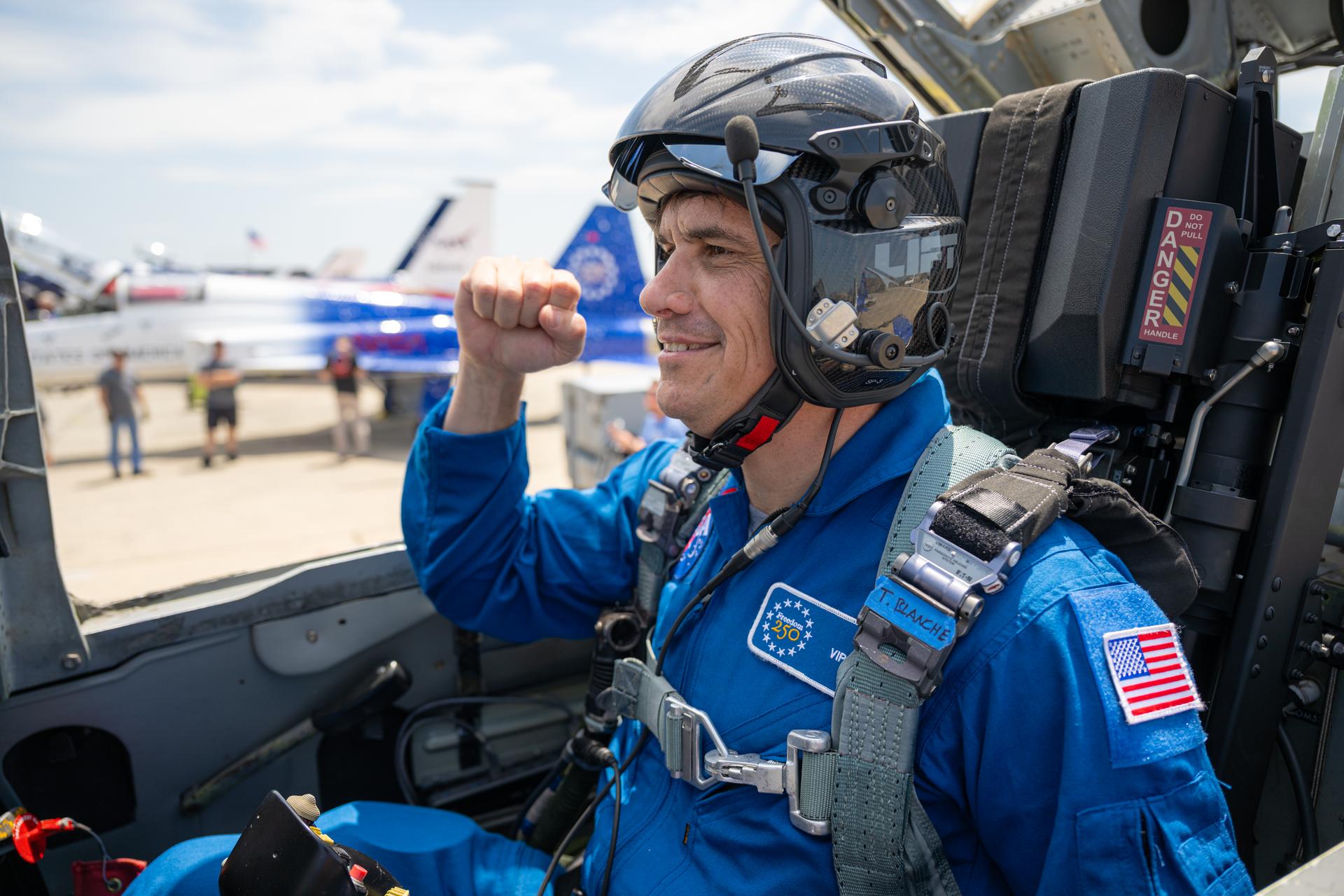
Todd Blanche, Acting U.S. Attorney General, is seen in an F-5 aircraft, Saturday, July 4, 2026, at Joint Base Andrews in Prince George's County, Maryland. NASA aircraft conducted flyovers during the Great American State Fair in Washington, D.C. Photo Credit: (NASA/John Kraus)
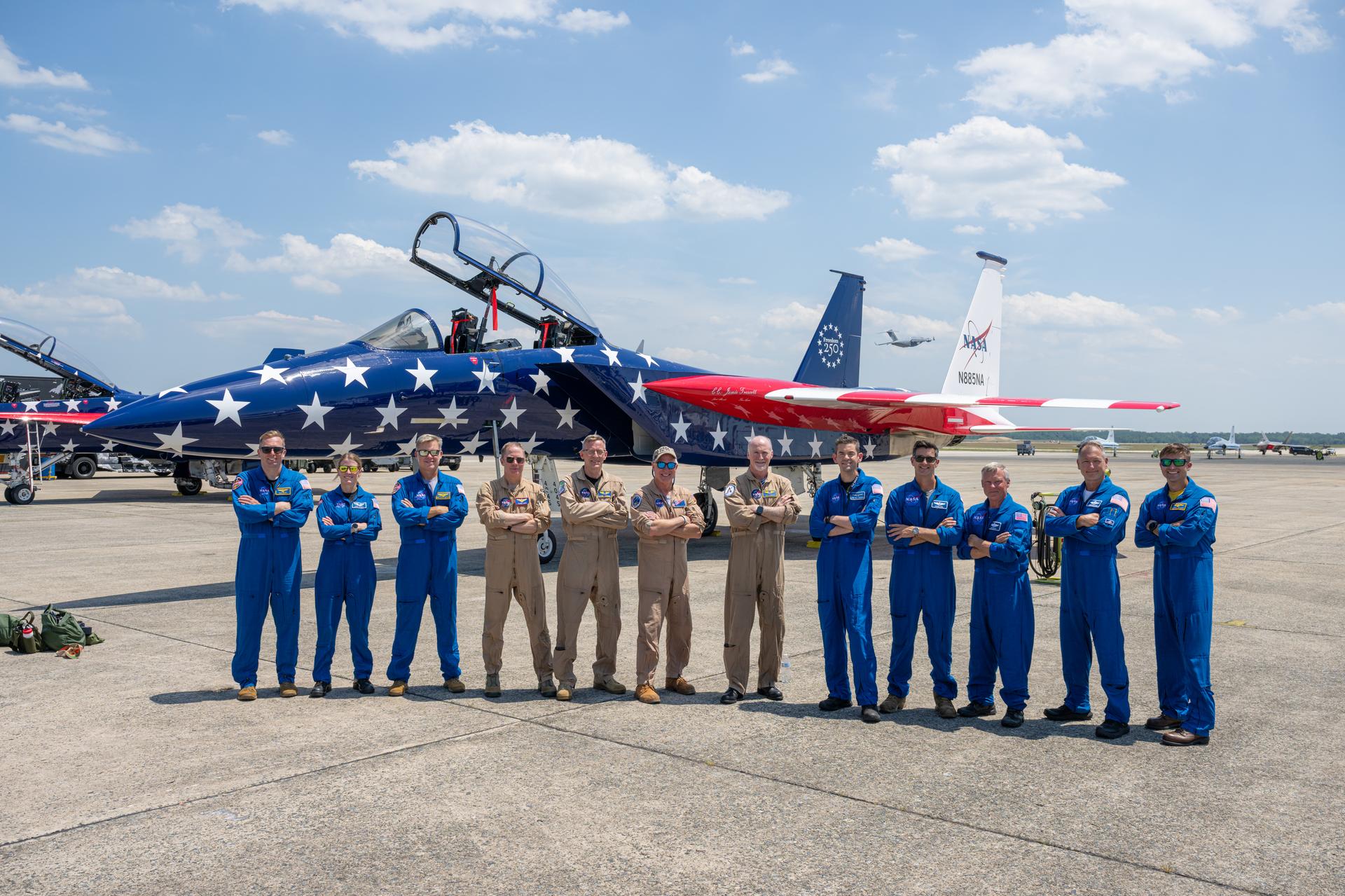
NASA Administrator Jared Isaacman, eighth from left, poses for a group photo with pilots and participants in NASA’s flyovers during the Great American State Fair, Saturday, July 4, 2026, at Joint Base Andrews in Prince George's County, Maryland. NASA aircraft conducted flyovers during the fair in Washington, D.C. Photo Credit: (NASA/John Kraus)
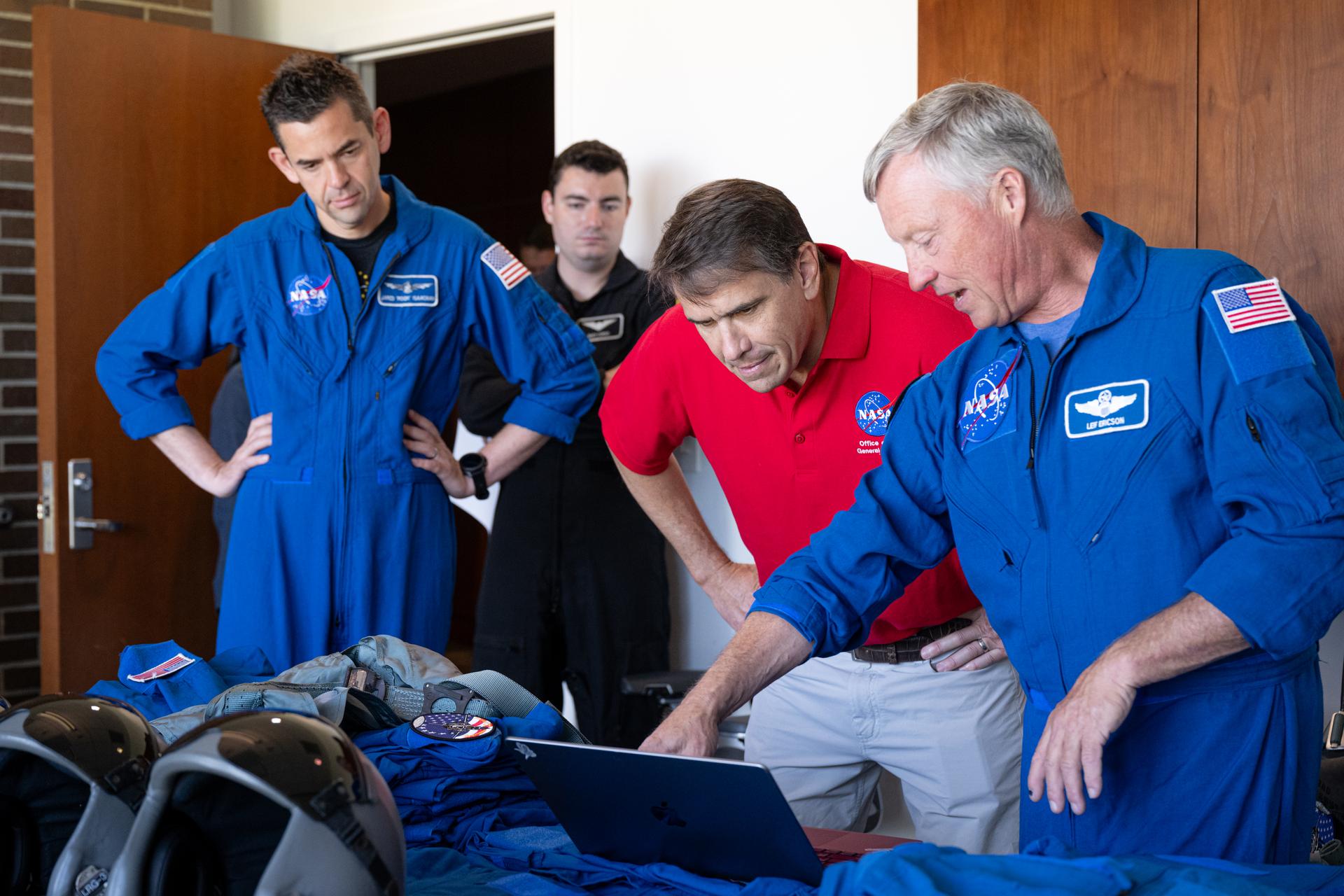
NASA Administrator Jared Isaacman, left; Todd Blanche, Acting U.S. Attorney General, center; and Todd Ericson, senior advisor to the administrator, right, participate in a preflight briefing, Saturday, July 4, 2026, at Joint Base Andrews in Prince George's County, Maryland. NASA aircraft conducted flyovers during the Great American State Fair in Washington, D.C. Photo Credit: (NASA/John Kraus)
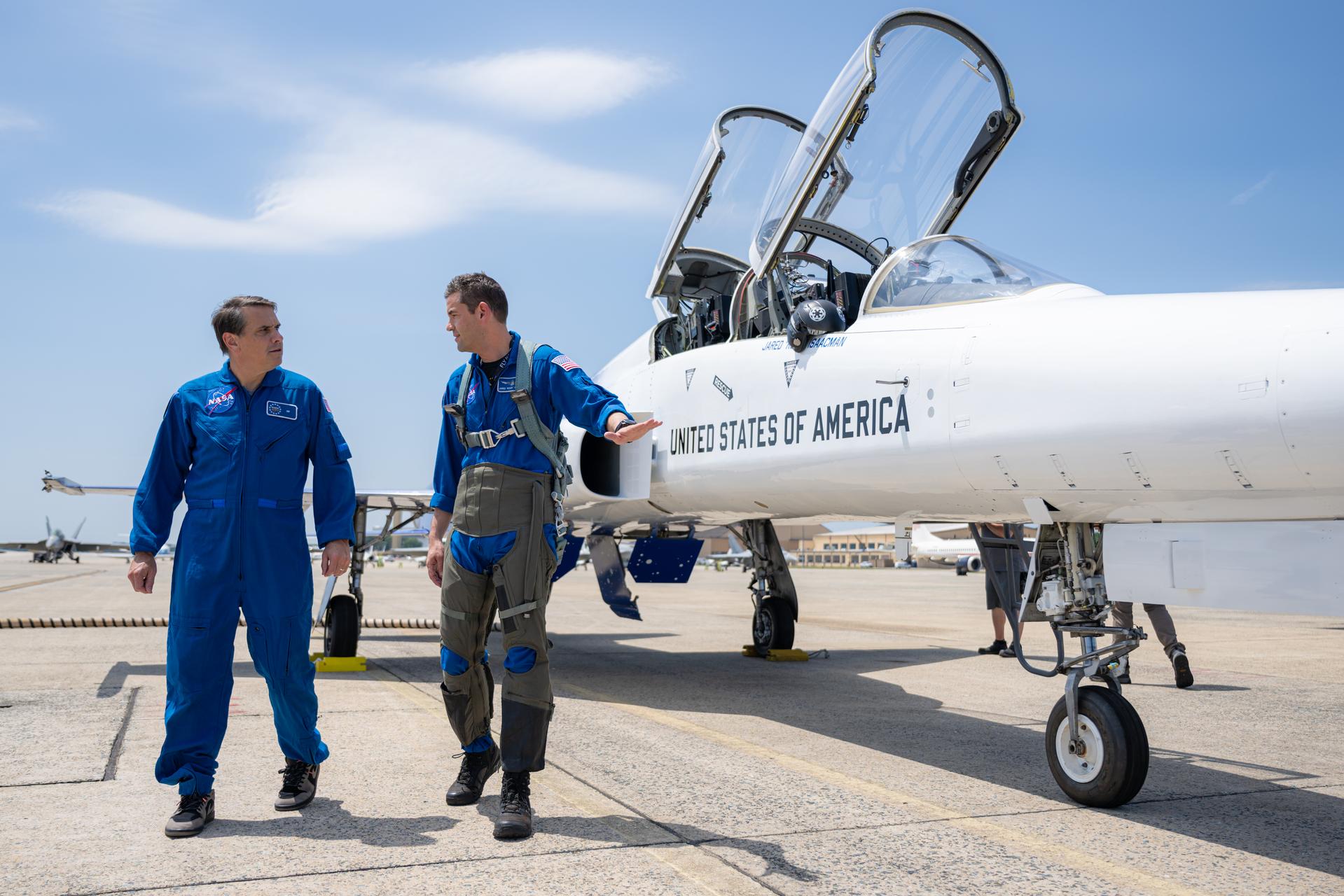
NASA Administrator Jared Isaacman, right, and Todd Blanche, Acting U.S. Attorney General, left, are seen during a preflight walk-around of an F-5 aircraft, Saturday, July 4, 2026, at Joint Base Andrews in Prince George's County, Maryland. NASA aircraft conducted flyovers during the Great American State Fair in Washington, D.C. Photo Credit: (NASA/John Kraus)
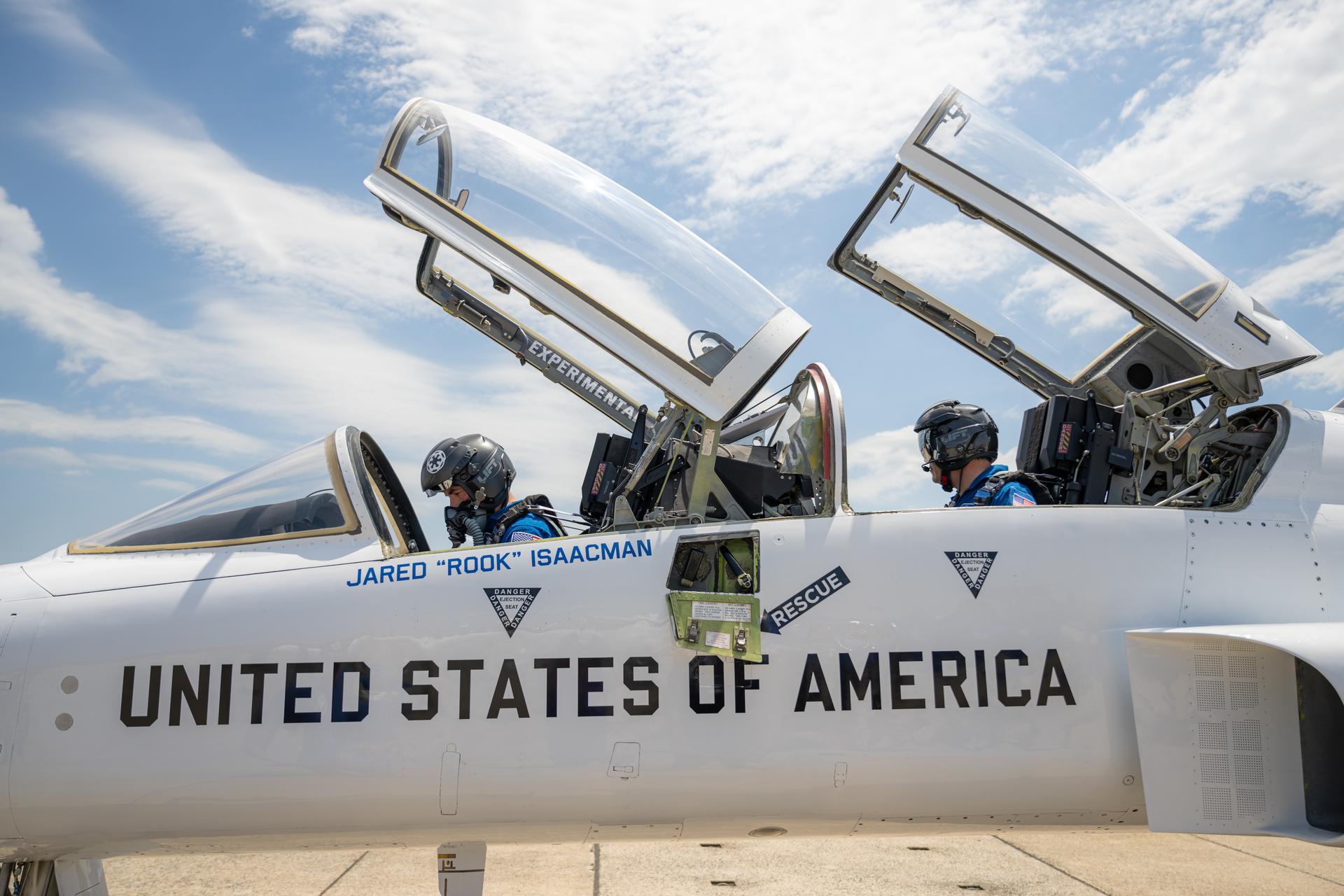
NASA Administrator Jared Isaacman, left, and Todd Blanche, Acting U.S. Attorney General, right, are seen in an F-5 aircraft, Saturday, July 4, 2026, at Joint Base Andrews in Prince George's County, Maryland. NASA aircraft conducted flyovers during the Great American State Fair in Washington, D.C. Photo Credit: (NASA/John Kraus)
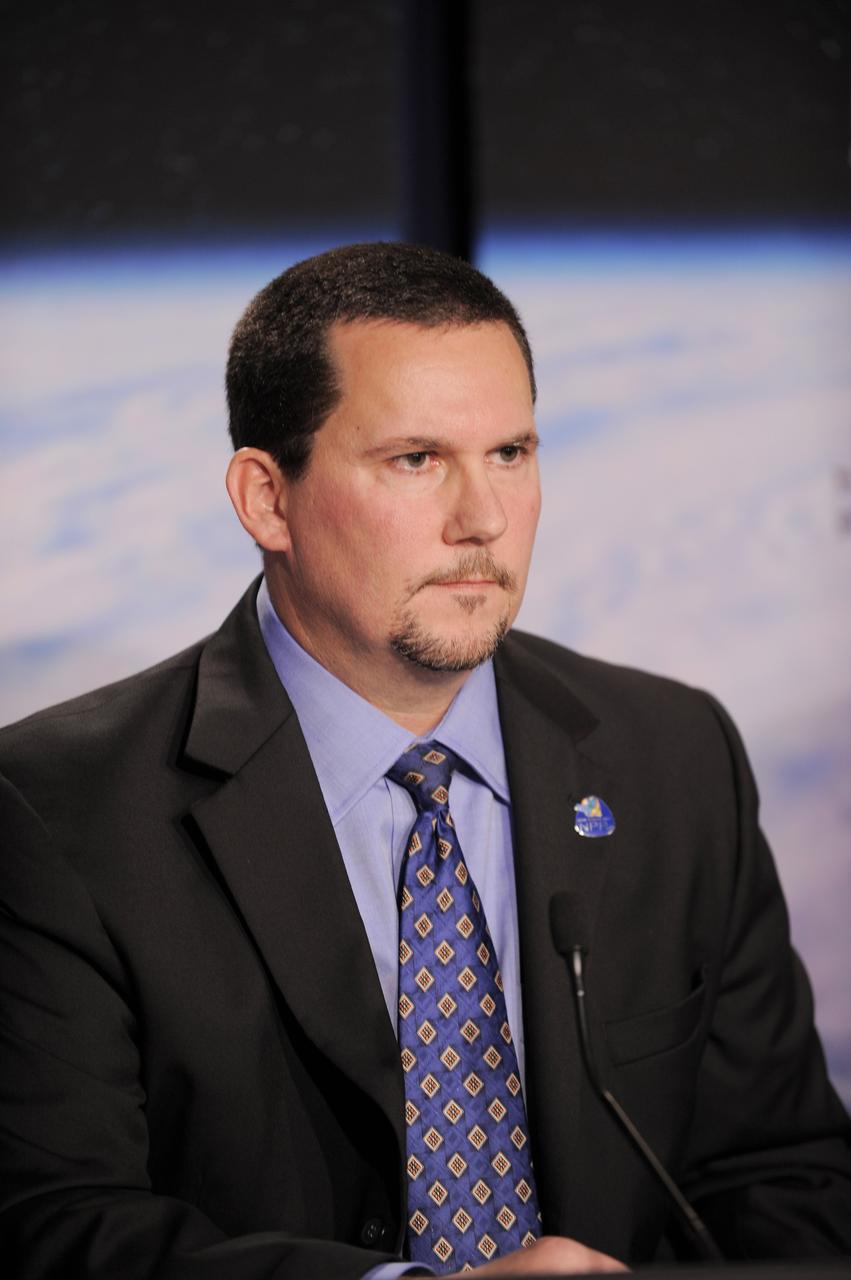
VANDENBERG AIR FORCE BASE, Calif. -- Andrew Carson, NPP program executive, NASA Headquarters, Washington, DC, participates in the prelaunch news conference at Vandenberg Air Force Base, Calif., for NASA’s National Polar-orbiting Operational Environmental Satellite System Preparatory Project (NPP) spacecraft. NPP represents a critical first step in building the next-generation of Earth-observing satellites. NPP will carry the first of the new sensors developed for this satellite fleet, now known as the Joint Polar Satellite System (JPSS), to be launched in 2016. NPP is the bridge between NASA's Earth Observing System (EOS) satellites and the forthcoming series of JPSS satellites. The mission will test key technologies and instruments for the JPSS missions. NPP is targeted to launch Oct. 28 from Space Launch Complex-2 aboard a United Launch Alliance Delta II rocket. For more information, visit http://www.nasa.gov/NPP. Photo credit: NASA/VAFB
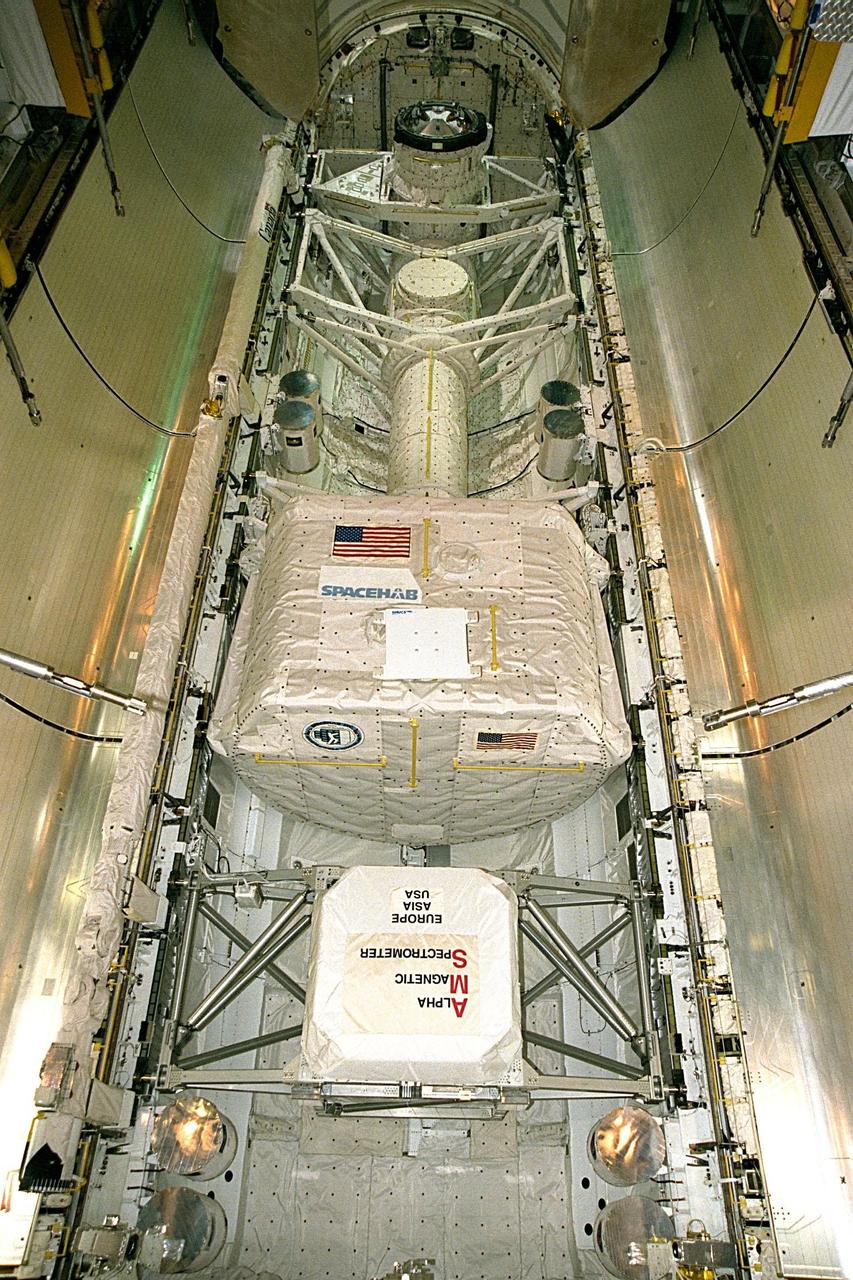
A SPACEHAB Single Module (top) and the Alpha Magnetic Spectrometer (AMS) experiment are secure in Discovery's payload bay shortly before the payload bay doors are closed for the flight of STS-91 at Launch Pad 39A. Launch is planned for June 2 with a window opening around 6:10 p.m. EDT. The single SPACEHAB module houses experiments to be performed by the astronauts and serves as a cargo carrier for items to be transferred to and from the Russian Space Station Mir. The AMS experiment is the first of a new generation of space-based experiments which will use particles, instead of light, to study the Universe and will search for both antimatter and "dark matter," as well as measure normal matter cosmic and gamma rays. STS-91 will also feature the ninth Shuttle docking with the Russian Space Station Mir, the first Mir docking for Discovery, the conclusion of Phase I of the joint U.S.-Russian International Space Station Program, and the first flight of the new Space Shuttle super lightweight external tank. The STS-91 flight crew includes Commander Charles Precourt; Pilot Dominic Gorie; and Mission Specialists Wendy B. Lawrence; Franklin Chang-Diaz, Ph.D.; Janet Kavandi, Ph.D.; and Valery Ryumin, with the Russian Space Agency. Andrew Thomas, Ph.D., will be returning to Earth with the crew after living more than four months aboard Mir
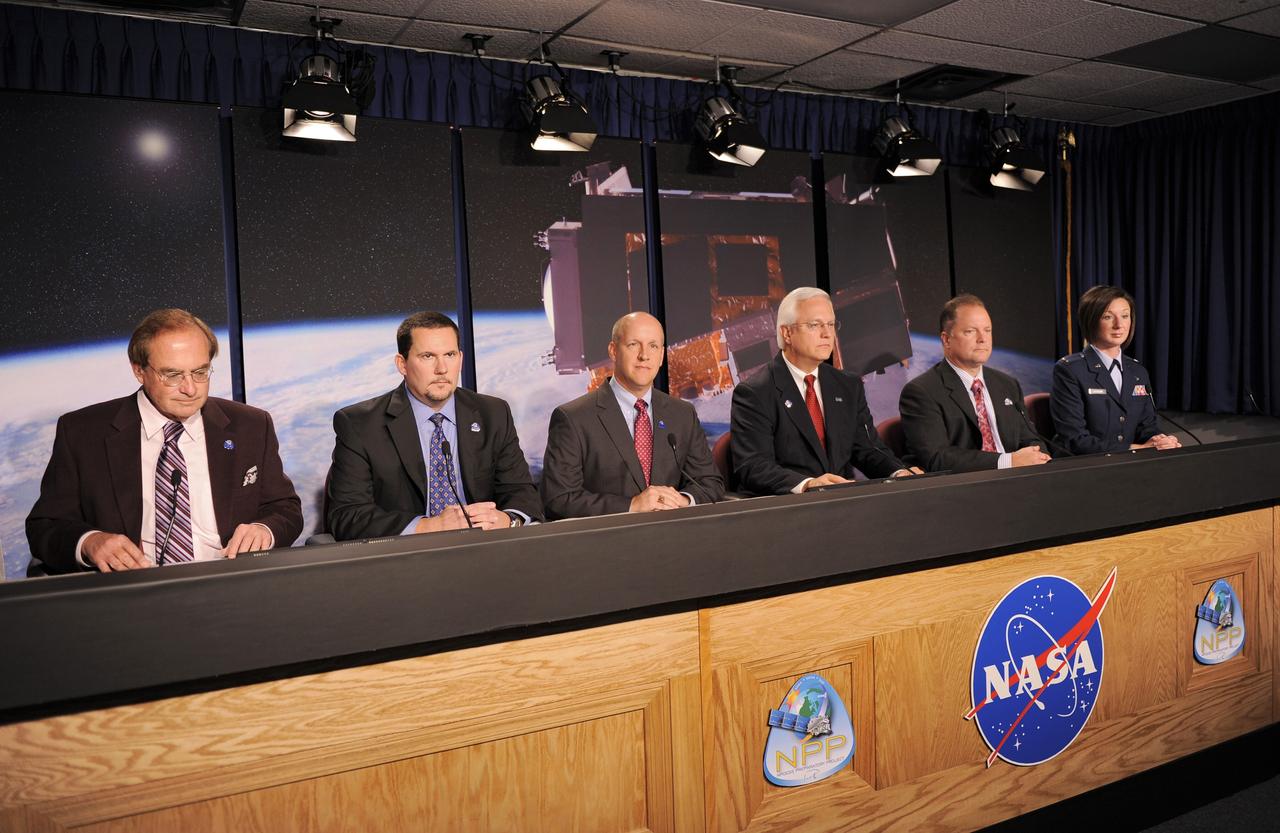
VANDENBERG AIR FORCE BASE, Calif. -- Participants in the prelaunch news conference for NASA’s National Polar-orbiting Operational Environmental Satellite System Preparatory Project (NPP) spacecraft prepare to address members of the news media gathered at Vandenberg Air Force Base, Calif. Panelists are, from left, George Diller, NASA launch commentator, Andrew Carson, NPP program executive, NASA Headquarters, Tim Dunn, NASA launch director, Kennedy Space Center, Vernon Thorp, program manager, NASA missions, United Launch Alliance, Ken Schwer, NPP project manager, Goddard Space Flight Center, and 2nd Lt. Lisa Cochran, launch weather officer, 30th Operations Support Squadron, Vandenberg Air Force Base, Calif. NPP represents a critical first step in building the next-generation of Earth-observing satellites. NPP will carry the first of the new sensors developed for this satellite fleet, now known as the Joint Polar Satellite System (JPSS), to be launched in 2016. NPP is the bridge between NASA's Earth Observing System (EOS) satellites and the forthcoming series of JPSS satellites. The mission will test key technologies and instruments for the JPSS missions. NPP is targeted to launch Oct. 28 from Space Launch Complex-2 aboard a United Launch Alliance Delta II rocket. For more information, visit http://www.nasa.gov/NPP. Photo credit: NASA/VAFB
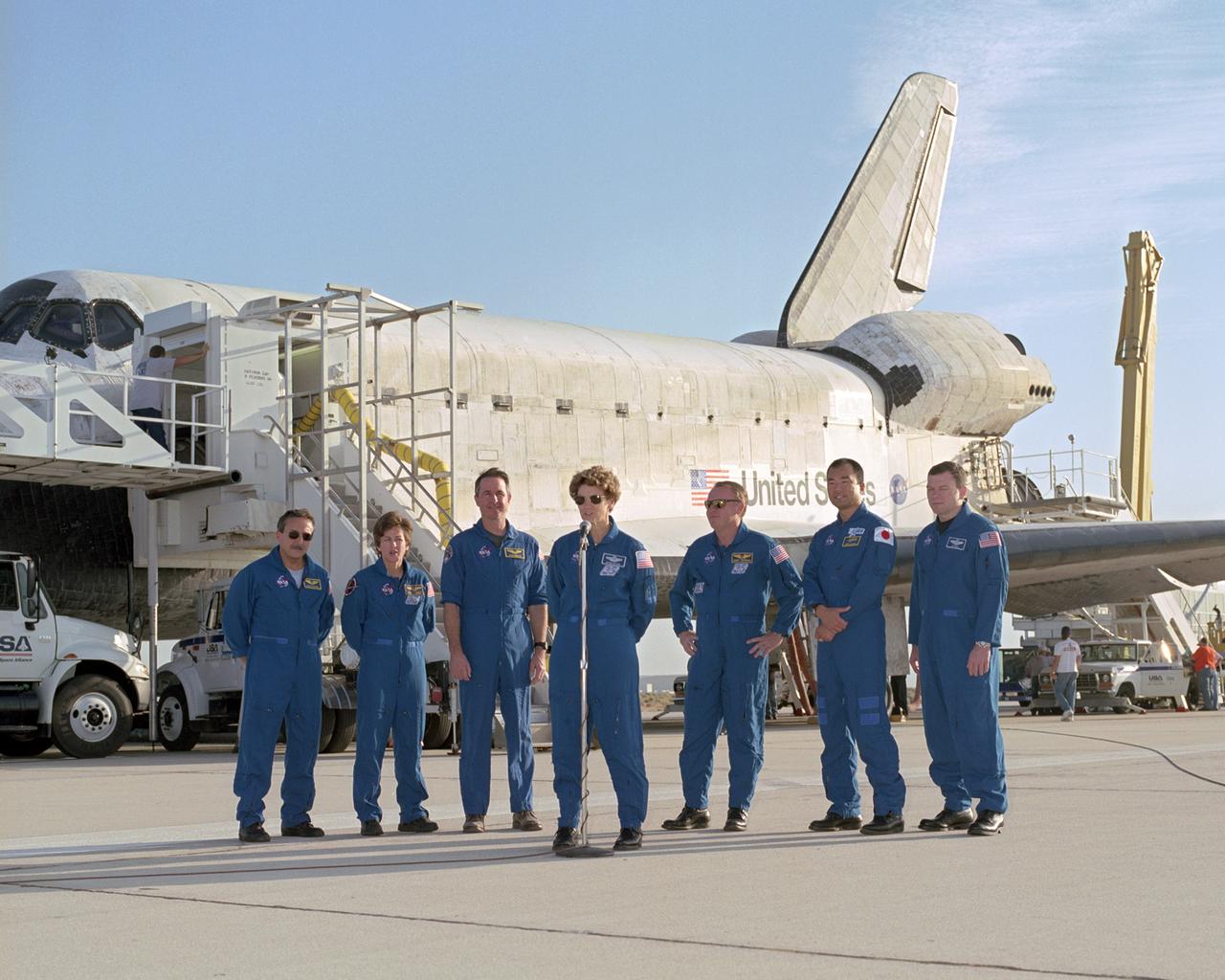
The crew of Space Shuttle mission STS-114 gathered for a press brief following landing at Edwards Air Force Base, California, 5:11 am, August 9, 2005. Left to right: Mission Specialists Charles Camarda, Wendy Lawrence and Stephen Robinson, Commander Eileen Collins at microphone, Mission Specialists Andrew Thomas and Soichi Noguchi, and Pilot James Kelly. Space Shuttle Discovery landed safely at NASA's Dryden Flight Research Center at Edwards Air Force Base in California at 5:11:22 a.m. PDT this morning, following the very successful 14-day STS-114 return to flight mission. During their two weeks in space, Commander Eileen Collins and her six crewmates tested out new safety procedures and delivered supplies and equipment the International Space Station. Discovery spent two weeks in space, where the crew demonstrated new methods to inspect and repair the Shuttle in orbit. The crew also delivered supplies, outfitted and performed maintenance on the International Space Station. A number of these tasks were conducted during three spacewalks. In an unprecedented event, spacewalkers were called upon to remove protruding gap fillers from the heat shield on Discovery's underbelly. In other spacewalk activities, astronauts installed an external platform onto the Station's Quest Airlock and replaced one of the orbital outpost's Control Moment Gyroscopes. Inside the Station, the STS-114 crew conducted joint operations with the Expedition 11 crew. They unloaded fresh supplies from the Shuttle and the Raffaello Multi-Purpose Logistics Module. Before Discovery undocked, the crews filled Raffeallo with unneeded items and returned to Shuttle payload bay. Discovery launched on July 26 and spent almost 14 days on orbit.
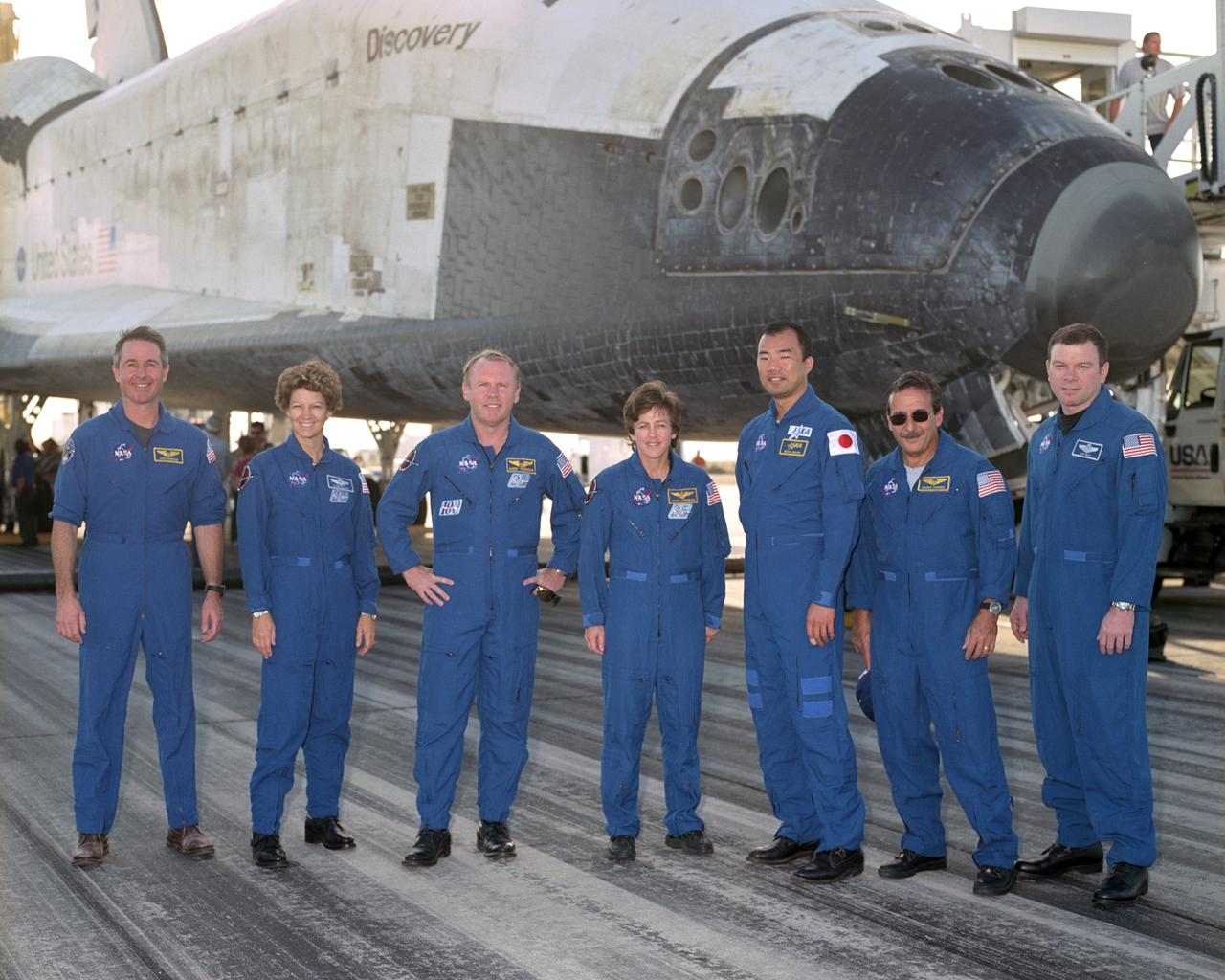
The crew of Space Shuttle mission STS-114 gathered in front of the shuttle Discovery following landing at Edwards Air Force Base, California, August 9, 2005. From left to right: Mission Specialist Stephen Robinson, Commander Eileen Collins, Mission Specialists Andrew Thomas, Wendy Lawrence, Soichi Noguchi and Charles Camarda, and Pilot James Kelly. Space Shuttle Discovery landed safely at NASA's Dryden Flight Research Center at Edwards Air Force Base in California at 5:11:22 a.m. PDT this morning, following the very successful 14-day STS-114 return to flight mission. During their two weeks in space, Commander Eileen Collins and her six crewmates tested out new safety procedures and delivered supplies and equipment the International Space Station. Discovery spent two weeks in space, where the crew demonstrated new methods to inspect and repair the Shuttle in orbit. The crew also delivered supplies, outfitted and performed maintenance on the International Space Station. A number of these tasks were conducted during three spacewalks. In an unprecedented event, spacewalkers were called upon to remove protruding gap fillers from the heat shield on Discovery's underbelly. In other spacewalk activities, astronauts installed an external platform onto the Station's Quest Airlock and replaced one of the orbital outpost's Control Moment Gyroscopes. Inside the Station, the STS-114 crew conducted joint operations with the Expedition 11 crew. They unloaded fresh supplies from the Shuttle and the Raffaello Multi-Purpose Logistics Module. Before Discovery undocked, the crews filled Raffeallo with unneeded items and returned to Shuttle payload bay. Discovery launched on July 26 and spent almost 14 days on orbit.
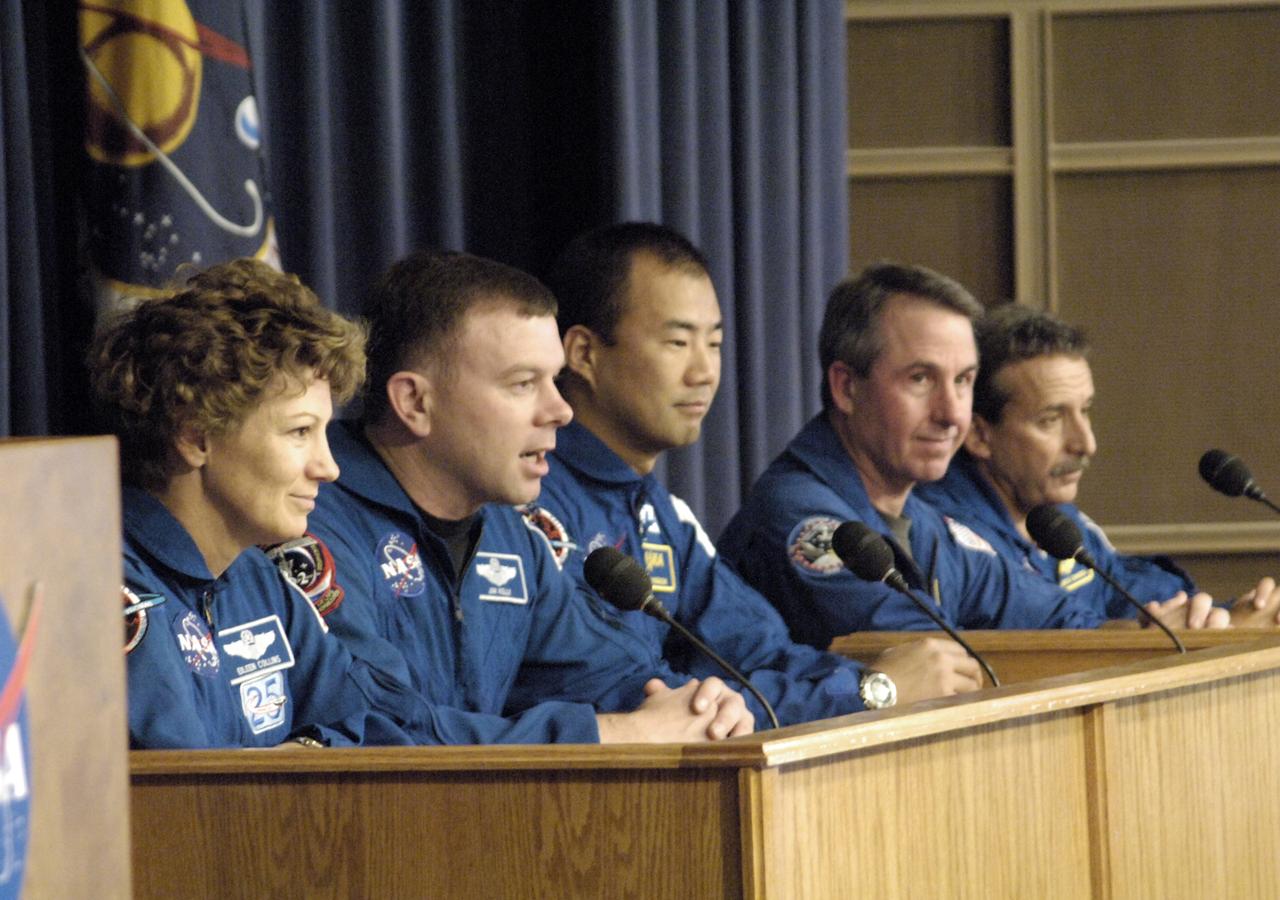
Pilot James Kelly answered a question at a briefing following the successful landing of the Space Shuttle Discovery at NASA DFRC on August 9, 2005. Commander Eileen Collins is on his right, mission specialists Soichi Noguchi, Andrew Thomas and Charles Camarda are to his left. Space Shuttle Discovery landed safely at NASA's Dryden Flight Research Center at Edwards Air Force Base in California at 5:11:22 a.m. PDT this morning, following the very successful 14-day STS-114 return to flight mission. During their two weeks in space, Commander Eileen Collins and her six crewmates tested out new safety procedures and delivered supplies and equipment the International Space Station. Discovery spent two weeks in space, where the crew demonstrated new methods to inspect and repair the Shuttle in orbit. The crew also delivered supplies, outfitted and performed maintenance on the International Space Station. A number of these tasks were conducted during three spacewalks. In an unprecedented event, spacewalkers were called upon to remove protruding gap fillers from the heat shield on Discovery's underbelly. In other spacewalk activities, astronauts installed an external platform onto the Station's Quest Airlock and replaced one of the orbital outpost's Control Moment Gyroscopes. Inside the Station, the STS-114 crew conducted joint operations with the Expedition 11 crew. They unloaded fresh supplies from the Shuttle and the Raffaello Multi-Purpose Logistics Module. Before Discovery undocked, the crews filled Raffeallo with unneeded items and returned to Shuttle payload bay. Discovery launched on July 26 and spent almost 14 days on orbit.
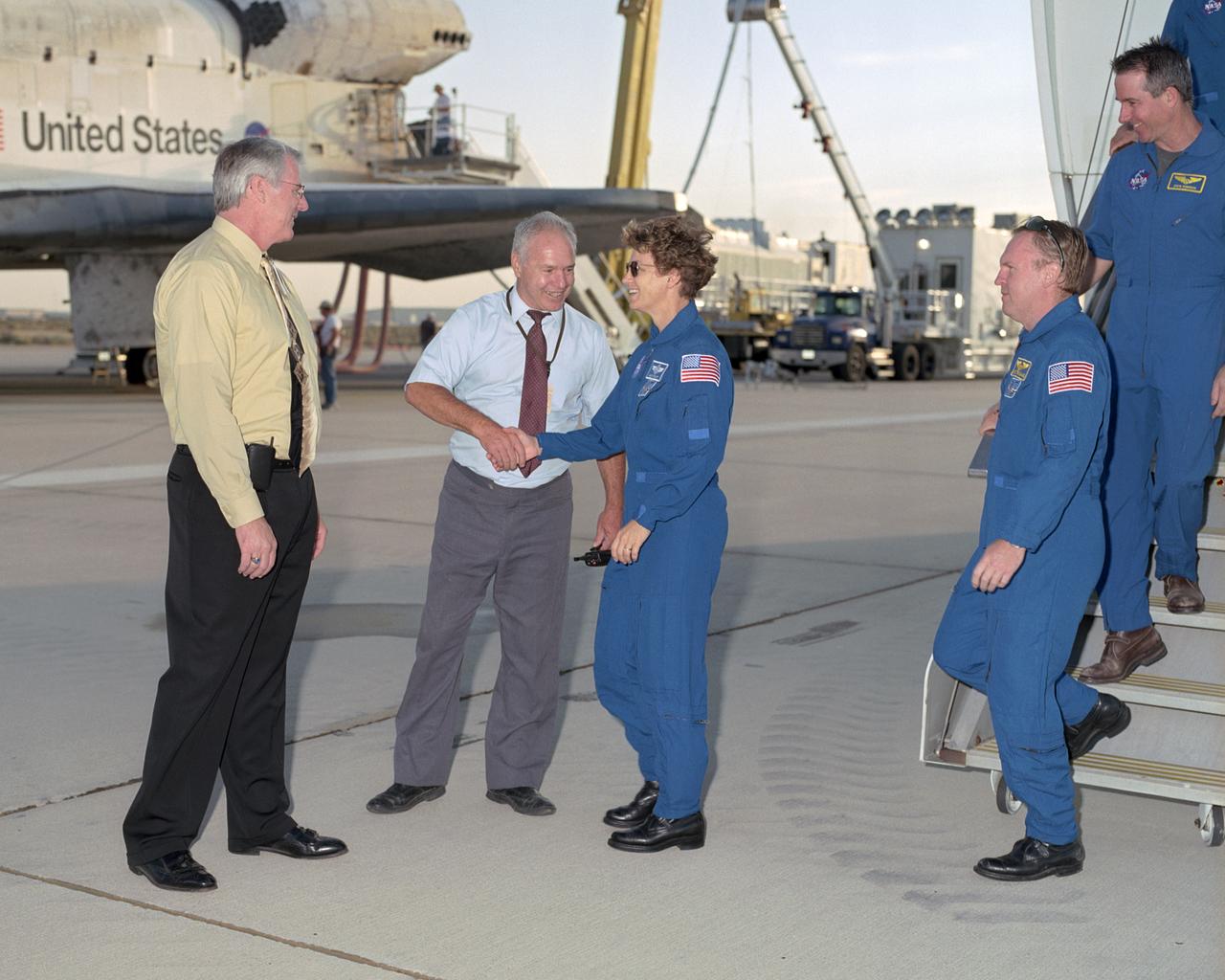
NASA DFRC Deputy Director Steven Schmidt and DFRC Shuttle Program Manager Joe D'Agostino greet Commander Eileen Collins and the crew of STS-114. Left to right: Steven G. Schmidt, deputy director of the NASA Dryden Flight Research Center; Joe D'Agostino, DFRC Space Shuttle Flight Management Support Specialist; STS-114 Commander Eileen Collins and Mission Specialists Andrew Thomas and Stephen Robinson. Space Shuttle Discovery landed safely at NASA's Dryden Flight Research Center at Edwards Air Force Base in California at 5:11:22 a.m. PDT this morning, following the very successful 14-day STS-114 return to flight mission. During their two weeks in space, Commander Eileen Collins and her six crewmates tested out new safety procedures and delivered supplies and equipment the International Space Station. Discovery spent two weeks in space, where the crew demonstrated new methods to inspect and repair the Shuttle in orbit. The crew also delivered supplies, outfitted and performed maintenance on the International Space Station. A number of these tasks were conducted during three spacewalks. In an unprecedented event, spacewalkers were called upon to remove protruding gap fillers from the heat shield on Discovery's underbelly. In other spacewalk activities, astronauts installed an external platform onto the Station's Quest Airlock and replaced one of the orbital outpost's Control Moment Gyroscopes. Inside the Station, the STS-114 crew conducted joint operations with the Expedition 11 crew. They unloaded fresh supplies from the Shuttle and the Raffaello Multi-Purpose Logistics Module. Before Discovery undocked, the crews filled Raffeallo with unneeded items and returned to Shuttle payload bay. Discovery launched on July 26 and spent almost 14 days on orbit.
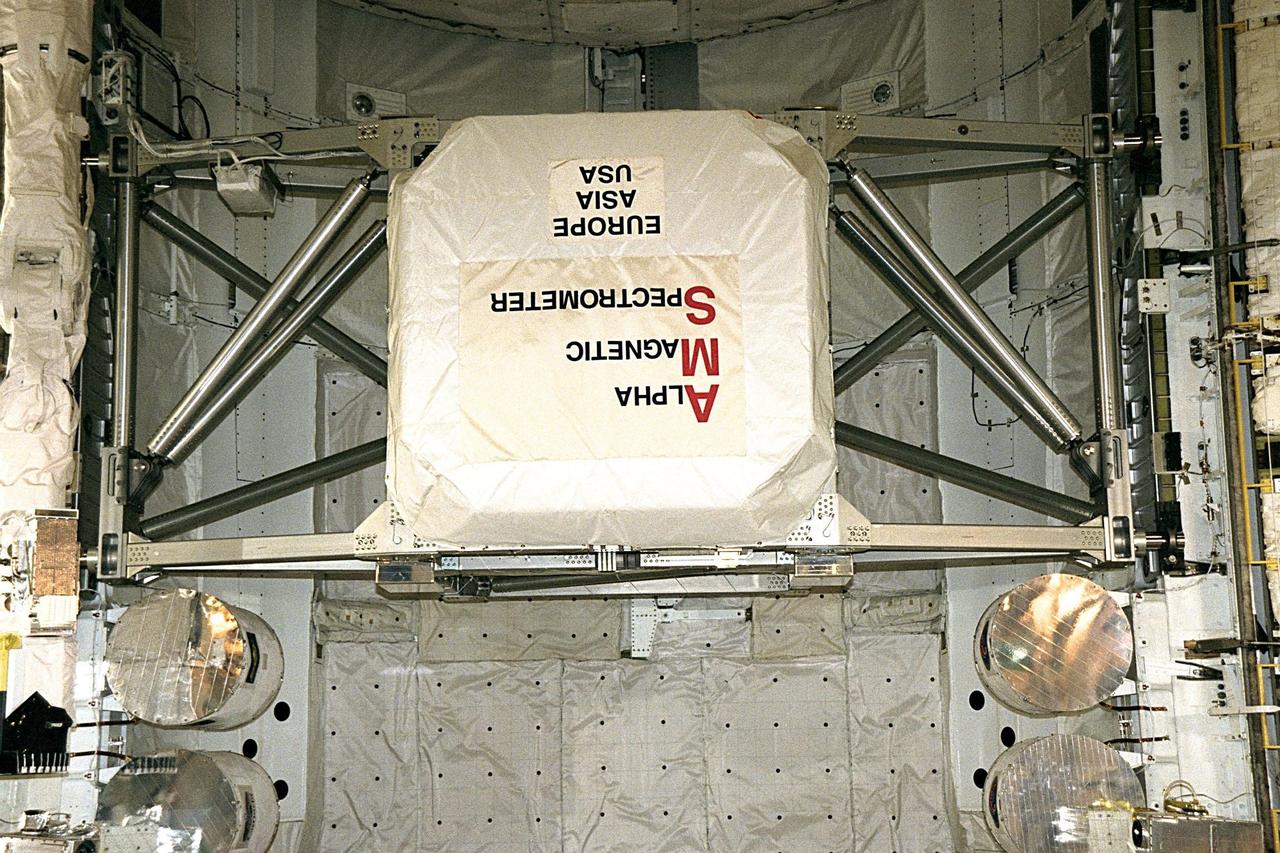
The Alpha Magnetic Spectrometer (AMS) experiment and four Get Away Special (GAS) payload canisters are secure in Discovery's payload bay shortly before the payload bay doors are closed for the flight of STS-91 at Launch Pad 39A. Launch is planned for June 2 with a window opening around 6:10 p.m. EDT. The AMS experiment is the first of a new generation of space-based experiments which will use particles, instead of light, to study the Universe and will search for both antimatter and "dark matter," as well as measure normal matter cosmic and gamma rays. The GAS Program, initiated to provide extremely low-cost access to space, is managed by the Shuttle Small Payloads Project at NASA's Goddard Space Flight Center. Eight GAS experiments will be conducted on STS-91. The mission will also feature the ninth Shuttle docking with the Russian Space Station Mir, the first Mir docking for Discovery, the conclusion of Phase I of the joint U.S.-Russian International Space Station Program, and the first flight of the new Space Shuttle super lightweight external tank. The STS-91 flight crew includes Commander Charles Precourt; Pilot Dominic Gorie; and Mission Specialists Wendy B. Lawrence; Franklin Chang-Diaz, Ph.D.; Janet Kavandi, Ph.D.; and Valery Ryumin, with the Russian Space Agency. Andrew Thomas, Ph.D., will be returning to Earth with the crew after living more than four months aboard Mir