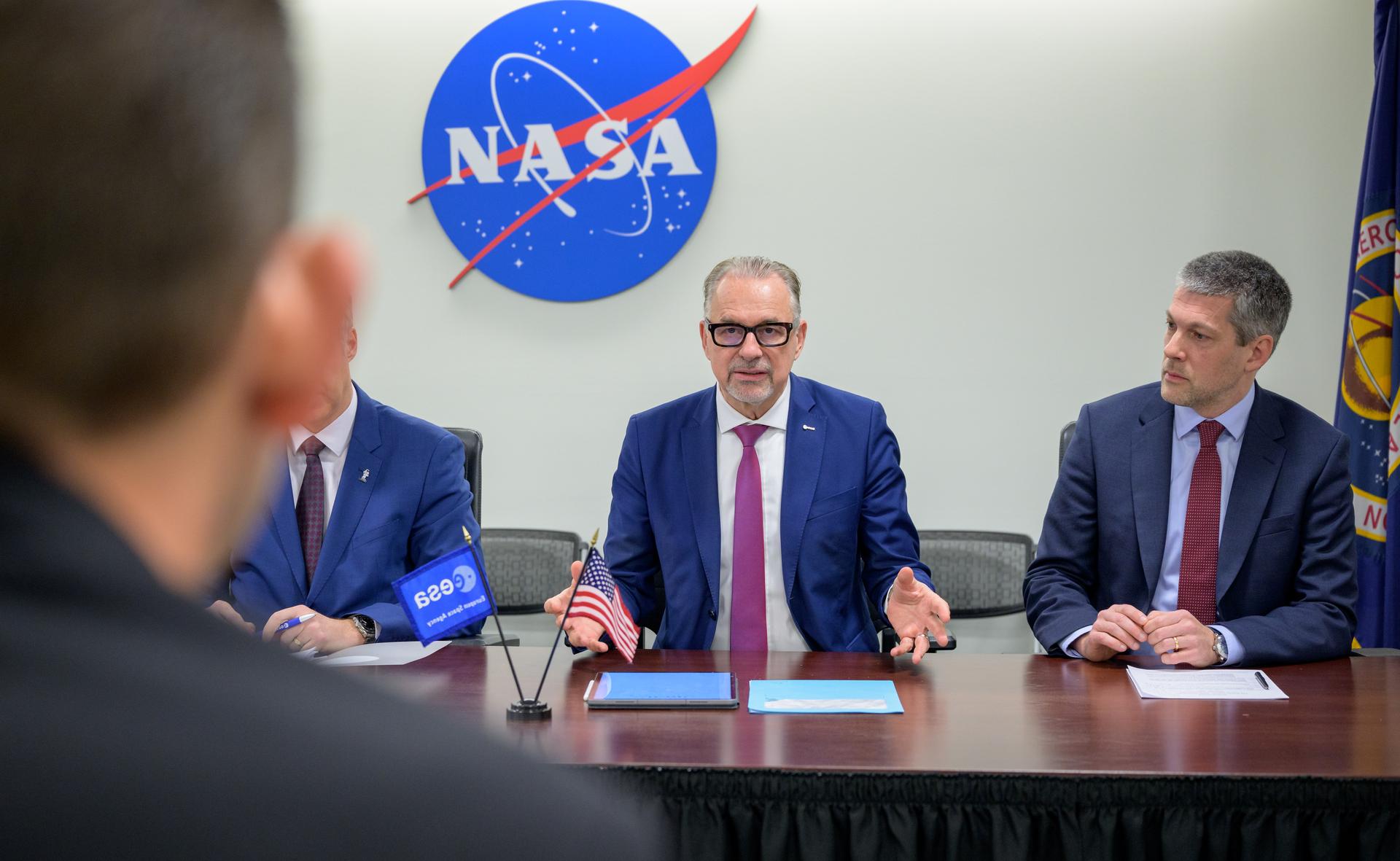
ESA Director General Josef Aschbacher, center, meets with NASA Administrator Jared Isaacman, Wednesday, Feb. 11, 2026, at the Mary W. Jackson NASA Headquarters Building in Washington. Photo Credit: (NASA/Bill Ingalls)
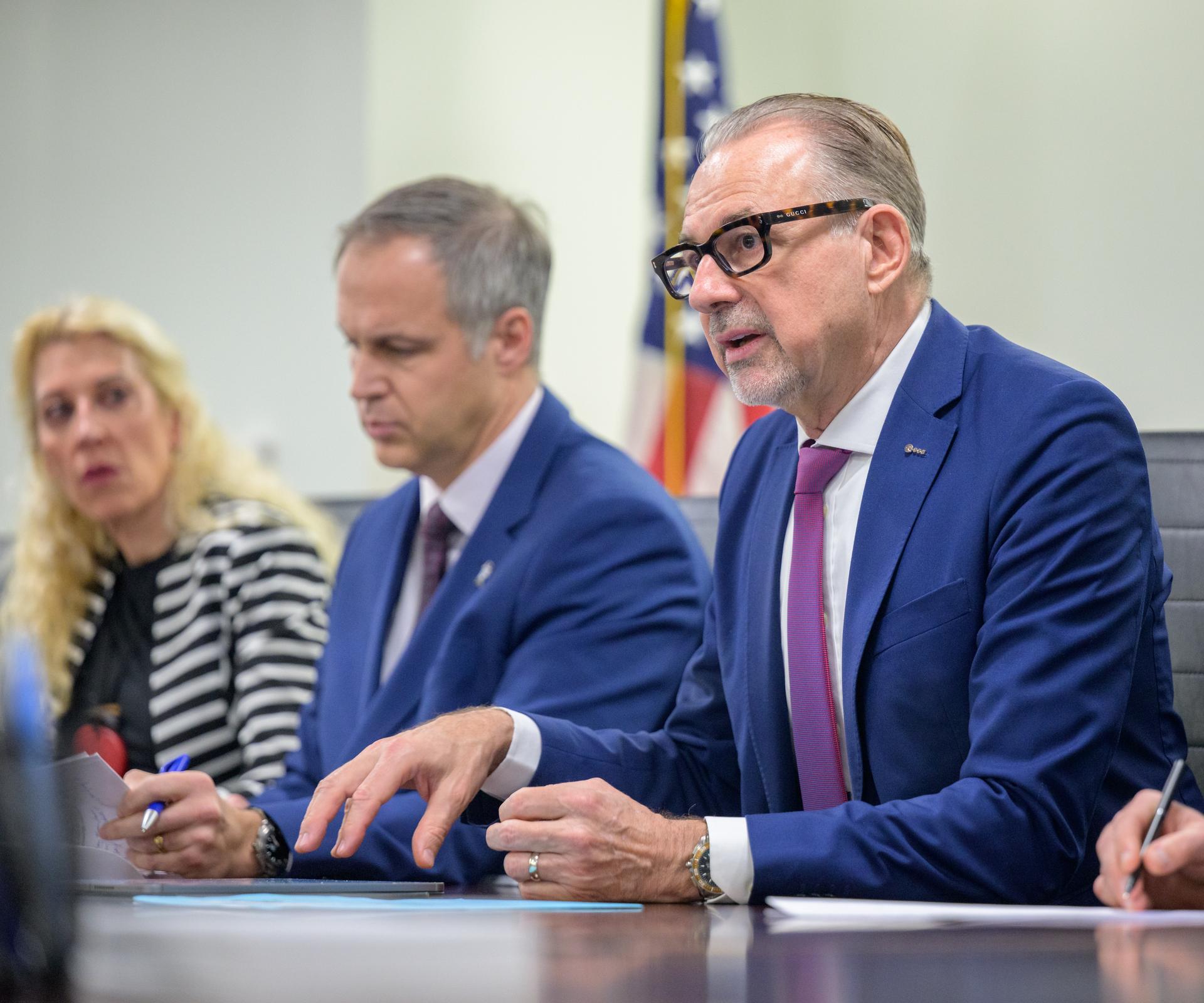
ESA Director General Josef Aschbacher, right, meets with NASA Administrator Jared Isaacman, Wednesday, Feb. 11, 2026, at the Mary W. Jackson NASA Headquarters Building in Washington. Photo Credit: (NASA/Bill Ingalls)
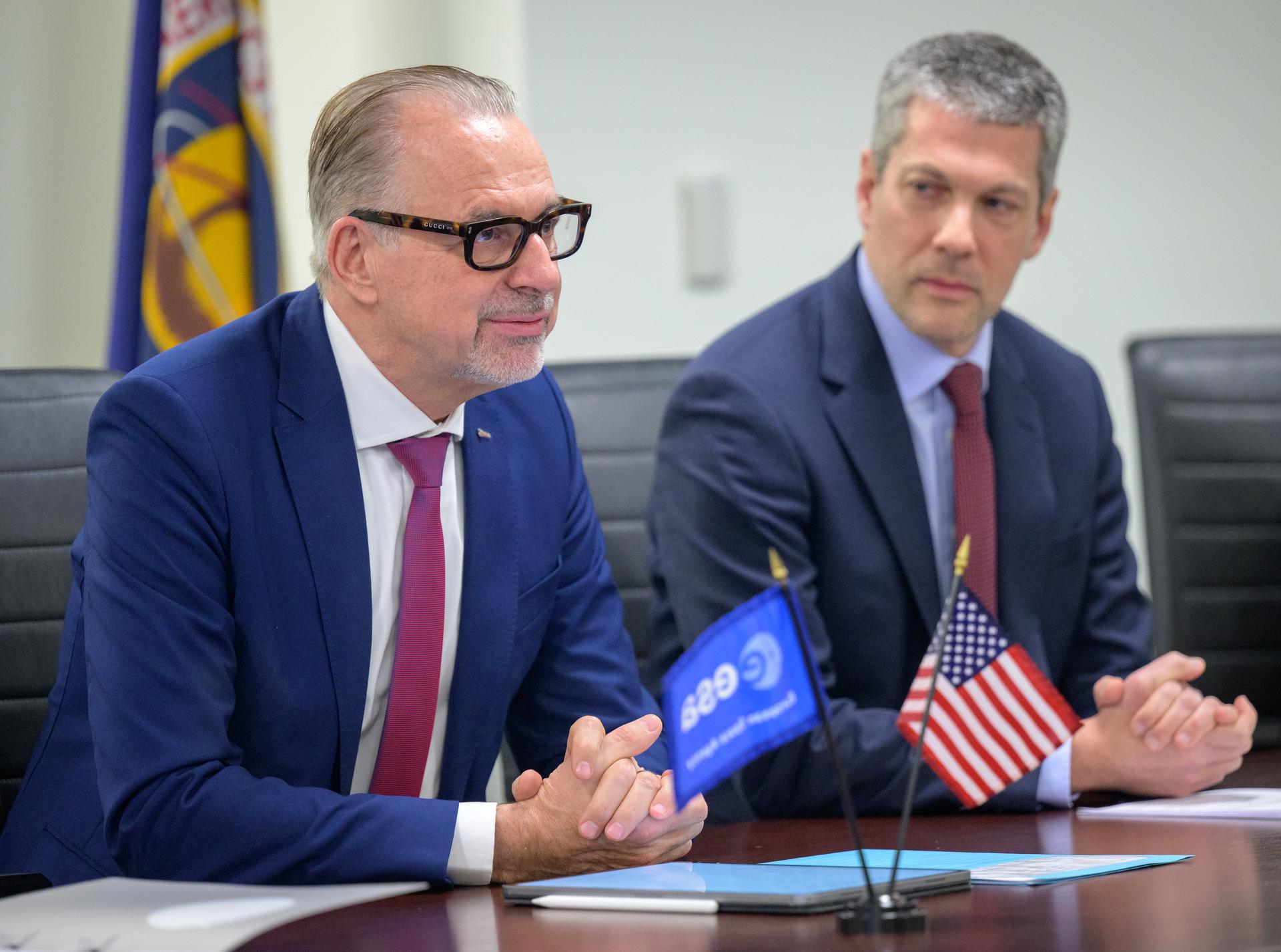
ESA Director General Josef Aschbacher, left, meets with NASA Administrator Jared Isaacman, Wednesday, Feb. 11, 2026, at the Mary W. Jackson NASA Headquarters Building in Washington. Photo Credit: (NASA/Bill Ingalls)
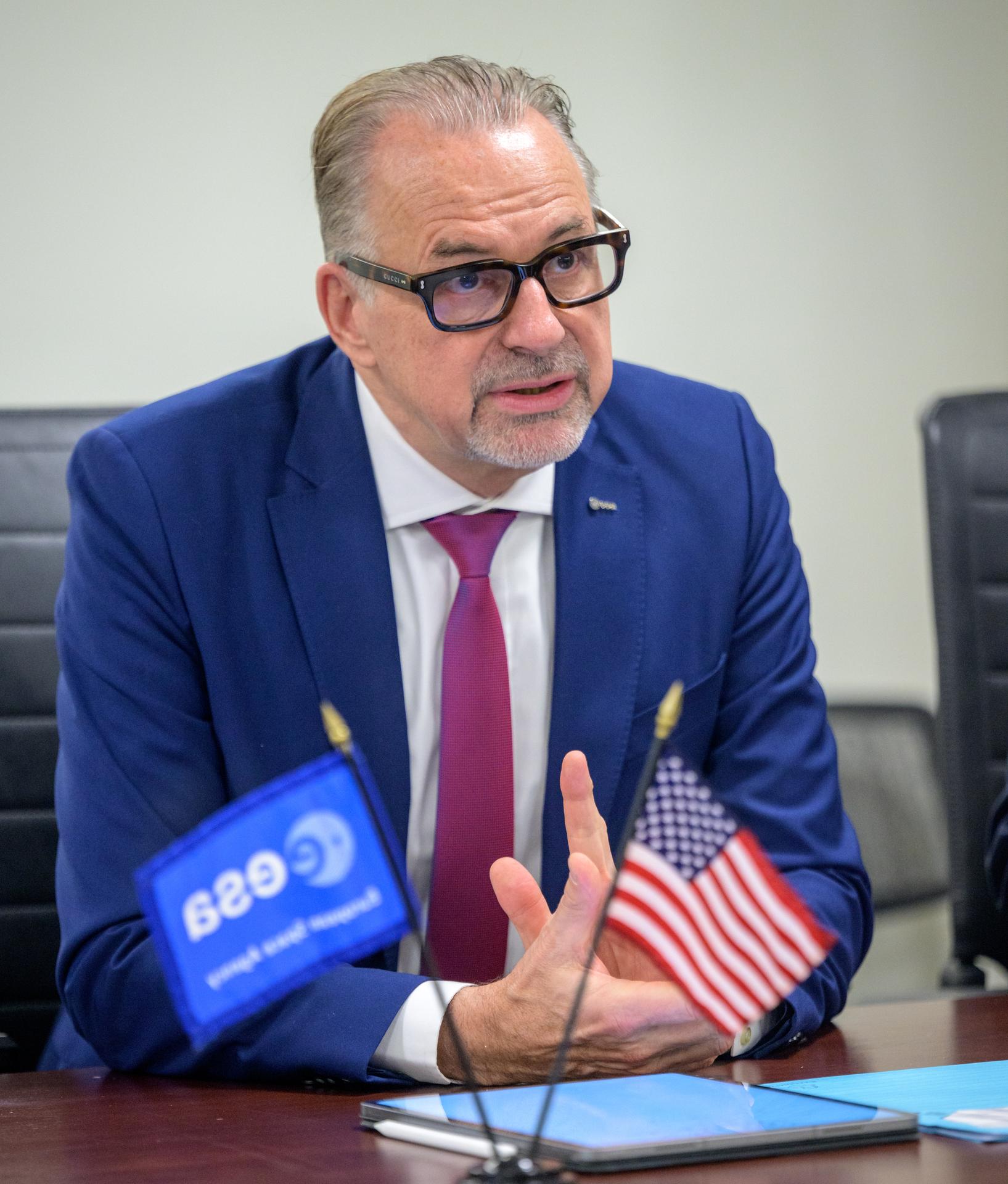
ESA Director General Josef Aschbacher meets with NASA Administrator Jared Isaacman, Wednesday, Feb. 11, 2026, at the Mary W. Jackson NASA Headquarters Building in Washington. Photo Credit: (NASA/Bill Ingalls)
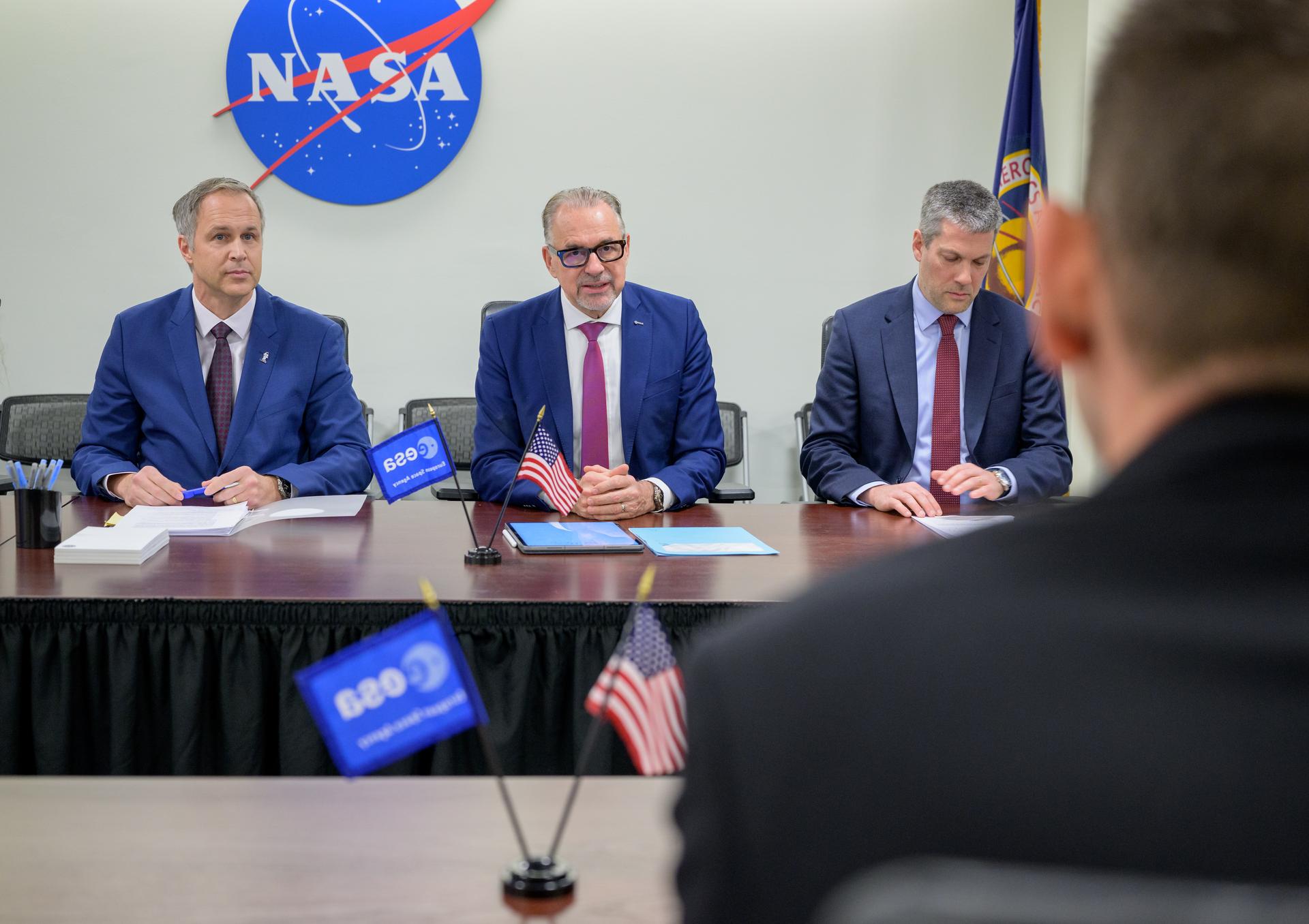
ESA Director General Josef Aschbacher, center, meets with NASA Administrator Jared Isaacman, Wednesday, Feb. 11, 2026, at the Mary W. Jackson NASA Headquarters Building in Washington. Photo Credit: (NASA/Bill Ingalls)
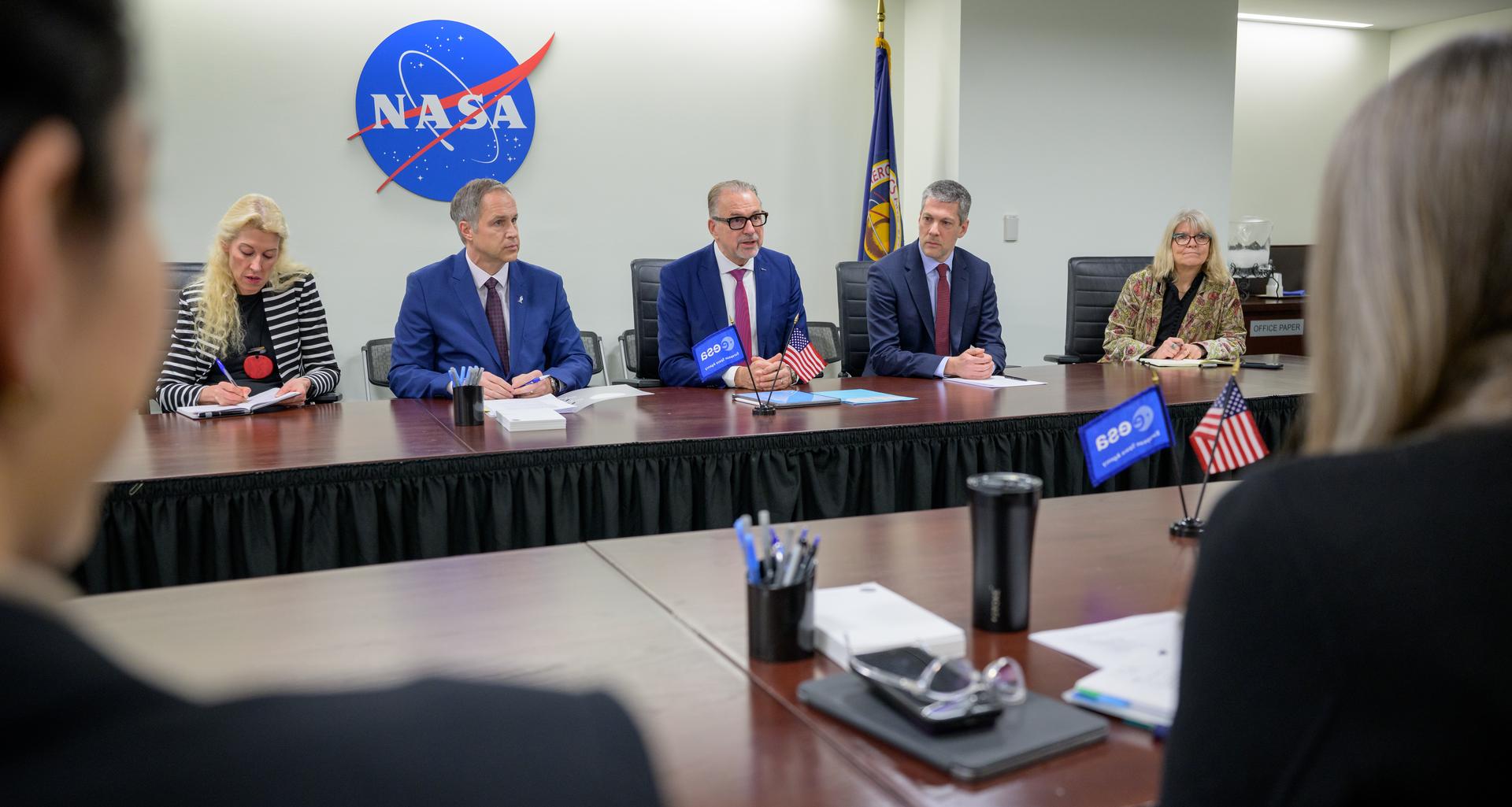
ESA Director General Josef Aschbacher, 3rd from left, meets with NASA Administrator Jared Isaacman, Wednesday, Feb. 11, 2026, at the Mary W. Jackson NASA Headquarters Building in Washington. Photo Credit: (NASA/Bill Ingalls)
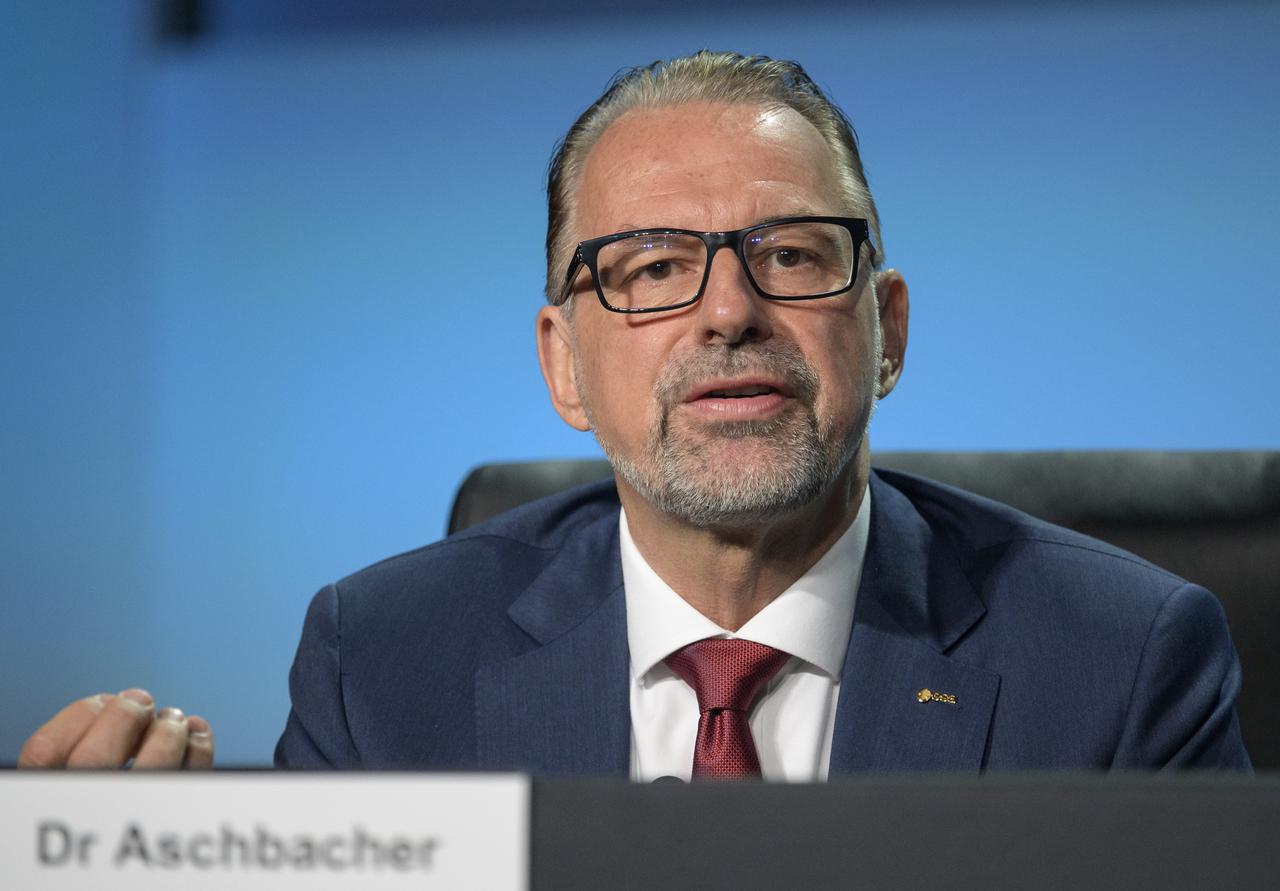
Dr. Josef Aschbacher, Director General, European Space Agency (ESA) gives remarks in a Heads of Agency panel discussion, during the 36th Space Symposium, Wednesday, Aug. 25, 2021, in Colorado Springs, Colorado. Photo Credit: (NASA/Bill Ingalls)
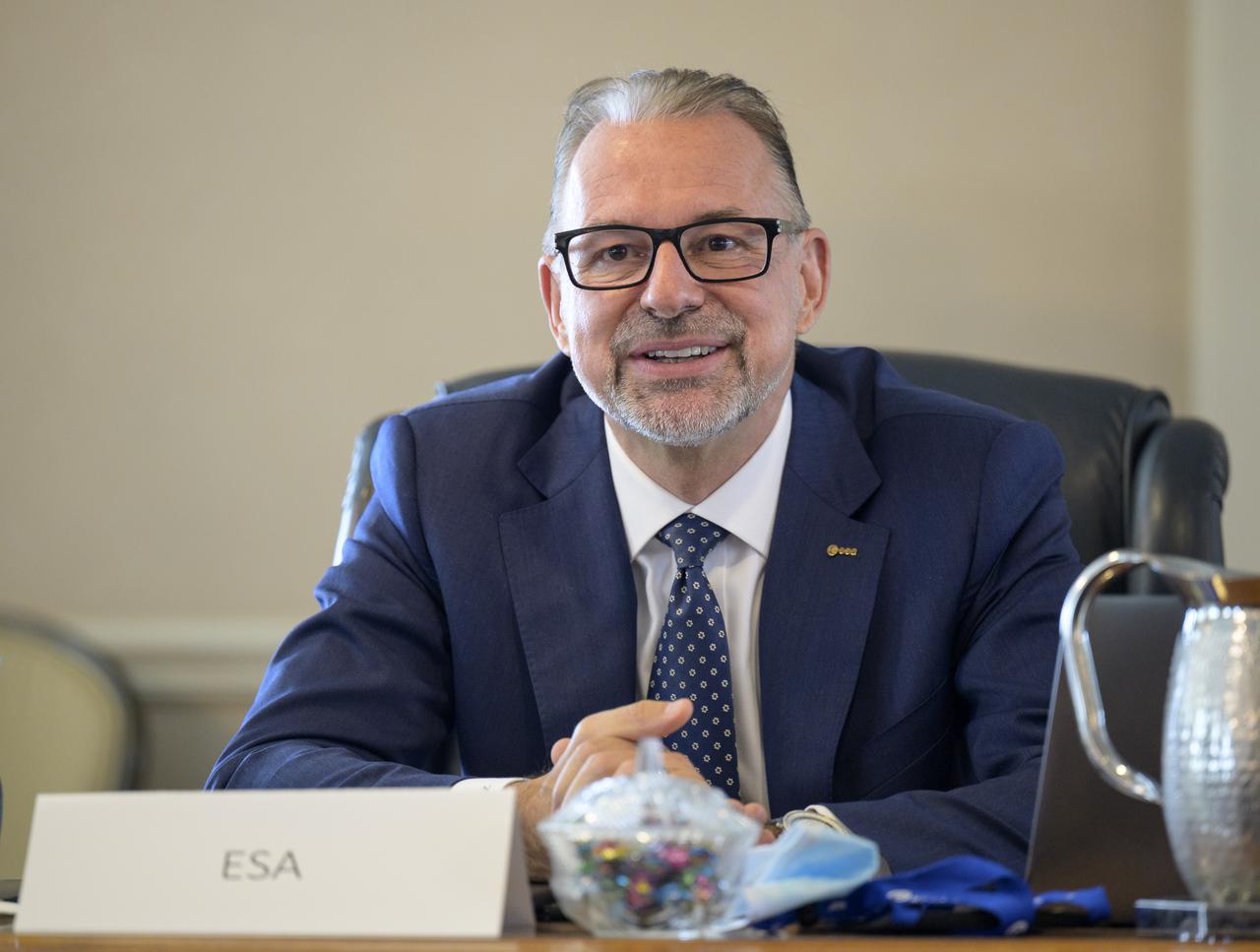
Dr. Josef Aschbacher, Director General, European Space Agency (ESA) listens to NASA Administrator Bill Nelson in a bilateral meeting during the 36th Space Symposium, Monday, Aug. 23, 2021, in Colorado Springs, Colorado. Photo Credit: (NASA/Bill Ingalls)
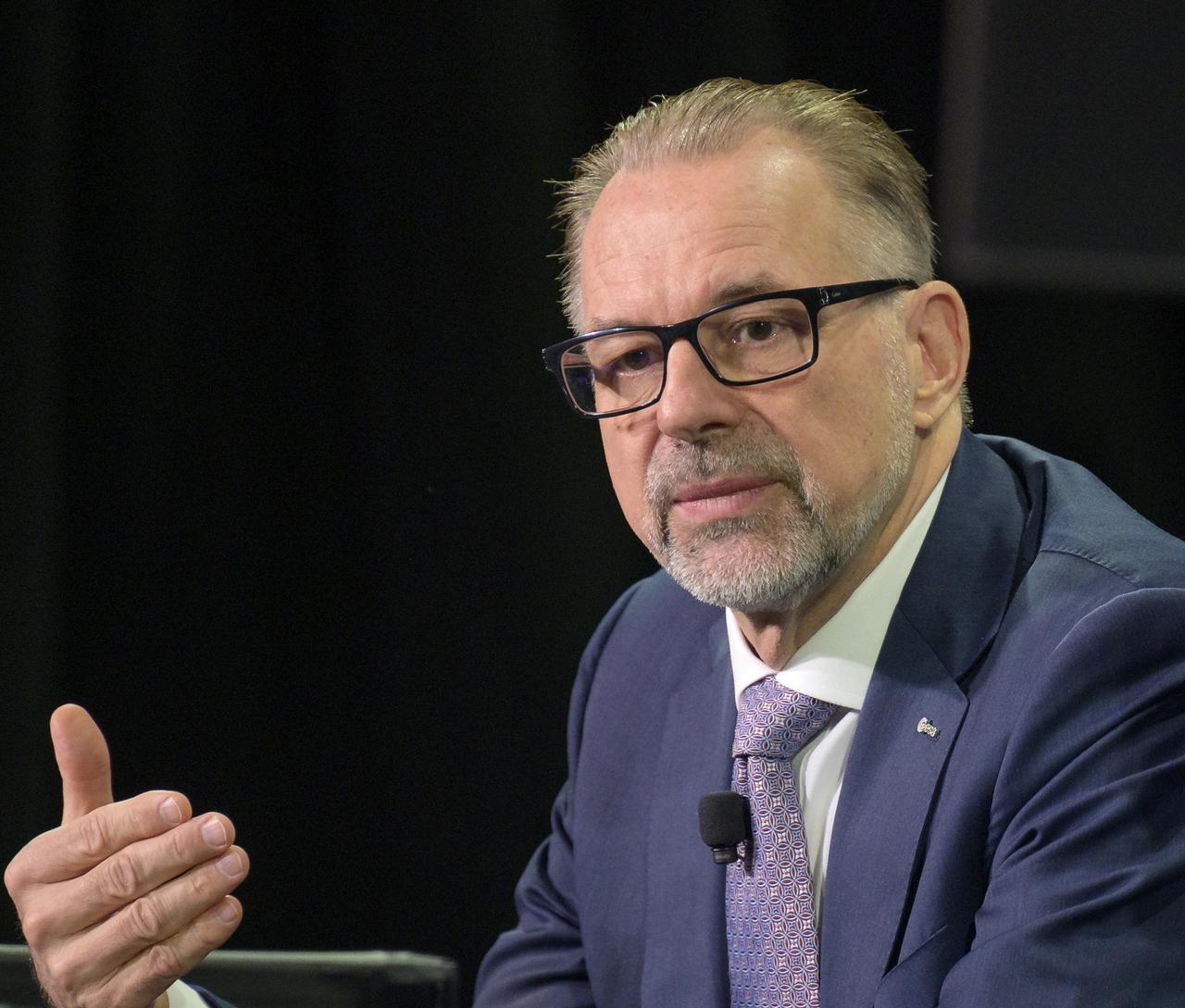
Dr. Josef Aschbacher, Director General, European Space Agency (ESA) speaks during a Heads of Agency panel at the 37th Space Symposium, Wednesday, April 6, 2022, in Colorado Springs, Colorado. Photo Credit: (NASA/Bill Ingalls)
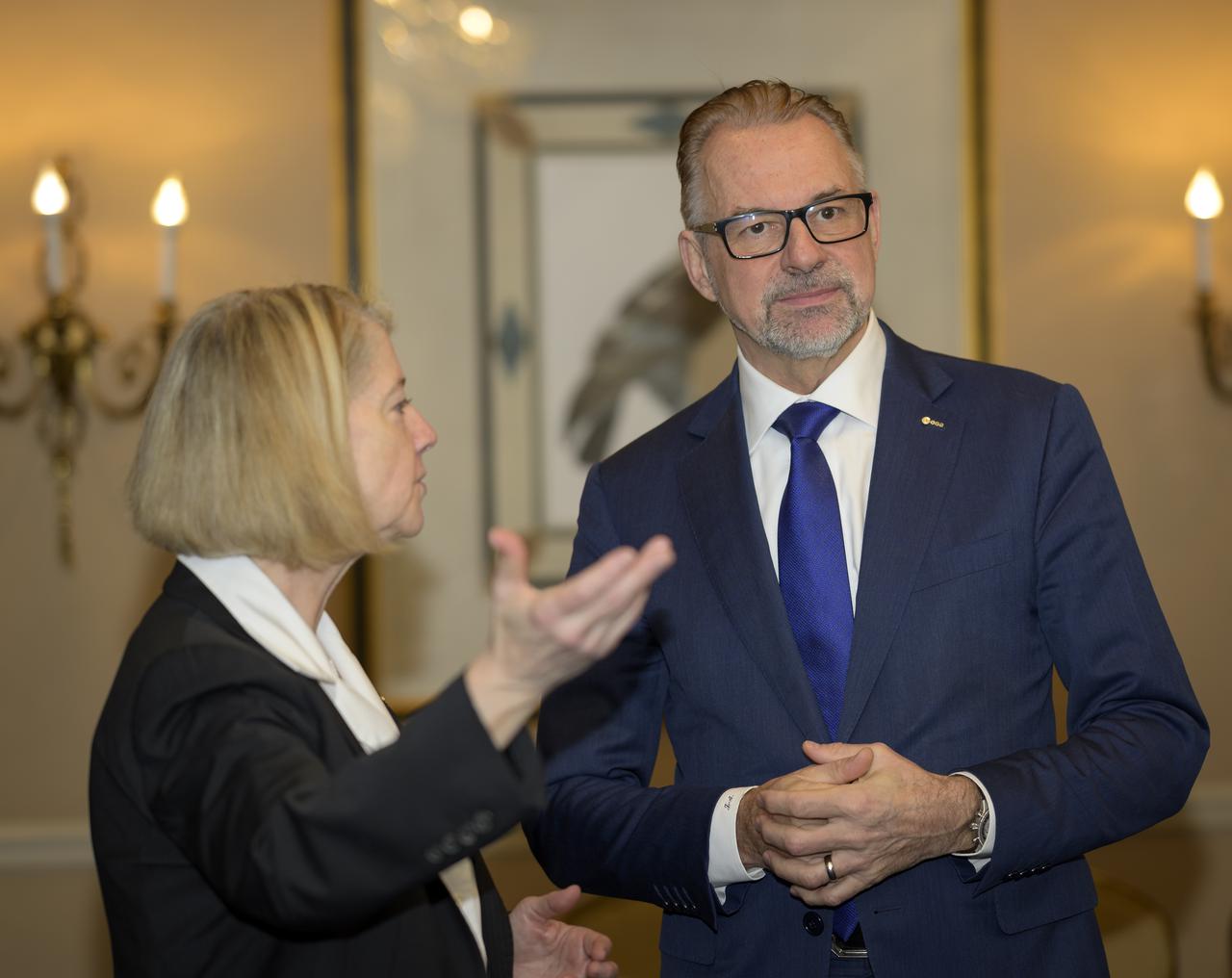
NASA Deputy Administrator Pam Melroy, left, and Dr. Josef Aschbacher, Director General, European Space Agency (ESA), talk during a meeting during the 37th Space Symposium, Tuesday, April 5, 2022, in Colorado Springs, Colorado. Photo Credit: (NASA/Bill Ingalls)

NASA Deputy Administrator Pam Melroy, left, and Dr. Josef Aschbacher, Director General, European Space Agency (ESA), pose for a photograph prior to starting at meeting during the 37th Space Symposium, Tuesday, April 5, 2022, in Colorado Springs, Colorado. Photo Credit: (NASA/Bill Ingalls)
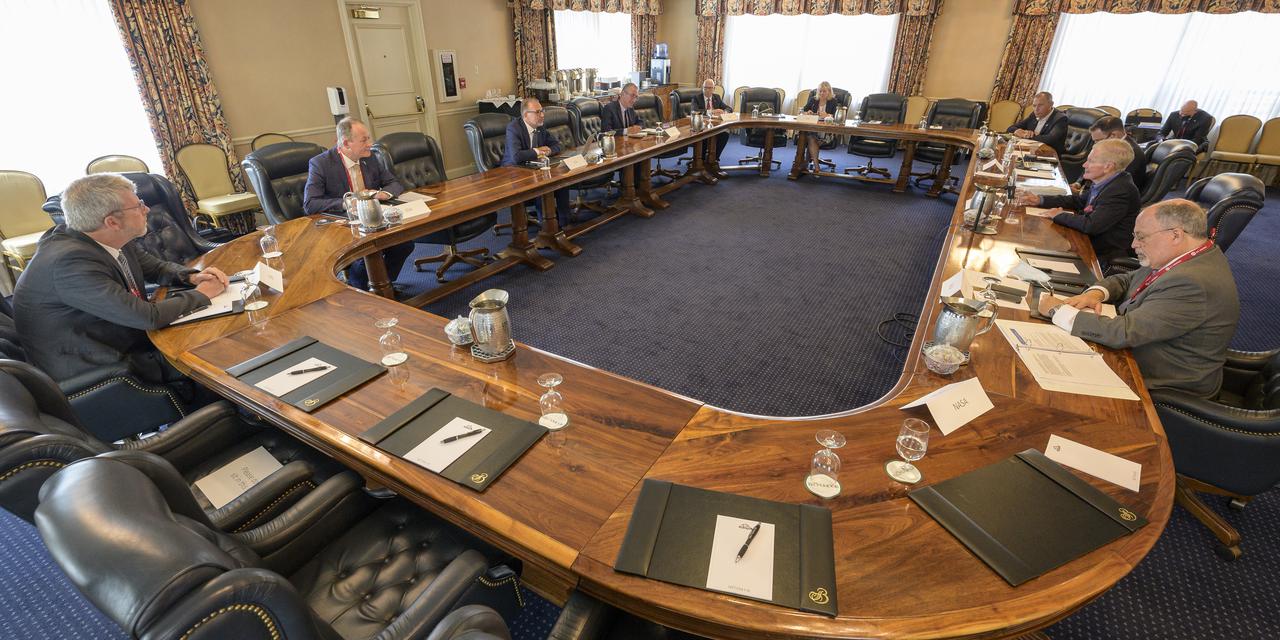
NASA Administrator Bill Nelson meets with Dr. Josef Aschbacher, Director General, European Space Agency (ESA) in a bilateral meeting during the 36th Space Symposium, Monday, Aug. 23, 2021, in Colorado Springs, Colorado. Photo Credit: (NASA/Bill Ingalls)
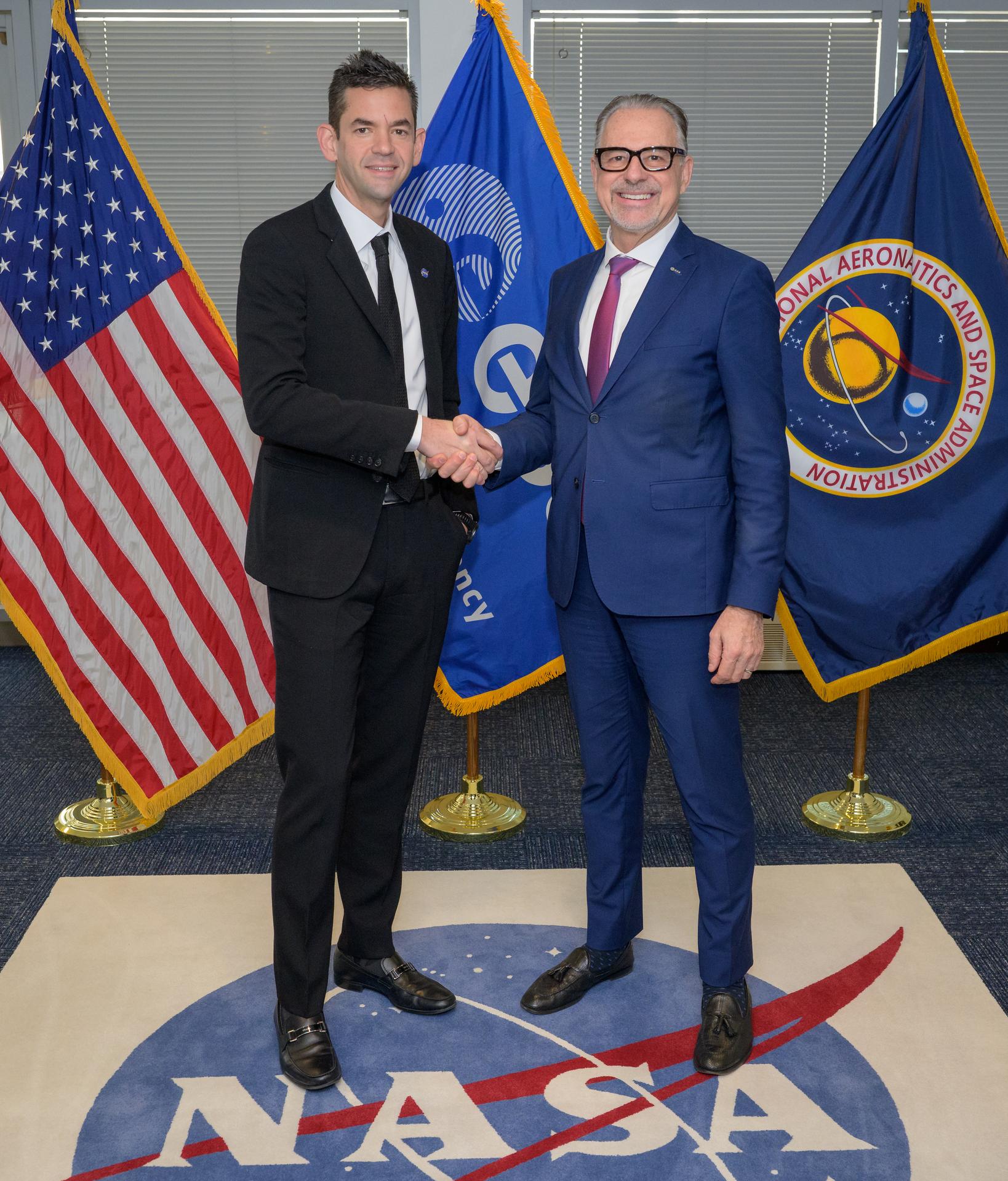
NASA Administrator Jared Isaacman, left, poses for a photo with ESA Director General Josef Aschbacher: before a meeting, Wednesday, Feb. 11, 2026, at the Mary W. Jackson NASA Headquarters Building in Washington. Photo Credit: (NASA/Bill Ingalls)
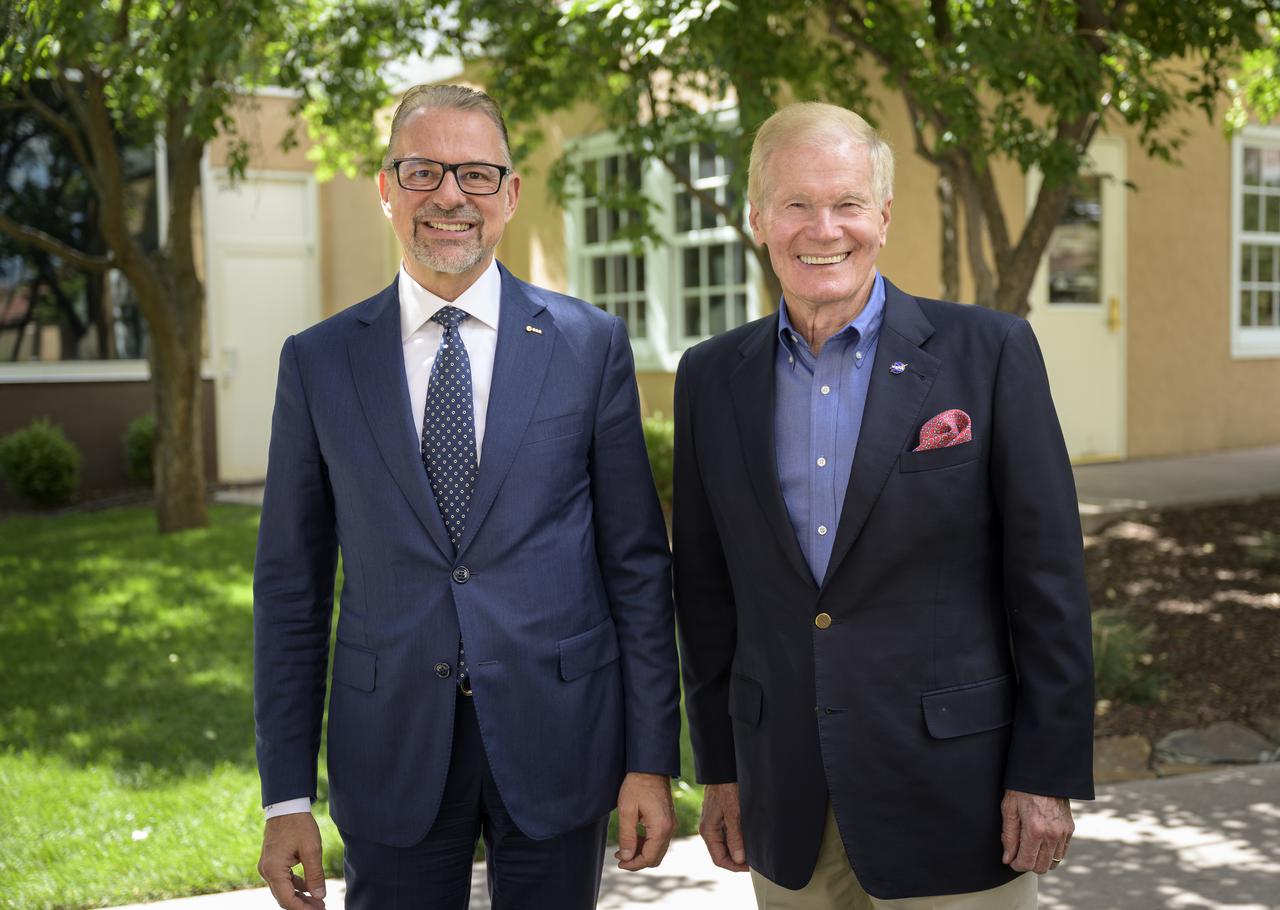
European Space Agency (ESA) Director General Josef Aschbacher, left, and NASA Administrator Bill Nelson meet in a bilateral meeting during the 36th Space Symposium, Monday, Aug. 23, 2021, in Colorado Springs, Colorado. Photo Credit: (NASA/Bill Ingalls)
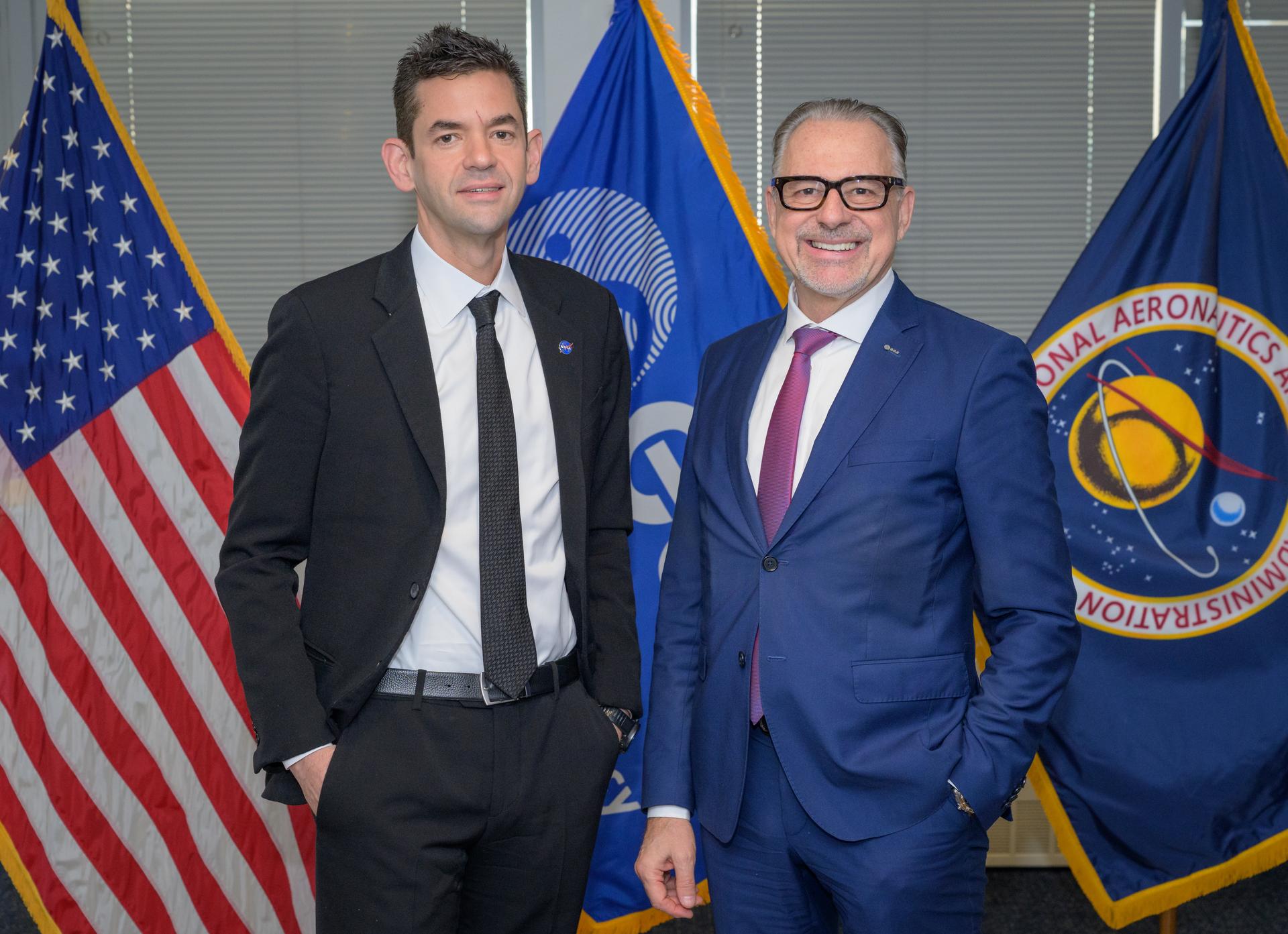
NASA Administrator Jared Isaacman, left, poses for a photo with ESA Director General Josef Aschbacher: before a meeting, Wednesday, Feb. 11, 2026, at the Mary W. Jackson NASA Headquarters Building in Washington. Photo Credit: (NASA/Bill Ingalls)

Vice President Kamala Harris shakes hands with Josef Aschbacher, Director General of ESA (European Space Agency), and views the Artemis II Service Module during a visit, Monday, Aug. 29, 2022, at the Neil A. Armstrong Operations and Checkout Building at NASA’s Kennedy Space Center in Florida. Photo Credit: (NASA/Bill Ingalls)

ESA (European Space Agency) director of Earth Observation Programmes, Josef Aschbacher, announces that the international ocean science satellite previously known as Sentinel-6A/Jason-CS has been renamed Sentinel-6 Michael Freilich after NASA’s former director of the Earth Science division, Dr. Michael Freilich, Tuesday, January 28, 2020, at NASA Headquarters in Washington. Sentinel-6A Michael Freilich will observe and record global sea level changes and will be joined by an identical satellite slated to launch in 2025 for a total of ten years of targeted observations. Photo Credit: (NASA/Aubrey Gemignani)
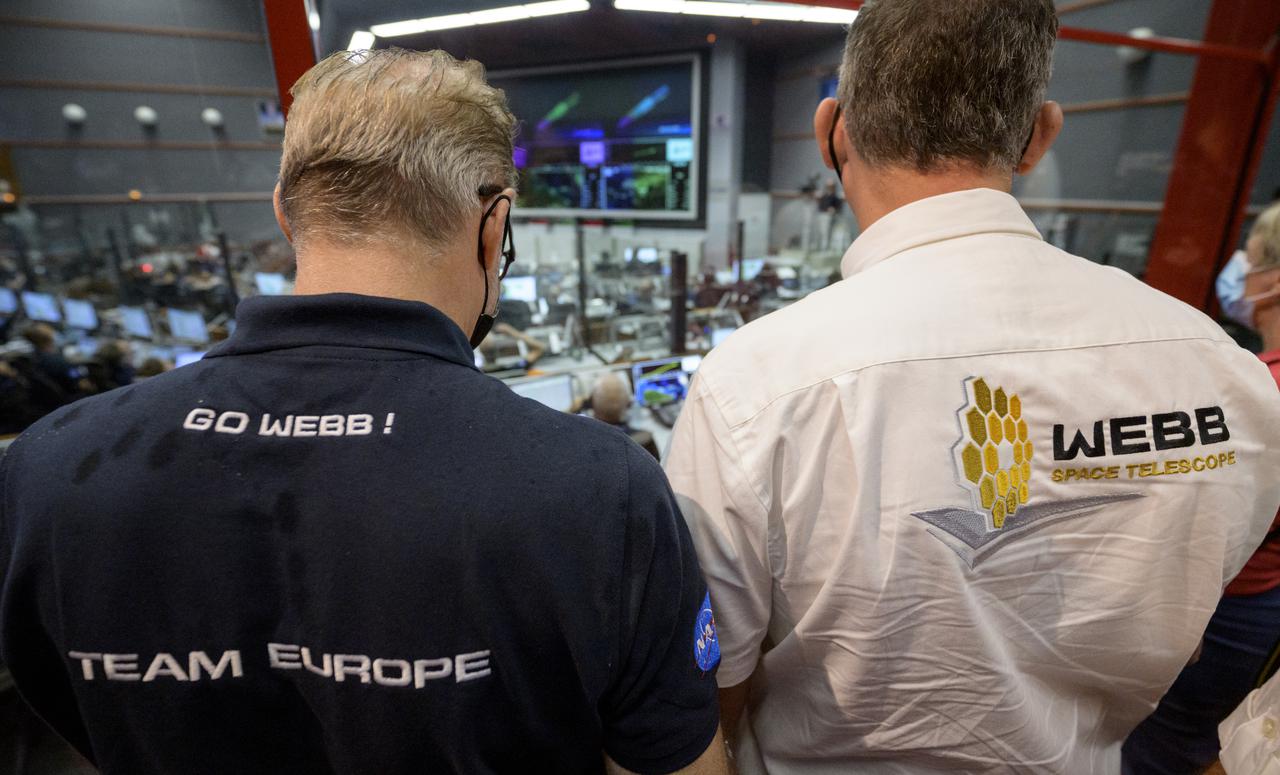
ESA (European Space Agency) Director-General Dr. Josef Aschbacher, left, and NASA Associate Administrator for the Science Mission Directorate Thomas Zurbuchen, monitor the progress of the Ariane 5 rocket delivering the James Webb Space Telescope into space, Saturday, Dec. 25, 2021, in the Jupiter Hall of the Guiana Space Centre in Kourou, French Guiana. The James Webb Space Telescope (sometimes called JWST or Webb) is a large infrared telescope with a 21.3 foot (6.5 meter) primary mirror. The observatory will study every phase of cosmic history—from within our solar system to the most distant observable galaxies in the early universe. Photo Credit: (NASA/Bill Ingalls)

ESA (European Space Agency) director of Earth Observation Programmes, Josef Aschbacher, left, presents NASA’s former director of the Earth Science division, Dr. Michael Freilich with an award after announcing that the international ocean science satellite previously known as Sentinel-6A/Jason-CS has been renamed Sentinel-6 Michael Freilich after him, Tuesday, January 28, 2020, at NASA Headquarters in Washington. Sentinel-6A Michael Freilich will observe and record global sea level changes and will be joined by an identical satellite slated to launch in 2025 for a total of ten years of targeted observations. Photo Credit: (NASA/Aubrey Gemignani)
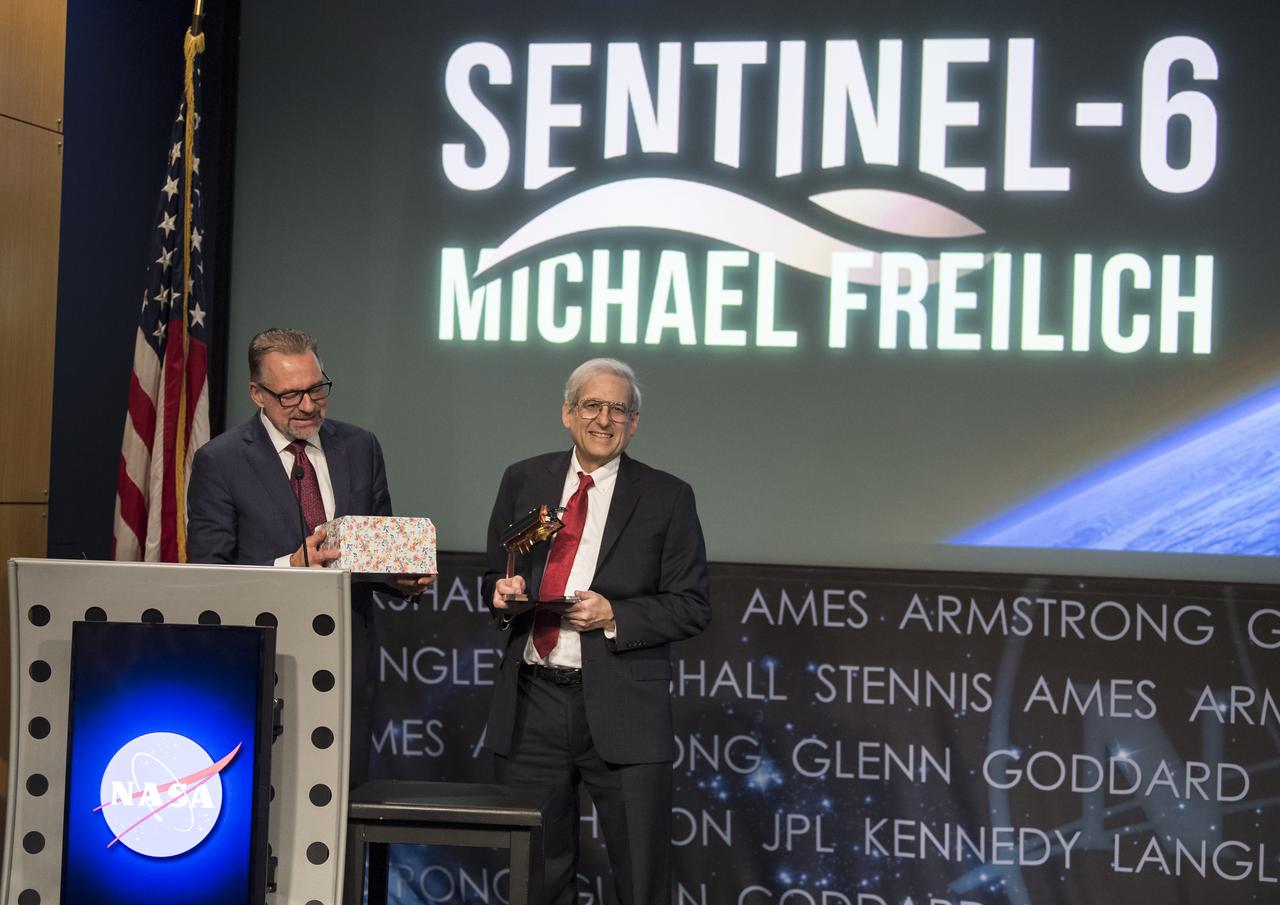
ESA (European Space Agency) director of Earth Observation Programmes, Josef Aschbacher, left, presents NASA’s former director of the Earth Science division, Dr. Michael Freilich with an award after announcing that the international ocean science satellite previously known as Sentinel-6A/Jason-CS has been renamed Sentinel-6 Michael Freilich after him, Tuesday, January 28, 2020, at NASA Headquarters in Washington. Sentinel-6A Michael Freilich will observe and record global sea level changes and will be joined by an identical satellite slated to launch in 2025 for a total of ten years of targeted observations. Photo Credit: (NASA/Aubrey Gemignani)
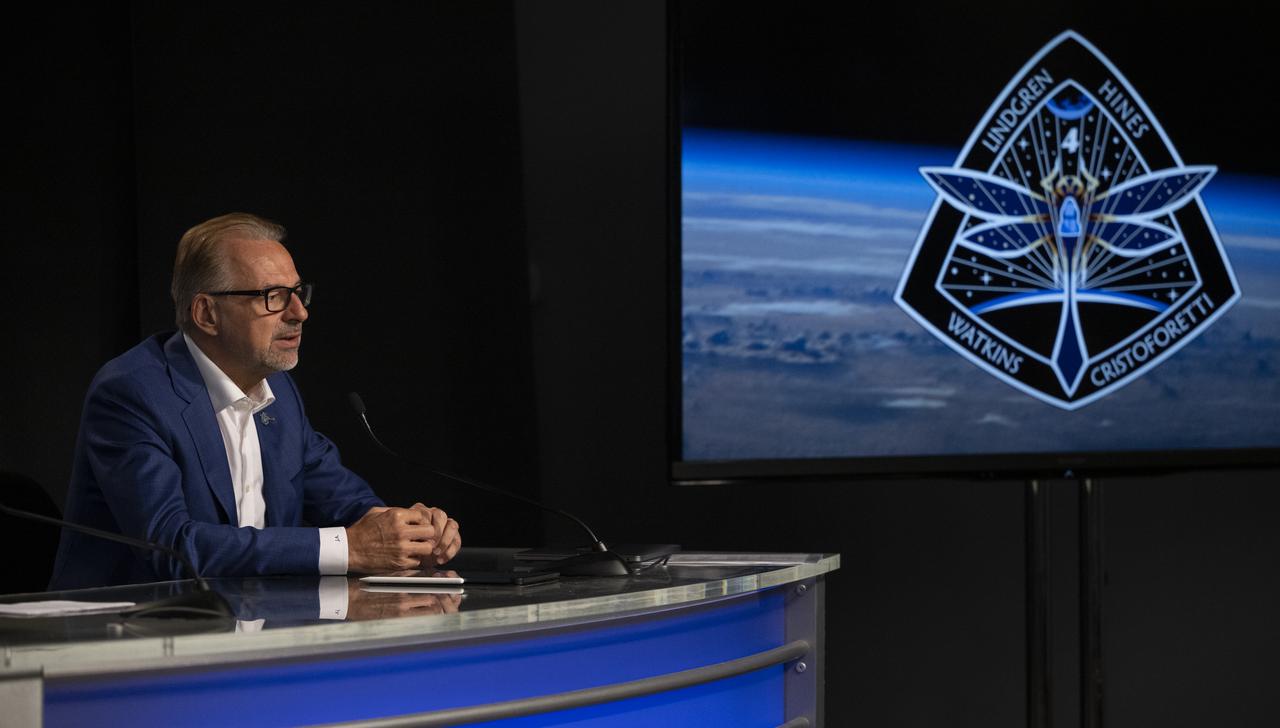
Josef Aschbacher, Director General of ESA (European Space Agency), speaks to members of the media during a press conference ahead of the Crew-4 launch, Tuesday, April 26, 2022, at NASA’s Kennedy Space Center in Florida. NASA’s SpaceX Crew-4 mission is the fourth crew rotation mission of the SpaceX Crew Dragon spacecraft and Falcon 9 rocket to the International Space Station as part of the agency’s Commercial Crew Program. NASA astronauts Kjell Lindgren, Robert Hines, Jessica Watkins, and ESA (European Space Agency) astronaut Samantha Cristoforetti are scheduled to launch at 3:52 a.m. ET on April 27 from Launch Complex 39A at the Kennedy Space Center. Photo Credit: (NASA/Joel Kowsky)
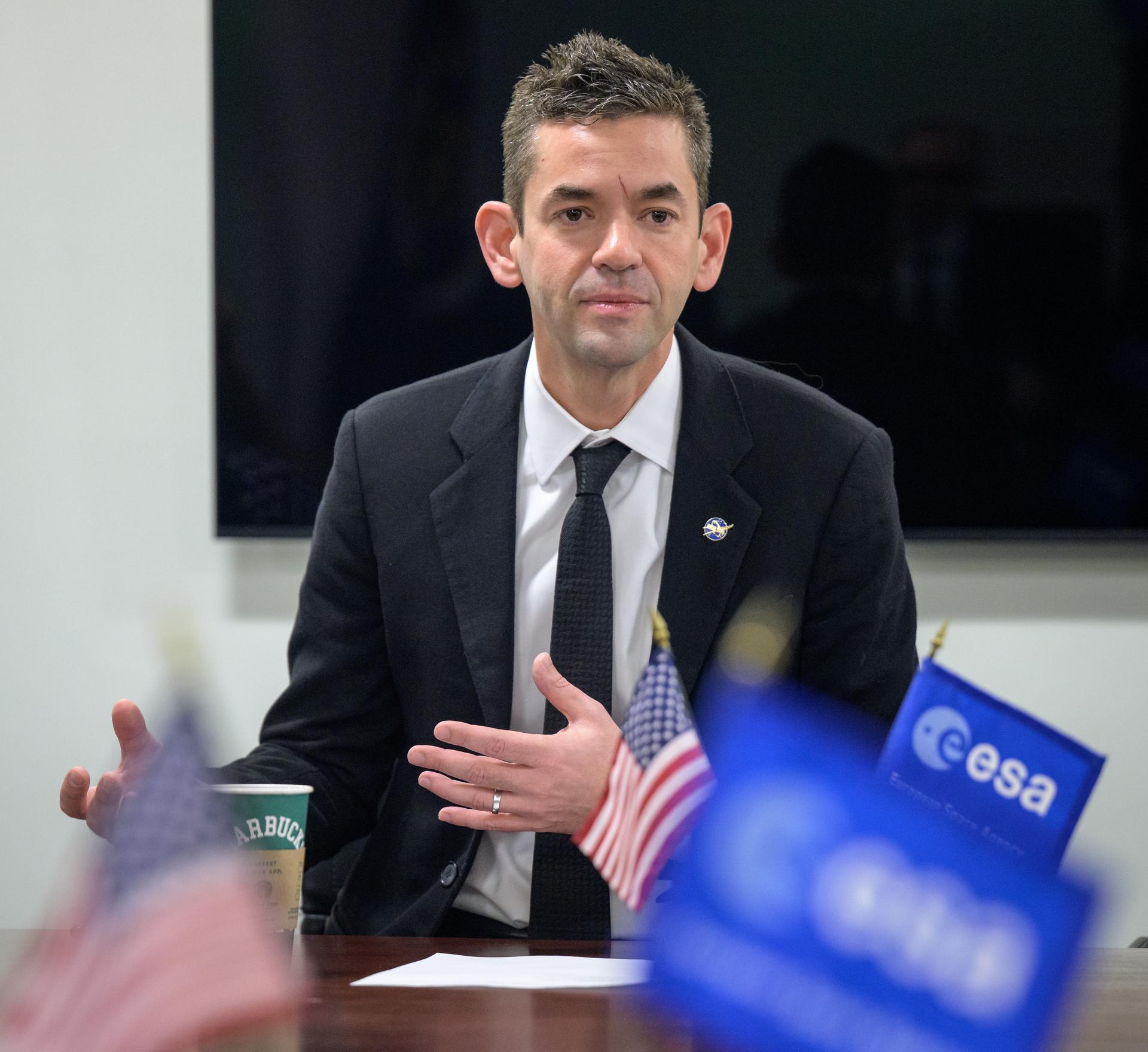
NASA Administrator Jared Isaacman meets with ESA Director General Josef Aschbacher, Wednesday, Feb. 11, 2026, at the Mary W. Jackson NASA Headquarters Building in Washington. Photo Credit: (NASA/Bill Ingalls)
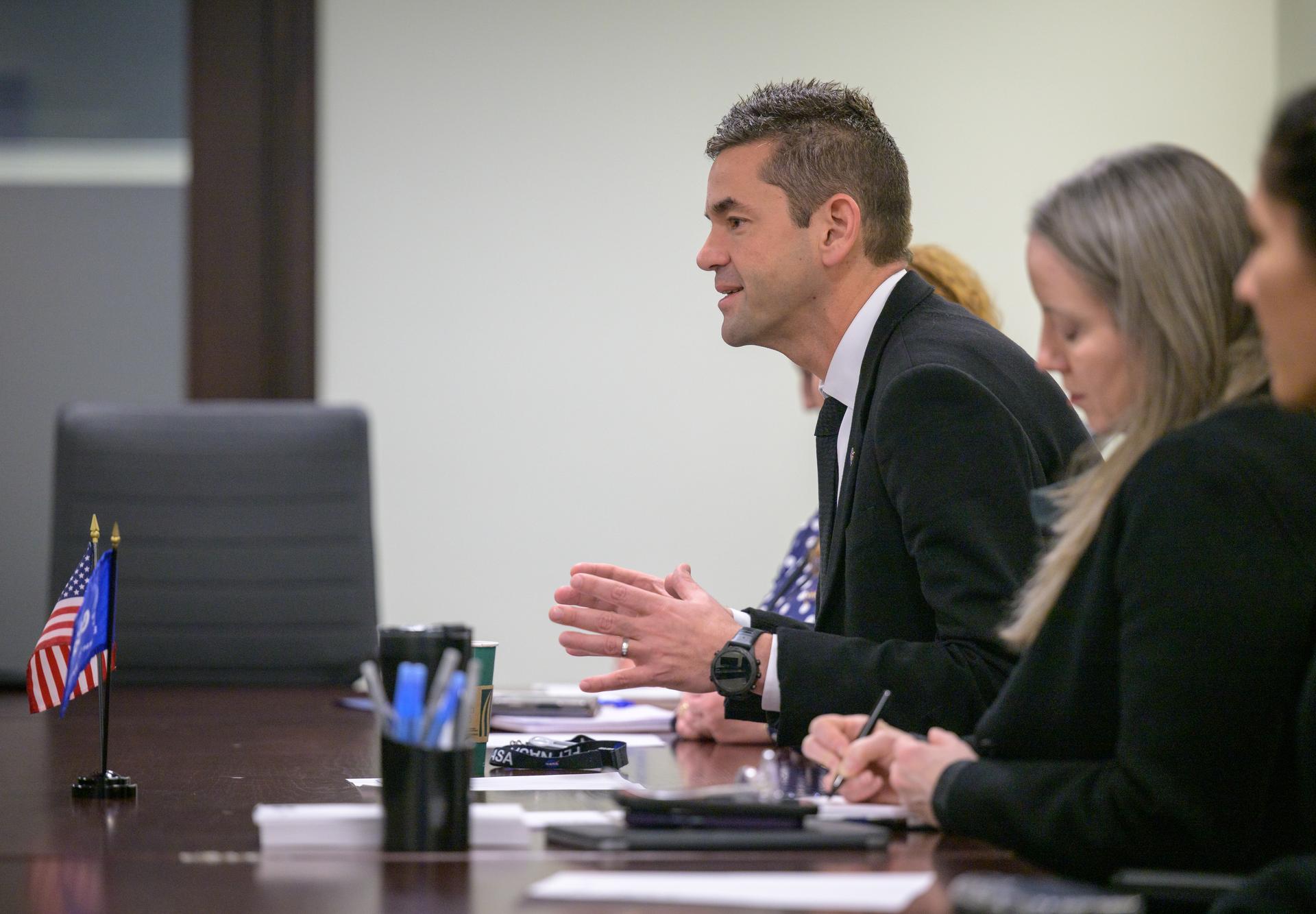
NASA Administrator Jared Isaacman meets with ESA Director General Josef Aschbacher, Wednesday, Feb. 11, 2026, at the Mary W. Jackson NASA Headquarters Building in Washington. Photo Credit: (NASA/Bill Ingalls)
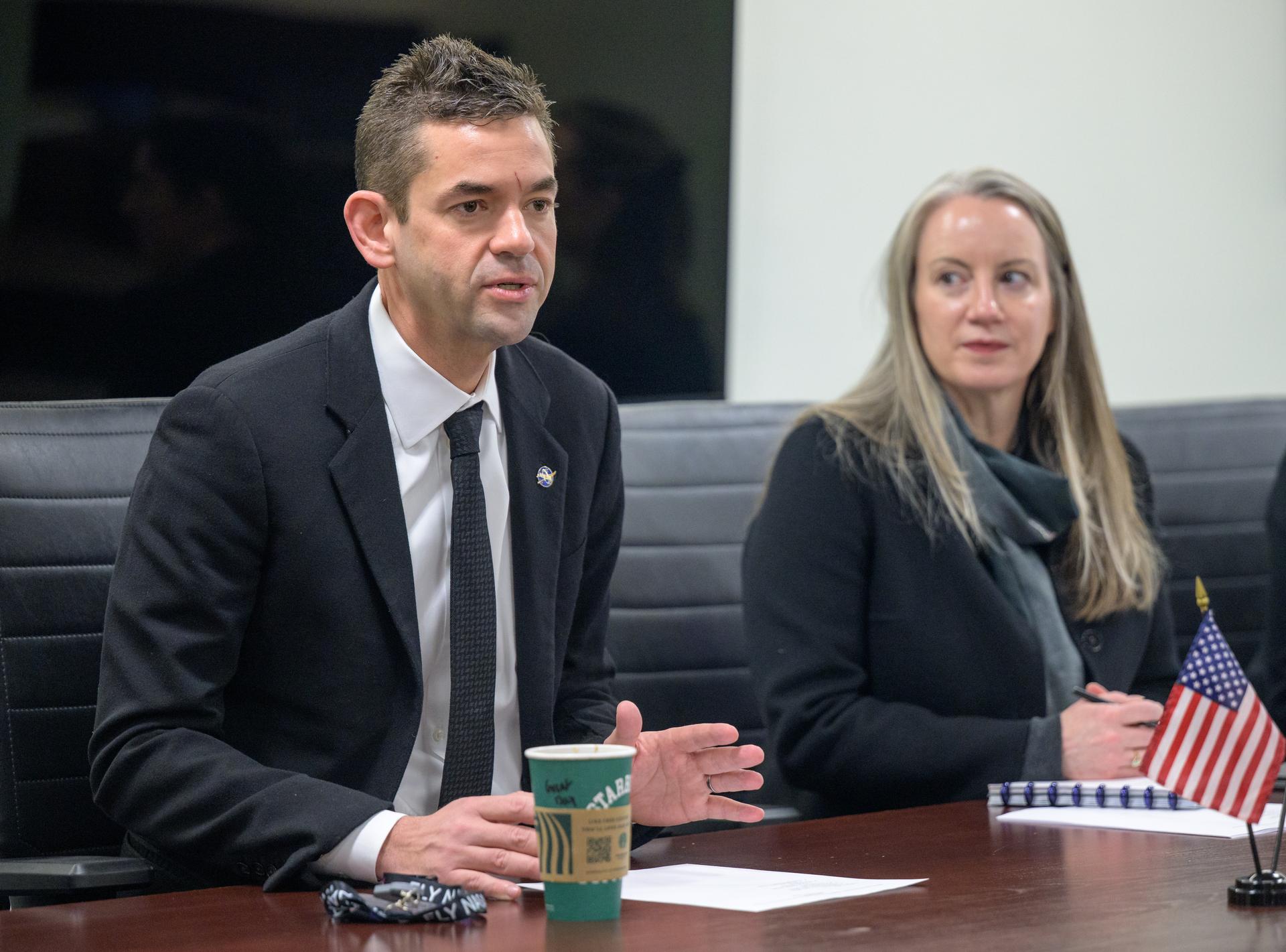
NASA Administrator Jared Isaacman meets with ESA Director General Josef Aschbacher, Wednesday, Feb. 11, 2026, at the Mary W. Jackson NASA Headquarters Building in Washington. Photo Credit: (NASA/Bill Ingalls)
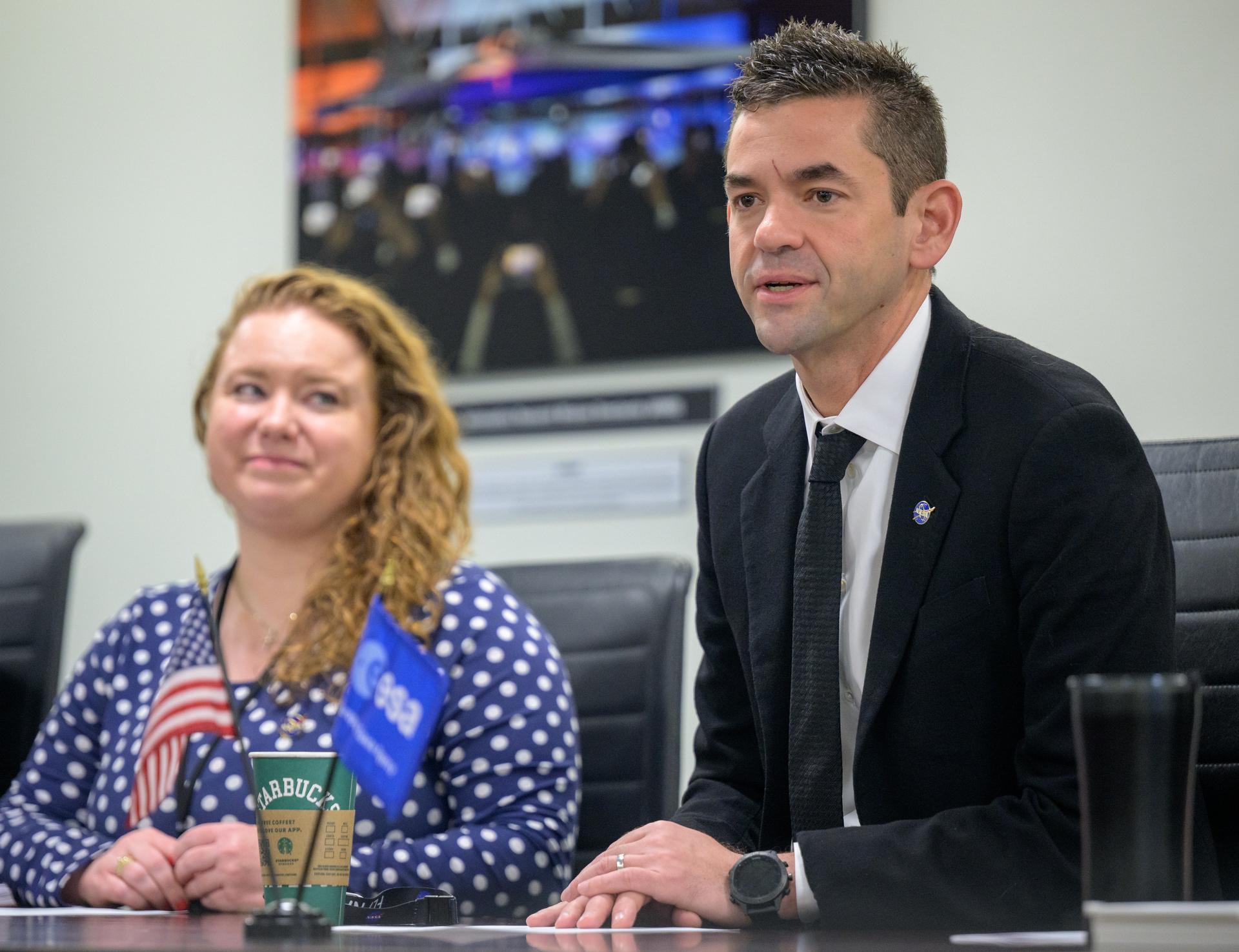
NASA Administrator Jared Isaacman meets with ESA Director General Josef Aschbacher, Wednesday, Feb. 11, 2026, at the Mary W. Jackson NASA Headquarters Building in Washington. Photo Credit: (NASA/Bill Ingalls)
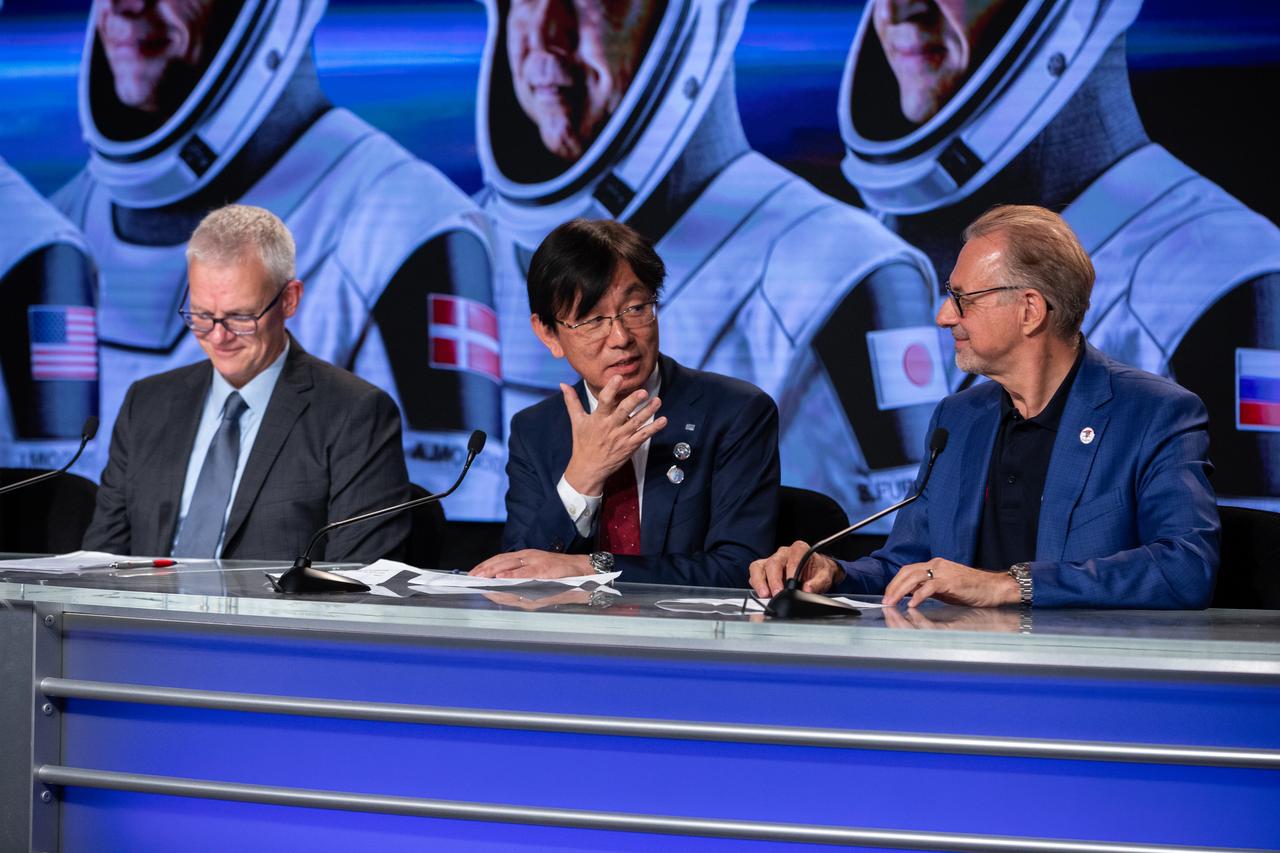
NASA hosts a Crew-7 postlaunch news conference at the agency’s Kennedy Space Center in Florida on Saturday, Aug. 26, 2023. Participants, from left, are: Benji Reed, senior director, Human Spaceflight Programs, SpaceX; Hiroshi Sasaki, vice president, JAXA (Japan Aerospace Exploration Agency); and Josef Aschbacher, director general, ESA (European Space Agency).
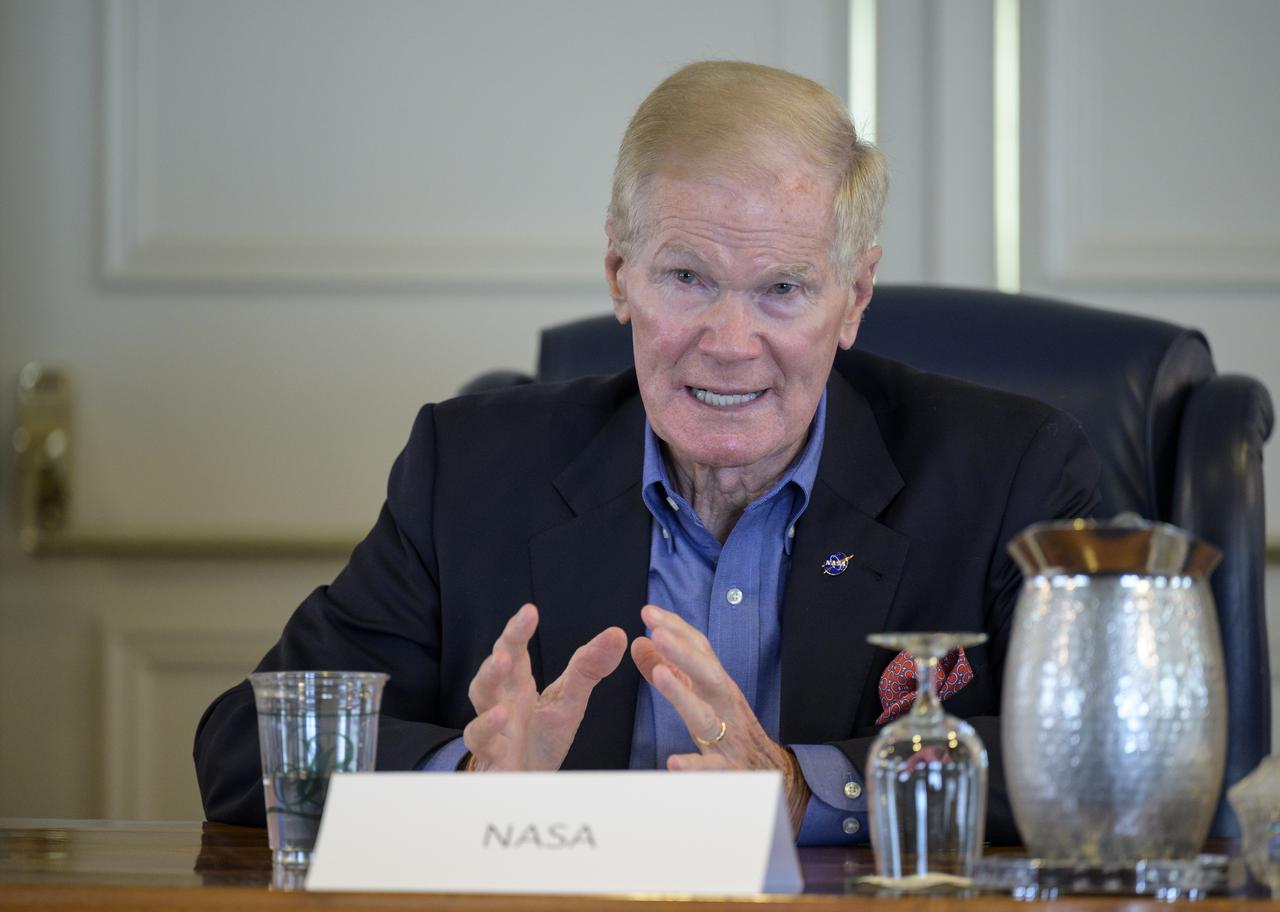
NASA Administrator Bill Nelson talks with Dr. Josef Aschbacher, Director General, European Space Agency (ESA) in a bilateral meeting during the 36th Space Symposium, Monday, Aug. 23, 2021, in Colorado Springs, Colorado. Photo Credit: (NASA/Bill Ingalls)
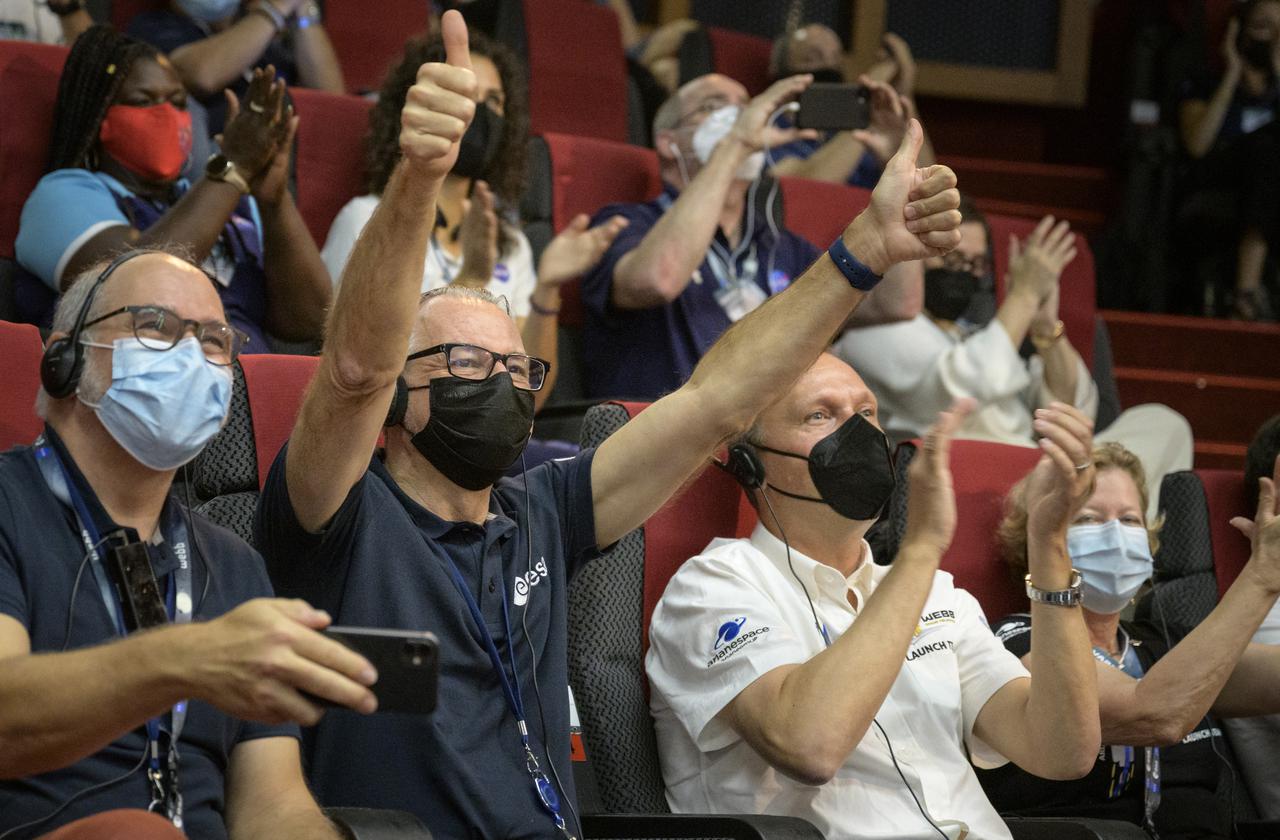
ESA (European Space Agency) Director-General Dr. Josef Aschbacher, 2nd from left, and NASA Associate Administrator for the Science Mission Directorate Thomas Zurbuchen, 3rd from left, celebrate after hearing confirmation that the James Webb Space Telescope successfully separated from the Ariane 5 rocket, Saturday, Dec. 25, 2021, in the Jupiter Hall of the Guiana Space Centre in Kourou, French Guiana. The James Webb Space Telescope (sometimes called JWST or Webb) is a large infrared telescope with a 21.3 foot (6.5 meter) primary mirror. The observatory will study every phase of cosmic history—from within our solar system to the most distant observable galaxies in the early universe. Photo Credit: (NASA/Bill Ingalls)
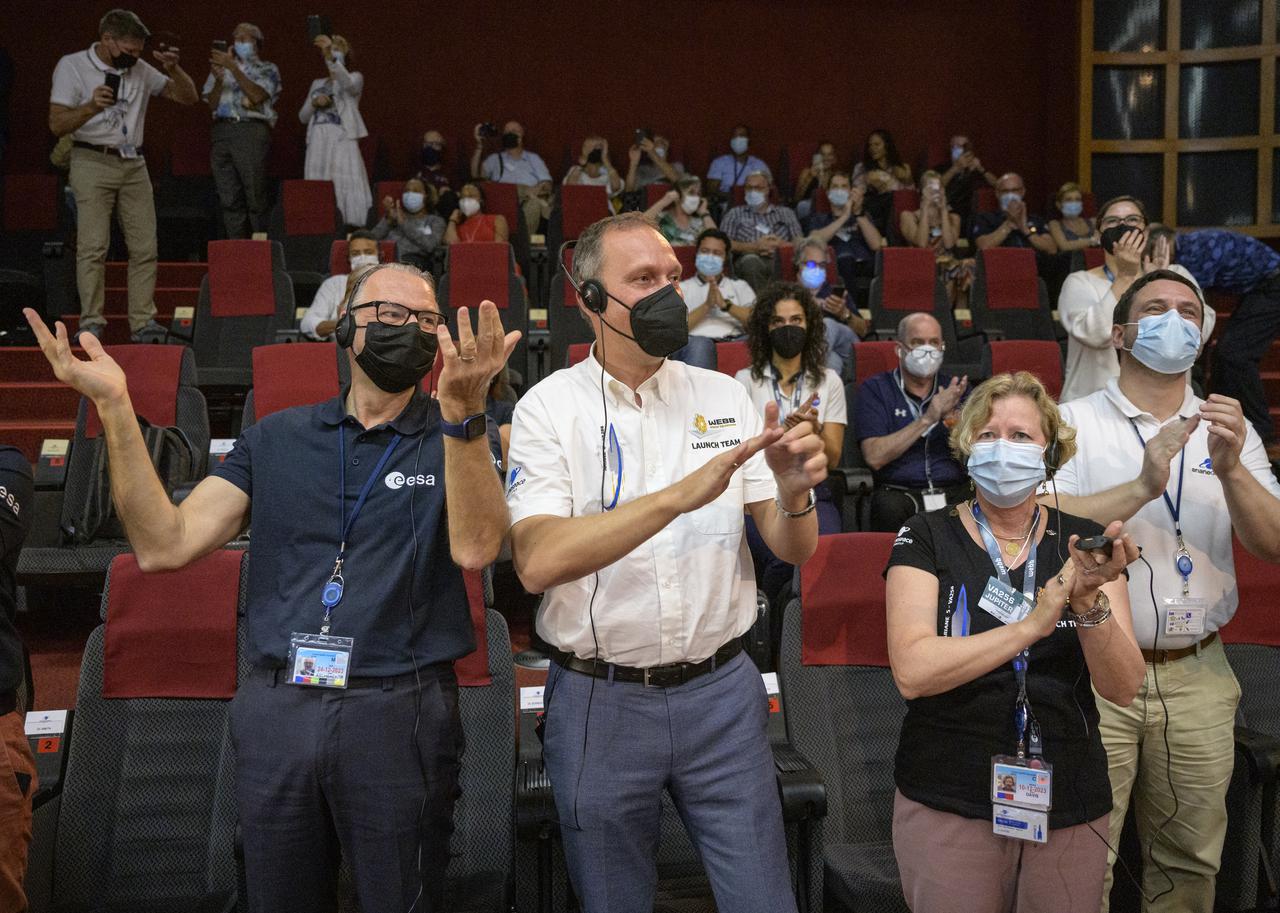
ESA (European Space Agency) Director-General Dr. Josef Aschbacher, left, NASA Associate Administrator for the Science Mission Directorate Thomas Zurbuchen, and NASA James Webb Space Telescope Program Manager Jeanne Davis, celebrate after hearing confirmation that the James Webb Space Telescope successfully deployed it’s solar arrays and the telescope had positive power, Saturday, Dec. 25, 2021, in the Jupiter Hall of the Guiana Space Centre in Kourou, French Guiana. The James Webb Space Telescope (sometimes called JWST or Webb) is a large infrared telescope with a 21.3 foot (6.5 meter) primary mirror. The observatory will study every phase of cosmic history—from within our solar system to the most distant observable galaxies in the early universe. Photo Credit: (NASA/Bill Ingalls)
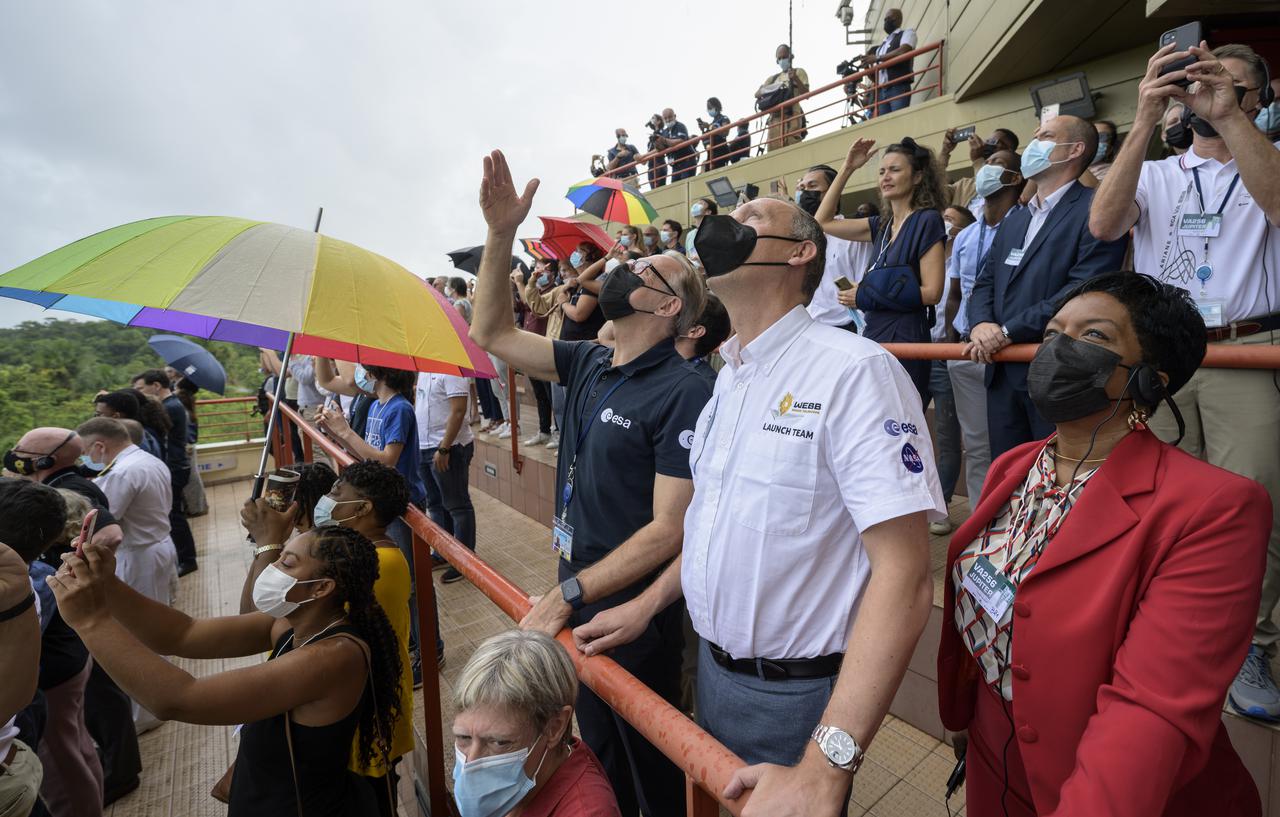
ESA (European Space Agency) Director-General Dr. Josef Aschbacher, left, and NASA Associate Administrator for the Science Mission Directorate Thomas Zurbuchen, right, watch as Arianespace's Ariane 5 rocket launches with NASA’s James Webb Space Telescope onboard, Saturday, Dec. 25, 2021, from the ELA-3 Launch Zone of Europe’s Spaceport at the Guiana Space Centre in Kourou, French Guiana. The James Webb Space Telescope (sometimes called JWST or Webb) is a large infrared telescope with a 21.3 foot (6.5 meter) primary mirror. The observatory will study every phase of cosmic history—from within our solar system to the most distant observable galaxies in the early universe. Photo Credit: (NASA/Bill Ingalls)
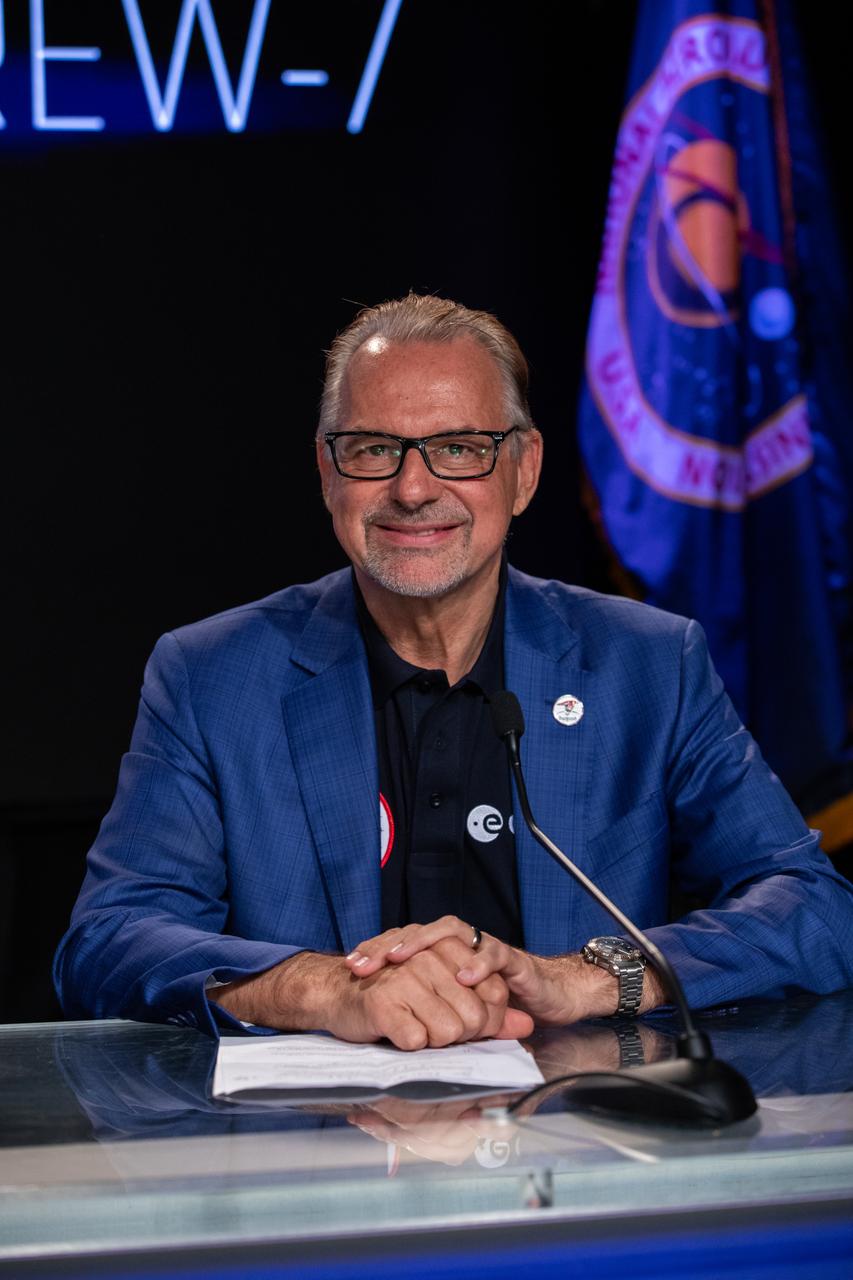
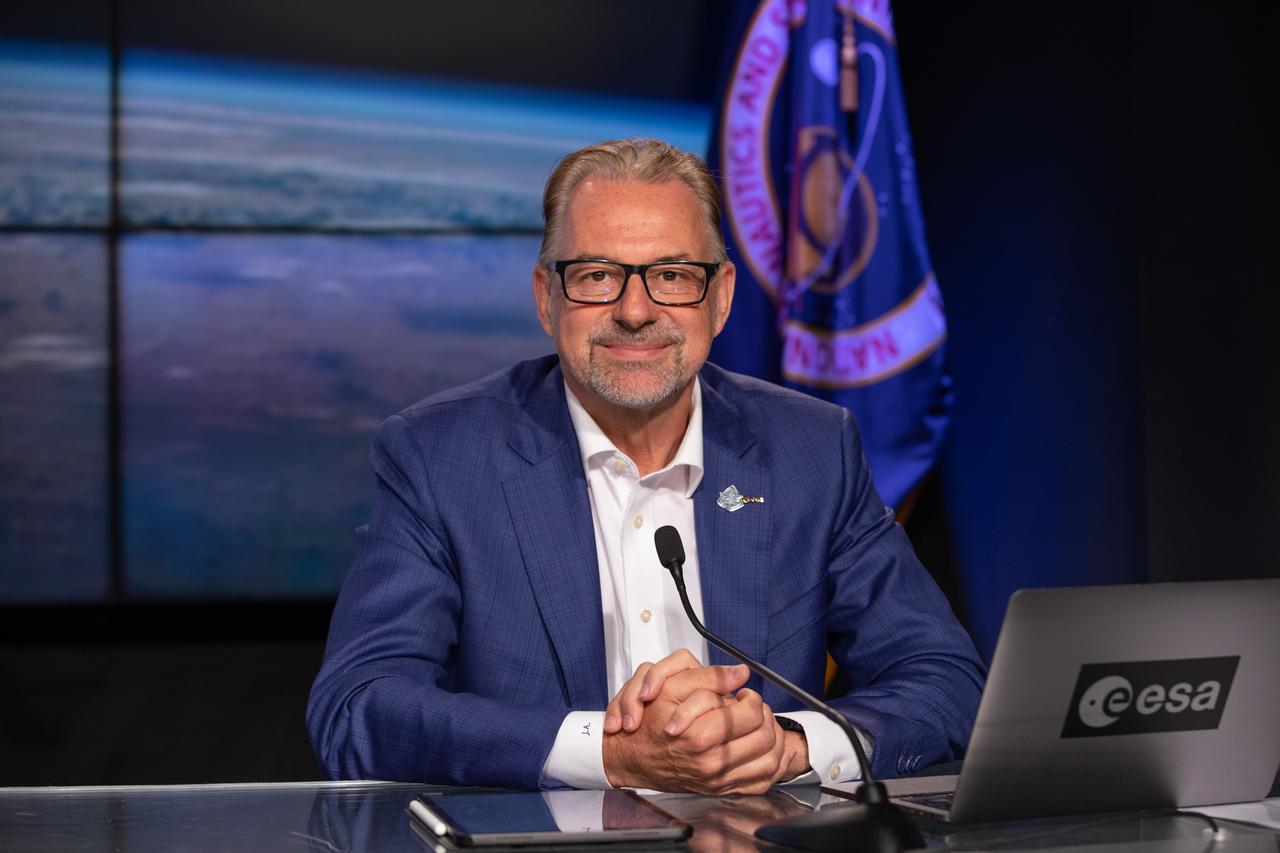
Josef Aschbacher, director general of ESA (European Space Agency), participates in a Crew-7 postlaunch news conference at the agency’s Kennedy Space Center in Florida on Saturday, Aug. 26, 2023. Crew-7 crew members NASA astronaut Jasmin Moghbeli, ESA astronaut Andreas Mogensen, JAXA (Japan Aerospace Exploration Agency) astronaut Satoshi Furukawa, and Roscosmos cosmonaut Konstantin Borisov launched aboard SpaceX’s Dragon spacecraft from Kennedy at 3:27 a.m. EDT. They will dock to the orbiting laboratory at about 8:40 a.m. EDT Sunday, Aug. 27.
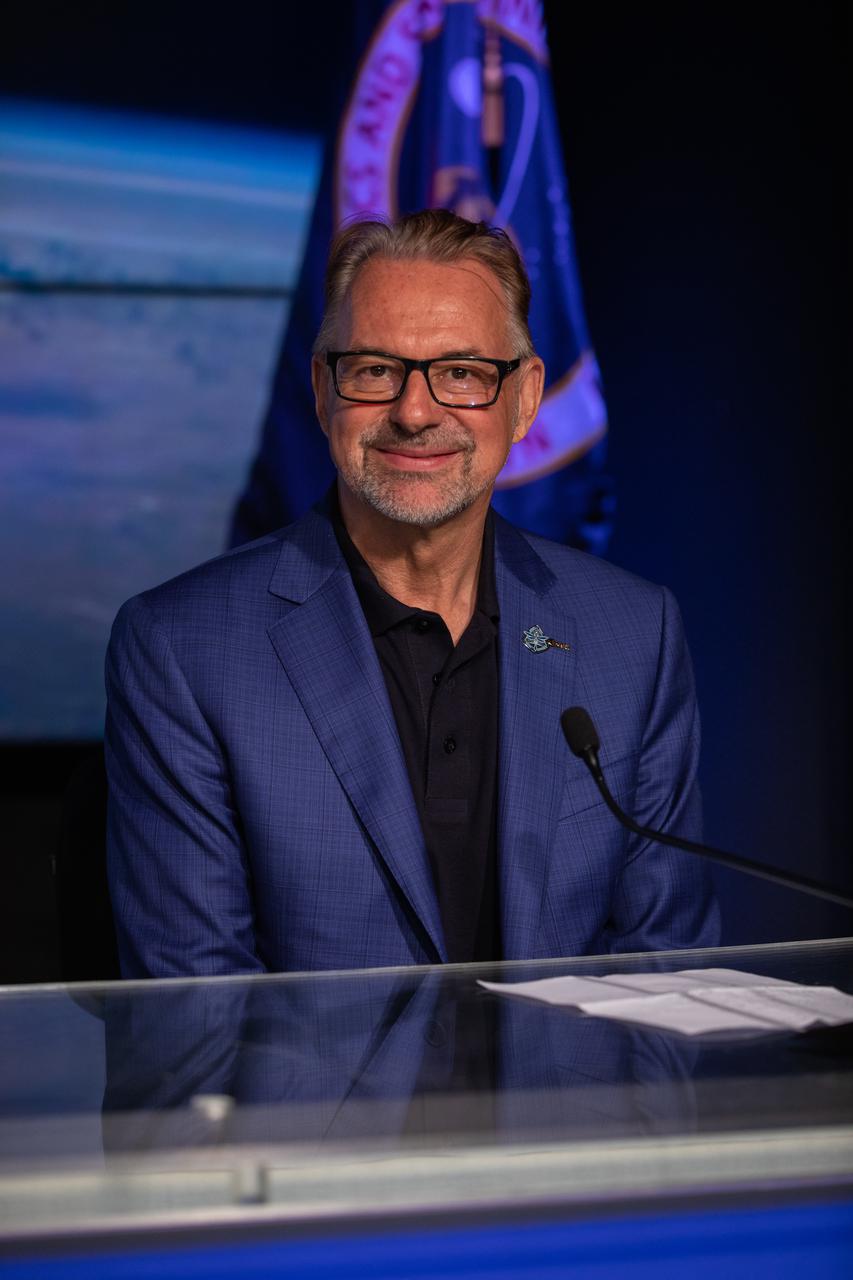
Josef Aschbacher, director general, ESA (European Space Agency), participates in a Crew-4 postlaunch news conference April 27, 2022, at NASA’s Kennedy Space Center in Florida. The SpaceX Crew Dragon spacecraft, powered by the company’s Falcon 9 rocket, lifted off from Kennedy’s Launch Complex 39A at 3:52 a.m. EDT on April 27. Named Freedom by mission astronauts Kjell Lindgren, Bob Hines, Jessica Watson, and Samantha Cristoforetti, Dragon is scheduled to dock to the space station today at 8:15 p.m. EDT.
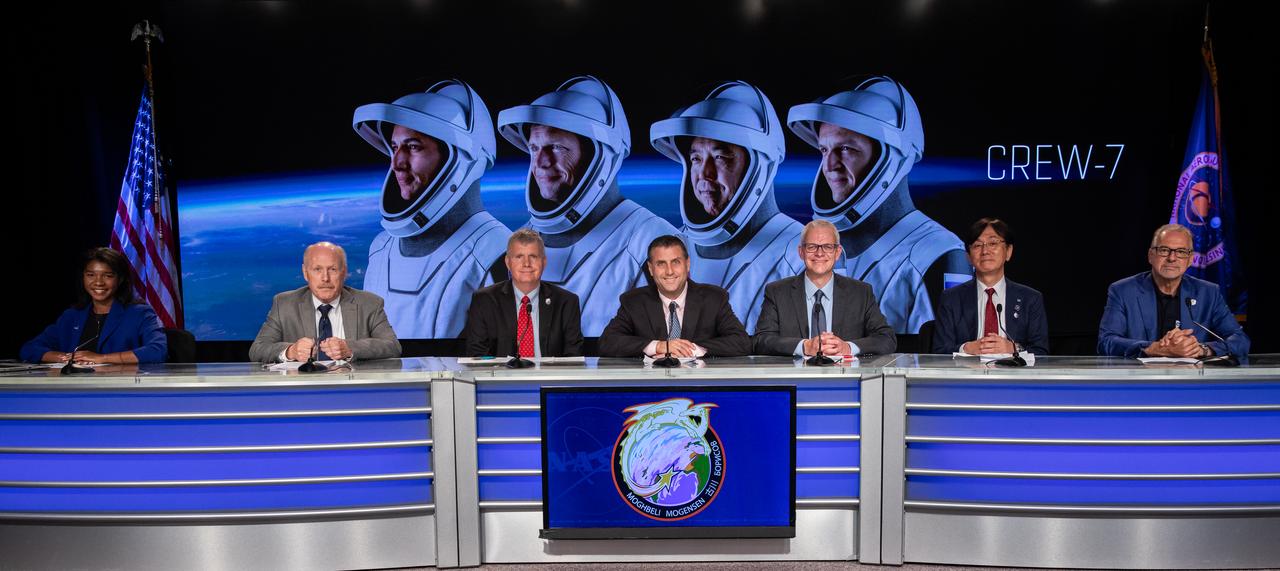
NASA hosts a Crew-7 postlaunch news conference at the agency’s Kennedy Space Center in Florida on Saturday, Aug. 26, 2023. Participants, from left, are: Jasmine Hopkins, NASA Communications, Ken Bowersox, associate administrator, Space Operations Mission Directorate, NASA Headquarters; Steve Stich, manager, Commercial Crew Program, Kennedy; Joel Montalbano, manager, International Space Station Program, Johnson; Benji Reed, senior director, Human Spaceflight Programs, SpaceX; Hiroshi Sasaki, vice president, JAXA; and Josef Aschbacher, director general, ESA.
NASA hosts a Crew-7 postlaunch news conference at the agency’s Kennedy Space Center in Florida on Saturday, Aug. 26, 2023. Participants included Jasmine Hopkins, NASA Communications, Ken Bowersox, associate administrator, Space Operations Mission Directorate, NASA Headquarters; Steve Stich, manager, Commercial Crew Program, Kennedy; Joel Montalbano, manager, International Space Station Program, Johnson; Benji Reed, senior director, Human Spaceflight Programs, SpaceX; Hiroshi Sasaki, vice president, JAXA; and Josef Aschbacher, director general, ESA.
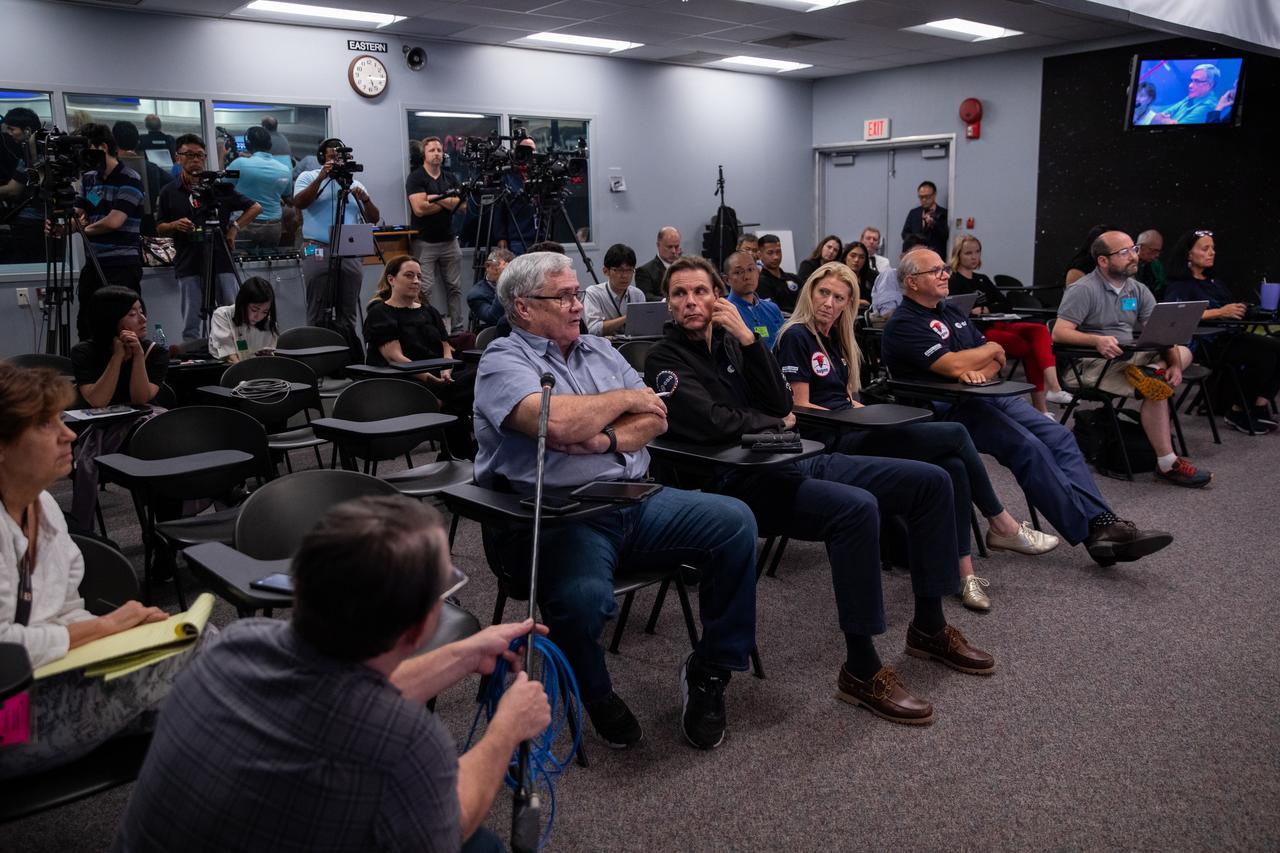
Josef Aschbacher, director general, ESA (European Space Agency), is introduced during a Crew-4 press briefing April 26, 2022, at NASA’s Kennedy Space Center in Florida ahead of the agency’s SpaceX Crew-4 launch. Crew-4 is the fourth crew rotation flight to the International Space Station as part of NASA’s Commercial Crew Program. The SpaceX Crew Dragon capsule will launch atop the company’s Falcon 9 rocket from Launch Complex 39A to the space station on Wednesday, April 27, at 3:52 a.m. EDT.
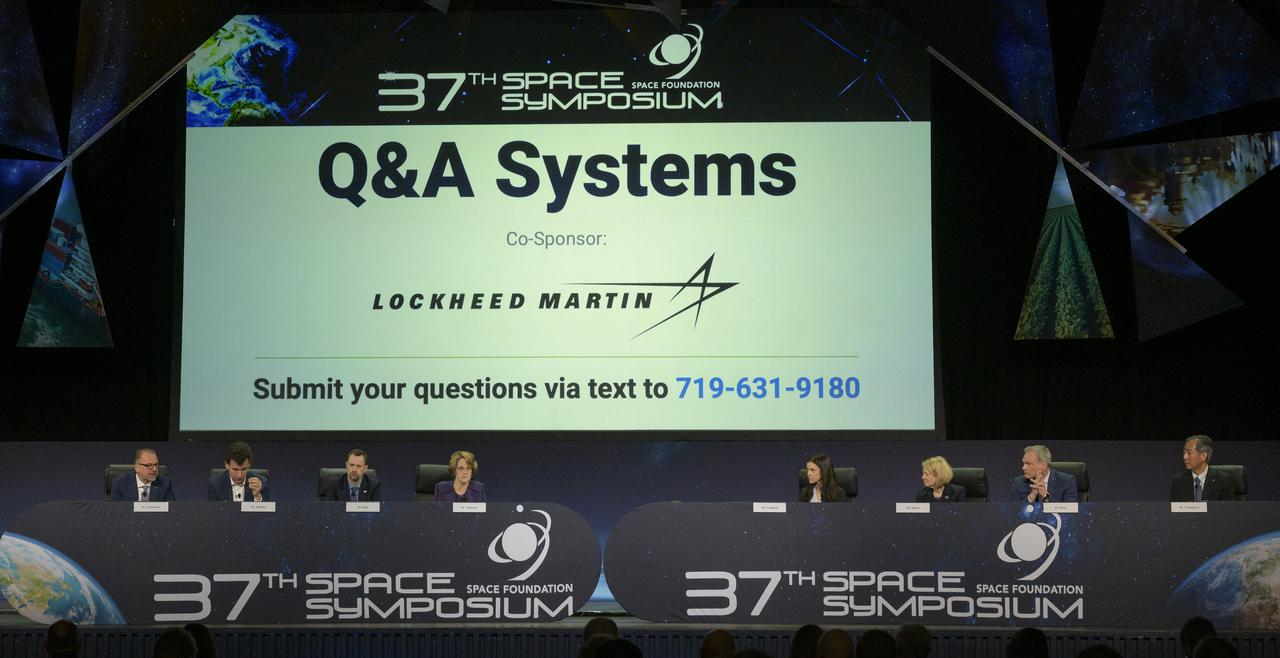
Heads of Agency participate in a panel discussion, from left, Dr. Josef Aschbacher, Director General, European Space Agency (ESA); Dr. Philippe Baptiste, President, French Space Agency (CNES); Dr. Paul Bate, Chief Executive Officer UK Space Agency (UKSA); moderator Dr. Kathryn C. Thornton, Chairwoman, Space Foundation; Lisa Campbell, President, Canadian Space Agency (CSA); NASA Deputy Administrator Pam Melroy; Dr. Walther Pelzer, Executive Board Member and Head of the German Space Agency at the German Aerospace Center (DLR); and Dr. Hiroshi Yamakawa, President, Japan Aerospace Exploration Agency (JAXA), right, during the 37th Space Symposium, Wednesday, April 6, 2022, in Colorado Springs, Colorado. Photo Credit: (NASA/Bill Ingalls)
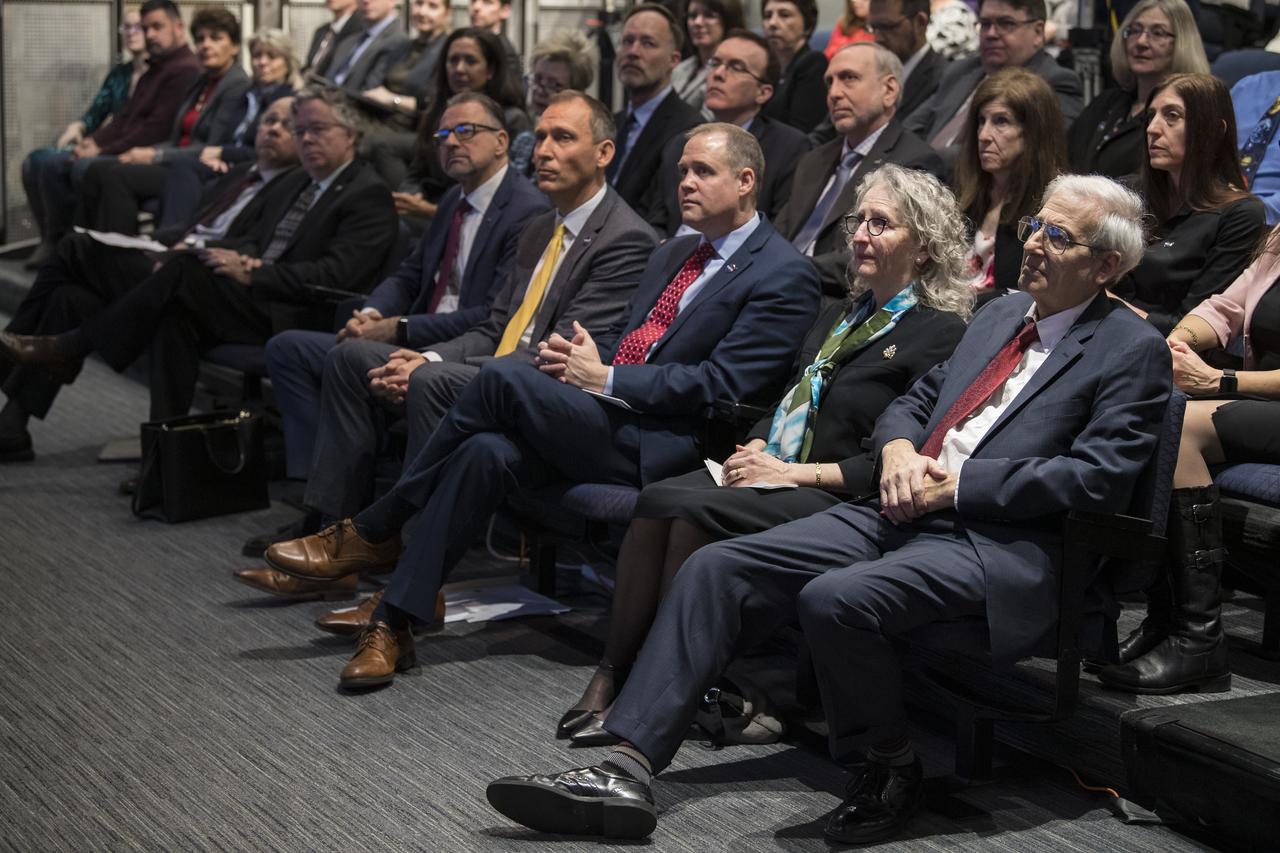
Front row, from left to right, EUMETSAT director-general, Alain Ratier; National Oceanic and Atmospheric Administration (NOAA) assistant administrator for Satellite and Information Services, Stephen Volz; ESA (European Space Agency) director of Earth Observation Programmes, Josef Aschbacher; NASA associate administrator for Science, Thomas Zurbuchen; NASA Administrator Jim Bridenstine; and Former director of NASA’s Earth Science Division, Mike Freilich and his wife are seen in the audience at a renaming ceremony for the international ocean science satellite previously known as Sentinel-6A/Jason-CS, Tuesday, January 28, 2020, at NASA Headquarters in Washington. NASA and its European partners renamed the satellite Sentinel-6 Michael Freilich after NASA’s former director of the Earth Science division, Dr. Michael Freilich. Sentinel-6A Michael Freilich will observe and record global sea level changes and will be joined by an identical satellite slated to launch in 2025 for a total of ten years of targeted observations. Photo Credit: (NASA/Aubrey Gemignani)
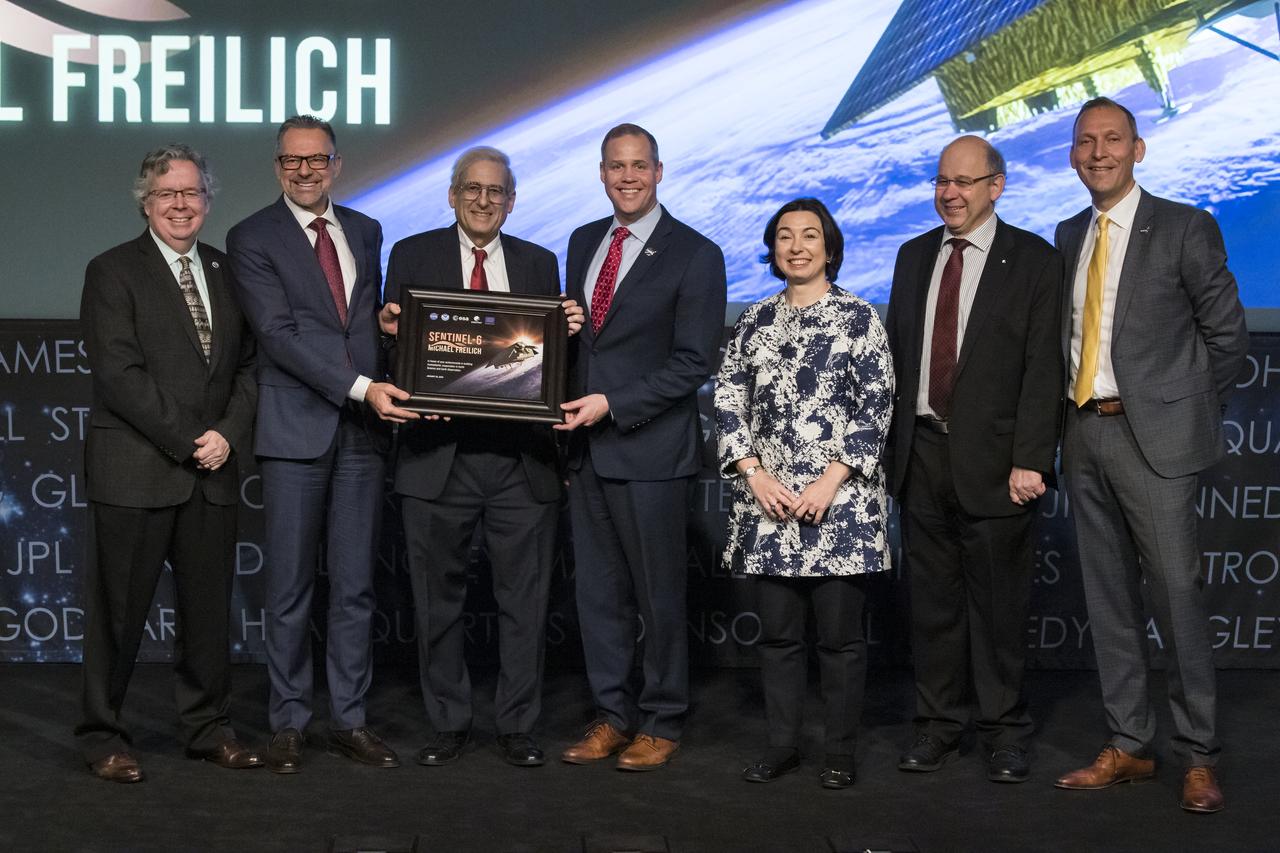
From left to right, National Oceanic and Atmospheric Administration (NOAA) assistant administrator for Satellite and Information Services, Stephen Volz; ESA (European Space Agency) director of Earth Observation Programmes, Josef Aschbacher; Former director of NASA’s Earth Science Division, Mike Freilich; NASA Administrator Jim Bridenstine; Head of Global Issues and Innovation of the European Union delegation to the United States, Mercedes Garcia Pérez; EUMETSAT director-general, Alain Ratier; and NASA associate administrator for Science, Thomas Zurbuchen pose for a group photo at the conclusion of a renaming ceremony for the international ocean science satellite previously known as Sentinel-6A/Jason-CS, Tuesday, January 28, 2020, at NASA Headquarters in Washington. NASA and its European partners renamed the satellite Sentinel-6 Michael Freilich after Dr. Freilich. Sentinel-6A Michael Freilich will observe and record global sea level changes and will be joined by an identical satellite slated to launch in 2025 for a total of ten years of targeted observations. Photo Credit: (NASA/Aubrey Gemignani)
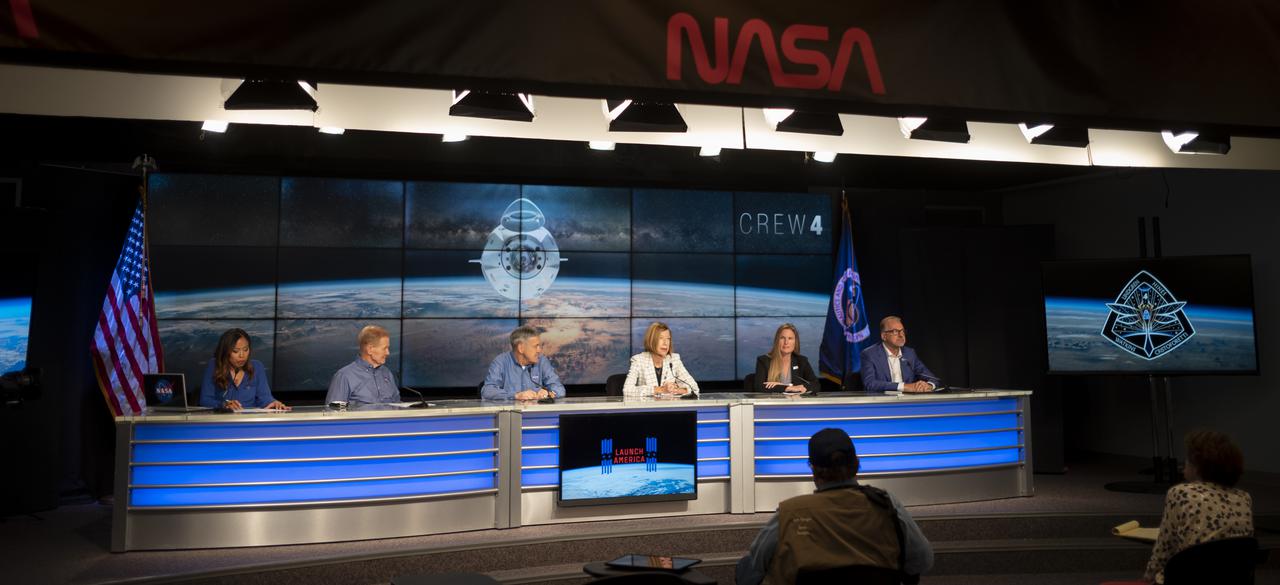
Megan Cruz, NASA Communications, left, NASA Administrator Bill Nelson, second from left, Bob Cabana, NASA associate administrator, third from left, Kathy Lueders, associate administrator for NASA's Space Operations Mission Directorate, third from right, Heidi Parris, associate program scientist for the International Space Station Program at NASA’s Johnson Space Center , second from right, and Josef Aschbacher, Director General of ESA (European Space Agency), right, are seen during a press conference ahead of the Crew-4 launch, Tuesday, April 26, 2022, at NASA’s Kennedy Space Center in Florida. NASA’s SpaceX Crew-4 mission is the fourth crew rotation mission of the SpaceX Crew Dragon spacecraft and Falcon 9 rocket to the International Space Station as part of the agency’s Commercial Crew Program. NASA astronauts Kjell Lindgren, Robert Hines, Jessica Watkins, and ESA (European Space Agency) astronaut Samantha Cristoforetti are scheduled to launch at 3:52 a.m. ET on April 27 from Launch Complex 39A at the Kennedy Space Center. Photo Credit: (NASA/Joel Kowsky)
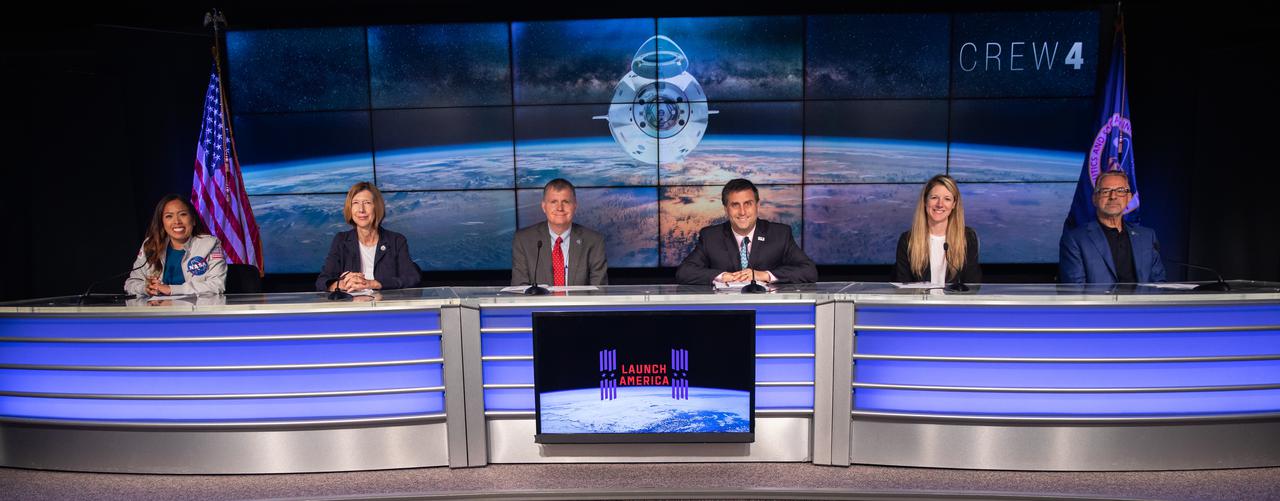
From left, moderator Megan Cruz, NASA Communications; Kathryn Lueders, associate administrator, NASA’s Space Operations Mission Directorate; Steve Stich, manager, NASA’s Commercial Crew Program; Joel Montalbano, manager, NASA’s International Space Station Program; Jessica Jensen, vice president of customer operations and Integration, SpaceX; and Josef Aschbacher, director general, ESA (European Space Agency) participate in a Crew-4 postlaunch news conference April 27, 2022, at NASA’s Kennedy Space Center in Florida. The SpaceX Crew Dragon spacecraft, powered by the company’s Falcon 9 rocket, lifted off from Kennedy’s Launch Complex 39A at 3:52 a.m. EDT on April 27. Named Freedom by mission astronauts Kjell Lindgren, Bob Hines, Jessica Watkins, and Samantha Cristoforetti, Dragon is scheduled to dock to the space station today at 8:15 p.m. EDT.
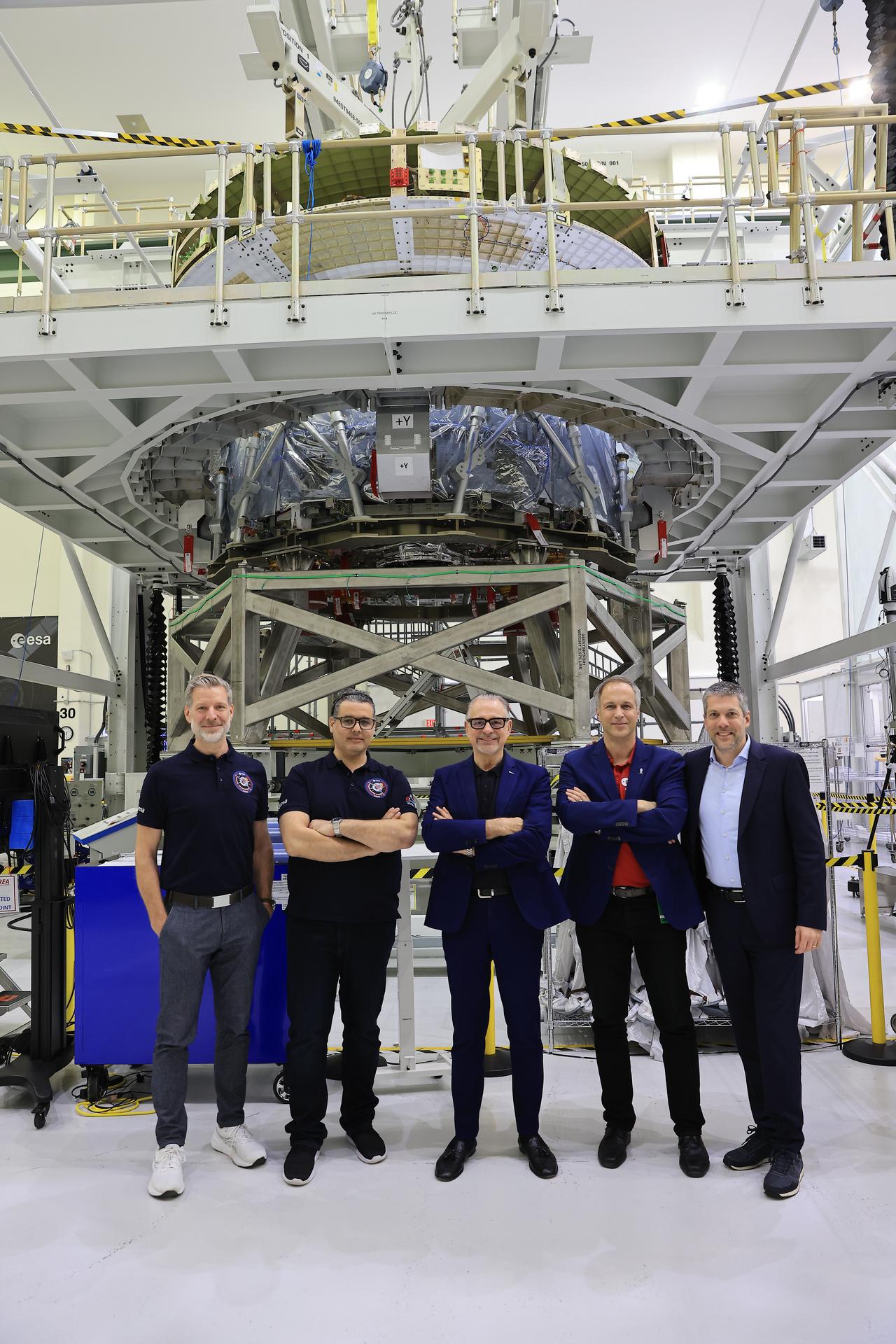
ESA (European Space Agency) Director General Josef Aschbacher (center), ESA Director of Human and Robotic Exploration Daniel Neuenschwander (second from right), and other members of ESA leadership tour on Tuesday, Feb. 10, 2026, the high bay of the Neil A. Armstrong Operations and Checkout Building at NASA’s Kennedy Space Center in Florida. Teams will soon attach the European Service Module to the crew module adapter for NASA’s Artemis IV mission. The European Service Module, which is assembled by Airbus in Bremen, Germany, from parts made in 10 European countries and the United States, acts as the driving force behind Orion for deep space exploration, providing essential propulsion, thermal control, and electrical power.
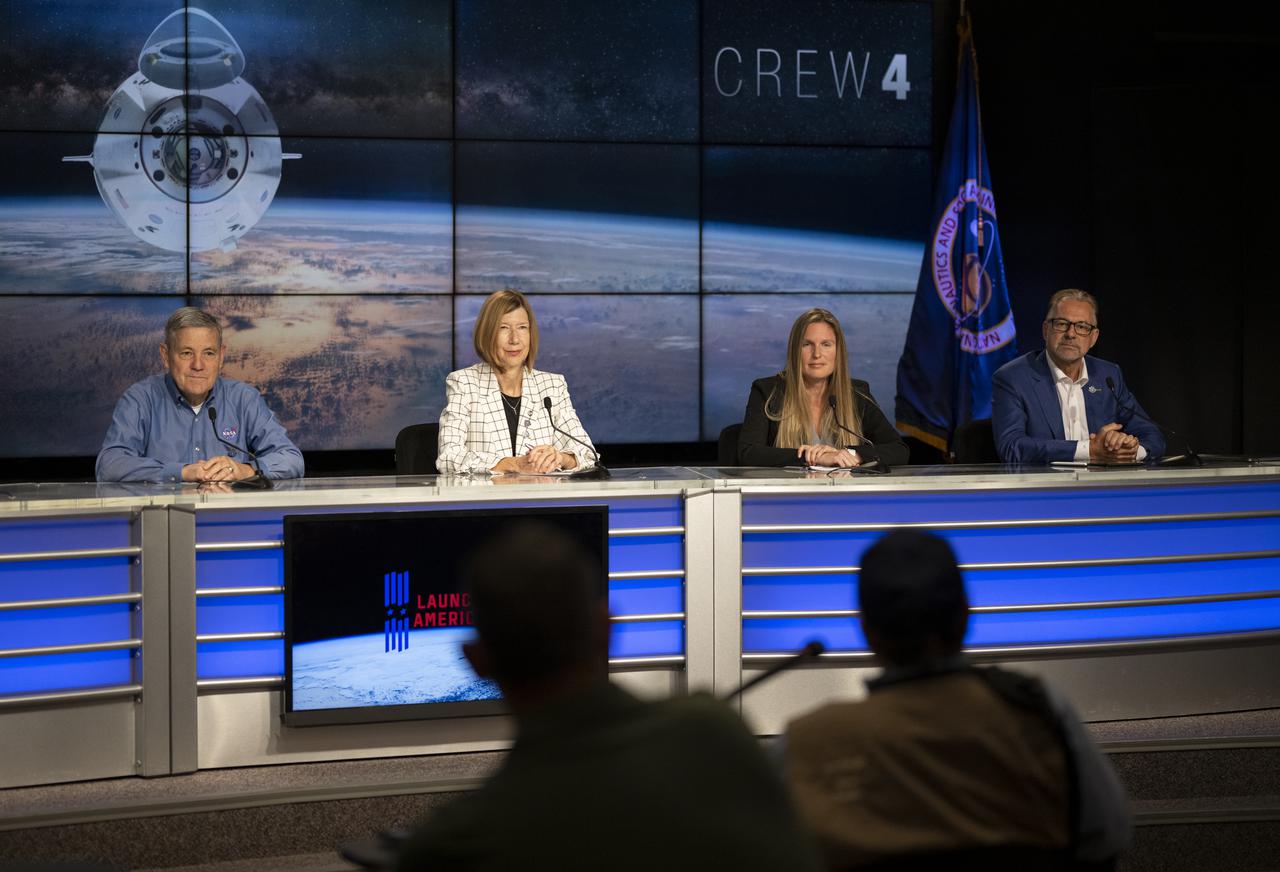
Bob Cabana, NASA associate administrator, left, Kathy Lueders, associate administrator for NASA's Space Operations Mission Directorate, second from left, Heidi Parris, associate program scientist for the International Space Station Program at NASA’s Johnson Space Center, second from right, and Josef Aschbacher, Director General of ESA (European Space Agency), right, listen to a questions from a member of the media during a press conference ahead of the Crew-4 launch, Tuesday, April 26, 2022, at NASA’s Kennedy Space Center in Florida. NASA’s SpaceX Crew-4 mission is the fourth crew rotation mission of the SpaceX Crew Dragon spacecraft and Falcon 9 rocket to the International Space Station as part of the agency’s Commercial Crew Program. NASA astronauts Kjell Lindgren, Robert Hines, Jessica Watkins, and ESA (European Space Agency) astronaut Samantha Cristoforetti are scheduled to launch at 3:52 a.m. ET on April 27 from Launch Complex 39A at the Kennedy Space Center. Photo Credit: (NASA/Joel Kowsky)
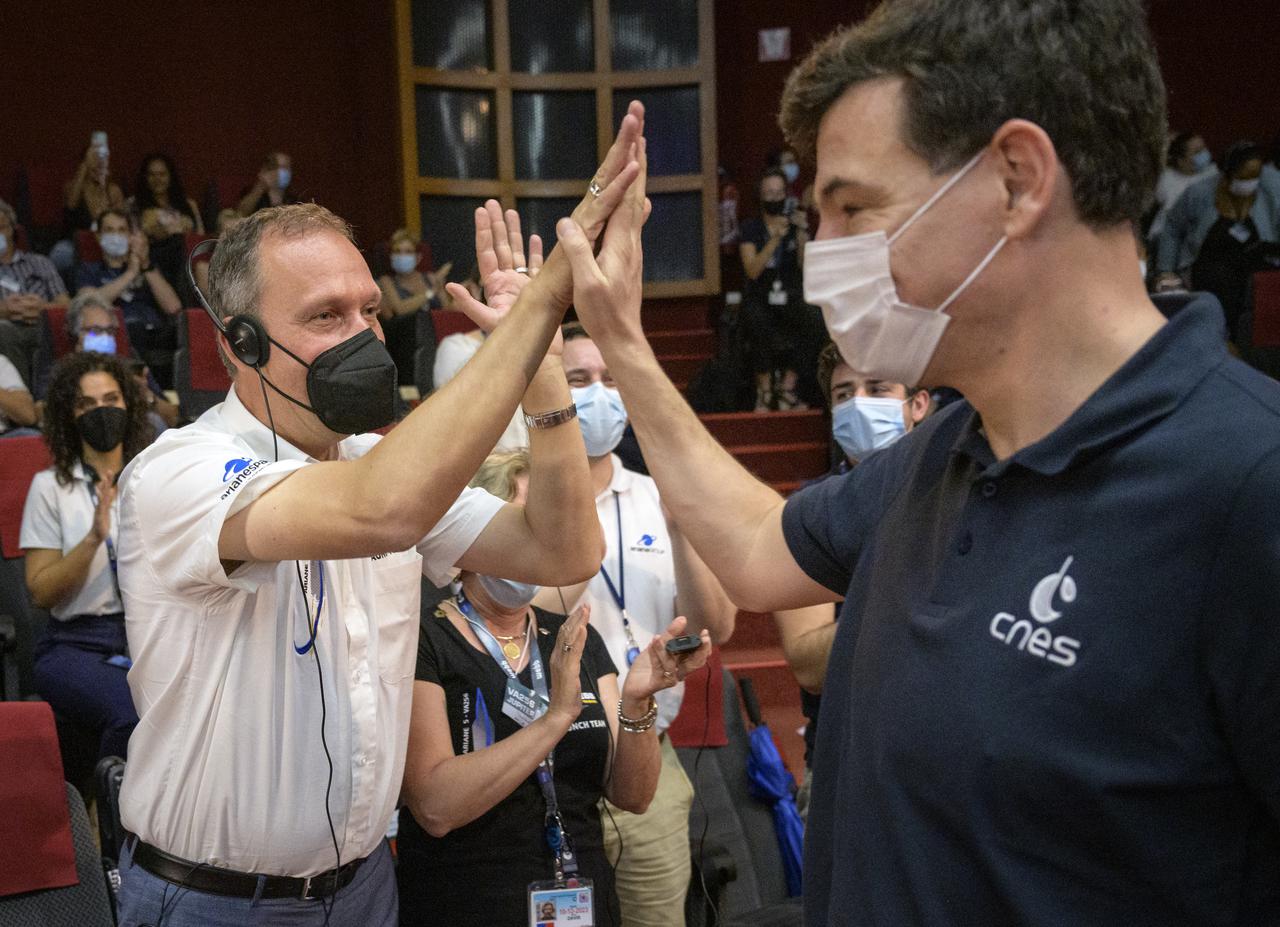
NASA Associate Administrator for the Science Mission Directorate Thomas Zurbuchen, left, and Centre National d’Etudes Spatiales (CNES) Chairman and CEO Philippe Baptiste, celebrate after hearing confirmation that the James Webb Space Telescope successfully deployed it’s solar arrays and the telescope had positive power, Saturday, Dec. 25, 2021, in the Jupiter Hall of the Guiana Space Centre in Kourou, French Guiana. The James Webb Space Telescope (sometimes called JWST or Webb) is a large infrared telescope with a 21.3 foot (6.5 meter) primary mirror. The observatory will study every phase of cosmic history—from within our solar system to the most distant observable galaxies in the early universe. Photo Credit: (NASA/Bill Ingalls)
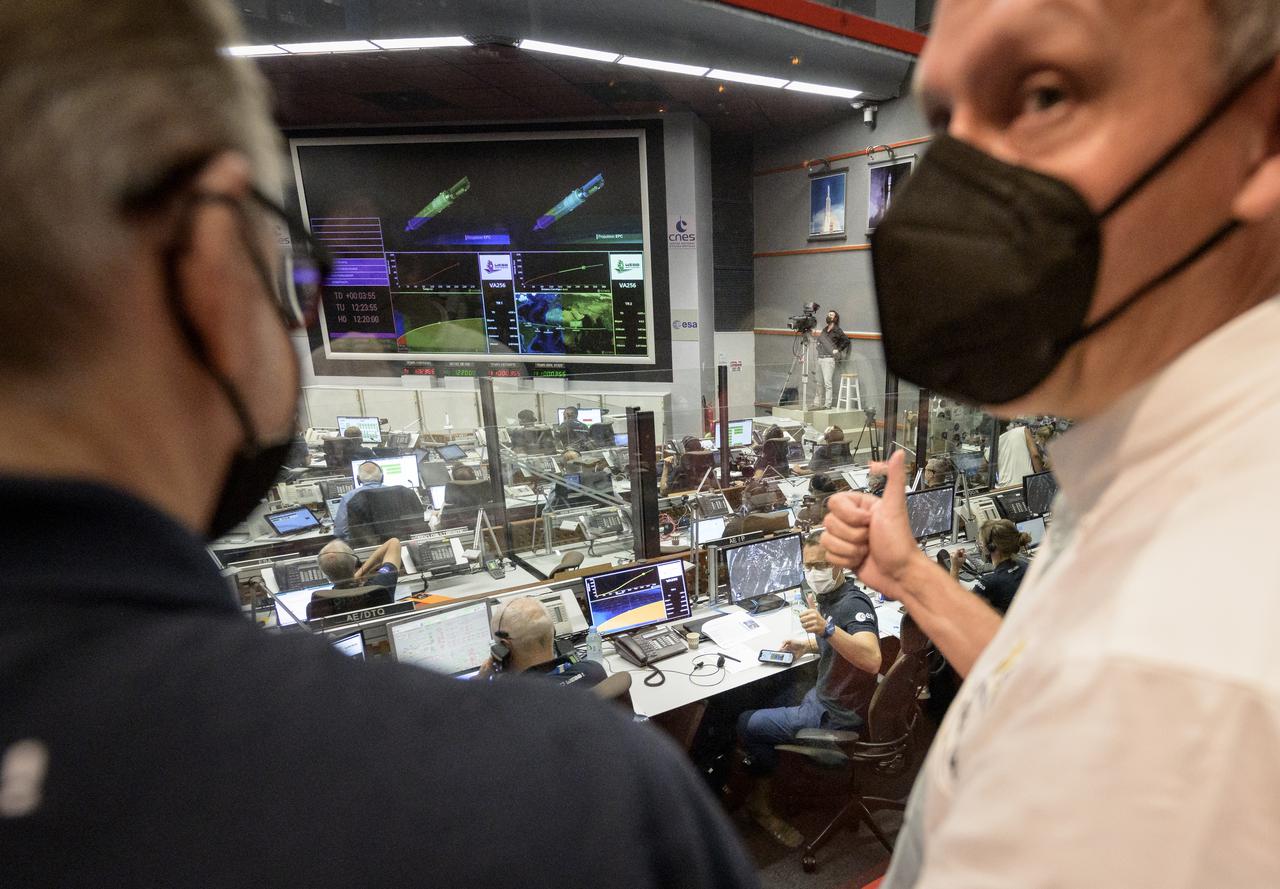
Arianespace CEO Stéphane Israël, at desk, and NASA Associate Administrator for the Science Mission Directorate Thomas Zurbuchen, right, both gives a thumbs up after receiving confirmation that the Ariane 5 rocket upper stage shut down as planed a few minutes before separation from the James Webb Space Telescope, Saturday, Dec. 25, 2021, in the Jupiter Hall of the Guiana Space Centre in Kourou, French Guiana. The James Webb Space Telescope (sometimes called JWST or Webb) is a large infrared telescope with a 21.3 foot (6.5 meter) primary mirror. The observatory will study every phase of cosmic history—from within our solar system to the most distant observable galaxies in the early universe. Photo Credit: (NASA/Bill Ingalls)
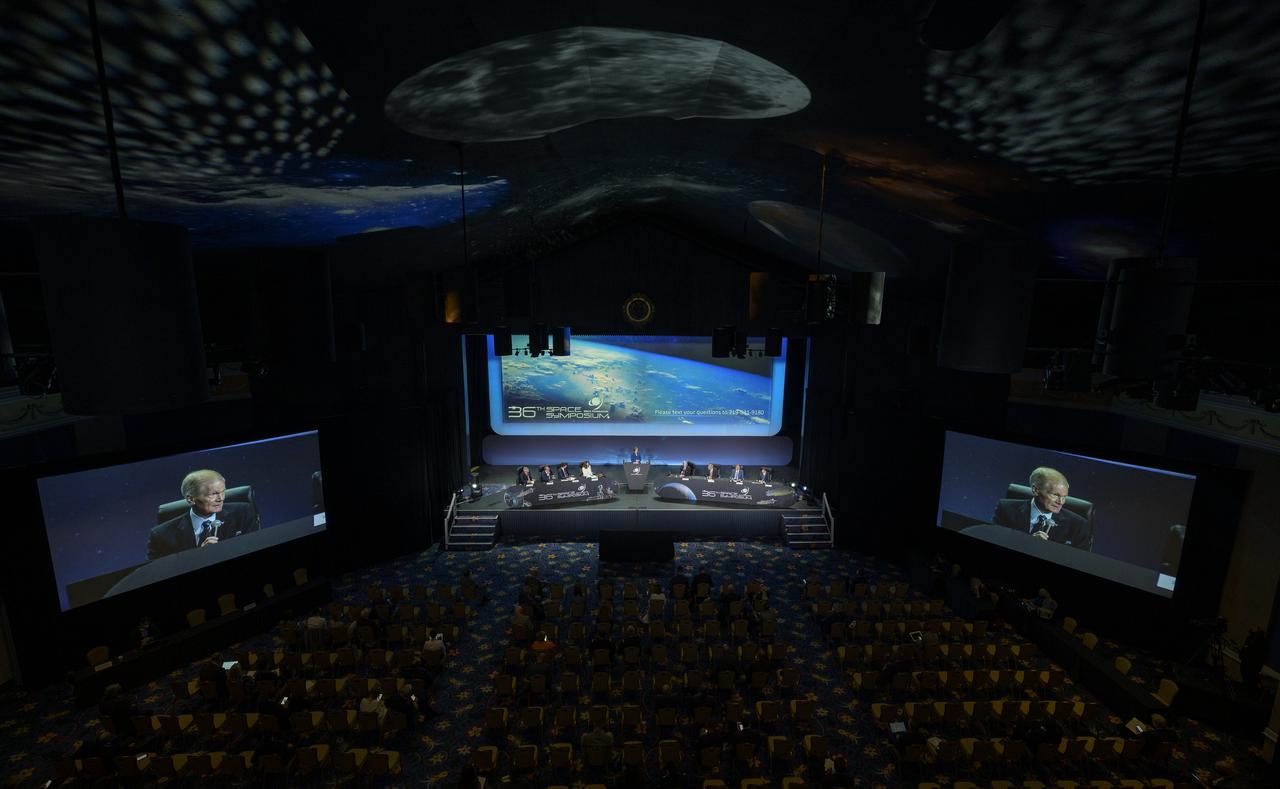
NASA Administrator Bill Nelson gives remarks in a Heads of Agency panel discussion, during the 36th Space Symposium, Wednesday, Aug. 25, 2021, in Colorado Springs, Colorado. Photo Credit: (NASA/Bill Ingalls)
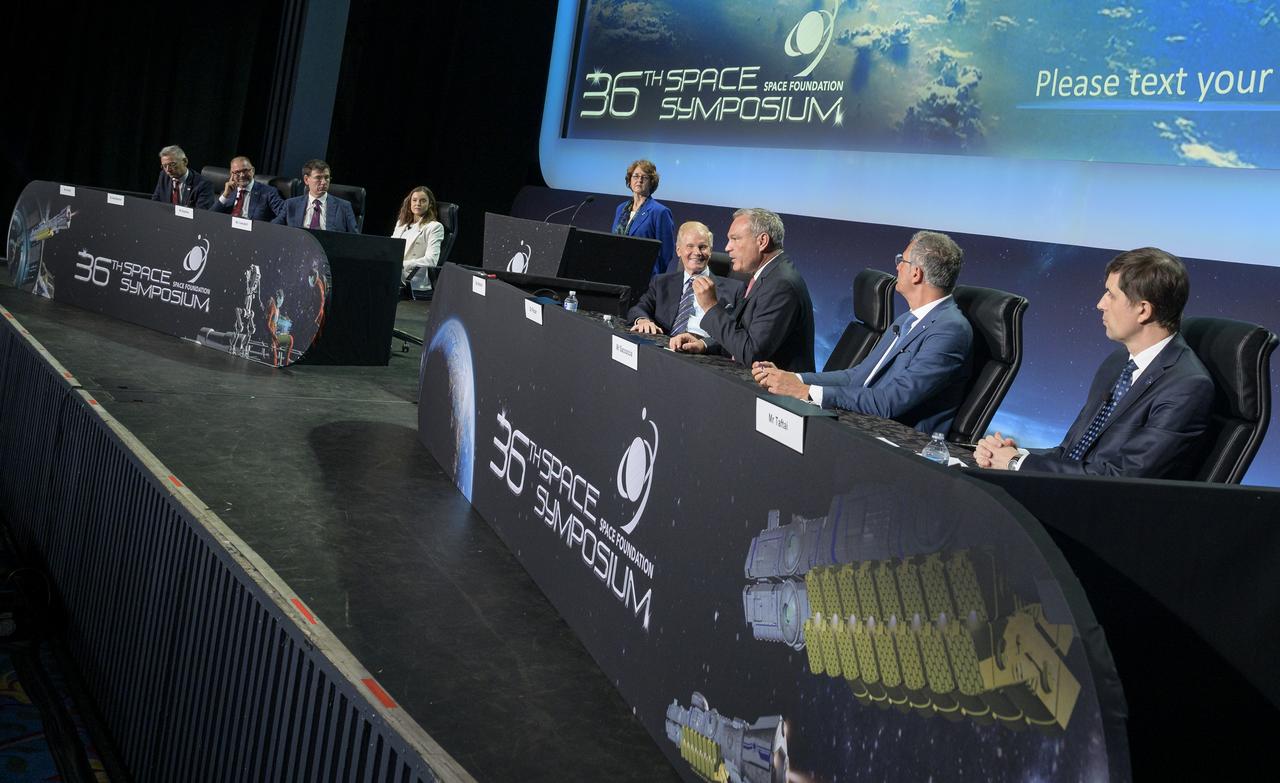
Heads of Agency panel discussion, during the 36th Space Symposium, Wednesday, Aug. 25, 2021, in Colorado Springs, Colorado. Photo Credit: (NASA/Bill Ingalls)
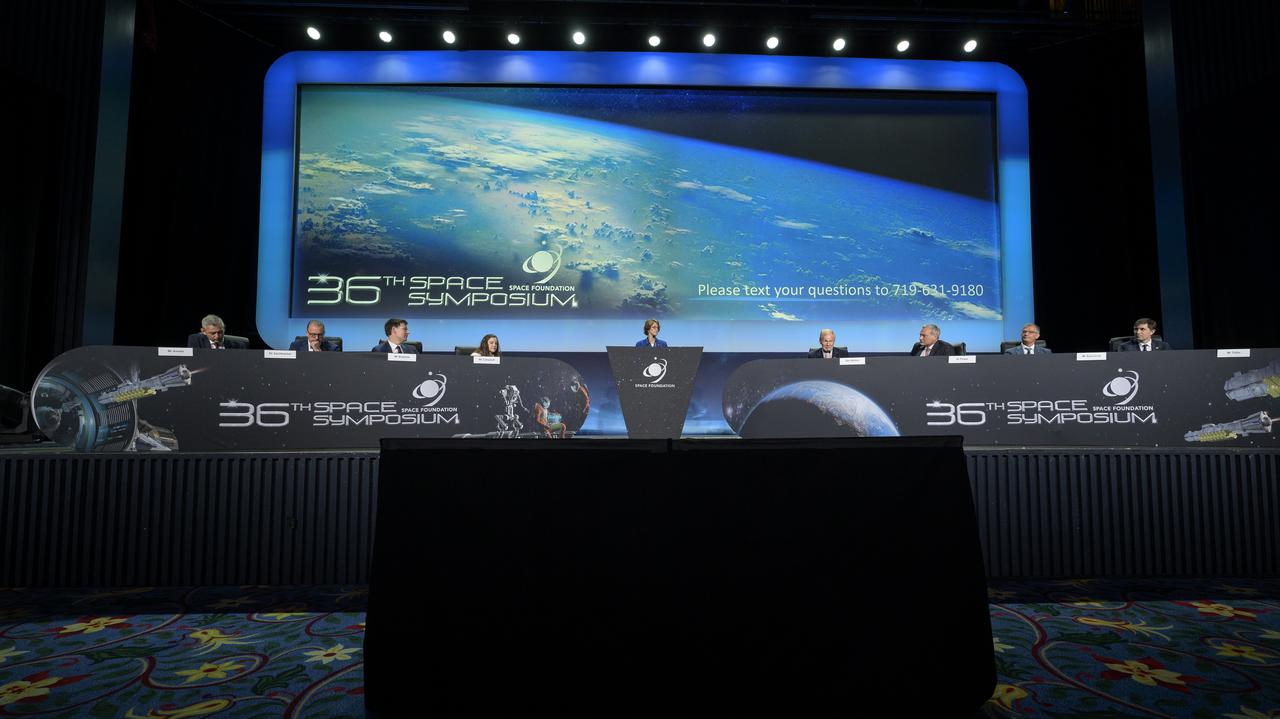
Heads of Agency panel discussion, during the 36th Space Symposium, Wednesday, Aug. 25, 2021, in Colorado Springs, Colorado. Photo Credit: (NASA/Bill Ingalls)
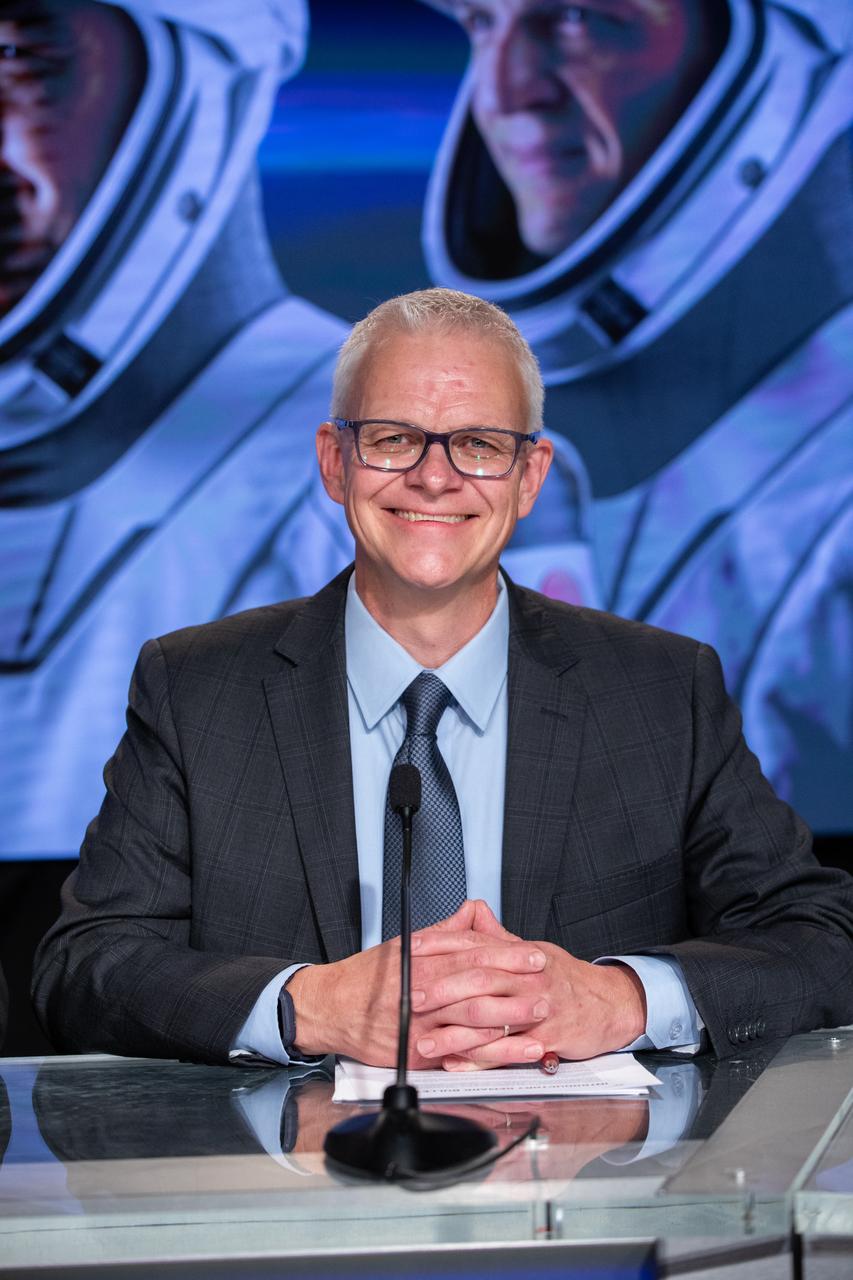
Benji Reed, senior director of Human Spaceflight Programs at SpaceX, participates in a Crew-7 postlaunch news conference at the agency’s Kennedy Space Center in Florida on Saturday, Aug. 26, 2023. Crew-7 crew members NASA astronaut Jasmin Moghbeli, ESA (European Space Agency) astronaut Andreas Mogensen, JAXA (Japan Aerospace Exploration Agency) astronaut Satoshi Furukawa, and Roscosmos cosmonaut Konstantin Borisov launched aboard SpaceX’s Dragon spacecraft from Kennedy at 3:27 a.m. EDT. They will dock to the orbiting laboratory at about 8:40 a.m. EDT Sunday, Aug. 27.

Jessica Jensen, vice president of customer operations and Integration, SpaceX, participates in a Crew-4 postlaunch news conference April 27, 2022, at NASA’s Kennedy Space Center in Florida. The SpaceX Crew Dragon spacecraft, powered by the company’s Falcon 9 rocket, lifted off from Kennedy’s Launch Complex 39A at 3:52 a.m. EDT on April 27. Named Freedom by mission astronauts Kjell Lindgren, Bob Hines, Jessica Watkins, and Samantha Cristoforetti, Dragon is scheduled to dock to the space station today at 8:15 p.m. EDT.
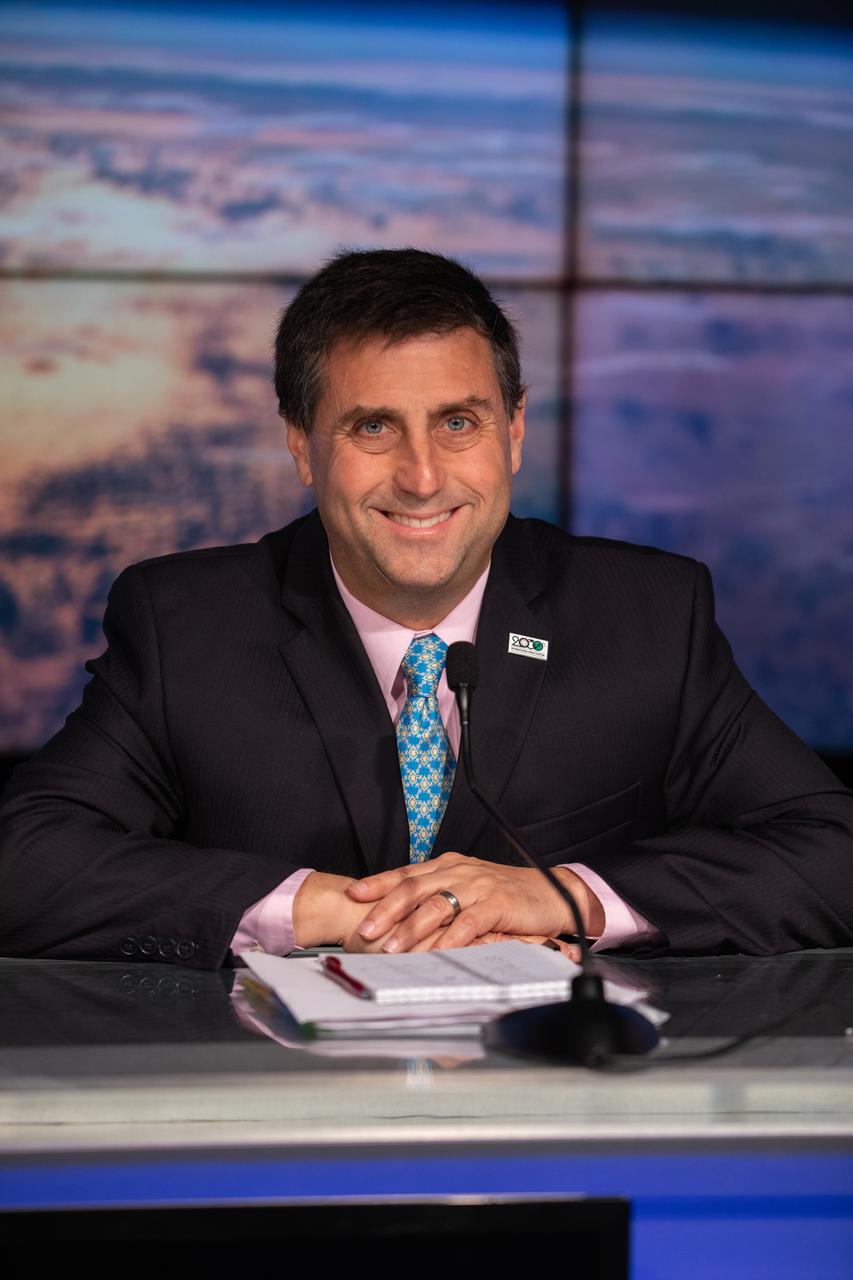
Joel Montalbano, manager, NASA’s International Space Station Program, participates in a Crew-4 postlaunch news conference April 27, 2022, at NASA’s Kennedy Space Center in Florida. The SpaceX Crew Dragon spacecraft, powered by the company’s Falcon 9 rocket, lifted off from Kennedy’s Launch Complex 39A at 3:52 a.m. EDT on April 27. Named Freedom by mission astronauts Kjell Lindgren, Bob Hines, Jessica Watkins, and Samantha Cristoforetti, Dragon is scheduled to dock to the space station today at 8:15 p.m. EDT.
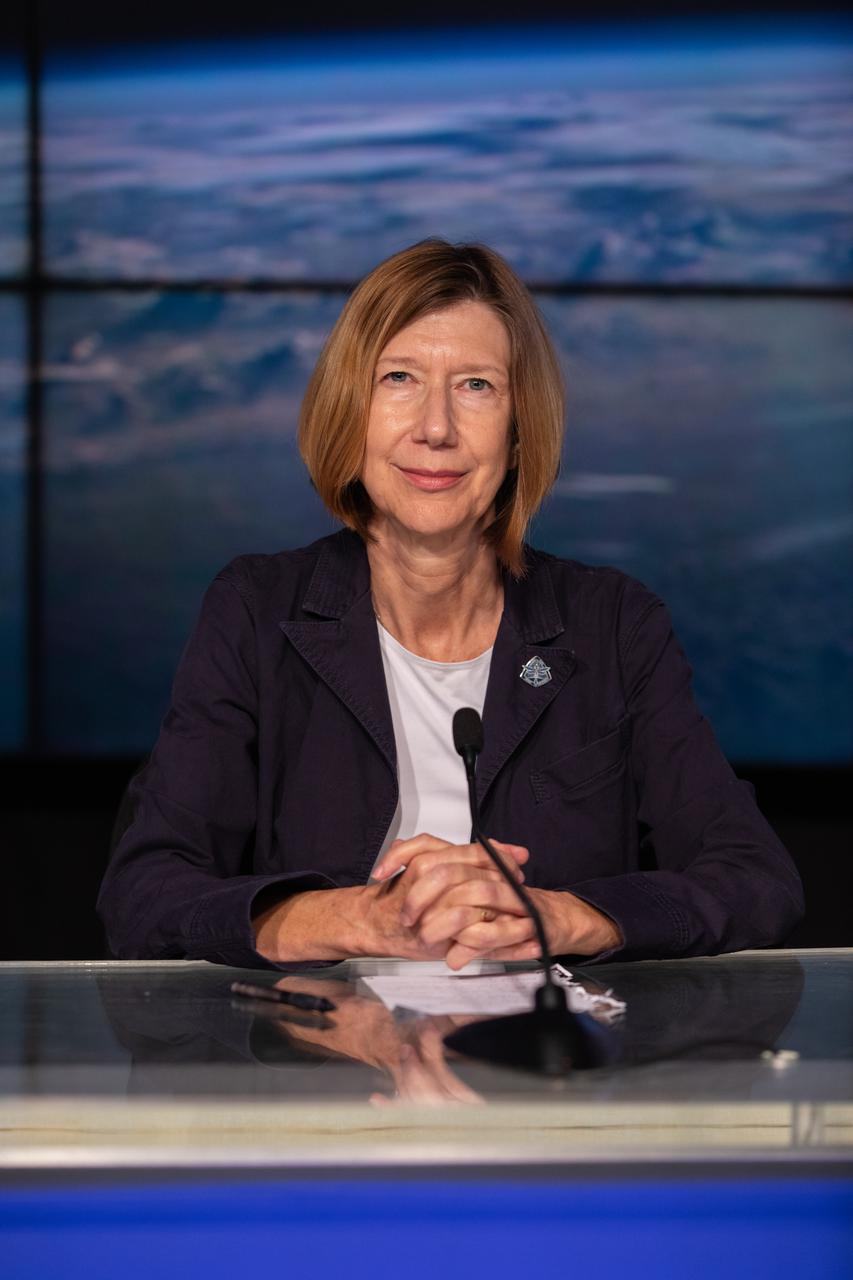
Kathryn Lueders, associate administrator, NASA’s Space Operations Mission Directorate, participates in a Crew-4 postlaunch news conference April 27, 2022, at NASA’s Kennedy Space Center in Florida. The SpaceX Crew Dragon spacecraft, powered by the company’s Falcon 9 rocket, lifted off from Kennedy’s Launch Complex 39A at 3:52 a.m. EDT on April 27. Named Freedom by mission astronauts Kjell Lindgren, Bob Hines, Jessica Watkins, and Samantha Cristoforetti, Dragon is scheduled to dock to the space station today at 8:15 p.m. EDT.
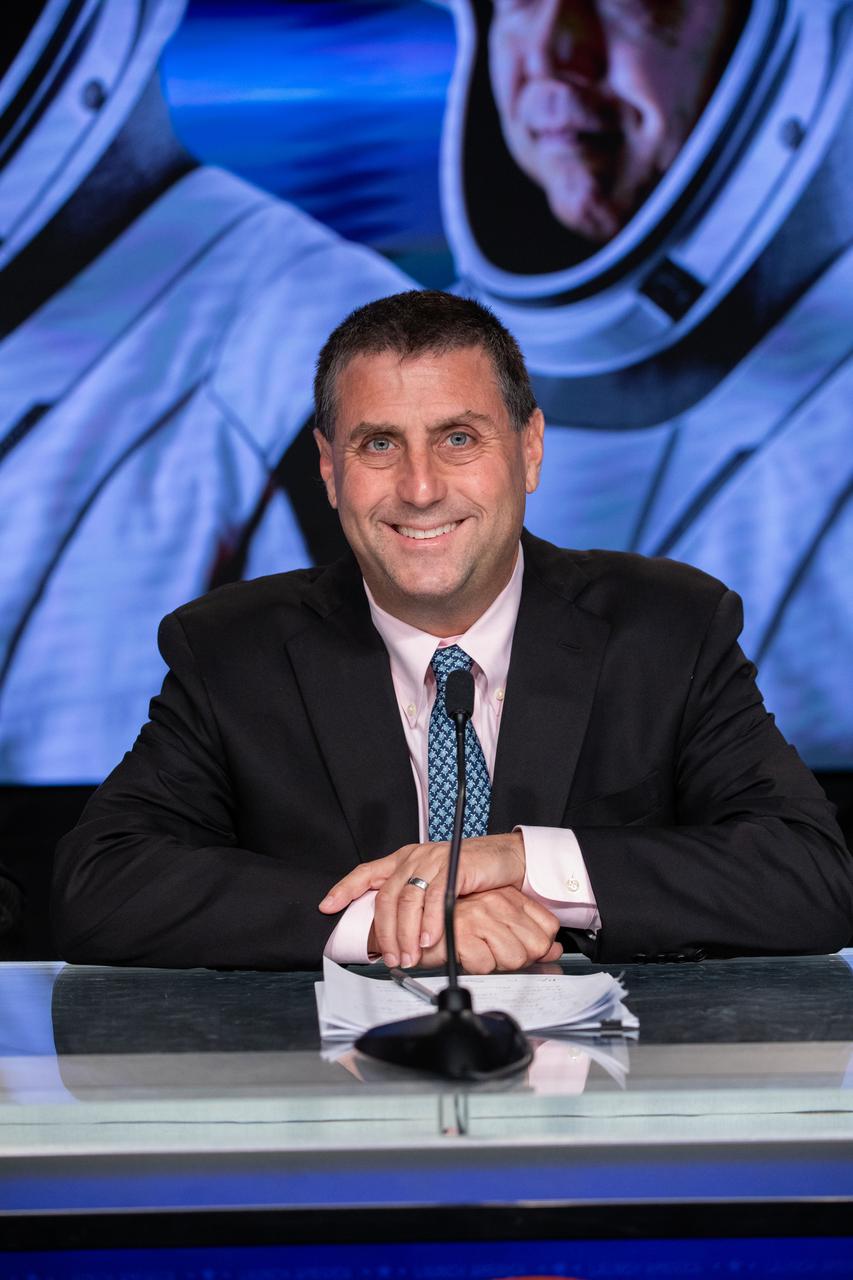
Joel Montalbano, manager of the International Space Station Program, participates in a Crew-7 postlaunch news conference at the agency’s Kennedy Space Center in Florida on Saturday, Aug. 26, 2023. Crew-7 crew members NASA astronaut Jasmin Moghbeli, ESA (European Space Agency) astronaut Andreas Mogensen, JAXA (Japan Aerospace Exploration Agency) astronaut Satoshi Furukawa, and Roscosmos cosmonaut Konstantin Borisov launched aboard SpaceX’s Dragon spacecraft from Kennedy at 3:27 a.m. EDT. They will dock to the orbiting laboratory at about 8:40 a.m. EDT Sunday, Aug. 27.
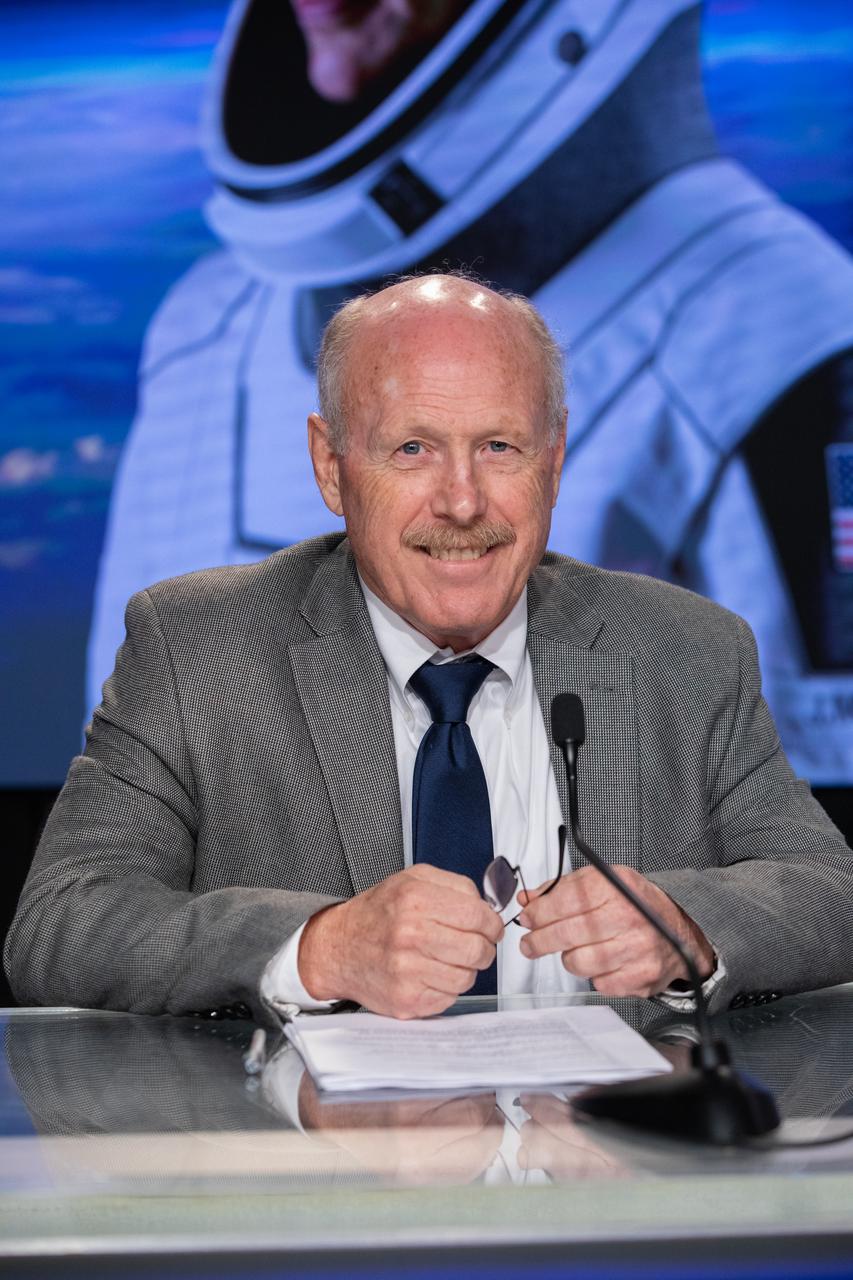
Ken Bowersox, associate administrator of the Space Operations Mission Directorate at NASA Headquarters, participates in a Crew-7 postlaunch news conference at the agency’s Kennedy Space Center in Florida on Saturday, Aug. 26, 2023. Crew-7 crew members NASA astronaut Jasmin Moghbeli, ESA (European Space Agency) astronaut Andreas Mogensen, JAXA (Japan Aerospace Exploration Agency) astronaut Satoshi Furukawa, and Roscosmos cosmonaut Konstantin Borisov launched aboard SpaceX’s Dragon spacecraft from Kennedy at 3:27 a.m. EDT. They will dock to the orbiting laboratory at about 8:40 a.m. EDT Sunday, Aug. 27.
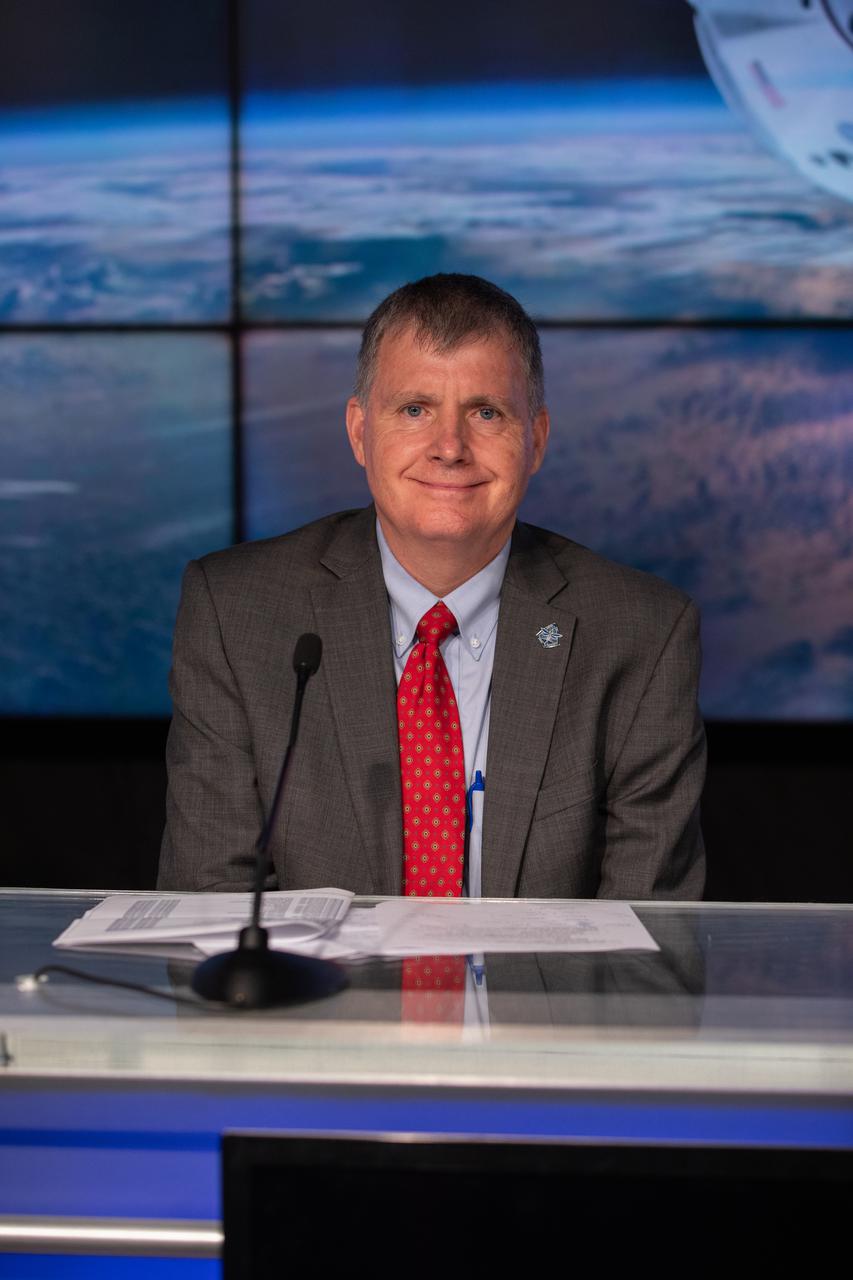
Steve Stich, manager, NASA’s Commercial Crew Program, participates in a Crew-4 postlaunch news conference April 27, 2022, at NASA’s Kennedy Space Center in Florida. The SpaceX Crew Dragon spacecraft, powered by the company’s Falcon 9 rocket, lifted off from Kennedy’s Launch Complex 39A at 3:52 a.m. EDT on April 27. Named Freedom by mission astronauts Kjell Lindgren, Bob Hines, Jessica Watkins, and Samantha Cristoforetti, Dragon is scheduled to dock to the space station today at 8:15 p.m. EDT.
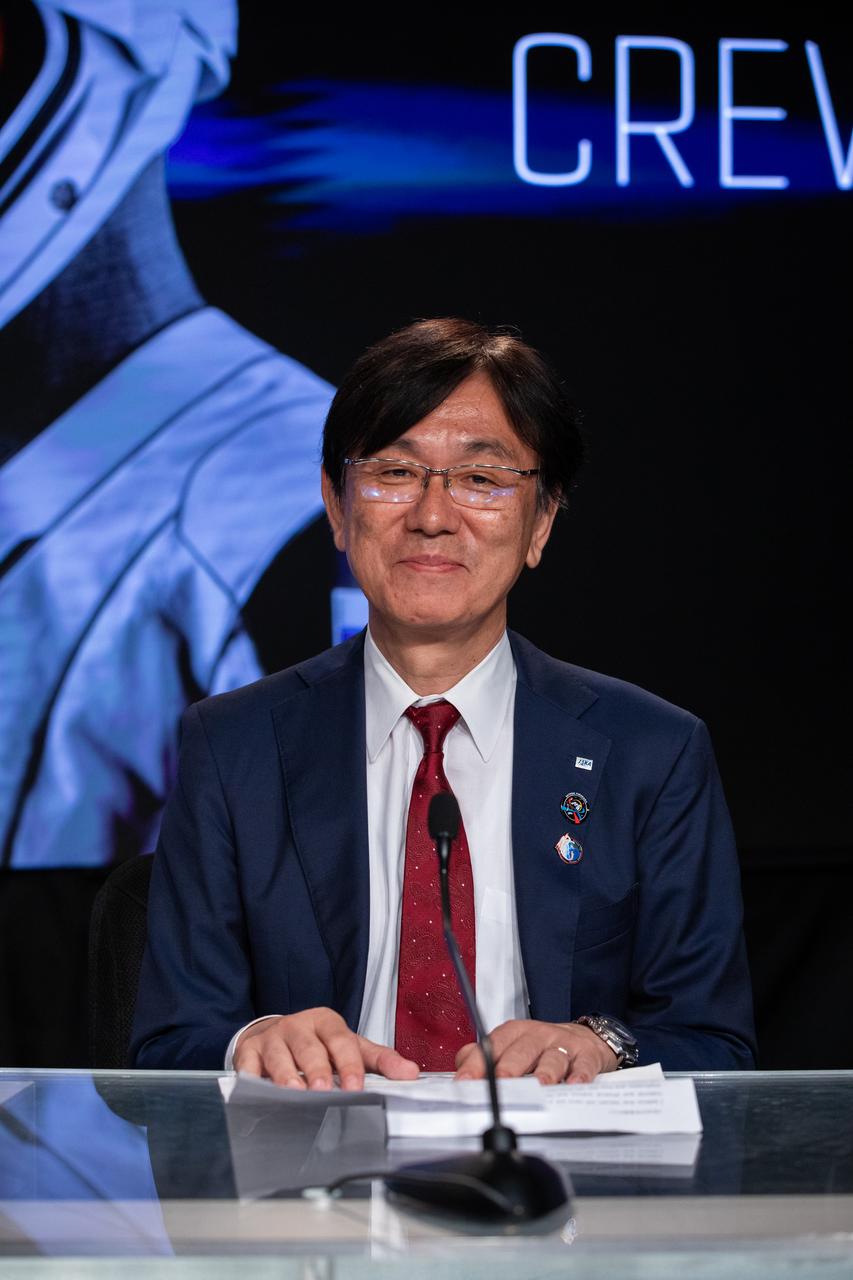
Hiroshi Sasaki, vice president of JAXA (Japan Aerospace Exploration Agency), participates in a Crew-7 postlaunch news conference at the agency’s Kennedy Space Center in Florida on Saturday, Aug. 26, 2023. Crew-7 crew members NASA astronaut Jasmin Moghbeli, ESA (European Space Agency) astronaut Andreas Mogensen, JAXA astronaut Satoshi Furukawa, and Roscosmos cosmonaut Konstantin Borisov launched aboard SpaceX’s Dragon spacecraft from Kennedy at 3:27 a.m. EDT. They will dock to the orbiting laboratory at about 8:40 a.m. EDT Sunday, Aug. 27.
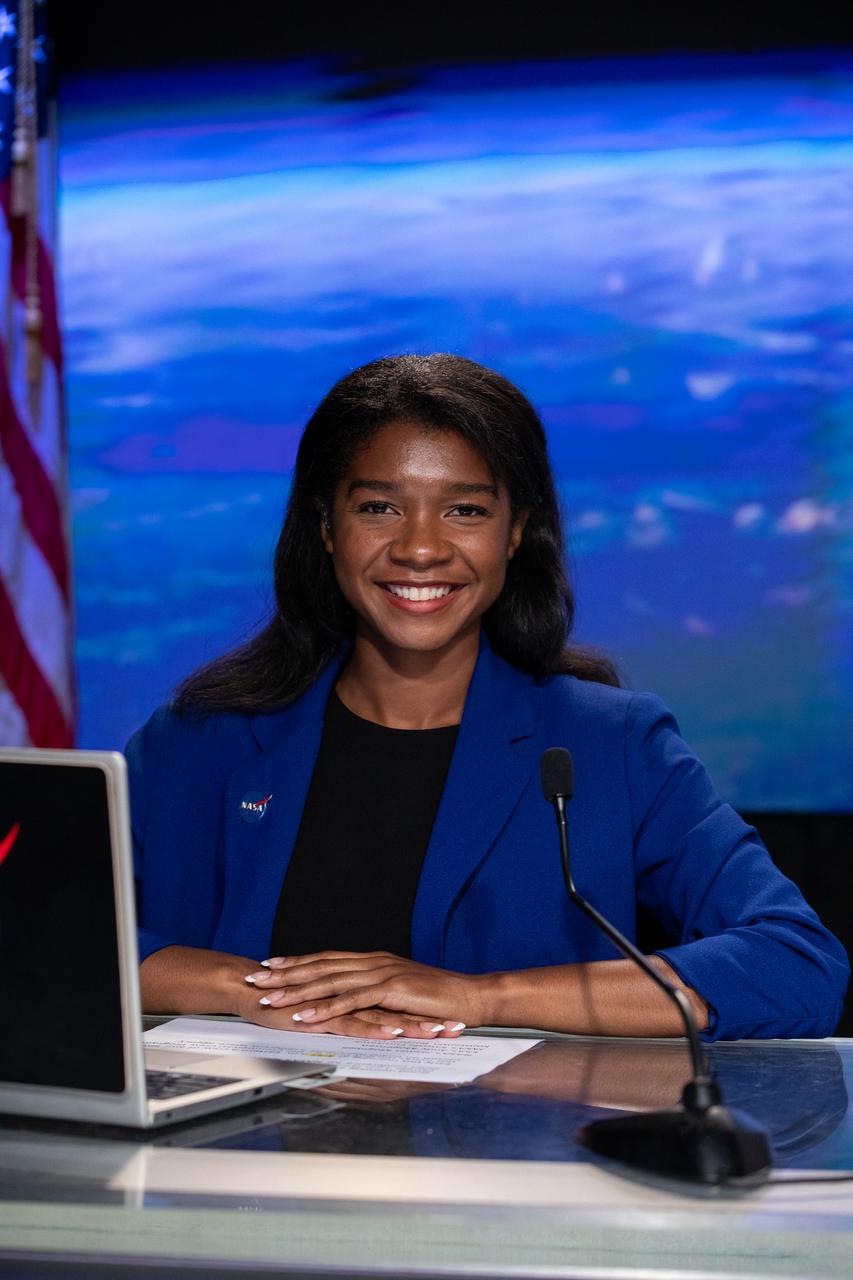
Jasmine Hopkins, NASA Communications, hosts a Crew-7 postlaunch news conference at the agency’s Kennedy Space Center in Florida on Saturday, Aug. 26, 2023. Crew-7 crew members NASA astronaut Jasmin Moghbeli, ESA astronaut Andreas Mogensen, JAXA (Japan Aerospace Exploration Agency) astronaut Satoshi Furukawa, and Roscosmos cosmonaut Konstantin Borisov launched aboard SpaceX’s Dragon spacecraft from Kennedy at 3:27 a.m. EDT. They will dock to the orbiting laboratory at about 8:40 a.m. EDT Sunday, Aug. 27.
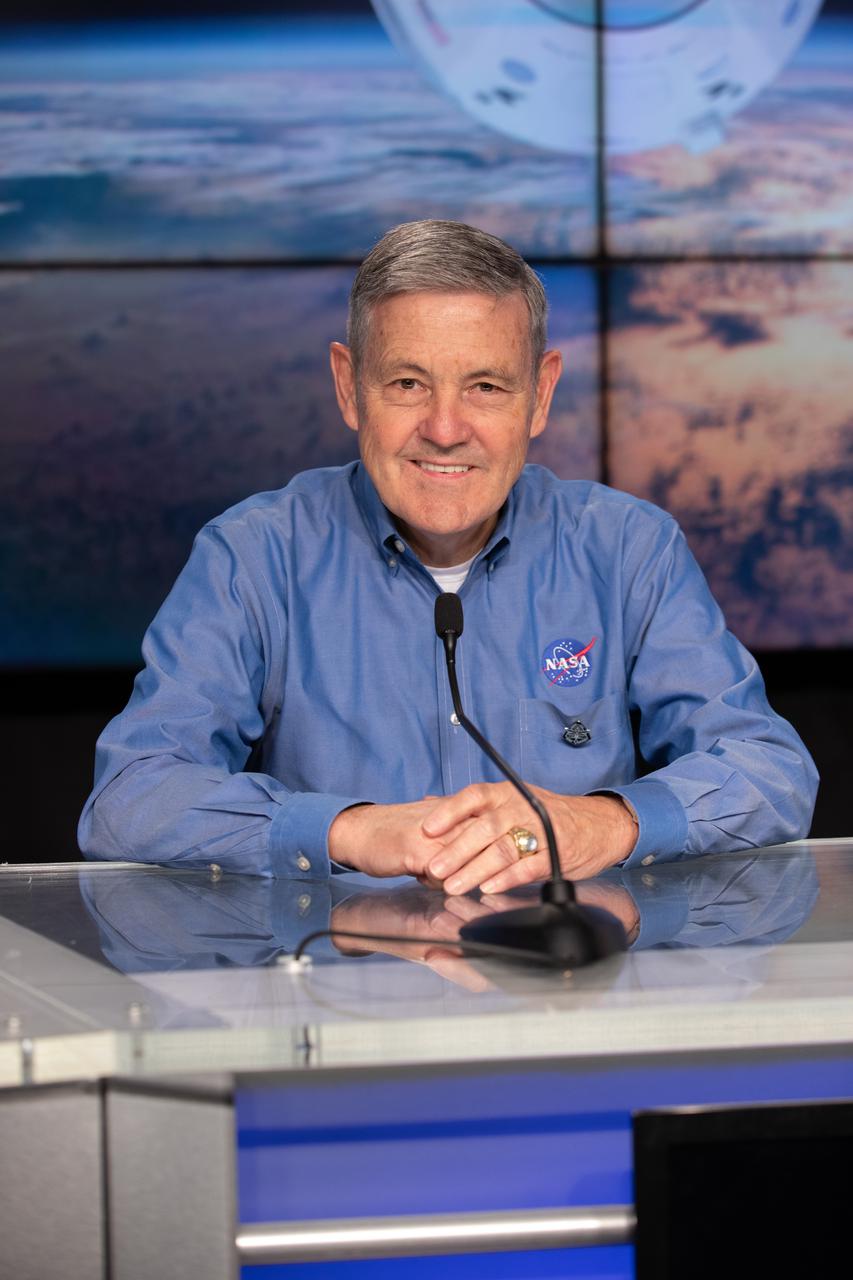
NASA Associate Administrator Bob Cabana is introduced during a Crew-4 press briefing April 26, 2022, at NASA’s Kennedy Space Center in Florida ahead of the agency’s SpaceX Crew-4 launch. NASA astronauts Kjell Lindgren, Bob Hines, and Jessica Watkins, along with ESA (European Space Agency) astronaut Samantha Cristoforetti, will launch aboard the SpaceX Dragon, named Freedom by the Crew-4 crew, atop the company’s Falcon 9 rocket on April 27, 2022, to the International Space Station. Launch is targeted for 3:52 a.m. EDT from Pad 39A.
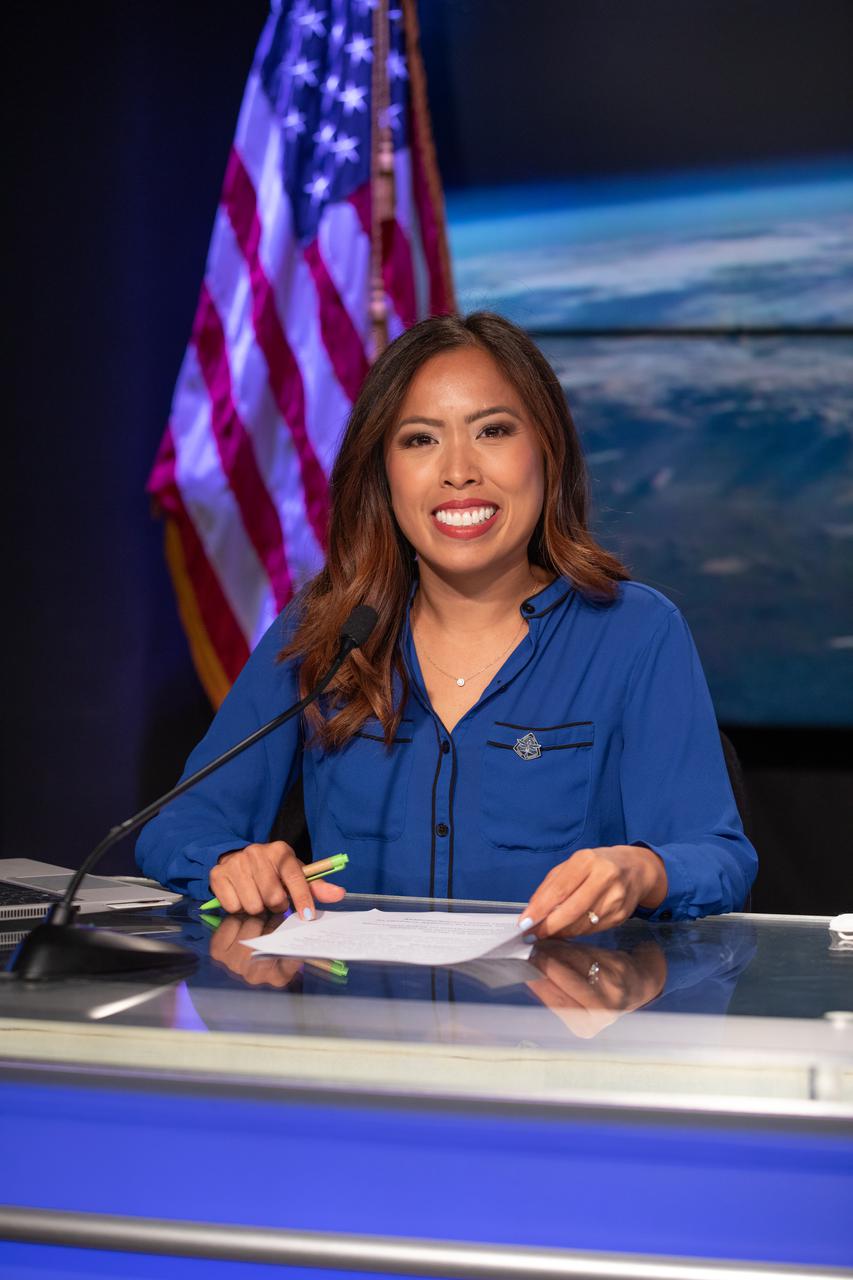
Megan Cruz, NASA Communications, moderates a Crew-4 press briefing April 26, 2022, at NASA’s Kennedy Space Center in Florida ahead of the agency’s SpaceX Crew-4 launch. Crew-4 is the fourth crew rotation flight to the International Space Station as part of NASA’s Commercial Crew Program. The SpaceX Crew Dragon capsule will launch atop the company’s Falcon 9 rocket from Launch Complex 39A to the space station on Wednesday, April 27, at 3:52 a.m. EDT.
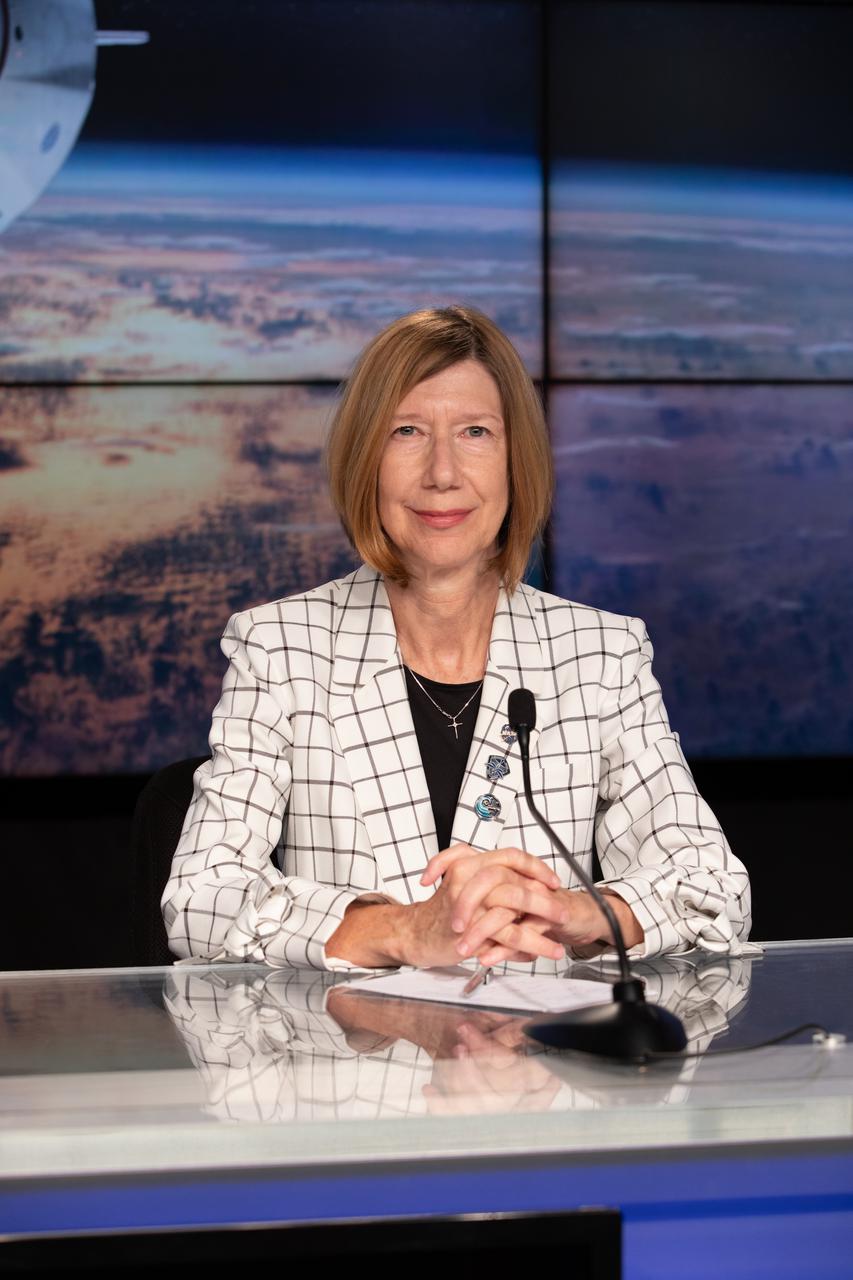
Kathryn Lueders, associate administrator, Space Operations Mission Directorate, NASA Headquarters in Washington, is introduced during a Crew-4 press briefing April 26, 2022, at NASA’s Kennedy Space Center in Florida ahead of the agency’s SpaceX Crew-4 launch. NASA astronauts Kjell Lindgren, Bob Hines, and Jessica Watkins, along with ESA (European Space Agency) astronaut Samantha Cristoforetti, will launch aboard the SpaceX Dragon, named Freedom by the Crew-4 crew, atop the company’s Falcon 9 rocket on April 27, 2022, to the International Space Station. Launch is targeted for 3:52 a.m. EDT from Pad 39A.
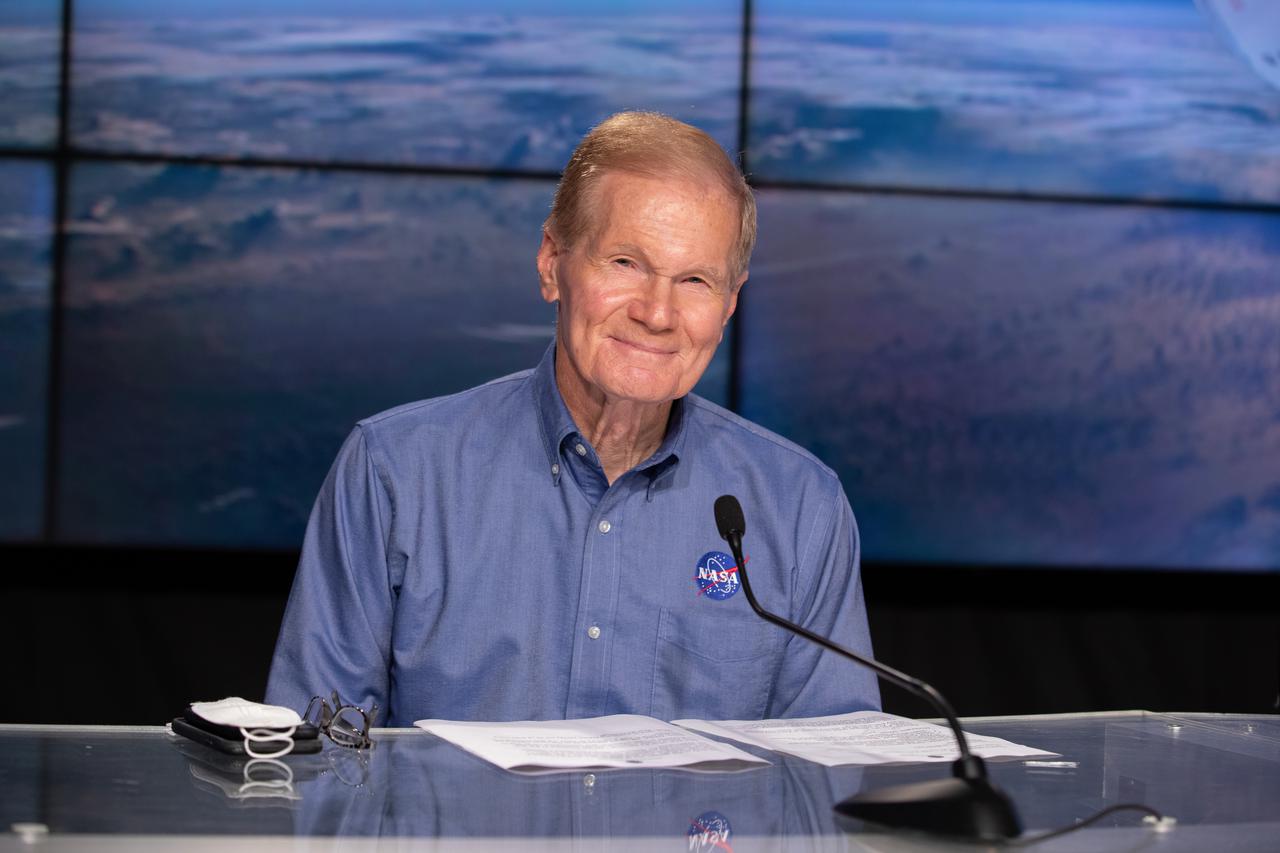
NASA Administrator Bill Nelson is introduced during a Crew-4 press briefing April 26, 2022, at NASA’s Kennedy Space Center in Florida ahead of the agency’s SpaceX Crew-4 launch. NASA astronauts Kjell Lindgren, Bob Hines, and Jessica Watkins, along with ESA (European Space Agency) astronaut Samantha Cristoforetti, will launch aboard the SpaceX Crew Dragon, named Freedom by the Crew-4 crew, atop the company’s Falcon 9 rocket on April 27, 2022, to the International Space Station. Launch is targeted for 3:52 a.m. EDT from Pad 39A.
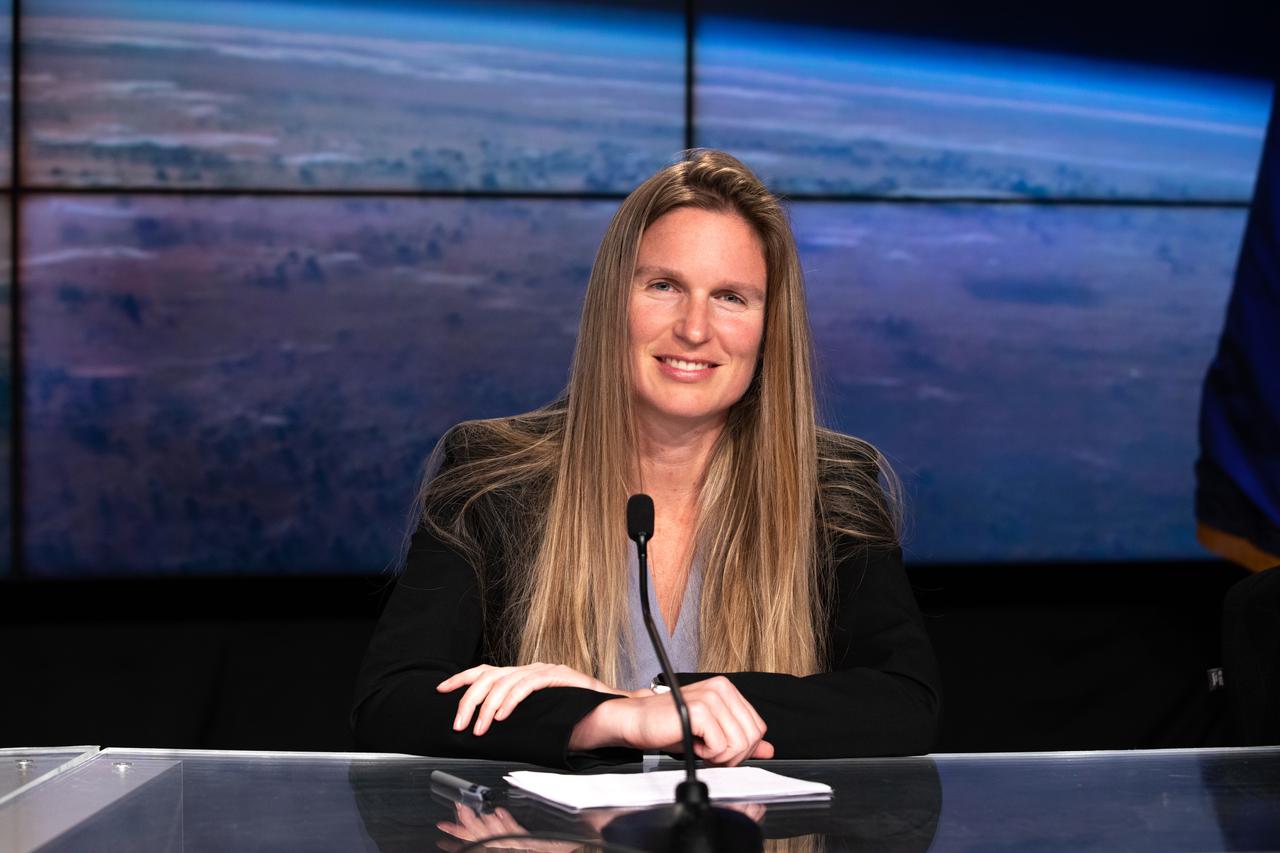
Heidi Parris, associate program scientist for the International Space Station Program, NASA Johnson, is introduced during a Crew-4 press briefing April 26, 2022, at NASA’s Kennedy Space Center in Florida ahead of the agency’s SpaceX Crew-4 launch. NASA astronauts Kjell Lindgren, Bob Hines, and Jessica Watkins, along with ESA (European Space Agency) astronaut Samantha Cristoforetti, will launch aboard the SpaceX Dragon, named Freedom by the Crew-4 crew, atop the company’s Falcon 9 rocket on April 27, 2022, to the International Space Station. Launch is targeted for 3:52 a.m. EDT from Pad 39A.