
jsc2026e034337 (April 17, 2026) --- CSA (Canadian Space Agency) astronaut and SpaceX Crew-13 Mission Specialist Joshua Kutryk is pictured in his pressure suit during a training session at SpaceX headquarters in Hawthorne, California. Credit: SpaceX

jsc2026e034349 (April 17, 2026) --- CSA (Canadian Space Agency) astronaut and SpaceX Crew-13 Mission Specialist Joshua Kutryk is pictured in his pressure suit and seated inside a SpaceX Dragon spaceraft during a training session at SpaceX headquarters in Hawthorne, California. Credit: SpaceX

jsc2026e034342 (April 17, 2026) --- CSA (Canadian Space Agency) astronaut and SpaceX Crew-13 Mission Specialist Joshua Kutryk is pictured in his pressure suit and seated inside a SpaceX Dragon spacecraft during a training session at SpaceX headquarters in Hawthorne, California. Credit: SpaceX

jsc2026e034350 (April 17, 2026) --- From left, SpaceX Crew-13 Commander Jessica Watkins of NASA and Mission Specialist Joshua Kutryk of CSA (Canadian Space Agency) are seated inside a SpaceX Dragon spacecraft during a training session at SpaceX headquarters in Hawthorne, California. Credit: SpaceX
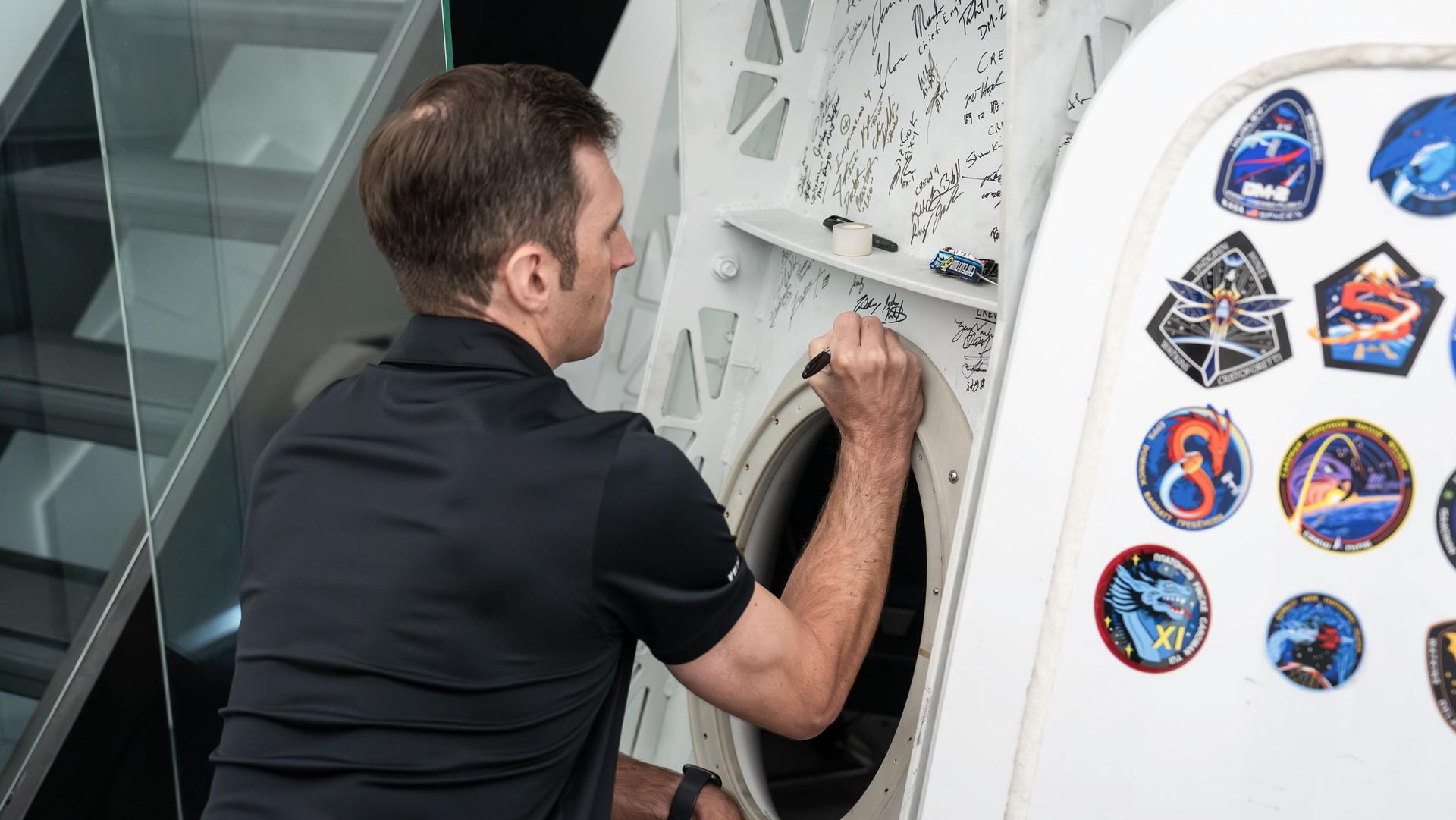
jsc2026e406106 (July 30, 3036) --- CSA (Canadian Space Agency) astronaut and SpaceX Crew-13 Mission Specialist Joshua Kutryk signs his autograph on a Dragon spacecraft mockup after completing a pre‑flight training session at SpaceX headquarters in Hawthorne, California. Credit: SpaceX
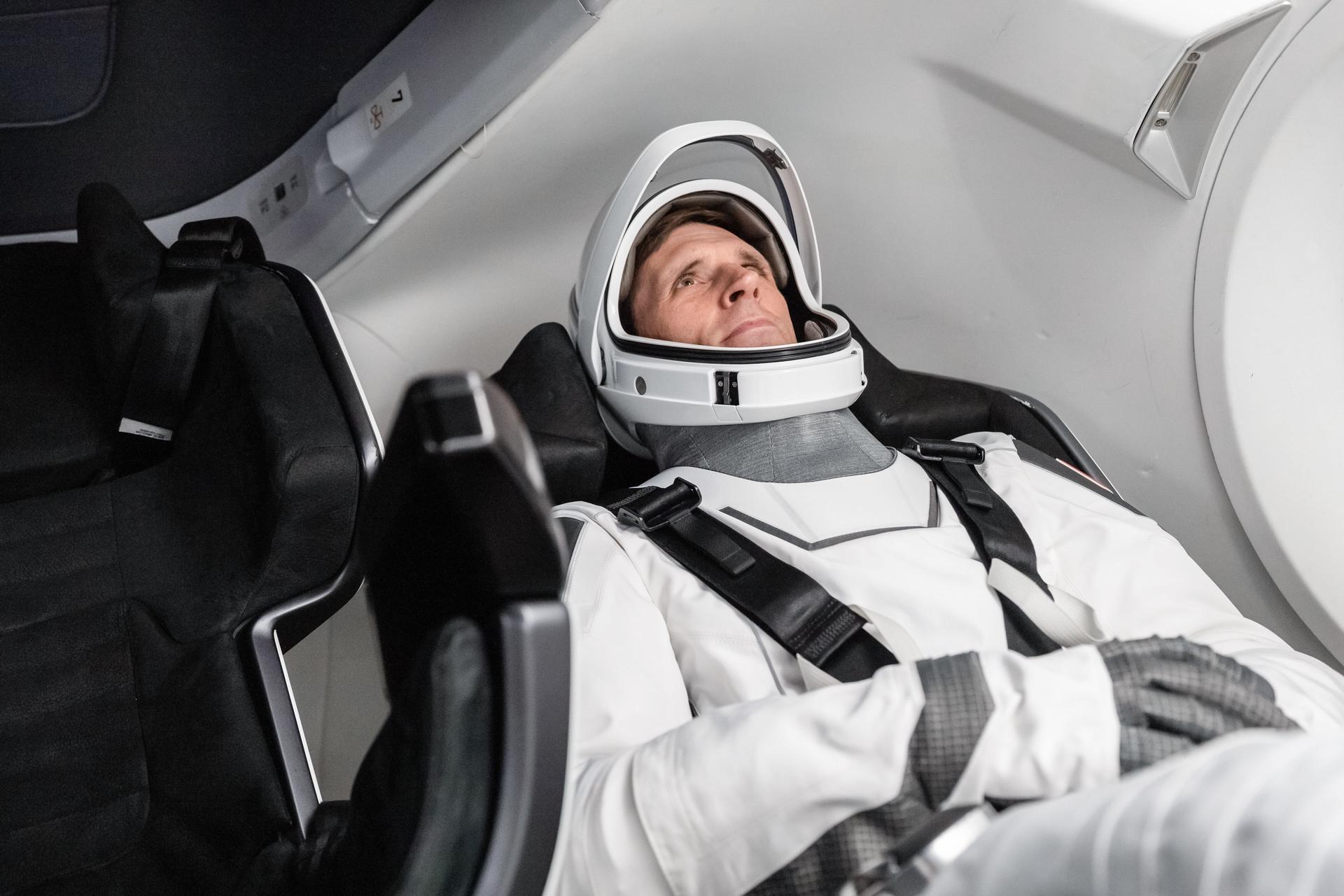
jsc2026e404734 (June 8, 2026) --- CSA (Canadian Space Agency) astronaut and SpaceX Crew-13 Mission Specialist Joshua Kutryk sits inside a Dragon spacecraft mockup while participating in a pre‑flight training session at SpaceX headquarters in Hawthorne, California. Credit: SpaceX
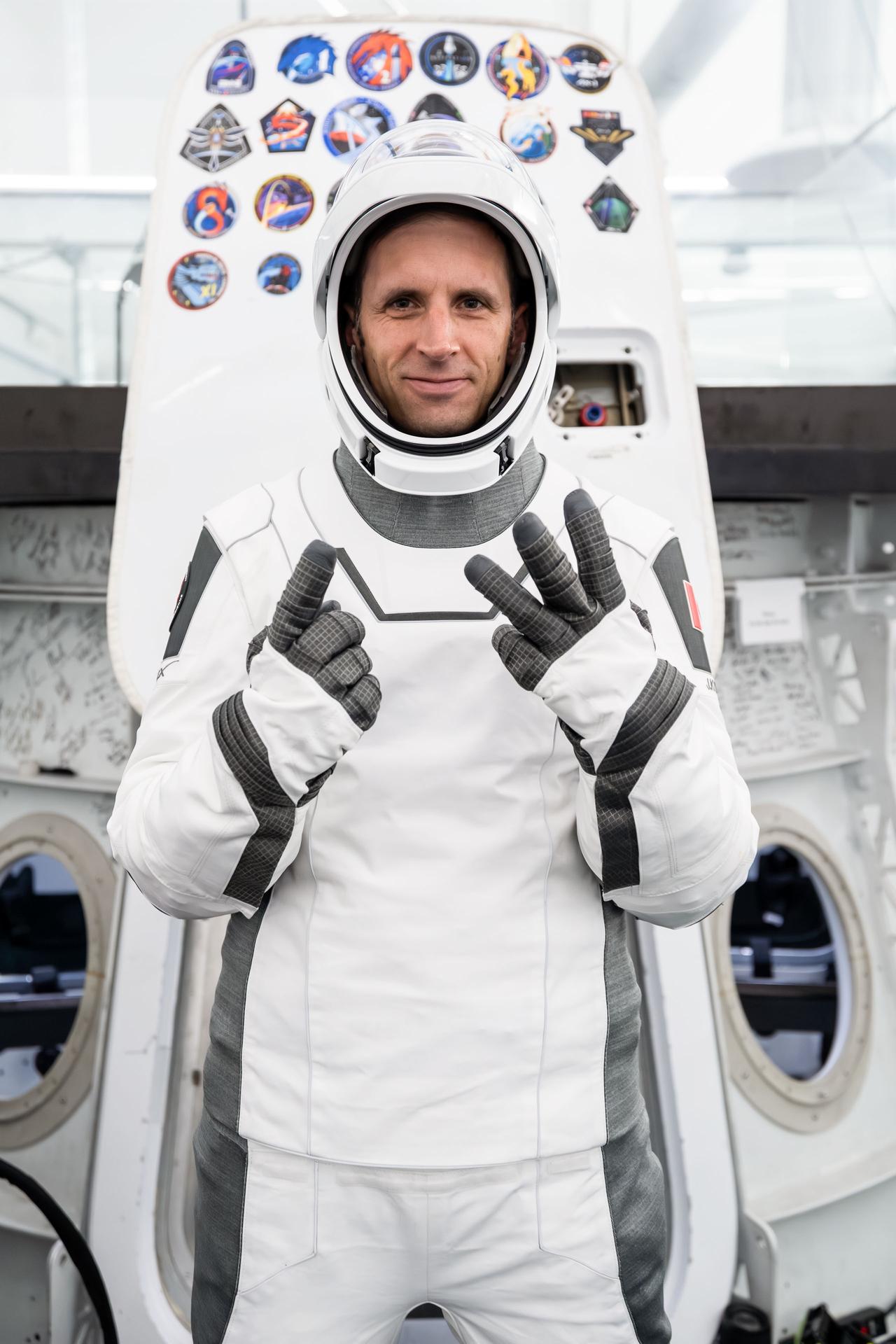
jsc2026e404744 (June 8, 2026) --- CSA (Canadian Space Agency) astronaut and SpaceX Crew-13 Mission Specialist Joshua Kutryk gestures with his fingers to show the number 13, representing his mission to the International Space Station aboard a Dragon spacecraft. Kutryk poses in his pressure suit in front of a Dragon spacecraft mockup during a pre-flight training session at SpaceX headquarters in Hawthorne, California. Credit: SpaceX
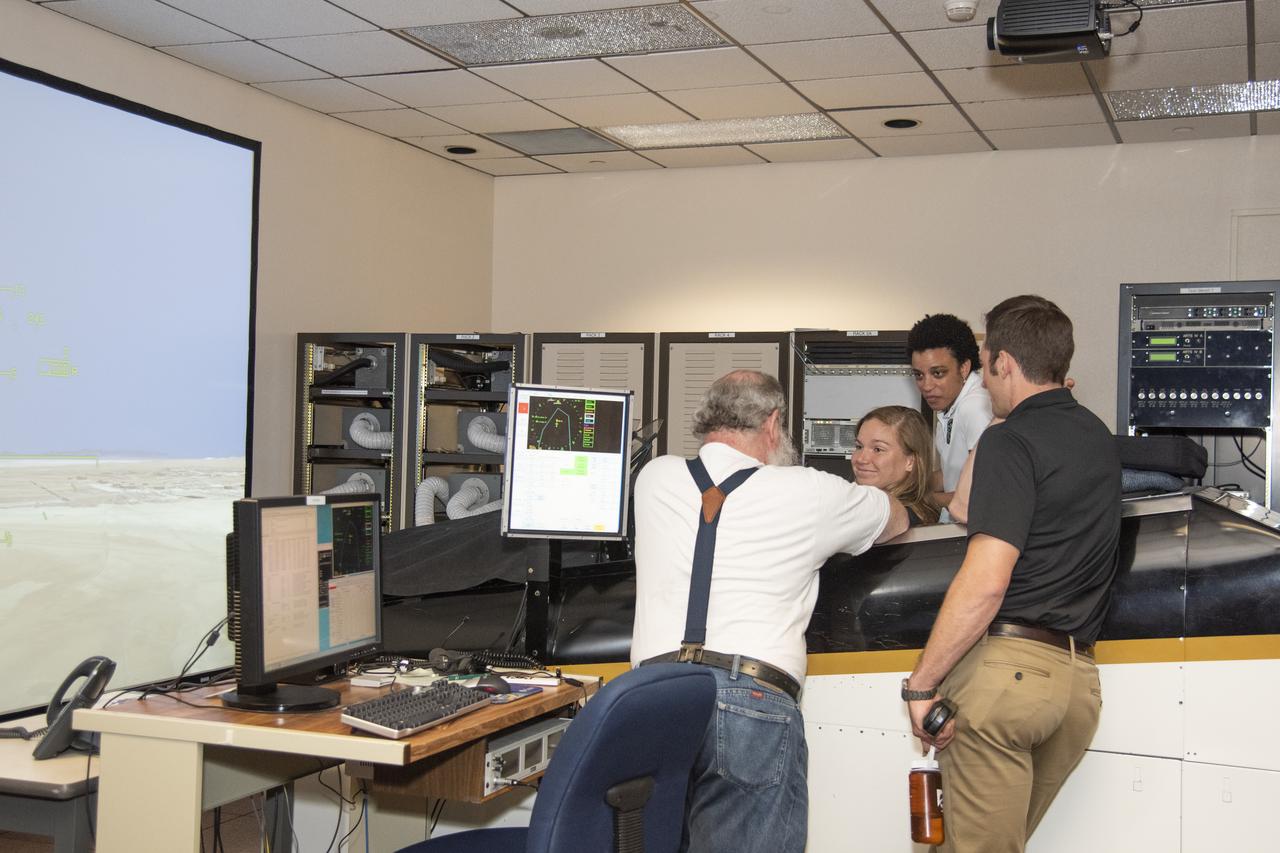
NASA's 2017 astronaut candidates (L to R) Jenni Sidey-Gibbons, Jessica Watkins and Joshua Kutryk practice flying in an F-18 aircraft cockpit simulator at Armstrong Flight Research Center, in Southern California. The F-18's are flown for research support and pilot proficiency. Currently, the F-18 is conducting supersonic research in support of the X-59 QueSST overall mission.

jsc2026e040445 (April 30, 2026) --- The SpaceX Crew-13 members pose for a portrait in their pressure suits during a preflight training session at the company's headquarters in Hawthorne, California. From left are, Roscosmos Sergey Teteryatnikov, NASA astronauts Jessica Watkins and Luke Delaney, and CSA (Canadian Space Agency) astronaut Joshua Kutryk. Credit: SpaceX
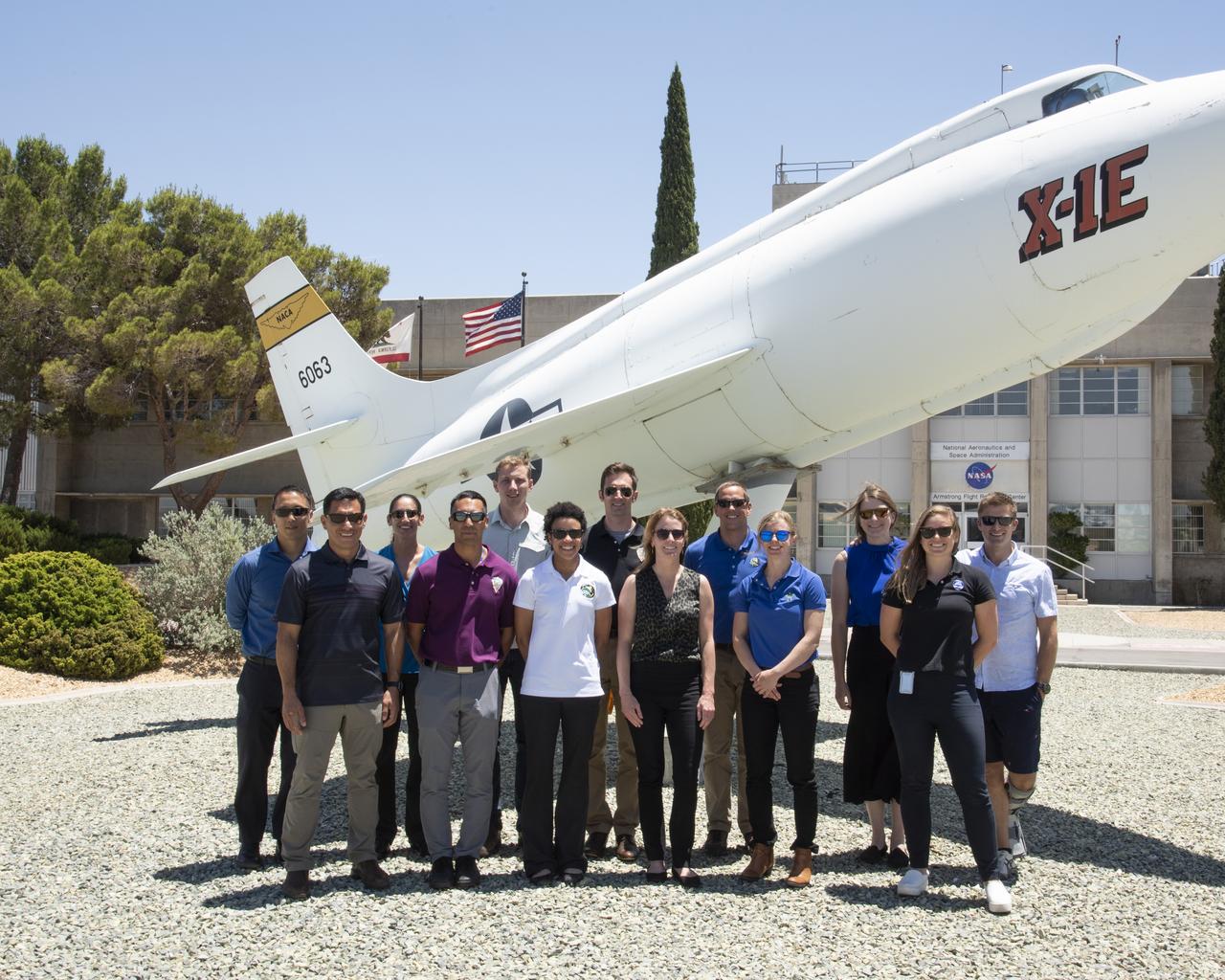
NASA's 2017 astronaut candidates, (L to R) Jonny Kim, Frank Rubio, Jasmin Moghbeli, Raja Chari, Woody Hoburg, Jessica Watkins, Joshua Kutryk, Loral O'Hara, Bob Hines, Zena Cardman, Kayla Barron, Jenni Sidey-Gibbons, Matthew Dominick pose in front of X-1E at the end of their visit to Armstrong Flight Research Center, in Southern California.
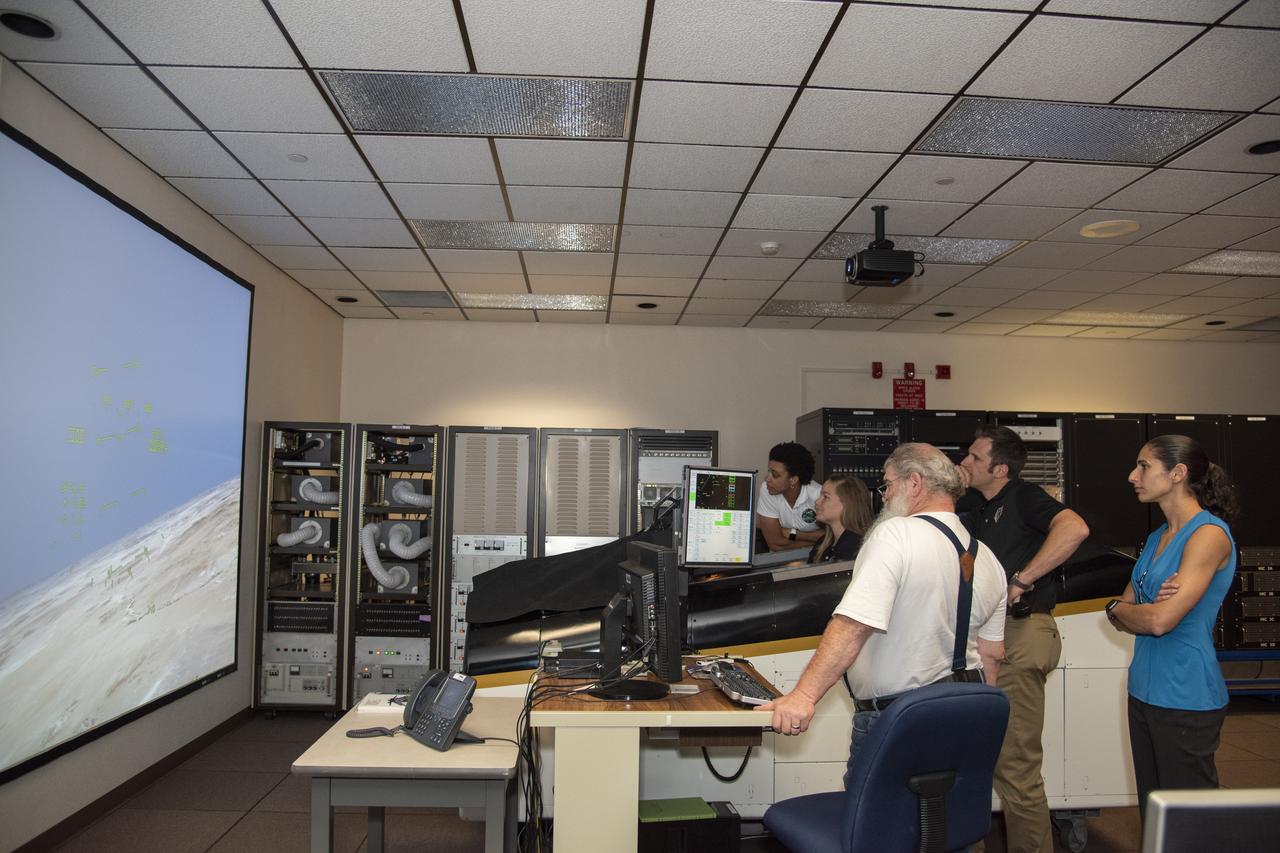
NASA’s 2017 astronaut candidates (L to R) Jessica Watkins, Jenni Sidey-Gibbons, Joshua Kutryk, and Jasmin Moghbeli practice flying in an F-18 aircraft cockpit simulator at Armstrong Flight Research Center, in Southern California. The F-18’s are flown for research support and pilot proficiency. Currently, the F-18’s are being used to conduct supersonic research in support of the X-59 QueSST overall mission.

jsc2026e040446 (April 30, 2026) --- The SpaceX Crew-13 members are pictured in their pressure suits seated inside a mockup Dragon spacecraft during a preflight training session at the company's headquarters in Hawthorne, California. From left are, Roscosmos Sergey Teteryatnikov, NASA astronauts Luke Delaney and Jessica Watkins, and CSA (Canadian Space Agency) astronaut Joshua Kutryk. Credit: SpaceX
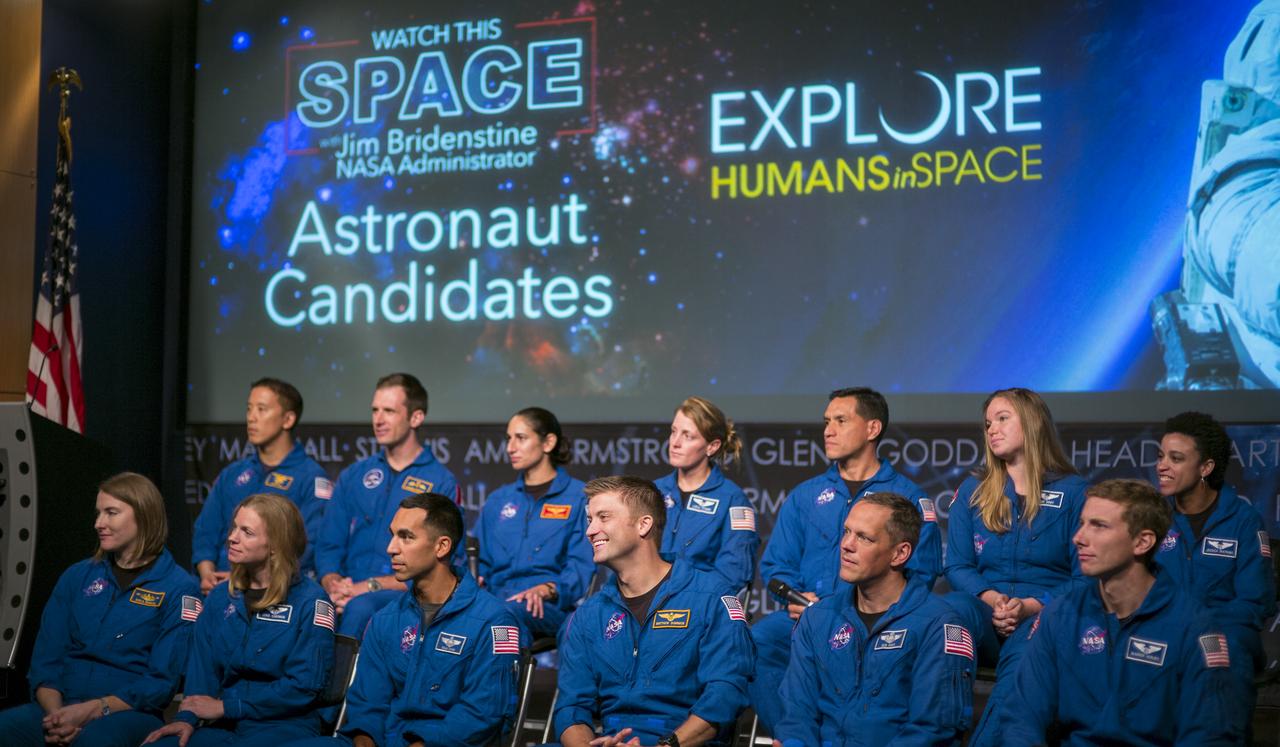
Astronaut candidates, back row from left, Jonny Kim, Joshua Kutryk of the Canadian Space Agency, Jasmin Moghbeli, Loral O’Hara, Frank Rubio, Jennifer Sidey-Gibbons of the Canadian Space Agency, Jessica Watkins, front row from left, Kayla Barron, Zena Cardman, Raja Chari, Matthew Dominick, Bob Hines, and Warren Hoburg are seen during a live episode of the Administrator's monthly chat show, Watch This Space, Thursday, Sept. 27, 2018 in the Webb Auditorium at NASA Headquarters in Washington. NASA's newest astronaut candidate class has started their two years of training, after which the new astronaut candidates could be assigned to missions performing research on the International Space Station, launching from American soil on spacecraft built by commercial companies, and launching on deep space missions on NASA’s new Orion spacecraft and Space Launch System rocket. Photo Credit: (NASA/Joel Kowsky)
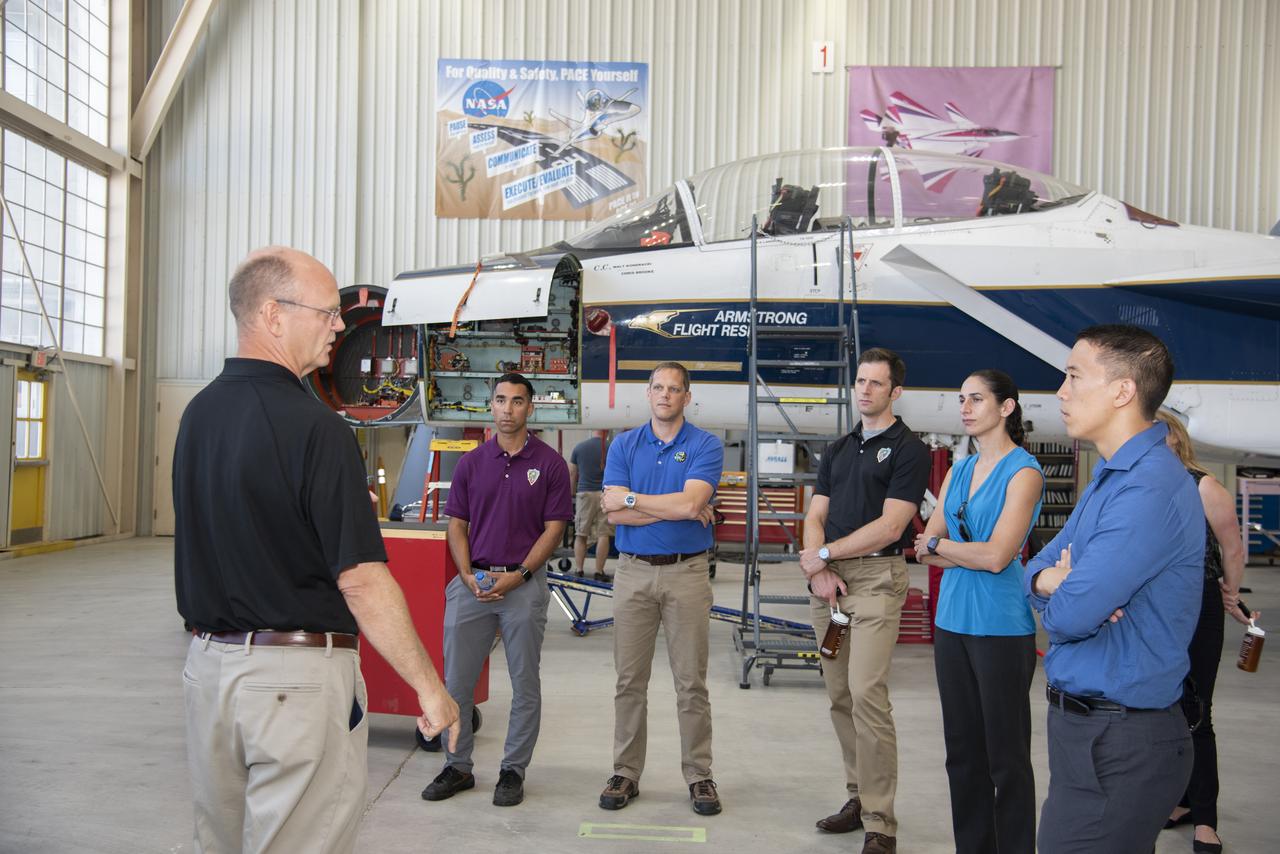
NASA’s 2017 astronaut candidates (L to R) Raja Chari, Bob Hines, Joshua Kutryk, Jasmin Moghbeli, Jonny Kim, and Jessica Watkins toured aircraft hangar at Armstrong Flight Research Center, in Southern California. On the left, NASA’s, X-59 pilot, briefs them on use of F-15 for studying sonic booms during the development of the low-boom X-59 aircraft that is planned to fly supersonically over land. Low-level supersonic flight is not allowed at this time because of the loud noise levels generated when flying beyond the speed of sound.
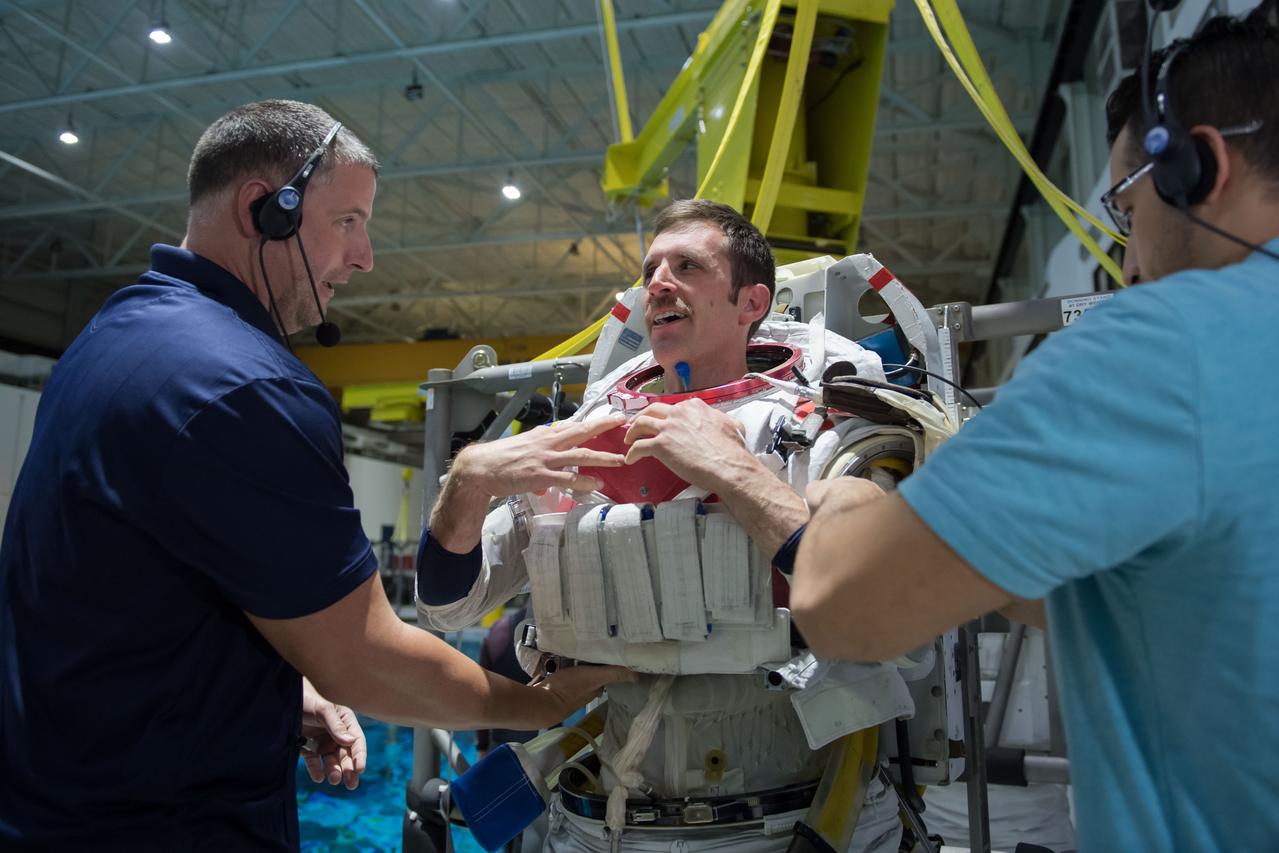
jsc2018e035765 (04-12-2018) --- 2017 Canadian Space Agency astronaut candidate Joshua Kutryk suits up in a spacesuit for underwater spacewalk training at NASA Johnson Space Center’s Neutral Buoyancy Laboratory. Photo Credit: (NASA/David DeHoyos)
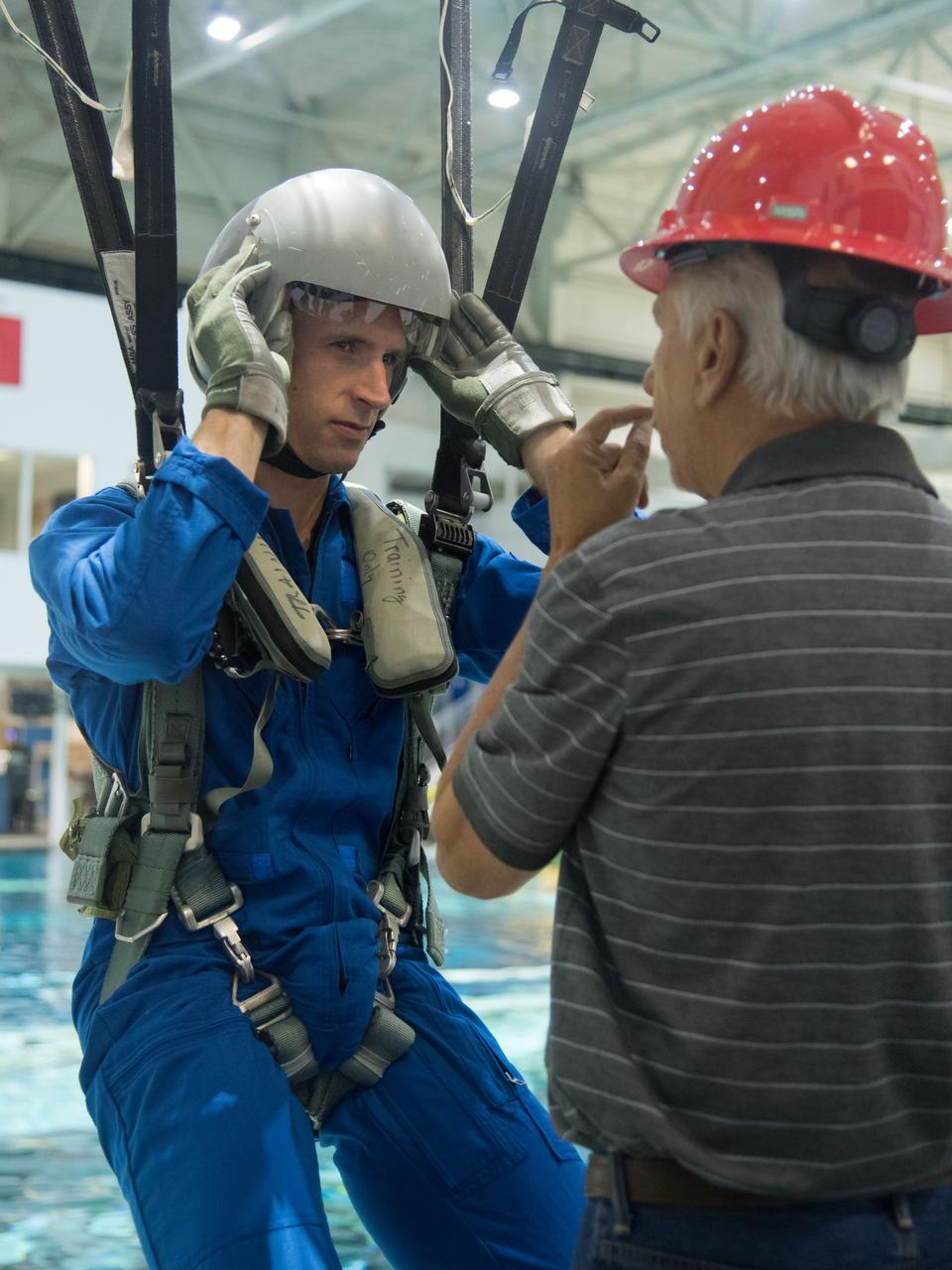
jsc2017e114915 (09-06-17) --- During water survival training in 2017 at NASA Johnson Space Center’s Neutral Buoyancy Laboratory in Houston, Canadian Space Agency astronaut candidate Joshua Kutryk is guided through training by instructors. Photo Credit: (NASA/James Blair)
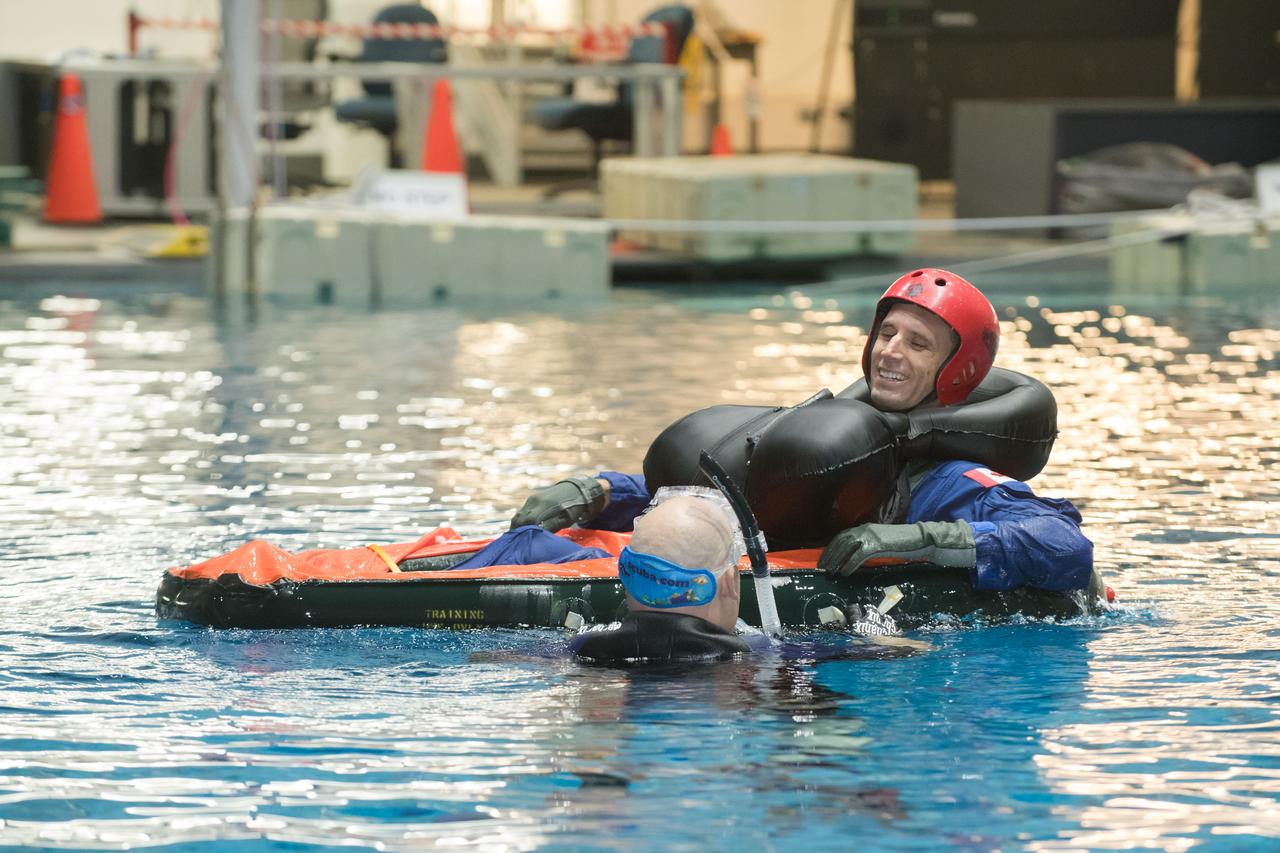
jsc2017e114943 (09-06-17) --- During water survival training in 2017 at NASA Johnson Space Center’s Neutral Buoyancy Laboratory in Houston, Canadian Space Agency astronaut candidate Joshua Kutryk is guided through training by divers. Photo Credit: (NASA/James Blair)
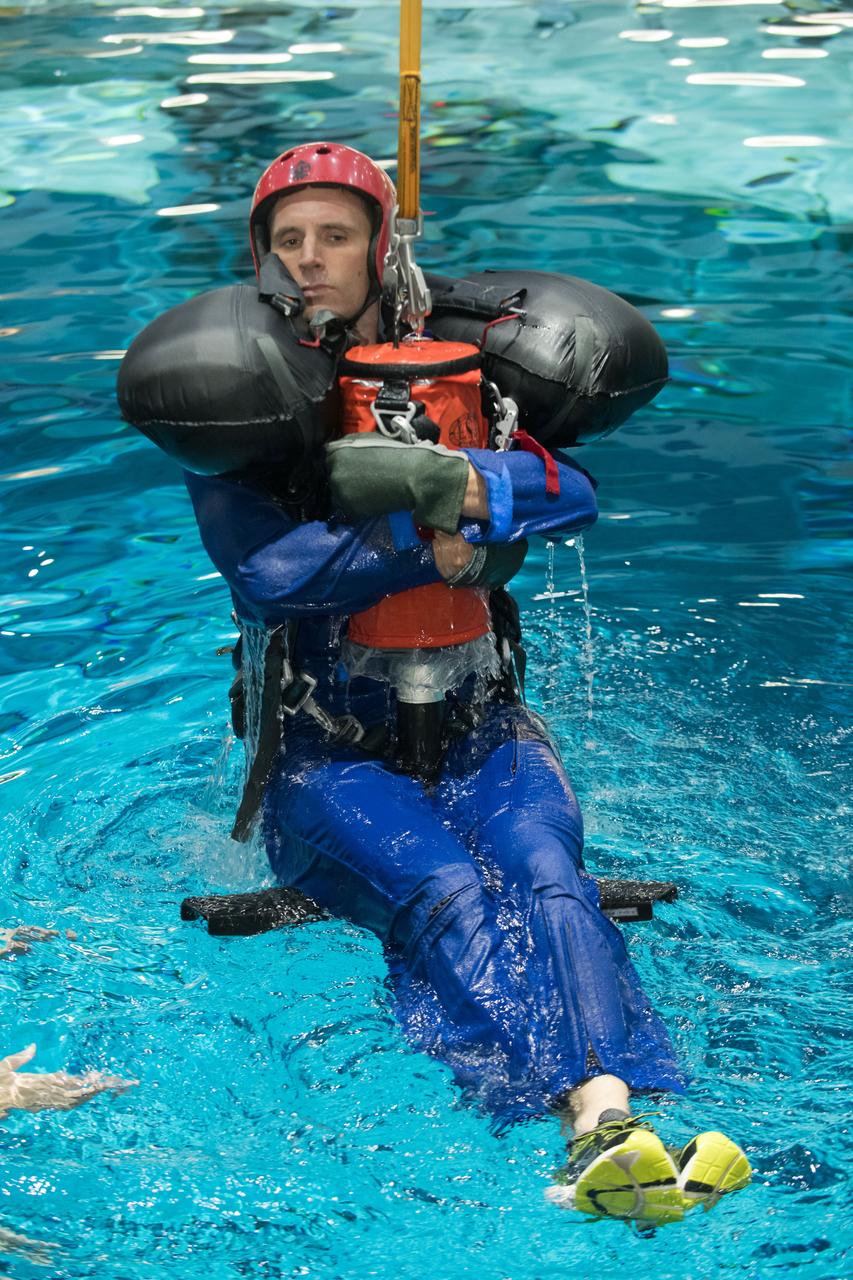
jsc2017e114948 (09-06-17) --- 2017 Canadian Spacy Agency astronaut candidate Joshua Kutryk awaits next steps by instructors during water survival training at NASA Johnson Space Center’s Neutral Buoyancy Laboratory in Houston. Photo Credit: (NASA/James Blair)
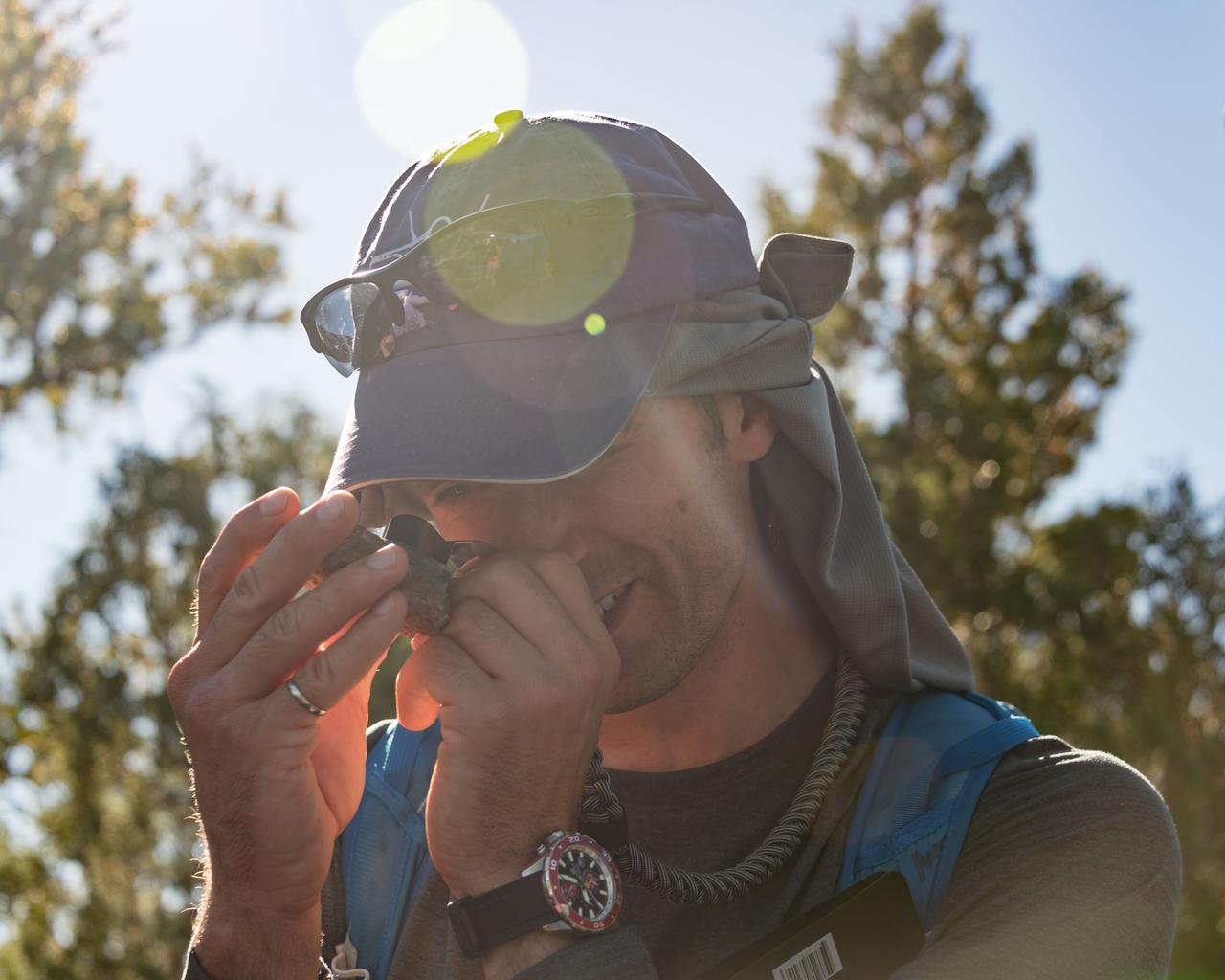
jsc2018e060157 (06/19/2018) --- Canadian Space Agency astronaut candidate Joshua Kutryk during earth and planetary science training in Rio Grande del Norte National Monument Upper Gorge Area near Questa, N.M. Photo Credit: (NASA/Norah Moran)
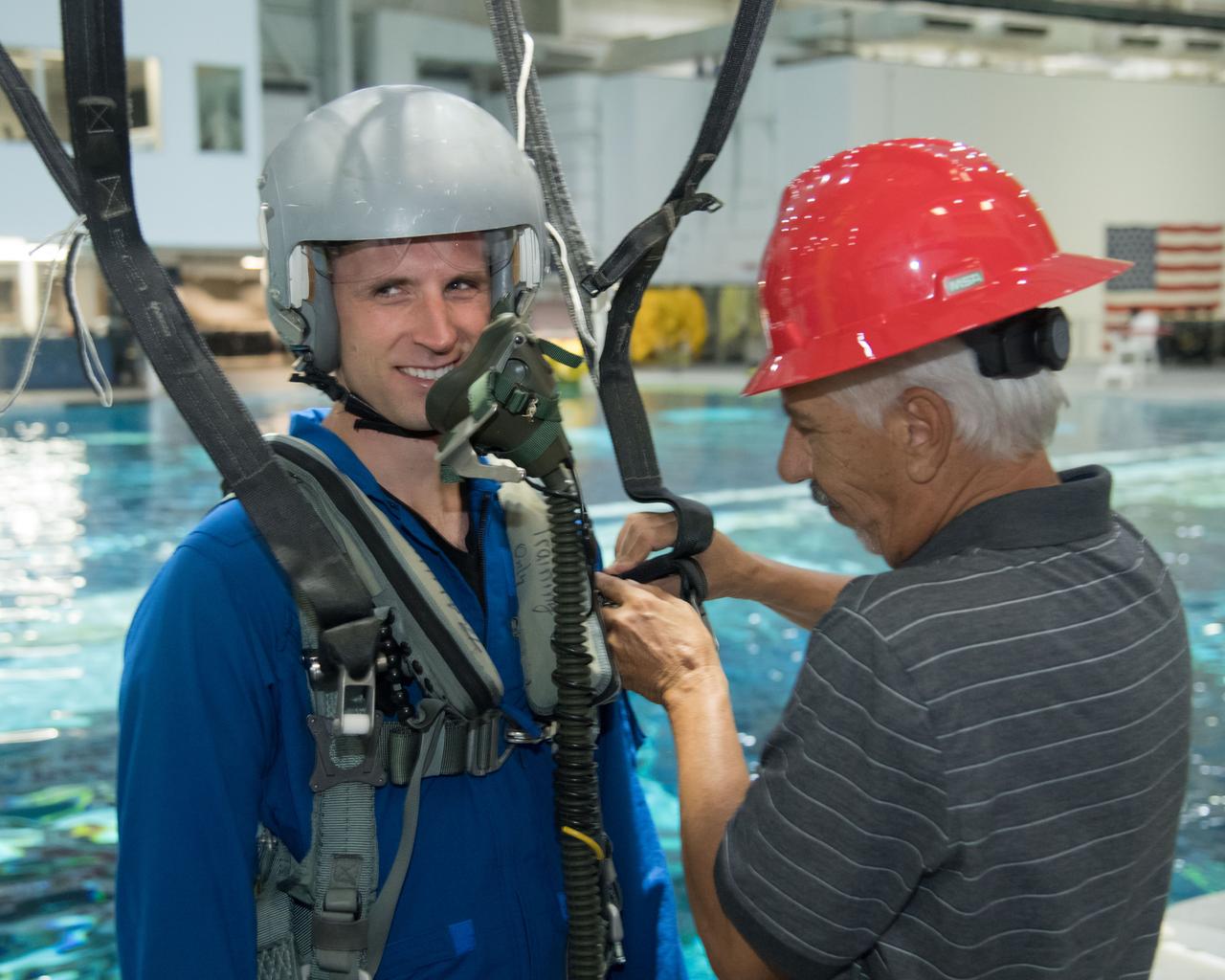
jsc2017e114912 (09-06-17) --- During water survival training in 2017 at NASA Johnson Space Center’s Neutral Buoyancy Laboratory in Houston, Canadian Space Agency astronaut candidate Joshua Kutryk is fitted for training gear by instructors. Photo Credit: (NASA/James Blair)
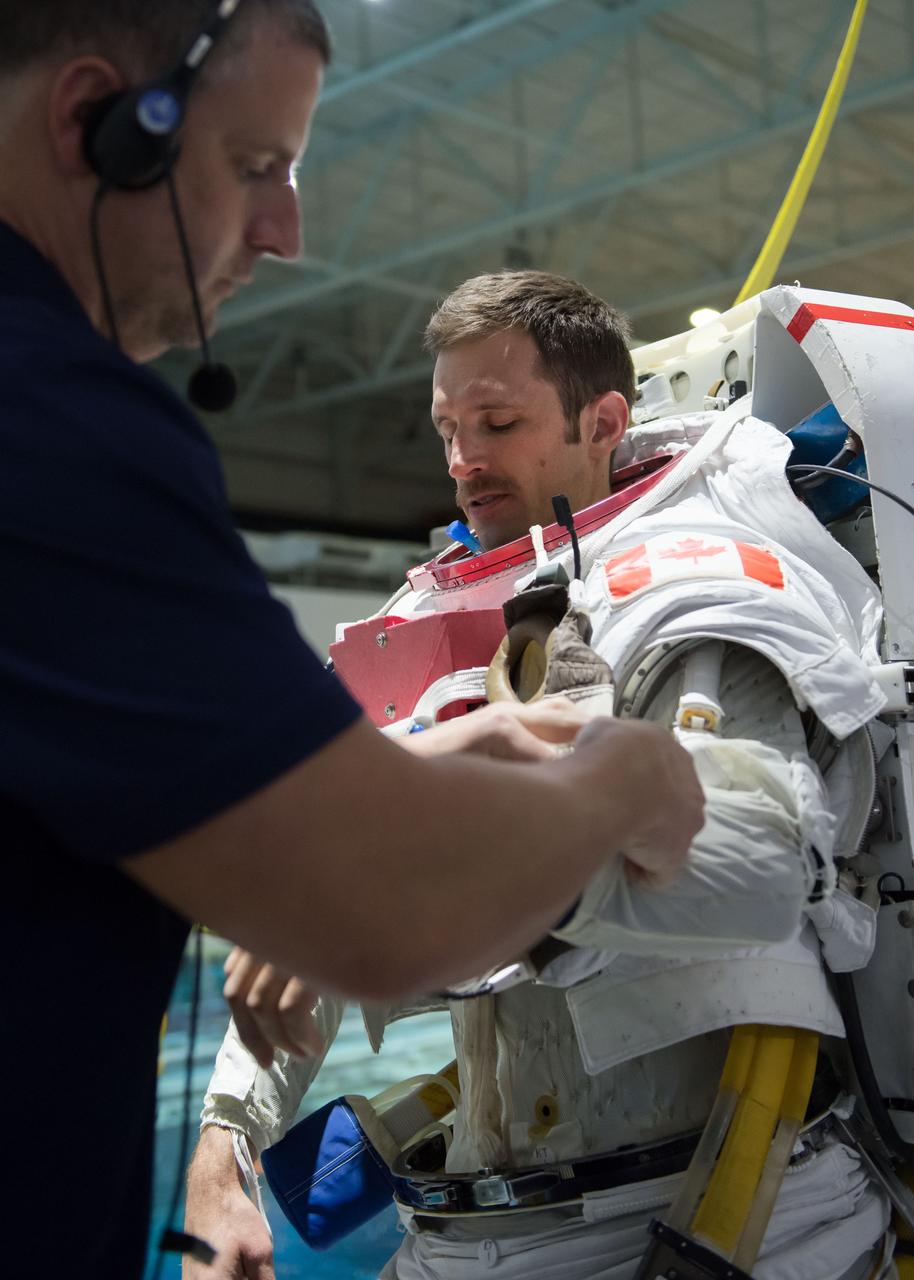
jsc2018e035767 (04-12-2018) --- 2017 Canadian Space Agency astronaut candidate Joshua Kutryk is being helped into a spacesuit prior to underwater spacewalk training at NASA Johnson Space Center’s Neutral Buoyancy Laboratory. Photo Credit: (NASA/David DeHoyos)
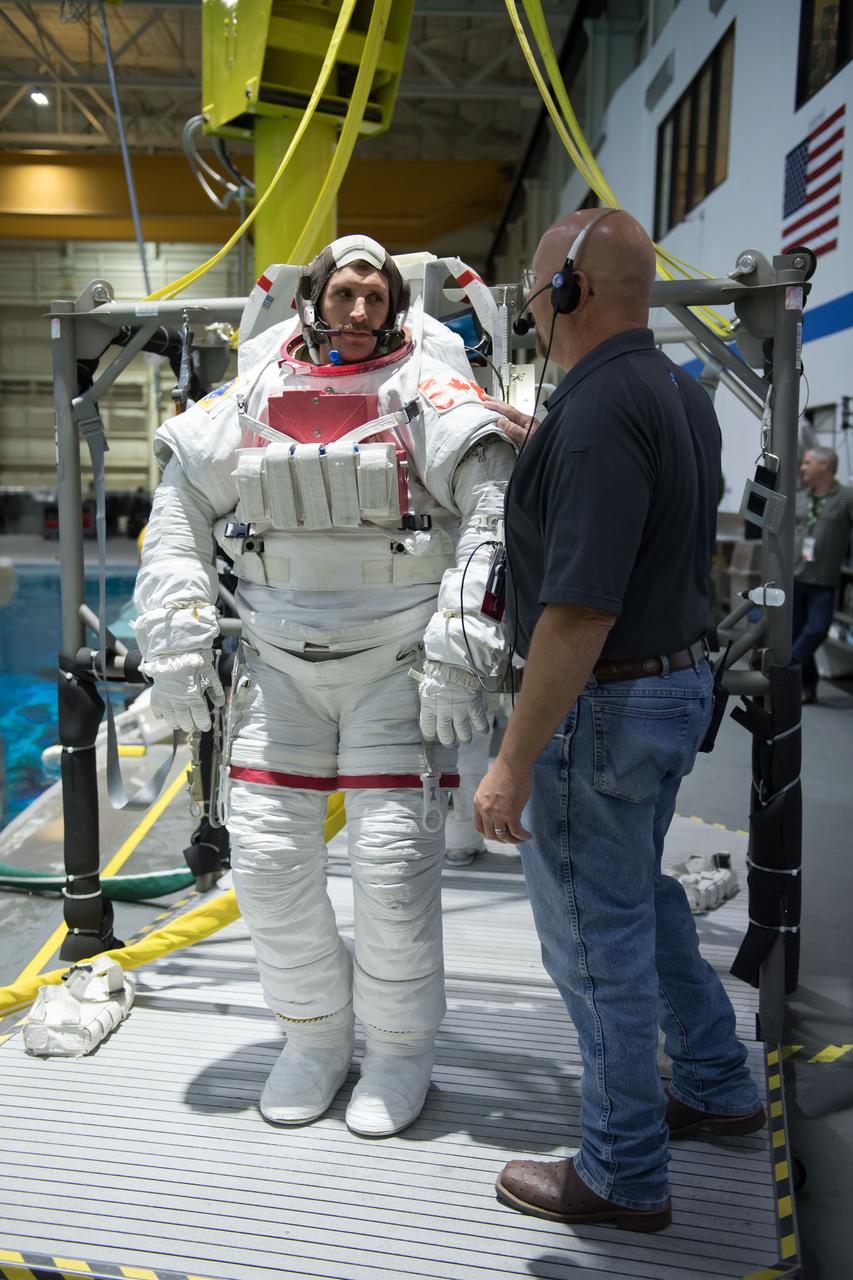
jsc2018e035780 (04-12-20180 --- Canadian Space Agency astronaut candidate Joshua Kutryk is being helped into a spacesuit prior to underwater spacewalk training at NASA Johnson Space Center’s Neutral Buoyancy Laboratory. Photo Credit: (NASA/David DeHoyos)
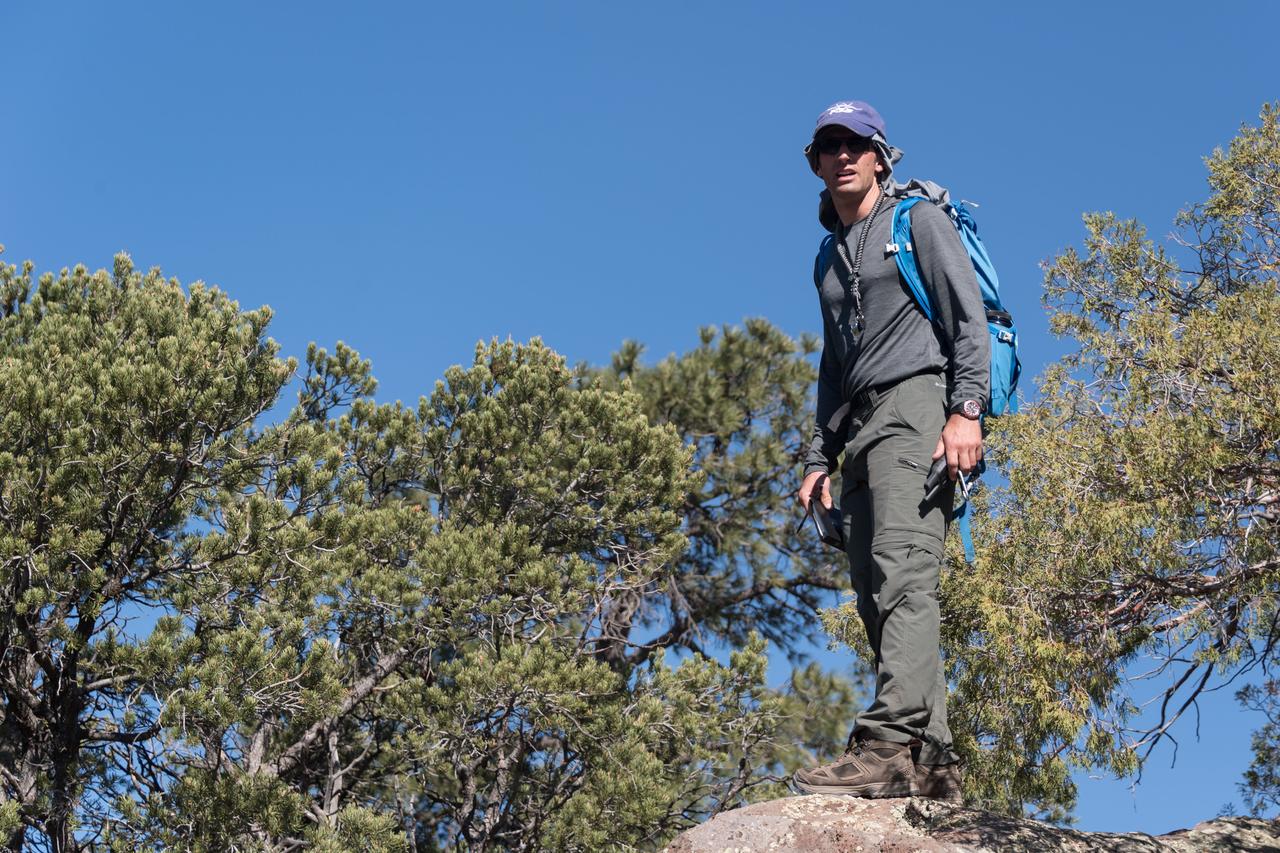
jsc2018e060151 (06/19/2018) --- Canadian Space Agency astronaut candidate Joshua Kutryk during earth and planetary science training in Rio Grande del Norte National Monument Upper Gorge Area near Questa, N.M. Photo Credit: (NASA/Norah Moran)

From left, Project Scientist Natasha Haveman and NASA astronauts Jessica Watkins, Stan Love, and Luke Delaney, along with CSA (Canadian Space Agency) astronaut Joshua Kutryk, view crops grown in the Plant Processing Area inside the Space Systems Processing Facility at NASA’s Kennedy Space Center in Florida during a tour on Tuesday, May 12, 2026. Watkins, Delaney, and Kutryk, along with Roscosmos cosmonaut Sergey Teteryatnikov (not pictured), are part of NASA's SpaceX Crew-13 mission to the International Space Station and will explore the possibility of growing crops outside of the station’s Veggie chamber – one of two enclosed areas currently used to grow crops on the orbiting laboratory.

From left, Trent Smith, a senior leader of the NASA Kennedy Space Crop Production team, welcomes NASA astronaut Jessica Watkins, CSA (Canadian Space Agency) astronaut Joshua Kutryk, and NASA astronaut Luke Delaney to the Plant Processing Area inside the Space Systems Processing Facility at NASA’s Kennedy Space Center in Florida for a tour of the facility on Tuesday, May 12, 2026. Watkins, Delaney, and Kutryk, along with Roscosmos cosmonaut Sergey Teteryatnikov (not pictured), are part of NASA's SpaceX Crew-13 mission to the International Space Station and will explore the possibility of growing crops outside of the station’s Veggie chamber – one of two enclosed areas currently used to grow crops on the orbiting laboratory.

From left, CSA (Canadian Space Agency) astronaut Joshua Kutryk and NASA astronaut Jessica Watkins taste microgreens at the Plant Processing Area inside the Space Systems Processing Facility at NASA’s Kennedy Space Center in Florida on Tuesday, May 12, 2026. Watkins and Kutryk, along with NASA astronaut Luke Delaney and Roscosmos cosmonaut Sergey Teteryatnikov (not pictured), are part of NASA's SpaceX Crew-13 mission to the International Space Station and will explore the possibility of growing crops outside of the station’s Veggie chamber – one of two enclosed areas currently used to grow crops on the orbiting laboratory.
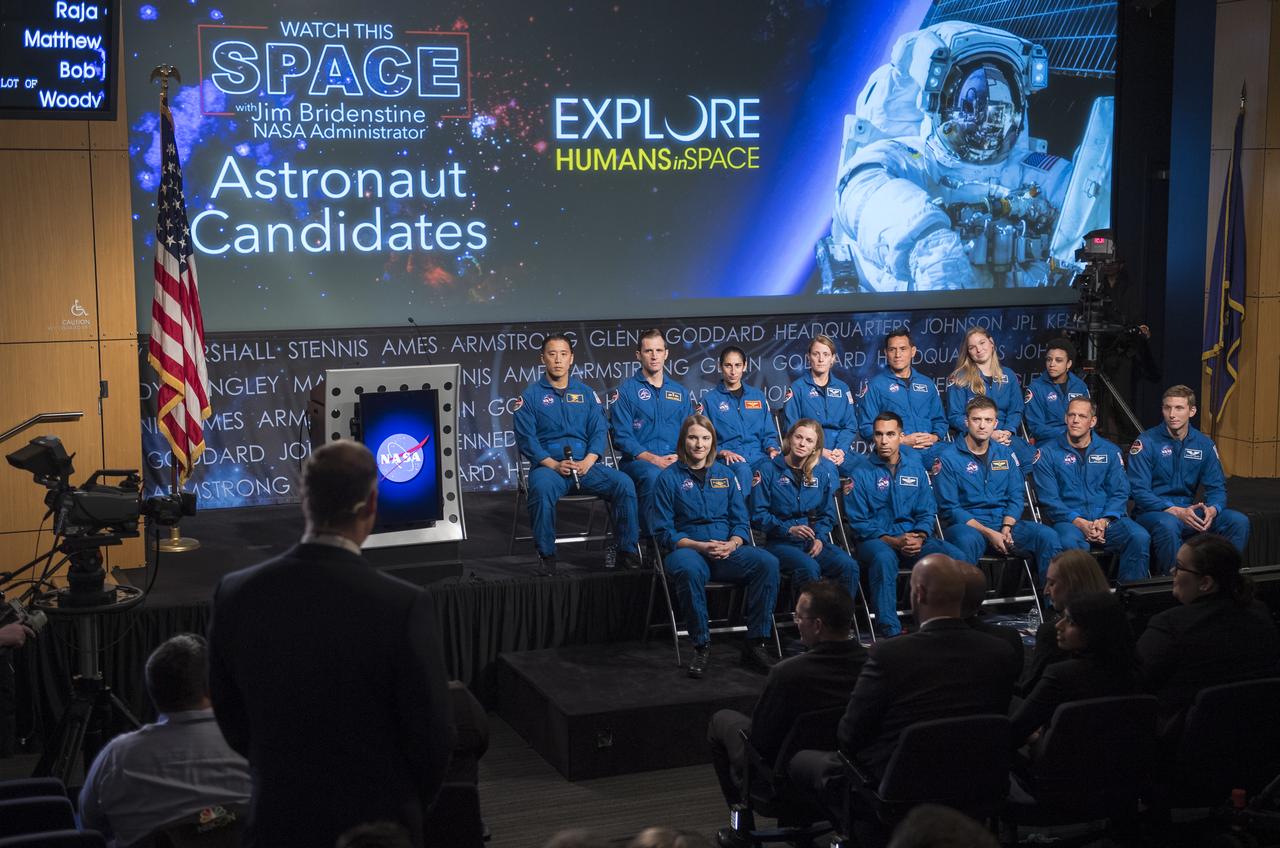
Astronaut candidates, back row from left, Jonny Kim, Joshua Kutryk of the Canadian Space Agency, Jasmin Moghbeli, Loral O’Hara, Frank Rubio, Jennifer Sidey-Gibbons of the Canadian Space Agency, Jessica Watkins, front row from left, Kayla Barron, Zena Cardman, Raja Chari, Matthew Dominick, Bob Hines, and Warren Hoburg listen to a question from NASA Administrator Jim Bridenstine during a live episode of the Administrator's monthly chat show, Watch This Space, Thursday, Sept. 27, 2018 in the Webb Auditorium at NASA Headquarters in Washington. NASA's newest astronaut candidate class has started their two years of training, after which the new astronaut candidates could be assigned to missions performing research on the International Space Station, launching from American soil on spacecraft built by commercial companies, and launching on deep space missions on NASA’s new Orion spacecraft and Space Launch System rocket. Photo Credit: (NASA/Joel Kowsky)
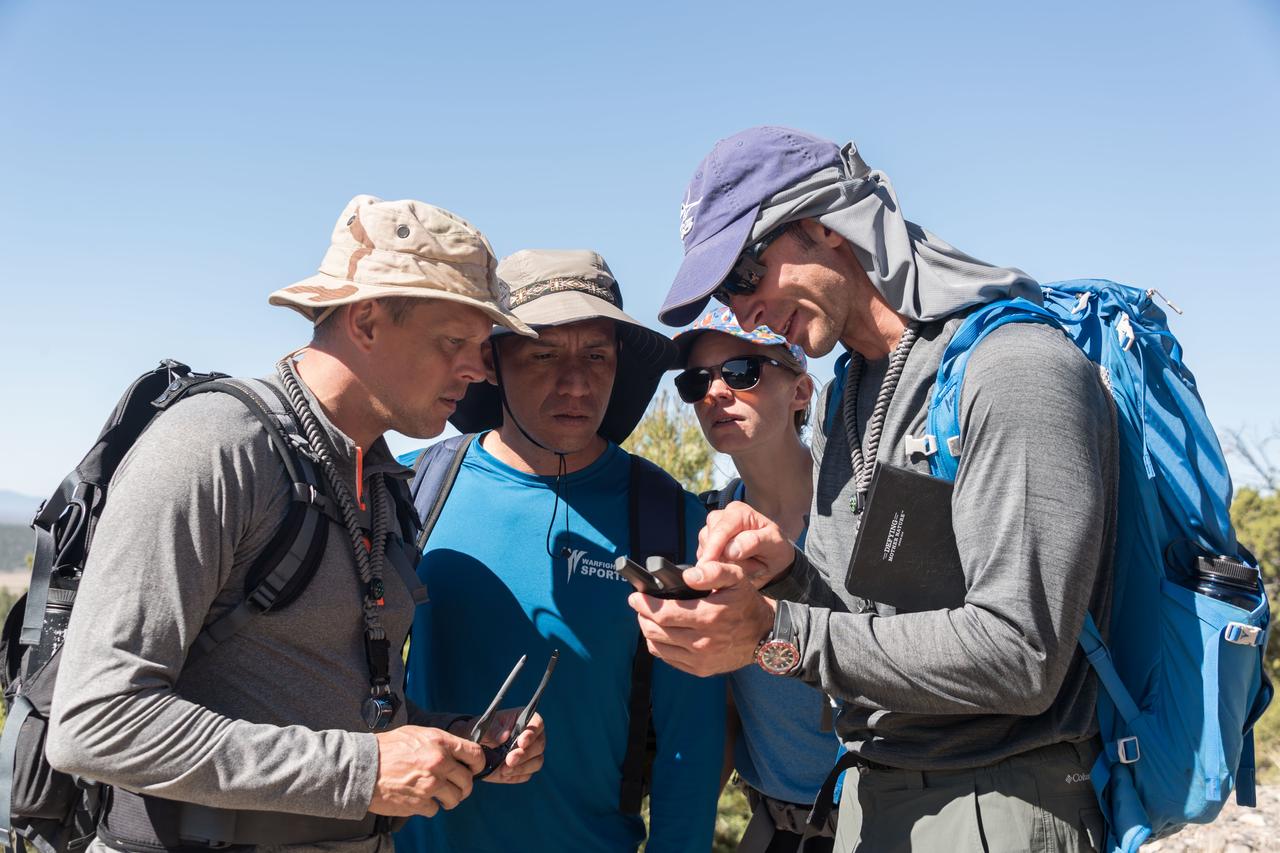
jsc2018e060169 (06/19/2018) --- (L-R) 2017 NASA astronaut candidates Bob Hines, Frank Rubio, Zena Cardman follow the guidance of Canadian Space Agency astronaut candidate Joshua Kutryk during earth and planetary science training in Rio Grande del Norte National Monument Upper Gorge Area near Questa, N.M. Photo Credit: (NASA/Norah Moran)
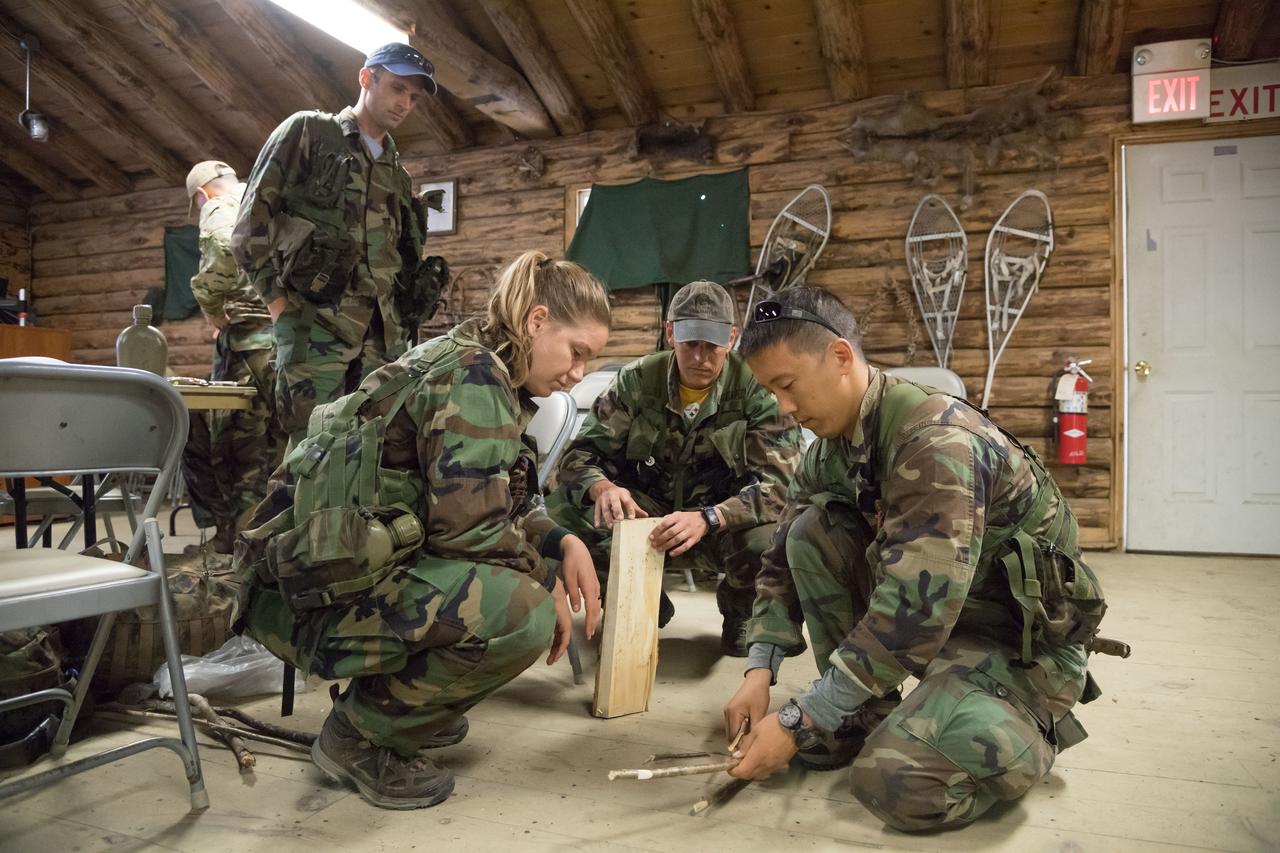
jsc2018e052122 (May 30, 2018) --- (From left) 2017 NASA astronaut candidate Jonny Kim prepares for his next assignment as Canadian Space Agency astronaut candidates Joshua Kutryk (standing), Jennifer Sidey-Gibbons, and NASA astronaut candidate Bob Hines look on during wilderness survival training at the U.S. Navy’s Survival, Evasion, Resistance, and Escape School in Brunswick, Maine. Photo Credit: (NASA/Josh Valcarcel)
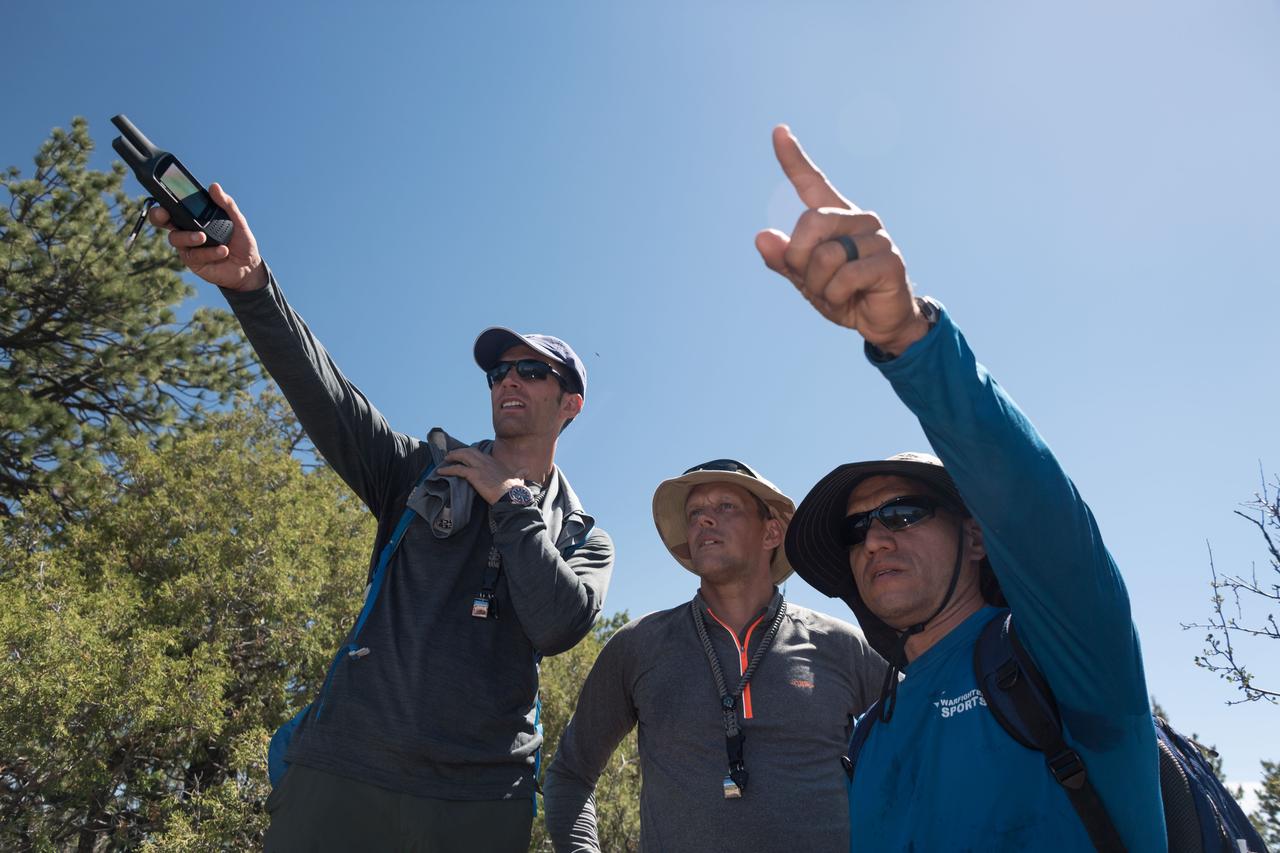
jsc2018e060179 (06/19/2018) ---(L-R) Canadian Space Agency astronaut candidates Joshua Kutryk and NASA astronaut candidates Bob Hines and Frank Rubio during earth and planetary science training in Rio Grande del Norte National Monument Upper Gorge Area near Questa, N.M. Photo Credit: (NASA/Norah Moran)
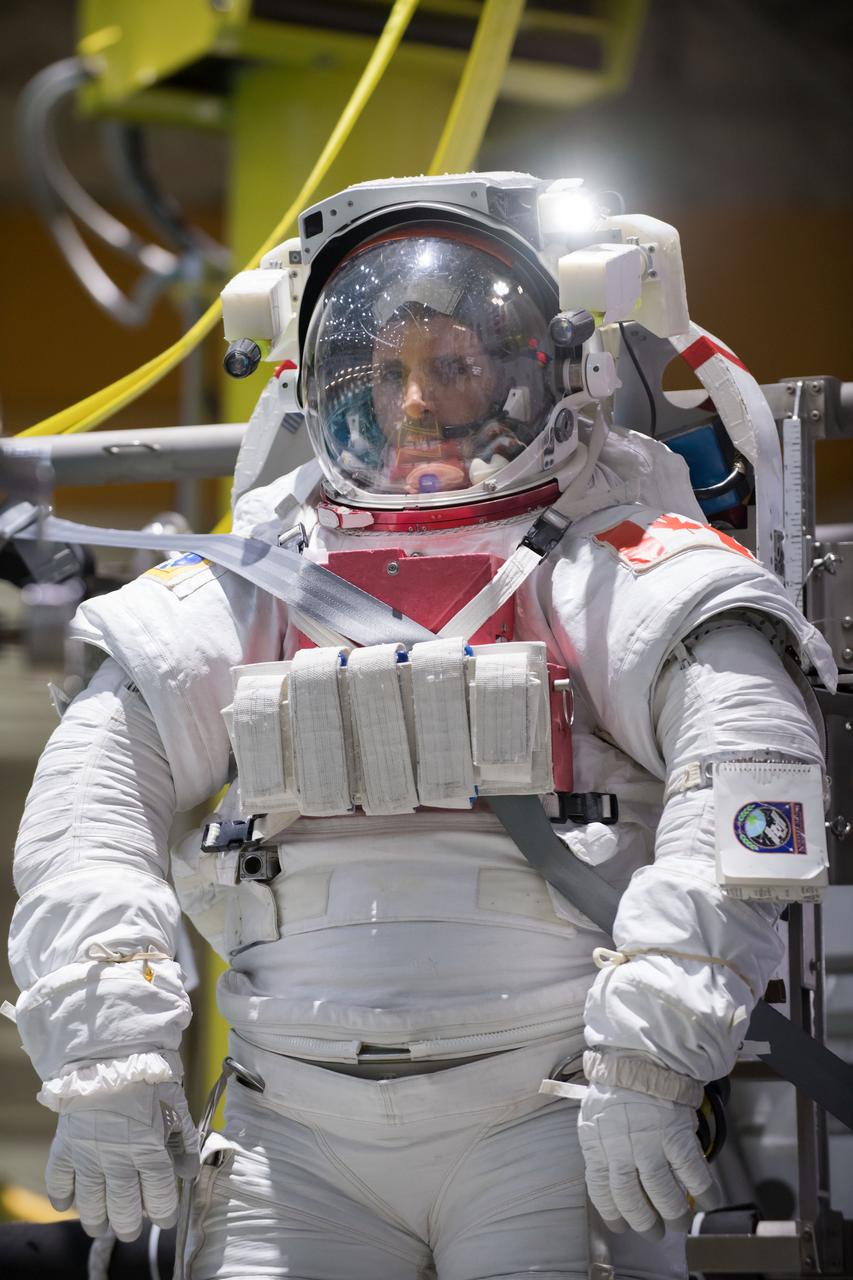
jsc2018e035788 (04-12-2018) --- Canadian Space Agency astronaut candidate Joshua Kutryk is in a spacesuit prior to underwater spacewalk training at NASA Johnson Space Center’s Neutral Buoyancy Laboratory. NASA astronaut candidate Zena Cardman is being helped into a spacesuit for underwater spacewalk training at NASA Johnson Space Center’s Neutral Buoyancy Laboratory.
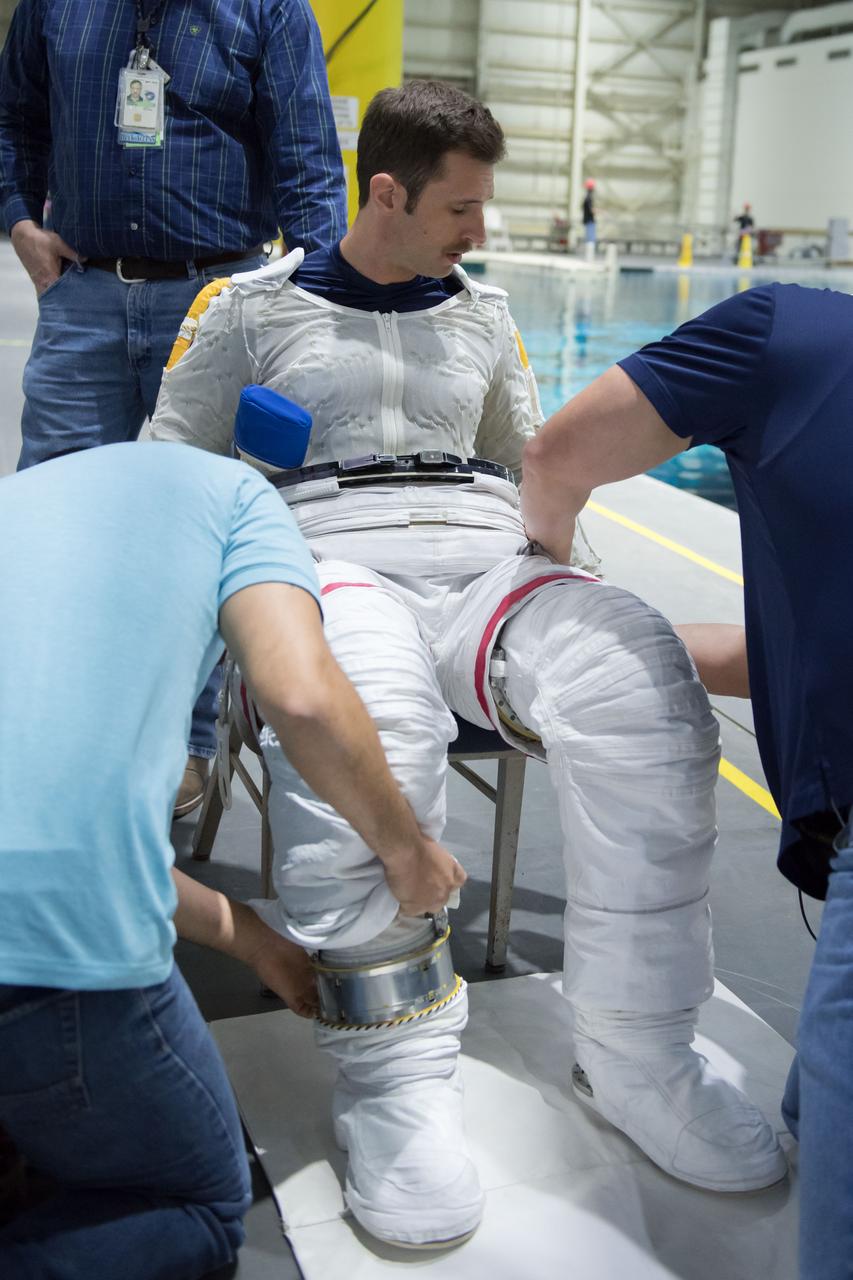
jsc2018e035757 (04-12-2018) --- 2017 Canadian Space Agency astronaut candidate Joshua Kutryk in a Liquid Cooling and Ventilation Garment and being helped into a spacesuit prior to underwater spacewalk training at NASA Johnson Space Center’s Neutral Buoyancy Laboratory. The cooling garment distributes water throughout to help keep him cool while training underwater in the spacesuit. Photo Credit: (NASA/David DeHoyos)

CSA (Canadian Space Agency) astronaut Joshua Kutryk visits the Vehicle Assembly Building at the agency’s Kennedy Space Center in Florida on Tuesday, May 12, 2026, and views the agency’s Artemis III SLS (Space Launch System) core stage. Artemis III will launch astronauts to low Earth orbit aboard the Orion spacecraft on top of SLS to test rendezvous and docking capabilities between Orion and commercial spacecraft needed to land Artemis IV astronauts on the Moon in 2028.

NASA astronaut Luke Delaney (front), along with CSA (Canadian Space Agency) astronaut Joshua Kutryk, NASA astronauts Jessica Watkins and Stan Love, Project Scientist Natasha Haveman, and Trent Smith, a senior leader of the NASA Kennedy Space Crop Production team, view microgreens at the Plant Processing Area inside the Space Systems Processing Facility at NASA’s Kennedy Space Center in Florida on Tuesday, May 12, 2026. Watkins, Delaney, Kutryk, and Roscosmos cosmonaut Sergey Teteryatnikov (not pictured) are part of NASA's SpaceX Crew-13 mission to the International Space Station and will explore the possibility of growing crops outside of the station’s Veggie chamber – one of two enclosed areas currently used to grow crops on the orbiting laboratory.

From left, Natasha Haveman, project scientist, NASA astronaut Jessica Watkins, Trent Smith, a senior leader of the NASA Kennedy Space Crop Production team, NASA astronauts Stan Love and Luke Delaney, and CSA (Canadian Space Agency) astronaut Joshua Kutryk view crops grown in the Plant Processing Area inside the Space Systems Processing Facility at NASA’s Kennedy Space Center in Florida during a tour on Tuesday, May 12, 2026. Watkins, Delaney, and Kutryk, along with Roscosmos cosmonaut Sergey Teteryatnikov (not pictured), are part of NASA's SpaceX Crew-13 mission to the International Space Station and will explore the possibility of growing crops outside of the station’s Veggie chamber – one of two enclosed areas currently used to grow crops on the orbiting laboratory.
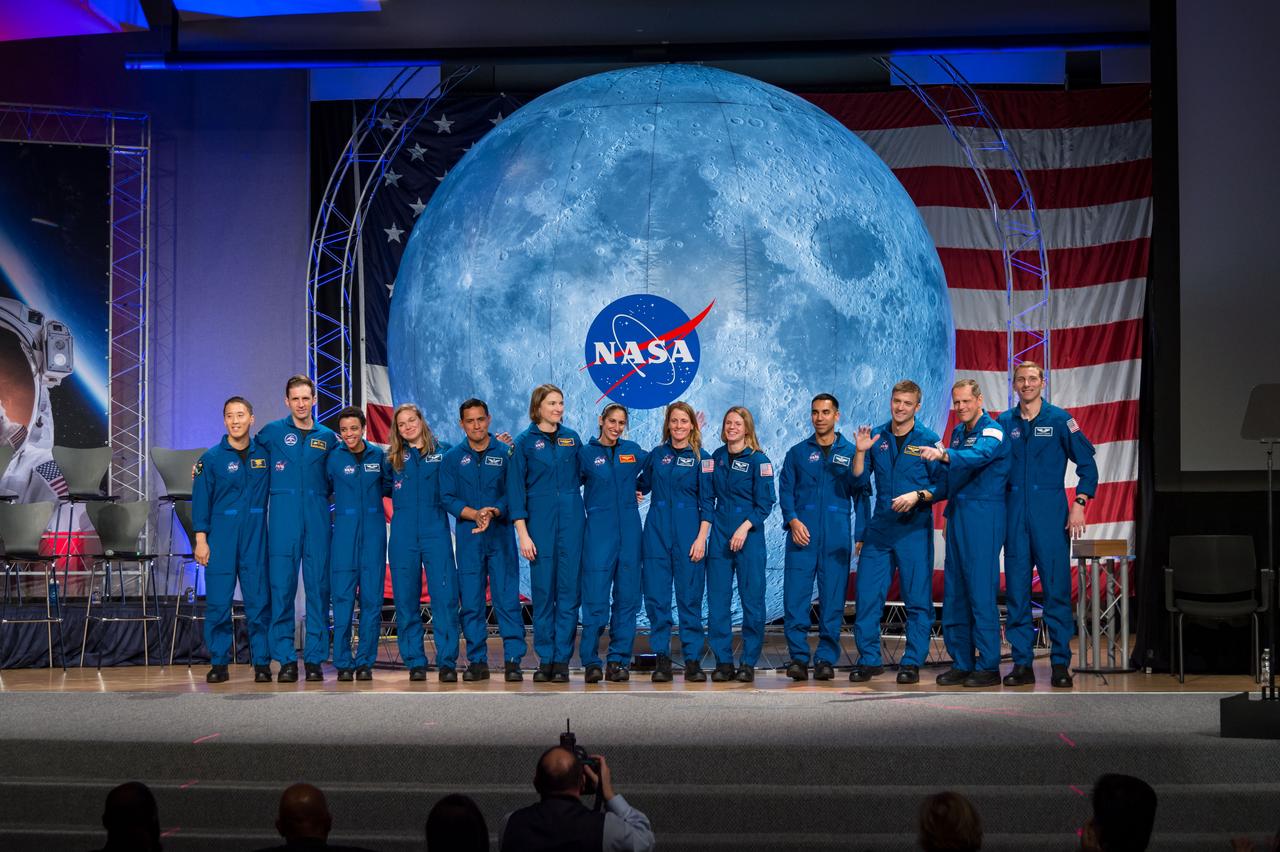
jsc2020e000649 (Jan. 10, 2020) --- The 2017 Class of Astronauts participate in graduation ceremonies at the Johnson Space Center in Houston, Texas. From left are, NASA astronaut Jonny Kim, Canadian Space Agency (CSA) astronaut Joshua Kutryk, NASA astronaut Jessica Watkins, CSA astronaut Jennifer Sidey-Gibbon, NASA astronauts Kayla Barron, Jasmin Moghbeli, Loral O'Hara, Zena Cardman, Raja Chari, Matthew Dominick, Bob Hines and Warren Hoburg. This is the first class of astronauts to graduate under the Artemis program and are now eligible for assignments to the International Space Station, Artemis missions to the Moon, and ultimately, missions to Mars.
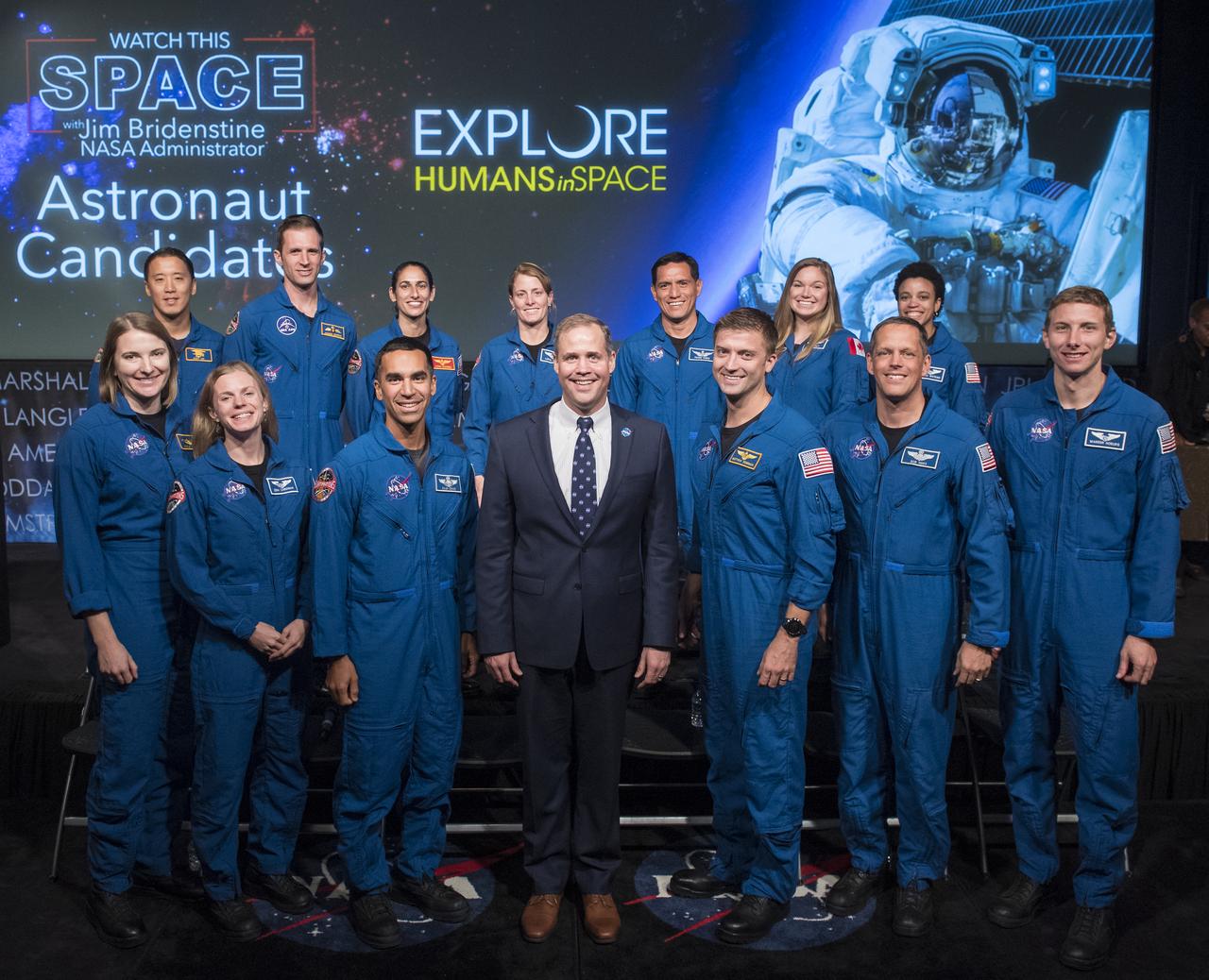
NASA Administrator Jim Bridenstine poses for a picture with the 2017 astronaut candidate class after taping a live episode of the Administrator's monthly chat show, Watch This Space, Thursday, Sept. 27, 2018 in the Webb Auditorium at NASA Headquarters in Washington. NASA astronaut candidates, back row from left, Jonny Kim, Joshua Kutryk of the Canadian Space Agency, Jasmin Moghbeli, Loral O’Hara, Frank Rubio, Jennifer Sidey-Gibbons of the Canadian Space Agency, Jessica Watkins, front row from left, Kayla Barron, Zena Cardman, Raja Chari, Matthew Dominick, Bob Hines, and Warren Hoburg. Photo Credit: (NASA/Joel Kowsky)
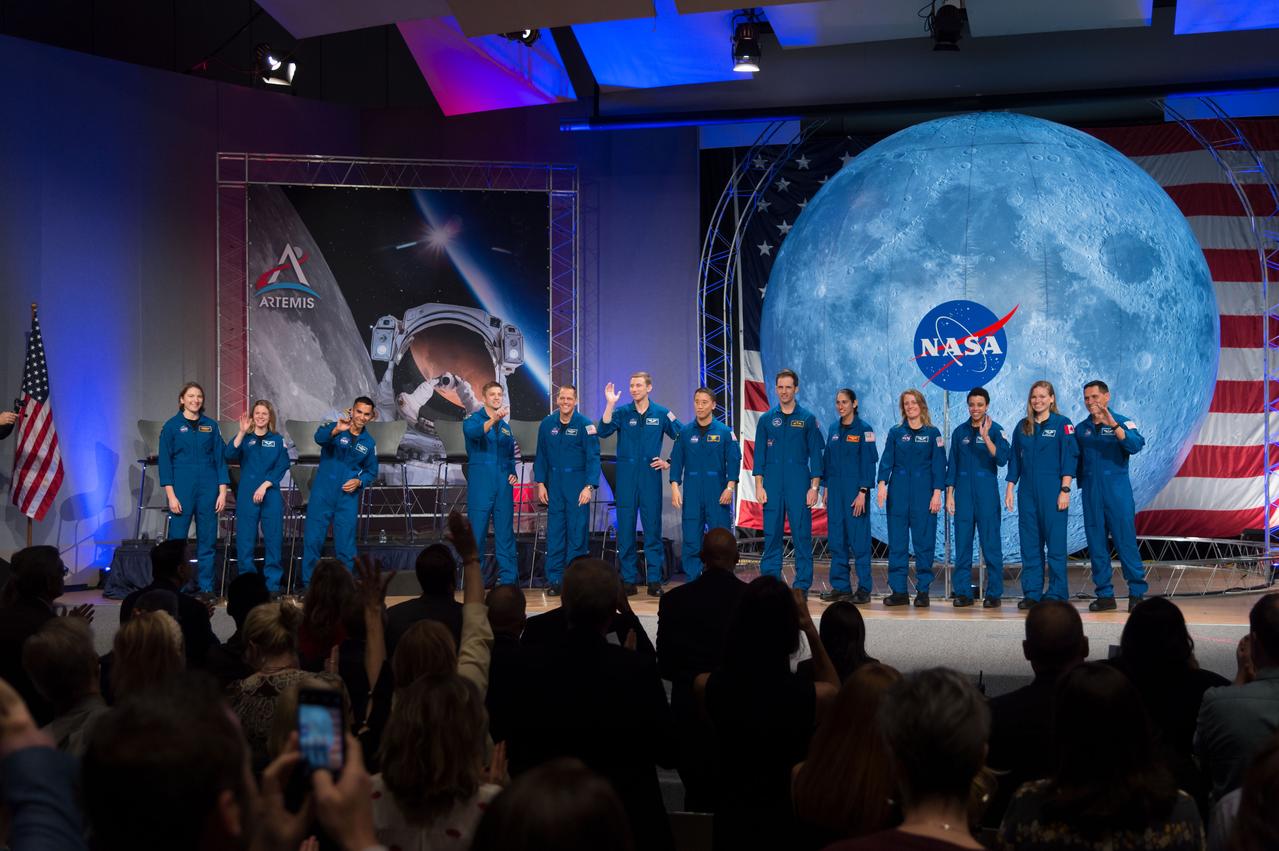
jsc2020e000607 (Jan. 10, 2020) --- The 2017 Class of Astronauts participate in graduation ceremonies at the Johnson Space Center in Houston, Texas. From left are, NASA astronauts Kayla Barron, Zena Cardman, Raja Chari, Matthew Dominick, Bob Hines, Warren Hoburg, Jonny Kim, Canadian Space Agency (CSA) astronaut Joshua Kutryk, NASA astronauts Jasmin Moghbeli, Loral O'Hara and Jessica Watkins, CSA astronaut Jennifer Sidey-Gibbon and NASA astronaut Frank Rubio. This is the first class of astronauts to graduate under the Artemis program and are now eligible for assignments to the International Space Station, Artemis missions to the Moon, and ultimately, missions to Mars.
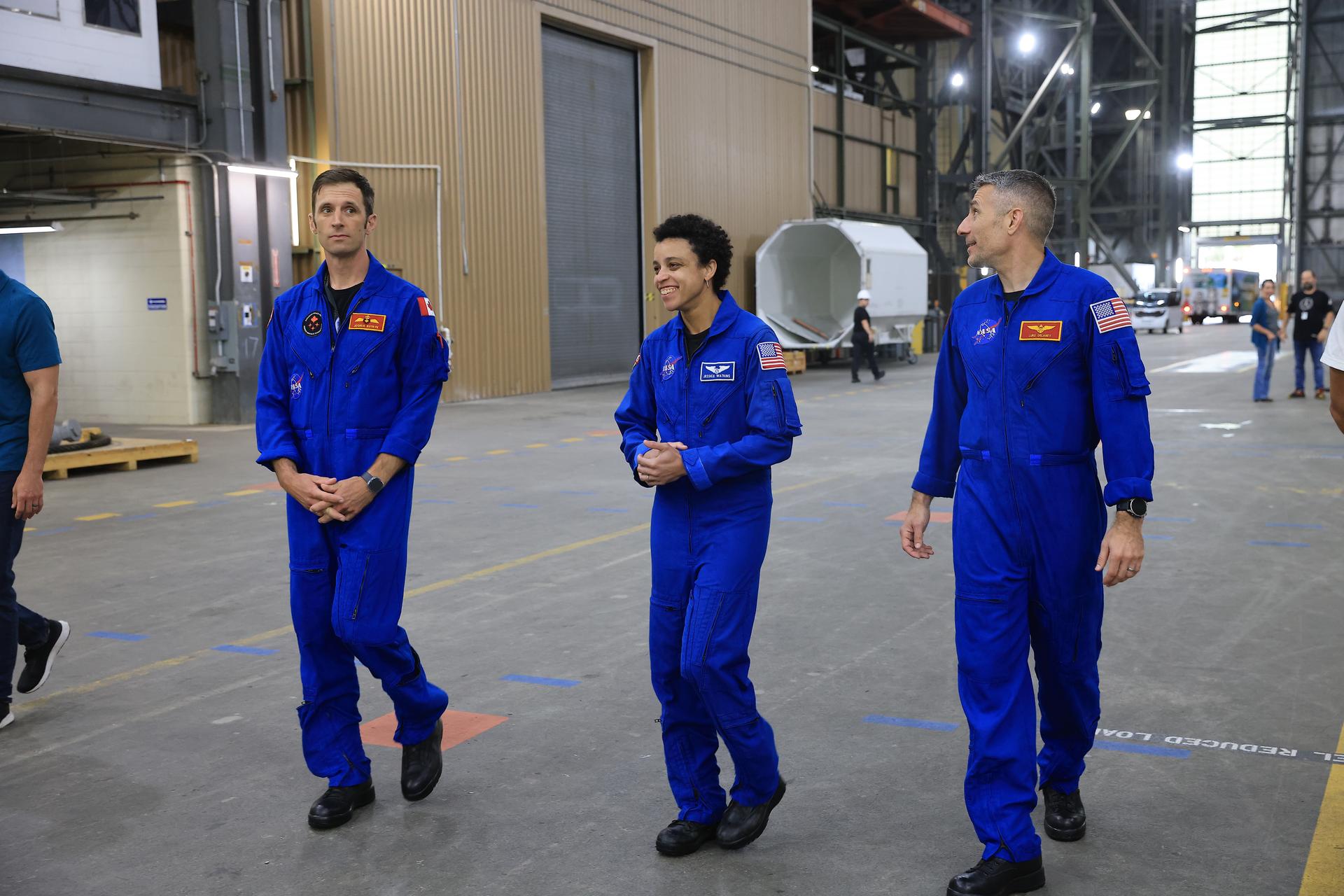
From left, CSA (Canadian Space Agency) astronaut Joshua Kutryk and NASA astronauts Jessica Watkins and Luke Delaney meet with teams from NASA’s Kennedy Space Center in Florida during a visit to the Vehicle Assembly Building on Tuesday, May 12, 2026. The astronauts also viewed NASA’s Artemis III SLS (Space Launch System) core stage, currently undergoing prelaunch processing. Artemis III will launch astronauts to low Earth orbit aboard the Orion spacecraft on top of SLS to test rendezvous and docking capabilities between Orion and commercial spacecraft needed to land Artemis IV astronauts on the Moon in 2028.

NASA astronauts Luke Delaney, Jessica Watkins, Anil Menon, and Stan Love, along with CSA (Canadian Space Agency) astronaut Joshua Kutryk, meet with teams from NASA’s Exploration Ground Systems Program and view the Artemis IV SLS (Space Launch System) core stage engine section during a visit to the Vehicle Assembly Building at the agency’s Kennedy Space Center in Florida on Tuesday, May 12, 2026. NASA’s Artemis III will launch astronauts to low Earth orbit aboard the Orion spacecraft on top of SLS to test rendezvous and docking capabilities between Orion and commercial spacecraft needed to land Artemis IV astronauts on the Moon in 2028.

From left, CSA (Canadian Space Agency) astronaut Joshua Kutryk, along with NASA astronauts Jessica Watkins, Luke Delaney, and Stan Love meet with teams from NASA’s Exploration Ground Systems Program and view the agency’s Artemis IV SLS (Space Launch System) core stage engine section during a visit to the Vehicle Assembly Building at the agency’s Kennedy Space Center in Florida on Tuesday, May 12, 2026. NASA’s Artemis III mission will launch astronauts to low Earth orbit aboard the Orion spacecraft on top of SLS to test rendezvous and docking capabilities between Orion and commercial spacecraft needed to land Artemis IV astronauts on the Moon in 2028.

Project Scientist Natasha Haveman (right) shows NASA astronauts Jessica Watkins and Stan Love microgreens grown in the Plant Processing Area inside the Space Systems Processing Facility at NASA’s Kennedy Space Center in Florida during a tour on Tuesday, May 12, 2026. Watkins and NASA astronaut Luke Delaney, along with CSA (Canadian Space Agency) astronaut Joshua Kutryk, and Roscosmos cosmonaut Sergey Teteryatnikov (not pictured), are part of NASA's SpaceX Crew-13 mission to the International Space Station and will explore the possibility of growing crops outside of the station’s Veggie chamber – one of two enclosed areas currently used to grow crops on the orbiting laboratory.

From left, Project Scientist Natasha Haveman and NASA astronauts Luke Delaney and Stan Love view microgreens during a tour of the Plant Processing Area inside the Space Systems Processing Facility at NASA’s Kennedy Space Center in Florida on Tuesday, May 12, 2026. Delaney, NASA astronaut Jessica Watkins, and CSA (Canadian Space Agency) astronaut Joshua Kutryk, along with Roscosmos cosmonaut Sergey Teteryatnikov (not pictured), are part of NASA's SpaceX Crew-13 mission to the International Space Station and will explore the possibility of growing crops outside of the station’s Veggie chamber – one of two enclosed areas currently used to grow crops on the orbiting laboratory.
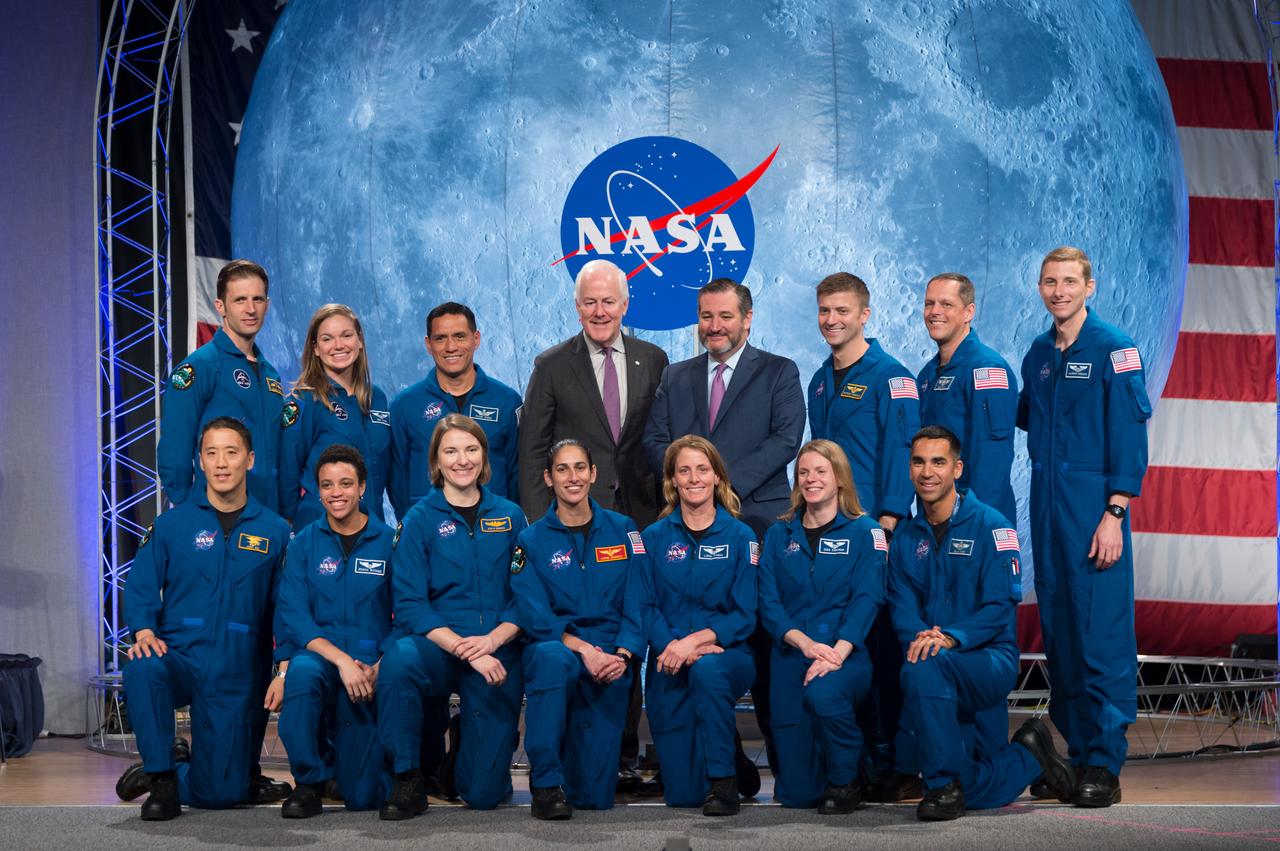
jsc2020e000650 (Jan. 10, 2020) --- The 2017 Class of Astronauts poses for a portrait with Texas Senators John Cornyn and Ted Cruz at the Johnson Space Center in Houston, Texas. In the front row (from left) are, NASA astronauts Jonny Kim, Jessica Watkins, Kayla Barron, Jasmin Moghbeli, Loral O'Hara, Zena Cardman and Raja Chari. In the back row (from left) are, Canadian Space Agency (CSA) astronauts Joshua Kutryk and Jennifer Sidey-Gibbon, NASA astronaut Frank Rubio, Senators John Cornyn and Ted Cruz and NASA astronauts Matthew Dominick, Bob Hines and Warren Hoburg. This is the first class of astronauts to graduate under the Artemis program and are now eligible for assignments to the International Space Station, Artemis missions to the Moon, and ultimately, missions to Mars.
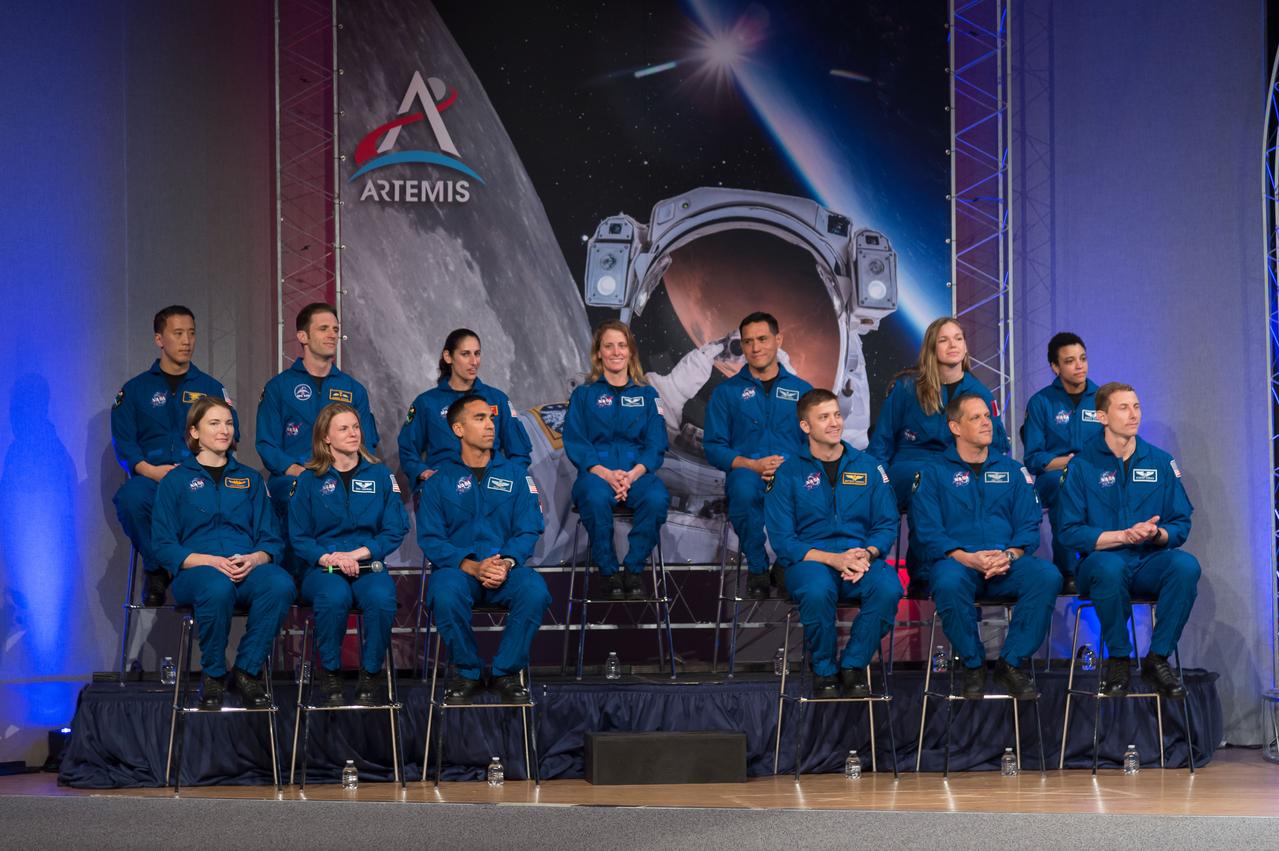
jsc2020e000609 (Jan. 10, 2020) --- The 2017 Class of Astronauts participate in graduation ceremonies at the Johnson Space Center in Houston, Texas. In the front row (from left) are, NASA astronauts Kayla Barron, Zena Cardman, Raja Chari, Matthew Dominick, Bob Hines and Warren Hoburg. In the back row (from left) are, NASA astronaut Jonny Kim, Canadian Space Agency (CSA) astronaut Joshua Kutryk, NASA astronauts Jasmin Moghbeli, Loral O'Hara and Frank Rubio, CSA astronaut Jennifer Sidey-Gibbon and NASA astronaut Jessica Watkins. This is the first class of astronauts to graduate under the Artemis program and are now eligible for assignments to the International Space Station, Artemis missions to the Moon, and ultimately, missions to Mars.
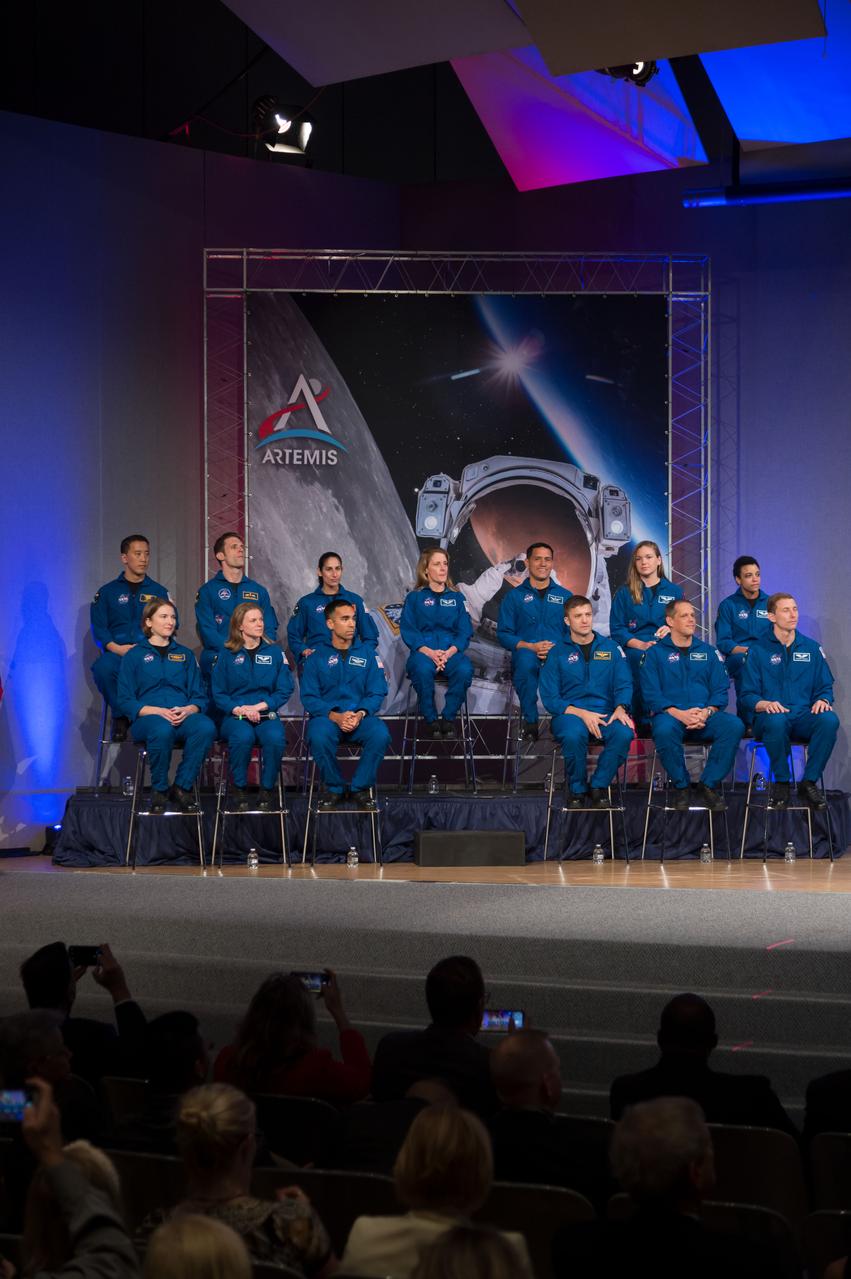
jsc2020e000610 (Jan. 10, 2020) --- The 2017 Class of Astronauts participate in graduation ceremonies at the Johnson Space Center in Houston, Texas. In the front row (from left) are, NASA astronauts Kayla Barron, Zena Cardman, Raja Chari, Matthew Dominick, Bob Hines and Warren Hoburg. In the back row (from left) are, NASA astronaut Jonny Kim, Canadian Space Agency (CSA) astronaut Joshua Kutryk, NASA astronauts Jasmin Moghbeli, Loral O'Hara and Frank Rubio, CSA astronaut Jennifer Sidey-Gibbon and NASA astronaut Jessica Watkins. This is the first class of astronauts to graduate under the Artemis program and are now eligible for assignments to the International Space Station, Artemis missions to the Moon, and ultimately, missions to Mars.
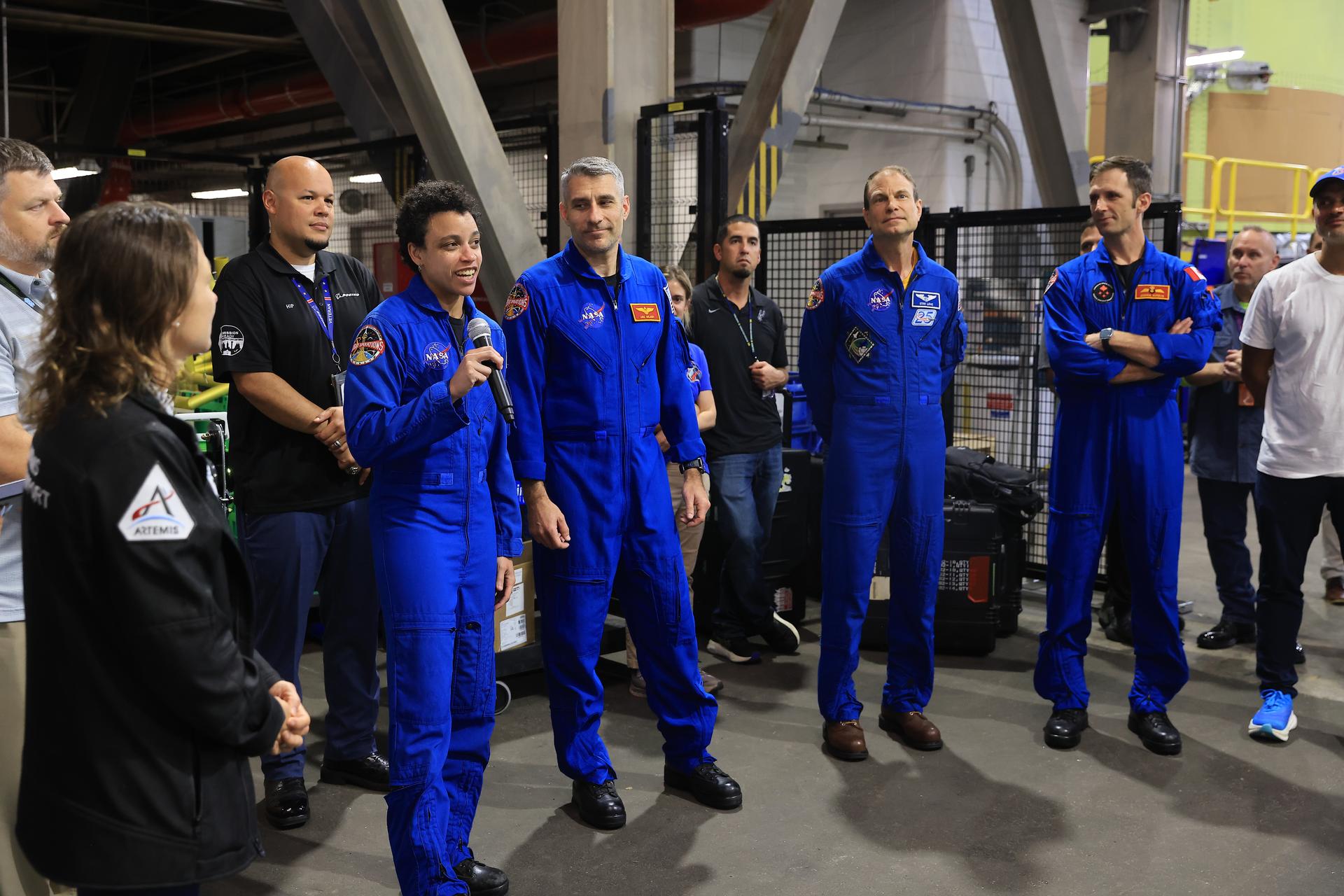
NASA astronaut Jessica Watkins (fourth from left) speaks to teams at NASA’s Kennedy Space Center in Florida during a visit to the Vehicle Assembly Building on Tuesday, May 12, 2026. Joining Watkins are fellow NASA astronauts Luke Delaney and Stan Love, along with CSA (Canadian Space Agency) astronaut Joshua Kutryk, and NASA astronaut Anil Menon, who also viewed the agency’s Artemis III SLS (Space Launch System) core stage, currently undergoing prelaunch processing. Artemis III will launch astronauts to low Earth orbit aboard the Orion spacecraft on top of SLS to test rendezvous and docking capabilities between Orion and commercial spacecraft needed to land Artemis IV astronauts on the Moon in 2028.

Wearing their blue flight suits, NASA astronauts Jessica Watkins, Luke Delaney, and Stan Love, along with CSA (Canadian Space Agency) astronaut Joshua Kutryk, and NASA astronaut Anil Menon, meet with teams at NASA’s Kennedy Space Center in Florida during a visit to the Vehicle Assembly Building on Tuesday, May 12, 2026. The astronauts viewed NASA’s Artemis III SLS (Space Launch System) core stage and Artemis IV SLS core stage engine section. Artemis III will launch astronauts to low Earth orbit aboard the Orion spacecraft on top of SLS to test rendezvous and docking capabilities between Orion and commercial spacecraft needed to land Artemis IV astronauts on the Moon in 2028.
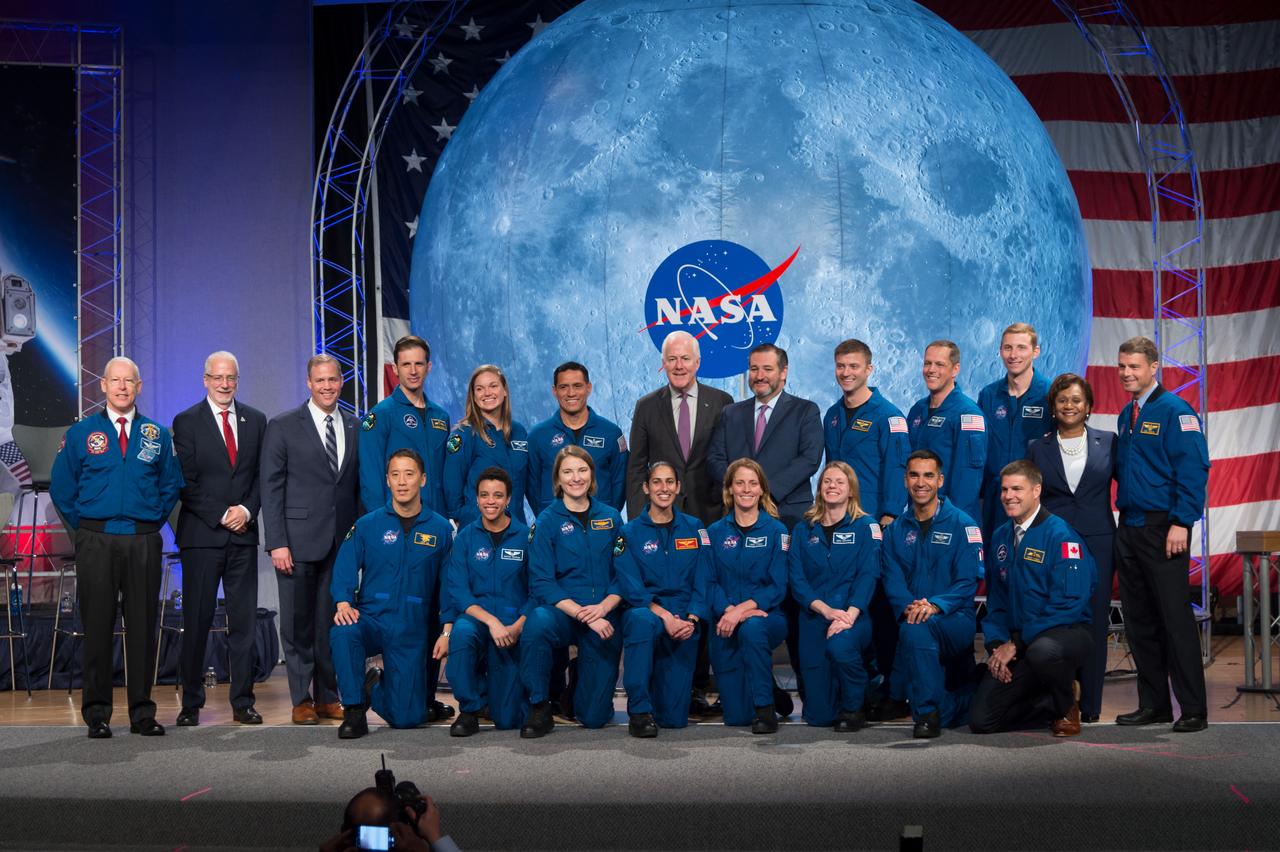
jsc2020e000651 (Jan. 10, 2020) --- The 2017 Class of Astronauts poses for a portrait with NASA officals and Texas Senators at the Johnson Space Center in Houston, Texas. In the front row (from left) are, NASA astronauts Jonny Kim, Jessica Watkins, Kayla Barron, Jasmin Moghbeli, Loral O'Hara, Zena Cardman and Raja Chari and Canadian Space Agency (CSA) astronaut Jeremy Hansen. In the back row (from left) are, Chief of the Astronuat Office Patrick Forrester, Johnson Space Center Director Mark Geyer, NASA Administrator Jim Bridenstine, Canadian Space Agency (CSA) astronauts Joshua Kutryk and Jennifer Sidey-Gibbon, NASA astronaut Frank Rubio, Senators John Cornyn and Ted Cruz, NASA astronauts Matthew Dominick, Bob Hines and Warren Hoburg, Johnson Space Center Deputy Director Vanessa Wyche and NASA astronaut Reid Wiseman. This is the first class of astronauts to graduate under the Artemis program and are now eligible for assignments to the International Space Station, Artemis missions to the Moon, and ultimately, missions to Mars.
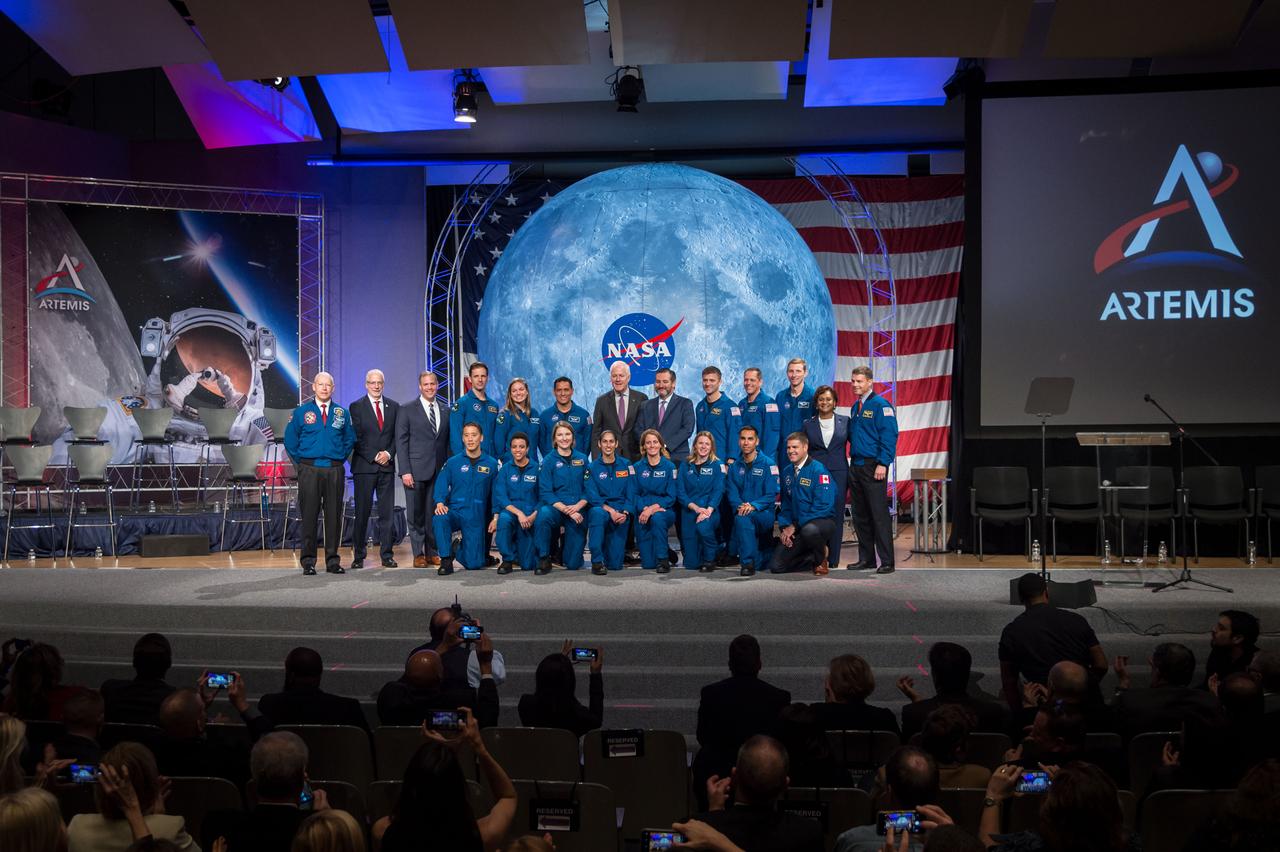
jsc2020e000653 (Jan. 10, 2020) --- The 2017 Class of Astronauts poses for a portrait with NASA officals and Texas Senators at the Johnson Space Center in Houston, Texas. In the front row (from left) are, NASA astronauts Jonny Kim, Jessica Watkins, Kayla Barron, Jasmin Moghbeli, Loral O'Hara, Zena Cardman and Raja Chari and Canadian Space Agency (CSA) astronaut Jeremy Hansen. In the back row (from left) are, Chief of the Astronuat Office Patrick Forrester, Johnson Space Center Director Mark Geyer, NASA Administrator Jim Bridenstine, Canadian Space Agency (CSA) astronauts Joshua Kutryk and Jennifer Sidey-Gibbon, NASA astronaut Frank Rubio, Senators John Cornyn and Ted Cruz, NASA astronauts Matthew Dominick, Bob Hines and Warren Hoburg, Johnson Space Center Deputy Director Vanessa Wyche and NASA astronaut Reid Wiseman. This is the first class of astronauts to graduate under the Artemis program and are now eligible for assignments to the International Space Station, Artemis missions to the Moon, and ultimately, missions to Mars.
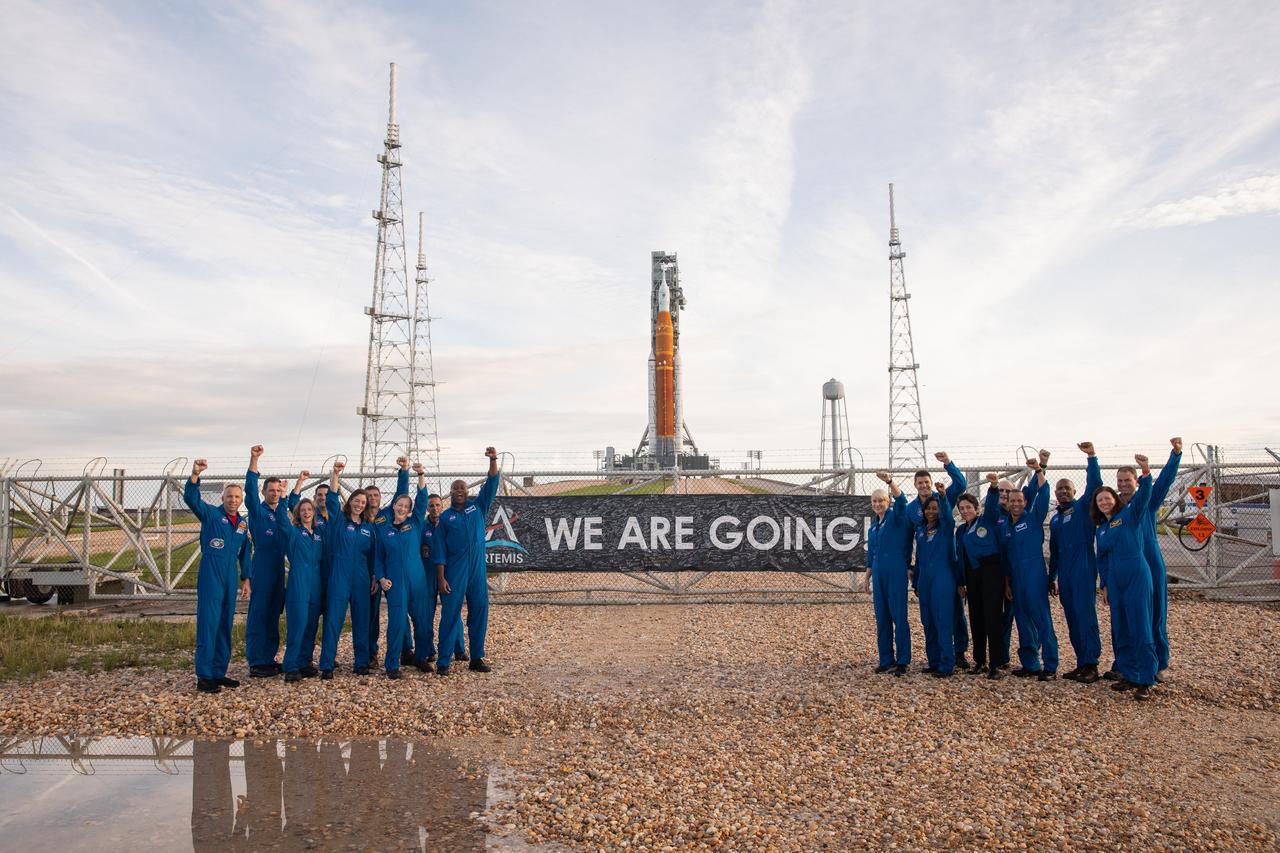
Astronauts and astronaut candidates from NASA and the Canadian Space Agency pose for a photograph in front of NASA’s Artemis I Space Launch System and Orion spacecraft atop the mobile launcher on the pad at Launch Complex 39B on Aug. 28, 2022. The astronauts are, from left to right: Randy Bresnik, NASA astronaut; Joshua Kutryk, Canadian Space Agency astronaut; Zena Cardman, NASA astronaut; Jack Hathaway, NASA astronaut candidate; Christina Birch, NASA astronaut candidate; Reid Wiseman, NASA astronaut; Jessica Wittner, NASA astronaut candidate; Joe Acaba, NASA astronaut; Andre Douglas, NASA astronaut candidate; Kate Rubins, NASA astronaut; Jeremy Hansen, Canadian Space Agency astronaut; Stephanie Wilson, NASA astronaut; Jessica Meir, NASA astronaut; Don Pettit, NASA astronaut; Chris Williams, NASA astronaut candidate; Victor Glover, NASA astronaut; Shannon Walker, NASA astronaut; Stan Love, NASA astronaut. Artemis I is scheduled to launch Aug. 29, at 8:33 a.m. EDT. The first in a series of increasingly complex missions, Artemis I will provide a foundation for human deep space exploration and demonstrate our commitment and capability to extend human presence to the Moon and beyond. The primary goal of Artemis I is to thoroughly test the integrated systems before crewed missions by operating the spacecraft in a deep space environment, testing Orion’s heat shield, and recovering the crew module after reentry, descent, and splashdown.
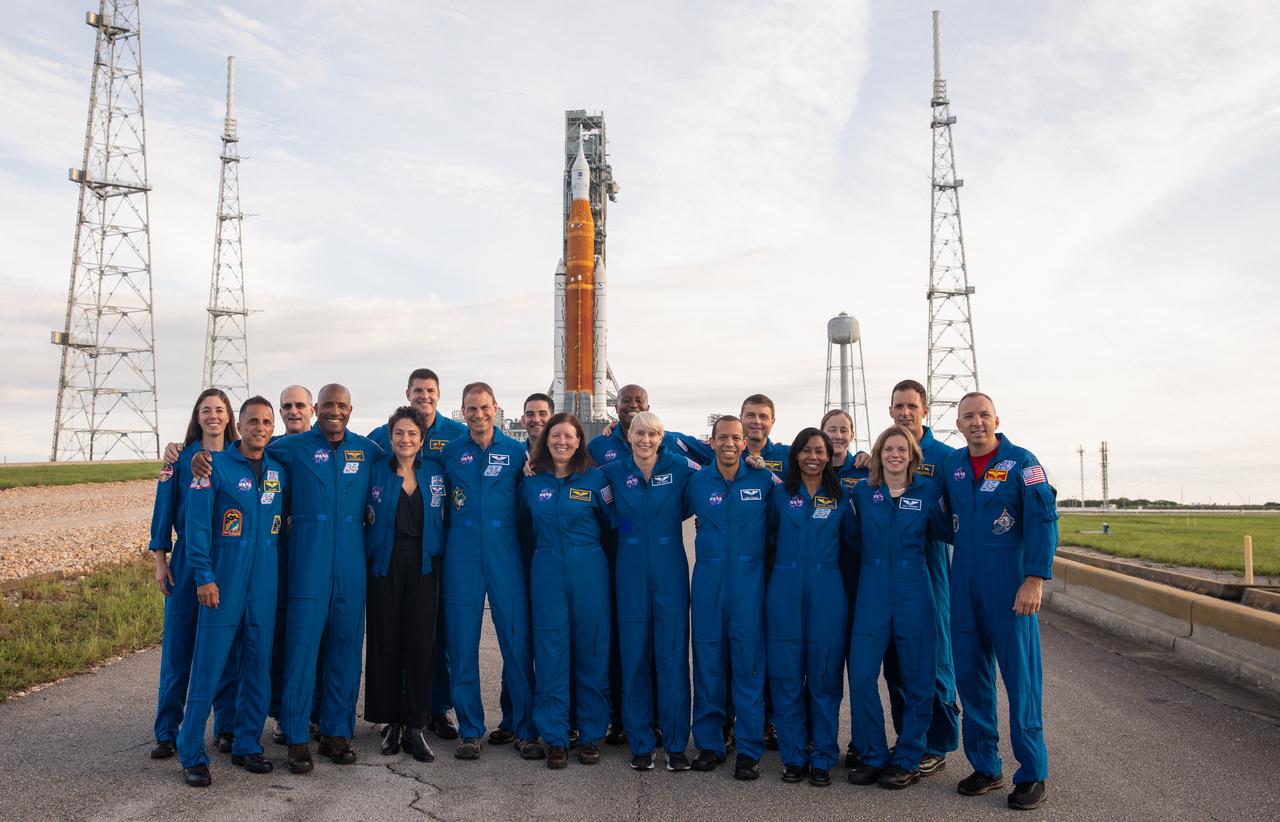
Astronauts and astronaut candidates from NASA and the Canadian Space Agency pose for a photograph in front of NASA’s Artemis I Space Launch System and Orion spacecraft atop the mobile launcher on the pad at Launch Complex 39B on Aug. 28, 2022. The astronauts are, from left to right: Christina Birch, NASA astronaut candidate; Joe Acaba, NASA astronaut; Don Pettit, NASA astronaut; Victor Glover, NASA astronaut; Jessica Meir, NASA astronaut; Jeremy Hansen, Canadian Space Agency astronaut; Stan Love, NASA astronaut; Jack Hathaway, NASA astronaut candidate; Shannon Walker, NASA astronaut; Andre Douglas, NASA astronaut candidate; Kate Rubins, NASA astronaut; Chris Williams, NASA astronaut candidate; Reid Wiseman, NASA astronaut; Stephanie Wilson, NASA astronaut; Jessica Wittner, NASA astronaut candidate; Zena Cardman, NASA astronaut; Joshua Kutryk, Canadian Space Agency astronaut; Randy Bresnik, NASA astronaut. Artemis I is scheduled to launch Aug. 29, at 8:33 a.m. EDT. The first in a series of increasingly complex missions, Artemis I will provide a foundation for human deep space exploration and demonstrate our commitment and capability to extend human presence to the Moon and beyond. The primary goal of Artemis I is to thoroughly test the integrated systems before crewed missions by operating the spacecraft in a deep space environment, testing Orion’s heat shield, and recovering the crew module after reentry, descent, and splashdown.
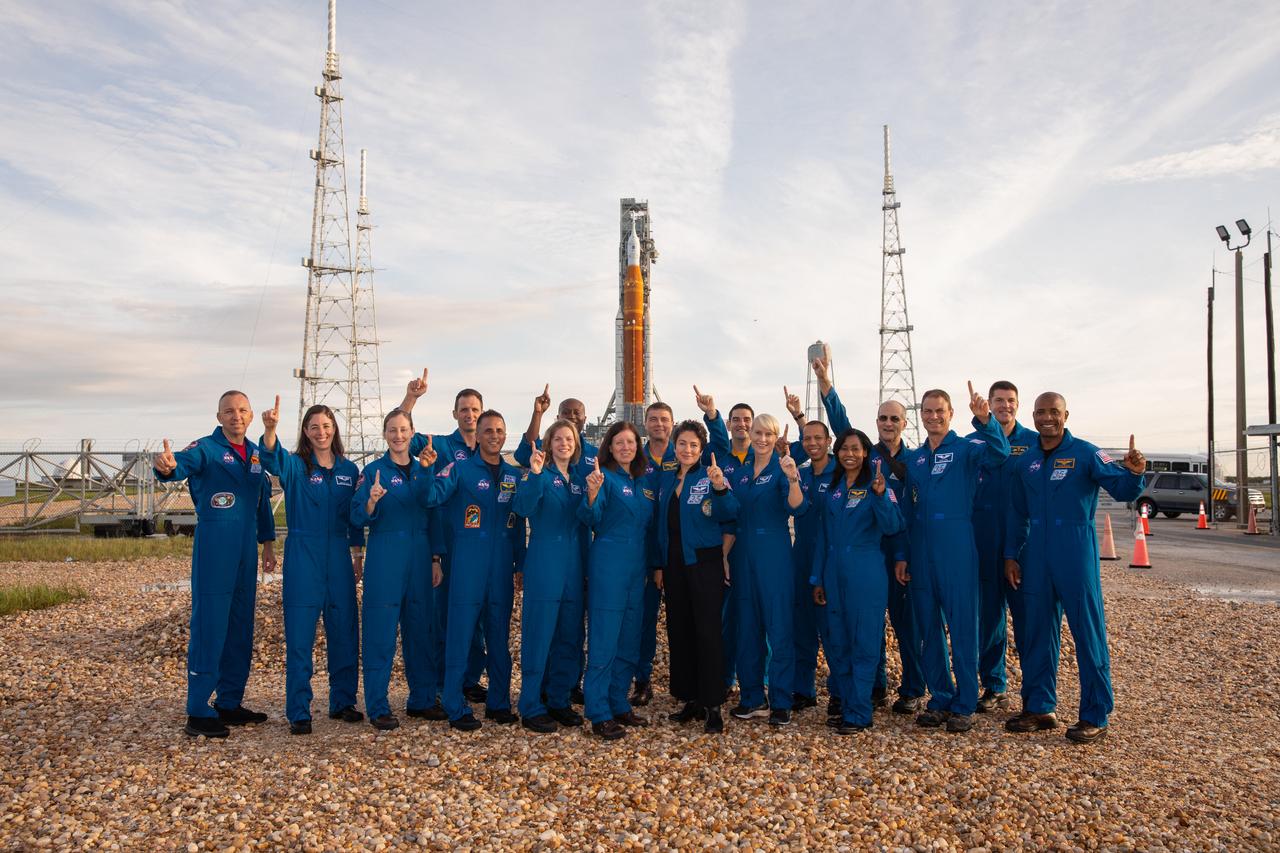
Astronauts and astronaut candidates from NASA and the Canadian Space Agency pose for a photograph in front of NASA’s Artemis I Space Launch System and Orion spacecraft atop the mobile launcher on the pad at Launch Complex 39B on Aug. 28, 2022. The astronauts are, from left to right: Randy Bresnik, NASA astronaut; Christina Birch, NASA astronaut candidate; Jessica Wittner, NASA astronaut candidate; Joshua Kutryk, Canadian Space Agency astronaut; Joe Acaba, NASA astronaut; Zena Cardman, NASA astronaut; Andre Douglas, NASA astronaut candidate; Shannon Walker, NASA astronaut; Reid Wiseman, NASA astronaut; Jessica Meir, NASA astronaut; Jack Hathaway, NASA astronaut candidate; Kate Rubins, NASA astronaut; Chris Williams, NASA astronaut candidate; Stephanie Wilson, NASA astronaut; Don Pettit, NASA astronaut; Stan Love, NASA astronaut; Jeremy Hansen, Canadian Space Agency astronaut; Victor Glover, NASA astronaut. Artemis I is scheduled to launch Aug. 29, at 8:33 a.m. EDT. The first in a series of increasingly complex missions, Artemis I will provide a foundation for human deep space exploration and demonstrate our commitment and capability to extend human presence to the Moon and beyond. The primary goal of Artemis I is to thoroughly test the integrated systems before crewed missions by operating the spacecraft in a deep space environment, testing Orion’s heat shield, and recovering the crew module after reentry, descent, and splashdown.
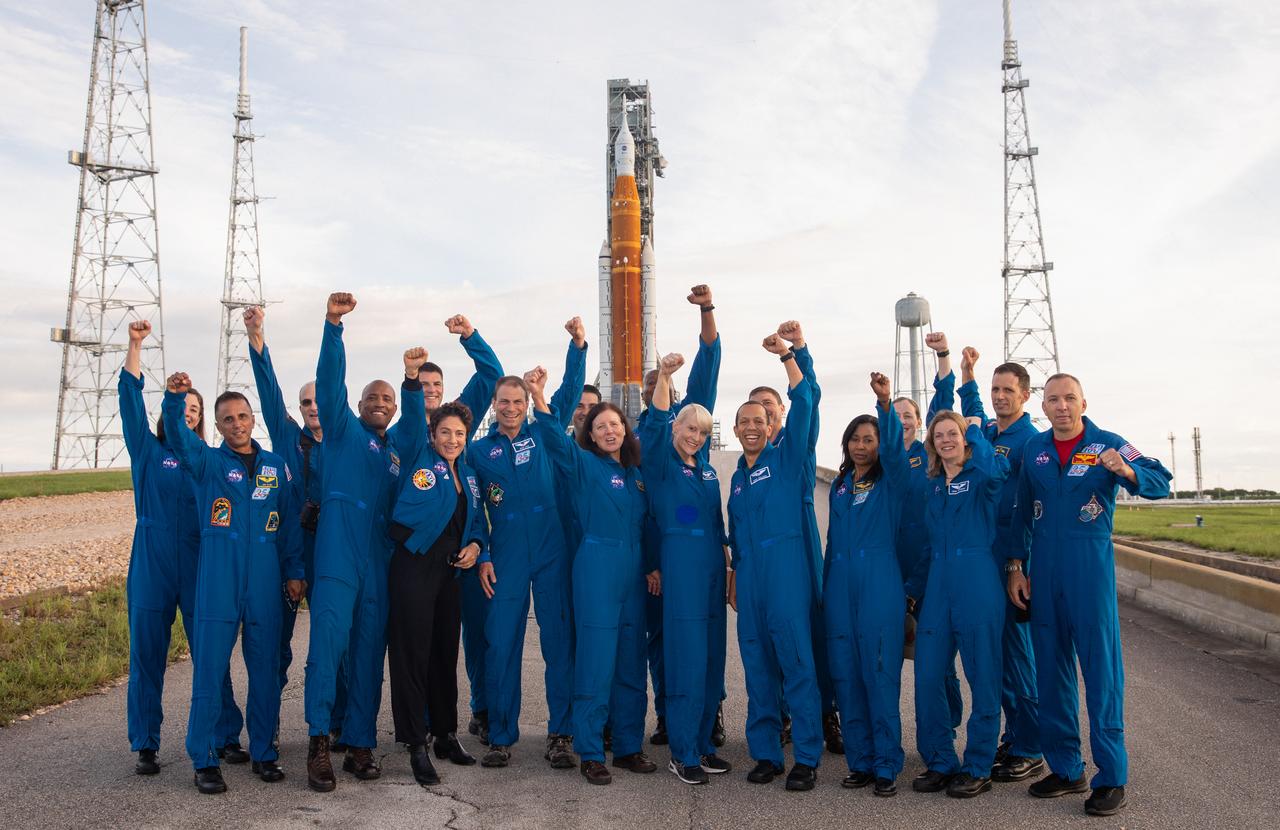
Astronauts and astronaut candidates from NASA and the Canadian Space Agency pose for a photograph in front of NASA’s Artemis I Space Launch System and Orion spacecraft atop the mobile launcher on the pad at Launch Complex 39B on Aug. 28, 2022. The astronauts are, from left to right: Christina Birch, NASA astronaut candidate; Joe Acaba, NASA astronaut; Don Pettit, NASA astronaut; Victor Glover, NASA astronaut; Jeremy Hansen, Canadian Space Agency astronaut; Jessica Meir, NASA astronaut; Stan Love, NASA astronaut; Jack Hathaway, NASA astronaut candidate; Shannon Walker, NASA astronaut; Andre Douglas, NASA astronaut candidate; Kate Rubins, NASA astronaut; Chris Williams, NASA astronaut candidate; Reid Wiseman, NASA astronaut; Stephanie Wilson, NASA astronaut; Jessica Wittner, NASA astronaut candidate; Zena Cardman, NASA astronaut; Joshua Kutryk, Canadian Space Agency astronaut; Randy Bresnik, NASA astronaut. Artemis I is scheduled to launch Aug. 29, at 8:33 a.m. EDT. The first in a series of increasingly complex missions, Artemis I will provide a foundation for human deep space exploration and demonstrate our commitment and capability to extend human presence to the Moon and beyond. The primary goal of Artemis I is to thoroughly test the integrated systems before crewed missions by operating the spacecraft in a deep space environment, testing Orion’s heat shield, and recovering the crew module after reentry, descent, and splashdown.
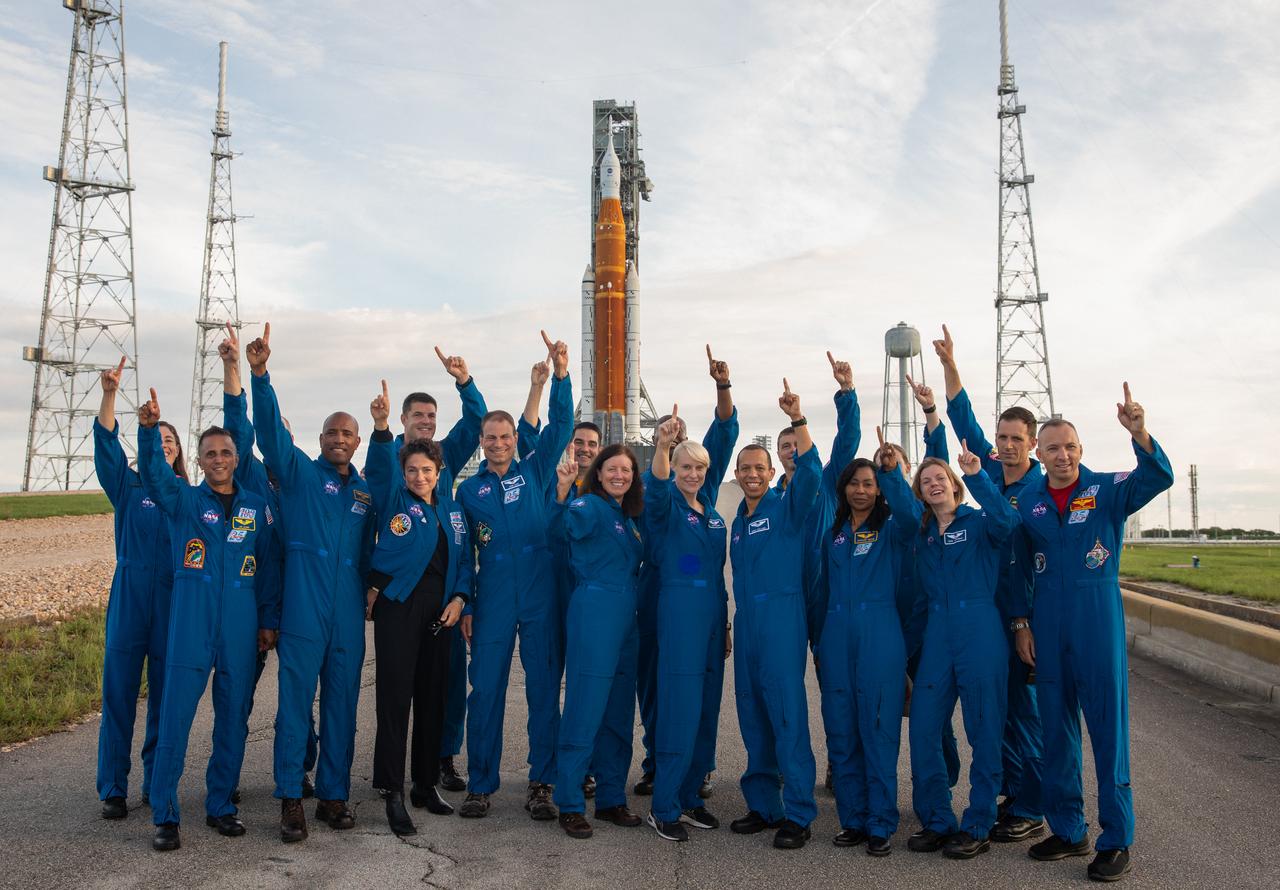
Astronauts and astronaut candidates from NASA and the Canadian Space Agency pose for a photograph in front of NASA’s Artemis I Space Launch System and Orion spacecraft atop the mobile launcher on the pad at Launch Complex 39B on Aug. 28, 2022. The astronauts are, from left to right: Christina Birch, NASA astronaut candidate; Joe Acaba, NASA astronaut; Don Pettit, NASA astronaut; Victor Glover, NASA astronaut; Jeremy Hansen, Canadian Space Agency astronaut; Jessica Meir, NASA astronaut; Stan Love, NASA astronaut; Jack Hathaway, NASA astronaut candidate; Shannon Walker, NASA astronaut; Andre Douglas, NASA astronaut candidate; Kate Rubins, NASA astronaut; Chris Williams, NASA astronaut candidate; Reid Wiseman, NASA astronaut; Stephanie Wilson, NASA astronaut; Jessica Wittner, NASA astronaut candidate; Zena Cardman, NASA astronaut; Joshua Kutryk, Canadian Space Agency astronaut; Randy Bresnik, NASA astronaut. Artemis I is scheduled to launch Aug. 29, at 8:33 a.m. EDT. The first in a series of increasingly complex missions, Artemis I will provide a foundation for human deep space exploration and demonstrate our commitment and capability to extend human presence to the Moon and beyond. The primary goal of Artemis I is to thoroughly test the integrated systems before crewed missions by operating the spacecraft in a deep space environment, testing Orion’s heat shield, and recovering the crew module after reentry, descent, and splashdown.
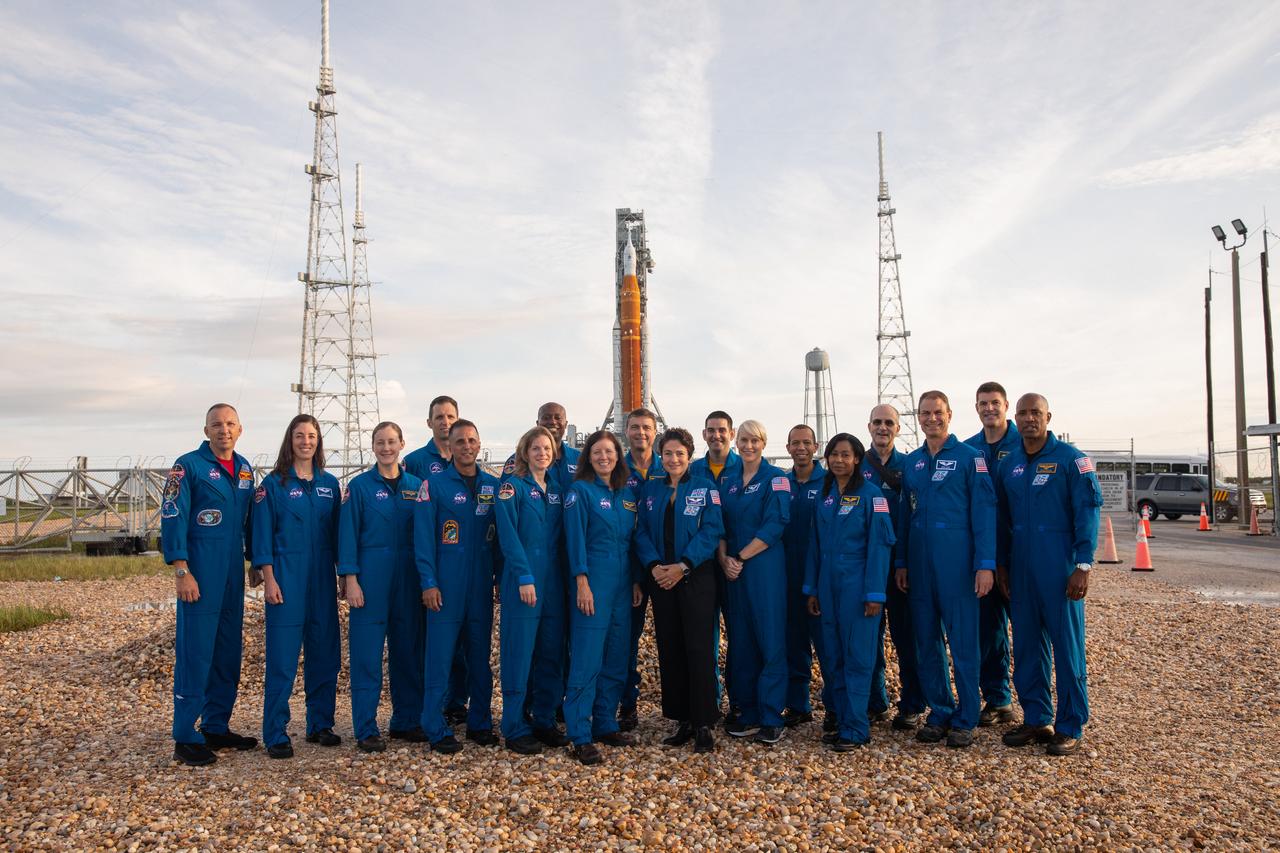
Astronauts and astronaut candidates from NASA and the Canadian Space Agency pose for a photograph in front of NASA’s Artemis I Space Launch System and Orion spacecraft atop the mobile launcher on the pad at Launch Complex 39B on Aug. 28, 2022. The astronauts are, from left to right: Randy Bresnik, NASA astronaut; Christina Birch, NASA astronaut candidate; Jessica Wittner, NASA astronaut candidate; Joshua Kutryk, Canadian Space Agency astronaut; Joe Acaba, NASA astronaut; Zena Cardman, NASA astronaut; Andre Douglas, NASA astronaut candidate; Shannon Walker, NASA astronaut; Reid Wiseman, NASA astronaut; Jessica Meir, NASA astronaut; Jack Hathaway, NASA astronaut candidate; Kate Rubins, NASA astronaut; Chris Williams, NASA astronaut candidate; Stephanie Wilson, NASA astronaut; Don Pettit, NASA astronaut; Stan Love, NASA astronaut; Jeremy Hansen, Canadian Space Agency astronaut; Victor Glover, NASA astronaut. Artemis I is scheduled to launch Aug. 29, at 8:33 a.m. EDT. The first in a series of increasingly complex missions, Artemis I will provide a foundation for human deep space exploration and demonstrate our commitment and capability to extend human presence to the Moon and beyond. The primary goal of Artemis I is to thoroughly test the integrated systems before crewed missions by operating the spacecraft in a deep space environment, testing Orion’s heat shield, and recovering the crew module after reentry, descent, and splashdown.
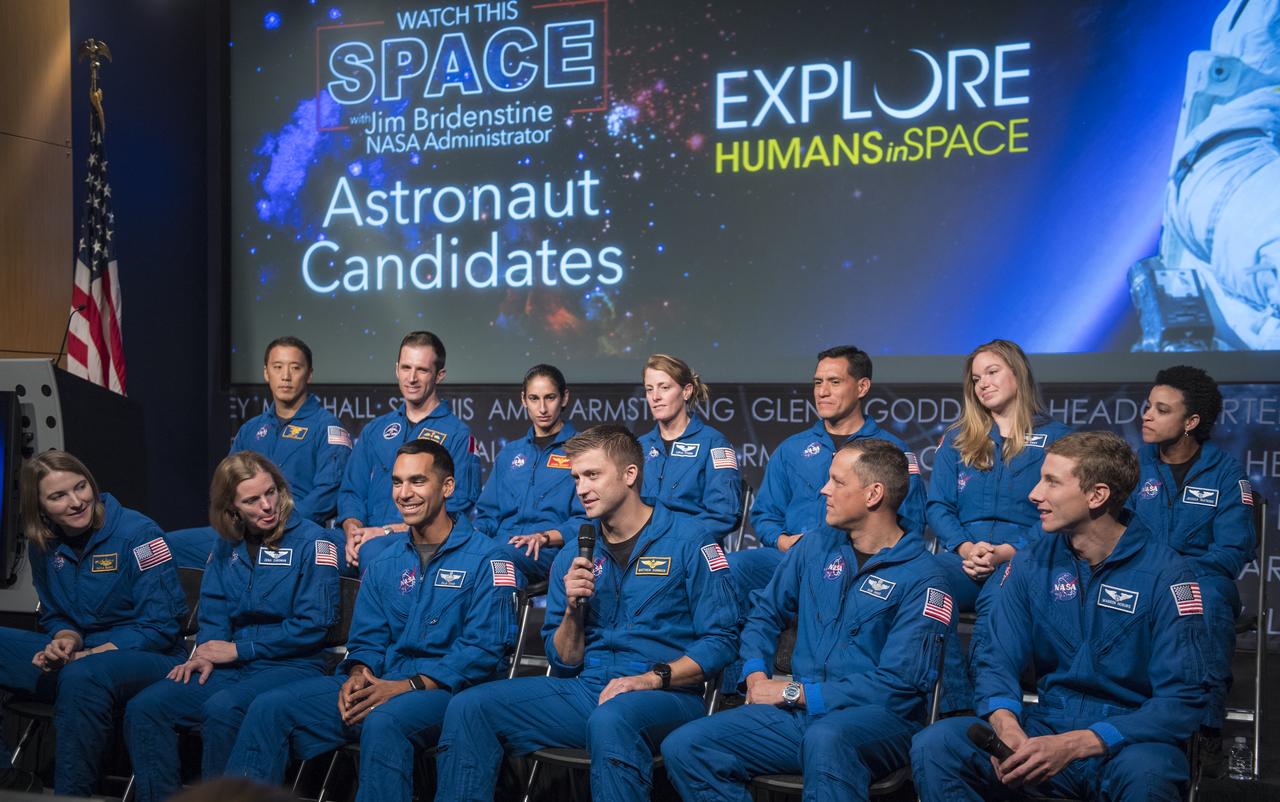
NASA astronaut candidate Matthew Dominick, third from right in the front row, answers a question during a live episode of the Administrator's monthly chat show, Watch This Space, along with fellow members of the 2017 astronaut candidate class, Thursday, Sept. 27, 2018 in the Webb Auditorium at NASA Headquarters in Washington. NASA's newest astronaut candidate class has started their two years of training, after which the new astronaut candidates could be assigned to missions performing research on the International Space Station, launching from American soil on spacecraft built by commercial companies, and launching on deep space missions on NASA’s new Orion spacecraft and Space Launch System rocket. Photo Credit: (NASA/Joel Kowsky)
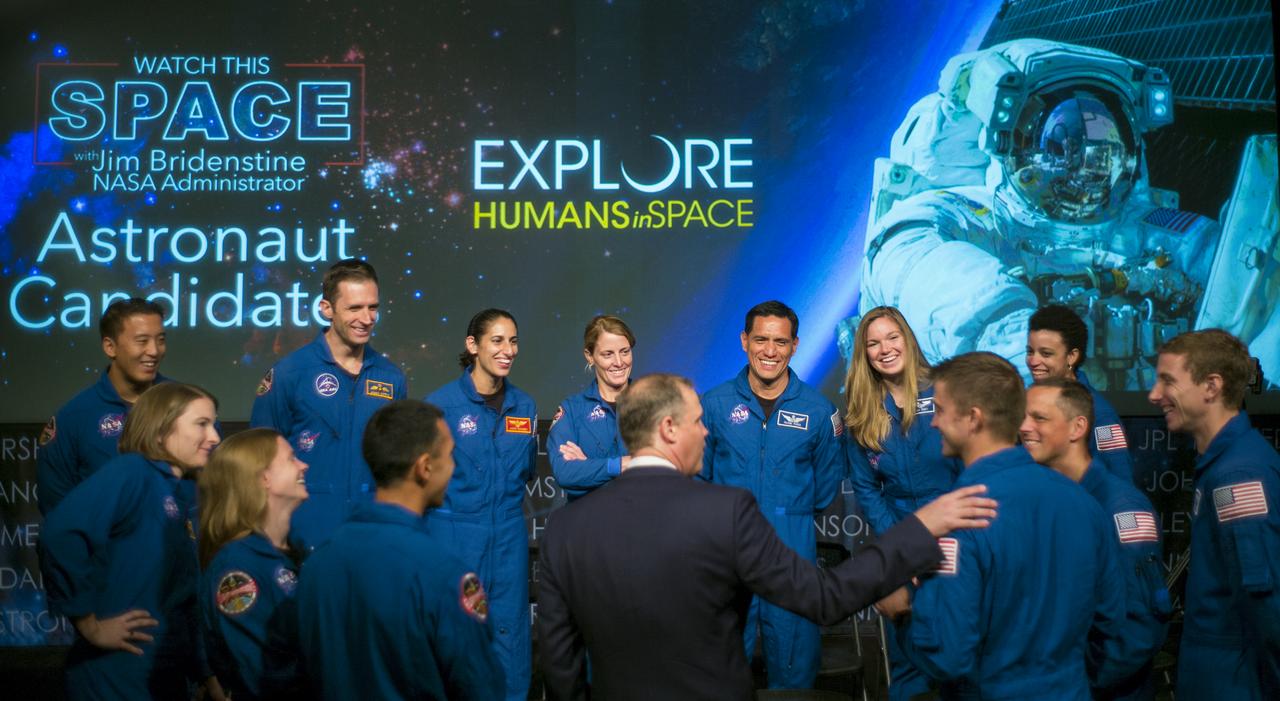
NASA Administrator Jim Bridenstine speaks with NASA and Canadian Space Agency astronaut candidates following a live episode of the Administrator's monthly chat show, Watch This Space, Thursday, Sept. 27, 2018 in the Webb Auditorium at NASA Headquarters in Washington. NASA's newest astronaut candidate class has started their two years of training, after which the new astronaut candidates could be assigned to missions performing research on the International Space Station, launching from American soil on spacecraft built by commercial companies, and launching on deep space missions on NASA’s new Orion spacecraft and Space Launch System rocket. Photo Credit: (NASA/Joel Kowsky)
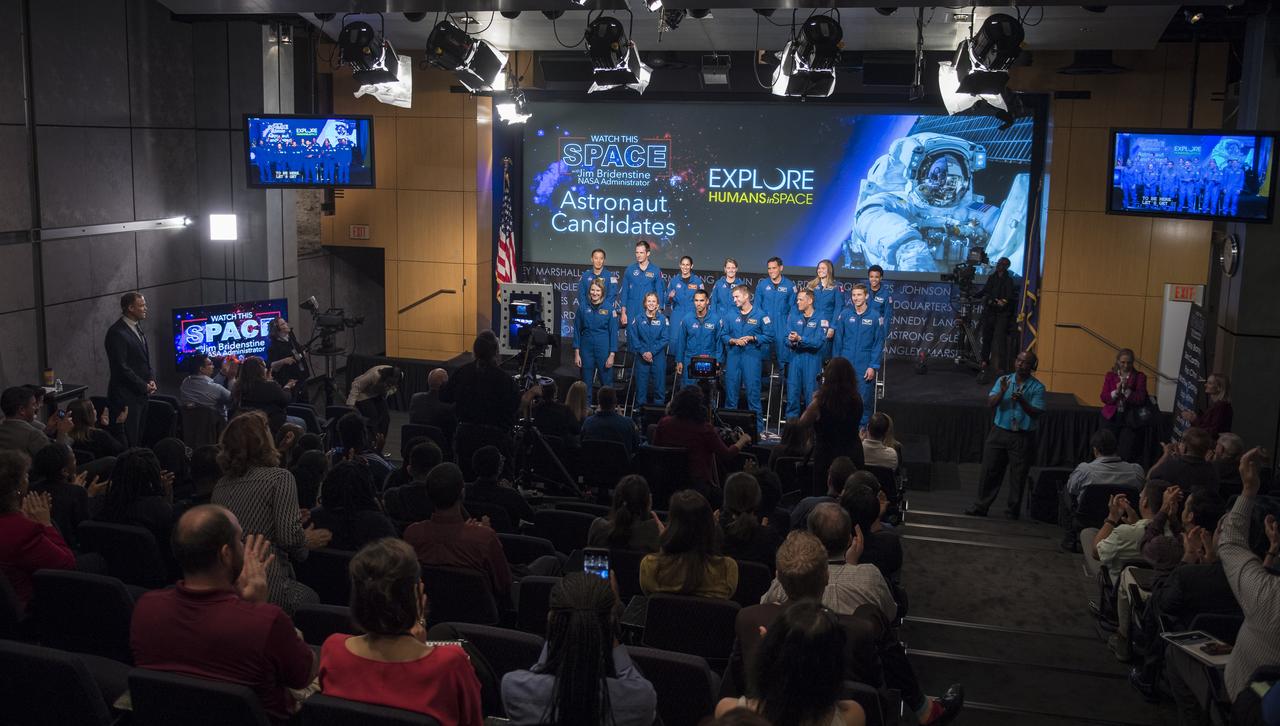
NASA Administrator Jim Bridenstine introduces the 2017 astronaut candidates during a live episode of the Administrator's monthly chat show, Watch This Space, Thursday, Sept. 27, 2018 in the Webb Auditorium at NASA Headquarters in Washington. NASA's newest astronaut candidate class has started their two years of training, after which the new astronaut candidates could be assigned to missions performing research on the International Space Station, launching from American soil on spacecraft built by commercial companies, and launching on deep space missions on NASA’s new Orion spacecraft and Space Launch System rocket. Photo Credit: (NASA/Joel Kowsky)