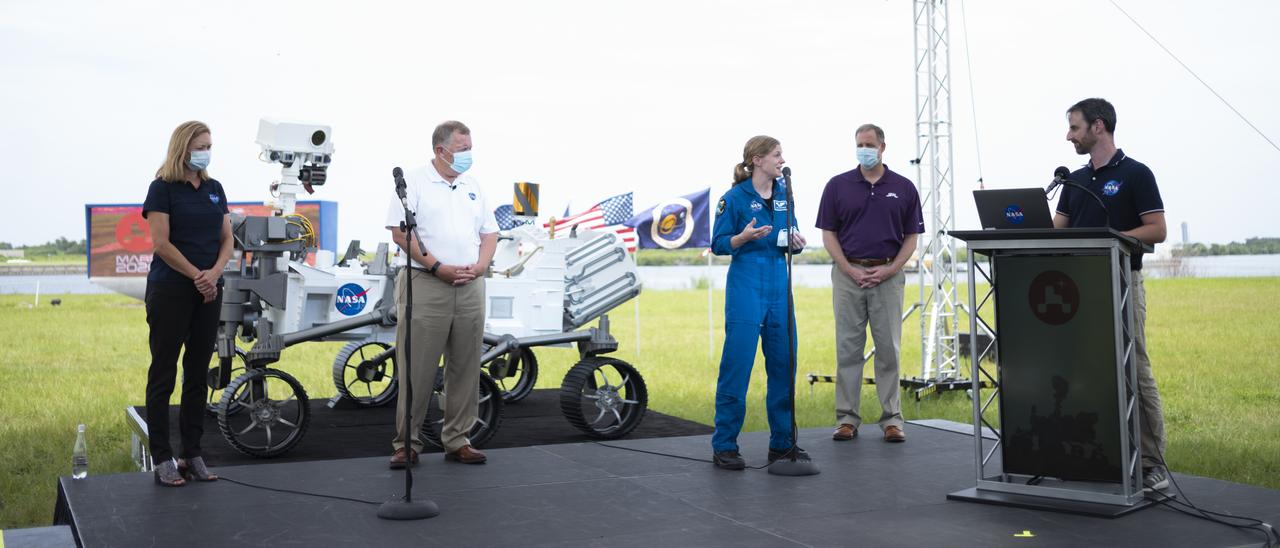
Kennedy Space Center Deputy Director Janet Petro, left, NASA Deputy Administrator Jim Morhard, second from left, NASA astronaut Zena Cardman, center, NASA Administrator Jim Bridenstine, second from right, and NASA Public Affairs Officer Joshua Santora, right, answer social media questions ahead of the launch of NASA’s Mars 2020 Perseverance rover, Wednesday, July 29, 2020, at NASA’s Kennedy Space Center in Florida. The Perseverance rover is part of NASA’s Mars Exploration Program, a long-term effort of robotic exploration of the Red Planet. Launch is scheduled for Thursday, July 30. Photo Credit: (NASA/Joel Kowsky)
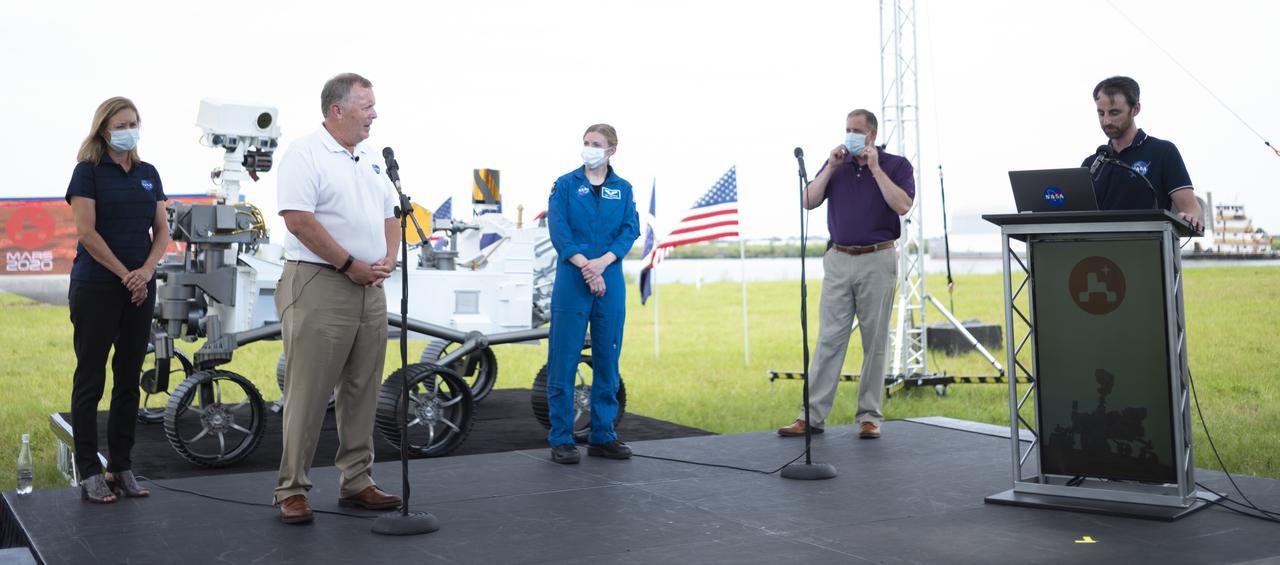
Kennedy Space Center Deputy Director Janet Petro, left, NASA Deputy Administrator Jim Morhard, second from left, NASA astronaut Zena Cardman, center, NASA Administrator Jim Bridenstine, second from right, and NASA Public Affairs Officer Joshua Santora, right, answer social media questions ahead of the launch of NASA’s Mars 2020 Perseverance rover, Wednesday, July 29, 2020, at NASA’s Kennedy Space Center in Florida. The Perseverance rover is part of NASA’s Mars Exploration Program, a long-term effort of robotic exploration of the Red Planet. Launch is scheduled for Thursday, July 30. Photo Credit: (NASA/Joel Kowsky)
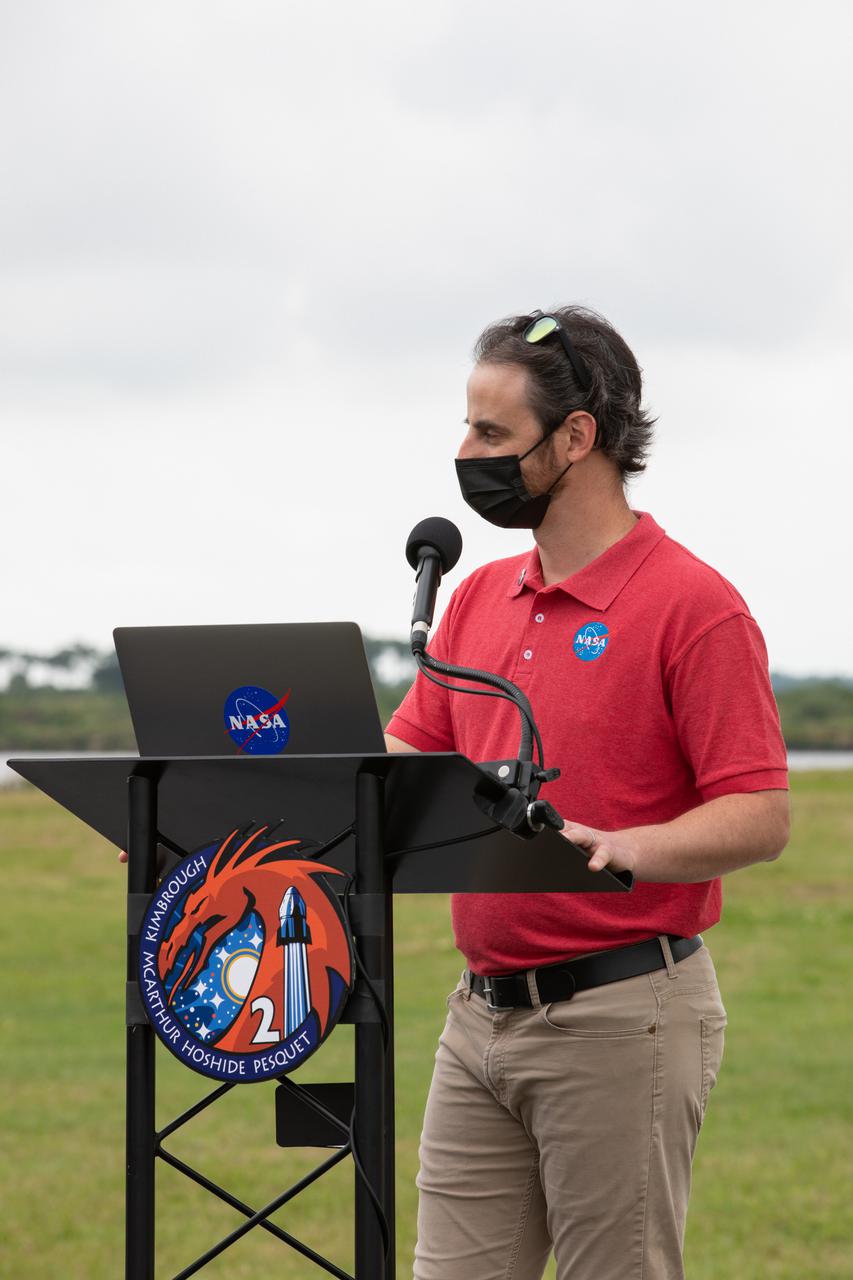
Moderator Joshua Santora speaks during a NASA Social Facebook Live event April 21, 2021, near the Press Site countdown clock at Kennedy Space Center in Florida, ahead of the agency’s SpaceX Crew-2 launch. NASA astronauts Shane Kimbrough and Megan McArthur, JAXA astronaut Akihiko Hoshide, and ESA astronaut Thomas Pesquet will fly on Crew-2, the second crew rotation mission to the International Space Station as part of NASA’s Commercial Crew Program. They will launch aboard SpaceX’s Crew Dragon spacecraft, named Endeavour, powered by the company’s Falcon 9 rocket. Liftoff is set for Friday, April 23, at 5:49 a.m. EDT.
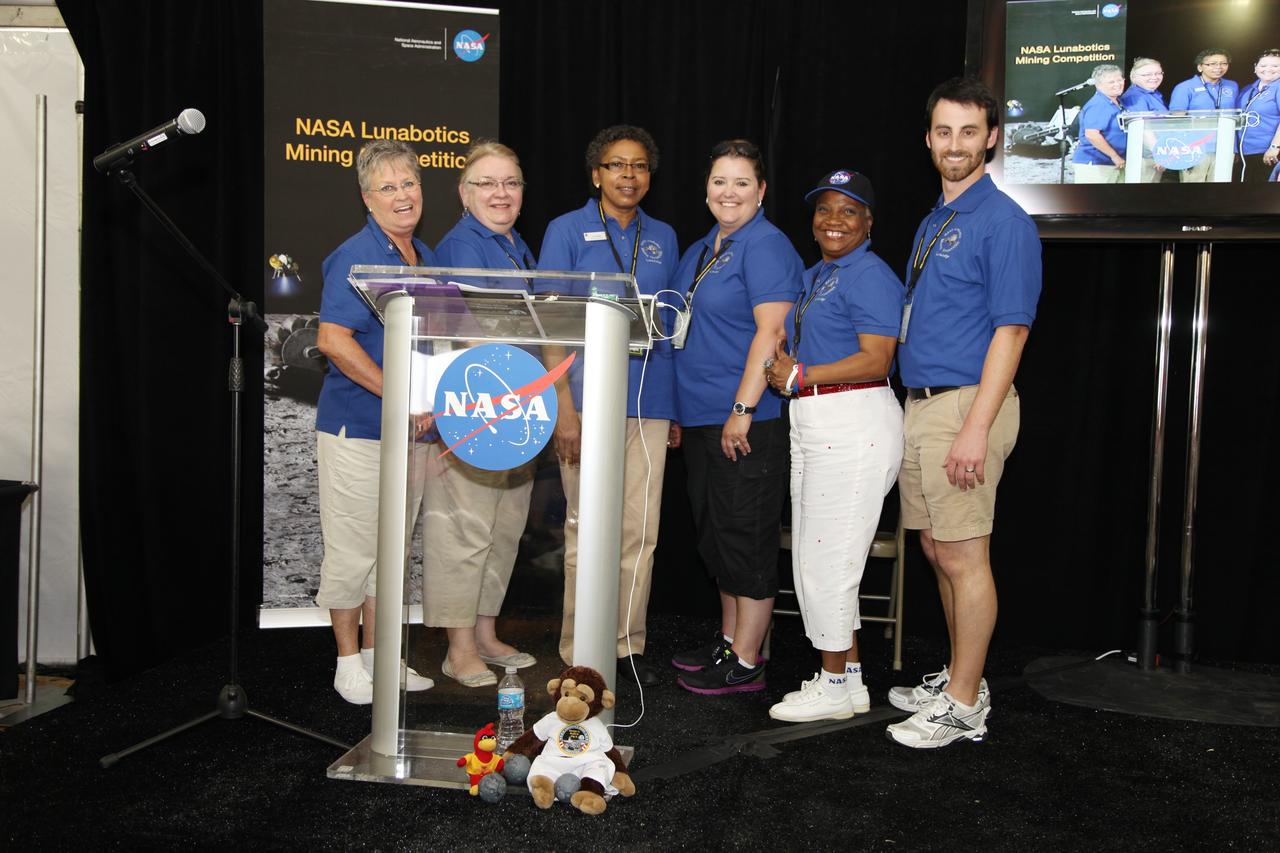
CAPE CANAVERAL, Fla. – At NASA’s Kennedy Space Center Visitor Complex in Florida, Lunabotics team spirit judges gather on stage during the opening ceremony for NASA’s Lunabotics Mining Competition. From left, are Lead Team Spirit Judge Beth Smith from Kennedy Education Office, Debbie Lewellyn with Caterpillar, Liz Wise with Kennedy’s Ground Processing Directorate, and Jessica Paglialonga, Helen Kane and Joshua Santora, all with Kennedy’s Education Office. The mining competition is sponsored by NASA Kennedy Space Center’s Education Office for the agency’s Exploration Systems Mission Directorate. Undergraduate and graduate students from more than 50 universities and colleges in the U.S. and other countries use their remote-controlled Lunabots to maneuver and dig in a supersized sandbox filled with a crushed material that has characteristics similar to lunar soil. For more information, visit www.nasa.gov/lunabotics. Photo credit: NASA/Frankie Martin
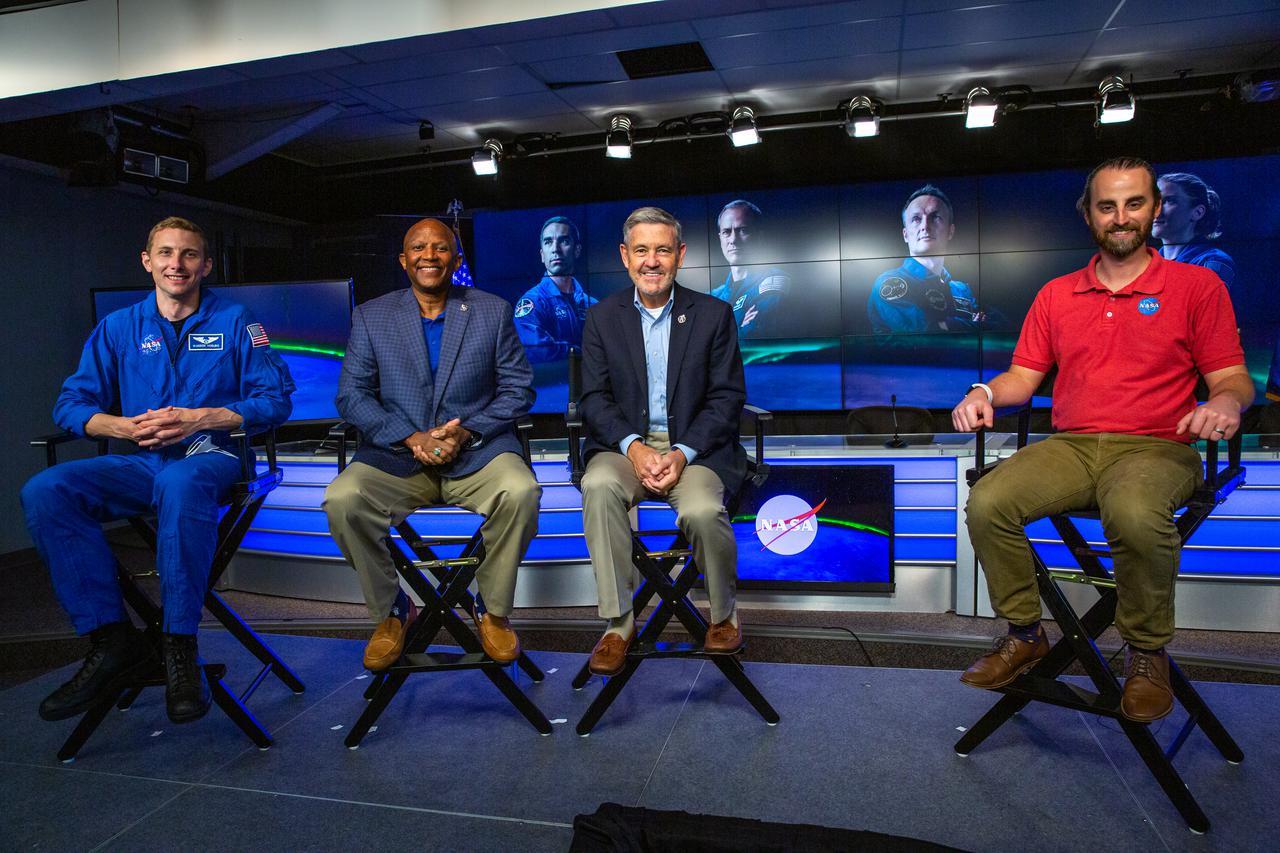
Representatives from NASA participate in a NASA Social Live event at the agency’s Kennedy Space Center in Florida on Oct. 29, in advance of NASA’s SpaceX Crew-3 mission to the International Space Station as part of NASA’s Commercial Crew Program. Participants are, from left, NASA astronaut Woody Hoburg, Kennedy Deputy Director Kelvin Manning, NASA Associate Administrator Bob Cabana, and moderator Joshua Santora, NASA Communications. Launch is currently targeted for 2:21 a.m. EDT Sunday, Oct. 31. The SpaceX Dragon spacecraft, named Endurance by the Crew-3 astronauts, will launch on a Falcon 9 rocket from Launch Complex 39A at Kennedy Space Center. The Crew-3 flight will carry NASA astronauts Raja Chari, mission commander, Tom Marshburn, pilot, and Kayla Barron, mission specialist and ESA (European Space Agency) astronaut Matthias Maurer, also a mission specialist, to the space station for a six-month science mission.
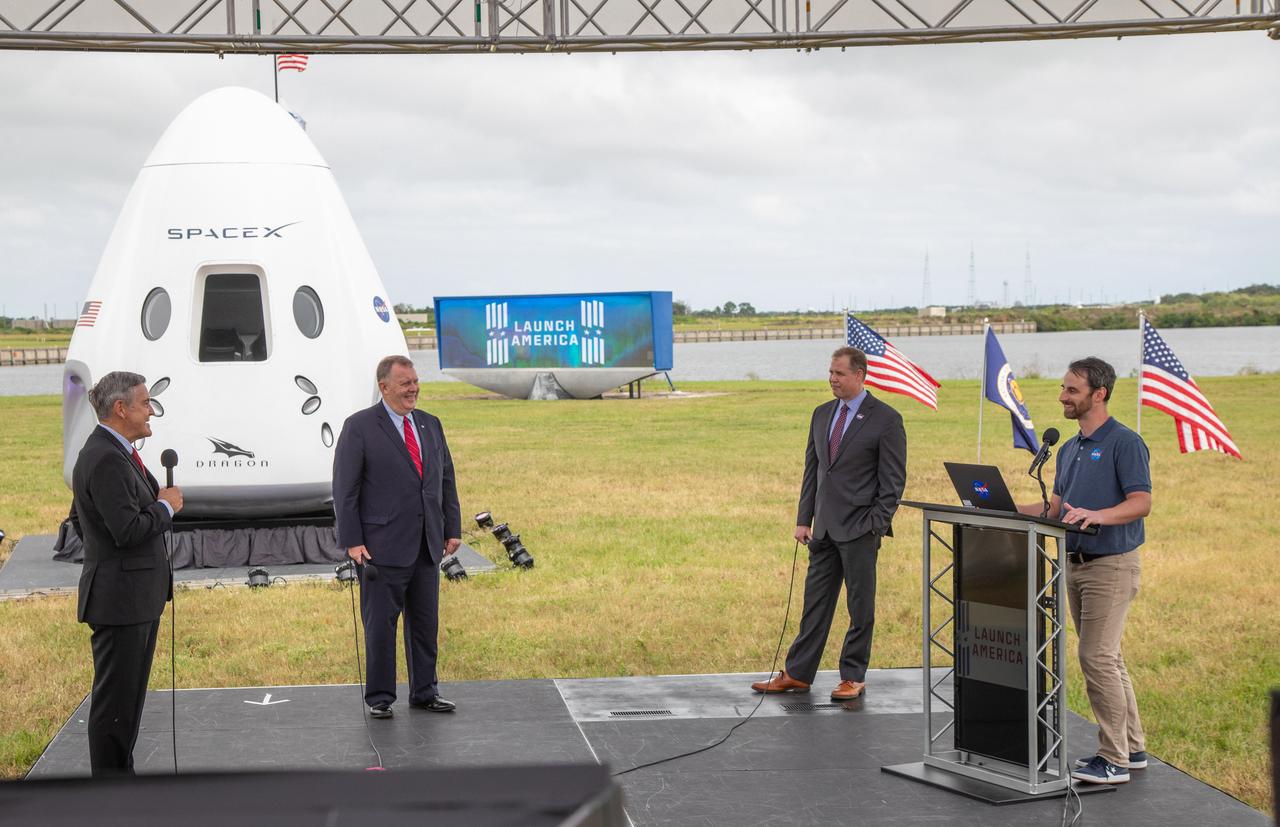
Joshua Santora, far right, NASA Communications, moderates a press briefing Nov. 13, 2020, near the Press Site countdown clock at the agency’s Kennedy Space Center in Florida ahead of NASA’s SpaceX Crew-1 launch. Speaking to the media, from right, are Kennedy Space Center Director Bob Cabana, NASA Deputy Administrator Jim Morhard, and NASA Administrator Jim Bridenstine. Crew-1 is the first regular crew mission of a U.S. commercial spacecraft with astronauts to the International Space Station as part of NASA’s Commercial Crew Program. The SpaceX Crew Dragon Resilience capsule will launch atop the company’s Falcon 9 rocket from Launch Complex 39A to the space station for a six-month science mission.
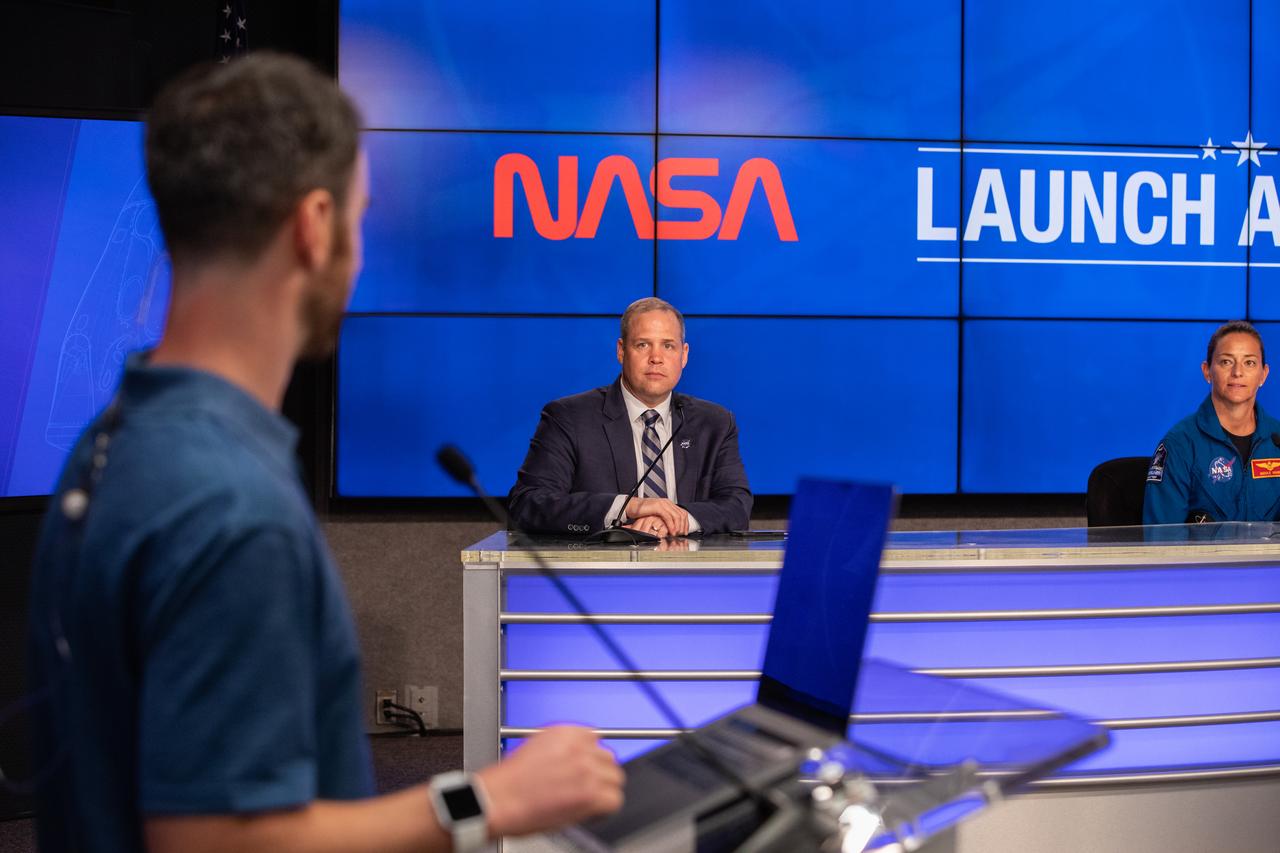
NASA Administrator Jim Bridenstine (left) and astronaut Nicole Mann (right) participate in a NASA Social Facebook Live briefing inside the Press Site auditorium on May 26, 2020, at the agency’s Kennedy Space Center in Florida ahead of NASA’s SpaceX Demo-2 launch, slated for Wednesday, May 27. Moderating the briefing is NASA Communications’ Joshua Santora. A SpaceX Falcon 9 rocket and Crew Dragon spacecraft are scheduled to lift off from Kennedy’s Launch Complex 39A, carrying NASA astronauts Robert Behnken and Douglas Hurley to the International Space Station. This will mark the first launch of astronauts from U.S. soil to the space station since the conclusion of the Space Shuttle Program in 2011. Part of the agency’s Commercial Crew Program, this will be SpaceX’s final flight test, paving the way for NASA to certify the crew transportation system for regular, crewed flights to the orbiting laboratory. Liftoff is scheduled for 4:33 p.m. EDT.
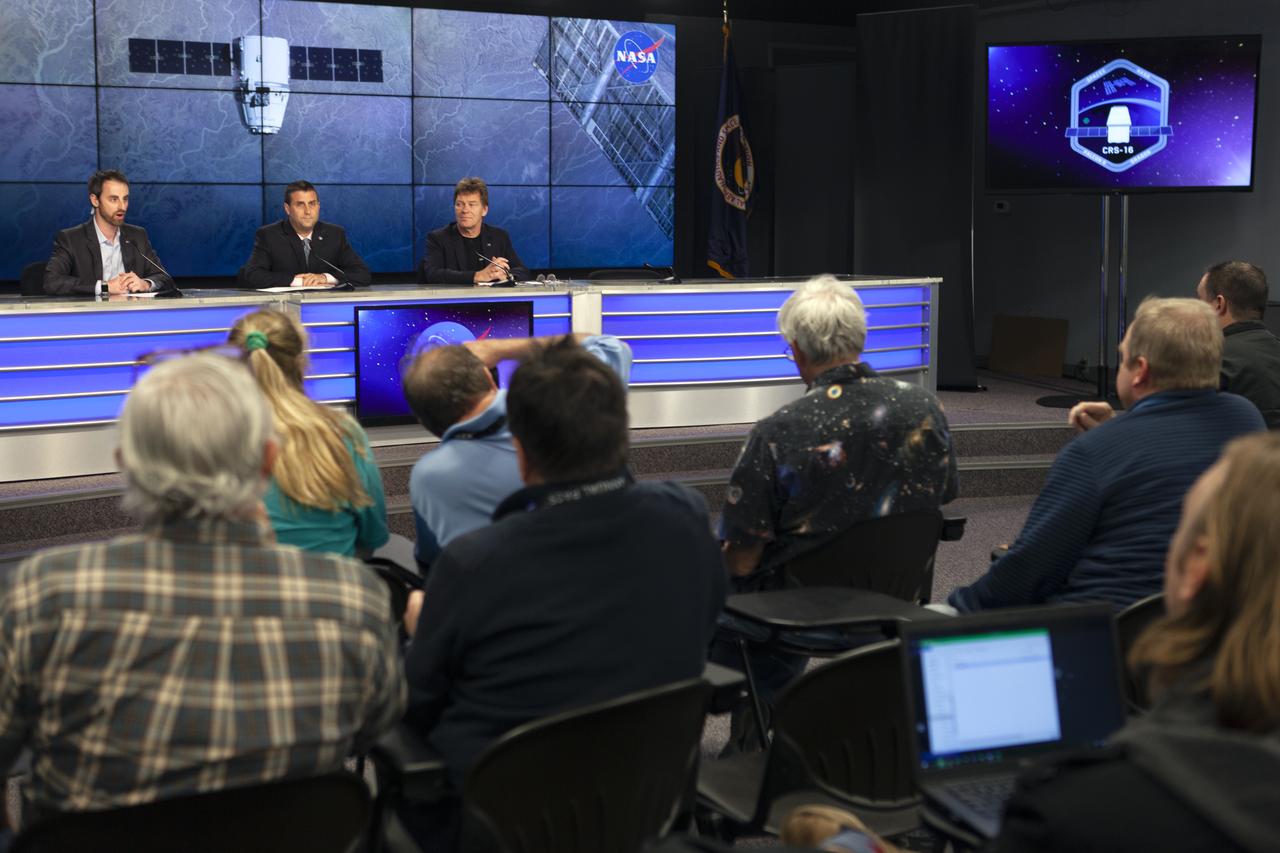
In the Press Site auditorium of NASA's Kennedy Space Center in Florida, from left, Joshua Santora of NASA Communications, Joel Montalbano, deputy International Space Station program manager at NASA's Johnson Space Center in Houston, and Hans Koenigsmann, vice president of Build and Flight Reliability for SpaceX, speak to media at a post-launch news conference following the liftoff of SpaceX CRS-16. The flight is a commercial resupply services mission to the International Space Station. SpaceX CRS-16 lifted off atop a Falcon 9 rocket from Space Launch Complex 40 at Cape Canaveral Air Force Station at 1:16 p.m. EST, Dec. 5, 2018, with supplies and equipment and new science experiments for technology research.
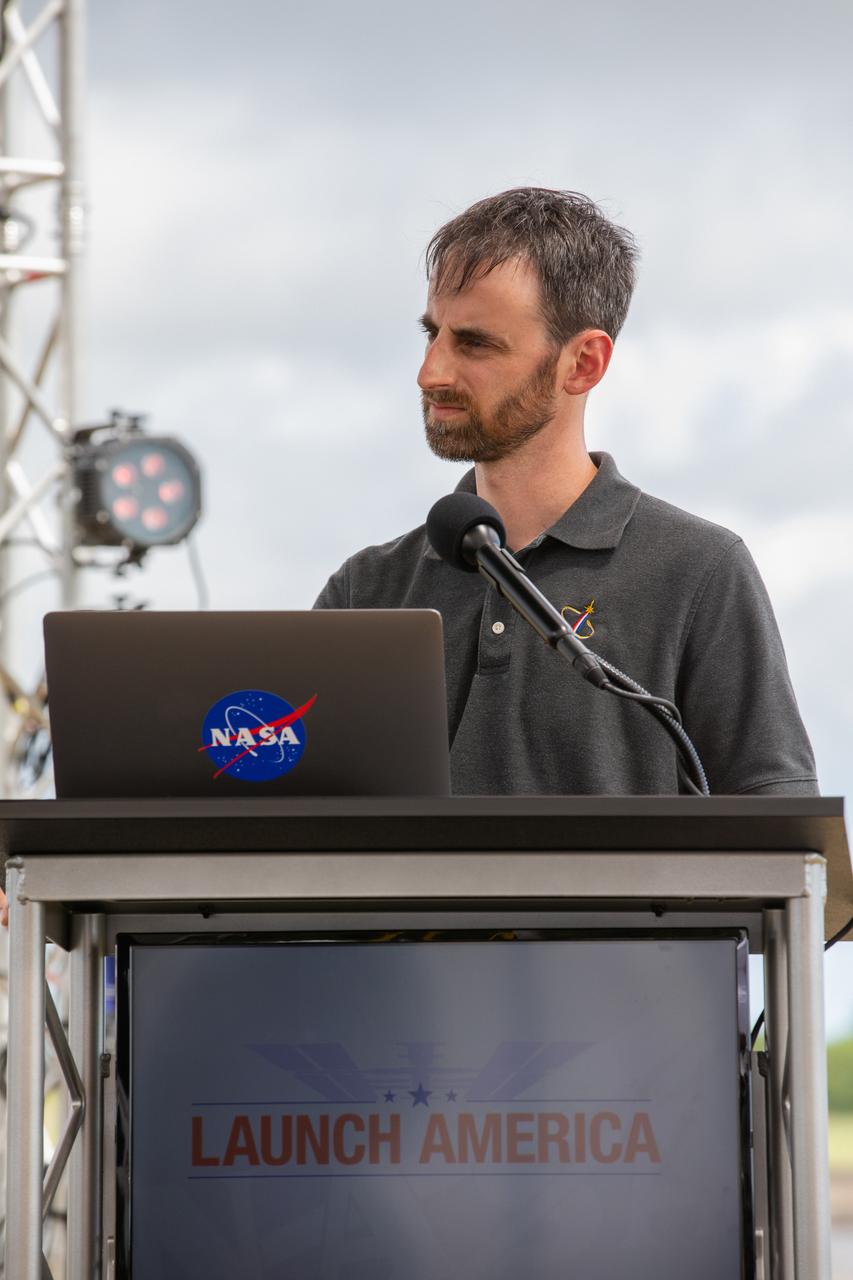
Joshua Santora, with NASA Communications, participates in a NASA Social YouTube Live briefing May 29, 2020, near the Press Site countdown clock at the agency’s Kennedy Space Center in Florida ahead of NASA’s SpaceX Demo-2 launch. The launch, initially scheduled for May 27, was scrubbed due to unfavorable weather conditions. The next launch attempt is Saturday, May 30. A SpaceX Falcon 9 rocket and Crew Dragon spacecraft are scheduled to lift off from Kennedy’s Launch Complex 39A, carrying NASA astronauts Robert Behnken and Douglas Hurley to the International Space Station. This will mark the first launch of astronauts from U.S. soil to the space station since the conclusion of the Space Shuttle Program in 2011. Part of the agency’s Commercial Crew Program, this will be SpaceX’s final flight test, paving the way for NASA to certify the crew transportation system for regular, crewed flights to the orbiting laboratory. Liftoff is scheduled for 3:22 p.m. EDT.
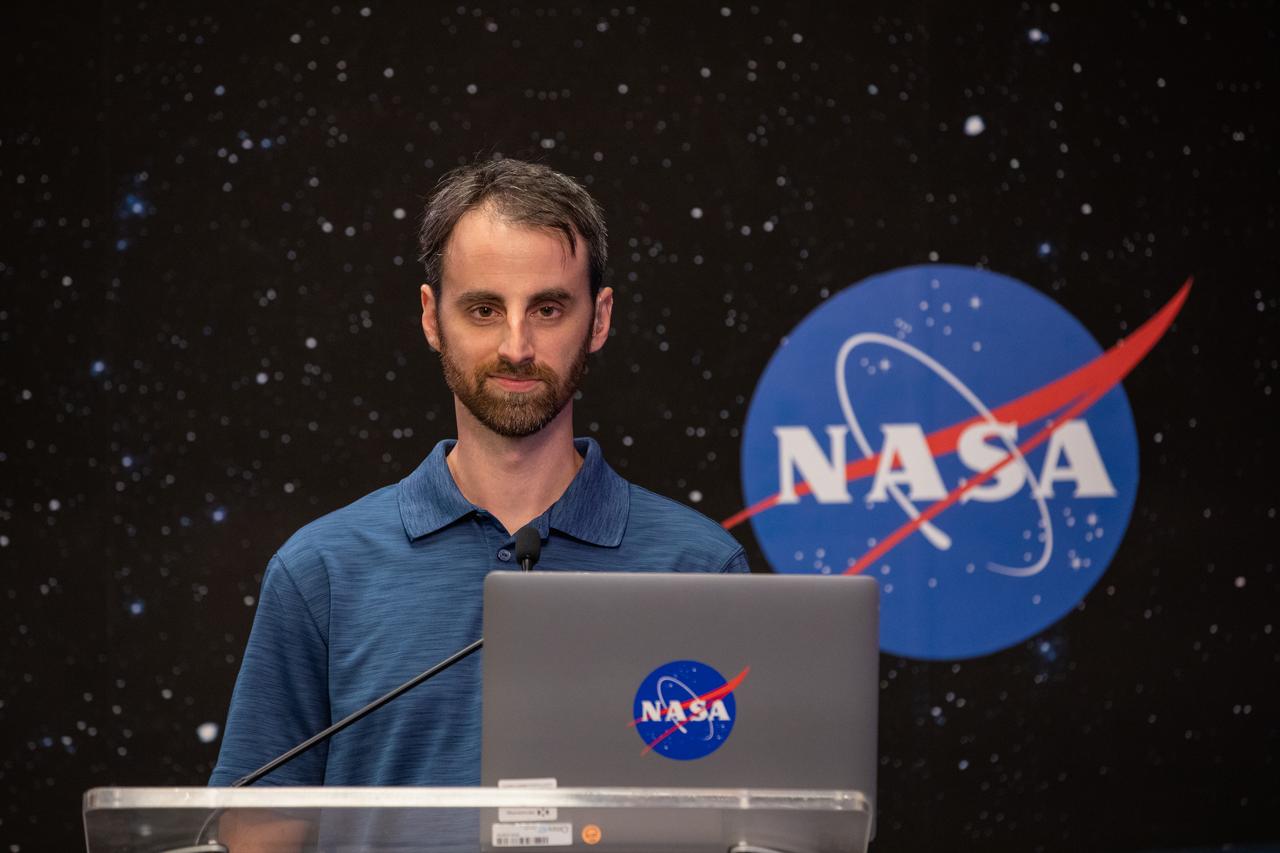
Joshua Santora, with NASA Communications, moderates a NASA Social Facebook Live briefing inside the Press Site auditorium on May 26, 2020, at the agency’s Kennedy Space Center in Florida ahead of NASA’s SpaceX Demo-2 launch, slated for Wednesday, May 27. A SpaceX Falcon 9 rocket and Crew Dragon spacecraft are scheduled to lift off from Kennedy’s Launch Complex 39A, carrying NASA astronauts Robert Behnken and Douglas Hurley to the International Space Station. This will mark the first launch of astronauts from U.S. soil to the space station since the conclusion of the Space Shuttle Program in 2011. Part of the agency’s Commercial Crew Program, this will be SpaceX’s final flight test, paving the way for NASA to certify the crew transportation system for regular, crewed flights to the orbiting laboratory. Liftoff is scheduled for 4:33 p.m. EDT.
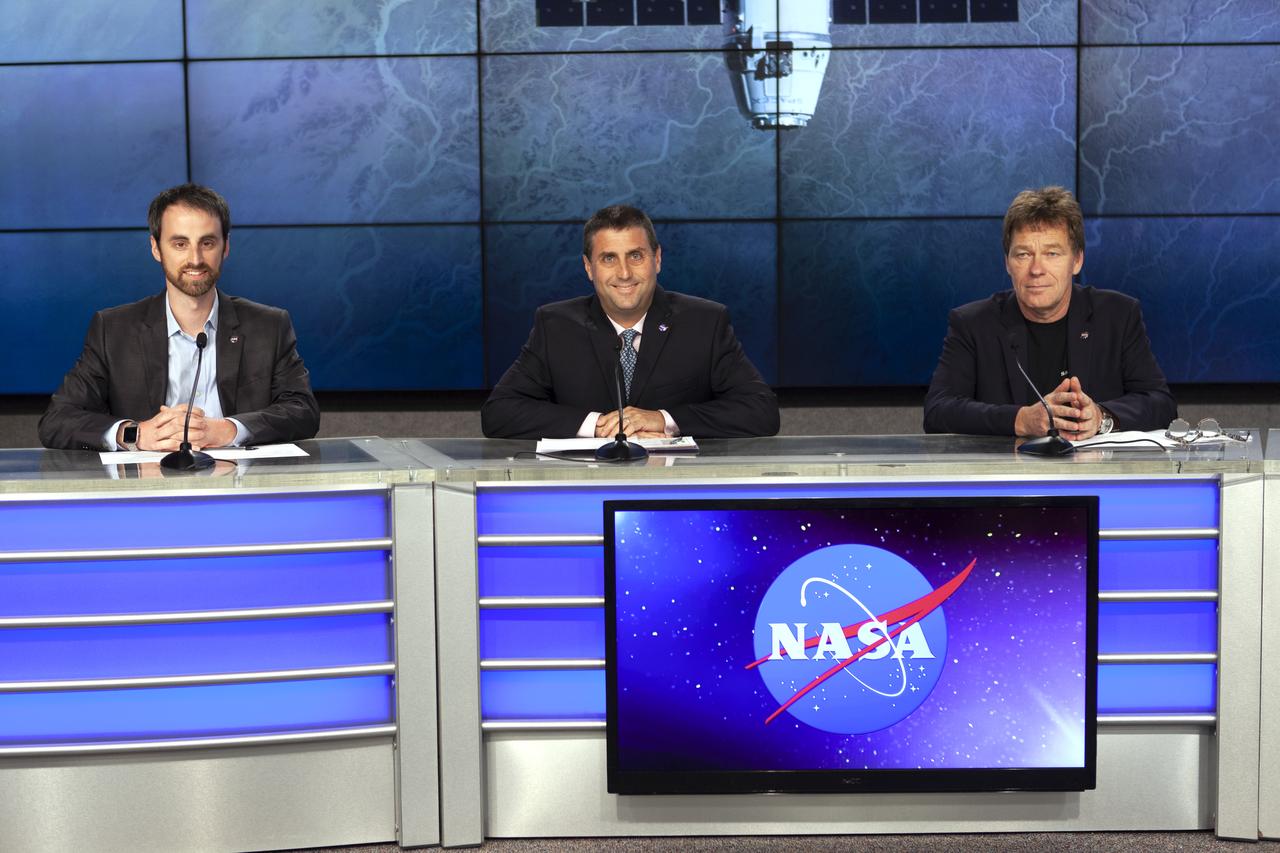
In the Press Site auditorium of NASA's Kennedy Space Center in Florida, from left, Joshua Santora of NASA Communications, Joel Montalbano, deputy International Space Station program manager at NASA's Johnson Space Center in Houston, and Hans Koenigsmann, vice president of Build and Flight Reliability for SpaceX, speak to media at a post-launch news conference following the liftoff of SpaceX CRS-16. The flight is a commercial resupply services mission to the International Space Station. SpaceX CRS-16 lifted off atop a Falcon 9 rocket from Space Launch Complex 40 at Cape Canaveral Air Force Station at 1:16 p.m. EST, Dec. 5, 2018, with supplies and equipment and new science experiments for technology research.
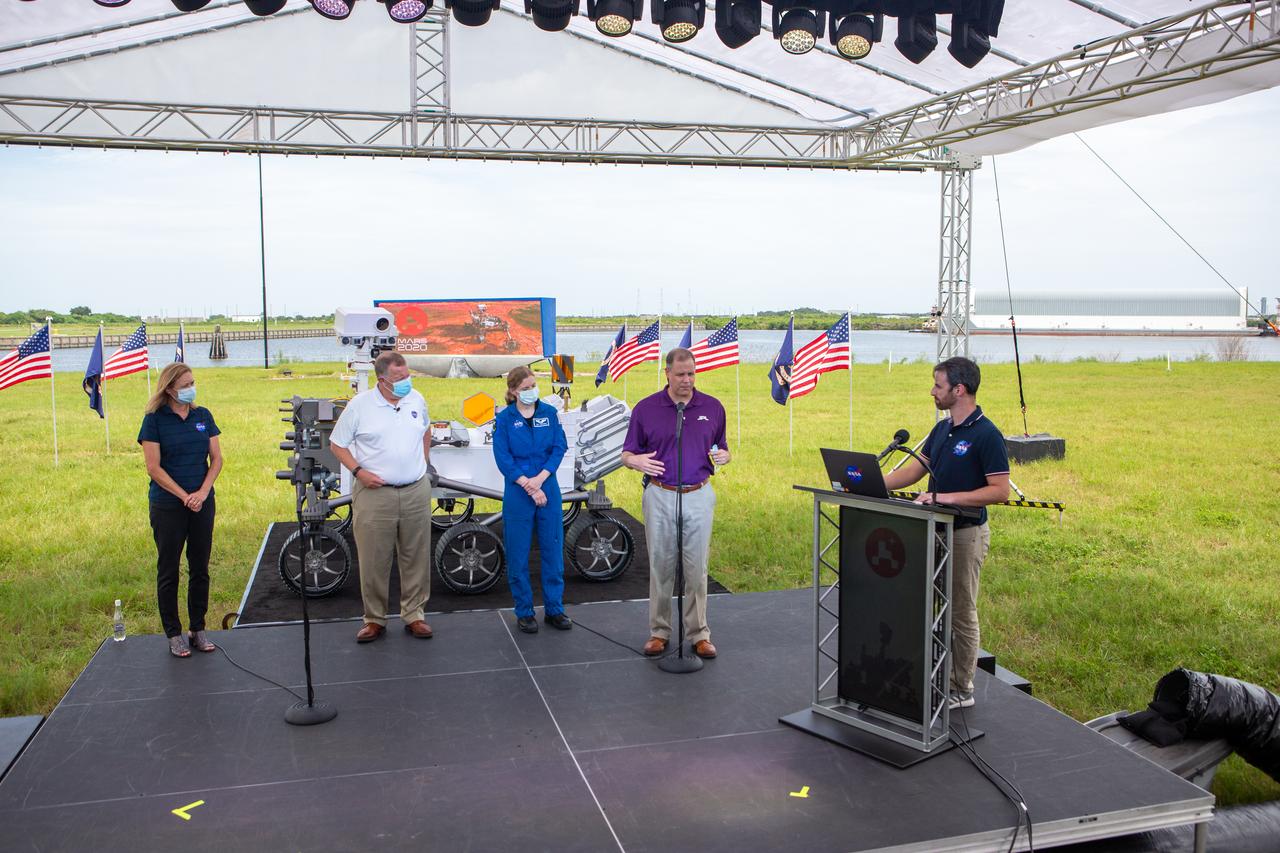
Joshua Santora, at the podium, NASA Communications, moderates a Mars 2020 NASA Social at Kennedy Space Center’s News Center in Florida on July 29, 2020. Participants from left are Kennedy Deputy Director Janet Petro, NASA Deputy Administrator Jim Morhard, NASA astronaut Zena Cardman, and NASA Administrator Jim Bridenstine. The Mars Perseverance rover and Ingenuity helicopter are scheduled to launch July 30, on a United Launch Alliance Atlas V 541 rocket from Space Launch Complex 41 at nearby Cape Canaveral Air Force Station. The rover is part of NASA’s Mars Exploration Program, a long-term effort of robotic exploration of the Red Planet. The rover will search for habitable conditions in the ancient past and signs of past microbial life on Mars. The Launch Services Program at Kennedy is responsible for launch management.
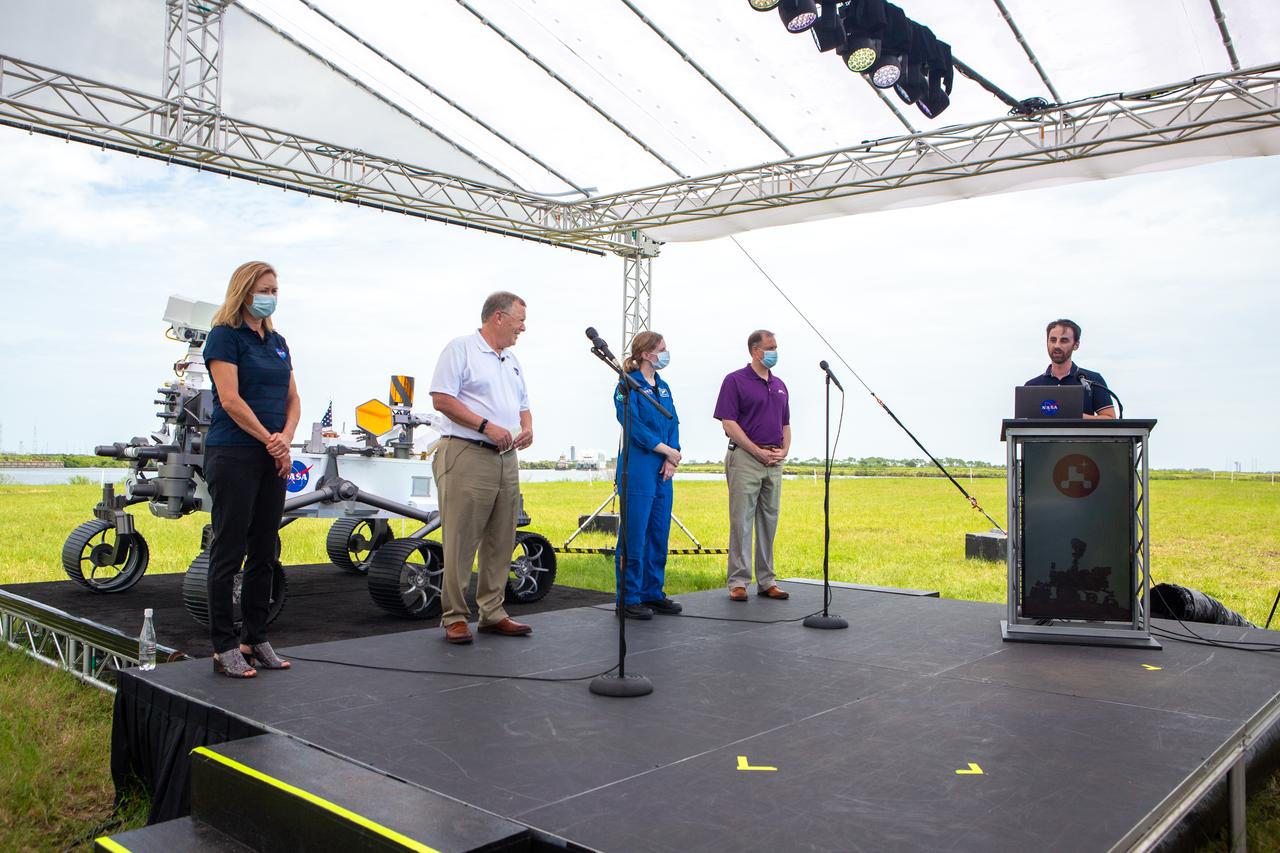
Joshua Santora, at the podium, NASA Communications, moderates a Mars 2020 NASA Social at Kennedy Space Center’s News Center in Florida on July 29, 2020. Participants from left are Kennedy Deputy Director Janet Petro, NASA Deputy Administrator Jim Morhard, NASA astronaut Zena Cardman, and NASA Administrator Jim Bridenstine. The Mars Perseverance rover and Ingenuity helicopter are scheduled to launch July 30, on a United Launch Alliance Atlas V 541 rocket from Space Launch Complex 41 at nearby Cape Canaveral Air Force Station. The rover is part of NASA’s Mars Exploration Program, a long-term effort of robotic exploration of the Red Planet. The rover will search for habitable conditions in the ancient past and signs of past microbial life on Mars. The Launch Services Program at Kennedy is responsible for launch management.
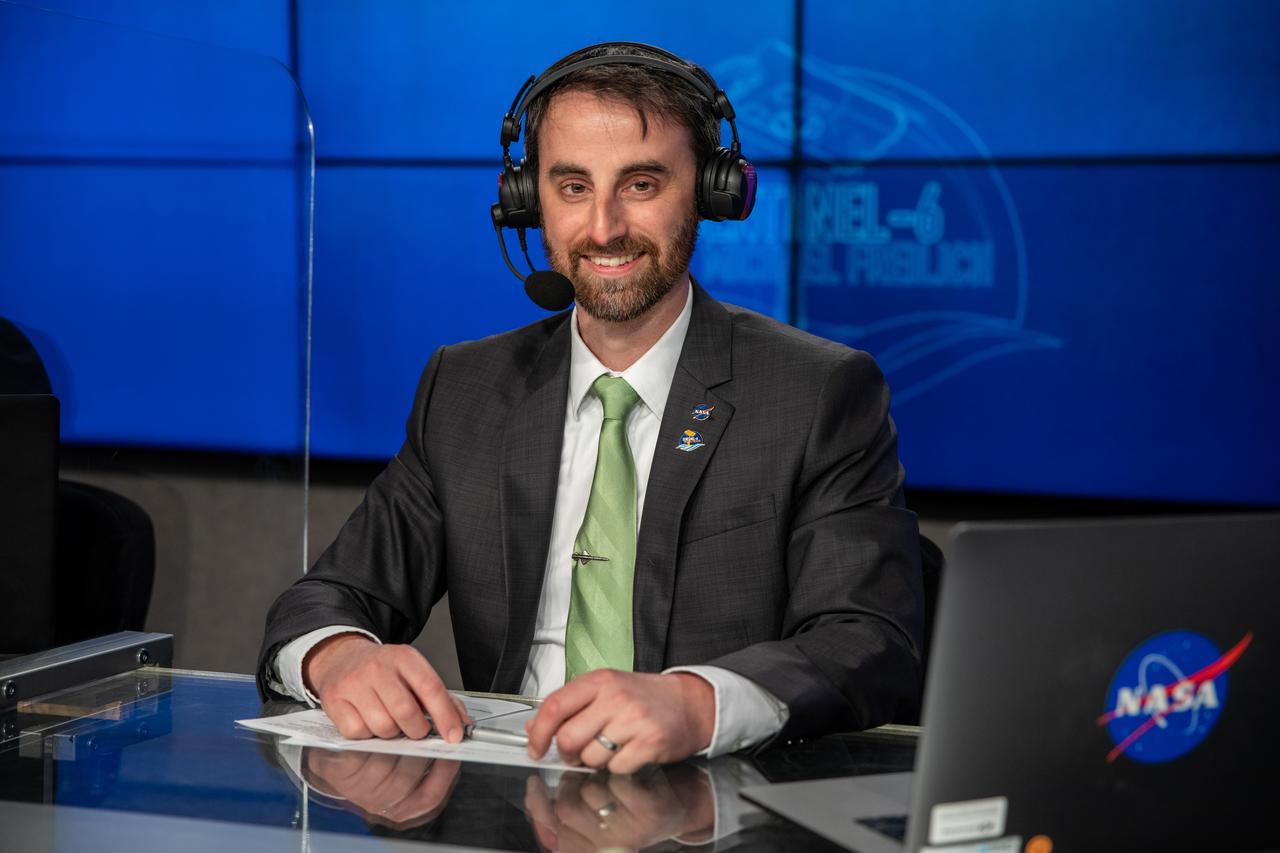
NASA Launch Commentator Joshua Santora participates in the launch broadcast for the Sentinel-6 Michael Freilich mission on Nov. 21, 2020, in the Press Site auditorium at Kennedy Space Center in Florida. The SpaceX Falcon 9 rocket carrying the Sentinel-6 Michael Freilich spacecraft launched from Space Launch Complex 4 at Vandenberg Air Force Base in California at 9:17 a.m. PST (12:17 p.m. EST). The Sentinel-6/Jason-CS (Continuity of Service) mission consists of the Sentinel-6 Michael Freilich satellite, which will be followed by its twin, the Sentinel-6B satellite, in 2025. The Sentinel-6/Jason-CS mission is part of Copernicus, the European Union’s Earth observation program, managed by the European Commission. Continuing the legacy of the Jason series missions, Sentinel-6/Jason-CS will extend the records of sea level into their fourth decade, collecting accurate measurements of sea surface height for more than 90% of the world’s seas, and providing crucial information for operational oceanography, marine meteorology, and climate studies. NASA’s Launch Services Program at Kennedy Space Center was responsible for launch management.
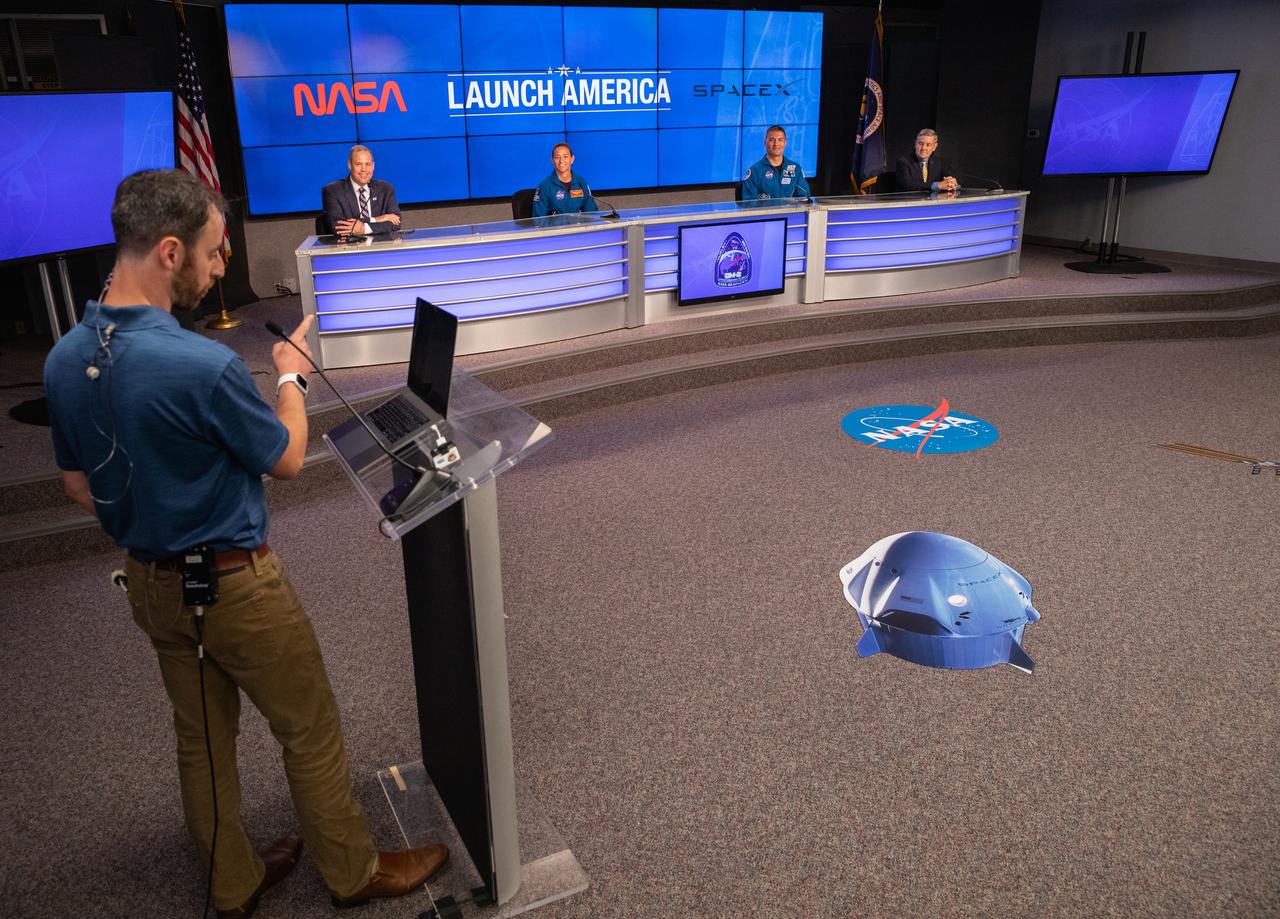
Joshua Santora, with NASA Communications, moderates a NASA Social Facebook Live briefing inside the Press Site auditorium on May 26, 2020, at the agency’s Kennedy Space Center in Florida ahead of NASA’s SpaceX Demo-2 launch. At the counter, from left are NASA Administrator Jim Bridenstine, NASA astronauts Nicole Mann and Kjell Lindgren, and Kennedy Space Center Director Bob Cabana. A SpaceX Falcon 9 rocket and Crew Dragon spacecraft are scheduled to lift off from historic Launch Complex 39A on Wednesday, May 27, carrying NASA astronauts Robert Behnken and Douglas Hurley to the International Space Station. This will mark the first launch of astronauts from U.S. soil to the space station since the conclusion of the Space Shuttle Program in 2011. Part of the agency’s Commercial Crew Program, this will be SpaceX’s final flight test, paving the way for NASA to certify the crew transportation system for regular, crewed flights to the orbiting laboratory. Liftoff is scheduled for 4:33 p.m. EDT.
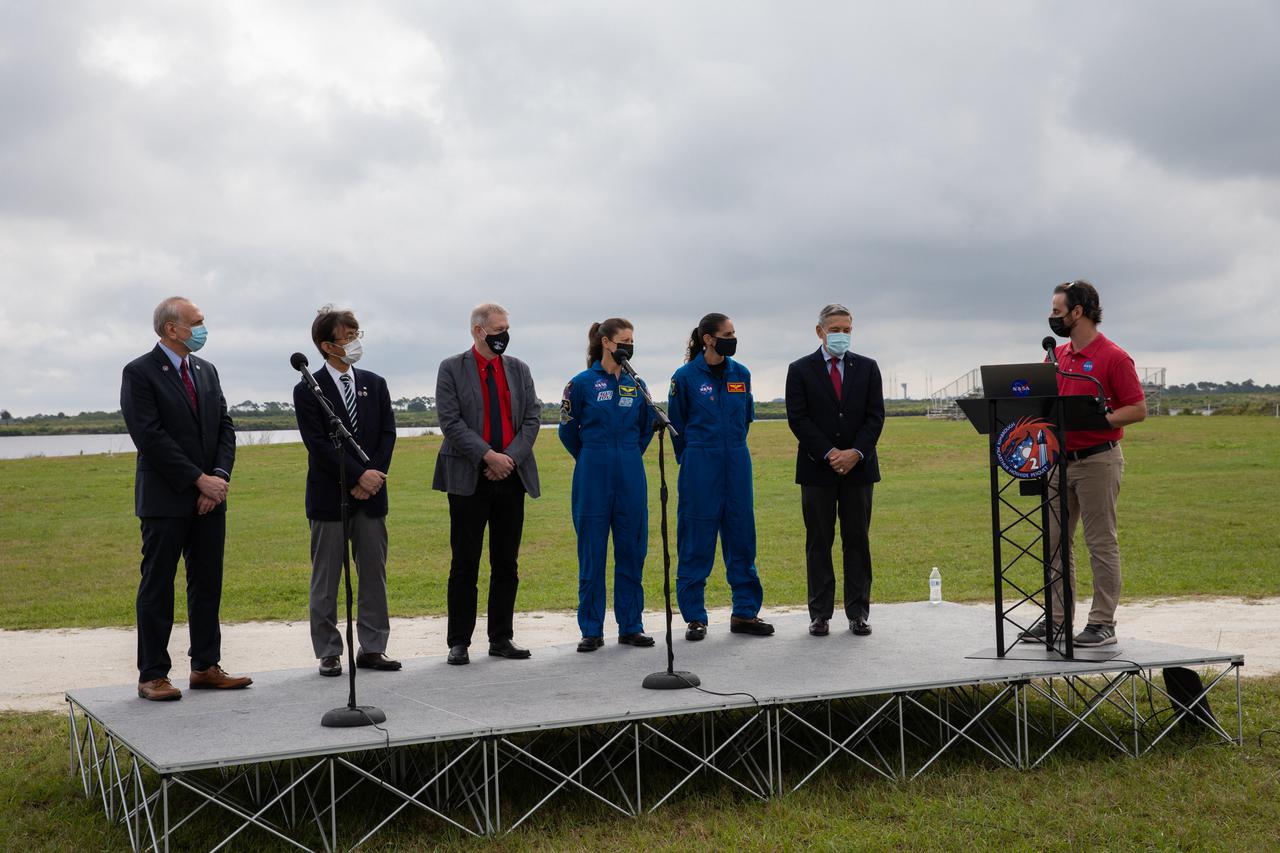
At right, moderator Joshua Santora, NASA Communications, addresses the participants in a NASA Social Facebook Live event held April 21, 2021, near the Press Site countdown clock at NASA’s Kennedy Space Center in Florida, ahead of the agency’s SpaceX Crew-2 launch. Participants, from left to right, are: Steve Jurczyk, acting NASA administrator; Hiroshi Sasaki, vice president and director general, JAXA’s Human Spaceflight Technology Directorate; Frank de Winne, manager, International Space Station Program, ESA; NASA astronauts Tracy Caldwell Dyson and Jasmin Moghbeli; and Kennedy Director Bob Cabana. Crew-2 is the second regular crew mission of a U.S. commercial spacecraft with astronauts to the International Space Station as part of NASA’s Commercial Crew Program. The SpaceX Crew Dragon Endeavour capsule will launch atop the company’s Falcon 9 rocket from Launch Complex 39A to the space station for a six-month science mission. Liftoff is targeted for Friday, April 23, at 5:49 a.m. EDT.
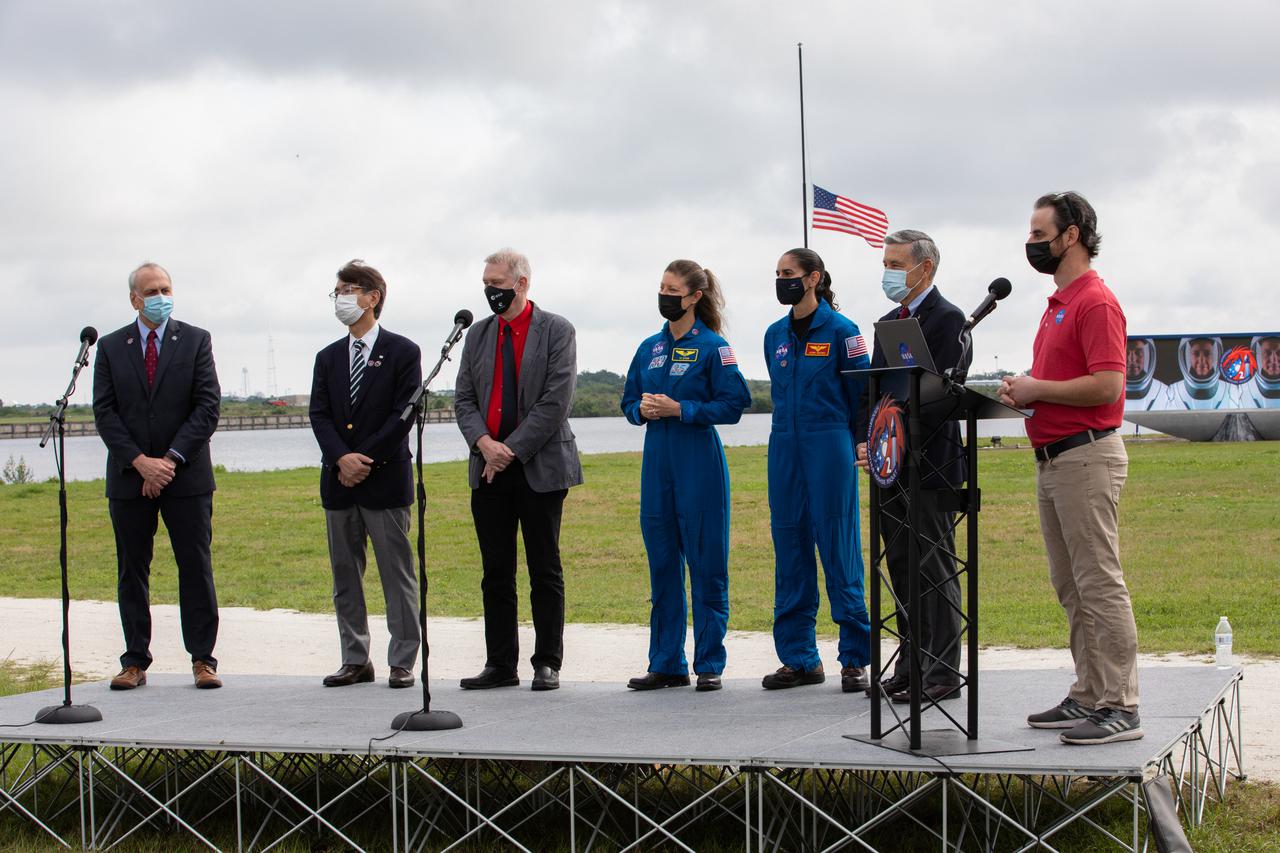
At right, moderator Joshua Santora, NASA Communications, addresses the audience during a NASA Social Facebook Live event held April 21, 2021, near the Press Site countdown clock at NASA’s Kennedy Space Center in Florida, ahead of the agency’s SpaceX Crew-2 launch. Participants, from left to right, are: Steve Jurczyk, acting NASA administrator; Hiroshi Sasaki, vice president and director general, JAXA’s Human Spaceflight Technology Directorate; Frank de Winne, manager, International Space Station Program, ESA; NASA astronauts Tracy Caldwell Dyson and Jasmin Moghbeli; and Kennedy Director Bob Cabana. Crew-2 is the second regular crew mission of a U.S. commercial spacecraft with astronauts to the International Space Station as part of NASA’s Commercial Crew Program. The SpaceX Crew Dragon Endeavour capsule will launch atop the company’s Falcon 9 rocket from Launch Complex 39A to the space station for a six-month science mission. Liftoff is targeted for Friday, April 23, at 5:49 a.m. EDT.
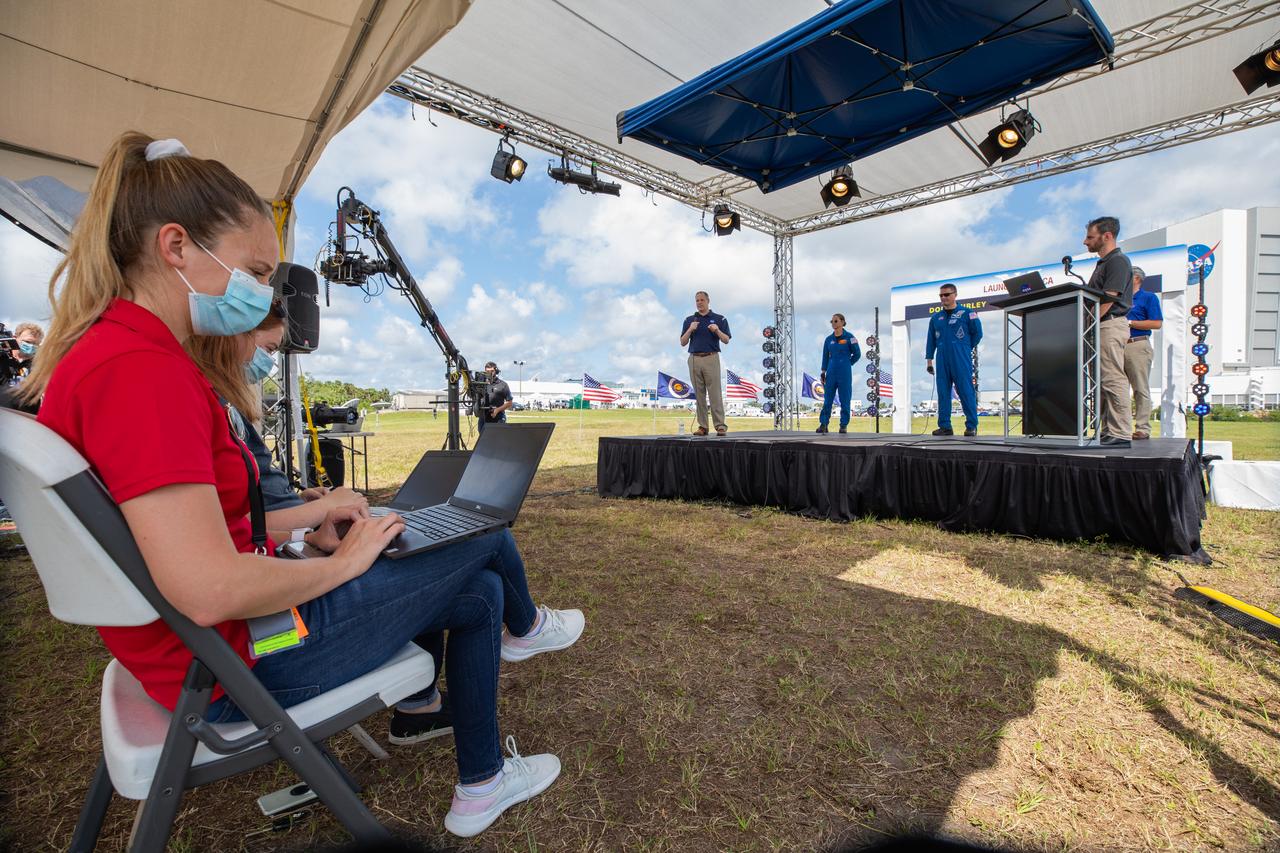
NASA Administrator Jim Bridenstine (far left) participates in a NASA Social YouTube Live briefing May 29, 2020, near the Press Site countdown clock at the agency’s Kennedy Space Center in Florida ahead of NASA’s SpaceX Demo-2 launch. Standing next to him are NASA astronauts Nicole Mann (left) and Kjell Lindgren, Kennedy Space Center Director Bob Cabana and NASA Communications’ Joshua Santora (far right). The launch, initially scheduled for May 27, was scrubbed due to unfavorable weather conditions. The next launch attempt is Saturday, May 30. A SpaceX Falcon 9 rocket and Crew Dragon spacecraft are scheduled to lift off from Kennedy’s Launch Complex 39A, carrying NASA astronauts Robert Behnken and Douglas Hurley to the International Space Station. This will mark the first launch of astronauts from U.S. soil to the space station since the conclusion of the Space Shuttle Program in 2011. Part of the agency’s Commercial Crew Program, this will be SpaceX’s final flight test, paving the way for NASA to certify the crew transportation system for regular, crewed flights to the orbiting laboratory. Liftoff is scheduled for 3:22 p.m. EDT.
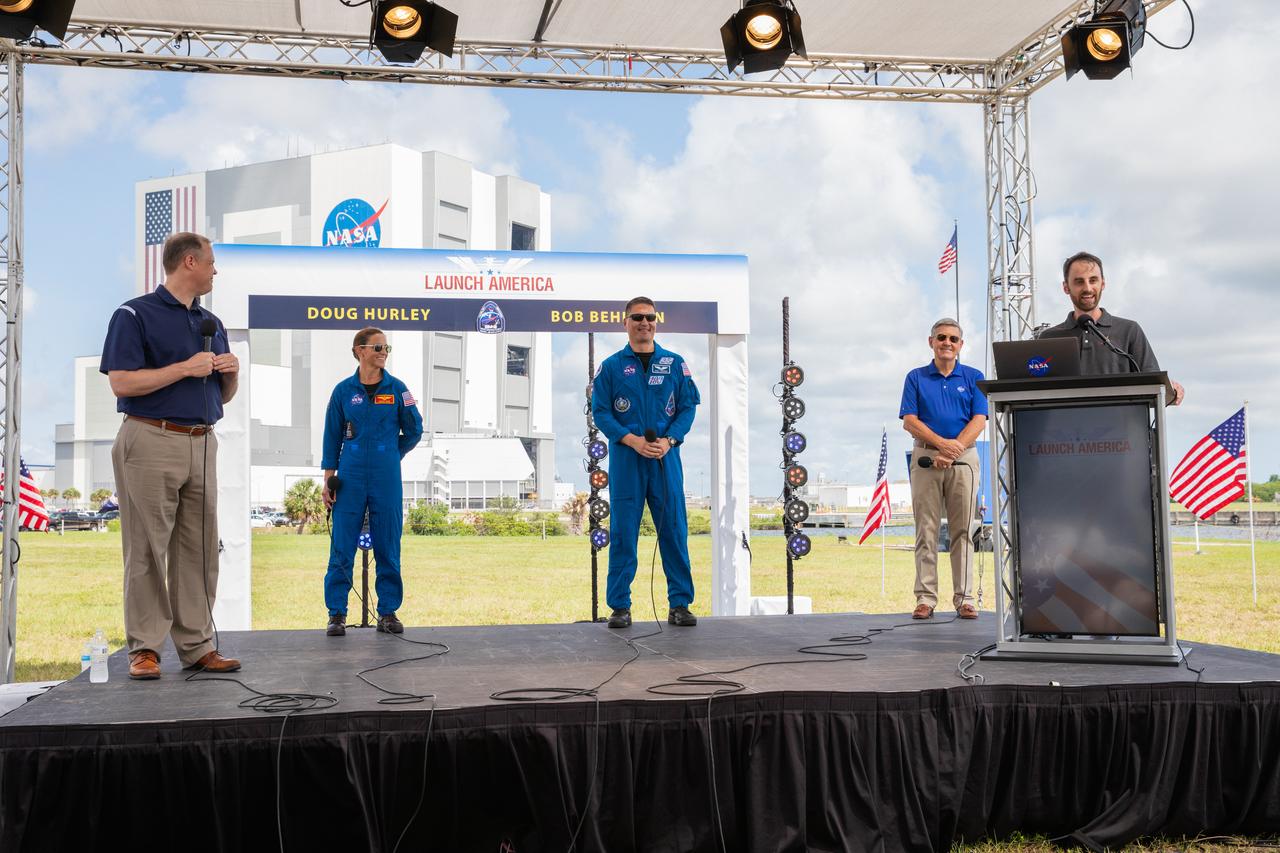
Joshua Santora, far right, with NASA Communications, moderates a NASA Social YouTube Live briefing May 29, 2020, near the Press Site countdown clock at the agency’s Kennedy Space Center in Florida ahead of NASA’s SpaceX Demo-2 launch. From left, participants include NASA Administrator Jim Bridenstine, NASA astronauts Nicole Mann and Kjell Lindgren, and Kennedy Space Center Director Bob Cabana. The launch, initially scheduled for May 27, was scrubbed due to unfavorable weather conditions. The next launch attempt is Saturday, May 30. A SpaceX Falcon 9 rocket and Crew Dragon spacecraft are scheduled to lift off from Kennedy’s Launch Complex 39A, carrying NASA astronauts Robert Behnken and Douglas Hurley to the International Space Station. This will mark the first launch of astronauts from U.S. soil to the space station since the conclusion of the Space Shuttle Program in 2011. Part of the agency’s Commercial Crew Program, this will be SpaceX’s final flight test, paving the way for NASA to certify the crew transportation system for regular, crewed flights to the orbiting laboratory. Liftoff is scheduled for 3:22 p.m. EDT.
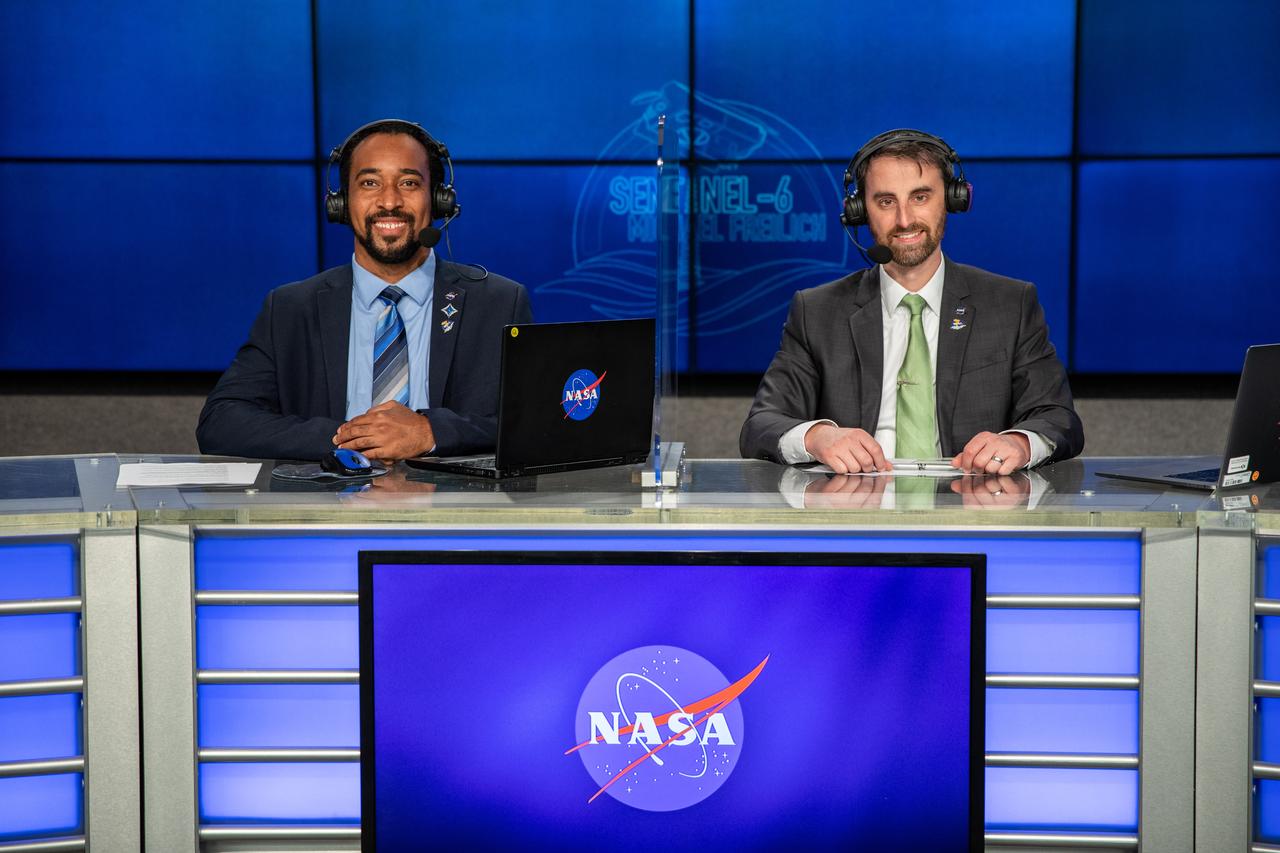
Phillip Hargrove, a NASA launch trajectory analyst with the agency’s Launch Services Program, left, and NASA Launch Commentator Joshua Santora participate in the launch broadcast for the Sentinel-6 Michael Freilich mission on Nov. 21, 2020, in the Press Site auditorium at Kennedy Space Center in Florida. The SpaceX Falcon 9 rocket carrying the Sentinel-6 Michael Freilich spacecraft launched from Space Launch Complex 4 at Vandenberg Air Force Base in California at 9:17 a.m. PST (12:17 p.m. EST). The Sentinel-6/Jason-CS (Continuity of Service) mission consists of the Sentinel-6 Michael Freilich satellite, which will be followed by its twin, the Sentinel-6B satellite, in 2025. The Sentinel-6/Jason-CS mission is part of Copernicus, the European Union’s Earth observation program, managed by the European Commission. Continuing the legacy of the Jason series missions, Sentinel-6/Jason-CS will extend the records of sea level into their fourth decade, collecting accurate measurements of sea surface height for more than 90% of the world’s seas, and providing crucial information for operational oceanography, marine meteorology, and climate studies. NASA’s Launch Services Program at Kennedy Space Center was responsible for launch management.