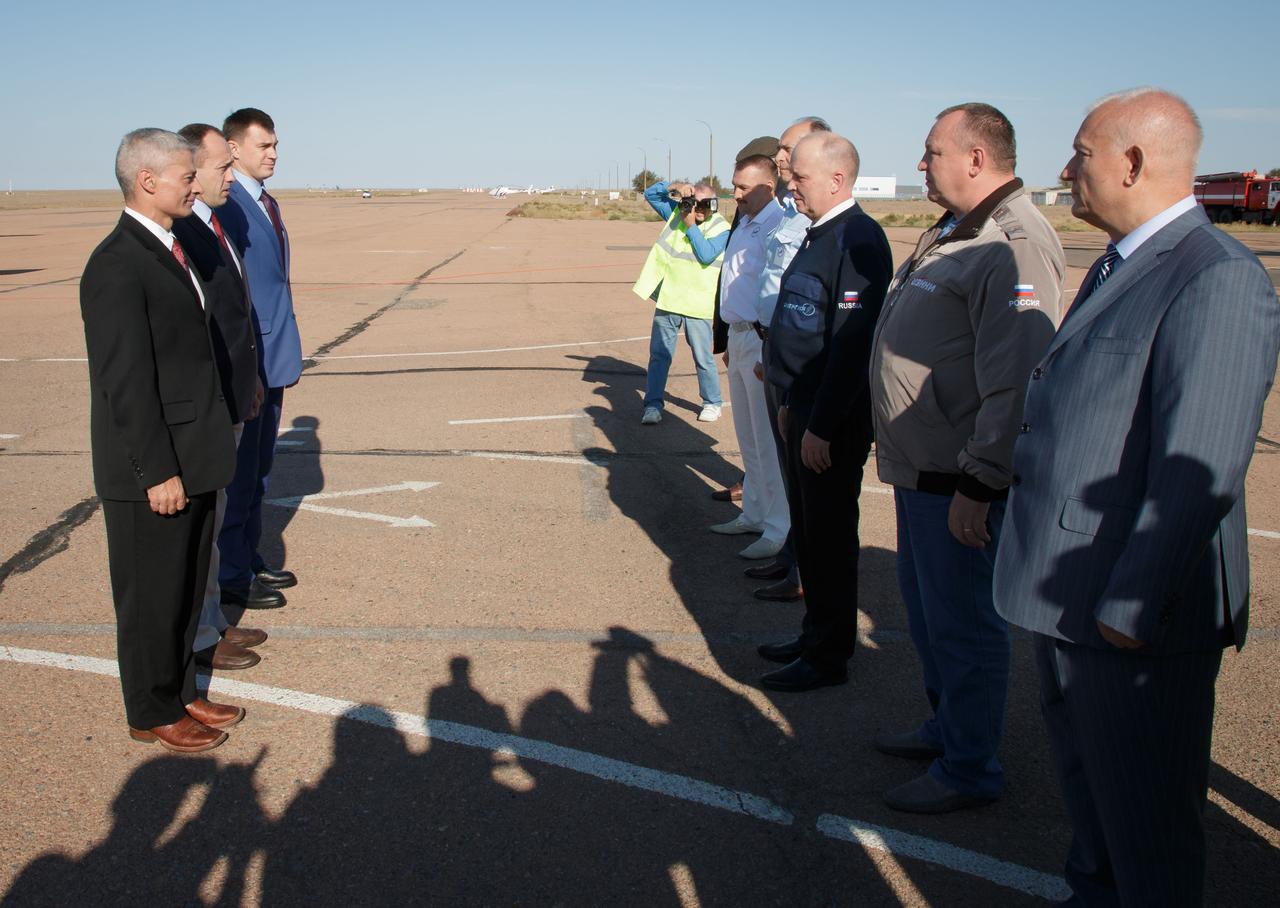
Expedition 49 backup crew members Mark Vande Hei of NASA, left, Alexander Misurkin, center, and Nikolai Tikhonov of Roscomos, left, report to Russian space officials after arriving in Baikonur, Kazakhstan on Friday, Oct. 7, 2016. The trio are preparing for launch to the International Spacestation in their Soyuz MS-02 spacecraft from the Baikonur Cosmodrome in Kazakhstan on October 19, 2016. Photo Credit: (NASA/Victor Zelentsov)
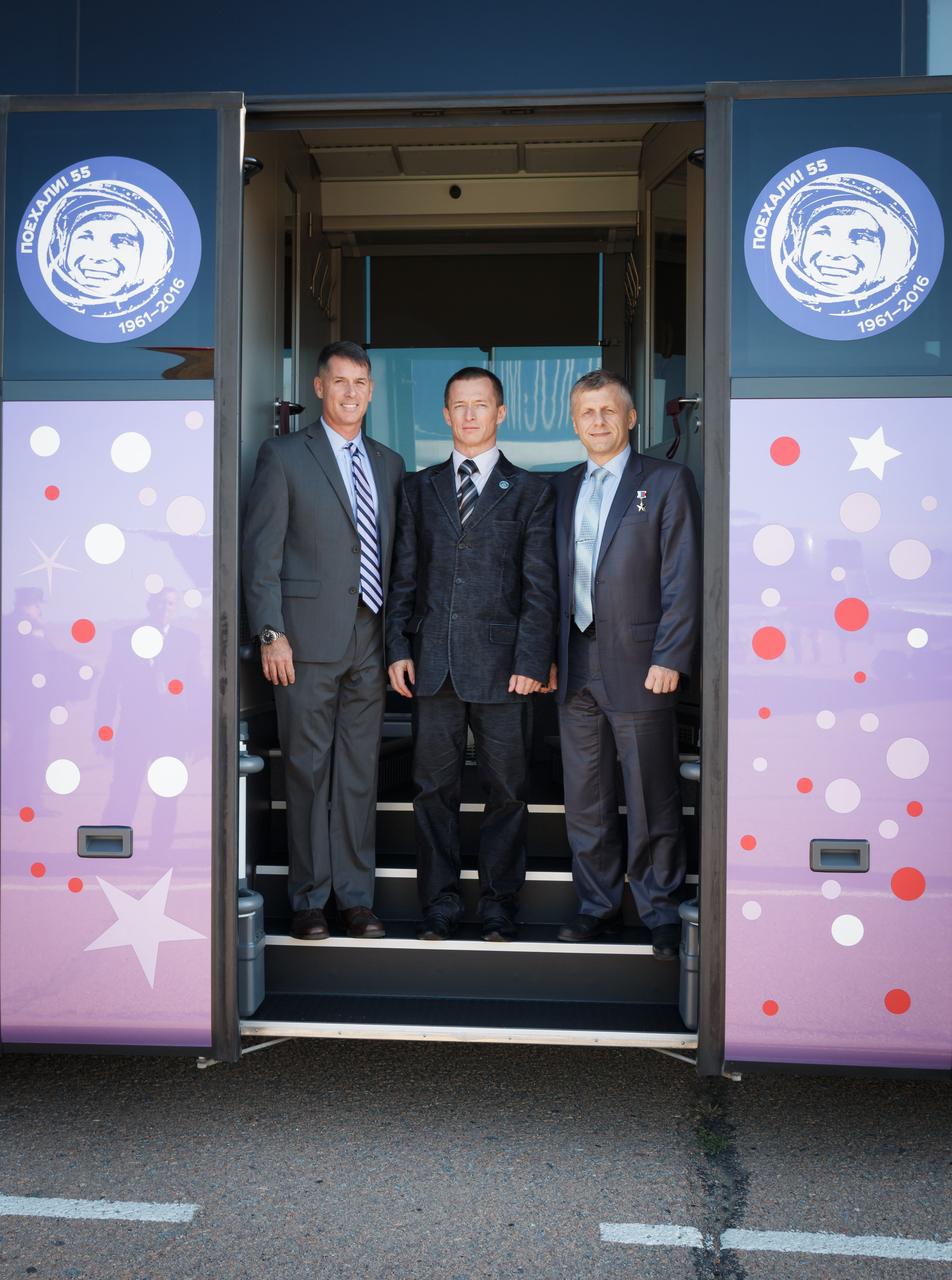
Expedition 49 crew members Shane Kimbrough of NASA, left, Sergey Ryzhikov, center, and Andrey Borisenko of Roscosmos, left, pose for a picture after arriving in Baikonur, Kazakhstan on Friday, Oct. 7, 2016. The trio are preparing for launch to the International Spacestation in their Soyuz MS-02 spacecraft from the Baikonur Cosmodrome in Kazakhstan on October 19, 2016. Photo Credit: (NASA/Victor Zelentsov)
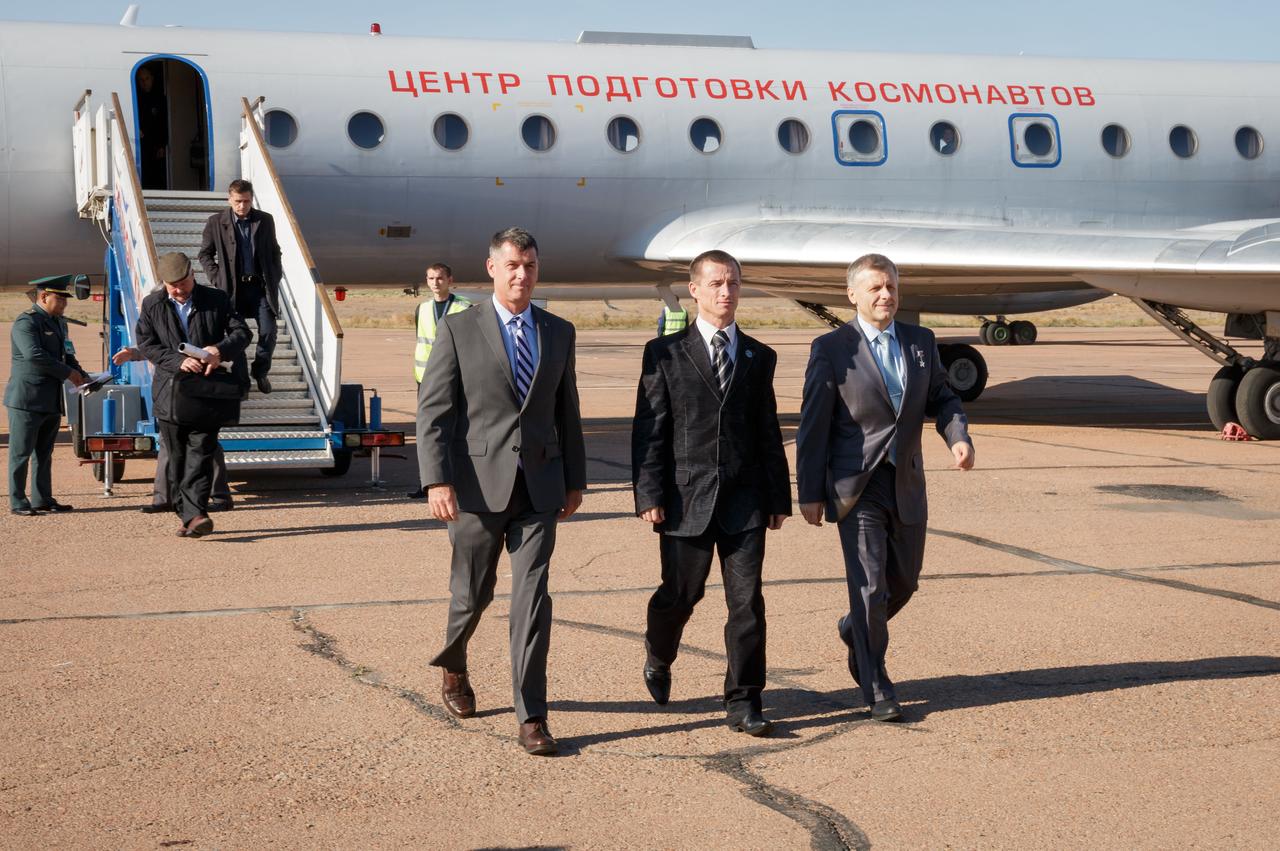
Expedition 49 crew members Shane Kimbrough of NASA, left, Sergey Ryzhikov, center, and Andrey Borisenko of Roscosmos, left, exit the Gagarin Cosmonaut Training Center (GCTC) aircraft after arriving in Baikonur, Kazakhstan on Friday, Oct. 7, 2016. The trio are preparing for launch to the International Space Station in their Soyuz MS-02 spacecraft from the Baikonur Cosmodrome in Kazakhstan on October 19, 2016. Photo Credit: (NASA/Victor Zelentsov)
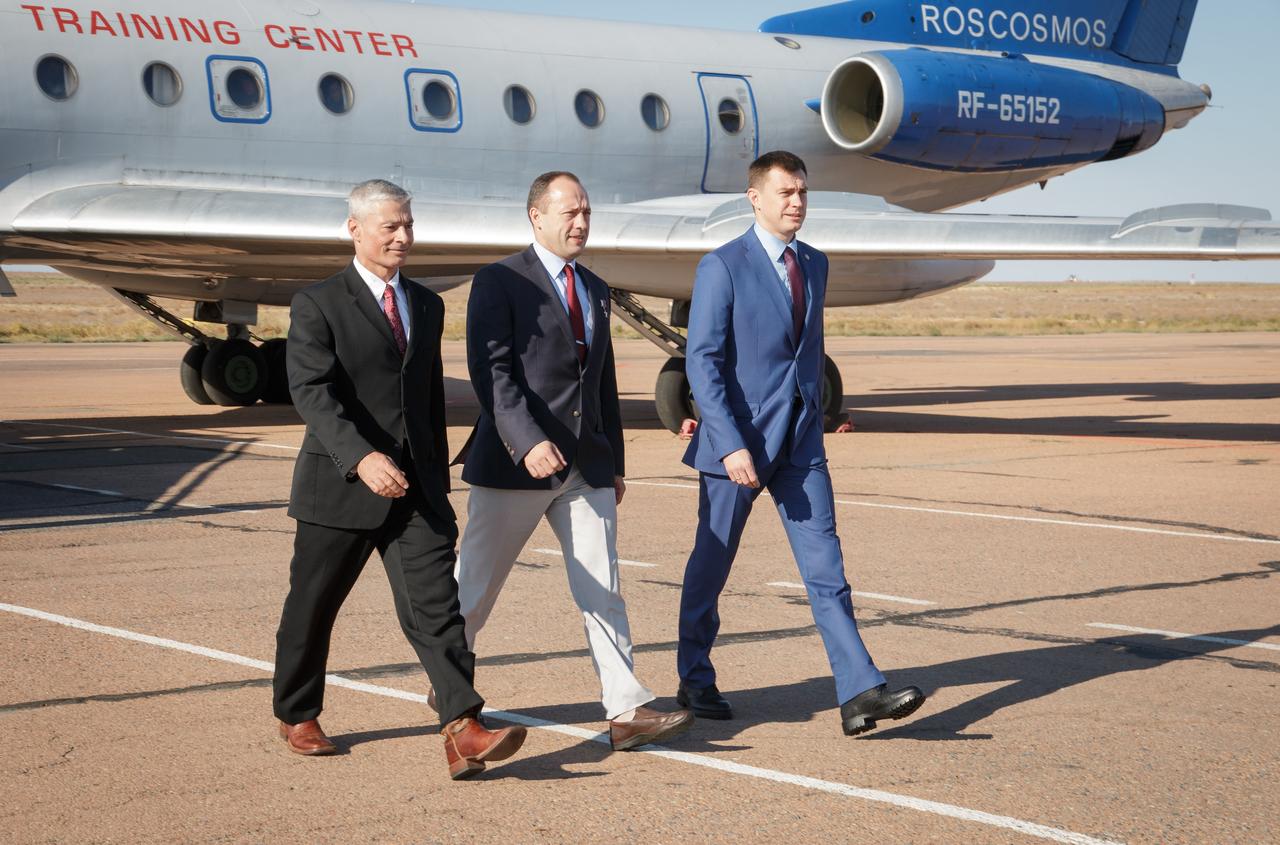
Expedition 49 backup crew members Mark Vande Hei of NASA, left, Alexander Misurkin, center, and Nikolai Tikhonov of Roscomos, left, exit the Gagarin Cosmonaut Training Center (GCTC) aircraft after arriving in Baikonur, Kazakhstan on Friday, Oct. 7, 2016. The trio are preparing for launch to the International Spacestation in their Soyuz MS-02 spacecraft from the Baikonur Cosmodrome in Kazakhstan on October 19, 2016. Photo Credit: (NASA/Victor Zelentsov)
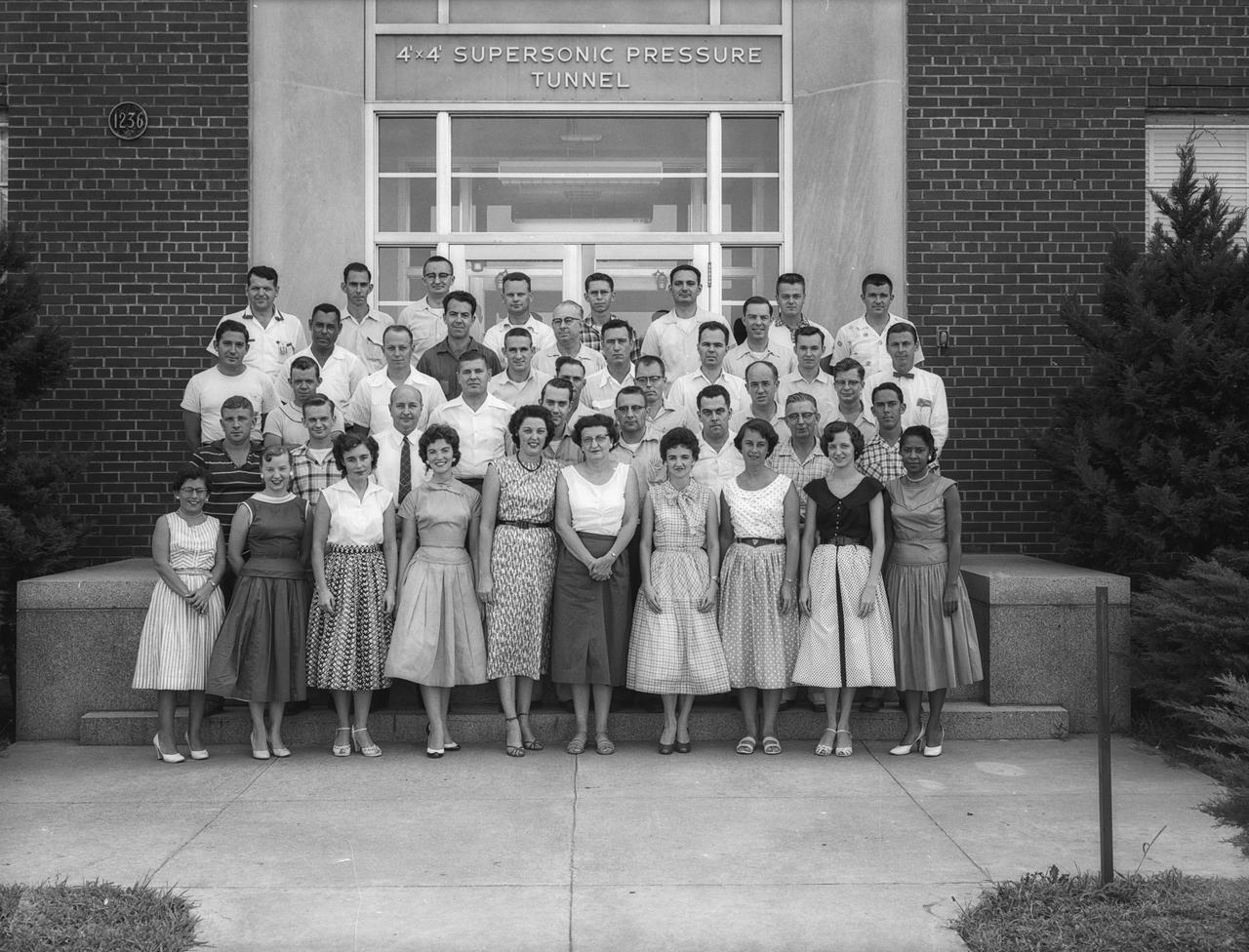
This photograph was taken August 15, 1956. Mary Jackson first person in the front row right side. Mary Jackson began at Langley in 1951 as a computer. She was later assigned to work at the 4-Foot by 4-Foot Supersonic Pressure Tunnel where she worked with Kazimierz "Kaz" Czarnecki, who encouraged her to become an engineer. To attend the university extension engineering classes held at the then all-white Hampton High School, Jackson was required to petition the courts, which she did successfully. The 4’ x 4’ Supersonic Pressure Tunnel was the NACA’s first supersonic wind tunnel. At the time of the photo, Mary Jackson was still a human computer, but was participating in the hands-on experimental work. Mrs. Jackson had begun her studies to be an engineer in the Spring of the same year the photo was taken. She obtained a degree in aerospace engineering in 1958. Photo published in "A Century at Langley" by Joseph R. Chambers page 74.
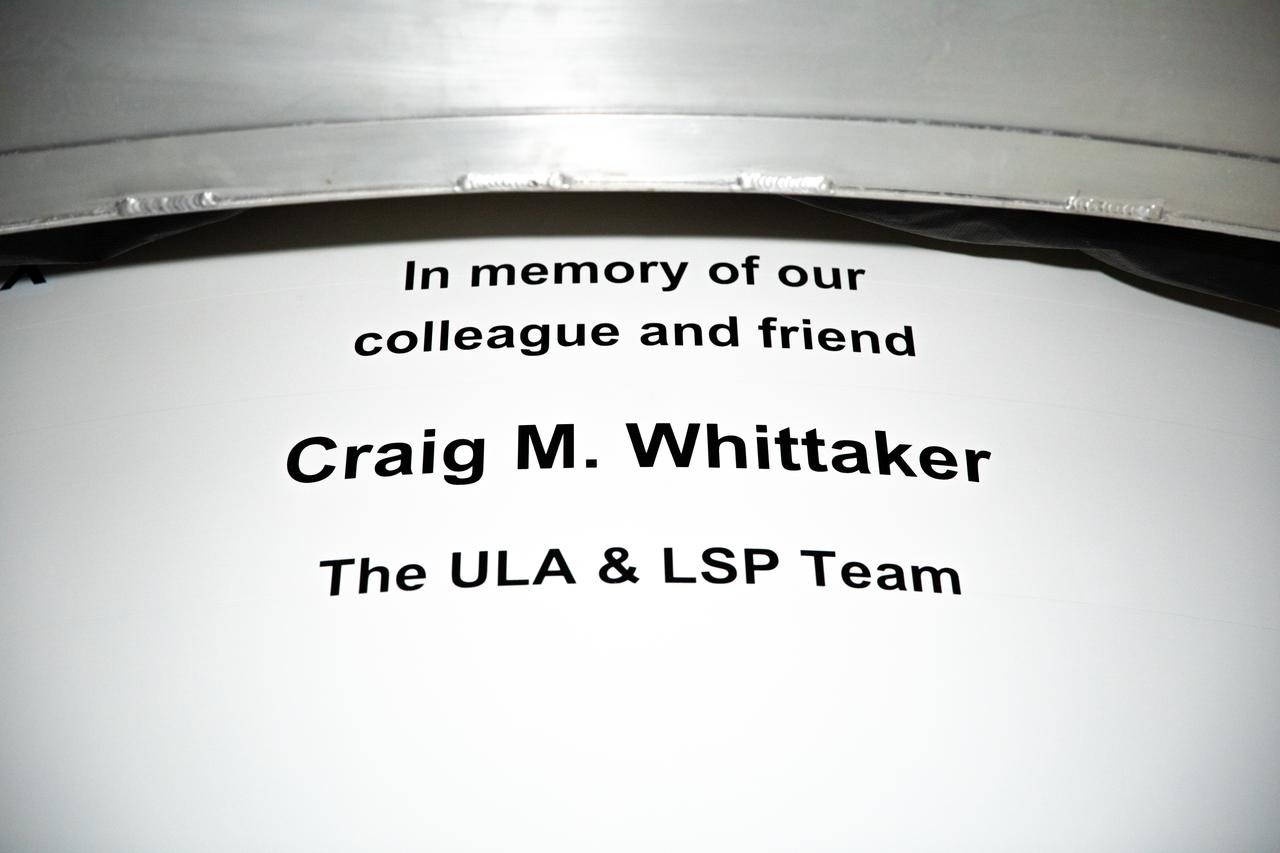
The United Launch Alliance (ULA) Atlas V rocket that will launch NASA’s Lucy spacecraft on its 12-year mission to study the Trojan asteroids is shown inside the Vertical Integration Facility at Space Launch Complex 41 (SLC-41) at Cape Canaveral Space Force Station in Florida on Oct. 8, 2021. Three dedication laminates were added to the rocket. The first is in memory of Craig M. Whittaker, a colleague and friend of NASA’s Launch Services Program (LSP) and ULA teams. The second is in memory of two colleagues: William “Billy” Joiner II – a former Lockheed Martin and ULA technician – and Mark “Kaz” Kaszubowski – an accomplished engineer and mentor. The third plaque is dedicated to NASA’s Goddard Space Flight Center Lucy Mission Team for its dedication shown throughout the pandemic. Lucy is targeted to lift off from SLC-41 at 5:34 a.m. EDT Saturday, Oct. 16. LSP, based at NASA’s Kennedy Space Center, is managing the launch.
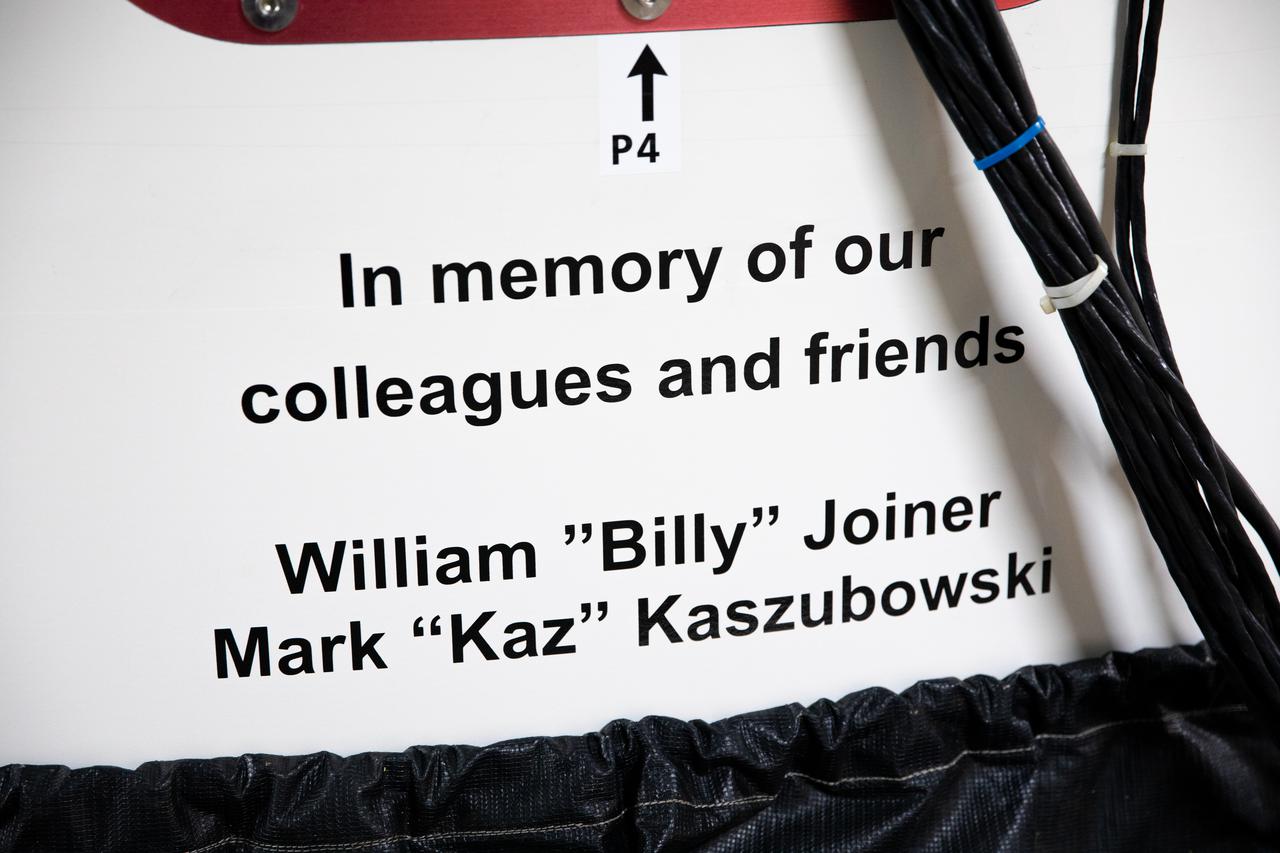
The United Launch Alliance (ULA) Atlas V rocket that will launch NASA’s Lucy spacecraft on its 12-year mission to study the Trojan asteroids is shown inside the Vertical Integration Facility at Space Launch Complex 41 (SLC-41) at Cape Canaveral Space Force Station in Florida on Oct. 8, 2021. Three dedication laminates were added to the rocket. The first is in memory of Craig M. Whittaker, a colleague and friend of NASA’s Launch Services Program (LSP) and ULA teams. The second is in memory of two colleagues: William “Billy” Joiner II – a former Lockheed Martin and ULA technician – and Mark “Kaz” Kaszubowski – an accomplished engineer and mentor. The third plaque is dedicated to NASA’s Goddard Space Flight Center Lucy Mission Team for its dedication shown throughout the pandemic. Lucy is targeted to lift off from SLC-41 at 5:34 a.m. EDT Saturday, Oct. 16. LSP, based at NASA’s Kennedy Space Center, is managing the launch.
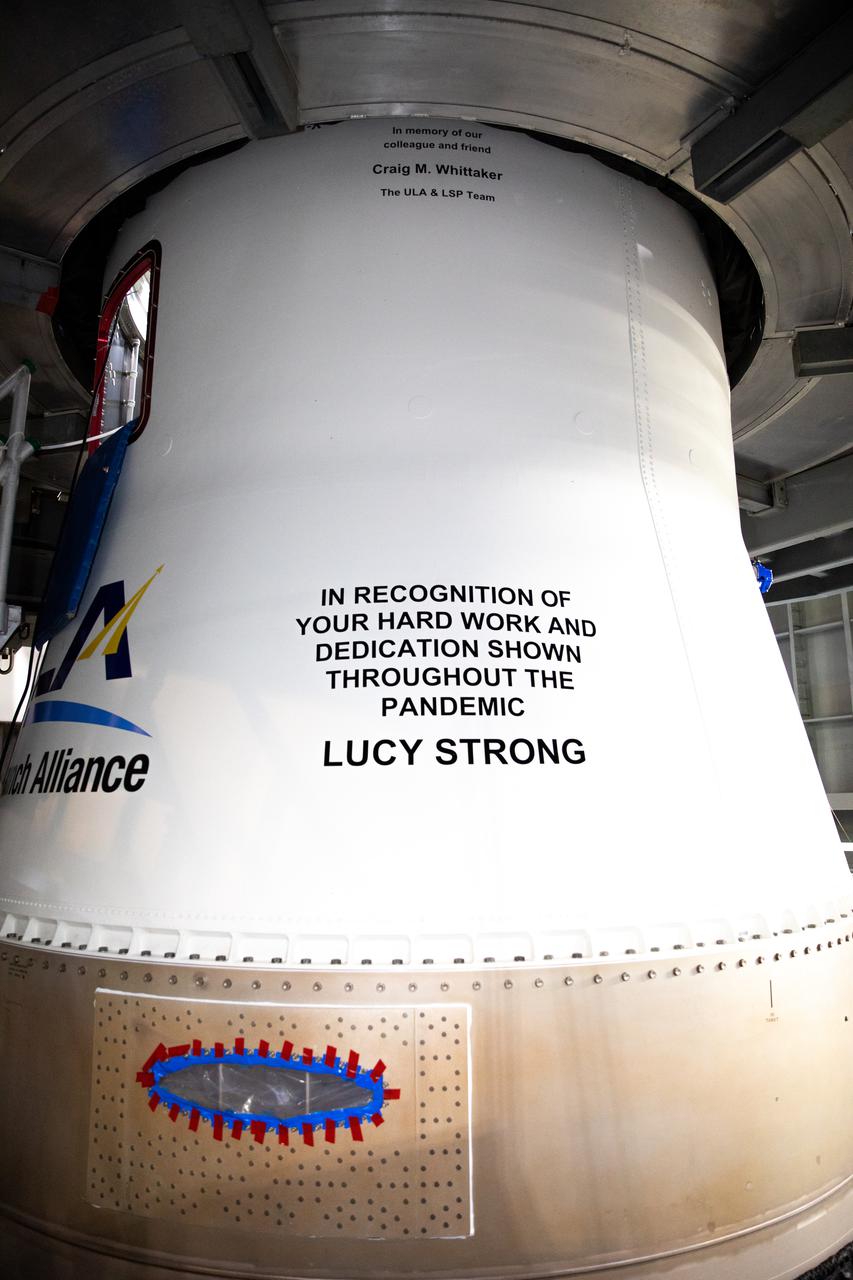
The United Launch Alliance (ULA) Atlas V rocket that will launch NASA’s Lucy spacecraft on its 12-year mission to study the Trojan asteroids is shown inside the Vertical Integration Facility at Space Launch Complex 41 (SLC-41) at Cape Canaveral Space Force Station in Florida on Oct. 8, 2021. Three dedication laminates were added to the rocket. The first is in memory of Craig M. Whittaker, a colleague and friend of NASA’s Launch Services Program (LSP) and ULA teams. The second is in memory of two colleagues: William “Billy” Joiner II – a former Lockheed Martin and ULA technician – and Mark “Kaz” Kaszubowski – an accomplished engineer and mentor. The third plaque is dedicated to NASA’s Goddard Space Flight Center Lucy Mission Team for its dedication shown throughout the pandemic. Lucy is targeted to lift off from SLC-41 at 5:34 a.m. EDT Saturday, Oct. 16. LSP, based at NASA’s Kennedy Space Center, is managing the launch.
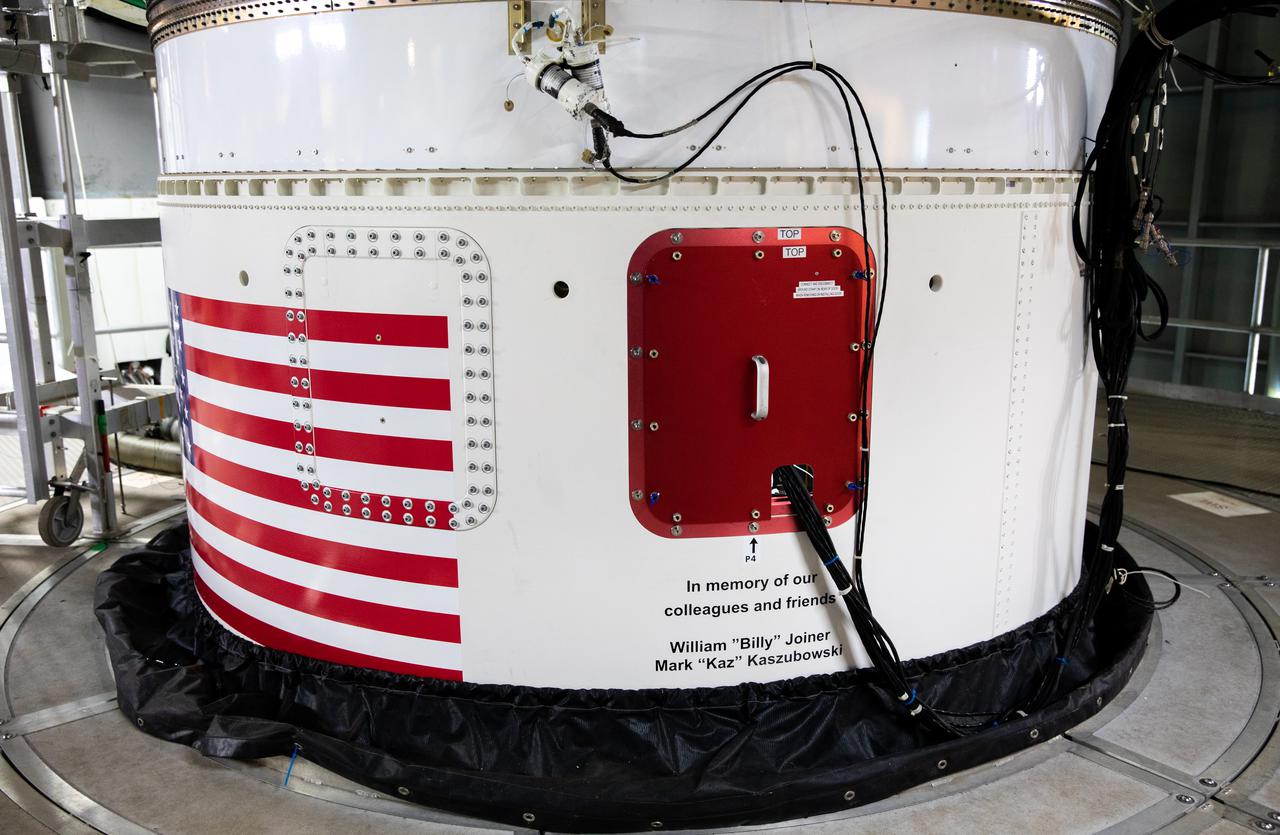
The United Launch Alliance (ULA) Atlas V rocket that will launch NASA’s Lucy spacecraft on its 12-year mission to study the Trojan asteroids is shown inside the Vertical Integration Facility at Space Launch Complex 41 (SLC-41) at Cape Canaveral Space Force Station in Florida on Oct. 8, 2021. Three dedication laminates were added to the rocket. The first is in memory of Craig M. Whittaker, a colleague and friend of NASA’s Launch Services Program (LSP) and ULA teams. The second is in memory of two colleagues: William “Billy” Joiner II – a former Lockheed Martin and ULA technician – and Mark “Kaz” Kaszubowski – an accomplished engineer and mentor. The third plaque is dedicated to NASA’s Goddard Space Flight Center Lucy Mission Team for its dedication shown throughout the pandemic. Lucy is targeted to lift off from SLC-41 at 5:34 a.m. EDT Saturday, Oct. 16. LSP, based at NASA’s Kennedy Space Center, is managing the launch.

The United Launch Alliance (ULA) Atlas V rocket that will launch NASA’s Lucy spacecraft on its 12-year mission to study the Trojan asteroids is shown inside the Vertical Integration Facility at Space Launch Complex 41 (SLC-41) at Cape Canaveral Space Force Station in Florida on Oct. 8, 2021. Three dedication laminates were added to the rocket. The first is in memory of Craig M. Whittaker, a colleague and friend of NASA’s Launch Services Program (LSP) and ULA teams. The second is in memory of two colleagues: William “Billy” Joiner II – a former Lockheed Martin and ULA technician – and Mark “Kaz” Kaszubowski – an accomplished engineer and mentor. The third plaque is dedicated to NASA’s Goddard Space Flight Center Lucy Mission Team for its dedication shown throughout the pandemic. Lucy is targeted to lift off from SLC-41 at 5:34 a.m. EDT Saturday, Oct. 16. LSP, based at NASA’s Kennedy Space Center, is managing the launch.
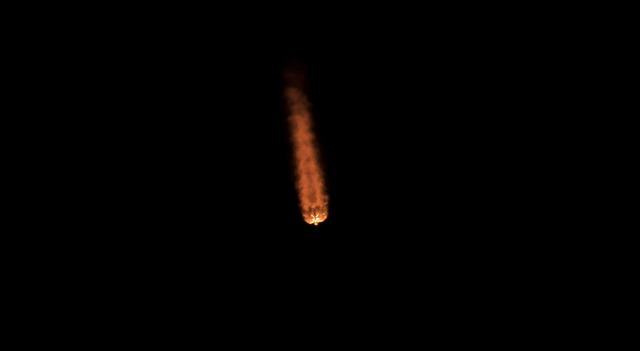
The Soyuz MS-13 rocket is launched with Expedition 60 Soyuz Commander Alexander Skvortsov of Roscosmos, flight engineer Andrew Morgan of NASA, and flight engineer Luca Parmitano of ESA (European Space Agency), Saturday, July 20, 2019 at the Baikonur Cosmodrome in Kazakhstan. Skvortsov, Morgan, and Parmitano launched at 12:28 p.m. Eastern time (9:28 p.m. Baikonur time) to begin their mission to the International Space Station. Photo Credit: (NASA/Joel Kowsky)
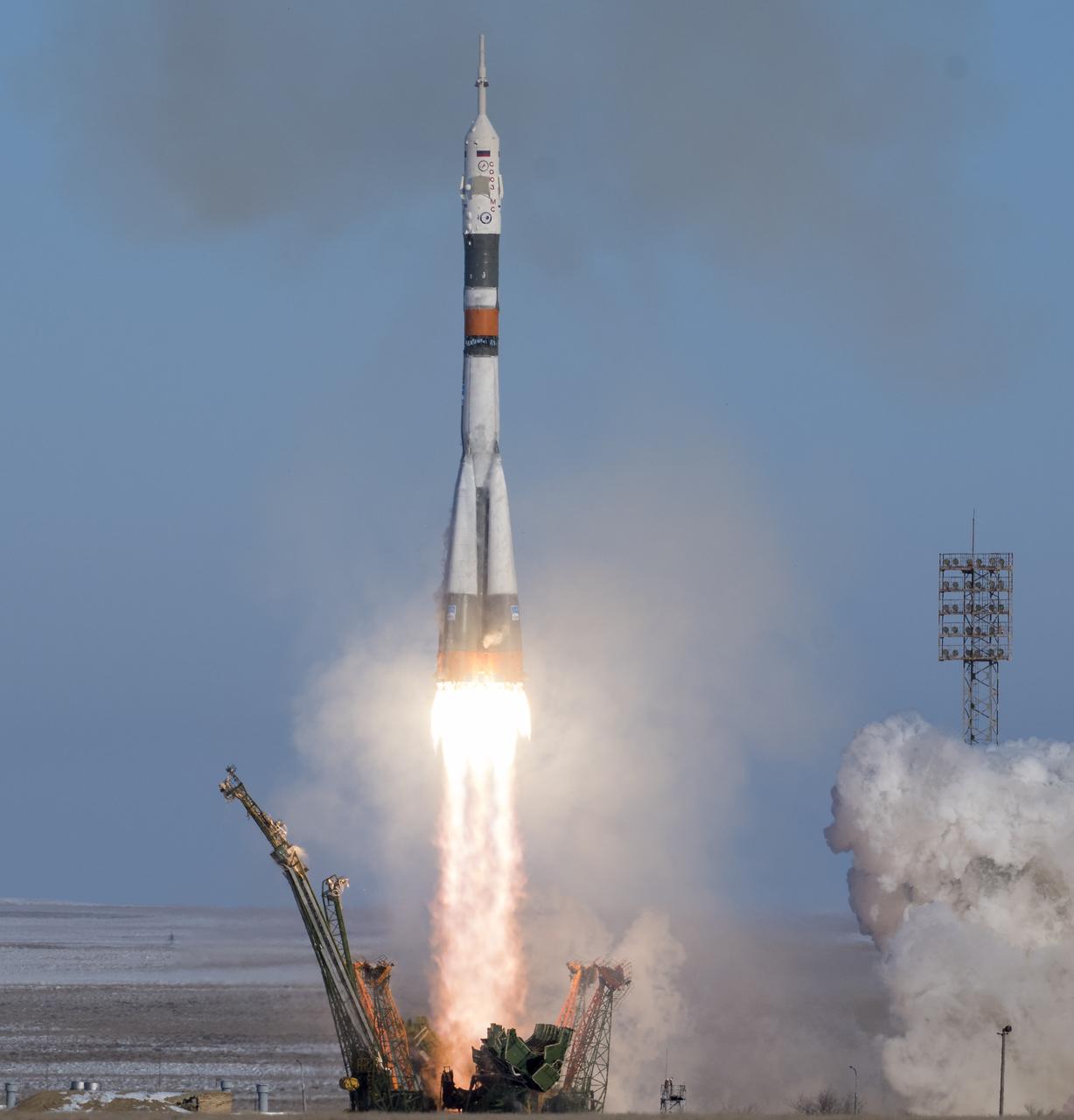
The Soyuz MS-07 rocket is launched with Expedition 54 Soyuz Commander Anton Shkaplerov of Roscosmos, flight engineer Scott Tingle of NASA, and flight engineer Norishige Kanai of Japan Aerospace Exploration Agency (JAXA), Sunday, Dec. 17, 2017 at the Baikonur Cosmodrome in Kazakhstan. Shkaplerov, Tingle, and Kanai will spend the next five months living and working aboard the International Space Station. Photo Credit: (NASA/Joel Kowsky)
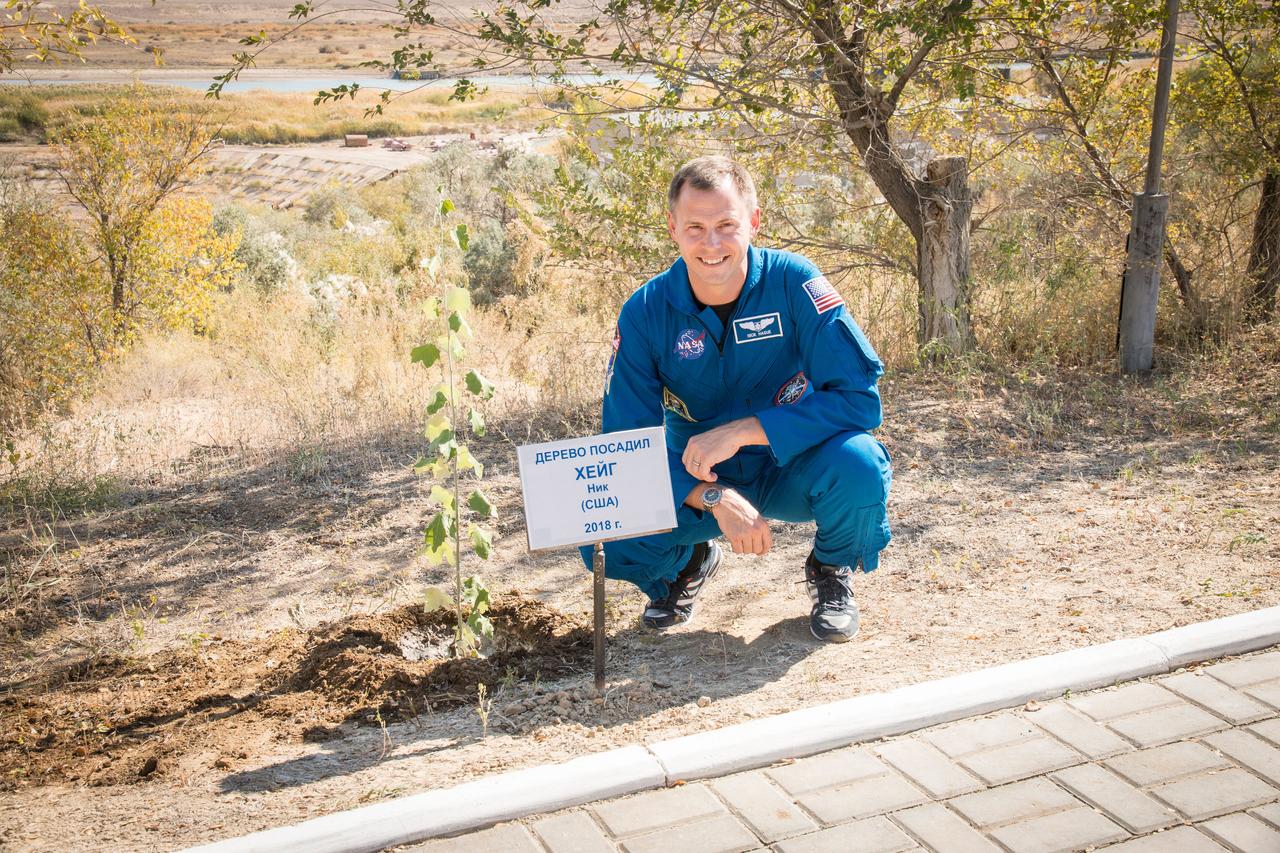
jsc2018e085905 (Oct. 3, 2018) --- Expedition 57 crew member Nick Hague of NASA poses for a picture with the tree that he planted in his name as part of the traditional pre-flight activities for first-time fliers, Wednesday, Oct. 3, 2018 at the Cosmonaut Hotel in Baikonur, Kazakhstan. Hague and Alexey Ovchinin of Roscosmos are scheduled to launch on Oct. 11 onboard the Soyuz MS-10 spacecraft from the Baikonur Cosmodrome in Kazakhstan for a six-month mission on the International Space Station. Photo Credit: (NASA/Victor Zelentsov)
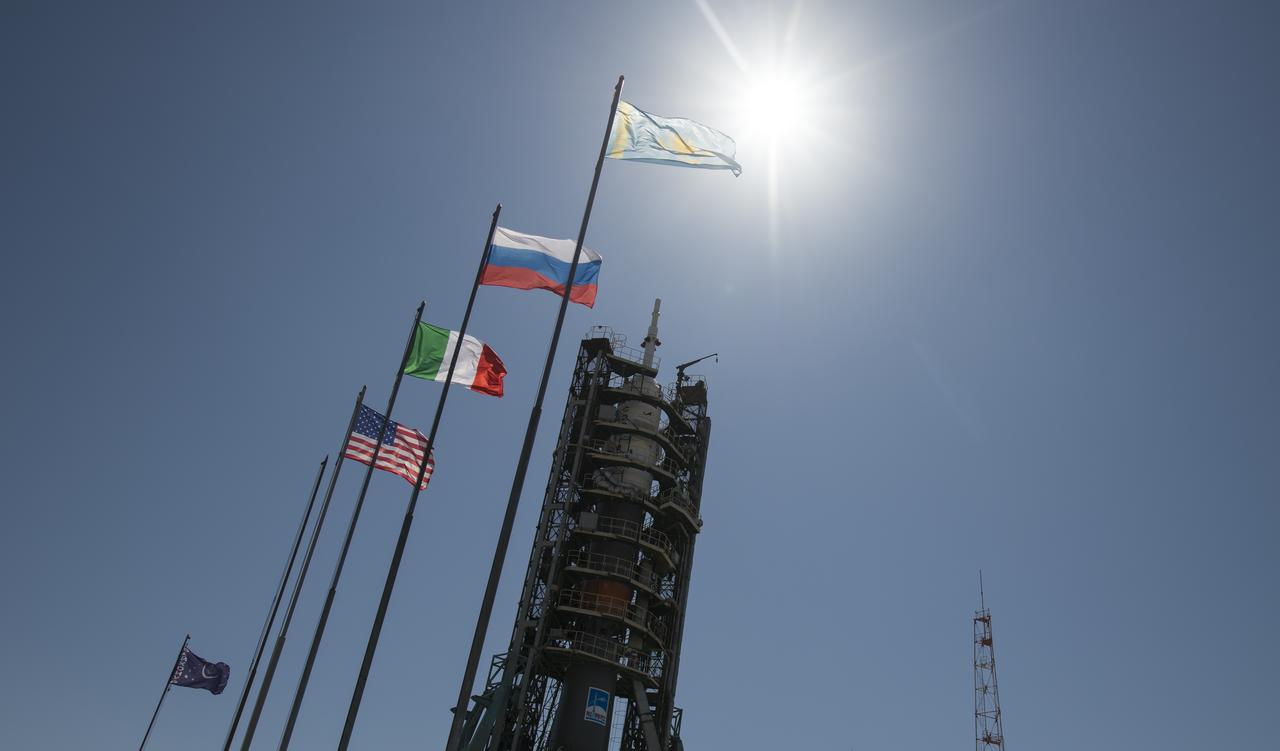
Flags representing the countries of the Soyuz MS-13 crew members are seen at the launch pad after the Soyuz rocket was rolled out by train, Thursday, July 18, 2019 at the Baikonur Cosmodrome in Kazakhstan. Expedition 60 Soyuz Commander Alexander Skvortsov of Roscosmos, flight engineer Andrew Morgan of NASA, and flight engineer Luca Parmitano of ESA (European Space Agency) are scheduled to launch aboard their Soyuz MS-13 spacecraft at 12:28 p.m. Eastern time (9:28 p.m. Baikonur time) , on Saturday, July 20. Photo Credit: (NASA/Joel Kowsky)
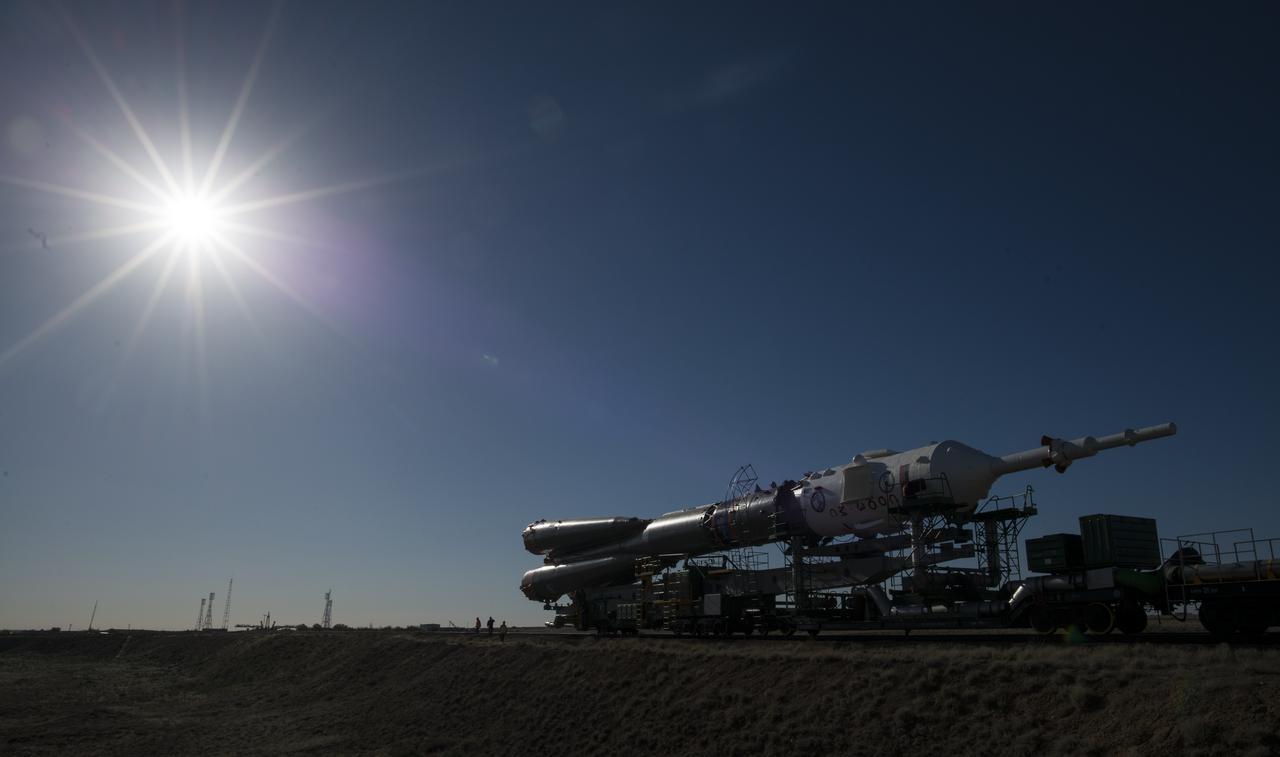
The Soyuz rocket is rolled out by train to the launch pad, Monday, June 4, 2018 at the Baikonur Cosmodrome in Kazakhstan. Expedition 56 Soyuz Commander Sergey Prokopyev of Roscosmos, flight engineer Serena Auñón-Chancellor of NASA, and flight engineer Alexander Gerst of ESA (European Space Agency) are scheduled to launch aboard their Soyuz MS-09 spacecraft at 7:12 a.m. Eastern time (5:12 p.m. Baikonur time), on Wednesday, June 6. Photo Credit: (NASA/Joel Kowsky)
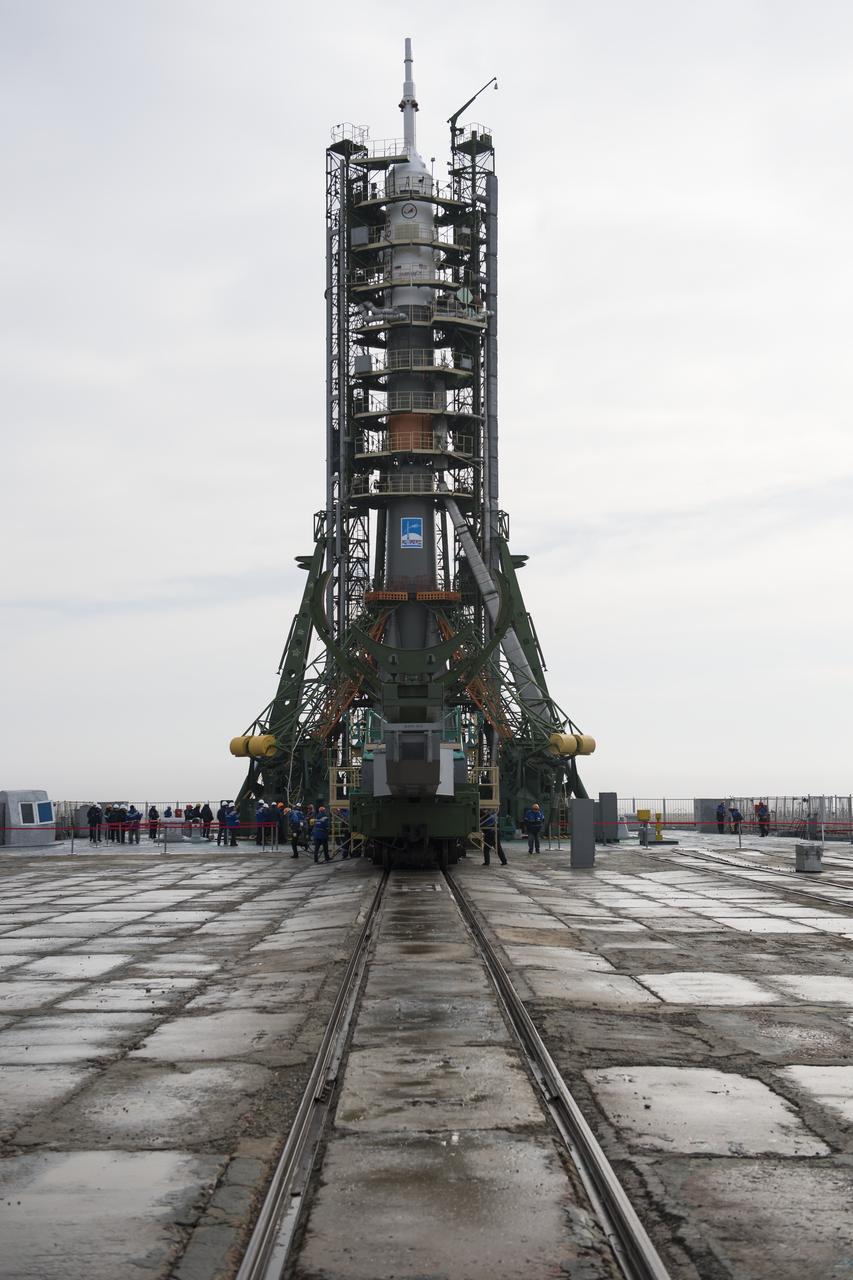
The Soyuz rocket is seen on the launch pad after the service structure arms were closed around it, Monday, March 19, 2018 at the Baikonur Cosmodrome in Kazakhstan. Expedition 55 crewmembers Ricky Arnold and Drew Feustel of NASA and Oleg Artemyev of Roscosmos are scheduled to launch at 1:44 p.m. Eastern time (11:44 p.m. Baikonur time) on March 21 and will spend the next five months living and working aboard the International Space Station. Photo Credit: (NASA/Joel Kowsky)

The Soyuz MS-02 spacecraft is seen as the work platforms around it are closed following encapsulation in its fairing on Thursday, Tuesday, Oct. 11, 2016 at the Baikonur Cosmodrome in Kazakhstan. Expedition 49 flight engineer Shane Kimbrough of NASA, flight engineer Andrey Borisenko of Roscosmos, and Soyuz commander Sergey Ryzhikov of Roscosmos are scheduled to launch from the Baikonur Cosmodrome in Kazakhstan on Oct. 19. Photo Credit: (NASA/Victor Zelentsov)
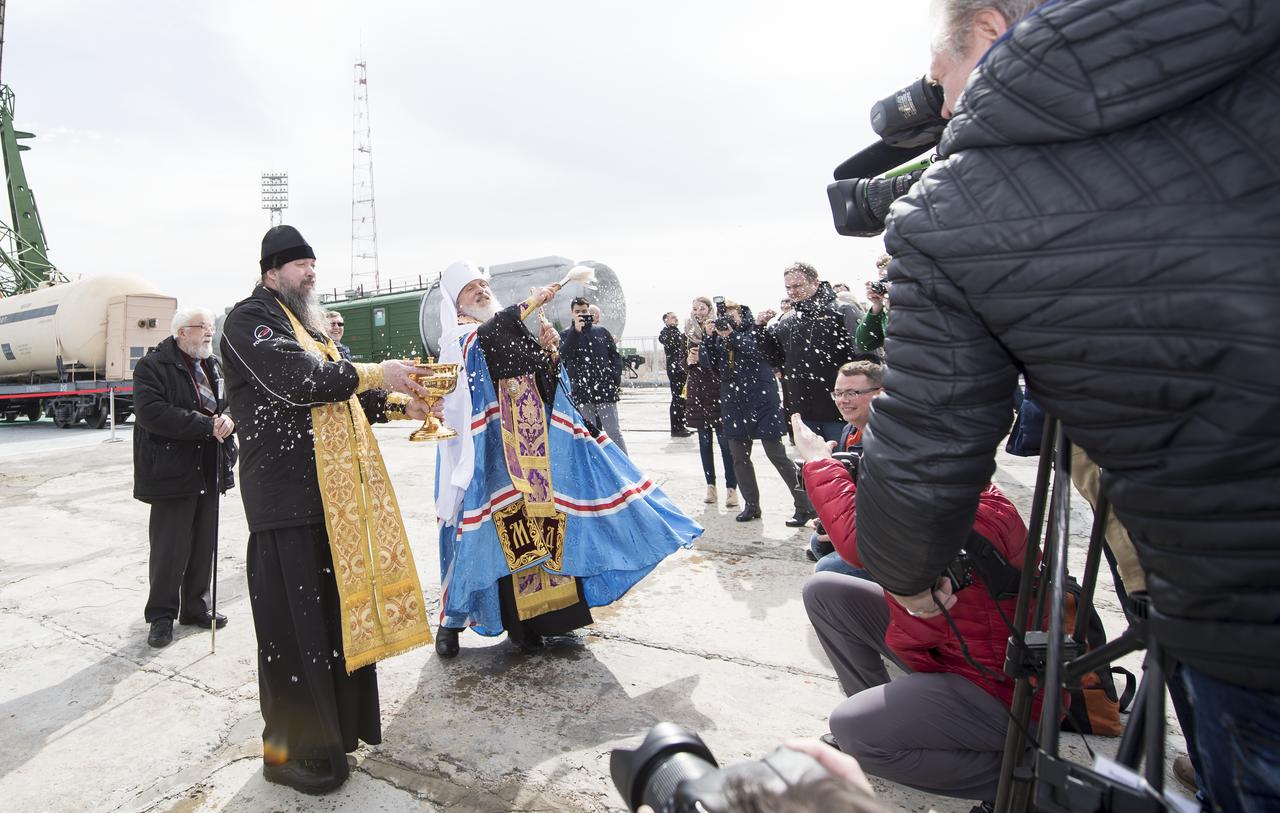
An Orthodox Priest blesses members of the media at the Baikonur Cosmodrome launch pad, Tuesday, March 20, 2018 in Baikonur, Kazahstan. Expedition 55 Soyuz Commander Oleg Artemyev of Roscosmos, Ricky Arnold and Drew Feustel of NASA are scheduled to launch to the International Space Station aboard the Soyuz MS-08 spacecraft on Wednesday, March, 21. Photo Credit: (NASA/Joel Kowsky)
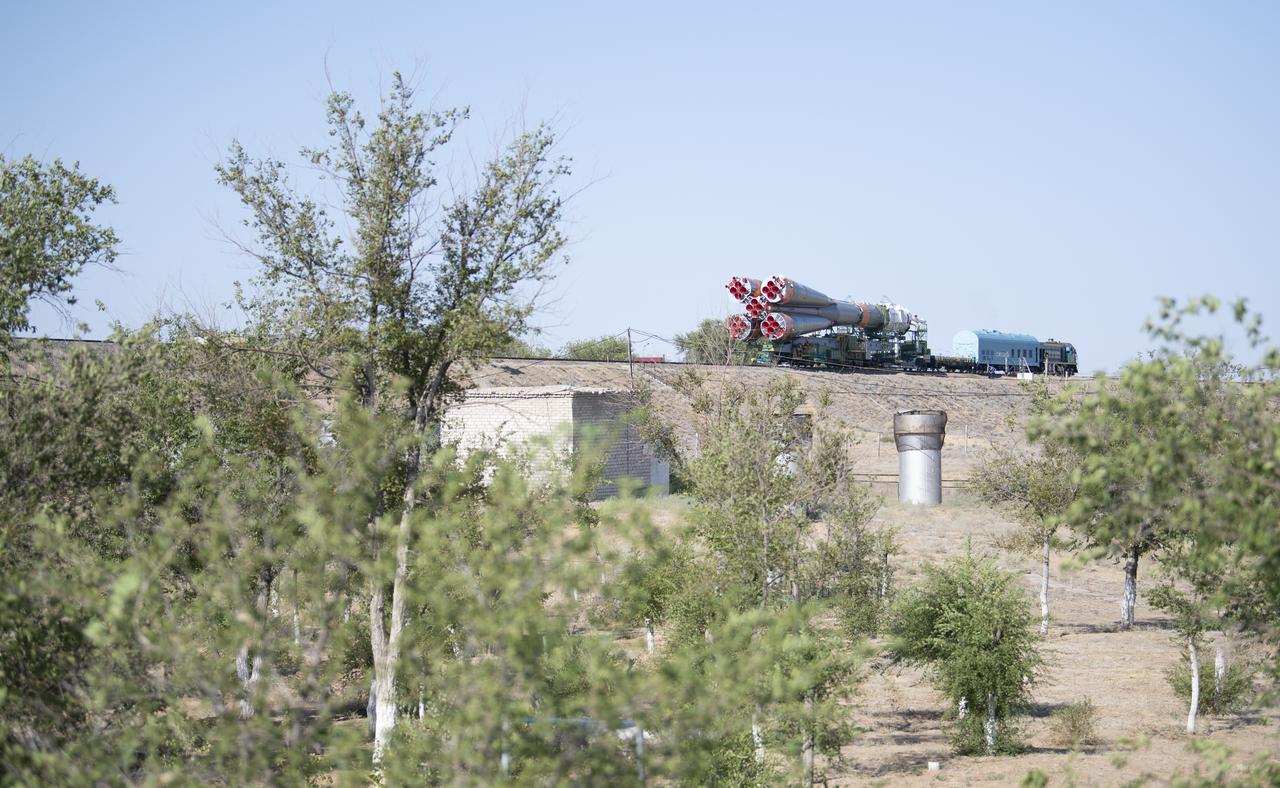
The Soyuz rocket is seen as it approaches the launch pad by train, Thursday, July 18, 2019 at the Baikonur Cosmodrome in Kazakhstan. Expedition 60 Soyuz Commander Alexander Skvortsov of Roscosmos, flight engineer Andrew Morgan of NASA, and flight engineer Luca Parmitano of ESA (European Space Agency) are scheduled to launch aboard their Soyuz MS-13 spacecraft at 12:28 p.m. Eastern time (9:28 p.m. Baikonur time) , on Saturday, July 20. Photo Credit: (NASA/Joel Kowsky)
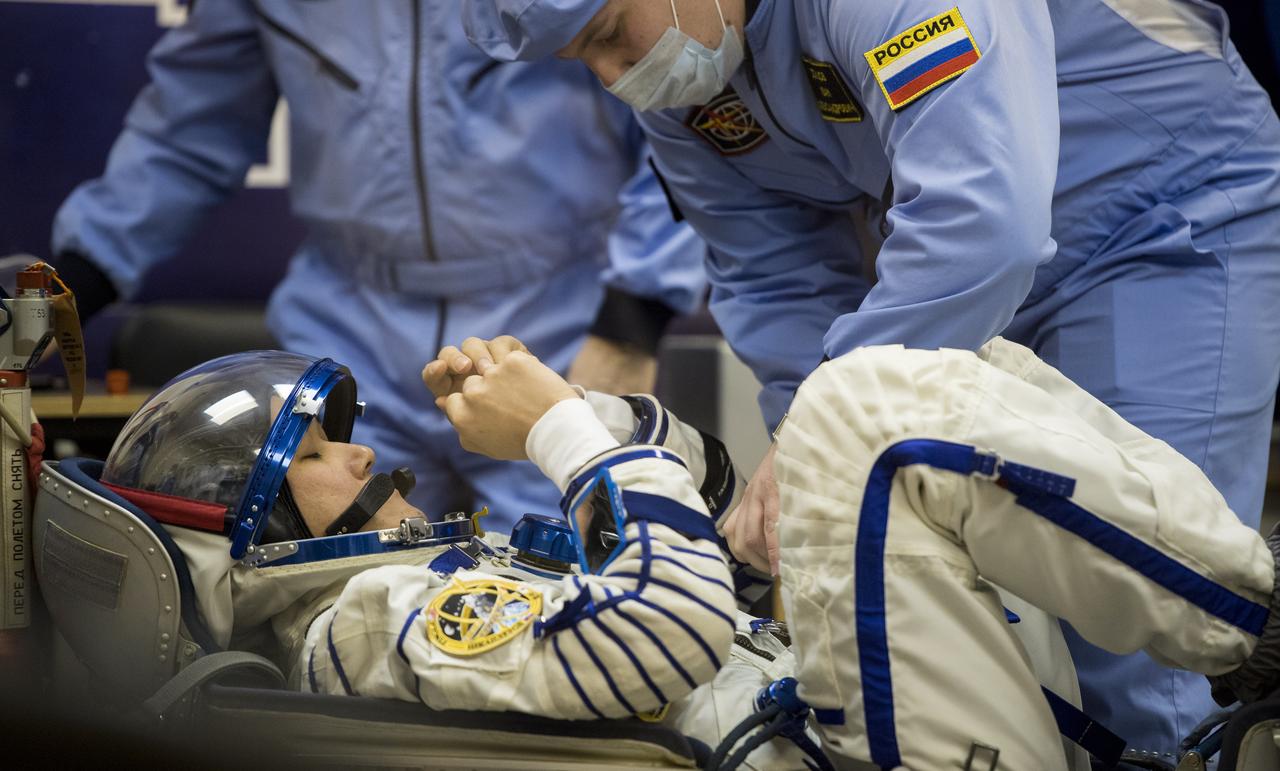
Expedition 54 flight engineer Norishige Kanai of the Japan Aerospace Exploration Agency (JAXA) prepares to have his Russian Sokol suit pressure checked in preparation for launch aboard the Soyuz MS-07 spacecraft, Sunday, Dec. 17, 2017 at the Baikonur Cosmodrome Kazakhstan. Launch of the Soyuz rocket will send Kanai and fellow crewmates Soyuz Commander Anton Shkaplerov of Roscosmos and flight engineer Scott Tingle of NASA on a five month mission aboard the International Space Station. Photo Credit: (NASA/Joel Kowsky)
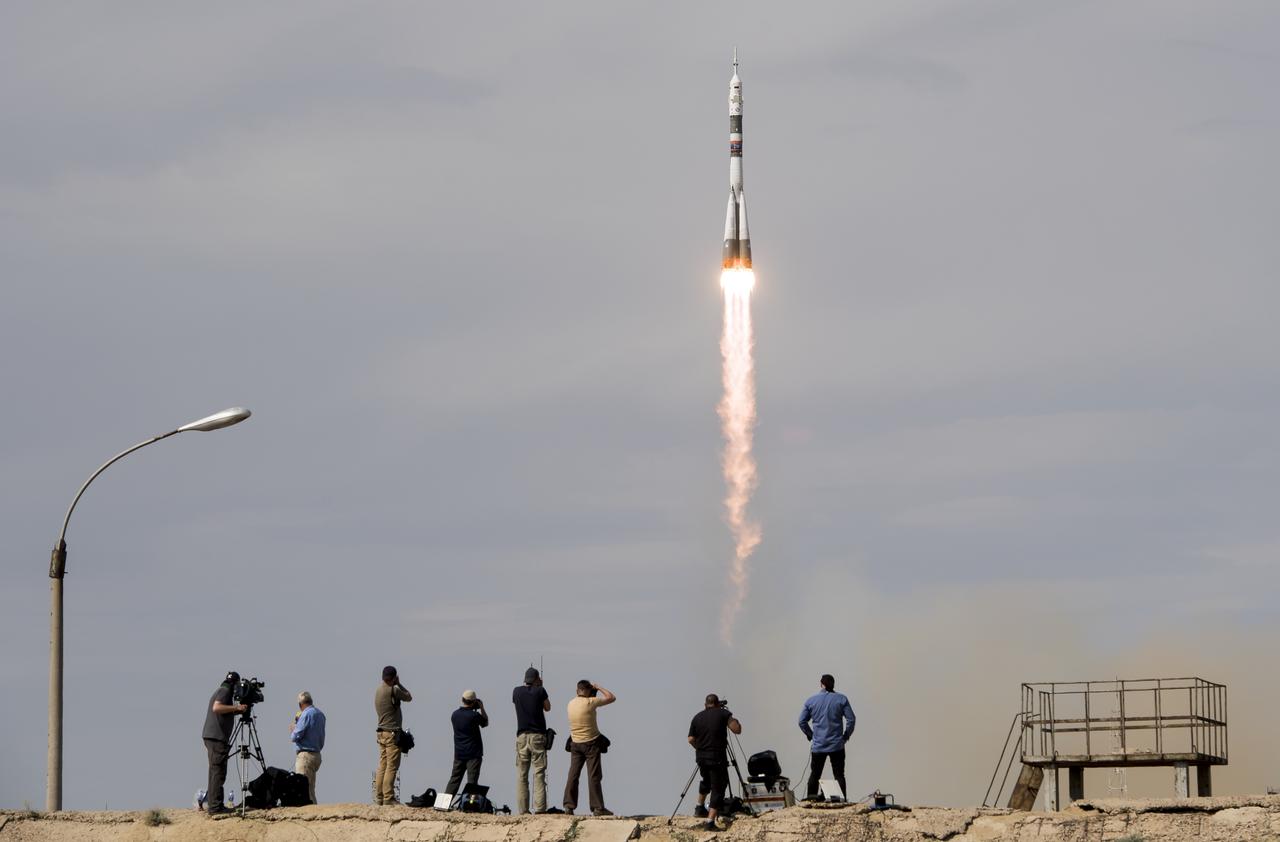
The Soyuz MS-09 rocket is launched with Expedition 56 Soyuz Commander Sergey Prokopyev of Roscosmos, flight engineer Serena Auñón-Chancellor of NASA, and flight engineer Alexander Gerst of ESA (European Space Agency), Wednesday, June 6, 2018 at the Baikonur Cosmodrome in Kazakhstan. Prokopyev, Auñón-Chancellor, and Gerst will spend the next six months living and working aboard the International Space Station. Photo Credit: (NASA/Joel Kowsky)
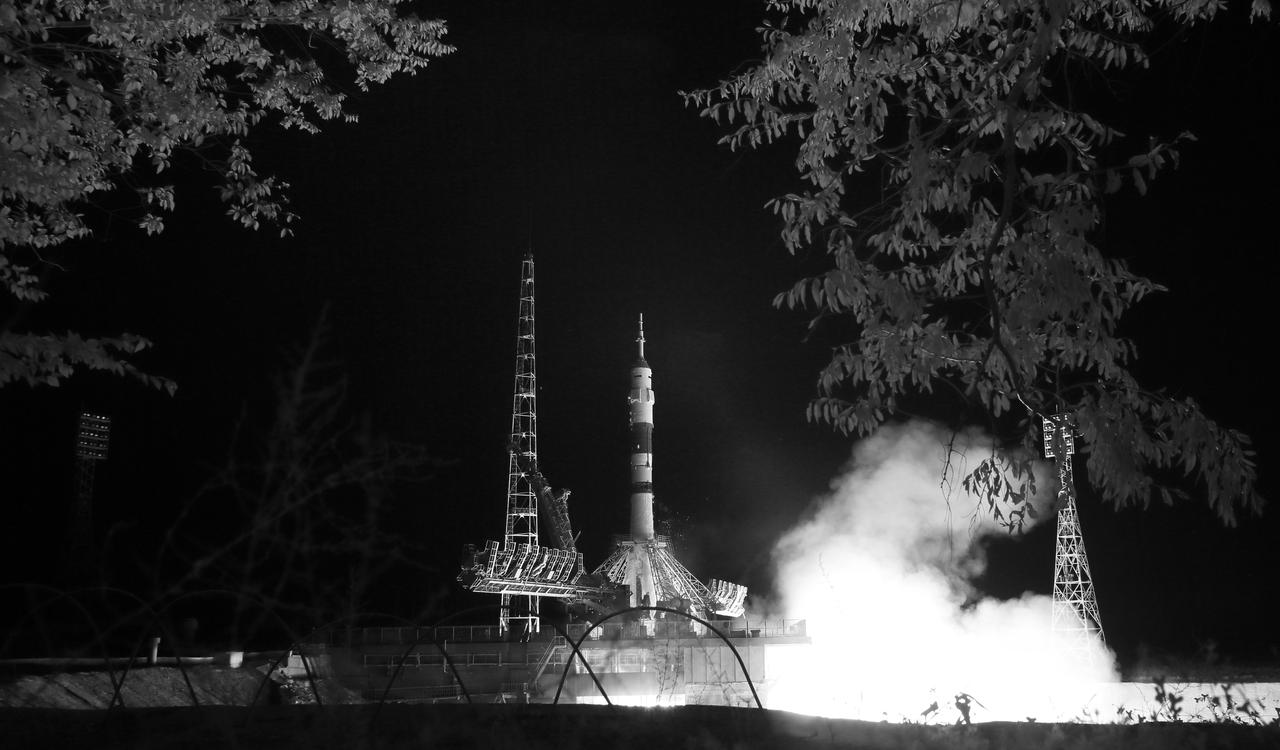
In this black and white infrared image, the Soyuz MS-13 rocket is launched with Expedition 60 Soyuz Commander Alexander Skvortsov of Roscosmos, flight engineer Andrew Morgan of NASA, and flight engineer Luca Parmitano of ESA (European Space Agency), Saturday, July 20, 2019 at the Baikonur Cosmodrome in Kazakhstan. Skvortsov, Morgan, and Parmitano launched at 12:28 p.m. Eastern time (9:28 p.m. Baikonur time) to begin their mission to the International Space Station. Photo Credit: (NASA/Joel Kowsky)
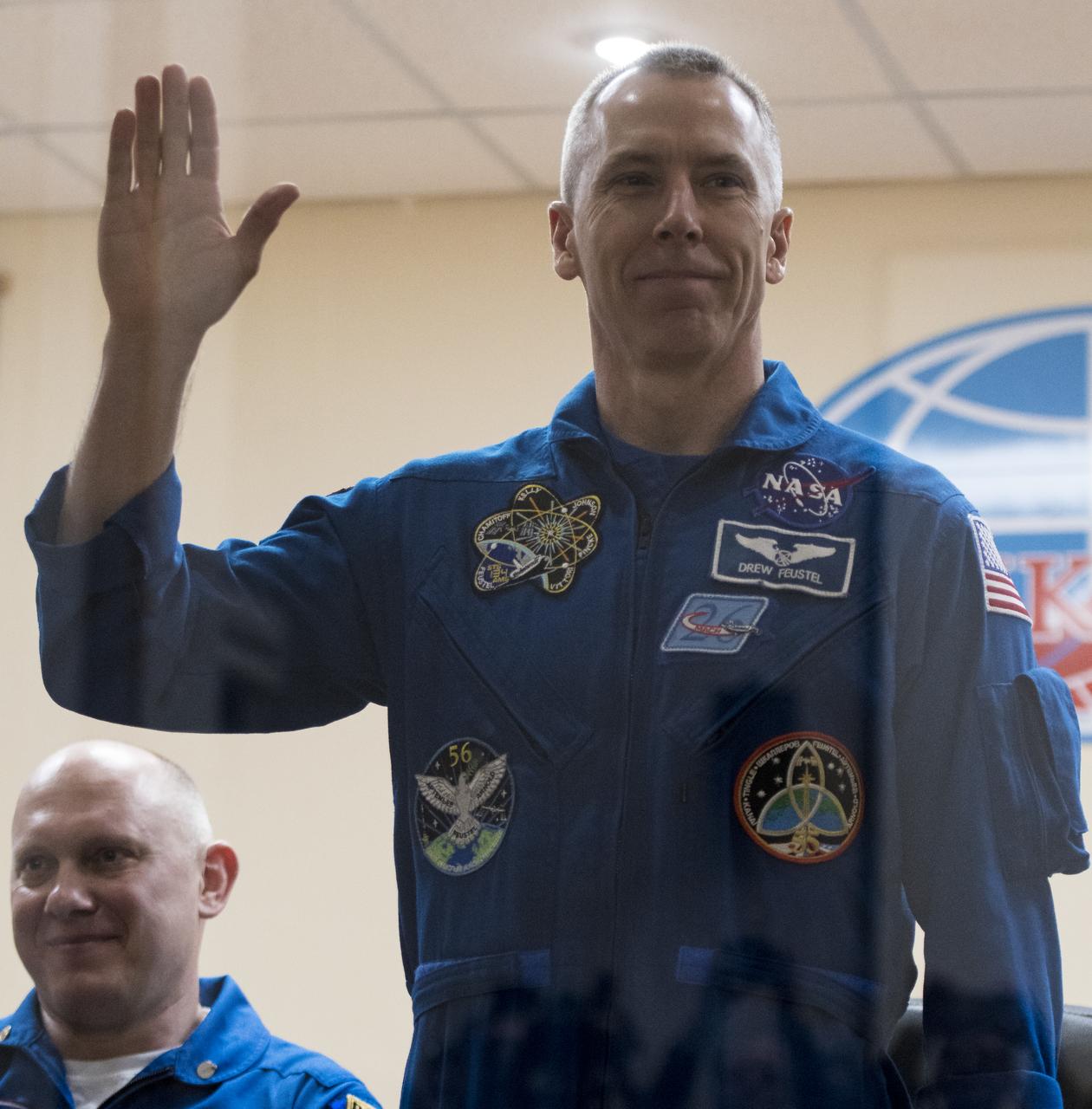
Expedition 55 flight engineer Drew Feustel is seen in quarantine, behind glass, during a press conference, Tuesday, March 20, 2018 a the Cosmonaut Hotel in Baikonur, Kazakhstan. Feustel, Soyuz Commander Oleg Artemyev of Roscosmos, and flight engineer Ricky Arnold of NASA are scheduled to launch to the International Space Station aboard the Soyuz MS-08 spacecraft on Wednesday, March, 21. Photo Credit: (NASA/Joel Kowsky)
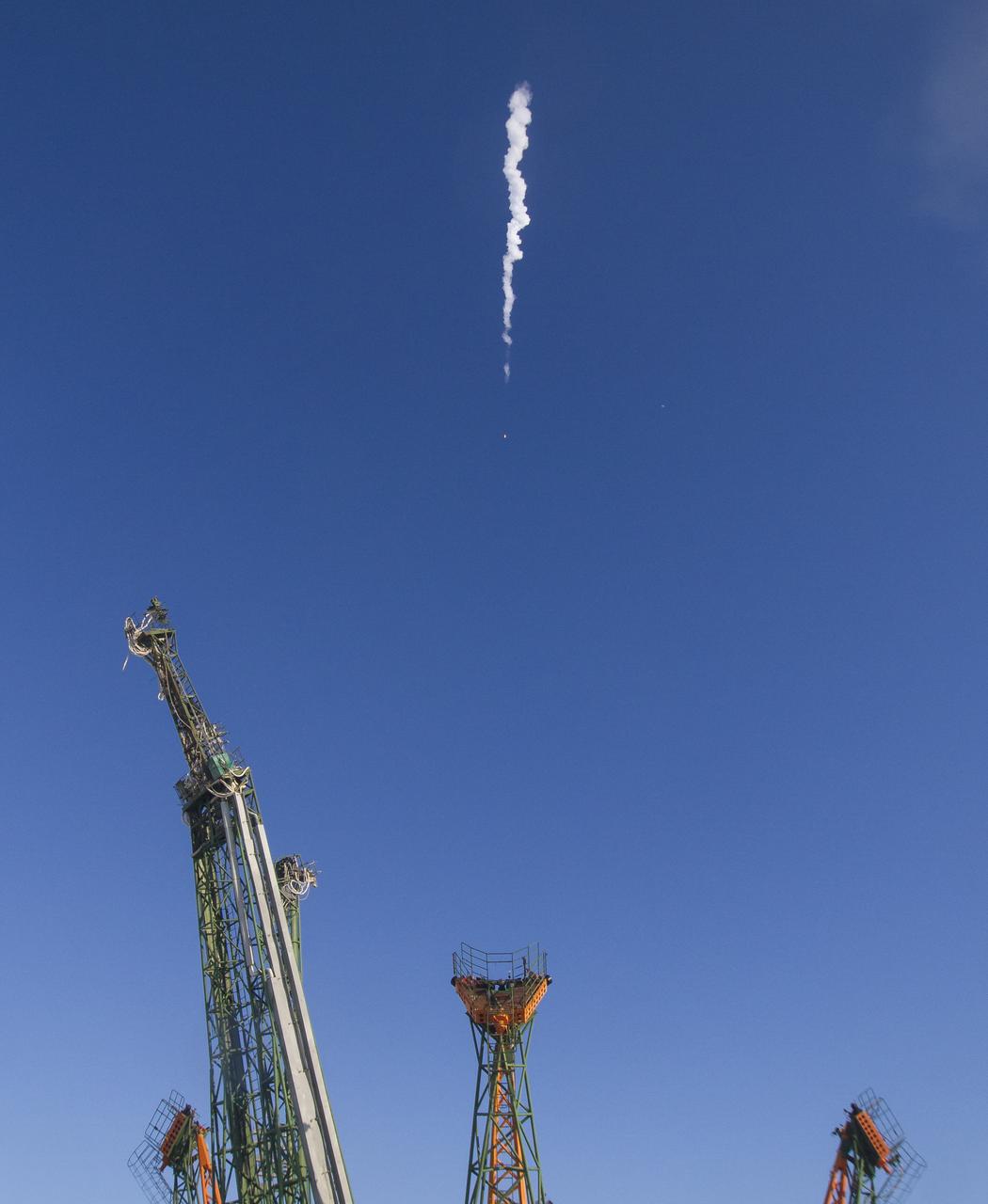
The Soyuz MS-07 rocket is launched with Expedition 54 Soyuz Commander Anton Shkaplerov of Roscosmos, flight engineer Scott Tingle of NASA, and flight engineer Norishige Kanai of Japan Aerospace Exploration Agency (JAXA), Sunday, Dec. 17, 2017 at the Baikonur Cosmodrome in Kazakhstan. Shkaplerov, Tingle, and Kanai will spend the next five months living and working aboard the International Space Station. Photo Credit: (NASA/Joel Kowsky)
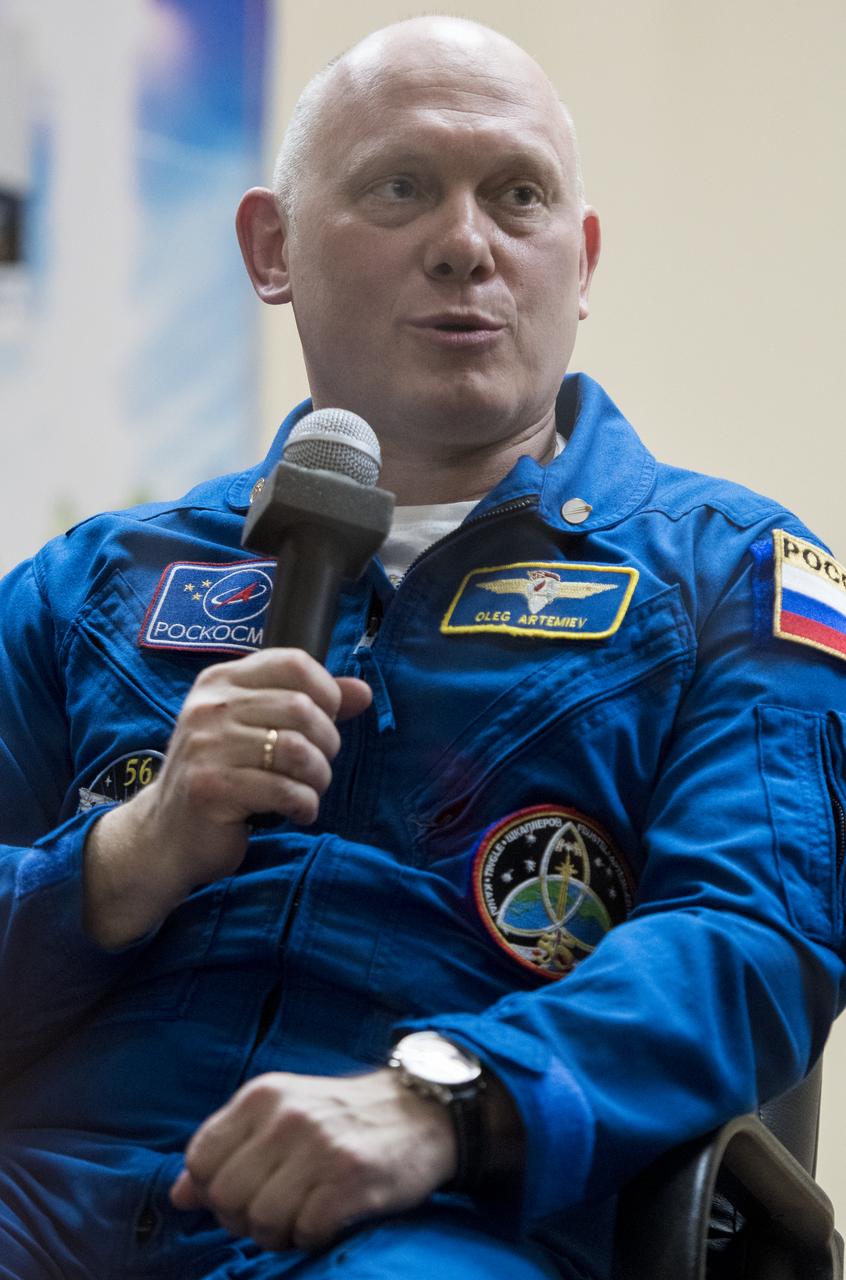
Expedition 55 Soyuz Commander Oleg Artemyev of Roscosmos answers a question during a press conference, Tuesday, March 20, 2018 a the Cosmonaut Hotel in Baikonur, Kazakhstan. Artemyev, flight engineer Ricky Arnold and flight engineer Drew Feustel of NASA are scheduled to launch to the International Space Station aboard the Soyuz MS-08 spacecraft on Wednesday, March, 21. Photo Credit: (NASA/Joel Kowsky)
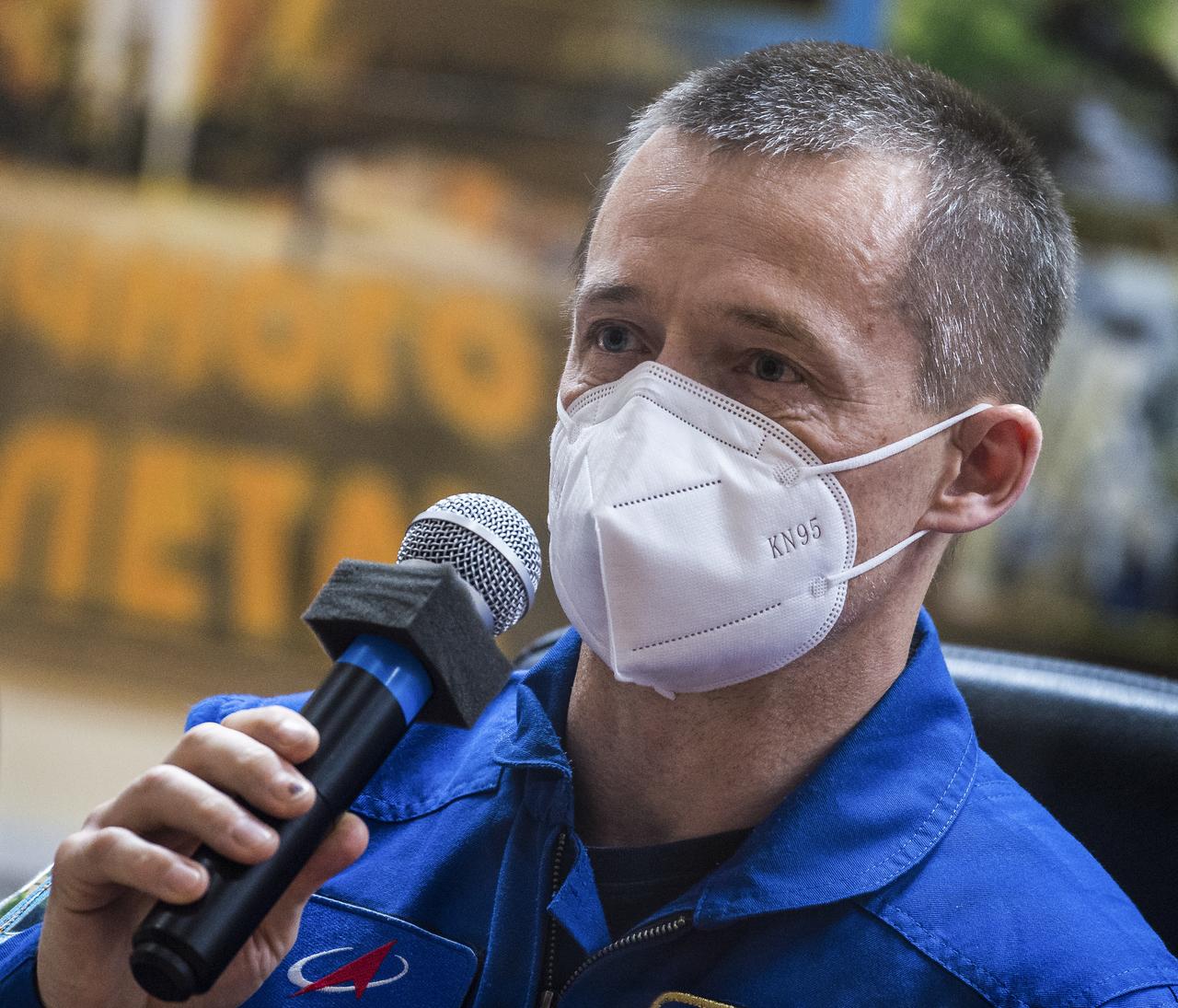
Expedition 64 Russian cosmonaut Sergey Ryzhikov of Roscosmos is seen in quarantine, behind glass, during a press conference, Tuesday, Oct. 13, 2020, at the Cosmonaut Hotel in Baikonur, Kazakhstan. Ryzhikov, fellow cosmonaut Sergey Kud-Sverchkov and NASA astronaut Kate Rubins are scheduled to launch to the International Space Station aboard the Soyuz MS-17 spacecraft on October 14. Photo Credit: (NASA/GCTC/Andrey Shelepin)
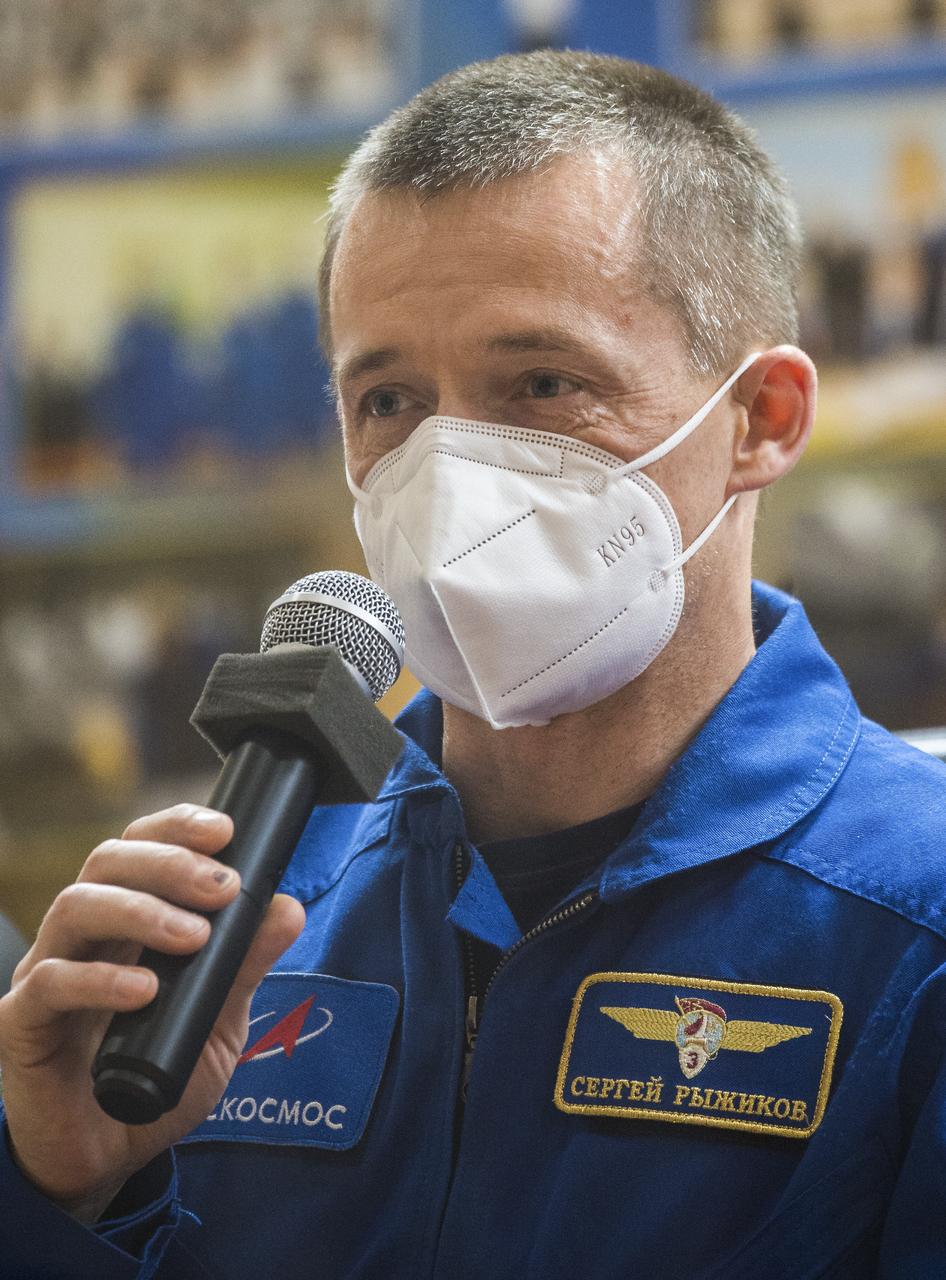
Expedition 64 Russian cosmonaut Sergey Ryzhikov of Roscosmos is seen in quarantine, behind glass, during a press conference, Tuesday, Oct. 13, 2020, at the Cosmonaut Hotel in Baikonur, Kazakhstan. Ryzhikov, fellow cosmonaut Sergey Kud-Sverchkov and NASA astronaut Kate Rubins are scheduled to launch to the International Space Station aboard the Soyuz MS-17 spacecraft on October 14. Photo Credit: (NASA/GCTC/Andrey Shelepin)
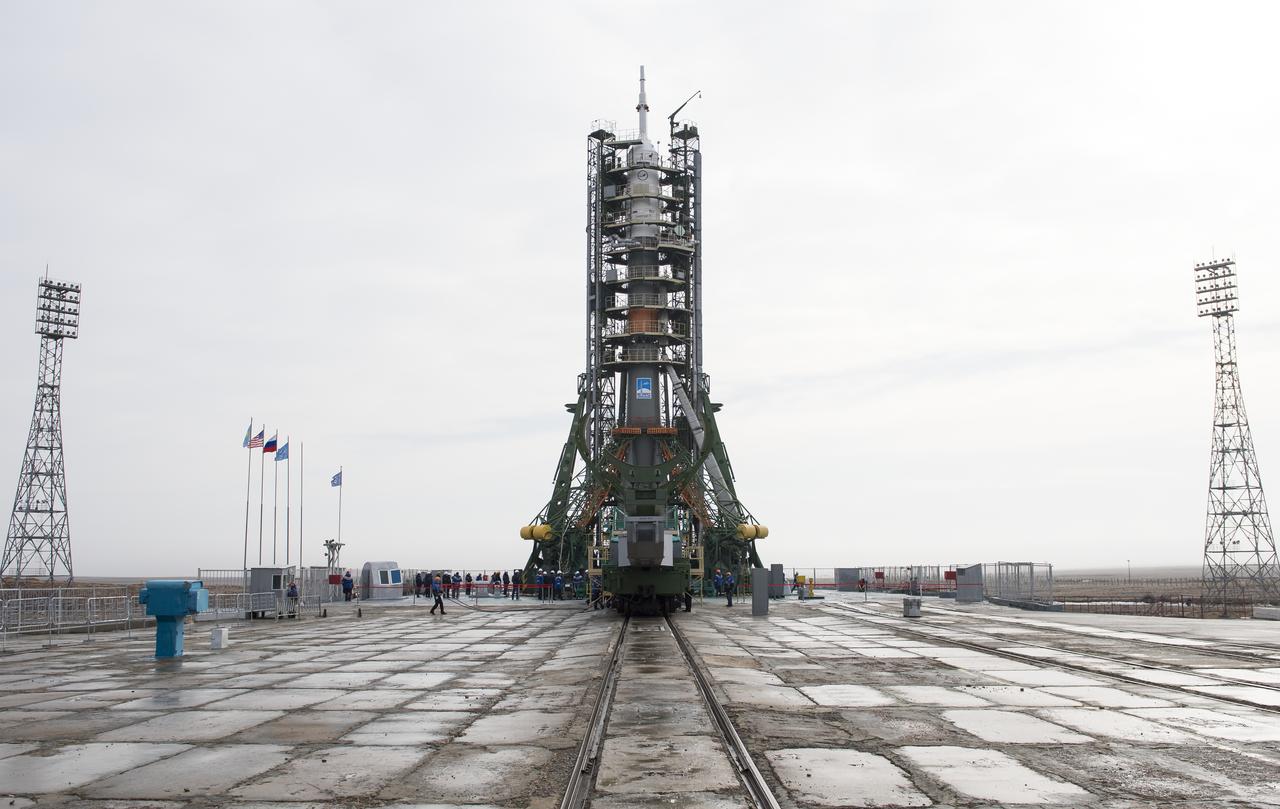
The Soyuz rocket is rolled out by train to the launch pad, (iptcdow}, March 19, 2018 at the Baikonur Cosmodrome in Kazakhstan. Expedition 55 Soyuz Commander Oleg Artemyev of Roscosmos, Ricky Arnold and Drew Feustel of NASA are scheduled to launch aboard their Soyuz MS-08 spacecraft at 11:44pm Baikonur time, 1:44pm EDT, on Wednesday, March, 21. Photo Credit: (NASA/Joel Kowsky)
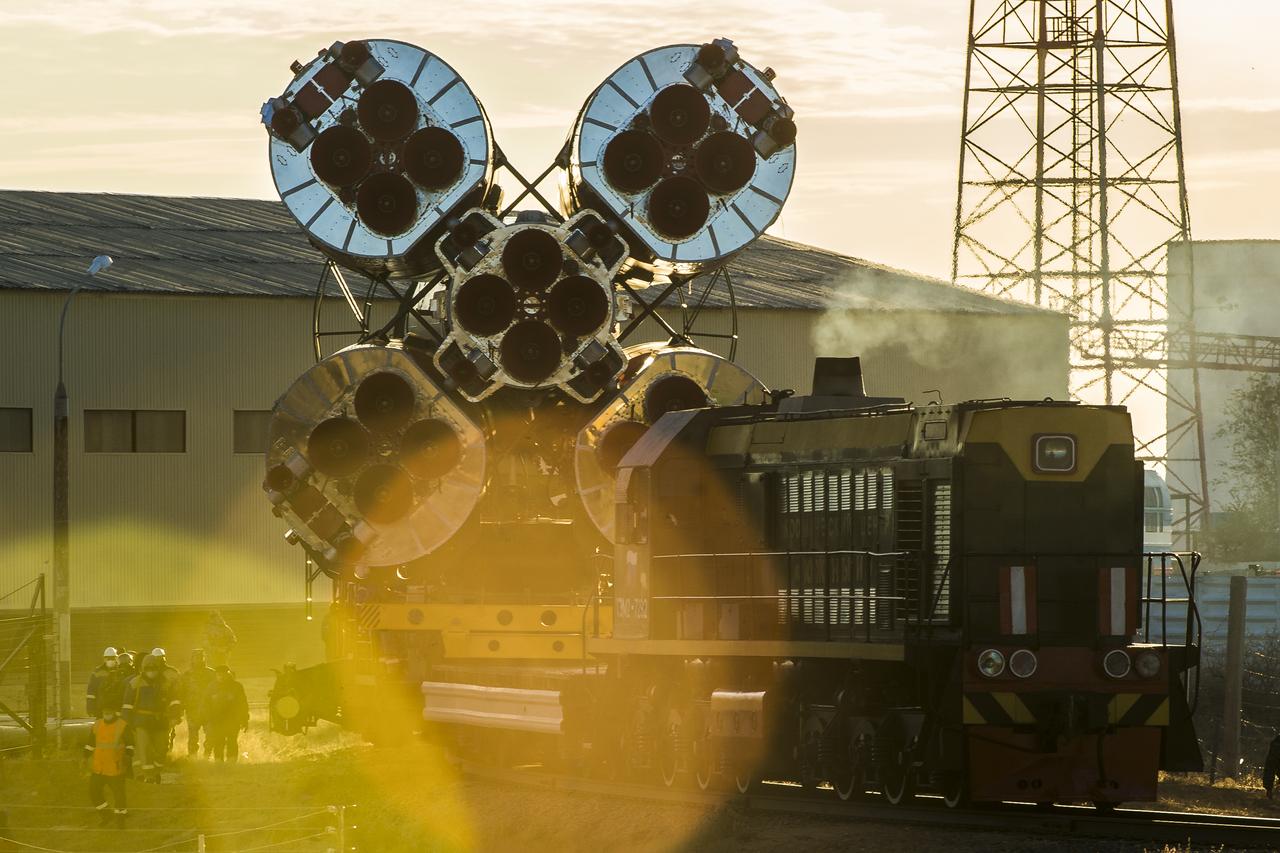
The Soyuz rocket is rolled out by train to the launch pad at Site 31, Sunday, Oct. 11, 2020, at the Baikonur Cosmodrome in Kazakhstan. Expedition 64 Russian cosmonauts Sergey Ryzhikov and Sergey Kud-Sverchkov of Roscosmos, and NASA astronaut Kate Rubins are scheduled to launch aboard their Soyuz MS-17 spacecraft on Oct. 14 to start a six-month mission onboard the International Space Station. Photo Credit: (NASA/GCTC/Andrey Shelepin)

The Soyuz rocket is raised into a vertical position on the launch pad, Monday, June 4, 2018 at the Baikonur Cosmodrome in Kazakhstan. Expedition 56 Soyuz Commander Sergey Prokopyev of Roscosmos, flight engineer Serena Auñón-Chancellor of NASA, and flight engineer Alexander Gerst of ESA (European Space Agency) are scheduled to launch aboard their Soyuz MS-09 spacecraft at 7:12 a.m. Eastern time (5:12 p.m. Baikonur time), on Wednesday, June 6. Photo Credit: (NASA/Joel Kowsky)
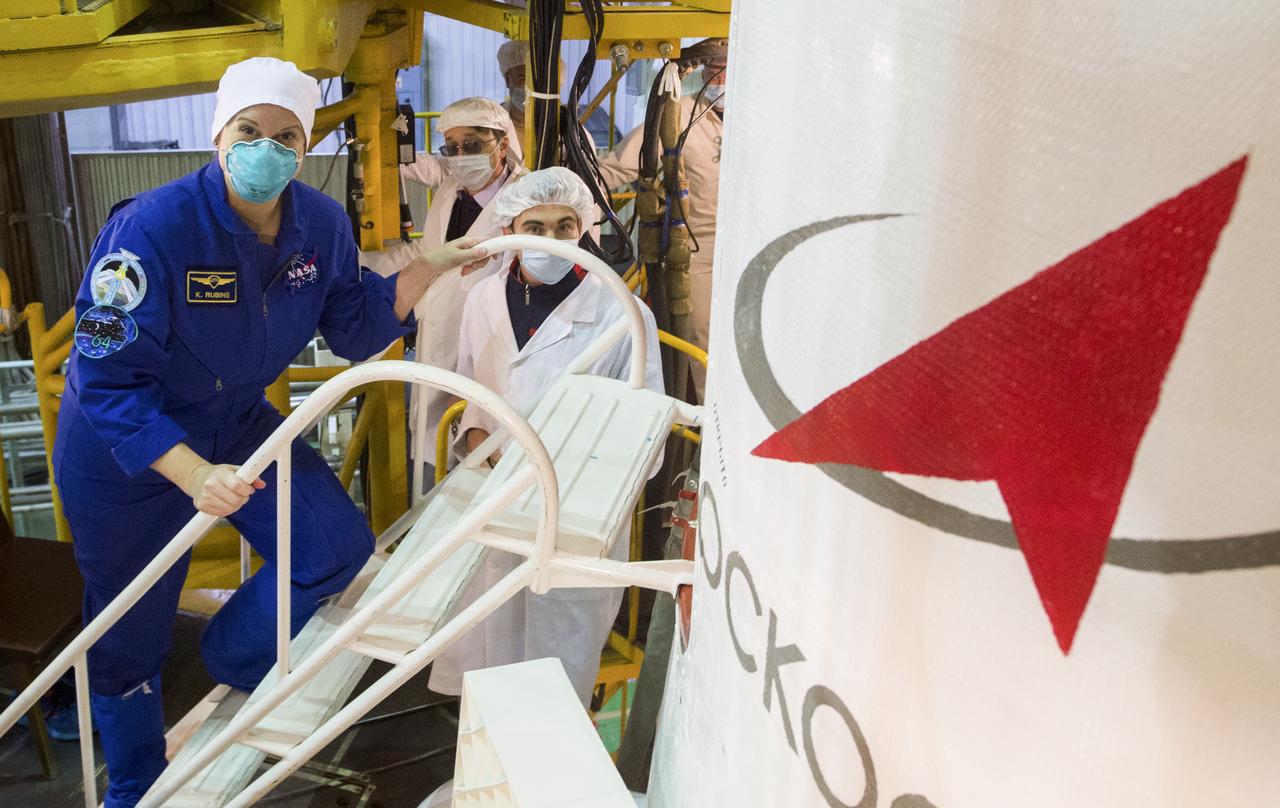
Expedition 64 NASA astronaut Kate Rubins is seen as she climbs inside the Soyuz MS-17 spacecraft during the final fit check, Wednesday, Oct. 7, 2020, at the Baikonur Cosmodrome in Kazakhstan. Rubins and Russian cosmonauts Sergey Ryzhikov and Sergey Kud-Sverchkov of Roscosmos, are scheduled to launch to the International Space Station aboard the Soyuz MS-17 spacecraft on October 14. Photo Credit: (NASA/GCTC/Andrey Shelepin)
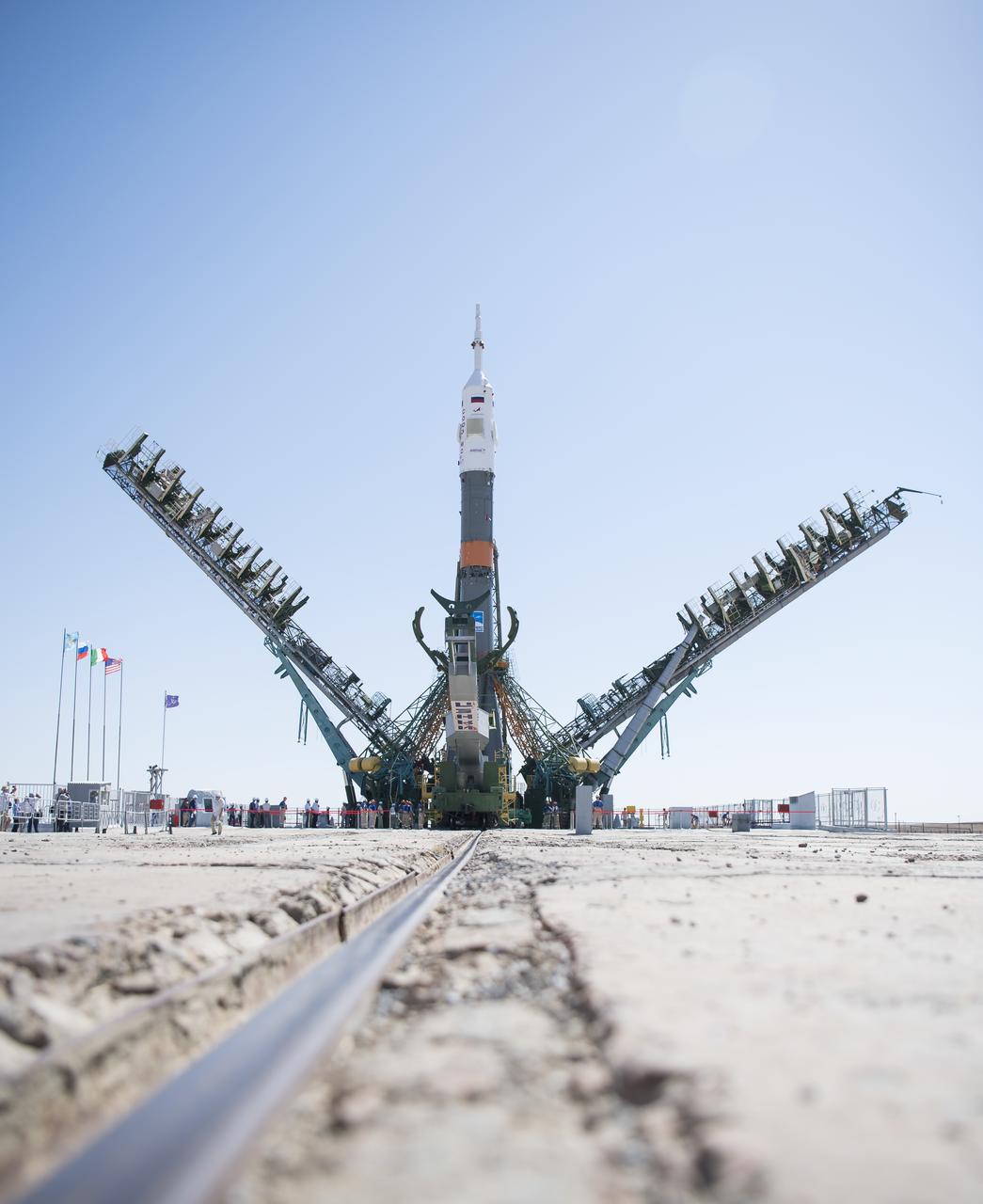
The Soyuz rocket is see on the launch pad as the service structure arms are closed around it, Thursday, July 18, 2019 at the Baikonur Cosmodrome in Kazakhstan. Expedition 60 Soyuz Commander Alexander Skvortsov of Roscosmos, flight engineer Andrew Morgan of NASA, and flight engineer Luca Parmitano of ESA (European Space Agency) are scheduled to launch aboard their Soyuz MS-13 spacecraft at 12:28 p.m. Eastern time (9:28 p.m. Baikonur time) , on Saturday, July 20. Photo Credit: (NASA/Joel Kowsky)
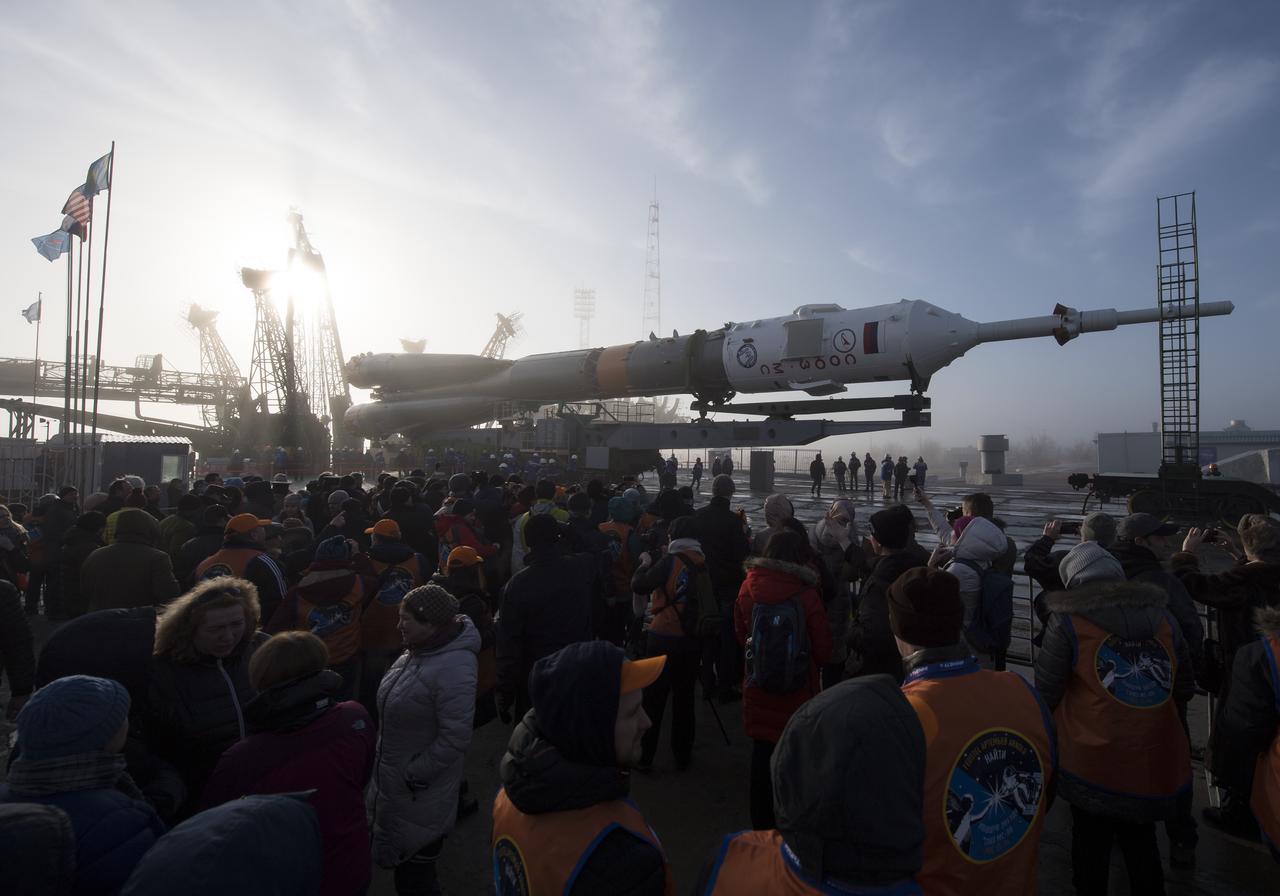
The Soyuz rocket is seen on the launch pad shortly after being rolled out by train, Monday, March 19, 2018 at the Baikonur Cosmodrome in Kazakhstan. Expedition 55 crewmembers Ricky Arnold and Drew Feustel of NASA and Oleg Artemyev of Roscosmos are scheduled to launch at 1:44 p.m. Eastern time (11:44 p.m. Baikonur time) on March 21 and will spend the next five months living and working aboard the International Space Station. Photo Credit: (NASA/Joel Kowsky)
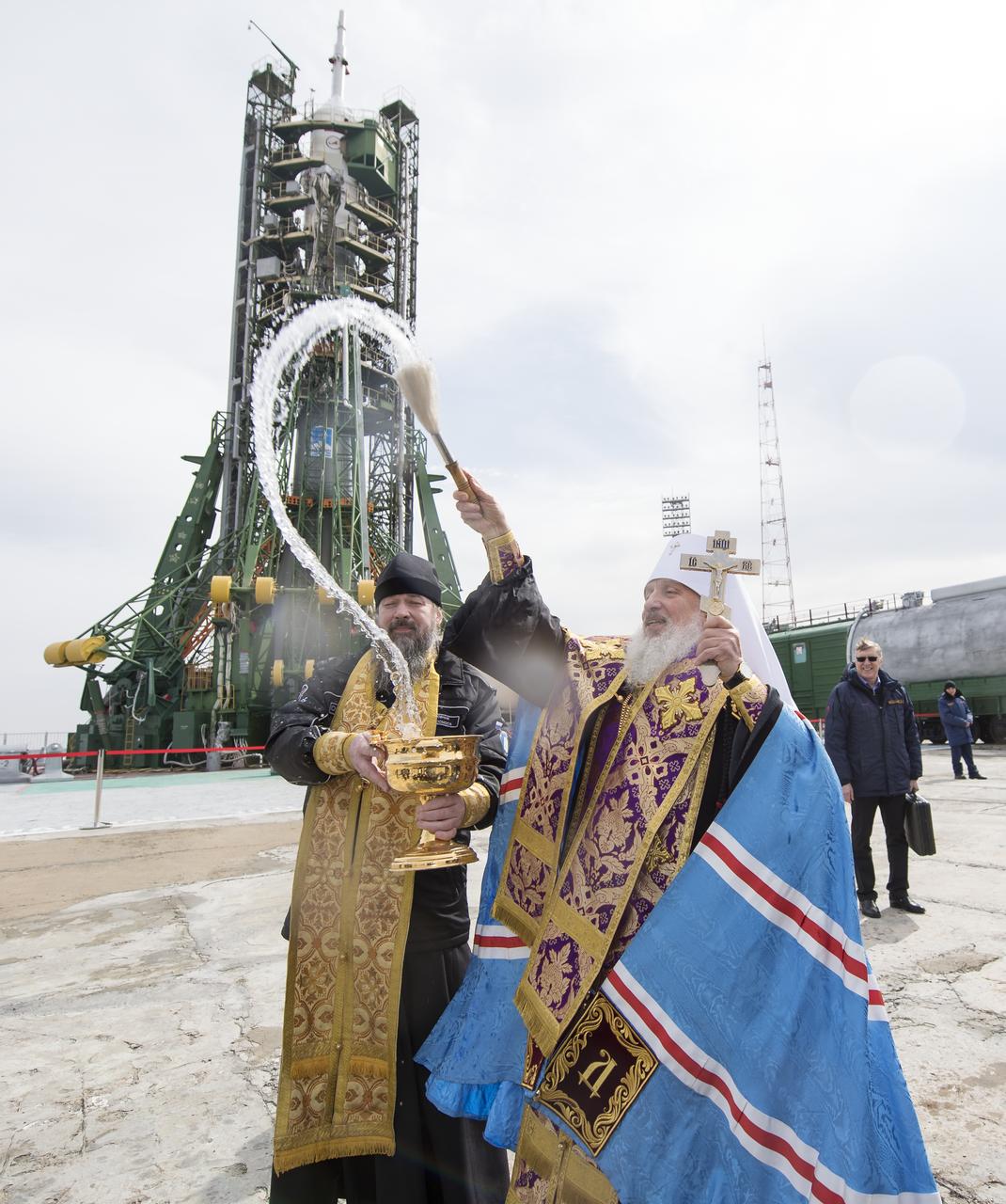
An Orthodox Priest blesses members of the media at the Baikonur Cosmodrome launch pad, Tuesday, March 20, 2018 in Baikonur, Kazakhstan. Expedition 55 Soyuz Commander Oleg Artemyev of Roscosmos, Ricky Arnold and Drew Feustel of NASA are scheduled to launch to the International Space Station aboard the Soyuz MS-08 spacecraft on Wednesday, March, 21. Photo Credit: (NASA/Joel Kowsky)

Workers are seen on a gantry as the service structure arms are raised around the Soyuz rocket, Friday, Dec. 15, 2017 at the Baikonur Cosmodrome in Kazakhstan. Expedition 54 Soyuz Commander Anton Shkaplerov of Roscosmos, flight engineer Scott Tingle of NASA, and flight engineer Norishige Kanai of the Japan Aerospace Exploration Agency (JAXA) are scheduled to launch at 2:21 a.m. Eastern Time (1:21 p.m. Baikonur time) on Dec. 17 and will spend the next five months living and working aboard the International Space Station. Photo Credit: (NASA/Joel Kowsky)
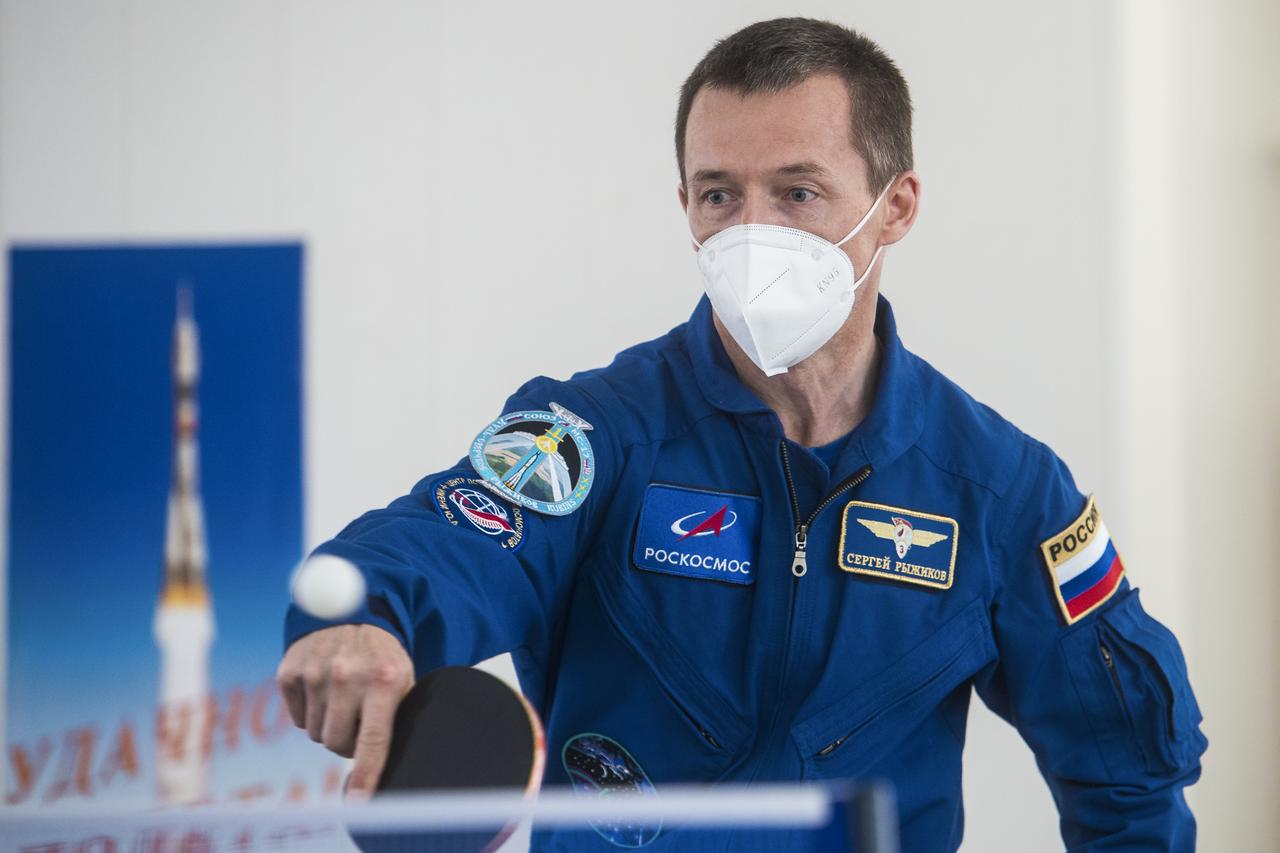
Expedition 64 crew member Sergey Ryzhikov of Roscosmos plays a game of ping-pong, Tuesday, Oct. 6, 2020, at the Cosmonaut Hotel in Baikonur, Kazakhstan. Ryzhikov, Sergey Kud-Sverchkov of Roscosmos and Kate Rubins of NASA are scheduled to launch to the International Space Station aboard the Soyuz MS-17 spacecraft on October 14. Photo Credit: (NASA/GCTC/Andrey Shelepin)
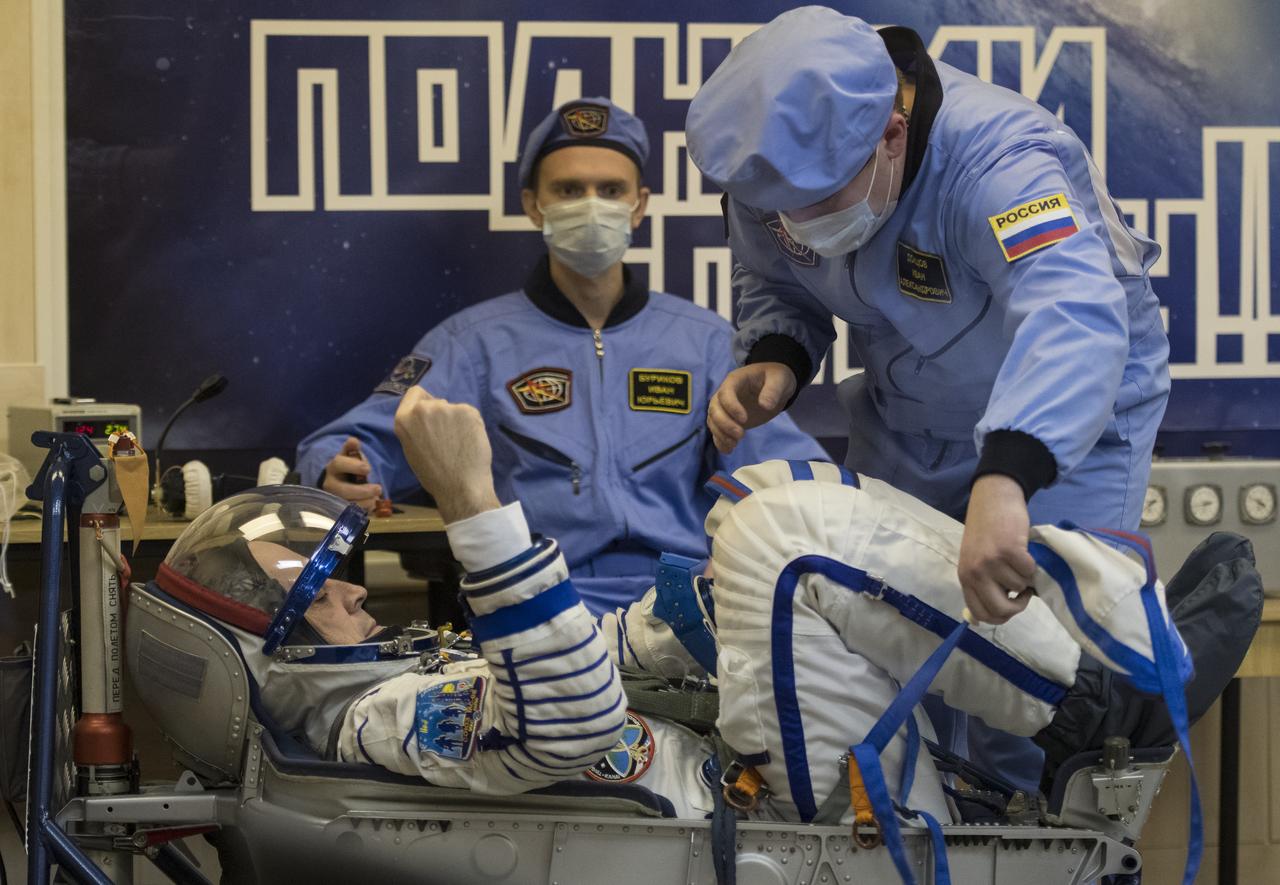
Expedition 55 flight engineer Ricky Arnold of NASA prepares to have his Russian Sokol suit pressure checked in preparation for launch aboard the Soyuz MS-08 spacecraft, Wednesday, March 21, 2018 at the Baikonur Cosmodrome in Kazakhstan. Arnold, Soyuz Commander Oleg Artemyev of Roscosmos, and flight engineer Drew Feustel of NASA launched aboard the Soyuz MS-08 spacecraft at 1:44 p.m. Eastern time (11:44 p.m. Baikonur time) on March 21 to begin their journey to the International Space Station. Photo Credit: (NASA/Joel Kowsky)
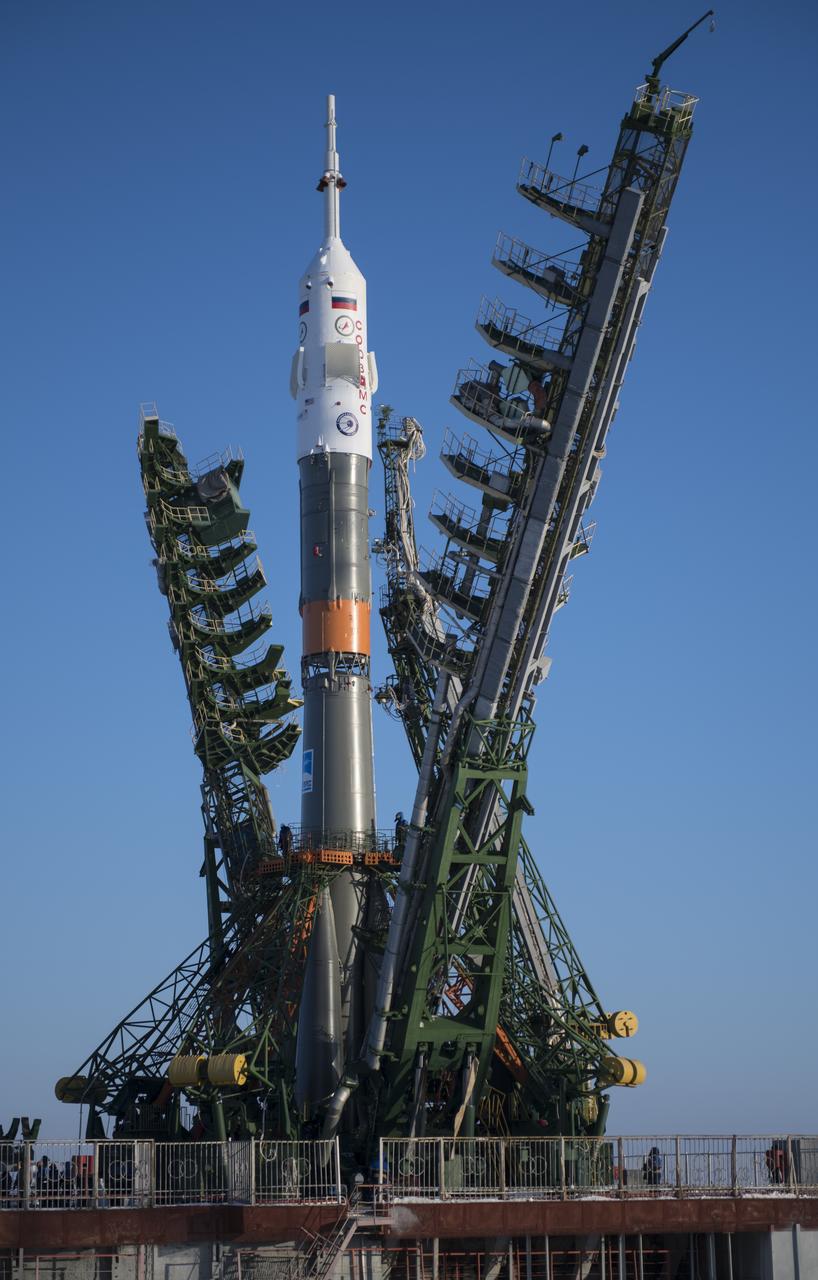
The Soyuz rocket is seen on the launch pad as the service structure arms are closed around it, Friday, Dec. 15, 2017 at the Baikonur Cosmodrome in Kazakhstan. Expedition 54 Soyuz Commander Anton Shkaplerov of Roscosmos, flight engineer Scott Tingle of NASA, and flight engineer Norishige Kanai of the Japan Aerospace Exploration Agency (JAXA) are scheduled to launch at 2:21 a.m. Eastern Time (1:21 p.m. Baikonur time) on Dec. 17 and will spend the next five months living and working aboard the International Space Station. Photo Credit: (NASA/Joel Kowsky)
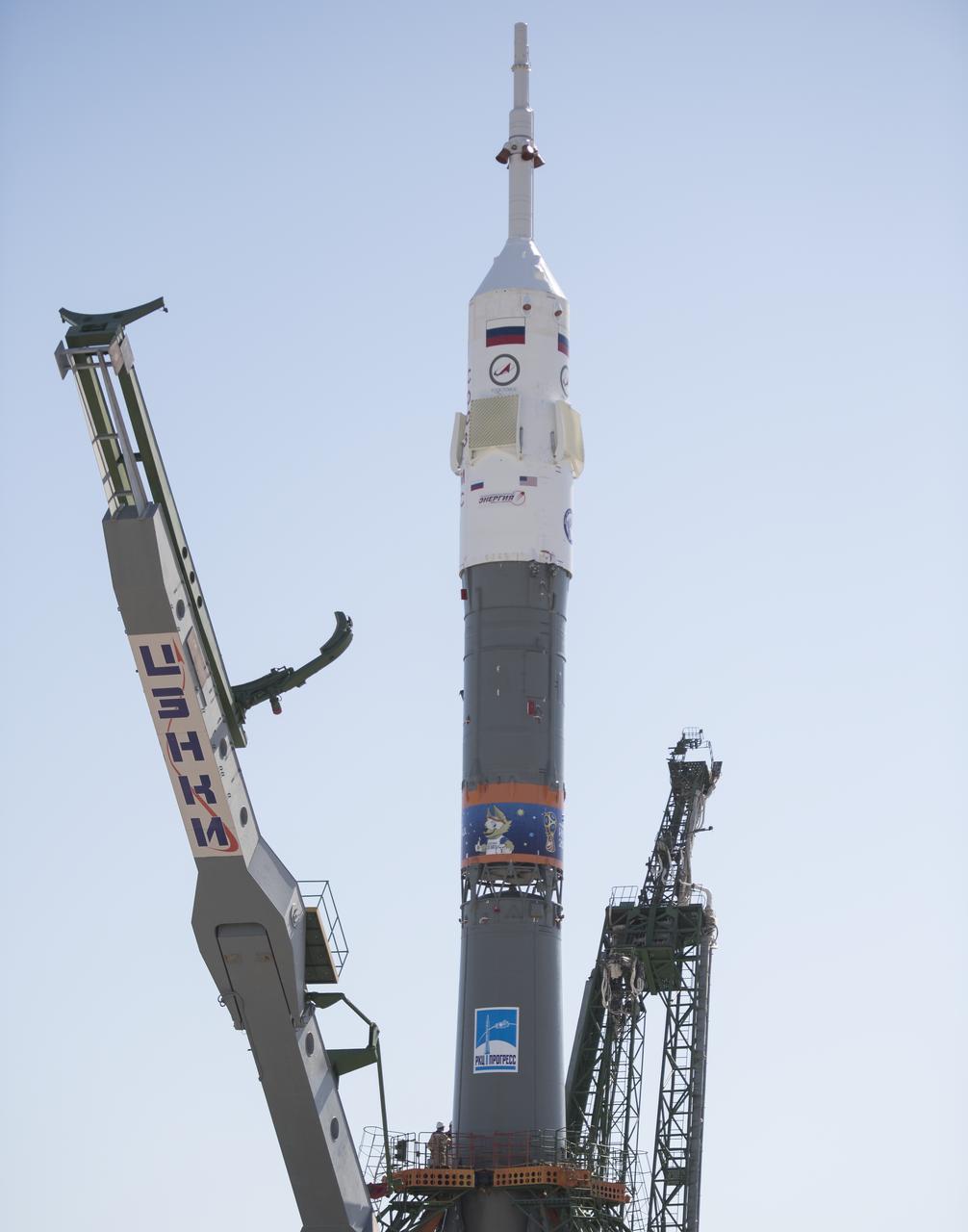
The Soyuz rocket is seen after being raised into a vertical position on the launch pad, Monday, June 4, 2018 at the Baikonur Cosmodrome in Kazakhstan. Expedition 56 Soyuz Commander Sergey Prokopyev of Roscosmos, flight engineer Serena Auñón-Chancellor of NASA, and flight engineer Alexander Gerst of ESA (European Space Agency) are scheduled to launch aboard their Soyuz MS-09 spacecraft at 7:12 a.m. Eastern time (5:12 p.m. Baikonur time), on Wednesday, June 6. Photo Credit: (NASA/Joel Kowsky)
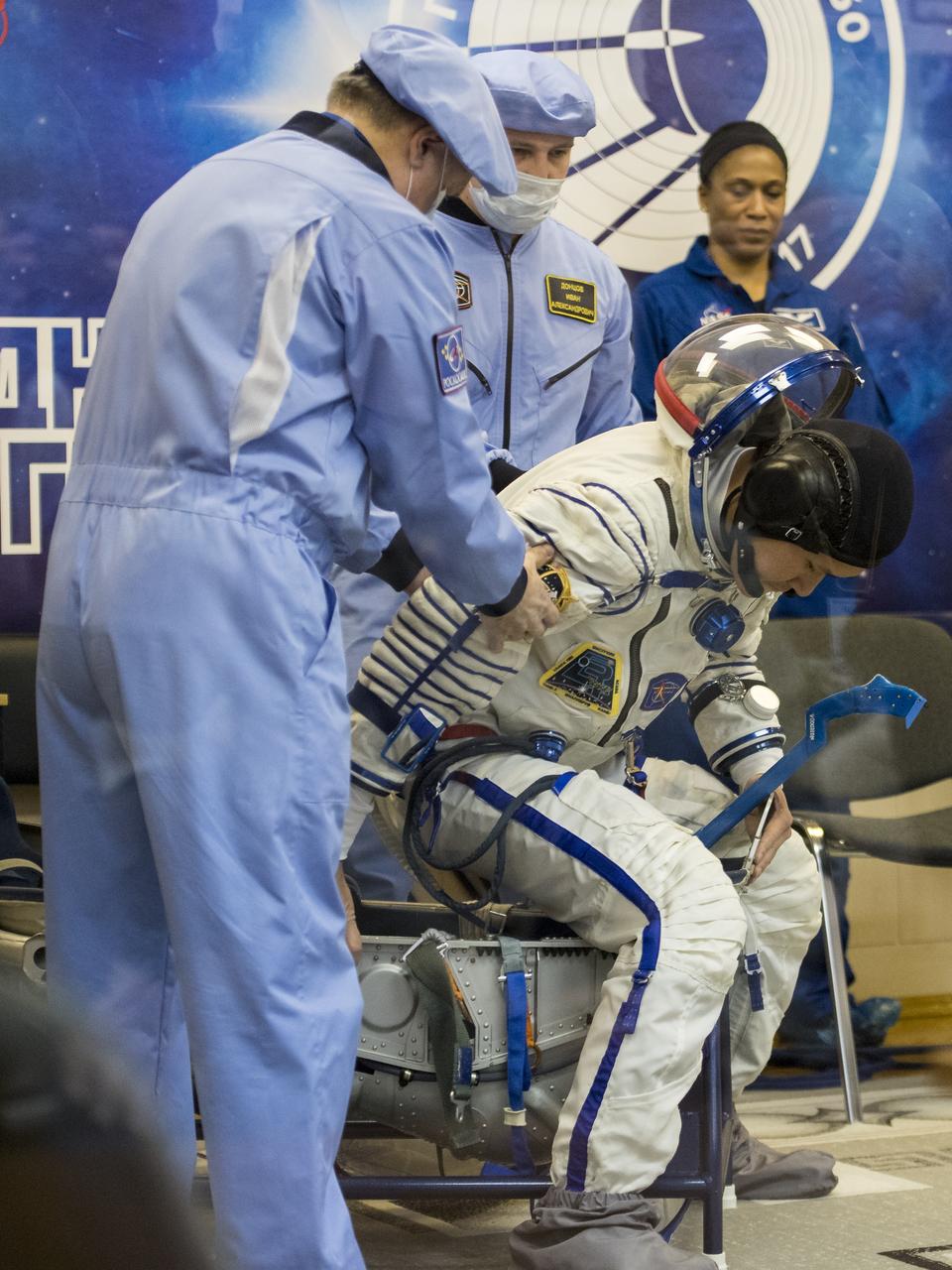
Expedition 54 flight engineer Norishige Kanai of the Japan Aerospace Exploration Agency (JAXA) prepares to have his Russian Sokol suit pressure checked in preparation for launch aboard the Soyuz MS-07 spacecraft, Sunday, Dec. 17, 2017 at the Baikonur Cosmodrome Kazakhstan. Launch of the Soyuz rocket will send Kanai and fellow crewmates Soyuz Commander Anton Shkaplerov of Roscosmos and flight engineer Scott Tingle of NASA on a five month mission aboard the International Space Station. Photo Credit: (NASA/Joel Kowsky)
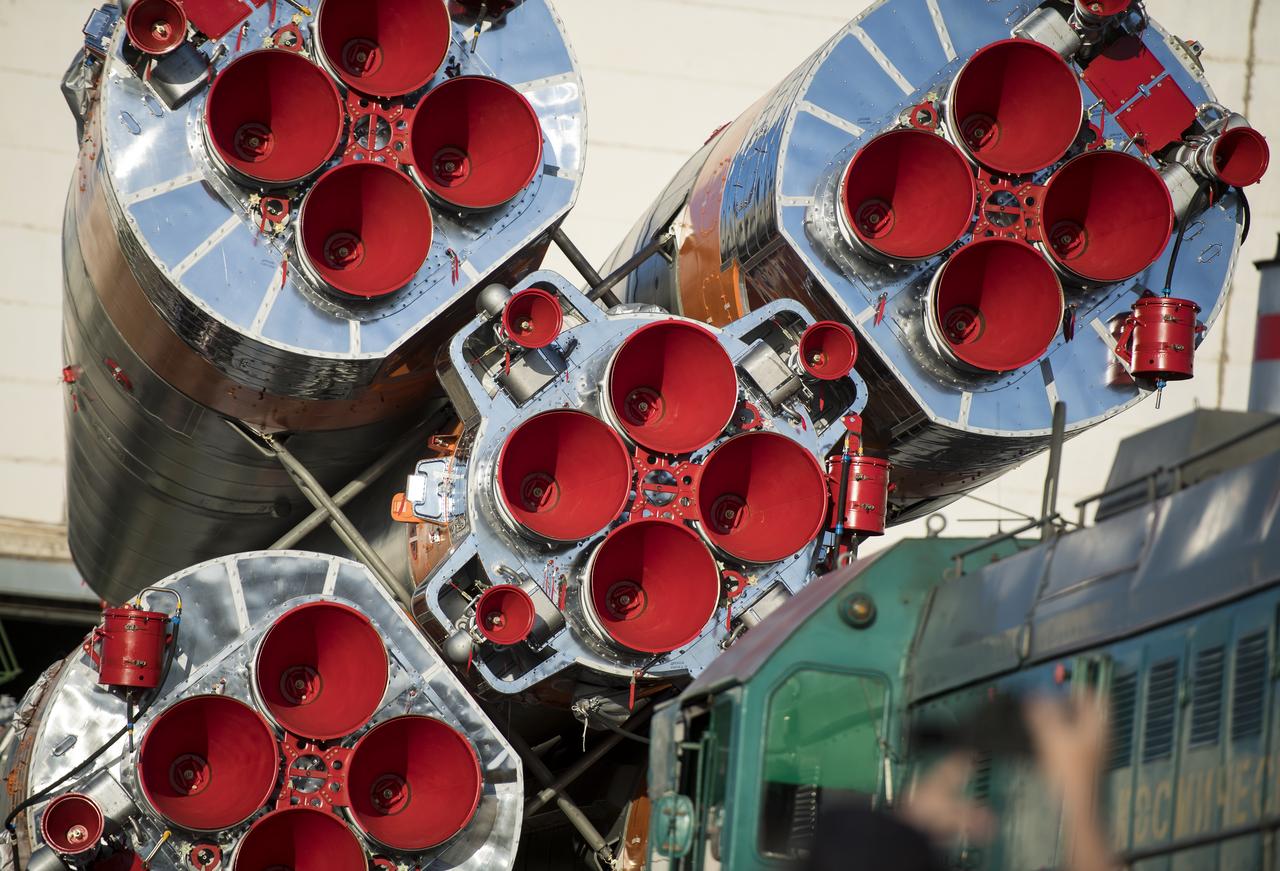
The Soyuz rocket is rolled out by train to the launch pad, Monday, June 4, 2018 at the Baikonur Cosmodrome in Kazakhstan. Expedition 56 Soyuz Commander Sergey Prokopyev of Roscosmos, flight engineer Serena Auñón-Chancellor of NASA, and flight engineer Alexander Gerst of ESA (European Space Agency) are scheduled to launch aboard their Soyuz MS-09 spacecraft at 7:12 a.m. Eastern time (5:12 p.m. Baikonur time), on Wednesday, June 6. Photo Credit: (NASA/Joel Kowsky)
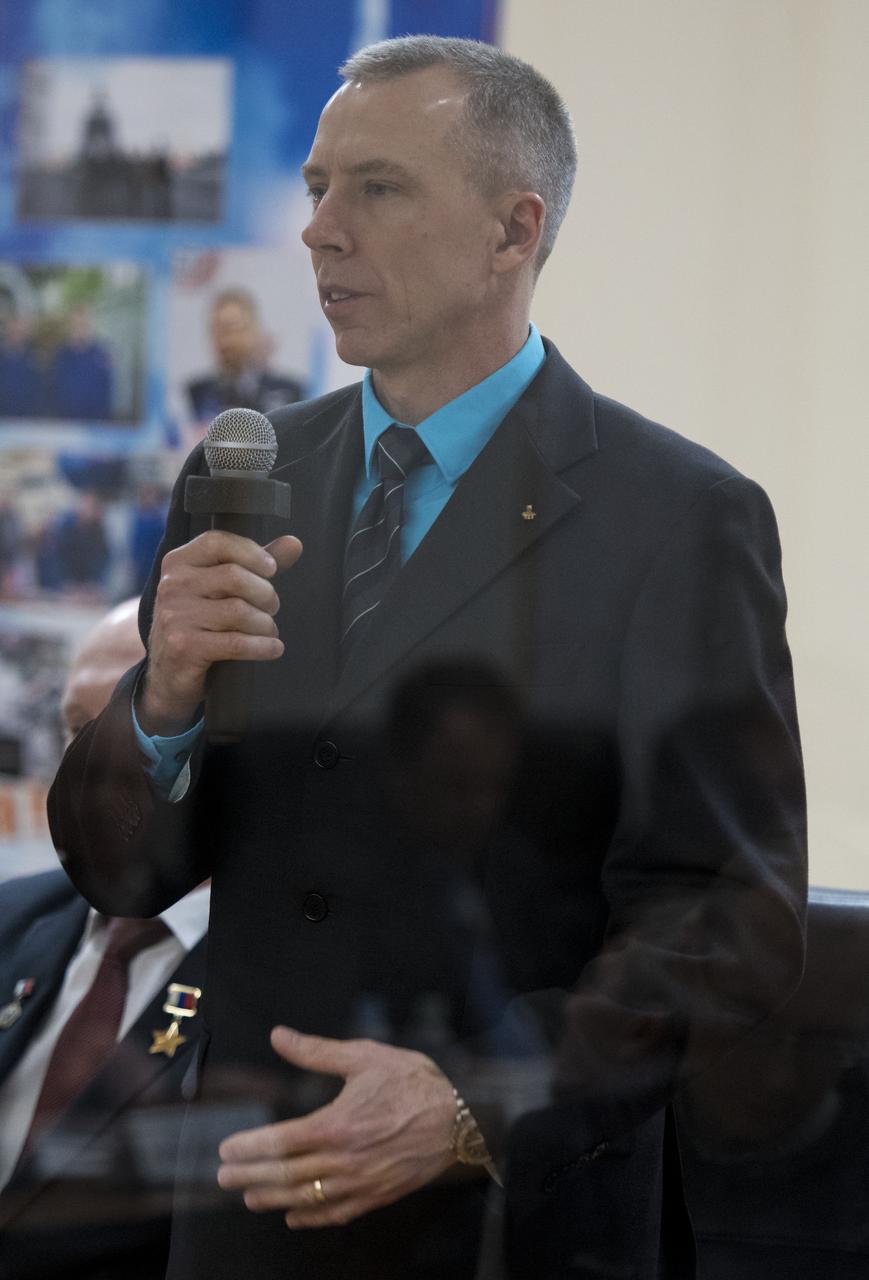
Expedition 55 flight engineer Drew Feustel of NASA is seen during the State Commission meeting to approve the Soyuz launch of Expedition 55 to the International Space Station, Tuesday, March 20, 2018. Feustel, Soyuz Commander Oleg Artemyev of Roscosmos, and flight engineer Ricky Arnold of NASA are scheduled to launch to the International Space Station aboard the Soyuz MS-08 spacecraft on Wednesday, March, 21. Photo Credit: (NASA/Joel Kowsky)
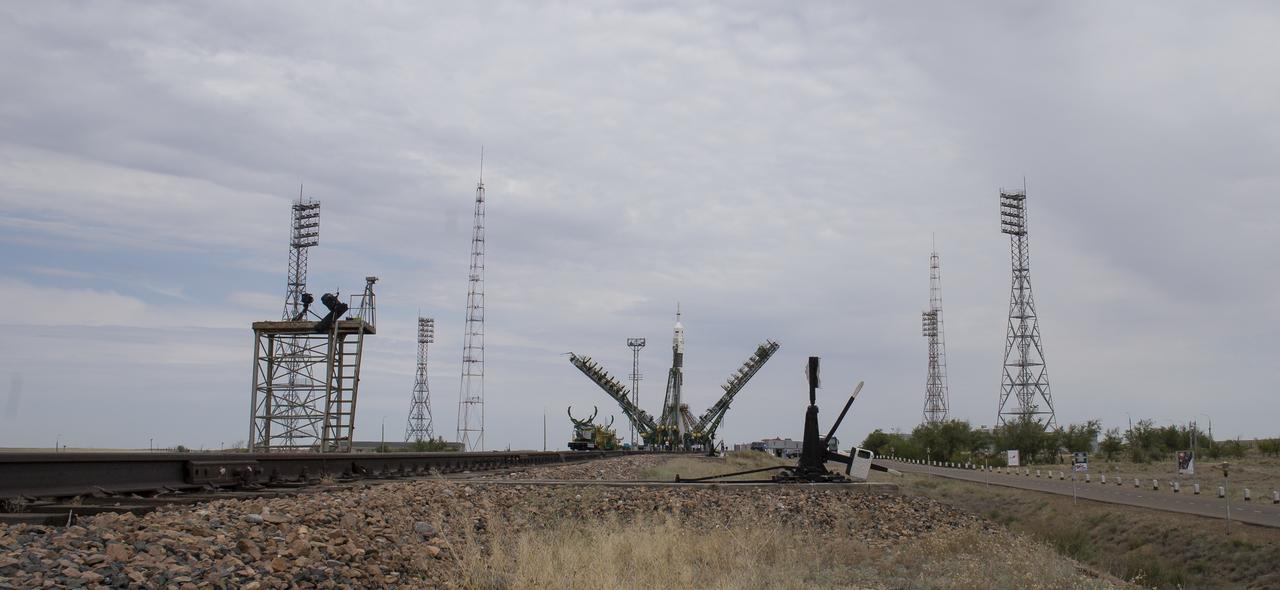
The Soyuz MS-09 rocket is seen as the gantry arms are lowered prior to launch, Wednesday, June 6, 2018 at the Baikonur Cosmodrome in Kazakhstan. Expedition 56 Soyuz Commander Sergey Prokopyev of Roscosmos, flight engineer Serena Auñón-Chancellor of NASA, and flight engineer Alexander Gerst of ESA (European Space Agency) launched at 7:12am EDT (5:12pm Baikonur time) and will spend the next six months living and working aboard the International Space Station. Photo Credit: (NASA/Joel Kowsky)
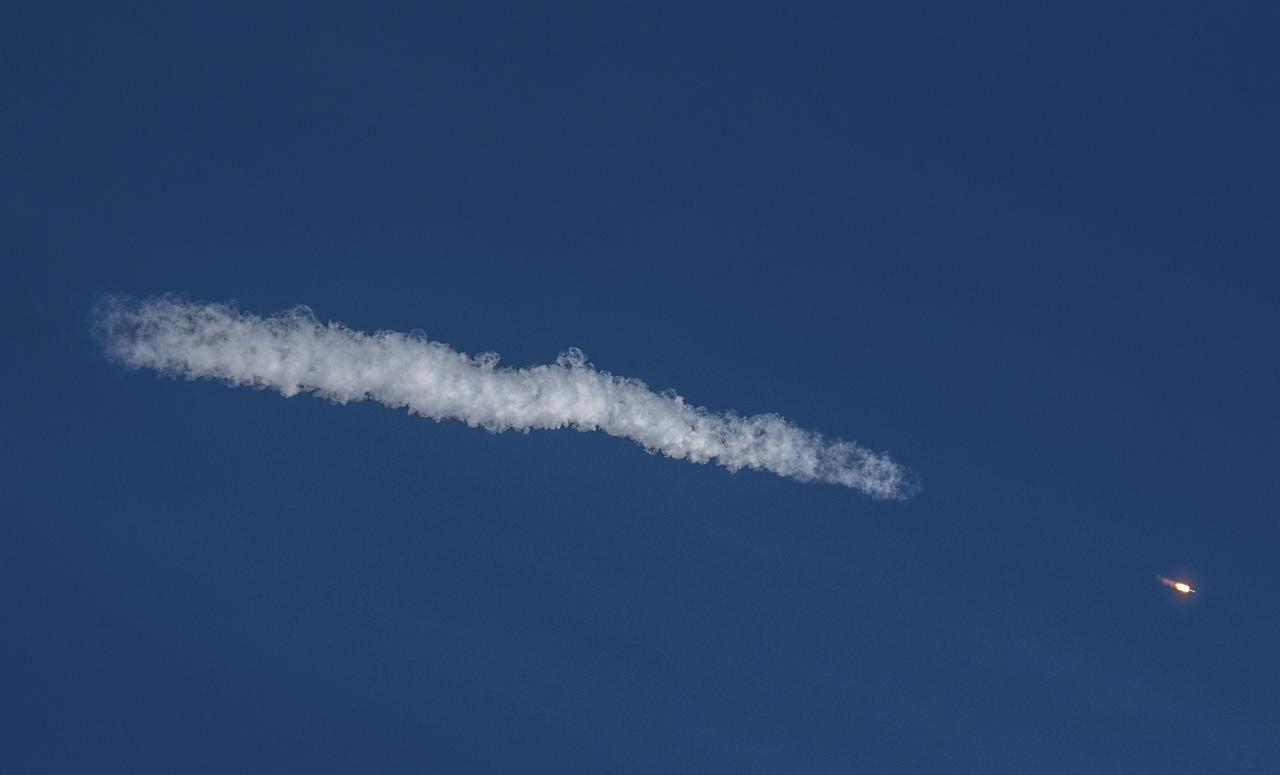
The Soyuz MS-17 rocket is launched with Expedition 64 Russian cosmonauts Sergey Ryzhikov and Sergey Kud-Sverchkov of Roscosmos and NASA astronaut Kate Rubins, Wednesday, Oct. 14, 2020, at the Baikonur Cosmodrome in Kazakhstan. Ryzhikov, Kud-Sverchkov, and Rubins launched at 1:45 a.m. EDT to begin a six-month mission onboard the International Space Station. Photo Credit: (NASA/GCTC/Andrey Shelepin)
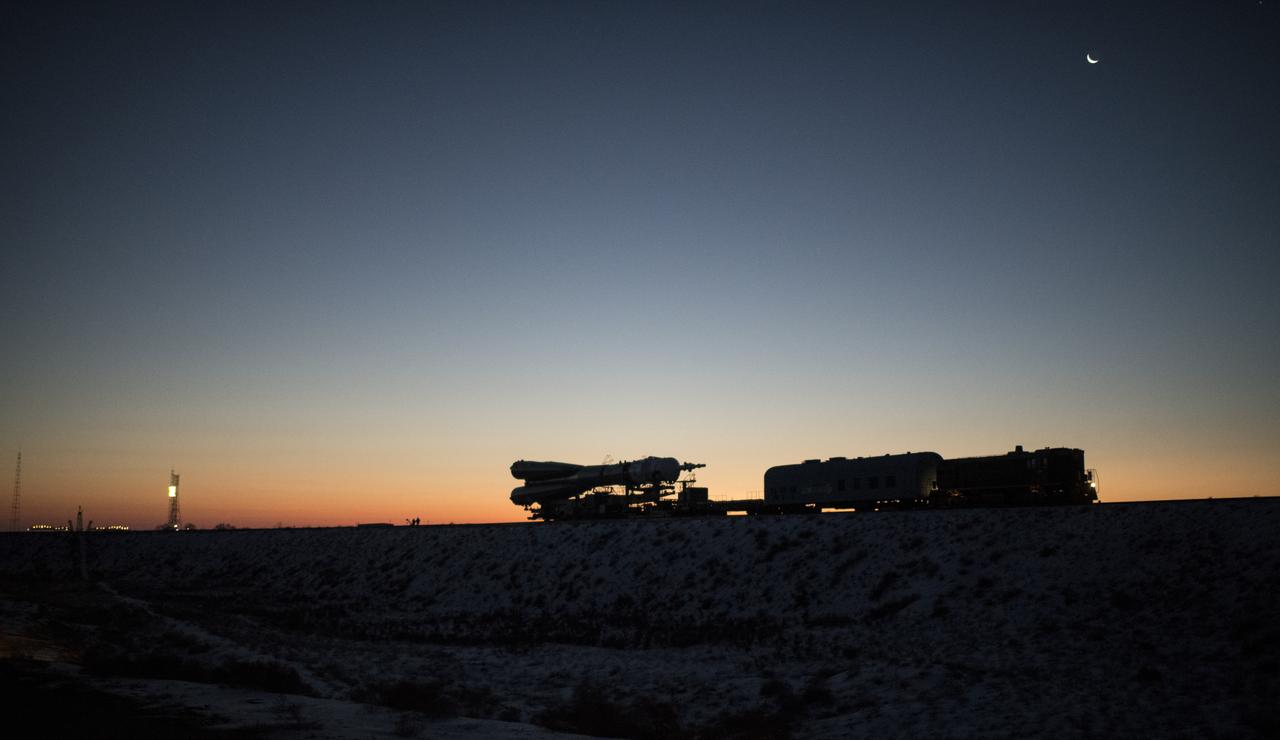
The Soyuz rocket is rolled out by train to the launch pad, Friday, Dec. 15, 2017 at the Baikonur Cosmodrome in Kazakhstan. Expedition 54 Soyuz Commander Anton Shkaplerov of Roscosmos, flight engineer Scott Tingle of NASA, and flight engineer Norishige Kanai of the Japan Aerospace Exploration Agency (JAXA) are scheduled to launch at 2:21 a.m. Eastern Time (1:21 p.m. Baikonur time) on Dec. 17 and will spend the next five months living and working aboard the International Space Station. Photo Credit: (NASA/Joel Kowsky)
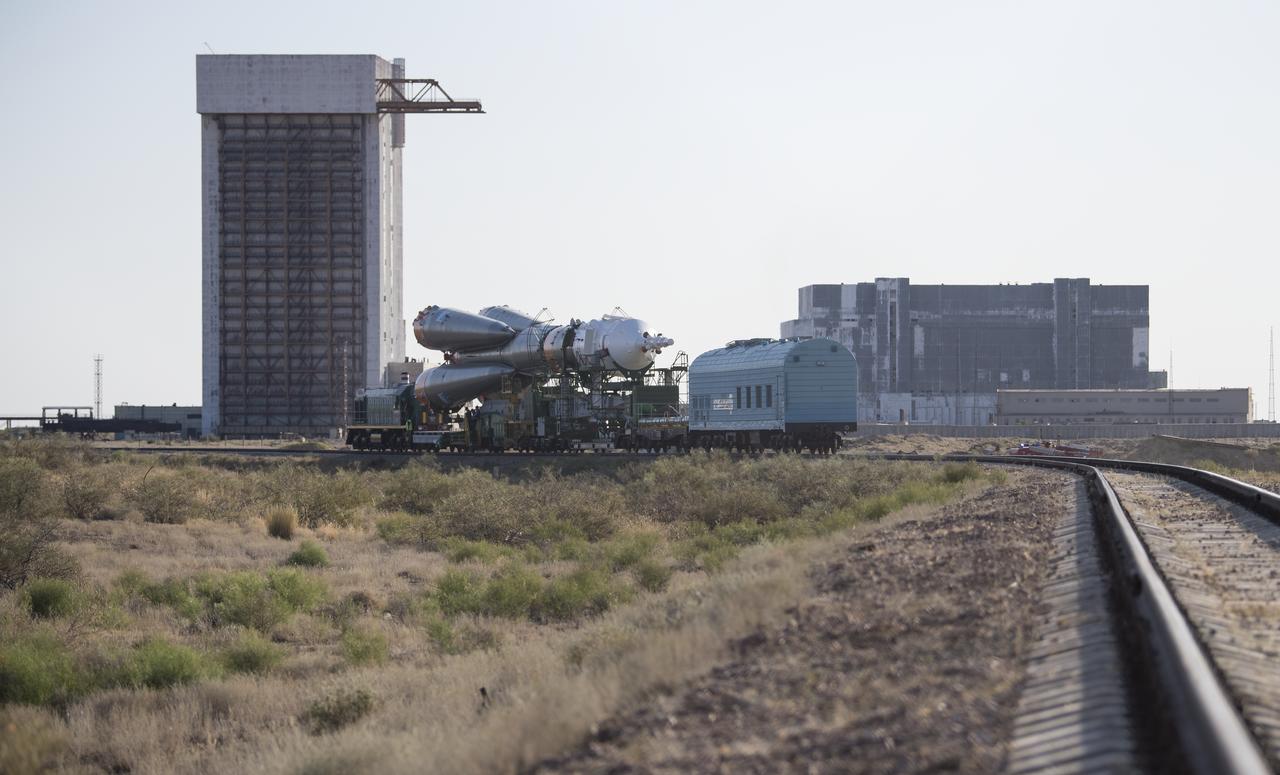
The Soyuz rocket is seen as it is rolled out to the launch pad by train, Thursday, July 18, 2019 at the Baikonur Cosmodrome in Kazakhstan. Expedition 60 Soyuz Commander Alexander Skvortsov of Roscosmos, flight engineer Andrew Morgan of NASA, and flight engineer Luca Parmitano of ESA (European Space Agency) are scheduled to launch aboard their Soyuz MS-13 spacecraft at 12:28 p.m. Eastern time (9:28 p.m. Baikonur time) , on Saturday, July 20. Photo Credit: (NASA/Joel Kowsky)
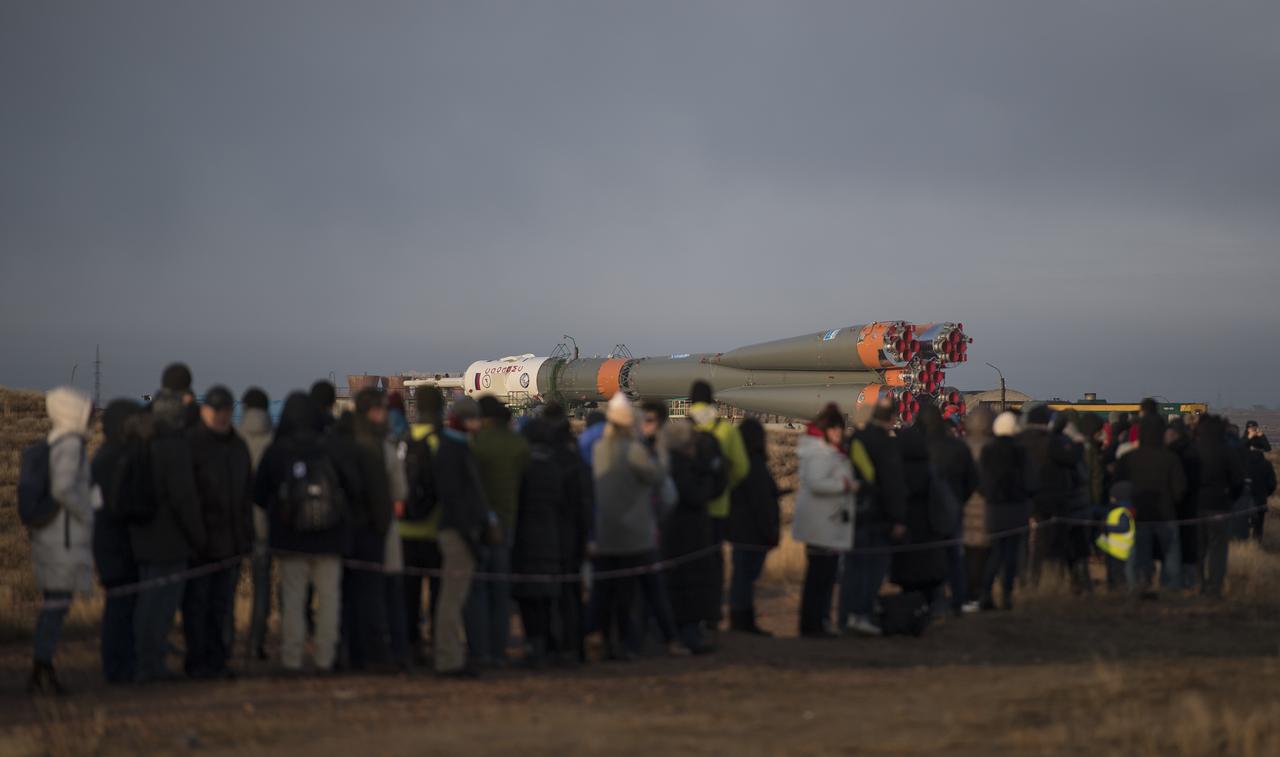
The Soyuz rocket is rolled out by train to the launch pad, Monday, March 19, 2018 at the Baikonur Cosmodrome in Kazakhstan. Expedition 55 crewmembers Ricky Arnold and Drew Feustel of NASA and Oleg Artemyev of Roscosmos are scheduled to launch at 1:44 p.m. Eastern time (11:44 p.m. Baikonur time) on March 21 and will spend the next five months living and working aboard the International Space Station. Photo Credit: (NASA/Joel Kowsky)

The Soyuz MS-07 rocket is launched with Expedition 54 Soyuz Commander Anton Shkaplerov of Roscosmos, flight engineer Scott Tingle of NASA, and flight engineer Norishige Kanai of Japan Aerospace Exploration Agency (JAXA), Sunday, Dec. 17, 2017 at the Baikonur Cosmodrome in Kazakhstan. Shkaplerov, Tingle, and Kanai will spend the next five months living and working aboard the International Space Station. Photo Credit: (NASA/Joel Kowsky)
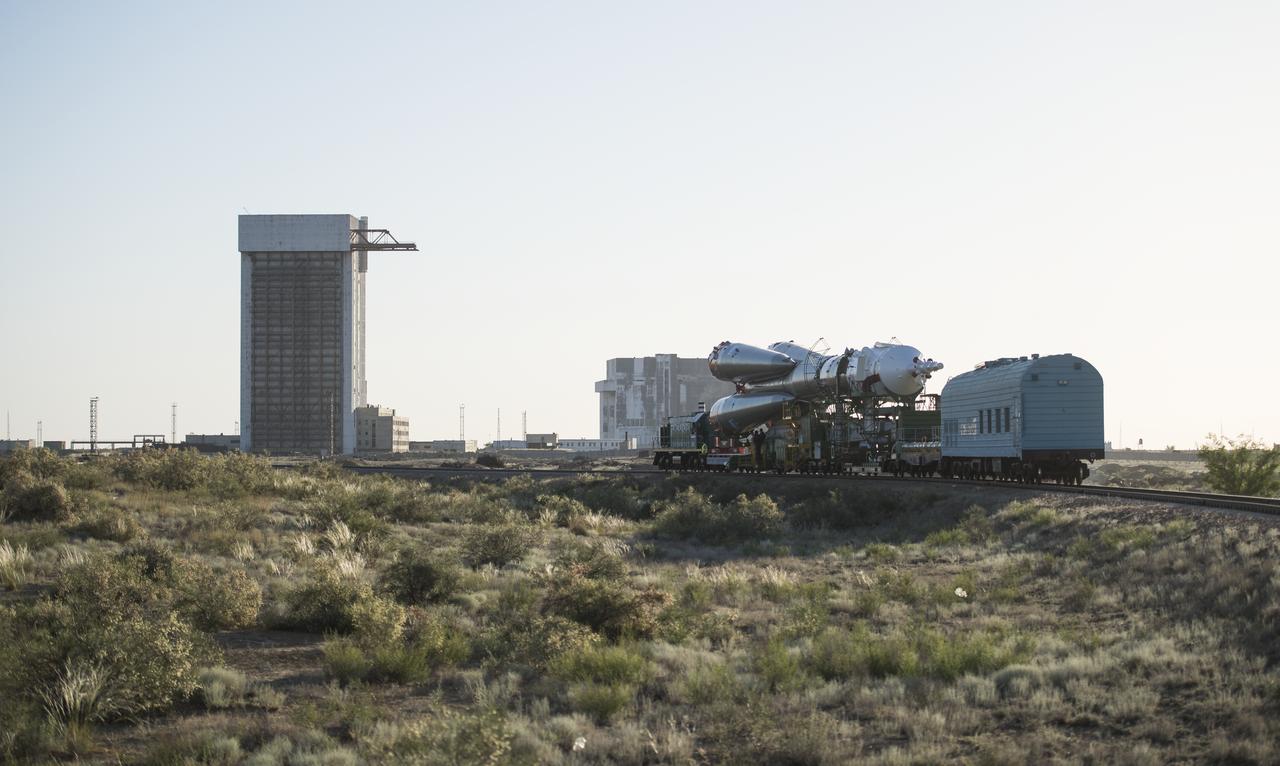
The Soyuz rocket is rolled out by train to the launch pad, Monday, June 4, 2018 at the Baikonur Cosmodrome in Kazakhstan. Expedition 56 Soyuz Commander Sergey Prokopyev of Roscosmos, flight engineer Serena Auñón-Chancellor of NASA, and flight engineer Alexander Gerst of ESA (European Space Agency) are scheduled to launch aboard their Soyuz MS-09 spacecraft at 7:12 a.m. Eastern time (5:12 p.m. Baikonur time), on Wednesday, June 6. Photo Credit: (NASA/Joel Kowsky)
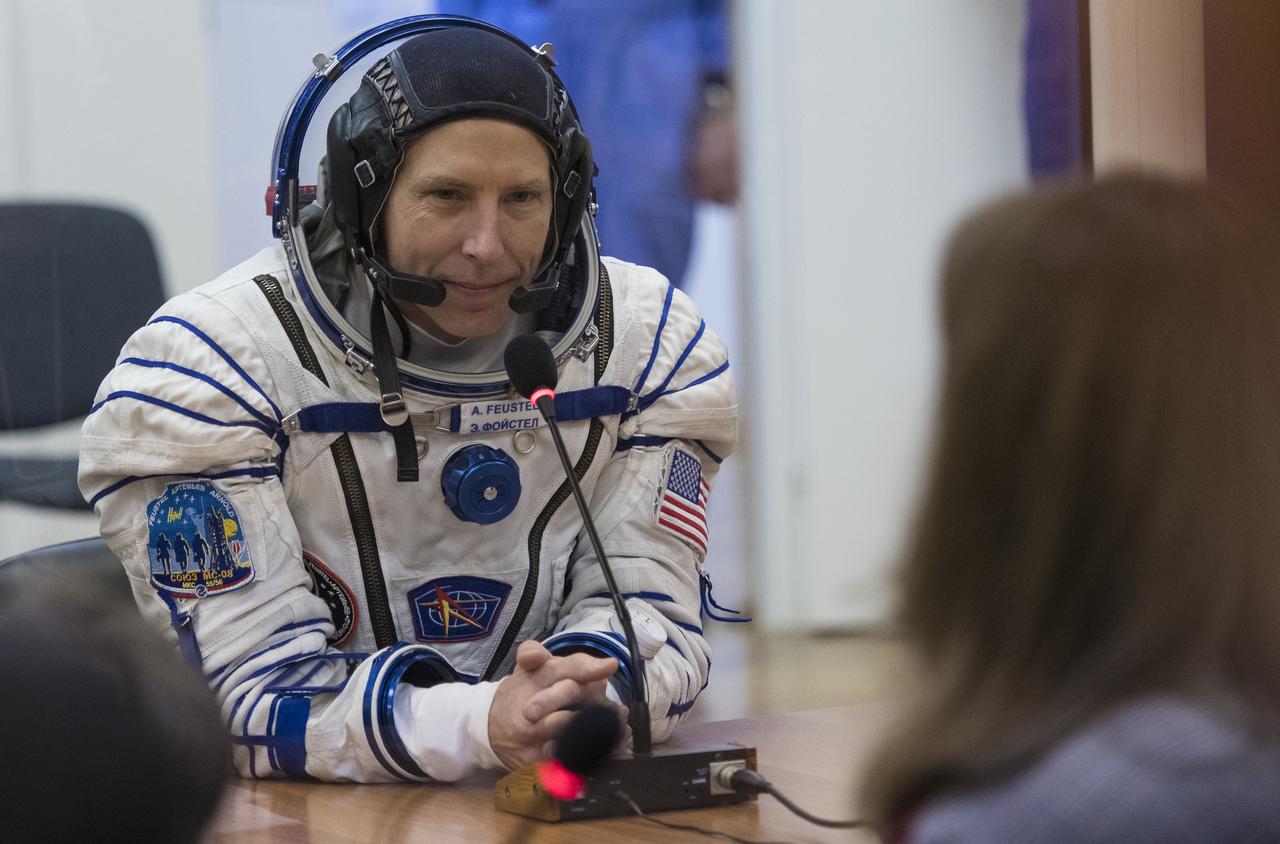
Expedition 55 flight engineer Drew Feustel of NASA speaks with family and friends after having his Russian Sokol suit pressure checked in preparation for launch aboard the Soyuz MS-08 spacecraft, Wednesday, March 21, 2018 at the Baikonur Cosmodrome in Kazakhstan. Feustel, Soyuz Commander Oleg Artemyev of Roscosmos, and flight engineer Ricky Arnold of NASA launched aboard the Soyuz MS-08 spacecraft at 1:44 p.m. Eastern time (11:44 p.m. Baikonur time) on March 21 to begin their journey to the International Space Station. Photo Credit: (NASA/Joel Kowsky)

Workers prepare the Soyuz MS-02 spacecraft for encapsulation in its fairing on Thursday, Tuesday, Oct. 11, 2016 at the Baikonur Cosmodrome in Kazakhstan. Expedition 49 flight engineer Shane Kimbrough of NASA, flight engineer Andrey Borisenko of Roscosmos, and Soyuz commander Sergey Ryzhikov of Roscosmos are scheduled to launch from the Baikonur Cosmodrome in Kazakhstan on Oct. 19. Photo Credit: (NASA/Victor Zelentsov)
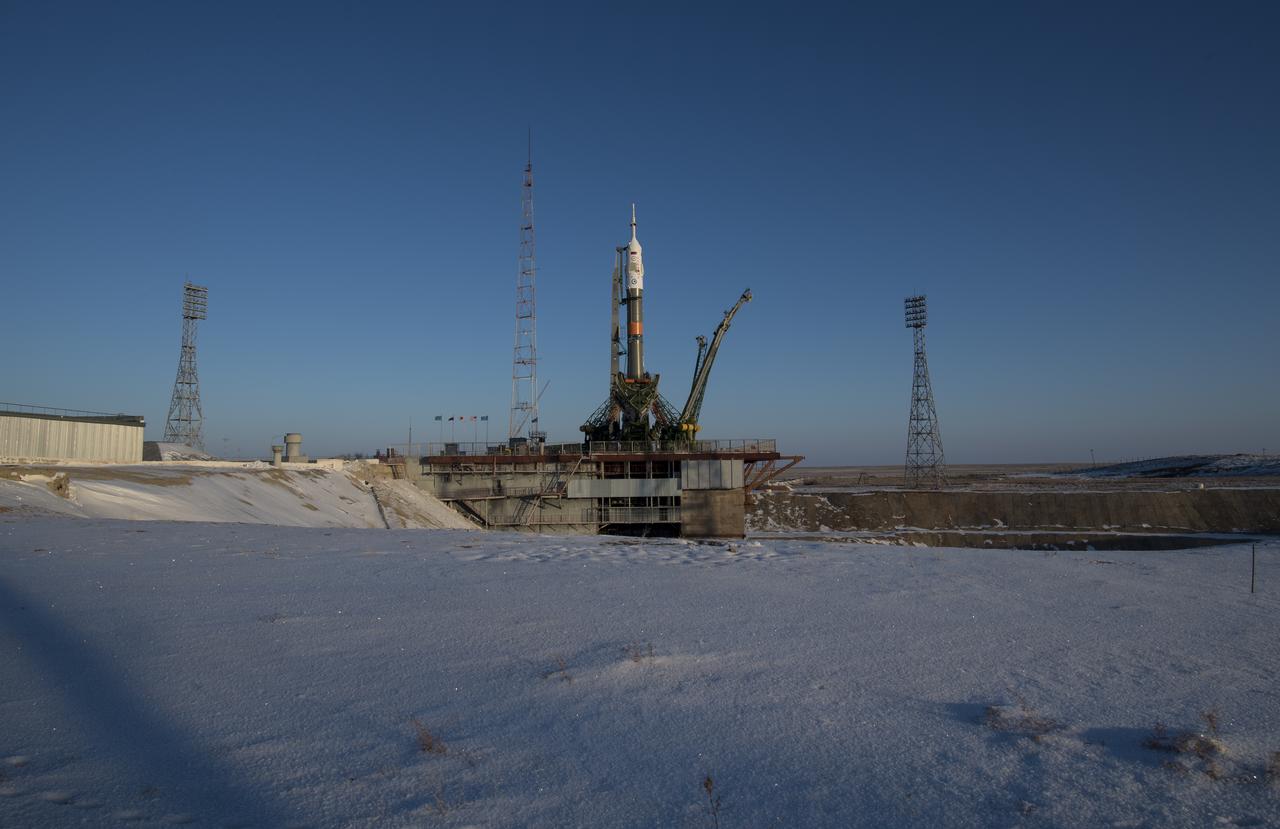
The Soyuz rocket is seen shortly after being raised into a vertical position on the launch pad, Friday, Dec. 15, 2017 at the Baikonur Cosmodrome in Kazakhstan. Expedition 54 Soyuz Commander Anton Shkaplerov of Roscosmos, flight engineer Scott Tingle of NASA, and flight engineer Norishige Kanai of the Japan Aerospace Exploration Agency (JAXA) are scheduled to launch at 2:21 a.m. Eastern Time (1:21 p.m. Baikonur time) on Dec. 17 and will spend the next five months living and working aboard the International Space Station. Photo Credit: (NASA/Joel Kowsky)
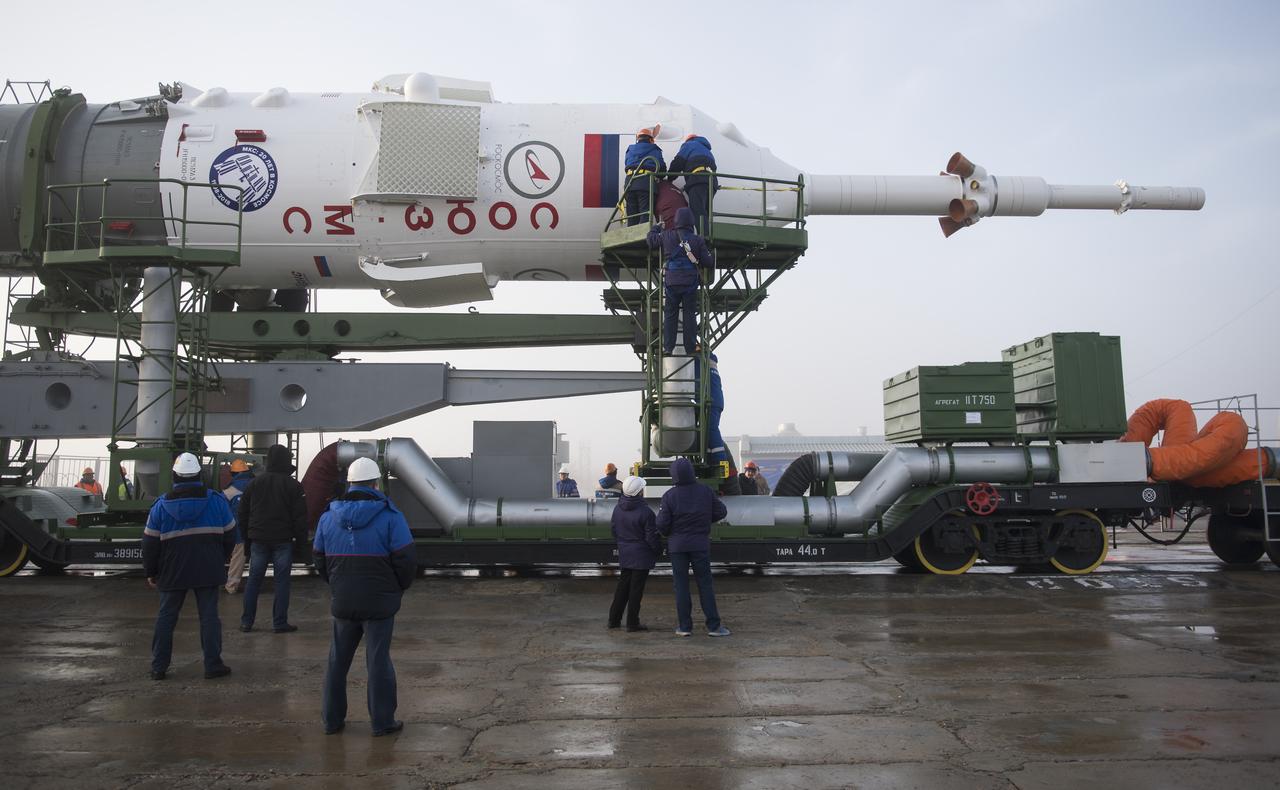
Workers prepare to raise the Soyuz rocket into a vertical position on the pad, Monday, March 19, 2018 at the Baikonur Cosmodrome in Kazakhstan. Expedition 55 crewmembers Ricky Arnold and Drew Feustel of NASA and Oleg Artemyev of Roscosmos are scheduled to launch at 1:44 p.m. Eastern time (11:44 p.m. Baikonur time) on March 21 and will spend the next five months living and working aboard the International Space Station. Photo Credit: (NASA/Joel Kowsky)
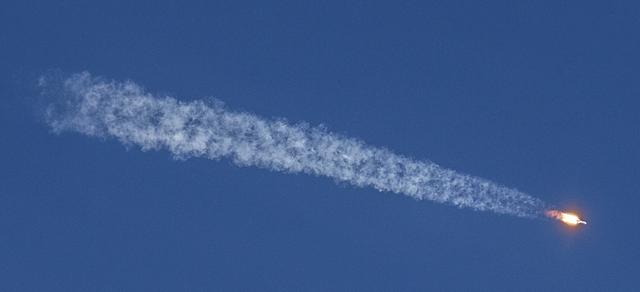
The Soyuz MS-17 rocket is launched with Expedition 64 Russian cosmonauts Sergey Ryzhikov and Sergey Kud-Sverchkov of Roscosmos and NASA astronaut Kate Rubins, Wednesday, Oct. 14, 2020, at the Baikonur Cosmodrome in Kazakhstan. Ryzhikov, Kud-Sverchkov, and Rubins launched at 1:45 a.m. EDT to begin a six-month mission onboard the International Space Station. Photo Credit: (NASA/GCTC/Andrey Shelepin)
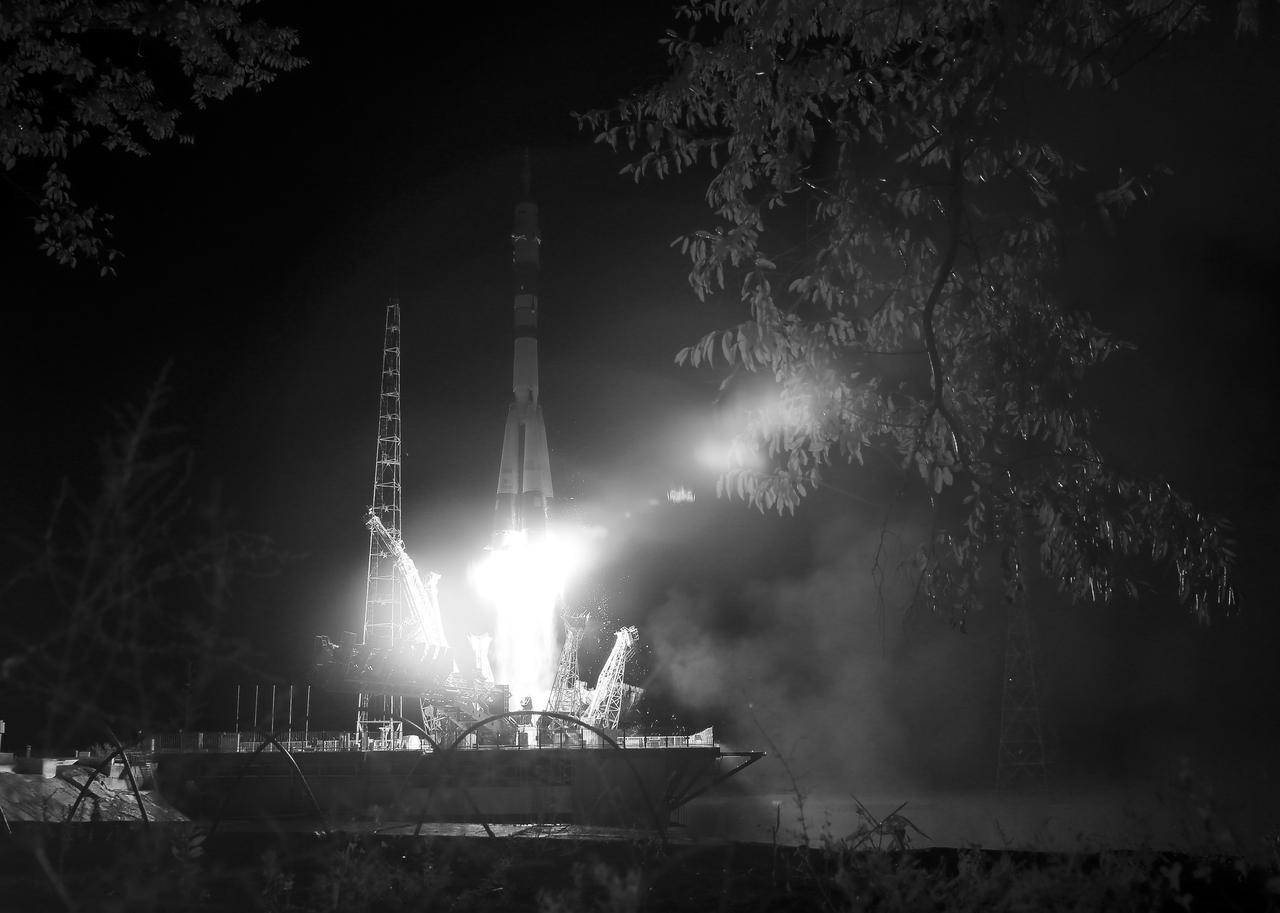
In this black and white infrared image, the Soyuz MS-13 rocket is launched with Expedition 60 Soyuz Commander Alexander Skvortsov of Roscosmos, flight engineer Andrew Morgan of NASA, and flight engineer Luca Parmitano of ESA (European Space Agency), Saturday, July 20, 2019 at the Baikonur Cosmodrome in Kazakhstan. Skvortsov, Morgan, and Parmitano launched at 12:28 p.m. Eastern time (9:28 p.m. Baikonur time) to begin their mission to the International Space Station. Photo Credit: (NASA/Joel Kowsky)
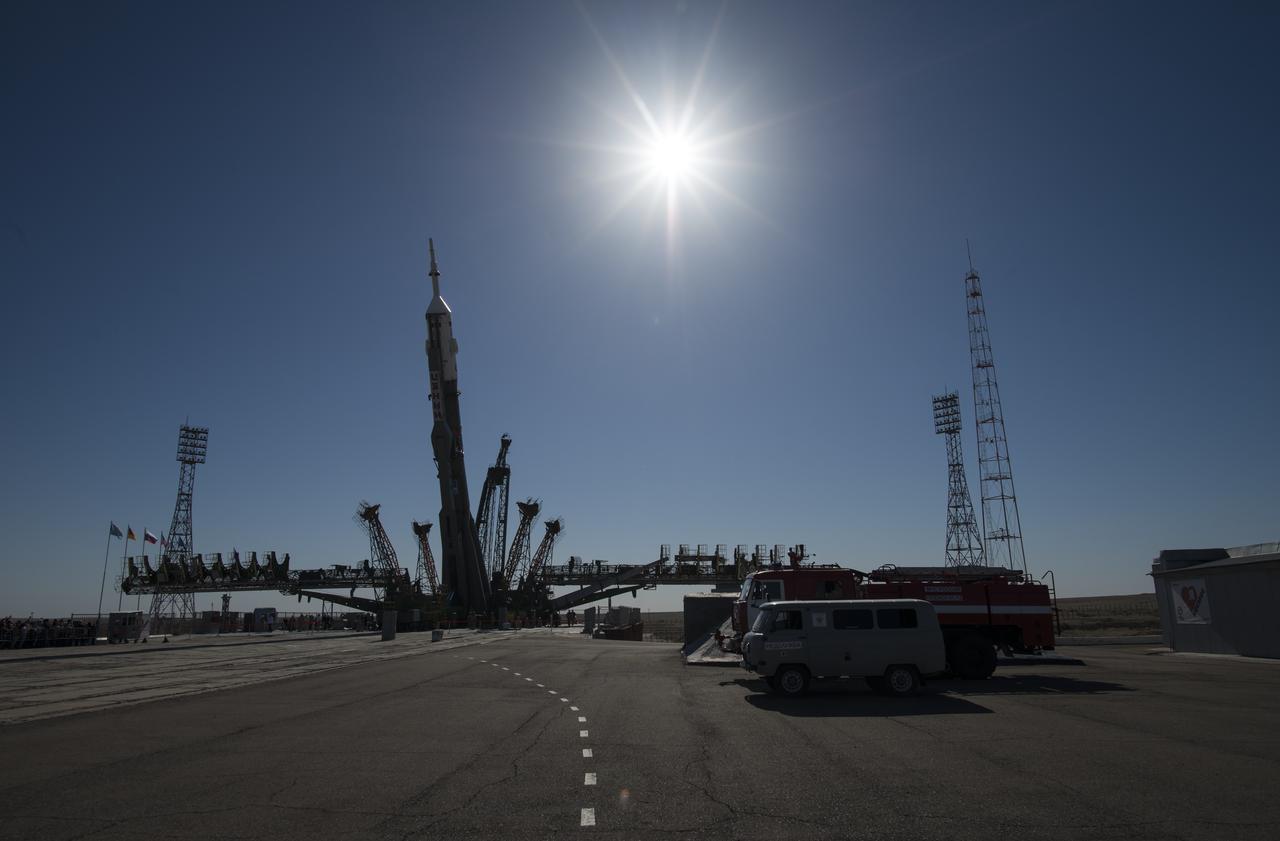
The Soyuz rocket is raised into a vertical position on the launch pad, Monday, June 4, 2018 at the Baikonur Cosmodrome in Kazakhstan. Expedition 56 Soyuz Commander Sergey Prokopyev of Roscosmos, flight engineer Serena Auñón-Chancellor of NASA, and flight engineer Alexander Gerst of ESA (European Space Agency) are scheduled to launch aboard their Soyuz MS-09 spacecraft at 7:12 a.m. Eastern time (5:12 p.m. Baikonur time), on Wednesday, June 6. Photo Credit: (NASA/Joel Kowsky)
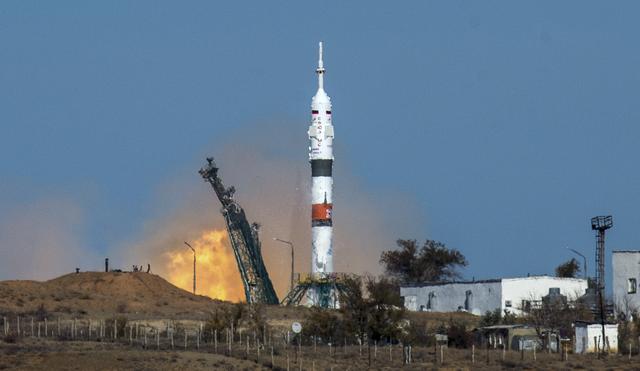
The Soyuz MS-17 rocket is launched with Expedition 64 Russian cosmonauts Sergey Ryzhikov and Sergey Kud-Sverchkov of Roscosmos and NASA astronaut Kate Rubins, Wednesday, Oct. 14, 2020, at the Baikonur Cosmodrome in Kazakhstan. Ryzhikov, Kud-Sverchkov, and Rubins launched at 1:45 a.m. EDT to begin a six-month mission onboard the International Space Station. Photo Credit: (NASA/GCTC/Andrey Shelepin)
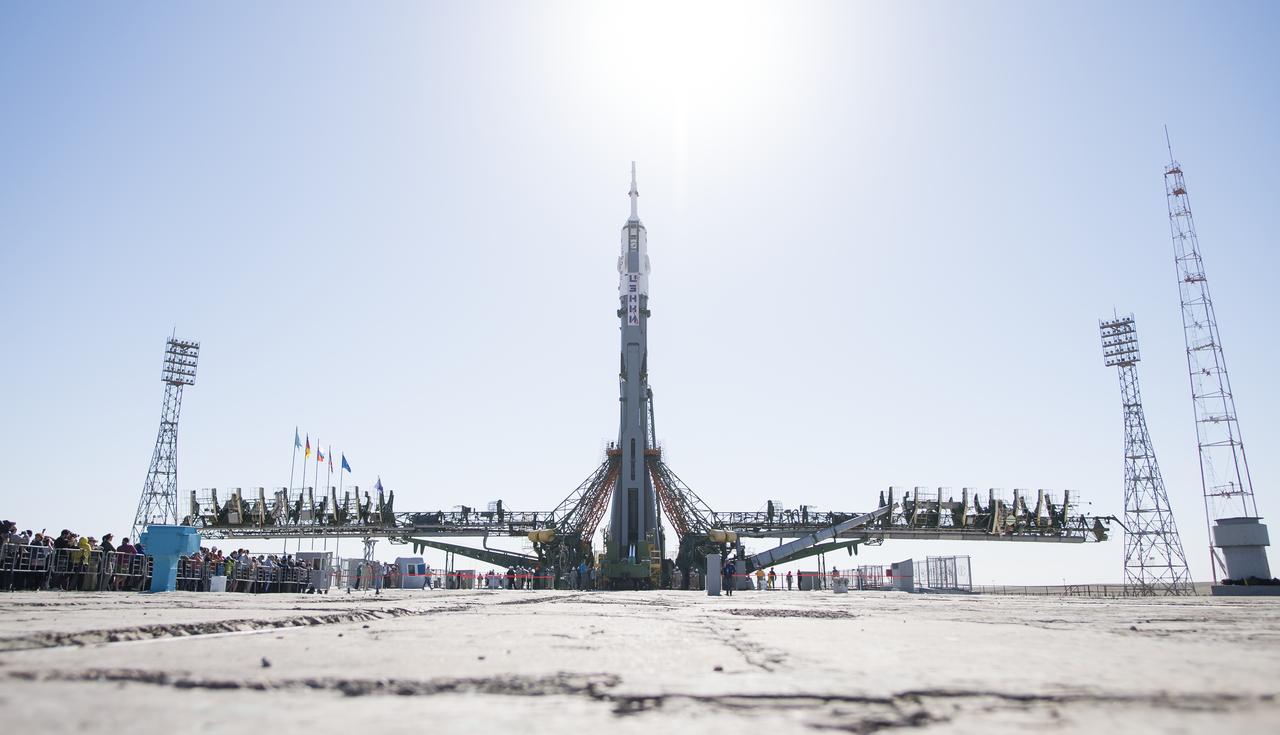
The Soyuz rocket is seen after being raised into a vertical position on the launch pad, Monday, June 4, 2018 at the Baikonur Cosmodrome in Kazakhstan. Expedition 56 Soyuz Commander Sergey Prokopyev of Roscosmos, flight engineer Serena Auñón-Chancellor of NASA, and flight engineer Alexander Gerst of ESA (European Space Agency) are scheduled to launch aboard their Soyuz MS-09 spacecraft at 7:12 a.m. Eastern time (5:12 p.m. Baikonur time), on Wednesday, June 6. Photo Credit: (NASA/Joel Kowsky)
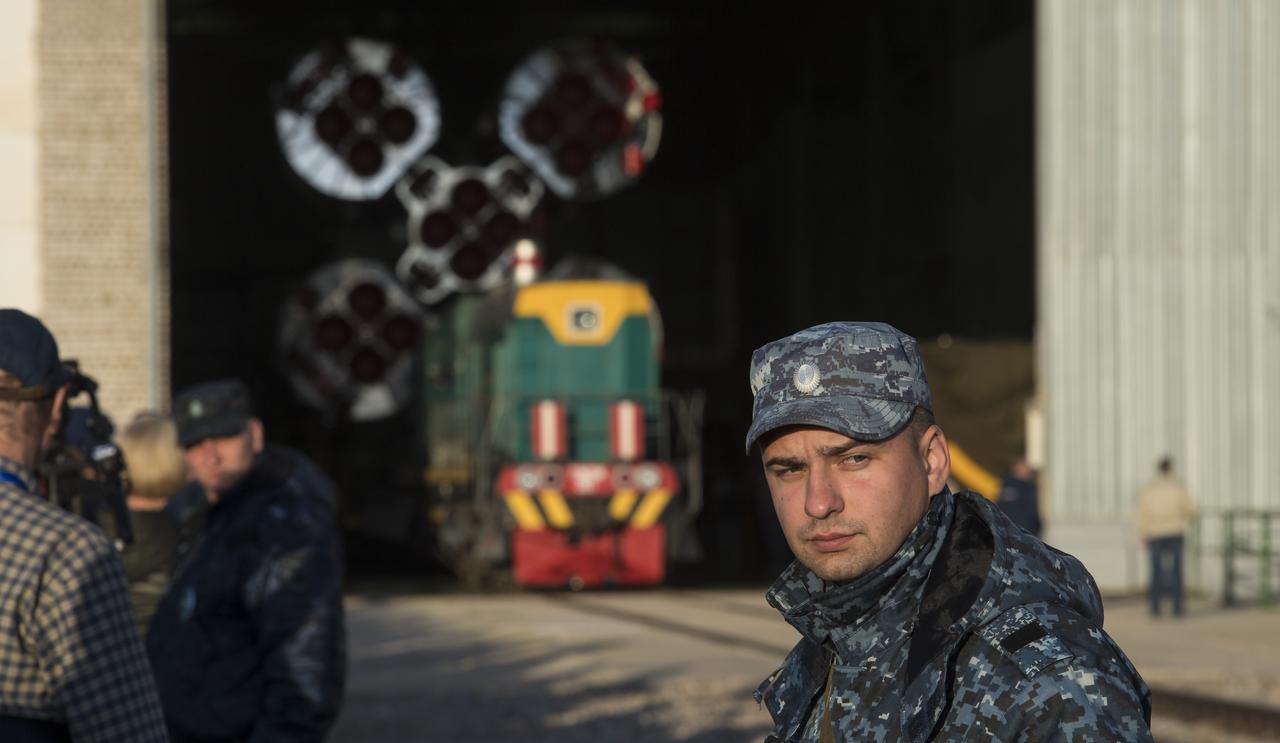
Security personnel are seen outside of Building 112 prior to the Soyuz rocket being rolled out by train to the launch pad, Monday, June 4, 2018 at the Baikonur Cosmodrome in Kazakhstan. Expedition 56 Soyuz Commander Sergey Prokopyev of Roscosmos, flight engineer Serena Auñón-Chancellor of NASA, and flight engineer Alexander Gerst of ESA (European Space Agency) are scheduled to launch aboard their Soyuz MS-09 spacecraft at 7:12 a.m. Eastern time (5:12 p.m. Baikonur time), on Wednesday, June 6. Photo Credit: (NASA/Joel Kowsky)
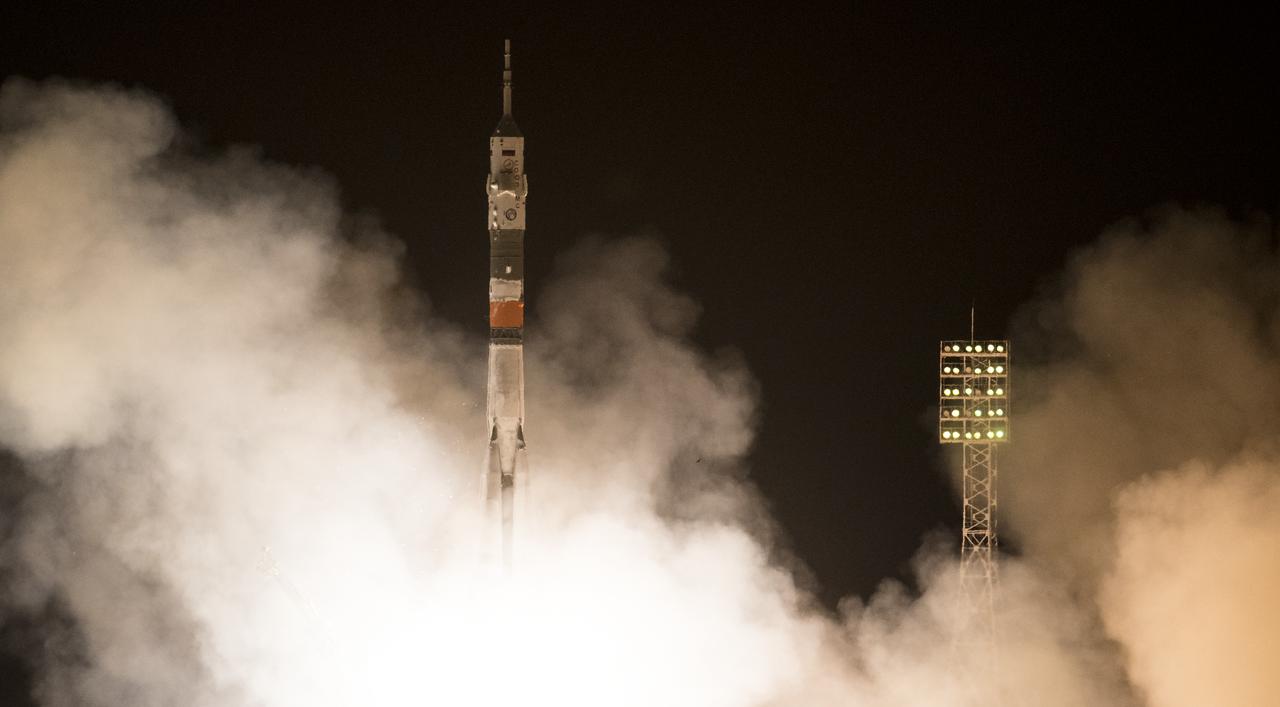
The Soyuz MS-08 rocket is launched with Expedition 55 Soyuz Commander Oleg Artemyev of Roscosmos and flight engineers Ricky Arnold and Drew Feustel of NASA, Wednesday, March 21, 2018 at the Baikonur Cosmodrome in Kazakhstan. Artemyev, Arnold, and Feustel will spend the next five months living and working aboard the International Space Station. Photo Credit: (NASA/Joel Kowsky)
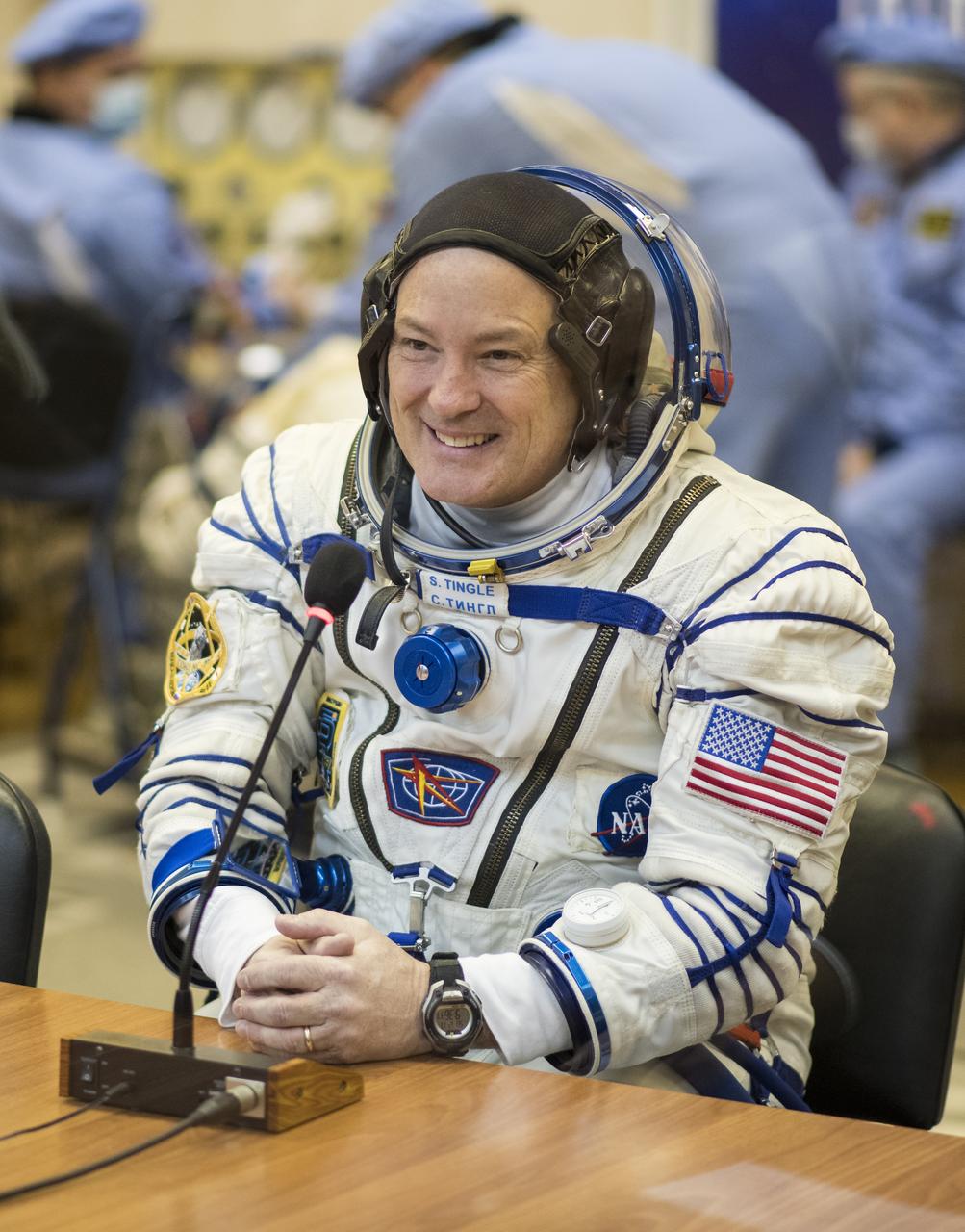
Expedition 54 flight engineer Scott Tingle of NASA speaks with family and friends after having his Russian Sokol suit pressure checked in preparation for launch aboard the Soyuz MS-07 spacecraft, Sunday, Dec. 17, 2017 at the Baikonur Cosmodrome Kazakhstan. Launch of the Soyuz rocket will send Tingle and fellow crewmates Soyuz Commander Anton Shkaplerov of Roscosmos and flight engineer Norishige Kanai of the Japan Aerospace Exploration Agency (JAXA) on a five month mission aboard the International Space Station. Photo Credit: (NASA/Joel Kowsky)
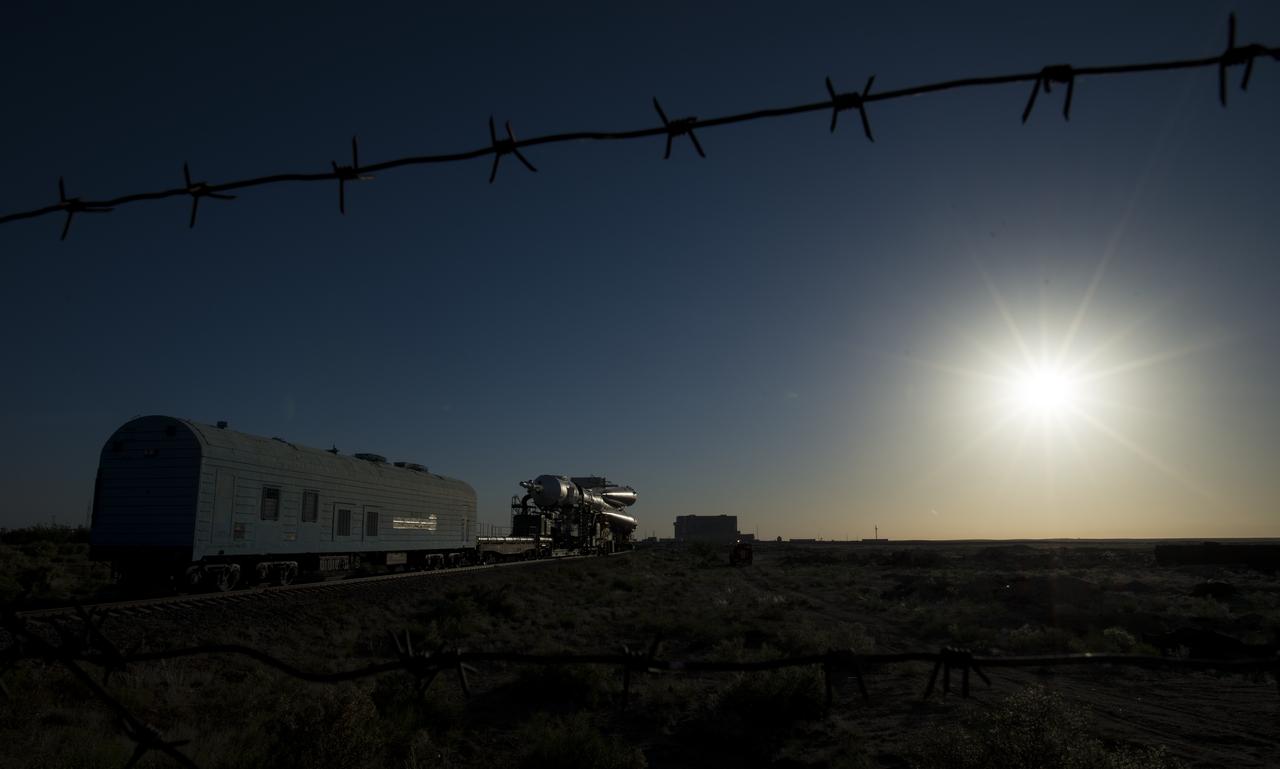
The Soyuz rocket is rolled out by train to the launch pad, Monday, June 4, 2018 at the Baikonur Cosmodrome in Kazakhstan. Expedition 56 Soyuz Commander Sergey Prokopyev of Roscosmos, flight engineer Serena Auñón-Chancellor of NASA, and flight engineer Alexander Gerst of ESA (European Space Agency) are scheduled to launch aboard their Soyuz MS-09 spacecraft at 7:12 a.m. Eastern time (5:12 p.m. Baikonur time), on Wednesday, June 6. Photo Credit: (NASA/Joel Kowsky)
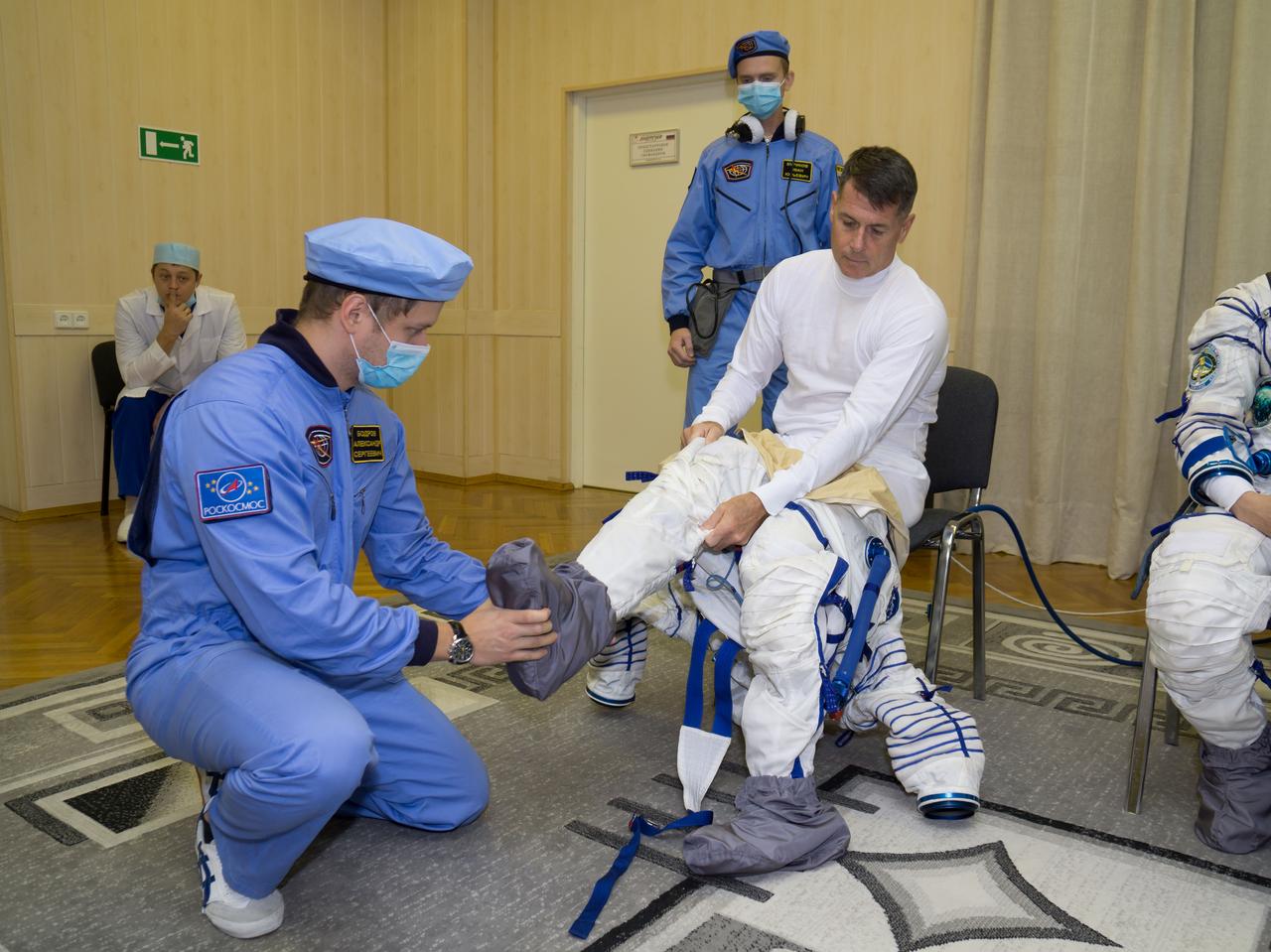
Expedition 49 flight engineer Shane Kimbrough is helped into his Sokol launch and entry suit in preparation for conducting the first check dress rehearsal activities, Saturday, Oct. 8, 2016 at the Baikonur Cosmodrome in Kazakhstan. Kimbrough, Sergey Ryzhikov, and Andrey Borisenko of Roscosmos will launch from the Baikonur Cosmodrome in Kazakhstan on Oct. 19. Photo Credit: (NASA/Victor Zelentsov)
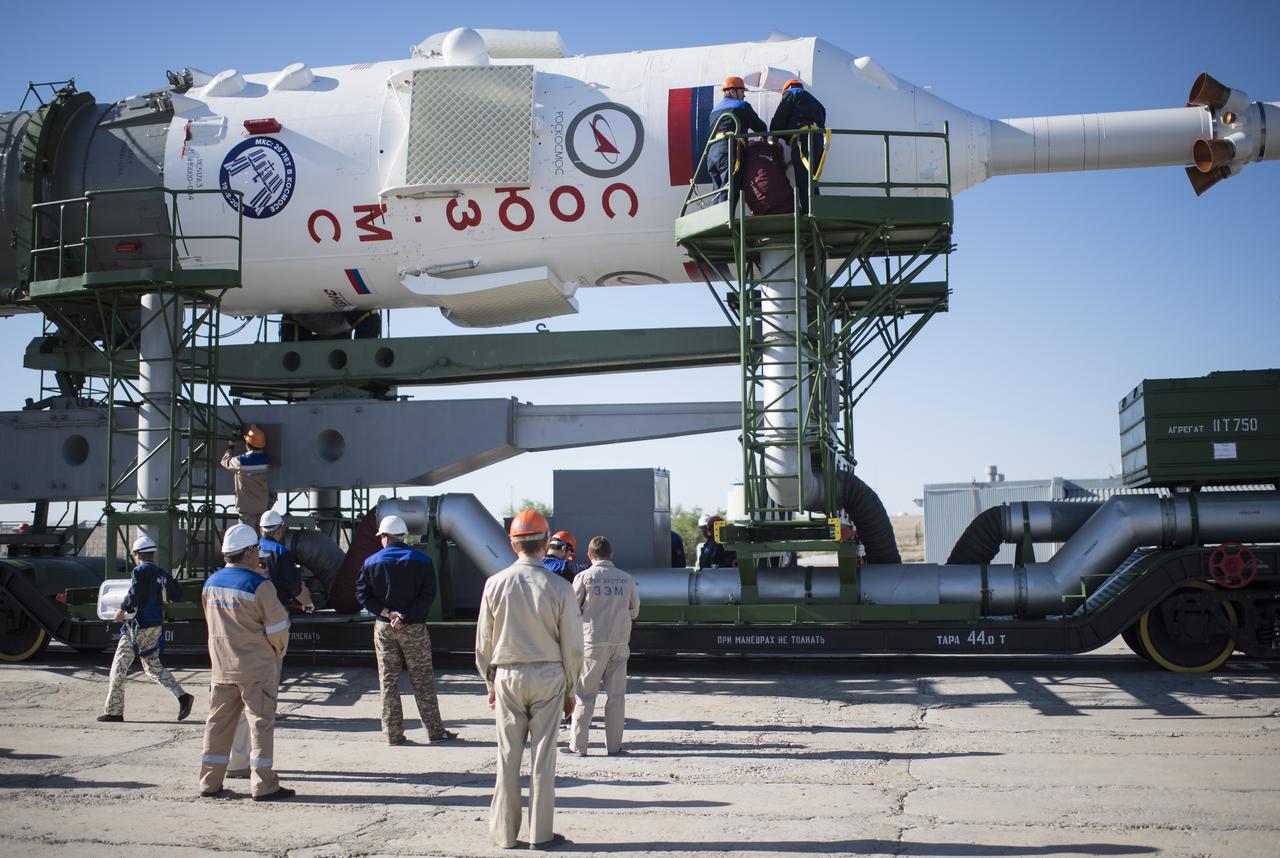
Workers prepare to raise the Soyuz rocket into a vertical position on the launch pad, Monday, June 4, 2018 at the Baikonur Cosmodrome in Kazakhstan. Expedition 56 Soyuz Commander Sergey Prokopyev of Roscosmos, flight engineer Serena Auñón-Chancellor of NASA, and flight engineer Alexander Gerst of ESA (European Space Agency) are scheduled to launch aboard their Soyuz MS-09 spacecraft at 7:12 a.m. Eastern time (5:12 p.m. Baikonur time), on Wednesday, June 6. Photo Credit: (NASA/Joel Kowsky)
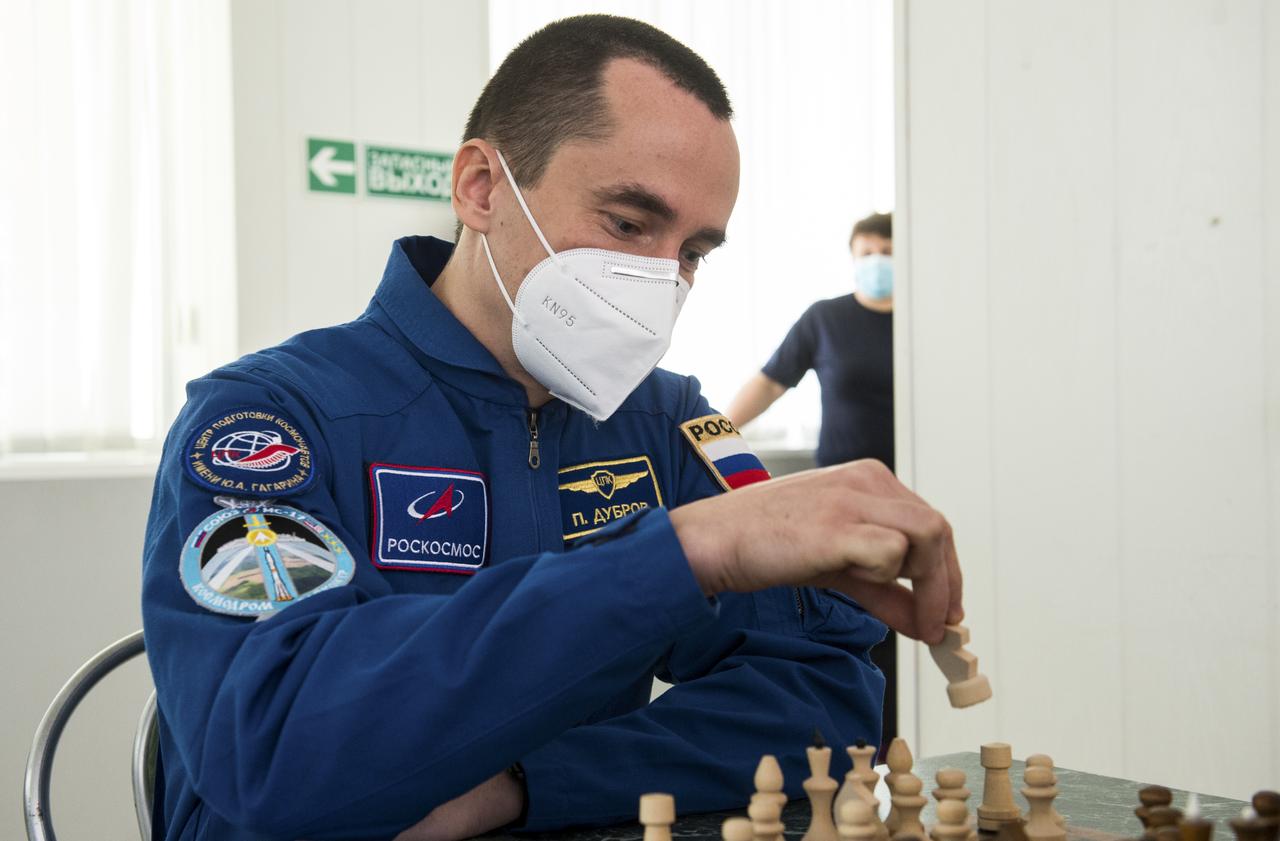
Expedition 64 backup crew member Petr Dubrov of Roscosmos plays a game of Chess, Tuesday, Oct. 6, 2020, at the Cosmonaut Hotel in Baikonur, Kazakhstan. The Expedition 64 prime crew of Russian cosmonauts Sergey Ryzhikov and Sergey Kud-Sverchkov of Roscosmos, and NASA astronaut Kate Rubins, are scheduled to launch to the International Space Station aboard the Soyuz MS-17 spacecraft on October 14. Photo Credit: (NASA/GCTC/Andrey Shelepin)
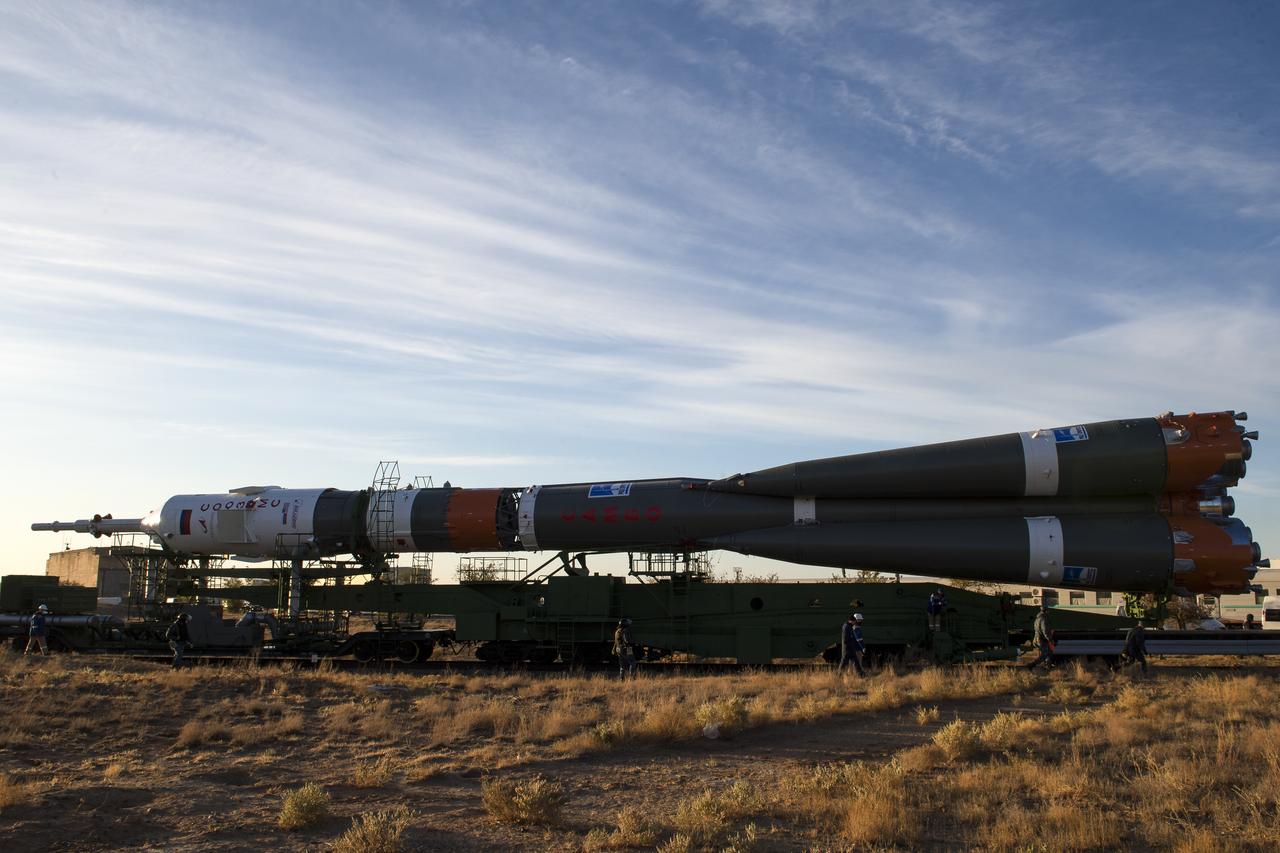
The Soyuz rocket is rolled out by train to the launch pad at Site 31, Sunday, Oct. 11, 2020, at the Baikonur Cosmodrome in Kazakhstan. Expedition 64 Russian cosmonauts Sergey Ryzhikov and Sergey Kud-Sverchkov of Roscosmos, and NASA astronaut Kate Rubins are scheduled to launch aboard their Soyuz MS-17 spacecraft on Oct. 14 to start a six-month mission onboard the International Space Station. Photo Credit: (NASA/GCTC/Andrey Shelepin)
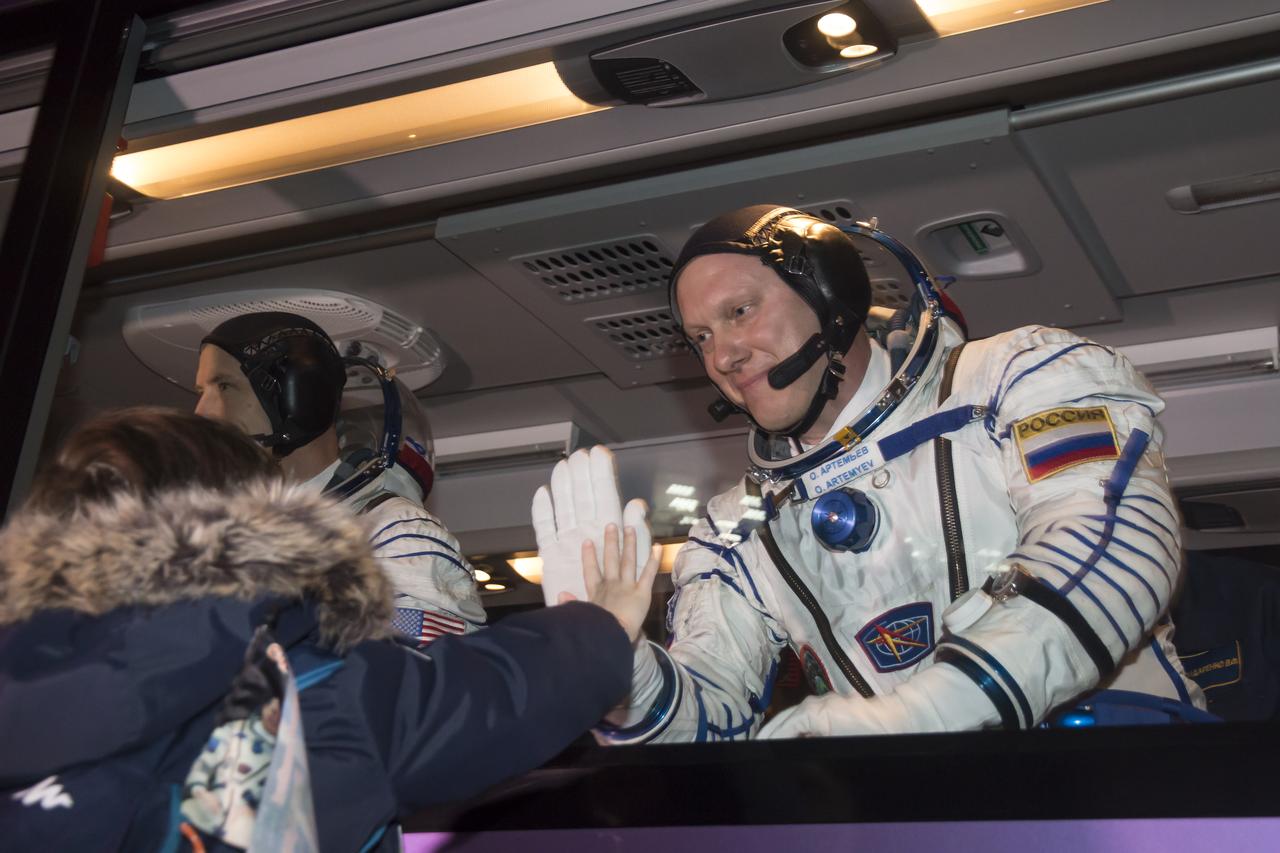
Expedition 55 Soyuz Commander Oleg Artemyev of Roscosmos waves farewell to family and friends as he and flight engineers Ricky Arnold and Drew Feustel of NASA depart for the launch pad a few hours before their launch, Wednesday, March 21, 2018 at the Baikonur Cosmodrome Kazakhstan. Launch of the Soyuz rocket will send Artemyev, Arnold, and Feustel on a five month mission aboard the International Space Station. Photo Credit: (NASA/Victor Zelentsov)
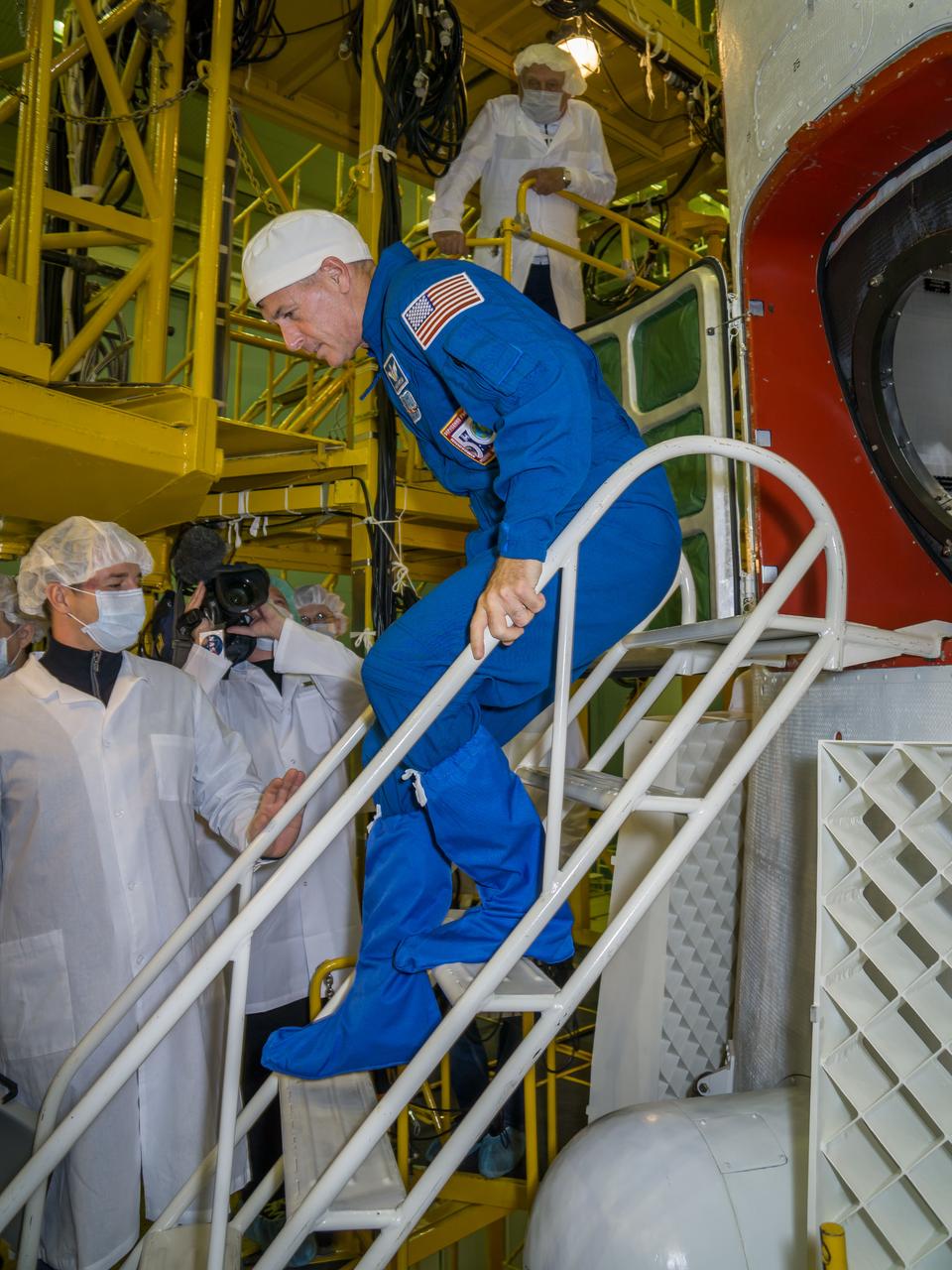
Expedition 49 flight engineer Shane Kimbrough of NASA descends the stairs from the Soyuz MS-02 spacecraft during the final fit check of the spacecraft with Sergey Ryzhikov and Andrey Borisenko of Roscosmos on Thursday, Oct. 13, 2016 at the Baikonur Cosmodrome in Kazakhstan. Kimbrough, Ryzhikov, and Borisenko are scheduled to launch from the Baikonur Cosmodrome in Kazakhstan on Oct. 19. Photo Credit: (NASA/Victor Zelentsov)
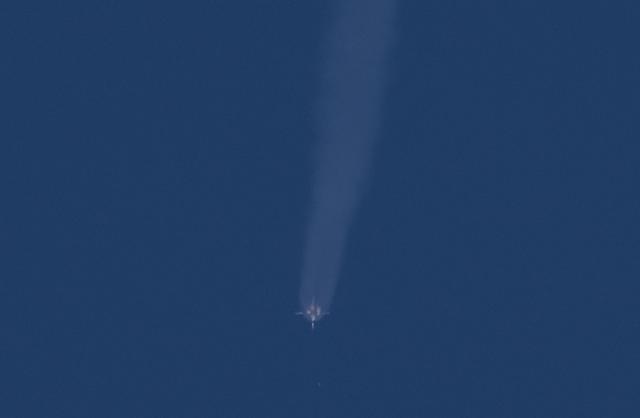
The Soyuz MS-07 rocket boosters are seen being jettisoned during launch from the Baikonur Cosmodrome, Sunday, Dec. 17, 2017 in Kazakhstan. Expedition 54 Soyuz Commander Anton Shkaplerov of Roscosmos, flight engineer Scott Tingle of NASA, and flight engineer Norishige Kanai of Japan Aerospace Exploration Agency (JAXA) will spend the next five months living and working aboard the International Space Station. Photo Credit: (NASA/Joel Kowsky)
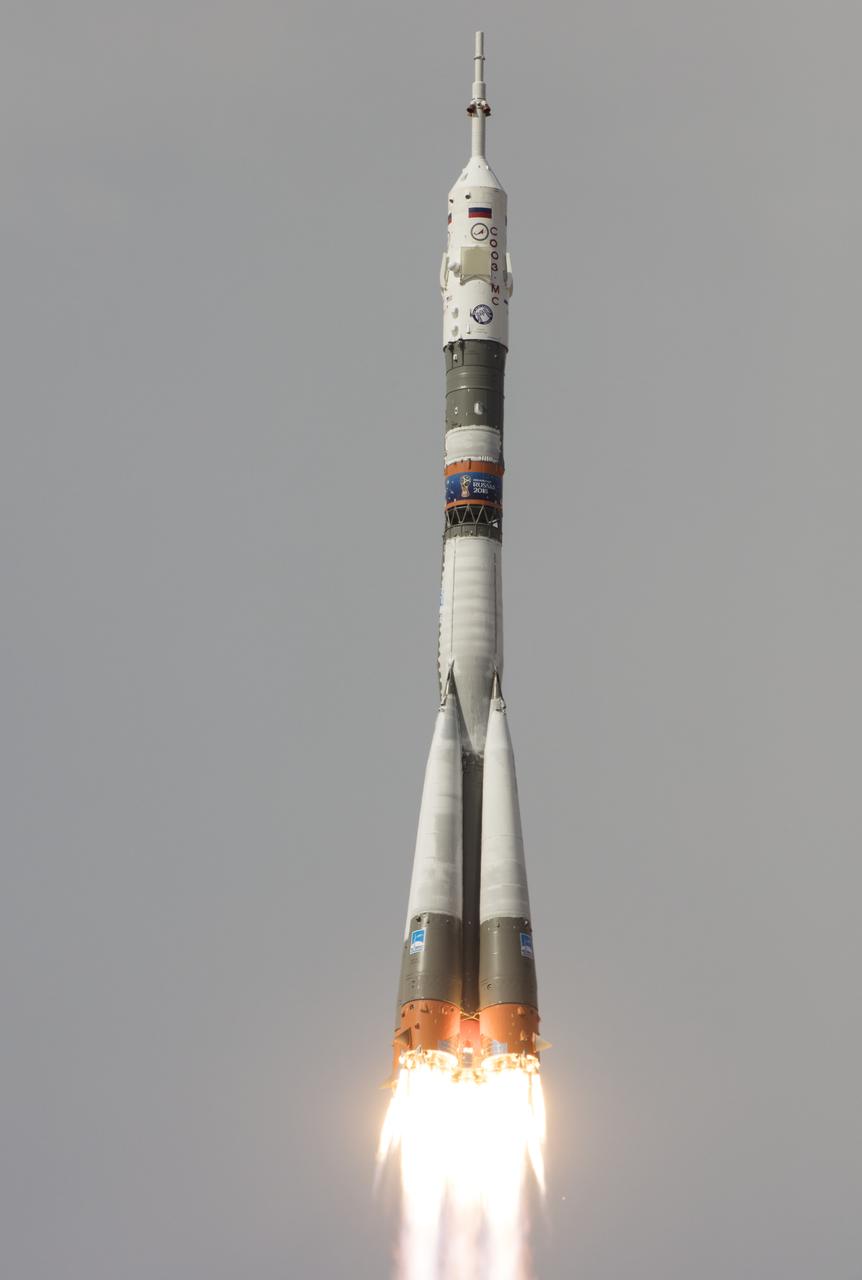
The Soyuz MS-09 rocket is launched with Expedition 56 Soyuz Commander Sergey Prokopyev of Roscosmos, flight engineer Serena Auñón-Chancellor of NASA, and flight engineer Alexander Gerst of ESA (European Space Agency), Wednesday, June 6, 2018 at the Baikonur Cosmodrome in Kazakhstan. Prokopyev, Auñón-Chancellor, and Gerst will spend the next six months living and working aboard the International Space Station. Photo Credit: (NASA/Joel Kowsky)
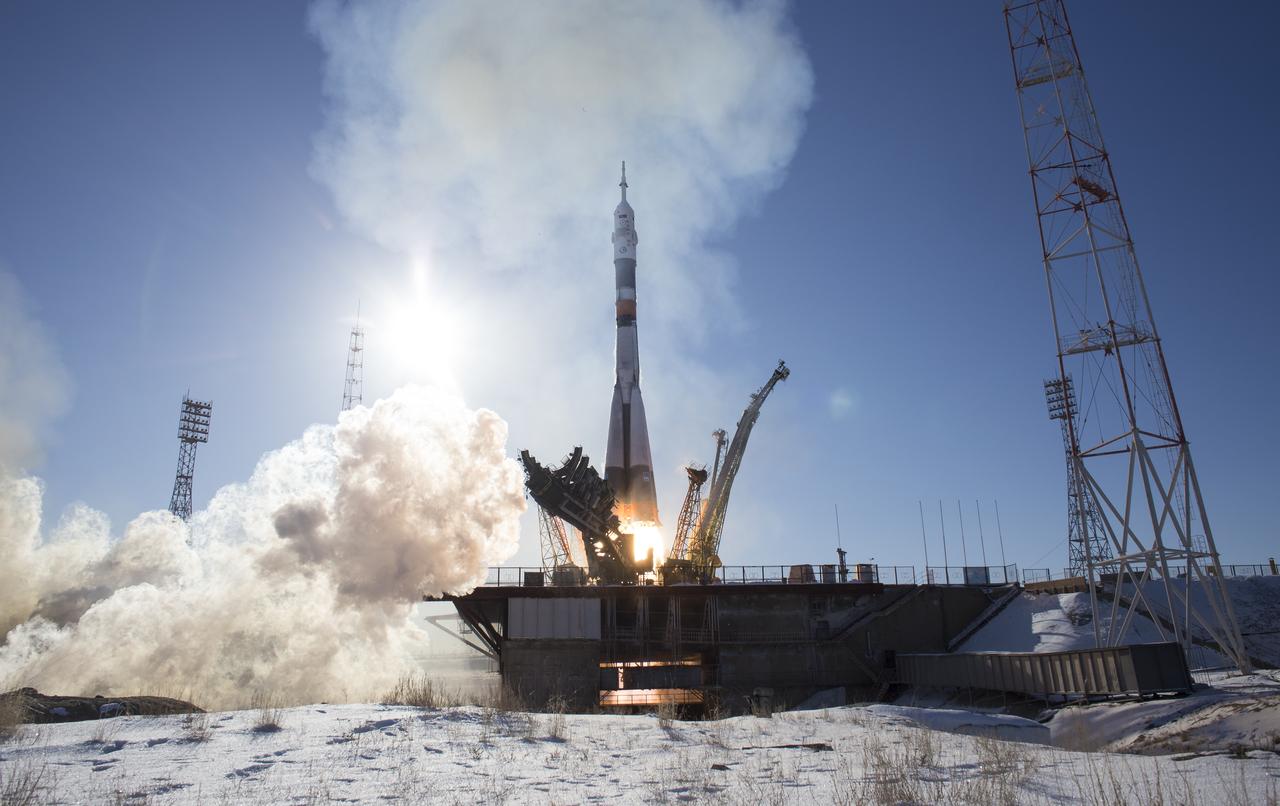
The Soyuz MS-07 rocket is launched with Expedition 54 Soyuz Commander Anton Shkaplerov of Roscosmos, flight engineer Scott Tingle of NASA, and flight engineer Norishige Kanai of Japan Aerospace Exploration Agency (JAXA), Sunday, Dec. 17, 2017 at the Baikonur Cosmodrome in Kazakhstan. Shkaplerov, Tingle, and Kanai will spend the next five months living and working aboard the International Space Station. Photo Credit: (NASA/Joel Kowsky)
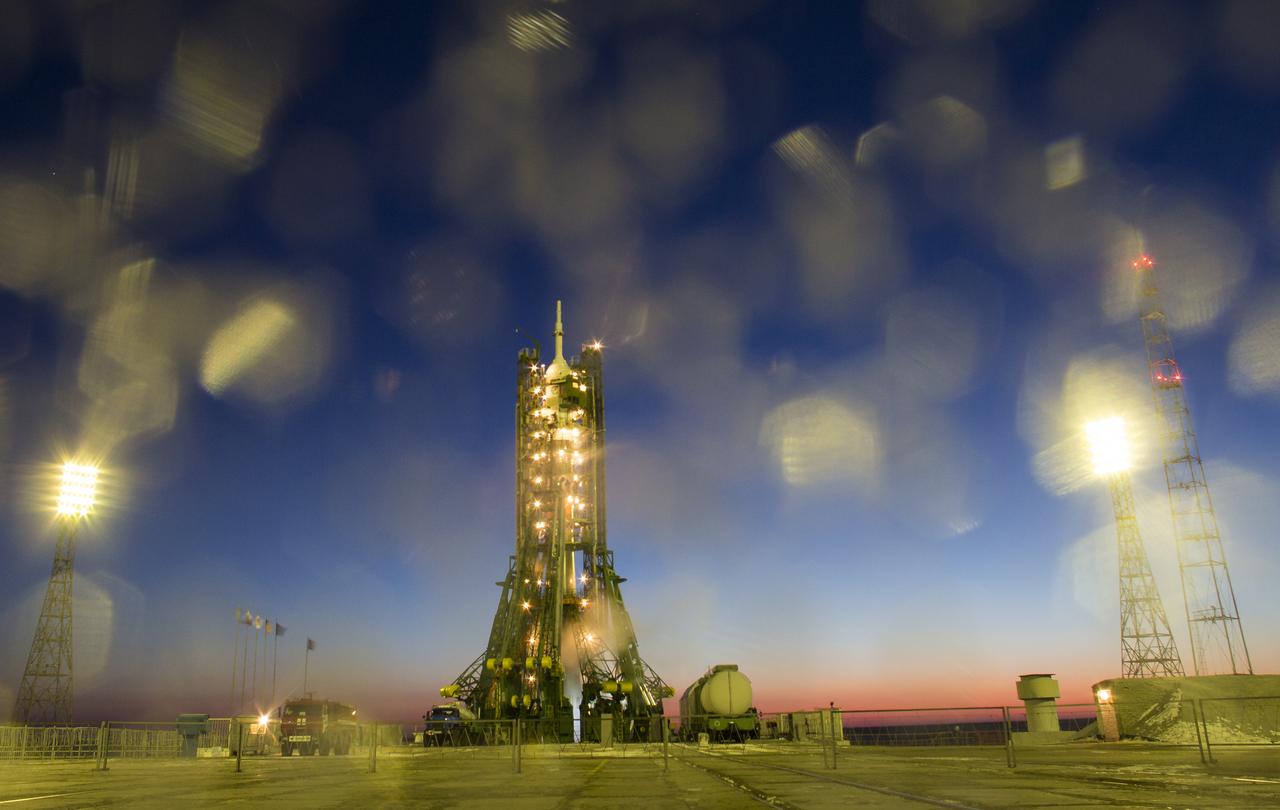
The Soyuz MS-07 rocket is seen on the launch pad at sunrise on, Sunday, Dec. 17, 2017 at the Baikonur Cosmodrome in Kazakhstan. Expedition 54 Soyuz Commander Anton Shkaplerov of Roscosmos, flight engineer Norishige Kanai, of Japan Aerospace Exploration Agency (JAXA), and flight engineer Scott Tingle of NASA launched at 2:21 a.m. EST (1:21 p.m. Baikonur) and will spend the next five months living and working aboard the International Space Station. Photo Credit: (NASA/Joel Kowsky)
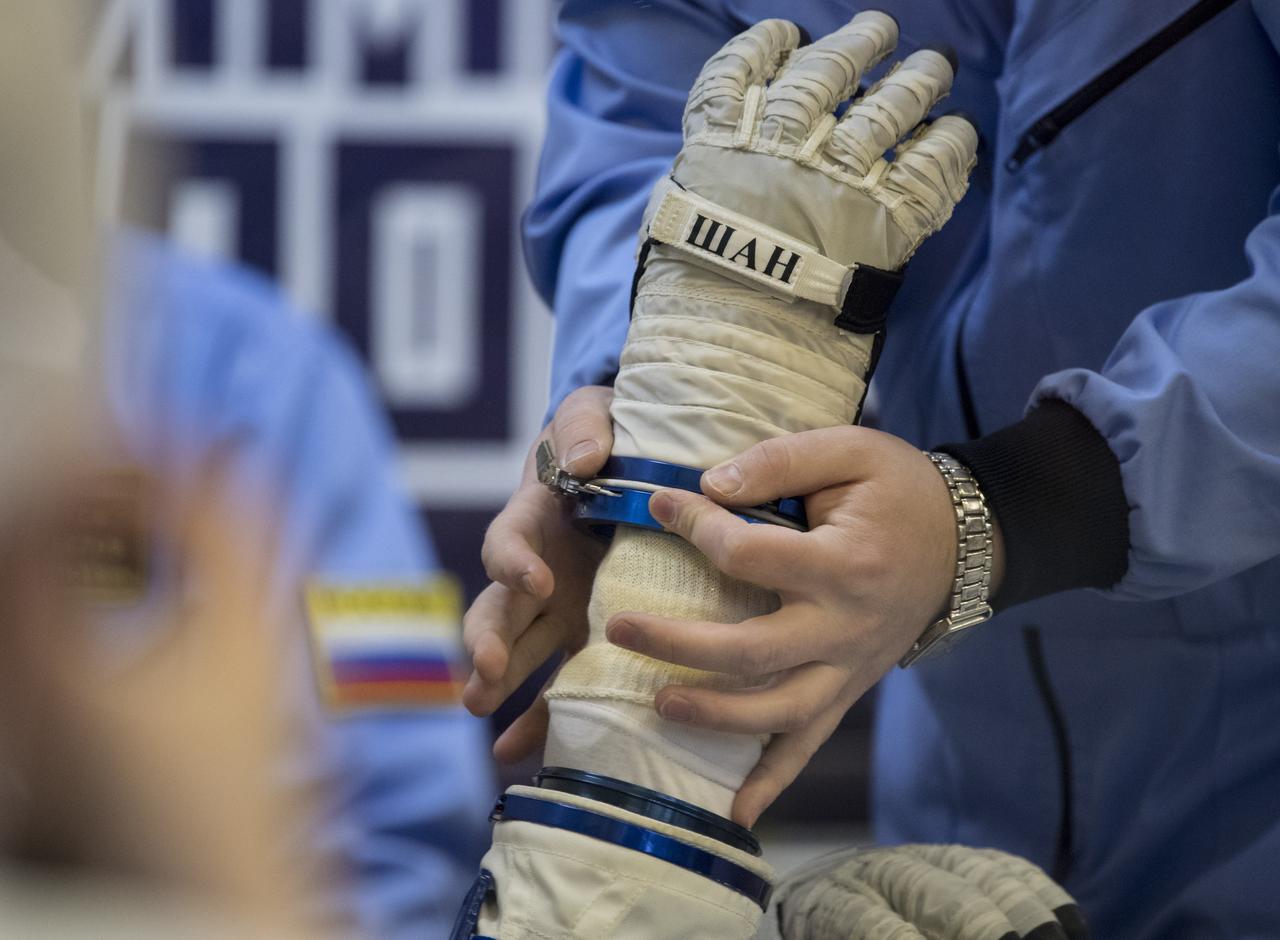
Expedition 54 Soyuz Commander Anton Shkaplerov of Roscosmos prepares to have his Russian Sokol suit pressure checked in preparation for launch aboard the Soyuz MS-07 spacecraft, Sunday, Dec. 17, 2017 at the Baikonur Cosmodrome Kazakhstan. Launch of the Soyuz rocket will send Shkaplerov and fellow crewmates flight engineer Scott Tingle of NASA and flight engineer Norishige Kanai of Japan Aerospace Exploration Agency (JAXA) on a five month mission aboard the International Space Station. Photo Credit: (NASA/Joel Kowsky)
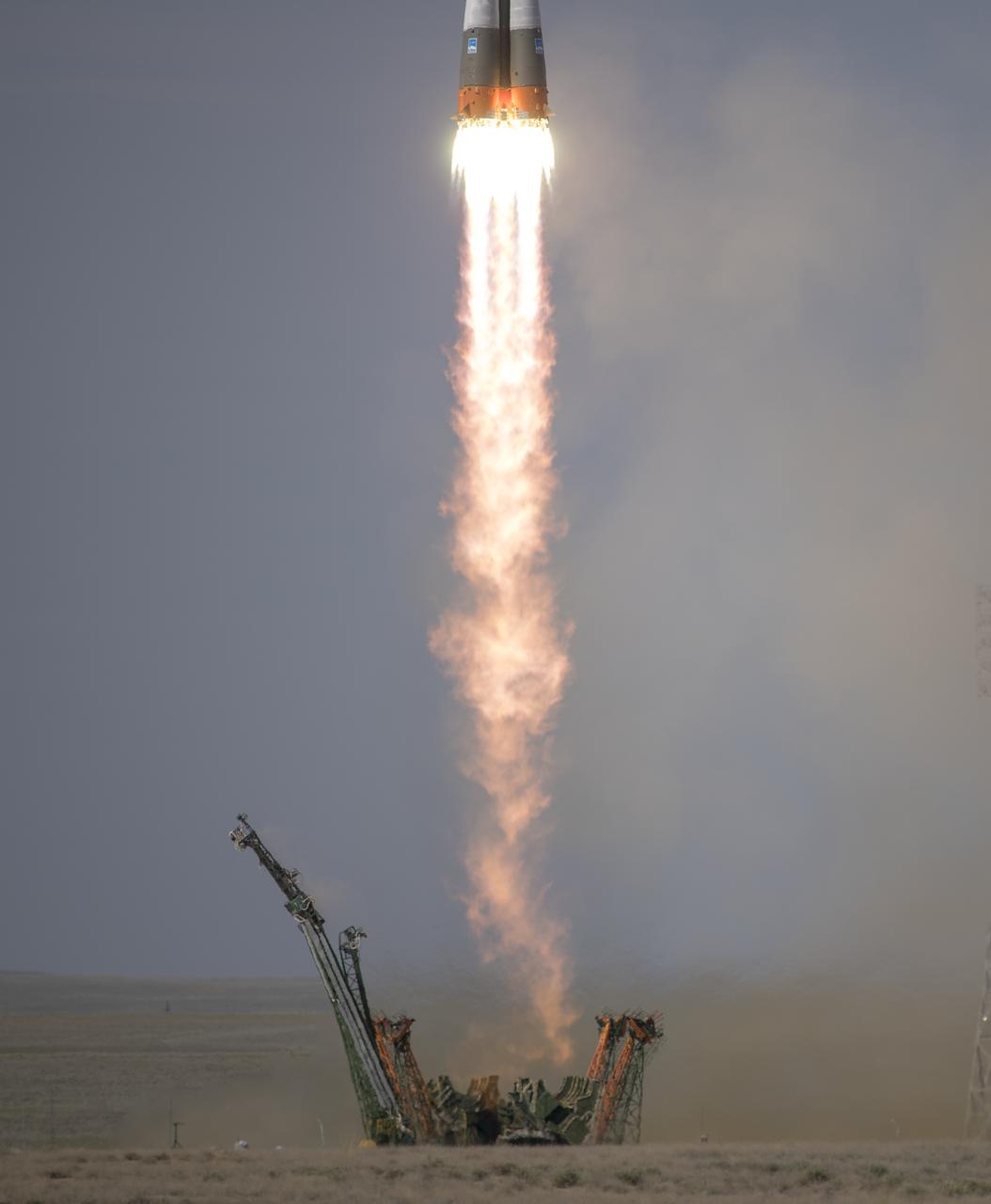
The Soyuz MS-09 rocket is launched with Expedition 56 Soyuz Commander Sergey Prokopyev of Roscosmos, flight engineer Serena Auñón-Chancellor of NASA, and flight engineer Alexander Gerst of ESA (European Space Agency), Wednesday, June 6, 2018 at the Baikonur Cosmodrome in Kazakhstan. Prokopyev, Auñón-Chancellor, and Gerst will spend the next six months living and working aboard the International Space Station. Photo Credit: (NASA/Joel Kowsky)
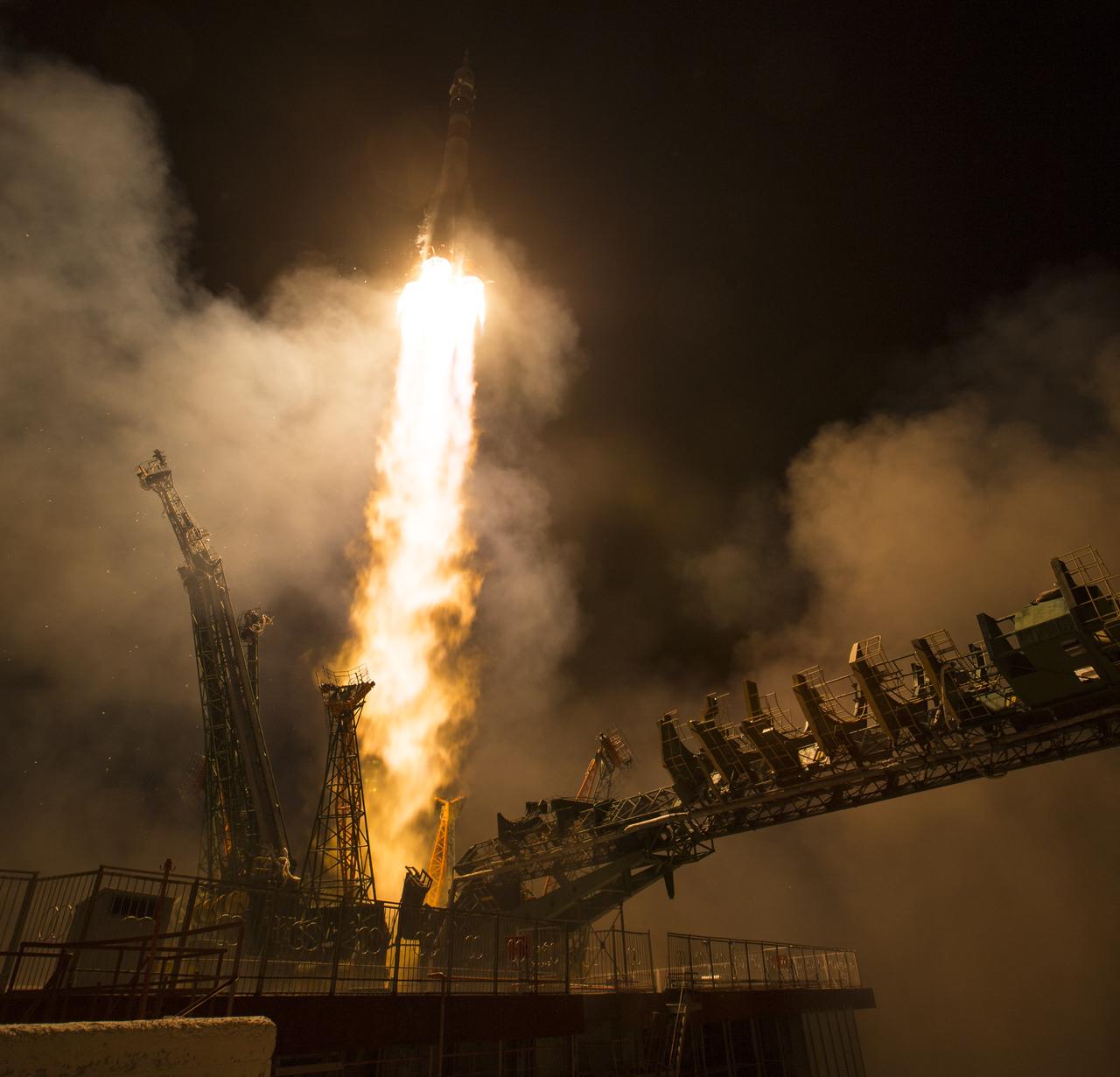
The Soyuz MS-08 rocket is launched with Expedition 55 Soyuz Commander Oleg Artemyev of Roscosmos and flight engineers Ricky Arnold and Drew Feustel of NASA, Wednesday, March 21, 2018 at the Baikonur Cosmodrome in Kazakhstan. Artemyev, Arnold, and Feustel will spend the next five months living and working aboard the International Space Station. Photo Credit: (NASA/Joel Kowsky)
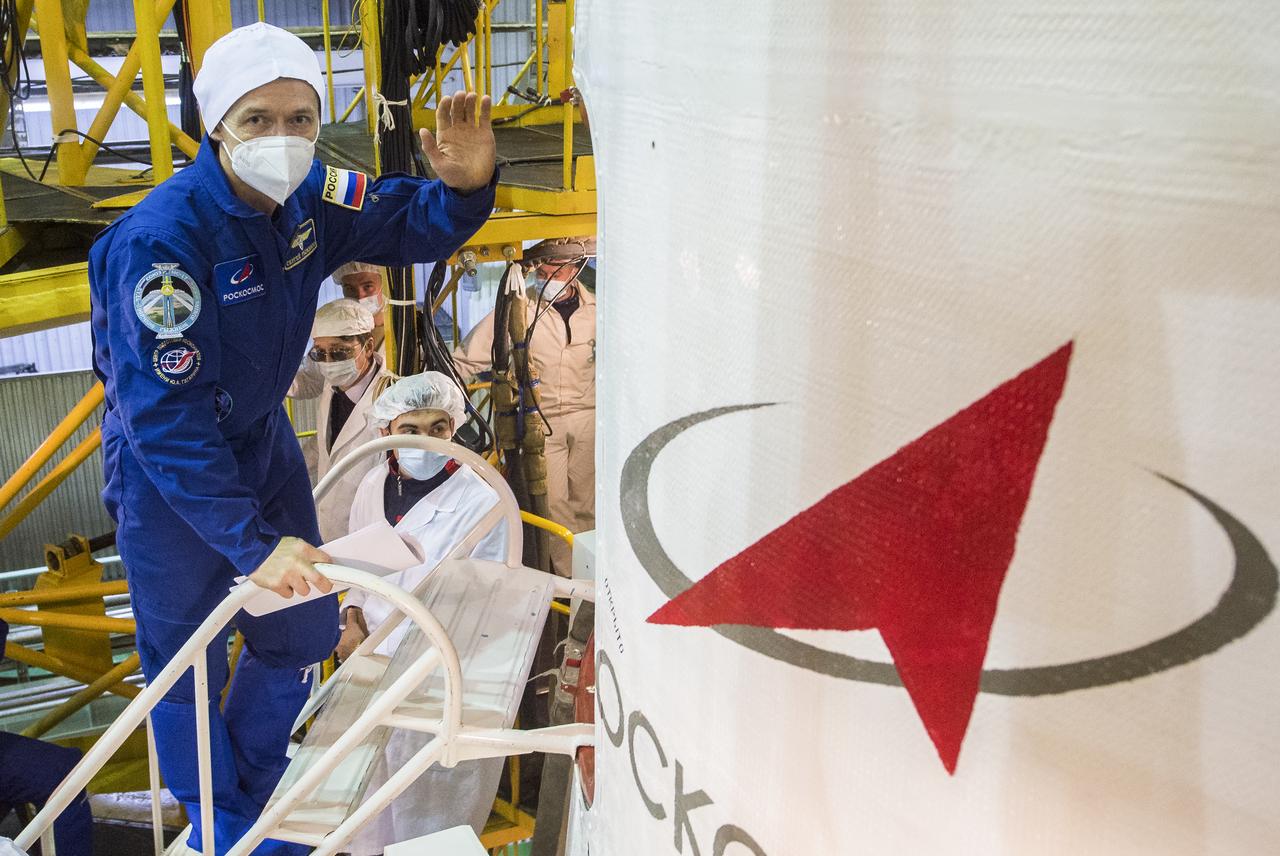
Expedition 64 Russian cosmonaut Sergey Ryzhikov of Roscosmos waves as he climbs inside the Soyuz MS-17 spacecraft during the final fit check, Wednesday, Oct. 7, 2020, at the Baikonur Cosmodrome in Kazakhstan. Ryzhikov, Russian cosmonaut Sergey Kud-Sverchkov of Roscosmos and NASA astronaut Kate Rubins, are scheduled to launch to the International Space Station aboard the Soyuz MS-17 spacecraft on October 14. Photo Credit: (NASA/GCTC/Andrey Shelepin)
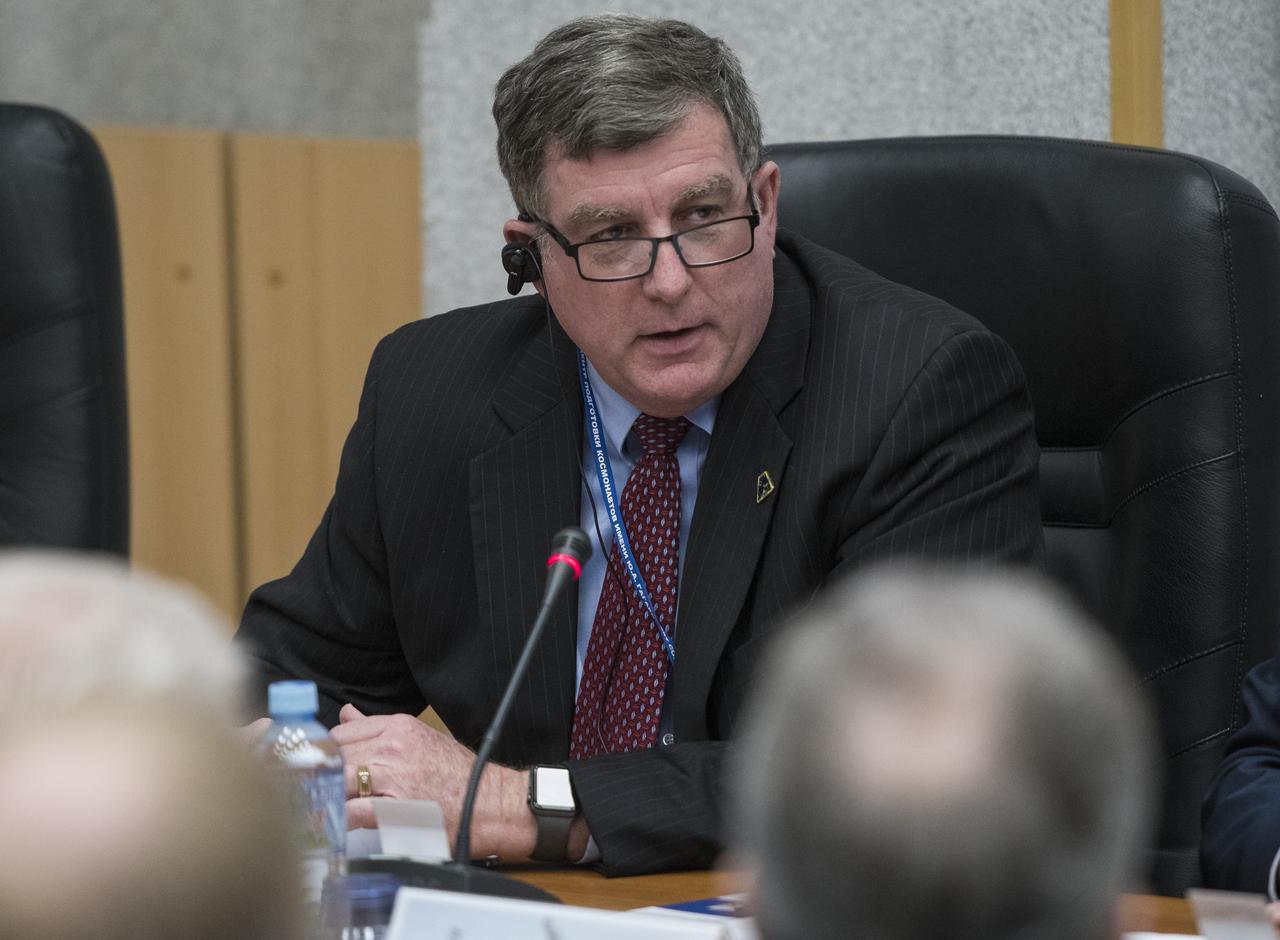
NASA International Space Station Program Manager Kirk Shireman is seen during the State Commission meeting to approve the Soyuz launch of Expedition 55 to the International Space Station, Tuesday, March 20, 2018. Expedition 55 Soyuz Commander Oleg Artemyev of Roscosmos, flight engineer Ricky Arnold and flight engineer Drew Feustel of NASA are scheduled to launch to the International Space Station aboard the Soyuz MS-08 spacecraft on Wednesday, March, 21. Photo Credit: (NASA/Joel Kowsky)
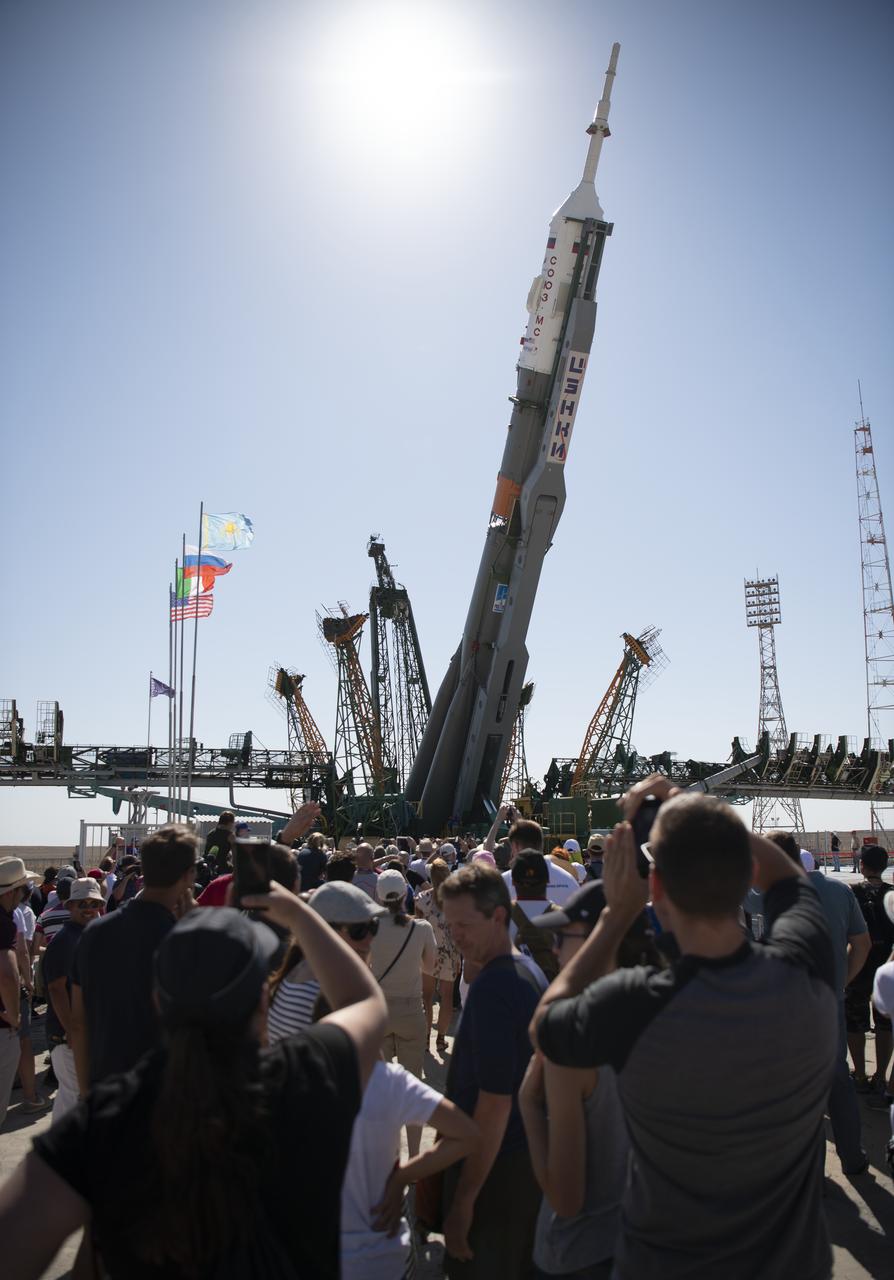
The Soyuz rocket is seen as it is raised into a vertical position on the launch pad, Thursday, July 18, 2019 at the Baikonur Cosmodrome in Kazakhstan. Expedition 60 Soyuz Commander Alexander Skvortsov of Roscosmos, flight engineer Andrew Morgan of NASA, and flight engineer Luca Parmitano of ESA (European Space Agency) are scheduled to launch aboard their Soyuz MS-13 spacecraft at 12:28 p.m. Eastern time (9:28 p.m. Baikonur time) , on Saturday, July 20. Photo Credit: (NASA/Joel Kowsky)
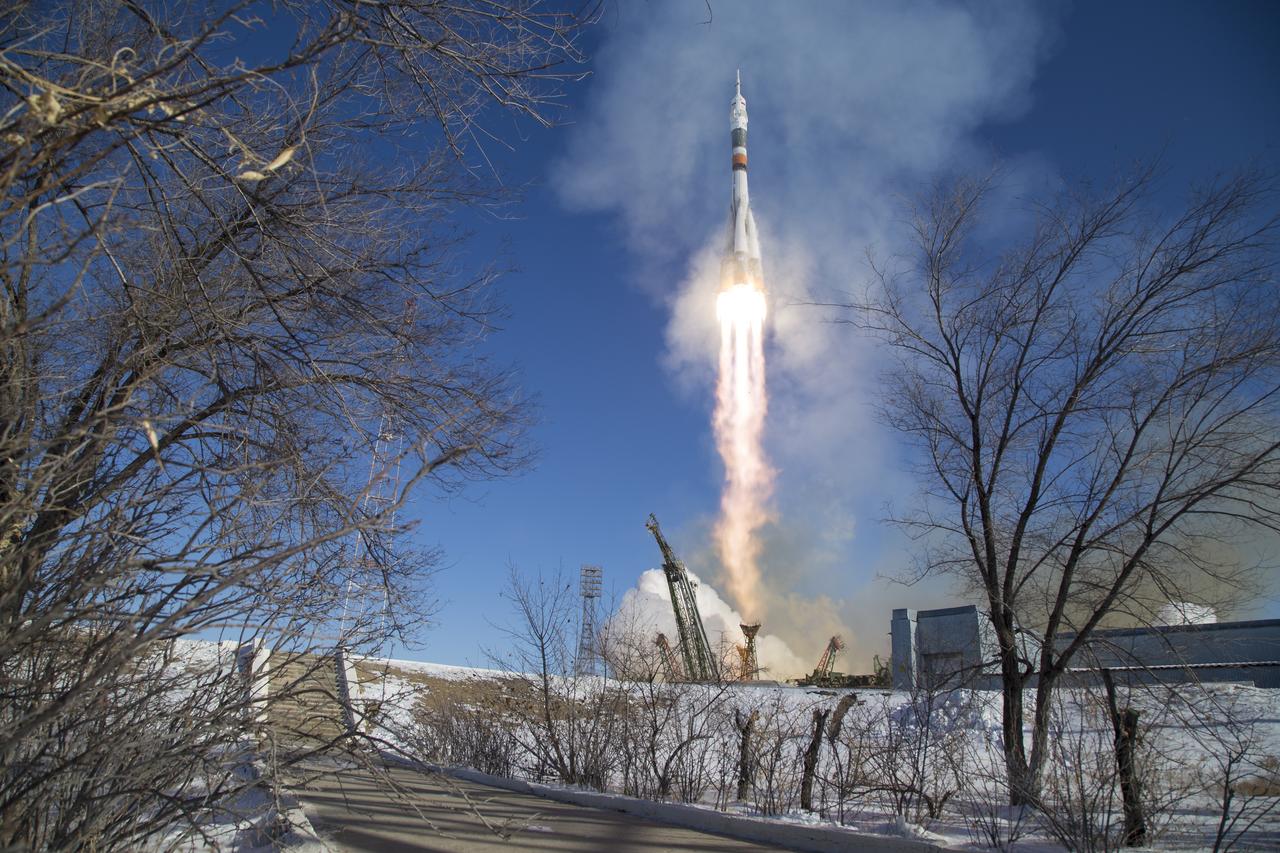
The Soyuz MS-07 rocket is launched with Expedition 54 Soyuz Commander Anton Shkaplerov of Roscosmos, flight engineer Scott Tingle of NASA, and flight engineer Norishige Kanai of Japan Aerospace Exploration Agency (JAXA), Sunday, Dec. 17, 2017 at the Baikonur Cosmodrome in Kazakhstan. Shkaplerov, Tingle, and Kanai will spend the next five months living and working aboard the International Space Station. Photo Credit: (NASA/Joel Kowsky)
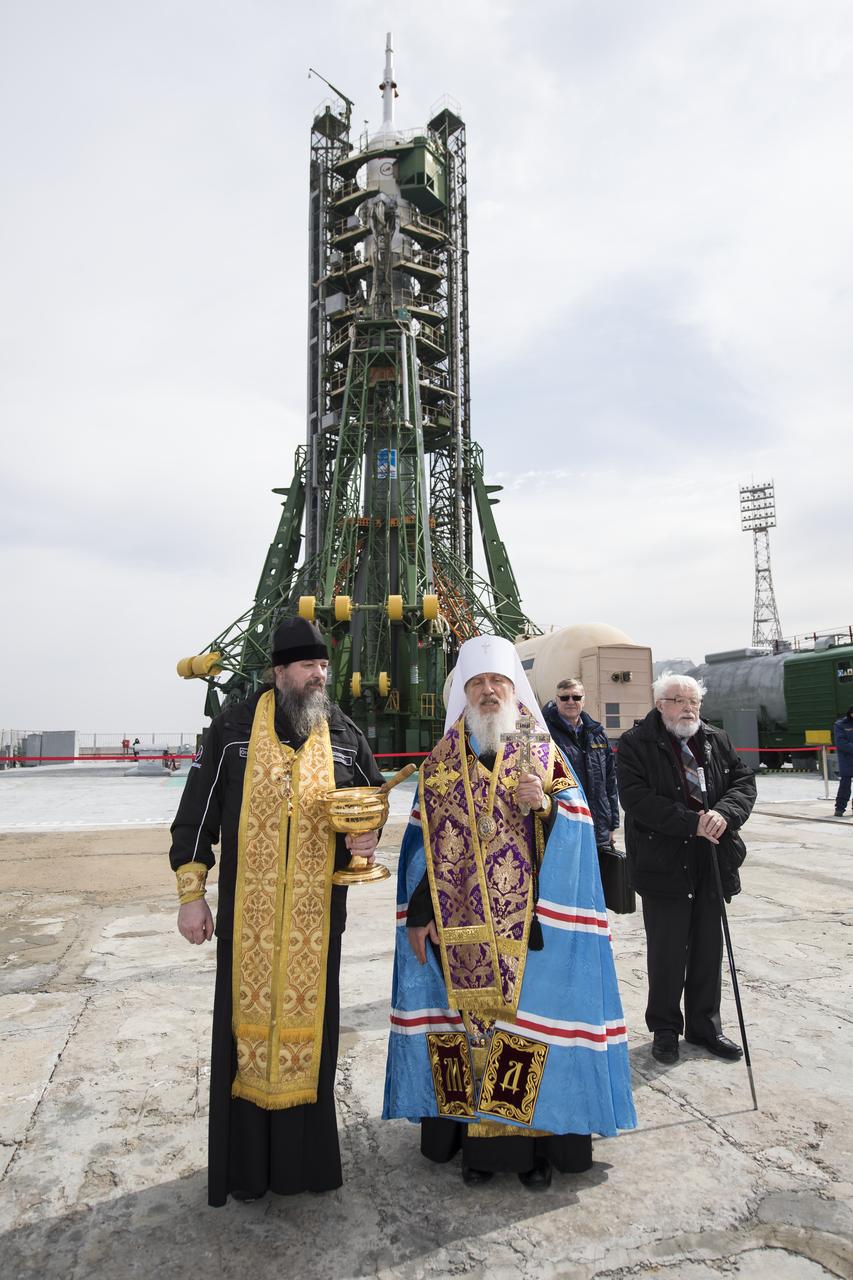
An Orthodox Priest blesses members of the media at the Baikonur Cosmodrome launch pad, Tuesday, March 20, 2018 in Baikonur, Kazakhstan. Expedition 55 Soyuz Commander Oleg Artemyev of Roscosmos, Ricky Arnold and Drew Feustel of NASA are scheduled to launch to the International Space Station aboard the Soyuz MS-08 spacecraft on Wednesday, March, 21. Photo Credit: (NASA/Joel Kowsky)
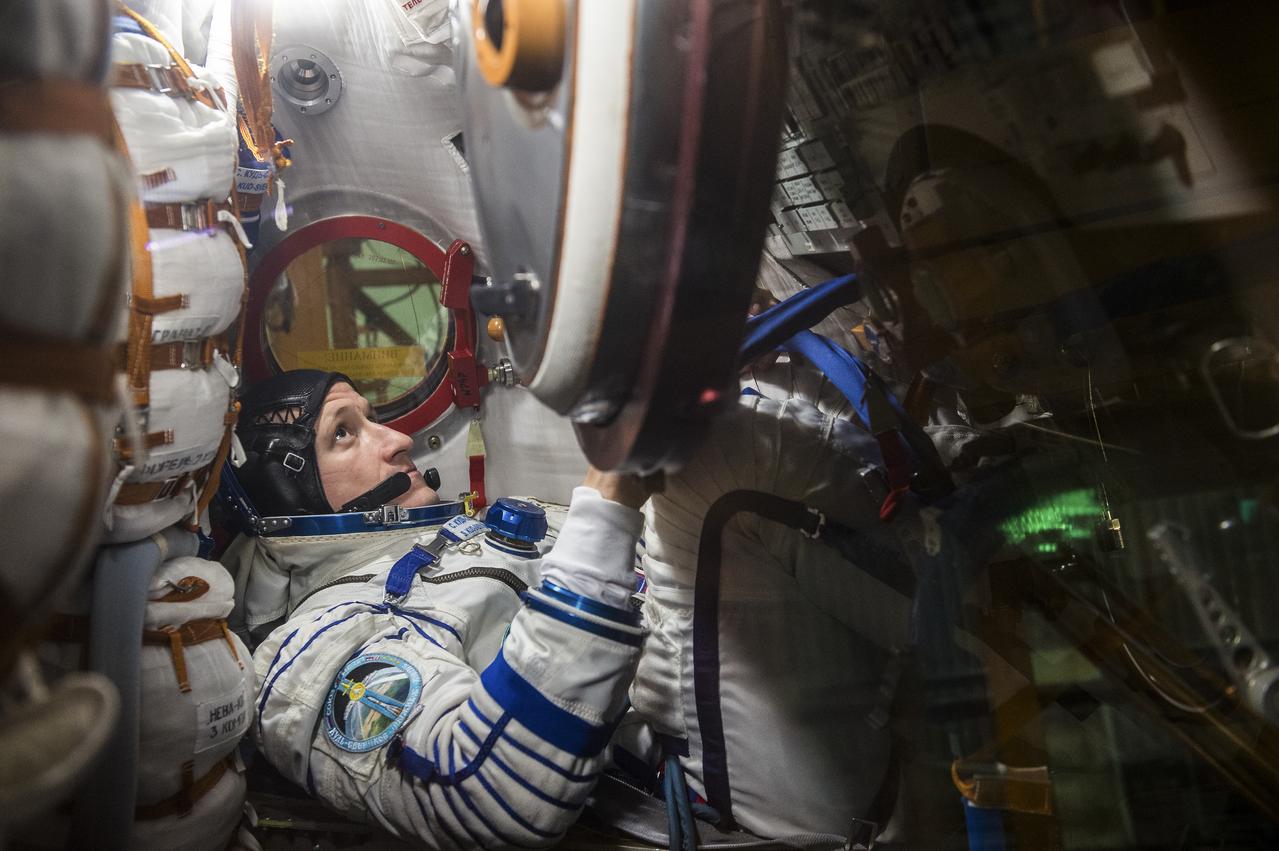
Expedition 64 Russian cosmonaut Sergey Kud-Sverchkov of Roscosmos is seen inside the Soyuz MS-17 spacecraft during the fit check to with fellow Russian cosmonaut Sergey Ryzhikov and NASA astronaut Kate Rubins, Monday, Sept. 28, 2020, at the Baikonur Cosmodrome in Kazakhstan. The trio are preparing for launch to the International Space Station in their Soyuz MS-17 spacecraft from the Baikonur Cosmodrome in Kazakhstan on October 14, Baikonur time. Photo Credit: (NASA/GCTC/Andrey Shelepin)
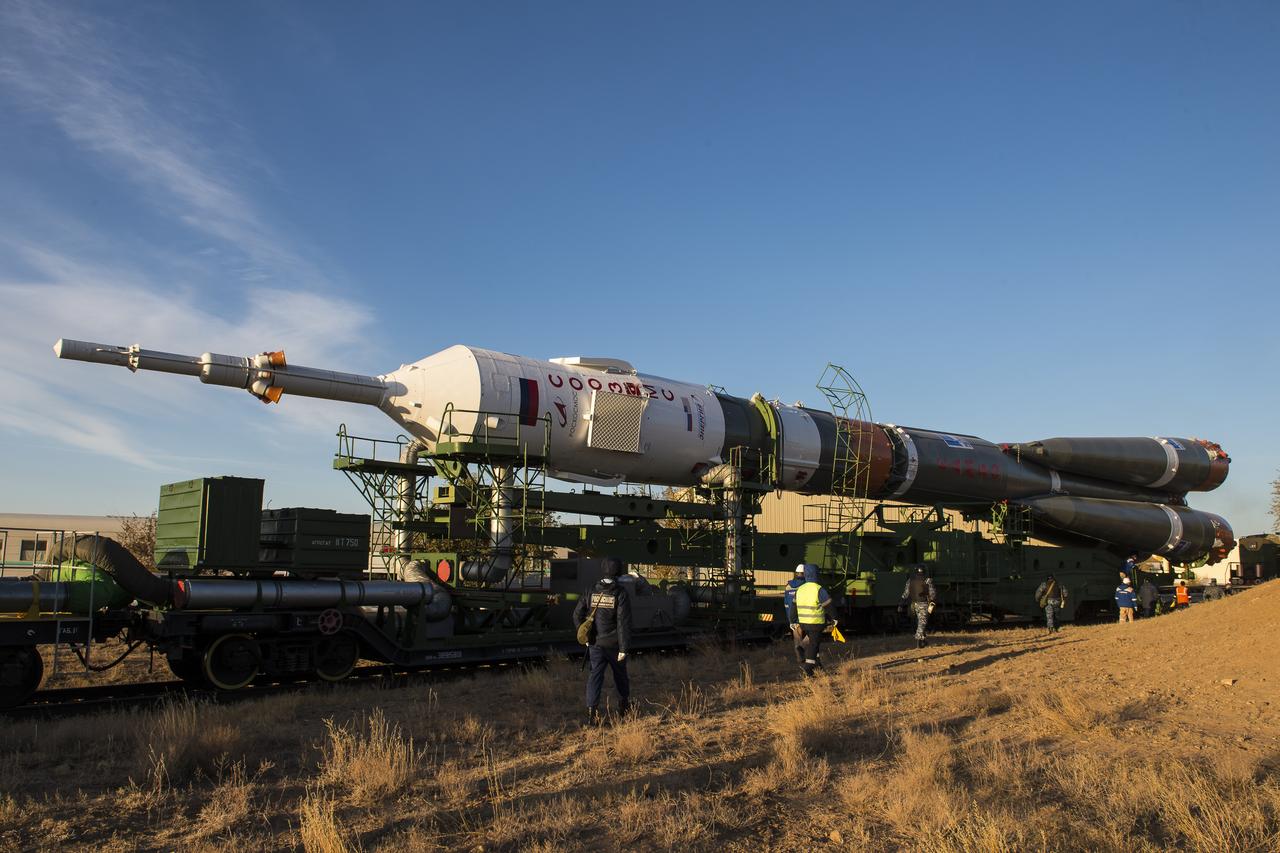
The Soyuz rocket is rolled out by train to the launch pad at Site 31, Sunday, Oct. 11, 2020, at the Baikonur Cosmodrome in Kazakhstan. Expedition 64 Russian cosmonauts Sergey Ryzhikov and Sergey Kud-Sverchkov of Roscosmos, and NASA astronaut Kate Rubins are scheduled to launch aboard their Soyuz MS-17 spacecraft on Oct. 14 to start a six-month mission onboard the International Space Station. Photo Credit: (NASA/GCTC/Andrey Shelepin)
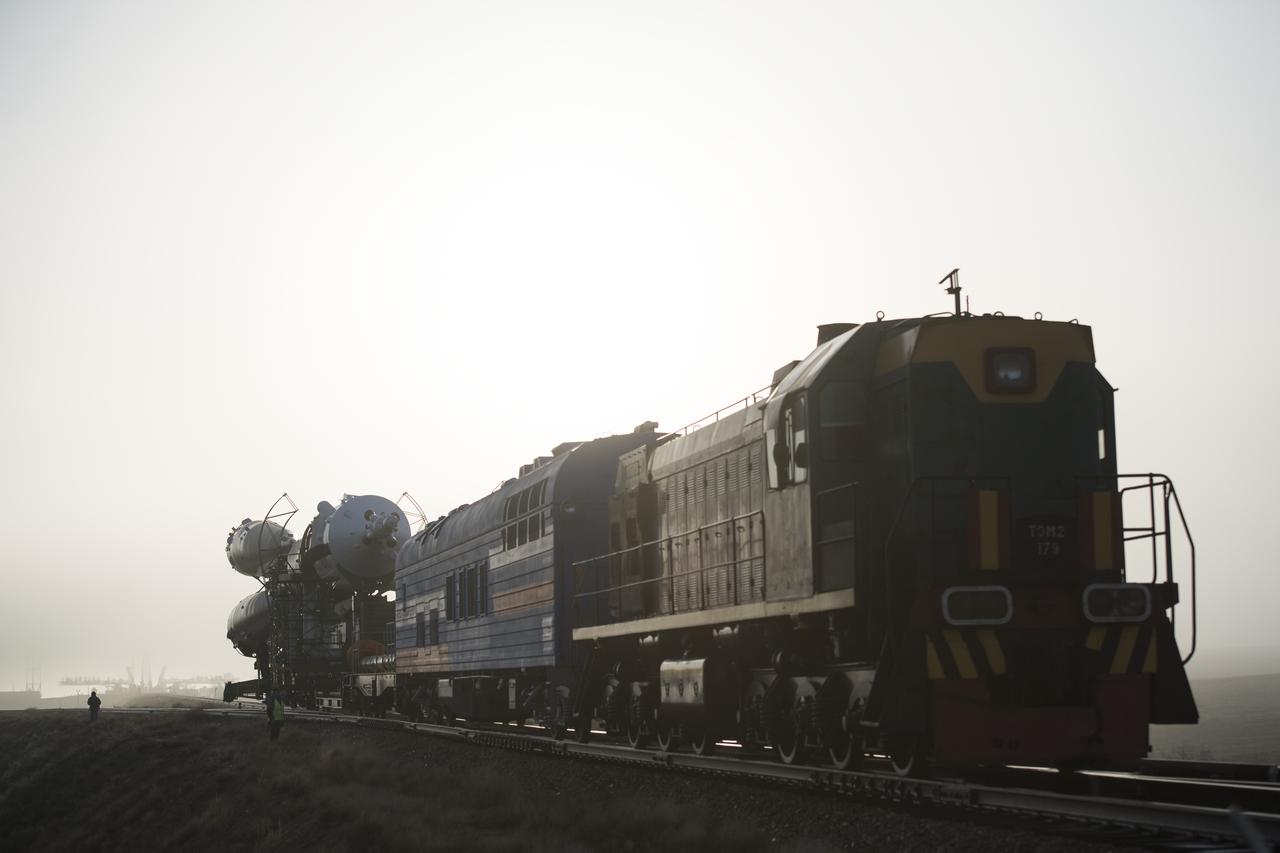
The Soyuz rocket is rolled out by train to the launch pad, Monday, March 19, 2018 at the Baikonur Cosmodrome in Kazakhstan. Expedition 55 crewmembers Ricky Arnold and Drew Feustel of NASA and Oleg Artemyev of Roscosmos are scheduled to launch at 1:44 p.m. Eastern time (11:44 p.m. Baikonur time) on March 21 and will spend the next five months living and working aboard the International Space Station. Photo Credit: (NASA/Joel Kowsky)
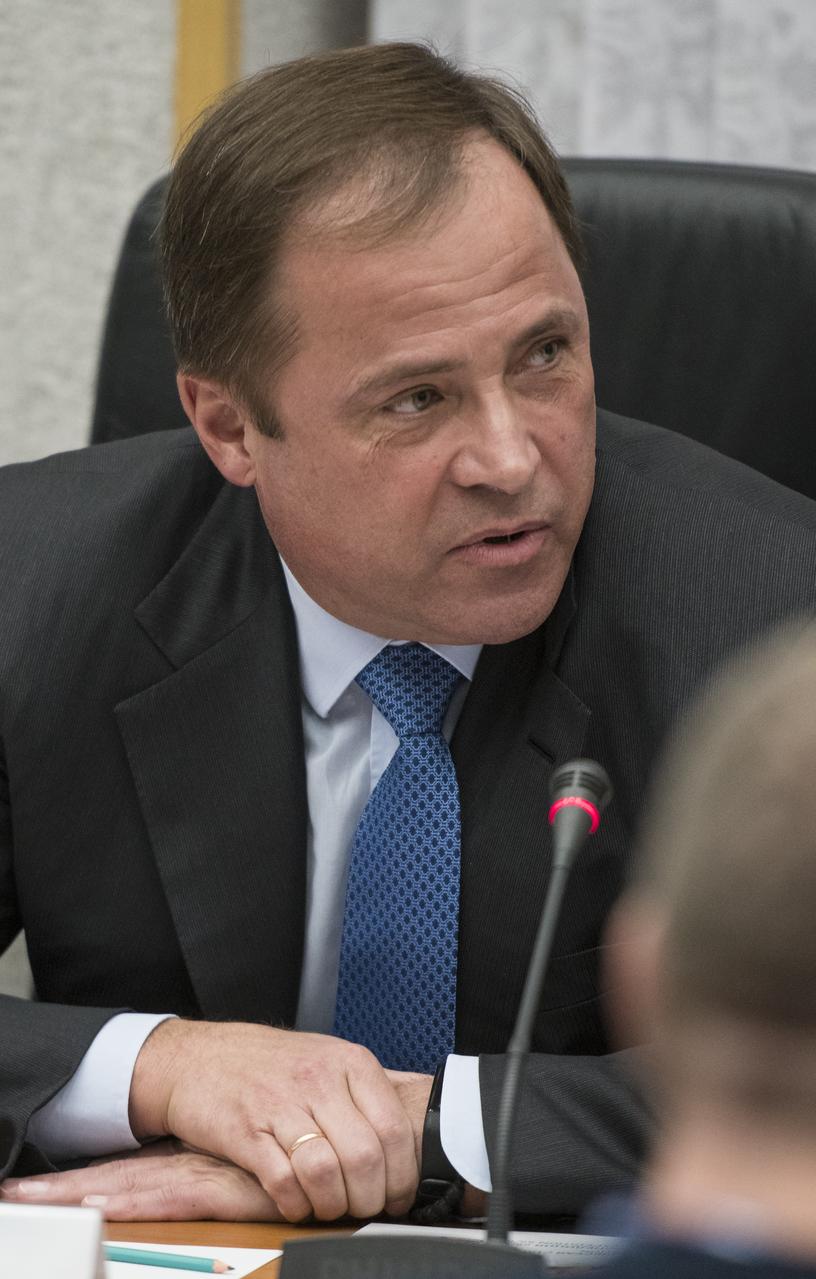
Igor Komarov, Director of Roscosmos, is seen during the State Commission meeting to approve the Soyuz launch of Expedition 55 to the International Space Station, Tuesday, March 20, 2018. Expedition 55 Soyuz Commander Oleg Artemyev of Roscosmos, flight engineer Ricky Arnold and flight engineer Drew Feustel of NASA are scheduled to launch to the International Space Station aboard the Soyuz MS-08 spacecraft on Wednesday, March, 21. Photo Credit: (NASA/Joel Kowsky)
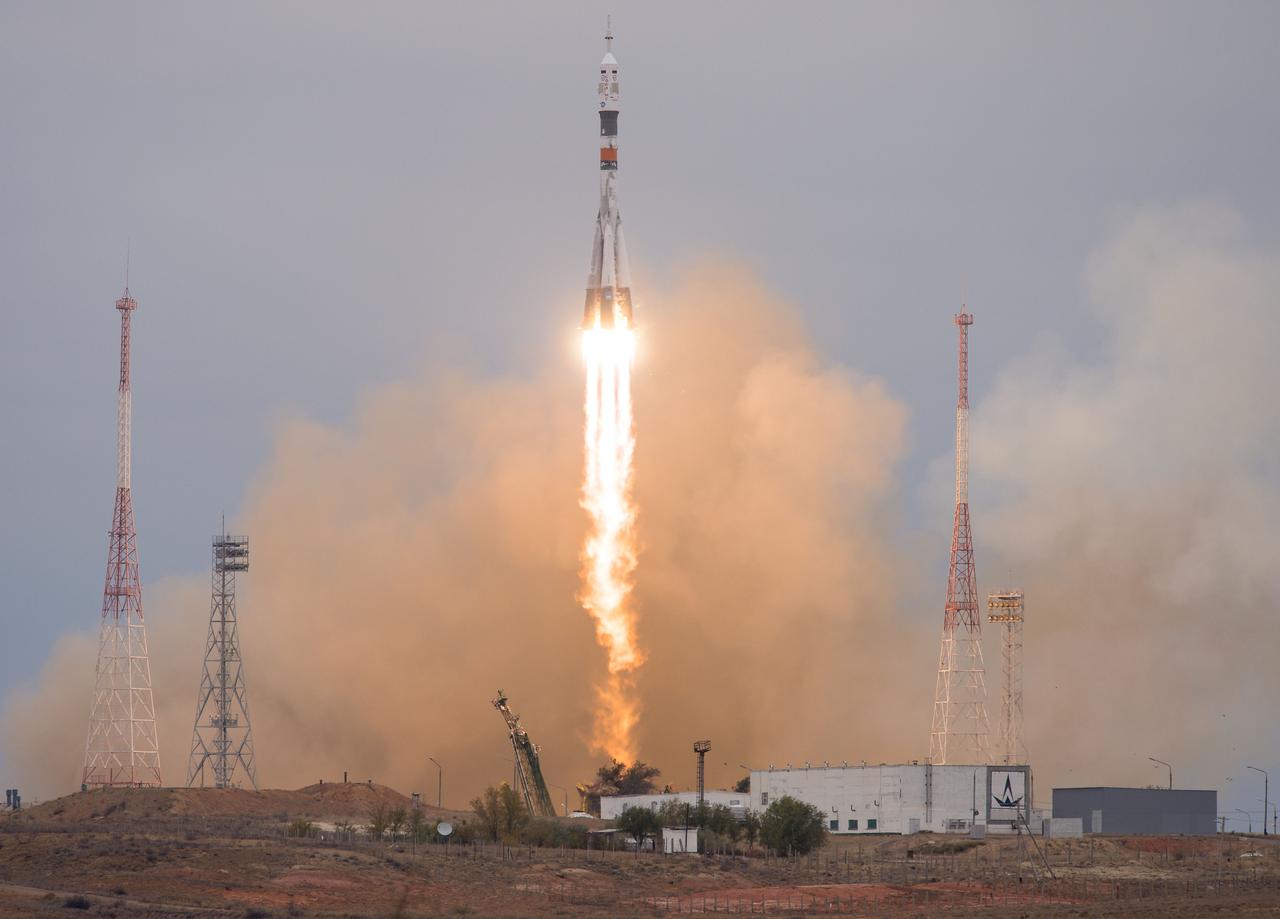
The Soyuz MS-02 rocket is launched with Expedition 49 Soyuz commander Sergey Ryzhikov of Roscosmos, flight engineer Shane Kimbrough of NASA, and flight engineer Andrey Borisenko of Roscosmos, Wednesday, Oct. 19, 2016 at the Baikonur Cosmodrome in Kazakhstan. Ryzhikov, Kimbrough, and Borisenko will spend the next four months living and working aboard the International Space Station. Photo Credit: (NASA/Joel Kowsky)
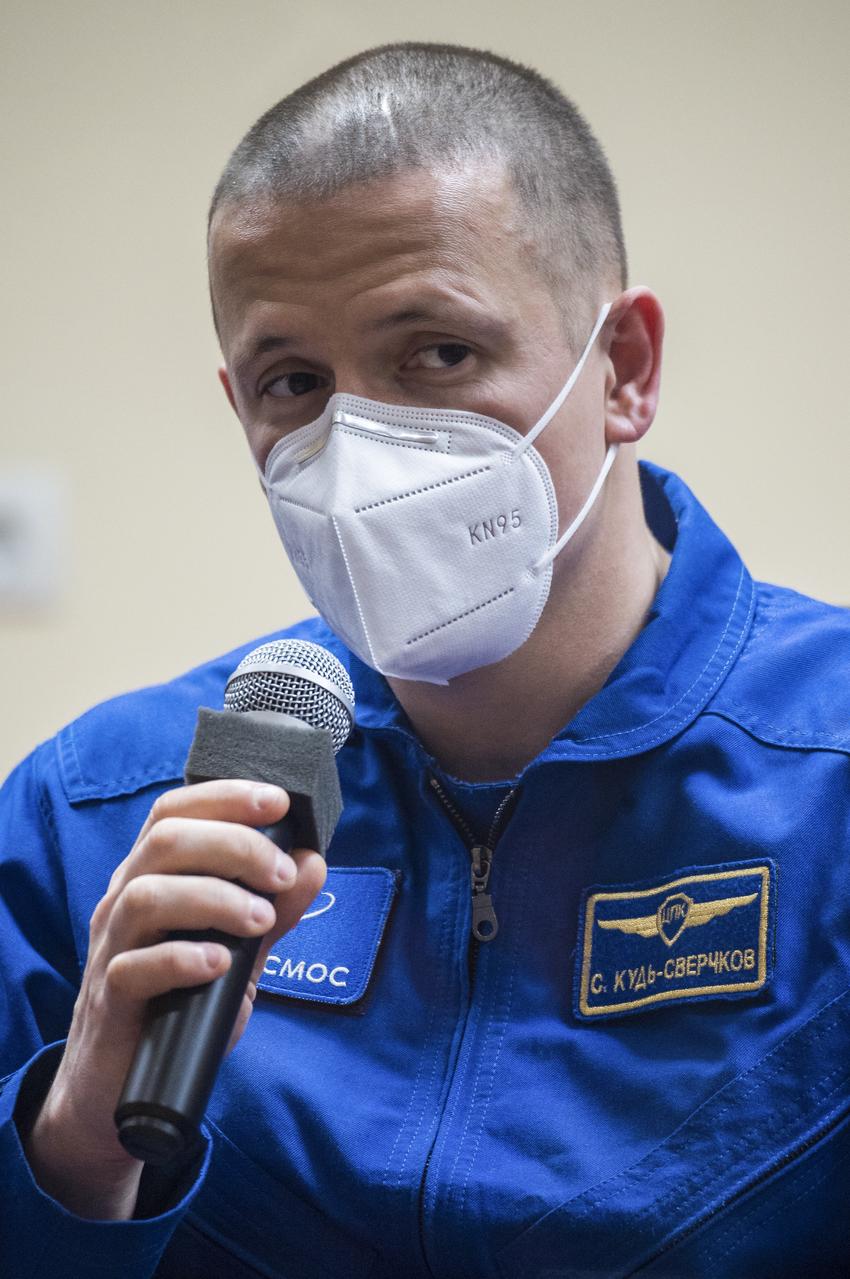
Expedition 64 Russian cosmonaut Sergey Kud-Sverchkov of Roscosmos is seen in quarantine, behind glass, during a press conference, Tuesday, Oct. 13, 2020, at the Cosmonaut Hotel in Baikonur, Kazakhstan. Kud-Sverchkov, fellow cosmonaut Sergey Ryzhikov and NASA astronaut Kate Rubins are scheduled to launch to the International Space Station aboard the Soyuz MS-17 spacecraft on October 14. Photo Credit: (NASA/GCTC/Andrey Shelepin)
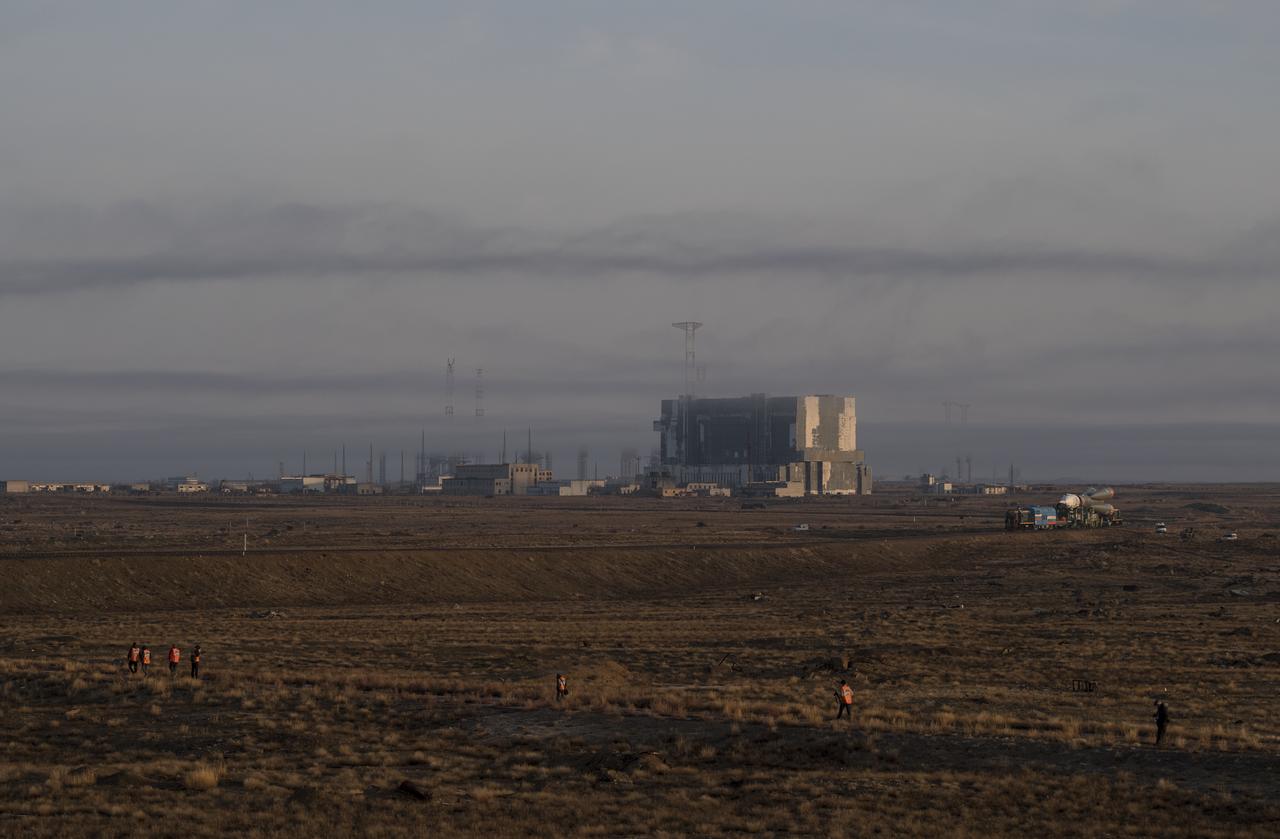
The Soyuz rocket is rolled out by train to the launch pad, Monday, March 19, 2018 at the Baikonur Cosmodrome in Kazakhstan. Expedition 55 crewmembers Ricky Arnold and Drew Feustel of NASA and Oleg Artemyev of Roscosmos are scheduled to launch at 1:44 p.m. Eastern time (11:44 p.m. Baikonur time) on March 21 and will spend the next five months living and working aboard the International Space Station. Photo Credit: (NASA/Joel Kowsky)
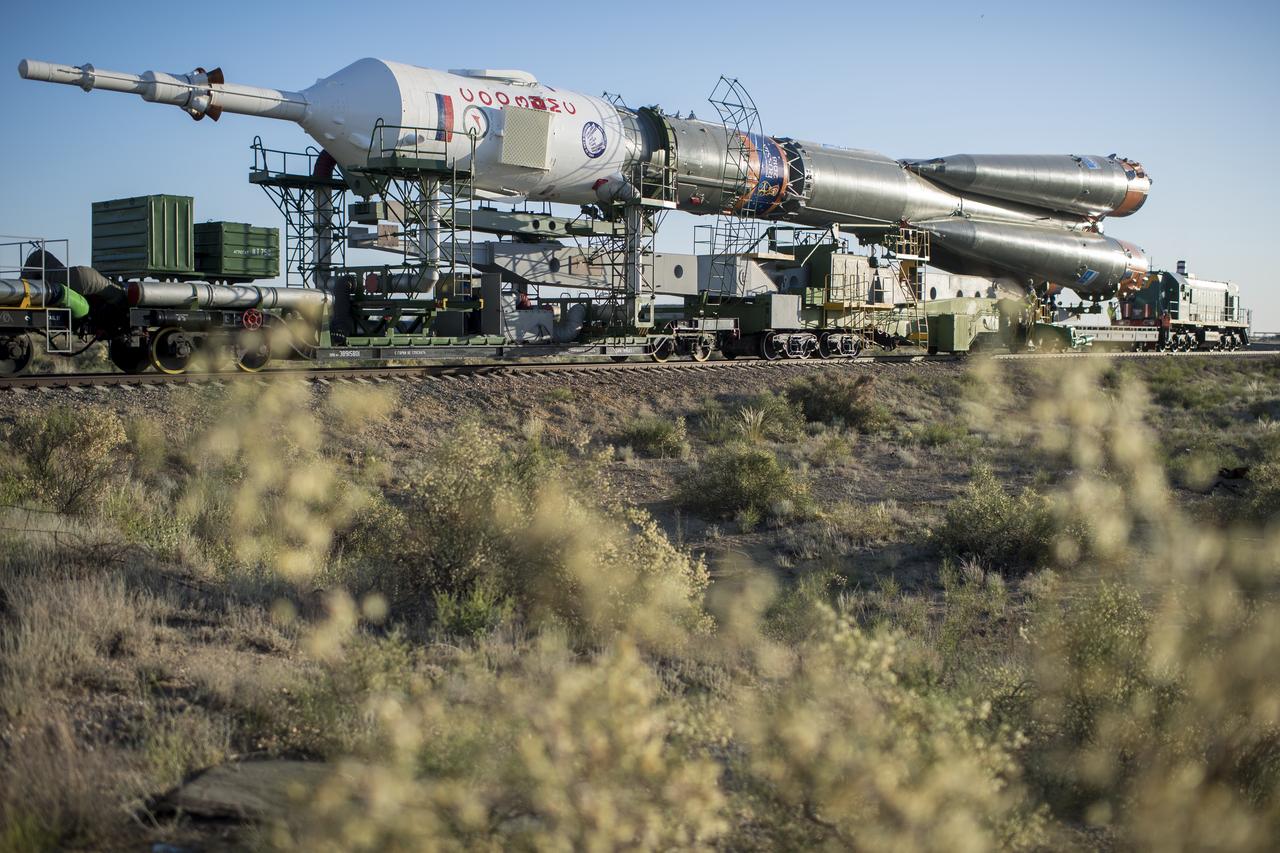
The Soyuz rocket is rolled out by train to the launch pad, Monday, June 4, 2018 at the Baikonur Cosmodrome in Kazakhstan. Expedition 56 Soyuz Commander Sergey Prokopyev of Roscosmos, flight engineer Serena Auñón-Chancellor of NASA, and flight engineer Alexander Gerst of ESA (European Space Agency) are scheduled to launch aboard their Soyuz MS-09 spacecraft at 7:12 a.m. Eastern time (5:12 p.m. Baikonur time), on Wednesday, June 6. Photo Credit: (NASA/Joel Kowsky)
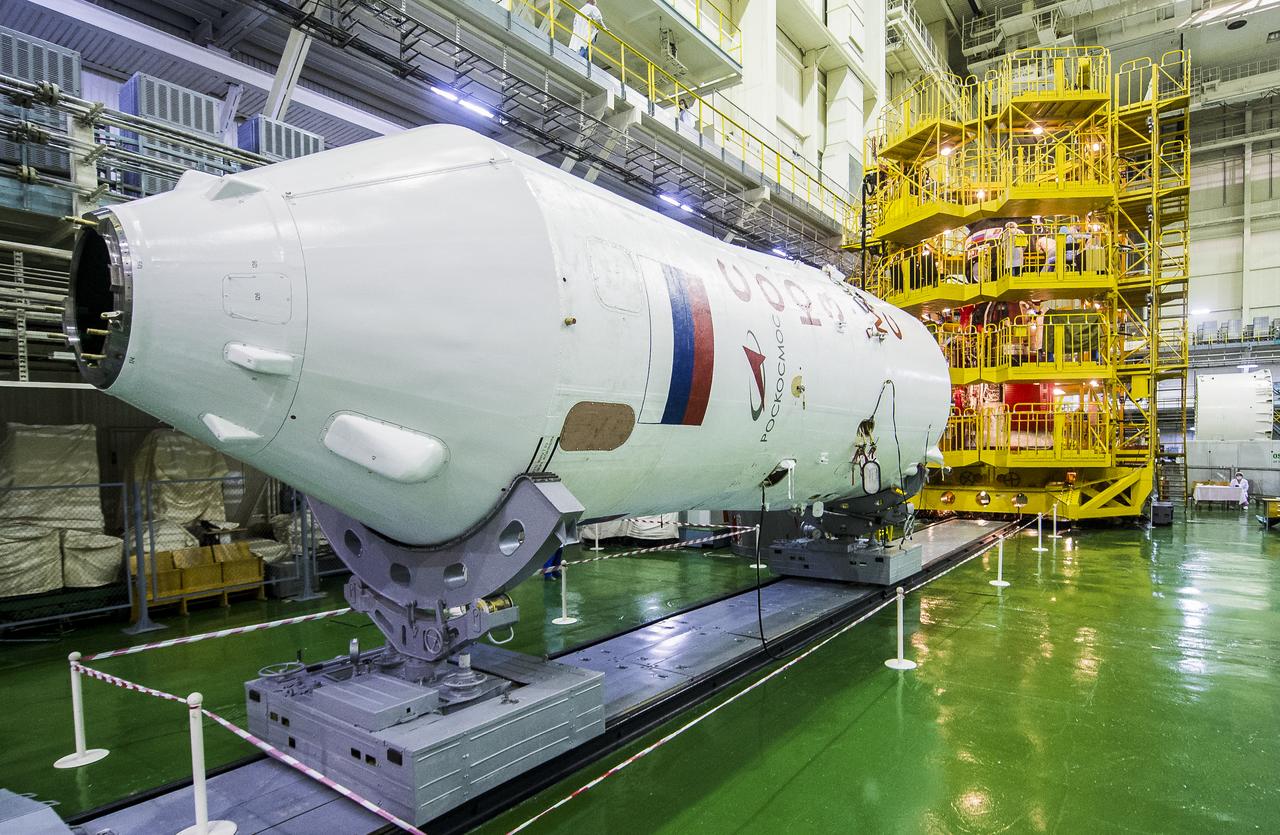
The Soyuz fairing is seen laying horizontal in front of the Soyuz MS-17 spacecraft as Expedition 64 Russian cosmonauts Sergey Ryzhikov and Sergey Kud-Sverchkov of Roscosmos, and NASA astronaut Kate Rubins perform their fit checks, Monday, Sept. 28, 2020, at the Baikonur Cosmodrome in Kazakhstan. The trio are preparing for launch to the International Space Station in their Soyuz MS-17 spacecraft from the Baikonur Cosmodrome in Kazakhstan on October 14, Baikonur time. Photo Credit: (NASA/GCTC/Andrey Shelepin)
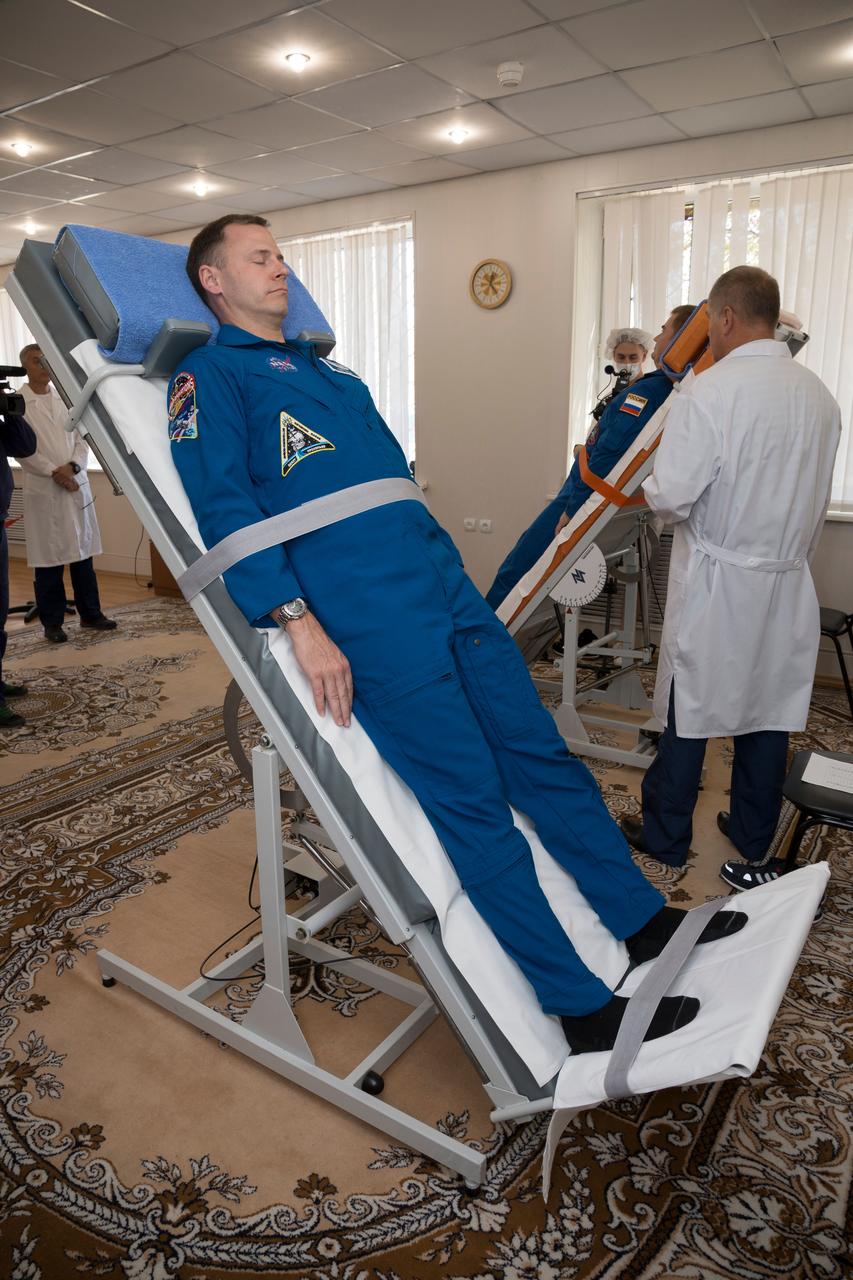
jsc2018e085902 (Oct. 3, 2018) --- Expedition 57 crew members Nick Hague of NASA, left, and Alexey Ovchinin of Roscosmos, right, conduct tests of their vestibular systems on tilt tables, Wednesday, Oct. 3, 2018 at the Cosmonaut Hotel in Baikonur, Kazakhstan. Hague and Ovchinin are scheduled to launch on Oct. 11 onboard the Soyuz MS-10 spacecraft from the Baikonur Cosmodrome in Kazakhstan for a six-month mission on the International Space Station. Photo Credit: (NASA/Victor Zelentsov)
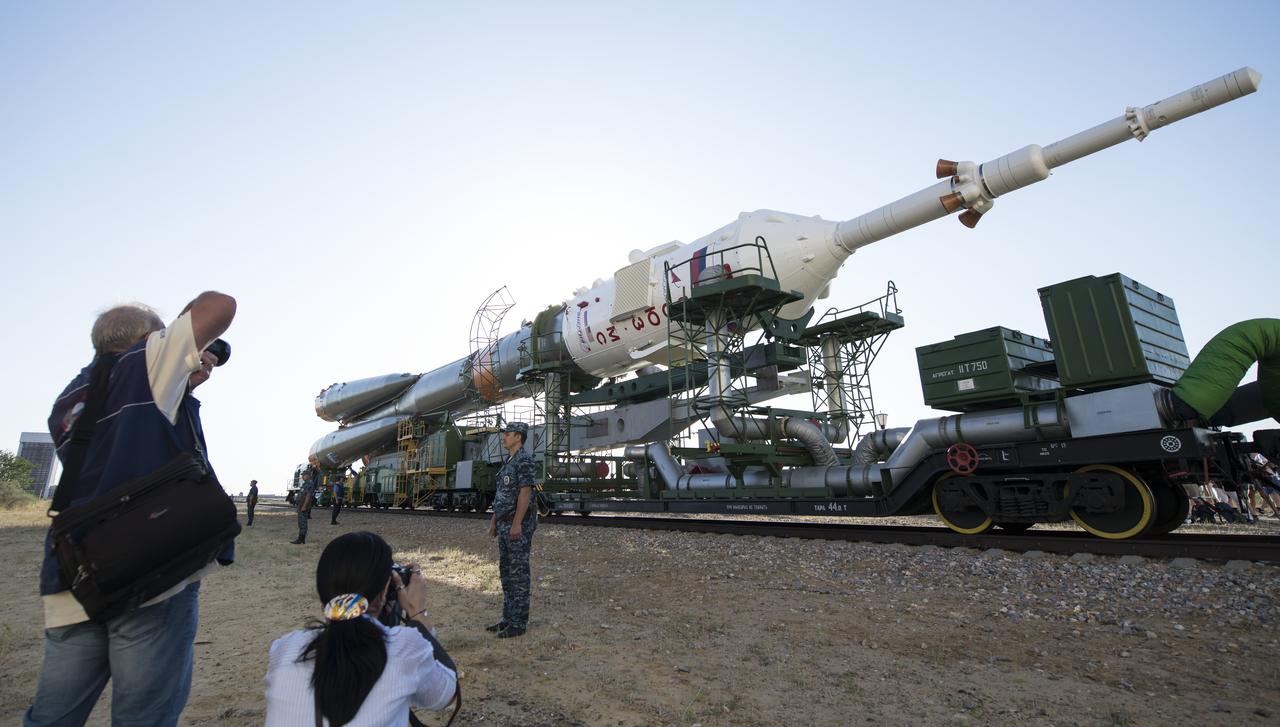
The Soyuz rocket is seen as it is rolled out to the launch pad by train, Thursday, July 18, 2019 at the Baikonur Cosmodrome in Kazakhstan. Expedition 60 Soyuz Commander Alexander Skvortsov of Roscosmos, flight engineer Andrew Morgan of NASA, and flight engineer Luca Parmitano of ESA (European Space Agency) are scheduled to launch aboard their Soyuz MS-13 spacecraft at 12:28 p.m. Eastern time (9:28 p.m. Baikonur time) , on Saturday, July 20. Photo Credit: (NASA/Joel Kowsky)
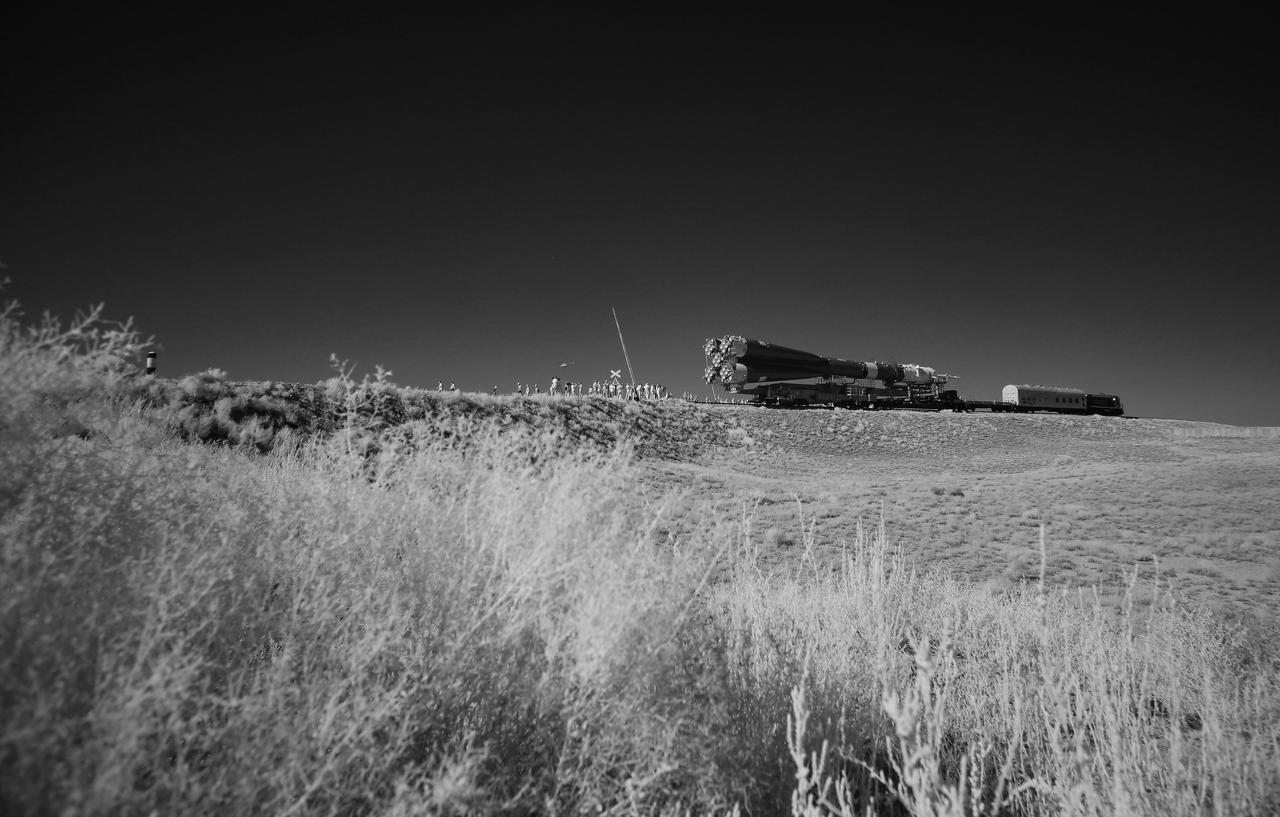
In this black and white infrared image, the Soyuz rocket is seen as it transported to the launch pad by train, Thursday, July 18, 2019 at the Baikonur Cosmodrome in Kazakhstan. Expedition 60 Soyuz Commander Alexander Skvortsov of Roscosmos, flight engineer Andrew Morgan of NASA, and flight engineer Luca Parmitano of ESA (European Space Agency) are scheduled to launch aboard their Soyuz MS-13 spacecraft at 12:28 p.m. Eastern time (9:28 p.m. Baikonur time), on Saturday, July 20. Photo Credit: (NASA/Joel Kowsky)
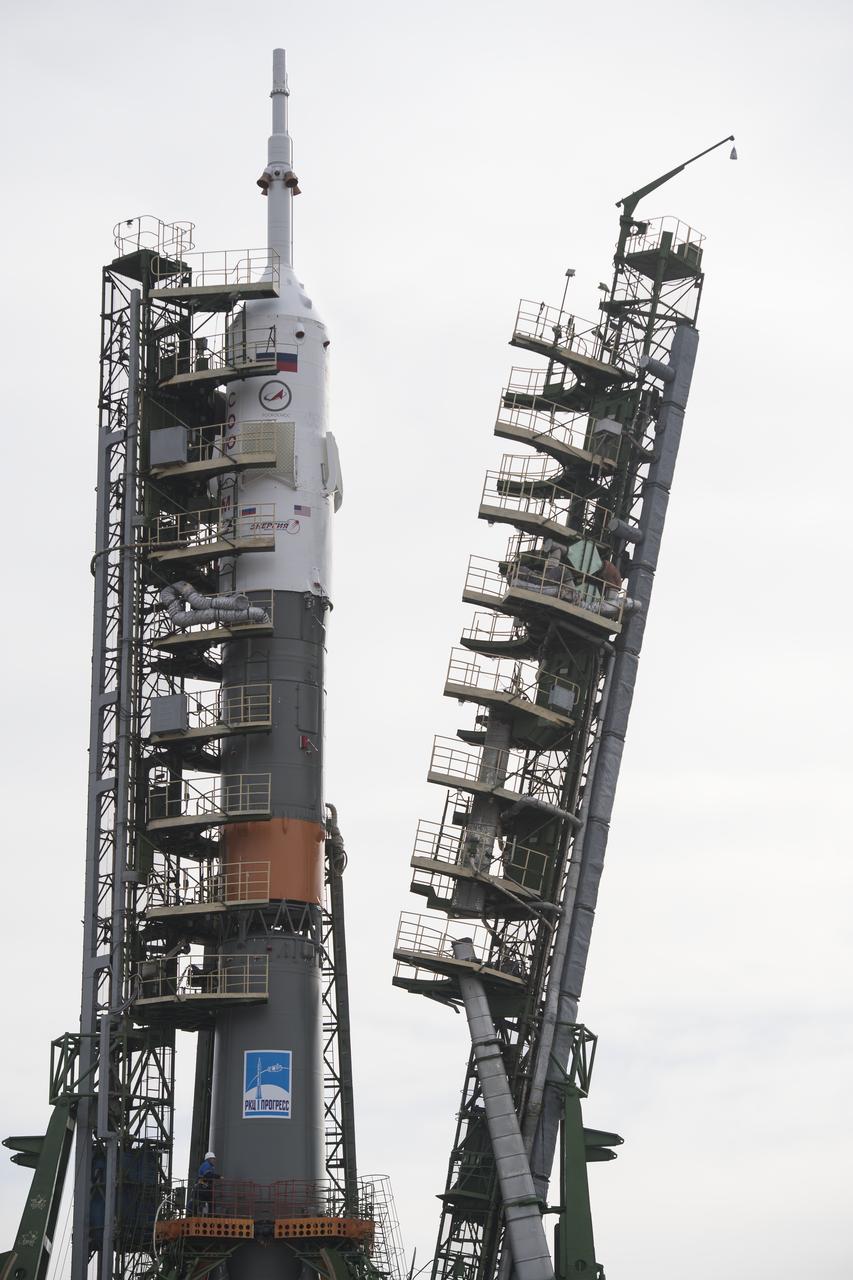
The Soyuz rocket is seen on the launch pad as the service structure arms are closed around it, Monday, March 19, 2018 at the Baikonur Cosmodrome in Kazakhstan. Expedition 55 crewmembers Ricky Arnold and Drew Feustel of NASA and Oleg Artemyev of Roscosmos are scheduled to launch at 1:44 p.m. Eastern time (11:44 p.m. Baikonur time) on March 21 and will spend the next five months living and working aboard the International Space Station. Photo Credit: (NASA/Joel Kowsky)
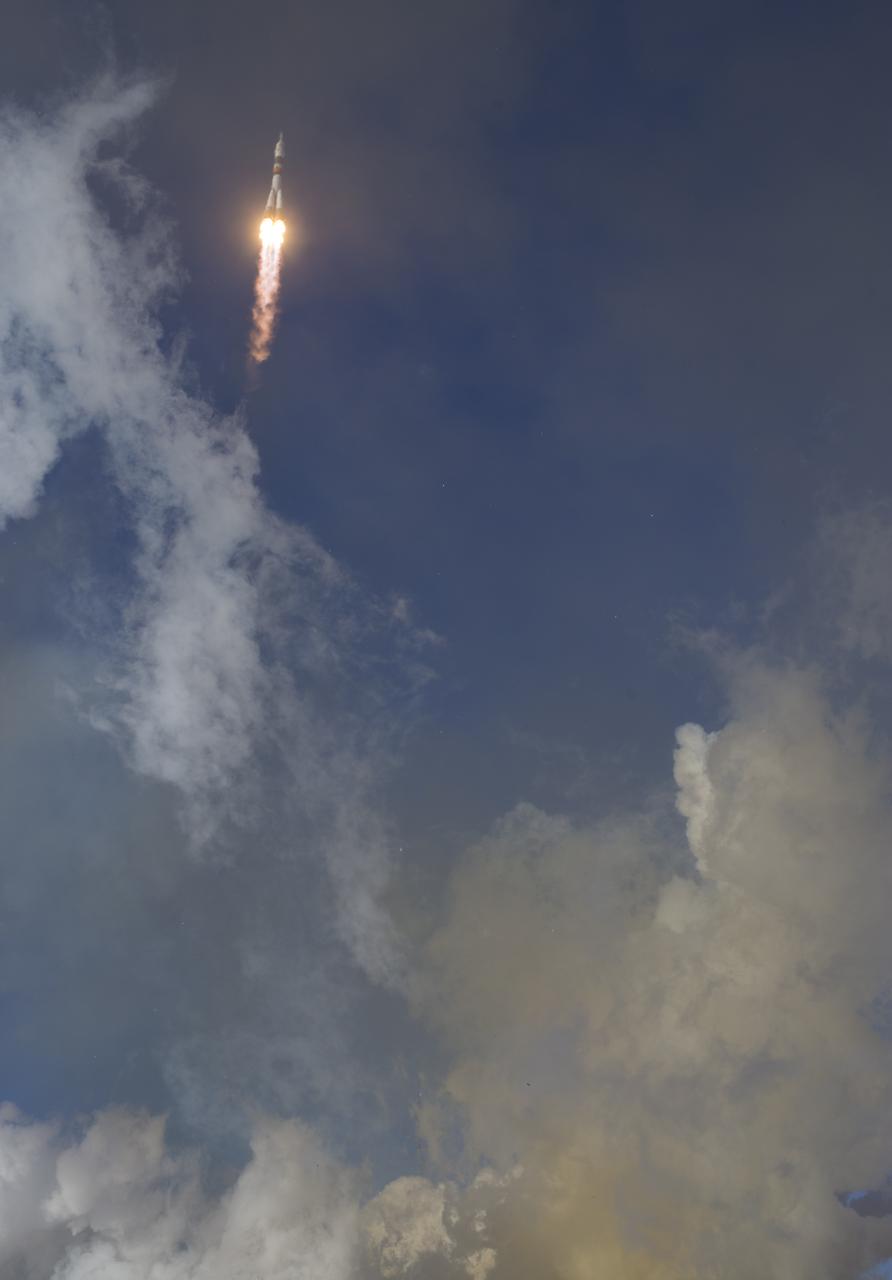
The Soyuz MS-07 rocket is launched with Expedition 54 Soyuz Commander Anton Shkaplerov of Roscosmos, flight engineer Scott Tingle of NASA, and flight engineer Norishige Kanai of Japan Aerospace Exploration Agency (JAXA), Sunday, Dec. 17, 2017 at the Baikonur Cosmodrome in Kazakhstan. Shkaplerov, Tingle, and Kanai will spend the next five months living and working aboard the International Space Station. Photo Credit: (NASA/Joel Kowsky)
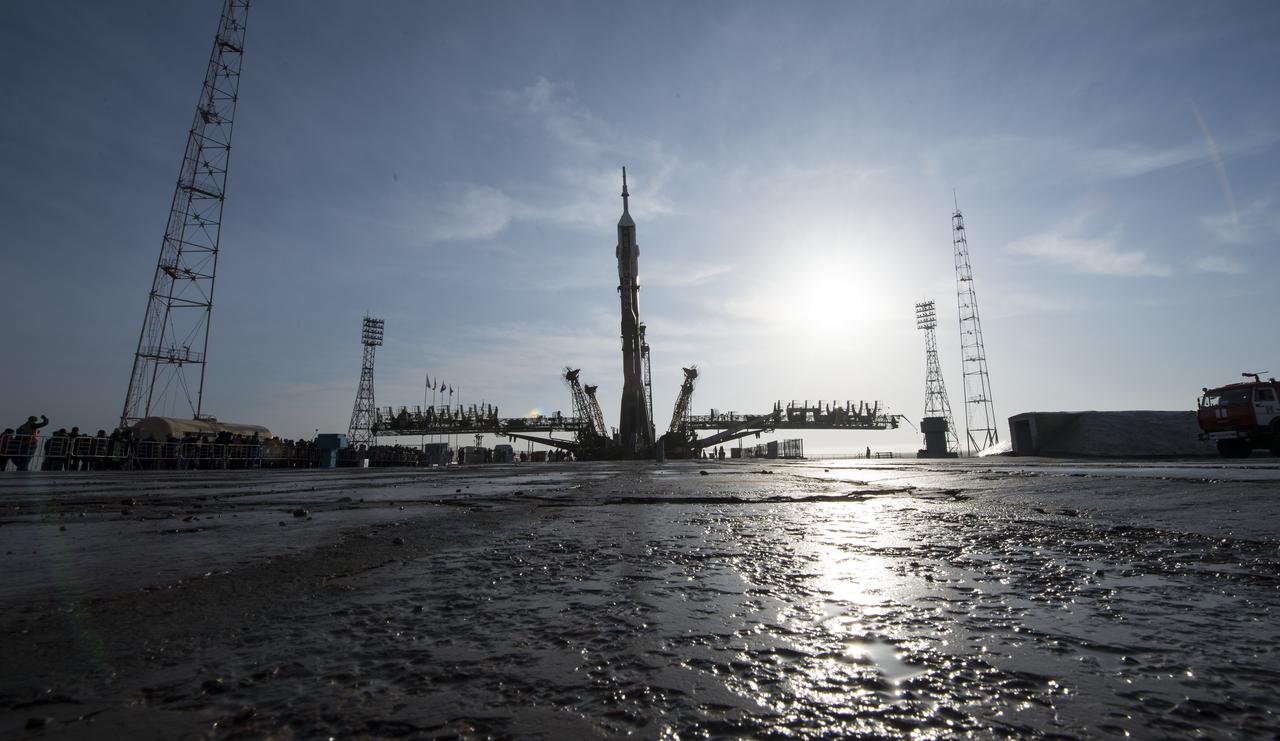
The Soyuz rocket is raised into a vertical position on the launch pad, Monday, March 19, 2018 at the Baikonur Cosmodrome in Kazakhstan. Expedition 55 crewmembers Ricky Arnold and Drew Feustel of NASA and Oleg Artemyev of Roscosmos are scheduled to launch at 1:44 p.m. Eastern time (11:44 p.m. Baikonur time) on March 21 and will spend the next five months living and working aboard the International Space Station. Photo Credit: (NASA/Joel Kowsky)
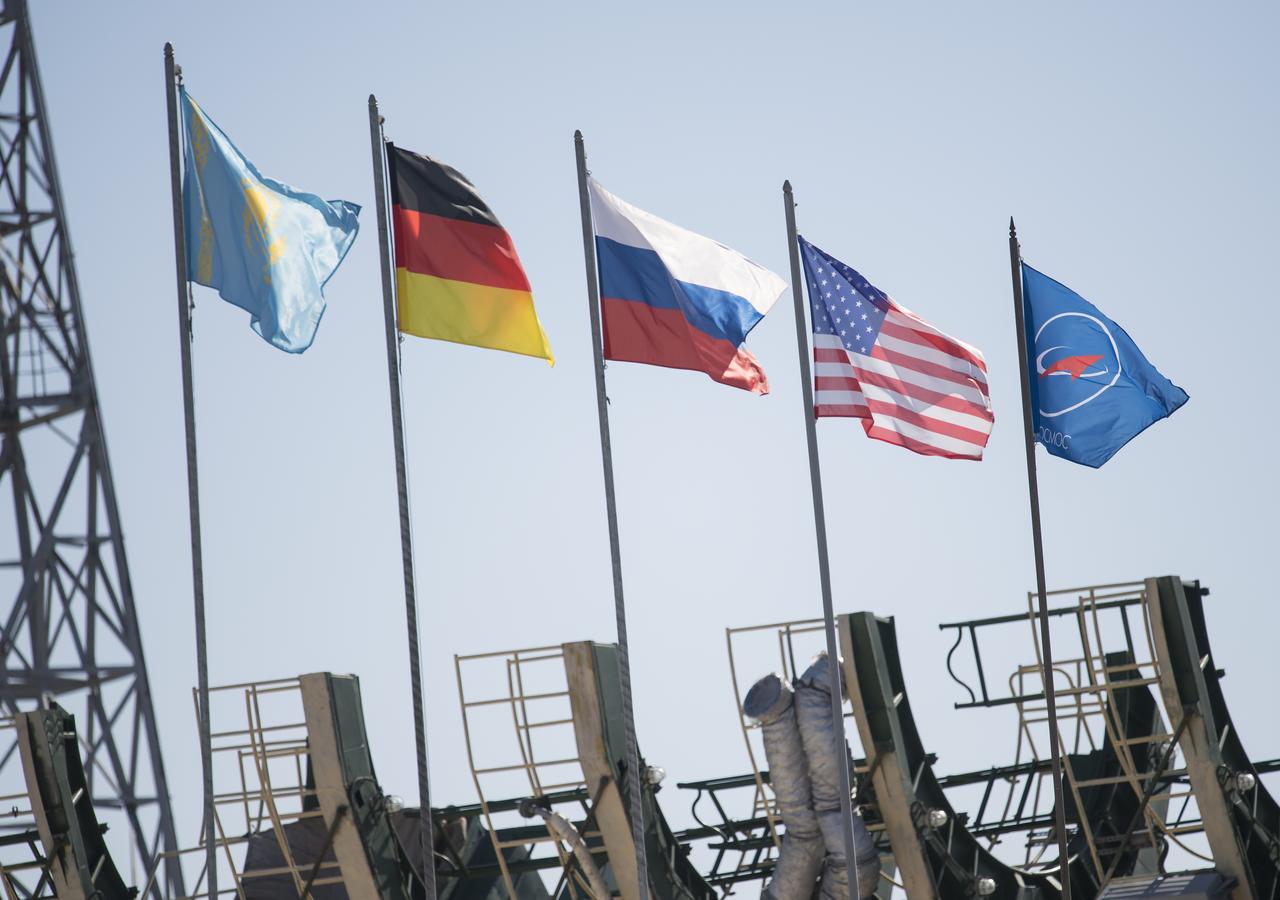
The flags of Kazakhstan, German, Russia, and the United States are seen flying after the Soyuz rocket was raised into a vertical position on the launch pad, Monday, June 4, 2018 at the Baikonur Cosmodrome in Kazakhstan. Expedition 56 Soyuz Commander Sergey Prokopyev of Roscosmos, flight engineer Serena Auñón-Chancellor of NASA, and flight engineer Alexander Gerst of ESA (European Space Agency) are scheduled to launch aboard their Soyuz MS-09 spacecraft at 7:12 a.m. Eastern time (5:12 p.m. Baikonur time), on Wednesday, June 6. Photo Credit: (NASA/Joel Kowsky)
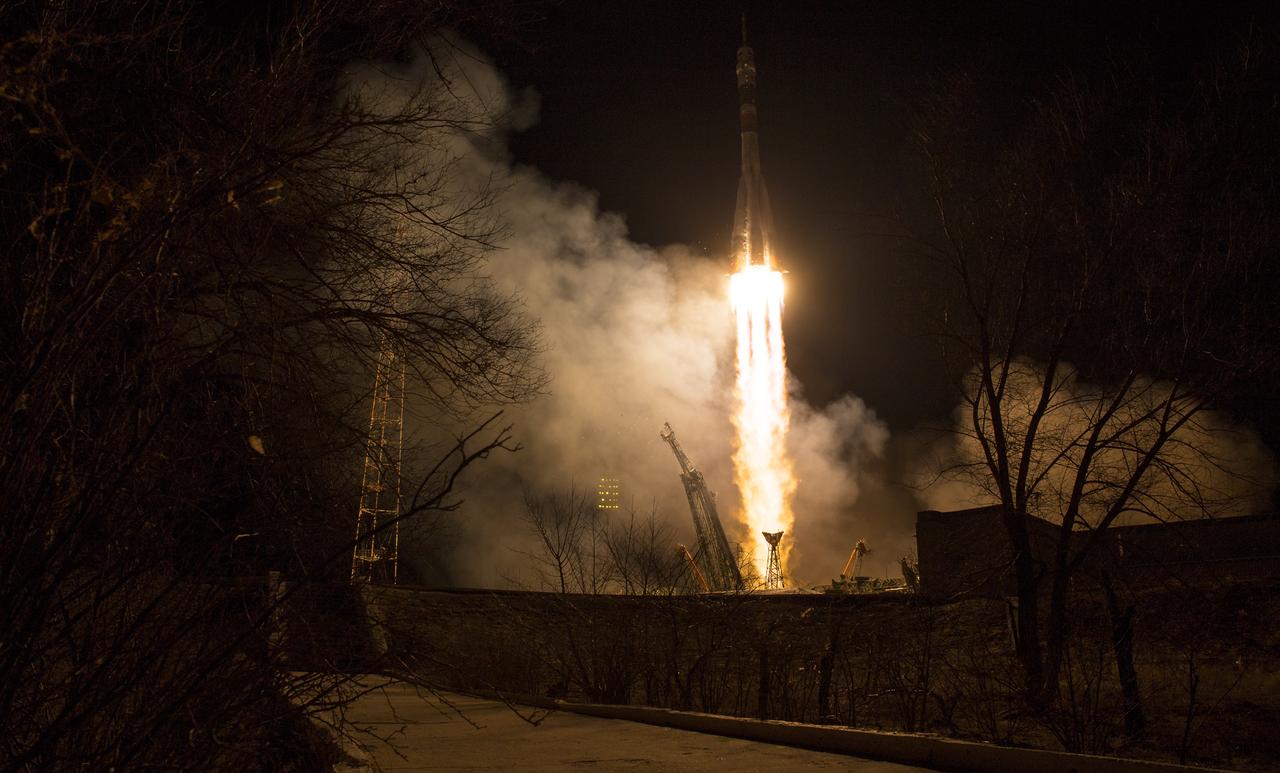
The Soyuz MS-08 rocket is launched with Expedition 55 Soyuz Commander Oleg Artemyev of Roscosmos and flight engineers Ricky Arnold and Drew Feustel of NASA, Wednesday, March 21, 2018 at the Baikonur Cosmodrome in Kazakhstan. Artemyev, Arnold, and Feustel will spend the next five months living and working aboard the International Space Station. Photo Credit: (NASA/Joel Kowsky)
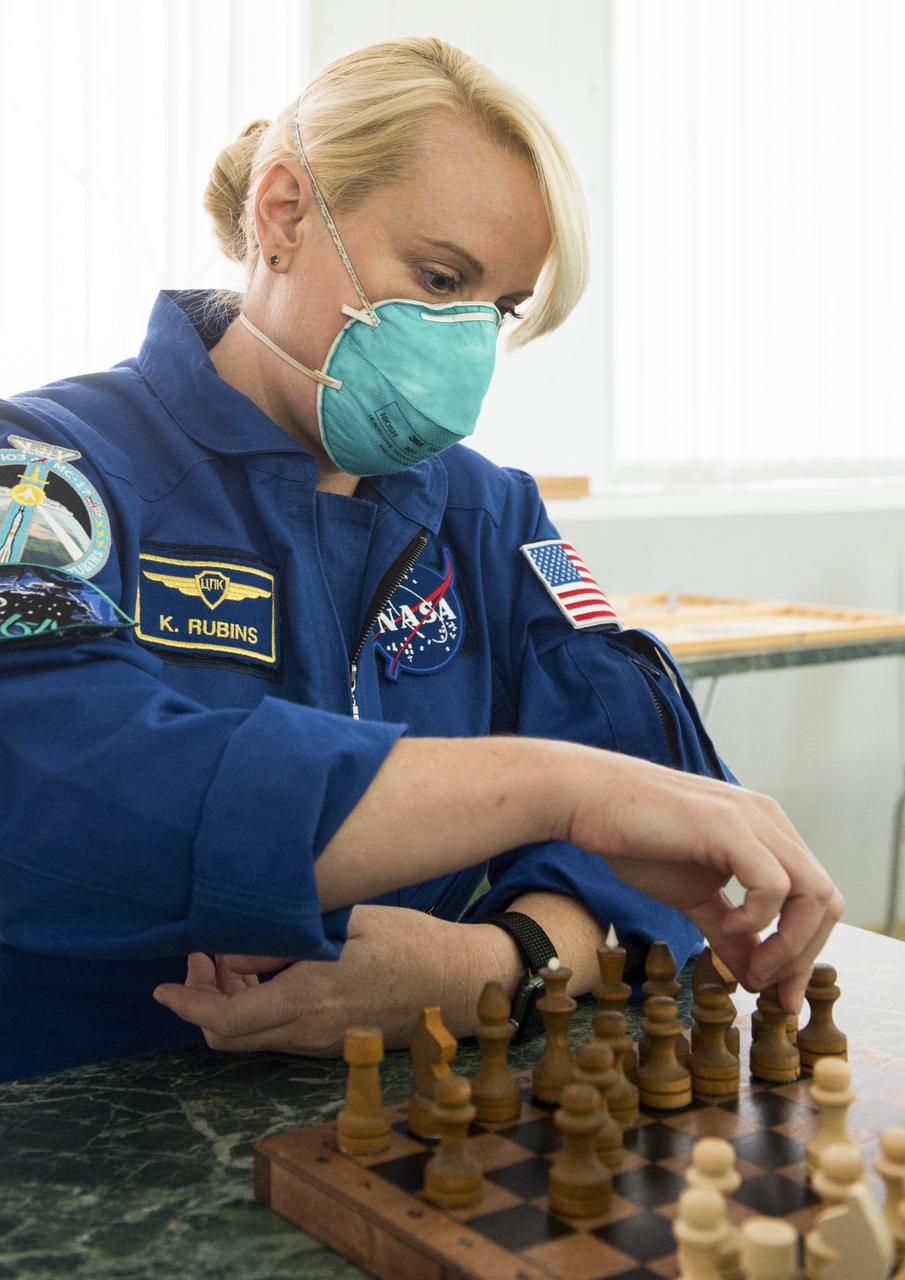
Expedition 64 crew member Kate Rubins of NASA plays a game of chess, Tuesday, Oct. 6, 2020, at the Cosmonaut Hotel in Baikonur, Kazakhstan. Rubins and Sergey Ryzhikov and Sergey Kud-Sverchkov of Ruscosmos are scheduled to launch to the International Space Station aboard the Soyuz MS-17 spacecraft on October 14. Photo Credit: (NASA/GCTC/Andrey Shelepin)
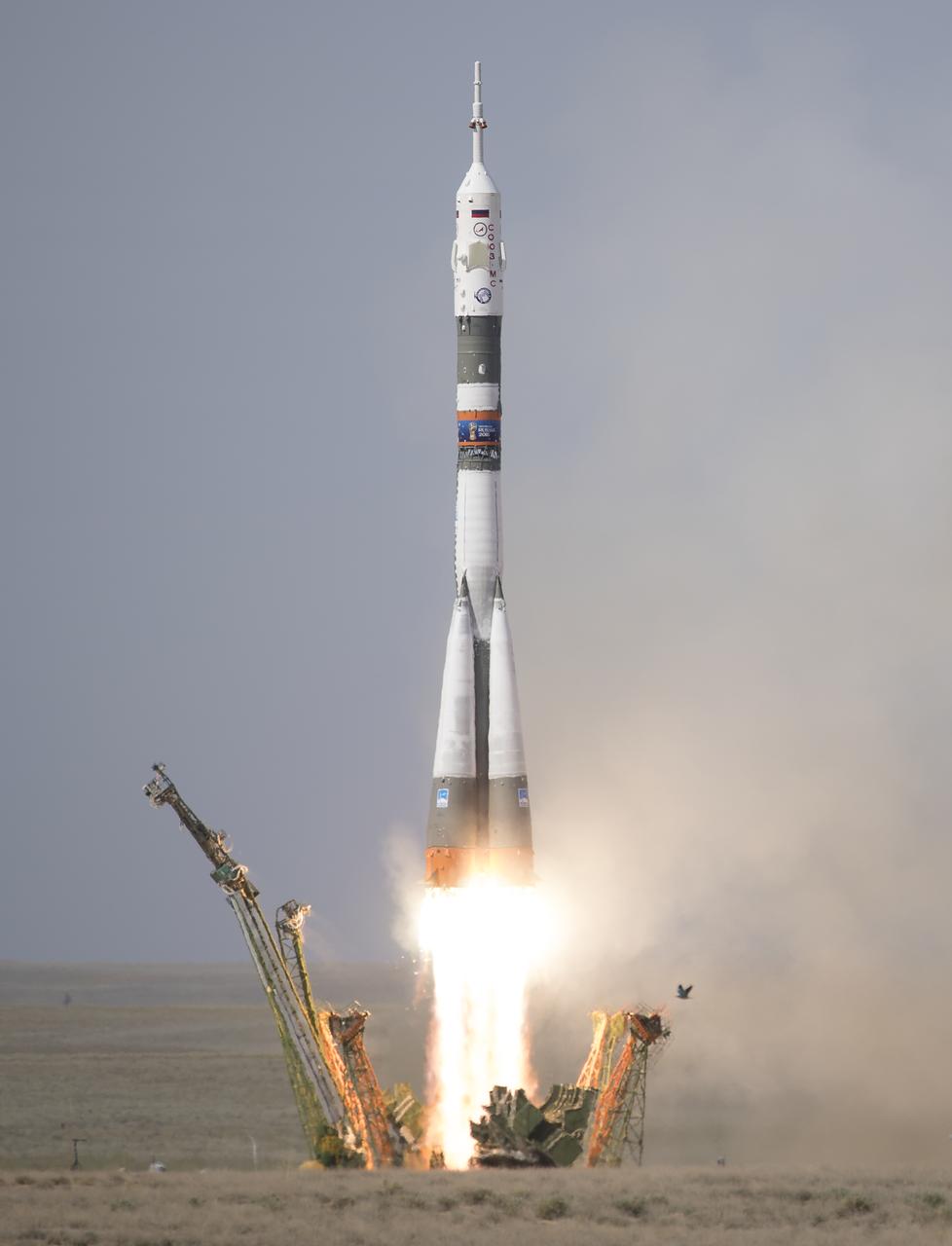
The Soyuz MS-09 rocket is launched with Expedition 56 Soyuz Commander Sergey Prokopyev of Roscosmos, flight engineer Serena Auñón-Chancellor of NASA, and flight engineer Alexander Gerst of ESA (European Space Agency), Wednesday, June 6, 2018 at the Baikonur Cosmodrome in Kazakhstan. Prokopyev, Auñón-Chancellor, and Gerst will spend the next six months living and working aboard the International Space Station. Photo Credit: (NASA/Joel Kowsky)
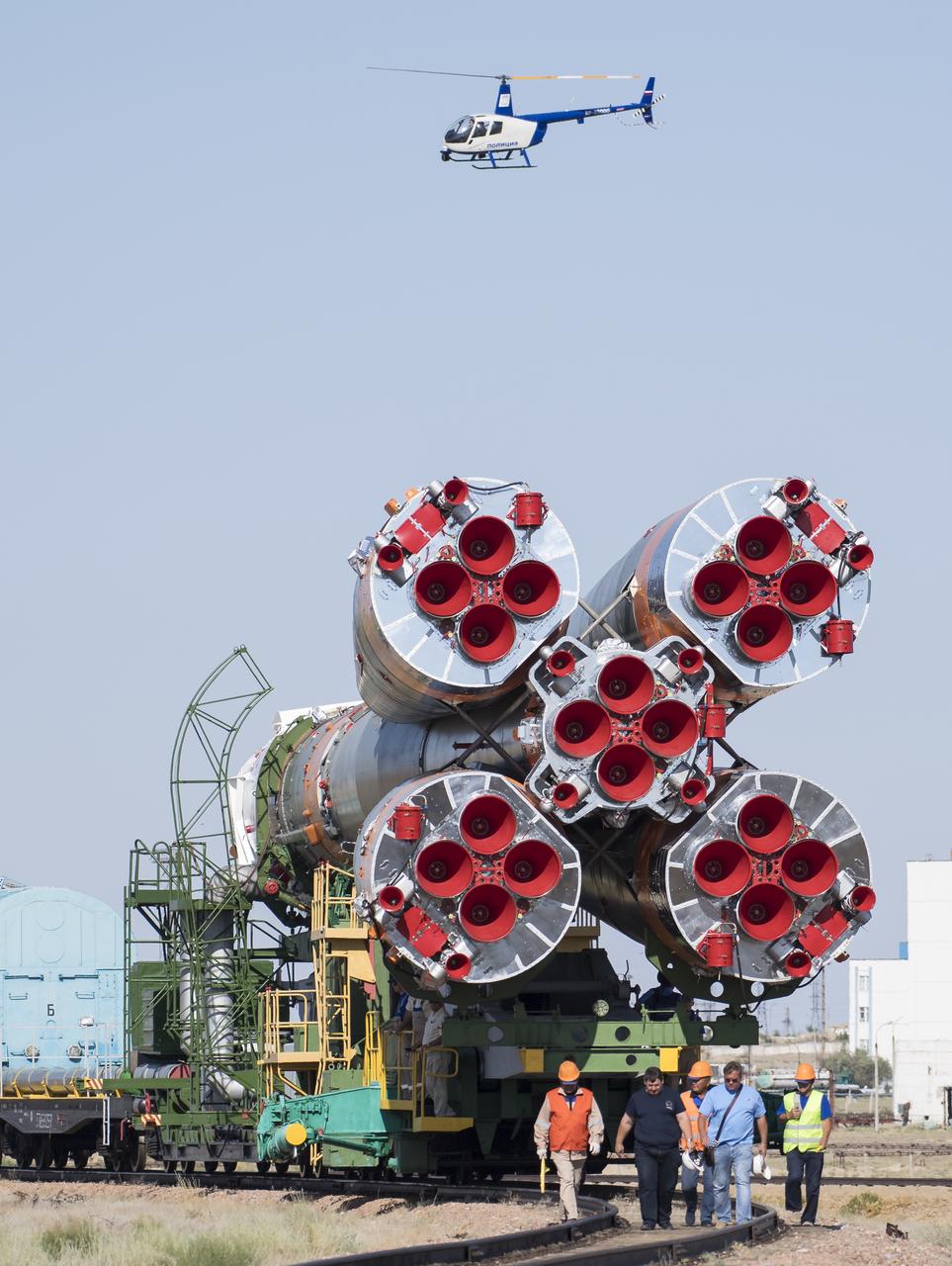
The Soyuz rocket is seen as it is transported to the launch pad by train, Thursday, July 18, 2019 at the Baikonur Cosmodrome in Kazakhstan. Expedition 60 Soyuz Commander Alexander Skvortsov of Roscosmos, flight engineer Andrew Morgan of NASA, and flight engineer Luca Parmitano of ESA (European Space Agency) are scheduled to launch aboard their Soyuz MS-13 spacecraft at 12:28 p.m. Eastern time (9:28 p.m. Baikonur time) , on Saturday, July 20. Photo Credit: (NASA/Joel Kowsky)