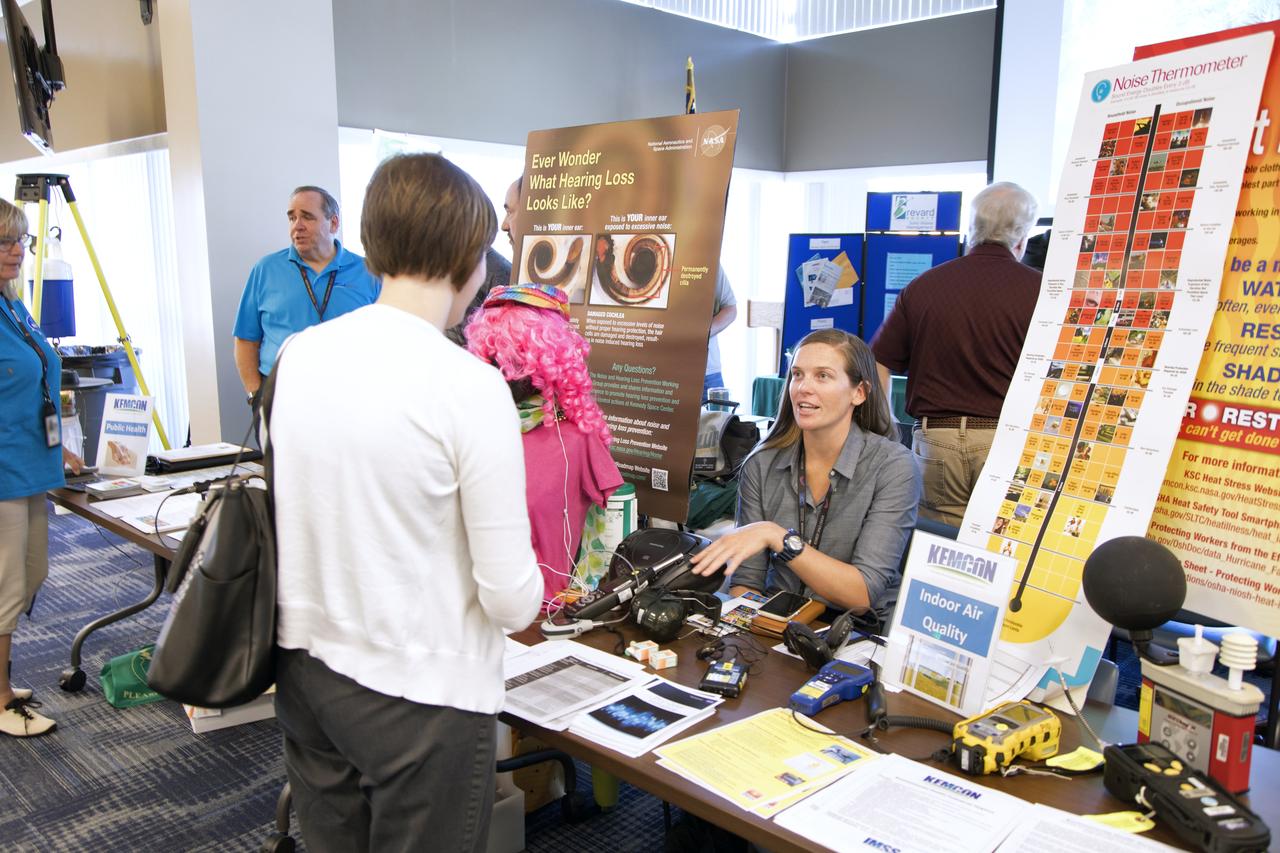
An employee learns about indoor air quality at the Kennedy Space Center (KSC) Environmental and Medical Contract (KEMCON) booth at the center’s annual Earth Day celebration. The two-day event featured approximately 50 exhibitors offering information on a variety of topics, including electric vehicles, sustainable lighting, renewable energy, Florida-friendly landscaping tips, Florida’s biking trails and more.
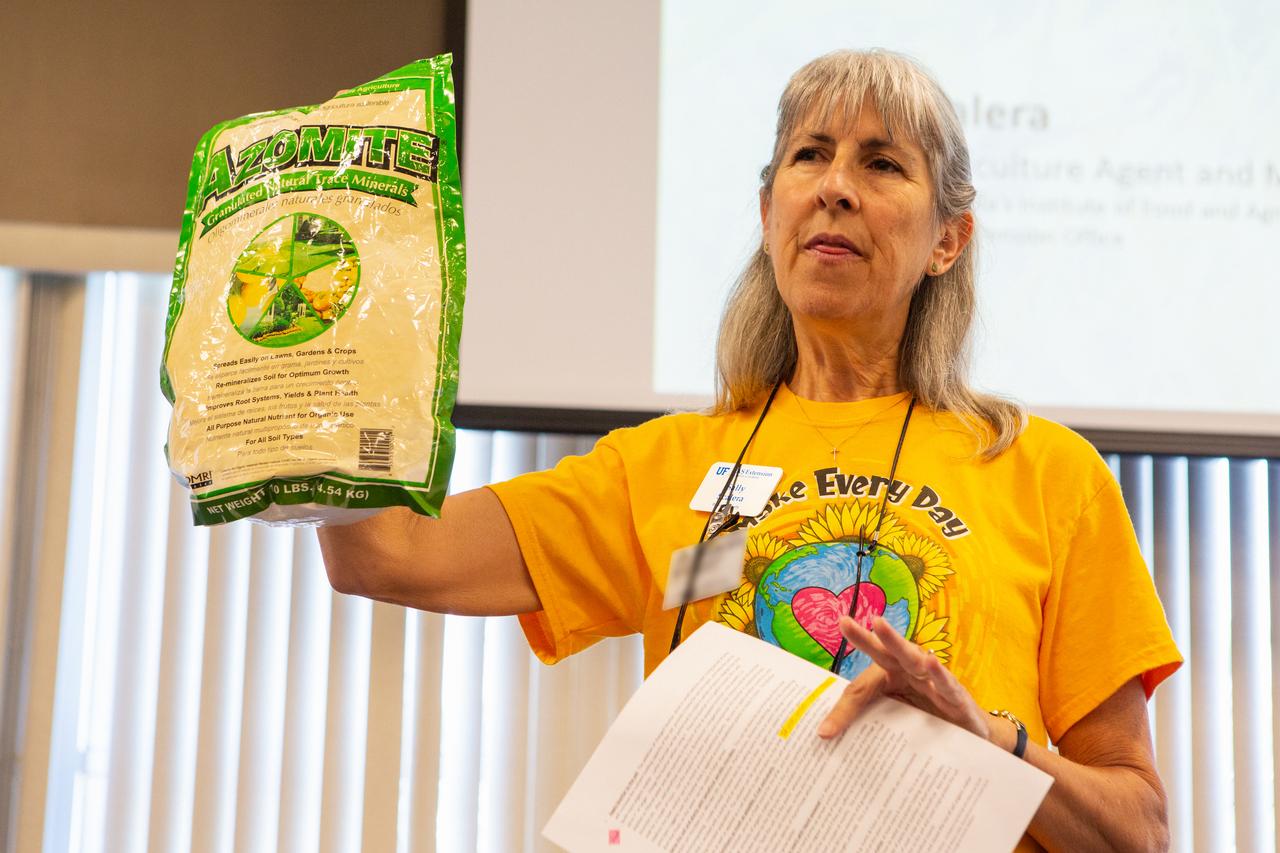
Sally Scalera, urban horticulture agent and master gardener coordinator from the University of Florida’s Institute of Food and Agricultural Sciences Brevard Extension Office, shows Kennedy Space Center employees some sustainable yard products available during her presentation on tips and tricks for a healthy yard and garden on April 24, 2019. Held inside the Florida spaceport’s Space Station Processing Facility Conference Center, Scalera also provided information on Florida-friendly landscaping practices. The lunch and learn was available for employees to attend as part of Kennedy’s Earth Day events.
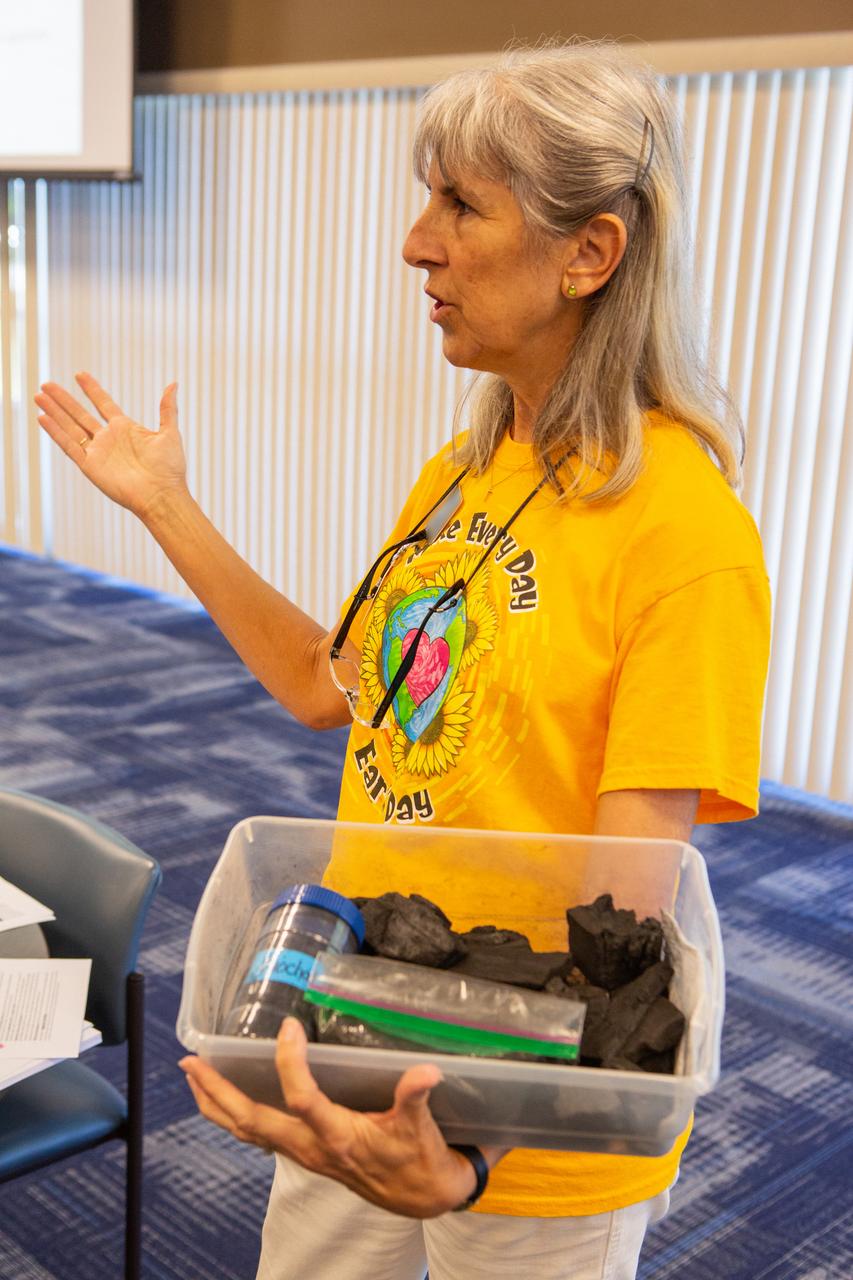
Sally Scalera, urban horticulture agent and master gardener coordinator from the University of Florida’s Institute of Food and Agricultural Sciences Brevard Extension Office, shows Kennedy Space Center employees some sustainable yard products available during her presentation on tips and tricks for a healthy yard and garden on April 24, 2019. Held inside the Florida spaceport’s Space Station Processing Facility Conference Center, Scalera also provided information on Florida-friendly landscaping practices. The lunch and learn was available for employees to attend as part of Kennedy’s Earth Day events.
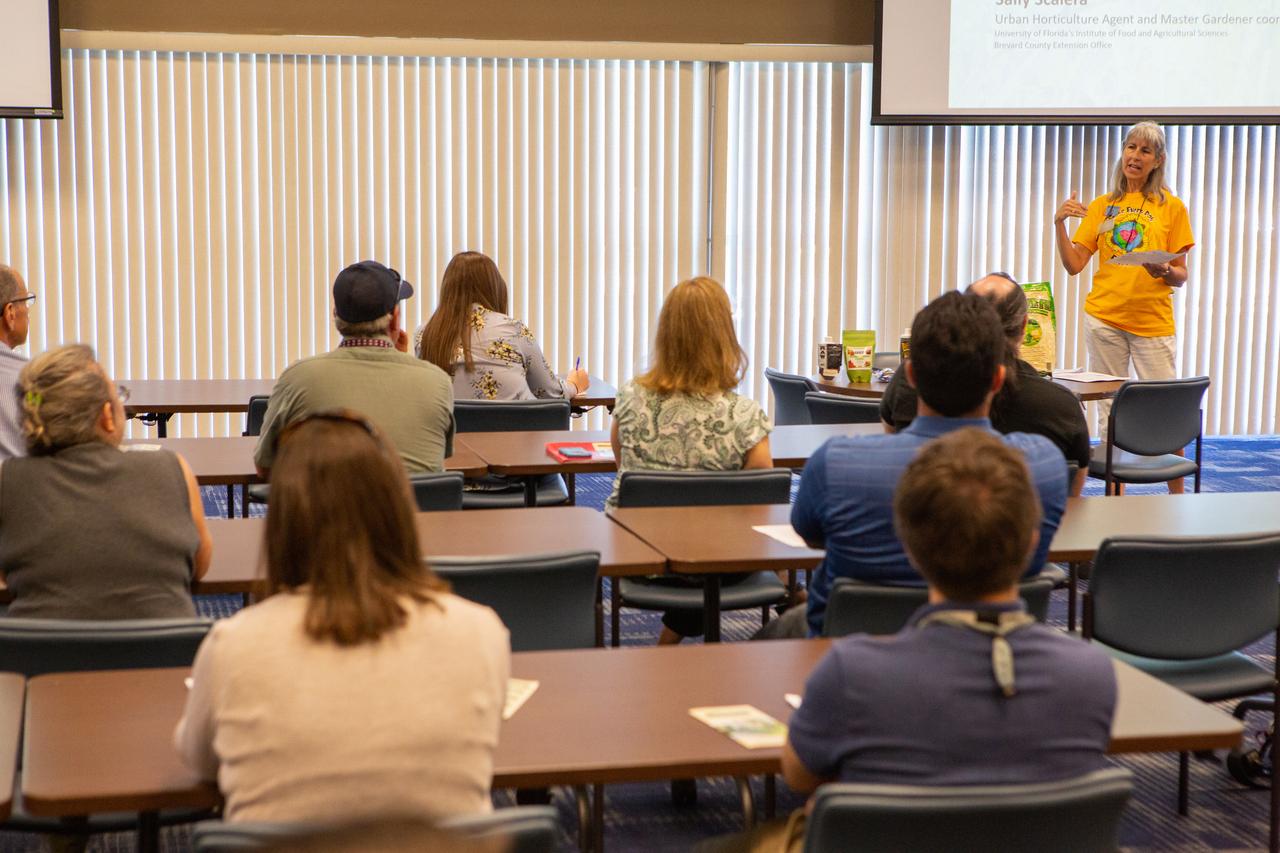
Sally Scalera, urban horticulture agent and master gardener coordinator from the University of Florida’s Institute of Food and Agricultural Sciences Brevard Extension Office, presents some sustainable tips and tricks for a healthy yard and garden to Kennedy Space Center employees on April 24, 2019. Held inside the Florida spaceport’s Space Station Processing Facility Conference Center, Scalera also provided information on Florida-friendly landscaping practices. The lunch and learn was available for employees to attend as part of Kennedy’s Earth Day events.
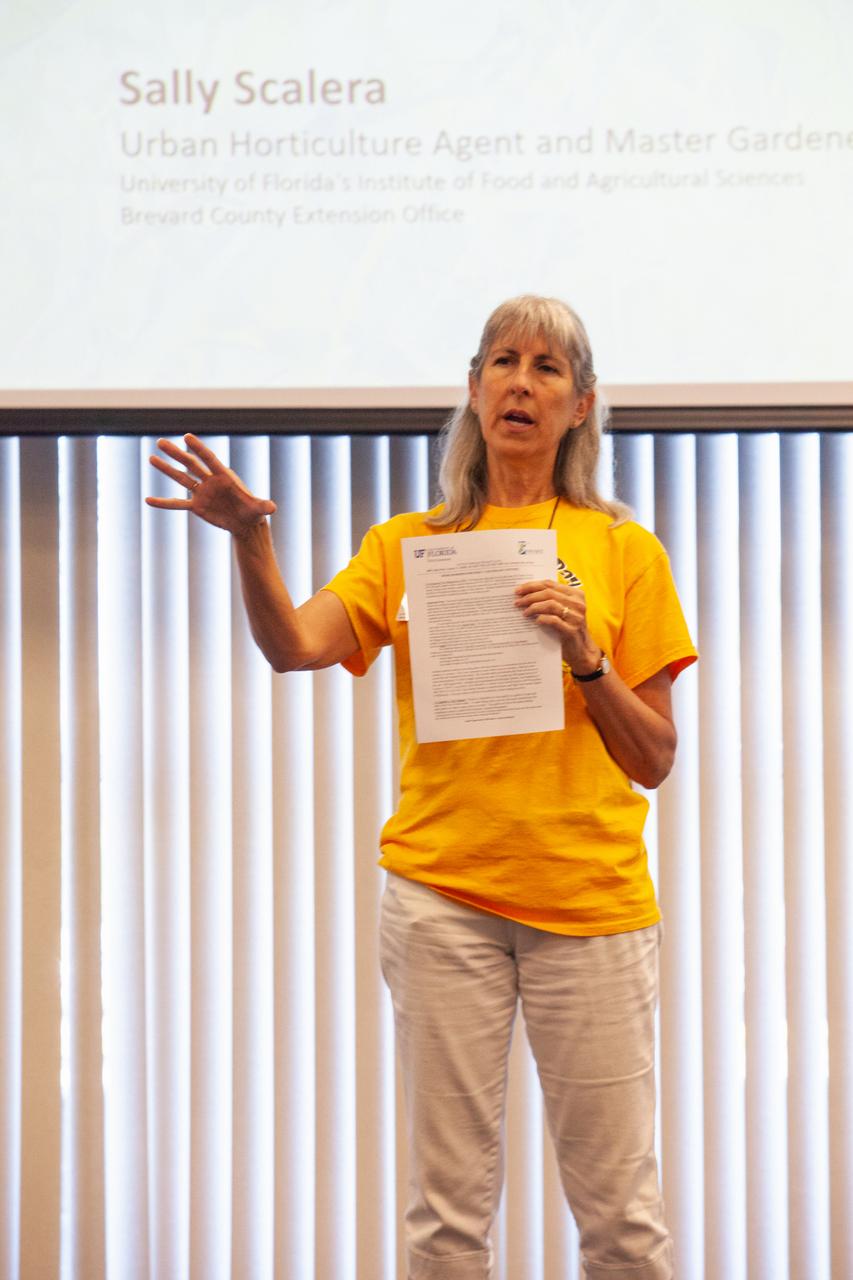
Sally Scalera, urban horticulture agent and master gardener coordinator from the University of Florida’s Institute of Food and Agricultural Sciences Brevard Extension Office, presents some sustainable tips and tricks for a healthy yard and garden to Kennedy Space Center employees on April 24, 2019. Held inside the Florida spaceport’s Space Station Processing Facility Conference Center, Scalera also provided information on Florida-friendly landscaping practices. The lunch and learn was available for employees to attend as part of Kennedy’s Earth Day events.
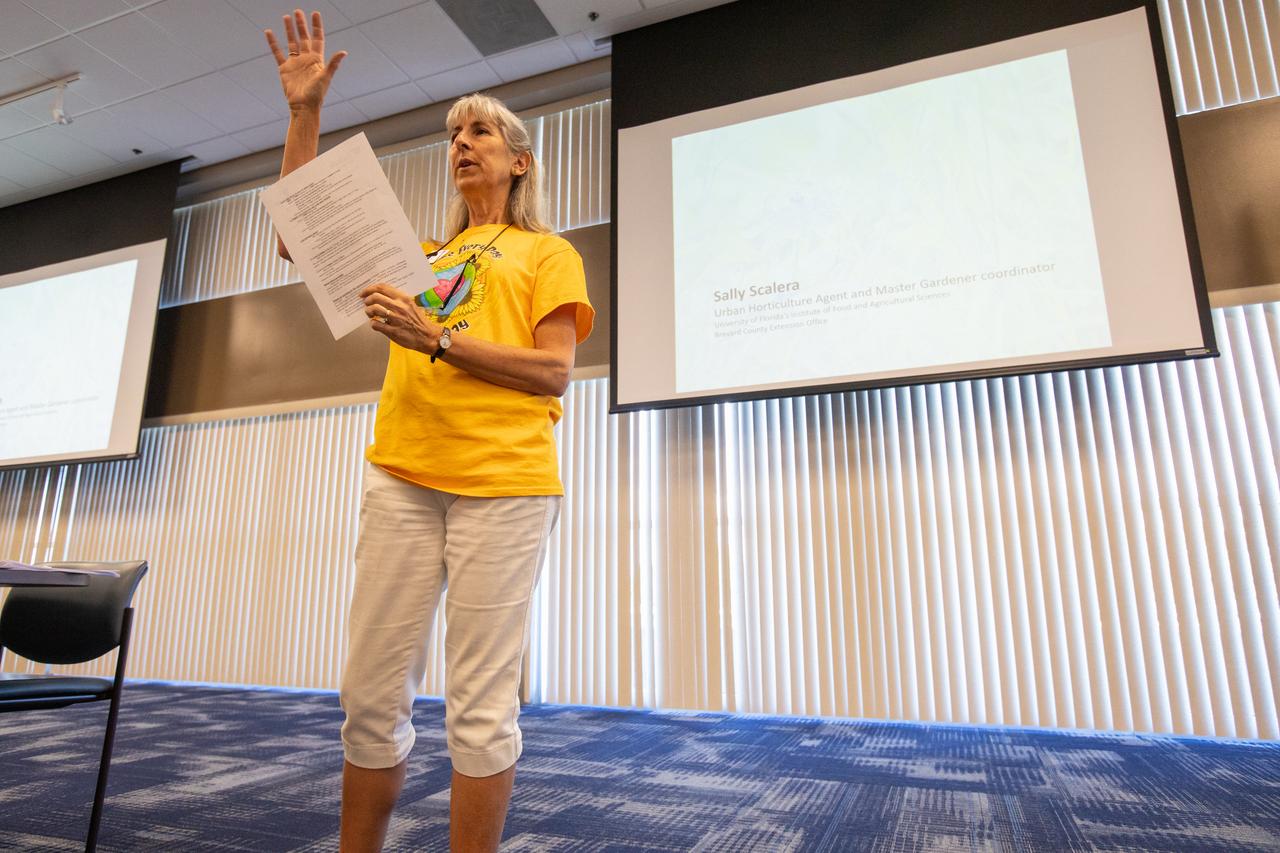
Sally Scalera, urban horticulture agent and master gardener coordinator from the University of Florida’s Institute of Food and Agricultural Sciences Brevard Extension Office, presents some sustainable tips and tricks for a healthy yard and garden to Kennedy Space Center employees on April 24, 2019. Held inside the Florida spaceport’s Space Station Processing Facility Conference Center, Scalera also provided information on Florida-friendly landscaping practices. The lunch and learn was available for employees to attend as part of Kennedy’s Earth Day events.
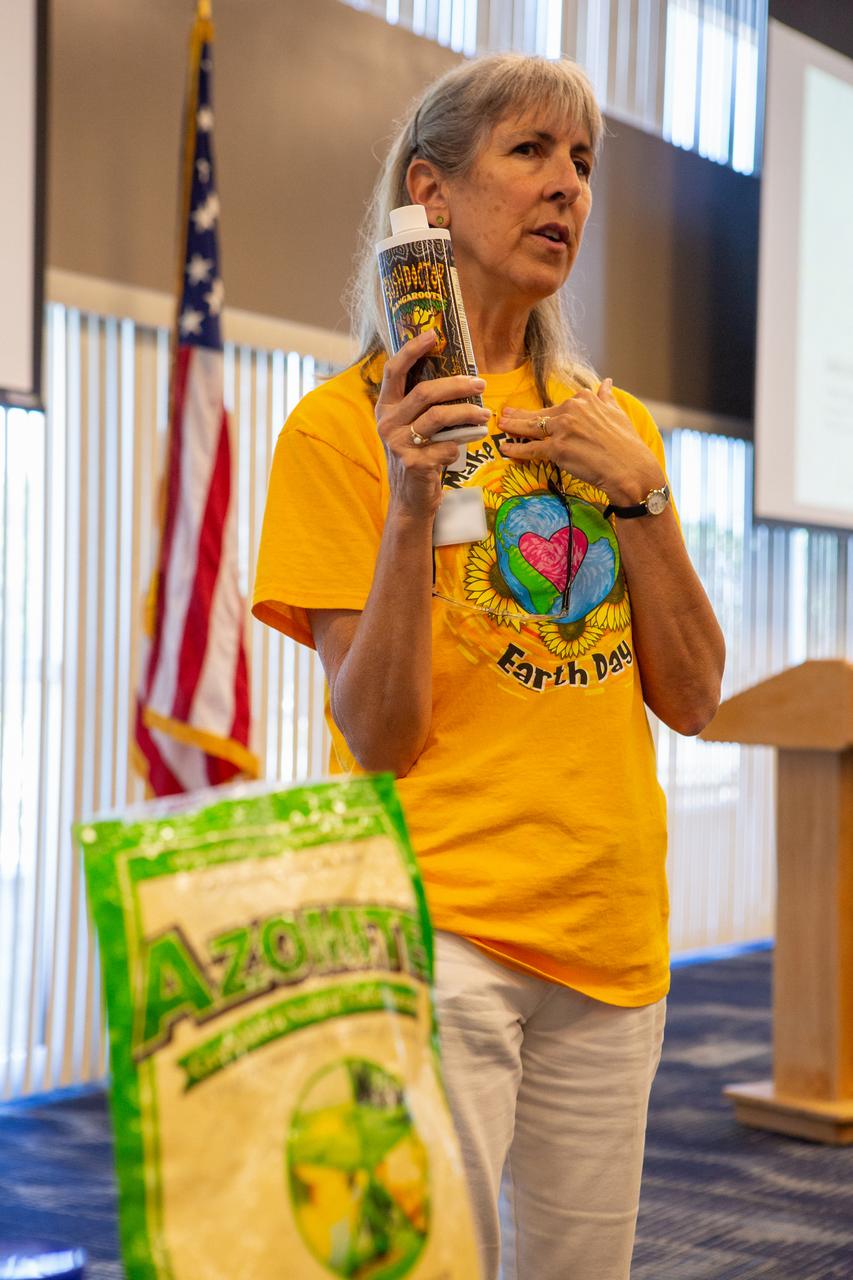
Sally Scalera, urban horticulture agent and master gardener coordinator from the University of Florida’s Institute of Food and Agricultural Sciences Brevard Extension Office, shows Kennedy Space Center employees some sustainable yard products available during her presentation on tips and tricks for a healthy yard and garden on April 24, 2019. Held inside the Florida spaceport’s Space Station Processing Facility Conference Center, Scalera also provided information on Florida-friendly landscaping practices. The lunch and learn was available for employees to attend as part of Kennedy’s Earth Day events.
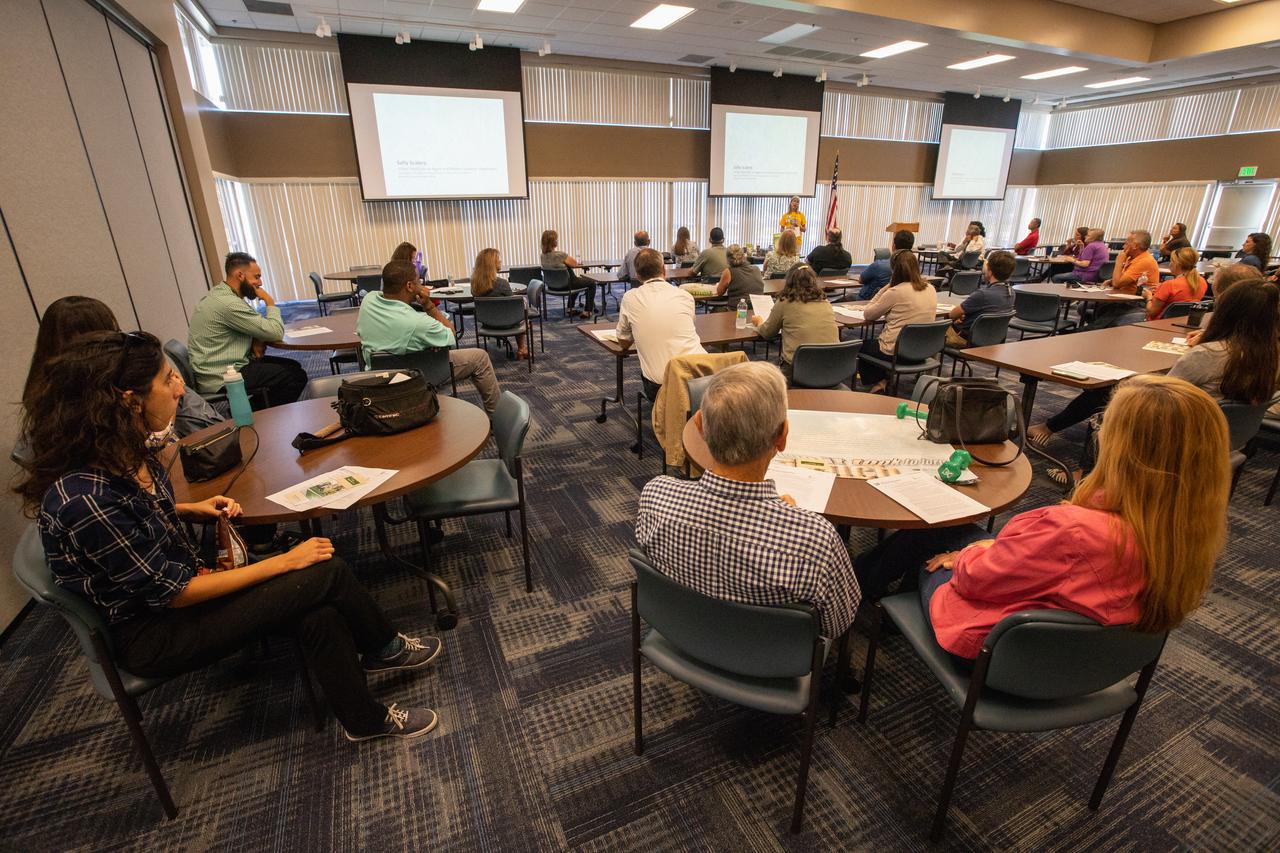
Kennedy Space Center employees attend a lunch and learn focused on Florida-friendly landscaping practices in the Florida spaceport’s Space Station Processing Facility Conference Center on April 24, 2019. Sally Scalera, urban horticulture agent and master gardener coordinator from the University of Florida’s Institute of Food and Agricultural Sciences Brevard Extension Office, presented information on sustainable tips and tricks for a healthy yard and garden. The lunch and learn was available for employees to attend as part of Kennedy’s Earth Day events.
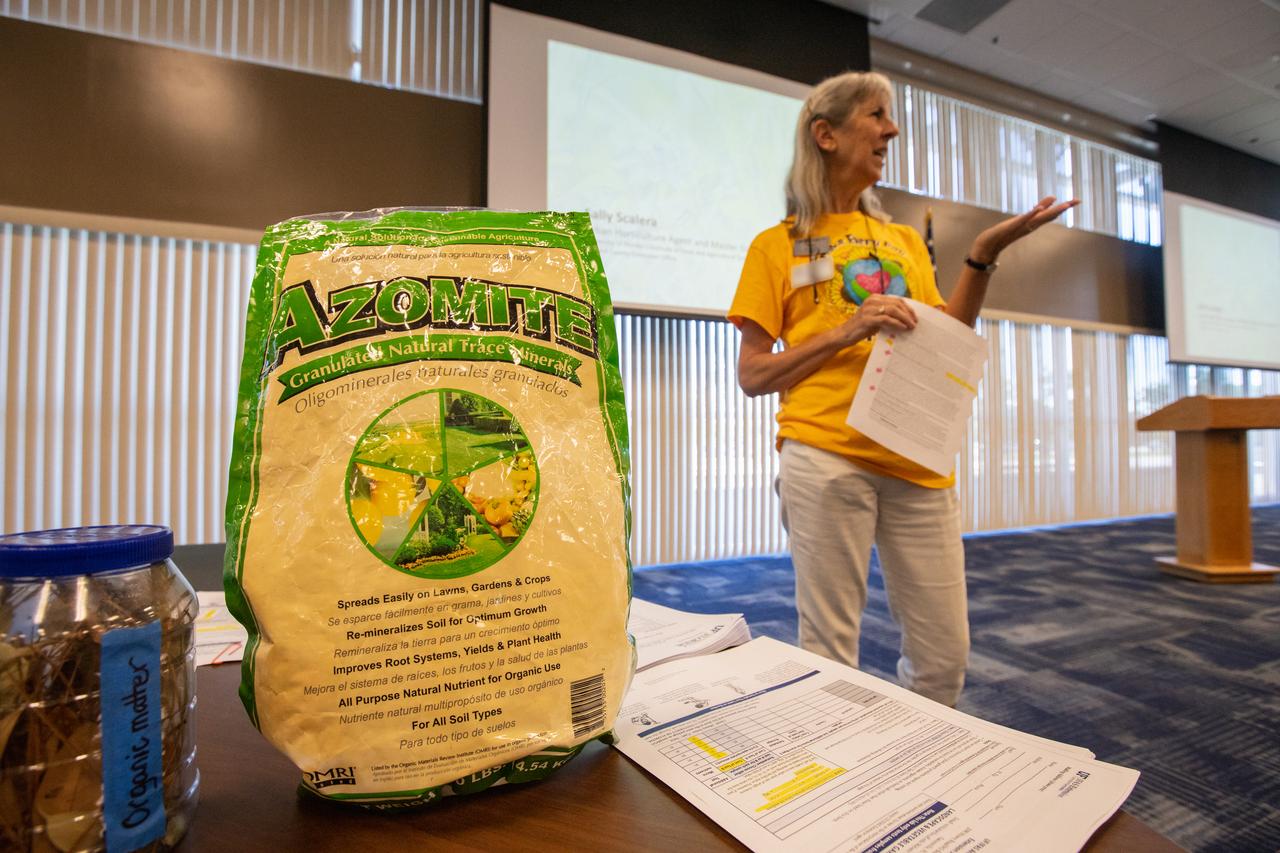
Sally Scalera, urban horticulture agent and master gardener coordinator from the University of Florida’s Institute of Food and Agricultural Sciences Brevard Extension Office, shows Kennedy Space Center employees some sustainable yard products available during her presentation on tips and tricks for a healthy yard and garden on April 24, 2019. Held inside the Florida spaceport’s Space Station Processing Facility Conference Center, Scalera also provided information on Florida-friendly landscaping practices. The lunch and learn was available for employees to attend as part of Kennedy’s Earth Day events.
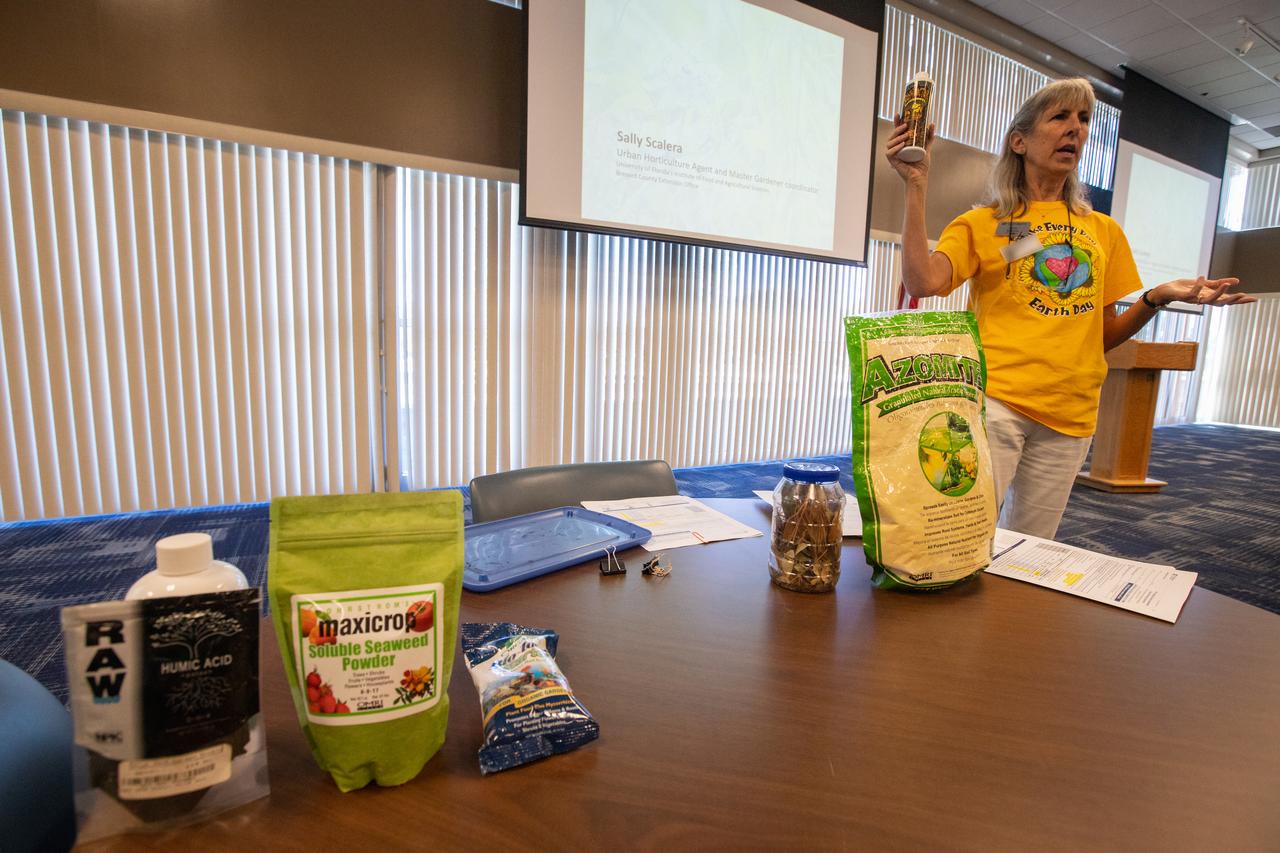
Sally Scalera, urban horticulture agent and master gardener coordinator from the University of Florida’s Institute of Food and Agricultural Sciences Brevard Extension Office, shows Kennedy Space Center employees some sustainable yard products available during her presentation on tips and tricks for a healthy yard and garden on April 24, 2019. Held inside the Florida spaceport’s Space Station Processing Facility Conference Center, Scalera also provided information on Florida-friendly landscaping practices. The lunch and learn was available for employees to attend as part of Kennedy’s Earth Day events.
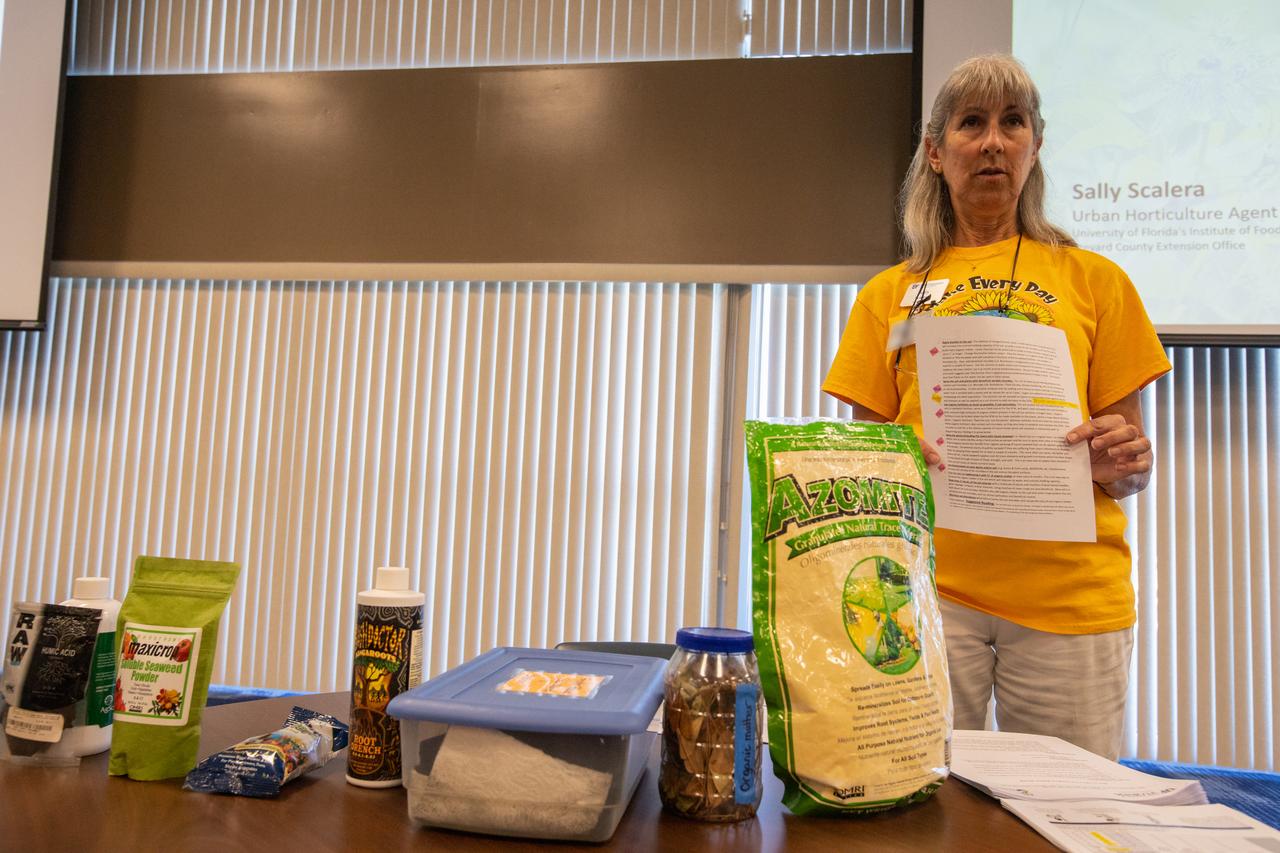
Sally Scalera, urban horticulture agent and master gardener coordinator from the University of Florida’s Institute of Food and Agricultural Sciences Brevard Extension Office, shows Kennedy Space Center employees some sustainable yard products available during her presentation on tips and tricks for a healthy yard and garden on April 24, 2019. Held inside the Florida spaceport’s Space Station Processing Facility Conference Center, Scalera also provided information on Florida-friendly landscaping practices. The lunch and learn was available for employees to attend as part of Kennedy’s Earth Day events.
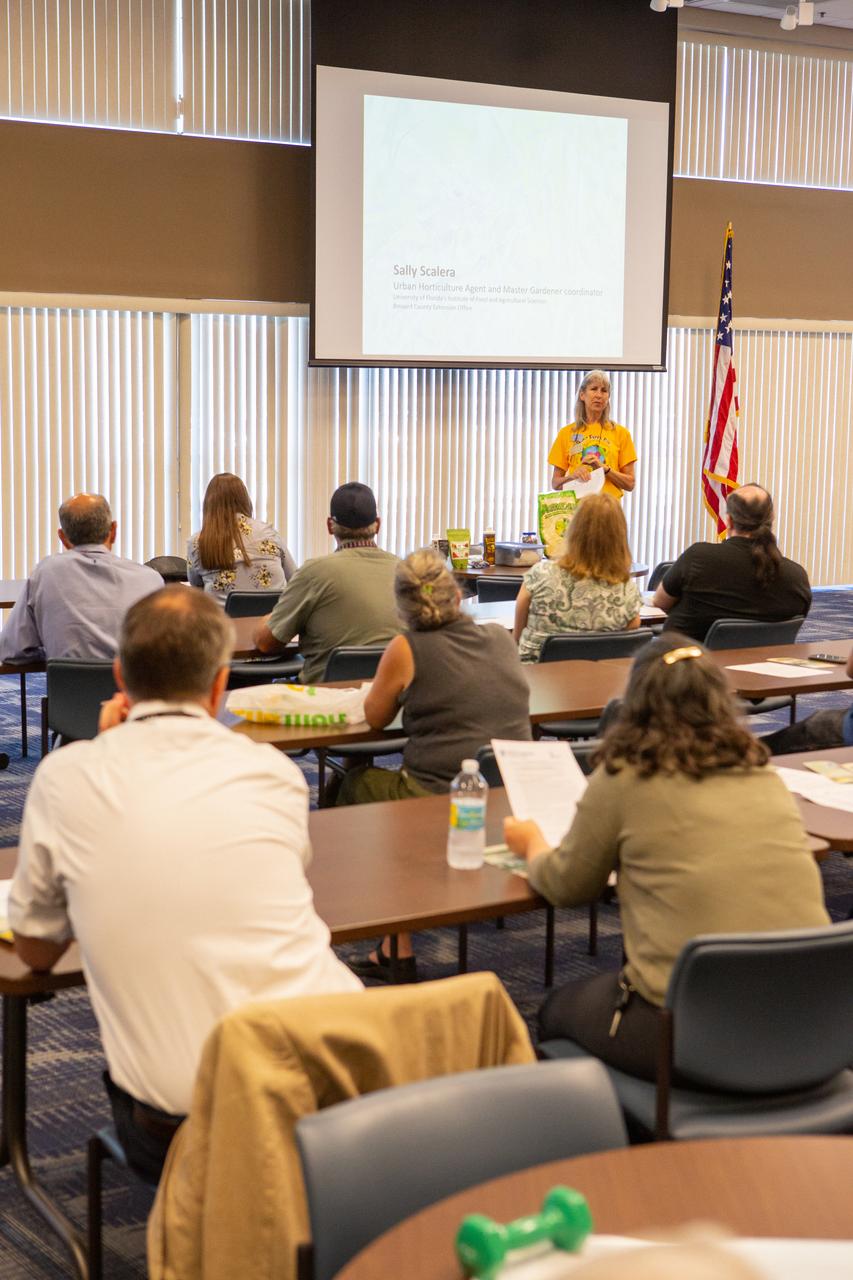
Sally Scalera, urban horticulture agent and master gardener coordinator from the University of Florida’s Institute of Food and Agricultural Sciences Brevard Extension Office, presents some sustainable tips and tricks for a healthy yard and garden to Kennedy Space Center employees on April 24, 2019. Held inside the Florida spaceport’s Space Station Processing Facility Conference Center, Scalera also provided information on Florida-friendly landscaping practices. The lunch and learn was available for employees to attend as part of Kennedy’s Earth Day events.
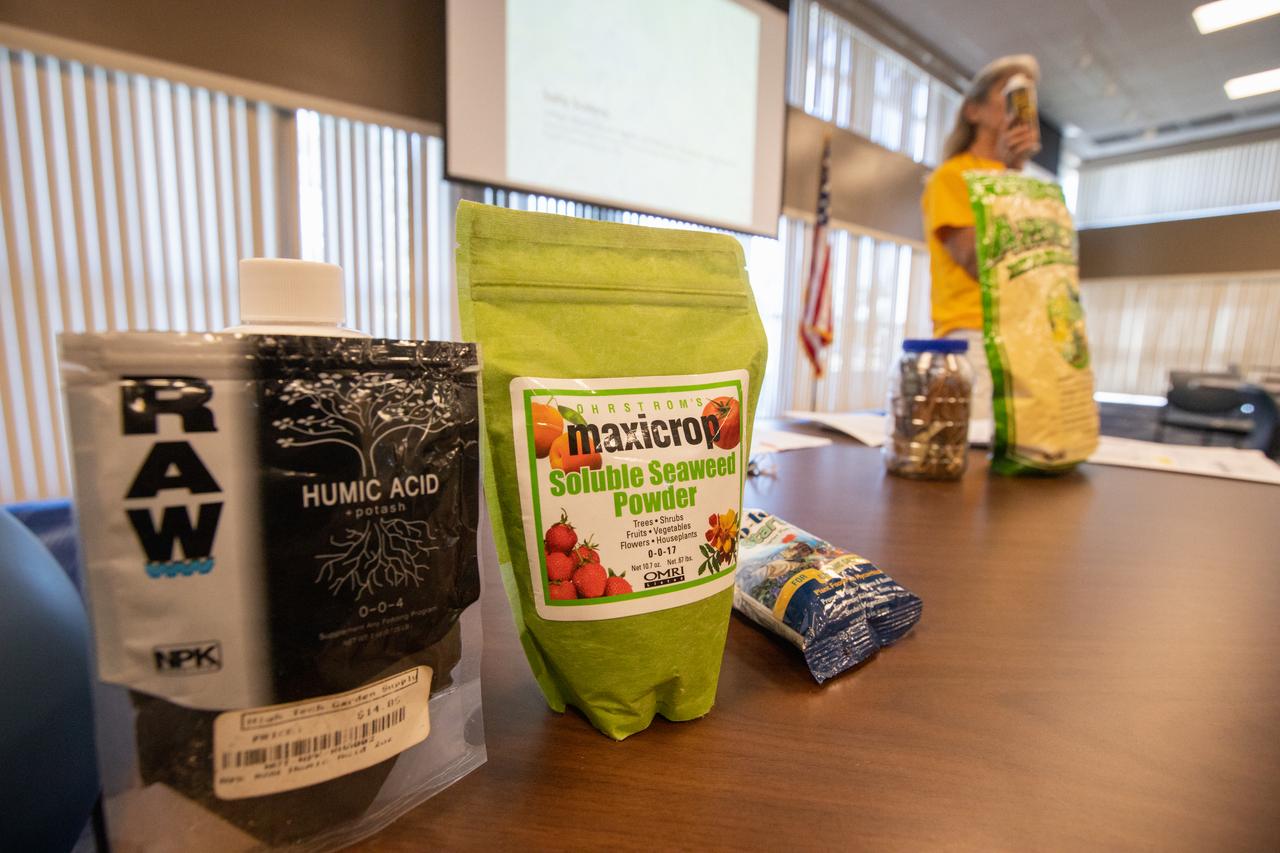
Sustainable yard products are on display while Sally Scalera, urban horticulture agent and master gardener coordinator from the University of Florida’s Institute of Food and Agricultural Sciences Brevard Extension Office, presents some tips and tricks for a healthy yard and garden to Kennedy Space Center employees on April 24, 2019. Held inside the Florida spaceport’s Space Station Processing Facility Conference Center, Scalera also provided information on Florida-friendly landscaping practices. The lunch and learn was available for employees to attend as part of Kennedy’s Earth Day events.
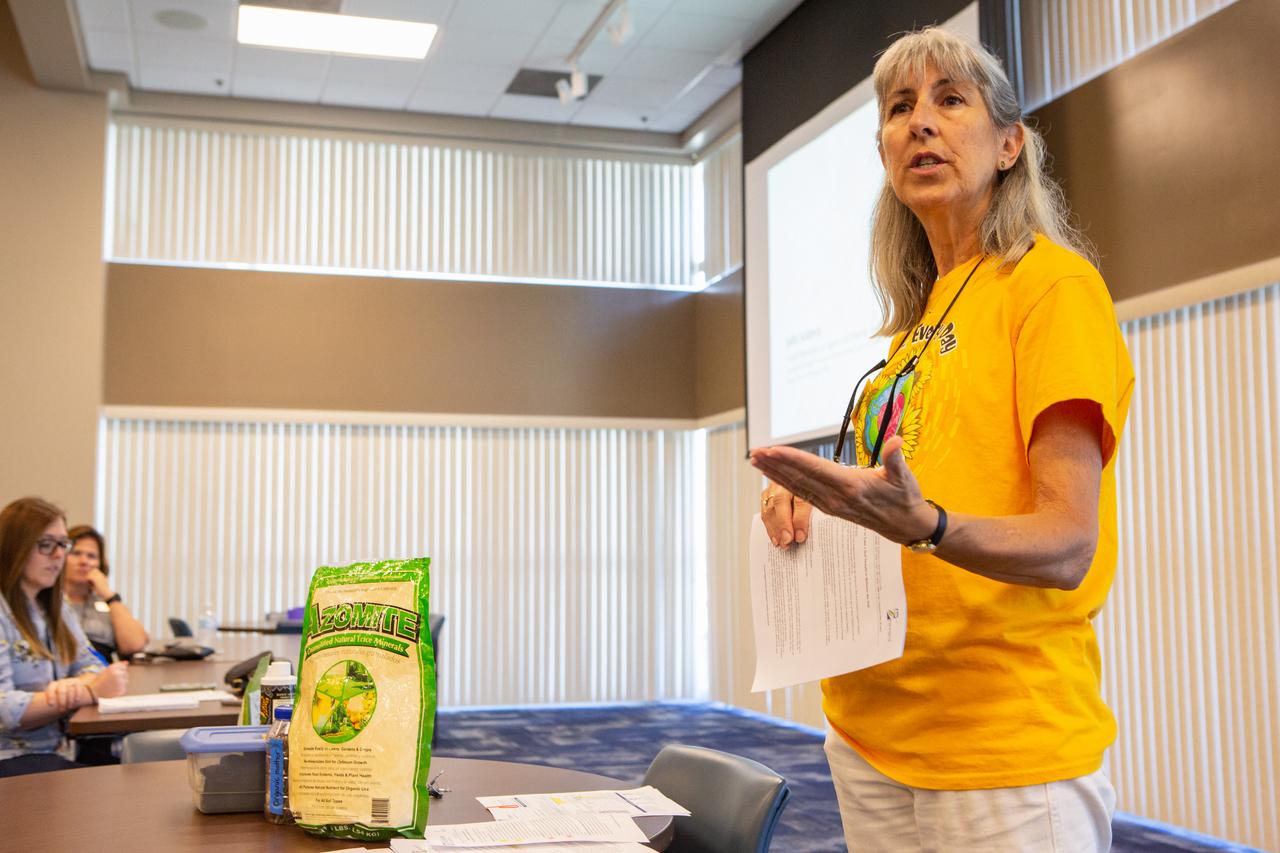
Sally Scalera, urban horticulture agent and master gardener coordinator from the University of Florida’s Institute of Food and Agricultural Sciences Brevard Extension Office, presents some sustainable tips and tricks for a healthy yard and garden to Kennedy Space Center employees on April 24, 2019. Held inside the Florida spaceport’s Space Station Processing Facility Conference Center, Scalera also provided information on Florida-friendly landscaping practices. The lunch and learn was available for employees to attend as part of Kennedy’s Earth Day events.
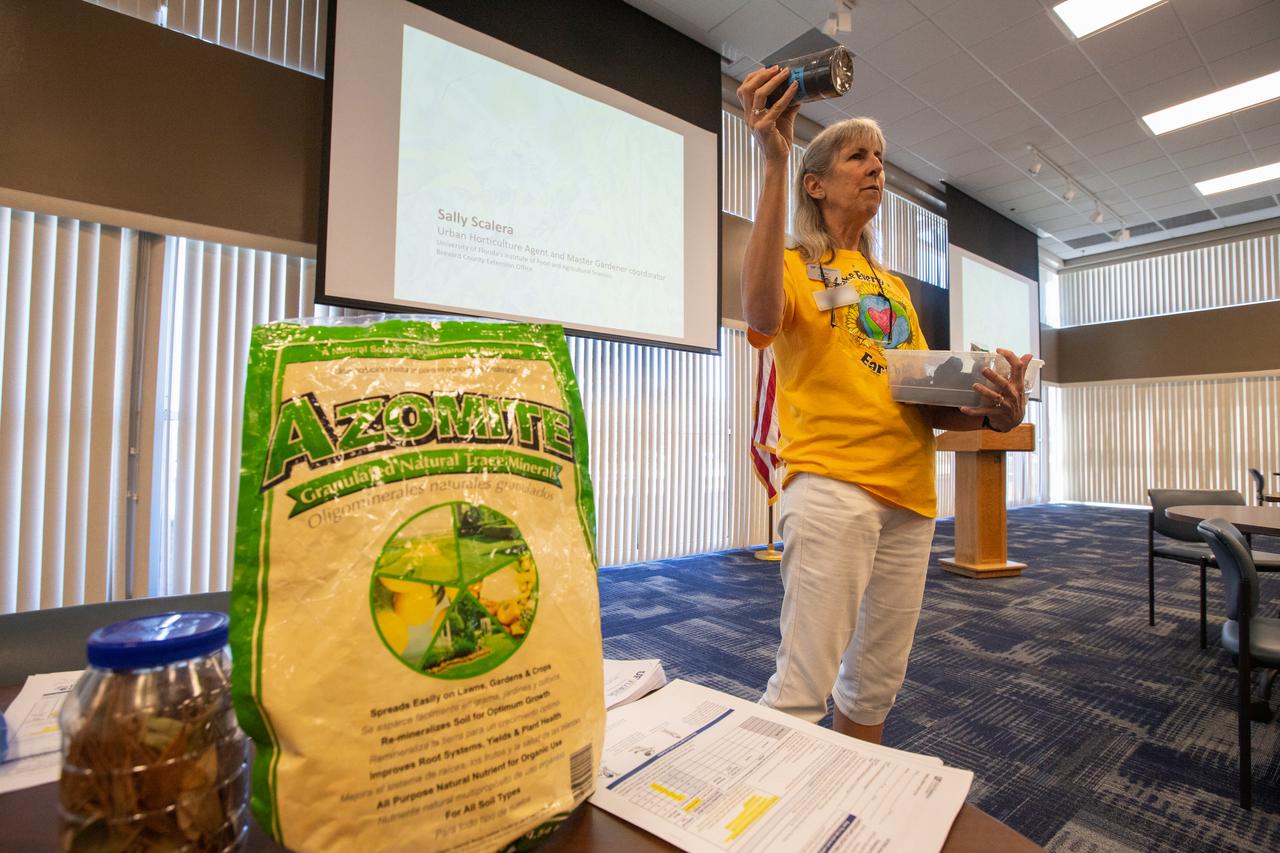
Sally Scalera, urban horticulture agent and master gardener coordinator from the University of Florida’s Institute of Food and Agricultural Sciences Brevard Extension Office, shows Kennedy Space Center employees some sustainable yard products available during her presentation on tips and tricks for a healthy yard and garden on April 24, 2019. Held inside the Florida spaceport’s Space Station Processing Facility Conference Center, Scalera also provided information on Florida-friendly landscaping practices. The lunch and learn was available for employees to attend as part of Kennedy’s Earth Day events.
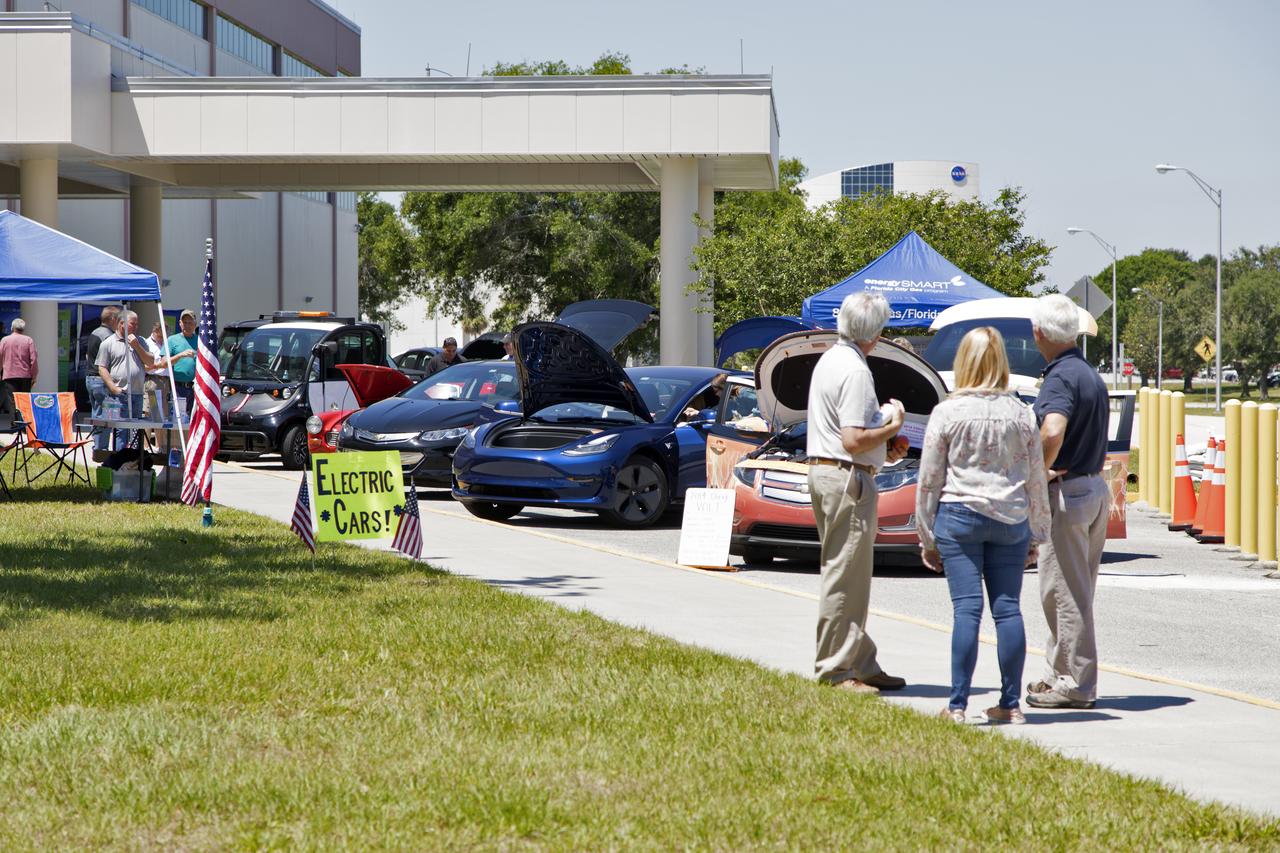
An array of electric vehicles are on display for Kennedy Space Center employees during the center’s annual Earth Day celebration. The two-day event featured approximately 50 exhibitors offering information on a variety of topics, including electric vehicles, sustainable lighting, renewable energy, Florida-friendly landscaping tips, Florida’s biking trails and more.
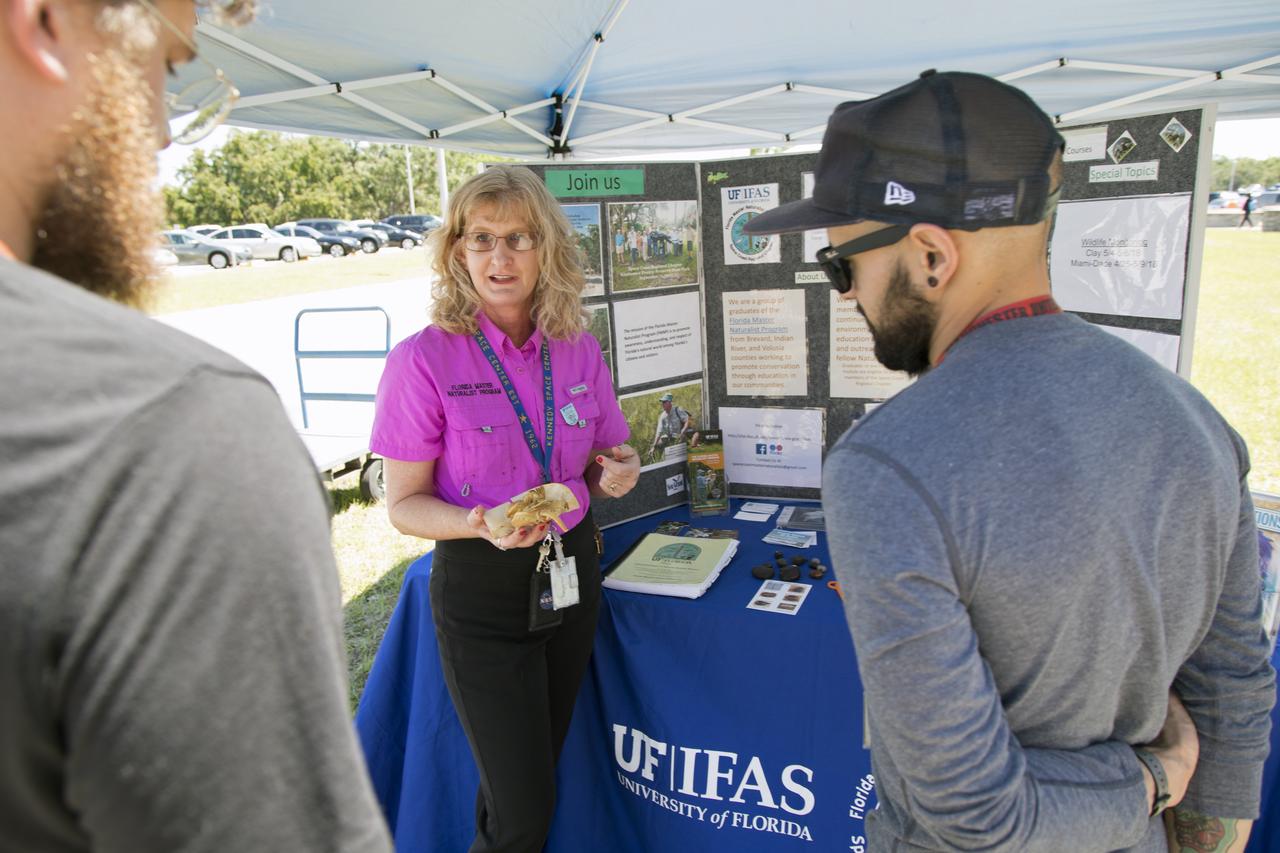
Employees get an up-close look at some Florida marine life during a visit to the University of Florida's Institute of Food and Agricultural Sciences booth at Kennedy Space Center’s annual Earth Day celebration. The two-day event featured approximately 50 exhibitors offering information on a variety of topics, including electric vehicles, sustainable lighting, renewable energy, Florida-friendly landscaping tips, Florida’s biking trails and more.
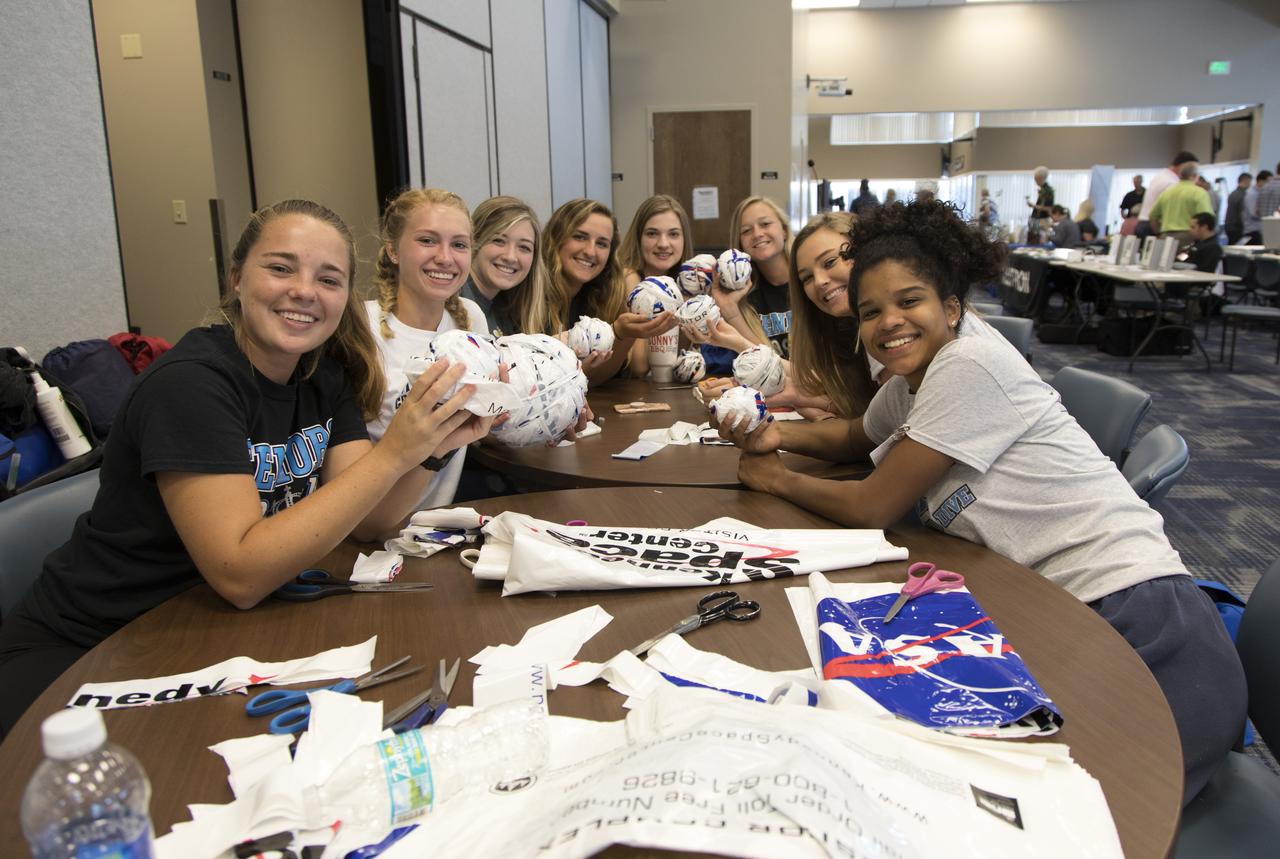
Students from Rockledge High School in Rockledge, Fla., make “plarn” – plastic yarn -- out of used plastic bags during Kennedy Space Center’s annual Earth Day celebration. The plarn was donated to be woven into mats for homeless veterans. The two-day Earth Day event featured approximately 50 exhibitors offering information on a variety of topics, including electric vehicles, sustainable lighting, renewable energy, Florida-friendly landscaping tips, Florida’s biking trails and more.
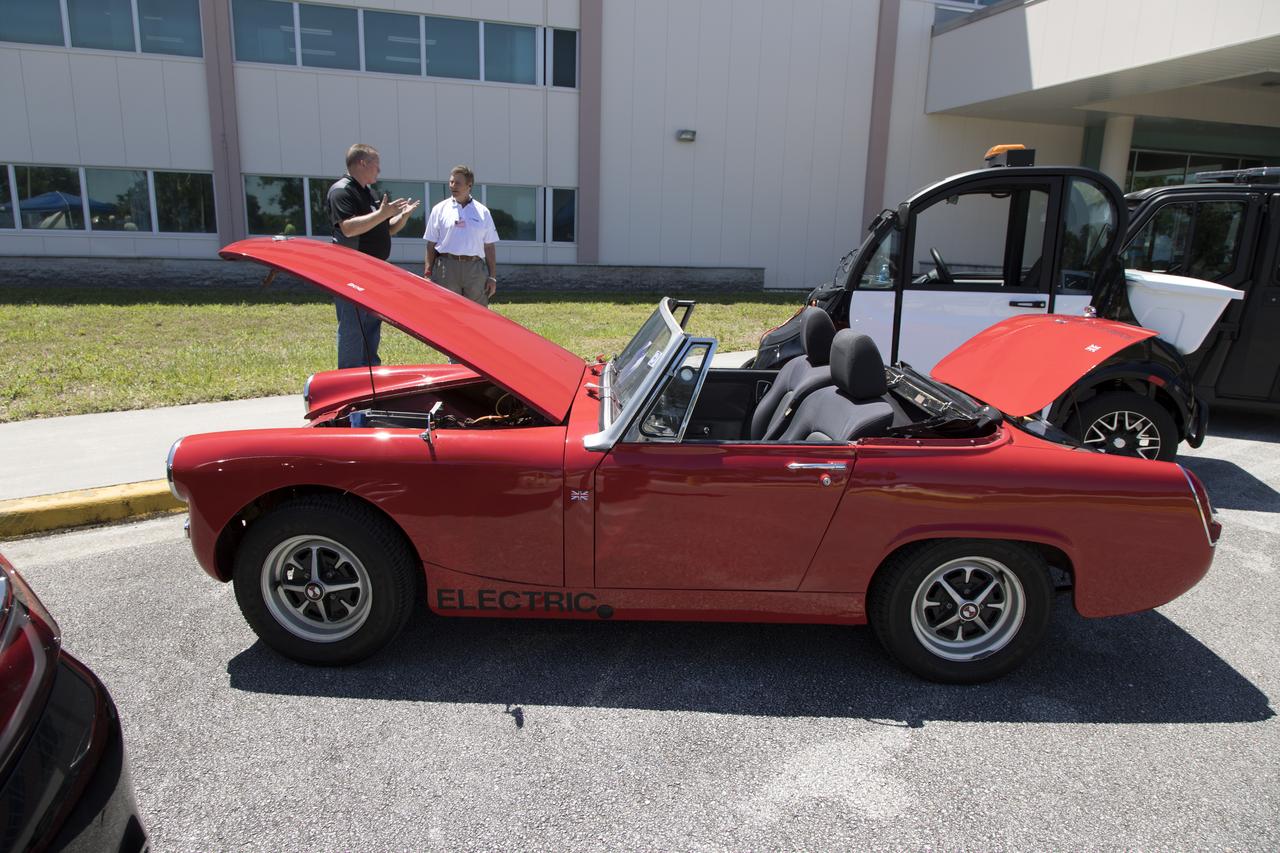
Employees discuss one of the electric vehicles on display during Kennedy Space Center’s annual Earth Day celebration. The two-day event featured approximately 50 exhibitors offering information on a variety of topics, including electric vehicles, sustainable lighting, renewable energy, Florida-friendly landscaping tips, Florida’s biking trails and more.
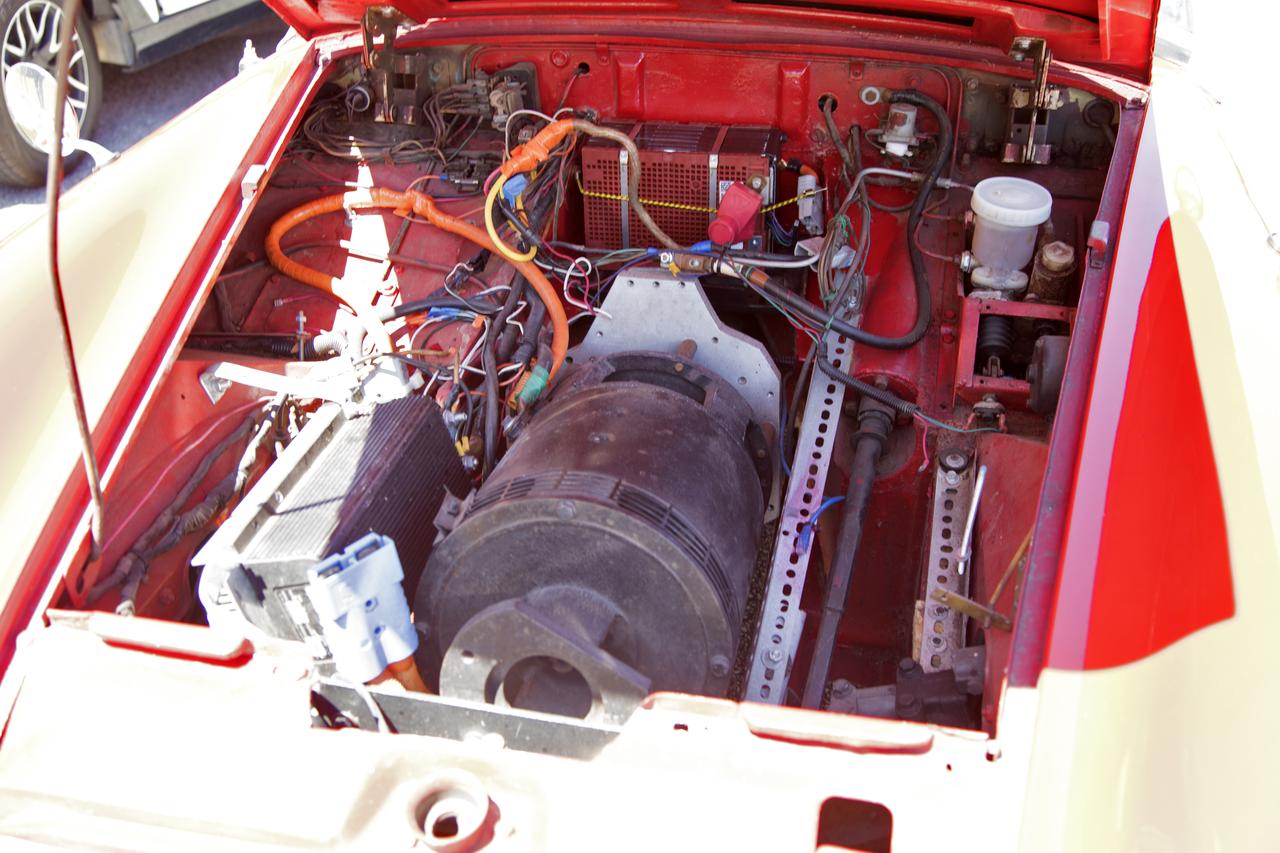
Employees had the opportunity to take a look under the hood of an electric vehicle on display during Kennedy Space Center’s annual Earth Day celebration. The two-day event featured approximately 50 exhibitors offering information on a variety of topics, including electric vehicles, sustainable lighting, renewable energy, Florida-friendly landscaping tips, Florida’s biking trails and more.
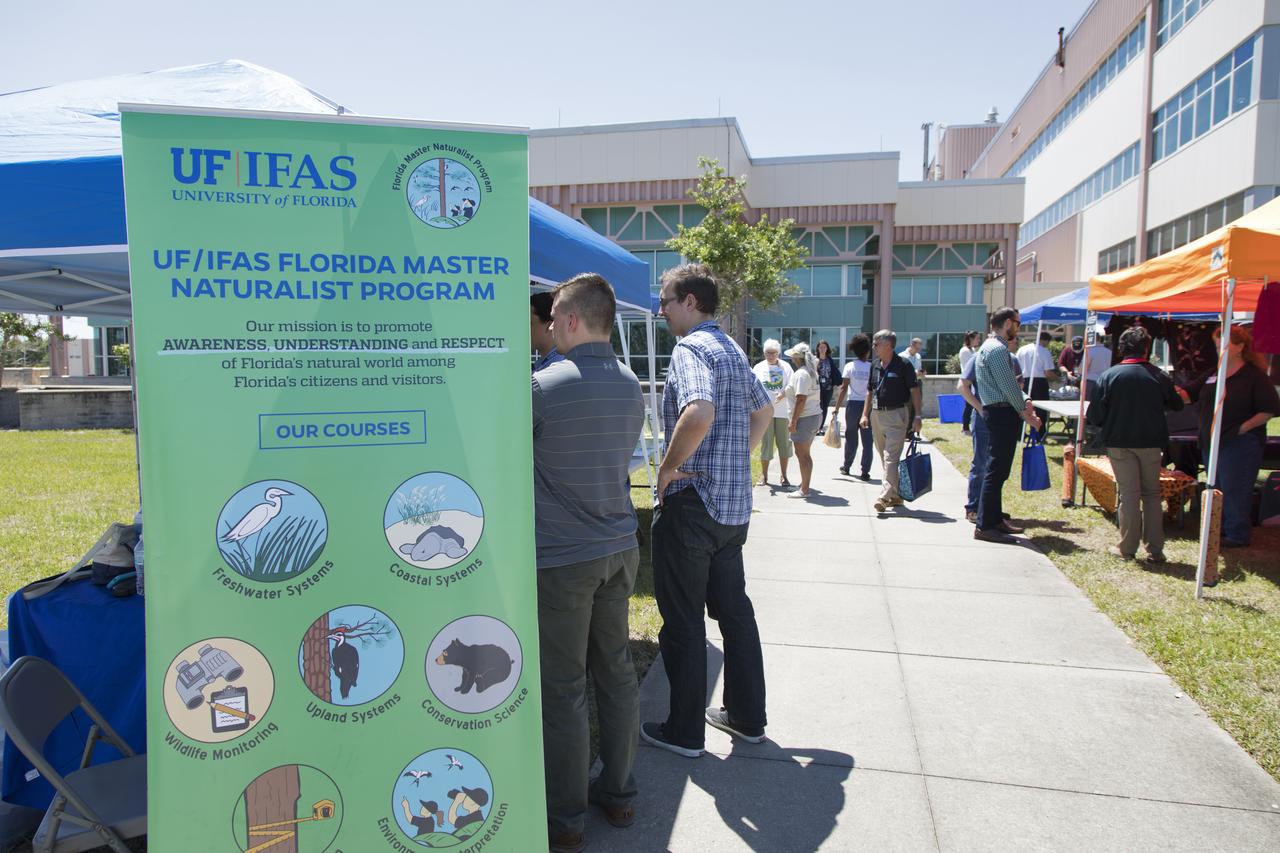
Employees stop by the University of Florida's Institute of Food and Agricultural Sciences booth at Kennedy Space Center’s annual Earth Day celebration. The two-day event featured approximately 50 exhibitors offering information on a variety of topics, including electric vehicles, sustainable lighting, renewable energy, Florida-friendly landscaping tips, Florida’s biking trails and more.
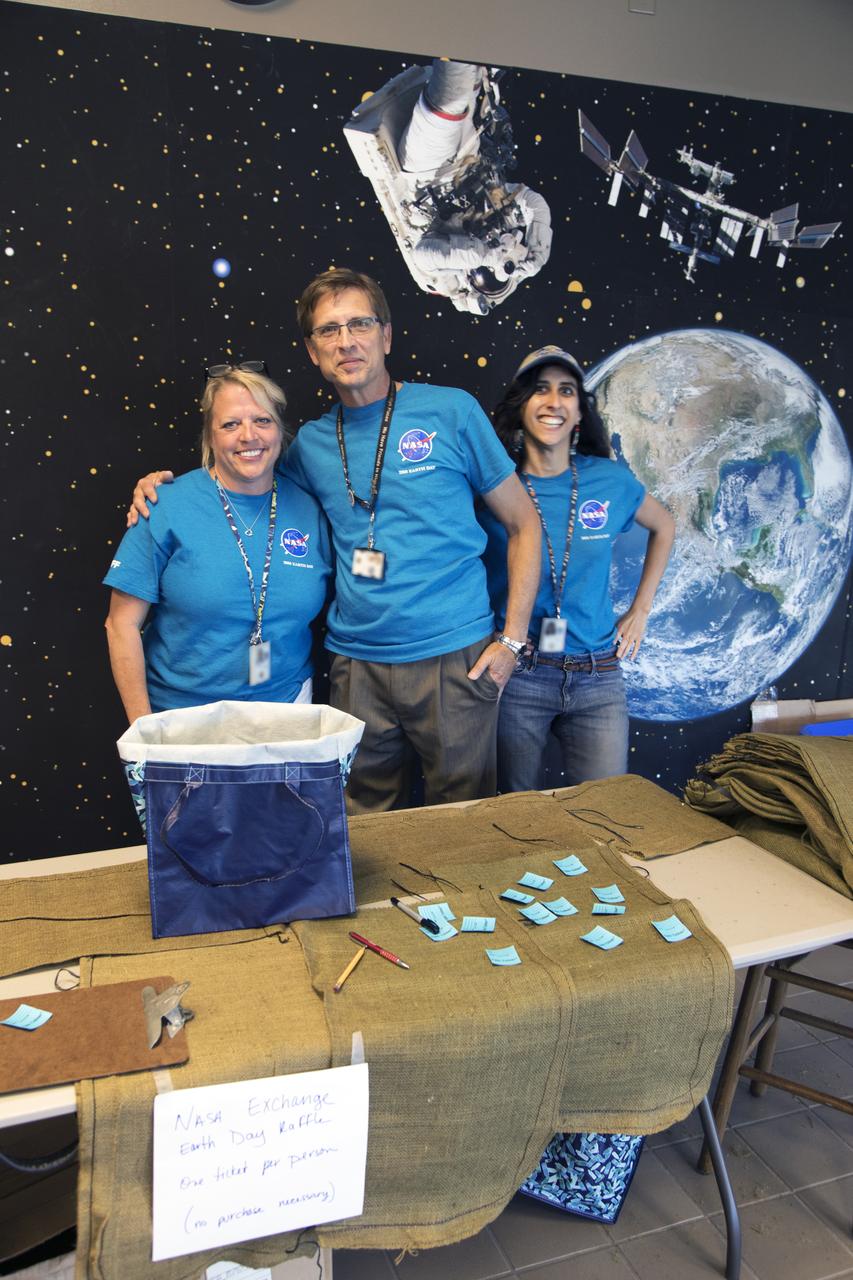
Organizers and volunteers for Kennedy Space Center’s Earth Day celebration gather for a photo at the NASA Exchange raffle booth. From left to right are Jeanne Ryba, Environmental Sustainability program specialist; Robert Smith, Earth Day volunteer; and Natasha Darre, Cultural Resources Specialist. The two-day event featured approximately 50 exhibitors offering information on a variety of topics, including electric vehicles, sustainable lighting, renewable energy, Florida-friendly landscaping tips, Florida’s biking trails and more.
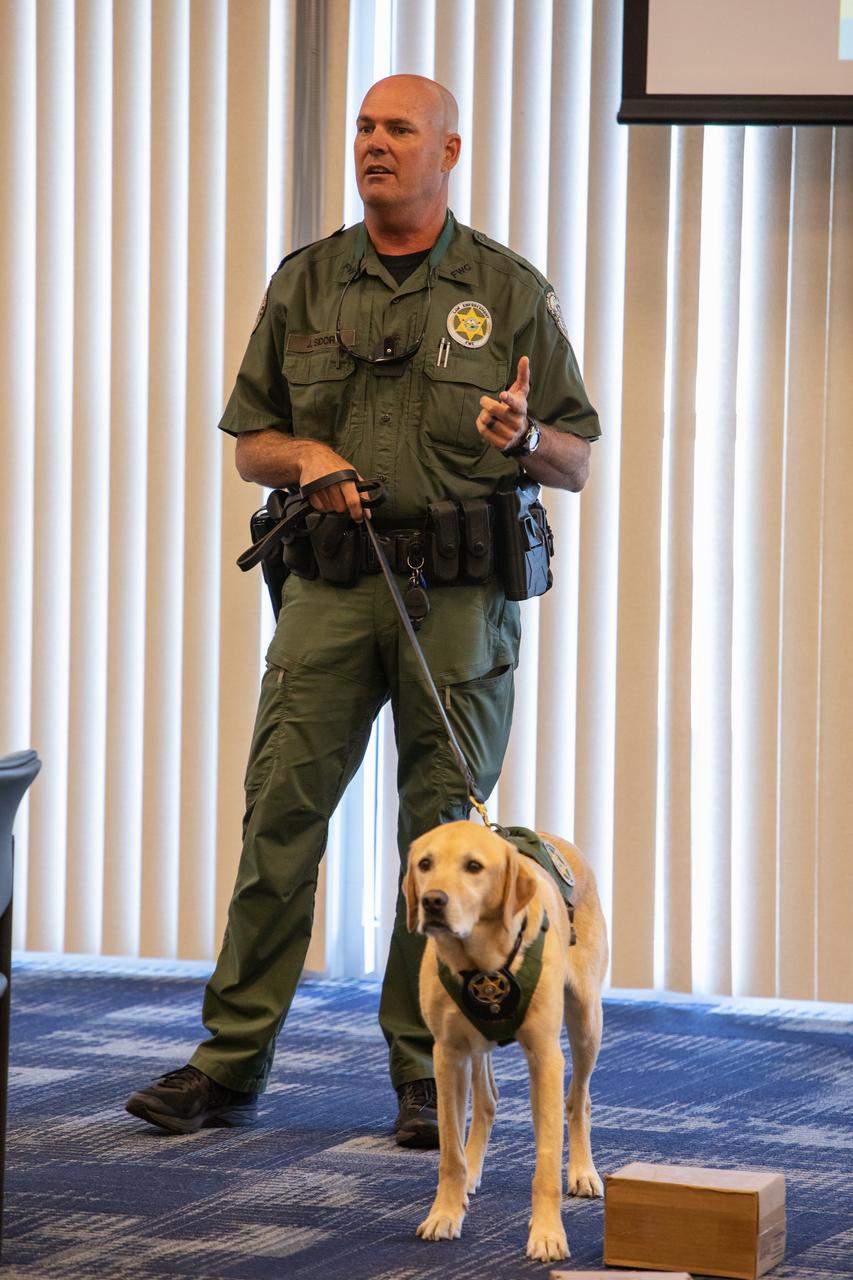
Fish and Wildlife Conservation Commission (FWC) Officer Jeff Sidor presents information on FWC’s Port K9 Program to Kennedy Space Center employees in the Space Station Processing Facility Conference Center on April 23, 2019. Officer Sidor brought a special K9, Harry, to demonstrate how FWC is using specially trained dogs in airports, seaports and mail facilities to detect illegal and invasive fish and wildlife species shipping into Florida. The demonstration involved Harry distinguishing which box, among many, contained a turtle shell. This lunch and learn was available for employees to attend as part of Kennedy’s Earth Day events.
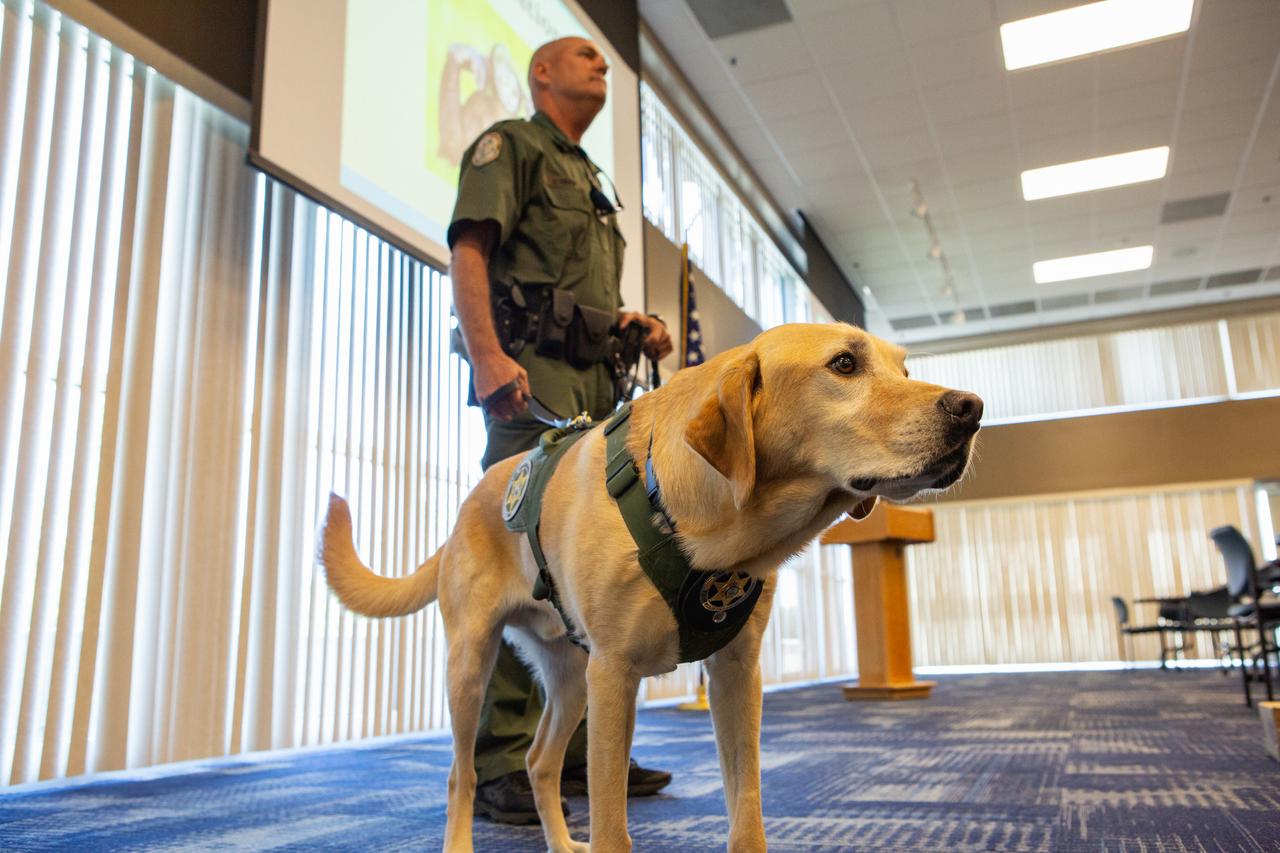
Fish and Wildlife Conservation Commission (FWC) Officer Jeff Sidor presents information on FWC’s Port K9 Program to Kennedy Space Center employees in the Space Station Processing Facility Conference Center on April 23, 2019. Officer Sidor brought a special K9, Harry, to demonstrate how FWC is using specially trained dogs in airports, seaports and mail facilities to detect illegal and invasive fish and wildlife species shipping into Florida. The demonstration involved Harry distinguishing which box, among many, contained a turtle shell. This lunch and learn was available for employees to attend as part of Kennedy’s Earth Day events.

Inside Kennedy Space Center’s Space Station Processing Facility Conference Center, Fish and Wildlife Conservation Commission’s (FWC) Officer Jeff Sidor and K9 Harry demonstrate how specially trained dogs are used to detect illegal and invasive fish and wildlife species shipping into Florida. The demonstration, held April 23, 2019, involved Harry distinguishing which box, among many, contained a turtle shell. Prior to the demonstration, Officer Sidor presented information on FWC’s Port K9 Program to Kennedy employees. This lunch and learn was available for employees to attend as part of Kennedy’s Earth Day events.
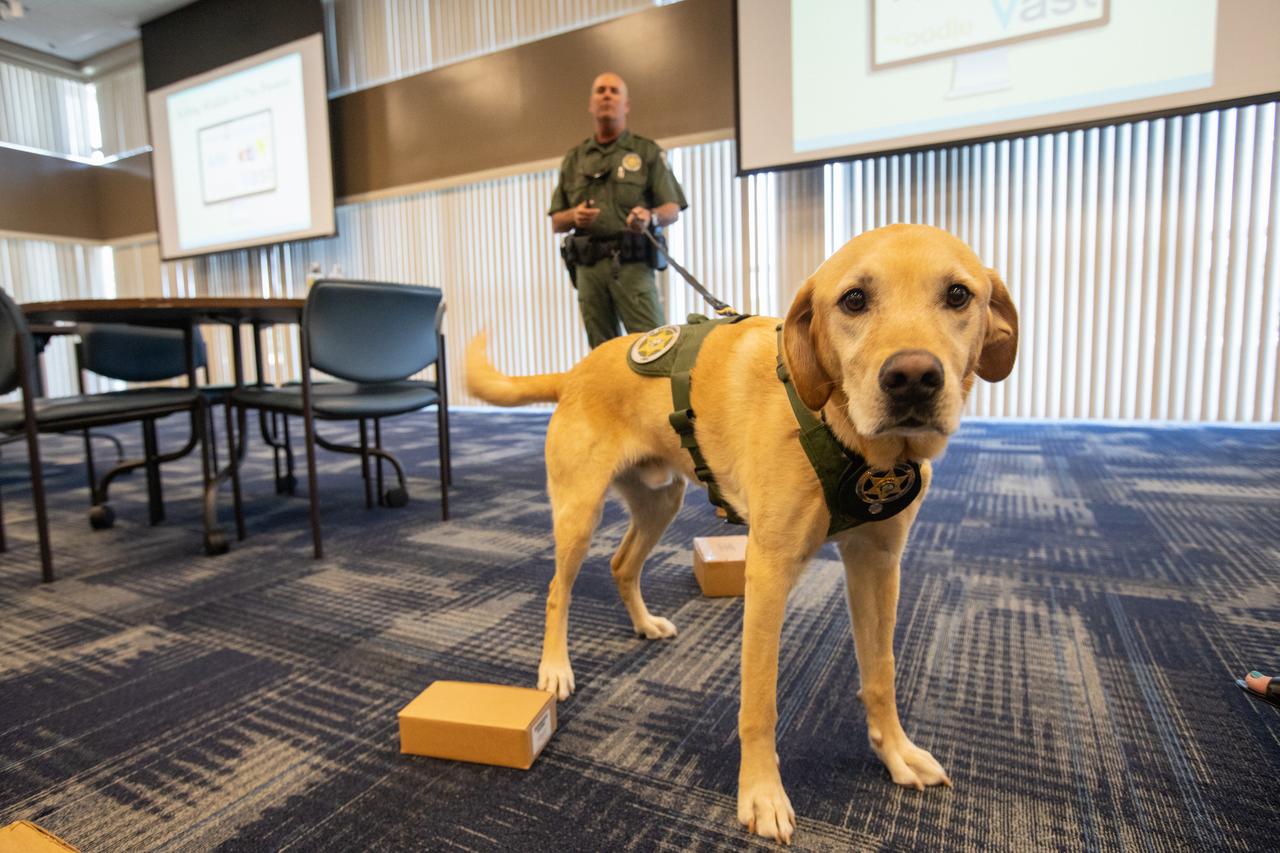
Fish and Wildlife Conservation Commission (FWC) Officer Jeff Sidor presents information on FWC’s Port K9 Program to Kennedy Space Center employees in the Space Station Processing Facility Conference Center on April 23, 2019. Officer Sidor brought a special K9, Harry, to demonstrate how FWC is using specially trained dogs in airports, seaports and mail facilities to detect illegal and invasive fish and wildlife species shipping into Florida. The demonstration involved Harry distinguishing which box, among many, contained a turtle shell. This lunch and learn was available for employees to attend as part of Kennedy’s Earth Day events.
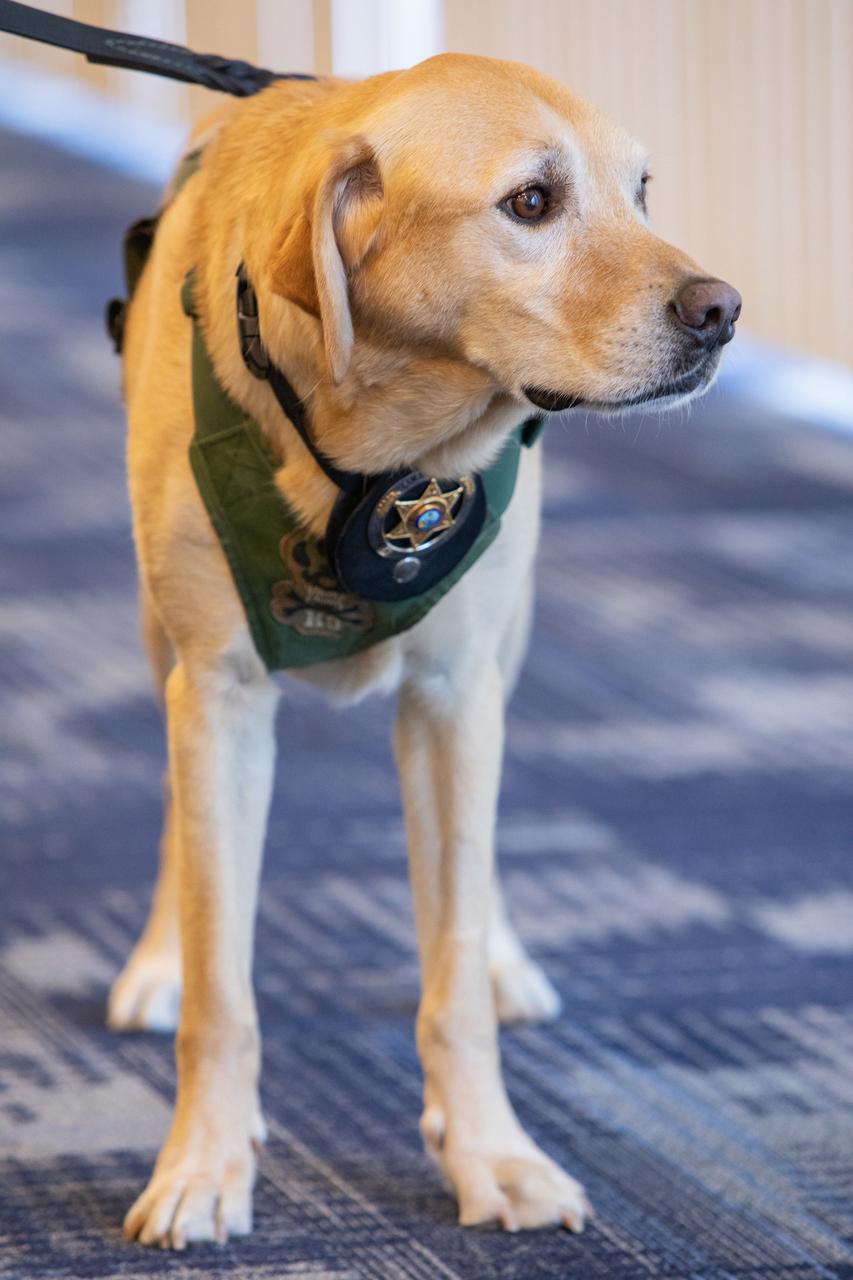
Fish and Wildlife Conservation Commission’s (FWC) Port K9, Harry, stands in Kennedy Space Center’s Space Station Processing Facility Conference Center. FWC Officer Jeff Sidor presented information on the commission’s Port K9 Program to Kennedy employees on April 23, 2019, and brought Harry along for a demonstration. Following the presentation, Officer Sidor demonstrated how FWC is using specially trained dogs such as Harry in airports, seaports and mail facilities to detect illegal and invasive fish and wildlife species shipping into Florida. The demonstration involved Harry distinguishing which box, among many, contained a turtle shell. This lunch and learn was available for employees to attend as part of Kennedy’s Earth Day events.
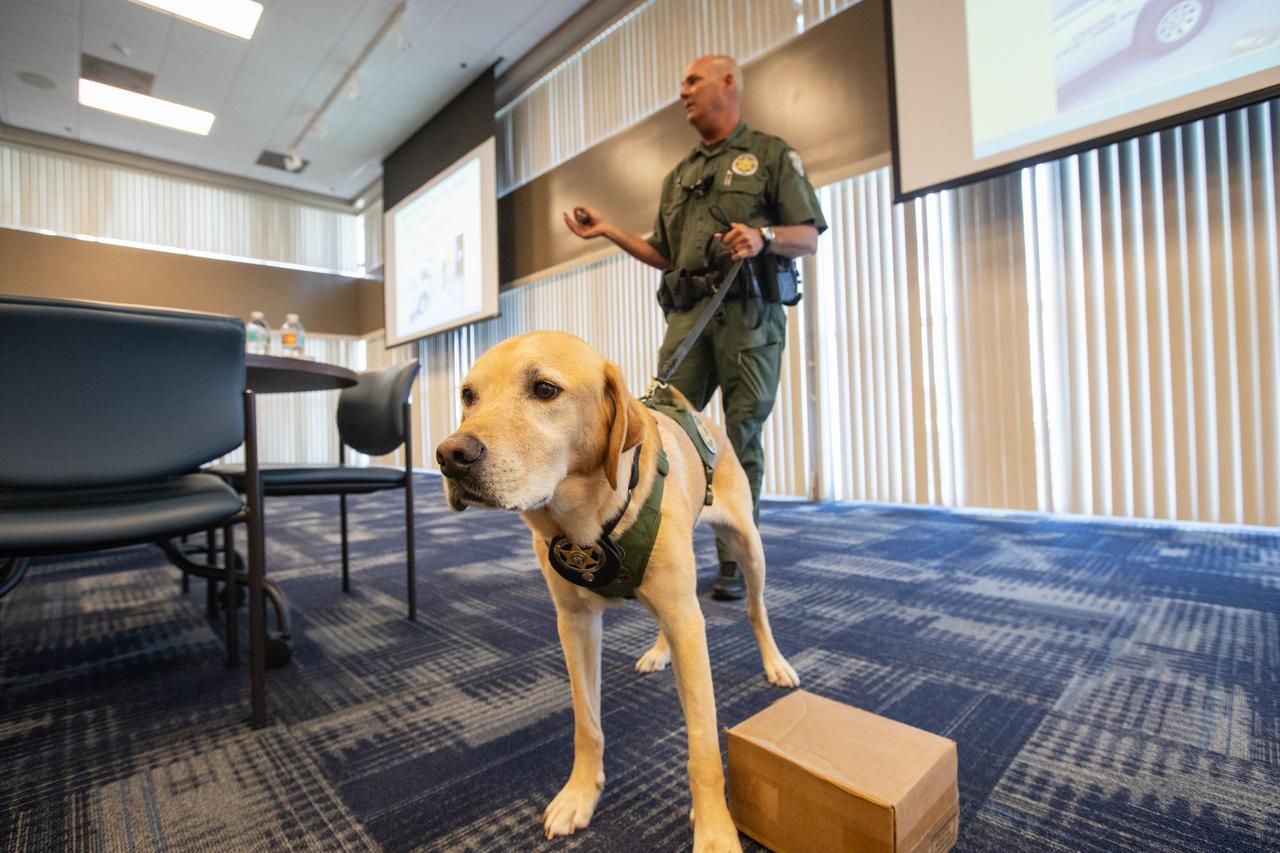
Fish and Wildlife Conservation Commission (FWC) Officer Jeff Sidor presents information on FWC’s Port K9 Program to Kennedy Space Center employees in the Space Station Processing Facility Conference Center on April 23, 2019. Officer Sidor brought a special K9, Harry, to demonstrate how FWC is using specially trained dogs in airports, seaports and mail facilities to detect illegal and invasive fish and wildlife species shipping into Florida. This lunch and learn was available for employees to attend as part of Kennedy’s Earth Day events.
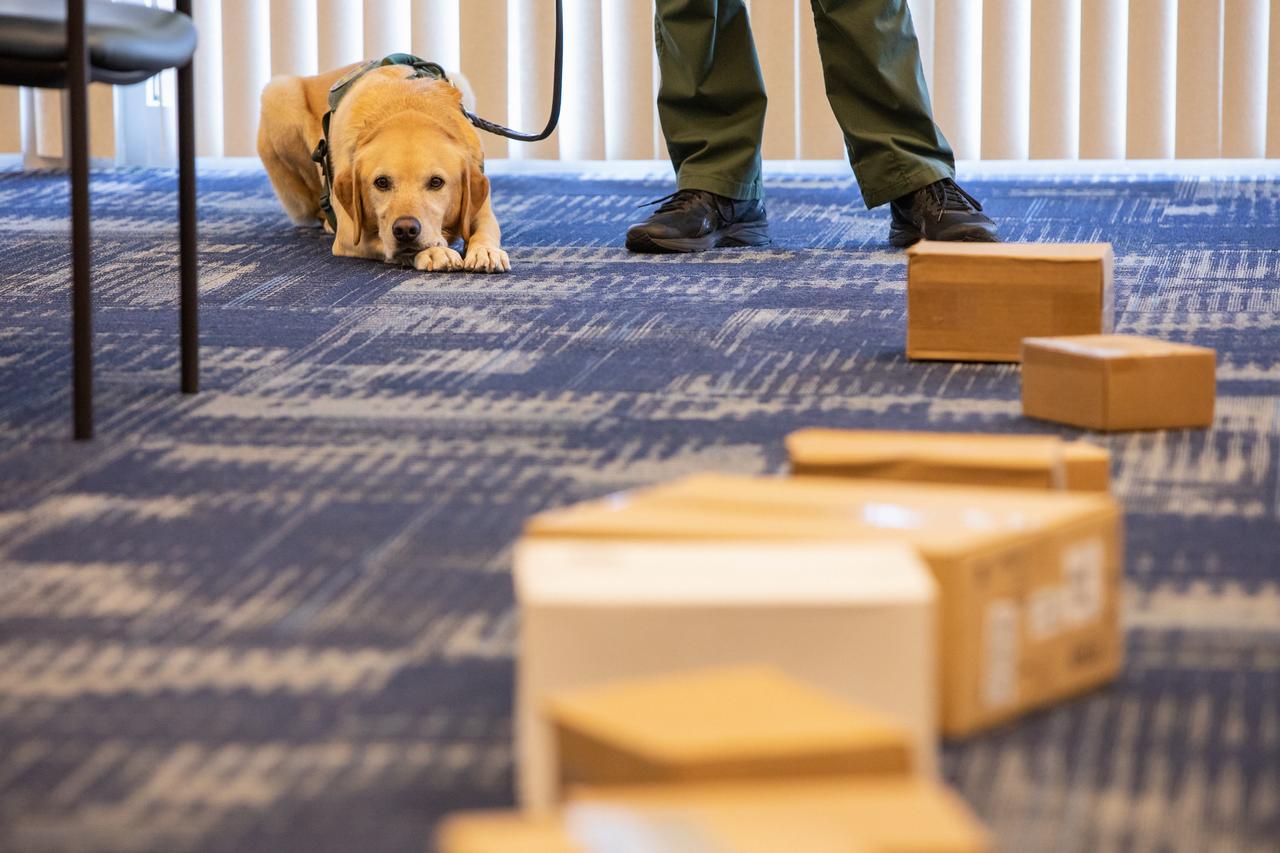
Fish and Wildlife Conservation Commission (FWC) K9 Harry rests during FWC Officer Jeff Sidor’s presentation on the commission’s Port K9 Program to Kennedy Space Center employees on April 23, 2019. Following the presentation in the Florida spaceport’s Space Station Processing Facility Conference Center, Officer Sidor demonstrated how FWC is using specially trained dogs such as Harry in airports, seaports and mail facilities to detect illegal and invasive fish and wildlife species shipping into Florida. The demonstration involved Harry distinguishing which box, among many, contained a turtle shell. This lunch and learn was available for employees to attend as part of Kennedy’s Earth Day events.
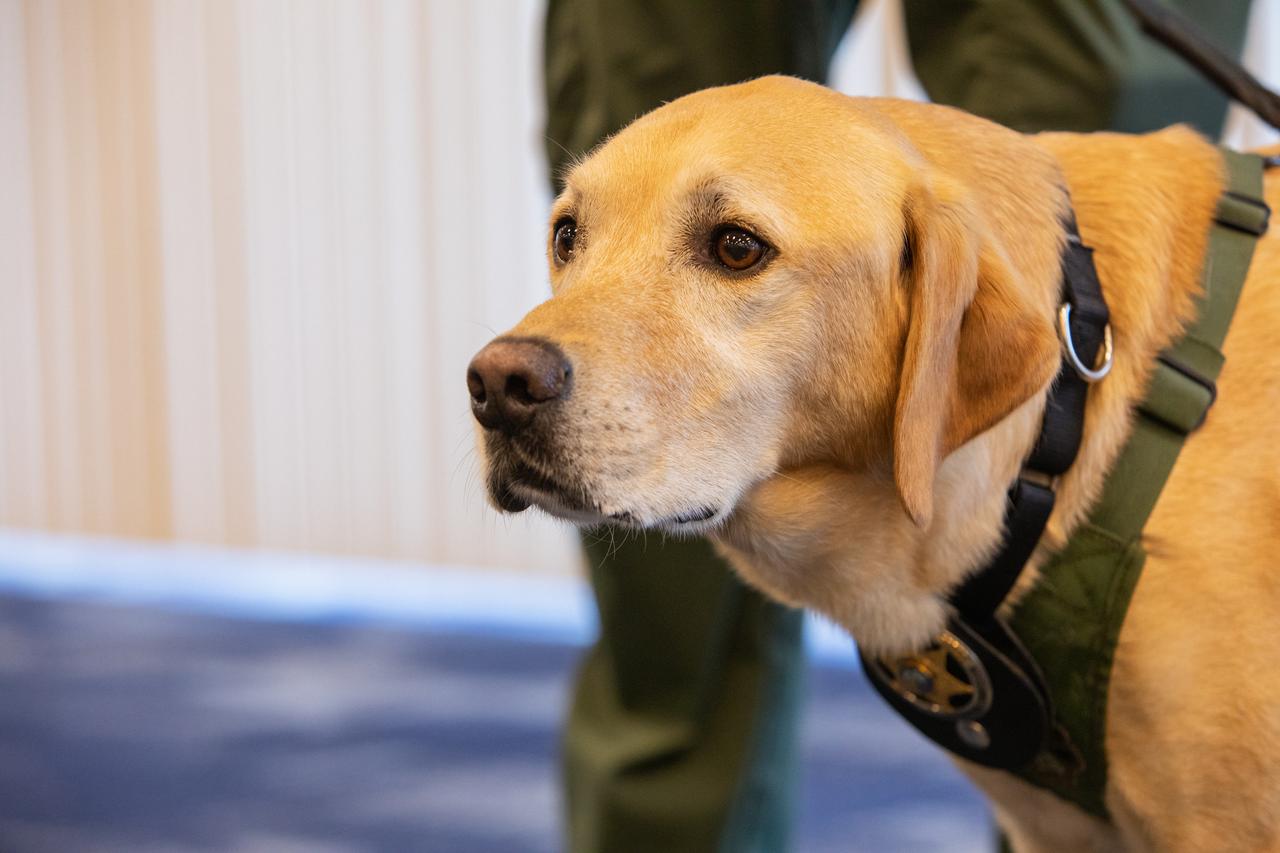
Fish and Wildlife Conservation Commission’s (FWC) Port K9, Harry, stands in Kennedy Space Center’s Space Station Processing Facility Conference Center. FWC Officer Jeff Sidor presented information on the commission’s Port K9 Program to Kennedy employees on April 23, 2019, and brought Harry along for a demonstration. Following the presentation, Officer Sidor demonstrated how FWC is using specially trained dogs such as Harry in airports, seaports and mail facilities to detect illegal and invasive fish and wildlife species shipping into Florida. The demonstration involved Harry distinguishing which box, among many, contained a turtle shell. This lunch and learn was available for employees to attend as part of Kennedy’s Earth Day events.
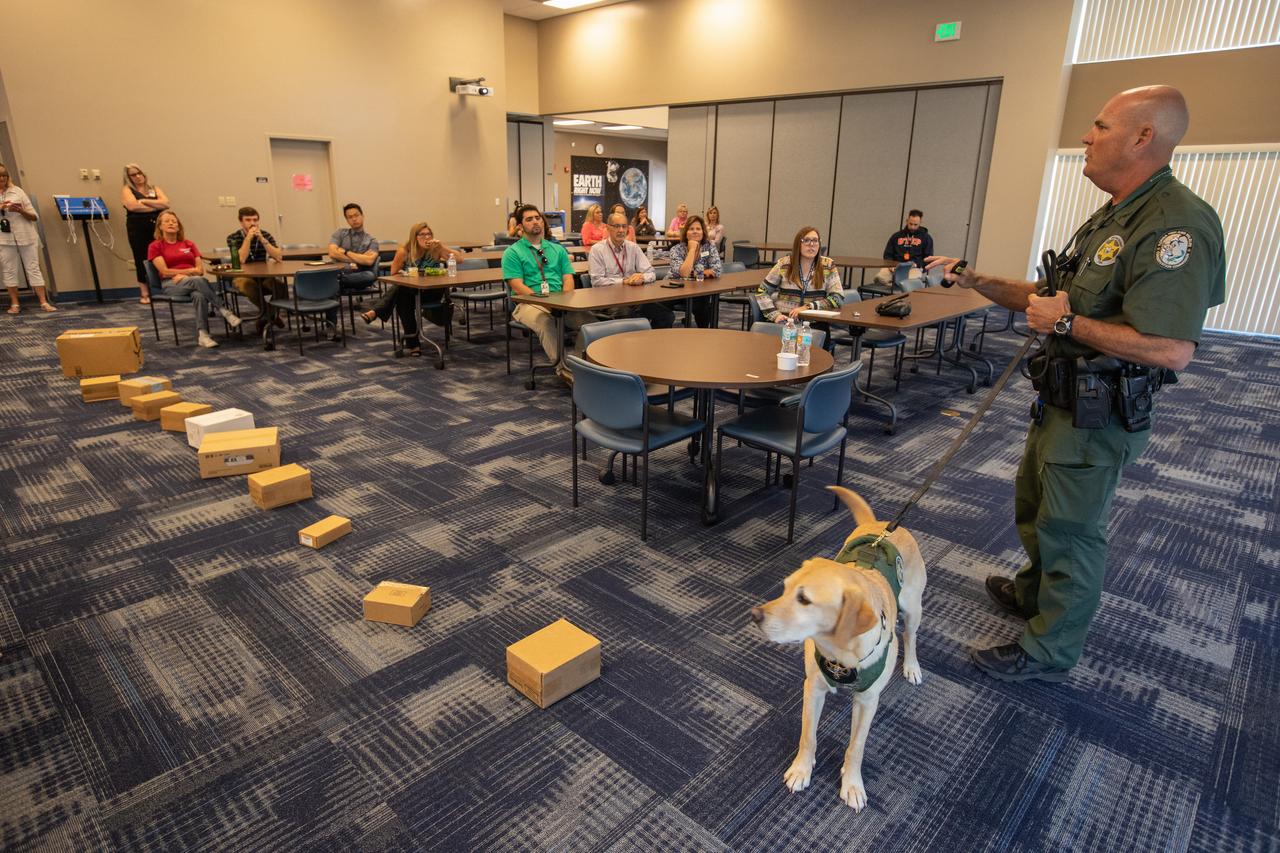
Fish and Wildlife Conservation Commission (FWC) Officer Jeff Sidor presents information on FWC’s Port K9 Program to Kennedy Space Center employees in the Space Station Processing Facility Conference Center on April 23, 2019. Officer Sidor brought a special K9, Harry, to demonstrate how FWC is using specially trained dogs in airports, seaports and mail facilities to detect illegal and invasive fish and wildlife species shipping into Florida. This lunch and learn was available for employees to attend as part of Kennedy’s Earth Day events.

Fish and Wildlife Conservation Commission’s (FWC) Port K9, Harry, lies inside Kennedy Space Center’s Space Station Processing Facility Conference Center. FWC Officer Jeff Sidor presented information on the commission’s Port K9 Program to Kennedy employees on April 23, 2019, and brought Harry along for a demonstration. Following the presentation, Officer Sidor demonstrated how FWC is using specially trained dogs such as Harry in airports, seaports and mail facilities to detect illegal and invasive fish and wildlife species shipping into Florida. The demonstration involved Harry distinguishing which box, among many, contained a turtle shell. This lunch and learn was available for employees to attend as part of Kennedy’s Earth Day events.
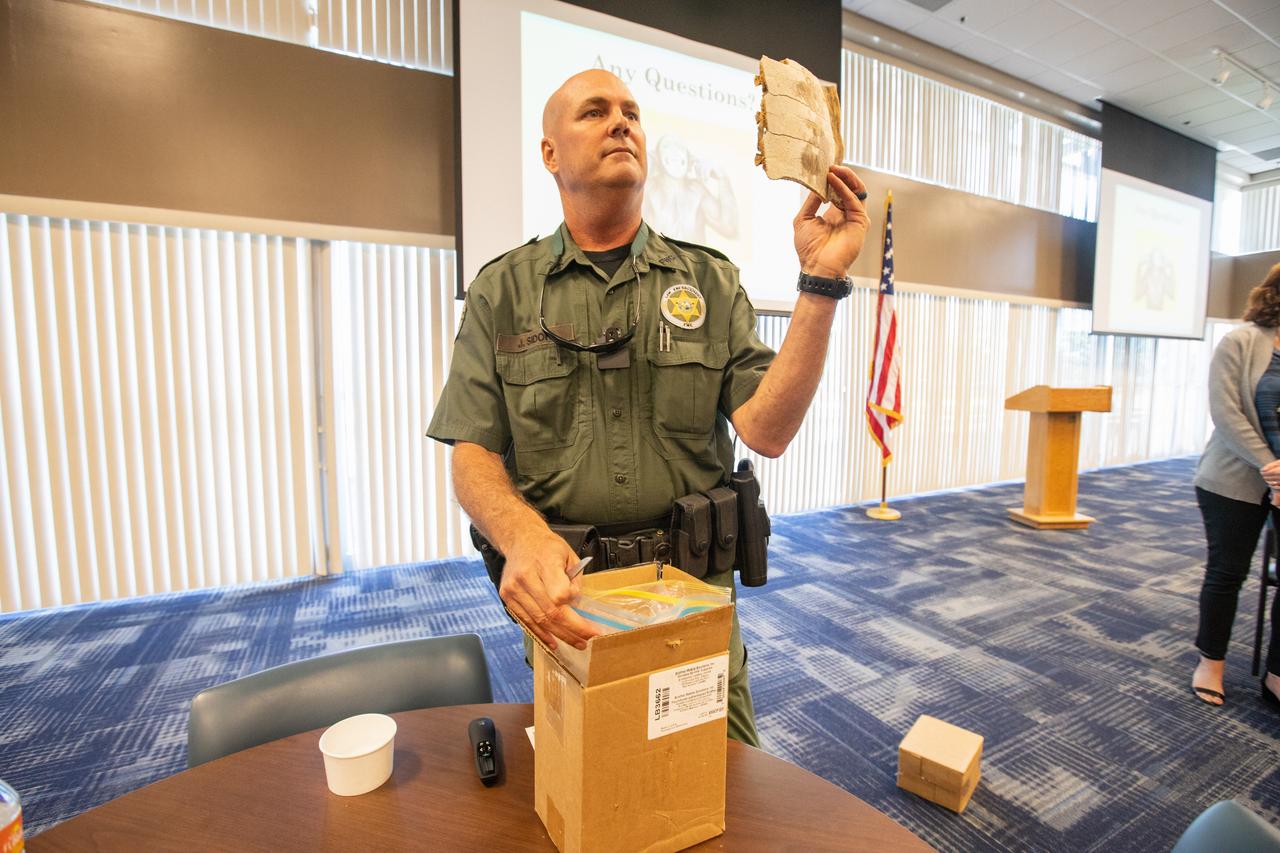
Fish and Wildlife Conservation Commission (FWC) Officer Jeff Sidor holds up a piece of turtle shell during a presentation and demonstration to Kennedy Space Center employees in the Space Station Processing Facility Conference Center on April 23, 2019. Officer Sidor brought a special K9, Harry, to demonstrate how FWC is using specially trained dogs in airports, seaports and mail facilities to detect illegal and invasive fish and wildlife species shipping into Florida. The demonstration involved Harry distinguishing which box, among many, contained the turtle shell. This lunch and learn was available for employees to attend as part of Kennedy’s Earth Day events.
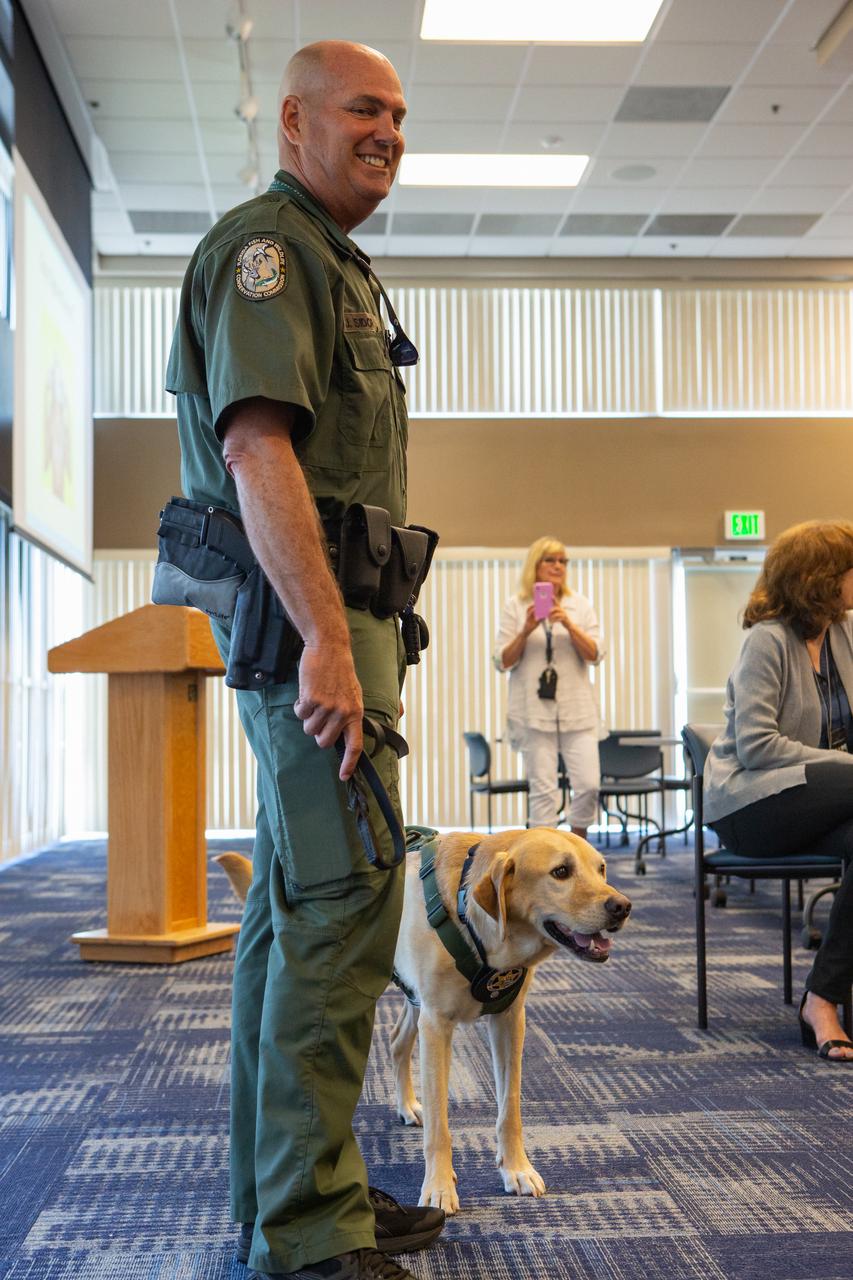
Fish and Wildlife Conservation Commission (FWC) Officer Jeff Sidor presents information on FWC’s Port K9 Program to Kennedy Space Center employees in the Space Station Processing Facility Conference Center on April 23, 2019. Officer Sidor brought a special K9, Harry, to demonstrate how FWC is using specially trained dogs in airports, seaports and mail facilities to detect illegal and invasive fish and wildlife species shipping into Florida. The demonstration involved Harry distinguishing which box, among many, contained a turtle shell. This lunch and learn was available for employees to attend as part of Kennedy’s Earth Day events.
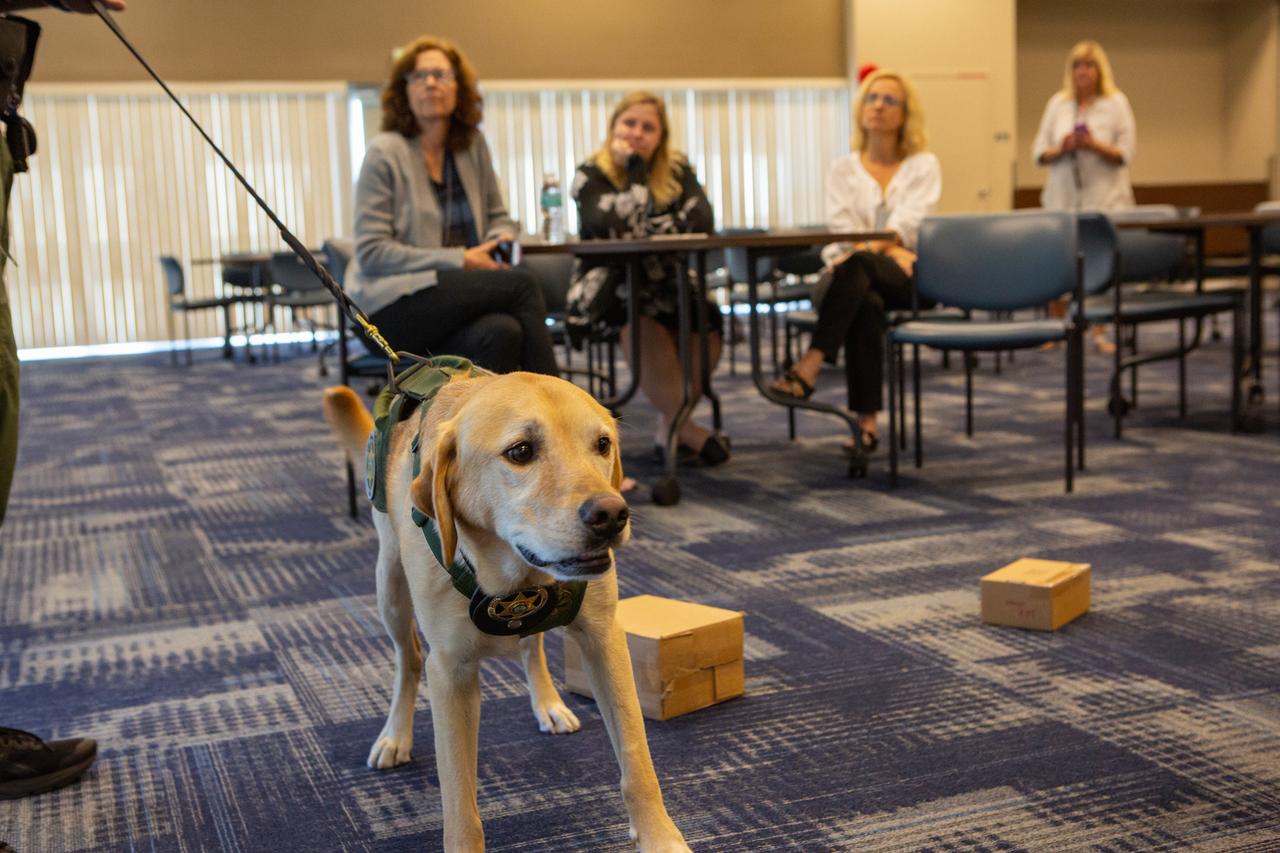
Fish and Wildlife Conservation Commission’s (FWC) Port K9, Harry, stands in Kennedy Space Center’s Space Station Processing Facility Conference Center. FWC Officer Jeff Sidor presented information on the commission’s Port K9 Program to Kennedy employees on April 23, 2019, and brought Harry along for a demonstration. Following the presentation, Officer Sidor demonstrated how FWC is using specially trained dogs such as Harry in airports, seaports and mail facilities to detect illegal and invasive fish and wildlife species shipping into Florida. The demonstration involved Harry distinguishing which box, among many, contained a turtle shell. This lunch and learn was available for employees to attend as part of Kennedy’s Earth Day events.
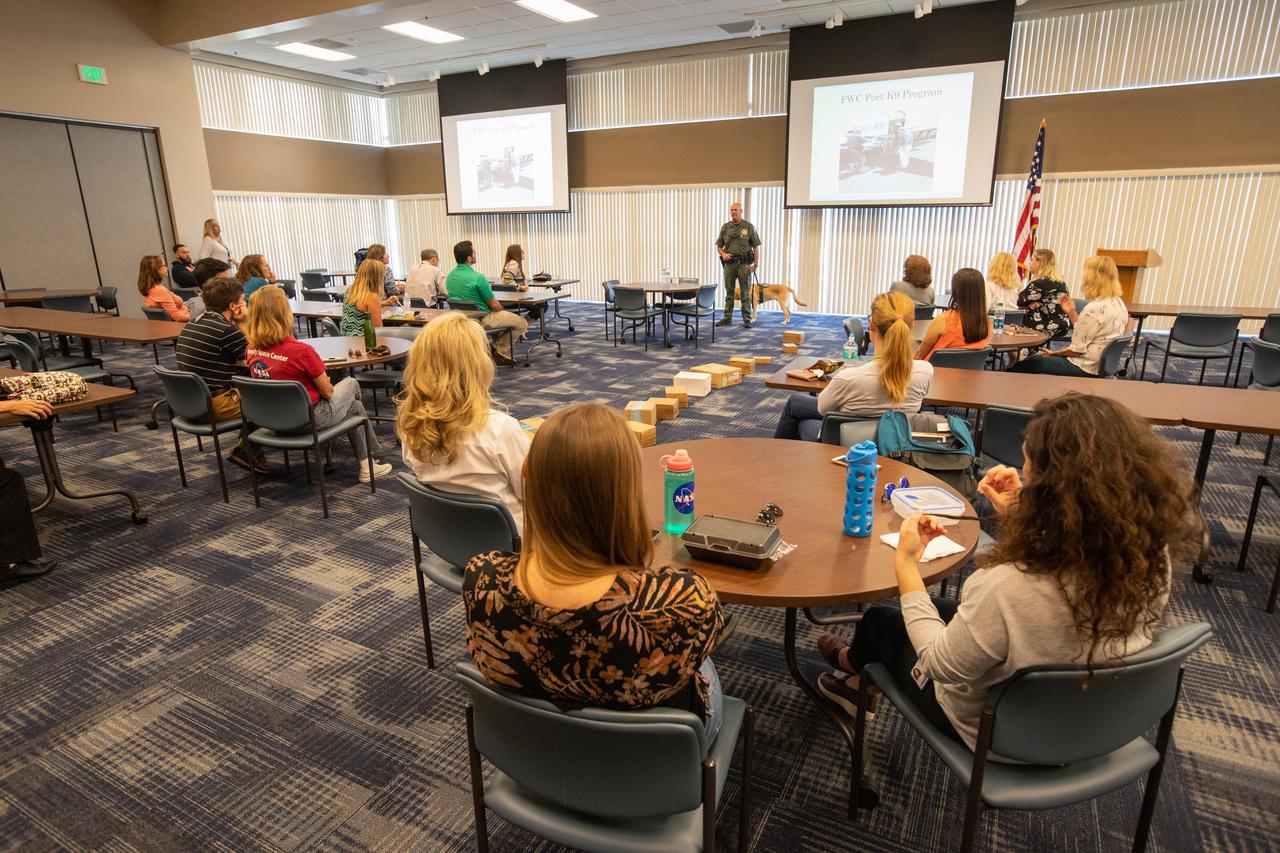
Fish and Wildlife Conservation Commission (FWC) Officer Jeff Sidor presents information on FWC’s Port K9 Program to Kennedy Space Center employees in the Space Station Processing Facility Conference Center on April 23, 2019. Officer Sidor brought a special K9, Harry, to demonstrate how FWC is using specially trained dogs in airports, seaports and mail facilities to detect illegal and invasive fish and wildlife species shipping into Florida. This lunch and learn was available for employees to attend as part of Kennedy’s Earth Day events.
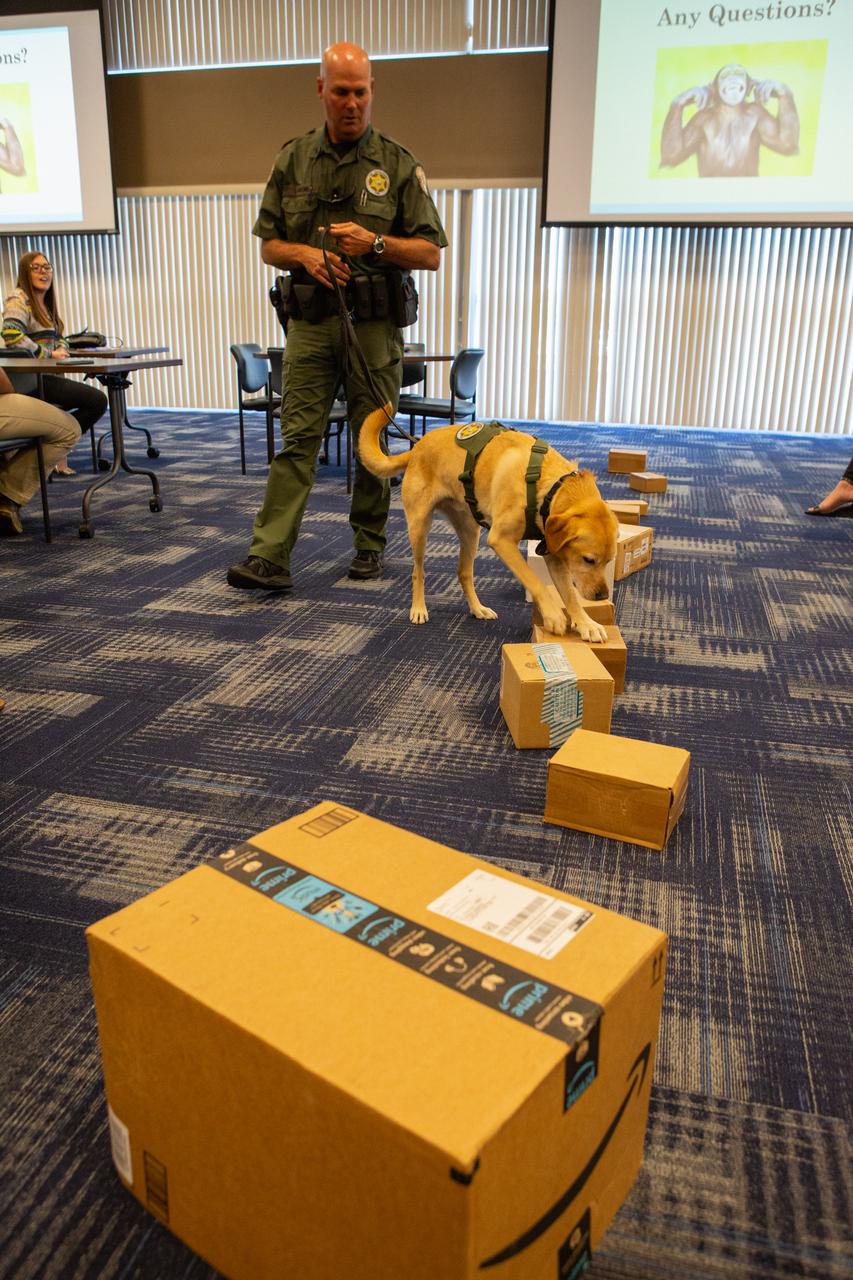
Inside Kennedy Space Center’s Space Station Processing Facility Conference Center, Fish and Wildlife Conservation Commission’s (FWC) Officer Jeff Sidor and K9 Harry demonstrate how specially trained dogs are used to detect illegal and invasive fish and wildlife species shipping into Florida. The demonstration, held April 23, 2019, involved Harry distinguishing which box, among many, contained a turtle shell. Prior to the demonstration, Officer Sidor presented information on FWC’s Port K9 Program to Kennedy employees. This lunch and learn was available for employees to attend as part of Kennedy’s Earth Day events.
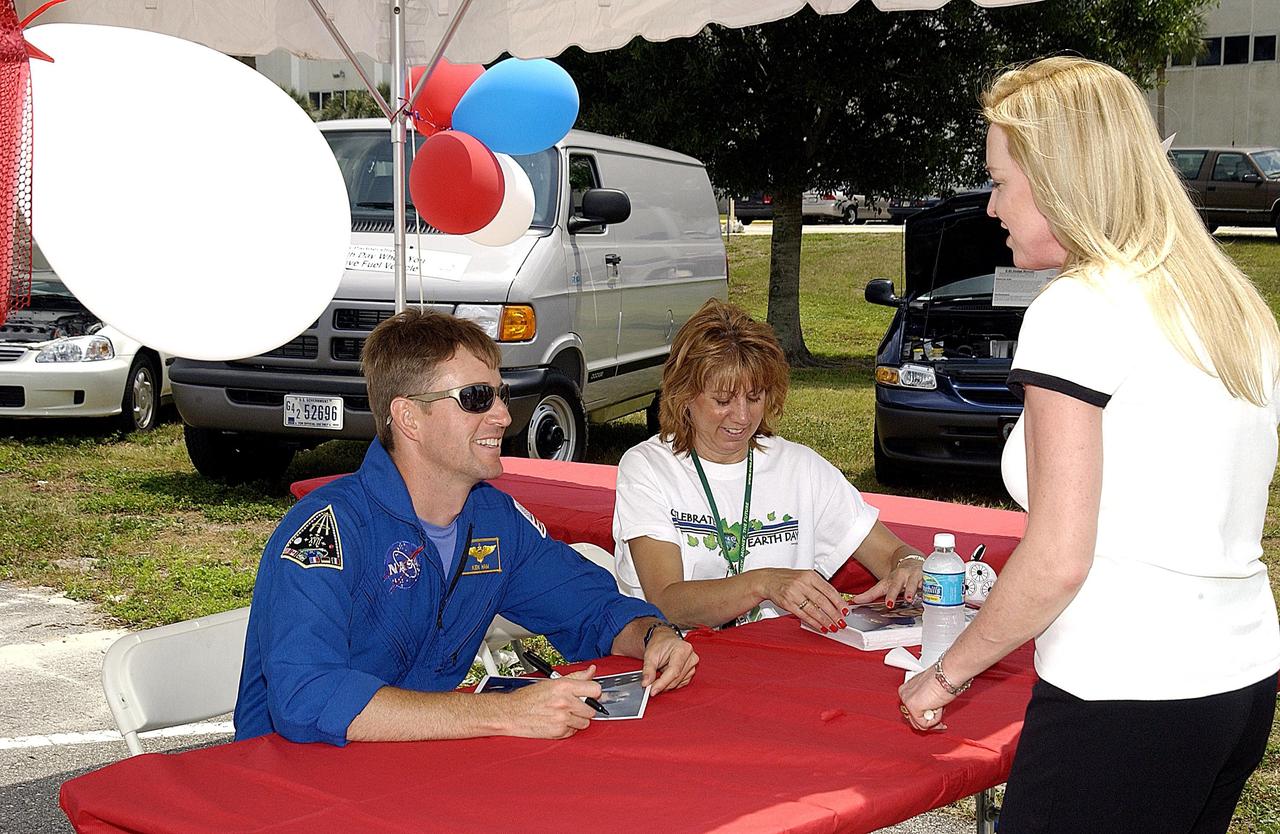
KENNEDY SPACE CENTER, FLA. - During Energy and Awareness Week, astronaut Kenneth Ham autographs a photo for an employee (right). Ham is one of two astronauts celebrating Earth Day with KSC. The other is Mark Polansky. The two-day event was held April 22-23 around the Center.
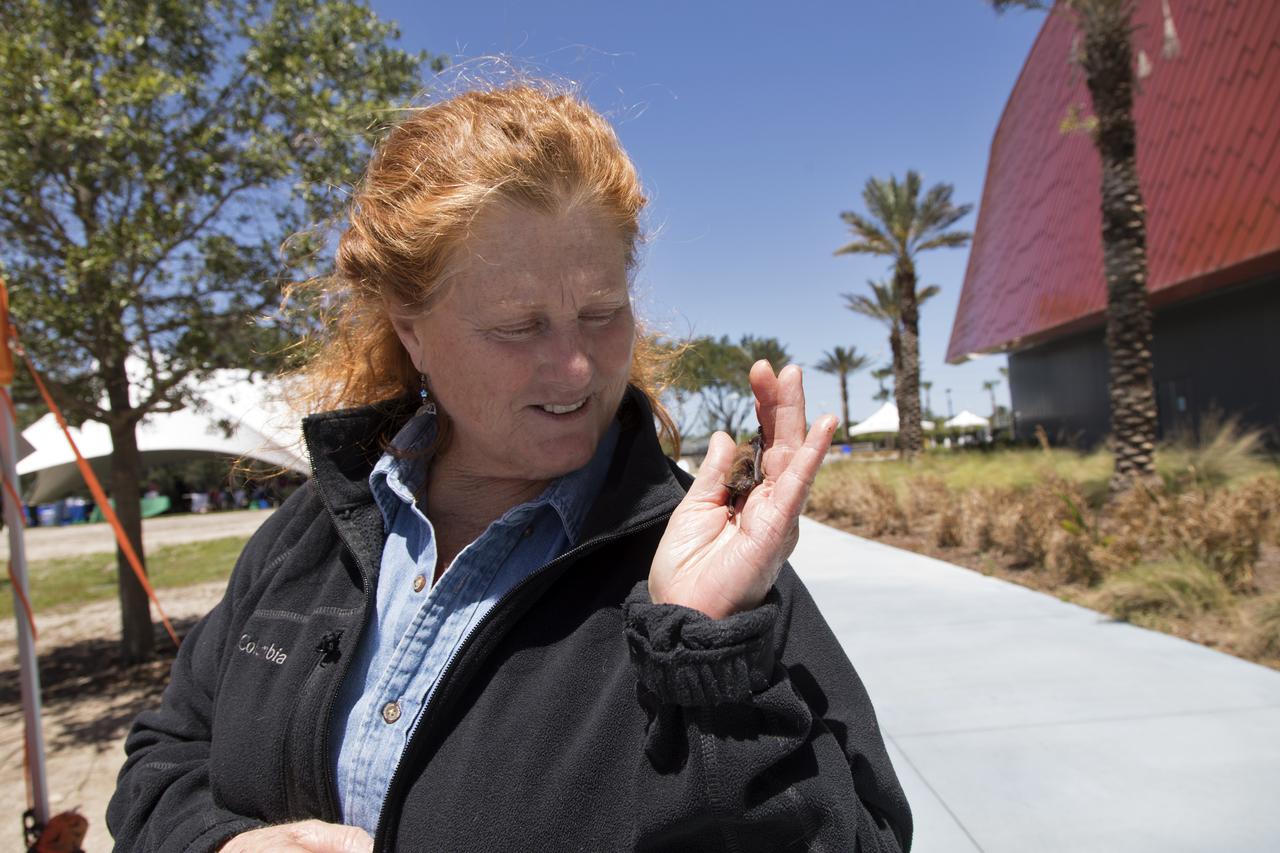
During the annual Earth Day celebration at the Kennedy Space Center Visitor Complex, Shari Blissett-Clark of the Florida Bat Conservancy displays one of the mammals. The event took place during the annual Earth Day celebration at the Kennedy Space Center Visitor Complex, guests have an opportunity to learn more about energy awareness, the environment and sustainability.
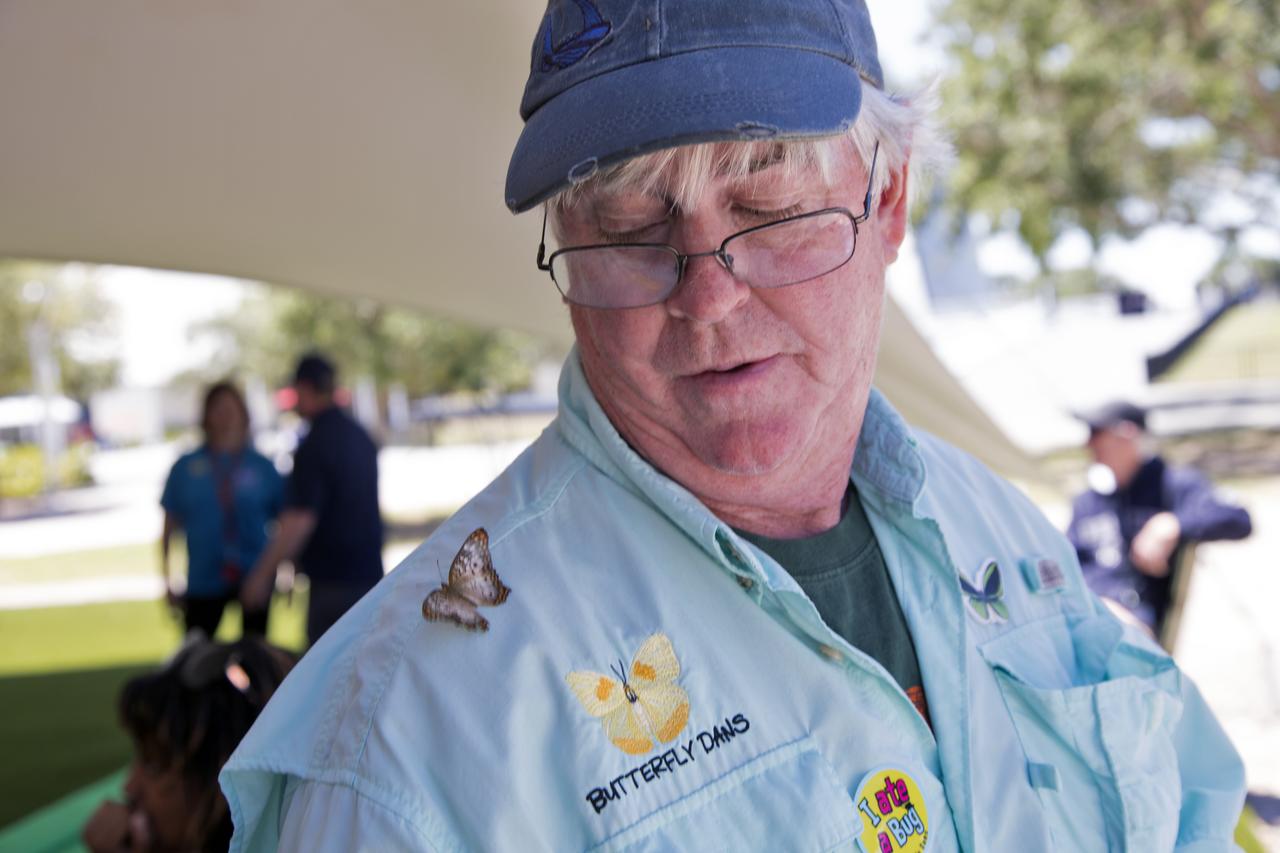
During the annual Earth Day celebration at the Kennedy Space Center Visitor Complex, guests have an opportunity to learn about the environment and meet Butterfly Dan” Dunwoody. The two-day event featured approximately 50 exhibitors offering information on a variety of topics, including electric vehicles, sustainable lighting, renewable energy, Florida-friendly landscaping tips, Florida’s biking trails and more.
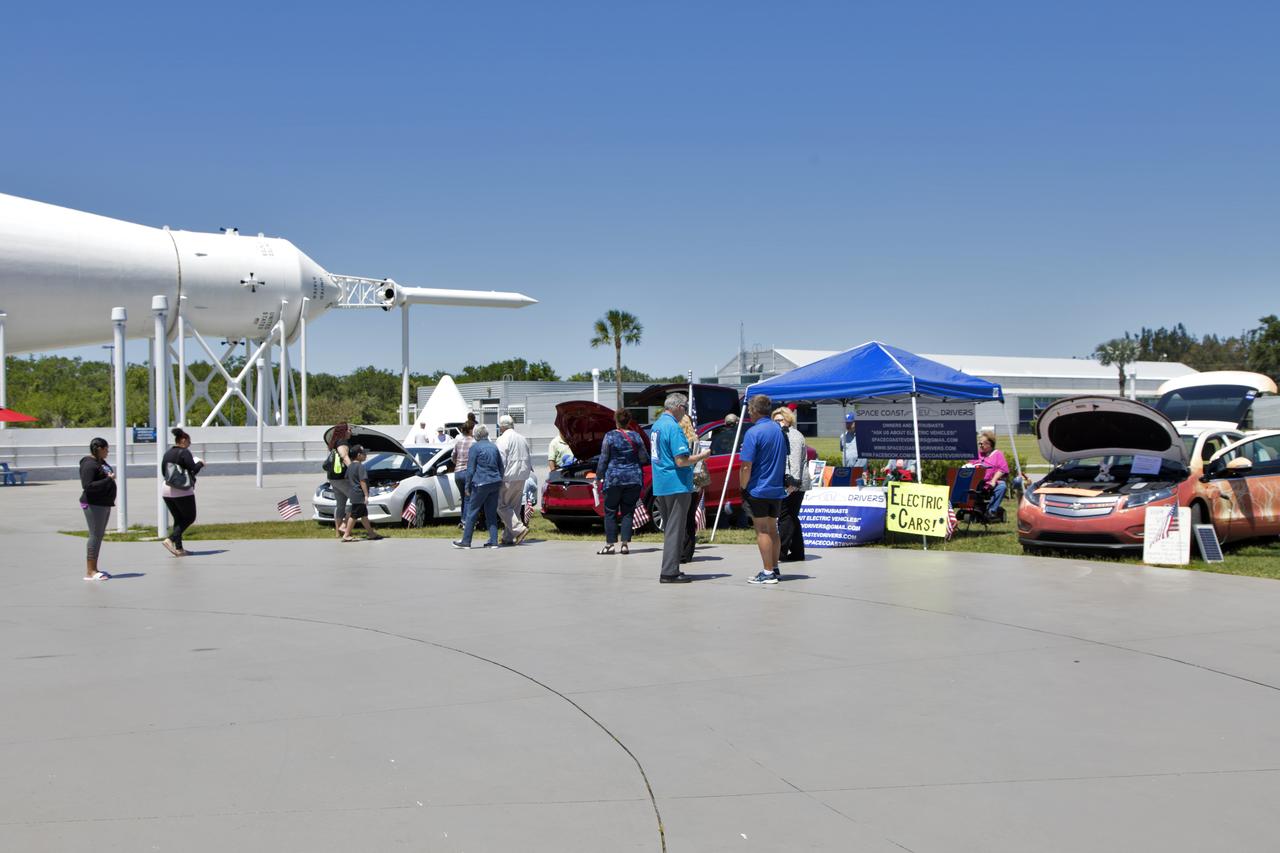
During the annual Earth Day celebration at the Kennedy Space Center Visitor Complex, guests have an opportunity to get an up-close look at experimental electric vehicles. The two-day event featured approximately 50 exhibitors offering information on a variety of topics, including electric vehicles, sustainable lighting, renewable energy, Florida-friendly landscaping tips, Florida’s biking trails and more.
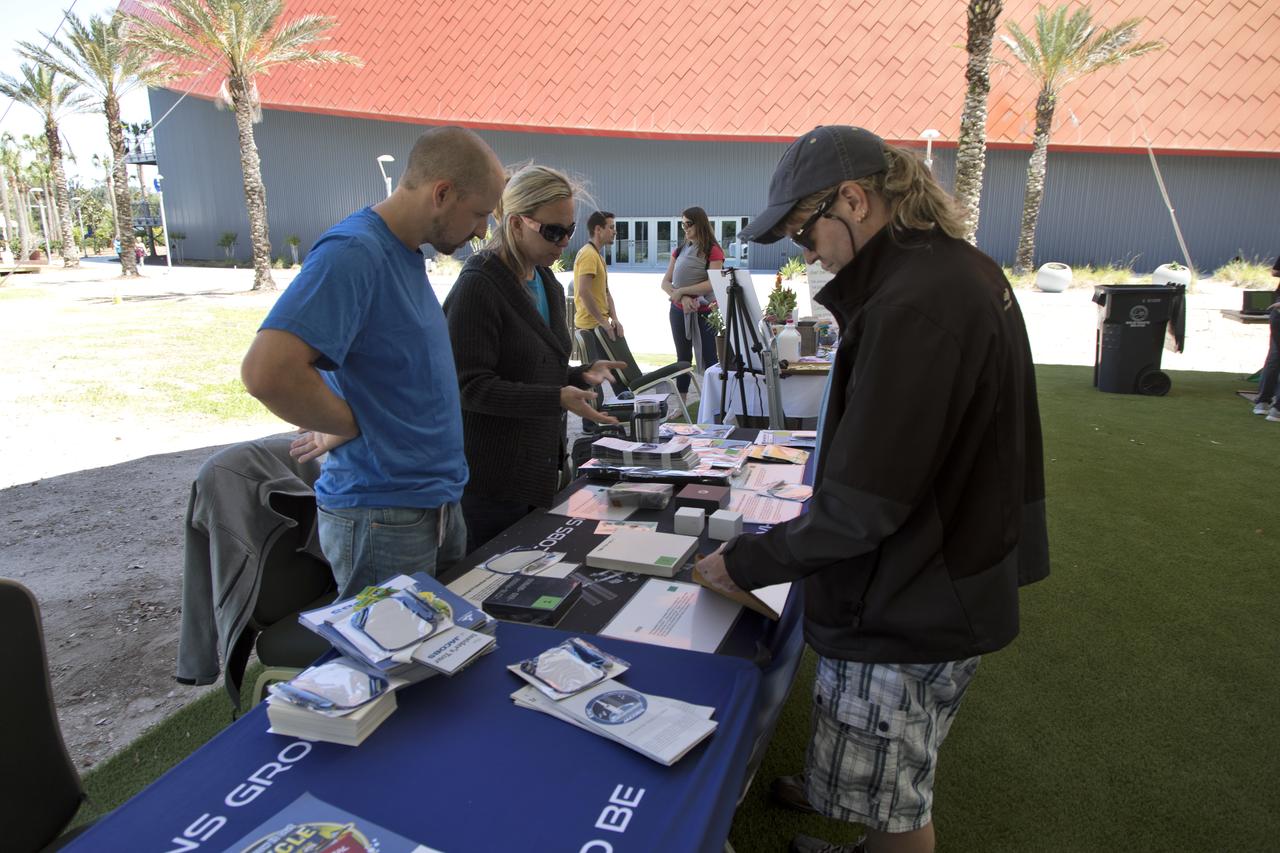
During the annual Earth Day celebration at the Kennedy Space Center Visitor Complex, guests have an opportunity to learn more about energy awareness, the environment and sustainability. The two-day event featured approximately 50 exhibitors offering information on a variety of topics, including electric vehicles, sustainable lighting, renewable energy, Florida-friendly landscaping tips, Florida’s biking trails and more.
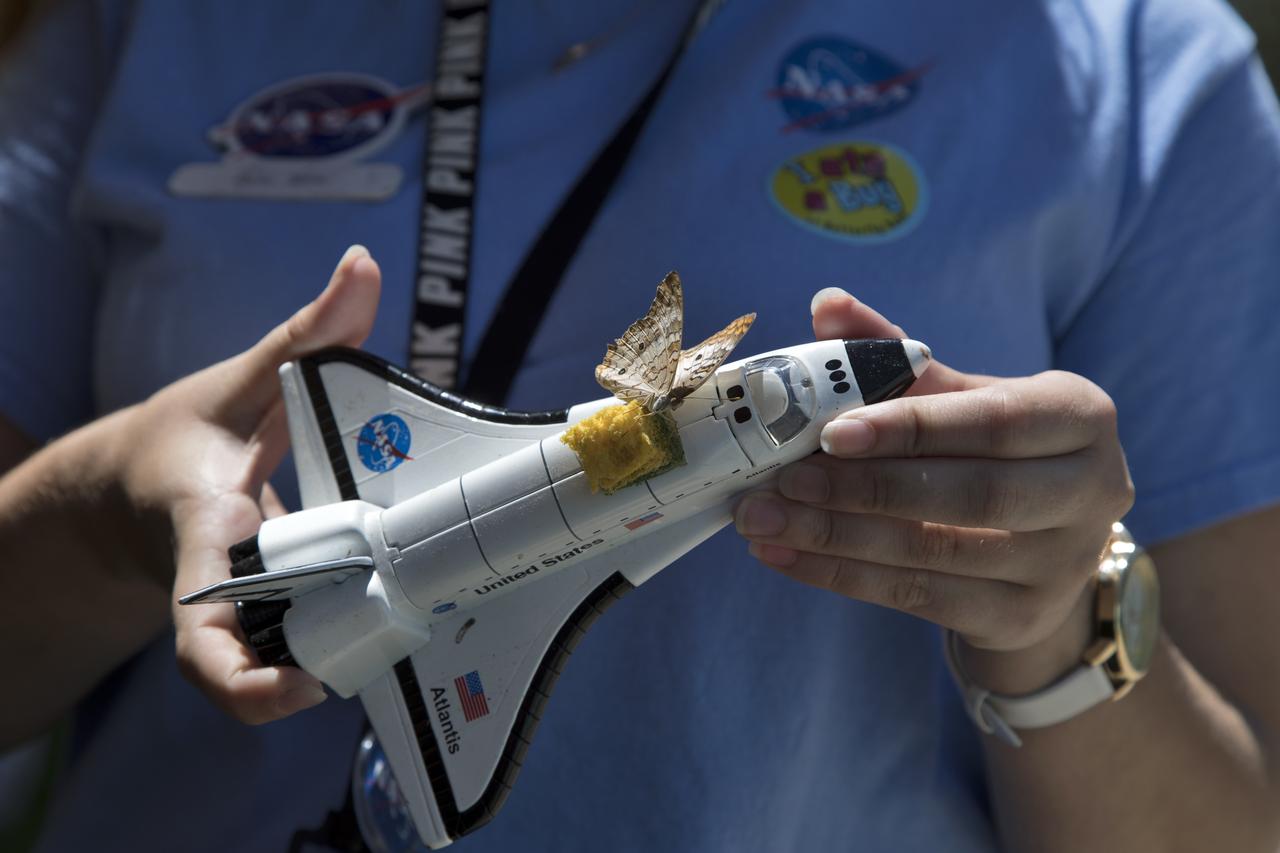
During the annual Earth Day celebration at the Kennedy Space Center Visitor Complex, guests have an opportunity to learn about the environment. The two-day event featured approximately 50 exhibitors offering information on a variety of topics, including electric vehicles, sustainable lighting, renewable energy, Florida-friendly landscaping tips, Florida’s biking trails and more.
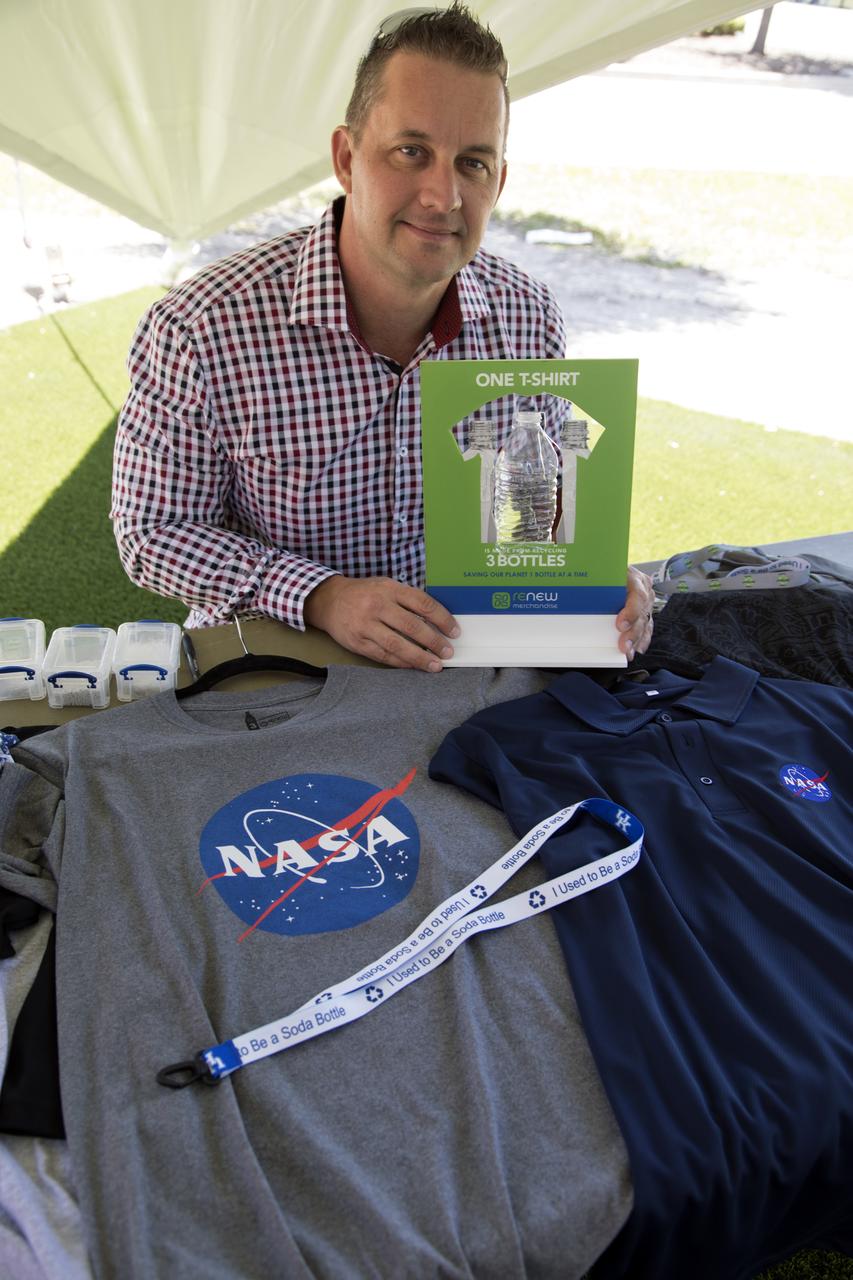
David Bell of Renew Merchandise was one of 50 exhibitors offering information on a variety of topics, including electric vehicles, sustainable lighting, renewable energy, Florida-friendly landscaping tips, Florida’s biking trails and more. The event took place during the annual Earth Day celebration at the Kennedy Space Center Visitor Complex, guests have an opportunity to learn more about energy awareness, the environment and sustainability.
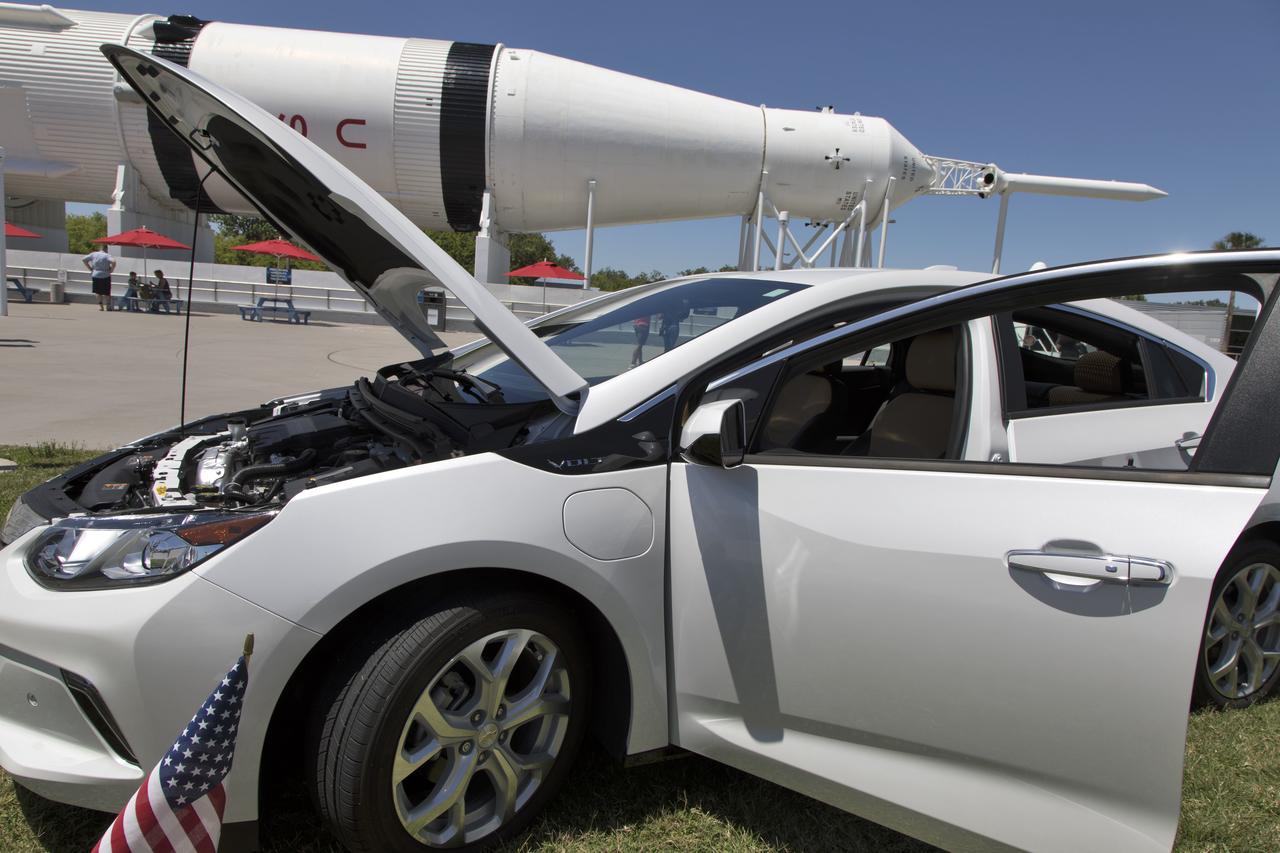
During the annual Earth Day celebration at the Kennedy Space Center Visitor Complex, guests have an opportunity to get an up-close look at experimental electric vehicles. The two-day event featured approximately 50 exhibitors offering information on a variety of topics, including electric vehicles, sustainable lighting, renewable energy, Florida-friendly landscaping tips, Florida’s biking trails and more.
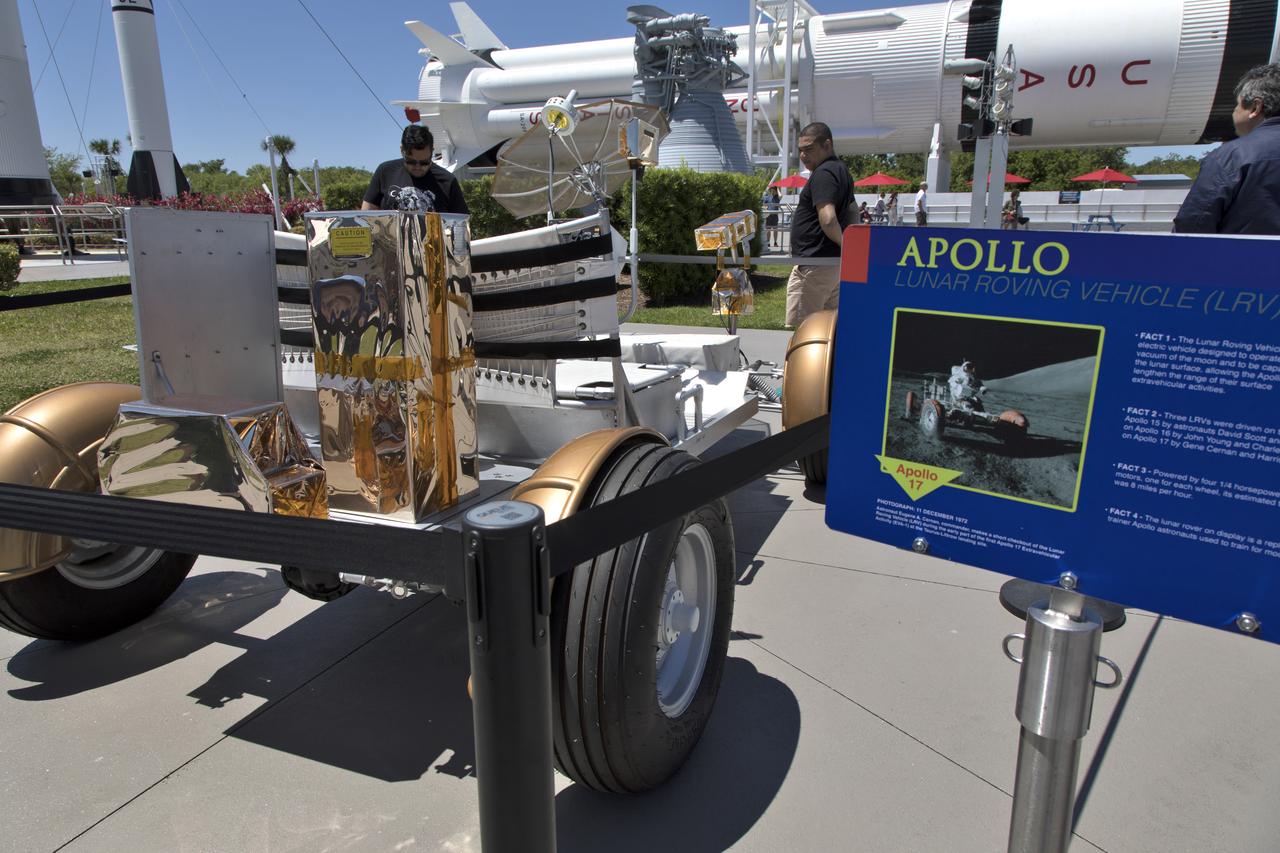
During the annual Earth Day celebration at the Kennedy Space Center Visitor Complex, guests have an opportunity to get an up-close look at experimental electric vehicles and see and Apollo era Lunar Roving Vehicle used in astronaut training. The battery-operated car was used on Apollos 15, 16 and 17 in 1971 and 1972. The two-day event featured approximately 50 exhibitors offering information on a variety of topics, including electric vehicles, sustainable lighting, renewable energy, Florida-friendly landscaping tips, Florida’s biking trails and more.
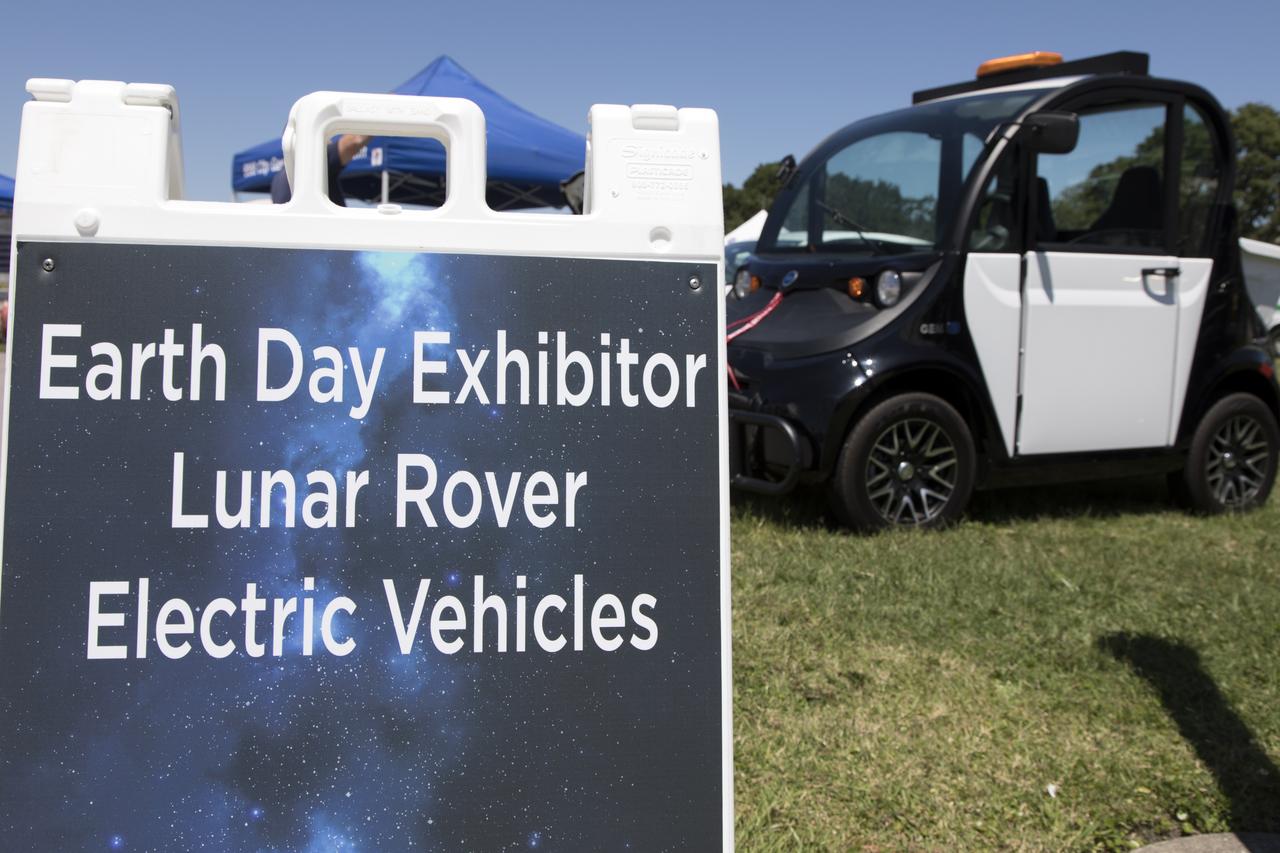
During the annual Earth Day celebration at the Kennedy Space Center Visitor Complex, guests have an opportunity to get an up-close look at experimental electric vehicles. The two-day event featured approximately 50 exhibitors offering information on a variety of topics, including electric vehicles, sustainable lighting, renewable energy, Florida-friendly landscaping tips, Florida’s biking trails and more.
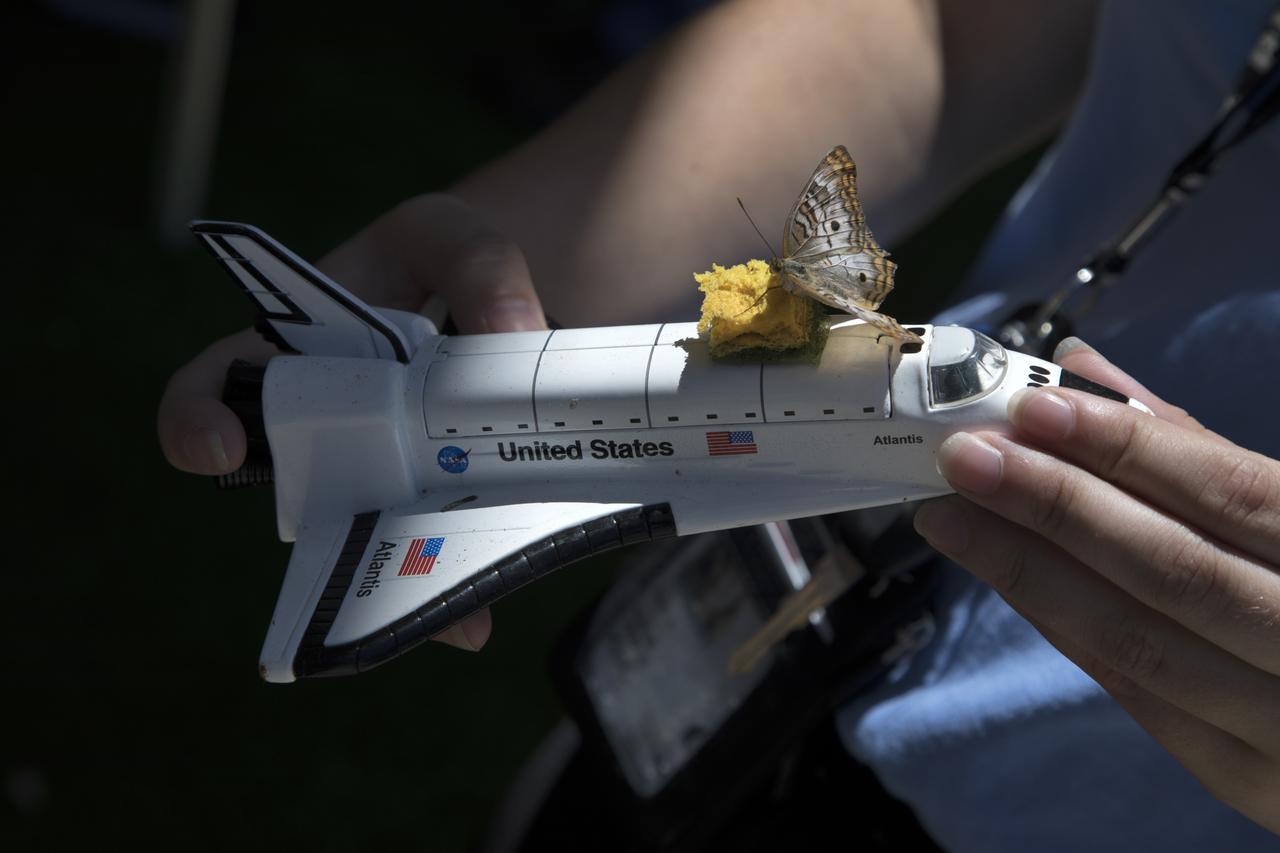
During the annual Earth Day celebration at the Kennedy Space Center Visitor Complex, guests have an opportunity to learn about the environment. The two-day event featured approximately 50 exhibitors offering information on a variety of topics, including electric vehicles, sustainable lighting, renewable energy, Florida-friendly landscaping tips, Florida’s biking trails and more.
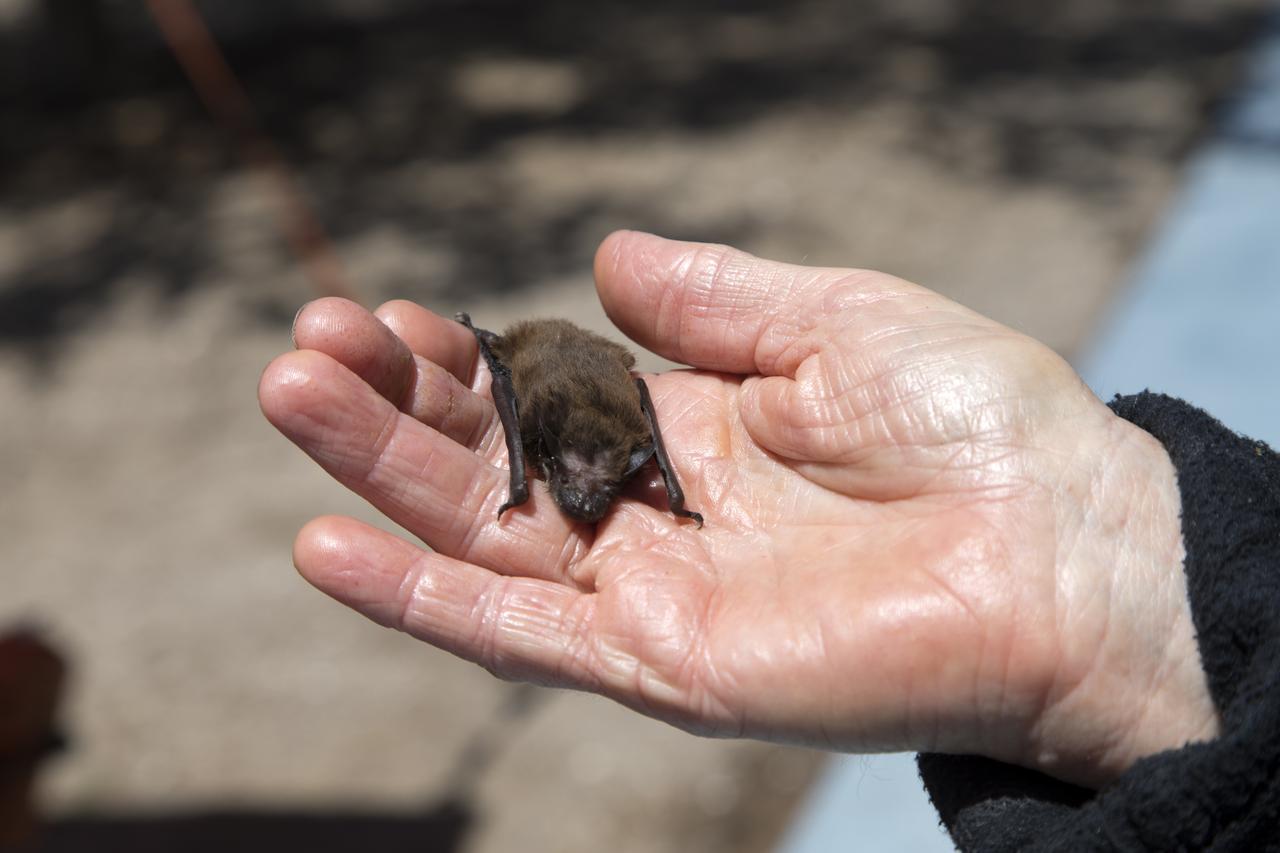
During the annual Earth Day celebration at the Kennedy Space Center Visitor Complex, Shari Blissett-Clark of the Florida Bat Conservancy displays one of the mammals. The event took place during the annual Earth Day celebration at the Kennedy Space Center Visitor Complex, guests have an opportunity to learn more about energy awareness, the environment and sustainability.
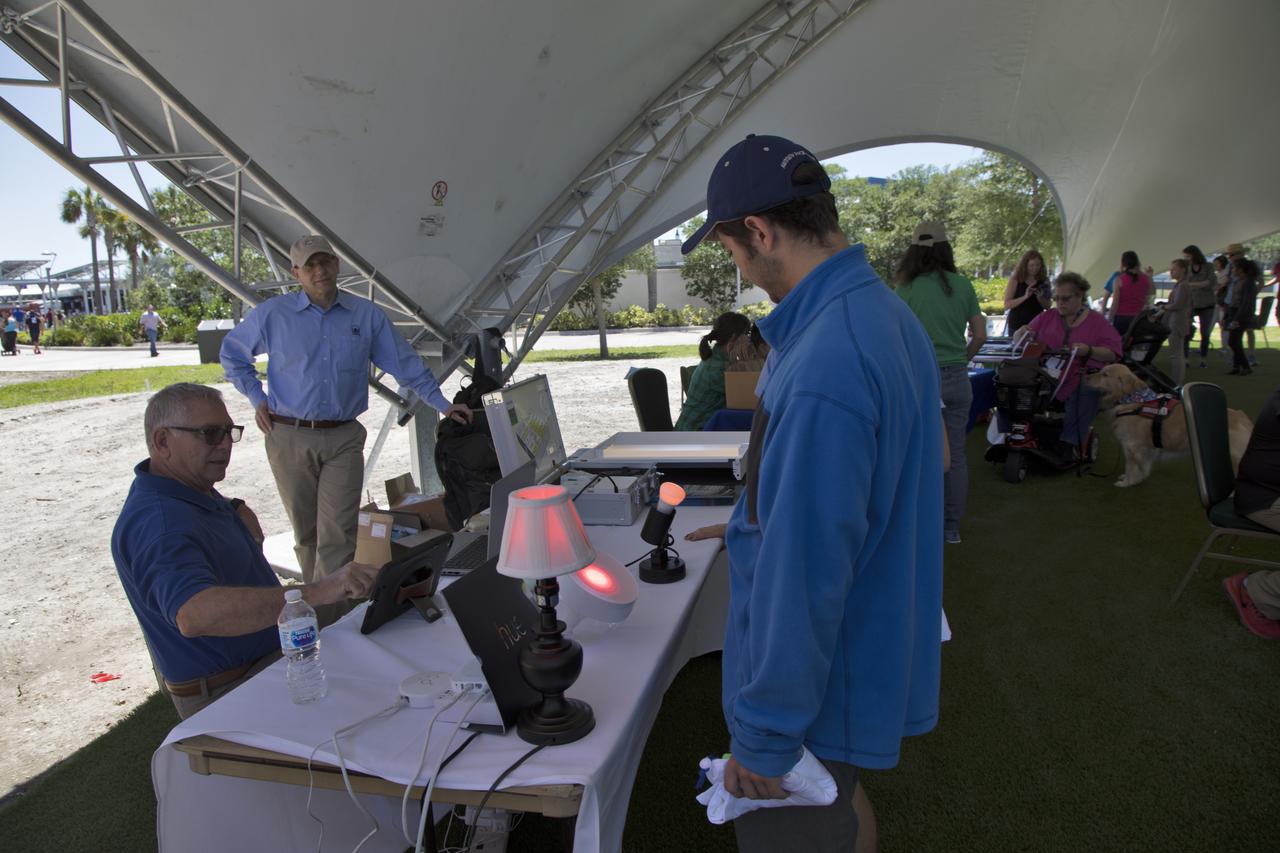
During the annual Earth Day celebration at the Kennedy Space Center Visitor Complex, guests have an opportunity to learn more about energy awareness, the environment and sustainability. The two-day event featured approximately 50 exhibitors offering information on a variety of topics, including electric vehicles, sustainable lighting, renewable energy, Florida-friendly landscaping tips, Florida’s biking trails and more.
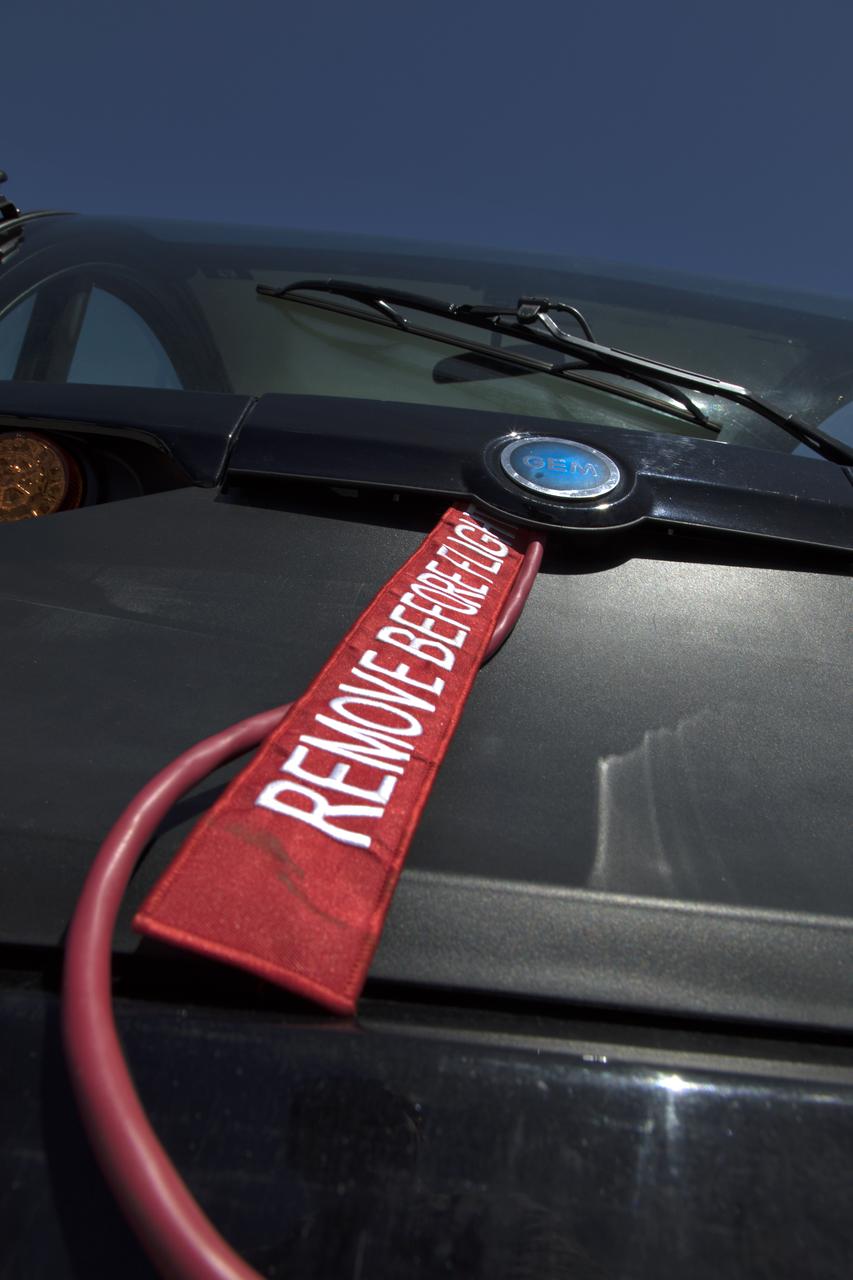
During the annual Earth Day celebration at the Kennedy Space Center Visitor Complex, guests have an opportunity to get an up-close look at experimental electric vehicles. The "Remove Before Flight" tag is on a Polaris GEM electric car. The two-day event featured approximately 50 exhibitors offering information on a variety of topics, including electric vehicles, sustainable lighting, renewable energy, Florida-friendly landscaping tips, Florida’s biking trails and more.
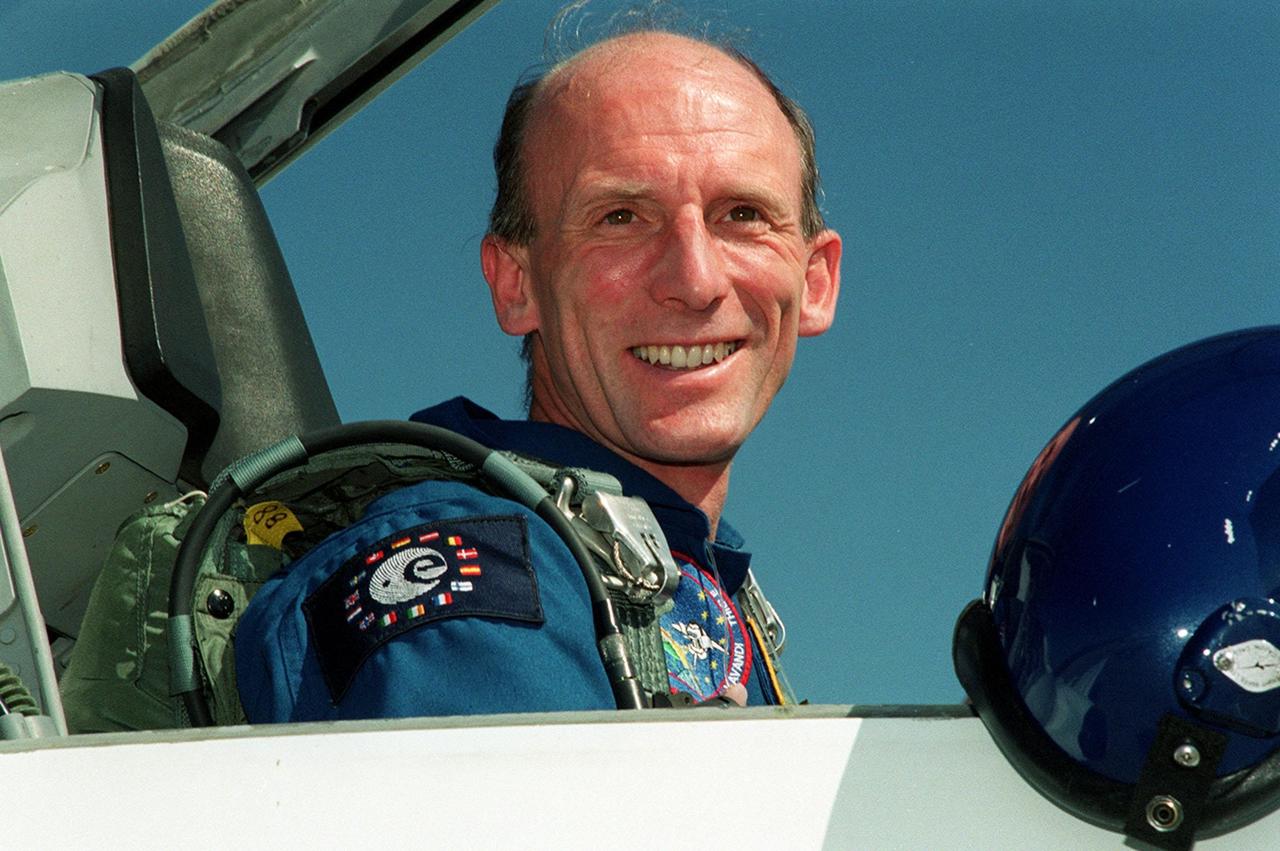
STS-99 Mission Specialist Gerhard P.J. Thiele of Germany arrives at KSC aboard a T-38 jet aircraft eager to prepare for the second launch attempt of Endeavour Feb. 11 at 12:30 p.m. EST from Launch Pad 39A. Thiele is with the European Space Agency. The earlier launch scheduled for Jan. 31 was scrubbed due to poor weather and a faulty Enhanced Master Events Controller in the orbiter's aft compartment. Over the next few days, the crew will review mission procedures, conduct test flights in the Shuttle Training Aircraft and undergo routine preflight medical exams. STS-99 is the Shuttle Radar Topography Mission, which will produce unrivaled 3-D images of the Earth's surface. The result of the Shuttle Radar Topography Mission could be close to 1 trillion measurements of the Earth's topography. Landing is expected at KSC on Feb. 22 at 4:36 p.m. EST
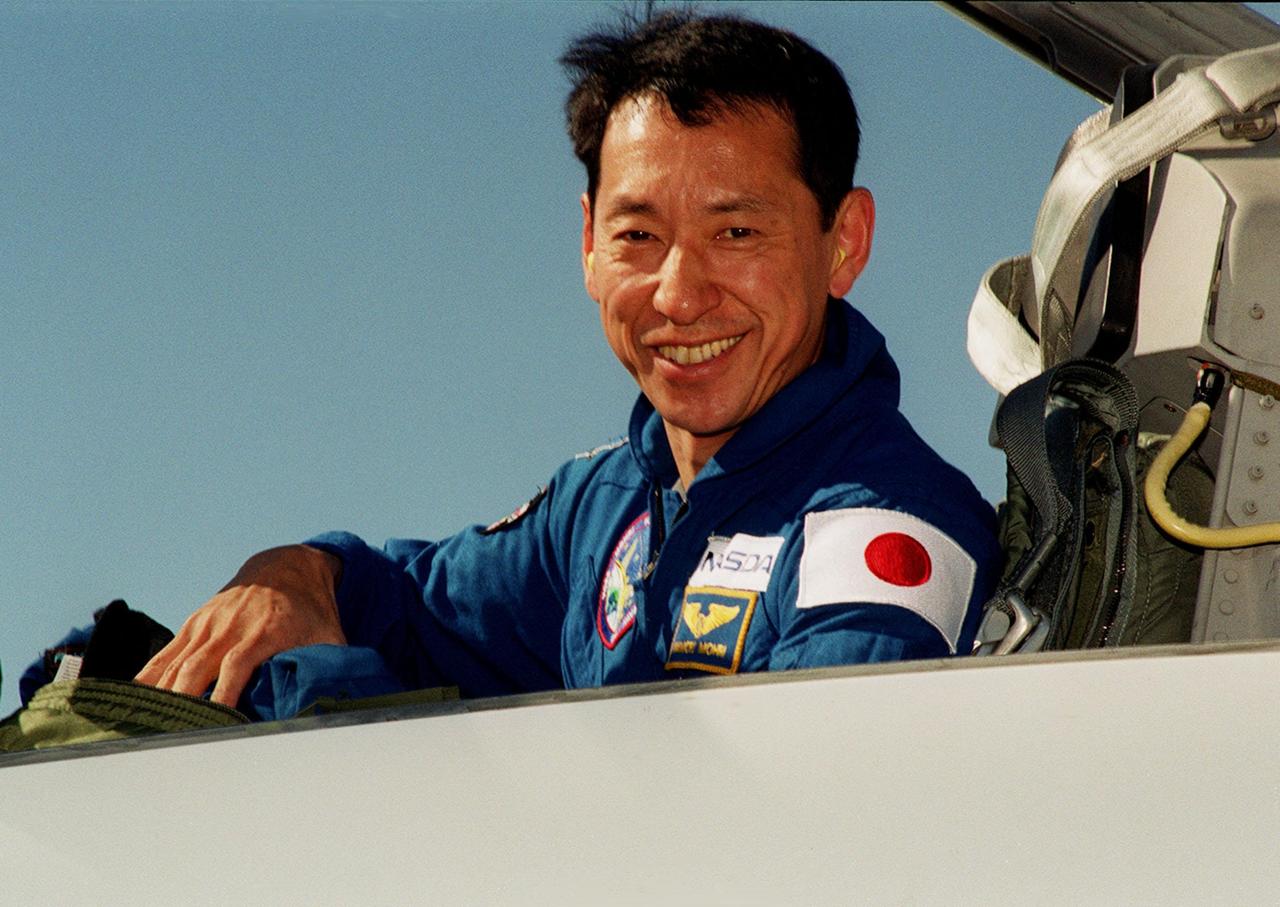
A smiling STS-99 Mission Specialist Mamoru Mohri of Japan arrives at KSC aboard a T-38 jet aircraft eager to prepare for the second launch attempt of Endeavour Feb. 11 at 12:30 p.m. EST from Launch Pad 39A. Mohri is with the Japanese National Space Development Agency (NASDA). The earlier launch scheduled for Jan. 31 was scrubbed due to poor weather and a faulty Enhanced Master Events Controller in the orbiter's aft compartment. Over the next few days, the crew will review mission procedures, conduct test flights in the Shuttle Training Aircraft and undergo routine preflight medical exams. STS-99 is the Shuttle Radar Topography Mission, which will produce unrivaled 3-D images of the Earth's surface. The result of the Shuttle Radar Topography Mission could be close to 1 trillion measurements of the Earth's topography. Landing is expected at KSC on Feb. 22 at 4:36 p.m. EST
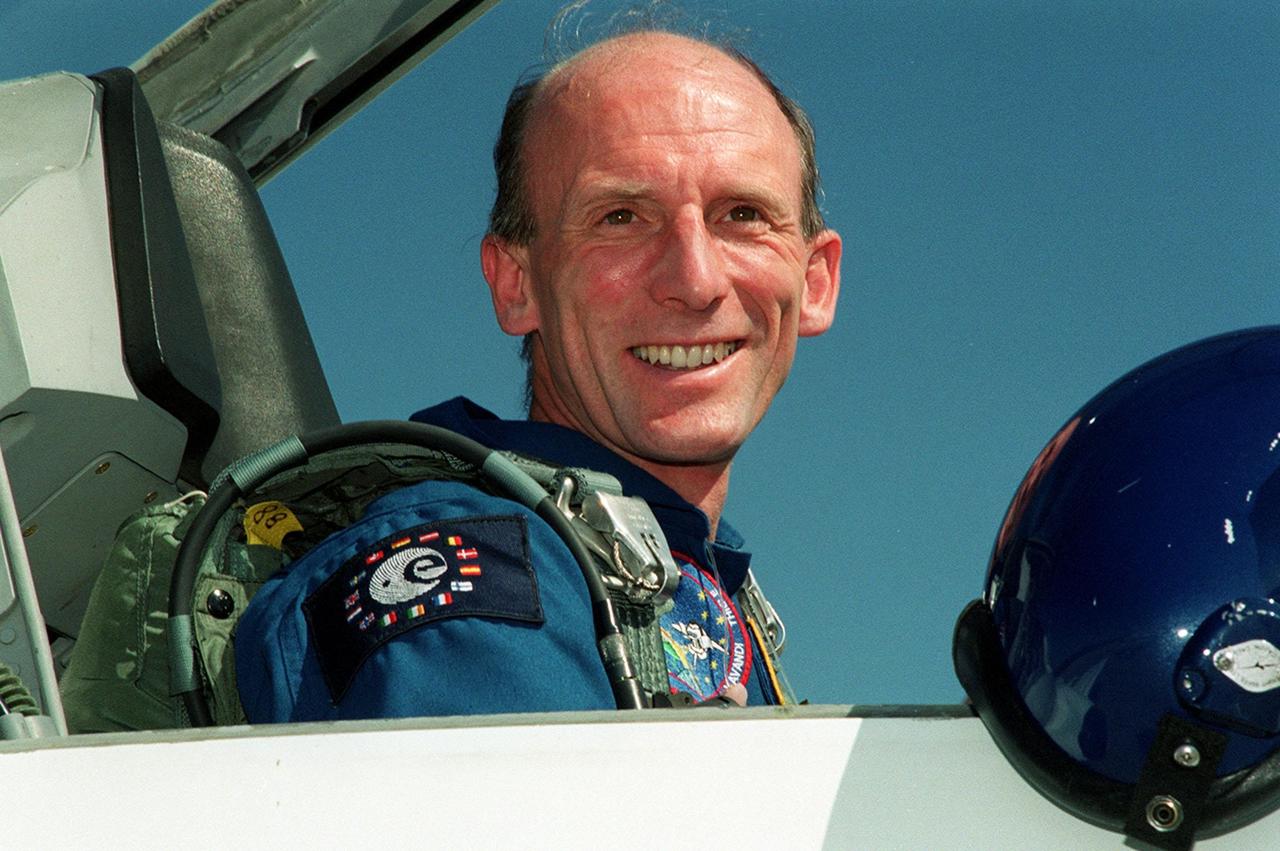
STS-99 Mission Specialist Gerhard P.J. Thiele of Germany arrives at KSC aboard a T-38 jet aircraft eager to prepare for the second launch attempt of Endeavour Feb. 11 at 12:30 p.m. EST from Launch Pad 39A. Thiele is with the European Space Agency. The earlier launch scheduled for Jan. 31 was scrubbed due to poor weather and a faulty Enhanced Master Events Controller in the orbiter's aft compartment. Over the next few days, the crew will review mission procedures, conduct test flights in the Shuttle Training Aircraft and undergo routine preflight medical exams. STS-99 is the Shuttle Radar Topography Mission, which will produce unrivaled 3-D images of the Earth's surface. The result of the Shuttle Radar Topography Mission could be close to 1 trillion measurements of the Earth's topography. Landing is expected at KSC on Feb. 22 at 4:36 p.m. EST
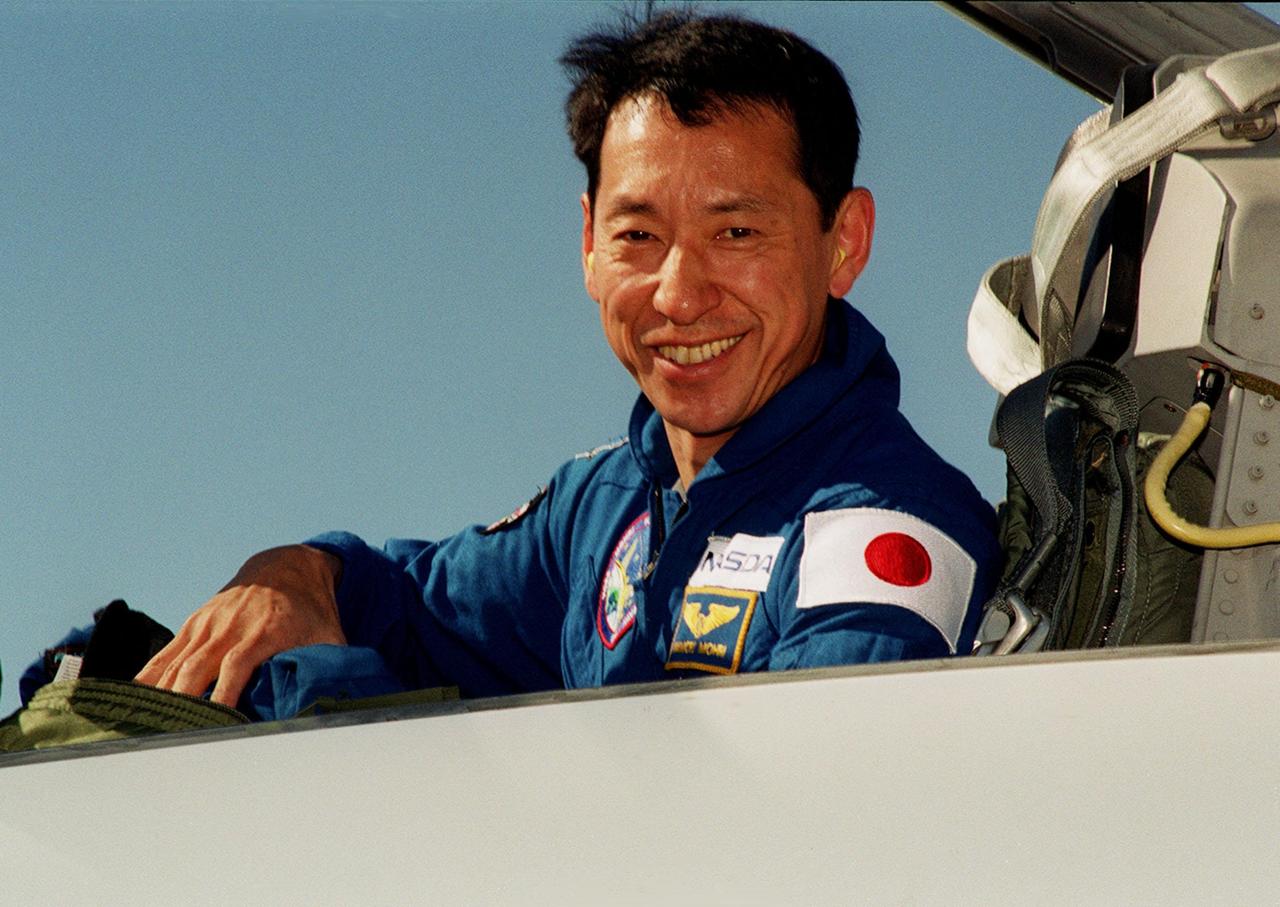
A smiling STS-99 Mission Specialist Mamoru Mohri of Japan arrives at KSC aboard a T-38 jet aircraft eager to prepare for the second launch attempt of Endeavour Feb. 11 at 12:30 p.m. EST from Launch Pad 39A. Mohri is with the Japanese National Space Development Agency (NASDA). The earlier launch scheduled for Jan. 31 was scrubbed due to poor weather and a faulty Enhanced Master Events Controller in the orbiter's aft compartment. Over the next few days, the crew will review mission procedures, conduct test flights in the Shuttle Training Aircraft and undergo routine preflight medical exams. STS-99 is the Shuttle Radar Topography Mission, which will produce unrivaled 3-D images of the Earth's surface. The result of the Shuttle Radar Topography Mission could be close to 1 trillion measurements of the Earth's topography. Landing is expected at KSC on Feb. 22 at 4:36 p.m. EST
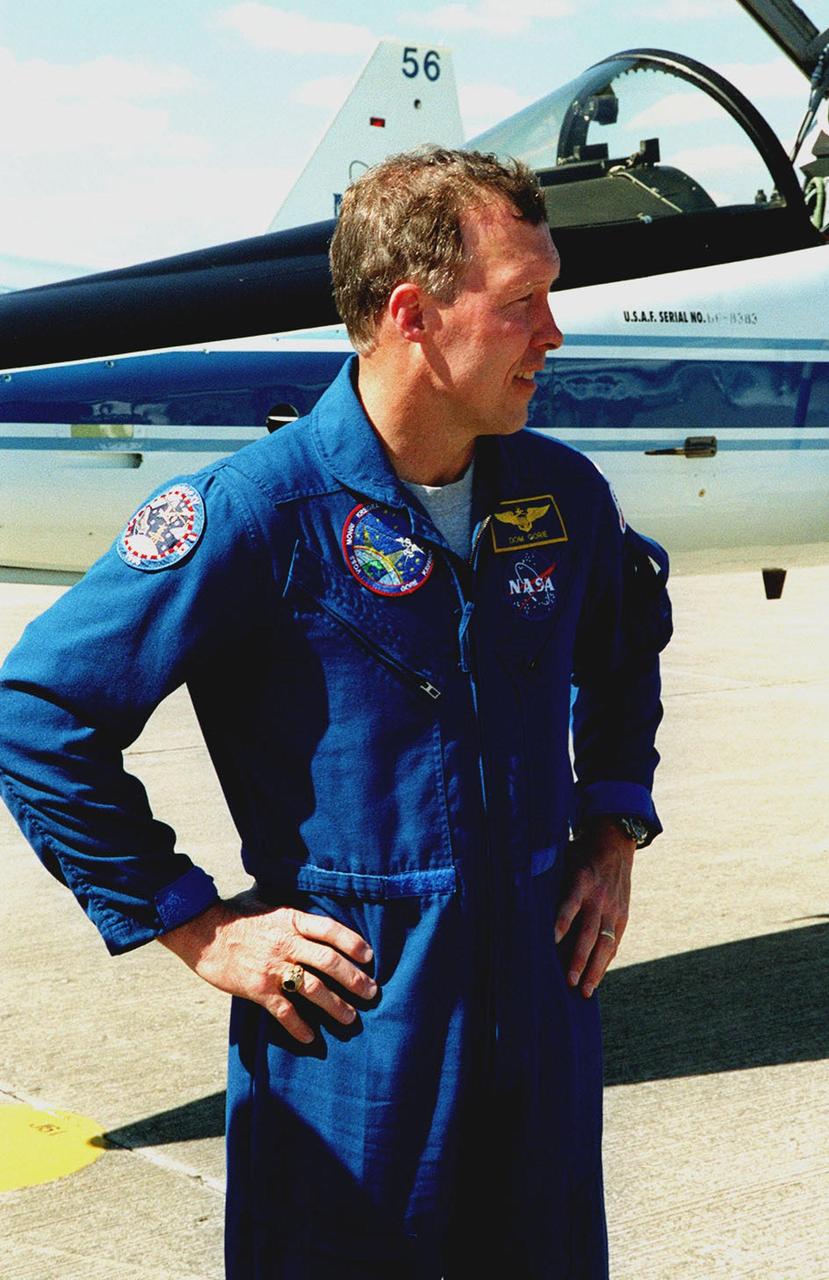
After landing at the Shuttle Landing Facility aboard a T-38 jet aircraft, STS-99 Pilot Dominic Gorie stands ready to prepare for the second launch attempt of Endeavour Feb. 11 at 12:30 p.m. EST from Launch Pad 39A. The earlier launch scheduled for Jan. 31 was scrubbed due to poor weather and a faulty Enhanced Master Events Controller in the orbiter's aft compartment. Over the next few days, the crew will review mission procedures, conduct test flights in the Shuttle Training Aircraft and undergo routine preflight medical exams. STS-99 is the Shuttle Radar Topography Mission, which will produce unrivaled 3-D images of the Earth's surface. The result of the Shuttle Radar Topography Mission could be close to 1 trillion measurements of the Earth's topography. Landing is expected at KSC on Feb. 22 at 4:36 p.m. EST
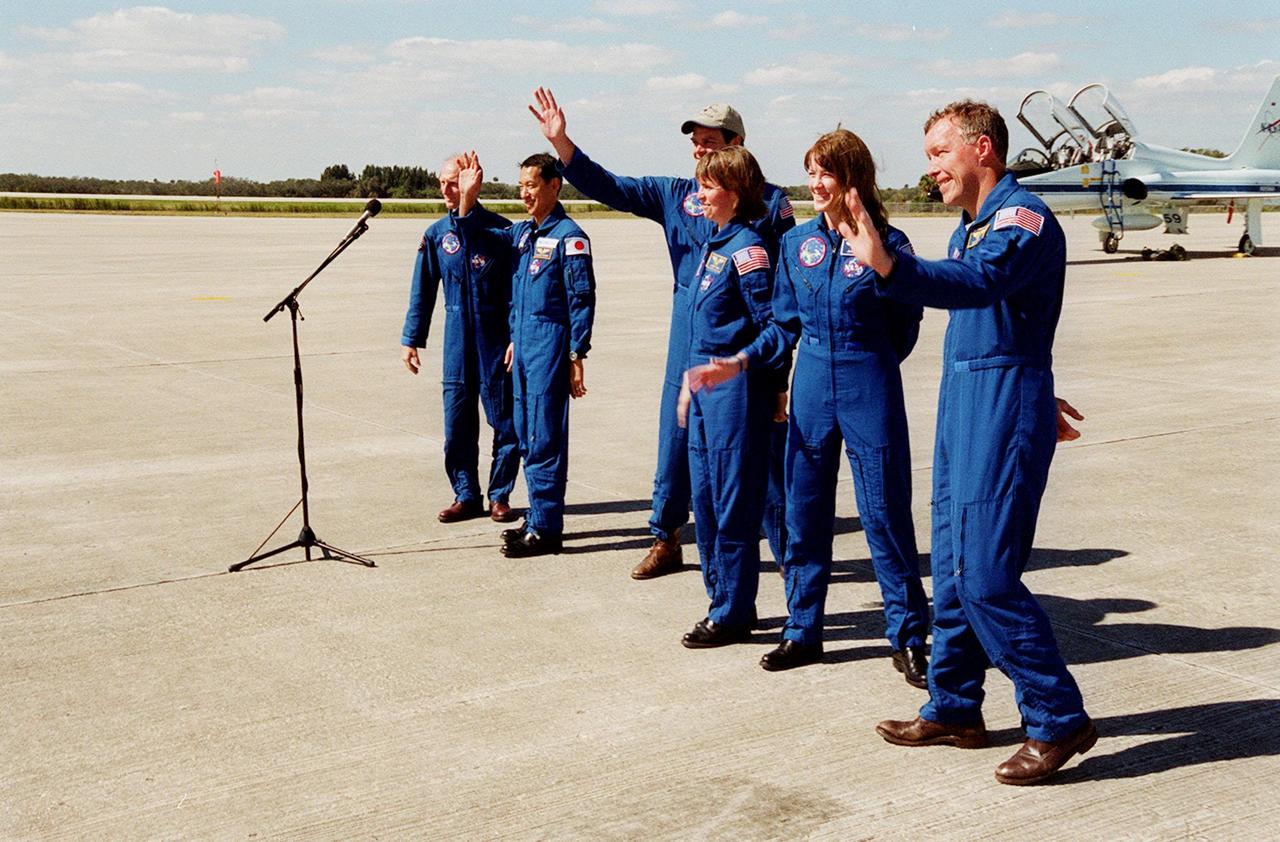
After addressing the media at the Shuttle Landing Facility, the STS-99 crew wave goodbye as they leave for crew quarters in the Operations and Checkout Building. The crew is ready to prepare for the second launch attempt of Endeavour Feb. 11 at 12:30 p.m. EST from Launch Pad 39A. The earlier launch scheduled for Jan. 31 was scrubbed due to poor weather and a faulty Enhanced Master Events Controller in the orbiter's aft compartment. Over the next few days, the crew will review mission procedures, conduct test flights in the Shuttle Training Aircraft and undergo routine preflight medical exams. STS-99 is the Shuttle Radar Topography Mission, which will produce unrivaled 3-D images of the Earth's surface. The result of the Shuttle Radar Topography Mission could be close to 1 trillion measurements of the Earth's topography. Landing is expected at KSC on Feb. 22 at 4:36 p.m. EST
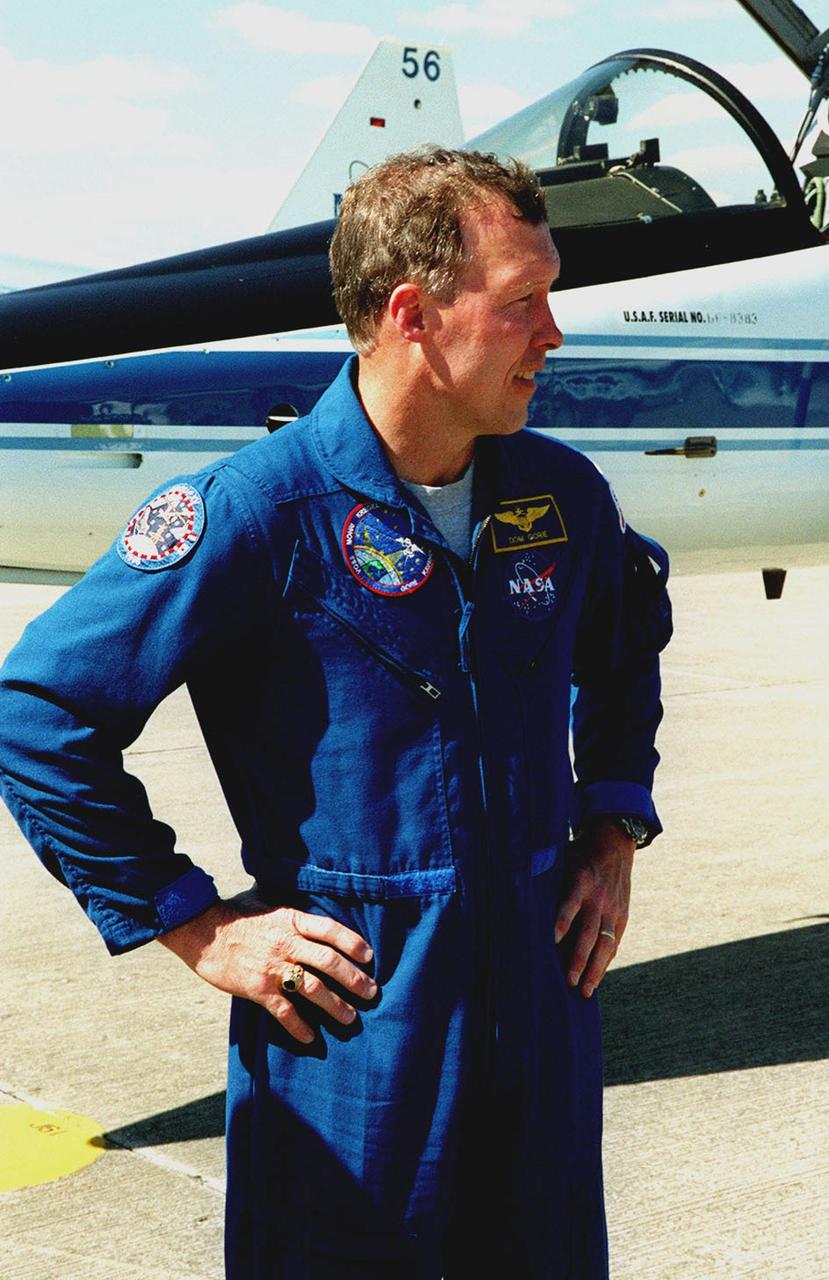
After landing at the Shuttle Landing Facility aboard a T-38 jet aircraft, STS-99 Pilot Dominic Gorie stands ready to prepare for the second launch attempt of Endeavour Feb. 11 at 12:30 p.m. EST from Launch Pad 39A. The earlier launch scheduled for Jan. 31 was scrubbed due to poor weather and a faulty Enhanced Master Events Controller in the orbiter's aft compartment. Over the next few days, the crew will review mission procedures, conduct test flights in the Shuttle Training Aircraft and undergo routine preflight medical exams. STS-99 is the Shuttle Radar Topography Mission, which will produce unrivaled 3-D images of the Earth's surface. The result of the Shuttle Radar Topography Mission could be close to 1 trillion measurements of the Earth's topography. Landing is expected at KSC on Feb. 22 at 4:36 p.m. EST
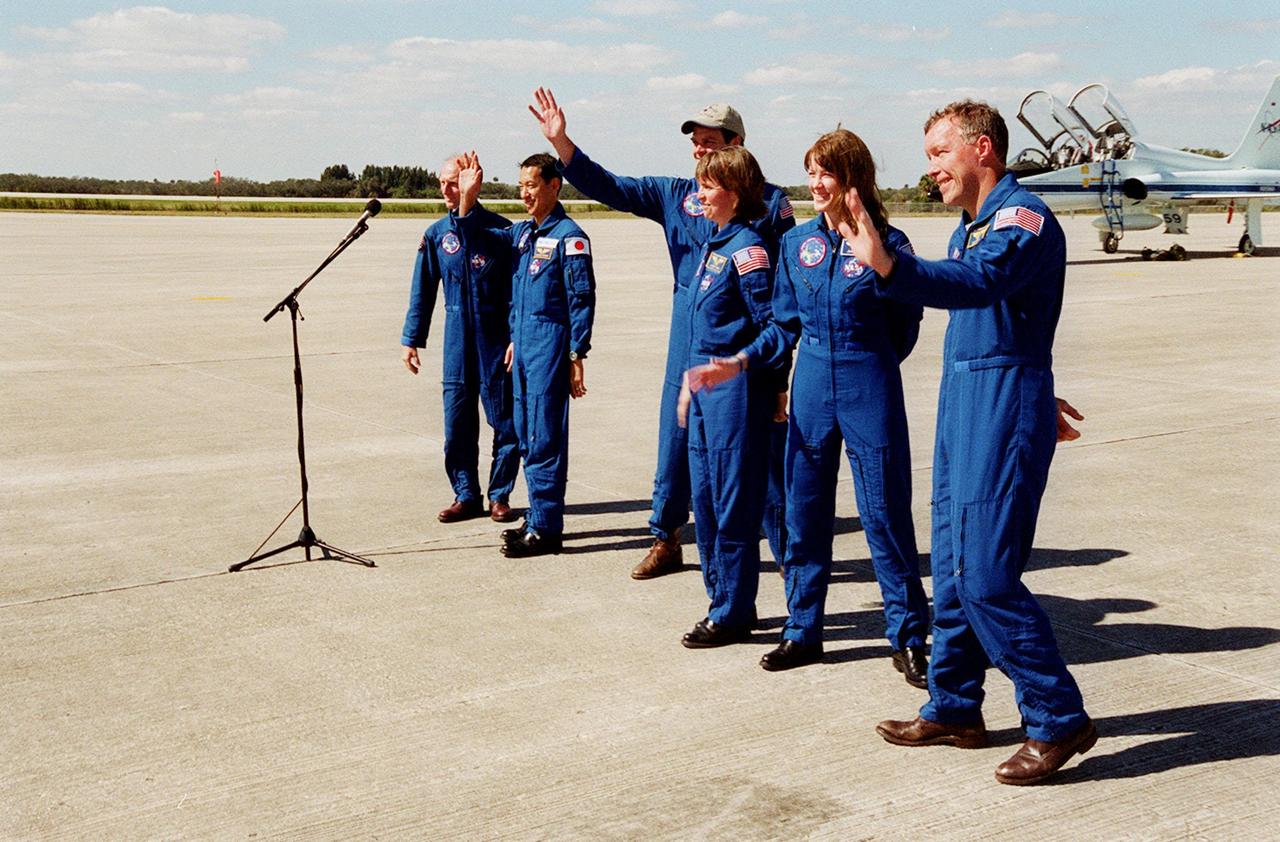
After addressing the media at the Shuttle Landing Facility, the STS-99 crew wave goodbye as they leave for crew quarters in the Operations and Checkout Building. The crew is ready to prepare for the second launch attempt of Endeavour Feb. 11 at 12:30 p.m. EST from Launch Pad 39A. The earlier launch scheduled for Jan. 31 was scrubbed due to poor weather and a faulty Enhanced Master Events Controller in the orbiter's aft compartment. Over the next few days, the crew will review mission procedures, conduct test flights in the Shuttle Training Aircraft and undergo routine preflight medical exams. STS-99 is the Shuttle Radar Topography Mission, which will produce unrivaled 3-D images of the Earth's surface. The result of the Shuttle Radar Topography Mission could be close to 1 trillion measurements of the Earth's topography. Landing is expected at KSC on Feb. 22 at 4:36 p.m. EST
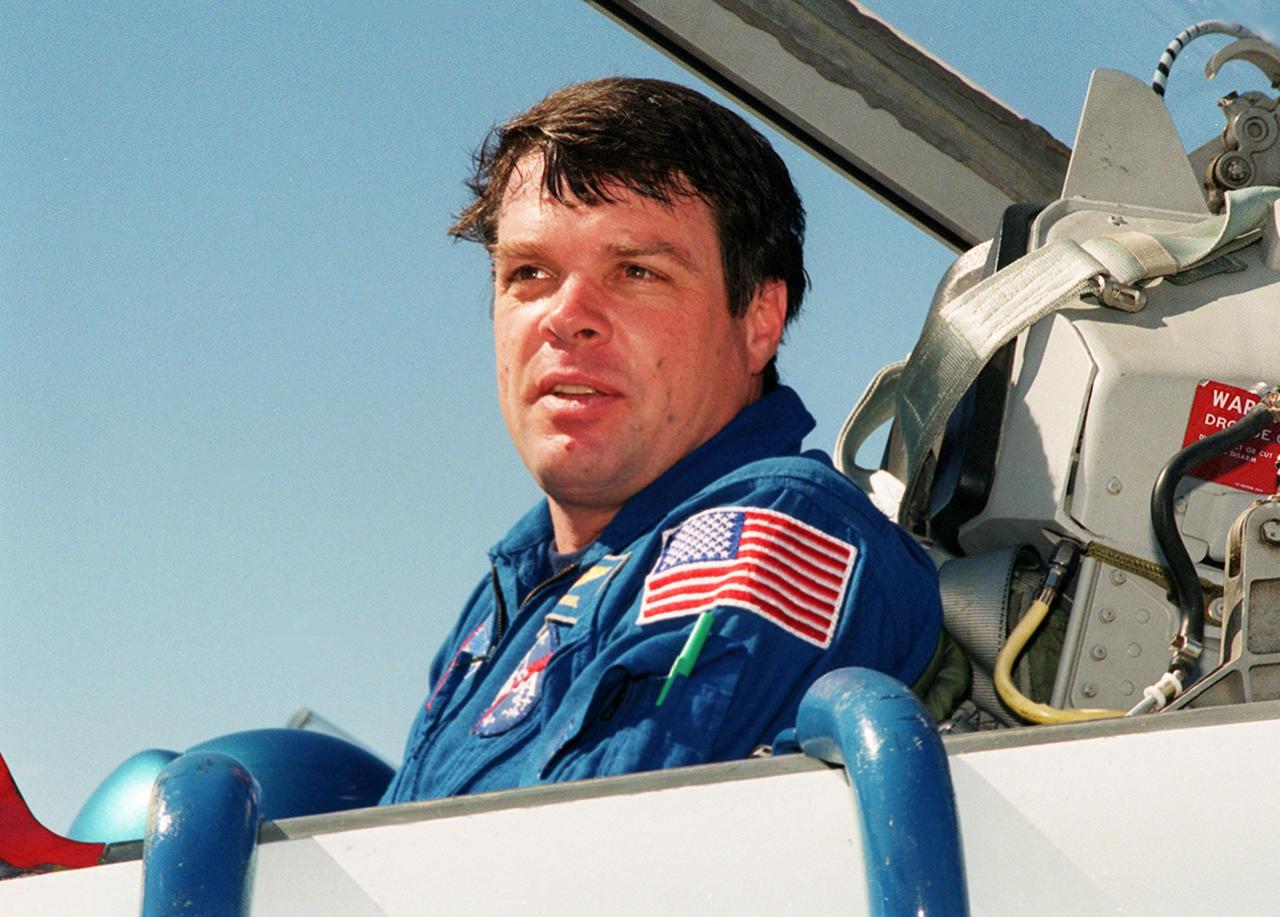
STS-99 Commander Kevin Kregel arrives at Kennedy Space Center aboard a T-38 jet aircraft. He and the other five crew members are back at KSC to prepare for the second launch attempt of Endeavour Feb. 11 at 12:30 p.m. EST from Launch Pad 39A. The earlier launch scheduled for Jan. 31 was scrubbed due to poor weather and a faulty Enhanced Master Events Controller in the orbiter's aft compartment. The crew had returned to Houston after the scrubbed launch. Over the next few days, the crew will review mission procedures, conduct test flights in the Shuttle Training Aircraft and undergo routine preflight medical exams. STS-99 is the Shuttle Radar Topography Mission, which will produce unrivaled 3-D images of the Earth's surface. The result of the Shuttle Radar Topography Mission could be close to 1 trillion measurements of the Earth's topography. Landing is expected at KSC on Feb. 22 at 4:36 p.m. EST

STS-99 Commander Kevin Kregel arrives at Kennedy Space Center aboard a T-38 jet aircraft. He and the other five crew members are back at KSC to prepare for the second launch attempt of Endeavour Feb. 11 at 12:30 p.m. EST from Launch Pad 39A. The earlier launch scheduled for Jan. 31 was scrubbed due to poor weather and a faulty Enhanced Master Events Controller in the orbiter's aft compartment. The crew had returned to Houston after the scrubbed launch. Over the next few days, the crew will review mission procedures, conduct test flights in the Shuttle Training Aircraft and undergo routine preflight medical exams. STS-99 is the Shuttle Radar Topography Mission, which will produce unrivaled 3-D images of the Earth's surface. The result of the Shuttle Radar Topography Mission could be close to 1 trillion measurements of the Earth's topography. Landing is expected at KSC on Feb. 22 at 4:36 p.m. EST
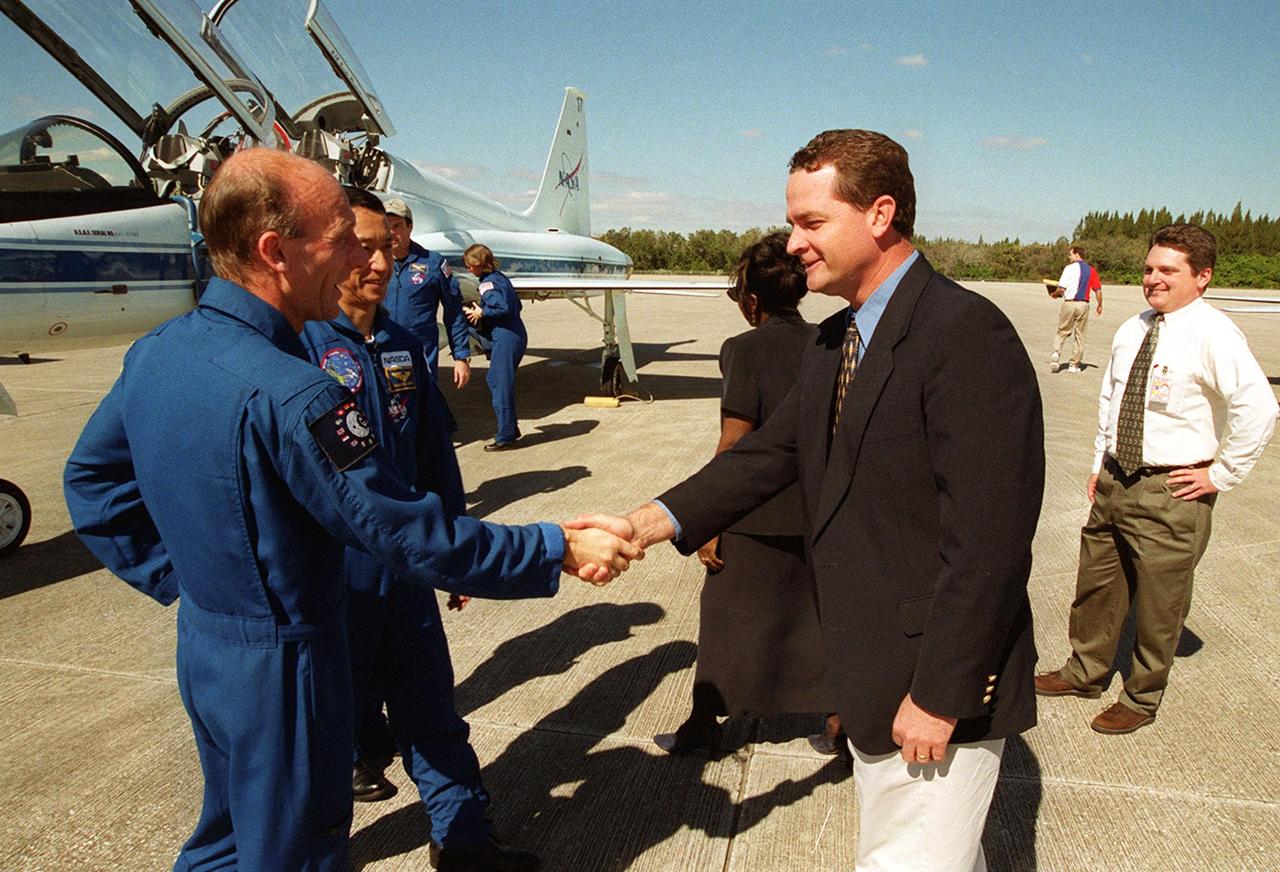
After landing at the Shuttle Landing Facility aboard T-38 jet aircraft, STS-99 Mission Specialists (from left) Gerhard Thiele of Germany and Mamoru Mohri of Japan are greeted by Dave King, director of Shuttle Operations. Behind Mohri can be seen Commander Kevin Kregel and Mission Specialist Janice Voss. The crew, which includes Pilot Dom gorie and Mission Specialist Janet Kavandi, are ready to prepare for the second launch attempt of Endeavour Feb. 11 at 12:30 p.m. EST from Launch Pad 39A. The earlier launch scheduled for Jan. 31 was scrubbed due to poor weather and a faulty Enhanced Master Events Controller in the orbiter's aft compartment. Over the next few days, the crew will review mission procedures, conduct test flights in the Shuttle Training Aircraft and undergo routine preflight medical exams. STS-99 is the Shuttle Radar Topography Mission, which will produce unrivaled 3-D images of the Earth's surface. The result of the Shuttle Radar Topography Mission could be close to 1 trillion measurements of the Earth's topography. Landing is expected at KSC on Feb. 22 at 4:36 p.m. EST
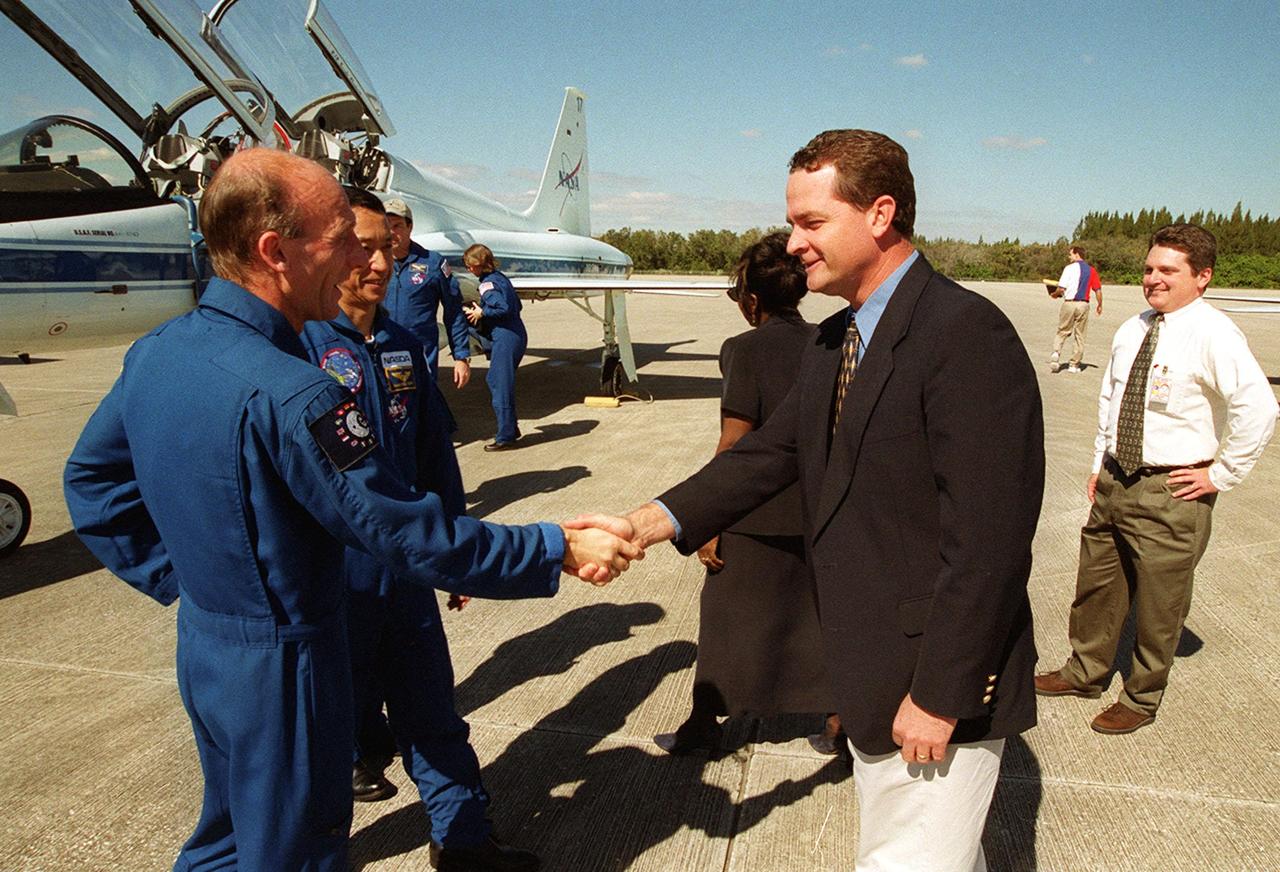
After landing at the Shuttle Landing Facility aboard T-38 jet aircraft, STS-99 Mission Specialists (from left) Gerhard Thiele of Germany and Mamoru Mohri of Japan are greeted by Dave King, director of Shuttle Operations. Behind Mohri can be seen Commander Kevin Kregel and Mission Specialist Janice Voss. The crew, which includes Pilot Dom gorie and Mission Specialist Janet Kavandi, are ready to prepare for the second launch attempt of Endeavour Feb. 11 at 12:30 p.m. EST from Launch Pad 39A. The earlier launch scheduled for Jan. 31 was scrubbed due to poor weather and a faulty Enhanced Master Events Controller in the orbiter's aft compartment. Over the next few days, the crew will review mission procedures, conduct test flights in the Shuttle Training Aircraft and undergo routine preflight medical exams. STS-99 is the Shuttle Radar Topography Mission, which will produce unrivaled 3-D images of the Earth's surface. The result of the Shuttle Radar Topography Mission could be close to 1 trillion measurements of the Earth's topography. Landing is expected at KSC on Feb. 22 at 4:36 p.m. EST
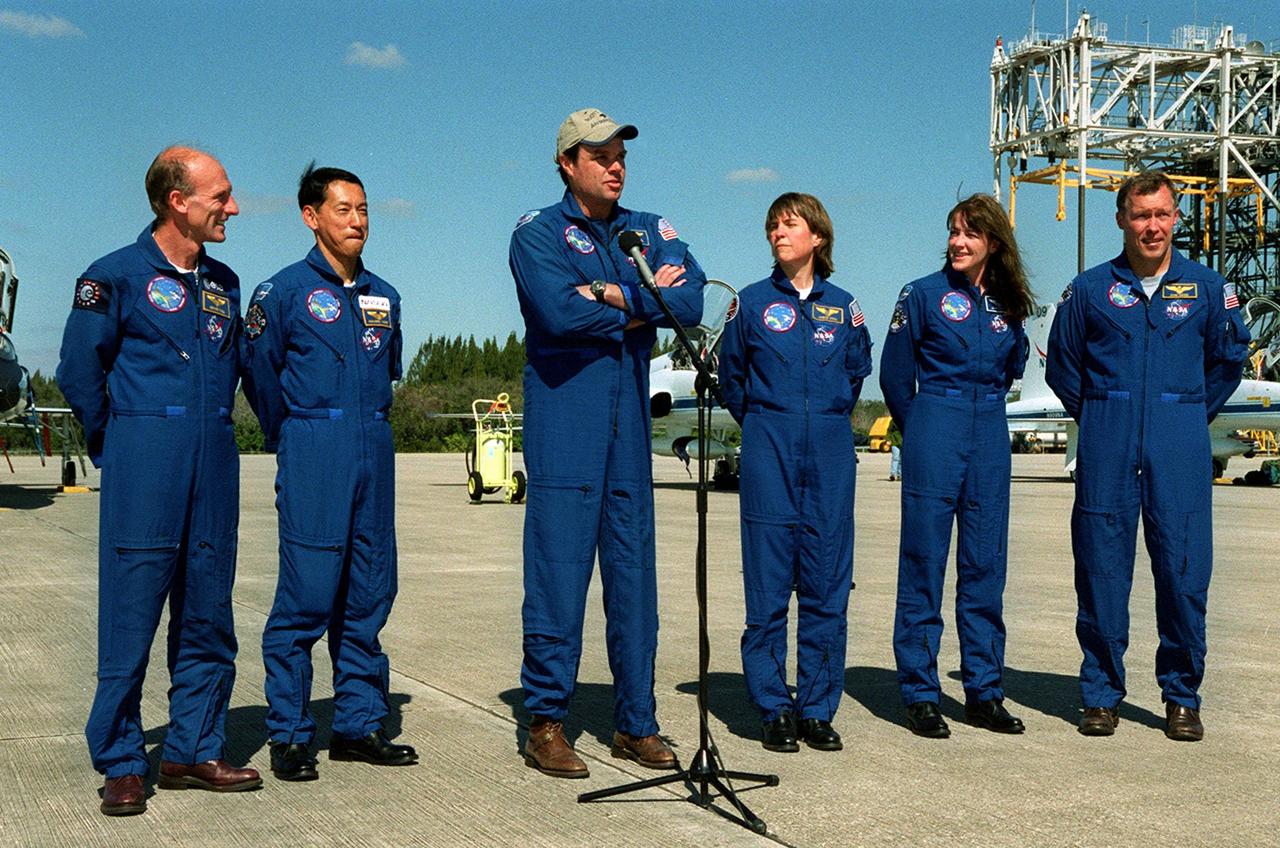
After landing at the Shuttle Landing Facility aboard T-38 jet aircraft, the STS-99 crew addresses the media. Standing, left to right, are Mission Specialists Gerhard Thiele of Germany and Mamoru Mohri of Japan, Commander Kevin Kregel (at the microphone), Mission Specialists Janice Voss and Janet Kavandi, and Pilot Dominic Gorie. They are ready to prepare for the second launch attempt of Endeavour Feb. 11 at 12:30 p.m. EST from Launch Pad 39A. The earlier launch scheduled for Jan. 31 was scrubbed due to poor weather and a faulty Enhanced Master Events Controller in the orbiter's aft compartment. Over the next few days, the crew will review mission procedures, conduct test flights in the Shuttle Training Aircraft and undergo routine preflight medical exams. STS-99 is the Shuttle Radar Topography Mission, which will produce unrivaled 3-D images of the Earth's surface. The result of the Shuttle Radar Topography Mission could be close to 1 trillion measurements of the Earth's topography. Landing is expected at KSC on Feb. 22 at 4:36 p.m. EST
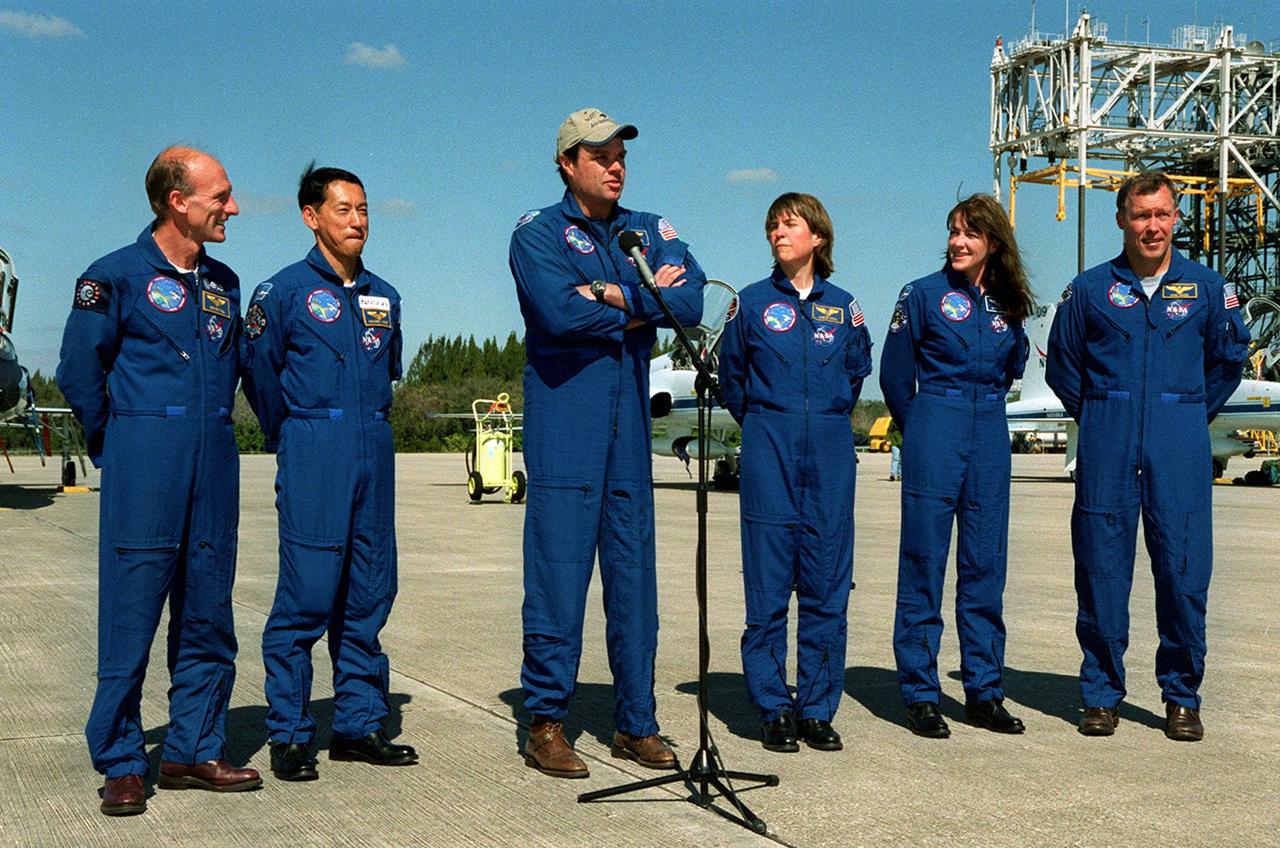
After landing at the Shuttle Landing Facility aboard T-38 jet aircraft, the STS-99 crew addresses the media. Standing, left to right, are Mission Specialists Gerhard Thiele of Germany and Mamoru Mohri of Japan, Commander Kevin Kregel (at the microphone), Mission Specialists Janice Voss and Janet Kavandi, and Pilot Dominic Gorie. They are ready to prepare for the second launch attempt of Endeavour Feb. 11 at 12:30 p.m. EST from Launch Pad 39A. The earlier launch scheduled for Jan. 31 was scrubbed due to poor weather and a faulty Enhanced Master Events Controller in the orbiter's aft compartment. Over the next few days, the crew will review mission procedures, conduct test flights in the Shuttle Training Aircraft and undergo routine preflight medical exams. STS-99 is the Shuttle Radar Topography Mission, which will produce unrivaled 3-D images of the Earth's surface. The result of the Shuttle Radar Topography Mission could be close to 1 trillion measurements of the Earth's topography. Landing is expected at KSC on Feb. 22 at 4:36 p.m. EST

STS-99 Pilot Dominic Gorie, under the watchful eye of Capt. George Hoggard, a trainer with the KSC Fire Department, practices driving the M-113, an armored personnel carrier. Part of Terminal Countdown Demonstration Test (TCDT) activities, the M-113 could be used by the crew in the event of an emergency at the pad during which the crew must make a quick exit from the area. Riding in the rear are Mission Specialists Mamoru Mohri, who is with the National Space Development Agency (NASDA) of Japan, Janet Lynn Kavandi (Ph.D.) and Janice Voss (Ph.D.). TCDT provides the crew with simulated countdown exercises, emergency egress training, and opportunities to inspect the mission payloads in the orbiter's payload bay. STS-99 is the Shuttle Radar Topography Mission, which will chart a new course, using two antennae and a 200-foot-long section of space station-derived mast protruding from the payload bay to produce unrivaled 3-D images of the Earth's surface. The result of the Shuttle Radar Topography Mission could be close to 1 trillion measurements of the Earth's topography. Besides contributing to the production of better maps, these measurements could lead to improved water drainage modeling, more realistic flight simulators, better locations for cell phone towers, and enhanced navigation safety. Launch of Endeavour on the 11-day mission is scheduled for Jan. 31 at 12:47 p.m. EST
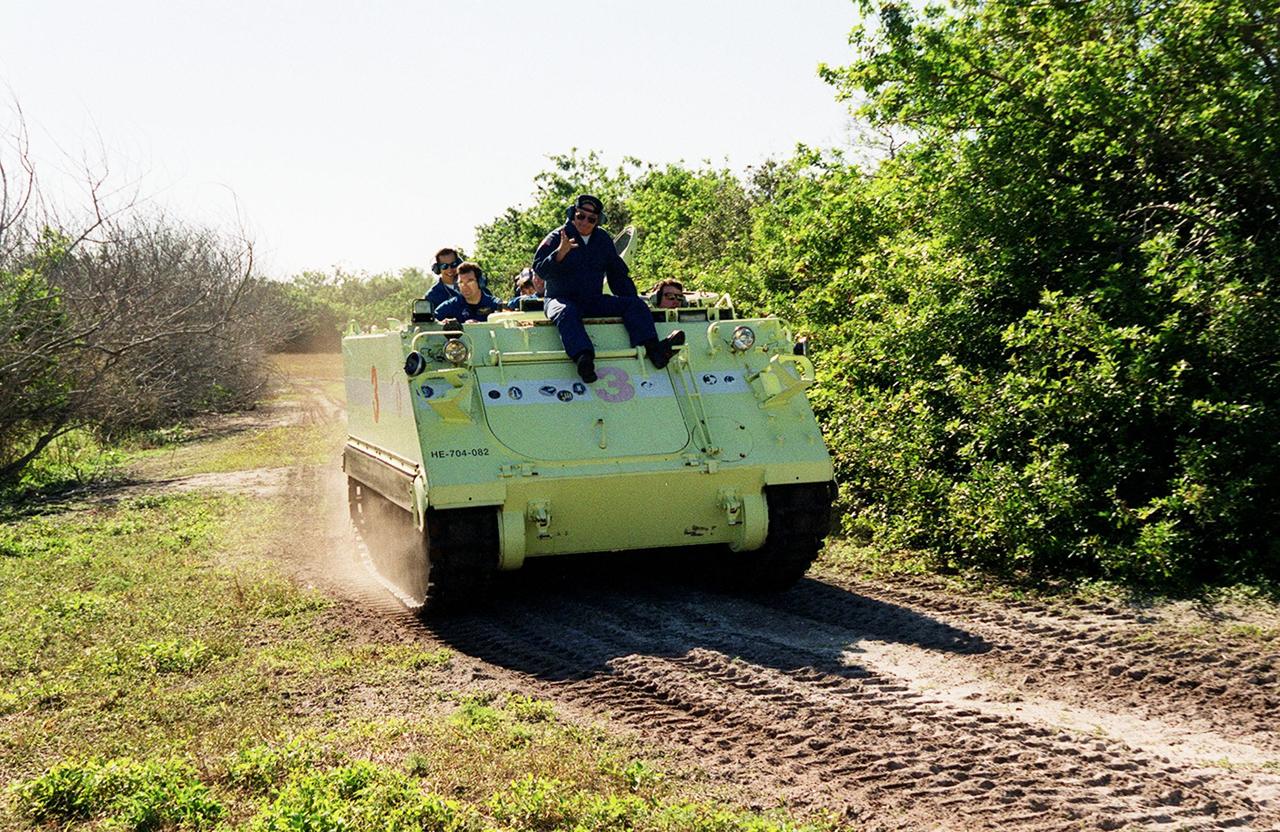
Under the watchful eye of Capt. George Hoggard, a trainer with the KSC Fire Department, STS-99 Commander Kevin Kregel practices driving the M-113, an armored personnel carrier. Part of Terminal Countdown Demonstration Test (TCDT) activities, the M-113 could be used by the crew in the event of an emergency at the pad during which the crew must make a quick exit from the area. TCDT provides the crew with simulated countdown exercises, emergency egress training, and opportunities to inspect the mission payloads in the orbiter's payload bay. STS-99 is the Shuttle Radar Topography Mission, which will chart a new course, using two antennae and a 200-foot-long section of space station-derived mast protruding from the payload bay to produce unrivaled 3-D images of the Earth's surface. The result of the Shuttle Radar Topography Mission could be close to 1 trillion measurements of the Earth's topography. Besides contributing to the production of better maps, these measurements could lead to improved water drainage modeling, more realistic flight simulators, better locations for cell phone towers, and enhanced navigation safety. Launch of Endeavour on the 11-day mission is scheduled for Jan. 31 at 12:47 p.m. EST

Under the watchful eye of Capt. George Hoggard, a trainer with the KSC Fire Department, STS-99 Commander Kevin Kregel practices driving the M-113, an armored personnel carrier. Part of Terminal Countdown Demonstration Test (TCDT) activities, the M-113 could be used by the crew in the event of an emergency at the pad during which the crew must make a quick exit from the area. TCDT provides the crew with simulated countdown exercises, emergency egress training, and opportunities to inspect the mission payloads in the orbiter's payload bay. STS-99 is the Shuttle Radar Topography Mission, which will chart a new course, using two antennae and a 200-foot-long section of space station-derived mast protruding from the payload bay to produce unrivaled 3-D images of the Earth's surface. The result of the Shuttle Radar Topography Mission could be close to 1 trillion measurements of the Earth's topography. Besides contributing to the production of better maps, these measurements could lead to improved water drainage modeling, more realistic flight simulators, better locations for cell phone towers, and enhanced navigation safety. Launch of Endeavour on the 11-day mission is scheduled for Jan. 31 at 12:47 p.m. EST
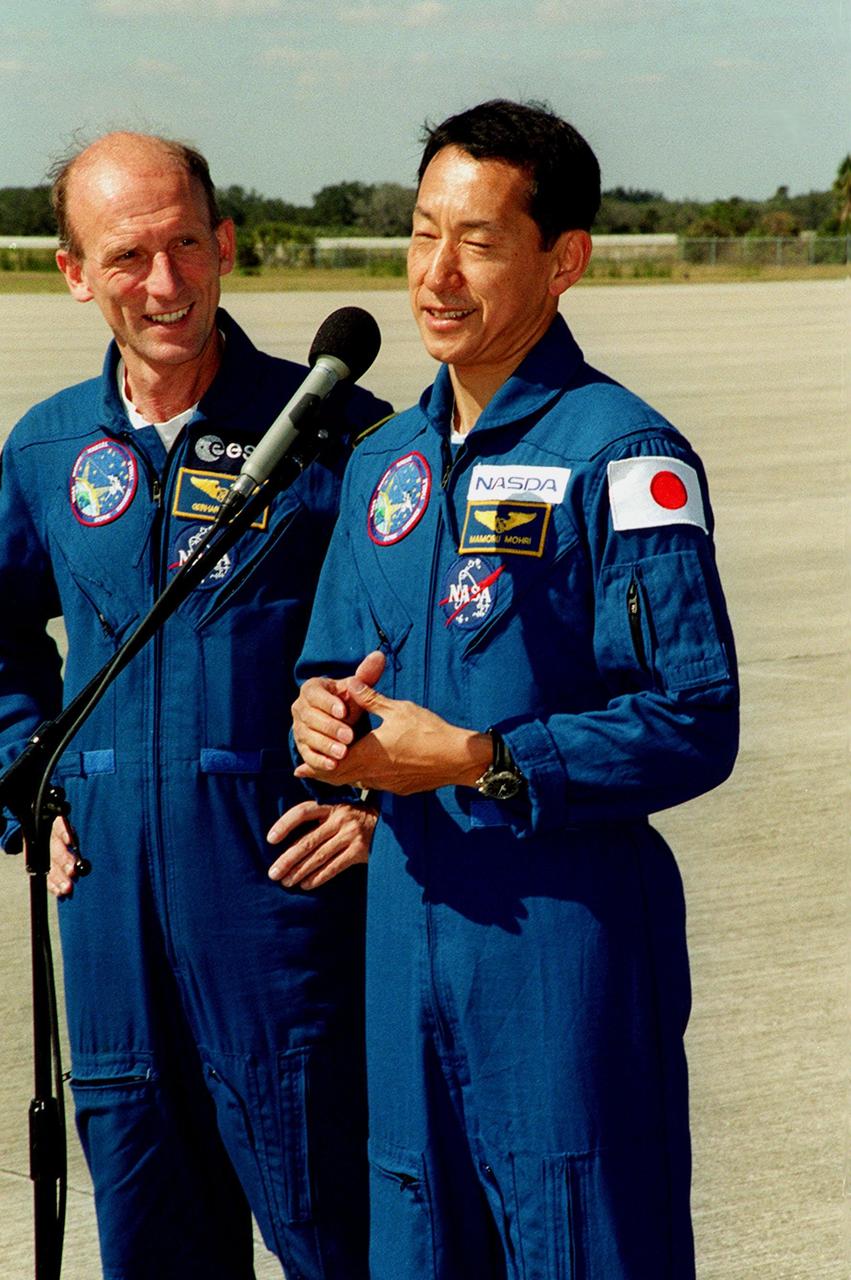
After landing at the Shuttle Landing Facility aboard T-38 jet aircraft, the STS-99 crew addressed the media. Mission Specialists Gerhard Thiele of Germany waits while Mamoru Mohri of Japan (right) responds to a question. The crew is ready to prepare for the second launch attempt of Endeavour Feb. 11 at 12:30 p.m. EST from Launch Pad 39A. The earlier launch scheduled for Jan. 31 was scrubbed due to poor weather and a faulty Enhanced Master Events Controller in the orbiter's aft compartment. Over the next few days, the crew will review mission procedures, conduct test flights in the Shuttle Training Aircraft and undergo routine preflight medical exams. STS-99 is the Shuttle Radar Topography Mission, which will produce unrivaled 3-D images of the Earth's surface. The result of the Shuttle Radar Topography Mission could be close to 1 trillion measurements of the Earth's topography. Landing is expected at KSC on Feb. 22 at 4:36 p.m. EST
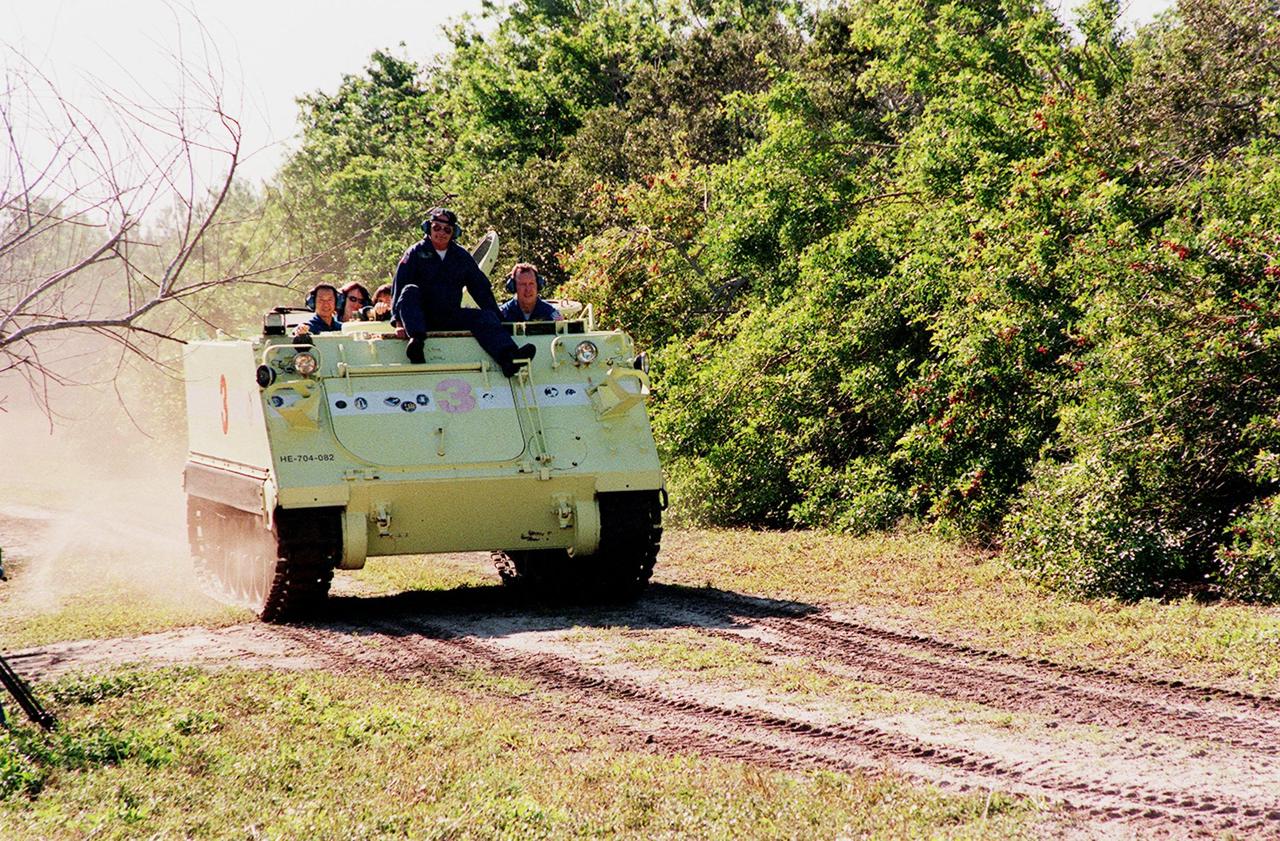
STS-99 Pilot Dominic Gorie, under the watchful eye of Capt. George Hoggard, a trainer with the KSC Fire Department, practices driving the M-113, an armored personnel carrier. Part of Terminal Countdown Demonstration Test (TCDT) activities, the M-113 could be used by the crew in the event of an emergency at the pad during which the crew must make a quick exit from the area. Riding in the rear are Mission Specialists Mamoru Mohri, who is with the National Space Development Agency (NASDA) of Japan, Janet Lynn Kavandi (Ph.D.) and Janice Voss (Ph.D.). TCDT provides the crew with simulated countdown exercises, emergency egress training, and opportunities to inspect the mission payloads in the orbiter's payload bay. STS-99 is the Shuttle Radar Topography Mission, which will chart a new course, using two antennae and a 200-foot-long section of space station-derived mast protruding from the payload bay to produce unrivaled 3-D images of the Earth's surface. The result of the Shuttle Radar Topography Mission could be close to 1 trillion measurements of the Earth's topography. Besides contributing to the production of better maps, these measurements could lead to improved water drainage modeling, more realistic flight simulators, better locations for cell phone towers, and enhanced navigation safety. Launch of Endeavour on the 11-day mission is scheduled for Jan. 31 at 12:47 p.m. EST
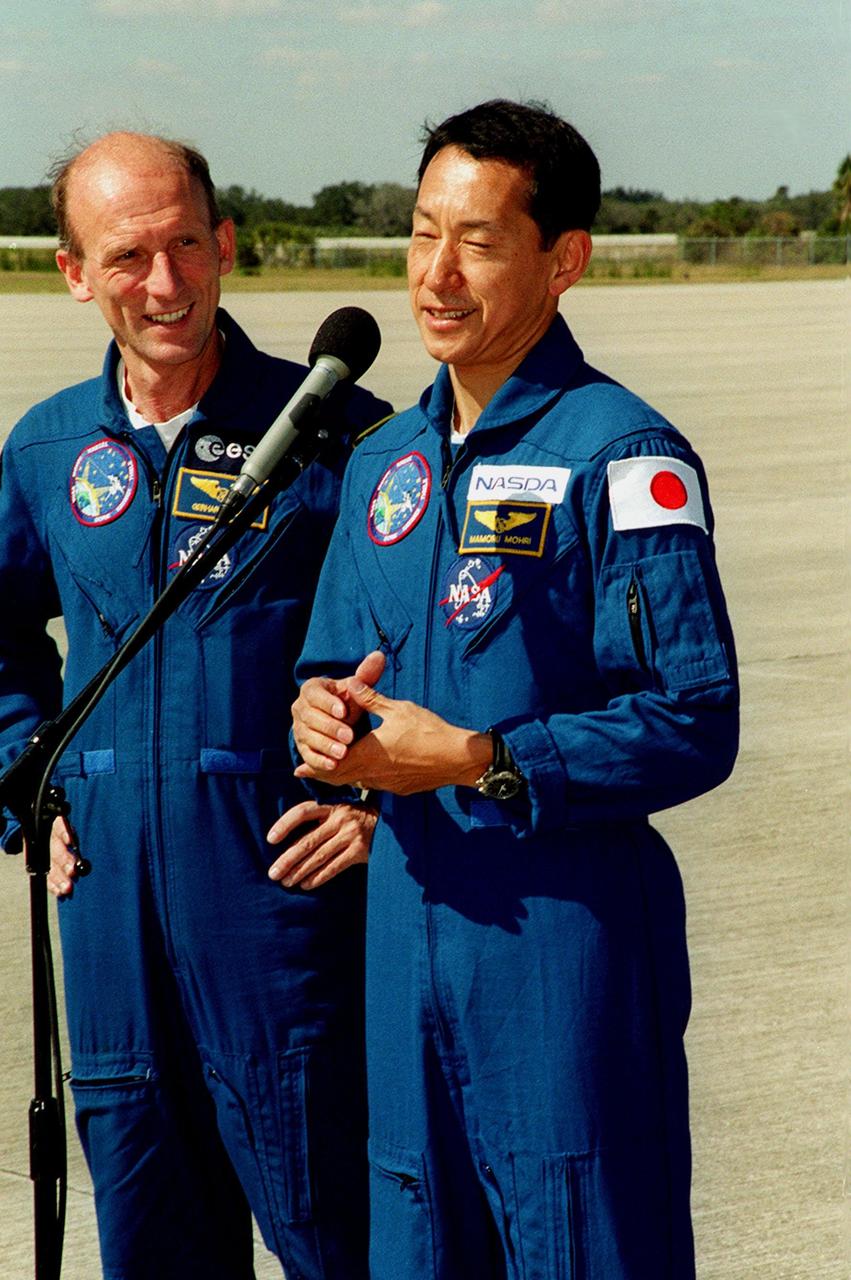
After landing at the Shuttle Landing Facility aboard T-38 jet aircraft, the STS-99 crew addressed the media. Mission Specialists Gerhard Thiele of Germany waits while Mamoru Mohri of Japan (right) responds to a question. The crew is ready to prepare for the second launch attempt of Endeavour Feb. 11 at 12:30 p.m. EST from Launch Pad 39A. The earlier launch scheduled for Jan. 31 was scrubbed due to poor weather and a faulty Enhanced Master Events Controller in the orbiter's aft compartment. Over the next few days, the crew will review mission procedures, conduct test flights in the Shuttle Training Aircraft and undergo routine preflight medical exams. STS-99 is the Shuttle Radar Topography Mission, which will produce unrivaled 3-D images of the Earth's surface. The result of the Shuttle Radar Topography Mission could be close to 1 trillion measurements of the Earth's topography. Landing is expected at KSC on Feb. 22 at 4:36 p.m. EST
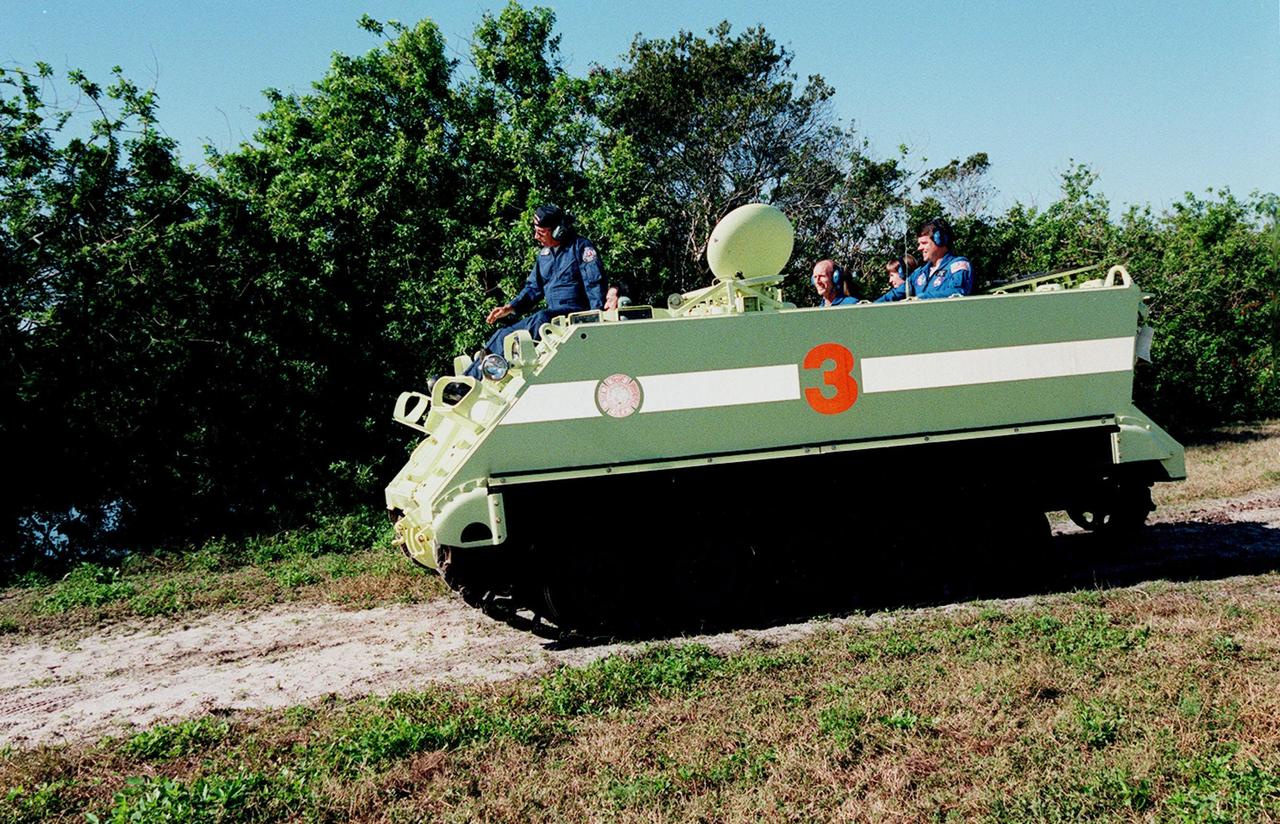
STS-99 Mission Specialist Mamoru Mohri, who is with the National Space Development Agency (NASDA) of Japan, practices driving an armored personnel carrier under the watchful eye of Capt. George Hoggard (riding on the front), trainer with the KSC Fire Department. The vehicle is part of emergency egress training during Terminal Countdown Demonstration Test (TCDT) activities and could be used by the crew in the event of an emergency at the pad during which the crew must make a quick exit from the area. Riding in the rear of the carrier are Mission Specialists Gerhard Thiele (center), Janice Voss (Ph.D.), and Commander Kevin Kregel. TCDT provides the crew with simulated countdown exercises, emergency egress training, and opportunities to inspect the mission payloads in the orbiter's payload bay. STS-99 is the Shuttle Radar Topography Mission, which will chart a new course, using two antennae and a 200-foot-long section of space station-derived mast protruding from the payload bay to produce unrivaled 3-D images of the Earth's surface. The result of the Shuttle Radar Topography Mission could be close to 1 trillion measurements of the Earth's topography. Besides contributing to the production of better maps, these measurements could lead to improved water drainage modeling, more realistic flight simulators, better locations for cell phone towers, and enhanced navigation safety. Launch of Endeavour on the 11-day mission is scheduled for Jan. 31 at 12:47 p.m. EST
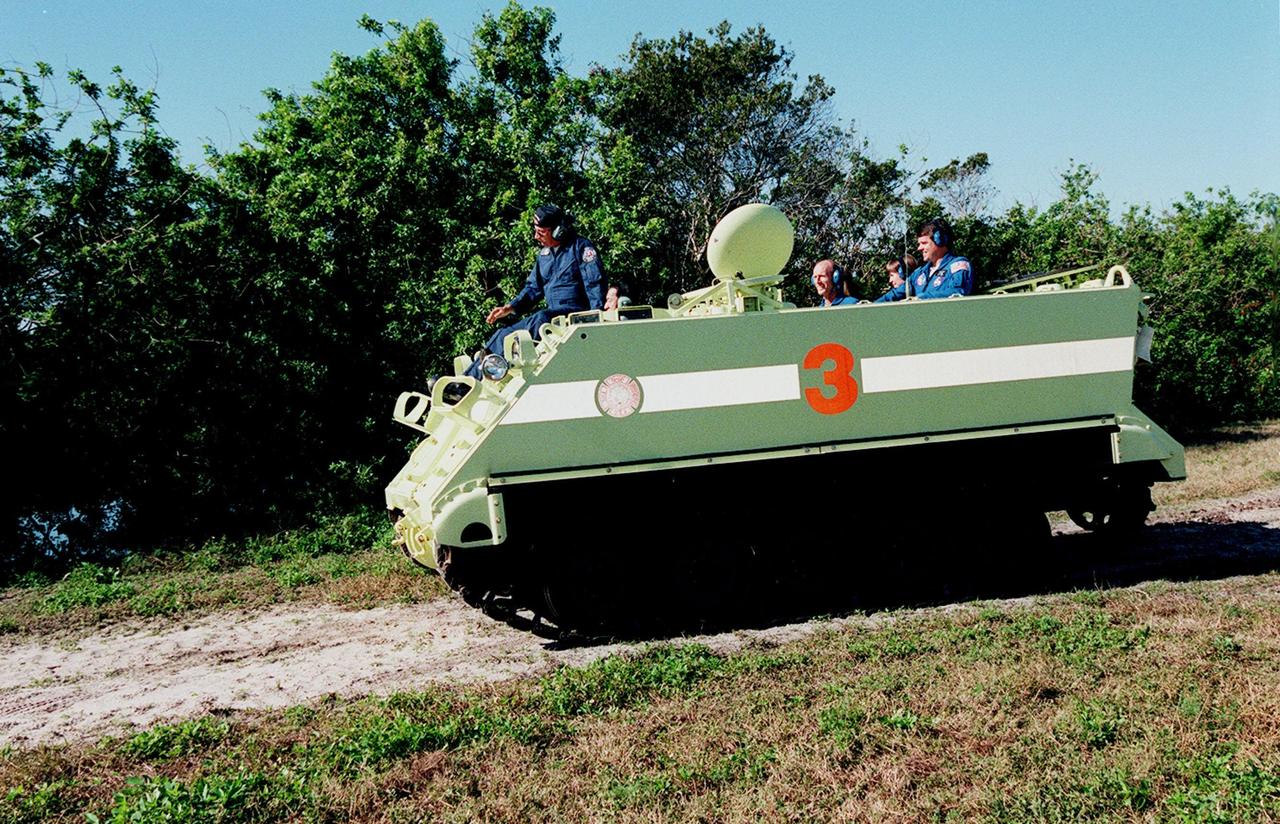
STS-99 Mission Specialist Mamoru Mohri, who is with the National Space Development Agency (NASDA) of Japan, practices driving an armored personnel carrier under the watchful eye of Capt. George Hoggard (riding on the front), trainer with the KSC Fire Department. The vehicle is part of emergency egress training during Terminal Countdown Demonstration Test (TCDT) activities and could be used by the crew in the event of an emergency at the pad during which the crew must make a quick exit from the area. Riding in the rear of the carrier are Mission Specialists Gerhard Thiele (center), Janice Voss (Ph.D.), and Commander Kevin Kregel. TCDT provides the crew with simulated countdown exercises, emergency egress training, and opportunities to inspect the mission payloads in the orbiter's payload bay. STS-99 is the Shuttle Radar Topography Mission, which will chart a new course, using two antennae and a 200-foot-long section of space station-derived mast protruding from the payload bay to produce unrivaled 3-D images of the Earth's surface. The result of the Shuttle Radar Topography Mission could be close to 1 trillion measurements of the Earth's topography. Besides contributing to the production of better maps, these measurements could lead to improved water drainage modeling, more realistic flight simulators, better locations for cell phone towers, and enhanced navigation safety. Launch of Endeavour on the 11-day mission is scheduled for Jan. 31 at 12:47 p.m. EST