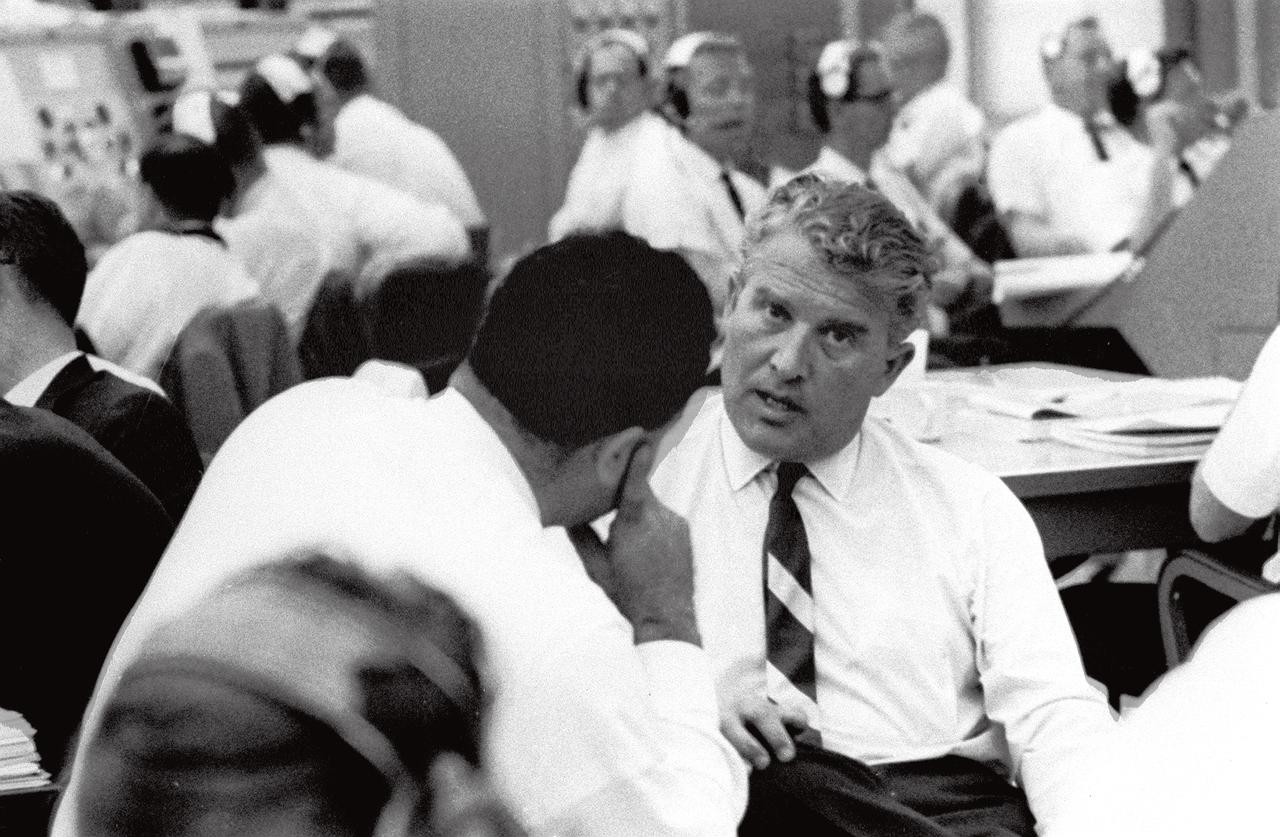
In this photograph at Kennedy Space Center (KSC) Complex 37 Control Center, Marshall Space Flight Center (MSFC) Director Wernher von Braun (right) talks with KSC's Rocco Petrone while awaiting the launch of SA-8 (Saturn I) on May 25, 1965. Petrone played key roles at KSC in the development of Saturn launch facilities before becoming the director of launch operations in 1966.
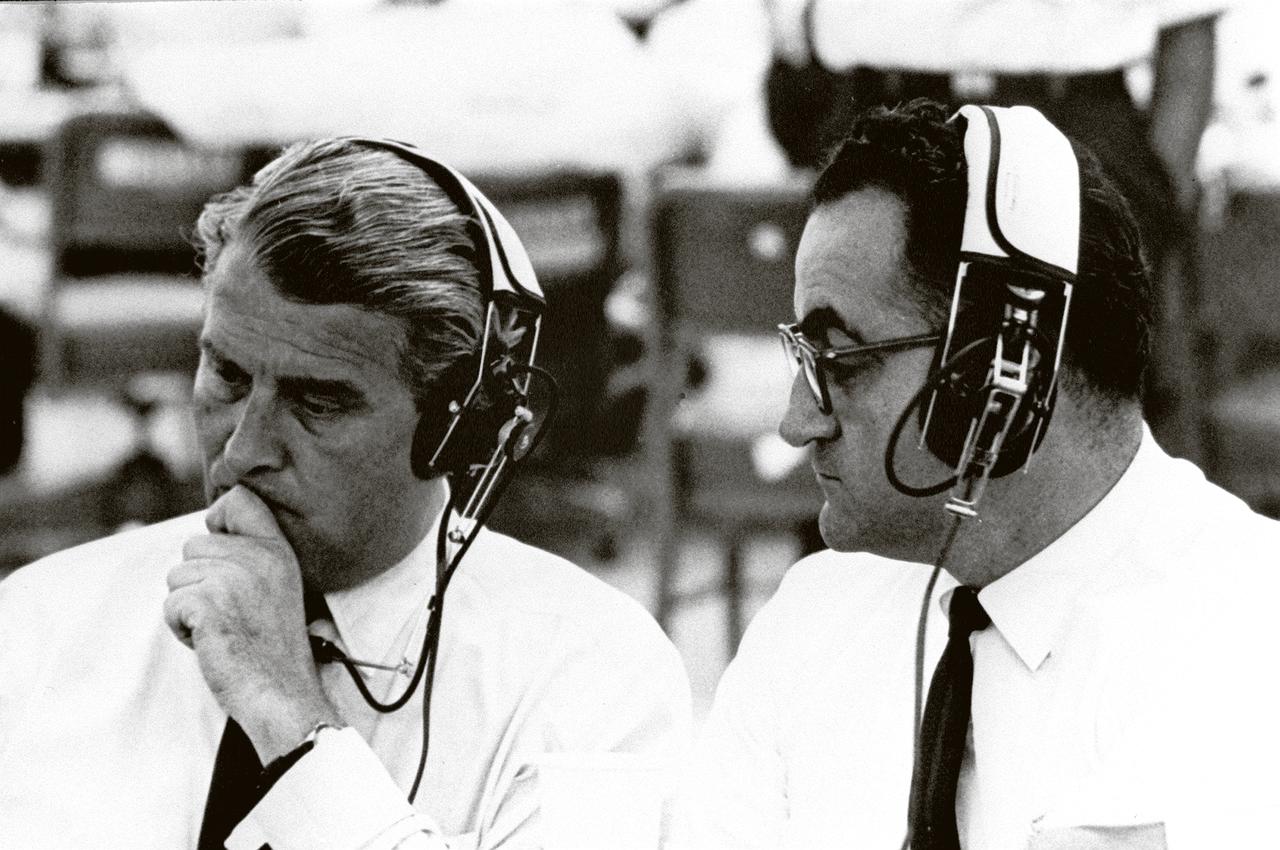
Marshall Space Flight Center (MSFC) Director Dr. Wernher von Braun (left) with Kennedy Space Center (KSC) Rocco Petrone prior to the January 29, 1964 launch of SA-5, the first Block II configuration of the Saturn I launch vehicle. Petrone played key roles at KSC in the development of Saturn launch facilities before becoming director of launch operations in 1966.
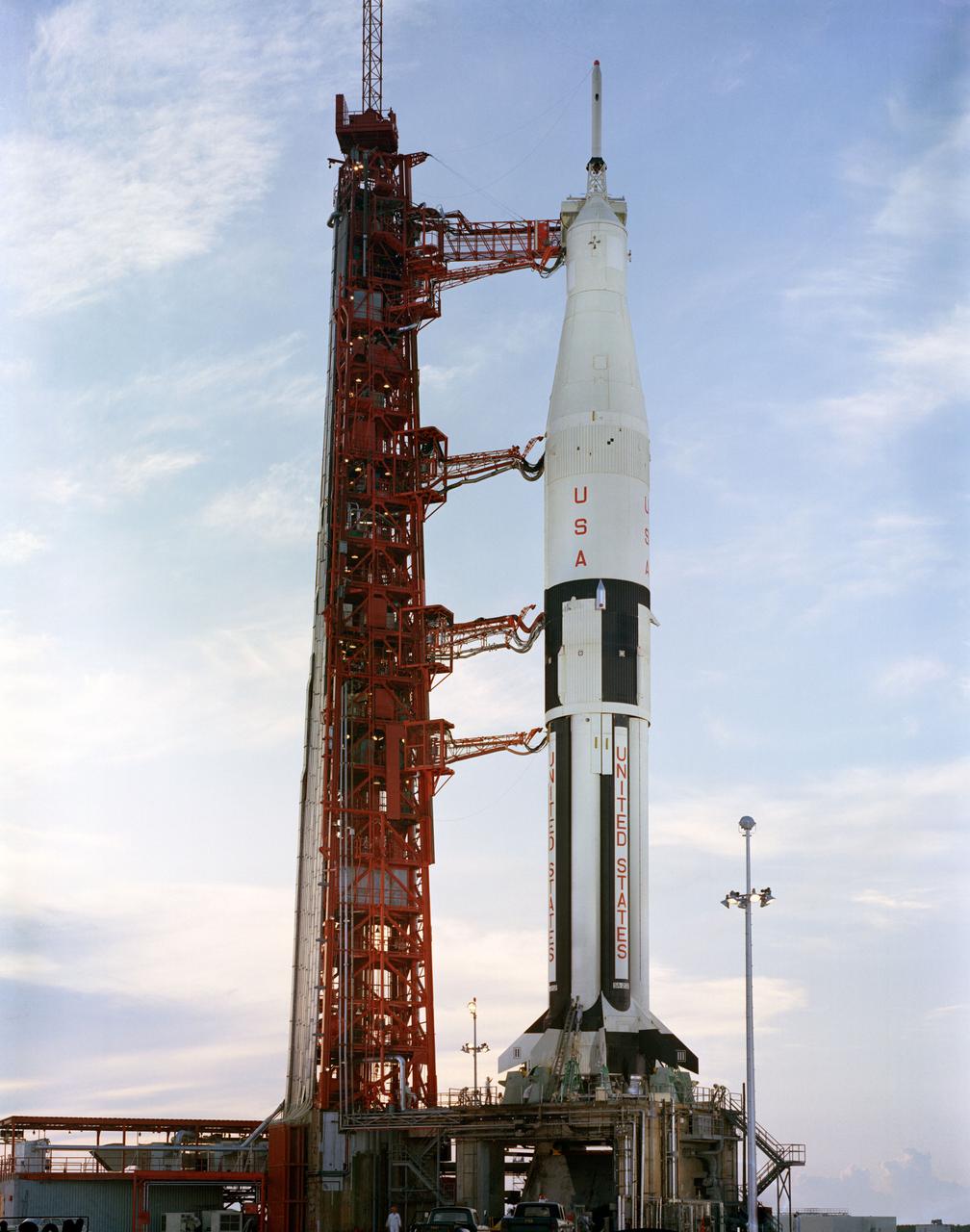
Scene at the LC-34 during an A/S 202 Prelaunch Alert. The mission was a step toward qualifying the Apollo Command and Service Modules (CSM) and the uprated Saturn I Launch Vehicle for manned flight. KSC, FL
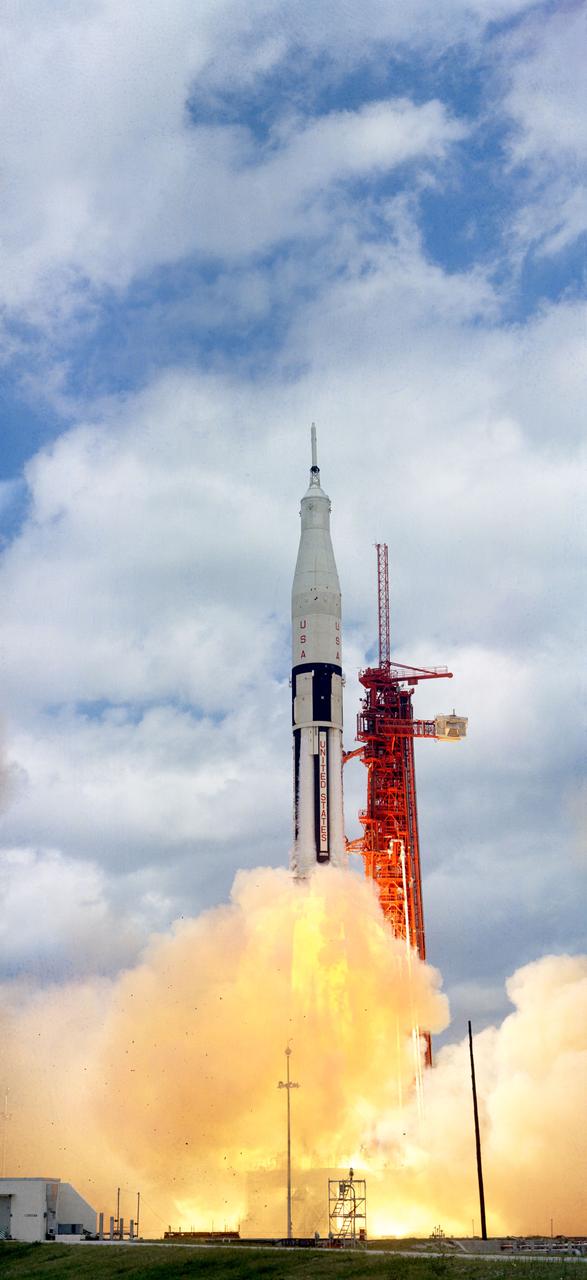
A/S Mission 202 was launched from the KSC Launch Complex (LC)-34 at 12:15 p.m., 08/25/1966. The mission was a step toward qualifying the Apollo Command and Service Modules (CSM)'s and the uprated Saturn I launch vehicle for manned flight. KSC, FL
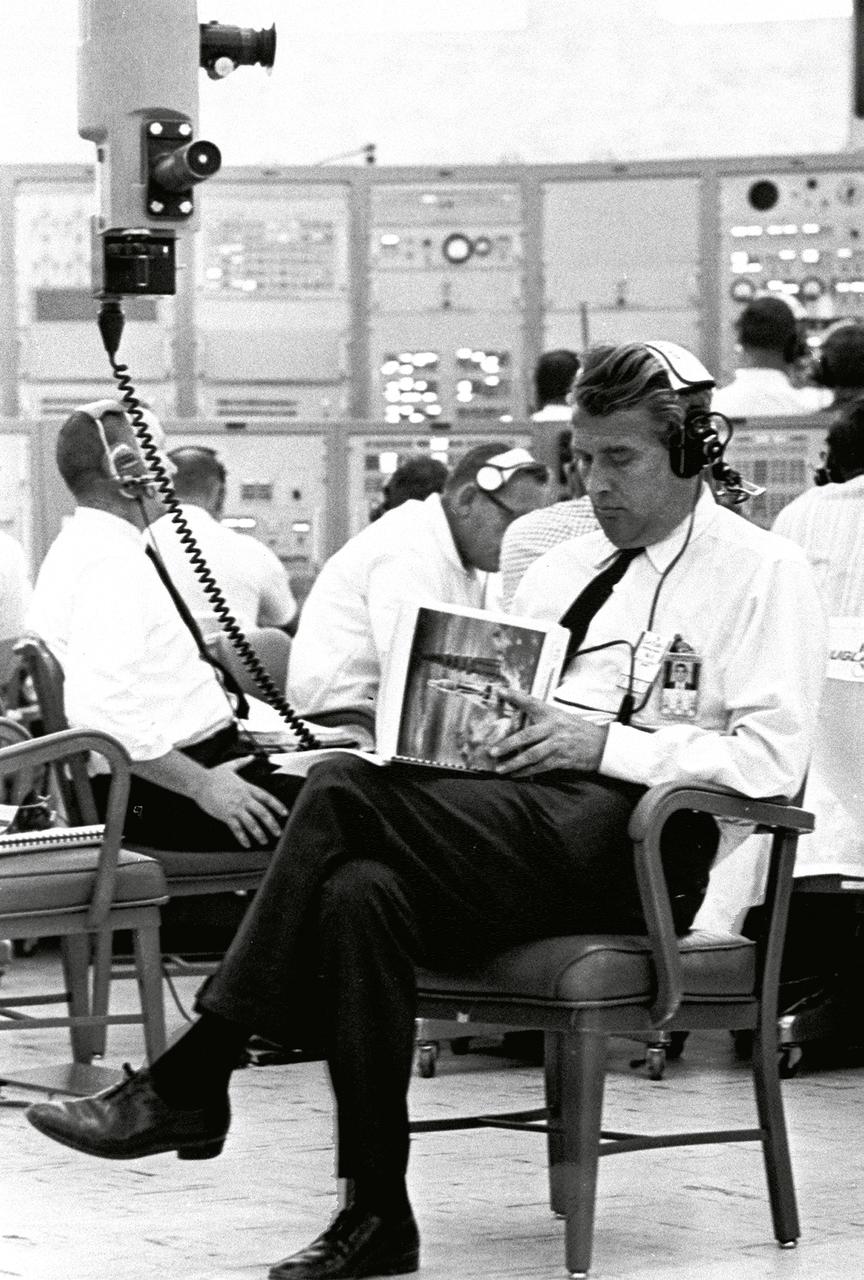
Marshall Space Flight Center (MSFC) Director Wernher von Braun, seated near a periscope in Kennedy Space Center's Blockhouse 34, on May 28, 1964, looks over a flight manual while awaiting the launch of SA-6, the sixth Saturn I flight. Also known as Apollo Mission A-101, the launch marked the first flight of an Apollo spacecraft with a Saturn launch vehicle.
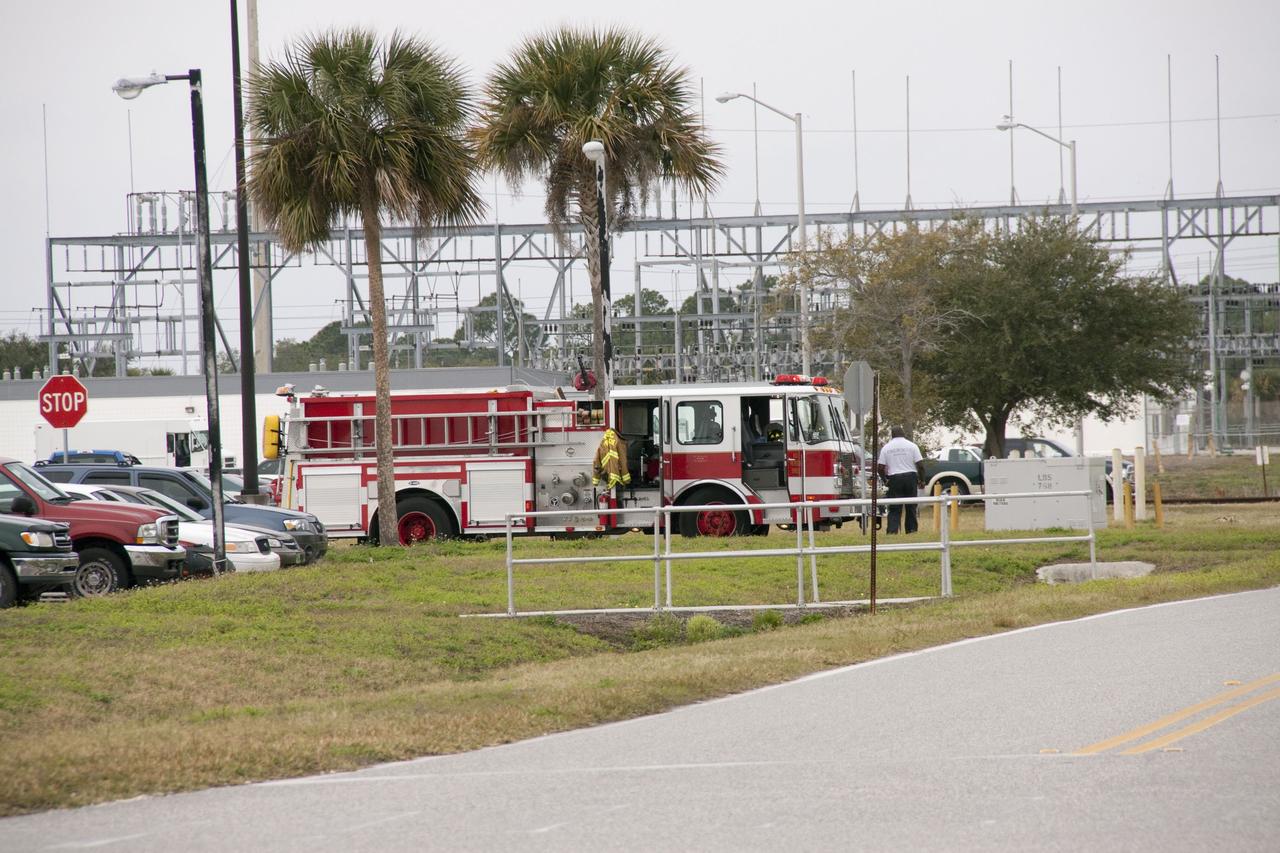
CAPE CANAVERAL, Fla. -- At NASA's Kennedy Space Center in Florida, KSC firefighters were on the scene after a backhoe inadvertently struck a natural gas line at around 8:40 a.m. EST in the area north of the Multi Function Facility (MFF). As a precaution, personnel were evacuated from Orbiter Processing Facilities 1 and 2, the MFF, Processing Control Center and Operations Support Building (OSB) I. All traffic was blocked on the Saturn Causeway near the facilities. There were no injuries or damage to any facilities and personnel were allowed back into their buildings before mid-day and the roadway open to traffic. Photo credit: NASA/Jack Pfaller
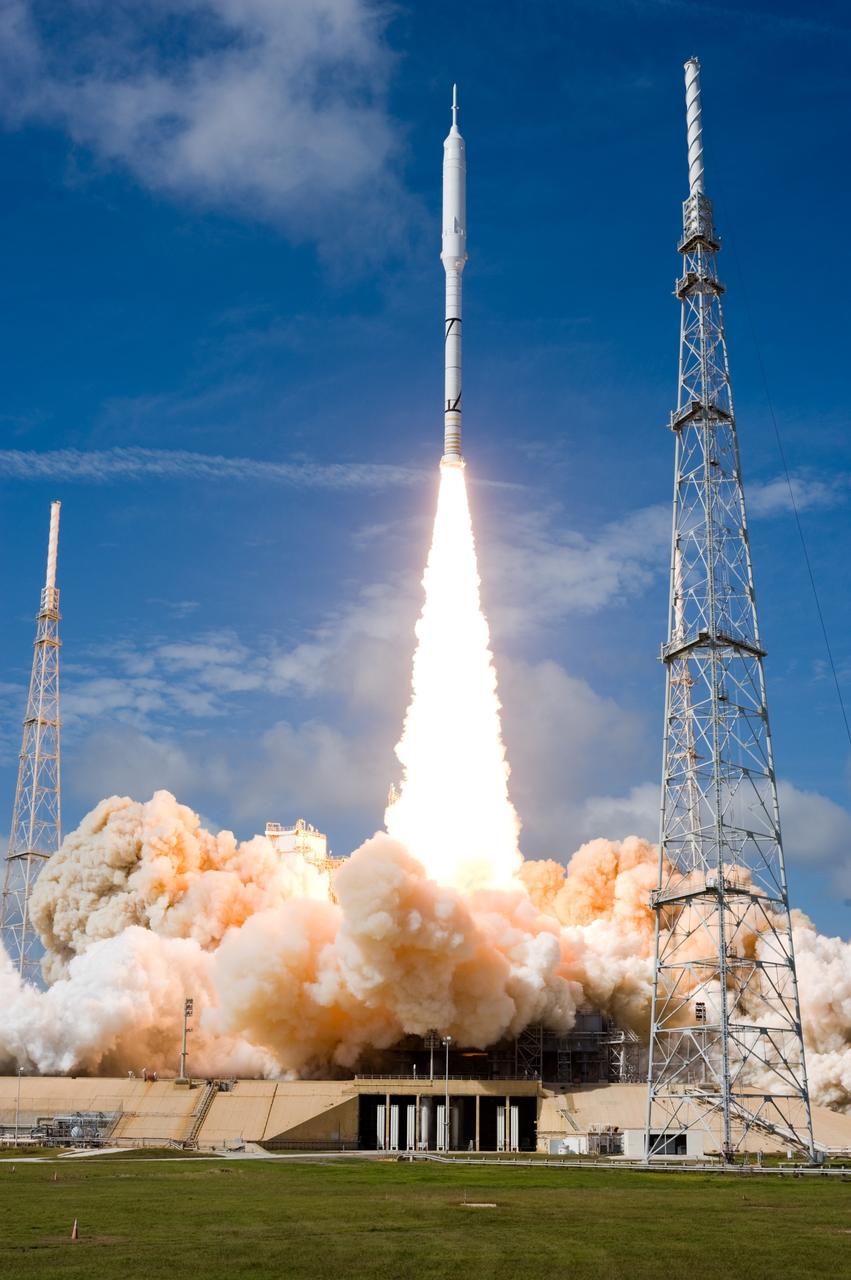
KSC-2009-5967 (10/28/2009) CAPE CANAVERAL, Fla. – The Ares I-X test rocket clears Launch Pad 39B at NASA's Kennedy Space Center in Florida at 11:30 a.m. EDT on Oct. 28. The 327-foot-tall rocket produces 2.96 million pounds of thrust at liftoff and reaches a speed of 100 mph in eight seconds. This was the first launch from Kennedy's pads of a vehicle other than the space shuttle since the Apollo Program's Saturn rockets were retired. The parts used to make the Ares I-X booster flew on 30 different shuttle missions ranging from STS-29 in 1989 to STS-106 in 2000. The data returned from more than 700 sensors throughout the rocket will be used to refine the design of future launch vehicles and bring NASA one step closer to reaching its exploration goals. For information on the Ares I-X vehicle and flight test, visit http://www.nasa.gov/aresIX. Photo credit: NASA/Tony Gray and Tom Farrar
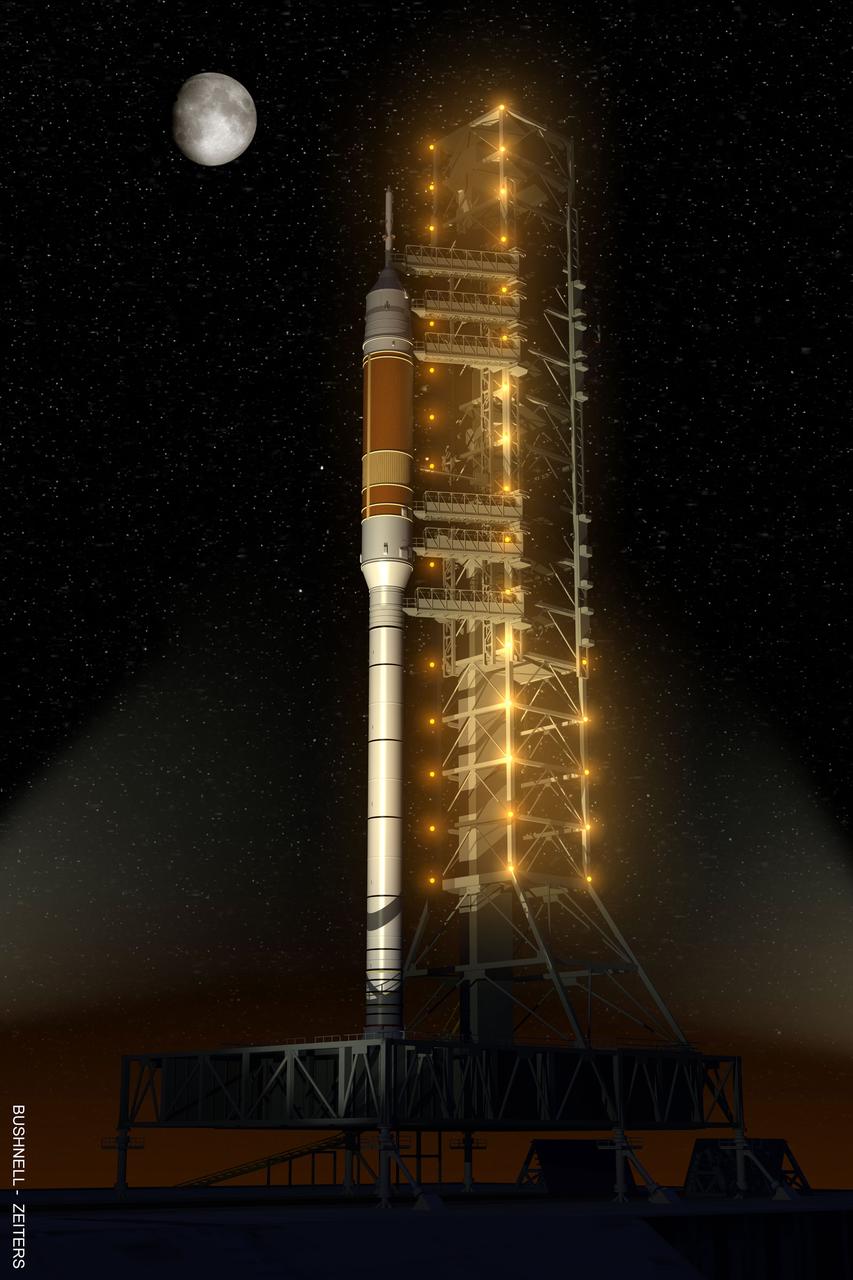
Under the goals of the Vision for Space Exploration, Ares I is a chief component of the cost-effective space transportation infrastructure being developed by NASA's Constellation Program. This transportation system will safely and reliably carry human explorers back to the moon, and then onward to Mars and other destinations in the solar system. Launch Pad 39B of the Kennedy Space Flight Center (KSC), currently used for Space Shuttle launches, will be revised to host the Ares launch vehicles. The fixed and rotating service structures standing at the pad will be dismantled sometime after the Ares I-X test flight. A new launch tower for Ares I will be built onto a new mobile launch platform. The gantry for the shuttle doesn't reach much higher than the top of the four segments of the solid rocket booster. Pad access above the current shuttle launch pad structure will not be required for Ares I-X because the stages above the solid rocket booster are inert. For the test scheduled in 2012 or for the crewed flights, workers and astronauts will need access to the highest levels of the rocket and capsule. When the Ares I rocket rolls out to the launch pad on the back of the same crawler-transporters used now, its launch gantry will be with it. The mobile launchers will nestle under three lightning protection towers to be erected around the pad area. Ares time at the launch pad will be significantly less than the three weeks or more the shuttle requires. This “clean pad” approach minimizes equipment and servicing at the launch pad. It is the same plan NASA used with the Saturn V rockets and industry employs it with more modern launchers. The launch pad will also get a new emergency escape system for astronauts, one that looks very much like a roller coaster. Cars riding on a rail will replace the familiar baskets hanging from steel cables. This artist's concept illustrates the Ares I on launch pad 39B.