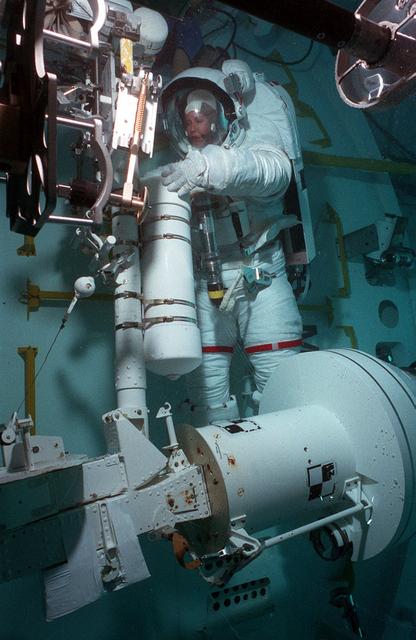
Astronaut Kathy Thornton conducts Hubble Space Telescope training in Marshall's Neutral Buoyancy Simulator (NBS).
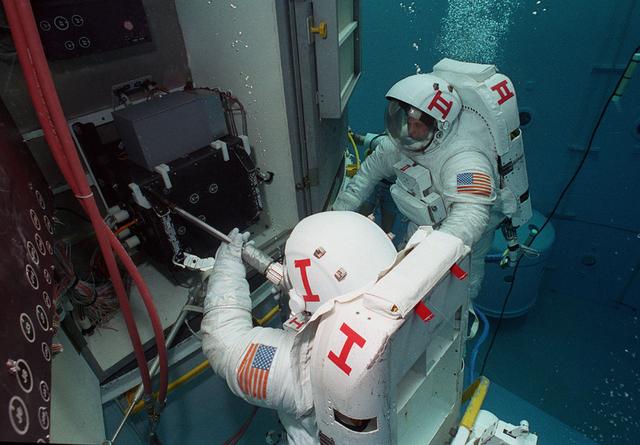
Astronauts Kathy Thornton and Tom Akers practice installing the Wide Field Planetary camera into the Hubble Space Telescope at Marshall's Neutral Buoyancy Simulator (NBS).
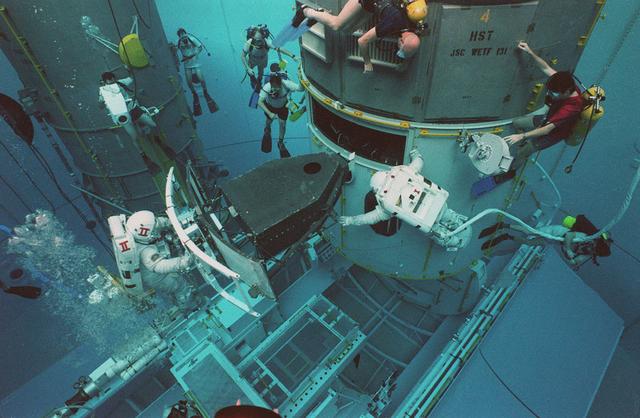
Astronauts Kathy Thornton and Tom Akers practice installing the Wide Field Planetary camera into the Hubble Space Telescope at Marshall's Neutral Buoyancy Simulator (NBS).
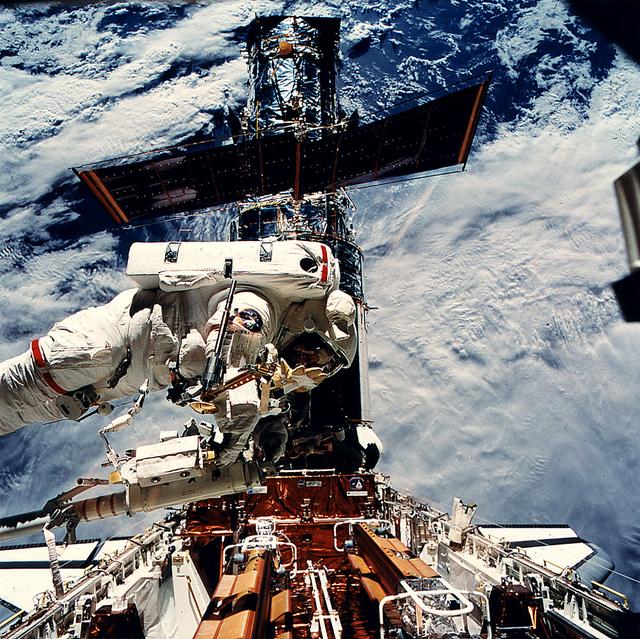
Extra vehicular activity - Astronaut Kathy Thornton on the end of orbiter Endeavour's remote manipulator system arm, hovers over equipment associated with servicing chores on the Hubble Space Telescope (HST).
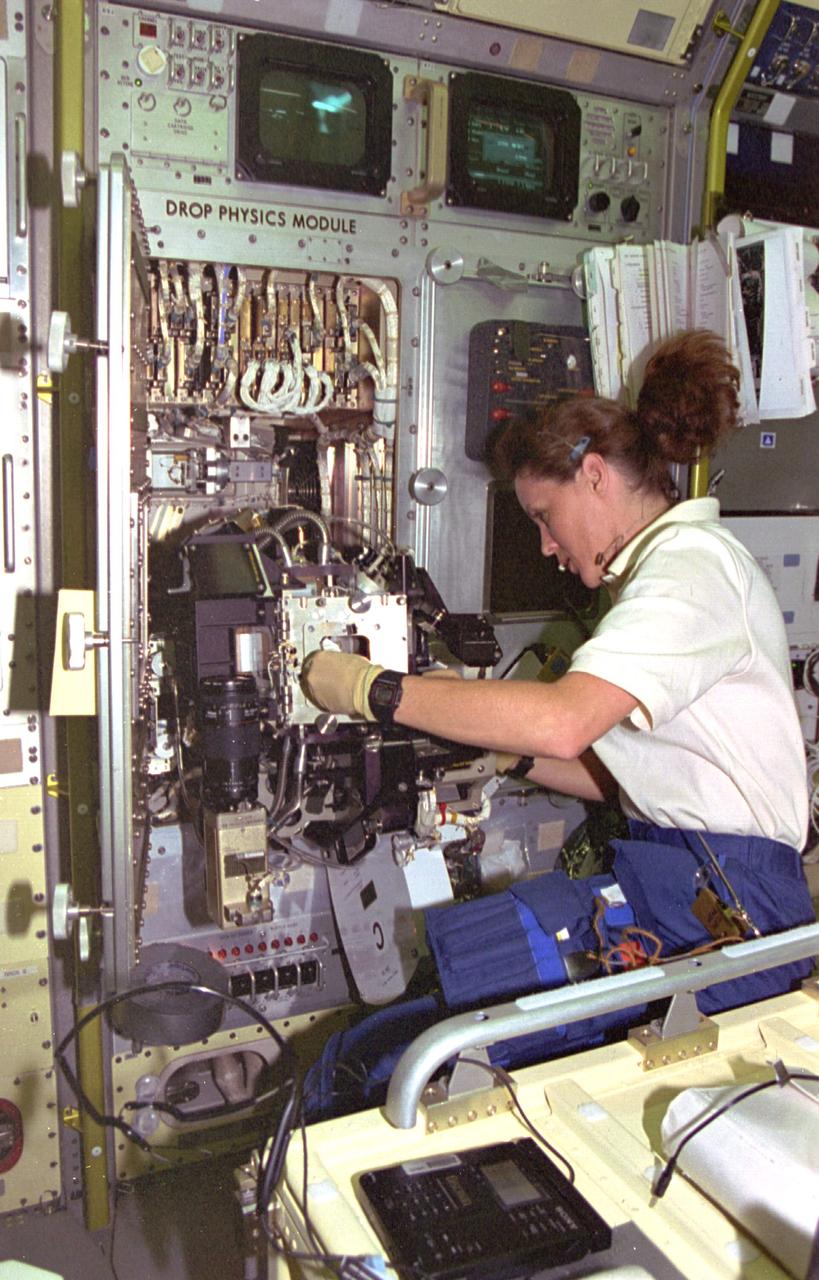
STS073-143-026 (20 October-5 November 1995) --- Astronaut Kathryn C. Thornton, STS-73 payload commander for the United States Microgravity Laboratory (USML-2), explores the inner workings of the Drop Physics Module (DPM). Thornton was joined by four other NASA astronauts and two guest researchers for almost 16 days of research aboard the Space Shuttle Columbia in Earth-orbit.
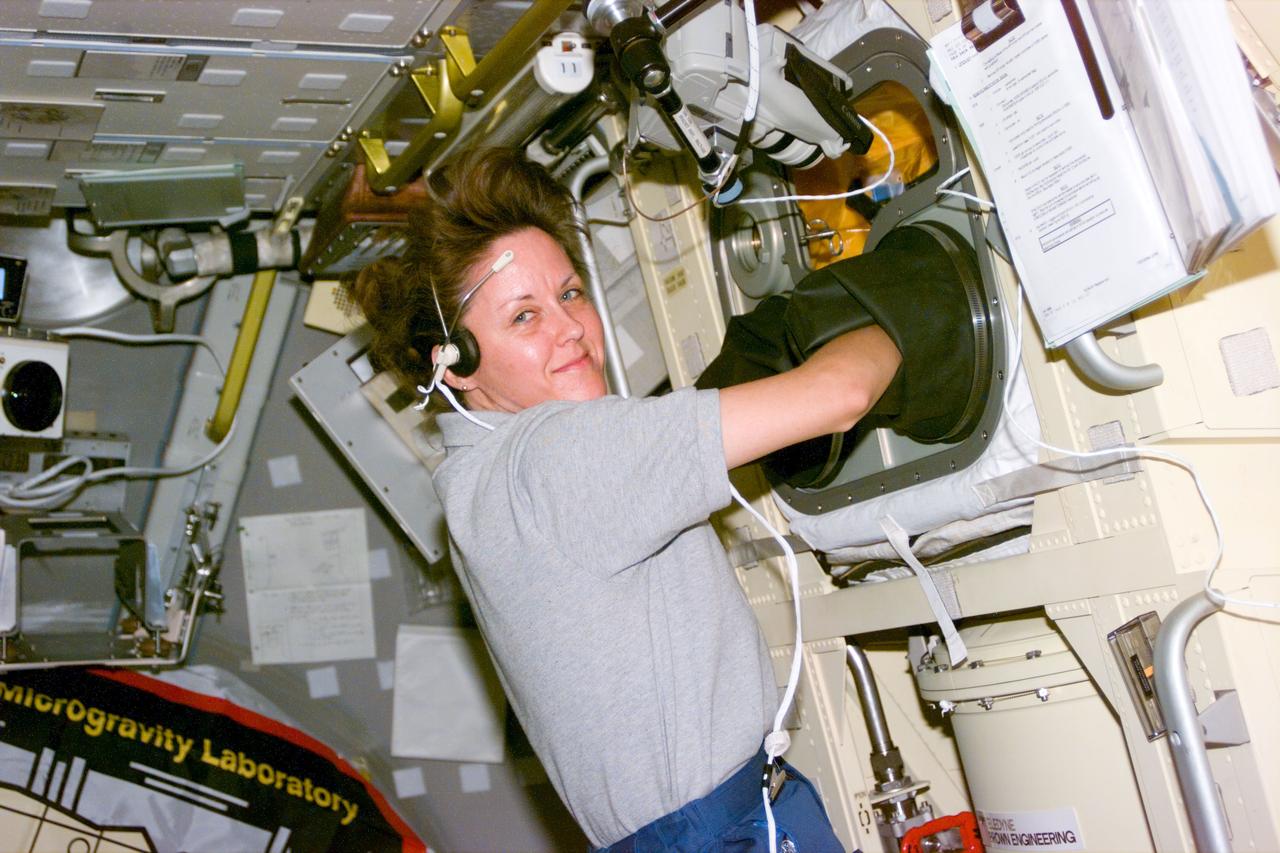
STS073-E-5246 (3 Nov. 1995) --- Astronaut Kathryn C. Thornton, STS-73 payload commander, works in the Glovebox of the science module supporting the U.S. Microgravity Laboratory (USML-2) mission. Five NASA astronauts and two payload specialists are in the last few days of a scheduled 16-day mission. This frame was exposed with the Electronic Still Camera (ESC).
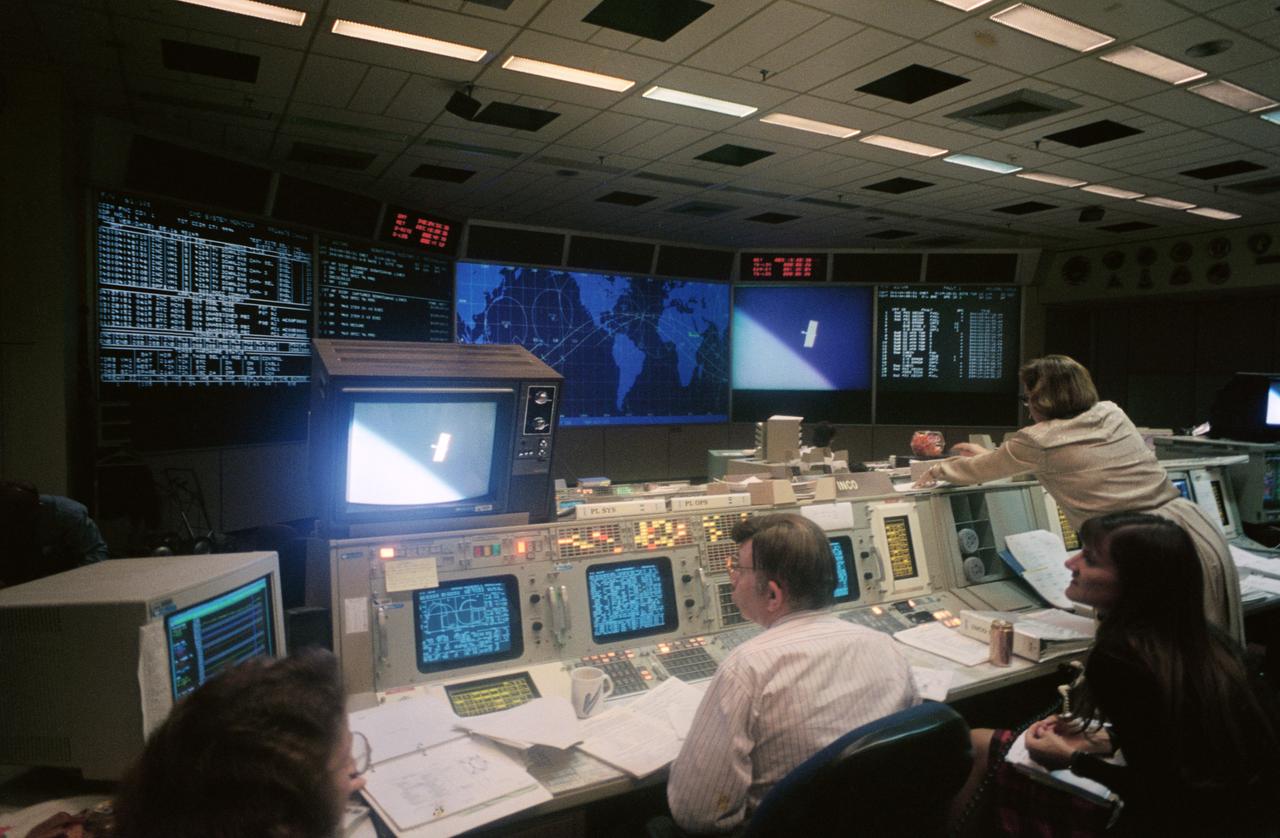
Harry Black, at the Integrated Communications Officer's console in the Mission Control Center (MCC), monitors the second extravehicular activity (EVA-2) of the STS-61 Hubble Space Telescope (HST) servicing mission. Others pictured, left to right, are Judy Alexander, Kathy Morrison and Linda Thomas. Note monitor scene of one of HST's original solar array panels floating in space moments after being tossed away by Astronaut Kathryn C. Thornton.
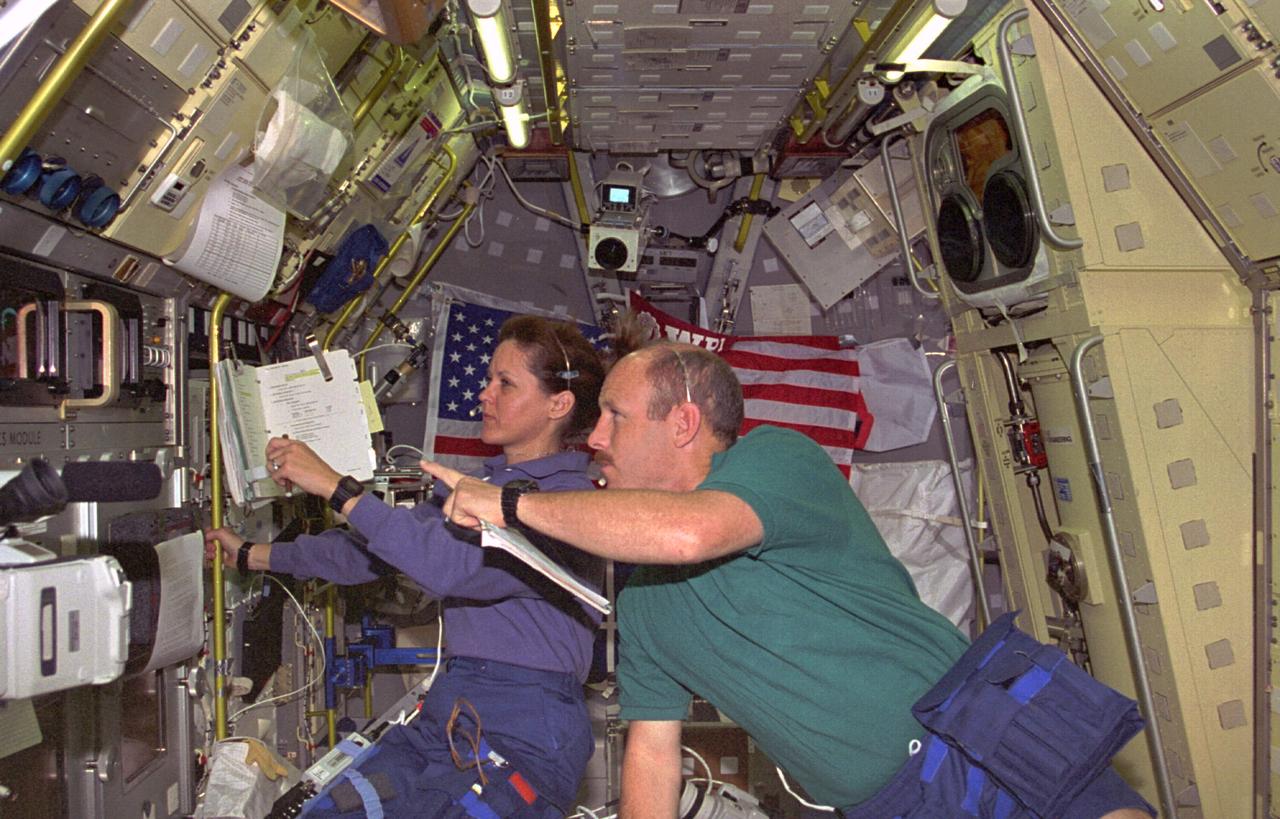
STS073-229-014 (20 October - 5 November 1995) --- Astronauts Kathryn C. Thornton, STS-73 payload commander, and Kenneth D. Bowersox, mission commander, observe a liquid drop's activity at the Drop Physics Module (DPM) in the science module aboard the Earth-orbiting Space Shuttle Columbia. The drop is partially visible at the center of the left edge of the frame. The two were joined by three other NASA astronauts and two guest researchers for almost 16-days of in-orbit research in support of the U.S. Microgravity Laboratory (USML-2) mission.
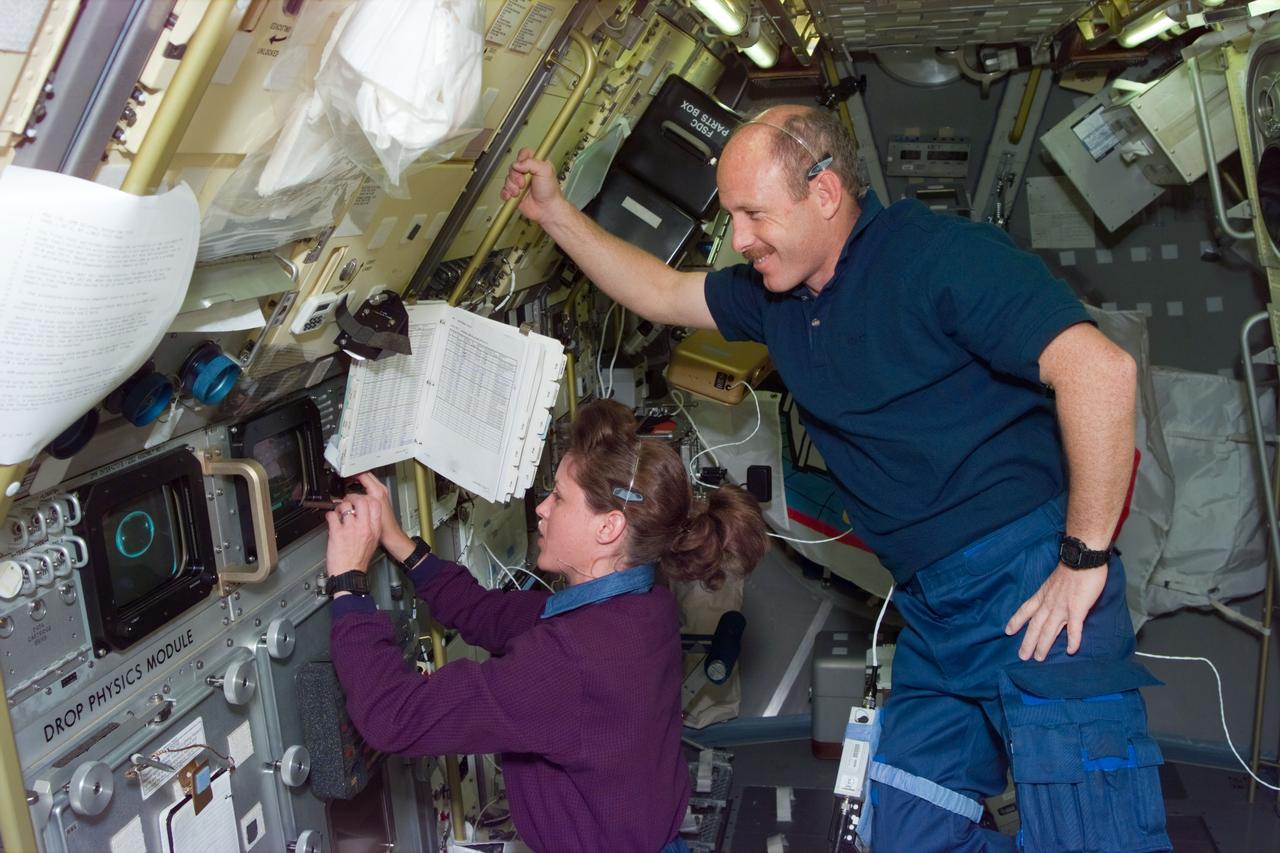
STS073-E-5311 (3 Nov. 1995) --- Astronaut Kathryn C. Thornton, STS-73 payload commander, works at the Drop Physics Module (DPM) on the portside of the science module supporting the U.S. Microgravity Laboratory (USML-2). Astronaut Kenneth D. Bowersox, mission commander, looks on. Five NASA astronauts and two payload specialists are in the last few days of a scheduled 16-day mission. This frame was exposed with the Electronic Still Camera (ESC).
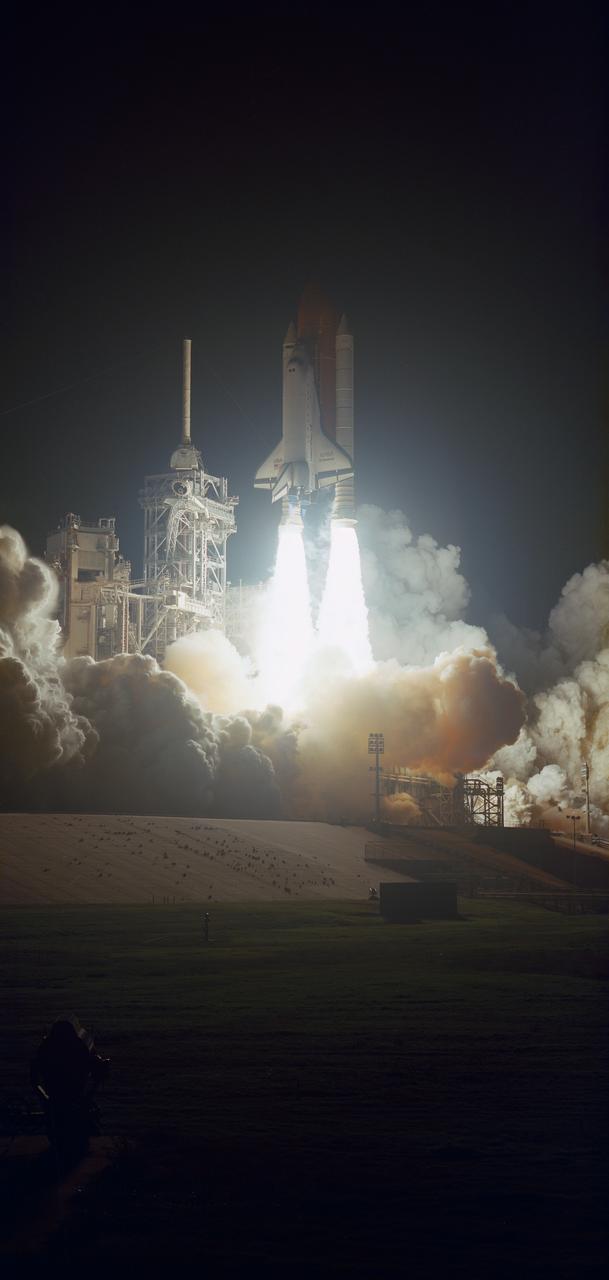
STS061-S-088 (2 Dec 1993) --- The Space Shuttle Endeavour lifts off from Launch Pad 39B with a crew of six NASA astronauts, a Swiss mission specialist and a variety of special tools aboard. Launch occurred at 4:27:00 a.m. (EST), December 2, 1993. The seven member crew will team to perform a variety of service tasks on the Hubble Space Telescope (HST). Four of the group will break into pairs on alternating sessions to carry out a total of five days Extravehicular Activity (EVA). Onboard are astronauts Richard O. Covey, Kenneth D. Bowersox, F. Story Musgrave, Kathy C. Thornton, Jeffrey A. Hoffman and Thomas D. Akers, along with Swiss scientist Claude Nicollier.
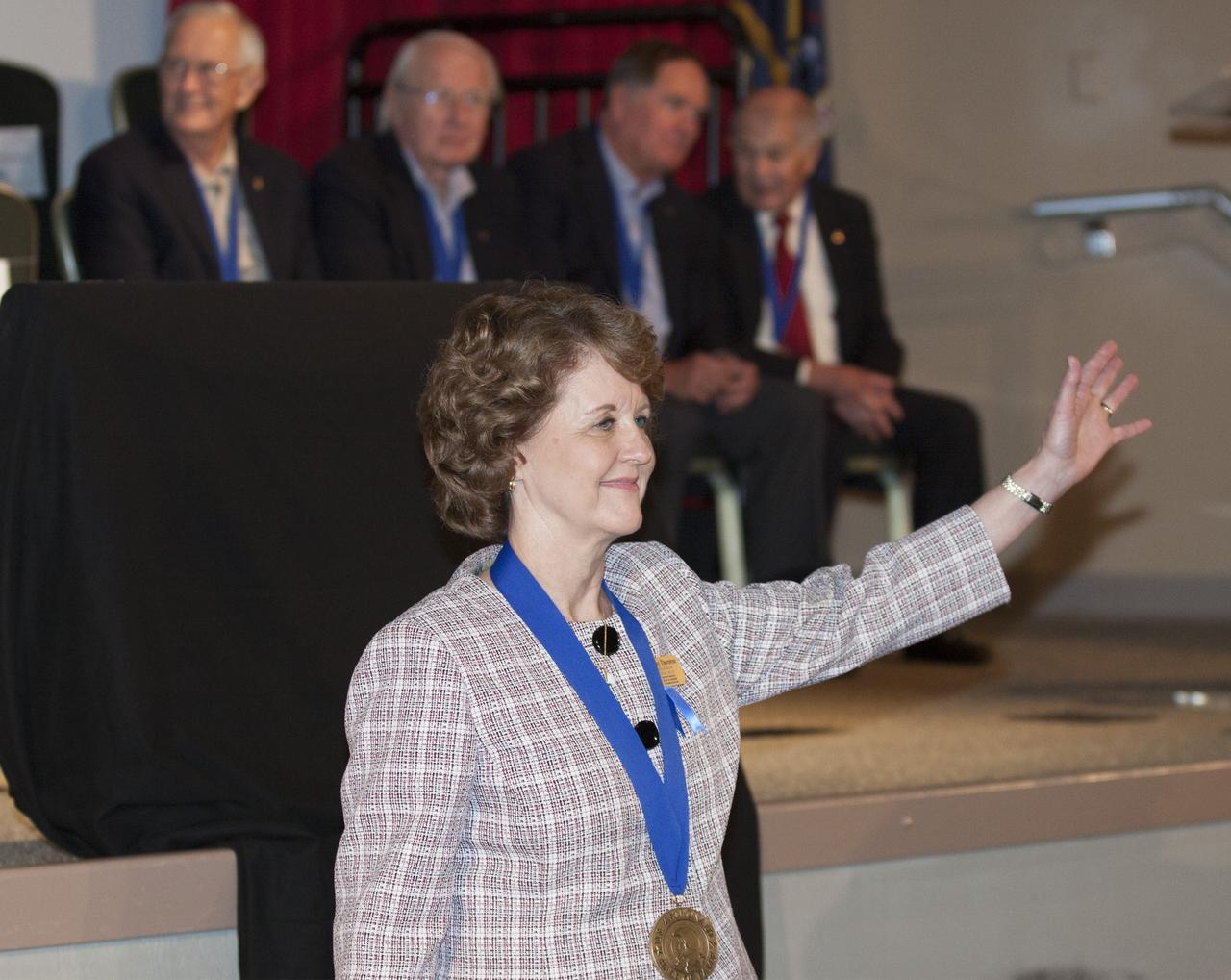
CAPE CANAVERAL, Fla. – U.S. Astronaut Hall of Fame member Kathy Thornton is introduced at NASA’s Kennedy Space Center Visitor Complex in Florida, prior to the ceremony in which Bonnie Dunbar, Curt Brown and Eileen Collins will be inducted into the group of space pioneers. This induction is the twelfth group of space shuttle astronauts named to the AHOF, and the first time two women are inducted at the same time. The year’s inductees were selected by a committee of current Hall of Fame astronauts, former NASA officials, historians and journalists. The selection process is administered by the Astronaut Scholarship Foundation. For more on the U.S. Astronaut Hall of Fame, go to http://www.kennedyspacecenter.com/astronaut-hall-of-fame.aspx For more on the Astronaut Scholarship Foundation, go to http://astronautscholarship.org/ Photo credit: NASA/ Kim Shiflett
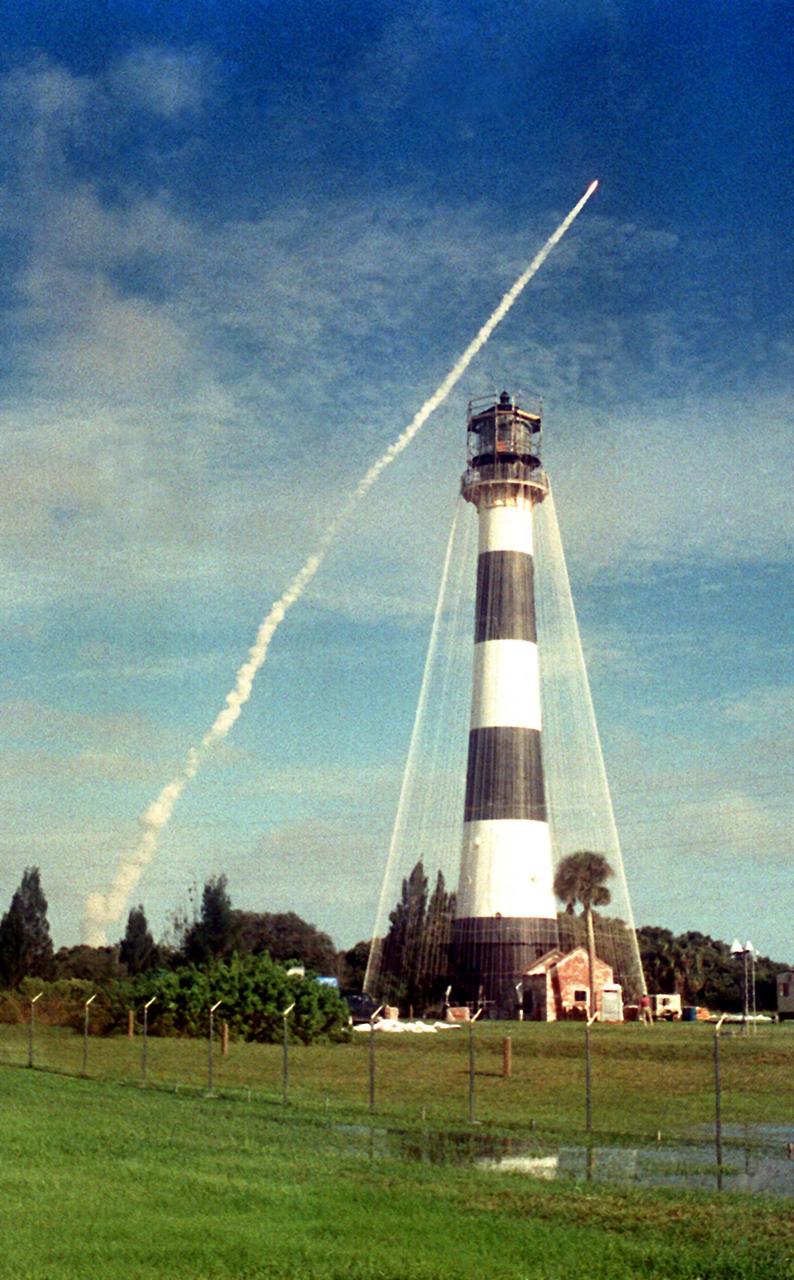
KENNEDY SPACE CENTER, FLA. -- Space Shuttle Columbia soars into the cloud-washed sky above Cape Canaveral Lighthouse. After six scrubs from the original Sept. 25 launch date, liftoff occurred Oct. 20 at 9:53 a.m. EDT. The crew of seven comprises Commander Ken Bowersox, Pilot Kent Rominger, Mission Specialists Kathy Thornton (Payload Commander), Catherine Coleman and Michael Lopez-Alegria, plus Payload Specialists Fred Leslie and Albert Sacco. The 72nd Shuttle mission, STS-73 marks the second flight of the U.S. Microgravity Laboratory. Research is being conducted in five areas: fluid physics, materials science, biotechnology, combustion science, and commercial space processing. The lighthouse, undergoing refurbishment and upgrade, is shown with a network of nylon lines ready for canvas panels to be attached. The canvas shroud will protect the surrounding area during sand-blasting of the lead-based paint.
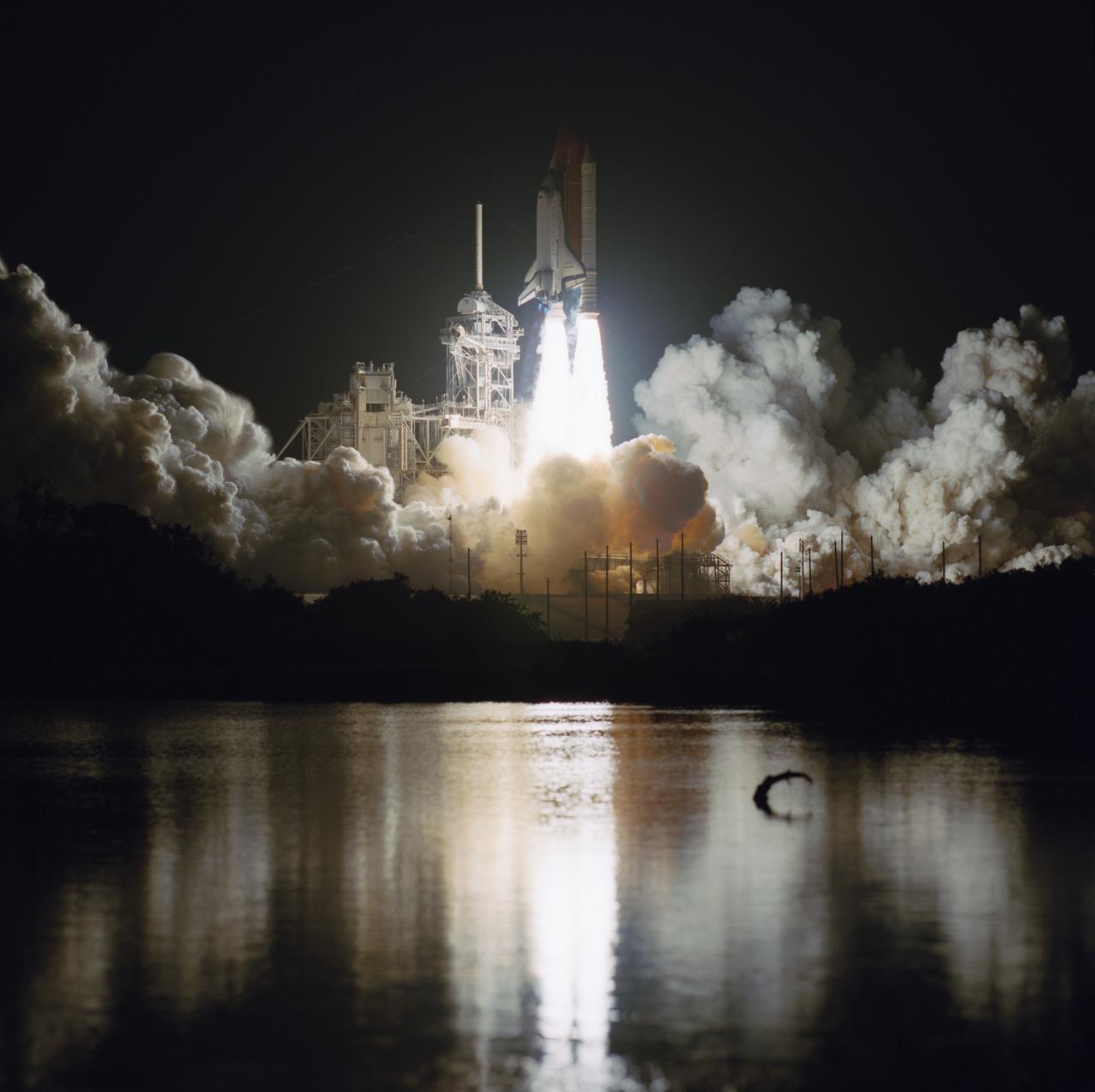
STS061-S-089 (2 Dec 1993) --- The Space Shuttle Endeavour lifts off from Launch Pad 39B with a crew of six NASA astronauts, a Swiss mission specialist and a variety of special tools aboard. Launch occurred at 4:27:00 a.m. (EST), December 2, 1993. The seven member crew will team to perform a variety of service tasks on the Hubble Space Telescope (HST). Four of the group will break into pairs on alternating sessions to carry out a total of five days Extravehicular Activity (EVA). Onboard are astronauts Richard O. Covey, Kenneth D. Bowersox, F. Story Musgrave, Kathy C. Thornton, Jeffrey A. Hoffman and Thomas D. Akers, along with Swiss scientist Claude Nicollier.
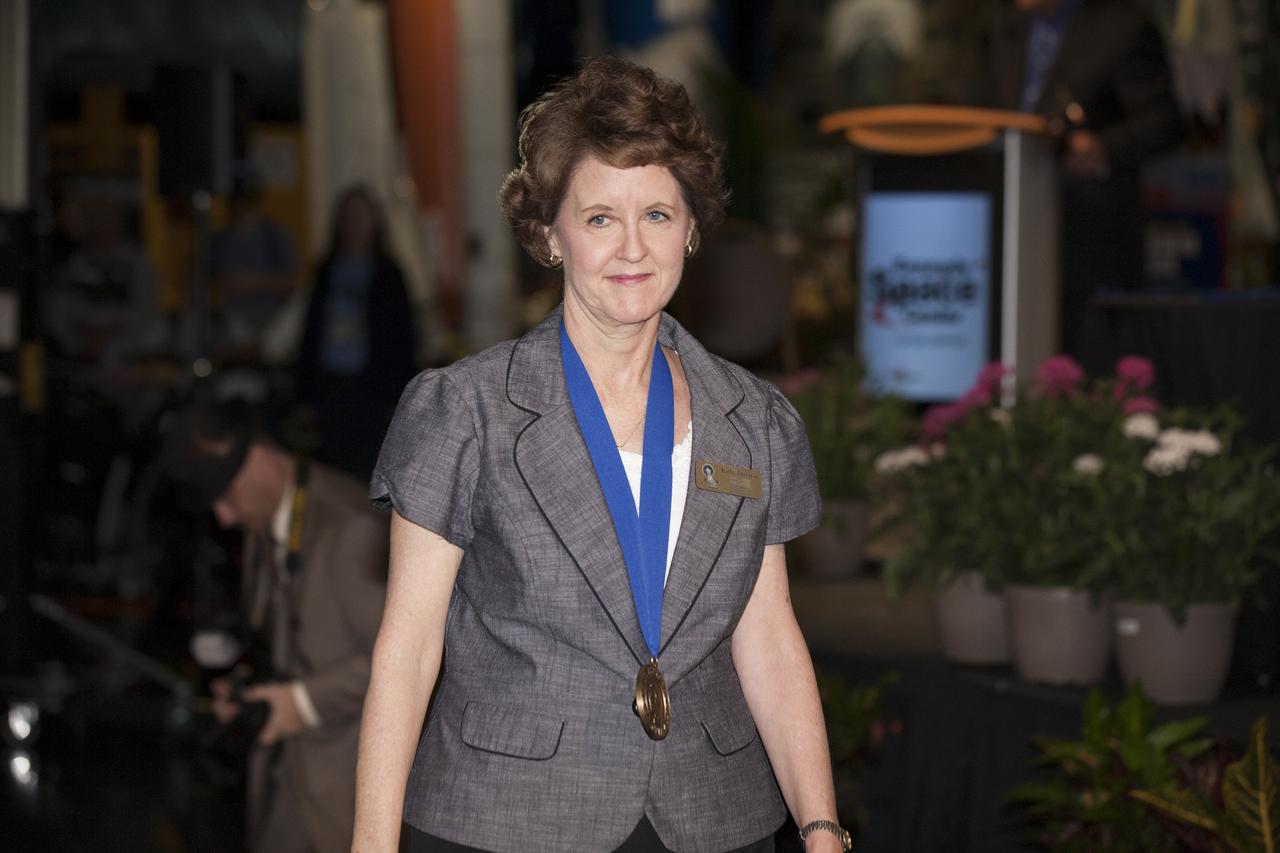
CAPE CANAVERAL, Fla. -- Inside the Space Shuttle Atlantis attraction at NASA’s Kennedy Space Center Visitor Complex in Florida, former NASA astronaut and Hall of Famer Kathy Thornton walks the red carpet at the 2014 U.S. Astronaut Hall of Fame Induction ceremony. Space shuttle astronauts and space explorers Shannon Lucid and Jerry Ross were inducted into the Hall of Fame Class of 2014. The 2014 inductees are selected by a committee of Hall of Fame astronauts, former NASA officials, flight directors, historians and journalists. The process is administered by the Astronaut Scholarship Foundation. To be eligible, an astronaut must have made his or her first flight at least 17 years before the induction. Candidates must be a U.S. citizen and a NASA-trained commander, pilot or mission specialist who has orbited the earth at least once. Including Lucid and Ross, 87 astronauts have been inducted into the AHOF. Photo credit: NASA/Kim Shiflett

STS073-E-5003 (23 Oct. 1995) --- Astronaut Kathryn C. Thornton, STS-73 payload commander, works at the Drop Physics Module (DPM) on the portside of the science module aboard the Space Shuttle Columbia in Earth orbit. Payload specialist Albert Sacco Jr. conducts an experiment at the Glovebox. This frame was exposed with the color Electronic Still Camera (ESC) assigned to the 16-day United States Microgravity Laboratory (USML-2) mission.
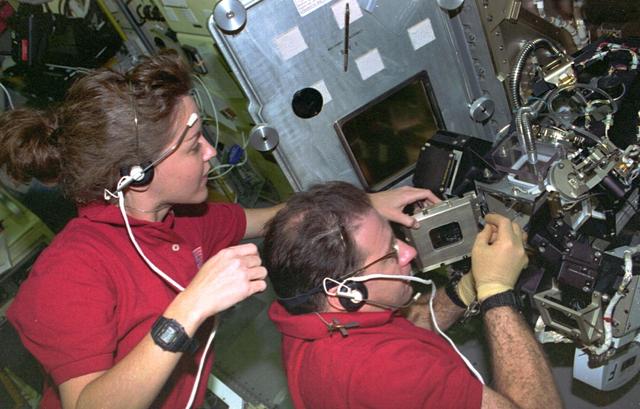
STS073-108-005 (20 October-5 November 1995) --- Two members of the crew perform an in-flight maintenance on the Drop Physics Module (DPM) in the science module aboard the Earth-orbiting Space Shuttle Columbia. Payload commander Kathryn C. Thornton and payload specialist Albert Sacco Jr. were part of a seven-member crew that spent 16 full days in space in support of the United States Microgravity Laboratory (USML-2) mission.
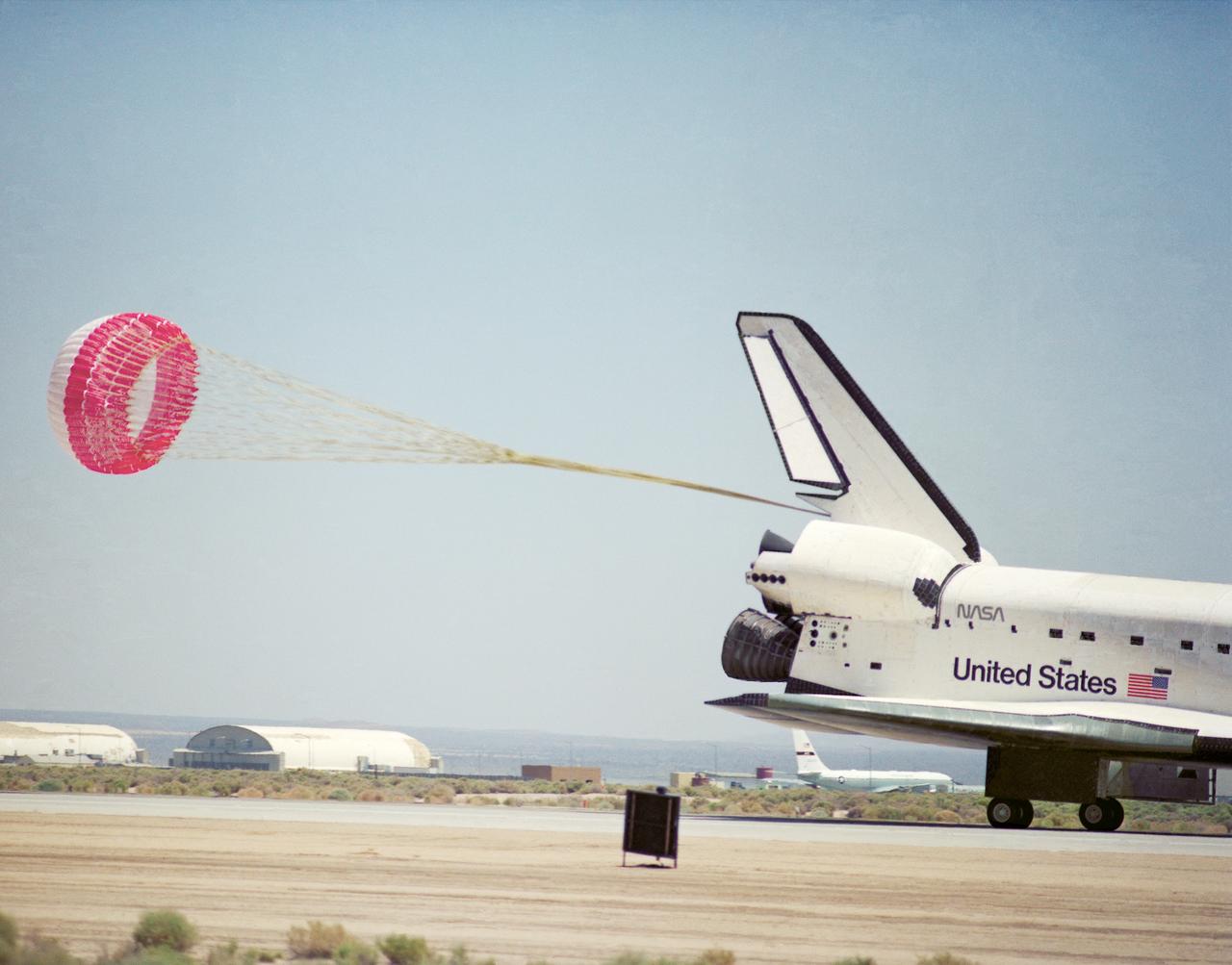
The Space Shuttle Endeavour concludes mission STS-49 at NASA's Ames-Dryden Flight Research Facility (later redesignated Dryden Flight Research Center), Edwards, California, with a 1:57 p.m. (PDT) landing 16 May on Edward's concrete runway 22. The planned 7-day mission, which began with a launch from Kennedy Space Center, Florida, at 4:41 p.m. (PFT), 7 May, was extended two days to allow extra time to rescue the Intelsat VI satellite and complete Space Station assembly techniques originally planned. After a perfect rendezvous in orbit and numerous attempts to grab the satellite, space walking astronauts Pierre Thuot, Rick Hieb and Tom Akers successfully rescued it by hand on the third space walk with the support of mission specialists Kathy Thornton and Bruce Melnick. The three astronauts, on a record space walk, took hold of the satellite and directed it to the shuttle where a booster motor was attached to launch it to its proper orbit. Commander Dan Brandenstein and Pilot Kevin Chilton brought Endeavours's record setting maiden voyage to a perfect landing at Edwards AFB with the first deployment of a drag chute on a shuttle mission.
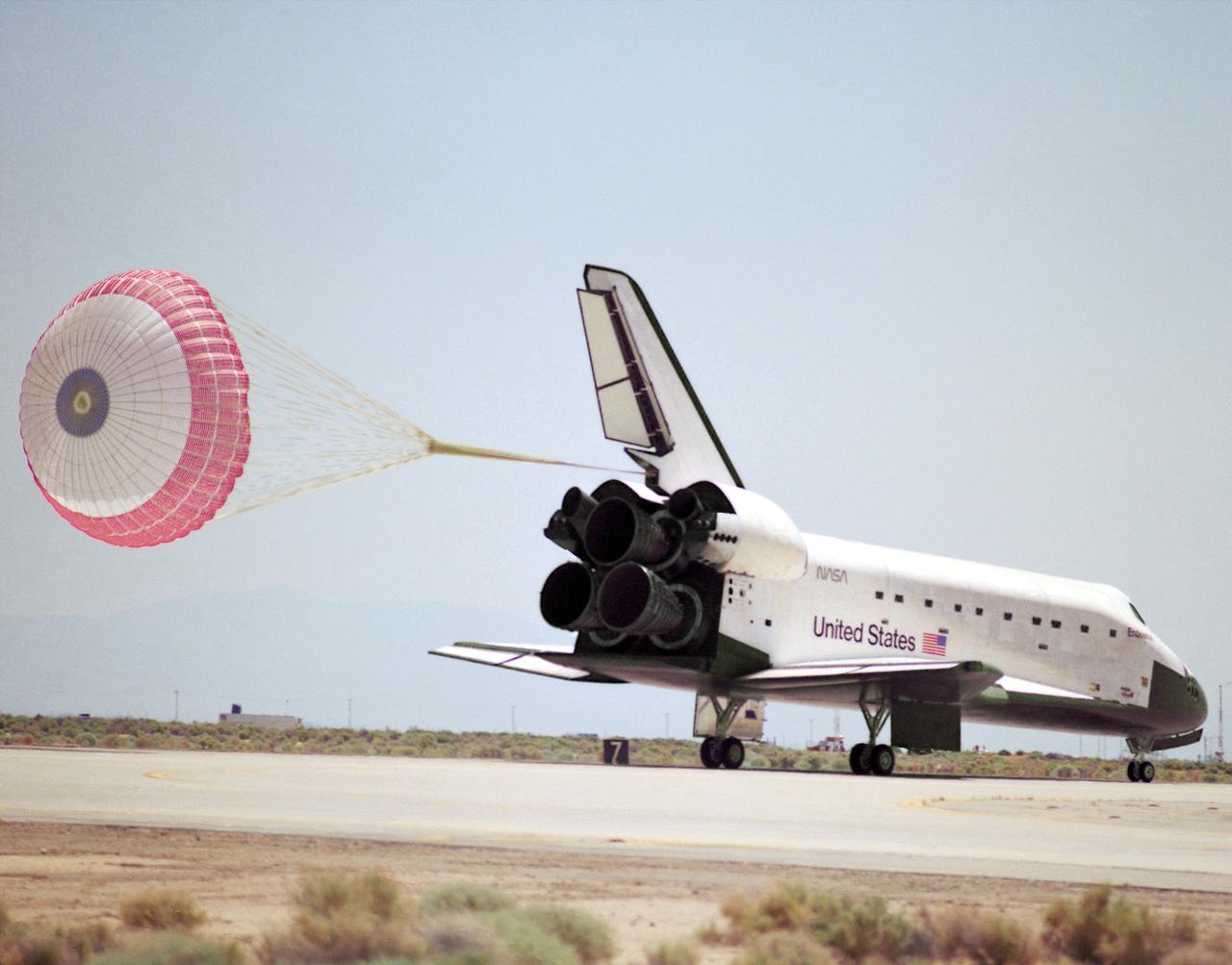
The Space Shuttle Endeavour concludes mission STS-49 at NASA's Ames-Dryden Flight Research Facility (later redesignated Dryden Flight Research Center), Edwards, California, with a 1:57 p.m. (PDT) landing May 16 on Edward's concrete runway 22. The planned 7-day mission, which began with a launch from Kennedy Space Center, Florida, at 4:41 p.m. (PFT), 7 May, was extended two days to allow extra time to rescue the Intelsat VI satellite and complete Space Station assembly techniques originally planned. After a perfect rendezvous in orbit and numerous attempts to grab the satellite, space walking astronauts Pierre Thuot, Rick Hieb and Tom Akers successfully rescued it by hand on the third space walk with the support of mission specialists Kathy Thornton and Bruce Melnick. The three astronauts, on a record space walk, took hold of the satellite and directed it to the shuttle where a booster motor was attached to launch it to its proper orbit. Commander Dan Brandenstein and Pilot Kevin Chilton brought Endeavours's record setting maiden voyage to a perfect landing at Edwards with the first deployment of a drag chute on a shuttle mission.
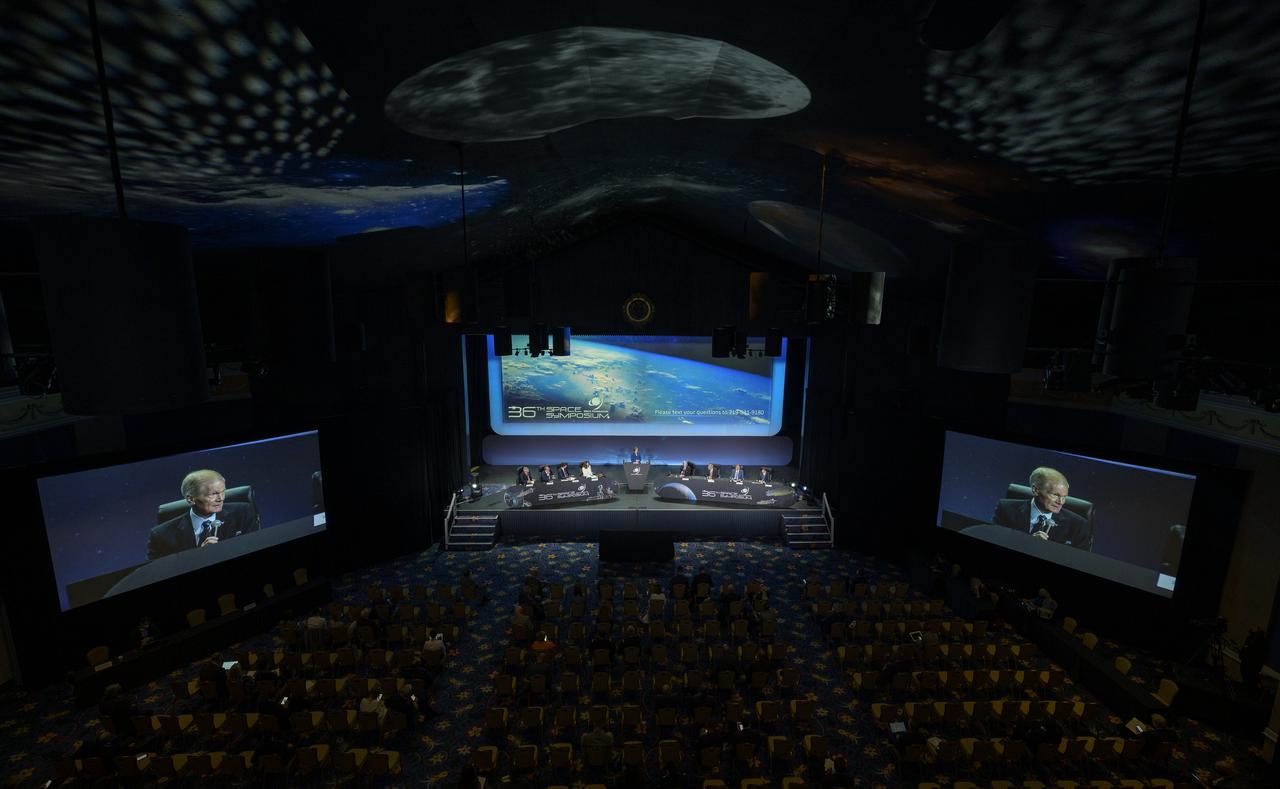
NASA Administrator Bill Nelson gives remarks in a Heads of Agency panel discussion, during the 36th Space Symposium, Wednesday, Aug. 25, 2021, in Colorado Springs, Colorado. Photo Credit: (NASA/Bill Ingalls)
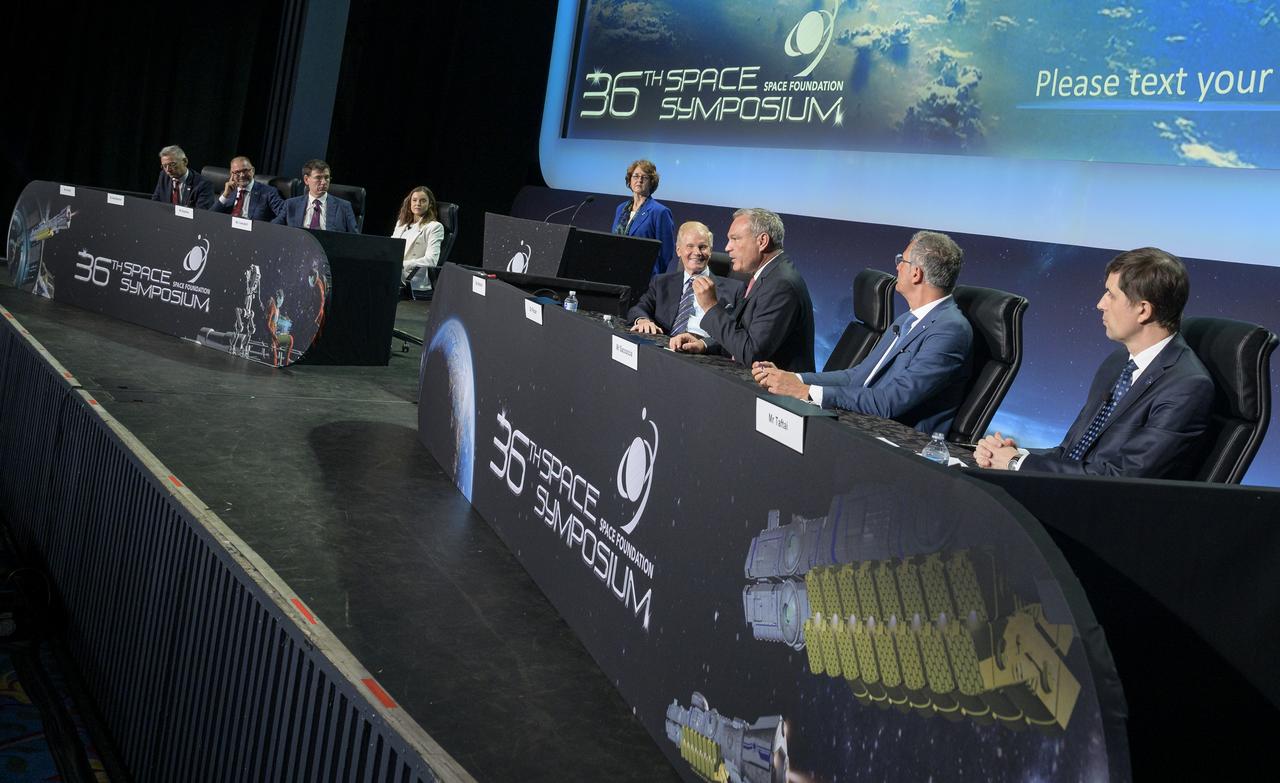
Heads of Agency panel discussion, during the 36th Space Symposium, Wednesday, Aug. 25, 2021, in Colorado Springs, Colorado. Photo Credit: (NASA/Bill Ingalls)