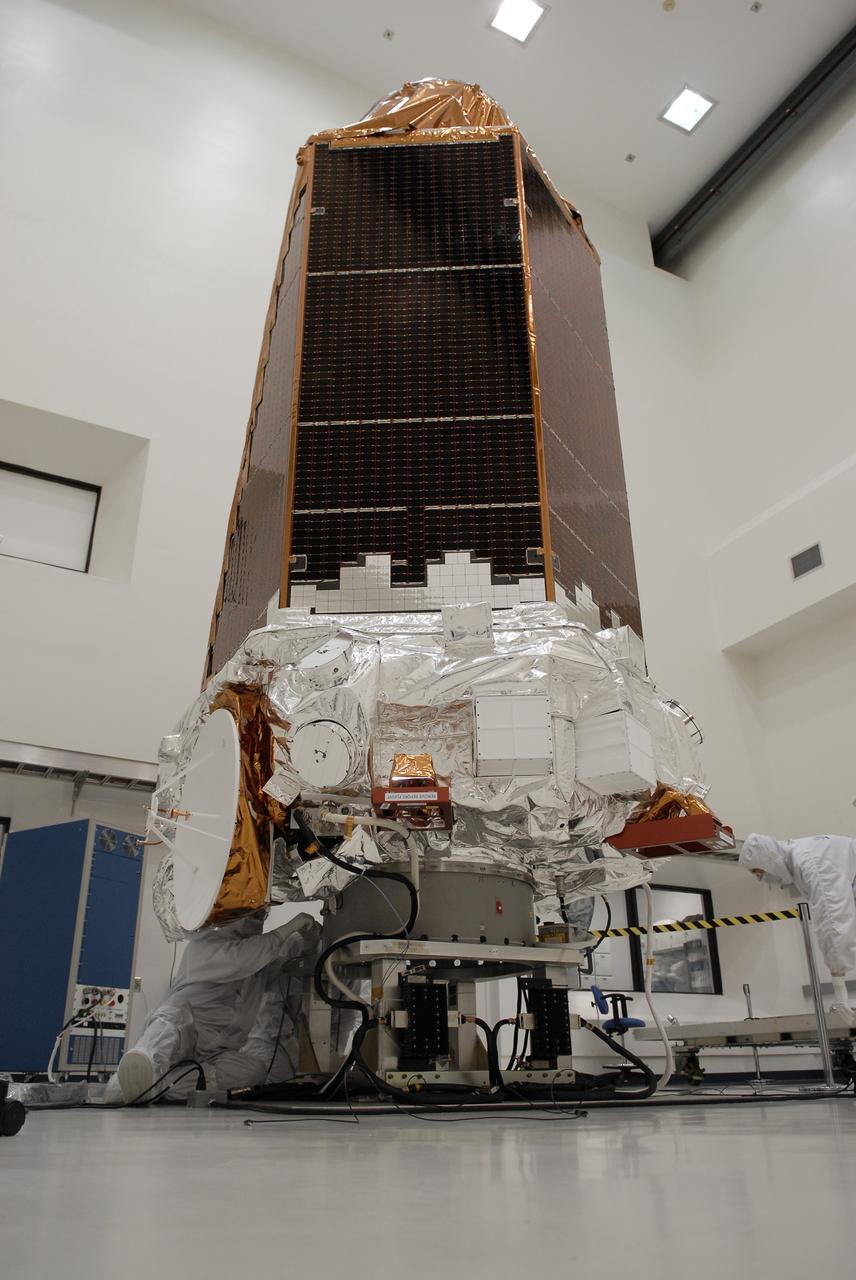
CAPE CANAVERAL, Fla. -- At the Astrotech payload processing facility in Titusville, Fla., NASA's Kepler spacecraft is prepared for testing. A NASA Discovery mission, Kepler is specifically designed to survey our region of the Milky Way galaxy to discover hundreds of Earth-size and smaller planets in or near the habitable zone and determine how many of the billions of stars in our galaxy have such planets. Results from this mission will allow us to place our solar system within the continuum of planetary systems in the Galaxy. After processing at Astrotech, Kepler will be carried to its launch pad at Cape Canaveral. .NASA's planet-hunting Kepler mission is scheduled to launch no earlier than March 5 atop a Delta II rocket. Photo credit: NASA/Kim Shiflett
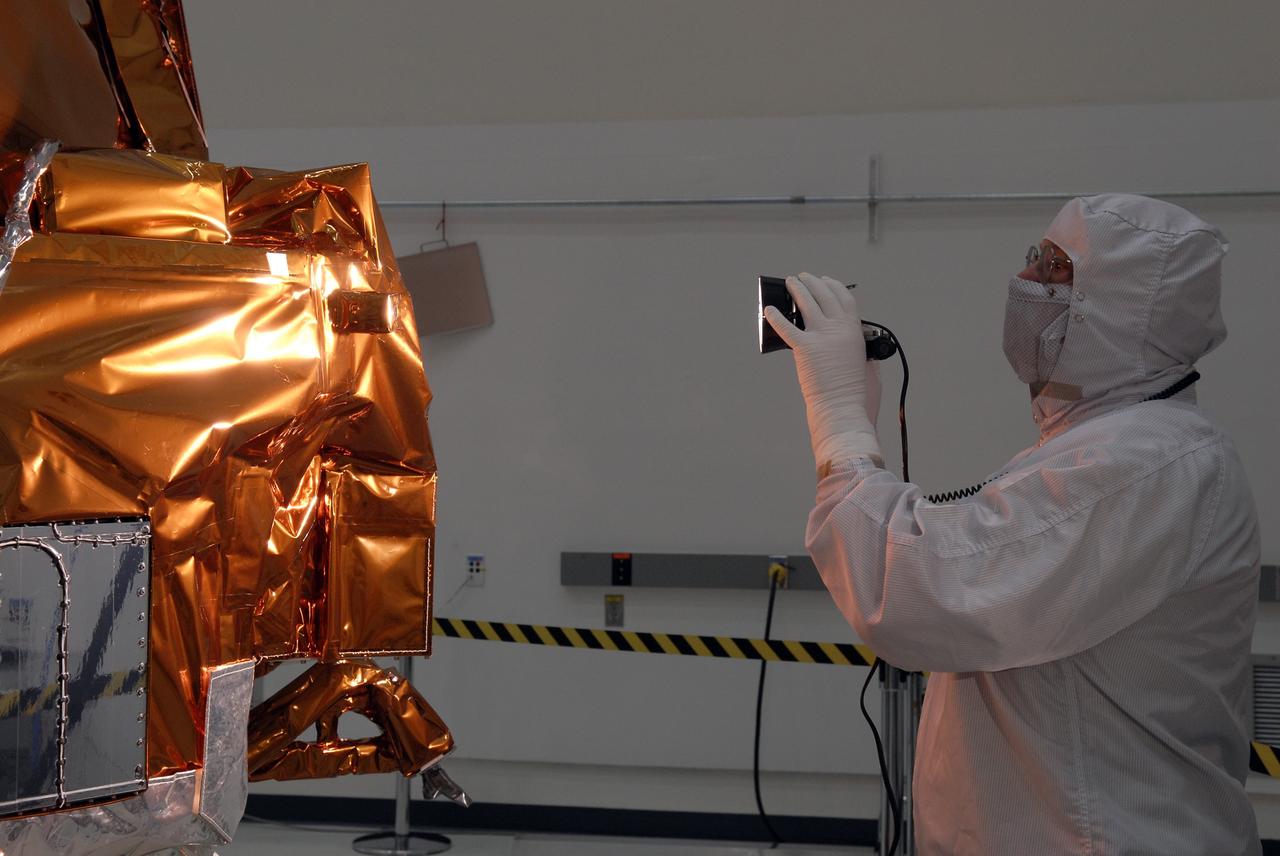
CAPE CANAVERAL, Fla. -- At the Astrotech payload processing facility in Titusville, Fla., a Ball Aerospace and Technologies Corp. worker conducts a light sensor test on NASA's Kepler spacecraft. A NASA Discovery mission, Kepler is specifically designed to survey our region of the Milky Way galaxy to discover hundreds of Earth-size and smaller planets in or near the habitable zone and determine how many of the billions of stars in our galaxy have such planets. Results from this mission will allow us to place our solar system within the continuum of planetary systems in the Galaxy. After processing at Astrotech, Kepler will be carried to its launch pad at Cape Canaveral Air Force Station. .NASA's planet-hunting Kepler mission is scheduled to launch no earlier than March 5 atop a United Launch Alliance Delta II rocket. Photo credit: NASA/Kim Shiflett
CAPE CANAVERAL, Fla. -- At the Astrotech payload processing facility in Titusville, Fla., NASA's Kepler spacecraft is prepared for testing. A NASA Discovery mission, Kepler is specifically designed to survey our region of the Milky Way galaxy to discover hundreds of Earth-size and smaller planets in or near the habitable zone and determine how many of the billions of stars in our galaxy have such planets. Results from this mission will allow us to place our solar system within the continuum of planetary systems in the Galaxy. After processing at Astrotech, Kepler will be carried to its launch pad at Cape Canaveral. .NASA's planet-hunting Kepler mission is scheduled to launch no earlier than March 5 atop a Delta II rocket. Photo credit: NASA/Kim Shiflett
CAPE CANAVERAL, Fla. -- At the Astrotech payload processing facility in Titusville, Fla., NASA's Kepler spacecraft is prepared for testing. A NASA Discovery mission, Kepler is specifically designed to survey our region of the Milky Way galaxy to discover hundreds of Earth-size and smaller planets in or near the habitable zone and determine how many of the billions of stars in our galaxy have such planets. Results from this mission will allow us to place our solar system within the continuum of planetary systems in the Galaxy. After processing at Astrotech, Kepler will be carried to its launch pad at Cape Canaveral. .NASA's planet-hunting Kepler mission is scheduled to launch no earlier than March 5 atop a Delta II rocket. Photo credit: NASA/Kim Shiflett
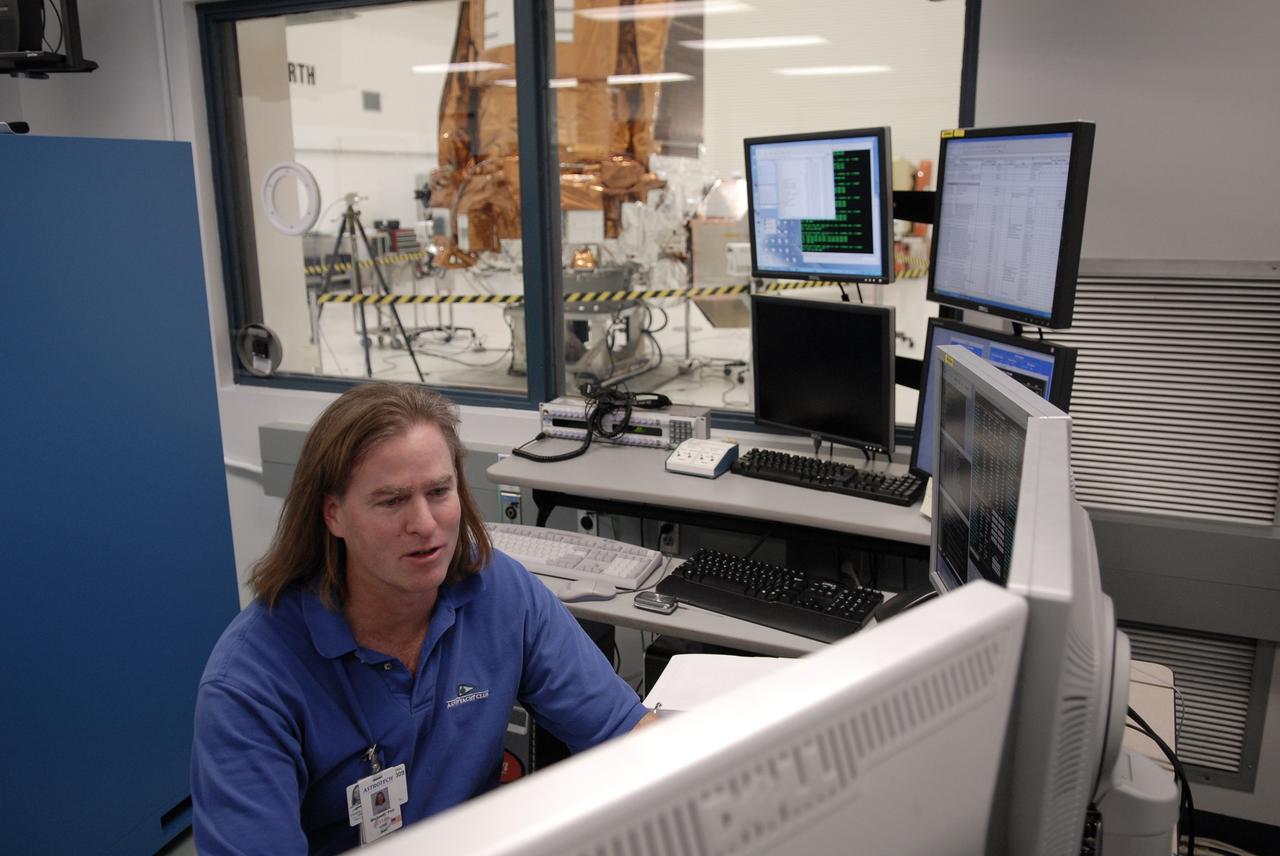
CAPE CANAVERAL, Fla. -- At the Astrotech payload processing facility in Titusville, Fla., a Ball Aerospace and Technologies Corp. technician Phil Mislinski checks data from the light sensor test conducted on NASA's Kepler spacecraft. Ball Aerospace was responsible for the flight segment design and fabrication. A NASA Discovery mission, Kepler is specifically designed to survey our region of the Milky Way galaxy to discover hundreds of Earth-size and smaller planets in or near the habitable zone and determine how many of the billions of stars in our galaxy have such planets. Results from this mission will allow us to place our solar system within the continuum of planetary systems in the Galaxy. After processing at Astrotech, Kepler will be carried to its launch pad at Cape Canaveral Air Force Station. .NASA's planet-hunting Kepler mission is scheduled to launch no earlier than March 5 atop a United Launch Alliance Delta II rocket. Photo credit: NASA/Kim Shiflett
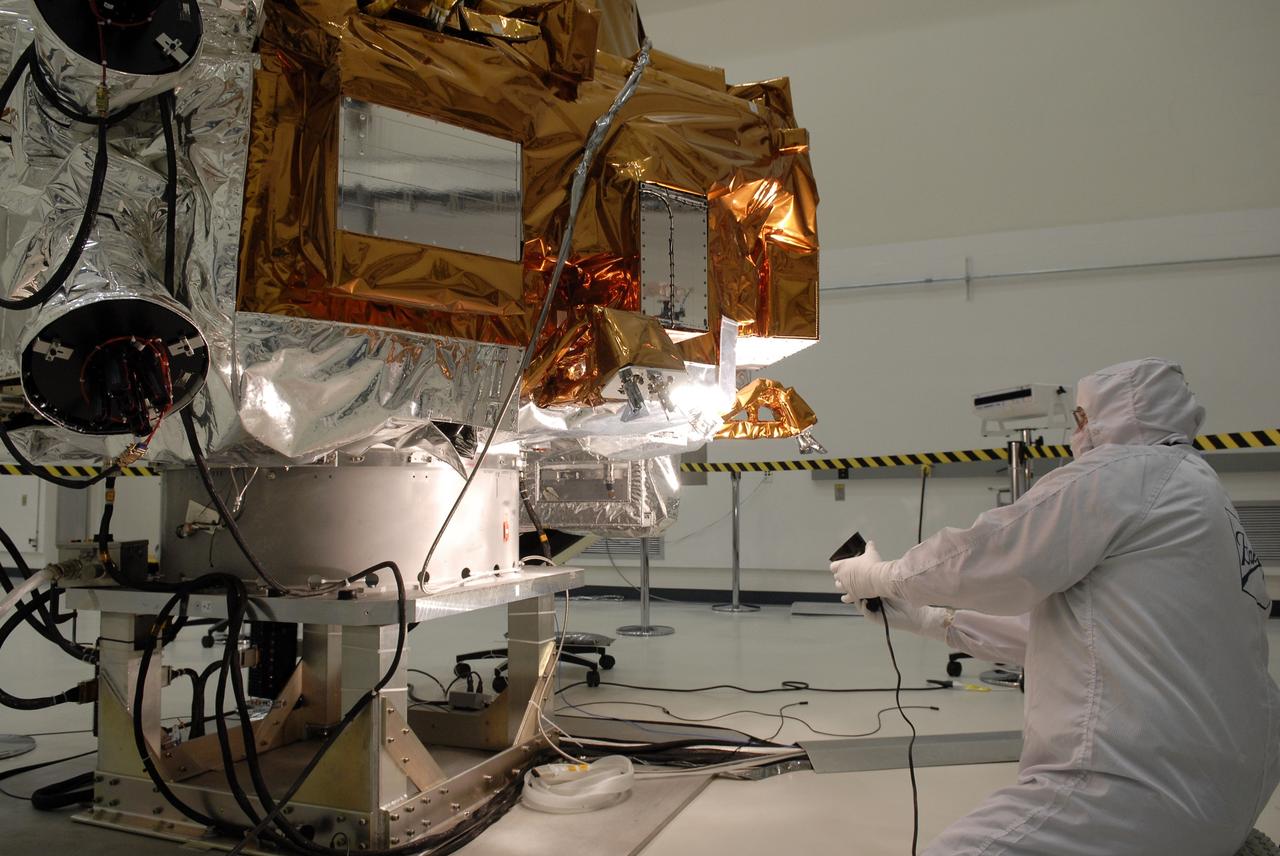
CAPE CANAVERAL, Fla. -- At the Astrotech payload processing facility in Titusville, Fla., a Ball Aerospace and Technologies Corp. worker conducts a light sensor test on NASA's Kepler spacecraft. A NASA Discovery mission, Kepler is specifically designed to survey our region of the Milky Way galaxy to discover hundreds of Earth-size and smaller planets in or near the habitable zone and determine how many of the billions of stars in our galaxy have such planets. Results from this mission will allow us to place our solar system within the continuum of planetary systems in the Galaxy. After processing at Astrotech, Kepler will be carried to its launch pad at Cape Canaveral Air Force Station. .NASA's planet-hunting Kepler mission is scheduled to launch no earlier than March 5 atop a United Launch Alliance Delta II rocket. Photo credit: NASA/Kim Shiflett
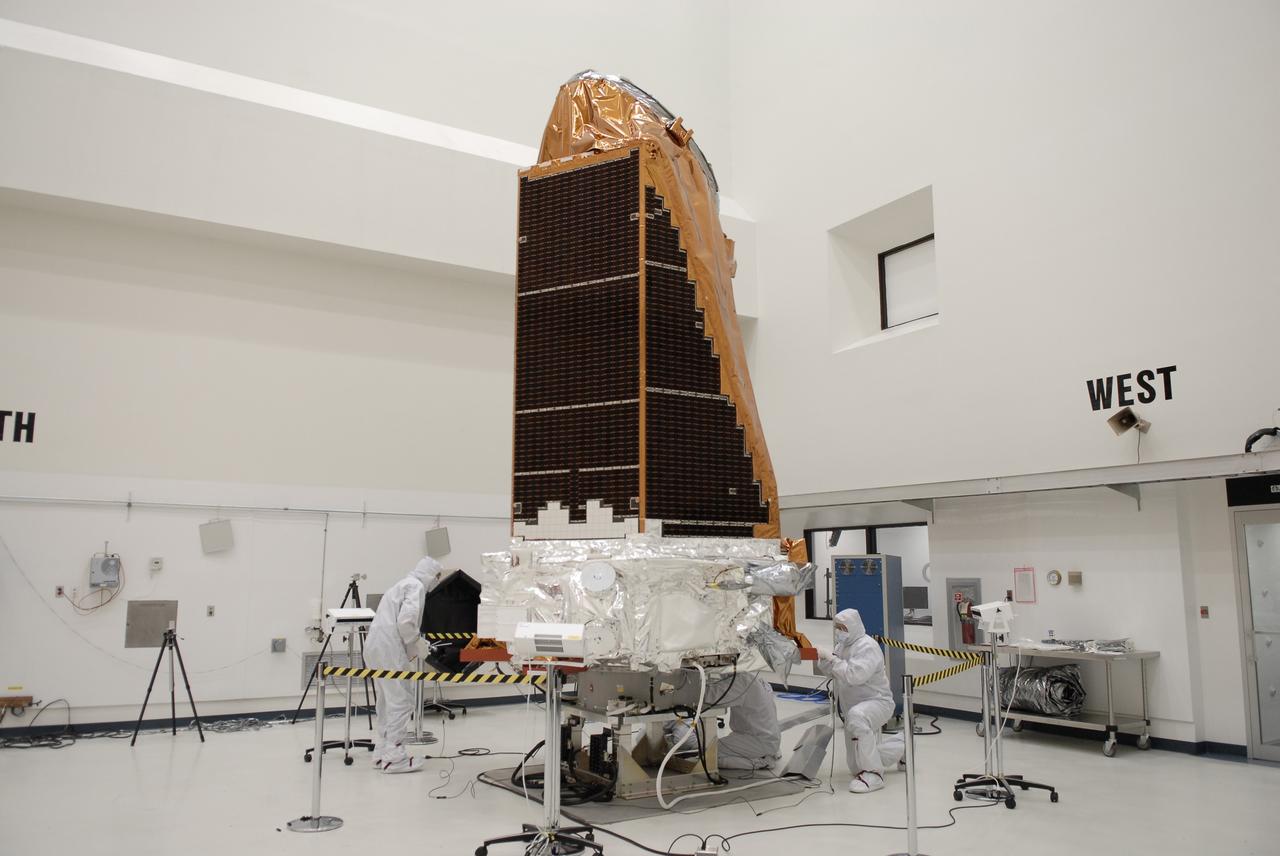
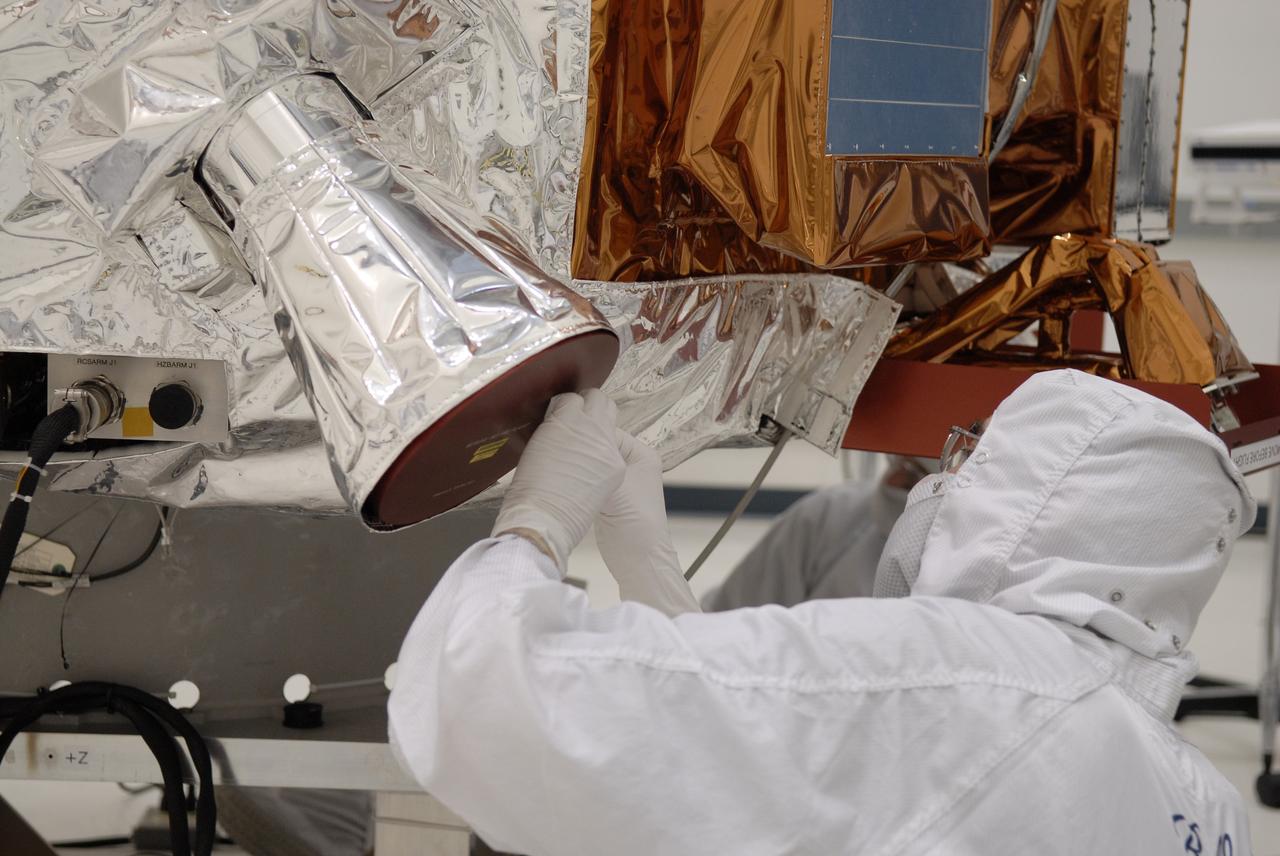
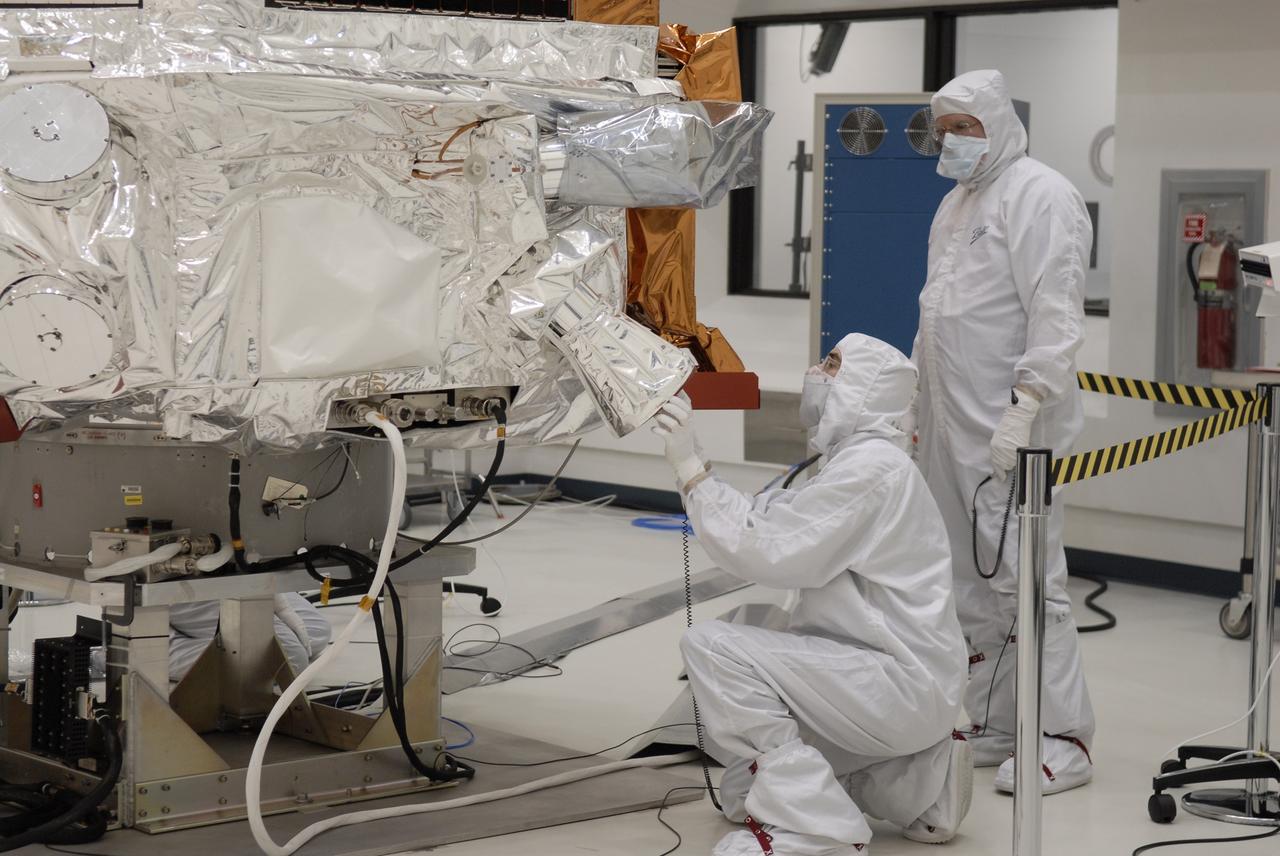
CAPE CANAVERAL, Fla. -- At the Astrotech payload processing facility in Titusville, Fla., workers from Ball Aerospace check the star trackers on NASA's Kepler spacecraft before testing. Star Trackers are small aperture, space-qualified optical products which assure a spacecraft’s accurate navigation in space. A NASA Discovery mission, Kepler is specifically designed to survey our region of the Milky Way galaxy to discover hundreds of Earth-size and smaller planets in or near the habitable zone and determine how many of the billions of stars in our galaxy have such planets. Results from this mission will allow us to place our solar system within the continuum of planetary systems in the Galaxy. After processing at Astrotech, Kepler will be carried to its launch pad at Cape Canaveral. .NASA's planet-hunting Kepler mission is scheduled to launch no earlier than March 5 atop a Delta II rocket. Photo credit: NASA/Kim Shiflett
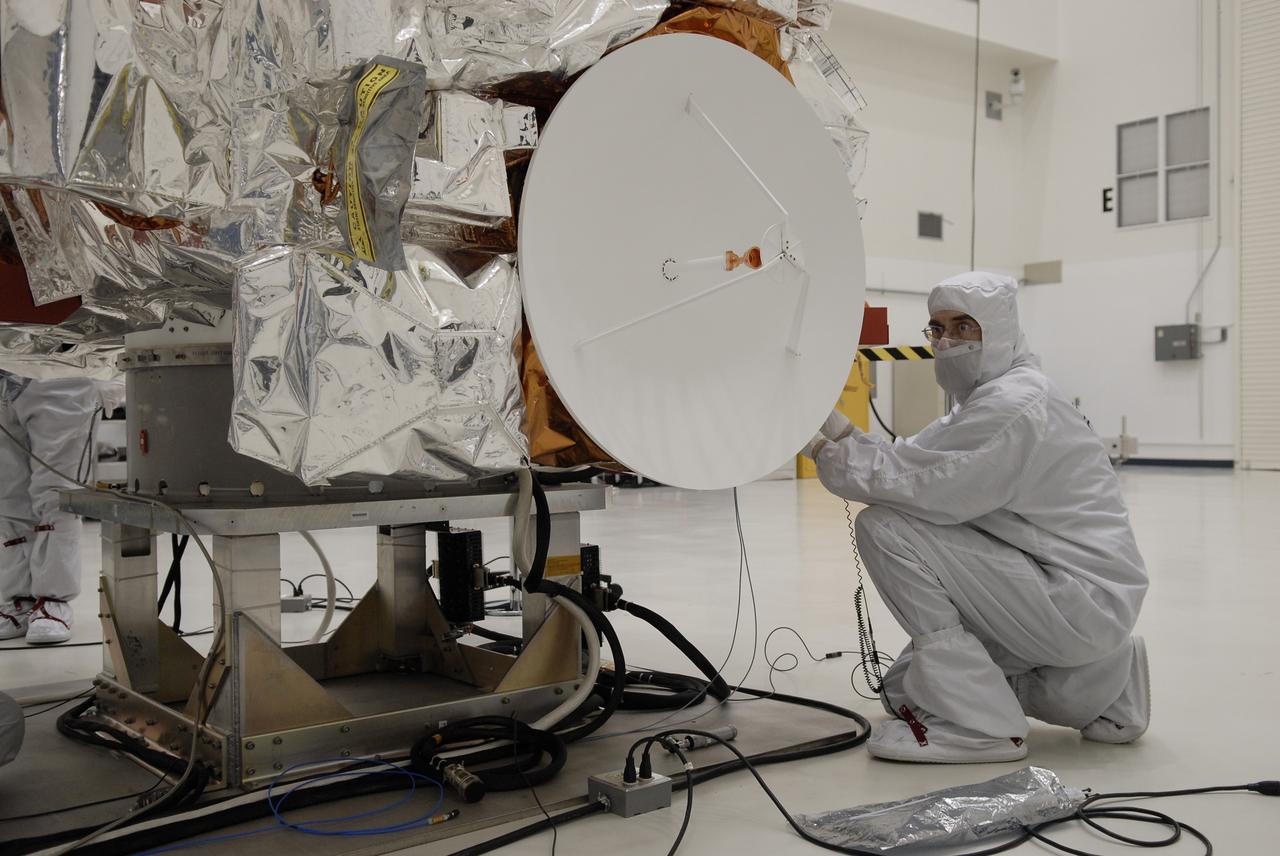
CAPE CANAVERAL, Fla. -- At the Astrotech payload processing facility in Titusville, Fla., a worker inspects the high-gain antenna on NASA's Kepler spacecraft in preparation for testing. A NASA Discovery mission, Kepler is specifically designed to survey our region of the Milky Way galaxy to discover hundreds of Earth-size and smaller planets in or near the habitable zone and determine how many of the billions of stars in our galaxy have such planets. Results from this mission will allow us to place our solar system within the continuum of planetary systems in the Galaxy. After processing at Astrotech, Kepler will be carried to its launch pad at Cape Canaveral. .NASA's planet-hunting Kepler mission is scheduled to launch no earlier than March 5 atop a Delta II rocket. Photo credit: NASA/Kim Shiflett
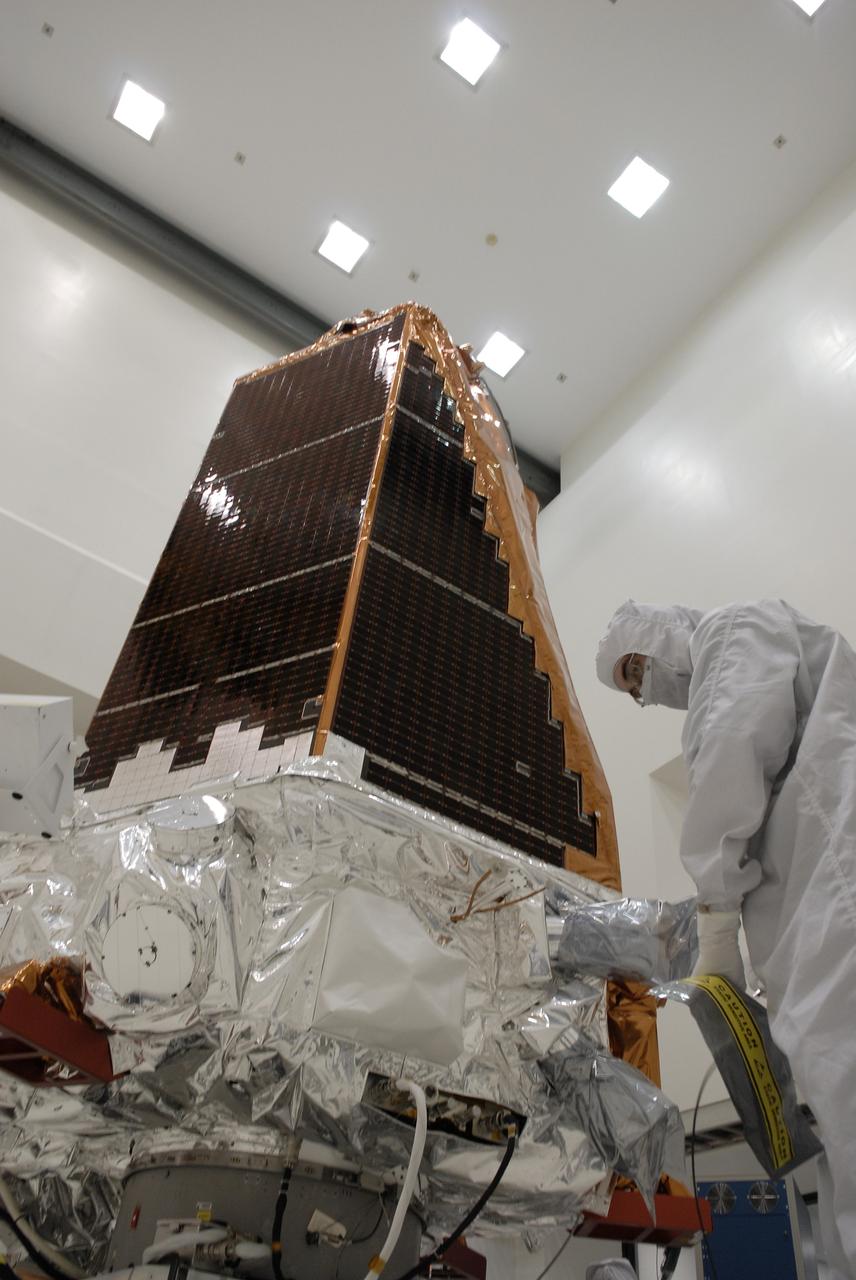
CAPE CANAVERAL, Fla. -- At the Astrotech payload processing facility in Titusville, Fla., NASA's Kepler spacecraft is prepared for testing. A NASA Discovery mission, Kepler is specifically designed to survey our region of the Milky Way galaxy to discover hundreds of Earth-size and smaller planets in or near the habitable zone and determine how many of the billions of stars in our galaxy have such planets. Results from this mission will allow us to place our solar system within the continuum of planetary systems in the Galaxy. After processing at Astrotech, Kepler will be carried to its launch pad at Cape Canaveral. .NASA's planet-hunting Kepler mission is scheduled to launch no earlier than March 5 atop a Delta II rocket. Photo credit: NASA/Kim Shiflett
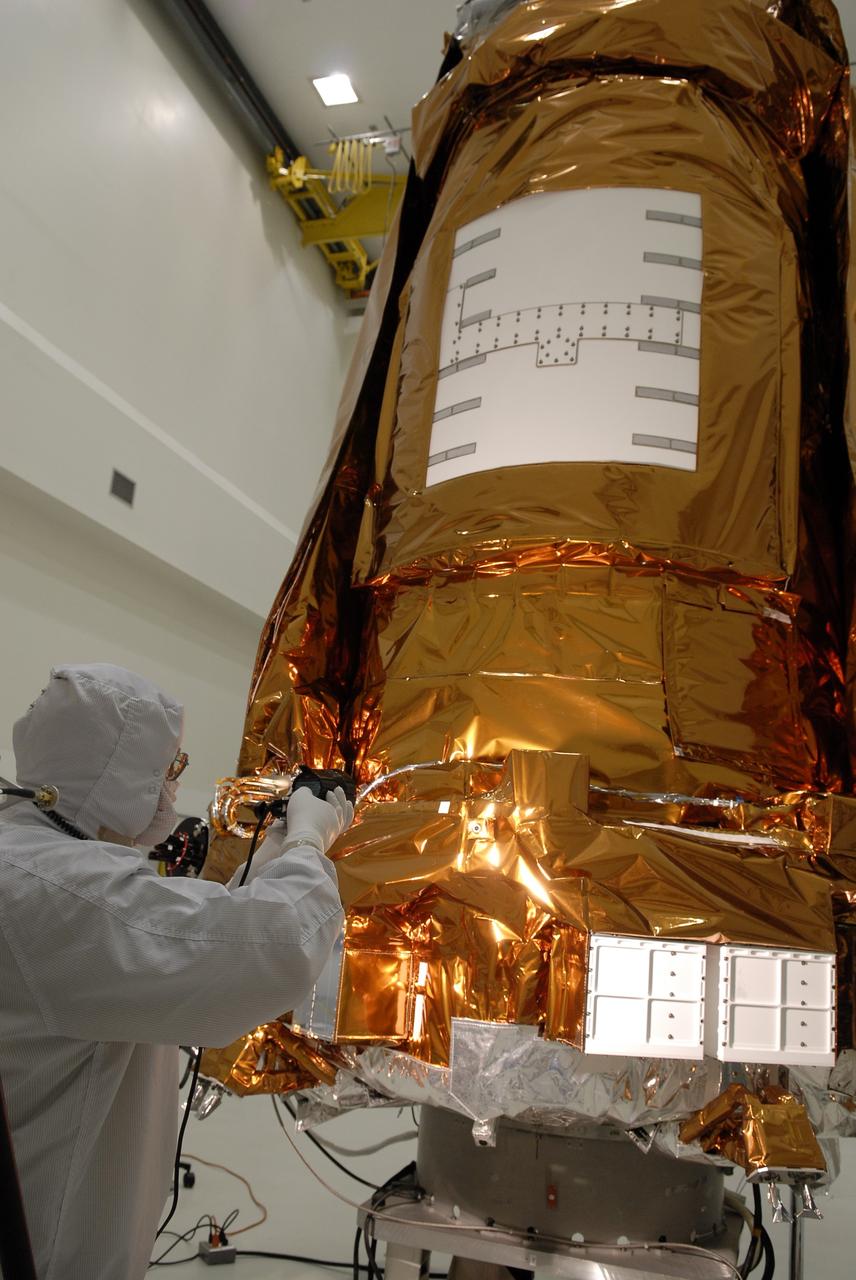
CAPE CANAVERAL, Fla. -- At the Astrotech payload processing facility in Titusville, Fla., a Ball Aerospace and Technologies Corp. worker conducts a light sensor test on NASA's Kepler spacecraft. A NASA Discovery mission, Kepler is specifically designed to survey our region of the Milky Way galaxy to discover hundreds of Earth-size and smaller planets in or near the habitable zone and determine how many of the billions of stars in our galaxy have such planets. Results from this mission will allow us to place our solar system within the continuum of planetary systems in the Galaxy. After processing at Astrotech, Kepler will be carried to its launch pad at Cape Canaveral Air Force Station. .NASA's planet-hunting Kepler mission is scheduled to launch no earlier than March 5 atop a United Launch Alliance Delta II rocket. Photo credit: NASA/Kim Shiflett
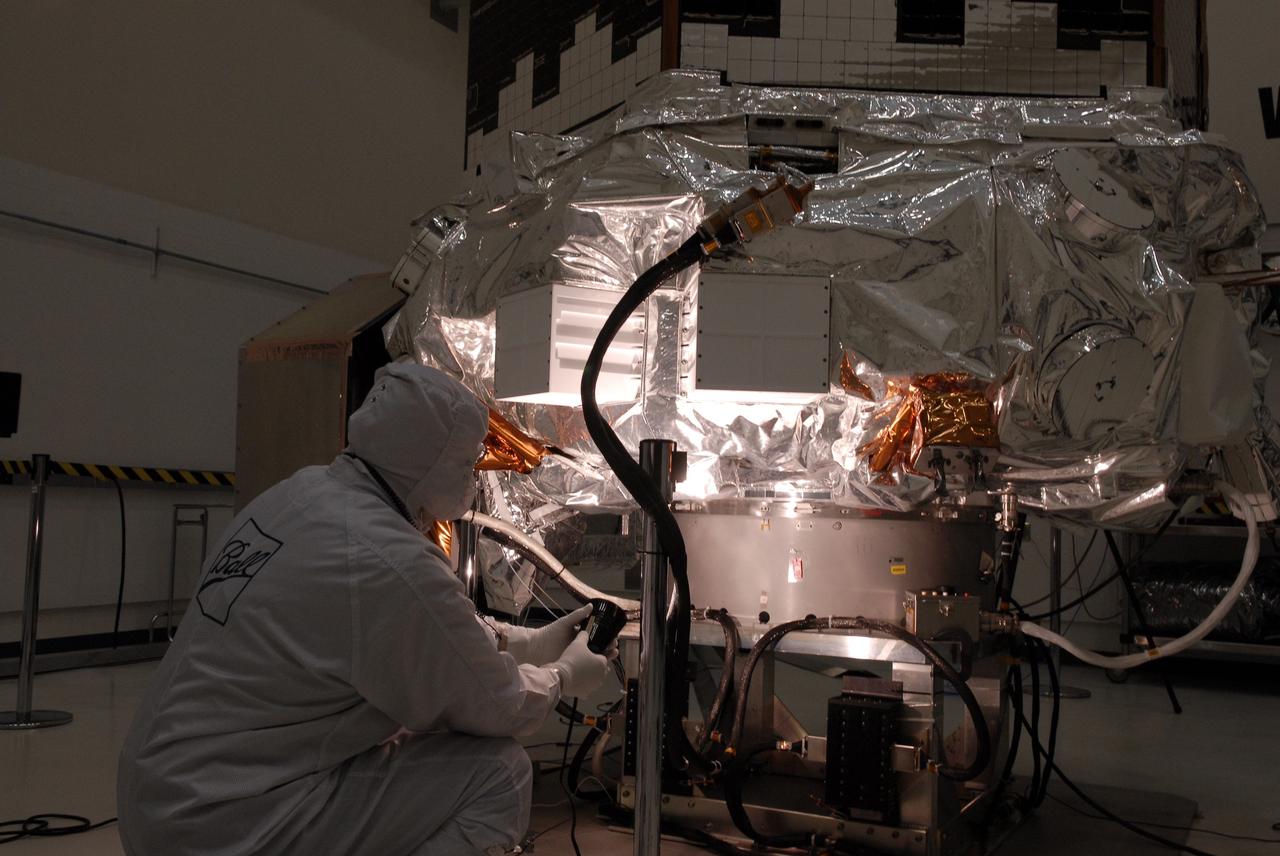
CAPE CANAVERAL, Fla. -- At the Astrotech payload processing facility in Titusville, Fla., a Ball Aerospace and Technologies Corp. worker conducts a light sensor test on NASA's Kepler spacecraft. A NASA Discovery mission, Kepler is specifically designed to survey our region of the Milky Way galaxy to discover hundreds of Earth-size and smaller planets in or near the habitable zone and determine how many of the billions of stars in our galaxy have such planets. Results from this mission will allow us to place our solar system within the continuum of planetary systems in the Galaxy. After processing at Astrotech, Kepler will be carried to its launch pad at Cape Canaveral Air Force Station. .NASA's planet-hunting Kepler mission is scheduled to launch no earlier than March 5 atop a United Launch Alliance Delta II rocket. Photo credit: NASA/Kim Shiflett
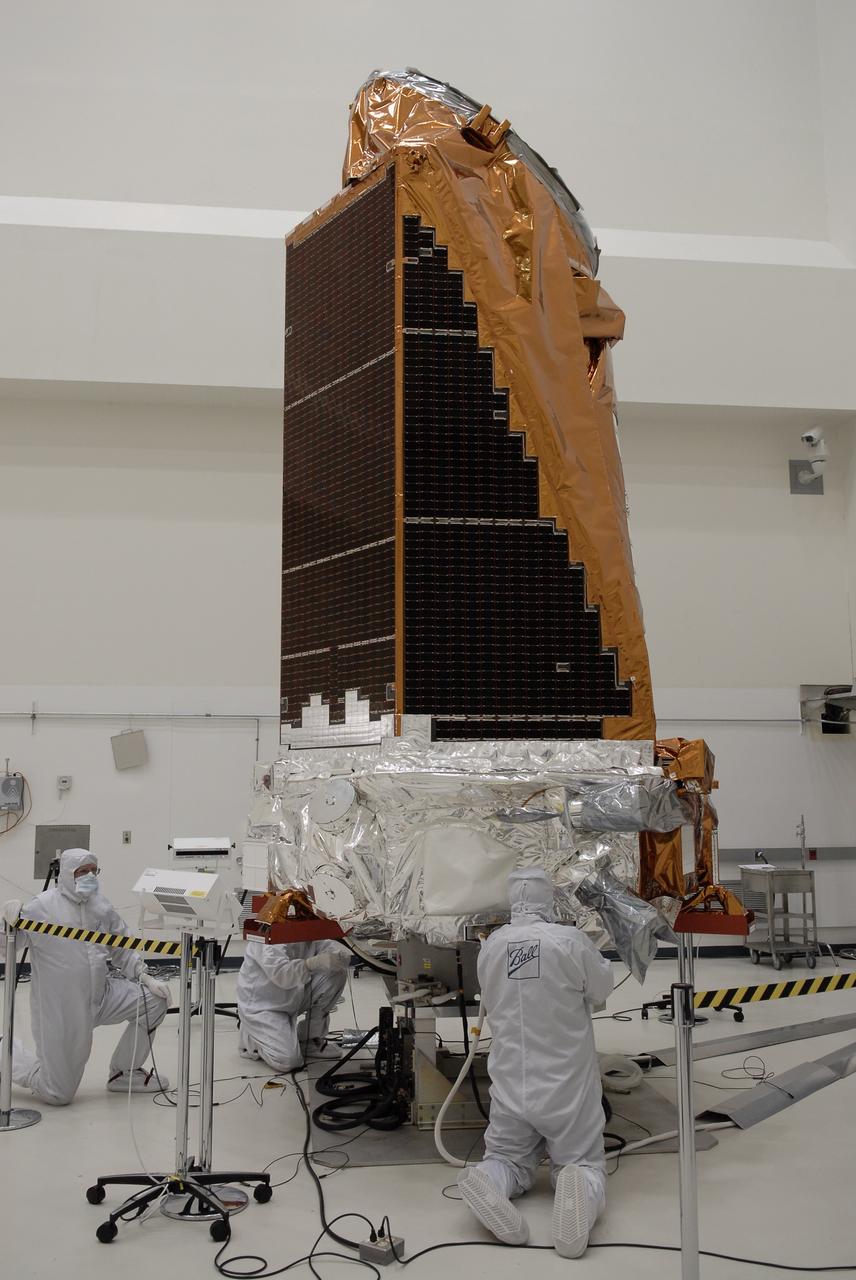
CAPE CANAVERAL, Fla. -- At the Astrotech payload processing facility in Titusville, Fla., NASA's Kepler spacecraft is unbagged. The spacecraft will undergo initial testing before launch. A NASA Discovery mission, Kepler is specifically designed to survey our region of the Milky Way galaxy to discover hundreds of Earth-size and smaller planets in or near the habitable zone and determine how many of the billions of stars in our galaxy have such planets. Results from this mission will allow us to place our solar system within the continuum of planetary systems in the Galaxy. After processing at Astrotech, Kepler will be carried to its launch pad at Cape Canaveral. .NASA's planet-hunting Kepler mission is scheduled to launch no earlier than March 5 atop a Delta II rocket. Photo credit: NASA/Kim Shiflett
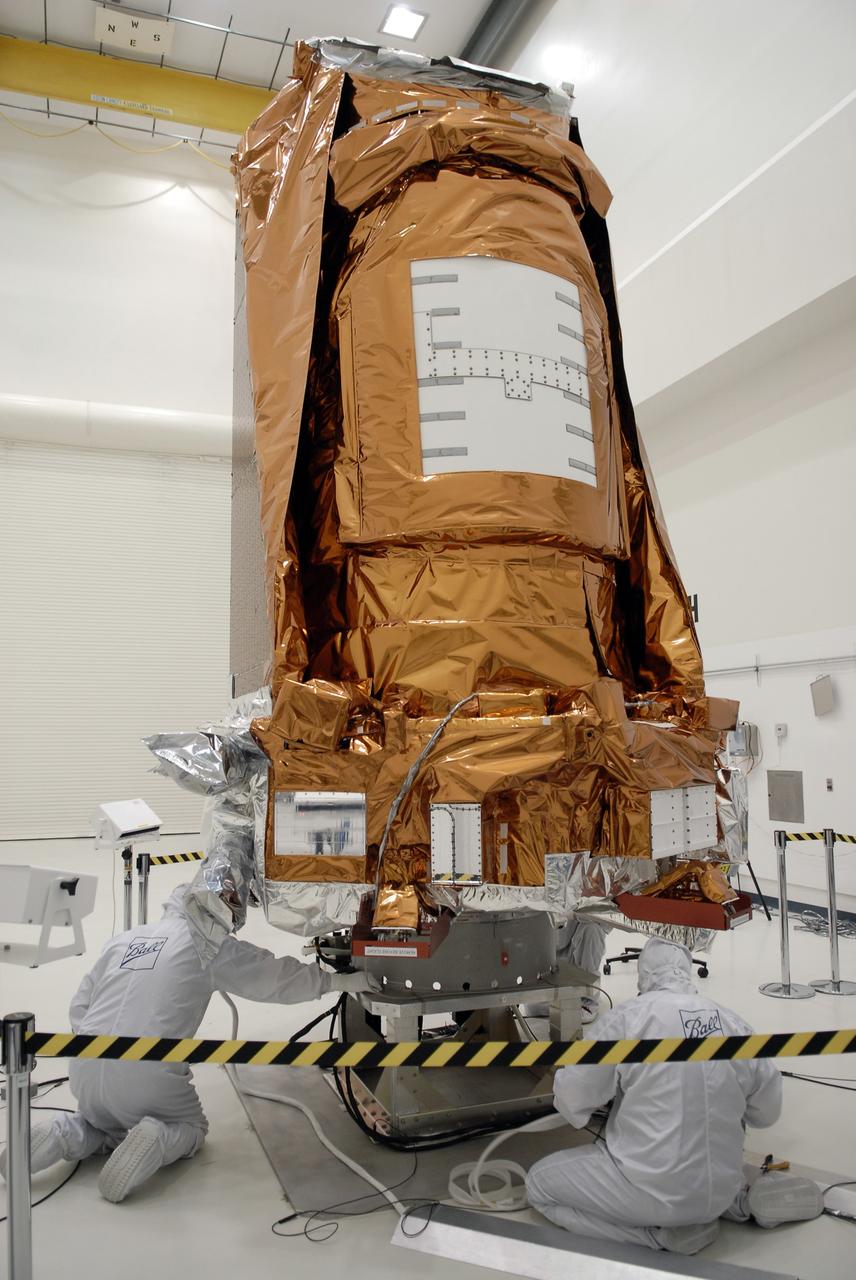
CAPE CANAVERAL, Fla. -- At the Astrotech payload processing facility in Titusville, Fla., workers from Ball Aerospace check the Star Trackers on NASA's Kepler spacecraft before testing. Star Trackers are small aperture, space-qualified optical products which assure a spacecraft’s accurate navigation in space. A NASA Discovery mission, Kepler is specifically designed to survey our region of the Milky Way galaxy to discover hundreds of Earth-size and smaller planets in or near the habitable zone and determine how many of the billions of stars in our galaxy have such planets. Results from this mission will allow us to place our solar system within the continuum of planetary systems in the Galaxy. After processing at Astrotech, Kepler will be carried to its launch pad at Cape Canaveral. .NASA's planet-hunting Kepler mission is scheduled to launch no earlier than March 5 atop a Delta II rocket. Photo credit: NASA/Kim Shiflett
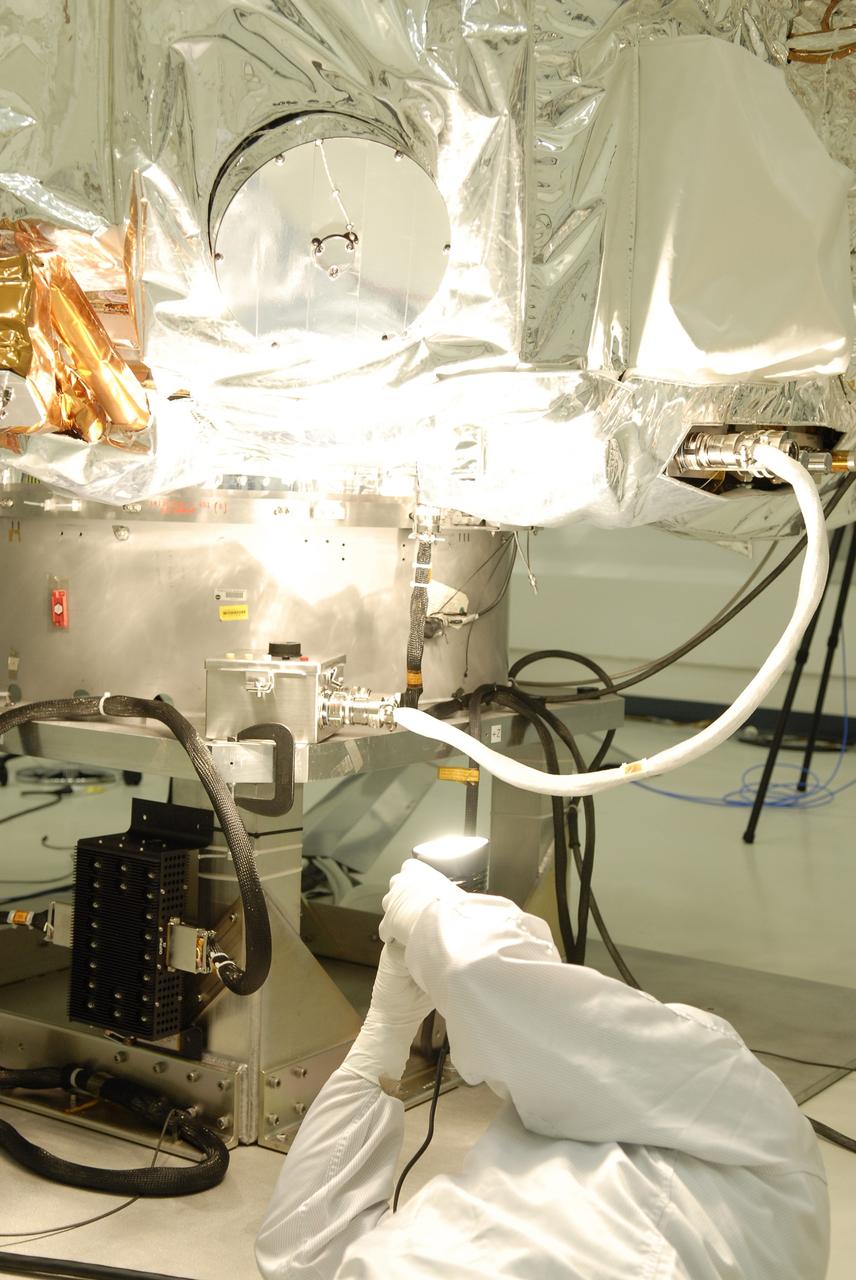
CAPE CANAVERAL, Fla. -- At the Astrotech payload processing facility in Titusville, Fla., a Ball Aerospace and Technologies Corp. worker conducts a light sensor test on NASA's Kepler spacecraft. A NASA Discovery mission, Kepler is specifically designed to survey our region of the Milky Way galaxy to discover hundreds of Earth-size and smaller planets in or near the habitable zone and determine how many of the billions of stars in our galaxy have such planets. Results from this mission will allow us to place our solar system within the continuum of planetary systems in the Galaxy. After processing at Astrotech, Kepler will be carried to its launch pad at Cape Canaveral Air Force Station. .NASA's planet-hunting Kepler mission is scheduled to launch no earlier than March 5 atop a United Launch Alliance Delta II rocket. Photo credit: NASA/Kim Shiflett
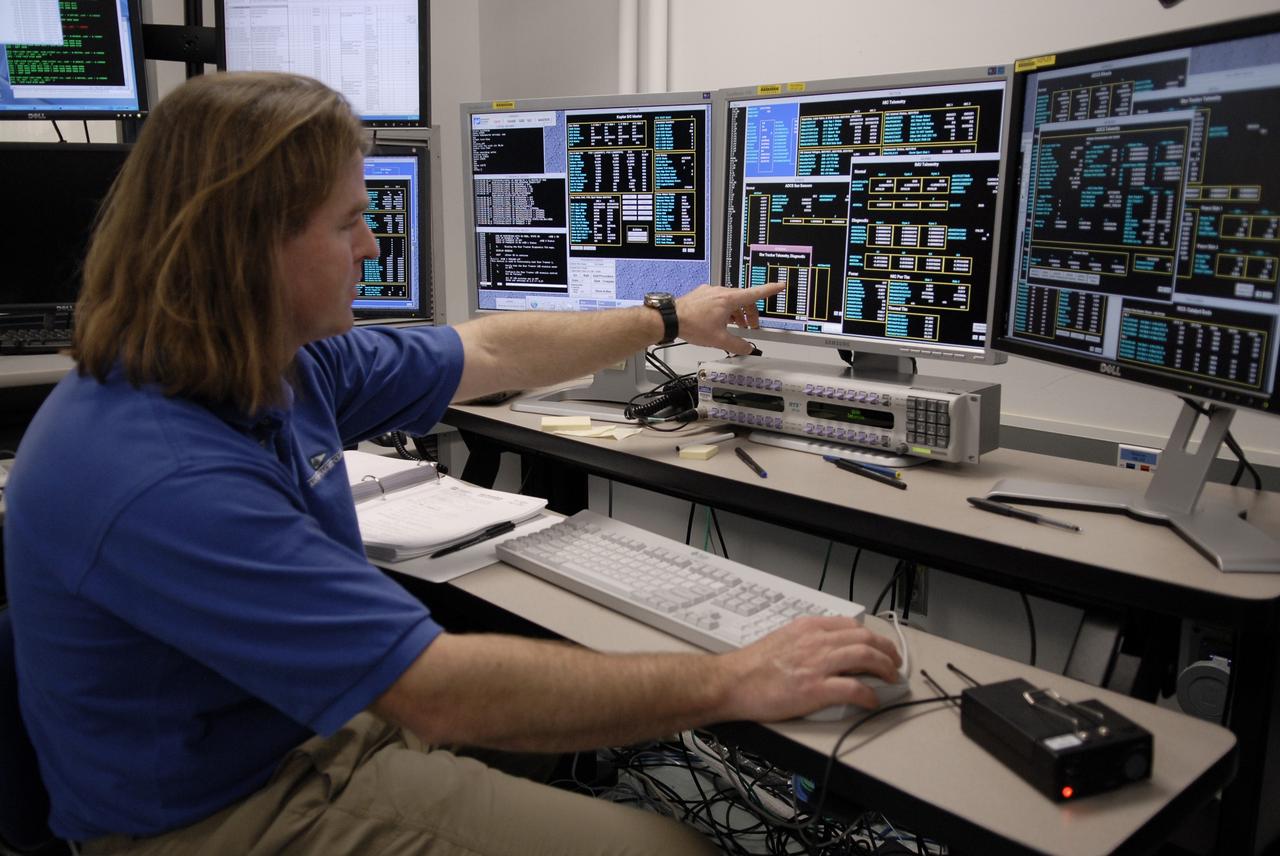
CAPE CANAVERAL, Fla. -- At the Astrotech payload processing facility in Titusville, Fla., a Ball Aerospace and Technologies Corp. technician Phil Mislinski checks data from the light sensor test conducted on NASA's Kepler spacecraft. Ball Aerospace was responsible for the flight segment design and fabrication. A NASA Discovery mission, Kepler is specifically designed to survey our region of the Milky Way galaxy to discover hundreds of Earth-size and smaller planets in or near the habitable zone and determine how many of the billions of stars in our galaxy have such planets. Results from this mission will allow us to place our solar system within the continuum of planetary systems in the Galaxy. After processing at Astrotech, Kepler will be carried to its launch pad at Cape Canaveral Air Force Station. .NASA's planet-hunting Kepler mission is scheduled to launch no earlier than March 5 atop a United Launch Alliance Delta II rocket. Photo credit: NASA/Kim Shiflett

CAPE CANAVERAL, Fla. -- Lights are reflected on the solar array panels of NASA's Kepler spacecraft during illumination testing. A NASA Discovery mission, Kepler is specifically designed to survey our region of the Milky Way galaxy to discover hundreds of Earth-size and smaller planets in or near the habitable zone and determine how many of the billions of stars in our galaxy have such planets. Kepler will hunt for planets using a specialized one-meter diameter telescope called a photometer to measure the small changes in brightness caused by the transits. Results from this mission will allow us to place our solar system within the continuum of planetary systems in the Galaxy. After processing at Astrotech, Kepler will be carried to its launch pad at Cape Canaveral Air Force Station. NASA's planet-hunting Kepler mission is scheduled to launch no earlier than March 5 atop a United Launch Alliance Delta II rocket. Photo credit: NASA/Kim Shiflett

CAPE CANAVERAL, Fla. -- A Ball Aerospace and Technology worker conducts a light sensor test on NASA's Kepler spacecraft. A NASA Discovery mission, Kepler is specifically designed to survey our region of the Milky Way galaxy to discover hundreds of Earth-size and smaller planets in or near the habitable zone and determine how many of the billions of stars in our galaxy have such planets. Kepler will hunt for planets using a specialized one-meter diameter telescope called a photometer to measure the small changes in brightness caused by the transits. Results from this mission will allow us to place our solar system within the continuum of planetary systems in the Galaxy. After processing at Astrotech, Kepler will be carried to its launch pad at Cape Canaveral Air Force Station. NASA's planet-hunting Kepler mission is scheduled to launch no earlier than March 5 atop a United Launch Alliance Delta II rocket. Photo credit: NASA/Kim Shiflett

CAPE CANAVERAL, Fla. -- Ball Aerospace and Technology workers conduct a light test on the solar array panels of NASA's Kepler spacecraft. A NASA Discovery mission, Kepler is specifically designed to survey our region of the Milky Way galaxy to discover hundreds of Earth-size and smaller planets in or near the habitable zone and determine how many of the billions of stars in our galaxy have such planets. Kepler will hunt for planets using a specialized one-meter diameter telescope called a photometer to measure the small changes in brightness caused by the transits. Results from this mission will allow us to place our solar system within the continuum of planetary systems in the Galaxy. After processing at Astrotech, Kepler will be carried to its launch pad at Cape Canaveral Air Force Station. NASA's planet-hunting Kepler mission is scheduled to launch no earlier than March 5 atop a United Launch Alliance Delta II rocket. Photo credit: NASA/Kim Shiflett

CAPE CANAVERAL, Fla. -- Ball Aerospace and Technology workers conduct a light test on the solar array panels of NASA's Kepler spacecraft. A NASA Discovery mission, Kepler is specifically designed to survey our region of the Milky Way galaxy to discover hundreds of Earth-size and smaller planets in or near the habitable zone and determine how many of the billions of stars in our galaxy have such planets. Kepler will hunt for planets using a specialized one-meter diameter telescope called a photometer to measure the small changes in brightness caused by the transits. Results from this mission will allow us to place our solar system within the continuum of planetary systems in the Galaxy. After processing at Astrotech, Kepler will be carried to its launch pad at Cape Canaveral Air Force Station. NASA's planet-hunting Kepler mission is scheduled to launch no earlier than March 5 atop a United Launch Alliance Delta II rocket. Photo credit: NASA/Kim Shiflett

CAPE CANAVERAL, Fla. -- Ball Aerospace and Technology workers conduct a light test on the solar array panels of NASA's Kepler spacecraft. A NASA Discovery mission, Kepler is specifically designed to survey our region of the Milky Way galaxy to discover hundreds of Earth-size and smaller planets in or near the habitable zone and determine how many of the billions of stars in our galaxy have such planets. Kepler will hunt for planets using a specialized one-meter diameter telescope called a photometer to measure the small changes in brightness caused by the transits. Results from this mission will allow us to place our solar system within the continuum of planetary systems in the Galaxy. After processing at Astrotech, Kepler will be carried to its launch pad at Cape Canaveral Air Force Station. NASA's planet-hunting Kepler mission is scheduled to launch no earlier than March 5 atop a United Launch Alliance Delta II rocket. Photo credit: NASA/Kim Shiflett

CAPE CANAVERAL, Fla. -- Ball Aerospace and Technology workers conduct a light test on the solar array panels of NASA's Kepler spacecraft. A NASA Discovery mission, Kepler is specifically designed to survey our region of the Milky Way galaxy to discover hundreds of Earth-size and smaller planets in or near the habitable zone and determine how many of the billions of stars in our galaxy have such planets. Kepler will hunt for planets using a specialized one-meter diameter telescope called a photometer to measure the small changes in brightness caused by the transits. Results from this mission will allow us to place our solar system within the continuum of planetary systems in the Galaxy. After processing at Astrotech, Kepler will be carried to its launch pad at Cape Canaveral Air Force Station. NASA's planet-hunting Kepler mission is scheduled to launch no earlier than March 5 atop a United Launch Alliance Delta II rocket. Photo credit: NASA/Kim Shiflett
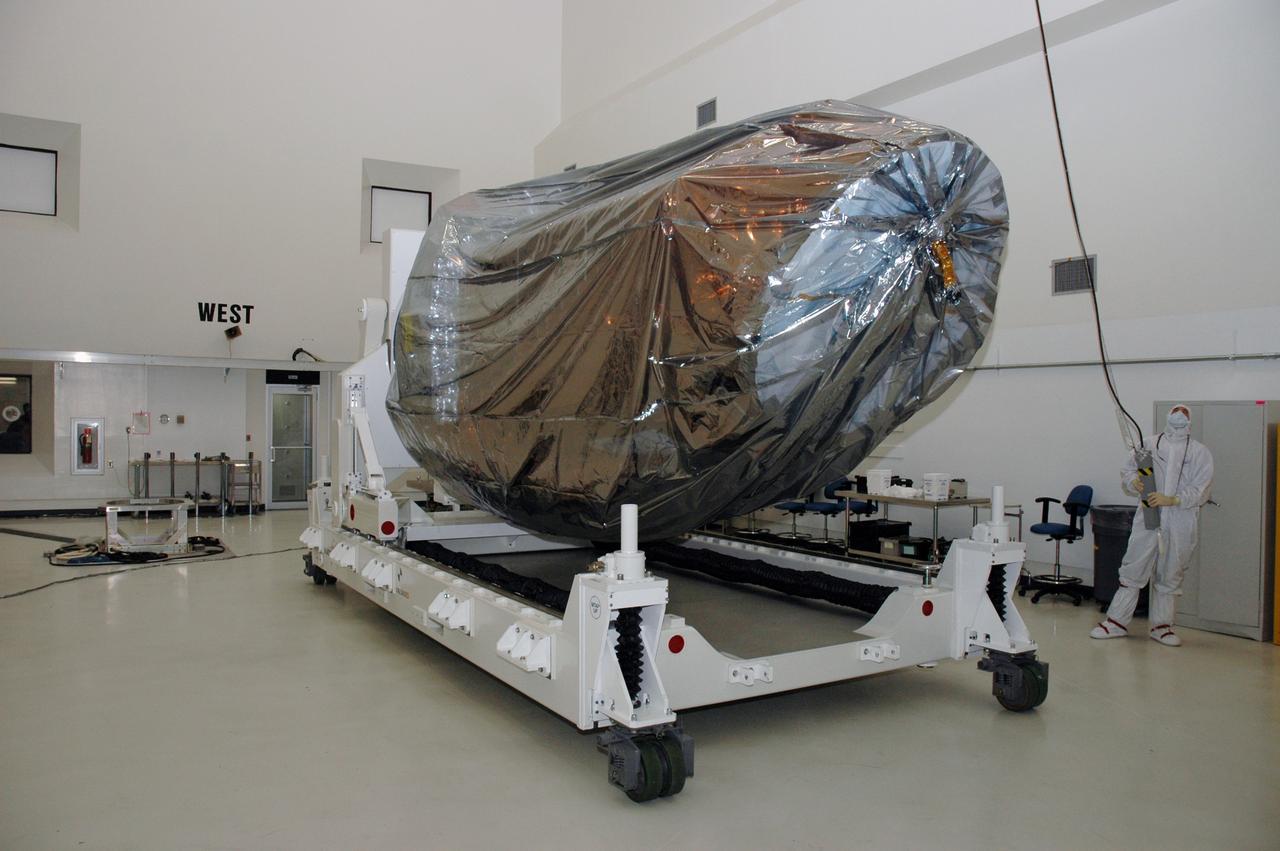
CAPE CANAVERAL, Fla. -- In a clean room at the Astrotech payload processing facility in Titusville, Fla., workers prepare to rotate NASA's Kepler spacecraft. Kepler will then be uncovered and prepared for initial testing. A NASA Discovery mission, Kepler is specifically designed to survey our region of the Milky Way galaxy to discover hundreds of Earth-size and smaller planets in or near the habitable zone and determine how many of the billions of stars in our galaxy have such planets. Results from this mission will allow us to place our solar system within the continuum of planetary systems in the Galaxy. After processing at Astrotech, Kepler will be carried to its launch pad at Cape Canaveral. NASA's planet-hunting Kepler mission is scheduled to launch no earlier than March 5 atop a Delta II rocket. Photo credit: NASA/Chris Rhodes
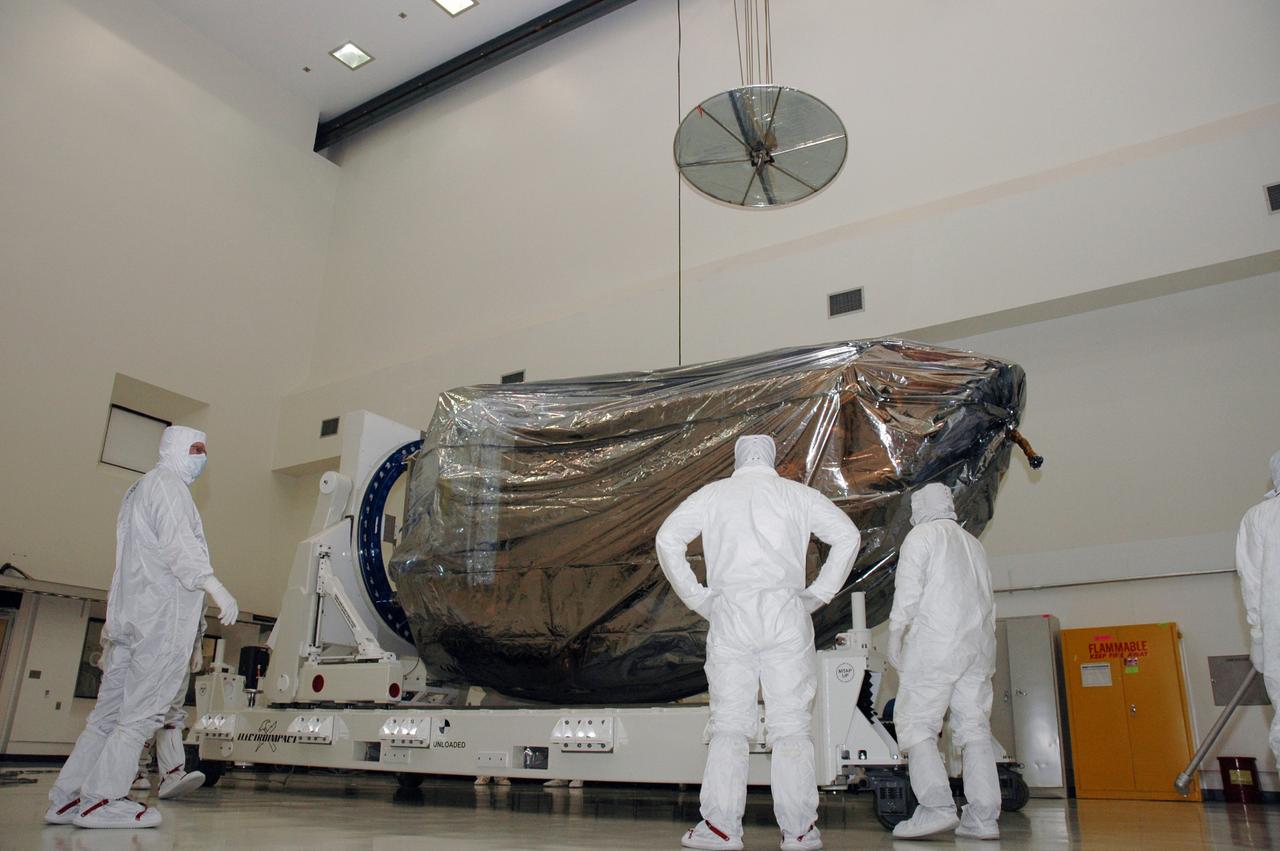
CAPE CANAVERAL, Fla. -- In a clean room at the Astrotech payload processing facility in Titusville, Fla., workers prepare to rotate NASA's Kepler spacecraft. Kepler will then be uncovered and prepared for initial testing. A NASA Discovery mission, Kepler is specifically designed to survey our region of the Milky Way galaxy to discover hundreds of Earth-size and smaller planets in or near the habitable zone and determine how many of the billions of stars in our galaxy have such planets. Results from this mission will allow us to place our solar system within the continuum of planetary systems in the Galaxy. After processing at Astrotech, Kepler will be carried to its launch pad at Cape Canaveral. NASA's planet-hunting Kepler mission is scheduled to launch no earlier than March 5 atop a Delta II rocket. Photo credit: NASA/Chris Rhodes

CAPE CANAVERAL, Fla. – Workers at Launch Complex 17-B on Cape Canaveral Air Force Station in Florida place sections of the large patch that describes the Kepler spacecraft mission to be launched by the Delta 2 rocket. The Kepler mission is specifically designed to survey our region of the Milky Way galaxy to discover hundreds of Earth-size and smaller planets in or near the habitable zone and determine how many of the billions of stars in our galaxy have such planets. Results from this mission will allow us to place our solar system within the continuum of planetary systems in the Galaxy. Photo credit: NASA/Jim Grossmann
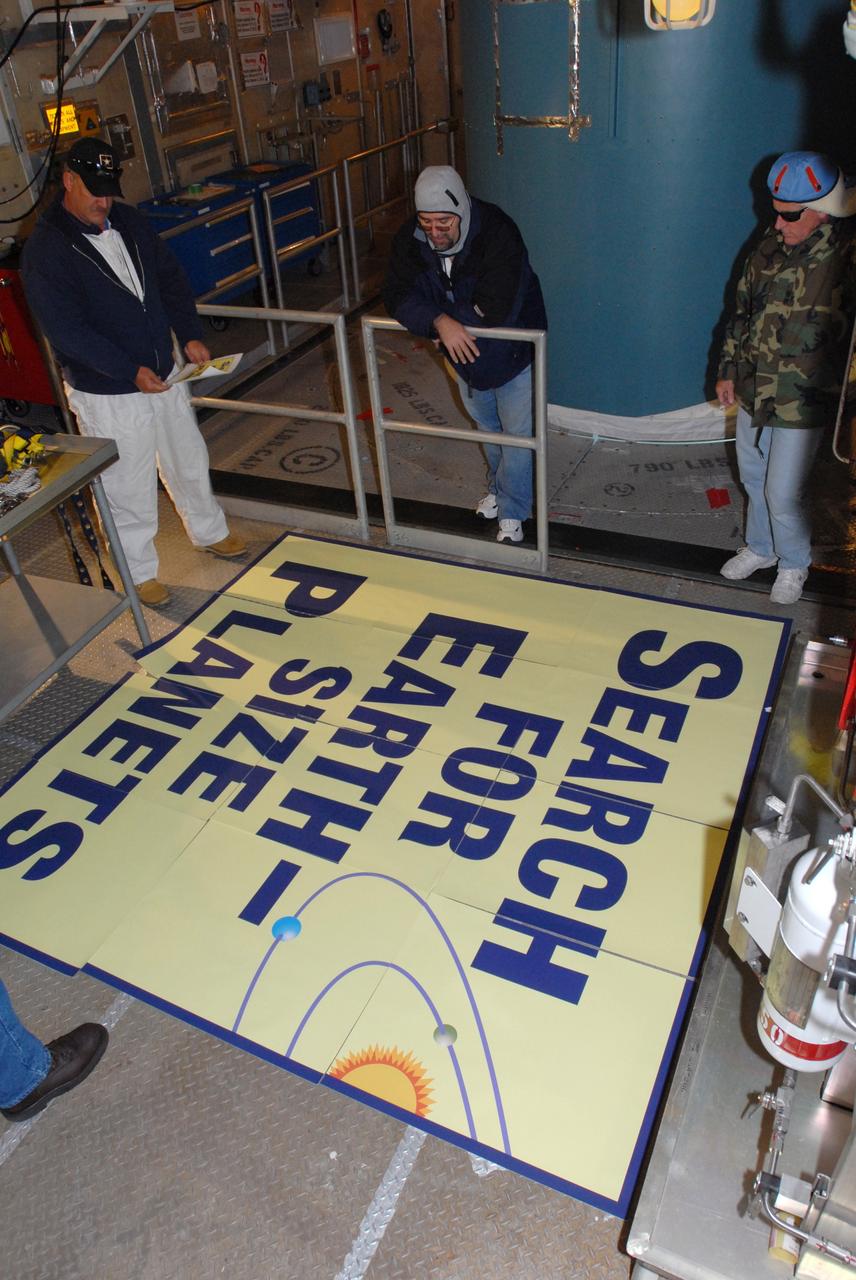
CAPE CANAVERAL, Fla. – Workers at Launch Complex 17-B on Cape Canaveral Air Force Station in Florida check the large patch they will place on the Delta 2 rocket (behind them). The patch describes the Kepler spacecraft mission that will be launched by the rocket. The Kepler mission is specifically designed to survey our region of the Milky Way galaxy to discover hundreds of Earth-size and smaller planets in or near the habitable zone and determine how many of the billions of stars in our galaxy have such planets. Results from this mission will allow us to place our solar system within the continuum of planetary systems in the Galaxy. Photo credit: NASA/Jim Grossmann
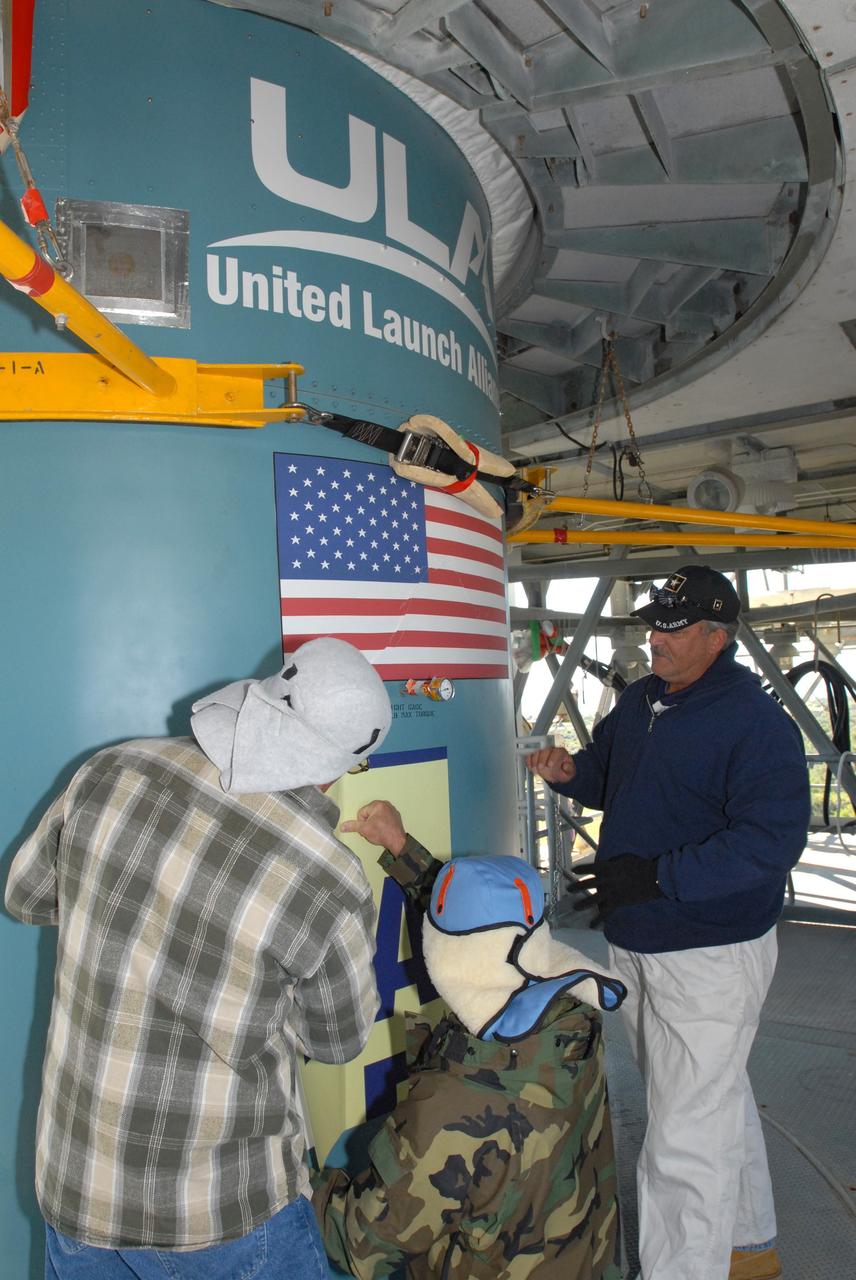
CAPE CANAVERAL, Fla. – Workers at Launch Complex 17-B on Cape Canaveral Air Force Station in Florida place the large patch that describes the Kepler spacecraft mission to be launched on the Delta 2 rocket. The Kepler mission is specifically designed to survey our region of the Milky Way galaxy to discover hundreds of Earth-size and smaller planets in or near the habitable zone and determine how many of the billions of stars in our galaxy have such planets. Results from this mission will allow us to place our solar system within the continuum of planetary systems in the Galaxy. Photo credit: NASA/Jim Grossmann
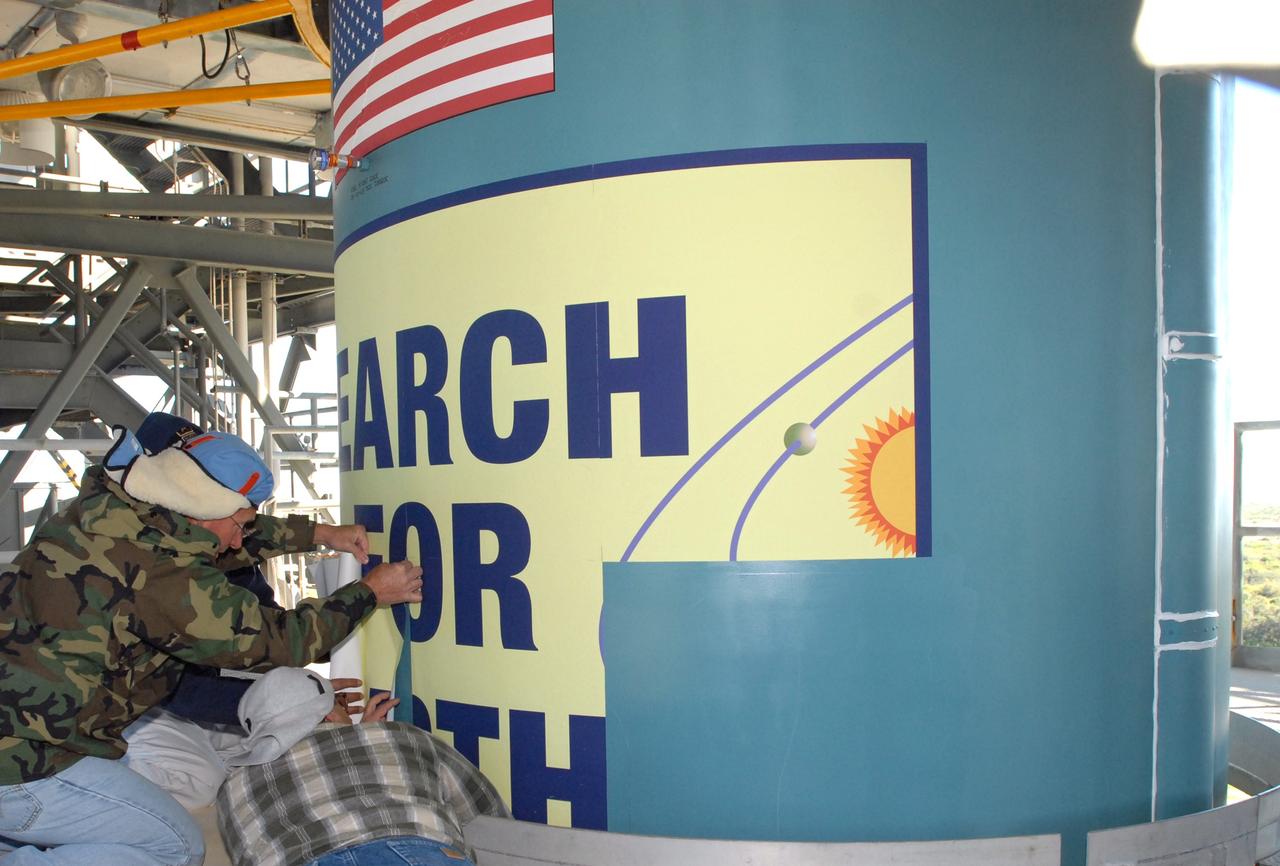
CAPE CANAVERAL, Fla. – Workers at Launch Complex 17-B on Cape Canaveral Air Force Station in Florida place the large patch on the Delta 2 rocket that describes the Kepler spacecraft mission to be launched by the rocket. The Kepler mission is specifically designed to survey our region of the Milky Way galaxy to discover hundreds of Earth-size and smaller planets in or near the habitable zone and determine how many of the billions of stars in our galaxy have such planets. Results from this mission will allow us to place our solar system within the continuum of planetary systems in the Galaxy. Photo credit: NASA/Jim Grossmann
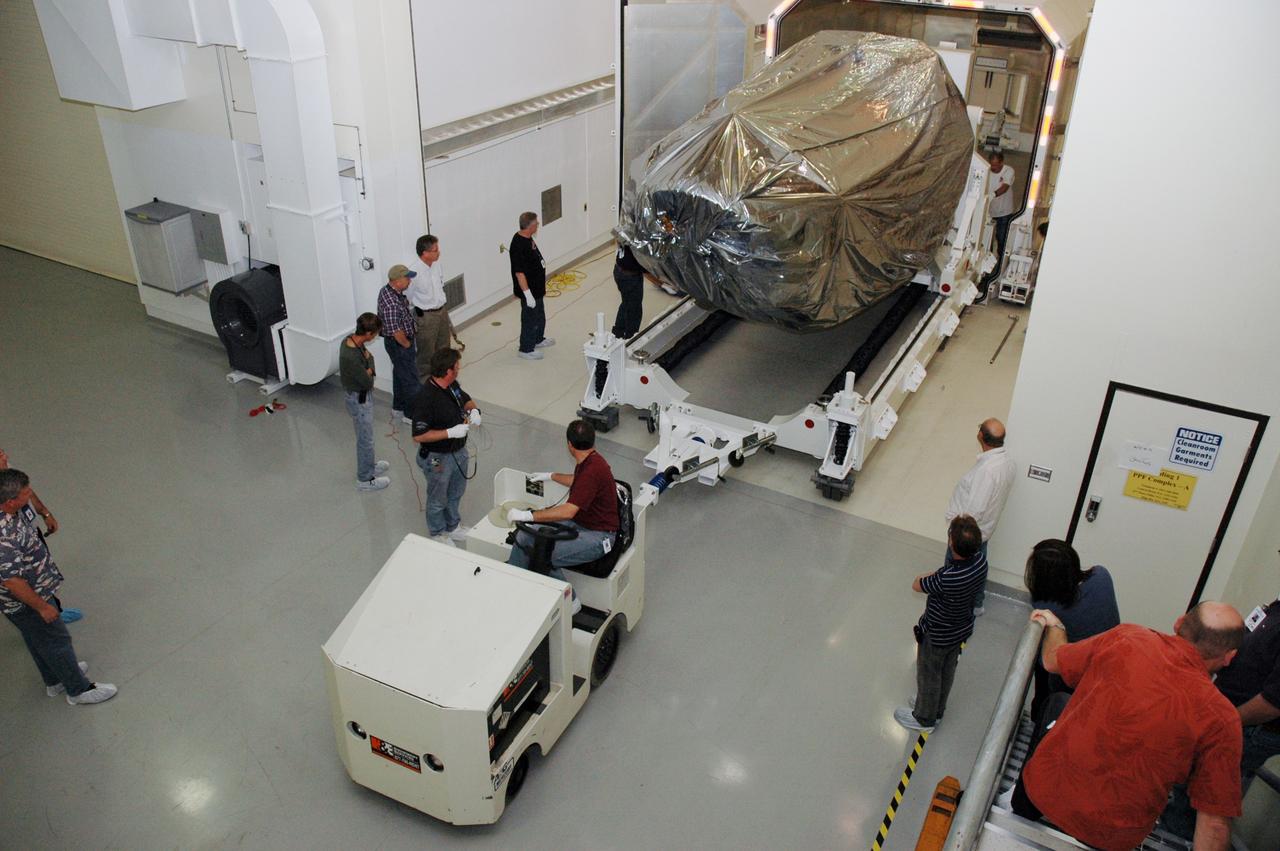
CAPE CANAVERAL, Fla. -- At the Astrotech payload processing facility in Titusville, Fla., NASA's Kepler spacecraft is rolled out of its shipping container. The spacecraft will be rotated to vertical, uncovered and prepared for initial testing. A NASA Discovery mission, Kepler is specifically designed to survey our region of the Milky Way galaxy to discover hundreds of Earth-size and smaller planets in or near the habitable zone and determine how many of the billions of stars in our galaxy have such planets. Results from this mission will allow us to place our solar system within the continuum of planetary systems in the Galaxy. After processing at Astrotech, Kepler will be carried to its launch pad at Cape Canaveral. NASA's planet-hunting Kepler mission is scheduled to launch no earlier than March 5 atop a Delta II rocket. Photo credit: NASA/Chris Rhodes
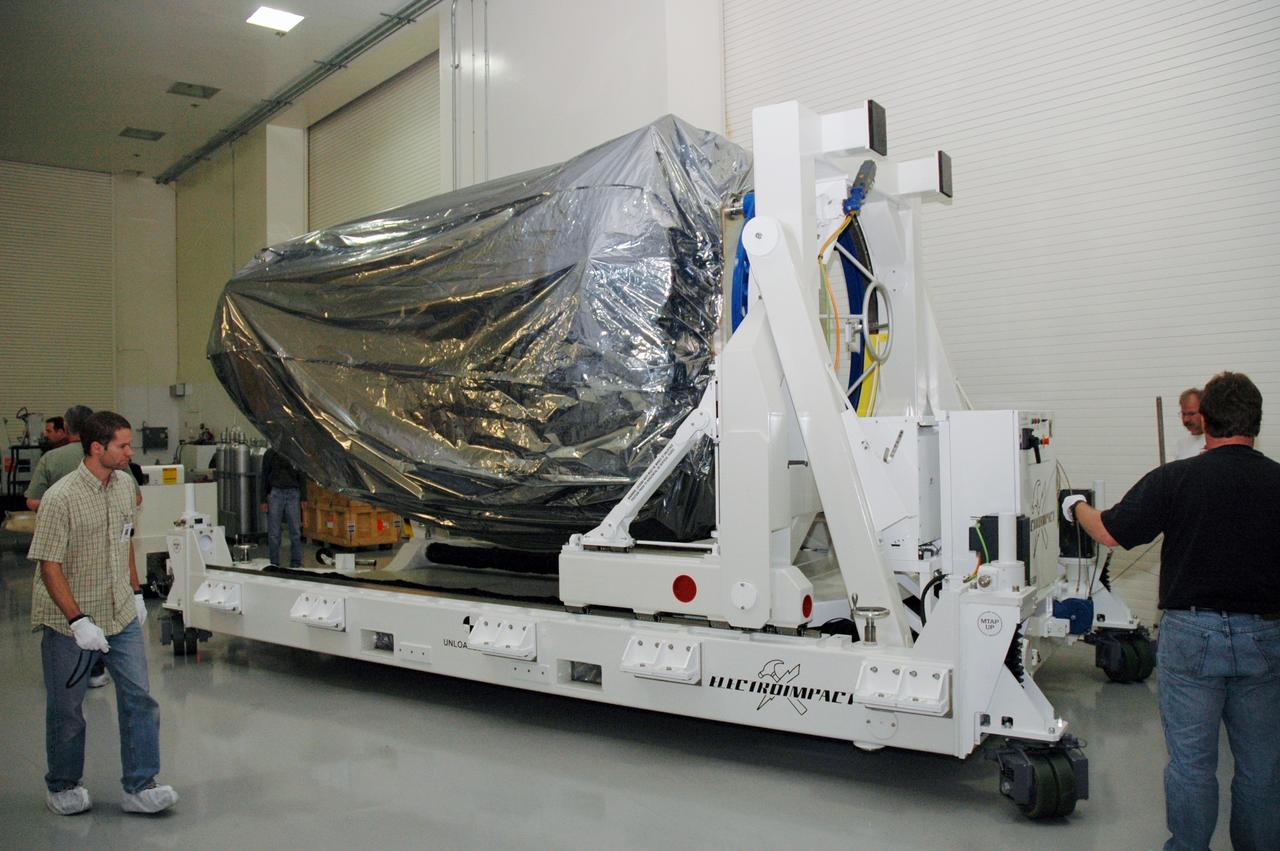
CAPE CANAVERAL, Fla. -- At the Astrotech payload processing facility in Titusville, Fla., NASA's Kepler spacecraft is rolled into a clean room. The spacecraft will be rotated to vertical, uncovered and prepared for initial testing. A NASA Discovery mission, Kepler is specifically designed to survey our region of the Milky Way galaxy to discover hundreds of Earth-size and smaller planets in or near the habitable zone and determine how many of the billions of stars in our galaxy have such planets. Results from this mission will allow us to place our solar system within the continuum of planetary systems in the Galaxy. After processing at Astrotech, Kepler will be carried to its launch pad at Cape Canaveral. NASA's planet-hunting Kepler mission is scheduled to launch no earlier than March 5 atop a Delta II rocket. Photo credit: NASA/Chris Rhodes
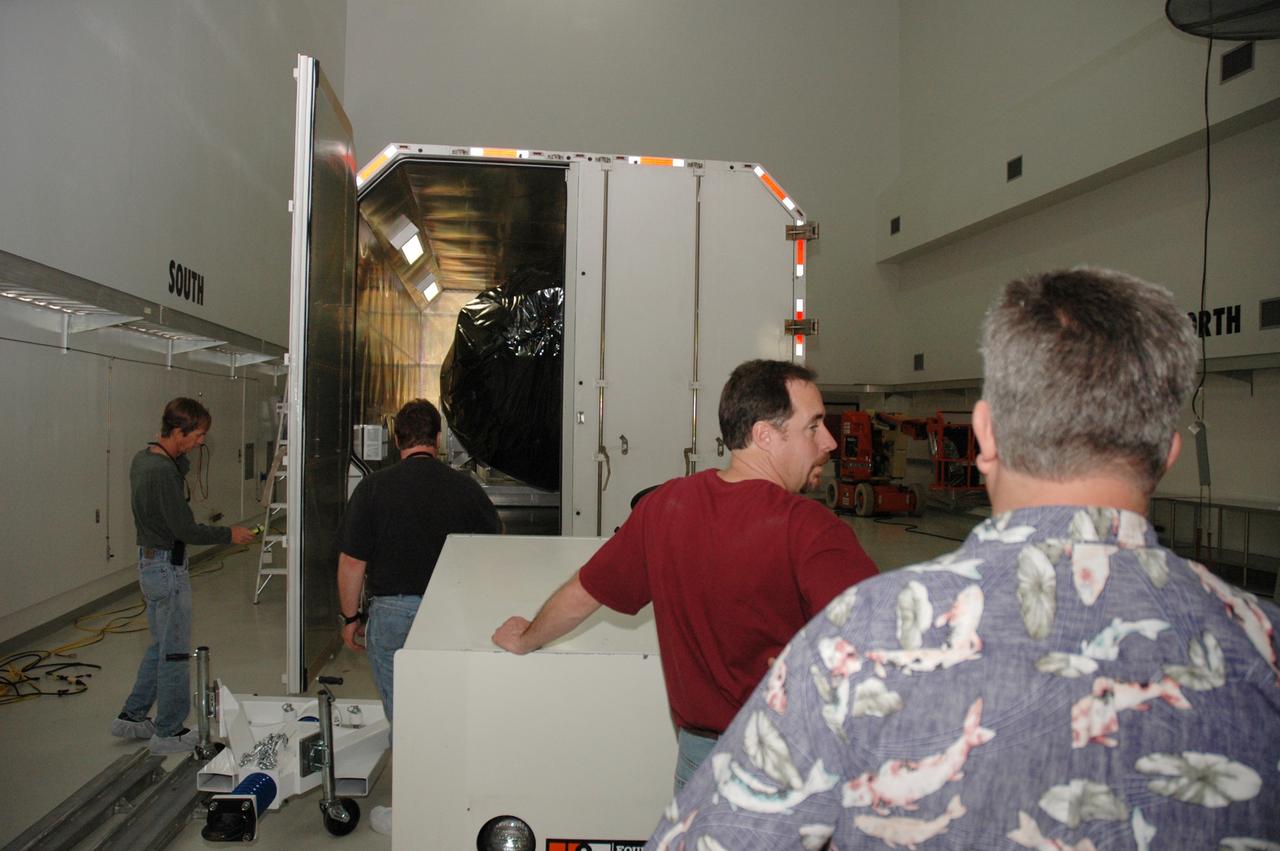
CAPE CANAVERAL, Fla. -- At the Astrotech payload processing facility in Titusville, Fla., doors are opened on the shipping container holding NASA's Kepler spacecraft. After removal from the container, the spacecraft will be rotated to vertical, uncovered and prepared for initial testing. A NASA Discovery mission, Kepler is specifically designed to survey our region of the Milky Way galaxy to discover hundreds of Earth-size and smaller planets in or near the habitable zone and determine how many of the billions of stars in our galaxy have such planets. Results from this mission will allow us to place our solar system within the continuum of planetary systems in the Galaxy. After processing at Astrotech, Kepler will be carried to its launch pad at Cape Canaveral. NASA's planet-hunting Kepler mission is scheduled to launch no earlier than March 5 atop a Delta II rocket. Photo credit: NASA/Chris Rhodes
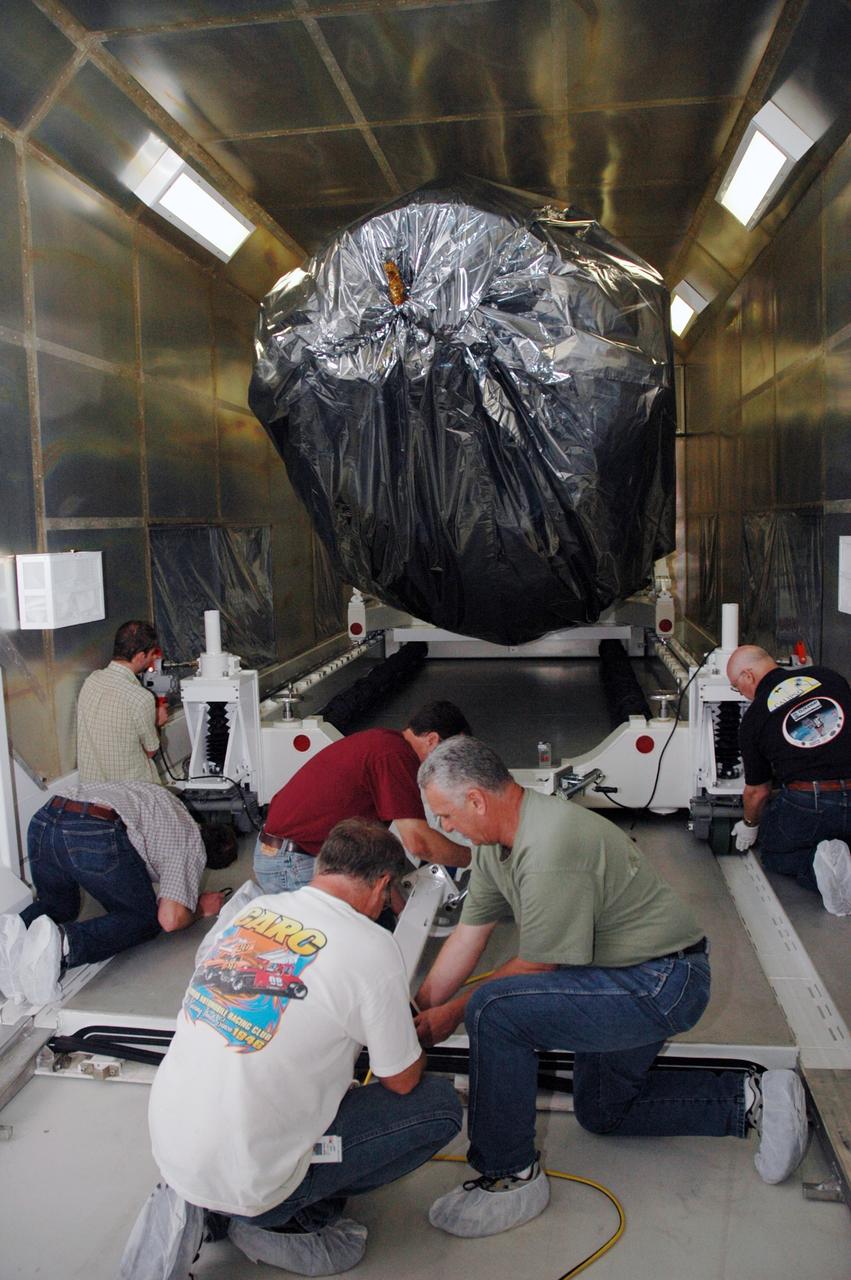
CAPE CANAVERAL, Fla. -- At the Astrotech payload processing facility in Titusville, Fla., workers prepare the mobile stand for removal of NASA's Kepler spacecraft from its shipping container. After its removal, the spacecraft will be rotated to vertical, uncovered and prepared for initial testing. A NASA Discovery mission, Kepler is specifically designed to survey our region of the Milky Way galaxy to discover hundreds of Earth-size and smaller planets in or near the habitable zone and determine how many of the billions of stars in our galaxy have such planets. Results from this mission will allow us to place our solar system within the continuum of planetary systems in the Galaxy. After processing at Astrotech, Kepler will be carried to its launch pad at Cape Canaveral. NASA's planet-hunting Kepler mission is scheduled to launch no earlier than March 5 atop a Delta II rocket. Photo credit: NASA/Chris Rhodes
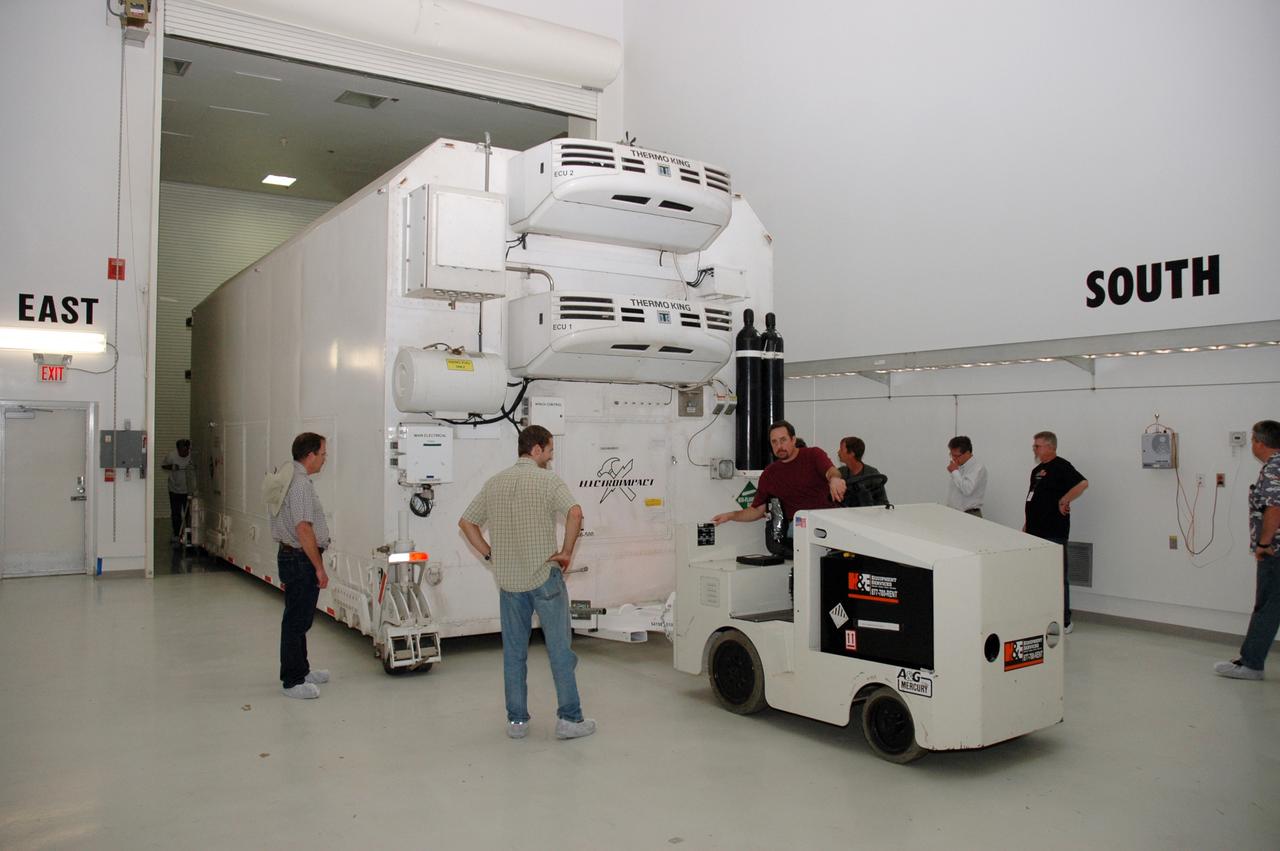
CAPE CANAVERAL, Fla. -- At the Astrotech payload processing facility in Titusville, Fla., the shipping container holding NASA's Kepler spacecraft is moved into a clean room. After removal from the container, the spacecraft will be rotated to vertical, uncovered and prepared for initial testing. A NASA Discovery mission, Kepler is specifically designed to survey our region of the Milky Way galaxy to discover hundreds of Earth-size and smaller planets in or near the habitable zone and determine how many of the billions of stars in our galaxy have such planets. Results from this mission will allow us to place our solar system within the continuum of planetary systems in the Galaxy. After processing at Astrotech, Kepler will be carried to its launch pad at Cape Canaveral. NASA's planet-hunting Kepler mission is scheduled to launch no earlier than March 5 atop a Delta II rocket. Photo credit: NASA/Chris Rhodes
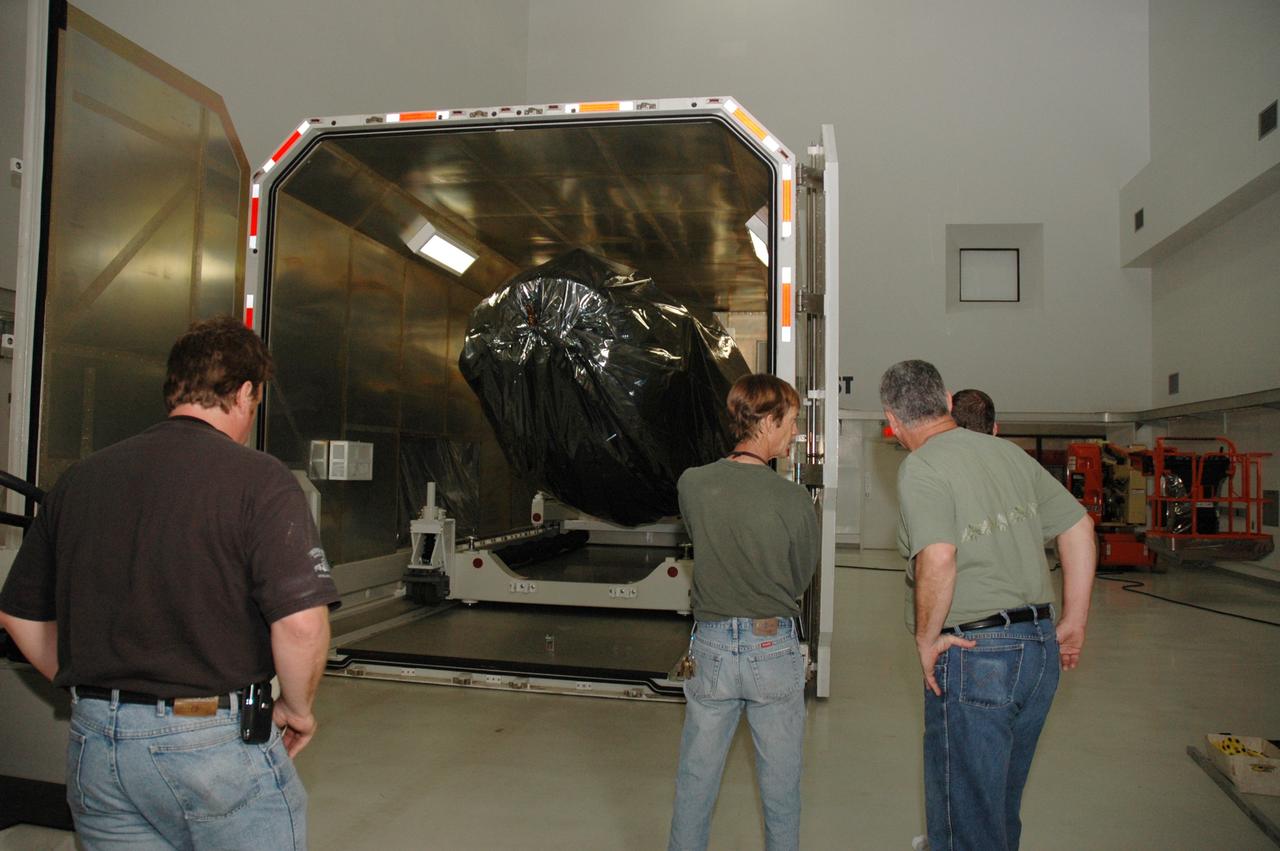
CAPE CANAVERAL, Fla. -- At the Astrotech payload processing facility in Titusville, Fla., doors are opened on the shipping container holding NASA's Kepler spacecraft. After removal from the container, the spacecraft will be rotated to vertical, uncovered and prepared for initial testing. A NASA Discovery mission, Kepler is specifically designed to survey our region of the Milky Way galaxy to discover hundreds of Earth-size and smaller planets in or near the habitable zone and determine how many of the billions of stars in our galaxy have such planets. Results from this mission will allow us to place our solar system within the continuum of planetary systems in the Galaxy. After processing at Astrotech, Kepler will be carried to its launch pad at Cape Canaveral. NASA's planet-hunting Kepler mission is scheduled to launch no earlier than March 5 atop a Delta II rocket. Photo credit: NASA/Chris Rhodes
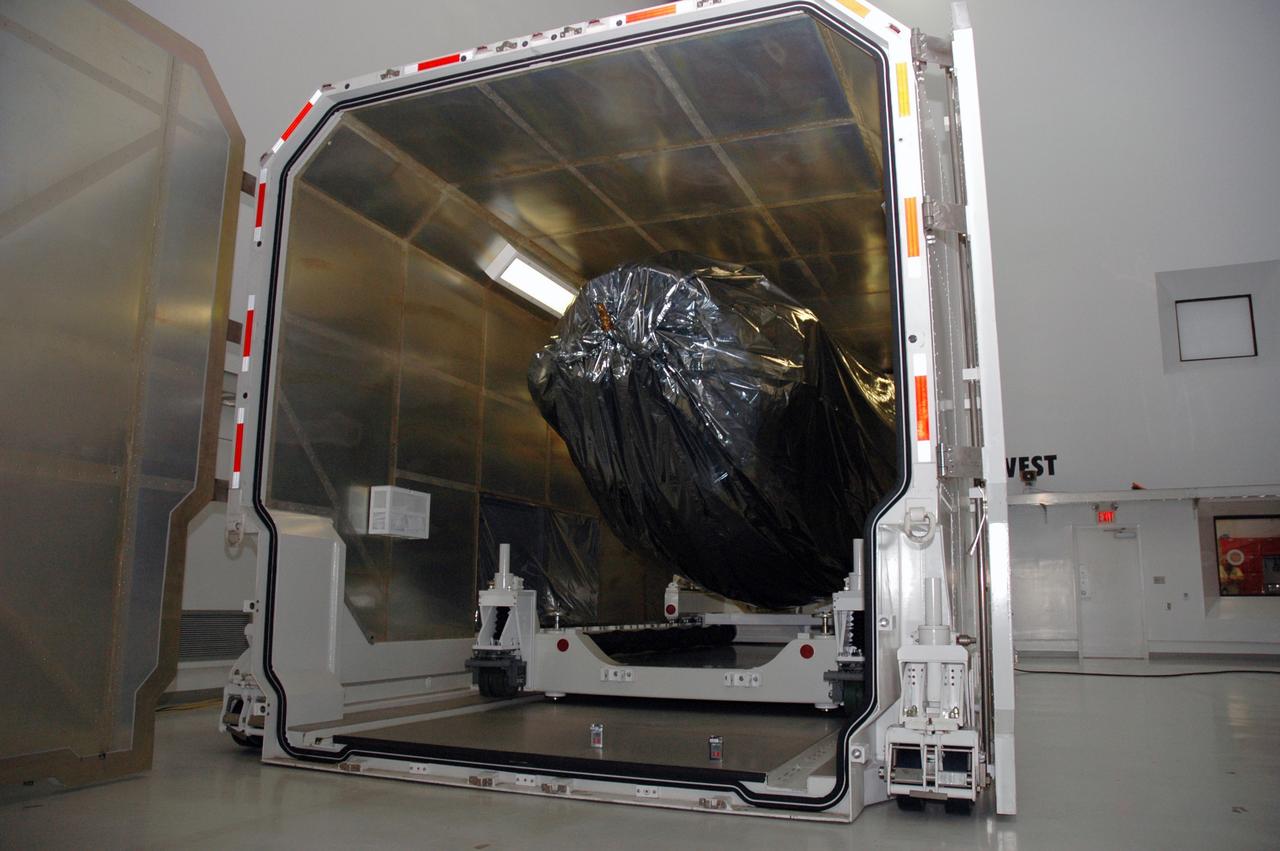
CAPE CANAVERAL, Fla. -- At the Astrotech payload processing facility in Titusville, Fla., the open doors of the shipping container reveal NASA's Kepler spacecraft. After removal from the container, the spacecraft will be rotated to vertical, uncovered and prepared for initial testing. A NASA Discovery mission, Kepler is specifically designed to survey our region of the Milky Way galaxy to discover hundreds of Earth-size and smaller planets in or near the habitable zone and determine how many of the billions of stars in our galaxy have such planets. Results from this mission will allow us to place our solar system within the continuum of planetary systems in the Galaxy. After processing at Astrotech, Kepler will be carried to its launch pad at Cape Canaveral. NASA's planet-hunting Kepler mission is scheduled to launch no earlier than March 5 atop a Delta II rocket. Photo credit: NASA/Chris Rhodes
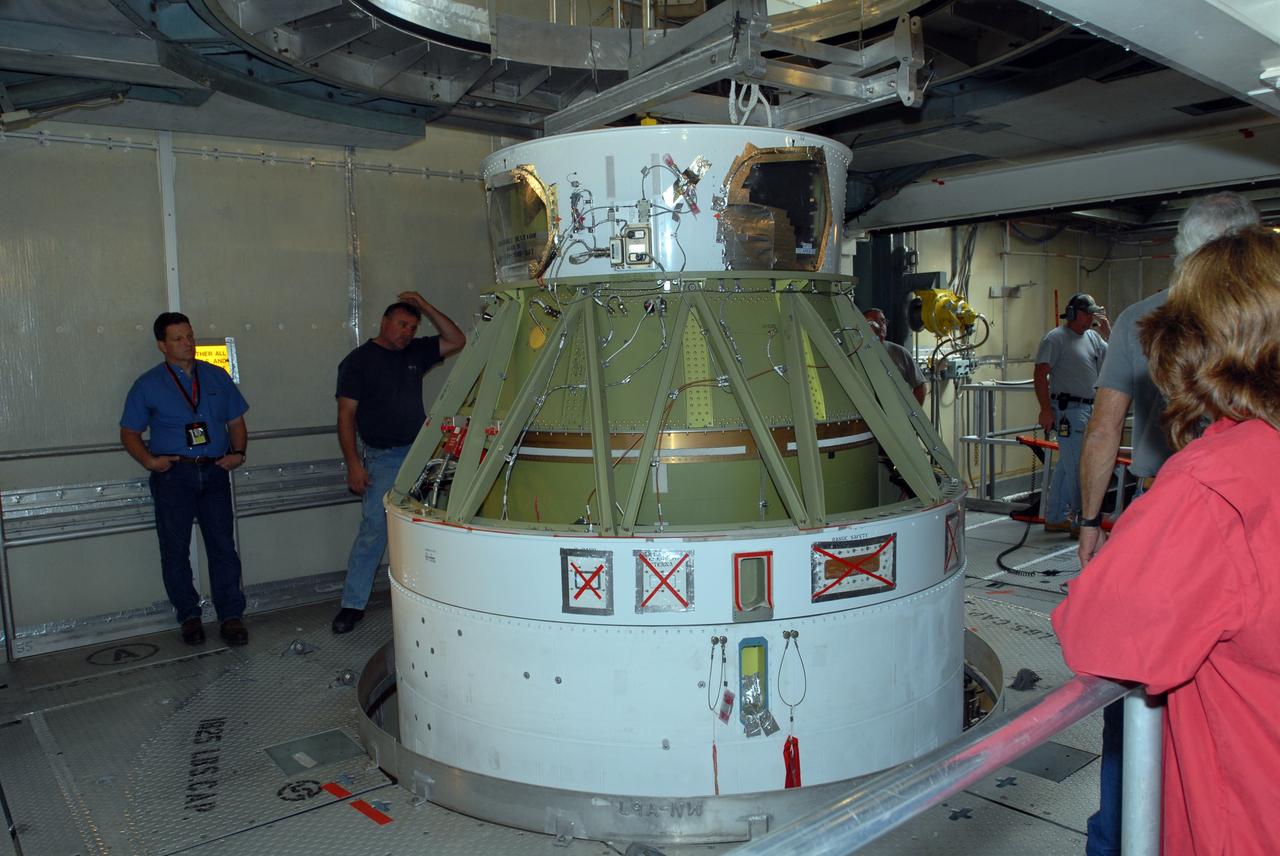
CAPE CANAVERAL, Fla. -- On Complex 17-B at Cape Canaveral Air Force Station in Florida, the second stage has been mated to the first stage of the Delta 2 rocket that will launch NASA's Kepler spacecraft. The Kepler mission is specifically designed to survey our region of the Milky Way galaxy to discover hundreds of Earth-size and smaller planets in or near the habitable zone and determine how many of the billions of stars in our galaxy have such planets. Results from this mission will allow us to place our solar system within the continuum of planetary systems in the Galaxy. NASA's planet-hunting Kepler mission is scheduled to launch no earlier than March 5, 2009. Photo credit: NASA/Jim Grossmann
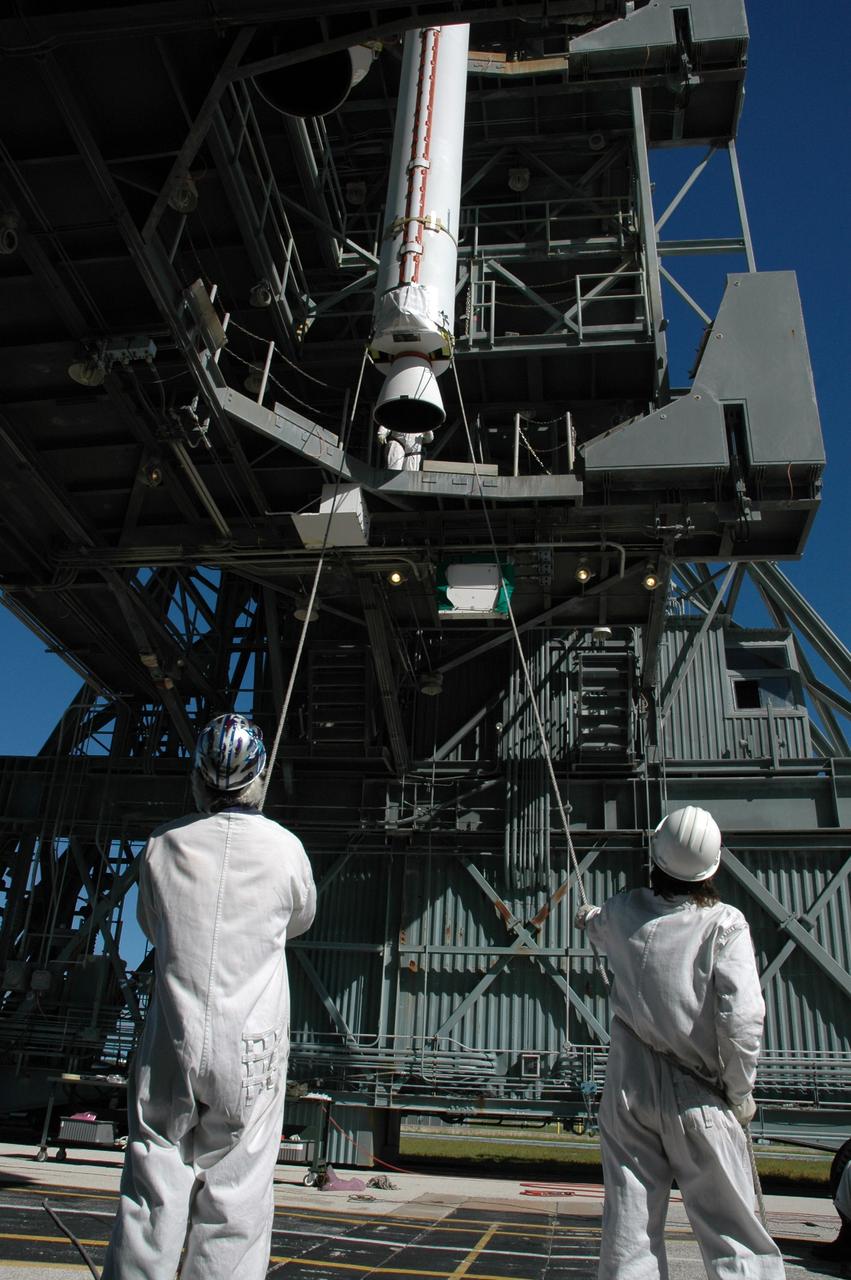
CAPE CANAVERAL, Fla. – On Launch Pad 17-B at Cape Canaveral Air Force Station in Florida, another solid rocket booster is being lifted into the mobile service tower for mating to the first stage of the Kepler's Delta 2 launch vehicle. The Kepler mission is specifically designed to survey our region of the Milky Way galaxy to discover hundreds of Earth-size and smaller planets in or near the habitable zone and determine how many of the billions of stars in our galaxy have such planets. Results from this mission will allow us to place our solar system within the continuum of planetary systems in the Galaxy. NASA's planet-hunting Kepler mission is scheduled to launch no earlier than March 5, 2009. Photo credit: NASA/Jim Grossmann
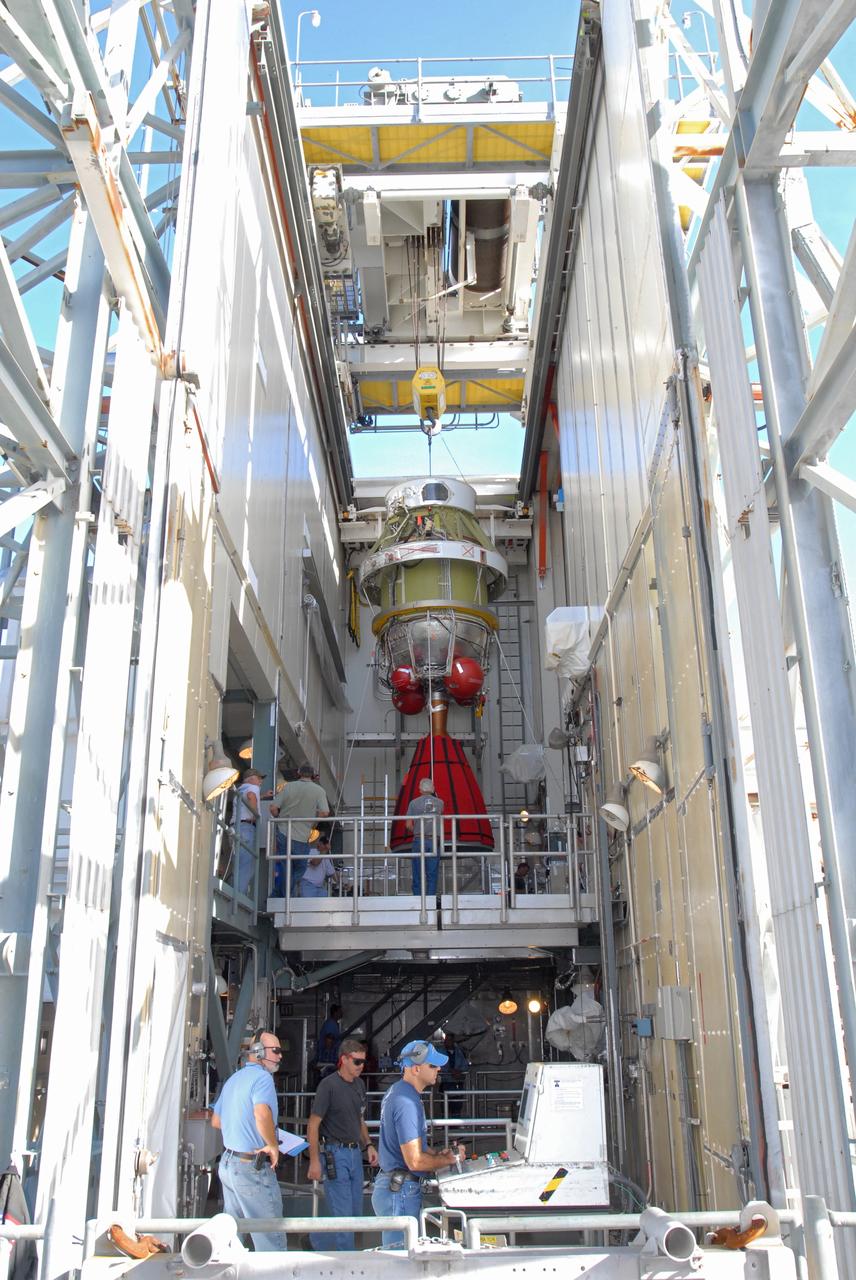
CAPE CANAVERAL, Fla. -- On Complex 17-B at Cape Canaveral Air Force Station in Florida, workers guide the second stage of the Delta 2 rocket into place inside the mobile service tower. The second stage will be mated to the first stage of the Delta 2 for the launch of NASA's Kepler spacecraft. The Kepler mission is specifically designed to survey our region of the Milky Way galaxy to discover hundreds of Earth-size and smaller planets in or near the habitable zone and determine how many of the billions of stars in our galaxy have such planets. Results from this mission will allow us to place our solar system within the continuum of planetary systems in the Galaxy. NASA's planet-hunting Kepler mission is scheduled to launch no earlier than March 5, 2009. Photo credit: NASA/Jim Grossmann
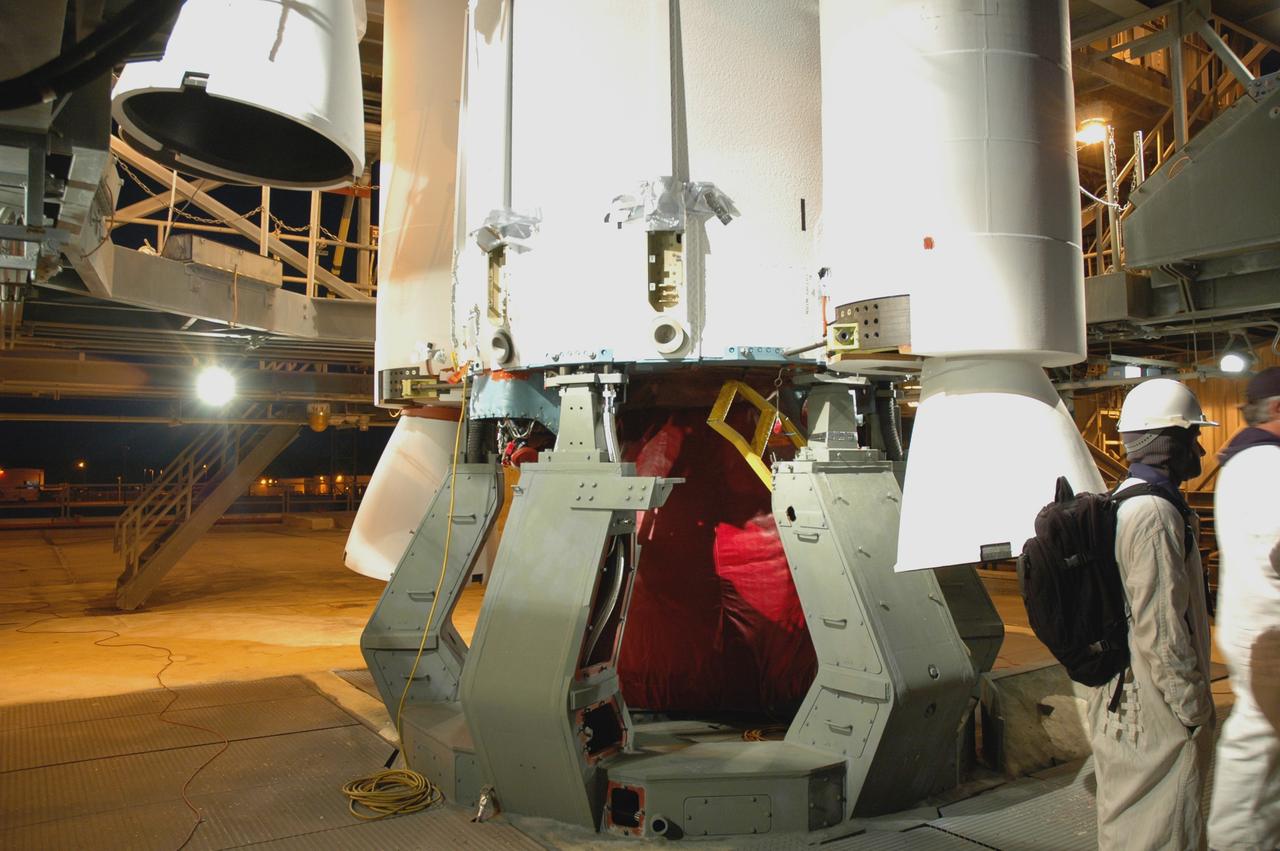
CAPE CANAVERAL, Fla. – On Launch Pad 17-B at Cape Canaveral Air Force Station in Florida, workers prepare the air-lit strap-on solid rocket boosters to be mated onto the Delta 2 launch vehicle that will carry the Kepler spacecraft into orbit. The Kepler mission is specifically designed to survey our region of the Milky Way galaxy to discover hundreds of Earth-size and smaller planets in or near the habitable zone and determine how many of the billions of stars in our galaxy have such planets. Results from this mission will allow us to place our solar system within the continuum of planetary systems in the Galaxy. NASA's planet-hunting Kepler mission is scheduled to launch no earlier than March 5, 2009. Photo credit: NASA/Jim Grossmann
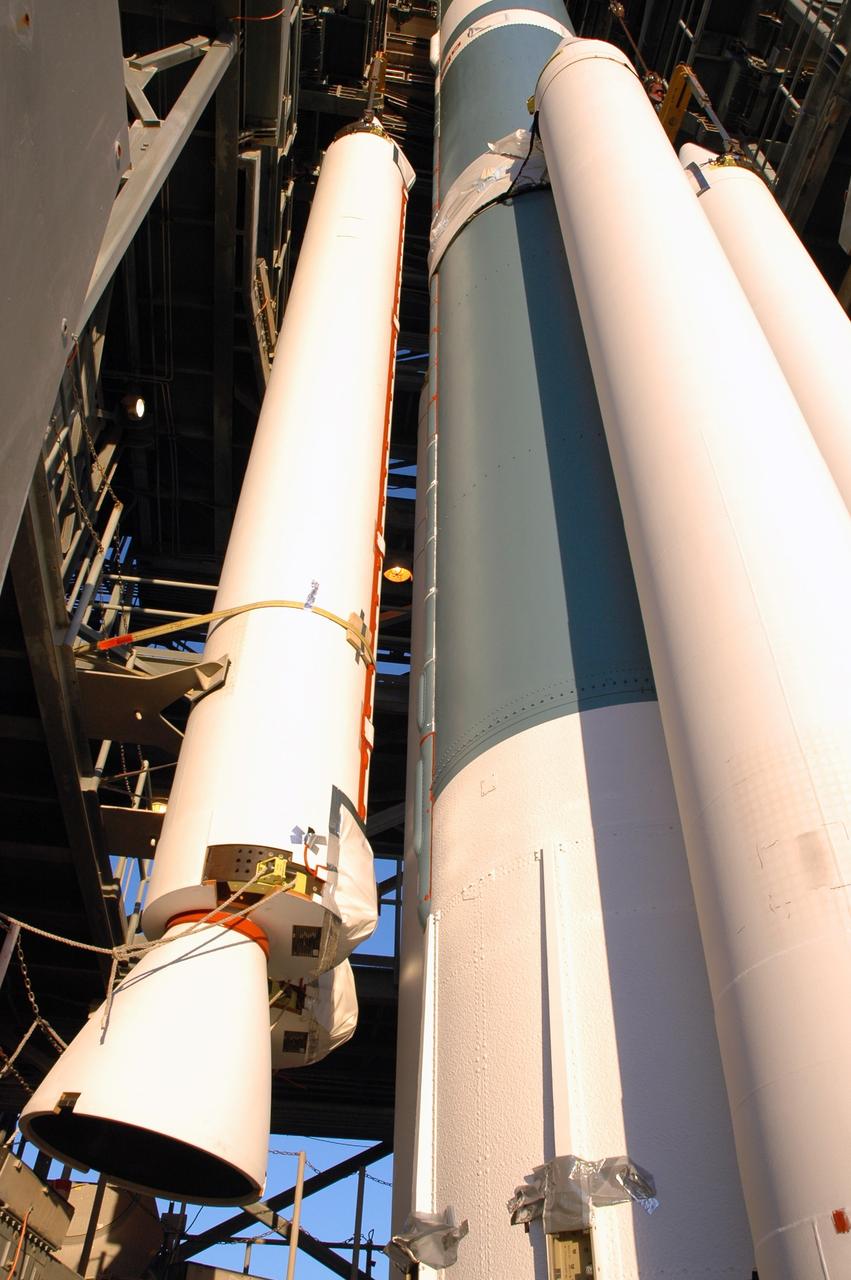
CAPE CANAVERAL, Fla. – On Launch Pad 17-B at Cape Canaveral Air Force Station in Florida, an air-lit strap-on solid rocket booster is lifted up for mating onto the Delta 2 launch vehicle that will carry the Kepler spacecraft into orbit. The Kepler mission is specifically designed to survey our region of the Milky Way galaxy to discover hundreds of Earth-size and smaller planets in or near the habitable zone and determine how many of the billions of stars in our galaxy have such planets. Results from this mission will allow us to place our solar system within the continuum of planetary systems in the Galaxy. NASA's planet-hunting Kepler mission is scheduled to launch no earlier than March 5, 2009. Photo credit: NASA/Jim Grossmann
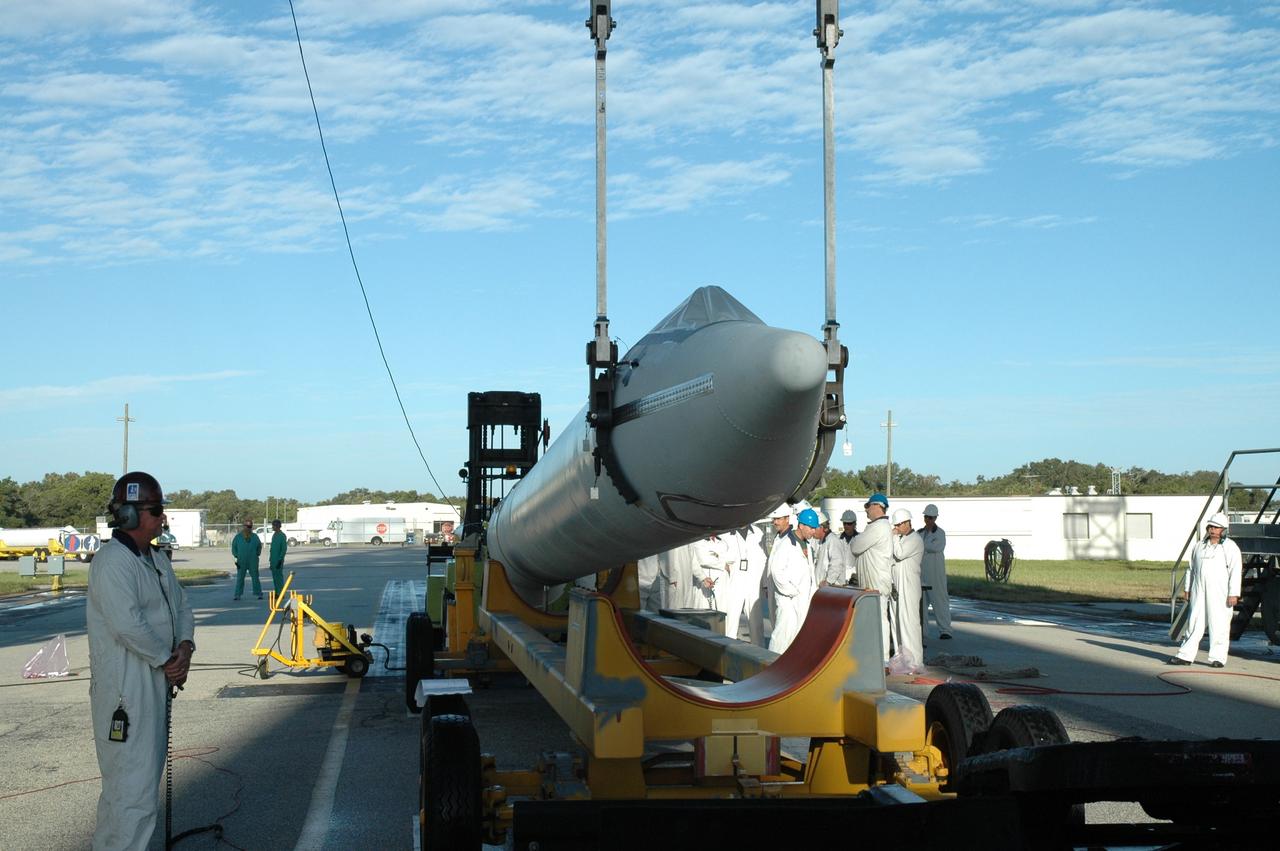
CAPE CANAVERAL, Fla. – On Launch Pad 17-B at Cape Canaveral Air Force Station in Florida, another solid rocket booster is raised off its transporter. It will be raised to vertical and lifted into the mobile service tower for mating to the first stage of the Kepler's Delta 2 launch vehicle. The Kepler mission is specifically designed to survey our region of the Milky Way galaxy to discover hundreds of Earth-size and smaller planets in or near the habitable zone and determine how many of the billions of stars in our galaxy have such planets. Results from this mission will allow us to place our solar system within the continuum of planetary systems in the Galaxy. NASA's planet-hunting Kepler mission is scheduled to launch no earlier than March 5, 2009. Photo credit: NASA/Jim Grossmann
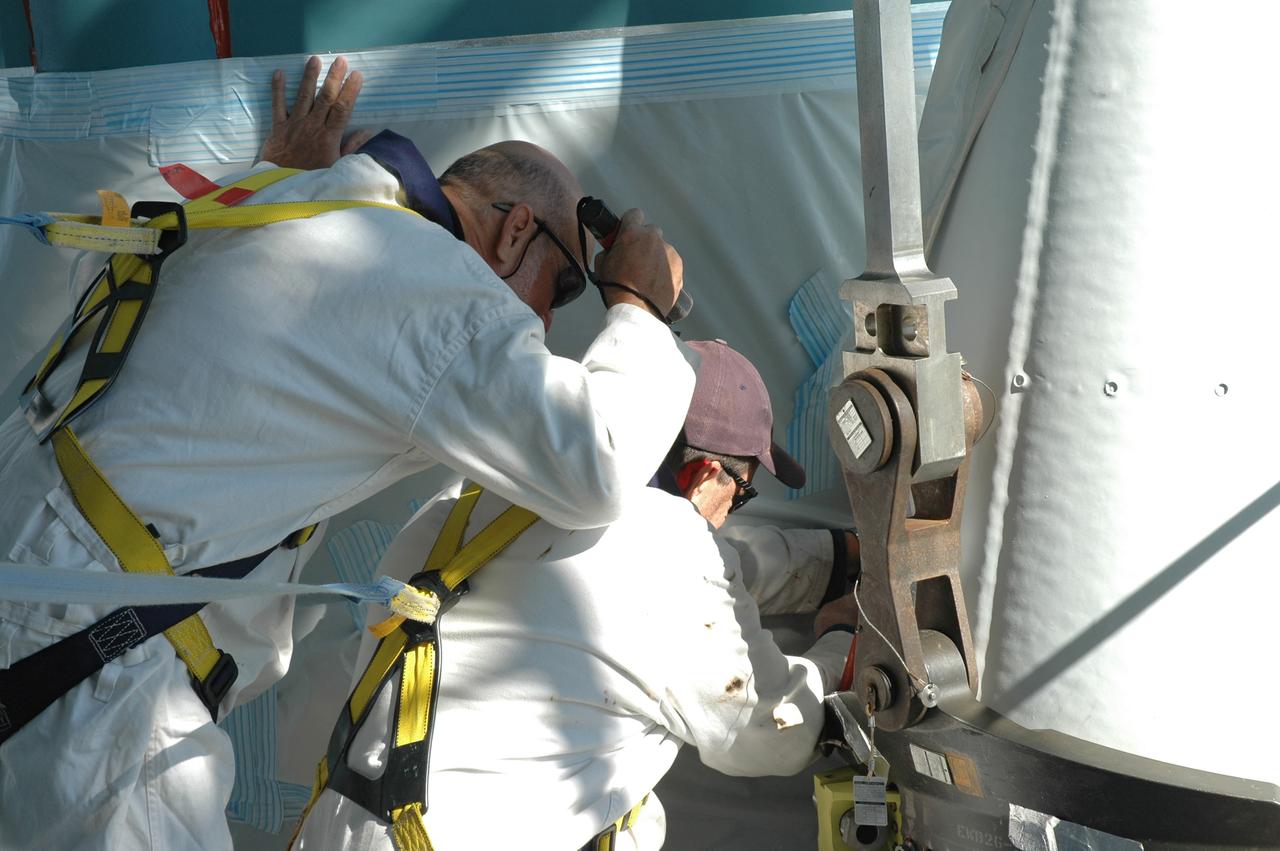
CAPE CANAVERAL, Fla. – On Launch Pad 17-B at Cape Canaveral Air Force Station in Florida, workers make adjustments on one of the solid rocket boosters being mated to the first stage of the Delta 2 launch vehicle that will carry the Kepler spacecraft into orbit. The Kepler mission is specifically designed to survey our region of the Milky Way galaxy to discover hundreds of Earth-size and smaller planets in or near the habitable zone and determine how many of the billions of stars in our galaxy have such planets. Results from this mission will allow us to place our solar system within the continuum of planetary systems in the Galaxy. NASA's planet-hunting Kepler mission is scheduled to launch no earlier than March 5, 2009. Photo credit: NASA/Jim Grossmann
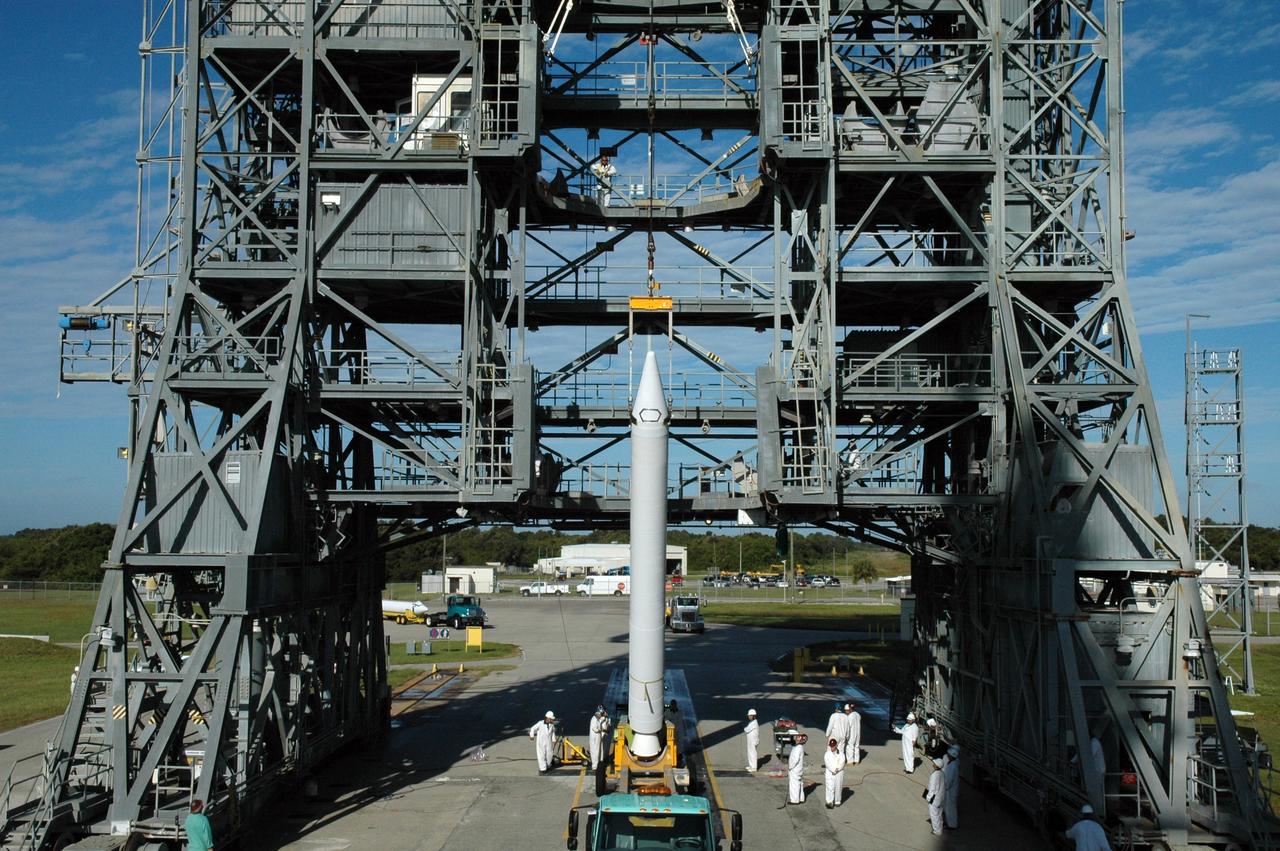
CAPE CANAVERAL, Fla. – On Launch Pad 17-B at Cape Canaveral Air Force Station in Florida, another solid rocket booster is raised to vertical. It will be lifted into the mobile service tower for mating to the first stage of the Kepler's Delta 2 launch vehicle. The Kepler mission is specifically designed to survey our region of the Milky Way galaxy to discover hundreds of Earth-size and smaller planets in or near the habitable zone and determine how many of the billions of stars in our galaxy have such planets. Results from this mission will allow us to place our solar system within the continuum of planetary systems in the Galaxy. NASA's planet-hunting Kepler mission is scheduled to launch no earlier than March 5, 2009. Photo credit: NASA/Jim Grossmann
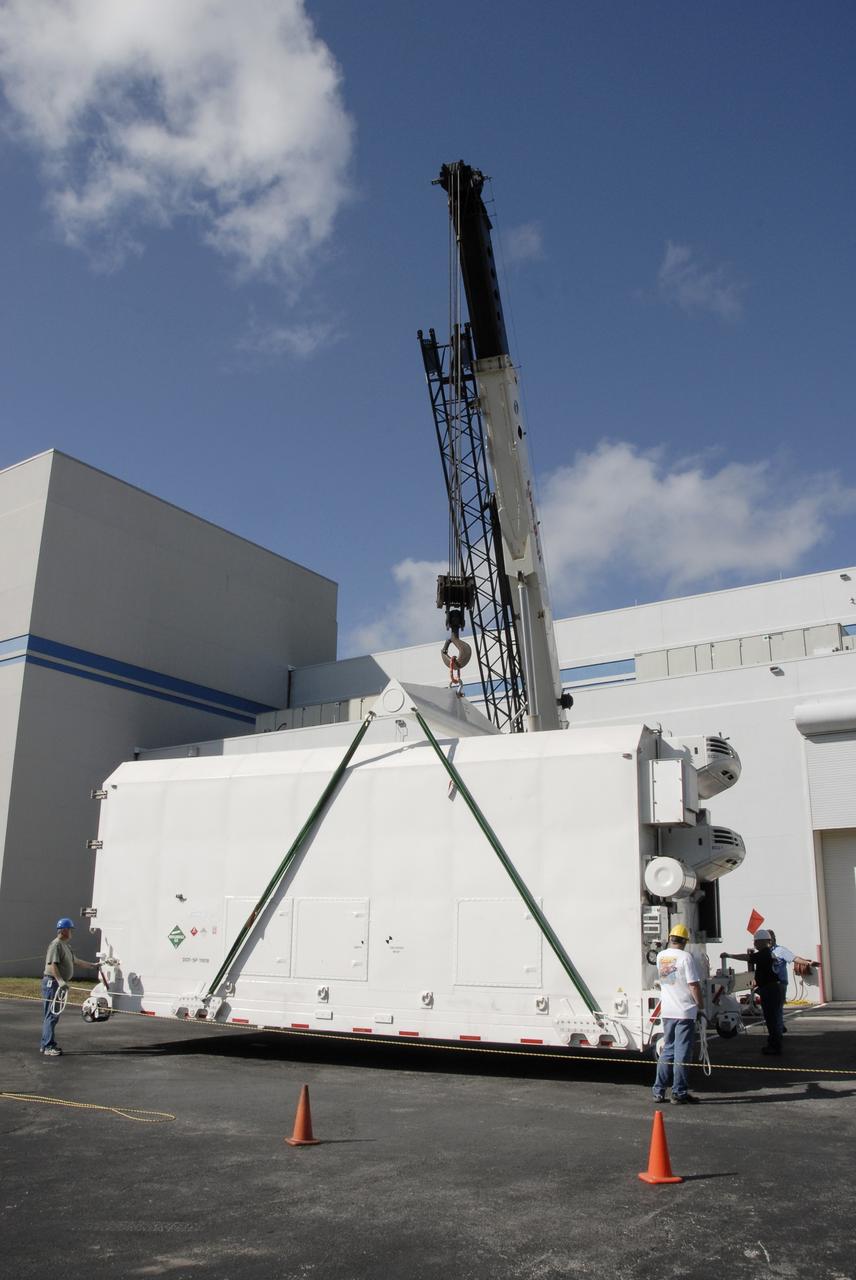
CAPE CANAVERAL, Fla. -- The shipping container holding the Kepler spacecraft is placed on the tarmac outside Astrotech in Titusville, Fla., before being moved inside. A NASA Discovery mission, Kepler is specifically designed to survey our region of the Milky Way galaxy to discover hundreds of Earth-size and smaller planets in or near the habitable zone and determine how many of the billions of stars in our galaxy have such planets. Results from this mission will allow us to place our solar system within the continuum of planetary systems in the Galaxy. The spacecraft will be processed at Astrotech before being carried to its launch pad at Cape Canaveral. .NASA's planet-hunting Kepler mission is scheduled to launch no earlier than March 5, 2009, atop a Delta II rocket. Photo credit: NASA/Kim Shiflett
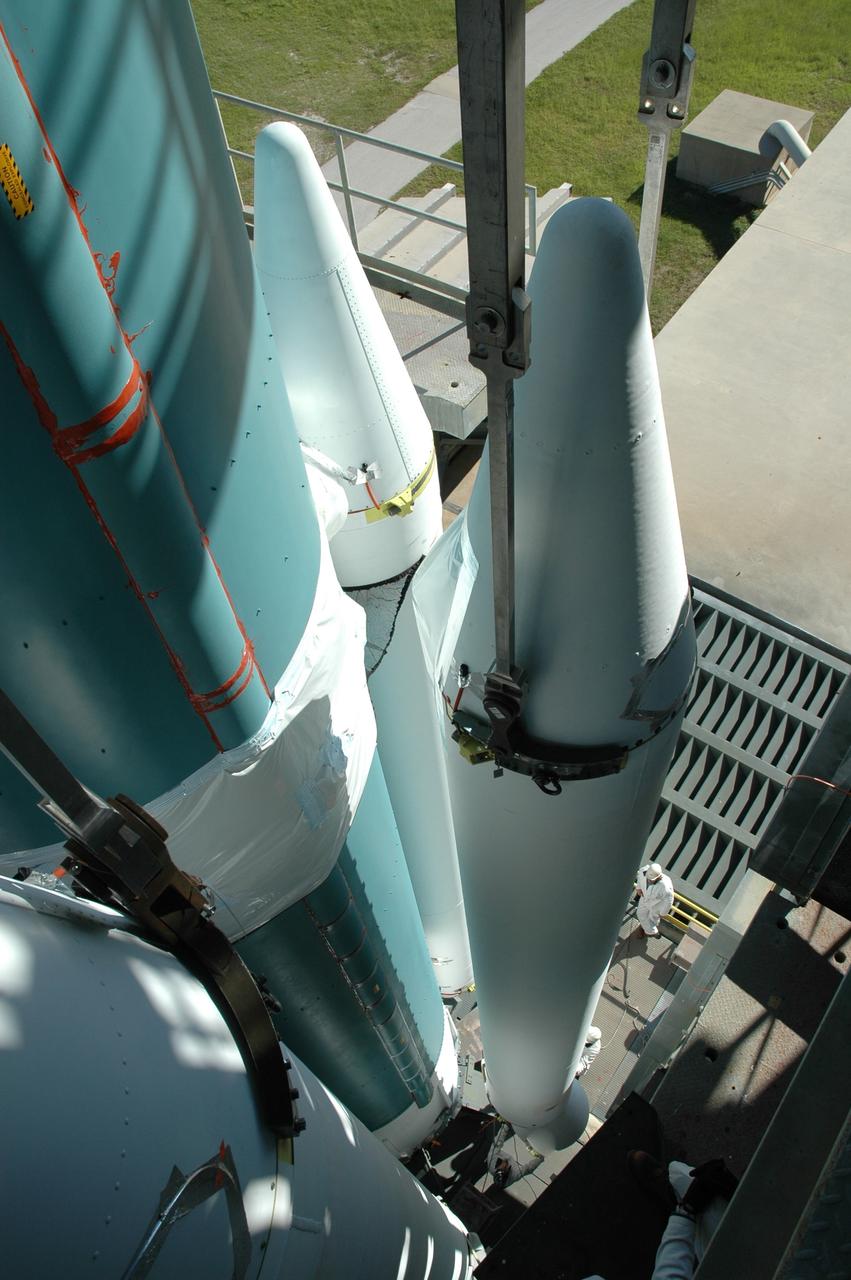
CAPE CANAVERAL, Fla. – On Launch Pad 17-B at Cape Canaveral Air Force Station in Florida, a view from an upper level of the launch tower show air-lit strap-on solid rocket boosters being added to the first stage of the Delta 2 launch vehicle that will carry the Kepler spacecraft into orbit. The Kepler mission is specifically designed to survey our region of the Milky Way galaxy to discover hundreds of Earth-size and smaller planets in or near the habitable zone and determine how many of the billions of stars in our galaxy have such planets. Results from this mission will allow us to place our solar system within the continuum of planetary systems in the Galaxy. NASA's planet-hunting Kepler mission is scheduled to launch no earlier than March 5, 2009. Photo credit: NASA/Jim Grossmann
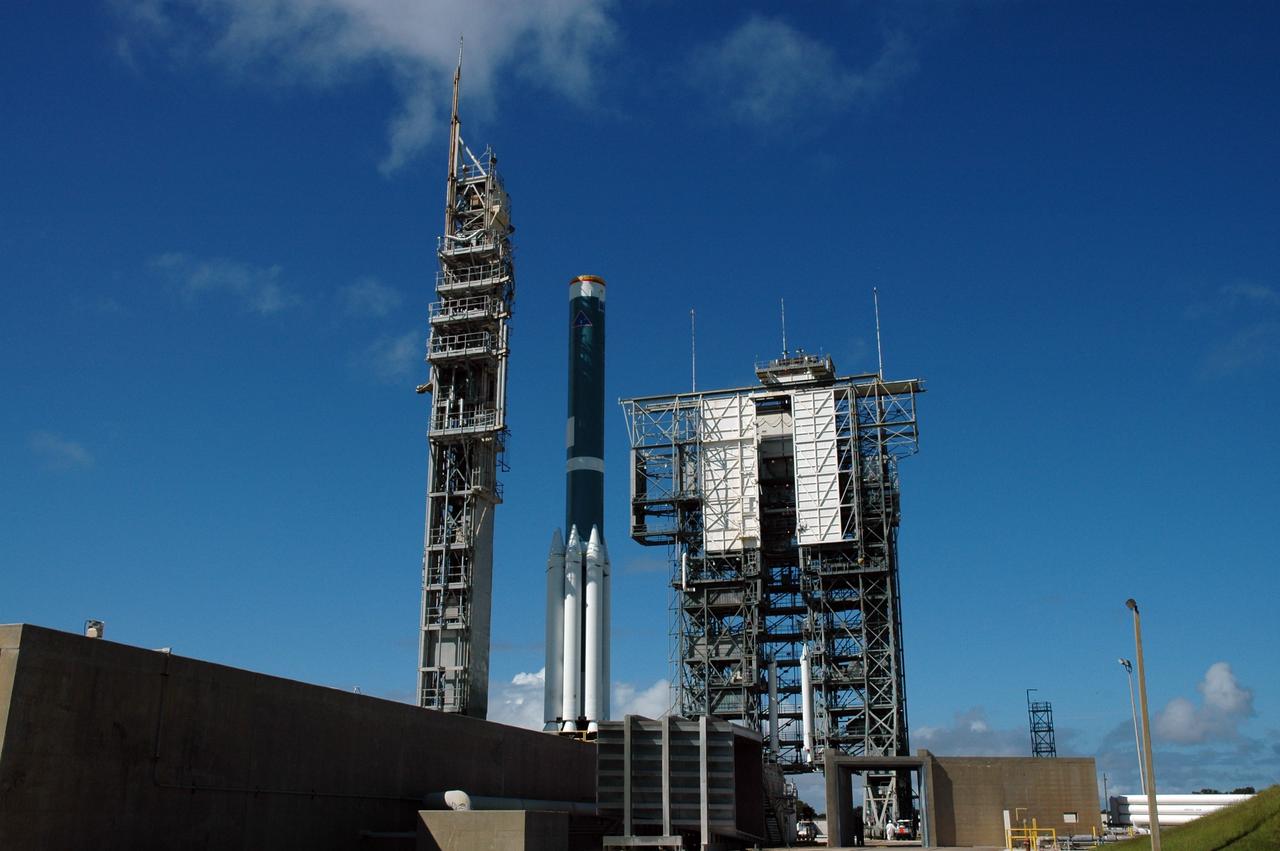
CAPE CANAVERAL, Fla. – On Launch Pad 17-B at Cape Canaveral Air Force Station in Florida, the first stage of the Delta 2 launch vehicle for the Kepler spacecraft (center) waits for the mobile service tower at right and installation of the final three solid rocket boosters. The Kepler mission is specifically designed to survey our region of the Milky Way galaxy to discover hundreds of Earth-size and smaller planets in or near the habitable zone and determine how many of the billions of stars in our galaxy have such planets. Results from this mission will allow us to place our solar system within the continuum of planetary systems in the Galaxy. NASA's planet-hunting Kepler mission is scheduled to launch no earlier than March 5, 2009. Photo credit: NASA/Jim Grossmann
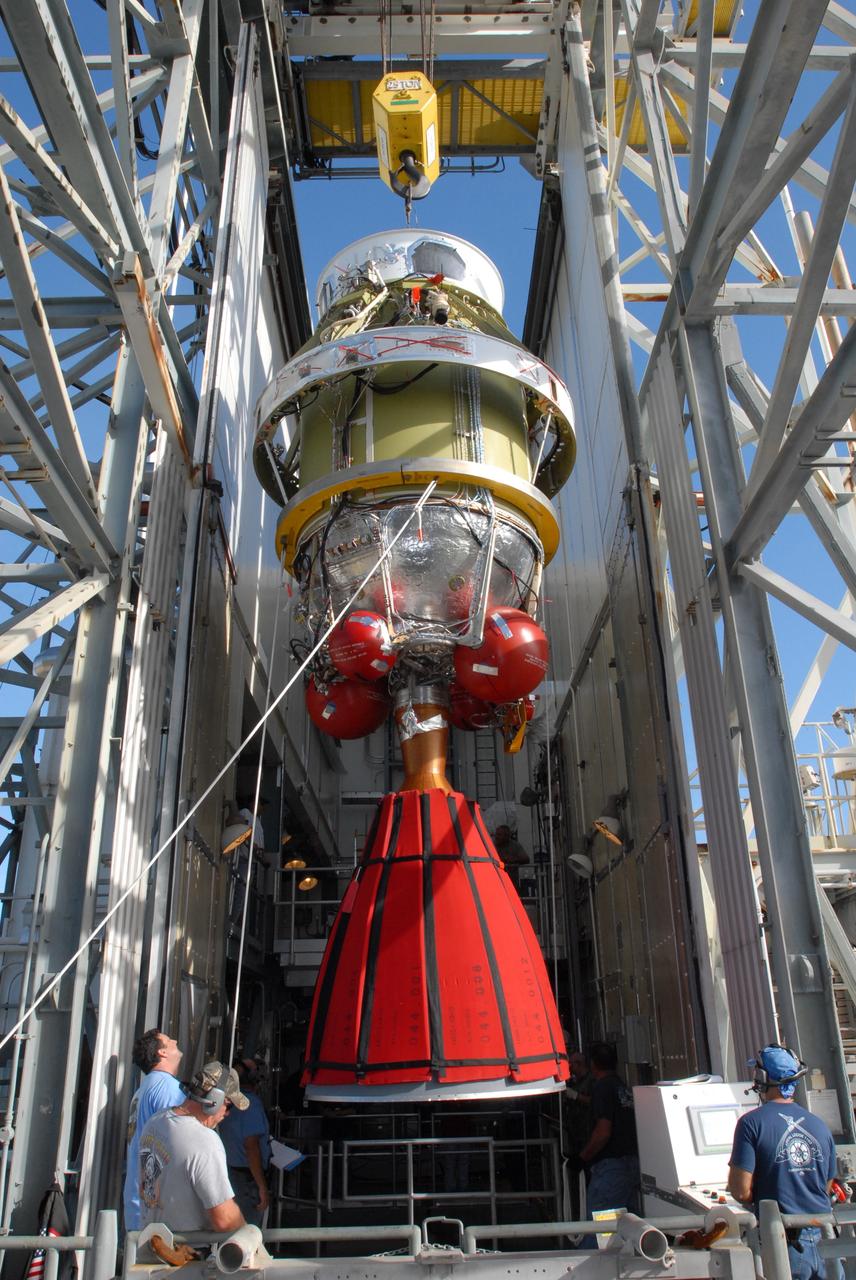
CAPE CANAVERAL, Fla. -- On Complex 17-B at Cape Canaveral Air Force Station in Florida, the second stage of the Delta 2 rocket for the launch of NASA's Kepler spacecraft is moved inside the mobile service tower. In the tower, the second stage will be mated to the first stage of the Delta 2. The Kepler mission is specifically designed to survey our region of the Milky Way galaxy to discover hundreds of Earth-size and smaller planets in or near the habitable zone and determine how many of the billions of stars in our galaxy have such planets. Results from this mission will allow us to place our solar system within the continuum of planetary systems in the Galaxy. NASA's planet-hunting Kepler mission is scheduled to launch no earlier than March 5, 2009. Photo credit: NASA/Jim Grossmann
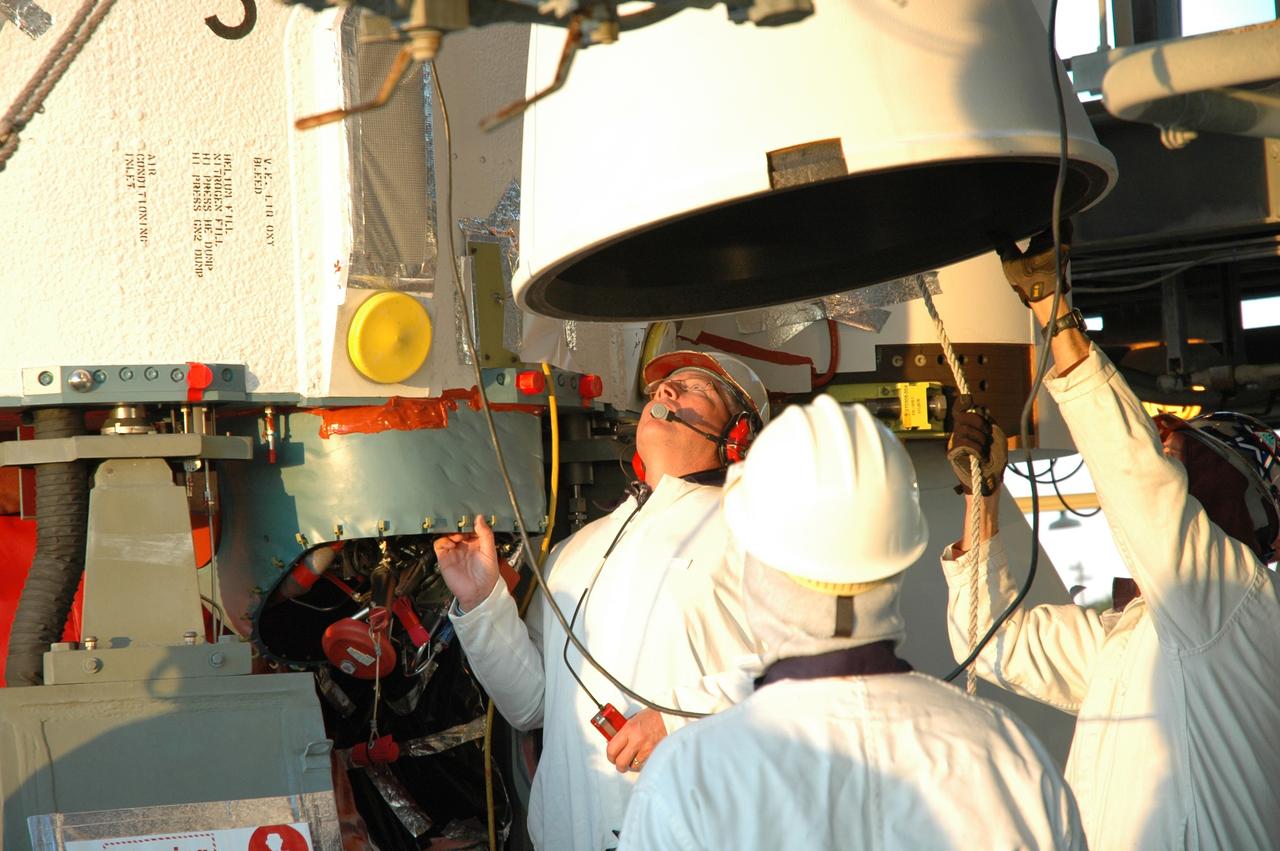
CAPE CANAVERAL, Fla. – On Launch Pad 17-B at Cape Canaveral Air Force Station in Florida, workers get ready to lift an air-lit strap-on solid rocket booster to be mated onto the Delta 2 launch vehicle that will carry the Kepler spacecraft into orbit. The Kepler mission is specifically designed to survey our region of the Milky Way galaxy to discover hundreds of Earth-size and smaller planets in or near the habitable zone and determine how many of the billions of stars in our galaxy have such planets. Results from this mission will allow us to place our solar system within the continuum of planetary systems in the Galaxy. NASA's planet-hunting Kepler mission is scheduled to launch no earlier than March 5, 2009. Photo credit: NASA/Jim Grossmann
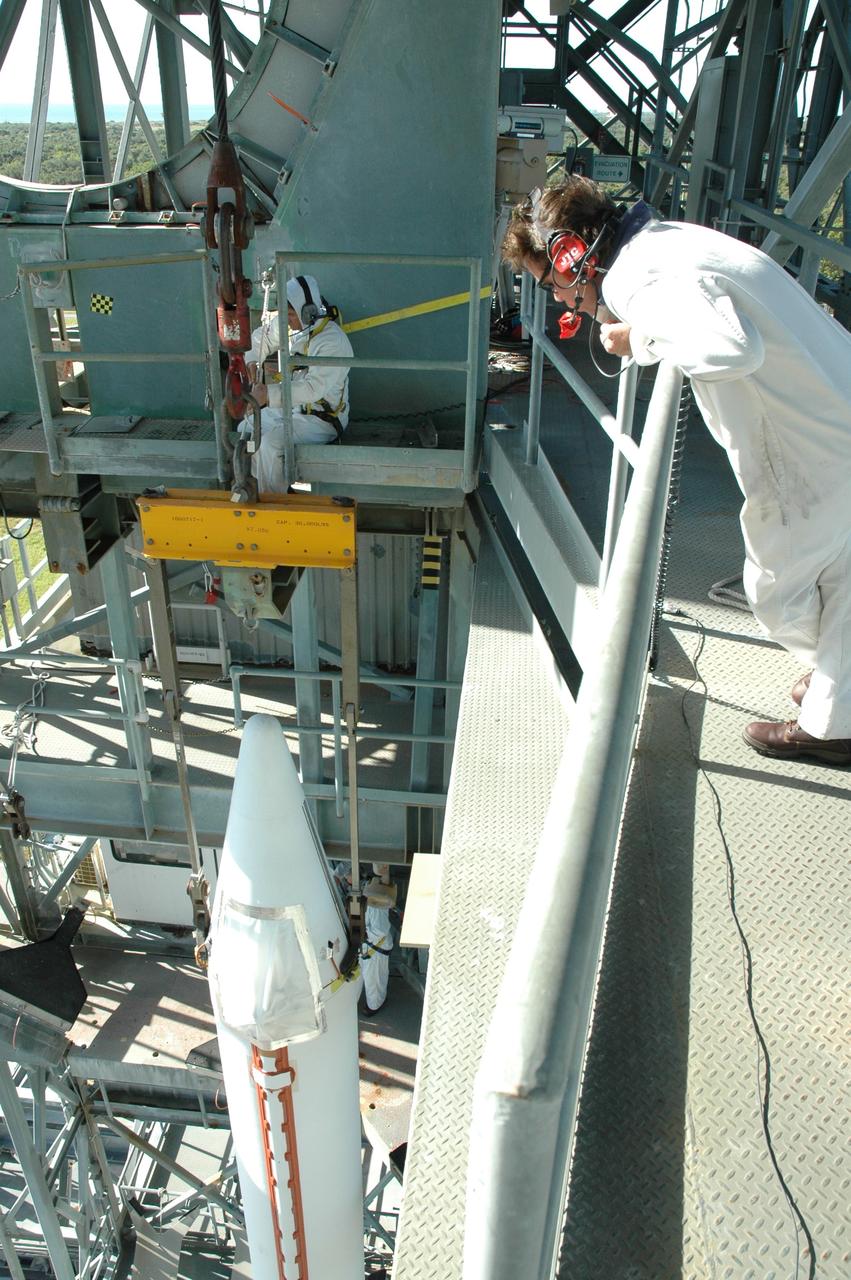
CAPE CANAVERAL, Fla. – On Launch Pad 17-B at Cape Canaveral Air Force Station in Florida, workers oversee the lifting of one of the solid rocket boosters into the mobile service tower for mating to the first stage of the Kepler's Delta 2 launch vehicle. The Kepler mission is specifically designed to survey our region of the Milky Way galaxy to discover hundreds of Earth-size and smaller planets in or near the habitable zone and determine how many of the billions of stars in our galaxy have such planets. Results from this mission will allow us to place our solar system within the continuum of planetary systems in the Galaxy. NASA's planet-hunting Kepler mission is scheduled to launch no earlier than March 5, 2009. Photo credit: NASA/Jim Grossmann
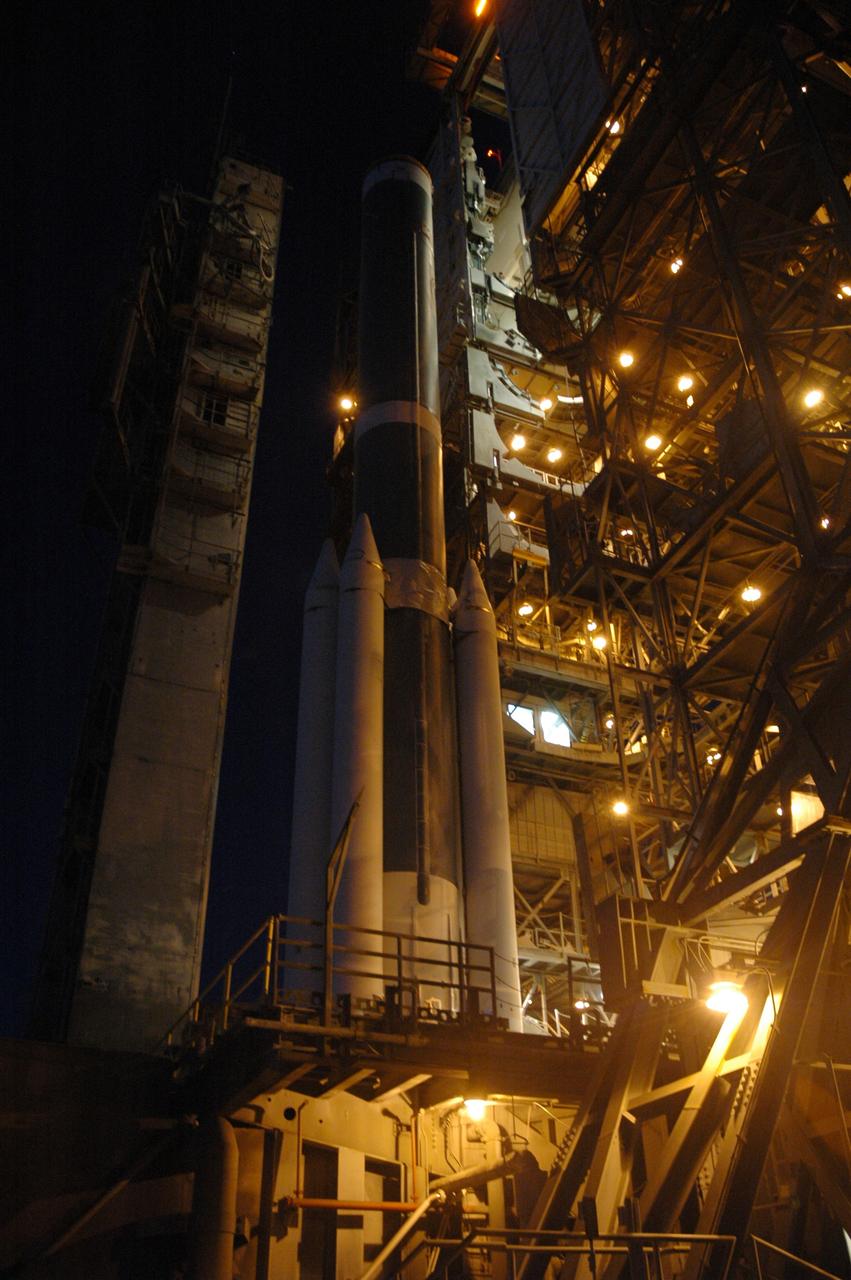
CAPE CANAVERAL, Fla. – On Launch Pad 17-B at Cape Canaveral Air Force Station in Florida, the first stage of the Delta 2 launch vehicle that will carry the Kepler spacecraft into orbit waits for the installation of the final solid rocket boosters. The Kepler mission is specifically designed to survey our region of the Milky Way galaxy to discover hundreds of Earth-size and smaller planets in or near the habitable zone and determine how many of the billions of stars in our galaxy have such planets. Results from this mission will allow us to place our solar system within the continuum of planetary systems in the Galaxy. NASA's planet-hunting Kepler mission is scheduled to launch no earlier than March 5, 2009. Photo credit: NASA/Jim Grossmann
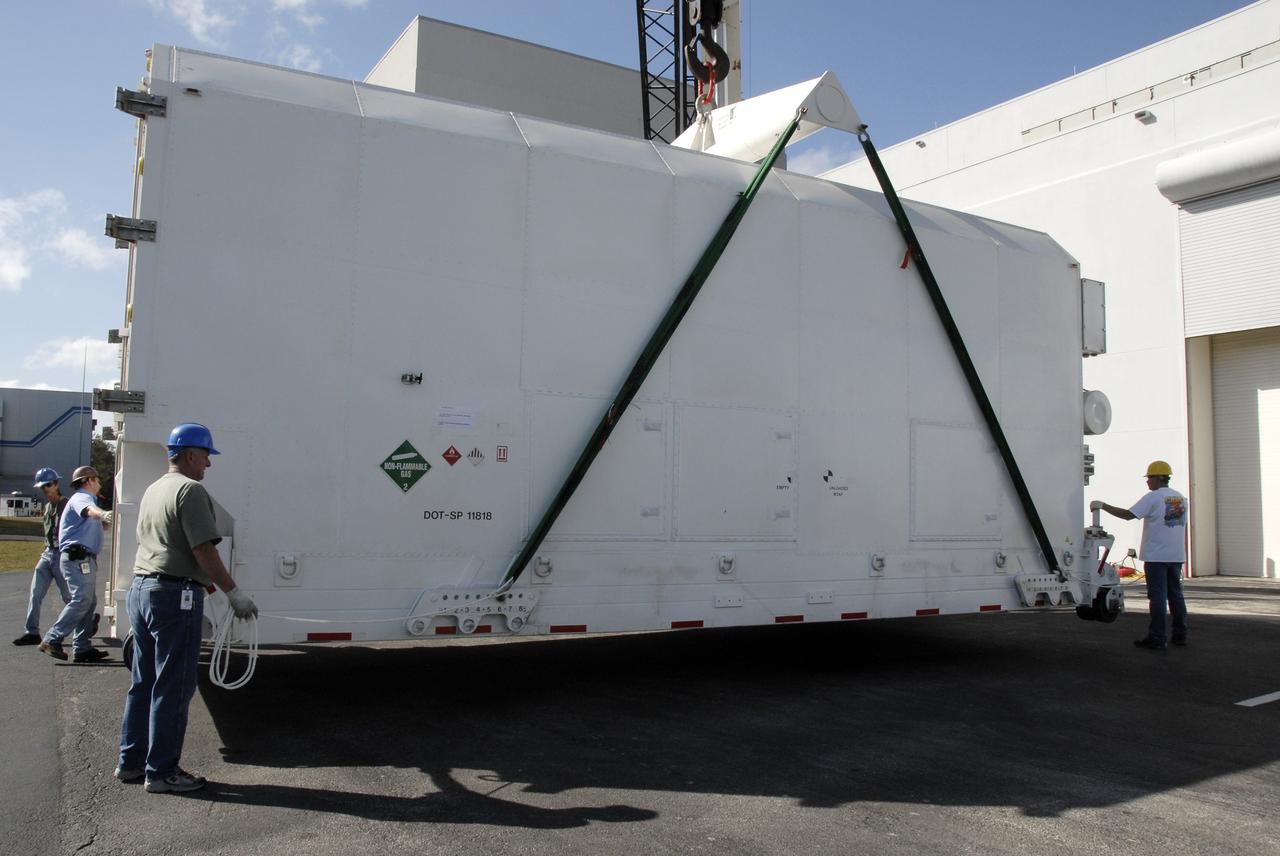
CAPE CANAVERAL, Fla. -- The shipping container holding the Kepler spacecraft is placed on the tarmac outside Astrotech in Titusville, Fla., before being moved inside. A NASA Discovery mission, Kepler is specifically designed to survey our region of the Milky Way galaxy to discover hundreds of Earth-size and smaller planets in or near the habitable zone and determine how many of the billions of stars in our galaxy have such planets. Results from this mission will allow us to place our solar system within the continuum of planetary systems in the Galaxy. The spacecraft will be processed at Astrotech before being carried to its launch pad at Cape Canaveral. .NASA's planet-hunting Kepler mission is scheduled to launch no earlier than March 5, 2009, atop a Delta II rocket. Photo credit: NASA/Kim Shiflett
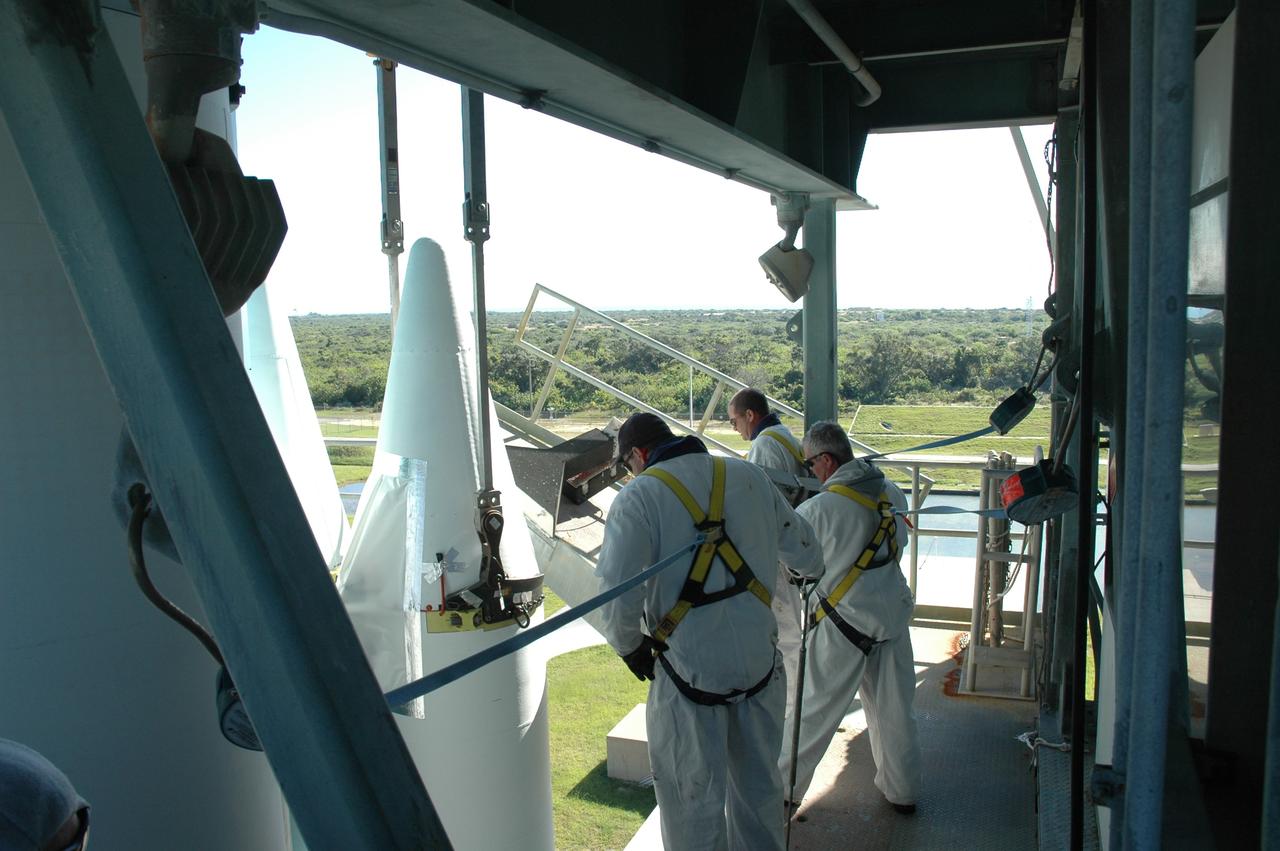
CAPE CANAVERAL, Fla. – On Launch Pad 17-B at Cape Canaveral Air Force Station in Florida, workers on an upper level of the launch tower watch as a strap-on solid rocket booster is lifted into place to mate to the first stage of the Delta 2 launch vehicle that will carry the Kepler spacecraft into orbit. The Kepler mission is specifically designed to survey our region of the Milky Way galaxy to discover hundreds of Earth-size and smaller planets in or near the habitable zone and determine how many of the billions of stars in our galaxy have such planets. Results from this mission will allow us to place our solar system within the continuum of planetary systems in the Galaxy. NASA's planet-hunting Kepler mission is scheduled to launch no earlier than March 5, 2009. Photo credit: NASA/Jim Grossmann
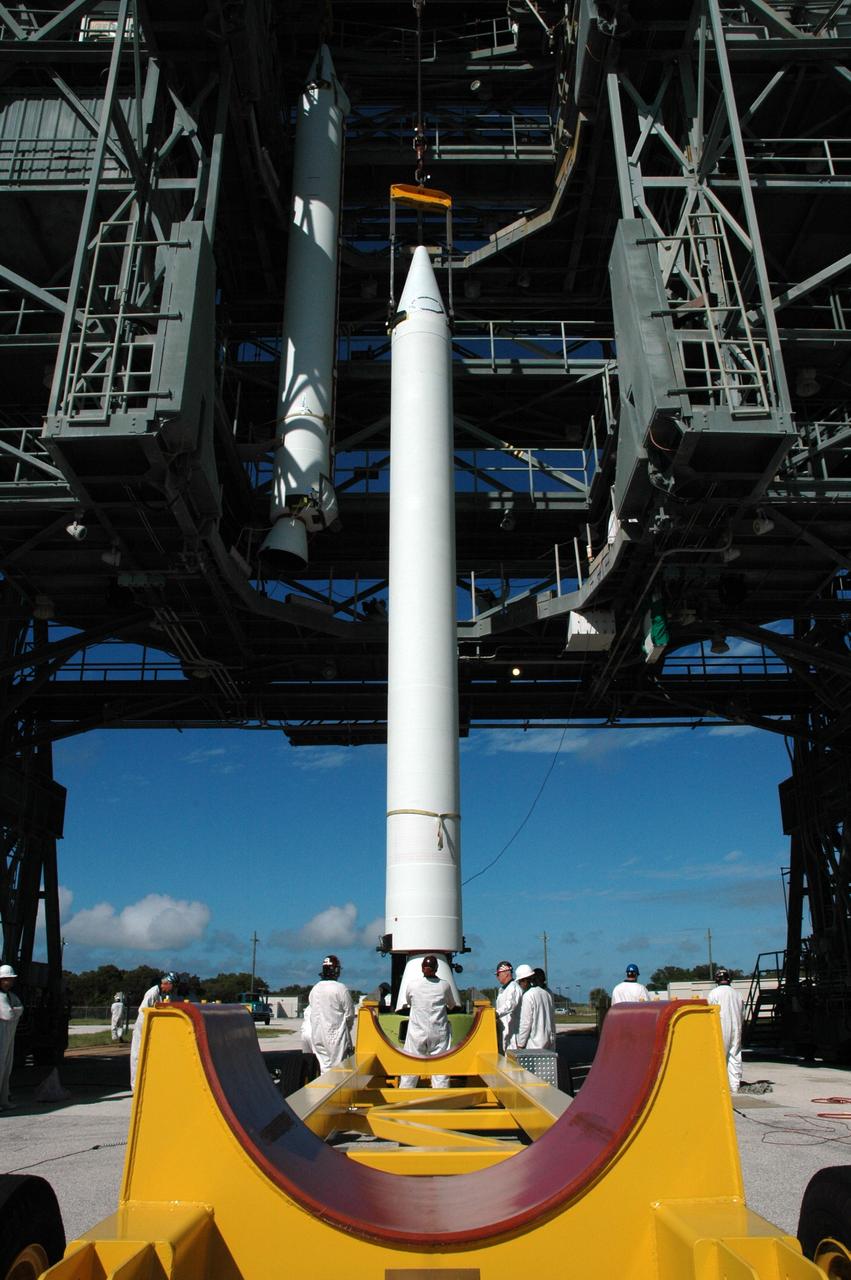
CAPE CANAVERAL, Fla. – On Launch Pad 17-B at Cape Canaveral Air Force Station in Florida, another solid rocket booster is being lifted into the mobile service tower for mating to the first stage of the Kepler's Delta 2 launch vehicle. The Kepler mission is specifically designed to survey our region of the Milky Way galaxy to discover hundreds of Earth-size and smaller planets in or near the habitable zone and determine how many of the billions of stars in our galaxy have such planets. Results from this mission will allow us to place our solar system within the continuum of planetary systems in the Galaxy. NASA's planet-hunting Kepler mission is scheduled to launch no earlier than March 5, 2009. Photo credit: NASA/Jim Grossmann
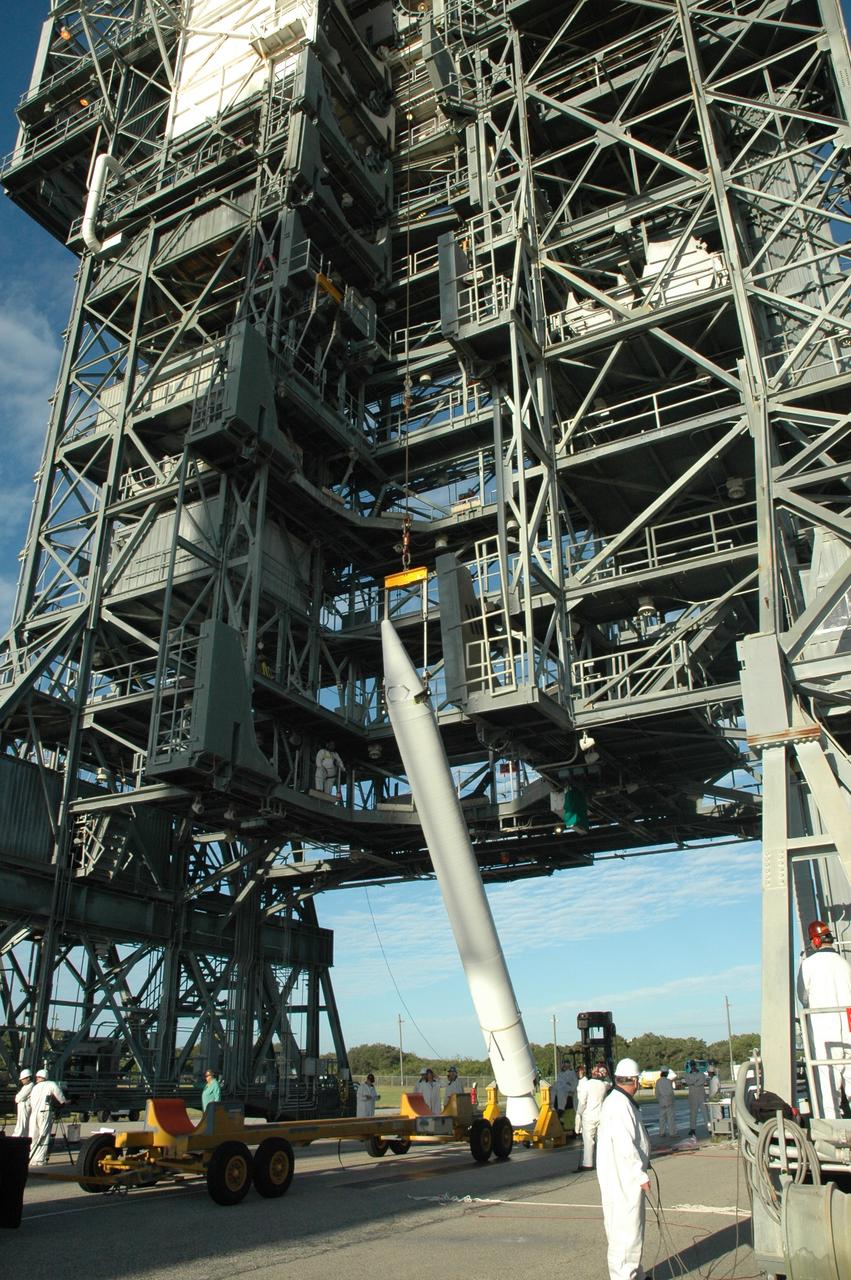
CAPE CANAVERAL, Fla. – On Launch Pad 17-B at Cape Canaveral Air Force Station in Florida, a solid rocket booster is nearly vertical. It will be lifted into the mobile service tower for mating to the first stage of the Kepler's Delta 2 launch vehicle. The Kepler mission is specifically designed to survey our region of the Milky Way galaxy to discover hundreds of Earth-size and smaller planets in or near the habitable zone and determine how many of the billions of stars in our galaxy have such planets. Results from this mission will allow us to place our solar system within the continuum of planetary systems in the Galaxy. NASA's planet-hunting Kepler mission is scheduled to launch no earlier than March 5, 2009. Photo credit: NASA/Jim Grossmann
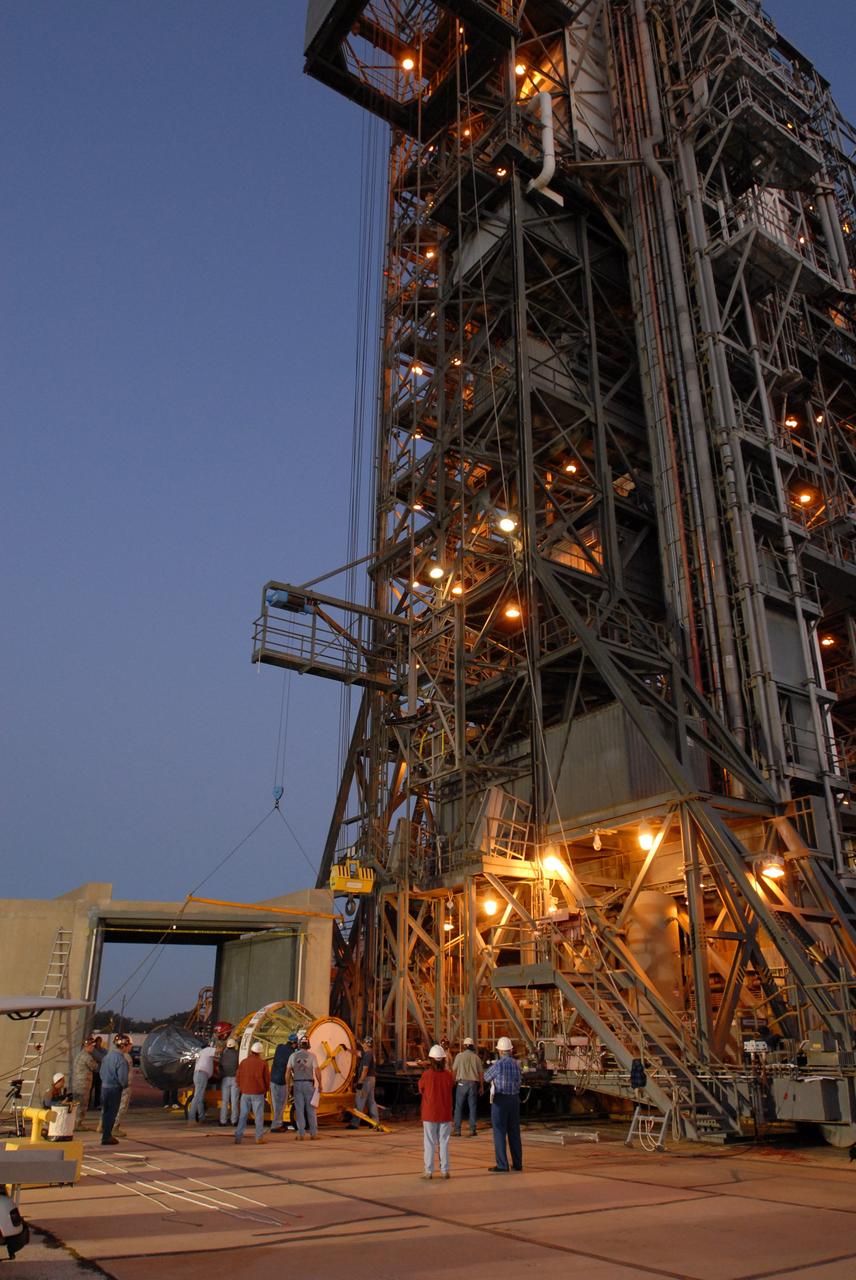
CAPE CANAVERAL, Fla. -- On Complex 17-B at Cape Canaveral Air Force Station in Florida, a crane is lowered toward the second stage of the Delta 2 rocket. Once attached to the second stage, the crane will lift it into the mobile service tower for mating with the first stage. The Delta 2 rocket is the launch vehicle for NASA's Kepler spacecraft. The Kepler mission is specifically designed to survey our region of the Milky Way galaxy to discover hundreds of Earth-size and smaller planets in or near the habitable zone and determine how many of the billions of stars in our galaxy have such planets. Results from this mission will allow us to place our solar system within the continuum of planetary systems in the Galaxy. NASA's planet-hunting Kepler mission is scheduled to launch no earlier than March 5, 2009. Photo credit: NASA/Jim Grossmann
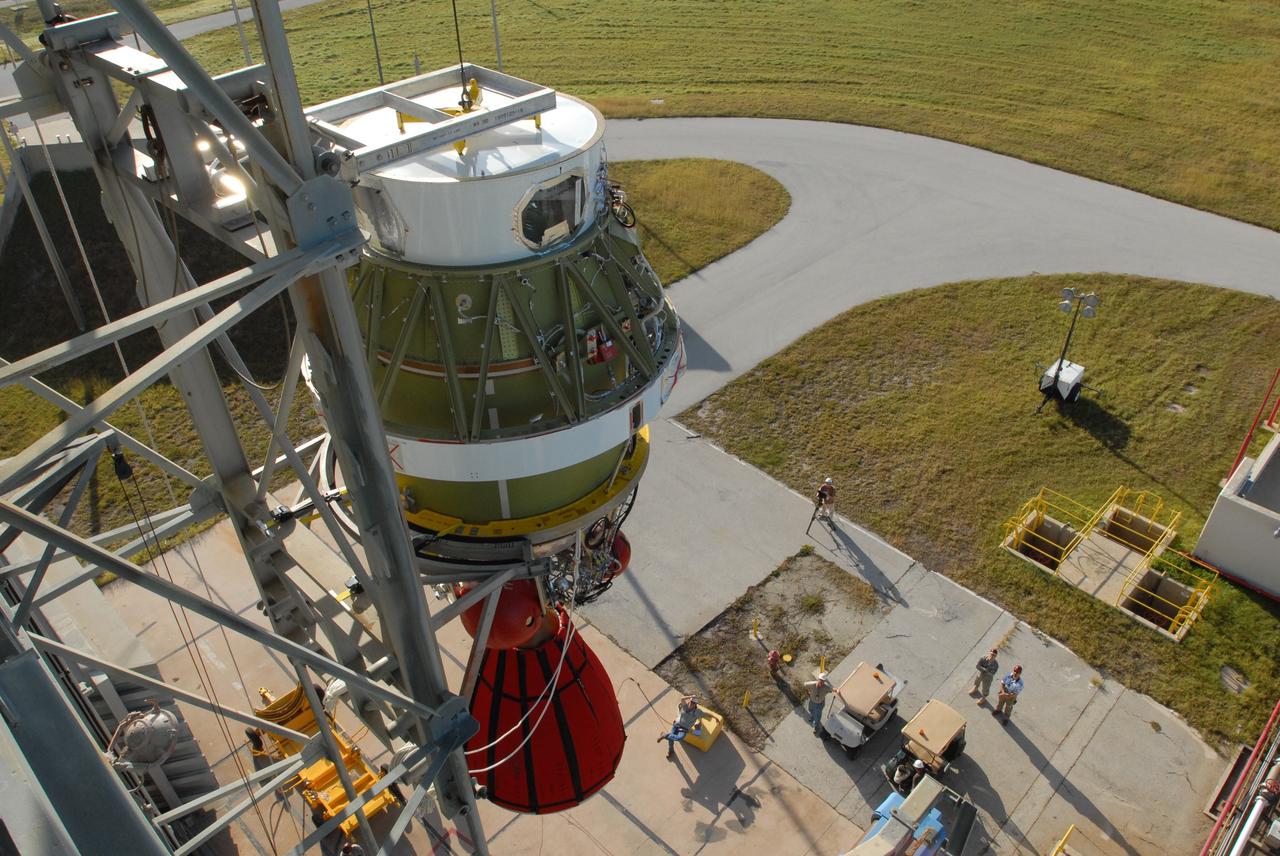
CAPE CANAVERAL, Fla. -- On Complex 17-B at Cape Canaveral Air Force Station in Florida, the second stage of the Delta 2 rocket for the launch of NASA's Kepler spacecraft is lifted alongside the mobile service tower. In the tower, the second stage will be mated to the first stage of the Delta 2. The Kepler mission is specifically designed to survey our region of the Milky Way galaxy to discover hundreds of Earth-size and smaller planets in or near the habitable zone and determine how many of the billions of stars in our galaxy have such planets. Results from this mission will allow us to place our solar system within the continuum of planetary systems in the Galaxy. NASA's planet-hunting Kepler mission is scheduled to launch no earlier than March 5, 2009. Photo credit: NASA/Jim Grossmann
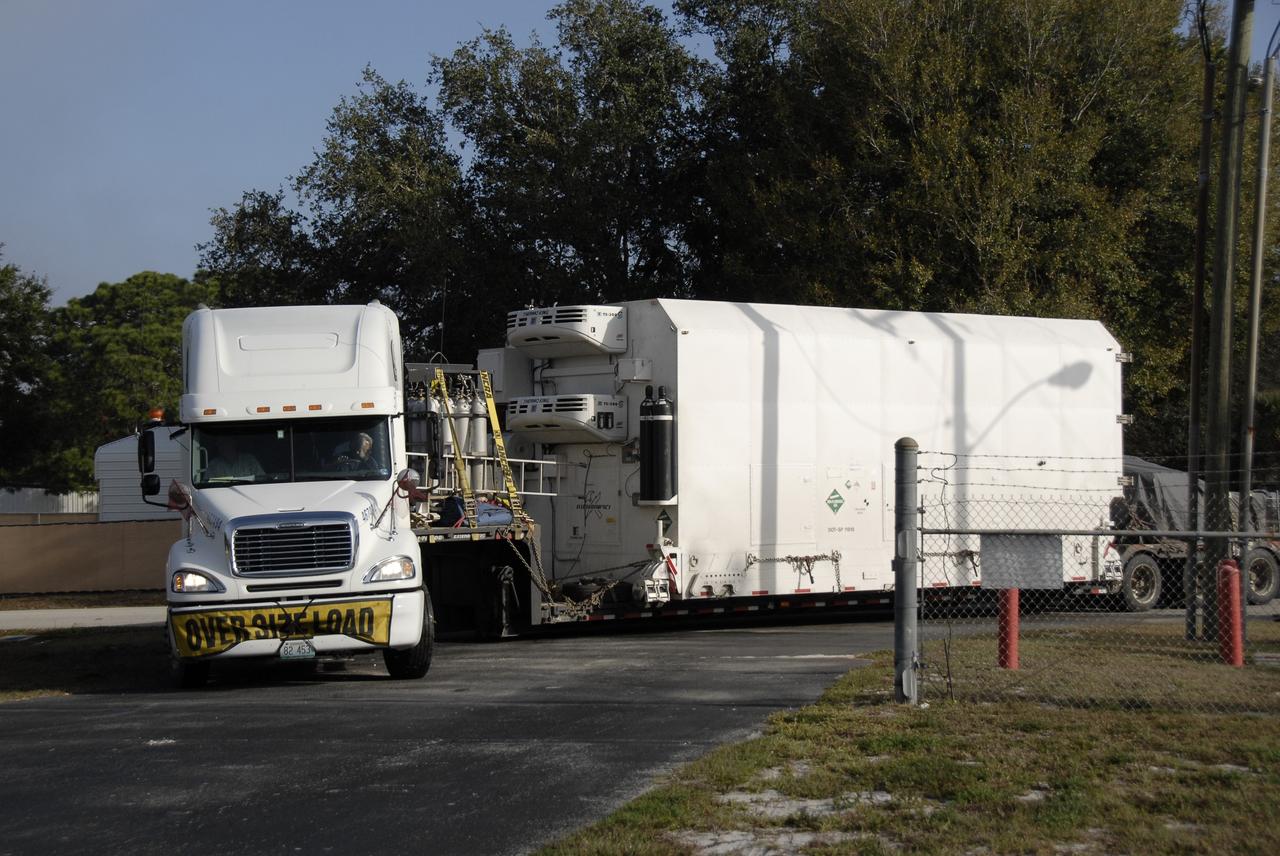
CAPE CANAVERAL, Fla. – A truck with the Kepler spacecraft in tow arrives at Astrotech in Titusville, Fla. A NASA Discovery mission, Kepler is specifically designed to survey our region of the Milky Way galaxy to discover hundreds of Earth-size and smaller planets in or near the habitable zone and determine how many of the billions of stars in our galaxy have such planets. Results from this mission will allow us to place our solar system within the continuum of planetary systems in the Galaxy. The spacecraft will be processed at Astrotech before being carried to its launch pad at Cape Canaveral. .NASA's planet-hunting Kepler mission is scheduled to launch no earlier than March 5, 2009, atop a Delta II rocket. Photo credit: NASA/Kim Shiflett
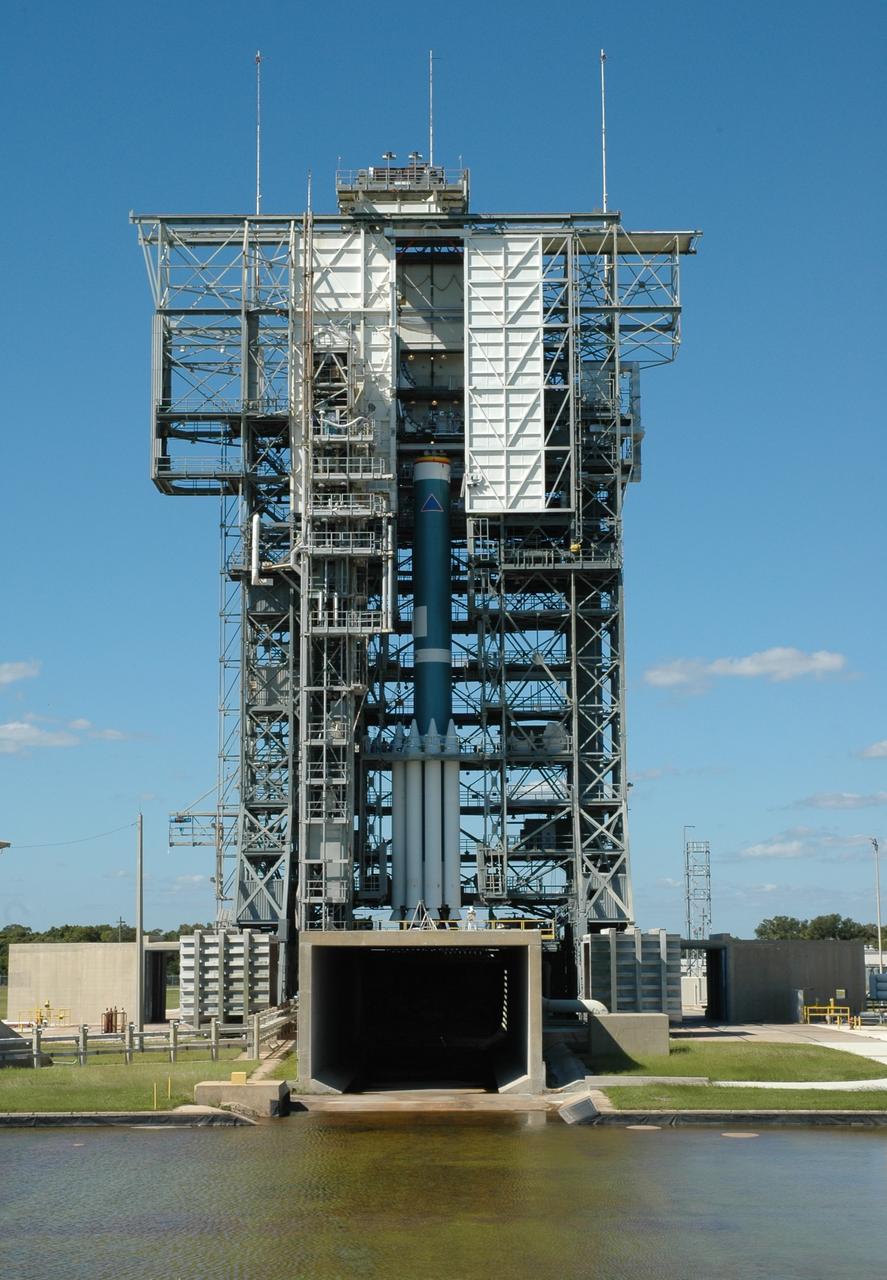
CAPE CANAVERAL, Fla. – On Launch Pad 17-B at Cape Canaveral Air Force Station in Florida, air-lit strap-on solid rocket boosters are added to the first stage of the Delta 2 launch vehicle (seen here) that will carry the Kepler spacecraft into orbit. The Kepler mission is specifically designed to survey our region of the Milky Way galaxy to discover hundreds of Earth-size and smaller planets in or near the habitable zone and determine how many of the billions of stars in our galaxy have such planets. Results from this mission will allow us to place our solar system within the continuum of planetary systems in the Galaxy. NASA's planet-hunting Kepler mission is scheduled to launch no earlier than March 5, 2009. Photo credit: NASA/Jim Grossmann
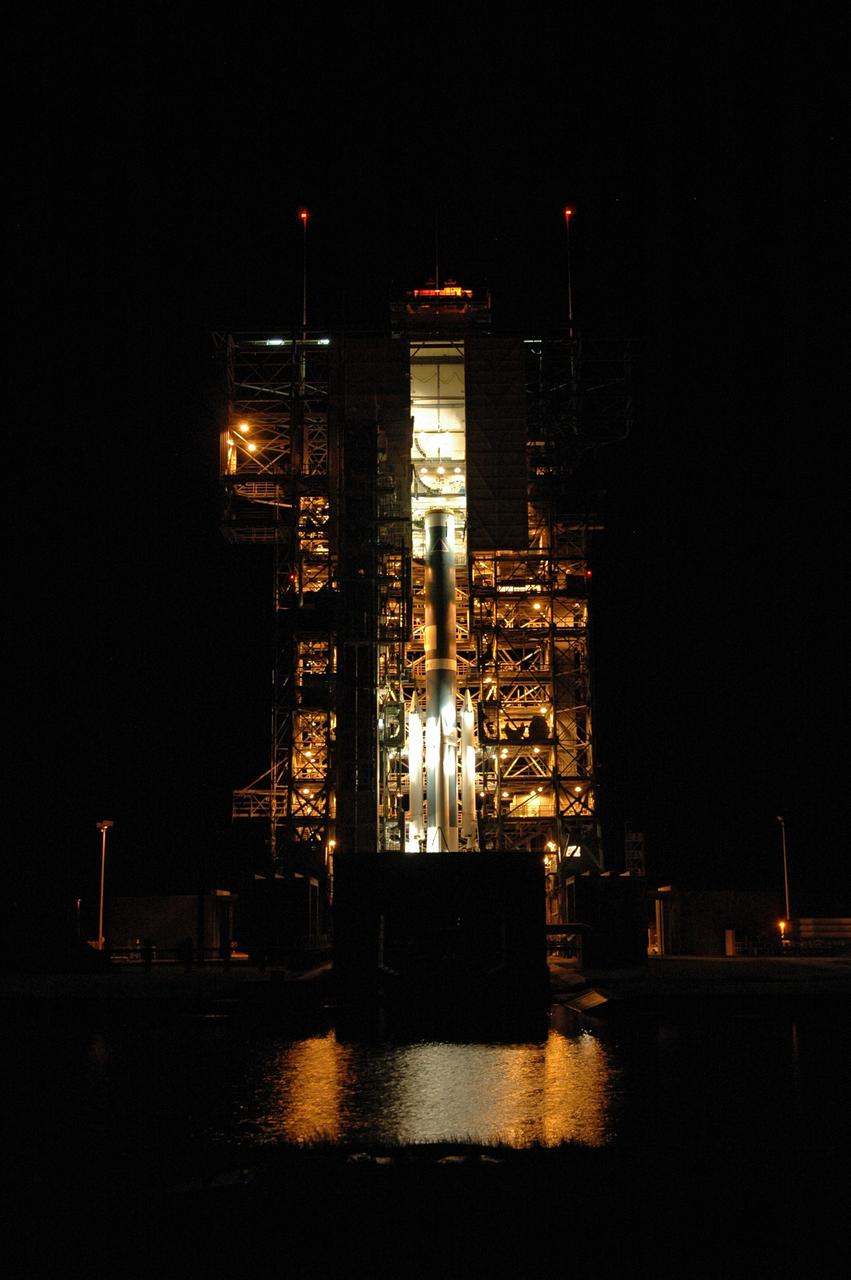
CAPE CANAVERAL, Fla. – On Launch Pad 17-B at Cape Canaveral Air Force Station in Florida, the first stage of the Delta 2 launch vehicle that will carry the Kepler spacecraft into orbit is illuminated on the pad. The Kepler mission is specifically designed to survey our region of the Milky Way galaxy to discover hundreds of Earth-size and smaller planets in or near the habitable zone and determine how many of the billions of stars in our galaxy have such planets. Results from this mission will allow us to place our solar system within the continuum of planetary systems in the Galaxy. NASA's planet-hunting Kepler mission is scheduled to launch no earlier than March 5, 2009. Photo credit: NASA/Jim Grossmann
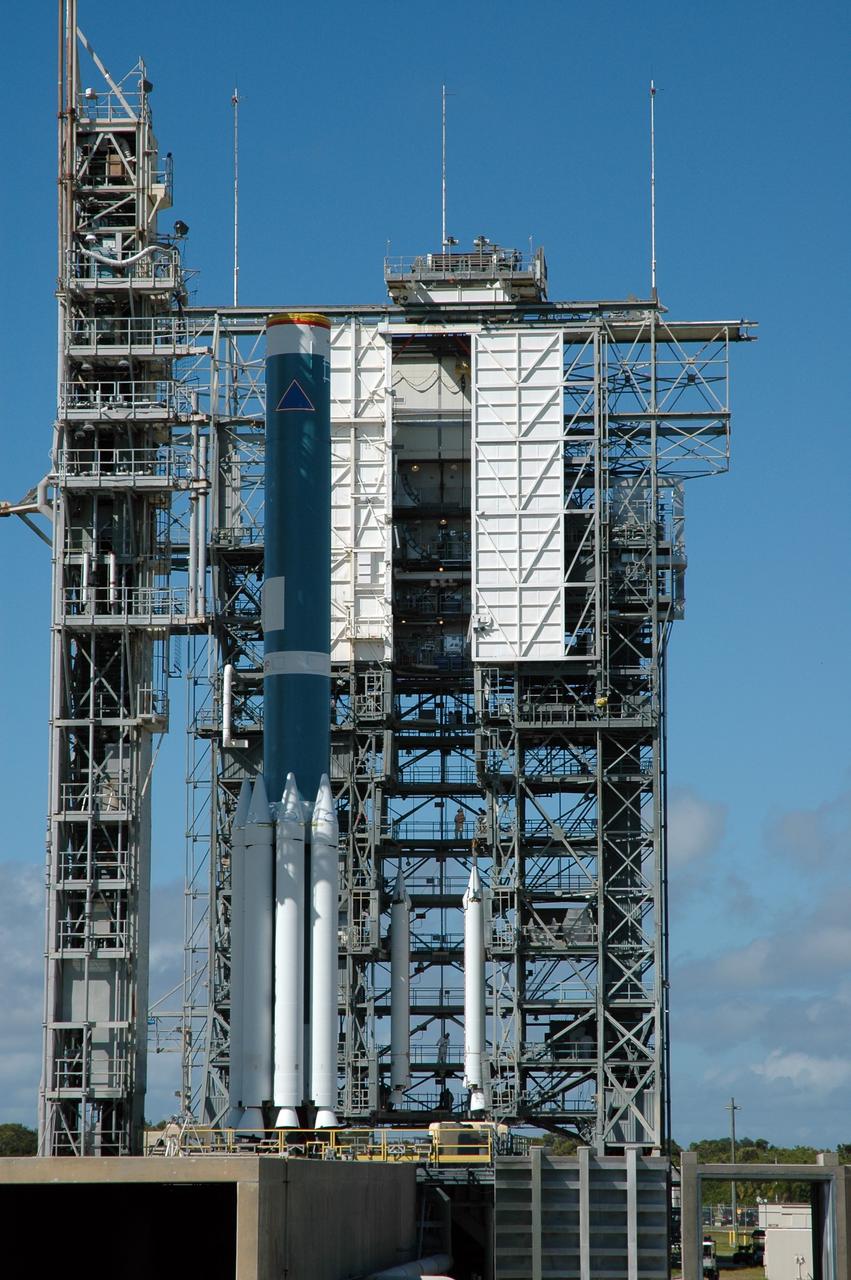
CAPE CANAVERAL, Fla. – On Launch Pad 17-B at Cape Canaveral Air Force Station in Florida, the mobile service tower closes in on the first stage of the Delta 2 launch vehicle for the Kepler spacecraft. The solid rocket boosters in the tower will be installed on the Delta 2. The Kepler mission is specifically designed to survey our region of the Milky Way galaxy to discover hundreds of Earth-size and smaller planets in or near the habitable zone and determine how many of the billions of stars in our galaxy have such planets. Results from this mission will allow us to place our solar system within the continuum of planetary systems in the Galaxy. NASA's planet-hunting Kepler mission is scheduled to launch no earlier than March 5, 2009. Photo credit: NASA/Jim Grossmann
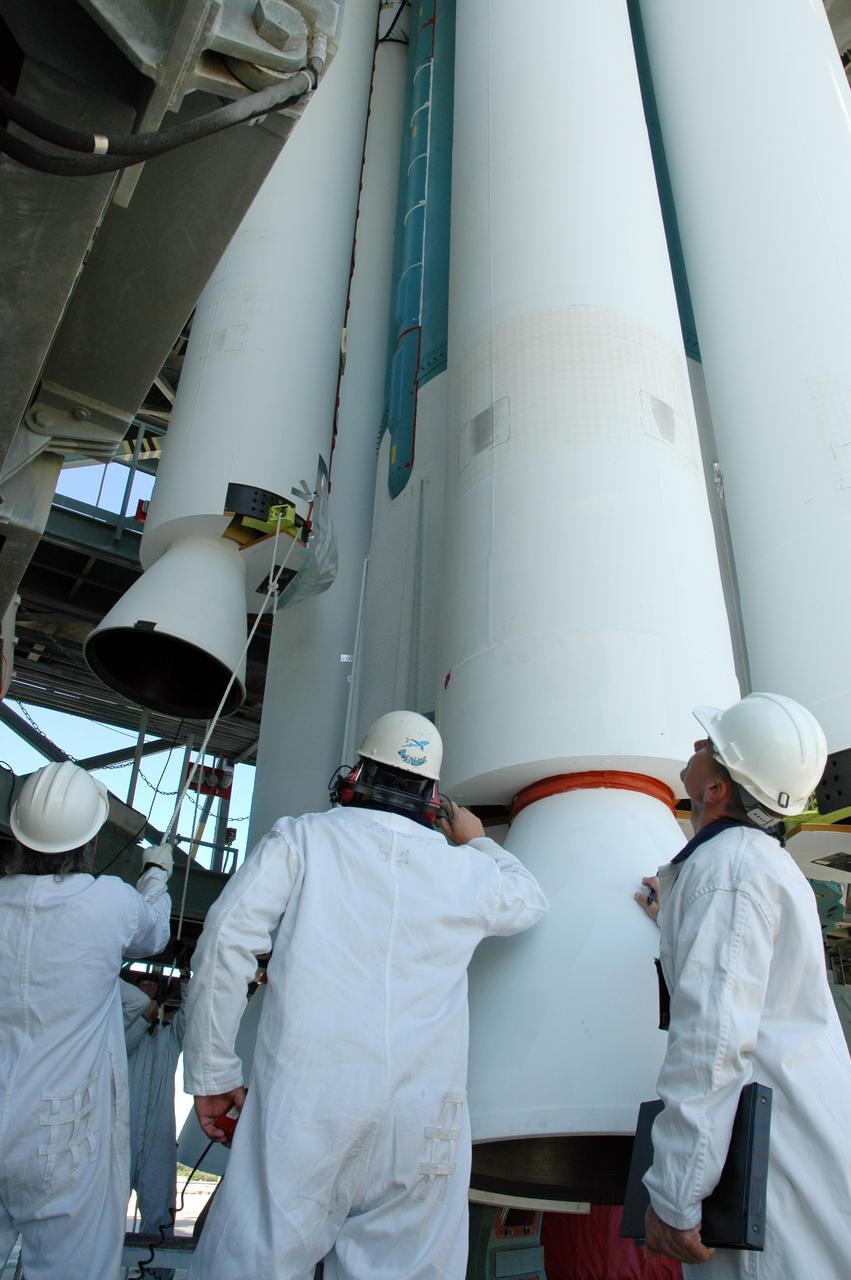
CAPE CANAVERAL, Fla. – On Launch Pad 17-B at Cape Canaveral Air Force Station in Florida, workers oversee the lifting of an air-lit strap-on solid rocket booster that will be mated to the Delta 2 launch vehicle that will carry the Kepler spacecraft into orbit. The Kepler mission is specifically designed to survey our region of the Milky Way galaxy to discover hundreds of Earth-size and smaller planets in or near the habitable zone and determine how many of the billions of stars in our galaxy have such planets. Results from this mission will allow us to place our solar system within the continuum of planetary systems in the Galaxy. NASA's planet-hunting Kepler mission is scheduled to launch no earlier than March 5, 2009. Photo credit: NASA/Jim Grossmann
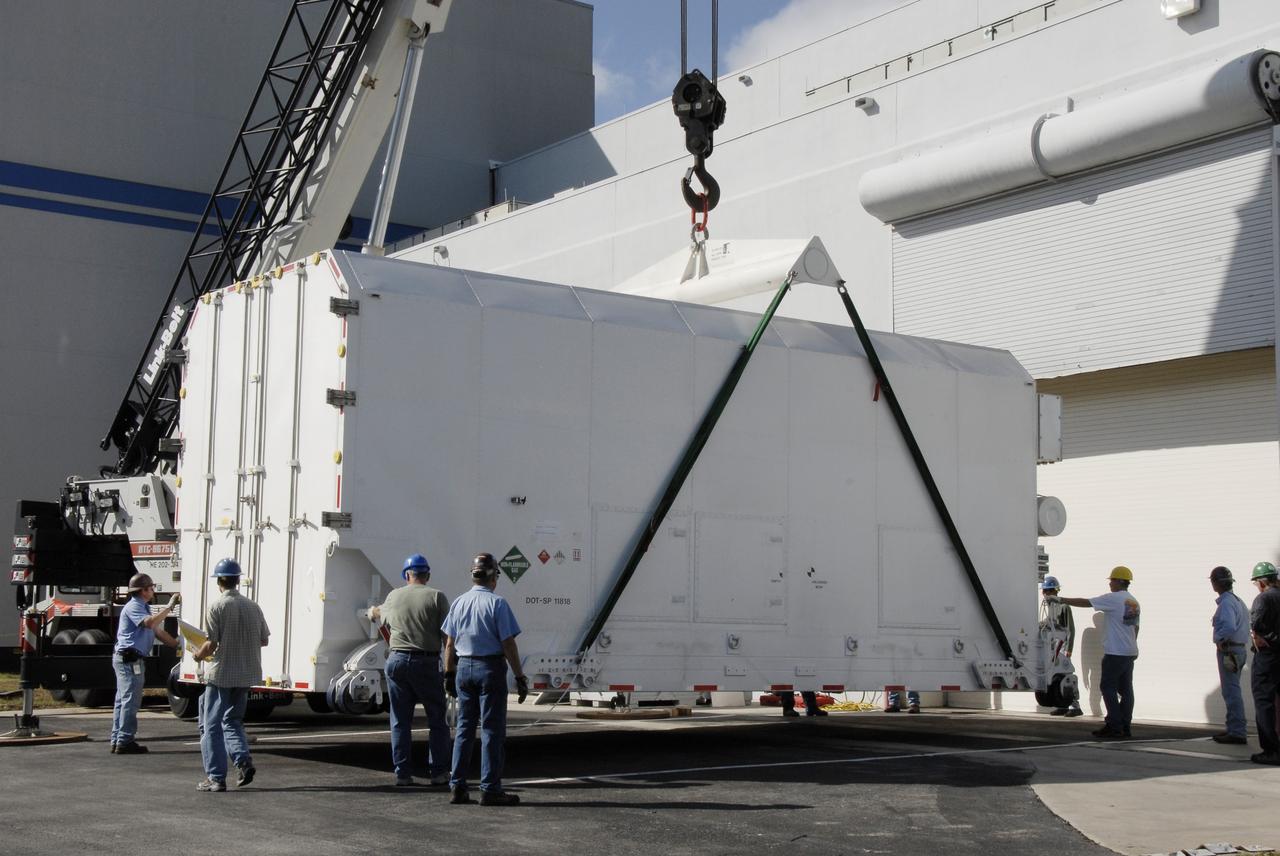
CAPE CANAVERAL, Fla. -- The shipping container holding the Kepler spacecraft is placed on the tarmac outside Astrotech in Titusville, Fla., before being moved inside. A NASA Discovery mission, Kepler is specifically designed to survey our region of the Milky Way galaxy to discover hundreds of Earth-size and smaller planets in or near the habitable zone and determine how many of the billions of stars in our galaxy have such planets. Results from this mission will allow us to place our solar system within the continuum of planetary systems in the Galaxy. The spacecraft will be processed at Astrotech before being carried to its launch pad at Cape Canaveral. .NASA's planet-hunting Kepler mission is scheduled to launch no earlier than March 5, 2009, atop a Delta II rocket. Photo credit: NASA/Kim Shiflett
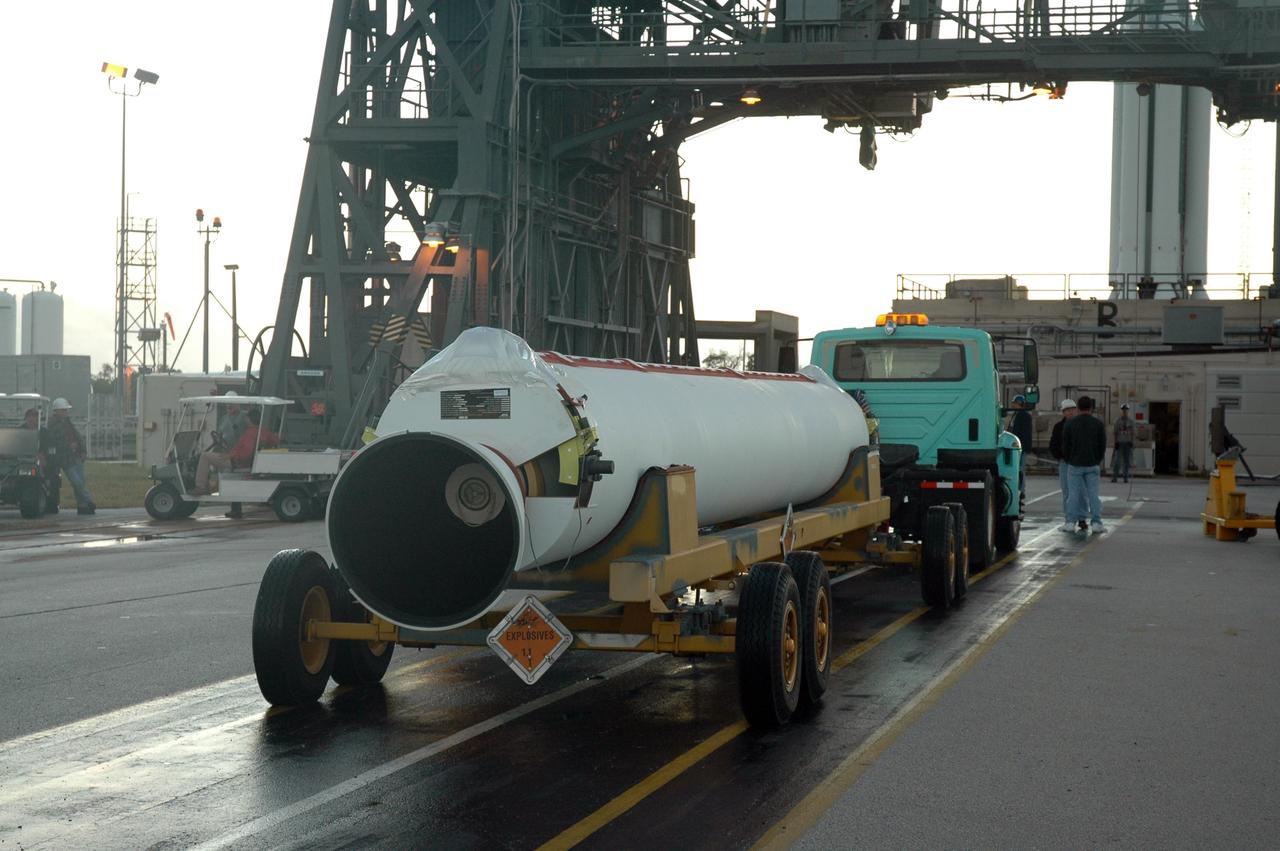
CAPE CANAVERAL, Fla. – On Launch Pad 17-B at Cape Canaveral Air Force Station in Florida, one of the final solid rocket boosters arrives for installation on the first stage of the Delta 2 launch vehicle that will carry the Kepler spacecraft into orbit. The Kepler mission is specifically designed to survey our region of the Milky Way galaxy to discover hundreds of Earth-size and smaller planets in or near the habitable zone and determine how many of the billions of stars in our galaxy have such planets. Results from this mission will allow us to place our solar system within the continuum of planetary systems in the Galaxy. NASA's planet-hunting Kepler mission is scheduled to launch no earlier than March 5, 2009. Photo credit: NASA/Jim Grossmann
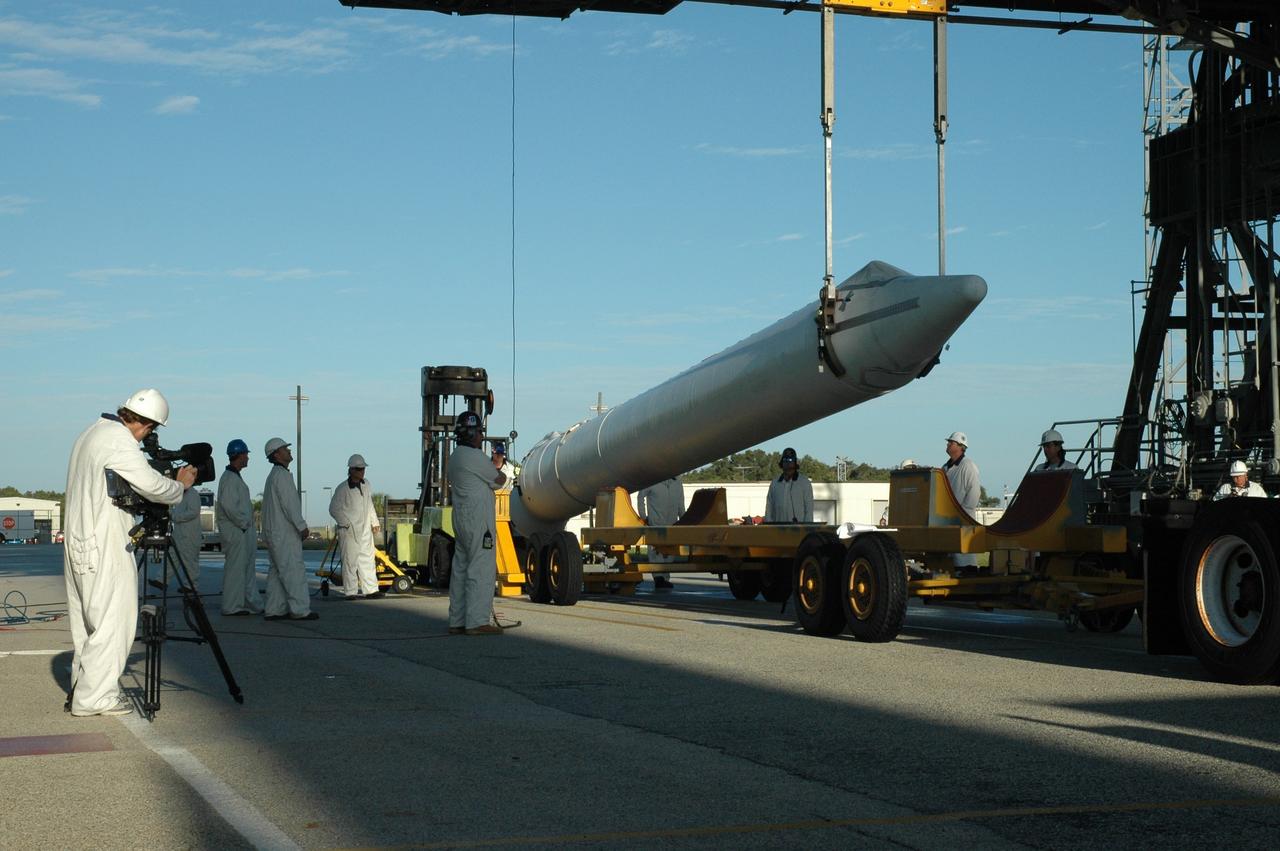
CAPE CANAVERAL, Fla. – On Launch Pad 17-B at Cape Canaveral Air Force Station in Florida, a solid rocket booster is raised off its transporter. It will be raised to vertical and lifted into the mobile service tower for mating to the first stage of the Kepler's Delta 2 launch vehicle. The Kepler mission is specifically designed to survey our region of the Milky Way galaxy to discover hundreds of Earth-size and smaller planets in or near the habitable zone and determine how many of the billions of stars in our galaxy have such planets. Results from this mission will allow us to place our solar system within the continuum of planetary systems in the Galaxy. NASA's planet-hunting Kepler mission is scheduled to launch no earlier than March 5, 2009. Photo credit: NASA/Jim Grossmann
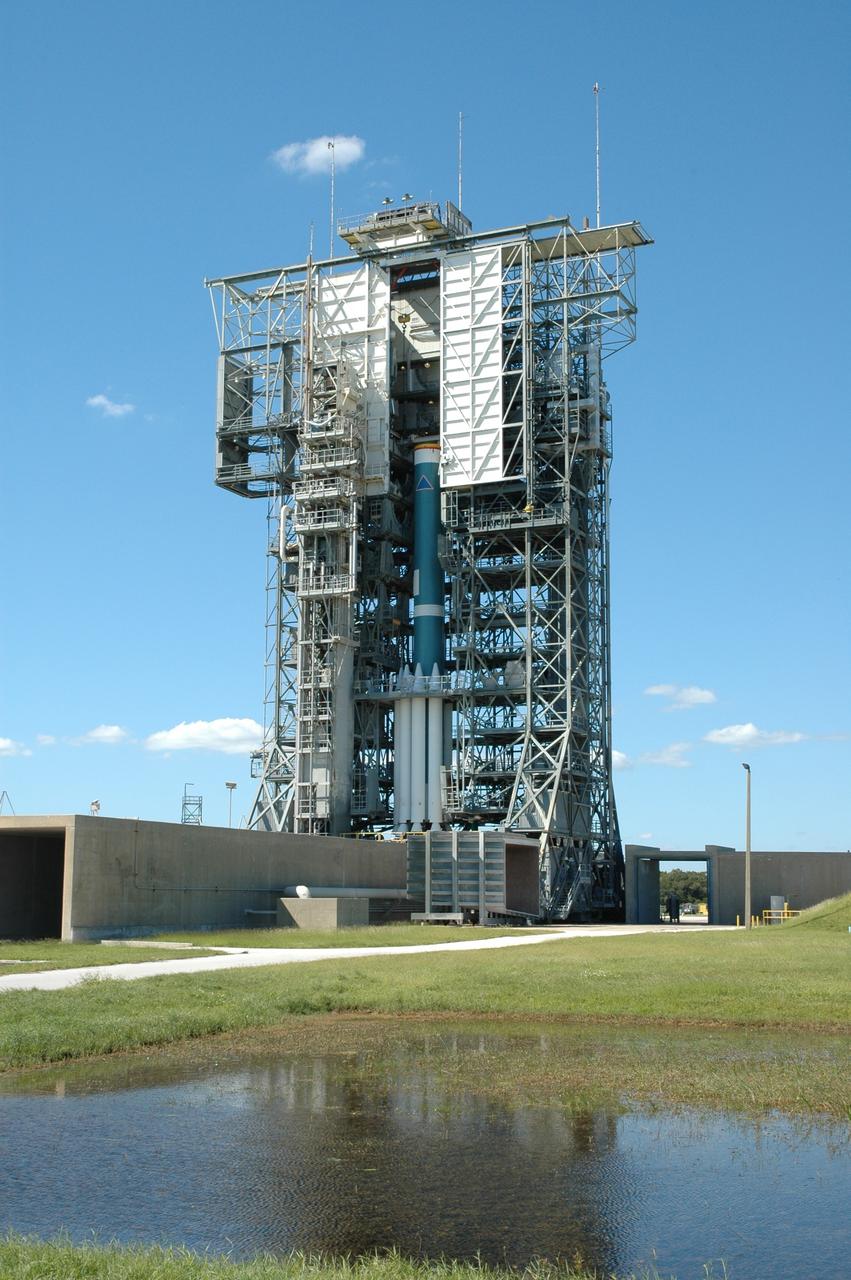
CAPE CANAVERAL, Fla. – On Launch Pad 17-B at Cape Canaveral Air Force Station in Florida, air-lit strap-on solid rocket boosters are being added to the first stage of the Delta 2 launch vehicle (seen here) that will carry the Kepler spacecraft into orbit. The Kepler mission is specifically designed to survey our region of the Milky Way galaxy to discover hundreds of Earth-size and smaller planets in or near the habitable zone and determine how many of the billions of stars in our galaxy have such planets. Results from this mission will allow us to place our solar system within the continuum of planetary systems in the Galaxy. NASA's planet-hunting Kepler mission is scheduled to launch no earlier than March 5, 2009. Photo credit: NASA/Jim Grossmann
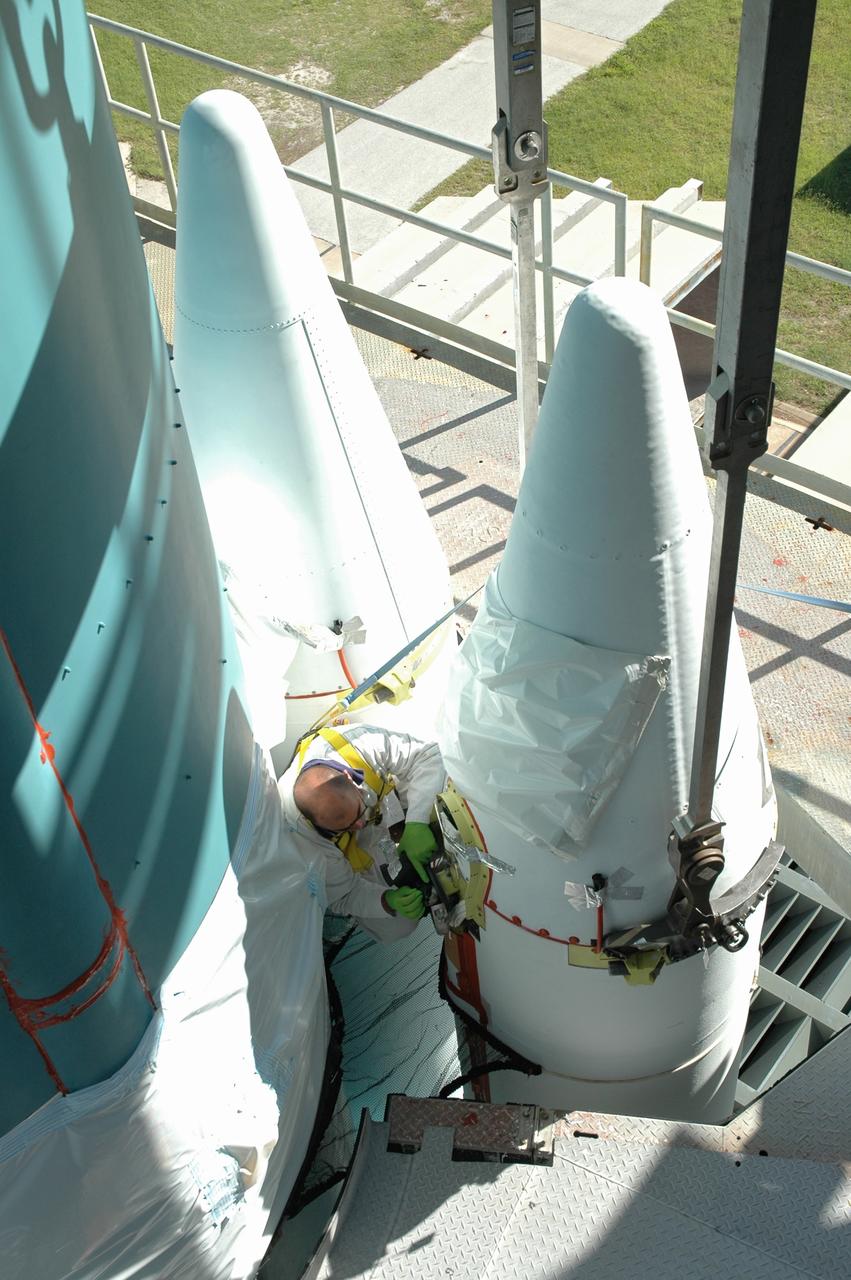
CAPE CANAVERAL, Fla. – On Launch Pad 17-B at Cape Canaveral Air Force Station in Florida, a worker makes adjustments on one of the solid rocket boosters being mated to the first stage of the Delta 2 launch vehicle that will carry the Kepler spacecraft into orbit. The Kepler mission is specifically designed to survey our region of the Milky Way galaxy to discover hundreds of Earth-size and smaller planets in or near the habitable zone and determine how many of the billions of stars in our galaxy have such planets. Results from this mission will allow us to place our solar system within the continuum of planetary systems in the Galaxy. NASA's planet-hunting Kepler mission is scheduled to launch no earlier than March 5, 2009. Photo credit: NASA/Jim Grossmann
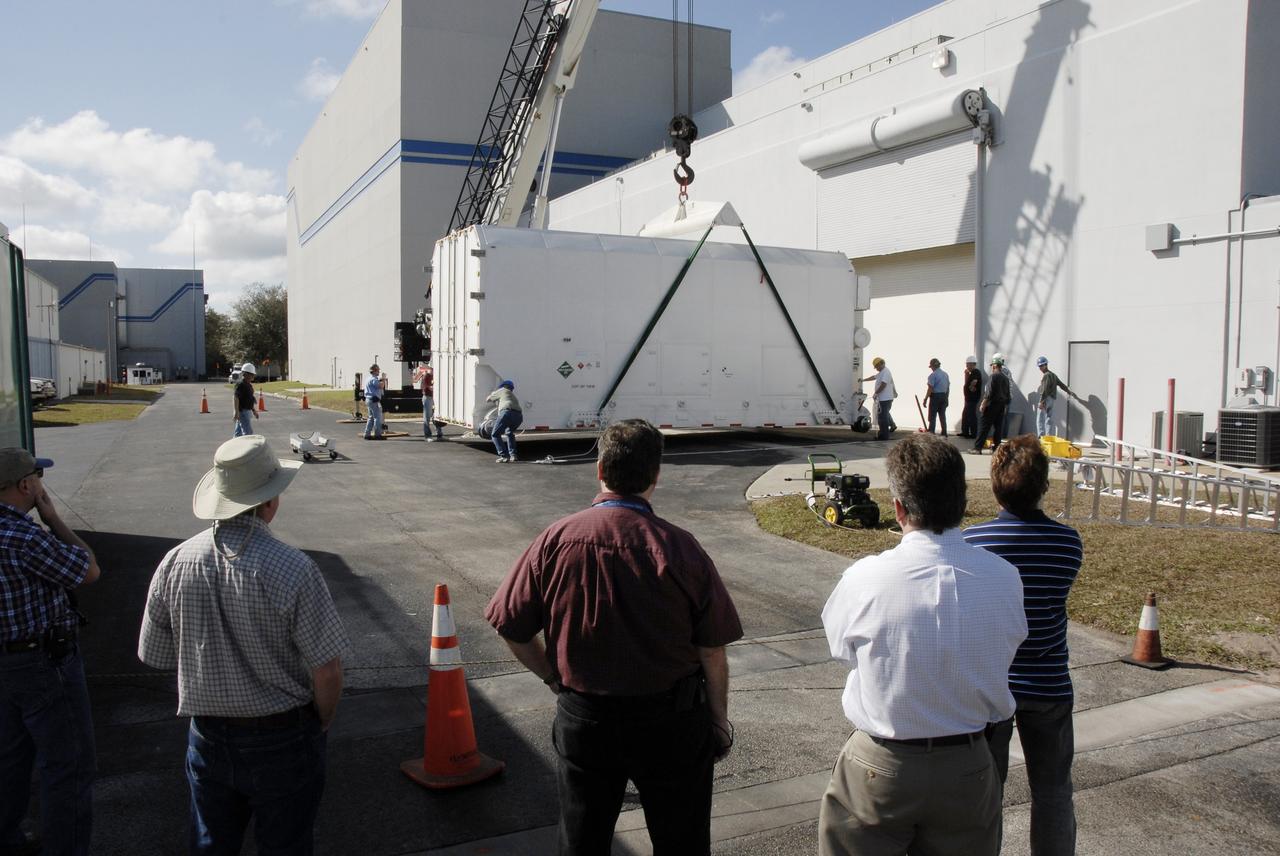
CAPE CANAVERAL, Fla. -- The shipping container holding the Kepler spacecraft is placed on the tarmac outside Astrotech in Titusville, Fla., before being moved inside. A NASA Discovery mission, Kepler is specifically designed to survey our region of the Milky Way galaxy to discover hundreds of Earth-size and smaller planets in or near the habitable zone and determine how many of the billions of stars in our galaxy have such planets. Results from this mission will allow us to place our solar system within the continuum of planetary systems in the Galaxy. The spacecraft will be processed at Astrotech before being carried to its launch pad at Cape Canaveral. .NASA's planet-hunting Kepler mission is scheduled to launch no earlier than March 5, 2009, atop a Delta II rocket. Photo credit: NASA/Kim Shiflett
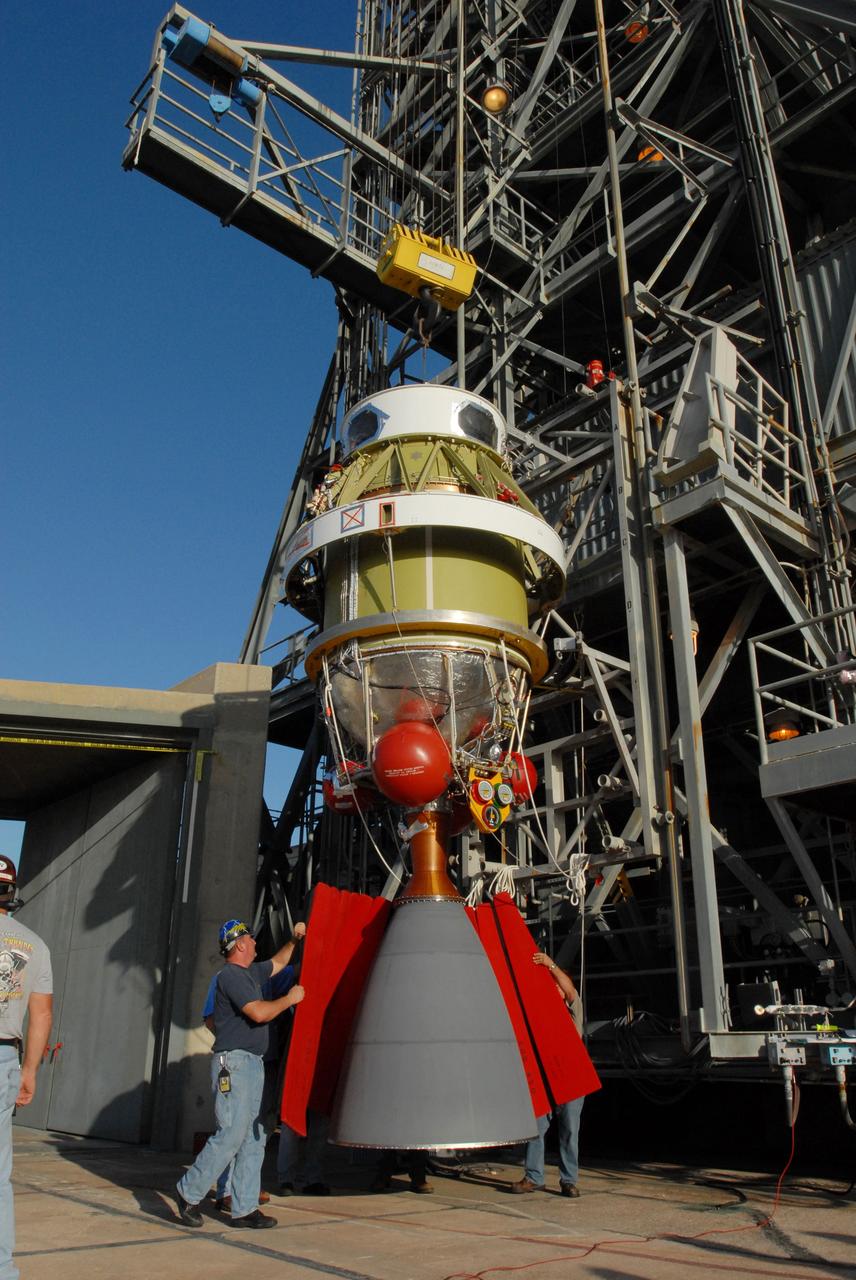
CAPE CANAVERAL, Fla. -- On Complex 17-B at Cape Canaveral Air Force Station in Florida, workers wrap protective covers around the engine bell of the second stage of the Delta 2 rocket before it is lifted into the mobile service tower. In the tower, the second stage will be mated to the first stage of the Delta 2, which is the launch vehicle for NASA's Kepler spacecraft. The Kepler mission is specifically designed to survey our region of the Milky Way galaxy to discover hundreds of Earth-size and smaller planets in or near the habitable zone and determine how many of the billions of stars in our galaxy have such planets. Results from this mission will allow us to place our solar system within the continuum of planetary systems in the Galaxy. NASA's planet-hunting Kepler mission is scheduled to launch no earlier than March 5, 2009. Photo credit: NASA/Jim Grossmann
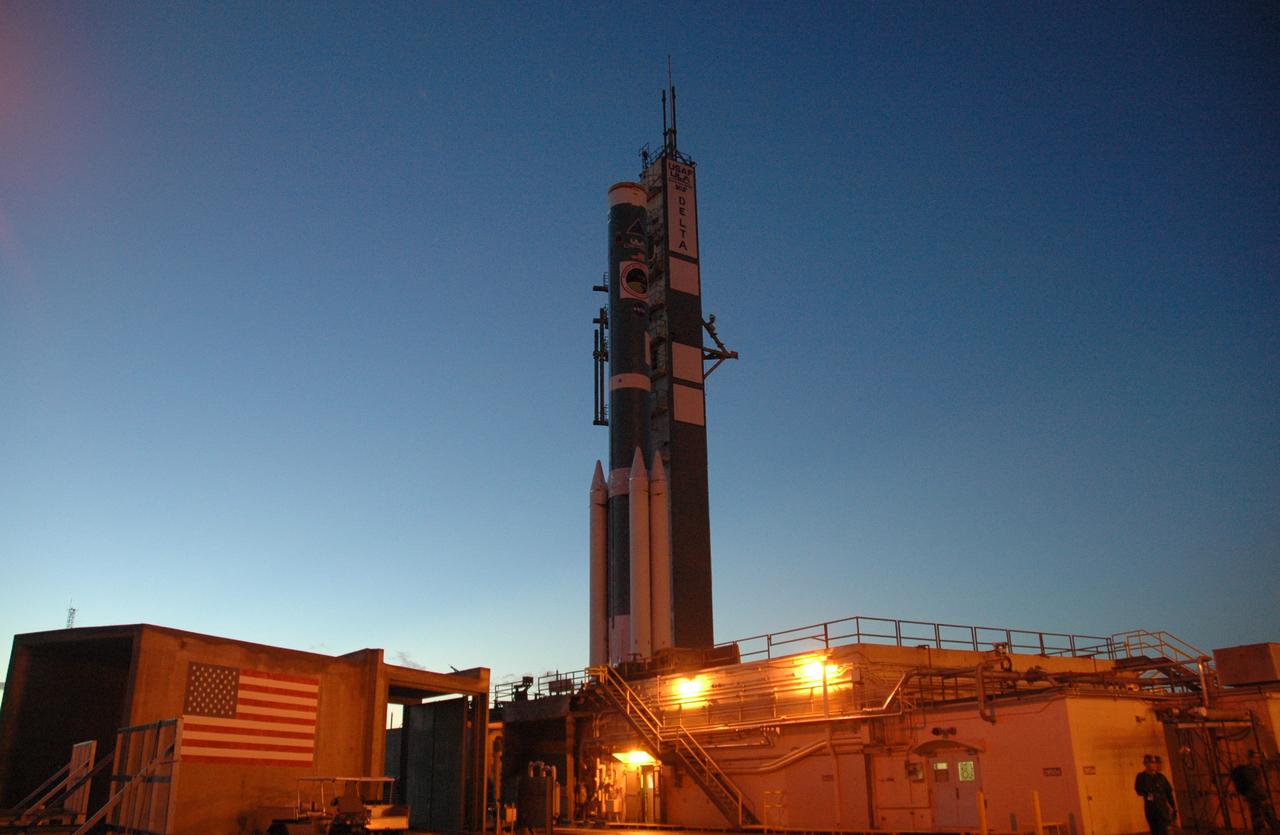
CAPE CANAVERAL, Fla. – As dawn lights the sky on Launch Pad 17-B at Cape Canaveral Air Force Station in Florida, the first stage of the Delta 2 launch vehicle that will carry the Kepler spacecraft into orbit waits for the installation of the final solid rocket boosters. The Kepler mission is specifically designed to survey our region of the Milky Way galaxy to discover hundreds of Earth-size and smaller planets in or near the habitable zone and determine how many of the billions of stars in our galaxy have such planets. Results from this mission will allow us to place our solar system within the continuum of planetary systems in the Galaxy. NASA's planet-hunting Kepler mission is scheduled to launch no earlier than March 5, 2009. Photo credit: NASA/Jim Grossmann
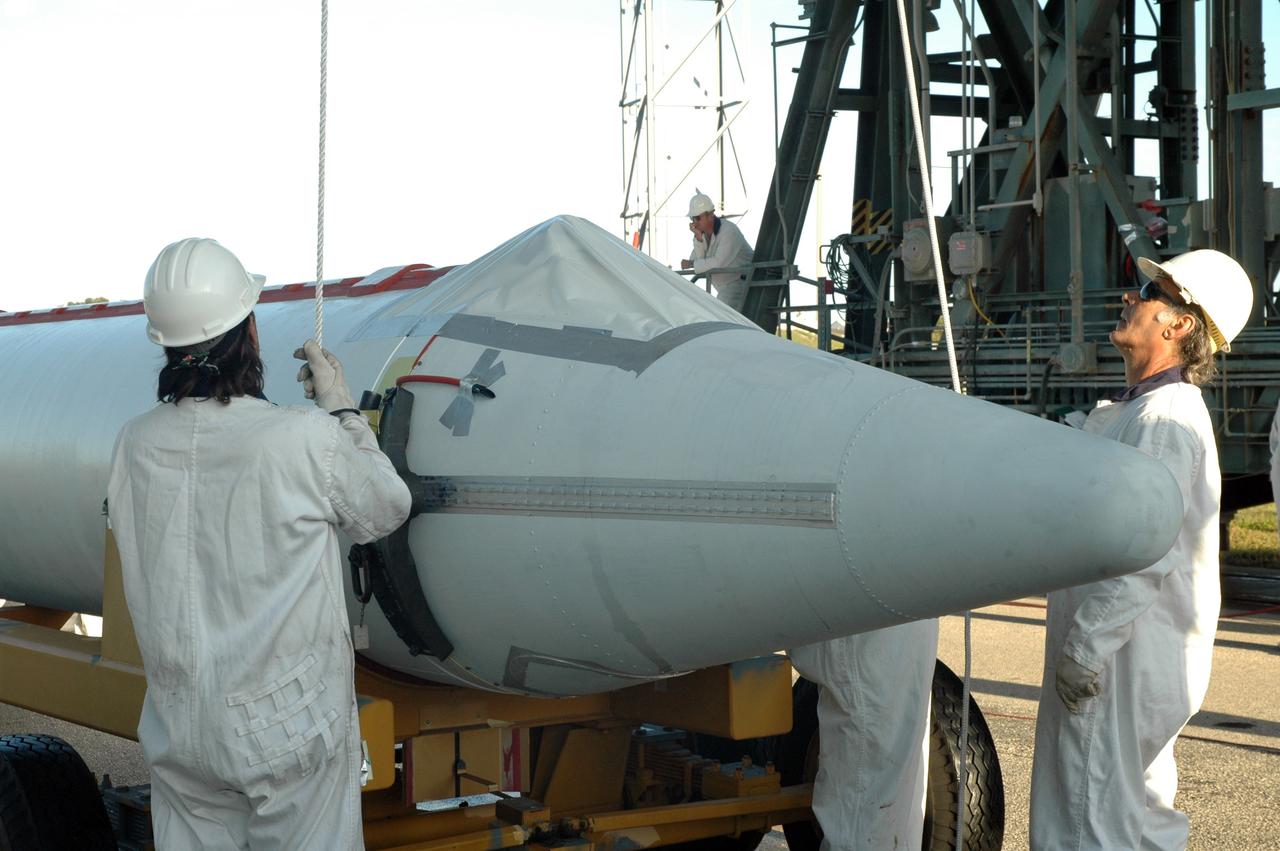
CAPE CANAVERAL, Fla. – On Launch Pad 17-B at Cape Canaveral Air Force Station in Florida, workers attach the crane that will lift one of the final solid rocket boosters for installation on the first stage of the Kepler's Delta 2 launch vehicle. The Kepler mission is specifically designed to survey our region of the Milky Way galaxy to discover hundreds of Earth-size and smaller planets in or near the habitable zone and determine how many of the billions of stars in our galaxy have such planets. Results from this mission will allow us to place our solar system within the continuum of planetary systems in the Galaxy. NASA's planet-hunting Kepler mission is scheduled to launch no earlier than March 5, 2009. Photo credit: NASA/Jim Grossmann
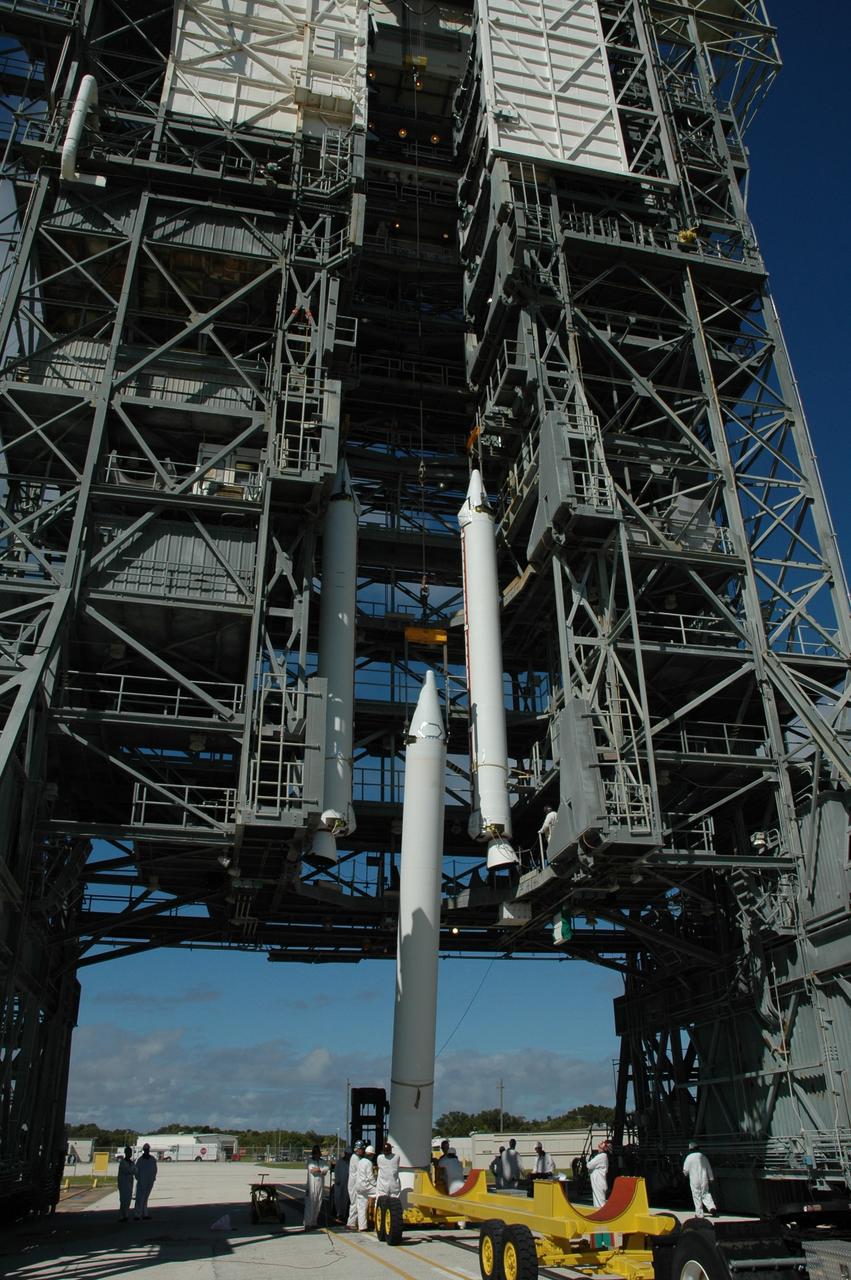
CAPE CANAVERAL, Fla. – On Launch Pad 17-B at Cape Canaveral Air Force Station in Florida, the final solid rocket booster is ready to be lifted into the mobile service tower, joining two others that will be mated to the first stage of the Kepler's Delta 2 launch vehicle. The Kepler mission is specifically designed to survey our region of the Milky Way galaxy to discover hundreds of Earth-size and smaller planets in or near the habitable zone and determine how many of the billions of stars in our galaxy have such planets. Results from this mission will allow us to place our solar system within the continuum of planetary systems in the Galaxy. NASA's planet-hunting Kepler mission is scheduled to launch no earlier than March 5, 2009. Photo credit: NASA/Jim Grossmann
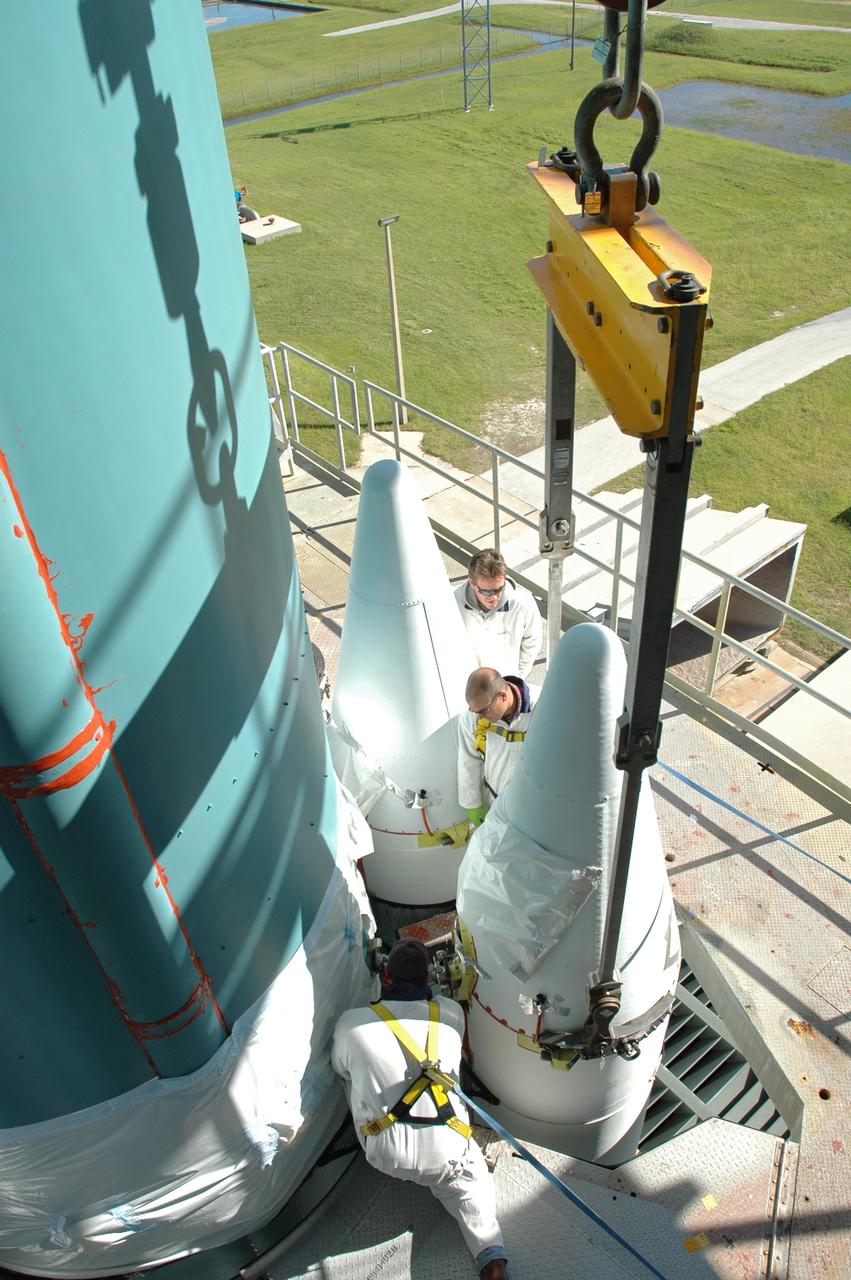
CAPE CANAVERAL, Fla. – On Launch Pad 17-B at Cape Canaveral Air Force Station in Florida, workers make adjustments on one of the solid rocket boosters being mated to the first stage of the Delta 2 launch vehicle that will carry the Kepler spacecraft into orbit. The Kepler mission is specifically designed to survey our region of the Milky Way galaxy to discover hundreds of Earth-size and smaller planets in or near the habitable zone and determine how many of the billions of stars in our galaxy have such planets. Results from this mission will allow us to place our solar system within the continuum of planetary systems in the Galaxy. NASA's planet-hunting Kepler mission is scheduled to launch no earlier than March 5, 2009. Photo credit: NASA/Jim Grossmann
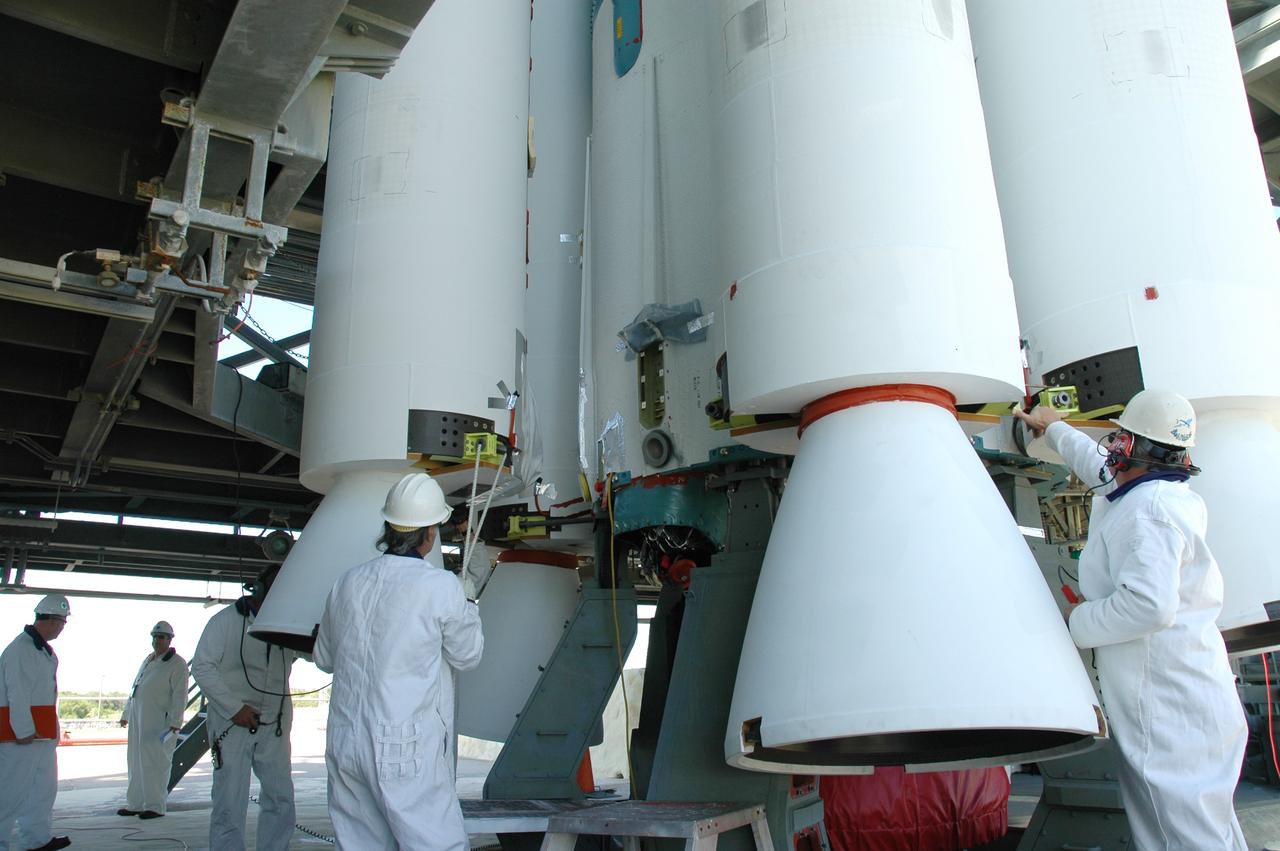
CAPE CANAVERAL, Fla. – On Launch Pad 17-B at Cape Canaveral Air Force Station in Florida, workers prepare to mate an air-lit strap-on solid rocket booster onto the Delta 2 launch vehicle that will carry the Kepler spacecraft into orbit. The Kepler mission is specifically designed to survey our region of the Milky Way galaxy to discover hundreds of Earth-size and smaller planets in or near the habitable zone and determine how many of the billions of stars in our galaxy have such planets. Results from this mission will allow us to place our solar system within the continuum of planetary systems in the Galaxy. NASA's planet-hunting Kepler mission is scheduled to launch no earlier than March 5, 2009. Photo credit: NASA/Jim Grossmann
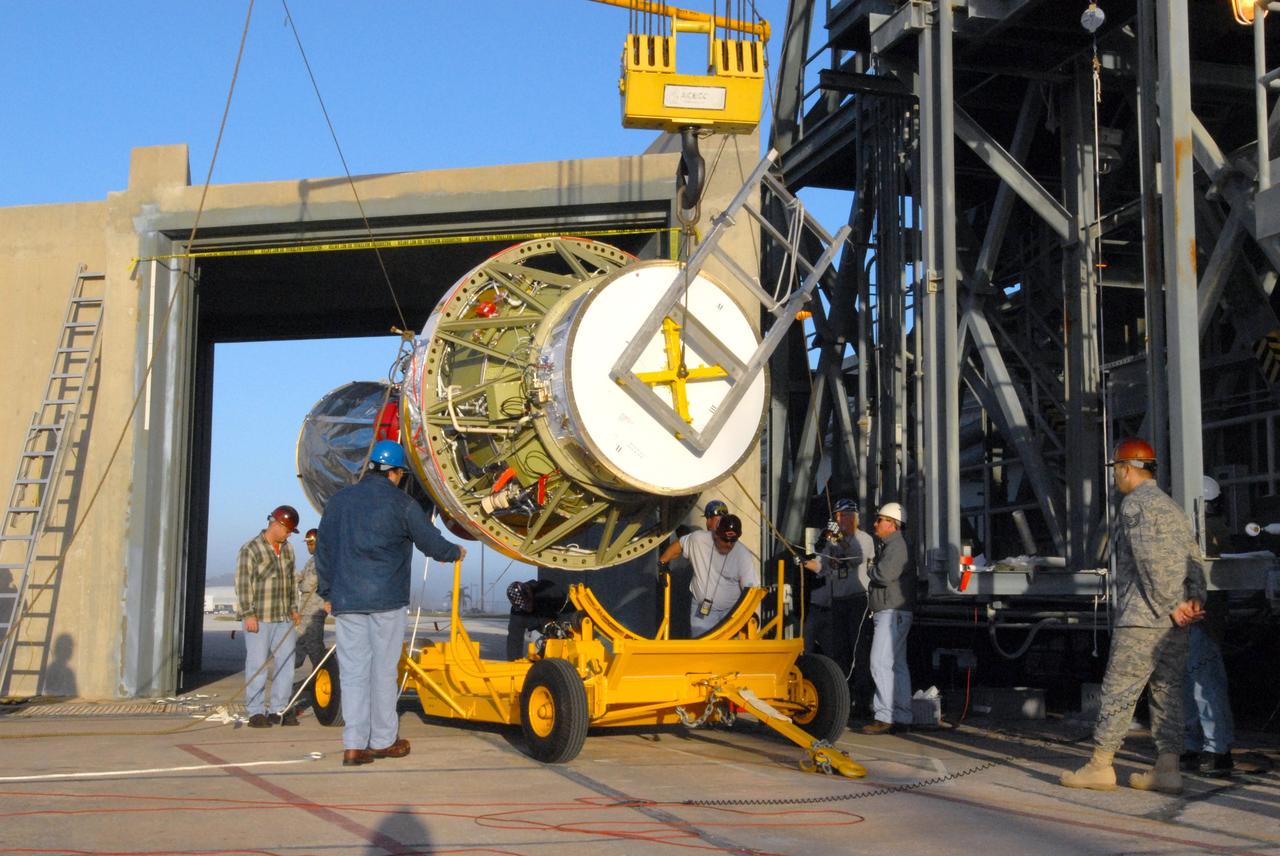
CAPE CANAVERAL, Fla. -- On Complex 17-B at Cape Canaveral Air Force Station in Florida, a crane lifts the second stage of the Delta 2 rocket off its transporter. The second stage will be lifted into the mobile service tower for mating with the first stage of the Delta 2, which is the launch vehicle for NASA's Kepler spacecraft. The Kepler mission is specifically designed to survey our region of the Milky Way galaxy to discover hundreds of Earth-size and smaller planets in or near the habitable zone and determine how many of the billions of stars in our galaxy have such planets. Results from this mission will allow us to place our solar system within the continuum of planetary systems in the Galaxy. NASA's planet-hunting Kepler mission is scheduled to launch no earlier than March 5, 2009. Photo credit: NASA/Jim Grossmann
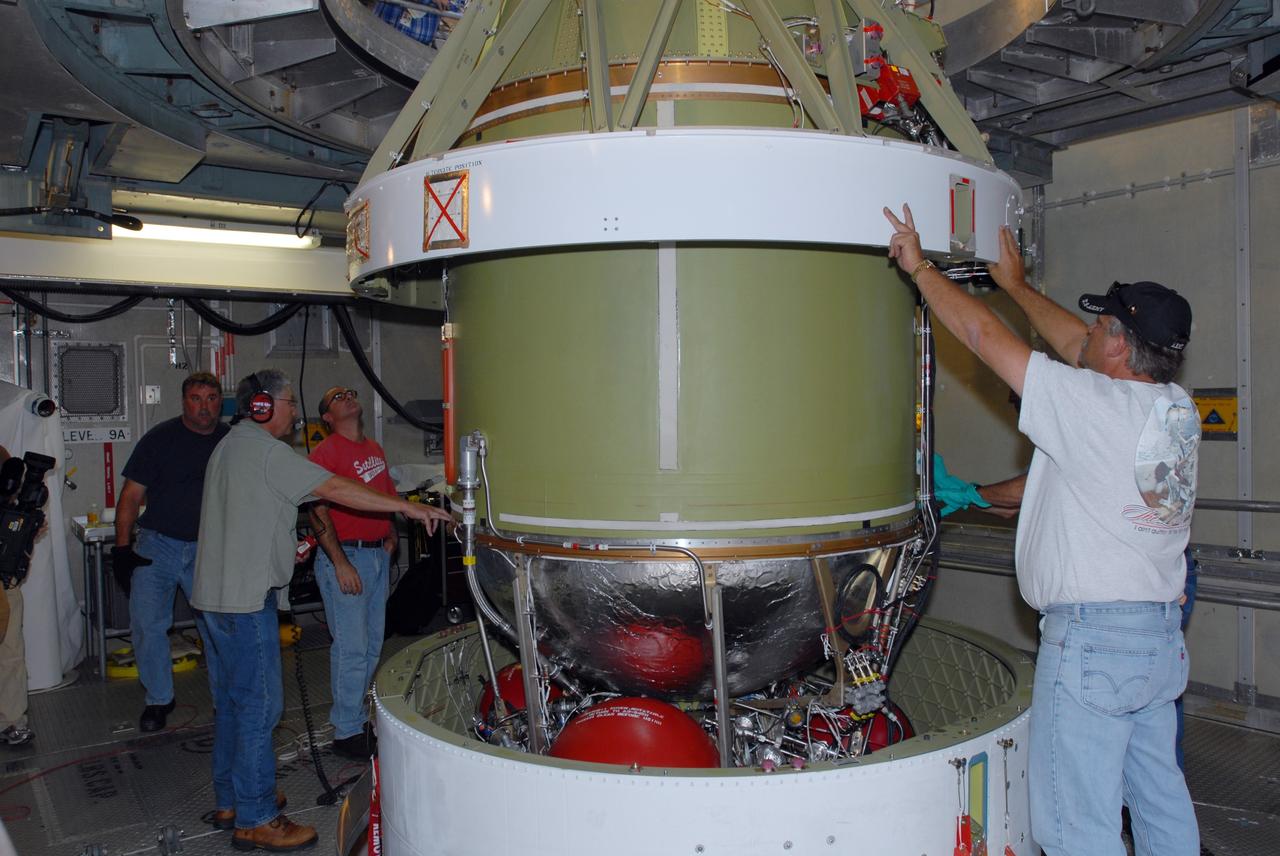
CAPE CANAVERAL, Fla. -- On Complex 17-B at Cape Canaveral Air Force Station in Florida, workers guide the second stage of the Delta 2 rocket for mating with the first stage. The Delta 2 is the launch vehicle for NASA's Kepler spacecraft. The Kepler mission is specifically designed to survey our region of the Milky Way galaxy to discover hundreds of Earth-size and smaller planets in or near the habitable zone and determine how many of the billions of stars in our galaxy have such planets. Results from this mission will allow us to place our solar system within the continuum of planetary systems in the Galaxy. NASA's planet-hunting Kepler mission is scheduled to launch no earlier than March 5, 2009. Photo credit: NASA/Jim Grossmann
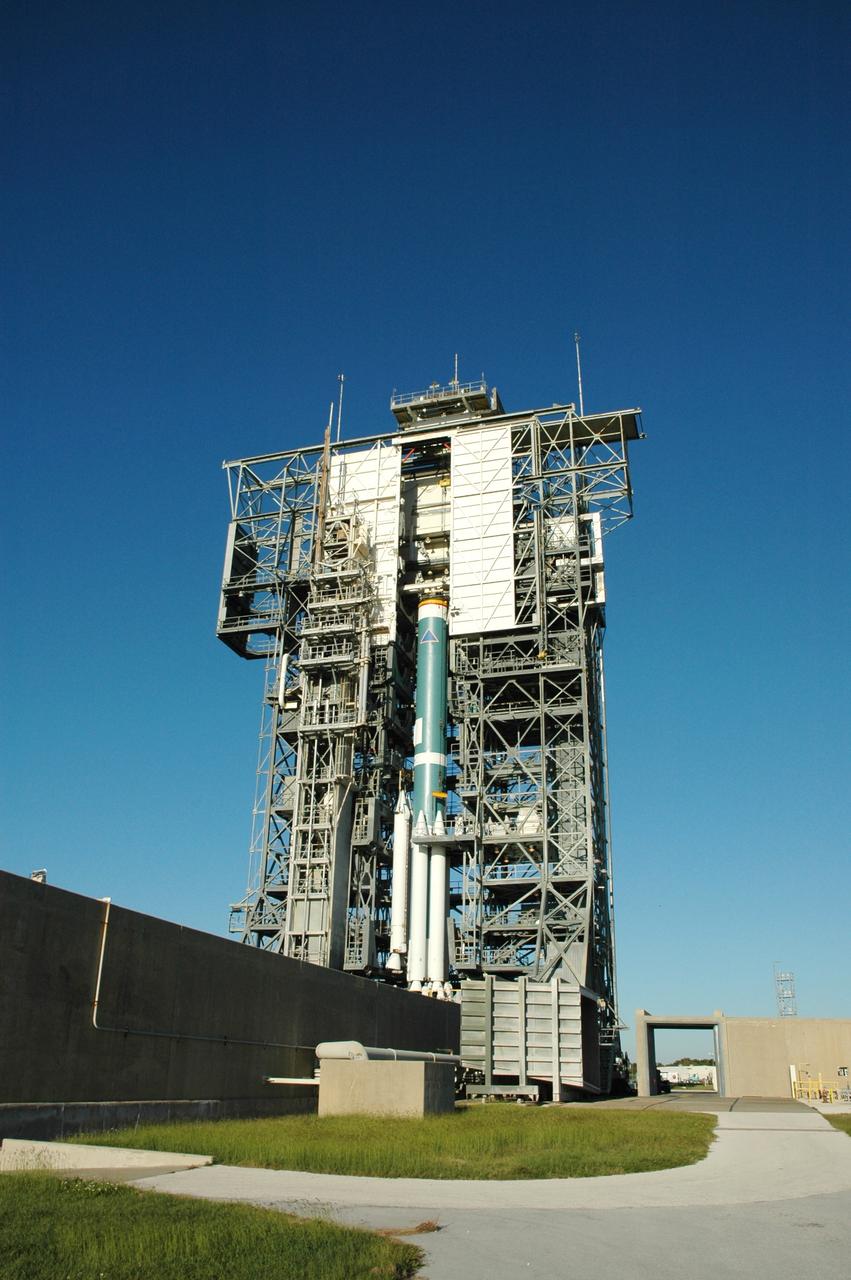
CAPE CANAVERAL, Fla. – On Launch Pad 17-B at Cape Canaveral Air Force Station in Florida, air-lit strap-on solid rocket boosters are being added to the first stage of the Delta 2 launch vehicle (seen here) that will carry the Kepler spacecraft into orbit. The Kepler mission is specifically designed to survey our region of the Milky Way galaxy to discover hundreds of Earth-size and smaller planets in or near the habitable zone and determine how many of the billions of stars in our galaxy have such planets. Results from this mission will allow us to place our solar system within the continuum of planetary systems in the Galaxy. NASA's planet-hunting Kepler mission is scheduled to launch no earlier than March 5, 2009. Photo credit: NASA/Jim Grossmann
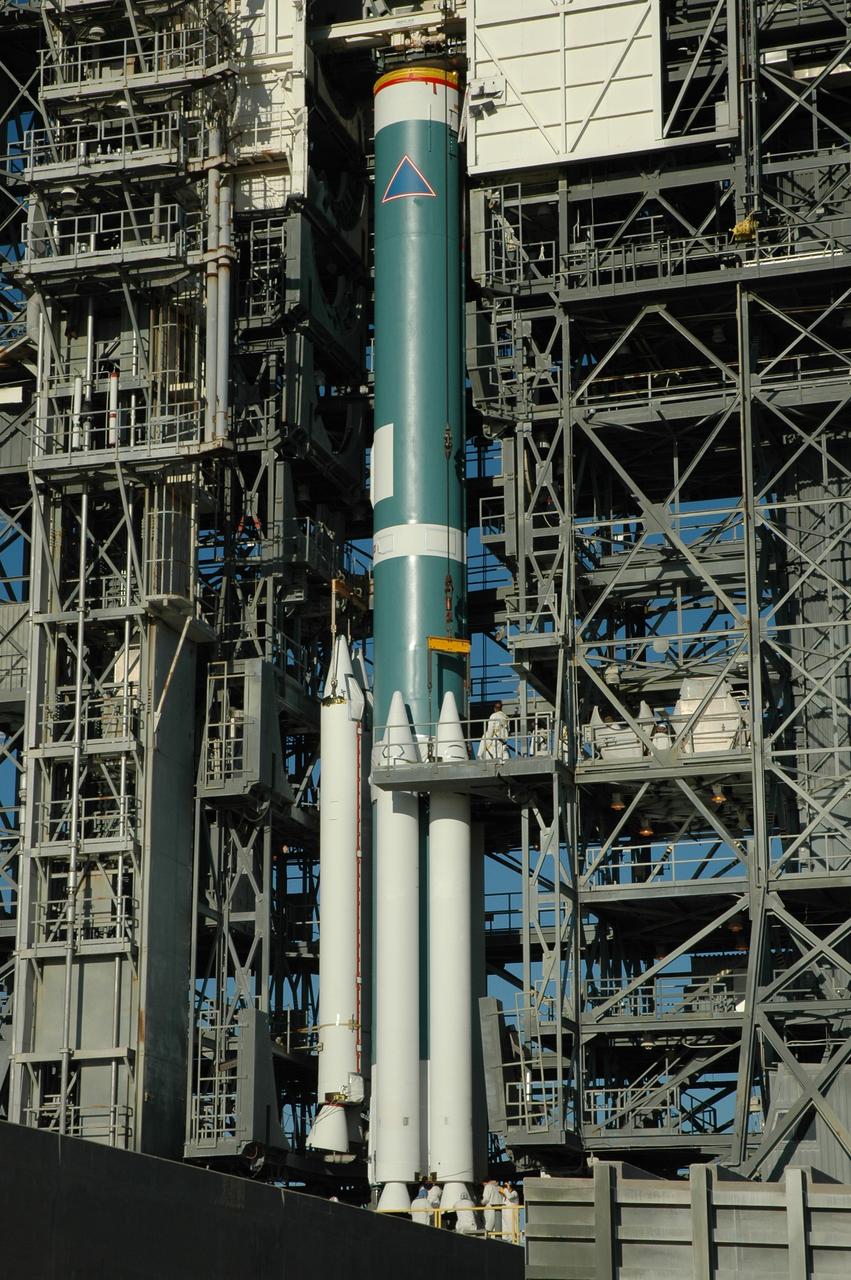
CAPE CANAVERAL, Fla. – On Launch Pad 17-B at Cape Canaveral Air Force Station in Florida, air-lit strap-on solid rocket boosters are being added to the first stage of the Delta 2 launch vehicle (seen here) that will carry the Kepler spacecraft into orbit. The Kepler mission is specifically designed to survey our region of the Milky Way galaxy to discover hundreds of Earth-size and smaller planets in or near the habitable zone and determine how many of the billions of stars in our galaxy have such planets. Results from this mission will allow us to place our solar system within the continuum of planetary systems in the Galaxy. NASA's planet-hunting Kepler mission is scheduled to launch no earlier than March 5, 2009. Photo credit: NASA/Jim Grossmann
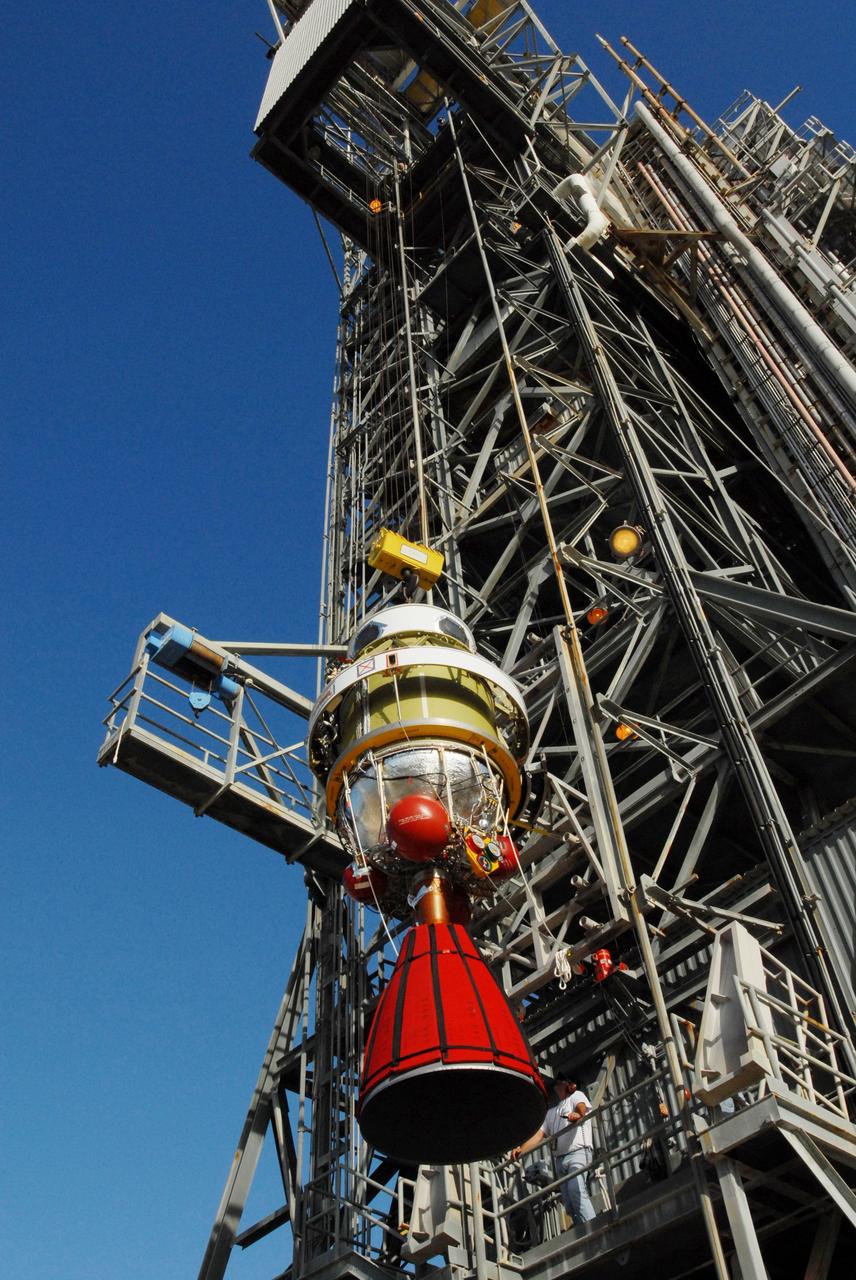
CAPE CANAVERAL, Fla. -- On Complex 17-B at Cape Canaveral Air Force Station in Florida, the second stage of the Delta 2 rocket for the launch of NASA's Kepler spacecraft is lifted alongside the mobile service tower. In the tower, the second stage will be mated to the first stage of the Delta 2. The Kepler mission is specifically designed to survey our region of the Milky Way galaxy to discover hundreds of Earth-size and smaller planets in or near the habitable zone and determine how many of the billions of stars in our galaxy have such planets. Results from this mission will allow us to place our solar system within the continuum of planetary systems in the Galaxy. NASA's planet-hunting Kepler mission is scheduled to launch no earlier than March 5, 2009. Photo credit: NASA/Jim Grossmann
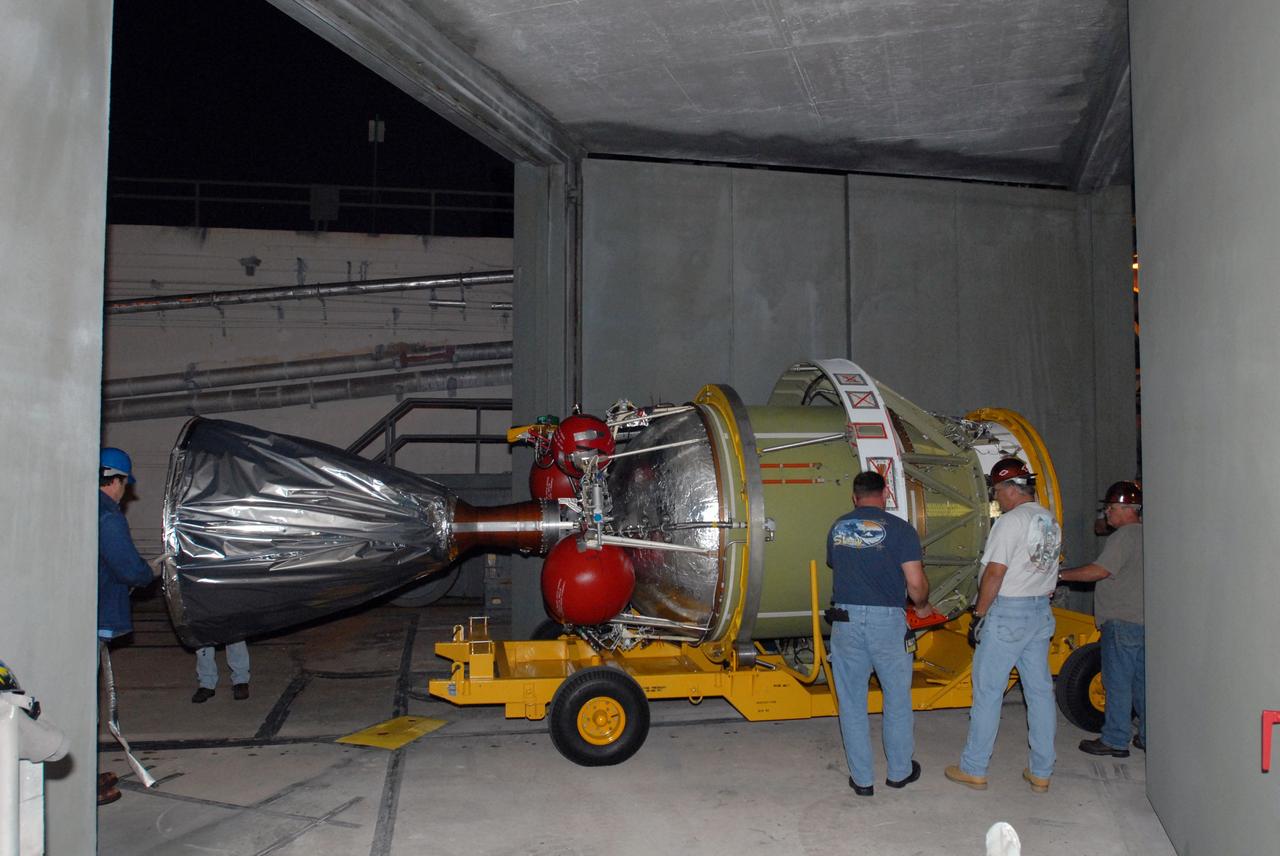
CAPE CANAVERAL, Fla. -- The second stage of the Delta 2 rocket for the launch of NASA's Kepler spacecraft arrives on Complex 17-B at Cape Canaveral Air Force Station in Florida. The second stage will be lifted into the mobile service tower for mating with the first stage. The Kepler mission is specifically designed to survey our region of the Milky Way galaxy to discover hundreds of Earth-size and smaller planets in or near the habitable zone and determine how many of the billions of stars in our galaxy have such planets. Results from this mission will allow us to place our solar system within the continuum of planetary systems in the Galaxy. NASA's planet-hunting Kepler mission is scheduled to launch no earlier than March 5, 2009. Photo credit: NASA/Jim Grossmann
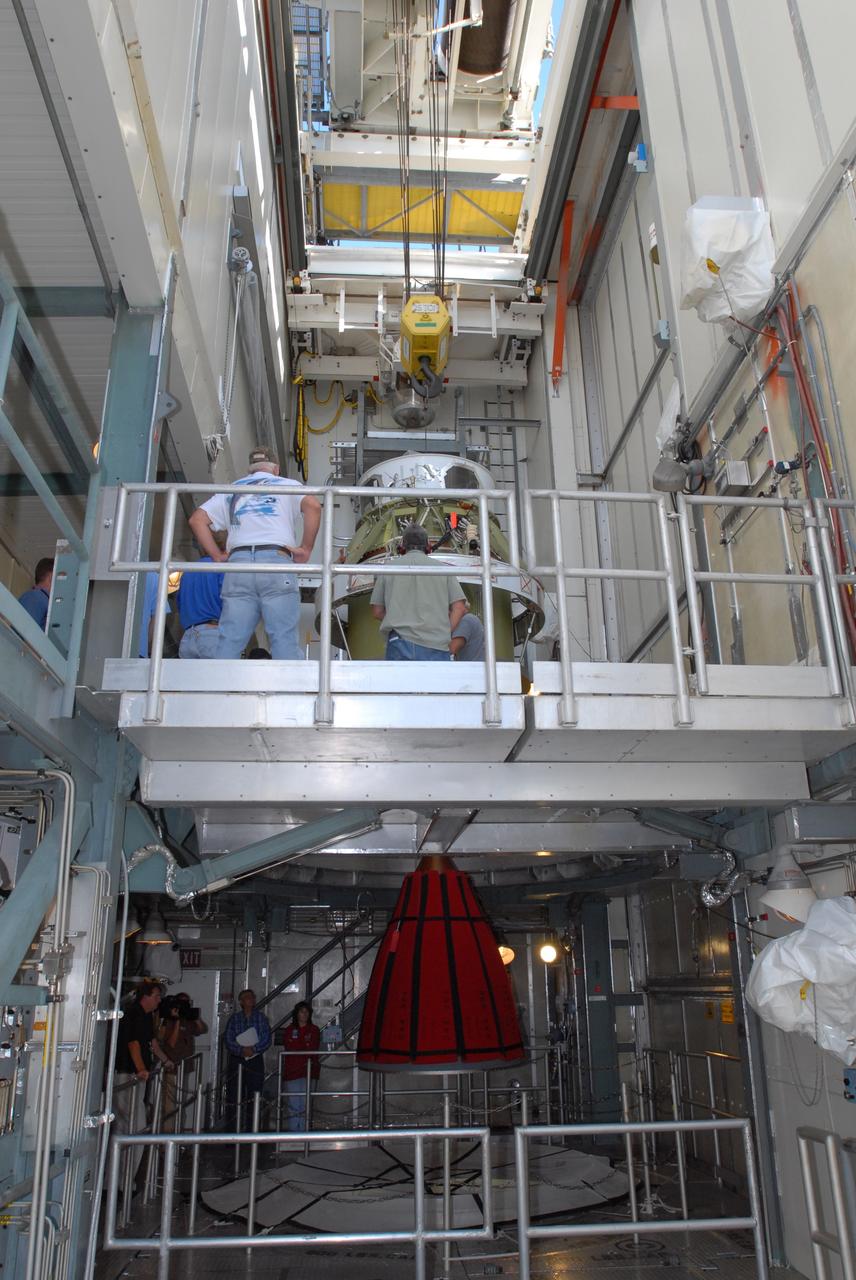
CAPE CANAVERAL, Fla. -- On Complex 17-B at Cape Canaveral Air Force Station in Florida, the second stage of the Delta 2 rocket is lowered toward the first stage. The two second stages will be mated for launch of NASA's Kepler spacecraft. The Kepler mission is specifically designed to survey our region of the Milky Way galaxy to discover hundreds of Earth-size and smaller planets in or near the habitable zone and determine how many of the billions of stars in our galaxy have such planets. Results from this mission will allow us to place our solar system within the continuum of planetary systems in the Galaxy. NASA's planet-hunting Kepler mission is scheduled to launch no earlier than March 5, 2009. Photo credit: NASA/Jim Grossmann
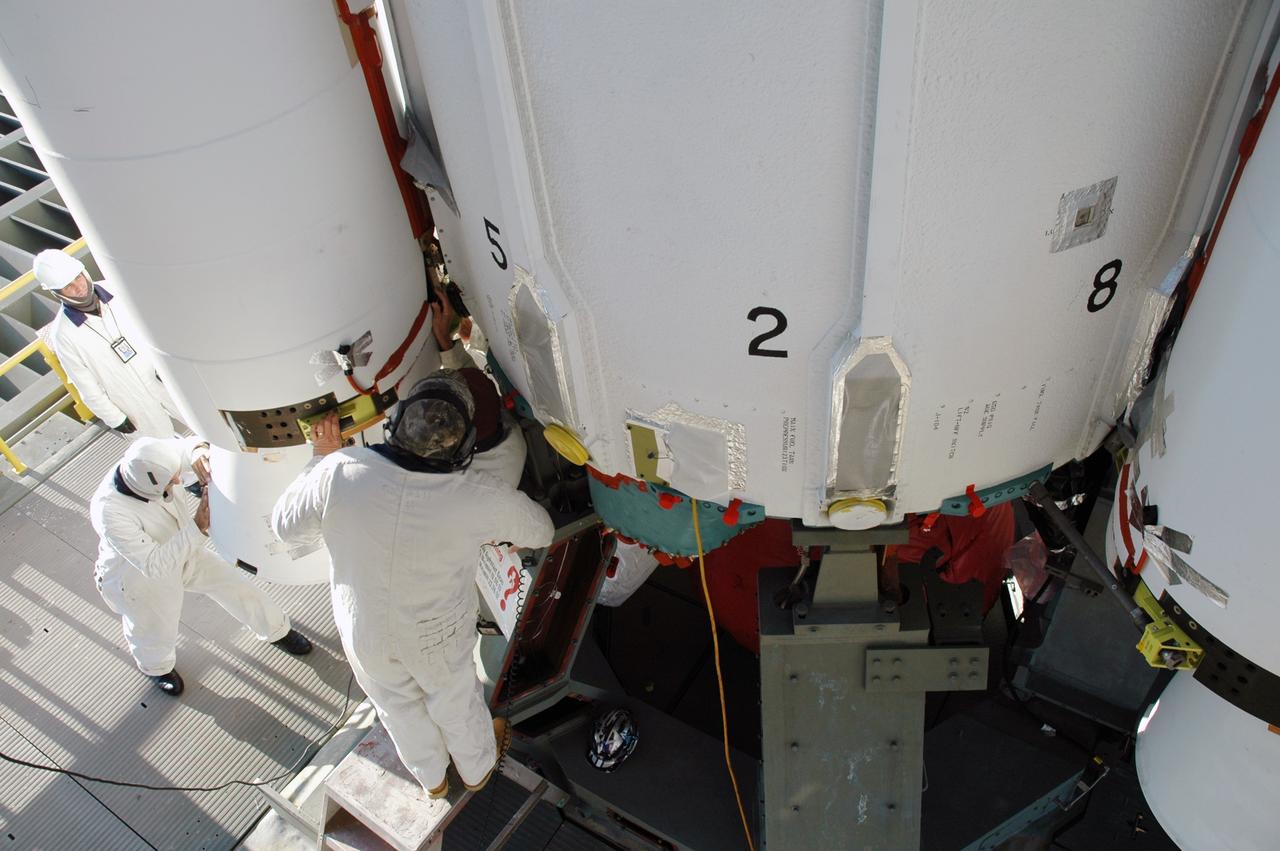
CAPE CANAVERAL, Fla. – On Launch Pad 17-B at Cape Canaveral Air Force Station in Florida, workers mate an air-lit strap-on solid rocket booster onto the Delta 2 launch vehicle that will carry the Kepler spacecraft into orbit. The Kepler mission is specifically designed to survey our region of the Milky Way galaxy to discover hundreds of Earth-size and smaller planets in or near the habitable zone and determine how many of the billions of stars in our galaxy have such planets. Results from this mission will allow us to place our solar system within the continuum of planetary systems in the Galaxy. NASA's planet-hunting Kepler mission is scheduled to launch no earlier than March 5, 2009. Photo credit: NASA/Jim Grossmann
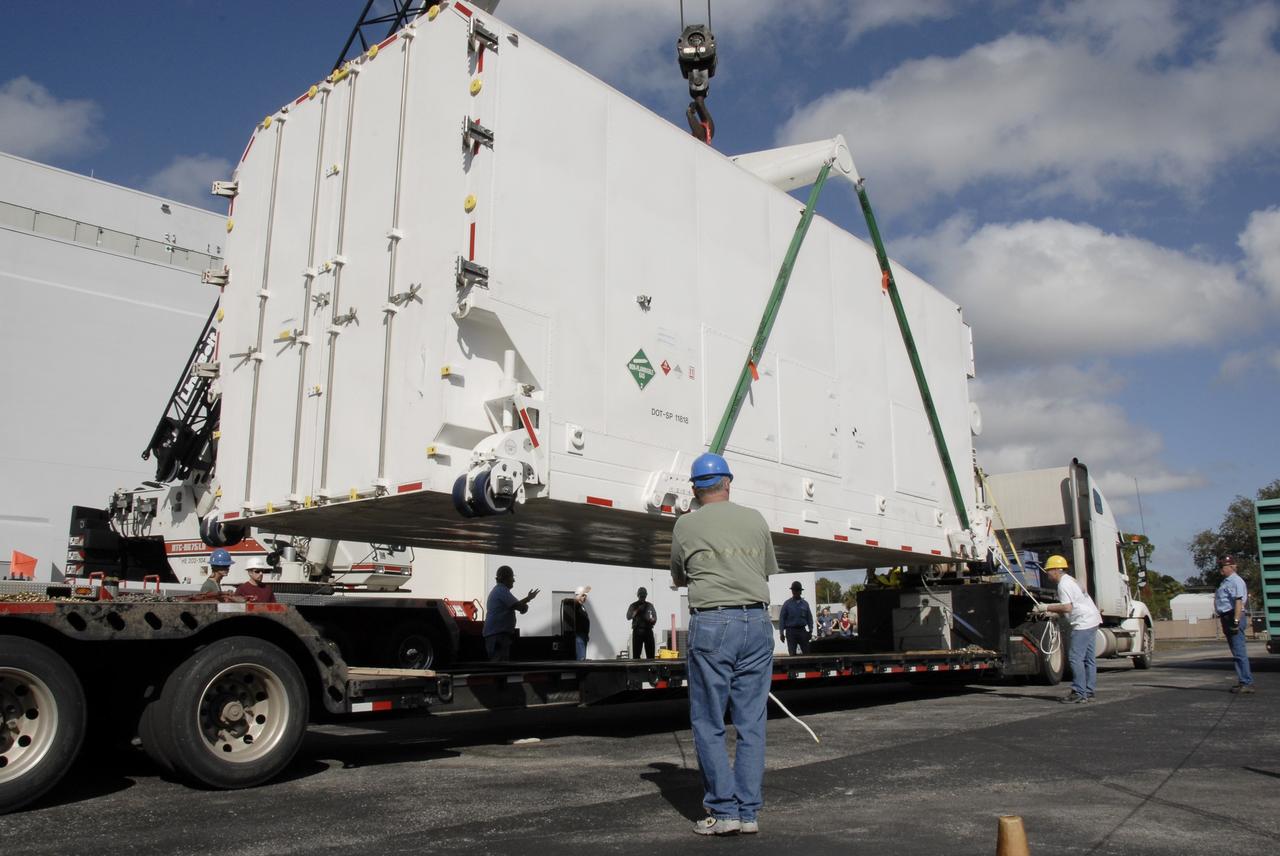
CAPE CANAVERAL, Fla. -- The shipping container holding the Kepler spacecraft is lifted off the trailer outside Astrotech in Titusville, Fla. A NASA Discovery mission, Kepler is specifically designed to survey our region of the Milky Way galaxy to discover hundreds of Earth-size and smaller planets in or near the habitable zone and determine how many of the billions of stars in our galaxy have such planets. Results from this mission will allow us to place our solar system within the continuum of planetary systems in the Galaxy. The spacecraft will be processed at Astrotech before being carried to its launch pad at Cape Canaveral. .NASA's planet-hunting Kepler mission is scheduled to launch no earlier than March 5, 2009, atop a Delta II rocket. Photo credit: NASA/Kim Shiflett
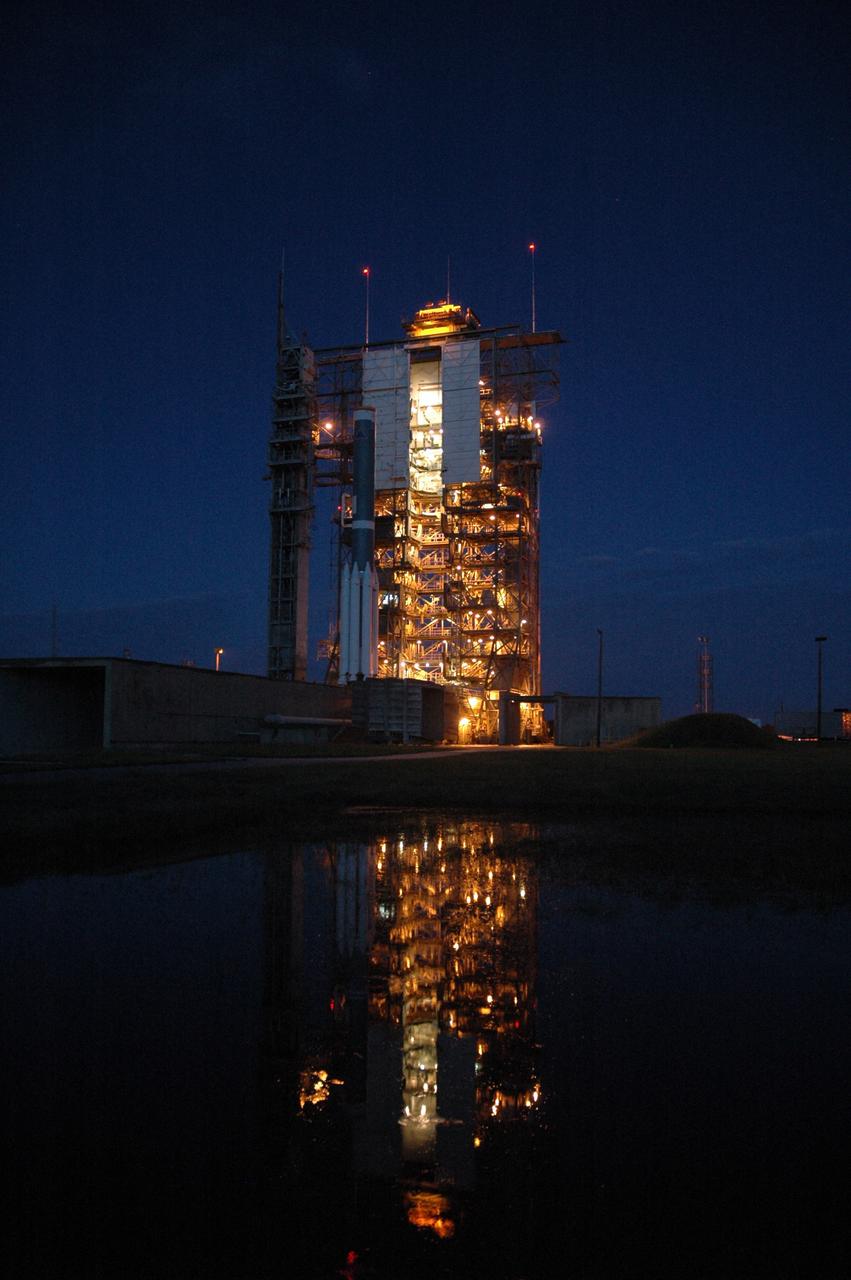
CAPE CANAVERAL, Fla. – Just before dawn on Launch Pad 17-B at Cape Canaveral Air Force Station in Florida, the first stage of the Delta 2 launch vehicle that will carry the Kepler spacecraft into orbit waits for the installation of the final solid rocket boosters. The Kepler mission is specifically designed to survey our region of the Milky Way galaxy to discover hundreds of Earth-size and smaller planets in or near the habitable zone and determine how many of the billions of stars in our galaxy have such planets. Results from this mission will allow us to place our solar system within the continuum of planetary systems in the Galaxy. NASA's planet-hunting Kepler mission is scheduled to launch no earlier than March 5, 2009. Photo credit: NASA/Jim Grossmann
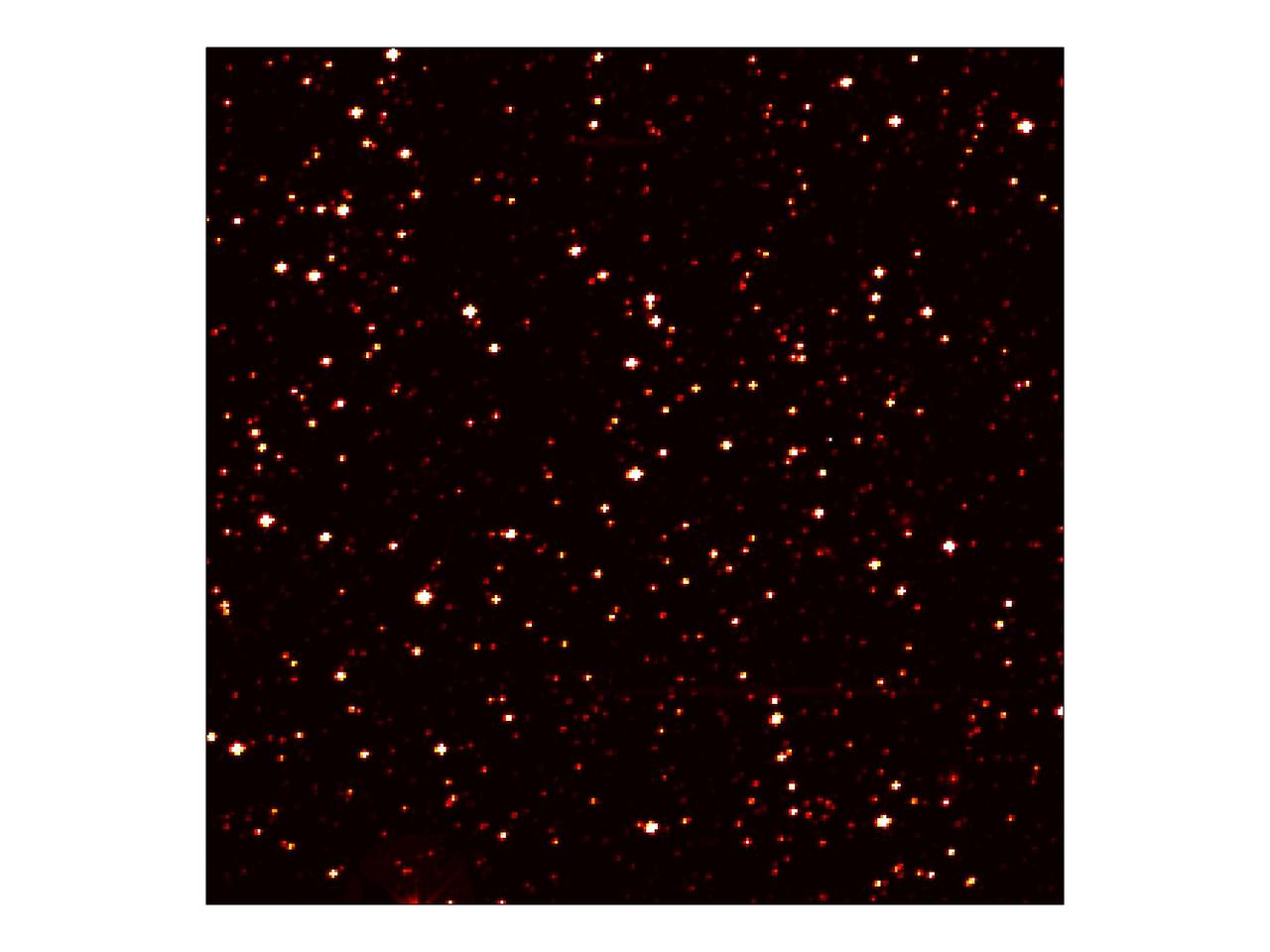
This image zooms into a small portion of NASA Kepler full field of view -- an expansive, 100-square-degree patch of sky in our Milky Way galaxy. At the center of the field is a star with a known "hot Jupiter" planet, named "TrES-2," zipping closely around it every 2.5 days. Kepler will observe TrES-2 and other known planets as a test to demonstrate that it is working properly, and to obtain new information about those planets. The area pictured is one-thousandth of Kepler's full field of view, and shows hundreds of stars at the very edge of the constellation Cygnus. The image has been color-coded so that brighter stars appear white, and fainter stars, red. It is a 60-second exposure, taken on April 8, 2009, one day after the spacecraft's dust cover was jettisoned. Kepler was designed to hunt for planets like Earth. The mission will spend the next three-and-a-half years staring at the same stars, looking for periodic dips in brightness. Such dips occur when planets cross in front of their stars from our point of view in the galaxy, partially blocking the starlight. To achieve the level of precision needed to spot planets as small as Earth, Kepler's images are intentionally blurred slightly. This minimizes the number of saturated stars. Saturation, or "blooming," occurs when the brightest stars overload the individual pixels in the detectors, causing the signal to spill out into nearby pixels. http://photojournal.jpl.nasa.gov/catalog/PIA11985

CAPE CANAVERAL, Fla. -- Ball Aerospace and Technology workers adjust the light cast on solar array panels during illumination testing of NASA's Kepler spacecraft. A NASA Discovery mission, Kepler is specifically designed to survey our region of the Milky Way galaxy to discover hundreds of Earth-size and smaller planets in or near the habitable zone and determine how many of the billions of stars in our galaxy have such planets. Kepler will hunt for planets using a specialized one-meter diameter telescope called a photometer to measure the small changes in brightness caused by the transits. Results from this mission will allow us to place our solar system within the continuum of planetary systems in the Galaxy. After processing at Astrotech, Kepler will be carried to its launch pad at Cape Canaveral Air Force Station. NASA's planet-hunting Kepler mission is scheduled to launch no earlier than March 5 atop a United Launch Alliance Delta II rocket. Photo credit: NASA/Kim Shiflett
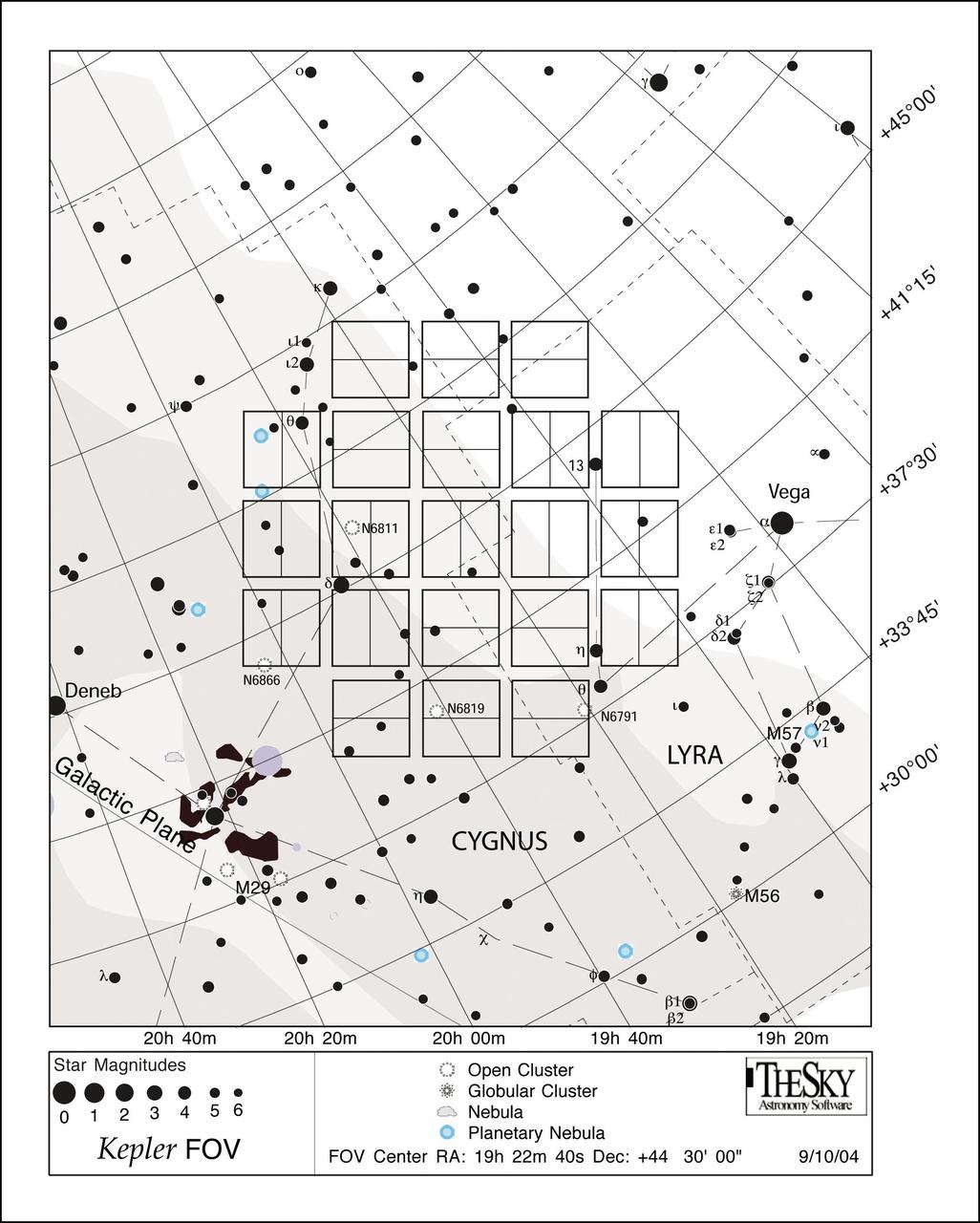
This star chart illustrates the large patch of sky that NASA Kepler mission will stare at for the duration of its three-and-a-half-year lifetime. The planet hunter's full field of view occupies 100 square degrees of our Milky Way galaxy, in the constellations Cygnus and Lyra. Kepler's focal plane, or the area where starlight is focused, is depicted on the star chart as a series of 42 vertical and horizontal rectangles. These rectangles represent the 95-megapixel camera's 42 charge-coupled devices, or CCDs. Scientists selected the orientation of the focal plane's field of view to avoid the region's brightest stars, which are shown as the largest black dots. Some of these bright stars can be seen falling in between the CCD modules, in areas that are not imaged. This was done so that the brightest stars will not saturate large portions of the detectors. Saturation causes signals from the bright stars to spill, or "bloom," into nearby planet-hunting territory. http://photojournal.jpl.nasa.gov/catalog/PIA11983
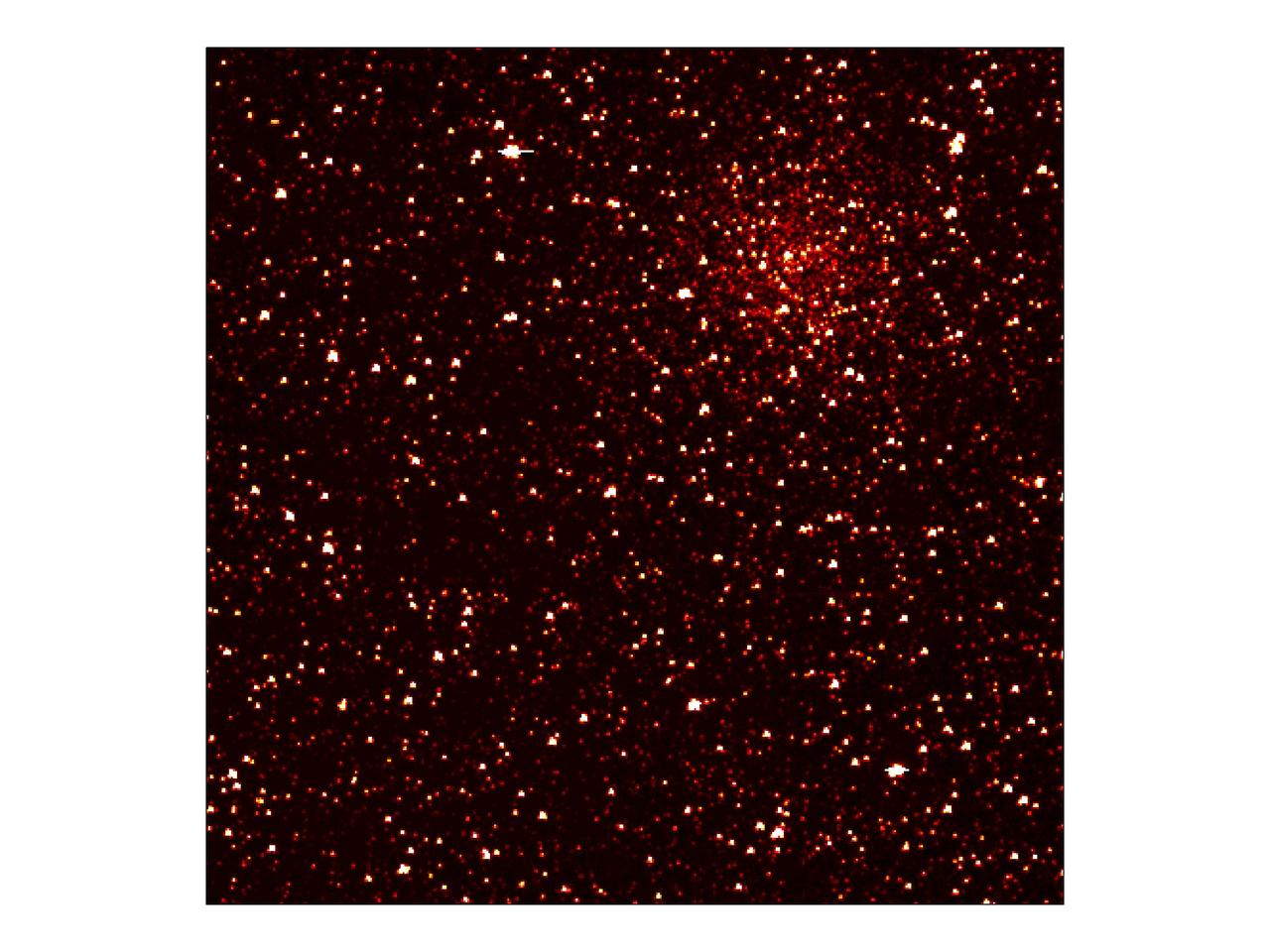
This image zooms into a small portion of NASA Kepler full field of view, an expansive, 100-square-degree patch of sky in our Milky Way galaxy. An eight-billion-year-old cluster of stars 13,000 light-years from Earth, called NGC 6791, can be seen in the image. Clusters are families of stars that form together out of the same gas cloud. This particular cluster is called an open cluster, because the stars are loosely bound and have started to spread out from each other. The area pictured is 0.2 percent of Kepler's full field of view, and shows hundreds of stars in the constellation Lyra. The image has been color-coded so that brighter stars appear white, and fainter stars, red. It is a 60-second exposure, taken on April 8, 2009, one day after the spacecraft's dust cover was jettisoned. Kepler was designed to hunt for planets like Earth. The mission will spend the next three-and-a-half years staring at the same stars, looking for periodic dips in brightness. Such dips occur when planets cross in front of their stars from our point of view in the galaxy, partially blocking the starlight. To achieve the level of precision needed to spot planets as small as Earth, Kepler's images are intentionally blurred slightly. This minimizes the number of saturated stars. Saturation, or "blooming," occurs when the brightest stars overload the individual pixels in the detectors, causing the signal to spill out into nearby pixels. http://photojournal.jpl.nasa.gov/catalog/PIA11986
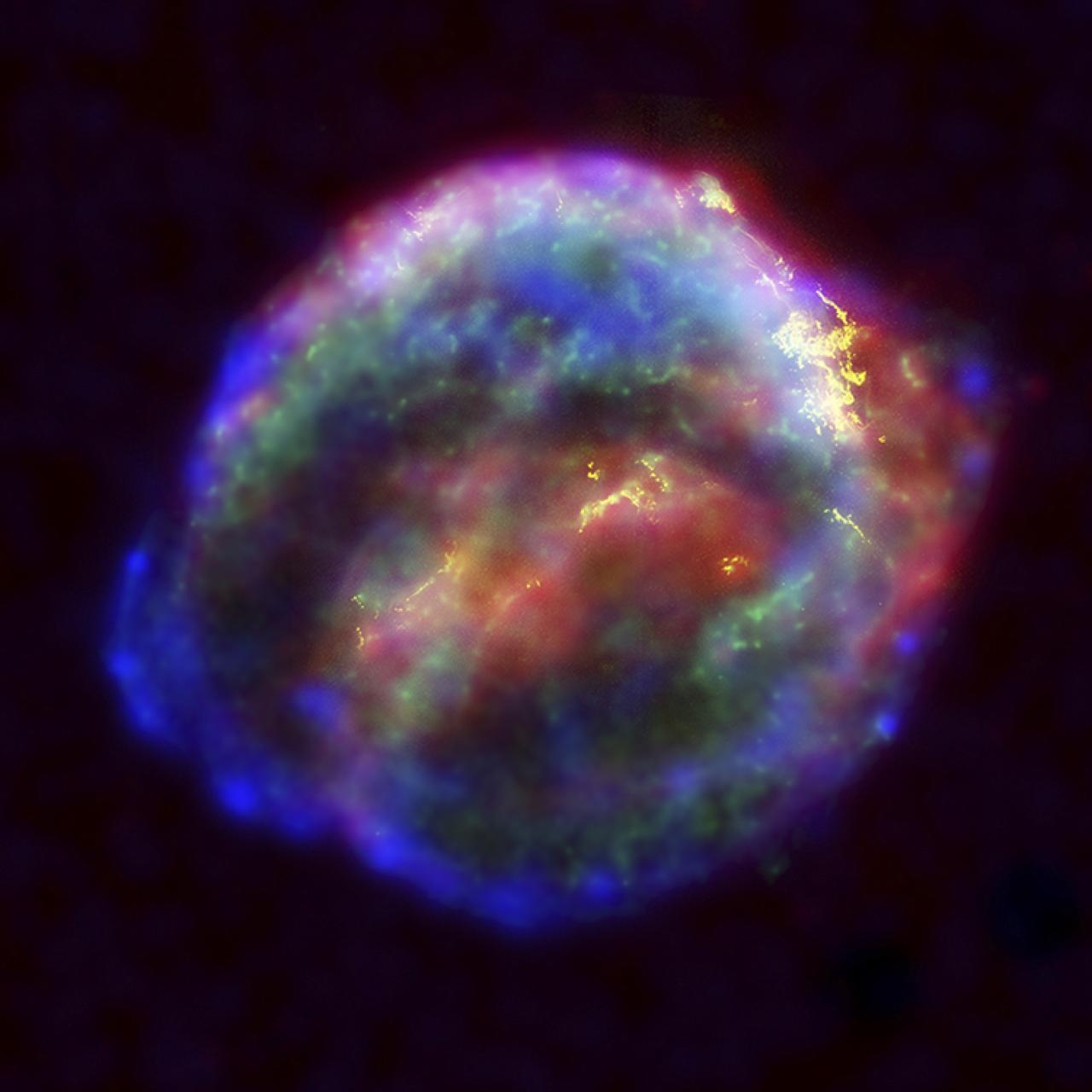
Four hundred years ago, sky watchers, including the famous astronomer Johannes Kepler, best known as the discoverer of the laws of planetary motion, were startled by the sudden appearance of a new star in the western sky, rivaling the brilliance of the nearby planets. Modern astronomers, using NASA's three orbiting Great Observatories, are unraveling the mysteries of the expanding remains of Kepler's supernova, the last such object seen to explode in our Milky Way galaxy. When a new star appeared Oct. 9, 1604, observers could use only their eyes to study it. The telescope would not be invented for another four years. A team of modern astronomers has the combined abilities of NASA's Great Observatories, the Spritzer Space Telescope (SST), Hubble Space Telescope (HST), and Chandra X-Ray Observatory (CXO), to analyze the remains in infrared radiation, visible light, and X-rays. Visible-light images from Hubble's Advanced Camera for Surveys reveal where the supernova shock wave is slamming into the densest regions of surrounding gas. The astronomers used the SST to probe for material that radiates in infrared light, which shows heated microscopic dust particles that have been swept up by the supernova shock wave. The CXO data show regions of very hot gas. The combined image unveils a bubble-shaped shroud of gas and dust, 14 light-years wide and expanding at 4 million mph. There have been six known supernovas in our Milky Way over the past 1,000 years. Kepler's is the only one in which astronomers do not know what type of star exploded. By combining information from all three Great Observatories, astronomers may find the clues they need. Project management for both the HST and CXO programs is the responsibility of NASA’s Marshall Space Flight Center in Huntsville, Alabama.