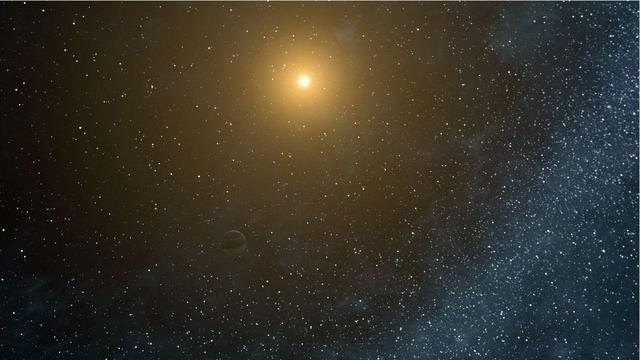
This still from an artist animation flies through the Kepler-20 star system, where NASA Kepler mission discovered the first Earth-size planets around a star beyond our own. The system is jam-packed with five planets.
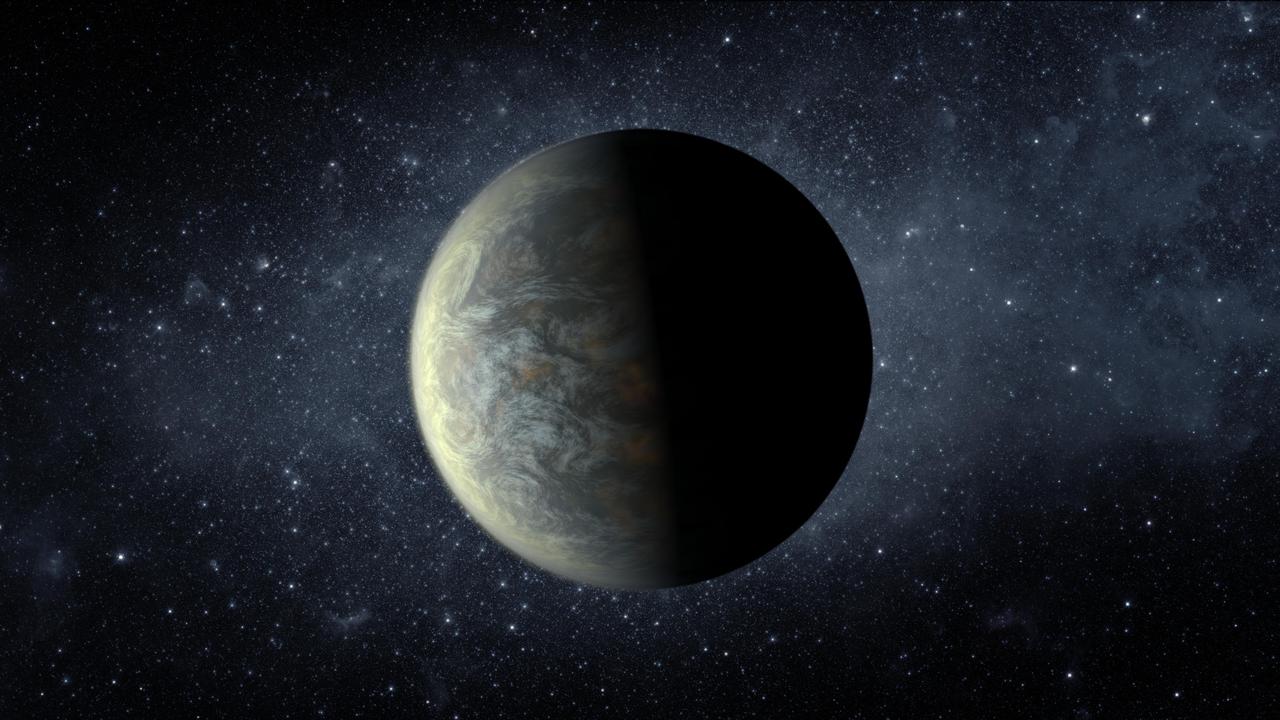
Kepler-20f is the closest object to the Earth in terms of size ever discovered. With an orbital period of 20 days and a surface temperature of 800 degrees Fahrenheit 430 degrees Celsius, it is too hot to host life, as we know it.

This chart compares the first Earth-size planets found around a sun-like star to planets in our own solar system, Earth and Venus. NASA Kepler mission discovered the newfound planets, called Kepler-20e and Kepler-20f.
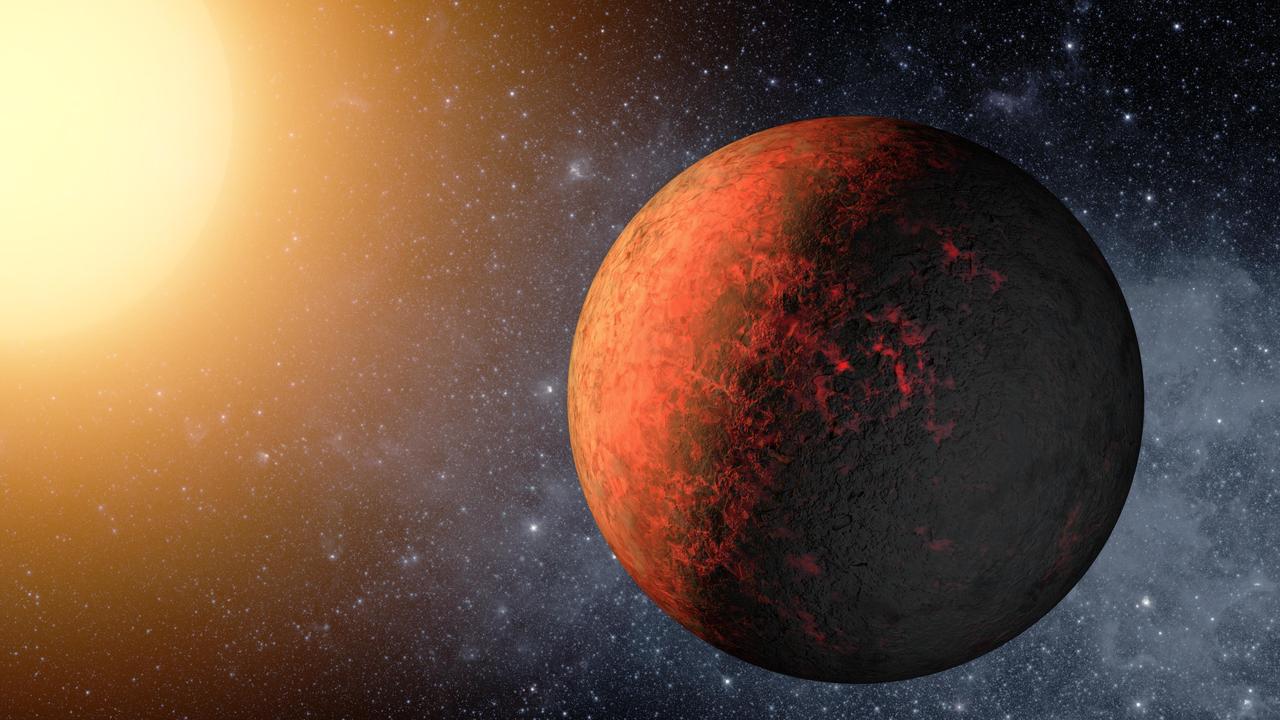
Kepler-20e is the first planet smaller than the Earth discovered to orbit a star other than the sun. A year on Kepler-20e only lasts 6 days, as it is much closer to its host star than the Earth is to the sun.

Kepler data has increased by 20 percent and now totals 2,740 potential planets orbiting 2,036 stars; dramatic increases are seen in the number of Earth-size and super Earth-size candidates discovered.
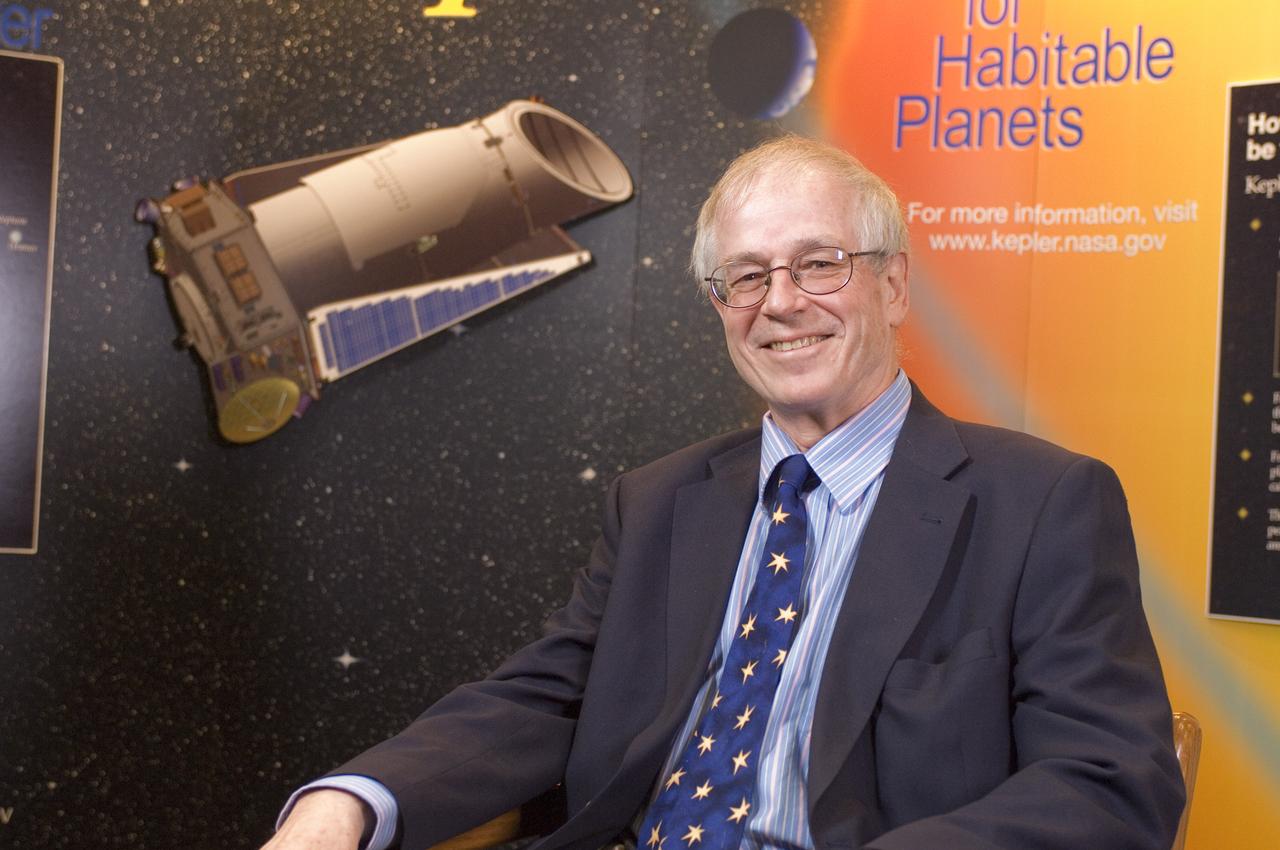
Kepler conference at SETI Institute - interview with Kepler scientist Dave Latham discussing classifying 20 million stars to generate target catalog, Smithsonian Astrophysics Observatory
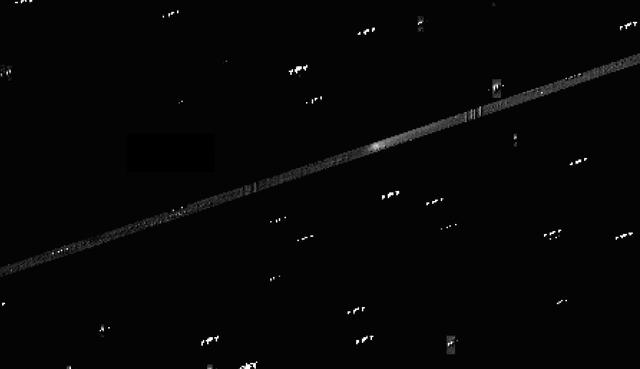
The European Space Agency's Rosetta mission concluded its study of comet 67P/Churyumov-Gerasimenko on Sept. 30, 2016. NASA's planet-hunting Kepler spacecraft observed the comet during the final month of the Rosetta mission, while the comet was not visible from Earth. This animation is composed of images from Kepler of the comet. From Sept. 7 through Sept. 20, the Kepler spacecraft, operating in its K2 mission, fixed its gaze on comet 67P. From the distant vantage point of Kepler, the comet's nucleus and tail could be observed. The long-range view from Kepler complements the closeup view of the Rosetta spacecraft, providing context for the high-resolution investigation Rosetta performed as it descended closer and closer to the comet. During the two-week period of study, Kepler took a picture of the comet every 30 minutes. The animation shows a period of 29.5 hours of observation from Sept. 17 thru Sept. 18. The comet is seen passing through Kepler's field of view from top right to bottom left, as outlined by the diagonal strip. The white dots represent stars and other regions in space studied during K2's tenth observing campaign. As a comet travels through space it sheds a tail of gas and dust. The more material that is shed, the more surface area there is to reflect sunlight. A comet's activity level can be obtained by measuring the reflected sunlight. Analyzing the Kepler data, scientists will be able to determine the amount of mass lost each day as comet 67P travels through the solar system. An animation is available at http://photojournal.jpl.nasa.gov/catalog/PIA21072
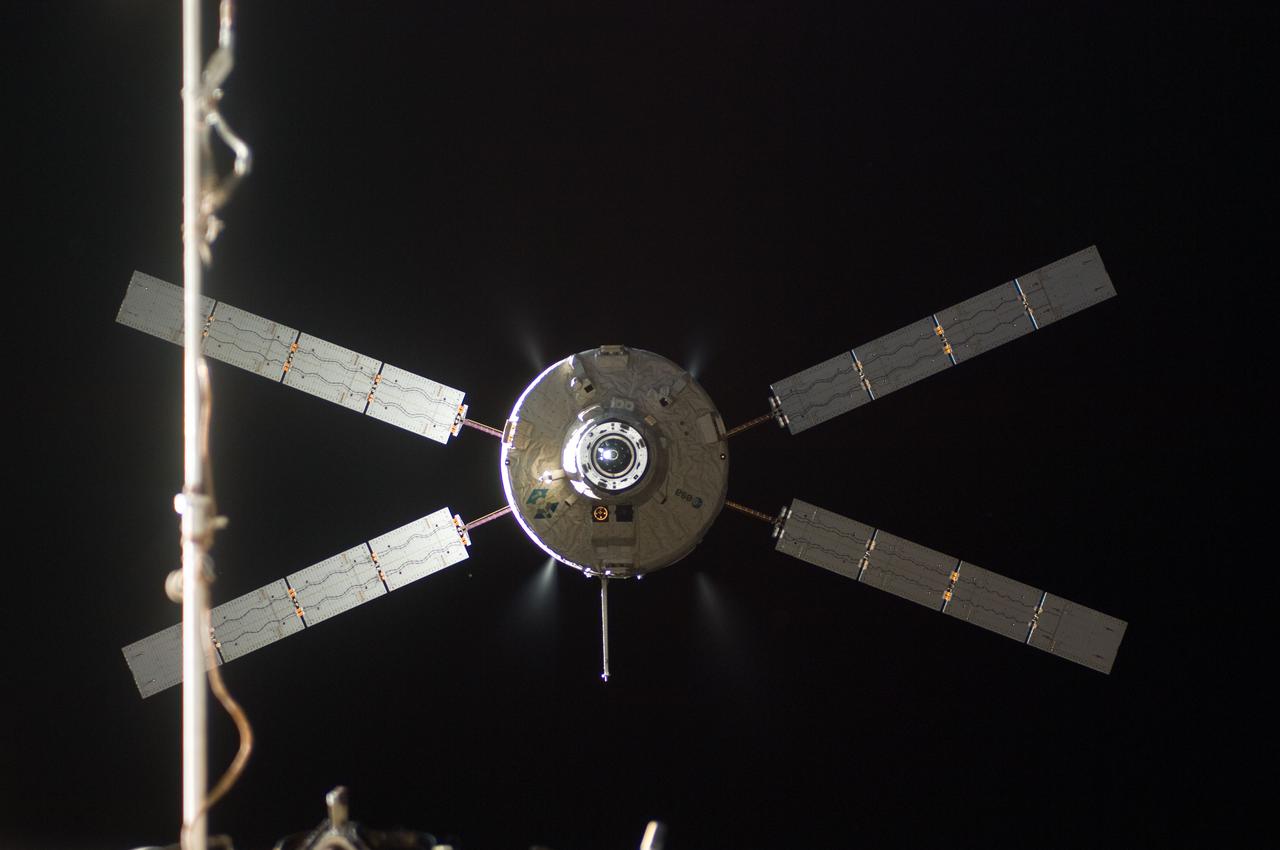
ISS028-E-008792 (20 June 2011) --- Surrounded by the blackness of space, the European Space Agency's (ESA) "Johannes Kepler" Automated Transfer Vehicle-2 (ATV-2) begins its relative separation from the International Space Station. The ATV-2 undocked from the aft port of the Zvezda Service Module at 10:46 a.m. (EDT) on June 20, 2011.
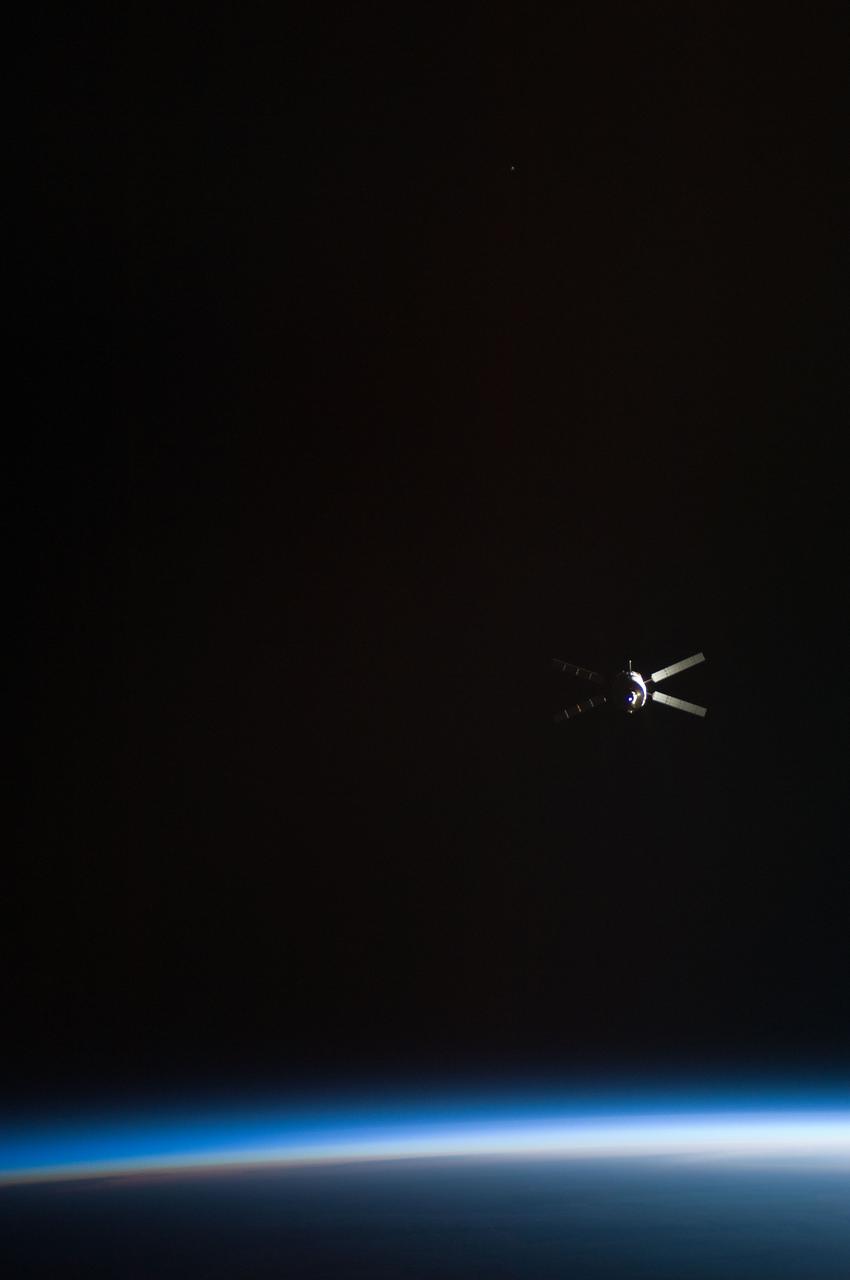
ISS028-E-008838 (20 June 2011) --- Backdropped by Earth?s horizon and the blackness of space, European Space Agency's (ESA) "Johannes Kepler" Automated Transfer Vehicle-2 (ATV-2) begins its relative separation from the International Space Station. The ATV-2 undocked from the aft port of the Zvezda Service Module at 10:46 a.m. (EDT) on June 20, 2011.
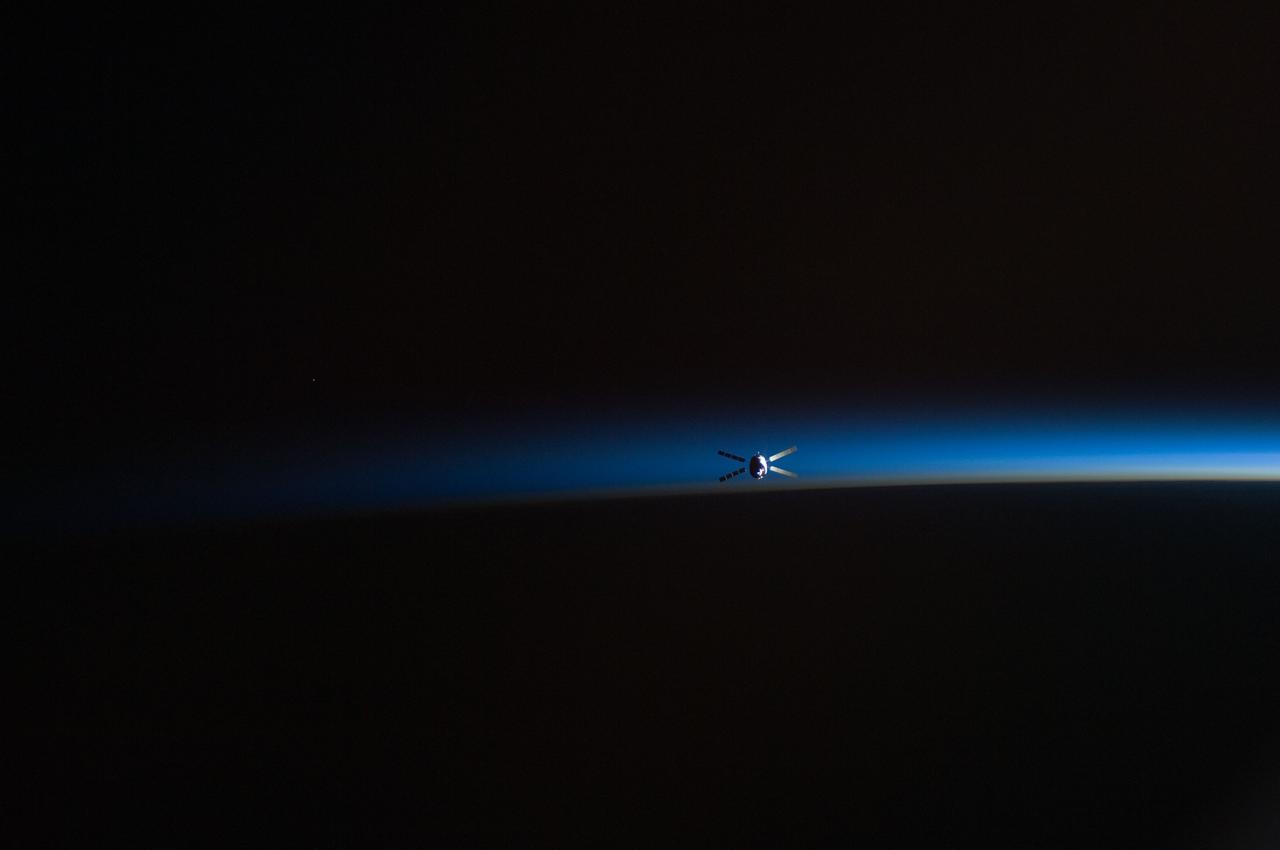
ISS028-E-008860 (20 June 2011) --- Backdropped by Earth?s horizon and the blackness of space, European Space Agency's (ESA) "Johannes Kepler" Automated Transfer Vehicle-2 (ATV-2) begins its relative separation from the International Space Station. The ATV-2 undocked from the aft port of the Zvezda Service Module at 10:46 a.m. (EDT) on June 20, 2011.
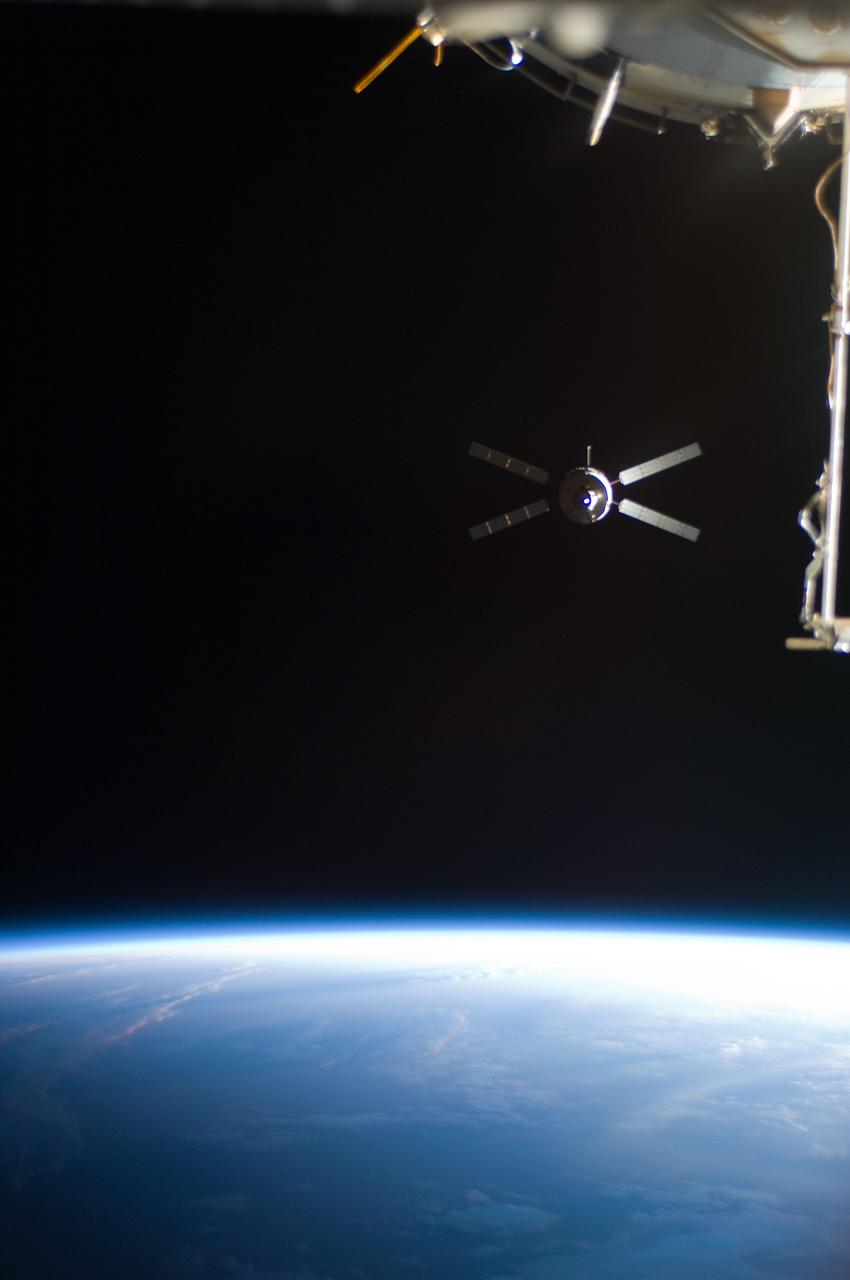
ISS028-E-008806 (20 June 2011) --- Backdropped by Earth?s horizon and the blackness of space, European Space Agency's (ESA) "Johannes Kepler" Automated Transfer Vehicle-2 (ATV-2) begins its relative separation from the International Space Station. The ATV-2 undocked from the aft port of the Zvezda Service Module at 10:46 a.m. (EDT) on June 20, 2011.
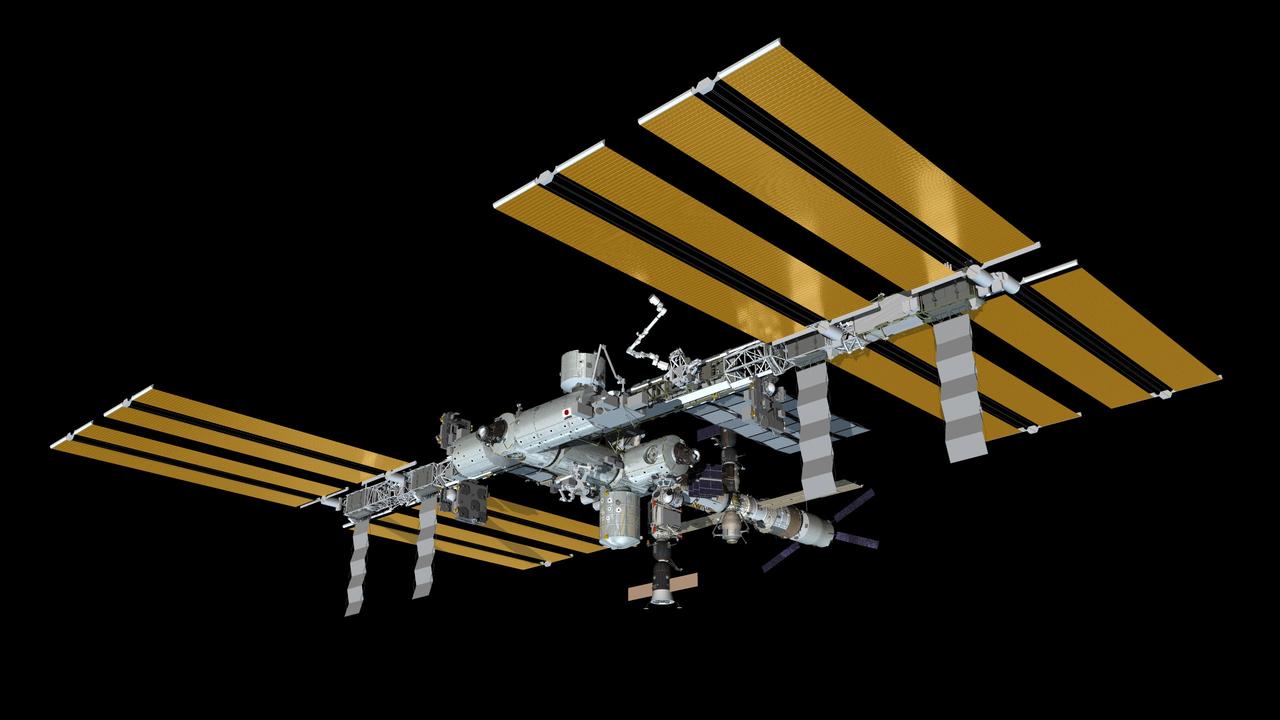
JSC2011-E-037288 (April 2011) --- Computer-generated artist?s rendering of the International Space Station as of April 22, 2011. Progress 41 resupply vehicle undocks from the Pirs Docking Compartment. Soyuz 26 (TMA-21) is docked to the Poisk Mini-Research Module 2 (MRM2) and Soyuz 25 (TMA-20) remains linked to the Rassvet Mini-Research Module 1 (MRM1). The European Space Agency's ?Johannes Kepler? Automated Transfer Vehicle-2 (ATV2) is attached to the Zvezda Service Module?s aft port. Photo credit: NASA
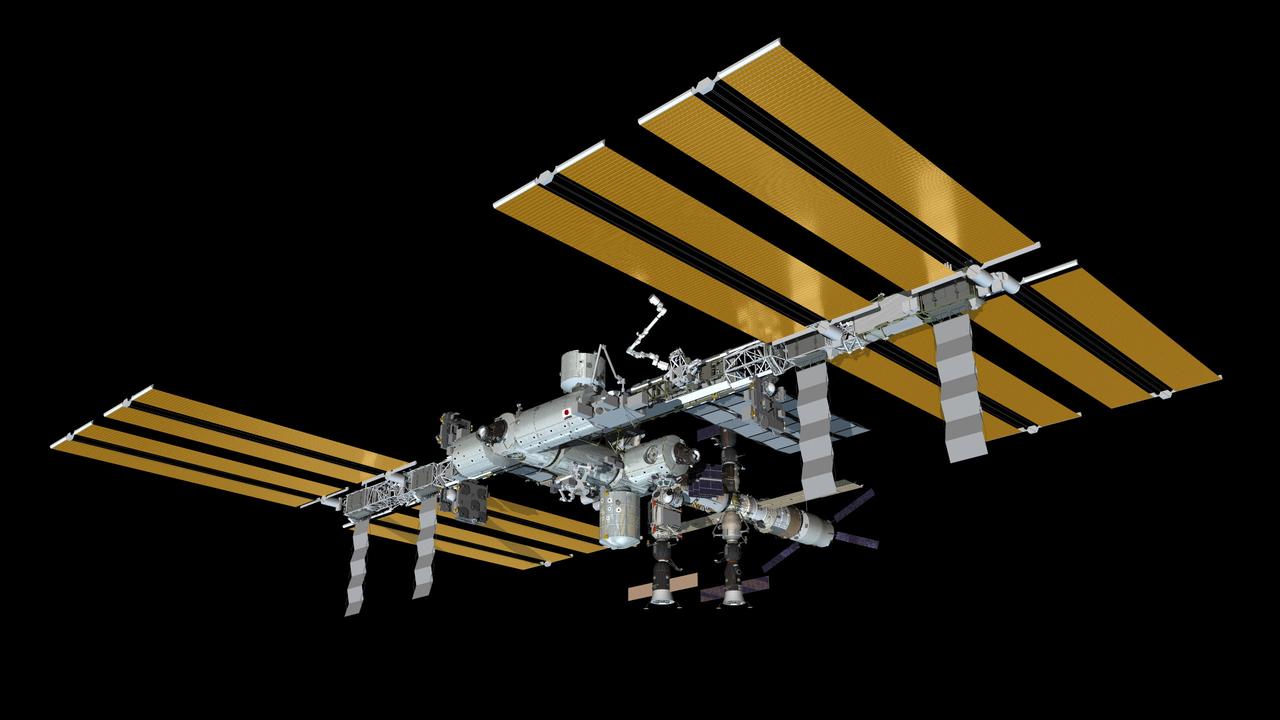
JSC2011-E-030801 (April 2011) --- Computer-generated artist?s rendering of the International Space Station as of April 6, 2011. Soyuz 26 (TMA-21) docks to the Poisk Mini-Research Module 2 (MRM2) bringing Expedition 27 crew members (Borisenko, Garan and Samokutyaev). Progress 41 resupply vehicle is docked to the Pirs Docking Compartment. Soyuz 25 (TMA-20) remains linked to the Rassvet Mini-Research Module 1 (MRM1). The European Space Agency's ?Johannes Kepler? Automated Transfer Vehicle-2 (ATV2) is attached to the Zvezda Service Module?s aft port. Photo credit: NASA or National Aeronautics and Space Administration
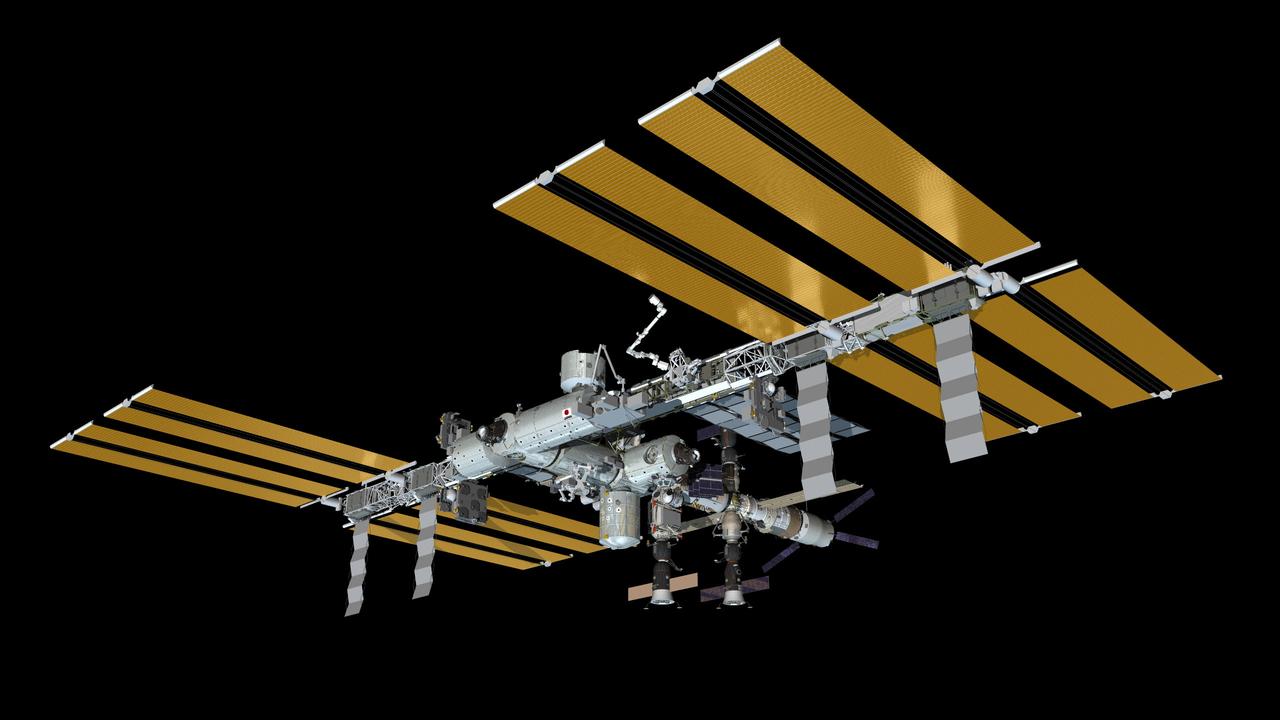
JSC2011-E-037289 (April 2011) --- Computer-generated artist?s rendering of the International Space Station as of April 29, 2011. Progress 42 resupply vehicle docks from the Pirs Docking Compartment. Soyuz 26 (TMA-21) is docked to the Poisk Mini-Research Module 2 (MRM2) and Soyuz 25 (TMA-20) remains linked to the Rassvet Mini-Research Module 1 (MRM1). The European Space Agency's ?Johannes Kepler? Automated Transfer Vehicle-2 (ATV2) is attached to the Zvezda Service Module?s aft port. Photo credit: NASA
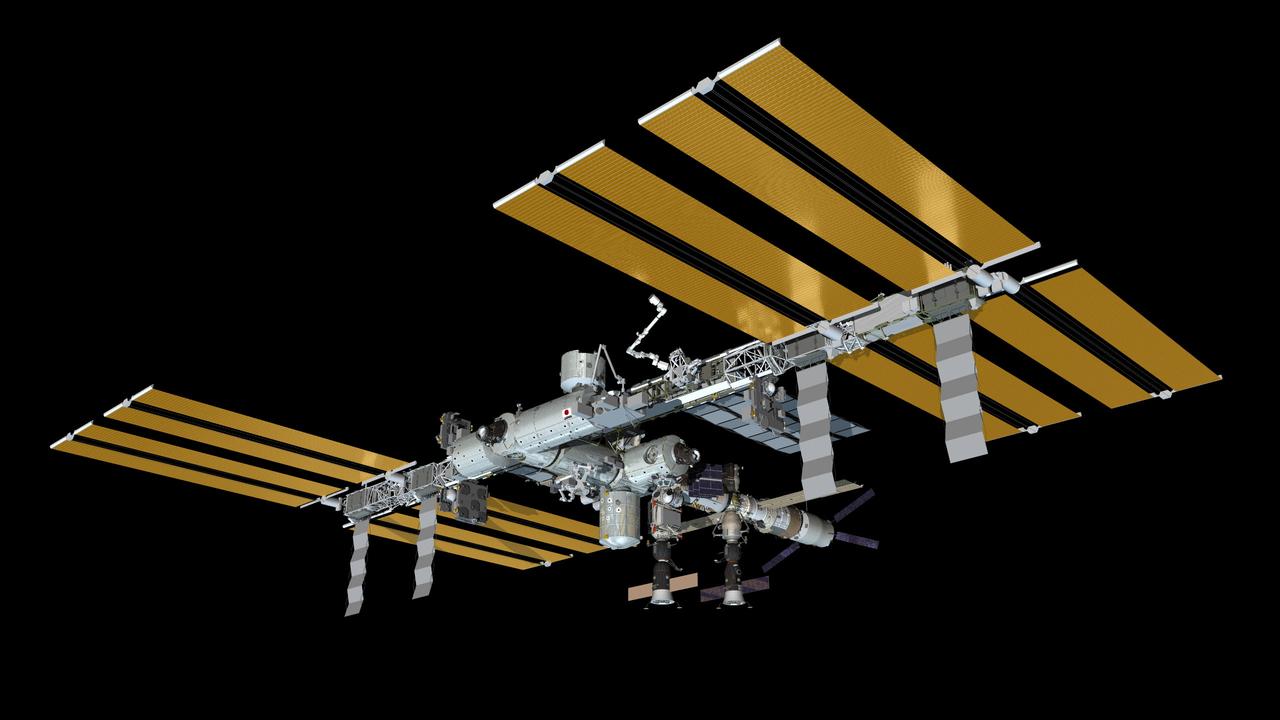
JSC2011-E-028503 (March 2011) --- Computer-generated artist?s rendering of the International Space Station as of March 28, 2011. The Japanese Kounotori2 H-II Transfer Vehicle (HTV2) undocks from the Harmony node?s zenith port. Progress 41 resupply vehicle is docked to the Pirs Docking Compartment. Soyuz 25 (TMA-20) remains linked to the Rassvet Mini-Research Module 1 (MRM1). The European Space Agency's ?Johannes Kepler? Automated Transfer Vehicle-2 (ATV2) is attached to the Zvezda Service Module?s aft port. Photo credit: NASA or National Aeronautics and Space Administration
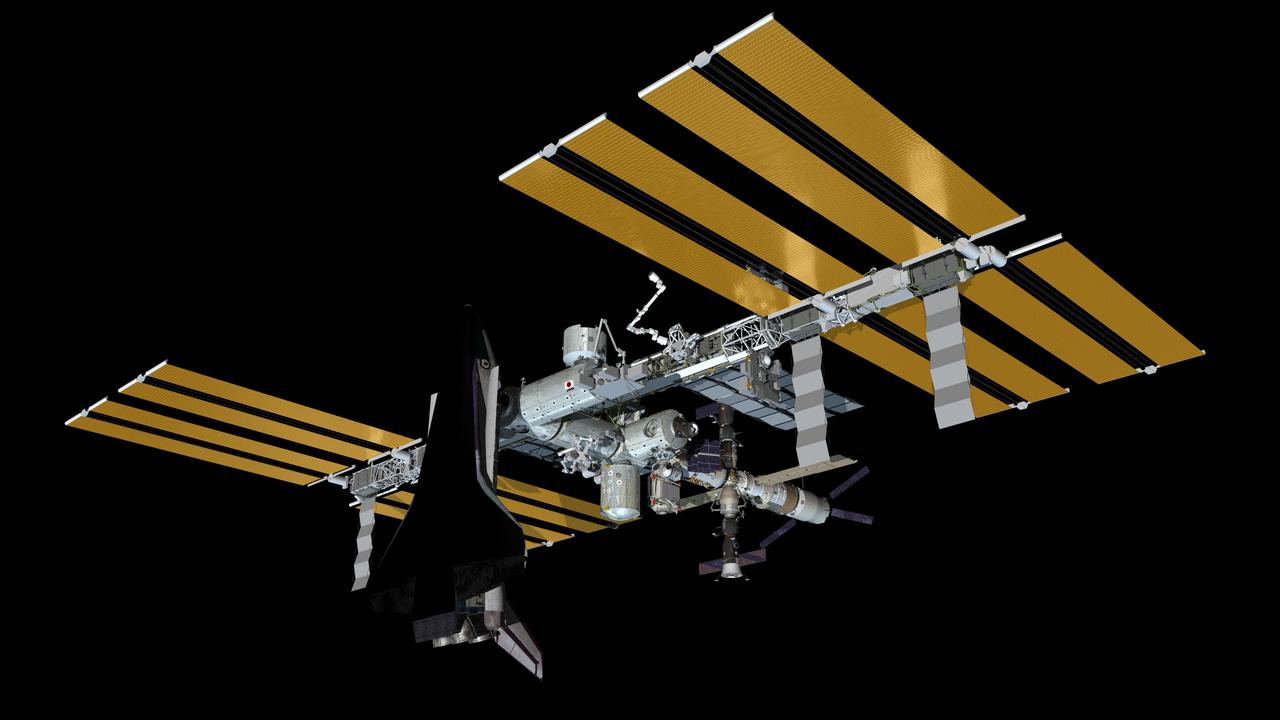
JSC2011-E-045839 (May 2011) --- Computer-generated artist?s rendering of the International Space Station as of May 23, 2011 during the STS-134 space shuttle Endeavour mission. Soyuz 25 (TMA-20) undocks from the Rassvet Mini-Research Module 1 (MRM1), returning Expedition 27 crew members to Earth (Dmitry Kondratyev, Cady Coleman and Paolo Nespoli). Progress 42 is docked to the Pirs Docking Compartment. Soyuz 26 (TMA-21) is linked to the Poisk Mini-Research Module 2 (MRM2) and European Space Agency's ?Johannes Kepler? Automated Transfer Vehicle-2 (ATV2) is attached to the Zvezda Service Module?s aft port. Photo credit: NASA
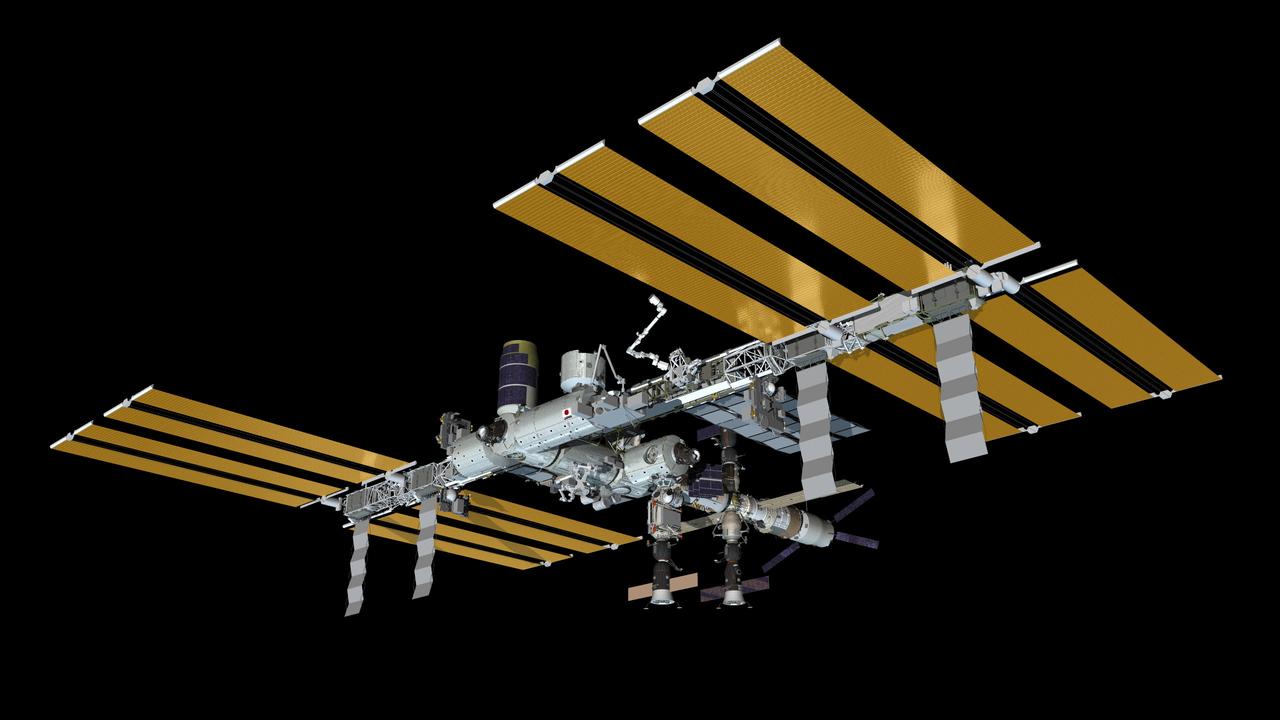
JSC2011-E-016183 (February 2011) --- Computer-generated artist?s rendering of the International Space Station as of Feb. 23, 2011. The European Space Agency's ?Johannes Kepler? Automated Transfer Vehicle-2 (ATV2) docks to the Zvezda Service Module?s aft port. Progress 41 resupply vehicle is docked to the Pirs Docking Compartment. Soyuz 25 (TMA-20) remains docked to the Rassvet Mini-Research Module 1 (MRM1). Soyuz 24 (TMA-01M) is linked to the Poisk Mini-Research Module 2 (MRM2) and the Japanese Kounotori2 H-II Transfer Vehicle (HTV2) is attached to the Harmony node?s zenith port. Photo credit: NASA or National Aeronautics and Space Administration
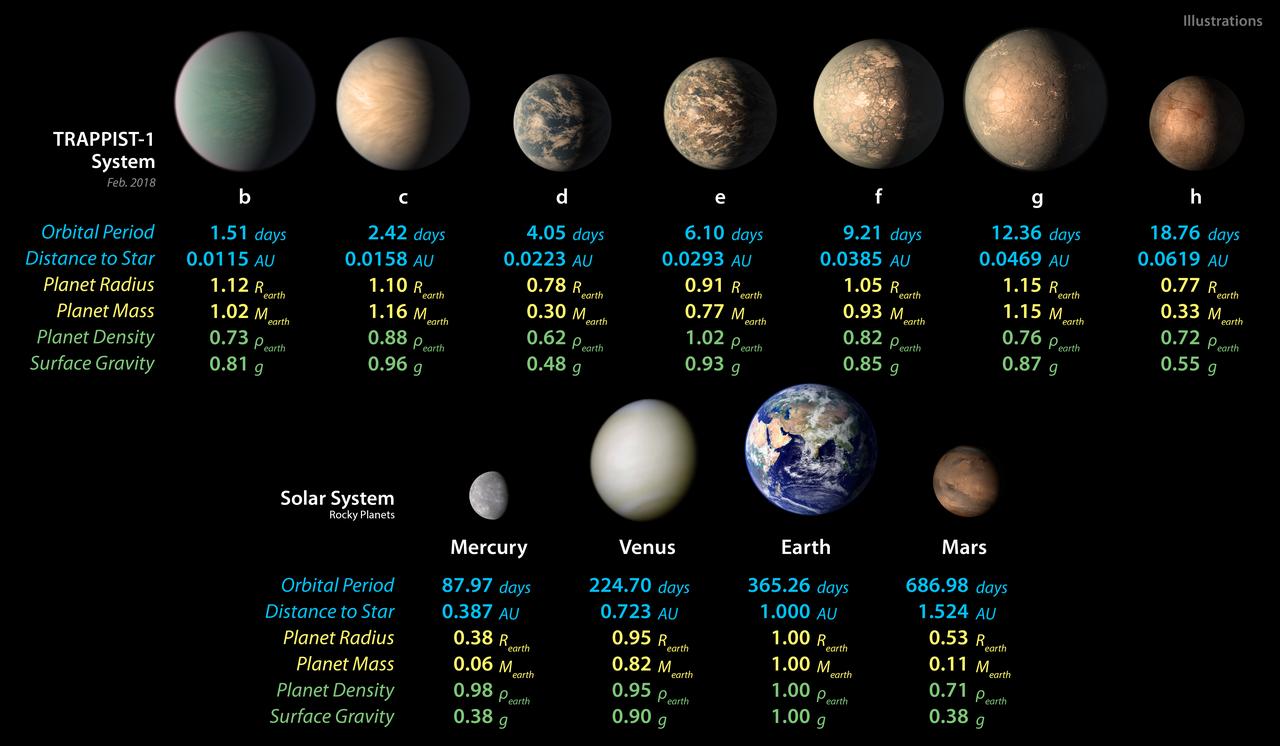
This chart shows, on the top row, artist concepts of the seven planets of TRAPPIST-1 with their orbital periods, distances from their star, radii, masses, densities and surface gravity as compared to those of Earth. These numbers are current as of February 2018. On the bottom row, the same numbers are displayed for the bodies of our inner solar system: Mercury, Venus, Earth and Mars. The TRAPPIST-1 planets orbit their star extremely closely, with periods ranging from 1.5 to only about 20 days. This is much shorter than the period of Mercury, which orbits our sun in about 88 days. The masses and densities of the TRAPPIST-1 planets were determined by careful measurements of slight variations in the timings of their orbits using extensive observations made by NASA's Spitzer and Kepler space telescopes, in combination with data from Hubble and a number of ground-based telescopes. These measurements are the most precise to date for any system of exoplanets. In this illustration, the relative sizes of the planets are all shown to scale. https://photojournal.jpl.nasa.gov/catalog/PIA22094