The Kuiper Melt
The Kuiper Melt
Kuiper³
Kuiper³
A Colored Kuiper
A Colored Kuiper
Color Close-Up of Kuiper
Kuiper, Up Close
Kuiper, Up Close
Bright Ejecta Rays of Kuiper
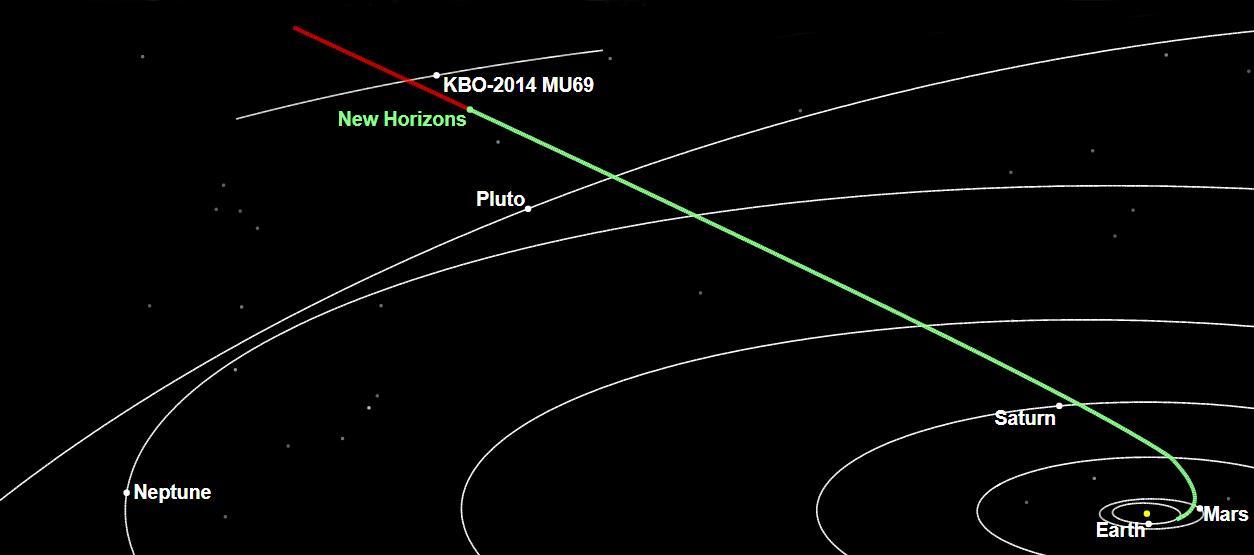
The New Horizons spacecraft is about 300 million miles (483 million kilometers) from 2014 MU69, the Kuiper Belt object it will encounter on Jan. 1, 2019.  https://photojournal.jpl.nasa.gov/catalog/PIA22188
New Horizons Corrects Its Course in the Kuiper Belt
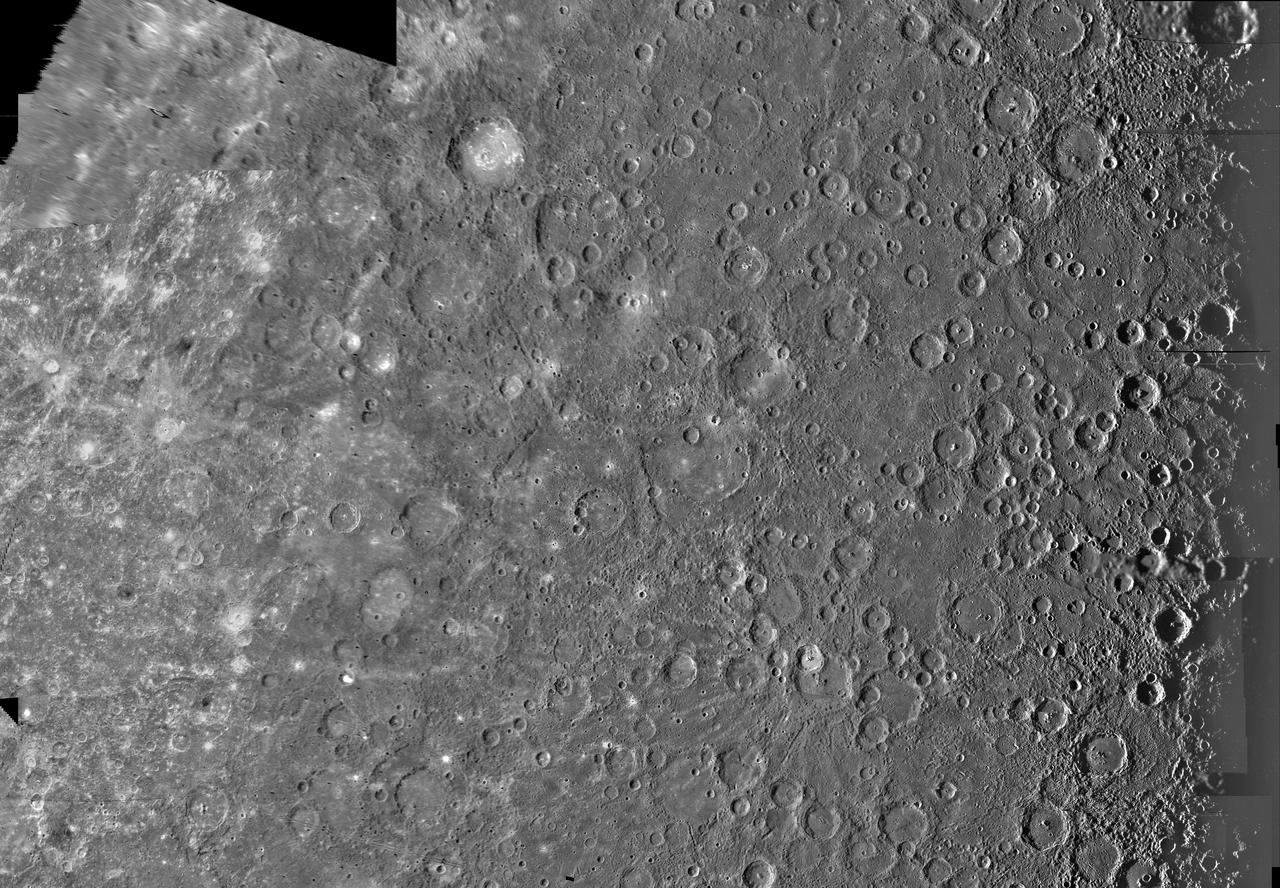
The Kuiper Quadrangle was named in memory of Dr. Gerard Kuiper, an imaging team member, and well-known astronomer, of NASA Mariner 10 Venus/Mercury. The Kuiper crater is seen left of center in this image.
Mercury: Photomosaic of the Kuiper Quadrangle H-6
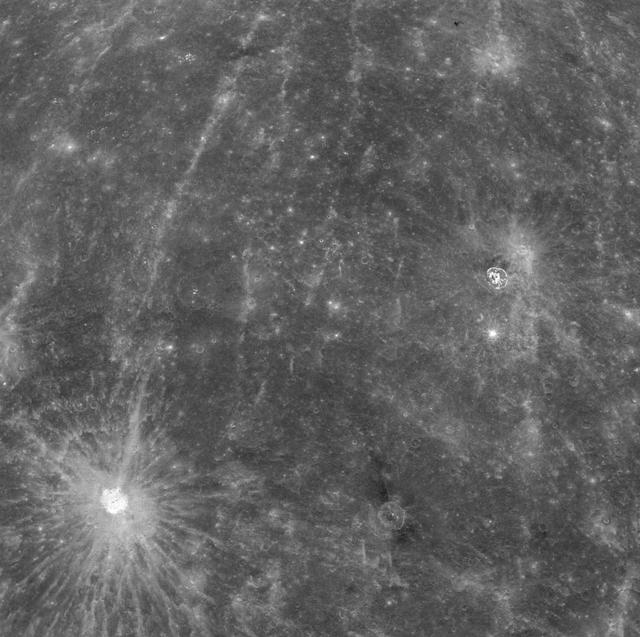
Bright Rays of Kuiper and Dark Material Near Hitomaro
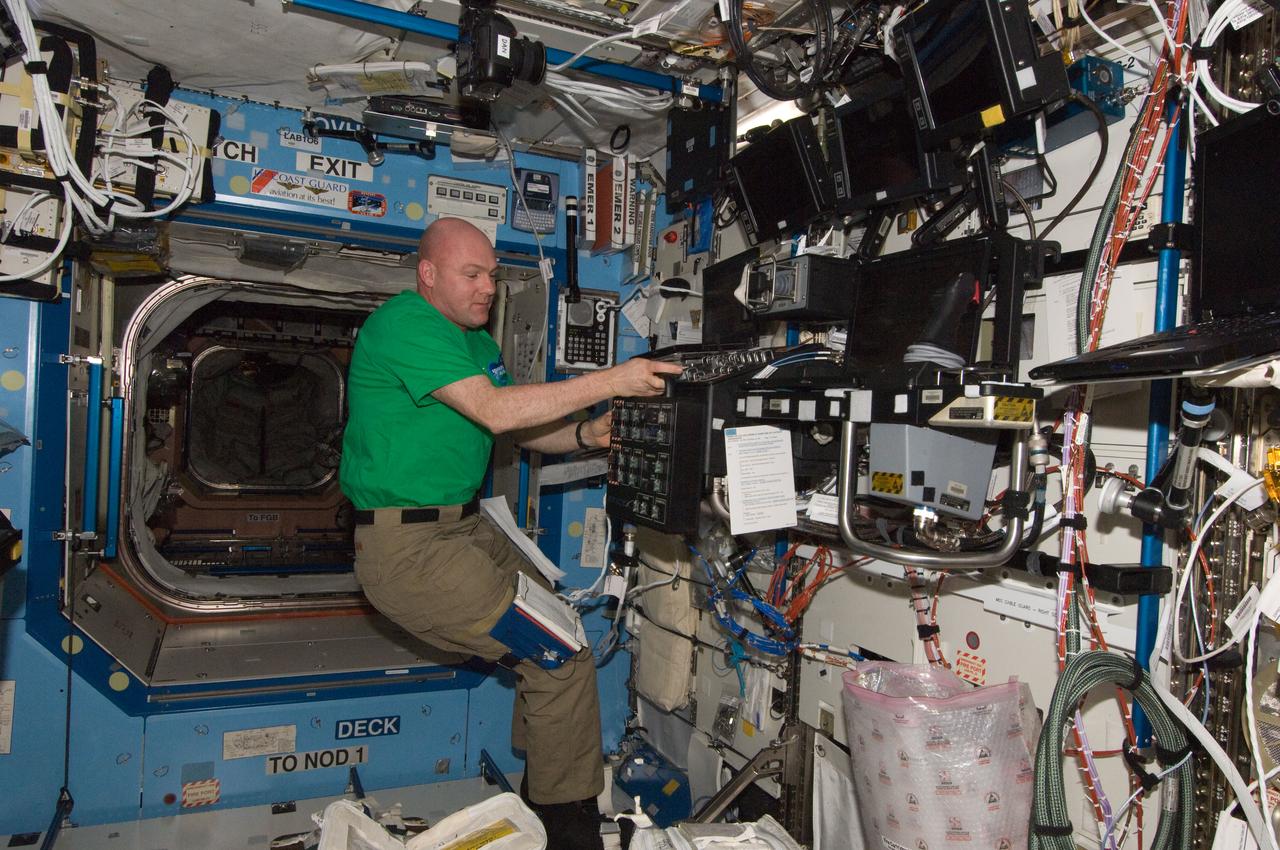
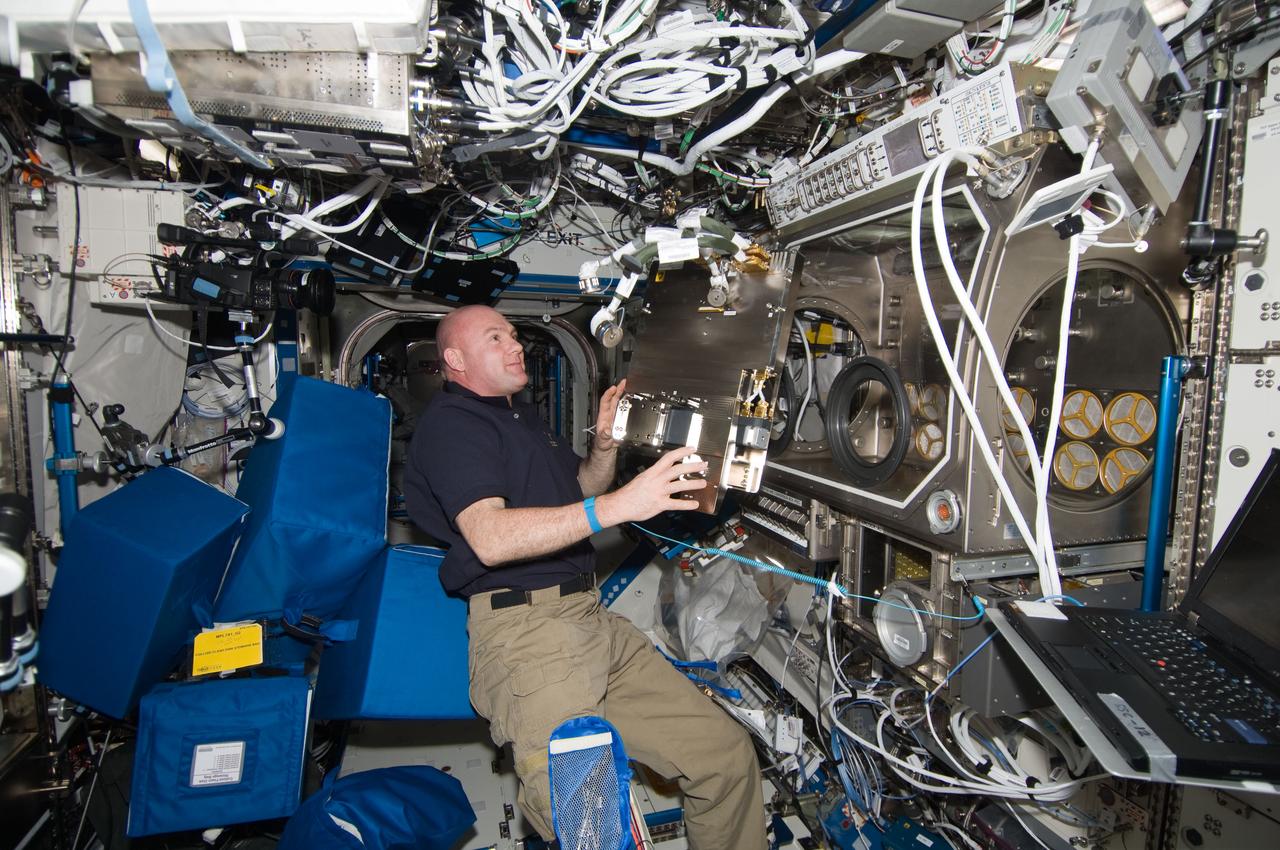
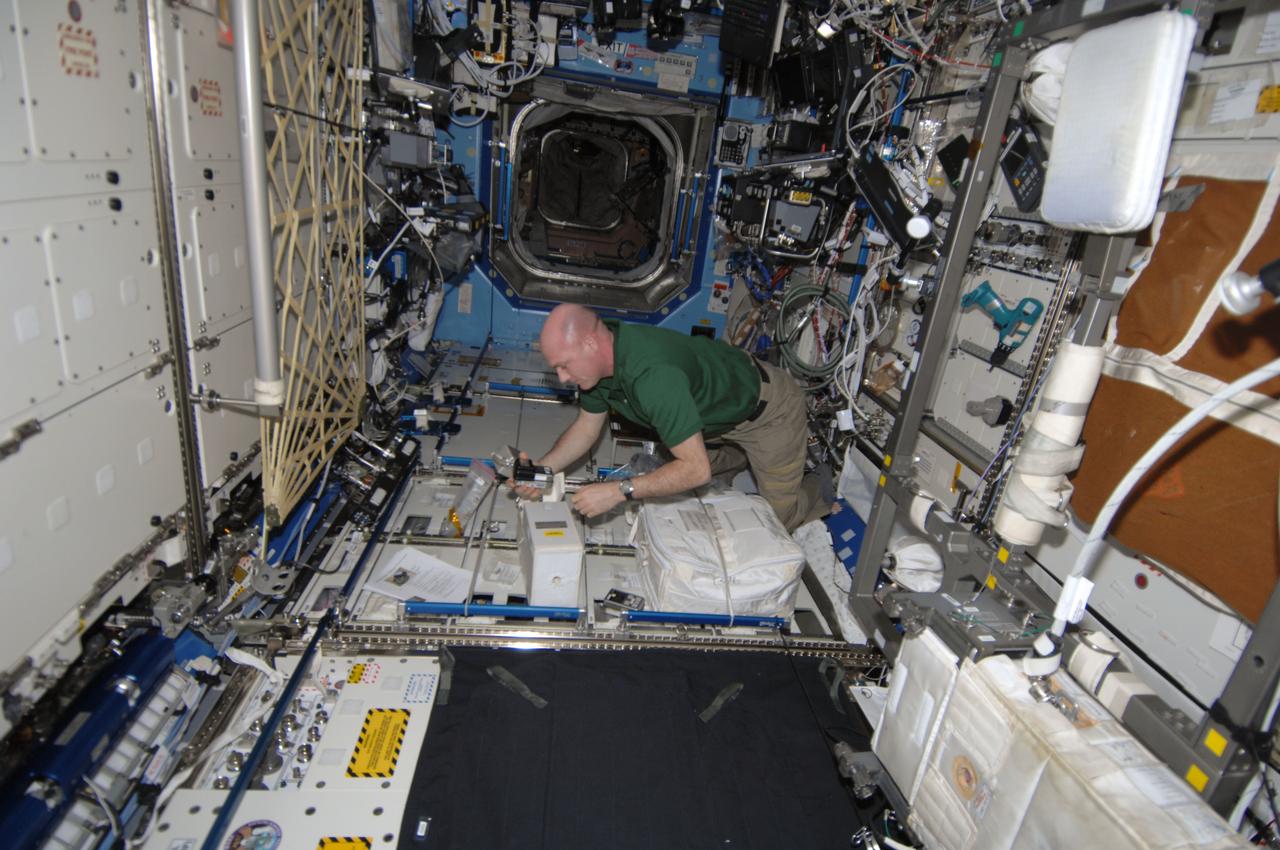
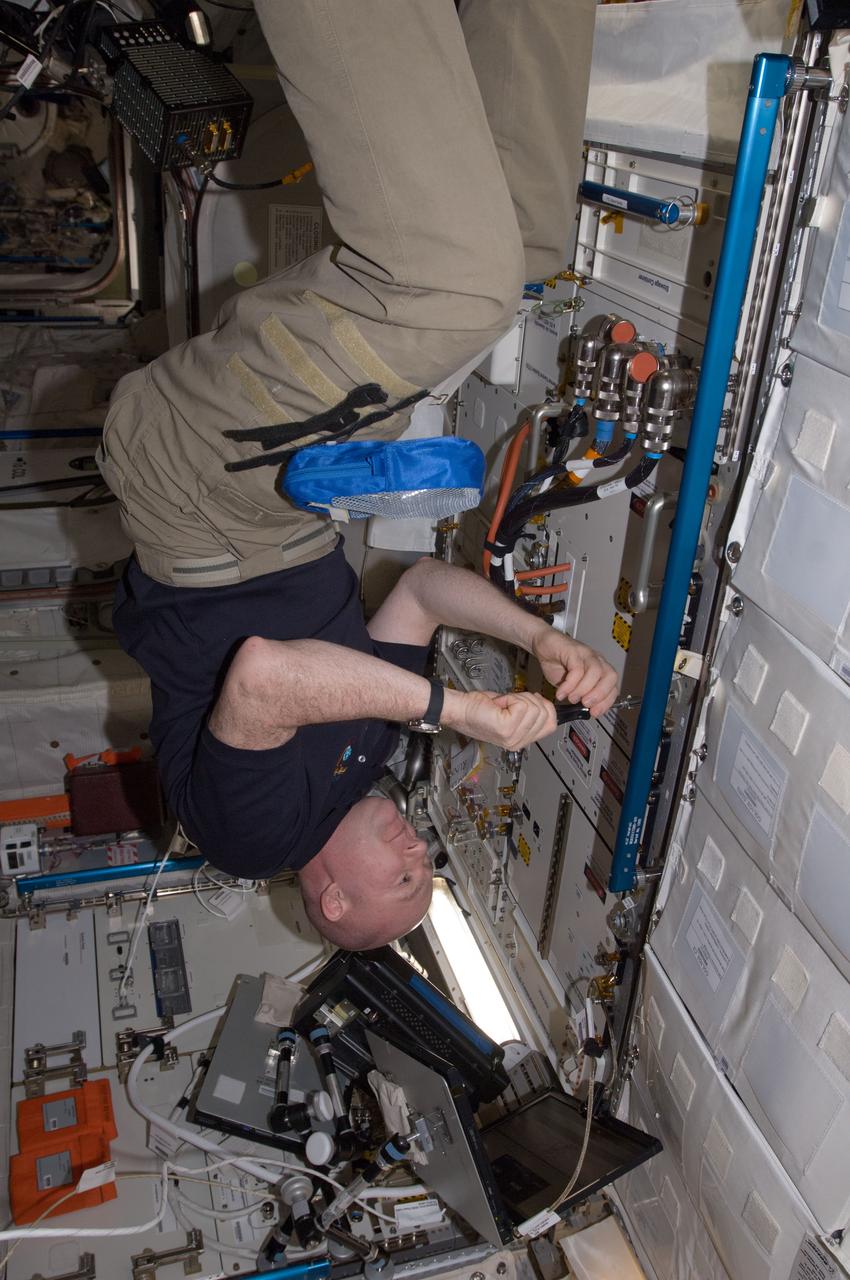
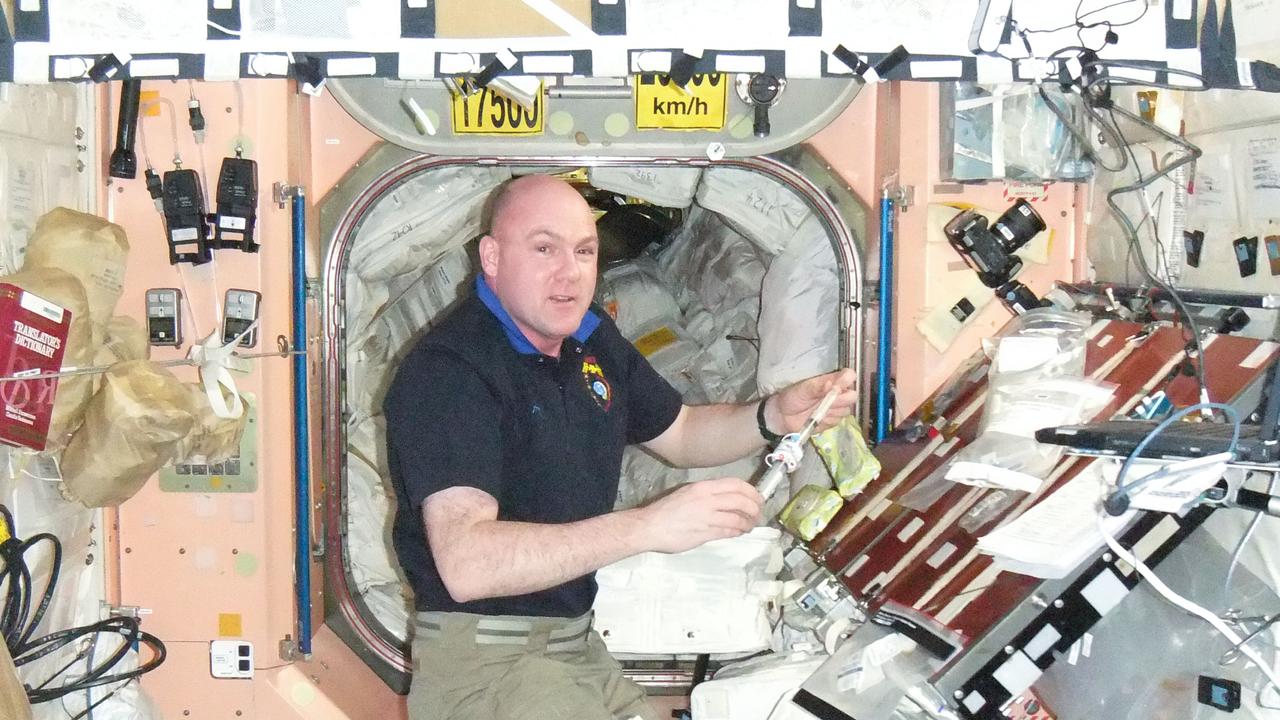
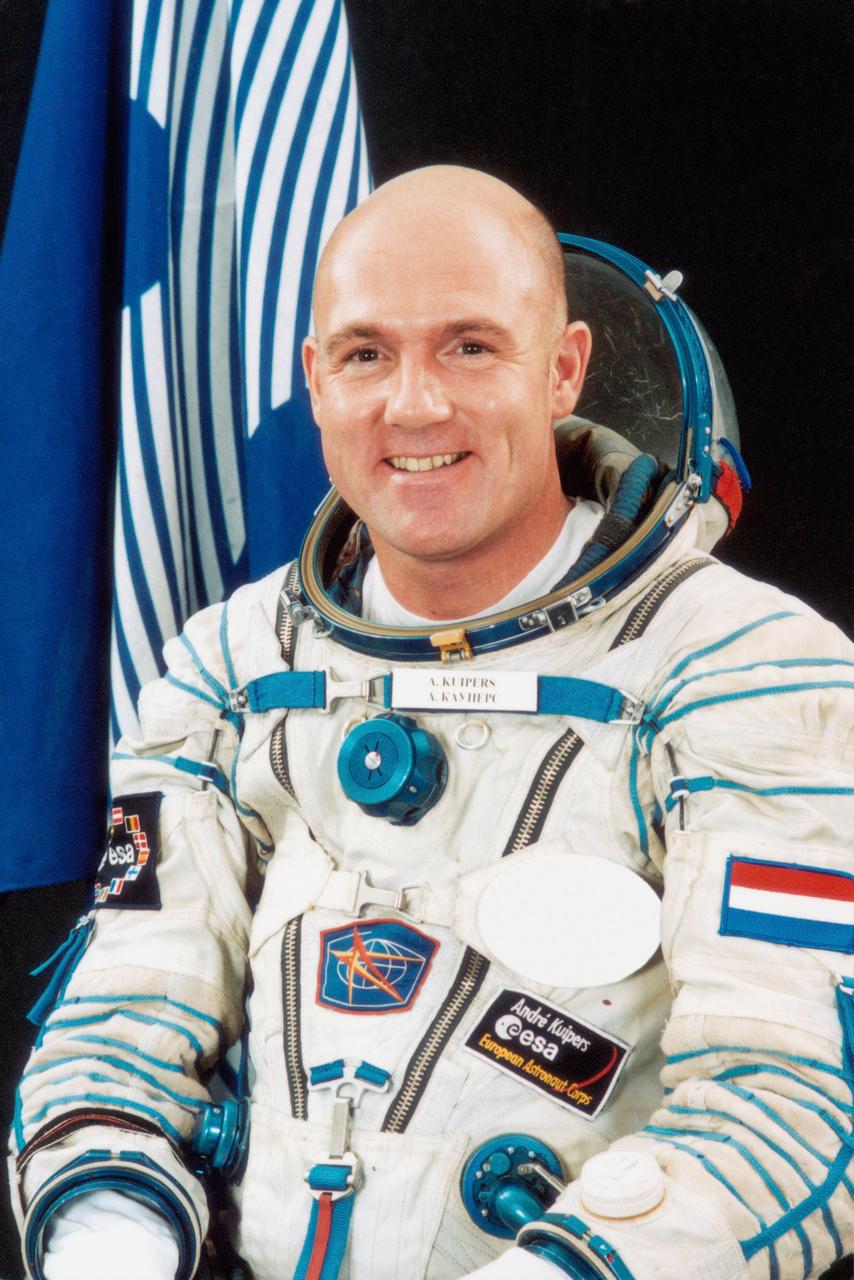
ISS030-E-267769 (24 April 2012) --- European Space Agency astronaut Andre Kuipers, Expedition 30 flight engineer, works at a robotic workstation in the Destiny laboratory of the International Space Station.
Kuipers works at the RWS
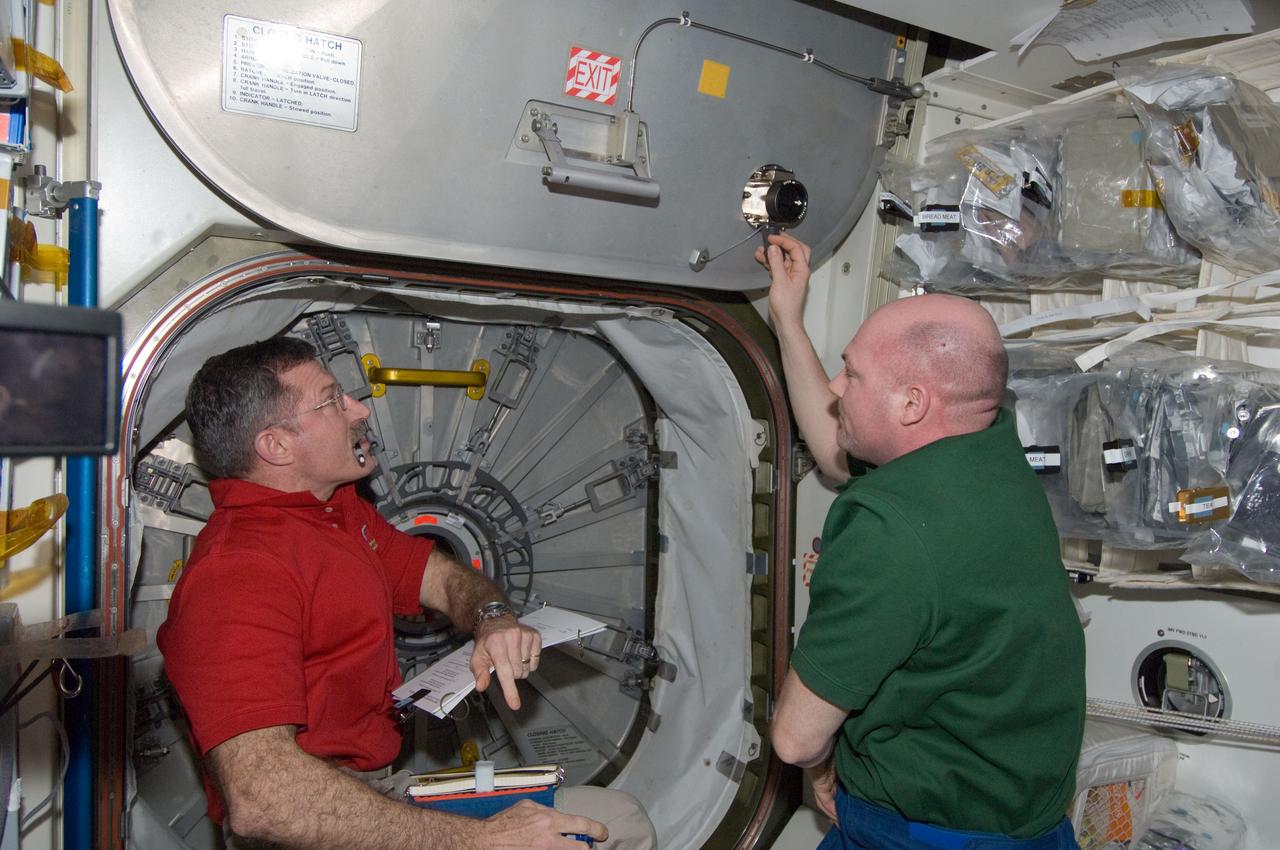
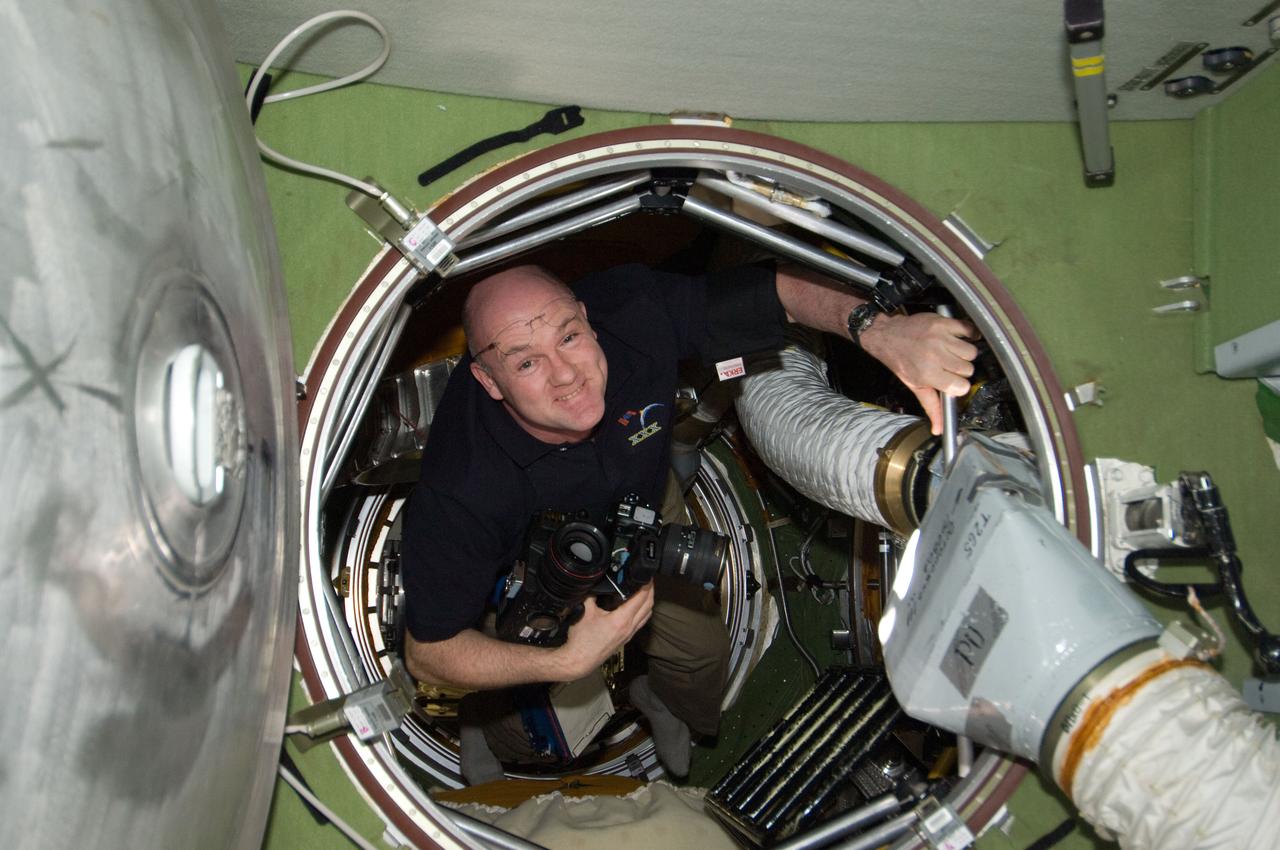
ISS030-E-173924 (24 March 2012) --- NASA astronaut Dan Burbank (left), Expedition 30 commander; and European Space Agency astronaut Andre Kuipers, flight engineer, close a hatch in the International Space Station as crew members prepare to move to the appropriate Soyuz vehicles, due to the possibility that space debris could pass close to the station. Burbank, Shkaplerov and Ivanishin sheltered in the Soyuz TMA-22 spacecraft attached to the Poisk Mini-Research Module 2 (MRM2) while Kononenko, Kuipers and Pettit took to the Soyuz TMA-03M docked to the Rassvet Mini-Research Module 1 (MRM-1).
Burbank and Kuipers close hatch
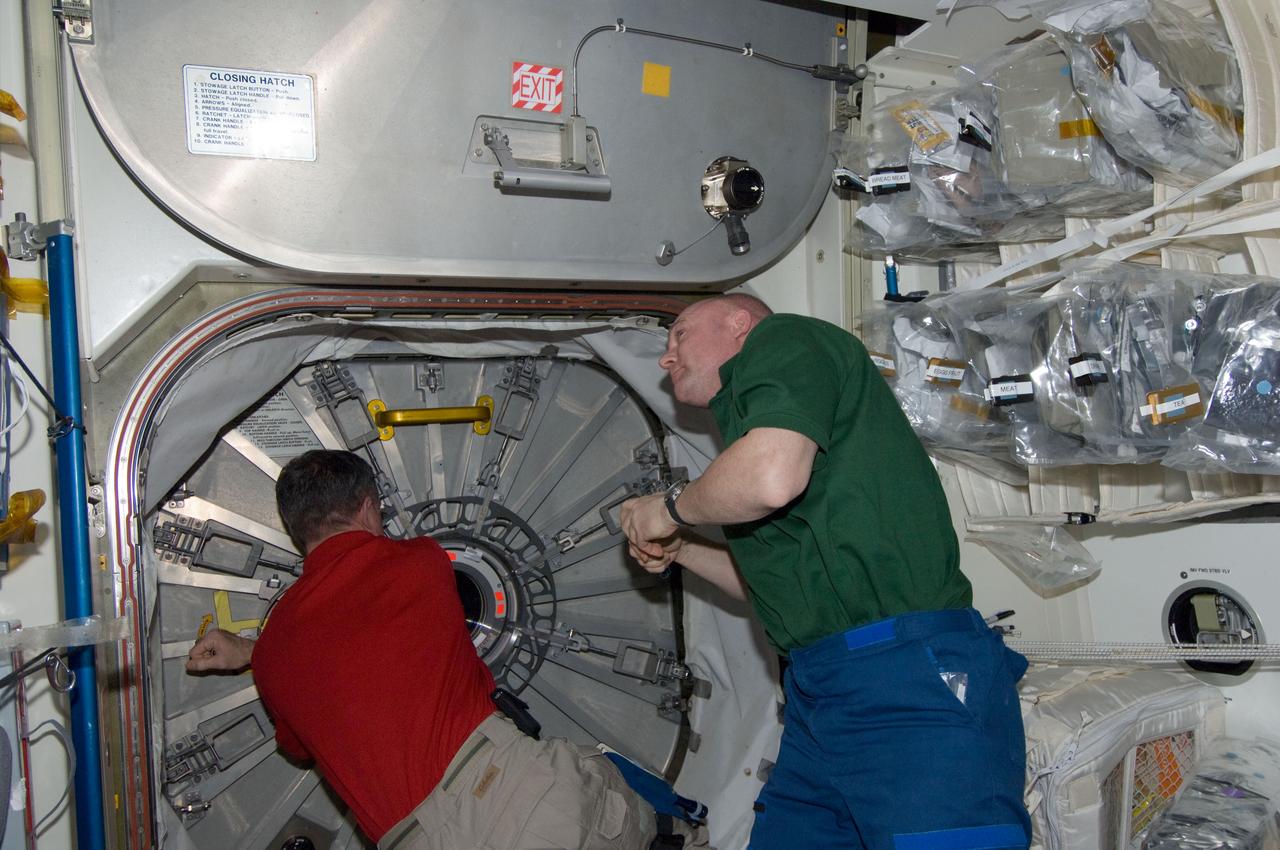
ISS030-E-173929 (24 March 2012) --- NASA astronaut Dan Burbank (left), Expedition 30 commander; and European Space Agency astronaut Andre Kuipers, flight engineer, are pictured near a hatch in the International Space Station as crew members prepare to move to the appropriate Soyuz vehicles, due to the possibility that space debris could pass close to the station. Burbank, Shkaplerov and Ivanishin sheltered in the Soyuz TMA-22 spacecraft attached to the Poisk Mini-Research Module 2 (MRM2) while Kononenko, Kuipers and Pettit took to the Soyuz TMA-03M docked to the Rassvet Mini-Research Module 1 (MRM-1).
Burbank and Kuipers close hatch
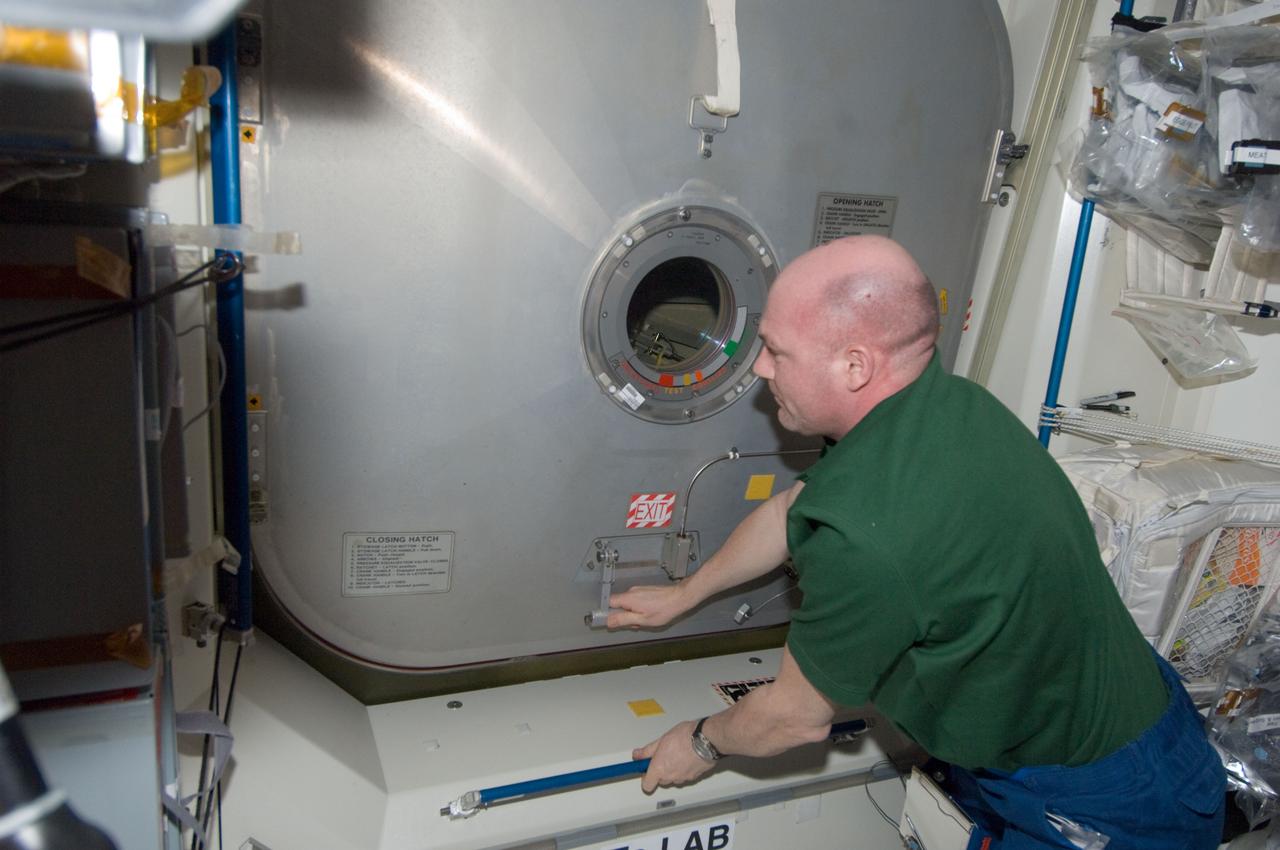
ISS030-E-173931 (24 March 2012) --- European Space Agency astronaut Andre Kuipers, Expedition 30 flight engineer, closes a hatch in the International Space Station as crew members prepare to move to the appropriate Soyuz vehicles, due to the possibility that space debris could pass close to the station. Burbank, Shkaplerov and Ivanishin sheltered in the Soyuz TMA-22 spacecraft attached to the Poisk Mini-Research Module 2 (MRM2) while Kononenko, Kuipers and Pettit took to the Soyuz TMA-03M docked to the Rassvet Mini-Research Module 1 (MRM-1).
Kuipers closes hatch
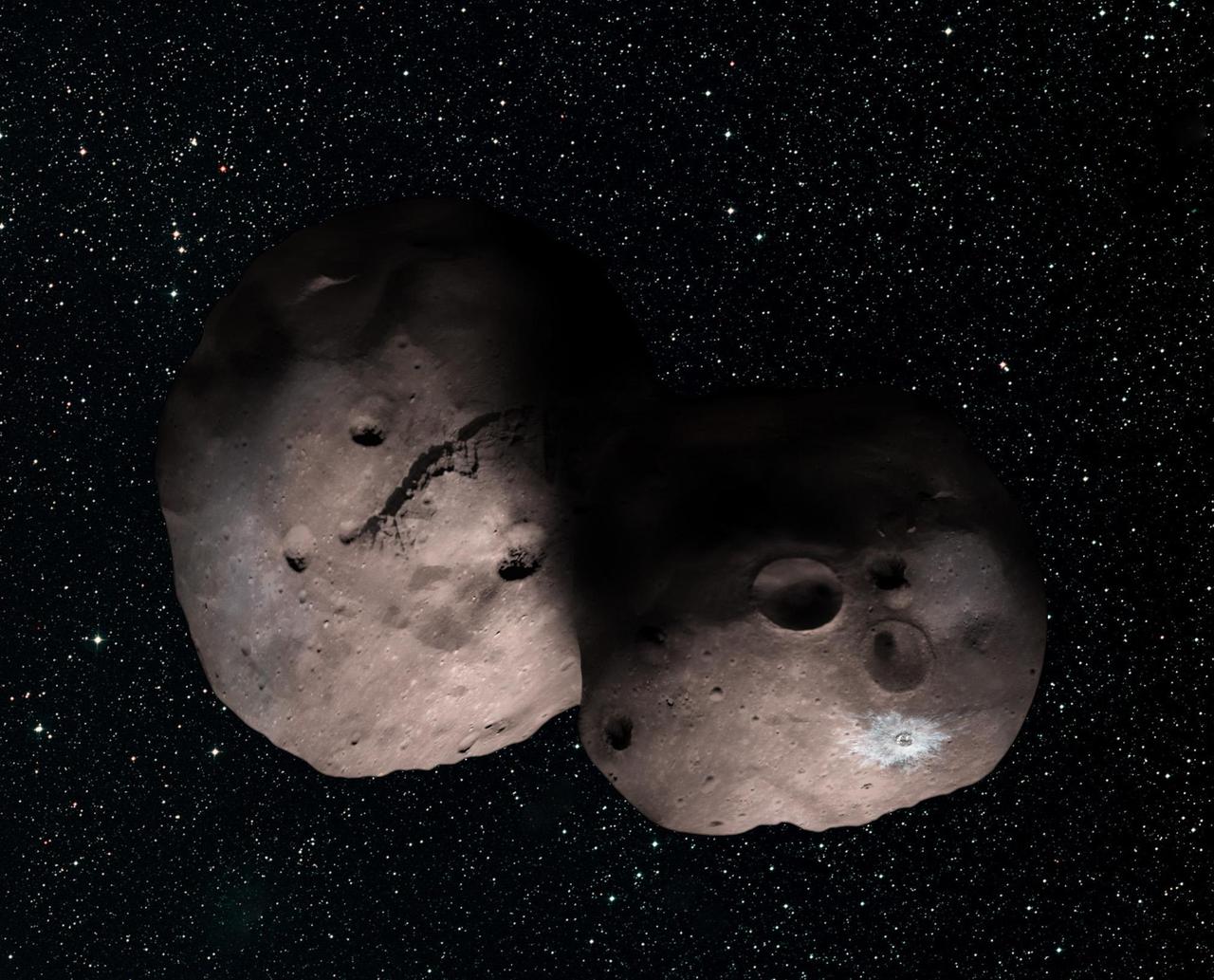
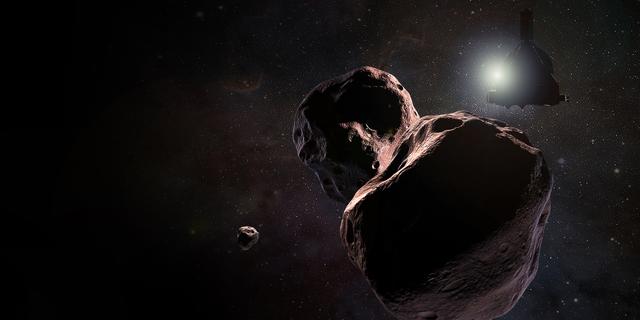
This is one artist's concept of Kuiper Belt object 2014 MU69, the next flyby target for NASA's New Horizons mission. This binary concept is based on telescope observations made at Patagonia, Argentina, on July 17, 2017, when MU69 passed in front of a star. New Horizons scientists theorize that it could be a single body with a large chunk taken out of it, or two bodies that are close together or even touching.  https://photojournal.jpl.nasa.gov/catalog/PIA21867
A Kuiper Belt Pair? Artist's Concept of 2014 MU69 as a Binary Object
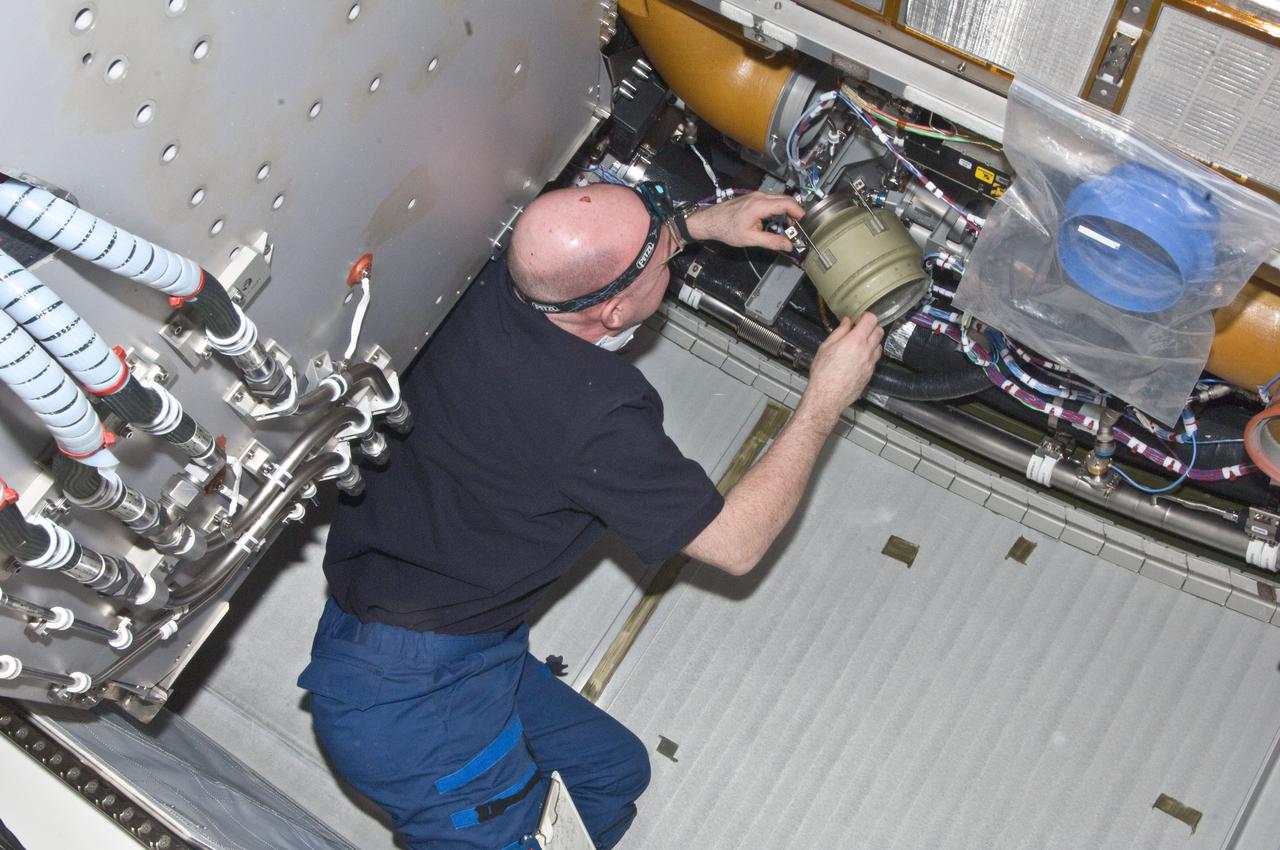
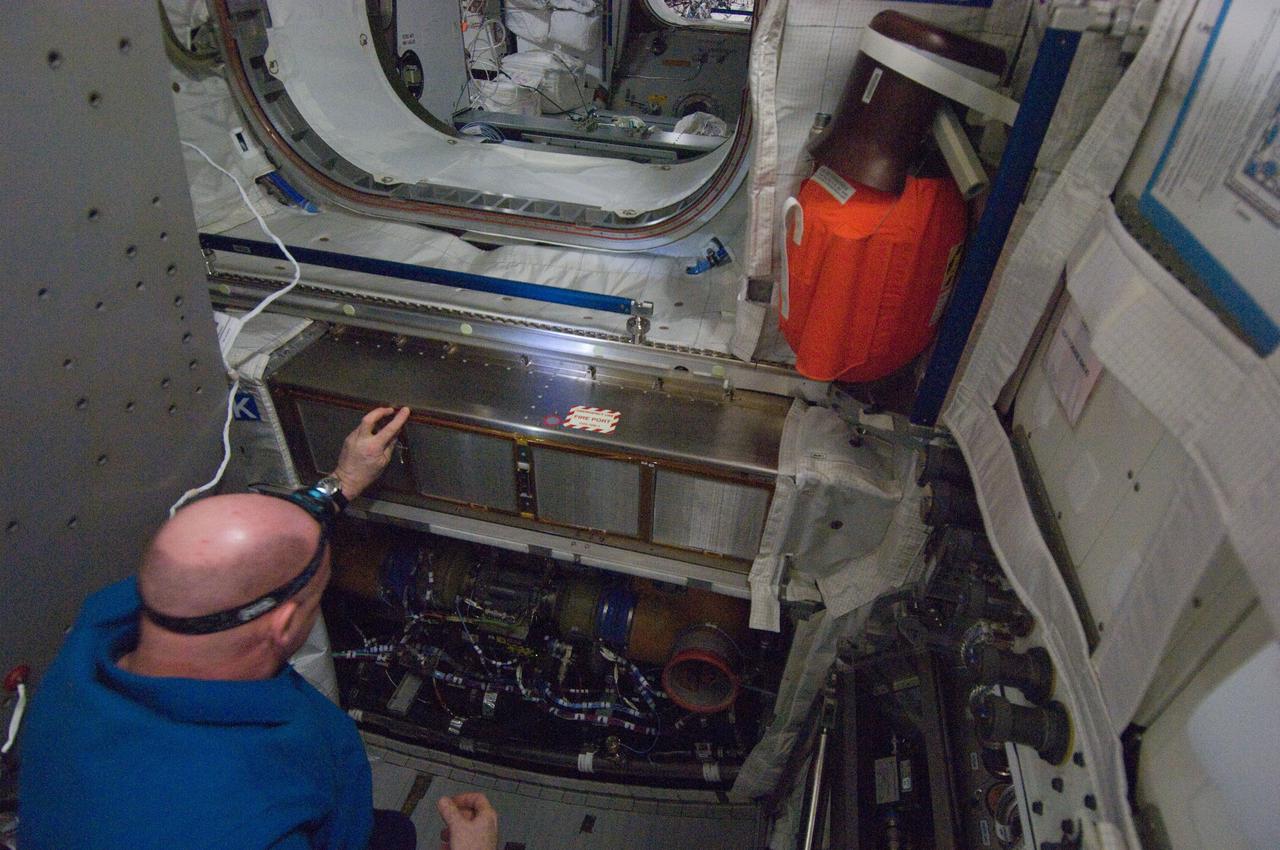
ISS030-E-094534 (23 Feb. 2012) --- European Space Agency astronaut Andre Kuipers, Expedition 30 flight engineer, performs the scheduled inspection and extensive cleanup of ventilation systems in the Columbus laboratory of the International Space Station.
Kuipers conducts maintenance in the Columbus Module
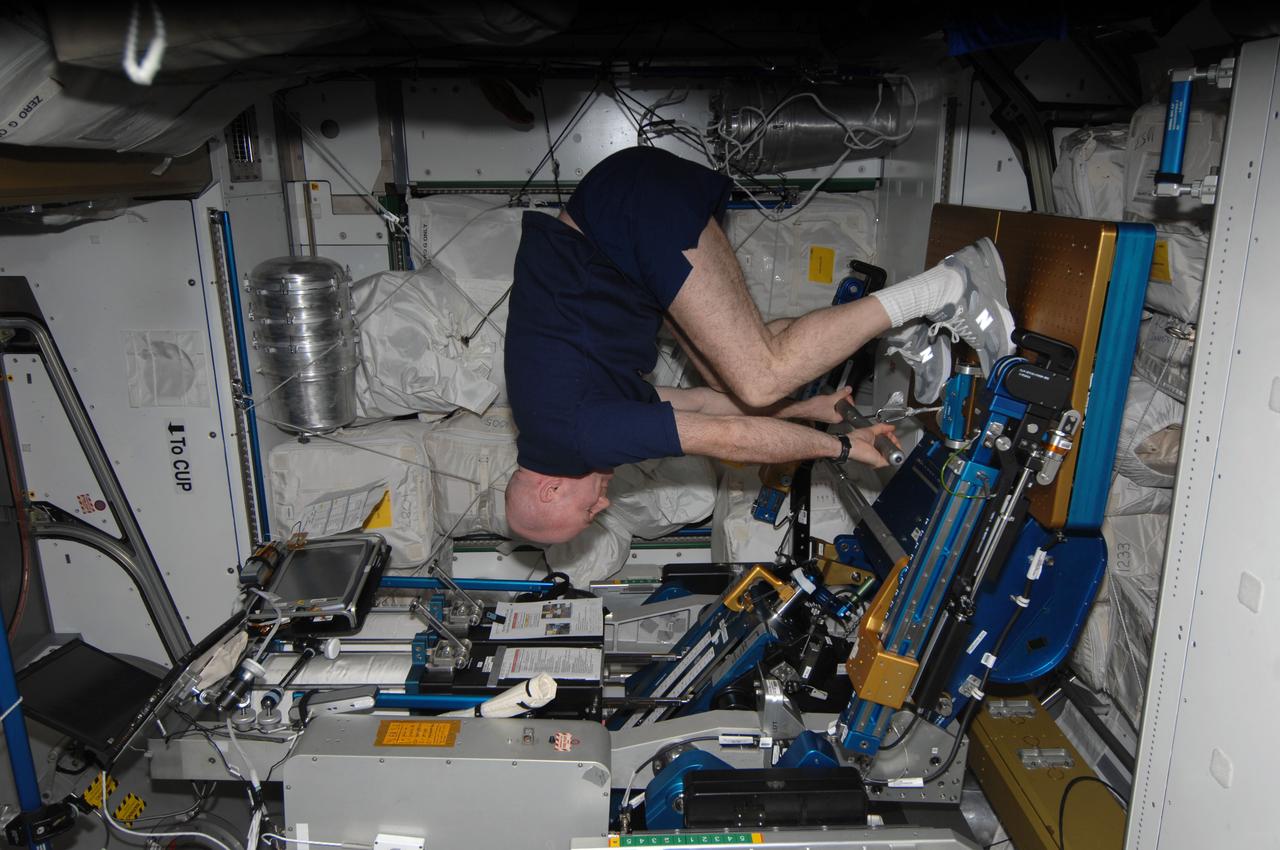
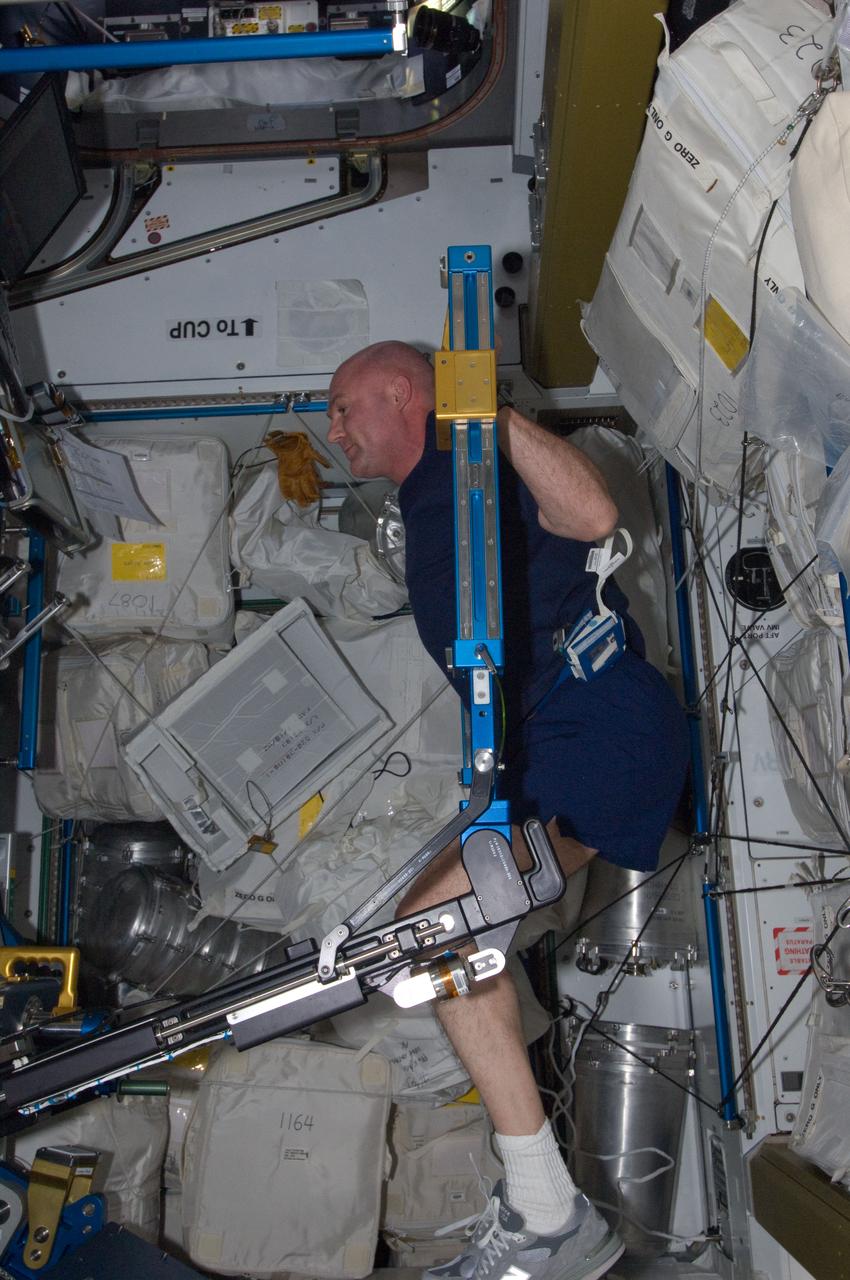
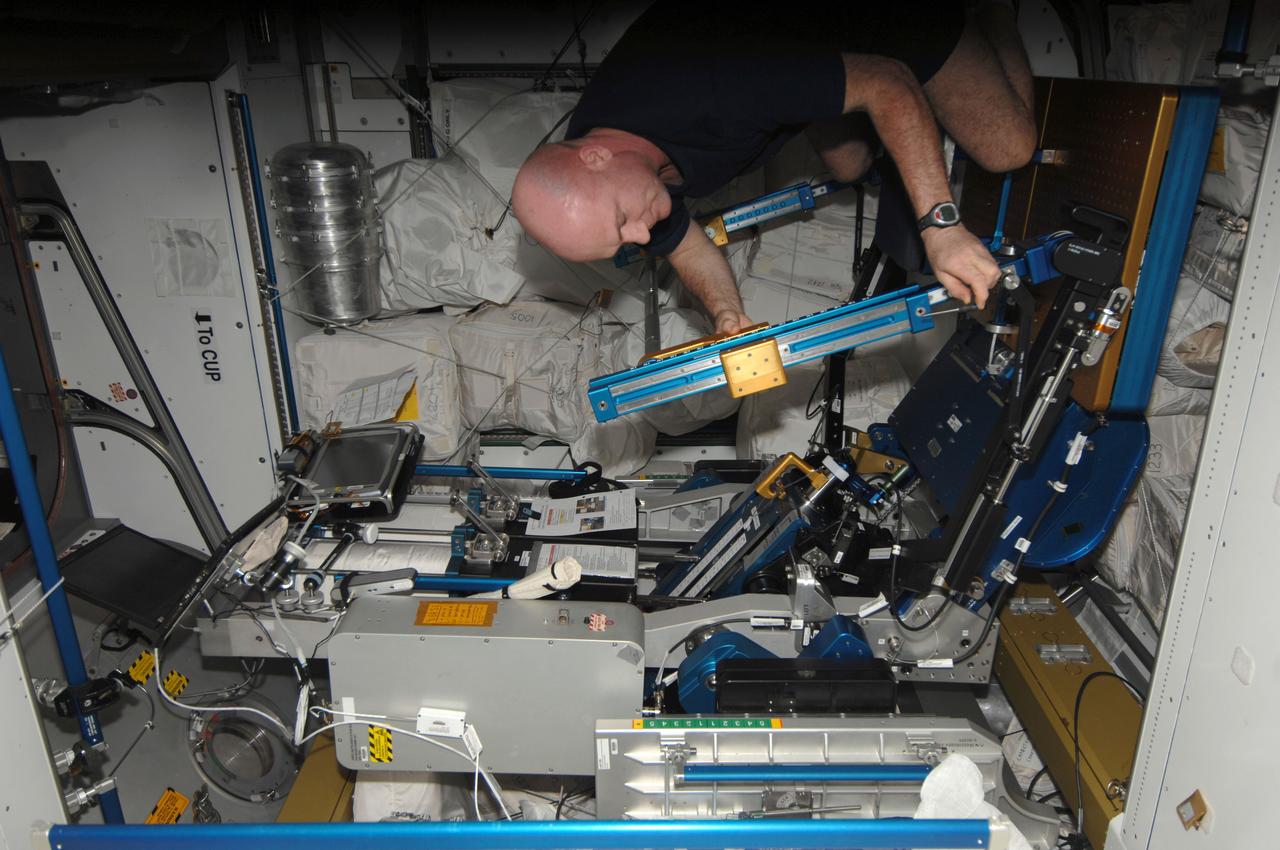
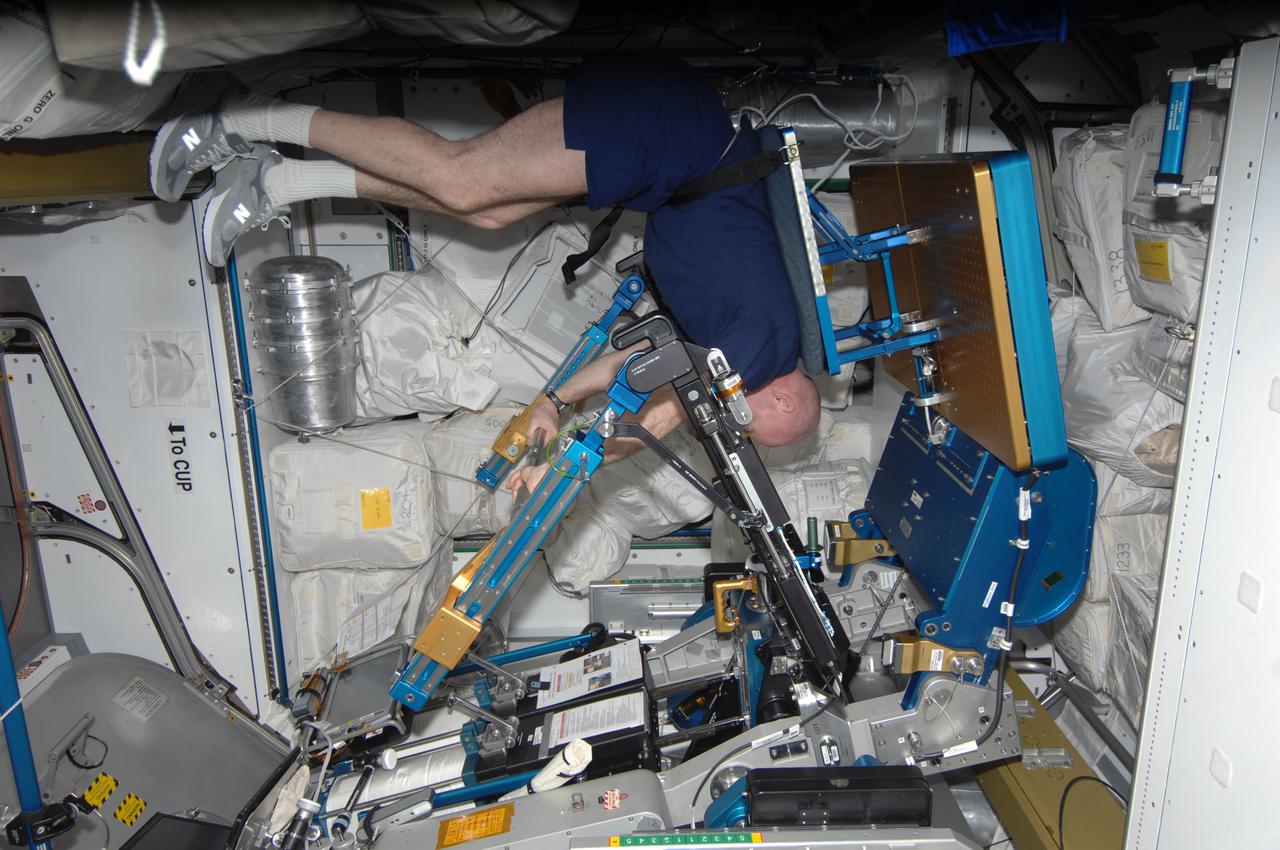
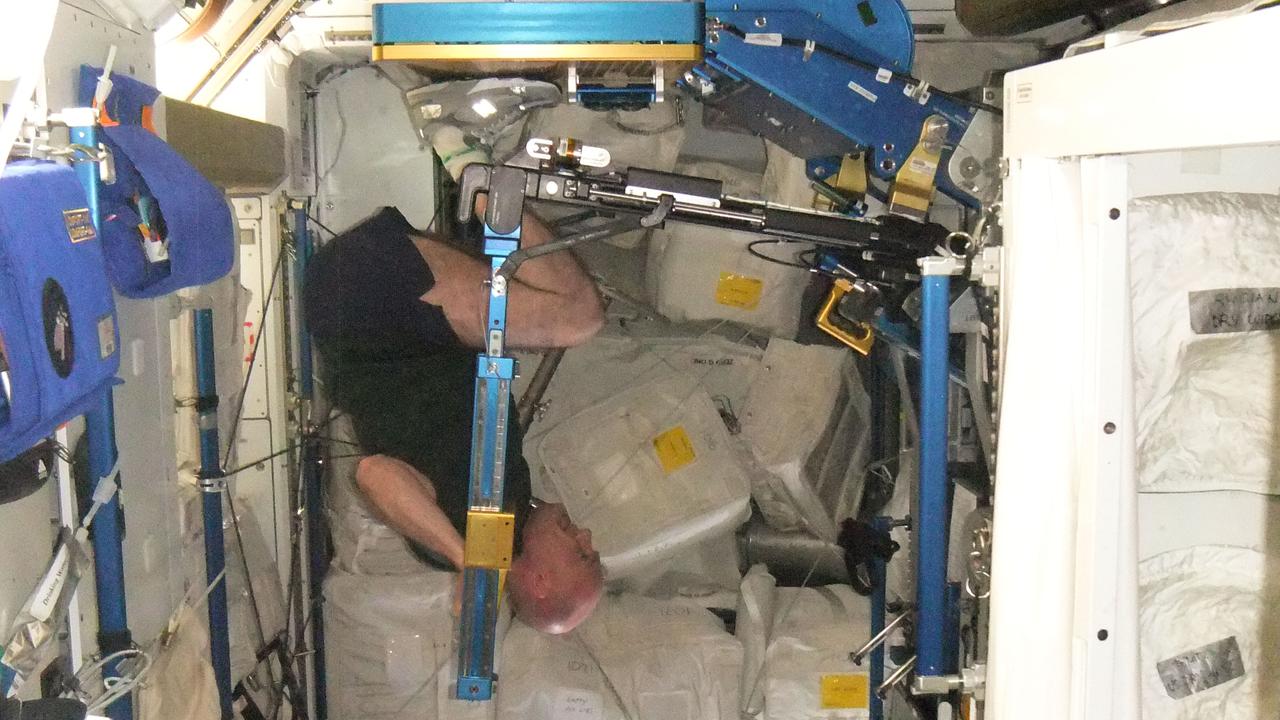
ISS030-E-235558 (6 Jan. 2012) --- European Space Agency astronaut Andre Kuipers,  Expedition 30 flight engineer, exercises using the advanced Resistive Exercise Device (aRED) in the Tranquility node of the International Space Station.
Kuipers exercises on the ARED in the Node 3
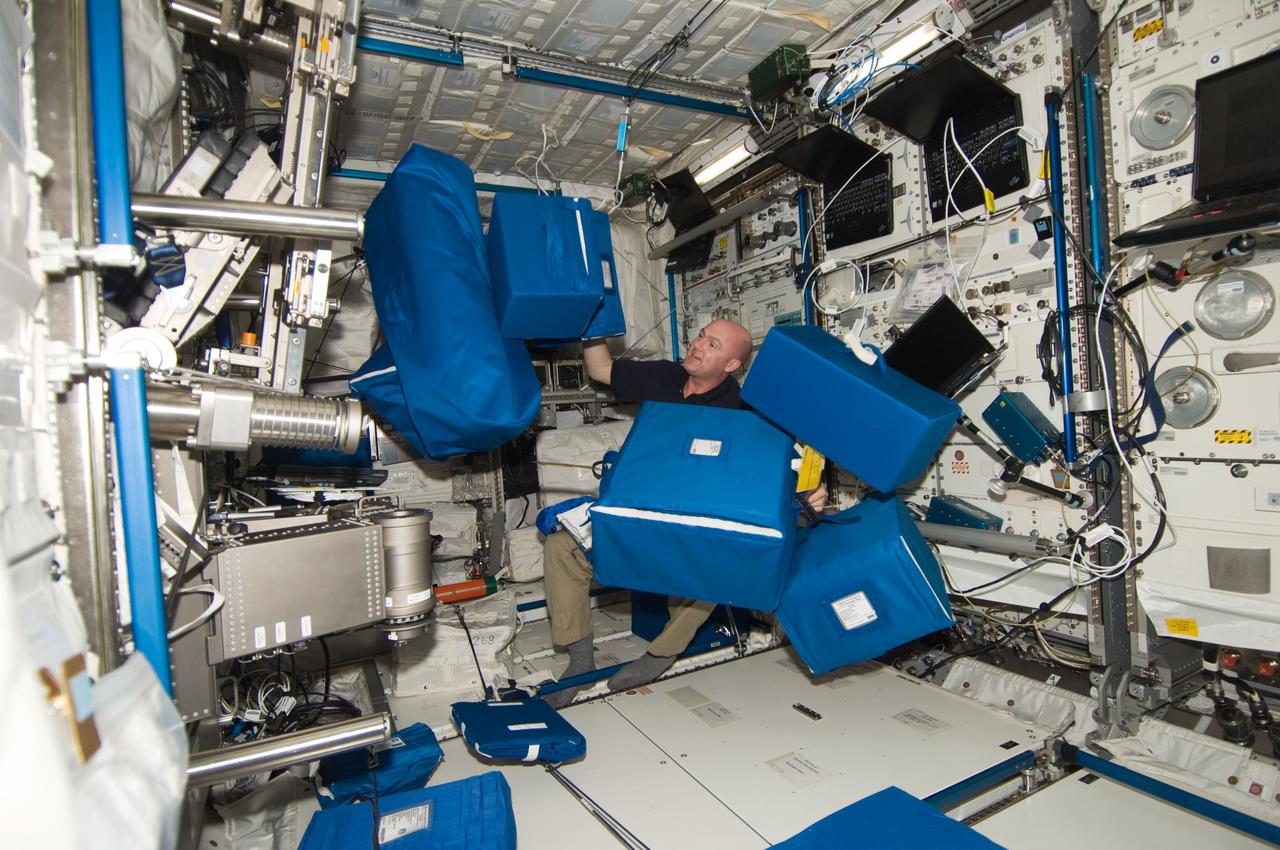
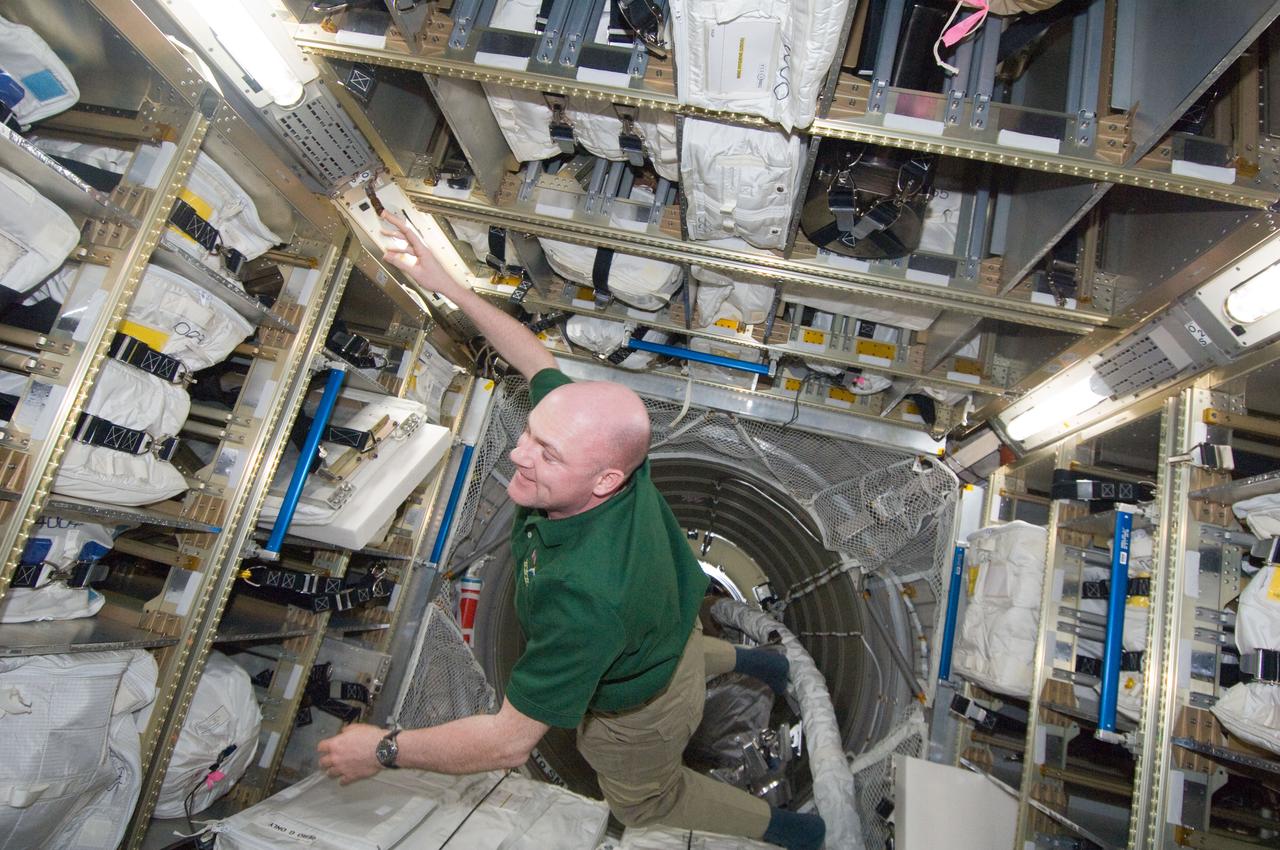
ISS030-E-155920 (16 Jan. 2012) --- European Space Agency astronaut Andre Kuipers, Expedition 30 flight engineer, works with various stowage containers in the Columbus laboratory of the International Space Station.
Kuipers works with CTBs in the Columbus Module
ISS030-E-148403 (22 Jan. 2012) --- European Space Agency astronaut Andre Kuipers, Expedition 30 flight engineer, exercises in the Tranquility node of the International Space Station, using the advanced Resistive Exercise Device (aRED).
Kuipers exercises on the ARED in the Node 3
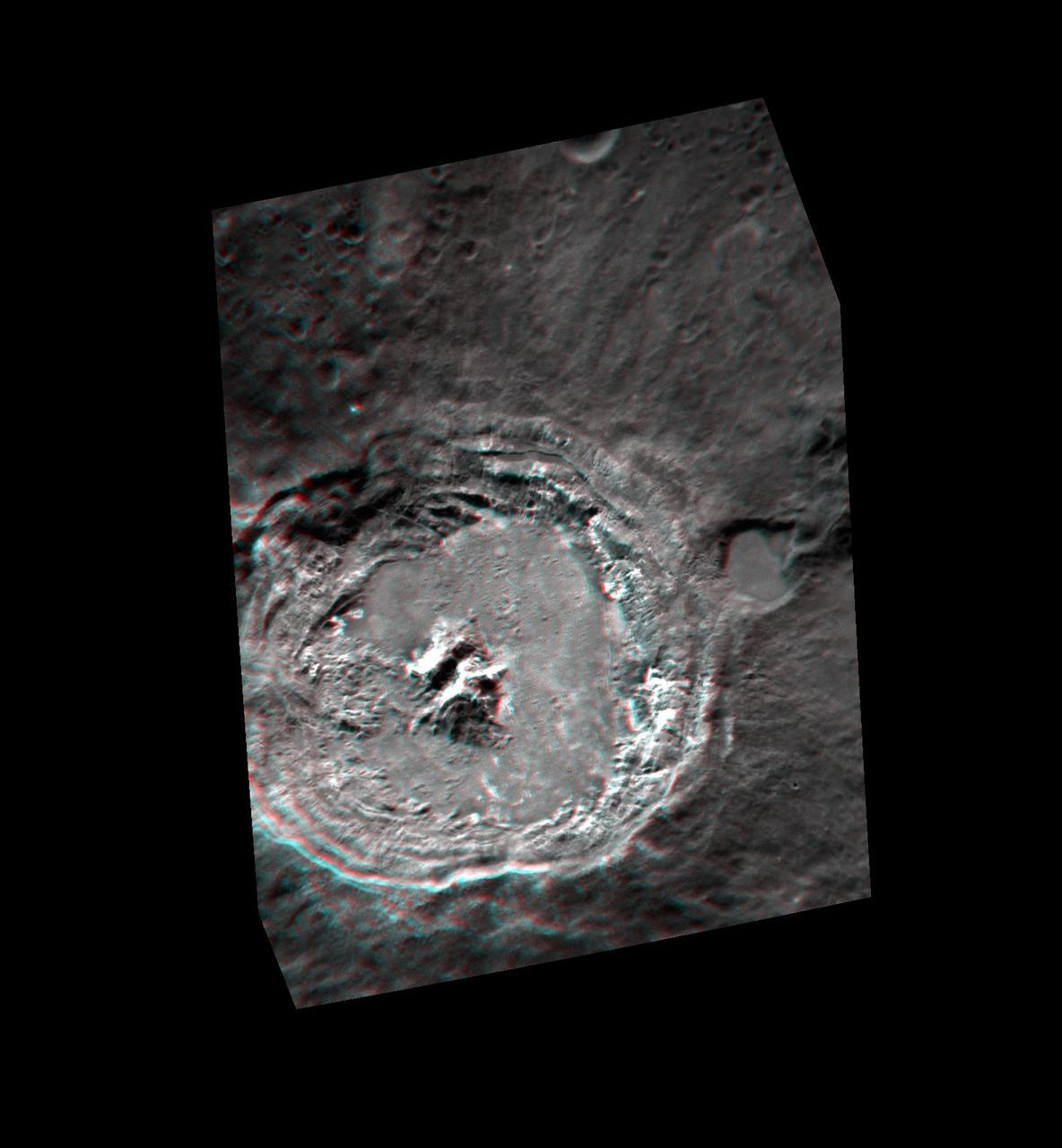
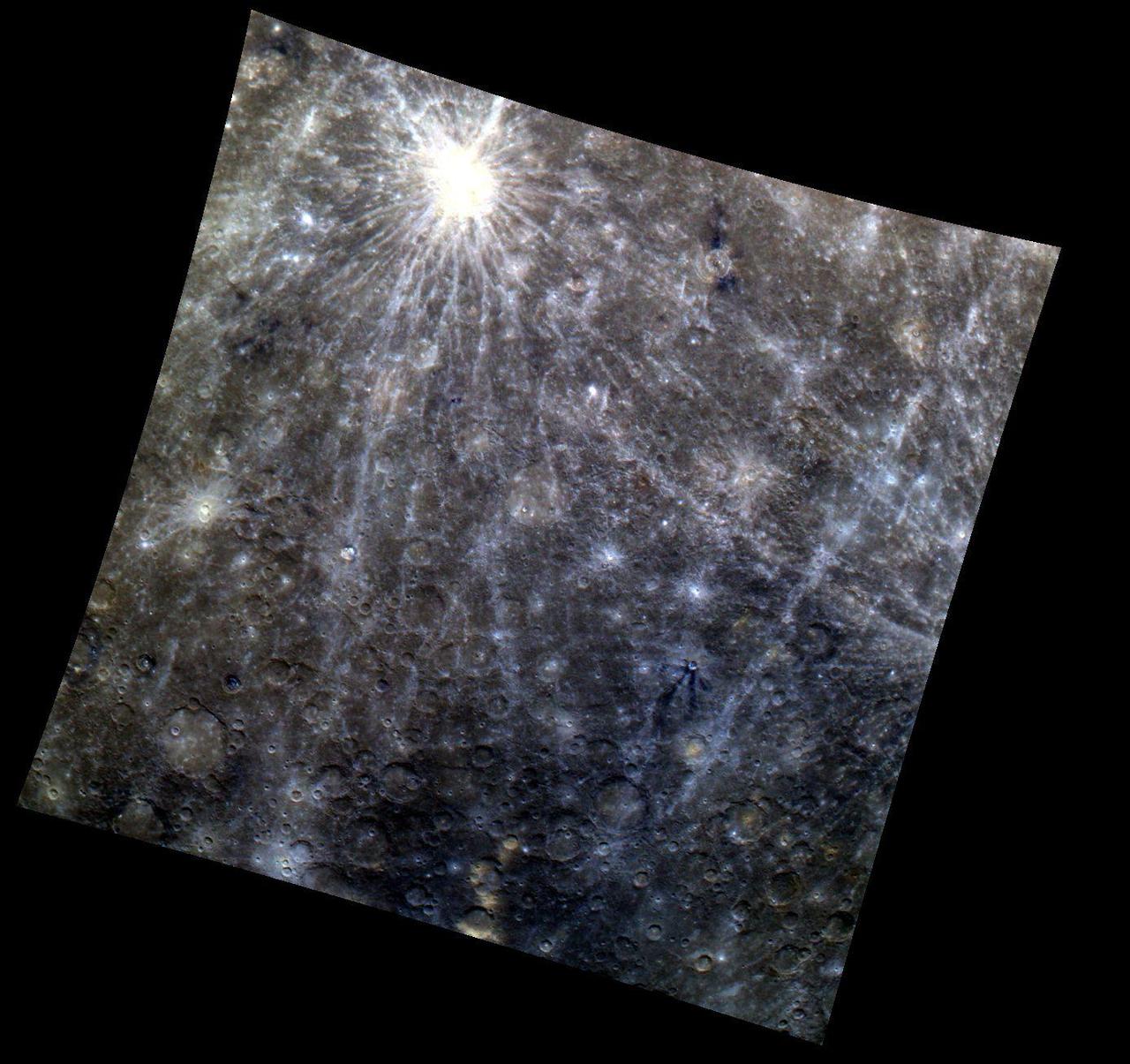
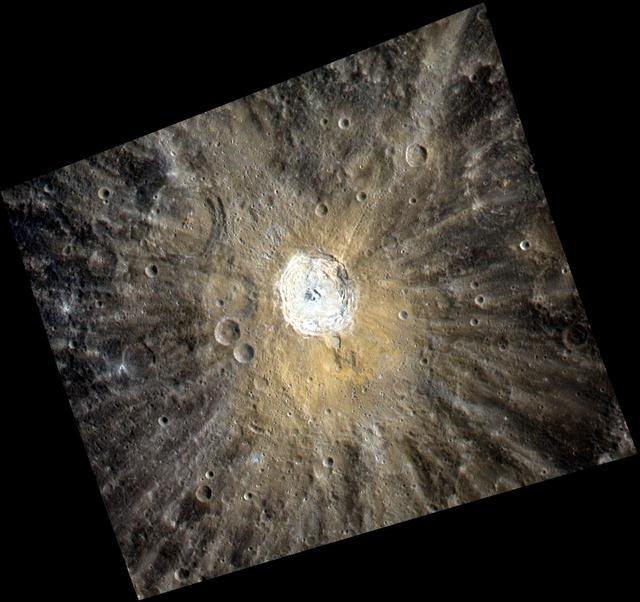
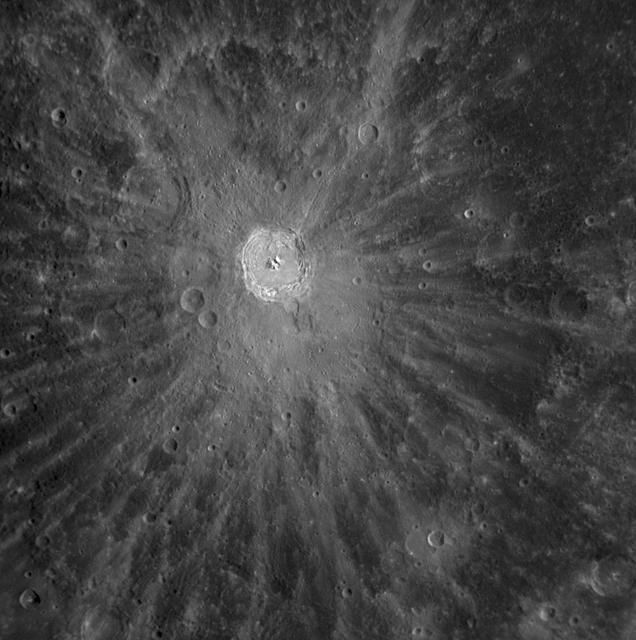
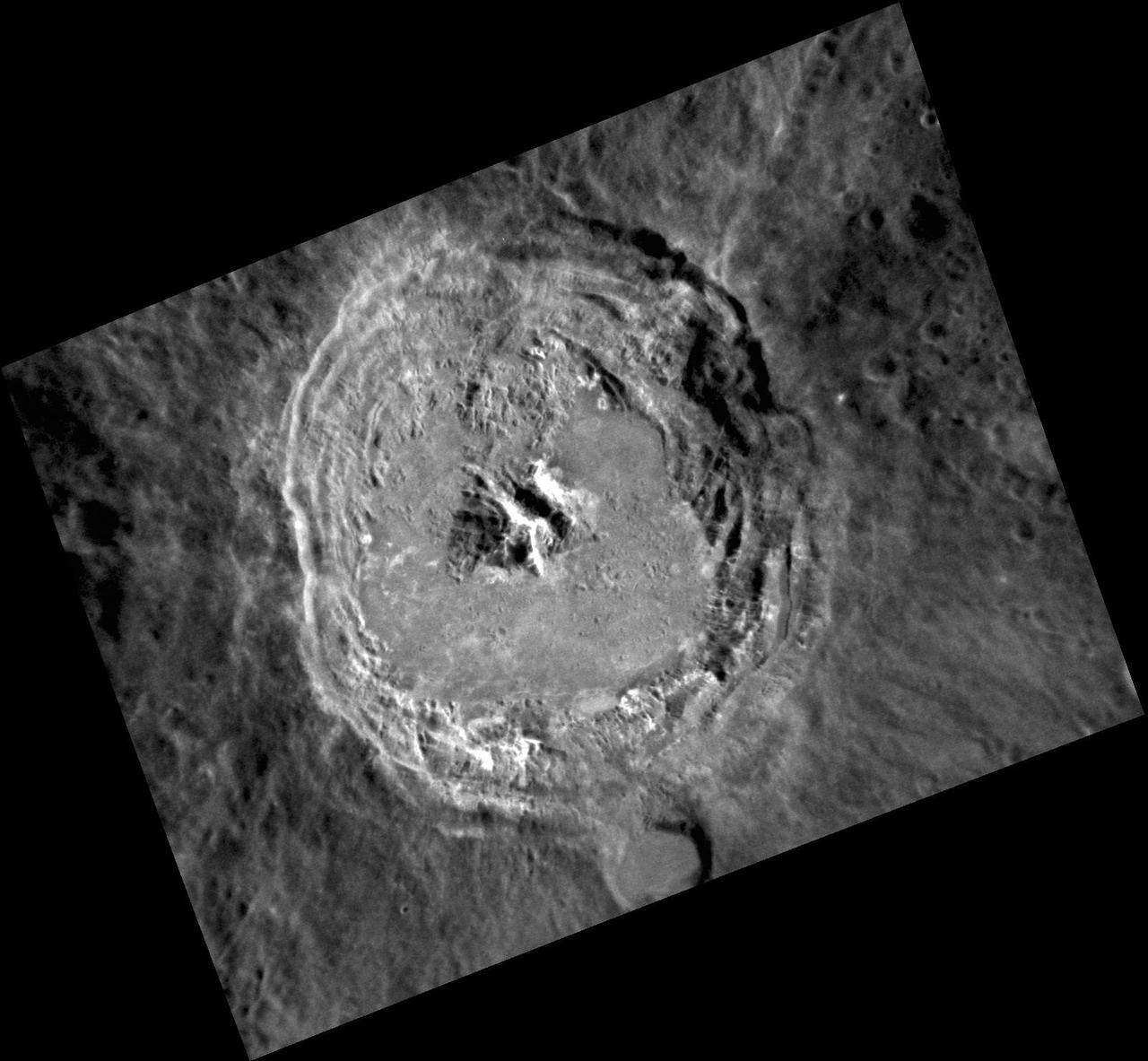
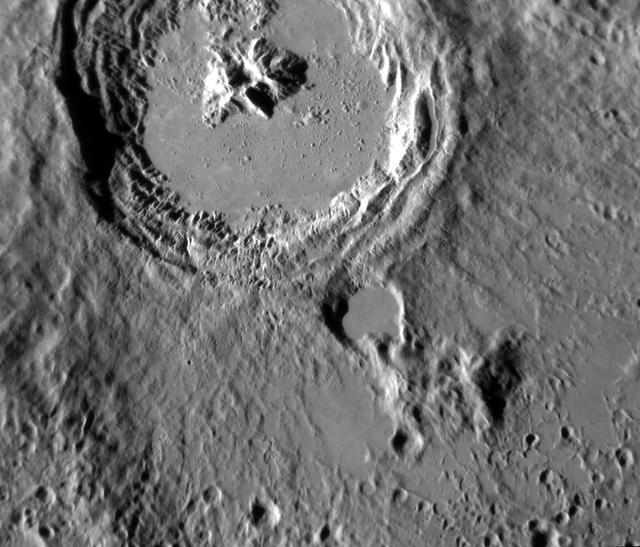
Date acquired: April 05, 2013  This striking image of Kuiper shows the crater in a new perspective. This image highlights the crater's smooth impact melt and central peaks. Kuiper, first seen by Mariner 10, is an easily identifiable feature on Mercury's surface due to its bright rays, similar to Hokusai.  This image was acquired as a high-resolution targeted observation. Targeted observations are images of a small area on Mercury's surface at resolutions much higher than the 200-meter/pixel morphology base map. It is not possible to cover all of Mercury's surface at this high resolution, but typically several areas of high scientific interest are imaged in this mode each week.  The MESSENGER spacecraft is the first ever to orbit the planet Mercury, and the spacecraft's seven scientific instruments and radio science investigation are unraveling the history and evolution of the Solar System's innermost planet. During the first two years of orbital operations, MESSENGER acquired over 150,000 images and extensive other data sets. MESSENGER is capable of continuing orbital operations until early 2015.  Credit: NASA/Johns Hopkins University Applied Physics Laboratory/Carnegie Institution of Washington
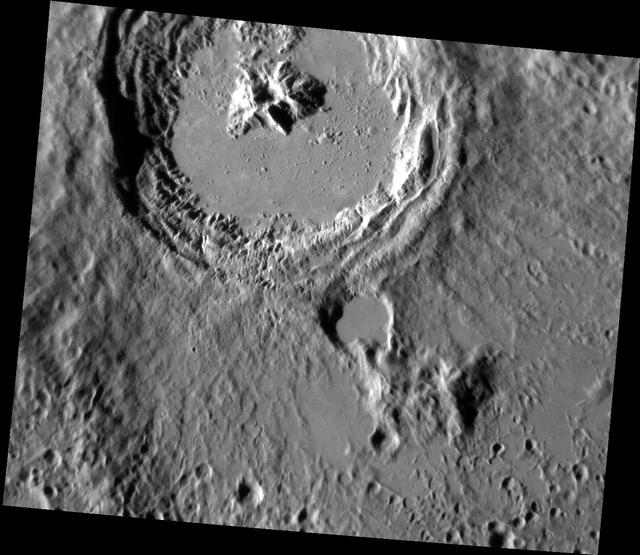
Mercury: The Kuiper Melt
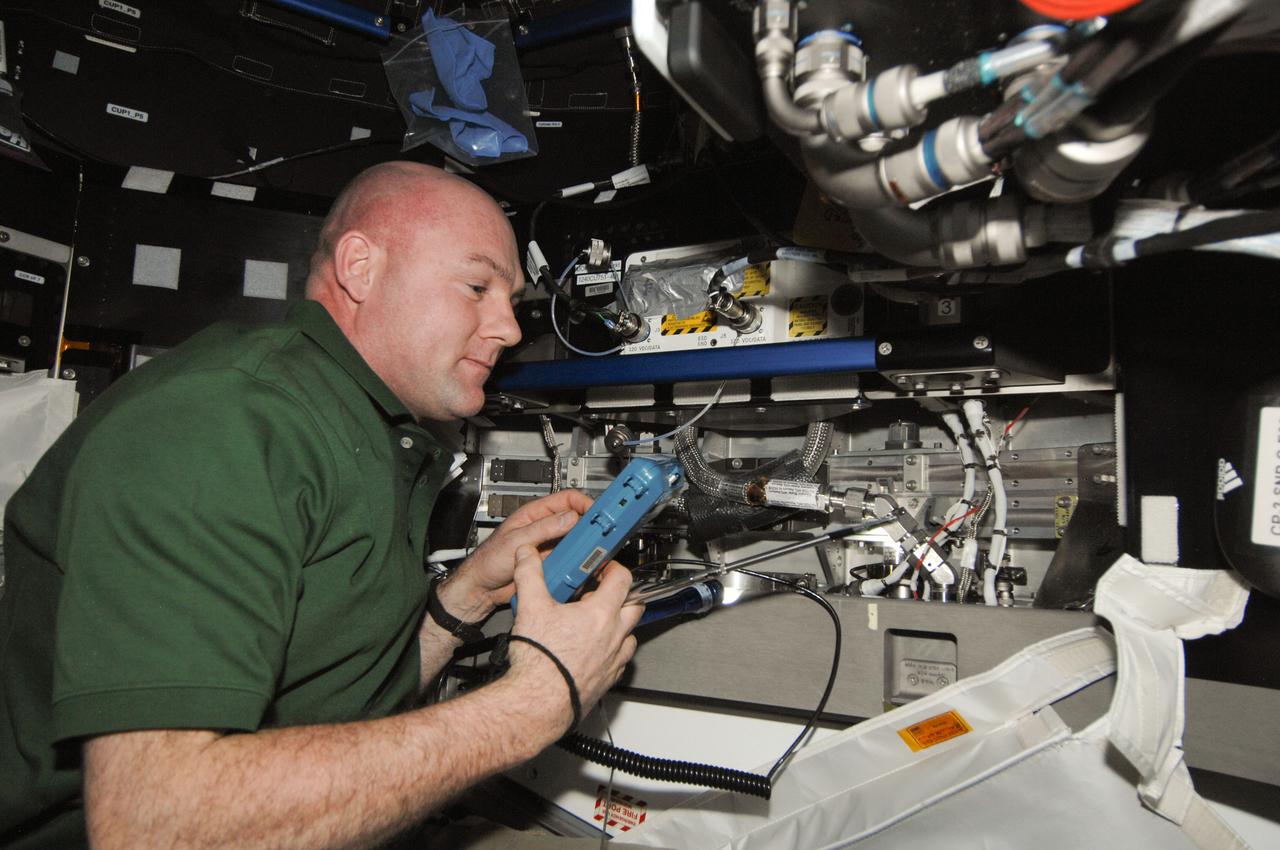
ISS030-E-166606 (28 Jan. 2012) --- European Space Agency astronaut Andre Kuipers, Expedition 30 flight engineer, uses an instrument to measure air velocity in the Tranquility node of the International Space Station.
Kuipers holds Velocicalc Meter in the Node 3
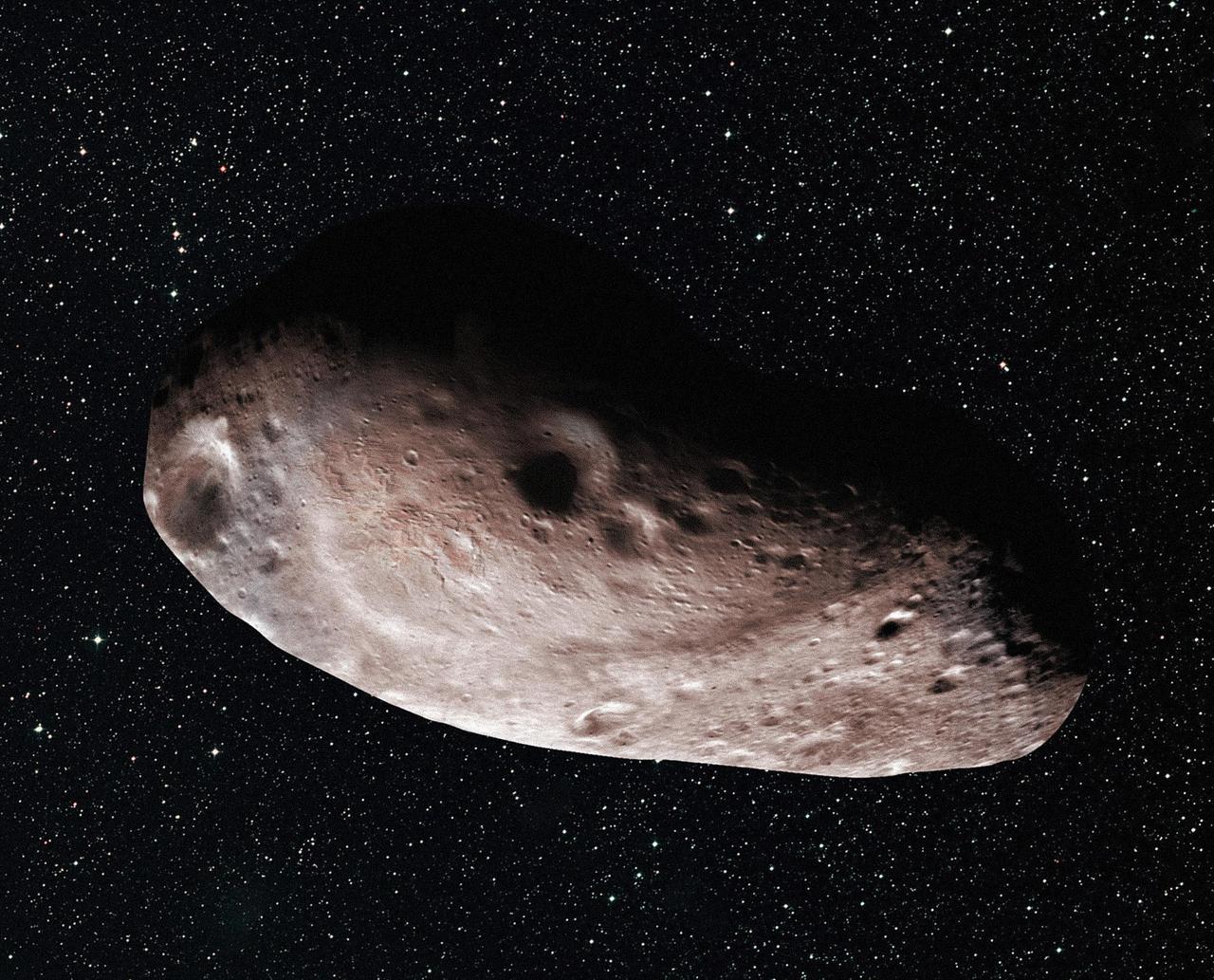
Artist's concept of Kuiper Belt object 2014 MU69, which is the next flyby target for NASA's New Horizons mission. Scientists speculate that the Kuiper Belt object could be a single body (above) with a large chunk taken out of it, or two bodies that are close together or even touching.  https://photojournal.jpl.nasa.gov/catalog/PIA21868
Artist's Concept of 2014 MU69 as a Single Object
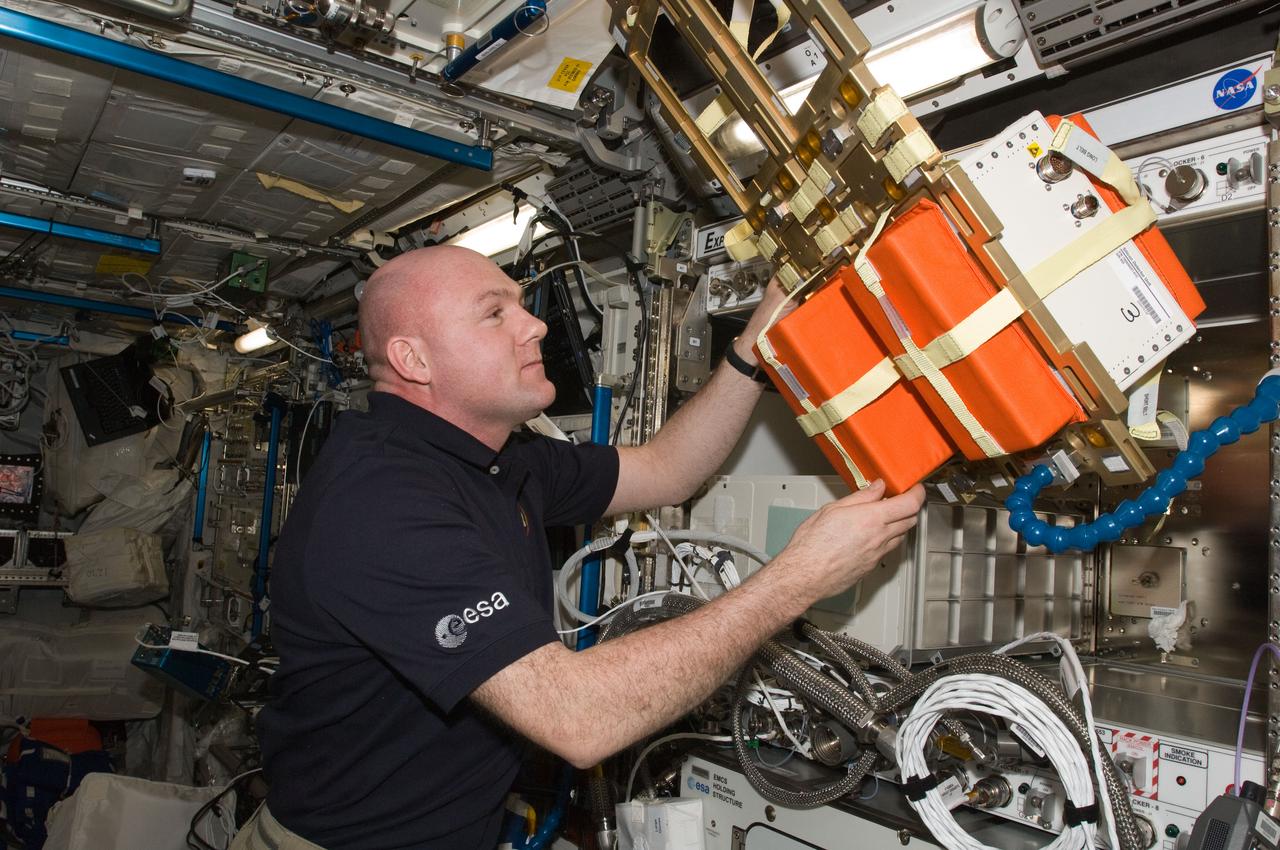
ISS030-E-155917 (16 Jan. 2012) --- European Space Agency astronaut Andre Kuipers, Expedition 30 flight engineer, prepares to place Diffusion Soret Coefficient (DSC) hardware in stowage containers in the Destiny laboratory of the International Space Station.
Kuipers works with DSC Hardware in the U.S. Laboratory
ISS030-E-148381 (22 Jan. 2012) --- European Space Agency astronaut Andre Kuipers, Expedition 30 flight engineer, prepares to exercise in the Tranquility node of the International Space Station, using the advanced Resistive Exercise Device (aRED).
Kuipers sets up the ARED in the Node 3
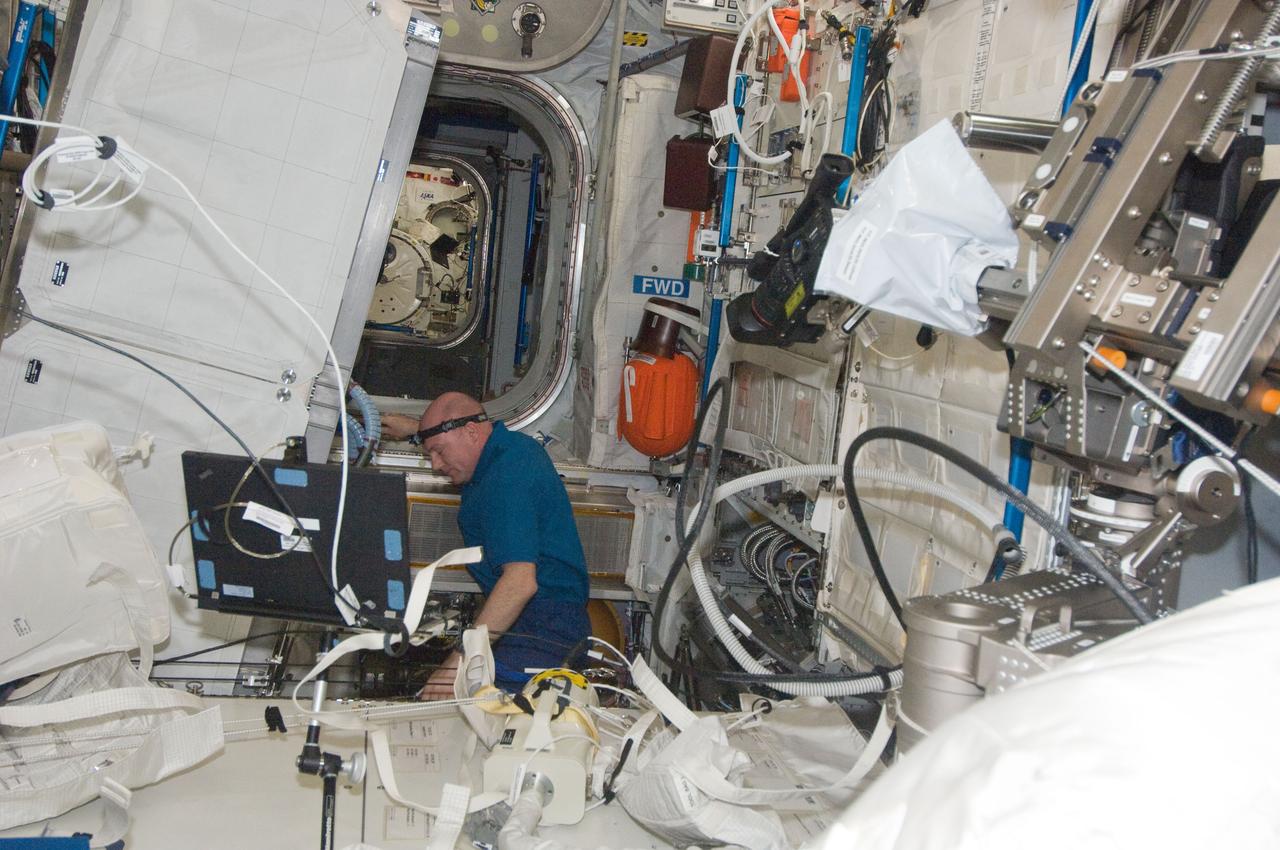
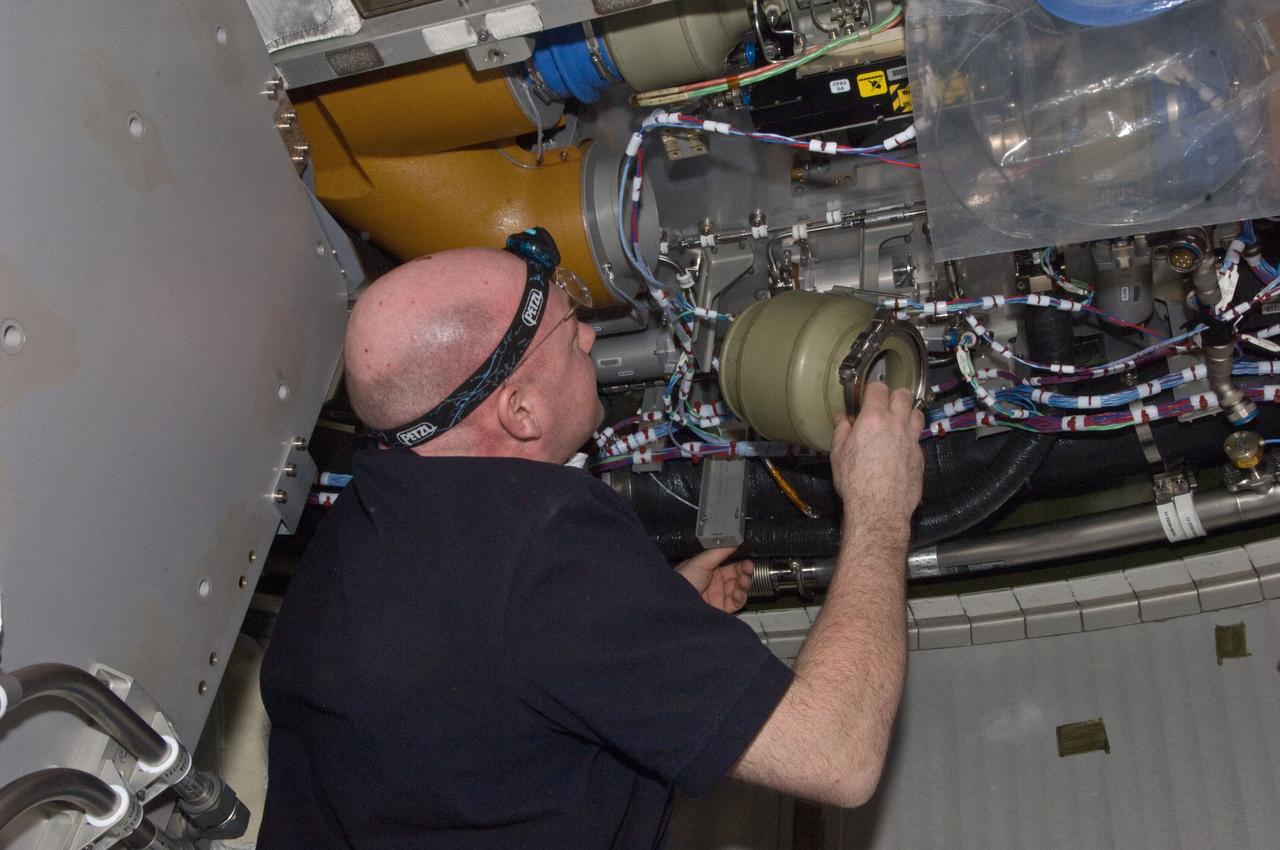
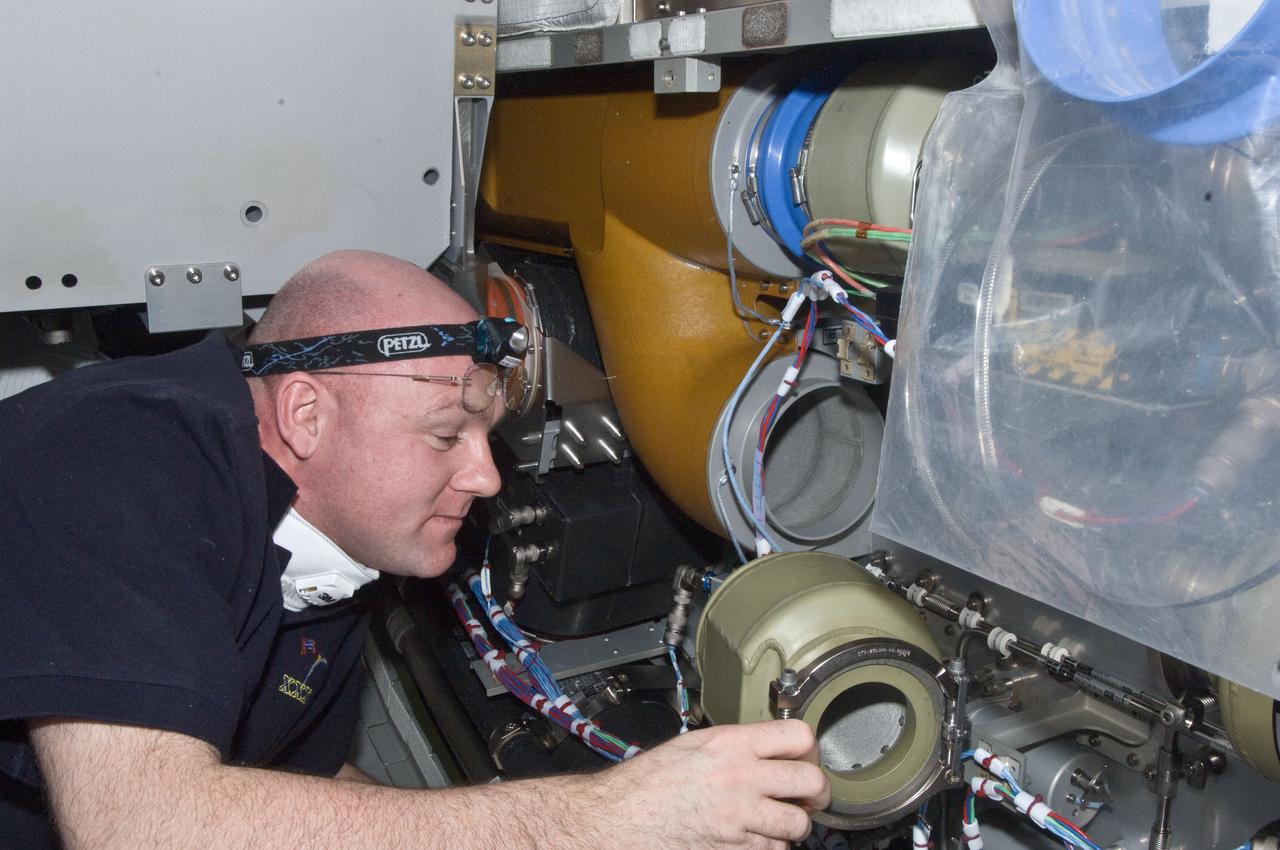
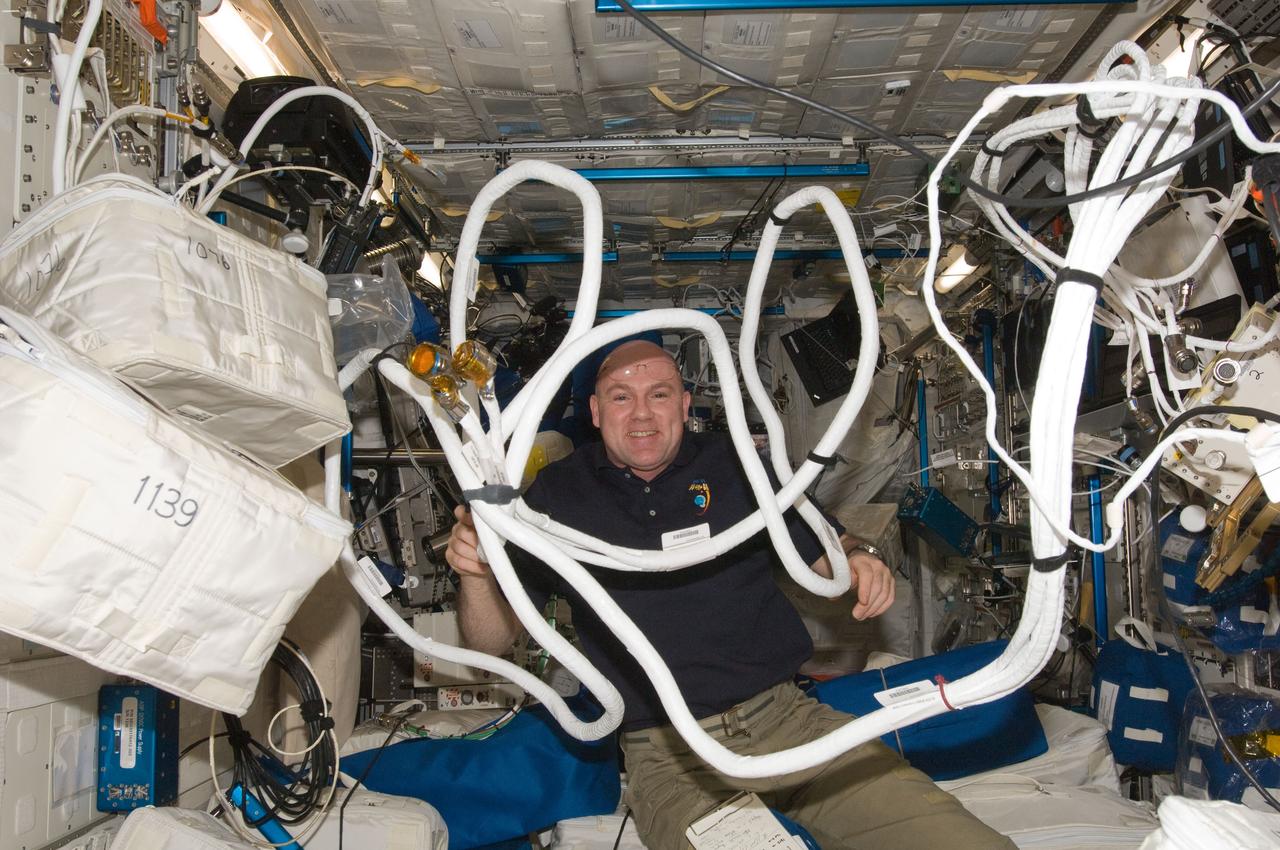
ISS030-E-129477 (22 Feb. 2012) --- European Space Agency astronaut Andre Kuipers, Expedition 30 flight engineer, performs the scheduled inspection and extensive cleanup of ventilation systems and ventilation ducts in the Columbus laboratory of the International Space Station.
Kuipers cleans IMV Systems in the Columbus Module
ISS030-E-129474 (22 Feb. 2012) --- European Space Agency astronaut Andre Kuipers, Expedition 30 flight engineer, performs the scheduled inspection and extensive cleanup of ventilation systems and ventilation ducts in the Columbus laboratory of the International Space Station.
Kuipers cleans IMV Systems in the Columbus Module
ISS030-E-129476 (22 Feb. 2012) --- European Space Agency astronaut Andre Kuipers, Expedition 30 flight engineer, performs the scheduled inspection and extensive cleanup of ventilation systems and ventilation ducts in the Columbus laboratory of the International Space Station.
Kuipers cleans IMV Systems in the Columbus Module
ISS030-E-156300 (23 Jan. 2012) --- European Space Agency astronaut Andre Kuipers, Expedition 30 flight engineer, lubricates and cleans the beverage adapter on the Potable Water Dispenser (PWD) in the Harmony node of the International Space Station.
Kuipers lubricates and cleans the beverage adapter on the PWD
ISS030-E-148397 (22 Jan. 2012) --- European Space Agency astronaut Andre Kuipers, Expedition 30 flight engineer, prepares to exercise in the Tranquility node of the International Space Station, using the advanced Resistive Exercise Device (aRED).
Kuipers prepares to exercise on the ARED in the Node 3
ISS030-E-094598 (23 Feb. 2012) --- European Space Agency astronaut Andre Kuipers, Expedition 30 flight engineer, performs the scheduled inspection and extensive cleanup of ventilation systems in the Columbus laboratory of the International Space Station.
Kuipers during scheduled inspection and extensive cleanup of ventilation systems
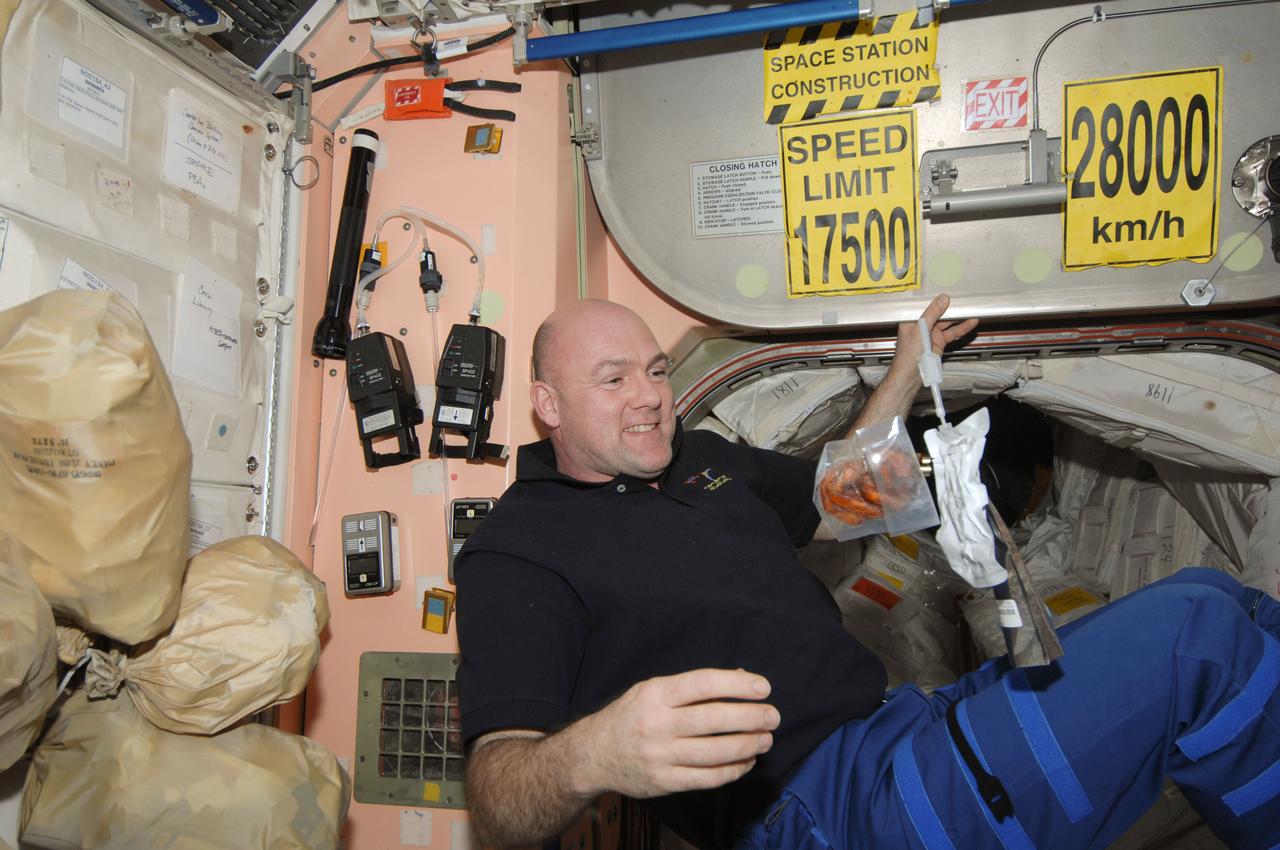
ISS030-E-166649 (30 Jan. 2012) --- European Space Agency astronaut Andre Kuipers, Expedition 30 flight engineer, is pictured near food and beverage packages floating freely in the Unity node of the International Space Station.
Kuipers watches food and drink packets float in the Node 1
Artist's impression of NASA's New Horizons spacecraft encountering 2014 MU69, a Kuiper Belt object that orbits one billion miles (1.6 billion kilometers) beyond Pluto, on Jan. 1, 2019.  https://photojournal.jpl.nasa.gov/catalog/PIA22190
New Horizons Encountering 2014 MU69 (Artist's Impression)
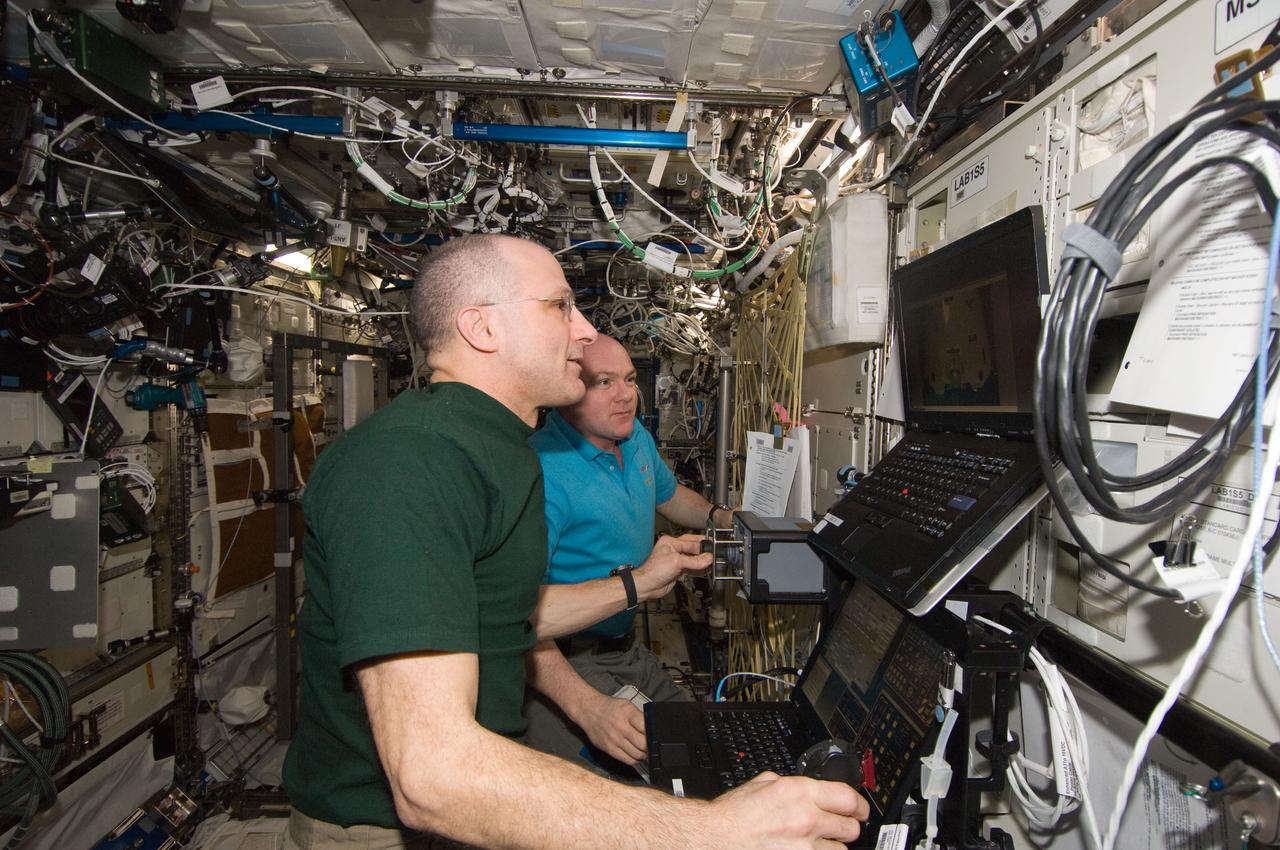
ISS030-E-235593 (11 April 2012) --- In the International Space Station’s Destiny laboratory, NASA astronaut Don Pettit (foreground) and European Space Agency astronaut Andre Kuipers, both Expedition 30 flight engineers, conduct the first of three sessions on the ROBoT simulator in preparation for the arrival of the SpaceX Dragon. Slated for liftoff on April 30, 2012, at 12:22 (EDT) from the Kennedy Space Center, the goal of Dragon’s planned 21-day mission will be to test the unpiloted capsule’s ability to rendezvous with the space station.
Pettit and Kuipers conducting RoBoT Simulator Session
ISS030-E-156455 (26 Jan. 2012) --- European Space Agency astronaut Andre Kuipers, Expedition 30 flight engineer, sets up the Compound Specific Analyzer - Combustion Products (CSA-CP) in the Destiny laboratory of the International Space Station. The purpose of the analyzer is to measure the concentrations of carbon monoxide, hydrogen cyanide, hydrogen chloride and oxygen.
Kuipers sets up the CSA-CP in the U.S. Laboratory
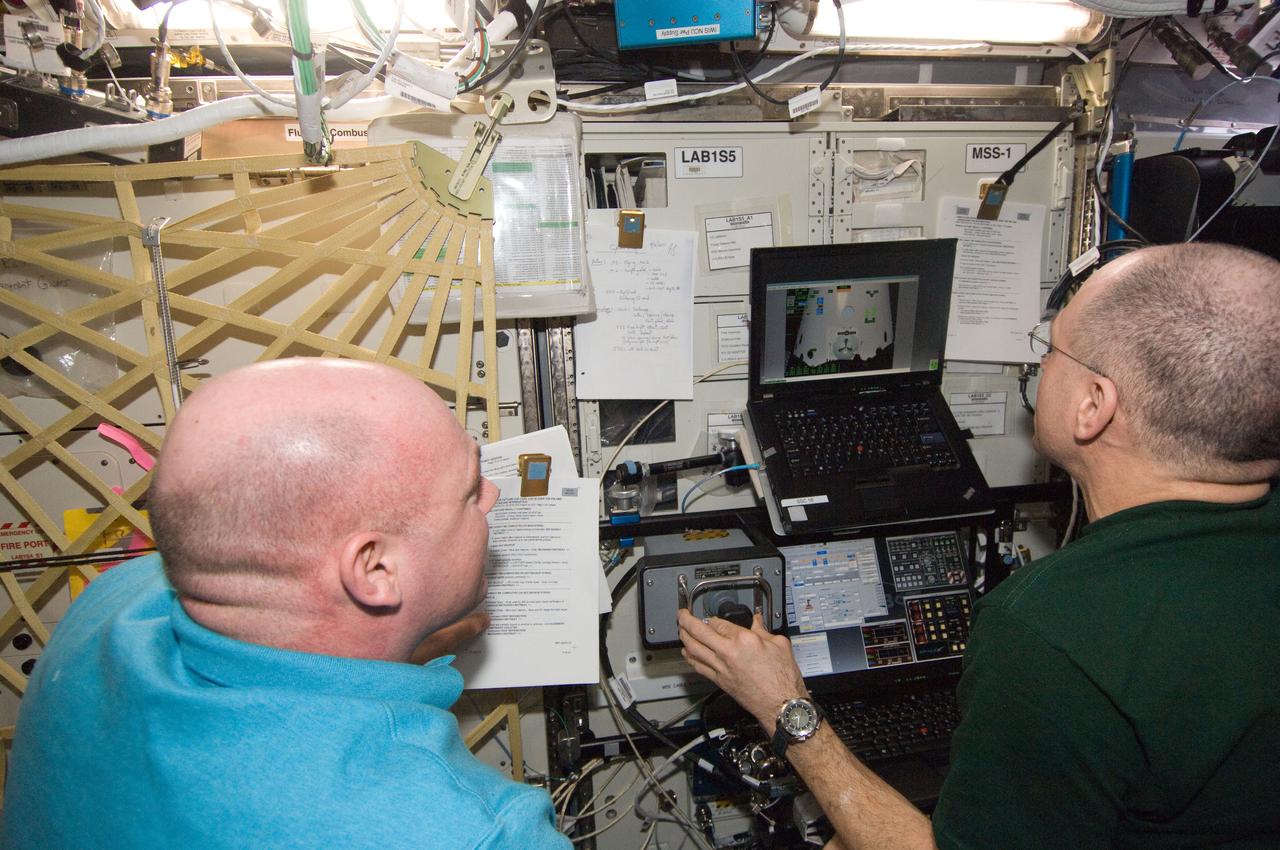
ISS030-E-235592 (11 April 2012) --- In the International Space Station’s Destiny laboratory, NASA astronaut Don Pettit (right) and European Space Agency astronaut Andre Kuipers, both Expedition 30 flight engineers, conduct the first of three sessions on the ROBoT simulator in preparation for the arrival of the SpaceX Dragon. Slated for liftoff on April 30, 2012, at 12:22 (EDT) from the Kennedy Space Center, the goal of Dragon’s planned 21-day mission will be to test the unpiloted capsule’s ability to rendezvous with the space station.
Pettit and Kuipers conducting RoBoT Simulator Session
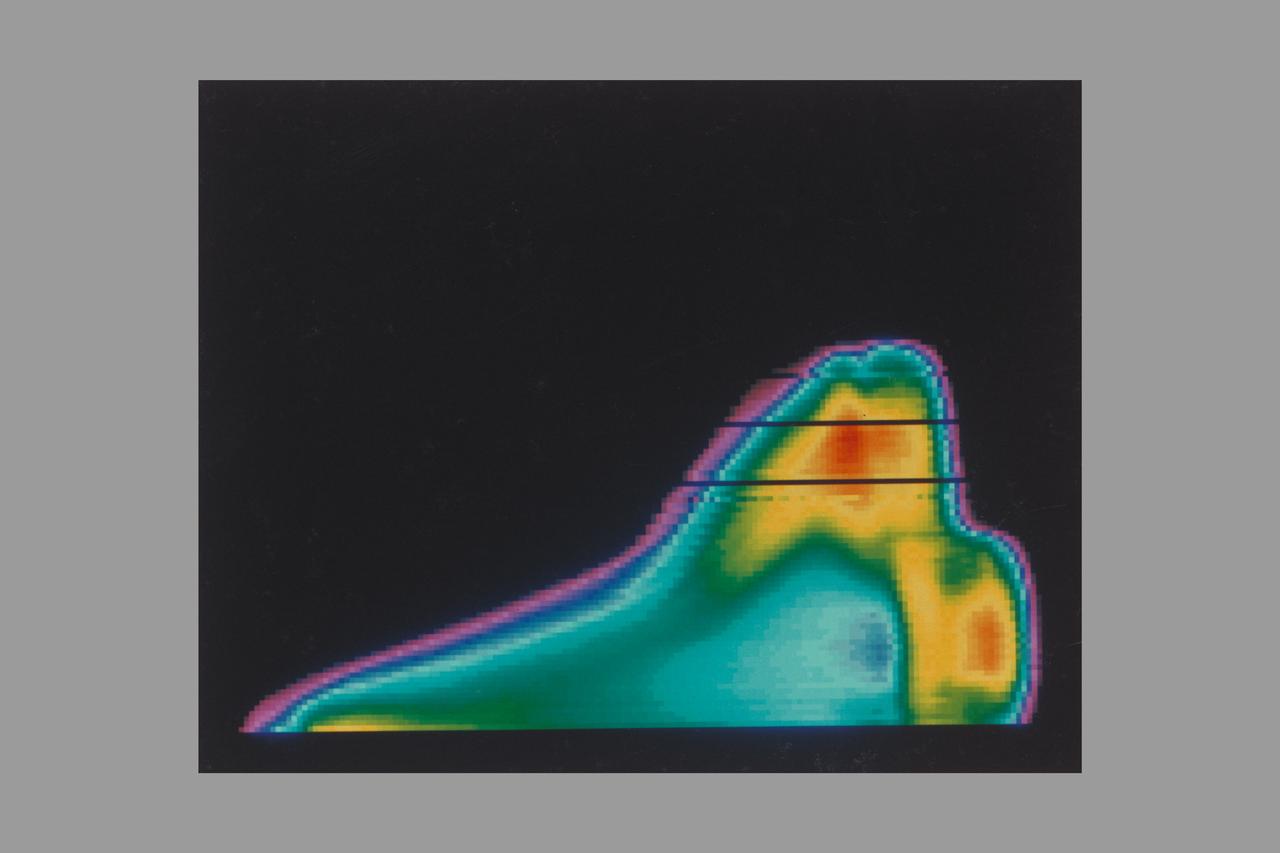
Heating pattern of the Space Shuttle as measured by infrared instruments aboard the Kuiper Airborne Observatory (KAO)
ARC-1982-AC82-0234
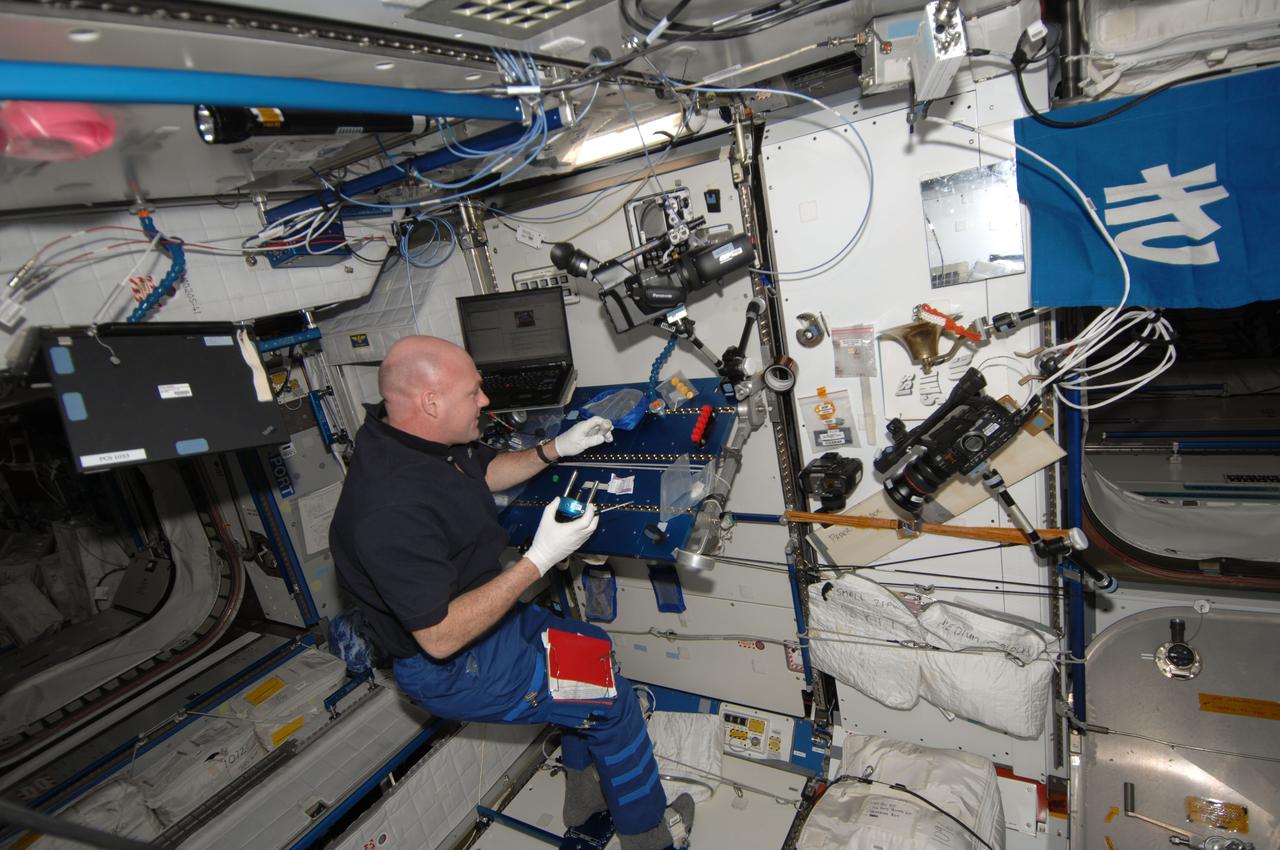
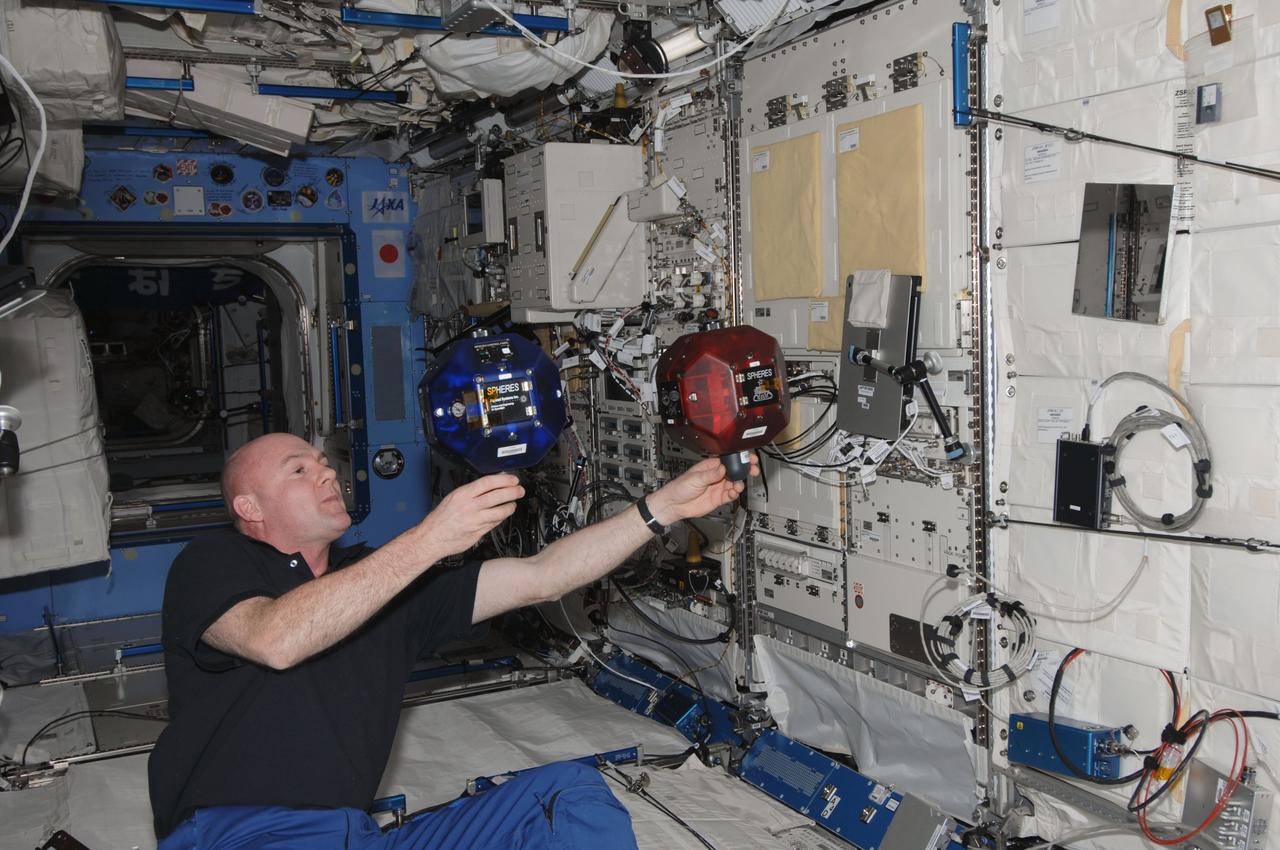
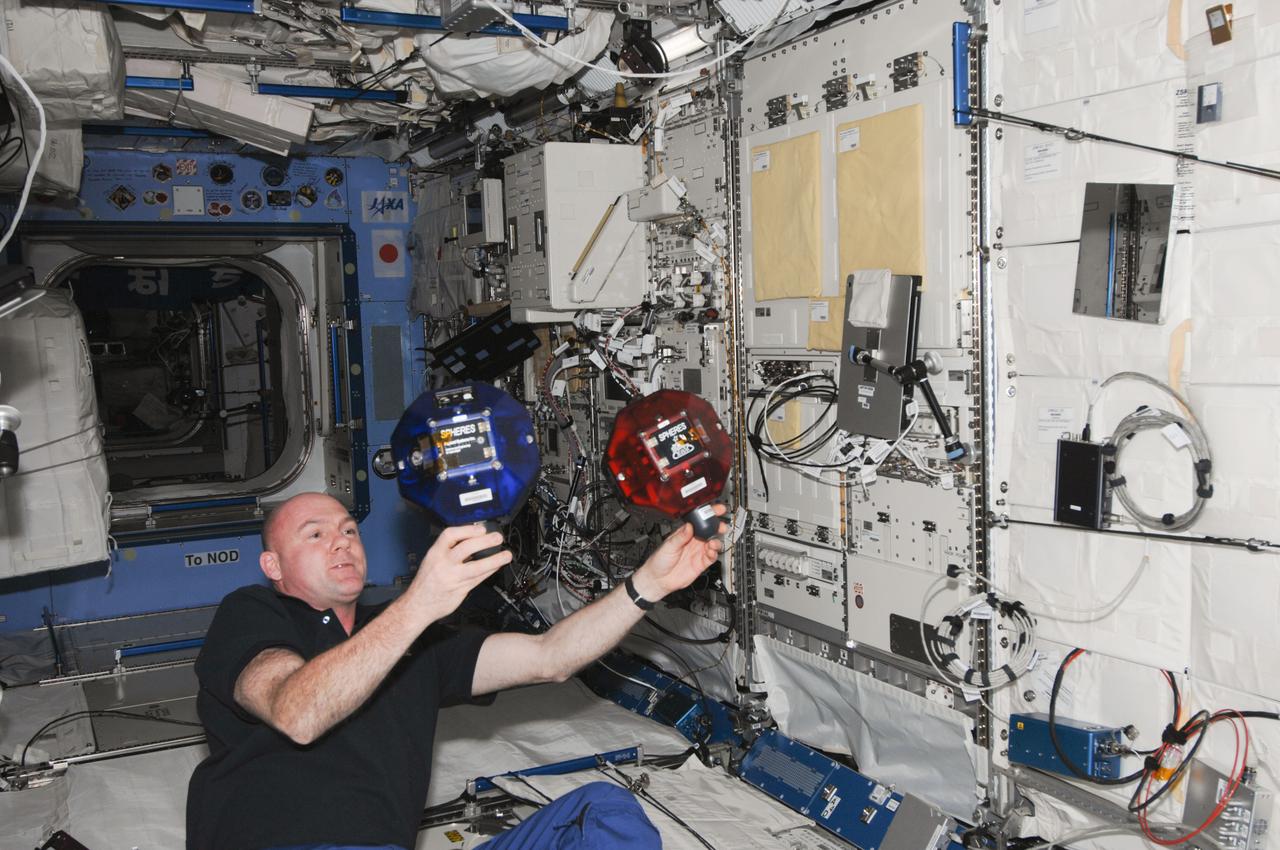
ISS030-E-156310 (23 Jan. 2012) --- European Space Agency astronaut Andre Kuipers, Expedition 30 flight engineer, works with the Synchronized Position Hold, Engage, Reorient, Experimental Satellites Zero Robotics (SPHERES ZR) experiment in the Kibo laboratory of the International Space Station.
Kuipers conducts a test session of the payload SPHERES ZR in the JPM
ISS030-E-093398 (22 Feb. 2012) --- European Space Agency astronaut Andre Kuipers, Expedition 30 flight engineer, uses a vacuum cleaner while performing the scheduled extensive cleanup of ventilation systems in the Columbus laboratory of the International Space Station.
Kuipers uses vacuum cleaner while performing maintenance in the Columbus Module
ISS030-E-156313 (23 Jan. 2012) --- European Space Agency astronaut Andre Kuipers, Expedition 30 flight engineer, works with the Synchronized Position Hold, Engage, Reorient, Experimental Satellites Zero Robotics (SPHERES ZR) experiment in the Kibo laboratory of the International Space Station.
Kuipers conducts a test session of the payload SPHERES ZR in the JPM
ISS030-E-156468 (27 Jan. 2012) --- European Space Agency astronaut Andre Kuipers, Expedition 30 flight engineer, is pictured in the Quest airlock of the International Space Station during photo documentation of the fluid and electrical interfaces on the Umbilical Interface Assembly (UIA) Connector Shelf.
Kuipers during photo documentation of the fluid and electrical interfaces on the UIA
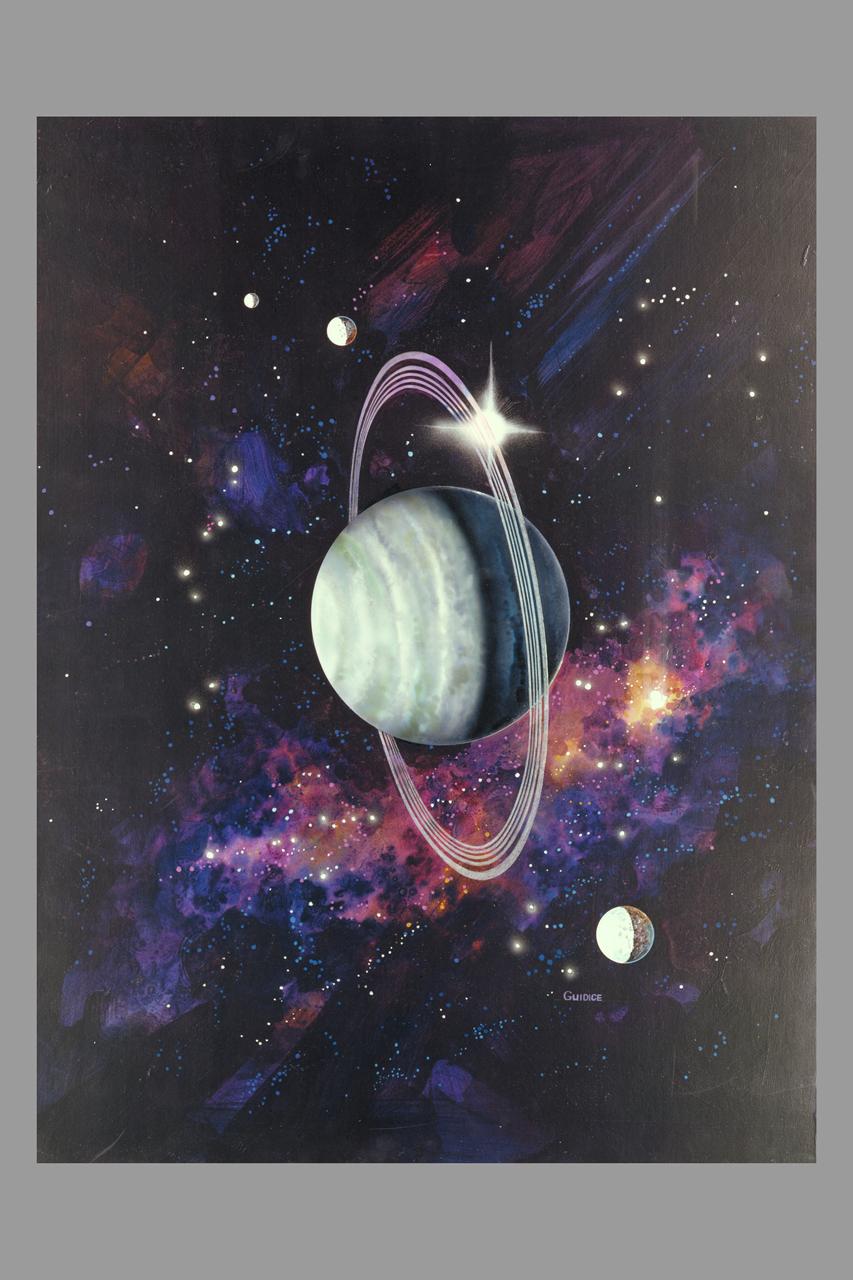
Artist: Rick Guidace This artist concept depicts the rings of Uranus in polar rotation as discovered by NASA Ames C-141 Kuiper Airborne Observatory
ARC-1977-AC77-1069
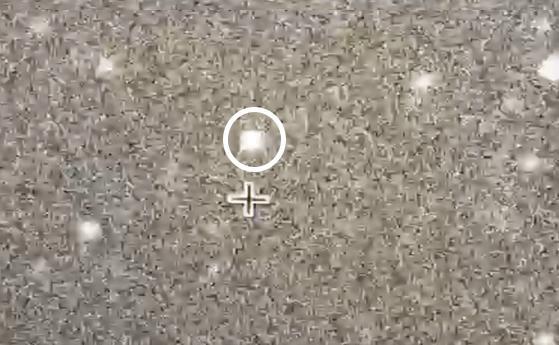
NASA's New Horizons team trained mobile telescopes on an unnamed star (circled) from a remote area of Argentina on July 17, 2017. A Kuiper Belt object 4.1 billion miles from Earth -- known as 2014 MU69 -- briefly blocked the light from the background star, in what's known as an occultation. The time difference between frames is 200 milliseconds, or 0.2 seconds. This data will help scientists better measure the shape, size and environment around the object. The New Horizons spacecraft will fly by this ancient relic of solar system formation on Jan. 1, 2019. It will be the most distant object ever explored by a spacecraft.   A video is available at https://photojournal.jpl.nasa.gov/catalog/PIA21865
Wink of a Star
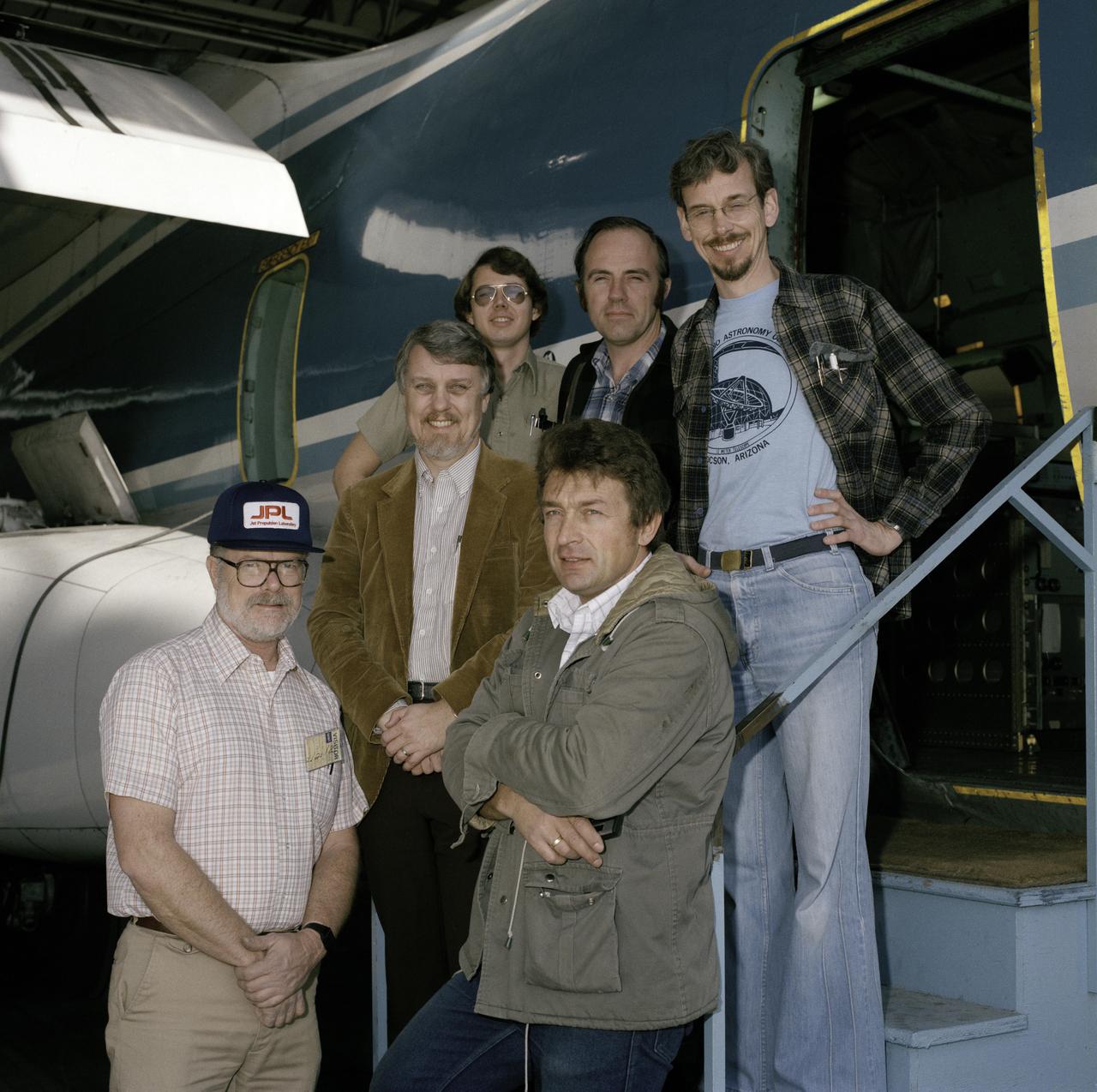
C-141 KAO JPL RESEARCH TEAM-183/380 with in no particular order are Zimmerman, Kuiper, Klein, Shcaeffer, Pickett, Batelaan
ARC-1985-AC85-0141-2-Edit
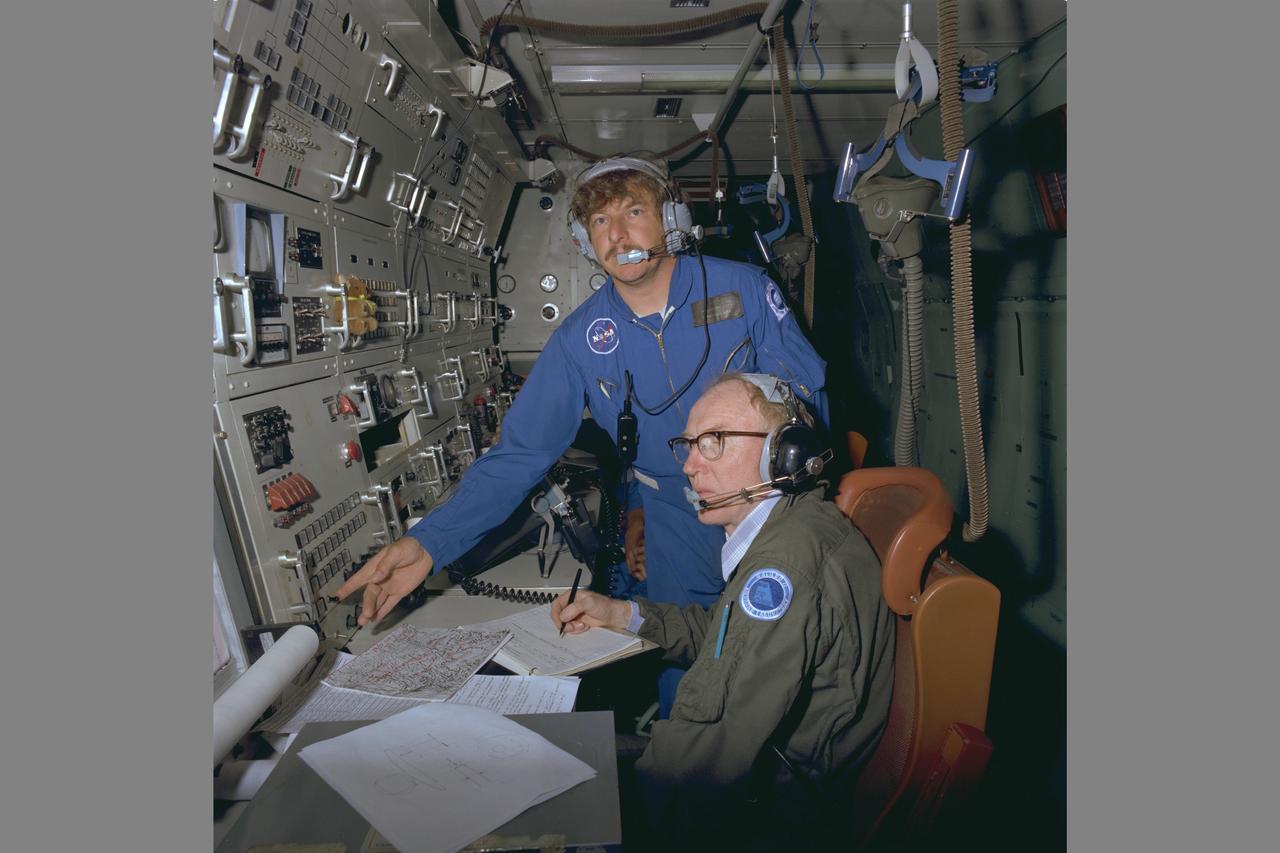
C-141 Kuiper Airborne Observatory (KAO) cabin interior with experimentor Dr L Haughney
ARC-1978-AC78-0610-85
C-141 Kuiper Airborne Observatory (KAO) cabin interior with experimenters Dr. L Haughney and investigator
ARC-1969-AC78-0610-86
ISS031-E-096064 (8 June 2012) --- European Space Agency astronaut Andre Kuipers, Expedition 31 flight engineer, works with the silicon detector unit in the Columbus laboratory of the International Space Station.
Kuipers in Columbus
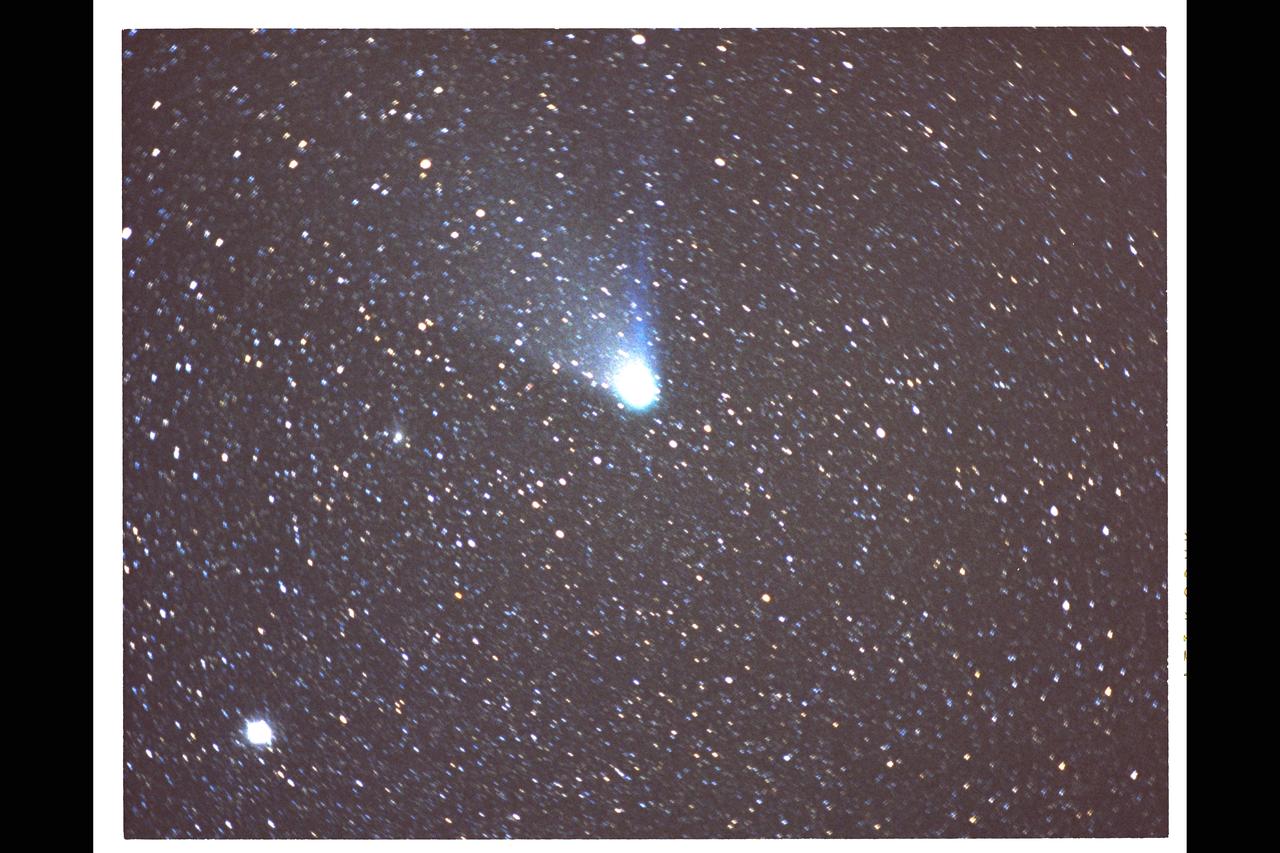
C-141 Kuiper Airborne Imagery of Comet Halley  (New Zealand Expedition) PHOTO CREDIT Photo taken with equipment designed, mounted on the headring and operated by the Charleston (South Carolina) County School District CAN DO Project;
ARC-1986-AC86-0720-4
ISS031-E-096086 (8 June 2012) --- European Space Agency astronaut Andre Kuipers, Expedition 31 flight engineer, works with Anomalous Long Term Effects on Astronauts (ALTEA) equipment in the Columbus laboratory of the International Space Station.
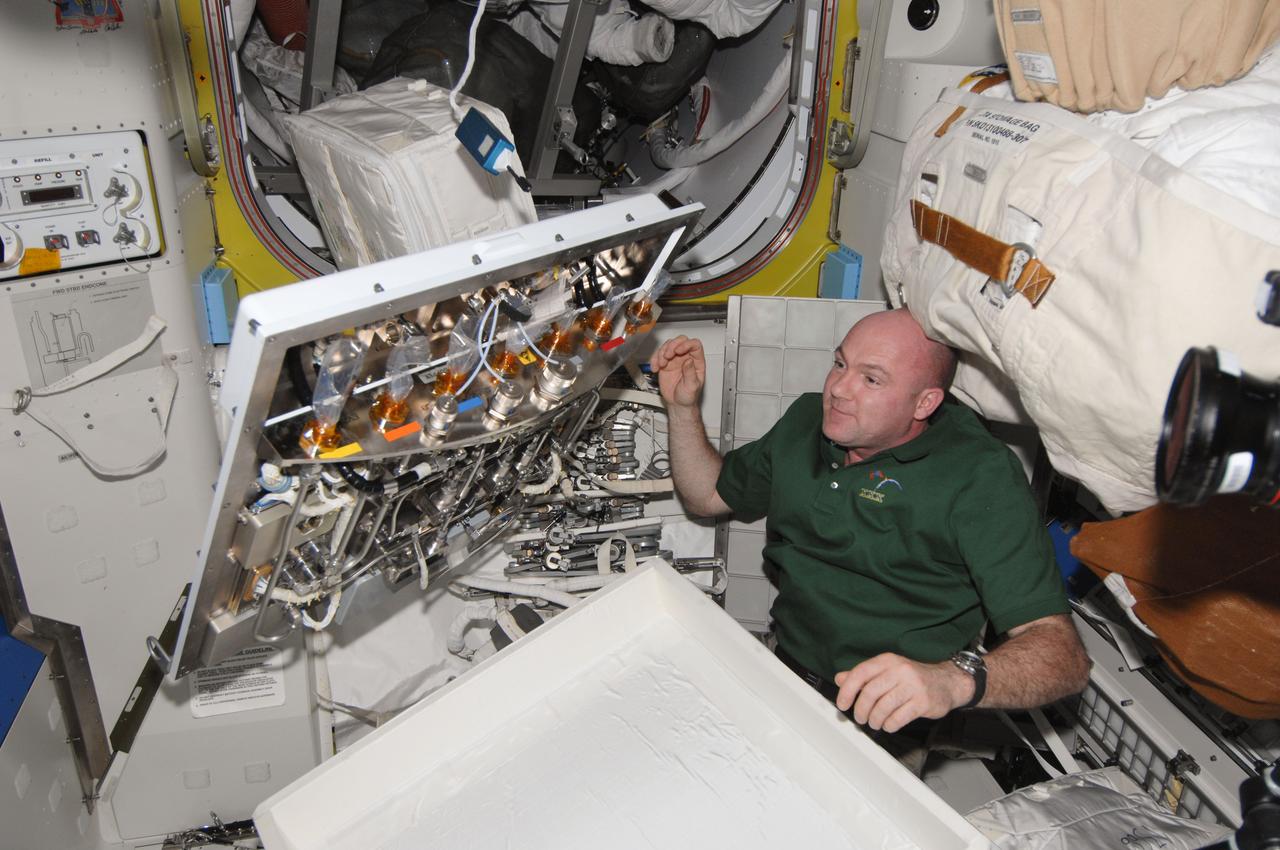
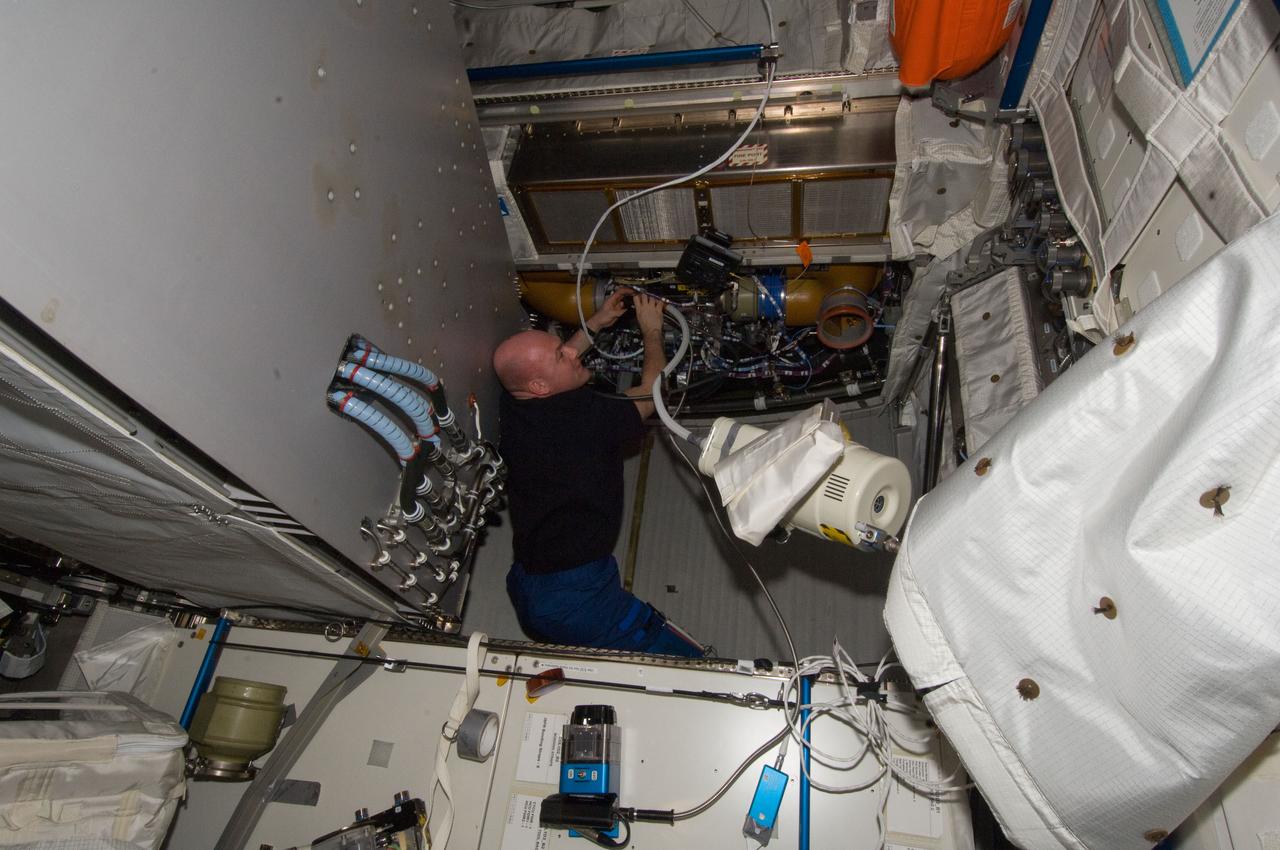
Kuipers in Columbus
ISS031-E-157790 (15 May 2012) --- European Space Agency astronaut Andre Kuipers, Expedition 31 flight engineer, floats freely in ESA?s "Edoardo Amaldi" Automated Transfer Vehicle-3 (ATV-3) currently docked with the International Space Station.
Kuipers in ATV3
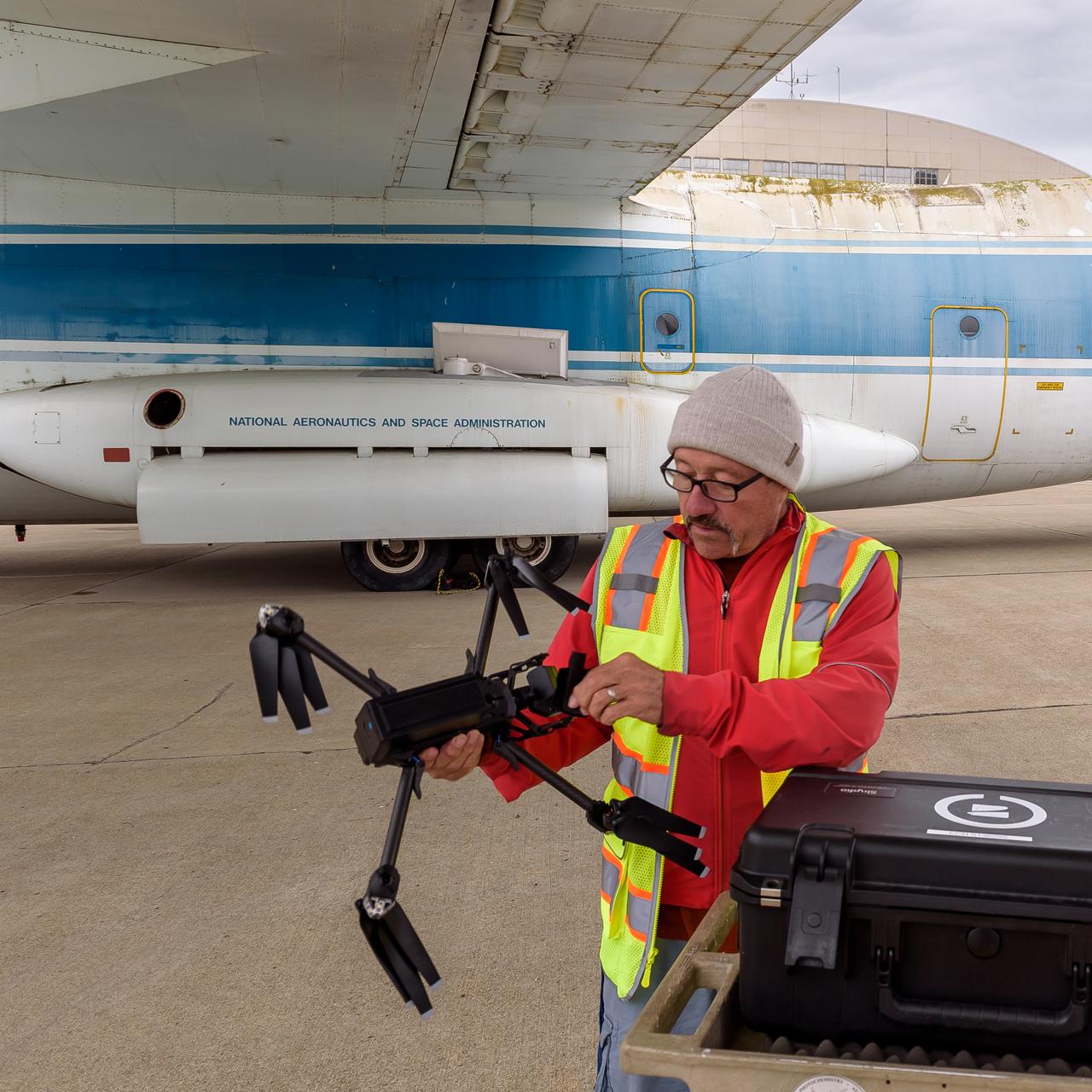
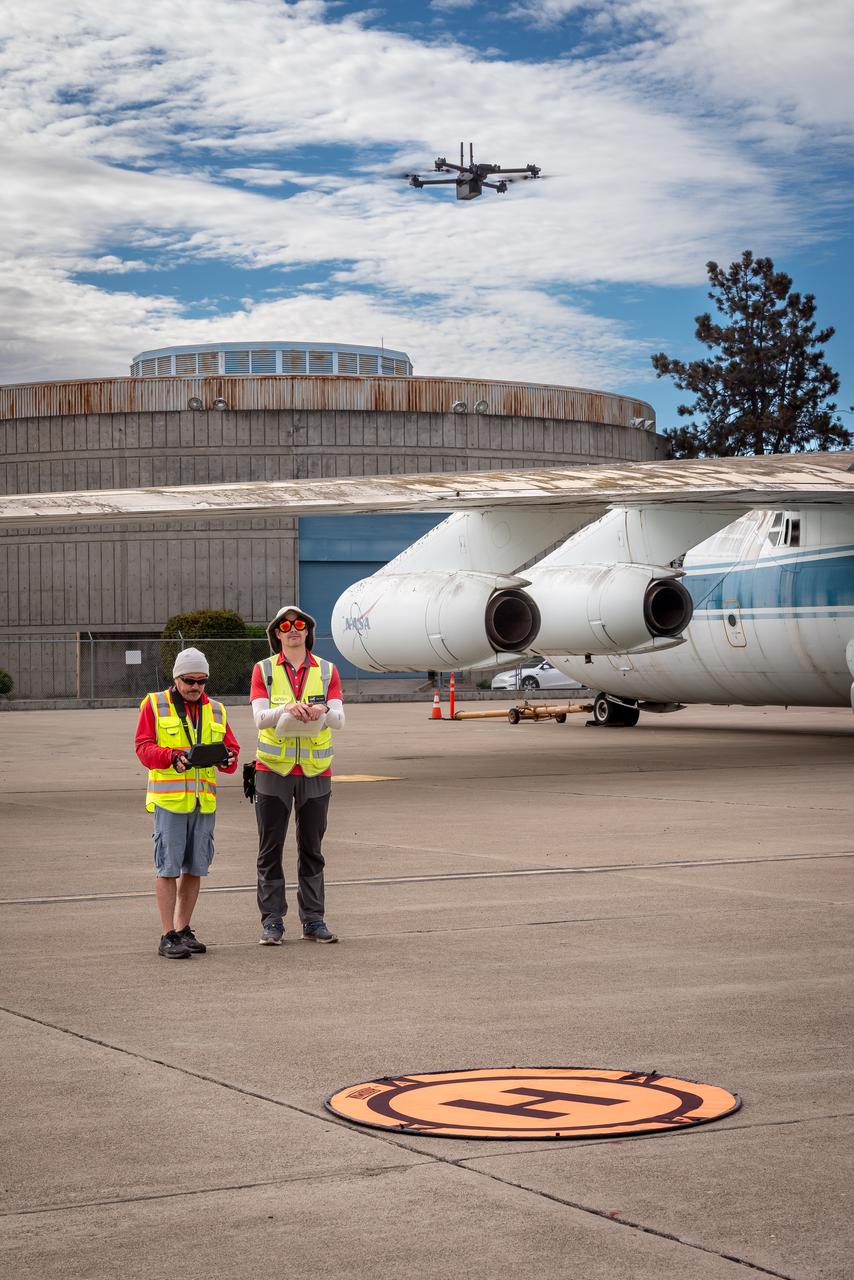
Richard Kolyer unfolds the drone and prepares it for flight around the modified C-141 Kuiper Airborne Observatory, (KAO) (NASA-714).
Kuiper Airborne Observatory (KAO) Demolition
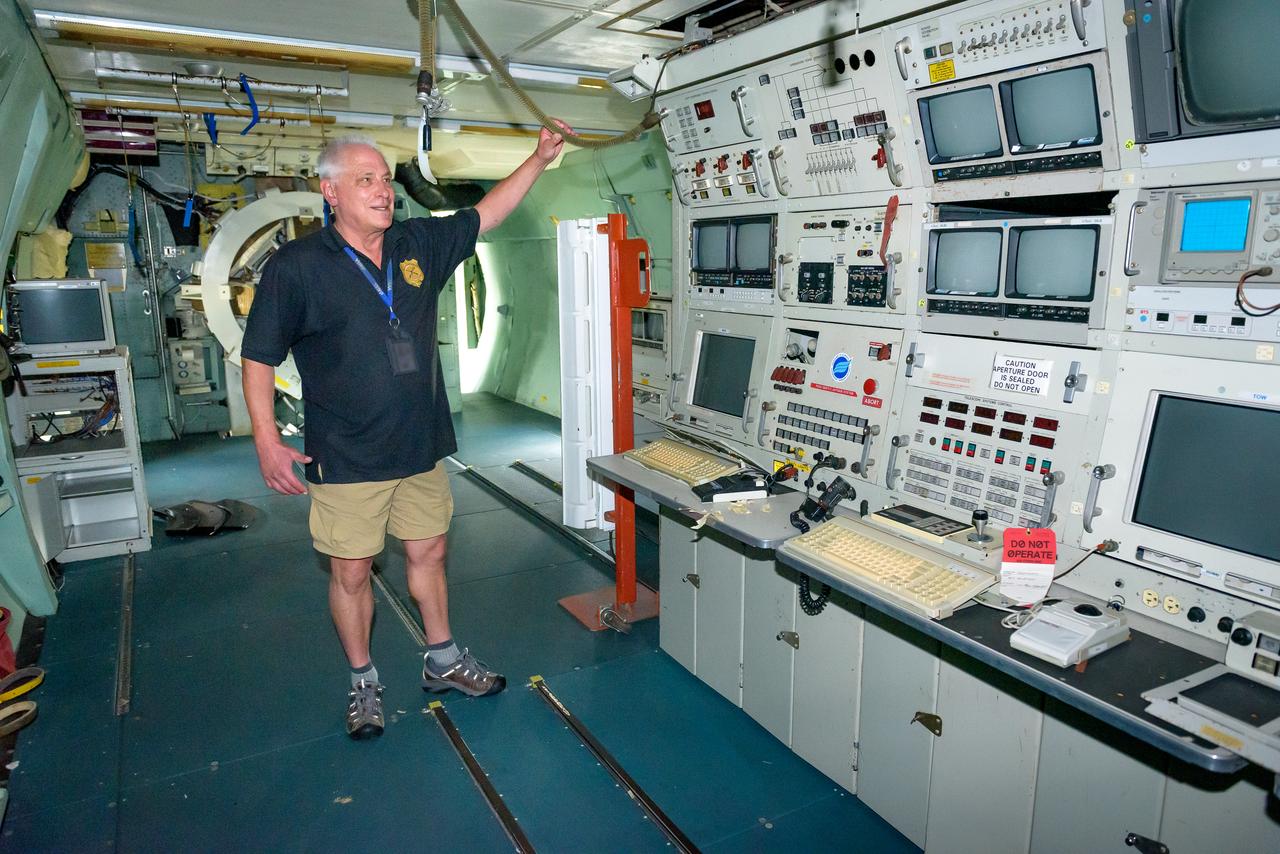
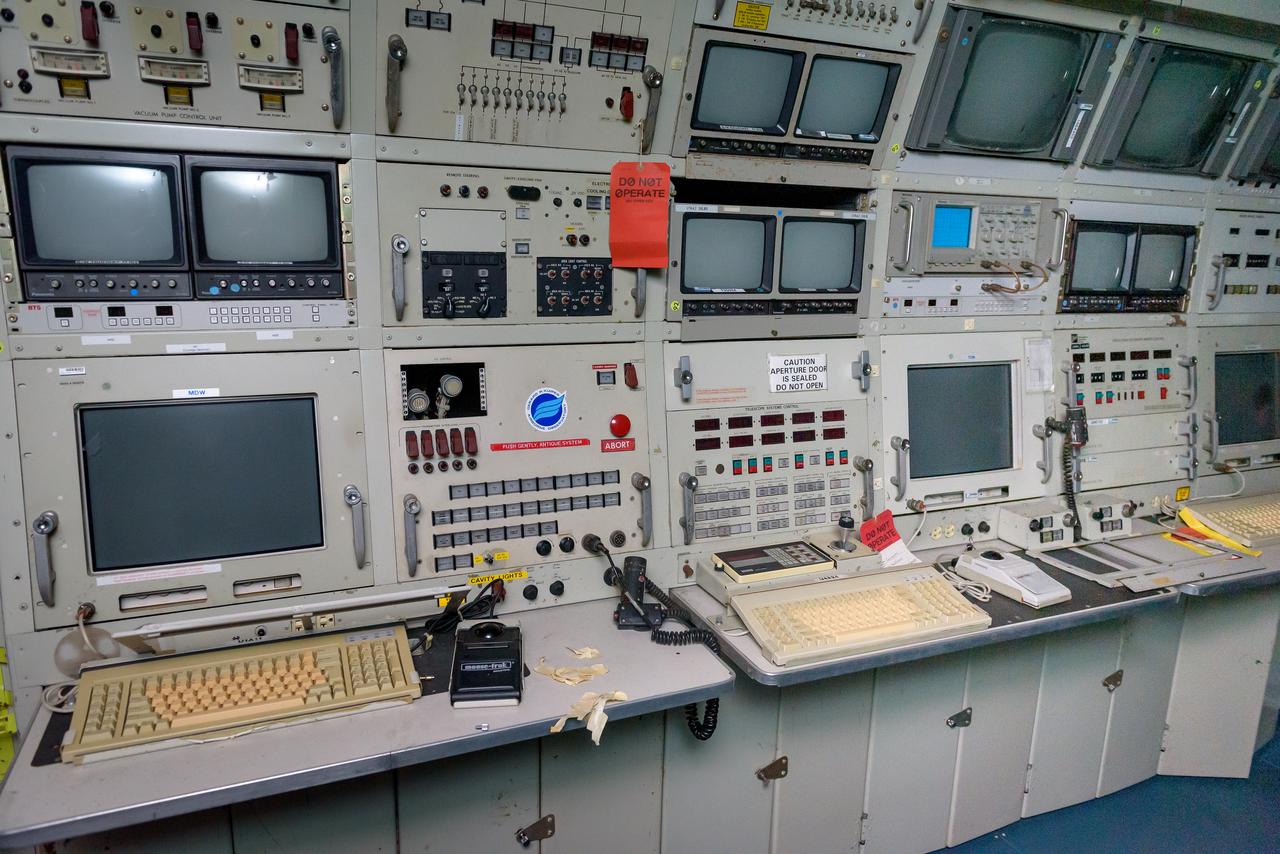
Mission Director Stephen Patterson at his workstation at the console of the modified C-141 Kuiper Airborne Observatory, (KAO) (NASA-714).
Kuiper Airborne Observatory (KAO) Demolition
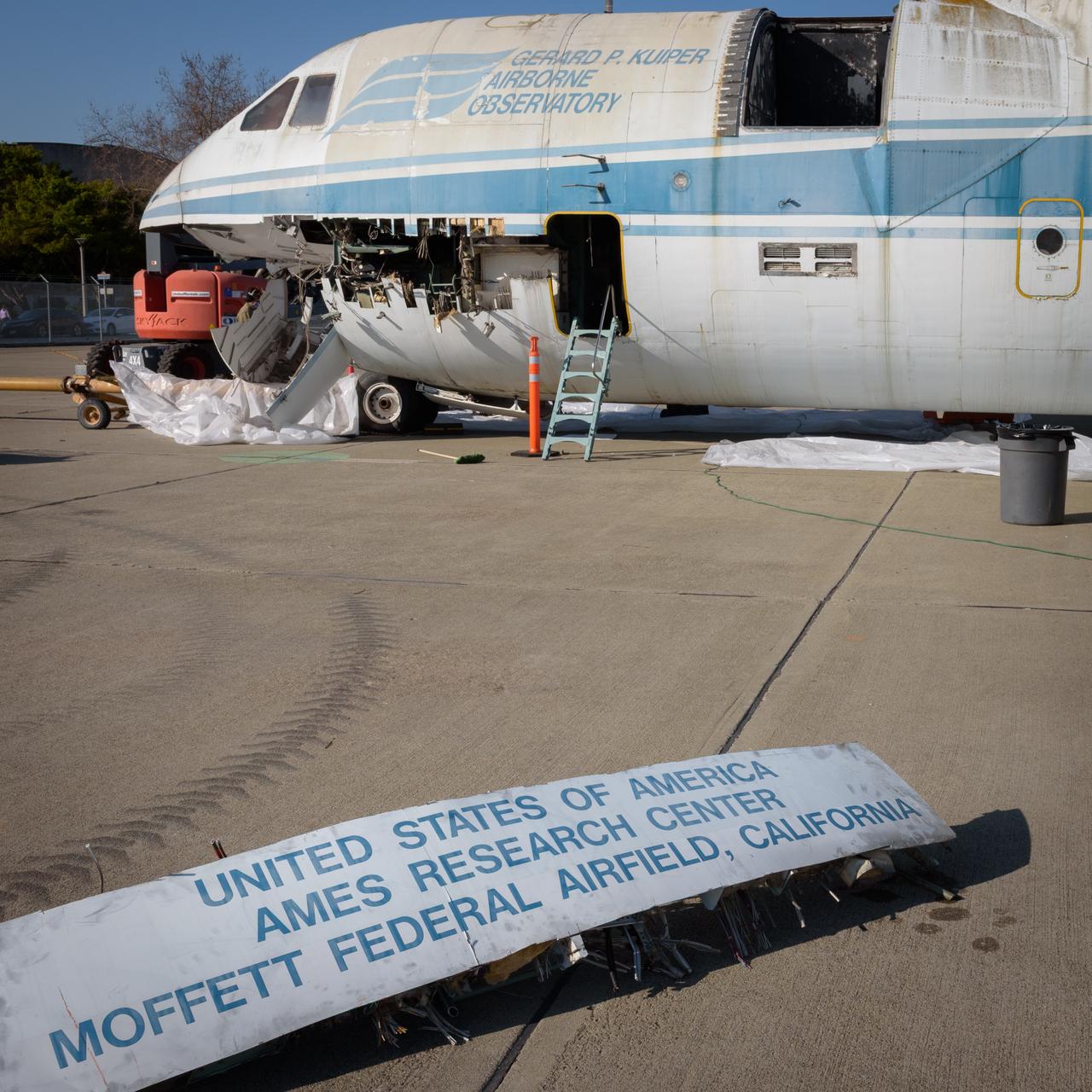
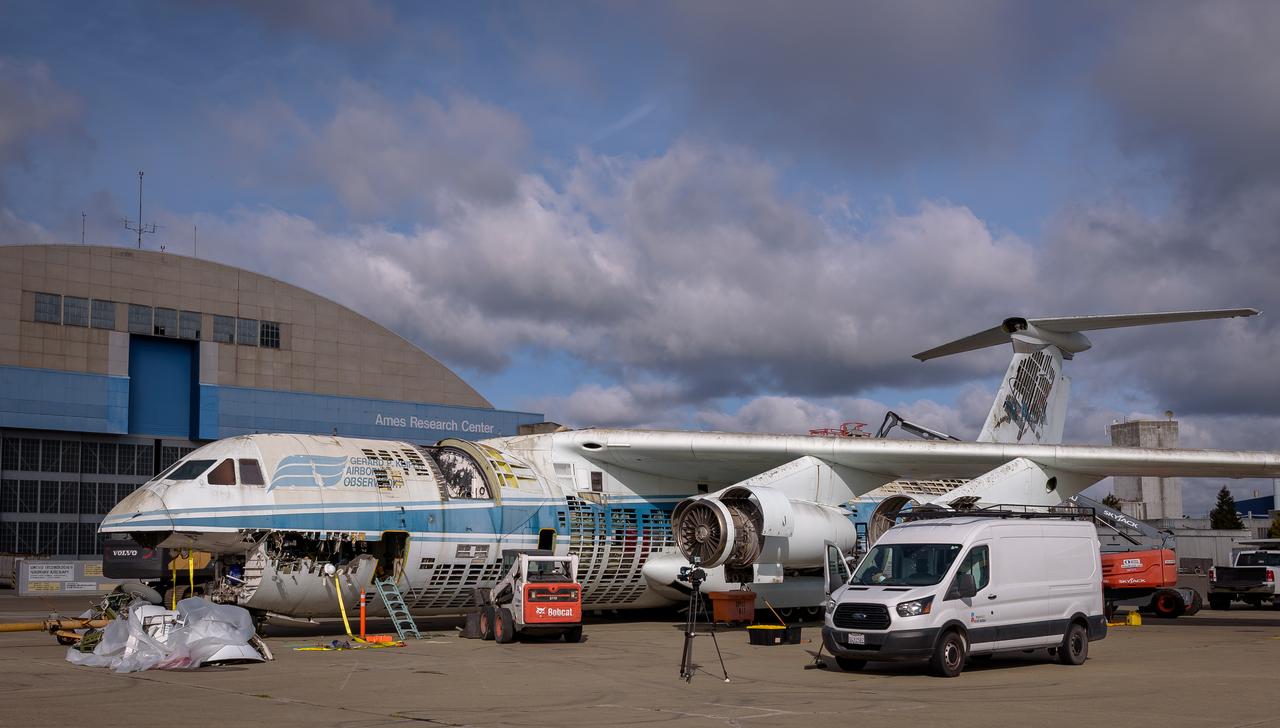
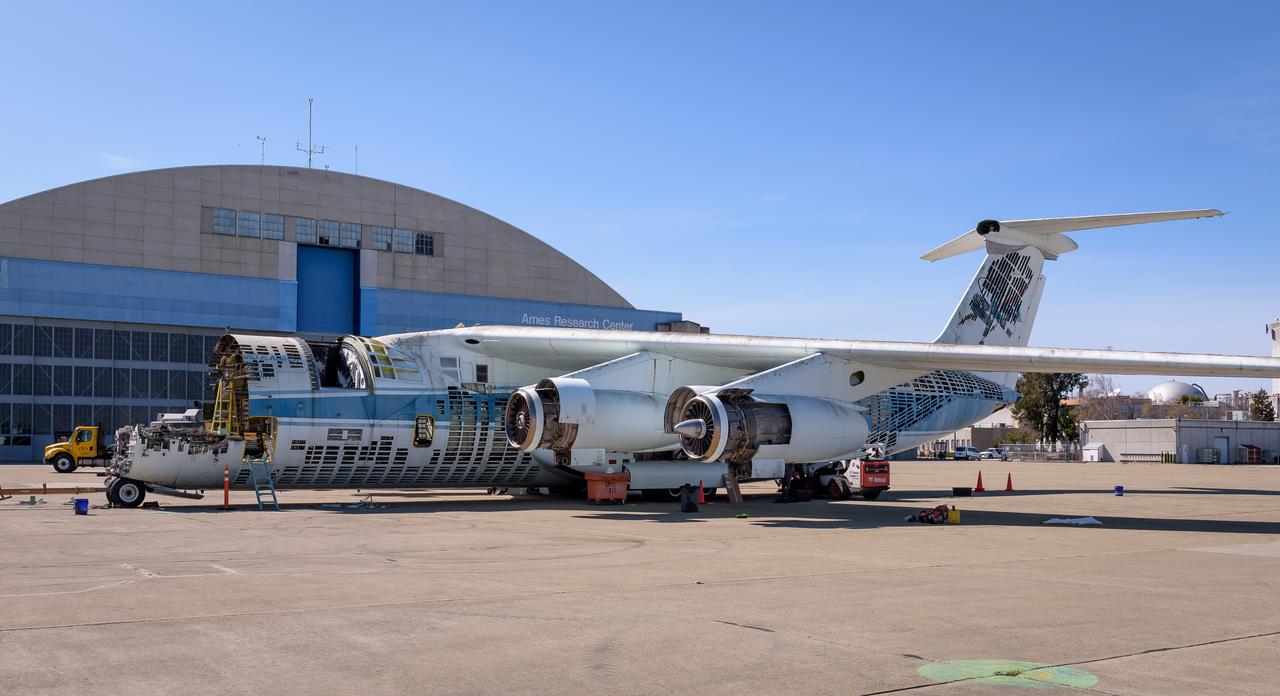
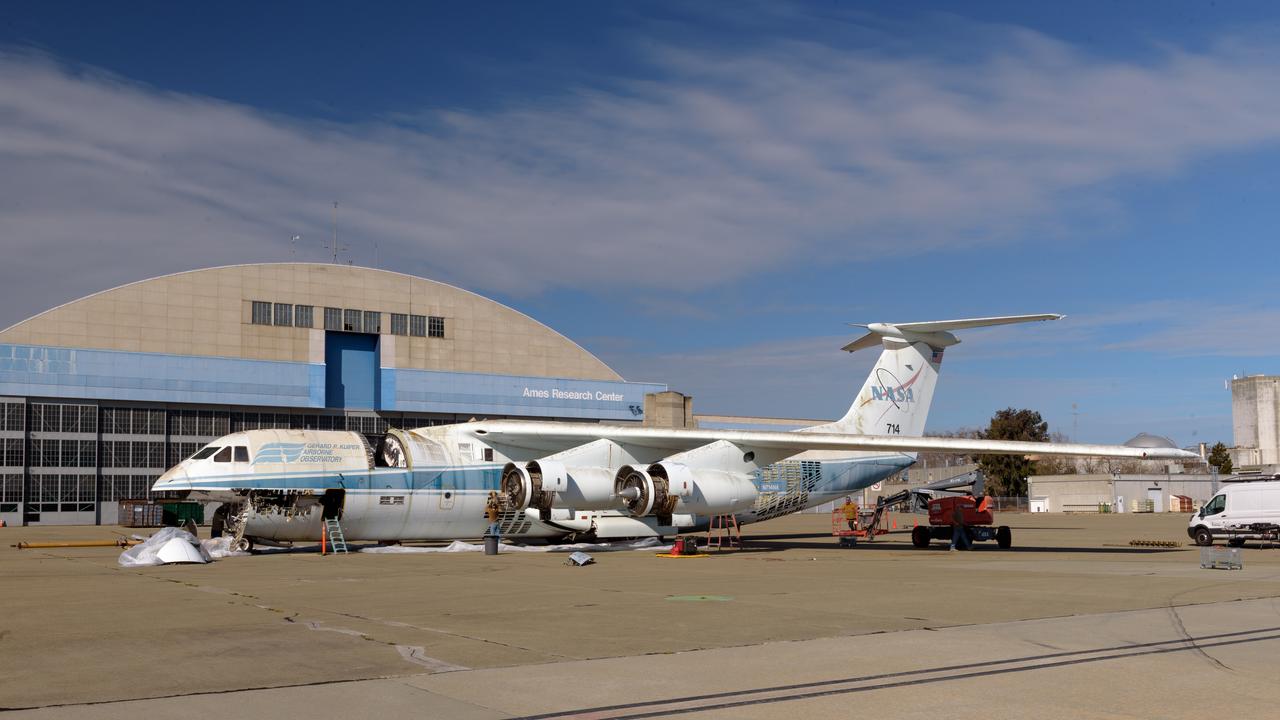
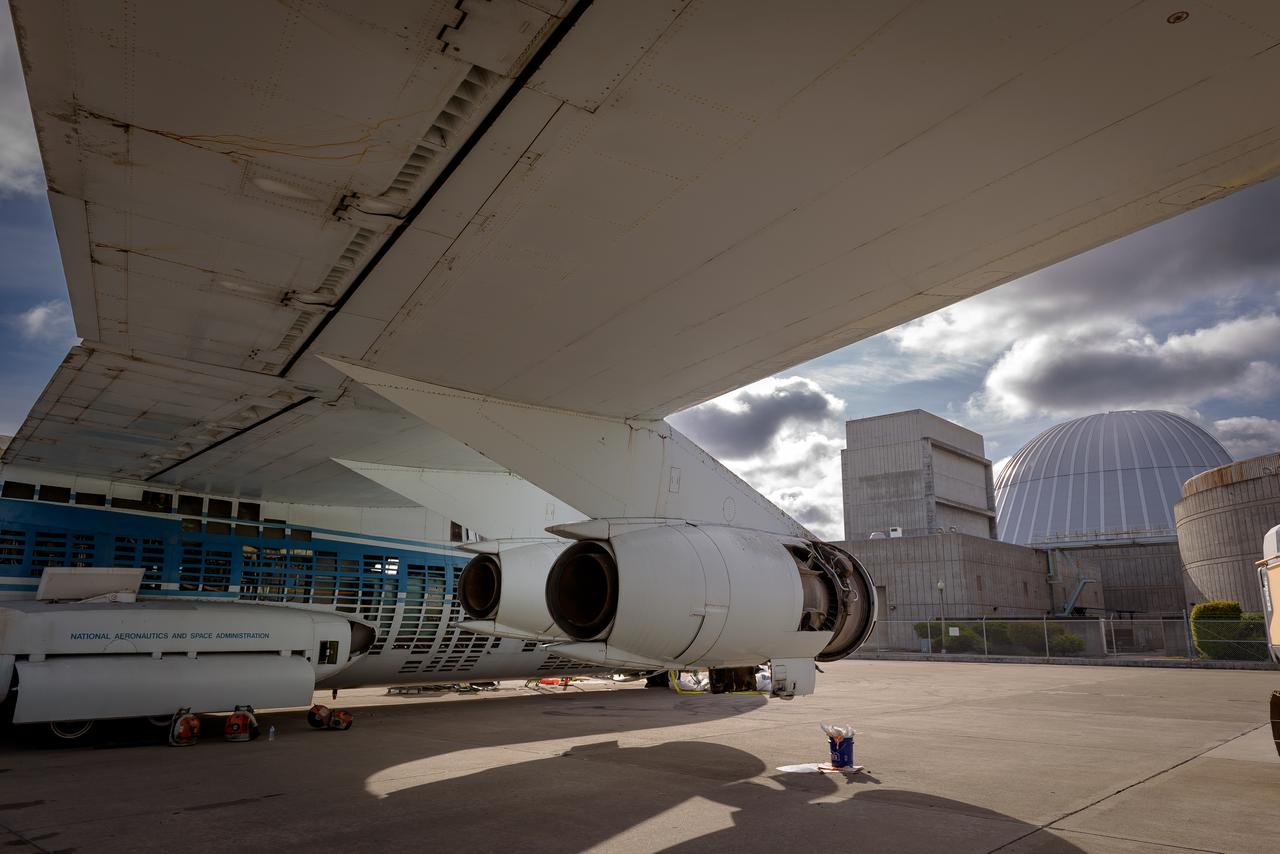
Demolition of the modified C-141 Kuiper Airborne Observatory, (KAO) (NASA-714), on the N211 apron at Moffett Field, California.
Kuiper Airborne Observatory (KAO) Demolition
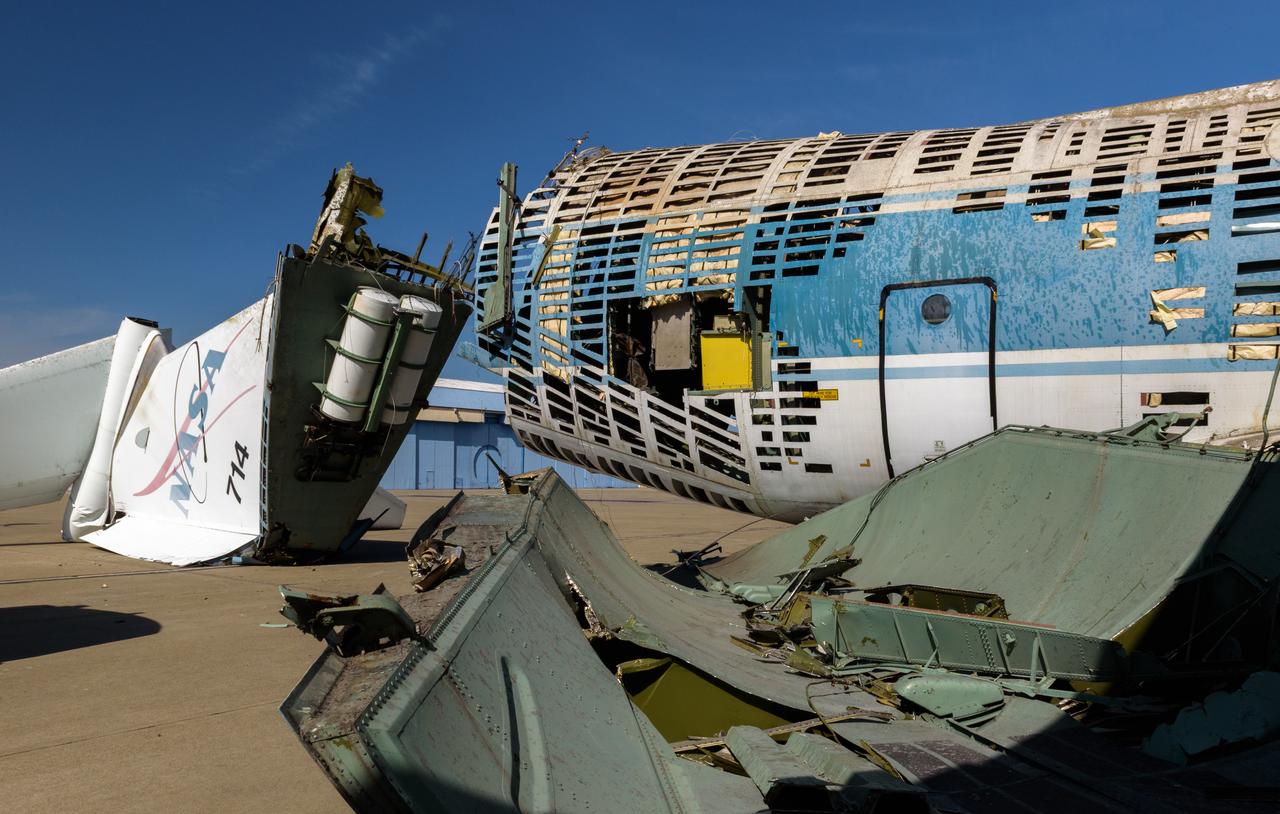
The modified C-141 Kuiper Airborne Observatory, (KAO) (NASA-714), is demolished on the N211 apron at Moffett Field, California.
Kuiper Airborne Observatory (KAO) Demolition
The modified C-141 Kuiper Airborne Observatory, (KAO) (NASA-714), is demolished on the N211 apron at Moffett Field, California.
Kuiper Airborne Observatory (KAO) Demolition
The modified C-141 Kuiper Airborne Observatory, (KAO) (NASA-714), is demolished on the N211 apron at Moffett Field, California.
Kuiper Airborne Observatory (KAO) Demolition
The modified C-141 Kuiper Airborne Observatory, (KAO) (NASA-714), is demolished on the N211 apron at Moffett Field, California.
Kuiper Airborne Observatory (KAO) Demolition
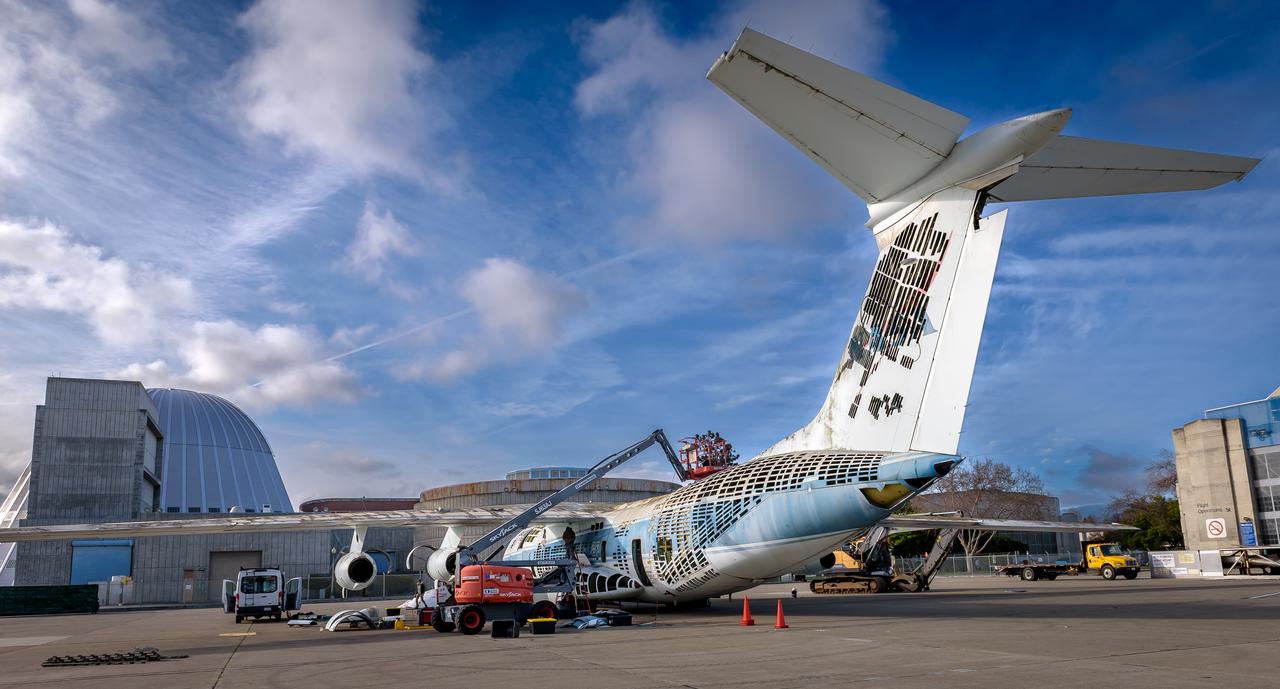
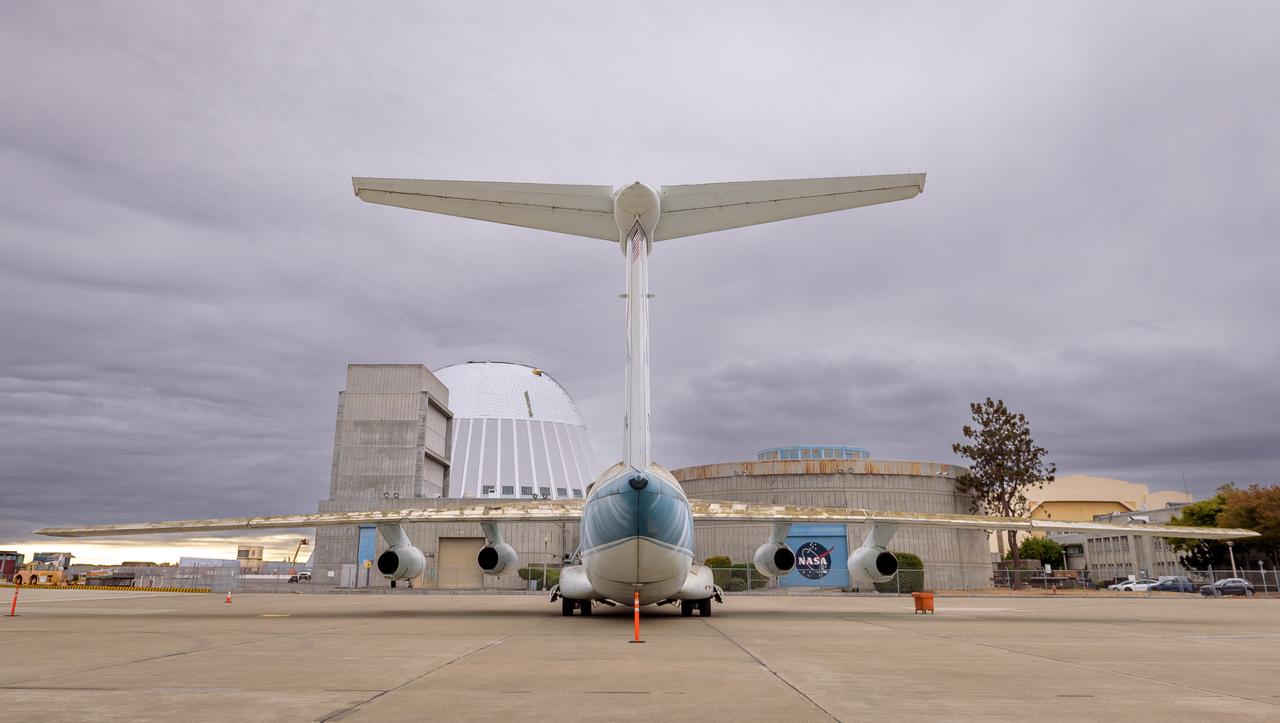
Rear view of the modified C-141 Kuiper Airborne Observatory, (KAO) (NASA-714), on the N211 apron at Moffett Field, California.
Kuiper Airborne Observatory (KAO) Demolition
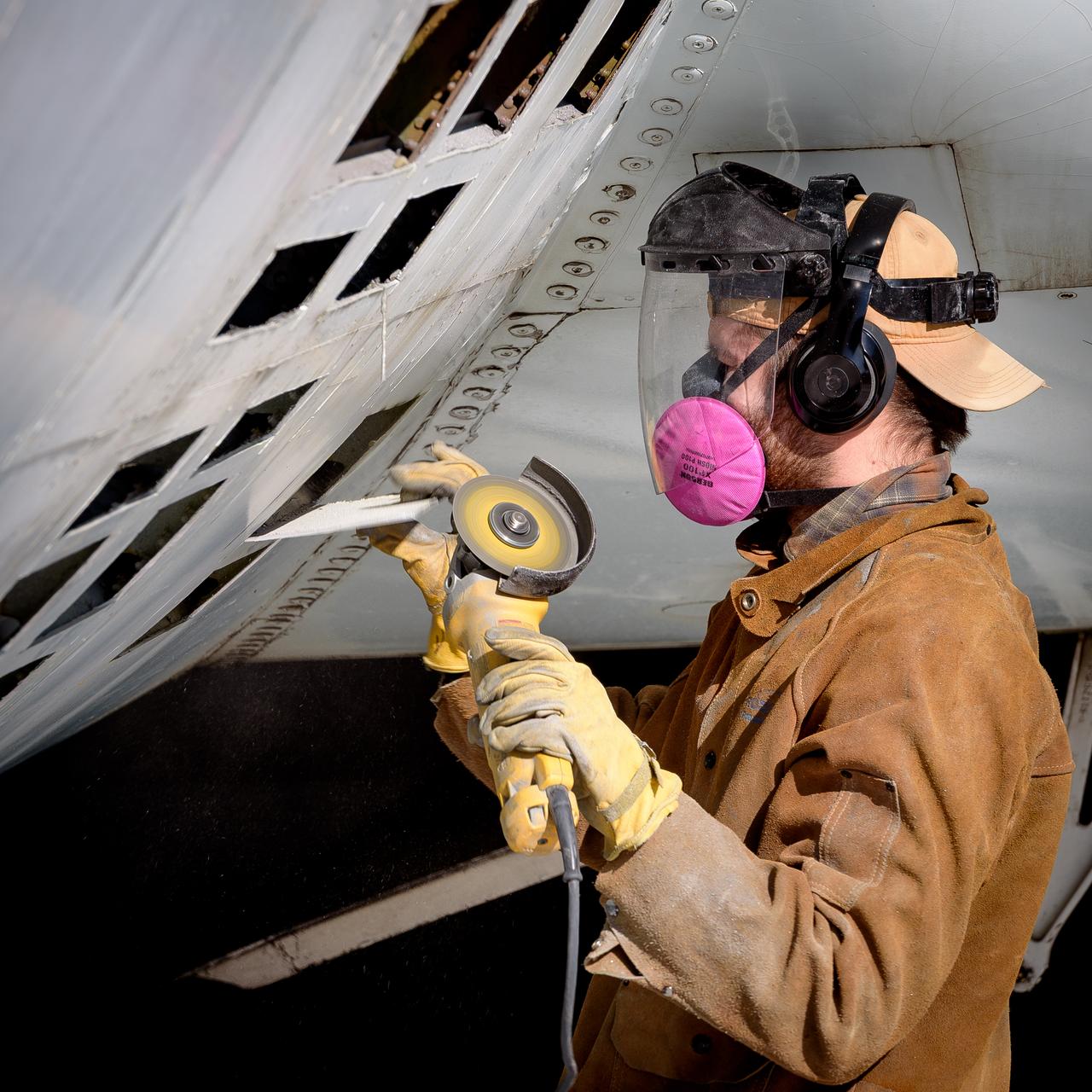
Aircraft demolition of the modified C-141 Kuiper Airborne Observatory, (KAO) (NASA-714), on the N211 apron at Moffett Field, California.
Kuiper Airborne Observatory (KAO) Demolition
Aircraft demolition of the modified C-141 Kuiper Airborne Observatory, (KAO) (NASA-714), on the N211 apron at Moffett Field, California.
Kuiper Airborne Observatory (KAO) Demolition
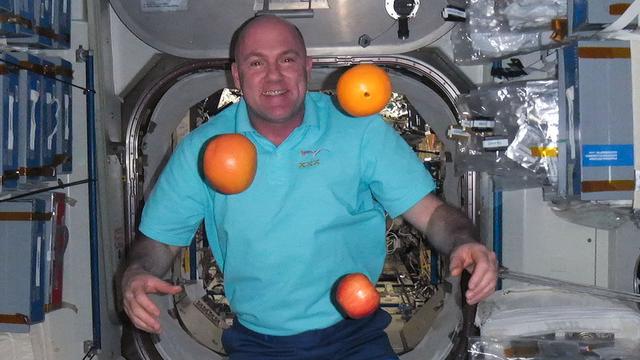
ISS030-E-117506 (3 Feb. 2012) --- European Space Agency astronaut Andre Kuipers, Expedition 30 flight engineer, is pictured near fruit floating freely in the Unity node of the International Space Station.
Kuipers in the Node 1
ISS030-E-210896 (6 April 2012) --- European Space Agency astronaut Andre Kuipers, Expedition 30 flight engineer, works in the Automated Transfer Vehicle (ATV-3) currently docked with the International Space Station.
Kuipers works in the ATV-3
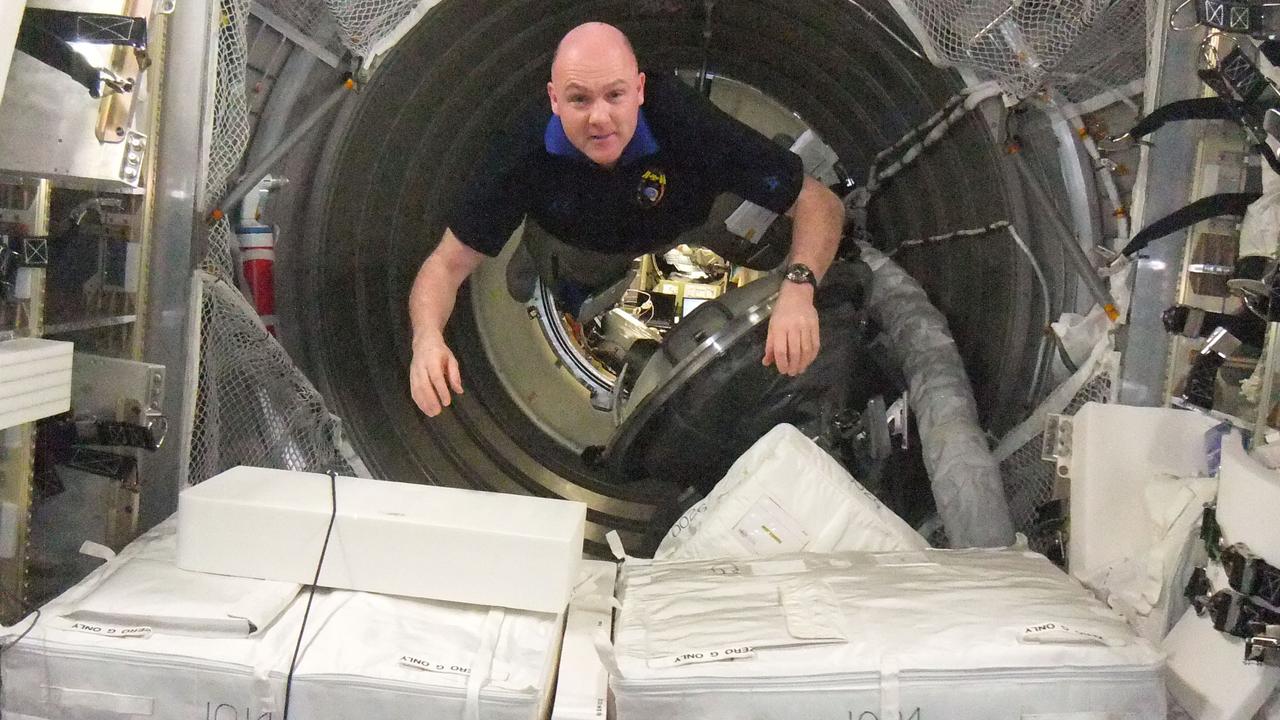
ISS030-E-238161 (19 April 2012) --- European Space Agency astronaut Andre Kuipers, Expedition 30 flight engineer, is pictured in a hatch on the International Space Station.
Kuipers in the hatch area
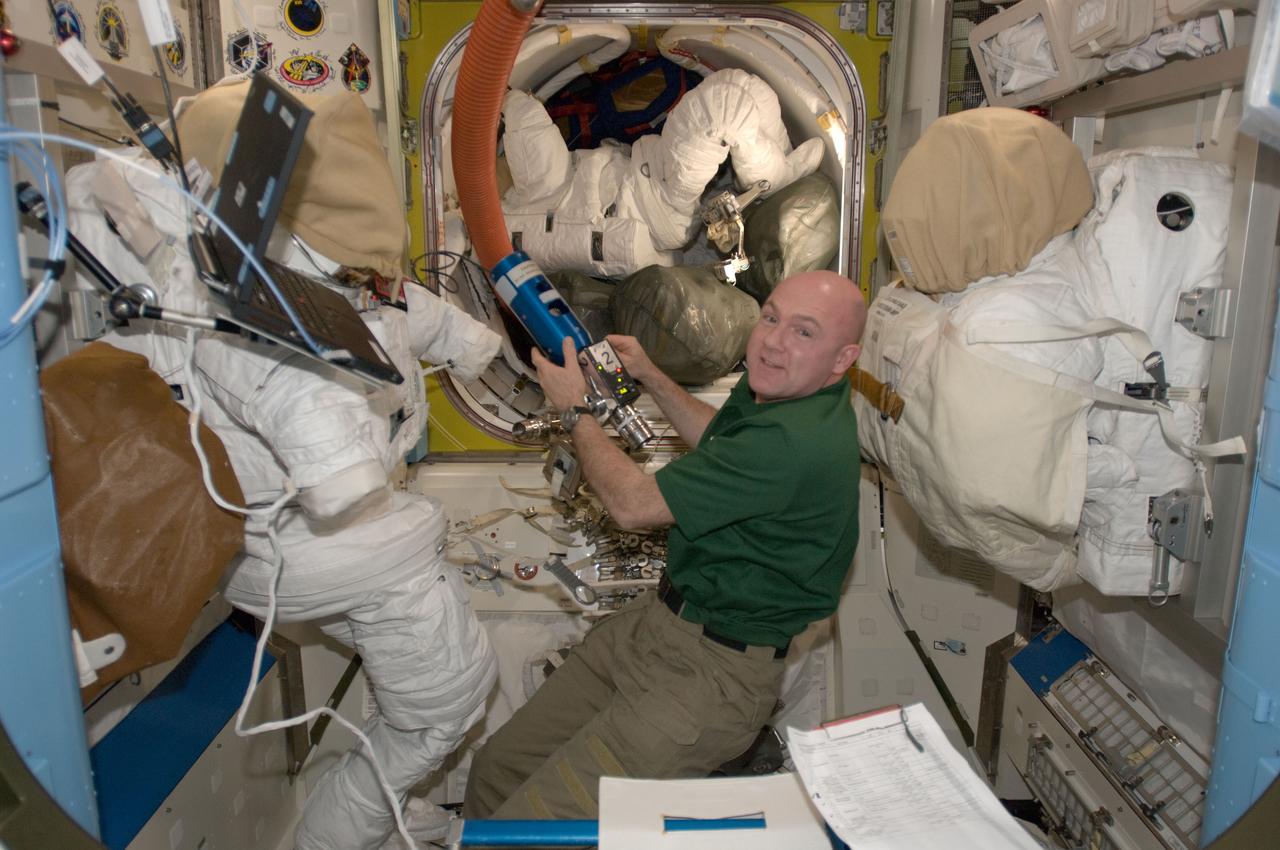
ISS030-E-050957 (27 Jan. 2012) --- European Space Agency astronaut Andre Kuipers, Expedition 30 flight engineer, works in the Quest airlock of the International Space Station.
Kuipers works in the A/L
ISS031-E-084762 (15 May 2012) --- European Space Agency astronaut Andre Kuipers, Expedition 31 flight engineer, talks on a microphone in the Destiny laboratory on the International Space Station.
Kuipers in US Lab
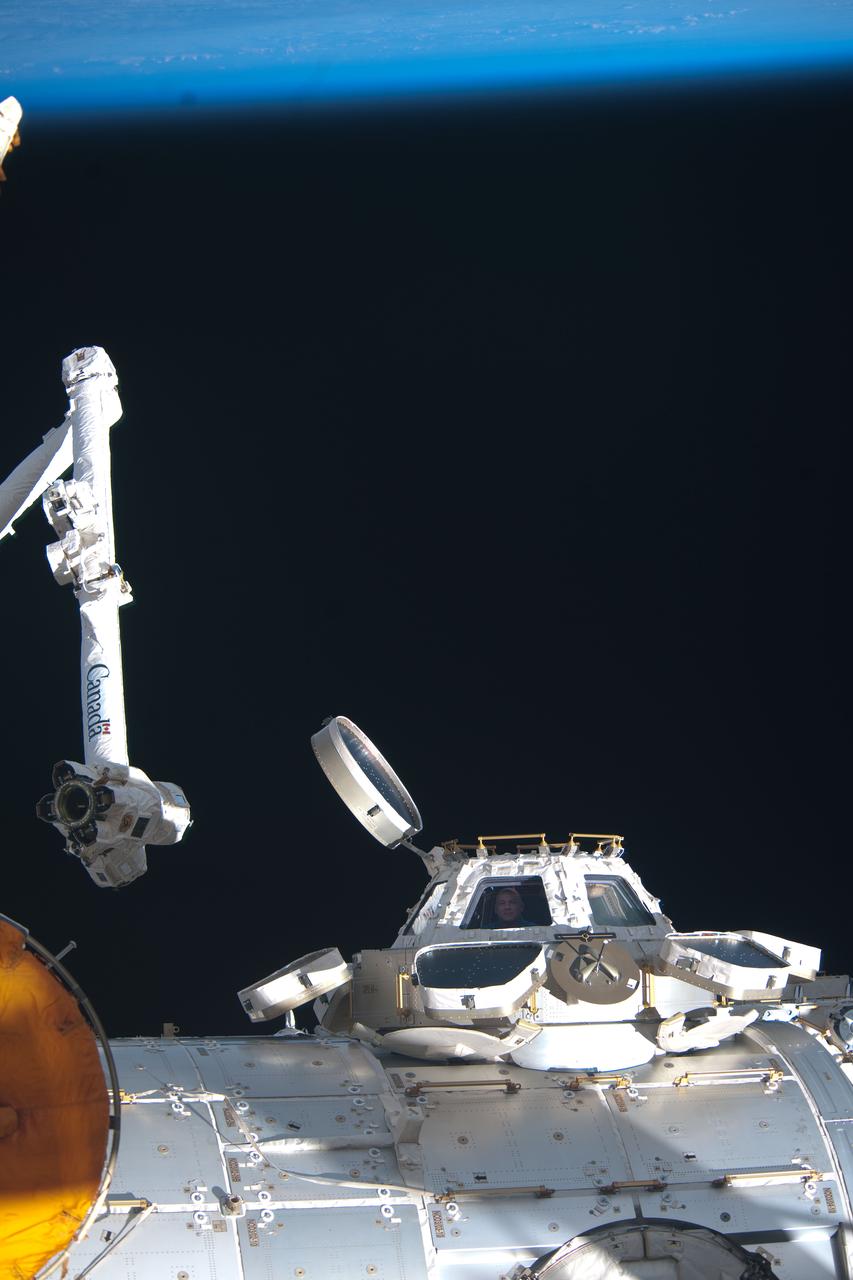
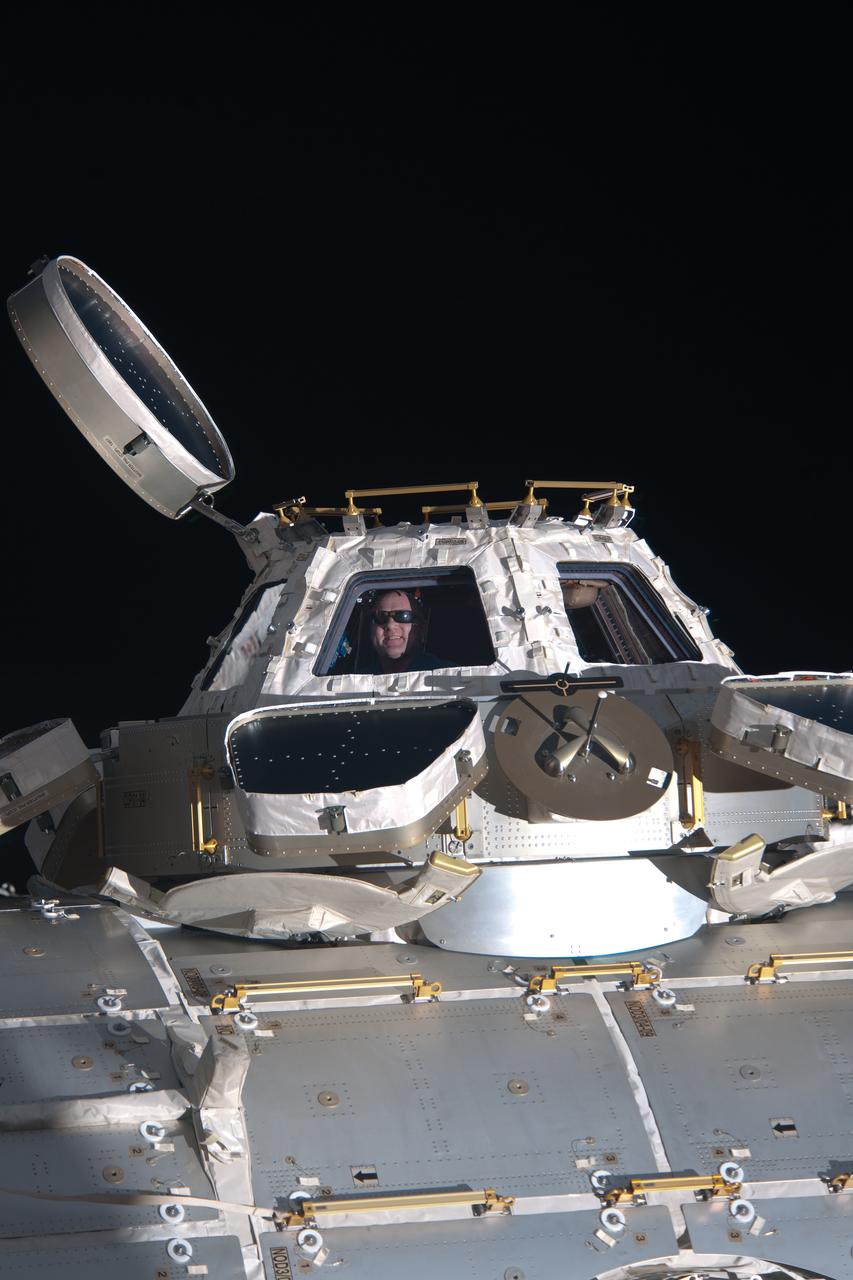
ISS030-E-270550 (21 April 2012) --- European Space Agency astronaut Andre Kuipers, Expedition 30 flight engineer, is pictured in a window of the Cupola of the International Space Station, backdropped by the blackness of space.
Kuipers in the Cupola Module
ISS031-E-157839 (5 June 2012) --- European Space Agency astronaut Andre Kuipers, Expedition 31 flight engineer, exercises using the advanced Resistive Exercise Device (aRED) in the Tranquility node of the International Space Station.
Kuipers exercises on the ARED
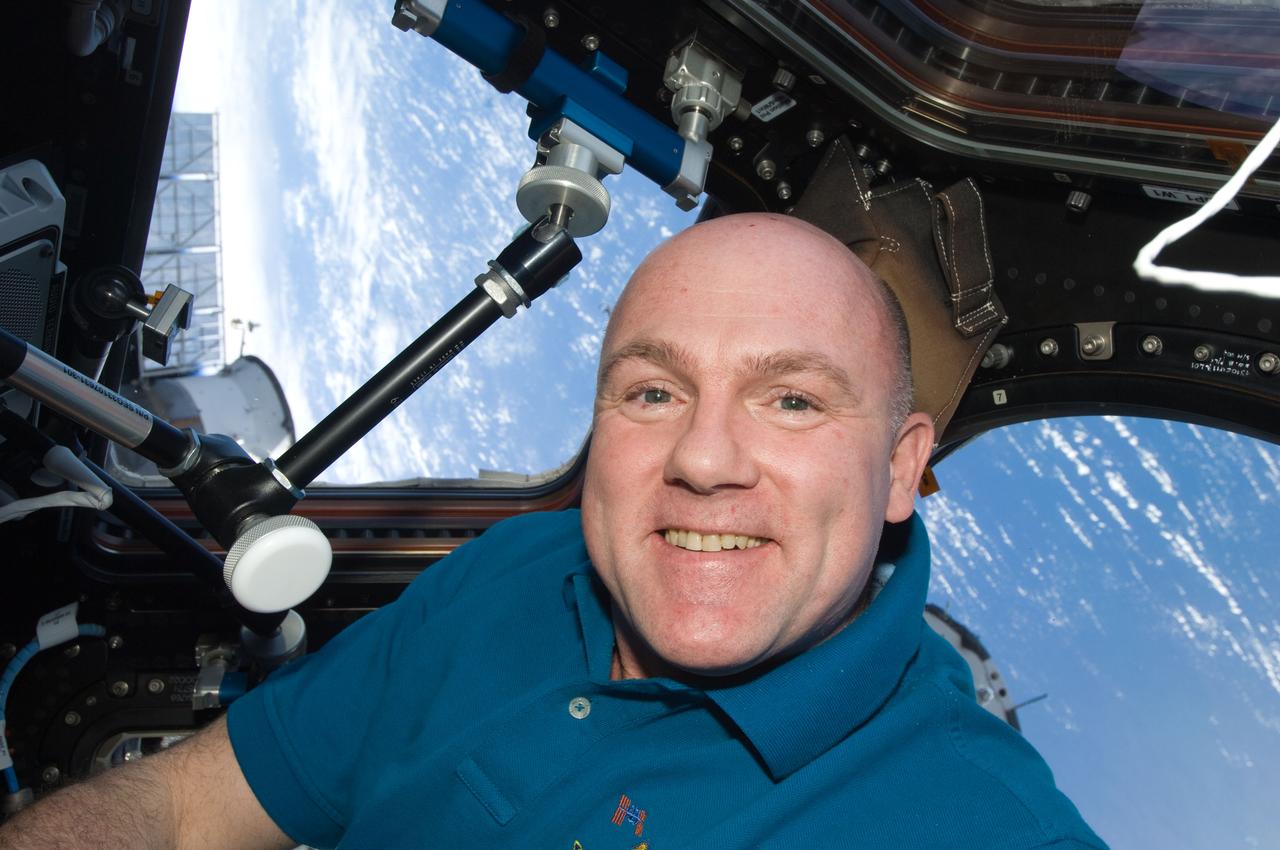
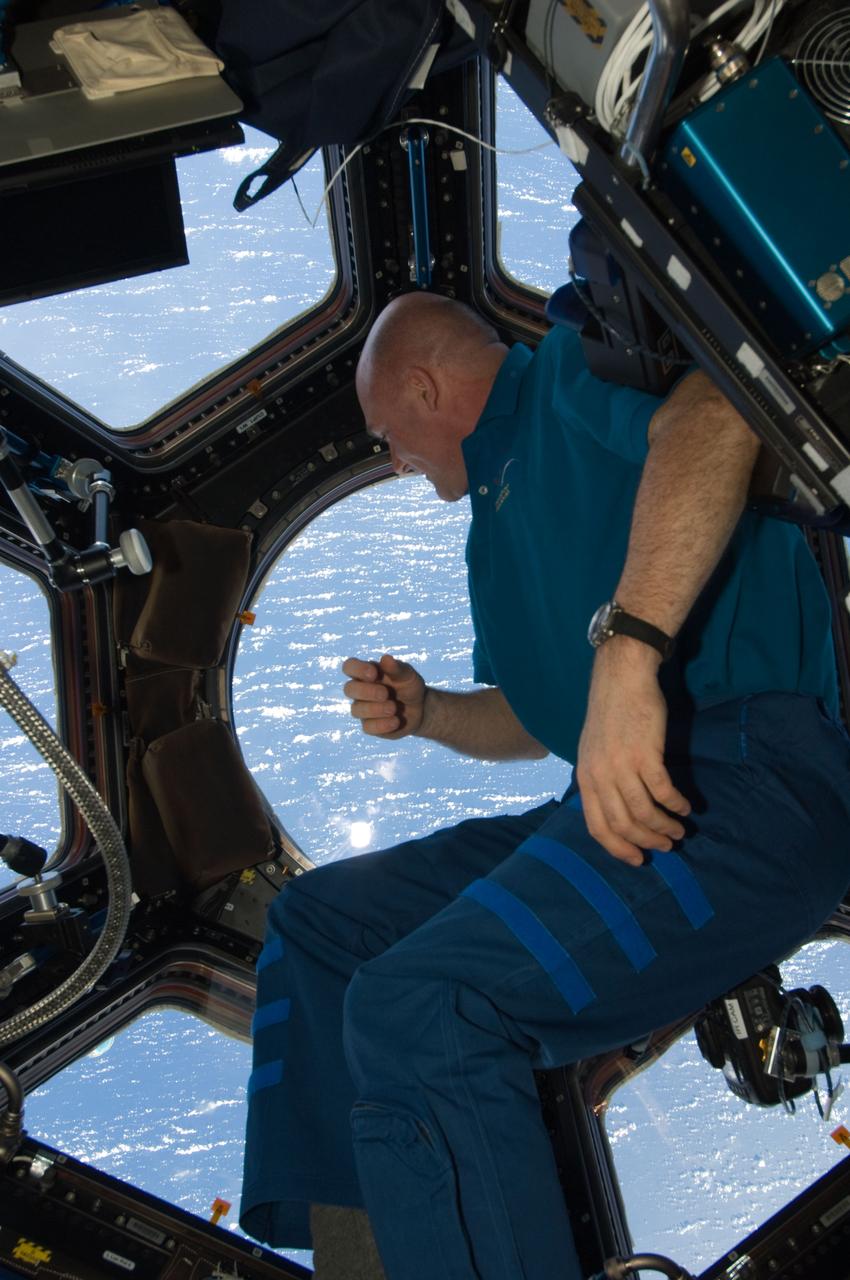
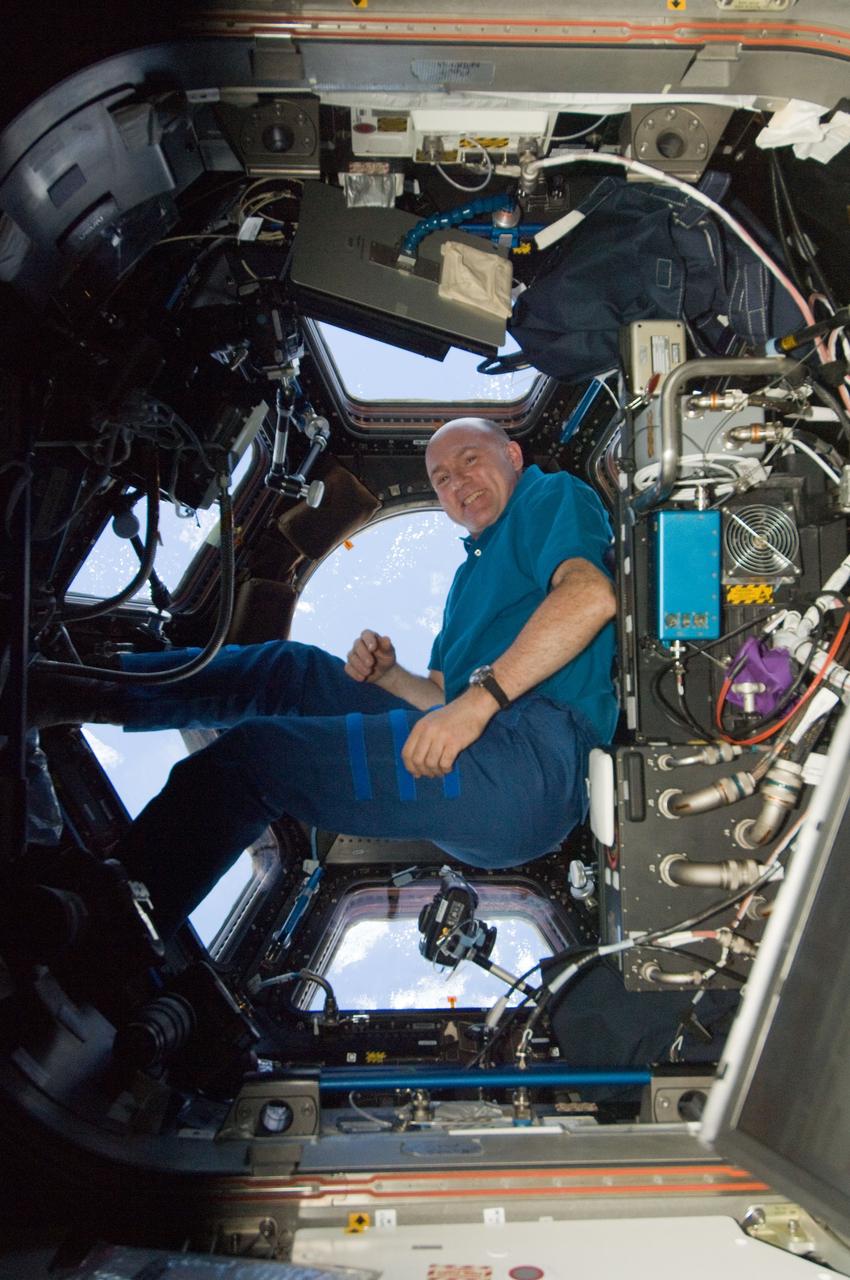
ISS030-E-032243 (2 Jan. 2012) --- European Space Agency astronaut Andre Kuipers, Expedition 30 flight engineer, enjoys the view of Earth from the windows in the Cupola of the International Space Station.
Kuipers in the Cupola Module
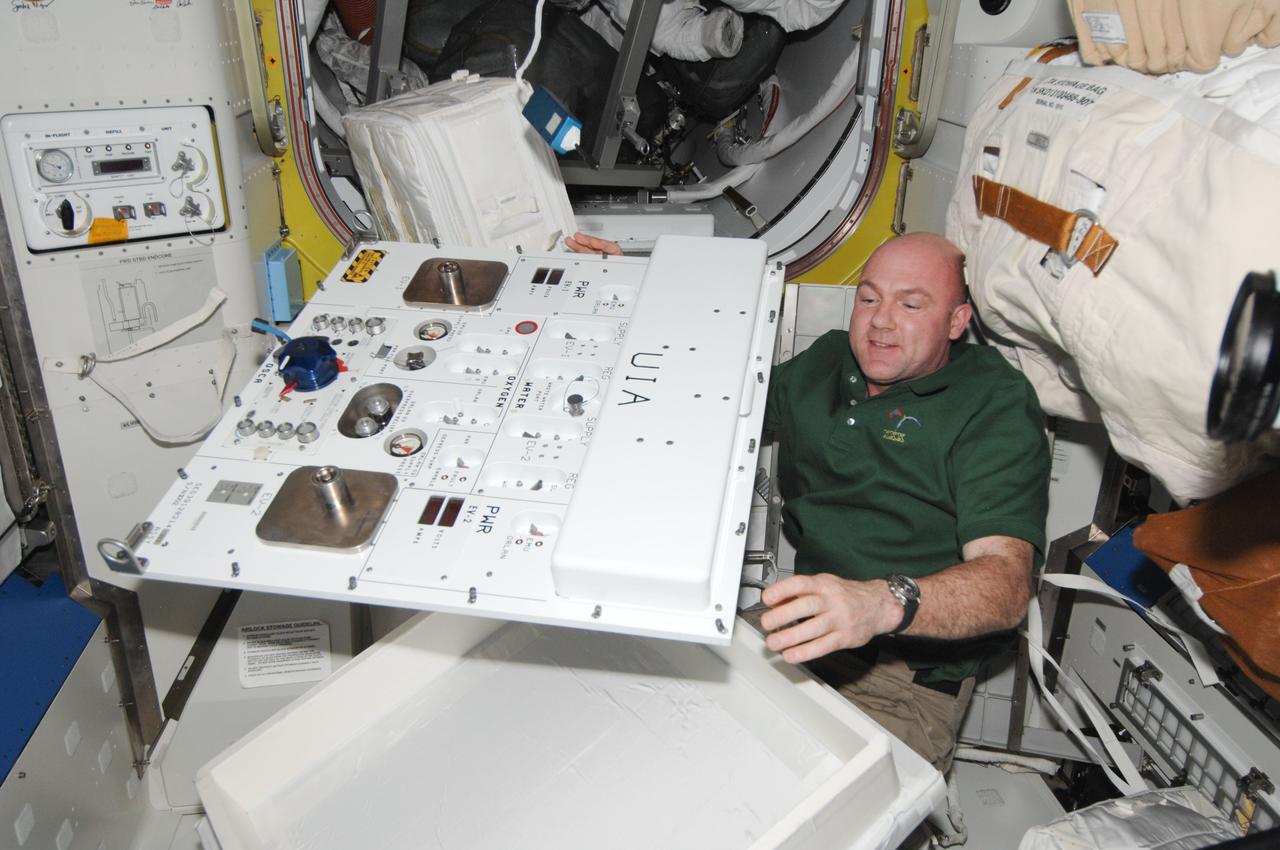
ISS030-E-050683 (27 Jan. 2012) --- European Space Agency astronaut Andre Kuipers, Expedition 30 flight engineer, works with Umbilical Interface Assembly (UIA) hardware in the Quest airlock of the International Space Station.
Kuipers works with the UIA in the A/L
ISS030-E-270533 (21 April 2012) --- European Space Agency astronaut Andre Kuipers, Expedition 30 flight engineer, is pictured in a window of the Cupola of the International Space Station, backdropped by Earth’s horizon and the blackness of space.
Kuipers in the Cupola Module
ISS031-E-157791 (15 May 2012) --- European Space Agency astronaut Andre Kuipers, Expedition 31 flight engineer, conducts a water sampling analysis in the Unity node of the International Space Station.
Kuipers in Node 1
ISS030-E-270545 (21 April 2012) --- European Space Agency astronaut Andre Kuipers, Expedition 30 flight engineer, is pictured in a window of the Cupola of the International Space Station, backdropped by the blackness of space.
Kuipers in the Cupola Module
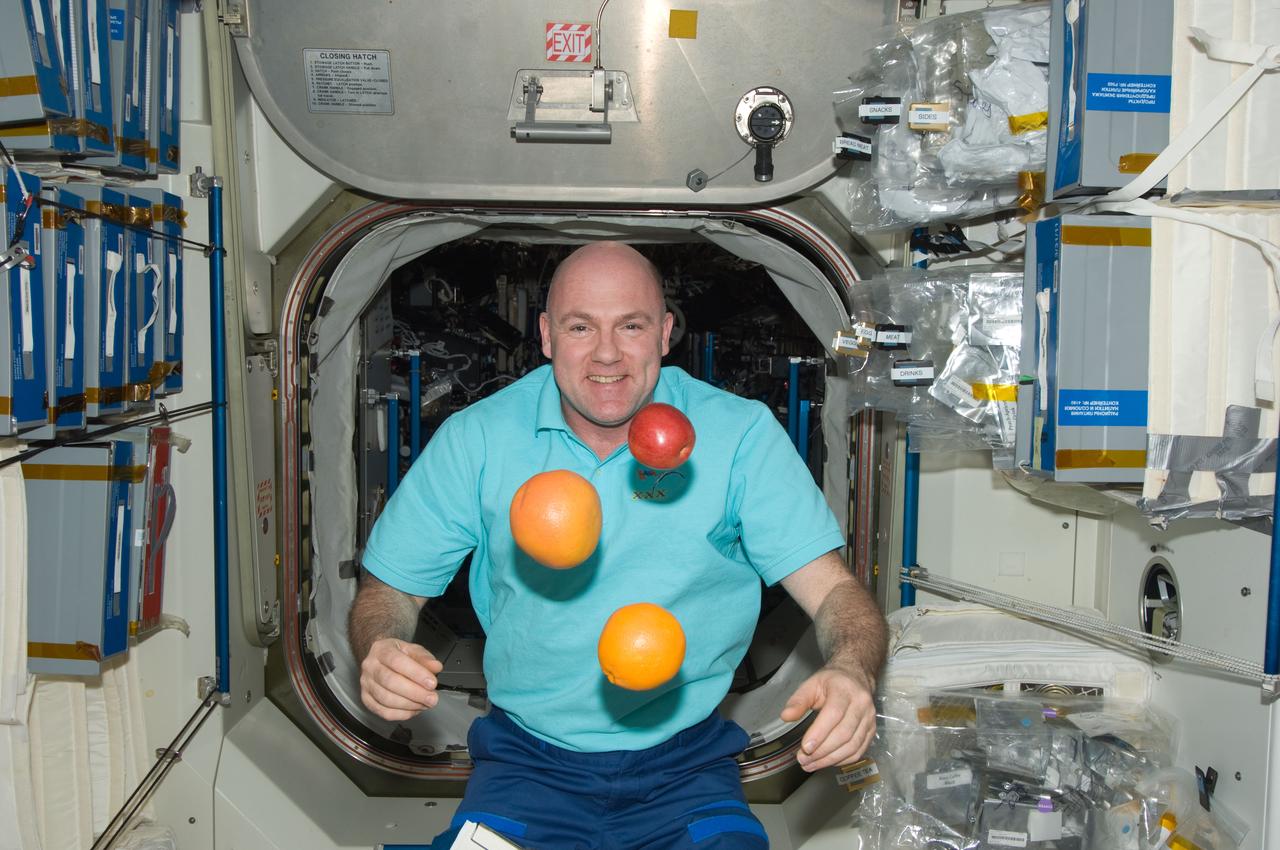
ISS030-E-116840 (2 Feb. 2012) --- European Space Agency astronaut Andre Kuipers, Expedition 30 flight engineer, is pictured near fruit floating freely in the Unity node of the International Space Station.
Kuipers in the Node 1
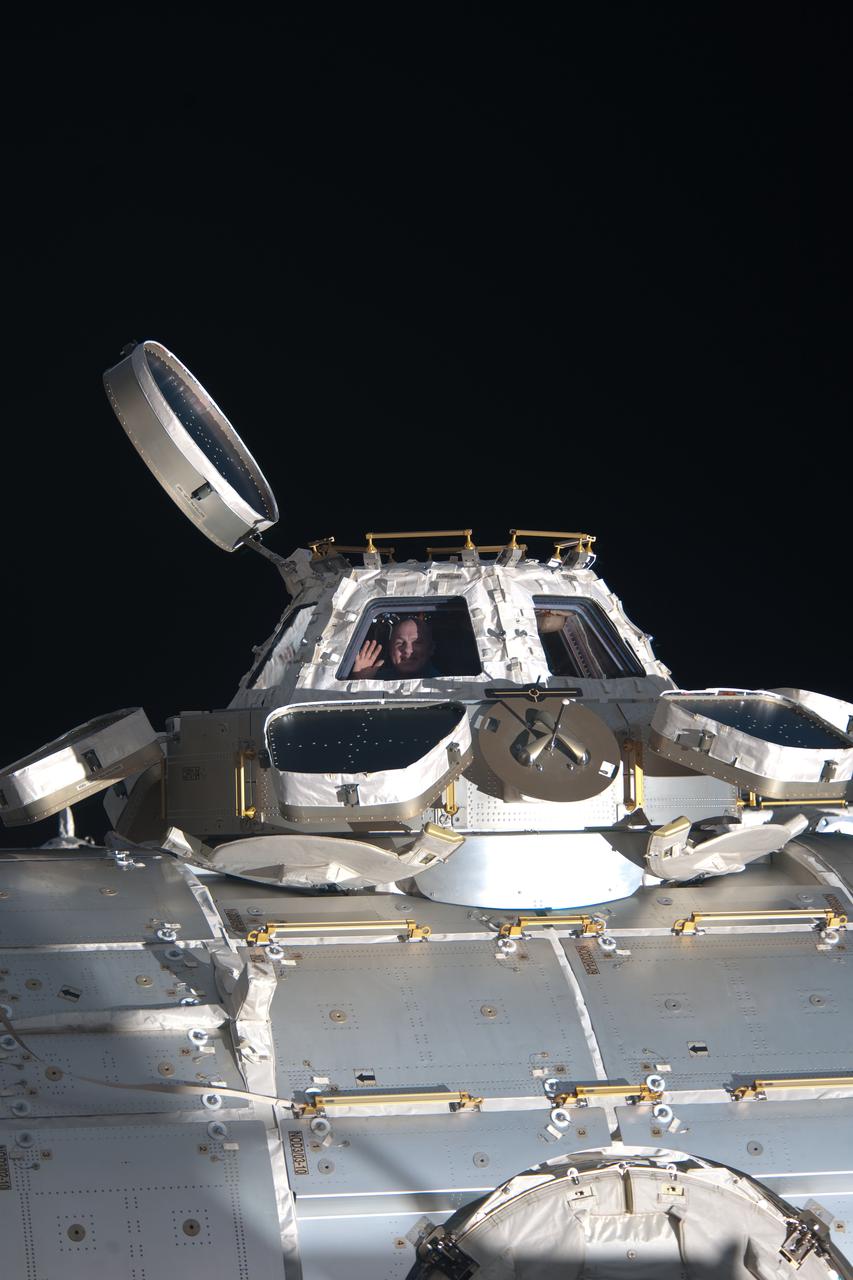
ISS030-E-032207 (2 Jan. 2012) --- European Space Agency astronaut Andre Kuipers, Expedition 30 flight engineer, enjoys the view of Earth from the windows in the Cupola of the International Space Station.
Kuipers waves in the Cupola Module
ISS030-E-032252 (2 Jan. 2012) --- European Space Agency astronaut Andre Kuipers, Expedition 30 flight engineer, is pictured near the windows in the Cupola of the International Space Station.
Kuipers in the Cupola Module
ISS031-E-140439 (22 May 2012) --- European Space Agency astronaut Andre Kuipers, Expedition 31 flight engineer, works on the Fluid Sciences Laboratory (FSL) in the Columbus laboratory of the International Space Station.
Kuipers works on FSL in Columbus
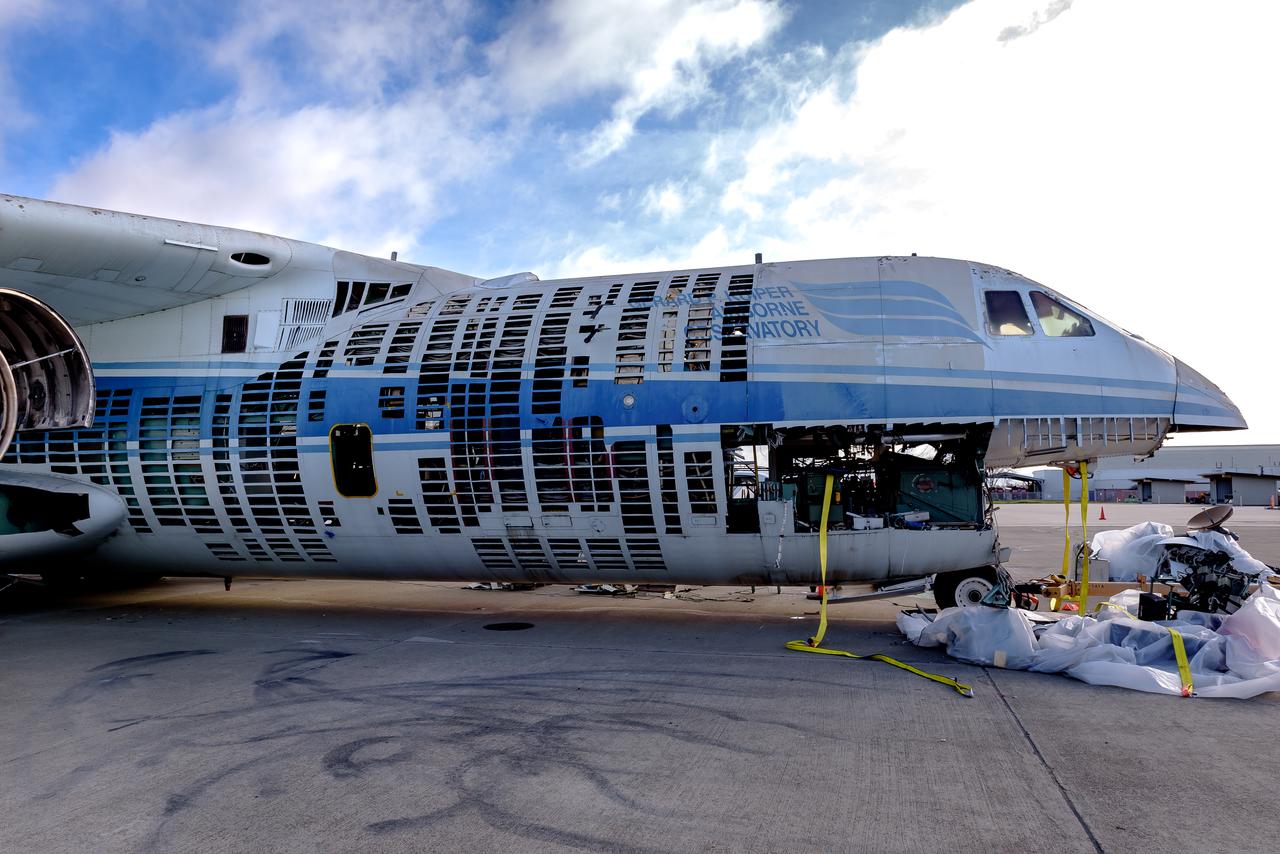
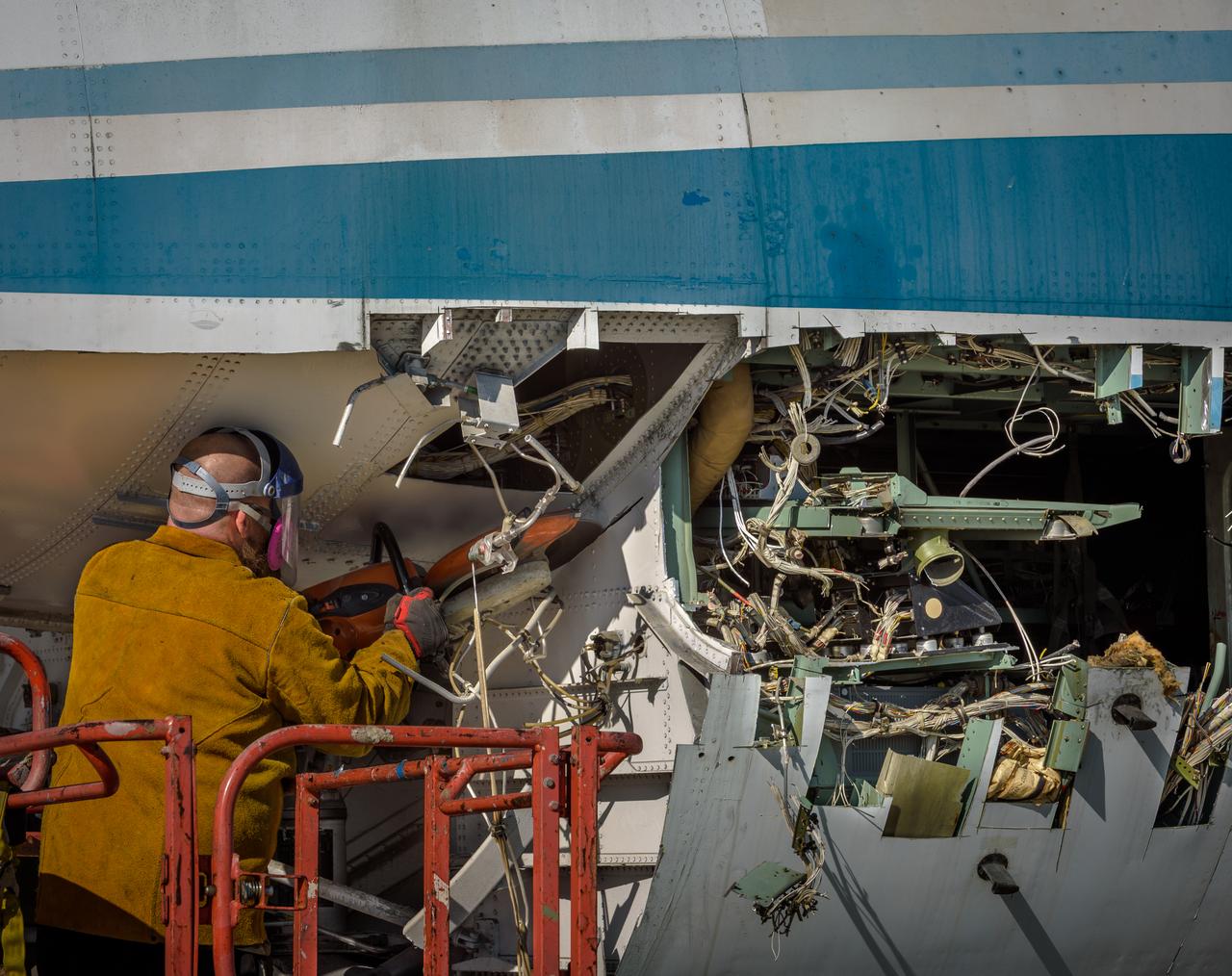
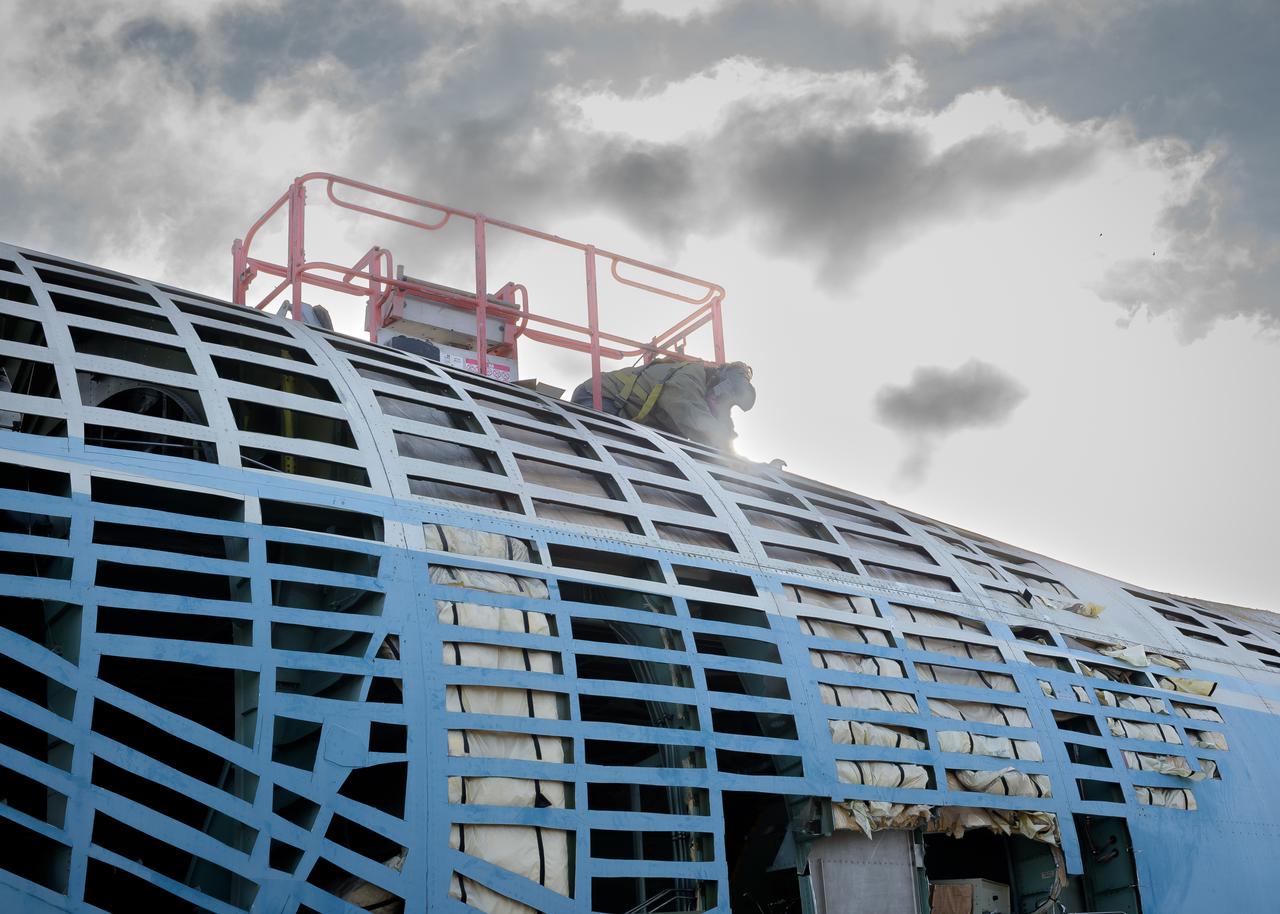
Removing the skin from the airframe of the modified C-141 Kuiper Airborne Observatory, (KAO) (NASA-714), on the N211 apron at Moffett Field, California.
Kuiper Airborne Observatory (KAO) Demolition
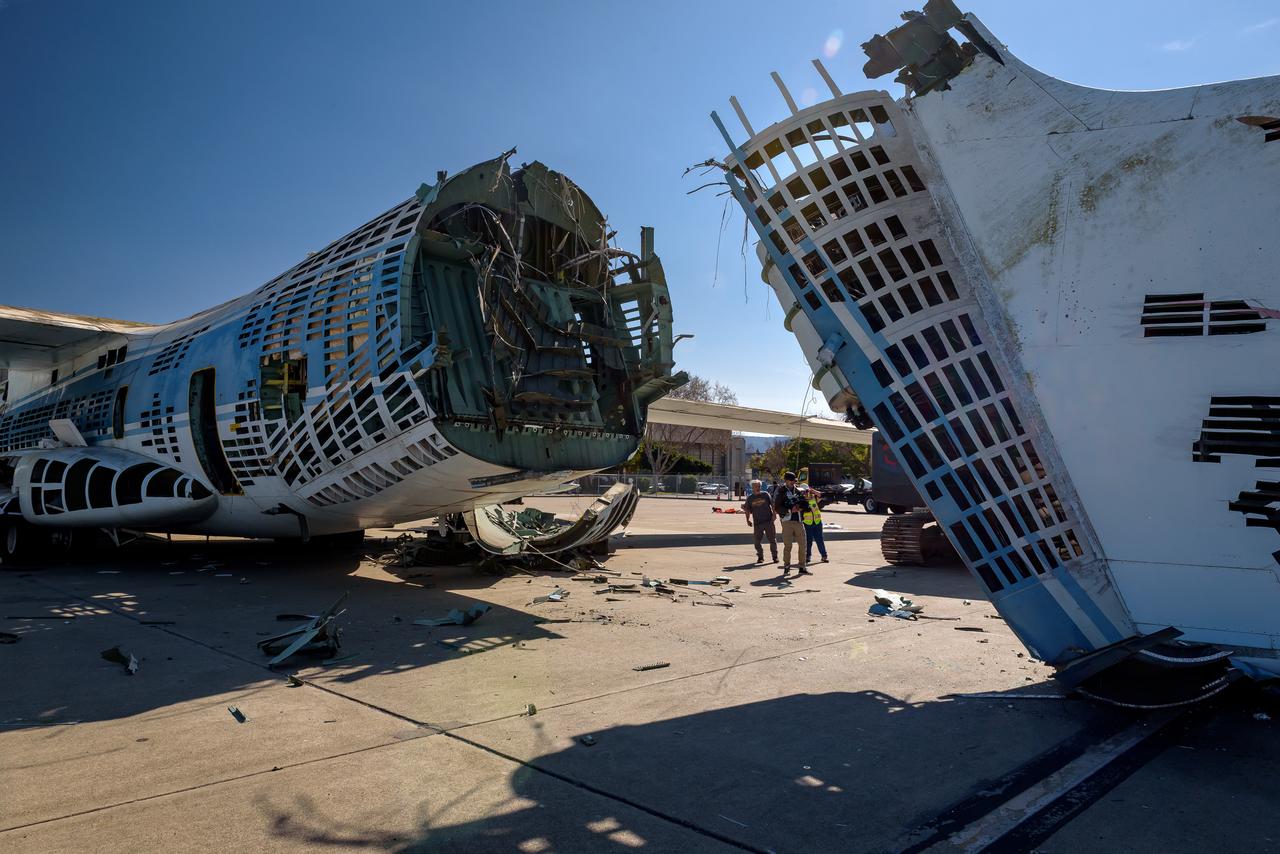
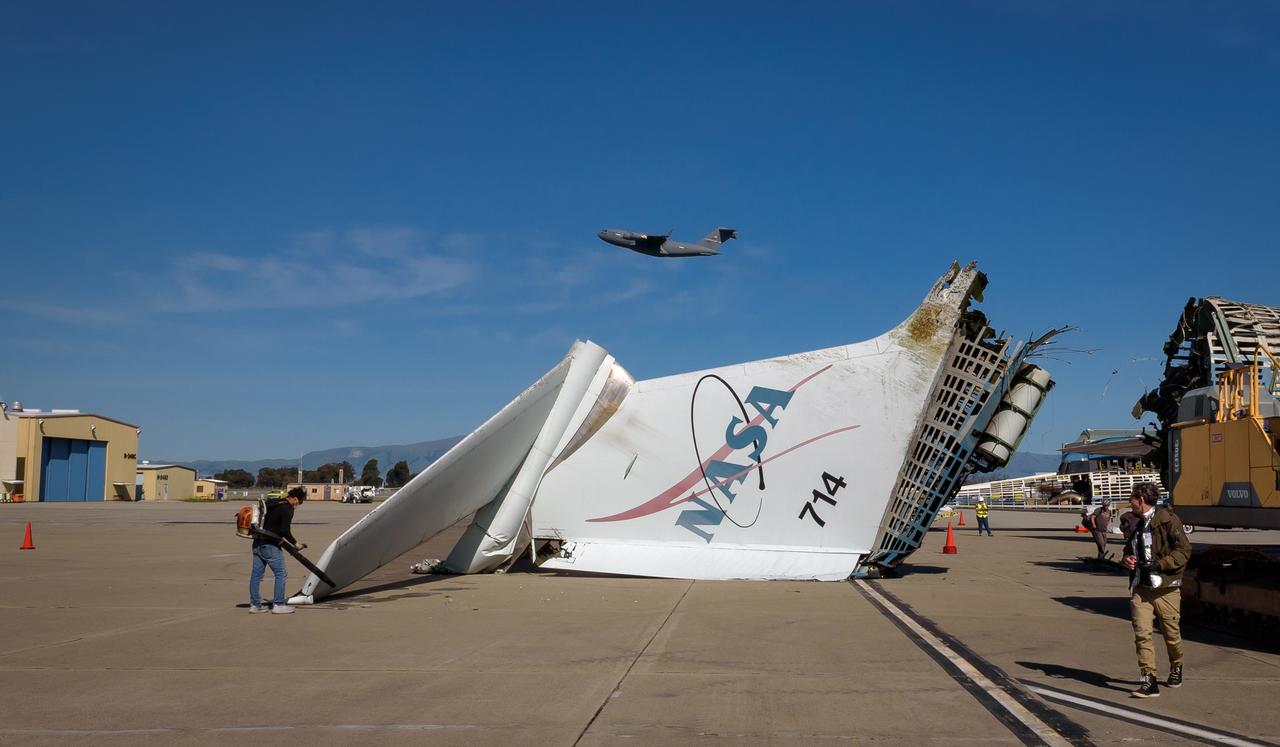
The tail section of the modified C-141 Kuiper Airborne Observatory, (KAO) (NASA-714), severed from the fuselage on the N211 apron of Moffett Field, California.
Kuiper Airborne Observatory (KAO) Demolition
The tail section of the modified C-141 Kuiper Airborne Observatory, (KAO) (NASA-714), severed from the fuselage on the N211 apron of Moffett Field, California.
Kuiper Airborne Observatory (KAO) Demolition
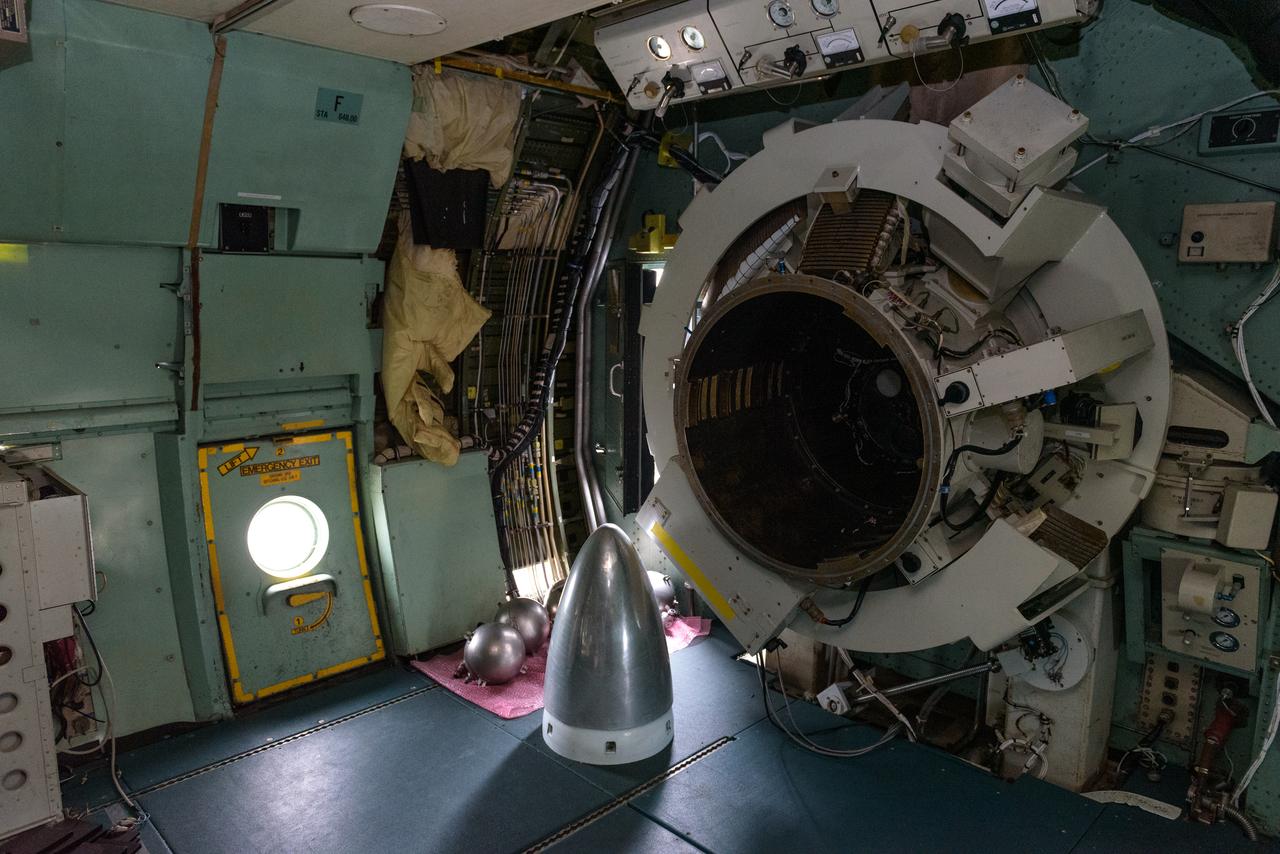
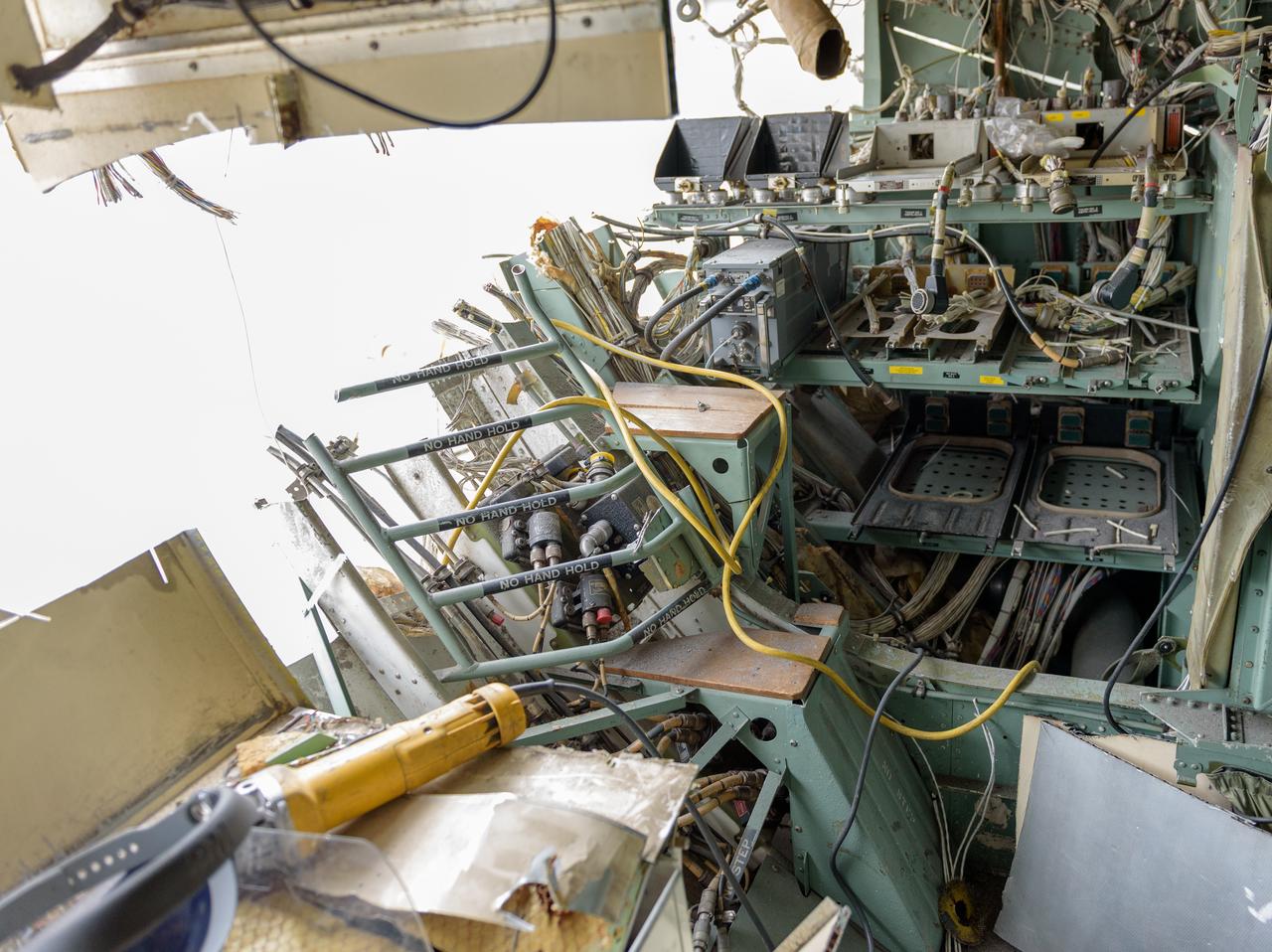
The telescope mount in the modified C-141 Kuiper Airborne Observatory, (KAO) (NASA-714), during its demolition on the N211 apron at Moffett Field, California.
Kuiper Airborne Observatory (KAO) Demolition
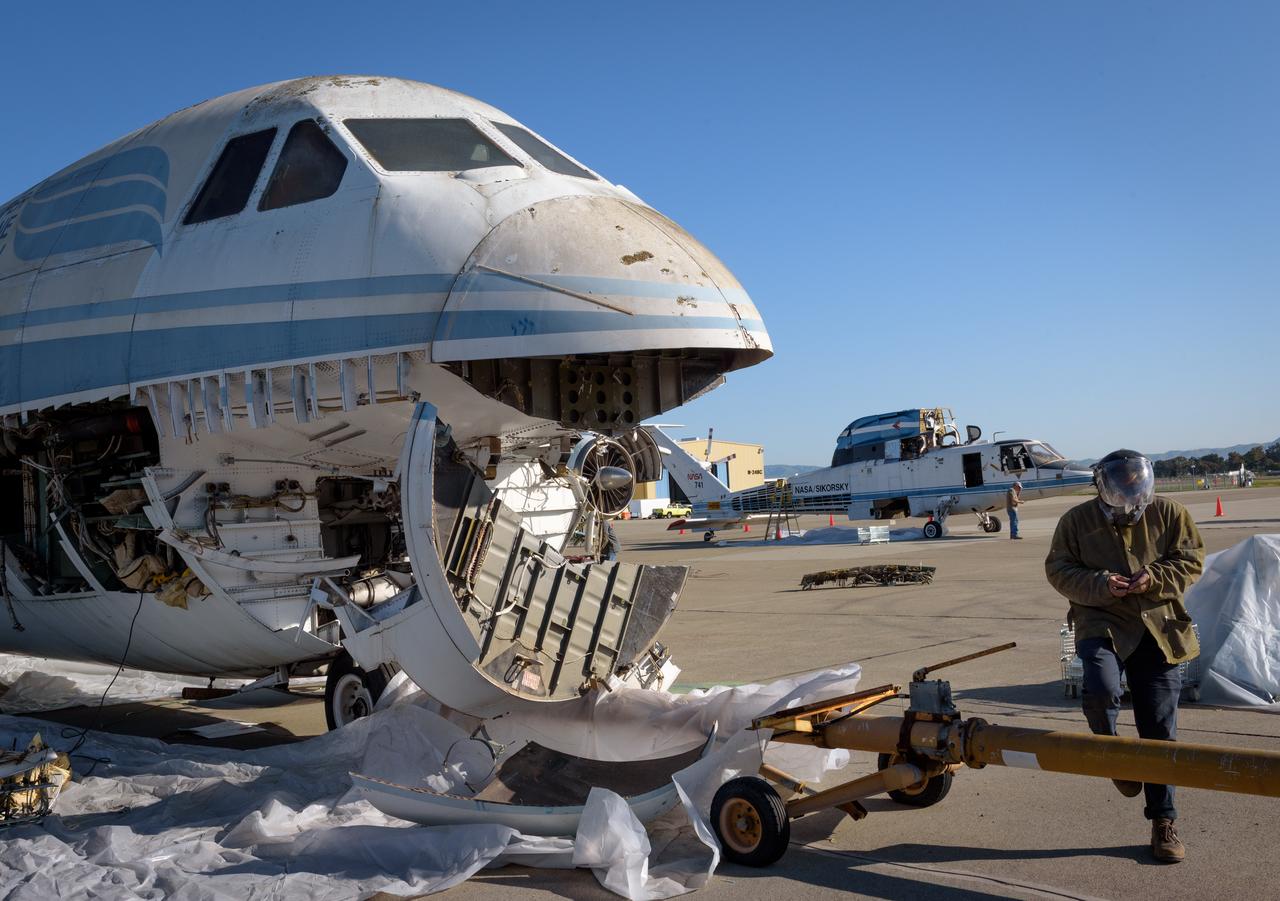
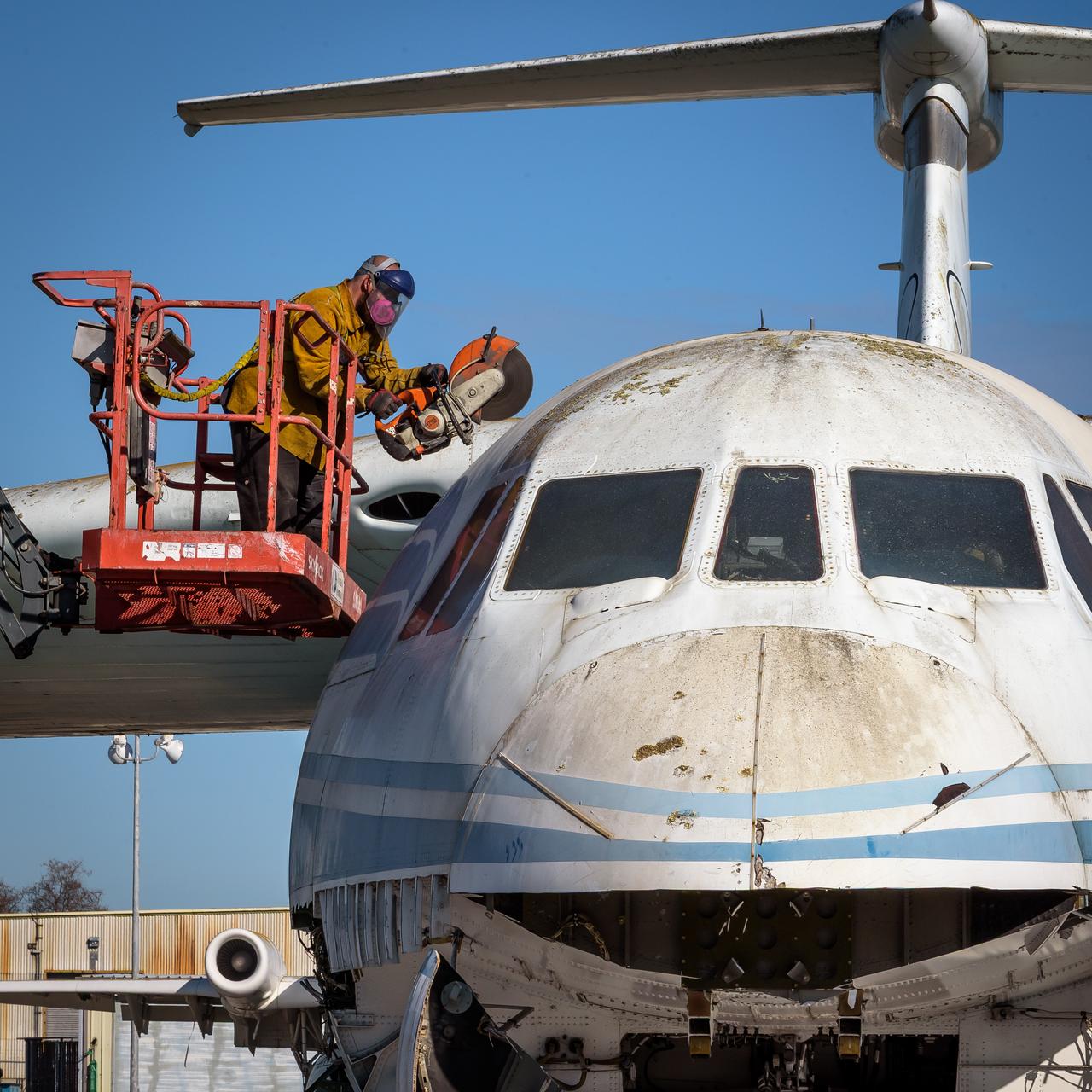
The cockpit of the modified C-141 Kuiper Airborne Observatory, (KAO) (NASA-714), is separated from the airframe on the N211 apron at Moffett Field, California.
Kuiper Airborne Observatory (KAO) Demolition
Close-up front view of the modified C-141 Kuiper Airborne Observatory, (KAO) (NASA-714), on the N211 apron at Moffett Field, California.
Kuiper Airborne Observatory (KAO) Demolition
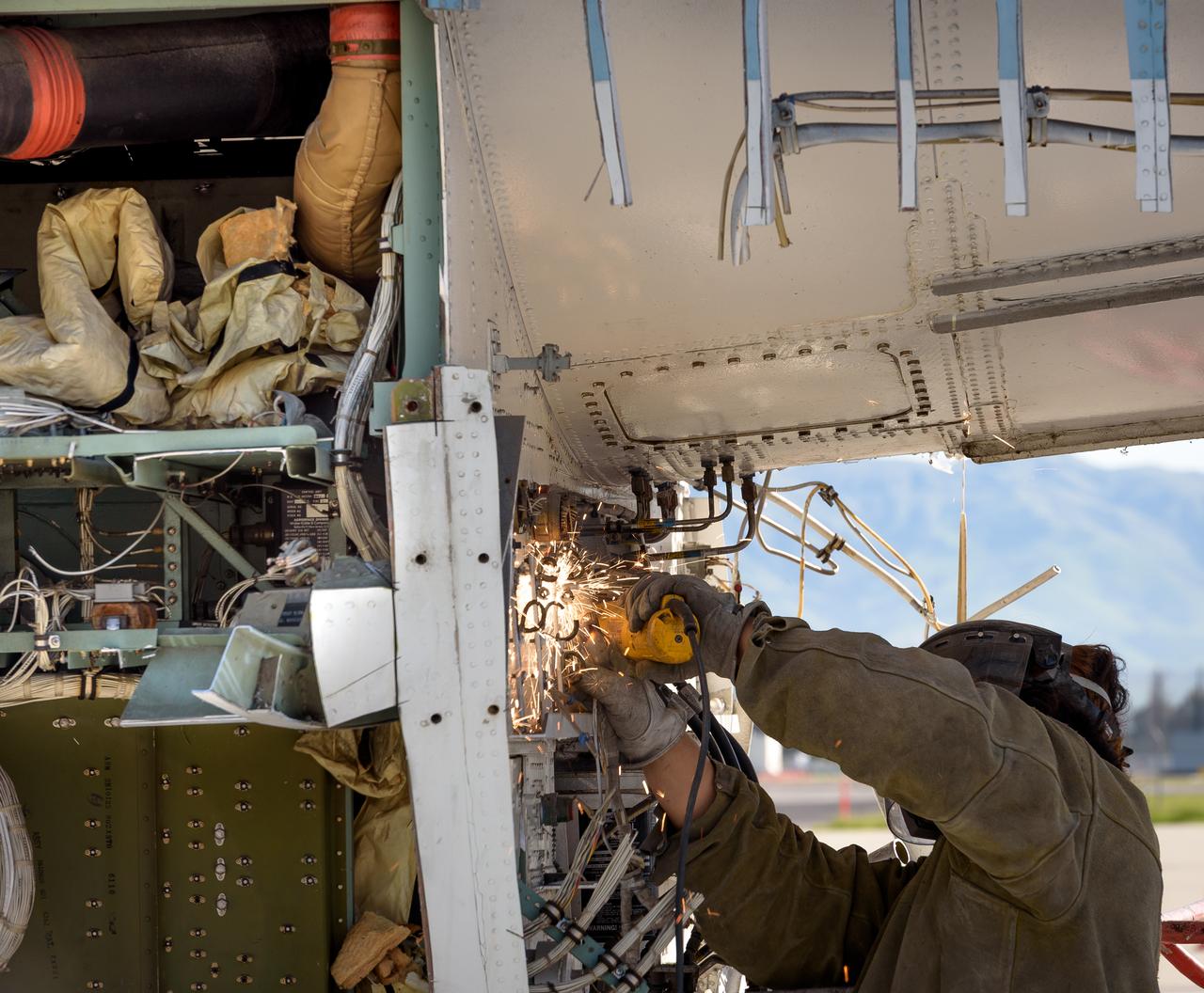
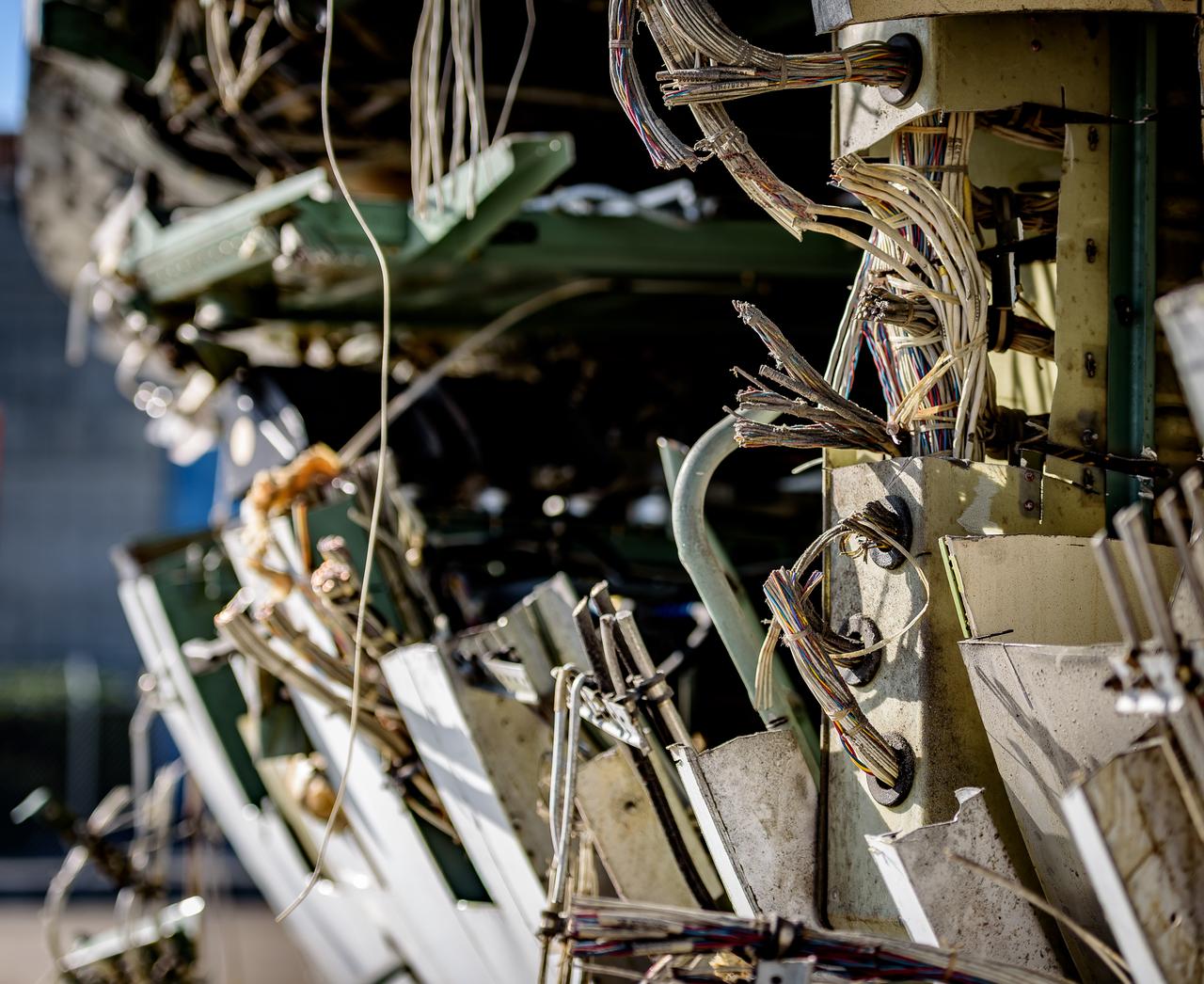
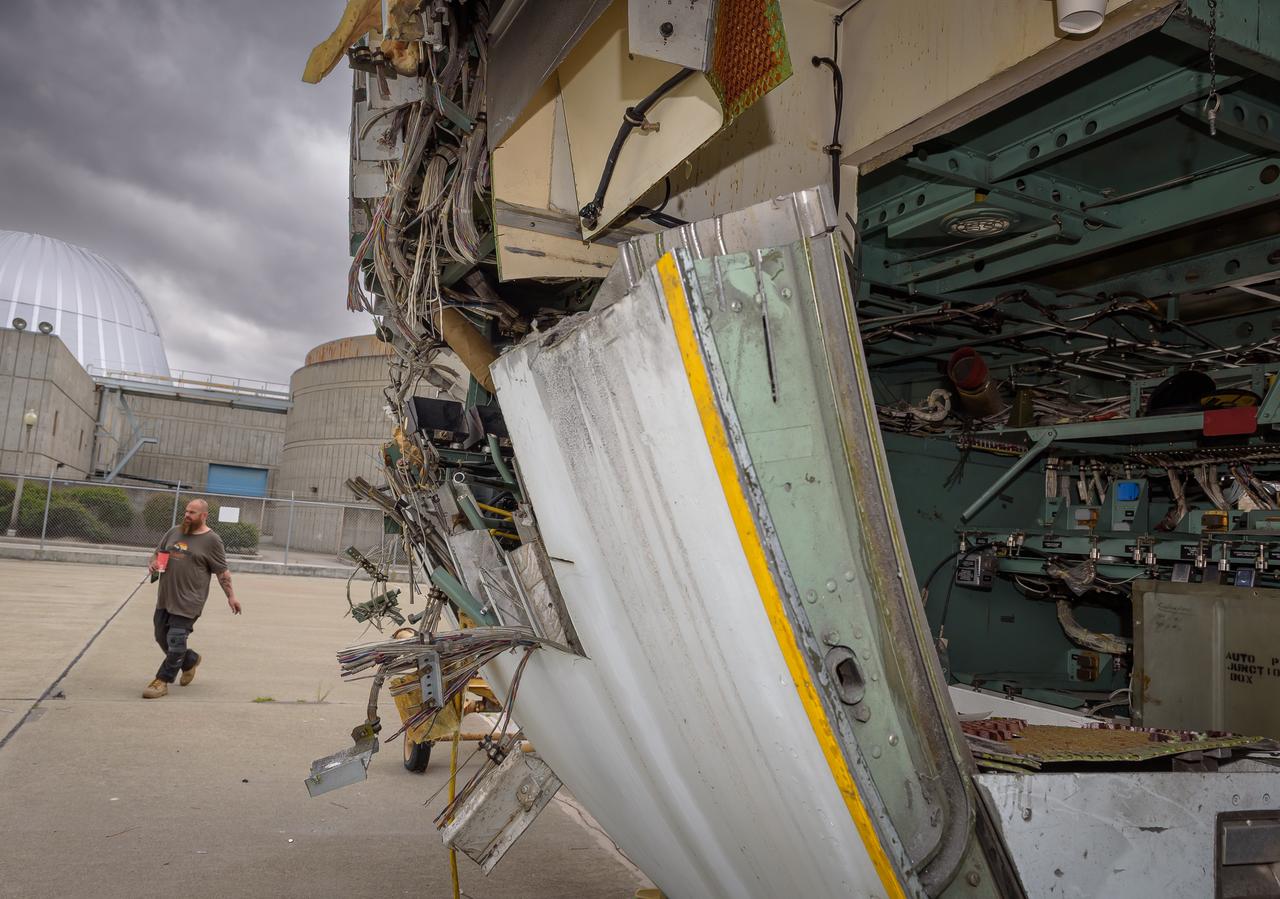
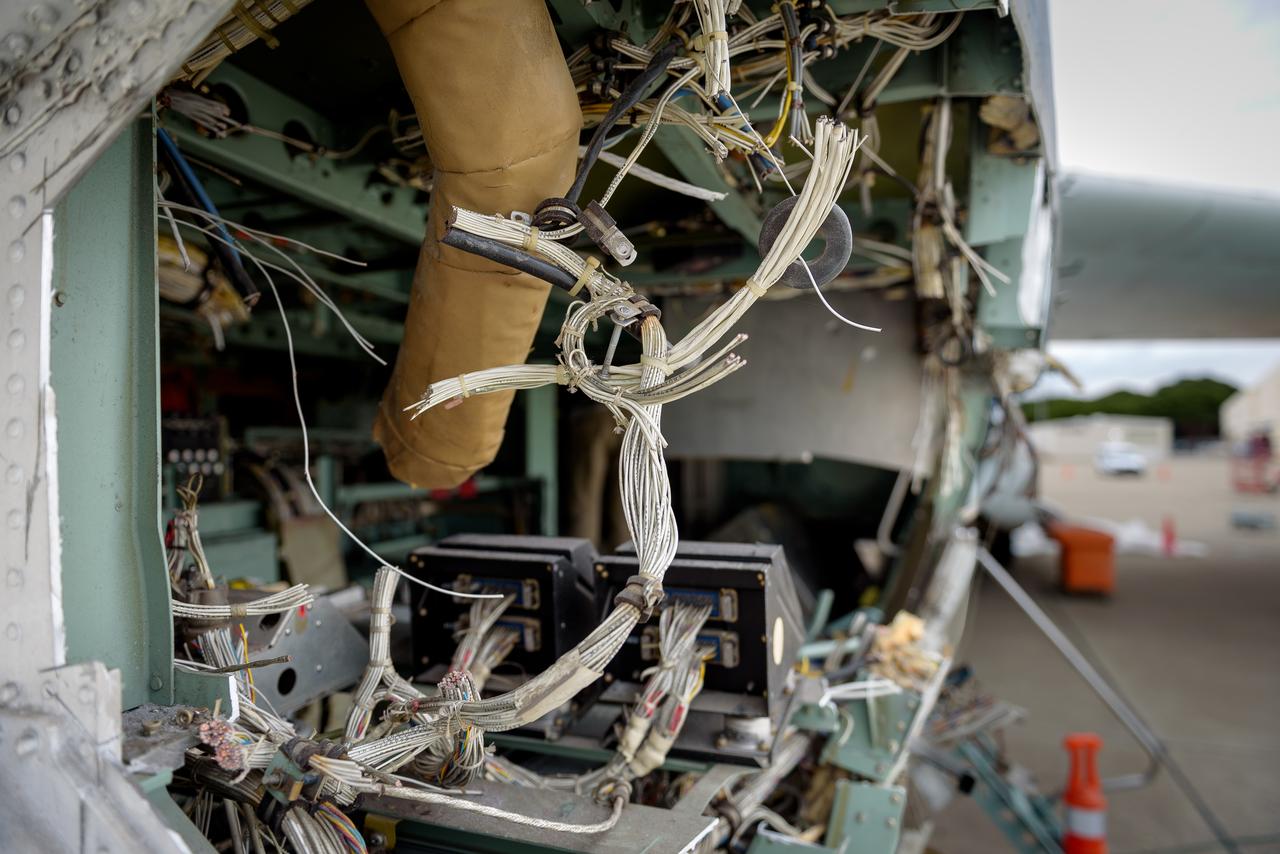
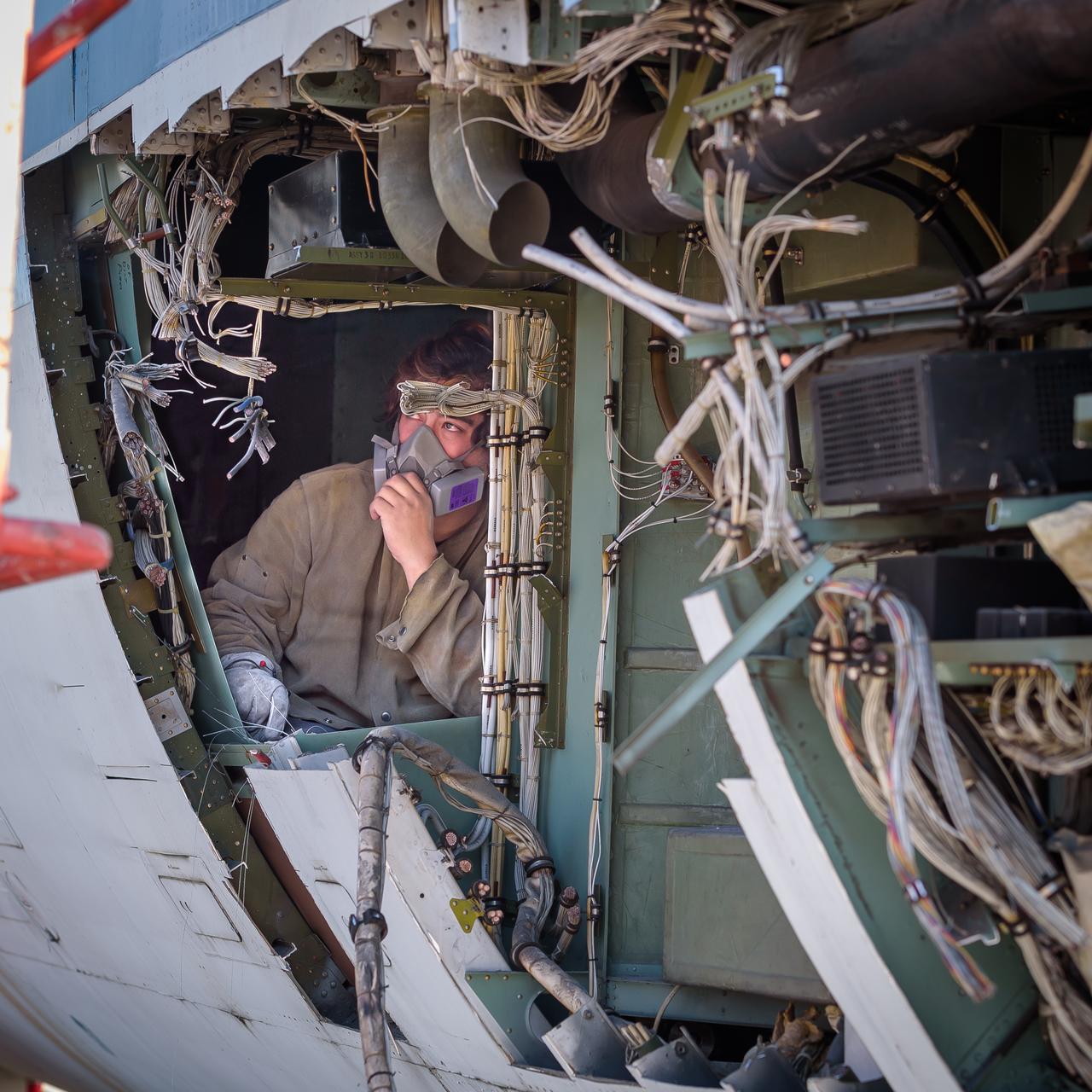
Cables in the modified C-141 Kuiper Airborne Observatory, (KAO) (NASA-714), severed prior to removing the cockpit on the N211 apron at Moffett Field, California.
Kuiper Airborne Observatory (KAO) Demolition
The cockpit of the modified C-141 Kuiper Airborne Observatory, (KAO) (NASA-714), is separated from the airframe on the N211 apron at Moffett Field, California.
Kuiper Airborne Observatory (KAO) Demolition
Cables in the modified C-141 Kuiper Airborne Observatory, (KAO) (NASA-714), severed prior to removing the cockpit on the N211 apron at Moffett Field, California.
Kuiper Airborne Observatory (KAO) Demolition
The cockpit of the modified C-141 Kuiper Airborne Observatory, (KAO) (NASA-714), is separated from the airframe on the N211 apron at Moffett Field, California.
Kuiper Airborne Observatory (KAO) Demolition
Cables in the modified C-141 Kuiper Airborne Observatory, (KAO) (NASA-714), severed prior to removing the cockpit on the N211 apron at Moffett Field, California.
Kuiper Airborne Observatory (KAO) Demolition
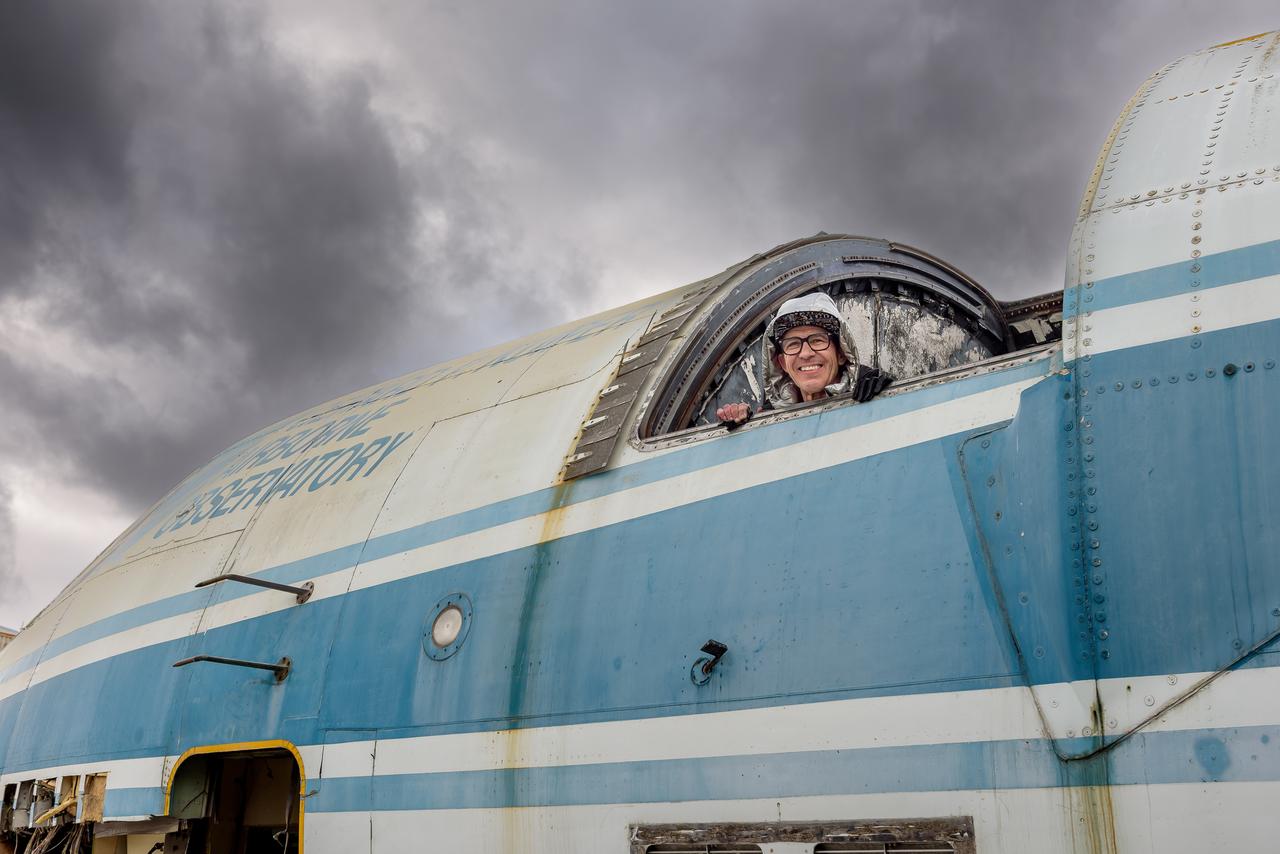
Monty Miranda in the telescope reticle during the demolition of the modified C-141 Kuiper Airborne Observatory, (KAO) (NASA-714), on the N211 apron at Moffett Field, California.
Kuiper Airborne Observatory (KAO) Demolition
The cockpit of the modified C-141 Kuiper Airborne Observatory, (KAO) (NASA-714), is separated from the airframe on the N211 apron at Moffett Field, California.
Kuiper Airborne Observatory (KAO) Demolition
Removing the skin from the airframe of the modified C-141 Kuiper Airborne Observatory, (KAO) (NASA-714), on the N211 apron at Moffett Field, California.
Kuiper Airborne Observatory (KAO) Demolition
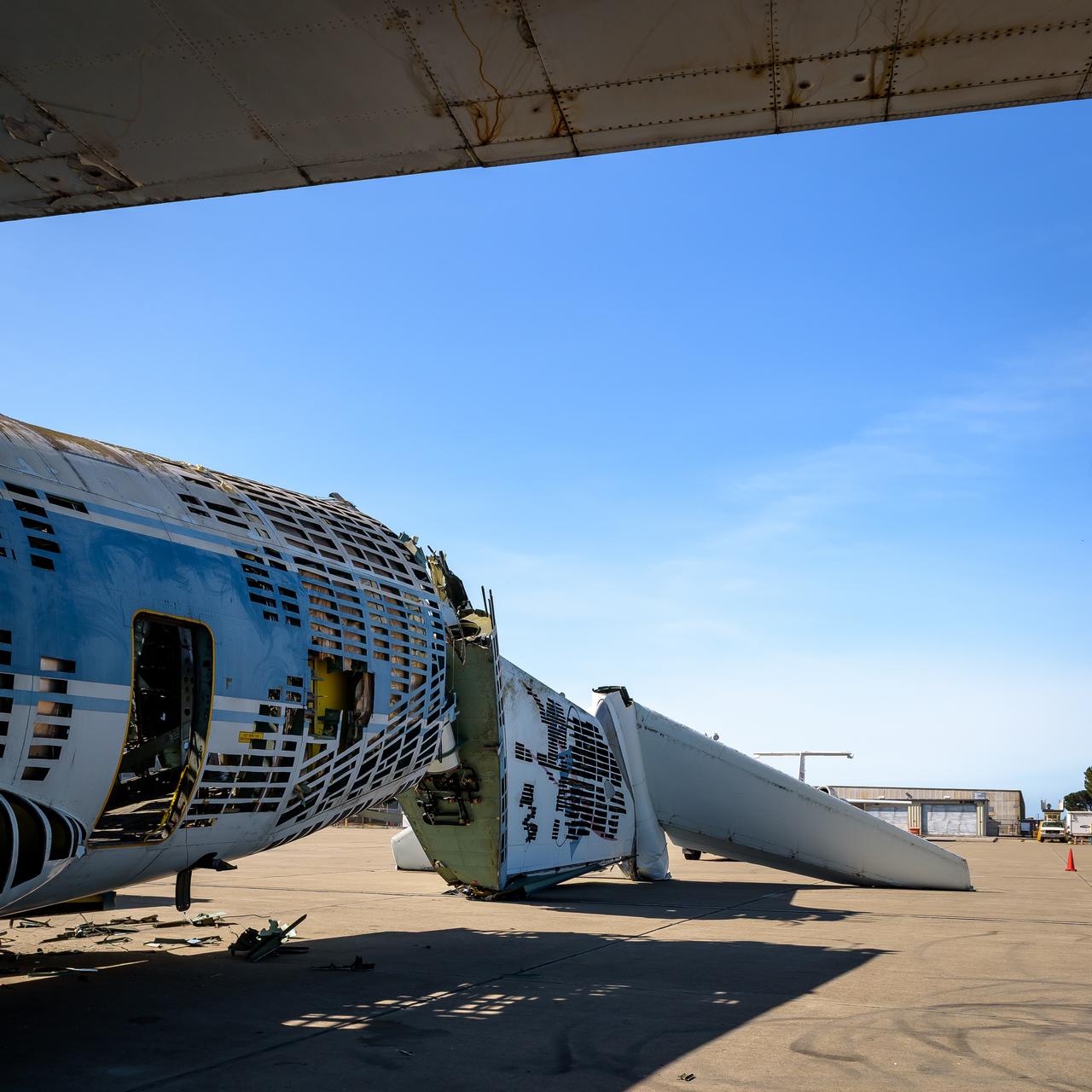
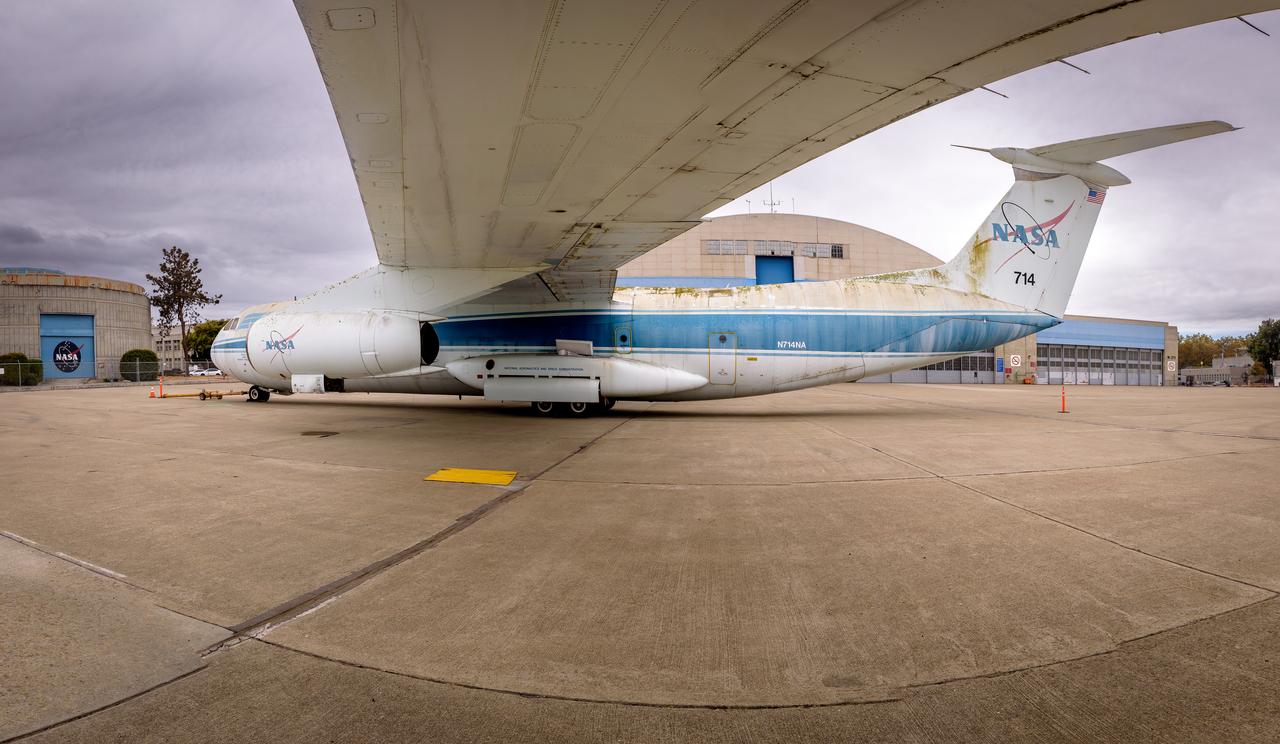
Photo composite (11 frames) of the modified C-141 Kuiper Airborne Observatory, (KAO) (NASA-714), beneath the wing on the N211 apron at Moffett Field, California.
Kuiper Airborne Observatory (KAO) Demolition
Cables in the modified C-141 Kuiper Airborne Observatory, (KAO) (NASA-714), severed prior to removing the cockpit on the N211 apron at Moffett Field, California.
Kuiper Airborne Observatory (KAO) Demolition
The skin is removed from the airframe of the modified C-141 Kuiper Airborne Observatory, (KAO) (NASA-714), on the N211 apron at Moffett Field, California.
Kuiper Airborne Observatory (KAO) Demolition
Cables in the modified C-141 Kuiper Airborne Observatory, (KAO) (NASA-714), severed prior to removing the cockpit on the N211 apron at Moffett Field, California.
Kuiper Airborne Observatory (KAO) Demolition
The tail section of the modified C-141 Kuiper Airborne Observatory, (KAO) (NASA-714), severed from the fuselage on the N211 apron of Moffett Field, California.
Kuiper Airborne Observatory (KAO) Demolition
The cockpit of the modified C-141 Kuiper Airborne Observatory, (KAO) (NASA-714), is separated from the airframe on the N211 apron at Moffett Field, California.
Kuiper Airborne Observatory (KAO) Demolition
Cables in the modified C-141 Kuiper Airborne Observatory, (KAO) (NASA-714), severed prior to removing the cockpit on the N211 apron at Moffett Field, California.
Kuiper Airborne Observatory (KAO) Demolition
Cables in the modified C-141 Kuiper Airborne Observatory, (KAO) (NASA-714), severed prior to removing the cockpit on the N211 apron at Moffett Field, California.
Kuiper Airborne Observatory (KAO) Demolition
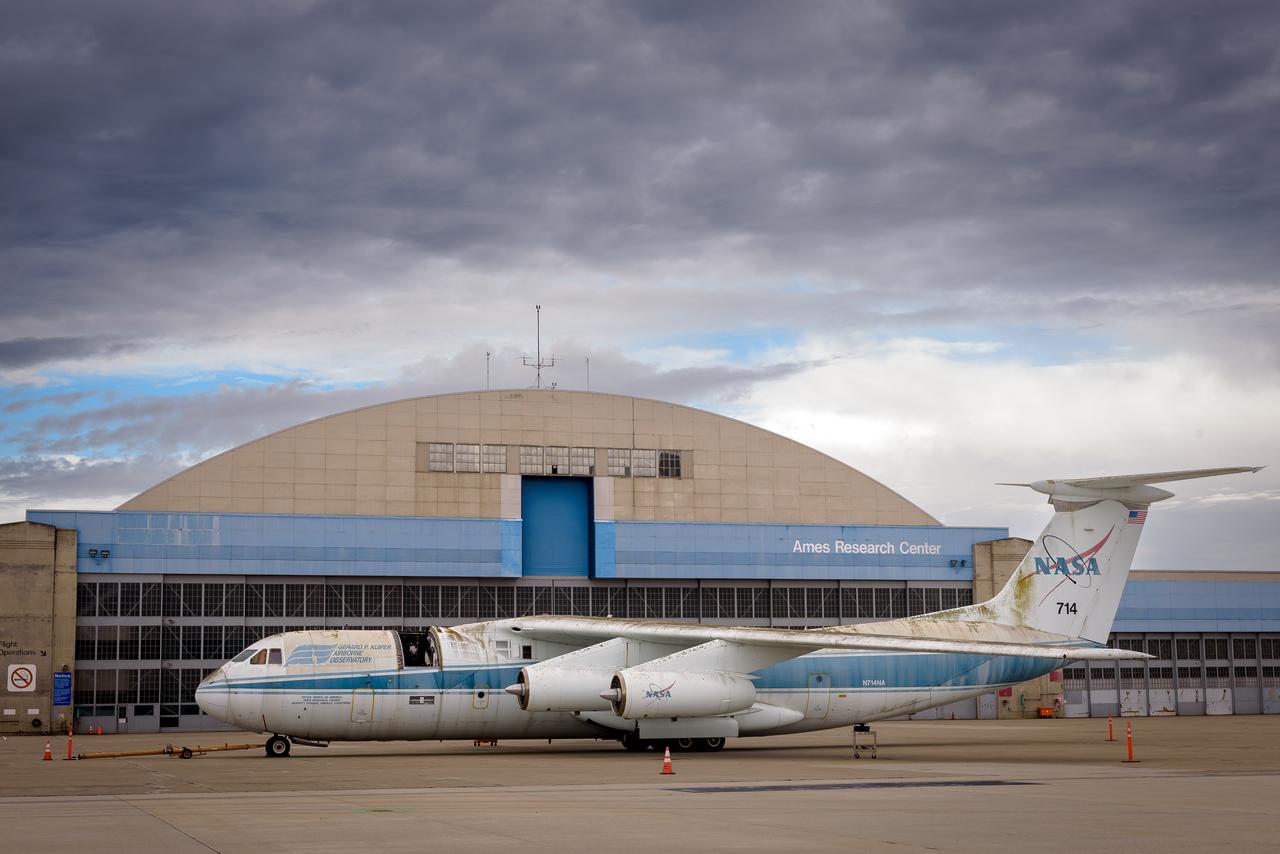
Profile view of the modified C-141 Kuiper Airborne Observatory, (KAO) (NASA-714), with the telescope aperture open on the N211 apron at Moffett Field, California.
Kuiper Airborne Observatory (KAO) Demolition
Removing the skin from the airframe of the modified C-141 Kuiper Airborne Observatory, (KAO) (NASA-714), on the N211 apron at Moffett Field, California.
Kuiper Airborne Observatory (KAO) Demolition
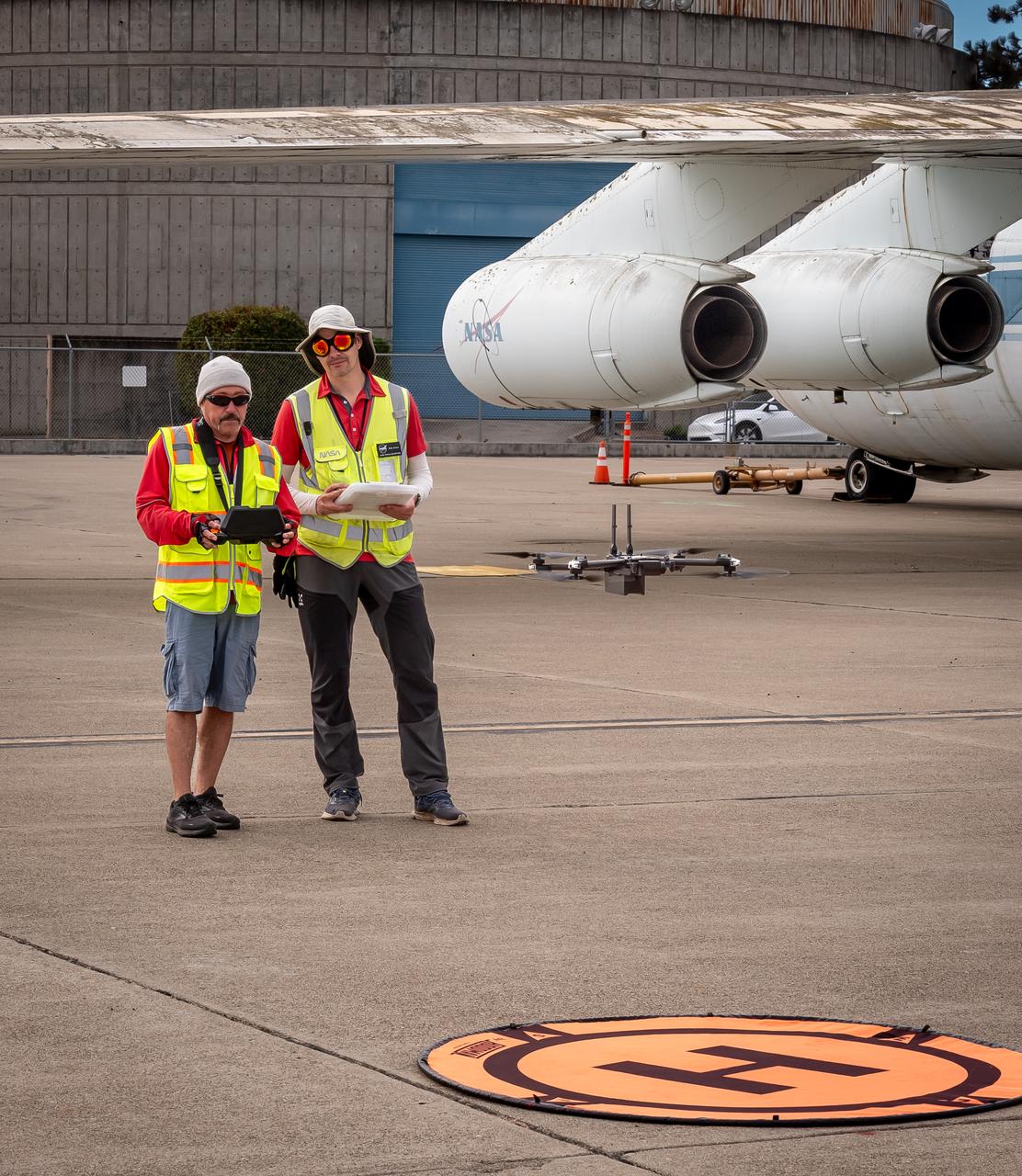
Richard Kolyer, left, with Jonas Jonsson guide the drone to land behind the modified C-141 Kuiper Airborne Observatory, (KAO) (NASA-714), on the N211 apron.
Kuiper Airborne Observatory (KAO) Demolition
Richard Kolyer, left, with Jonas Jonsson guide the drone to land behind the modified C-141 Kuiper Airborne Observatory, (KAO) (NASA-714), on the N211 apron.
Kuiper Airborne Observatory (KAO) Demolition