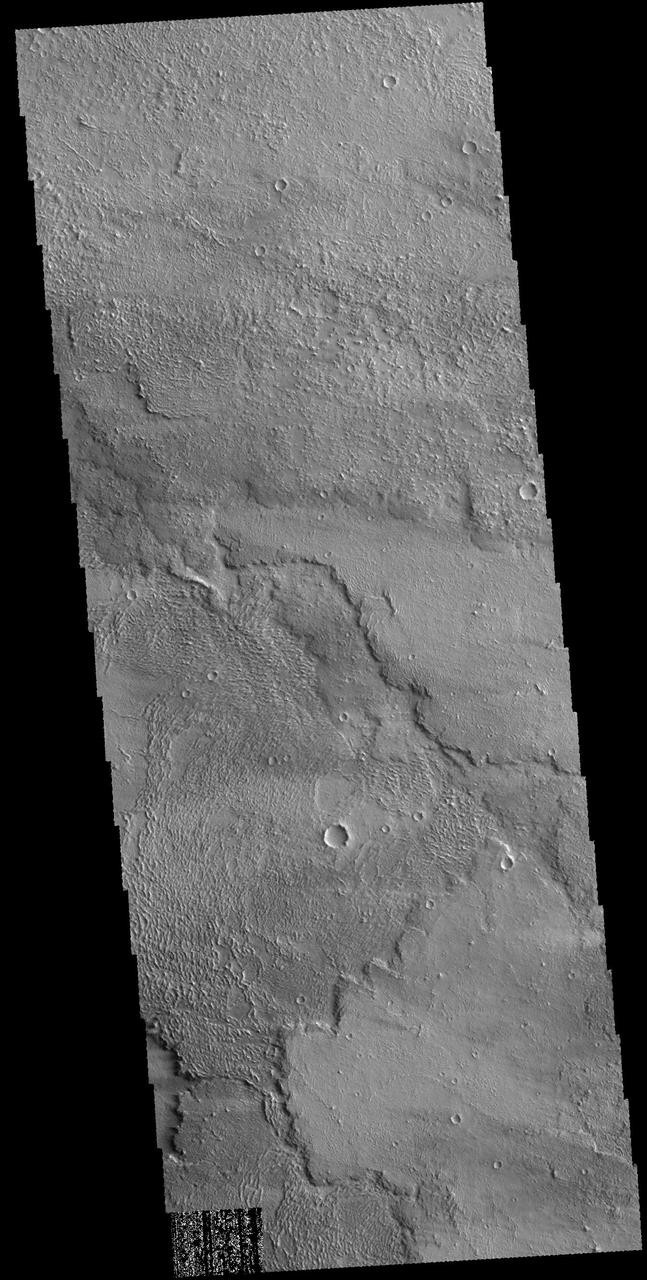
Lava Channel
Lava Channel
Lava Channel
Lava Channel
Lava Flows
Lava Flows
Lava Flows
Lava Flows
Lava Flows
Lava Flows
Tharsis Lavas
Tharsis Lavas
Daedalia Lavas
Daedalia Lavas
Lava Flows
Lava Flows
The Floor Is Lava!
The Floor Is Lava!
Lava Flows
Lava Flows
Lava Channel
Lava Channel
Lava Channels
Lava Channels
Lava Flows
Lava Flows
Lava Channels
Lava Channels
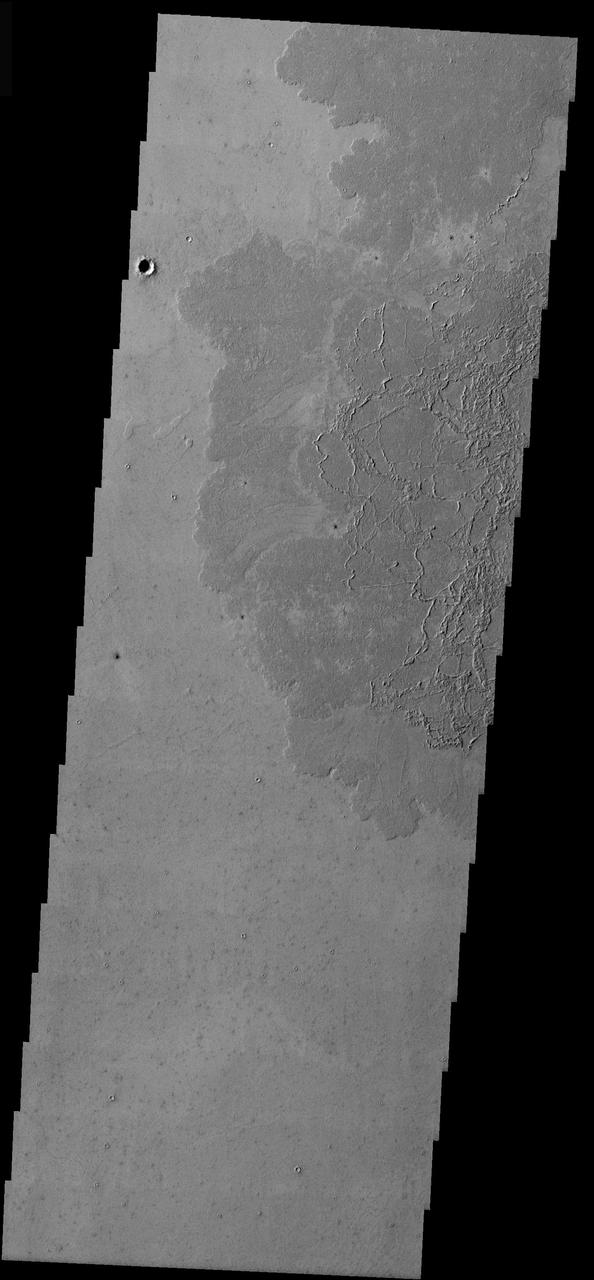
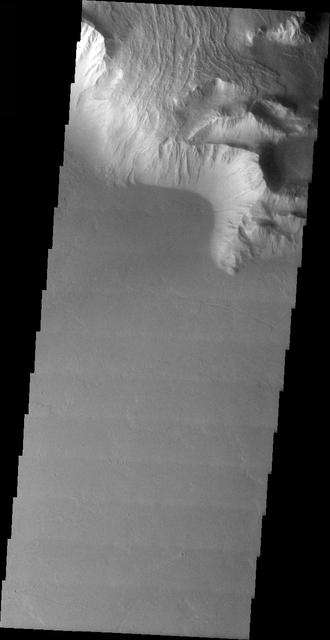
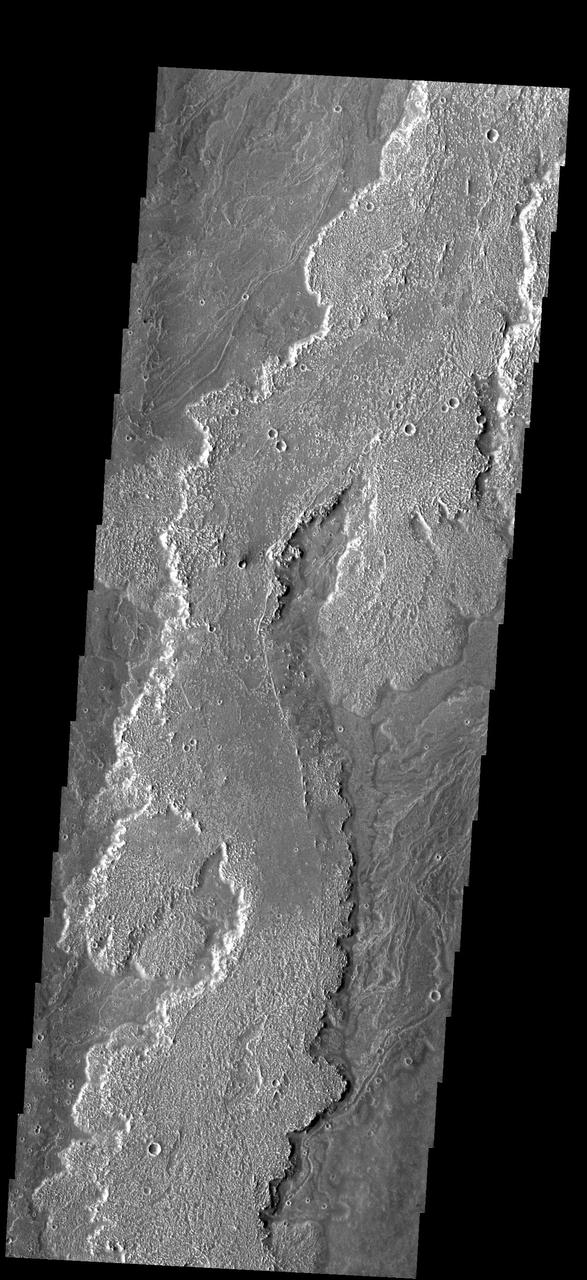
This image near Athabasca Valles shows thin plate of lava as seen by NASA 2001 Mars Odyssey spacecraft. This style of lava flow is very different from other lava flows in the nearby Elysium and Tharsis volcanic complexes.
Lava
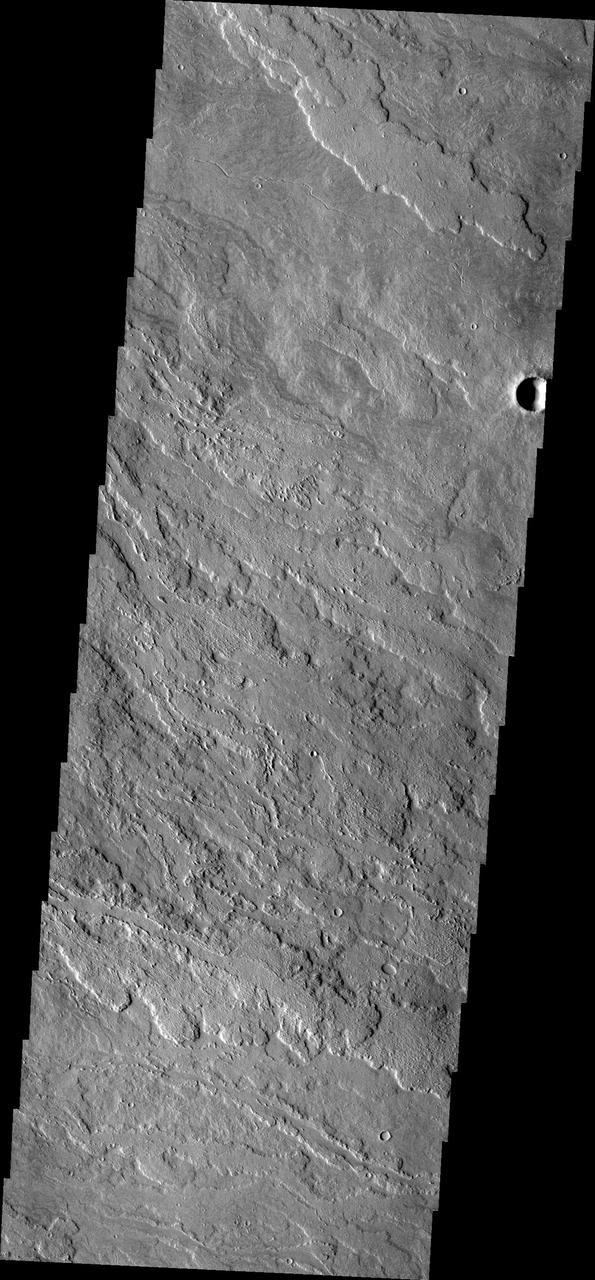
These lava flows are part of Olympus Mons
Lava Flows
These lava flows are associated with Ascraeus Mons
Ascraeus Lava
Lava Flows in IR Color
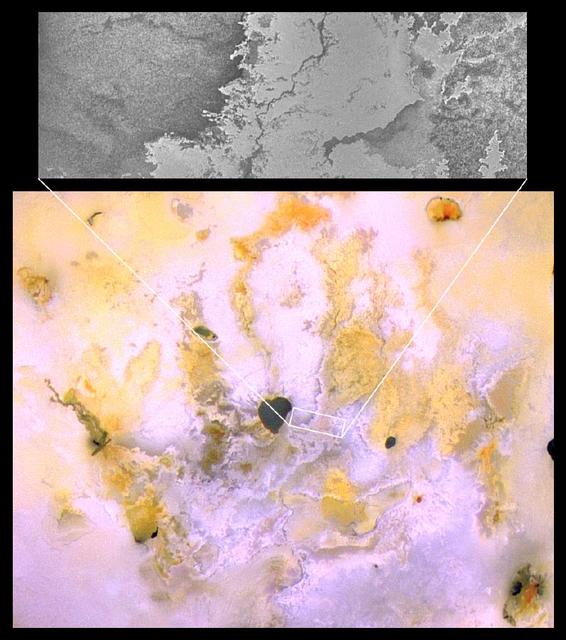
Amirani Lava Flow on Io
Lava Flows and Surface Textures
Lava Flows in Tharsis
Lava Plains and Ghost Craters
Eroding Lava Flows
Eroding Lava Flows
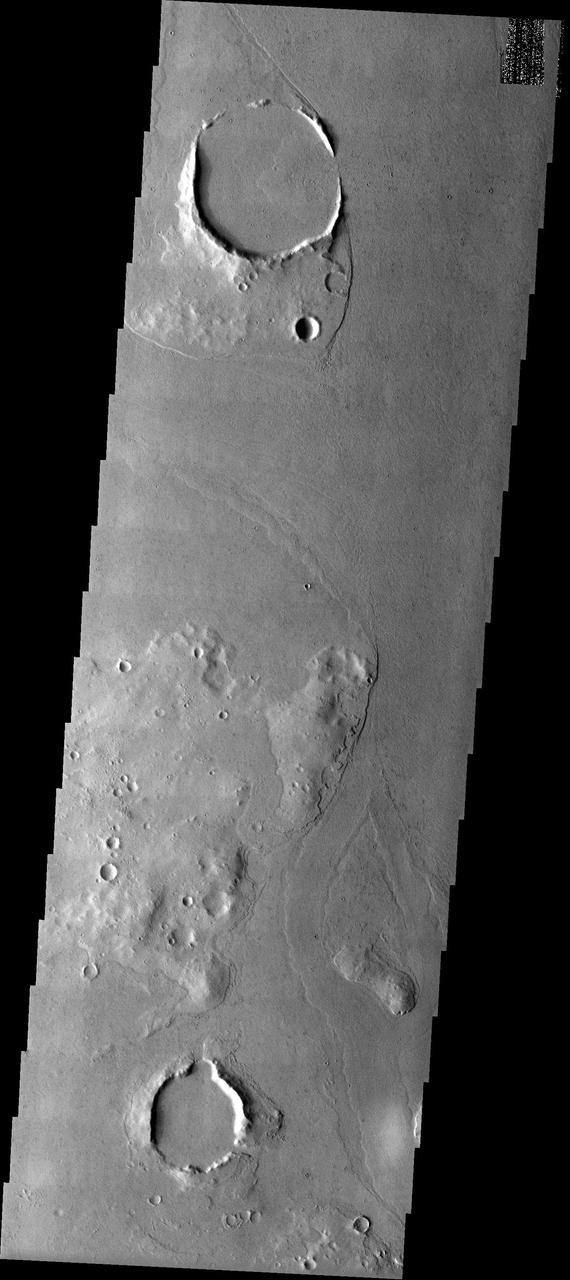
Lava-Filled Craters
Lava-Filled Craters
Wind, Water, and Lava
Olympus Mons Lava Flows
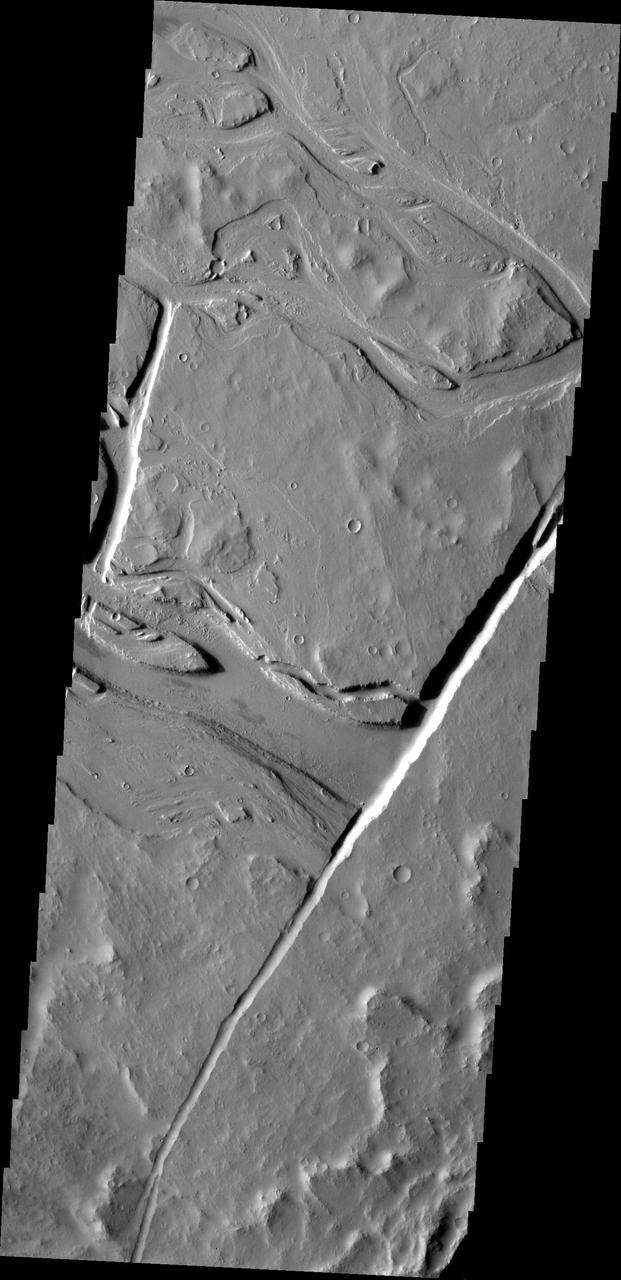
Lava Flows and Fault In IR
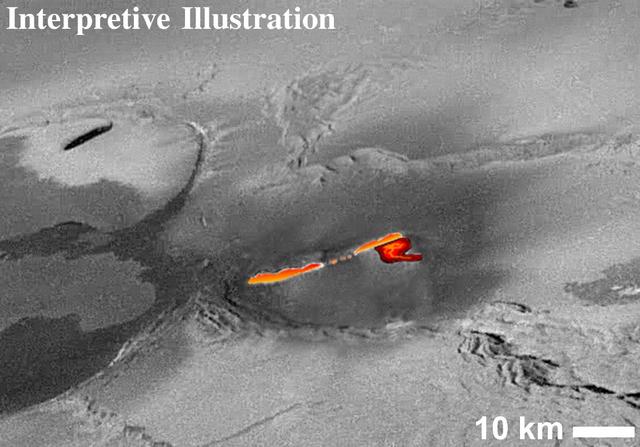
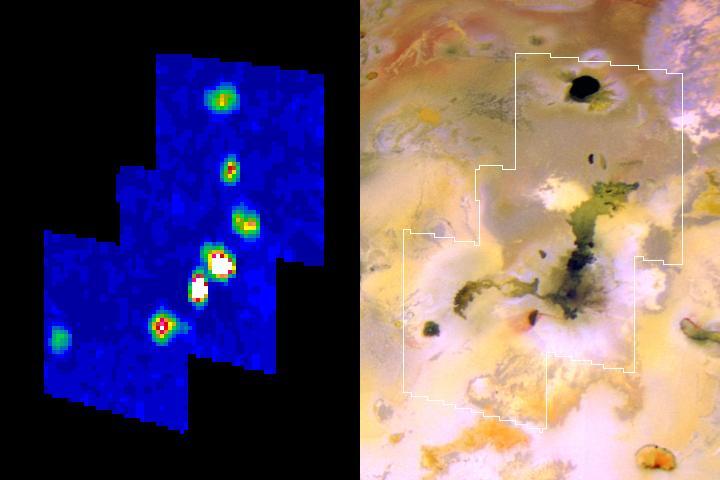
Interpreted Lava Fountains on Io
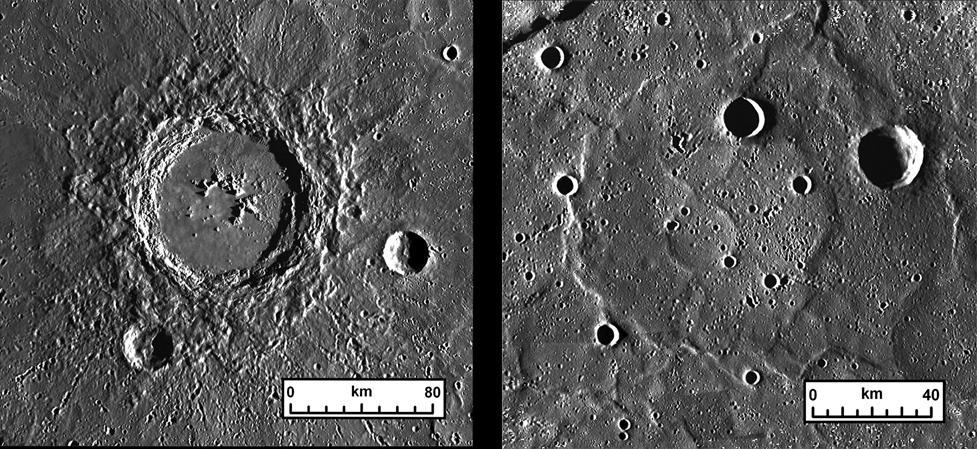
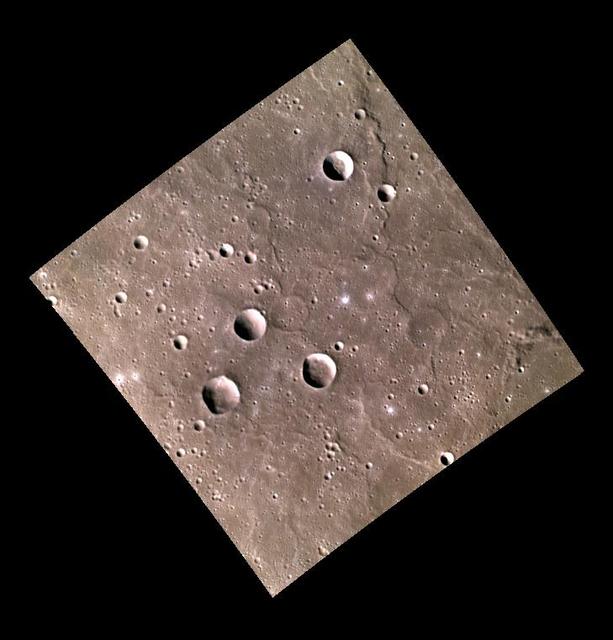
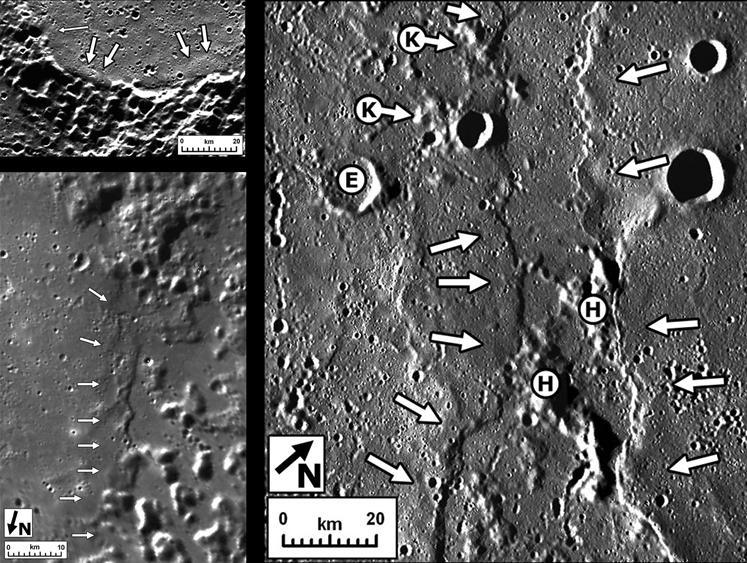
Thickness of Lavas on Mercury
Olympian Lava Channels
Arsia Mons Lava Flows
Daedalia Lava Flow
Daedalia Lava Flow
Lava Flow Features
Lava Flow Features
Lava Flow Front
Lava Flow Front
Nighttime Lava Flows
Leveed Channel in Lava Flow
Martian Lava Flows
Martian Lava Flows
Olympus Mons Lava Flows
Lava Tube Collapse Pits
Lava Fountains on Io
Platy Lava Flow
Platy Lava Flow
Windstreak on Lava Flow
Lava Flows at Zamama, Io
Lava Tubes of Olympus
Lava Flow and Impact Crater
Bowditch Lava Terraces
Platy Lava Surface
Platy Lava Surface
Olympus Lava Flows
Olympus Lava Flows
Daedalia Lava Flow Margin
Arsia Mons Lava
Arsia Mons Lava
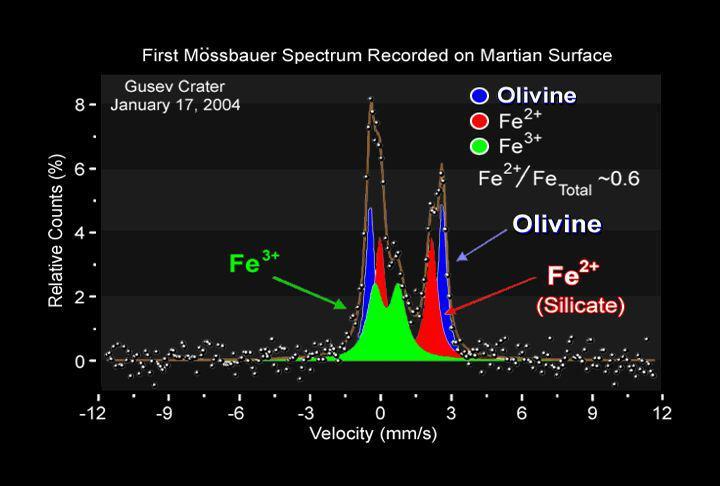
Mysterious Lava Mineral on Mars
Streaks and Lava Flows
This lava channel is part of the Elysium Mons flows
Lava Channel
These lava flows are located to the northeast of Tharsis Tholus
Lava Flows
These lava flows are part of the Arsia Mons volcanic complex
Lava Flows
These relatively young lava flows are part of Arsia Mons
Lava Flows
These lava flows are part of the Arsia Mons complex
Lava Flows
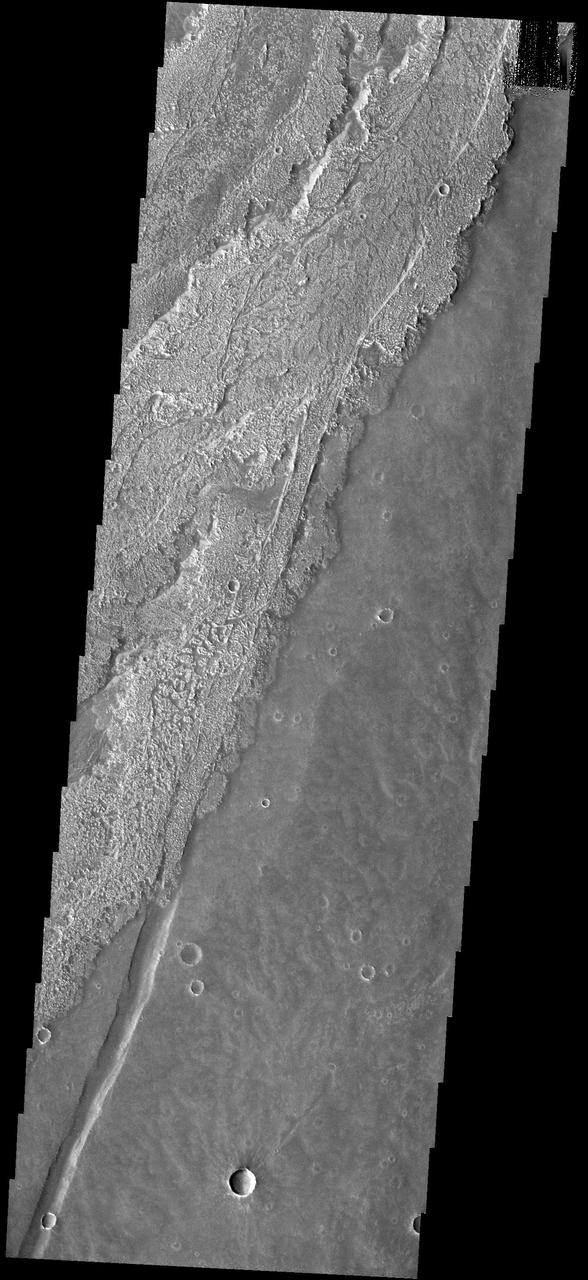
The lava flows in this image captured by NASA 2001 Mars Odyssey spacecraft are only a very small part of the voluminous lava erupted from the Arsia Mons volcano.
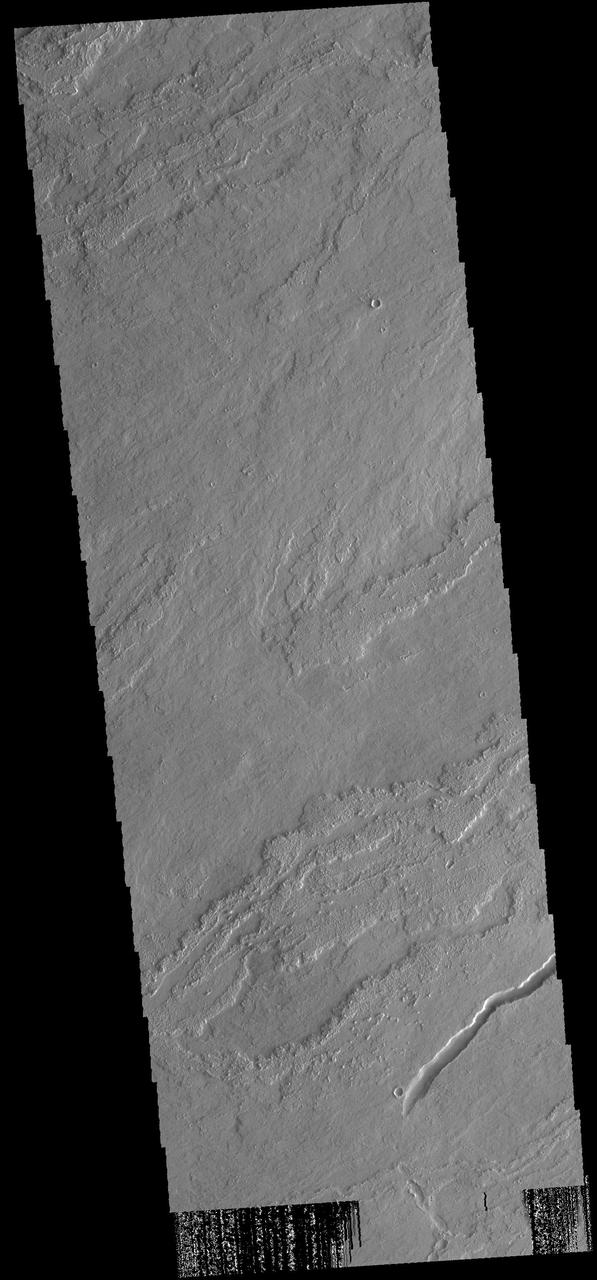
Lava Flows
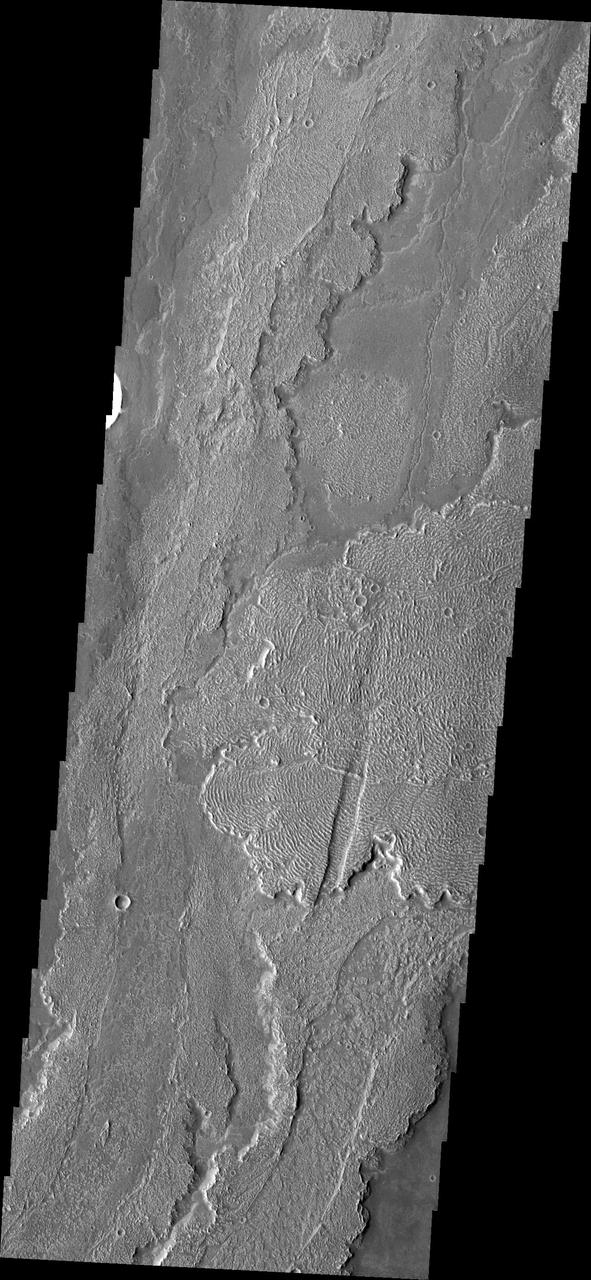
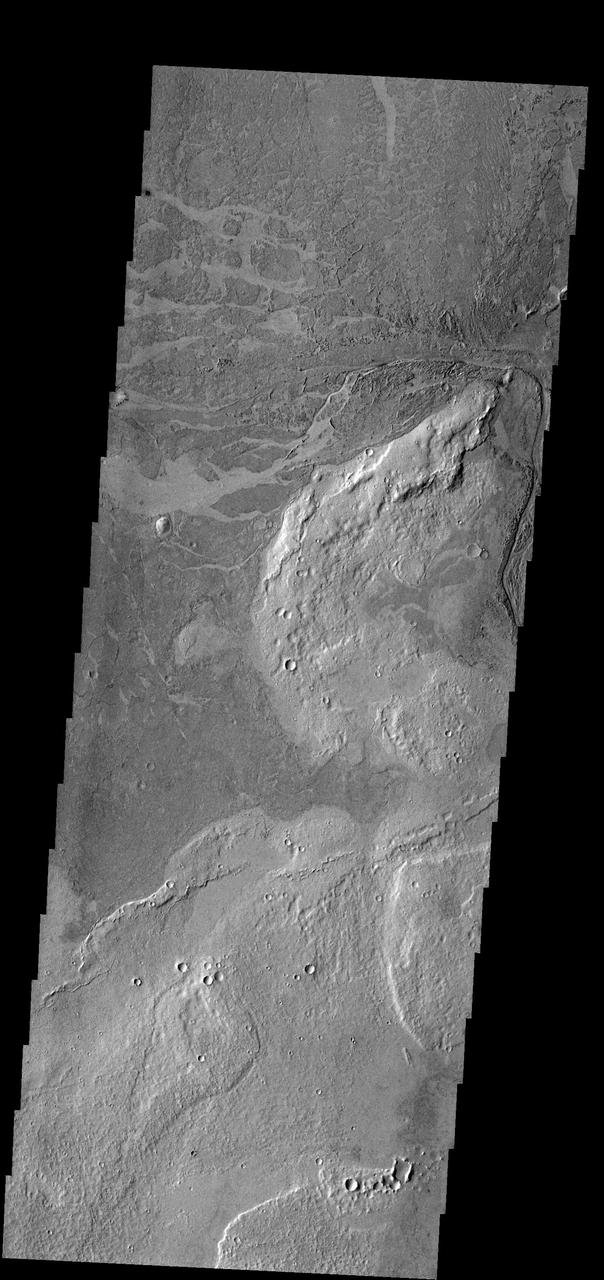
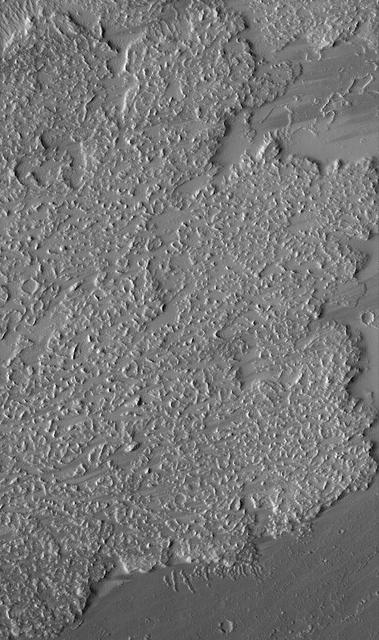
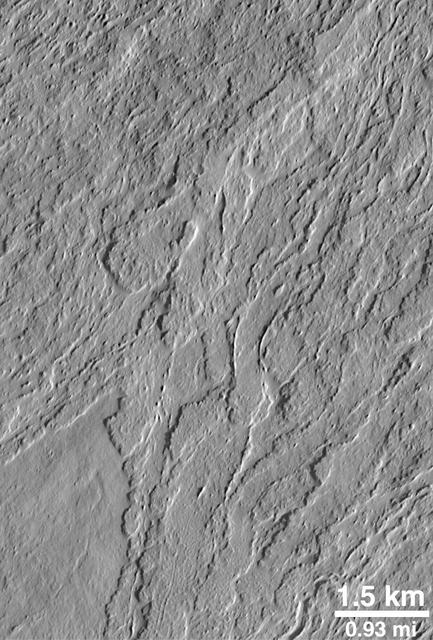
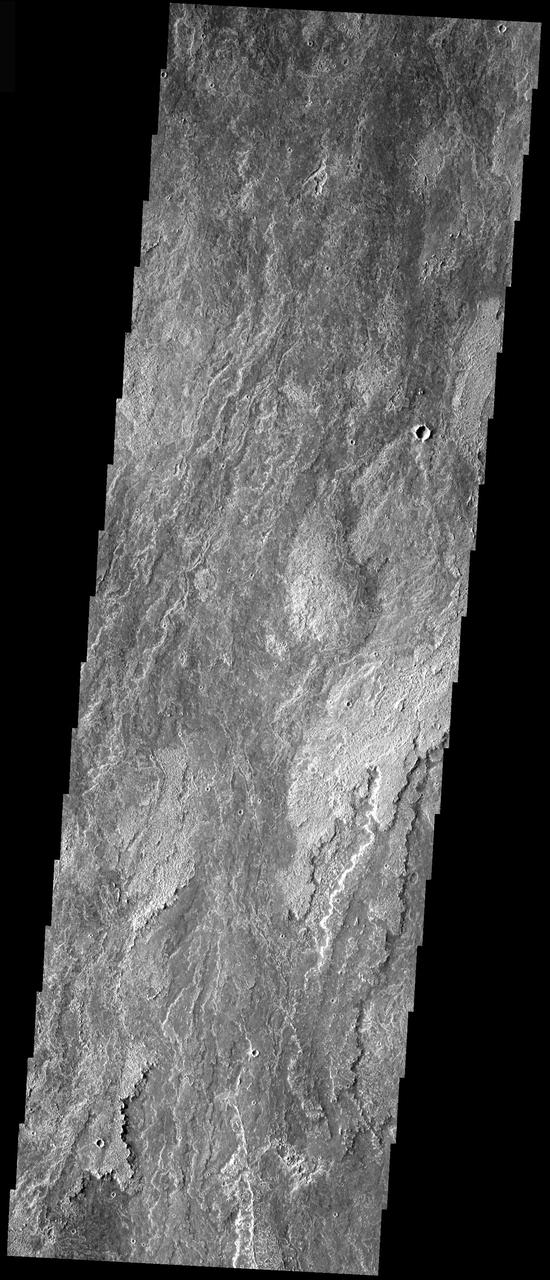
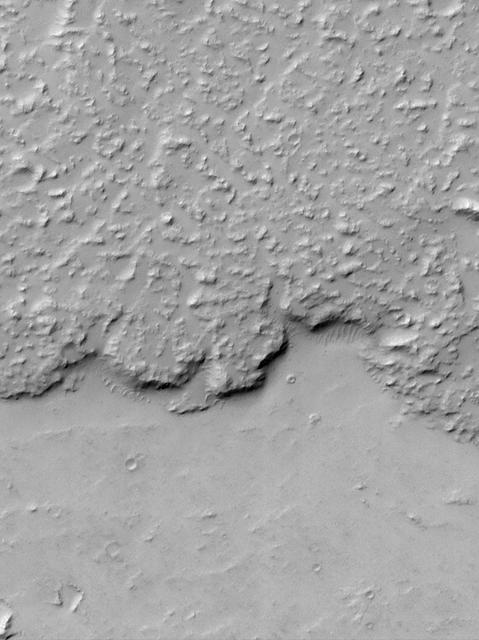
The volcanic flow in this image from NASA 2001 Mars Odyssey spacecraft appears to have flowed in one layer. The surface texture is blocks of lava which cooled and still moved on molten lava below, producing the plate-like texture.
Lava
Bright Channelized Lava Flows on Io
Arsia Mons Lava Flows at Night
Dusty Lava Flows on Ascreaus Mons
Lava-Draped Channel System on Mars
Identifying Lava Flow Fronts on Mercury
Lava Flows near Pavonis Mons
Ancient Lava Plain in Thaumasia Planum
Giant Lava Flow on Io, in Color
Lava Flows On Ascraeus Mons Volcano
Lava Flows Exposed in Bessel Crater
Lava Channel at Io Emakong Patera
Margin of Lava Flow in Daedalia Planum
MSIP: Elysium Mons Lava Flow
Amirani Big Lava Flow on Io
Highest Resolution of Lava Flows on Io
Crenulated Lava Flows of Daedalia Planum
Lavas, and Craters, and Scarps! Oh, My!
These long, narrow lava flows are located just south of the Olympus Mons volcano
Lava Flows
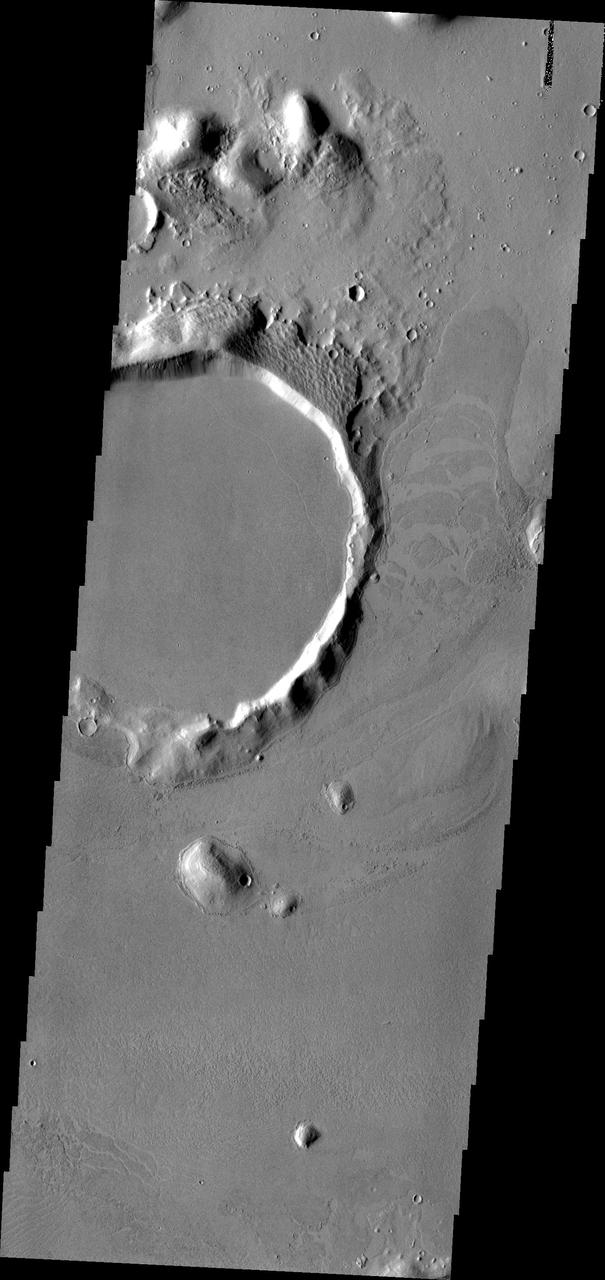
These lava flows surrounding a depression in the plains are located in the Cerberus region of Elysium Planitia
Lava Flows
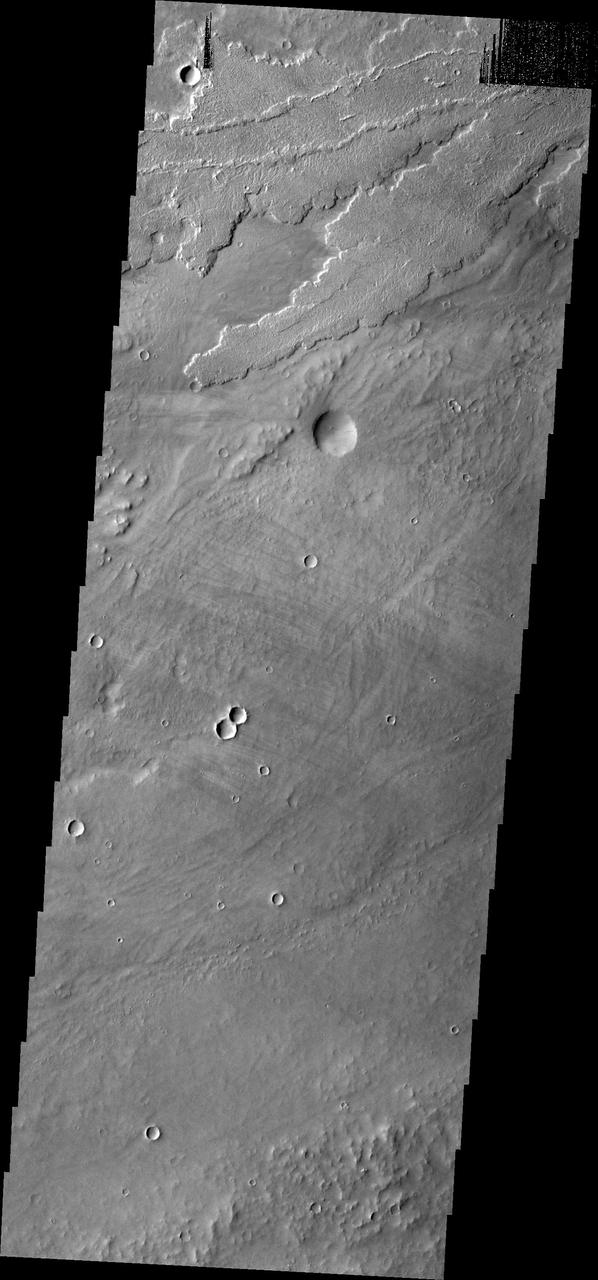
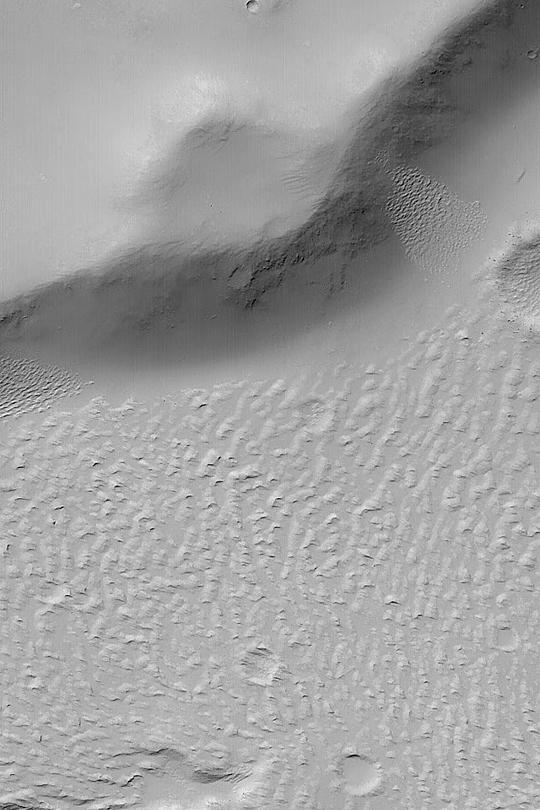
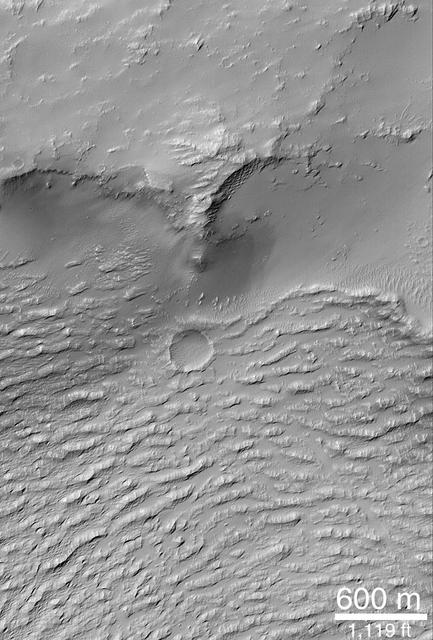
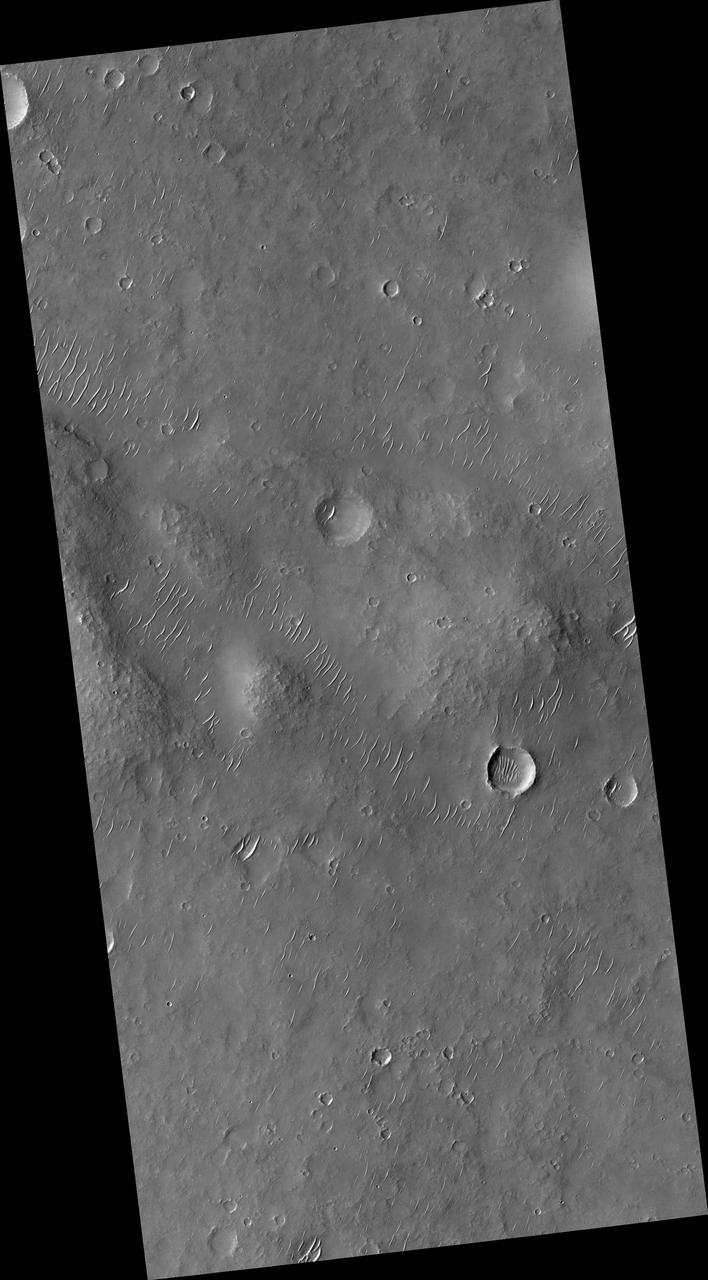
In this image wind seems to be the dominant process, but lava flows are still recognizable from the surface texture. It appears that the lava flow top left is relatively thin, and the material below is easily eroded by the wind
Wind and Lava
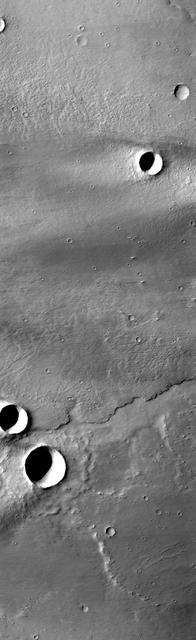
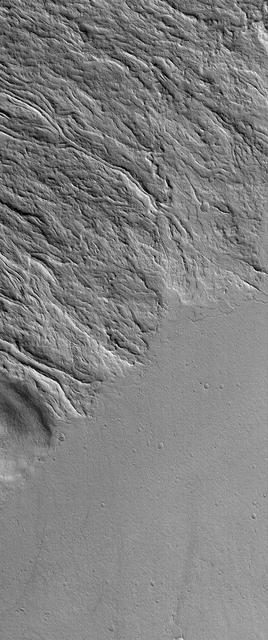
This region of Tharsis near Olympus Mons contains subtle features showing its lava flow origin. Note the oftened flow fronts and lava channels in this image captured by NASA Mars Odyssey spacecraft.
Tharsis Lava
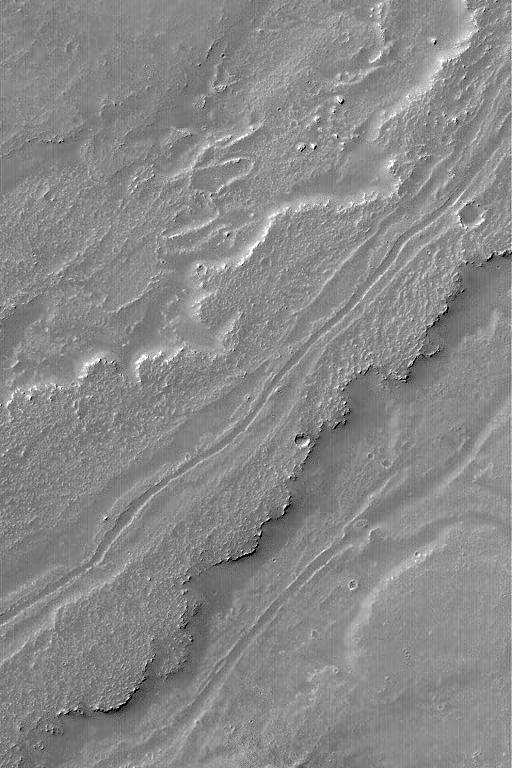
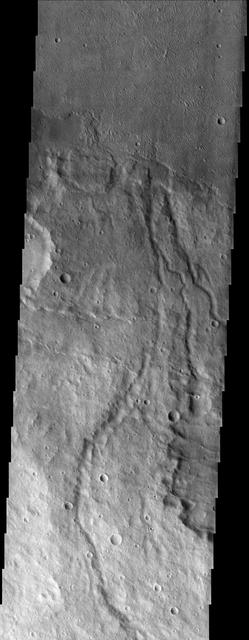
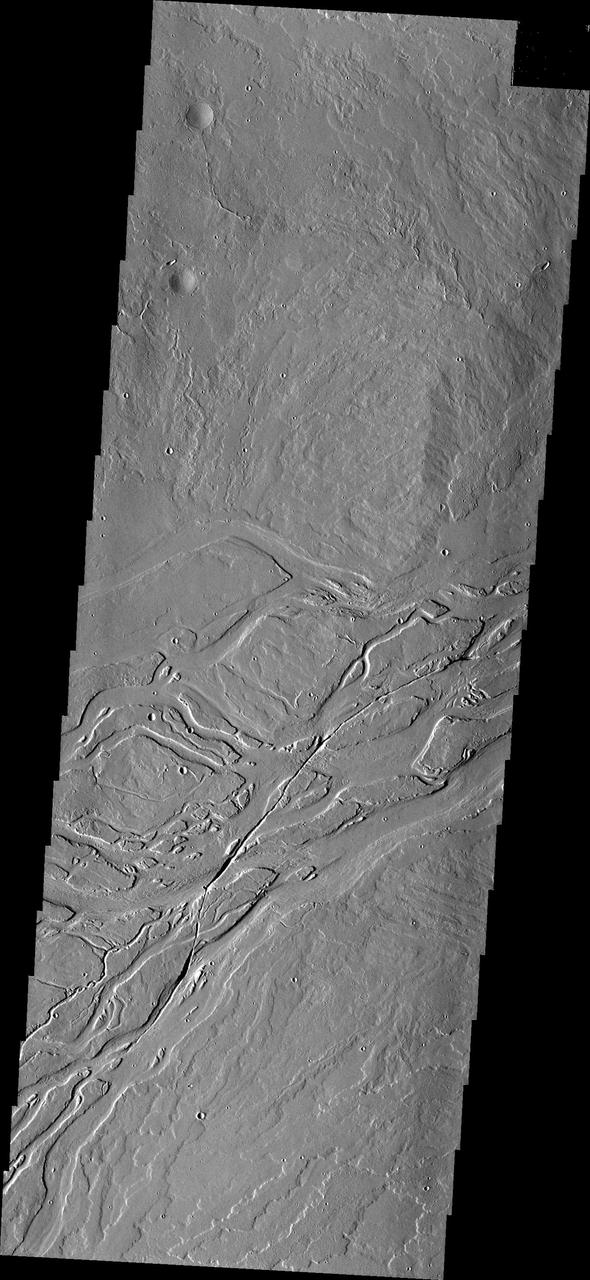
The channels in this image from NASA 2001 Mars Odyssey spacecraft were created by the flow of lava rather than water. These lava channels are near the northeast flank of Olympus Mons.
Lava Channels
This MOC image shows the remains of leveed lava channels cutting across west to east a dust-covered plain composed of overlapping lava flows east of Olympus Mons
Lava Levees
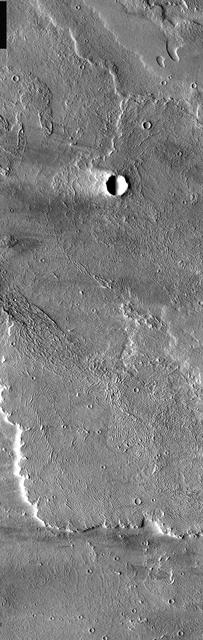
This image from NASA Mars Odyssey shows are region of lava covered plains east of Olympus Mons. Winds are common in the area and have created windstreaks downwind of craters in the region and on the lava flows.
Tharsis Lava
These rough surfaced lava flows originated at Arsia Mons
Arsia Mons Lava
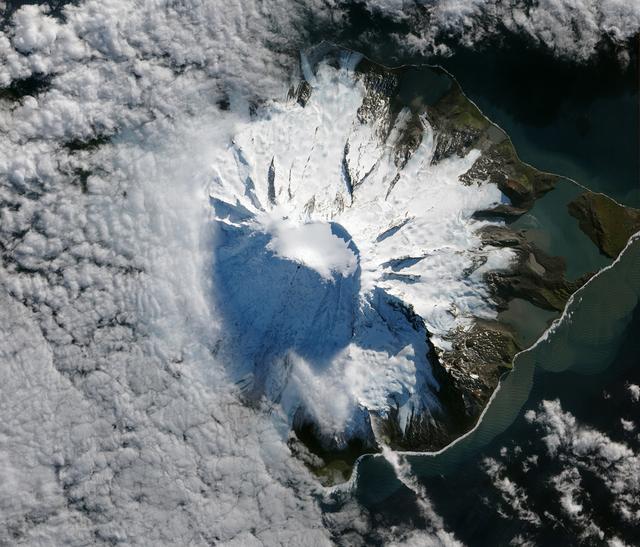
In October 2012, satellites measured subtle signals that suggested volcanic activity on remote Heard Island. These images, captured several months later, show proof of an eruption on Mawson Peak. By April 7, 2013, Mawson's steep-walled summit crater had filled, and a trickle of lava had spilled down the volcano’s southwestern flank. On April 20, the lava flow remained visible and had even widened slightly just below the summit.  These natural-color images were collected by the Advanced Land Imager (ALI) on the Earth Observing-1 (EO-1) satellite.  Image Credit: NASA Earth Observatory  Read more: <a href="http://earthobservatory.nasa.gov/NaturalHazards/view.php?id=81024" rel="nofollow">earthobservatory.nasa.gov/NaturalHazards/view.php?id=81024</a>  <b><a href="http://www.nasa.gov/audience/formedia/features/MP_Photo_Guidelines.html" rel="nofollow">NASA image use policy.</a></b>  <b><a href="http://www.nasa.gov/centers/goddard/home/index.html" rel="nofollow">NASA Goddard Space Flight Center</a></b> enables NASA’s mission through four scientific endeavors: Earth Science, Heliophysics, Solar System Exploration, and Astrophysics. Goddard plays a leading role in NASA’s accomplishments by contributing compelling scientific knowledge to advance the Agency’s mission.  <b>Follow us on <a href="http://twitter.com/NASA_GoddardPix" rel="nofollow">Twitter</a></b>  <b>Like us on <a href="http://www.facebook.com/pages/Greenbelt-MD/NASA-Goddard/395013845897?ref=tsd" rel="nofollow">Facebook</a></b>  <b>Find us on <a href="http://instagram.com/nasagoddard?vm=grid" rel="nofollow">Instagram</a></b>
Lava Flow on Mawson Peak, Heard Island
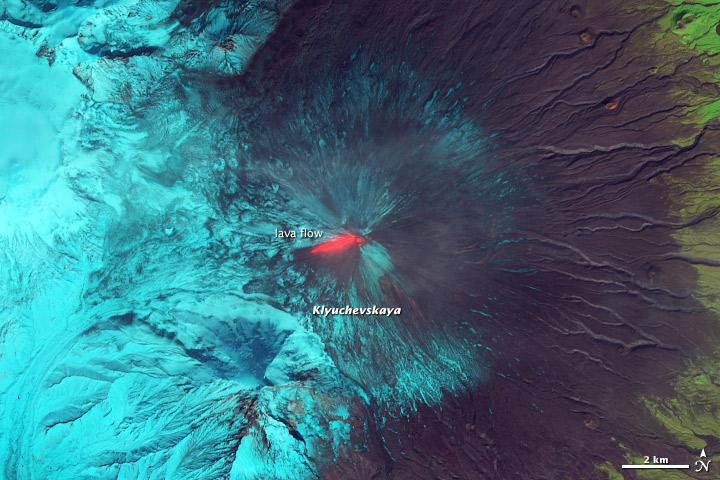
This false-color (shortwave infrared, near infrared, green) satellite image reveals an active lava flow on the western slopes of Klyuchevskaya Volcano. Klyuchevskaya is one of several active volcanoes on the Kamchatka Peninsula in far eastern Russia. The lava flow itself is bright red. Snow on Klyuchevskaya and nearby mountains is cyan, while bare ground and volcanic debris is gray or brown. Vegetation is green. The image was collected by Landsat 8 on September 9, 2013.  NASA Earth Observatory image by Jesse Allen and Robert Simmon, using  Instrument:  Landsat 8 - OLI  More info: <a href="http://1.usa.gov/1evspH7" rel="nofollow">1.usa.gov/1evspH7</a>  <b><a href="http://www.nasa.gov/audience/formedia/features/MP_Photo_Guidelines.html" rel="nofollow">NASA image use policy.</a></b>  <b><a href="http://www.nasa.gov/centers/goddard/home/index.html" rel="nofollow">NASA Goddard Space Flight Center</a></b> enables NASA’s mission through four scientific endeavors: Earth Science, Heliophysics, Solar System Exploration, and Astrophysics. Goddard plays a leading role in NASA’s accomplishments by contributing compelling scientific knowledge to advance the Agency’s mission.  <b>Follow us on <a href="http://twitter.com/NASA_GoddardPix" rel="nofollow">Twitter</a></b>  <b>Like us on <a href="http://www.facebook.com/pages/Greenbelt-MD/NASA-Goddard/395013845897?ref=tsd" rel="nofollow">Facebook</a></b>  <b>Find us on <a href="http://instagram.com/nasagoddard?vm=grid" rel="nofollow">Instagram</a></b>
Lava and Snow on Klyuchevskaya Volcano [detail]
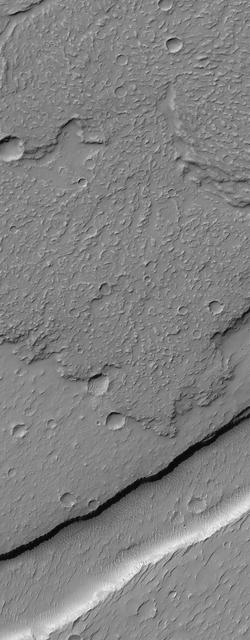
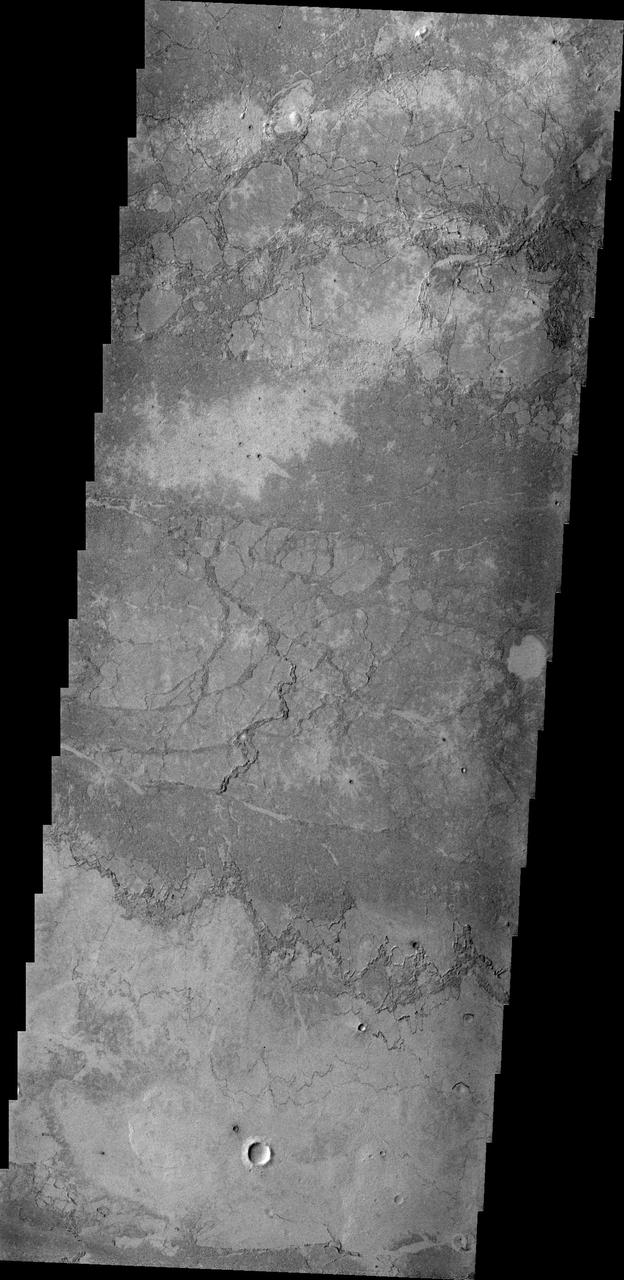
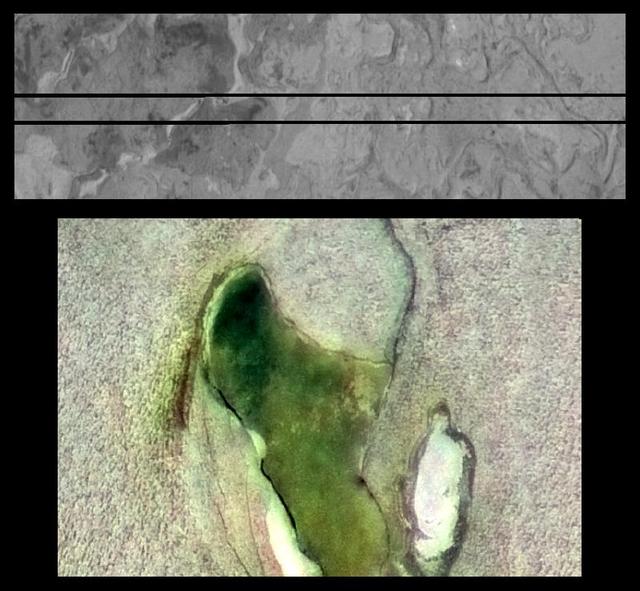
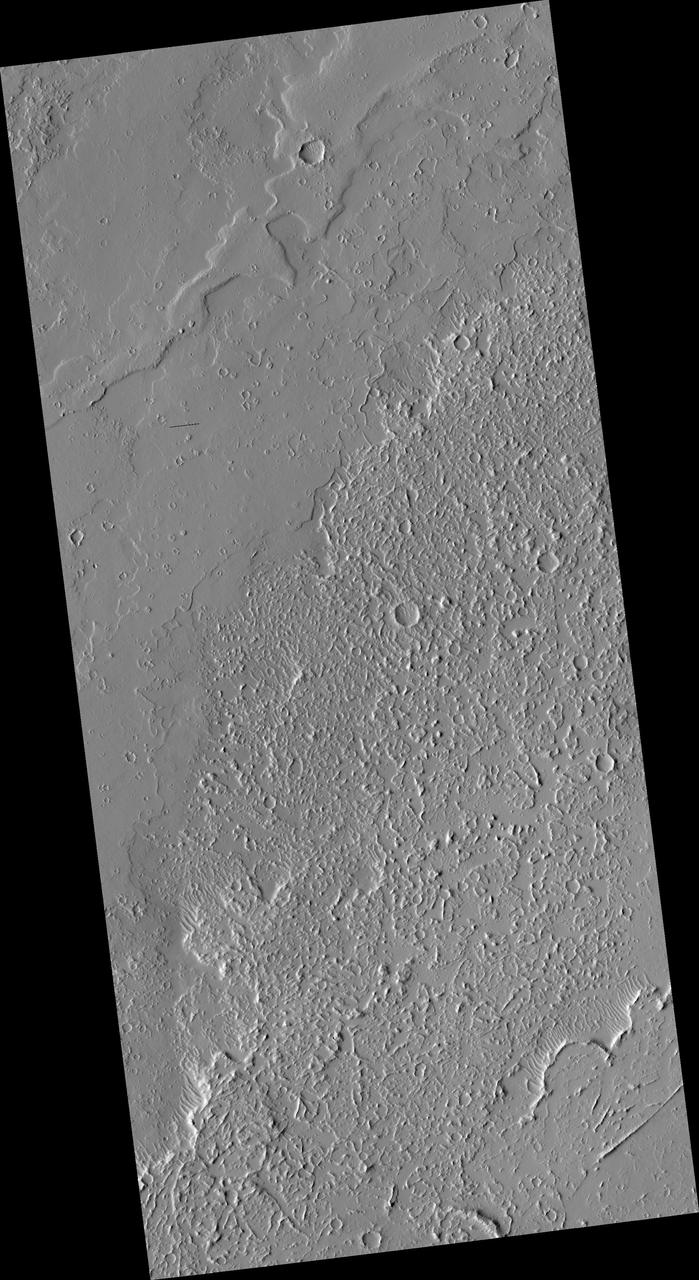
This image covers part of the Athabasca Valles flood lava plain, the youngest large lava flow on the surface of Mars as observed by NASA Mars Reconnaissance Orbiter.
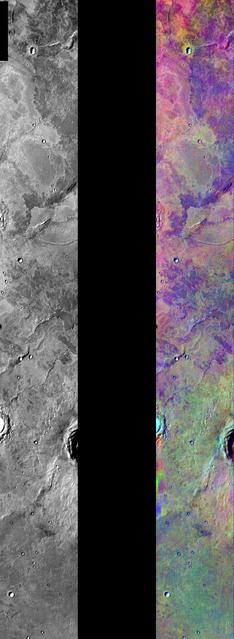
Rafts of Lava with Strange Infrared Properties
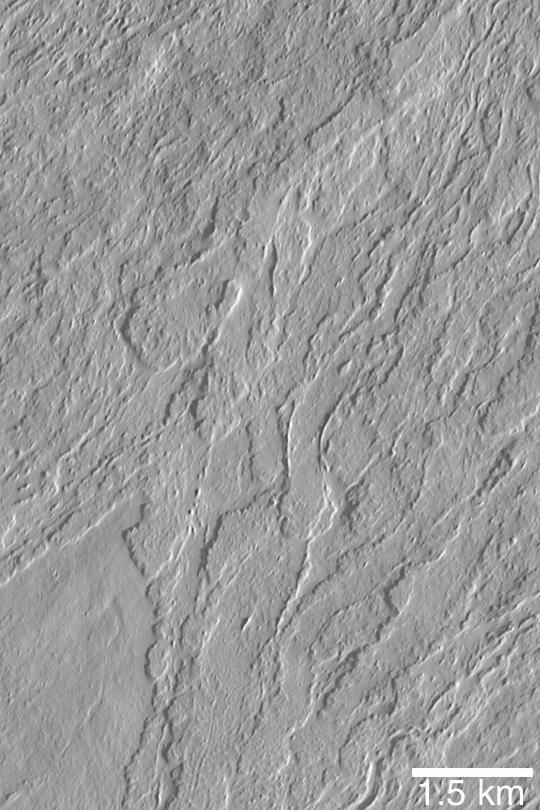
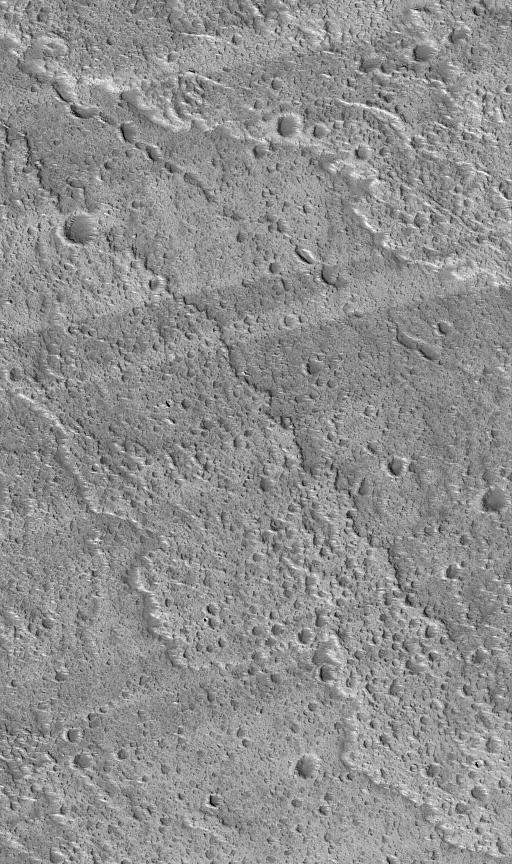
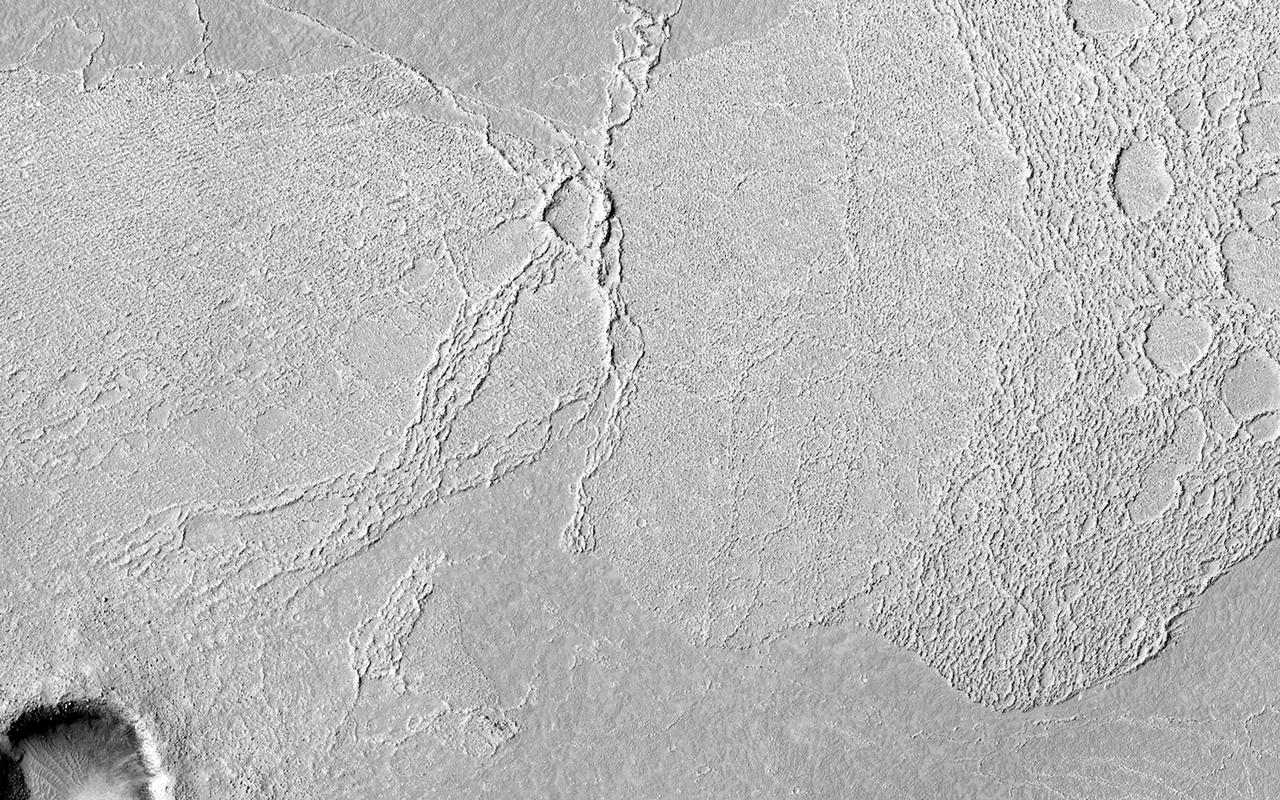
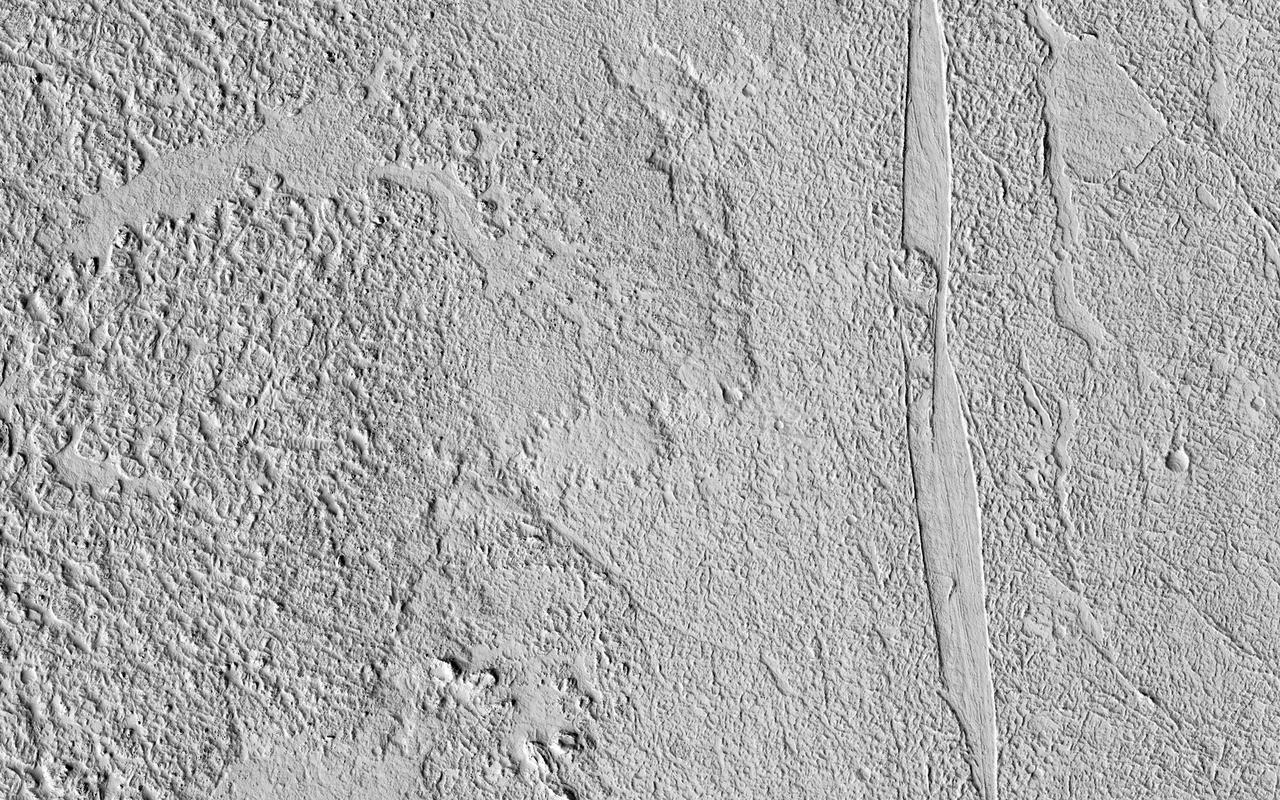
This HiRISE image shows a classic example of platy-ridged lava. Scientists think that this is the same as a lava type called "rubbly pahoehoe" on Earth.  In this lava, a crust of rubble forms as the lava partially cools but then tears up its own cover. Eventually, the rubble can form plates that can be rafted apart as the lava cools further, producing textures like those visible on terrestrial lava lakes that have cooled.  We see here a complex history of these processes. There are two different shapes of the rubble (at right, and top left/bottom center) indicating two stages of formation. The smooth area at center also is divided into two domains with different polygon styles, indicating that the rift opened, partially cooled, and then opened further.  https://photojournal.jpl.nasa.gov/catalog/PIA25948
Complicated Lava Cooling
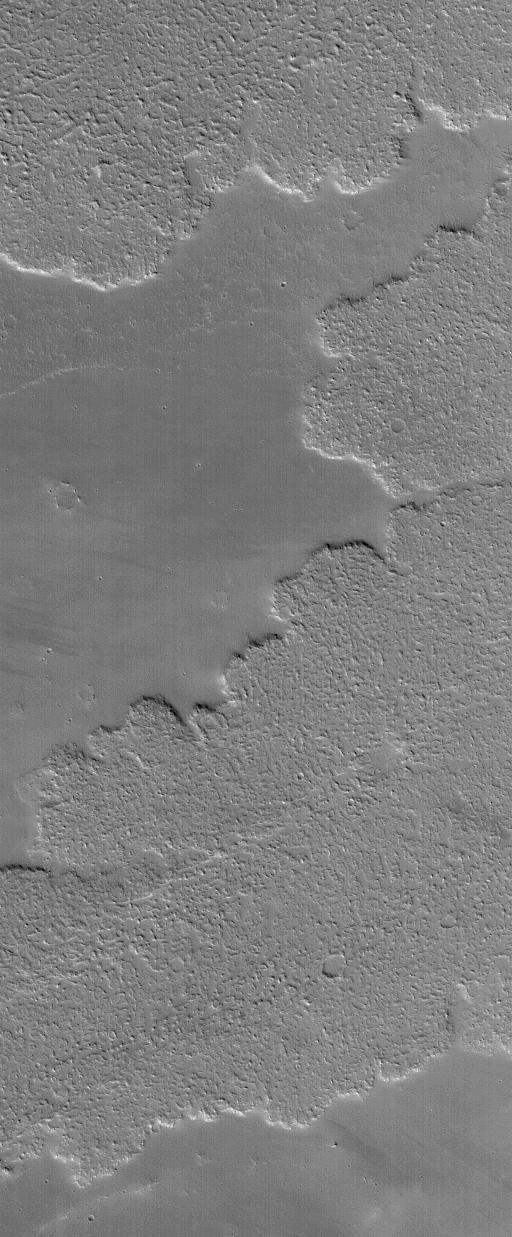
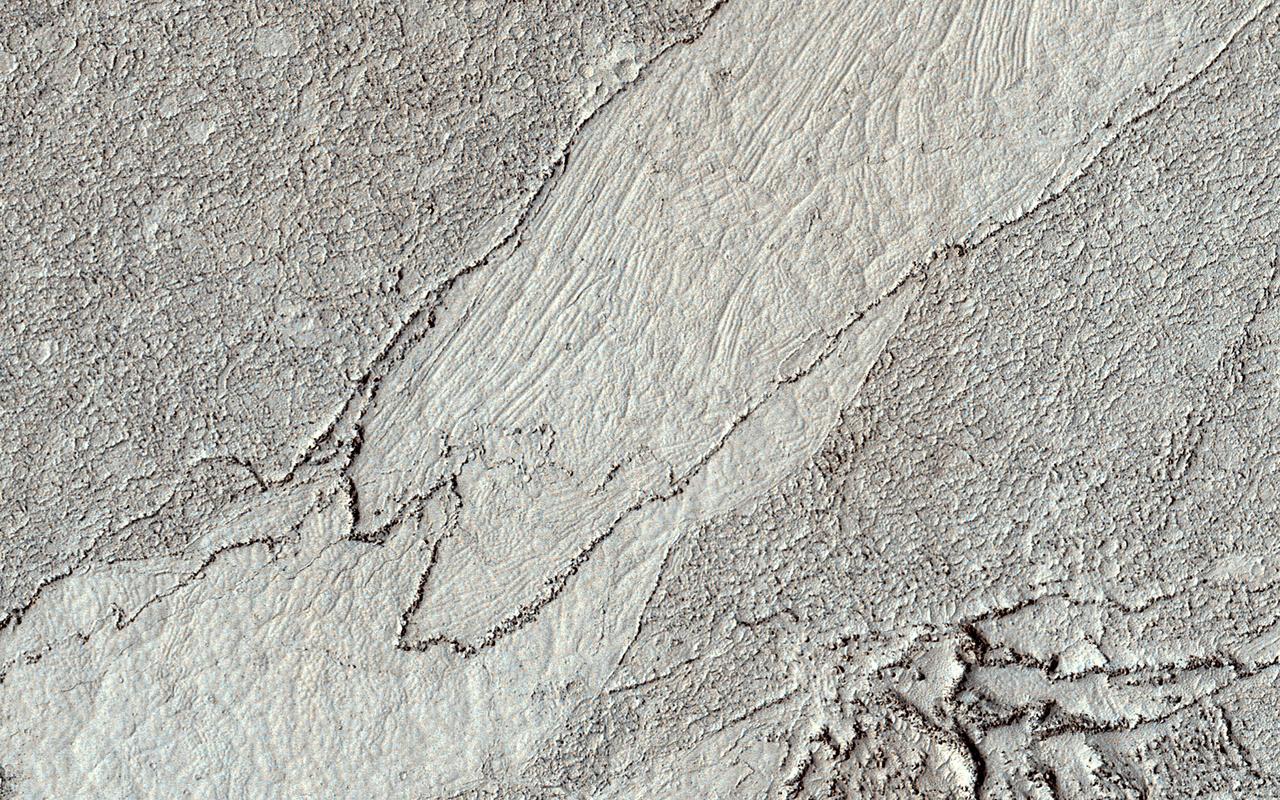
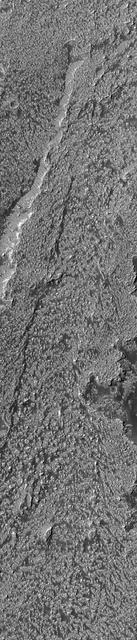
This image shows some beautiful lava flows in Amazonis Planitia. Lava isn't moving around on Mars today, but it certainly once did, and images like this one are evidence of that.  A thick lava flow came in from the west, and you can see the cooled flow lobes and wrinkled upper surface. East of the flow margin, this most recent flow also coursed over an older lava surface which shows some long, north-south breaks, and in the southeast corner, an arrowhead-shaped set of ridges. These textures are most likely from rafted slabs of lava. Under certain conditions, a large piece of lava can cool, but then detach and move like an iceberg over a cushion of still-molten lava.  The long, narrow north-south smooth areas are probably where two of these plates rafted away from one another exposing the lava below. The arrowhead-shaped ridges are probably from when one of these plates pushed up against another one and caused a pile-up before cooling.  http://photojournal.jpl.nasa.gov/catalog/PIA21113
Lava That Once Flowed
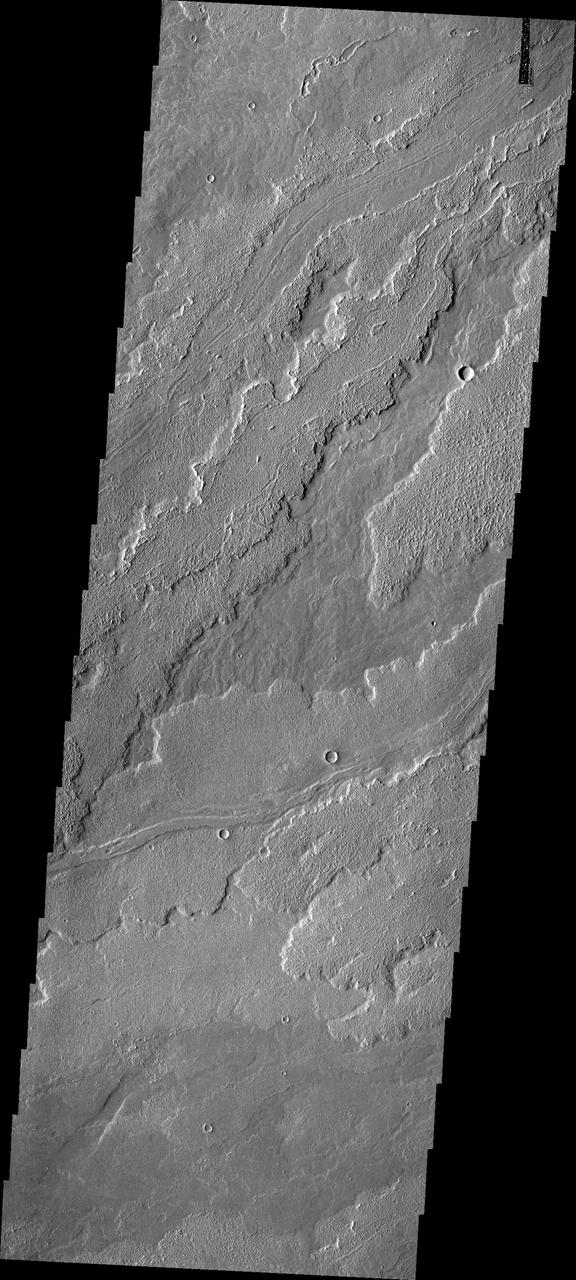
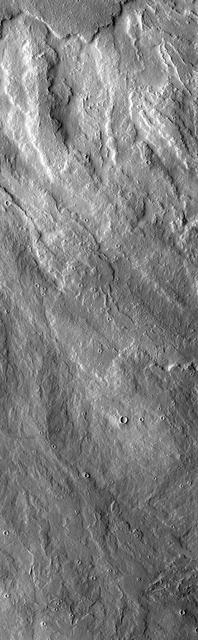
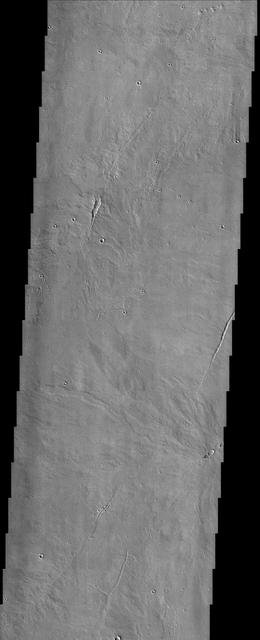
This NASA Mars Odyssey image captures a portion of several lava flows in Daedalia Planum southwest of the Arsia Mons shield volcano. Textures characteristic of the variable surface roughness associated with different lava flows in this region are easily s
Lava Flows of Daedalia Planum
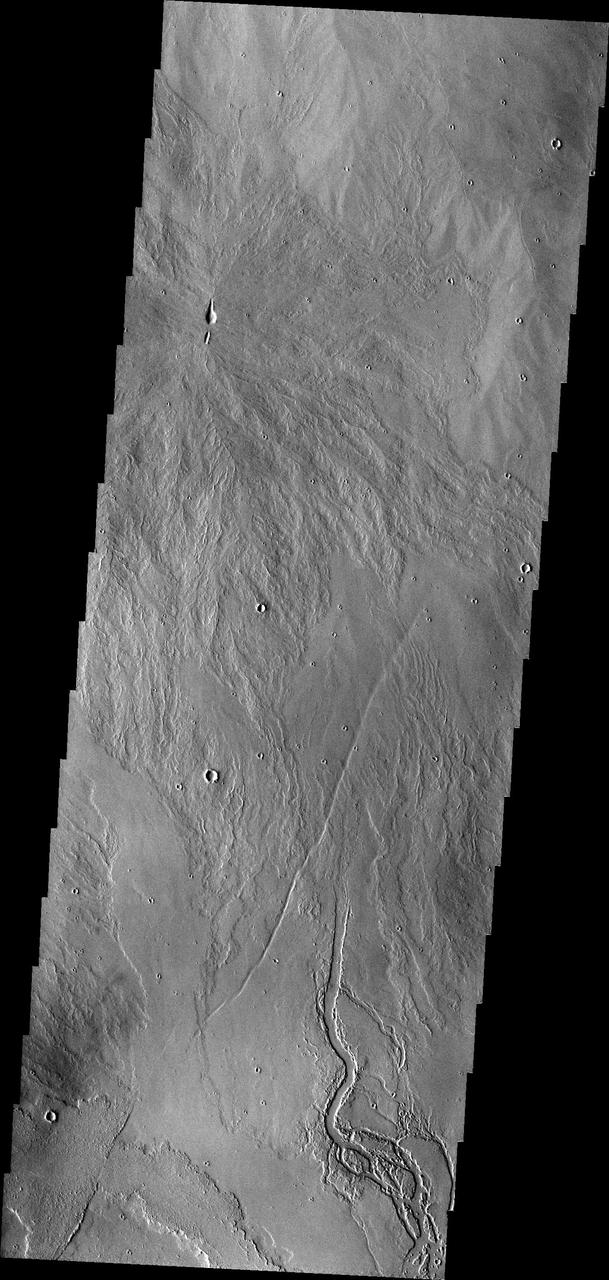
The lava channels in this image from NASA 2001 Mars Odyssey spacecraft are located on the northern flank of Ascraeus Mons.
Lava Channels
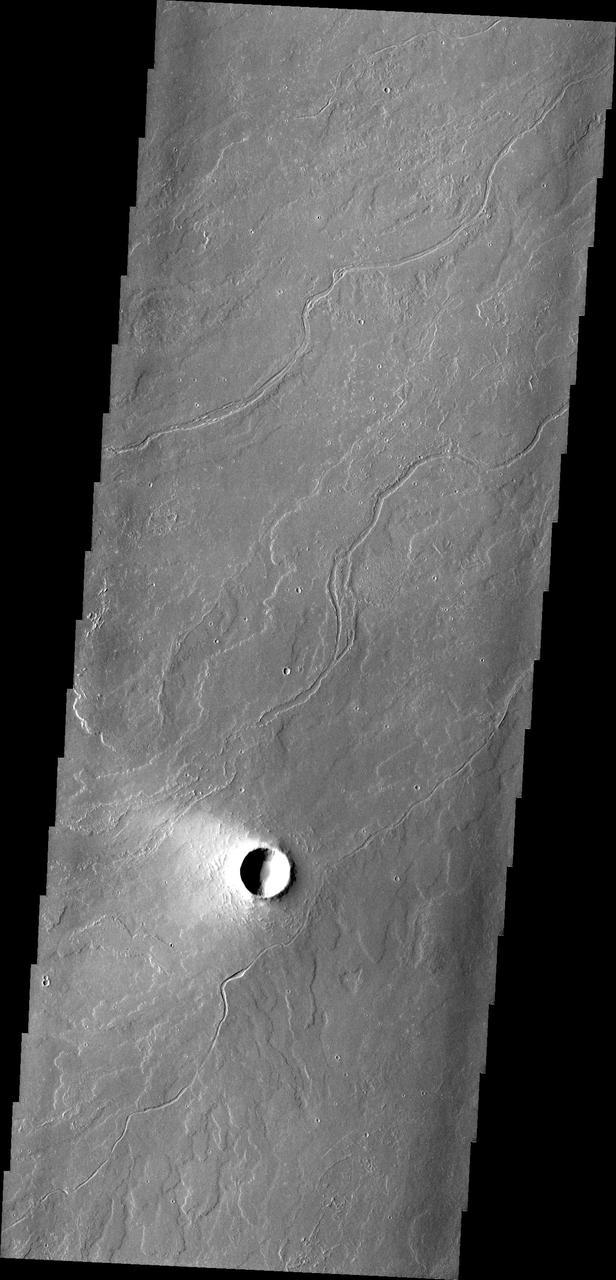
The lava channels in this image are located in the Tharsis plains as seen by NASA 2001 Mars Odyssey spacecraft.
Lava Channels
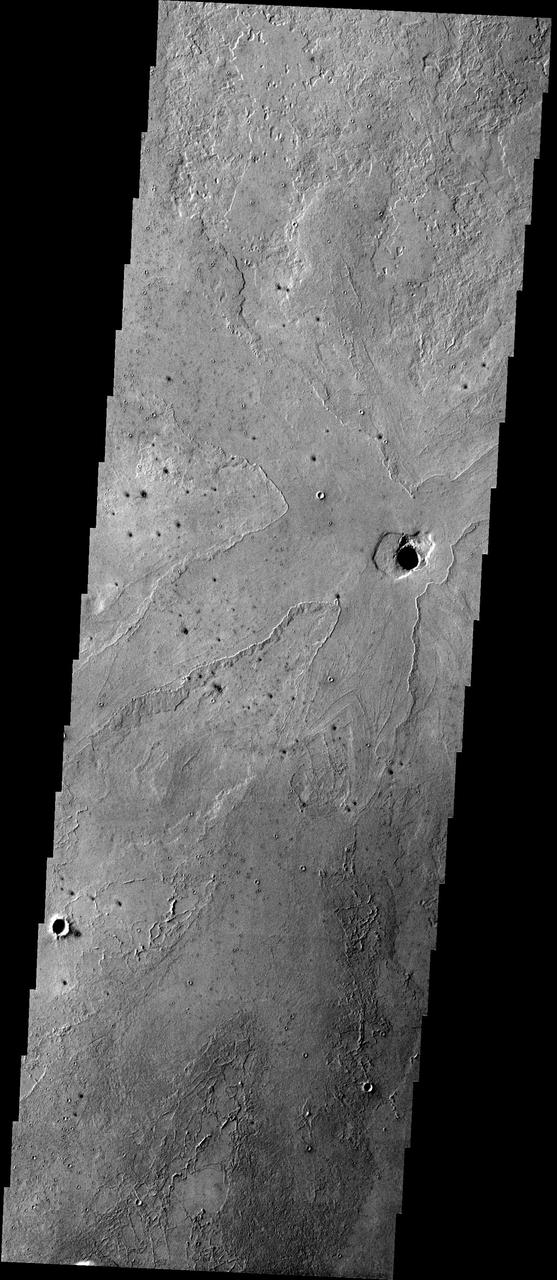
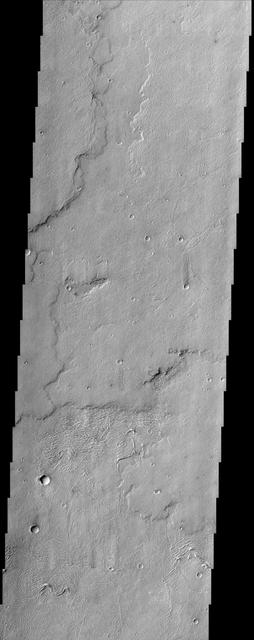
This image captured by NASA 2001 Mars Odyssey spacecraft shows some of the lava flows located east of the large Tharsis volcanoes.
Lava Flows
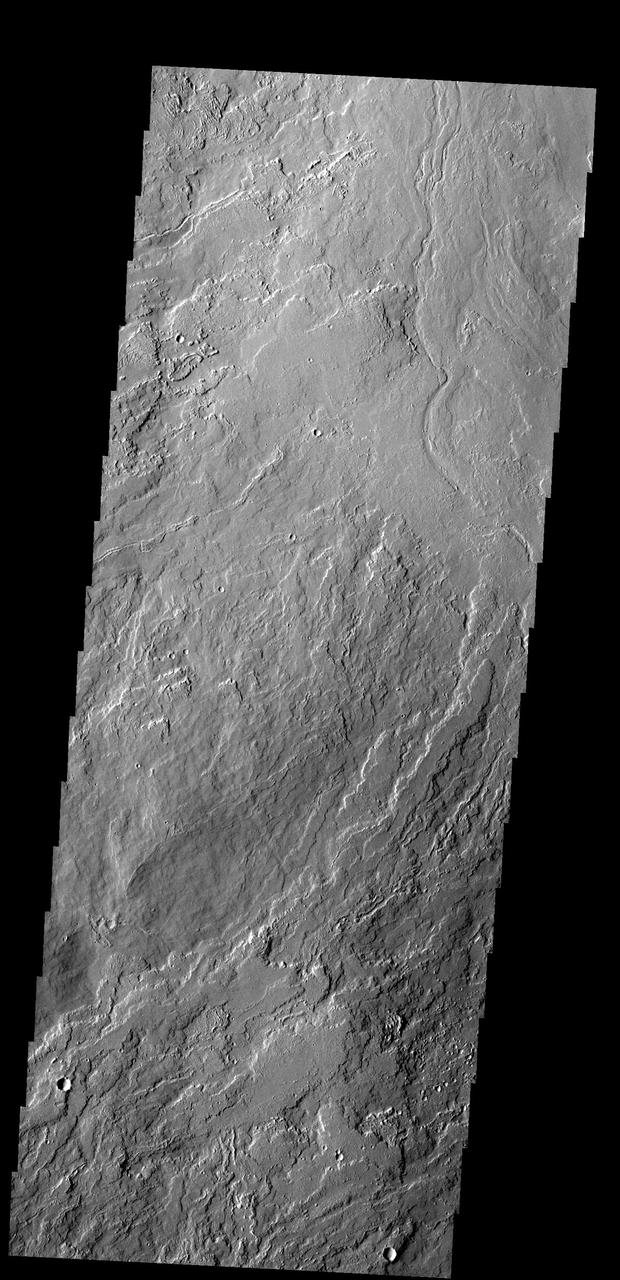
These lava flows originated at Arsia Mons. This image is from NASA 2001 Mars Odyssey spacecraft.
Lava Layers
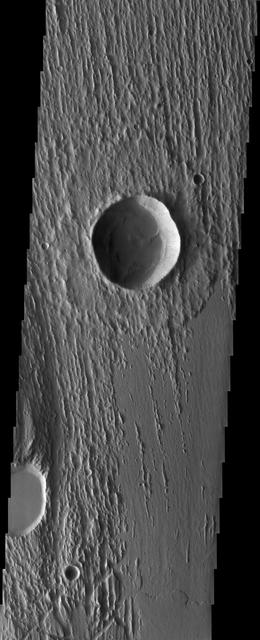
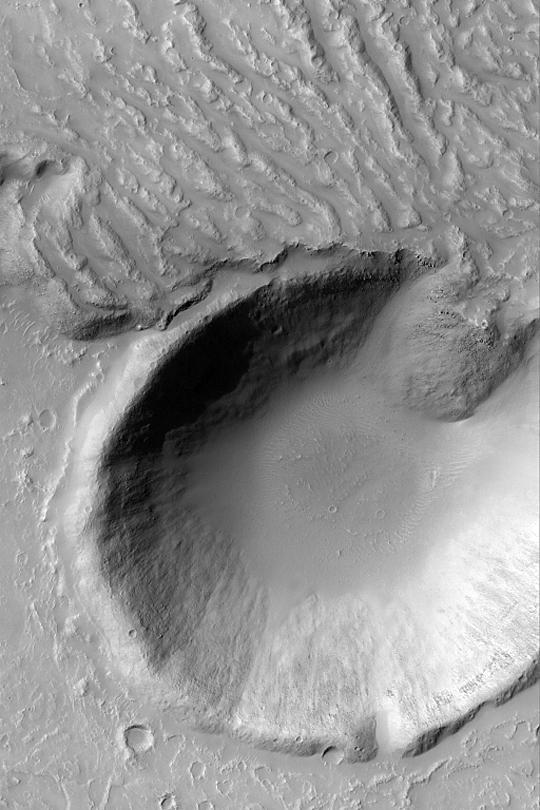
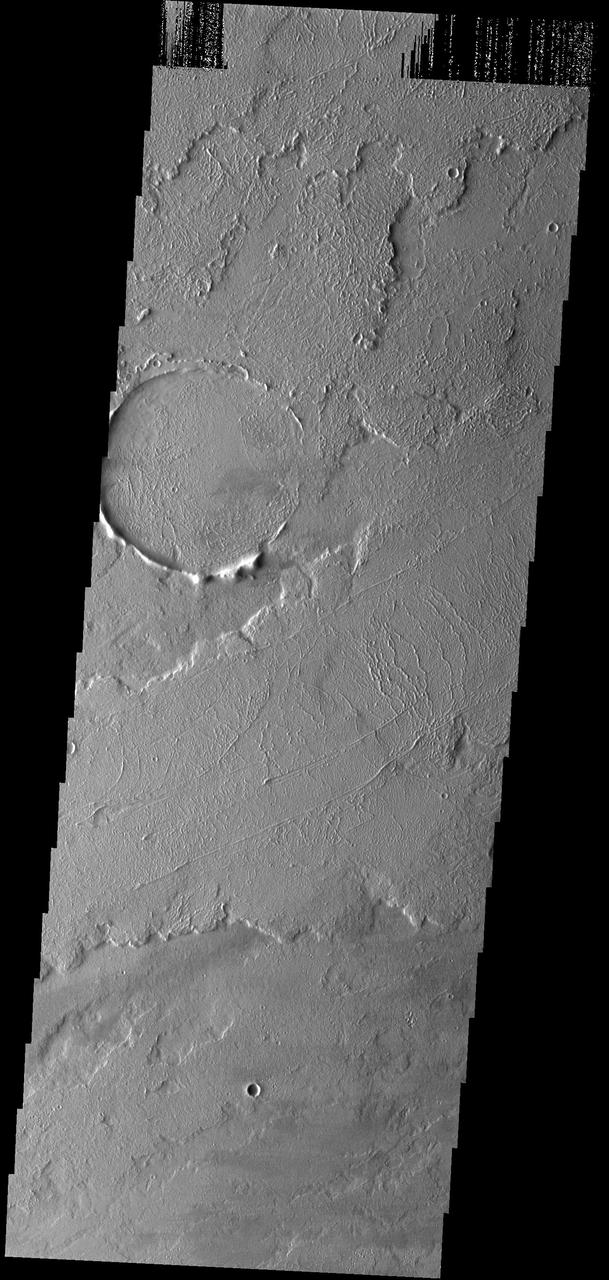
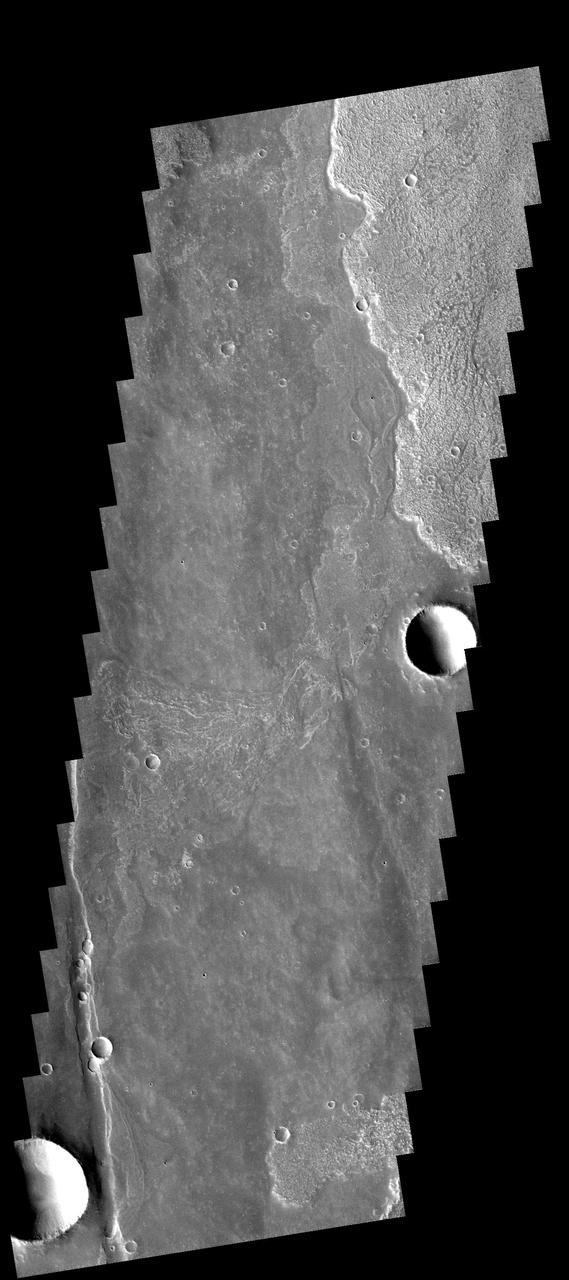
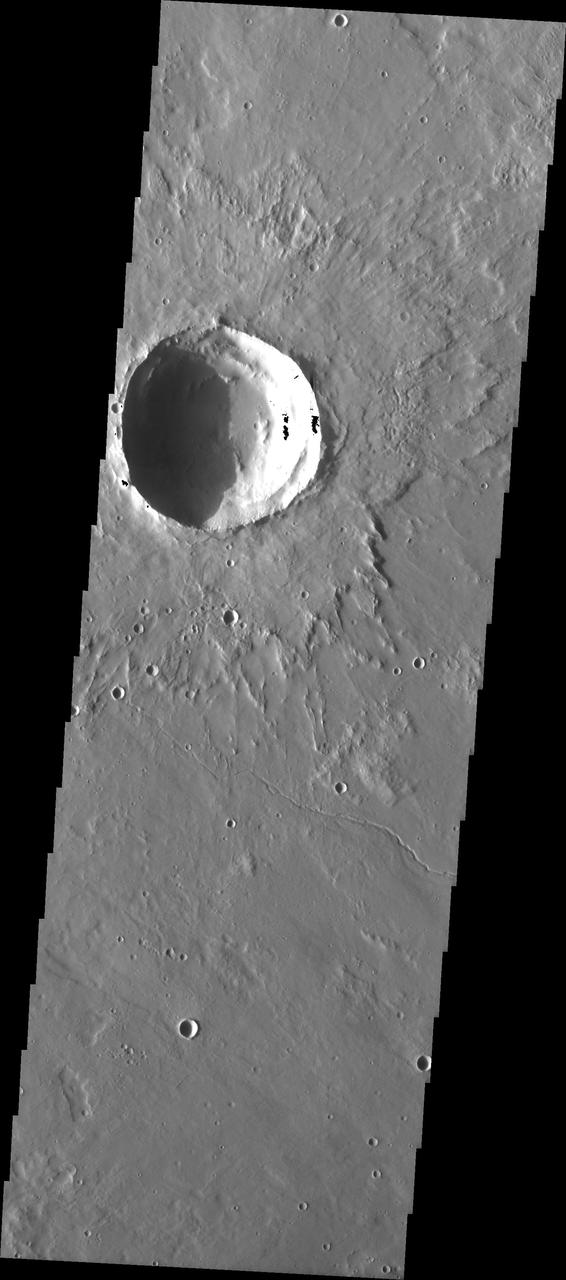
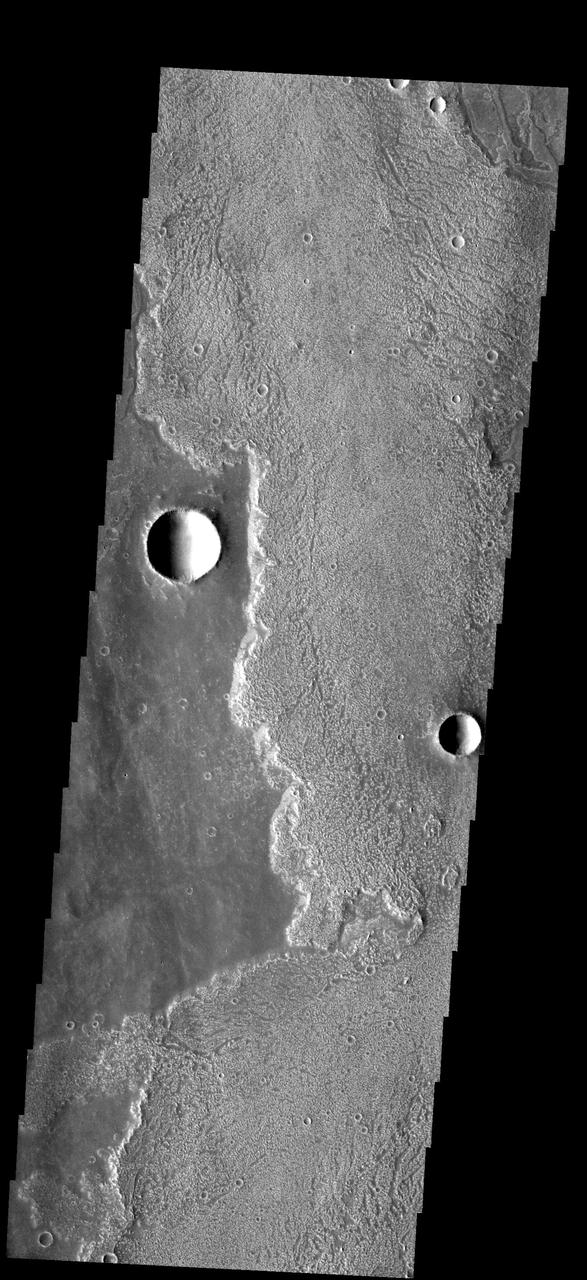
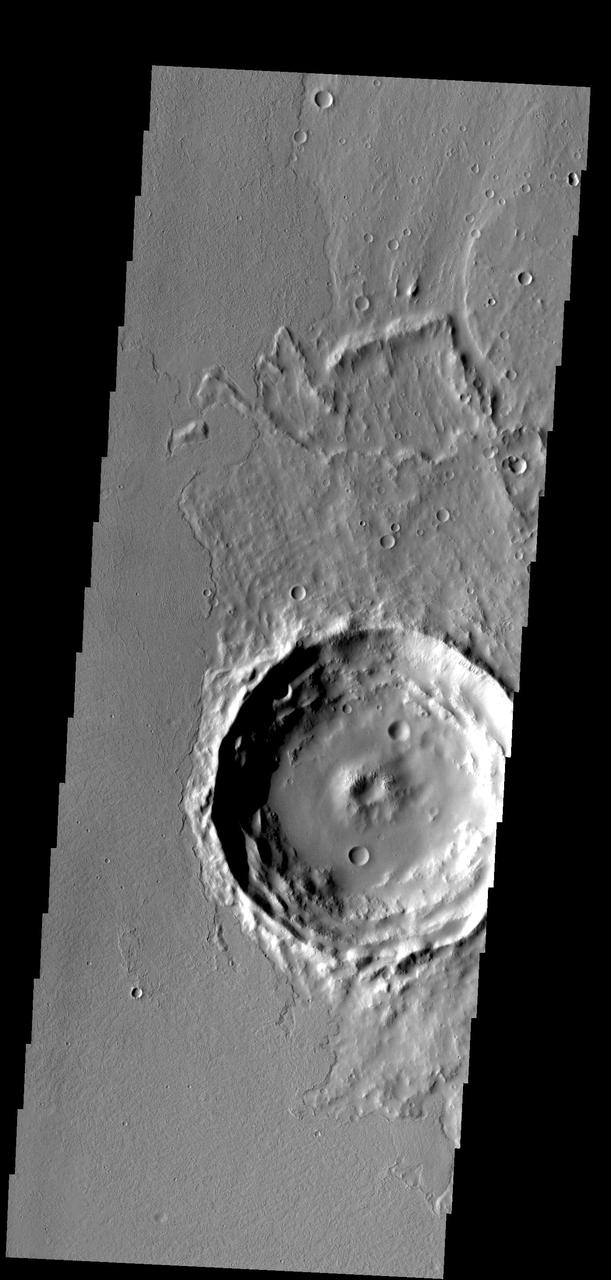
Located on the eastern edge of the Tharsis region, this crater has had  half of its ejecta covered by lava flows
Ejecta and Lava
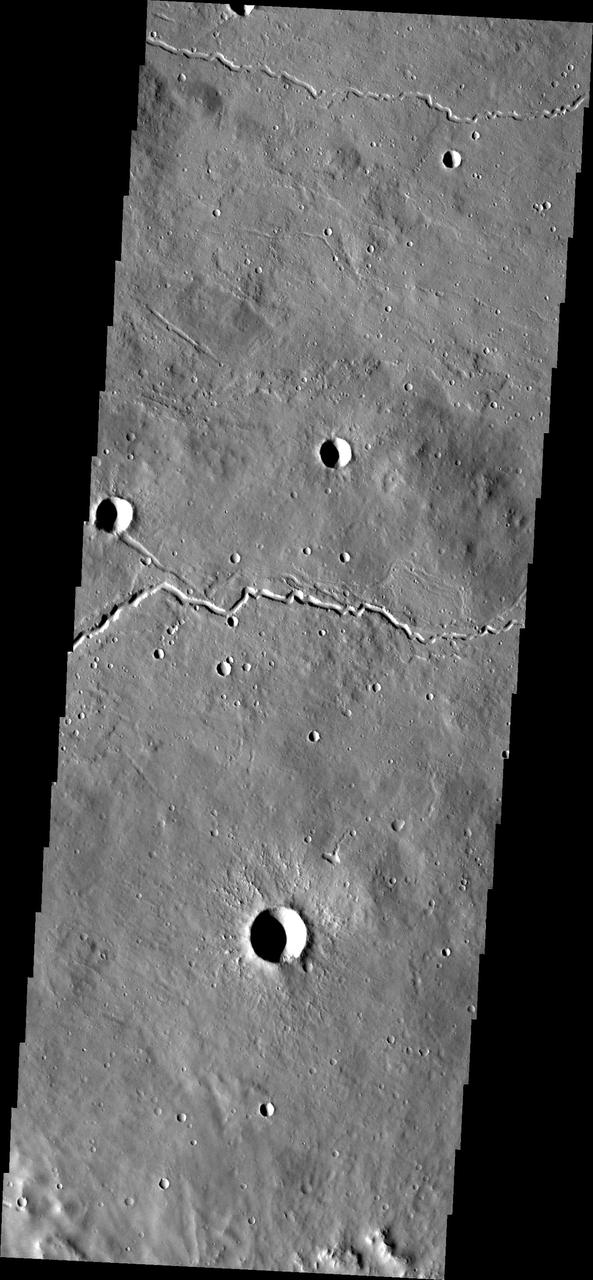
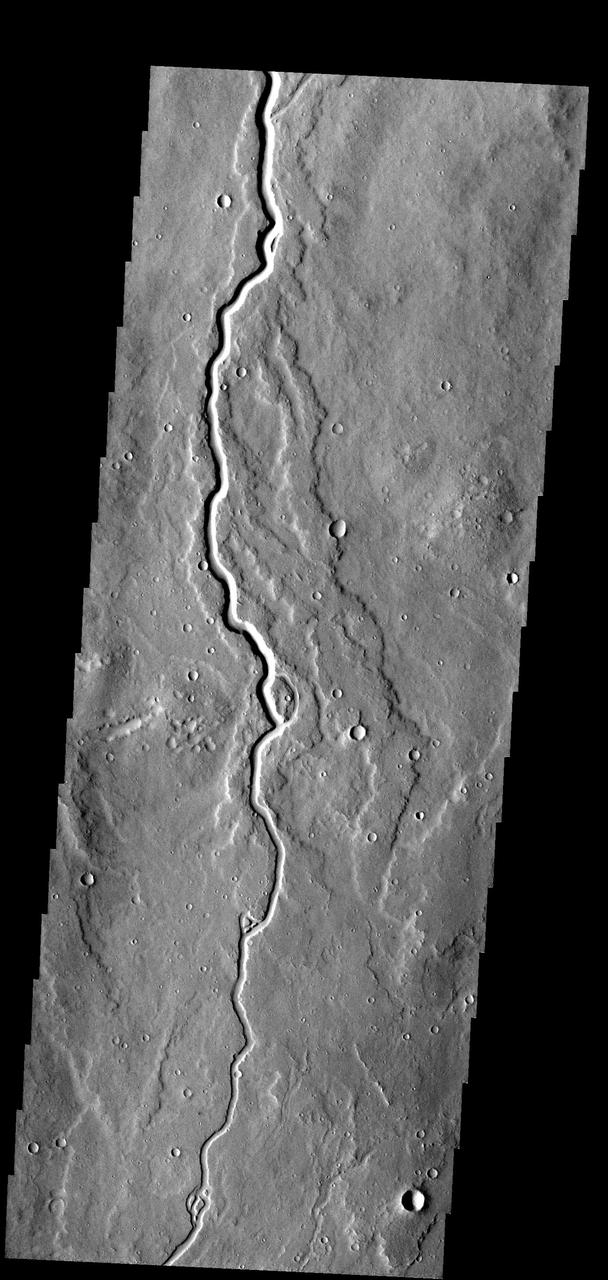
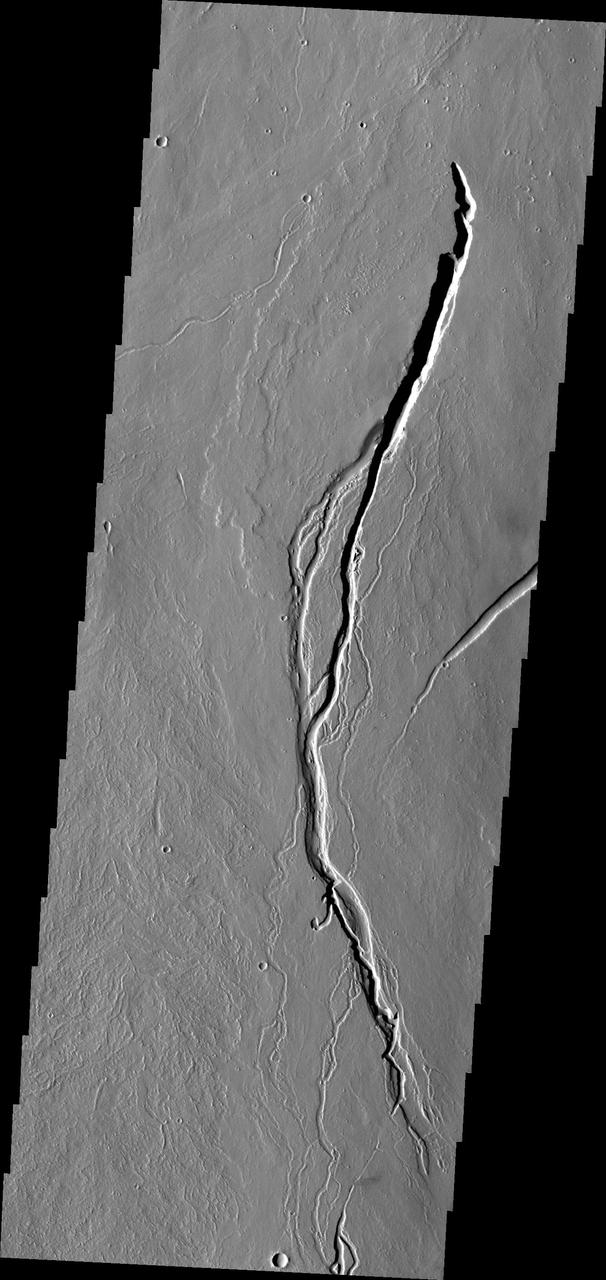
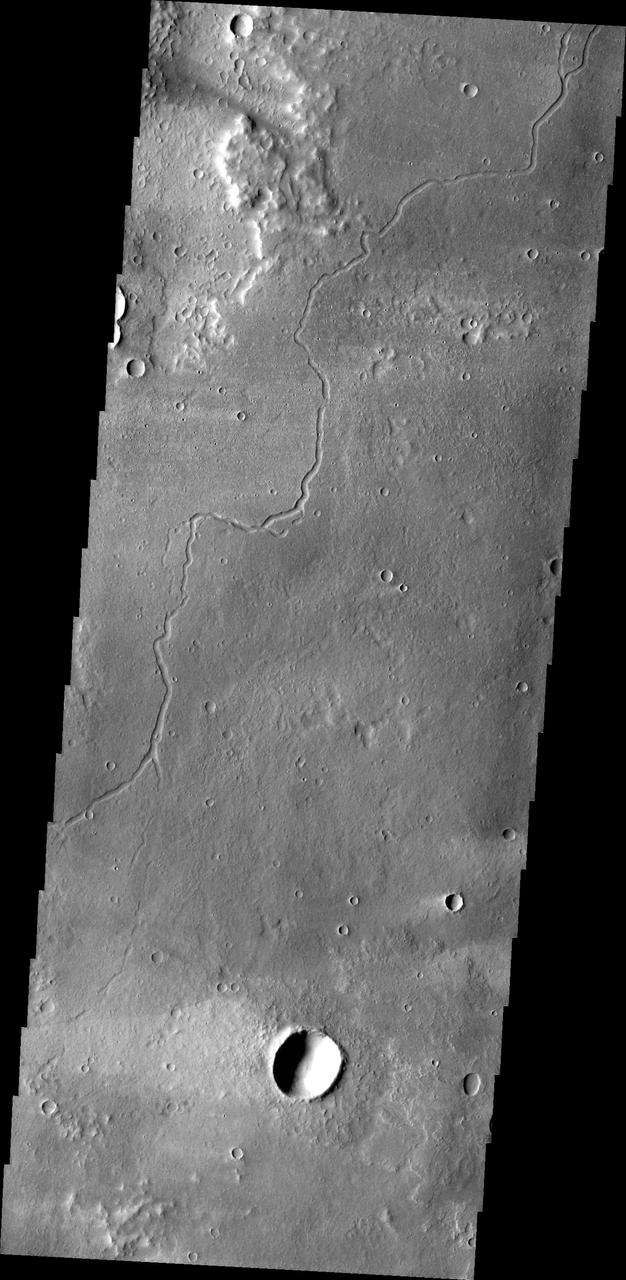
This image from NASA 2001 Mars Odyssey spacecraft shows a channel carved by lava. This channel is located northeast of Olympus Mons.
Lava Channels
The lava flows in this image captured by NASA 2001 Mars Odyssey spacecraft are located SE of Adams Crater.
Lava Flows
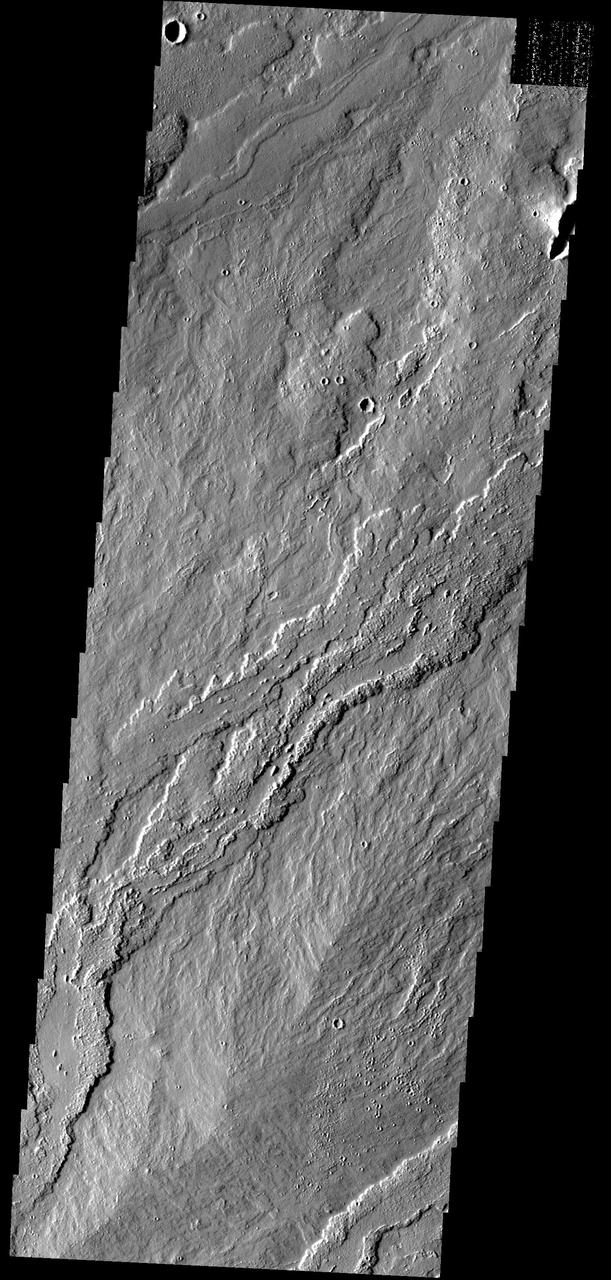
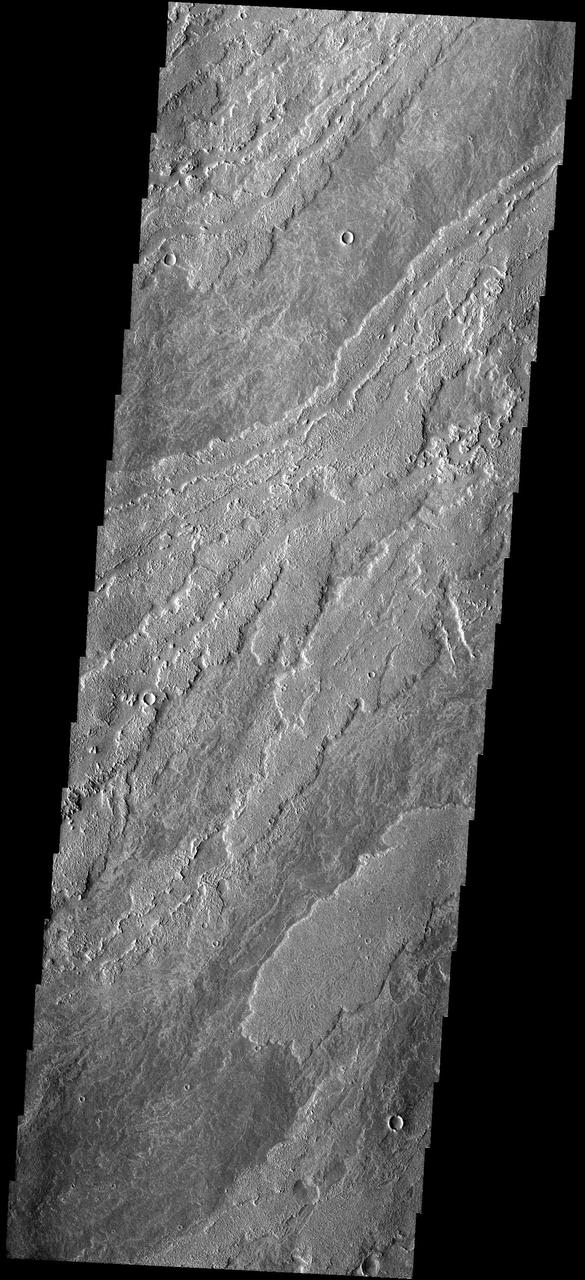
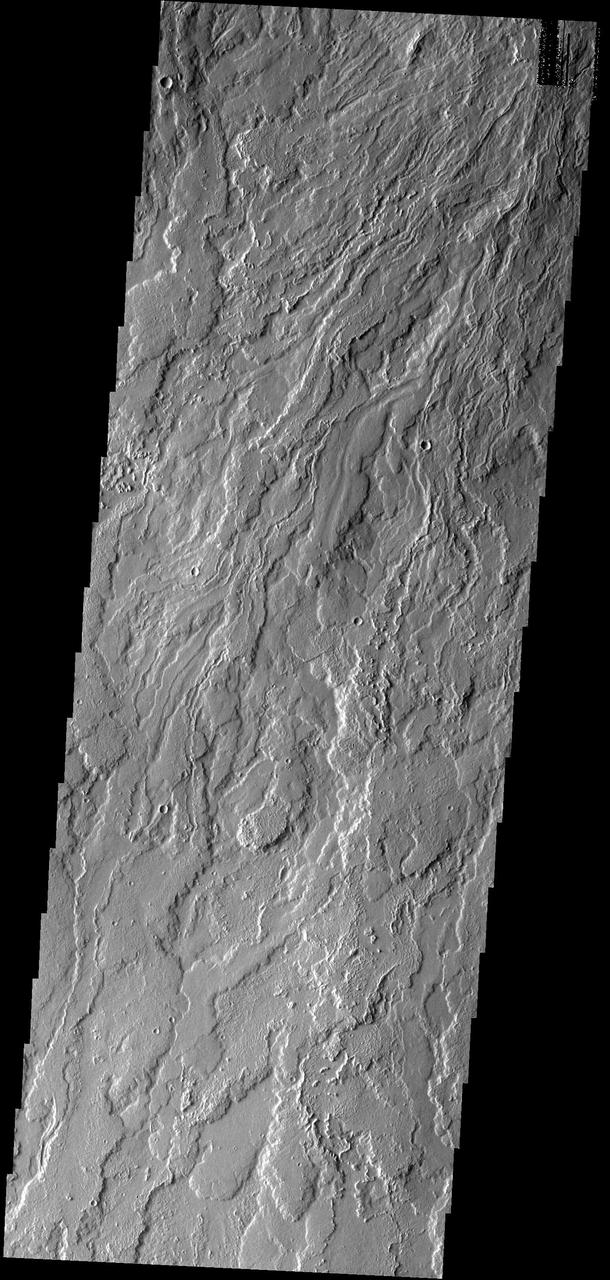
This image captured by NASA 2001 Mars Odyssey spacecraft shows part of the lava flows that originated from Arsia Mons.
Lava Flows