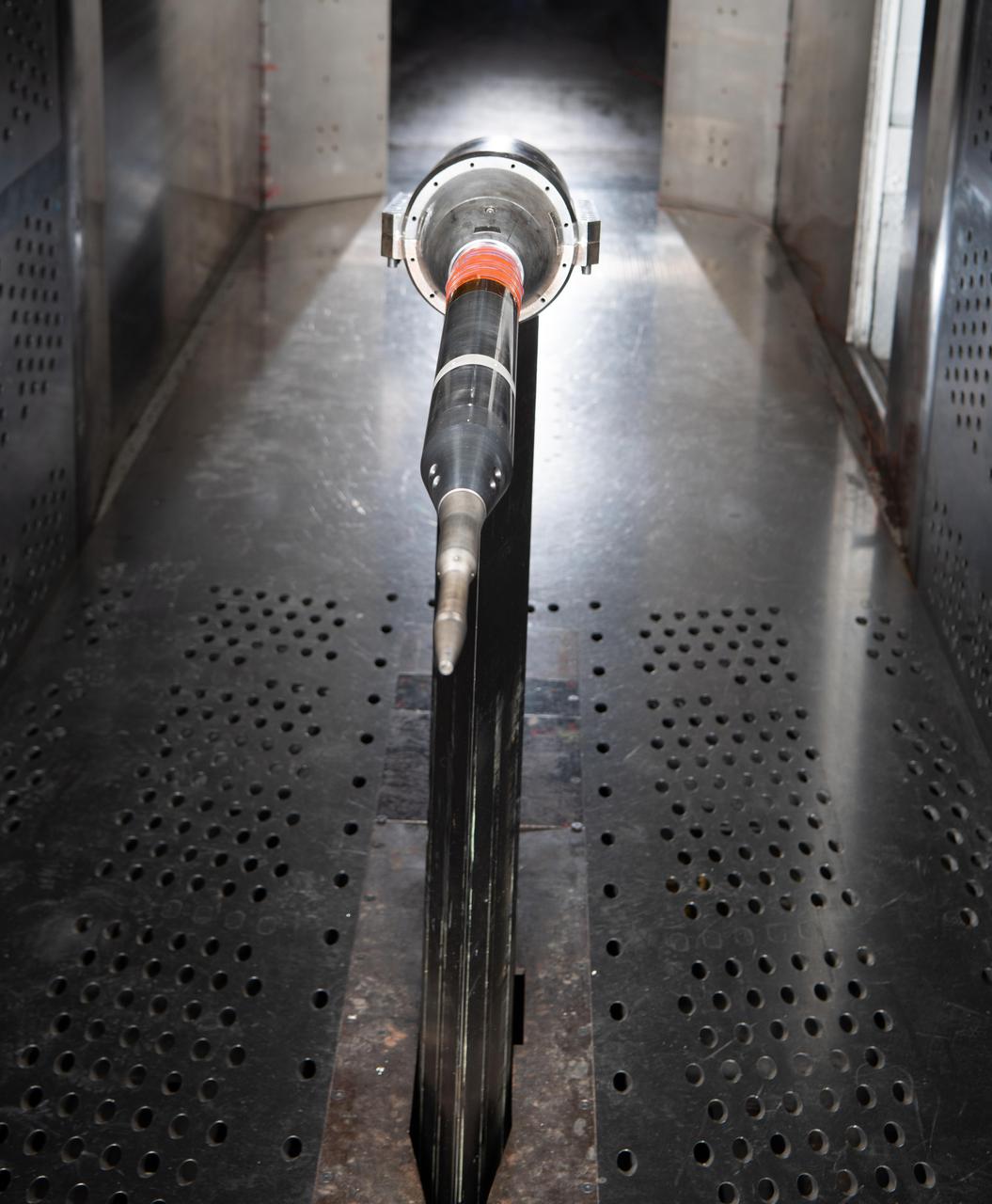
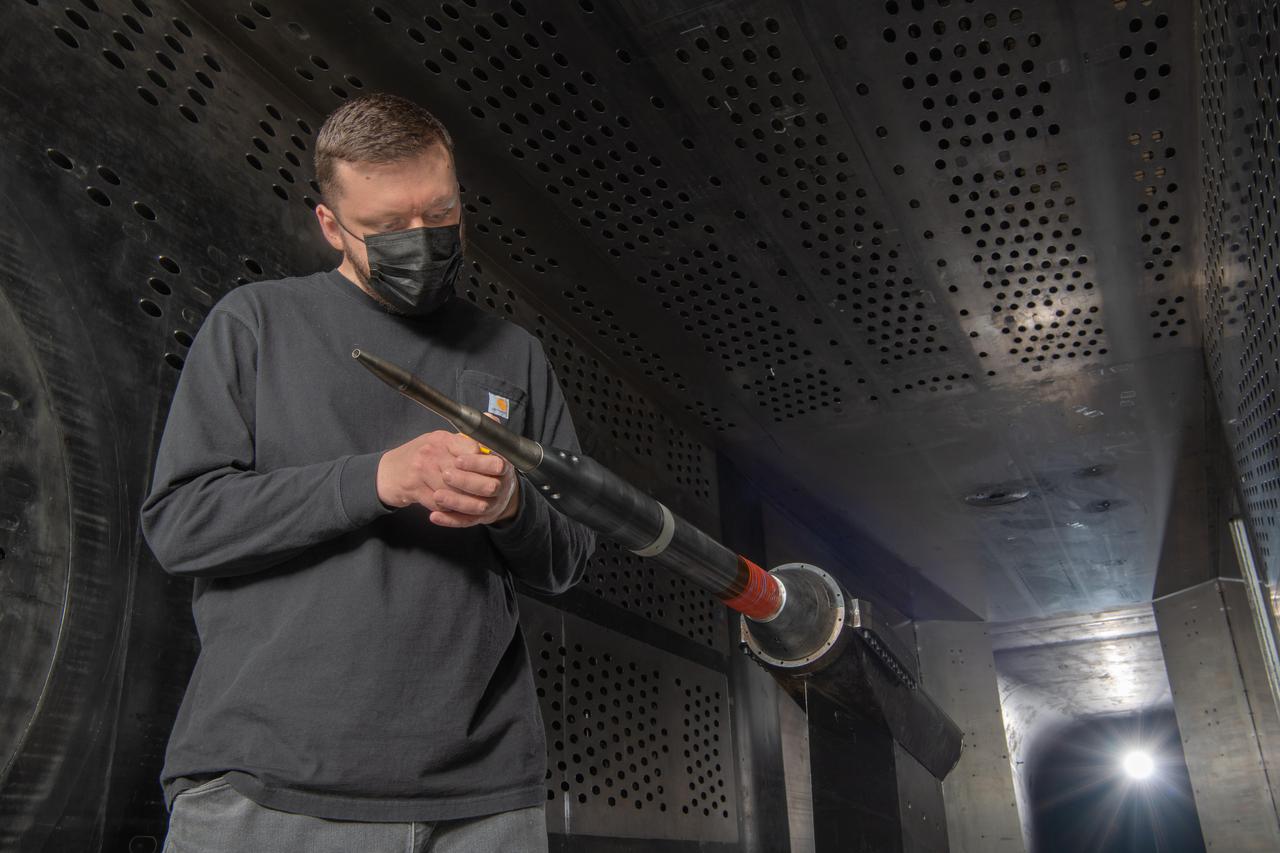
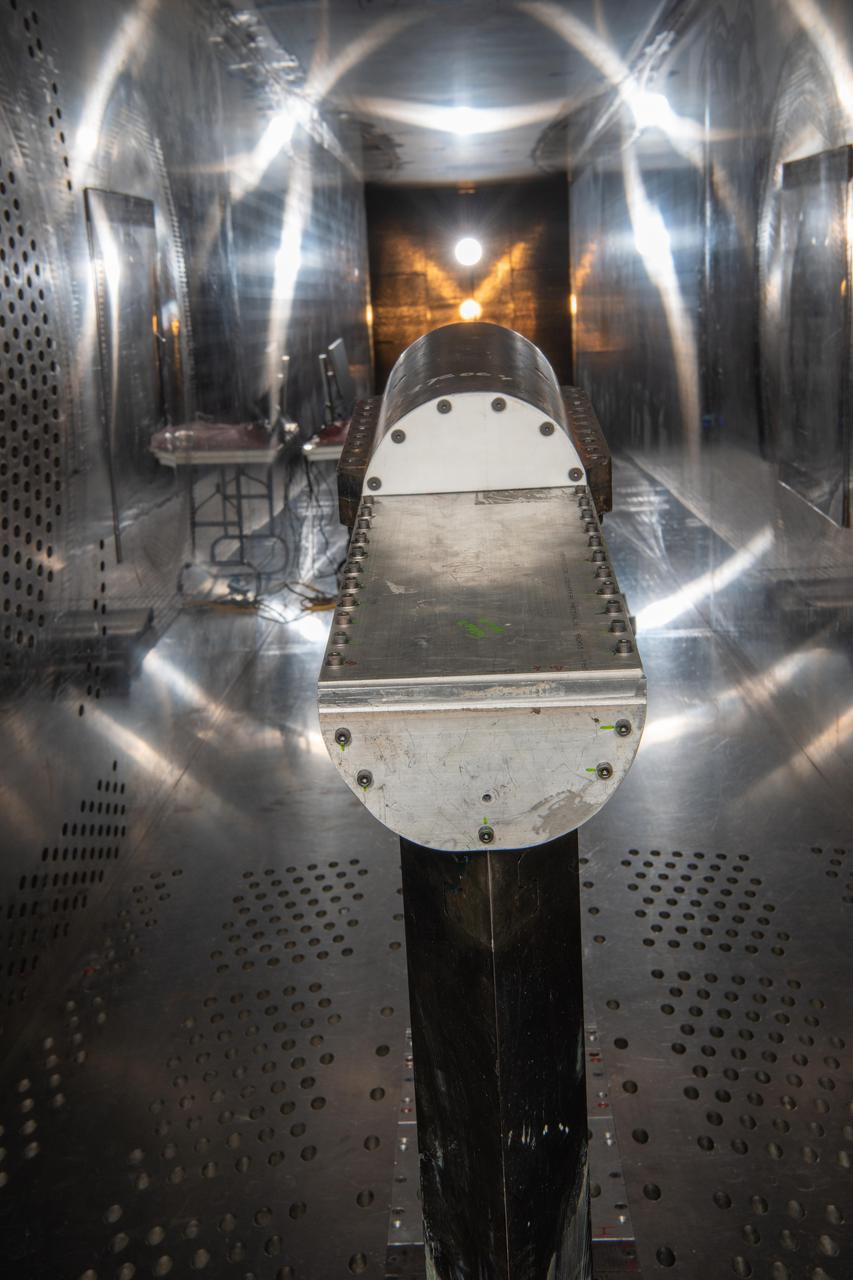
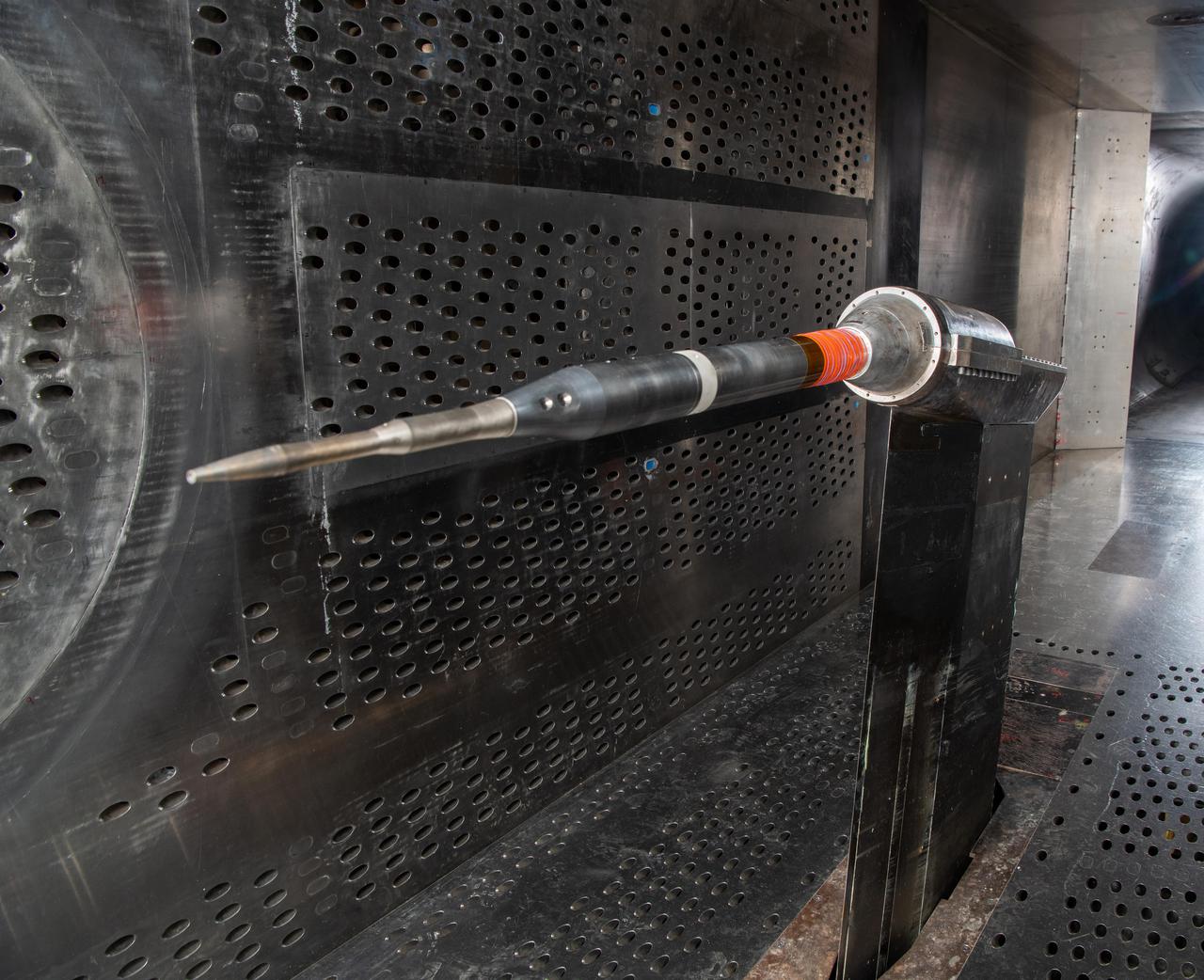
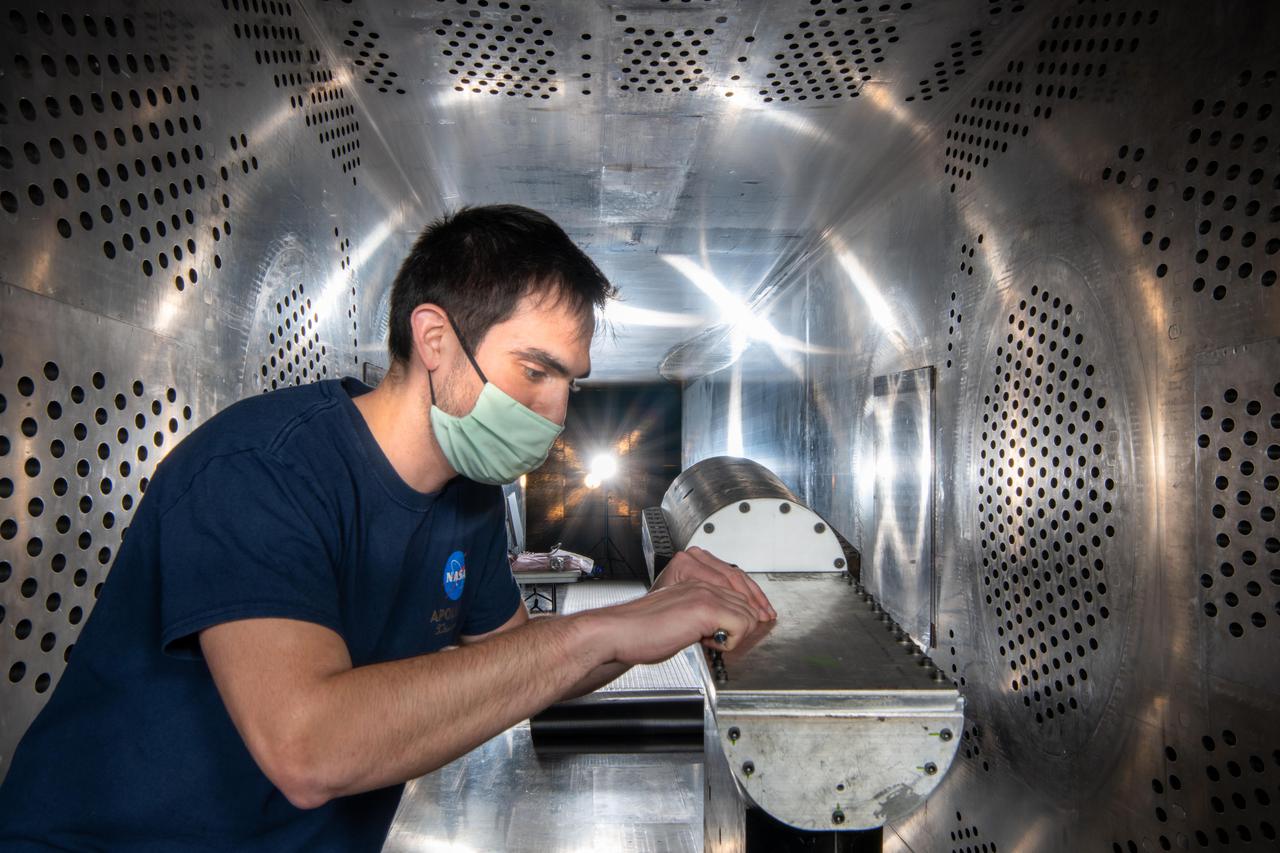
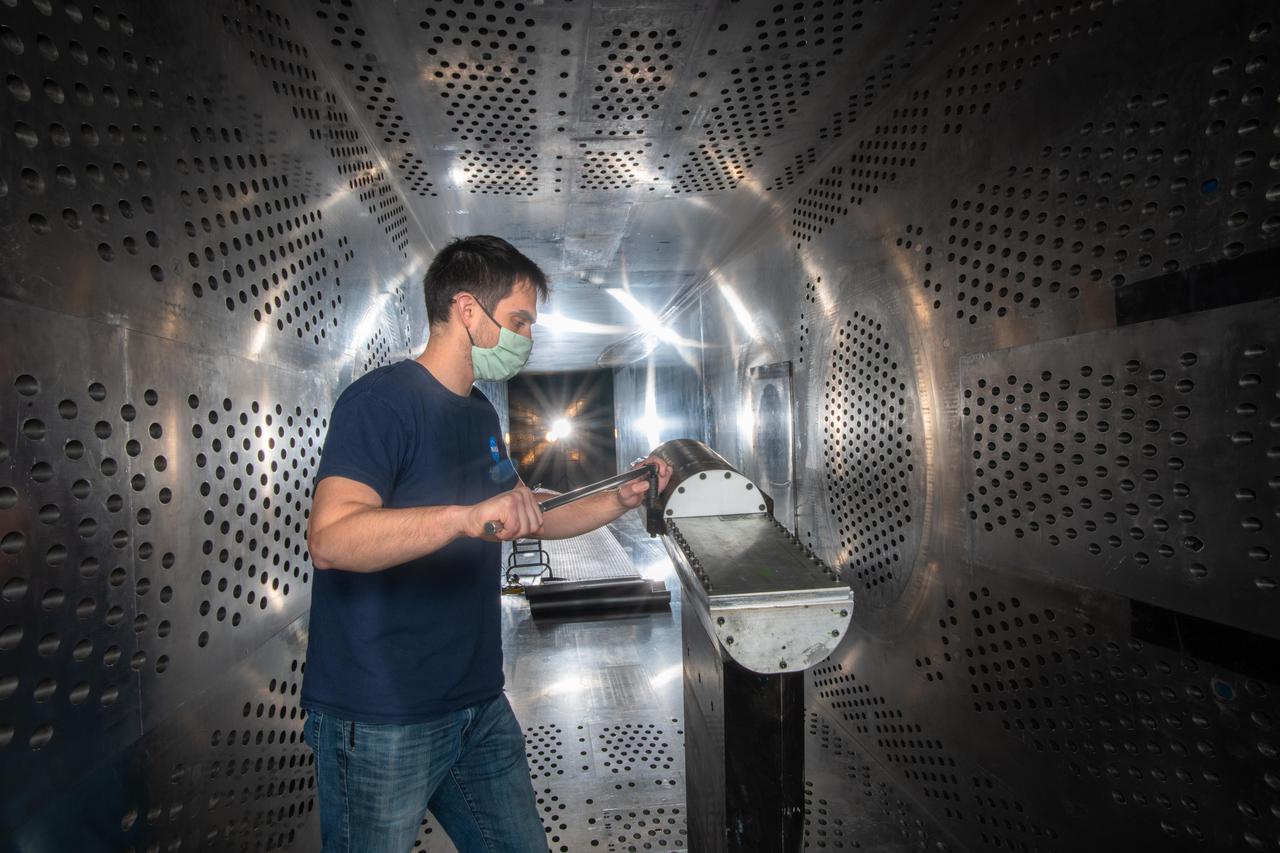
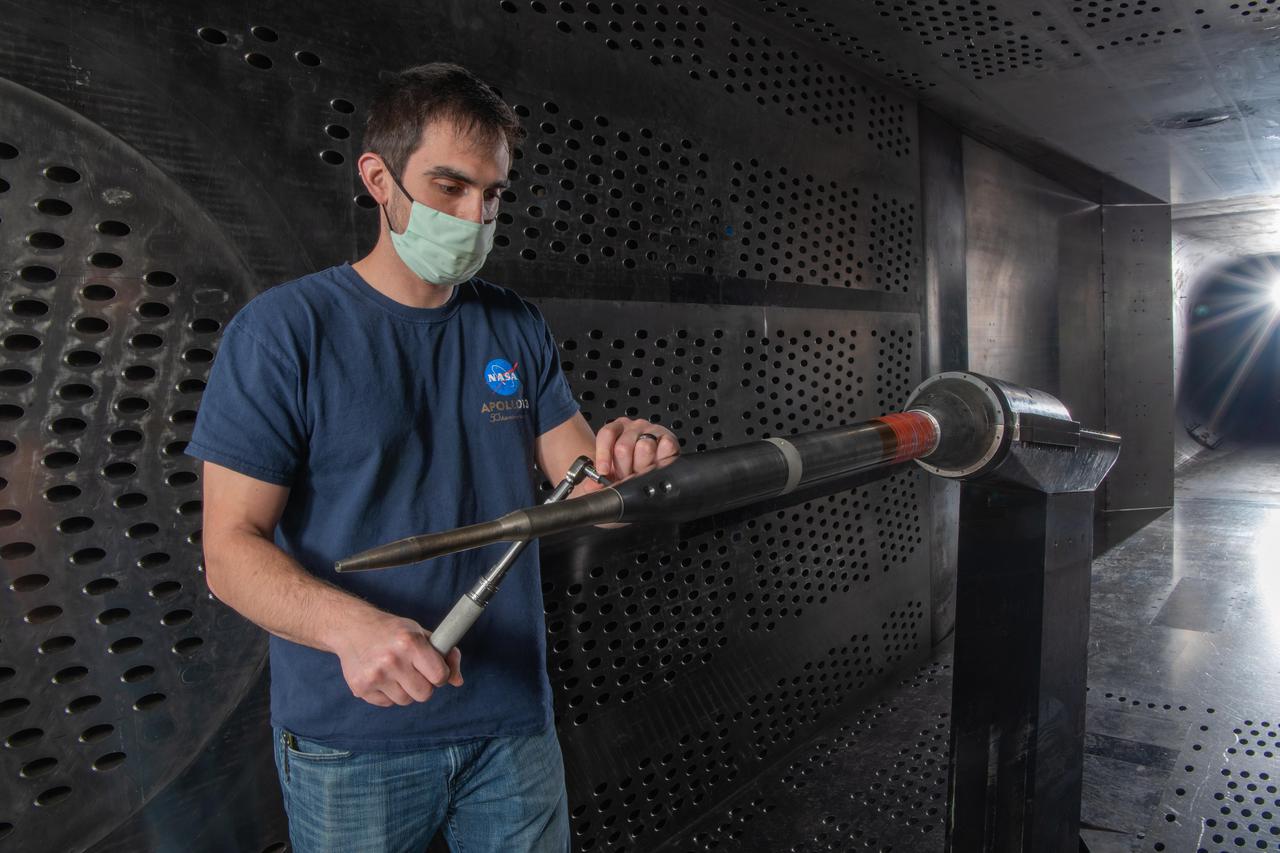
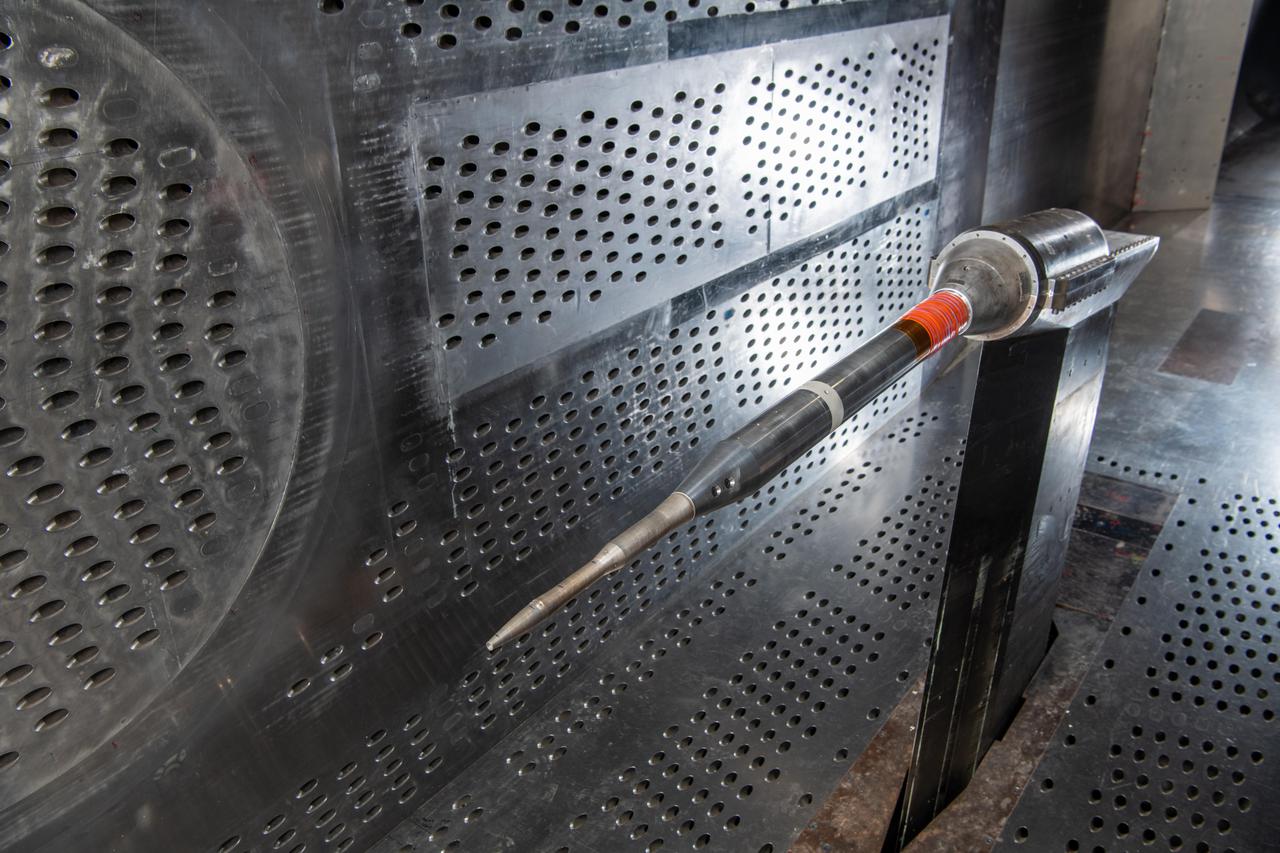
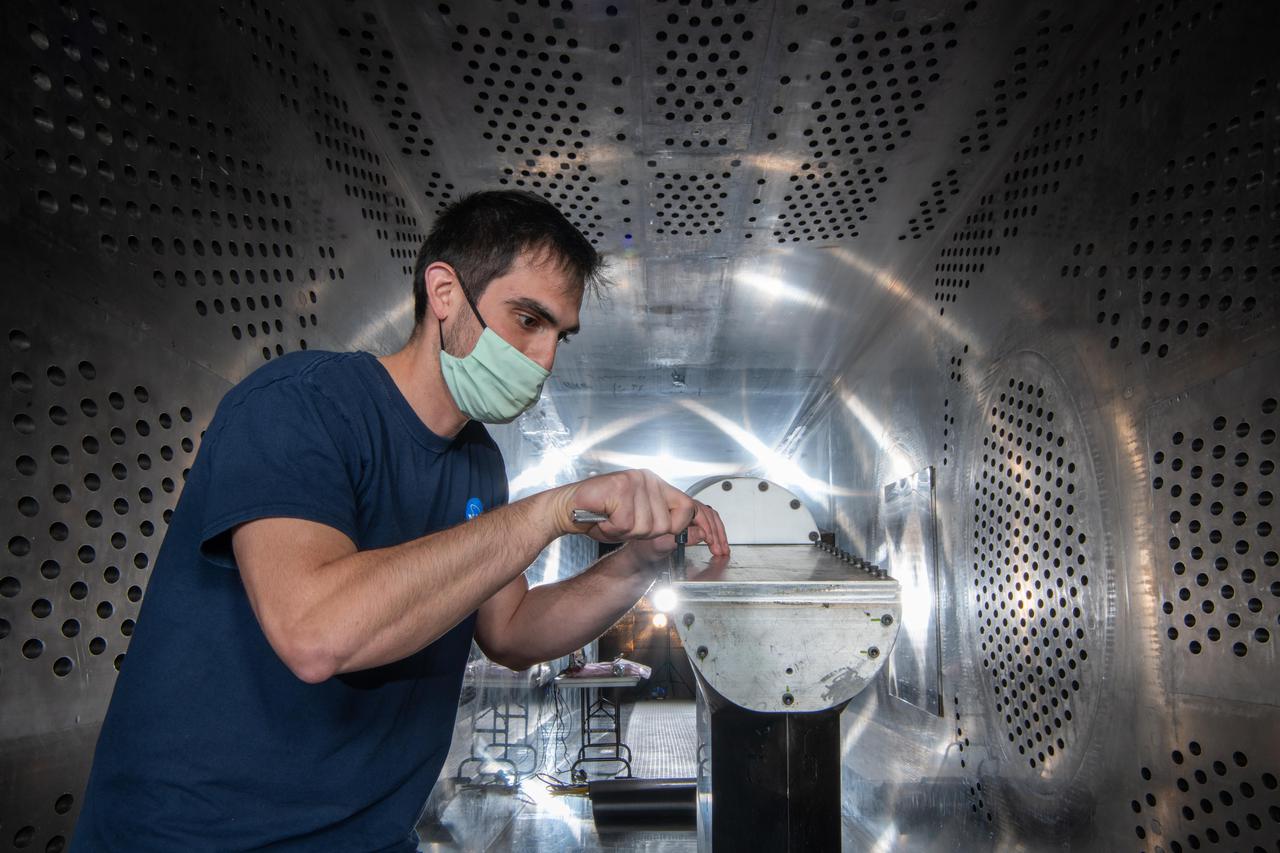
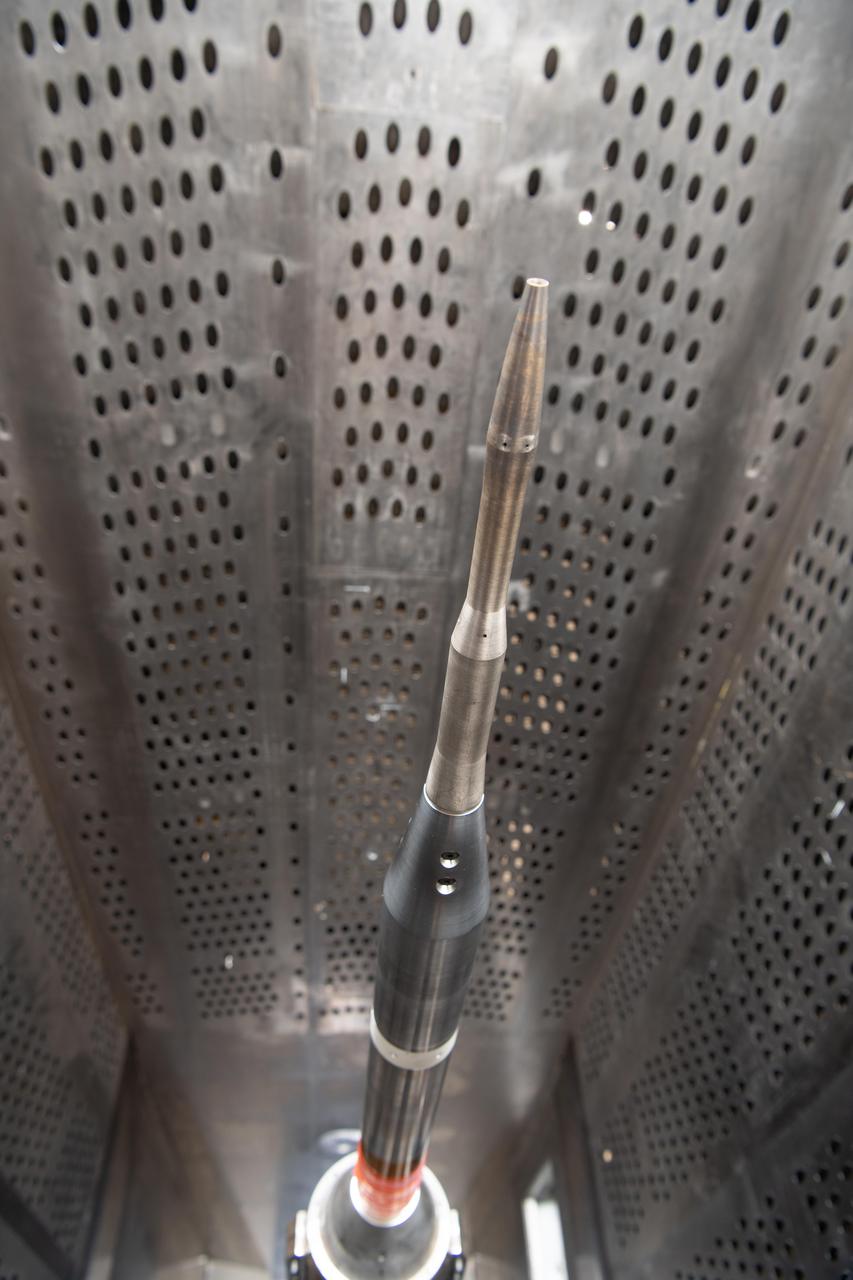
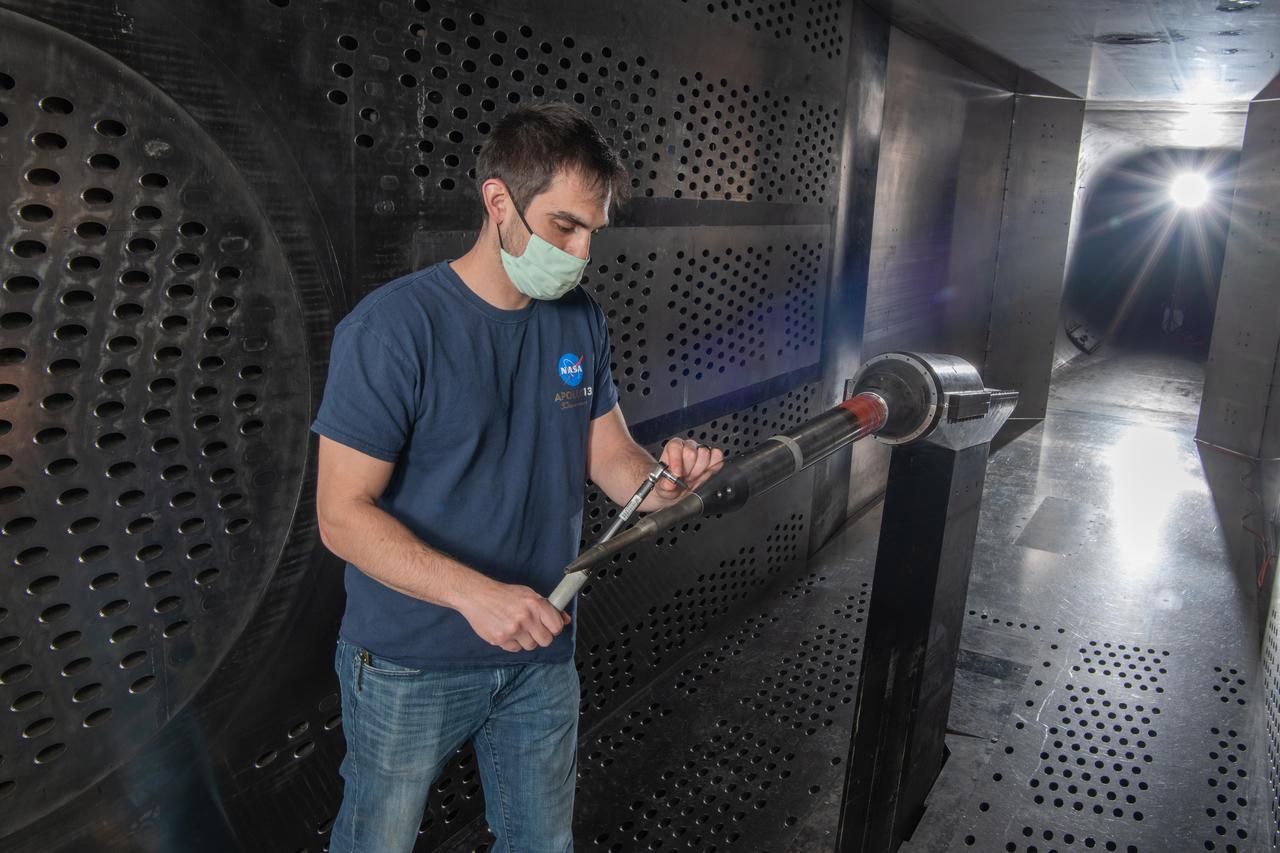
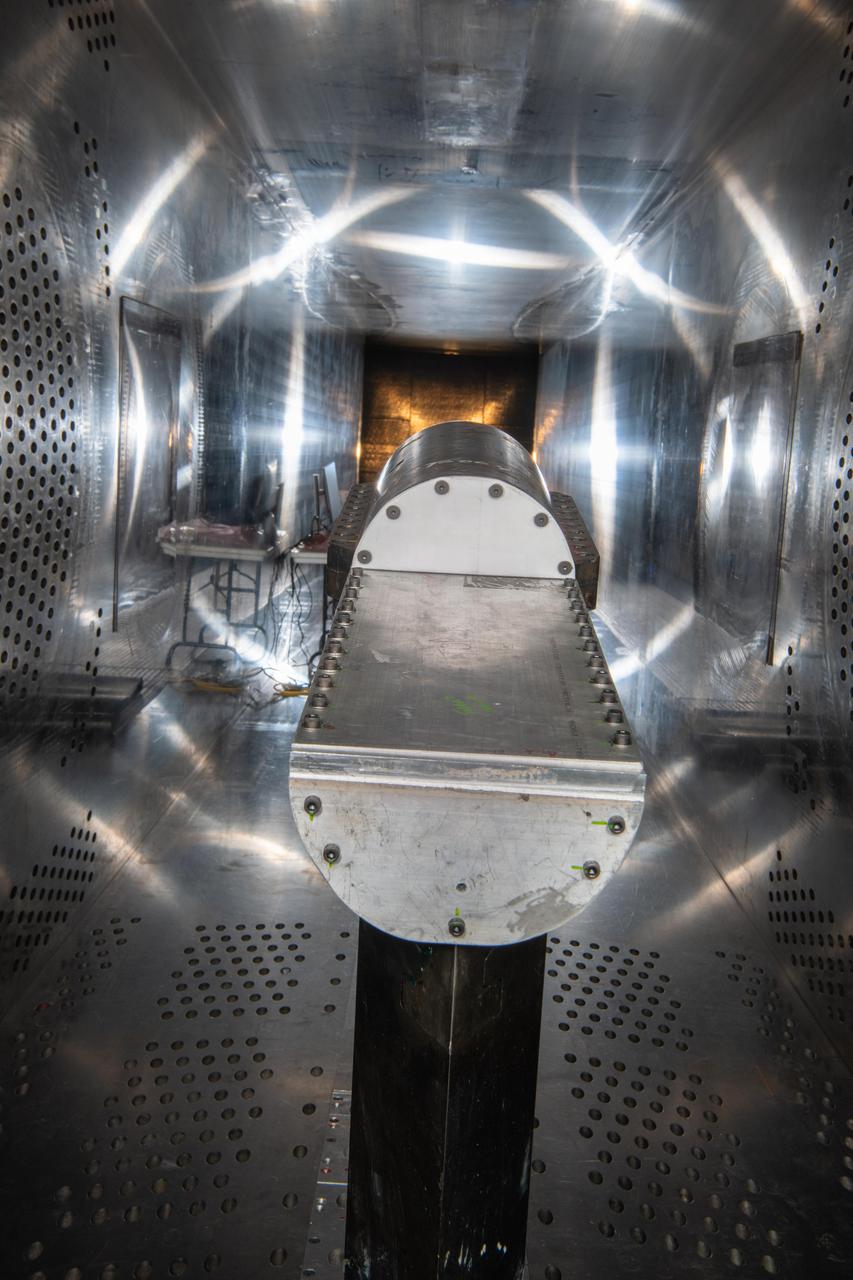
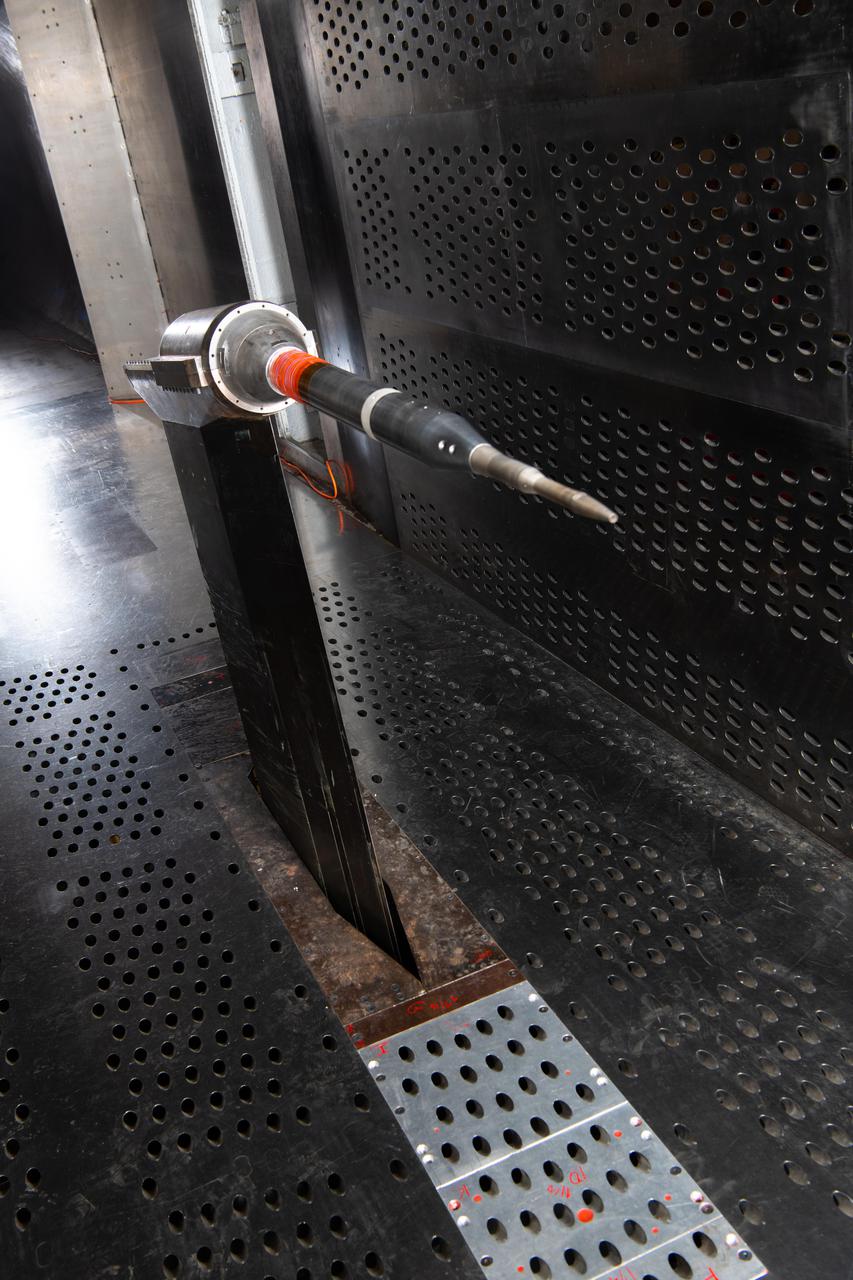
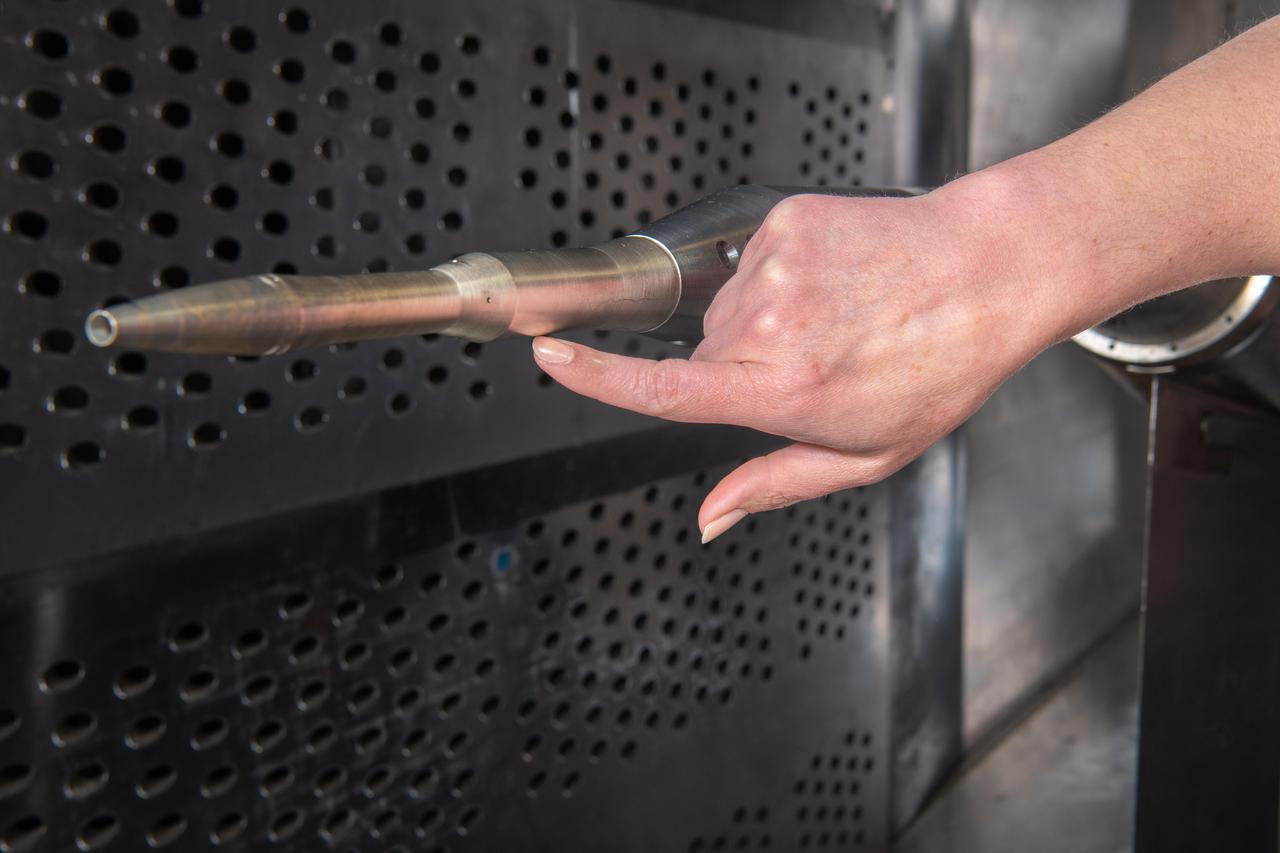
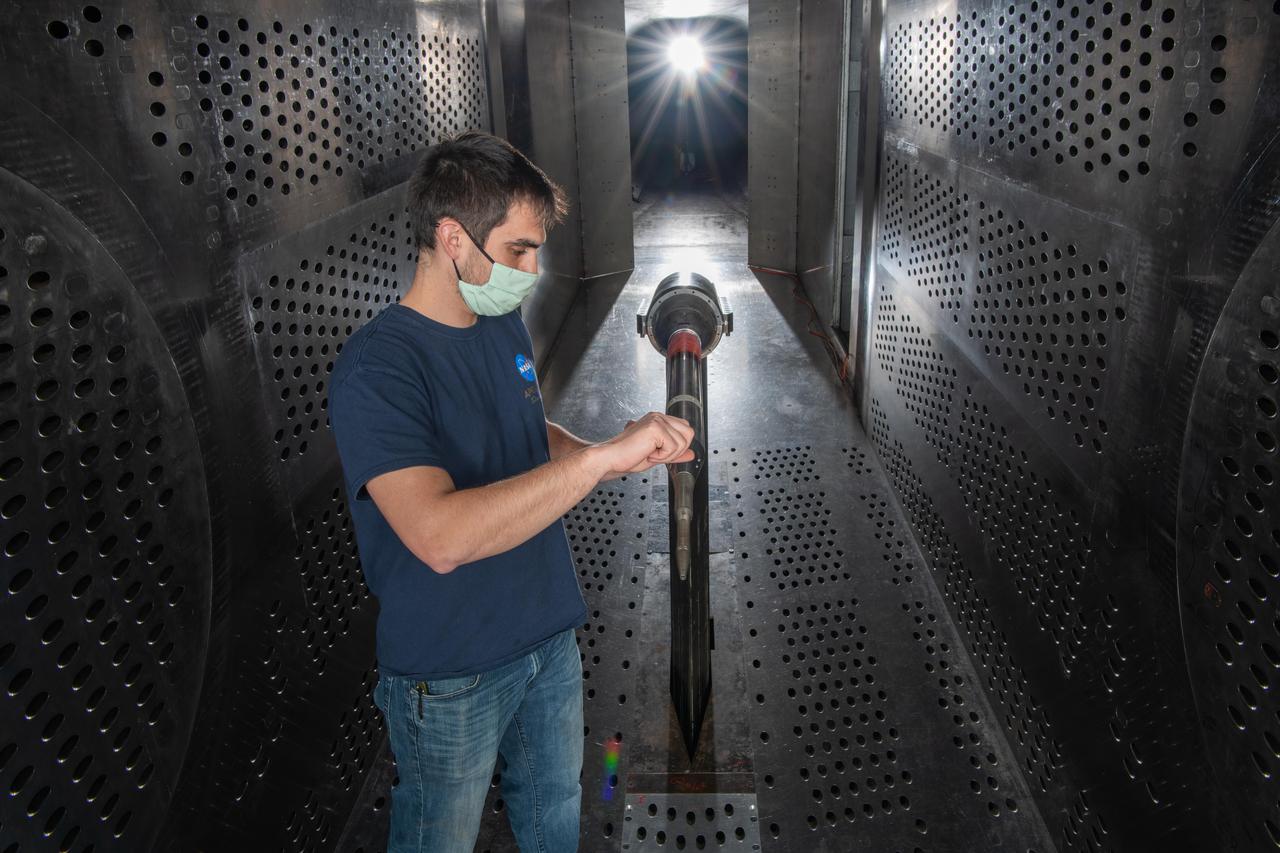
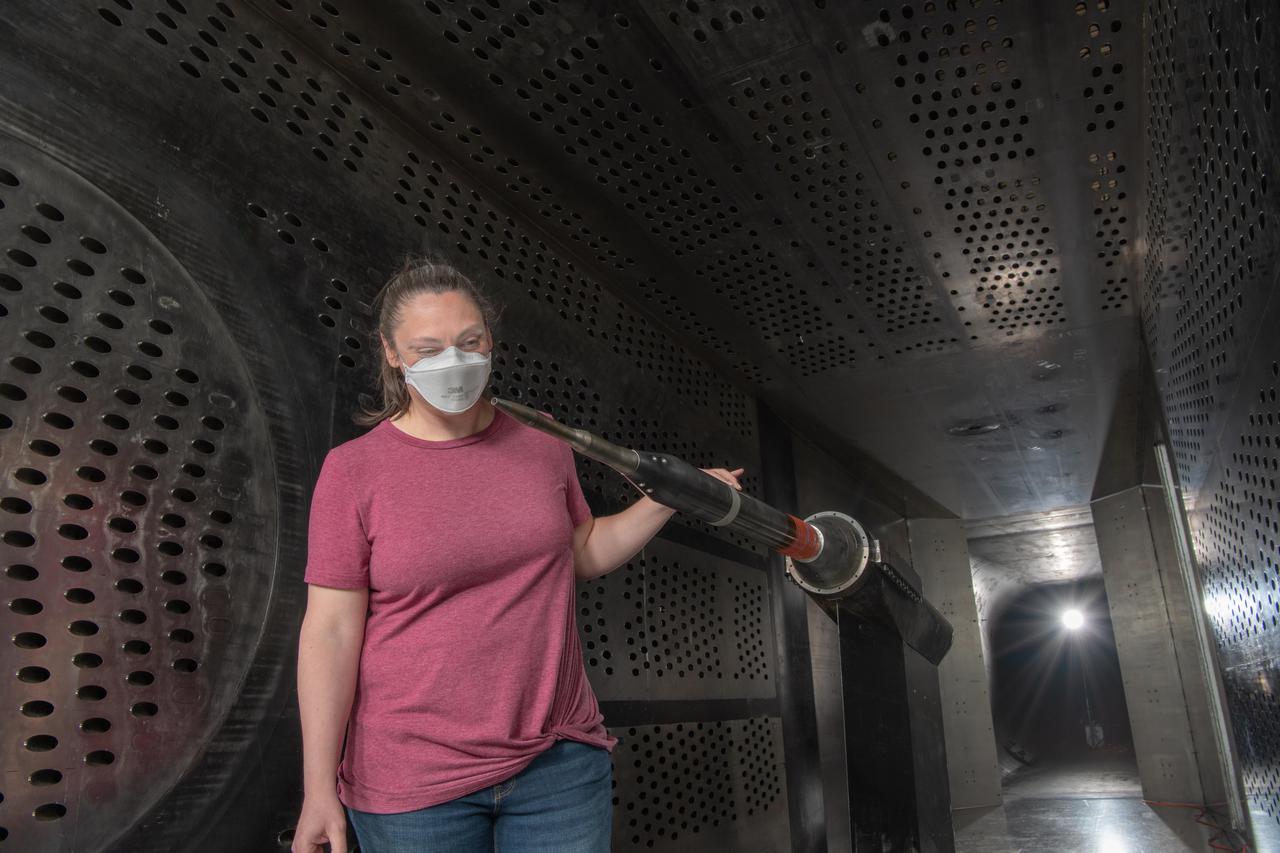
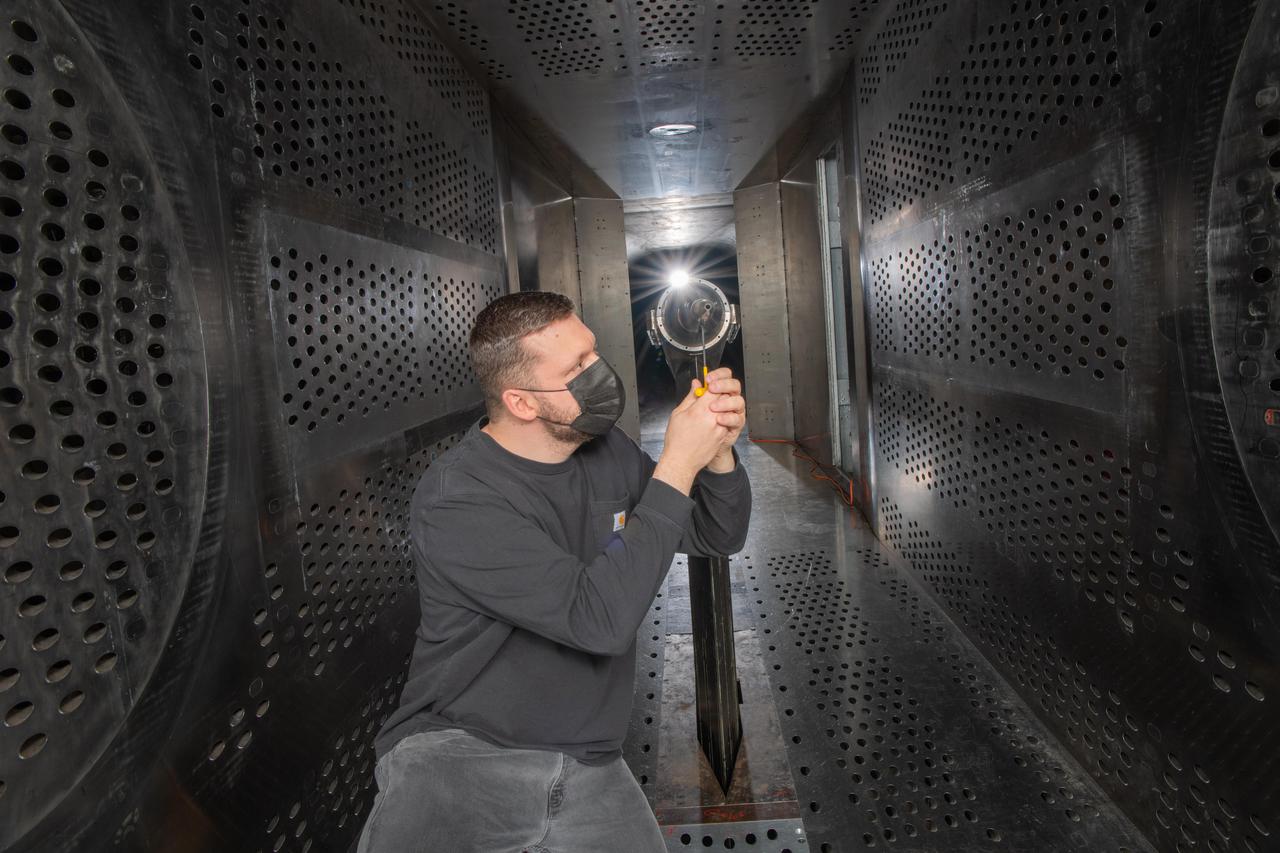
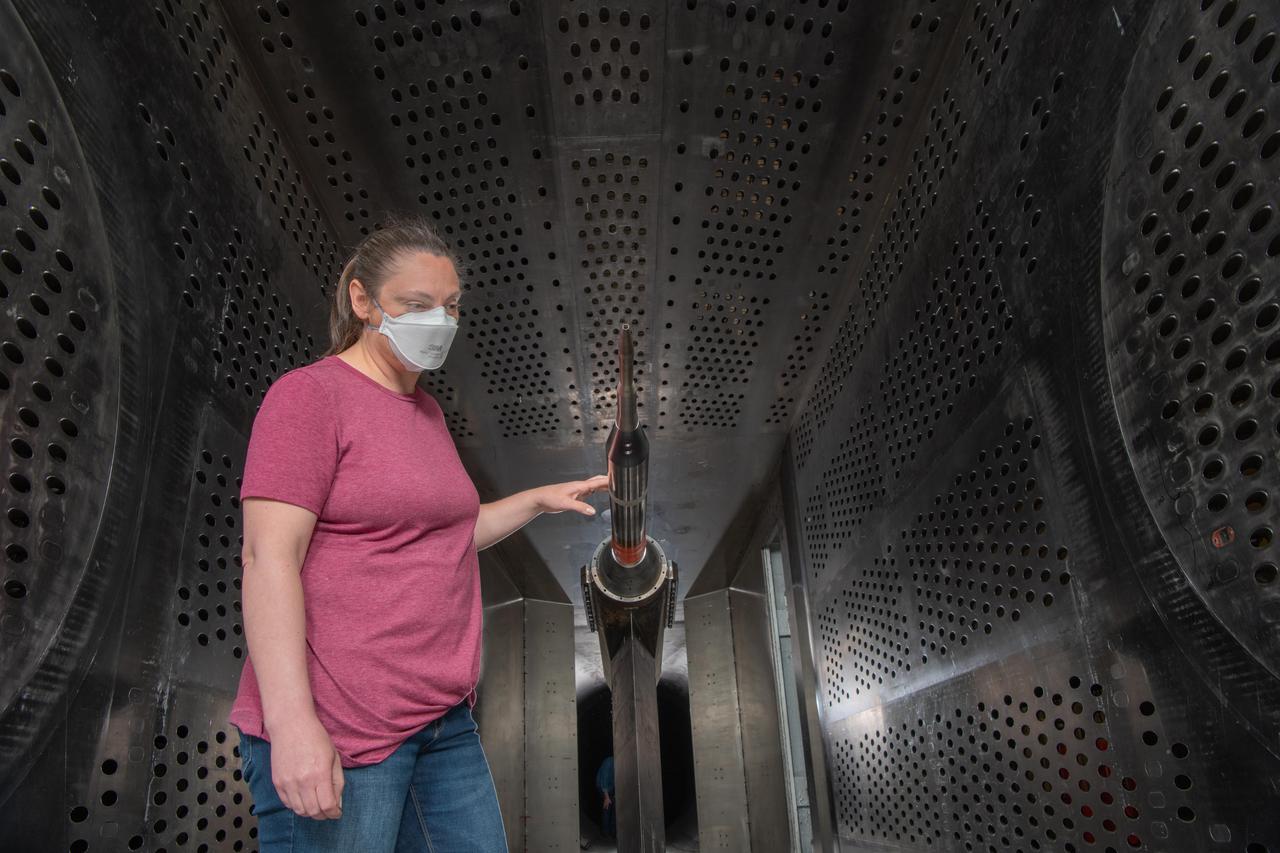
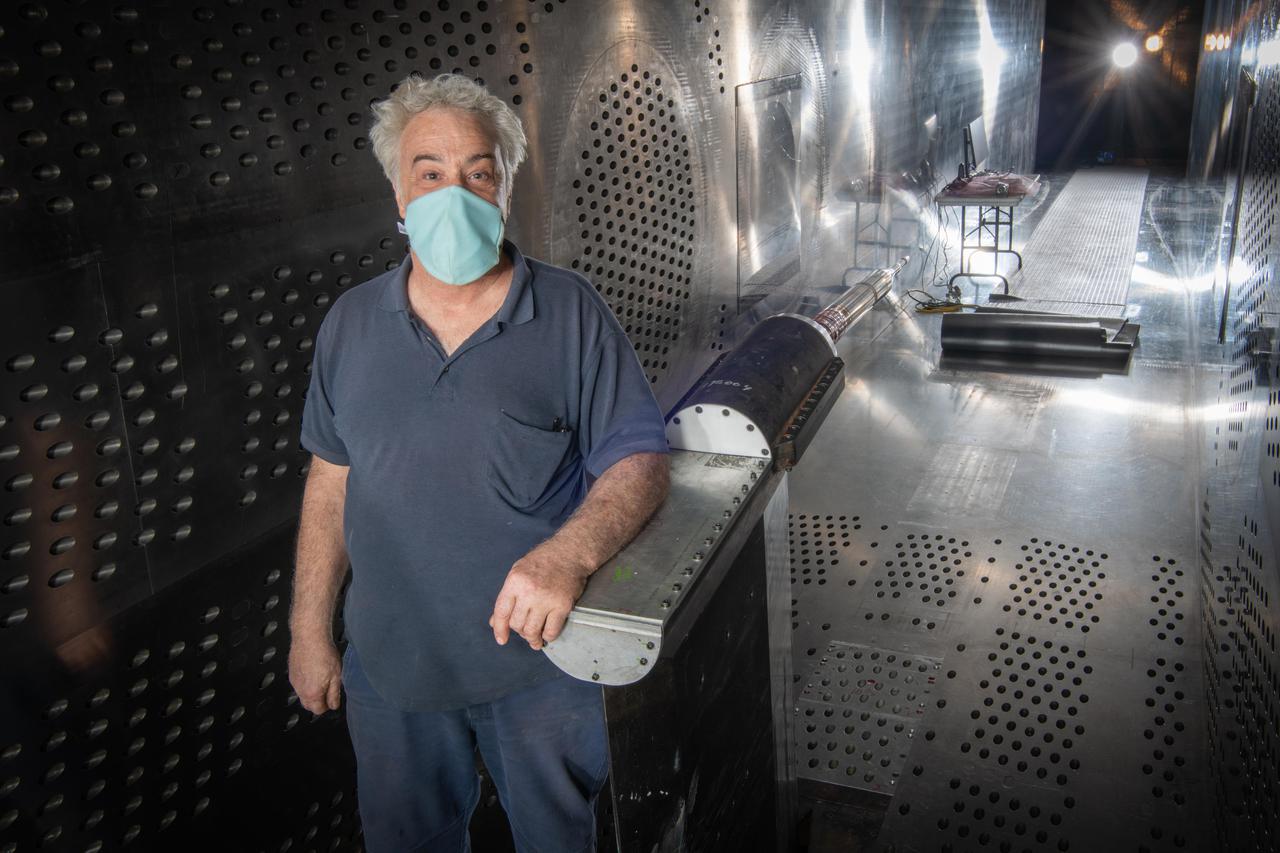
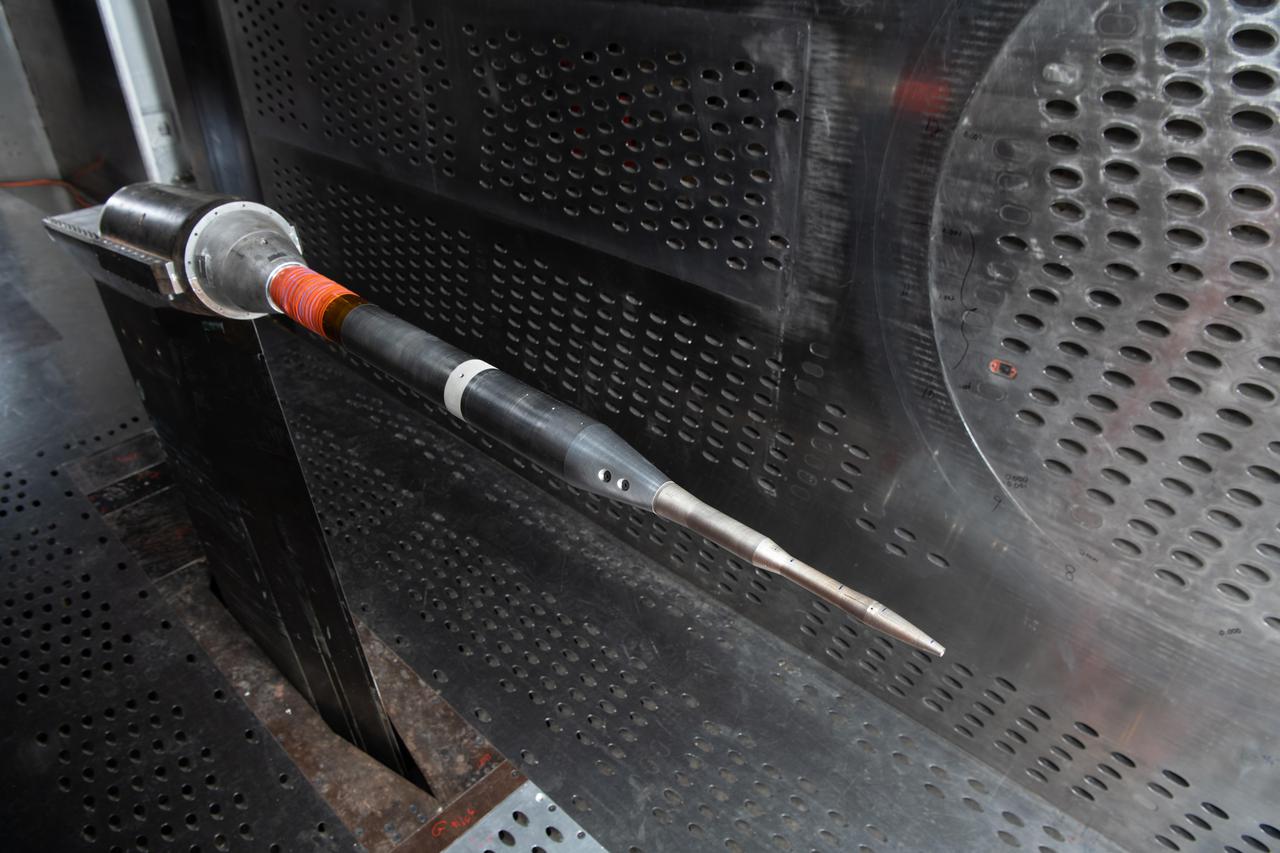
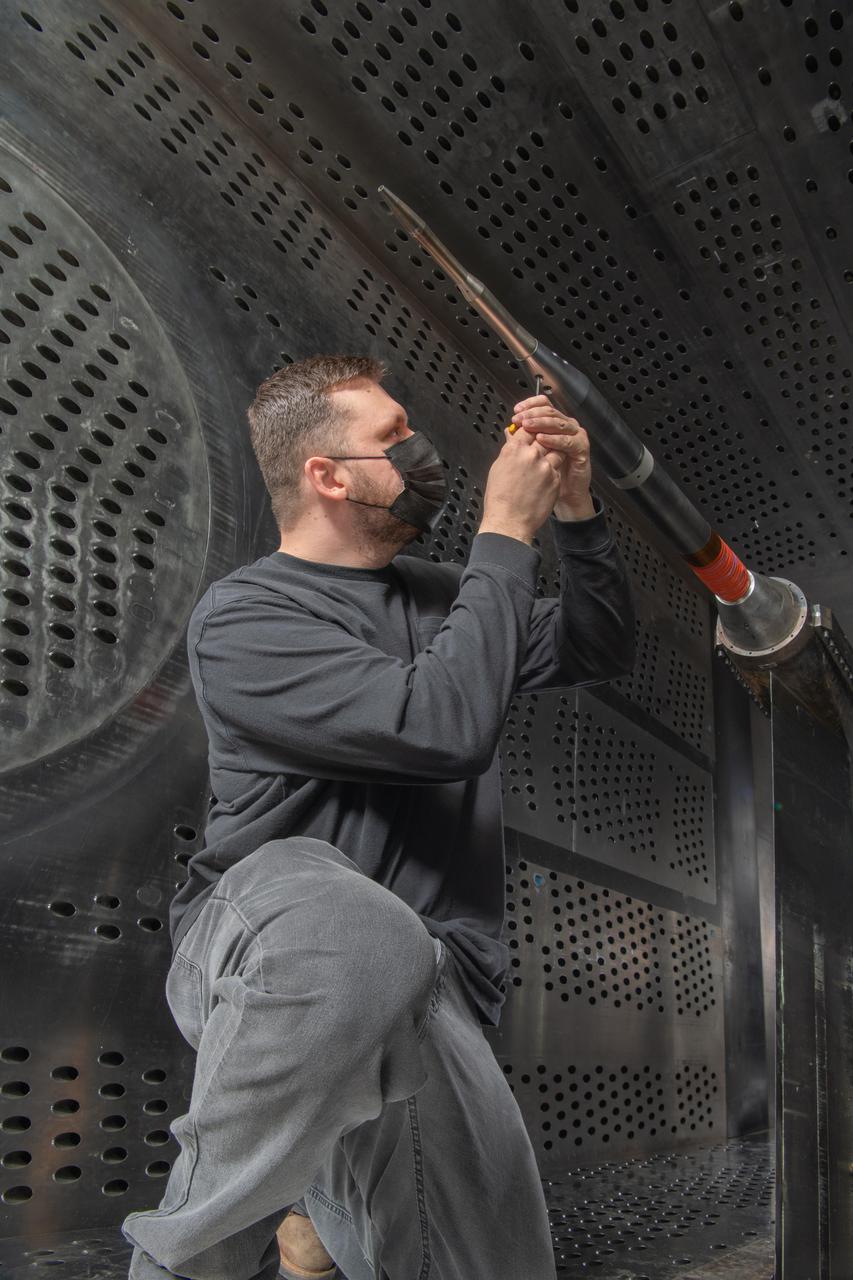
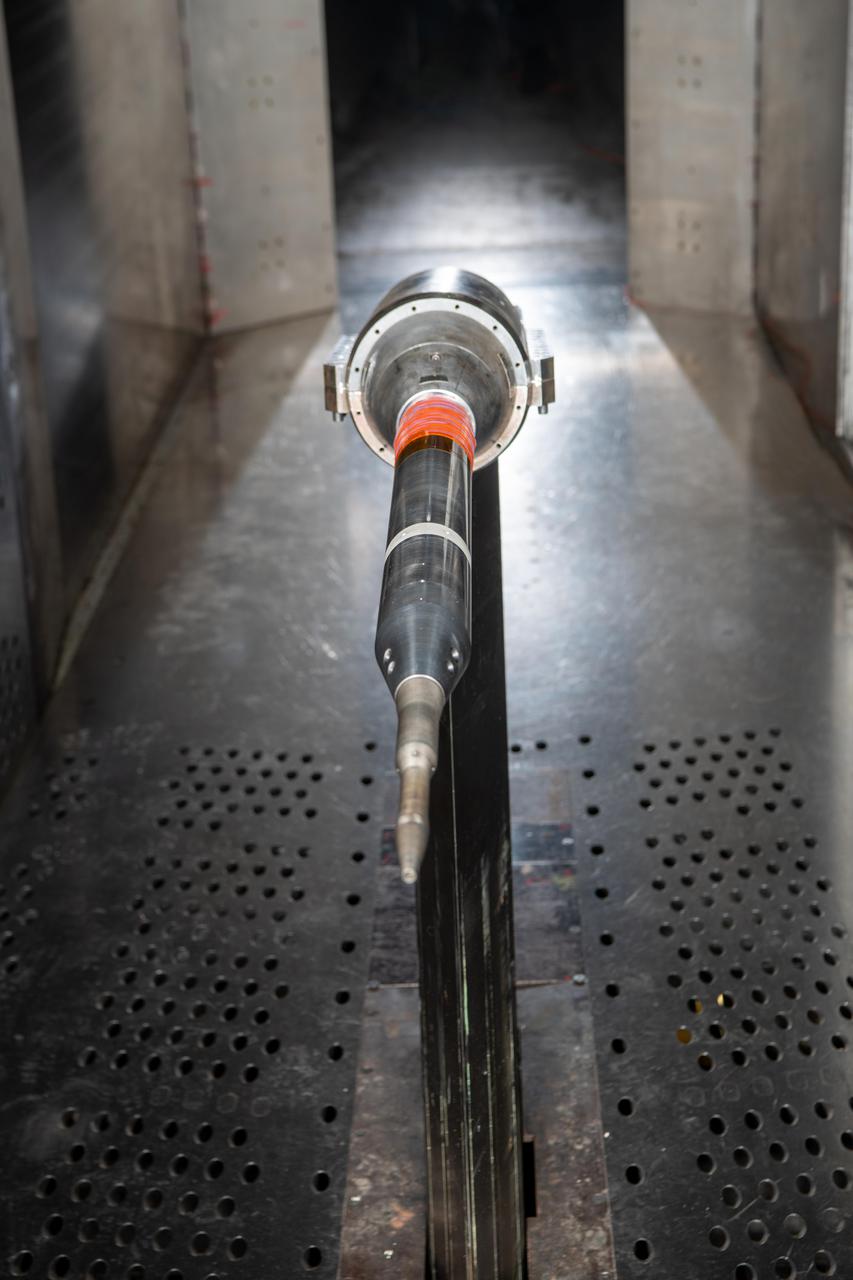
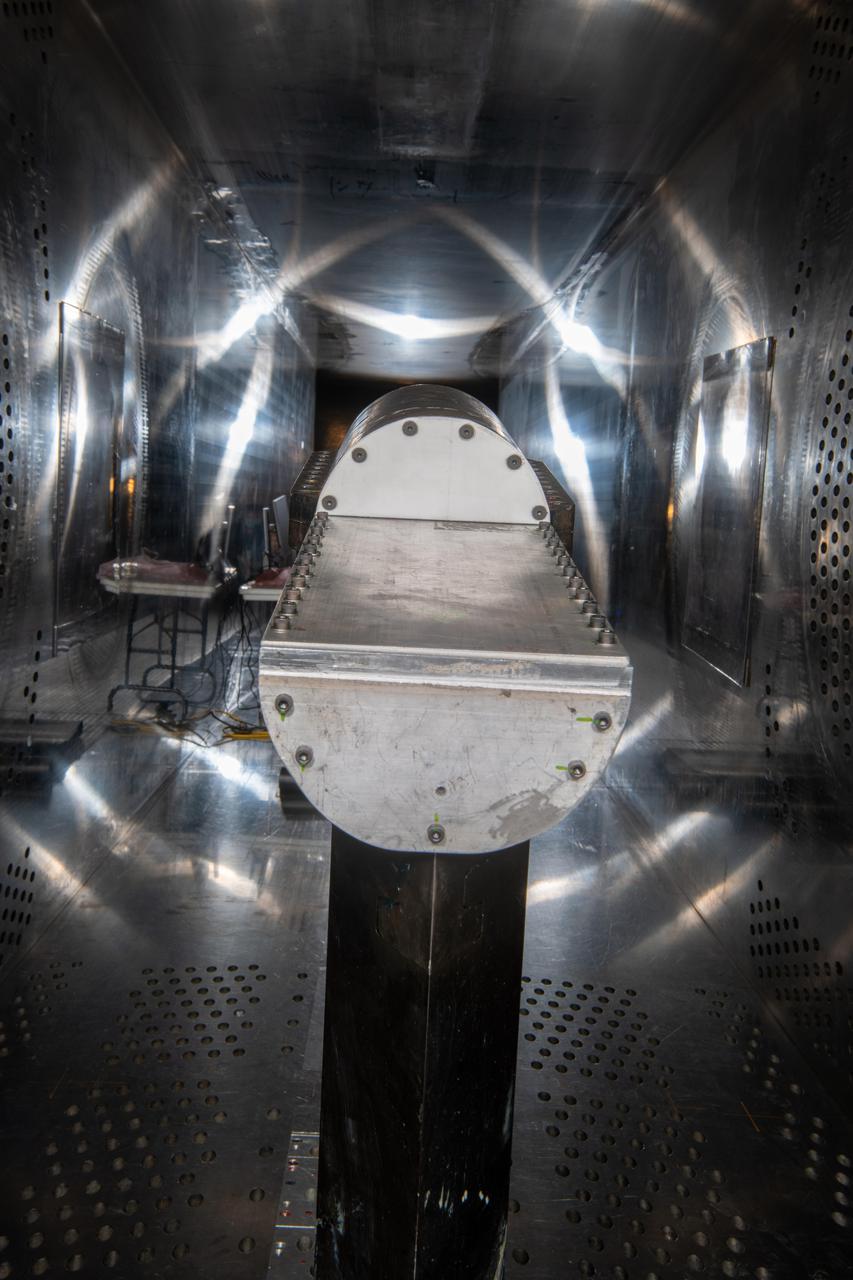
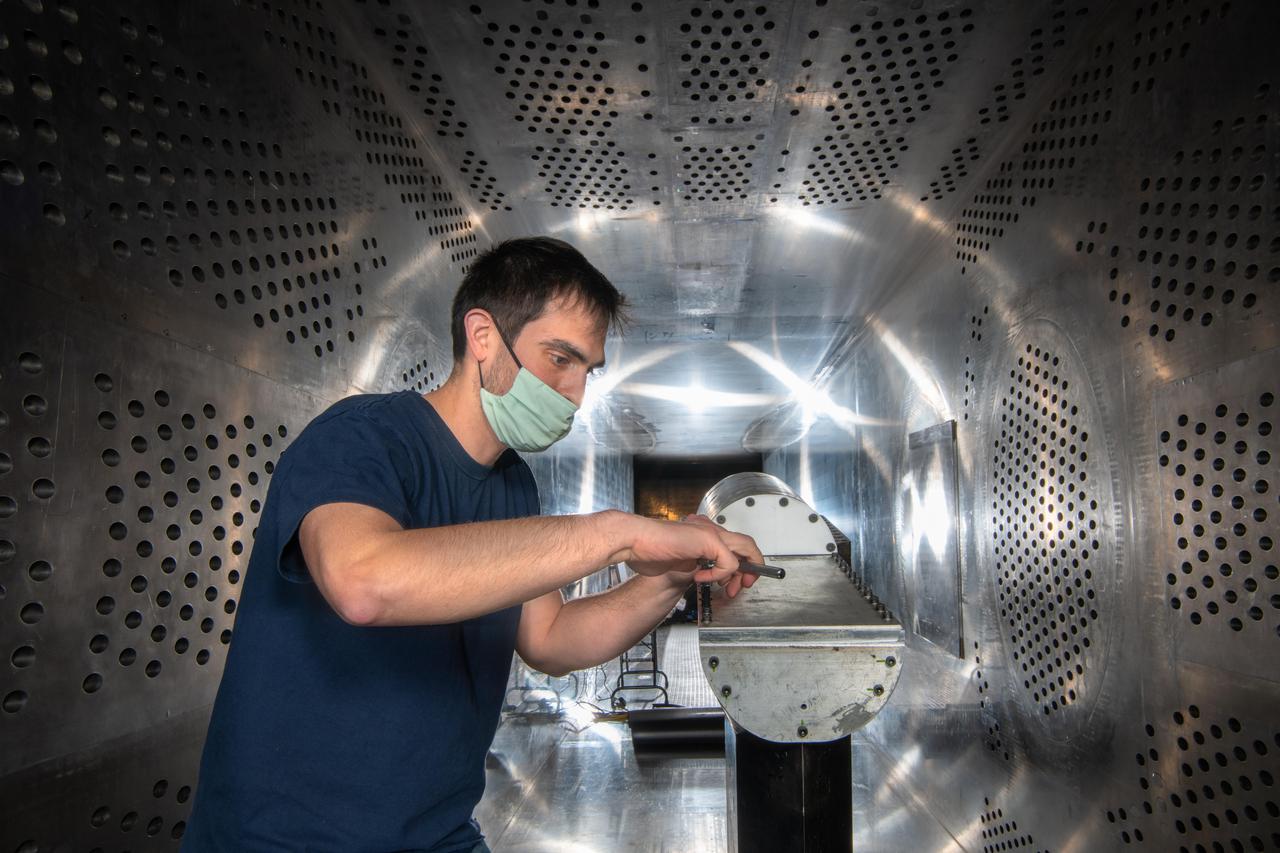
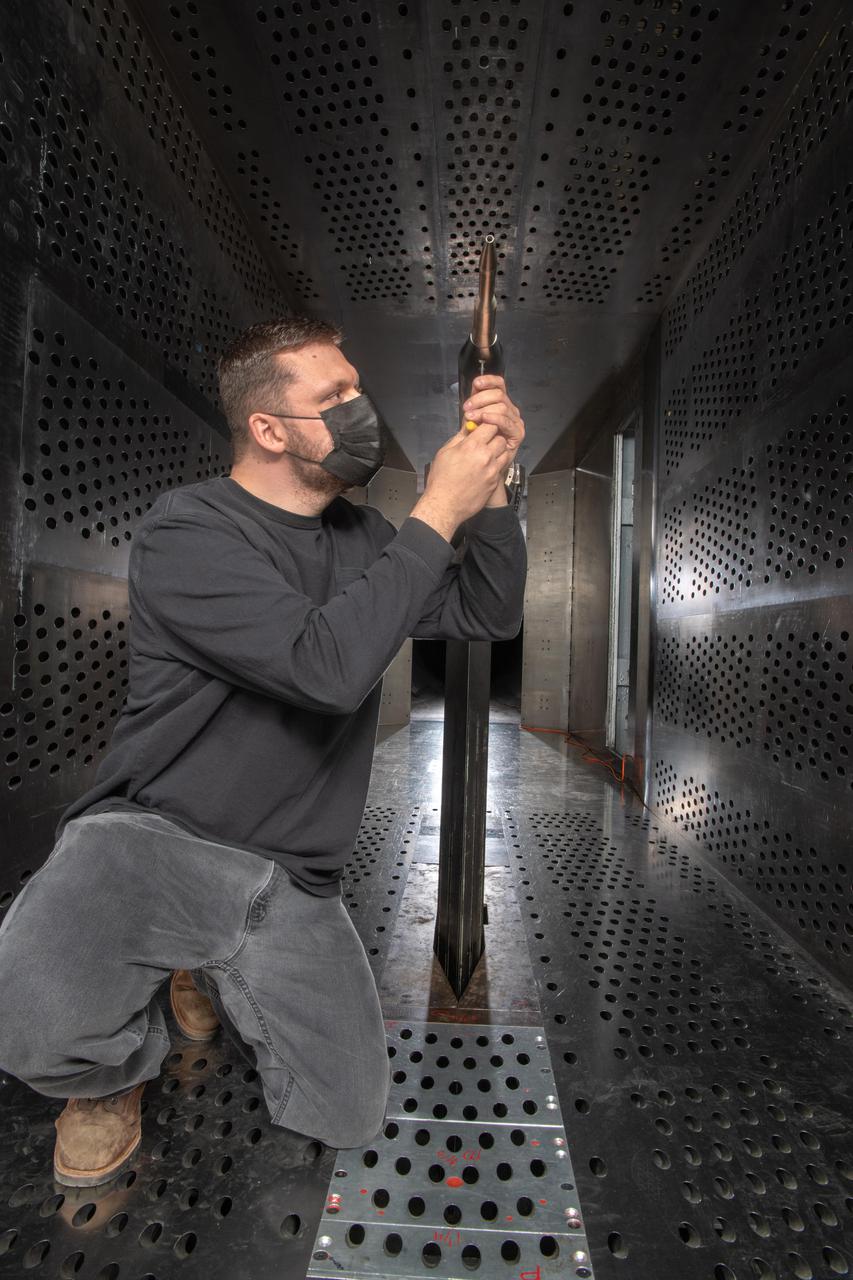
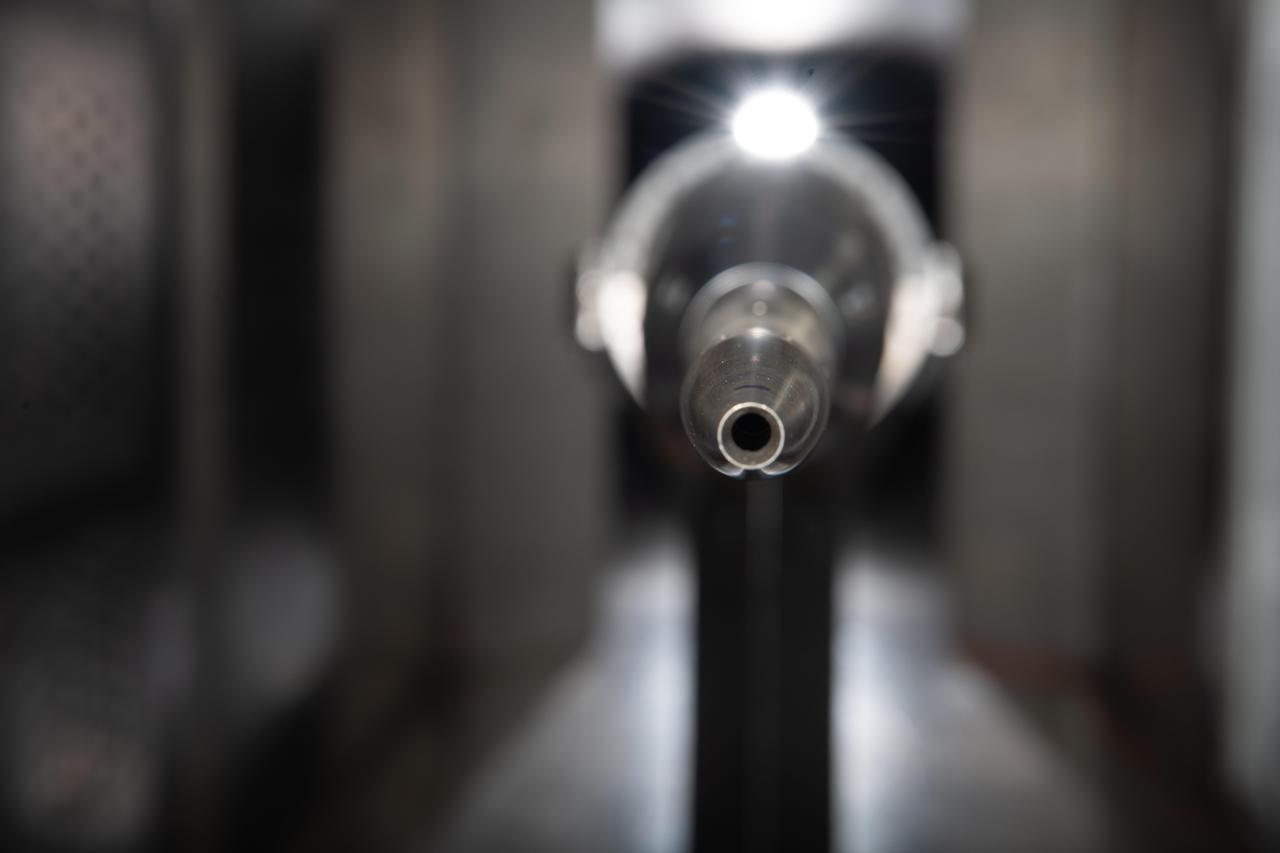
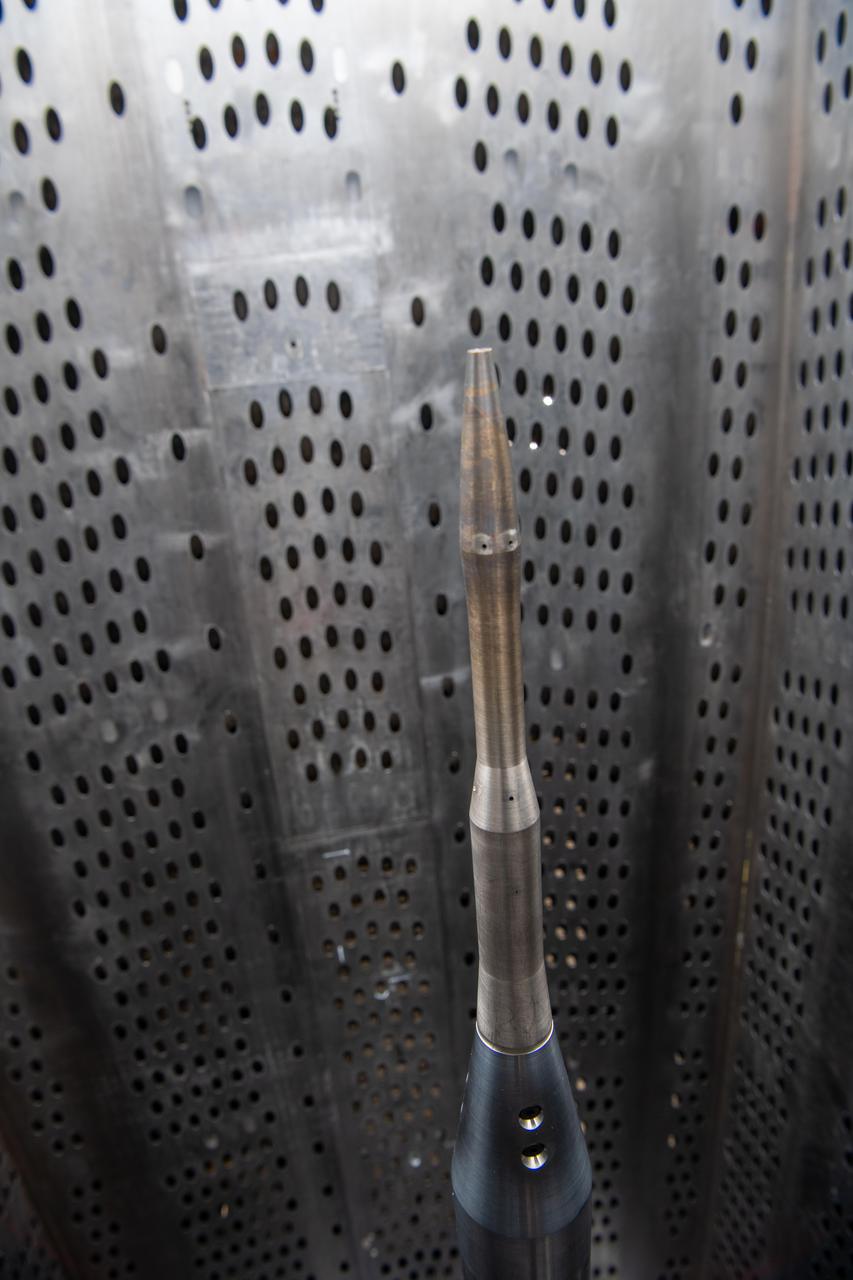
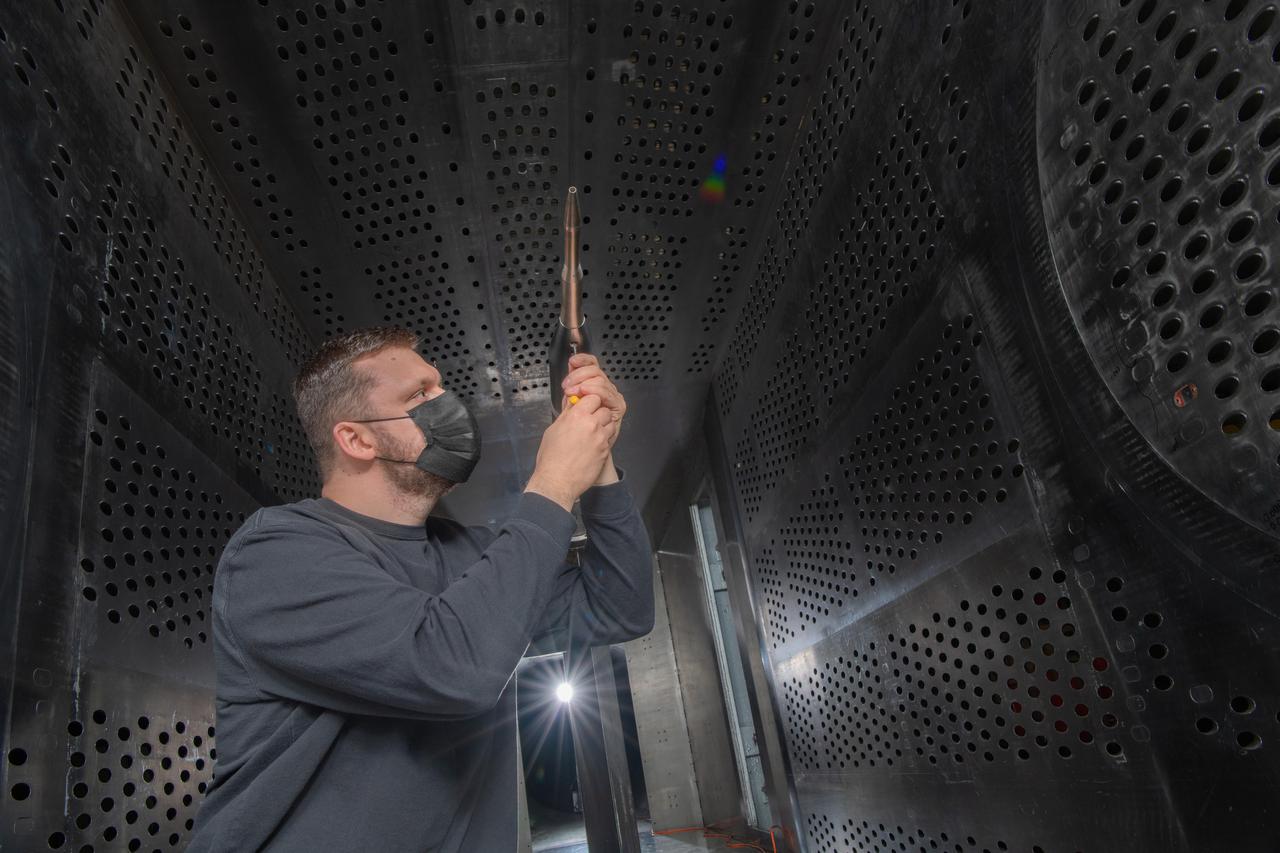
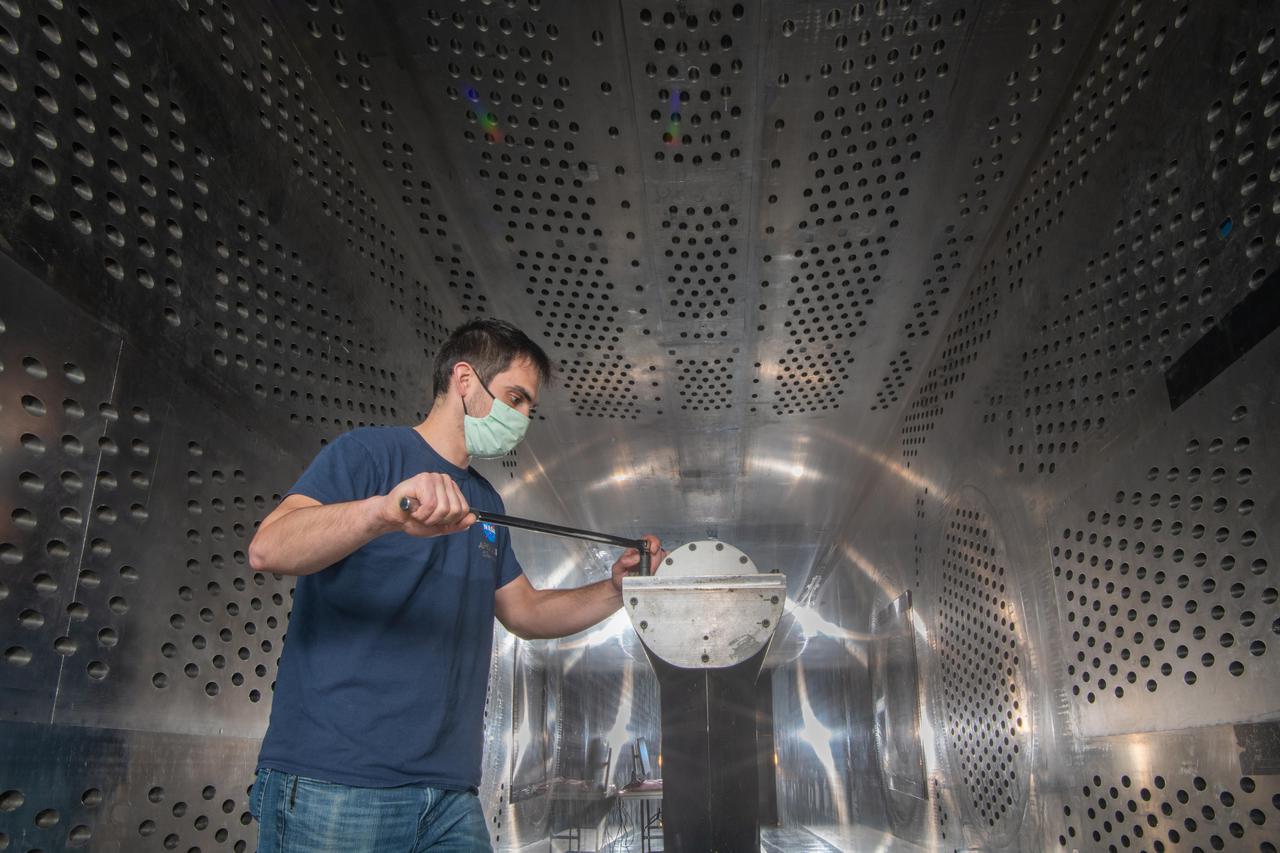
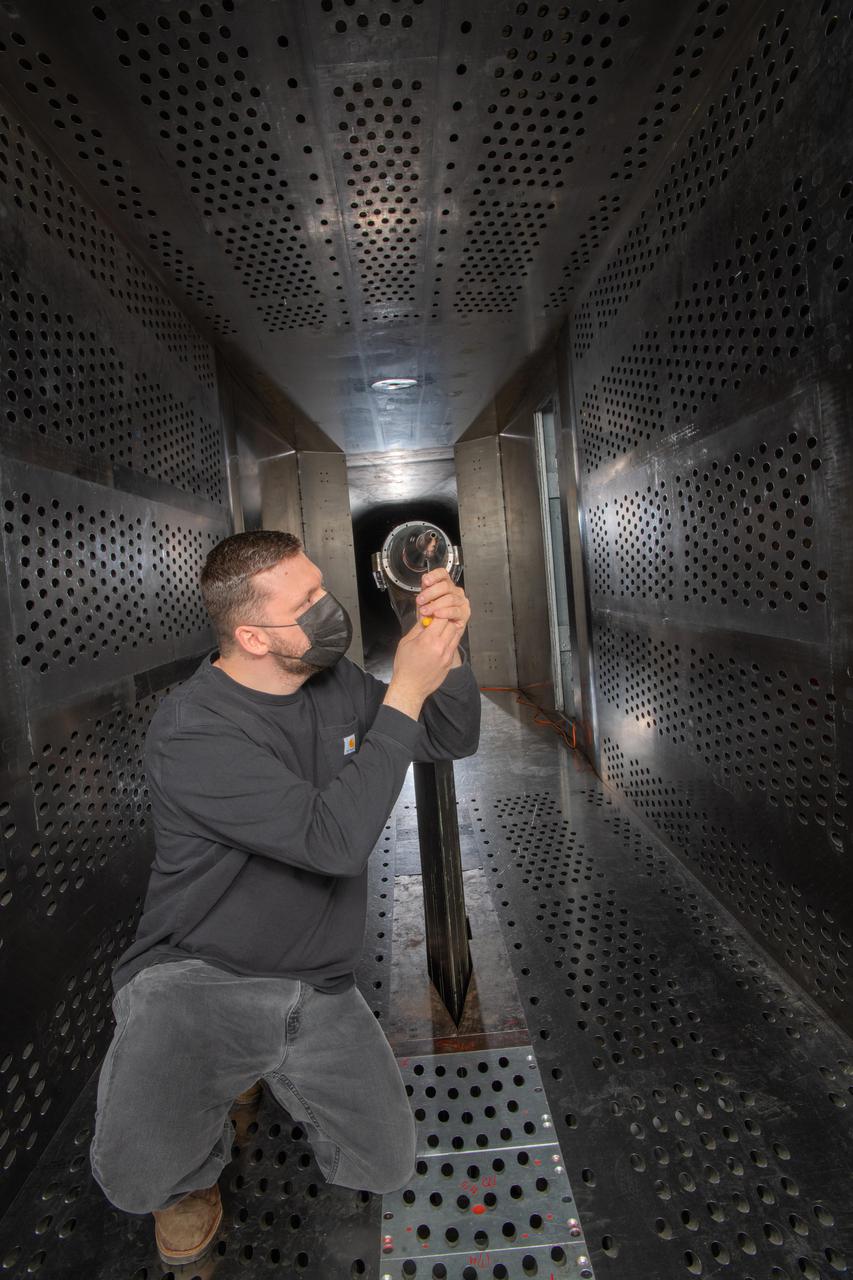
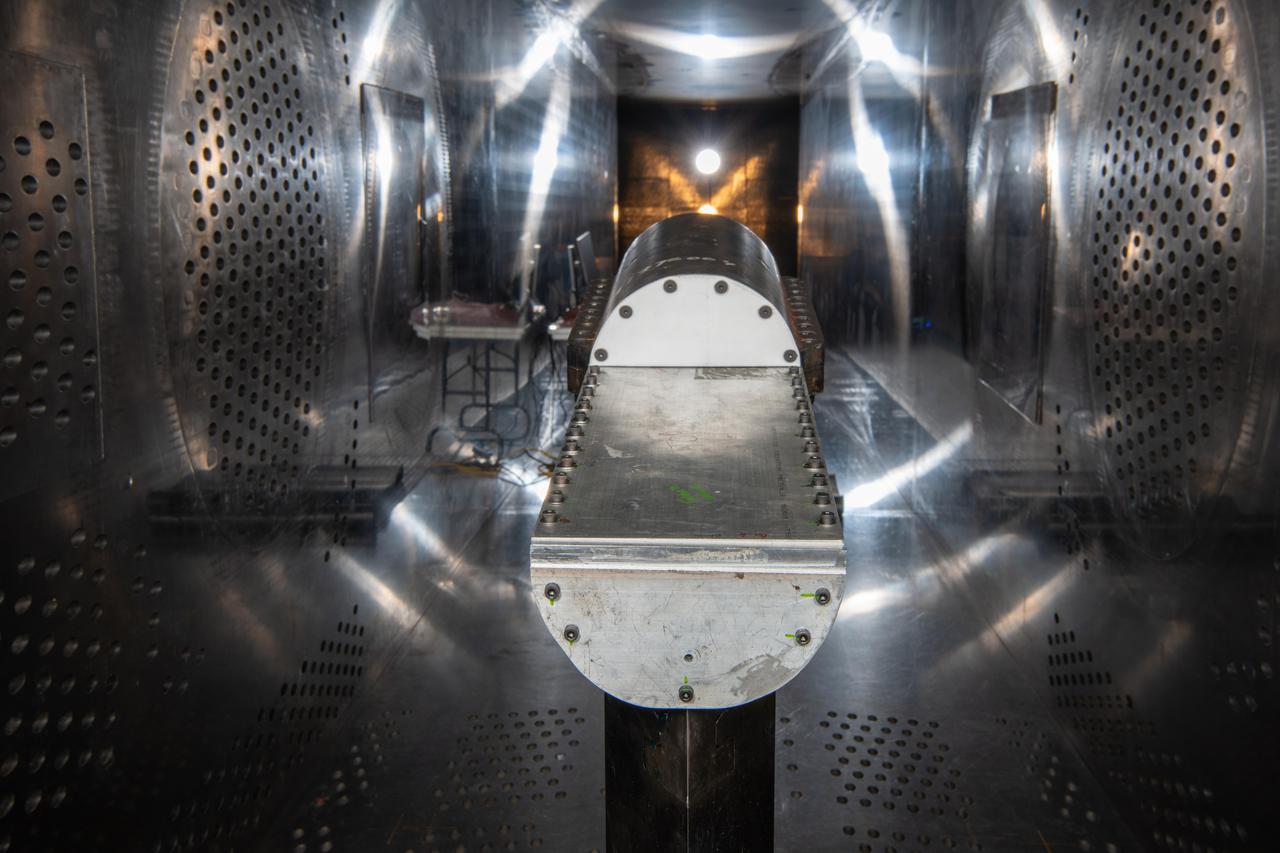
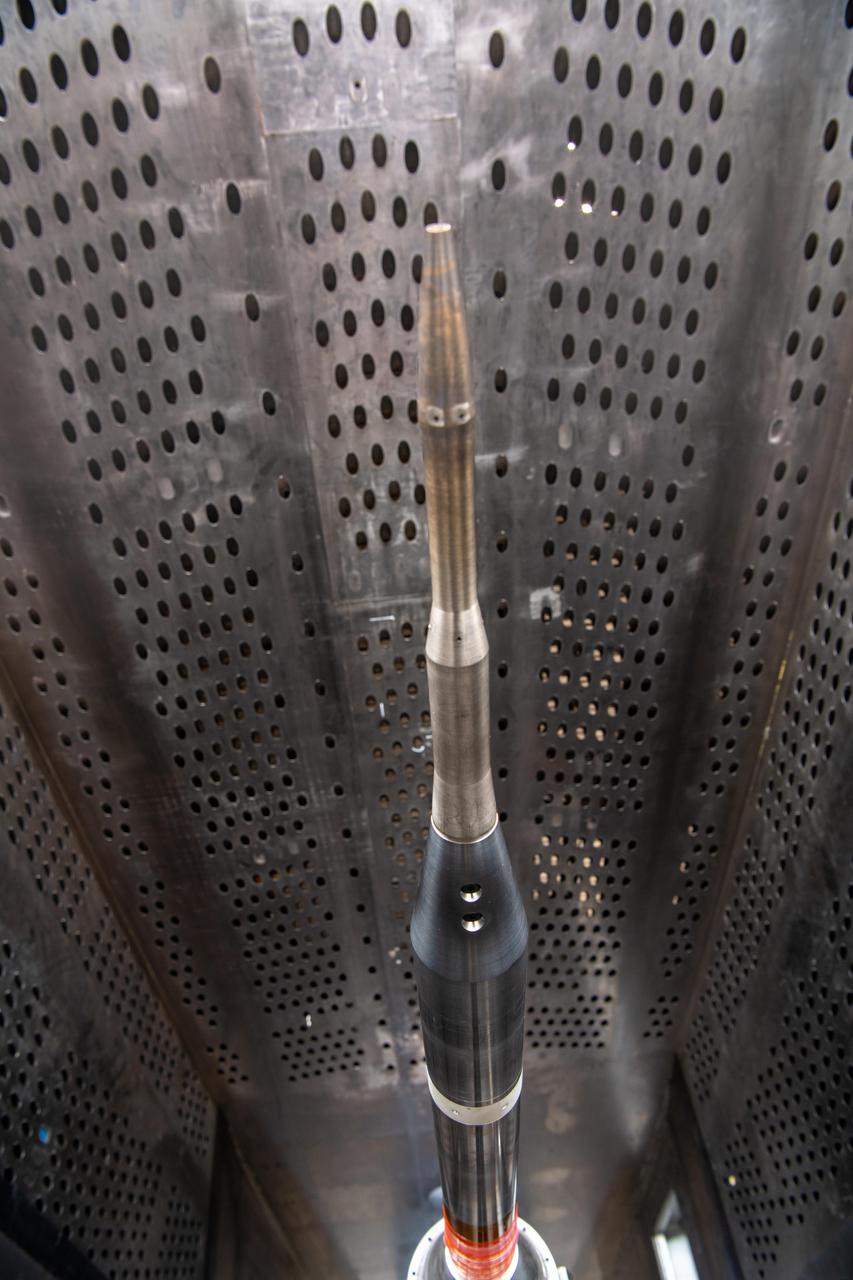
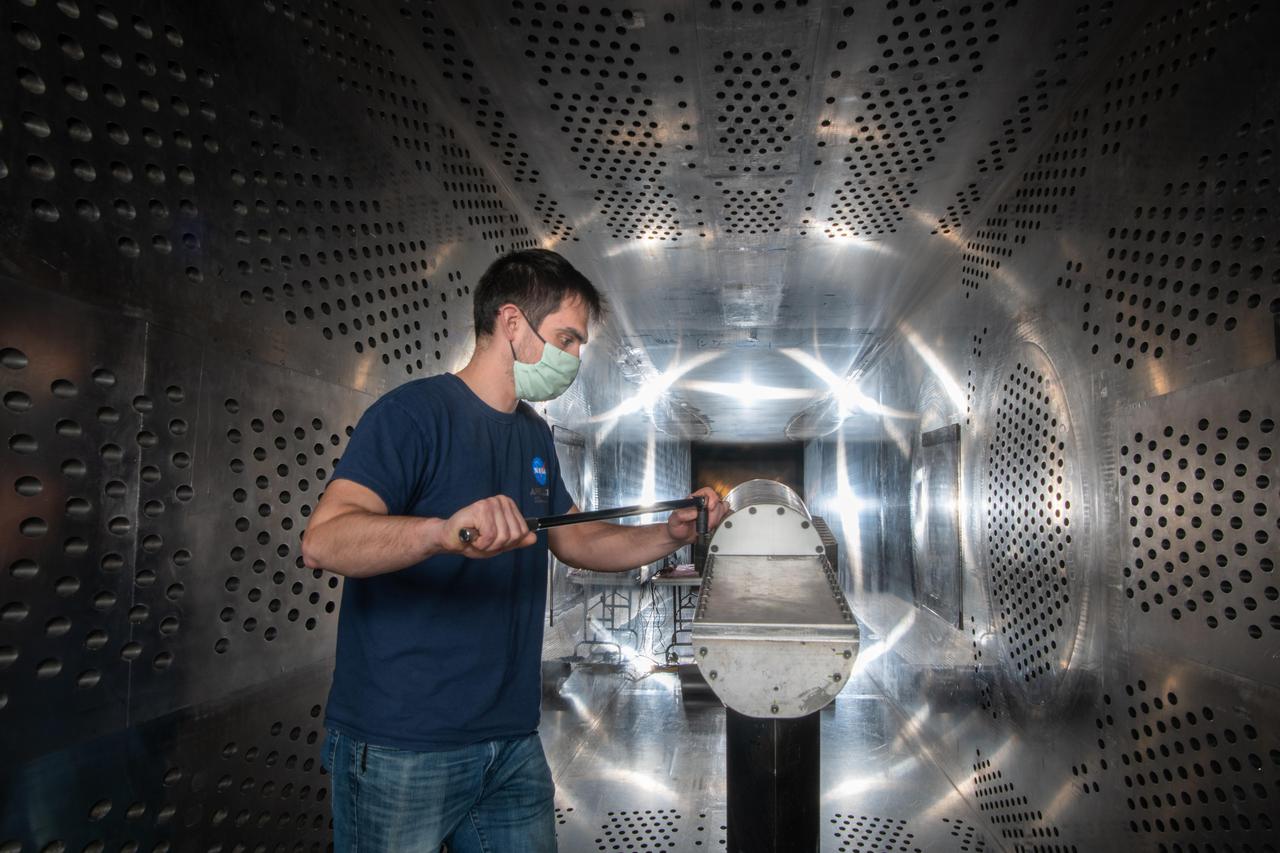
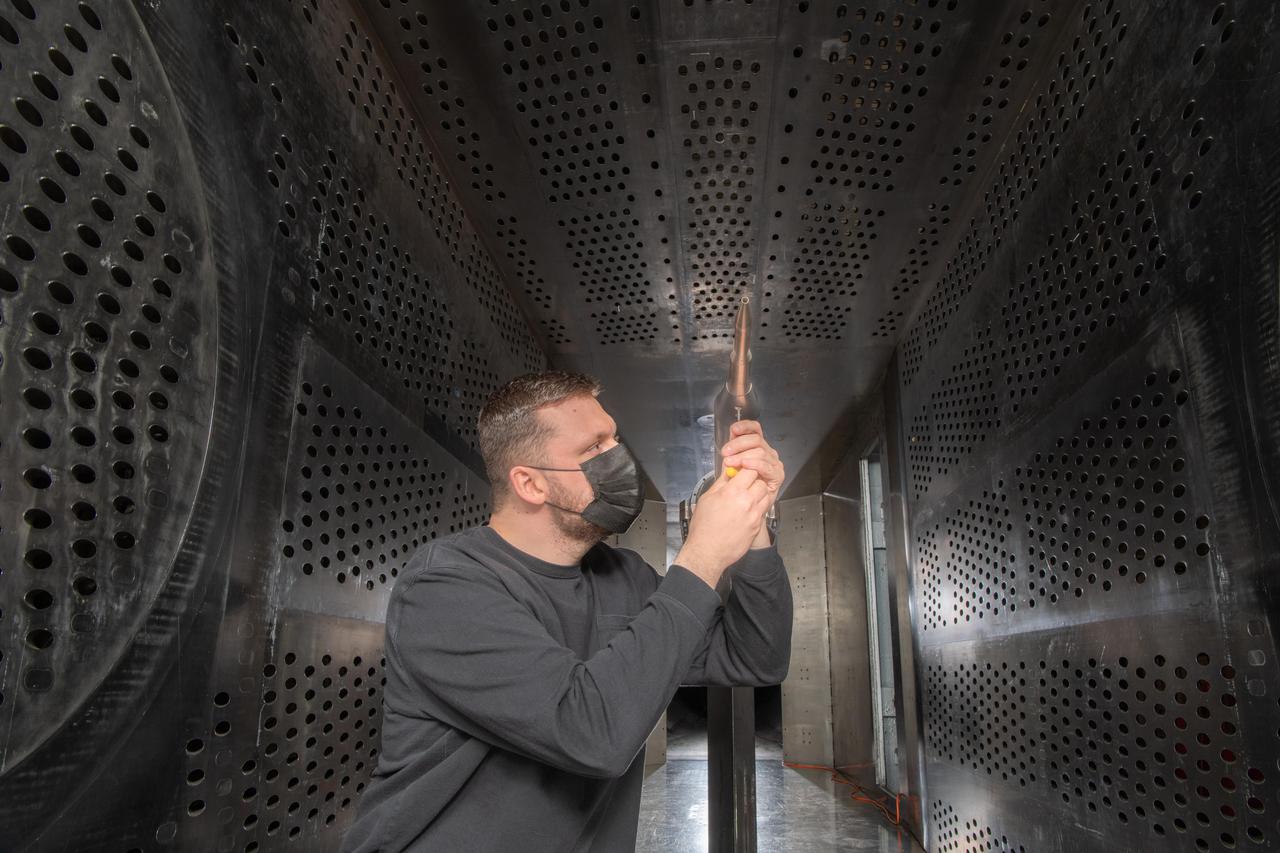
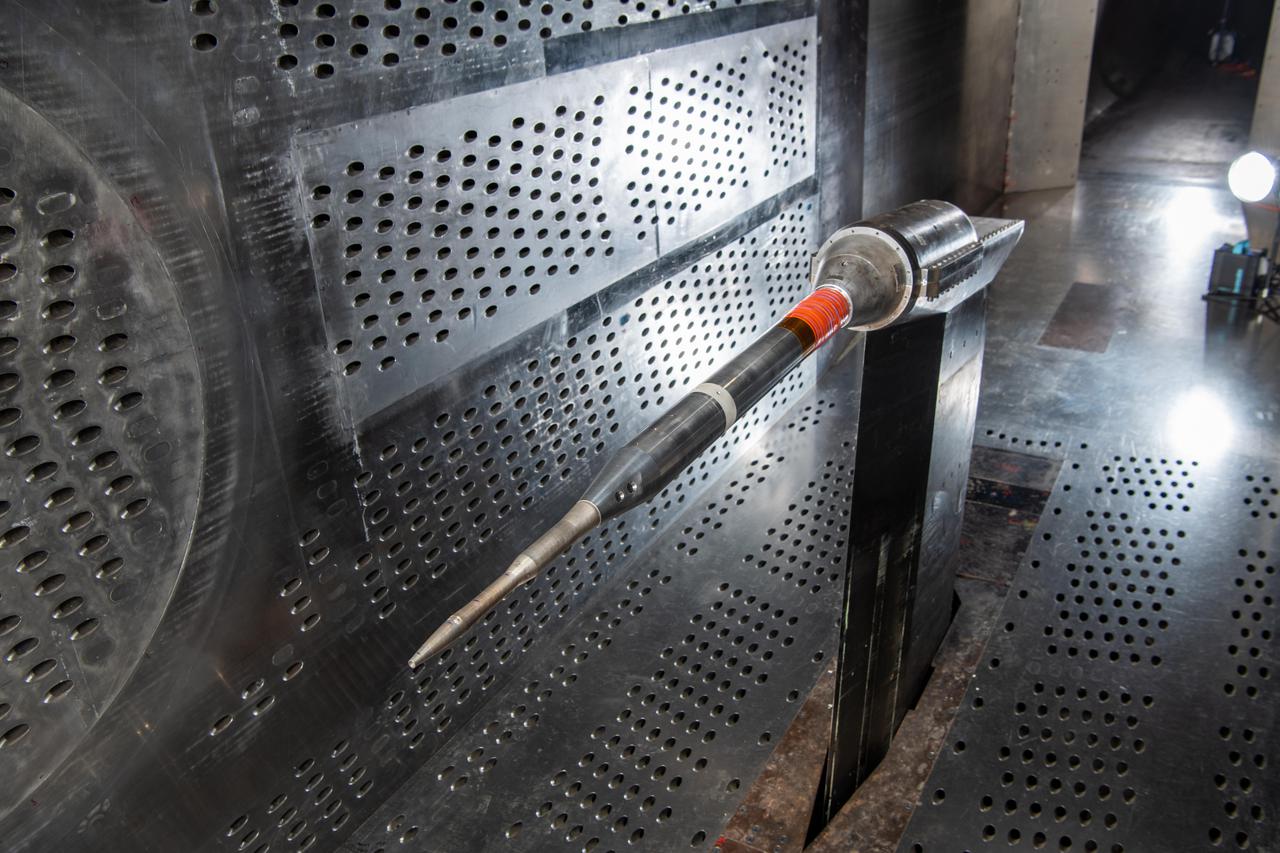
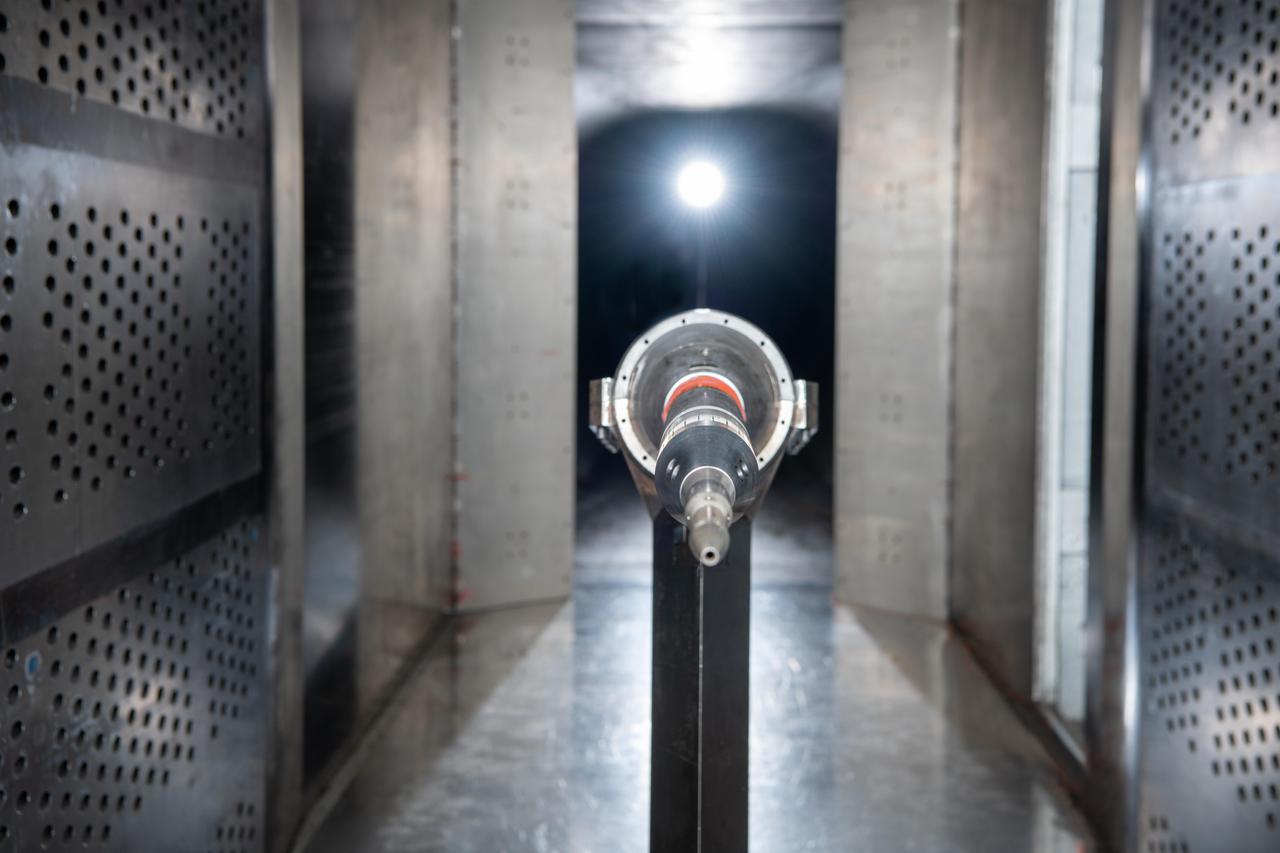
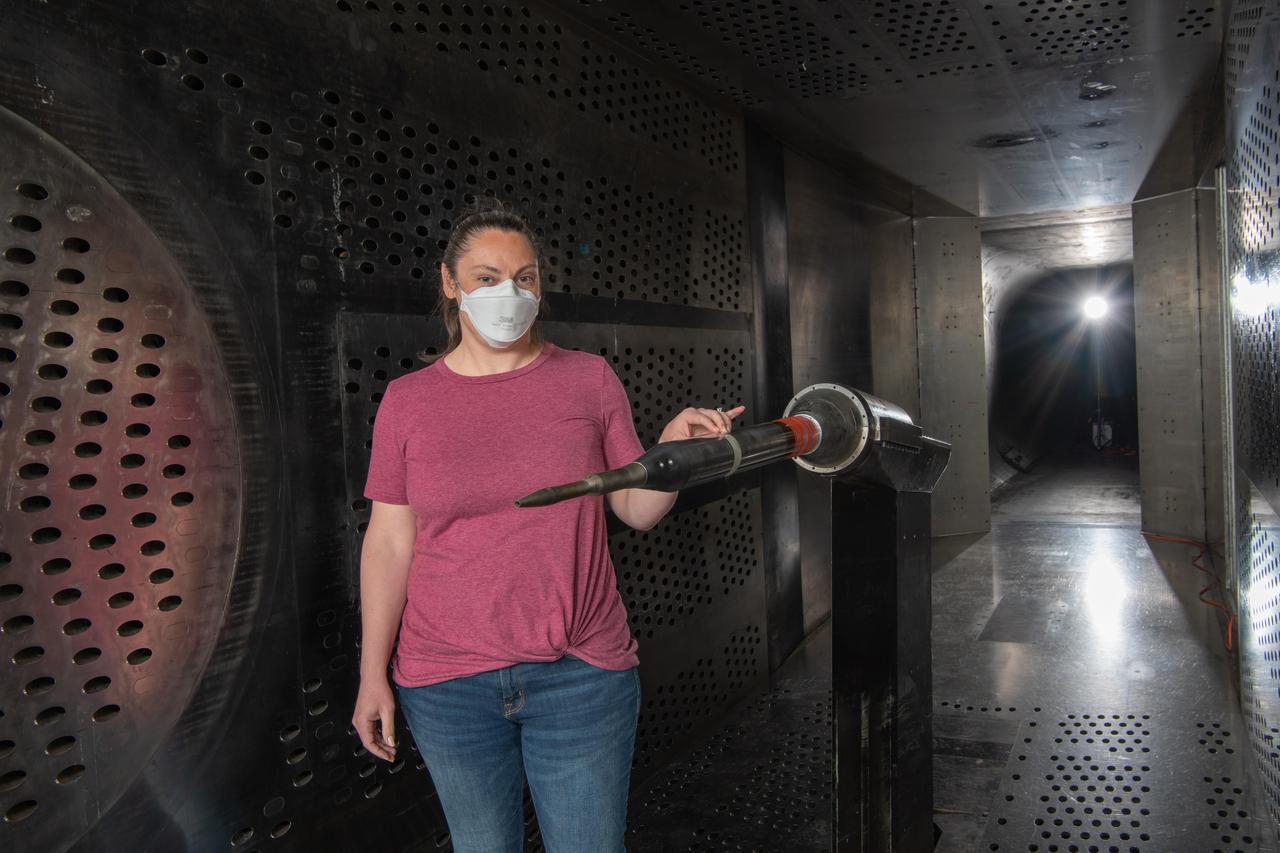
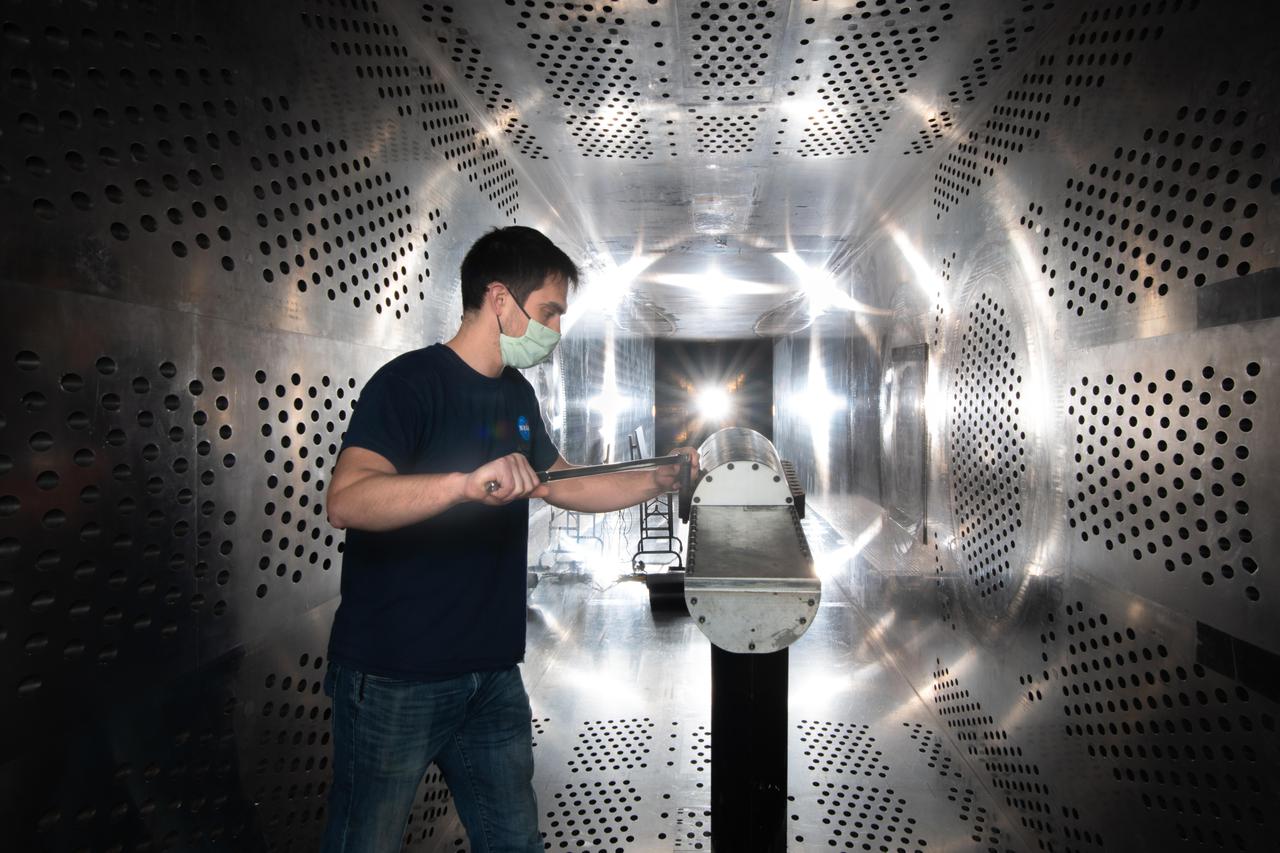
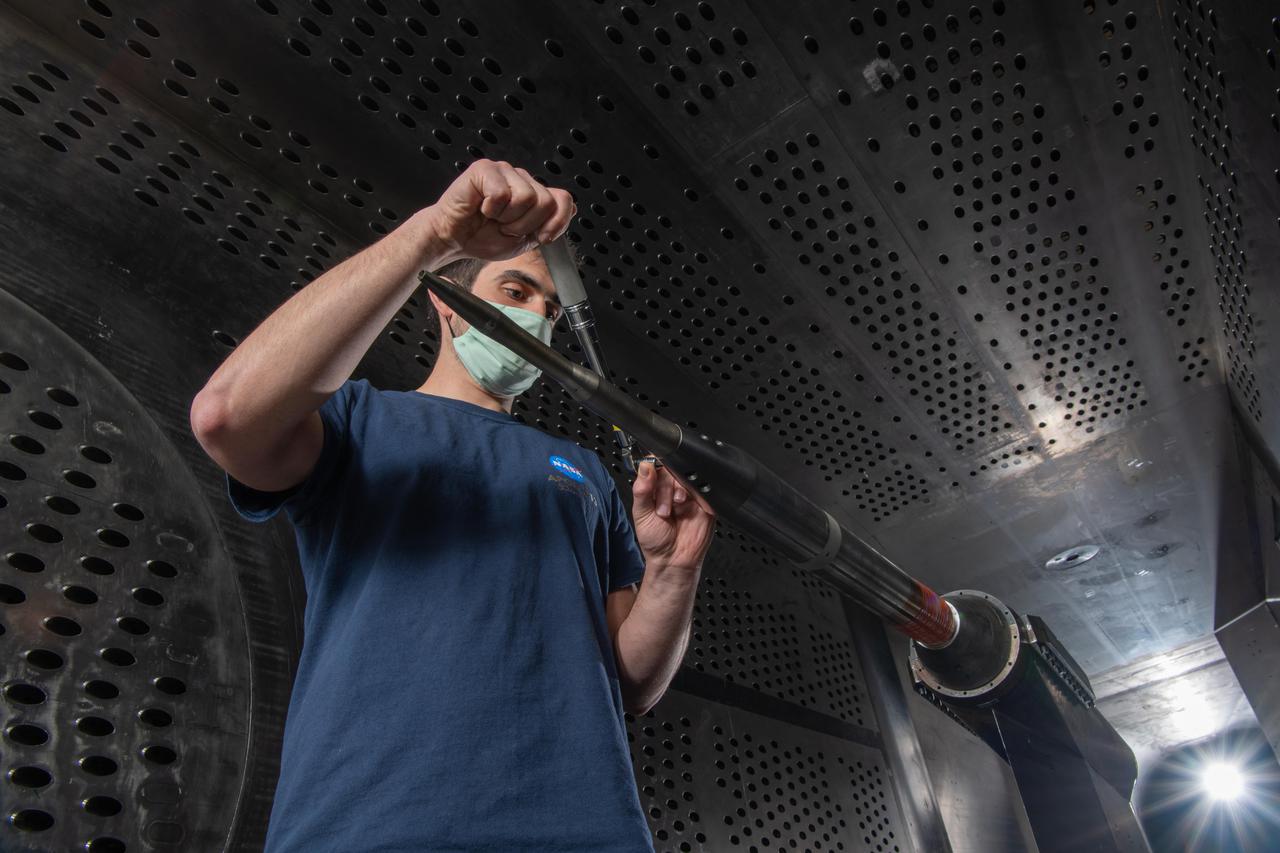
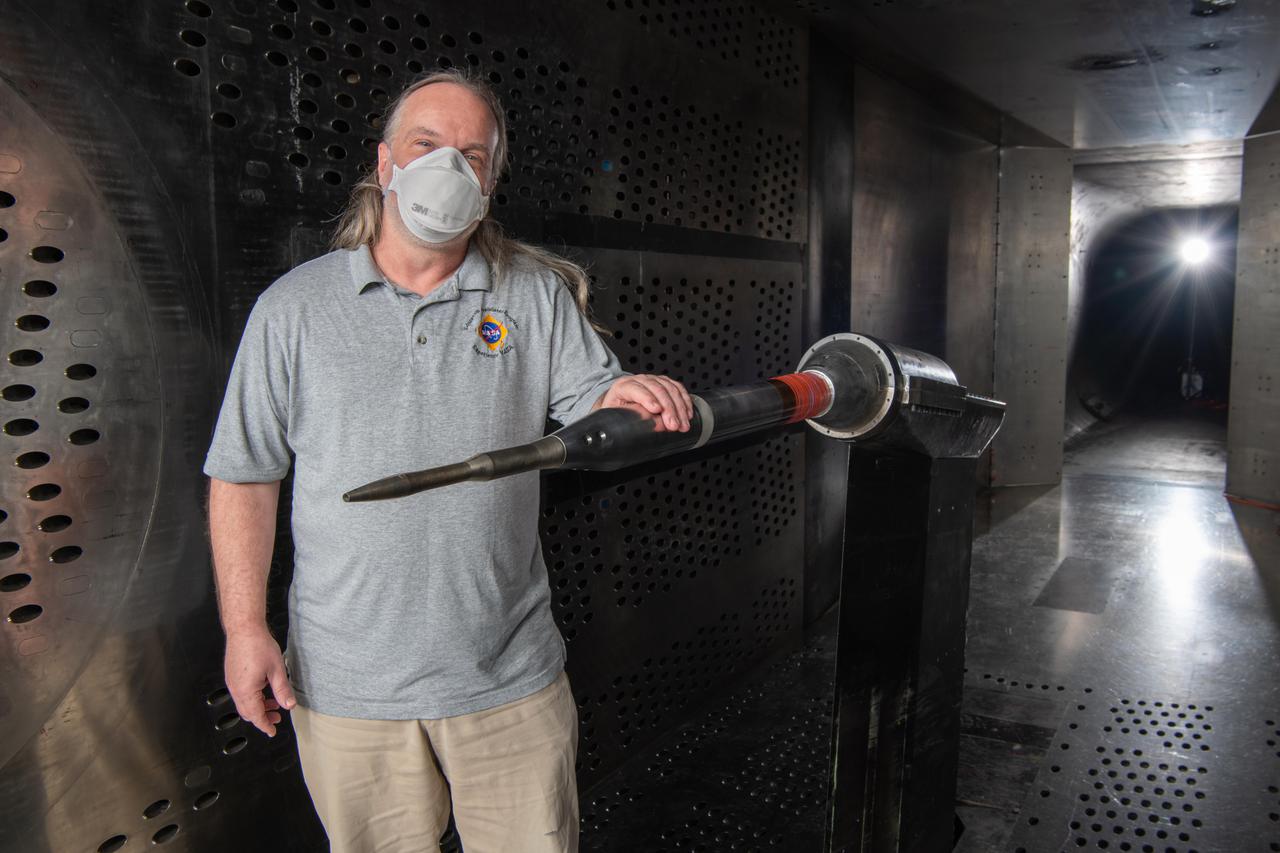
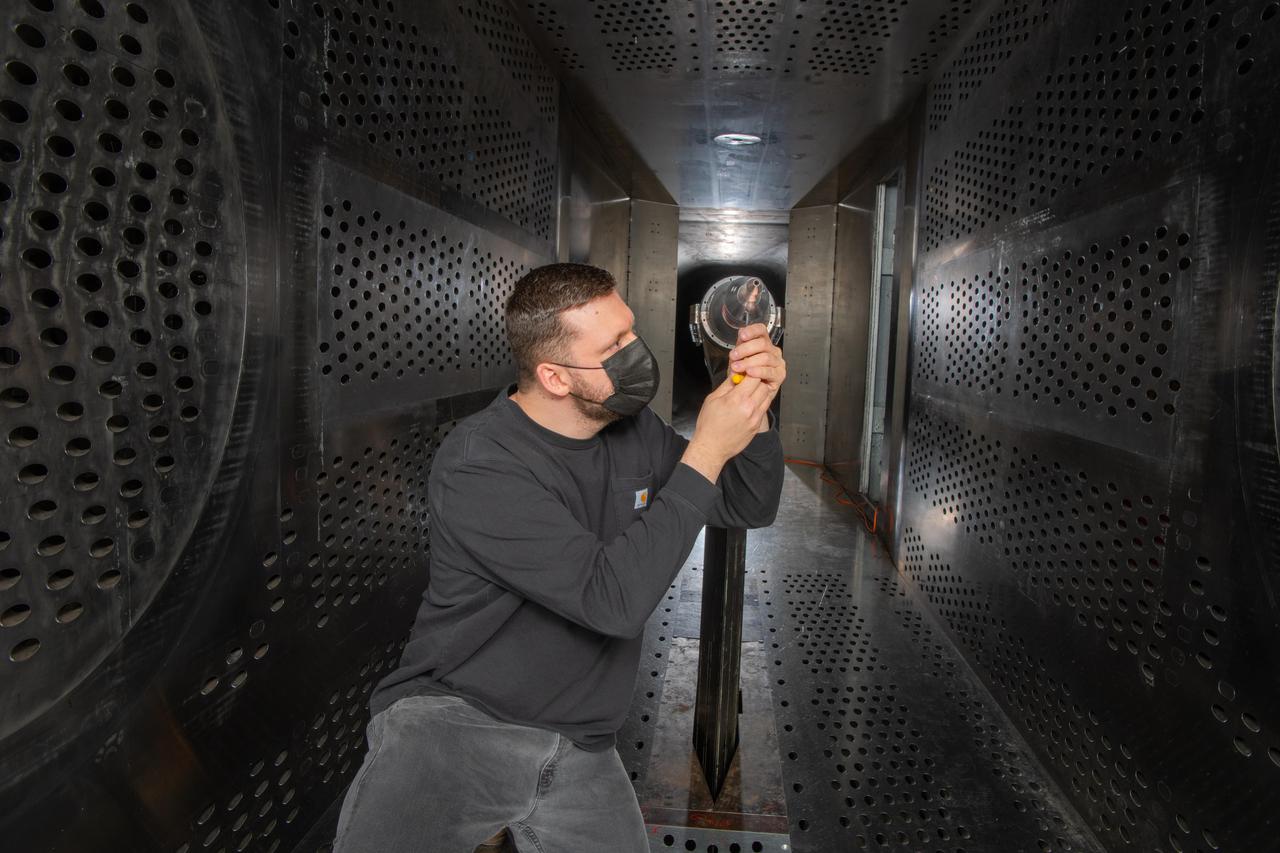
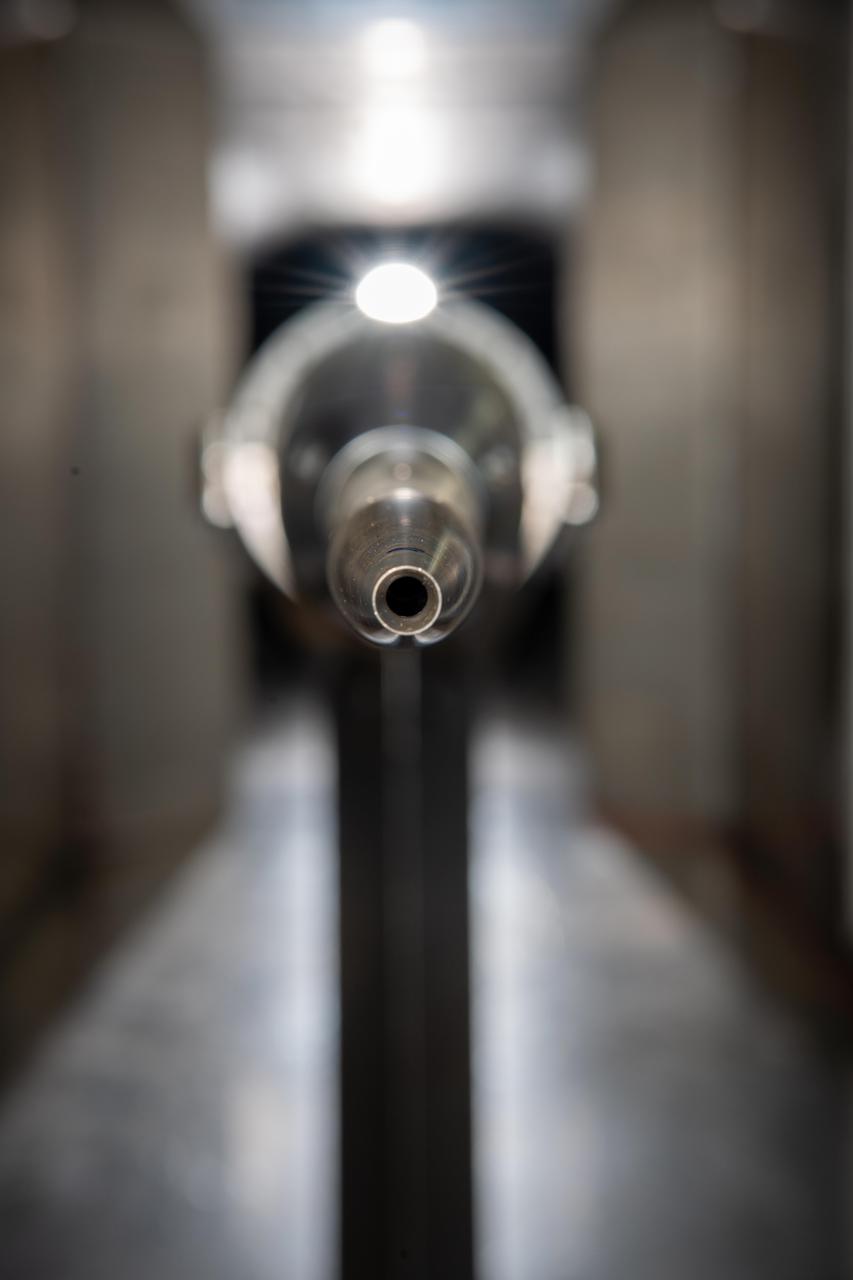
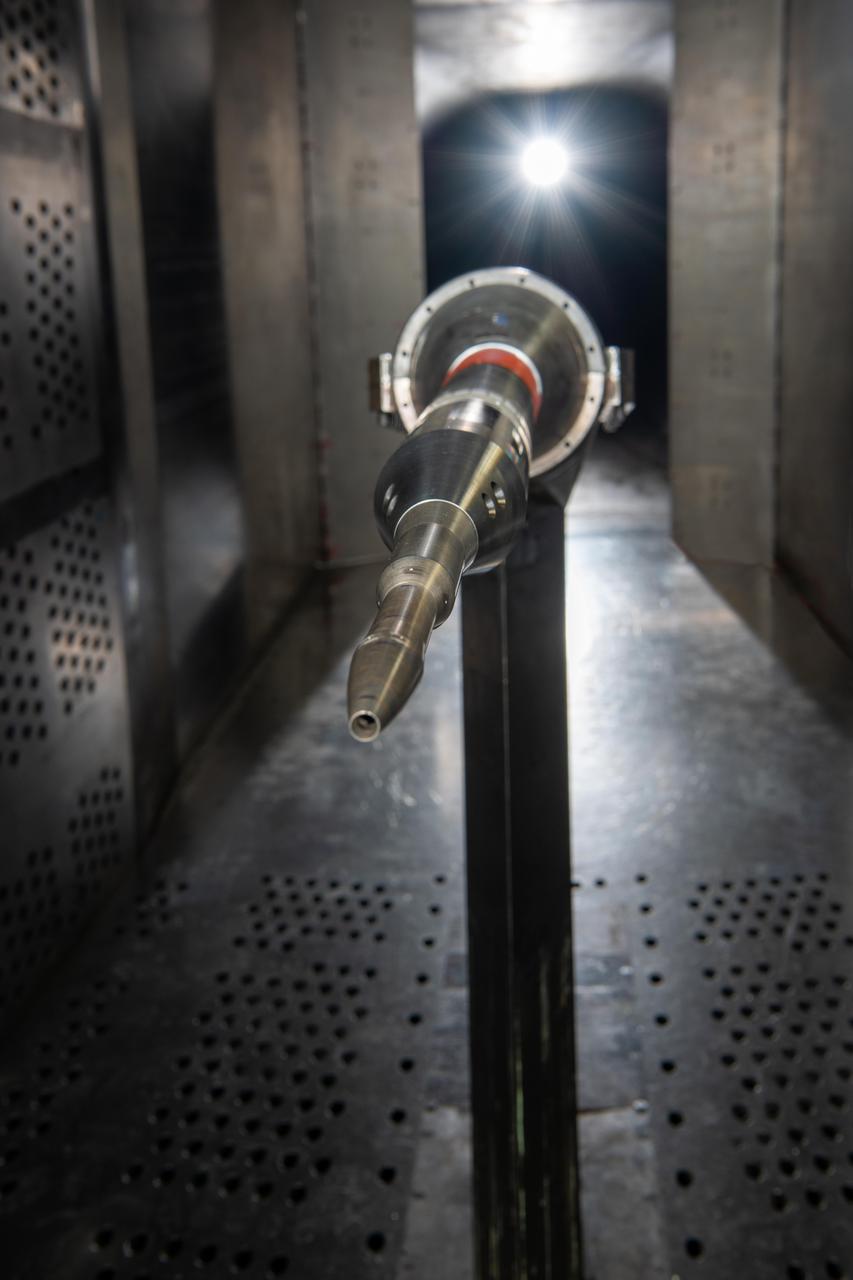
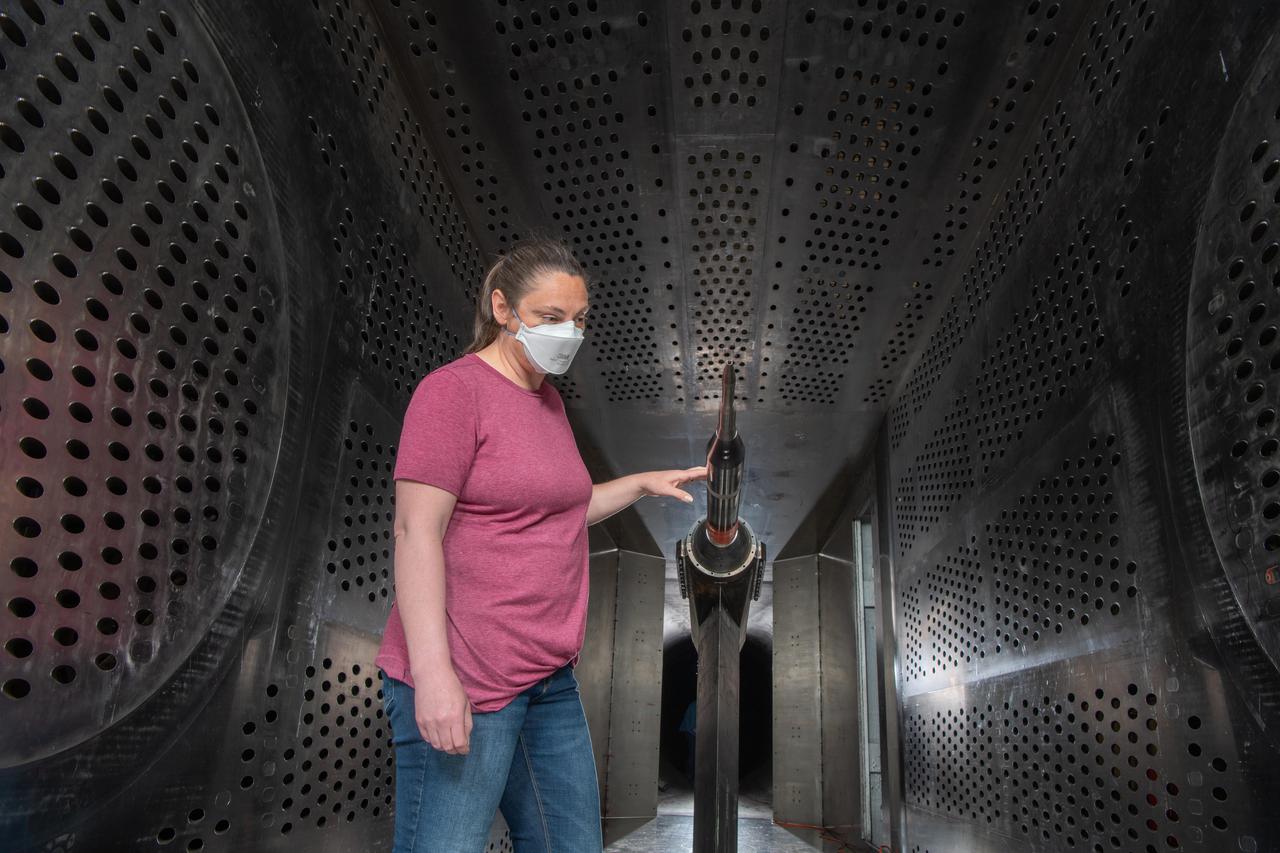
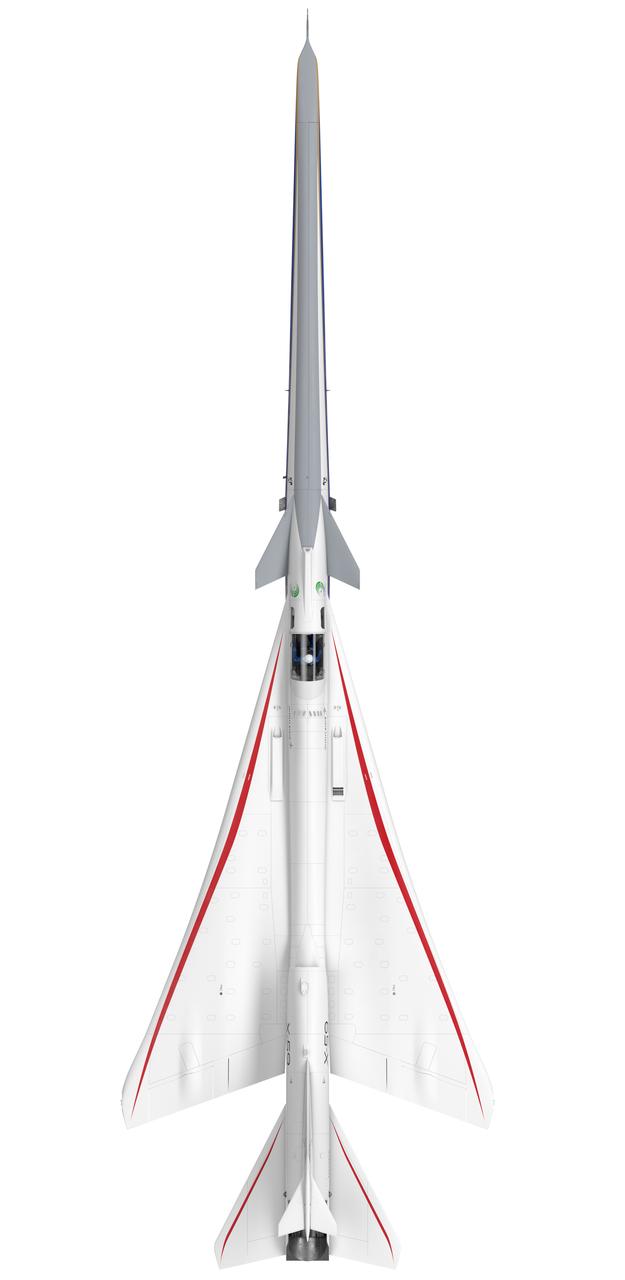
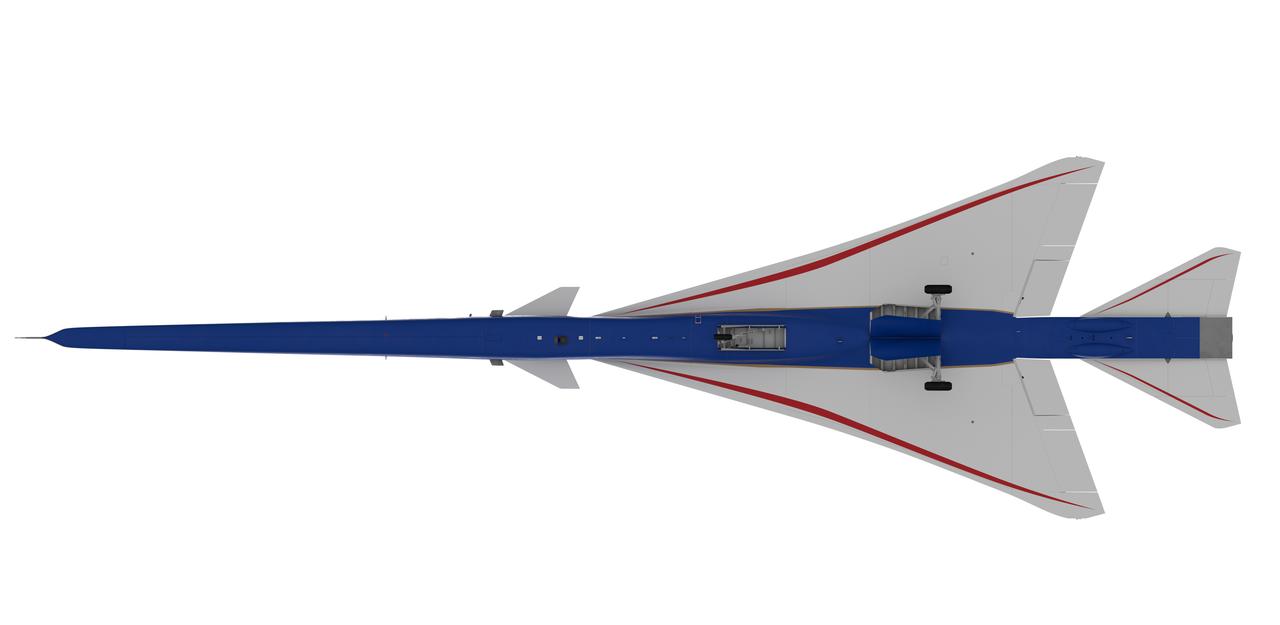
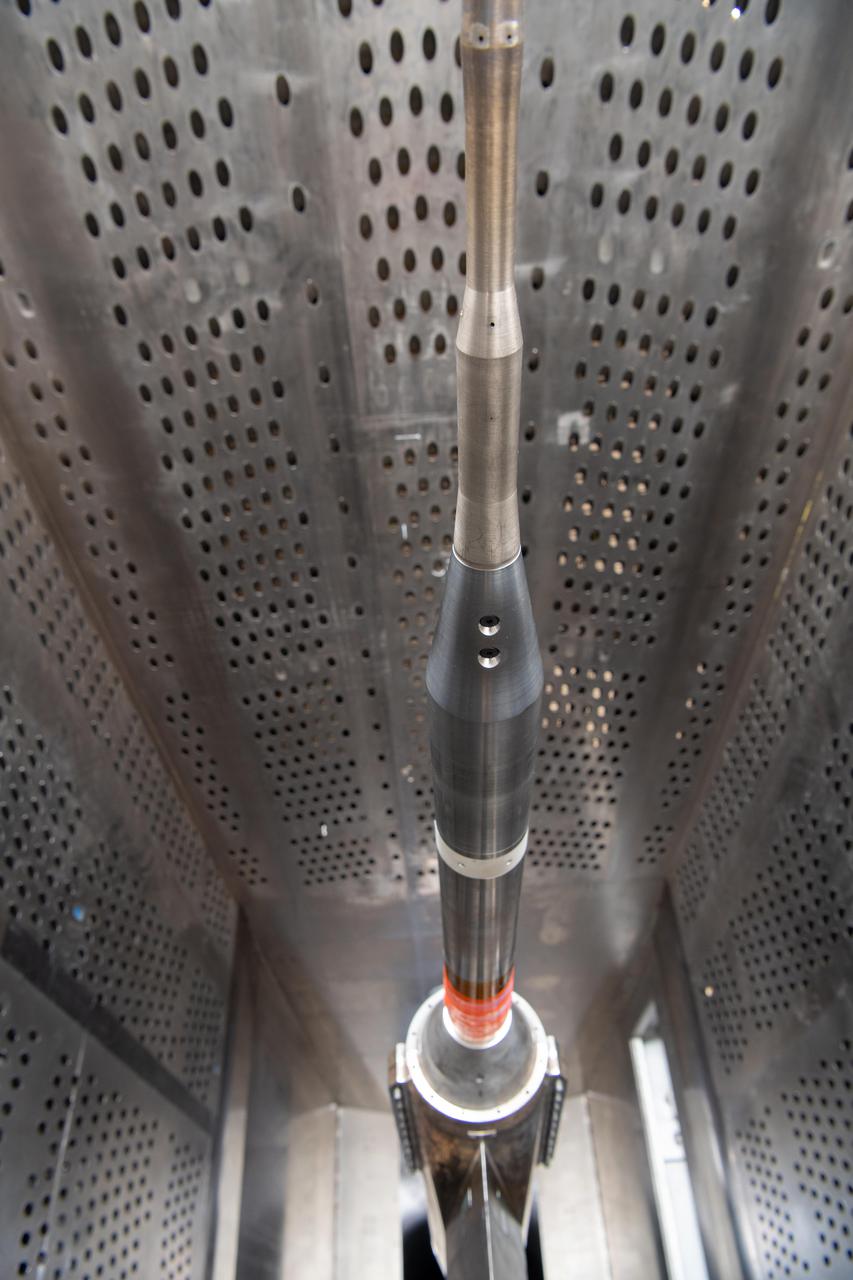
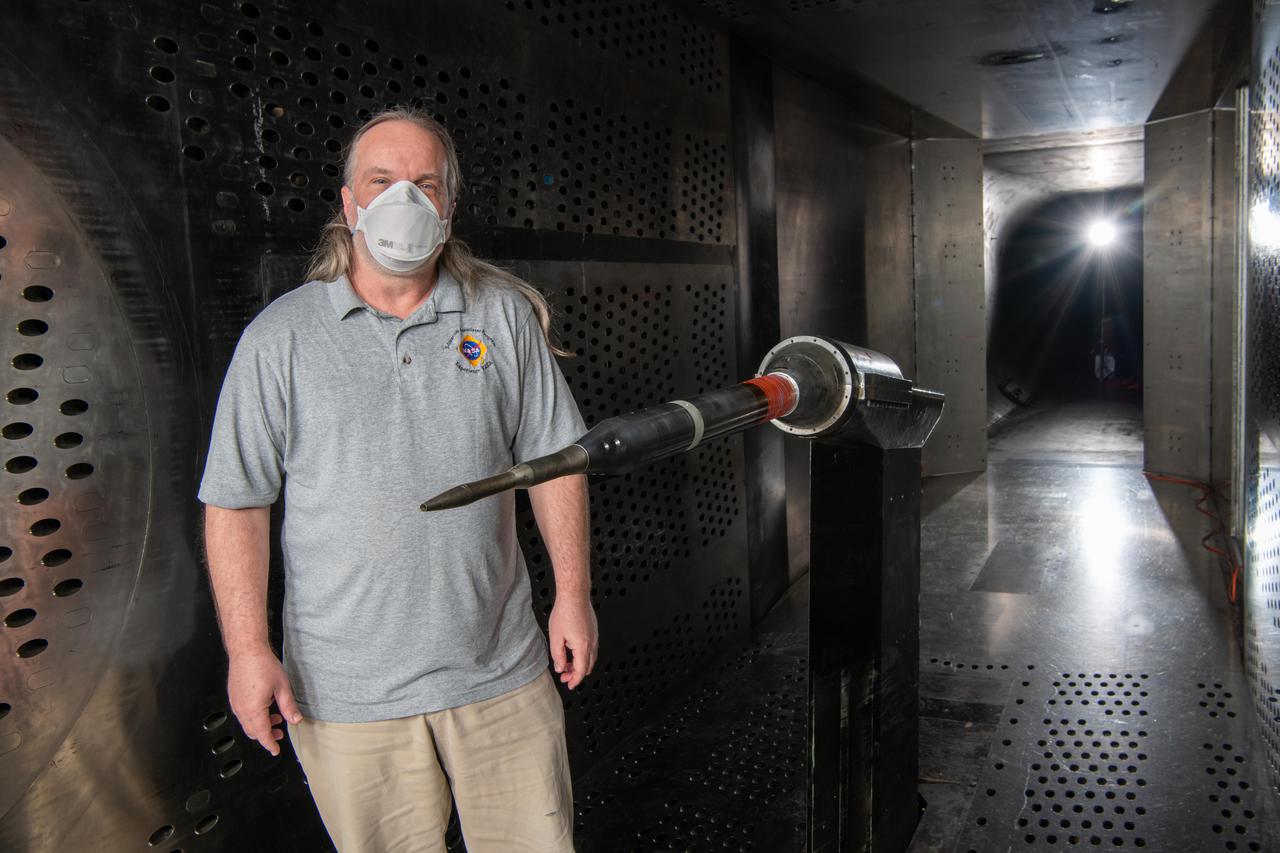
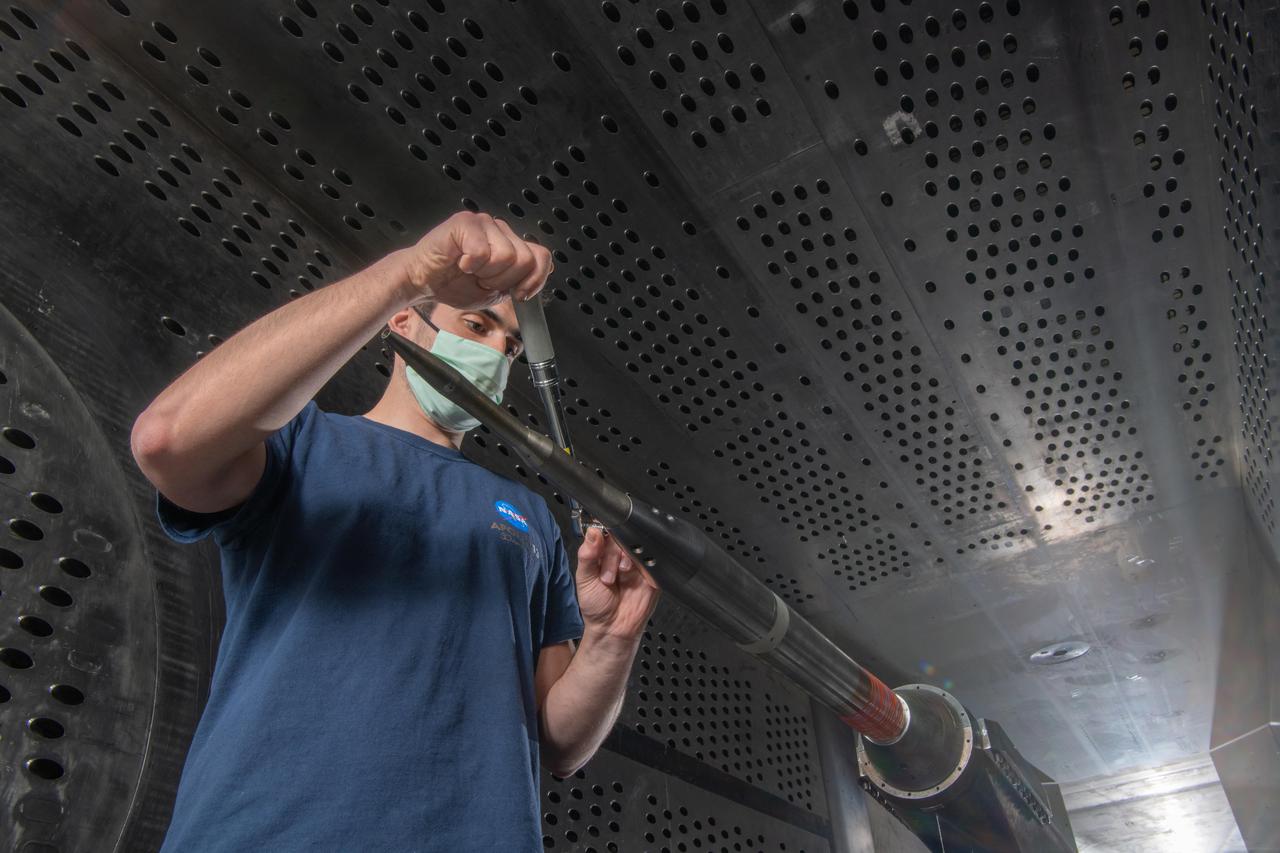
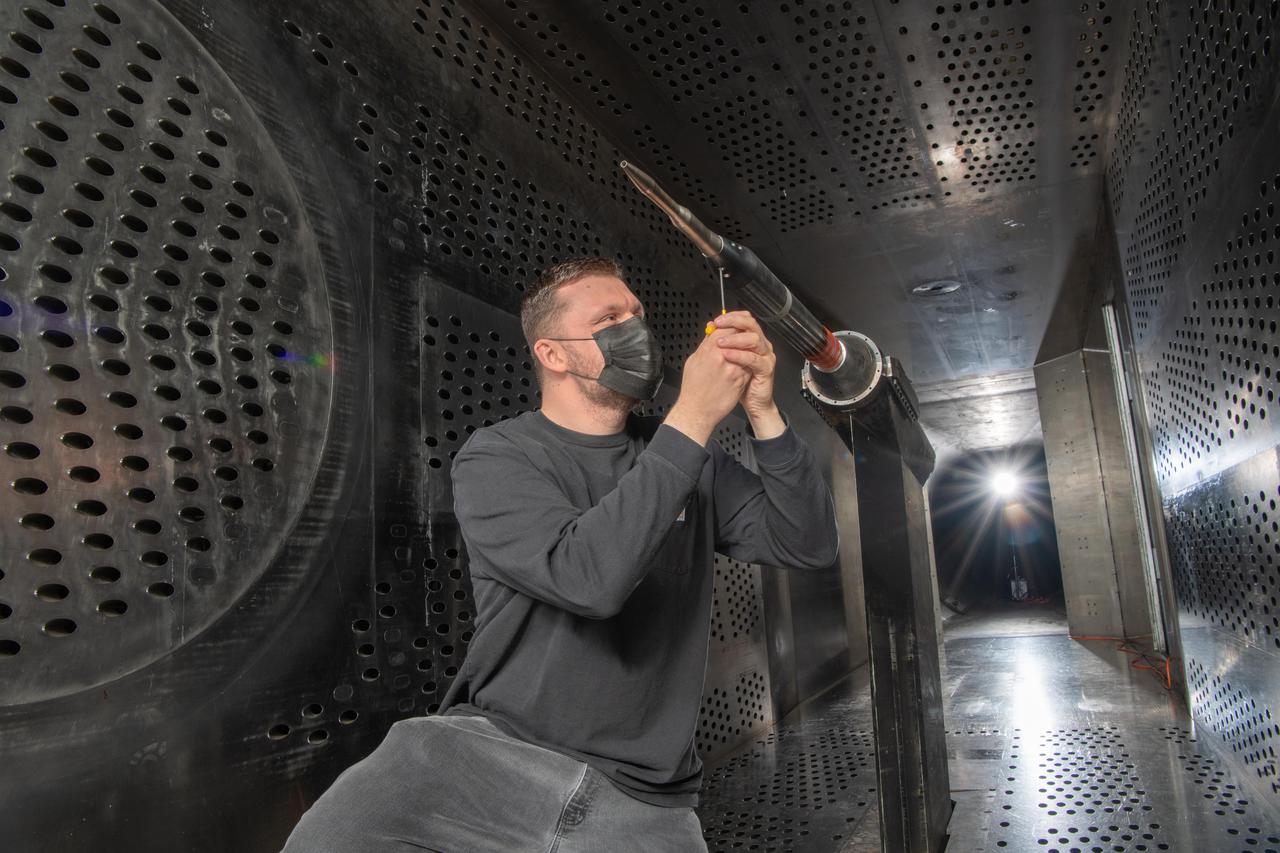
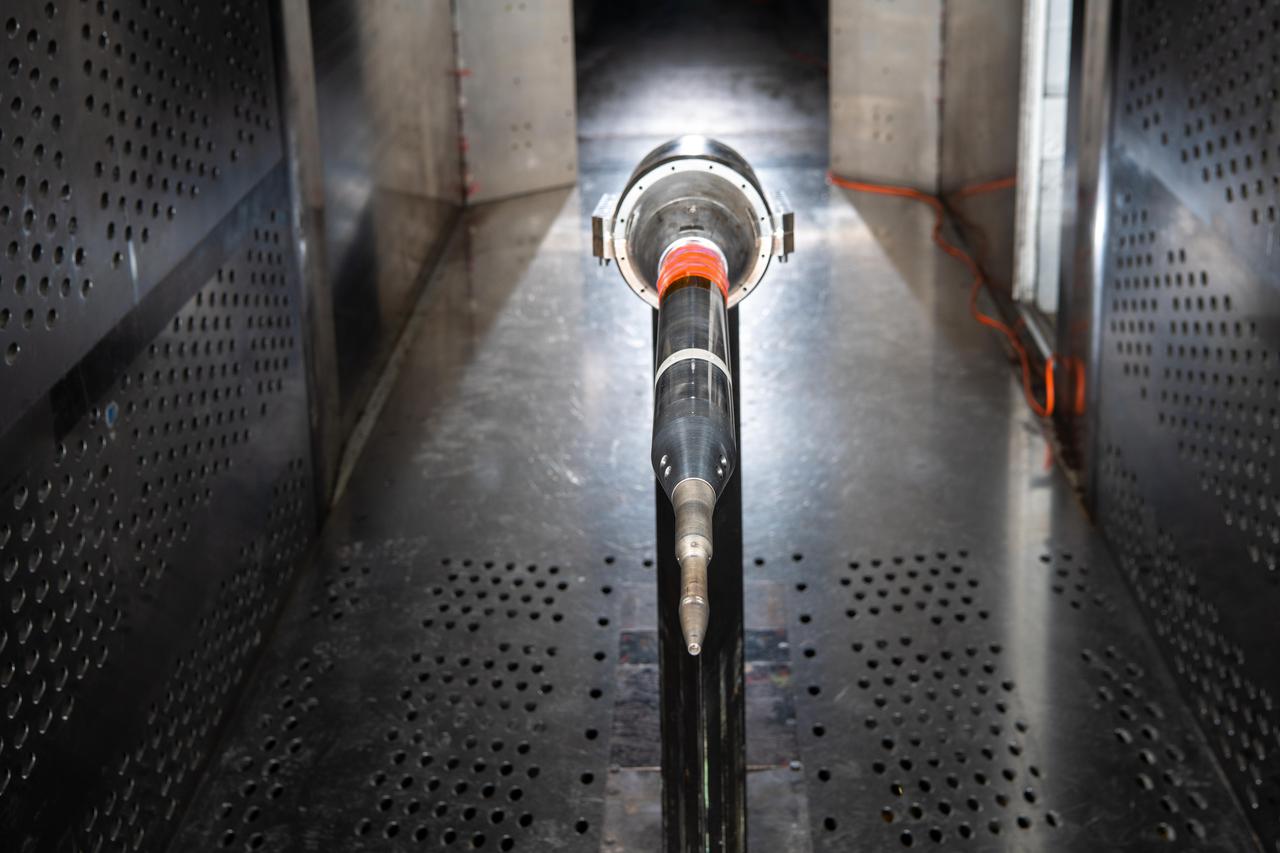
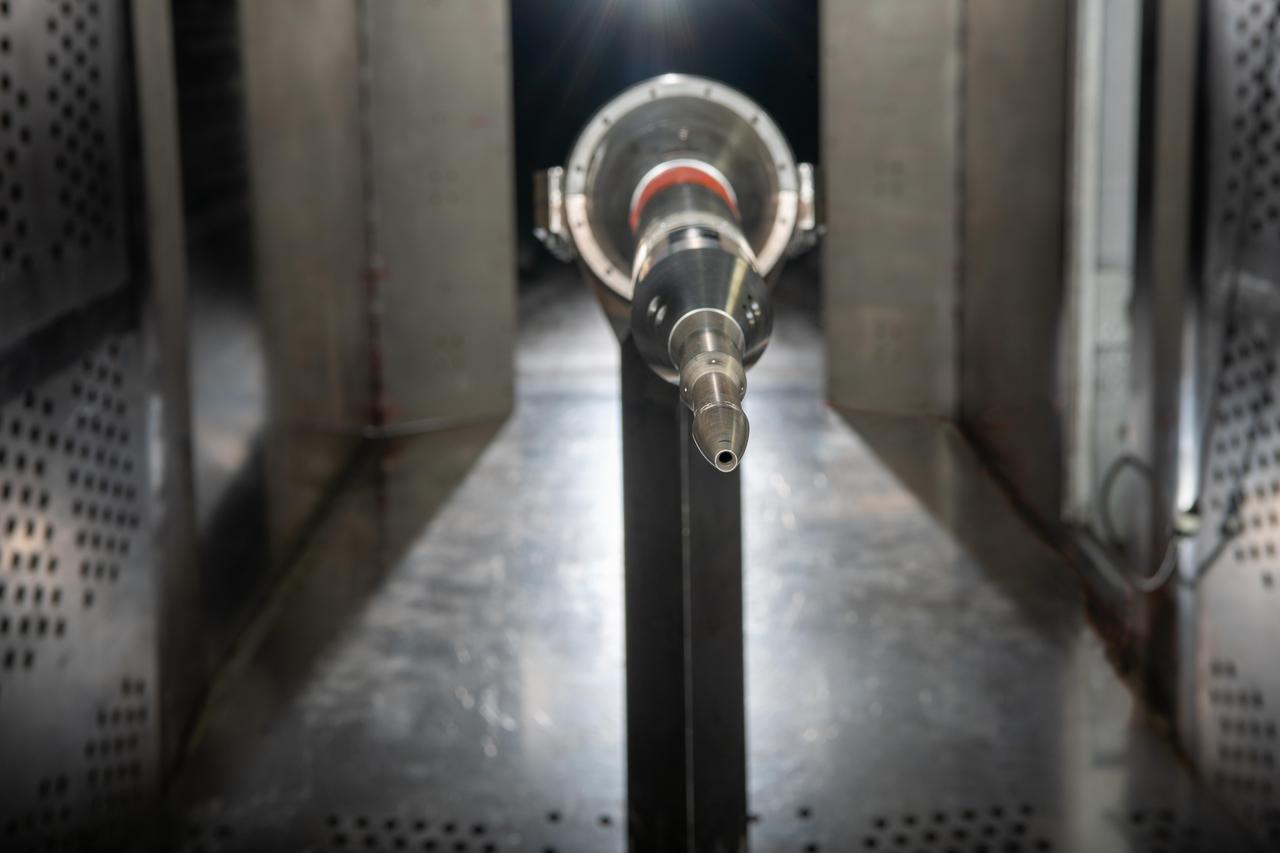
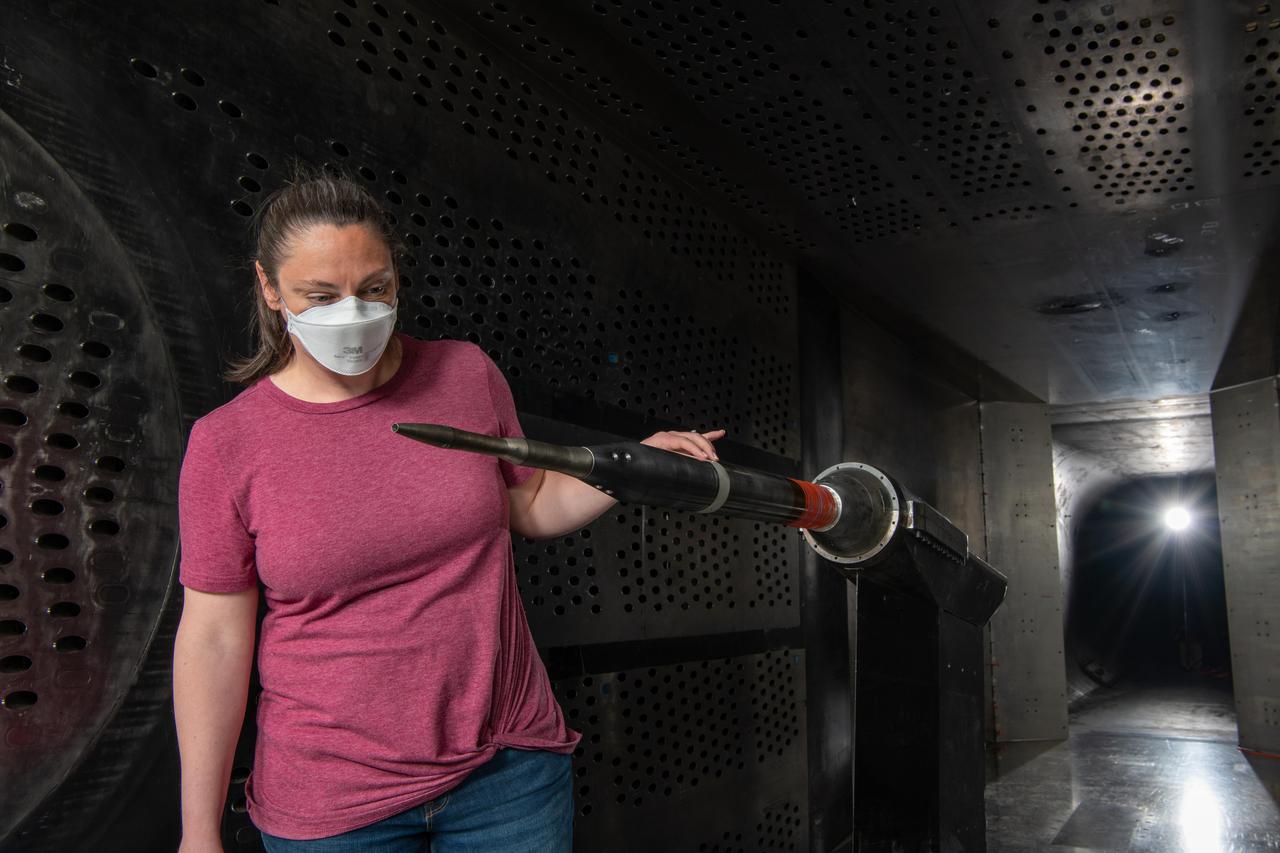
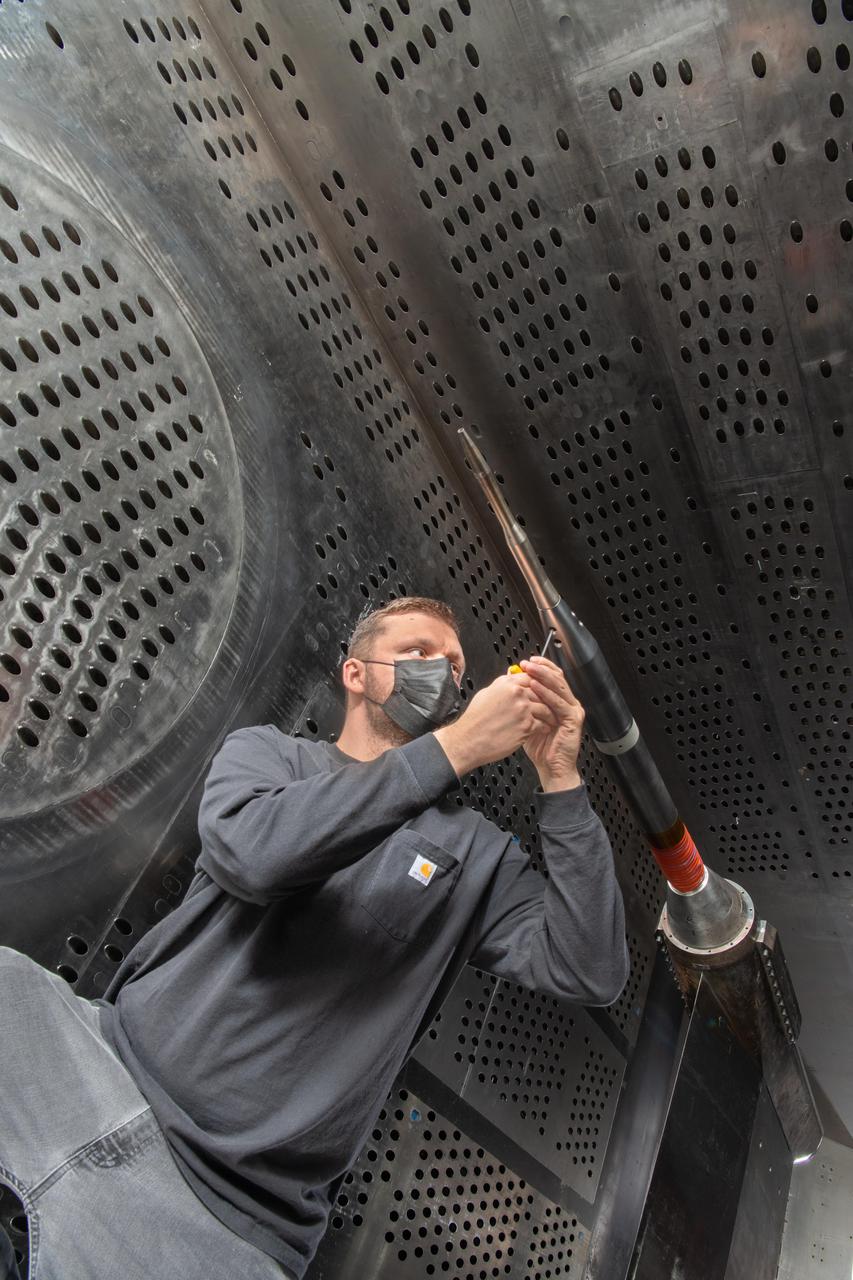
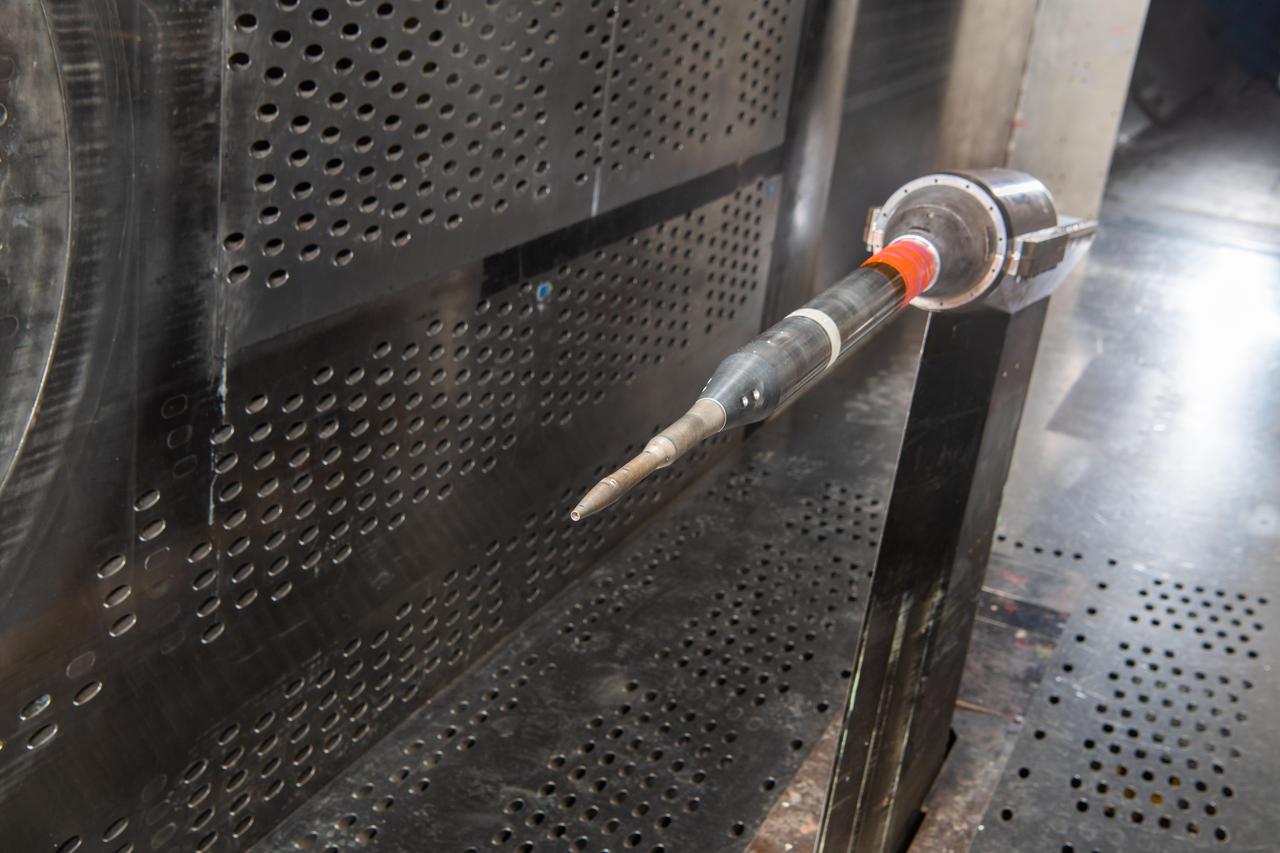
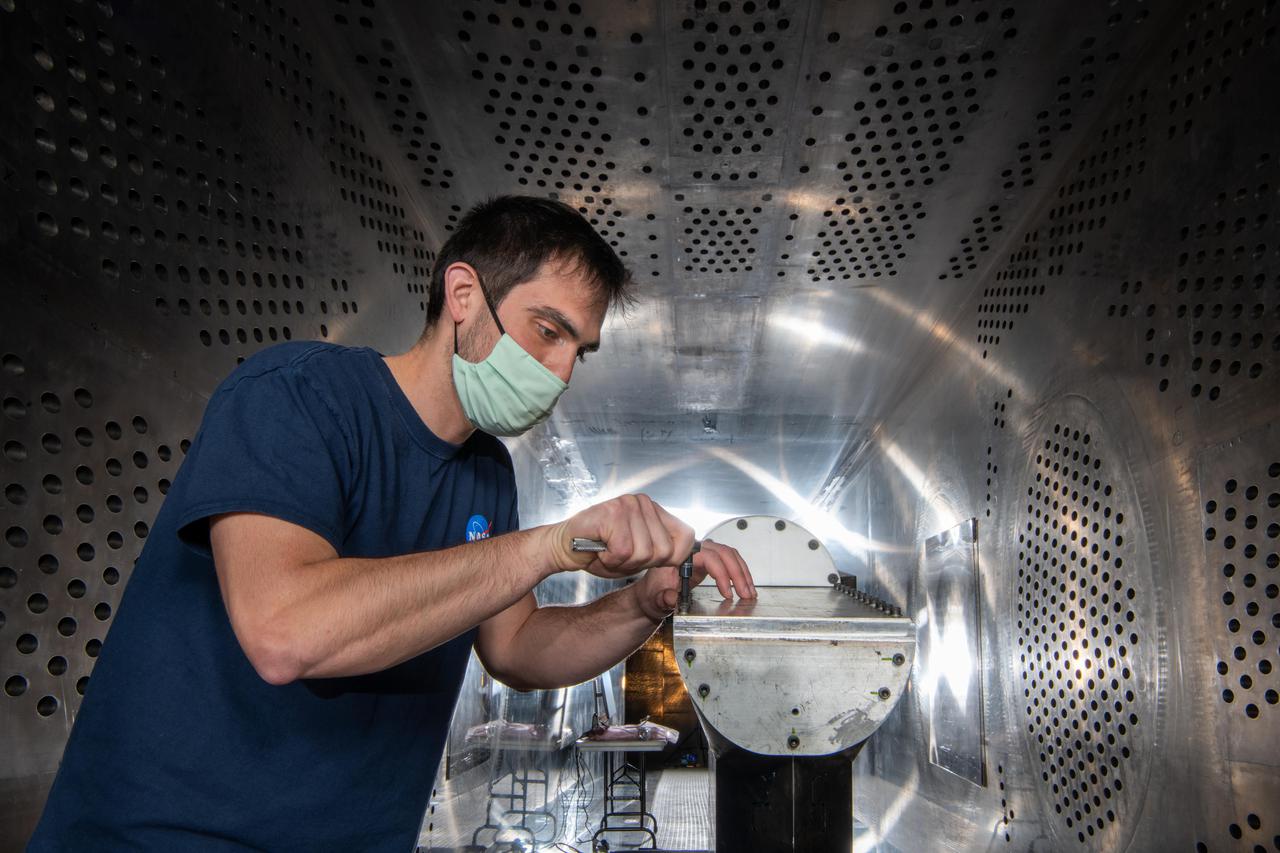
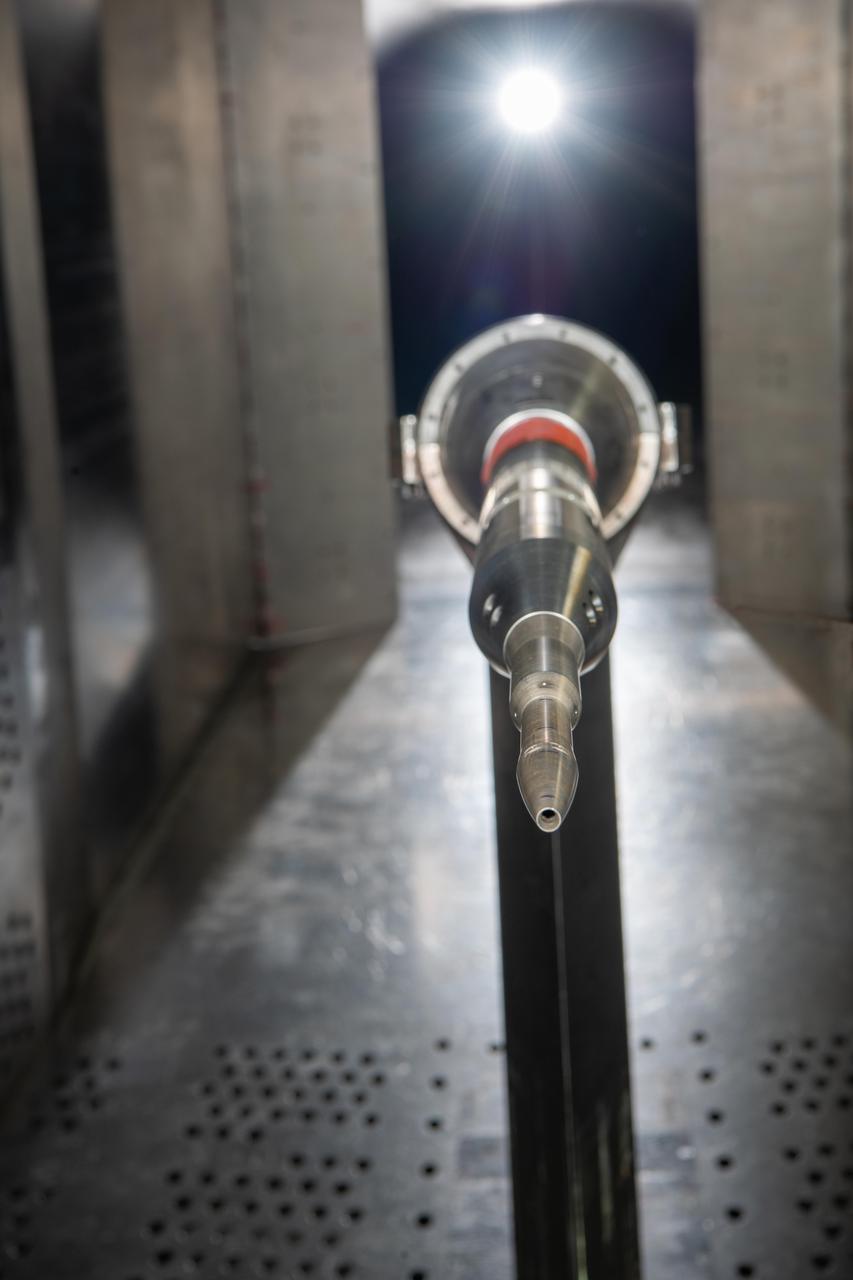
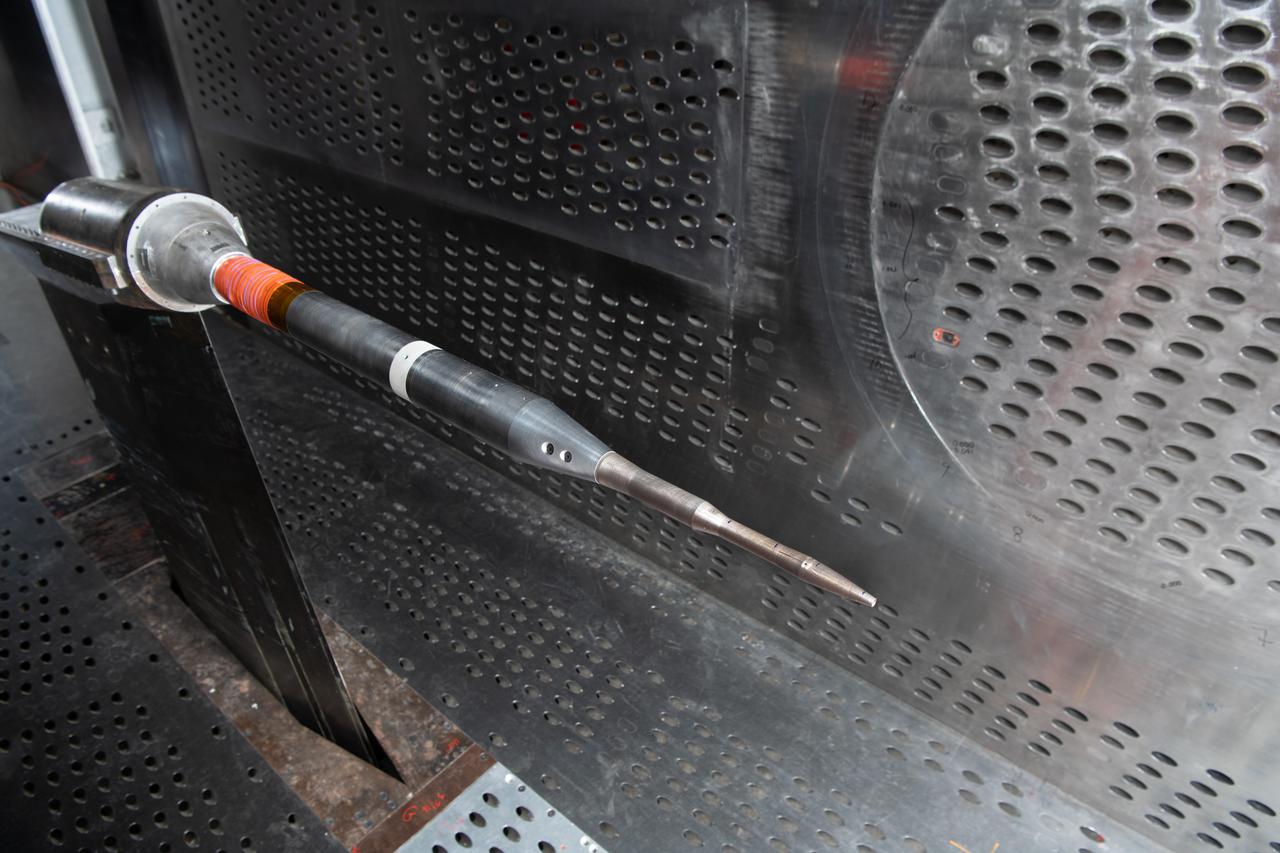
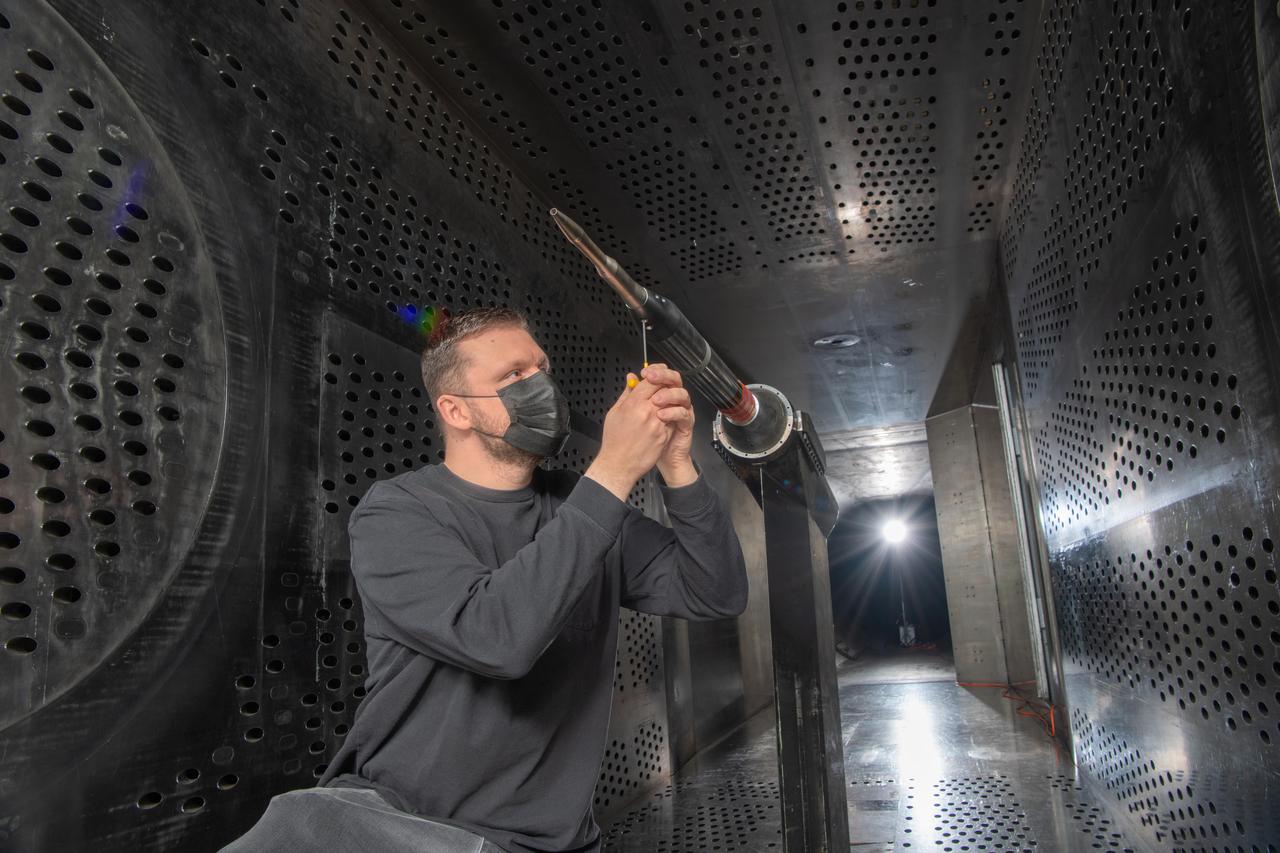
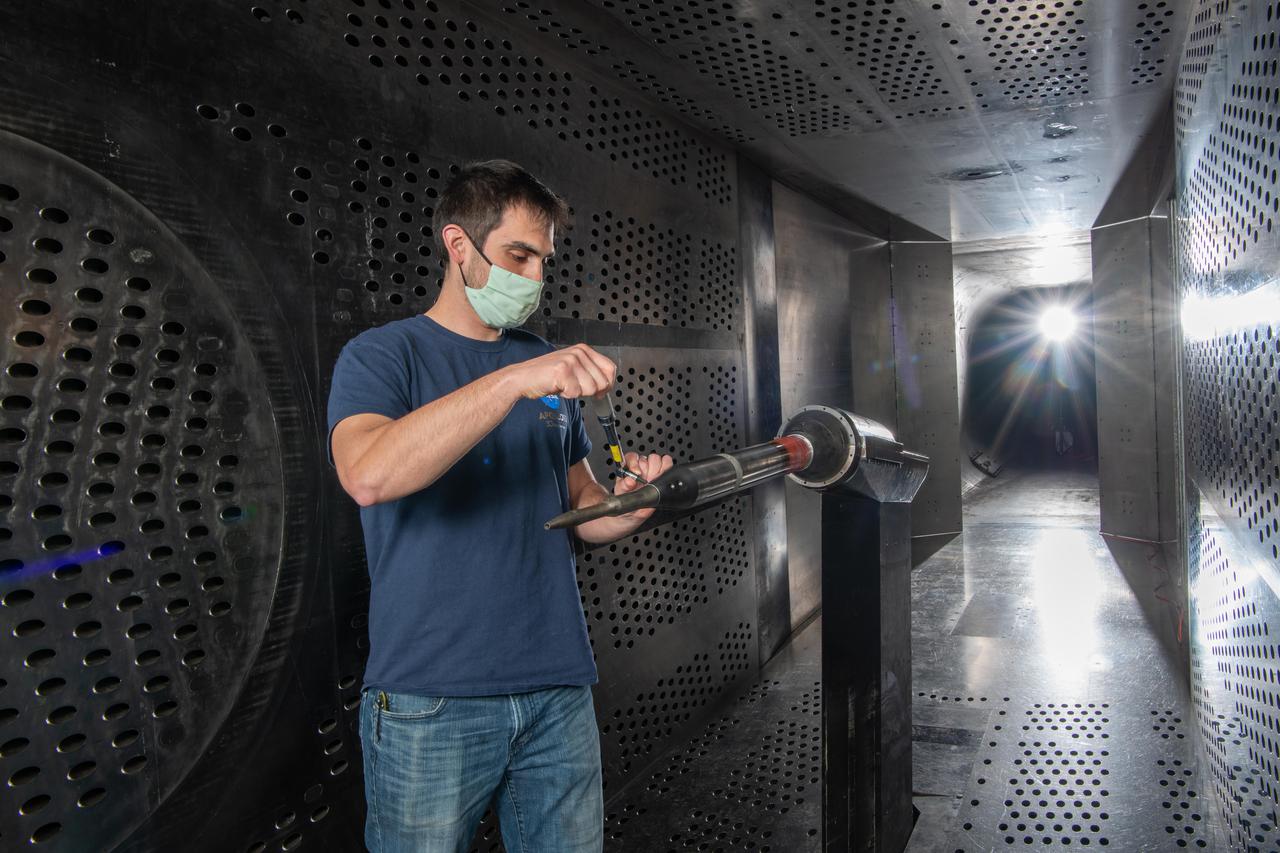
X-59 Low Boom Flight Demonstrator, LBFD Probe Calibration Test
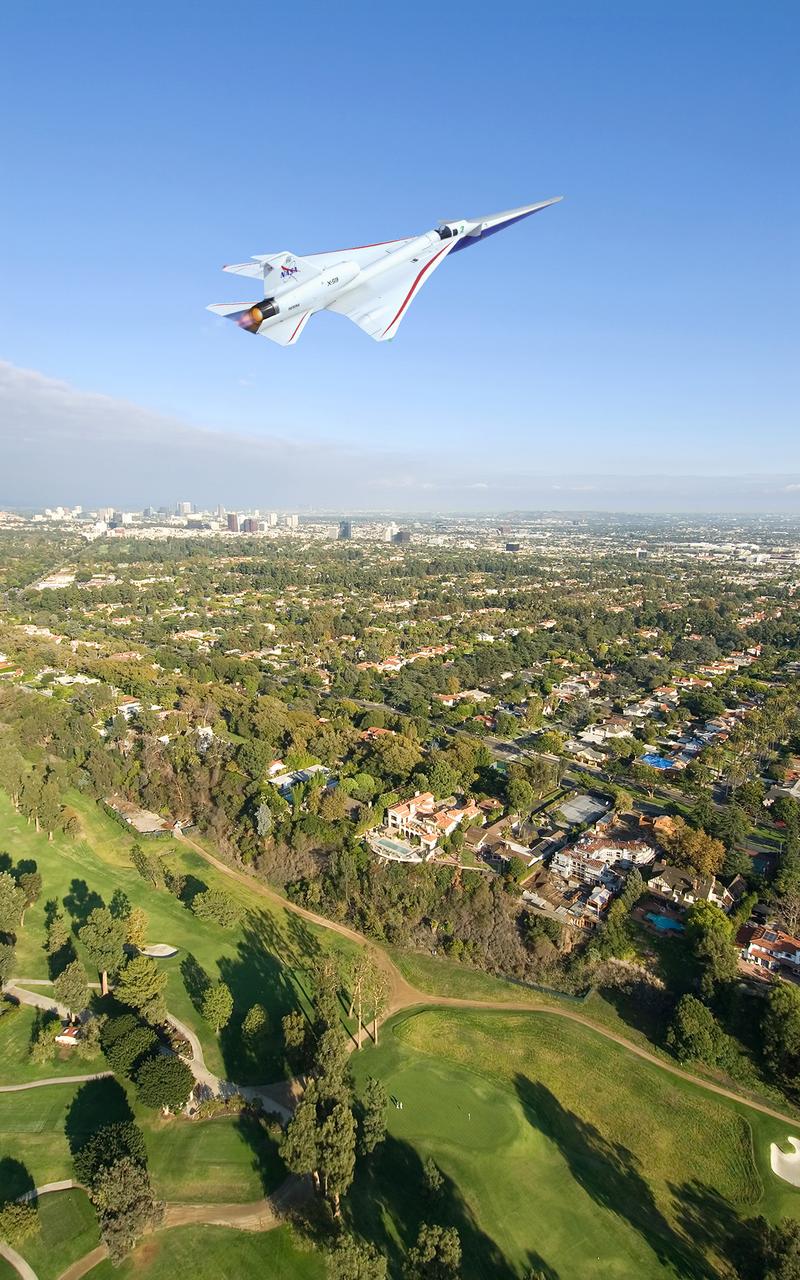
An artist illustration of the Low-Boom Flight Demonstration vehicle flying over a community.
Low-Boom Flight Demonstration over land
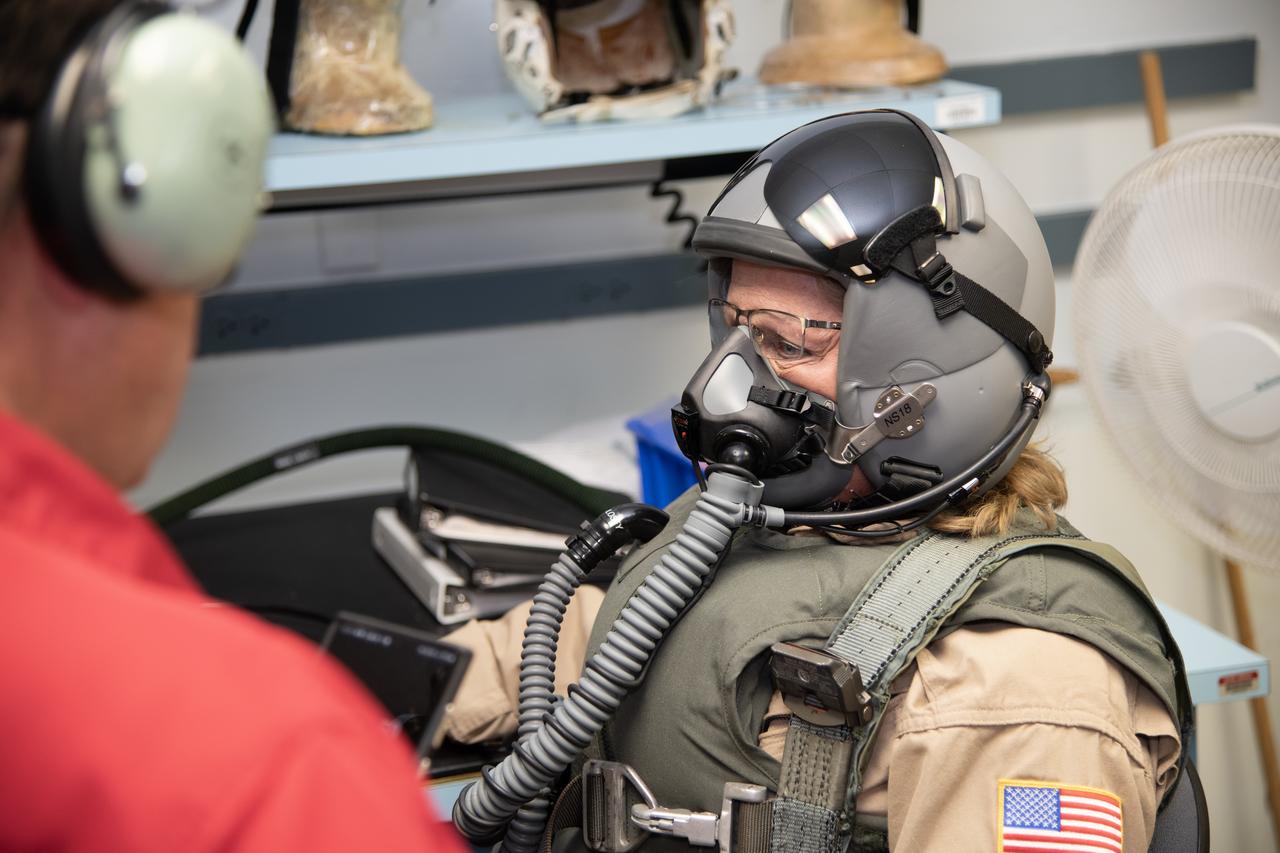
NASA Armstrong videographer Lori Losey undergoes pressure breathing training in San Antonio, Texas. NASA Armstrong aircrews are preparing for high altitude flight tests of the X-59.
Training for High Altitude Emergencies
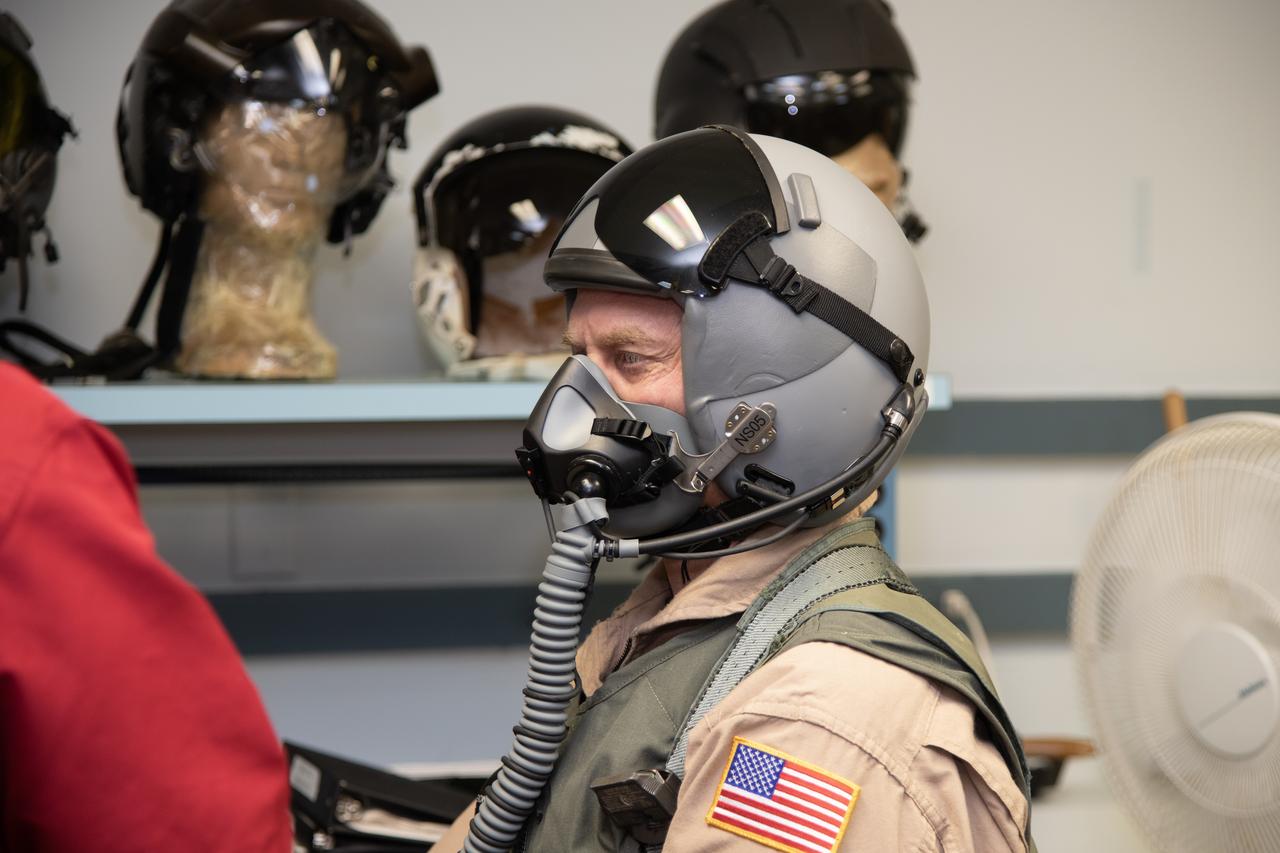
In preparation for flight tests of the X-59, NASA Armstrong research pilot Nils Larson goes through pressure breathing training in San Antonio, Texas.
Training for High Altitude Emergencies
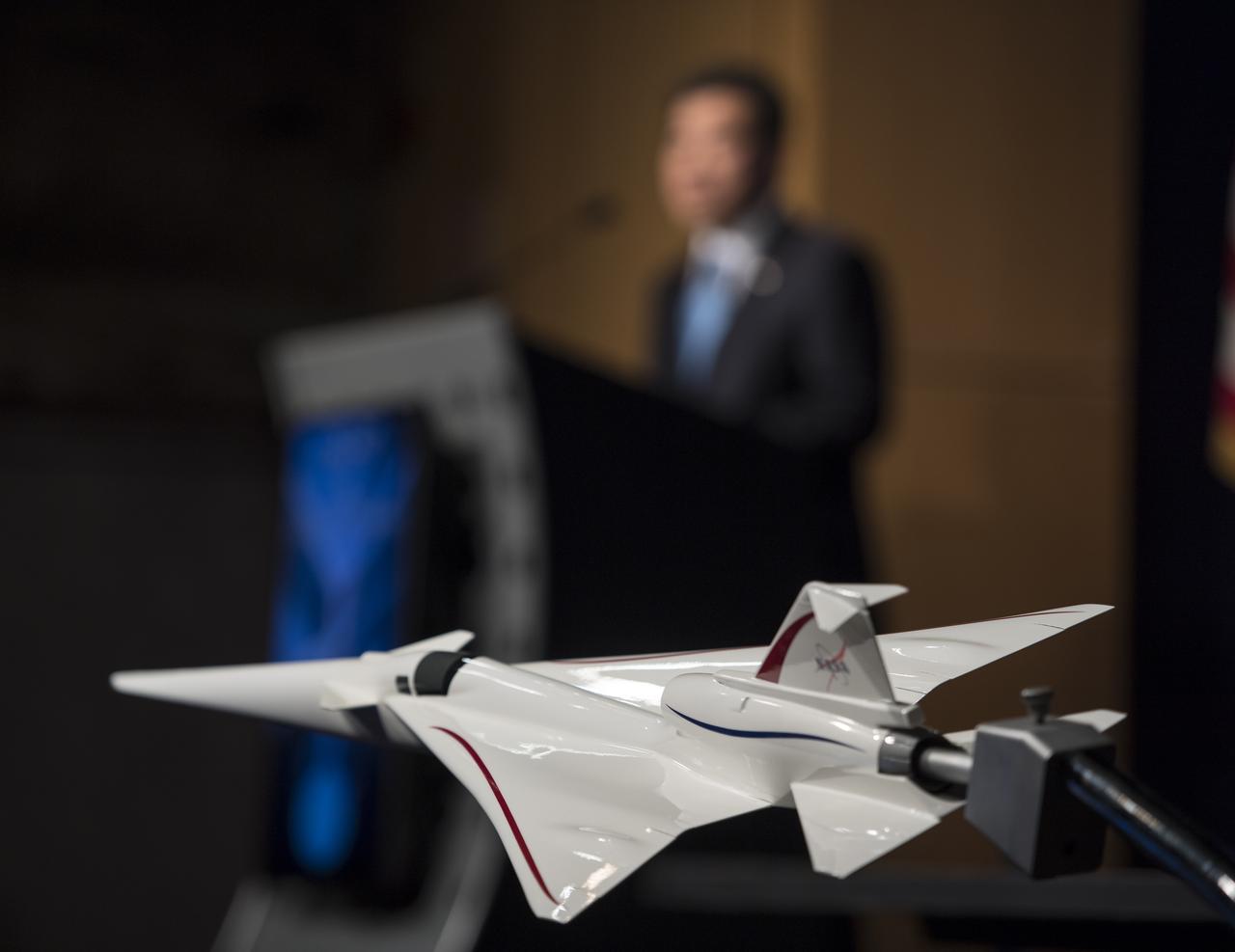
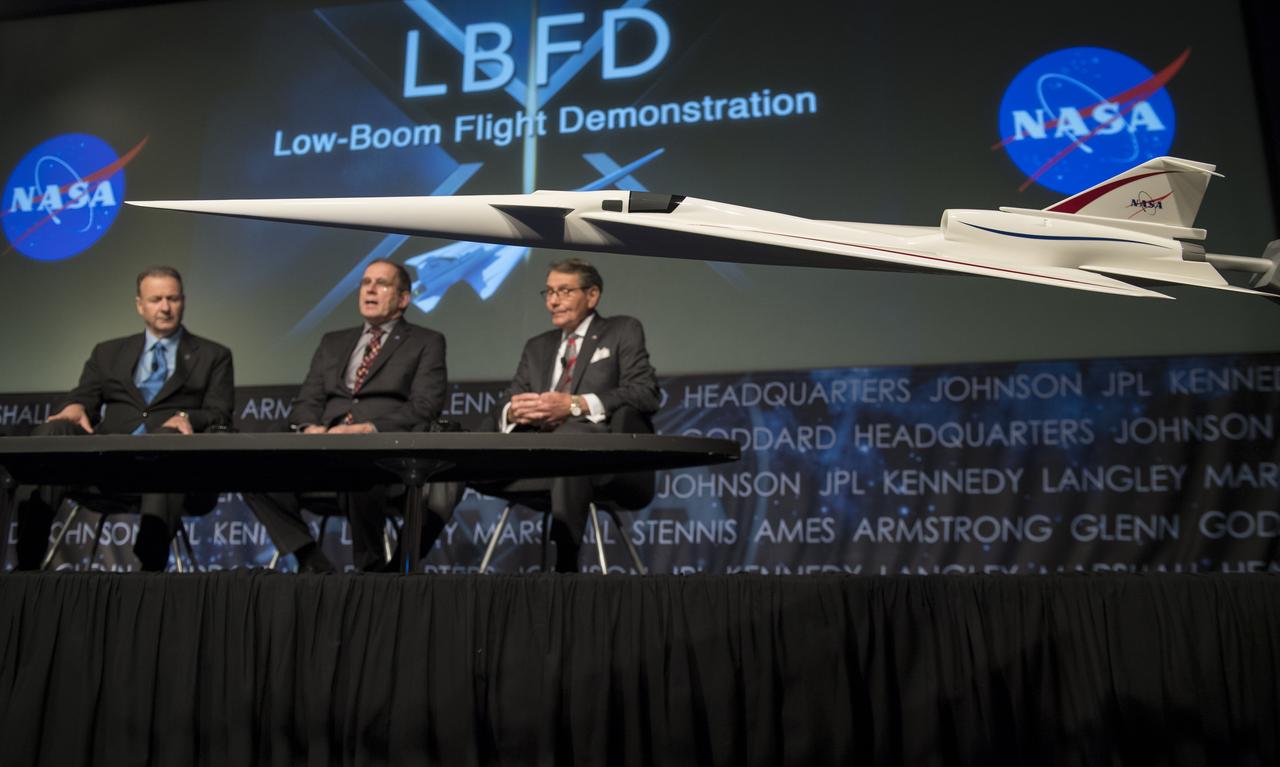
A model of the first Low Boom Flight Demonstrator is seen at a briefing on Tuesday, April 3, 2018 at NASA Headquarters in Washington. This new experimental aircraft will cut cross country travel times in half by flying faster than the speed of sound without creating a sonic boom, enabling travel from New York to Los Angeles in two hours. Photo Credit: (NASA/Aubrey Gemignani)
Low Boom Flight Demonstrator Briefing
Dr. Forrest Carpenter, left, principal investigator for the third phase of CarpetDIEM, Carpet Determination in Entirety Measurements flights, monitors a test from one of the control rooms at NASA’s Armstrong Flight Research Center. Next to Carpenter is Brian Strovers, chief engineer for Commercial Supersonic Technology. The third phase of CarpetDIEM tested logistics and upgraded ground recording systems in preparation for the acoustic validation phase of the Quesst mission.
Learning to Listen to the X-59
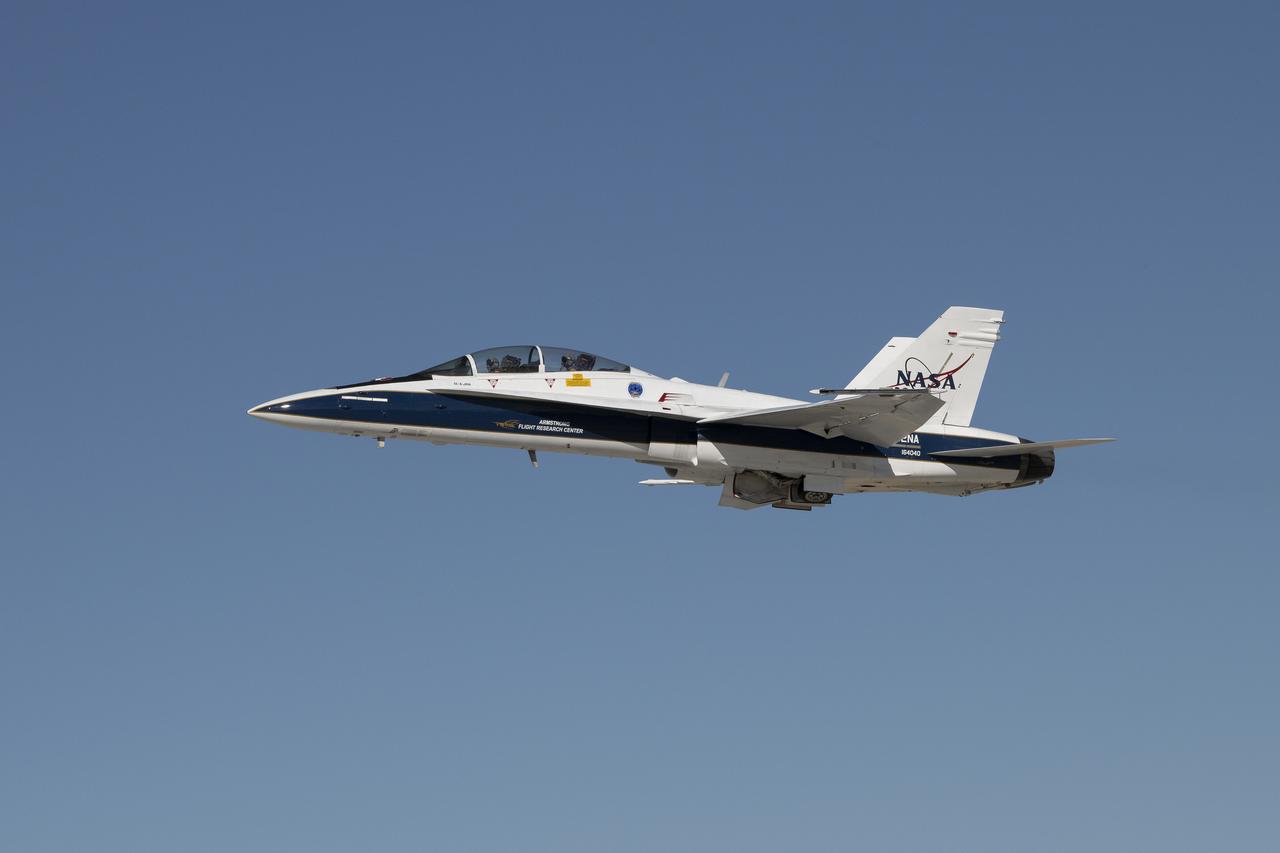
The Quesst mission recently completed testing of operations and equipment to be used in recording the sonic thumps of the X-59. To simulate the sonic thumps expected to be created by the X-59, NASA Armstrong Flight Researcher Center pilot Jim Less performed inverted dive maneuvers in an F-18, shown here, to generate softer sonic booms. The sonic booms were recorded by 10 ground recording stations stretched across 30 miles of desert near Edwards Air Force Base.
Learning to Listen to the X-59
Dave Richardson, director, Air Vehicle Design and Technologies, Lockheed Martin Skunk Works, speaks after the announcement that Lockheed Martin won the contract to develop the first X-plane at a briefing, Tuesday, April 3, 2018 at NASA Headquarters in Washington. This new experimental aircraft will cut cross country travel times in half by flying faster than the speed of sound without creating a sonic boom, enabling travel from New York to Los Angeles in two hours. Photo Credit: (NASA/Aubrey Gemignani)
Low Boom Flight Demonstrator Briefing
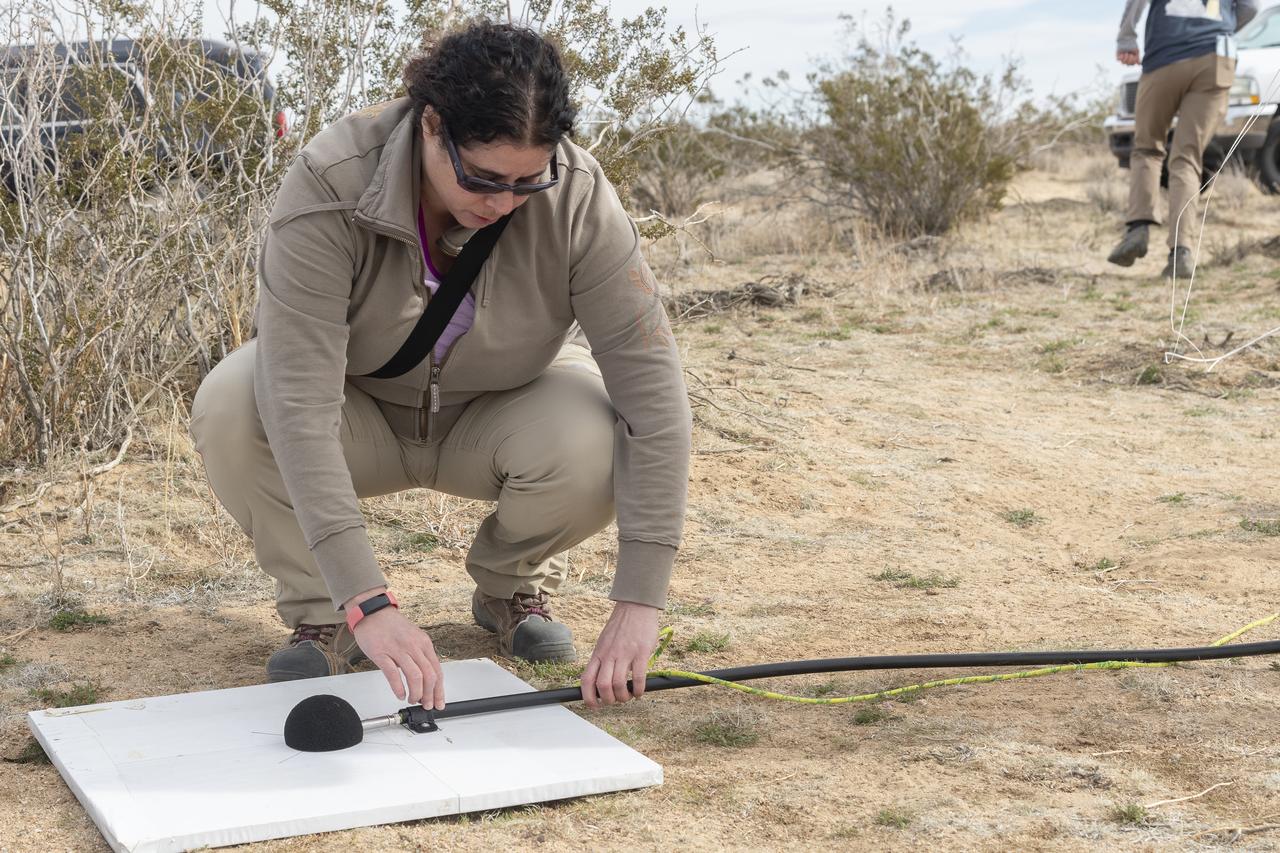
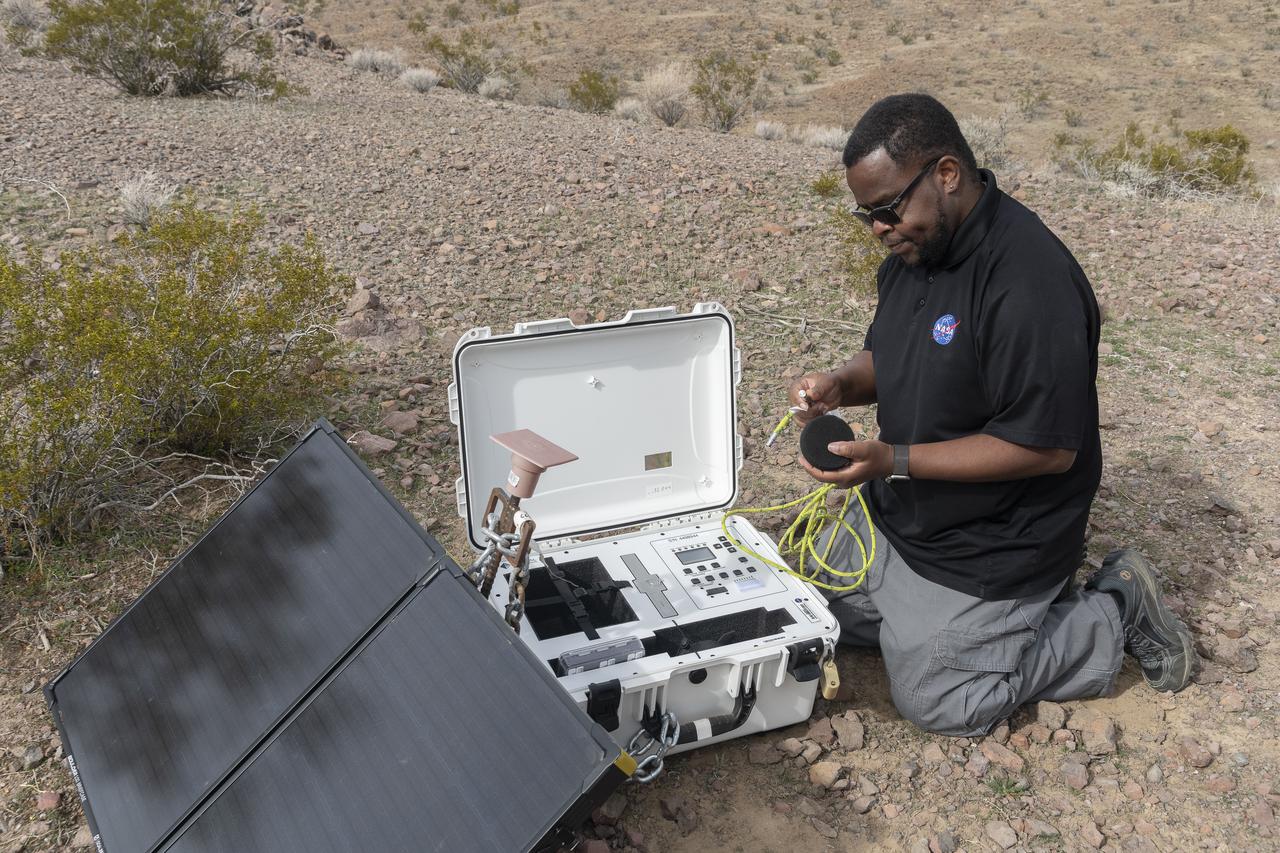
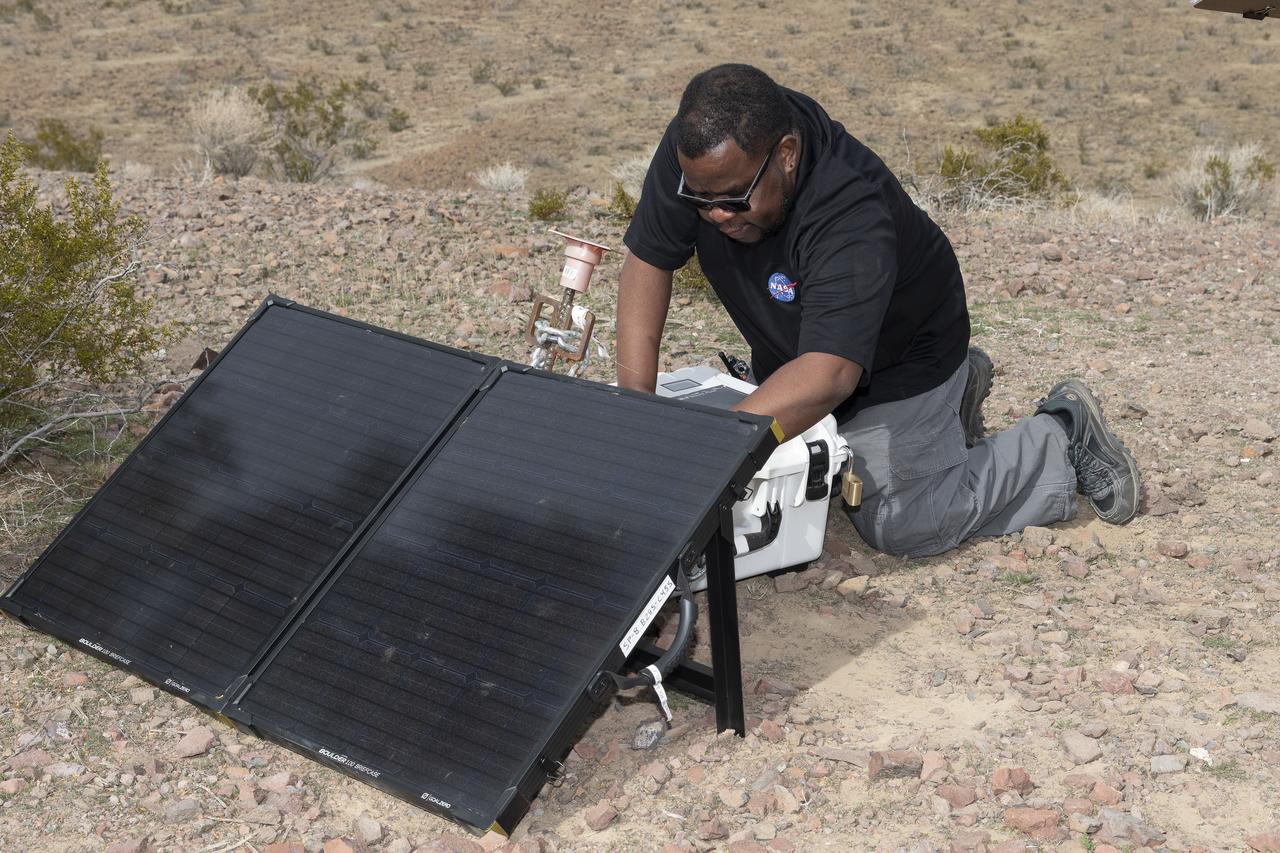
Aerospace engineer Larry Cliatt, Quesst Phase 2 Sub-Project Manager and technical lead for the acoustic validation phase of the Quesst mission, sets up a ground recording system in the California desert. The Quesst mission recently completed testing of operations and equipment to be used in recording the sonic thumps of the X-59. The testing was the third phase of Carpet Determination in Entirety Measurements flights, called CarpetDIEM for short. An F-15 and an F-18 from NASA’s Armstrong Flight Research Center created sonic booms, both loud and soft, to verify the operations of ground recording systems spread out across 30 miles of open desert.
Learning to Listen to the X-59
The test director runs through a check list as a military test volunteer prepares to undergo a rapid decompression test.
WJS_8700
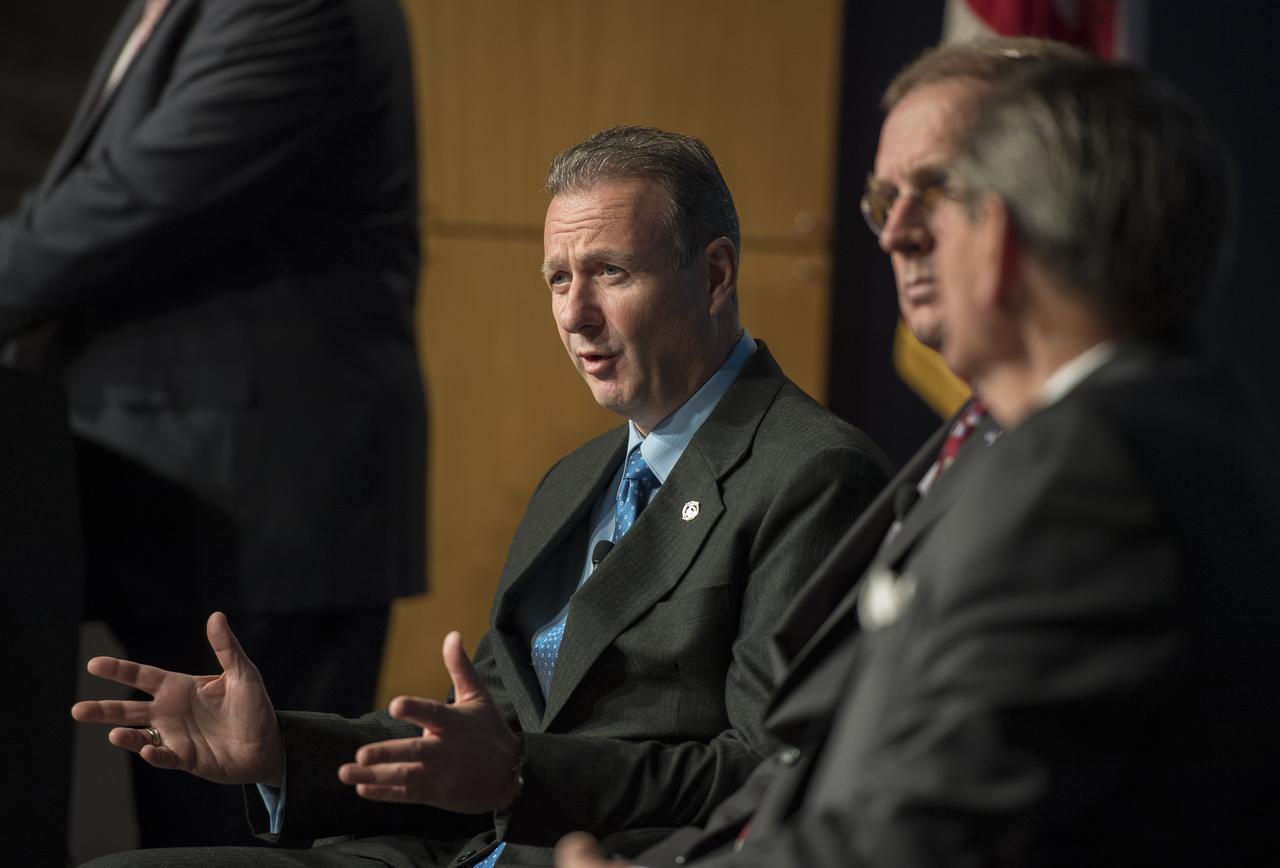
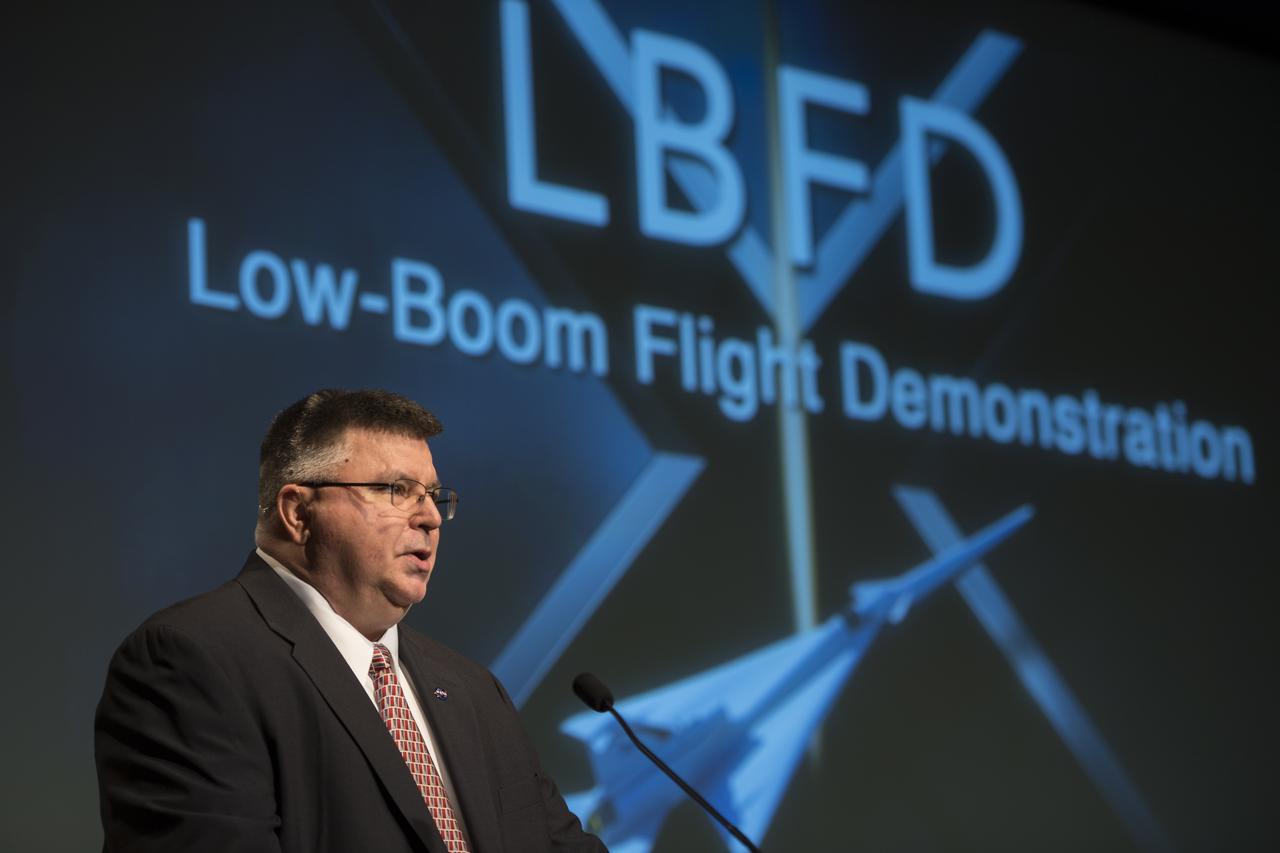
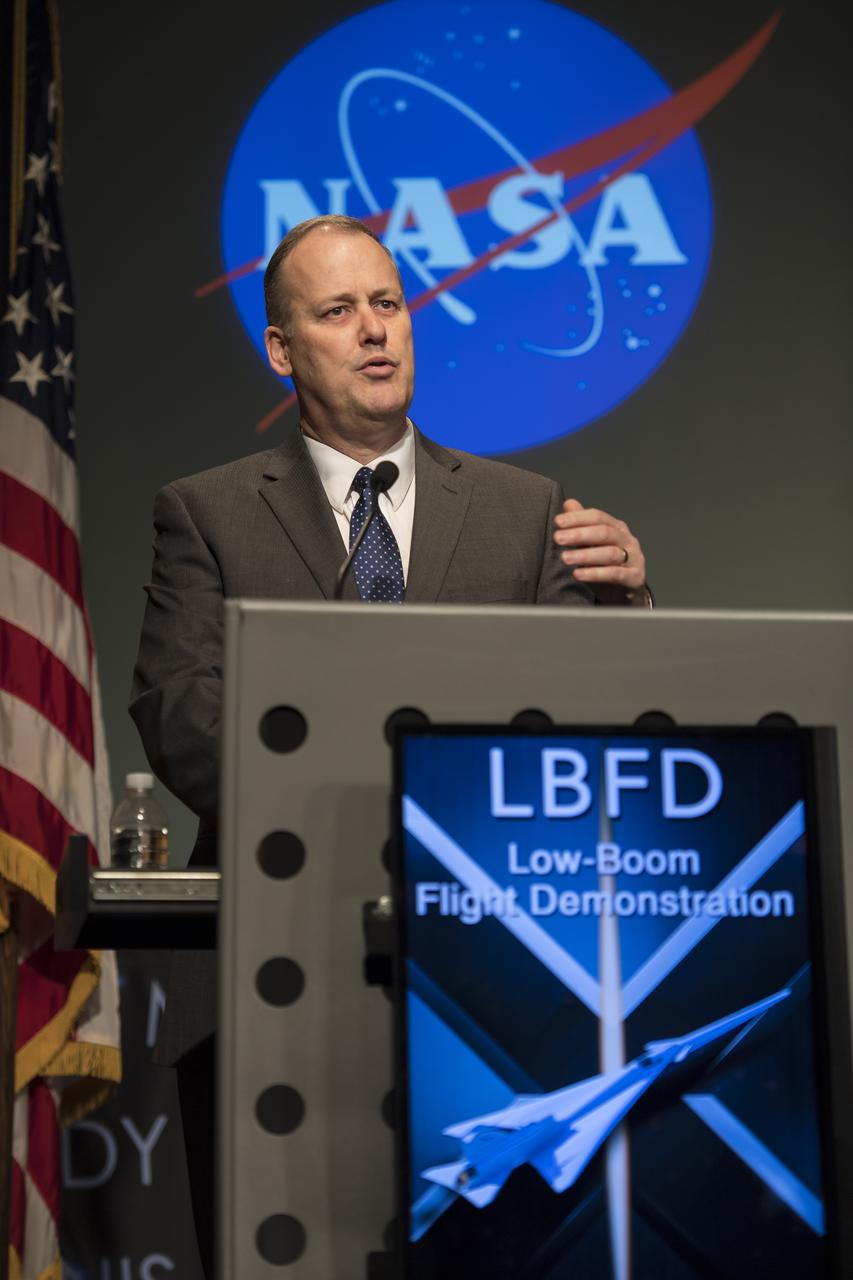
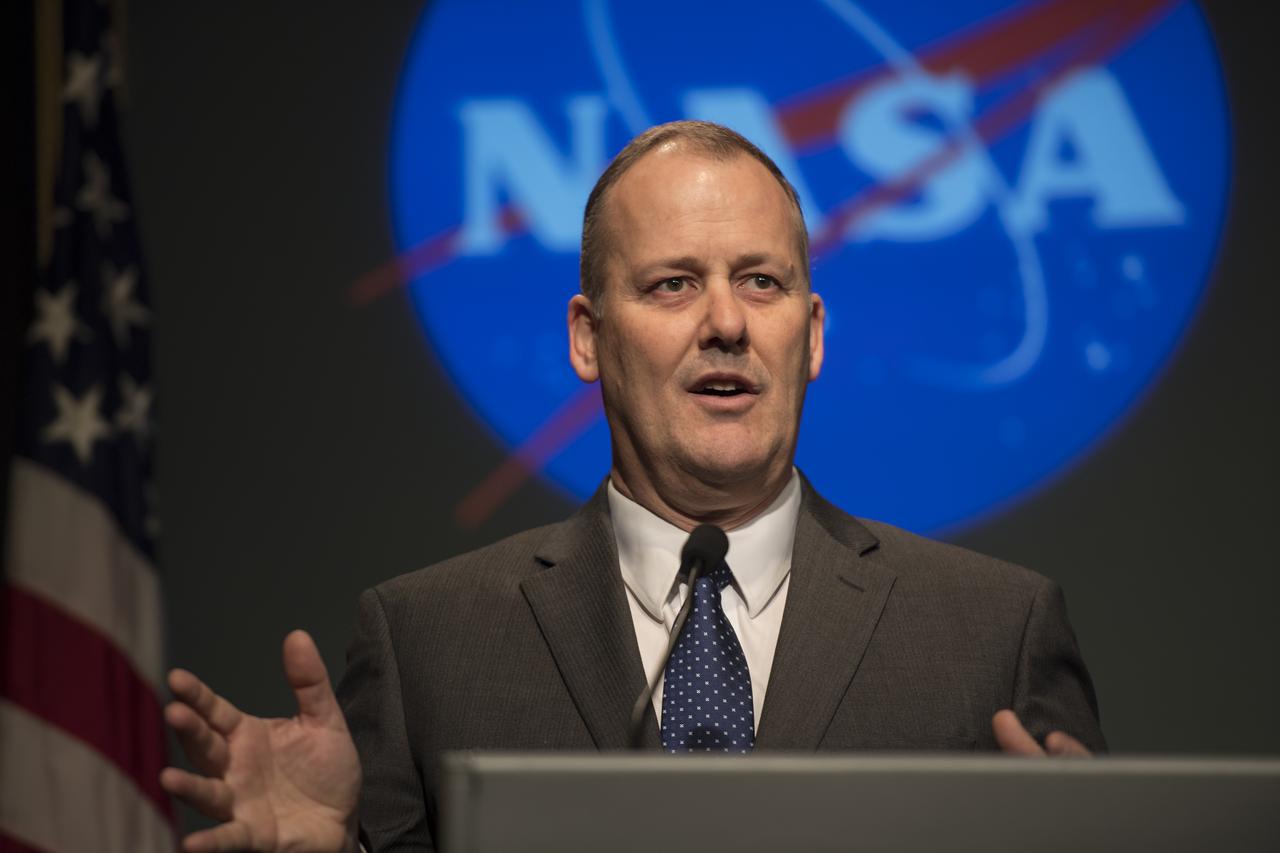
Dr. Ed Waggoner, program director, Integrated Aviation Systems Program, NASA, speaks at a briefing on the Low Boom Flight Demonstrator, Tuesday, April 3, 2018 at NASA Headquarters in Washington. This new experimental aircraft will cut cross country travel times in half by flying faster than the speed of sound without creating a sonic boom, enabling travel from New York to Los Angeles in two hours. Photo Credit: (NASA/Aubrey Gemignani)
Low Boom Flight Demonstrator Briefing
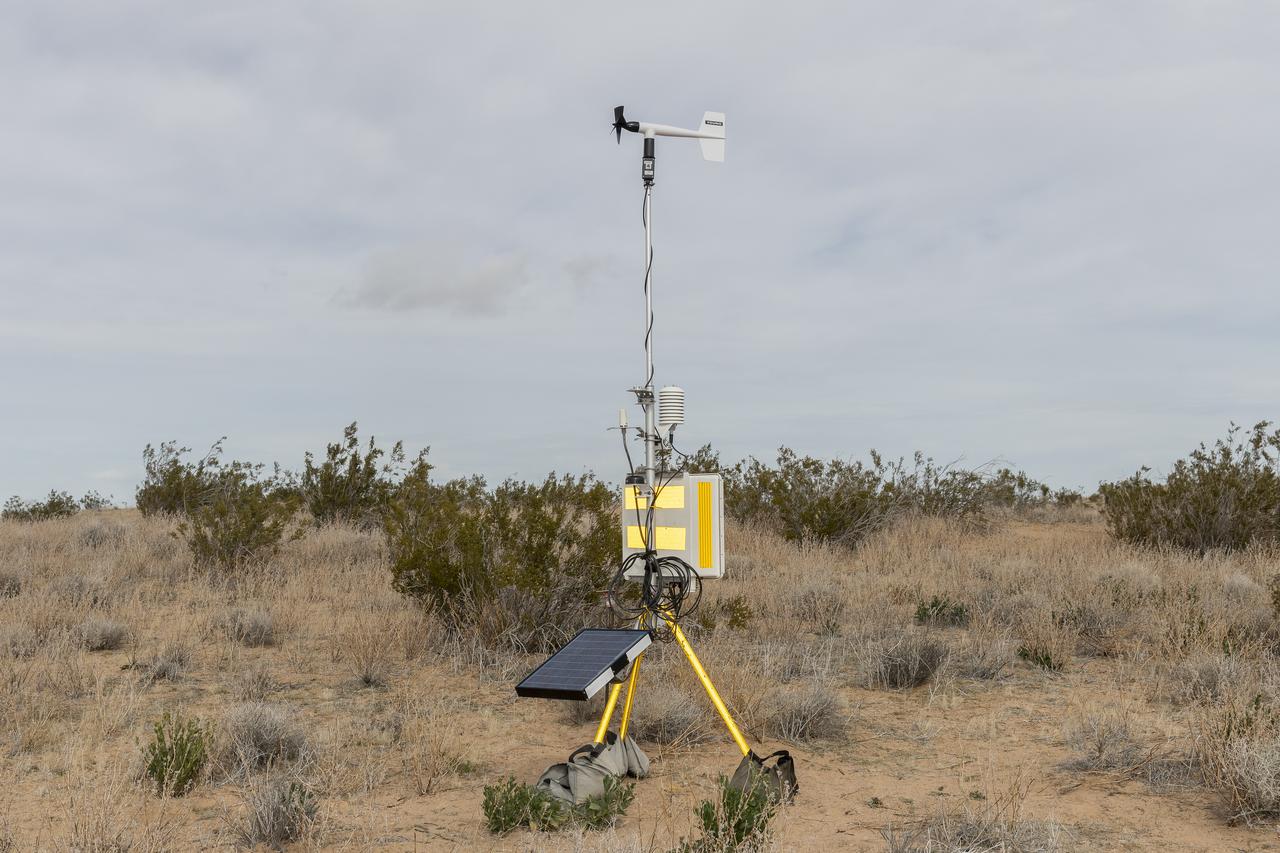
The Quesst mission recently completed testing of operations and equipment to be used in recording the sonic thumps of the X-59. Researchers used three weather towers and a sonic anemometer to collect weather and atmospheric data while recording sonic booms generated by an F-15 and an F-18 from NASA’s Armstrong Flight Research Center.
Learning to Listen to the X-59
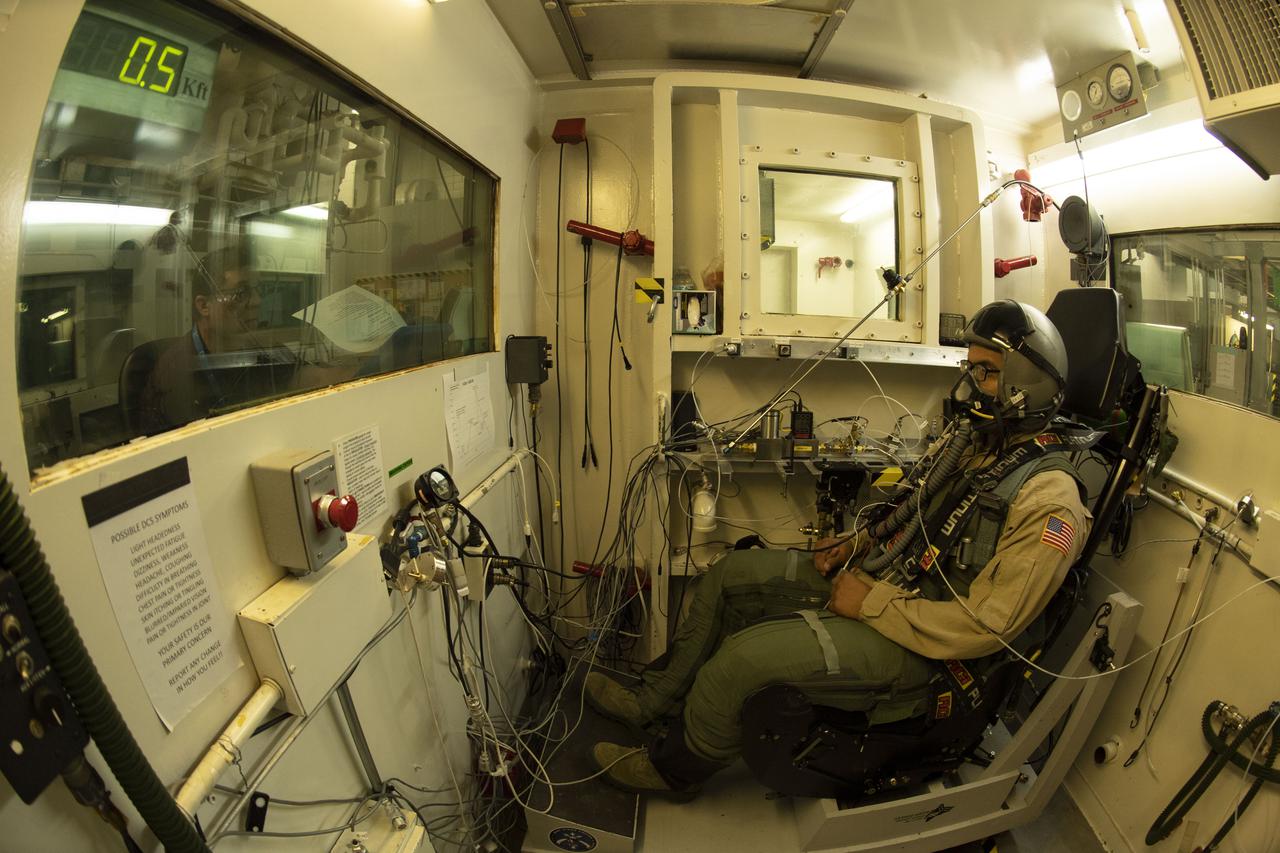
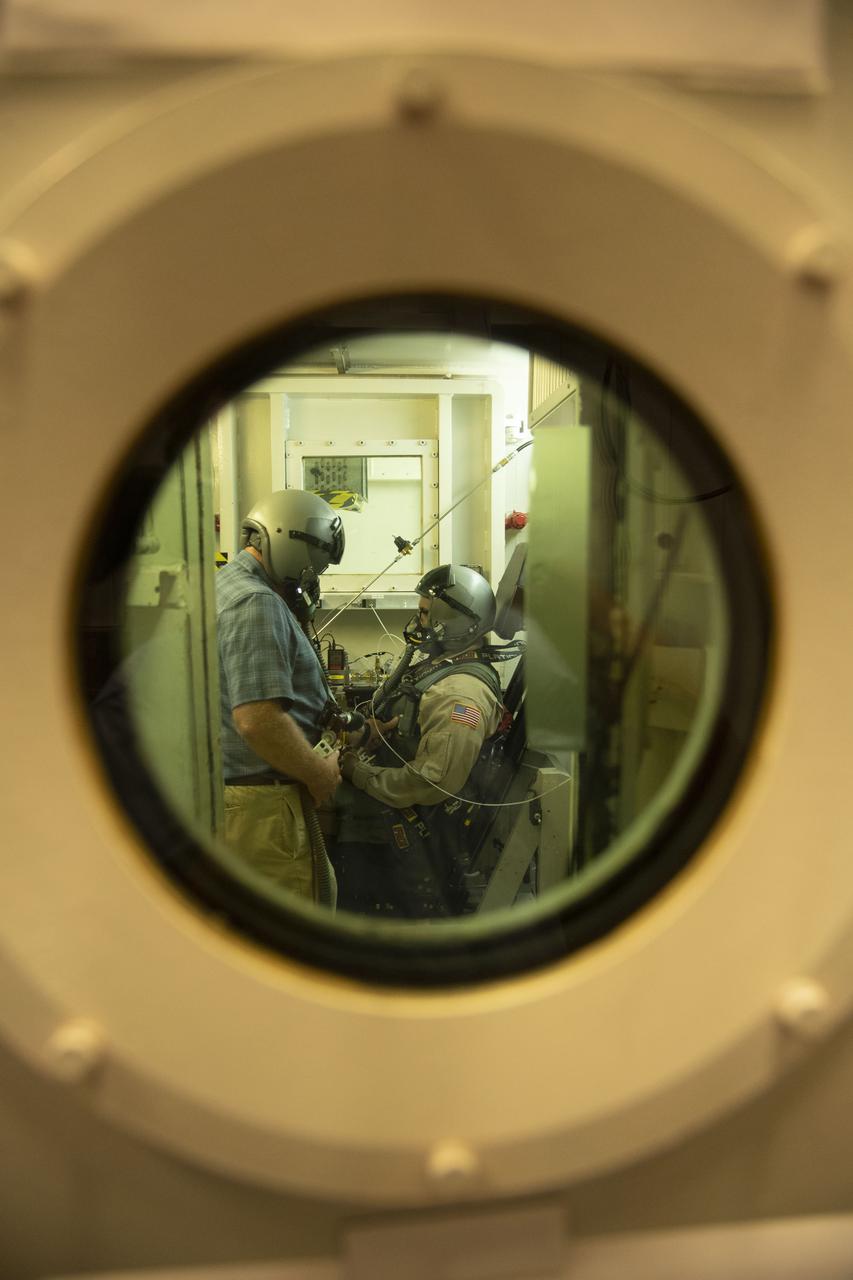
The low pressure (hypobaric) chamber at KBR’s facility in San Antonio, Texas, simulates very high altitudes by reducing the air pressure inside of the chamber. The subject  inside the chamber experiences the reduced pressure conditions that exist at higher altitudes, in this case altitudes up to 60,000 feet.
WJS_8750
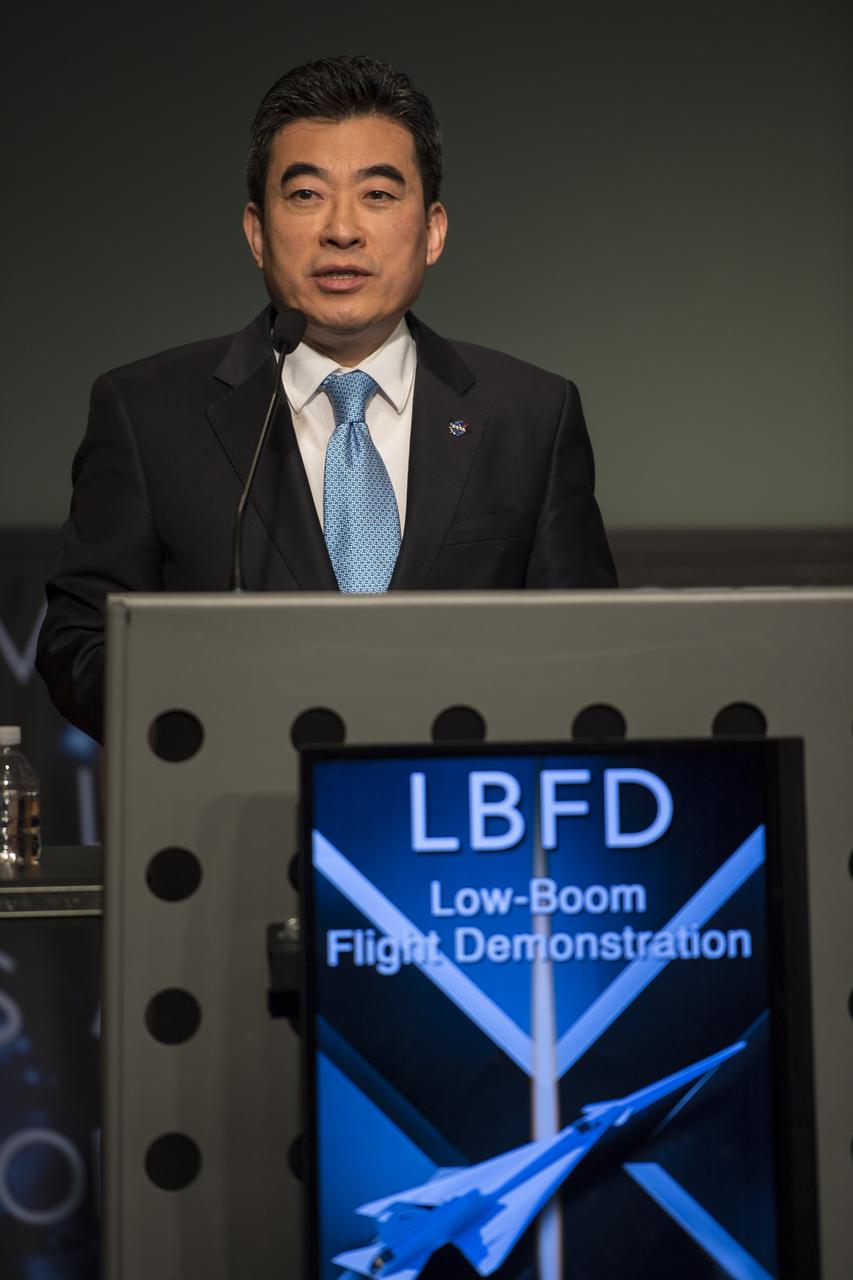
Dr. Jaiwon Shin, associate administrator for the Aeronautics Research Mission Directorate, NASA, announces Lockheed Martin as the winner of the contract to develop a Low Boom Flight Demonstrator at a briefing, Tuesday, April 3, 2018 at NASA Headquarters in Washington. This new experimental aircraft will cut cross country travel times in half by flying faster than the speed of sound without creating a sonic boom, enabling travel from New York to Los Angeles in two hours. Photo Credit: (NASA/Aubrey Gemignani)
Low Boom Flight Demonstrator Briefing
Dave Richardson, director, Air Vehicle Design and Technologies, Lockheed Martin Skunk Works, speaks after the announcement that Lockheed Martin won the contract to develop the first X-plane at a briefing, Tuesday, April 3, 2018 at NASA Headquarters in Washington. This new experimental aircraft will cut cross country travel times in half by flying faster than the speed of sound without creating a sonic boom, enabling travel from New York to Los Angeles in two hours. Photo Credit: (NASA/Aubrey Gemignani)
Low Boom Flight Demonstrator Briefing
Dr. Jaiwon Shin, associate administrator for the Aeronautics Research Mission Directorate, NASA, announces Lockheed Martin as the winner of the contract to develop a Low Boom Flight Demonstrator at a briefing, Tuesday, April 3, 2018 at NASA Headquarters in Washington. This new experimental aircraft will cut cross country travel times in half by flying faster than the speed of sound without creating a sonic boom, enabling travel from New York to Los Angeles in two hours. Photo Credit: (NASA/Aubrey Gemignani)
Low Boom Flight Demonstrator Briefing
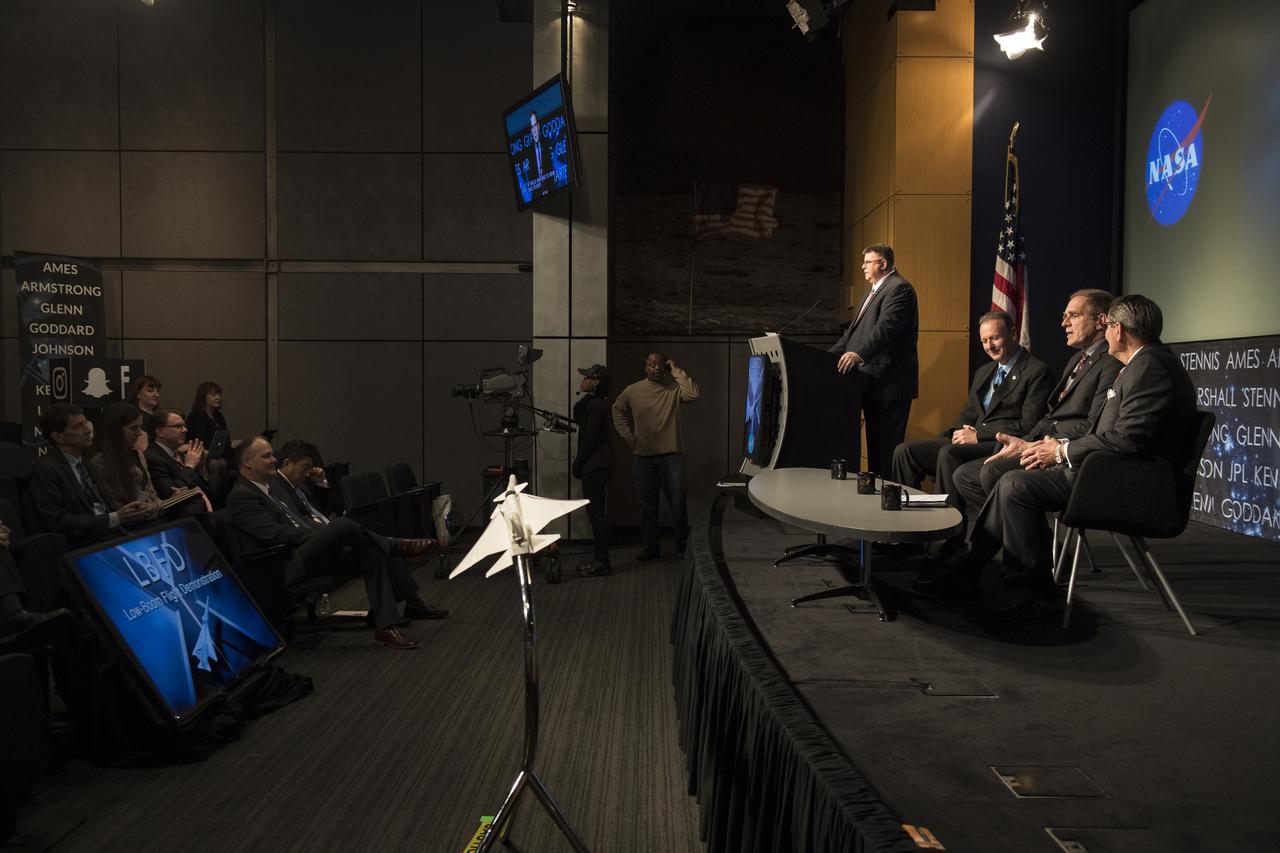
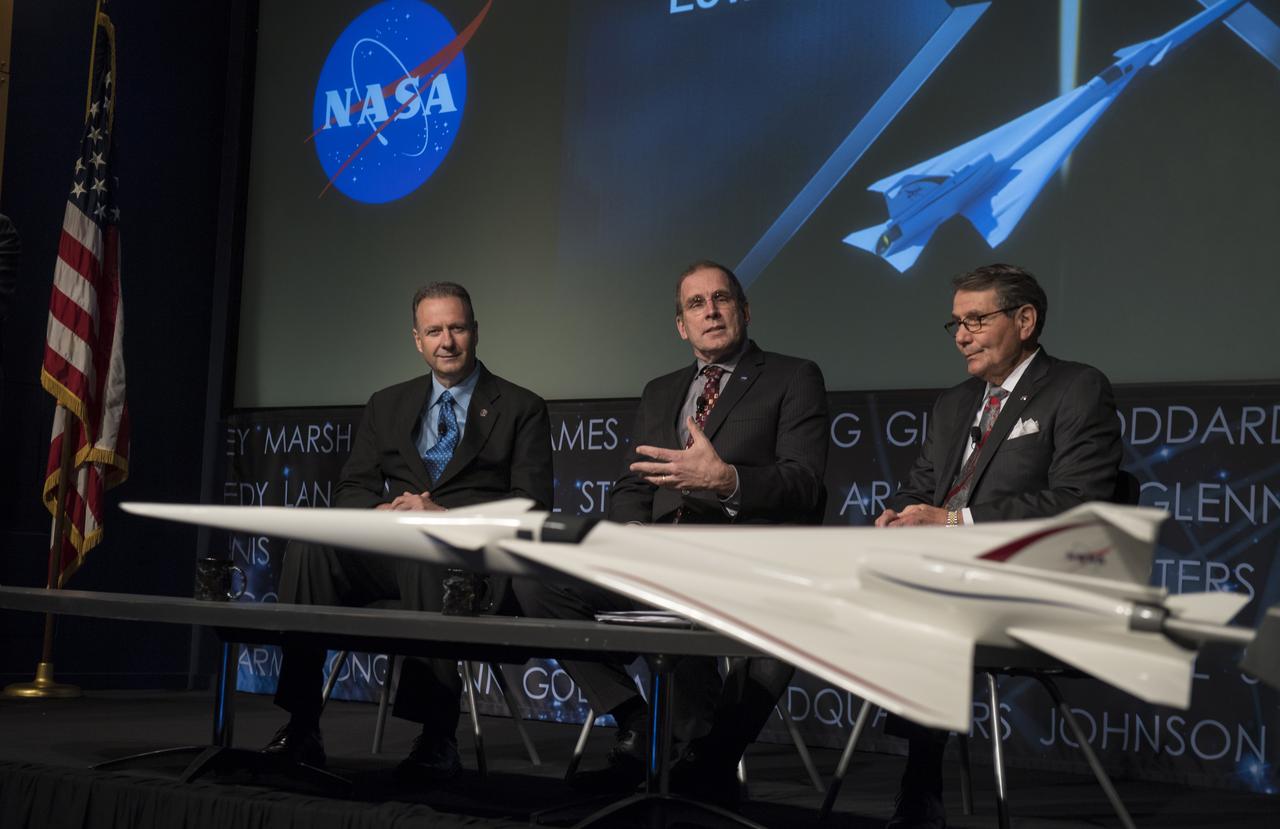
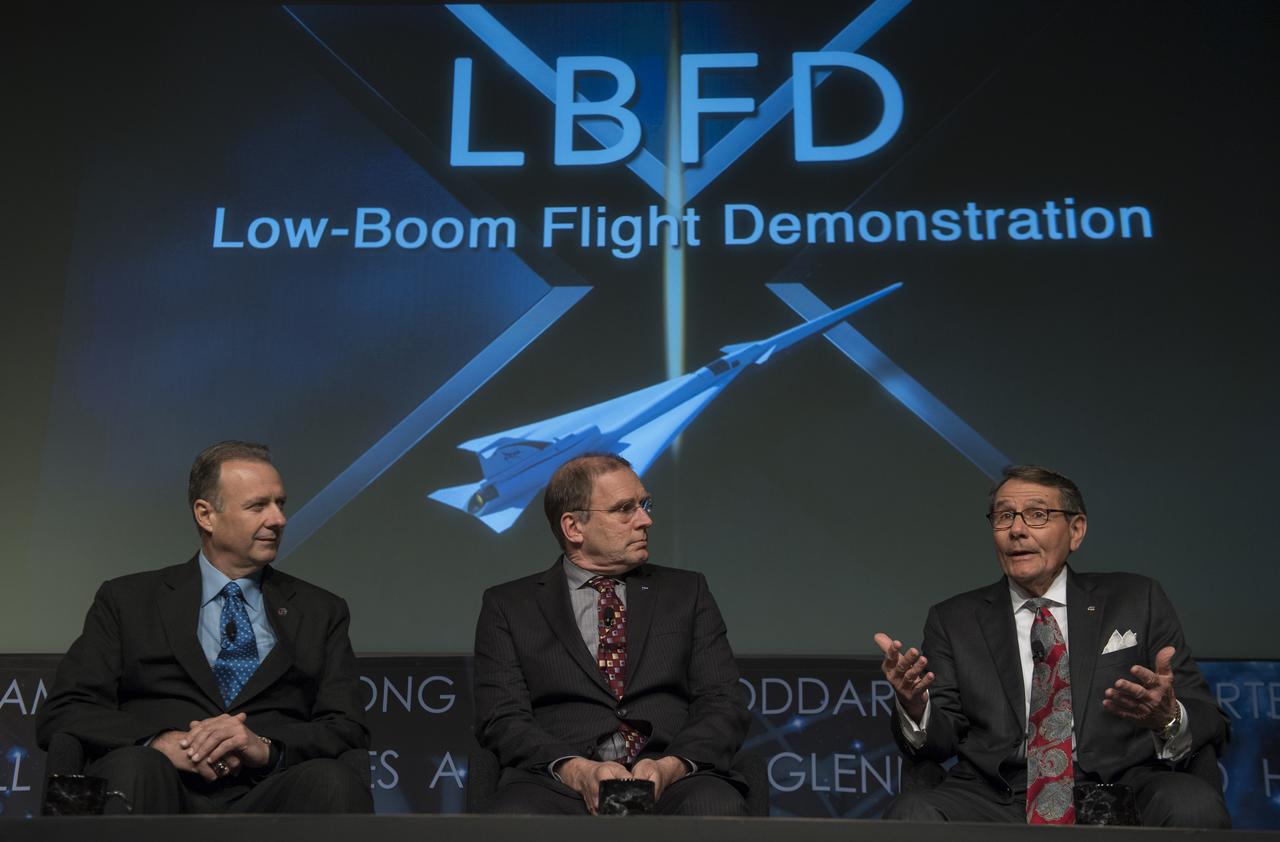
Panelists Peter Iosifidis, program manager, Low-Boom Flight Demonstrator, Lockheed Martin Skunk Works, left, Peter Coen, project manager, Commercial Supersonics Technology Project, Langley Research Center, NASA, center, and Dr. Ed Waggoner, program director, Integrated Aviation Systems Program, NASA, right, are seen behind a model of the Low Boom Flight Demonstrator at a briefing, Tuesday, April 3, 2018 at NASA Headquarters in Washington. This new experimental aircraft will cut cross country travel times in half by flying faster than the speed of sound without creating a sonic boom, enabling travel from New York to Los Angeles in two hours. Photo Credit: (NASA/Aubrey Gemignani)
Low Boom Flight Demonstrator Briefing
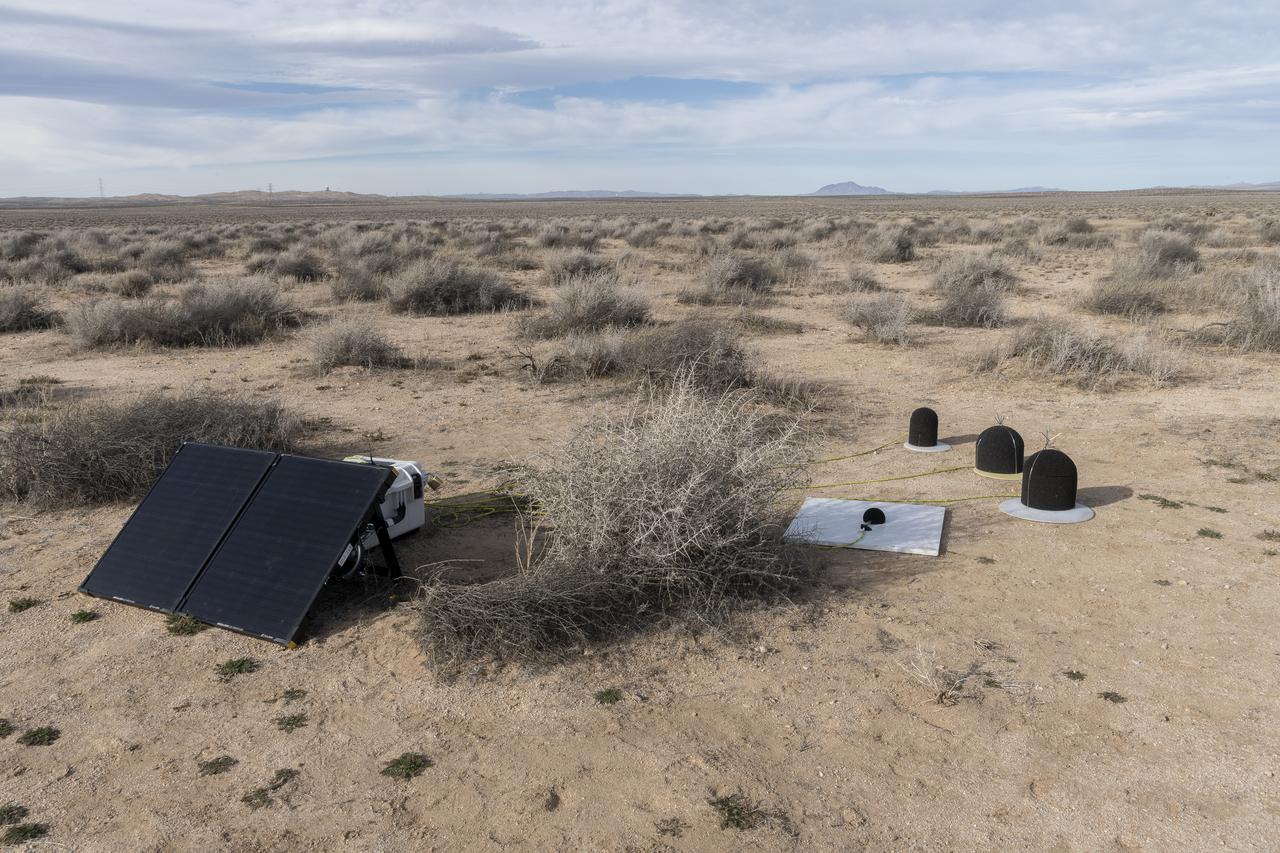
The Quesst mission recently completed testing of operations and equipment to be used in recording the sonic thumps of the X-59. Shown is one of 10 ground recording stations set up along a 30-mile stretch of desert to record sonic booms during the third phase of the of CarpetDIEM, Carpet Determination in Entirety Measurements flights. An F-15 and an F-18 from NASA’s Armstrong Flight Research Center created sonic booms, both loud and soft, to verify the operations of ground recording systems.
Learning to Listen to the X-59
Dr. Alexandra Loubeau, one of the technical co-leads for sonic boom community testing for the Quesst mission, sets out a microphone in the California desert. . The Quesst mission recently completed testing of operations and equipment to be used in recording the sonic thumps of the X-59. The testing was the third phase of Carpet Determination in Entirety Measurements flights, called CarpetDIEM for short. An F-15 and an F-18 from NASA’s Armstrong Flight Research Center created sonic booms, both loud and soft, to verify the operations of ground recording systems spread out across 30 miles of open desert.
Learning to Listen to the X-59
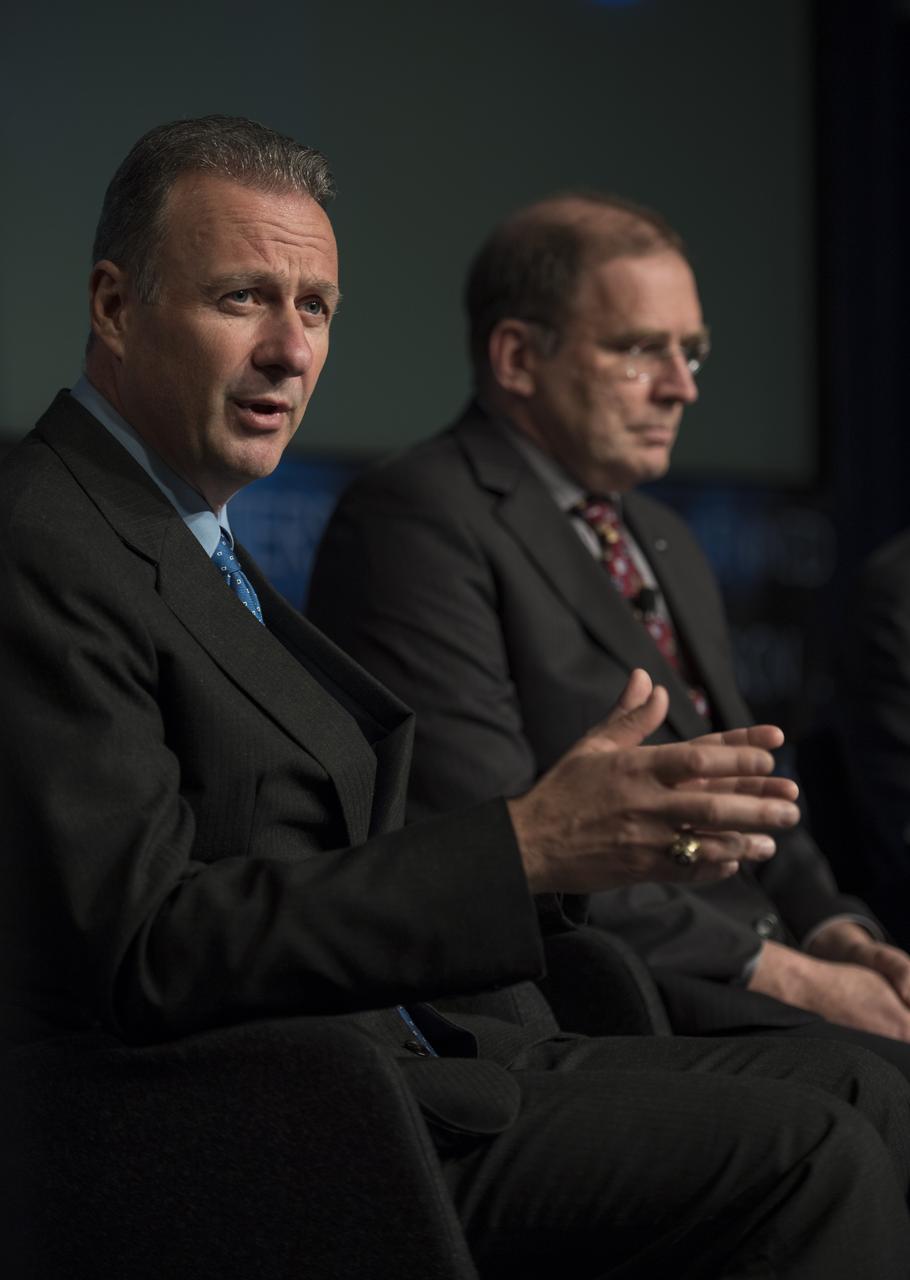
Dr. Ed Waggoner, program director, Integrated Aviation Systems Program, NASA, right, speaks on a panel with Peter Iosifidis, program manager, Low-Boom Flight Demonstrator, Lockheed Martin Skunk Works, left, and Peter Coen, project manager, Commercial Supersonics Technology Project, Langley Research Center, NASA, center, at a briefing on the Low Boom Flight Demonstrator, Tuesday, April 3, 2018 at NASA Headquarters in Washington. This new experimental aircraft will cut cross country travel times in half by flying faster than the speed of sound without creating a sonic boom, enabling travel from New York to Los Angeles in two hours. Photo Credit: (NASA/Aubrey Gemignani)
Low Boom Flight Demonstrator Briefing
Peter Iosifidis, program manager, Low-Boom Flight Demonstrator, Lockheed Martin Skunk Works, speaks on a panel at a briefing after Lockheed Martin was awarded the contract to develop the first X-plane, Tuesday, April 3, 2018 at NASA Headquarters in Washington. This new experimental aircraft will cut cross country travel times in half by flying faster than the speed of sound without creating a sonic boom, enabling travel from New York to Los Angeles in two hours. Photo Credit: (NASA/Aubrey Gemignani)
Low Boom Flight Demonstrator Briefing
Peter Coen, project manager, Commercial Supersonics Technology Project, Langley Research Center, NASA, center, speaks on a panel with Peter Iosifidis, Lockheed Martin, left, and Dr. Ed Waggoner, NASA, right, at a briefing on the Low Boom Flight Demonstrator, Tuesday, April 3, 2018 at NASA Headquarters in Washington. This new experimental aircraft will cut cross country travel times in half by flying faster than the speed of sound without creating a sonic boom, enabling travel from New York to Los Angeles in two hours. Photo Credit: (NASA/Aubrey Gemignani)
Low Boom Flight Demonstrator Briefing
Aerospace engineer Larry Cliatt, Quesst Phase 2 Sub-Project Manager abd technical lead for the acoustic validation phase of the Quesst mission, sets up a ground recording system in the California desert. The Quesst mission recently completed testing of operations and equipment to be used in recording the sonic thumps of the X-59. The testing was the third phase of Carpet Determination in Entirety Measurements flights, called CarpetDIEM for short. An F-15 and an F-18 from NASA’s Armstrong Flight Research Center created sonic booms, both loud and soft, to verify the operations of ground recording systems spread out across 30 miles of open desert.
Learning to Listen to the X-59
J.D. Harrington, public affairs officer, Aeronautics Mission Directorate, NASA, speaks at a briefing on the Low Boom Flight Demonstrator, Tuesday, April 3, 2018 at NASA Headquarters in Washington. This new experimental aircraft will cut cross country travel times in half by flying faster than the speed of sound without creating a sonic boom, enabling travel from New York to Los Angeles in two hours. Photo Credit: (NASA/Aubrey Gemignani)
Low Boom Flight Demonstrator Briefing
Peter Coen, project manager, Commercial Supersonics Technology Project, Langley Research Center, NASA, speaks on a panel with Peter Iosifidis, Lockheed Martin, left, and Dr. Ed Waggoner, NASA, right, at a briefing on the Low Boom Flight Demonstrator, Tuesday, April 3, 2018 at NASA Headquarters in Washington. This new experimental aircraft will cut cross country travel times in half by flying faster than the speed of sound without creating a sonic boom, enabling travel from New York to Los Angeles in two hours. Photo Credit: (NASA/Aubrey Gemignani)
Low Boom Flight Demonstrator Briefing
Peter Iosifidis, program manager, Low-Boom Flight Demonstrator, Lockheed Martin Skunk Works, speaks on a panel at a briefing after Lockheed Martin was awarded the contract to develop the first X-plane, Tuesday, April 3, 2018 at NASA Headquarters in Washington. This new experimental aircraft will cut cross country travel times in half by flying faster than the speed of sound without creating a sonic boom, enabling travel from New York to Los Angeles in two hours. Photo Credit: (NASA/Aubrey Gemignani)
Low Boom Flight Demonstrator Briefing
Peter Coen, project manager, Commercial Supersonics Technology Project, Langley Research Center, NASA, speaks on a panel with Peter Iosifidis, Lockheed Martin, left, and Dr. Ed Waggoner, NASA, right, at a briefing on the Low Boom Flight Demonstrator, Tuesday, April 3, 2018 at NASA Headquarters in Washington. This new experimental aircraft will cut cross country travel times in half by flying faster than the speed of sound without creating a sonic boom, enabling travel from New York to Los Angeles in two hours. Photo Credit: (NASA/Aubrey Gemignani)
Low Boom Flight Demonstrator Briefing
Artist illustration of the X-59 in flight over land.
X59_Plate_003-Aug.jpg
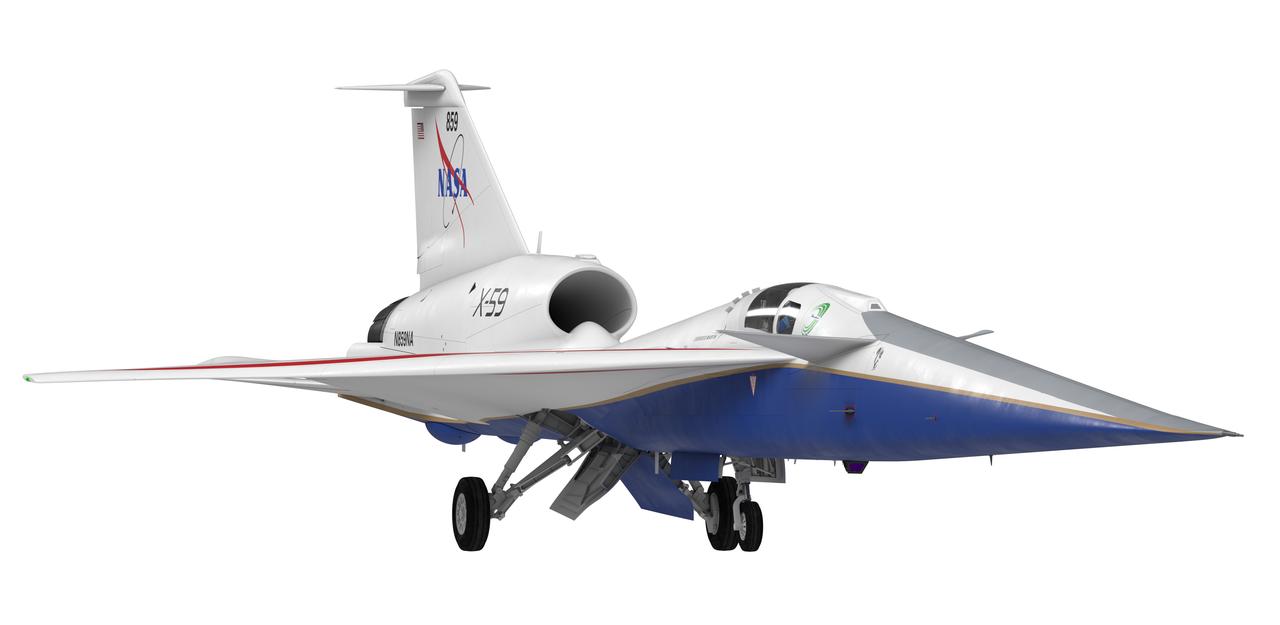
Artist concept of the X-59 three forths view
X59_threeForthsFront_LGD
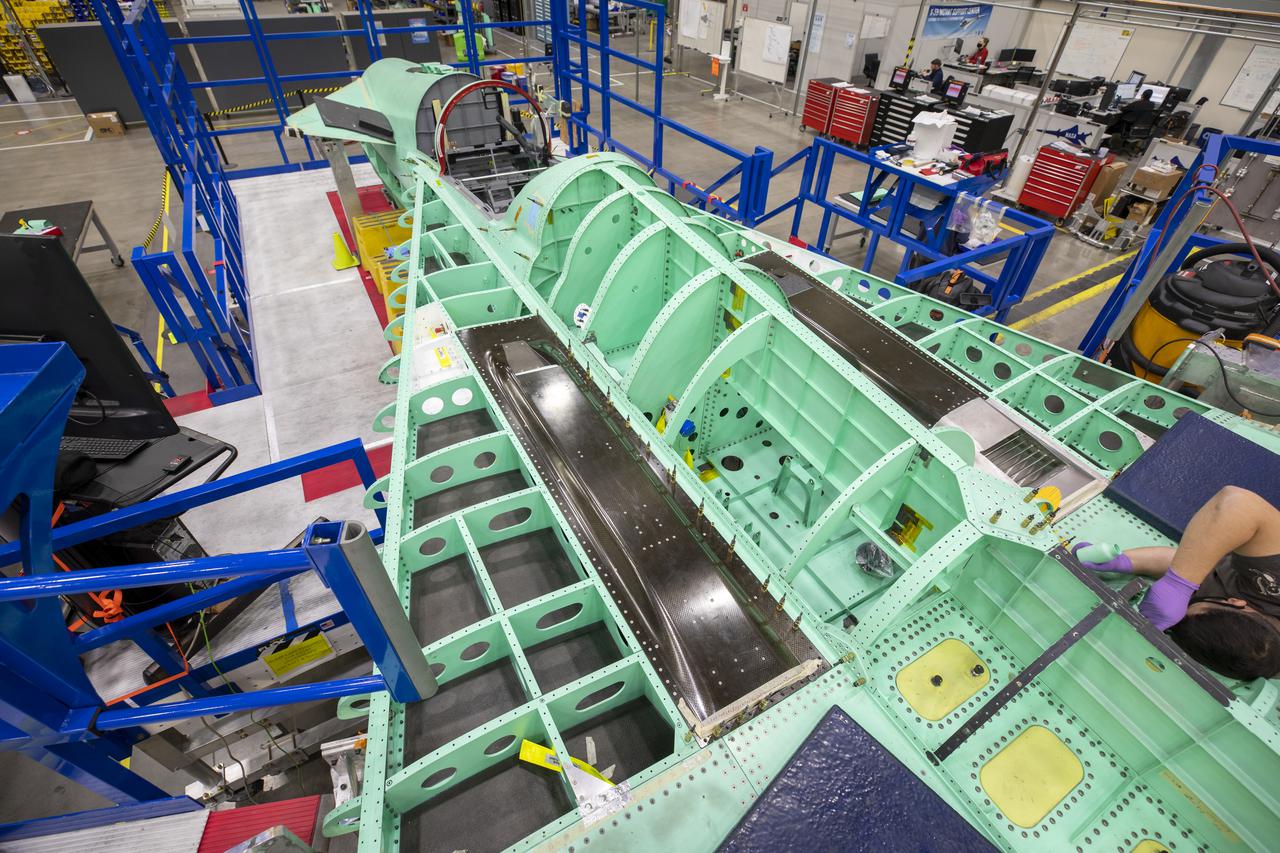
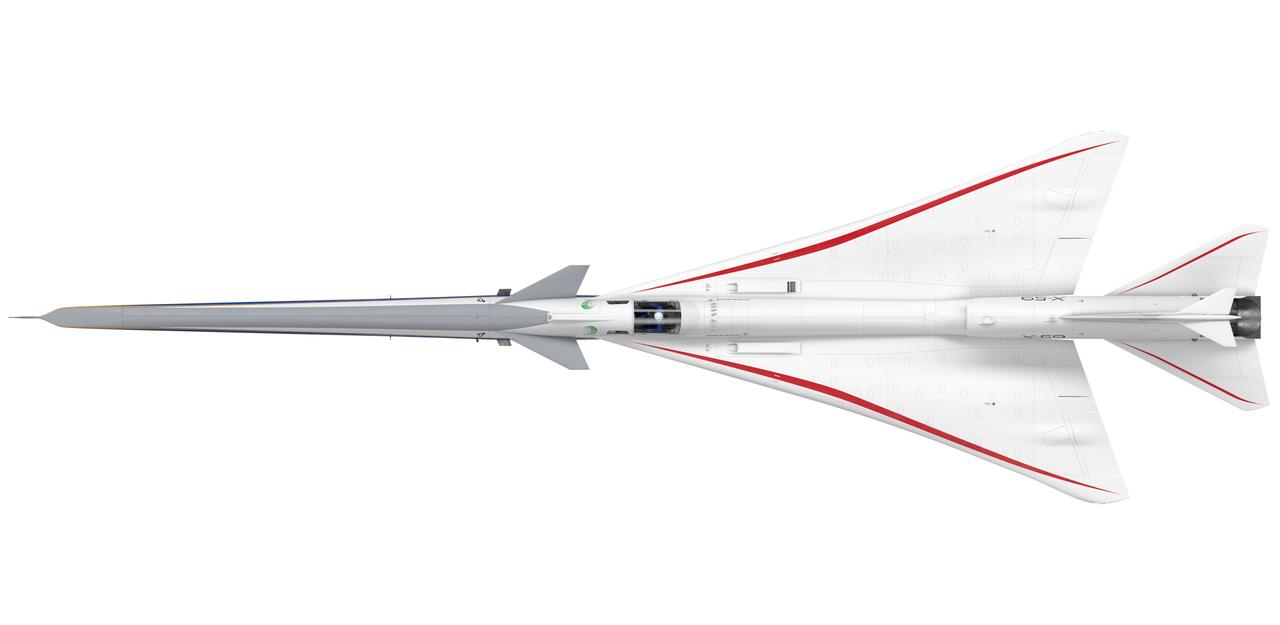
NASA is targeting 2022 for the first flight of the X-59 Quiet SuperSonic Technology (QueSST) research aircraft. Its mission – fly over communities to collect data that could cut passenger travel time in half without disturbing people on the ground.  NASA’s X-59 is equipped with supersonic technologies that aid in lowering the sound of the sonic boom. In this picture, the black rectangle panels are the air intakes for the environmental control system (ECS) that regulates the temperature, cabin pressure, and air distribution. The silver grate located at the rear of one of the ECS panels is the exhaust — both of these sections are traditionally housed on the underside of the plane. By placing these features on top of the X-59 wing, the wing blocks and prevents the ECS exhaust from interacting with the shock waves on the bottom of the aircraft. This unique design approach to re-shaping the shock wave pattern substantially reduces the sonic boom to more of a sonic “thump” when it reaches the ground.  Lockheed Martin Photography By Garry Tice 1011 Lockheed Way, Palmdale, Ca. 93599 Event: SEG 210 Forebody Date: 1/19/2021 Additional Info:
SEG 210 Forebody
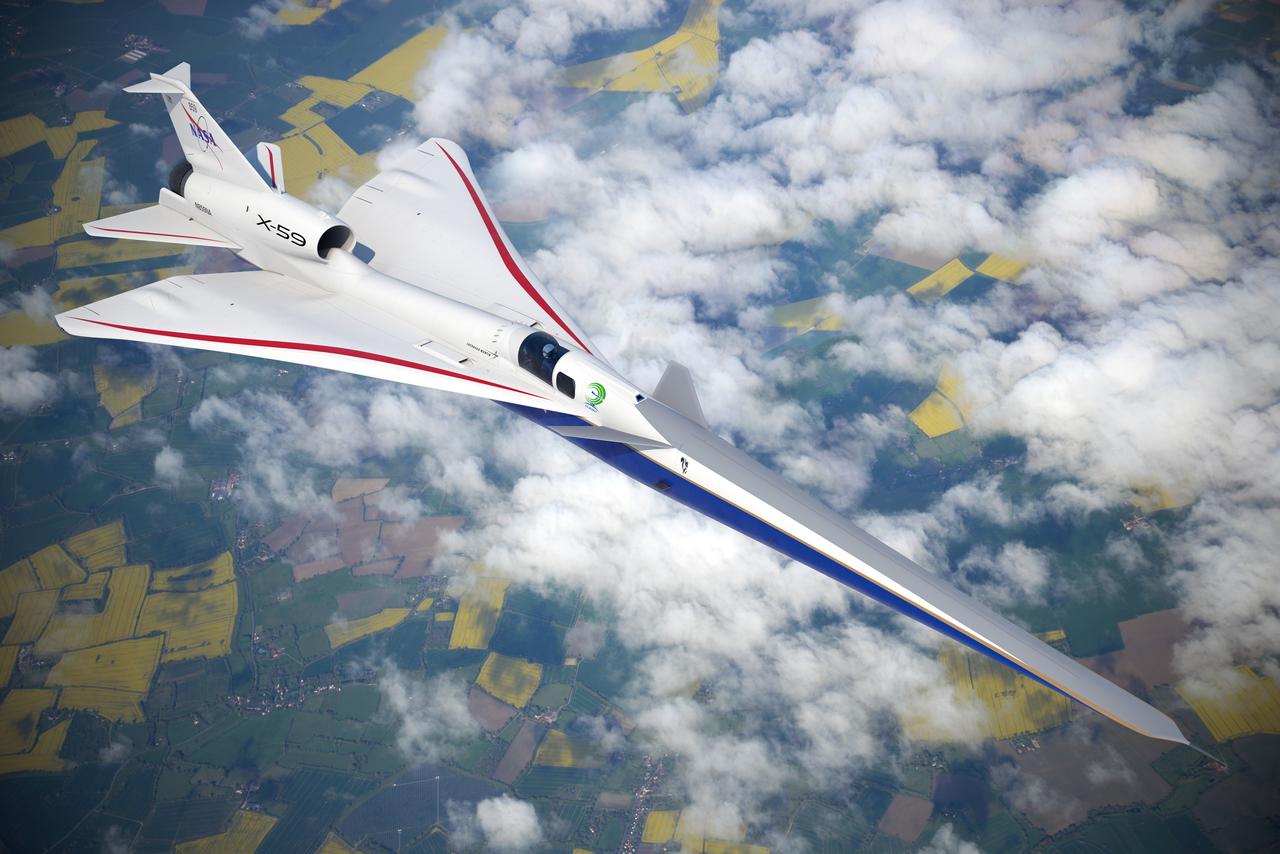
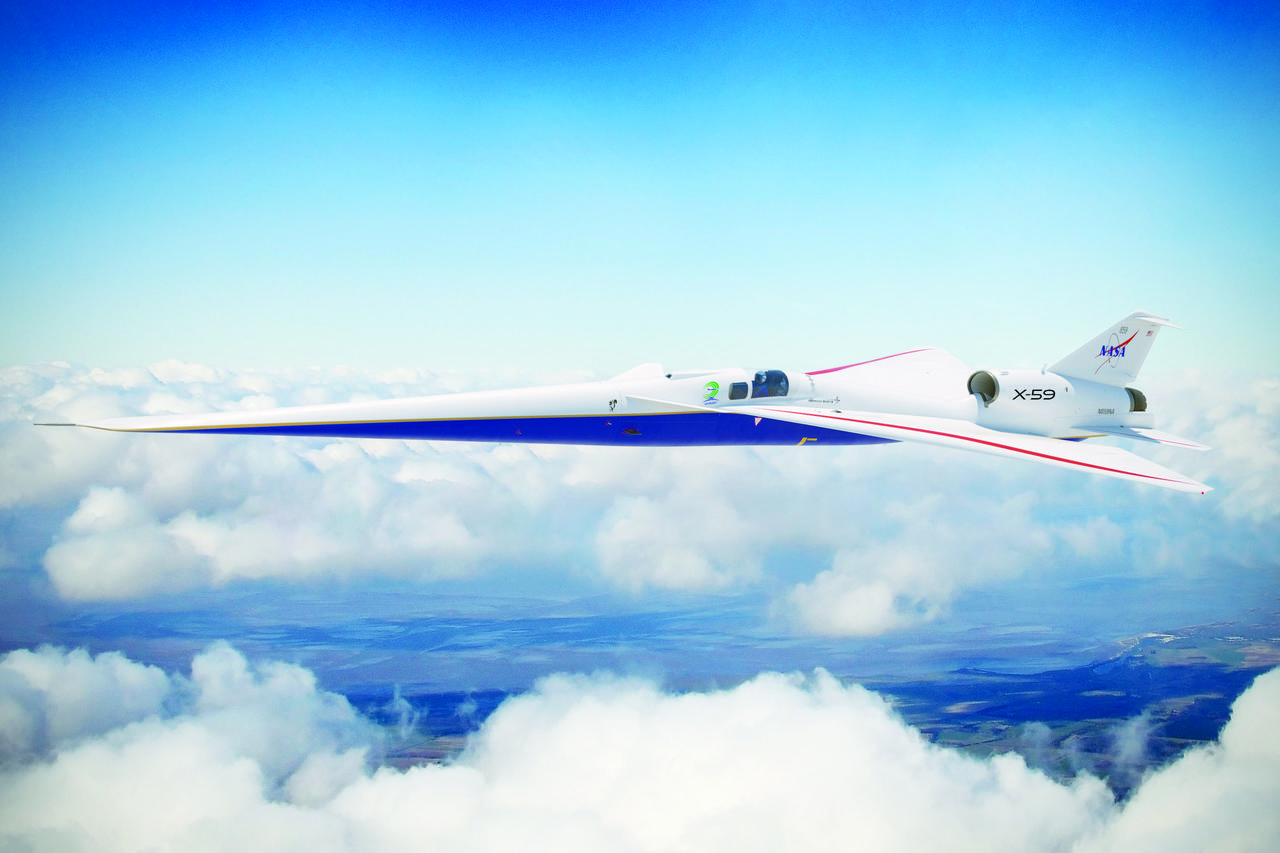
Artist illustration of the X-59 in flight above the clouds with land below, flying left.
X59_Plate_002_WIP-Aug
A Lockheed Martin Skunk Works technician works to complete wiring on the X-59 aircraft in preparation for the power-on system checkouts.  Once complete, the X-59 aircraft will demonstrate the ability to fly supersonic while reducing the loud sonic boom to a quiet sonic thump and help enable commercial supersonic air travel over land. This aircraft is the centerpiece of NASA’s Quesst mission.
Cockpit Lights SCO - Right Tomahawk Skin
Event: SEG 210 Forebody A Lockheed Martin technician prepares to install the left fuselage skins onto the X-59. Once in the air, the aircraft, currently under construction at Lockheed Martin Skunk Works in Palmdale, California, will demonstrate the ability to fly supersonic while reducing the loud sonic boom to a quiet sonic thump.
SEG 210 Forebody
In July 2021, NASA associate administrator Bob Cabana visits Lockheed Martin in Palmdale, California to see the assembly of the X-59 QueSST.
P21-142-30
This image shows a close up of the cockpit view of the eXternal Vision System that will be placed in the X-59. Instead of a front facing window, the pilot will use these monitors for forward facing visibility.  Lockheed Martin Photography By Garry Tice 1011 Lockheed Way, Palmdale, Ca. 93599 Event: X-59 SIL Round 2 Date: 6/10/2021
X-59 SIL Round 2
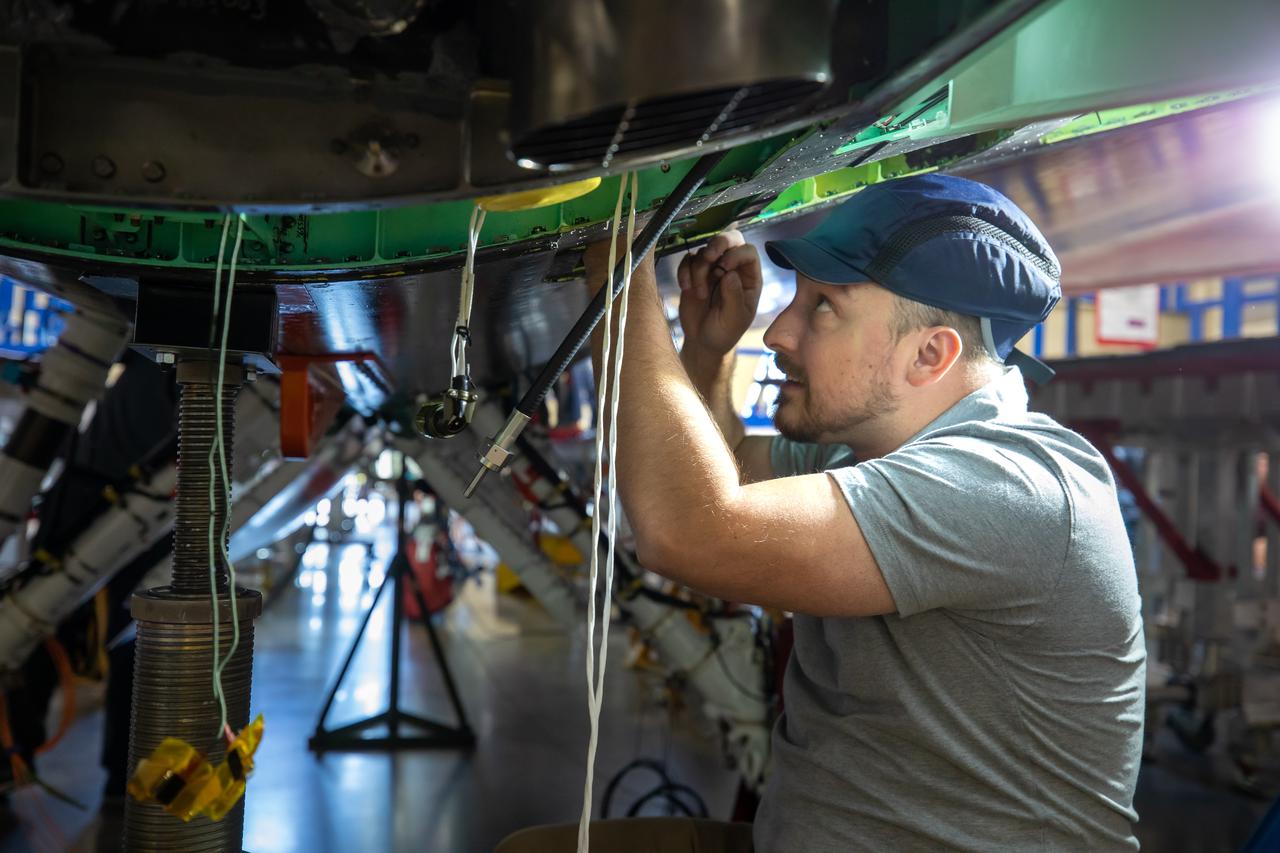
A Lockheed Martin technician prepares holes for installation of the fuselage panel on the X-59. The fuselage is the section of the aircraft that contains the cockpit. The aircraft, under construction at Lockheed Martin Skunk Works in Palmdale, California, will demonstrate the ability to fly supersonic while reducing the loud sonic boom to a quiet sonic thump.
LRC-2022-H1_P_X-59-8
Technicians are shown here working on the X-59 fuselage section of the aircraft. The fuselage contains the cockpit and helps define the distinct shape of the X-59.  Lockheed Martin Photography By Garry Tice 1011 Lockheed Way, Palmdale, Ca. 93599 Event: SEG 210 Forebody-Subsystems Date: 5/12/2021
SEG 210 Forebody-Subsystems