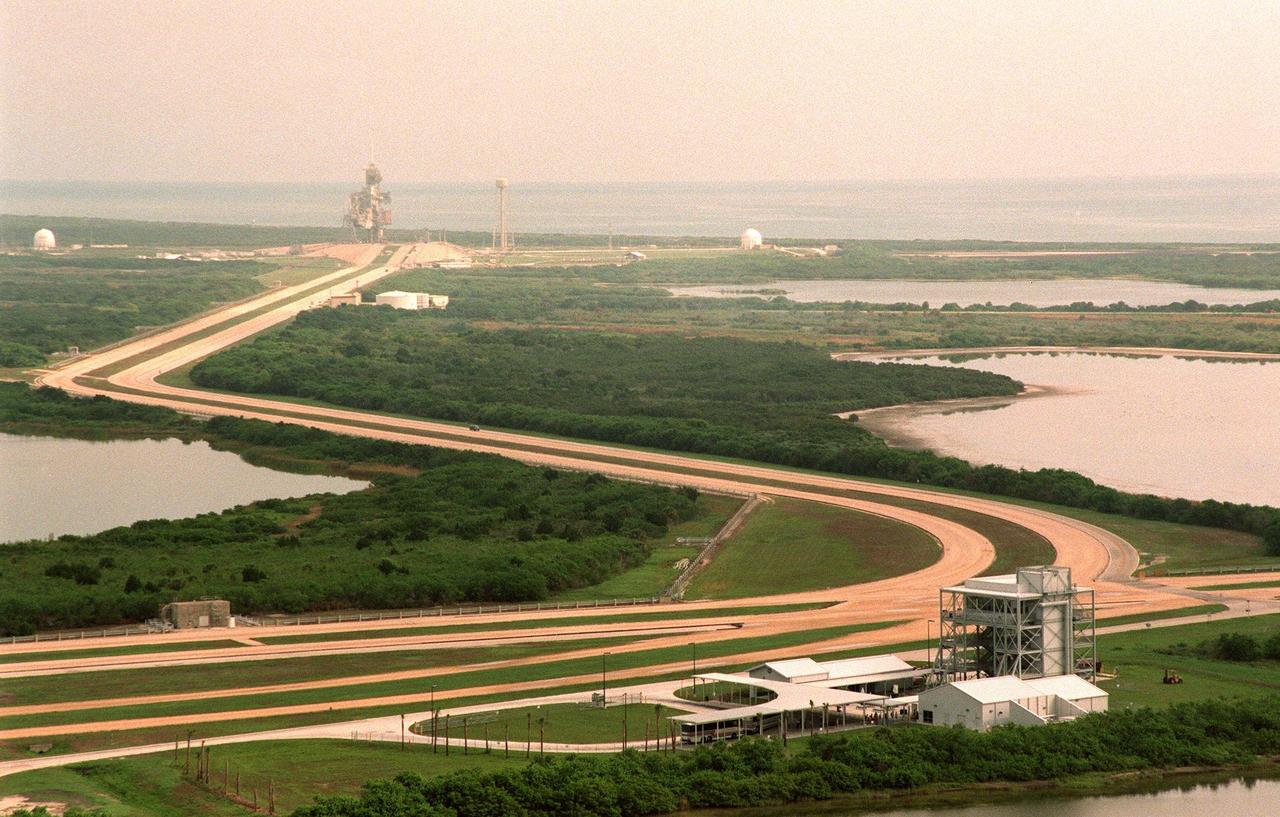
This aerial view looking northeast shows a new stop (bottom) on the KSC bus tour that allow visitors to view Pad LC-39B (top). The tour stop is next to the crawlerway that is used to transport the Space Shuttle vehicles to the pad. The length of the crawlerway from the Vehicle Assembly Building to Pad B is 6,828 meters (22,440 ft); its width overall is 40 meters (130 ft); each lane is 12 meters (40ft) with a 15-meter (50ft) median.
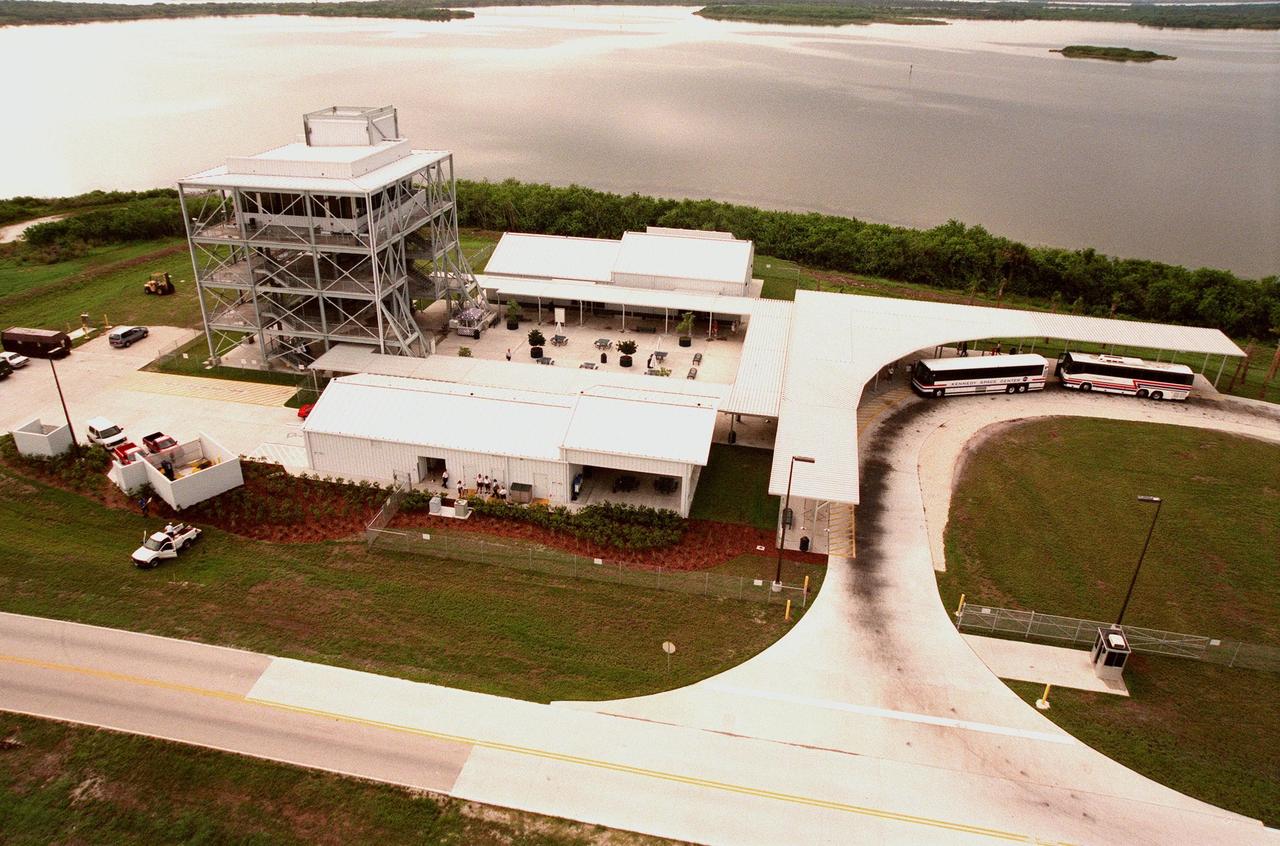
Tour buses unload passengers at a new stop on the KSC tour that allows visitors to view Pad LC-39B. The tour road runs parallel to the crawlerway (just out of sight) that is used to transport the Space Shuttle vehicles to the pad. The length of the crawlerway from the Vehicle Assembly Building to Pad B is 6,828 meters (22,440 ft); its width overall is 40 meters (130 ft); each lane is 12 meters (40ft) with a 15-meter (50ft) median. This view looks south
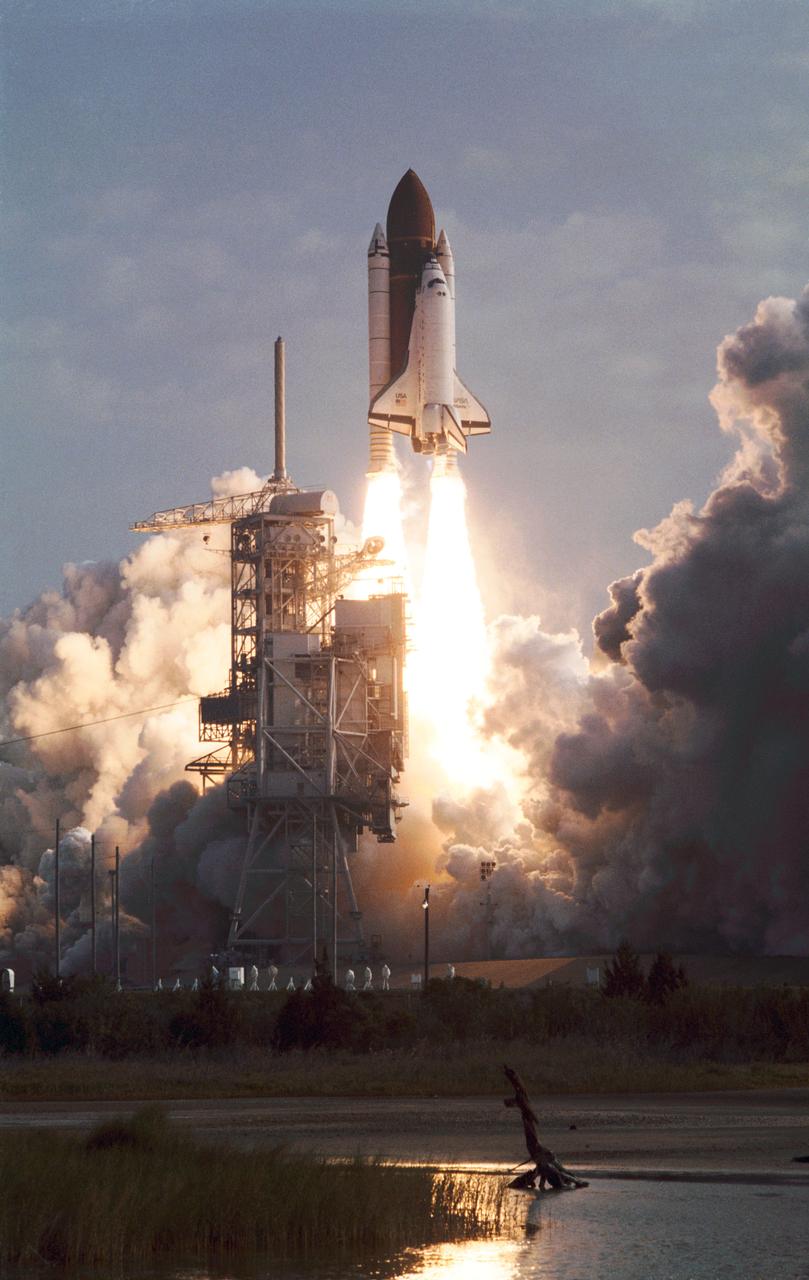
STS-45 Atlantis, Orbiter Vehicle (OV) 104, lifts off from a Kennedy Space Center (KSC) Launch Complex (LC) Pad at 8:13:40:048 am (Eastern Standard Time (EST)). Exhaust billows out the solid rocket boosters (SRBs) as OV-104 atop its external tank (ET) soars above the mobile launcher platform and is nearly clear of the fixed service structure (FSS) tower. The diamond shock effect produced by the space shuttle main engines (SSMEs) is visible. The glow of the SRB/SSME firings is reflected in a nearby waterway. An exhaust cloud covers the launch pad area.
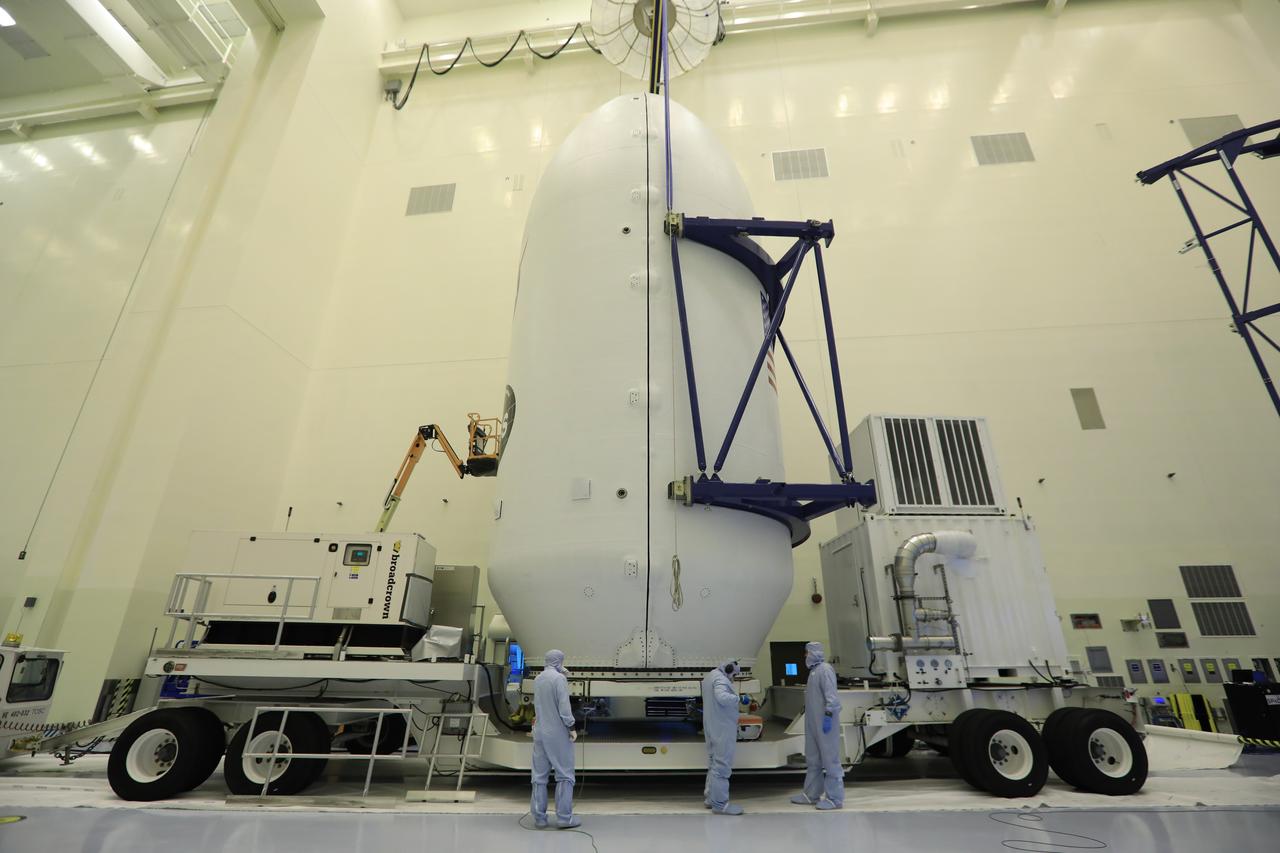
Inside the Payload Hazardous Servicing Facility at NASA's Kennedy Space Center in Florida, the SpaceX payload fairing containing the agency's Transiting Exoplanet Survey Satellite (TESS) is secured onto a transporter. The fairing will be moved to Space Launch Complex 40 at Cape Canaveral Air Force Station. TESS is scheduled to launch on the SpaceX Falcon 9 rocket at 6:32 p.m. EDT on April 16. The satellite is the next step in NASA's search for planets outside our solar system, known as exoplanets. TESS is a NASA Astrophysics Explorer mission led and operated by MIT in Cambridge, Massachusetts, and managed by NASA’s Goddard Space Flight Center in Greenbelt, Maryland. Dr. George Ricker of MIT’s Kavli Institute for Astrophysics and Space Research serves as principal investigator for the mission. Additional partners include Orbital ATK, NASA’s Ames Research Center, the Harvard-Smithsonian Center for Astrophysics and the Space Telescope Science Institute. More than a dozen universities, research institutes and observatories worldwide are participants in the mission. NASA’s Launch Services Program is responsible for launch management.
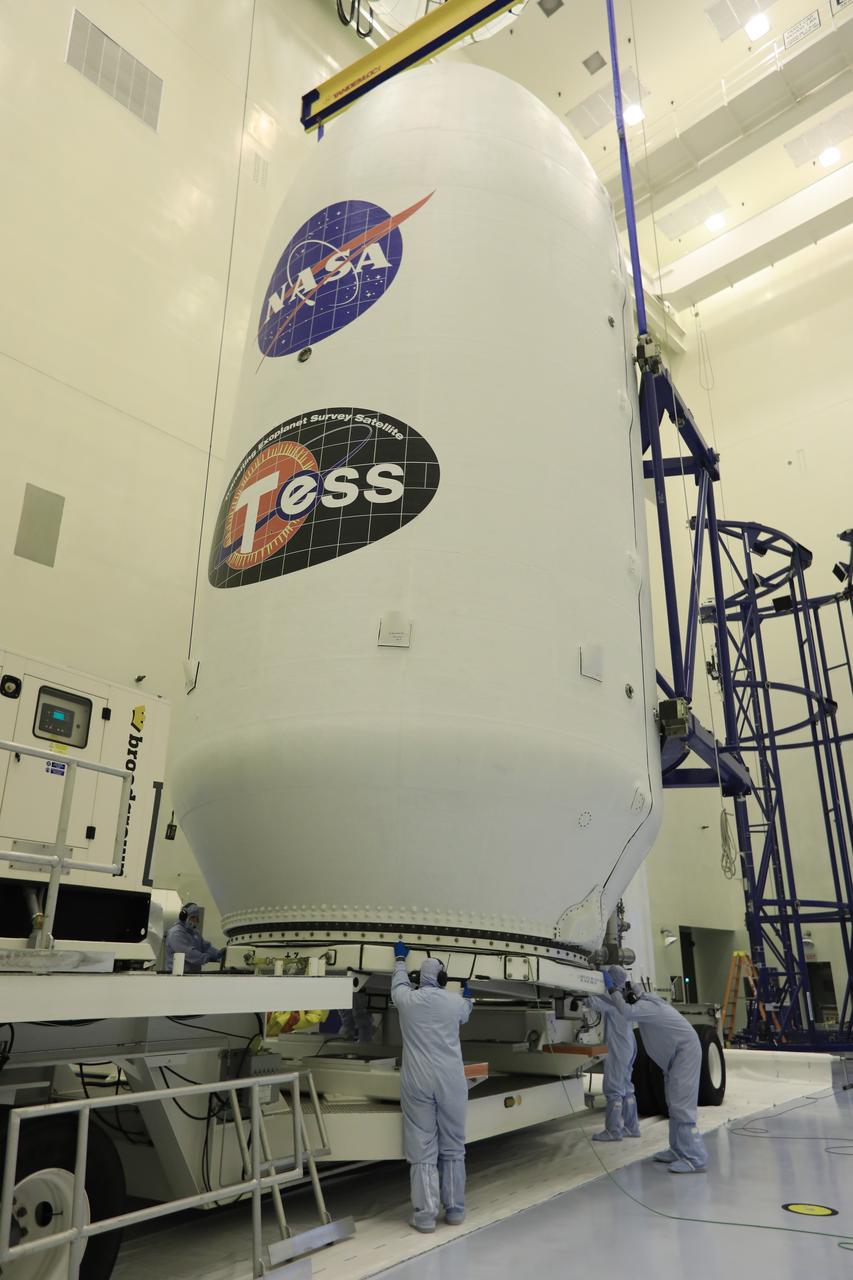
Inside the Payload Hazardous Servicing Facility at NASA's Kennedy Space Center in Florida, technicians assist as the SpaceX payload fairing containing the agency's Transiting Exoplanet Survey Satellite (TESS) is lowered by crane onto a transporter. The fairing will be moved to Space Launch Complex 40 at Cape Canaveral Air Force Station. TESS is scheduled to launch on the SpaceX Falcon 9 rocket at 6:32 p.m. EDT on April 16. The satellite is the next step in NASA's search for planets outside our solar system, known as exoplanets. TESS is a NASA Astrophysics Explorer mission led and operated by MIT in Cambridge, Massachusetts, and managed by NASA’s Goddard Space Flight Center in Greenbelt, Maryland. Dr. George Ricker of MIT’s Kavli Institute for Astrophysics and Space Research serves as principal investigator for the mission. Additional partners include Orbital ATK, NASA’s Ames Research Center, the Harvard-Smithsonian Center for Astrophysics and the Space Telescope Science Institute. More than a dozen universities, research institutes and observatories worldwide are participants in the mission. NASA’s Launch Services Program is responsible for launch management.
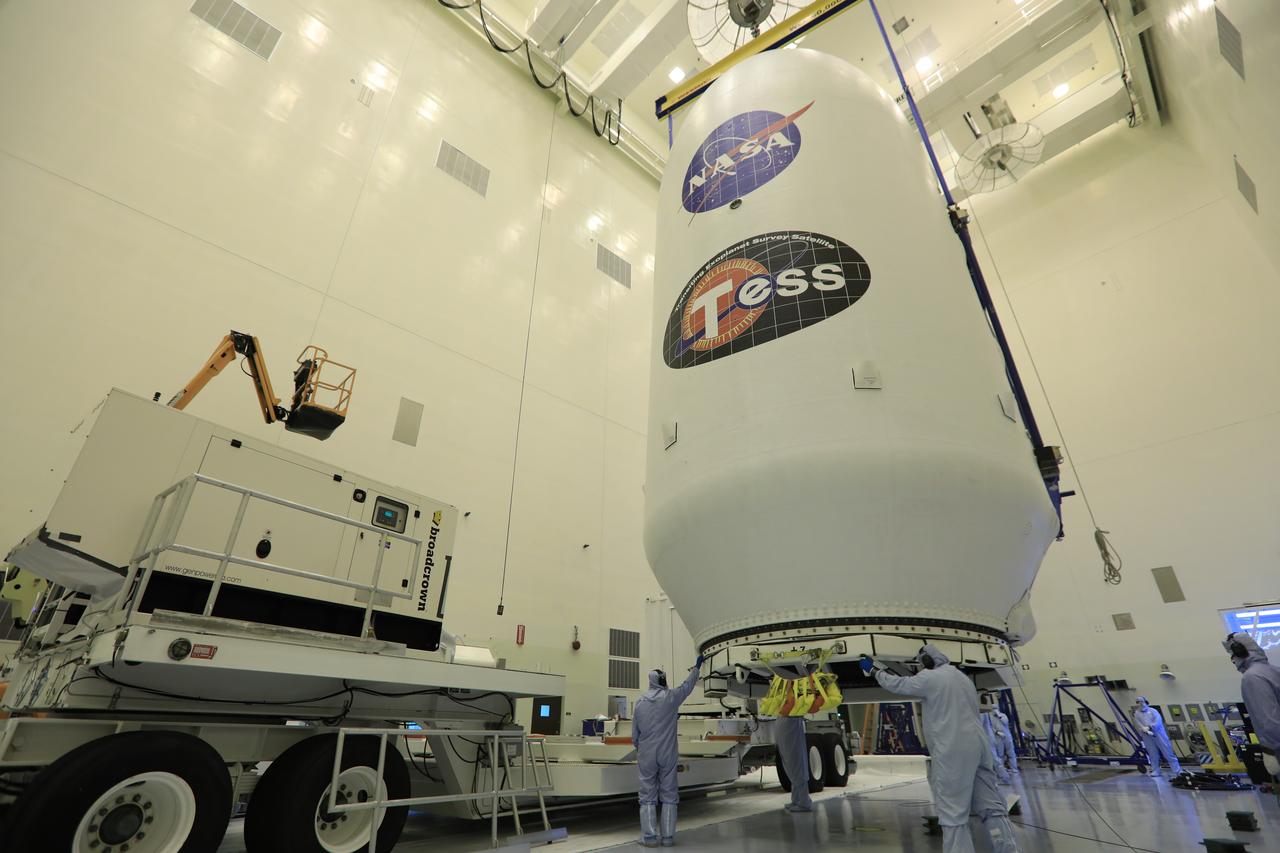
Inside the Payload Hazardous Servicing Facility at NASA's Kennedy Space Center in Florida, technicians assist as the SpaceX payload fairing containing the agency's Transiting Exoplanet Survey Satellite (TESS) is moved by crane to a transporter. The fairing will be moved to Space Launch Complex 40 at Cape Canaveral Air Force Station. TESS is scheduled to launch on the SpaceX Falcon 9 rocket at 6:32 p.m. EDT on April 16. The satellite is the next step in NASA's search for planets outside our solar system, known as exoplanets. TESS is a NASA Astrophysics Explorer mission led and operated by MIT in Cambridge, Massachusetts, and managed by NASA’s Goddard Space Flight Center in Greenbelt, Maryland. Dr. George Ricker of MIT’s Kavli Institute for Astrophysics and Space Research serves as principal investigator for the mission. Additional partners include Orbital ATK, NASA’s Ames Research Center, the Harvard-Smithsonian Center for Astrophysics and the Space Telescope Science Institute. More than a dozen universities, research institutes and observatories worldwide are participants in the mission. NASA’s Launch Services Program is responsible for launch management.
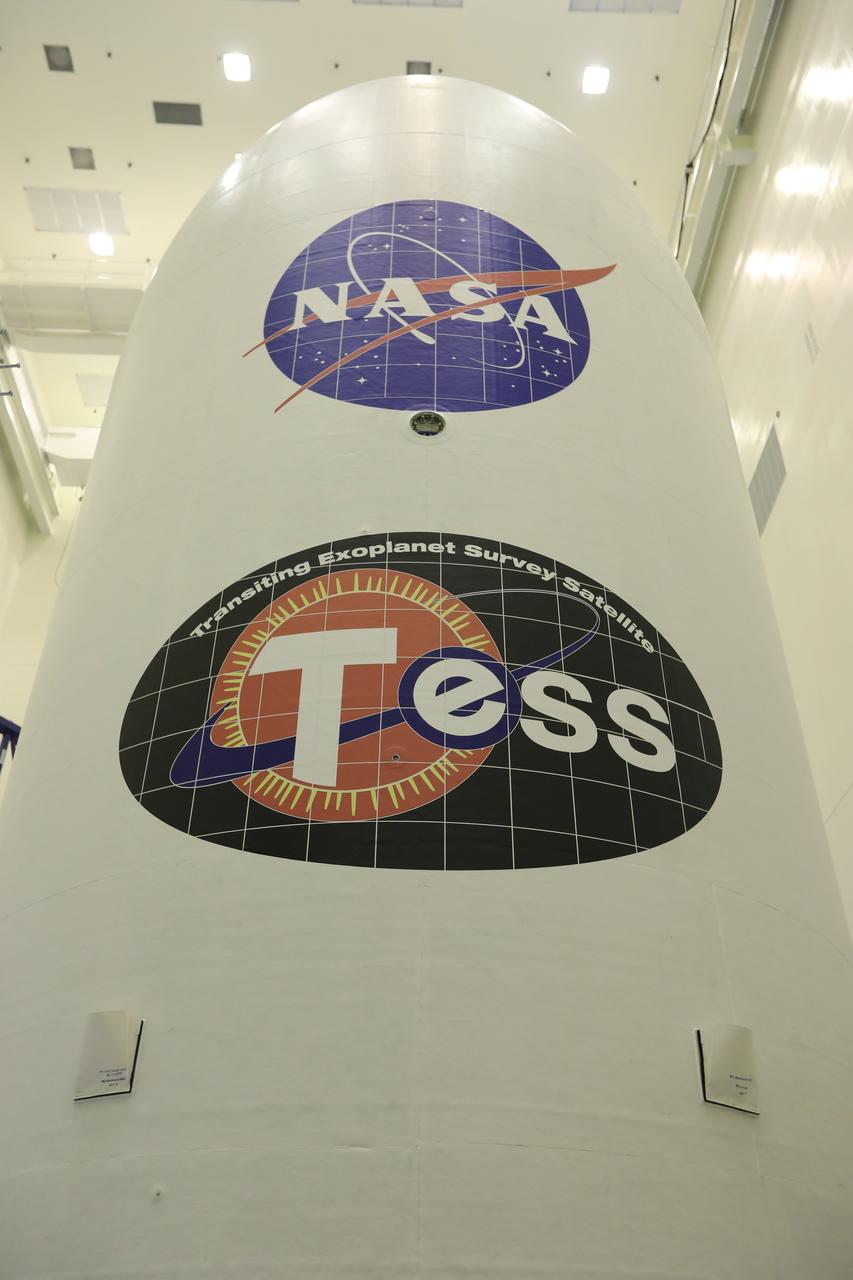
The SpaceX payload fairing containing NASA's Transiting Exoplanet Survey Satellite (TESS) is prepared for the move from the Payload Hazardous Servicing Facility at the agency's Kennedy Space Center in Florida to Space Launch Complex 40 at Cape Canaveral Air Force Station. The satellite is scheduled to launch atop the SpaceX Falcon 9 rocket at 6:32 p.m. EDT on April 16. TESS is the next step in NASA's search for planets outside our solar system, known as exoplanets. TESS is a NASA Astrophysics Explorer mission led and operated by MIT in Cambridge, Massachusetts, and managed by NASA’s Goddard Space Flight Center in Greenbelt, Maryland. Dr. George Ricker of MIT’s Kavli Institute for Astrophysics and Space Research serves as principal investigator for the mission. Additional partners include Orbital ATK, NASA’s Ames Research Center, the Harvard-Smithsonian Center for Astrophysics and the Space Telescope Science Institute. More than a dozen universities, research institutes and observatories worldwide are participants in the mission. NASA’s Launch Services Program is responsible for launch management.
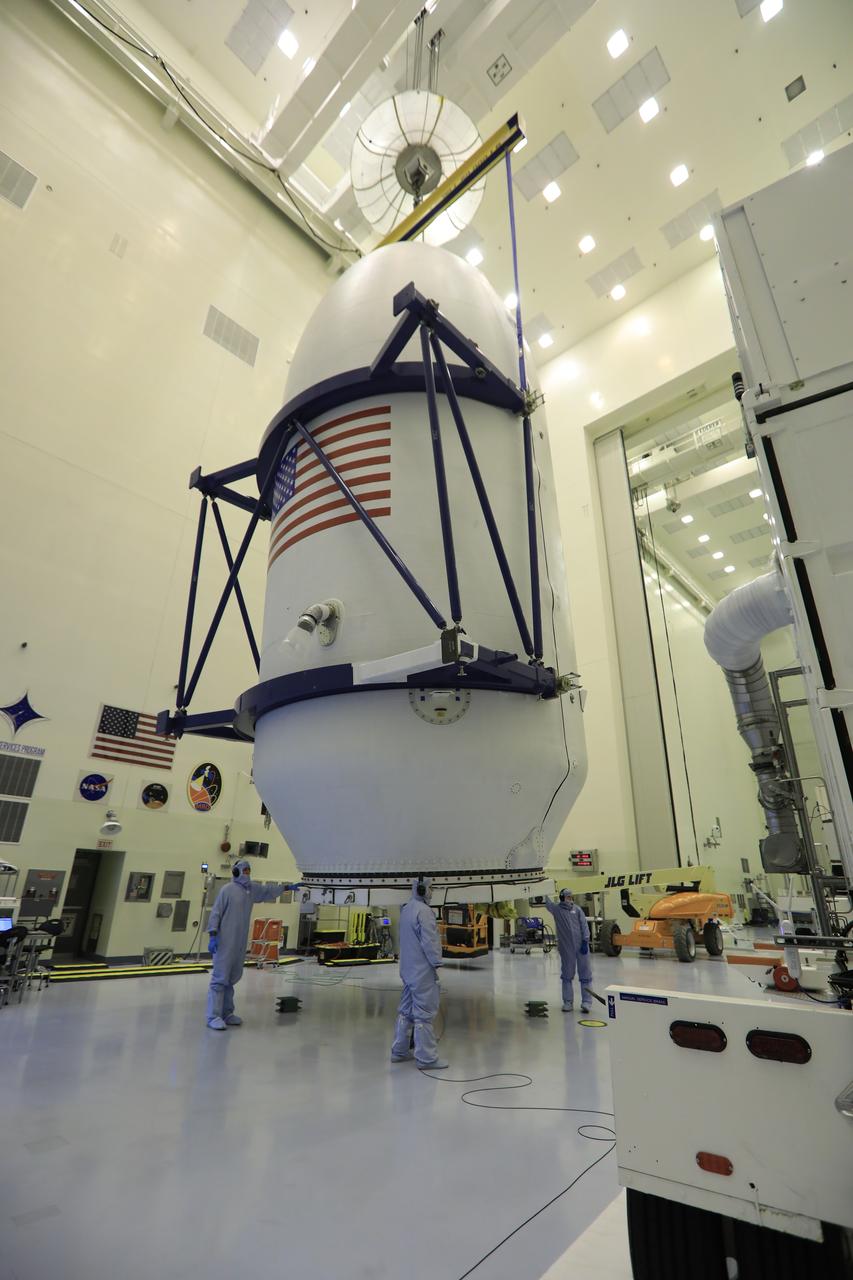
Inside the Payload Hazardous Servicing Facility at NASA's Kennedy Space Center in Florida, technicians assist as the SpaceX payload fairing containing the agency's Transiting Exoplanet Survey Satellite (TESS) is lifted for the move to a transporter. The fairing will be moved to Space Launch Complex 40 at Cape Canaveral Air Force Station. The satellite is scheduled to launch atop the SpaceX Falcon 9 rocket at 6:32 p.m. EDT on April 16. TESS is the next step in NASA's search for planets outside our solar system, known as exoplanets. TESS is a NASA Astrophysics Explorer mission led and operated by MIT in Cambridge, Massachusetts, and managed by NASA’s Goddard Space Flight Center in Greenbelt, Maryland. Dr. George Ricker of MIT’s Kavli Institute for Astrophysics and Space Research serves as principal investigator for the mission. Additional partners include Orbital ATK, NASA’s Ames Research Center, the Harvard-Smithsonian Center for Astrophysics and the Space Telescope Science Institute. More than a dozen universities, research institutes and observatories worldwide are participants in the mission. NASA’s Launch Services Program is responsible for launch management.
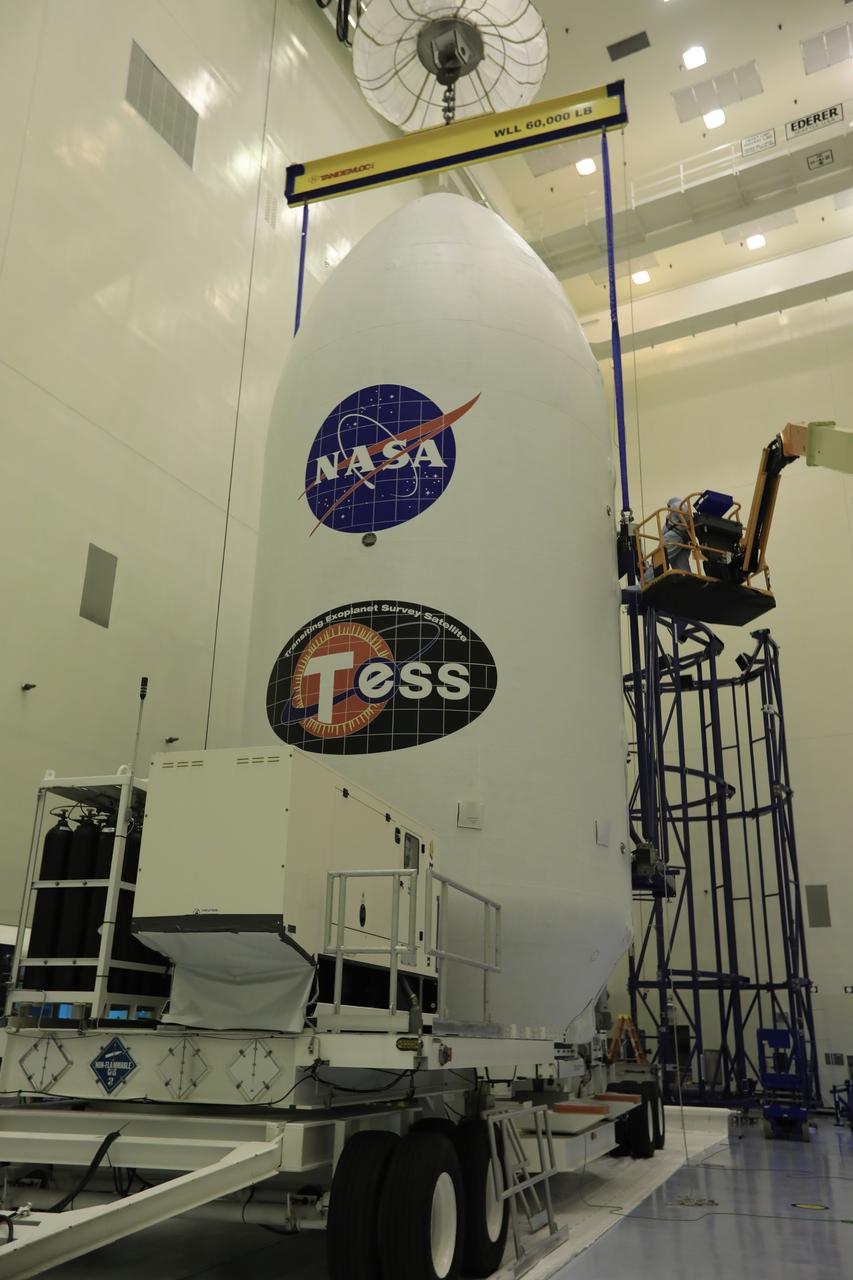
Inside the Payload Hazardous Servicing Facility at NASA's Kennedy Space Center in Florida, the SpaceX payload fairing containing the agency's Transiting Exoplanet Survey Satellite (TESS) is secured onto a transporter. The fairing will be moved to Space Launch Complex 40 at Cape Canaveral Air Force Station. TESS is scheduled to launch on the SpaceX Falcon 9 rocket at 6:32 p.m. EDT on April 16. The satellite is the next step in NASA's search for planets outside our solar system, known as exoplanets. TESS is a NASA Astrophysics Explorer mission led and operated by MIT in Cambridge, Massachusetts, and managed by NASA’s Goddard Space Flight Center in Greenbelt, Maryland. Dr. George Ricker of MIT’s Kavli Institute for Astrophysics and Space Research serves as principal investigator for the mission. Additional partners include Orbital ATK, NASA’s Ames Research Center, the Harvard-Smithsonian Center for Astrophysics and the Space Telescope Science Institute. More than a dozen universities, research institutes and observatories worldwide are participants in the mission. NASA’s Launch Services Program is responsible for launch management.
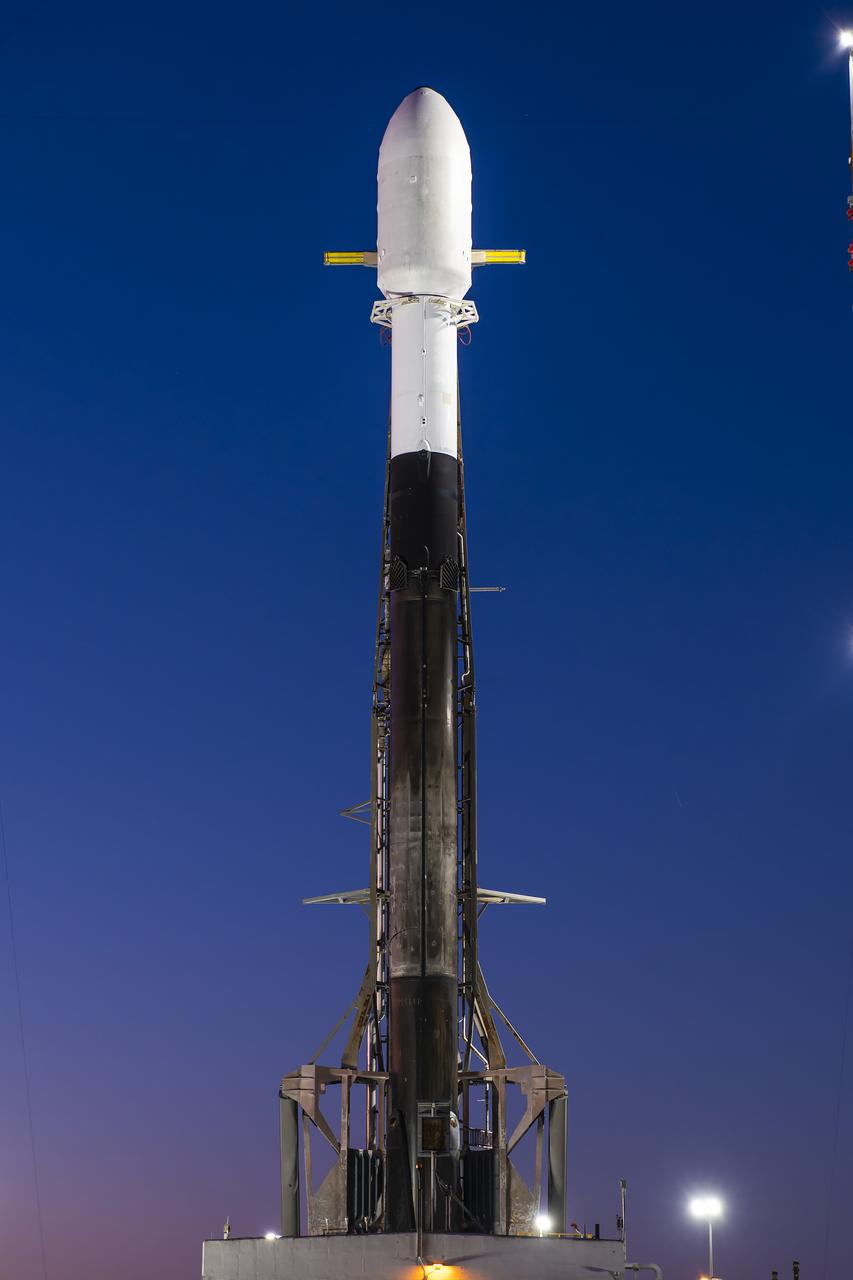
A Northrop Grumman Cygnus resupply spacecraft, atop a SpaceX Falcon 9 rocket, stands tall at sunrise at Space Launch Complex 40 at Cape Canaveral Space Force Station in Florida on Tuesday, Jan. 30, 2024, in preparations for a launch to the International Space Station. Northrop Grumman’s 20th commercial resupply mission includes multiple science investigations, such as tests of a 3D metal printer, semiconductor manufacturing, and thermal protection systems for reentry to Earth to support the agency’s Expedition 70 crew. Liftoff is scheduled for 12:07p.m. EST Tuesday, Jan. 30, 2024.
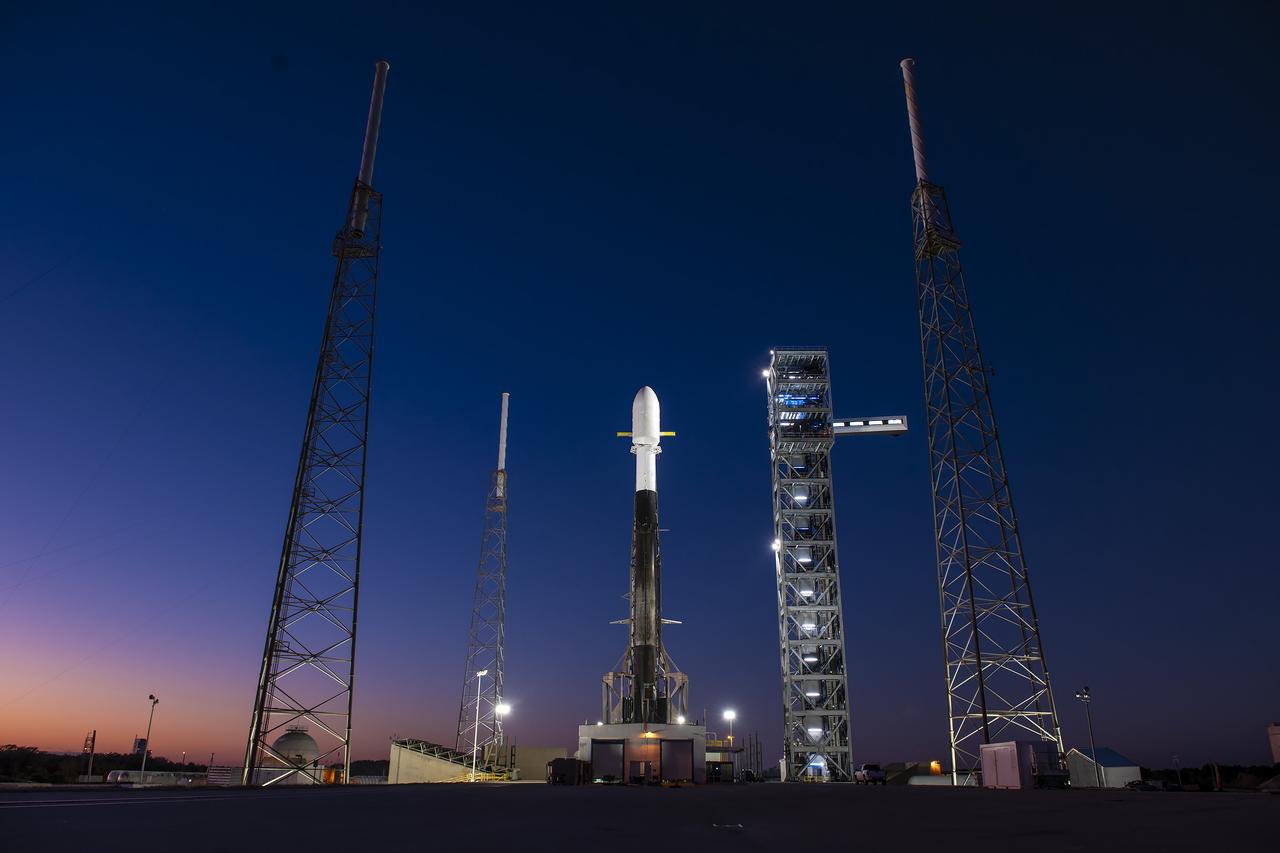
A Northrop Grumman Cygnus resupply spacecraft, atop a SpaceX Falcon 9 rocket, stands tall at sunrise at Space Launch Complex 40 at Cape Canaveral Space Force Station in Florida on Tuesday, Jan. 30, 2024, in preparations for a launch to the International Space Station. Northrop Grumman’s 20th commercial resupply mission includes multiple science investigations, such as tests of a 3D metal printer, semiconductor manufacturing, and thermal protection systems for reentry to Earth to support the agency’s Expedition 70 crew. Liftoff is scheduled for 12:07p.m. EST Tuesday, Jan. 30, 2024.
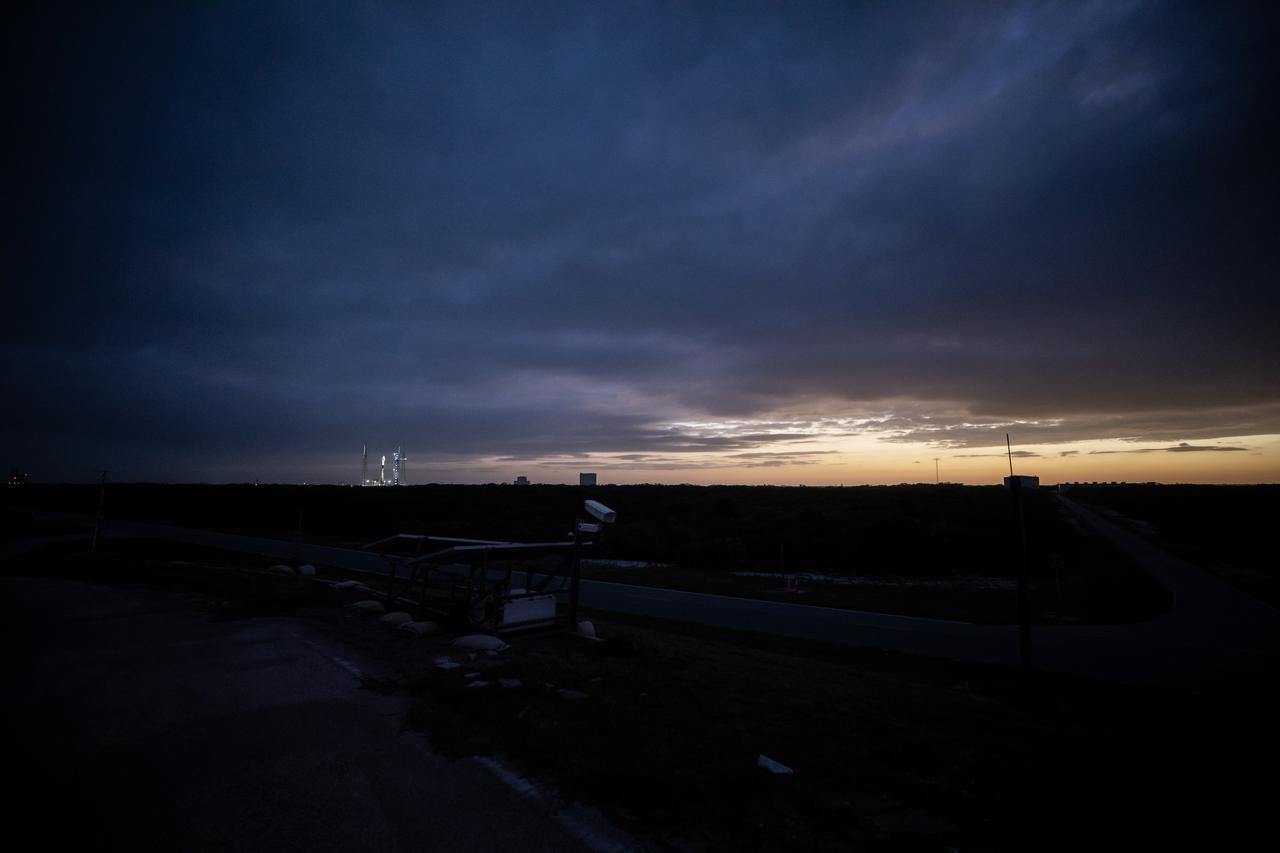
A SpaceX Falcon 9 rocket with NASA’s PACE (Plankton, Aerosol, Cloud, ocean Ecosystem) spacecraft stands vertical at Space Launch Complex 40 at Cape Canaveral Space Force Station in Florida on Tuesday, Feb. 6, 2024. PACE is NASA’s newest earth-observing satellite that will help increase our understanding of Earth’s oceans, atmosphere, and climate by delivering hyperspectral observations of microscopic marine organisms called phytoplankton as well new data on clouds and aerosols. The successful liftoff took place 1:33 a.m. EST Thursday, Feb. 8, 2024.
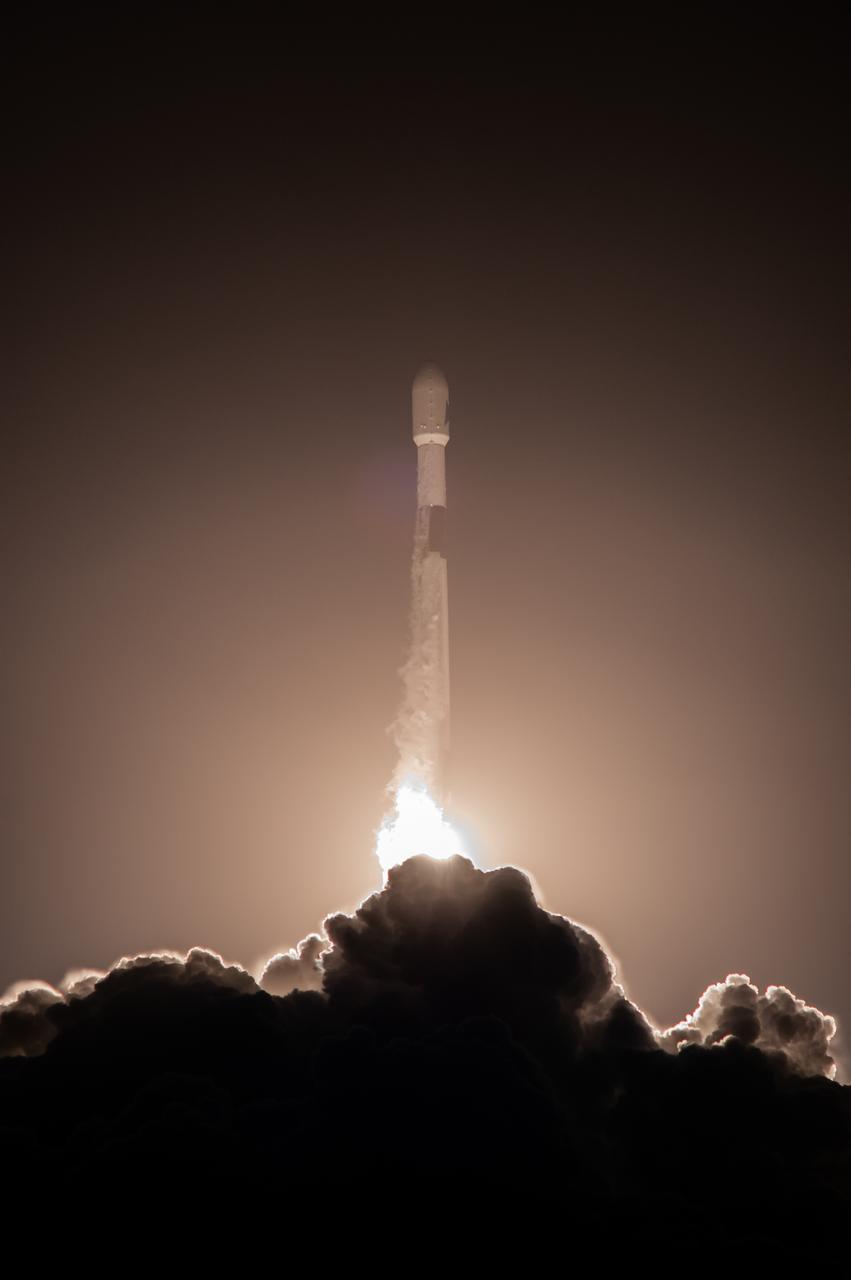
NASA’s PACE (Plankton, Aerosol, Cloud, ocean Ecosystem) spacecraft, atop a SpaceX Falcon 9 rocket, successfully lifts off from Space Launch Complex 40 at Cape Canaveral Space Force Station in Florida at 1:33 a.m. EST Thursday, Feb. 8. PACE is NASA’s newest earth-observing satellite that will help increase our understanding of Earth’s oceans, atmosphere, and climate by delivering hyperspectral observations of microscopic marine organisms called phytoplankton, as well new data on clouds and aerosols.
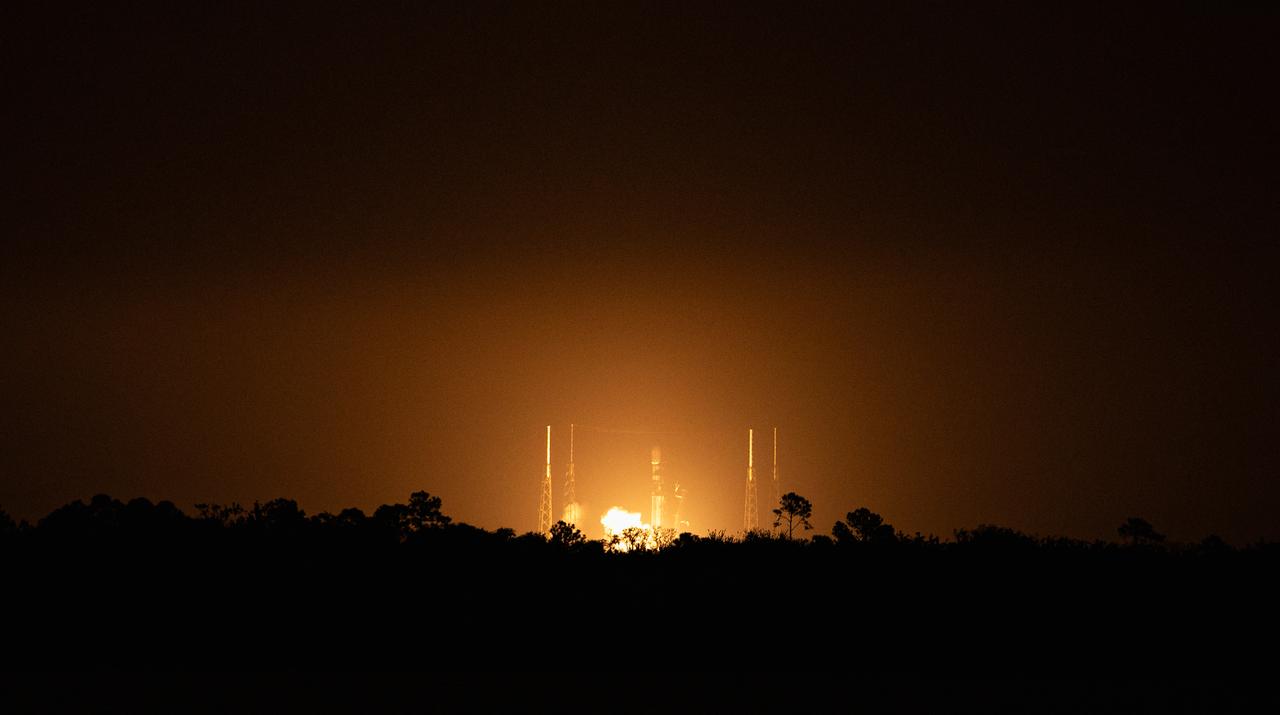
NASA’s PACE (Plankton, Aerosol, Cloud, ocean Ecosystem) spacecraft, atop a SpaceX Falcon 9 rocket, successfully lifts off from Space Launch Complex 40 at Cape Canaveral Space Force Station in Florida at 1:33 a.m. EST Thursday, Feb. 8. PACE is NASA’s newest earth-observing satellite that will help increase our understanding of Earth’s oceans, atmosphere, and climate by delivering hyperspectral observations of microscopic marine organisms called phytoplankton, as well new data on clouds and aerosols.
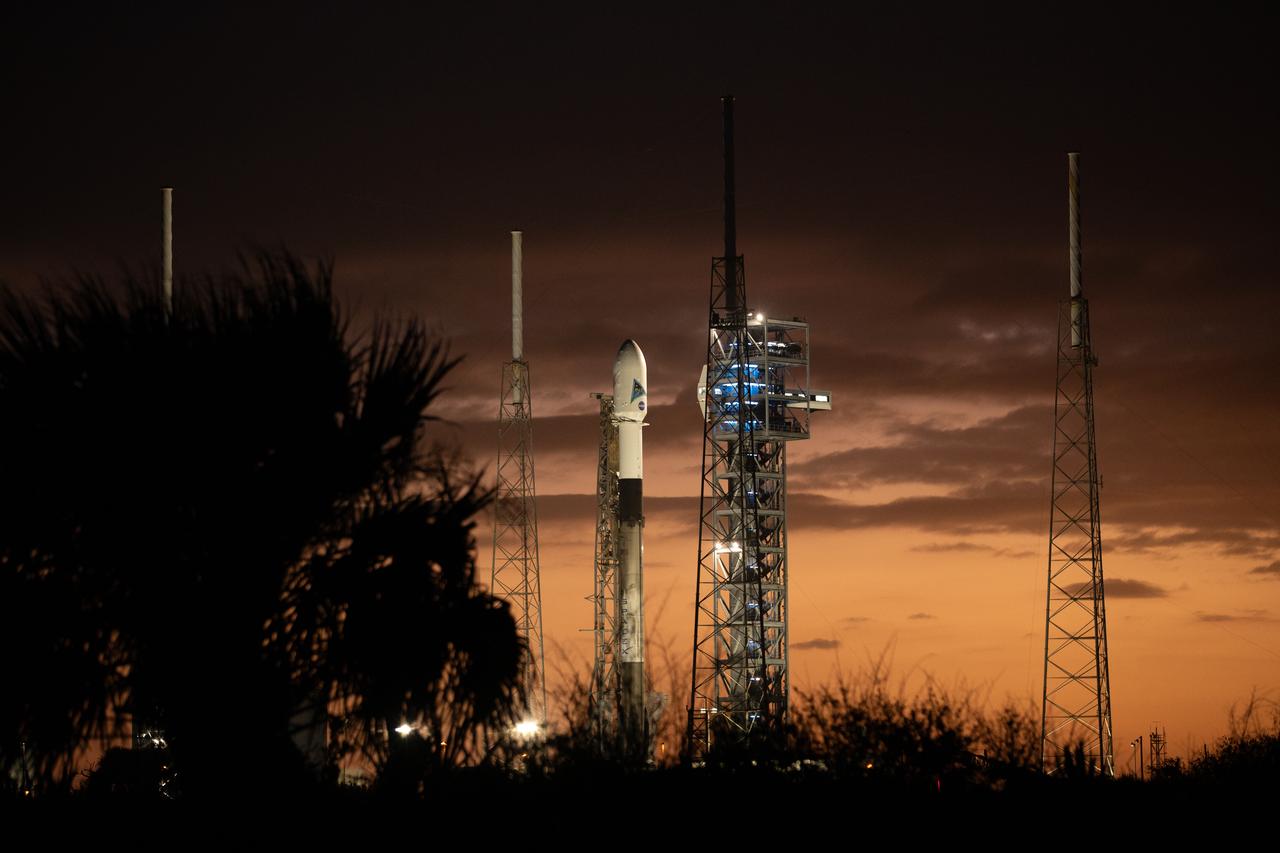
A SpaceX Falcon 9 rocket with NASA’s PACE (Plankton, Aerosol, Cloud, ocean Ecosystem) spacecraft stands vertical at Space Launch Complex 40 at Cape Canaveral Space Force Station in Florida on Tuesday, Feb. 6, 2024. PACE is NASA’s newest earth-observing satellite that will help increase our understanding of Earth’s oceans, atmosphere, and climate by delivering hyperspectral observations of microscopic marine organisms called phytoplankton as well new data on clouds and aerosols. The successful liftoff took place 1:33 a.m. EST Thursday, Feb. 8, 2024.
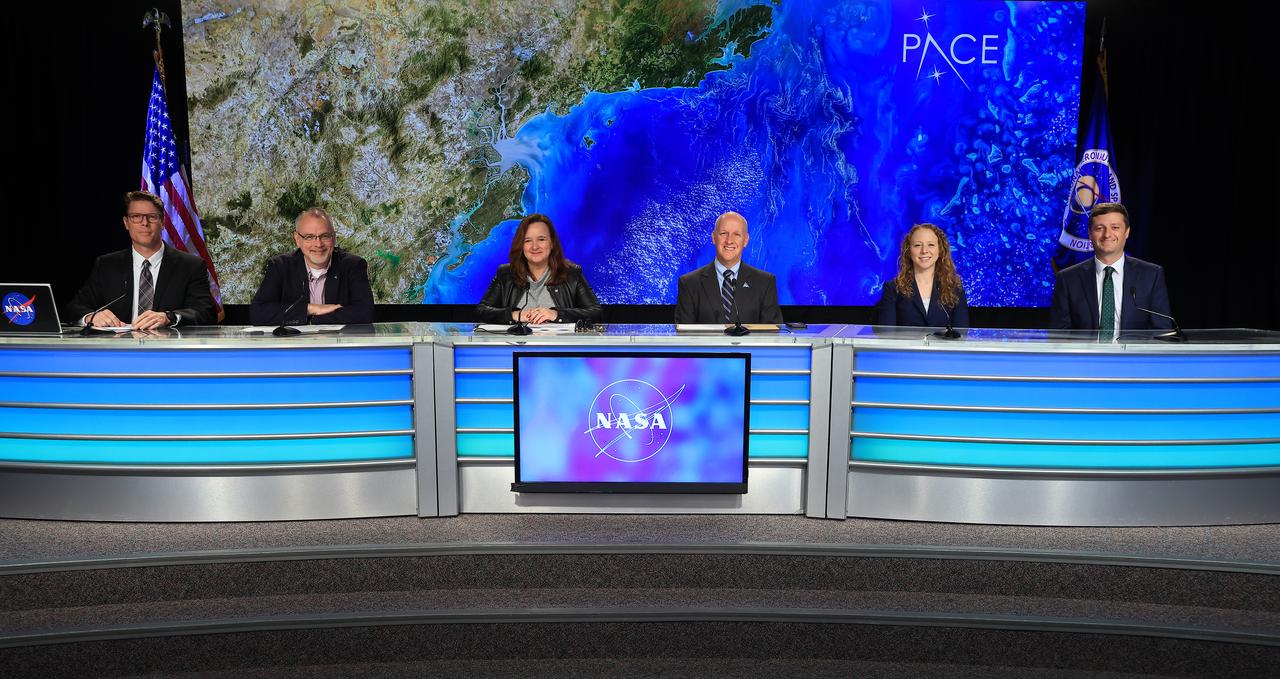
A PACE (Plankton, Aerosol, Cloud, ocean Ecosystem) mission and prelaunch news conference takes place at NASA’s Kennedy Space Center in Florida on Monday, Feb. 5, 2024. Participants, from left to right are: Derrol Nail, NASA Communications; Jim Free, NASA associate administrator; Karen St. Germain, Earth Science Division director, NASA Headquarters; Tim Dunn, senior launch director, Launch Services Program, NASA’s Kennedy; Julianna Scheiman, director Civil Satellite Missions, SpaceX; and Brian Cizek, launch weather officer, 45th Weather Squadron, U.S. Space Force. PACE is NASA’s newest earth-observing satellite that will help increase our understanding of Earth’s oceans, atmosphere, and climate by delivering hyperspectral observations of microscopic marine organisms called phytoplankton, as well new data on clouds and aerosols. Liftoff aboard a SpaceX Falcon 9 rocket from Space Launch Complex 40 at Cape Canaveral Space Force Station in Florida is set for no earlier than 1:33 a.m. EST on Tuesday, Feb 6, 2024.
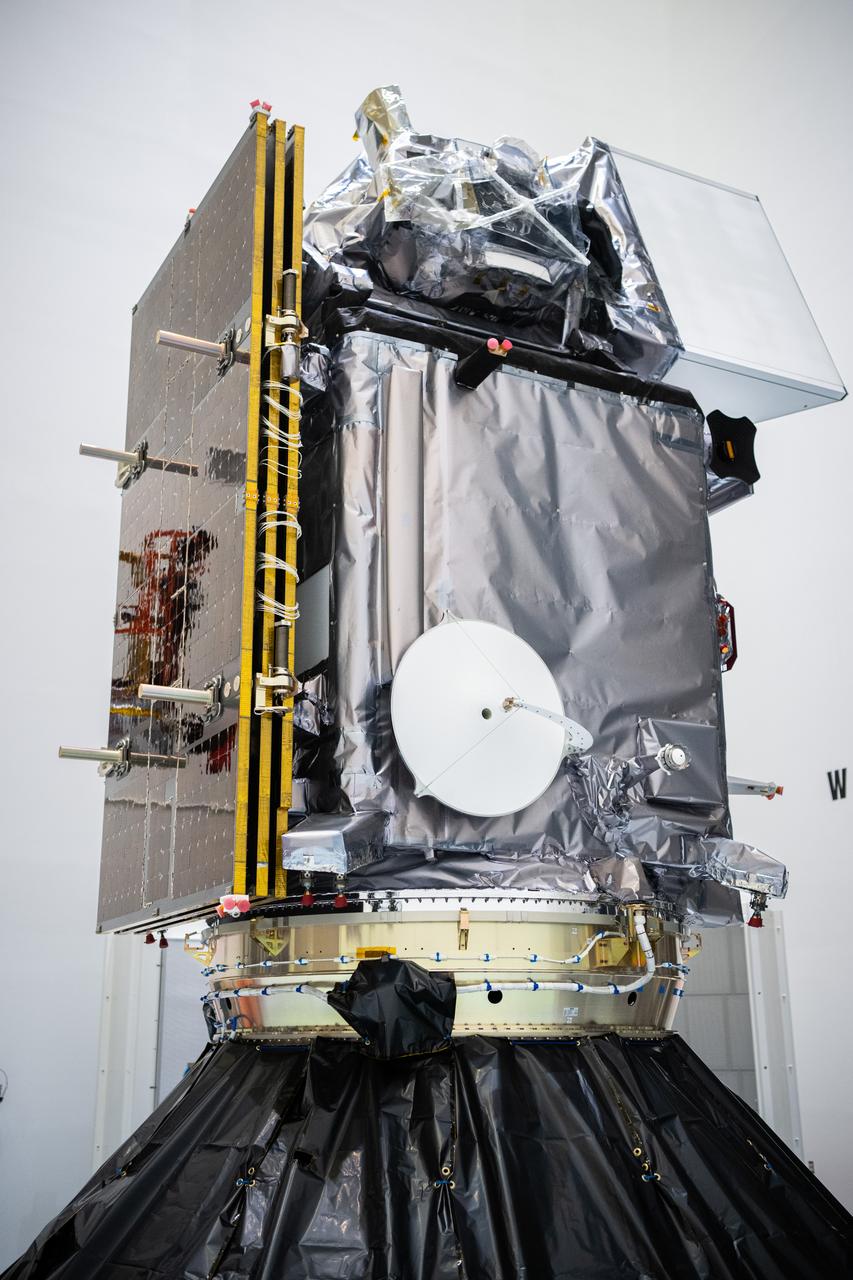
NASA and SpaceX technicians connect NASA’s PACE (Plankton, Aerosol, Cloud, ocean Ecosystem) spacecraft to the payload adapter on Friday, Jan. 26, 2024, at the Astrotech Space Operations Facility near the agency’s Kennedy Space Center in Florida. PACE is NASA’s newest earth-observing satellite that will help increase our understanding of Earth’s oceans, atmosphere, and climate by delivering hyperspectral observations of microscopic marine organisms called phytoplankton as well new data on clouds and aerosols. PACE is set to launch from Space Launch Complex 40 at Cape Canaveral Space Force Station in Florida at 1:33 a.m. EST on Tuesday, Feb. 6.

Members of NASA’s PACE (Plankton, Aerosol, Cloud, ocean Ecosystem) team are photographed with the spacecraft on Wednesday, Jan. 3, 2024, during a NASA-hosted media day inside a cleanroom at the Astrotech Space Operations Facility near NASA’s Kennedy Space Center in Florida. PACE will collect data on how the ocean and atmosphere exchange carbon dioxide, measure key atmospheric variables associated with air quality and Earth's climate, and monitor ocean health. PACE is set to launch aboard a SpaceX Falcon 9 rocket no earlier than Tuesday, Feb. 6, 2024, from Space Launch Complex 40 at Cape Canaveral Space Force Station in Florida.
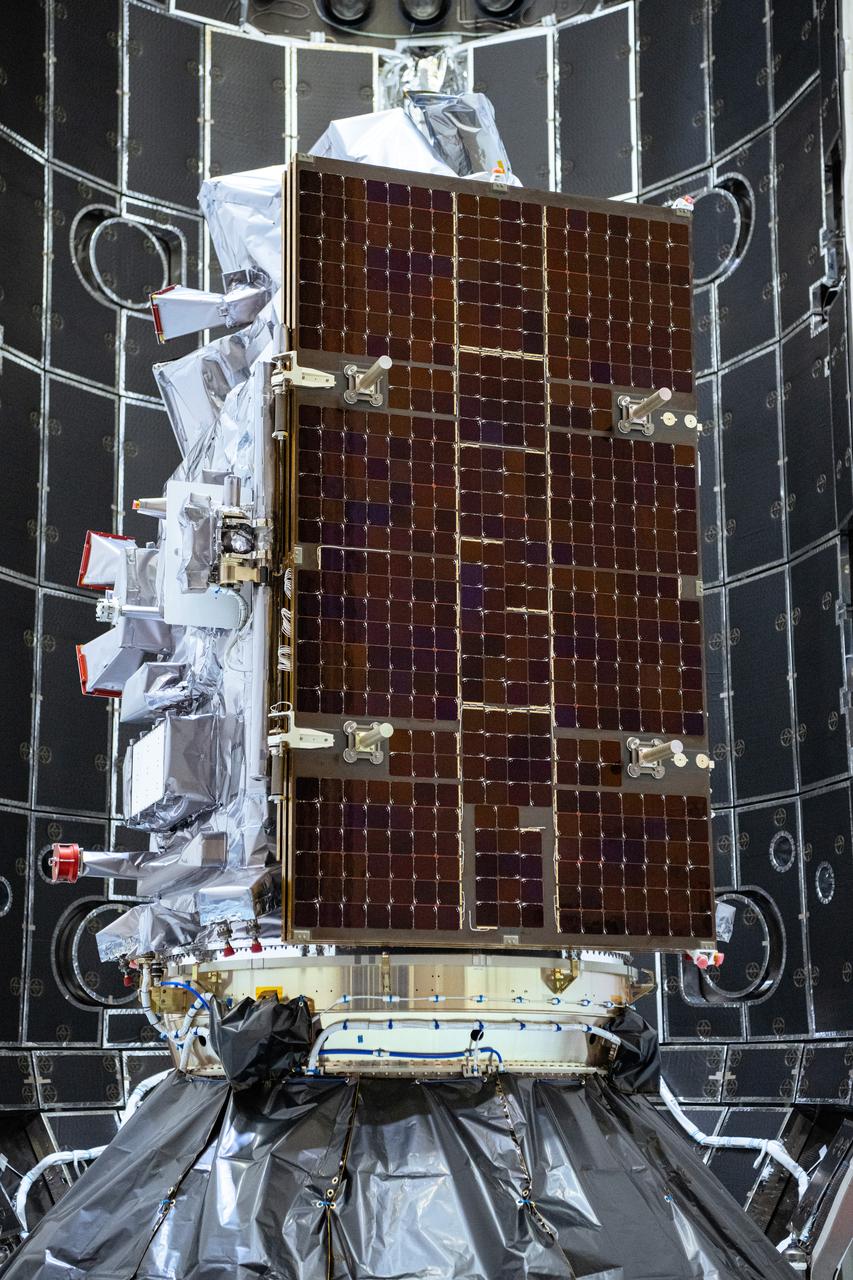
NASA and SpaceX technicians connect NASA’s PACE (Plankton, Aerosol, Cloud, ocean Ecosystem) spacecraft to the payload adapter on Friday, Jan. 26, 2024, at the Astrotech Space Operations Facility near the agency’s Kennedy Space Center in Florida. PACE is NASA’s newest earth-observing satellite that will help increase our understanding of Earth’s oceans, atmosphere, and climate by delivering hyperspectral observations of microscopic marine organisms called phytoplankton as well new data on clouds and aerosols. PACE is set to launch from Space Launch Complex 40 at Cape Canaveral Space Force Station in Florida at 1:33 a.m. EST on Tuesday, Feb. 6.
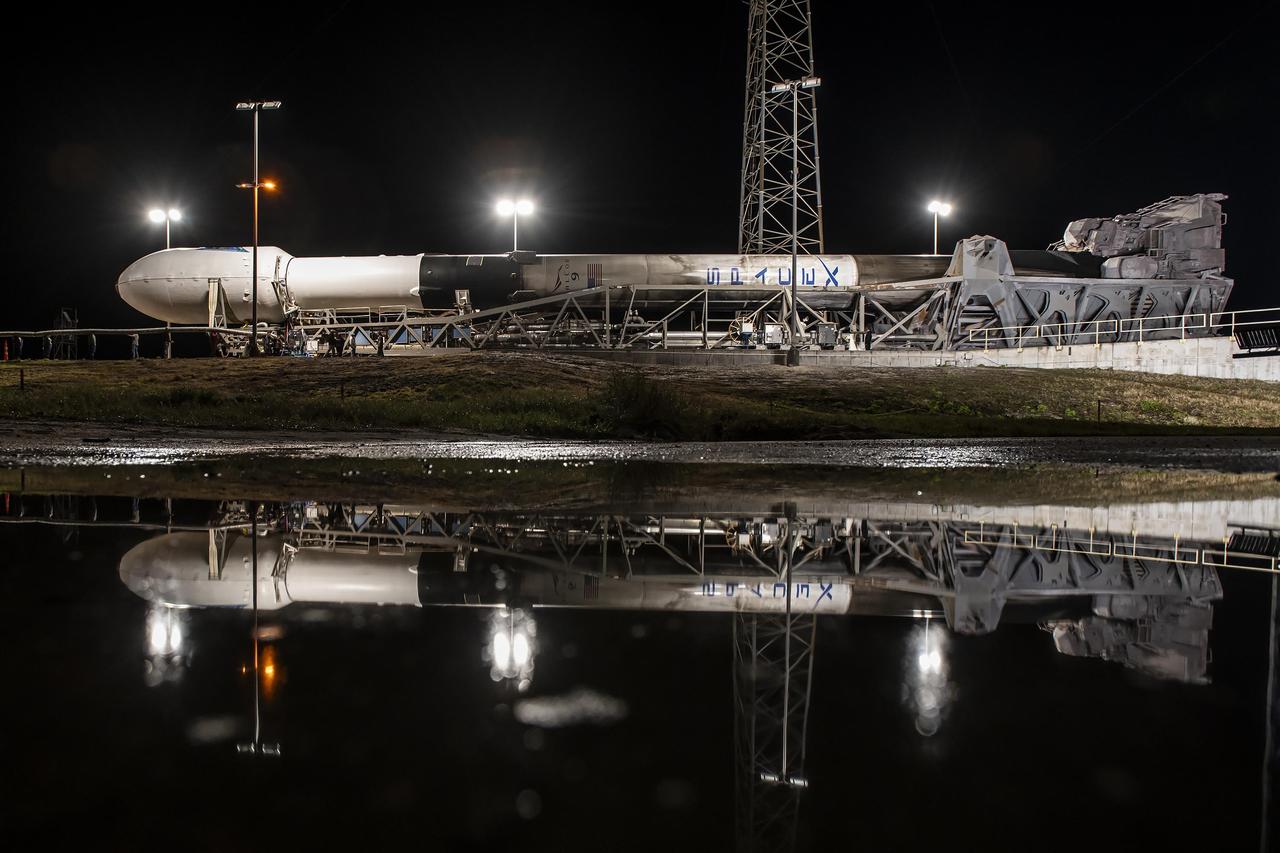
A SpaceX Falcon 9 rocket with NASA’s PACE (Plankton, Aerosol, Cloud, ocean Ecosystem) spacecraft encapsulated atop is rolled to the launch pad at Space Launch Complex 40 at Cape Canaveral Space Force Station in Florida on Monday, Feb. 5, 2024. PACE is NASA’s newest earth-observing satellite that will help increase our understanding of Earth’s oceans, atmosphere, and climate by delivering hyperspectral observations of microscopic marine organisms called phytoplankton as well new data on clouds and aerosols. Liftoff of the PACE mission is set for no earlier than 1:33 a.m. EST on Tuesday, Feb. 6, 2024.
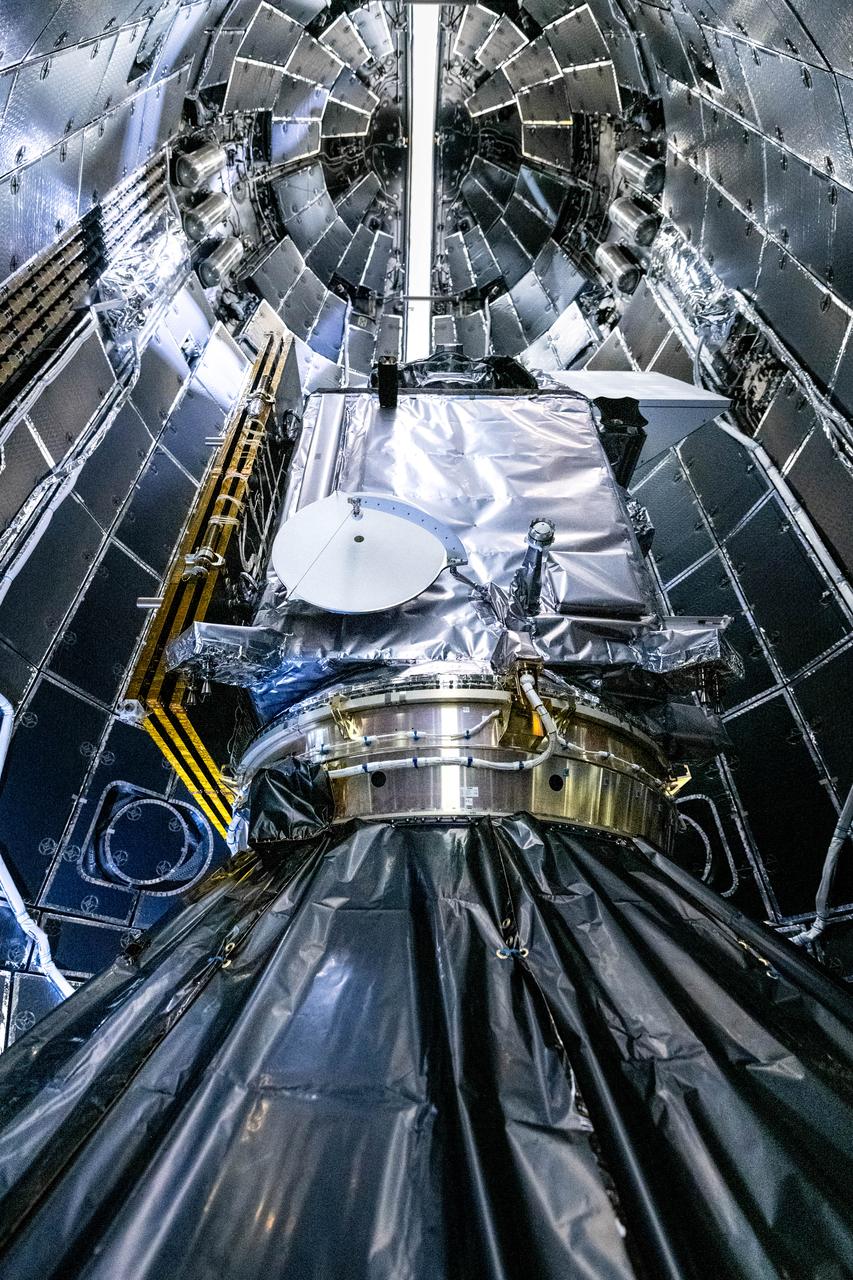
NASA and SpaceX technicians safely encapsulate NASA’s PACE (Plankton, Aerosol, Cloud, ocean Ecosystem) spacecraft in SpaceX’s Falcon 9 payload fairings on Tuesday, Jan. 30, 2024, at the Astrotech Space Operations Facility near the agency’s Kennedy Space Center in Florida. The fairing halves protect the spacecraft from aerodynamic pressure and heating during the ascent phase of launch. PACE is set to launch from Space Launch Complex 40 at Cape Canaveral Space Force Station in Florida no earlier than 1:33 a.m. EST on Tuesday, Feb. 6, 2024.
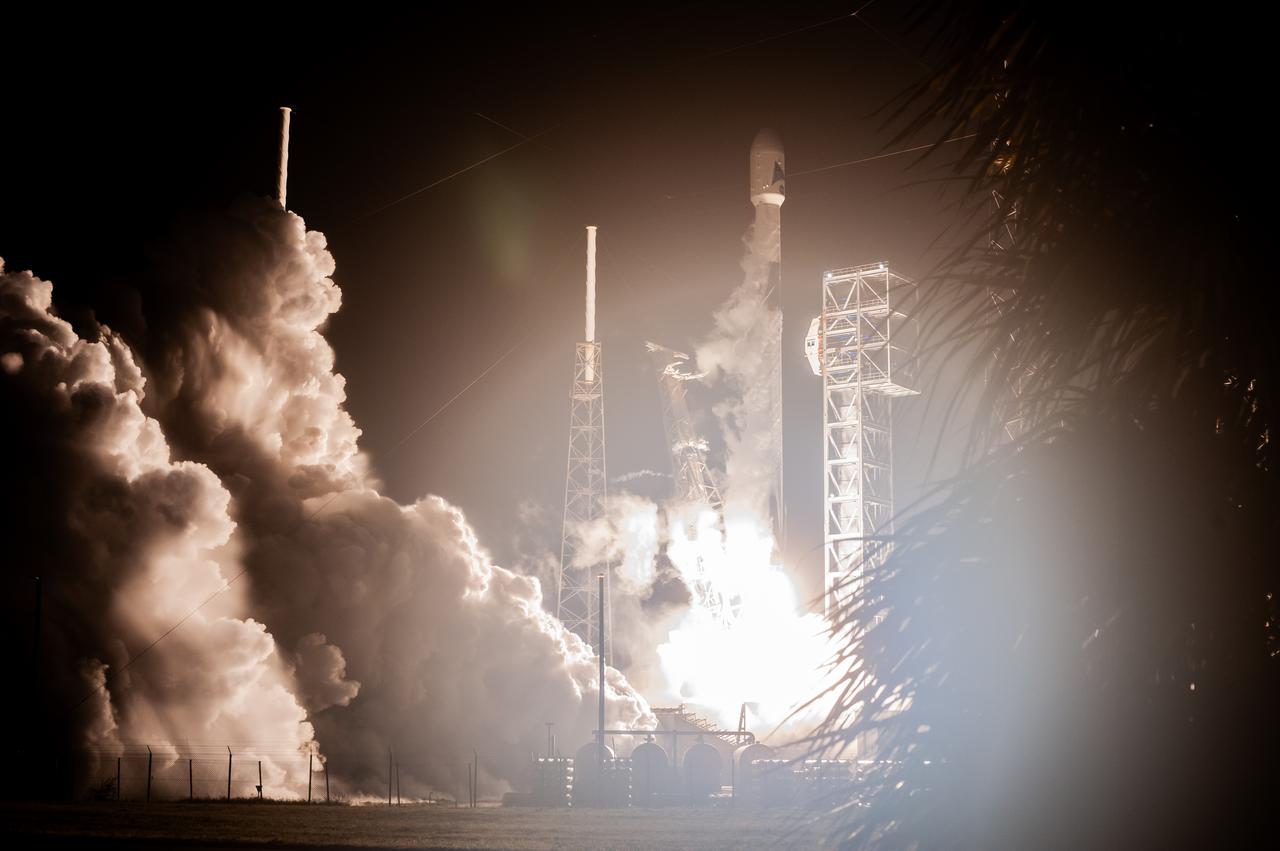
NASA’s PACE (Plankton, Aerosol, Cloud, ocean Ecosystem) spacecraft, atop a SpaceX Falcon 9 rocket, successfully lifts off from Space Launch Complex 40 at Cape Canaveral Space Force Station in Florida at 1:33 a.m. EST Thursday, Feb. 8. PACE is NASA’s newest earth-observing satellite that will help increase our understanding of Earth’s oceans, atmosphere, and climate by delivering hyperspectral observations of microscopic marine organisms called phytoplankton, as well new data on clouds and aerosols.
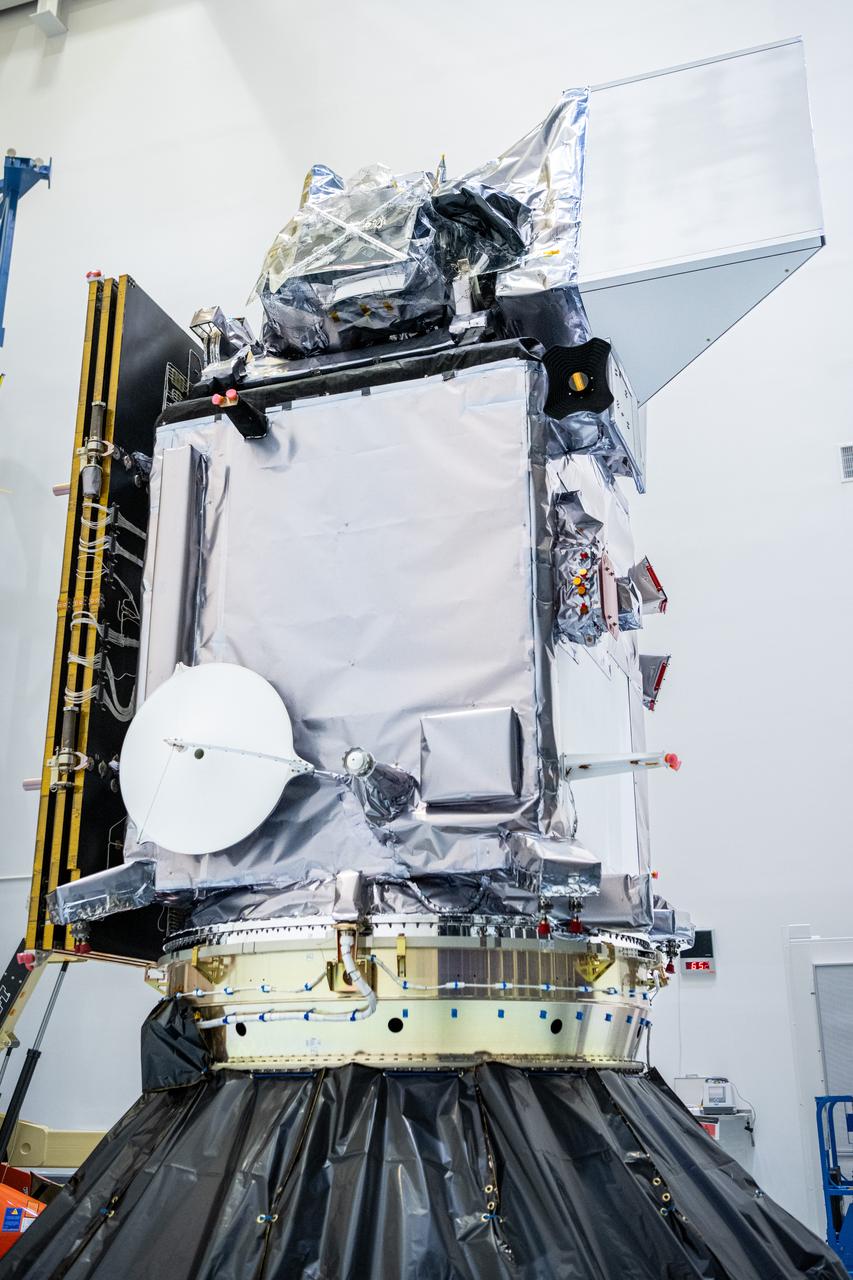
NASA and SpaceX technicians connect NASA’s PACE (Plankton, Aerosol, Cloud, ocean Ecosystem) spacecraft to the payload adapter on Friday, Jan. 26, 2024, at the Astrotech Space Operations Facility near the agency’s Kennedy Space Center in Florida. PACE is NASA’s newest earth-observing satellite that will help increase our understanding of Earth’s oceans, atmosphere, and climate by delivering hyperspectral observations of microscopic marine organisms called phytoplankton as well new data on clouds and aerosols. PACE is set to launch from Space Launch Complex 40 at Cape Canaveral Space Force Station in Florida at 1:33 a.m. EST on Tuesday, Feb. 6.
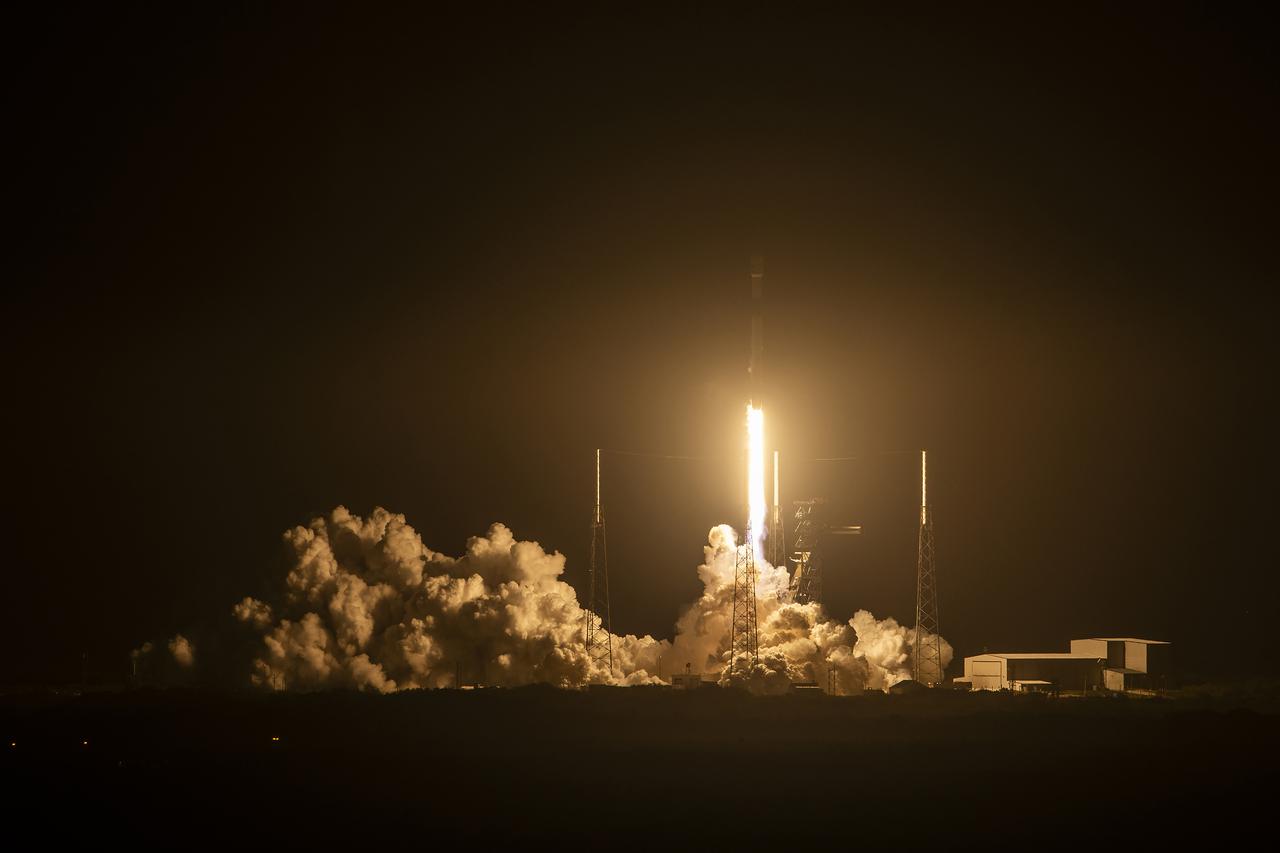
NASA’s PACE (Plankton, Aerosol, Cloud, ocean Ecosystem) spacecraft, atop a SpaceX Falcon 9 rocket, successfully lifts off from Space Launch Complex 40 at Cape Canaveral Space Force Station in Florida at 1:33 a.m. EST Thursday, Feb. 8. PACE is NASA’s newest earth-observing satellite that will help increase our understanding of Earth’s oceans, atmosphere, and climate by delivering hyperspectral observations of microscopic marine organisms called phytoplankton, as well new data on clouds and aerosols.
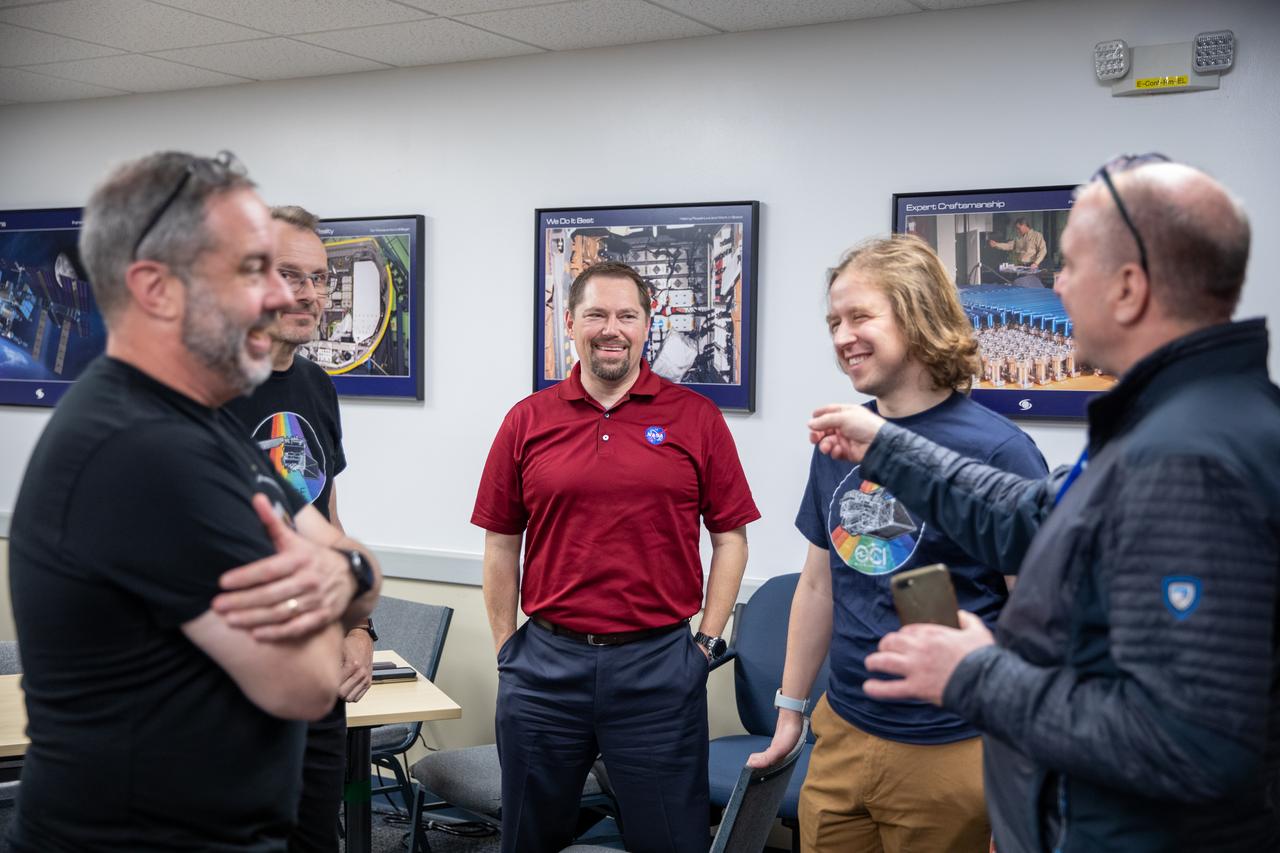
Media interviewed members of NASA’s PACE (Plankton, Aerosol, Cloud, ocean Ecosystem) team on Wednesday, Jan. 3, 2024, during a NASA-hosted media day at the Astrotech Space Operations Facility near NASA’s Kennedy Space Center in Florida. PACE will collect data on how the ocean and atmosphere exchange carbon dioxide, measure key atmospheric variables associated with air quality and Earth's climate, and monitor ocean health. PACE is set to launch aboard a SpaceX Falcon 9 rocket no earlier than Tuesday, Feb. 6, 2024, from Space Launch Complex 40 at Cape Canaveral Space Force Station in Florida.
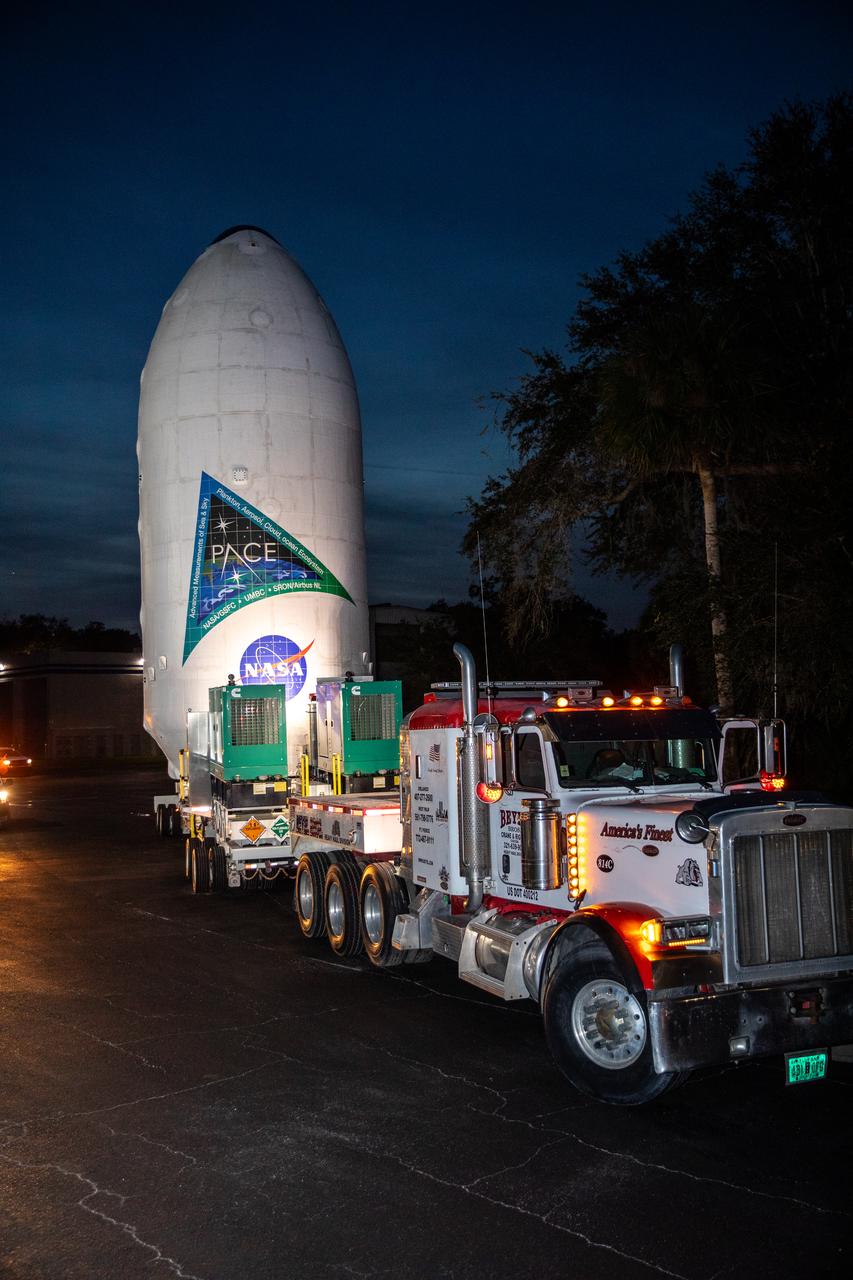
NASA’s PACE (Plankton, Aerosol, Cloud, ocean Ecosystem) spacecraft encapsulated inside SpaceX’s Falcon 9 payload fairings is transported from the Astrotech Space Operations Facility near the agency’s Kennedy Space Center in Florida to Space Launch Complex 40 at Cape Canaveral Space Force Station on Thursday, Feb. 1, 2024, to be mated with a SpaceX Falcon 9 in preparation for liftoff set for no earlier than 1:33 a.m. EST on Tuesday, Feb. 6, 2024. PACE is NASA’s newest earth-observing satellite that will help increase our understanding of Earth’s oceans, atmosphere, and climate by delivering hyperspectral observations of microscopic marine organisms called phytoplankton as well new data on clouds and aerosols.

A SpaceX Falcon 9 rocket with NASA’s PACE (Plankton, Aerosol, Cloud, ocean Ecosystem) spacecraft stands vertical at Space Launch Complex 40 at Cape Canaveral Space Force Station in Florida on Monday, Feb. 5, 2024. PACE is NASA’s newest earth-observing satellite that will help increase our understanding of Earth’s oceans, atmosphere, and climate by delivering hyperspectral observations of microscopic marine organisms called phytoplankton as well new data on clouds and aerosols. Liftoff of the PACE mission is set for no earlier than 1:33 a.m. EST on Wednesday, Feb. 7, 2024.
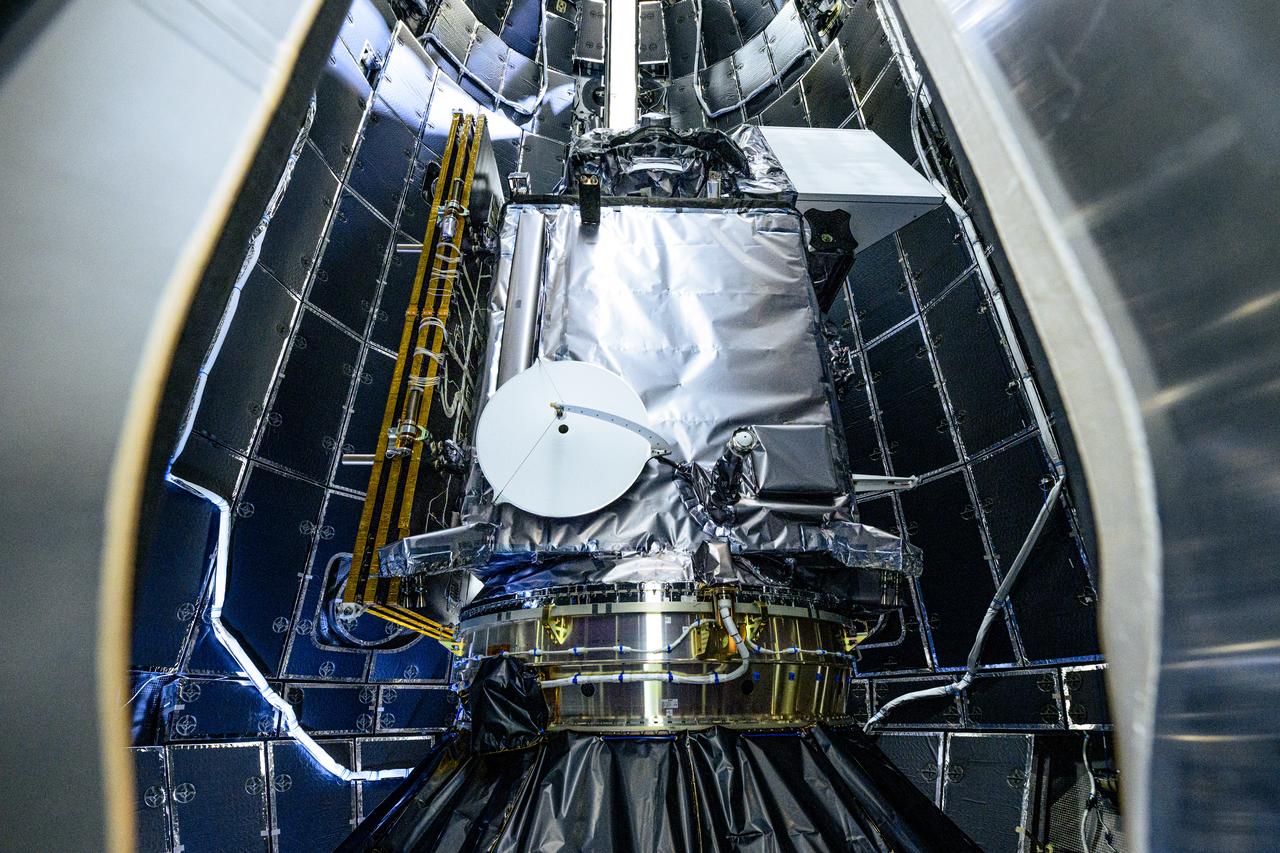
NASA and SpaceX technicians safely encapsulate NASA’s PACE (Plankton, Aerosol, Cloud, ocean Ecosystem) spacecraft in SpaceX’s Falcon 9 payload fairings on Tuesday, Jan. 30, 2024, at the Astrotech Space Operations Facility near the agency’s Kennedy Space Center in Florida. The fairing halves protect the spacecraft from aerodynamic pressure and heating during the ascent phase of launch. PACE is set to launch from Space Launch Complex 40 at Cape Canaveral Space Force Station in Florida no earlier than 1:33 a.m. EST on Tuesday, Feb. 6, 2024.
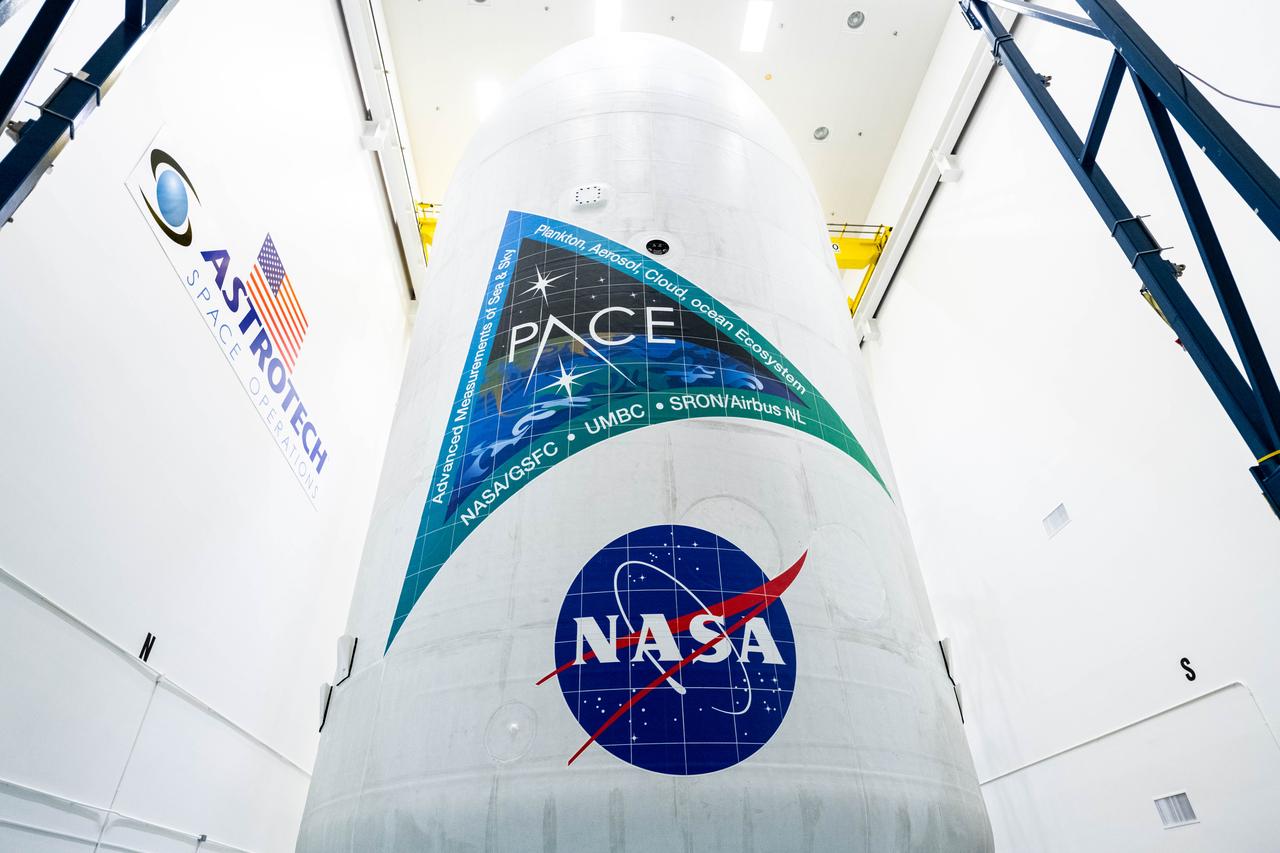
NASA and SpaceX technicians safely encapsulate NASA’s PACE (Plankton, Aerosol, Cloud, ocean Ecosystem) spacecraft in SpaceX’s Falcon 9 payload fairings on Wednesday, Jan. 30, 2024, at the Astrotech Space Operations Facility near the agency’s Kennedy Space Center in Florida. The fairing halves protect the spacecraft from aerodynamic pressure and heating during the ascent phase of launch. PACE is set to launch from Space Launch Complex 40 at Cape Canaveral Space Force Station in Florida no earlier than 1:33 a.m. EST on Tuesday, Feb. 6, 2024.
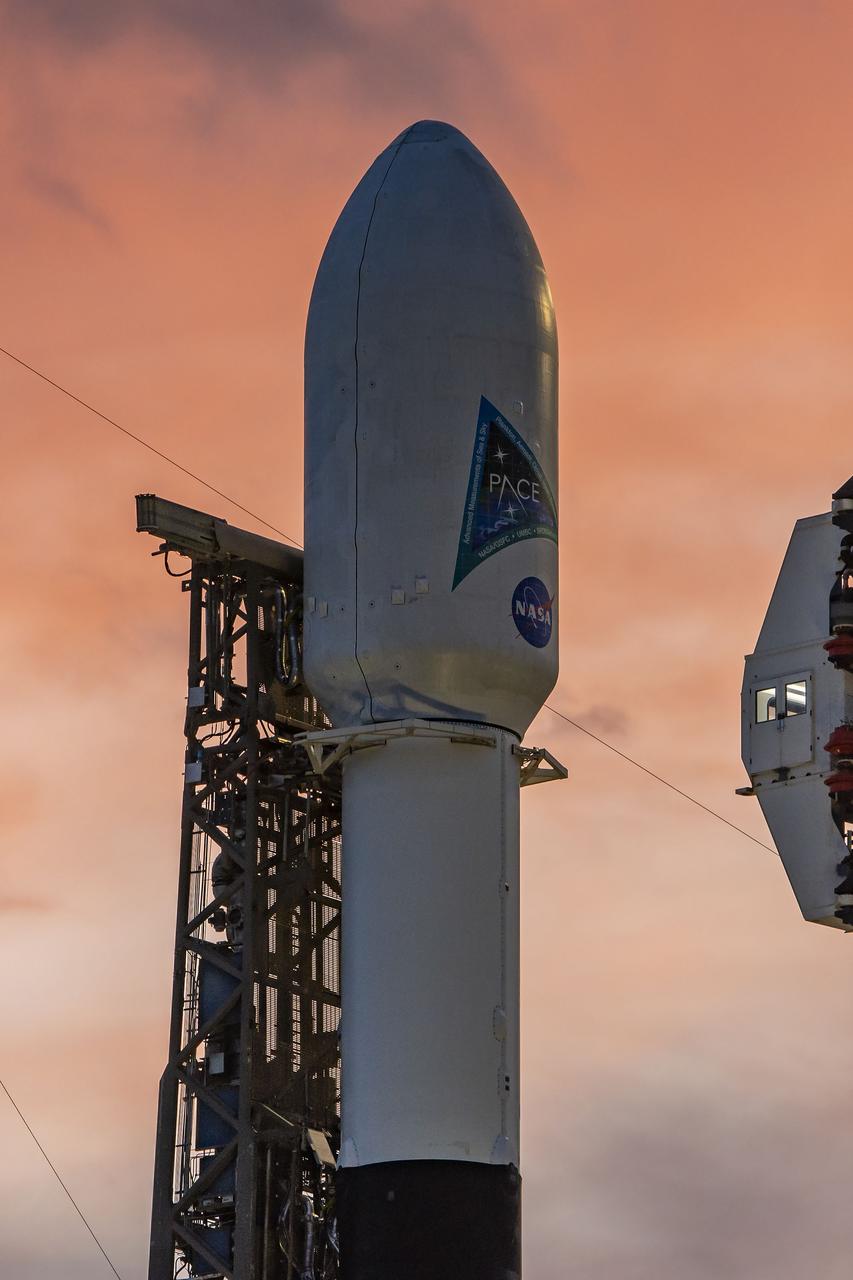
A SpaceX Falcon 9 rocket with NASA’s PACE (Plankton, Aerosol, Cloud, ocean Ecosystem) spacecraft stands vertical at Space Launch Complex 40 at Cape Canaveral Space Force Station in Florida on Monday, Feb. 5, 2024. PACE is NASA’s newest earth-observing satellite that will help increase our understanding of Earth’s oceans, atmosphere, and climate by delivering hyperspectral observations of microscopic marine organisms called phytoplankton as well new data on clouds and aerosols. Liftoff of the PACE mission is set for no earlier than 1:33 a.m. EST on Wednesday, Feb. 7, 2024.
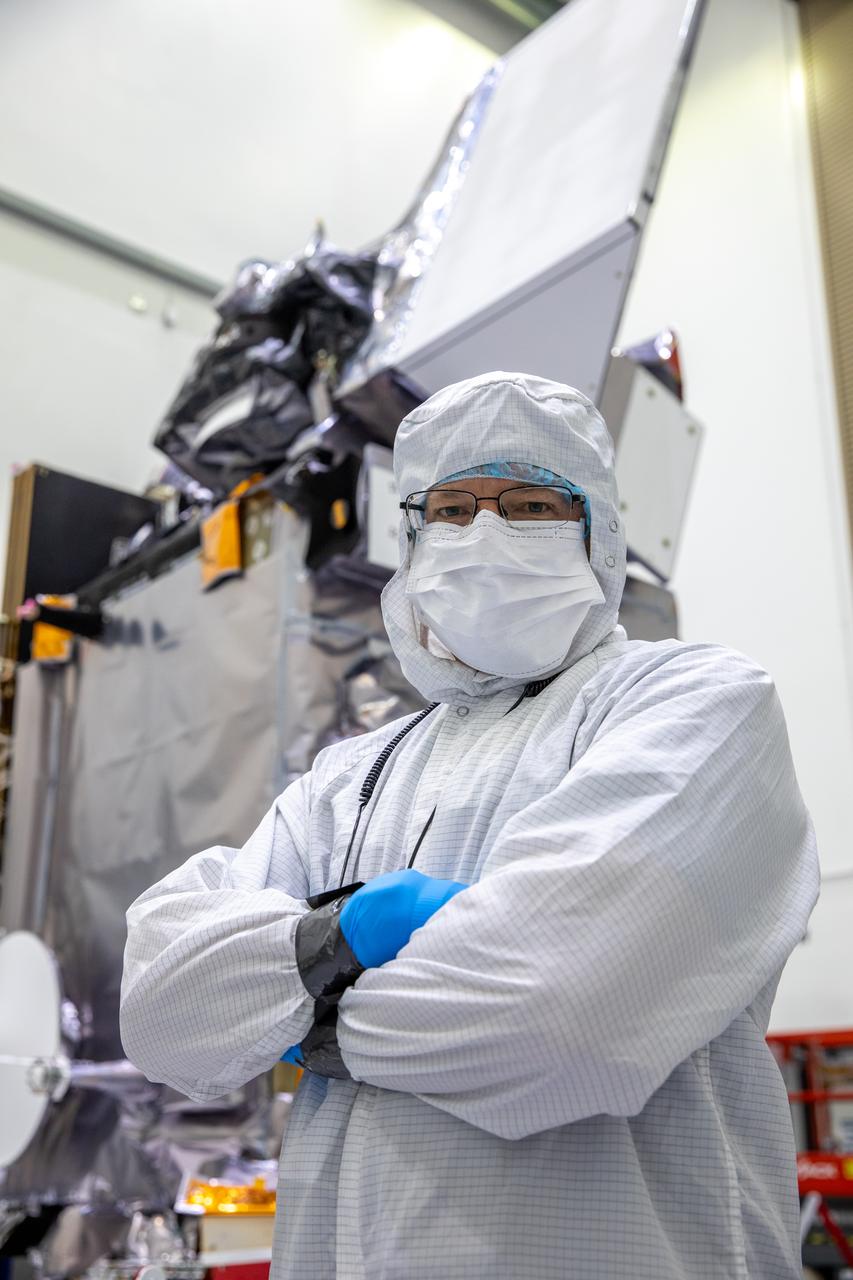
Gary Davis, PACE Mission Systems Engineer, participated in a NASA-hosted media day for the agency’s PACE (Plankton, Aerosol, Cloud, ocean Ecosystem) spacecraft on Wednesday, Jan. 3, 2024, inside a cleanroom at the Astrotech Space Operations Facility near NASA’s Kennedy Space Center in Florida. PACE will collect data on how the ocean and atmosphere exchange carbon dioxide, measure key atmospheric variables associated with air quality and Earth's climate, and monitor ocean health. PACE is set to launch aboard a SpaceX Falcon 9 rocket no earlier than Tuesday, Feb. 6, 2024, from Space Launch Complex 40 at Cape Canaveral Space Force Station in Florida.
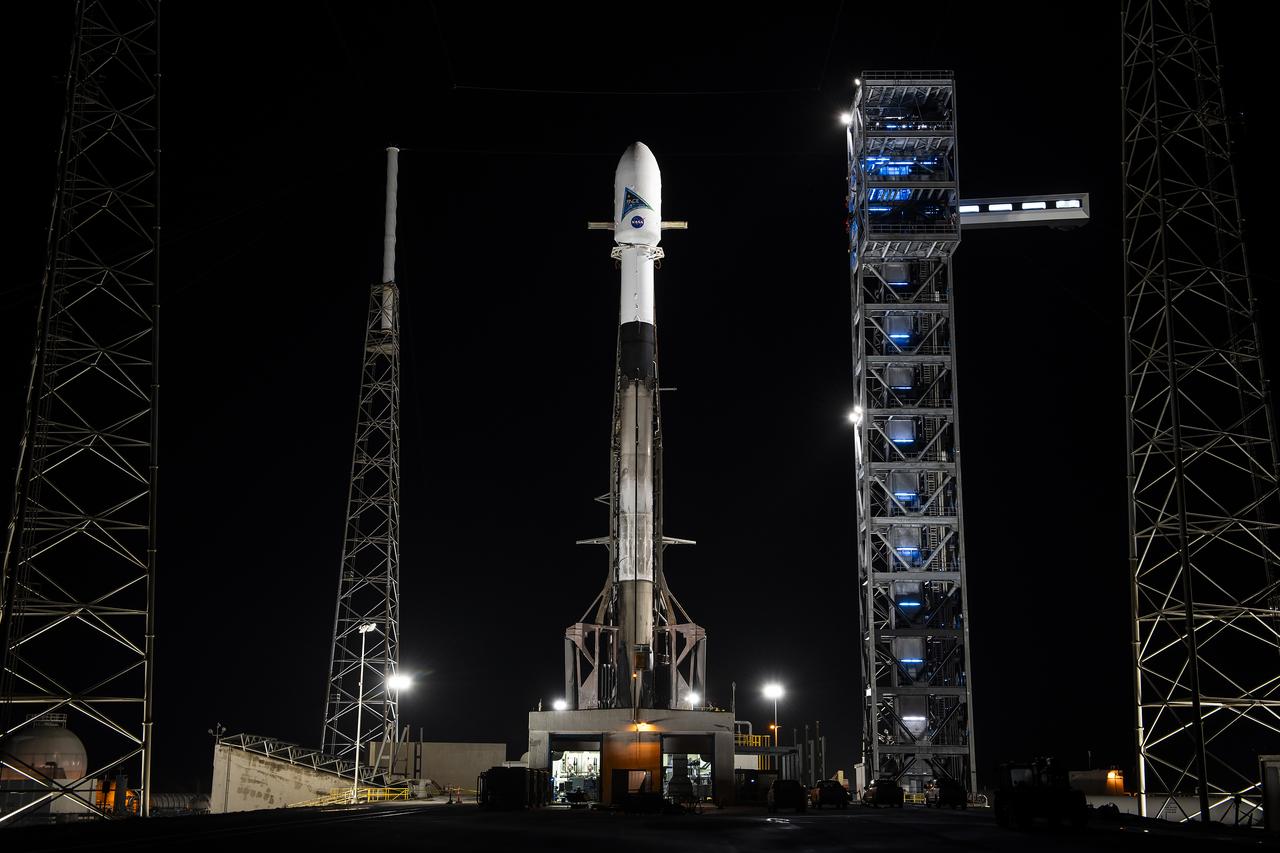
A SpaceX Falcon 9 rocket with NASA’s PACE (Plankton, Aerosol, Cloud, ocean Ecosystem) spacecraft encapsulated atop is raised to a vertical position at Space Launch Complex 40 at Cape Canaveral Space Force Station in Florida on Monday, Feb. 5, 2024. PACE is NASA’s newest earth-observing satellite that will help increase our understanding of Earth’s oceans, atmosphere, and climate by delivering hyperspectral observations of microscopic marine organisms called phytoplankton as well new data on clouds and aerosols. Liftoff of the PACE mission is set for no earlier than 1:33 a.m. EST on Tuesday, Feb. 6, 2024.

A SpaceX Falcon 9 rocket with NASA’s PACE (Plankton, Aerosol, Cloud, ocean Ecosystem) spacecraft stands vertical at Space Launch Complex 40 at Cape Canaveral Space Force Station in Florida on Monday, Feb. 5, 2024. PACE is NASA’s newest earth-observing satellite that will help increase our understanding of Earth’s oceans, atmosphere, and climate by delivering hyperspectral observations of microscopic marine organisms called phytoplankton as well new data on clouds and aerosols. Liftoff of the PACE mission is set for no earlier than 1:33 a.m. EST on Wednesday, Feb. 7, 2024.

A SpaceX Falcon 9 rocket with NASA’s PACE (Plankton, Aerosol, Cloud, ocean Ecosystem) spacecraft encapsulated atop is raised to a vertical position at Space Launch Complex 40 at Cape Canaveral Space Force Station in Florida on Monday, Feb. 5, 2024. PACE is NASA’s newest earth-observing satellite that will help increase our understanding of Earth’s oceans, atmosphere, and climate by delivering hyperspectral observations of microscopic marine organisms called phytoplankton as well new data on clouds and aerosols. Liftoff of the PACE mission is set for no earlier than 1:33 a.m. EST on Tuesday, Feb. 6, 2024.
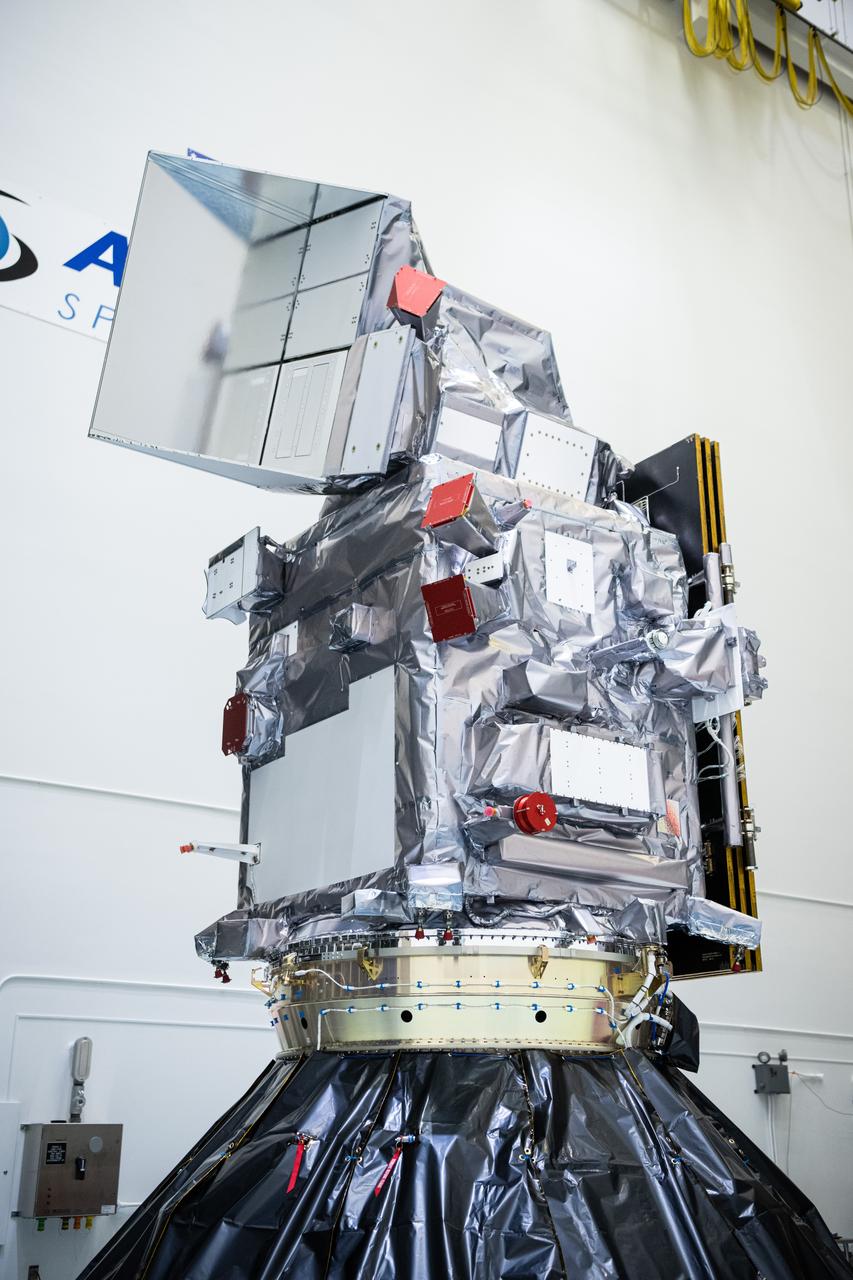
NASA and SpaceX technicians connect NASA’s PACE (Plankton, Aerosol, Cloud, ocean Ecosystem) spacecraft to the payload adapter on Friday, Jan. 26, 2024, at the Astrotech Space Operations Facility near the agency’s Kennedy Space Center in Florida. PACE is NASA’s newest earth-observing satellite that will help increase our understanding of Earth’s oceans, atmosphere, and climate by delivering hyperspectral observations of microscopic marine organisms called phytoplankton as well new data on clouds and aerosols. PACE is set to launch from Space Launch Complex 40 at Cape Canaveral Space Force Station in Florida at 1:33 a.m. EST on Tuesday, Feb. 6.
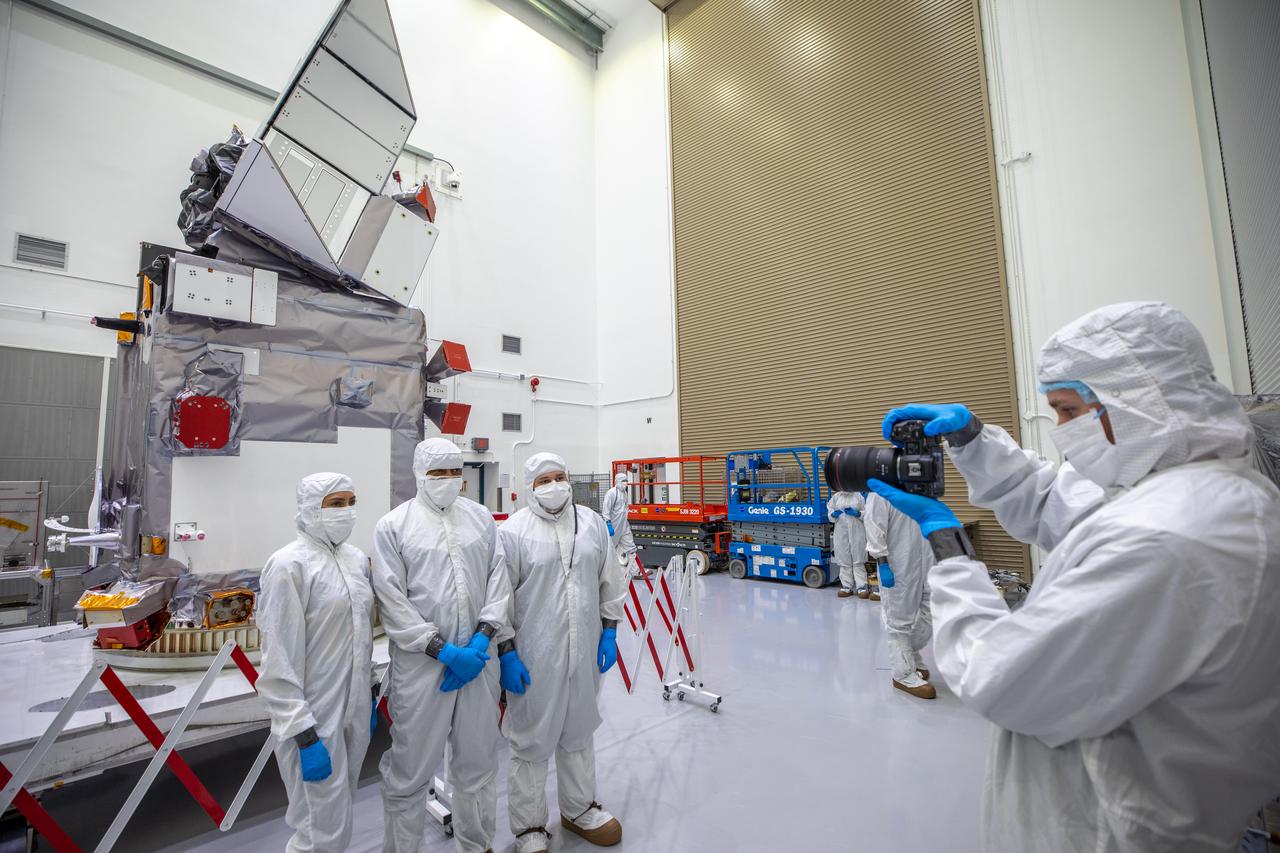
Members of NASA’s PACE (Plankton, Aerosol, Cloud, ocean Ecosystem) team are photographed with the spacecraft on Wednesday, Jan. 3, 2024, during a NASA-hosted media day inside a cleanroom at the Astrotech Space Operations Facility near NASA’s Kennedy Space Center in Florida. PACE will collect data on how the ocean and atmosphere exchange carbon dioxide, measure key atmospheric variables associated with air quality and Earth's climate, and monitor ocean health. PACE is set to launch aboard a SpaceX Falcon 9 rocket no earlier than Tuesday, Feb. 6, 2024, from Space Launch Complex 40 at Cape Canaveral Space Force Station in Florida.
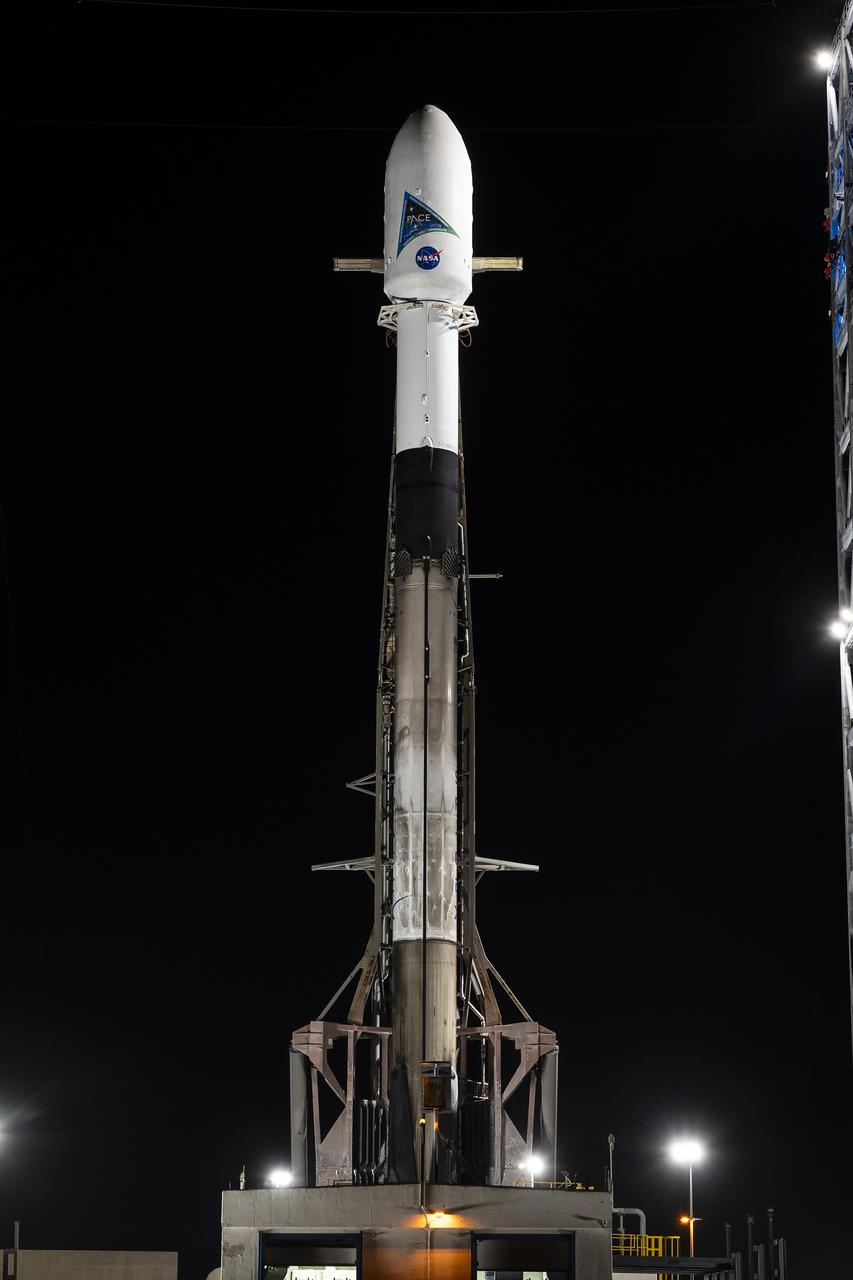
A SpaceX Falcon 9 rocket with NASA’s PACE (Plankton, Aerosol, Cloud, ocean Ecosystem) spacecraft encapsulated atop is raised to a vertical position at Space Launch Complex 40 at Cape Canaveral Space Force Station in Florida on Monday, Feb. 5, 2024. PACE is NASA’s newest earth-observing satellite that will help increase our understanding of Earth’s oceans, atmosphere, and climate by delivering hyperspectral observations of microscopic marine organisms called phytoplankton as well new data on clouds and aerosols. Liftoff of the PACE mission is set for no earlier than 1:33 a.m. EST on Tuesday, Feb. 6, 2024.
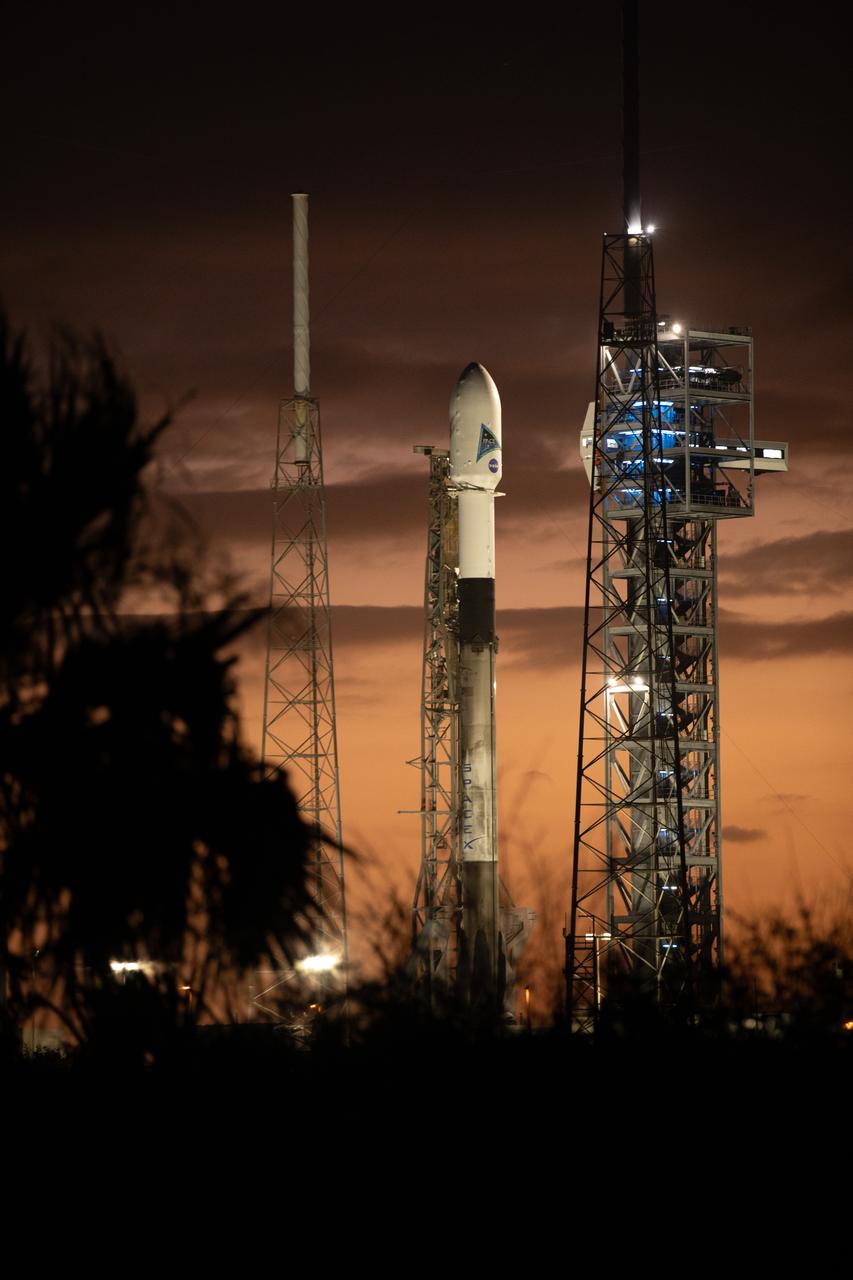
A SpaceX Falcon 9 rocket with NASA’s PACE (Plankton, Aerosol, Cloud, ocean Ecosystem) spacecraft stands vertical at Space Launch Complex 40 at Cape Canaveral Space Force Station in Florida on Tuesday, Feb. 6, 2024. PACE is NASA’s newest earth-observing satellite that will help increase our understanding of Earth’s oceans, atmosphere, and climate by delivering hyperspectral observations of microscopic marine organisms called phytoplankton as well new data on clouds and aerosols. The successful liftoff took place 1:33 a.m. EST Thursday, Feb. 8, 2024.

NASA’s PACE (Plankton, Aerosol, Cloud, ocean Ecosystem) spacecraft, atop a SpaceX Falcon 9 rocket, successfully lifts off from Space Launch Complex 40 at Cape Canaveral Space Force Station in Florida at 1:33 a.m. EST Thursday, Feb. 8. PACE is NASA’s newest earth-observing satellite that will help increase our understanding of Earth’s oceans, atmosphere, and climate by delivering hyperspectral observations of microscopic marine organisms called phytoplankton, as well new data on clouds and aerosols.
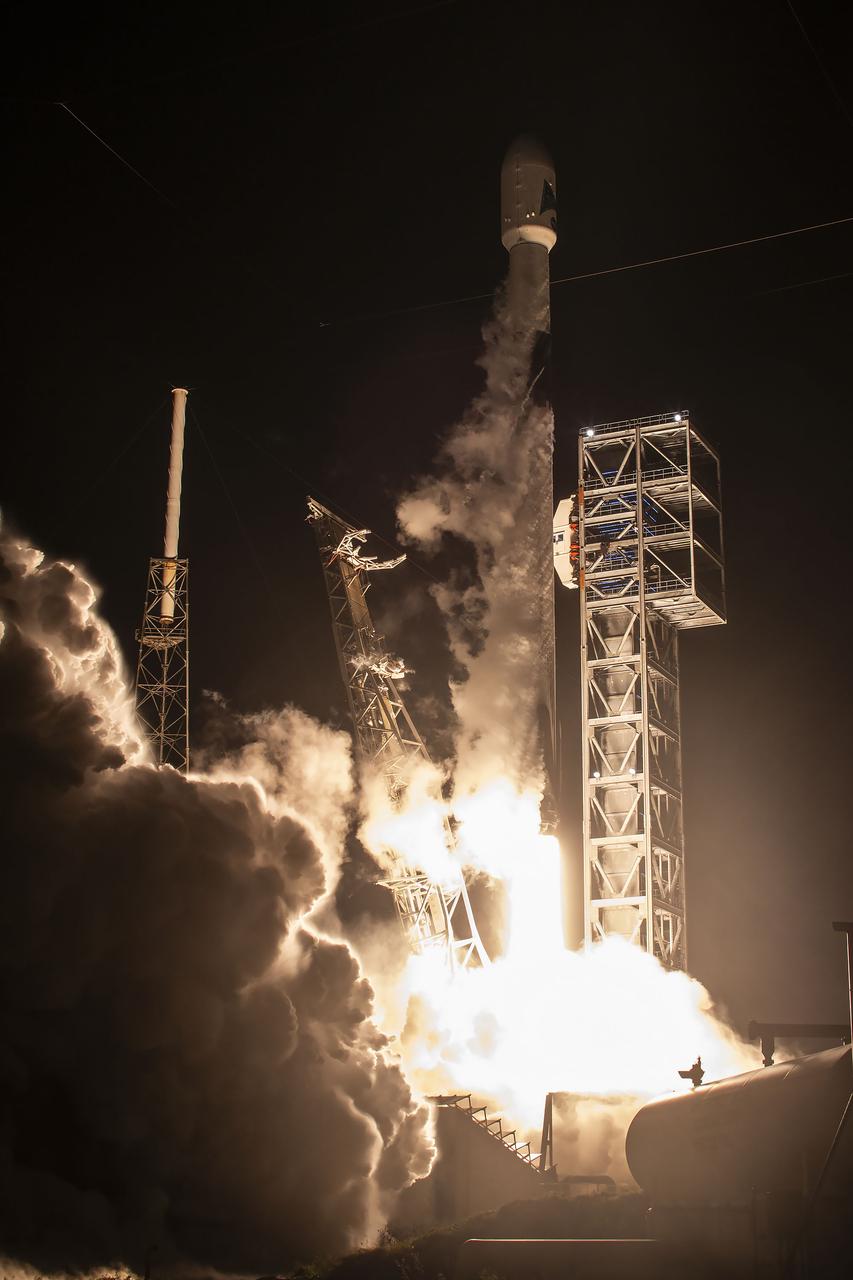
NASA’s PACE (Plankton, Aerosol, Cloud, ocean Ecosystem) spacecraft, atop a SpaceX Falcon 9 rocket, successfully lifts off from Space Launch Complex 40 at Cape Canaveral Space Force Station in Florida at 1:33 a.m. EST Thursday, Feb. 8. PACE is NASA’s newest earth-observing satellite that will help increase our understanding of Earth’s oceans, atmosphere, and climate by delivering hyperspectral observations of microscopic marine organisms called phytoplankton, as well new data on clouds and aerosols.

A PACE (Plankton, Aerosol, Cloud, ocean Ecosystem) mission and science briefing takes place at NASA’s Kennedy Space Center in Florida on Sunday, Feb. 4, 2024. Participants, from left to right are: Katherine Rohloff, NASA Communications; Kate Calvin, Chief Scientist, and Senior Climate advisor, NASA Headquarters; Karen St. Germain, Earth Science Division director, NASA Headquarters; Jeremy Werdell, PACE project scientist, NASA’s Goddard Space Flight Center; Andy Sayer, PACE Atmospheric Scientist, NASA’s Goddard Space Flight Center; and Natasha Sadoff, Satellite Needs Program Manager, NASA Headquarters. PACE is NASA’s newest earth-observing satellite that will help increase our understanding of Earth’s oceans, atmosphere, and climate by delivering hyperspectral observations of microscopic marine organisms called phytoplankton, as well new data on clouds and aerosols. Liftoff aboard a SpaceX Falcon 9 rocket from Space Launch Complex 40 at Cape Canaveral Space Force Station in Florida is set for no earlier than 1:33 a.m. EST on Tuesday, Feb 6, 2024.
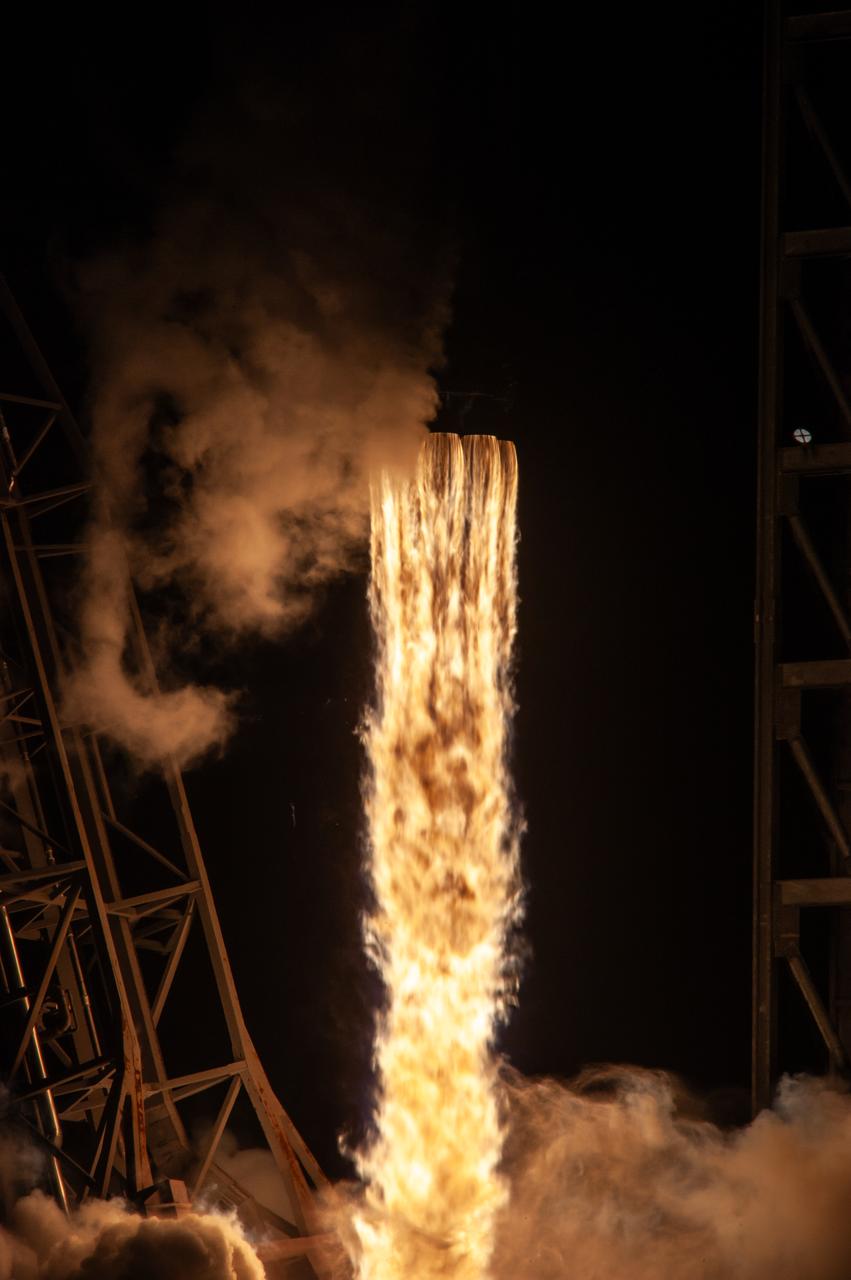
NASA’s PACE (Plankton, Aerosol, Cloud, ocean Ecosystem) spacecraft, atop a SpaceX Falcon 9 rocket, successfully lifts off from Space Launch Complex 40 at Cape Canaveral Space Force Station in Florida at 1:33 a.m. EST Thursday, Feb. 8. PACE is NASA’s newest earth-observing satellite that will help increase our understanding of Earth’s oceans, atmosphere, and climate by delivering hyperspectral observations of microscopic marine organisms called phytoplankton, as well new data on clouds and aerosols.

A SpaceX Falcon 9 rocket with NASA’s PACE (Plankton, Aerosol, Cloud, ocean Ecosystem) spacecraft stands vertical at Space Launch Complex 40 at Cape Canaveral Space Force Station in Florida on Monday, Feb. 5, 2024. PACE is NASA’s newest earth-observing satellite that will help increase our understanding of Earth’s oceans, atmosphere, and climate by delivering hyperspectral observations of microscopic marine organisms called phytoplankton as well new data on clouds and aerosols. Liftoff of the PACE mission is set for no earlier than 1:33 a.m. EST on Wednesday, Feb. 7, 2024.
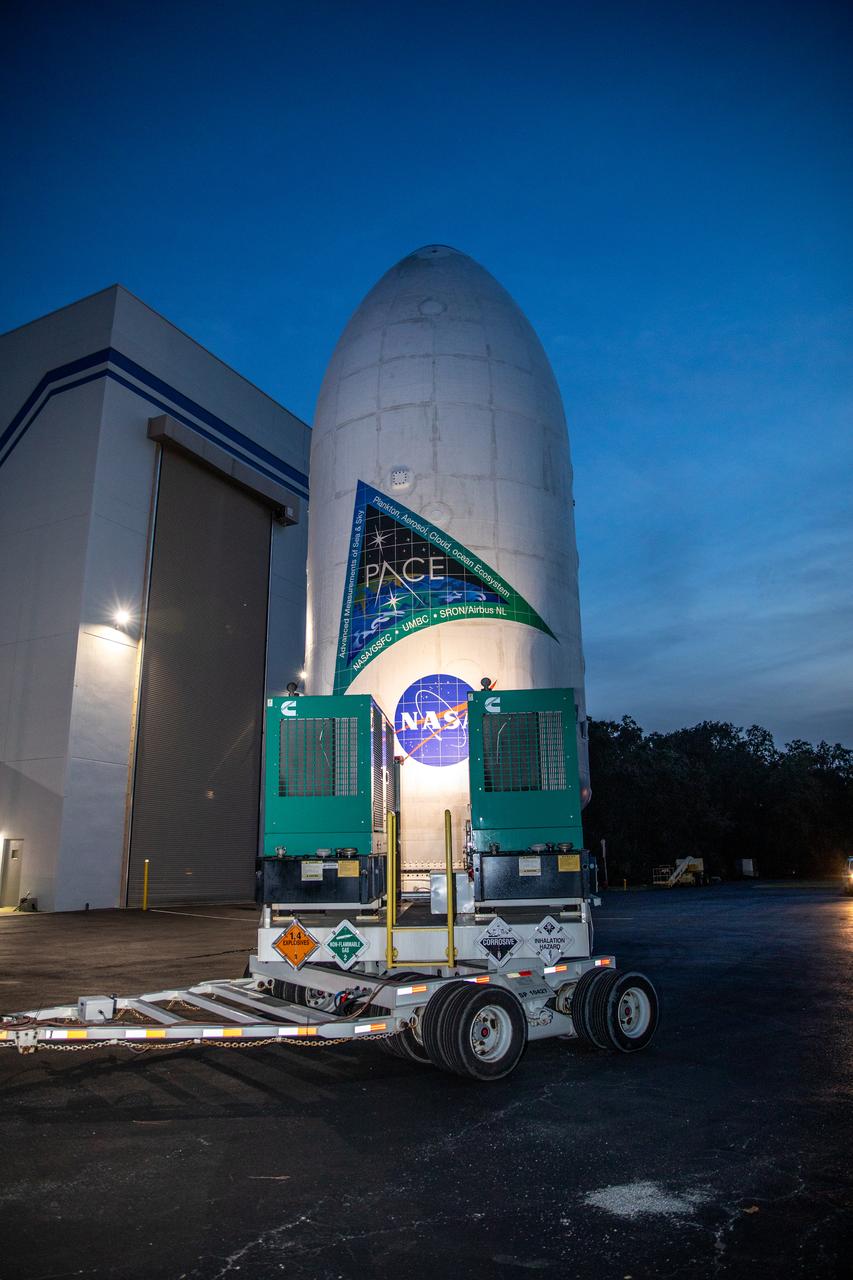
NASA’s PACE (Plankton, Aerosol, Cloud, ocean Ecosystem) spacecraft encapsulated inside SpaceX’s Falcon 9 payload fairings is transported from the Astrotech Space Operations Facility near the agency’s Kennedy Space Center in Florida to Space Launch Complex 40 at Cape Canaveral Space Force Station on Thursday, Feb. 1, 2024, to be mated with a SpaceX Falcon 9 in preparation for liftoff set for no earlier than 1:33 a.m. EST on Tuesday, Feb. 6, 2024. PACE is NASA’s newest earth-observing satellite that will help increase our understanding of Earth’s oceans, atmosphere, and climate by delivering hyperspectral observations of microscopic marine organisms called phytoplankton as well new data on clouds and aerosols.
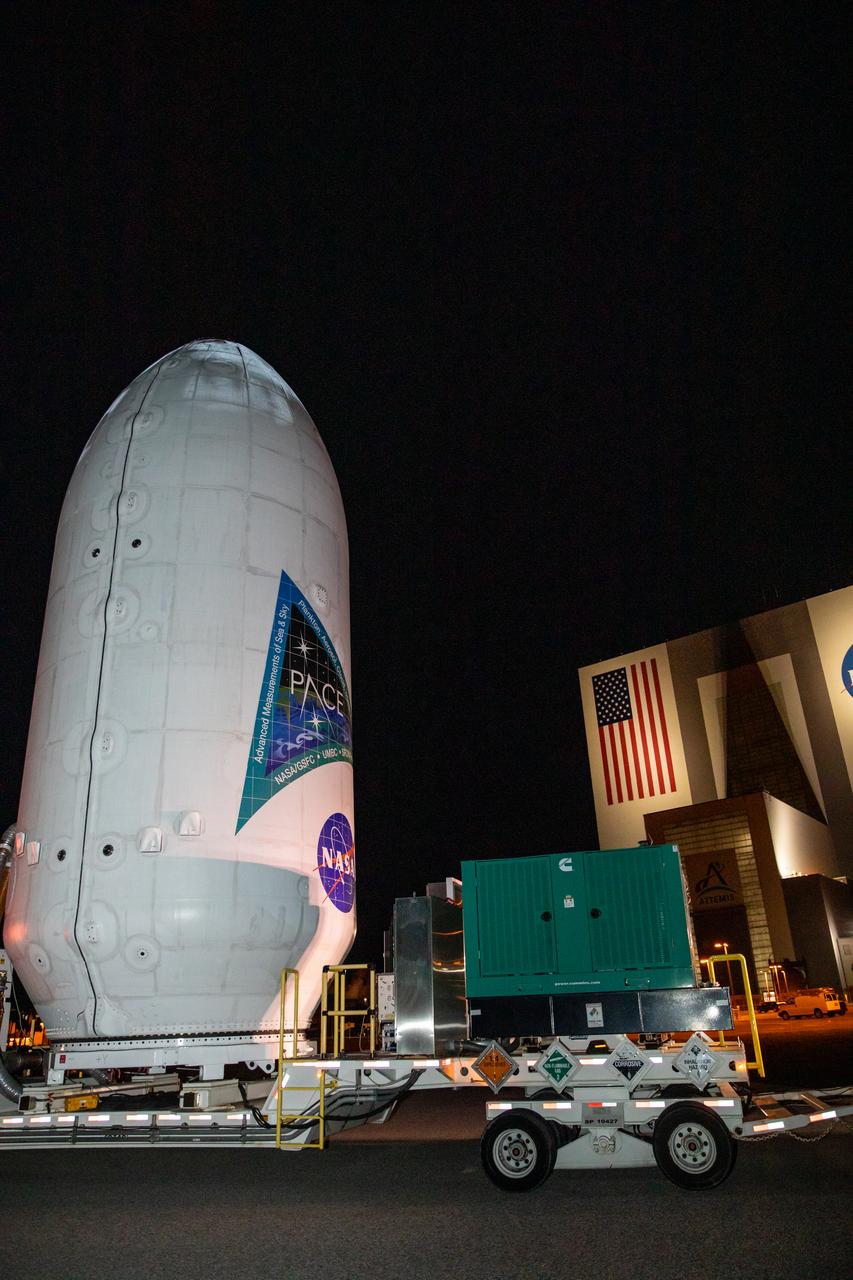
NASA’s PACE (Plankton, Aerosol, Cloud, ocean Ecosystem) spacecraft encapsulated inside SpaceX’s Falcon 9 payload fairings is transported from the Astrotech Space Operations Facility near the agency’s Kennedy Space Center in Florida to Space Launch Complex 40 at Cape Canaveral Space Force Station on Thursday, Feb. 1, 2024, to be mated with a SpaceX Falcon 9 in preparation for liftoff set for no earlier than 1:33 a.m. EST on Tuesday, Feb. 6, 2024. PACE is NASA’s newest earth-observing satellite that will help increase our understanding of Earth’s oceans, atmosphere, and climate by delivering hyperspectral observations of microscopic marine organisms called phytoplankton as well new data on clouds and aerosols.

A SpaceX Falcon 9 rocket with NASA’s PACE (Plankton, Aerosol, Cloud, ocean Ecosystem) spacecraft encapsulated atop is raised to a vertical position at Space Launch Complex 40 at Cape Canaveral Space Force Station in Florida on Monday, Feb. 5, 2024. PACE is NASA’s newest earth-observing satellite that will help increase our understanding of Earth’s oceans, atmosphere, and climate by delivering hyperspectral observations of microscopic marine organisms called phytoplankton as well new data on clouds and aerosols. Liftoff of the PACE mission is set for no earlier than 1:33 a.m. EST on Tuesday, Feb. 6, 2024.
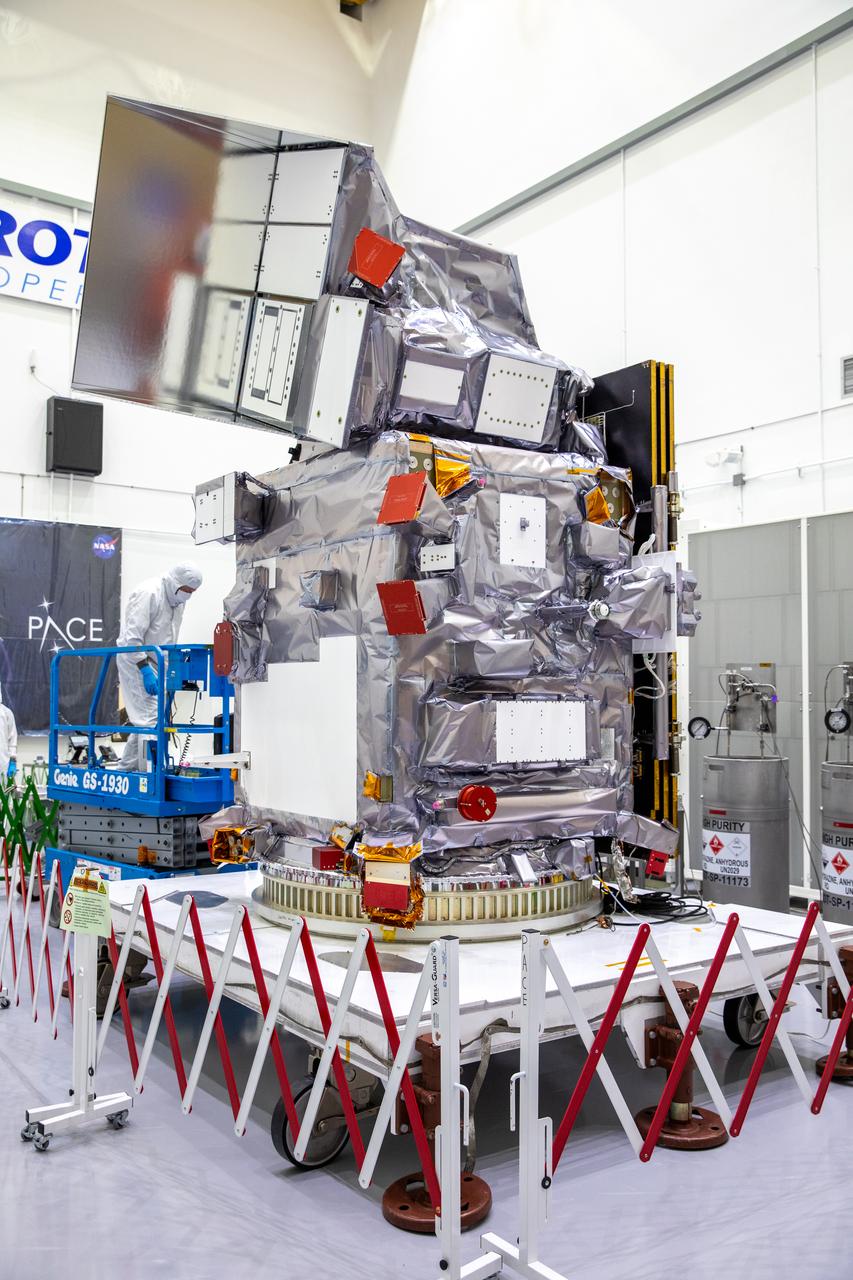
NASA’s PACE (Plankton, Aerosol, Cloud, ocean Ecosystem) spacecraft is pictured during pre-launch processing on Wednesday, Jan. 3, 2024, inside a cleanroom at the Astrotech Space Operations Facility near the agency’s Kennedy Space Center in Florida. NASA invited members of the media to speak with mission subject matter experts and view the spacecraft before it is encapsulated into its payload fairing for its launch aboard a SpaceX Falcon 9 rocket no earlier than Tuesday, Feb. 6, 2024, from Space Launch Complex 40 at Cape Canaveral Space Force Station in Florida.
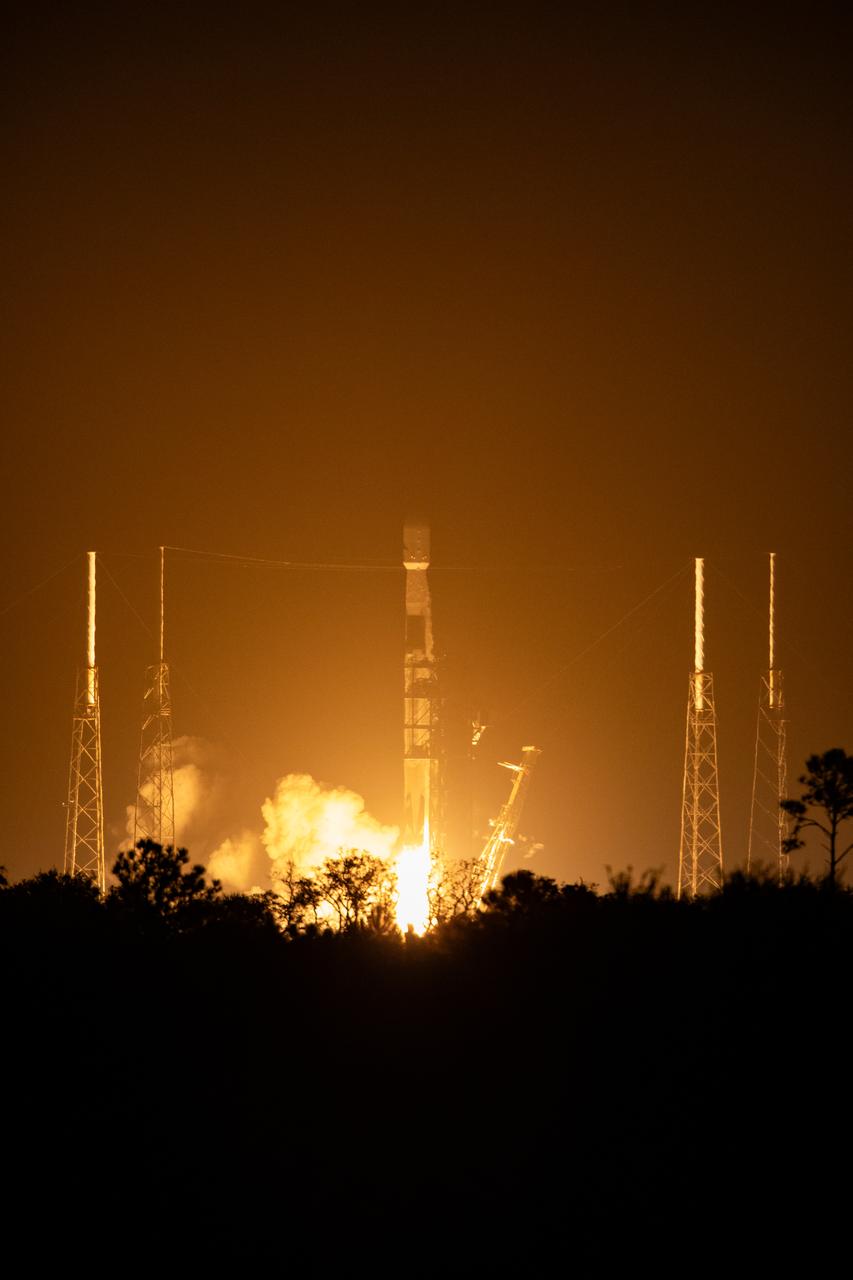
NASA’s PACE (Plankton, Aerosol, Cloud, ocean Ecosystem) spacecraft, atop a SpaceX Falcon 9 rocket, successfully lifts off from Space Launch Complex 40 at Cape Canaveral Space Force Station in Florida at 1:33 a.m. EST Thursday, Feb. 8. PACE is NASA’s newest earth-observing satellite that will help increase our understanding of Earth’s oceans, atmosphere, and climate by delivering hyperspectral observations of microscopic marine organisms called phytoplankton, as well new data on clouds and aerosols.
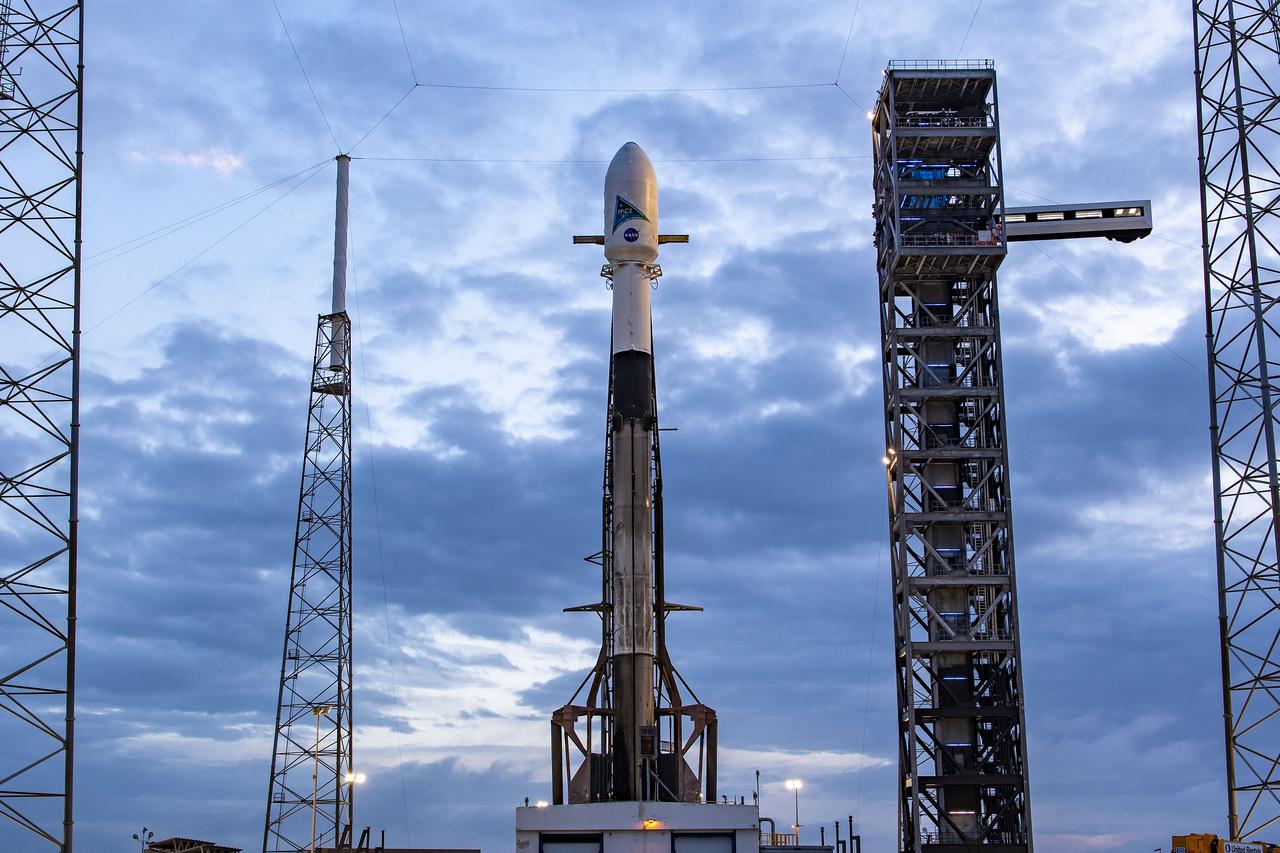
A SpaceX Falcon 9 rocket with NASA’s PACE (Plankton, Aerosol, Cloud, ocean Ecosystem) spacecraft stands vertical at Space Launch Complex 40 at Cape Canaveral Space Force Station in Florida on Monday, Feb. 5, 2024. PACE is NASA’s newest earth-observing satellite that will help increase our understanding of Earth’s oceans, atmosphere, and climate by delivering hyperspectral observations of microscopic marine organisms called phytoplankton as well new data on clouds and aerosols. Liftoff of the PACE mission is set for no earlier than 1:33 a.m. EST on Wednesday, Feb. 7, 2024.
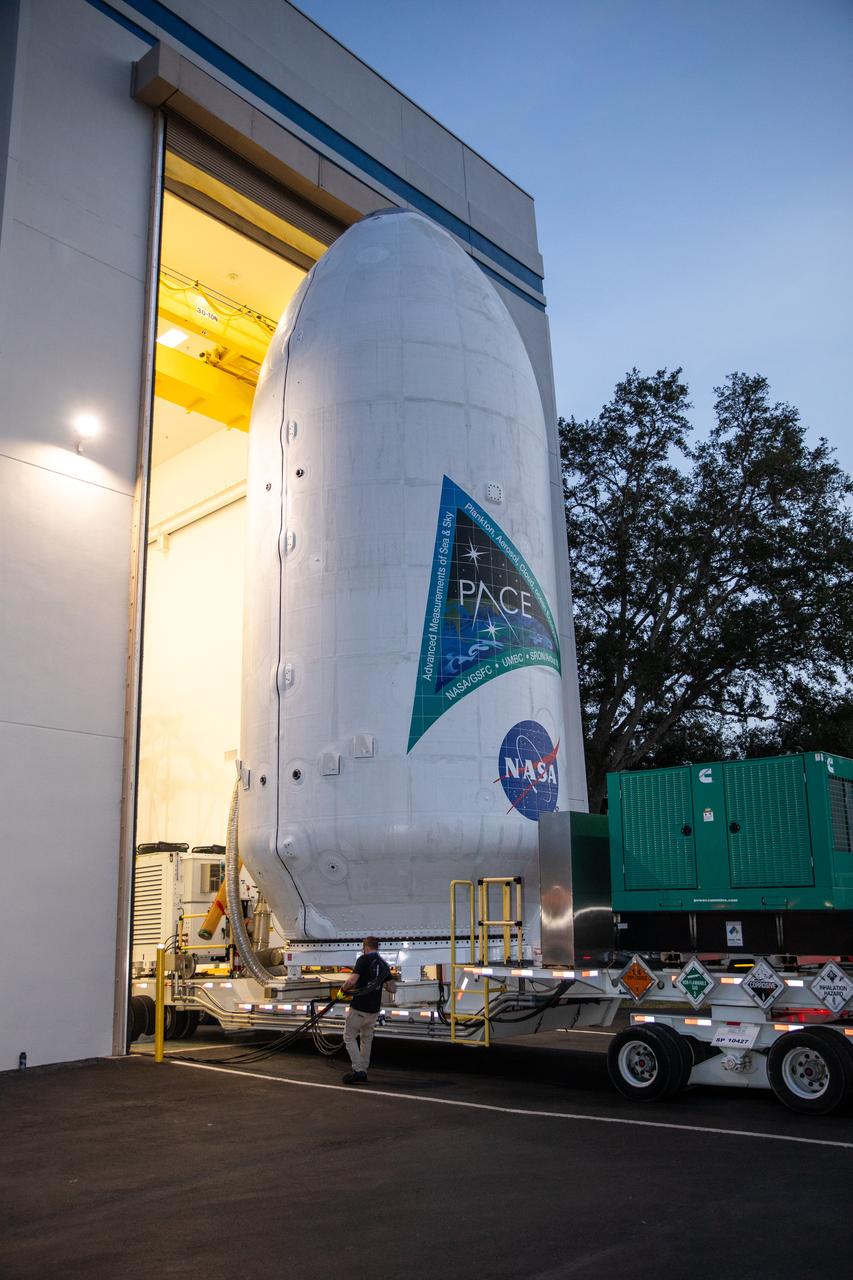
NASA’s PACE (Plankton, Aerosol, Cloud, ocean Ecosystem) spacecraft encapsulated inside SpaceX’s Falcon 9 payload fairings is transported from the Astrotech Space Operations Facility near the agency’s Kennedy Space Center in Florida to Space Launch Complex 40 at Cape Canaveral Space Force Station on Thursday, Feb. 1, 2024, to be mated with a SpaceX Falcon 9 in preparation for liftoff set for no earlier than 1:33 a.m. EST on Tuesday, Feb. 6, 2024. PACE is NASA’s newest earth-observing satellite that will help increase our understanding of Earth’s oceans, atmosphere, and climate by delivering hyperspectral observations of microscopic marine organisms called phytoplankton as well new data on clouds and aerosols.
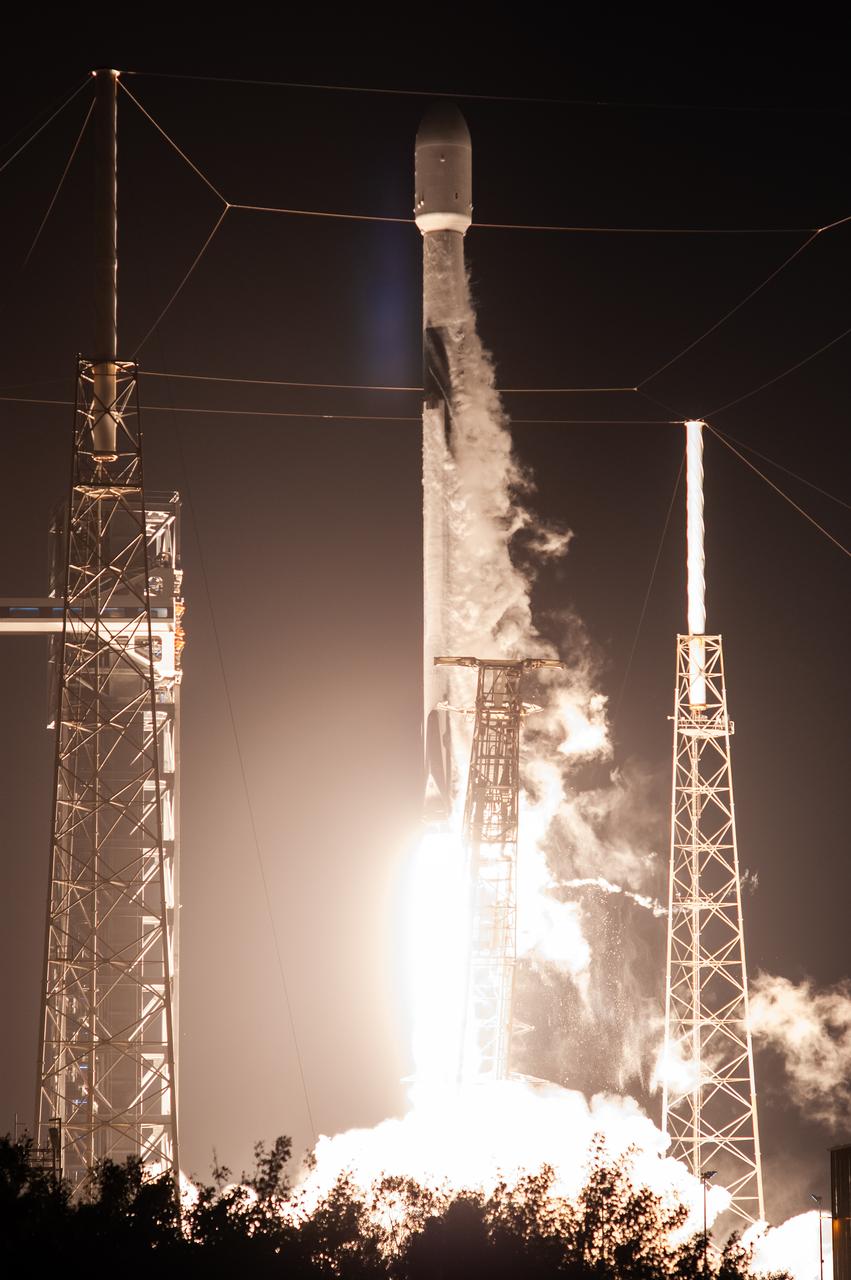
NASA’s PACE (Plankton, Aerosol, Cloud, ocean Ecosystem) spacecraft, atop a SpaceX Falcon 9 rocket, successfully lifts off from Space Launch Complex 40 at Cape Canaveral Space Force Station in Florida at 1:33 a.m. EST Thursday, Feb. 8. PACE is NASA’s newest earth-observing satellite that will help increase our understanding of Earth’s oceans, atmosphere, and climate by delivering hyperspectral observations of microscopic marine organisms called phytoplankton, as well new data on clouds and aerosols.
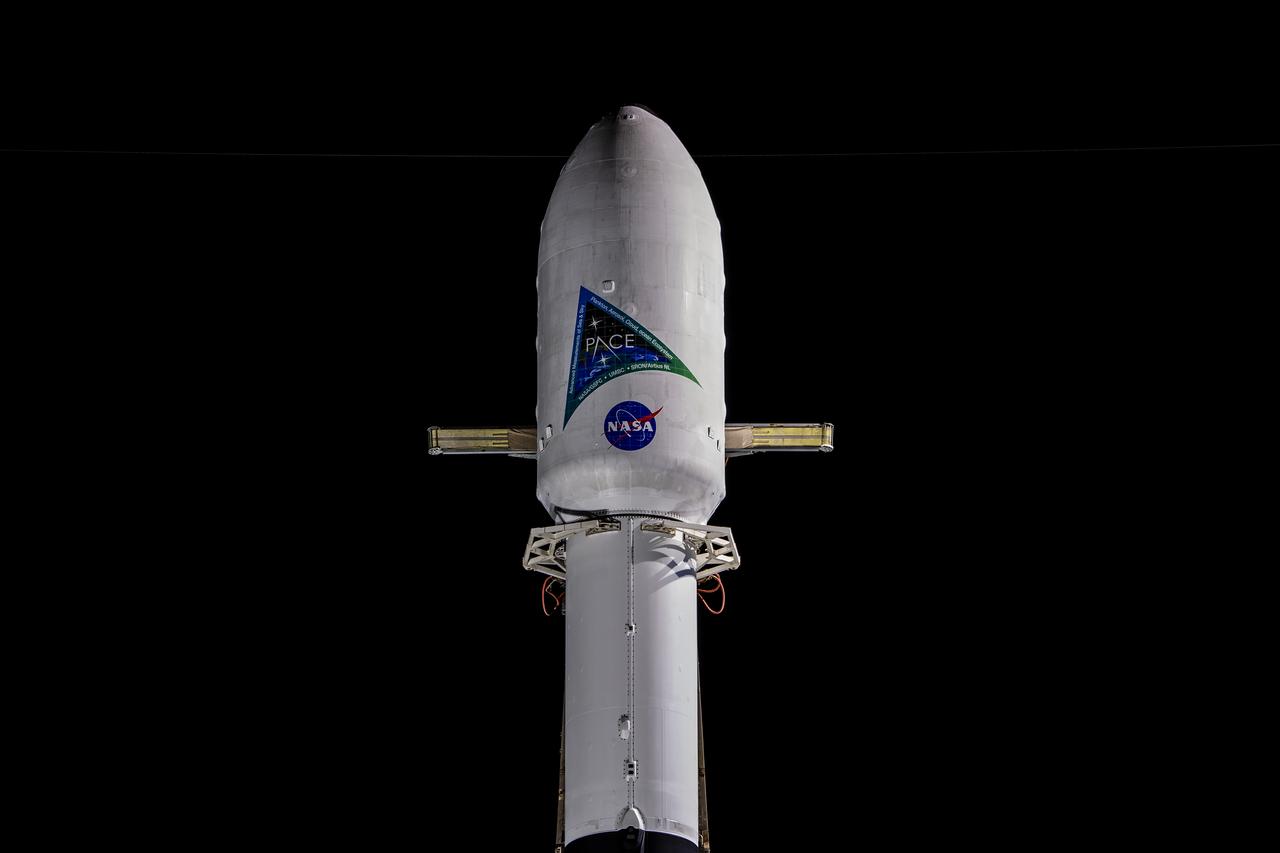
A SpaceX Falcon 9 rocket with NASA’s PACE (Plankton, Aerosol, Cloud, ocean Ecosystem) spacecraft encapsulated atop is raised to a vertical position at Space Launch Complex 40 at Cape Canaveral Space Force Station in Florida on Monday, Feb. 5, 2024. PACE is NASA’s newest earth-observing satellite that will help increase our understanding of Earth’s oceans, atmosphere, and climate by delivering hyperspectral observations of microscopic marine organisms called phytoplankton as well new data on clouds and aerosols. Liftoff of the PACE mission is set for no earlier than 1:33 a.m. EST on Tuesday, Feb. 6, 2024.

A SpaceX Falcon 9 rocket with NASA’s PACE (Plankton, Aerosol, Cloud, ocean Ecosystem) spacecraft encapsulated atop is raised to a vertical position at Space Launch Complex 40 at Cape Canaveral Space Force Station in Florida on Monday, Feb. 5, 2024. PACE is NASA’s newest earth-observing satellite that will help increase our understanding of Earth’s oceans, atmosphere, and climate by delivering hyperspectral observations of microscopic marine organisms called phytoplankton as well new data on clouds and aerosols. Liftoff of the PACE mission is set for no earlier than 1:33 a.m. EST on Tuesday, Feb. 6, 2024.
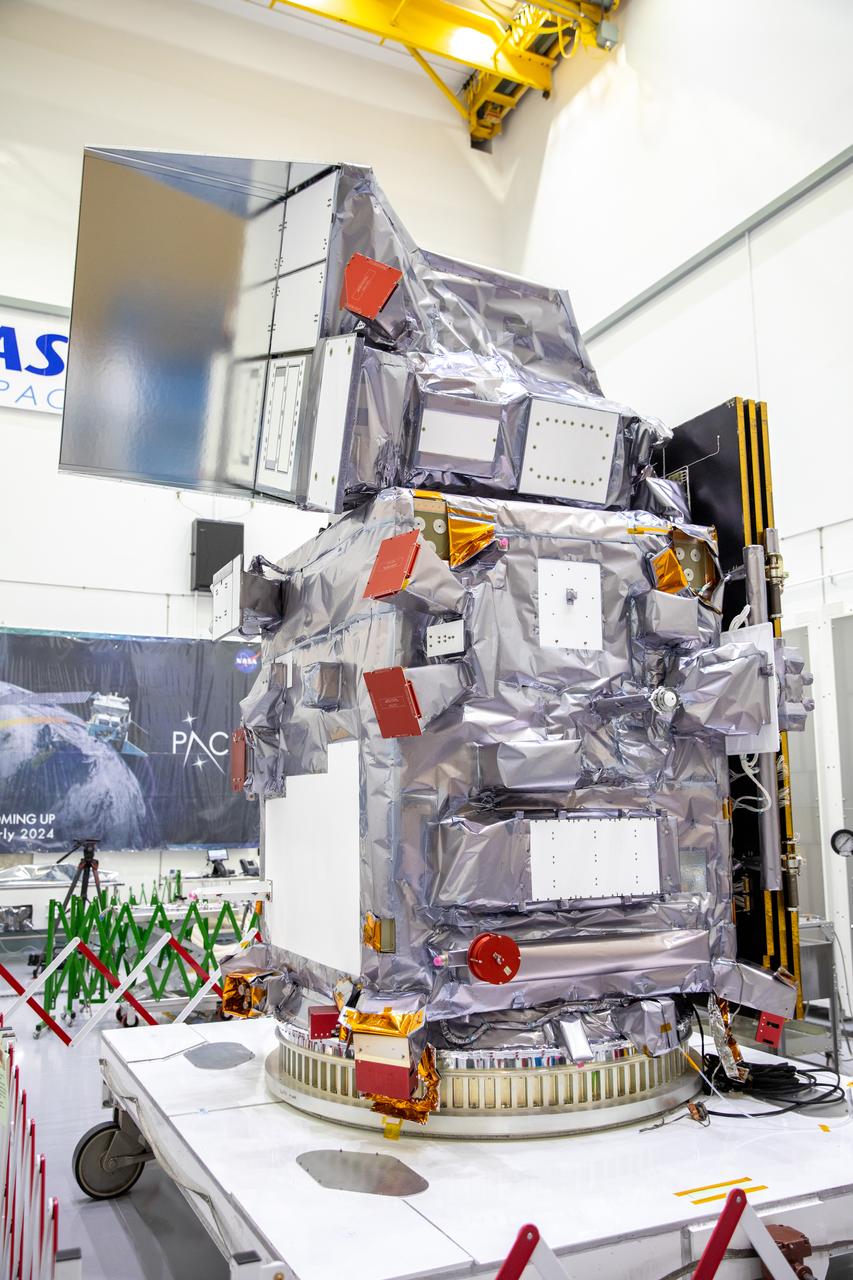
NASA’s PACE (Plankton, Aerosol, Cloud, ocean Ecosystem) spacecraft is pictured during pre-launch processing on Wednesday, Jan. 3, 2024, inside a cleanroom at the Astrotech Space Operations Facility near the agency’s Kennedy Space Center in Florida. NASA invited members of the media to speak with mission subject matter experts and view the spacecraft before it is encapsulated into its payload fairing for its launch aboard a SpaceX Falcon 9 rocket no earlier than Tuesday, Feb. 6, 2024, from Space Launch Complex 40 at Cape Canaveral Space Force Station in Florida.

A SpaceX Falcon 9 rocket with NASA’s PACE (Plankton, Aerosol, Cloud, ocean Ecosystem) spacecraft encapsulated atop is raised to a vertical position at Space Launch Complex 40 at Cape Canaveral Space Force Station in Florida on Monday, Feb. 5, 2024. PACE is NASA’s newest earth-observing satellite that will help increase our understanding of Earth’s oceans, atmosphere, and climate by delivering hyperspectral observations of microscopic marine organisms called phytoplankton as well new data on clouds and aerosols. Liftoff of the PACE mission is set for no earlier than 1:33 a.m. EST on Tuesday, Feb. 6, 2024.

NASA’s PACE (Plankton, Aerosol, Cloud, ocean Ecosystem) spacecraft encapsulated inside SpaceX’s Falcon 9 payload fairings is transported from the Astrotech Space Operations Facility near the agency’s Kennedy Space Center in Florida to Space Launch Complex 40 at Cape Canaveral Space Force Station on Thursday, Feb. 1, 2024, to be mated with a SpaceX Falcon 9 in preparation for liftoff set for no earlier than 1:33 a.m. EST on Tuesday, Feb. 6, 2024. PACE is NASA’s newest earth-observing satellite that will help increase our understanding of Earth’s oceans, atmosphere, and climate by delivering hyperspectral observations of microscopic marine organisms called phytoplankton as well new data on clouds and aerosols.
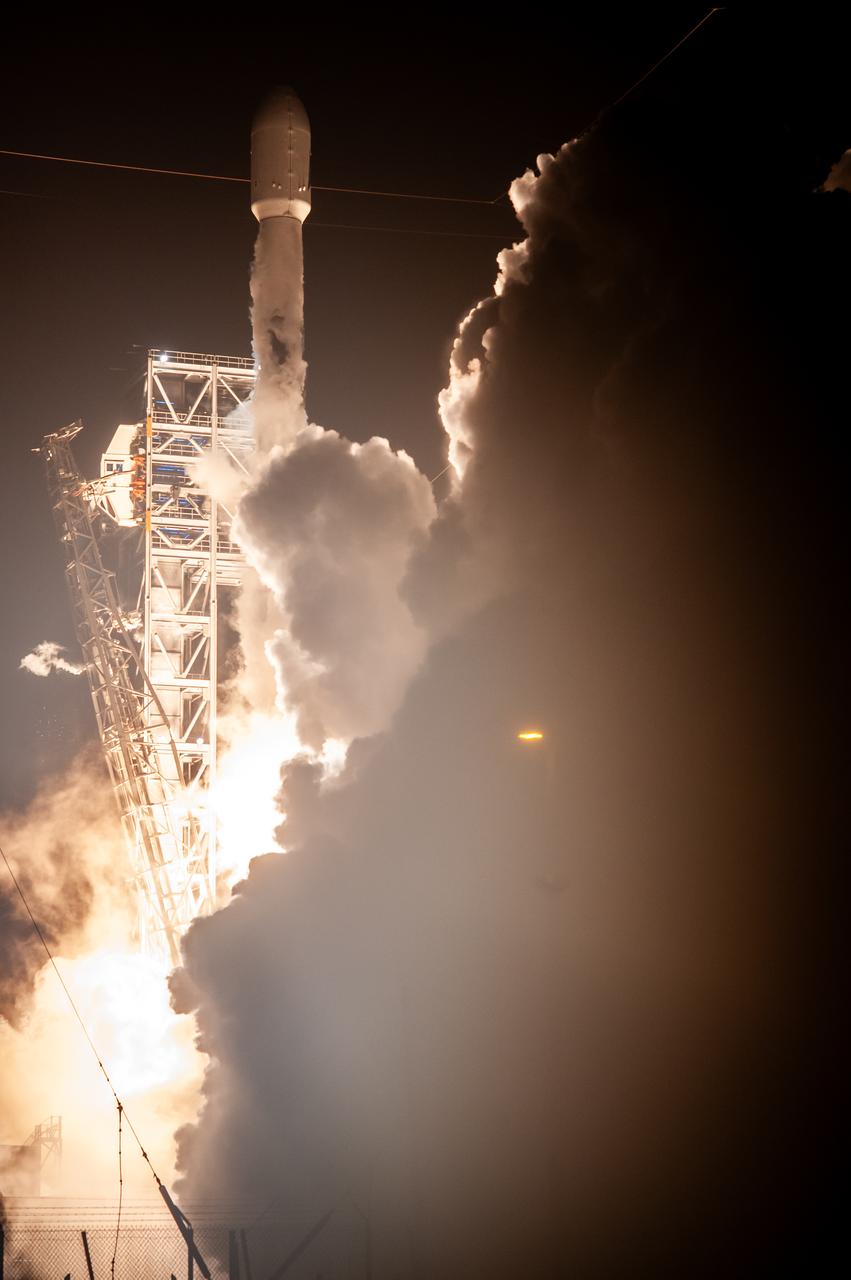
NASA’s PACE (Plankton, Aerosol, Cloud, ocean Ecosystem) spacecraft, atop a SpaceX Falcon 9 rocket, successfully lifts off from Space Launch Complex 40 at Cape Canaveral Space Force Station in Florida at 1:33 a.m. EST Thursday, Feb. 8. PACE is NASA’s newest earth-observing satellite that will help increase our understanding of Earth’s oceans, atmosphere, and climate by delivering hyperspectral observations of microscopic marine organisms called phytoplankton, as well new data on clouds and aerosols.
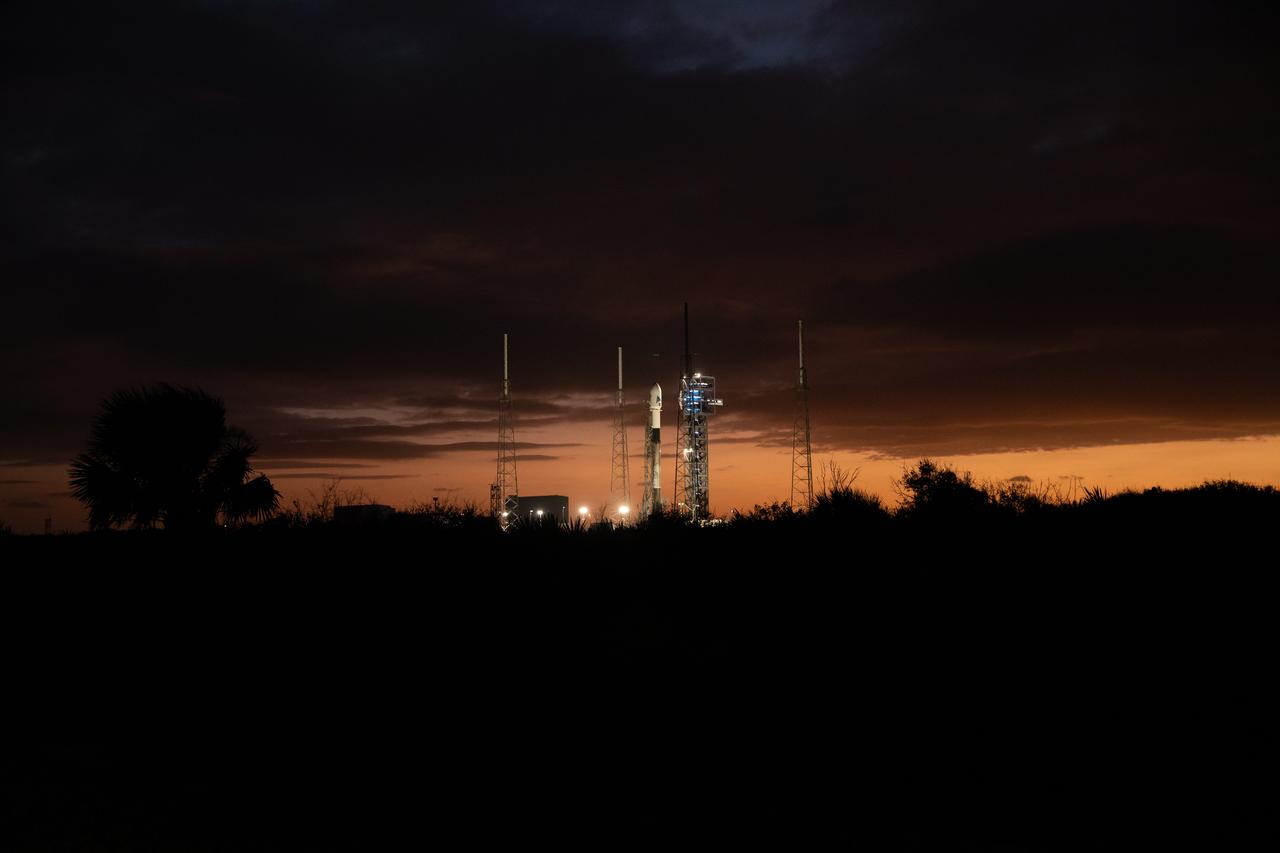
A SpaceX Falcon 9 rocket with NASA’s PACE (Plankton, Aerosol, Cloud, ocean Ecosystem) spacecraft stands vertical at Space Launch Complex 40 at Cape Canaveral Space Force Station in Florida on Tuesday, Feb. 6, 2024. PACE is NASA’s newest earth-observing satellite that will help increase our understanding of Earth’s oceans, atmosphere, and climate by delivering hyperspectral observations of microscopic marine organisms called phytoplankton as well new data on clouds and aerosols. The successful liftoff took place 1:33 a.m. EST Thursday, Feb. 8, 2024.
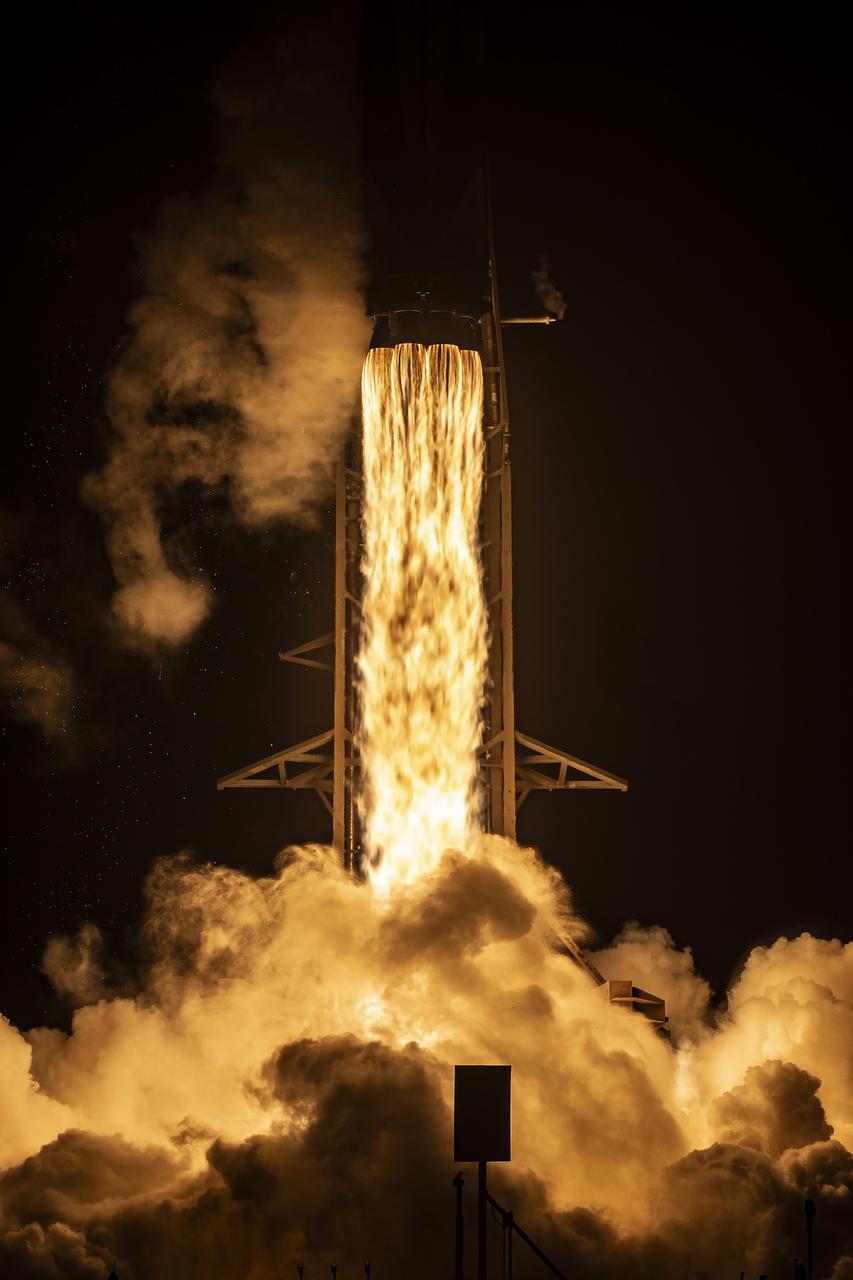
NASA’s PACE (Plankton, Aerosol, Cloud, ocean Ecosystem) spacecraft, atop a SpaceX Falcon 9 rocket, successfully lifts off from Space Launch Complex 40 at Cape Canaveral Space Force Station in Florida at 1:33 a.m. EST Thursday, Feb. 8. PACE is NASA’s newest earth-observing satellite that will help increase our understanding of Earth’s oceans, atmosphere, and climate by delivering hyperspectral observations of microscopic marine organisms called phytoplankton, as well new data on clouds and aerosols.
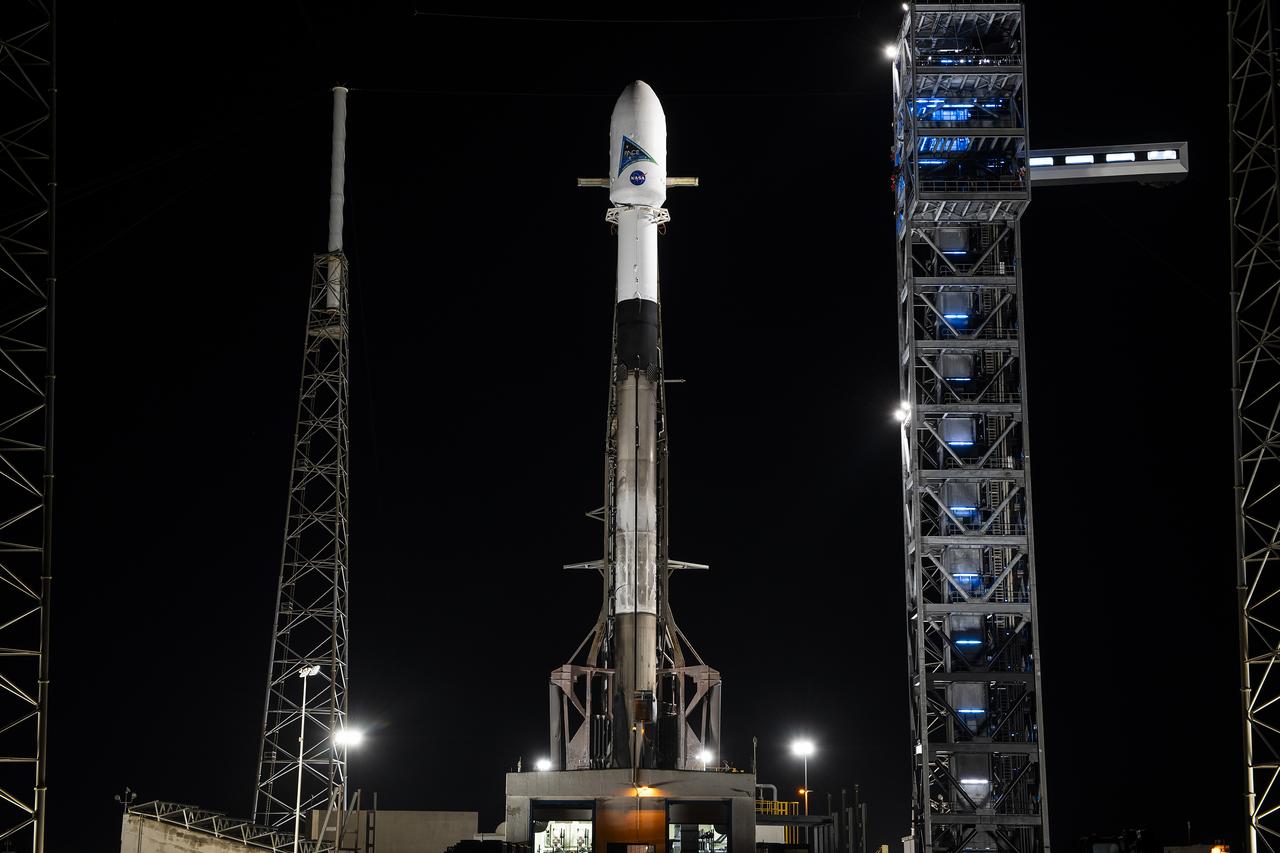
A SpaceX Falcon 9 rocket with NASA’s PACE (Plankton, Aerosol, Cloud, ocean Ecosystem) spacecraft encapsulated atop is raised to a vertical position at Space Launch Complex 40 at Cape Canaveral Space Force Station in Florida on Monday, Feb. 5, 2024. PACE is NASA’s newest earth-observing satellite that will help increase our understanding of Earth’s oceans, atmosphere, and climate by delivering hyperspectral observations of microscopic marine organisms called phytoplankton as well new data on clouds and aerosols. Liftoff of the PACE mission is set for no earlier than 1:33 a.m. EST on Tuesday, Feb. 6, 2024.

Media interview a member of NASA’s PACE (Plankton, Aerosol, Cloud, ocean Ecosystem) team beside the spacecraft on Wednesday, Jan. 3, 2024, during a NASA-hosted media day inside a cleanroom at the Astrotech Space Operations Facility near NASA’s Kennedy Space Center in Florida. PACE will collect data on how the ocean and atmosphere exchange carbon dioxide, measure key atmospheric variables associated with air quality and Earth's climate, and monitor ocean health. PACE is set to launch aboard a SpaceX Falcon 9 rocket no earlier than Tuesday, Feb. 6, 2024, from Space Launch Complex 40 at Cape Canaveral Space Force Station in Florida.
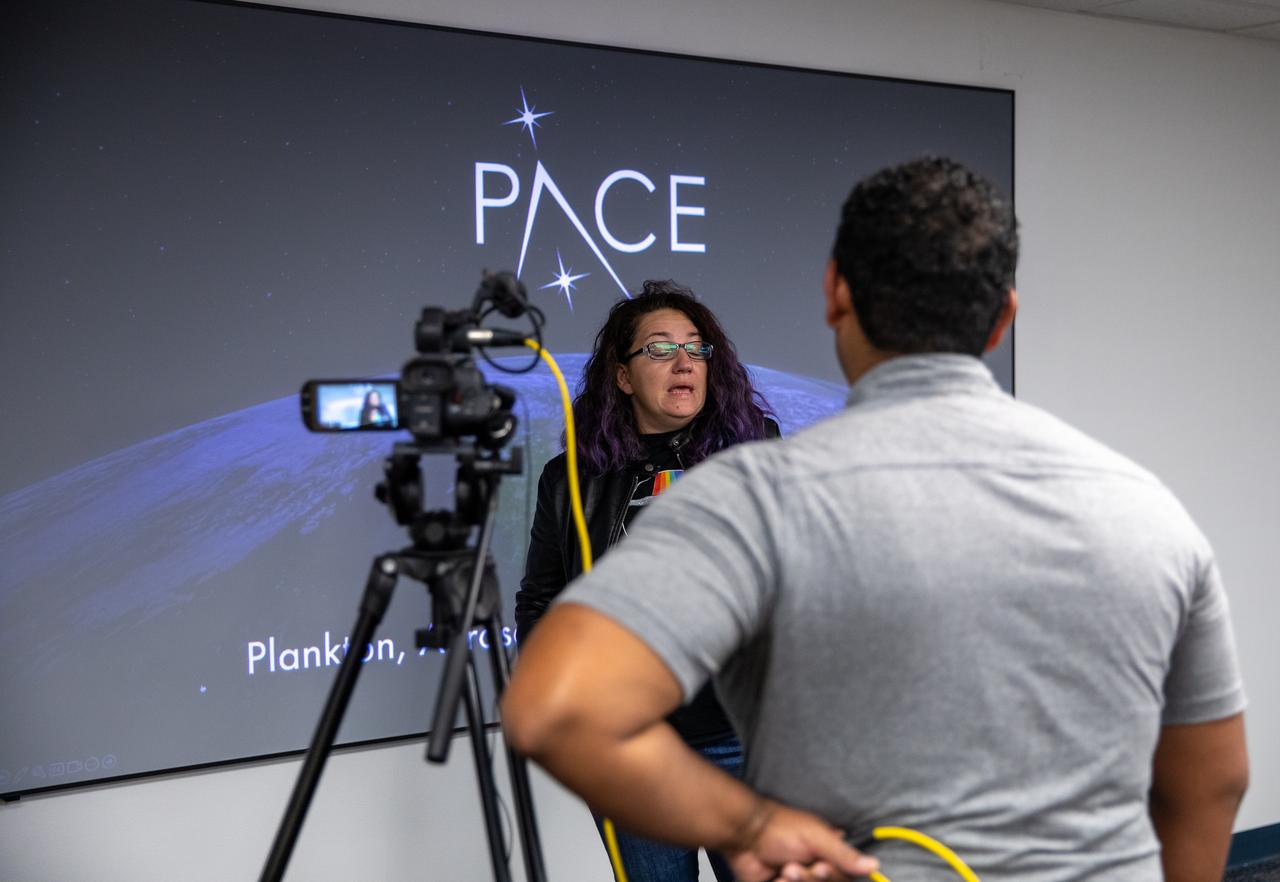
Ivona Cetinić, PACE Project Science Lead for Aquatic Biogeochemistry, is photographed speaking with a member of the media about NASA’s PACE (Plankton, Aerosol, Cloud, ocean Ecosystem) spacecraft on Wednesday, Jan. 3, 2024, during a NASA-hosted media day at the Astrotech Space Operations Facility near NASA’s Kennedy Space Center in Florida. NASA invited journalists for the opportunity to speak with mission subject matter experts and view the spacecraft before it is encapsulated into its payload fairing for its launch aboard a SpaceX Falcon 9 rocket no earlier than Tuesday, Feb. 6, 2024, from Space Launch Complex 40 at Cape Canaveral Space Force Station in Florida.
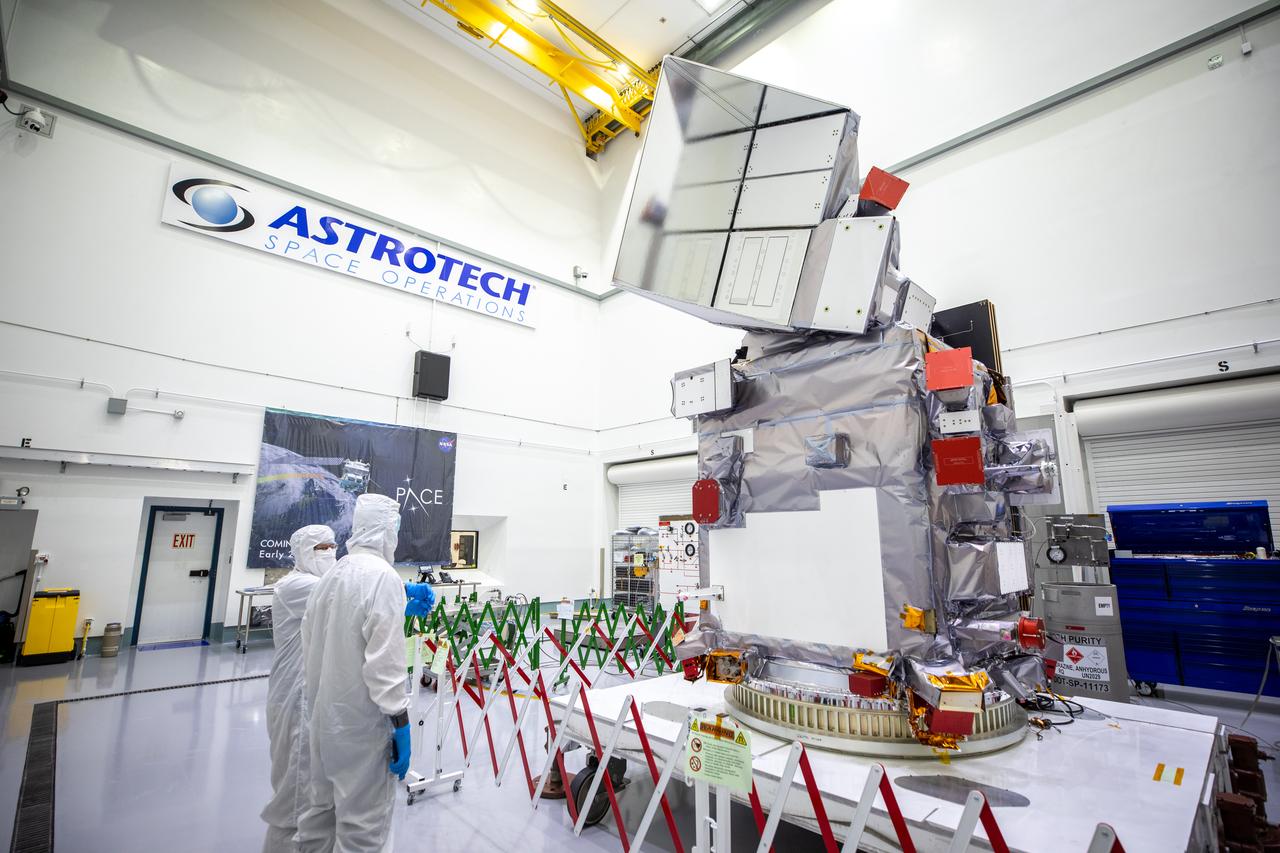
NASA invited members of the media to view NASA’s PACE (Plankton, Aerosol, Cloud, ocean Ecosystem) spacecraft inside a cleanroom at the Astrotech Space Operations Facility near the agency’s Kennedy Space Center in Florida on Wednesday, Jan. 3, 2024. PACE will collect data on how the ocean and atmosphere exchange carbon dioxide, measure key atmospheric variables associated with air quality and Earth's climate, and monitor ocean health. The spacecraft is scheduled to launch aboard a SpaceX Falcon 9 rocket no earlier than Tuesday, Feb. 6, 2024, from Space Launch Complex 40 at Cape Canaveral Space Force Station in Florida.
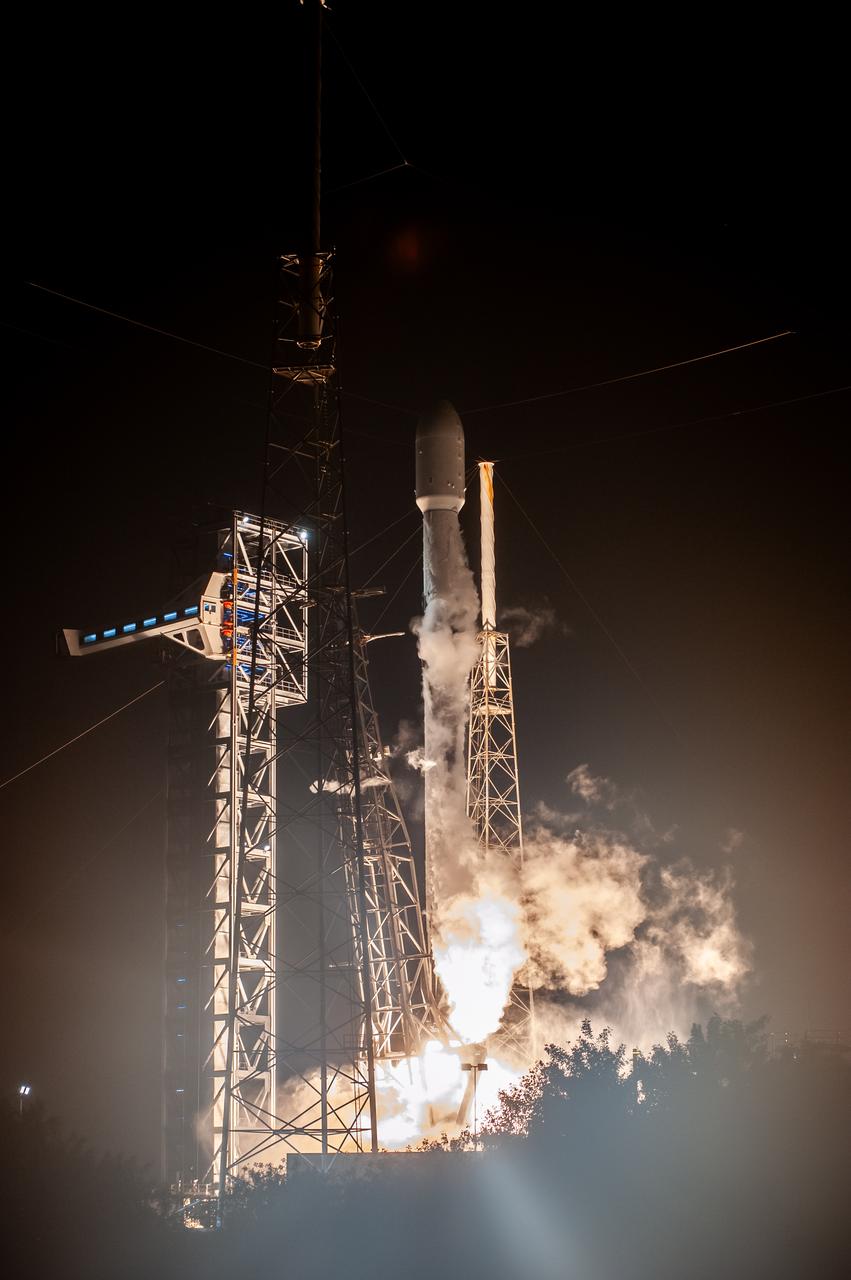
NASA’s PACE (Plankton, Aerosol, Cloud, ocean Ecosystem) spacecraft, atop a SpaceX Falcon 9 rocket, successfully lifts off from Space Launch Complex 40 at Cape Canaveral Space Force Station in Florida at 1:33 a.m. EST Thursday, Feb. 8. PACE is NASA’s newest earth-observing satellite that will help increase our understanding of Earth’s oceans, atmosphere, and climate by delivering hyperspectral observations of microscopic marine organisms called phytoplankton, as well new data on clouds and aerosols.
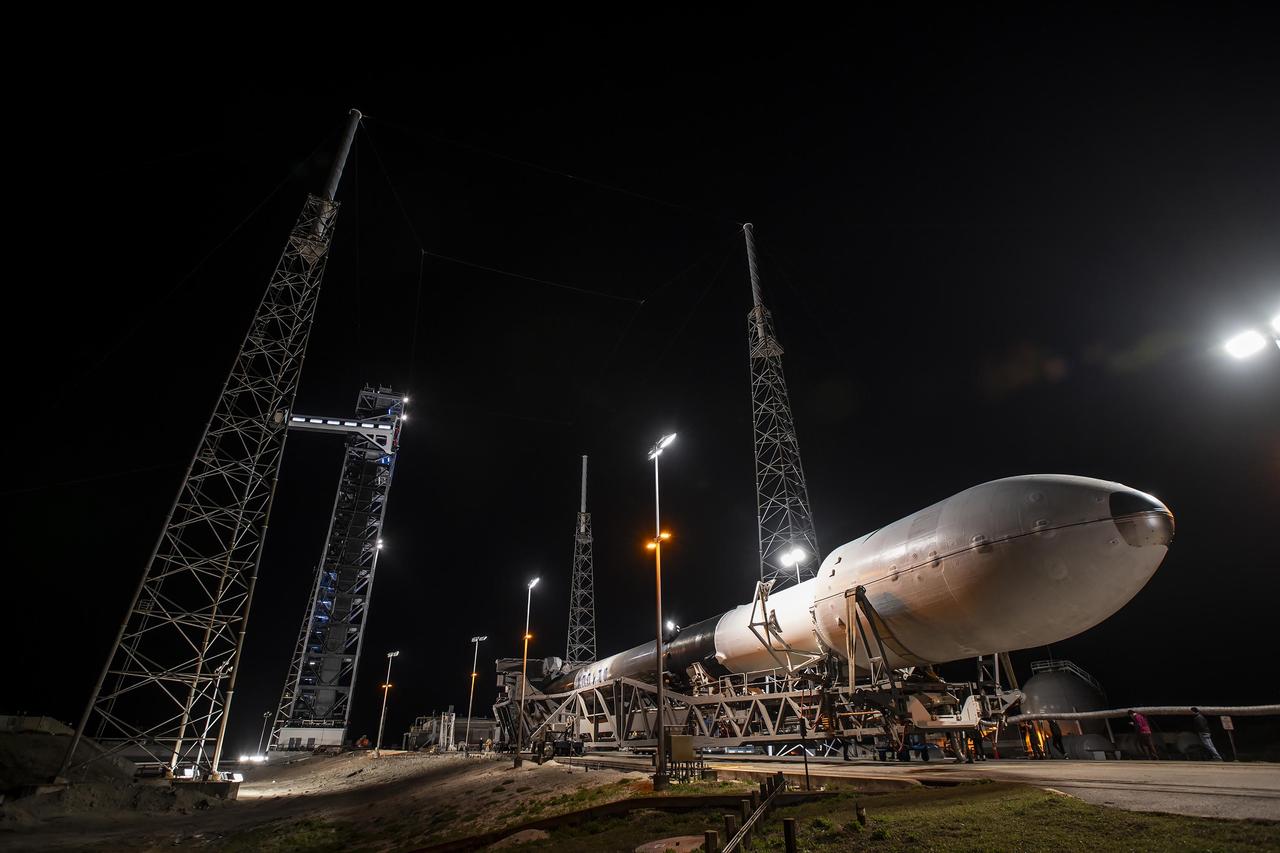
A SpaceX Falcon 9 rocket with NASA’s PACE (Plankton, Aerosol, Cloud, ocean Ecosystem) spacecraft encapsulated atop is rolled to the launch pad at Space Launch Complex 40 at Cape Canaveral Space Force Station in Florida on Monday, Feb. 5, 2024. PACE is NASA’s newest earth-observing satellite that will help increase our understanding of Earth’s oceans, atmosphere, and climate by delivering hyperspectral observations of microscopic marine organisms called phytoplankton as well new data on clouds and aerosols. Liftoff of the PACE mission is set for no earlier than 1:33 a.m. EST on Tuesday, Feb. 6, 2024.
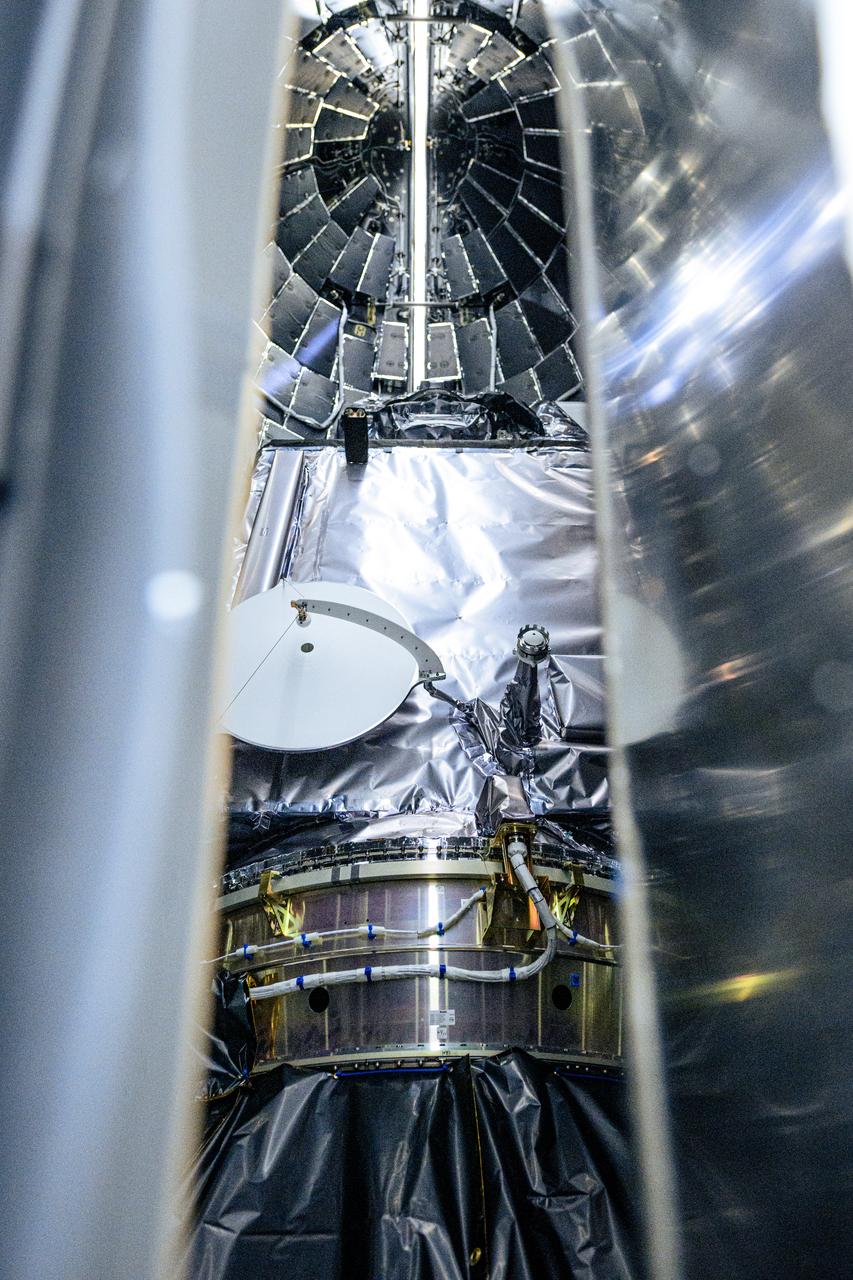
NASA and SpaceX technicians safely encapsulate NASA’s PACE (Plankton, Aerosol, Cloud, ocean Ecosystem) spacecraft in SpaceX’s Falcon 9 payload fairings on Monday, Jan. 29, 2024, at the Astrotech Space Operations Facility near the agency’s Kennedy Space Center in Florida. The fairing halves protect the spacecraft from aerodynamic pressure and heating during the ascent phase of launch. PACE is set to launch from Space Launch Complex 40 at Cape Canaveral Space Force Station in Florida no earlier than 1:33 a.m. EST on Tuesday, Feb. 6, 2024.
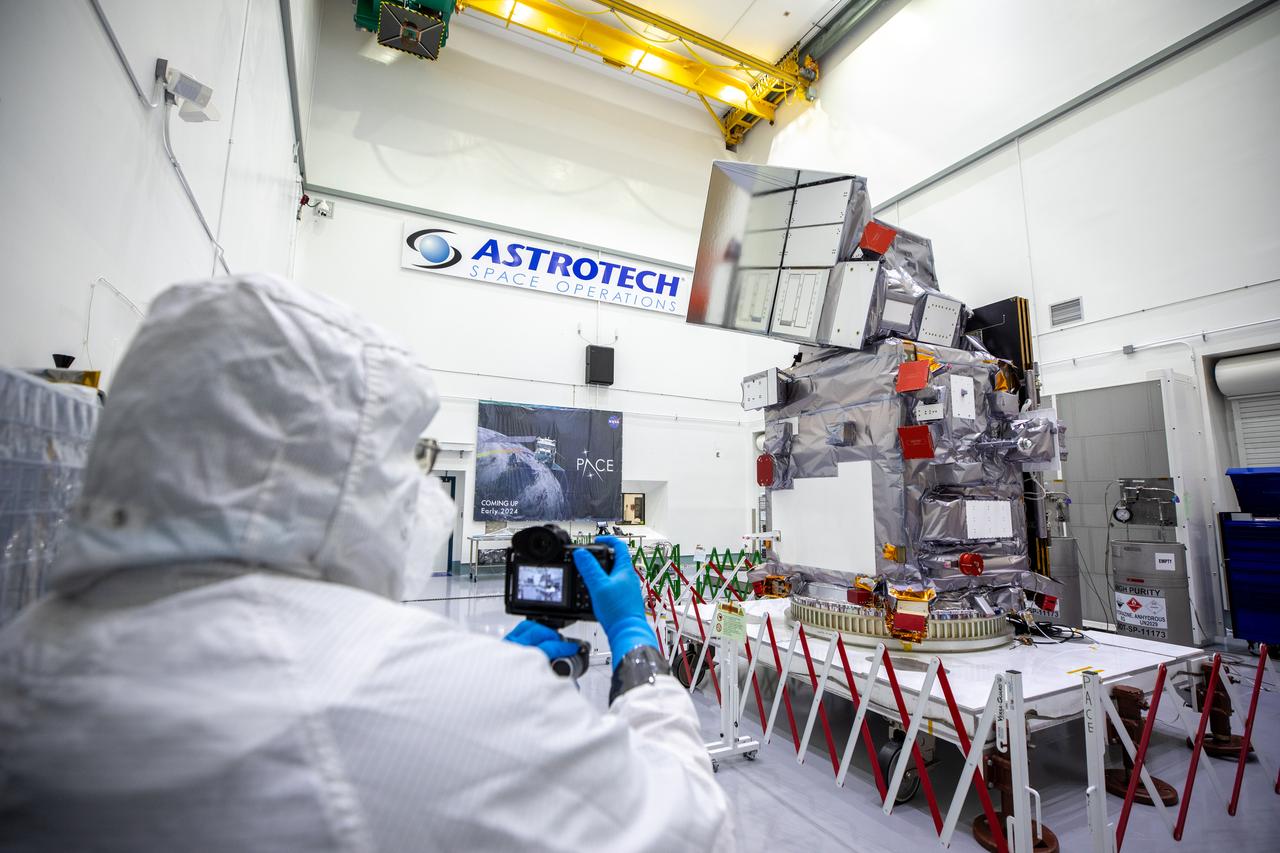
Members of the media photographed NASA’s PACE (Plankton, Aerosol, Cloud, ocean Ecosystem) spacecraft on Wednesday, Jan. 3, 2024, inside a cleanroom at the Astrotech Space Operations Facility near NASA’s Kennedy Space Center in Florida. NASA invited journalists for the opportunity to speak with mission subject matter experts and view the spacecraft before it is encapsulated into its payload fairing for its launch aboard a SpaceX Falcon 9 rocket no earlier than Tuesday, Feb. 6, 2024, from Space Launch Complex 40 at Cape Canaveral Space Force Station in Florida.
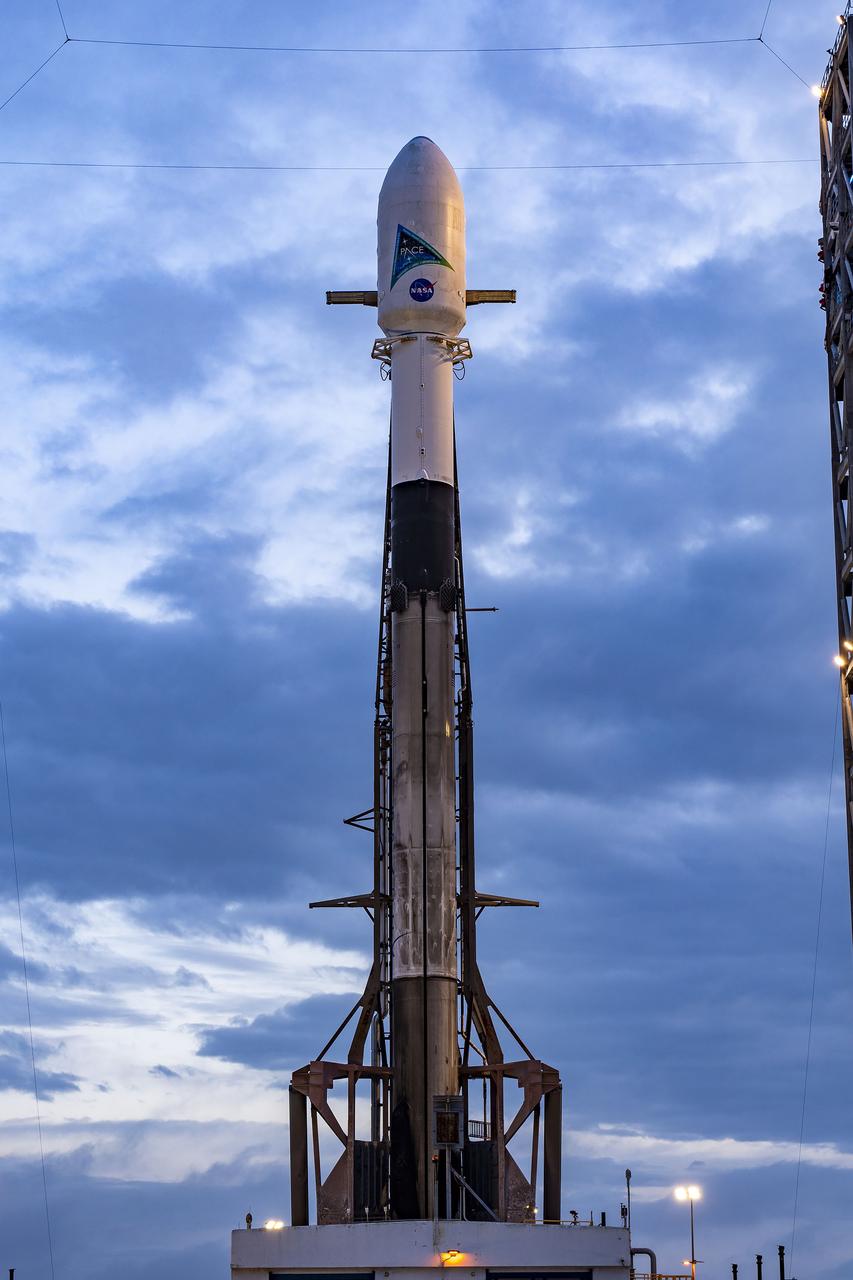
A SpaceX Falcon 9 rocket with NASA’s PACE (Plankton, Aerosol, Cloud, ocean Ecosystem) spacecraft stands vertical at Space Launch Complex 40 at Cape Canaveral Space Force Station in Florida on Monday, Feb. 5, 2024. PACE is NASA’s newest earth-observing satellite that will help increase our understanding of Earth’s oceans, atmosphere, and climate by delivering hyperspectral observations of microscopic marine organisms called phytoplankton as well new data on clouds and aerosols. Liftoff of the PACE mission is set for no earlier than 1:33 a.m. EST on Wednesday, Feb. 7, 2024.

A SpaceX Falcon 9 rocket with NASA’s PACE (Plankton, Aerosol, Cloud, ocean Ecosystem) spacecraft stands vertical at Space Launch Complex 40 at Cape Canaveral Space Force Station in Florida on Monday, Feb. 5, 2024. PACE is NASA’s newest earth-observing satellite that will help increase our understanding of Earth’s oceans, atmosphere, and climate by delivering hyperspectral observations of microscopic marine organisms called phytoplankton as well new data on clouds and aerosols. Liftoff of the PACE mission is set for no earlier than 1:33 a.m. EST on Wednesday, Feb. 7, 2024.
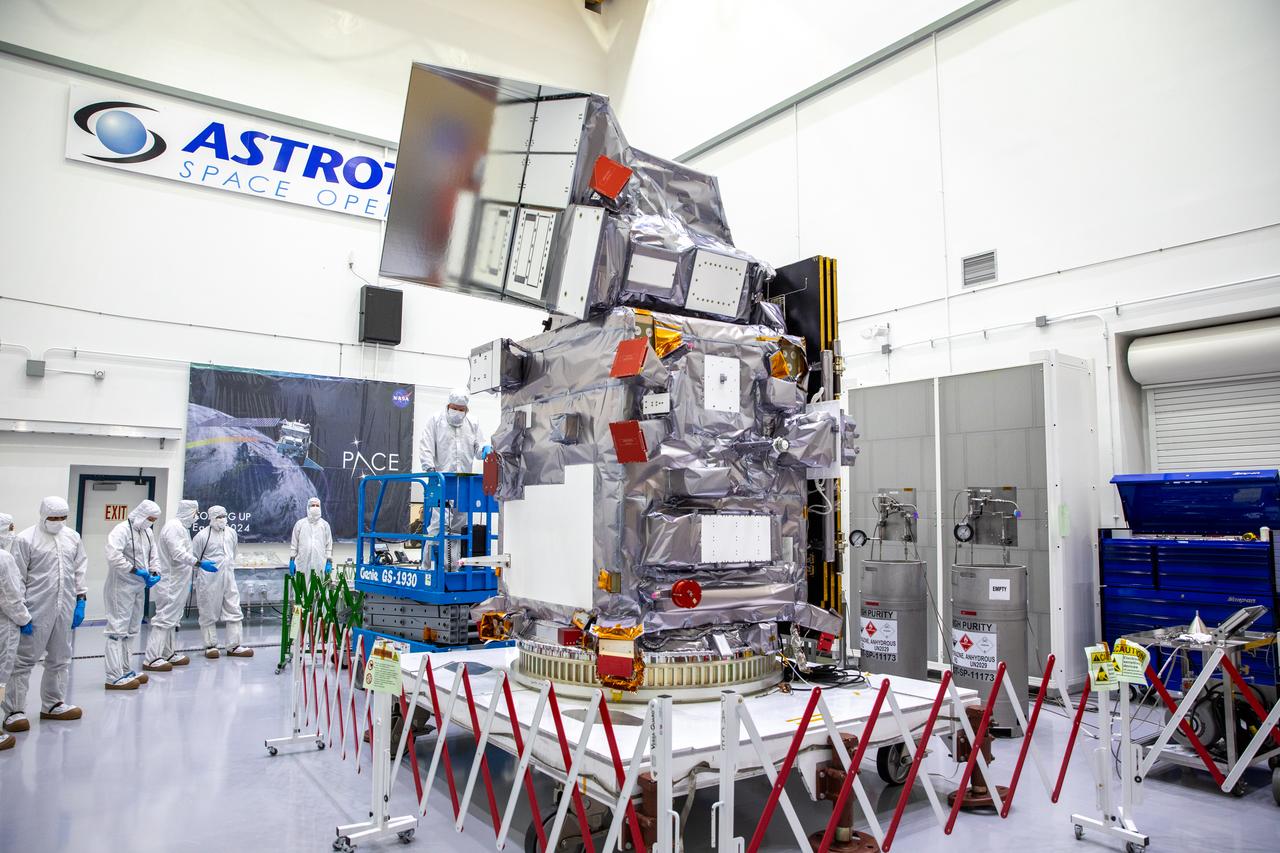
NASA invited members of the media to view NASA’s PACE (Plankton, Aerosol, Cloud, ocean Ecosystem) spacecraft inside a cleanroom at the Astrotech Space Operations Facility near the agency’s Kennedy Space Center in Florida on Wednesday, Jan. 3, 2024. PACE will collect data on how the ocean and atmosphere exchange carbon dioxide, measure key atmospheric variables associated with air quality and Earth's climate, and monitor ocean health. The spacecraft is scheduled to launch aboard a SpaceX Falcon 9 rocket no earlier than Tuesday, Feb. 6, 2024, from Space Launch Complex 40 at Cape Canaveral Space Force Station in Florida.
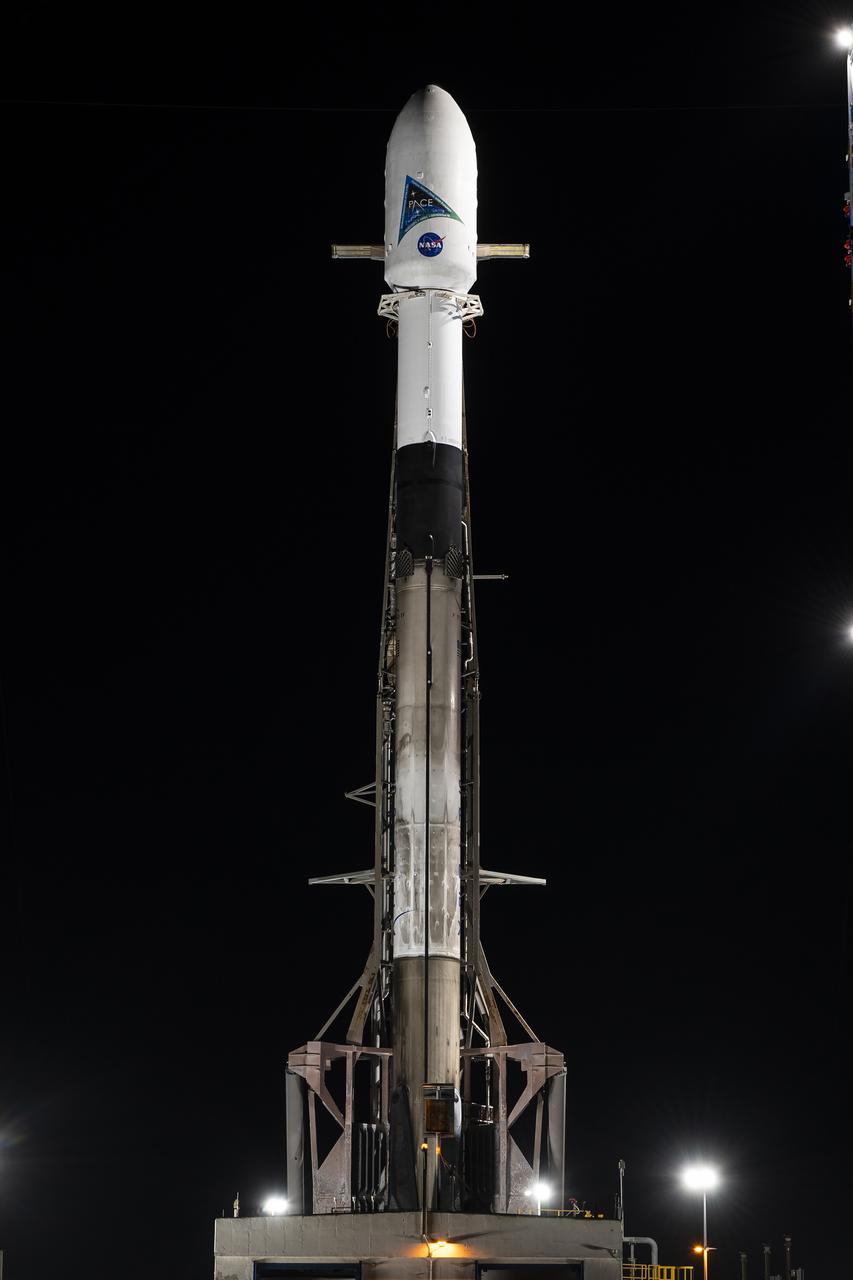
A SpaceX Falcon 9 rocket with NASA’s PACE (Plankton, Aerosol, Cloud, ocean Ecosystem) spacecraft encapsulated atop is raised to a vertical position at Space Launch Complex 40 at Cape Canaveral Space Force Station in Florida on Monday, Feb. 5, 2024. PACE is NASA’s newest earth-observing satellite that will help increase our understanding of Earth’s oceans, atmosphere, and climate by delivering hyperspectral observations of microscopic marine organisms called phytoplankton as well new data on clouds and aerosols. Liftoff of the PACE mission is set for no earlier than 1:33 a.m. EST on Tuesday, Feb. 6, 2024.
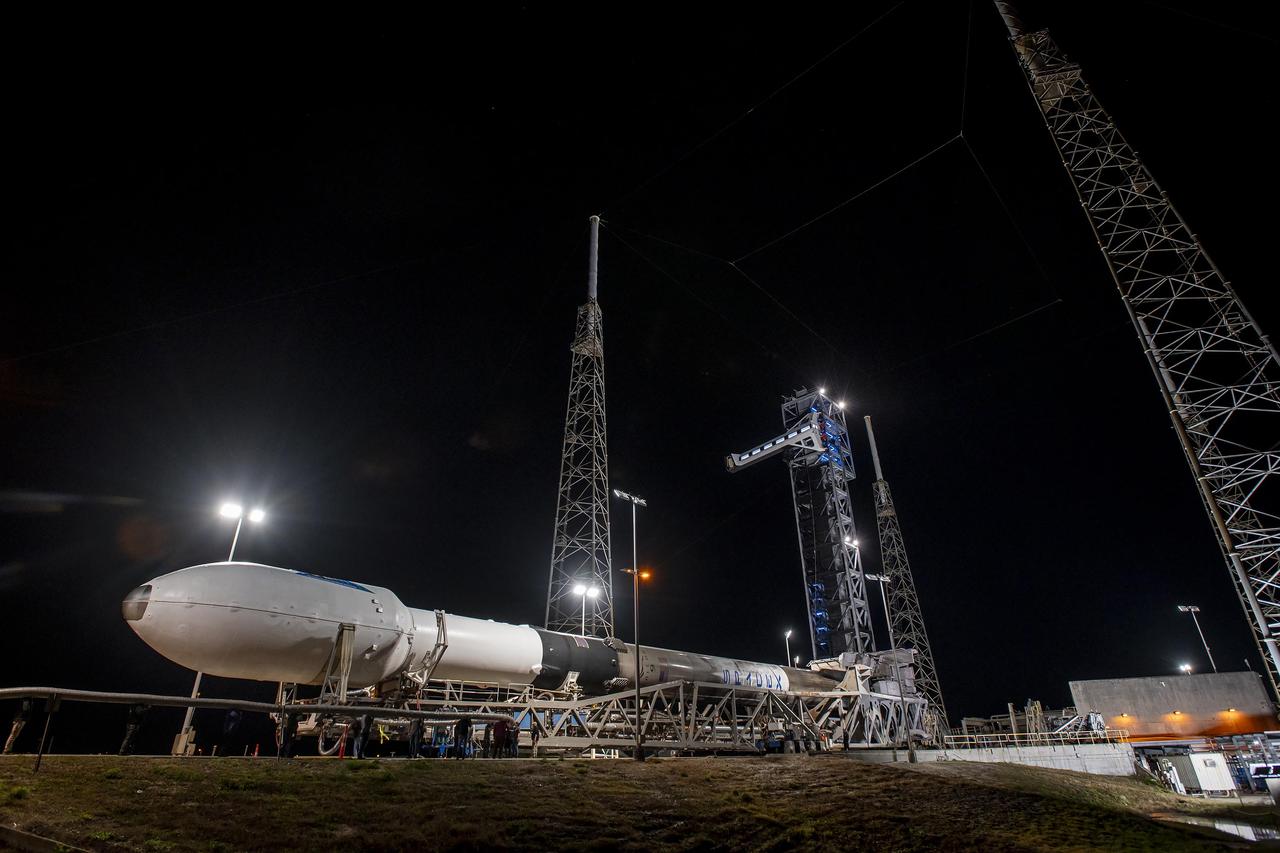
A SpaceX Falcon 9 rocket with NASA’s PACE (Plankton, Aerosol, Cloud, ocean Ecosystem) spacecraft encapsulated atop is rolled to the launch pad at Space Launch Complex 40 at Cape Canaveral Space Force Station in Florida on Monday, Feb. 5, 2024. PACE is NASA’s newest earth-observing satellite that will help increase our understanding of Earth’s oceans, atmosphere, and climate by delivering hyperspectral observations of microscopic marine organisms called phytoplankton as well new data on clouds and aerosols. Liftoff of the PACE mission is set for no earlier than 1:33 a.m. EST on Tuesday, Feb. 6, 2024.
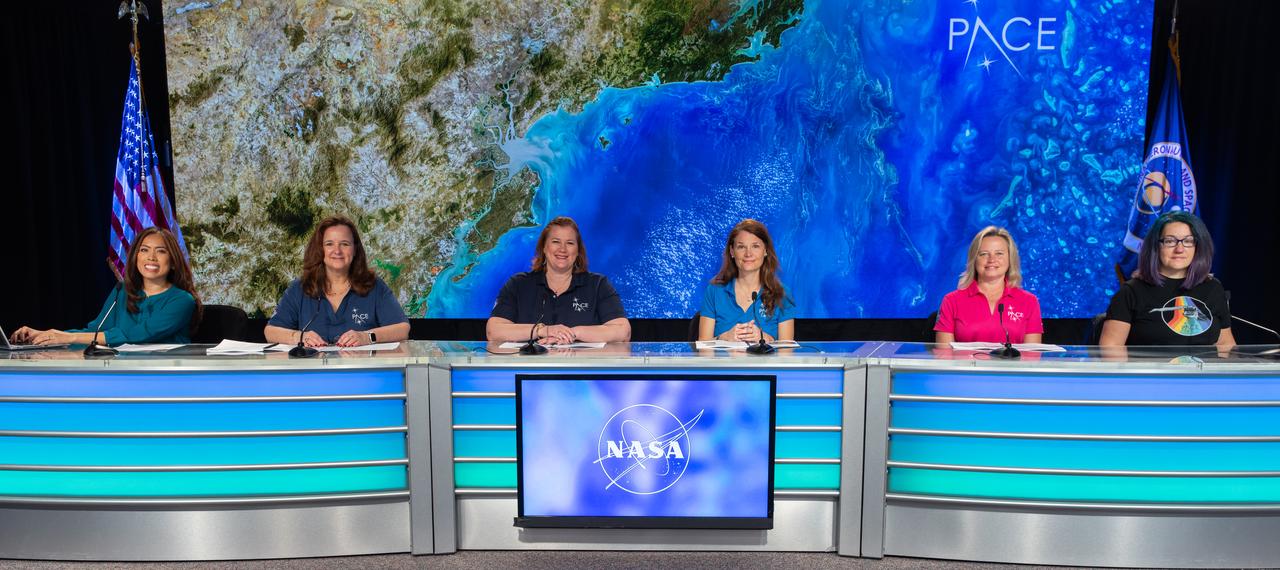
A PACE (Plankton, Aerosol, Cloud, ocean Ecosystem) mission and social media panel discussion takes place at NASA’s Kennedy Space Center in Florida on Sunday, Feb. 4, 2024. Participants, from left to right are: Megan Cruz, NASA Communications; Karen St. Germain, Earth Science division director, NASA Headquarters; Marjorie Haskell, PACE program executive, NASA Headquarters; Laura Lorenzoni, PACE program scientist, NASA Headquarters; Juli Lander, PACE deputy project manager, NASA’s Goddard Space Flight Center; and Ivona Cetinic, PACE Ocean scientist, NASA’s Goddard Space Flight Center. PACE is NASA’s newest earth-observing satellite that will help increase our understanding of Earth’s oceans, atmosphere, and climate by delivering hyperspectral observations of microscopic marine organisms called phytoplankton, as well new data on clouds and aerosols. Liftoff aboard a SpaceX Falcon 9 rocket from Space Launch Complex 40 at Cape Canaveral Space Force Station in Florida is set for no earlier than 1:33 a.m. EST on Tuesday, Feb 6, 2024.
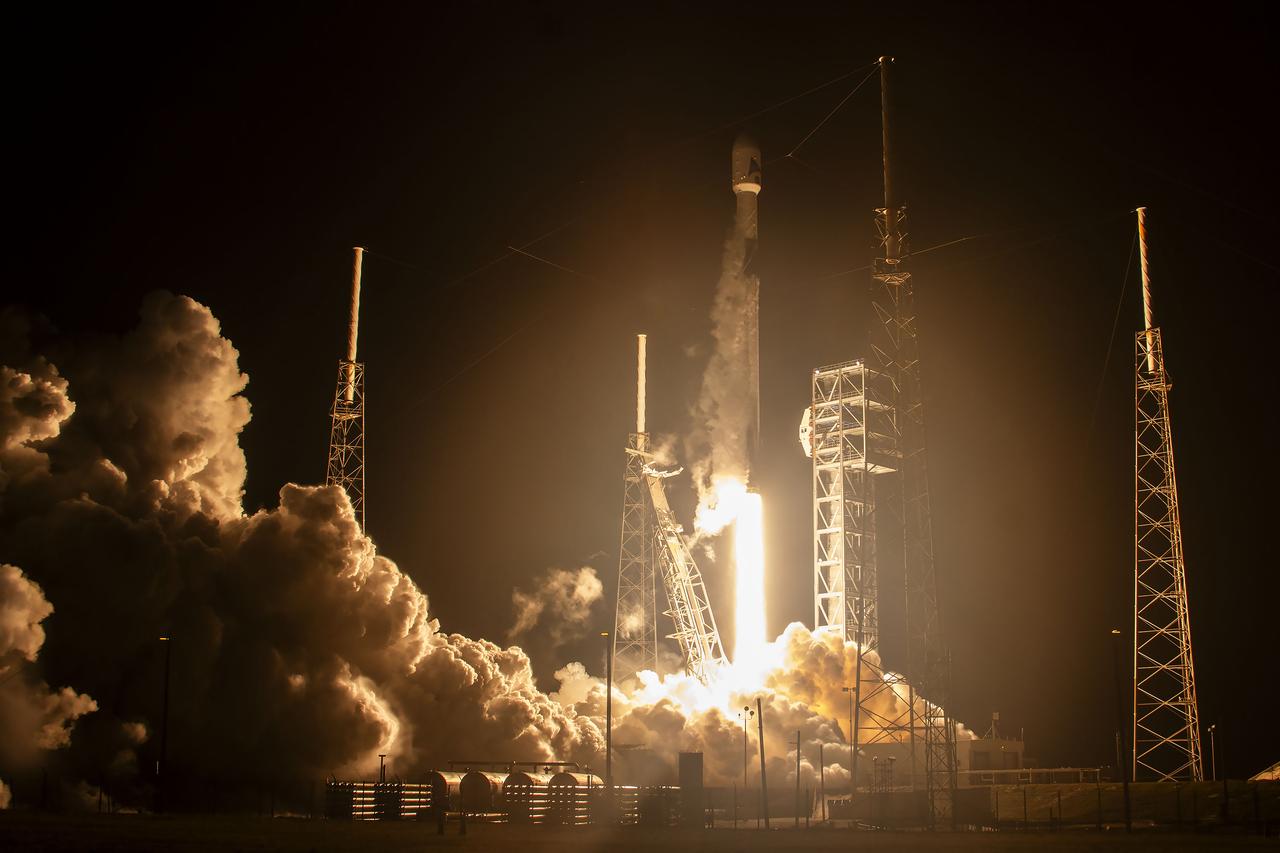
NASA’s PACE (Plankton, Aerosol, Cloud, ocean Ecosystem) spacecraft, atop a SpaceX Falcon 9 rocket, successfully lifts off from Space Launch Complex 40 at Cape Canaveral Space Force Station in Florida at 1:33 a.m. EST Thursday, Feb. 8. PACE is NASA’s newest earth-observing satellite that will help increase our understanding of Earth’s oceans, atmosphere, and climate by delivering hyperspectral observations of microscopic marine organisms called phytoplankton, as well new data on clouds and aerosols.
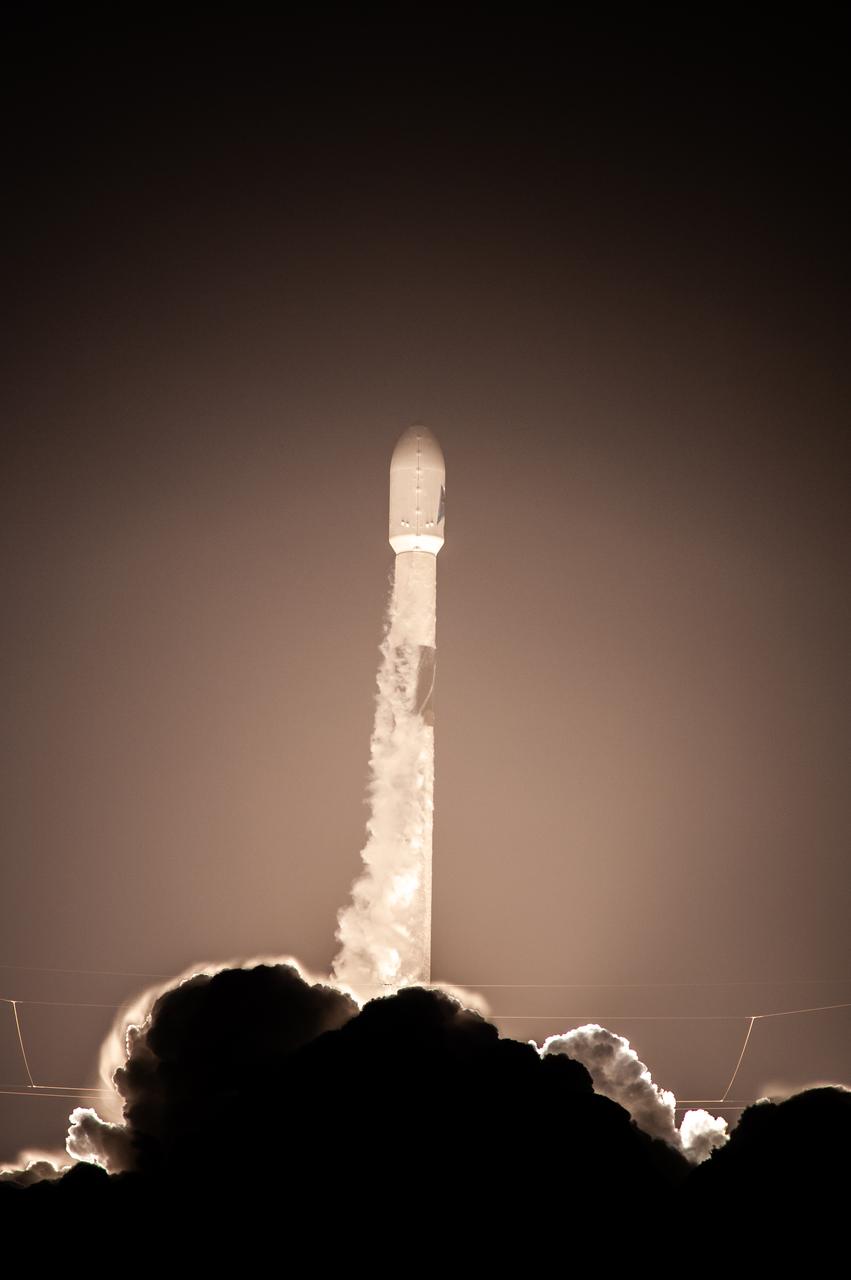
NASA’s PACE (Plankton, Aerosol, Cloud, ocean Ecosystem) spacecraft, atop a SpaceX Falcon 9 rocket, successfully lifts off from Space Launch Complex 40 at Cape Canaveral Space Force Station in Florida at 1:33 a.m. EST Thursday, Feb. 8. PACE is NASA’s newest earth-observing satellite that will help increase our understanding of Earth’s oceans, atmosphere, and climate by delivering hyperspectral observations of microscopic marine organisms called phytoplankton, as well new data on clouds and aerosols.
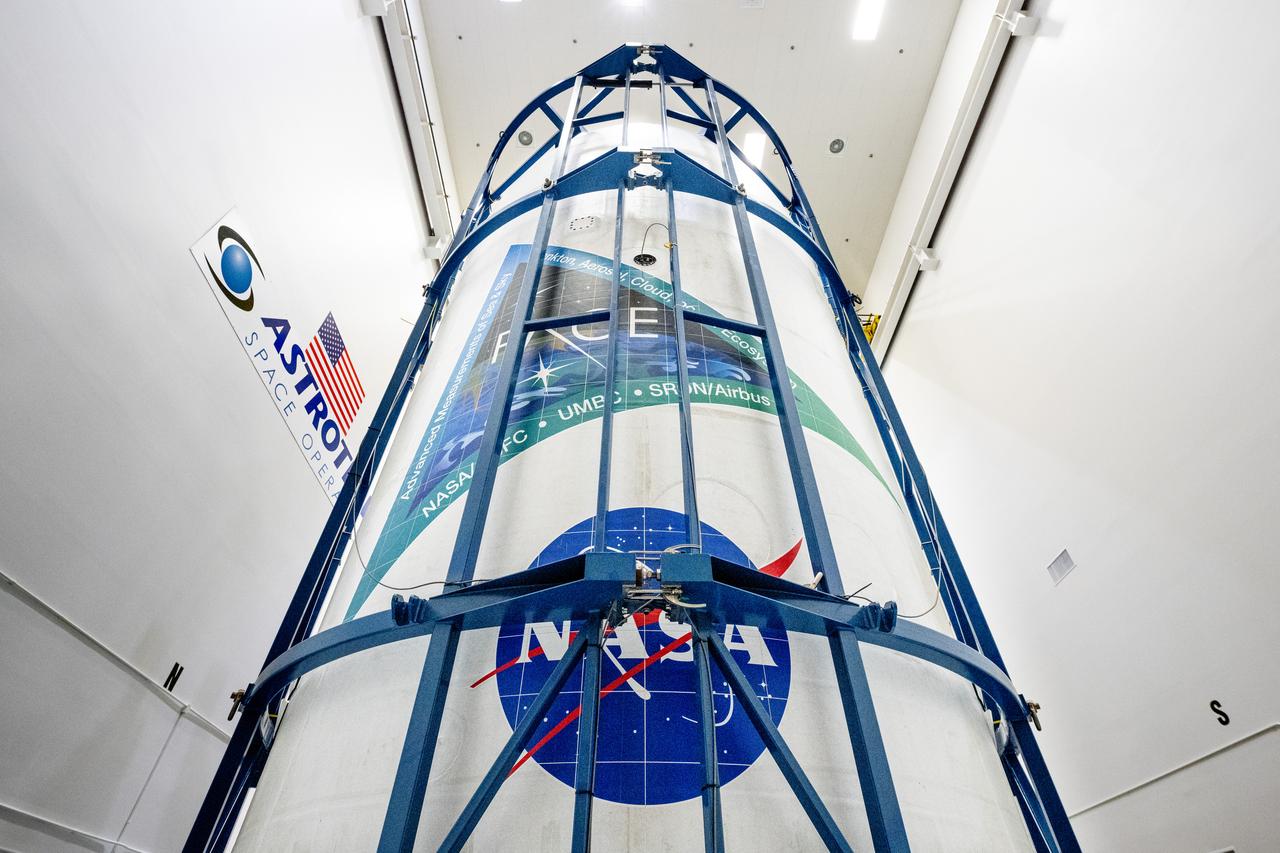
NASA and SpaceX technicians safely encapsulate NASA’s PACE (Plankton, Aerosol, Cloud, ocean Ecosystem) spacecraft in SpaceX’s Falcon 9 payload fairings on Monday, Jan. 29, 2024, at the Astrotech Space Operations Facility near the agency’s Kennedy Space Center in Florida. The fairing halves protect the spacecraft from aerodynamic pressure and heating during the ascent phase of launch. PACE is set to launch from Space Launch Complex 40 at Cape Canaveral Space Force Station in Florida no earlier than 1:33 a.m. EST on Tuesday, Feb. 6, 2024.