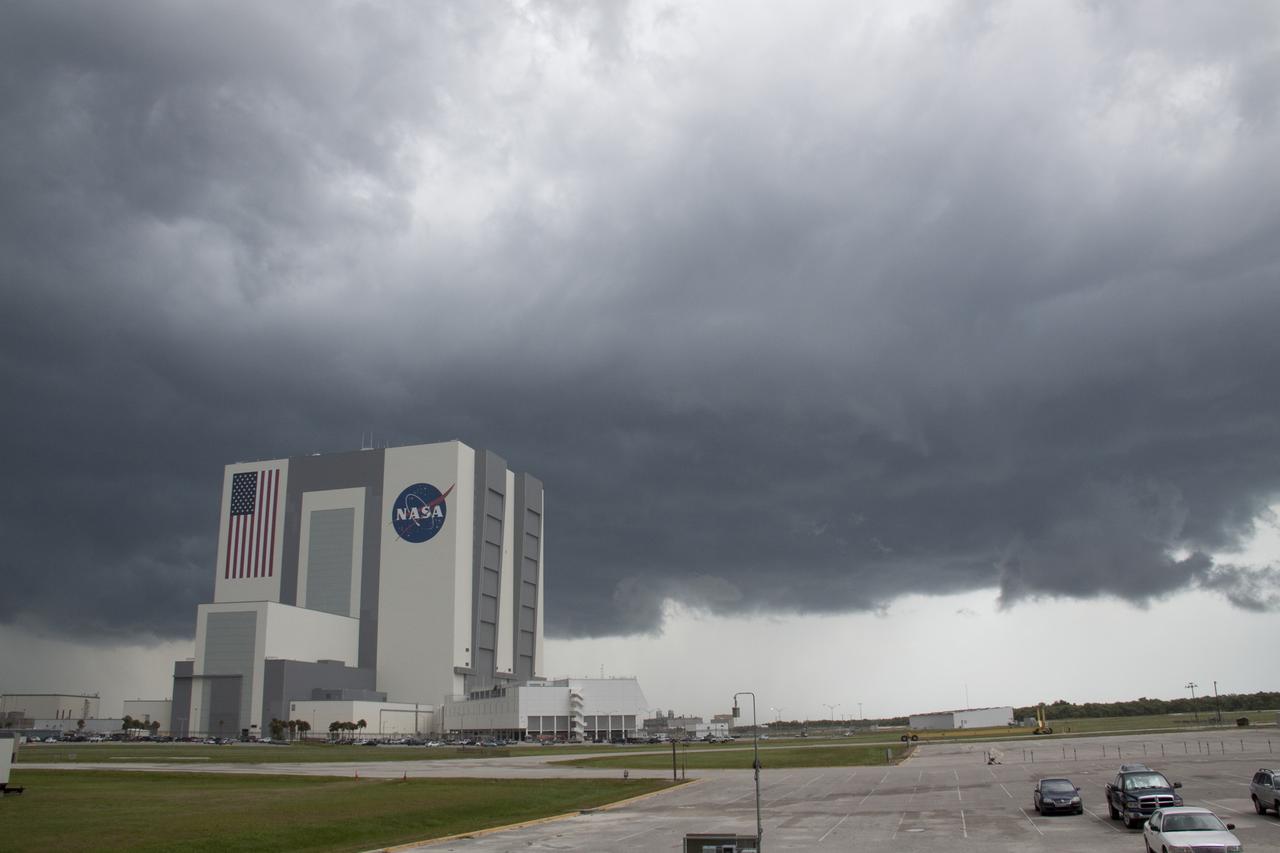
KSC WEATHER - STORMS AT LC39
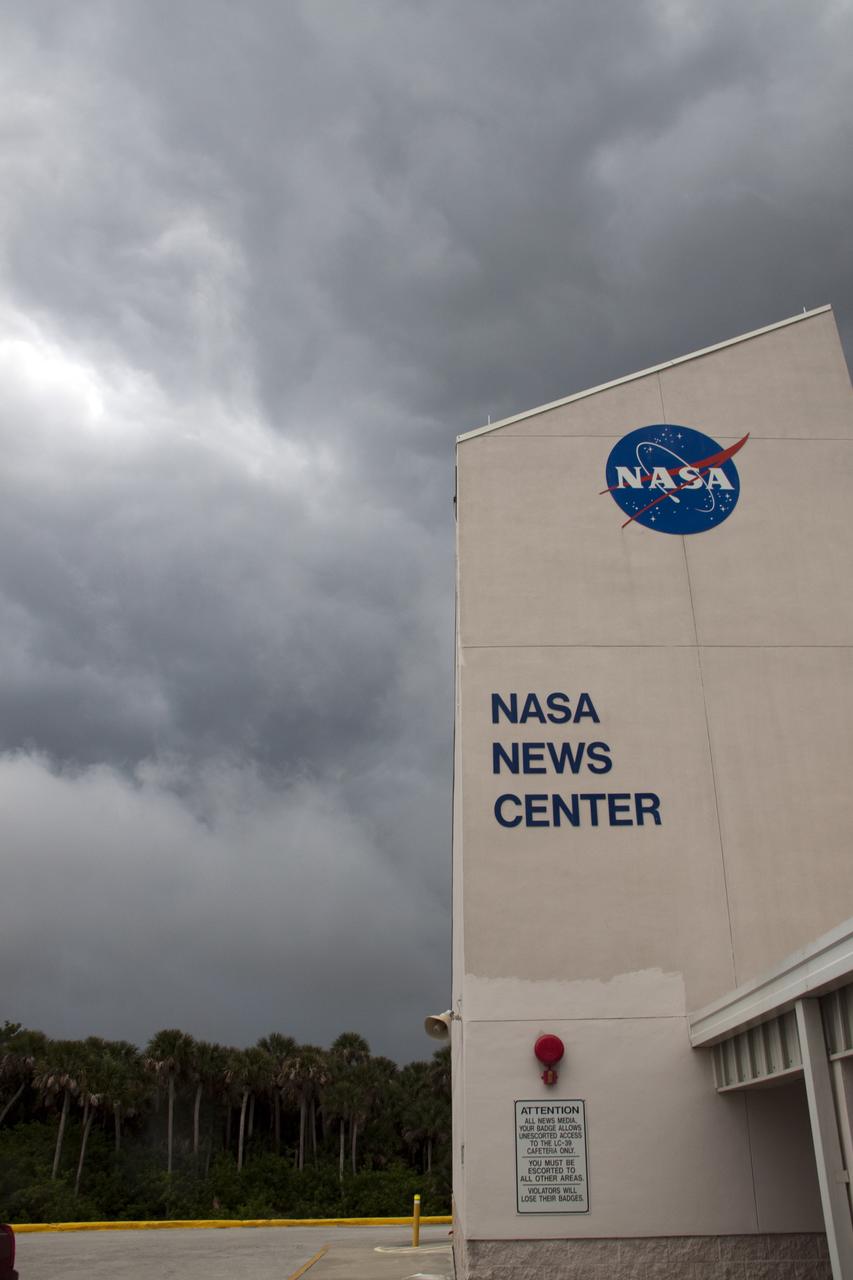
KSC WEATHER - STORMS AT LC39
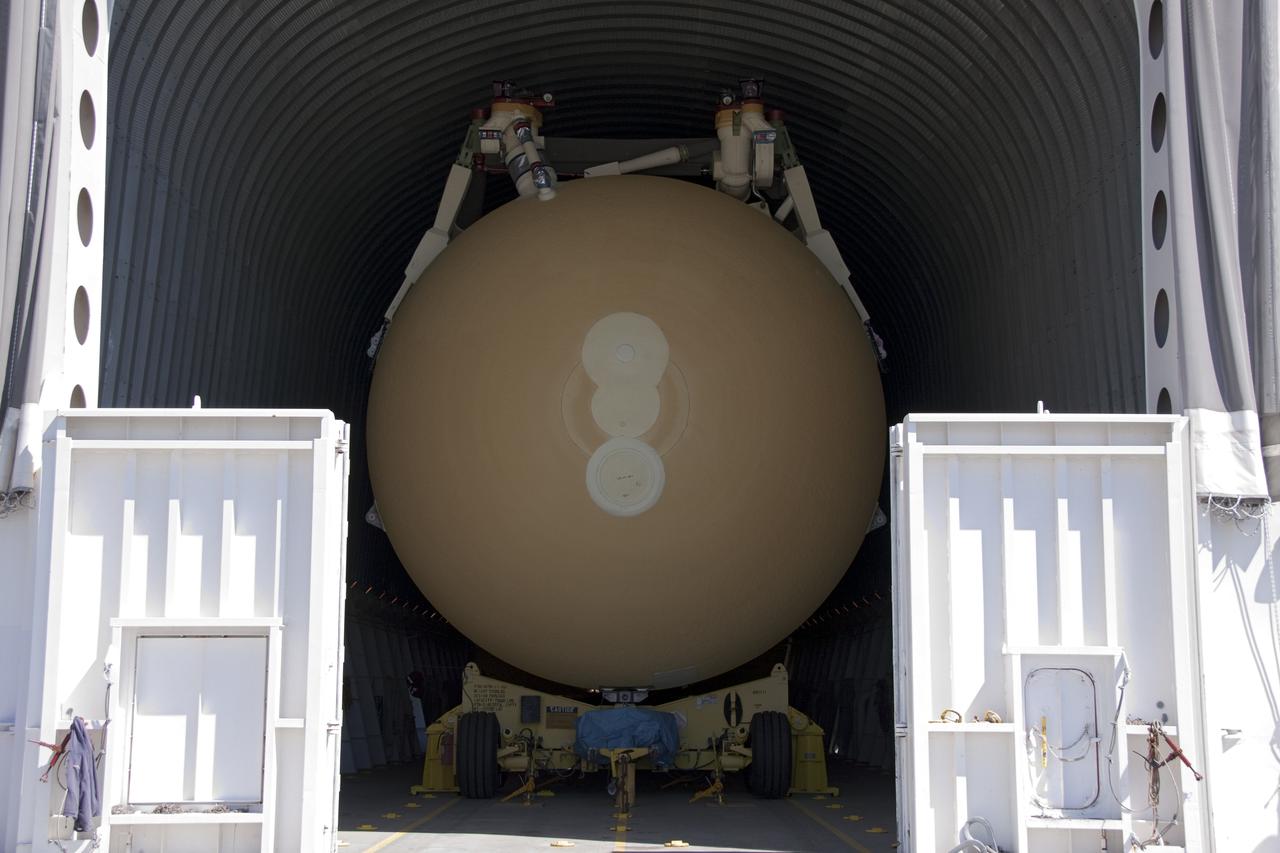
STS-132 ET-136 ARRIVAL TO LC39 TURNBASIN
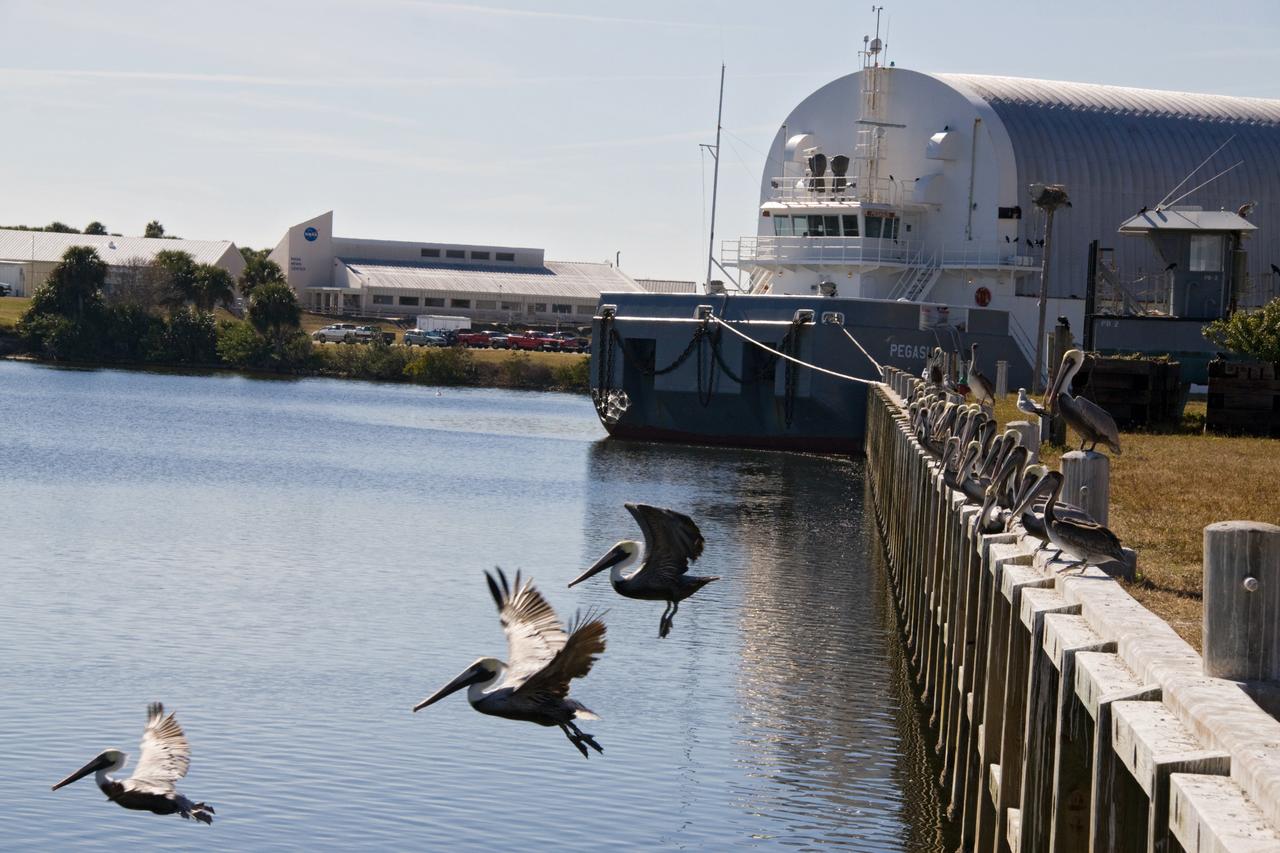
KSC WILDLIFE - PELICANS IN THE LC39 TURN BASIN
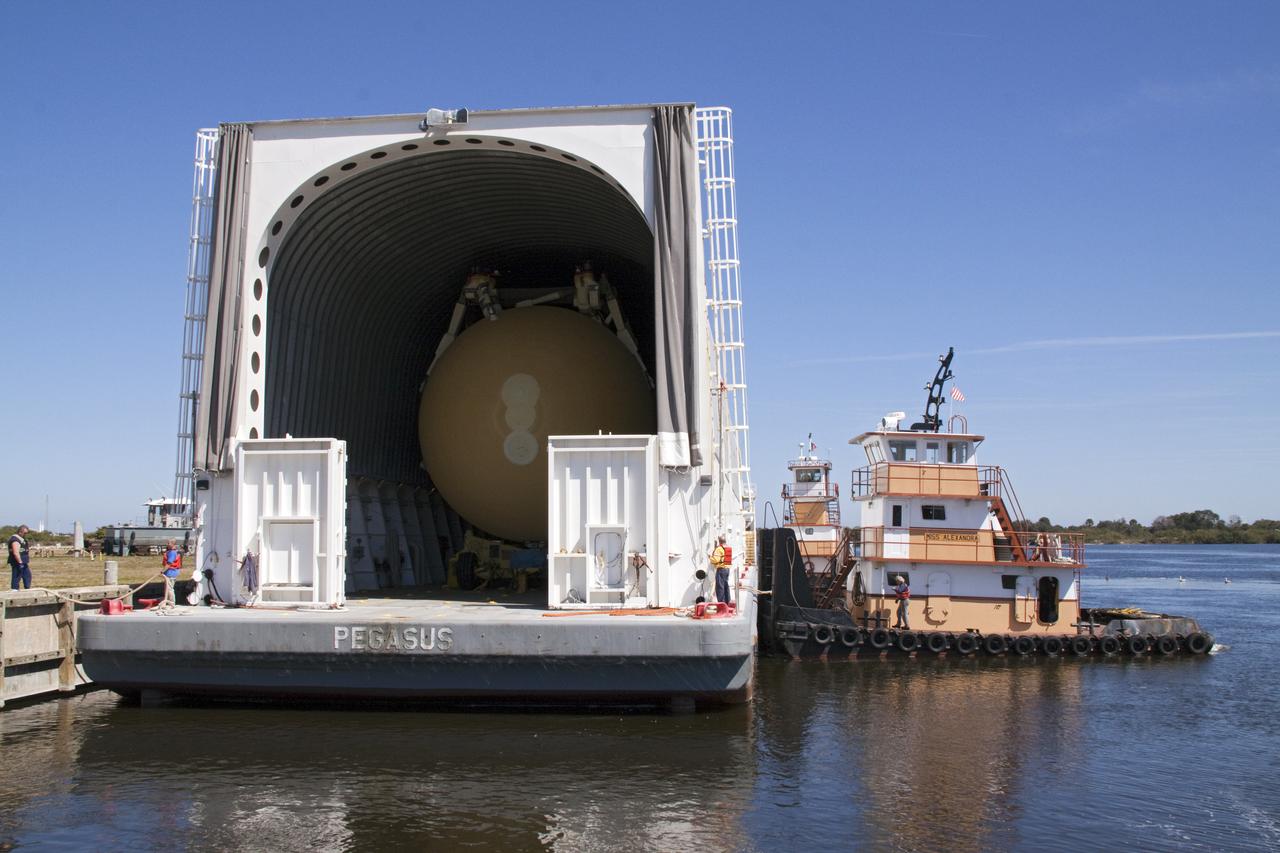
STS-132 ET-136 ARRIVAL TO LC39 TURNBASIN
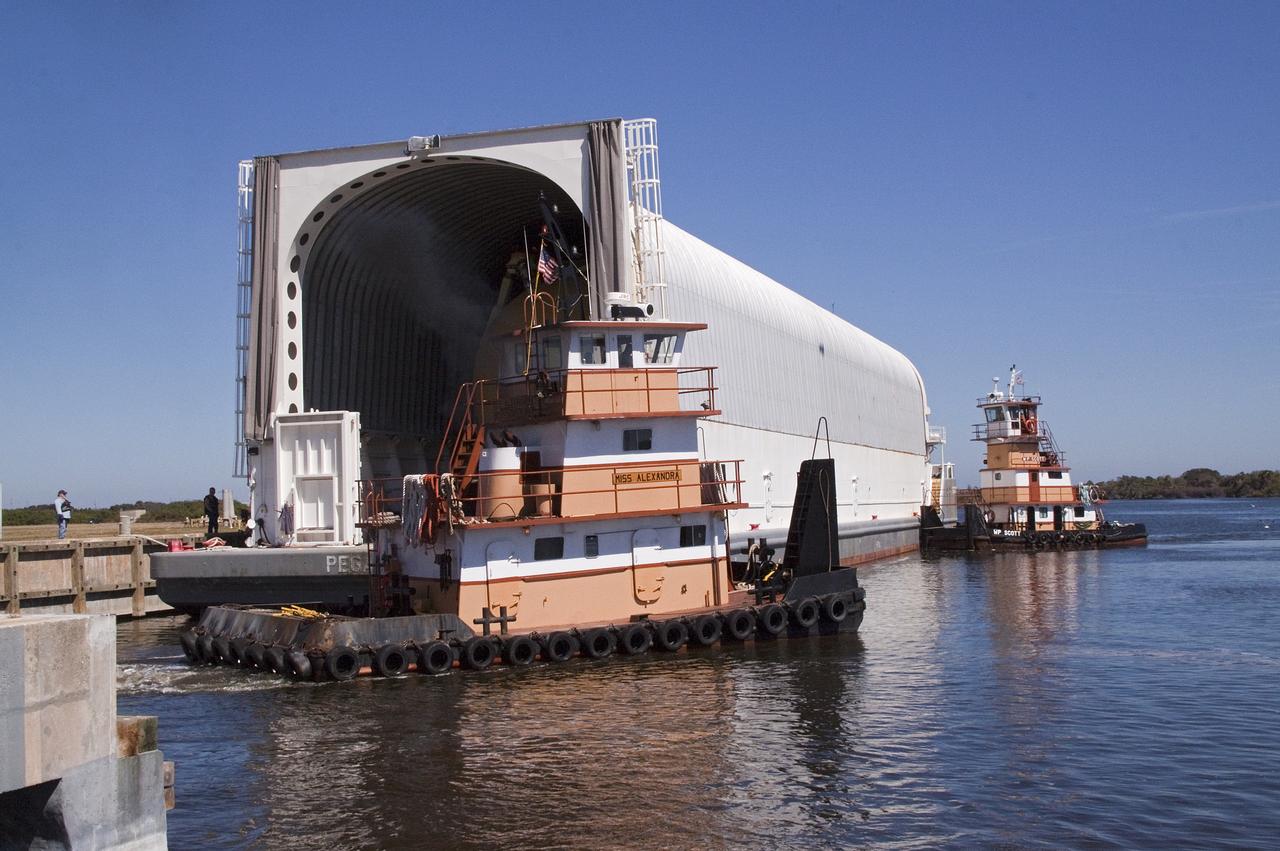
STS-132 ET-136 ARRIVAL TO LC39 TURNBASIN
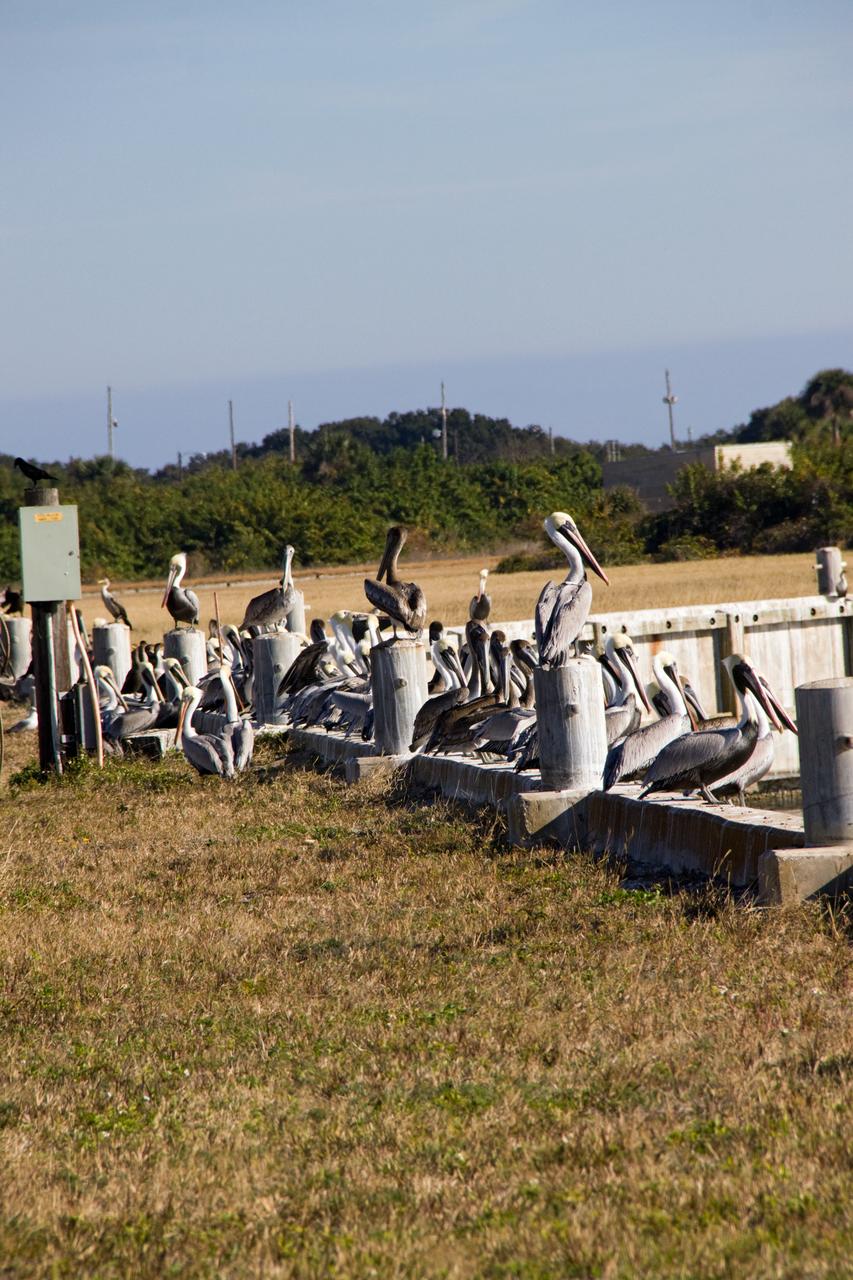
KSC WILDLIFE - PELICANS IN THE LC39 TURN BASIN
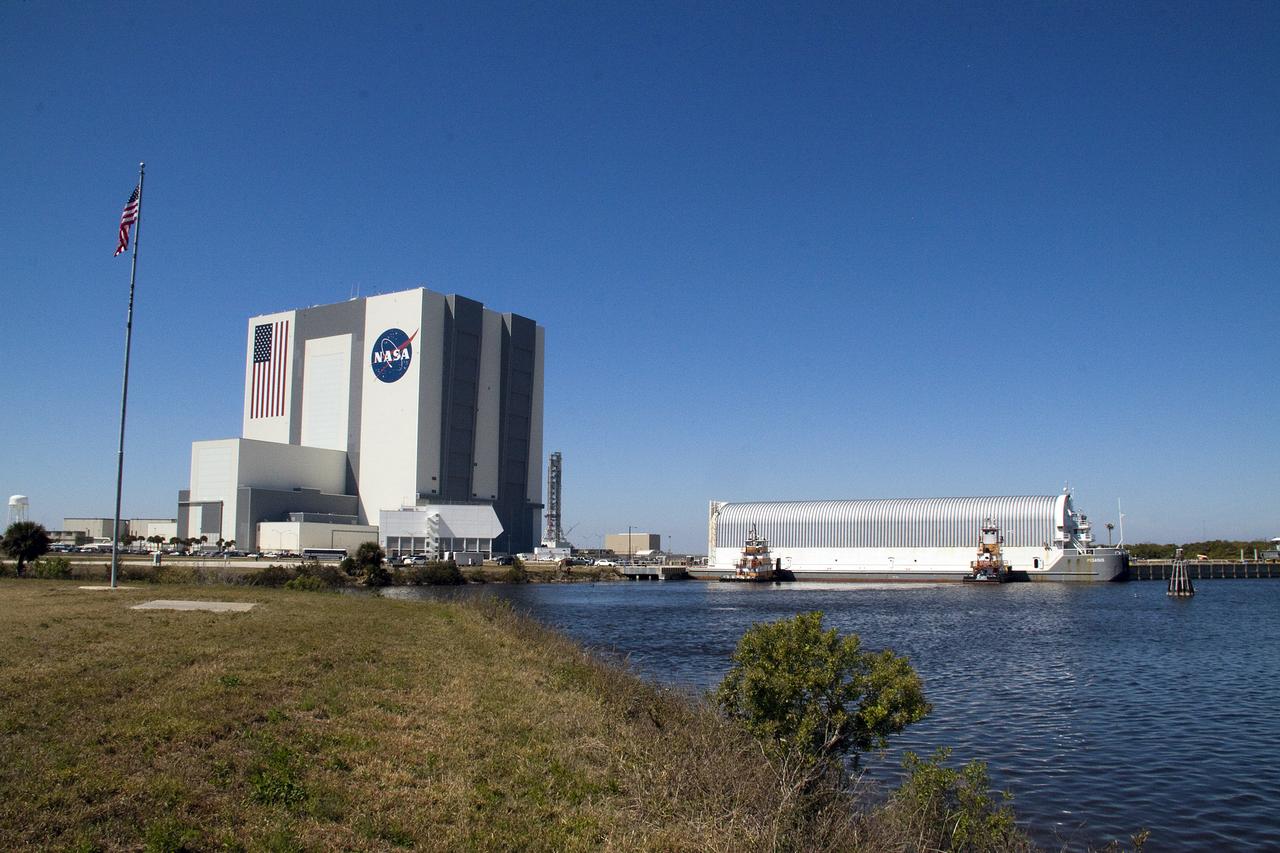
STS-132 ET-136 ARRIVAL TO LC39 TURNBASIN

STS-132 ET-136 ARRIVAL TO LC39 TURNBASIN
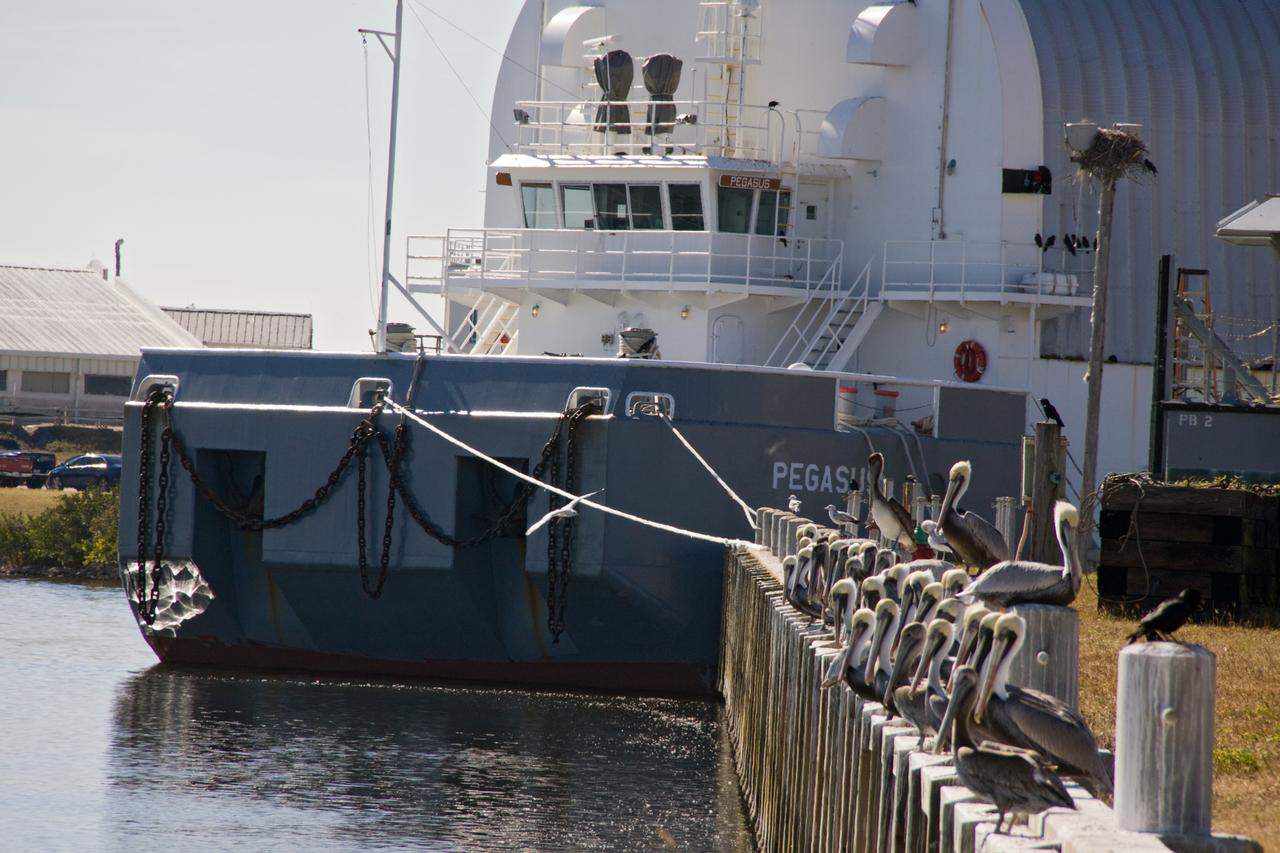
KSC WILDLIFE - PELICANS IN THE LC39 TURN BASIN
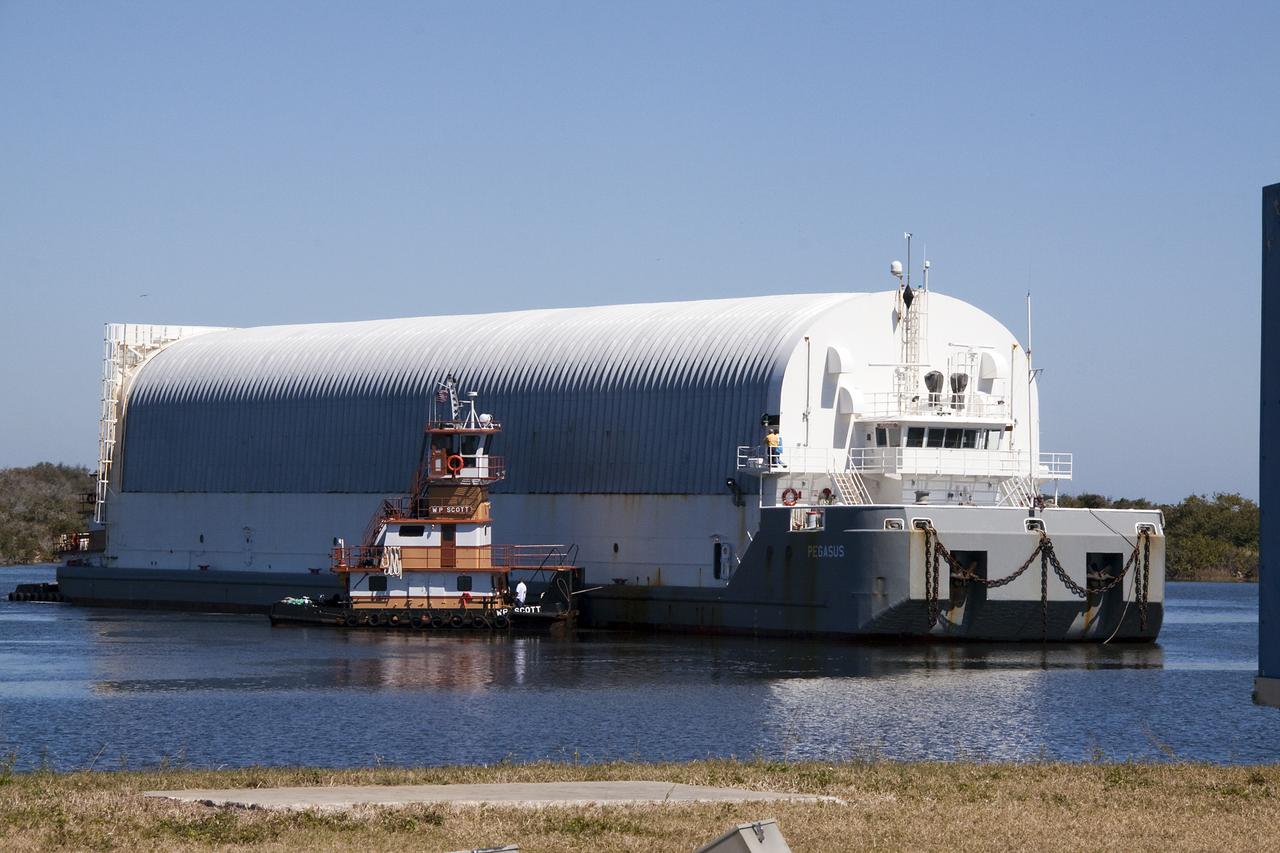
STS-132 ET-136 ARRIVAL TO LC39 TURNBASIN
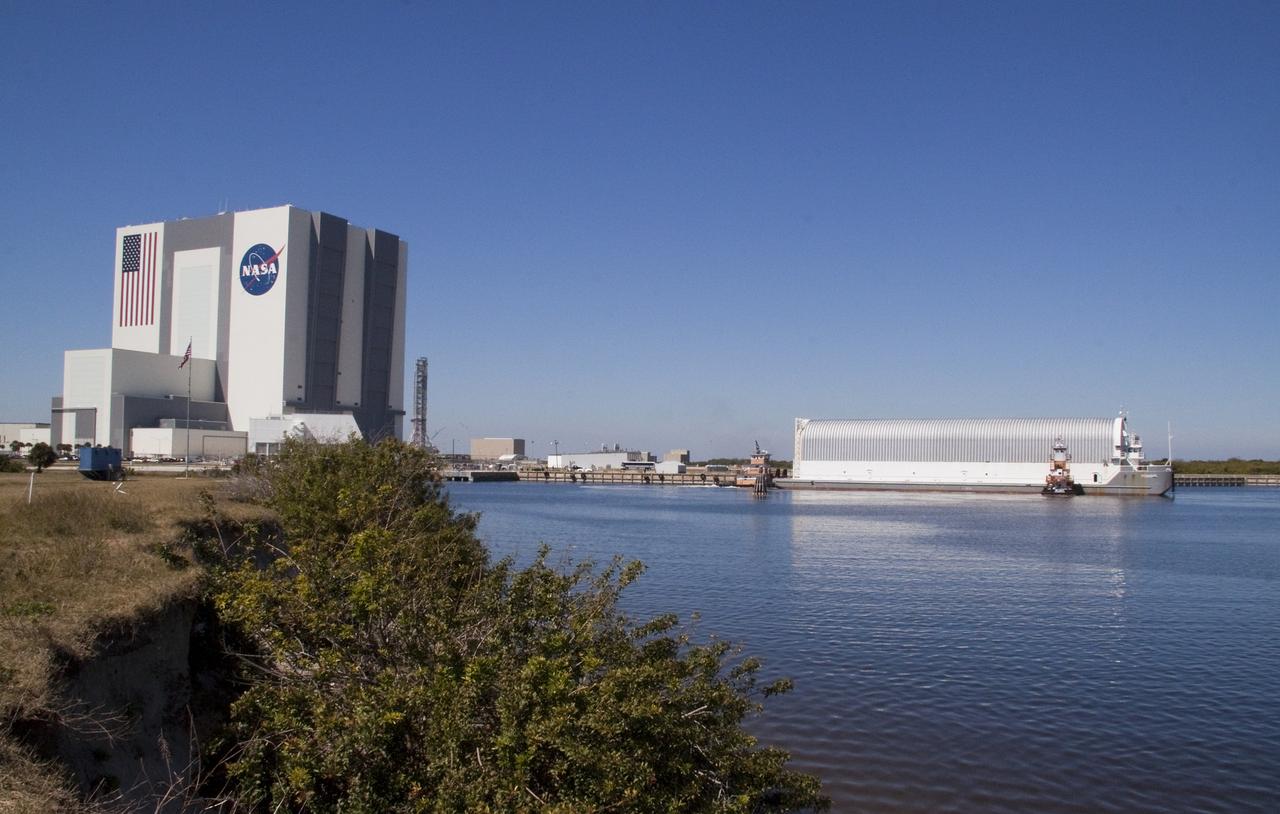
STS-132 ET-136 ARRIVAL TO LC39 TURNBASIN
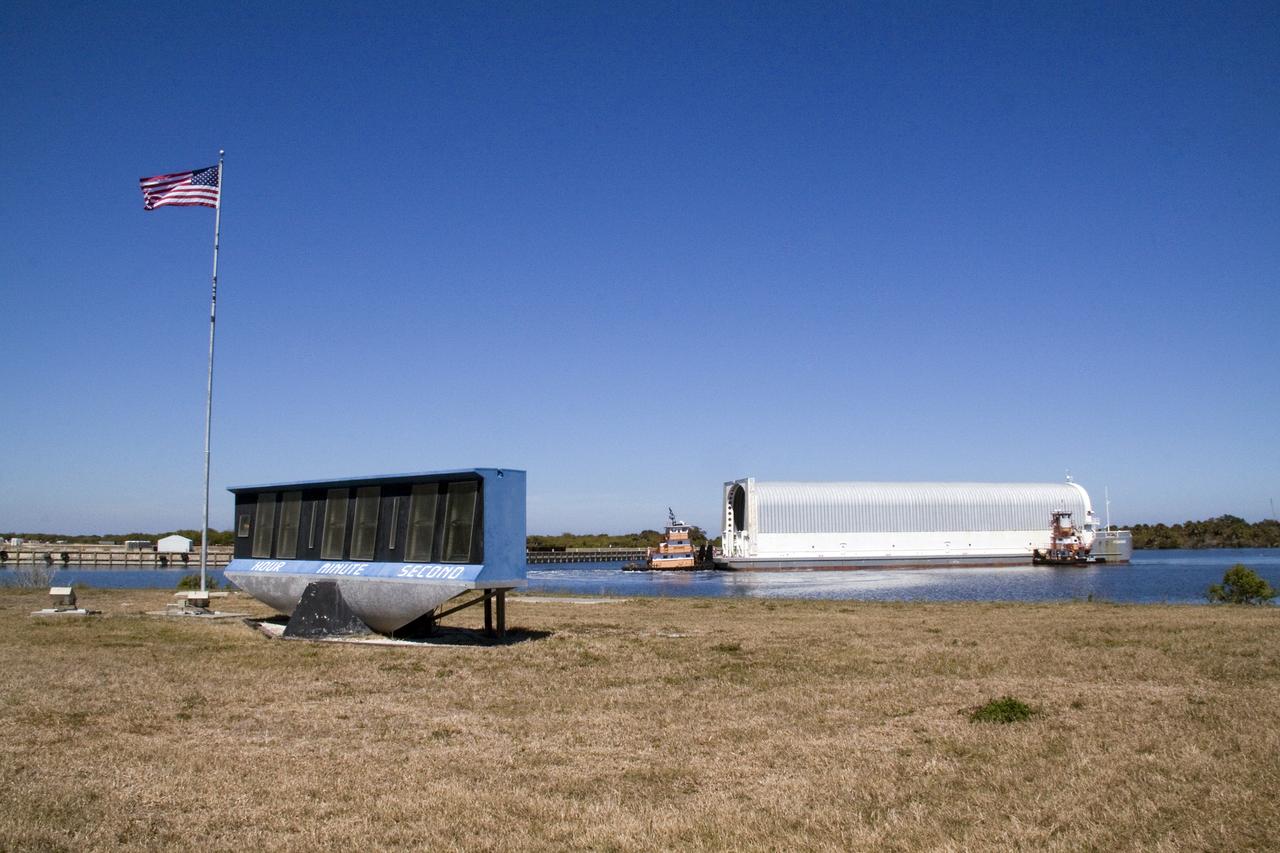
STS-132 ET-136 ARRIVAL TO LC39 TURNBASIN
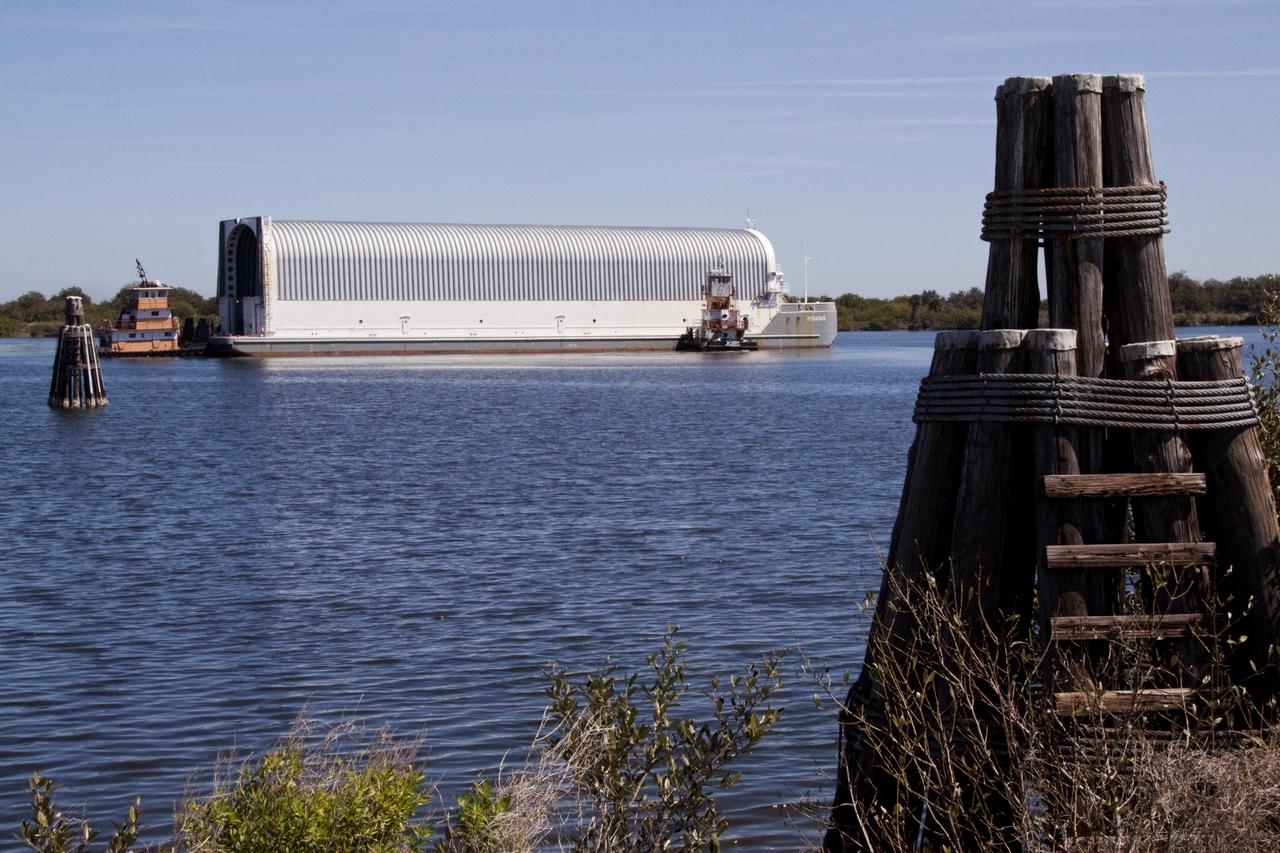
STS-132 ET-136 ARRIVAL TO LC39 TURNBASIN
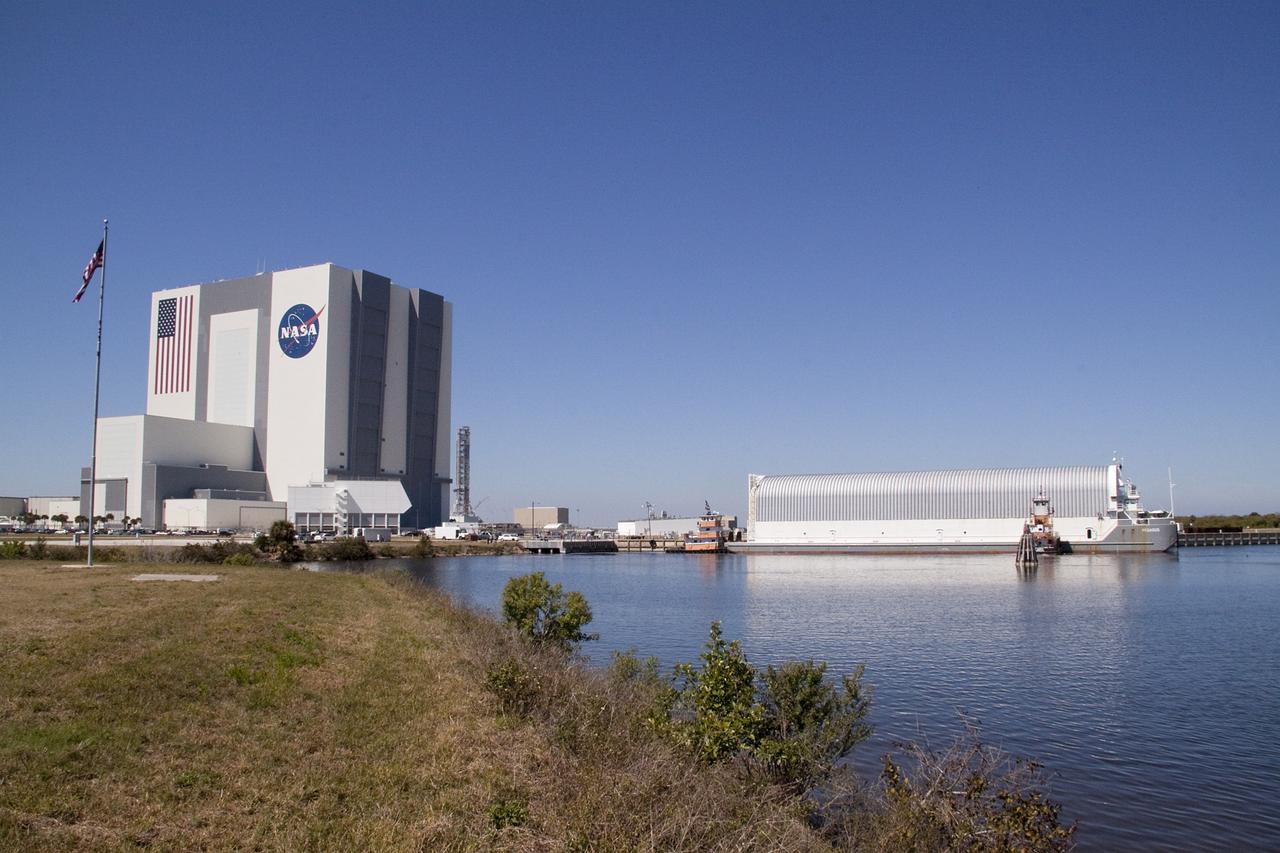
STS-132 ET-136 ARRIVAL TO LC39 TURNBASIN
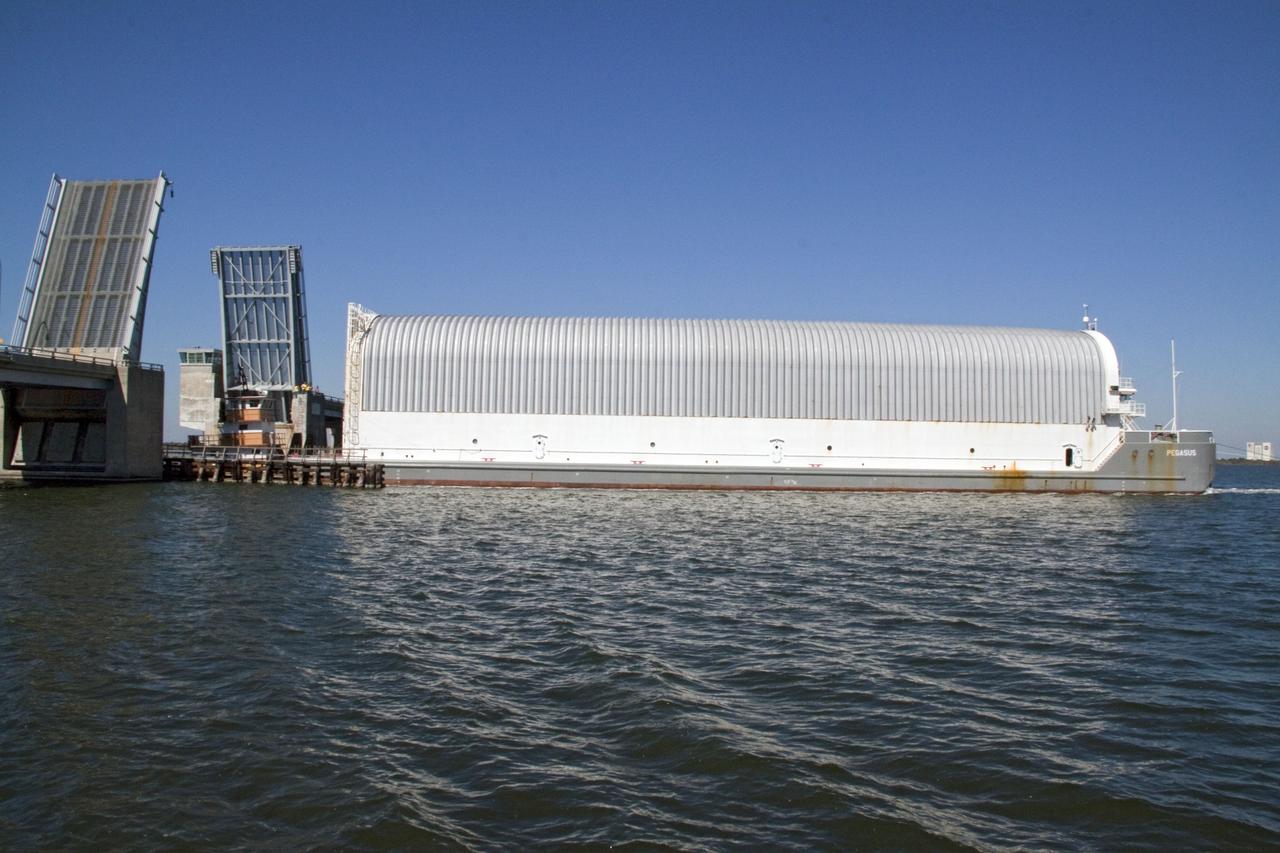
STS-132 ET-136 ARRIVAL TO LC39 TURN BASIN
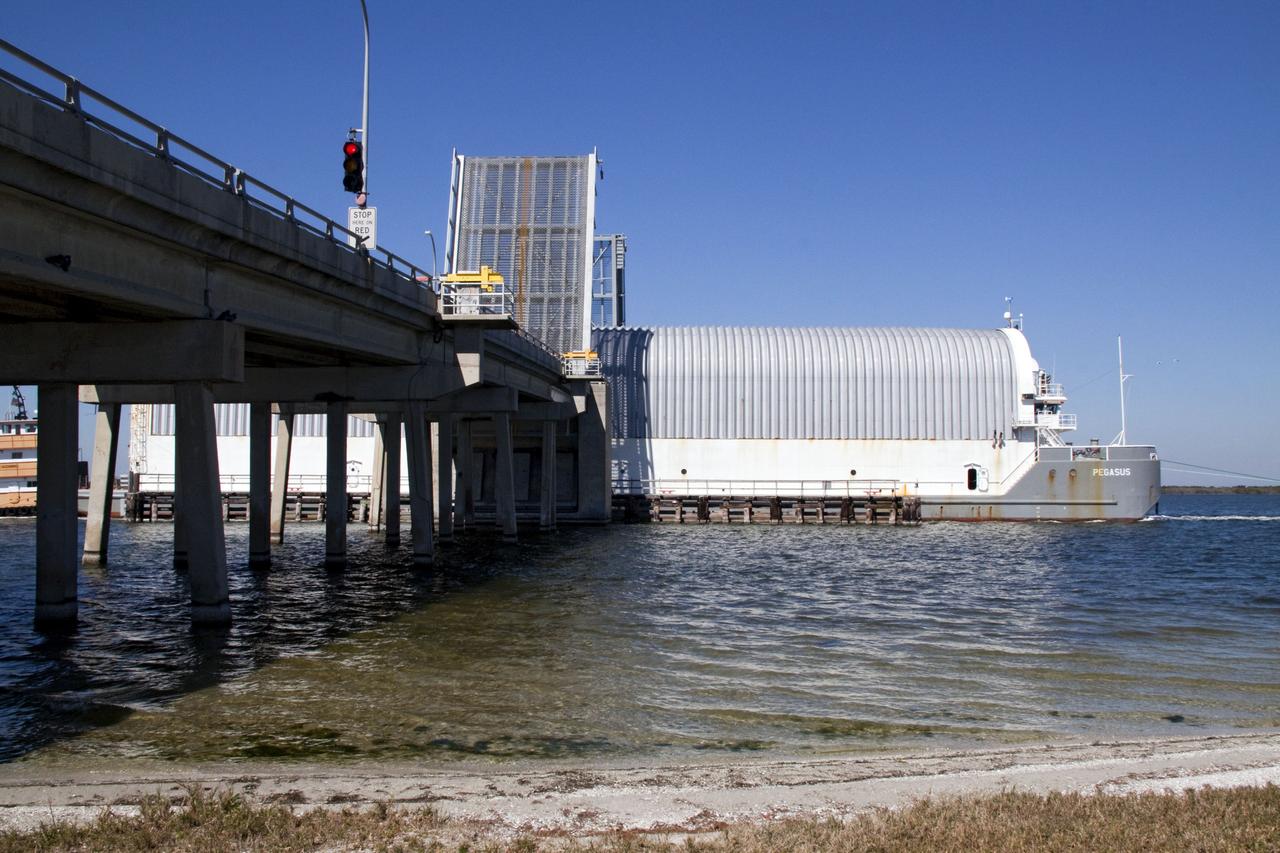
STS-132 ET-136 ARRIVAL TO LC39 TURN BASIN
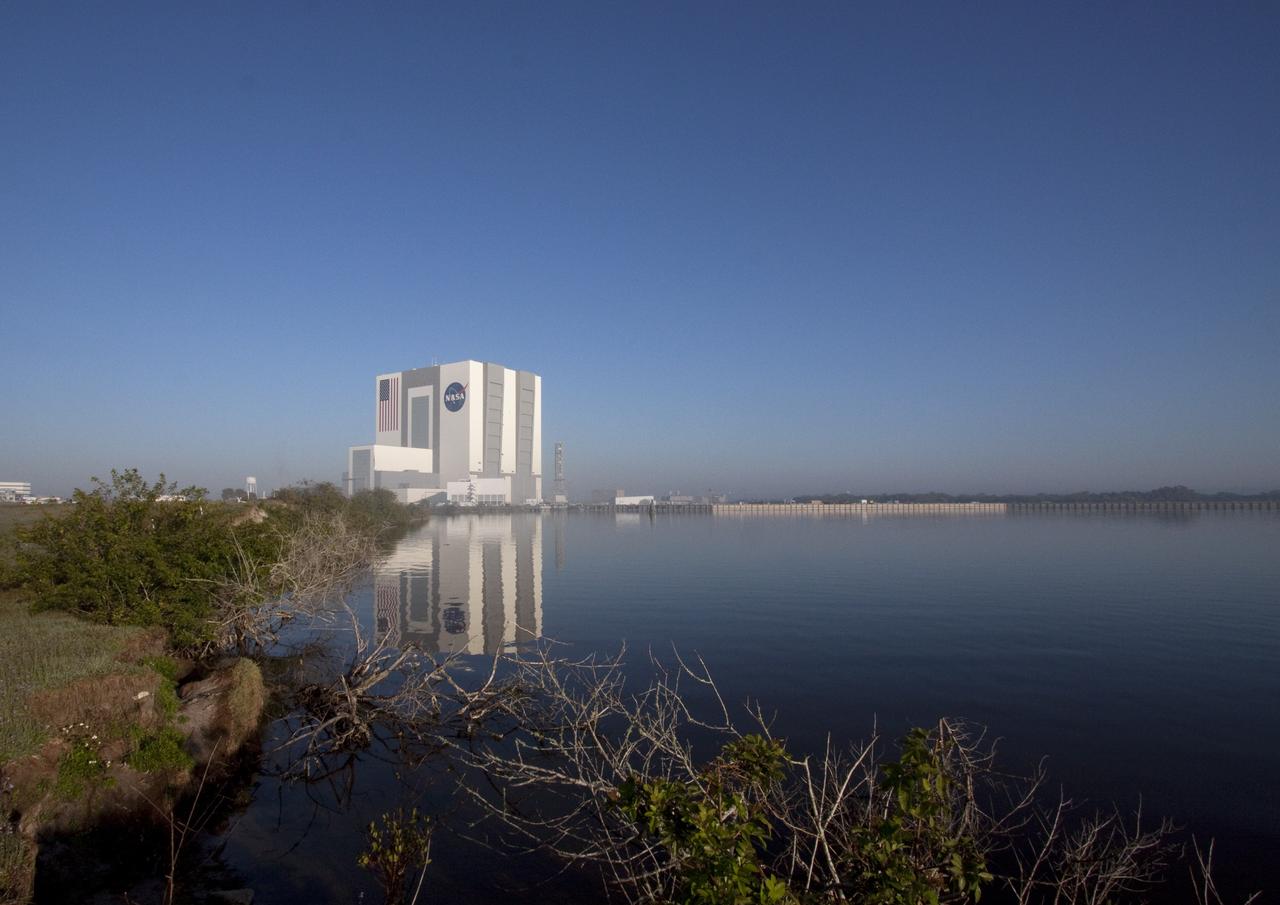
KSC WEATHER - FOG SHOTS LOOKING FROM LC39 BASIN
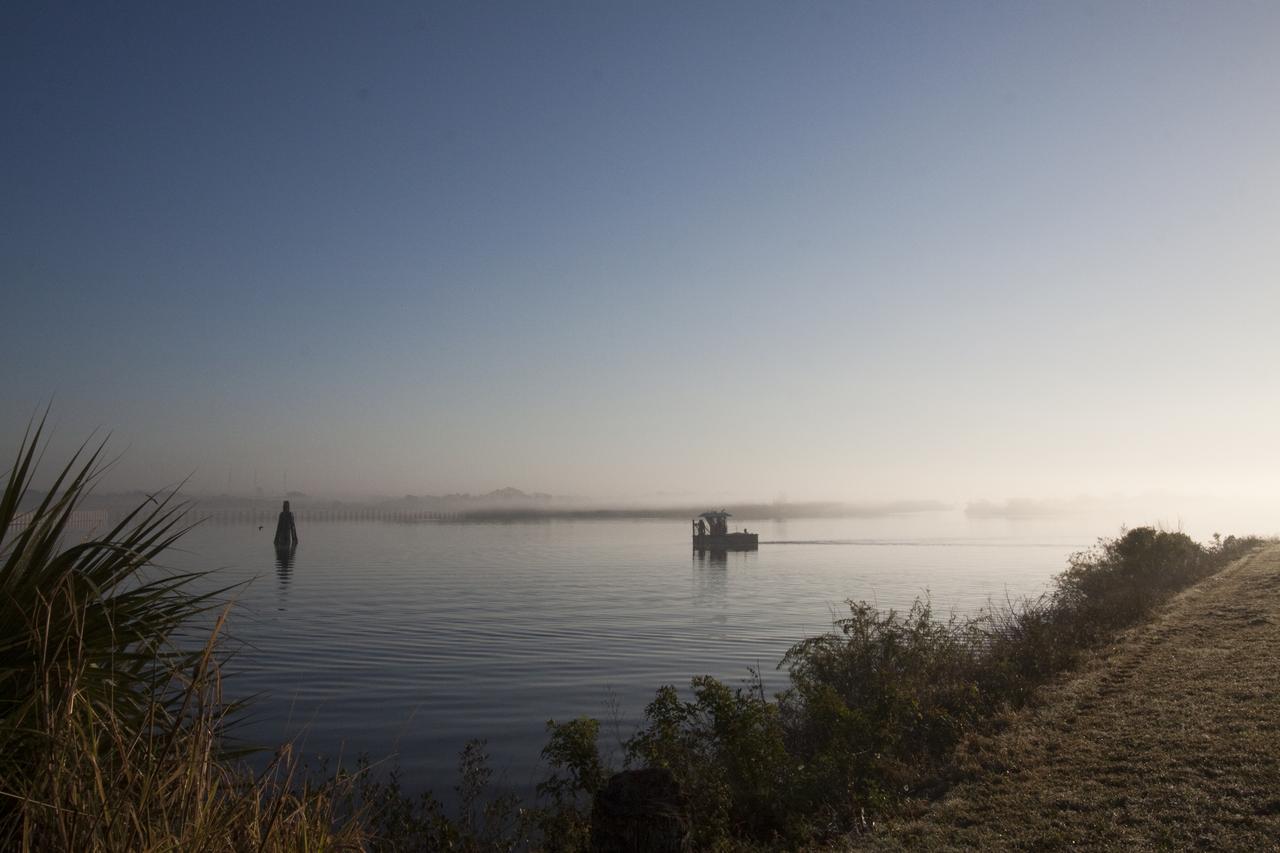
KSC WEATHER - FOG SHOTS LOOKING FROM LC39 BASIN
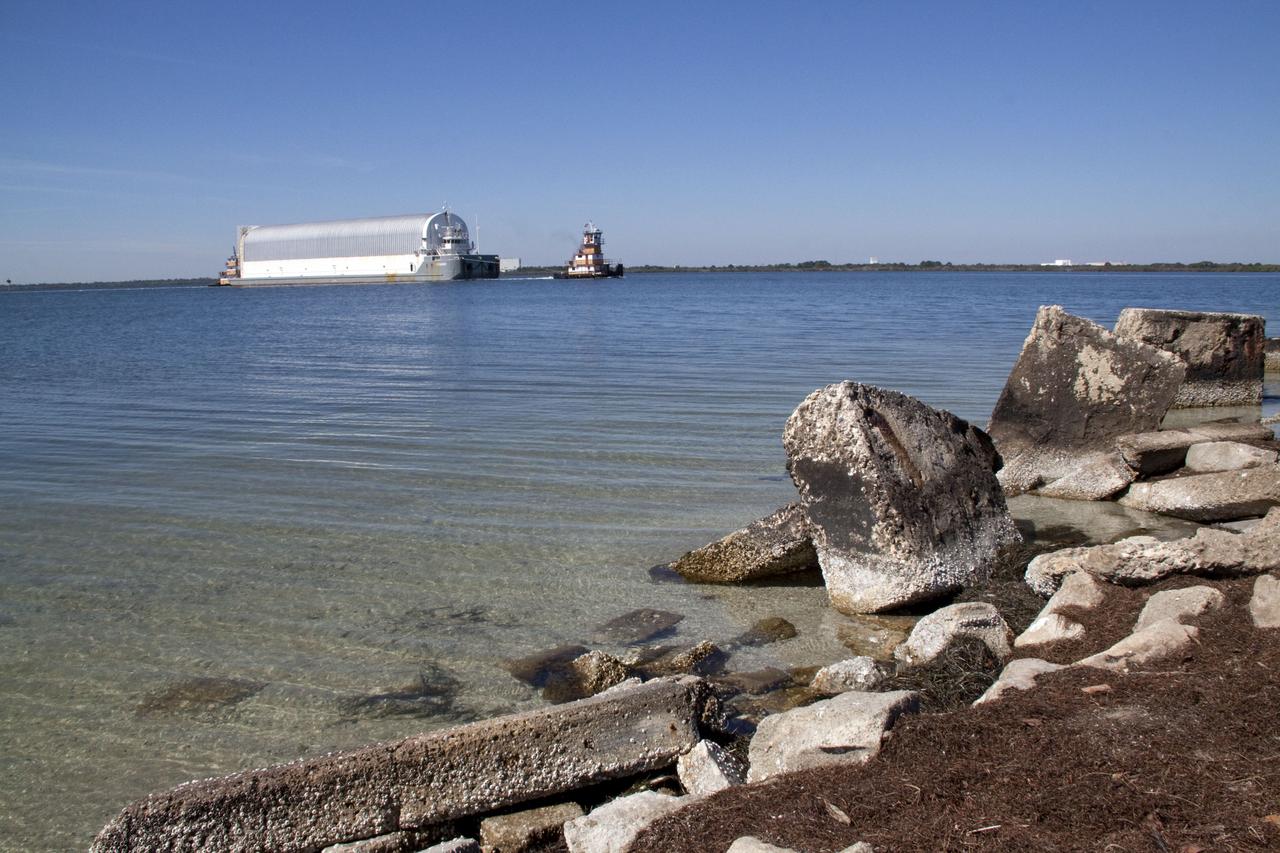
STS-132 ET-136 ARRIVAL TO LC39 TURN BASIN
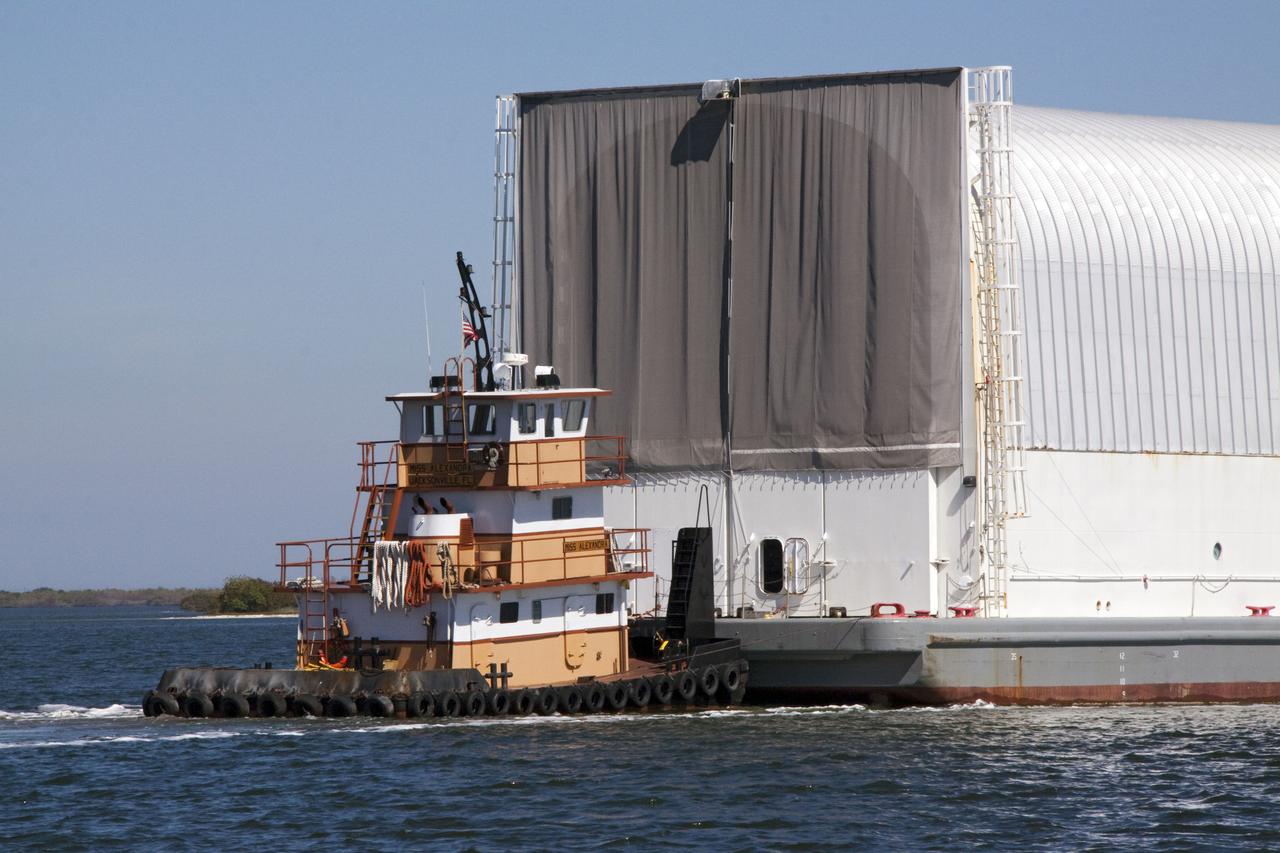
STS-132 ET-136 ARRIVAL TO LC39 TURN BASIN
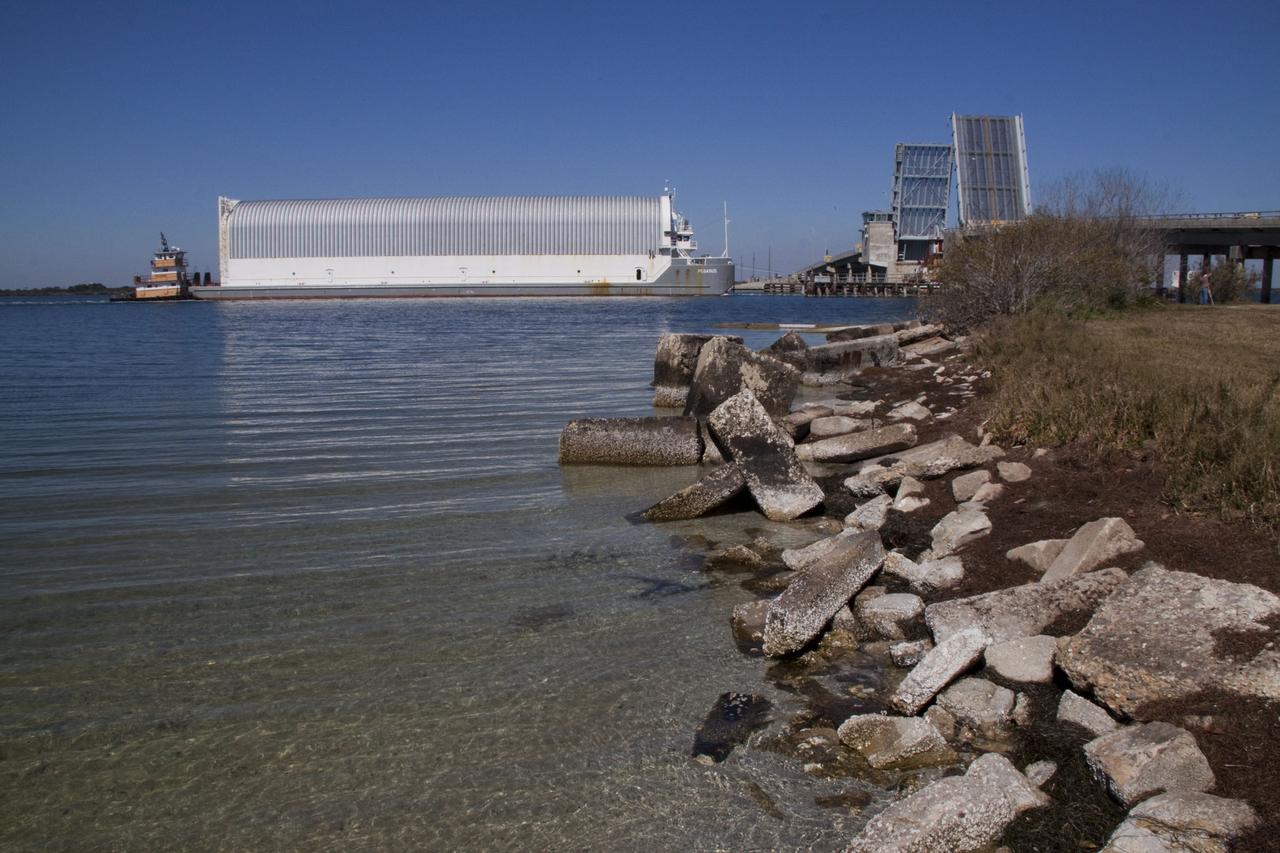
STS-132 ET-136 ARRIVAL TO LC39 TURN BASIN
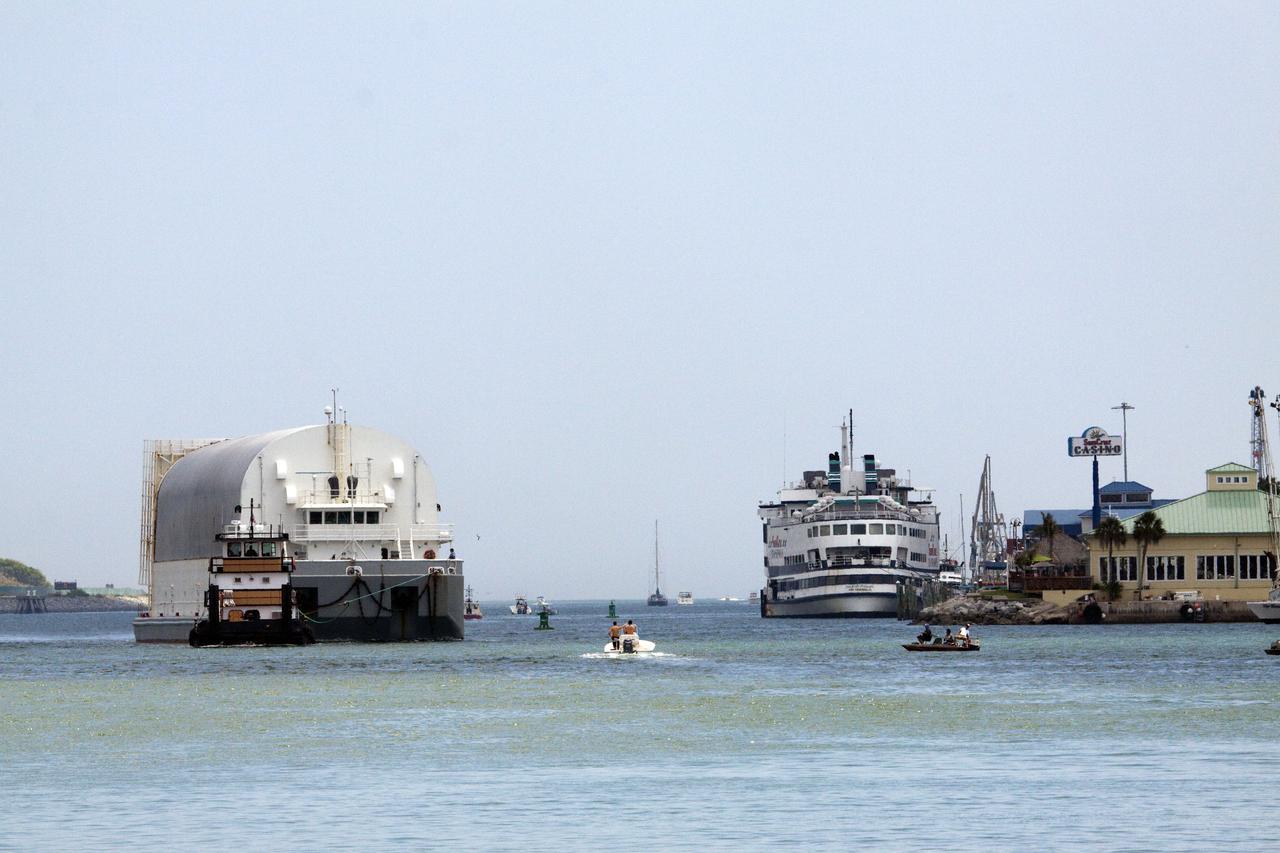
STS-133 ET-137 ARRIVAL THRU PORT CANAVERAL TO LC39 TURN BASIN
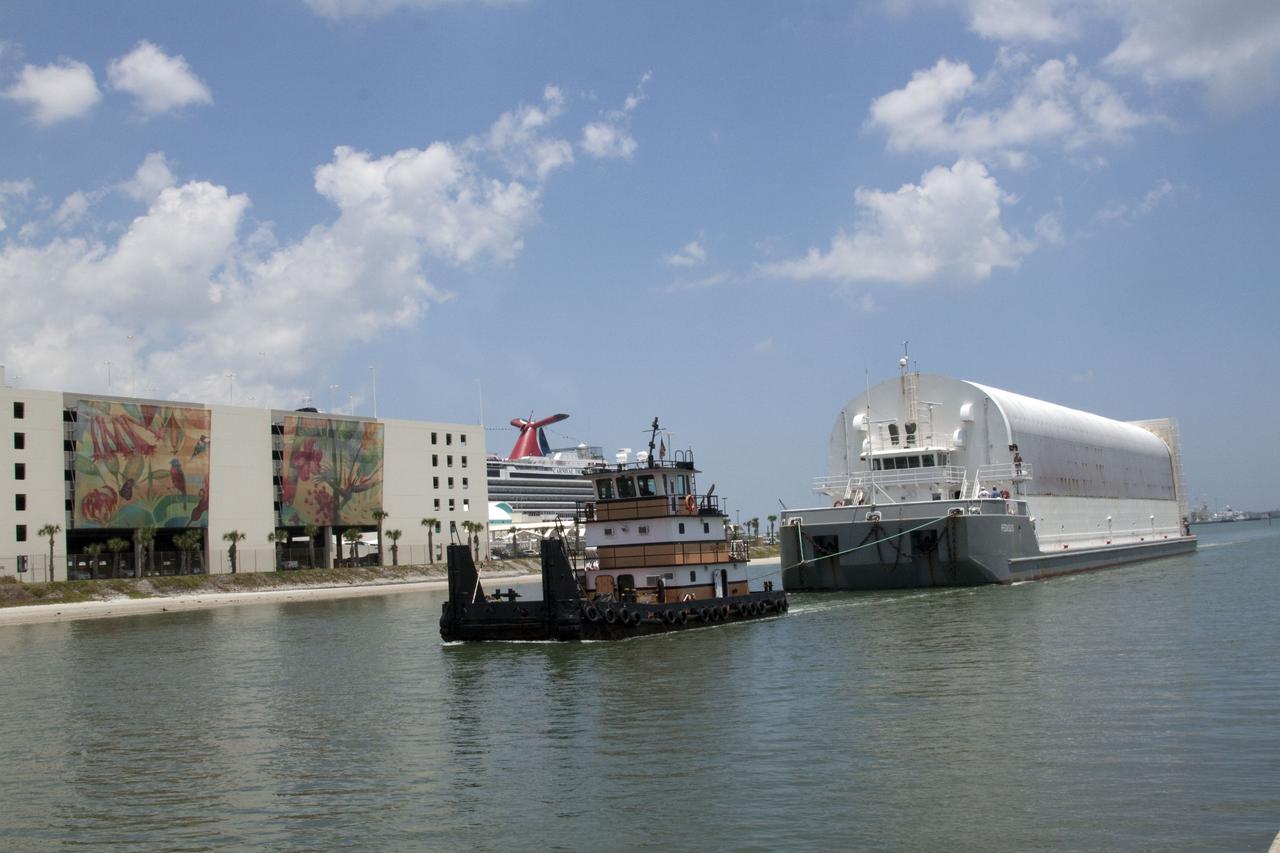
STS-133 ET-137 ARRIVAL THRU PORT CANAVERAL TO LC39 TURN BASIN
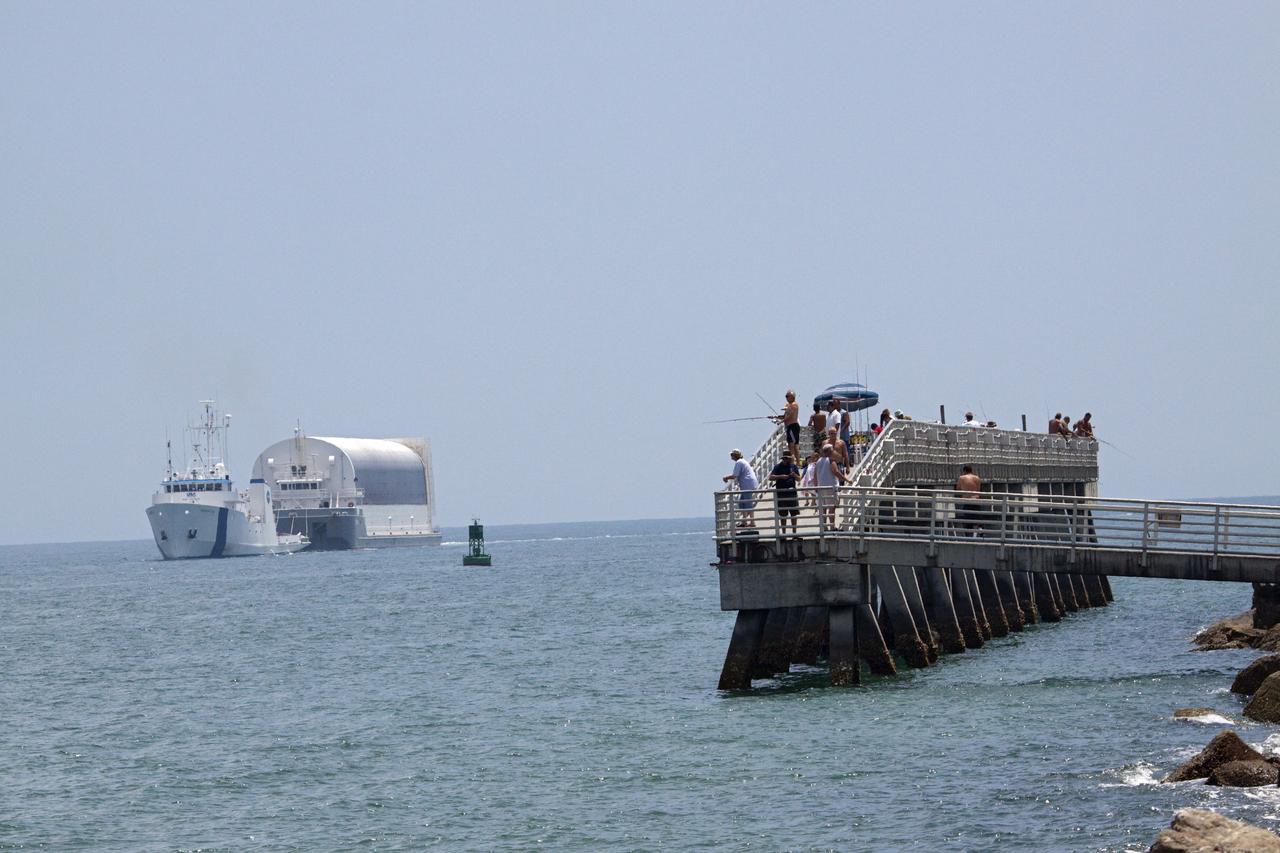
STS-133 ET-137 ARRIVAL THRU PORT CANAVERAL TO LC39 TURN BASIN
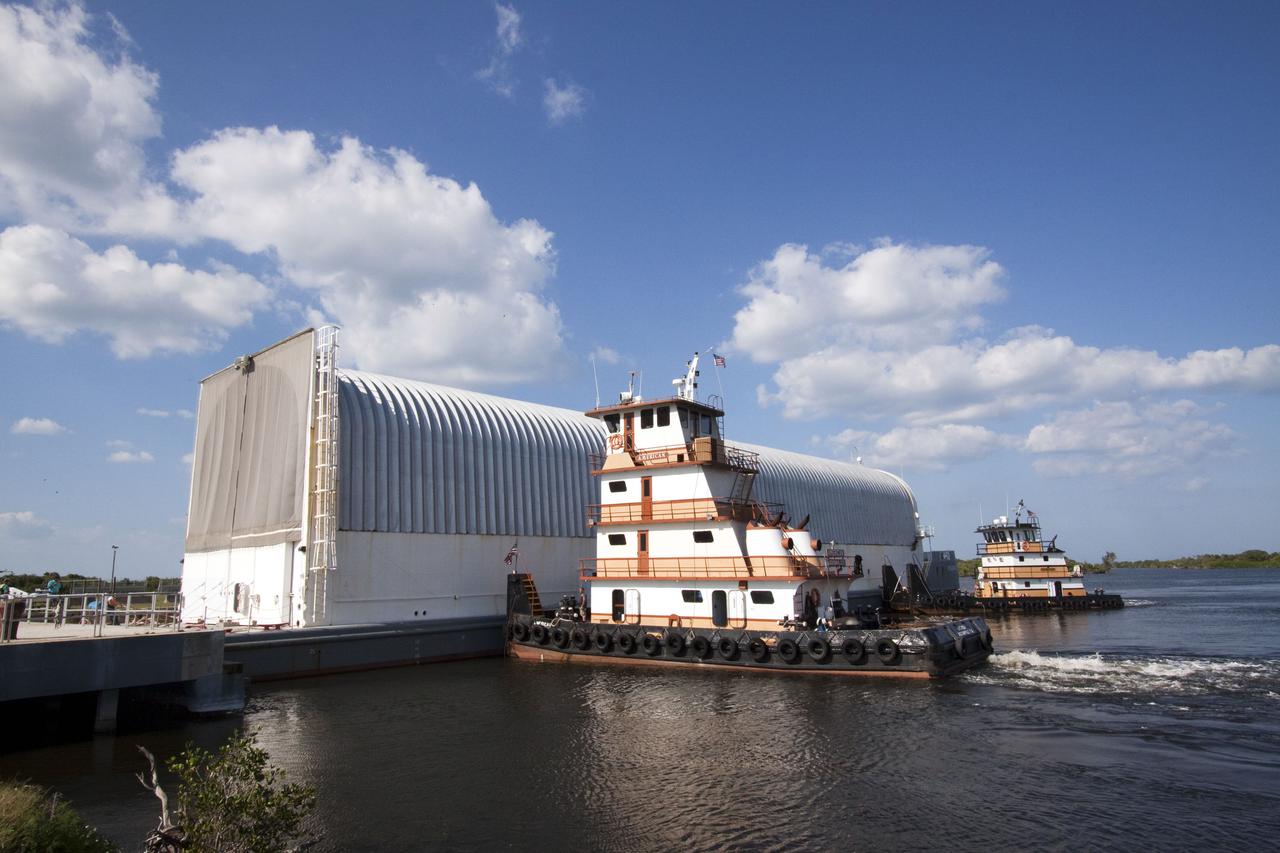
STS-133 ET-137 ARRIVAL THRU PORT CANAVERAL TO LC39 TURN BASIN
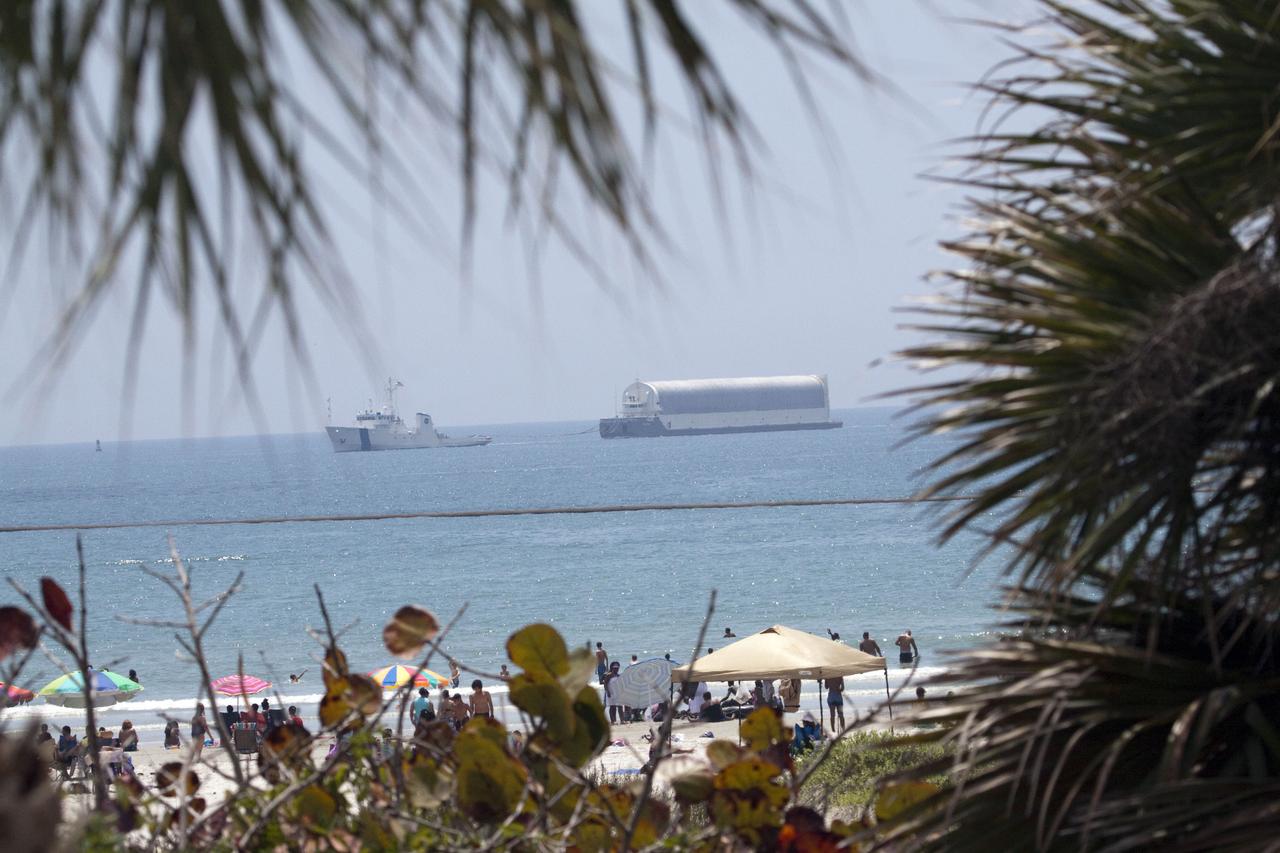
STS-133 ET-137 ARRIVAL THRU PORT CANAVERAL TO LC39 TURN BASIN
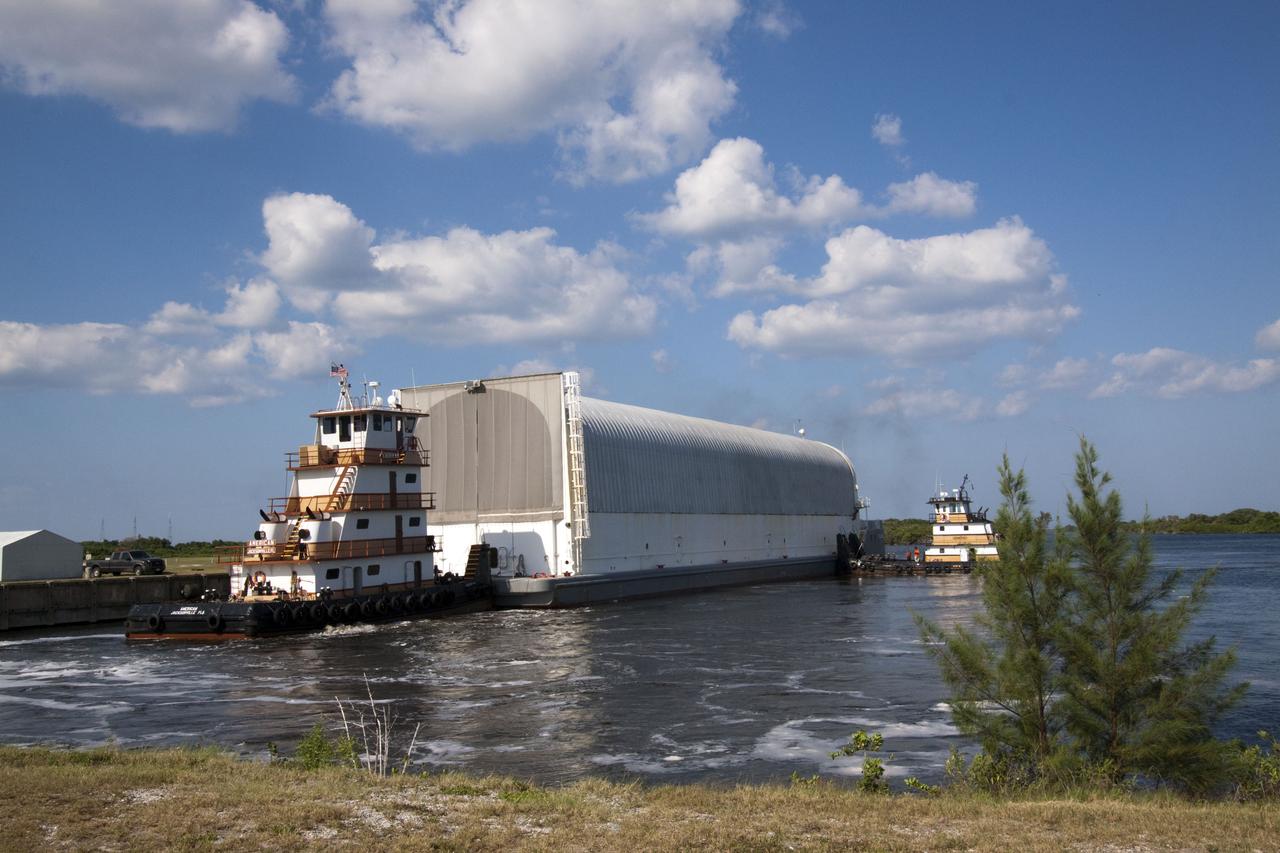
STS-133 ET-137 ARRIVAL THRU PORT CANAVERAL TO LC39 TURN BASIN
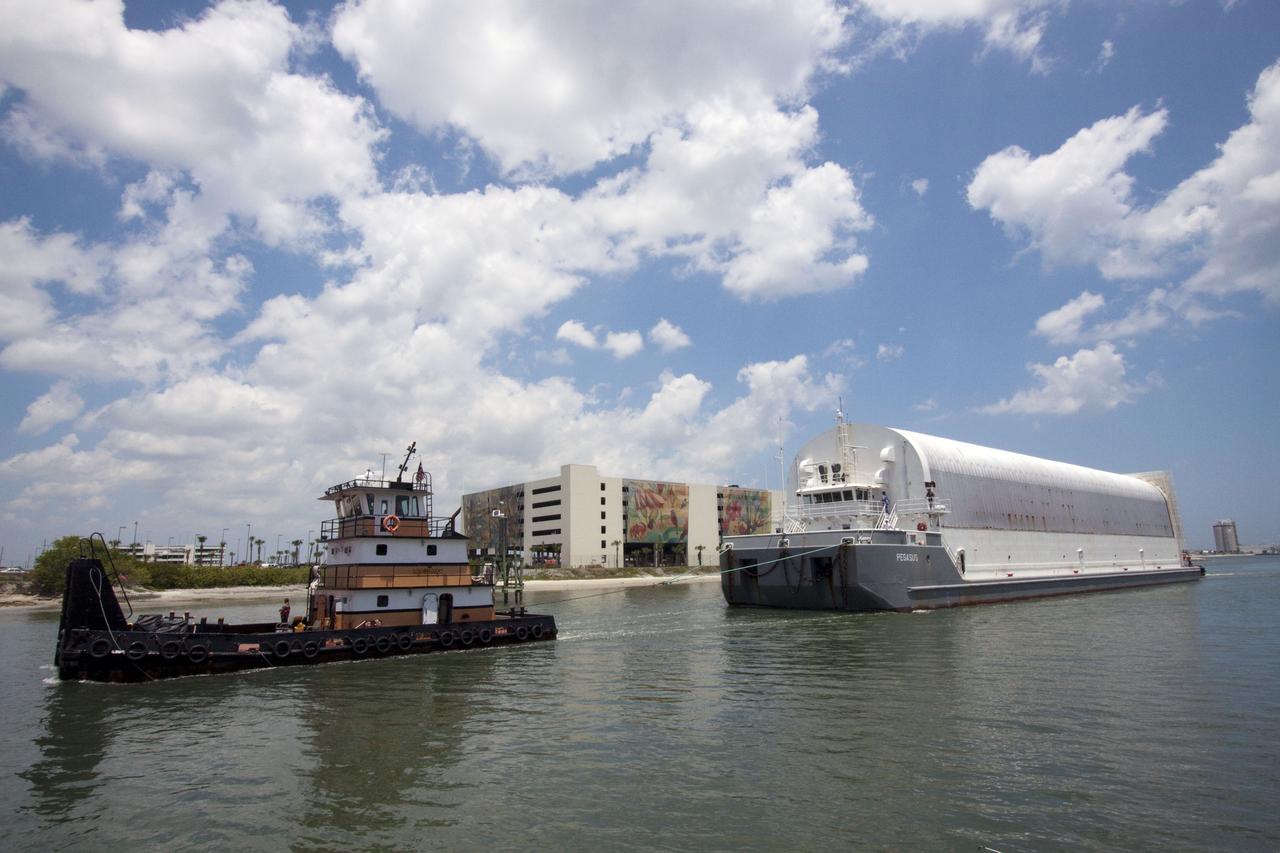
STS-133 ET-137 ARRIVAL THRU PORT CANAVERAL TO LC39 TURN BASIN
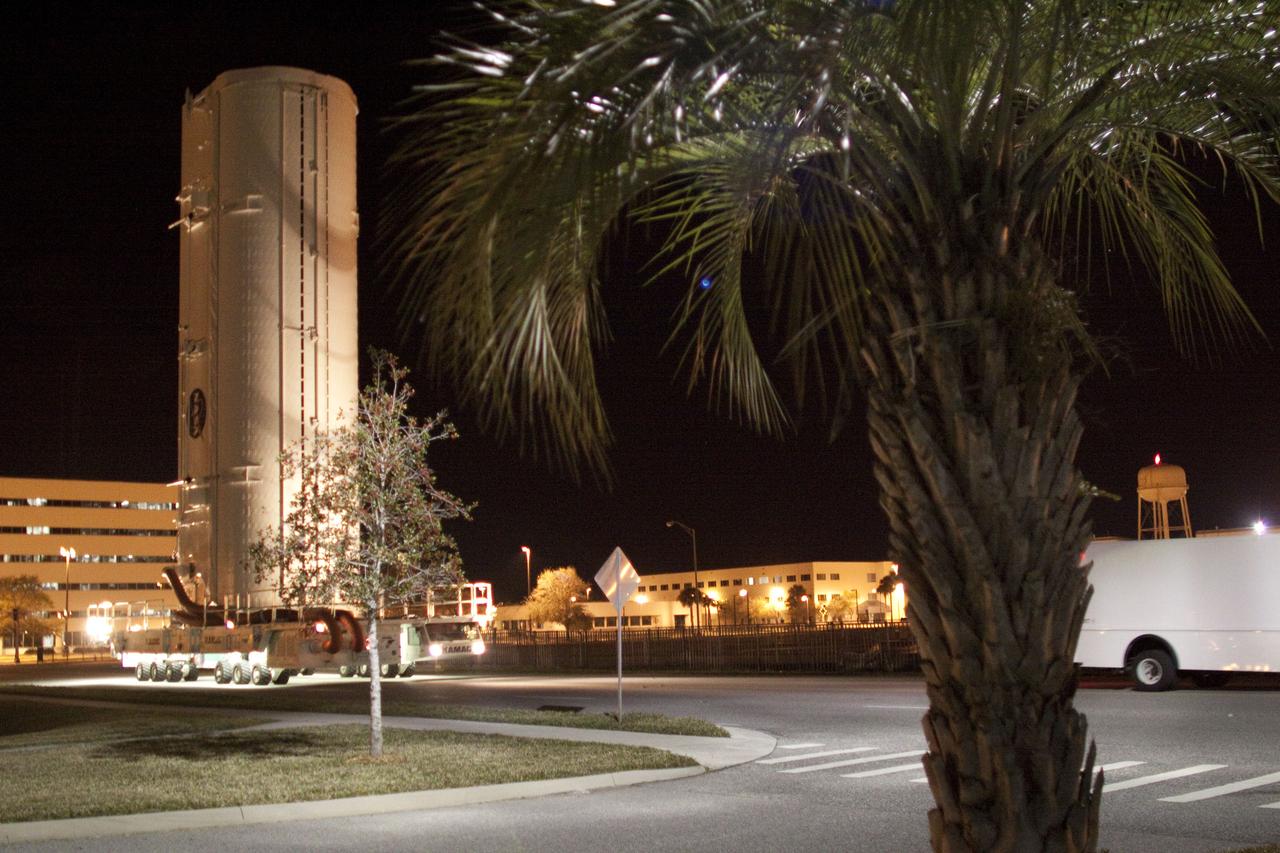
STS-131 PAYLOAD CANISTER EN ROUTE FROM CRF THRU LC39 TO PAD 39A
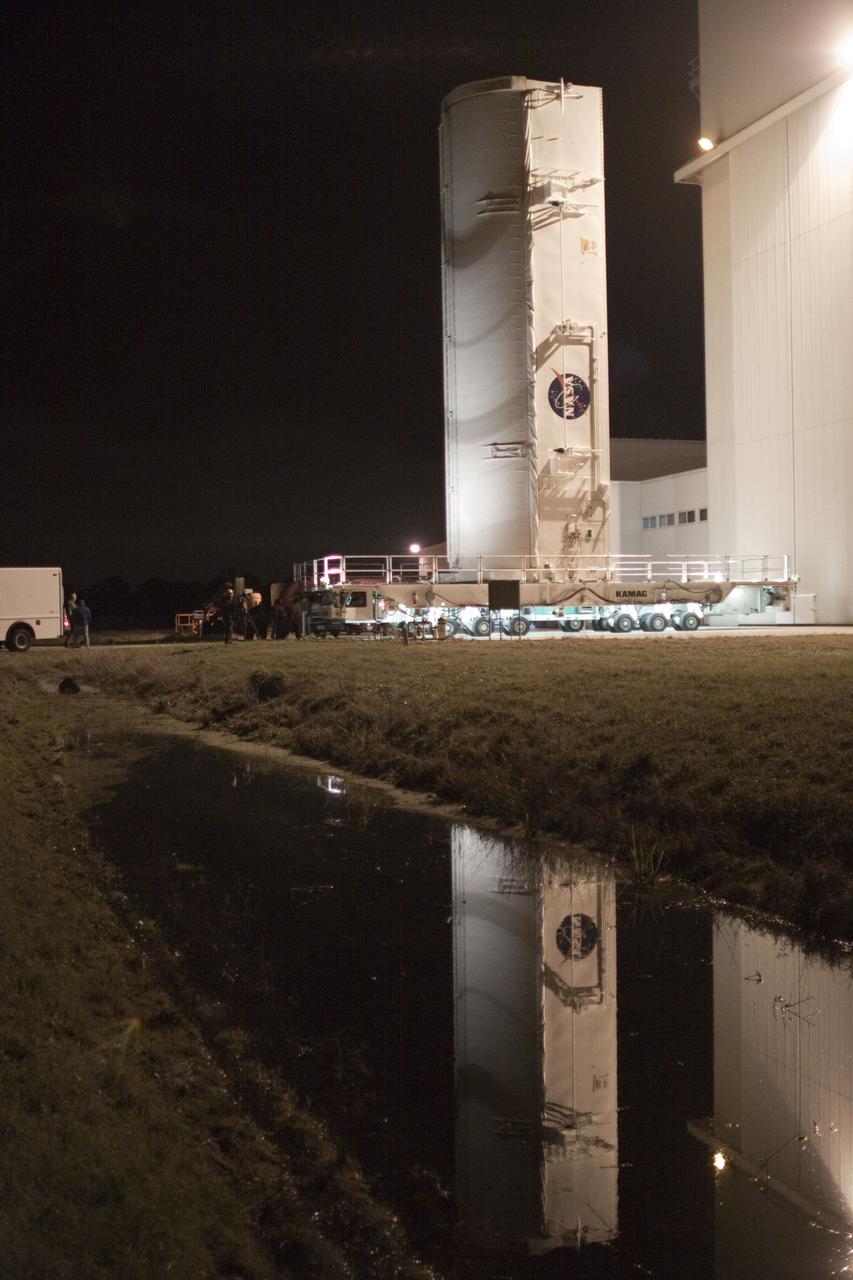
STS-131 PAYLOAD CANISTER EN ROUTE FROM CRF THRU LC39 TO PAD 39A

STS-131 PAYLOAD CANISTER EN ROUTE FROM CRF THRU LC39 TO PAD 39A
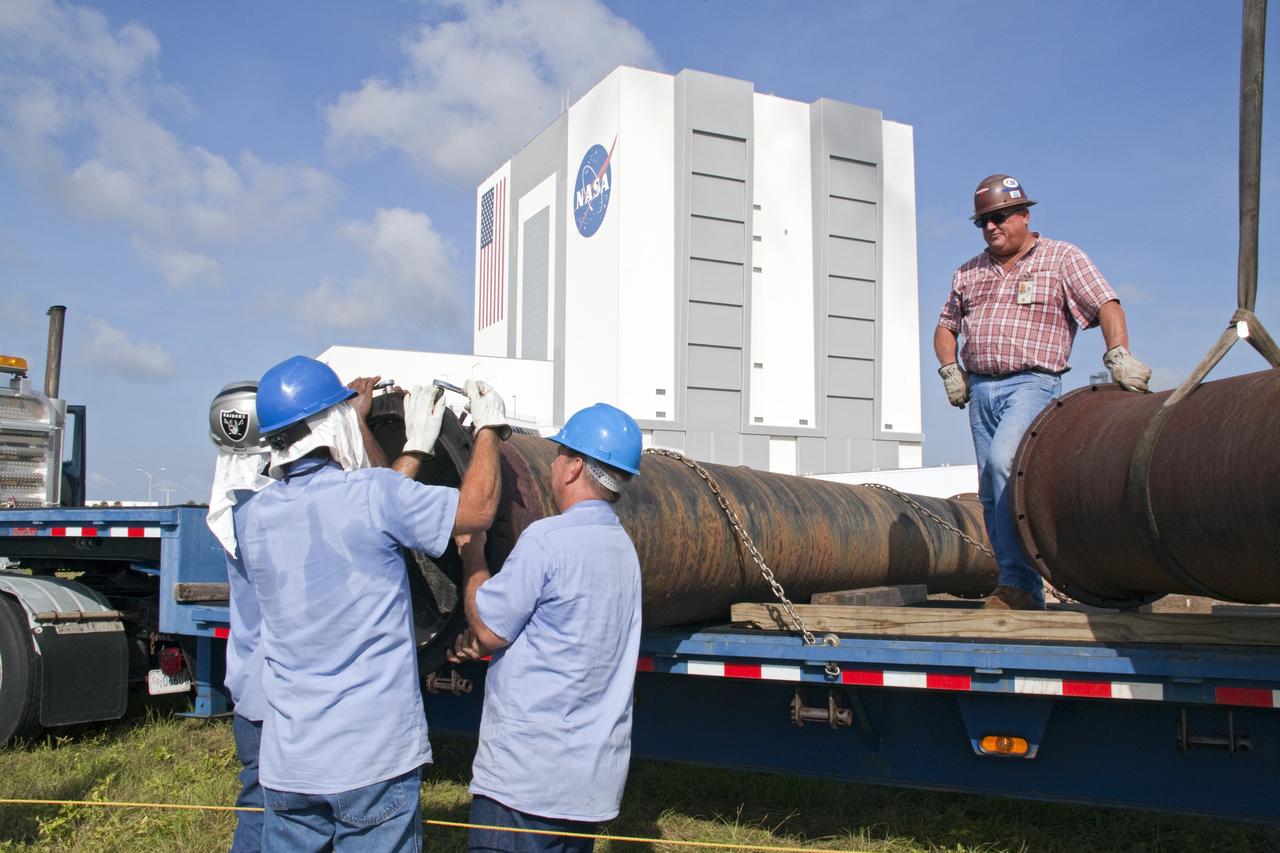
WATER MAIN BREAK REPAIRS AT KSC-LC39
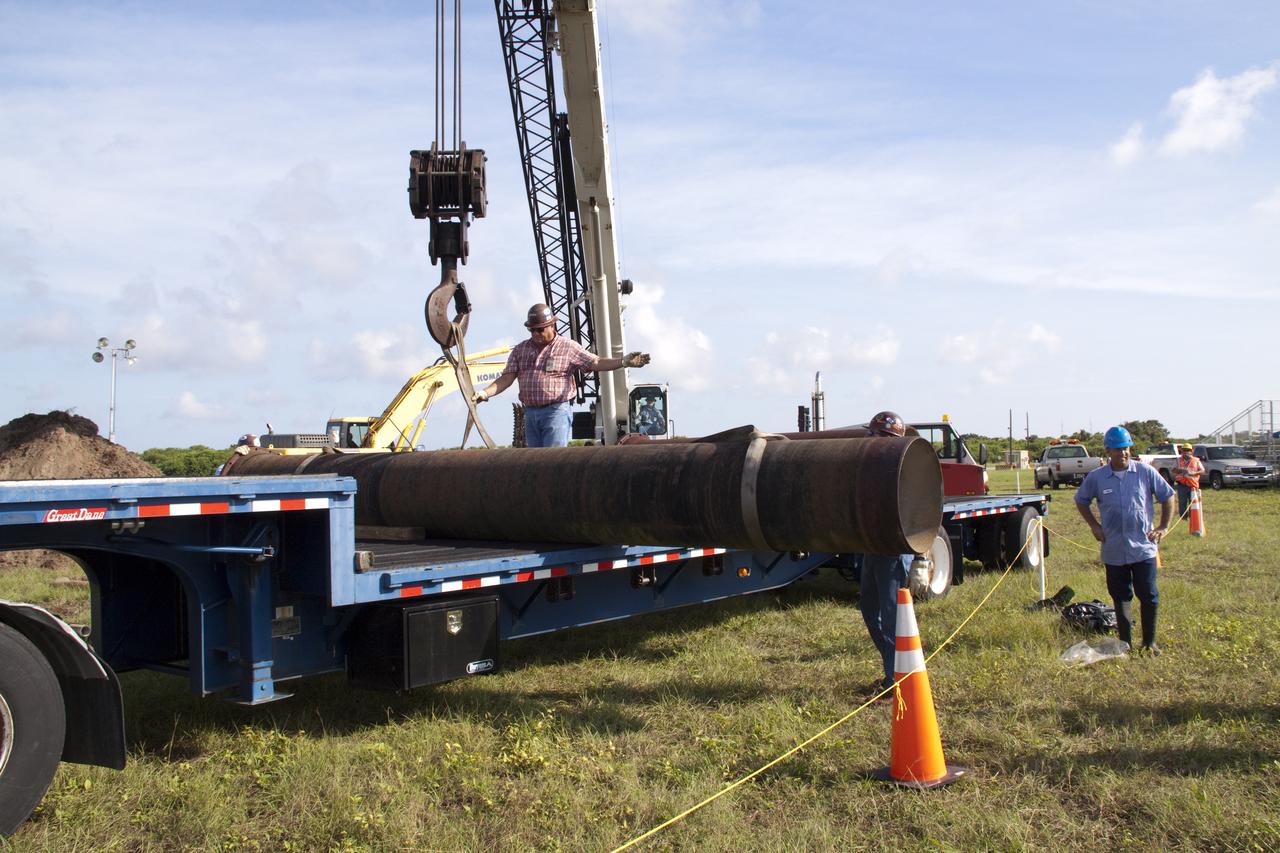
WATER MAIN BREAK REPAIRS AT KSC-LC39
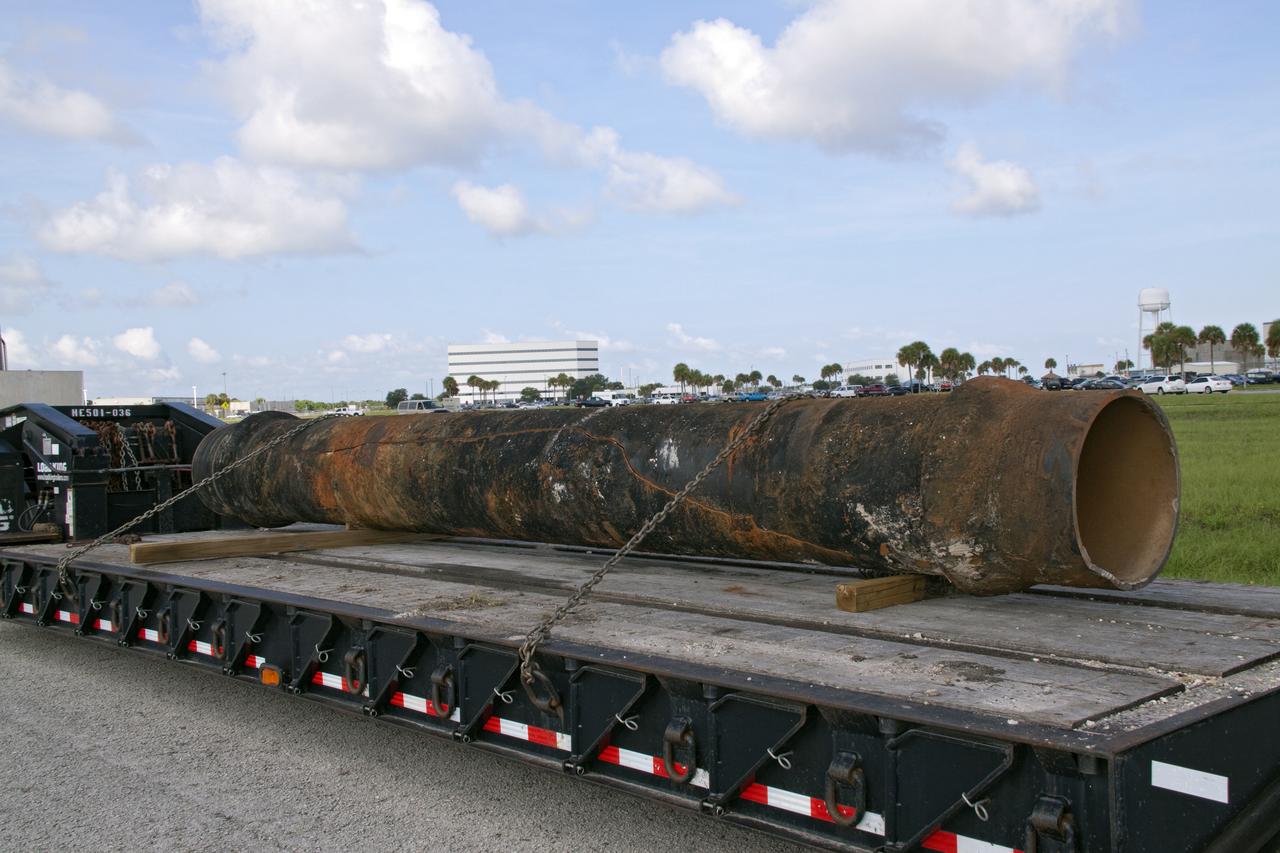
WATER MAIN BREAK REPAIRS AT KSC-LC39
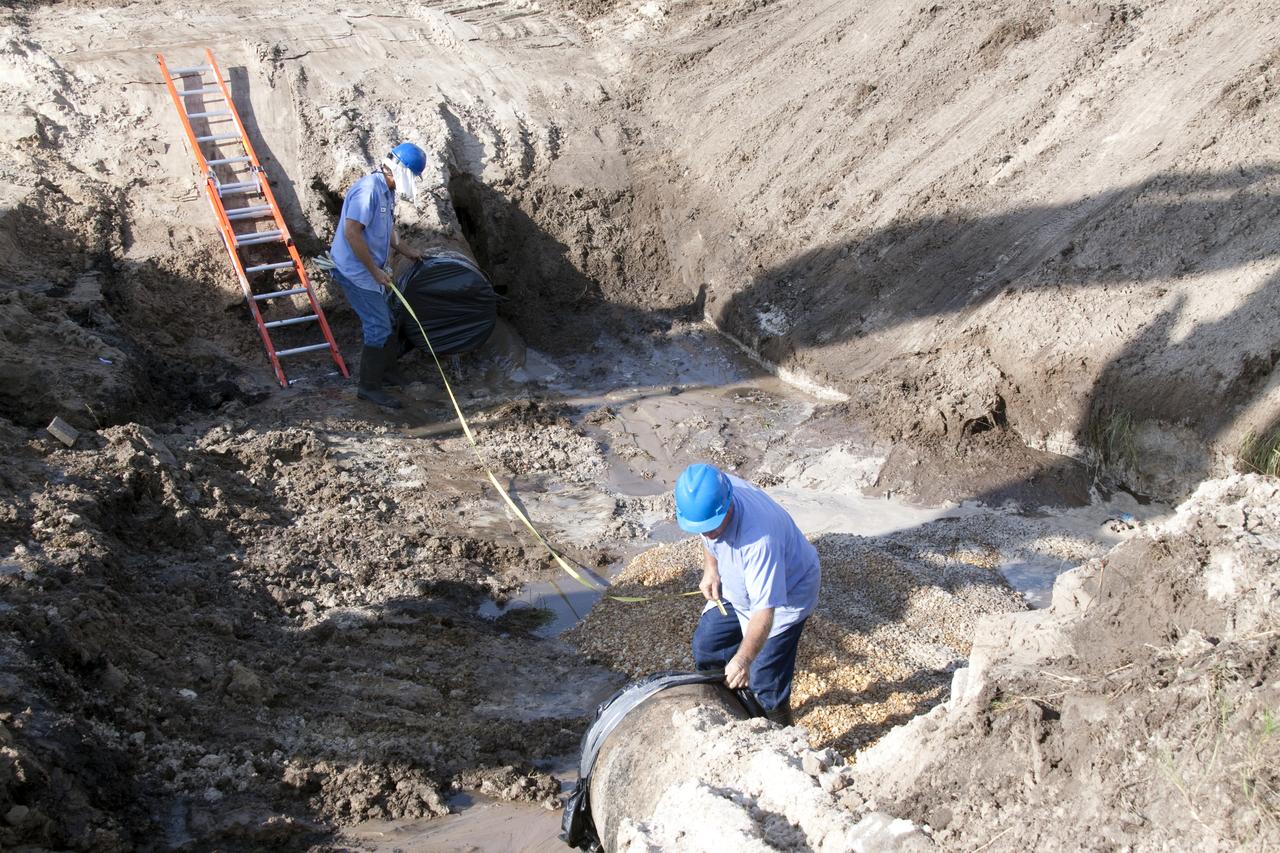
WATER MAIN BREAK REPAIRS AT KSC-LC39
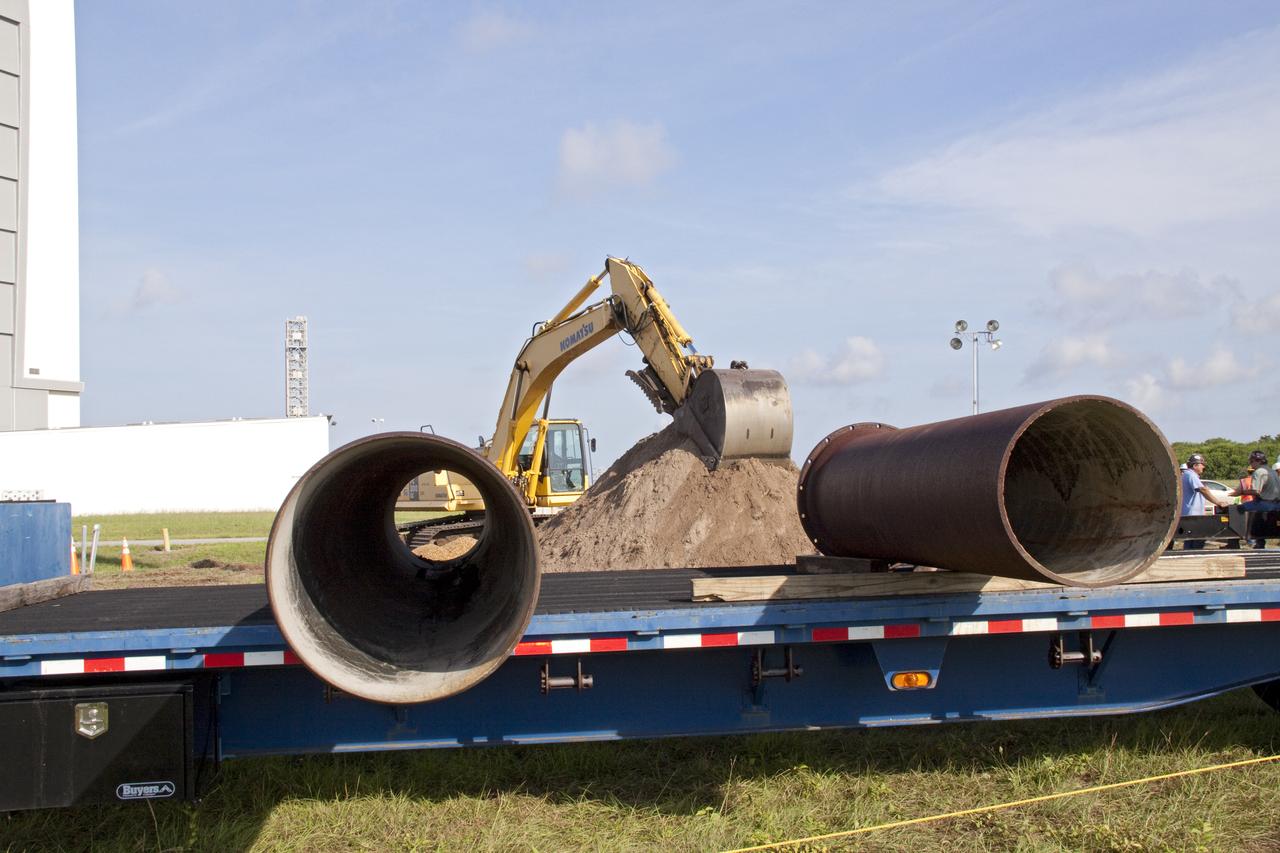
WATER MAIN BREAK REPAIRS AT KSC-LC39
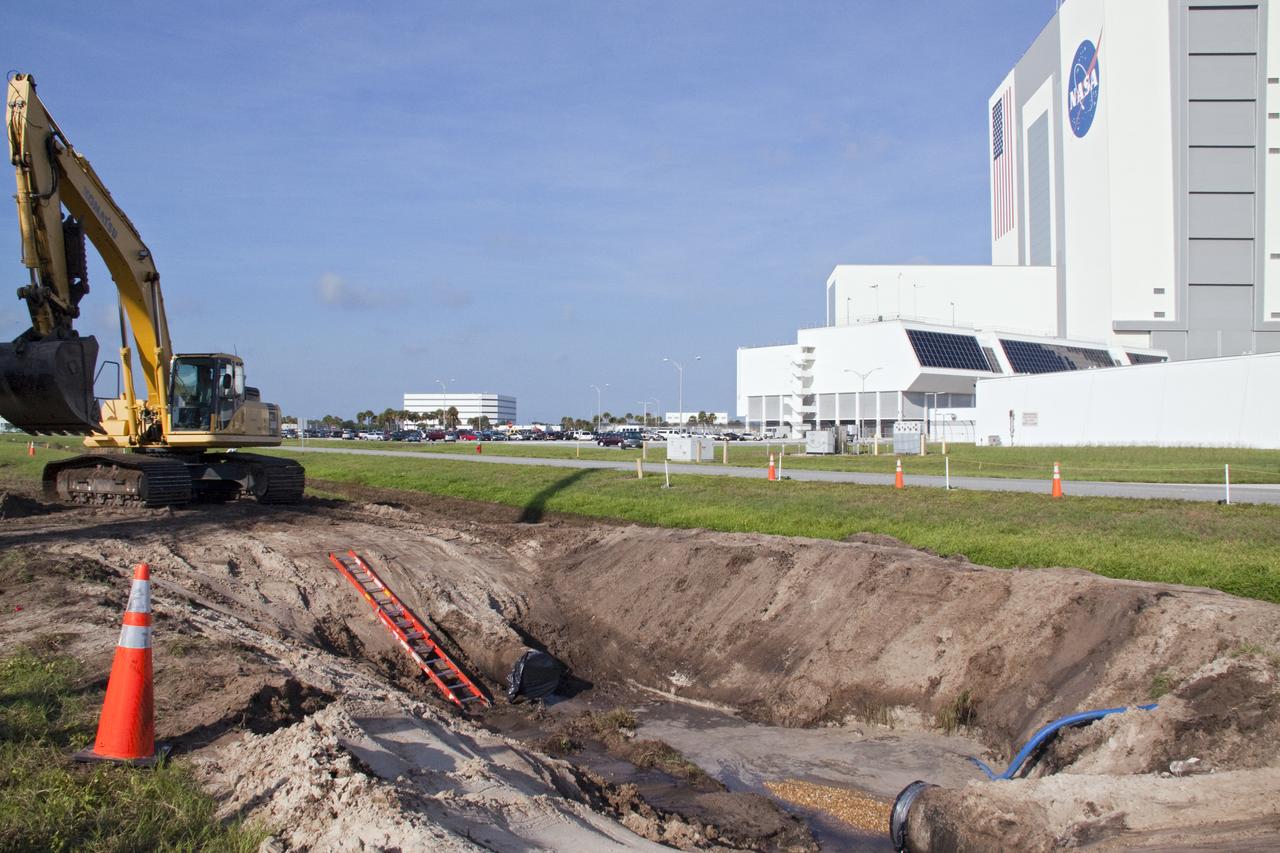
WATER MAIN BREAK REPAIRS AT KSC-LC39
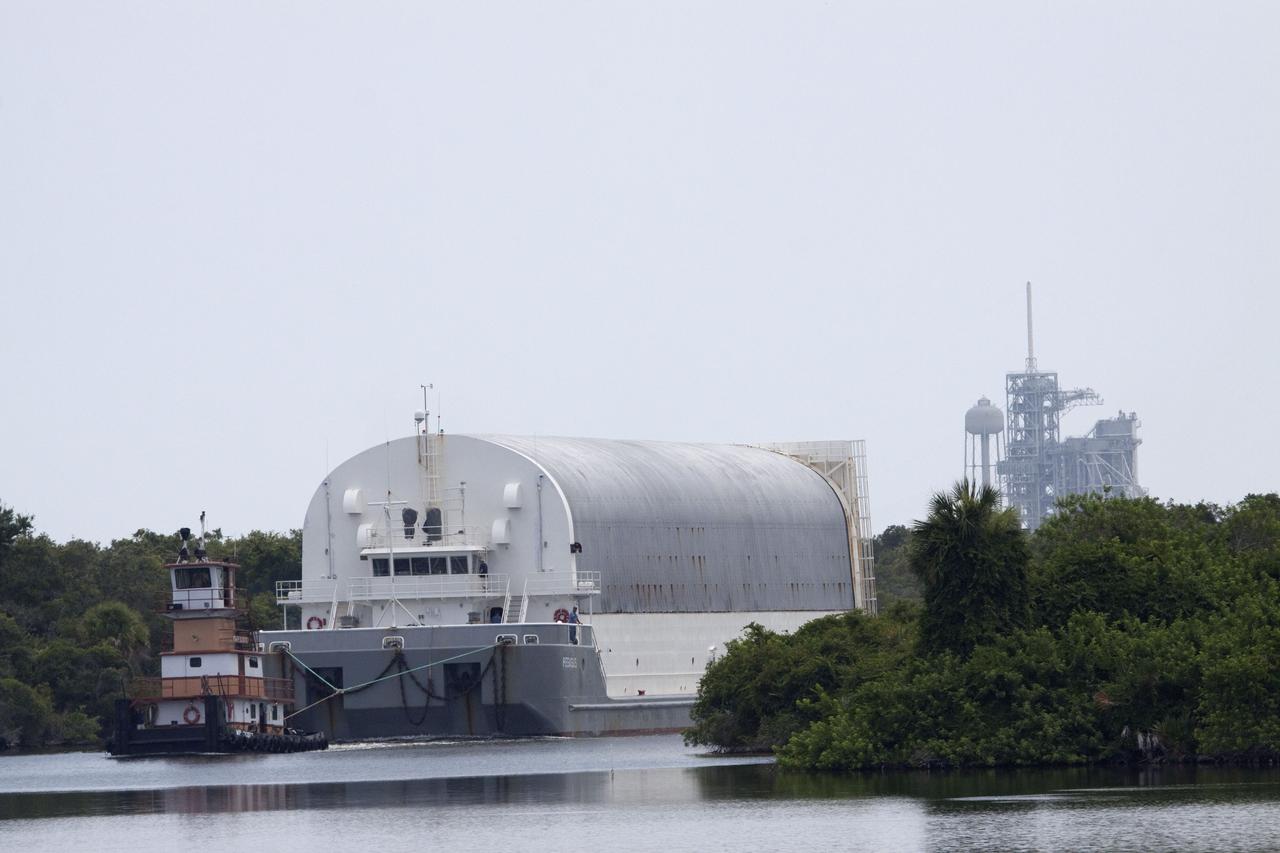
STS-134 ET-138 ARRIVAL AT LC39 TURN BASIN
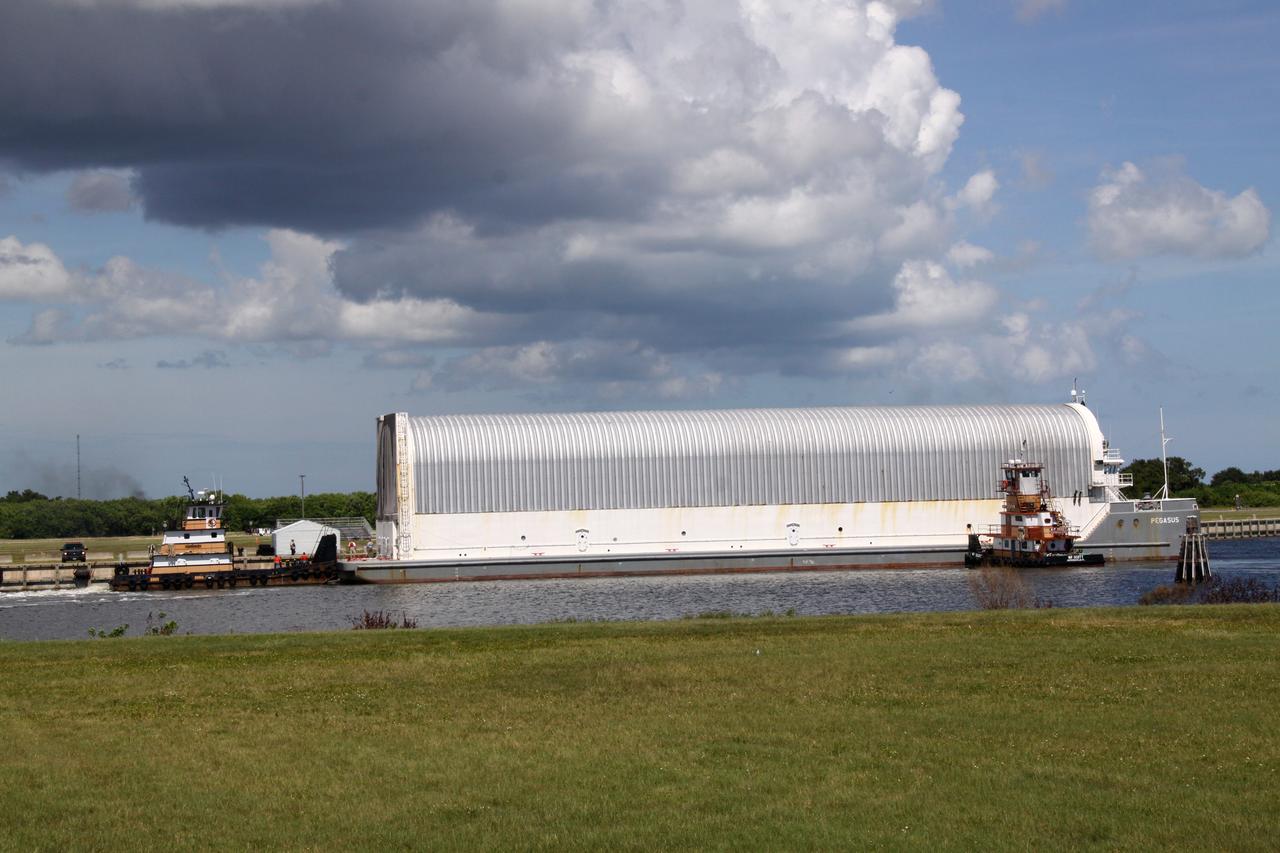
STS-335 LAUNCH ON NEED - ET-122 ARRIVES AT LC39 TURN BASIN
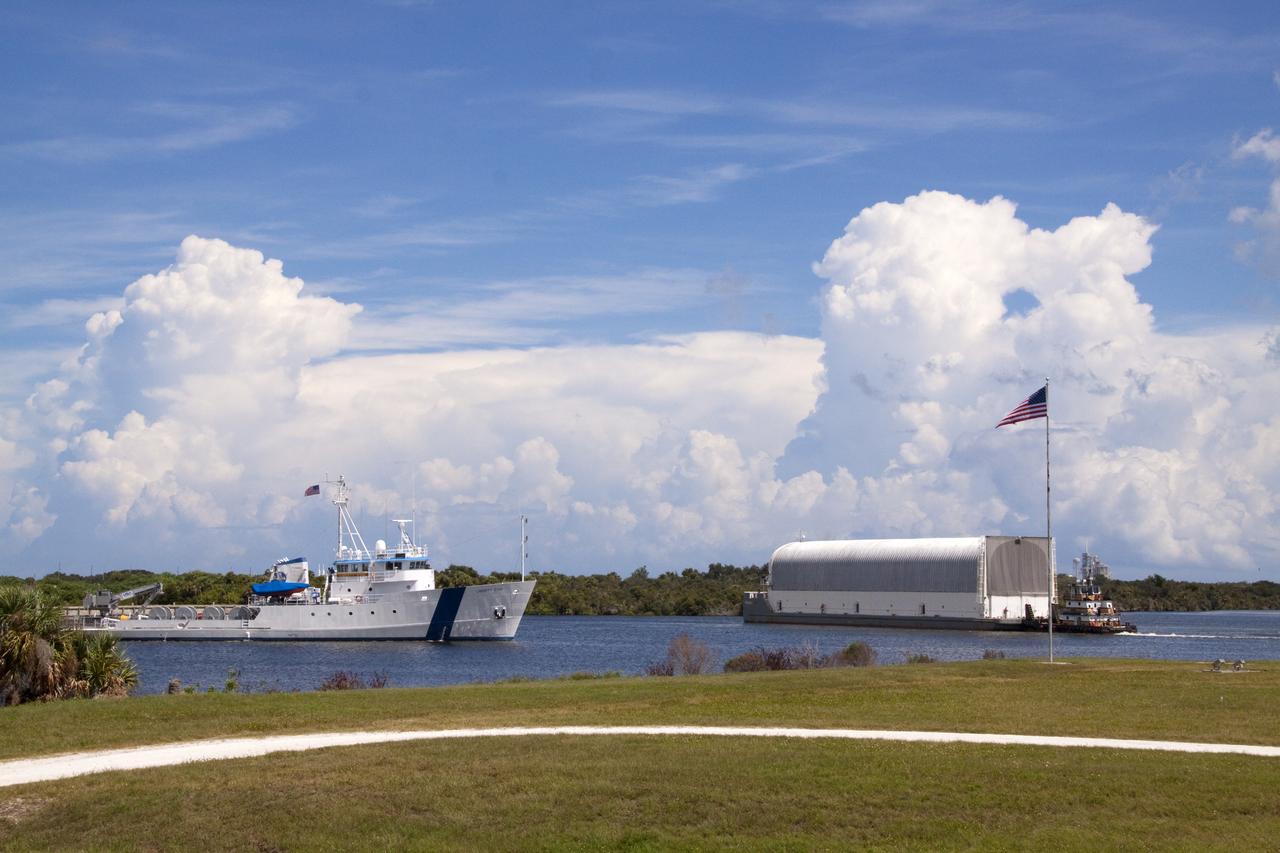
STS-335 LAUNCH ON NEED - ET-122 ARRIVES AT LC39 TURN BASIN
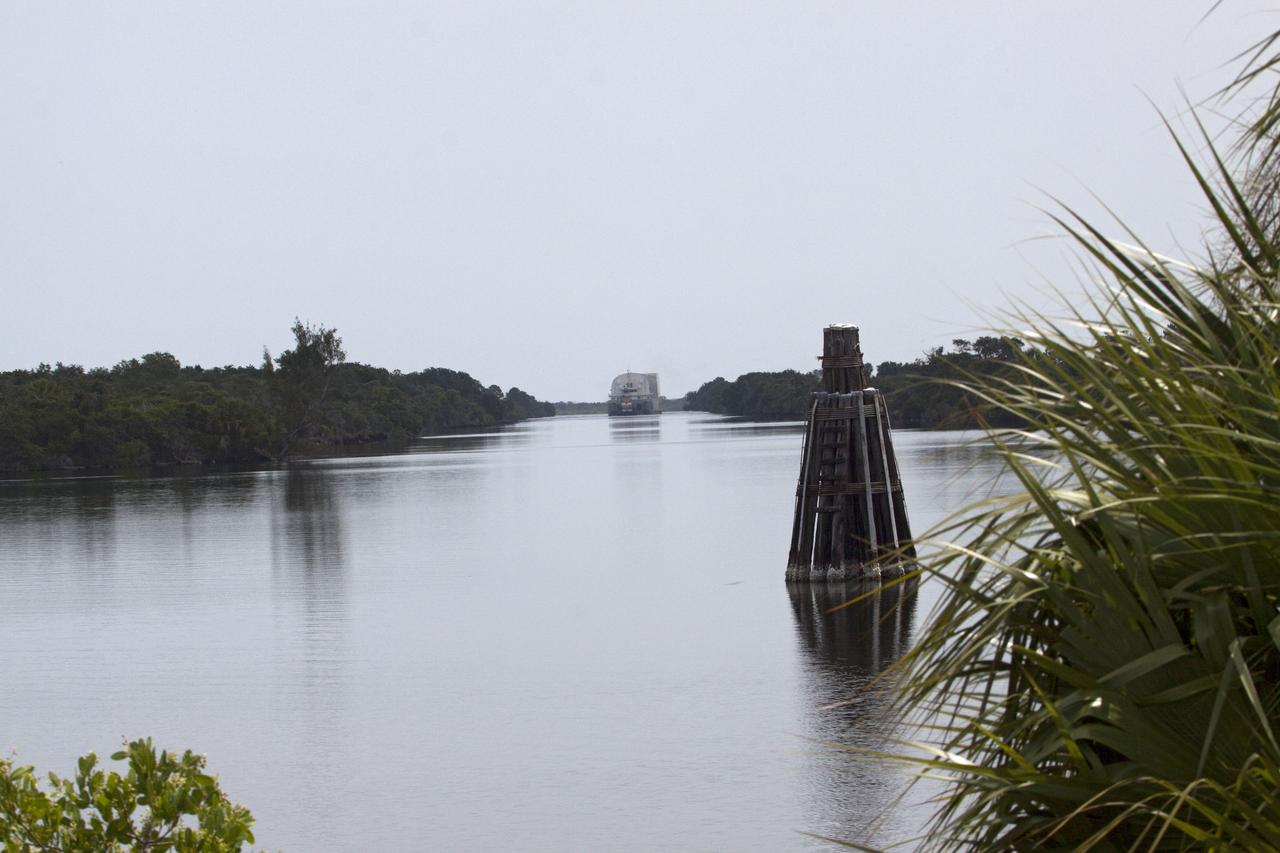
STS-134 ET-138 ARRIVAL AT LC39 TURN BASIN
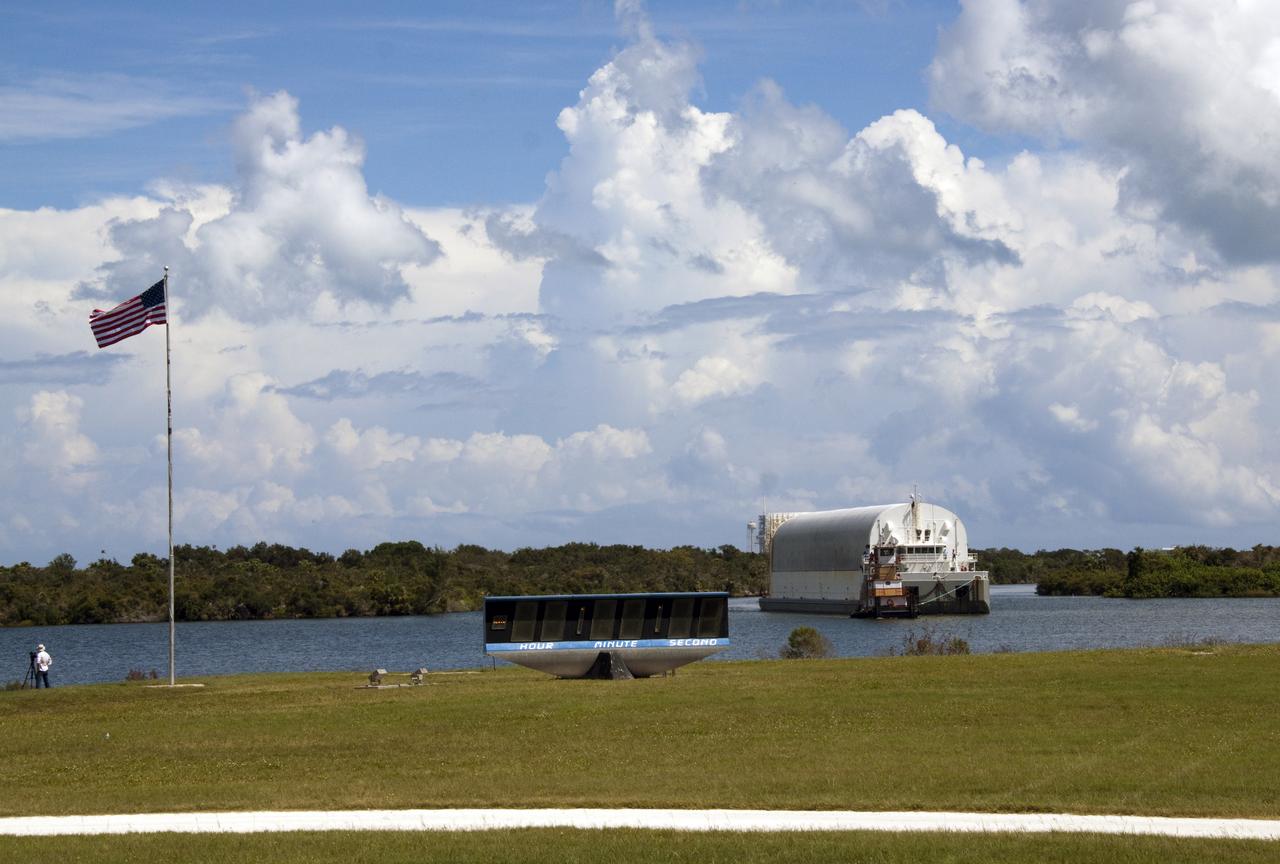
STS-335 LAUNCH ON NEED - ET-122 ARRIVES AT LC39 TURN BASIN
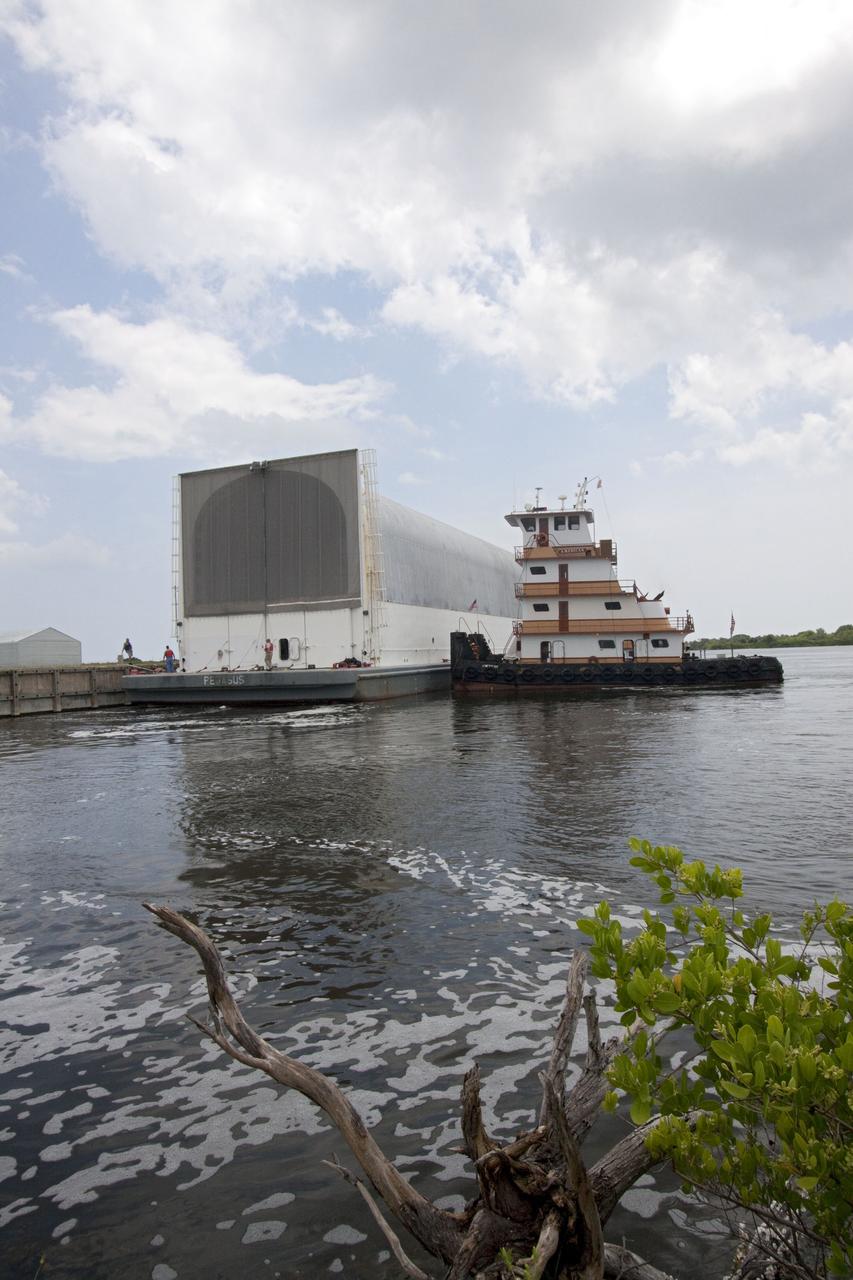
STS-134 ET-138 ARRIVAL AT LC39 TURN BASIN
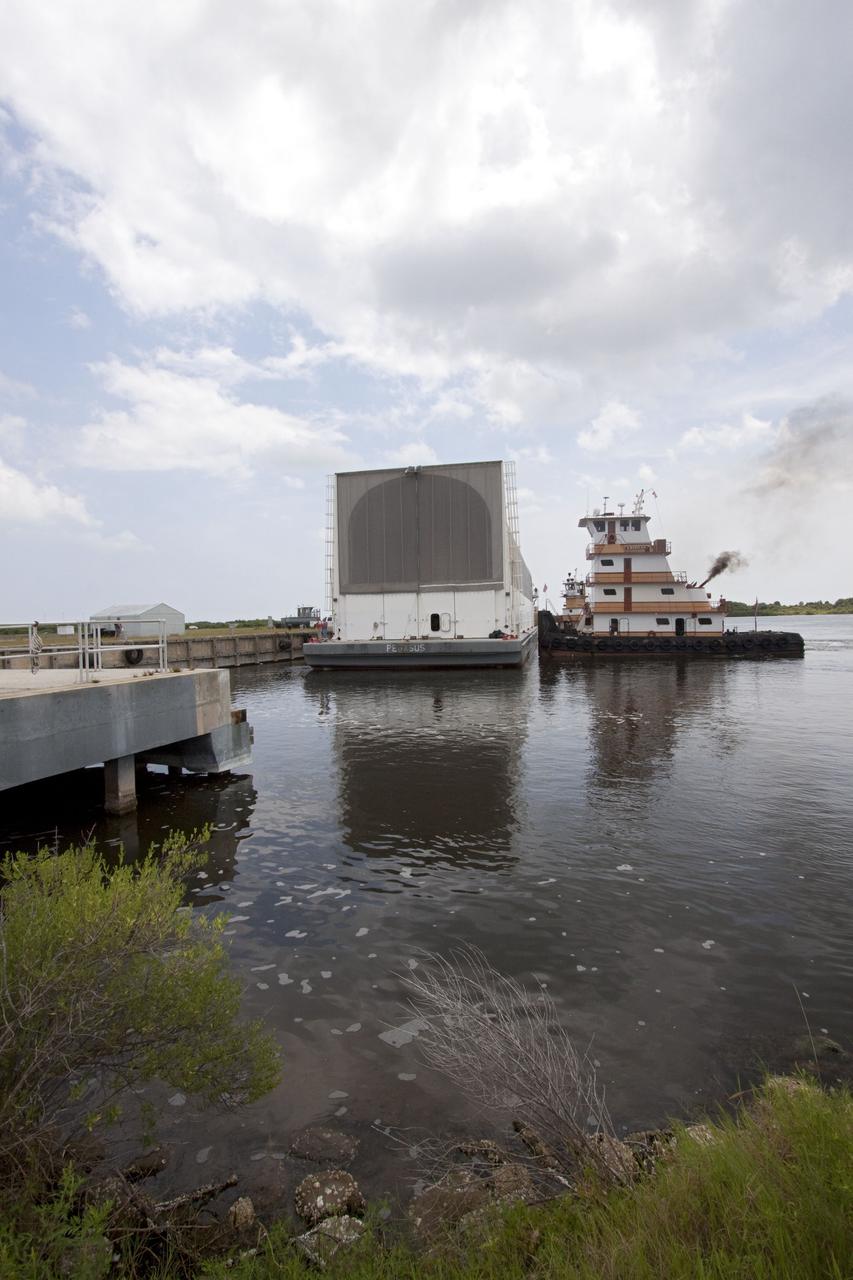
STS-134 ET-138 ARRIVAL AT LC39 TURN BASIN
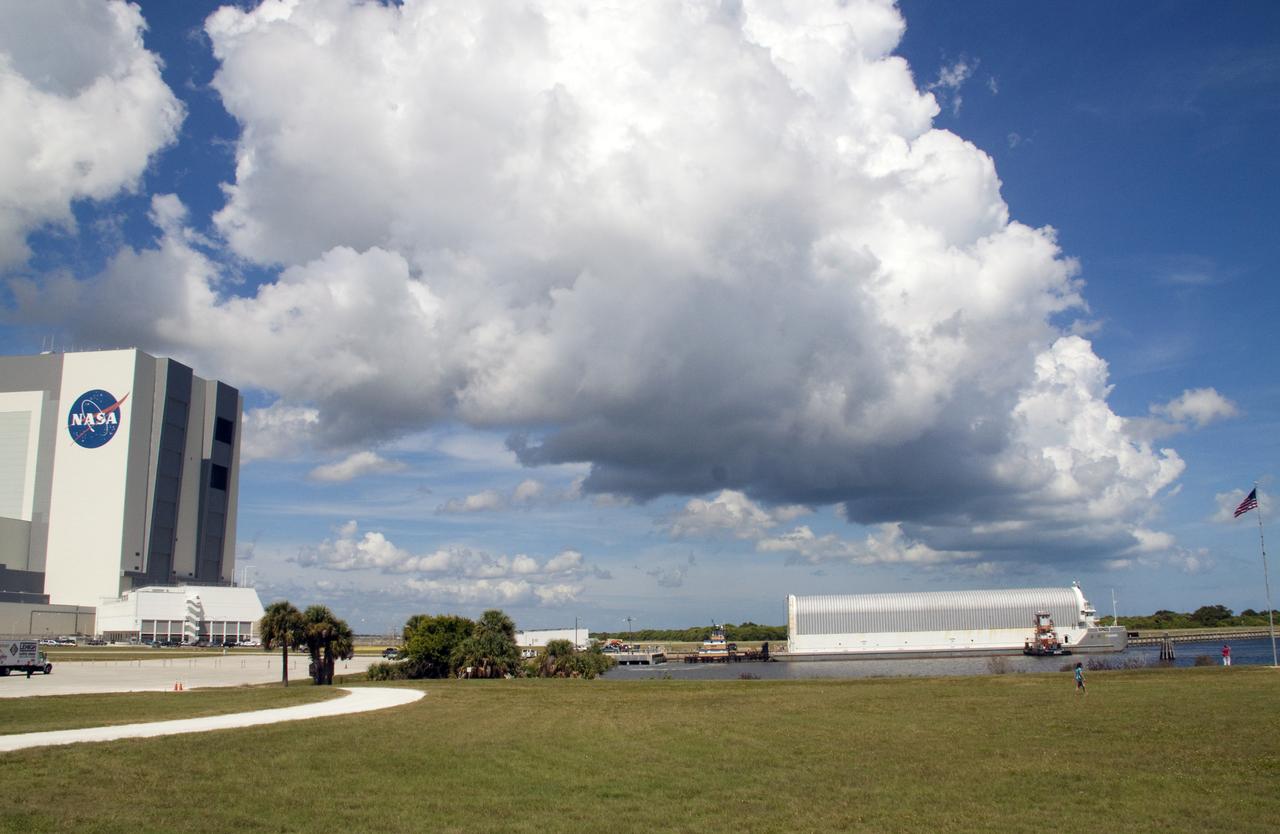
STS-335 LAUNCH ON NEED - ET-122 ARRIVES AT LC39 TURN BASIN
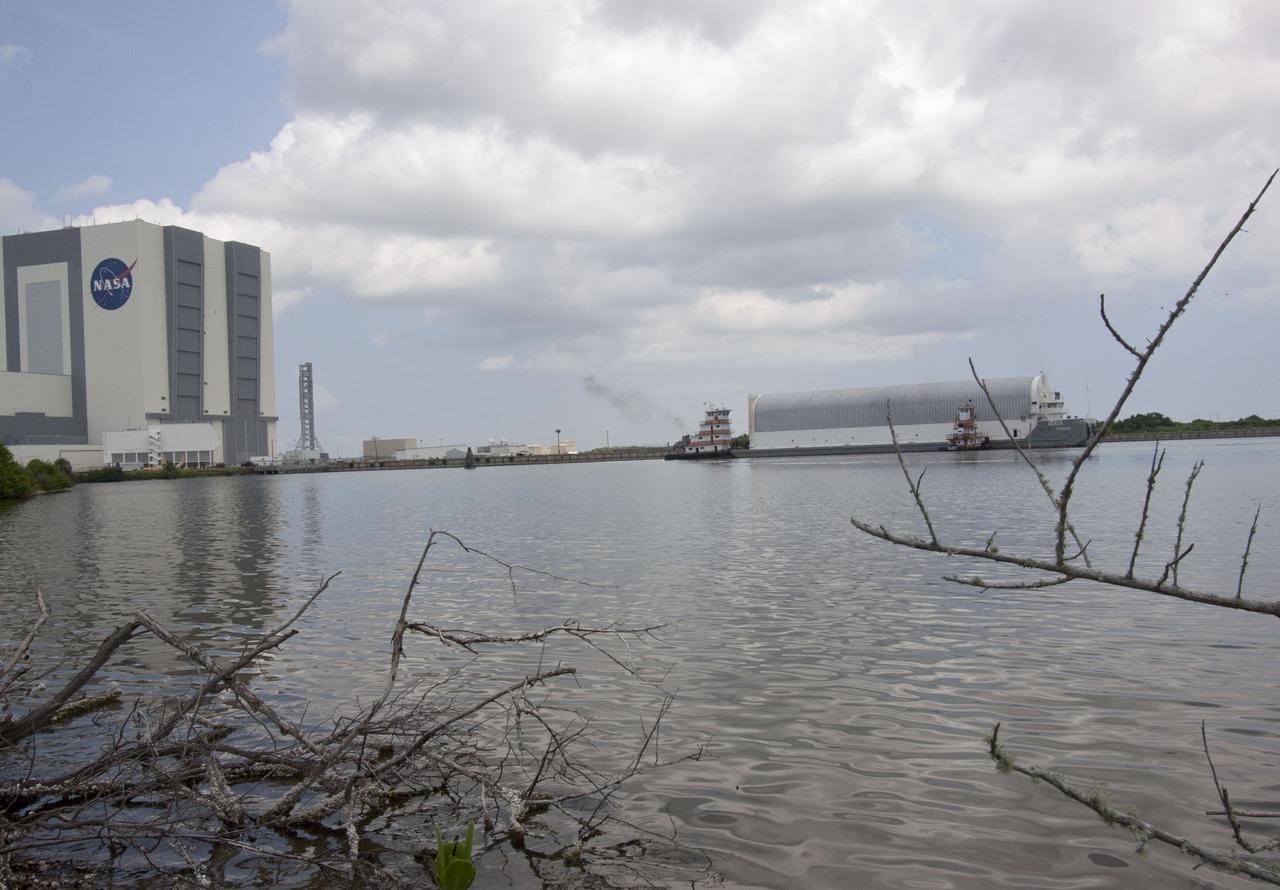
STS-134 ET-138 ARRIVAL AT LC39 TURN BASIN
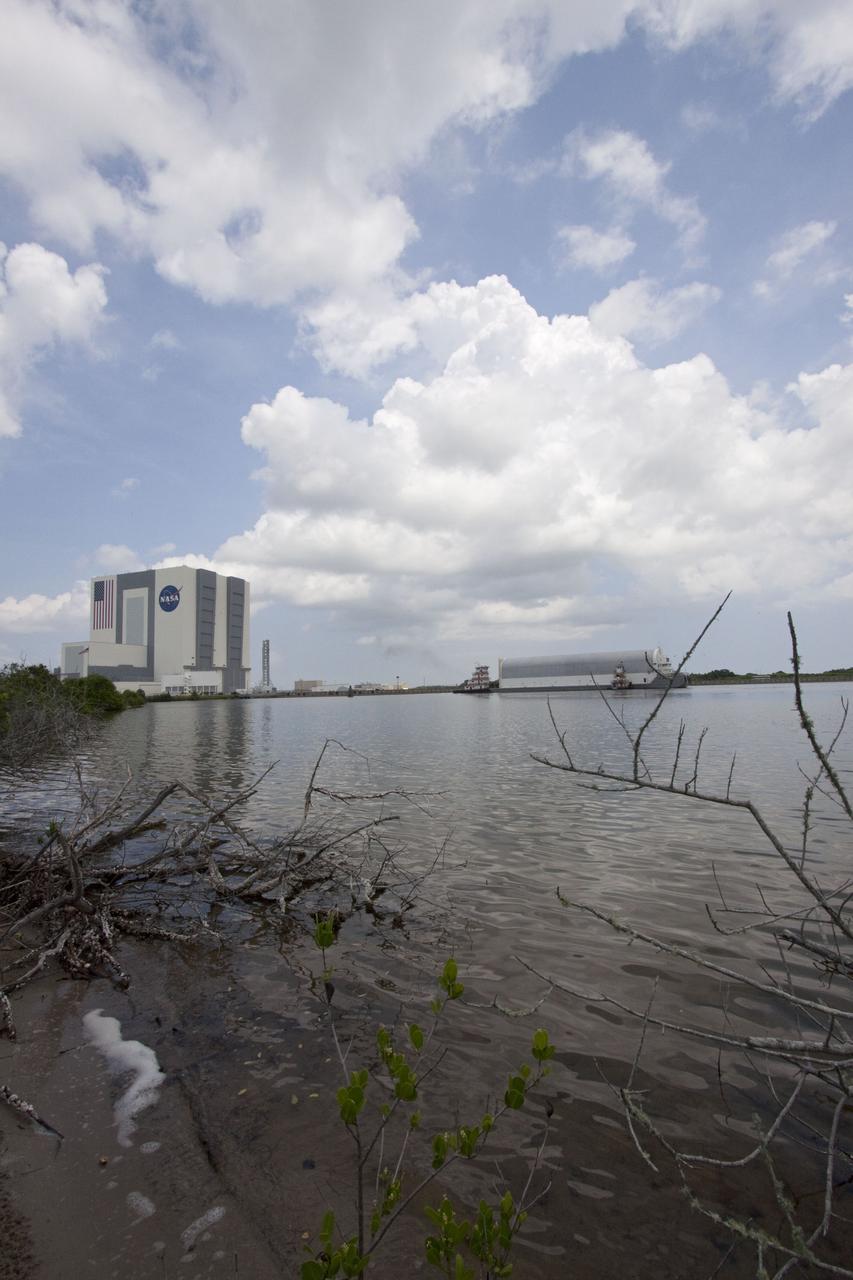
STS-134 ET-138 ARRIVAL AT LC39 TURN BASIN
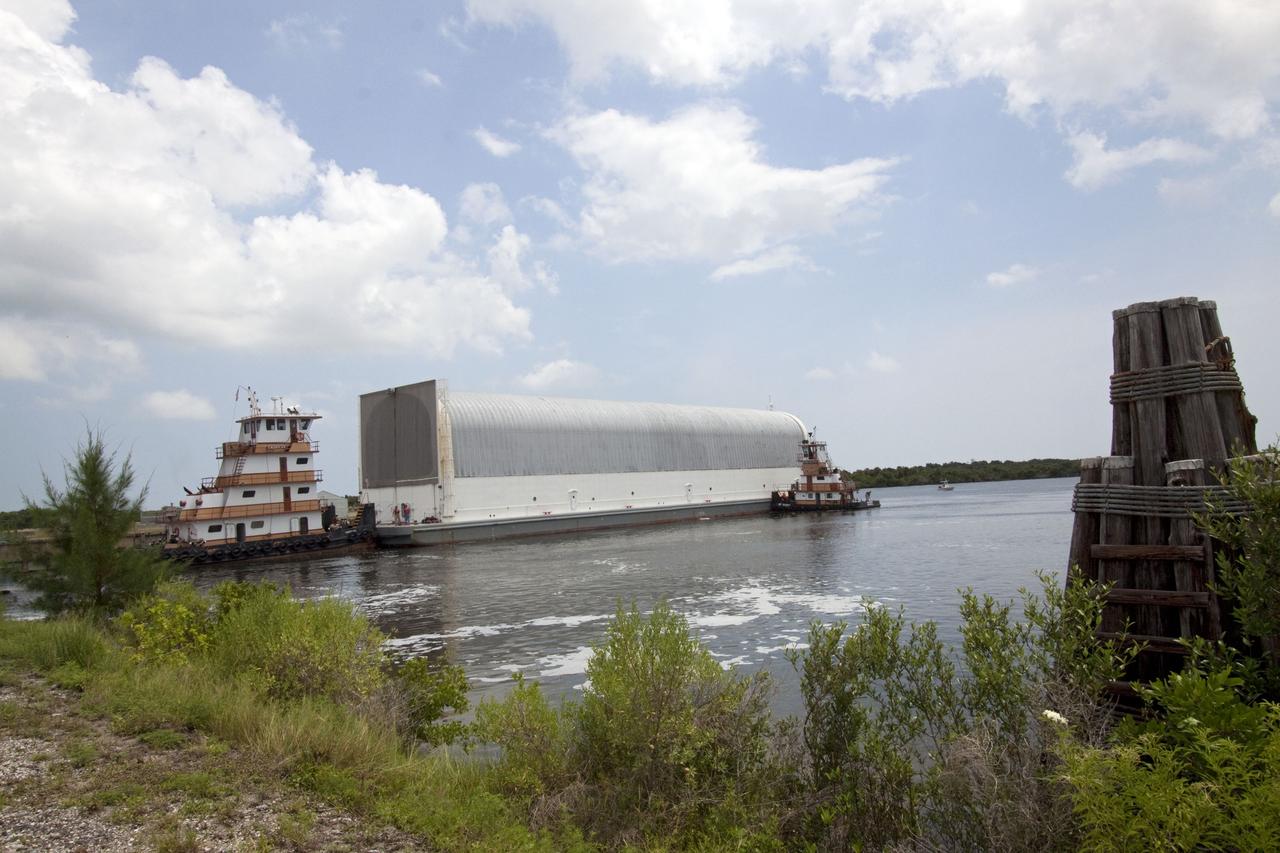
STS-134 ET-138 ARRIVAL AT LC39 TURN BASIN
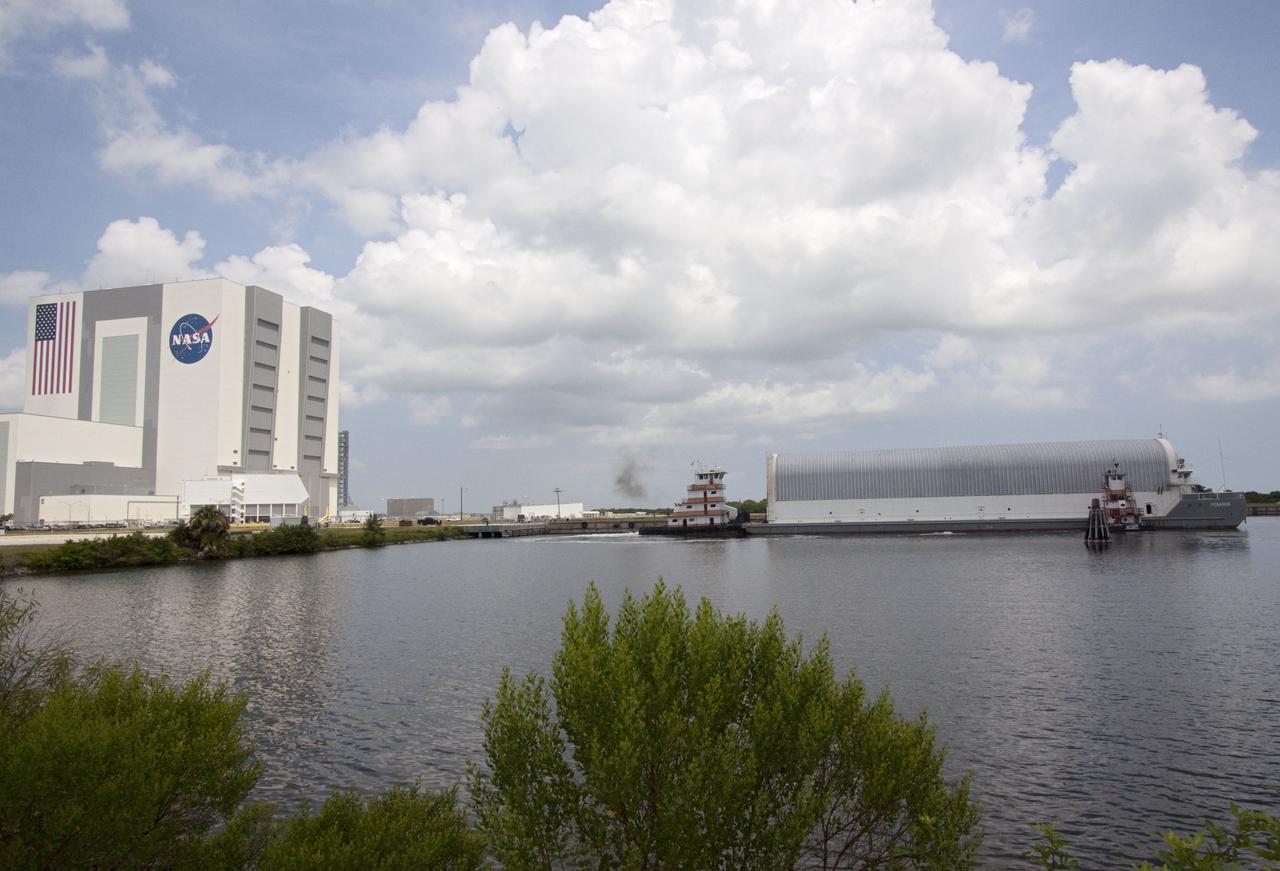
STS-134 ET-138 ARRIVAL AT LC39 TURN BASIN
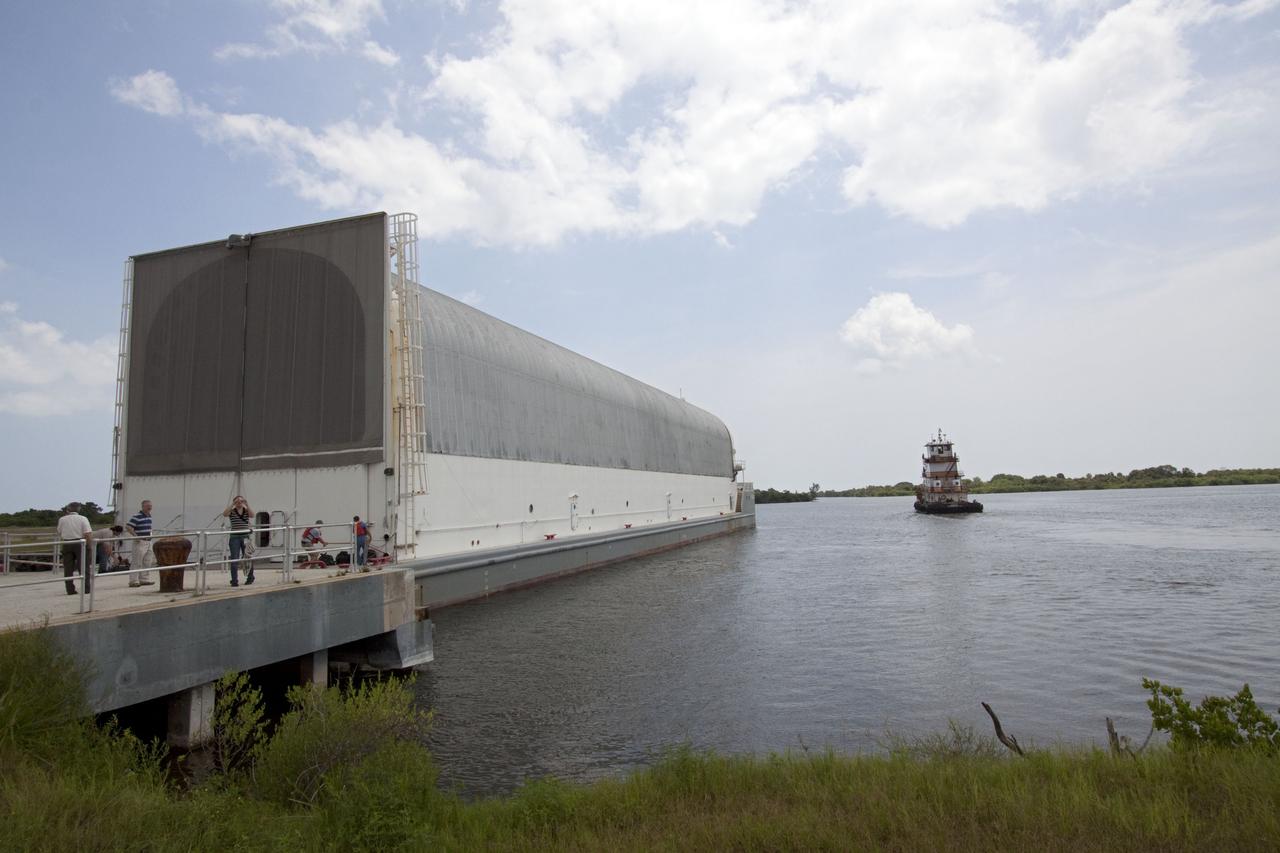
STS-134 ET-138 ARRIVAL AT LC39 TURN BASIN
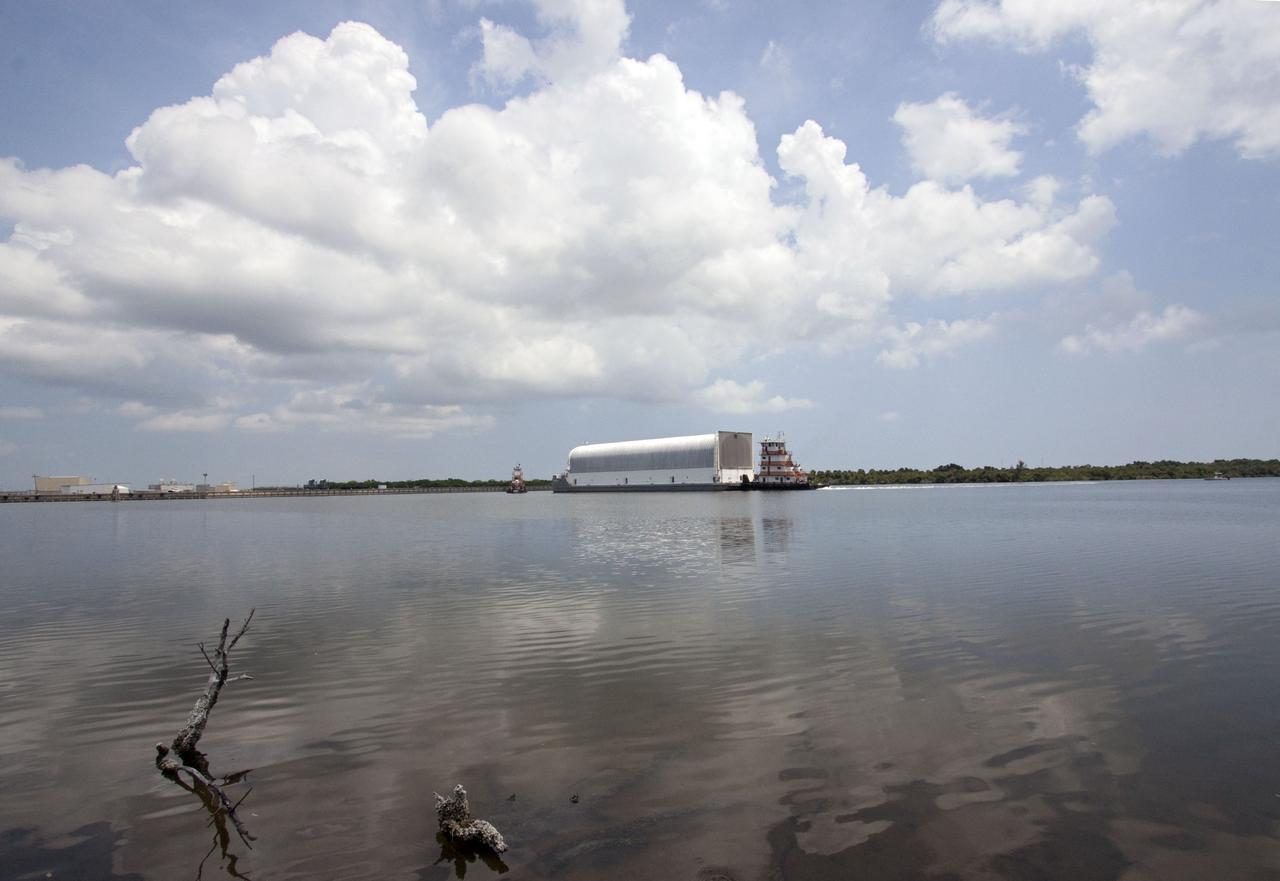
STS-134 ET-138 ARRIVAL AT LC39 TURN BASIN
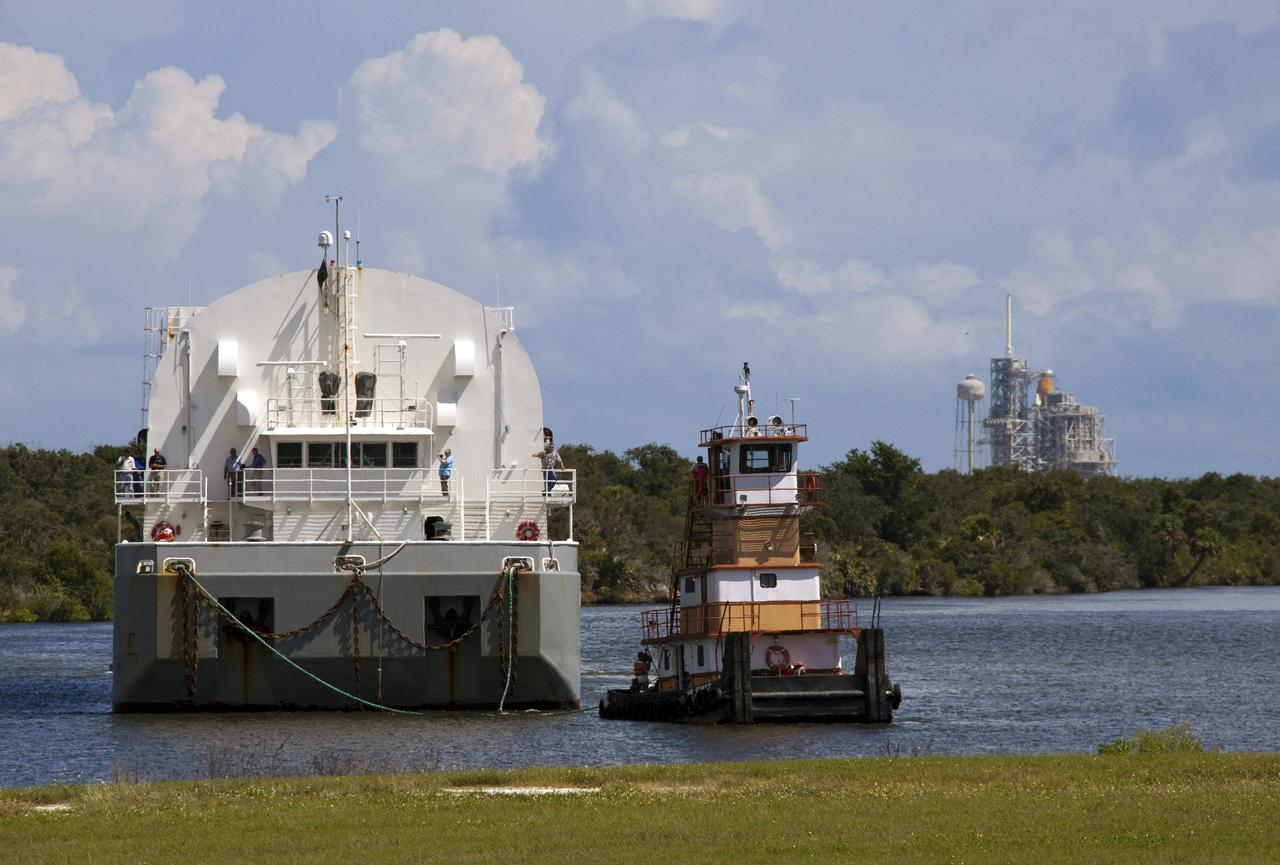
STS-335 LAUNCH ON NEED - ET-122 ARRIVES AT LC39 TURN BASIN
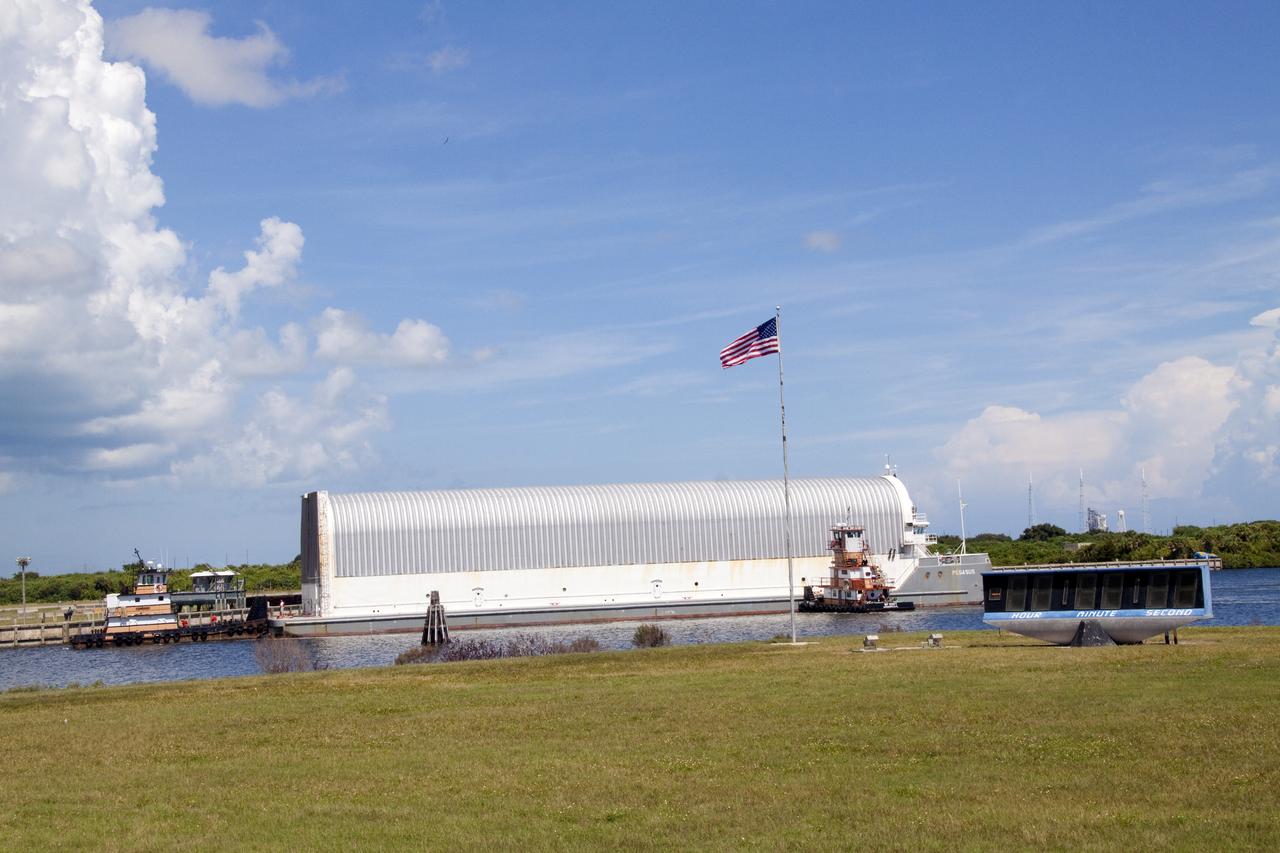
STS-335 LAUNCH ON NEED - ET-122 ARRIVES AT LC39 TURN BASIN
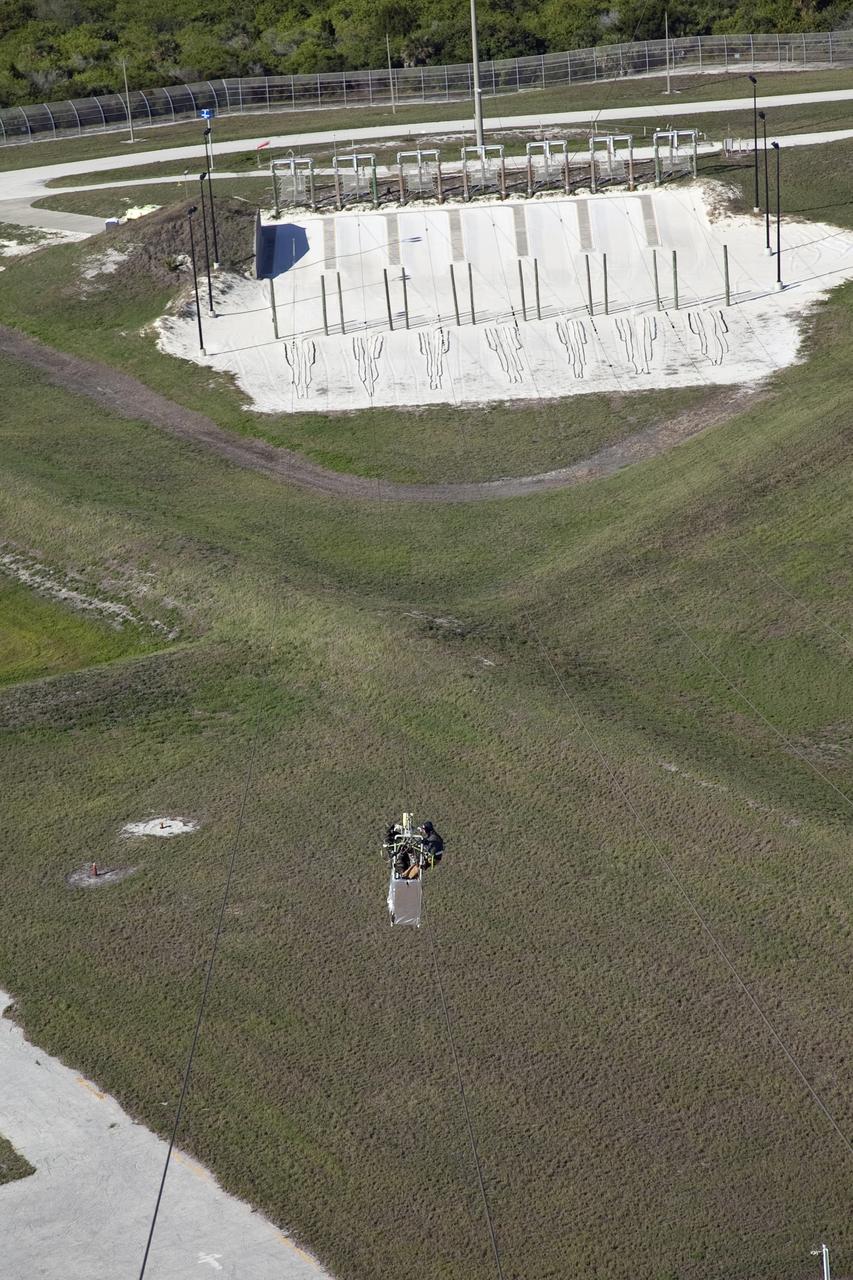
CAPE CANAVERAL, Fla. -- Workers perform routine maintenance on the emergency egress system of Launch Pad 39A at NASA's Kennedy Space Center in Florida. The system includes seven slidewire baskets that can hold up to three people. The slidewire extends from the pad's fixed service structure 195 feet above the ground to a landing zone 1,200 feet to the west. Photo credit: NASA/Frank Michaux
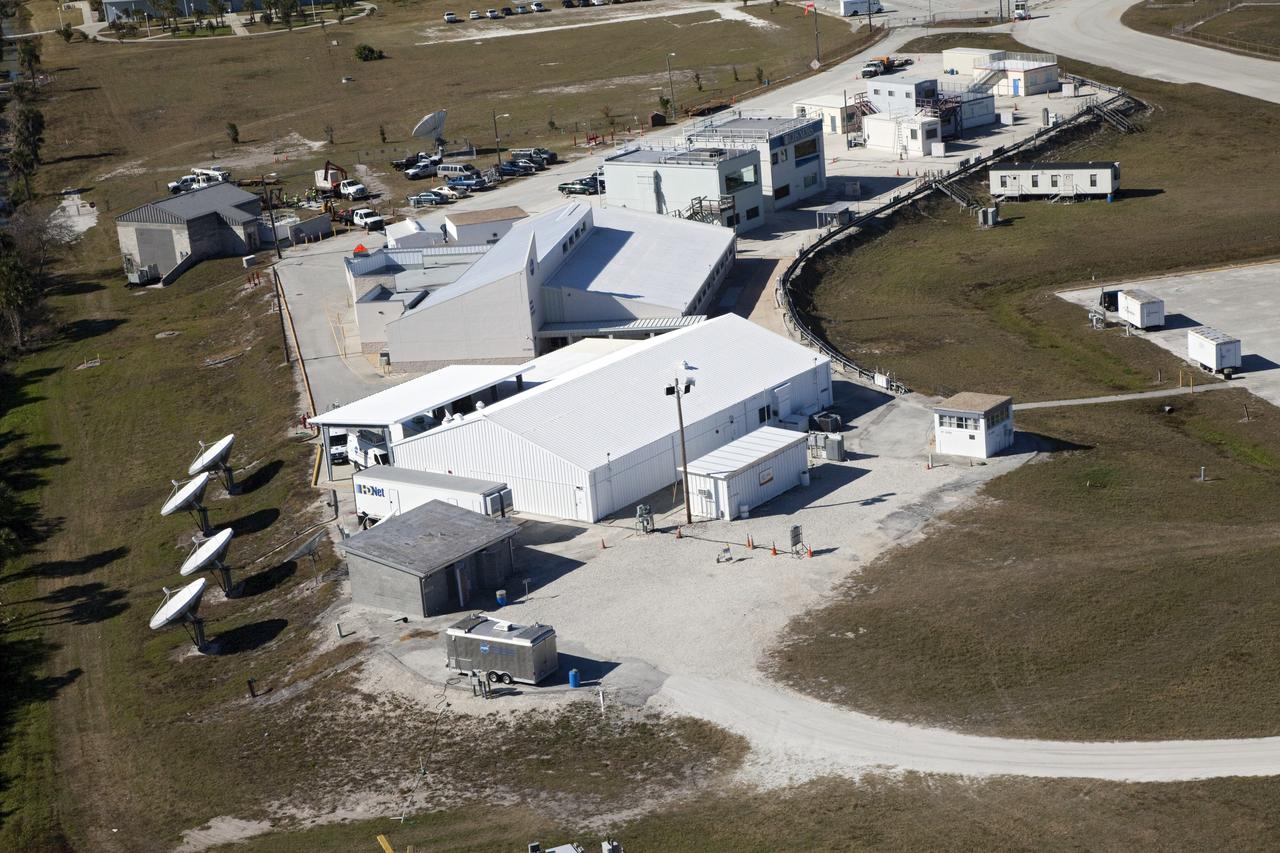
CAPE CANAVERAL, Fla. -- This is the Press Site in the Launch Complex 39 area of NASA's Kennedy Space Center in Florida, where media from all over the world gather to cover launches from the Space Coast. Photo credit: NASA/Frank Michaux
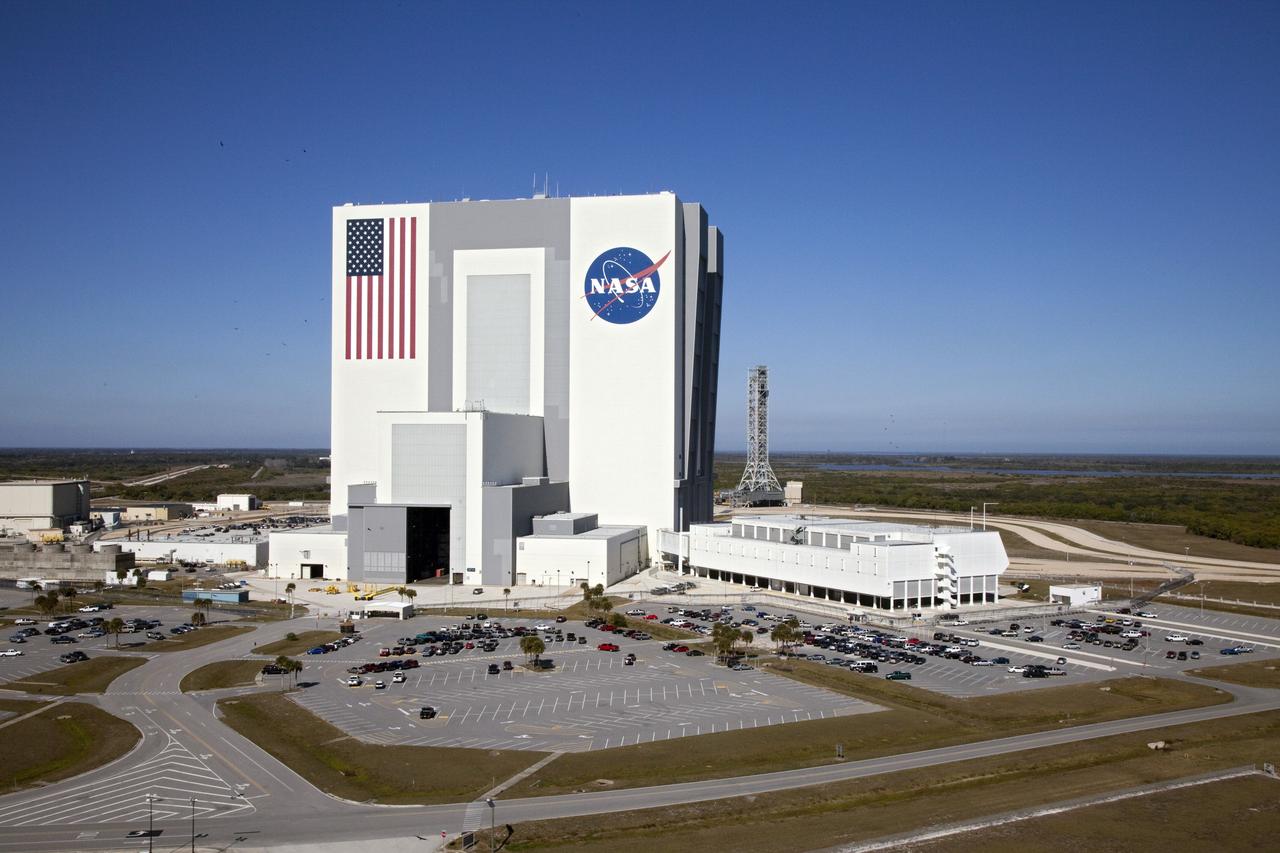
CAPE CANAVERAL, Fla. -- This is an aerial view of the Vehicle Assembly Building, center, Launch Control Center, right, and NASA's new mobile launcher, back, in the Launch Complex 39 area of NASA's Kennedy Space Center in Florida. Photo credit: NASA/Frank Michaux
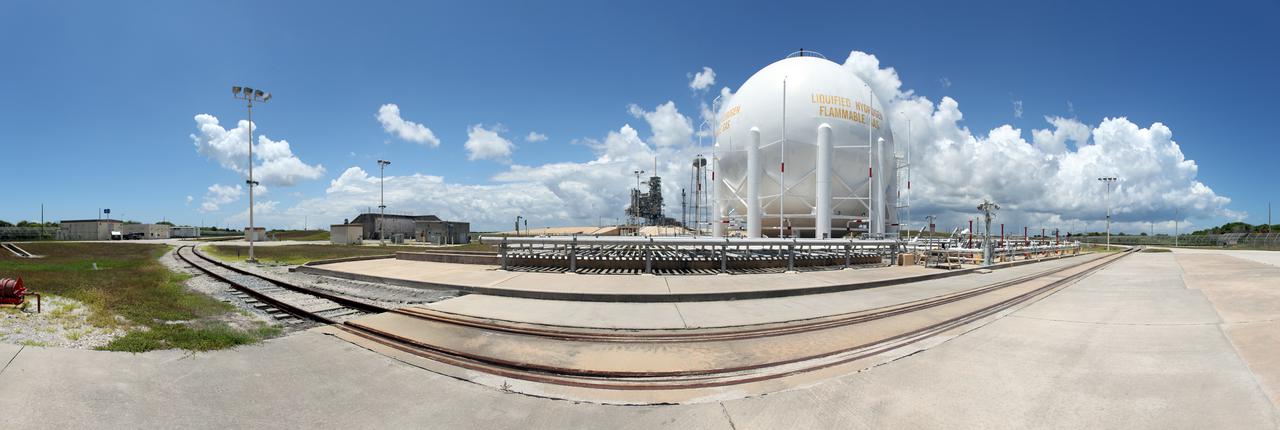
CAPE CANAVERAL, Fla. -- In the Launch Complex 39 area at NASA's Kennedy Space Center in Florida is a liquid hydrogen, or LH2, storage tank. This large ball-shaped, vacuum-jacketed tank is used to store cryogenic propellants for the space shuttle's orange external fuel tank. The LH2 tank is located at the northeast corner of Launch Pad 39A and stores 850,000 gallons of LH2 at a temperature of minus 423 degrees F. The shuttle's external tank is loaded with about 500,000 gallons of LH2 and liquid oxygen, or LOX, about six hours prior to launch in a process known as 'tanking.' Photo credit: NASA_Frankie Martin
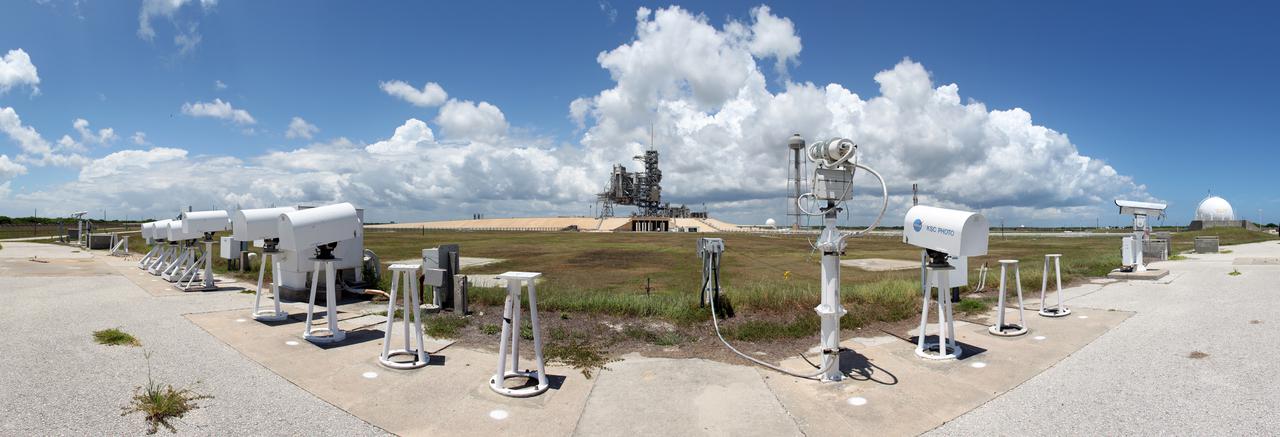
CAPE CANAVERAL, Fla. -- At NASA's Kennedy Space Center in Florida, remote cameras look toward Launch Pad 39A. The cameras capture space shuttle launches as well as lightning and wildlife in and the Launch Complex 39 area. There also are cameras on each shuttle, their solid rocket boosters and external fuel tank. Photo credit: NASA_Frankie Martin
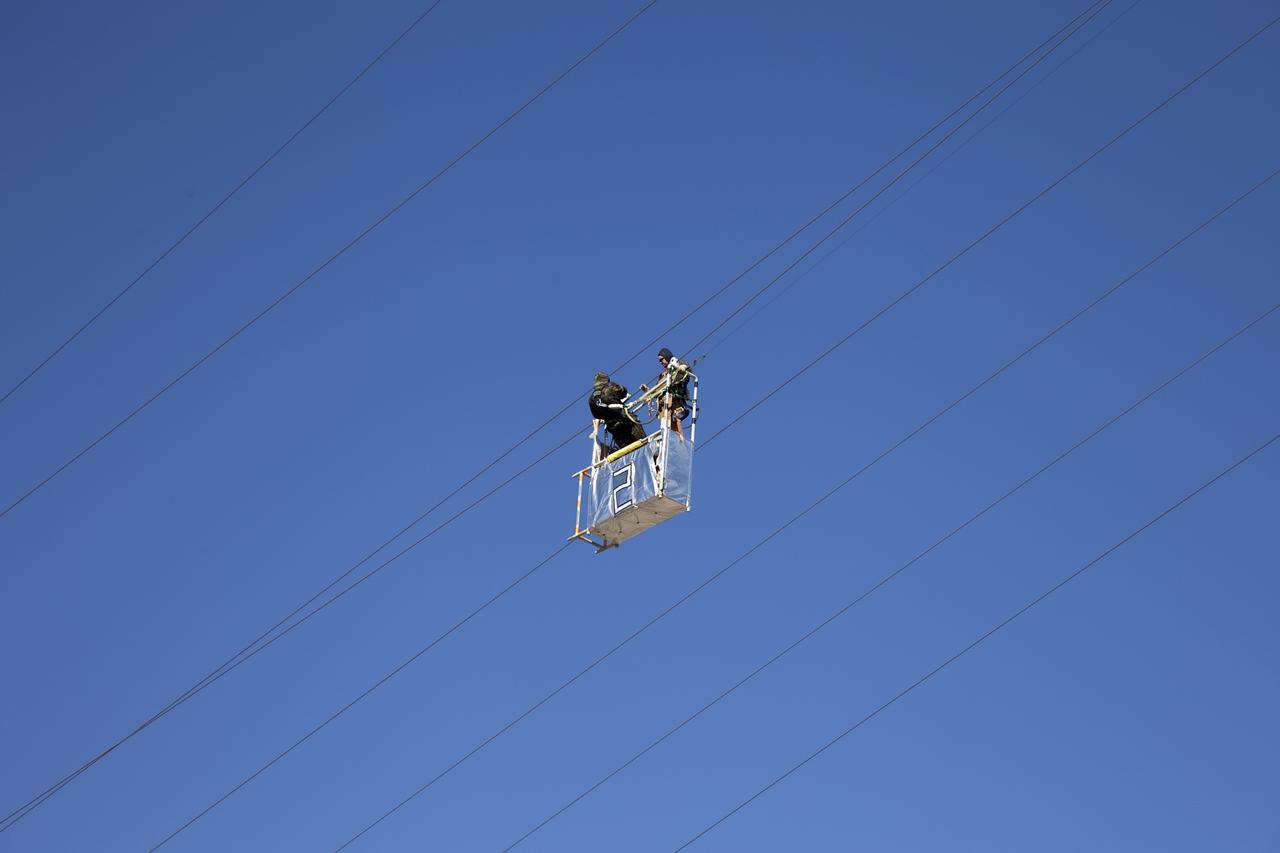
CAPE CANAVERAL, Fla. -- Workers perform routine maintenance on the emergency egress system of Launch Pad 39A at NASA's Kennedy Space Center in Florida. The system includes seven slidewire baskets that can hold up to three people. The slidewire extends from the pad's fixed service structure 195 feet above the ground to a landing zone 1,200 feet to the west. Photo credit: NASA/Frank Michaux
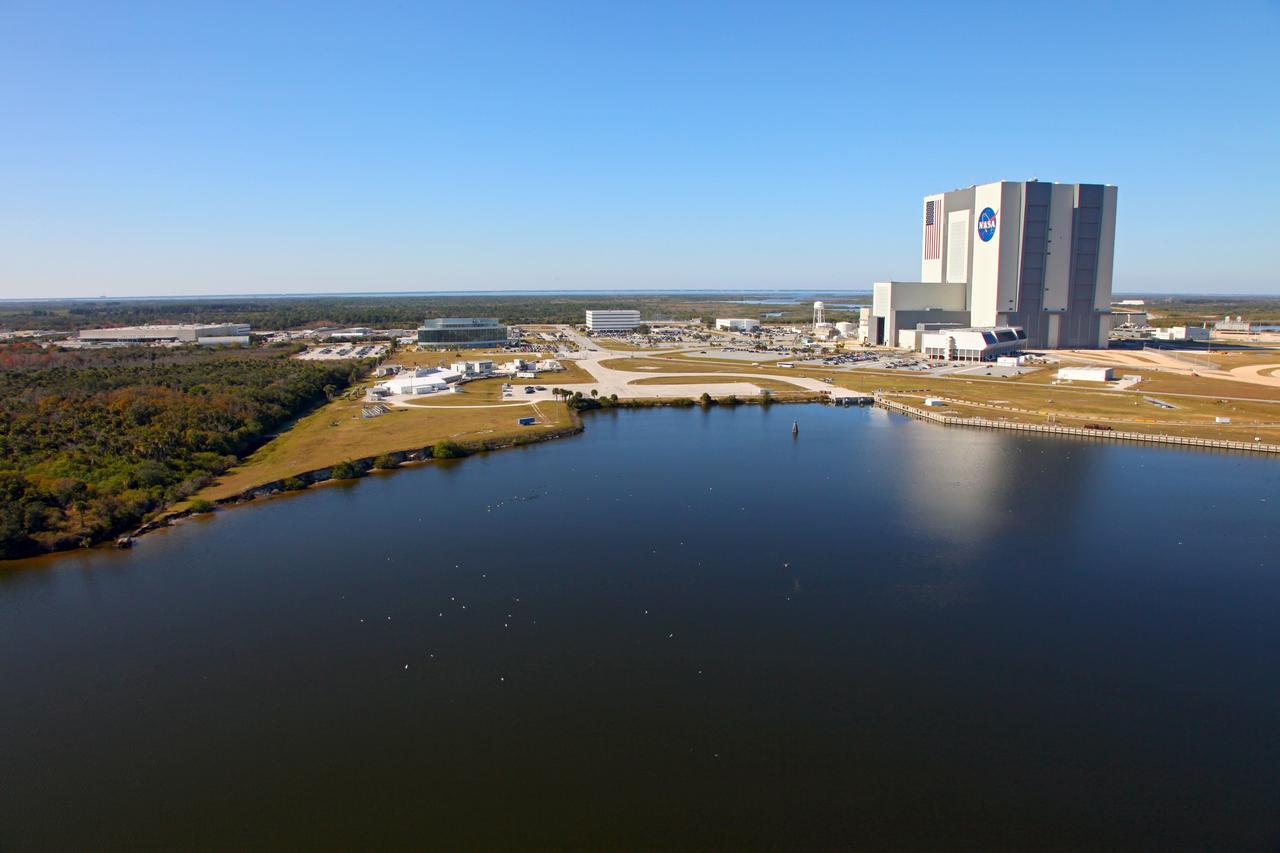
CAPE CANAVERAL, Fla. -- The Launch Complex 39 area is seen from above the Turn Basin at NASA's Kennedy Space Center in Florida. Photo credit: NASA/Frank Michaux

CAPE CANAVERAL, Fla. -- At NASA's Kennedy Space Center in Florida, an osprey is perched on a weather pole at a helicopter landing site near the Vehicle Assembly Building. Ospreys are a familiar sight at Kennedy because of its close proximity to ponds, lakes and coastal waters, which feed their appetite for fish. Kennedy coexists with the Merritt Island National Wildlife Refuge, habitat to more than 310 species of birds, 25 mammals, 117 fish and 65 amphibians and reptiles. Photo credit: NASA/Jack Pfaller
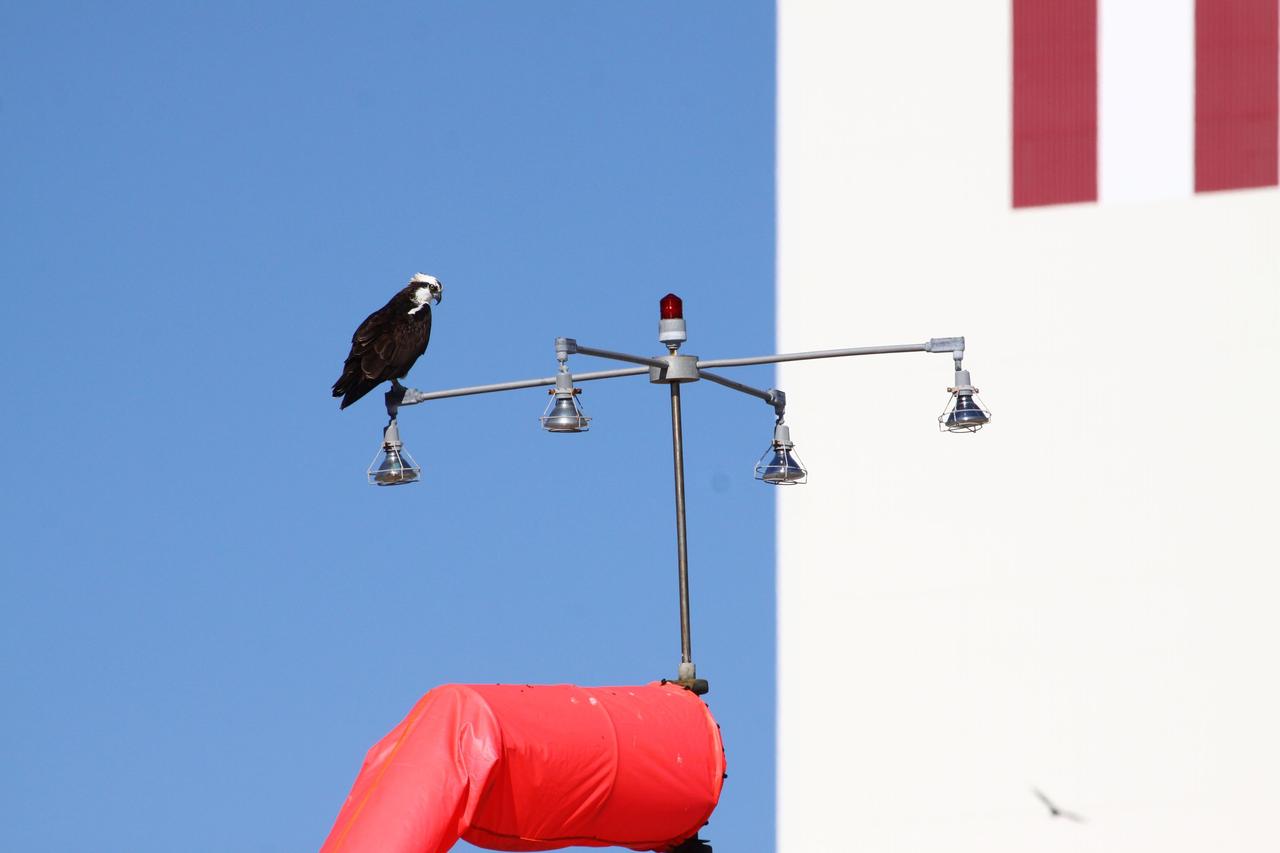
CAPE CANAVERAL, Fla. -- At NASA's Kennedy Space Center in Florida, an osprey is perched on a weather pole at a helicopter landing site near the Vehicle Assembly Building. Ospreys are a familiar sight at Kennedy because of its close proximity to ponds, lakes and coastal waters, which feed their appetite for fish. Kennedy coexists with the Merritt Island National Wildlife Refuge, habitat to more than 310 species of birds, 25 mammals, 117 fish and 65 amphibians and reptiles. Photo credit: NASA/Jack Pfaller

KENNEDY SPACE CENTER, FLA. - NASA Kennedy Space Center's 525-foot-tall Vehicle Assembly Building is seen in this aerial view. Roof repairs are currently underway. Photo credit: Cory Huston
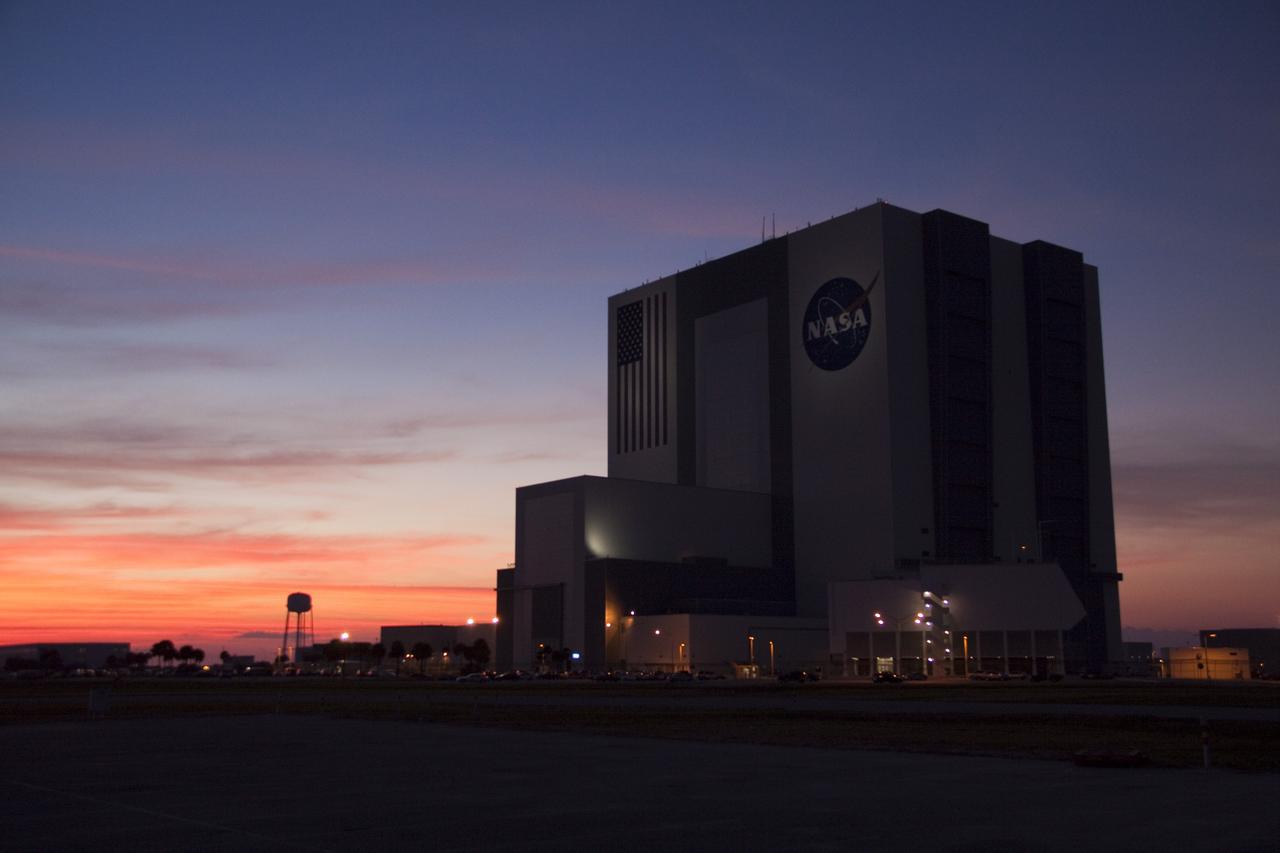
CAPE CANAVERAL, Fla. -- The night lights and Vehicle Assembly Building are silhouetted against the sunset sky over NASA's Kennedy Space Center in Florida. Photo Credit: NASA/Troy Cryder
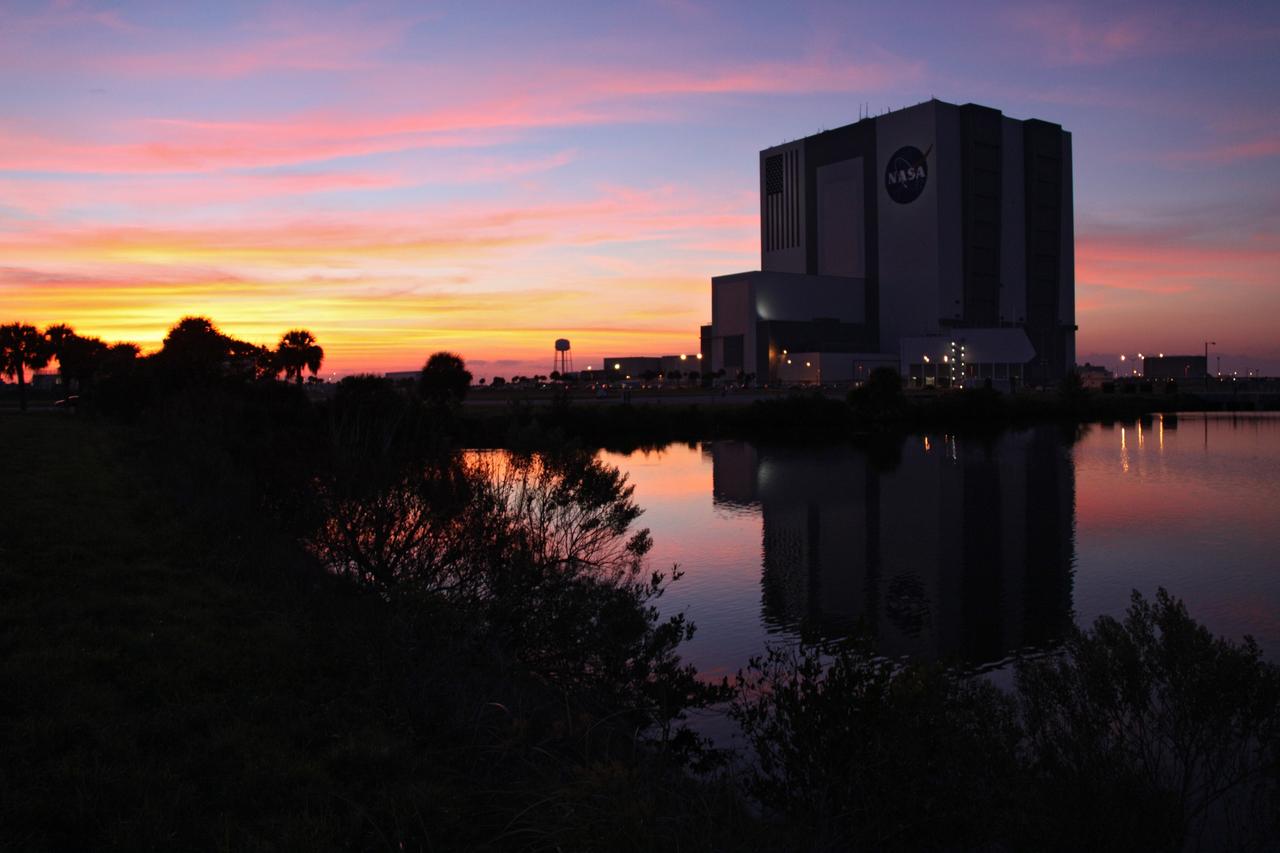
CAPE CANAVERAL, Fla. -- The dark water of the Turn Basin at NASA's Kennedy Space Center in Florida mirrors the night lights and Vehicle Assembly Building, silhouetted against the sunset sky. Photo Credit: NASA/Troy Cryder
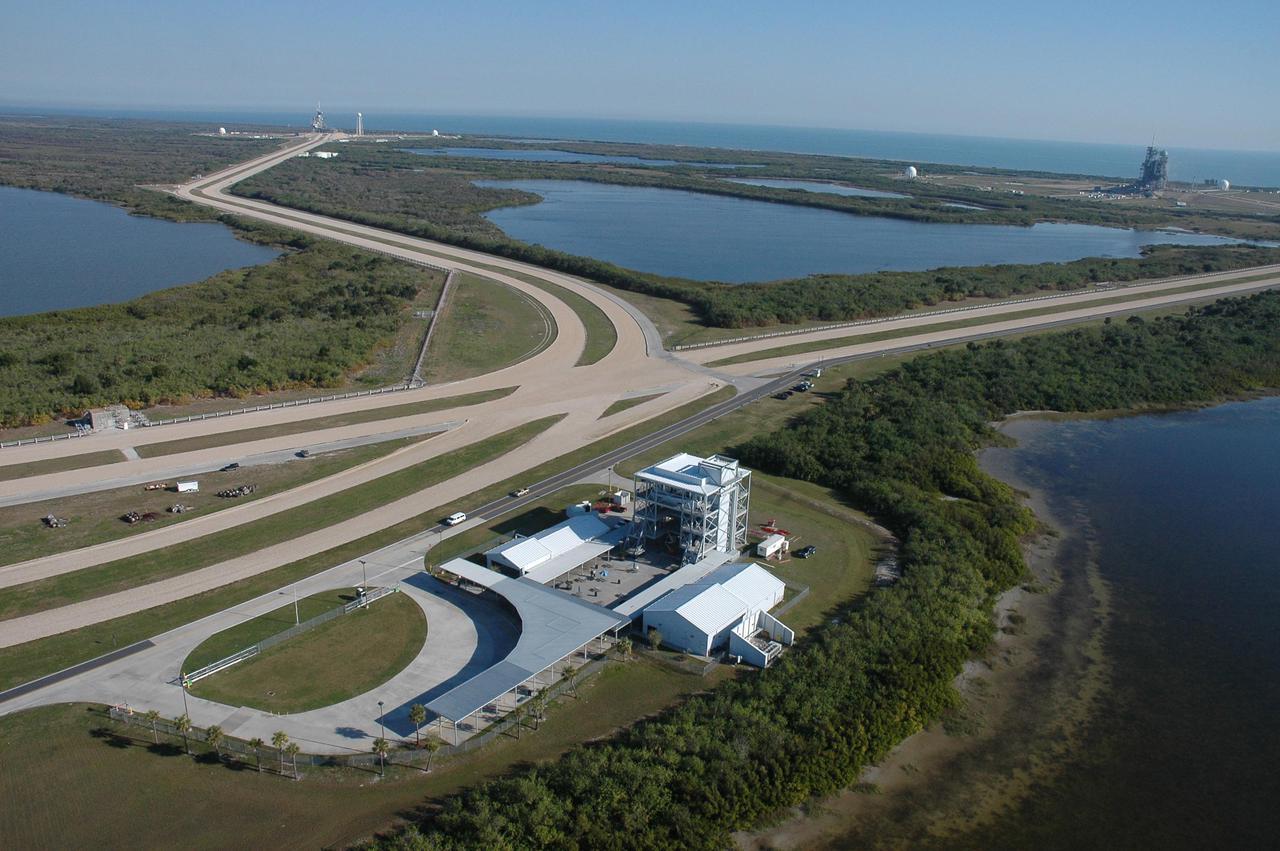
KENNEDY SPACE CENTER, FLA. - This aerial view on NASA's Kennedy Space Center shows the Launch Complex 39 Observation Gantry in the foreground, the crawlerways leading to the launch pads, and space shuttle Launch Complex 39 Pad A (left) and Pad B in the background, silhouetted by the Atlantic Ocean. Photo credit: Cory Huston

CAPE CANAVERAL, Fla. -- On Launch Pad 39A at NASA's Kennedy Space Center in Florida, a worker prepares to remove the ground umbilical carrier plate's (GUCP) 7-inch quick disconnect. A hydrogen gas leak at that location on the external fuel tank during tanking for space shuttle Discovery's STS-133 mission to the International Space Station caused the launch attempt to be scrubbed Nov. 5. The GUCP will be examined to determine the cause of the hydrogen leak and then repaired. The GUCP is the overboard vent to the pad and the flame stack where the vented hydrogen is burned off. Discovery's next launch attempt is no earlier than Nov. 30 at 4:02 a.m. EST. For more information on STS-133, visit www.nasa.gov/mission_pages/shuttle/shuttlemissions/sts133/. Photo credit: NASA/Troy Cryder
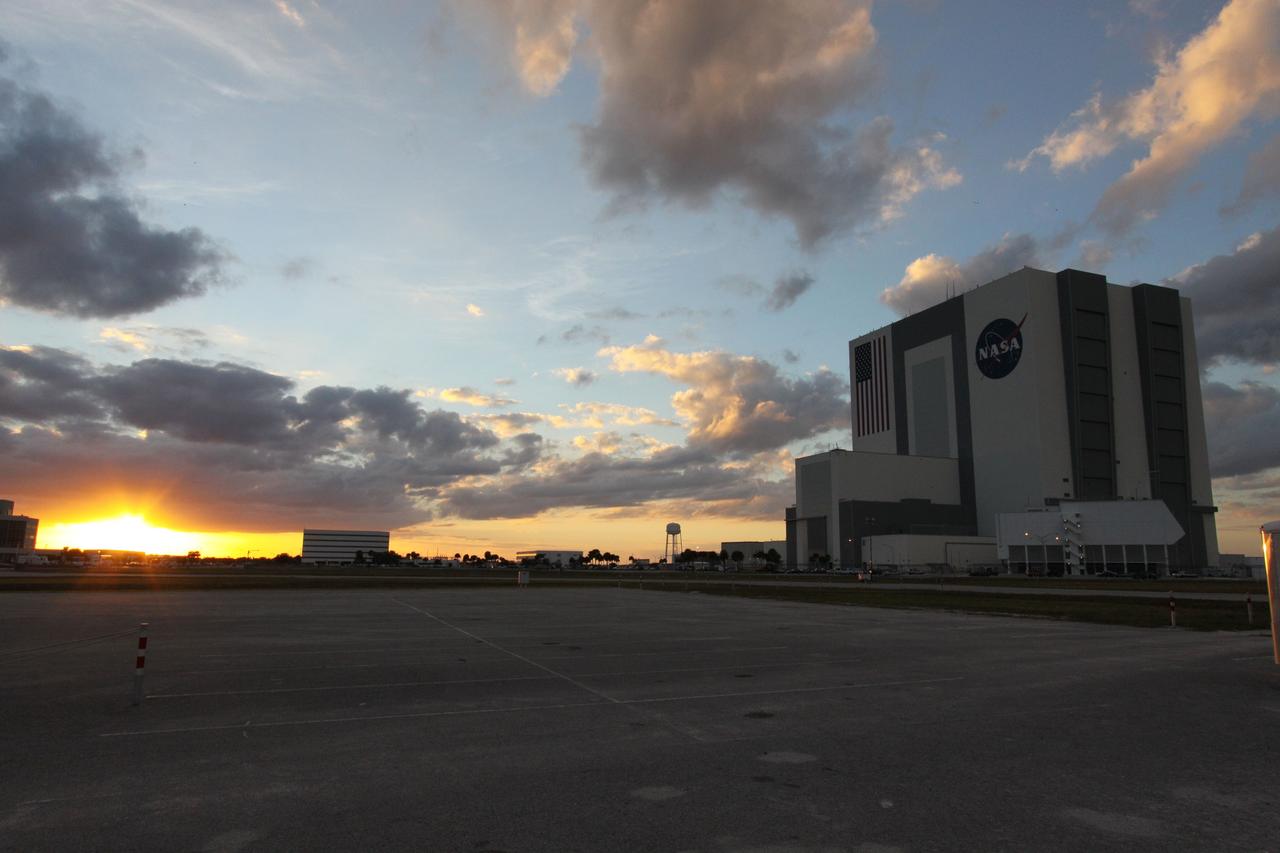
CAPE CANAVERAL, Fla. -- From the Press Site parking lot at NASA's Kennedy Space Center in Florida, the sun sets over the Launch Complex 39 area. At center, are the Operations Support Building I and Processing Control Center. At right, are the Vehicle Assembly Building and Launch Control Center. Photo credit: NASA/Troy Cryder
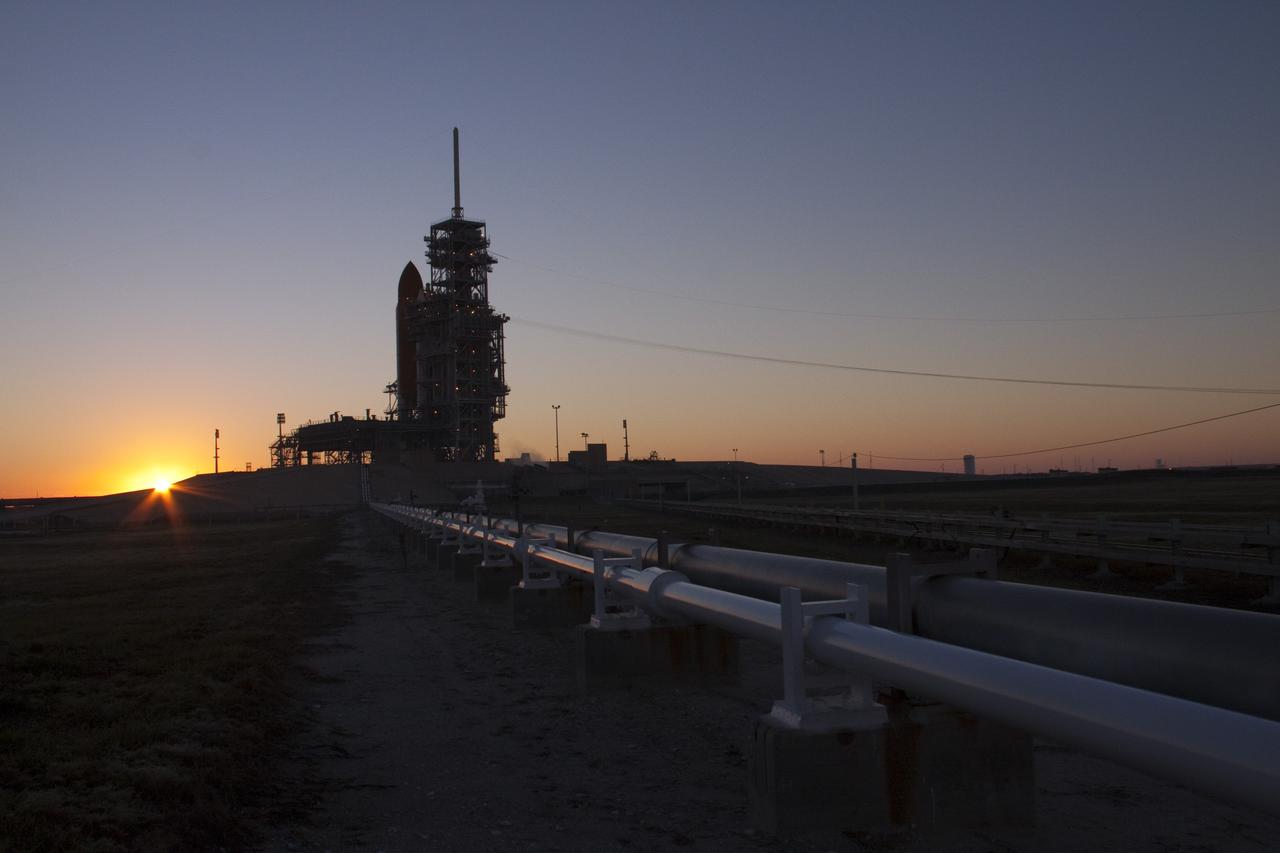
CAPE CANAVERAL, Fla. -- As the sun begins to rise over Launch Pad 39A at NASA's Kennedy Space Center in Florida, preparations to remove the ground umbilical carrier plate's (GUCP) 7-inch quick disconnect are under way. A hydrogen gas leak at that location on the external fuel tank during tanking for space shuttle Discovery's STS-133 mission to the International Space Station caused the launch attempt to be scrubbed Nov. 5. The GUCP will be examined to determine the cause of the hydrogen leak and then repaired. The GUCP is the overboard vent to the pad and the flame stack where the vented hydrogen is burned off. Discovery's next launch attempt is no earlier than Nov. 30 at 4:02 a.m. EST. For more information on STS-133, visit www.nasa.gov/mission_pages/shuttle/shuttlemissions/sts133/. Photo credit: NASA/Troy Cryder
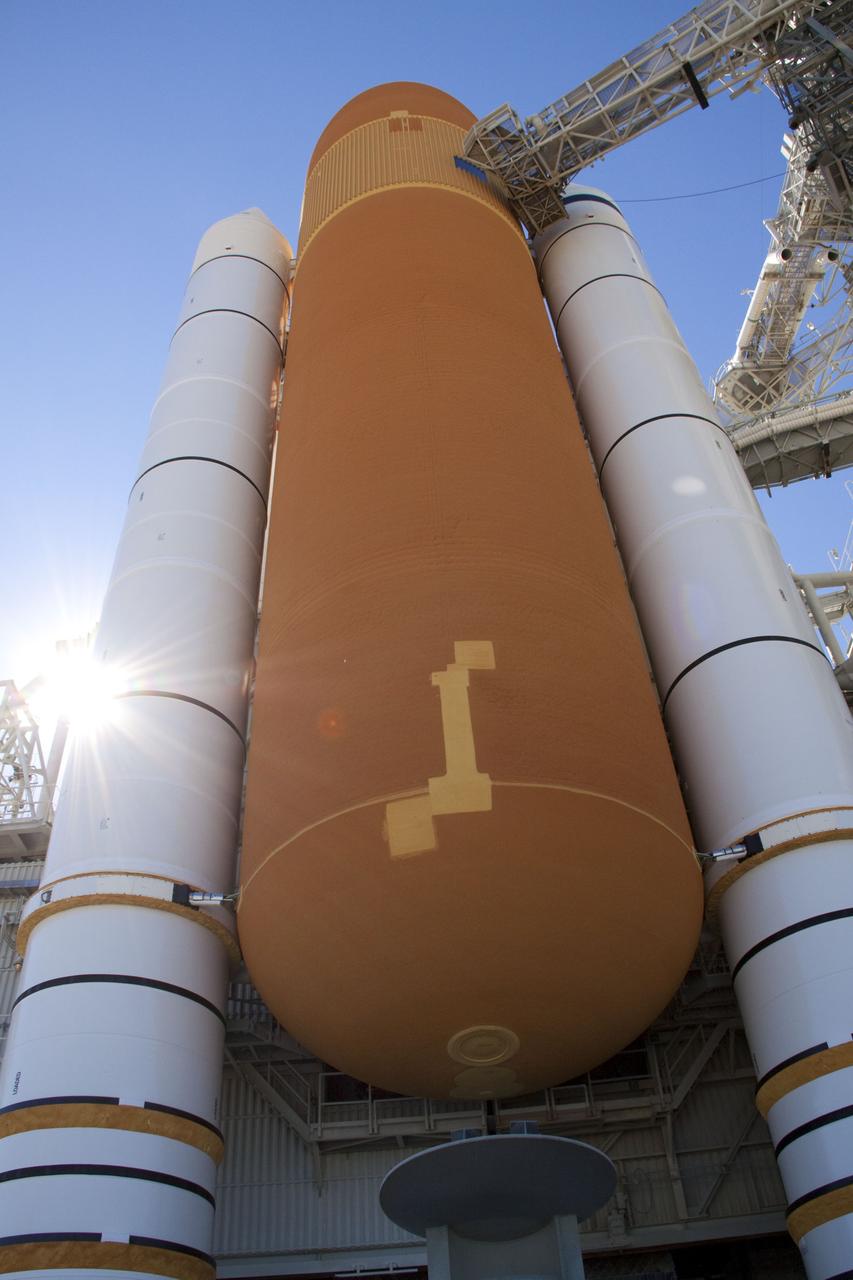
CAPE CANAVERAL, Fla. -- On Launch Pad 39A at NASA's Kennedy Space Center in Florida, the tip-top of the bright-orange external fuel tank is where workers will prepare to begin removing the quick disconnect from the ground umbilical carrier plate (GUCP). A hydrogen gas leak at that location during tanking for space shuttle Discovery's STS-133 mission to the International Space Station caused the launch attempt to be scrubbed Nov. 5. The GUCP will be examined to determine the cause of the hydrogen leak and then repaired. The GUCP is the overboard vent to the pad and the flame stack where the vented hydrogen is burned off. Discovery's next launch attempt is targeted for no earlier than Nov. 30 at 4:02 a.m. EST. For more information on STS-133, visit www.nasa.gov/mission_pages/shuttle/shuttlemissions/sts133/. Photo credit: NASA/Troy Cryder
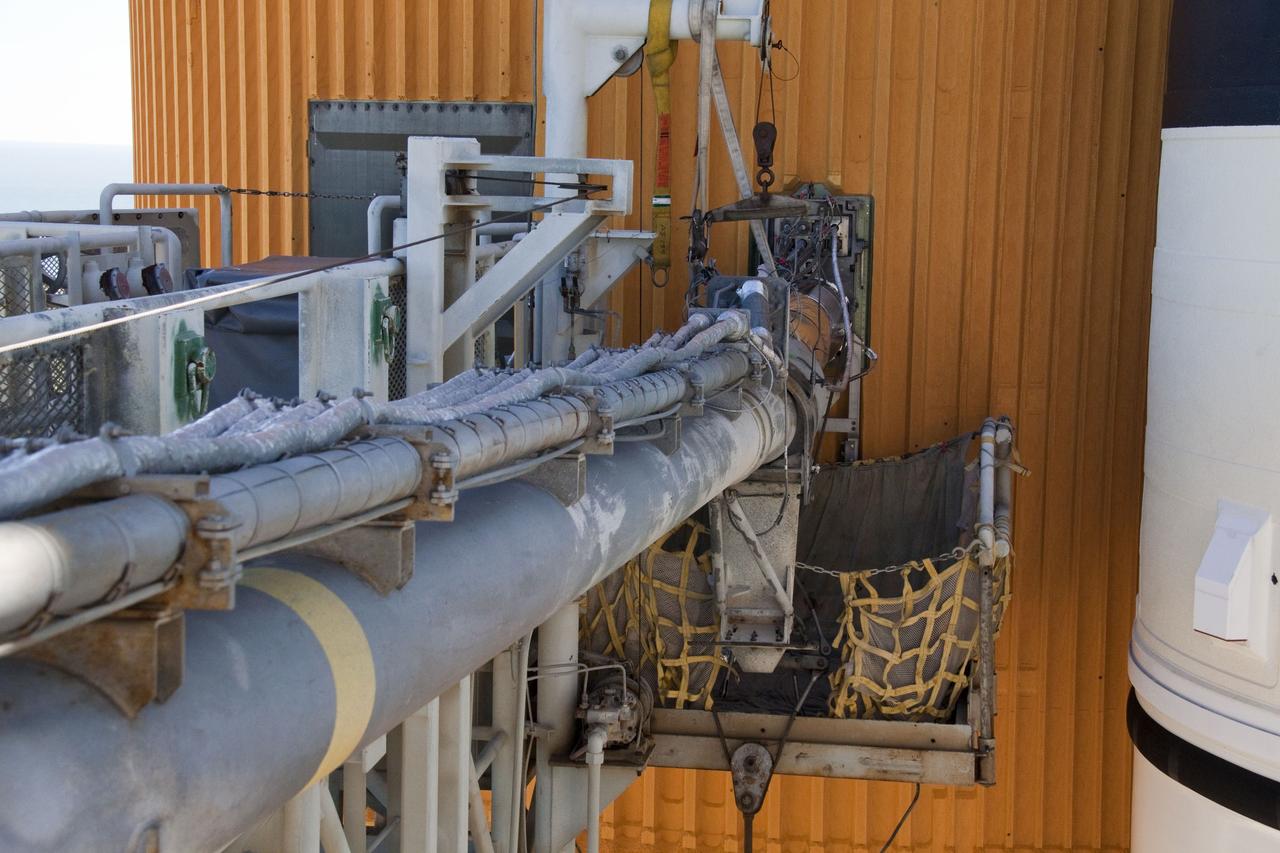
CAPE CANAVERAL, Fla. -- On Launch Pad 39A at NASA's Kennedy Space Center in Florida, the tip-top of the bright-orange external fuel tank is where workers will prepare to begin removing the quick disconnect from the ground umbilical carrier plate (GUCP). A hydrogen gas leak at that location during tanking for space shuttle Discovery's STS-133 mission to the International Space Station caused the launch attempt to be scrubbed Nov. 5. The GUCP will be examined to determine the cause of the hydrogen leak and then repaired. The GUCP is the overboard vent to the pad and the flame stack where the vented hydrogen is burned off. Discovery's next launch attempt is targeted for no earlier than Nov. 30 at 4:02 a.m. EST. For more information on STS-133, visit www.nasa.gov/mission_pages/shuttle/shuttlemissions/sts133/. Photo credit: NASA/Troy Cryder
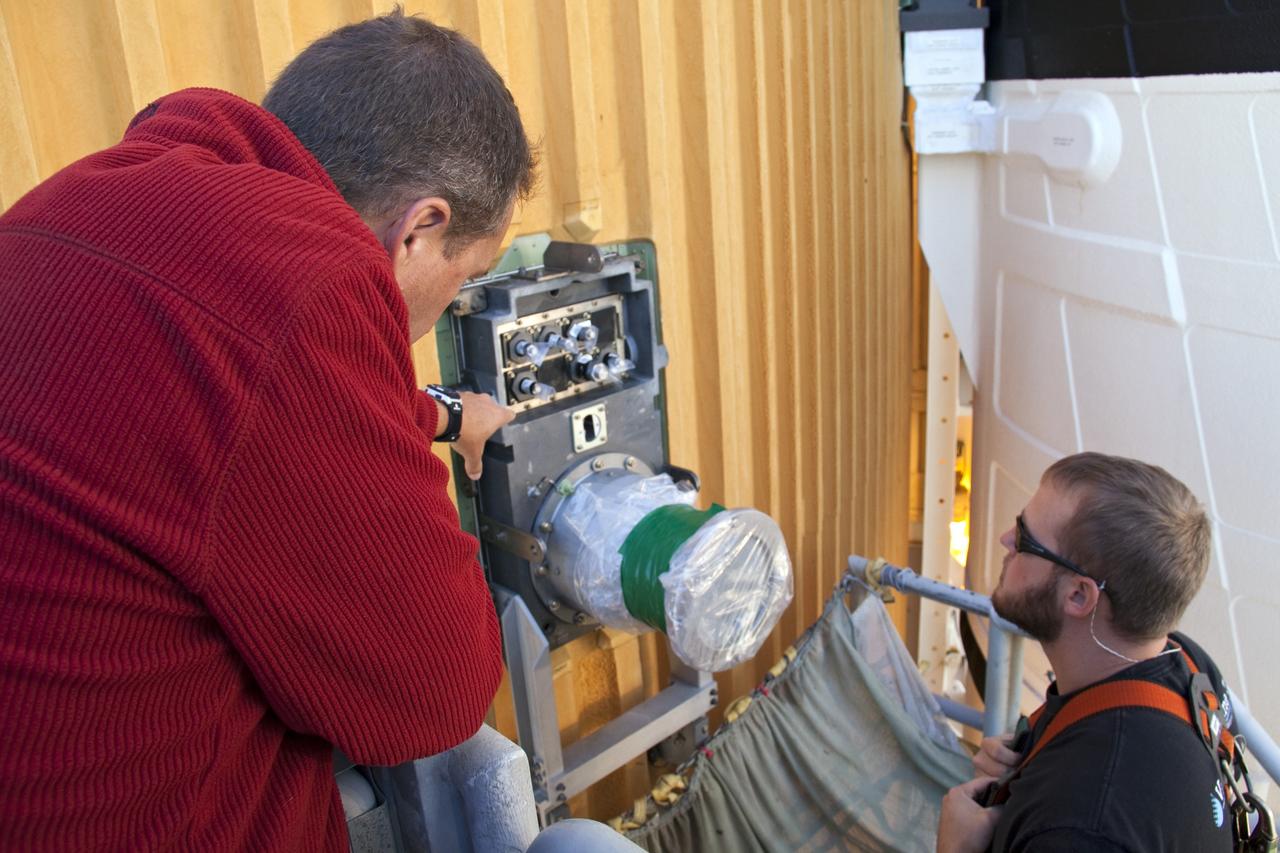
CAPE CANAVERAL, Fla. -- On Launch Pad 39A at NASA's Kennedy Space Center in Florida, workers prepare to remove the ground umbilical carrier plate's (GUCP) 7-inch quick disconnect. A hydrogen gas leak at that location on the external fuel tank during tanking for space shuttle Discovery's STS-133 mission to the International Space Station caused the launch attempt to be scrubbed Nov. 5. The GUCP will be examined to determine the cause of the hydrogen leak and then repaired. The GUCP is the overboard vent to the pad and the flame stack where the vented hydrogen is burned off. Discovery's next launch attempt is no earlier than Nov. 30 at 4:02 a.m. EST. For more information on STS-133, visit www.nasa.gov/mission_pages/shuttle/shuttlemissions/sts133/. Photo credit: NASA/Troy Cryder

CAPE CANAVERAL, Fla. -- On Launch Pad 39A at NASA's Kennedy Space Center in Florida, the tip-top of the bright-orange external fuel tank is where workers will prepare to begin removing the quick disconnect from the ground umbilical carrier plate (GUCP). A hydrogen gas leak at that location during tanking for space shuttle Discovery's STS-133 mission to the International Space Station caused the launch attempt to be scrubbed Nov. 5. The GUCP will be examined to determine the cause of the hydrogen leak and then repaired. The GUCP is the overboard vent to the pad and the flame stack where the vented hydrogen is burned off. Discovery's next launch attempt is targeted for no earlier than Nov. 30 at 4:02 a.m. EST. For more information on STS-133, visit www.nasa.gov/mission_pages/shuttle/shuttlemissions/sts133/. Photo credit: NASA/Troy Cryder
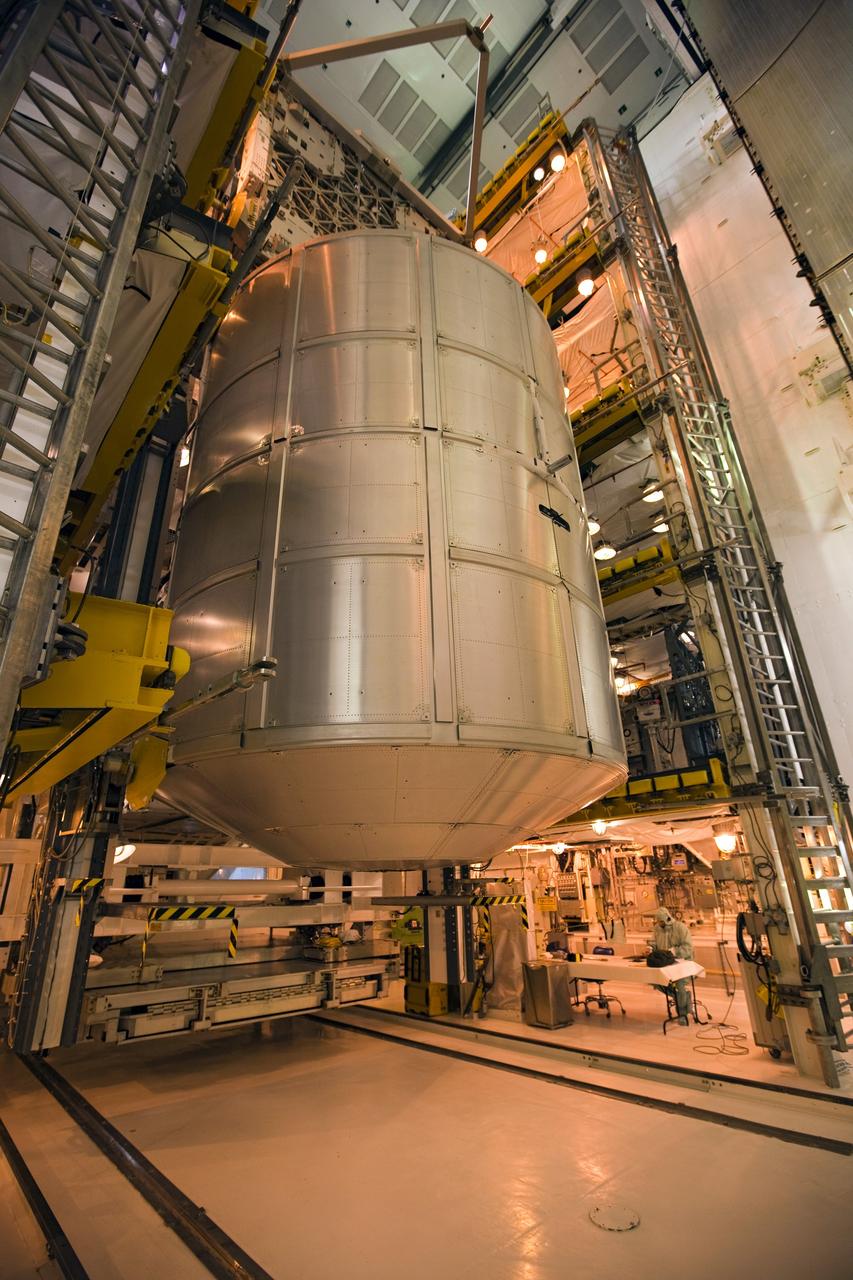
CAPE CANAVERAL, Fla. -- At NASA's Kennedy Space Center in Florida, technicians prepare to move the STS-133 payload from the rotating service structure on Launch Pad 39A to space shuttle Discovery's payload bay. The move paves the way for the Terminal Countdown Demonstration Test (TCDT) this week, which will give the astronauts and teams at Kennedy and NASA's Johnson Space Center in Houston a chance to practice launch day tasks. Discovery and its STS-133 crew will deliver the Permanent Multipurpose Module, packed with supplies and critical spare parts, as well as Robonaut 2, the dexterous humanoid astronaut helper, to the International Space Station. Launch is targeted for 4:40 p.m. EDT, Nov. 1. Photo credit: NASA/Dimitri Gerondidakis
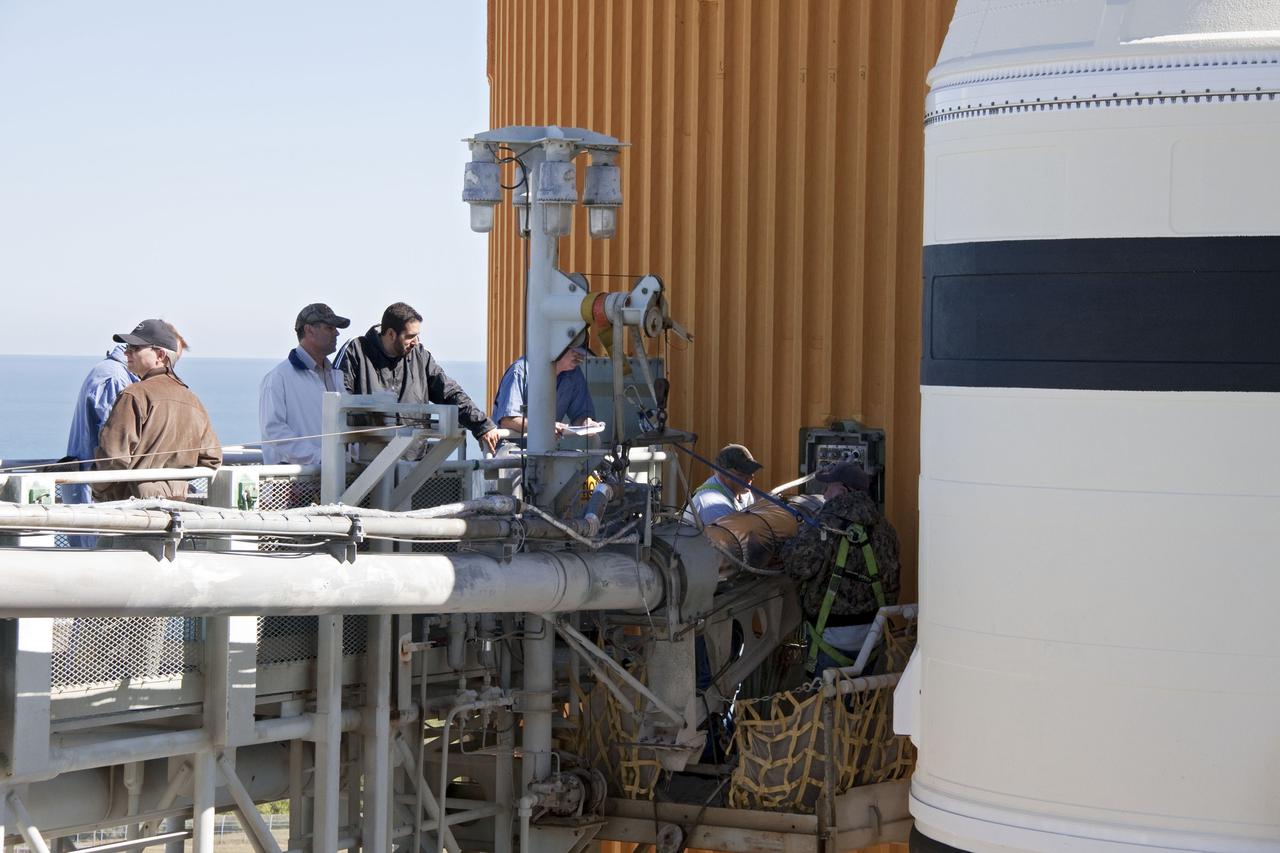
CAPE CANAVERAL, Fla. -- On Launch Pad 39A at NASA's Kennedy Space Center in Florida, workers prepare to begin removing the quick disconnect from the ground umbilical carrier plate (GUCP) on space shuttle Discovery's external fuel tank. A hydrogen gas leak at that location during tanking for the STS-133 mission to the International Space Station caused the launch attempt to be scrubbed Nov. 5. The GUCP will be examined to determine the cause of the hydrogen leak and then repaired. The GUCP is the overboard vent to the pad and the flame stack where the vented hydrogen is burned off. Discovery's next launch attempt is targeted for no earlier than Nov. 30 at 4:02 a.m. EST. For more information on STS-133, visit www.nasa.gov/mission_pages/shuttle/shuttlemissions/sts133/. Photo credit: NASA/Troy Cryder
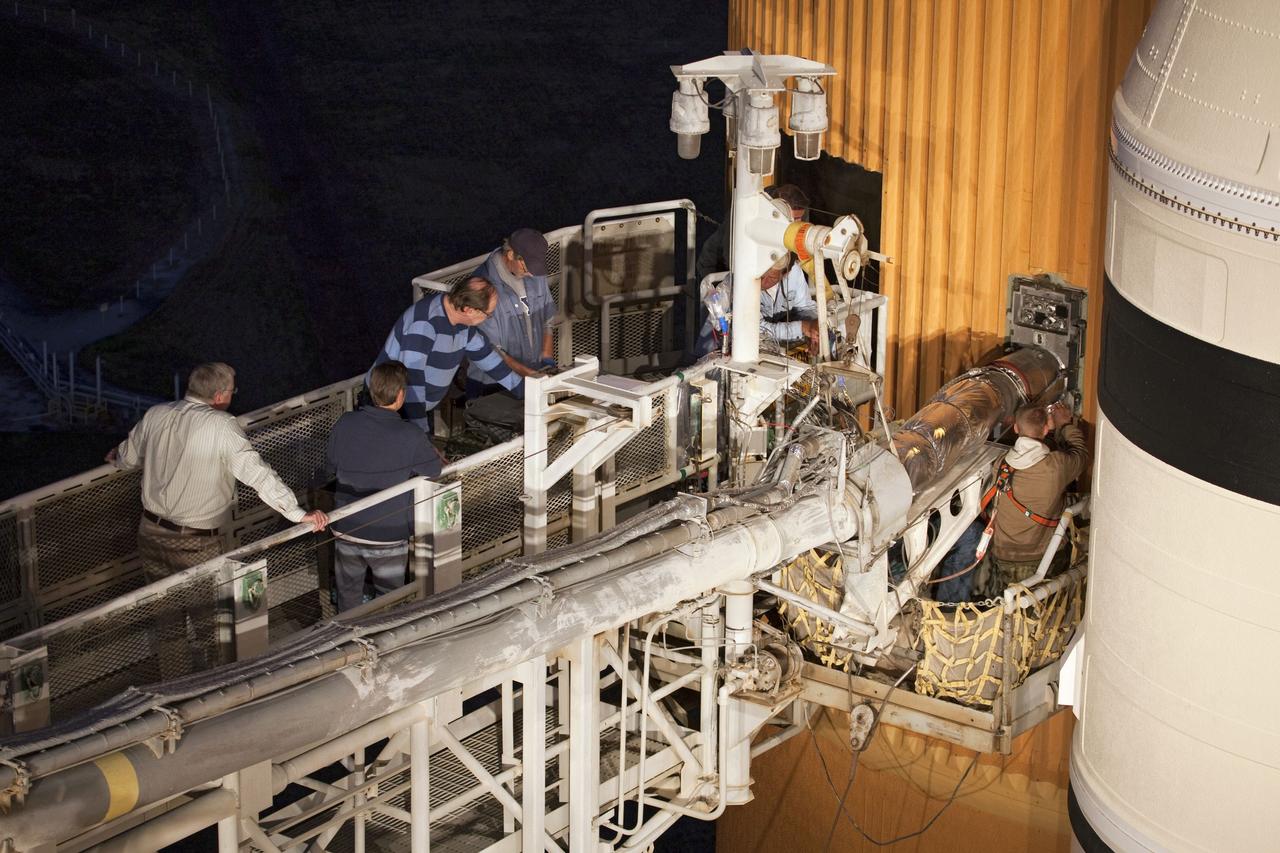
CAPE CANAVERAL, Fla. -- On Launch Pad 39A at NASA's Kennedy Space Center in Florida, workers begin to remove the vent line attached to the ground umbilical carrier plate (GUCP) on the bright-orange external fuel tank. Next, the GUCP's 7-inch quick disconnect will be removed. A hydrogen gas leak at that location during tanking for space shuttle Discovery's STS-133 mission to the International Space Station caused the launch attempt to be scrubbed Nov. 5. The GUCP will be examined to determine the cause of the hydrogen leak and then repaired. The GUCP is the overboard vent to the pad and the flame stack where the vented hydrogen is burned off. Discovery's next launch attempt is no earlier than Nov. 30 at 4:02 a.m. EST. For more information on STS-133, visit www.nasa.gov/mission_pages/shuttle/shuttlemissions/sts133/. Photo credit: NASA/Frankie Martin
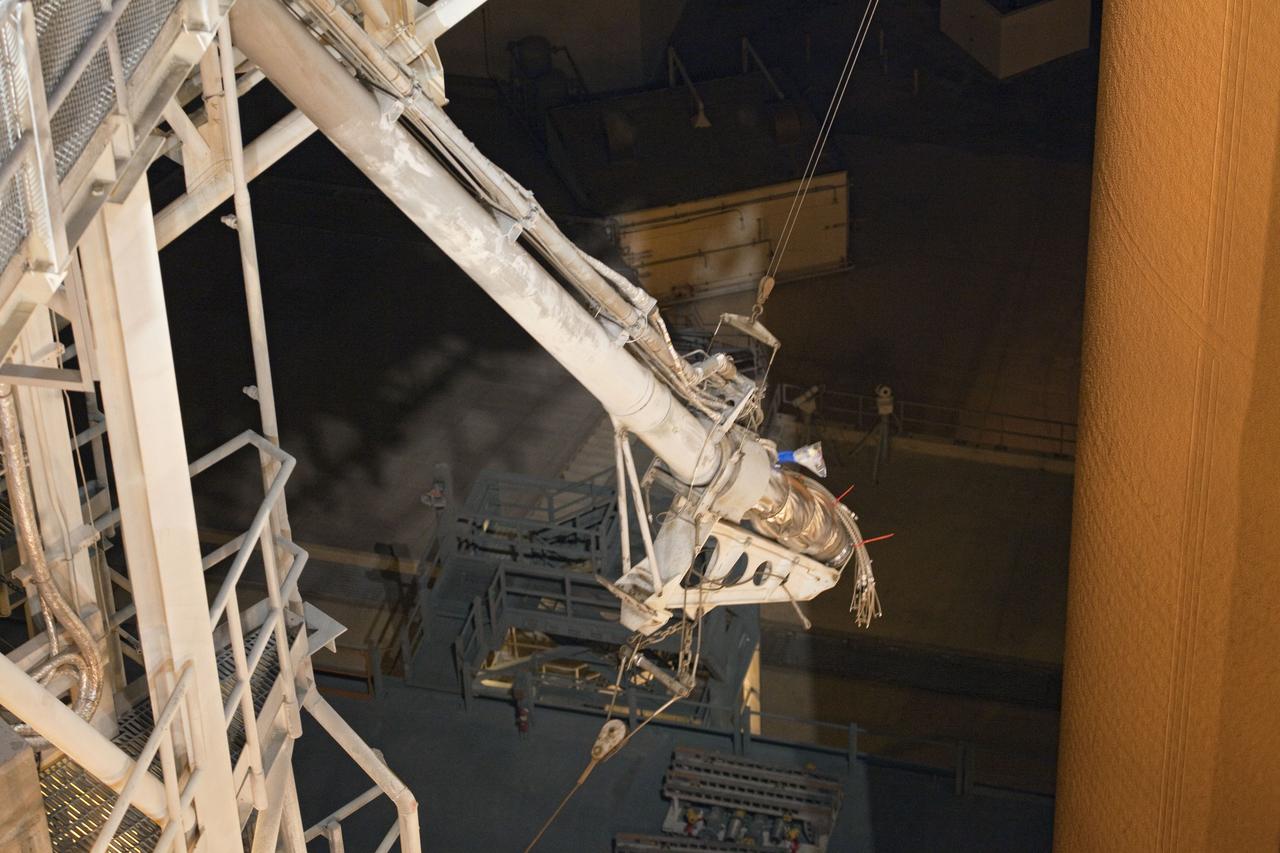
CAPE CANAVERAL, Fla. -- On Launch Pad 39A at NASA's Kennedy Space Center in Florida, the vent line is detached from the ground umbilical carrier plate (GUCP) on the bright-orange external fuel tank. Next, the GUCP's 7-inch quick disconnect will be removed. A hydrogen gas leak at that location during tanking for space shuttle Discovery's STS-133 mission to the International Space Station caused the launch attempt to be scrubbed Nov. 5. The GUCP will be examined to determine the cause of the hydrogen leak and then repaired. The GUCP is the overboard vent to the pad and the flame stack where the vented hydrogen is burned off. Discovery's next launch attempt is no earlier than Nov. 30 at 4:02 a.m. EST. For more information on STS-133, visit www.nasa.gov/mission_pages/shuttle/shuttlemissions/sts133/. Photo credit: NASA/Frankie Martin
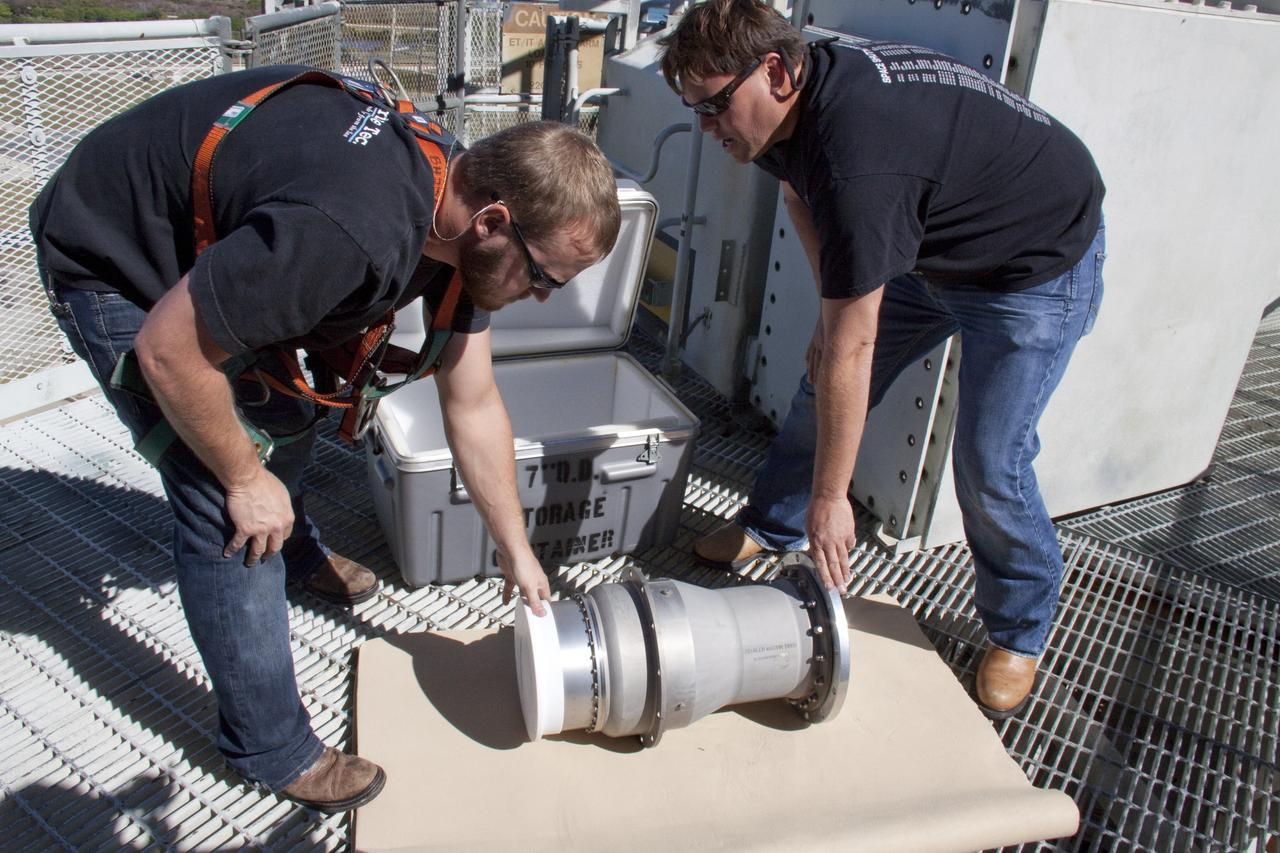
CAPE CANAVERAL, Fla. -- On Launch Pad 39A at NASA's Kennedy Space Center in Florida, workers take photos of the ground umbilical carrier plate's (GUCP) 7-inch quick disconnect, which has been removed from the external fuel tank. A hydrogen gas leak at that location during tanking for space shuttle Discovery's STS-133 mission to the International Space Station caused the launch attempt to be scrubbed Nov. 5. The GUCP will be examined to determine the cause of the hydrogen leak and then repaired. The GUCP is the overboard vent to the pad and the flame stack where the vented hydrogen is burned off. Discovery's next launch attempt is no earlier than Nov. 30 at 4:02 a.m. EST. For more information on STS-133, visit www.nasa.gov/mission_pages/shuttle/shuttlemissions/sts133/. Photo credit: NASA/Troy Cryder
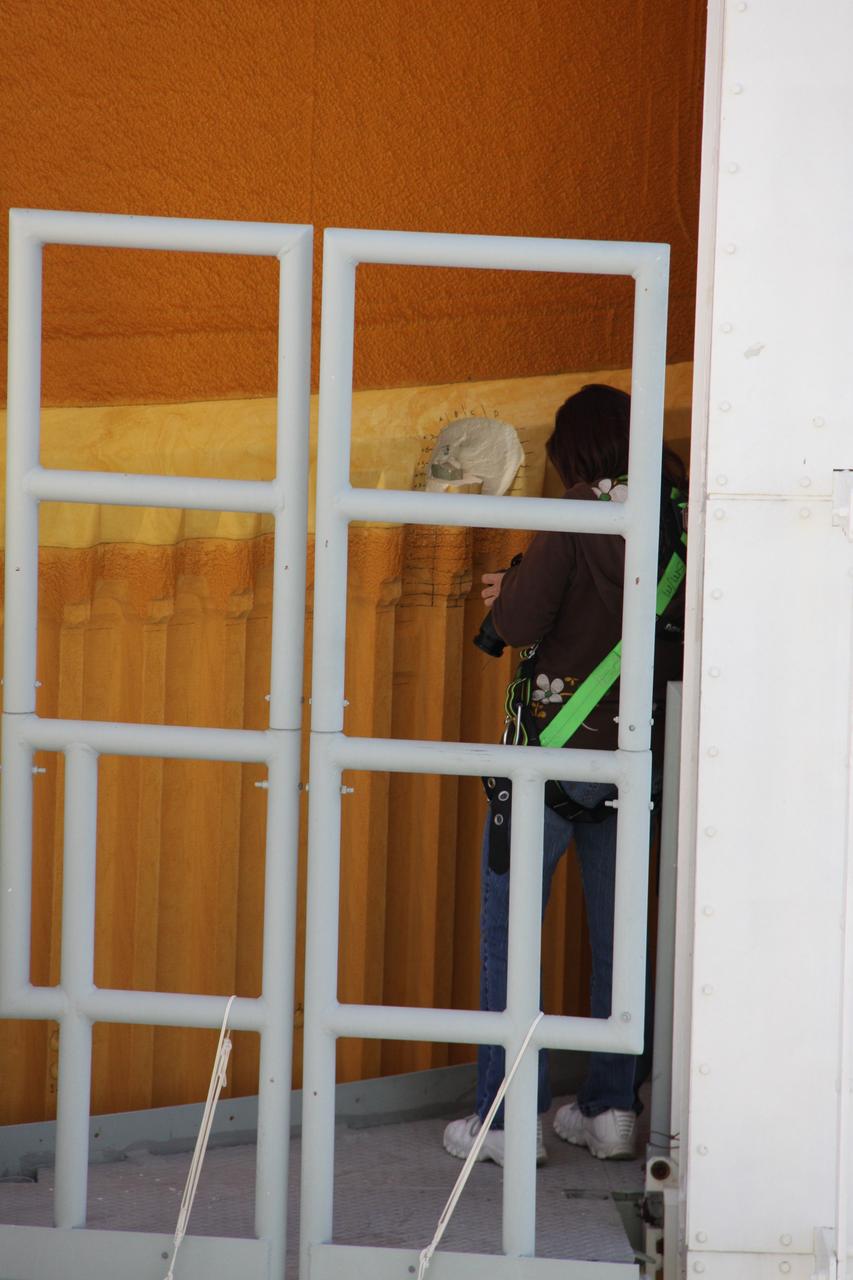
CAPE CANAVERAL, Fla. -- On Launch Pad 39A at NASA's Kennedy Space Center in Florida, a worker examines the foam insulation on space shuttle Discovery's external fuel tank. Two cracks on a section of the tank’s metal exterior were found on one of the stringers, which are the composite aluminum ribs located vertically on the tank’s intertank area. Engineers will review images of the cracks to determine the best possible repair method. Discovery's next launch attempt is no earlier than Nov. 30 at 4:02 a.m. EST. For more information on STS-133, visit www.nasa.gov/mission_pages/shuttle/shuttlemissions/sts133/. Photo credit: NASA/Troy Cryder
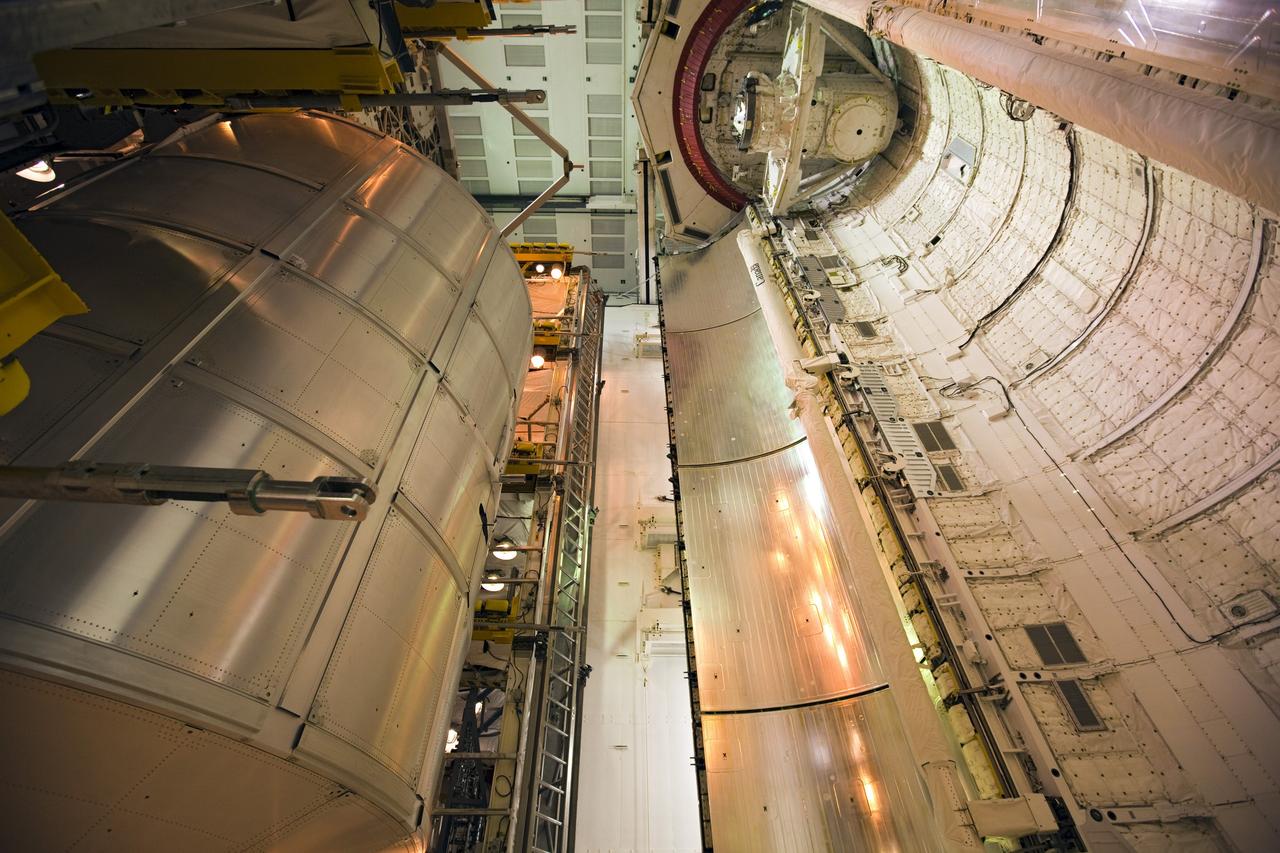
CAPE CANAVERAL, Fla. -- At NASA's Kennedy Space Center in Florida, technicians prepare to move the STS-133 payload from the rotating service structure on Launch Pad 39A to space shuttle Discovery's payload bay. The move paves the way for the Terminal Countdown Demonstration Test (TCDT) this week, which will give the astronauts and teams at Kennedy and NASA's Johnson Space Center in Houston a chance to practice launch day tasks. Discovery and its STS-133 crew will deliver the Permanent Multipurpose Module, packed with supplies and critical spare parts, as well as Robonaut 2, the dexterous humanoid astronaut helper, to the International Space Station. Launch is targeted for 4:40 p.m. EDT, Nov. 1. Photo credit: NASA/Dimitri Gerondidakis
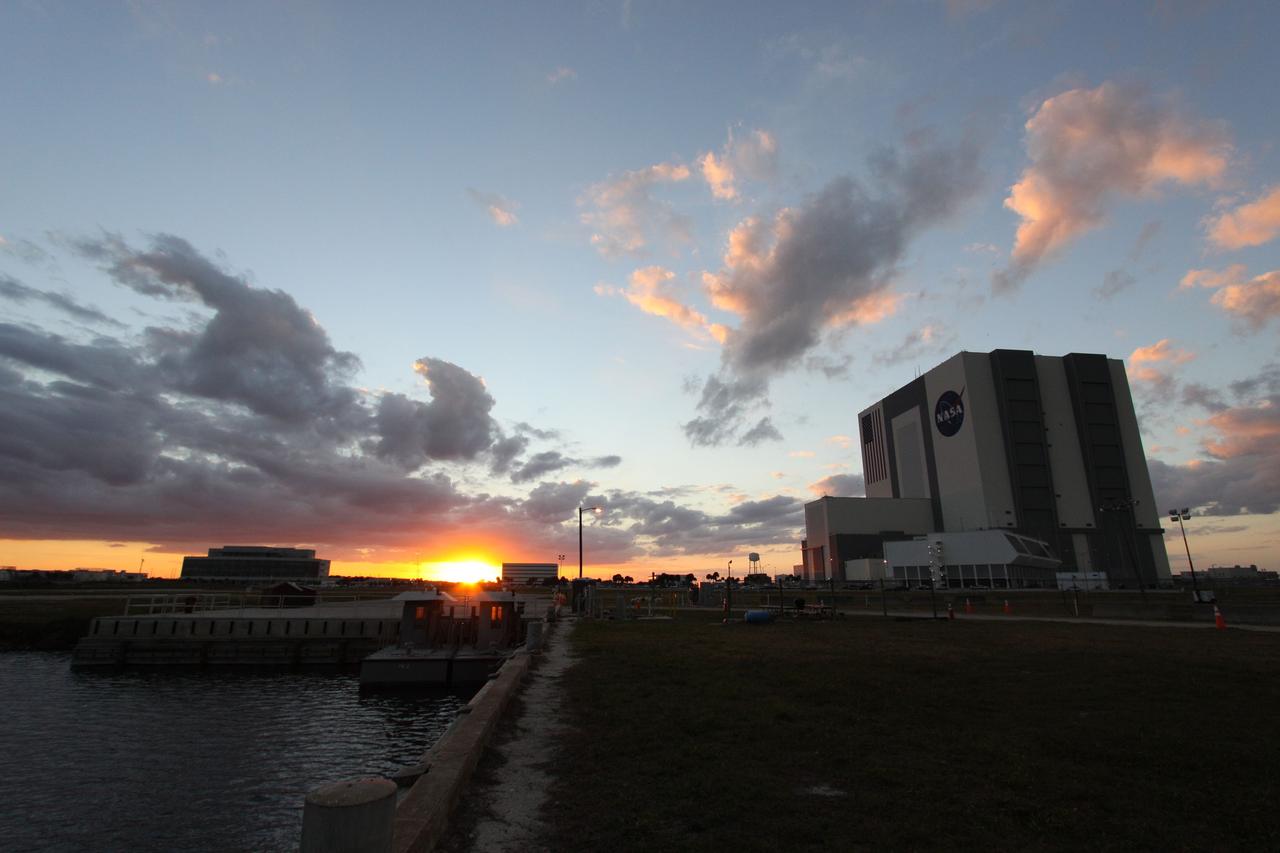
CAPE CANAVERAL, Fla. -- From the Turn Basin at NASA's Kennedy Space Center in Florida, the sun sets over the Launch Complex 39 area. The Operations Support Building II is at left, the Operations Support Building I is at center, and the mammoth Vehicle Assembly Building and Launch Control Center are to the right. Photo credit: NASA/Troy Cryder
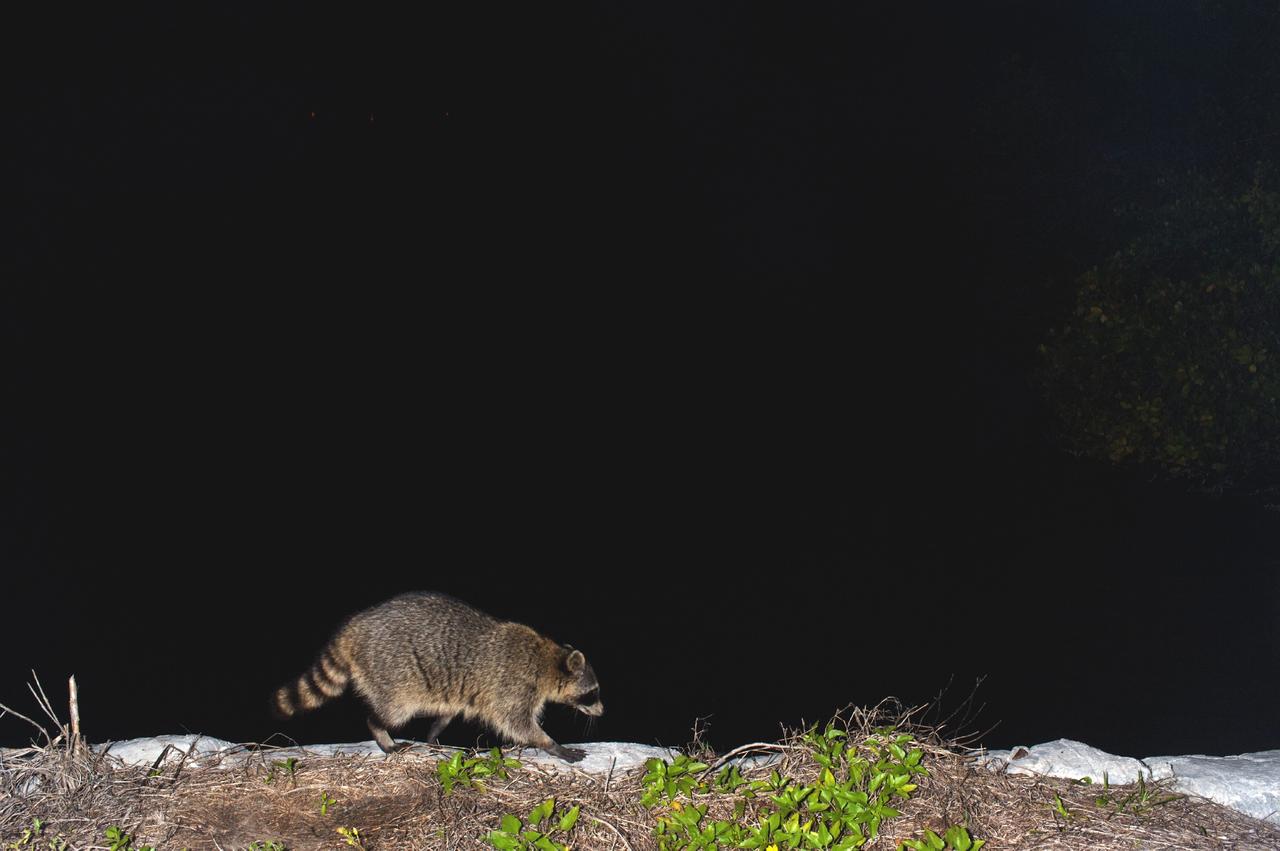
CAPE CANAVERAL, Fla. – Late at night at NASA’s Kennedy Space Center in Florida, a raccoon walks near one of the waterways near Launch Complex 39. The center shares a boundary with the Merritt Island National Wildlife Refuge. The refuge encompasses 140,000 acres that are a habitat for more than 330 species of birds, 31 mammals, 117 fishes, and 65 amphibians and reptiles. It contains more than 1,000 known plant species. The marshes and open water of the refuge provide wintering areas for 23 species of migratory waterfowl, as well as a year-round home for great blue herons, great egrets, wood storks, cormorants, brown pelicans and other species of marsh and shore birds, and a variety of insects. Photo credit: NASA/Tony Gray
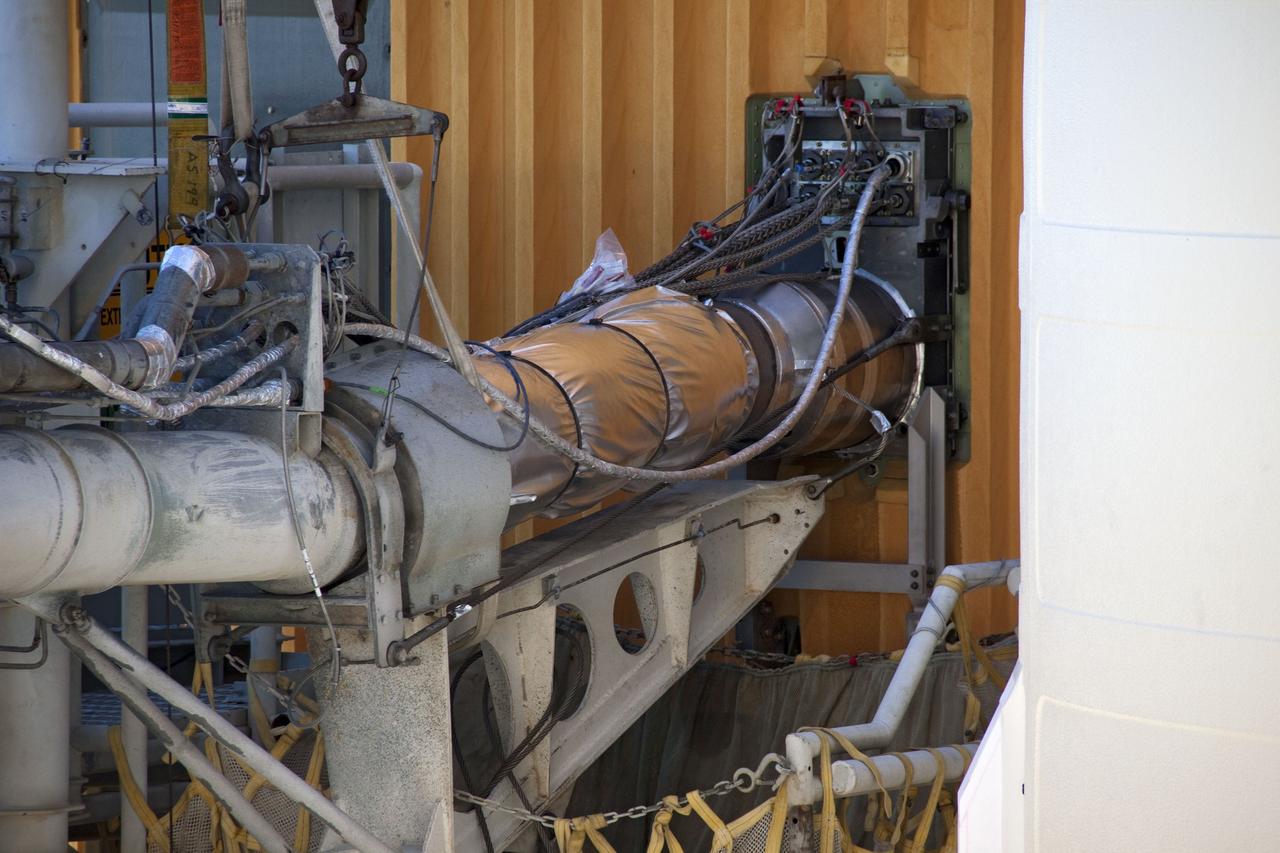
CAPE CANAVERAL, Fla. -- On Launch Pad 39A at NASA's Kennedy Space Center in Florida, the tip-top of the bright-orange external fuel tank is where workers will prepare to begin removing the quick disconnect from the ground umbilical carrier plate (GUCP). A hydrogen gas leak at that location during tanking for space shuttle Discovery's STS-133 mission to the International Space Station caused the launch attempt to be scrubbed Nov. 5. The GUCP will be examined to determine the cause of the hydrogen leak and then repaired. The GUCP is the overboard vent to the pad and the flame stack where the vented hydrogen is burned off. Discovery's next launch attempt is targeted for no earlier than Nov. 30 at 4:02 a.m. EST. For more information on STS-133, visit www.nasa.gov/mission_pages/shuttle/shuttlemissions/sts133/. Photo credit: NASA/Troy Cryder
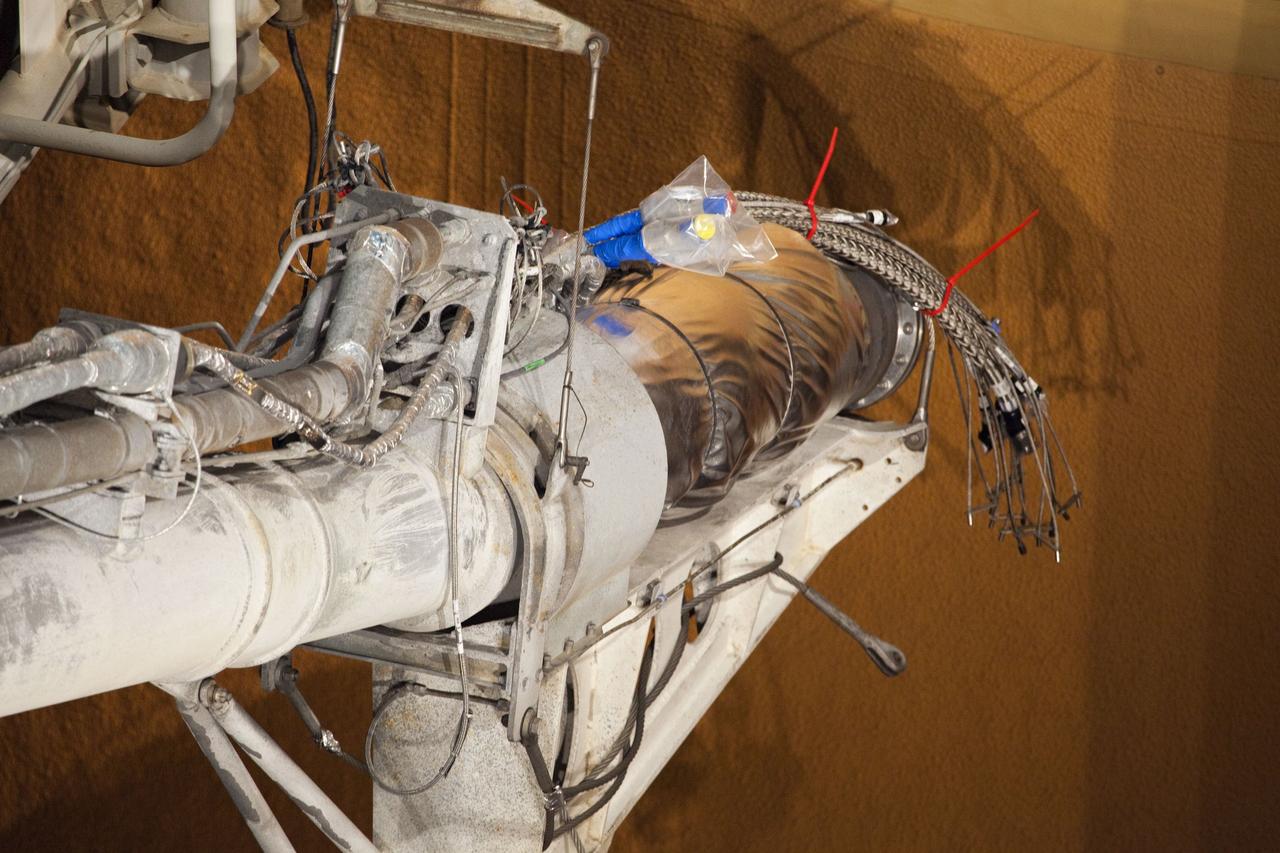
CAPE CANAVERAL, Fla. -- On Launch Pad 39A at NASA's Kennedy Space Center in Florida, the vent line is detached from the ground umbilical carrier plate (GUCP) on the bright-orange external fuel tank. Next, the GUCP's 7-inch quick disconnect will be removed. A hydrogen gas leak at that location during tanking for space shuttle Discovery's STS-133 mission to the International Space Station caused the launch attempt to be scrubbed Nov. 5. The GUCP will be examined to determine the cause of the hydrogen leak and then repaired. The GUCP is the overboard vent to the pad and the flame stack where the vented hydrogen is burned off. Discovery's next launch attempt is no earlier than Nov. 30 at 4:02 a.m. EST. For more information on STS-133, visit www.nasa.gov/mission_pages/shuttle/shuttlemissions/sts133/. Photo credit: NASA/Frankie Martin
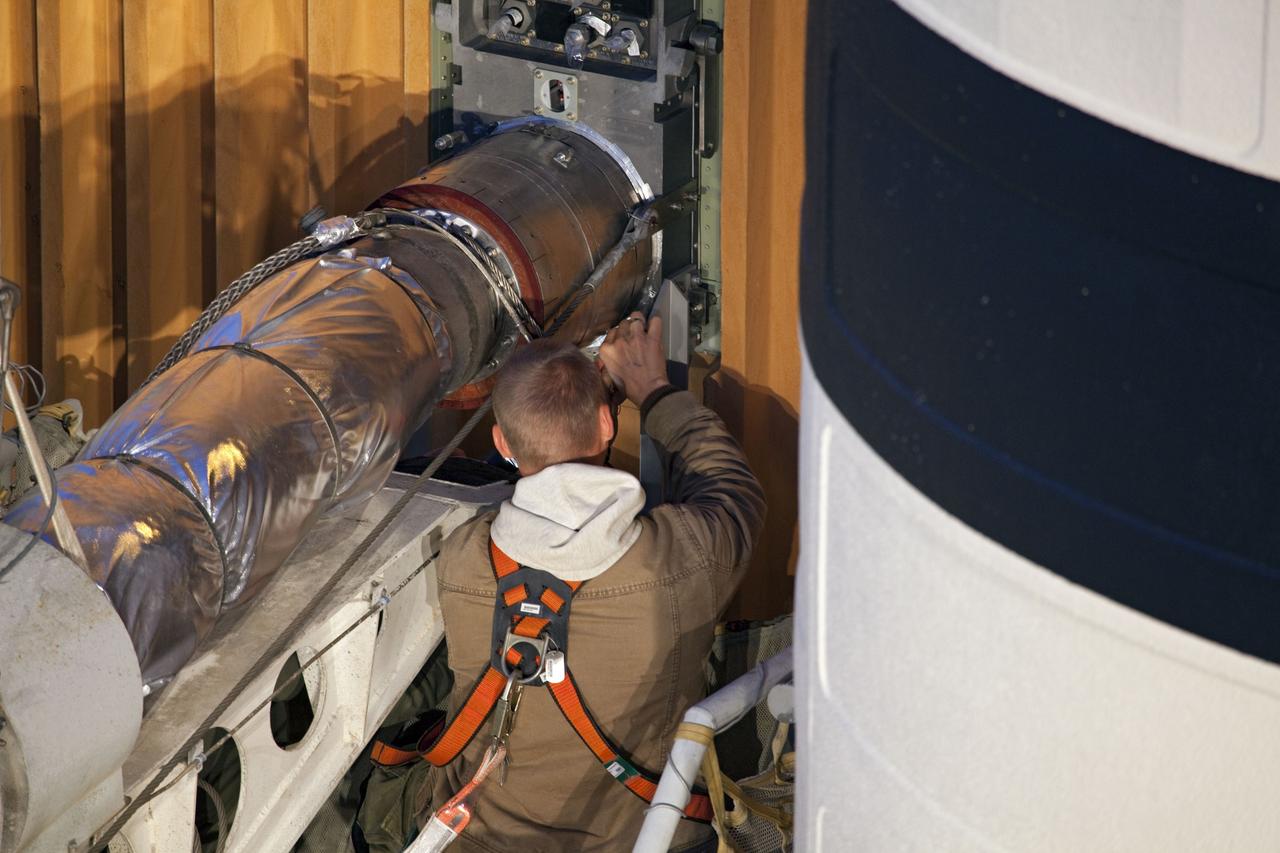
CAPE CANAVERAL, Fla. -- On Launch Pad 39A at NASA's Kennedy Space Center in Florida, a worker begins to remove the vent line attached to the ground umbilical carrier plate (GUCP) on the bright-orange external fuel tank. Next, the GUCP's 7-inch quick disconnect will be removed. A hydrogen gas leak at that location during tanking for space shuttle Discovery's STS-133 mission to the International Space Station caused the launch attempt to be scrubbed Nov. 5. The GUCP will be examined to determine the cause of the hydrogen leak and then repaired. The GUCP is the overboard vent to the pad and the flame stack where the vented hydrogen is burned off. Discovery's next launch attempt is no earlier than Nov. 30 at 4:02 a.m. EST. For more information on STS-133, visit www.nasa.gov/mission_pages/shuttle/shuttlemissions/sts133/. Photo credit: NASA/Frankie Martin
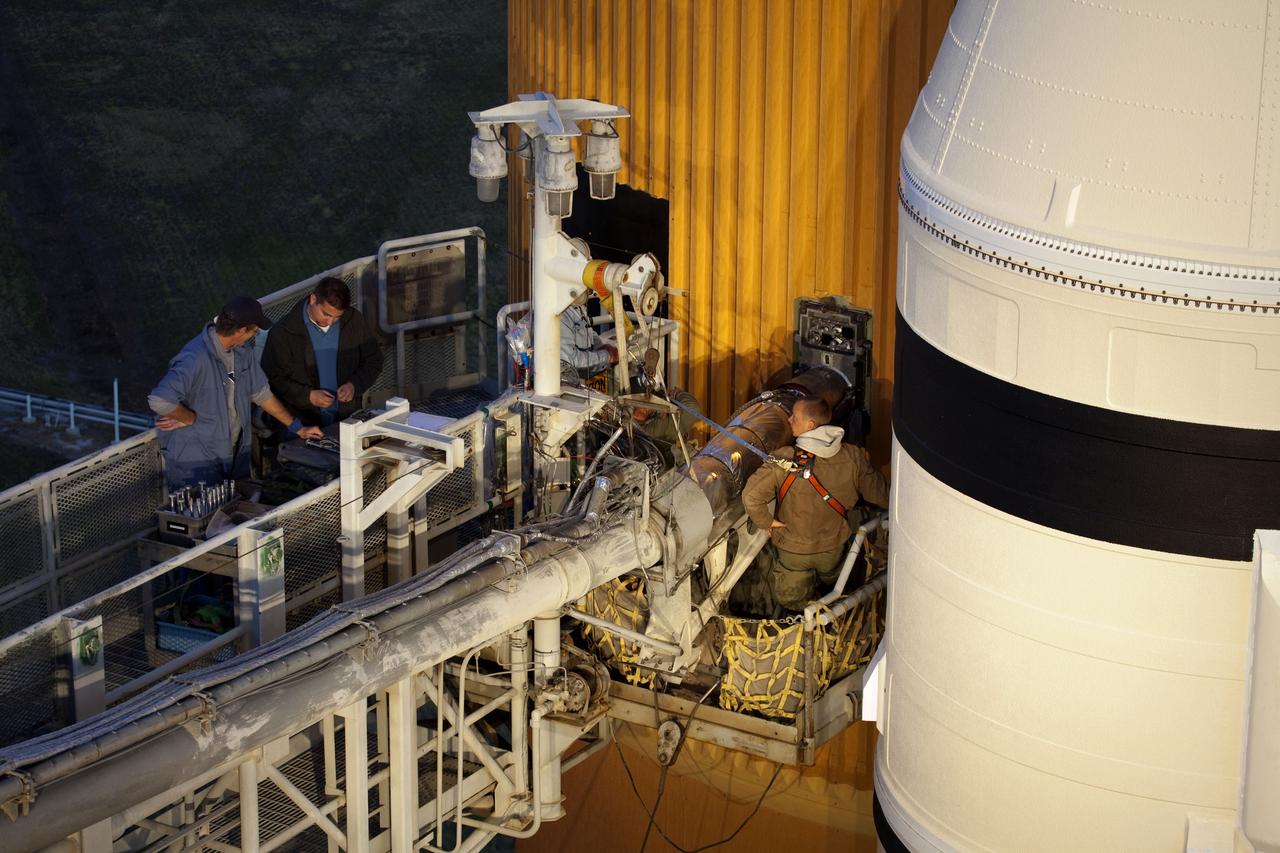
CAPE CANAVERAL, Fla. -- On Launch Pad 39A at NASA's Kennedy Space Center in Florida, workers begin to remove the vent line attached to the ground umbilical carrier plate (GUCP) on the bright-orange external fuel tank. Next, the GUCP's 7-inch quick disconnect will be removed. A hydrogen gas leak at that location during tanking for space shuttle Discovery's STS-133 mission to the International Space Station caused the launch attempt to be scrubbed Nov. 5. The GUCP will be examined to determine the cause of the hydrogen leak and then repaired. The GUCP is the overboard vent to the pad and the flame stack where the vented hydrogen is burned off. Discovery's next launch attempt is no earlier than Nov. 30 at 4:02 a.m. EST. For more information on STS-133, visit www.nasa.gov/mission_pages/shuttle/shuttlemissions/sts133/. Photo credit: NASA/Frankie Martin
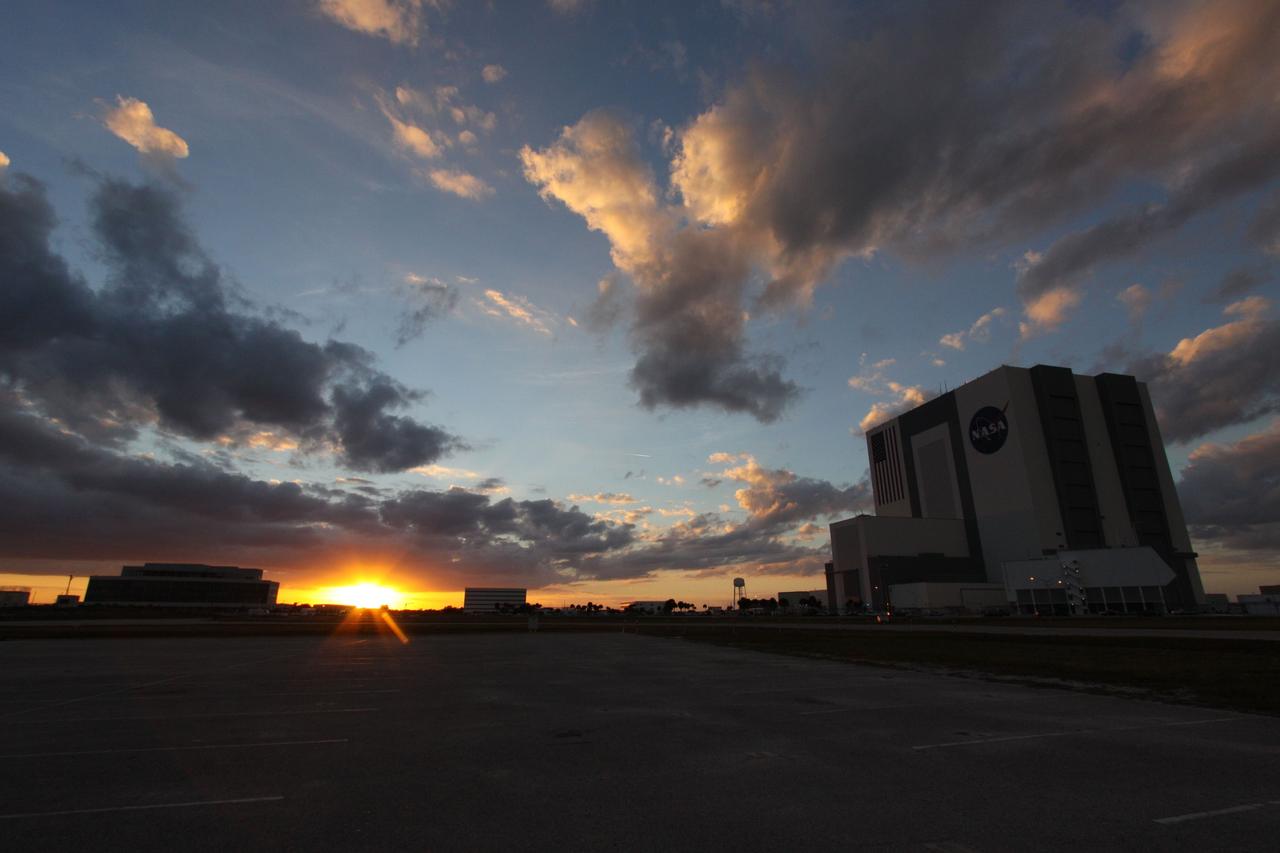
CAPE CANAVERAL, Fla. -- From the Press Site parking lot at NASA's Kennedy Space Center in Florida, the sun sets over the Launch Complex 39 area shadowing the Operations Support Building II, left, Operations Support Building I, Processing Control Center, Vehicle Assembly Building and Launch Control Center. Photo credit: NASA/Troy Cryder
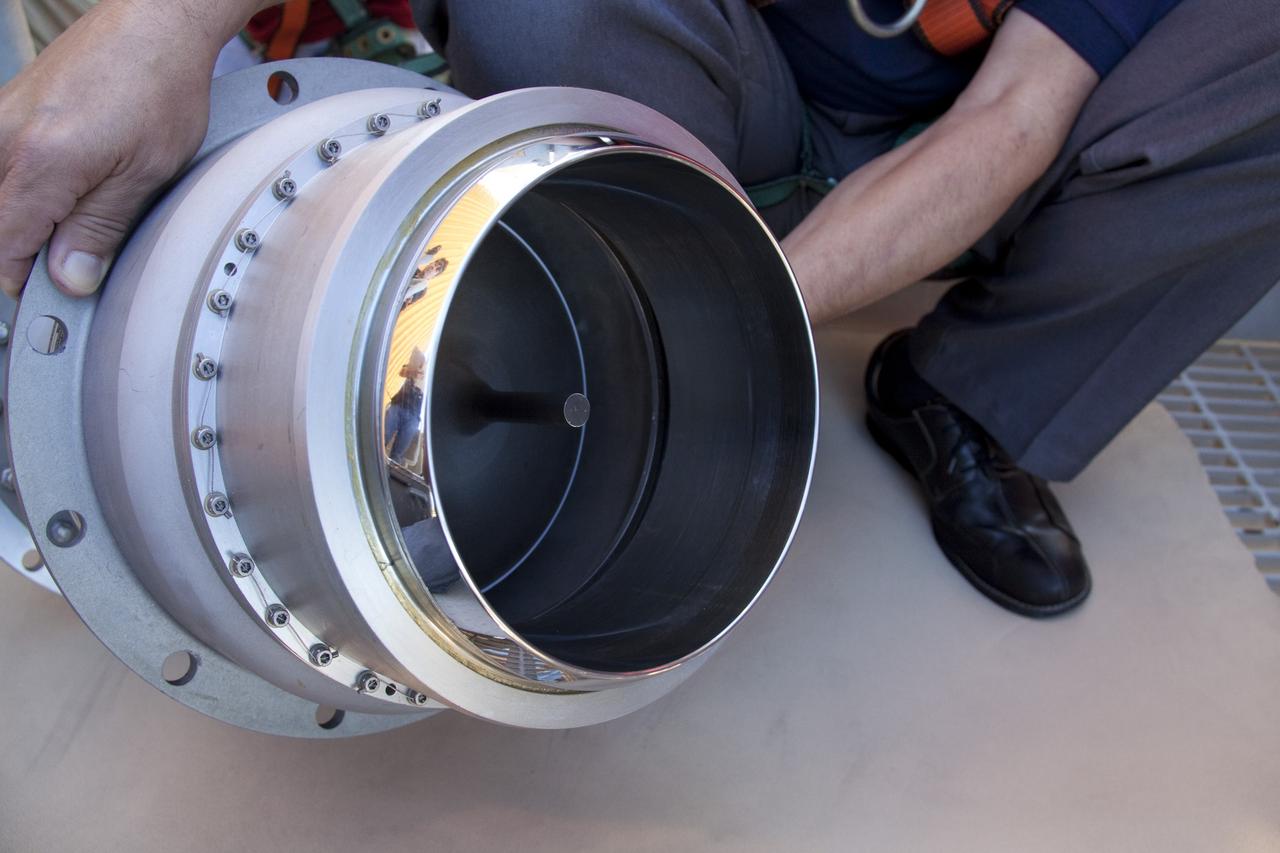
CAPE CANAVERAL, Fla. -- On Launch Pad 39A at NASA's Kennedy Space Center in Florida, the ground umbilical carrier plate's (GUCP) 7-inch quick disconnect has been removed from the external fuel tank. A hydrogen gas leak at that location during tanking for space shuttle Discovery's STS-133 mission to the International Space Station caused the launch attempt to be scrubbed Nov. 5. The GUCP will be examined to determine the cause of the hydrogen leak and then repaired. The GUCP is the overboard vent to the pad and the flame stack where the vented hydrogen is burned off. Discovery's next launch attempt is no earlier than Nov. 30 at 4:02 a.m. EST. For more information on STS-133, visit www.nasa.gov/mission_pages/shuttle/shuttlemissions/sts133/. Photo credit: NASA/Troy Cryder
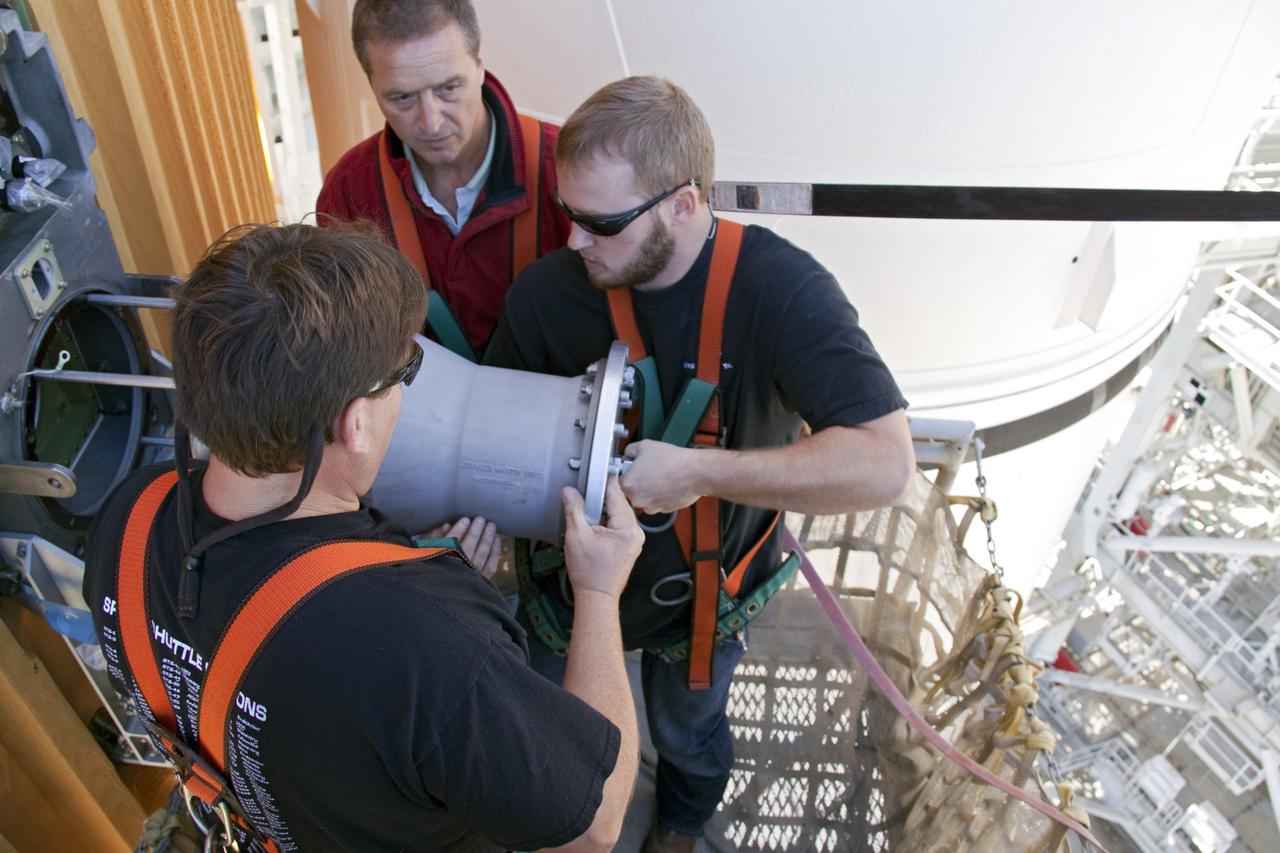
CAPE CANAVERAL, Fla. -- On Launch Pad 39A at NASA's Kennedy Space Center in Florida, workers remove the ground umbilical carrier plate's (GUCP) 7-inch quick disconnect. A hydrogen gas leak at that location on the external fuel tank during tanking for space shuttle Discovery's STS-133 mission to the International Space Station caused the launch attempt to be scrubbed Nov. 5. The GUCP will be examined to determine the cause of the hydrogen leak and then repaired. The GUCP is the overboard vent to the pad and the flame stack where the vented hydrogen is burned off. Discovery's next launch attempt is no earlier than Nov. 30 at 4:02 a.m. EST. For more information on STS-133, visit www.nasa.gov/mission_pages/shuttle/shuttlemissions/sts133/. Photo credit: NASA/Troy Cryder
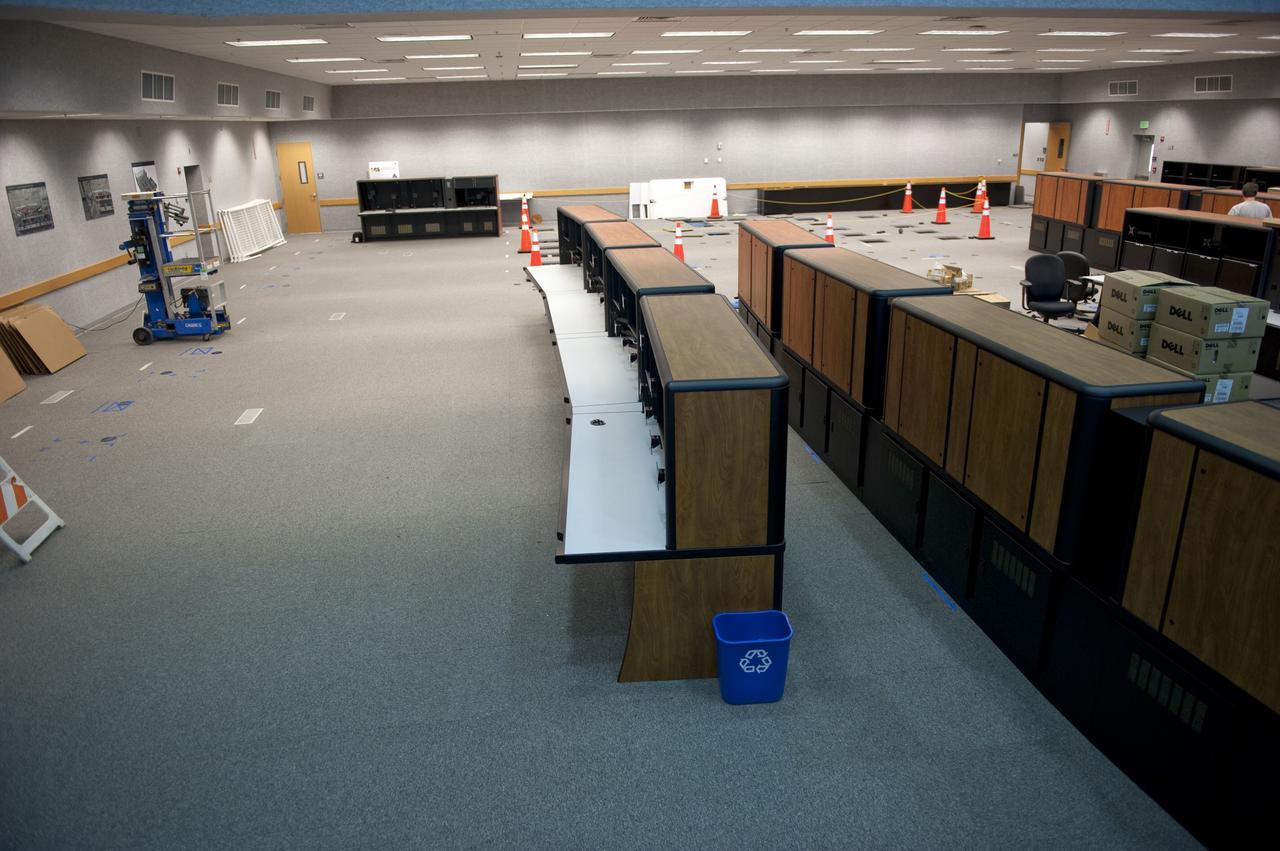
CAPE CANAVERAL, Fla. -- At NASA's Kennedy Space Center in Florida, remodeling for launches of future human spaceflight vehicles takes place in the Launch Control Center's Young-Crippen Firing Room. Known as Firing Room 1 in the Apollo era, it was re-named as a tribute to the Space Shuttle Program's first crewed mission, STS-1, which was flown by Commander John Young and Pilot Robert Crippen in April 1981. The firing room most recently was set up to support the Ares I-X flight test in Oct. 2009. Photo credit: NASA/Kim Shiflett
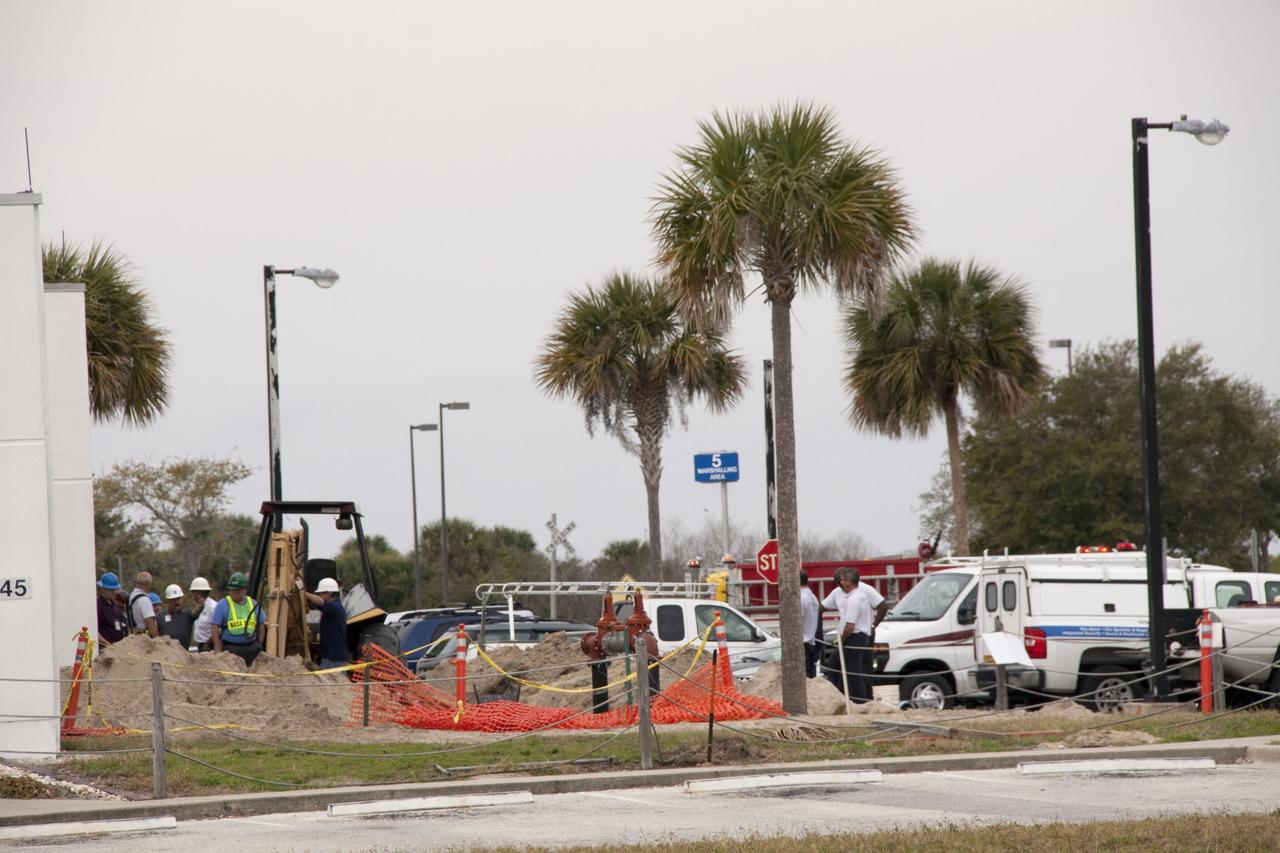
CAPE CANAVERAL, Fla. -- At NASA's Kennedy Space Center in Florida, a backhoe inadvertently struck a natural gas line in the area north of the Multi Function Facility (MFF), at around 8:40 a.m. EST. As a precaution, personnel were evacuated from Orbiter Processing Facilities 1 and 2, the MFF, Processing Control Center and the Operations Support Building (OSB) I. All traffic was blocked on the Saturn Causeway near the facilities. There were no injuries or damage to any facilities and personnel were allowed back into their buildings before mid-day and the roadway open to traffic. With the backhoe idle, workers assess the area where the break in the gas line occurred. Photo credit: NASA/Jack Pfaller

CAPE CANAVERAL, Fla. – Clouds over Launch Complex 39 at NASA’s Kennedy Space Center in Florida threaten to obscure the view of the “supermoon” forecast to light up the sky. The scientific term for the supermoon phenomenon is "perigee moon." Full moons vary in size because of the oval shape of the moon's orbit. The moon follows an elliptical path around Earth with one side about 50,000 kilometers closer than the other. Full moons that occur on the perigee side of the moon's orbit seem extra big and bright. For additional information, visit http://science.nasa.gov/science-news/science-at-nasa/2014/10jul_supermoons/. Photo credit: NASA/Ben Smegelsky
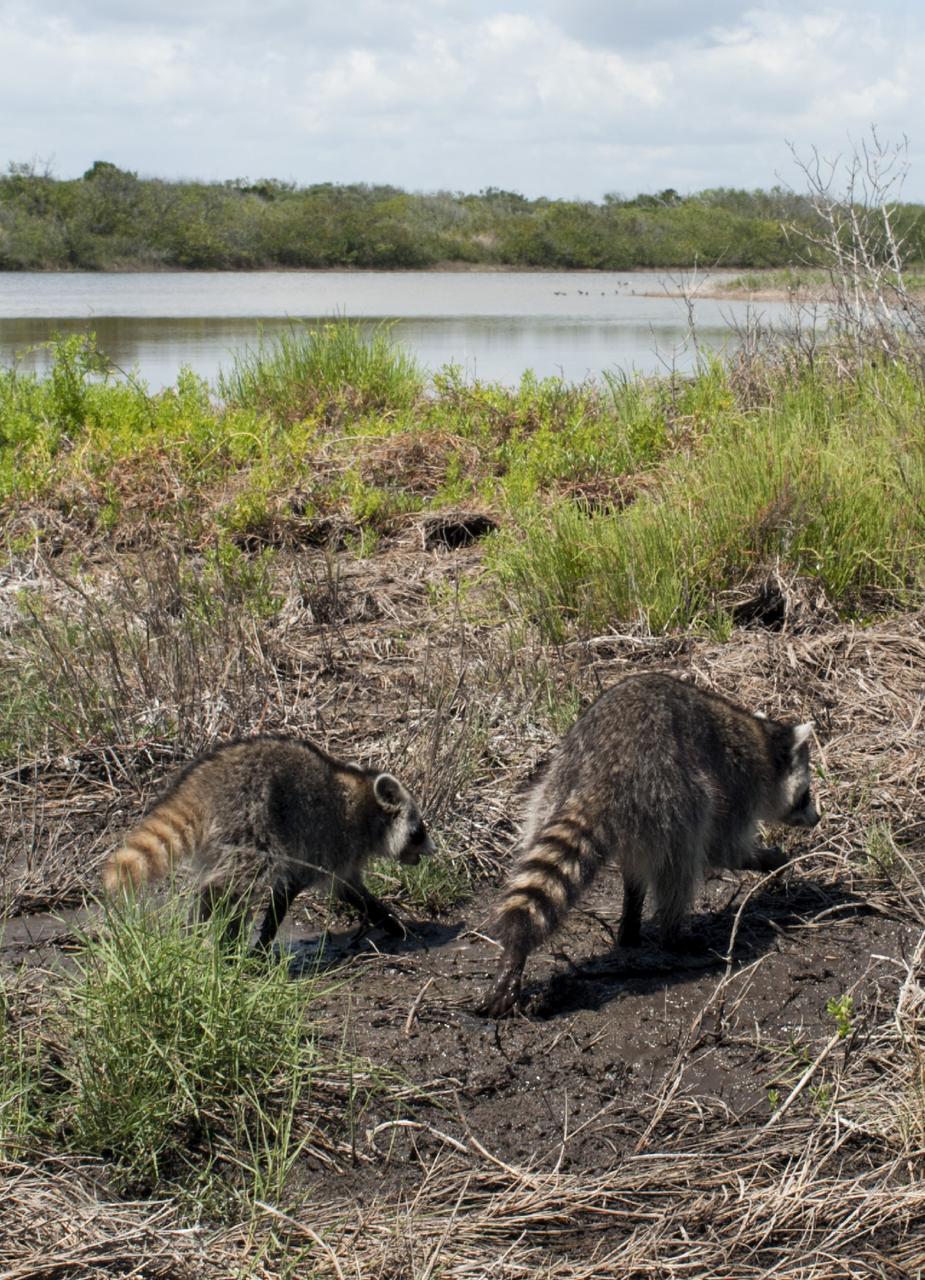
CAPE CANAVERAL, Fla. – At NASA’s Kennedy Space Center in Florida, two raccoons forage in the underbrush near one of the waterways in the Launch Complex 39 area. The center shares a boundary with the Merritt Island National Wildlife Refuge. The refuge encompasses 140,000 acres that are a habitat for more than 330 species of birds, 31 mammals, 117 fishes, and 65 amphibians and reptiles. It contains more than 1,000 known plant species. The marshes and open water of the refuge provide wintering areas for 23 species of migratory waterfowl, as well as a year-round home for great blue herons, great egrets, wood storks, cormorants, brown pelicans and other species of marsh and shore birds, and a variety of insects. Photo credit: NASA/Tony Gray
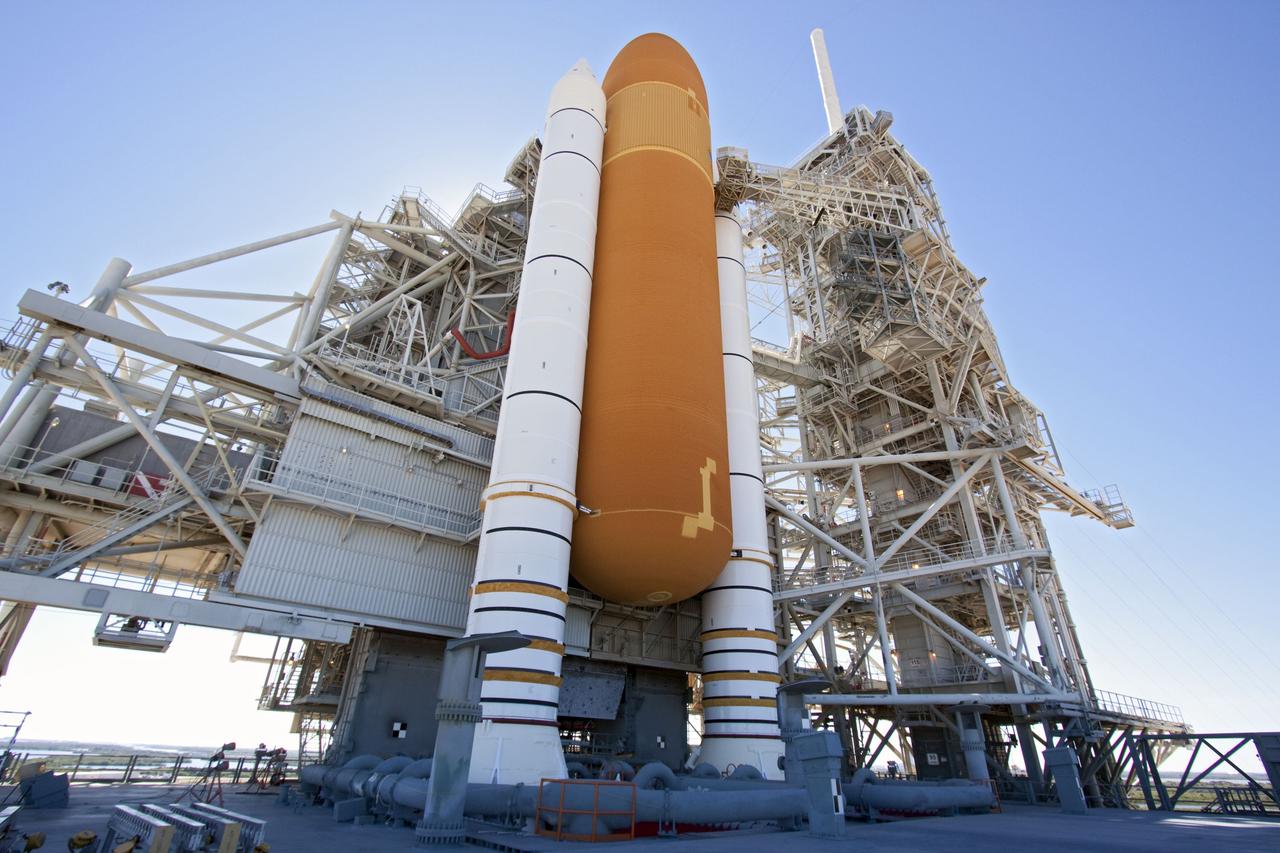
CAPE CANAVERAL, Fla. -- On Launch Pad 39A at NASA's Kennedy Space Center in Florida, the tip-top of the bright-orange external fuel tank is where workers will prepare to begin removing the quick disconnect from the ground umbilical carrier plate (GUCP). A hydrogen gas leak at that location during tanking for space shuttle Discovery's STS-133 mission to the International Space Station caused the launch attempt to be scrubbed Nov. 5. The GUCP will be examined to determine the cause of the hydrogen leak and then repaired. The GUCP is the overboard vent to the pad and the flame stack where the vented hydrogen is burned off. Discovery's next launch attempt is targeted for no earlier than Nov. 30 at 4:02 a.m. EST. For more information on STS-133, visit www.nasa.gov/mission_pages/shuttle/shuttlemissions/sts133/. Photo credit: NASA/Troy Cryder

CAPE CANAVERAL, Fla. -- On Launch Pad 39A at NASA's Kennedy Space Center in Florida, the tip-top of the bright-orange external fuel tank is where workers will prepare to begin removing the quick disconnect from the ground umbilical carrier plate (GUCP). A hydrogen gas leak at that location during tanking for space shuttle Discovery's STS-133 mission to the International Space Station caused the launch attempt to be scrubbed Nov. 5. The GUCP will be examined to determine the cause of the hydrogen leak and then repaired. The GUCP is the overboard vent to the pad and the flame stack where the vented hydrogen is burned off. Discovery's next launch attempt is targeted for no earlier than Nov. 30 at 4:02 a.m. EST. For more information on STS-133, visit www.nasa.gov/mission_pages/shuttle/shuttlemissions/sts133/. Photo credit: NASA/Troy Cryder
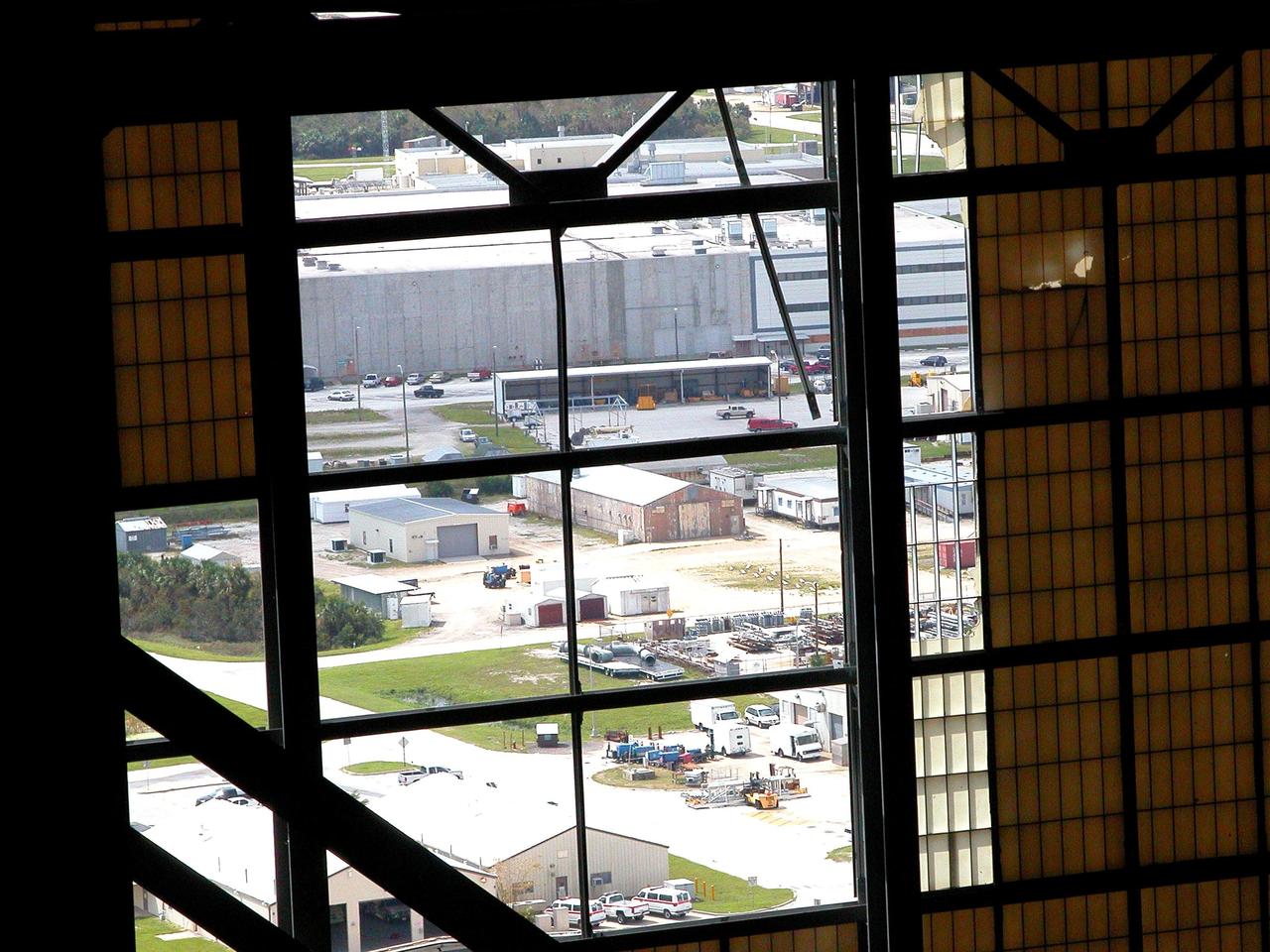
KENNEDY SPACE CENTER, FLA. - Launch Complex 39 facilities are now visible through the openings left by missing panels from the exterior walls of the Vehicle Assembly Building (VAB)following Hurricane Frances. The storm's path over Florida took it through Cape Canaveral and KSC property during Labor Day weekend. Located in the heart of Launch Complex 39, the VAB is used for the integration and stacking of Space Shuttle elements and for the checkout and storage of Space Shuttle External Tanks.
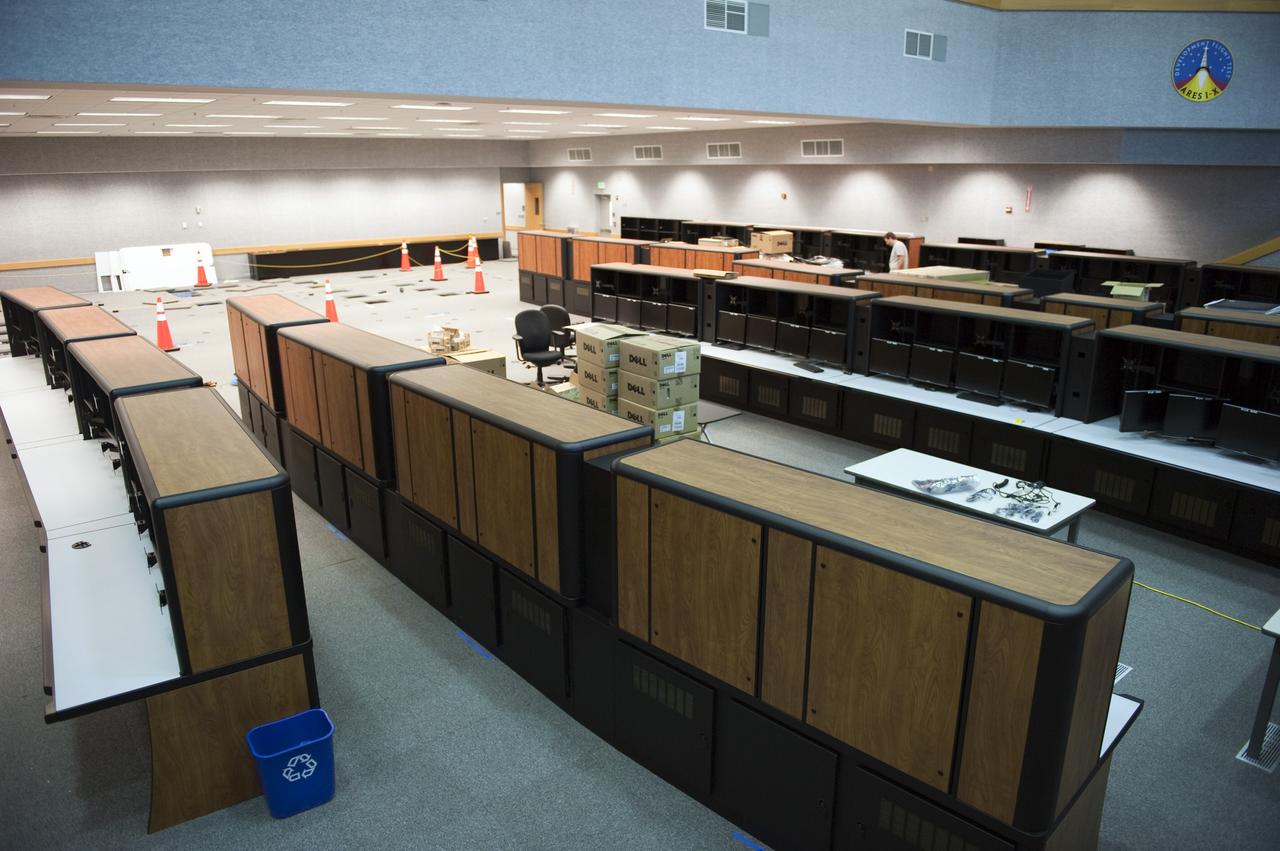
CAPE CANAVERAL, Fla. -- At NASA's Kennedy Space Center in Florida, remodeling for launches of future human spaceflight vehicles takes place in the Launch Control Center's Young-Crippen Firing Room. Known as Firing Room 1 in the Apollo era, it was re-named as a tribute to the Space Shuttle Program's first crewed mission, STS-1, which was flown by Commander John Young and Pilot Robert Crippen in April 1981. The firing room most recently was set up to support the Ares I-X flight test in Oct. 2009. Photo credit: NASA/Kim Shiflett
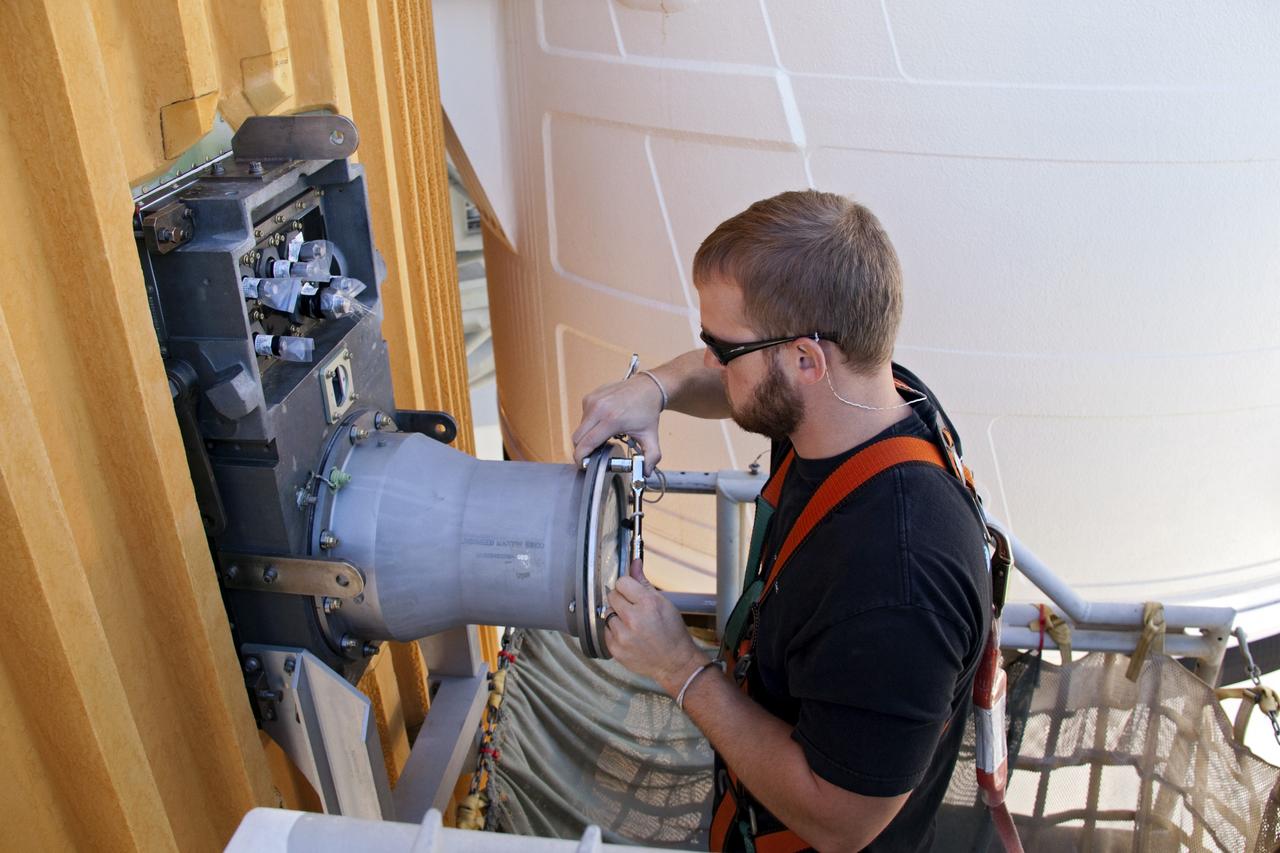
CAPE CANAVERAL, Fla. -- On Launch Pad 39A at NASA's Kennedy Space Center in Florida, a worker begins to remove the ground umbilical carrier plate's (GUCP) 7-inch quick disconnect. A hydrogen gas leak at that location on the external fuel tank during tanking for space shuttle Discovery's STS-133 mission to the International Space Station caused the launch attempt to be scrubbed Nov. 5. The GUCP will be examined to determine the cause of the hydrogen leak and then repaired. The GUCP is the overboard vent to the pad and the flame stack where the vented hydrogen is burned off. Discovery's next launch attempt is no earlier than Nov. 30 at 4:02 a.m. EST. For more information on STS-133, visit www.nasa.gov/mission_pages/shuttle/shuttlemissions/sts133/. Photo credit: NASA/Troy Cryder
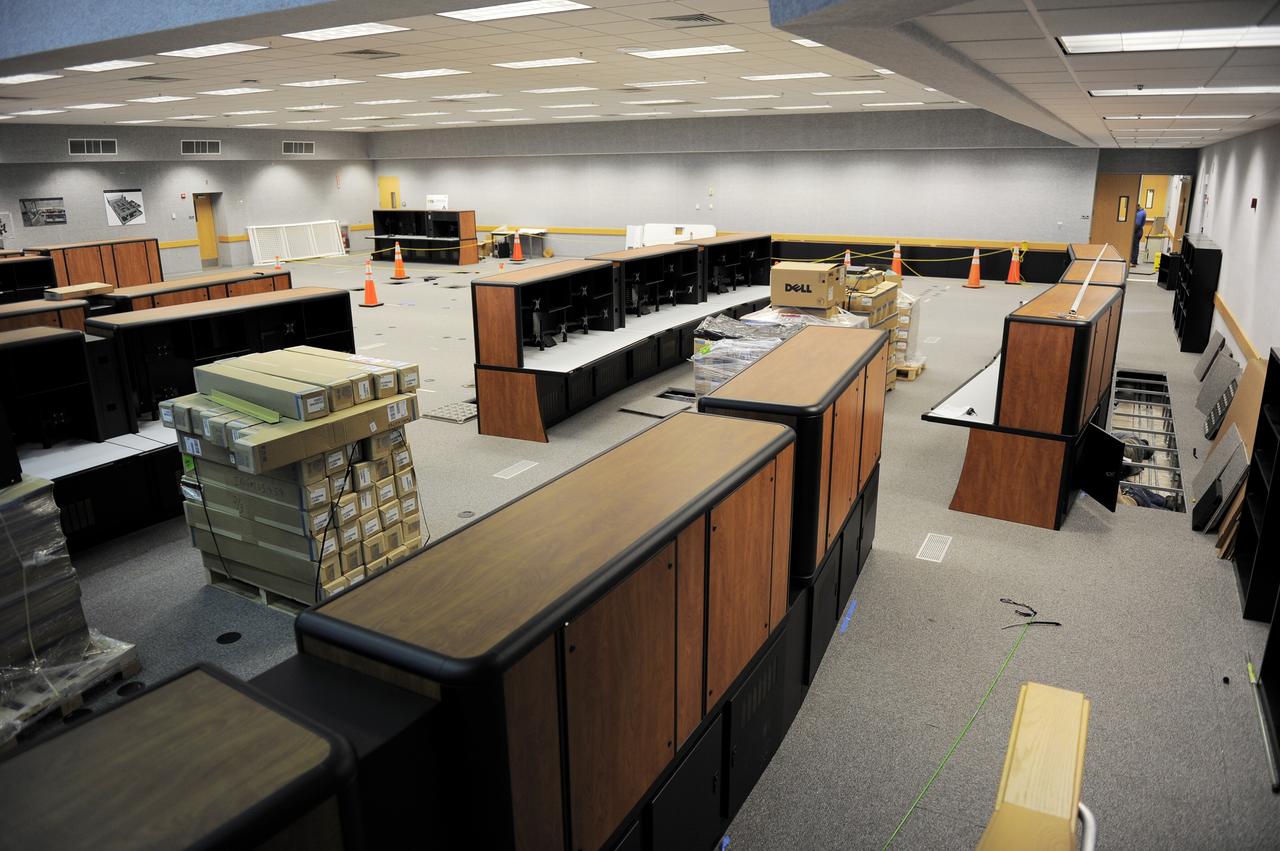
CAPE CANAVERAL, Fla. -- At NASA's Kennedy Space Center in Florida, remodeling for launches of future human spaceflight vehicles takes place in the Launch Control Center's Young-Crippen Firing Room. Known as Firing Room 1 in the Apollo era, it was re-named as a tribute to the Space Shuttle Program's first crewed mission, STS-1, which was flown by Commander John Young and Pilot Robert Crippen in April 1981. The firing room most recently was set up to support the Ares I-X flight test in Oct. 2009. Photo credit: NASA/Kim Shiflett