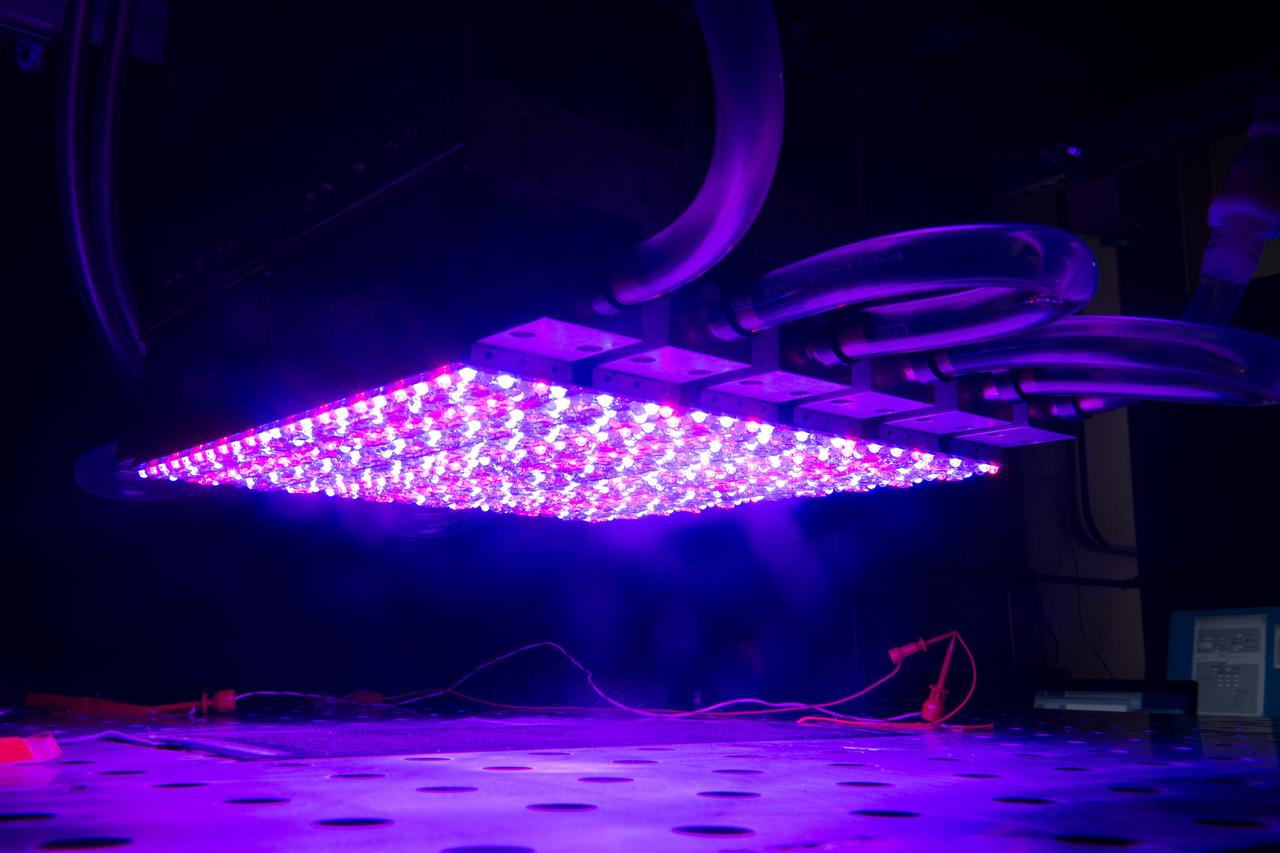
NASA Glenn's new LED solar simulator was developed by Angstrom Designs and UC Santa Barbara under a Small Business Innovative Research program to test the next generation of high-efficiency space solar cells for future missions. The new simulator contains over 1500 individually adjustable light sources, most of which emit light invisible to the human eye, to cover a 10 x10 foot area.
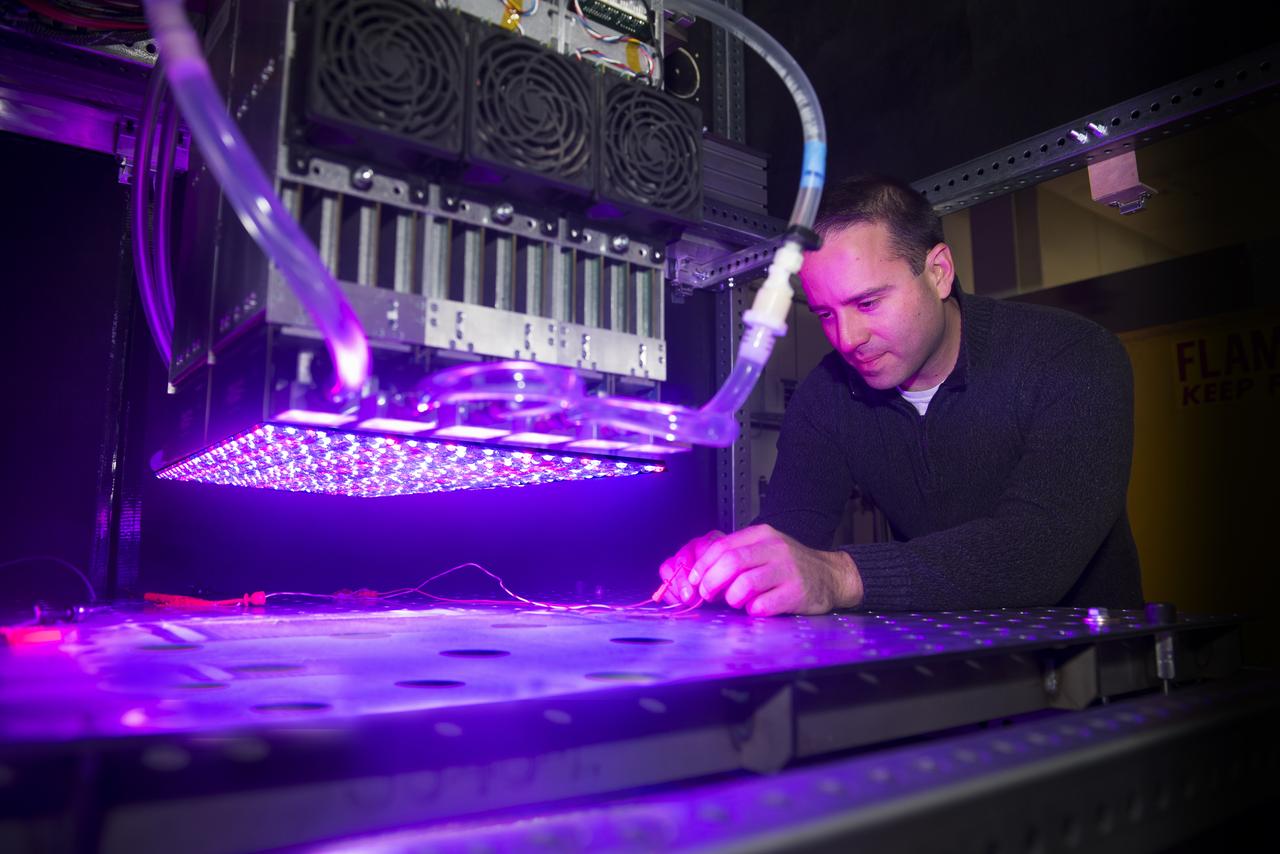
NASA Glenn's new LED solar simulator was developed by Angstrom Designs and UC Santa Barbara under a Small Business Innovative Research program to test the next generation of high-efficiency space solar cells for future missions. The new simulator contains over 1500 individually adjustable light sources, most of which emit light invisible to the human eye, to cover a 10 x10 foot area.
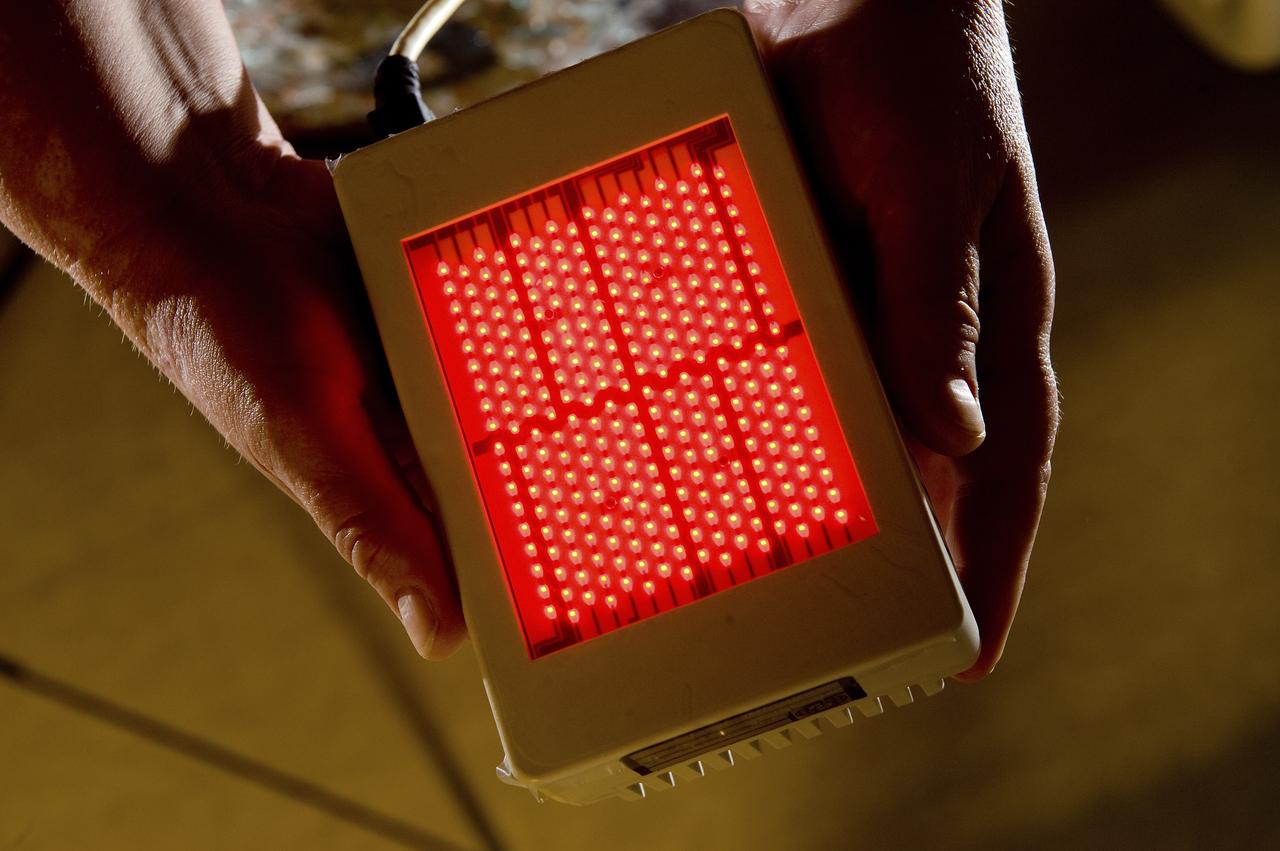
THE HAND HELD DEVICE USED FOR OF LED TREATMENT TO HELP REDUCE RECOVERY TIME FROM CANCER TREATMENT RELATED ORAL SORES
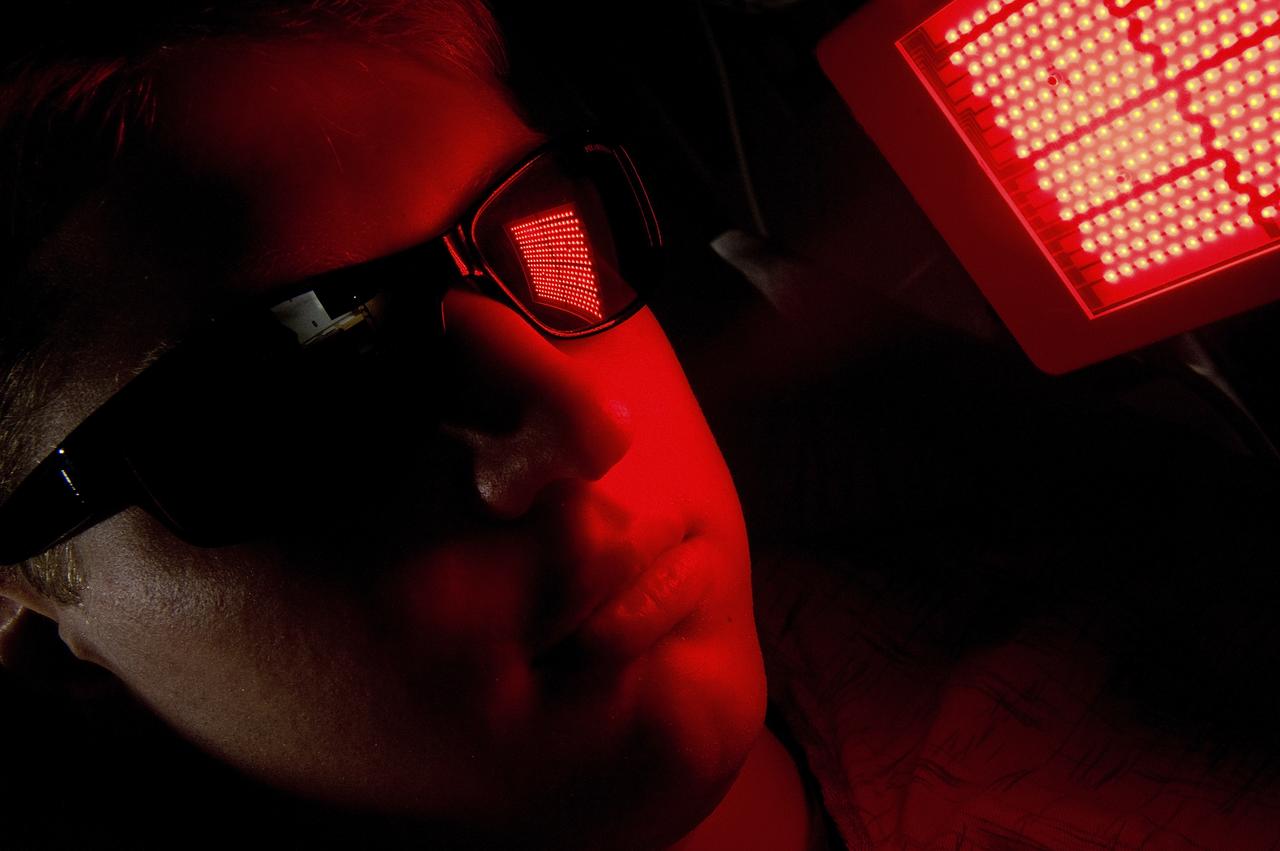
A DEMONSTRATION OF HOW LED TREATMENT CAN HELP REDUCE RECOVERY TIME FROM CANCER TREATMENT RELATED ORAL SORES
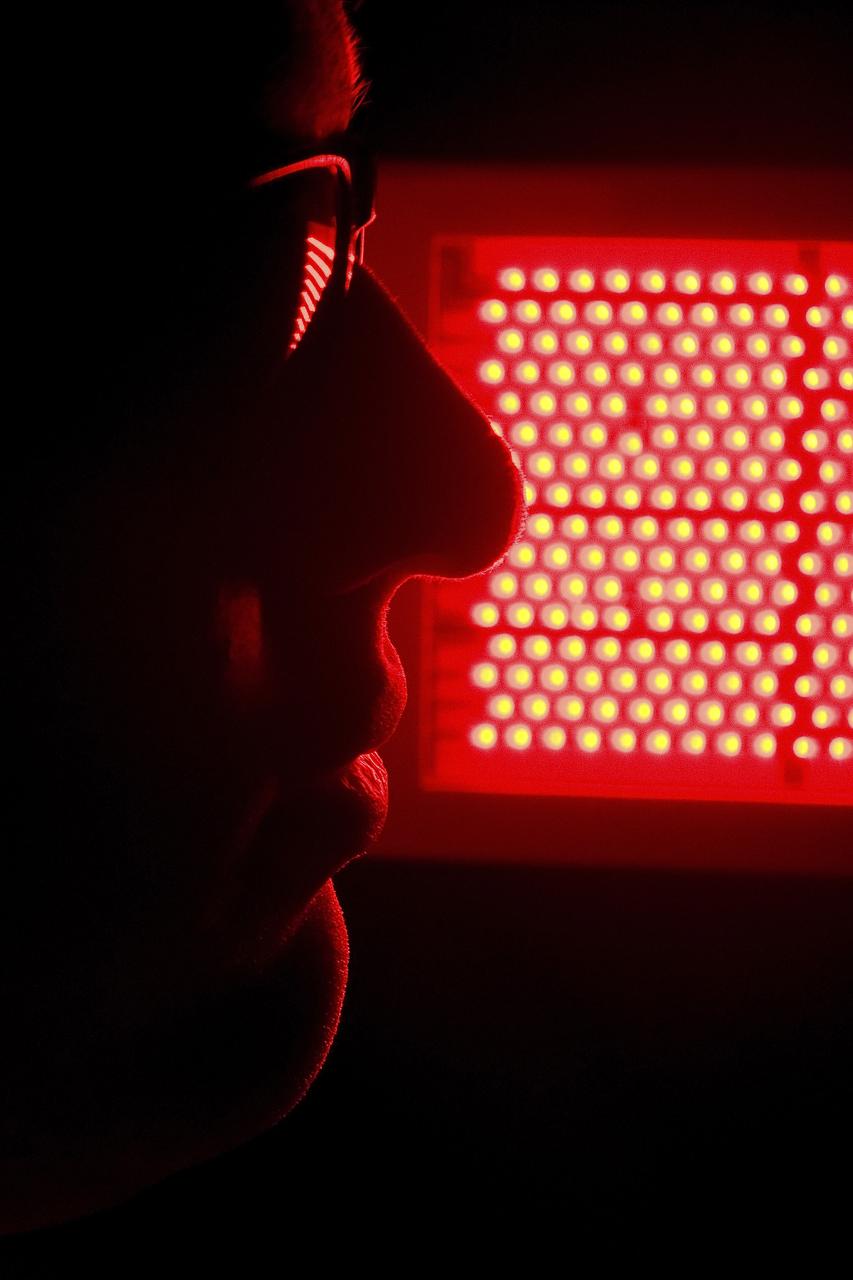
A DEMONSTRATION OF HOW LED TREATMENT CAN HELP REDUCE RECOVERY TIME FROM CANCER TREATMENT RELATED ORAL SORES
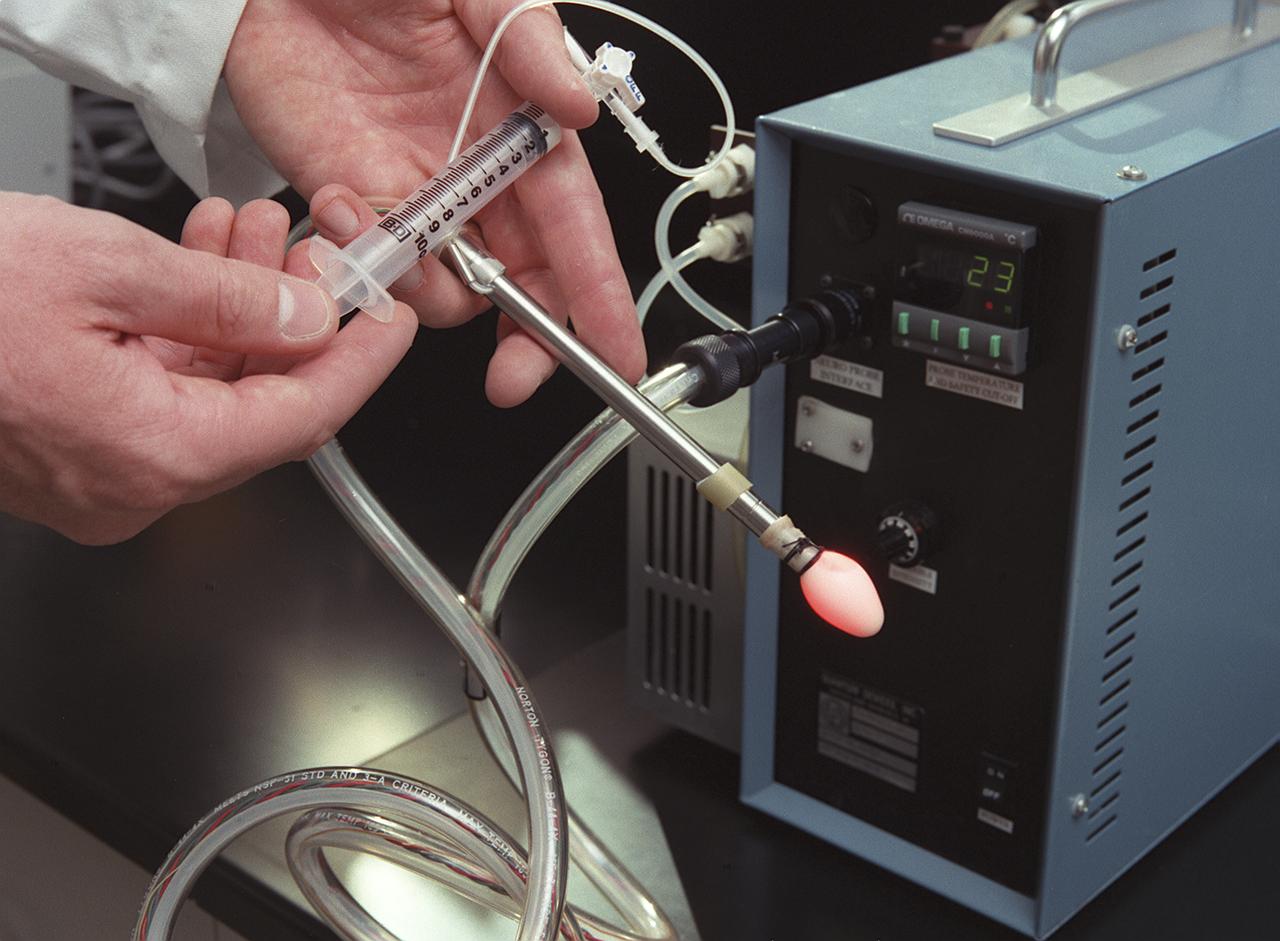
A special lighting technology was developed for space-based commercial plant growth research on NASA's Space Shuttle. Surgeons have used this technology to treat brain cancer on Earth, in two successful operations. The treatment technique called photodynamic therapy, requires the surgeon to use tiny pinhead-size Light Emitting Diodes (LEDs) (a source releasing long wavelengths of light) to activate light-sensitive, tumor-treating drugs. Laser light has been used for this type of surgery in the past, but the LED light illuminates through all nearby tissues, reaching parts of a tumor that shorter wavelengths of laser light carnot. The new probe is safer because the longer wavelengths of light are cooler than the shorter wavelengths of laser light, making the LED less likely to injure normal brain tissue near the tumor. It can also be used for hours at a time while still remaining cool to the touch. The LED probe consists of 144 tiny pinhead-size diodes, is 9-inches long, and about one-half-inch in diameter. The small balloon aids in even distribution of the light source. The LED light source is compact, about the size of a briefcase, and can be purchased for a fraction of the cost of a laser. The probe was developed for photodynamic cancer therapy by the Marshall Space Flight Center under a NASA Small Business Innovative Research program grant.
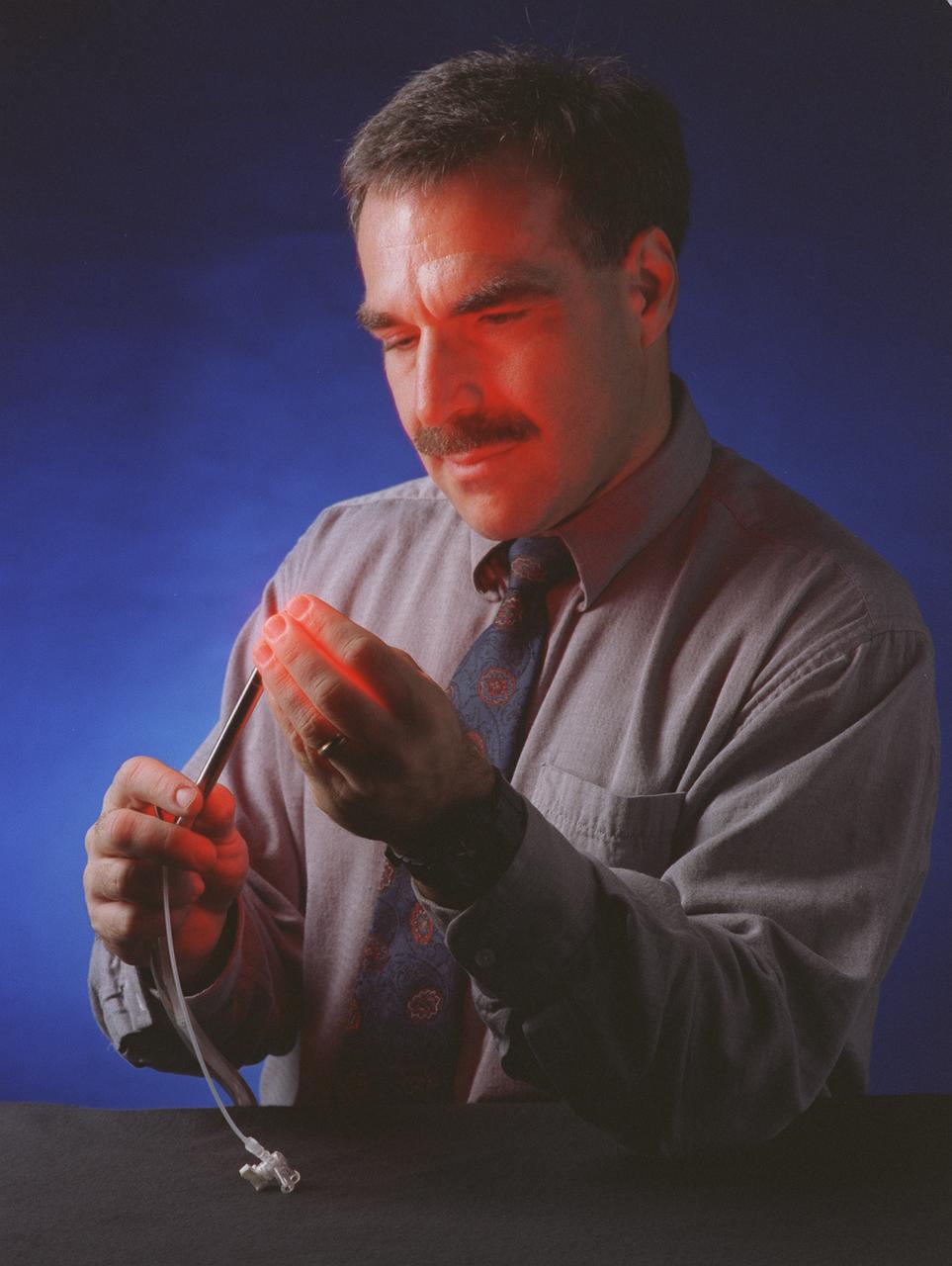
The red light from the Light Emitting Diode (LED) probe shines through the fingers of Dr. Harry Whelan, a pediatric neurologist at the Children's Hospital of Wisconsin in Milwaukee. Dr. Whelan uses the long waves of light from the LED surgical probe to activate special drugs that kill brain tumors. Laser light previously has been used for this type of surgery, but the LED light illuminates through all nearby tissues, reaching parts of tumors that shorter wavelengths of laser light carnot. The new probe is safer because the longer wavelengths of light are cooler than the shorter wavelengths of laser light, making the LED less likely to injure normal brain tissue near the tumor. Also, it can be used for hours at a time while still remaining cool to the touch. The probe was developed for photodynamic cancer therapy under a NASA Small Business Innovative Research Program grant. The program is part of NASA's Technology Transfer Department at the Marshall Space Flight Center.
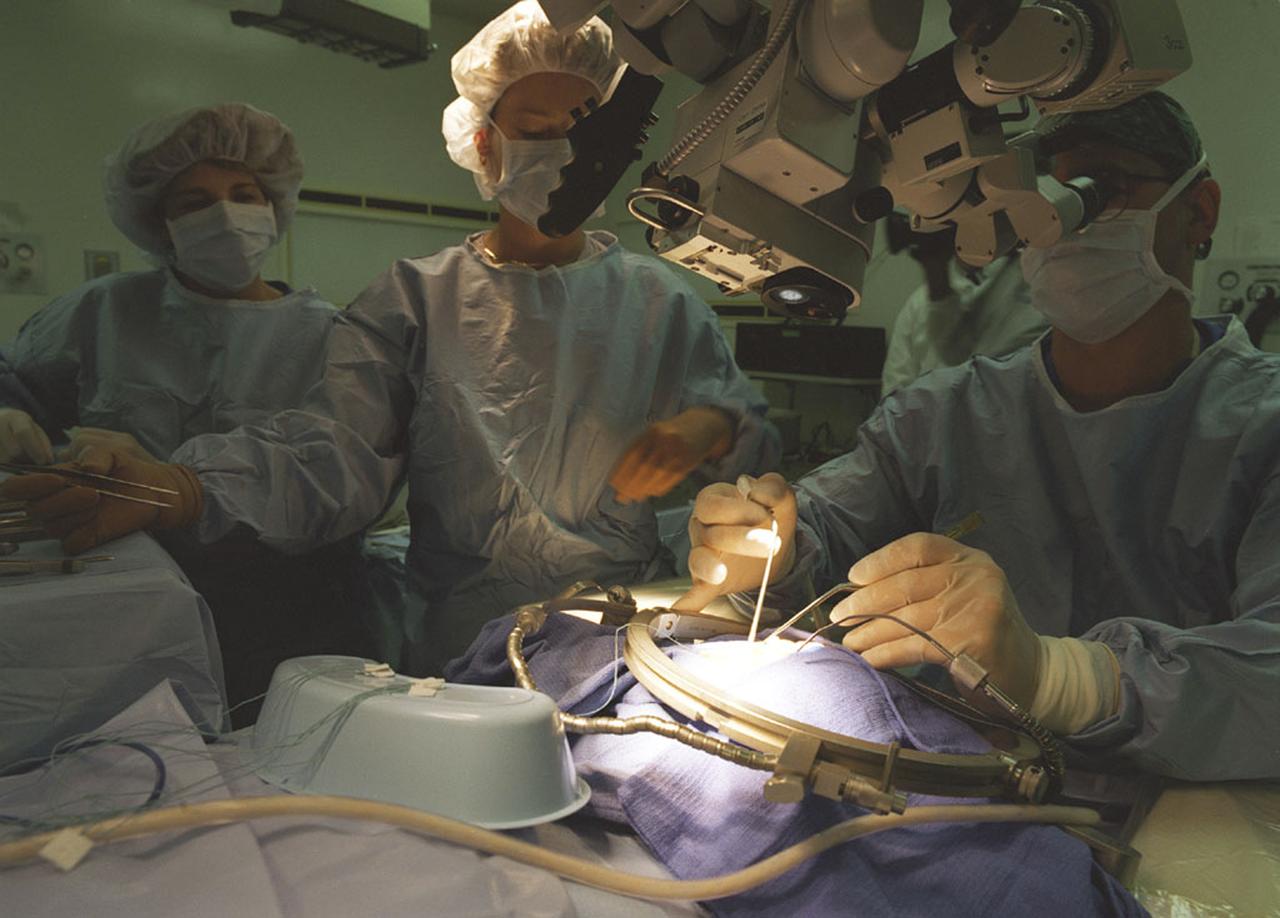
A special lighting technology was developed for space-based commercial plant growth research on NASA's Space Shuttle. Surgeons have used this technology to treat brain cancer on Earth, in two successful operations. The treatment technique, called Photodynamic Therapy, requires the surgeon to use tiny, pinhead-size Light Emitting Diodes (LEDs) (a source that releases long wavelengths of light ) to activate light-sensitive, tumor-treating drugs. "A young woman operated on in May 1999 has fully recovered with no complications and no evidence of the tumor coming back," said Dr. Harry Whelan, a pediatric neurologist at the Medical Hospital of Wisconsin in Milwaukee. Laser light has been used for this type of surgery in the past, but the LED light illuminates through all nearby tissues, reaching parts of a tumor that shorter wavelengths of laser light carnot. The new probe is safer because the longer wavelengths of light are cooler than the shorter wavelengths of laser light, making the LED less likely to injure normal brain tissue near the tumor. It can be used for hours at a time while still remaining cool to the touch. The LED light source is compact, about the size of a briefcase, and can be purchased for a fraction of the cost of a laser. The LEDs, developed and managed by NASA's Marshall Space Flight Center, have been used on seven Space Shuttle flights inside the Microgravity Astroculture Facility. This technology has also been successfully used to further commercial research in crop growth.
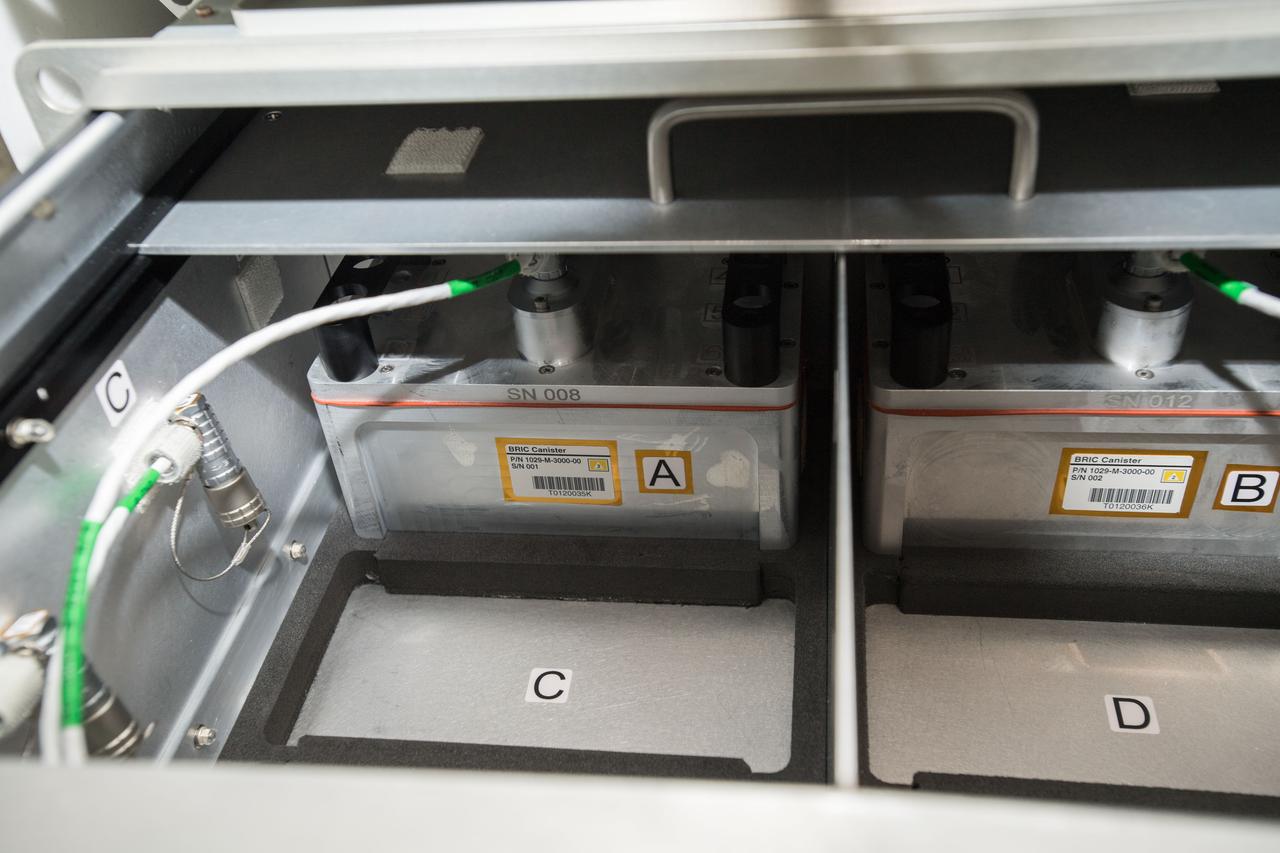
iss054e001490 (Dec. 19, 2017) --- Biological Research in Canisters - Light Emitting Diode (BRIC-LED) locker installed in the Destiny Laboratory to provide capabilities for seedling, microbial, or fungal growth investigations.
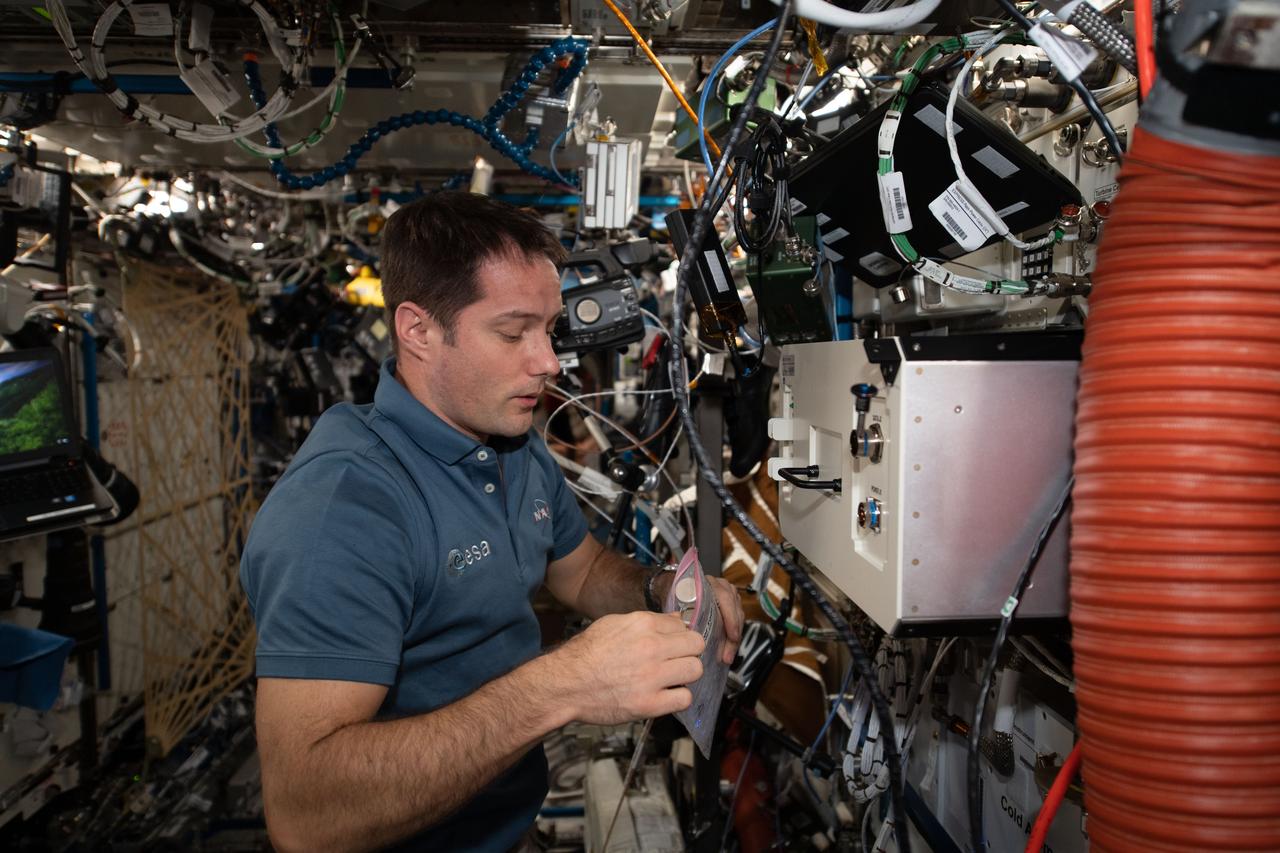
iss065e094086 (6/9/2021) --- European Space Agency (ESA) astronaut Thomas Pesquet is photographed aboard the International Space Station (ISS) during transfers of BRIC-24 Canisters to BRIC-LED Facility to stow.
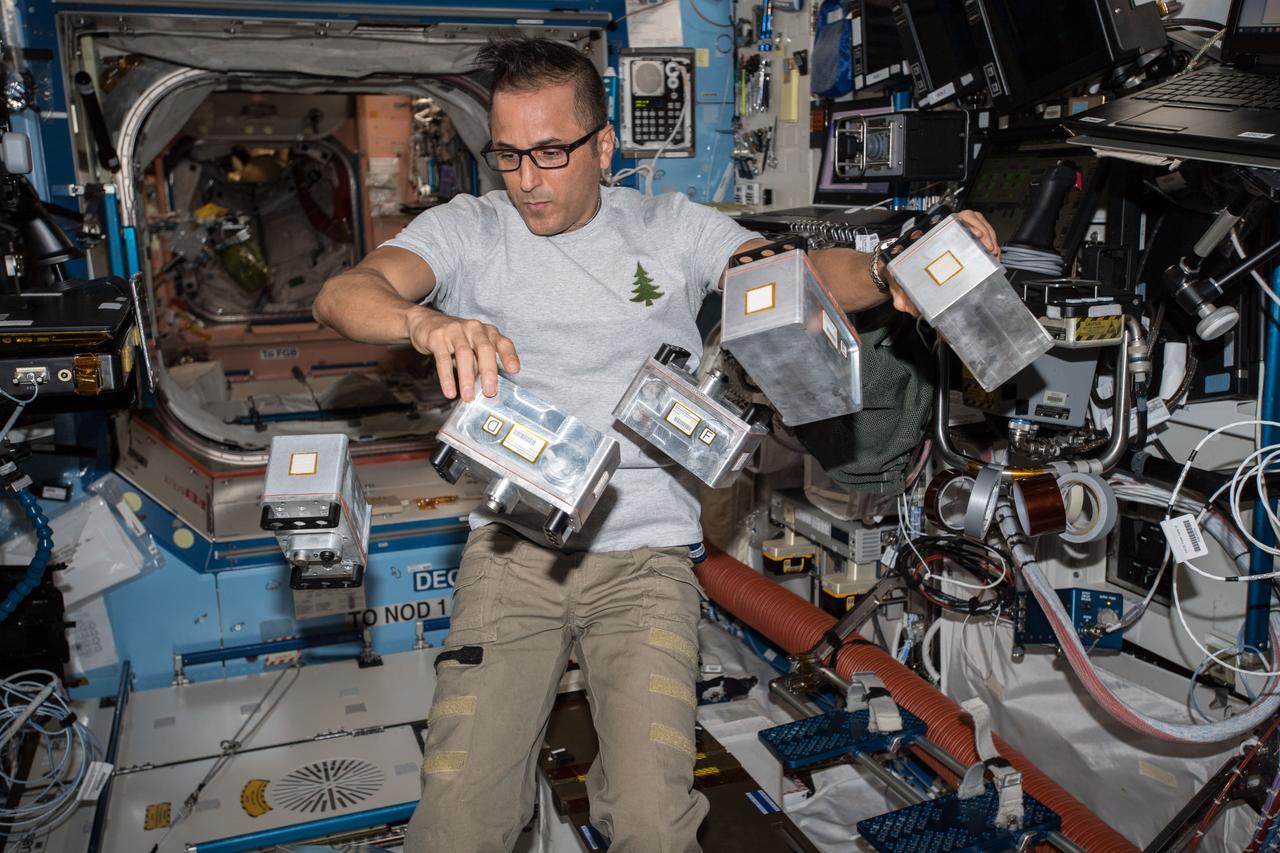
iss054e001485 (Dec. 19, 2017) --- NASA astronaut Joe Acaba with Biological Research in Canisters - Light Emitting Diode (BRIC-LED) canisters prior to installation in the Destiny Laboratory to provide capabilities for seedling, microbial, or fungal growth investigations.
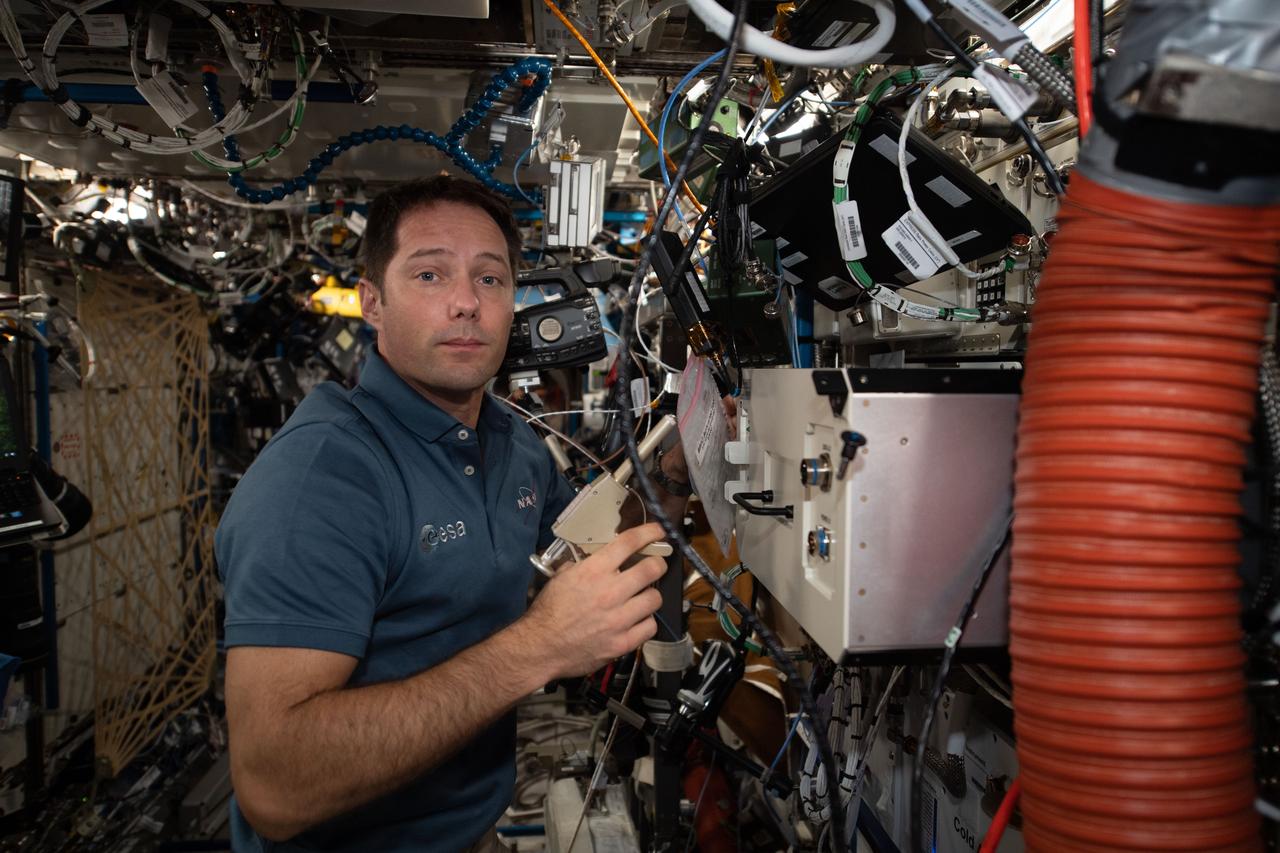
iss065e094087 (6/9/2021) --- European Space Agency (ESA) astronaut Thomas Pesquet is photographed aboard the International Space Station (ISS) during transfers of BRIC-24 Canisters to BRIC-LED Facility to stow.
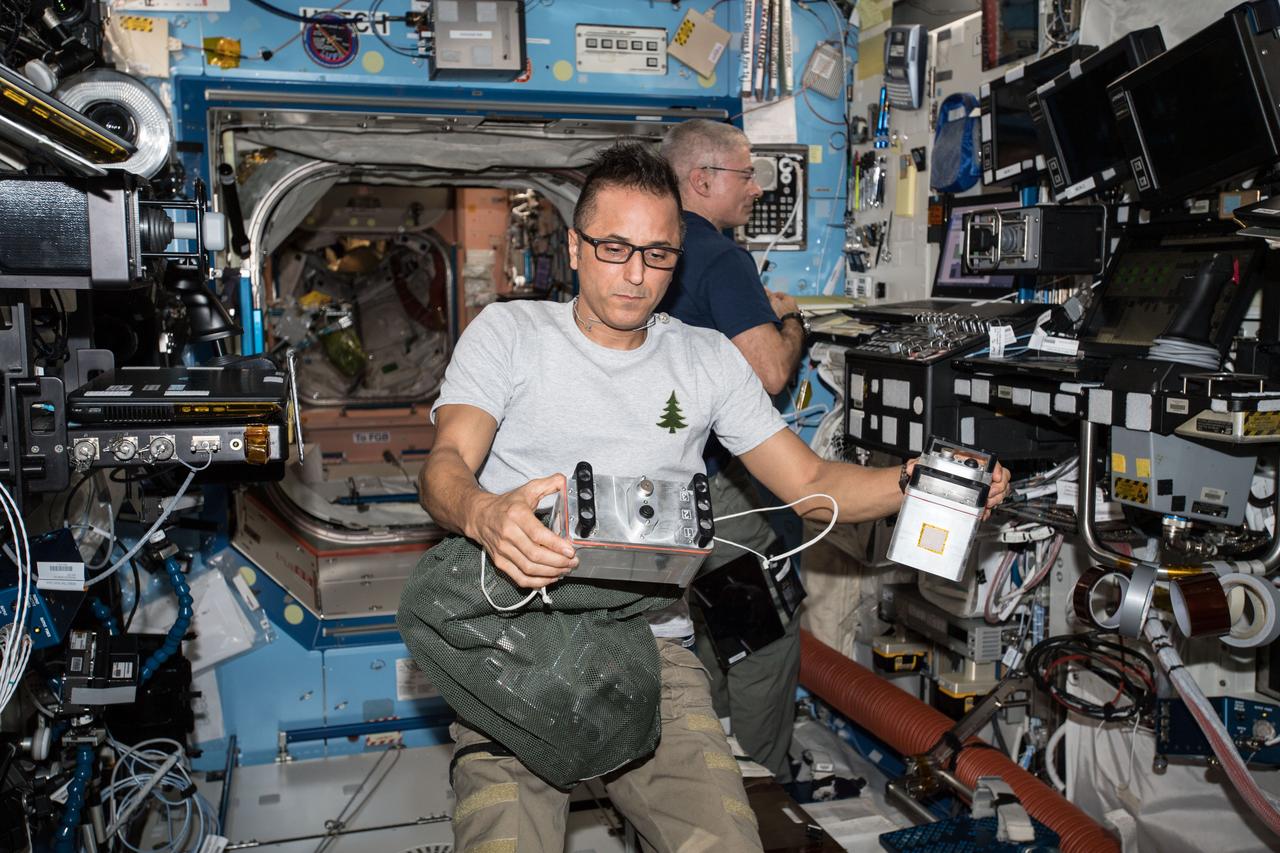
iss054e001472 (Dec. 19, 2017) --- NASA astronaut Joe Acaba with Biological Research in Canisters - Light Emitting Diode (BRIC-LED) canisters in the Destiny Laboratory prior to installation to provide capabilities for seedling, microbial, or fungal growth investigations. NASA astronaut Mark Vande Hei is visible in the background.
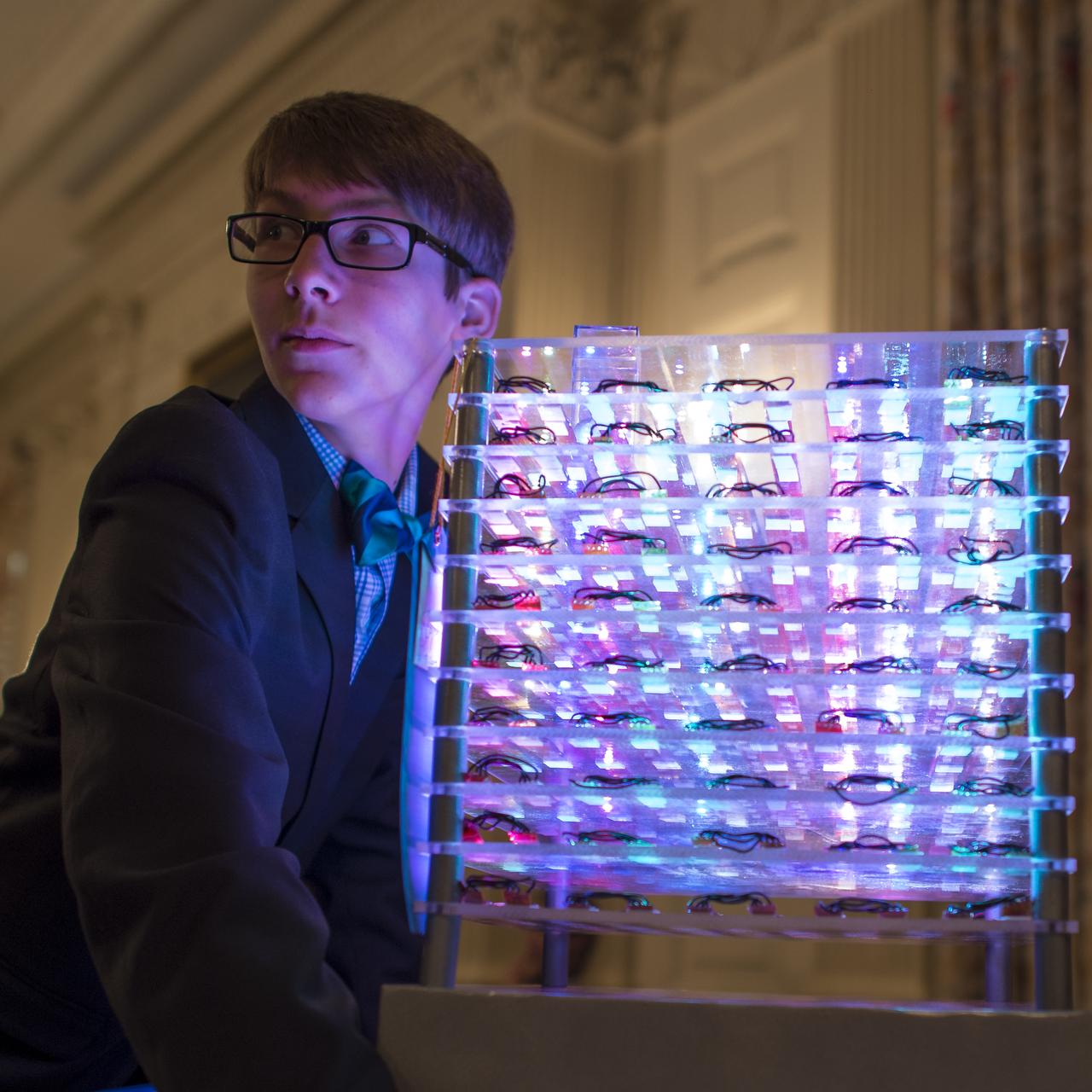
Joey Hudy demonstrates his Intel Galileo-based 10x10x10 LED Cube during the first ever White House Maker Faire which brings together students, entrepreneurs, and everyday citizens who are using new tools and techniques to launch new businesses, learn vital skills in science, technology, engineering, and math (STEM), and fuel the renaissance in American manufacturing, at the White House, Wednesday, June 18, 2014 in Washington. Photo Credit: (NASA/Bill Ingalls)
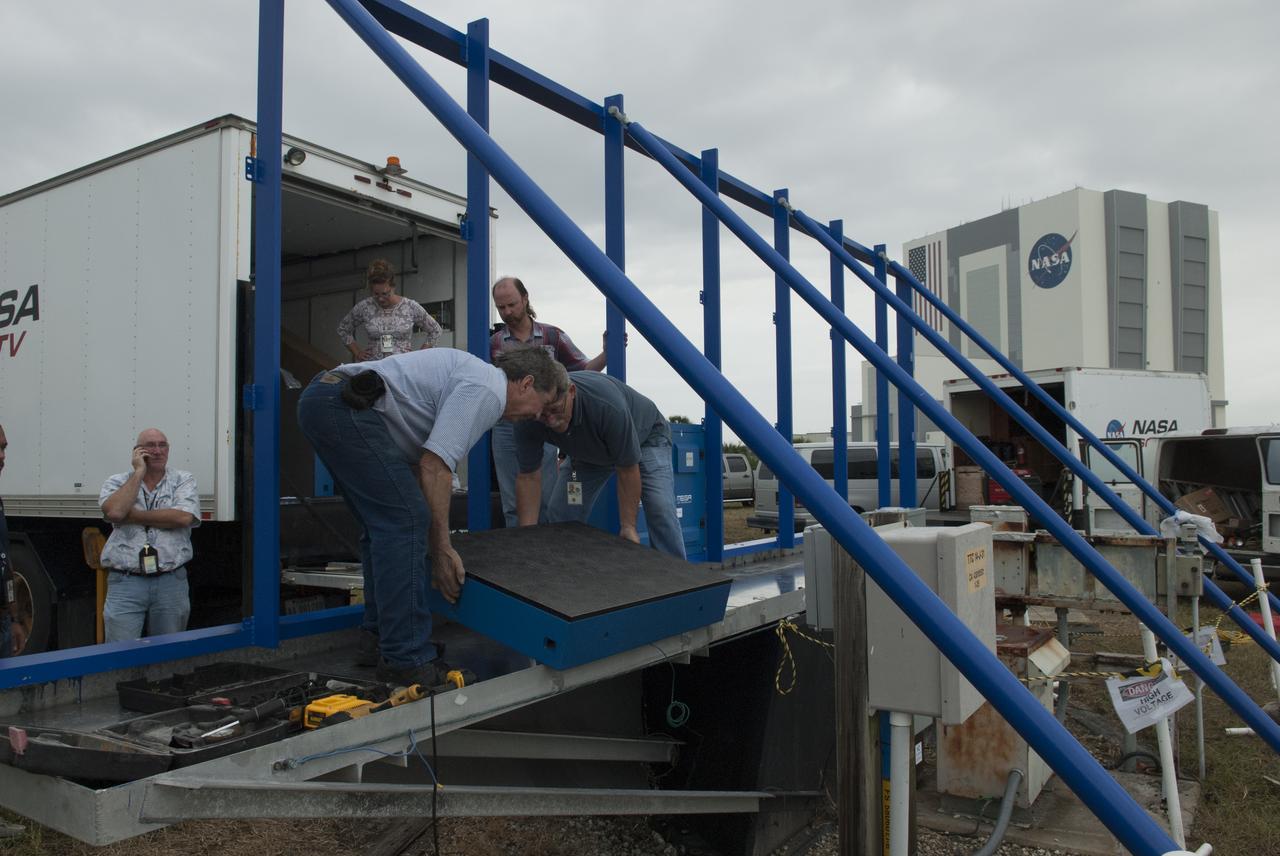
At NASA's Kennedy Space Center in Florida, assembly has begun on the first of 24 light emitting diode LED panels for installation in the new countdown clock at the spaceport's Press Site. The new modern, multimedia display will be similar to the screens seen at sporting venues. The new screen will be nearly 26 feet wide by 7 feet high, a foot taller than the original clock. The historic countdown clock was designed by Kennedy engineers and built by space center technicians before Apollo 12 in 1969. NASA has requested to acquire the countdown clock from the agency’s Artifact Working Group at the agency's Headquarters for likely display at the Kennedy Space Center Visitor Complex.
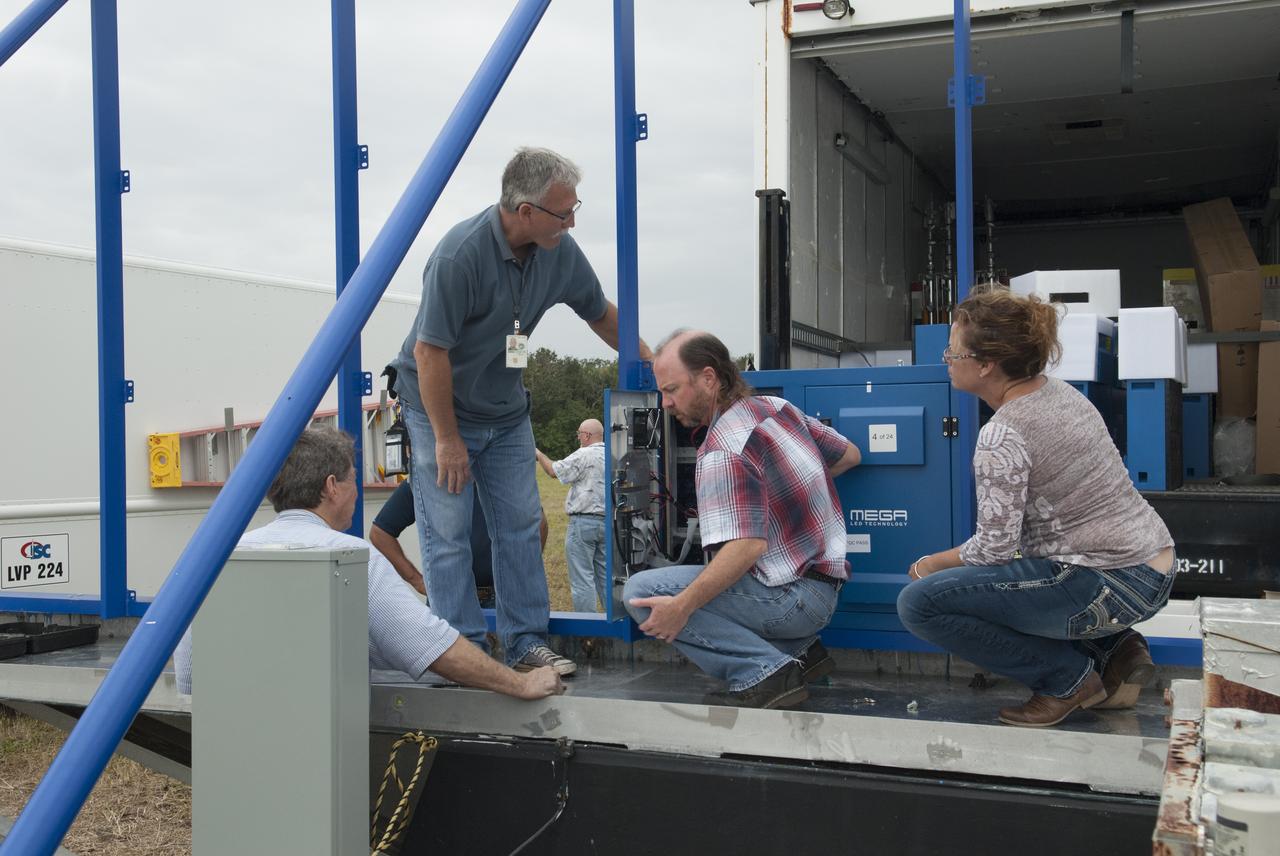
At NASA's Kennedy Space Center in Florida, assembly has begun on the first of 24 light emitting diode LED panels for installation in the new countdown clock at the spaceport's Press Site. The new modern, multimedia display will be similar to the screens seen at sporting venues. The new screen will be nearly 26 feet wide by 7 feet high, a foot taller than the original clock. The historic countdown clock was designed by Kennedy engineers and built by space center technicians before Apollo 12 in 1969. NASA has requested to acquire the countdown clock from the agency’s Artifact Working Group at the agency's Headquarters for likely display at the Kennedy Space Center Visitor Complex.
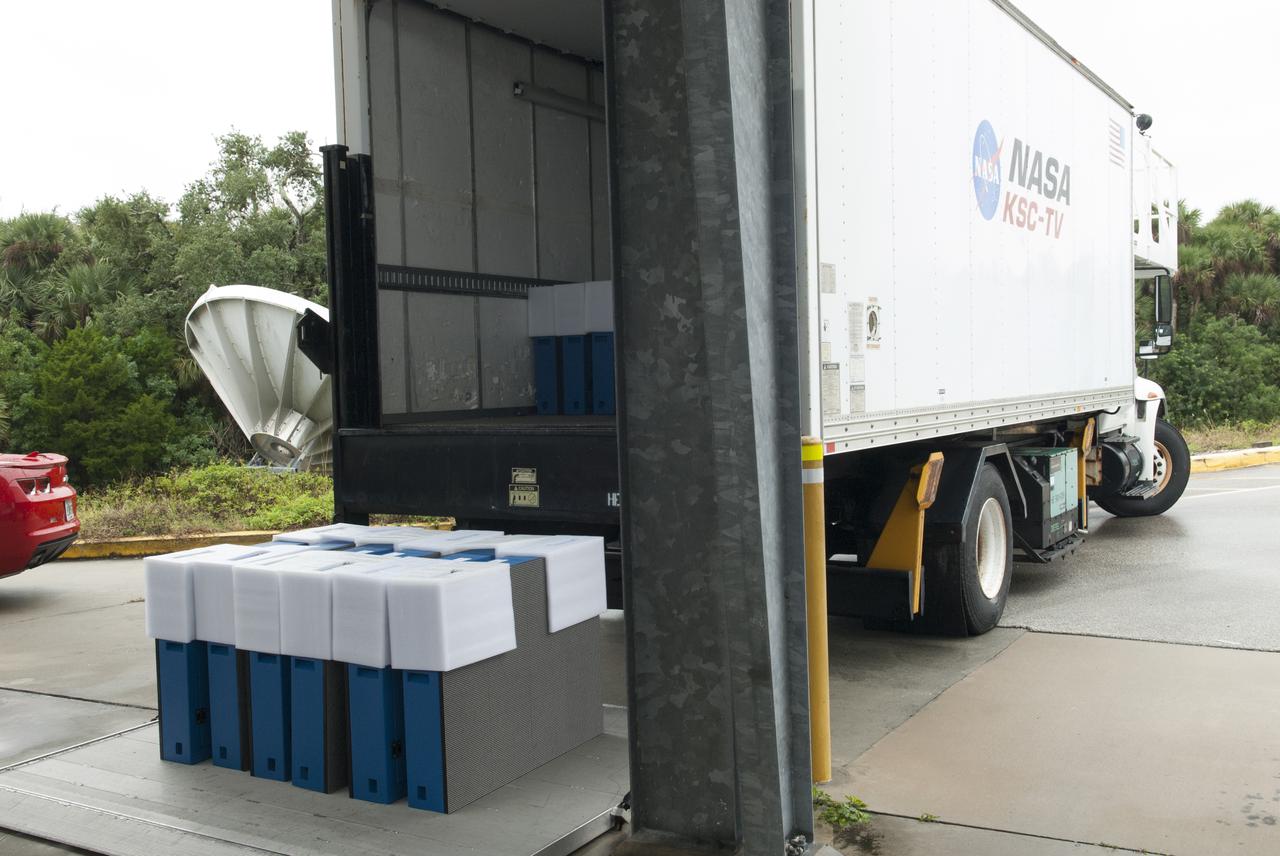
At NASA's Kennedy Space Center in Florida, the first of 24 light emitting diode LED panels have arrived for installation in the new countdown clock at the spaceport's Press Site. A new modern, multimedia display soon will be installed, similar to the screens seen at sporting venues. The new screen will be nearly 26 feet wide by 7 feet high, a foot taller than the original clock. The historic countdown clock was designed by Kennedy engineers and built by space center technicians before Apollo 12 in 1969. NASA has requested to acquire the countdown clock from the agency’s Artifact Working Group at the agency's Headquarters for likely display at the Kennedy Space Center Visitor Complex.
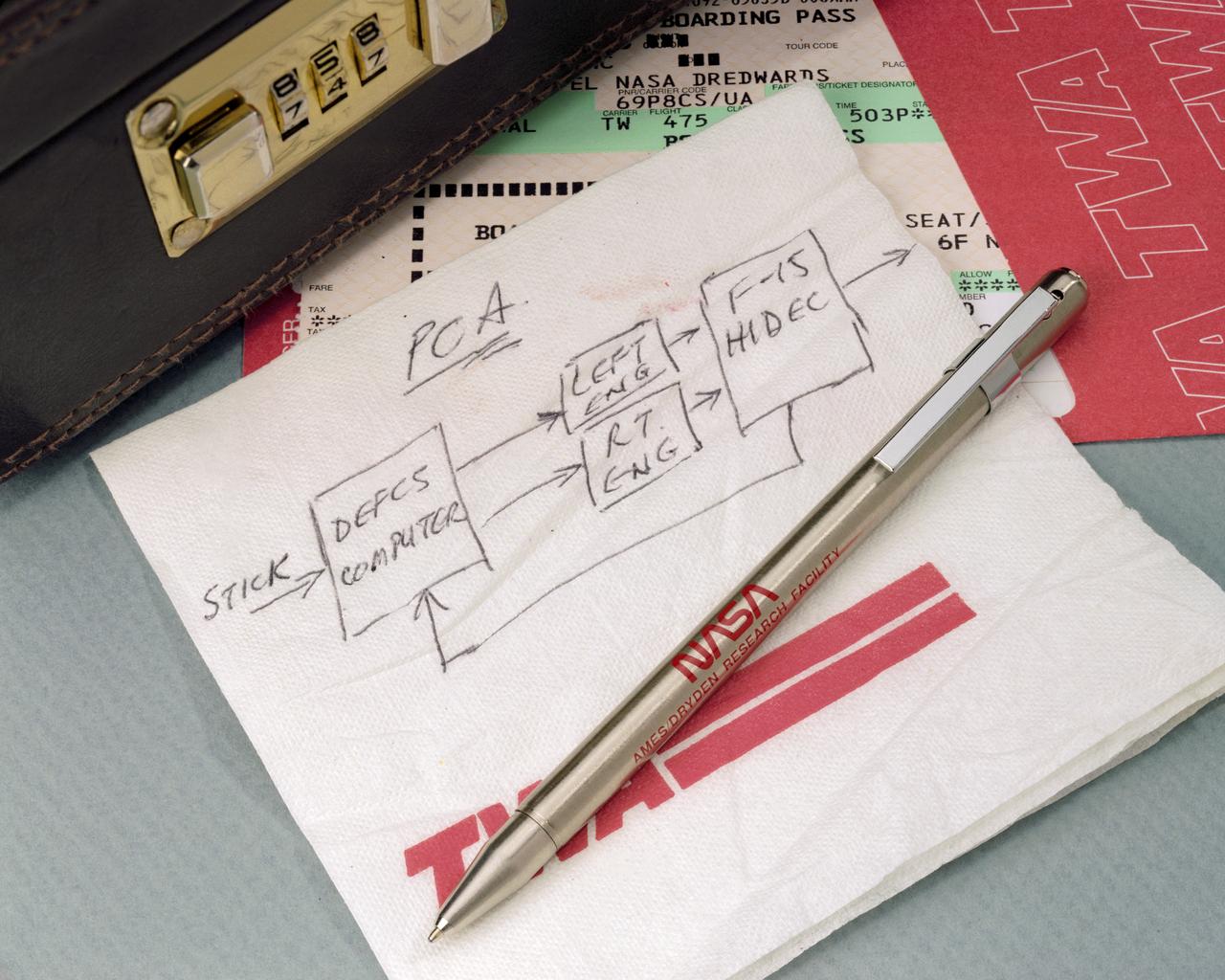
A simple sketch on a TWA napkin by NASA Dryden engineer Frank W. "Bill" Burcham led to development and validation of the Propulsion-Controlled Aircraft concept.
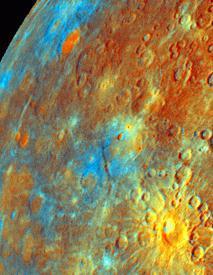
Updated calibration and subsequent mosaicing led to substantial improvements in NASA Mariner 10 color image data; the spacecraft launched in 1974.
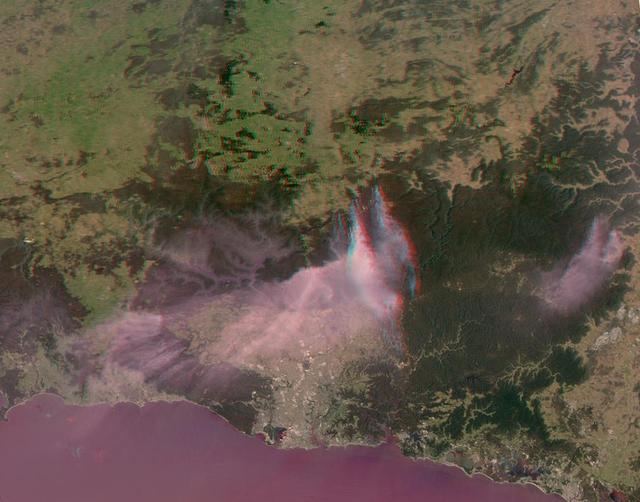
NASA Terra spacecraft passed over the Blue Mountains to the west and north of Sydney, A mild winter and an extremely hot September in Australia have led to an early start to the fire season.
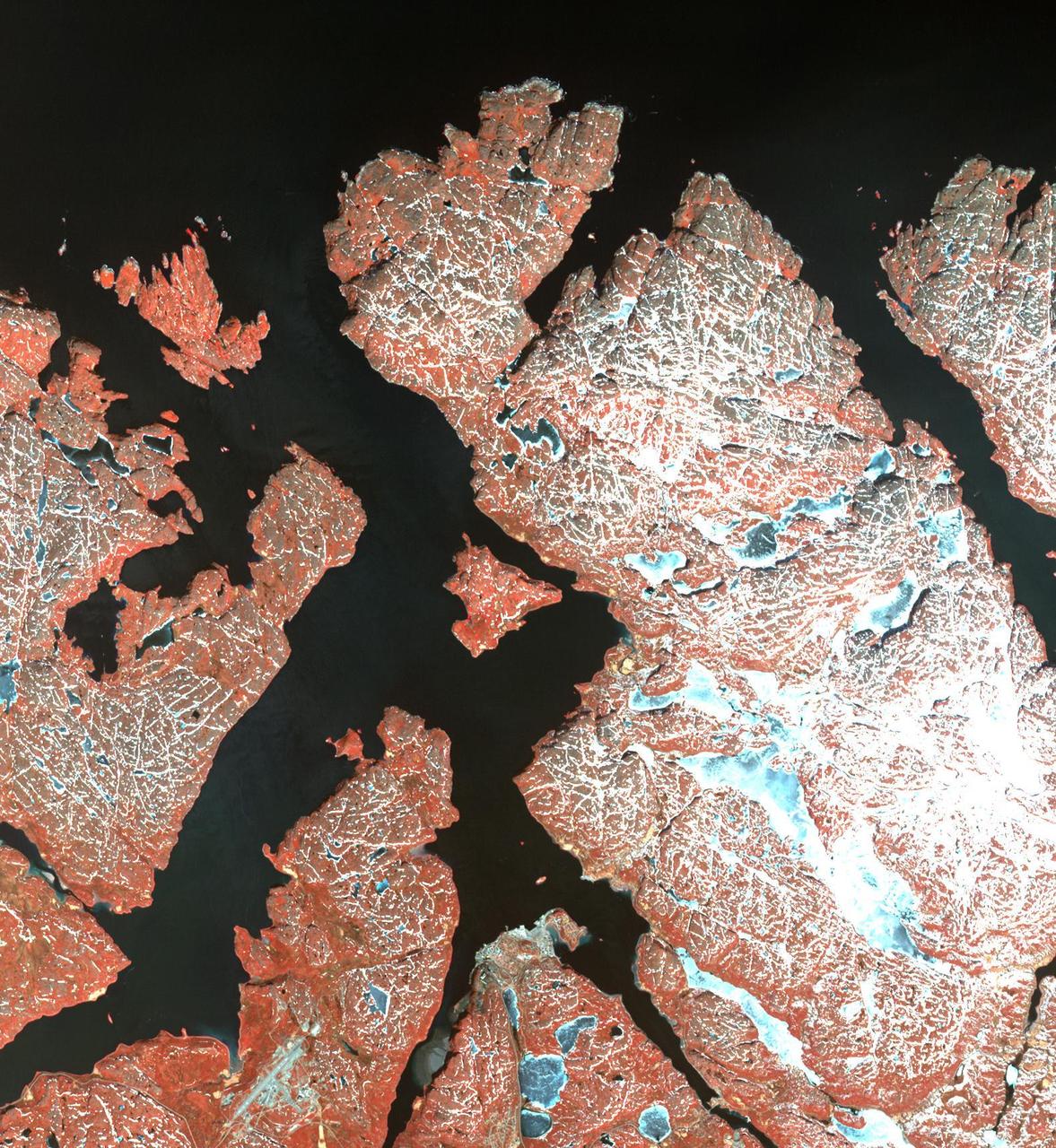
This image from NASA Terra spacecraft shows the town of Kirkenes in northernmost Norway, with its 3400 inhabitants, as they prepare for an expected boom as a shipping hub, as global warming has led to the opening up of the Northern Sea Route.
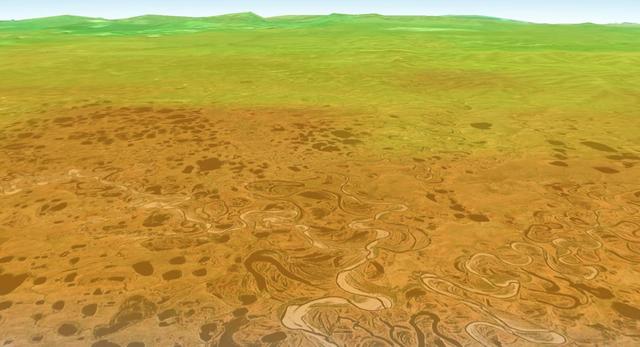
JPL-led study shows bromine explosion on March 13, 2008 across the Alaskan North Slope looking south toward the Brooks Range at the horizon, which blocked the bromine from going further south into the Alaskan interior.
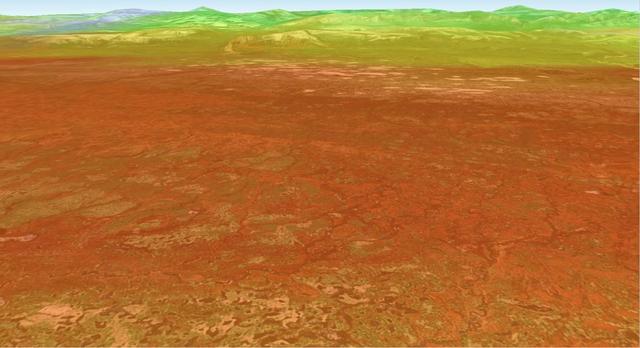
JPL-led study shows bromine explosion on March 13, 2008 across the western Northwest Territories in Canada looking toward the Mackenzie Mountains at the horizon, which prevented the bromine from crossing over into Alaska.
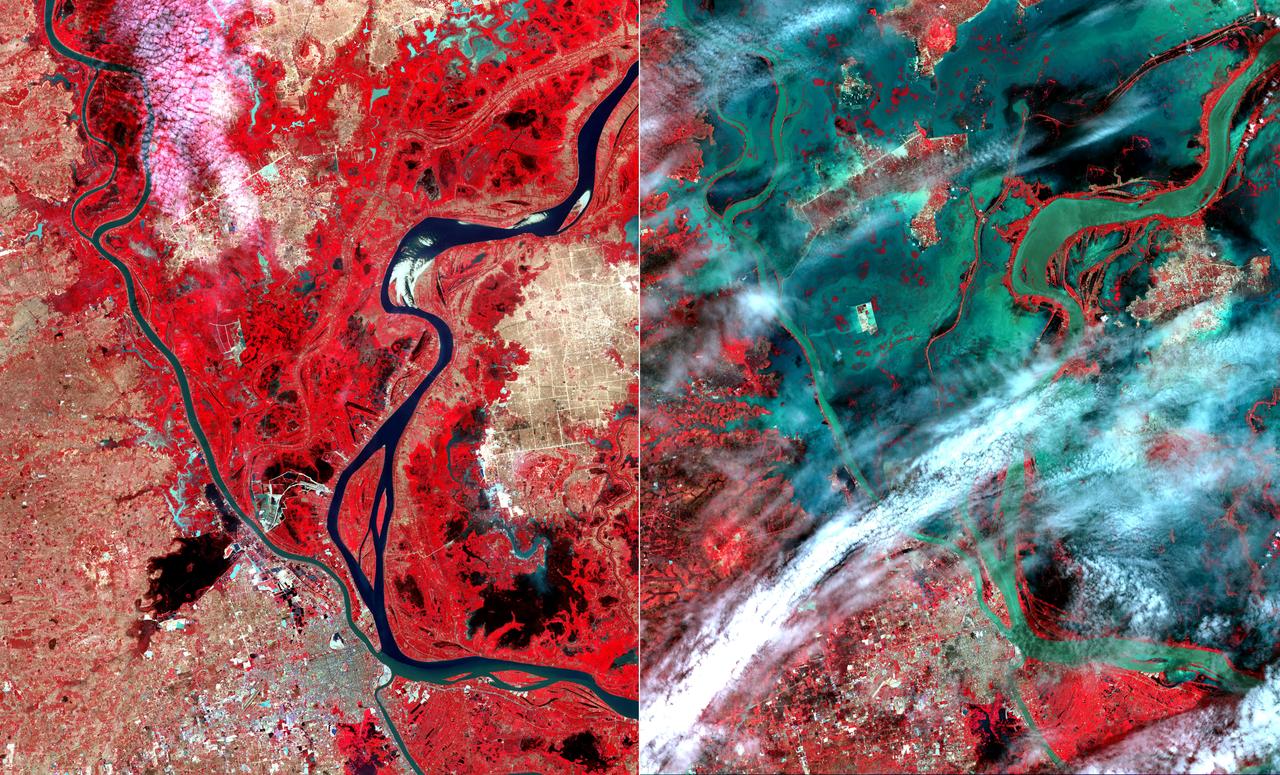
This image acquired by NASA Terra spacecraft shows unusually heavy rains over the upper Mekong River in Laos and Thailand that led to severe flooding in Cambodia in mid-August 2011. The city of Phnom Penh is at the bottom center of the image.
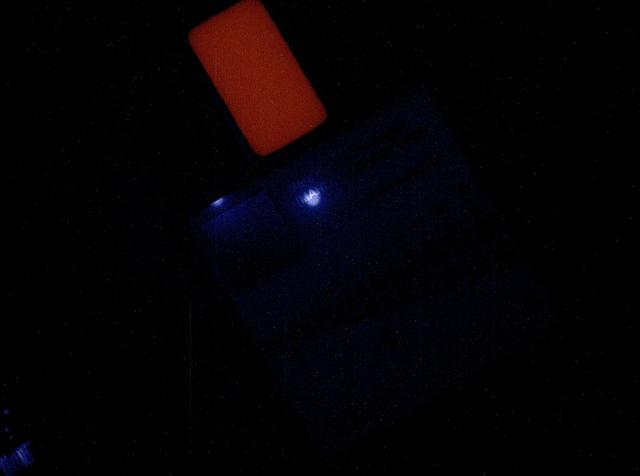
Illumination in this image comes from MAHLI two ultraviolet LEDs, which emit light in a waveband centered at a wavelength of 365 nanometers in this image of a calibration target on NASA Mars rover Curiosity.
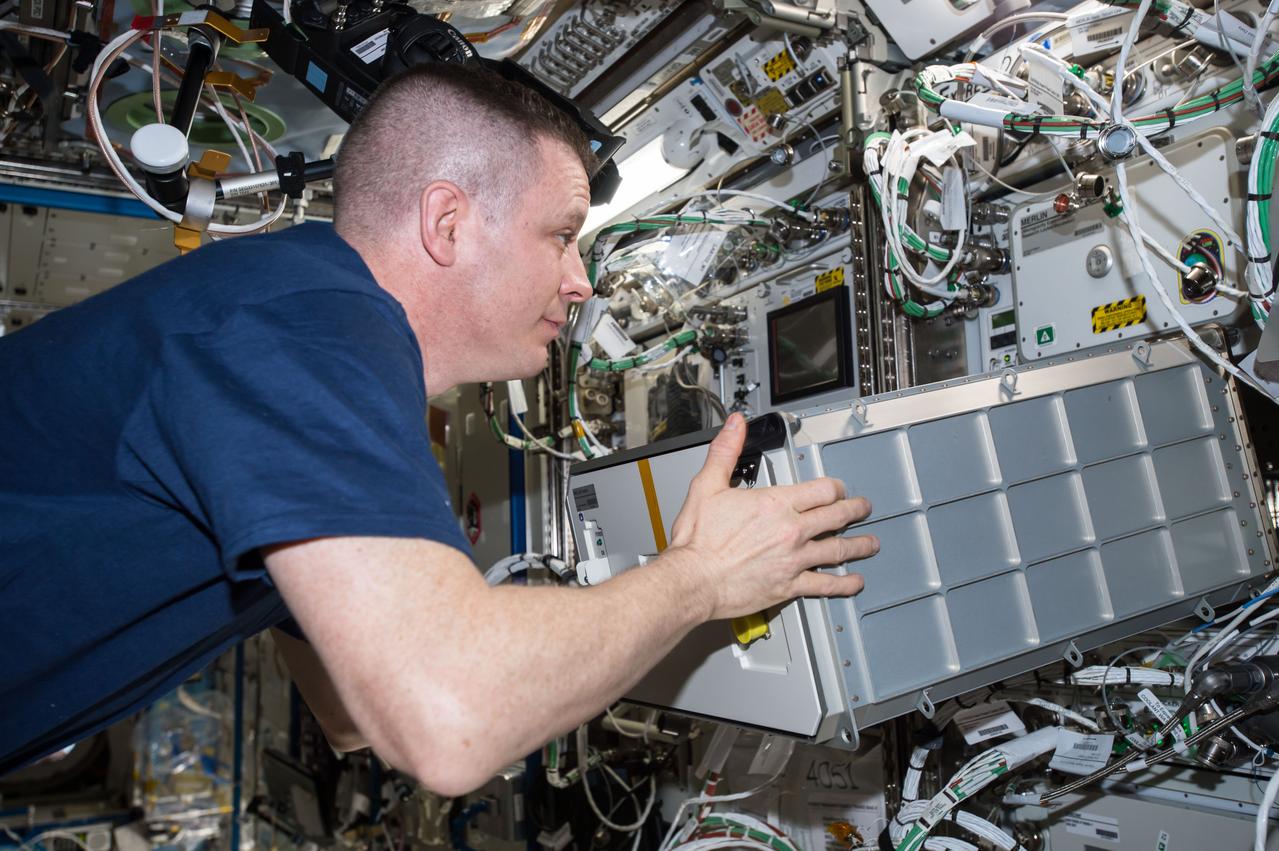
iss052e073846 (Aug. 25, 2017) --- NASA astronaut Jack Fischer installling the Biological Research In Canisters (BRIC) Light Emitting Diode (LED) for future BRIC-LED experiments.
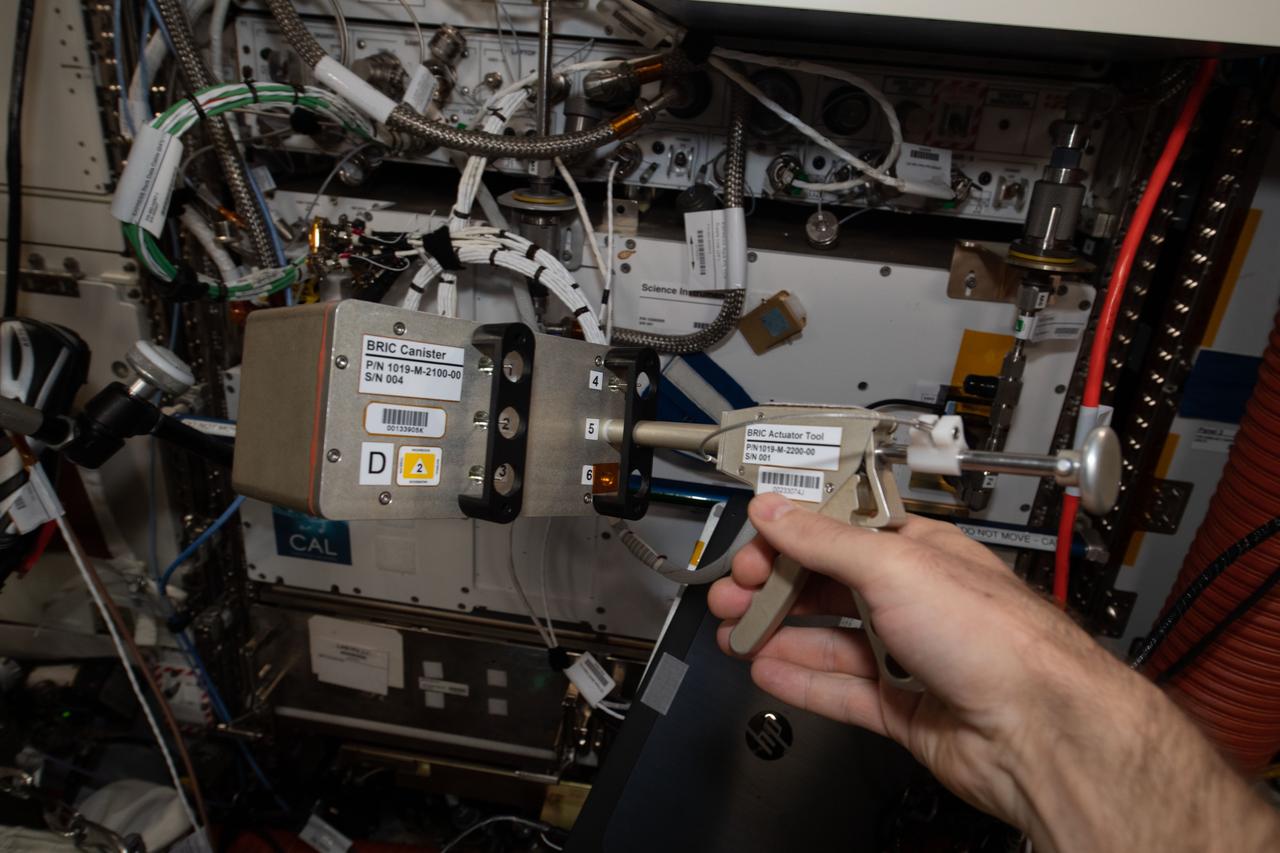
iss065e094066 (6/9/2021) --- A close-up view of the a BRIC-24 Canister and actuator tool. Biological Research In Canisters-24 (BRIC-24) tests how space affects organelle contacts and vacuole fusion in plants, systems that may be important for plant gravity sensing and response. Vacuoles are organelles in plant cells that have important functions.
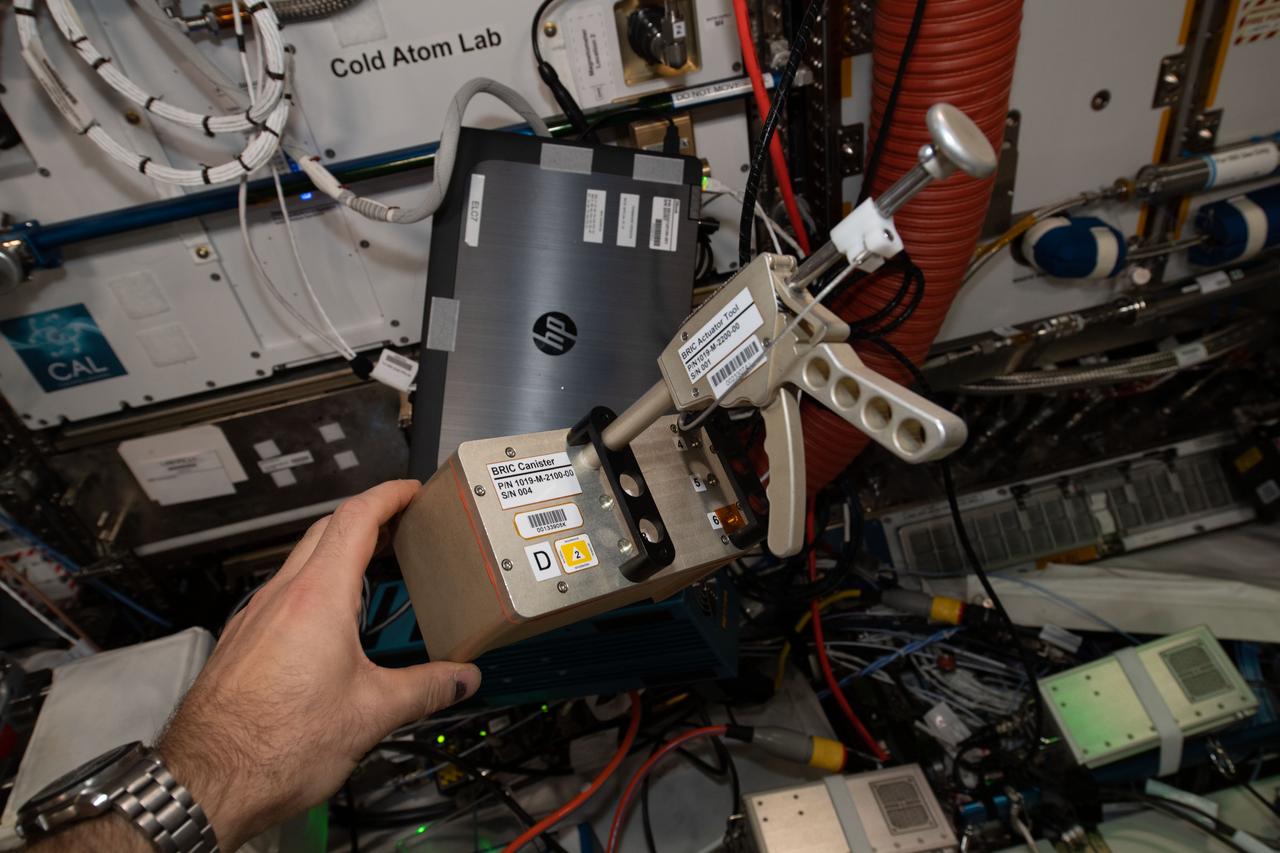
iss065e094062 (6/9/2021) --- A close-up view of the a BRIC-24 Canister and actuator tool. Biological Research In Canisters-24 (BRIC-24) tests how space affects organelle contacts and vacuole fusion in plants, systems that may be important for plant gravity sensing and response. Vacuoles are organelles in plant cells that have important functions.
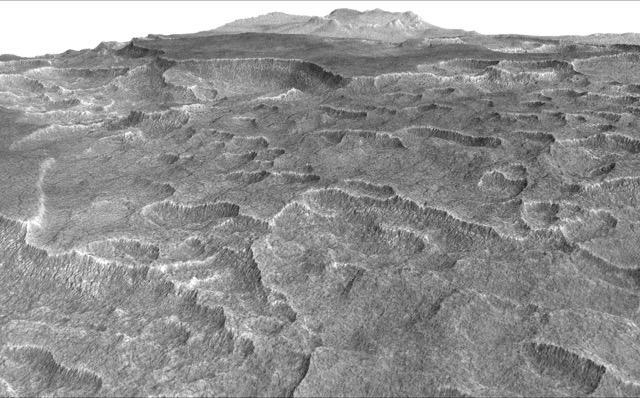
This vertically exaggerated view shows scalloped depressions in Mars Utopia Planitia region, prompting using ground-penetrating radar aboard NASA Mars Reconnaissance Orbiter to check for underground ice.
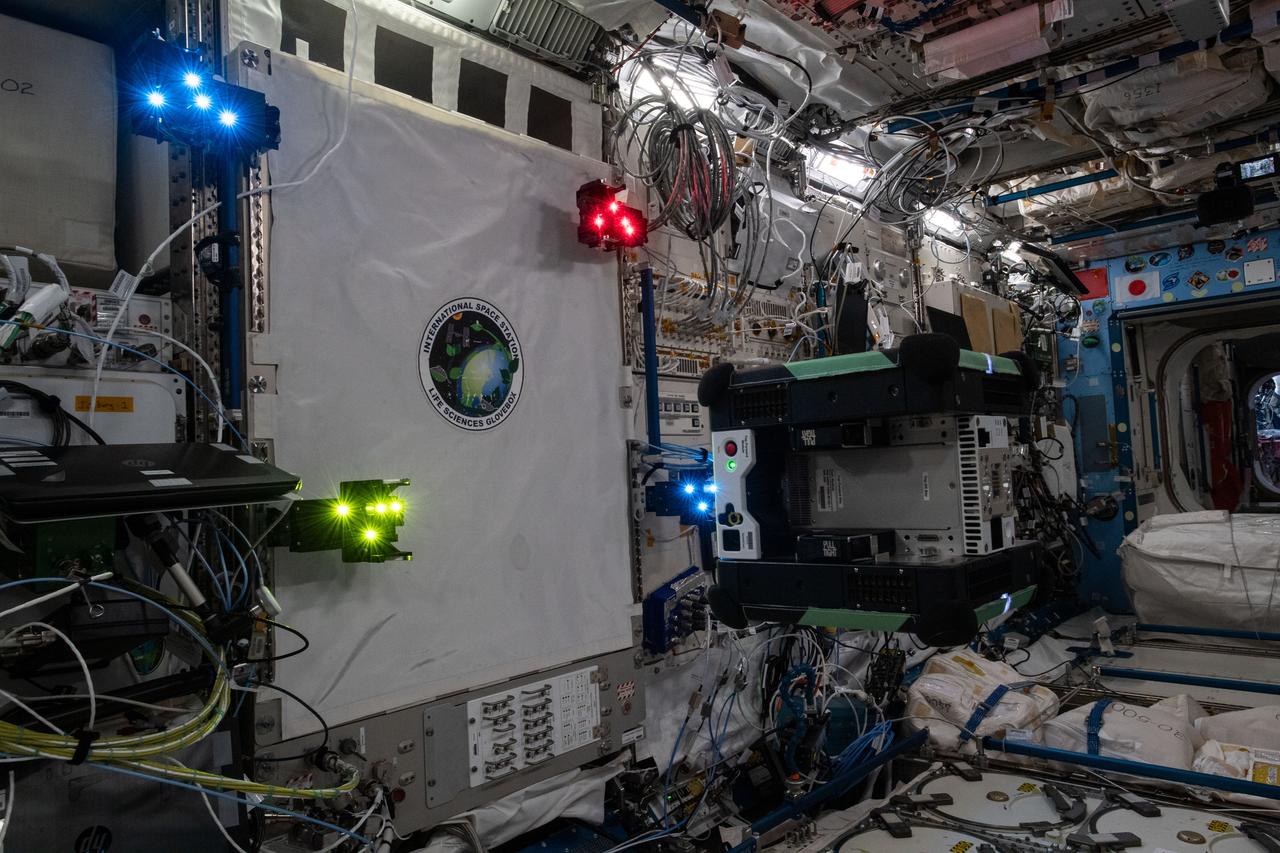
Documentation of a free-flying Astrobee robot (Queen), equipped with an LED Target for the Smartphone Video Guidance Sensor (SVGS) experiment, during SVGS science 3 session. Four SVGS LED Targets are attached to the Life Sciences Glovebox (LSG) rack, JPM1F5 in the Kibo Japanese Experiment Module (JEM).
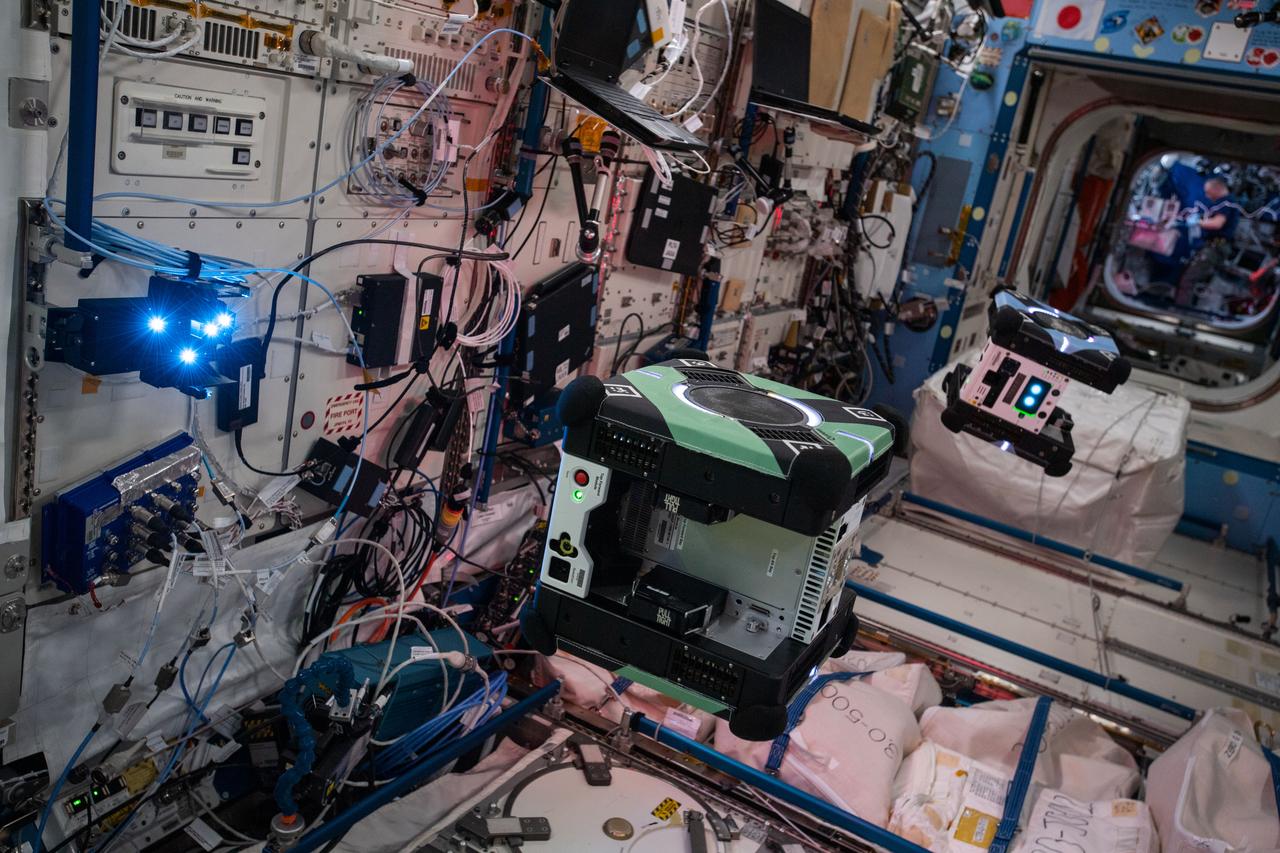
Documentation of two free-flying Astrobee robots (Queen and Bumble), equipped with LED Targets for the Smartphone Video Guidance Sensor (SVGS) experiment, during SVGS science 3 session. An SVGS LED Target is attached to the Life Sciences Glovebox (LSG) rack, JPM1F5 in the Kibo Japanese Experiment Module (JEM).
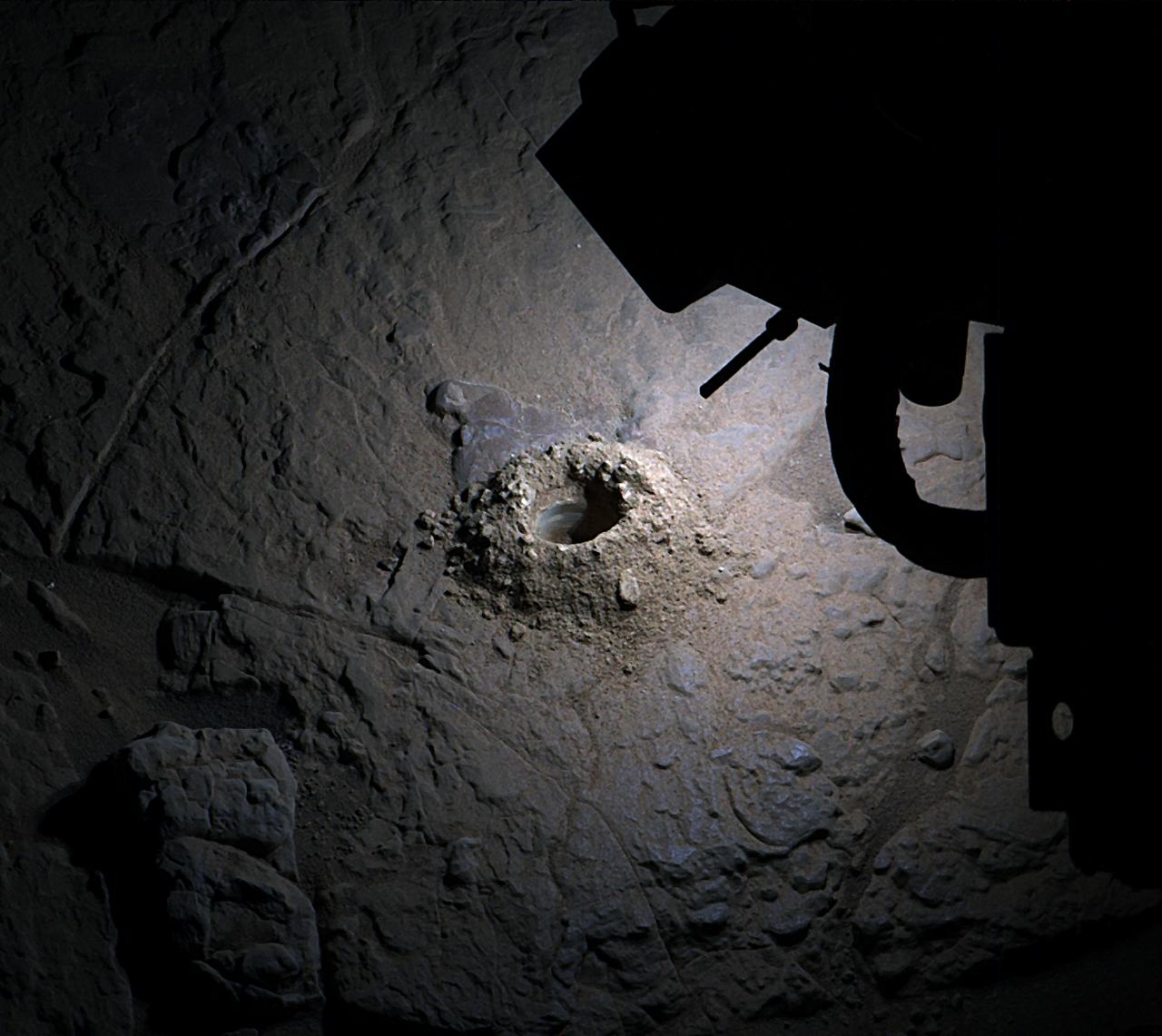
NASA’s Curiosity Mars rover used LED lights on the end of its robotic arm to create this rare nighttime view of the Red Planet’s surface on Dec. 6, 2025, the 4,740th Martian day, or sol, of the rover’s mission. The LED lights are part of the Mars Hand Lens Imager, or MAHLI, a camera on the end of Curiosity’s robotic arm. The image was captured by the Mast Camera, or Mastcam, on the rover’s mast, or “head.” On occasion, scientists have used MAHLI’s LED lights to illuminate areas deep in shadow during the day, such as the insides of drill holes and the inlet tubes leading to instruments in the rover’s belly. Much earlier in the mission, the Curiosity team used these LEDs at night to look for layering or other features in drill hole walls that would help them understand a rock’s composition. Since the mission changed its drilling method, the drill holes have come out too rough and dusty to see any such details. After drilling a rock target nicknamed “Nevado Sajama” on Nov. 13, 2025 (Sol 4,718), the team noticed the drill hole walls were smooth enough to try looking for layers and decided to try illuminating the drill hole at night. This drill hole was made during Curiosity’s exploration of a region full of geologic formations called boxwork, which crisscross the surface for miles and look like giant spiderwebs when viewed from space. Curiosity was built by NASA’s Jet Propulsion Laboratory, which is managed by Caltech in Pasadena, California. JPL leads the mission on behalf of NASA’s Science Mission Directorate in Washington as part of NASA’s Mars Exploration Program portfolio. Malin Space Science Systems in San Diego built and operates both Mastcam and MAHLI. To learn more about Curiosity, visit: science.nasa.gov/mission/msl-curiosity
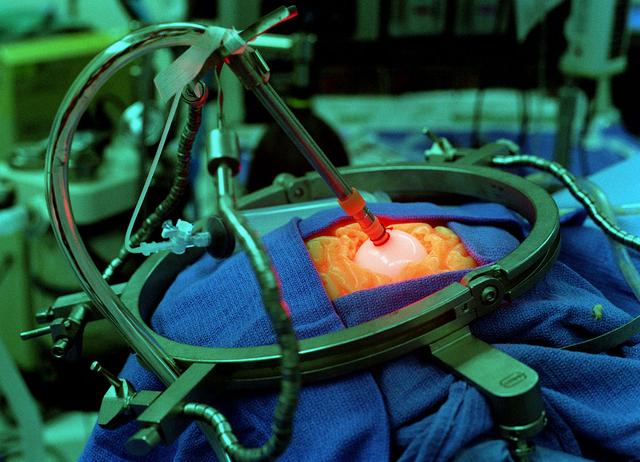
What started out as an attempt to develop a light which would allow for the growth of plants in space led to a remarkable discovery: The Light Emitting Diode (LED). This device through extensive study and experimentation has developed into a tool used by surgeons in the fight against brain cancer in children. Pictured is a mock-up of brain surgery being performed. By encapsulating the end of the LED with a balloon, light is diffused over a larger area of the brain allowing the surgeon a better view. This is one of many programs that begin as research for the space program, and through extensive study end up benefitting all of mankind.
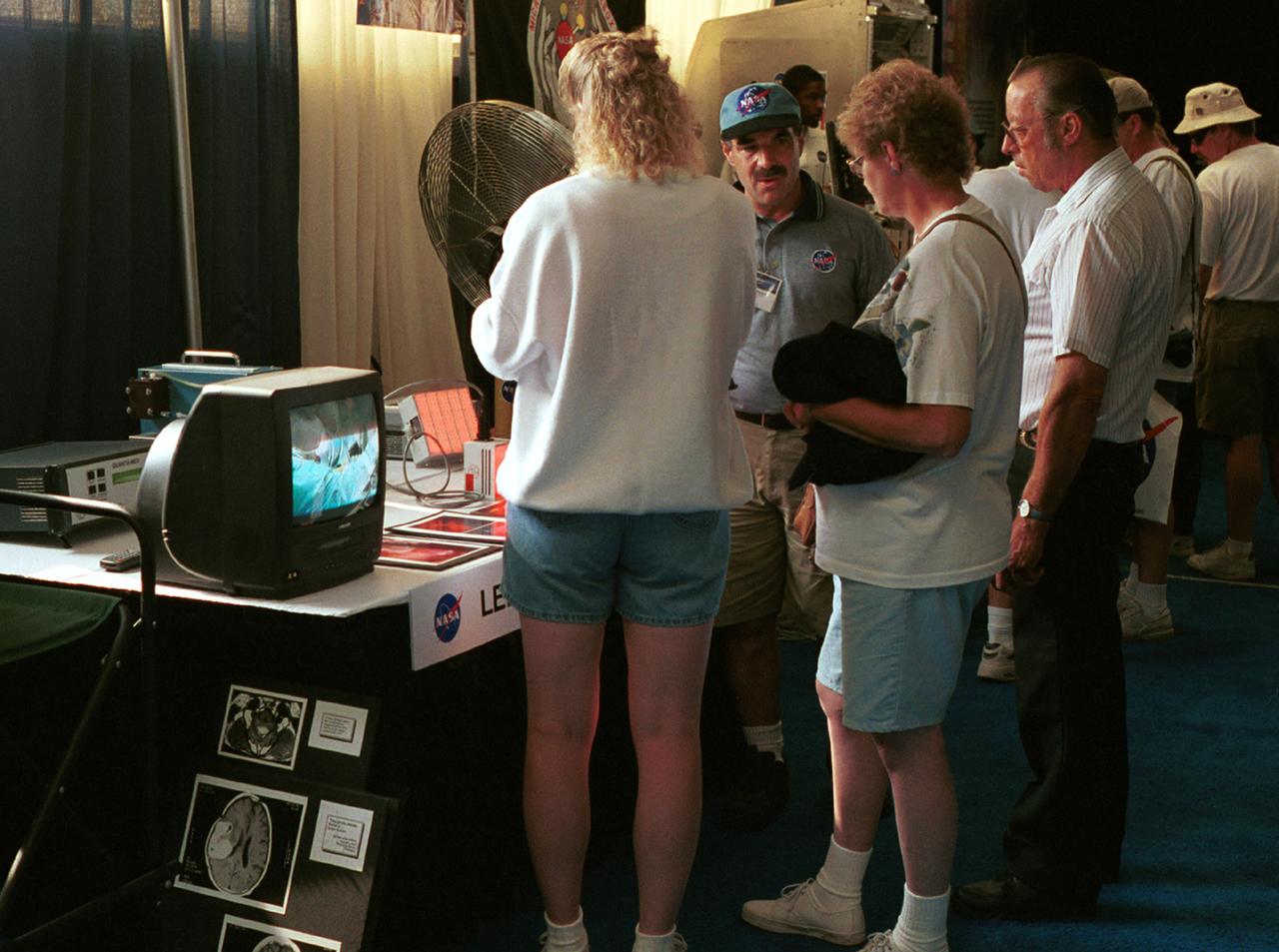
Dr. Harry Whelan, a pediatric Neurologist at the Medical Hospital of Wisconsin in Milwaukee and professor of Neurology at the Medical College of Wisconsin, explains the operation of light-emitting diodes (LEDs) developed for use in space plant growth experiments and now adapted for use in photodynamic therapy, a technique in which light from the LEDs activates light-sensitive, tumor-treating drugs. The technique has been used in at least two surgeries on brain tumors. The LED project was one of several NASA exhibits at AirVenture 2000 sponsored by the Experimental Aircraft Association in Oshkosh, WI.
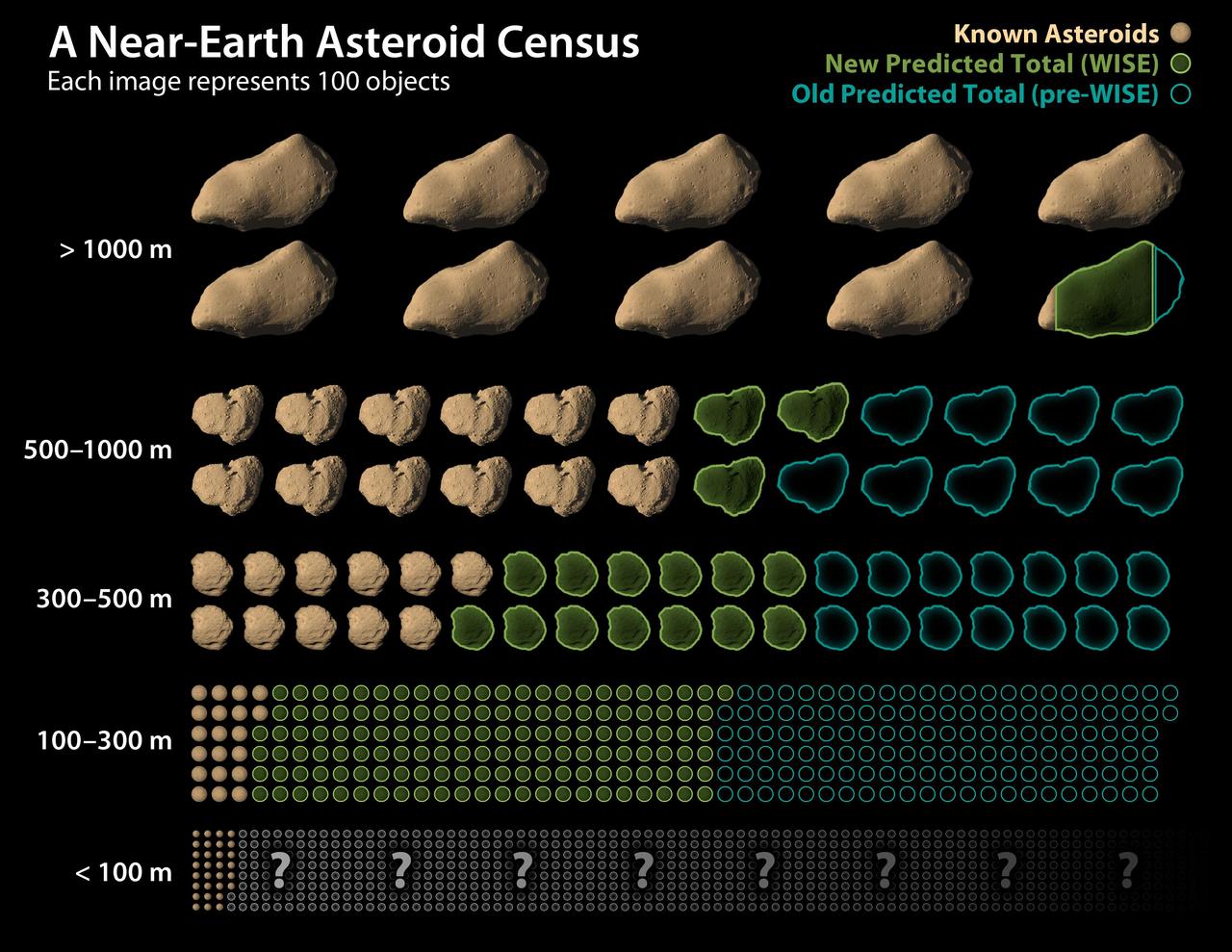
Data from NASA Wide-field Infrared Survey Explorer has led to revisions in the estimated population of near-Earth asteroids. The most accurate survey to date has allowed new estimates of the total numbers of objects in different size categories.

During pre-flight testing in March 2011, the Mars Hand Lens Imager MAHLI camera on NASA Mars rover Curiosity took this image of the MAHLI calibration target under illumination from MAHLI two ultraviolet LEDs light emitting diodes.
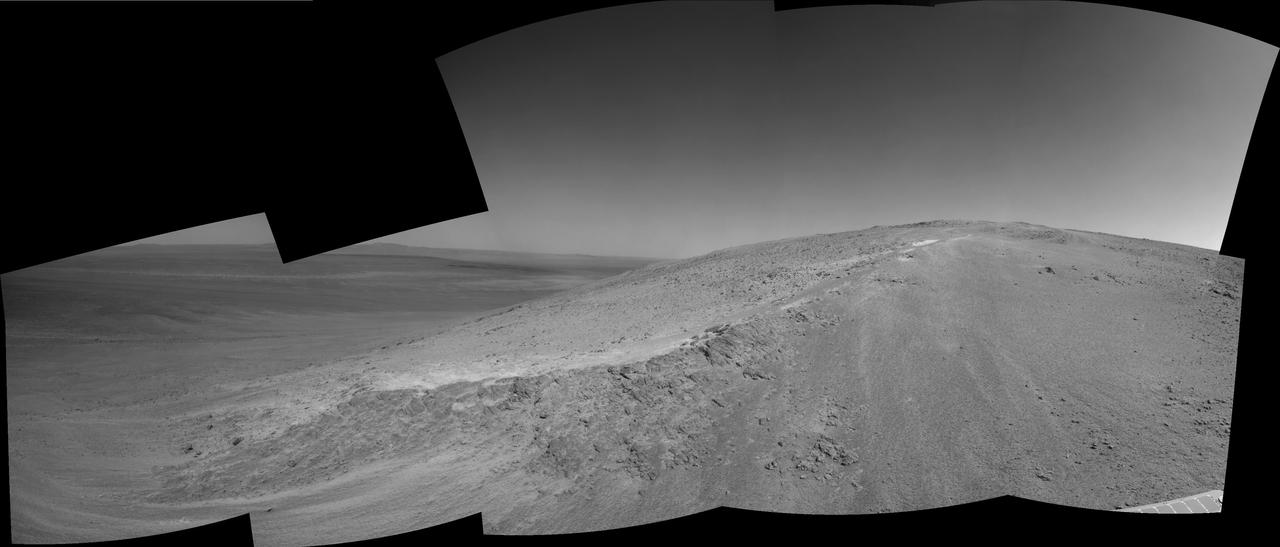
This image from NASA Mars Exploration Rover, Opportunity, shows the lower reaches of Murray Ridge, informally named to honor the late Bruce Murray, who led NASA Jet Propulsion Laboratory through a period of great challenge and achievement.
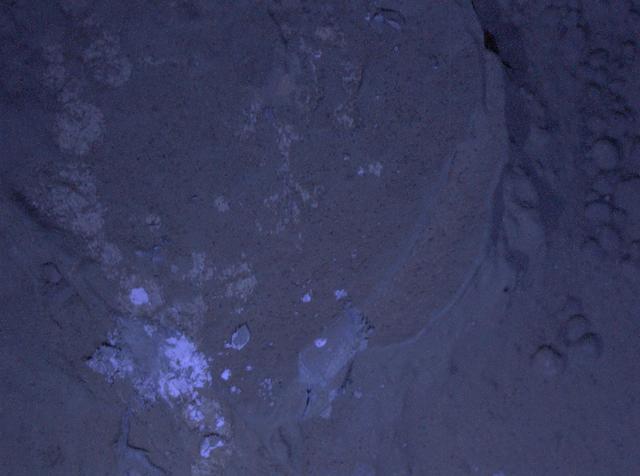
This image of a Martian rock dubbed Sayunei is illuminated by ultraviolet LEDs light emitting diodes is part of the first set of nighttime images taken by the Mars Hand Lens Imagery camera at the end of the robotic arm of NASA Mars rover Curiosity.
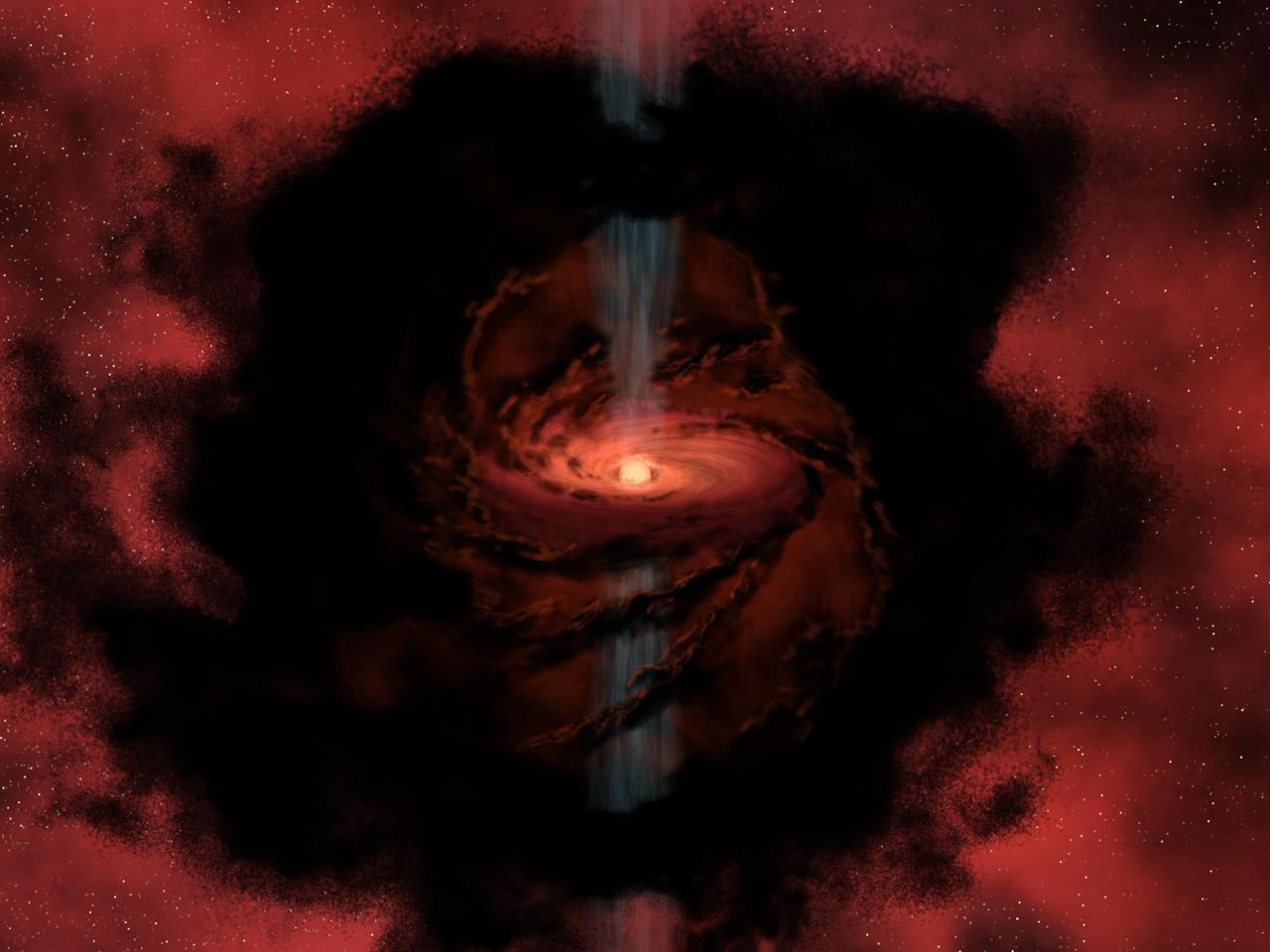
Are brown dwarfs born like stars, as in this rendering, or do they form like planets orbiting another star? A study by researchers using data from NASA Spitzer Space Telescope has led to the preliminary conclusion that they are formed much like a star.
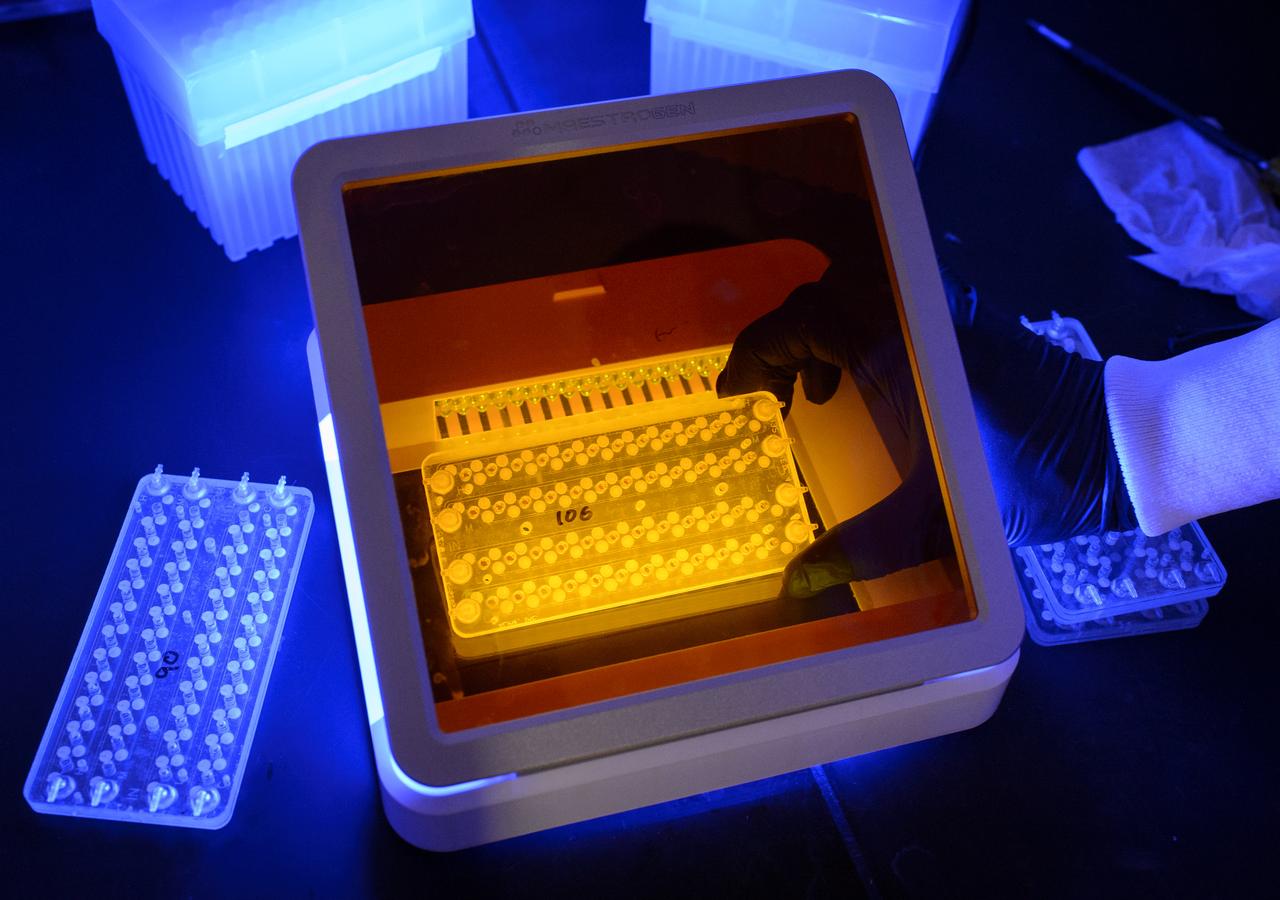
EuCROPIS EVT-2 Power Cell in N-239 Lab showing LED light viewing area
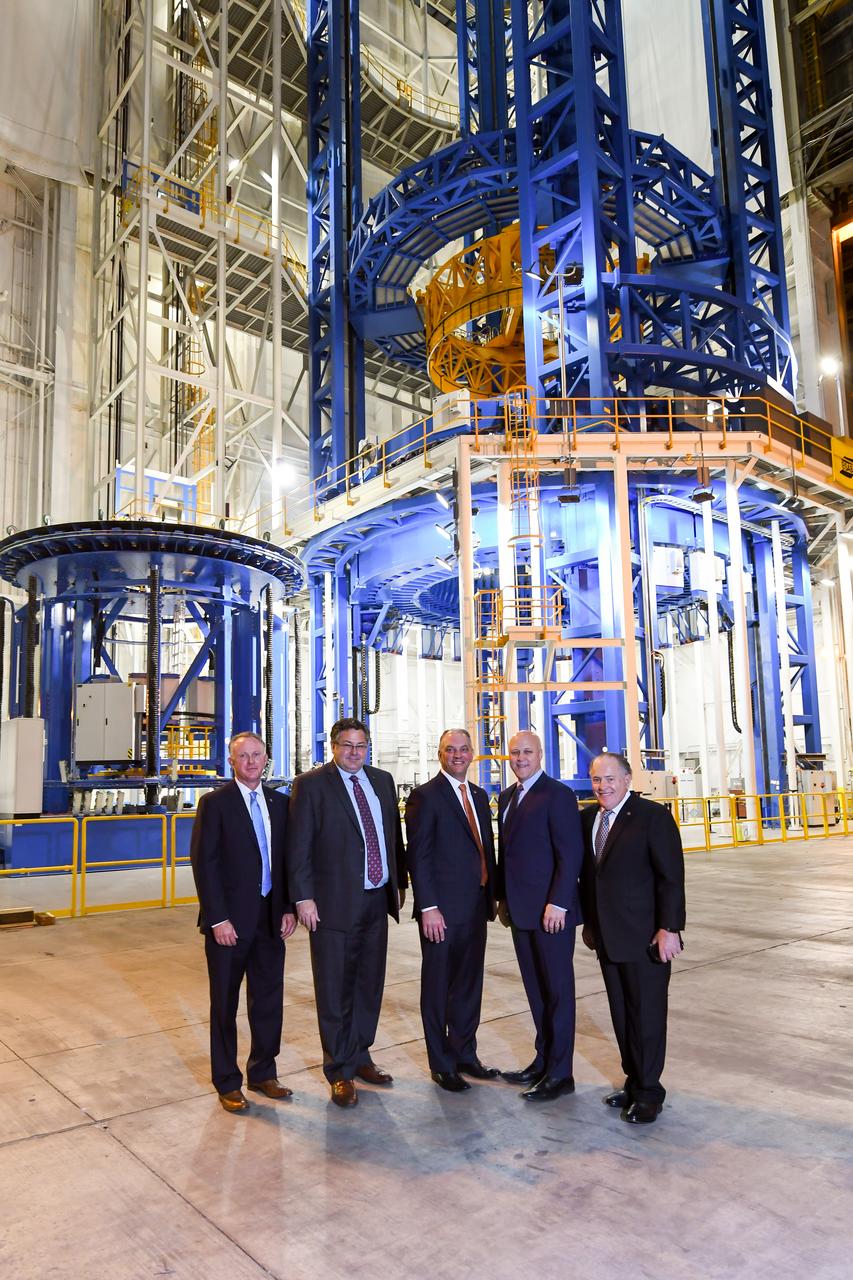
NASA officials were joined by Louisiana Gov. John Bel Edwards and New Orleans Mayor Mitch Landrieu, who toured the Michoud Assembly Facility in New Orleans and got a first-hand look at NASA’s new deep space vehicles being built at the facility.
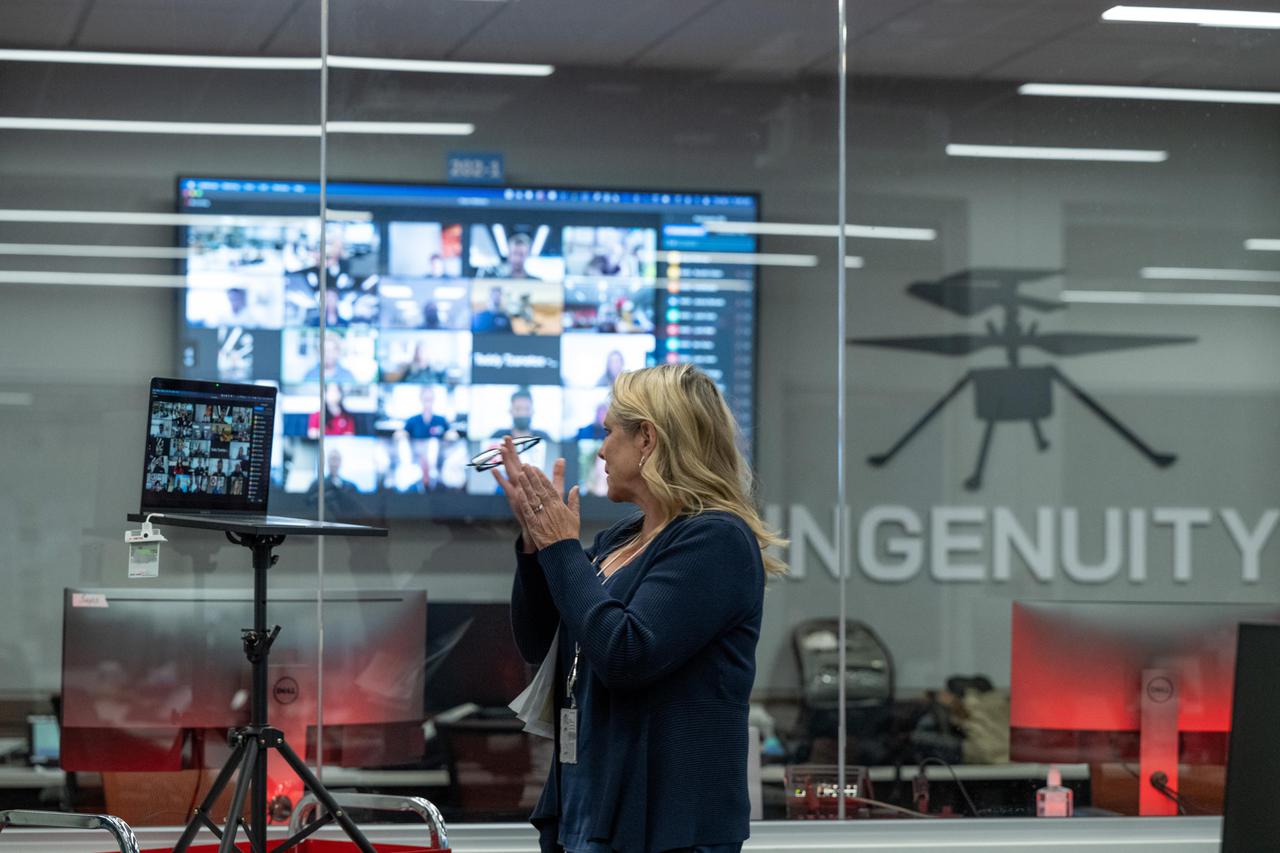
Perseverance rover Project Manager, Jennifer Trosper, led team members in applause in a control room at NASA's Jet Propulsion Laboratory in Southern California on April 5, 2022. The team honored 20 students via a live video event for overcoming academic obstacles. Each student received a personalized message from the rover on Mars. https://photojournal.jpl.nasa.gov/catalog/PIA25275

Part of the mission criteria that led to the decision to fly off the coast of Galveston for QSF18 was the convenience of having NASA Johnson Space Center’s facilities at Ellington Field.
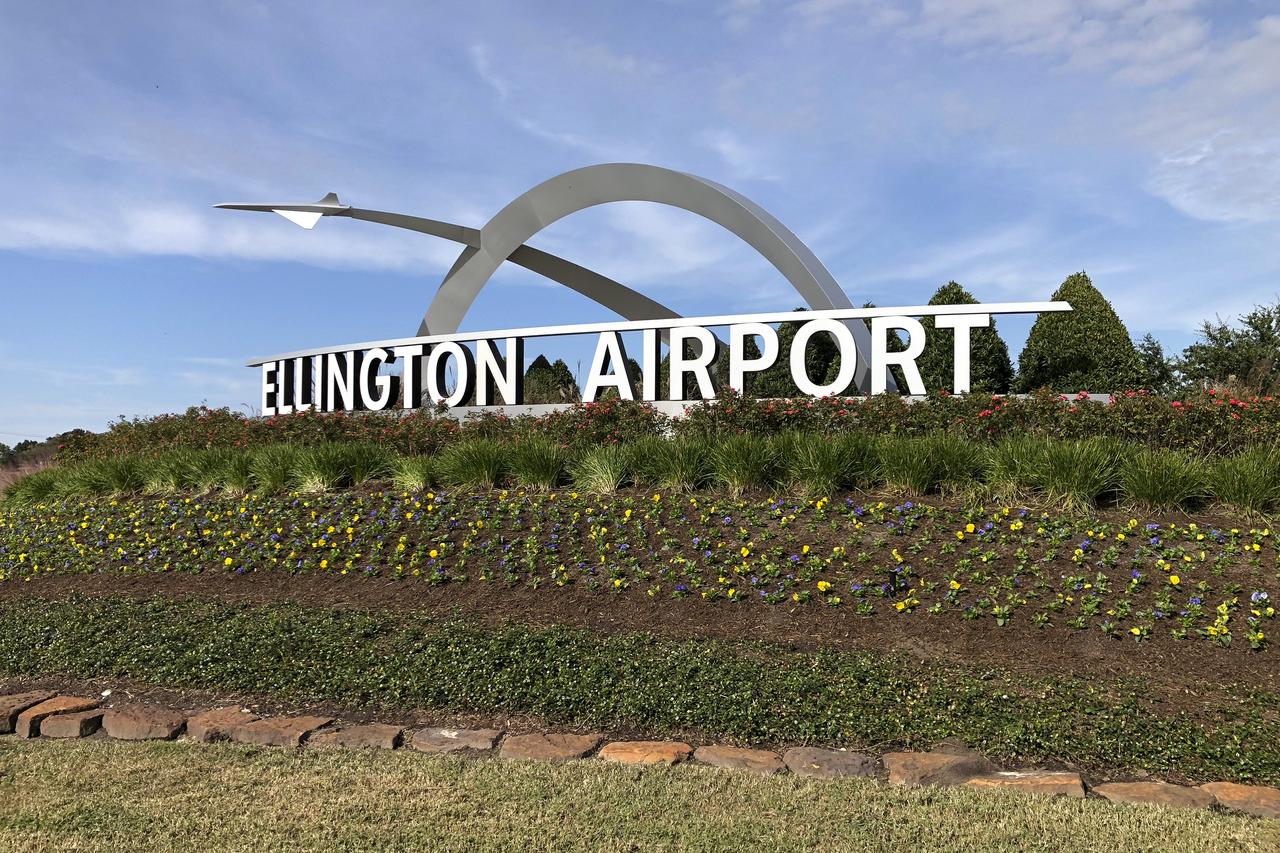
Part of the mission criteria that led to the decision to fly off the coast of Galveston for QSF18 was the convenience of having NASA Johnson Space Center’s facilities at Ellington Field.
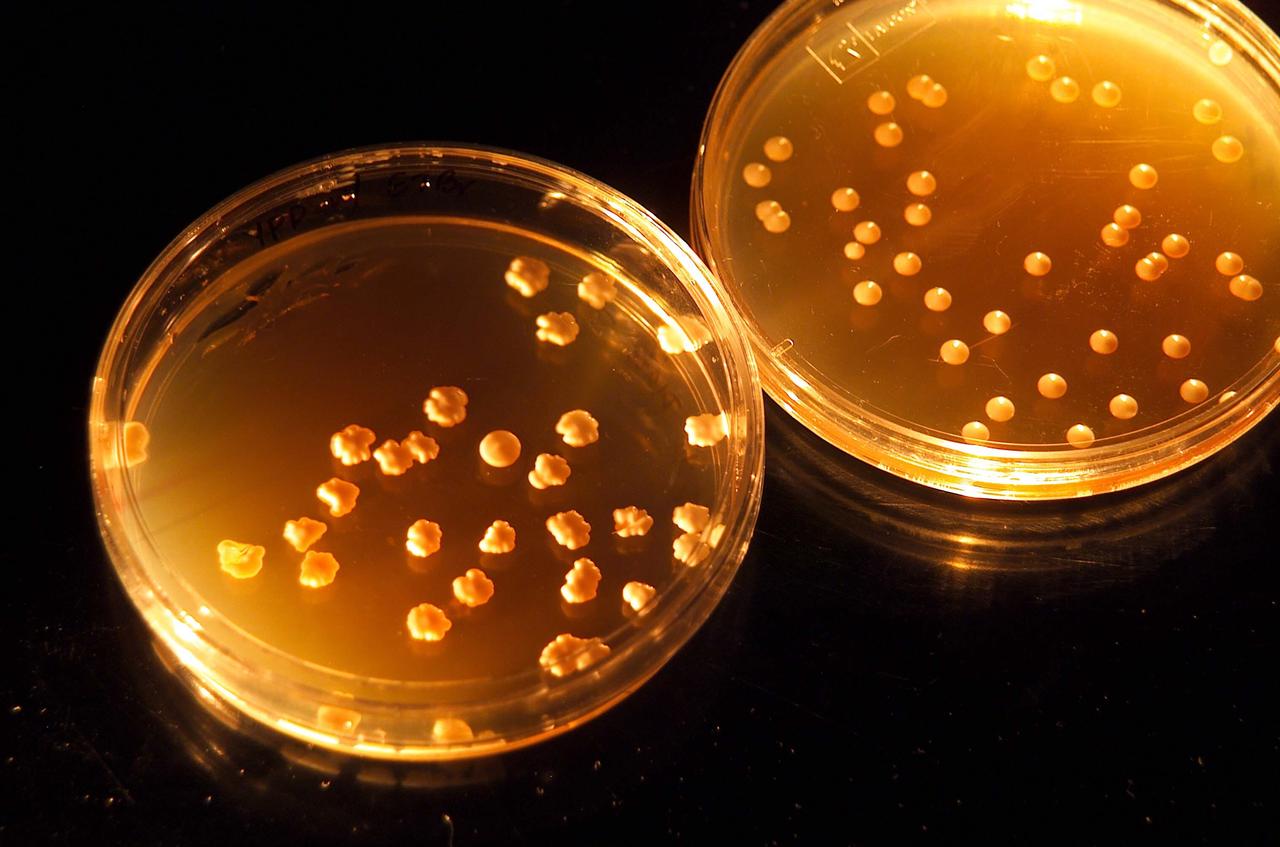
SSBRP Incubator/Small Payloads Development (N-261 Lab 1) with petrie dish speciems, led (red) lights and purple gloved hand
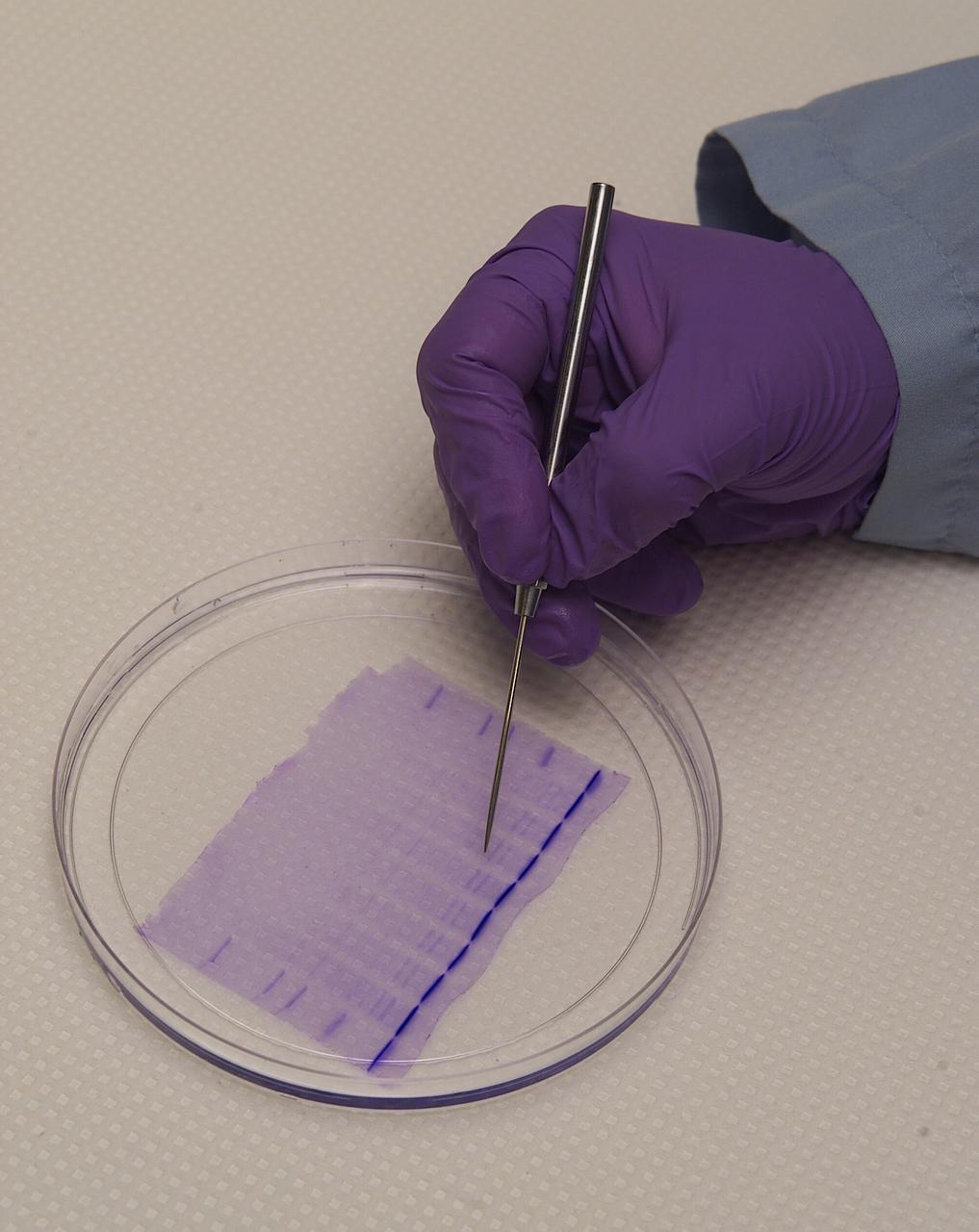
SSBRP Incubator/Small Payloads Development (N-261 Lab 1) with petrie dish speciems, led (red) lights and purple gloved hand
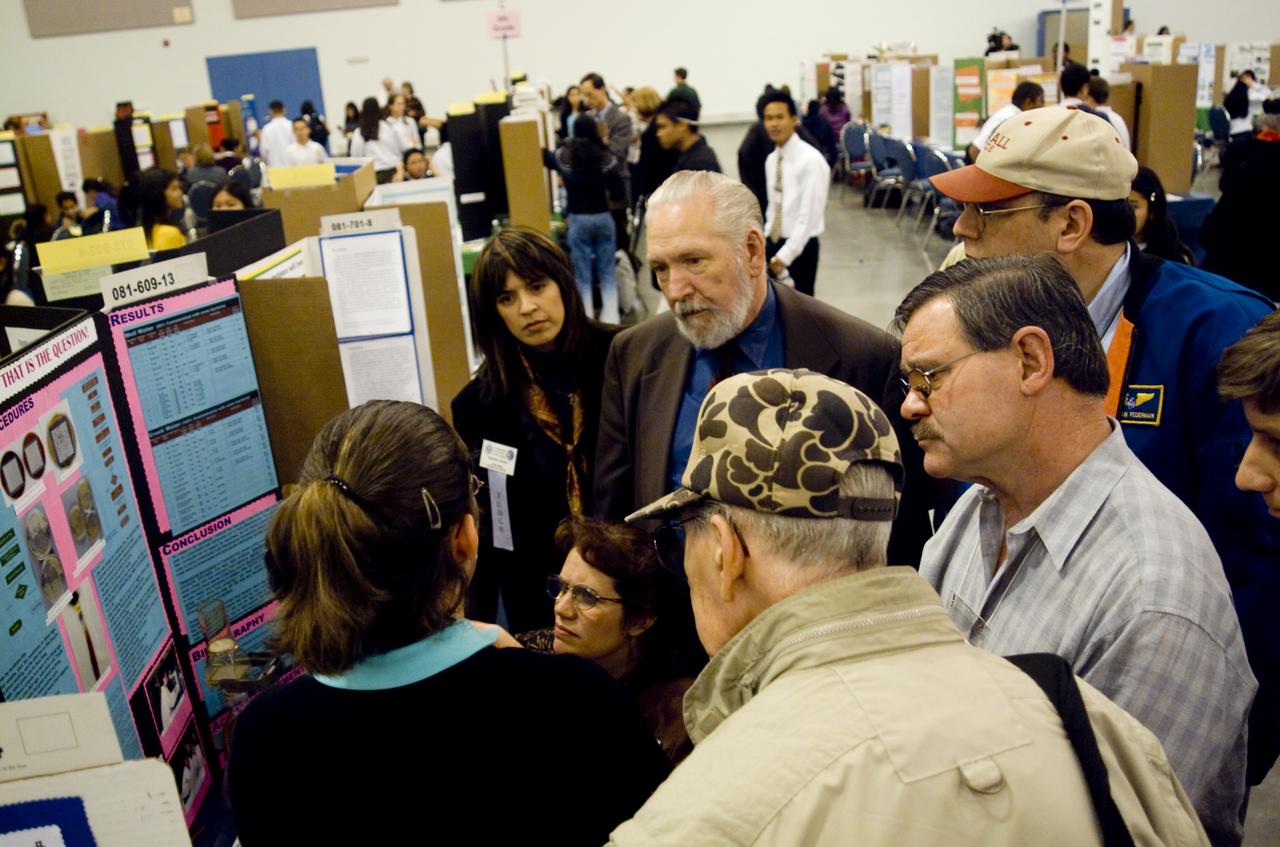
NASA Ames sends judging team (led by Paul Callahan, Code SLO) to 41st Annual Santa Clara Valley Science Fair
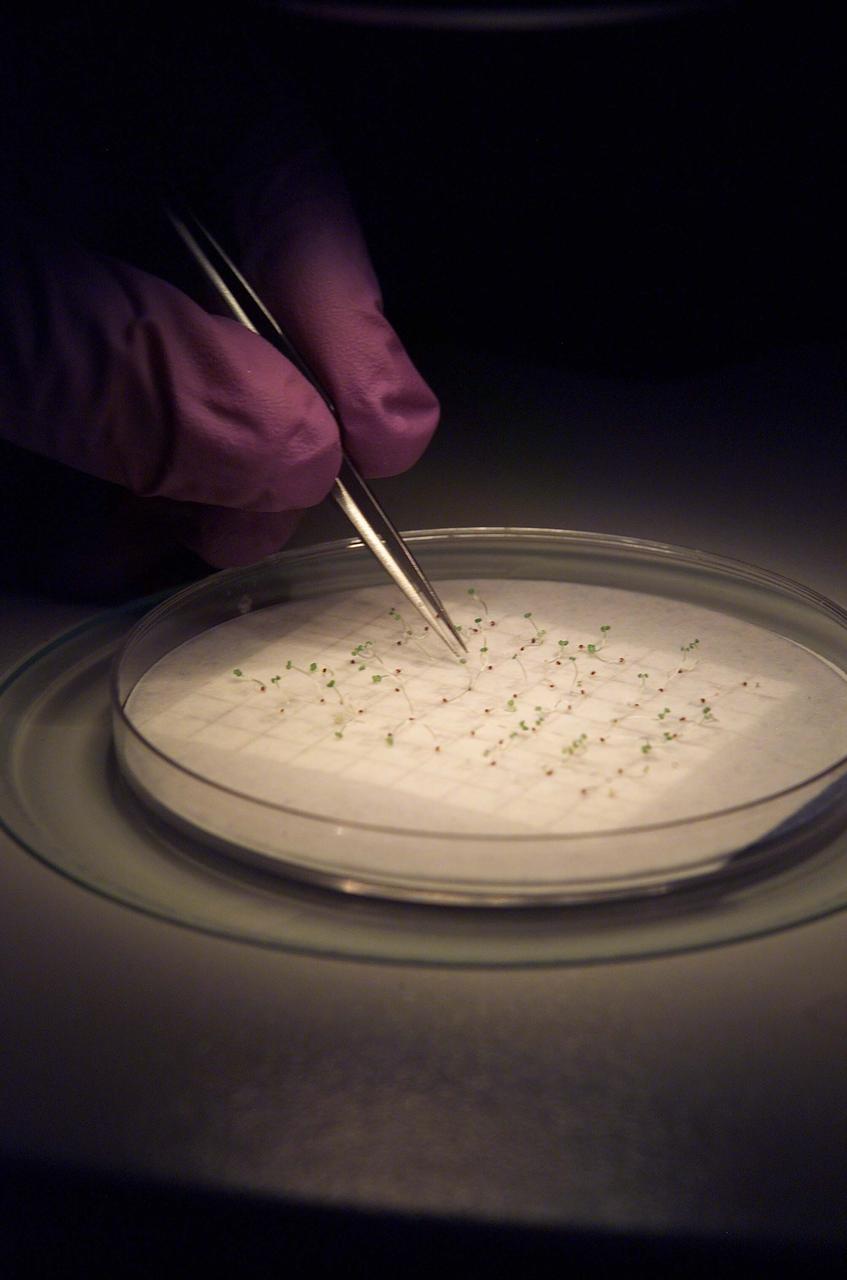
SSBRP Incubator/Small Payloads Development (N-261 Lab 1) with petrie dish speciems, led (red) lights and purple gloved hand
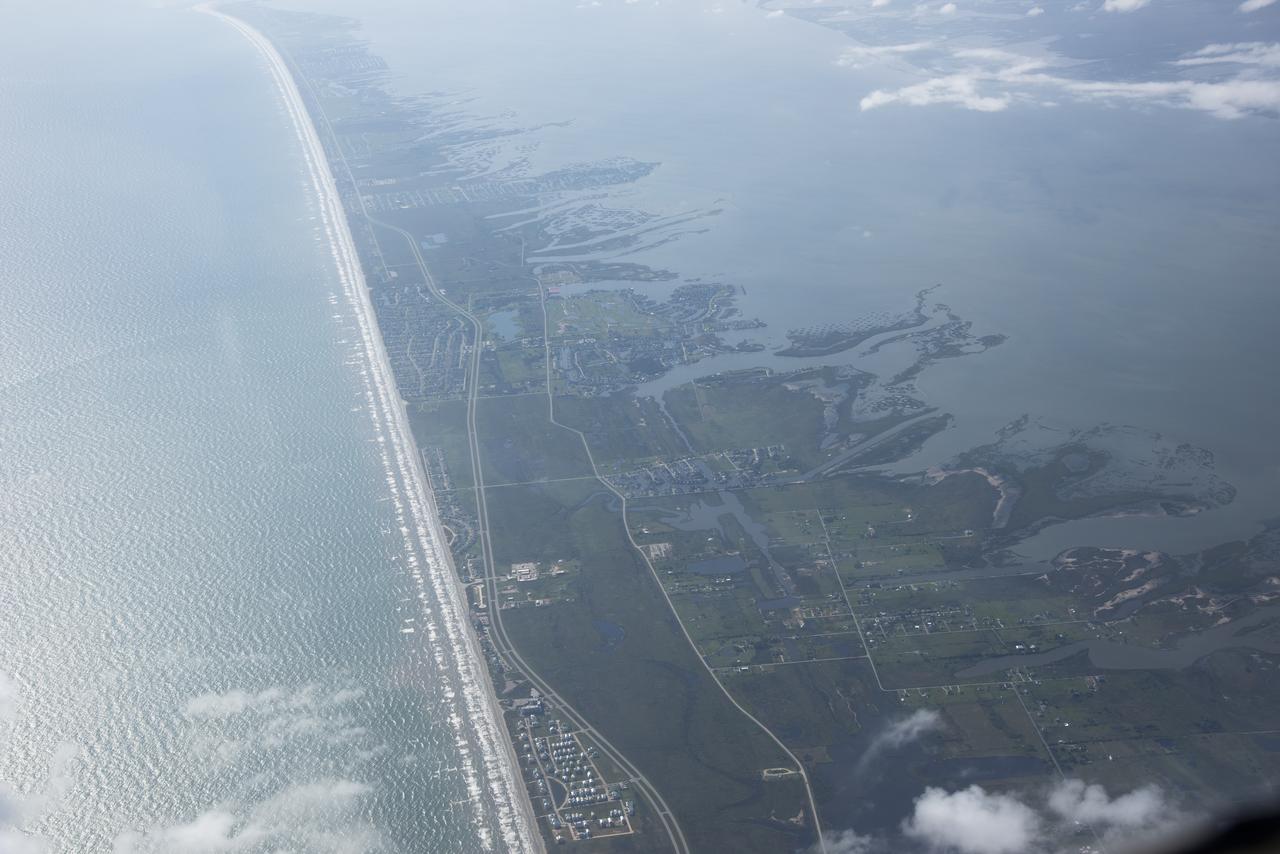
Part of the mission criteria that led to the decision to fly off the coast of Galveston for QSF18 was the convenience of having NASA Johnson Space Center’s facilities at Ellington Field.
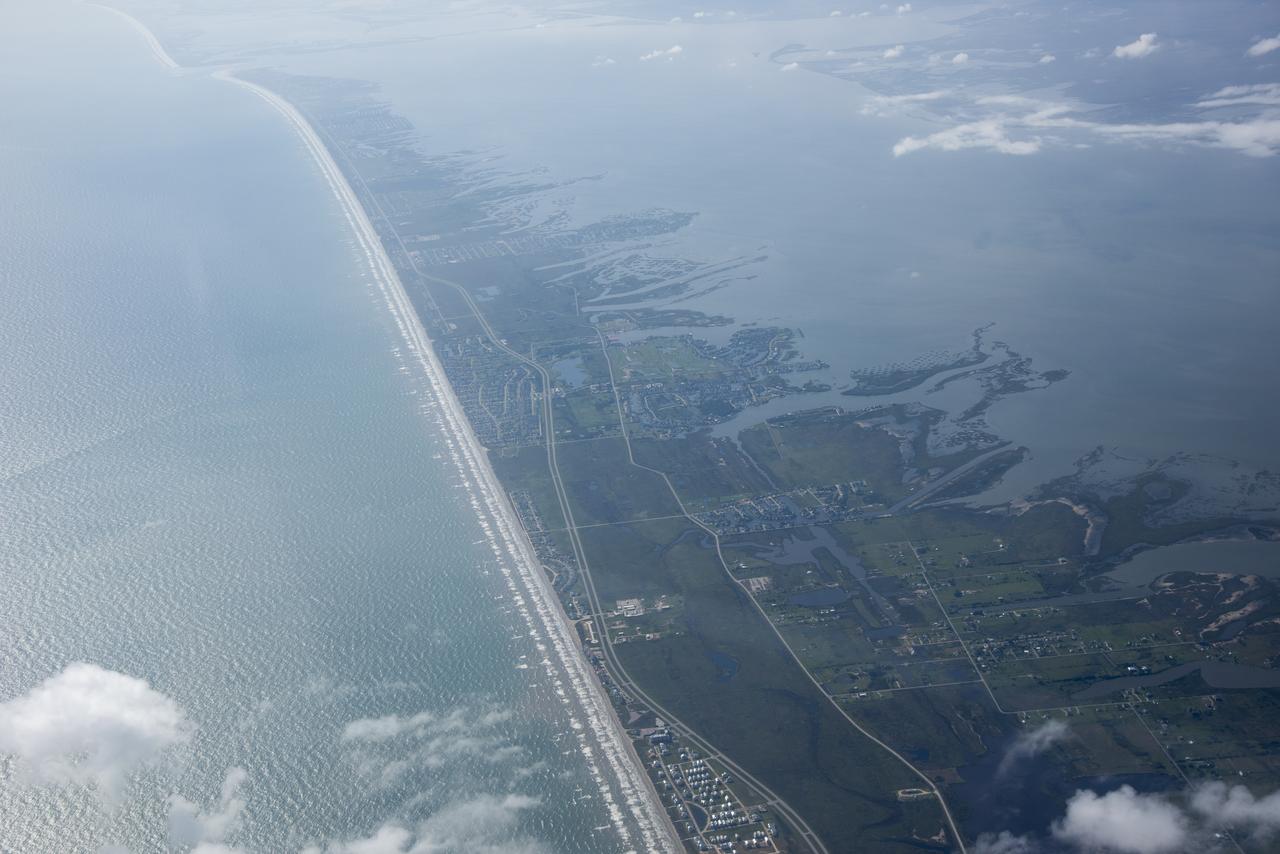
Part of the mission criteria that led to the decision to fly off the coast of Galveston for QSF18 was the convenience of having NASA Johnson Space Center's facilities at Ellington Field.
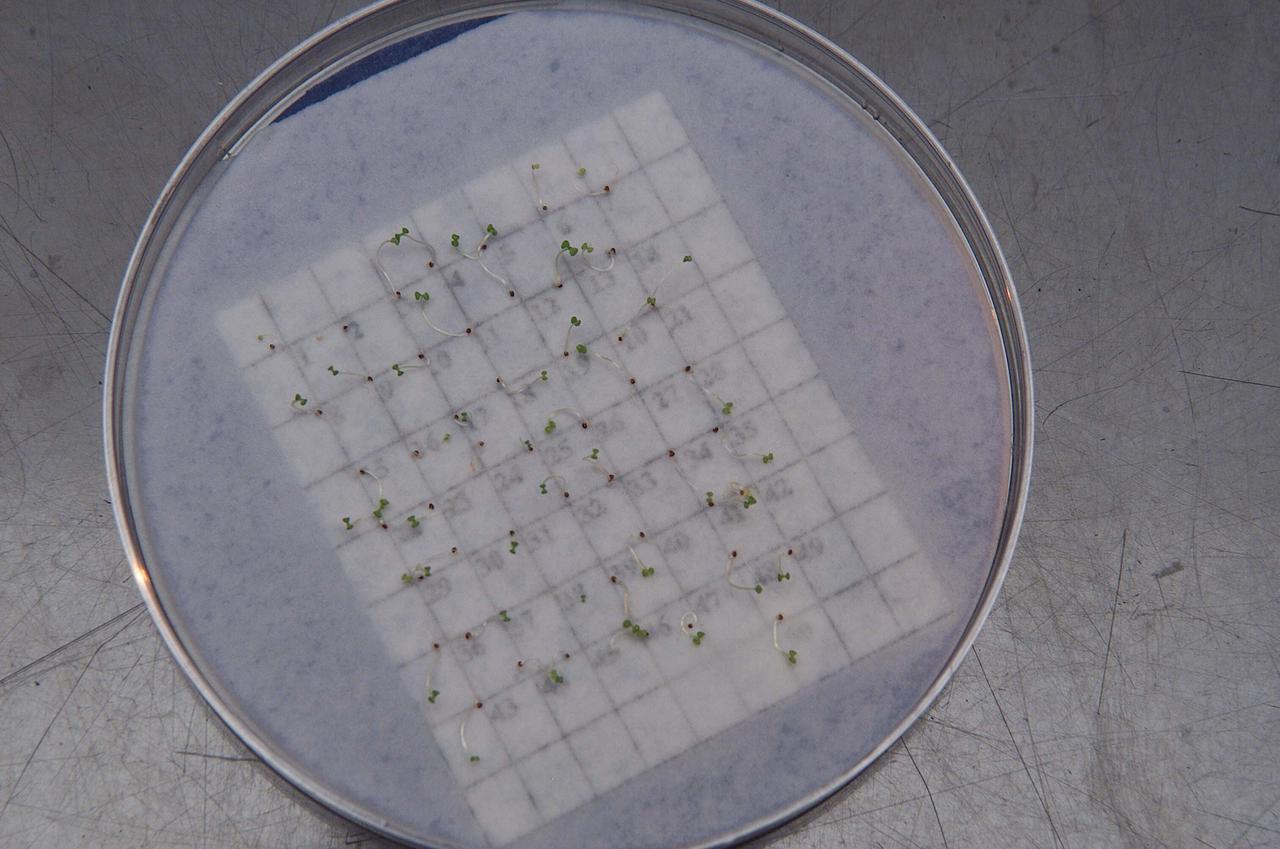
SSBRP Incubator/Small Payloads Development (N-261 Lab 1) with petrie dish speciems, led (red) lights and purple gloved hand
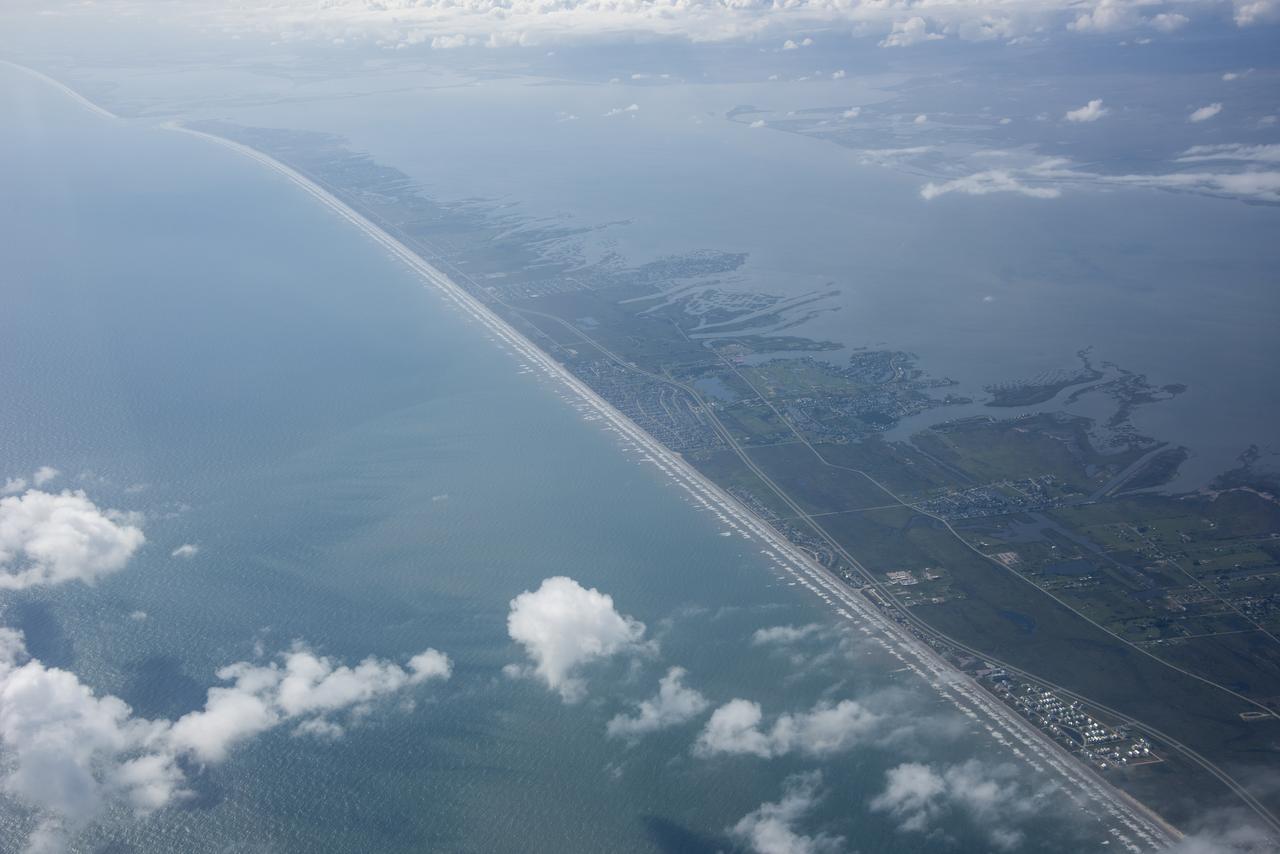
Part of the mission criteria that led to the decision to fly off the coast of Galveston for QSF18 was the convenience of having NASA Johnson Space Center’s facilities at Ellington Field.
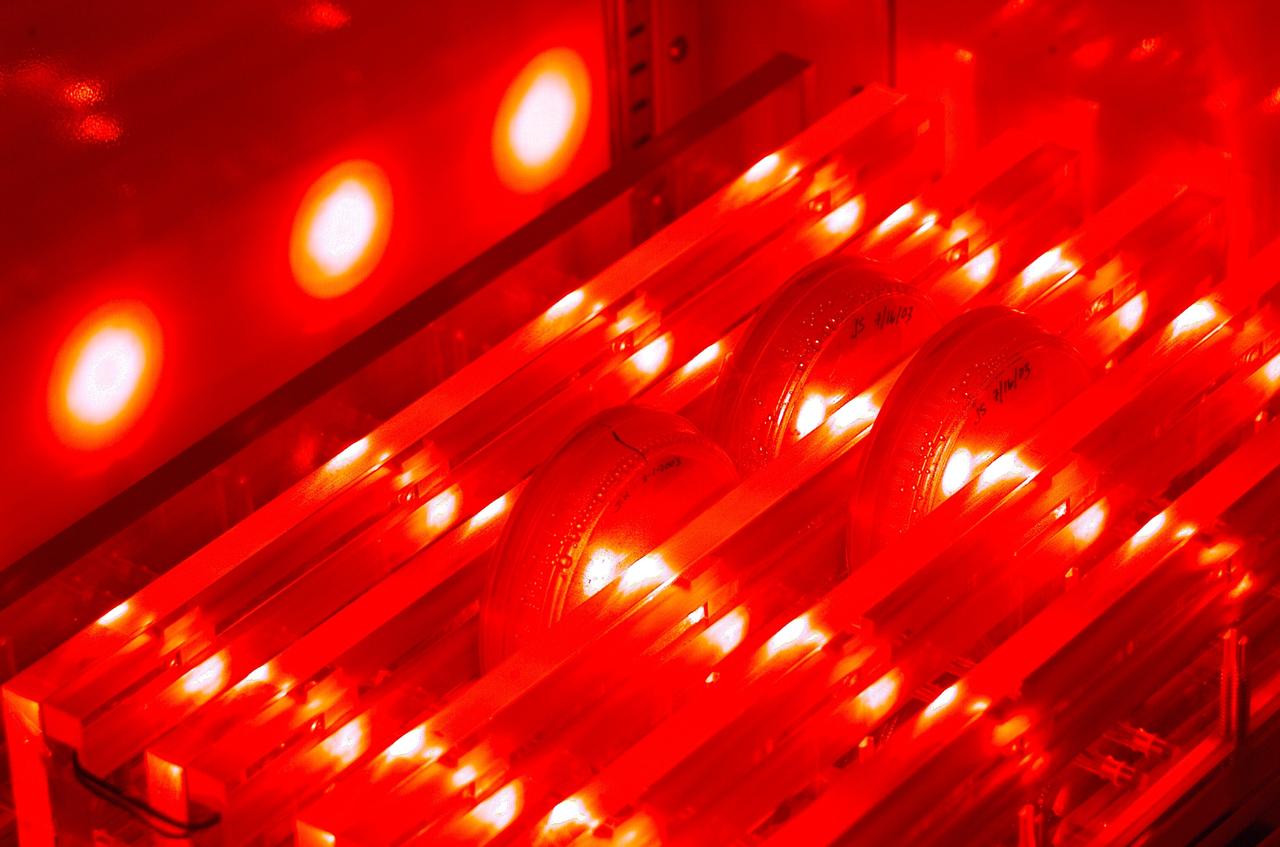
SSBRP Incubator/Small Payloads Development (N-261 Lab 1) with petrie dish speciems, led (red) lights and purple gloved hand
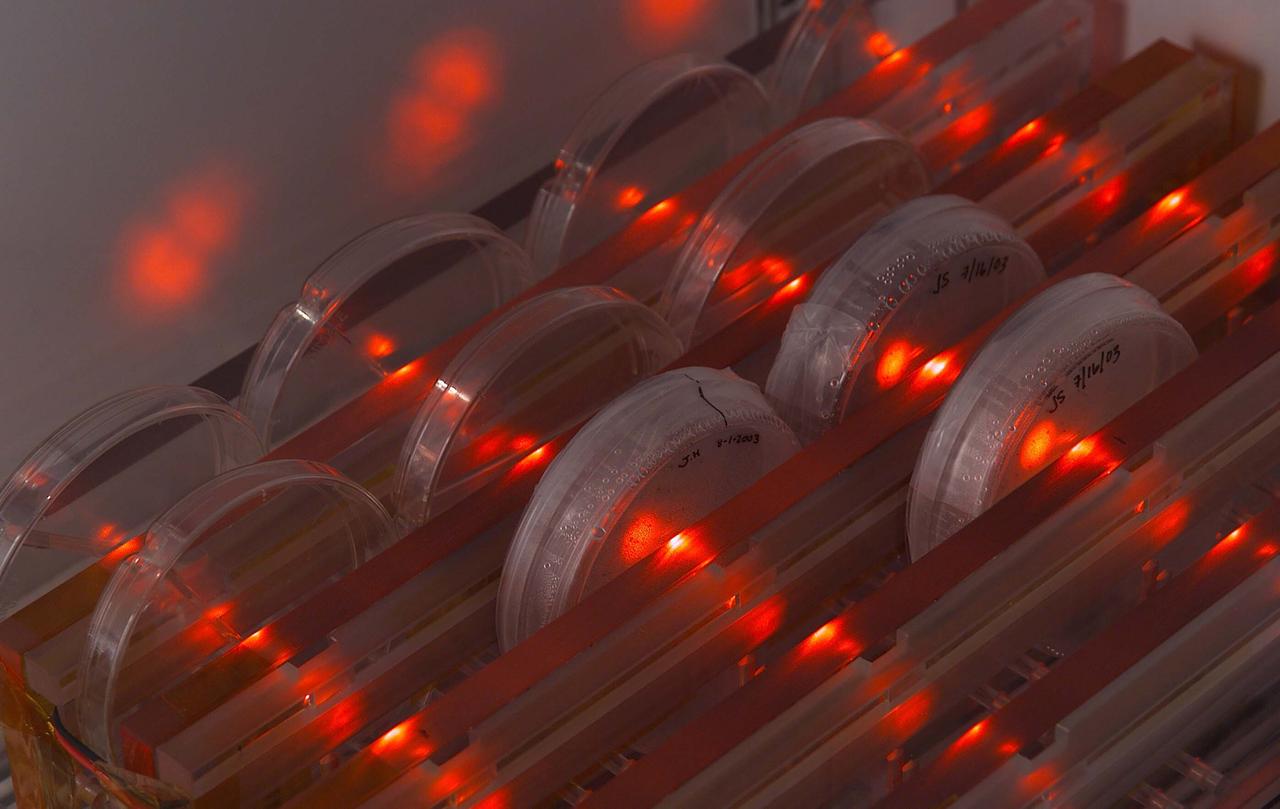
SSBRP Incubator/Small Payloads Development (N-261 Lab 1) with petrie dish speciems, led (red) lights and purple gloved hand
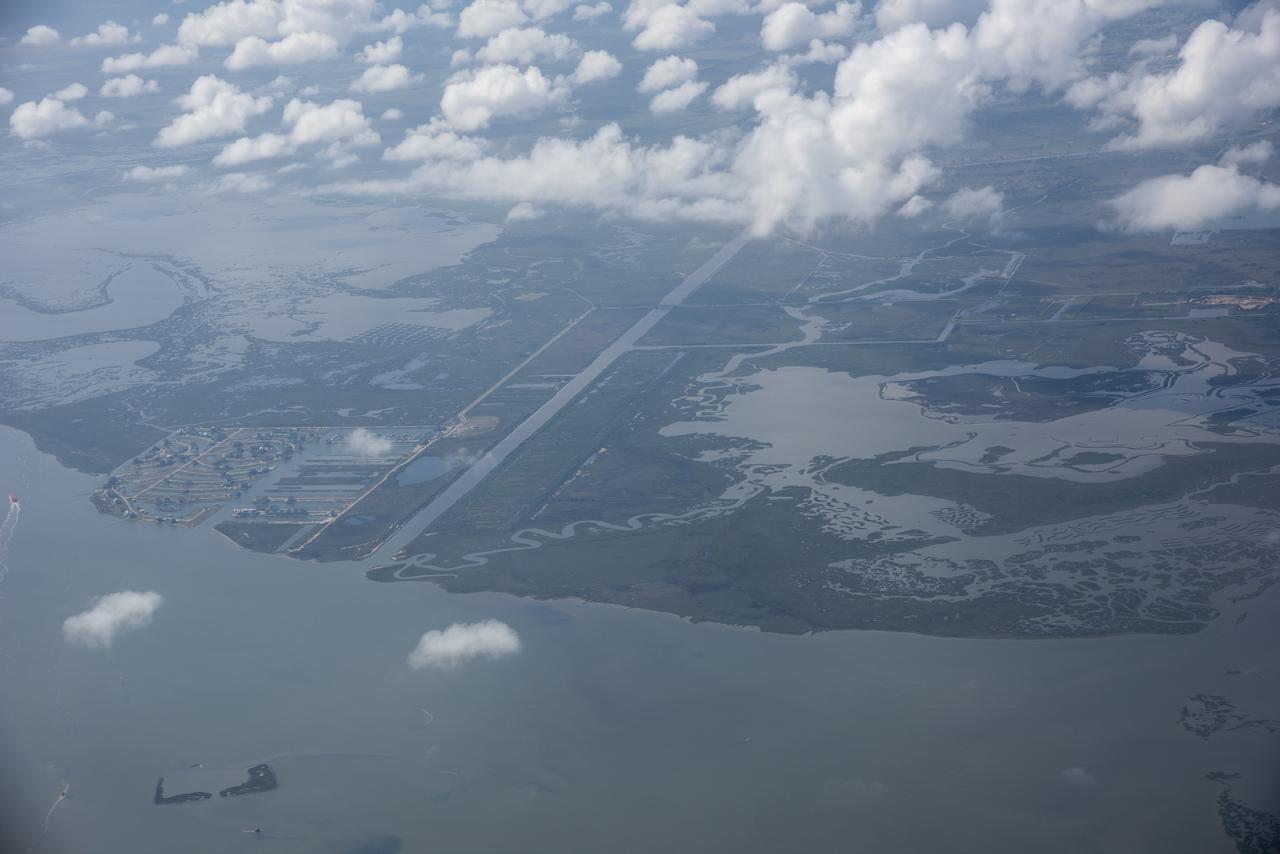
Part of the mission criteria that led to the decision to fly off the coast of Galveston for QSF18 was the convenience of having NASA Johnson Space Center’s facilities at Ellington Field.

SSBRP Incubator/Small Payloads Development (N-261 Lab 1) with petrie dish speciems, led (red) lights and purple gloved hand
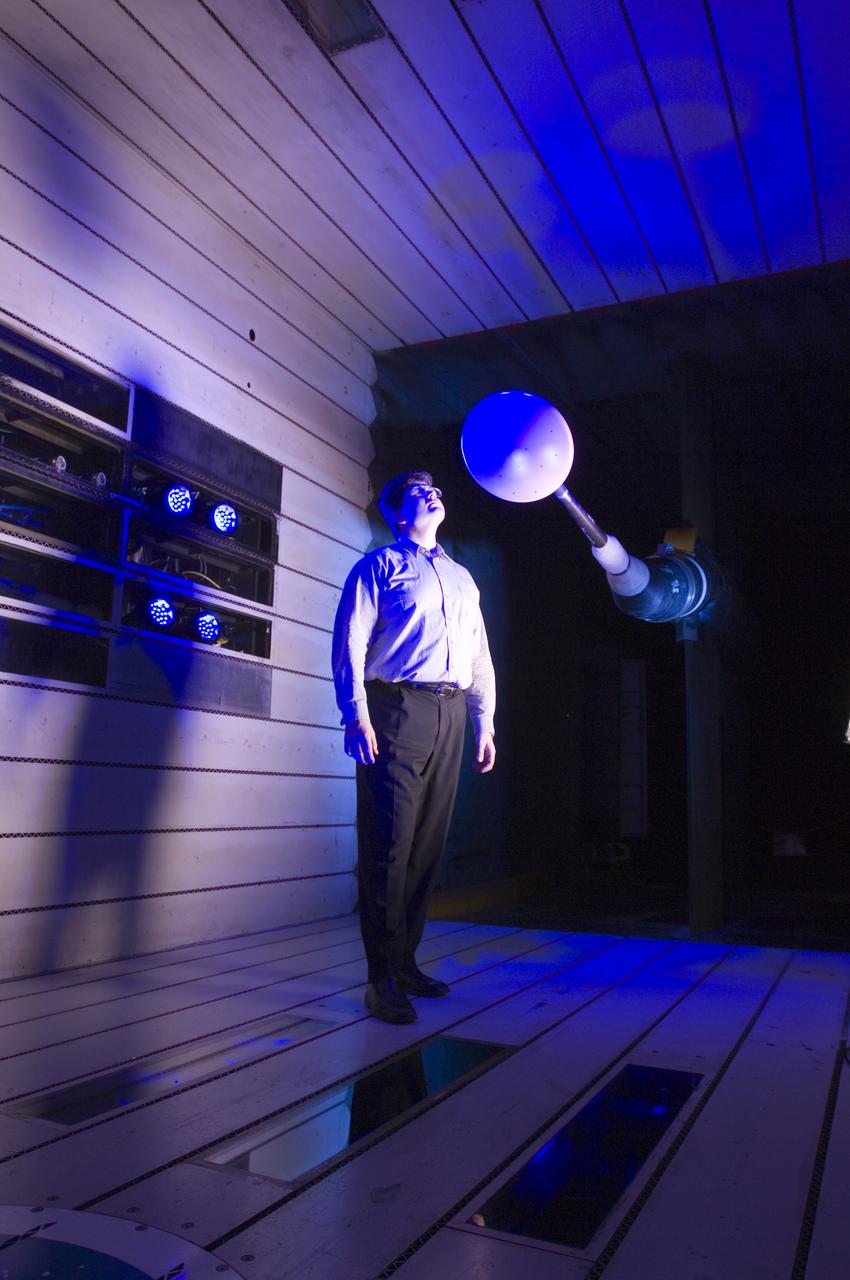
CEV model with pressure sensitive paint (PSP) test 11-0148 in the 11ft Ames wind tunnel. Joe Olejniczak with blue LEDS.

Two Phase Flow Facility, Toffy Modular Light Emitting Diode (LED) Light System Camera file: 45548822 PSD on backup Pictured: Arthur Stackowicz
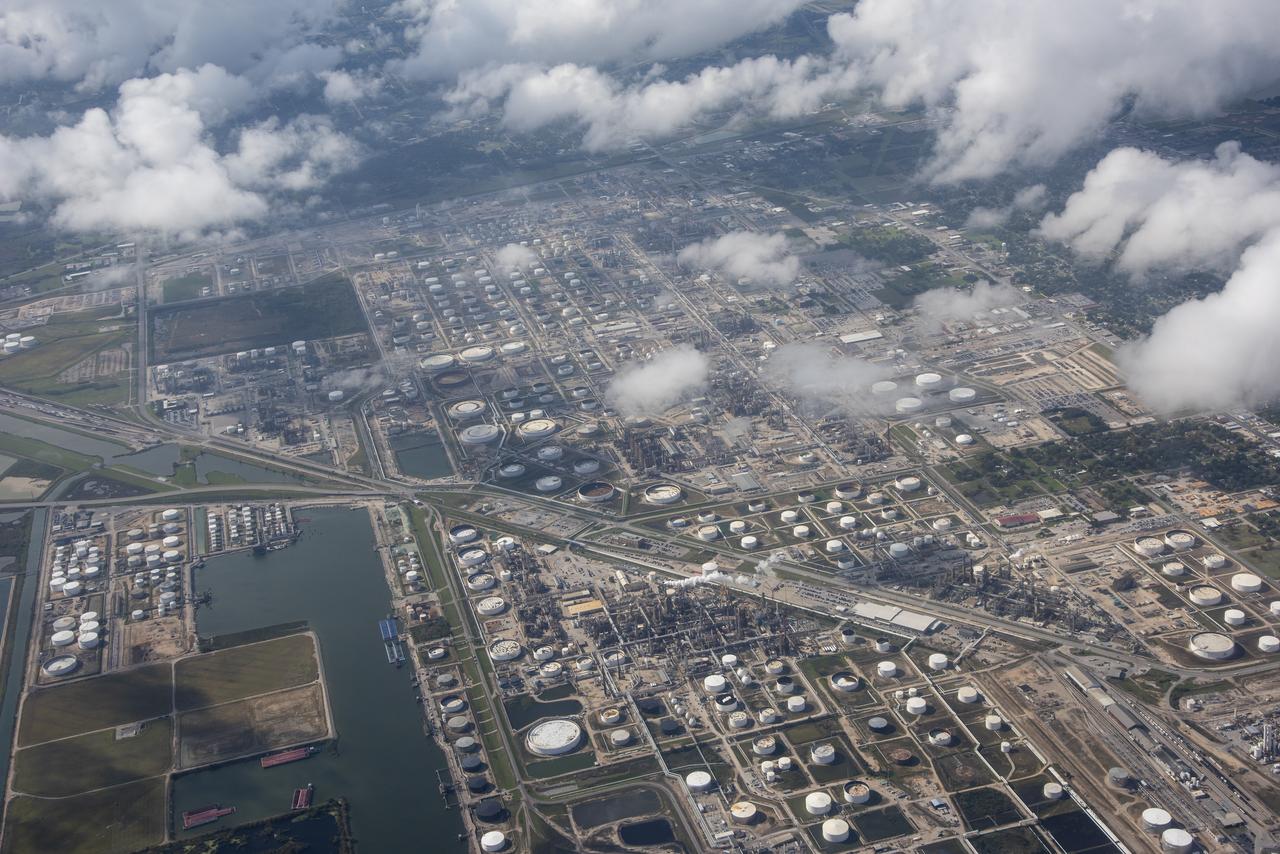
Part of the mission criteria that led to the decision to fly off the coast of Galveston for QSF18 was the convenience of having NASA Johnson Space Center's facilities at Ellington Field.
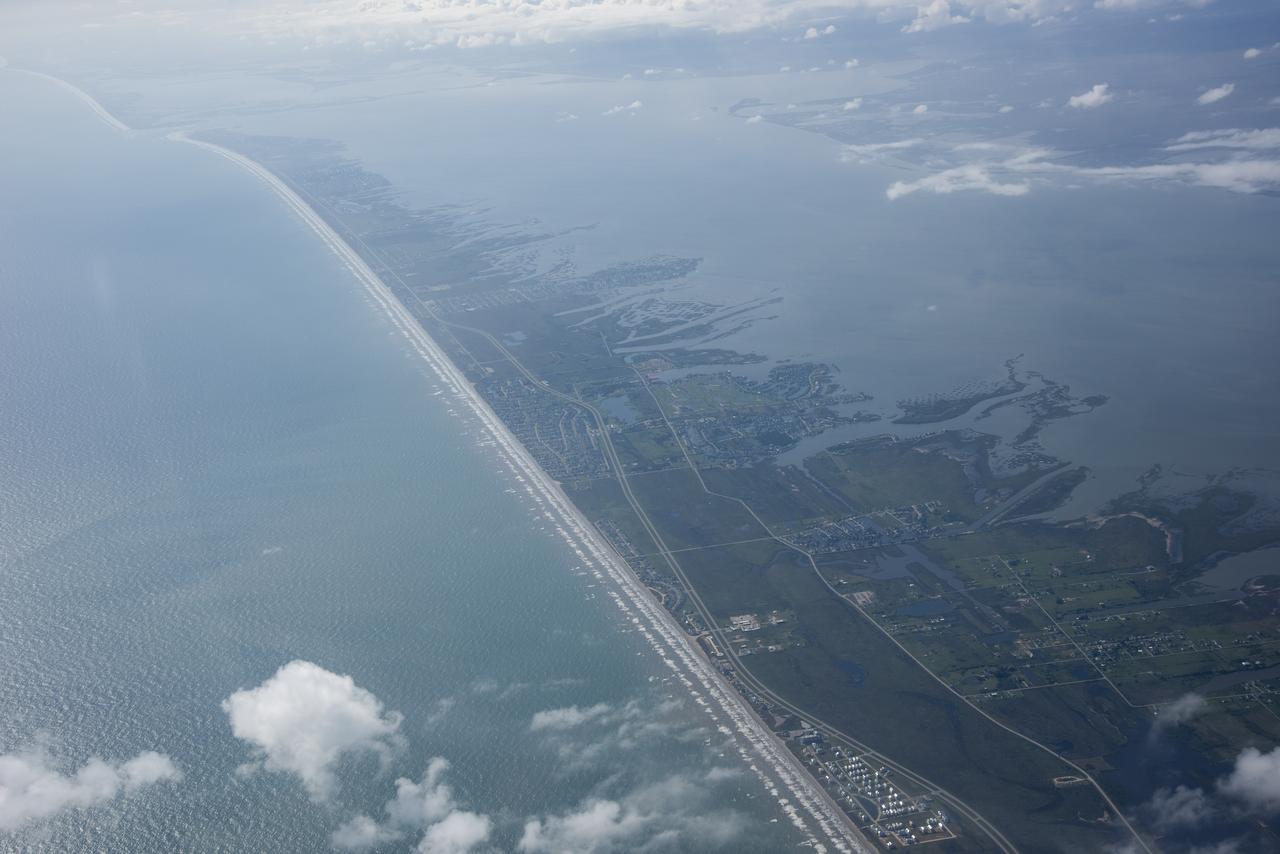
Part of the mission criteria that led to the decision to fly off the coast of Galveston for QSF18 was the convenience of having NASA Johnson Space Center's facilities at Ellington Field.
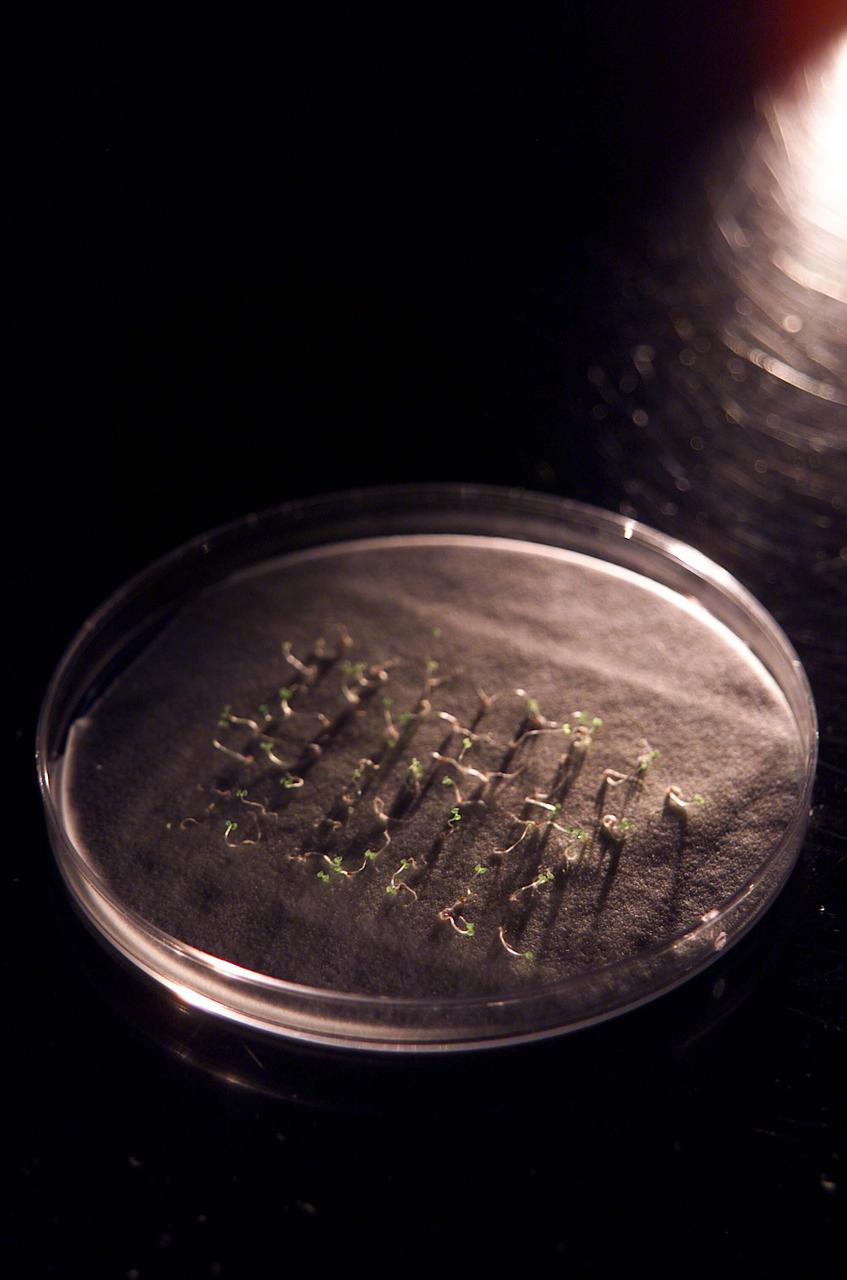
SSBRP Incubator/Small Payloads Development (N-261 Lab 1) with petrie dish speciems, led (red) lights and purple gloved hand
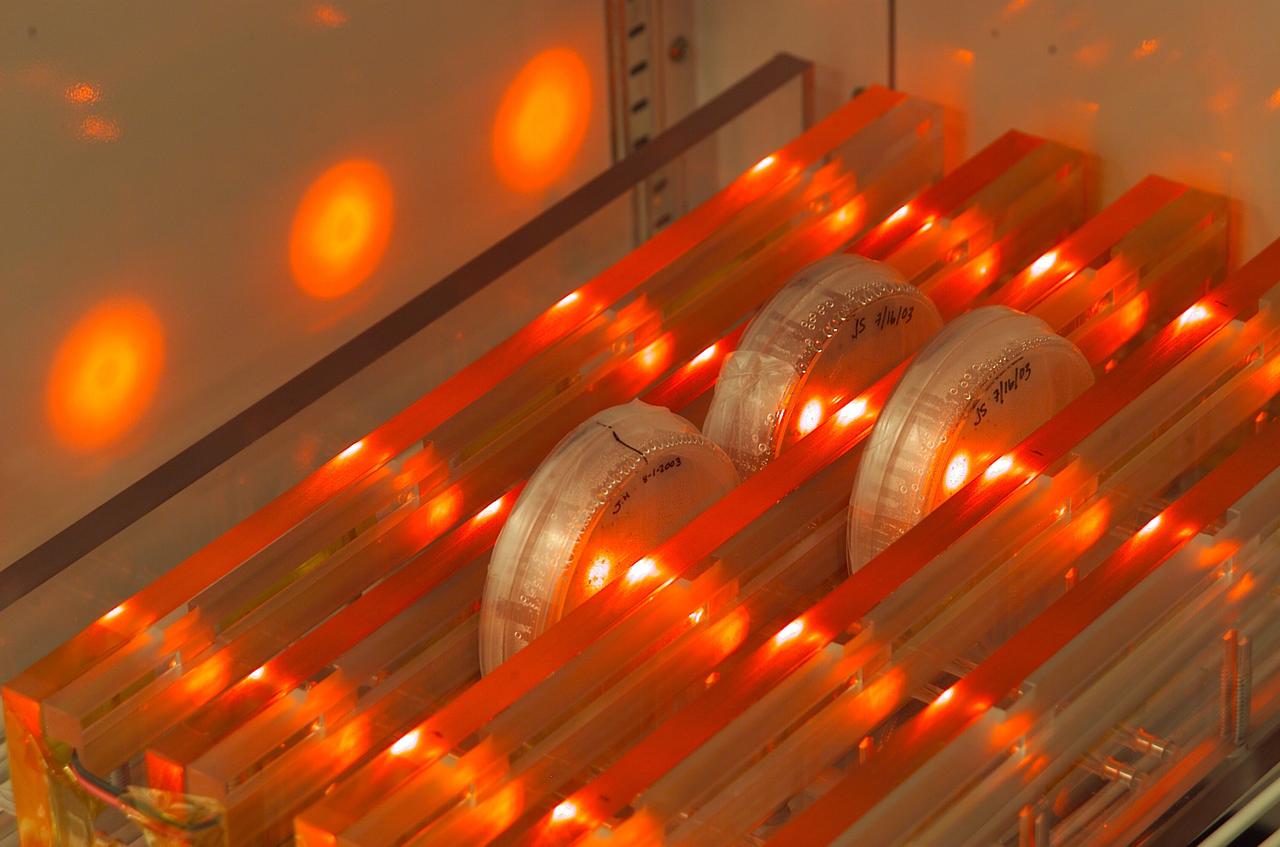
SSBRP Incubator/Small Payloads Development (N-261 Lab 1) with petrie dish speciems, led (red) lights and purple gloved hand
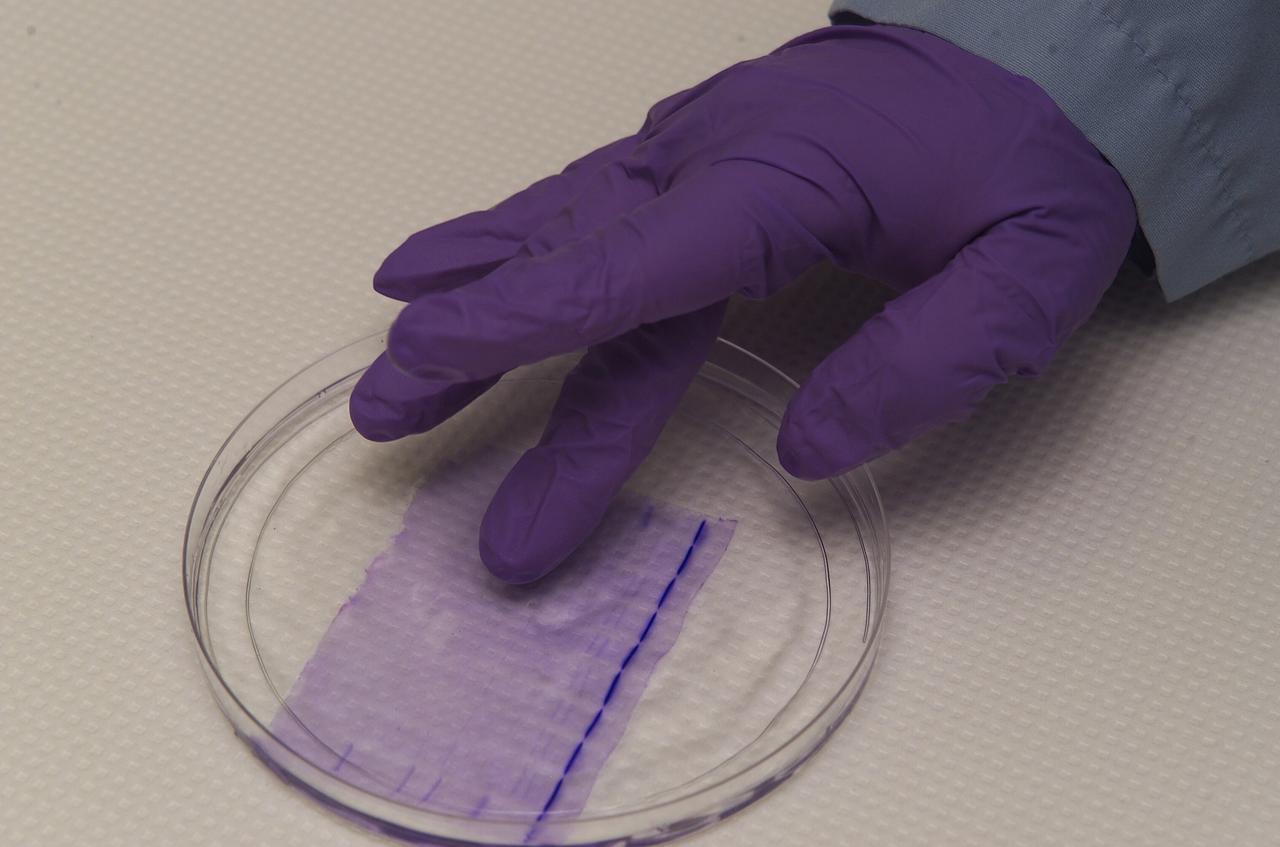
SSBRP Incubator/Small Payloads Development (N-261 Lab 1) with petrie dish speciems, led (red) lights and purple gloved hand
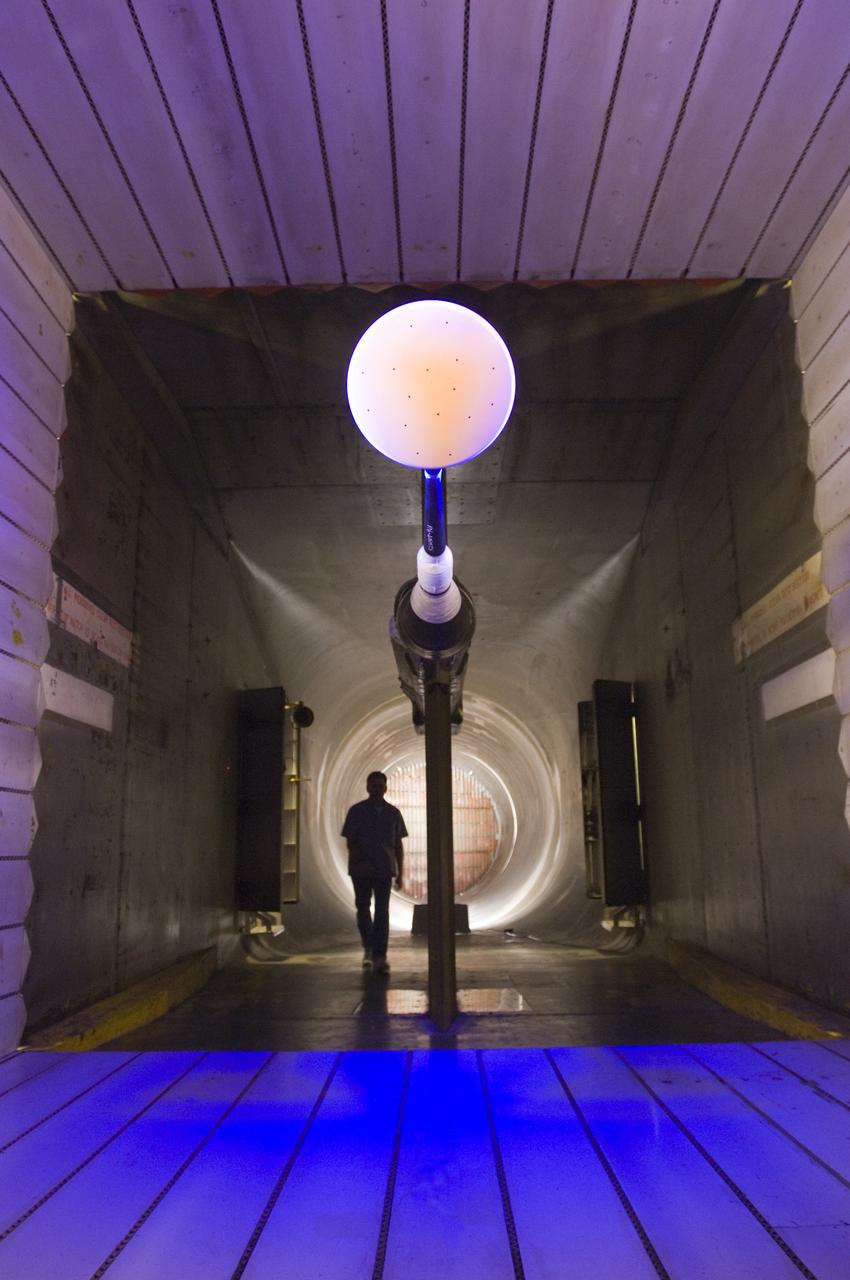
CEV model with pressure sensitive paint (PSP) test 11-0148 in the 11ft Ames wind tunnel. Dave Maurantonio with blue LEDS.

Part of the mission criteria that led to the decision to fly off the coast of Galveston for QSF18 was the convenience of having NASA Johnson Space Center's facilities at Ellington Field.
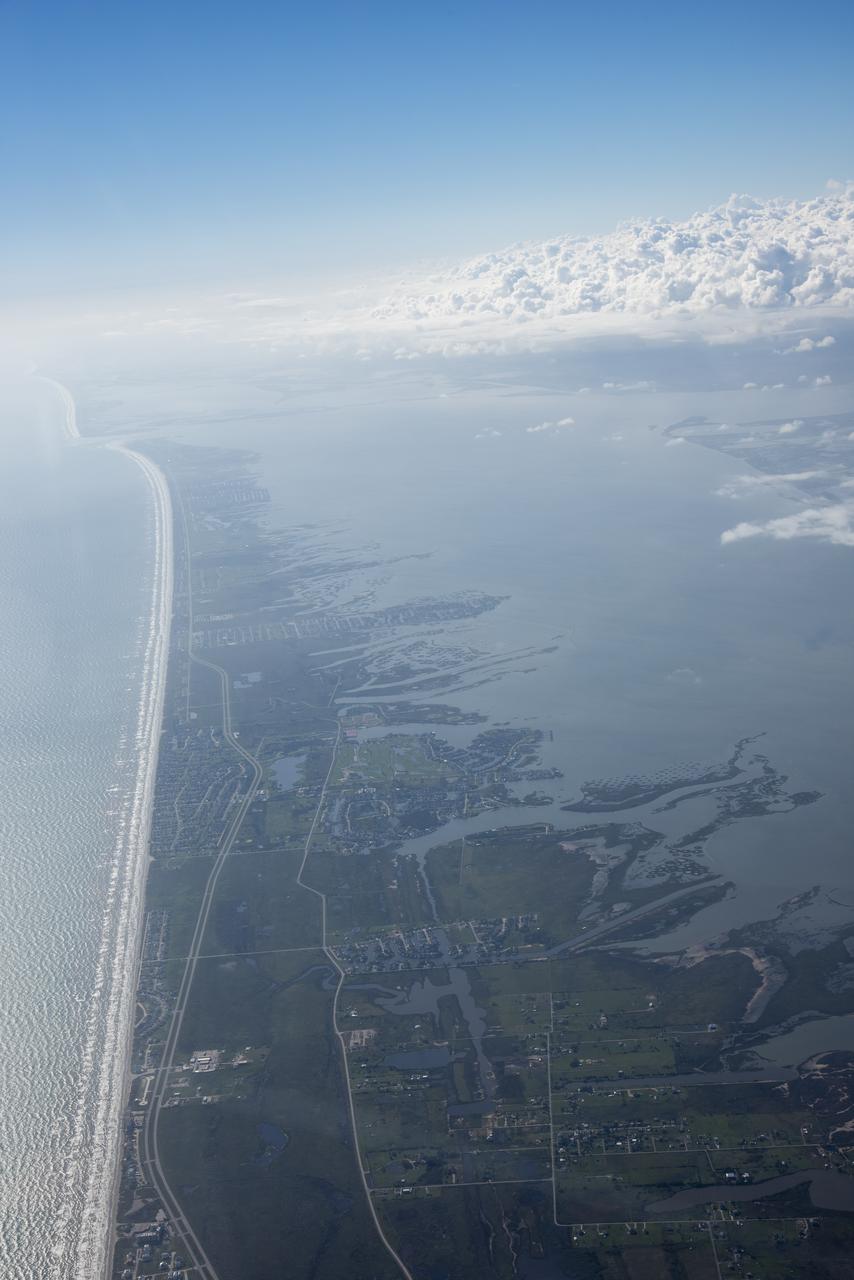
Part of the mission criteria that led to the decision to fly off the coast of Galveston for QSF18 was the convenience of having NASA Johnson Space Center's facilities at Ellington Field.
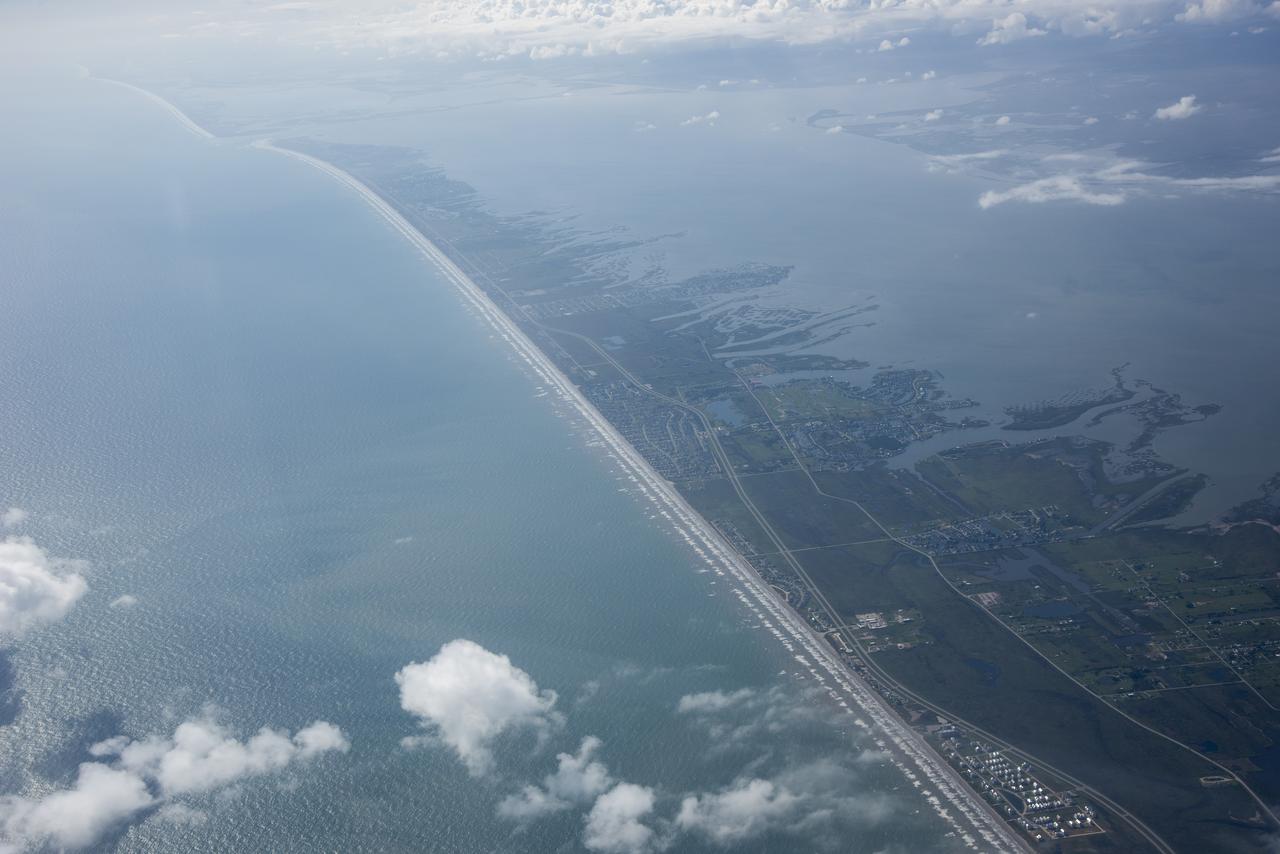
Part of the mission criteria that led to the decision to fly off the coast of Galveston for QSF18 was the convenience of having NASA Johnson Space Center's facilities at Ellington Field.
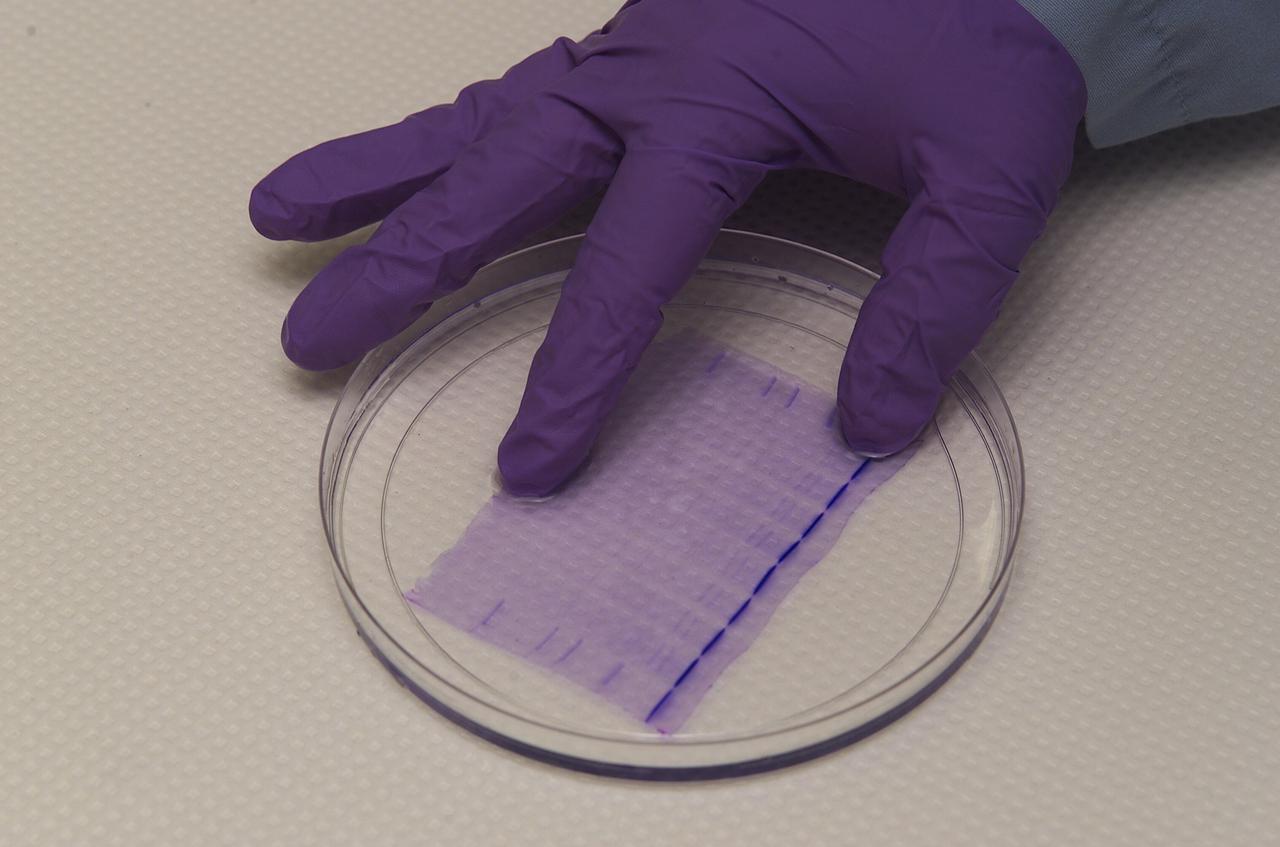
SSBRP Incubator/Small Payloads Development (N-261 Lab 1) with petrie dish speciems, led (red) lights and purple gloved hand
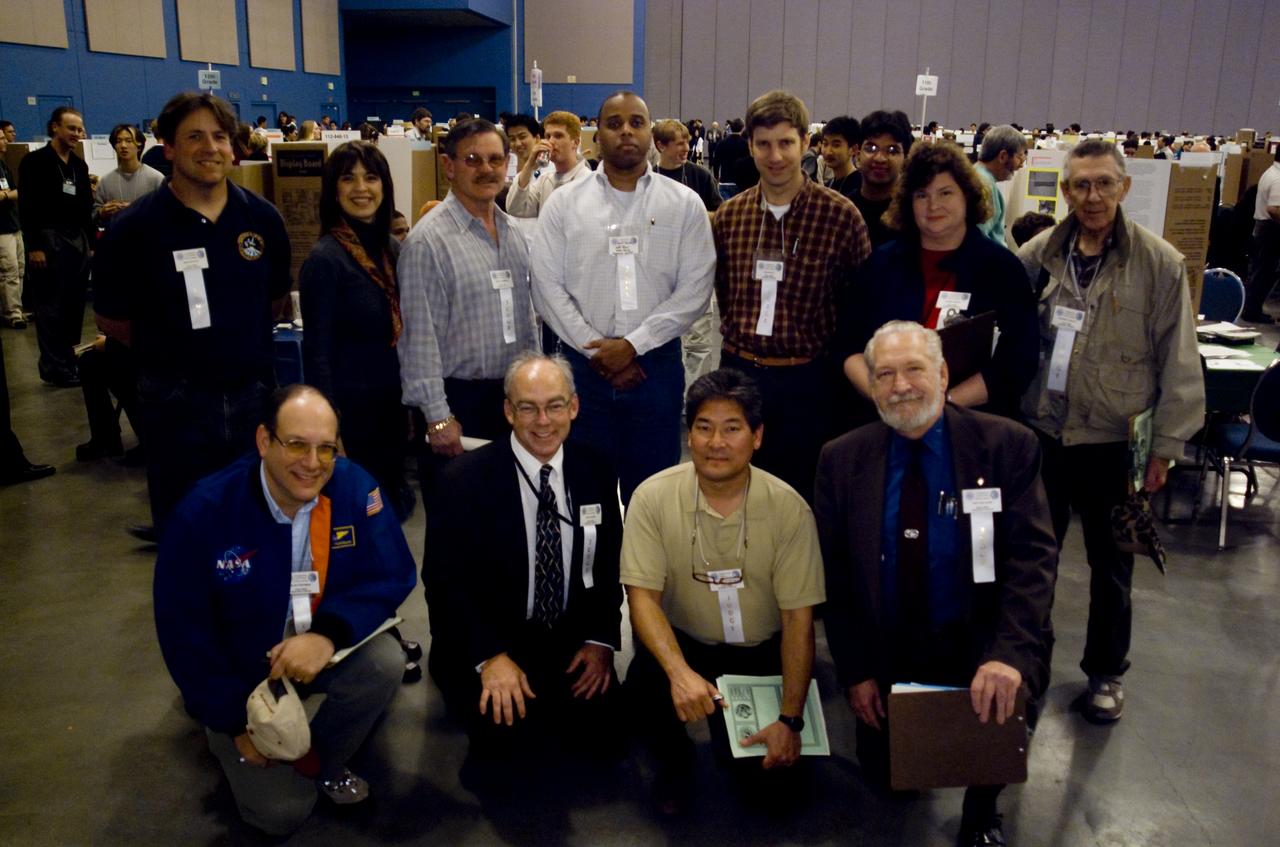
NASA Ames sends judging team (led by Paul Callahan, Code SLO) to 41st Annual Santa Clara Valley Science Fair

KENNEDY SPACE CENTER, FLA. - Hyeon-Hye Kim, a plant physiologist with the National Research Council at the Space Life Sciences Lab, discusses the growing of plants utilizing light-emitting diodes (LEDs) during a tour of the Space Life Sciences Lab for members of the news media. A major challenge to growing plants in space will be controlling and supplying sufficient quantity and quality of light. LEDs represent an innovative artificial lighting source with several features specific for supporting plants, whether on space-based transit vehicles or planetary life support systems.
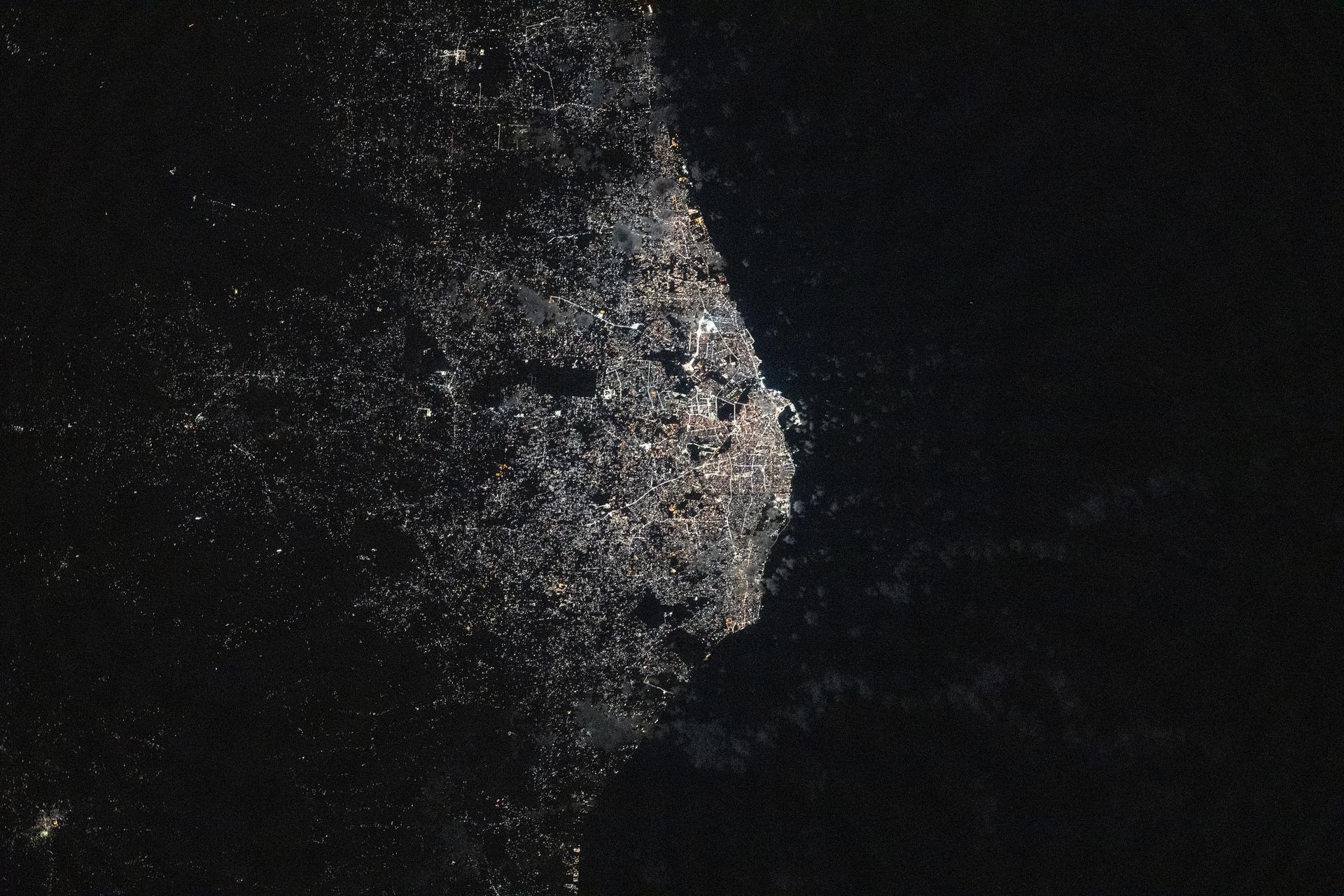
iss073e1047001 (Nov. 2, 2025) --- Tripoli, Libya—a city founded approximately 2,700 years ago on the Mediterranean Sea coast—is pictured at about 11:10 p.m. local time from the International Space Station as it orbited 259 miles above the African nation. The city’s modern, cool white lights reflect a major transition to LED and solar-powered LED lighting, part of efforts to modernize urban design, enhance safety, and support tourism infrastructure.
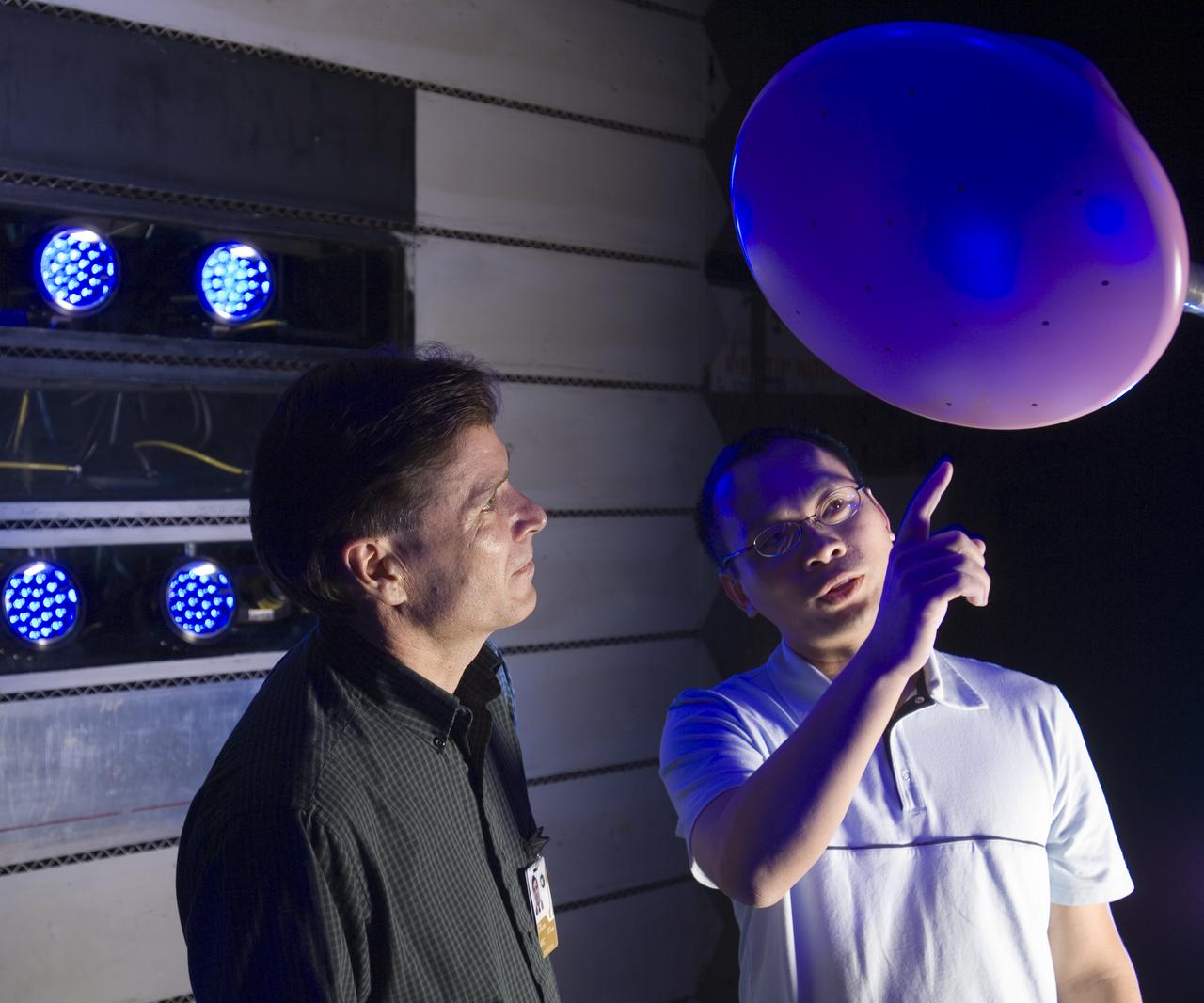
CEV model with pressure sensitive paint (PSP) test 11-0148 in the 11ft Ames wind tunnel. Shown here with Paul Espinosa (l) and Tuan Truong (r) wwith blue LEDS
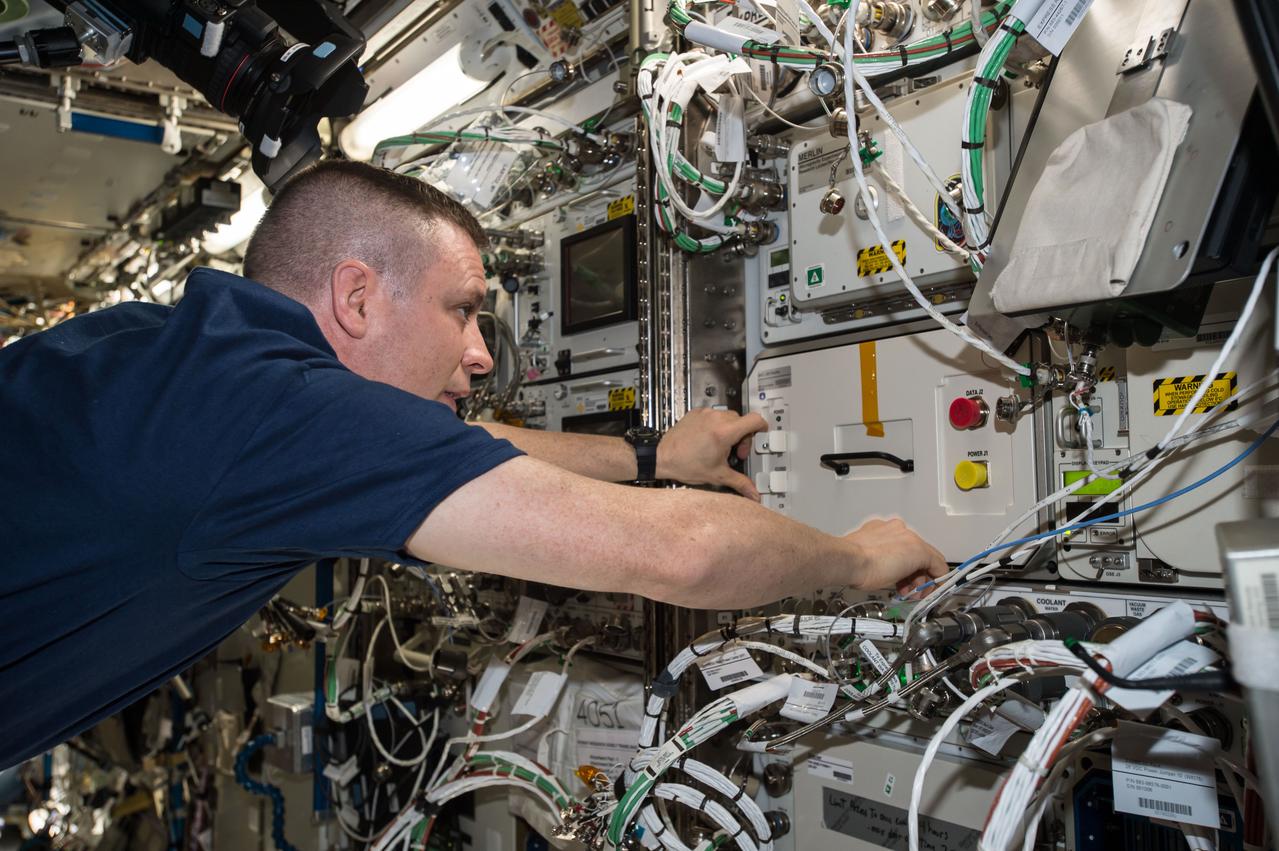
iss052e073850 (Aug. 25, 2017) --- NASA astronaut Jack Fischer installs hardware Biological Research In Canisters - Light Emitting Diode (BRIC-LED) for future experiments investigating seedling, microbial, or fungal growth.
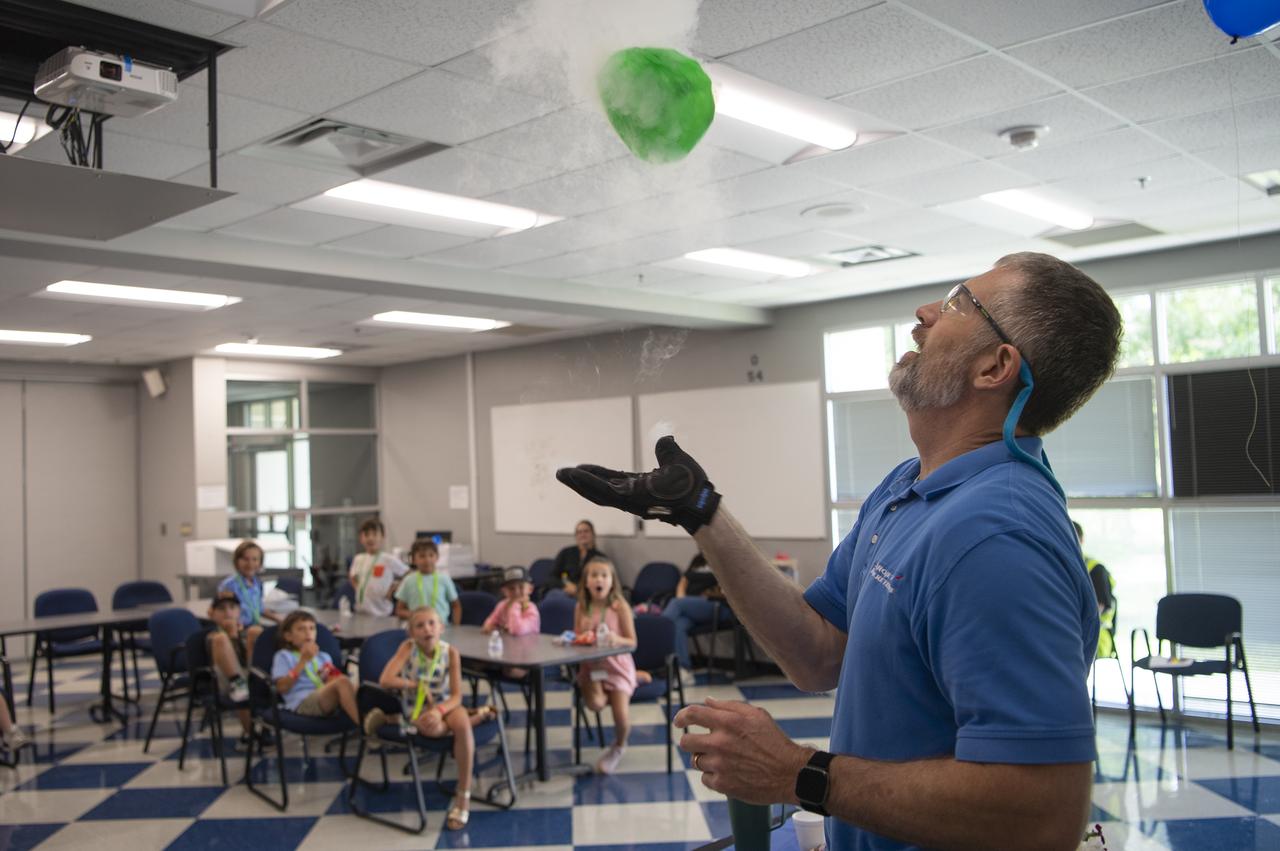
A group of Take Our Children Day participants watch a cryogenic demonstration led by Allen Forsman of Aerojet Rocketdyne, an L3Harris Technologies company, on June 27 at the Aerojet Rocketdyne Engine Assembly Facility at NASA Stennis.
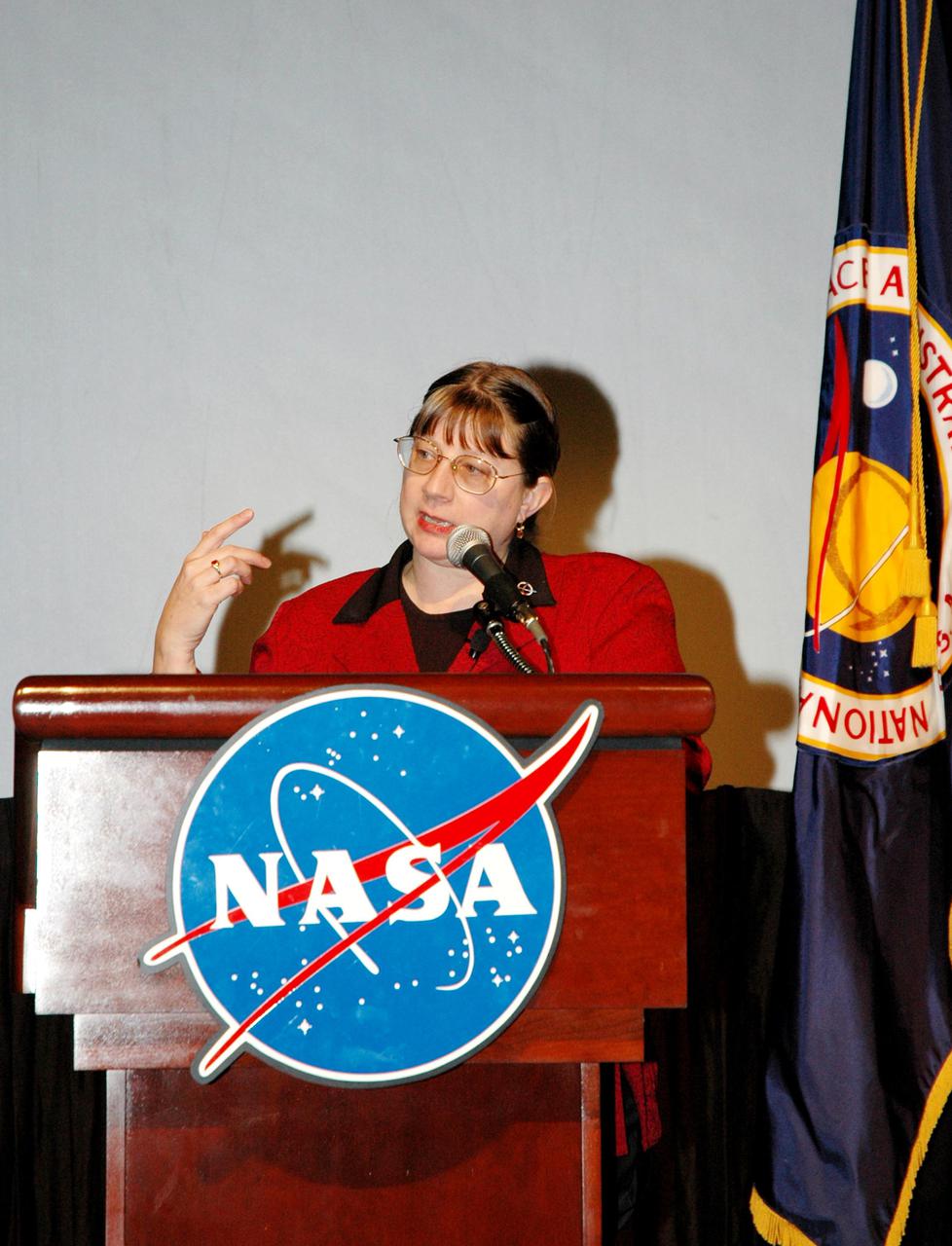
KENNEDY SPACE CENTER, FLA. - Lynn Cline, deputy associate administrator for Space Operations, speaks to attendees of the One NASA Leader-Led Workshop about Transformation activities at Kennedy. The workshop included senior leadership in the Agency.
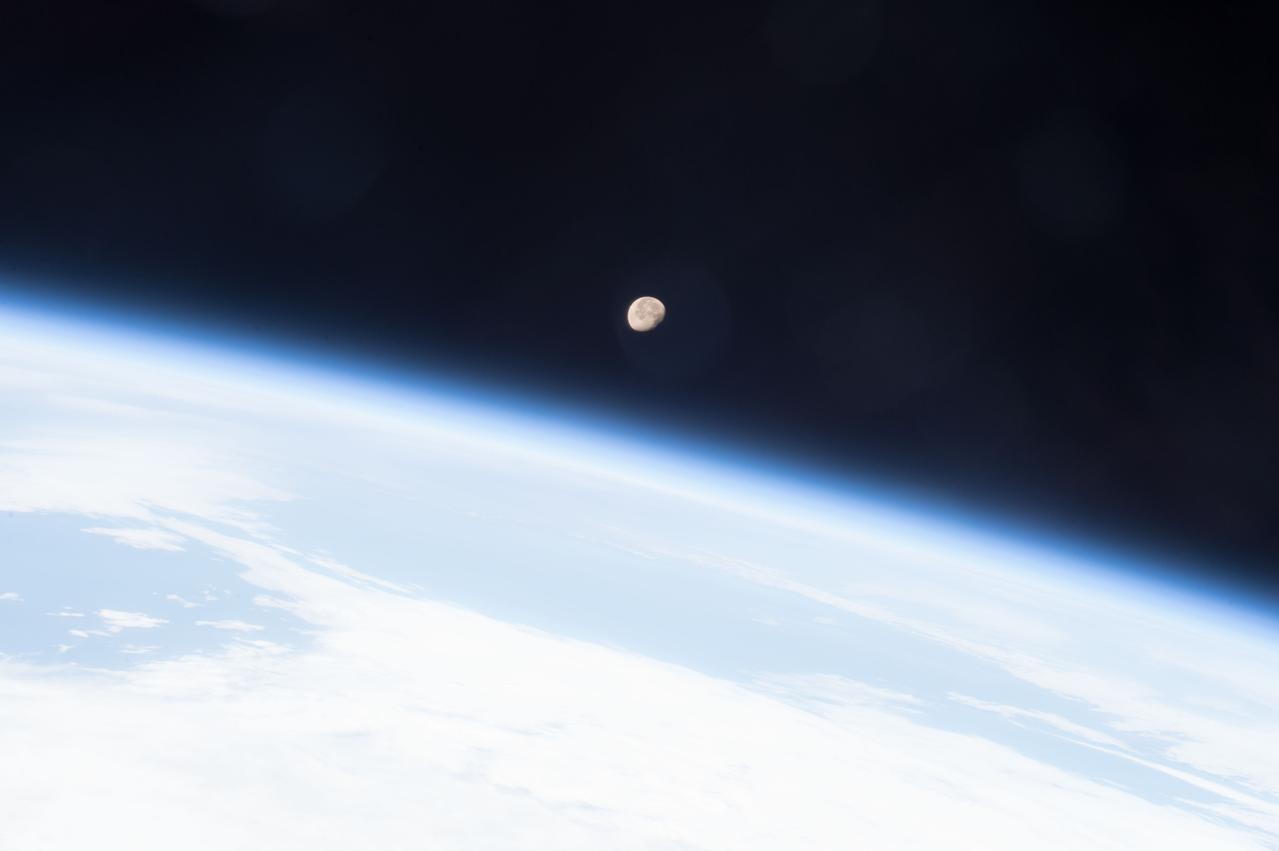
ISS043E200058 (05/07/2015) --- The Moon shines brightly on planet Earth's horizon in this image snapped from the International Space Station May 7, 2015 by the crew of Expedition 43 led by Commander Terry Virts, NASA astronaut.
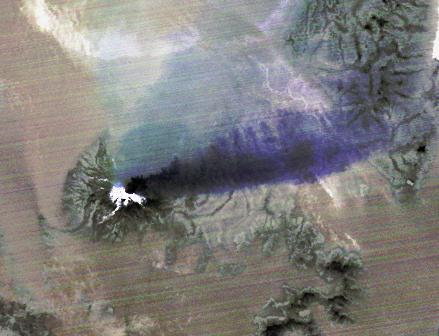
The April 18, 2015 eruption of Calbuco Volcano in Chile, as seen by NASA Terra spacecraft, led to the evacuation of thousands of citizens near the summit, blanketed nearby towns with a layer of ash, and disrupted air traffic. One week later, on April 26, the Advanced Spaceborne Thermal Emission and Reflection Radiometer (ASTER) instrument on NASA's Terra spacecraft acquired this nighttime thermal infrared image of Calbuco. Hot eruptive material at the summit appears in white (hot), with a purple plume streaming to the right, indicating that it is ash-laden. The image covers an area of 3.1 by 4.1 miles (5 by 6.6 kilometers), and is located at 41.3 degrees south, 72.5 degrees west. http://photojournal.jpl.nasa.gov/catalog/PIA19382
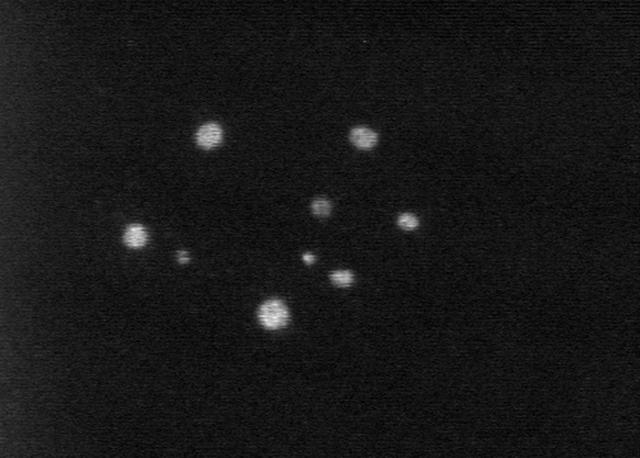
The potential for investigating combustion at the limits of flammability, and the implications for spacecraft fire safety, led to the Structures Of Flame Balls At Low Lewis-number (SOFBALL) experiment flown twice aboard the Space Shuttle in 1997. The success there led to reflight on STS-107 Research 1 mission plarned for 2002. This image is a video frame which shows MSL-1 flameballs which are intrinsically dim, thus requiring the use of image intensifiers on video cameras. The principal investigator is Dr. Paul Ronney of the University of Southern California, Los Angeles. Glenn Research in Cleveland, OH, manages the project.
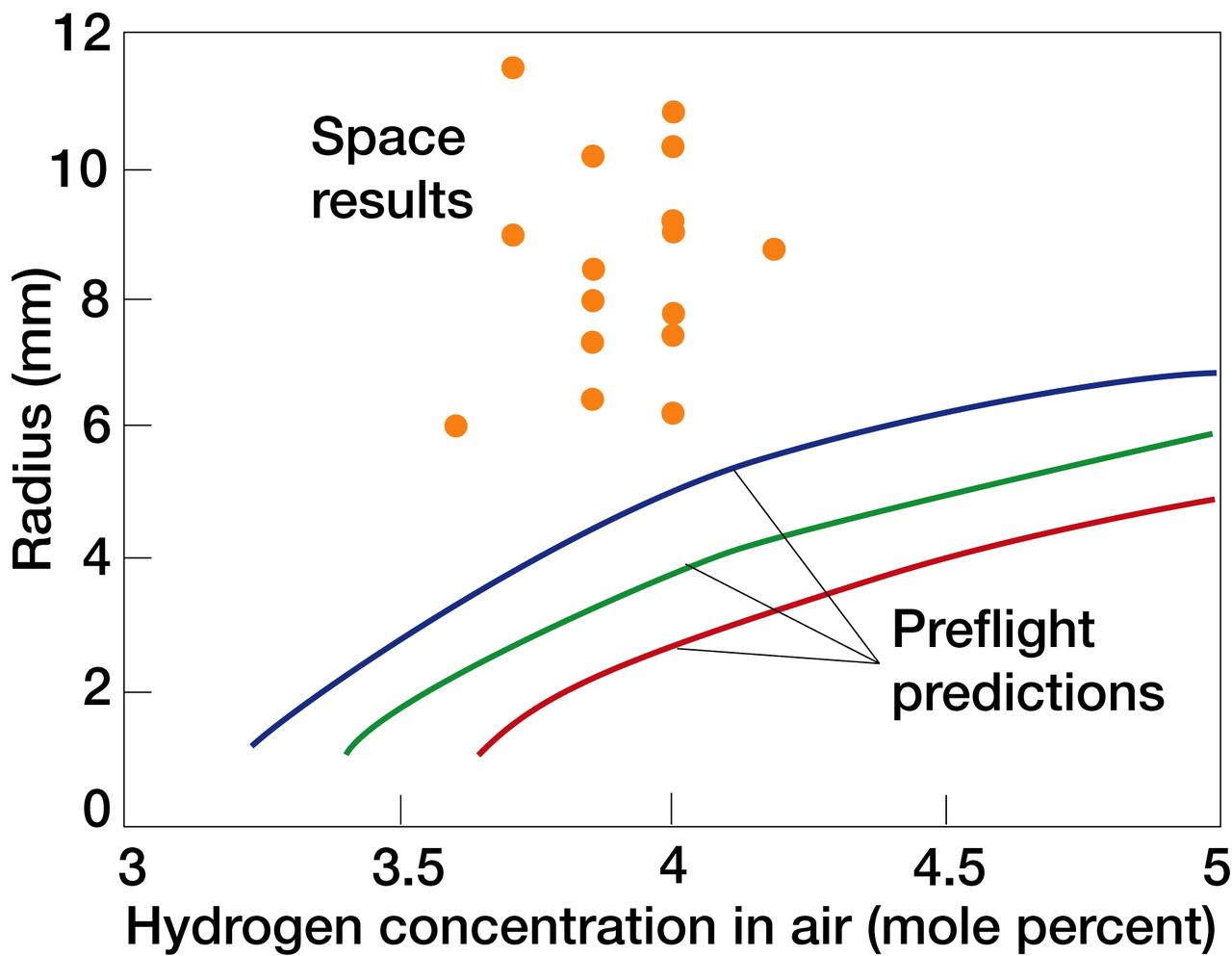
The potential for investigating combustion at the limits of flammability, and the implications for spacecraft fire safety, led to the Structures Of Flame Balls At Low Lewis-number (SOFBALL) experiment flown twice aboard the Space Shuttle in 1997. The success there led to reflight on STS-107 Research 1 mission plarned for 2002. Theory does not always predict behavior, thus the need for experiments. Three different published chemical reaction models (lines) for hydrogen-airflame balls proved to be quite different from what was observed (dots) during SOFBALL tests in space. The principal investigator is Dr. Paul Ronney of the University of Southern California, Los Angeles. Glenn Research in Cleveland, OH, manages the project.
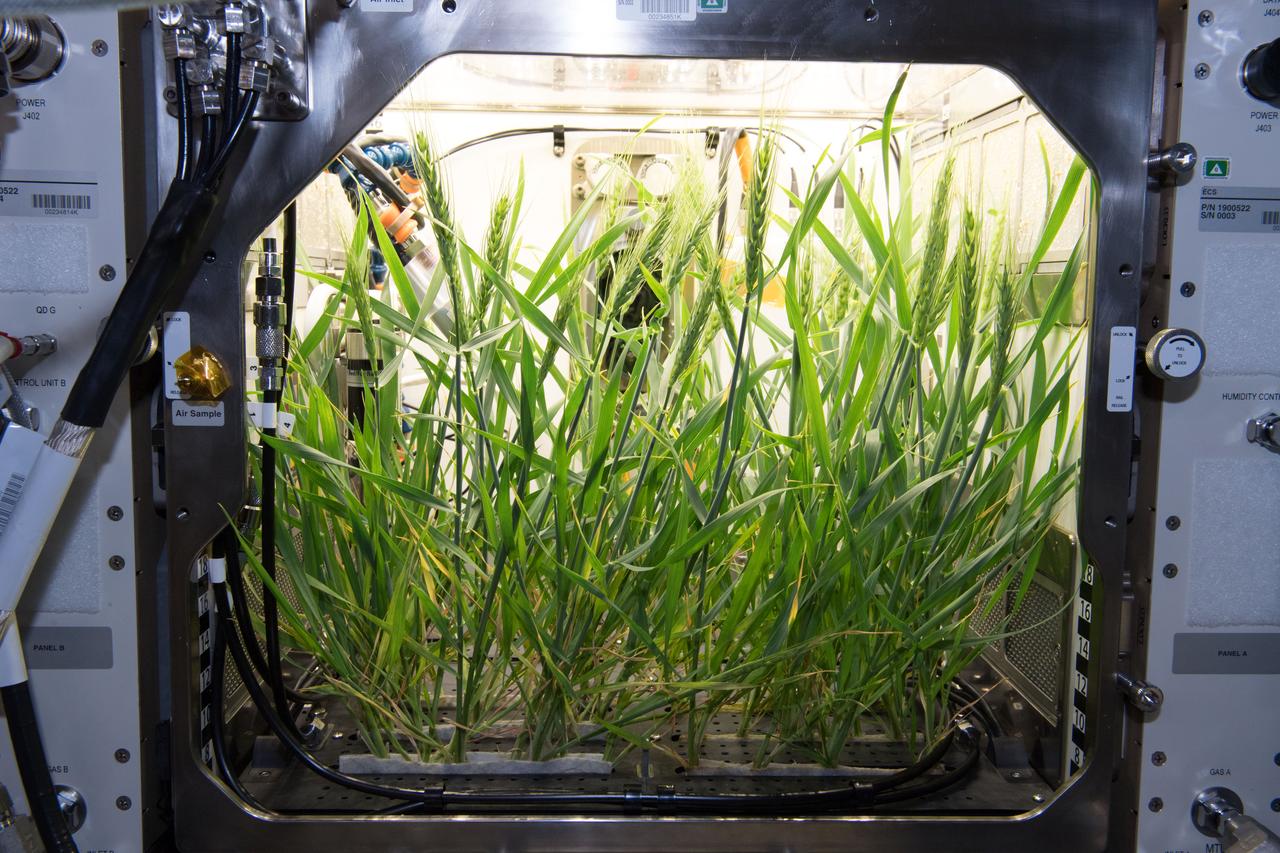
The first growth test of crops in the Advanced Plant Habitat aboard the International Space Station yielded great results. Arabidopsis seeds – small flowering plants related to cabbage and mustard – grew for about six weeks and the dwarf wheat for five weeks. The APH is now ready to support large plant testing on ISS. APH is a fully enclosed, closed-loop system with an environmentally controlled growth chamber. It uses red, blue and green LED lights, and broad spectrum white LED lights. The system's more than 180 sensors will relay real-time information, including temperature, oxygen content and moisture levels back to the team at Kennedy Space Center.
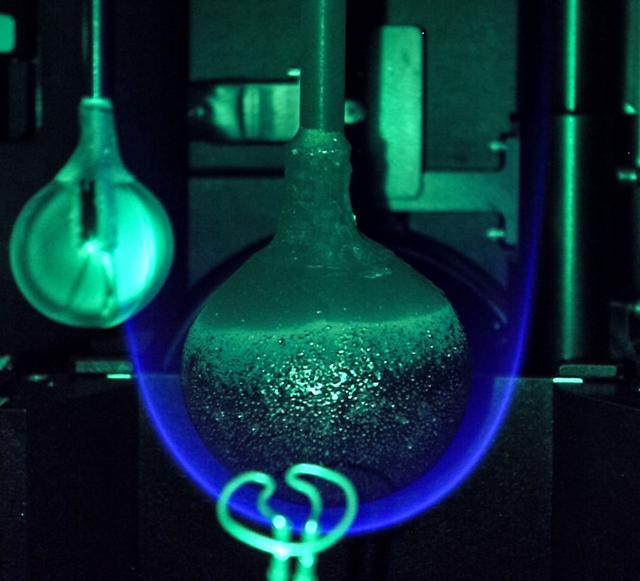
jsc2024e021222 (3/21/2024) --- Solid Fuel Ignition and Extinction (SoFIE) insert supports the Growth and Extinction Limit (GEL) investigation test image taken in the Combustion Integrated Rack (CIR). This image was taken just prior to flame extinction while the green LED was flashing on. The LED allows the fuel surface to be seen during the burn, so that several important parameters can be evaluated, such as how far the flame is from the fuel and how much the fuel is heating up. The igniter wire appears in the camera view, but it is in the foreground and not near the flame. In the background on the left, an unburned acrylic sphere waits for its turn to be tested on another day.
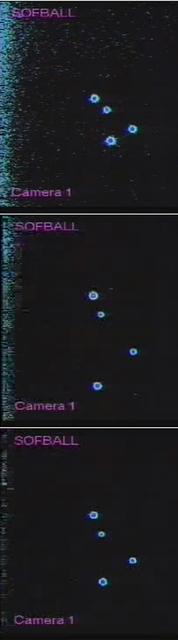
The potential for investigating combustion at the limits of flammability, and the implications for spacecraft fire safety, led to the Structures Of Flame Balls At Low Lewis-number (SOFBALL) experiment flown twice aboard the Space Shuttle in 1997. The success there led to on STS-107 Research 1 mission plarned for 2002. Shown here are video frames captured during the Microgravity Sciences Lab-1 mission in 1997. Flameballs are intrinsically dim, thus requiring the use of image intensifiers on video cameras. The principal investigator is Dr. Paul Ronney of the University of Southern California, Los Angeles. Glenn Research in Cleveland, OH, manages the project.
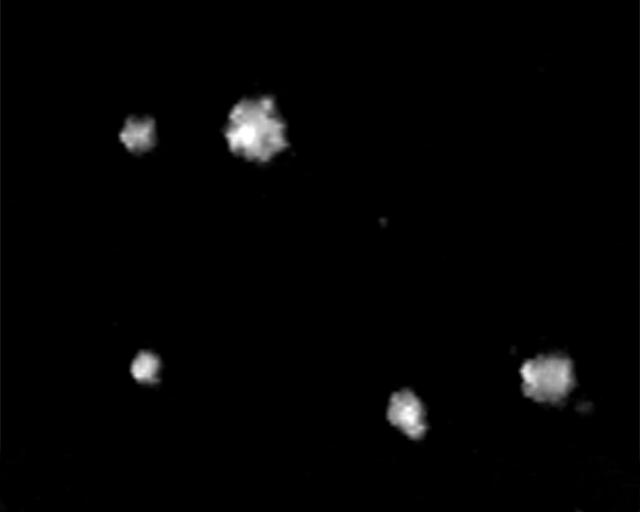
The potential for investigating combustion at the limits of flammability, and the implications for spacecraft fire safety, led to the Structures Of Flame Balls At Low Lewis-number (SOFBALL) experiment flown twice aboard the Space Shuttle in 1997. The success there led to reflight on STS-107 Research 1 mission plarned for 2002. This image is a video frame which shows MSL-1 flameballs which are intrinsically dim, thus requiring the use of image intensifiers on video cameras. The principal investigator is Dr. Paul Ronney of the University of Southern California, Los Angeles. Glenn Research in Cleveland, OH, manages the project.
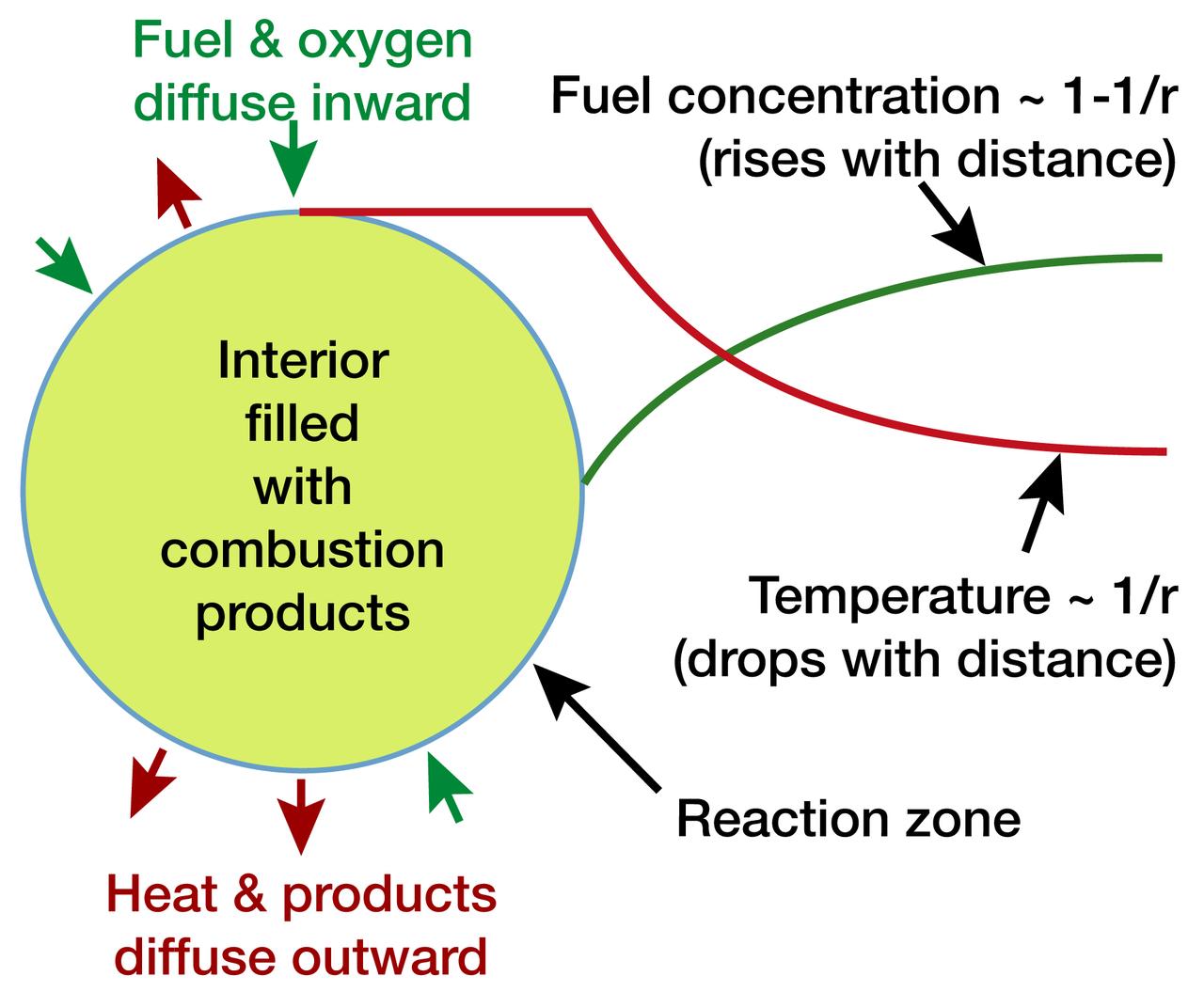
The potential for investigating combustion at the limits of flammability, and the implications for spacecraft fire safety, led to the Structures Of Flame Balls At Low Lewis-number (SOFBALL) experiment flown twice aboard the Space Shuttle in 1997. The success there led to reflight on STS-107 Research 1 mission plarned for 2002. All the combustion in a flame ball takes place in a razor-thin reaction zone that depends on diffusion to keep the ball alive. Such a fragile balance is impossible on Earth. The principal investigator is Dr. Paul Ronney of the University of Southern California, Los Angeles. Glenn Research in Cleveland, OH, manages the project.

Engineers and technicians prepare the Carbon Mapper imaging spectrometer, which will measure the greenhouse gases methane and carbon dioxide from space, for vibration testing at NASA's Jet Propulsion Laboratory in Southern California in August 2023. This test is one of a series meant to ensure that the instrument can withstand the rigors of launch and the harsh conditions of space. Engineers subjected the spectrometer to intense vibrations similar to what it will endure atop a rocket blasting into orbit. The instrument was shipped from JPL to Planet Labs PBC in San Francisco on Sept. 12, 2023, where it will be integrated into a Tanager satellite. Designed and built by JPL, imaging spectrometer will be part of an effort led by the nonprofit Carbon Mapper organization to collect data on greenhouse gas point-source emissions. The information will help locate and quantify "super-emitters" – the small percentage of individual sources responsible for a significant fraction of methane and carbon dioxide emissions around the world. https://photojournal.jpl.nasa.gov/catalog/PIA26093
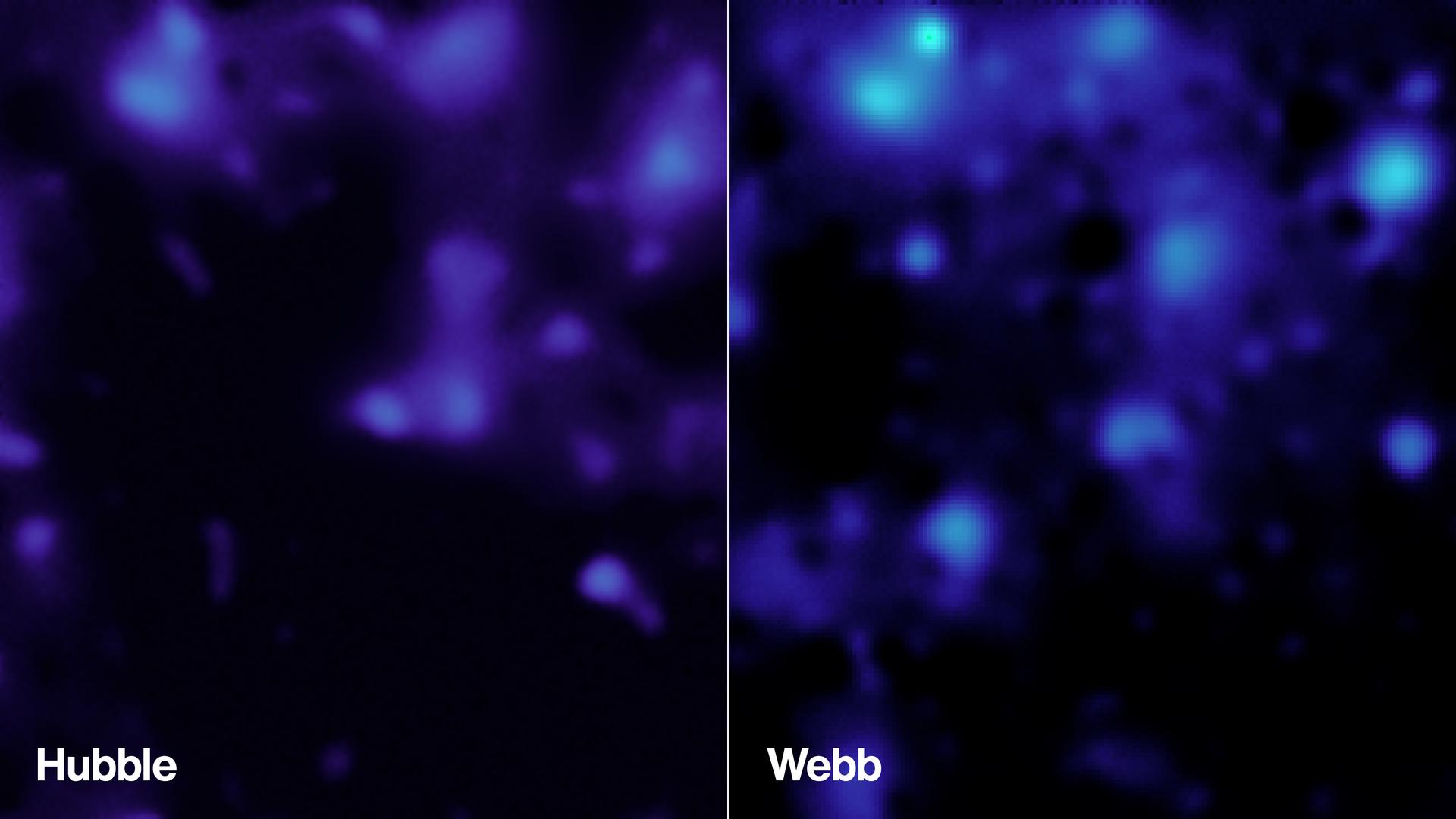
These images show the presence of dark matter in the same region of sky, created using data from NASA’s Webb telescope in 2026 (right) and from the Hubble Space Telescope in 2007 (left). Webb’s higher resolution is providing new insights into how this invisible component influences the distribution of ordinary matter in the universe. The James Webb Space Telescope is solving mysteries in our solar system, looking beyond to distant worlds around other stars, and probing the mysterious structures and origins of our universe and our place in it. Webb is an international program led by NASA with its partners, ESA (European Space Agency) and CSA (Canadian Space Agency). Webb’s MIRI was developed through a 50-50 partnership between NASA and ESA. A division of Caltech in Pasadena, California, JPL led the U.S. contribution to MIRI. JPL also led development of MIRI’s cryocooler, done in collaboration with Northrop Grumman in Redondo Beach, California, and NASA’s Goddard Space Flight Center in Greenbelt, Maryland. To learn more about Webb, visit: https://science.nasa.gov/webb

NASA Chief Technologist Douglas Terrier, center, and NASA Deputy Chief Technologist David Steitz, left, talk with a Harding University student researcher about LED technology being used to track atmospheric composition, while attending “NASA Day in Arkansas” hosted at the university in Searcy, Arkansas on Jan. 27, 2020.
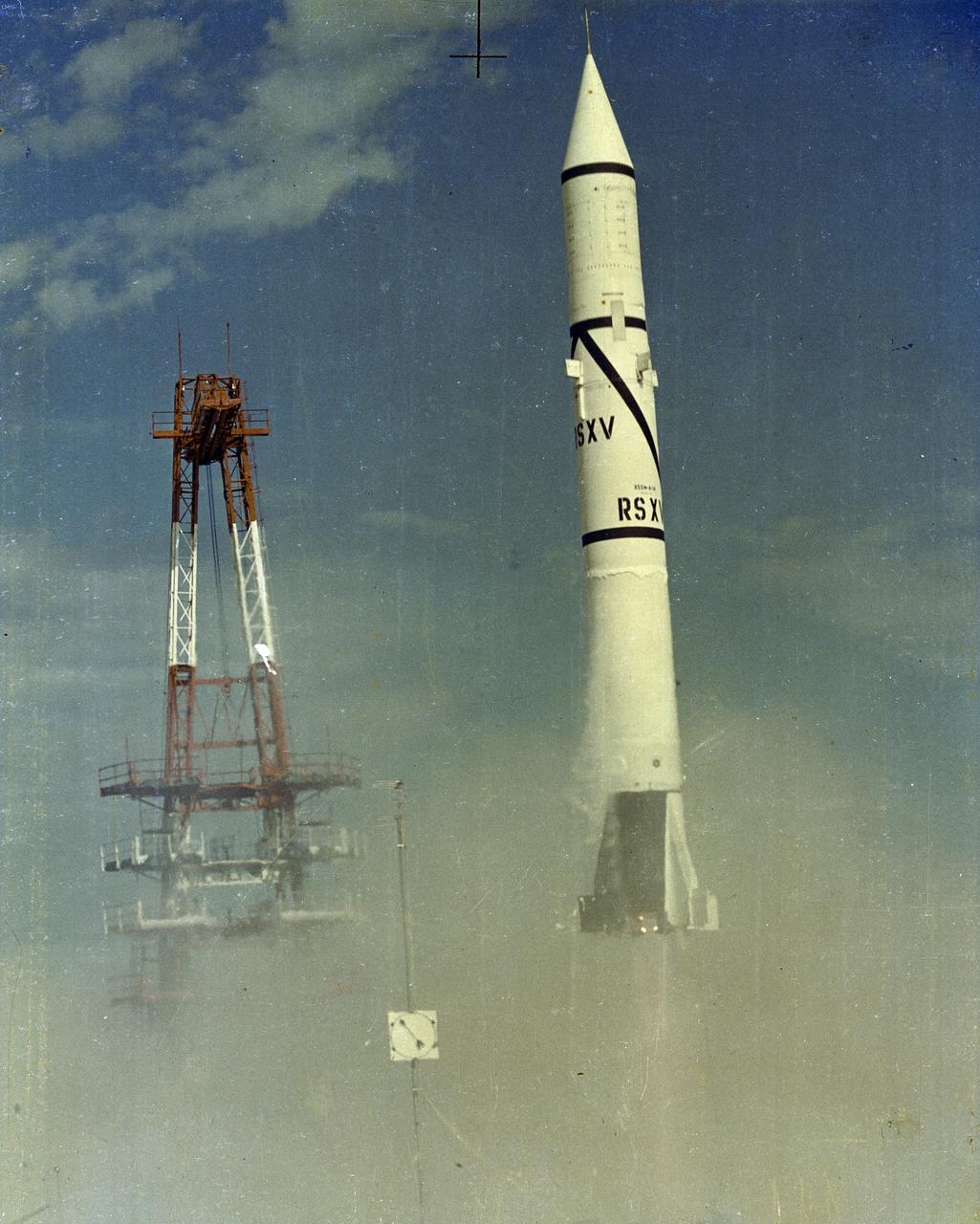
The first Redstone was fired at Cape Canaveral, Florida on August 20, 1953. Redstone was the first major rocket development program for United States by the Peenemuende group led by Dr. Wernher von Braun. The Redstone launch photographed here, from November 17, 1954, was the fifth launch of a Redstone rocket.
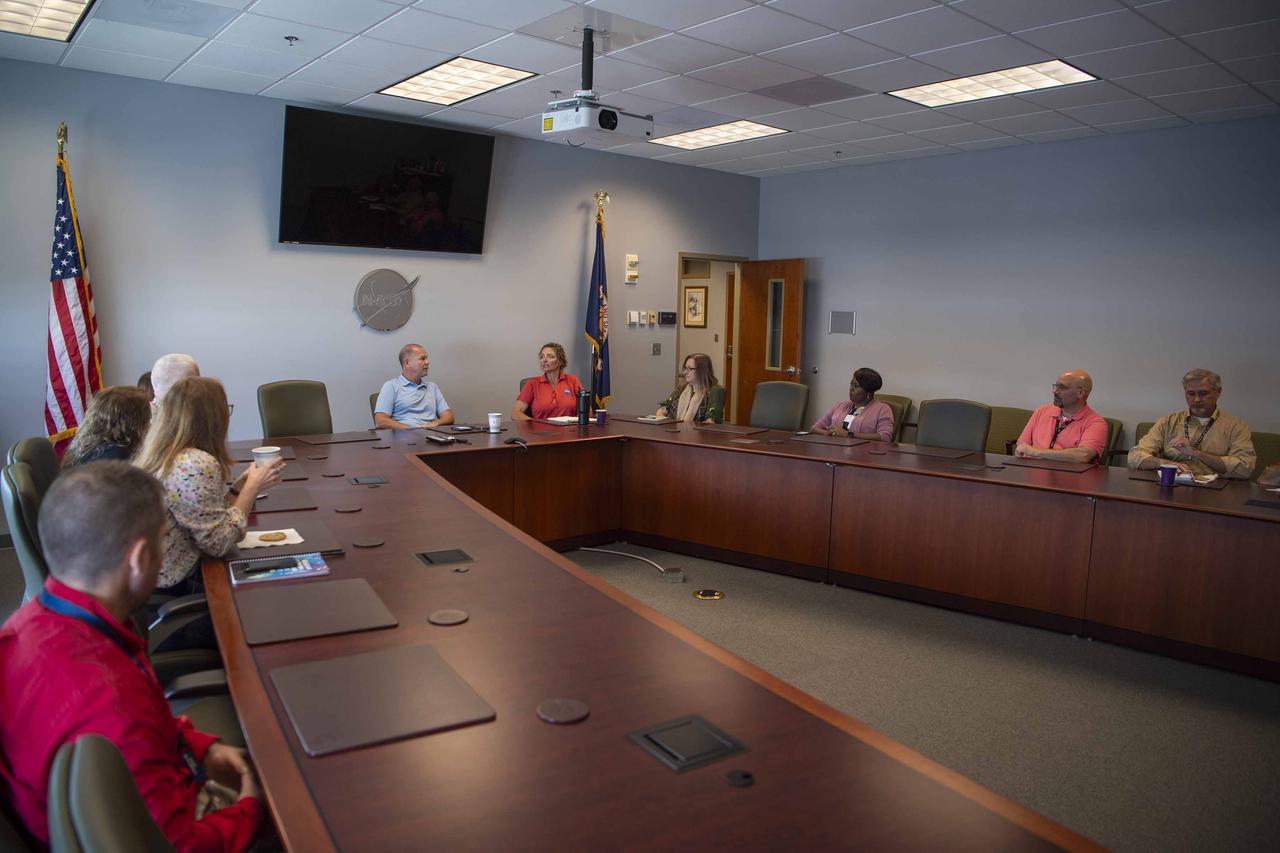
NASA Stennis Director John Bailey hosted a Java with John session with Office of Procurement employees on Oct. 15. Java with John is an employee-led discussion in a casual environment aimed at fostering a culture in which employees are welcome to share what matters most to them at work.

NASA Stennis Director John Bailey hosts a Java with John session with NASA Stennis supervisors on July 24. Java with John is an ongoing employee-led discussion in a relaxed environment aimed to foster a culture where all are welcome to share what matters most to their work at NASA Stennis.
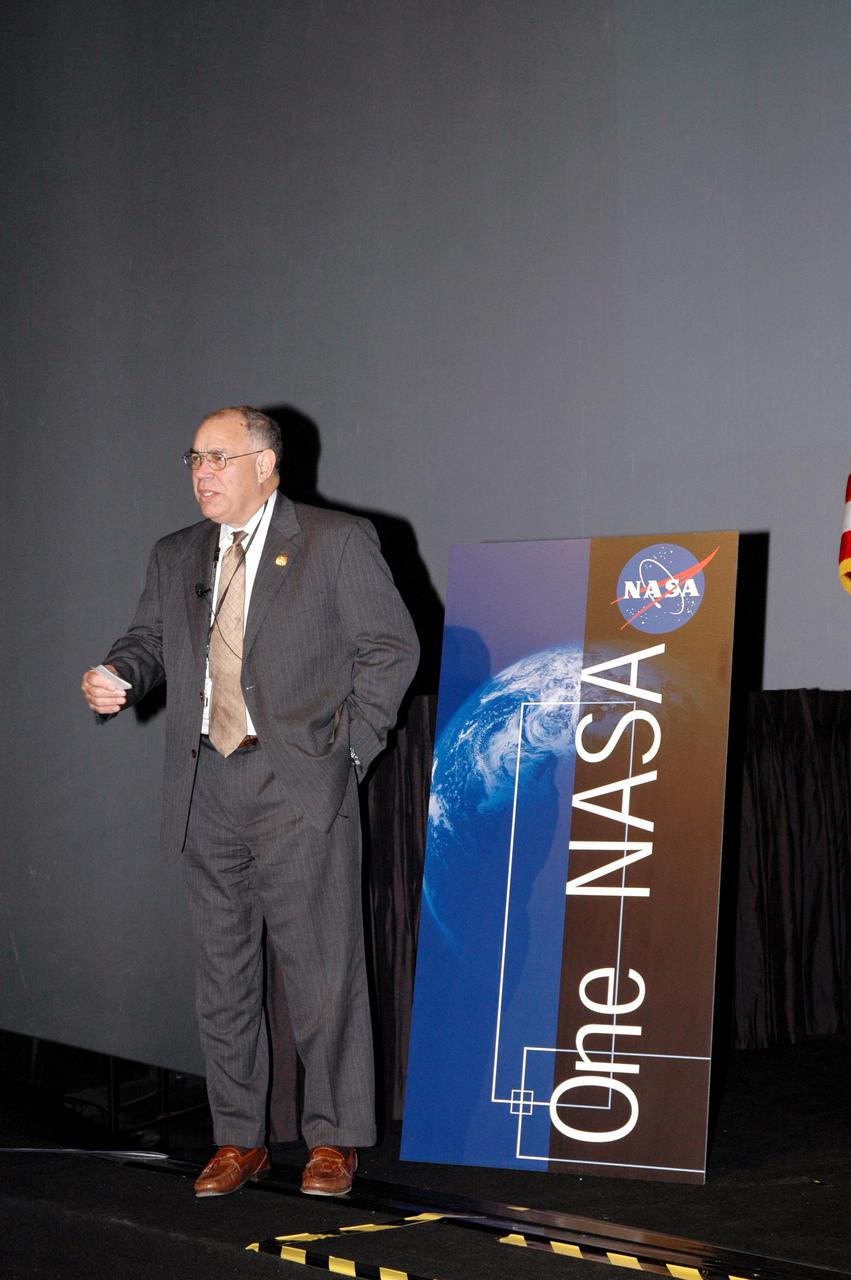
KENNEDY SPACE CENTER, FLA. - NASA Deputy Administrator Fred Gregory moderates the panel presentation during the One NASA Leader-Led Workshop about the Agency’s Transformation and implementation strategies. The workshop included senior leadership in the Agency. Other speakers explained Kennedy’s role in the Vision for Space Exploration.

iss074e0543247 (May 2, 2026) --- Chennai, on India's southern coast along the Bay of Bengal and with a metropolitan population of about 8.7 million, shines with white LED streetlights in this photograph taken at approximately 9:13 p.m. local time from the International Space Station. Credit: NASA/Chris Williams
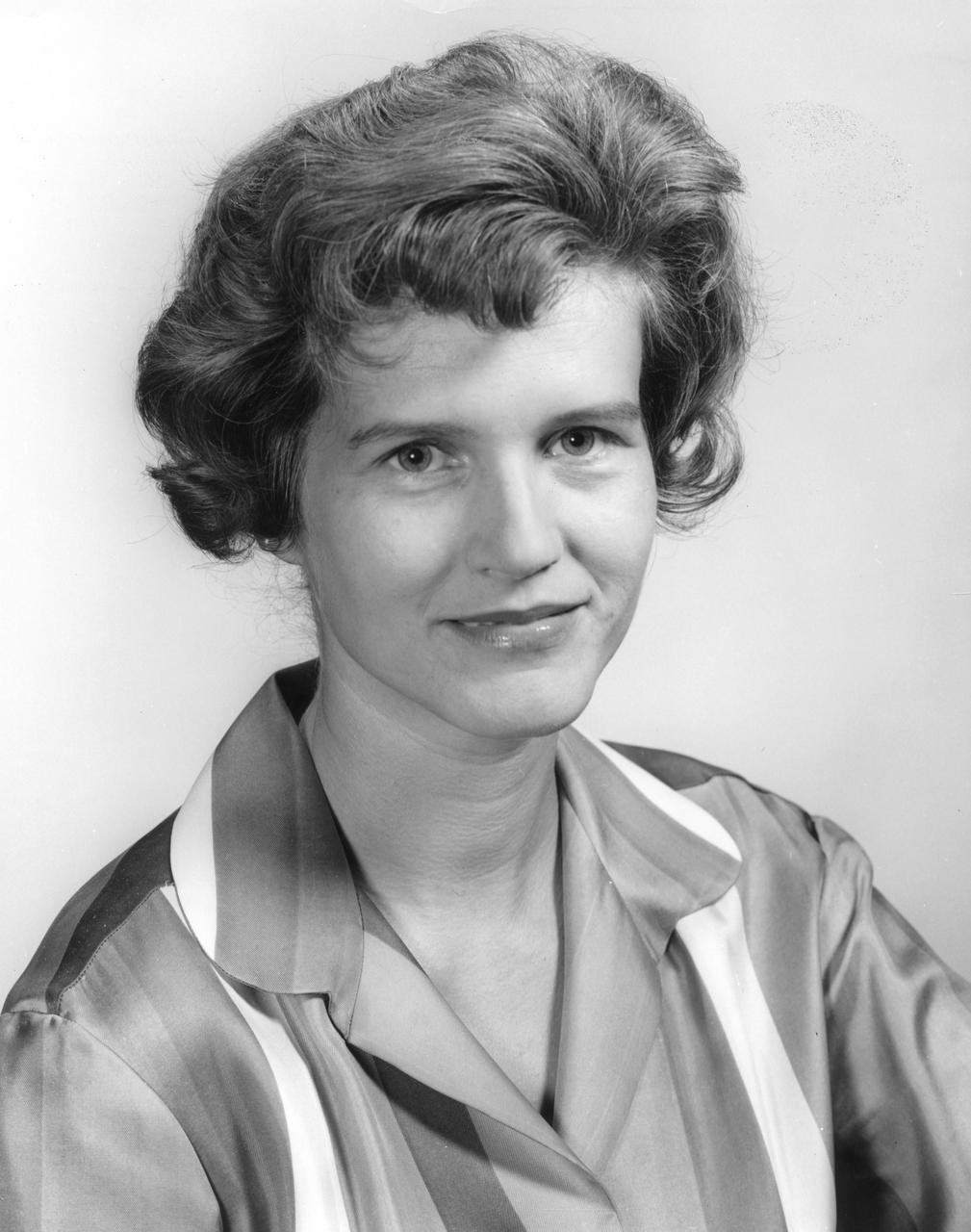
This is a portrait of Maria von Braun, wife of the famous Marshall Space Flight Center (MSFC) director Wernher von Braun. Her husband, Wernher, who led America to the Moon, served as MSFC’s first director from July 1, 1960 until January 27, 1970.
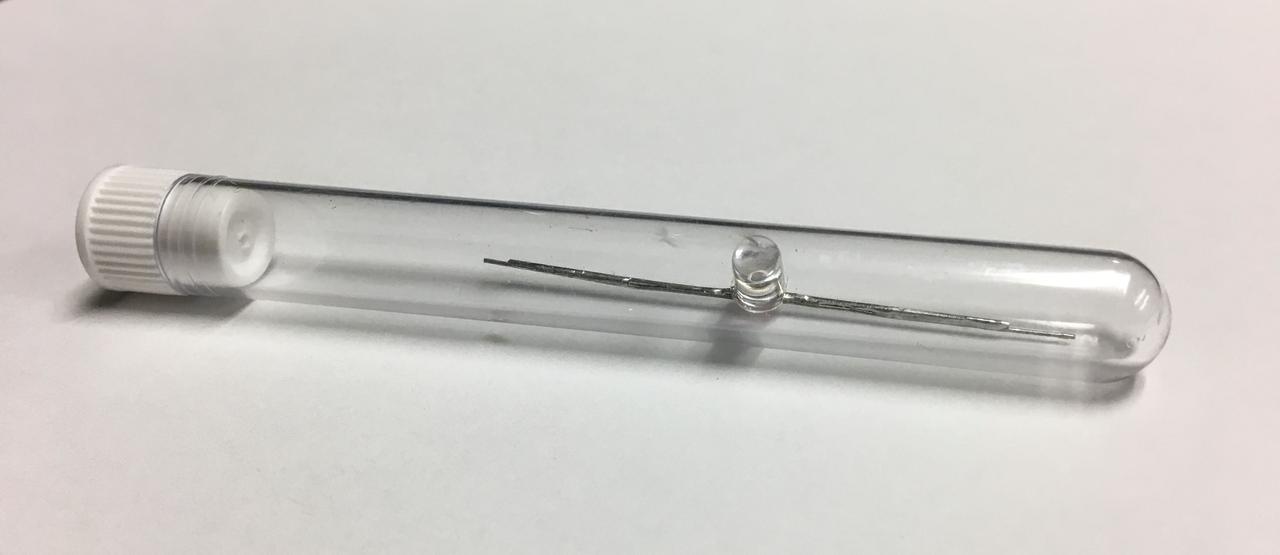
jsc2019e056551 (9/6/2019) --- Preflight imagery of the LEctenna device. LEctenna demonstrates how to transmit energy wirelessly using microwave signals in the form of wifi. This is done by using a LEctenna device which converts the microwave into electricity which powers an LED bulb. Image courtesy of: Naval Research Laboratory.
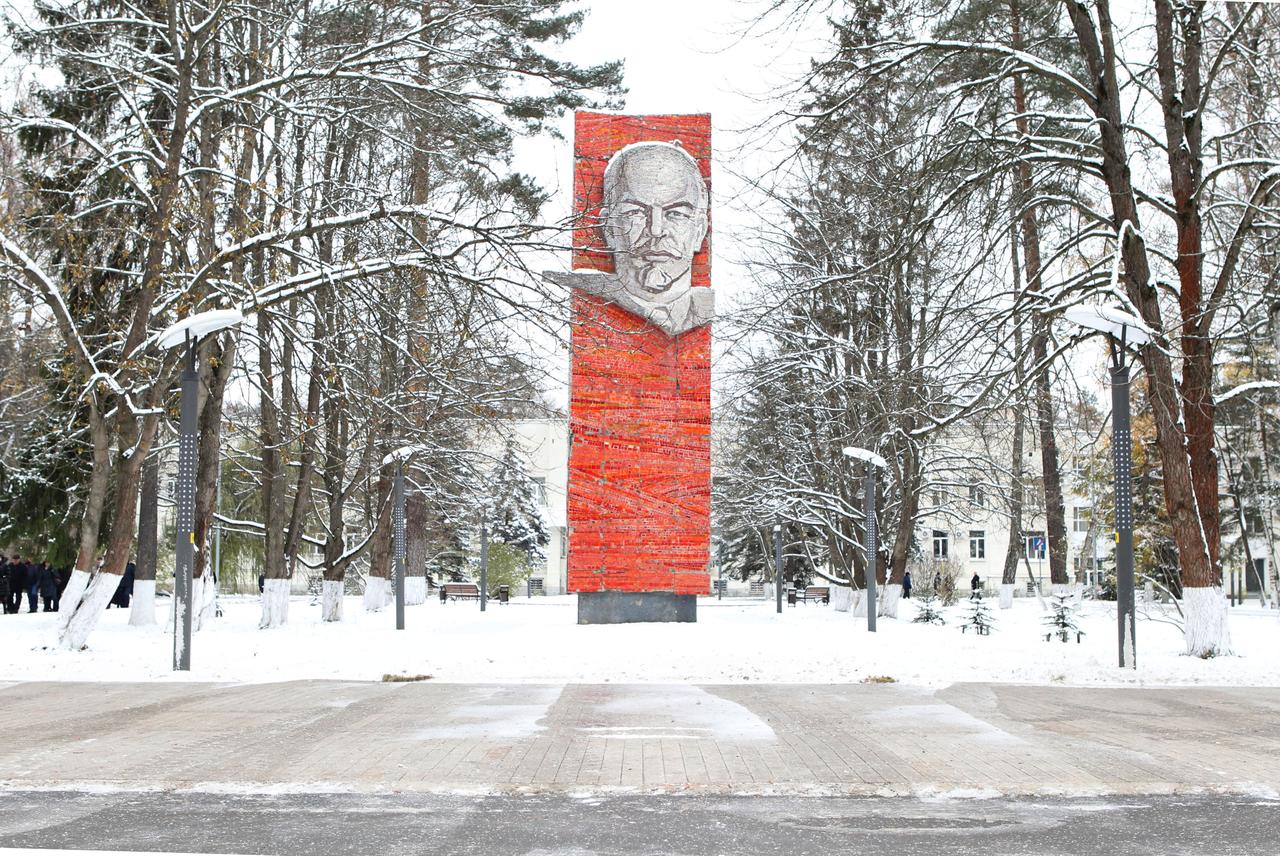
At the Gagarin Cosmonaut Training Center in Star City, Russia, a wintry scene serves as a backdrop for a familiar sight – Lenin’s Statue --- commemorating Vladimir Lenin’s who led an evolving Soviet Union from 1917-1924. The photo was captured on Nov. 1, 2016. NASA/Stephanie Stoll
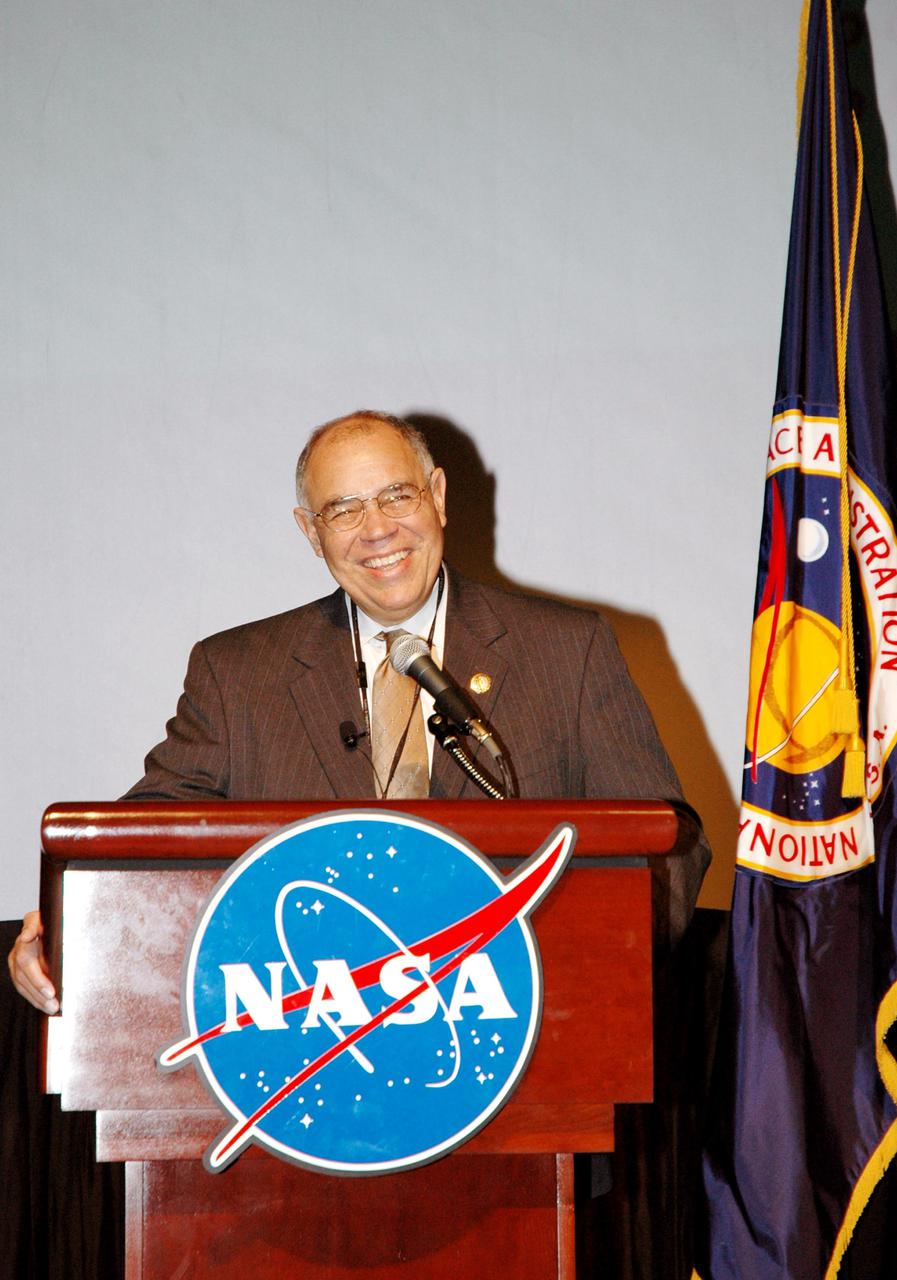
KENNEDY SPACE CENTER, FLA. - NASA Deputy Administrator Fred Gregory updates attendees of the One NASA Leader-Led Workshop about the Agency’s Transformation and implementation strategies. The workshop included senior leadership in the Agency. Other speakers explained Kennedy’s role in the Vision for Space Exploration.
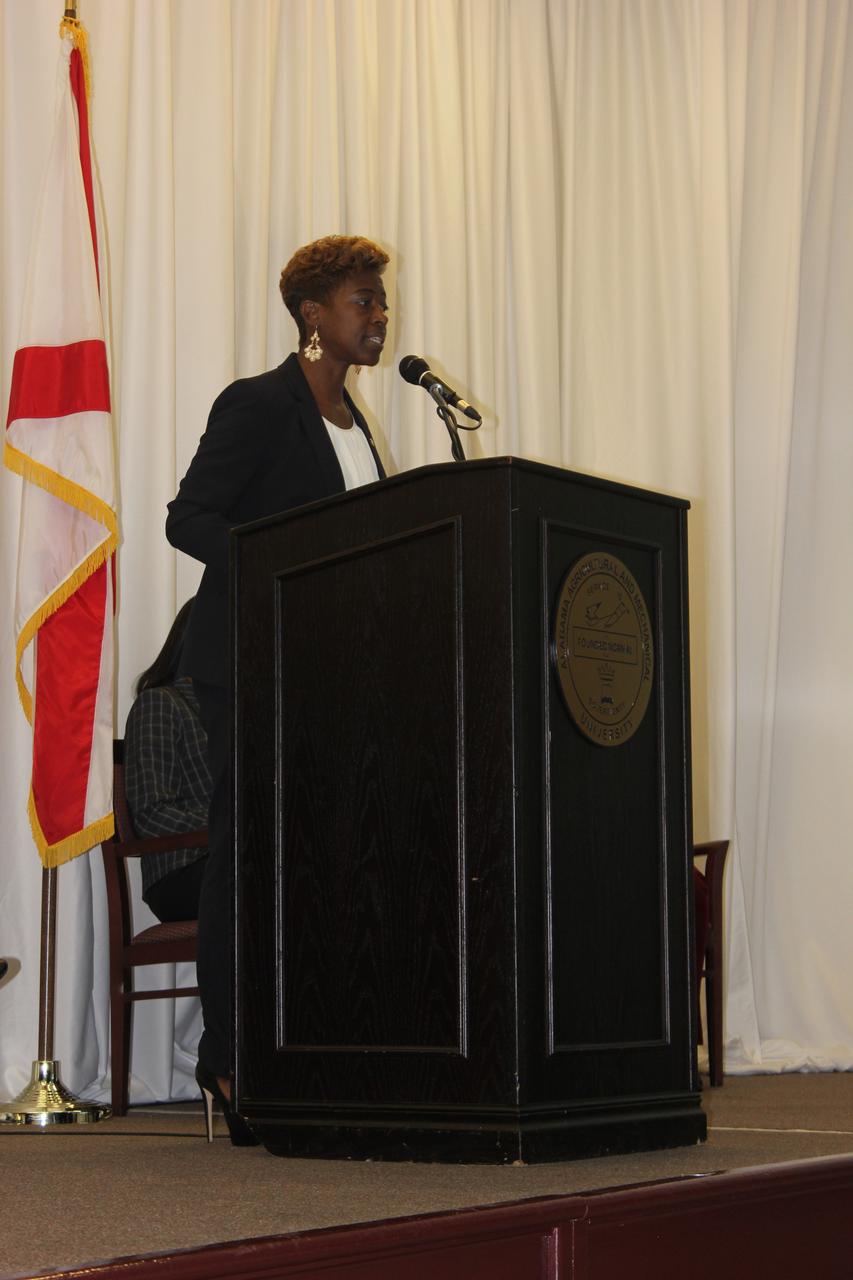
Marshall’s Ruth Jones, a mishap investigation specialist, told her NASA story and spoke about minority statistics in science, technology, engineering and mathematics (STEM). Jones also led a panel discussing how to engage, encourage and draw more minority students in to STEM fields and careers.
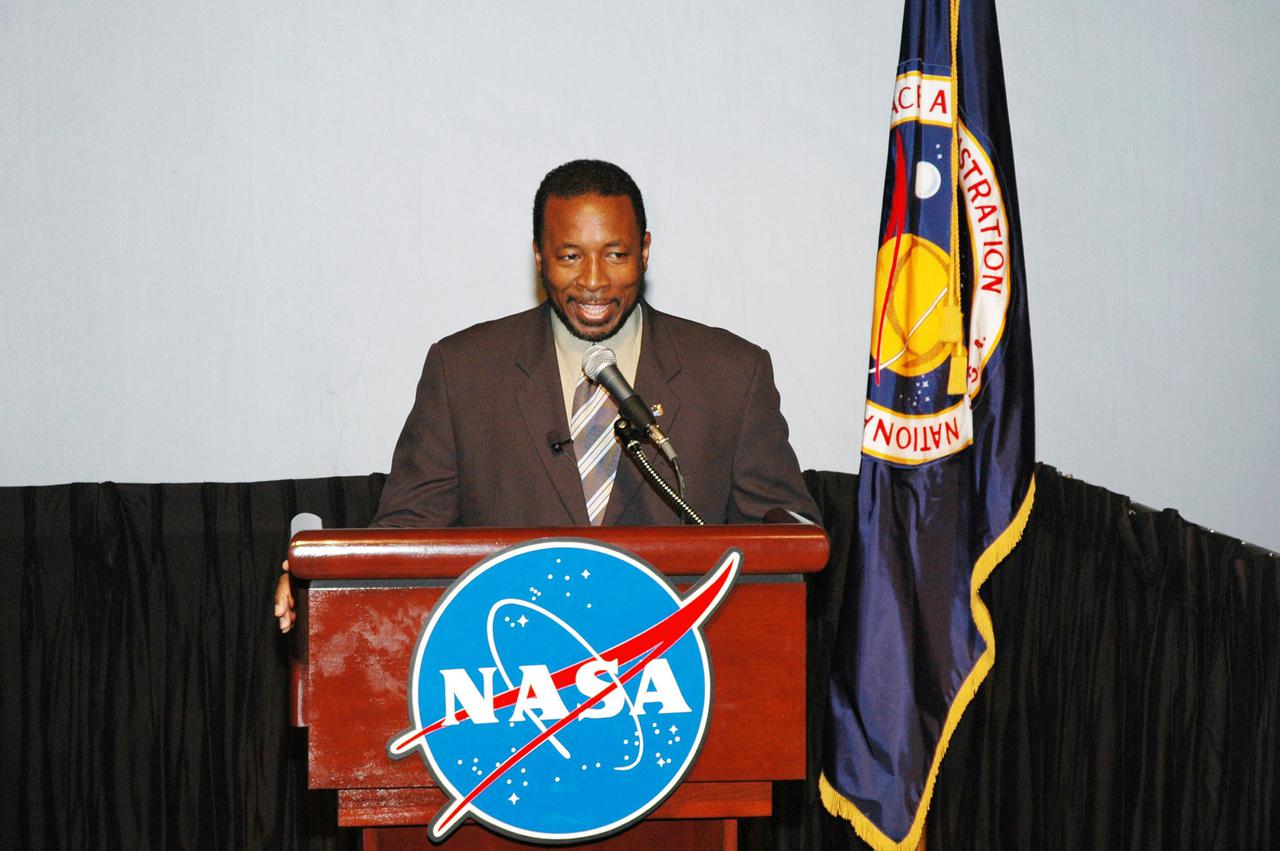
KENNEDY SPACE CENTER, FLA. - Kennedy Deputy Director Woodrow Whitlow Jr. speaks to attendees of the One NASA Leader-Led Workshop about Kennedy’s role in supporting the Vision for Space Exploration. The workshop included senior leadership in the Agency who talked about ongoing Transformation activities.
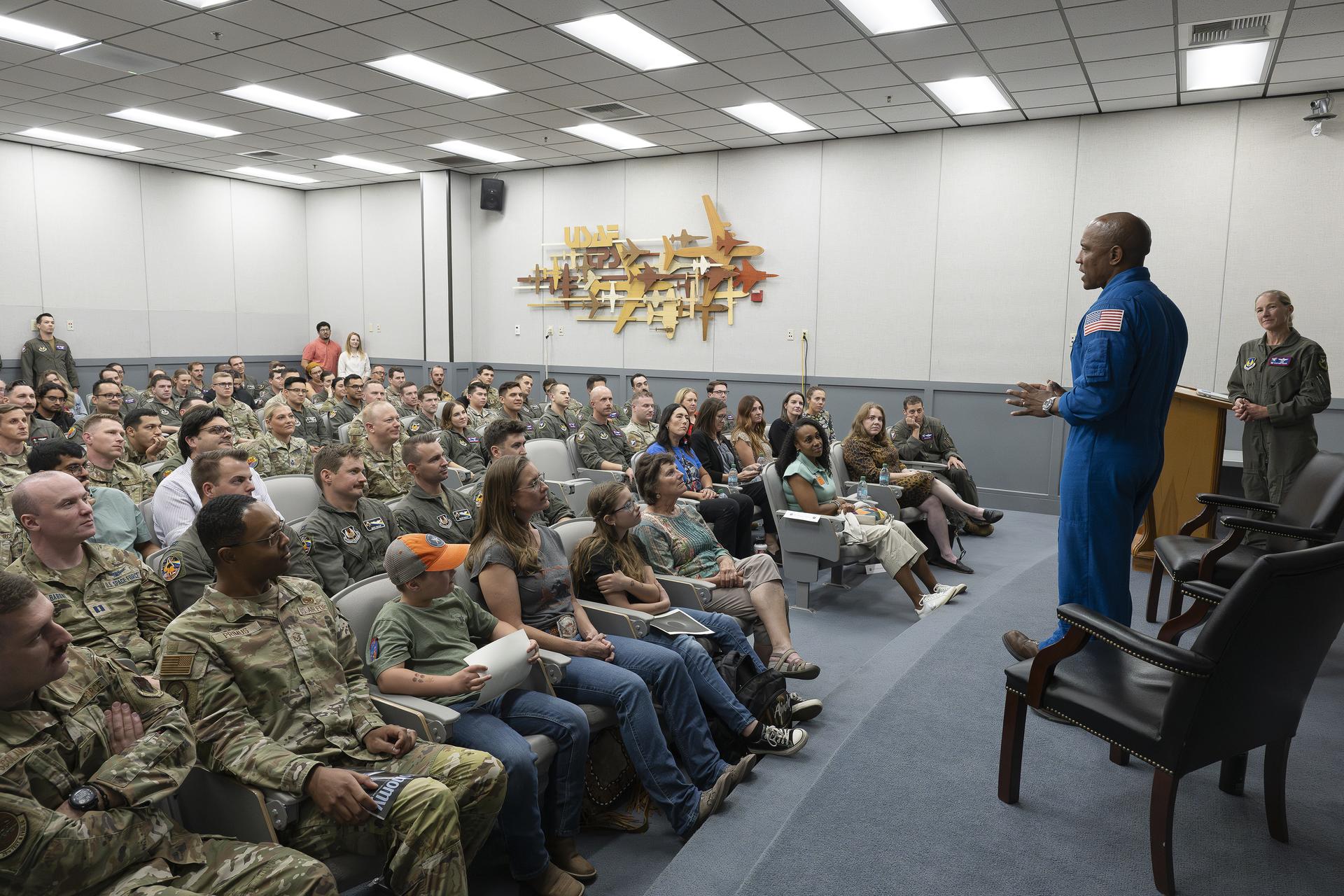
NASA Artemis II astronaut Victor Glover meets with U.S. Air Force Test Pilot School students during a fireside chat at Edwards Air Force Base, California on Tuesday, Aug. 25, 2026. Glover led a discussion sharing lessons from his career as a Navy captain, test pilot, and astronaut.
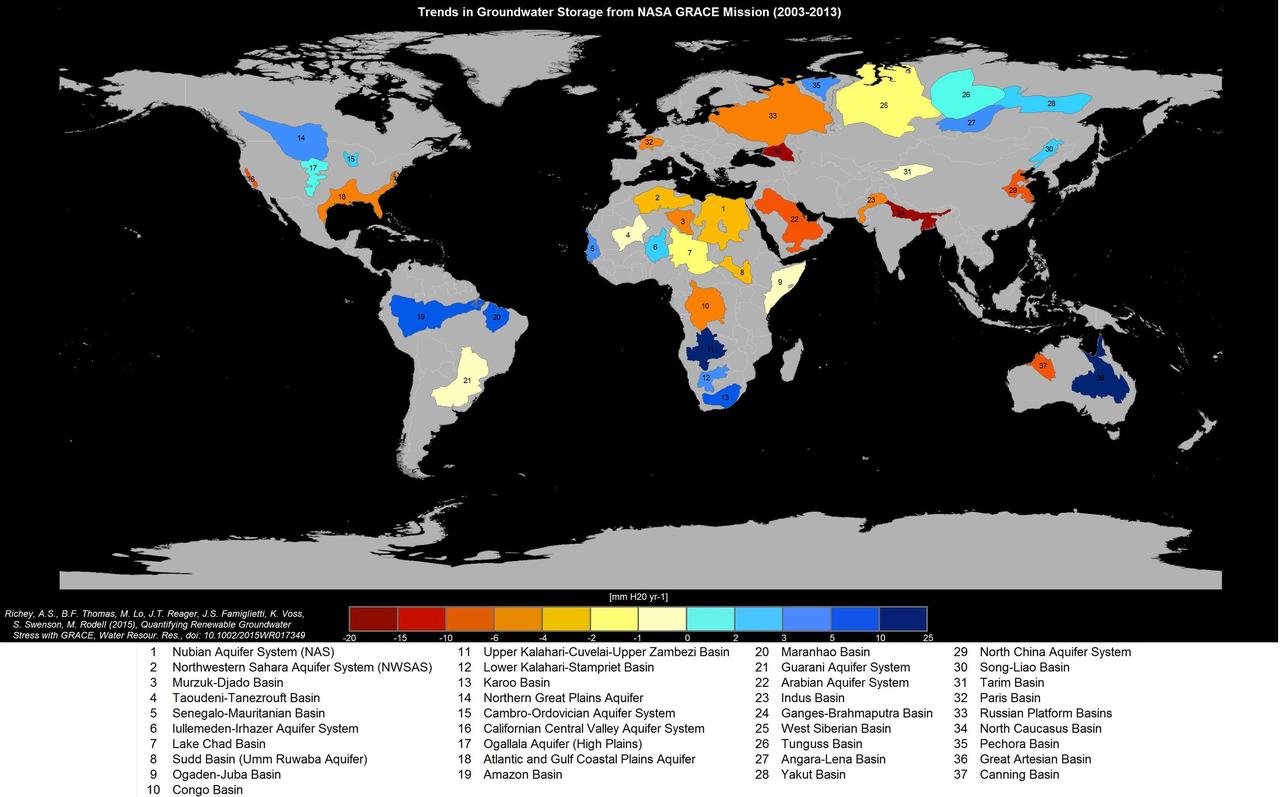
Groundwater storage trends for Earth's 37 largest aquifers from UCI-led study using NASA GRACE data (2003-2013). Of these, 21 have exceeded sustainability tipping points and are being depleted, with 13 considered significantly distressed, threatening regional water security and resilience. http://photojournal.jpl.nasa.gov/catalog/PIA19685