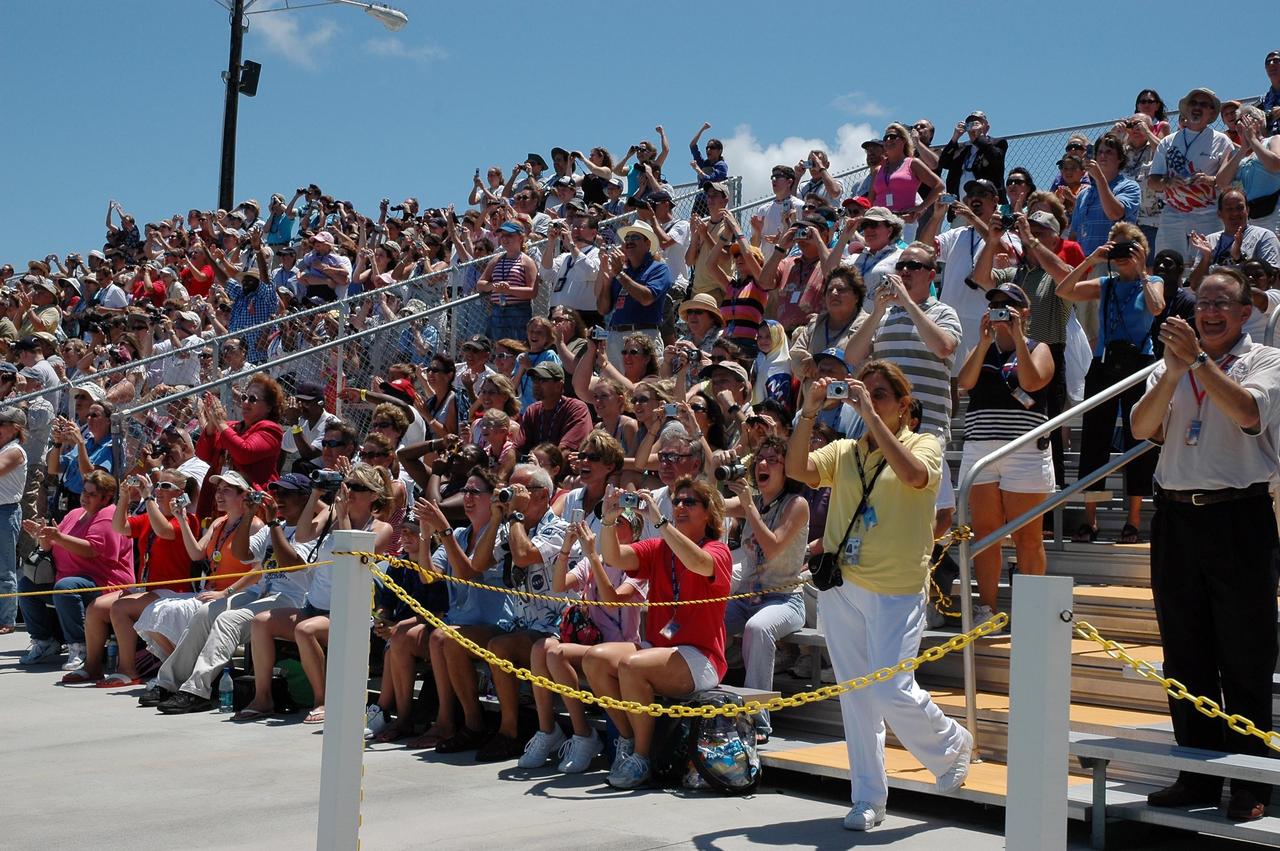
KENNEDY SPACE CENTER, FLA. - Cameras are the accessory of the day at the Kennedy Space Center's Banana River viewing site. All eyes and lenses are focused on Launch Pad 39B and the successful launch of Space Shuttle Discovery on mission STS-121. It was the third launch attempt in four days; the others were scrubbed due to weather concerns. Liftoff was on-time at 2:38 p.m. EDT. During the 12-day mission, the STS-121 crew of seven will test new equipment and procedures to improve shuttle safety, as well as deliver supplies and make repairs to the International Space Station. Landing is scheduled for July 16 or 17 at Kennedy's Shuttle Landing Facility. Photo credit: NASA/Louie Roguevert
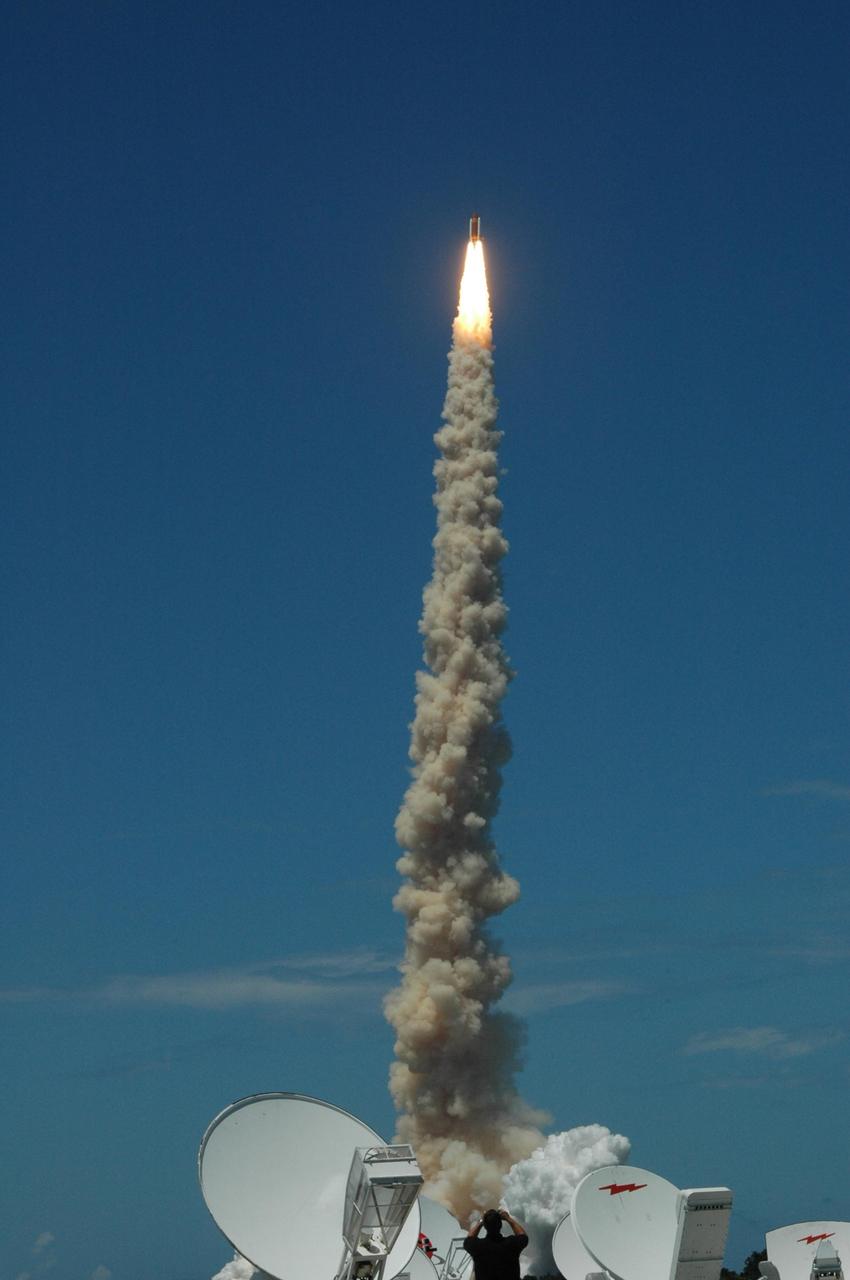
KENNEDY SPACE CENTER, FLA. - Like a roman candle shooting through the blue sky, the launch of Space Shuttle Discovery on mission STS-121 kicks off the fireworks for the U.S. holiday in its third launch attempt in four days. Liftoff was on-time at 2:38 p.m. EDT. During the 12-day mission, the STS-121 crew of seven will test new equipment and procedures to improve shuttle safety, as well as deliver supplies and make repairs to the International Space Station. Landing is scheduled for July 16 or 17 at Kennedy's Shuttle Landing Facility. Photo credit: NASA/Ken Thornsley
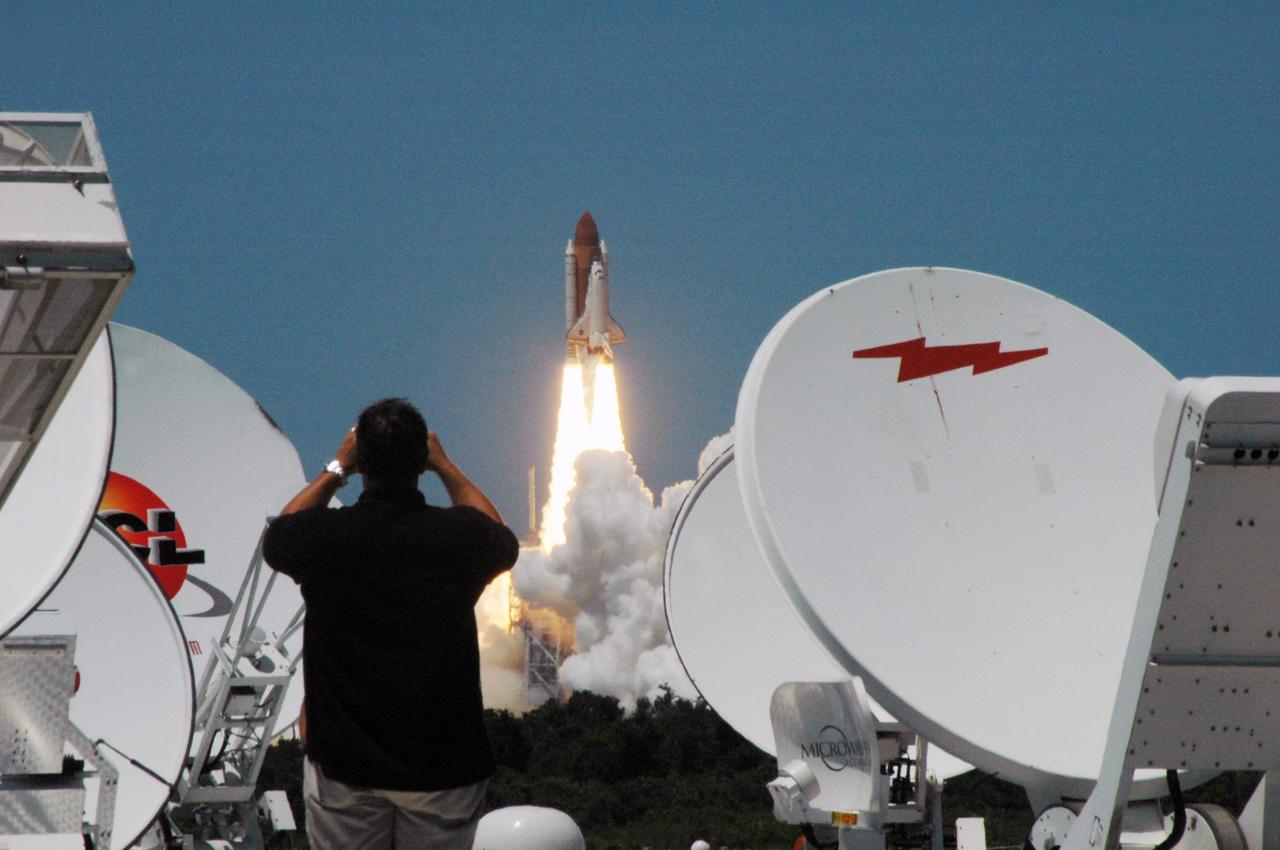
KENNEDY SPACE CENTER, FLA. - Under clear blue skies, the launch of Space Shuttle Discovery on mission STS-121 kicks off the fireworks for the U.S. holiday in its third launch attempt in four days. Liftoff was on-time at 2:38 p.m. EDT. During the 12-day mission, the STS-121 crew of seven will test new equipment and procedures to improve shuttle safety, as well as deliver supplies and make repairs to the International Space Station. Landing is scheduled for July 16 or 17 at Kennedy's Shuttle Landing Facility. Photo credit: NASA/Ken Thornsley
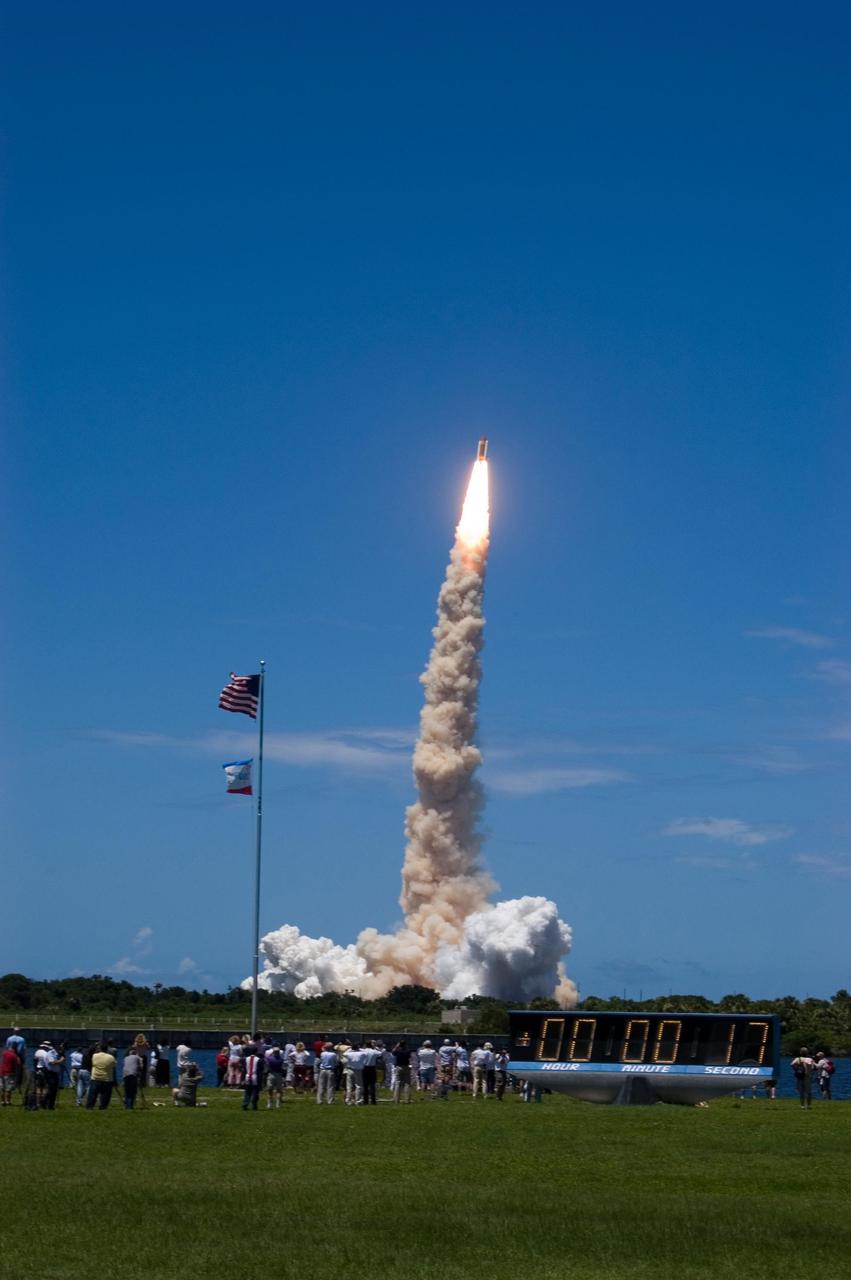
KENNEDY SPACE CENTER, FLA. - Like a roman candle shooting through the blue sky, the launch of Space Shuttle Discovery on mission STS-121 kicks off the fireworks for the U.S. holiday in its third launch attempt in four days. Liftoff was on-time at 2:38 p.m. EDT. The countdown clock on the grounds of the NASA News Center shows 17 seconds into the launch. Media crowd the banks of the turn basin to capture the sight of the launch. During the 12-day mission, the STS-121 crew of seven will test new equipment and procedures to improve shuttle safety, as well as deliver supplies and make repairs to the International Space Station. Landing is scheduled for July 16 or 17 at Kennedy's Shuttle Landing Facility. Photo credit: NASA/George Shelton
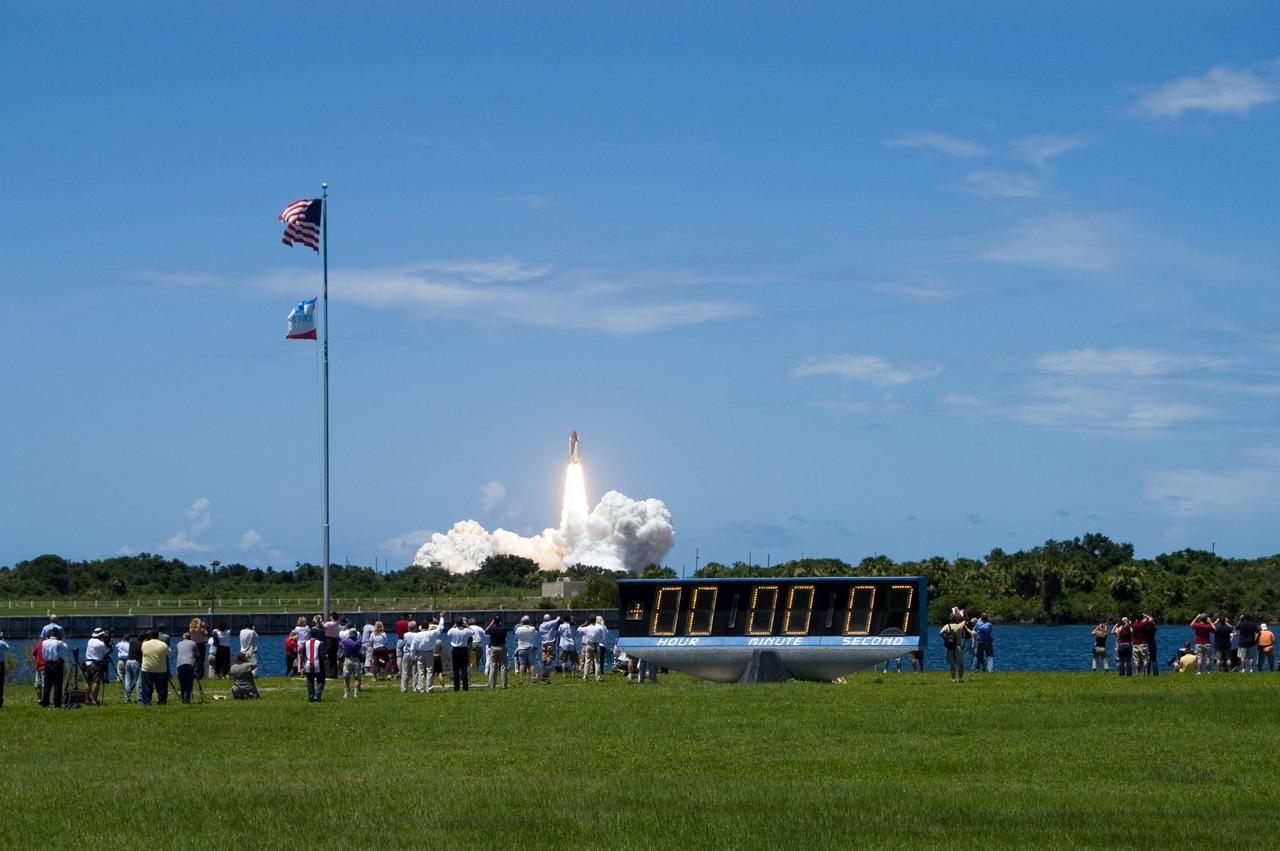
KENNEDY SPACE CENTER, FLA. - Like a roman candle shooting through the blue sky, the launch of Space Shuttle Discovery on mission STS-121 kicks off the fireworks for the U.S. holiday in its third launch attempt in four days. Liftoff was on-time at 2:38 p.m. EDT. The countdown clock on the grounds of the NASA News Center shows 7 seconds into the launch. Media crowd the banks of the turn basin to capture the sight of the launch. During the 12-day mission, the STS-121 crew of seven will test new equipment and procedures to improve shuttle safety, as well as deliver supplies and make repairs to the International Space Station. Landing is scheduled for July 16 or 17 at Kennedy's Shuttle Landing Facility. Photo credit: NASA/George Shelton
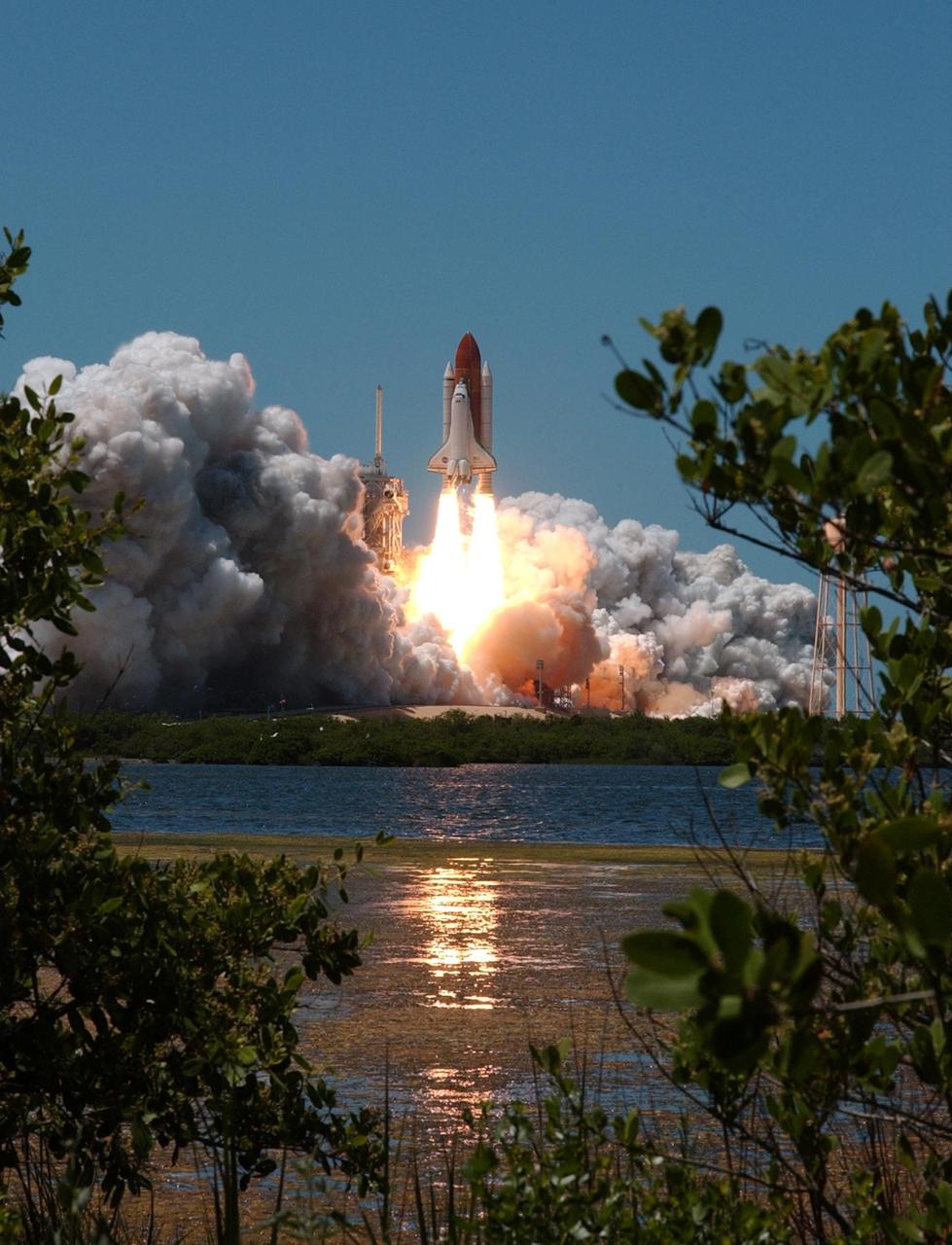
KENNEDY SPACE CENTER, FLA. - Space Shuttle Discovery kicks off the Fourth of July fireworks with its own fiery display as it rockets into the blue sky, spewing foam and smoke over the ground, on mission STS-121. It was the third launch attempt in four days; the others were scrubbed due to weather concerns. Liftoff was on-time at 2:38 p.m. EDT. During the 12-day mission, the STS-121 crew of seven will test new equipment and procedures to improve shuttle safety, as well as deliver supplies and make repairs to the International Space Station. Landing is scheduled for July 16 or 17 at Kennedy's Shuttle Landing Facility. Photo credit: NASA/Sandy Joseph, Robert Murray

KENNEDY SPACE CENTER, FLA. - Space Shuttle Discovery kicks off the Fourth of July fireworks with its own fiery display as it rockets into the blue sky, spewing foam and smoke over the ground, on mission STS-121. It was the third launch attempt in four days; the others were scrubbed due to weather concerns. Liftoff was on-time at 2:38 p.m. EDT. During the 12-day mission, the STS-121 crew of seven will test new equipment and procedures to improve shuttle safety, as well as deliver supplies and make repairs to the International Space Station. Landing is scheduled for July 16 or 17 at Kennedy's Shuttle Landing Facility. Photo credit:NASA/Sandy Joseph, Robert Murray
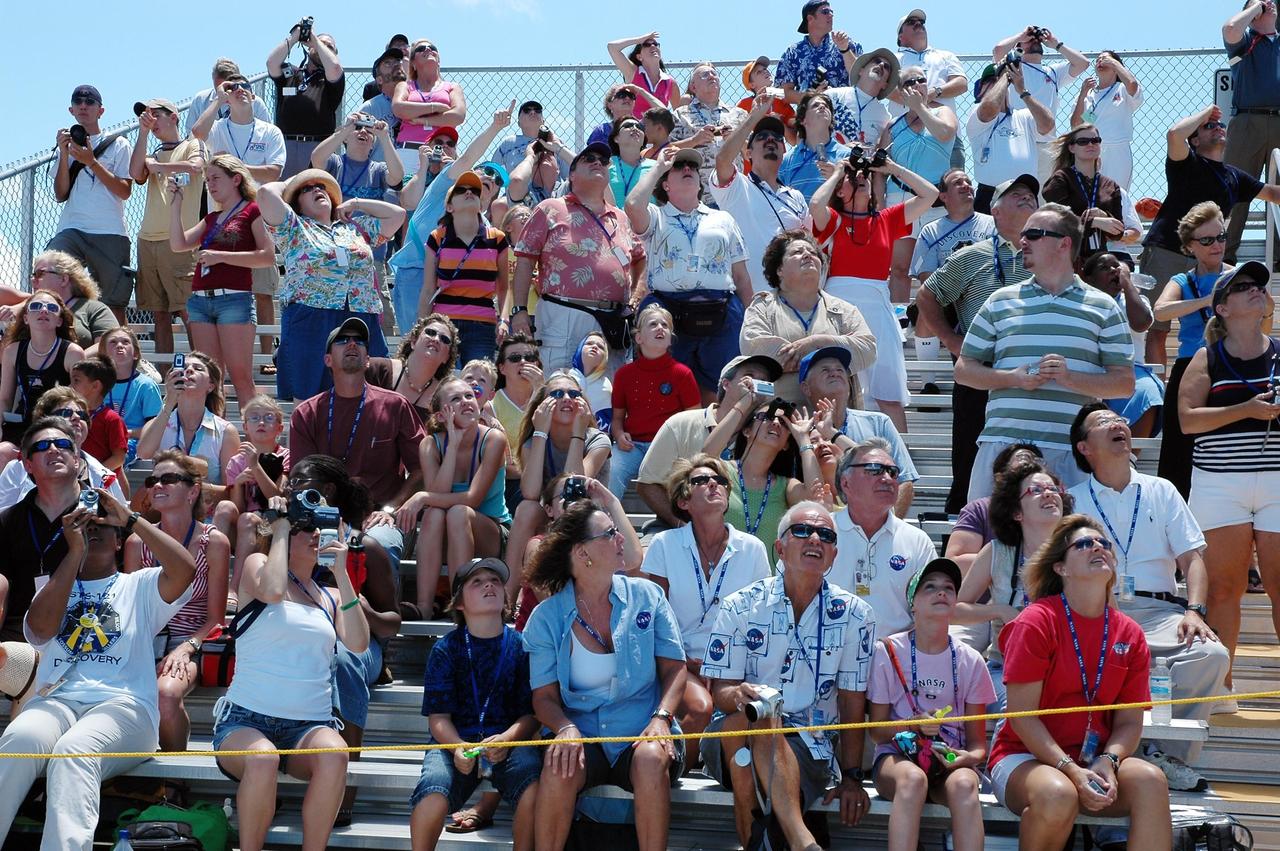
KENNEDY SPACE CENTER, FLA. - Visitors at the Kennedy Space Center's Banana River viewing site stay focused on the historic ride of Space Shuttle Discovery on mission STS-121 as it rockets into the blue sky for an historic launch -- the first ever on Independence Day. Liftoff was on-time at 2:38 p.m. EDT. During the 12-day mission, the STS-121 crew of seven will test new equipment and procedures to improve shuttle safety, as well as deliver supplies and make repairs to the International Space Station. Landing is scheduled for July 16 or 17 at Kennedy's Shuttle Landing Facility. Photo credit: NASA/Louie Roguevert
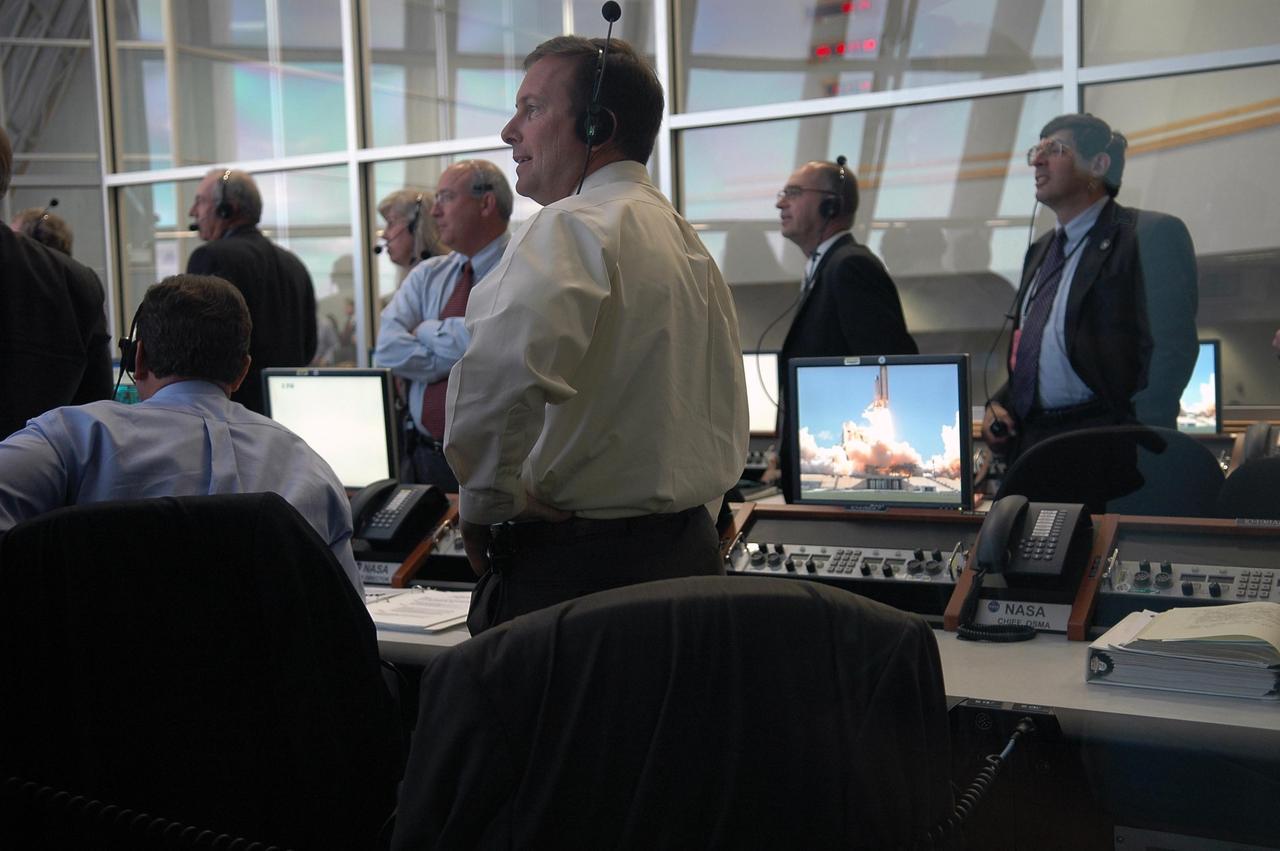
KENNEDY SPACE CENTER, FLA. - In Firing Room 4 of the Launch Control Center, the launch team stands to view the liftoff of Space Shuttle Discovery on mission STS-121 -- the first ever Independence Day launch of a space shuttle. Liftoff was on-time at 2:38 p.m. EDT. During the 12-day mission, the STS-121 crew of seven will test new equipment and procedures to improve shuttle safety, as well as deliver supplies and make repairs to the International Space Station. Landing is scheduled for July 16 or 17 at Kennedy's Shuttle Landing Facility. Photo credit: NASA/Kim Shiflett
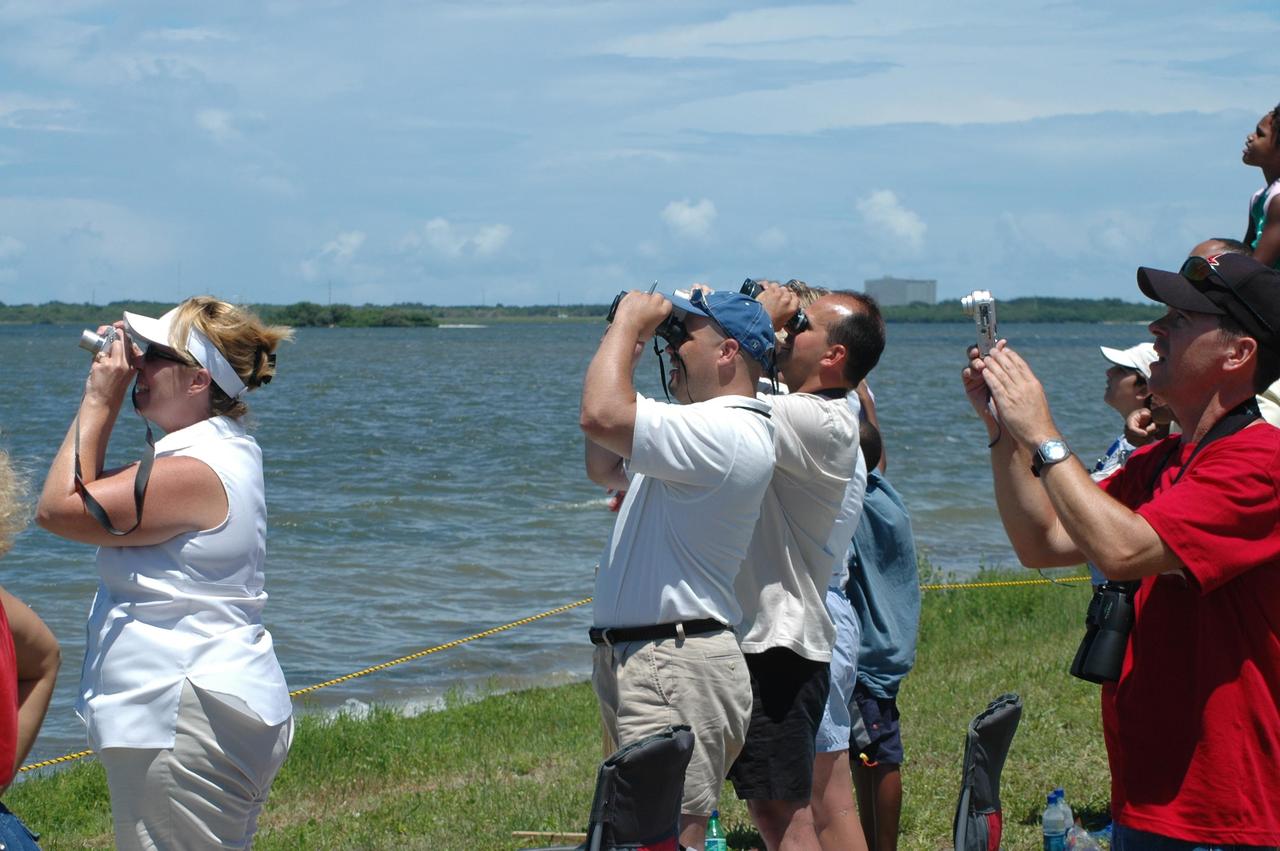
KENNEDY SPACE CENTER, FLA. - All eyes, and lenses, focus on the perfect launch of Space Shuttle Discovery on its third attempt in four days. Kicking off the Fourth of July with its own fireworks, the launch made history as it was the first ever launch on Independence Day. Liftoff was on-time at 2:38 p.m. EDT. During the 12-day mission, the STS-121 crew of seven will test new equipment and procedures to improve shuttle safety, as well as deliver supplies and make repairs to the International Space Station. Landing is scheduled for July 16 or 17 at Kennedy's Shuttle Landing Facility. Photo credit: NASA/Carl Winebarger
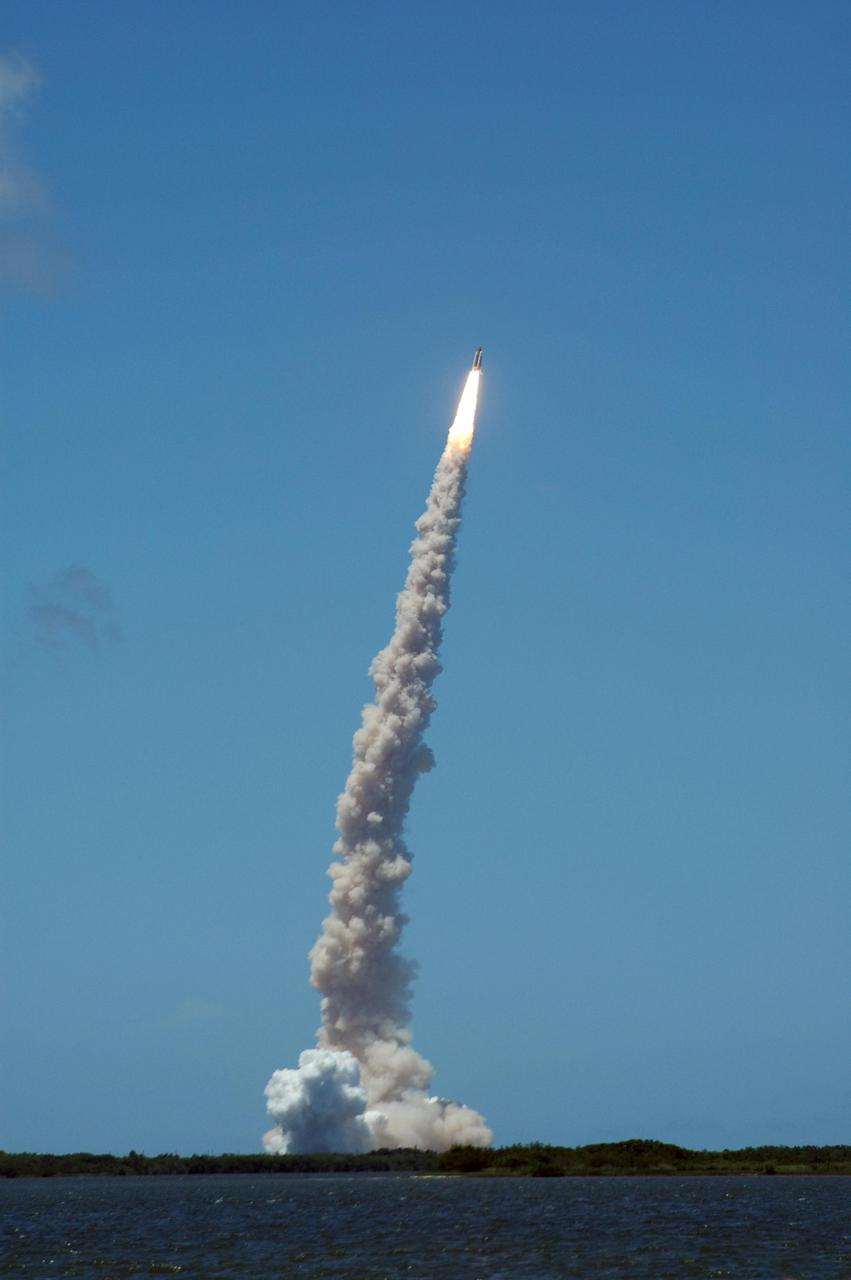
KENNEDY SPACE CENTER, FLA. - Viewed from the NASA Causeway, Space Shuttle Discovery makes a perfect launch as it shoots into the blue sky with its own Fourth of July fireworks. The launch made history as it was the first ever launch on Independence Day. Liftoff was on-time at 2:38 p.m. EDT. During the 12-day mission, the STS-121 crew of seven will test new equipment and procedures to improve shuttle safety, as well as deliver supplies and make repairs to the International Space Station. Landing is scheduled for July 16 or 17 at Kennedy's Shuttle Landing Facility. Photo credit: NASA/Carl Winebarger
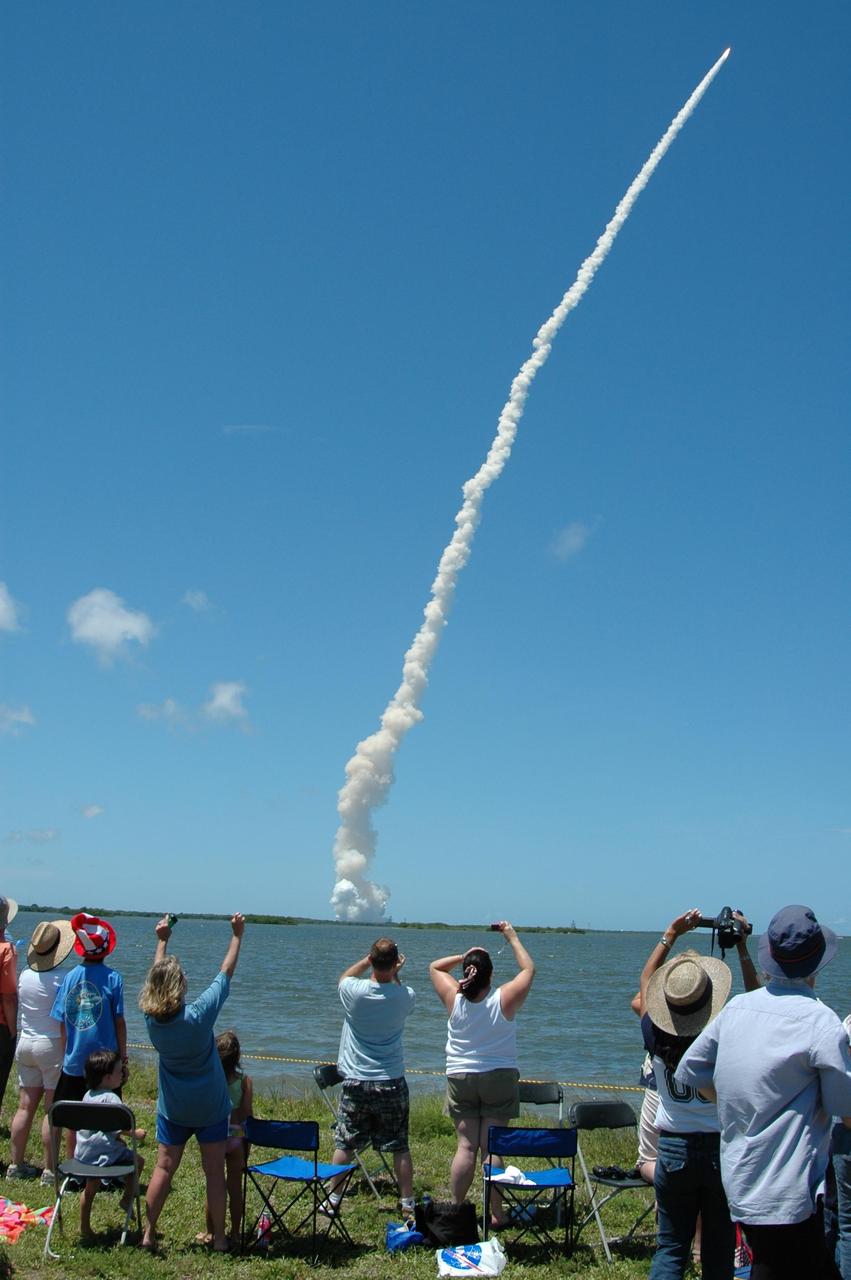
KENNEDY SPACE CENTER, FLA. - Crowds along the NASA Causeway are excited as Space Shuttle Discovery makes a perfect launch, shooting into the blue sky with its own Fourth of July fireworks. The launch made history as it was the first ever launch on Independence Day. Liftoff was on-time at 2:38 p.m. EDT. During the 12-day mission, the STS-121 crew of seven will test new equipment and procedures to improve shuttle safety, as well as deliver supplies and make repairs to the International Space Station. Landing is scheduled for July 16 or 17 at Kennedy's Shuttle Landing Facility. Photo credit: NASA/Carl Winebarger

A Rocket Lab Electron rocket lifts off Launch Complex-1 at Māhia Peninsula in New Zealand carrying NASA’s Educational Launch of Nanosatellites-19 (ELaNa-19) payload. Liftoff occurred at 6:33 a.m. UTC on Dec. 17 (1:33 p.m. EST on Dec. 16). The liftoff marks the first flight of a payload under NASA’s Venture Class Launch Services (VCLS). Managed by NASA’s Launch Services Program at Kennedy Space Center in Florida, VCLS was developed to provide increased access to space specifically for these small spacecraft, called CubeSats.
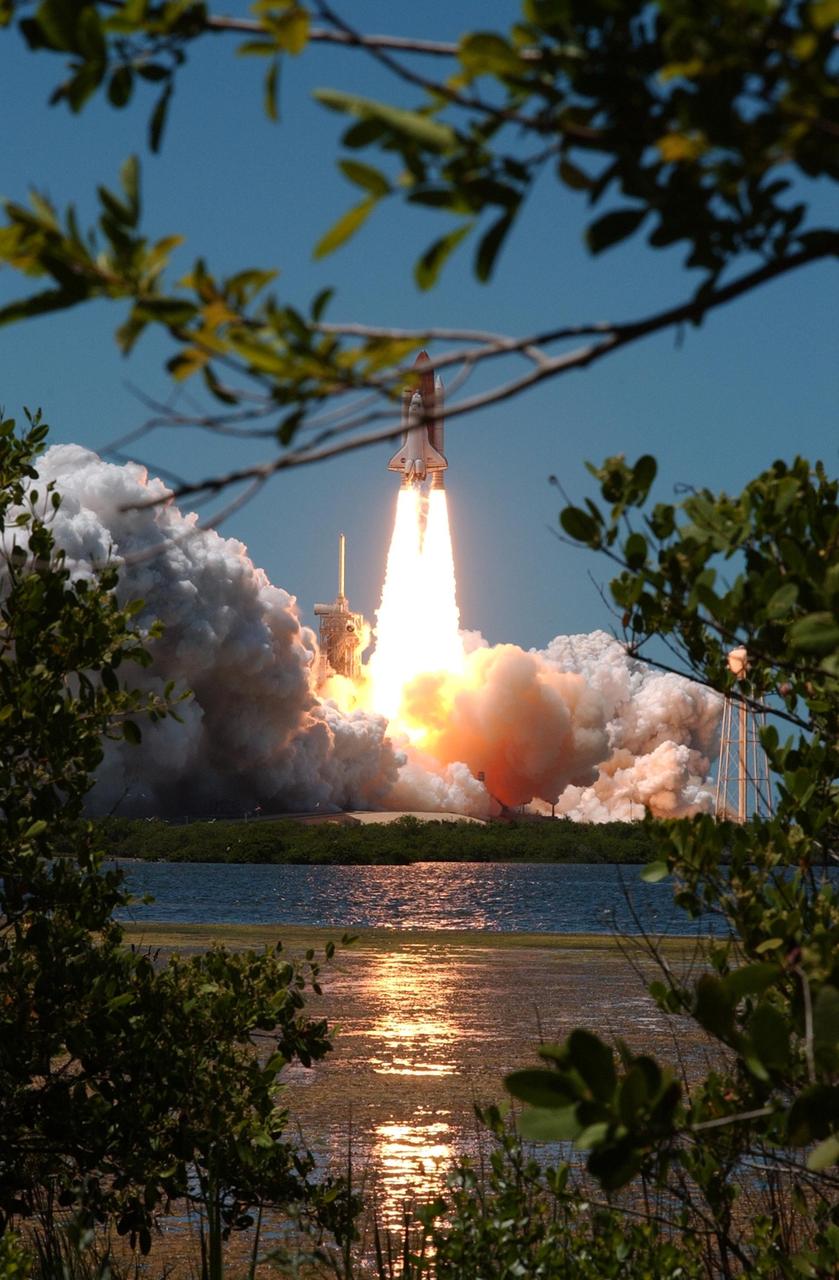
KENNEDY SPACE CENTER, FLA. - Framed by the woods across the pond, Space Shuttle Discovery kicks off the Fourth of July fireworks with its own fiery display as it rockets into the blue sky, spewing foam and smoke over the ground, on mission STS-121. It was the third launch attempt in four days; the others were scrubbed due to weather concerns. Liftoff was on-time at 2:38 p.m. EDT. During the 12-day mission, the STS-121 crew of seven will test new equipment and procedures to improve shuttle safety, as well as deliver supplies and make repairs to the International Space Station. Landing is scheduled for July 16 or 17 at Kennedy's Shuttle Landing Facility. Photo credit: NASA/Sandy Joseph, Robert Murray
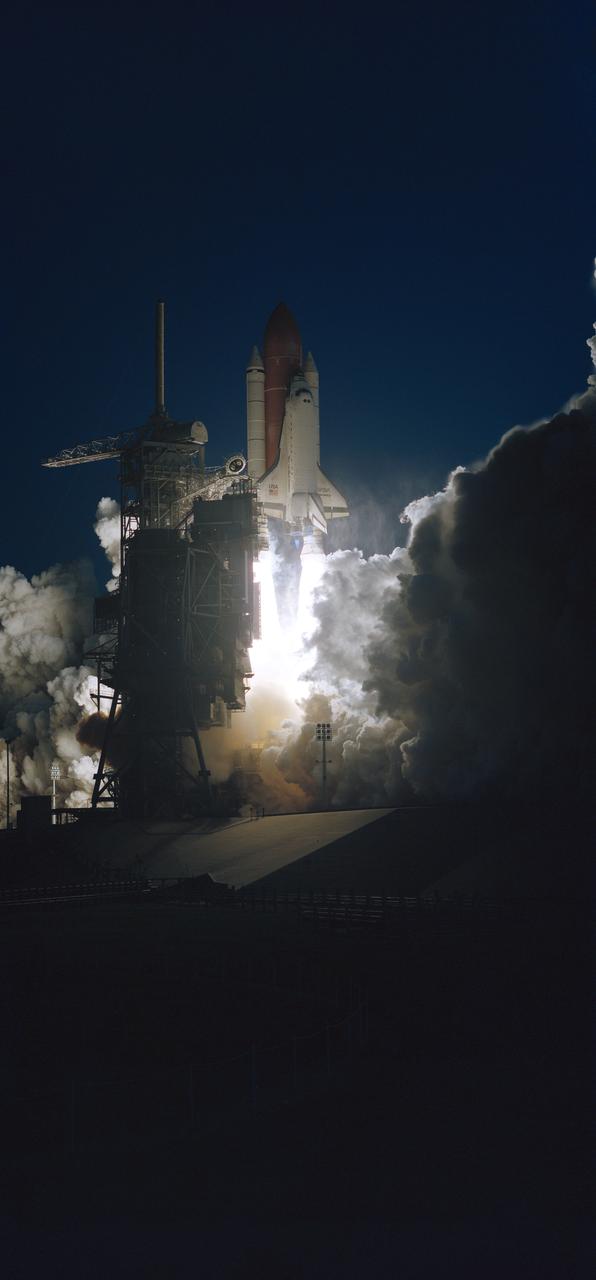
Launch Complex 39 is in partial darkness as the Space Shuttle Discovery heads toward an eight-day mission in Earth orbit. Liftoff occurred as scheduled at 7:10 a.m., February 3, 1994.
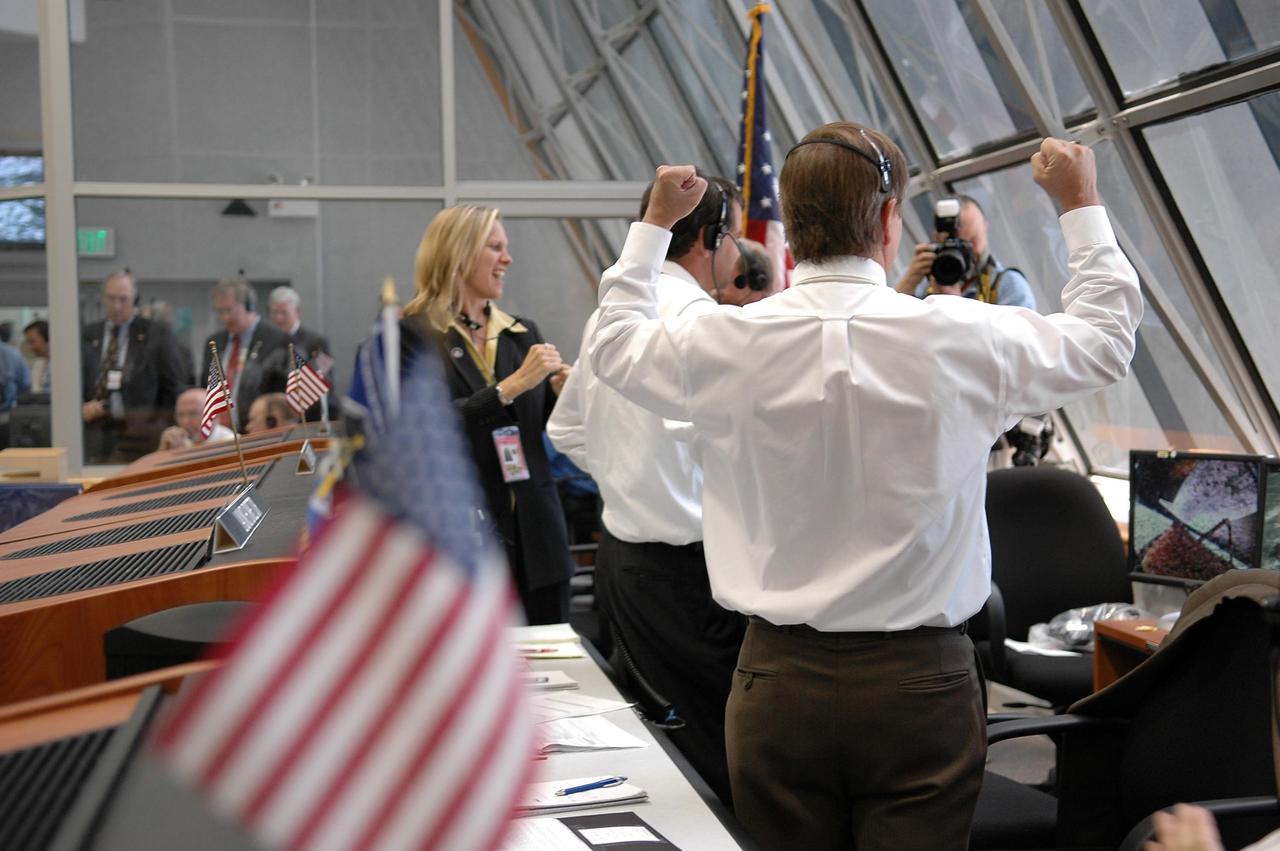
KENNEDY SPACE CENTER, FLA. - In Firing Room 4 of the Launch Control Center, Shuttle Launch Director Mike Leinbach (foreground) cheers over the successful liftoff of Space Shuttle Discovery, watching it rocket through the sky on mission STS-121 -- the first ever Independence Day launch of a space shuttle. At far left is Stephanie Stilson, NASA flow director in the Process Integration Branch of the Shuttle Processing Directorate, who began conducting Discovery's processing operations in December 2000. Liftoff was on-time at 2:38 p.m. EDT. During the 12-day mission, the STS-121 crew of seven will test new equipment and procedures to improve shuttle safety, as well as deliver supplies and make repairs to the International Space Station. Landing is scheduled for July 16 or 17 at Kennedy's Shuttle Landing Facility. Photo credit: NASA/Kim Shiflett
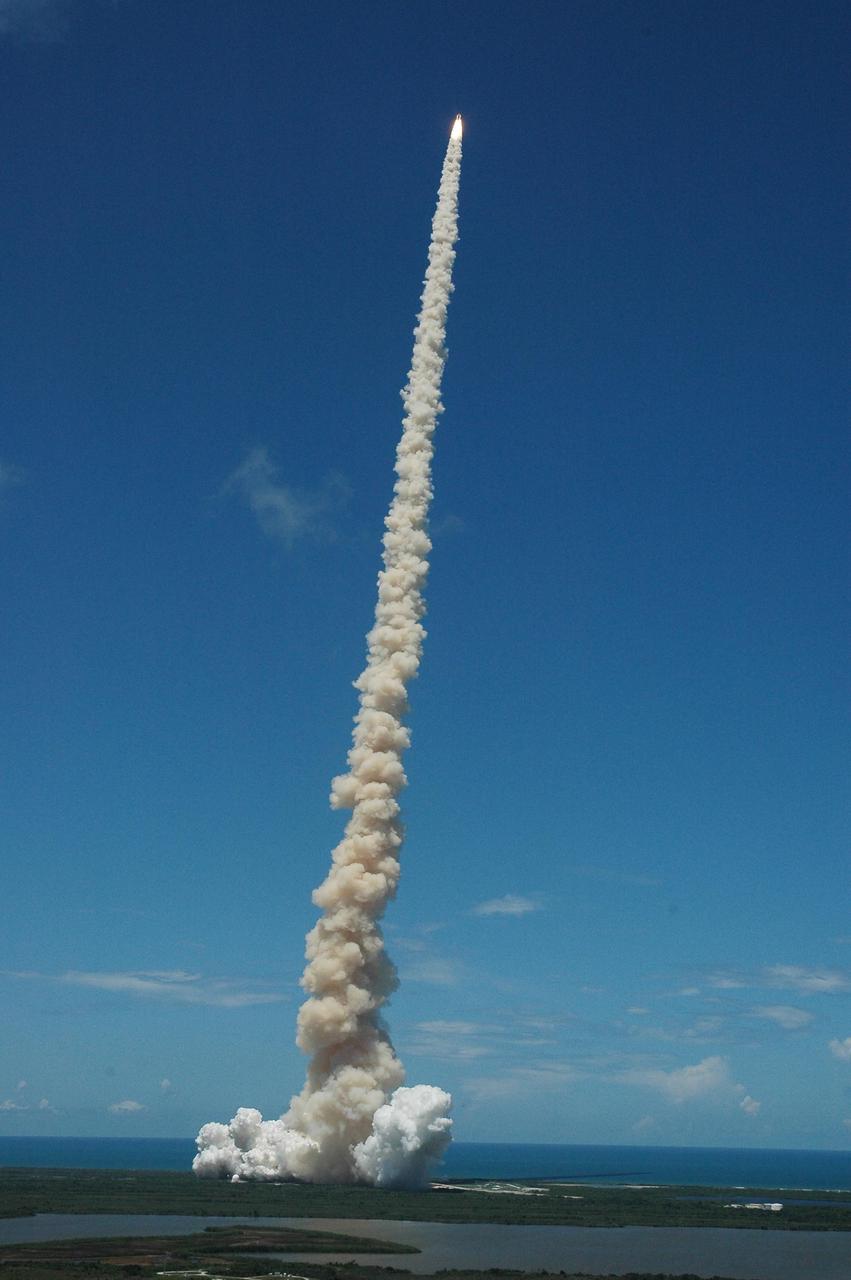
KENNEDY SPACE CENTER, FLA. - Shooting like a roman candle into Florida's blue sky, Space Shuttle Discovery kicks off the Fourth of July fireworks with its own fiery display and makes history with the first ever launch on Independence Day. It was the third launch attempt in four days; the others were scrubbed due to weather concerns. Liftoff was on-time at 2:38 p.m. EDT. During the 12-day mission, the STS-121 crew of seven will test new equipment and procedures to improve shuttle safety, as well as deliver supplies and make repairs to the International Space Station. Landing is scheduled for July 16 or 17 at Kennedy's Shuttle Landing Facility. Photo credit: NASA/Gianni Woods
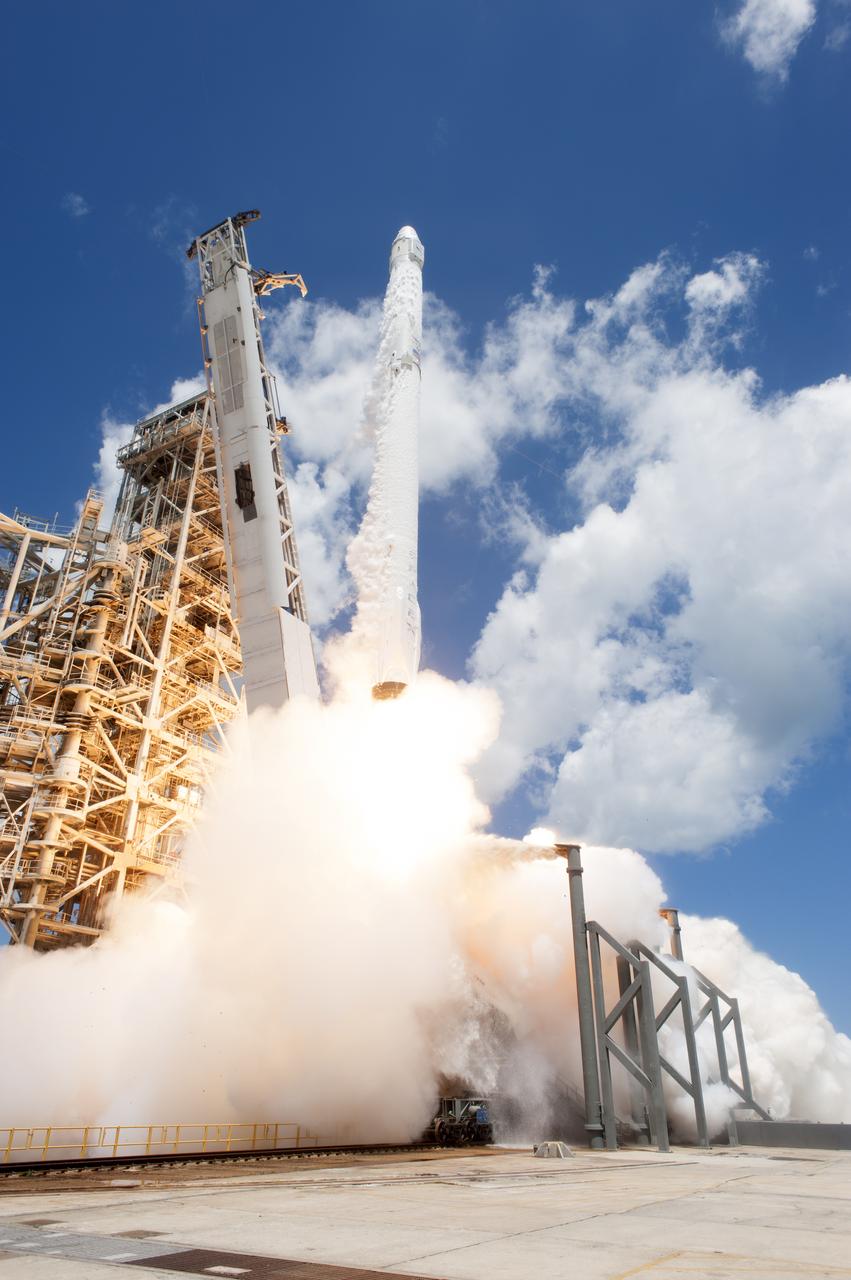
The two-stage SpaceX Falcon 9 launch vehicle lifts off Launch Complex 39A at NASA's Kenney Space Center carrying the Dragon resupply spacecraft to the International Space Station. Liftoff was at 12:31 p.m. EDT. On its 12th commercial resupply services mission to the International Space Station, Dragon will bring up more than 6,400 pounds of supplies and new science experiments and equipment for technology research.
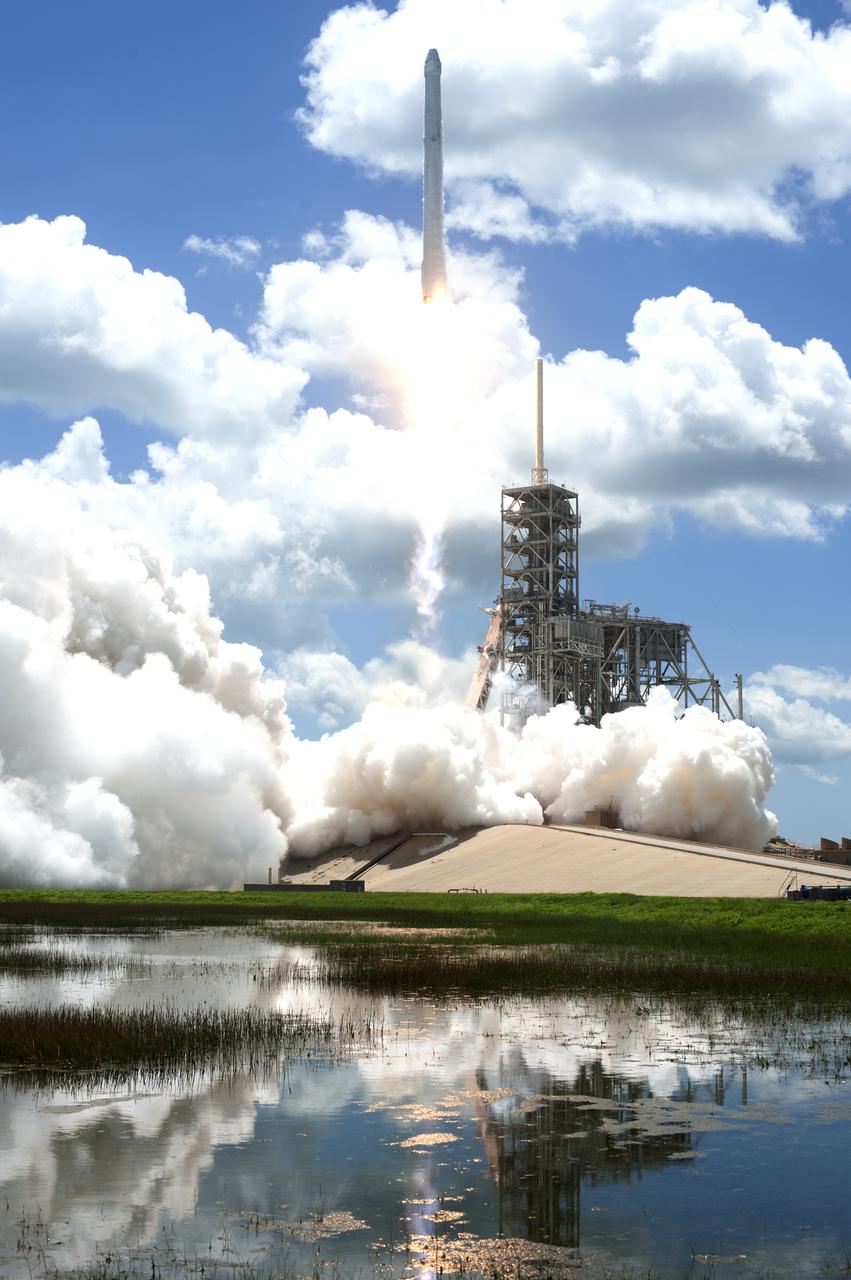
The two-stage SpaceX Falcon 9 launch vehicle lifts off Launch Complex 39A at NASA's Kennedy Space Center carrying the Dragon resupply spacecraft to the International Space Station. Liftoff was at 12:31 p.m. EDT. On its 12th commercial resupply services mission to the International Space Station, Dragon will bring up more than 6,400 pounds of supplies and new science experiments and equipment for technology research.
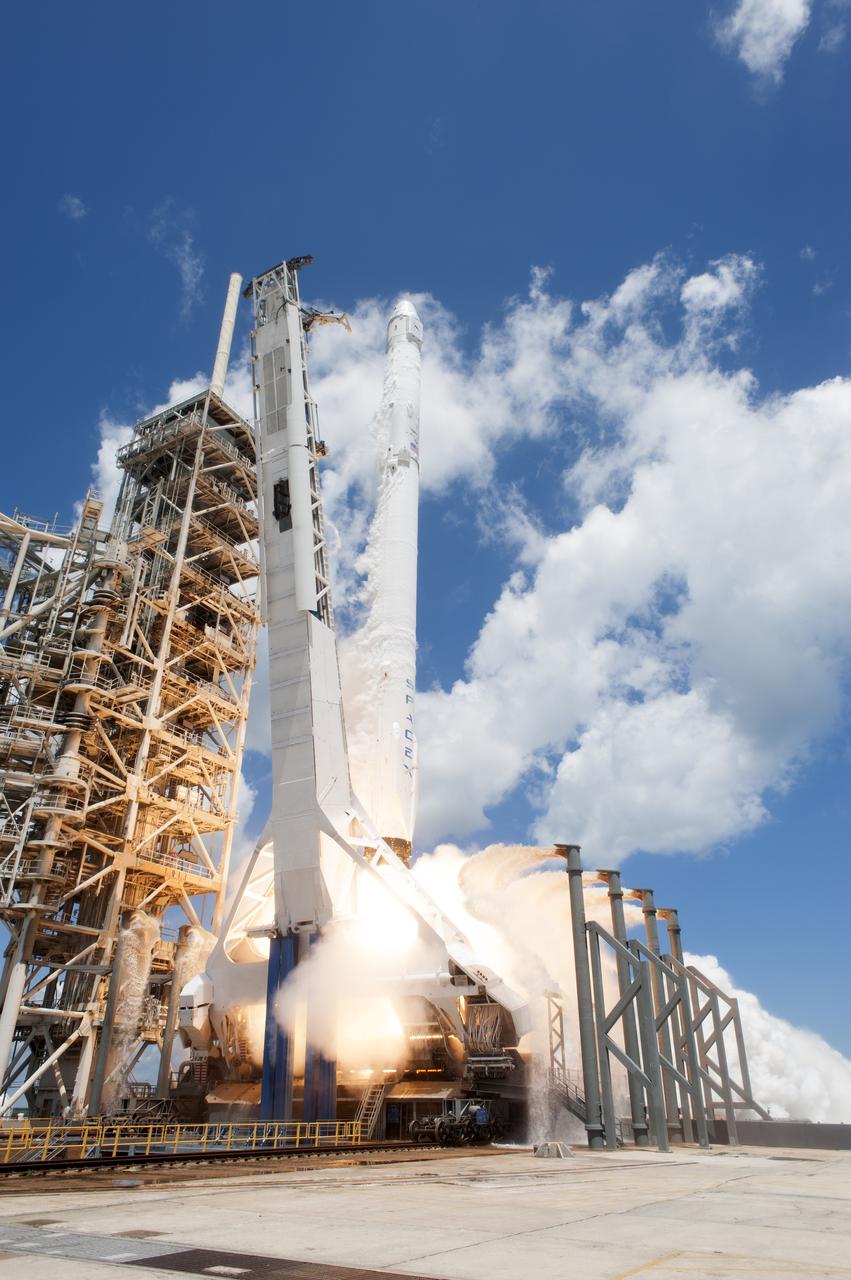
The two-stage SpaceX Falcon 9 launch vehicle lifts off Launch Complex 39A at NASA's Kenney Space Center carrying the Dragon resupply spacecraft to the International Space Station. Liftoff was at 12:31 p.m. EDT. On its 12th commercial resupply services mission to the International Space Station, Dragon will bring up more than 6,400 pounds of supplies and new science experiments and equipment for technology research.

The two-stage SpaceX Falcon 9 launch vehicle lifts off Launch Complex 39A at NASA's Kennedy Space Center carrying the Dragon resupply spacecraft to the International Space Station. Liftoff was at 12:31 p.m. EDT. On its 12th commercial resupply services mission to the International Space Station, Dragon will bring up more than 6,400 pounds of supplies and new science experiments and equipment for technology research.
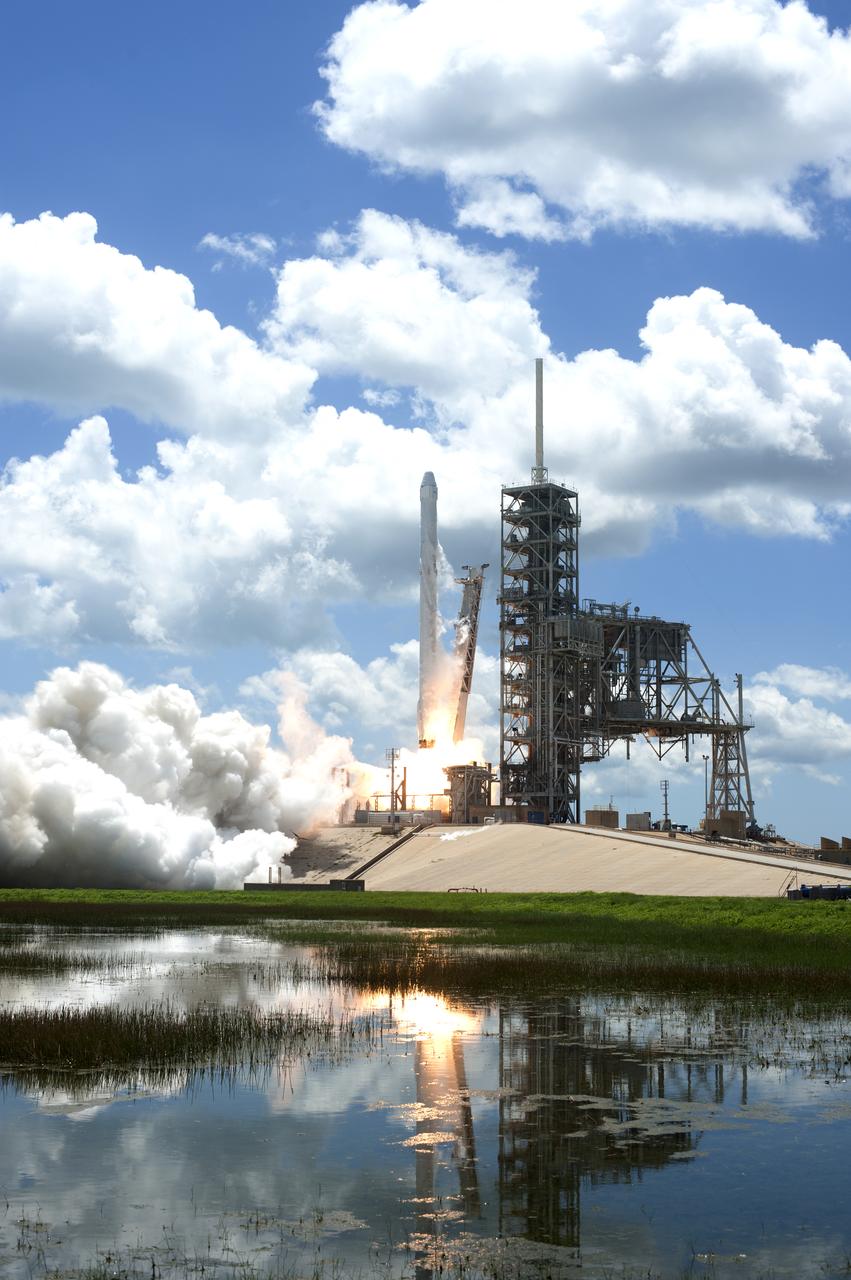
The two-stage SpaceX Falcon 9 launch vehicle lifts off Launch Complex 39A at NASA's Kennedy Space Center carrying the Dragon resupply spacecraft to the International Space Station. Liftoff was at 12:31 p.m. EDT. On its 12th commercial resupply services mission to the International Space Station, Dragon will bring up more than 6,400 pounds of supplies and new science experiments and equipment for technology research.
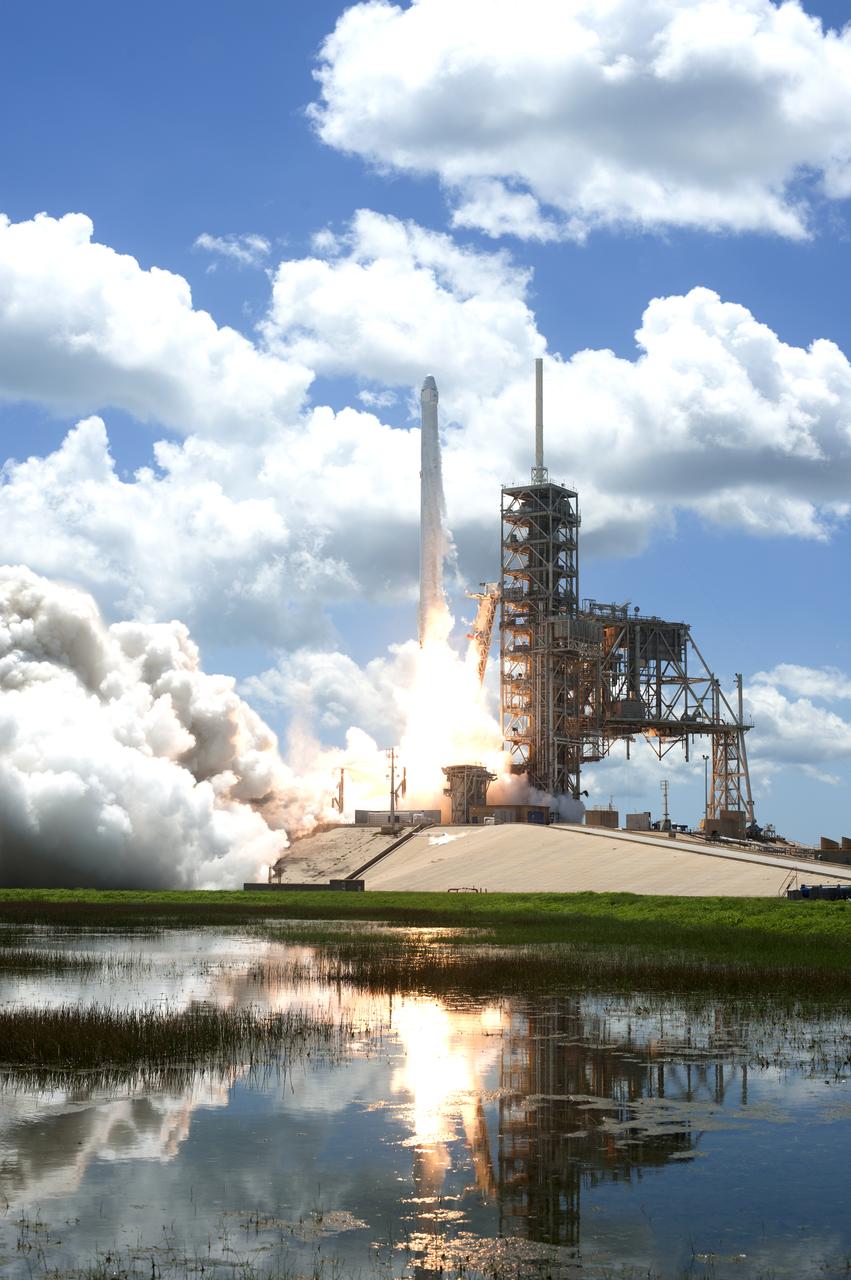
The two-stage SpaceX Falcon 9 launch vehicle lifts off Launch Complex 39A at NASA's Kennedy Space Center carrying the Dragon resupply spacecraft to the International Space Station. Liftoff was at 12:31 p.m. EDT. On its 12th commercial resupply services mission to the International Space Station, Dragon will bring up more than 6,400 pounds of supplies and new science experiments and equipment for technology research.
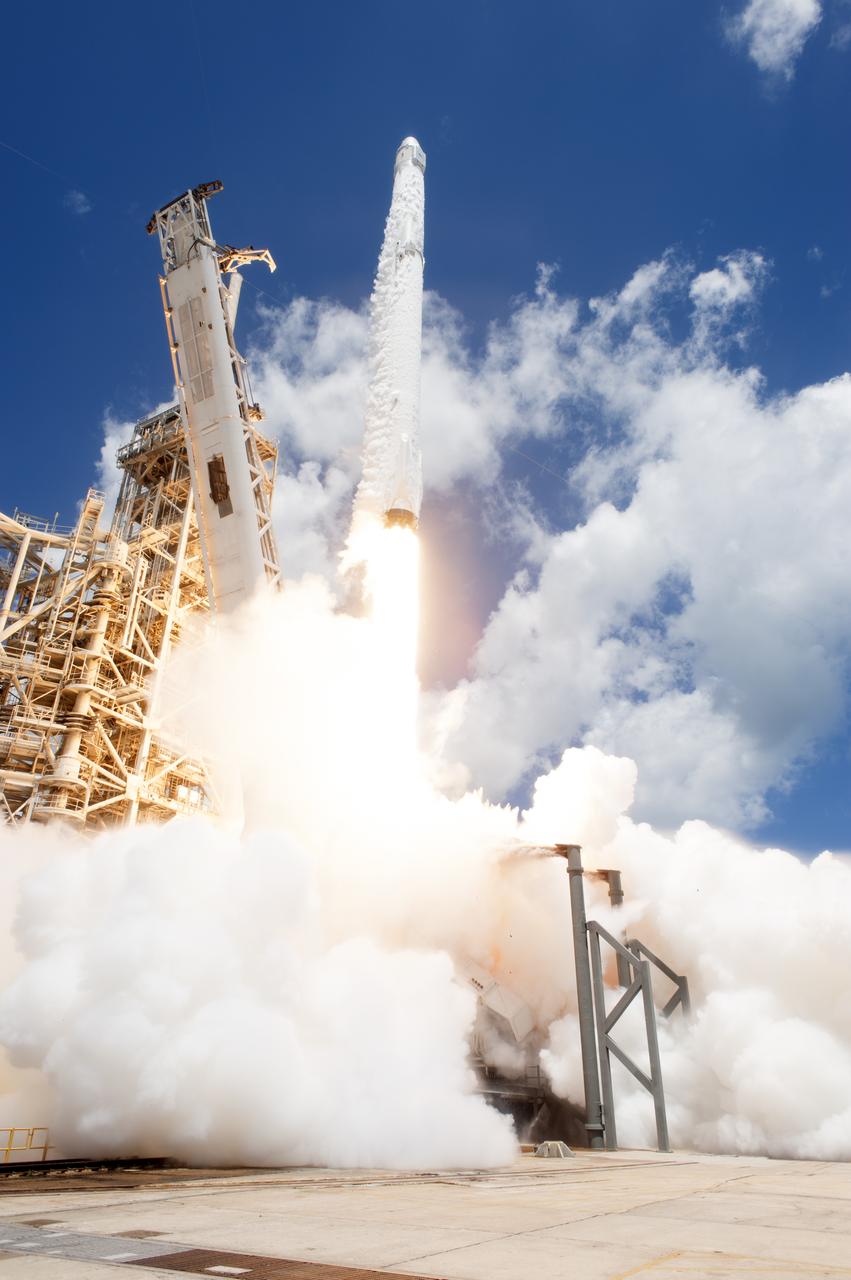
The two-stage SpaceX Falcon 9 launch vehicle lifts off Launch Complex 39A at NASA's Kenney Space Center carrying the Dragon resupply spacecraft to the International Space Station. Liftoff was at 12:31 p.m. EDT. On its 12th commercial resupply services mission to the International Space Station, Dragon will bring up more than 6,400 pounds of supplies and new science experiments and equipment for technology research.
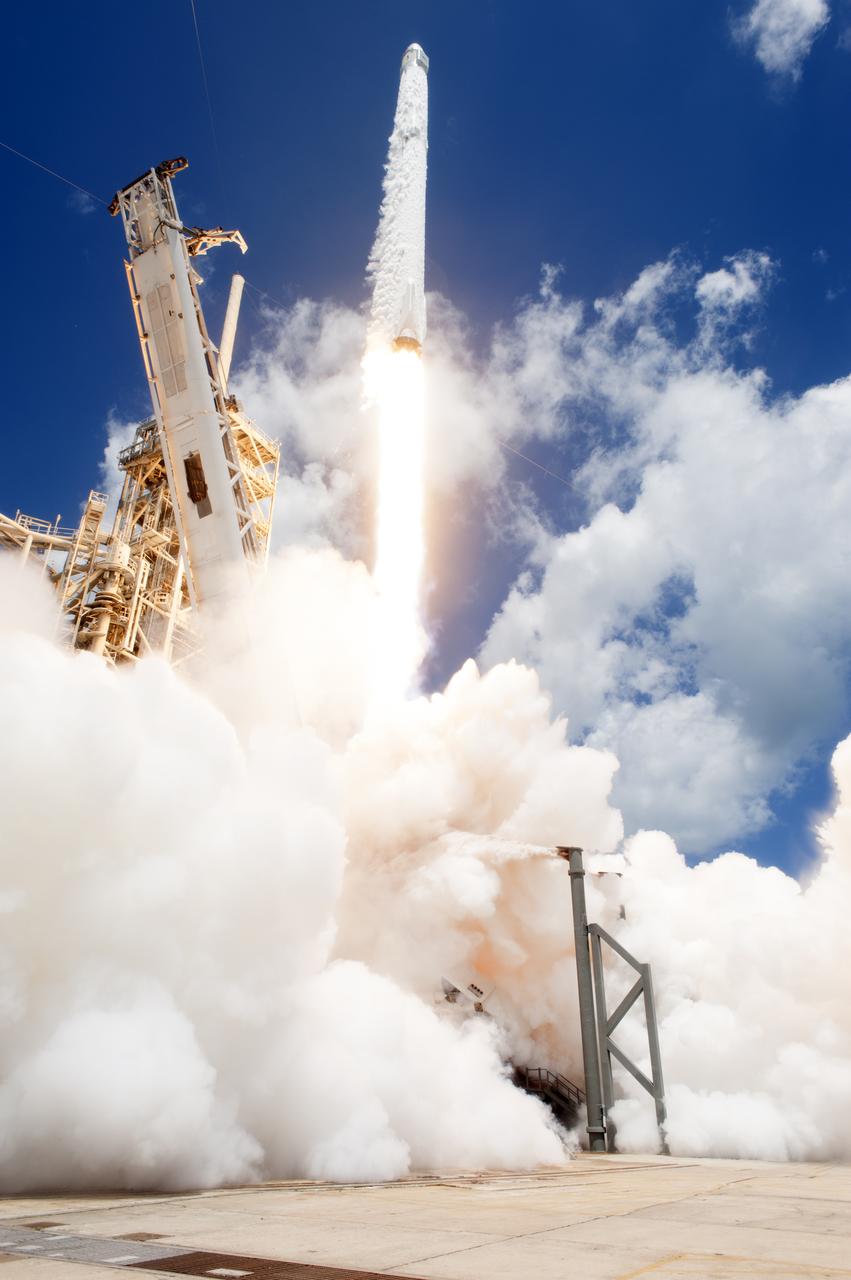
The two-stage SpaceX Falcon 9 launch vehicle lifts off Launch Complex 39A at NASA's Kenney Space Center carrying the Dragon resupply spacecraft to the International Space Station. Liftoff was at 12:31 p.m. EDT. On its 12th commercial resupply services mission to the International Space Station, Dragon will bring up more than 6,400 pounds of supplies and new science experiments and equipment for technology research.
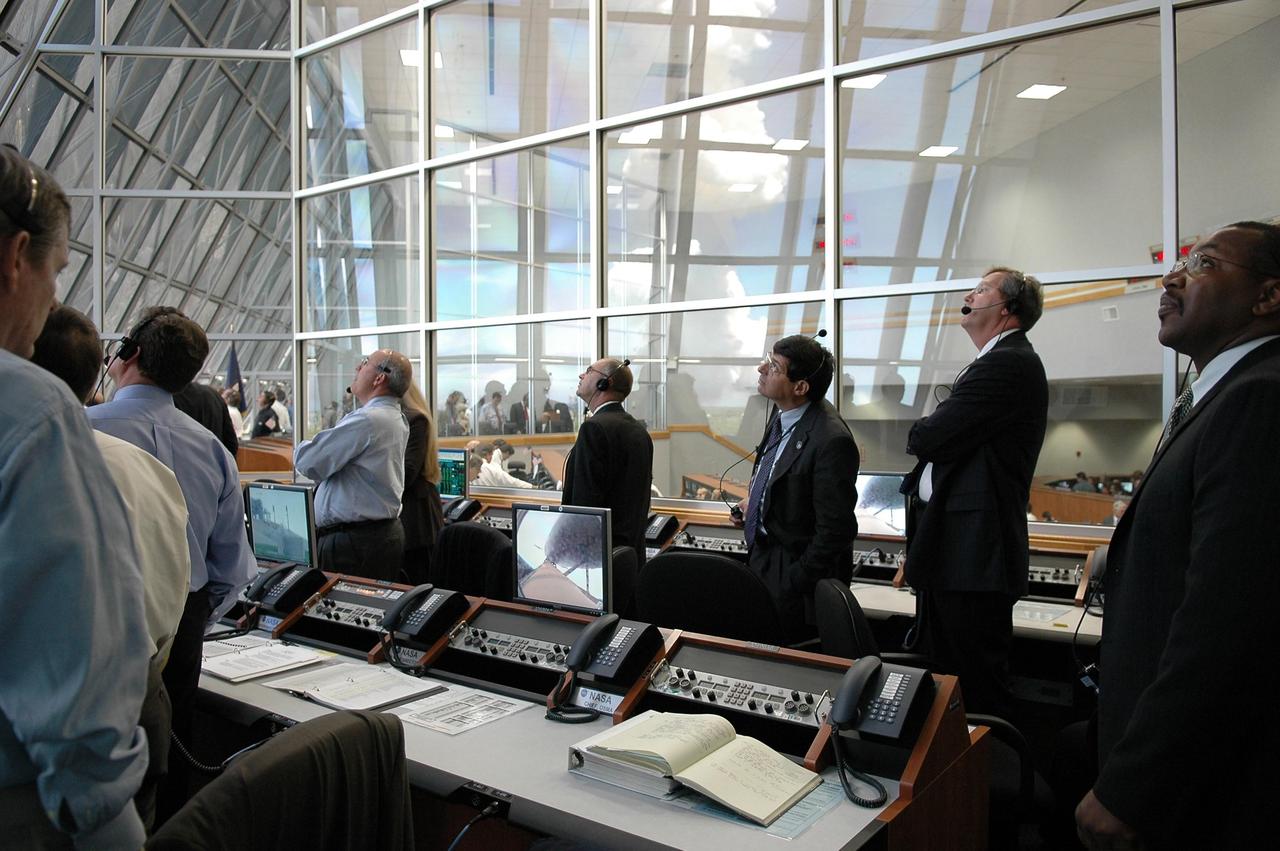
KENNEDY SPACE CENTER, FLA. - Members of the launch team in Firing Room 4 of the Launch Control Center watch the historic ride of Space Shuttle Discovery as it rockets through the sky on mission STS-121 -- the first ever Independence Day launch of a space shuttle. Liftoff was on-time at 2:38 p.m. EDT. During the 12-day mission, the STS-121 crew of seven will test new equipment and procedures to improve shuttle safety, as well as deliver supplies and make repairs to the International Space Station. Landing is scheduled for July 16 or 17 at Kennedy's Shuttle Landing Facility. Photo credit: NASA/Kim Shiflett
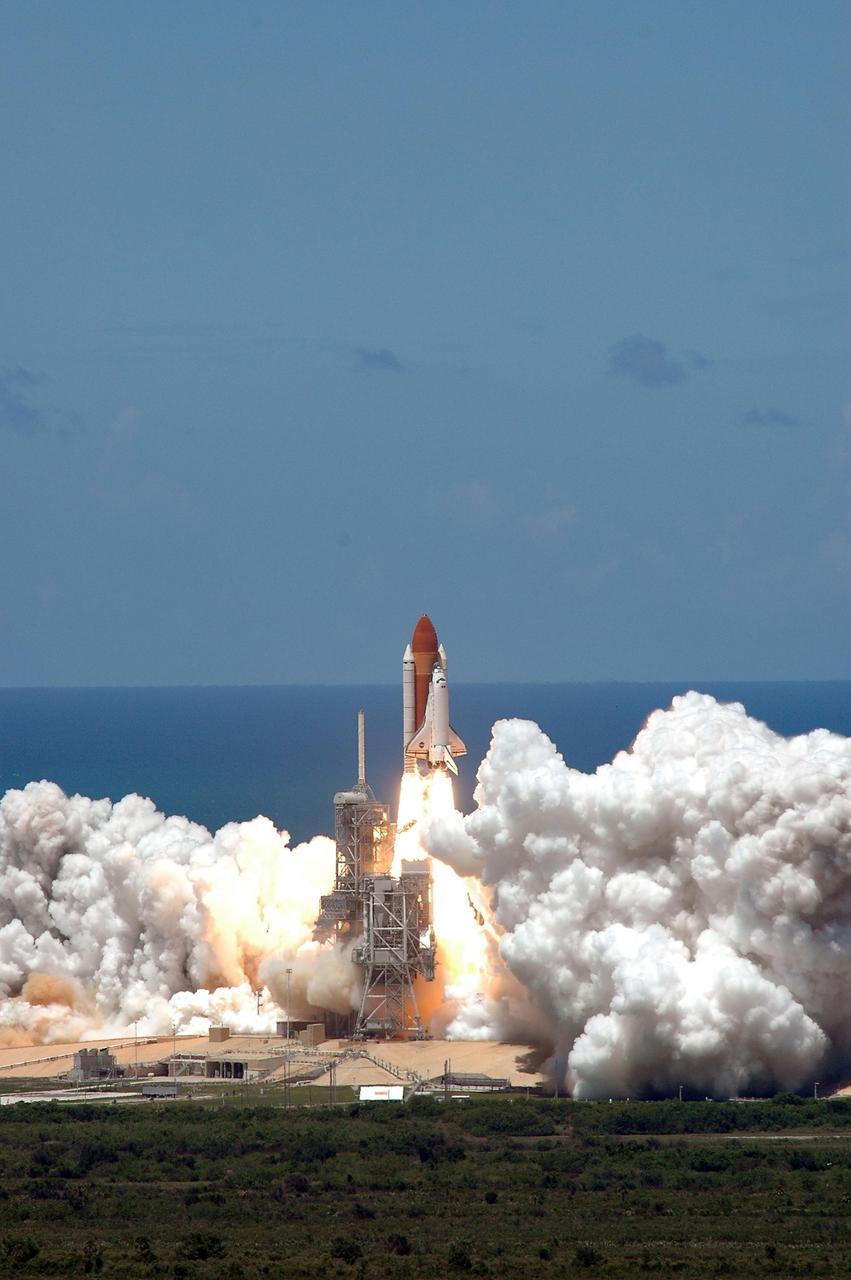
KENNEDY SPACE CENTER, FLA. - Viewed from the top of the Vehicle Assembly Building at NASA's Kennedy Space Center, Space Shuttle Discovery kicks off the Fourth of July fireworks with its own fiery display as it rockets over the blue Atlantic Ocean and into the blue sky, spewing foam and smoke over the ground, on mission STS-121. It was the third launch attempt in four days; the others were scrubbed due to weather concerns. Liftoff was on-time at 2:38 p.m. EDT. During the 12-day mission, the STS-121 crew of seven will test new equipment and procedures to improve shuttle safety, as well as deliver supplies and make repairs to the International Space Station. Landing is scheduled for July 16 or 17 at Kennedy's Shuttle Landing Facility. Photo credit: NASA/Gianni Woods
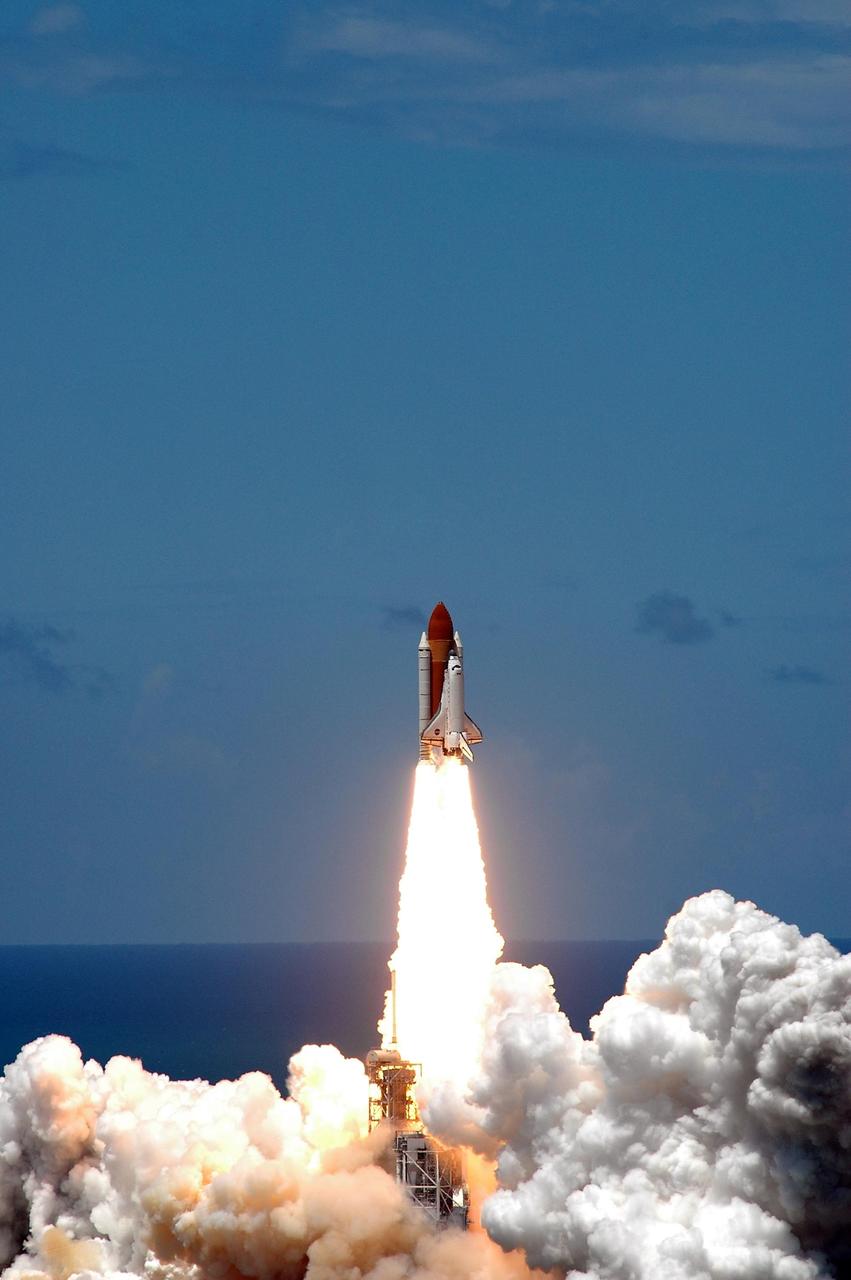
KENNEDY SPACE CENTER, FLA. - Viewed from the top of the Vehicle Assembly Building at NASA's Kennedy Space Center, Space Shuttle Discovery shoots like a roman candle into the blue sky, kicking off the Fourth of July fireworks with its own fiery display. It was the third launch attempt in four days; the others were scrubbed due to weather concerns. Liftoff was on-time at 2:38 p.m. EDT. During the 12-day mission, the STS-121 crew of seven will test new equipment and procedures to improve shuttle safety, as well as deliver supplies and make repairs to the International Space Station. Landing is scheduled for July 16 or 17 at Kennedy's Shuttle Landing Facility. Photo credit: NASA/Gianni Woods
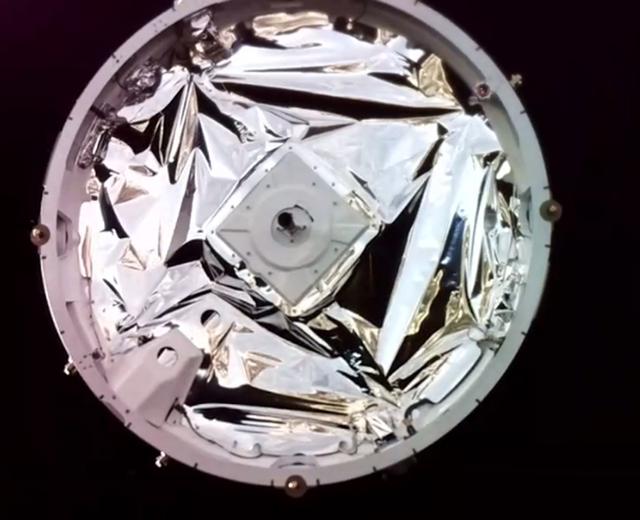
NASA’s Educational Launch of Nanosatellites-19 (ELaNa-19) payload after separation from a Rocket Lab Electron rocket after successful liftoff from Launch Complex-1 at Māhia Peninsula in New Zealand. Launched at 6:33 a.m. UTC on Dec. 17 (1:33 p.m. EST on Dec 16), this marks the first flight of a payload under NASA’s Venture Class Launch Services (VCLS). Managed by NASA’s Launch Services Program at Kennedy Space Center in Florida, VCLS was developed to provide increased access to space specifically for payloads like this, carrying small spacecraft called CubeSats. The successful launch and deployment officially begins the venture-class era.
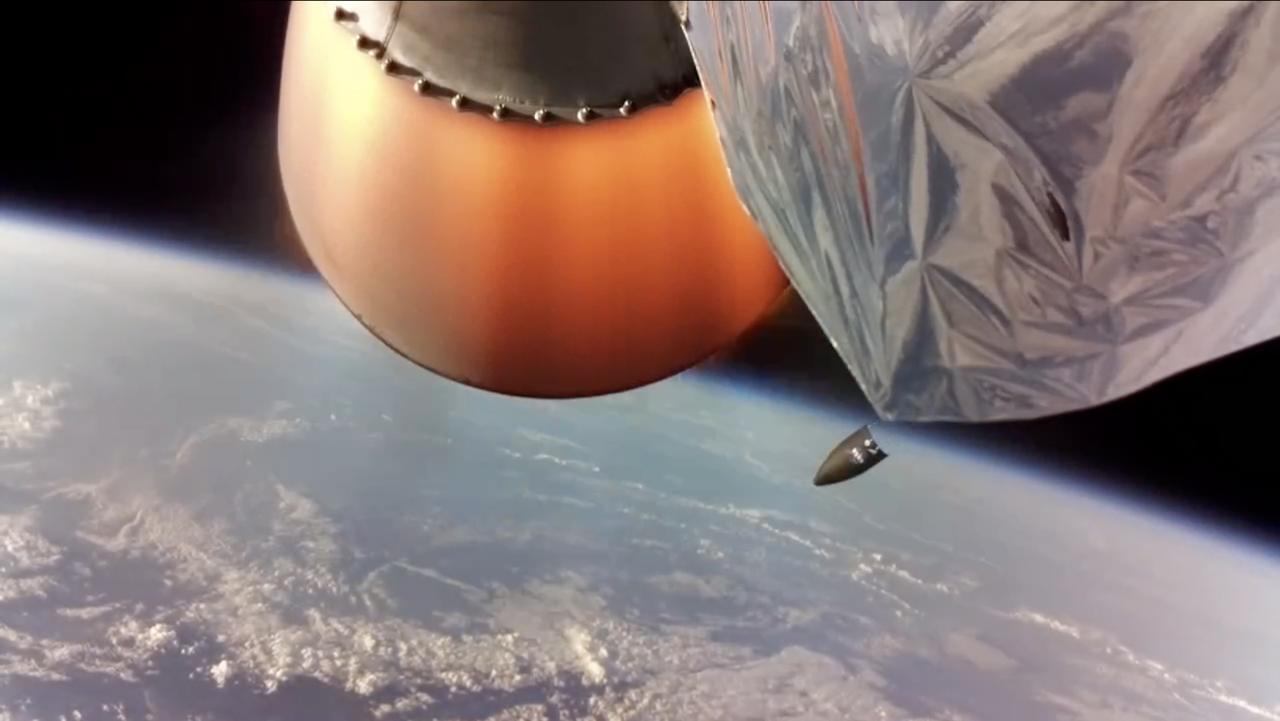
NASA’s Educational Launch of Nanosatellites-19 (ELaNa-19) payload separates from the upper stage of a Rocket Lab Electron rocket after successful liftoff from Launch Complex-1 at Māhia Peninsula in New Zealand. Launched at 6:33 a.m. UTC on Dec. 17 (1:33 p.m. EST on Dec. 16), this marks the first flight of a payload under NASA’s Venture Class Launch Services (VCLS). Managed by NASA’s Launch Services Program at Kennedy Space Center in Florida, VCLS was developed to provide increased access to space specifically for these small spacecraft, called CubeSats.
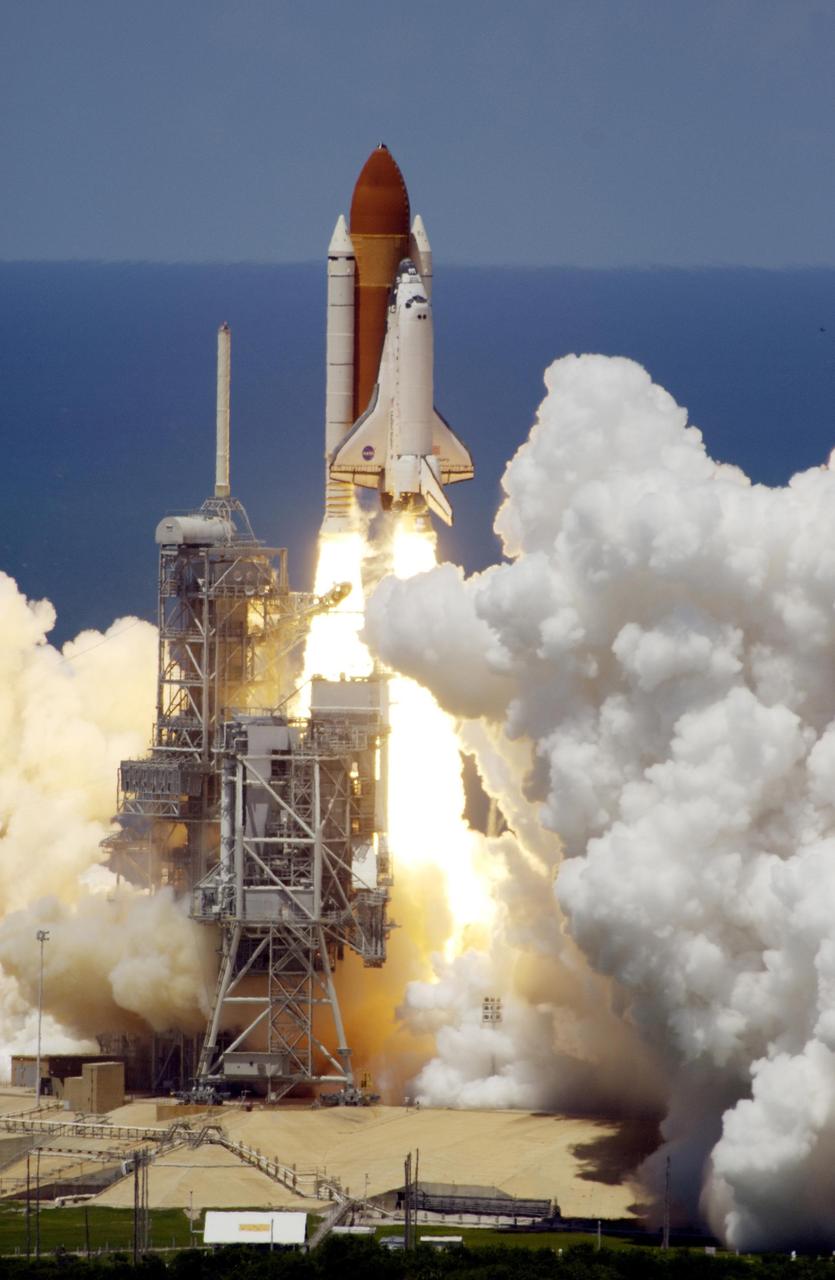
KENNEDY SPACE CENTER, FLA. - As the ground fills with smoke and steam, Space Shuttle Discovery creates its own fireworks display, fitting for the first ever launch to be made on Independence Day. It was the third launch attempt in four days; the others were scrubbed due to weather concerns. Liftoff on mission STS-121 was on-time at 2:38 p.m. EDT. During the 12-day mission, the STS-121 crew of seven will test new equipment and procedures to improve shuttle safety, as well as deliver supplies and make repairs to the International Space Station. Landing is scheduled for July 16 or 17 at Kennedy's Shuttle Landing Facility. Photo courtesy of Nikon/Scott Andrews
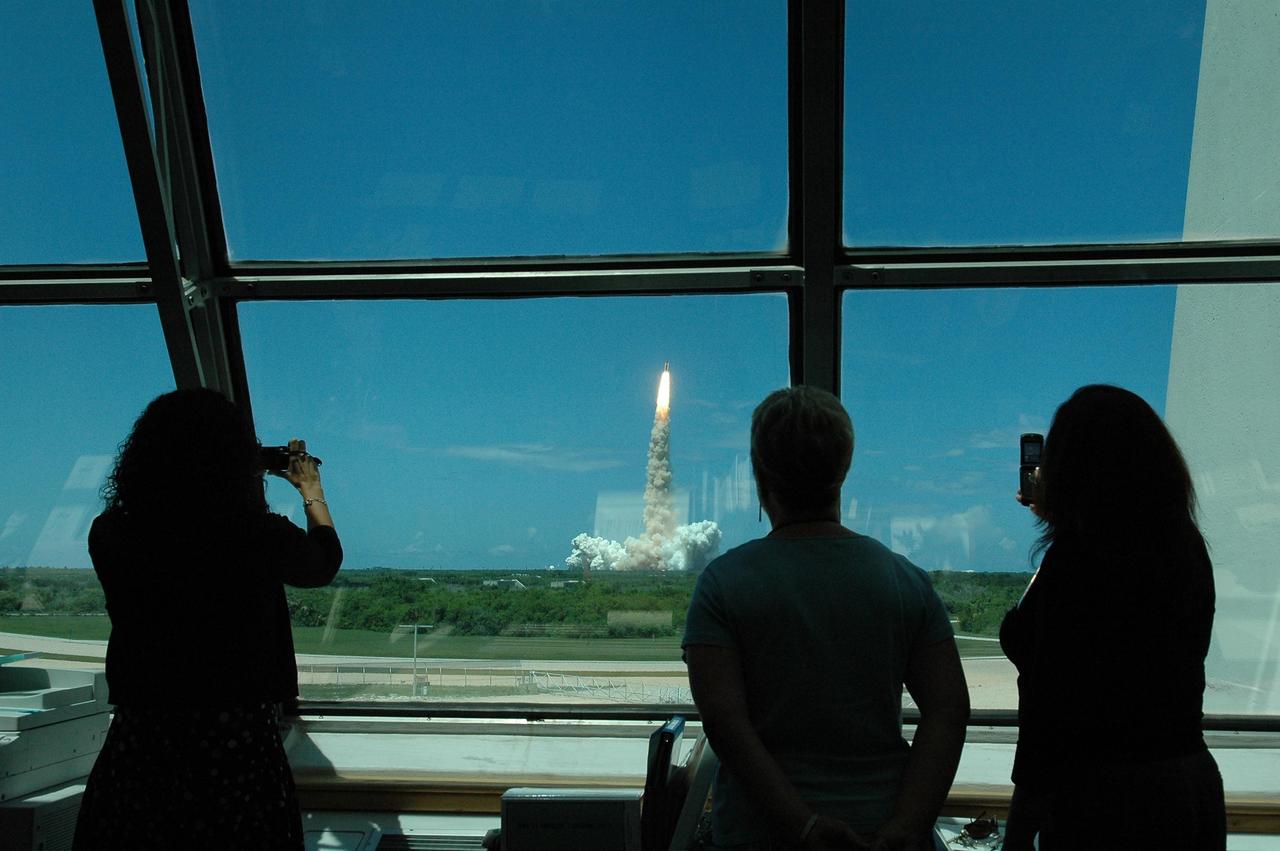
KENNEDY SPACE CENTER, FLA. - Workers in Firing Room 4 of the Launch Control Center take advantage of the view as Space Shuttle Discovery lifts off on mission STS-121 -- the first ever Independence Day launch of a space shuttle. Liftoff was on-time at 2:38 p.m. EDT. During the 12-day mission, the STS-121 crew of seven will test new equipment and procedures to improve shuttle safety, as well as deliver supplies and make repairs to the International Space Station. Landing is scheduled for July 16 or 17 at Kennedy's Shuttle Landing Facility. Photo credit: NASA/Kim Shiflett
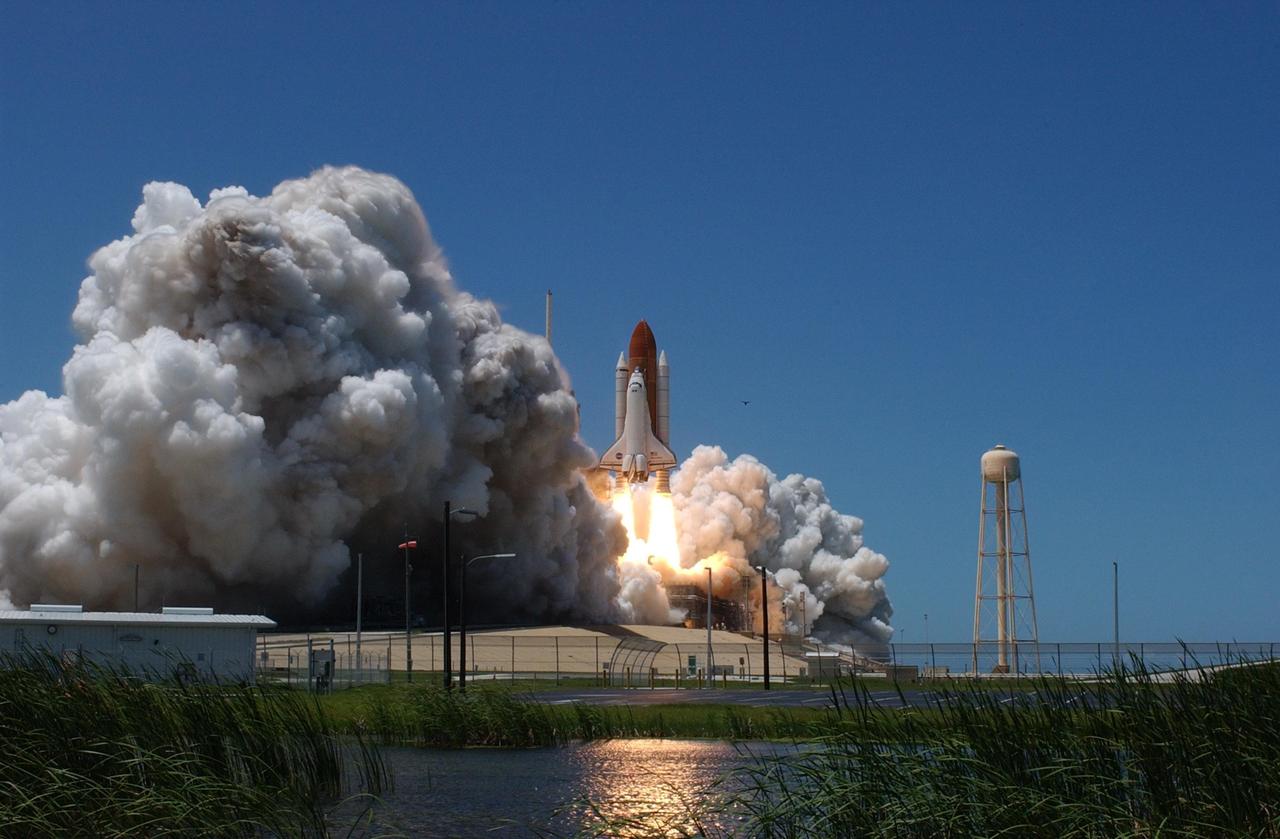
KENNEDY SPACE CENTER, FLA. - From the west side of Launch Pad 39B, Space Shuttle Discovery is viewed moments after liftoff on mission STS-121. The fiery display fit the day: Fourth of July. The launch made history as it was the first ever to take place on Independence Day. During the 12-day mission, the STS-121 crew of seven will test new equipment and procedures to improve shuttle safety, as well as deliver supplies and make repairs to the International Space Station. Landing is scheduled for July 16 or 17 at Kennedy's Shuttle Landing Facility. Photo credit: NASA/Sandy Joseph, Robert Murray

KENNEDY SPACE CENTER, FLA. - In Firing Room 4 of the Launch Control Center, Kennedy Space Center Director Jim Kennedy watches one of the computer screens as the countdown heads for launch of Space Shuttle Discovery on mission STS-121. Liftoff was on-time at 2:38 p.m. EDT. During the 12-day mission, the STS-121 crew of seven will test new equipment and procedures to improve shuttle safety, as well as deliver supplies and make repairs to the International Space Station. Landing is scheduled for July 16 or 17 at Kennedy's Shuttle Landing Facility. Photo credit: NASA/Kim Shiflett
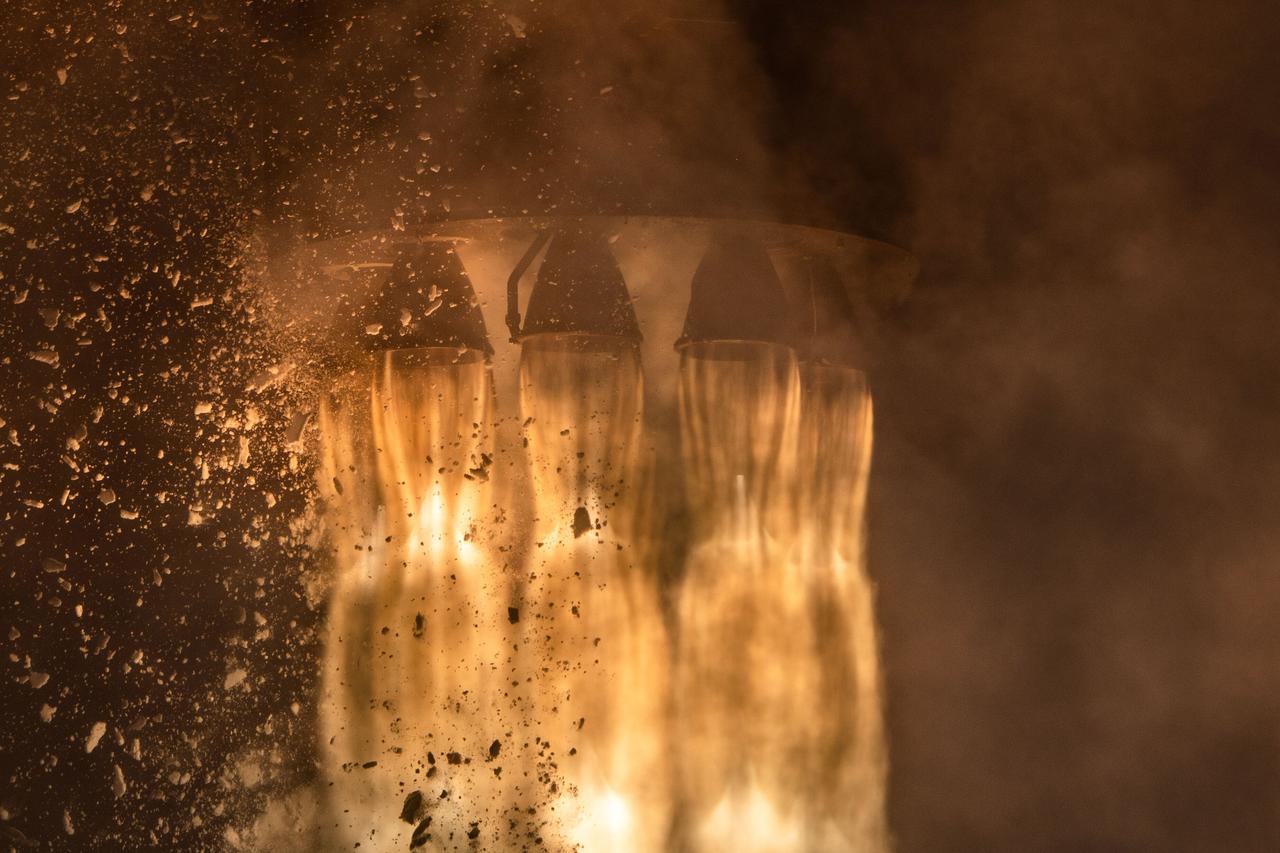
A Rocket Lab Electron rocket’s nine first-stage Rutherford engines ignite as NASA’s Educational Launch of Nanosatellites-19 (ELaNa-19) payload lifts off at 6:33 a.m. UTC on Dec. 17 (1:33 p.m. EST on Dec. 16) from Launch Complex-1, located at Māhia Peninsula in New Zealand. The liftoff marks the first flight of a payload under NASA’s Venture Class Launch Services (VCLS). Managed by NASA’s Launch Services Program at Kennedy Space Center in Florida, VCLS was developed to provide increased access to space specifically for these small spacecraft, called CubeSats.
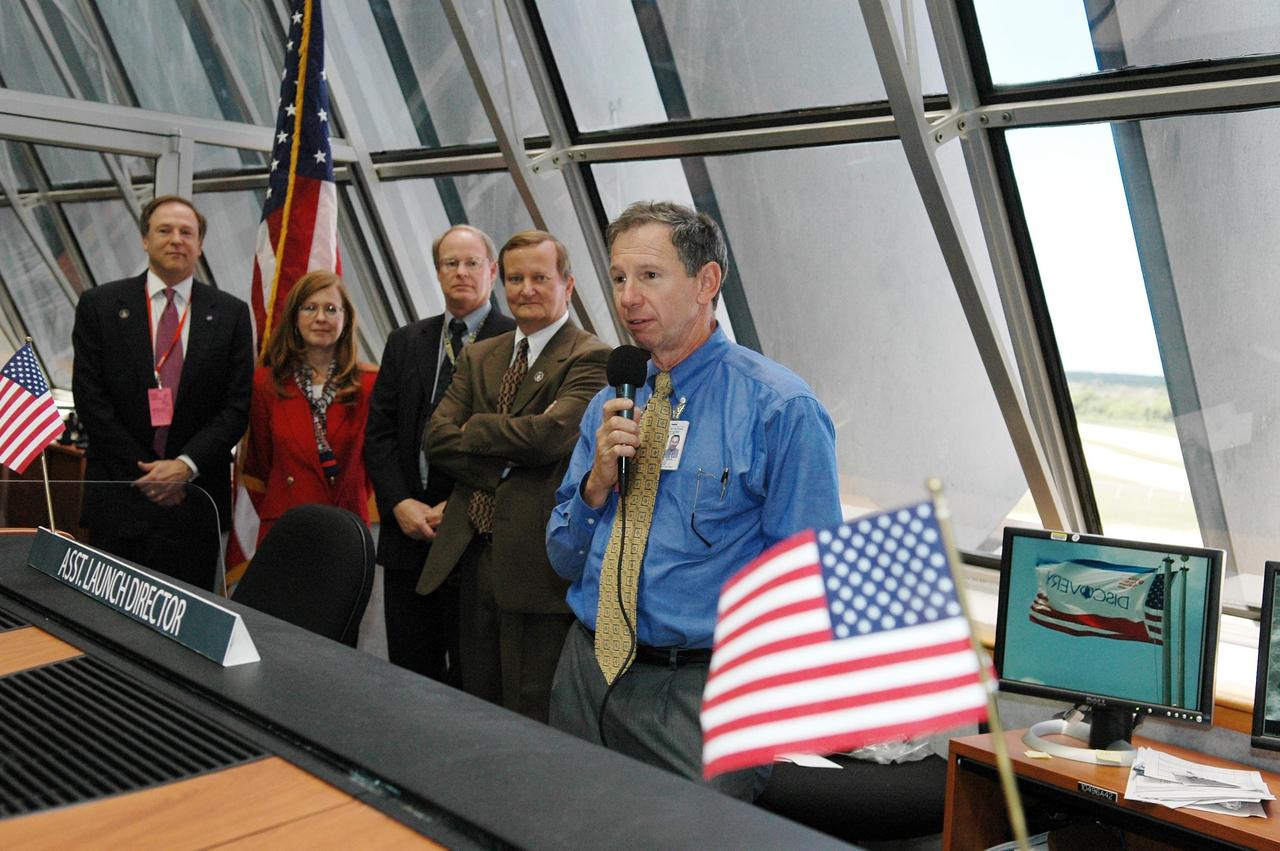
KENNEDY SPACE CENTER, FLA. - In Firing Room 4 of the Launch Control Center, NASA Administrator Mike Griffin congratulates the launch team on the successful launch of Space Shuttle Discovery on mission STS-121. The launch was the first ever to take place on Independence Day. Liftoff was on-time at 2:38 p.m. EDT. Others next to Griffin are (left to right) David R. Mould, assistant administrator for NASA Public Affairs ; Lisa Malone, director of External Relations at Kennedy; Bruce Buckingham, news chief at the NASA News Center at Kennedy; and Mike Leinbach, Shuttle Program director. During the 12-day mission, the STS-121 crew of seven will test new equipment and procedures to improve shuttle safety, as well as deliver supplies and make repairs to the International Space Station. Landing is scheduled for July 16 or 17 at Kennedy's Shuttle Landing Facility. Photo credit: NASA/Kim Shiflett
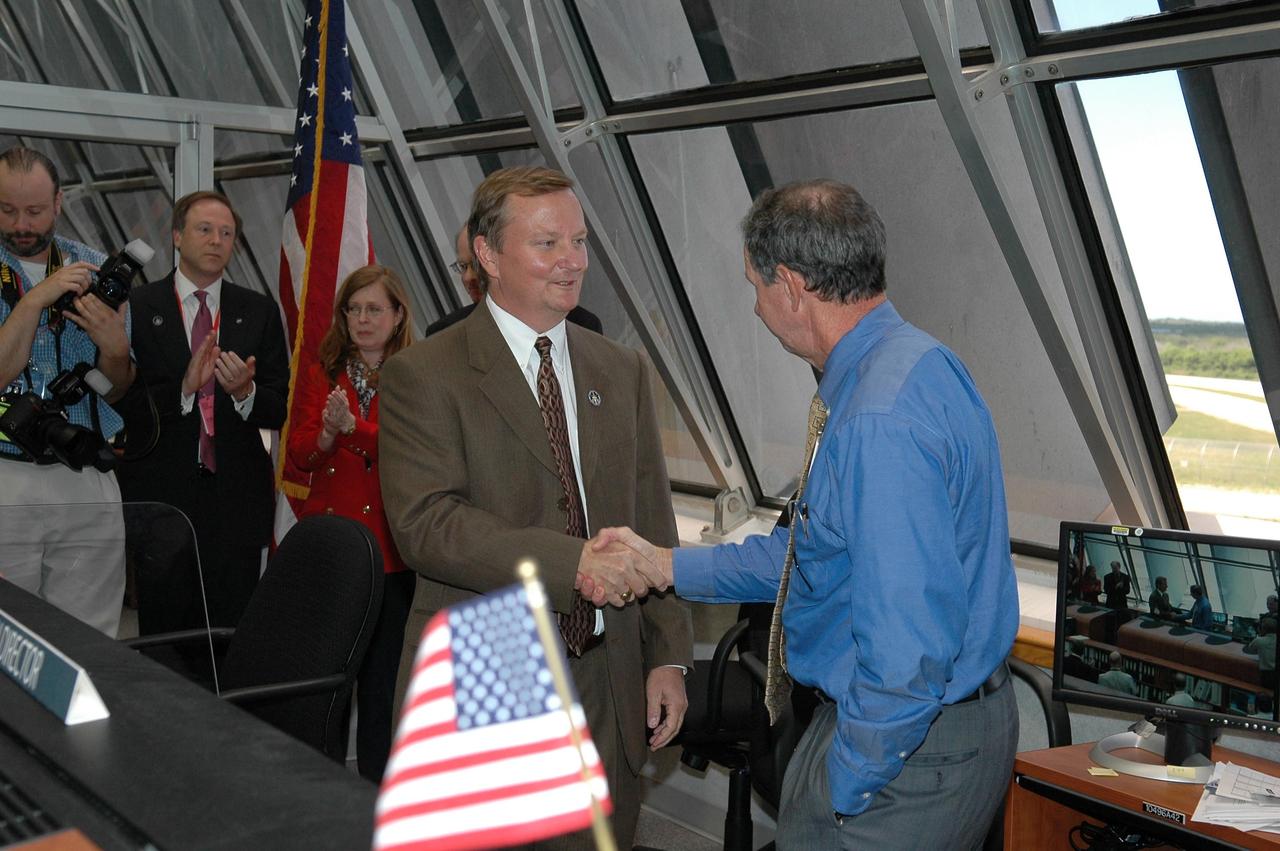
KENNEDY SPACE CENTER, FLA. - In Firing Room 4 of the Launch Control Center, Shuttle Launch Director Mike Leinbach (center) is congratulated by NASA Administrator Mike Griffin (right) for the successful launch of Space Shuttle Discovery on mission STS-121. The launch was the first ever to take place on Independence Day. Behind Leinbach are David R. Mould, assistant administrator for Public Affairs NASA, and Lisa Malone, director of External Relations at Kennedy. Liftoff was on-time at 2:38 p.m. EDT. During the 12-day mission, the STS-121 crew of seven will test new equipment and procedures to improve shuttle safety, as well as deliver supplies and make repairs to the International Space Station. Landing is scheduled for July 16 or 17 at Kennedy's Shuttle Landing Facility. Photo credit: NASA/Kim Shiflett
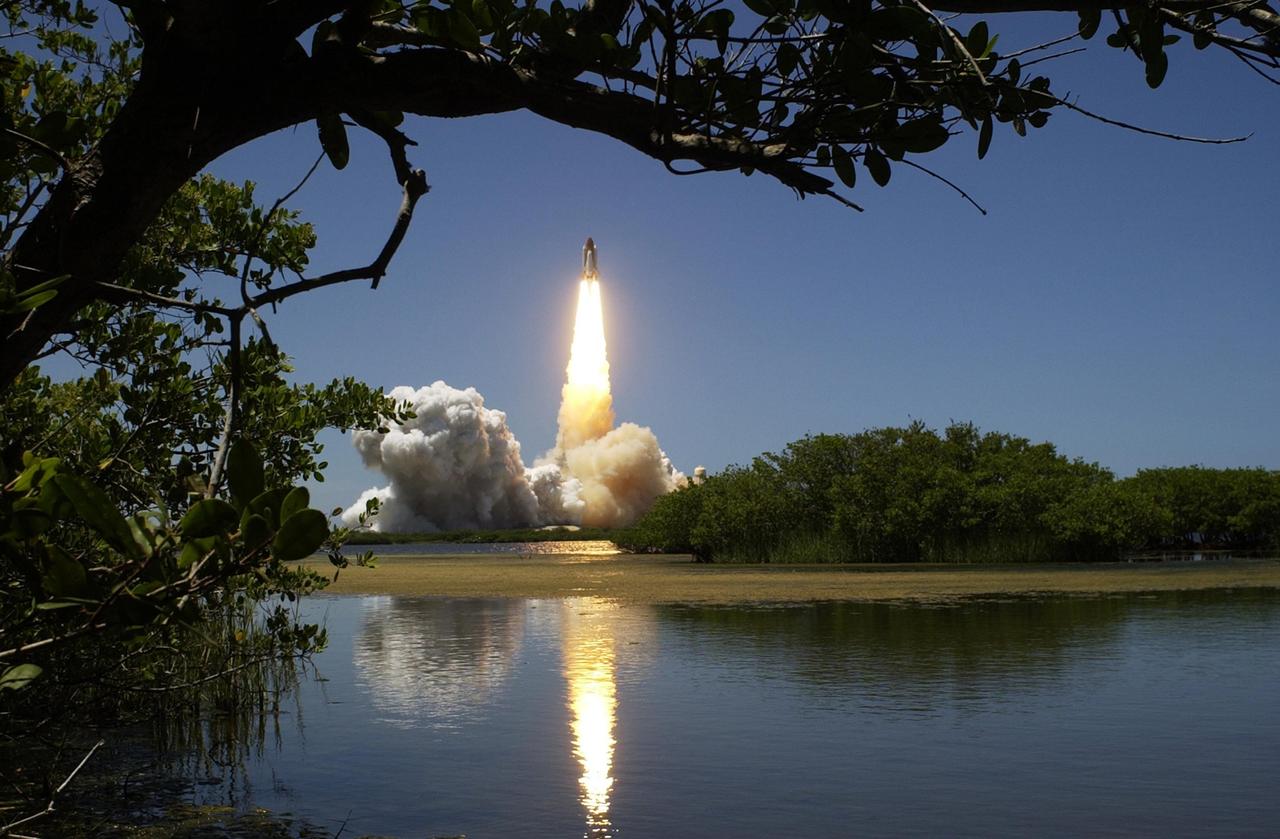
KENNEDY SPACE CENTER, FLA. - Shooting like a roman candle into Florida's blue sky from Launch Pad 39B, Space Shuttle Discovery kicks off the Fourth of July fireworks with its own fiery display, reflected as well in the nearby water. History was made with the first ever launch on Independence Day. It was the third launch attempt in four days; the others were scrubbed due to weather concerns. Liftoff on mission STS-121 was on-time at 2:38 p.m. EDT. During the 12-day mission, the STS-121 crew of seven will test new equipment and procedures to improve shuttle safety, as well as deliver supplies and make repairs to the International Space Station. Landing is scheduled for July 16 or 17 at Kennedy's Shuttle Landing Facility. Photo courtesy of Nikon/Scott Andrews
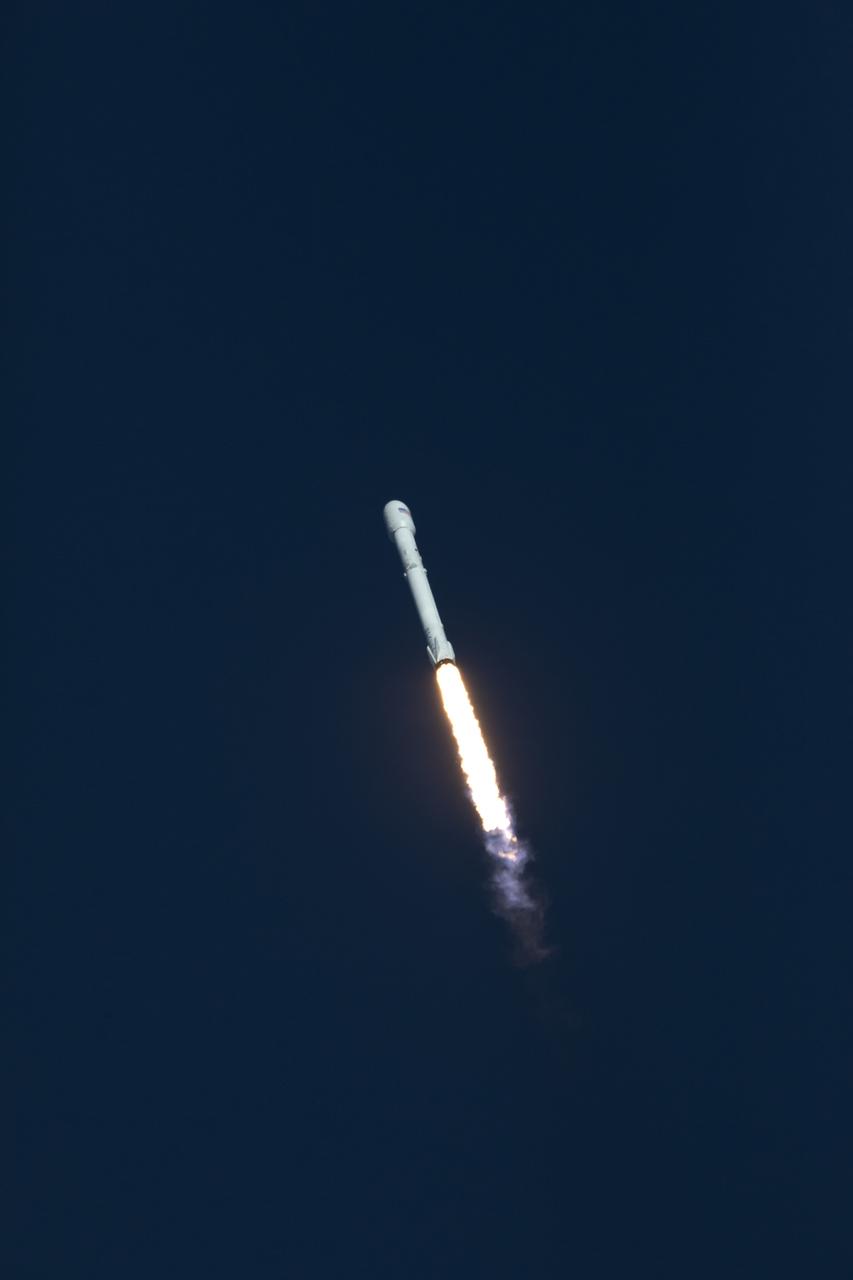
A SpaceX Falcon 9 rocket soars upward after lifting off from Space Launch Complex 40 at Cape Canaveral Air Force Station in Florida, carrying NASA's Transiting Exoplanet Survey Satellite (TESS). Liftoff was at 6:51 p.m. EDT. TESS will search for planets outside of our solar system. The mission will find exoplanets that periodically block part of the light from their host stars, events called transits. The satellite will survey the nearest and brightest stars for two years to search for transiting exoplanets.

A SpaceX Falcon 9 rocket lifts off from Space Launch Complex 40 at Cape Canaveral Air Force Station in Florida, carrying NASA's Transiting Exoplanet Survey Satellite (TESS). Liftoff was at 6:51 p.m. EDT. TESS will search for planets outside of our solar system. The mission will find exoplanets that periodically block part of the light from their host stars, events called transits. The satellite will survey the nearest and brightest stars for two years to search for transiting exoplanets.
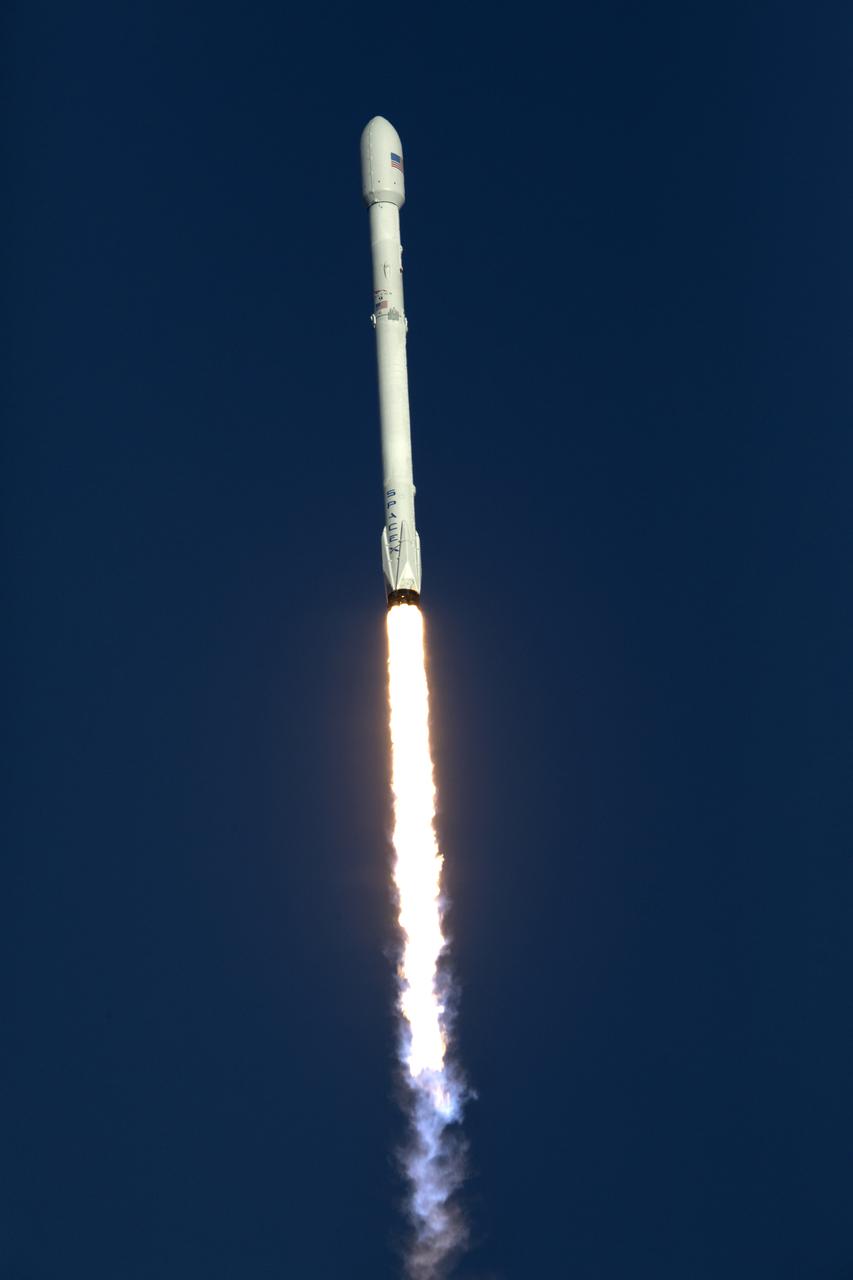
A SpaceX Falcon 9 rocket soars upward after lifting off from Space Launch Complex 40 at Cape Canaveral Air Force Station in Florida, carrying NASA's Transiting Exoplanet Survey Satellite (TESS). Liftoff was at 6:51 p.m. EDT. TESS will search for planets outside of our solar system. The mission will find exoplanets that periodically block part of the light from their host stars, events called transits. The satellite will survey the nearest and brightest stars for two years to search for transiting exoplanets.
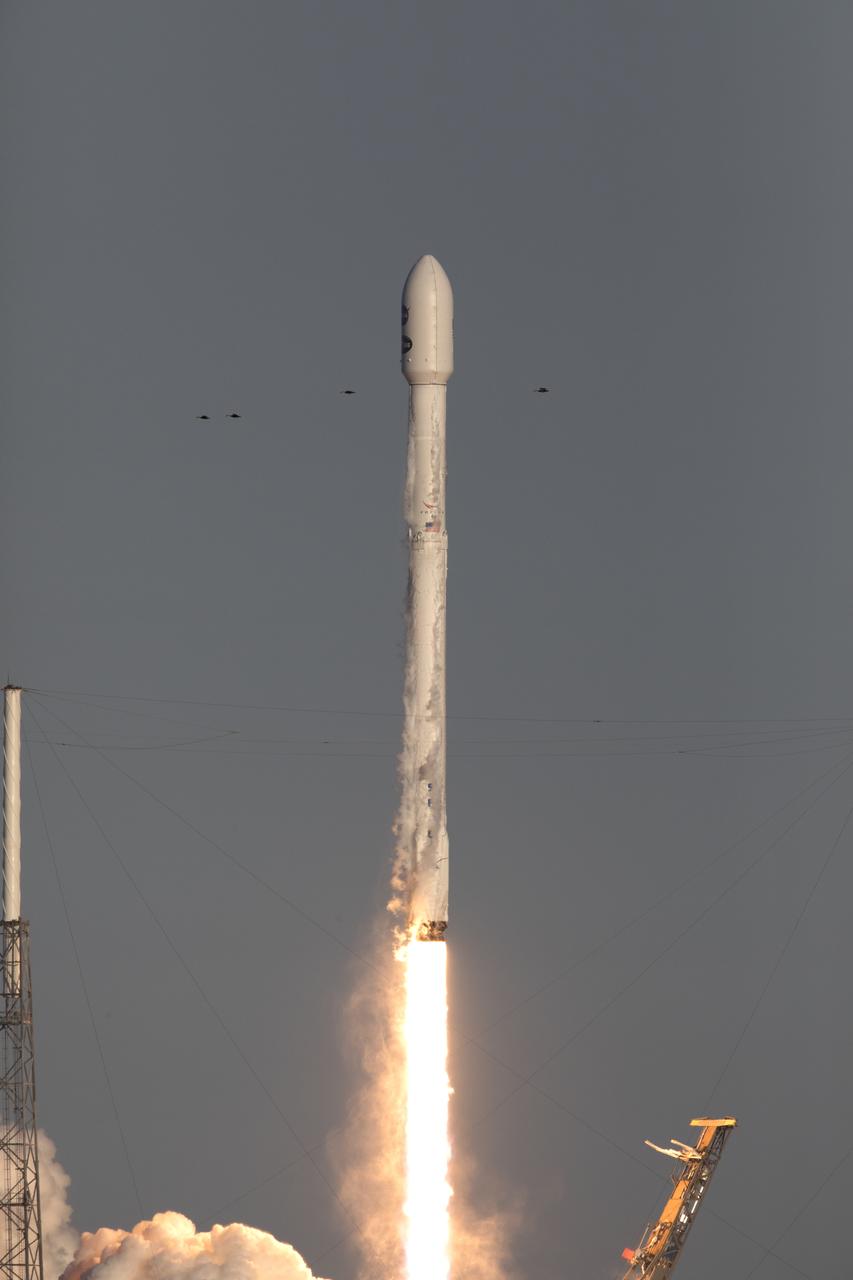
A SpaceX Falcon 9 rocket lifts off from Space Launch Complex 40 at Cape Canaveral Air Force Station in Florida, carrying NASA's Transiting Exoplanet Survey Satellite (TESS). Liftoff was at 6:51 p.m. EDT. TESS will search for planets outside of our solar system. The mission will find exoplanets that periodically block part of the light from their host stars, events called transits. The satellite will survey the nearest and brightest stars for two years to search for transiting exoplanets.
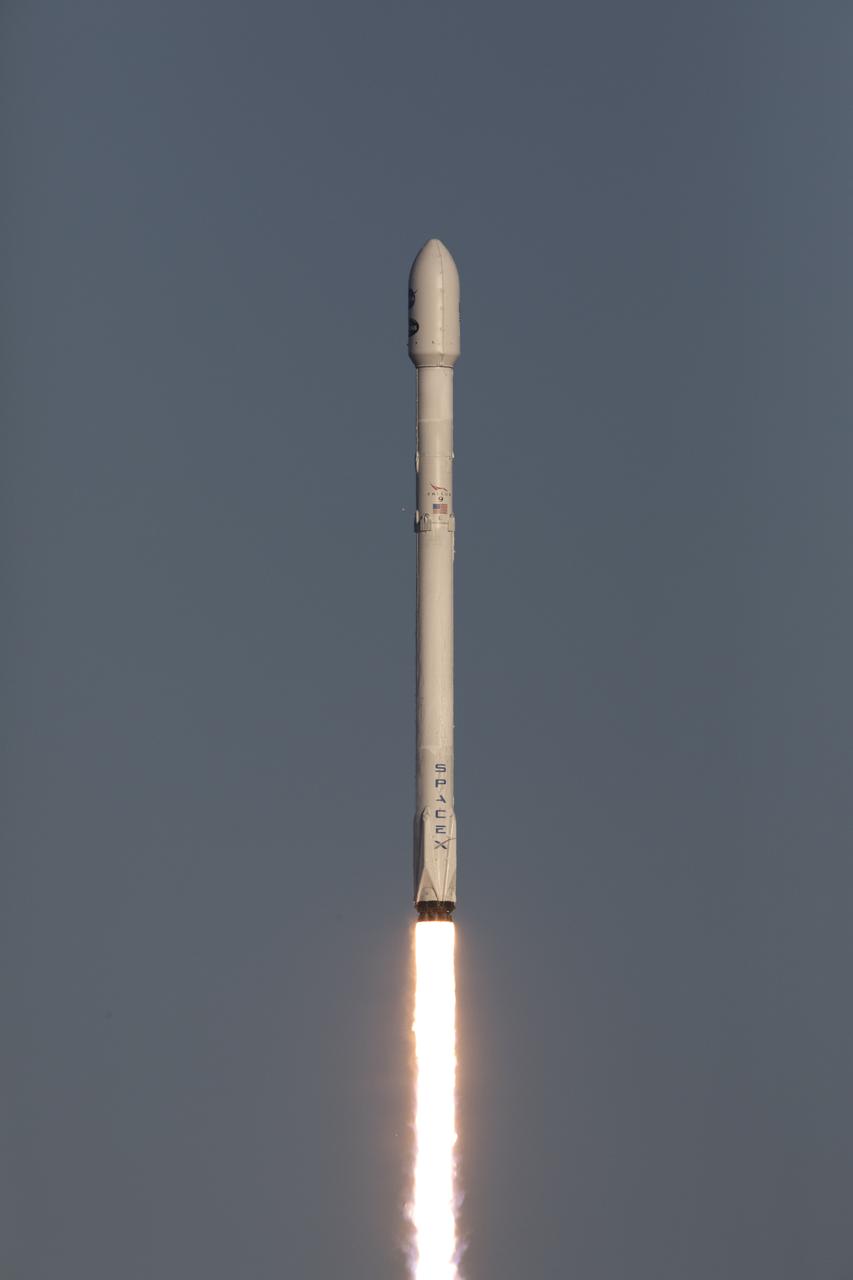
A SpaceX Falcon 9 rocket lifts off from Space Launch Complex 40 at Cape Canaveral Air Force Station in Florida, carrying NASA's Transiting Exoplanet Survey Satellite (TESS). Liftoff was at 6:51 p.m. EDT. TESS will search for planets outside of our solar system. The mission will find exoplanets that periodically block part of the light from their host stars, events called transits. The satellite will survey the nearest and brightest stars for two years to search for transiting exoplanets.
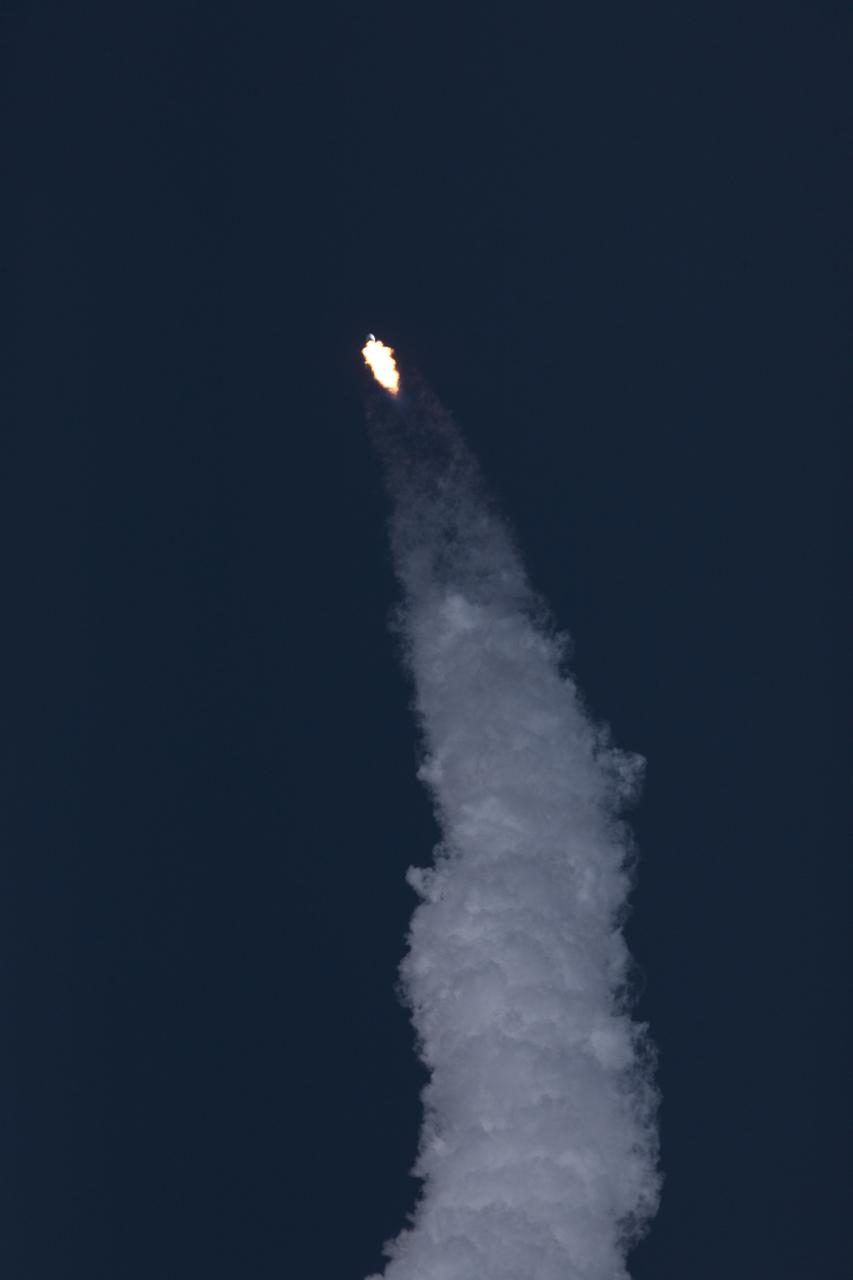
A SpaceX Falcon 9 rocket soars upward after lifting off from Space Launch Complex 40 at Cape Canaveral Air Force Station in Florida, carrying NASA's Transiting Exoplanet Survey Satellite (TESS). Liftoff was at 6:51 p.m. EDT. TESS will search for planets outside of our solar system. The mission will find exoplanets that periodically block part of the light from their host stars, events called transits. The satellite will survey the nearest and brightest stars for two years to search for transiting exoplanets.
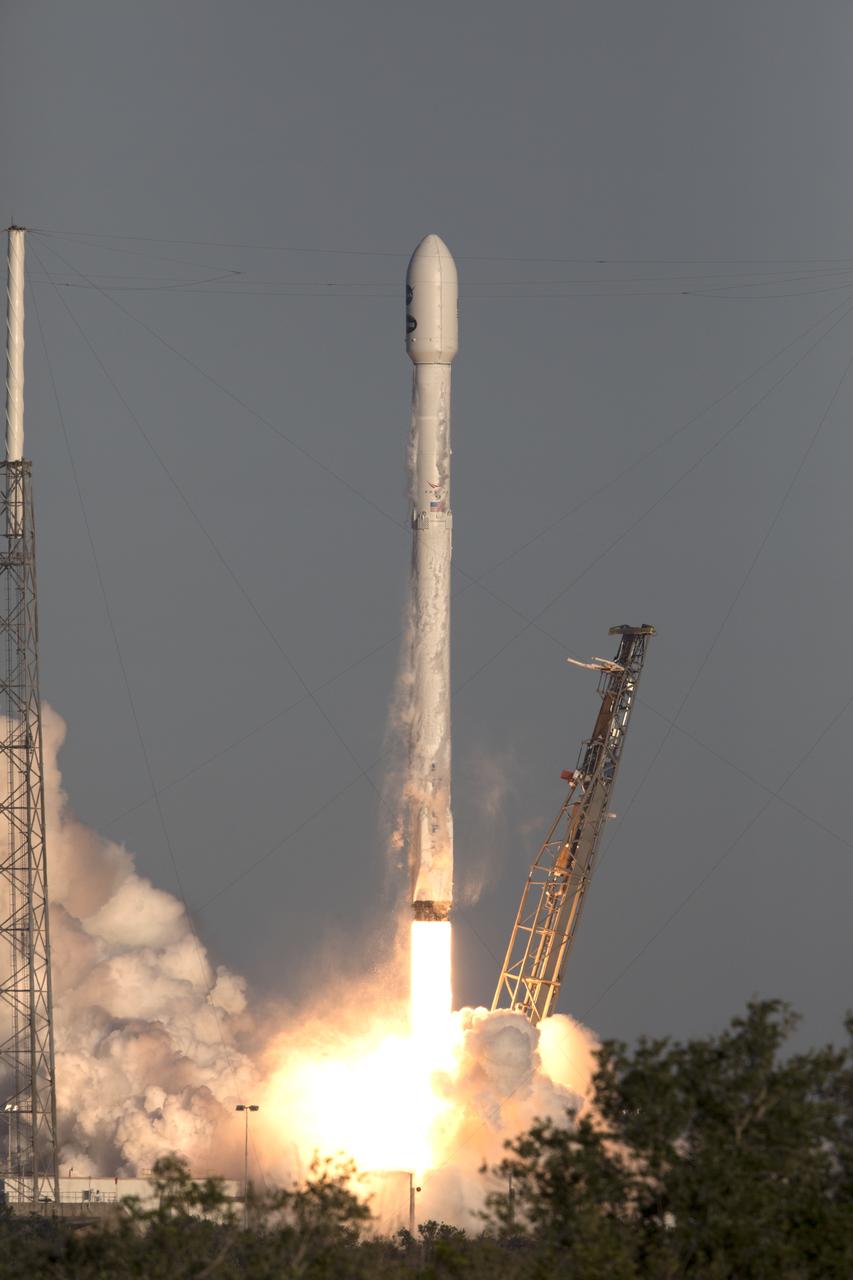
A SpaceX Falcon 9 rocket lifts off from Space Launch Complex 40 at Cape Canaveral Air Force Station in Florida, carrying NASA's Transiting Exoplanet Survey Satellite (TESS). Liftoff was at 6:51 p.m. EDT. TESS will search for planets outside of our solar system. The mission will find exoplanets that periodically block part of the light from their host stars, events called transits. The satellite will survey the nearest and brightest stars for two years to search for transiting exoplanets.
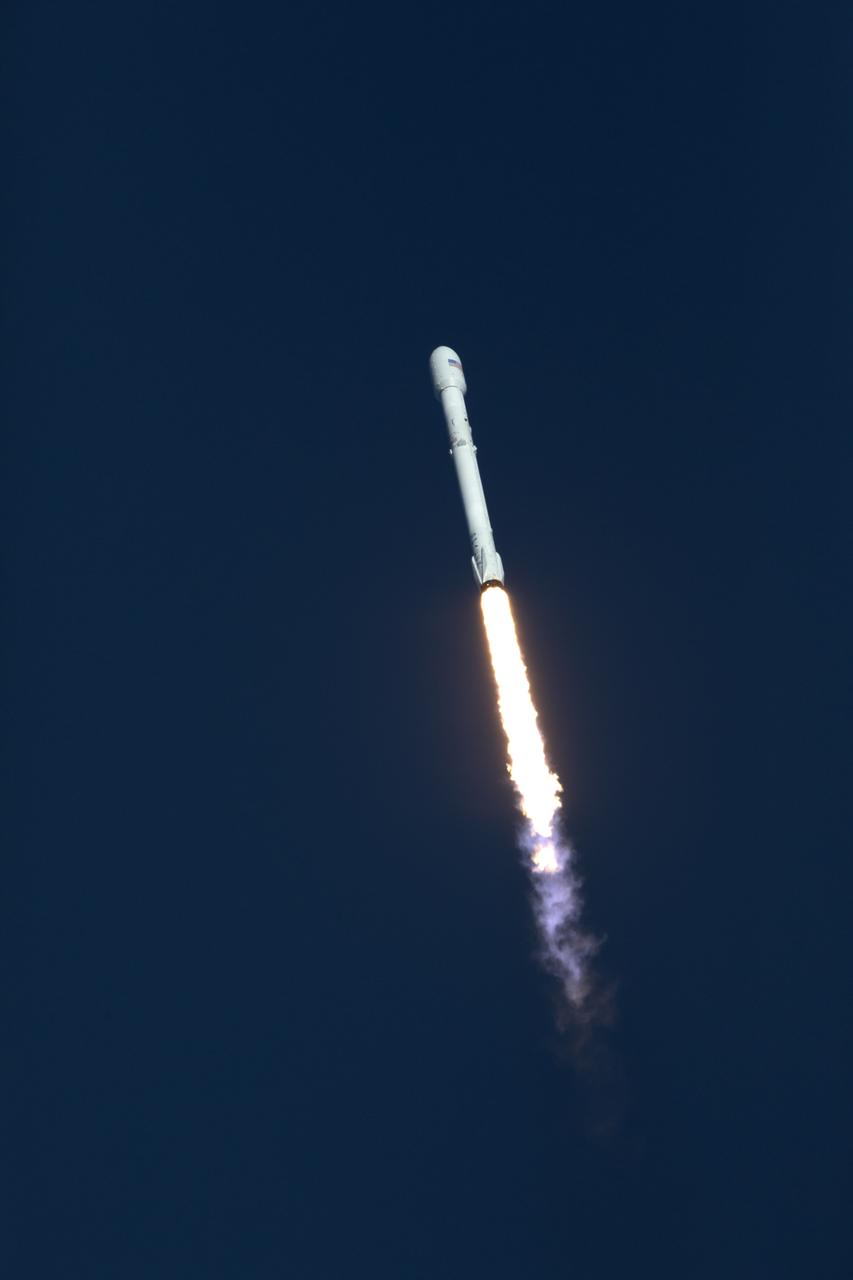
A SpaceX Falcon 9 rocket soars upward after lifting off from Space Launch Complex 40 at Cape Canaveral Air Force Station in Florida, carrying NASA's Transiting Exoplanet Survey Satellite (TESS). Liftoff was at 6:51 p.m. EDT. TESS will search for planets outside of our solar system. The mission will find exoplanets that periodically block part of the light from their host stars, events called transits. The satellite will survey the nearest and brightest stars for two years to search for transiting exoplanets.
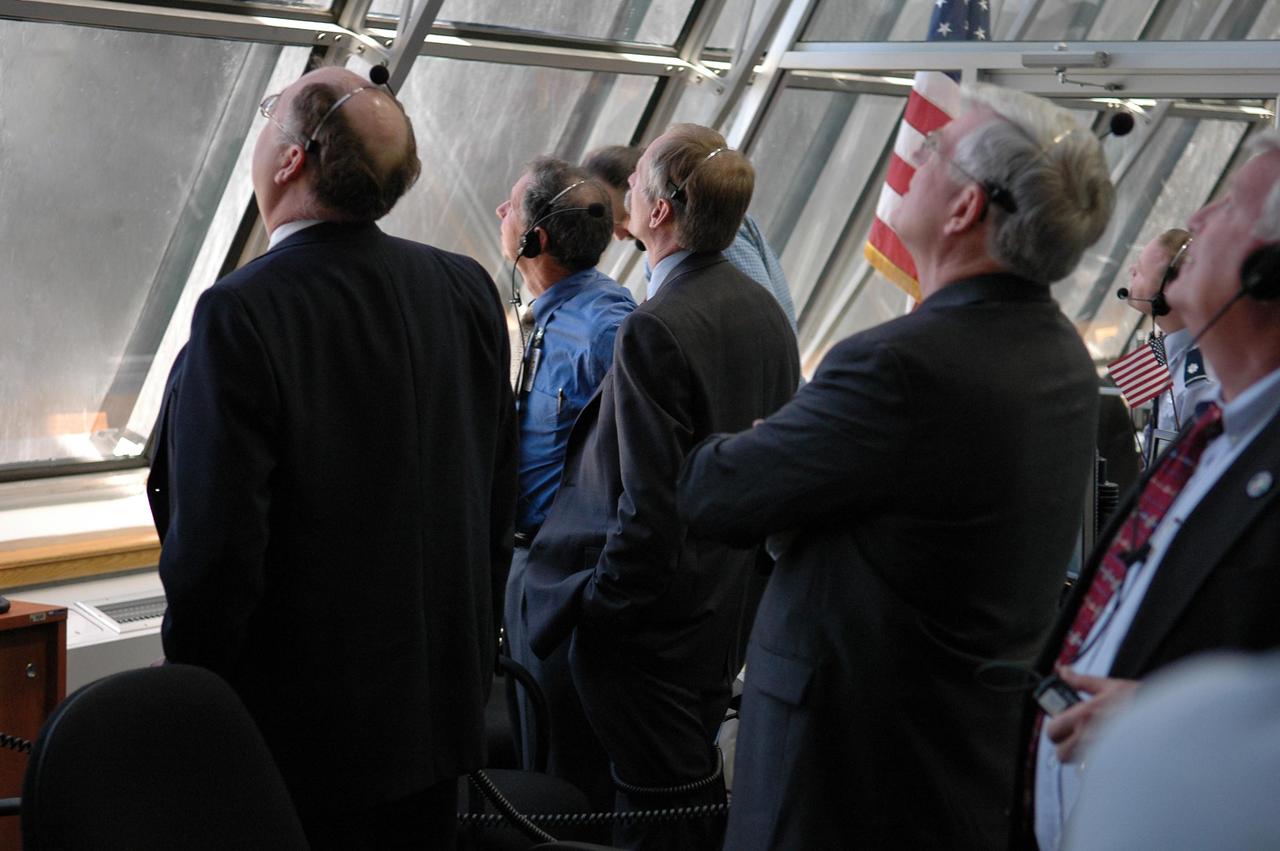
KENNEDY SPACE CENTER, FLA. - In Firing Room 4 of the Launch Control Center, Shuttle Program manager Wayne Hale (far left), NASA Associate Administrator for Space Operations Mission Bill Gerstenmaier (third from left) and Center Director Jim Kennedy (far right) watch the historic ride of Space Shuttle Discovery as it rockets through the sky on mission STS-121 -- the first ever Independence Day launch of a space shuttle. Liftoff was on-time at 2:38 p.m. EDT. During the 12-day mission, the STS-121 crew of seven will test new equipment and procedures to improve shuttle safety, as well as deliver supplies and make repairs to the International Space Station. Landing is scheduled for July 16 or 17 at Kennedy's Shuttle Landing Facility. Photo credit: NASA/Kim Shiflett
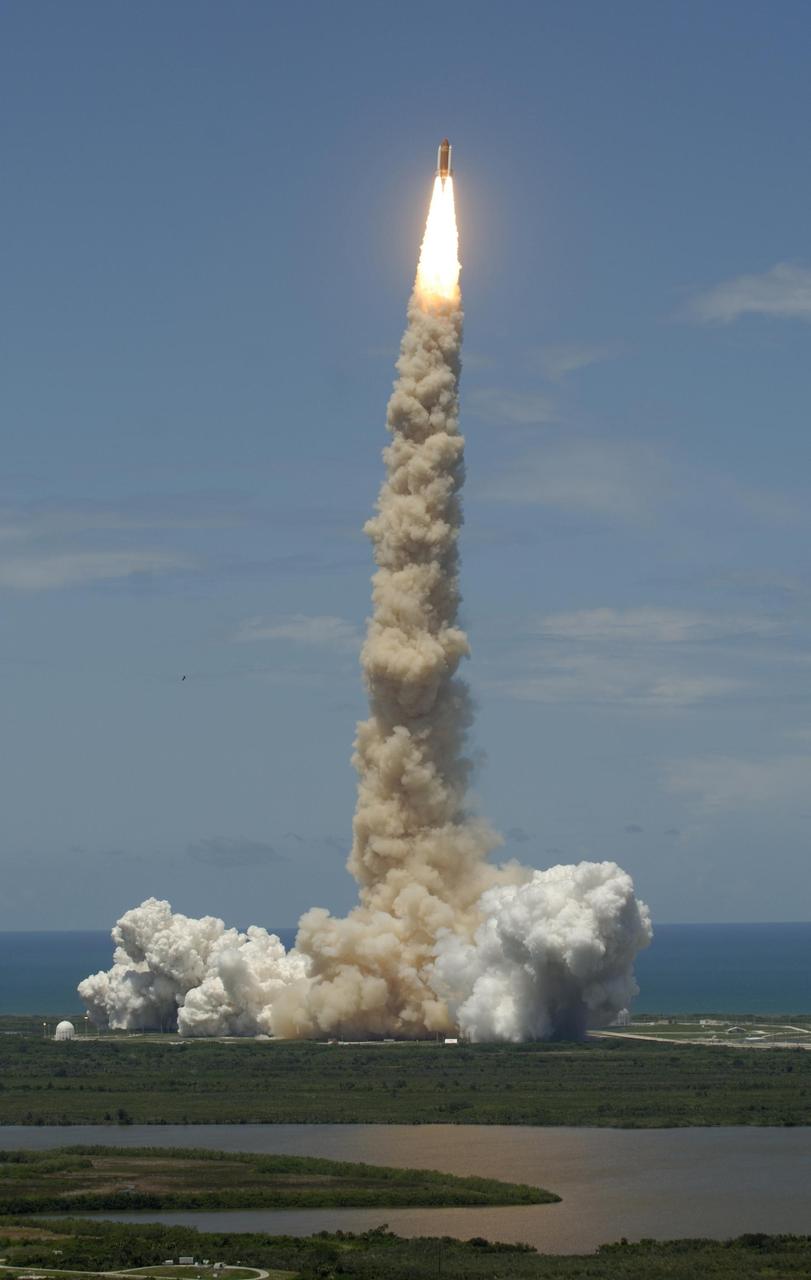
KENNEDY SPACE CENTER, FLA. - Space Shuttle Discovery shoots into Florida's blue sky over the blue Atlantic Ocean, kicking off Fourth of July fireworks with its own fiery display. History was made with the first ever launch on Independence Day. It was the third launch attempt in four days; the others were scrubbed due to weather concerns. Liftoff on mission STS-121 was on-time at 2:38 p.m. EDT. During the 12-day mission, the STS-121 crew of seven will test new equipment and procedures to improve shuttle safety, as well as deliver supplies and make repairs to the International Space Station. Landing is scheduled for July 16 or 17 at Kennedy's Shuttle Landing Facility. Photo courtesy of Nikon/Scott Andrews
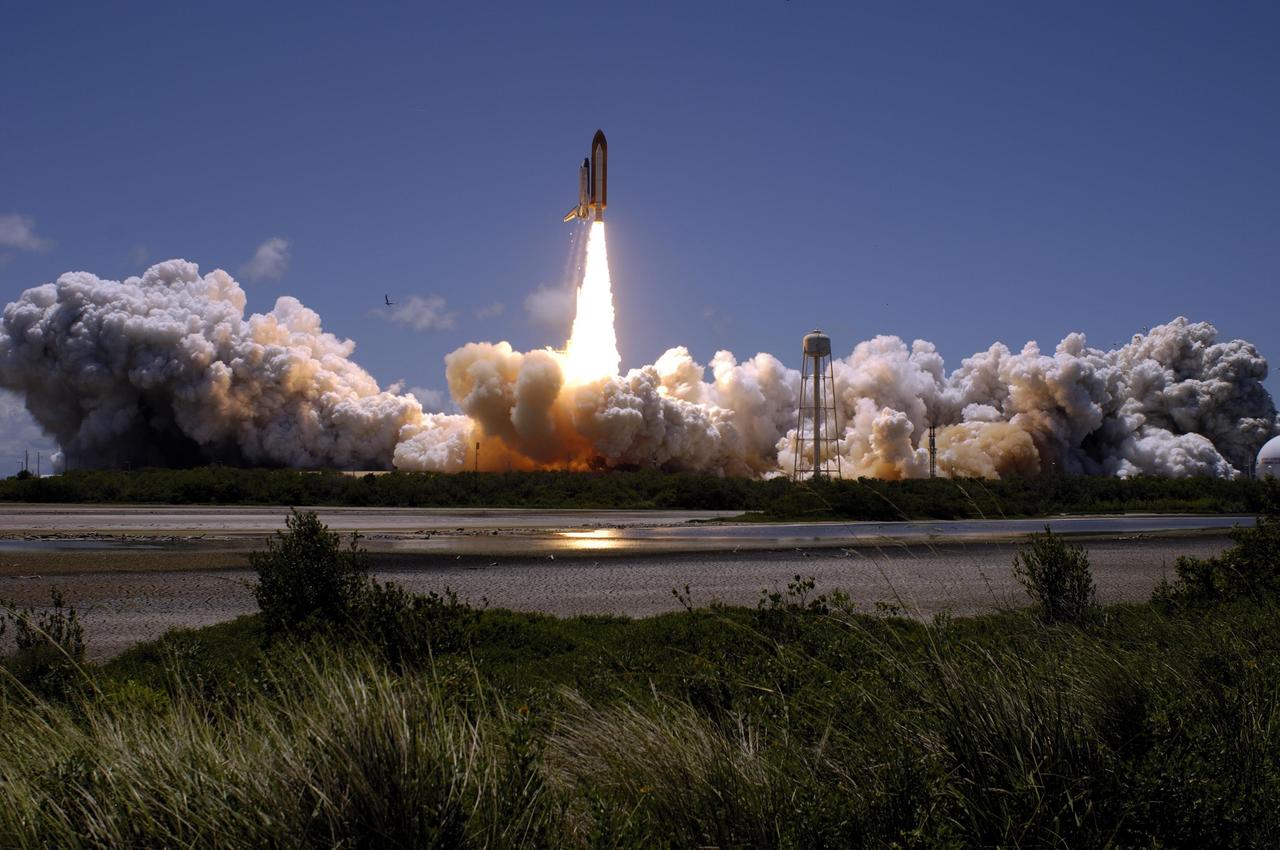
KENNEDY SPACE CENTER, FLA. - As smoke and steam billows across the ground, Space Shuttle Discovery leaps free and rockets into the clear blue sky, creating its own fireworks display. History was made with the first ever launch on Independence Day. It was the third launch attempt in four days; the others were scrubbed due to weather concerns. Liftoff was on-time at 2:38 p.m. EDT. During the 12-day mission, the STS-121 crew of seven will test new equipment and procedures to improve shuttle safety, as well as deliver supplies and make repairs to the International Space Station. Landing is scheduled for July 16 or 17 at Kennedy's Shuttle Landing Facility. Photo courtesy of Nikon/Scott Andrews
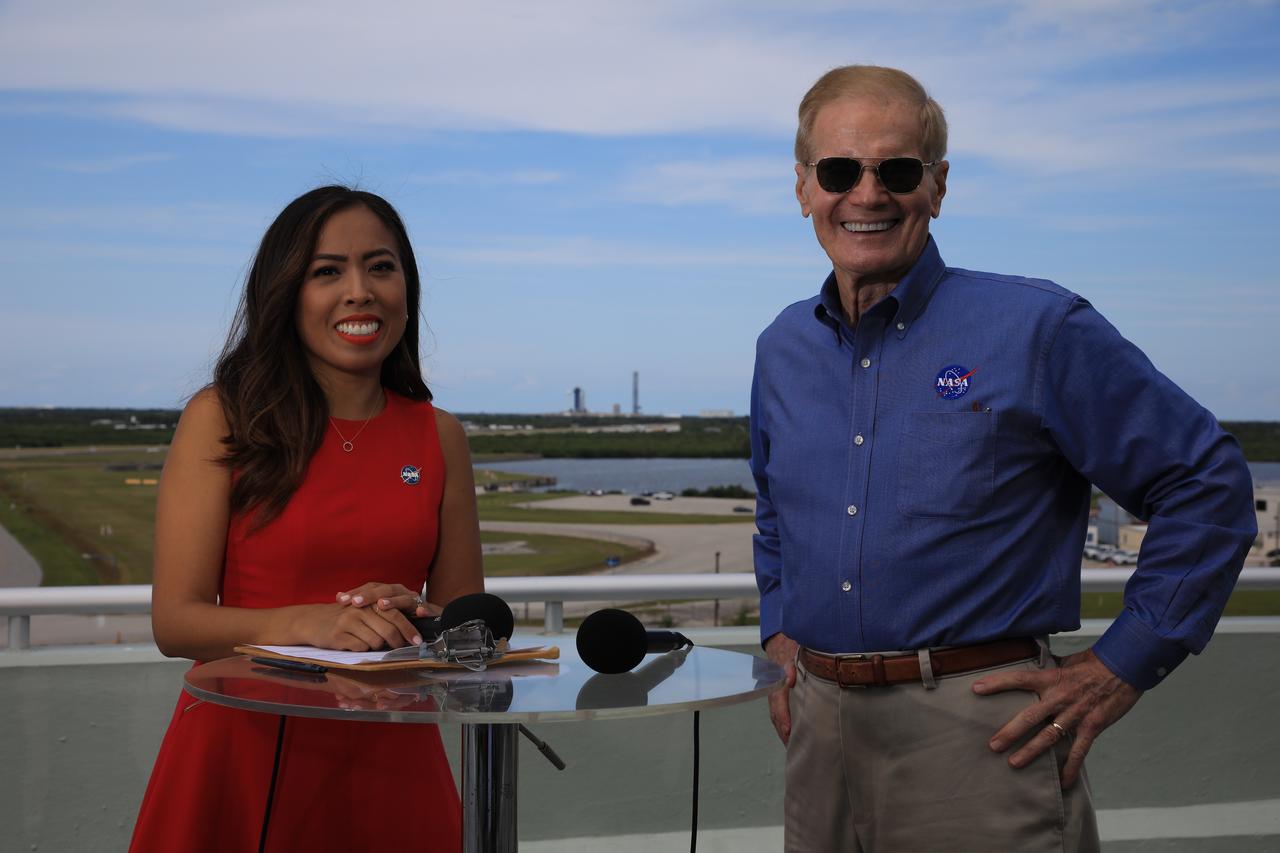
NASA Communications’ Megan Cruz (left) prepares to interview NASA Administrator Bill Nelson during a live broadcast ahead of the Axiom Mission 2 (Ax-2) launch from the agency’s Kennedy Space Center in Florida on May 21, 2023. Ax-2 is the second all private astronaut mission to the International Space Station, sending Commander Peggy Whitson, Pilot John Shoffner, and Mission Specialists Ali Alqarni and Rayyanah Barnawi to the orbiting laboratory, where they will spend about 10 days conducting scientific research, outreach, and commercial activities. Liftoff occurred at 5:37 p.m. EDT from Kennedy’s Launch Complex 39A.
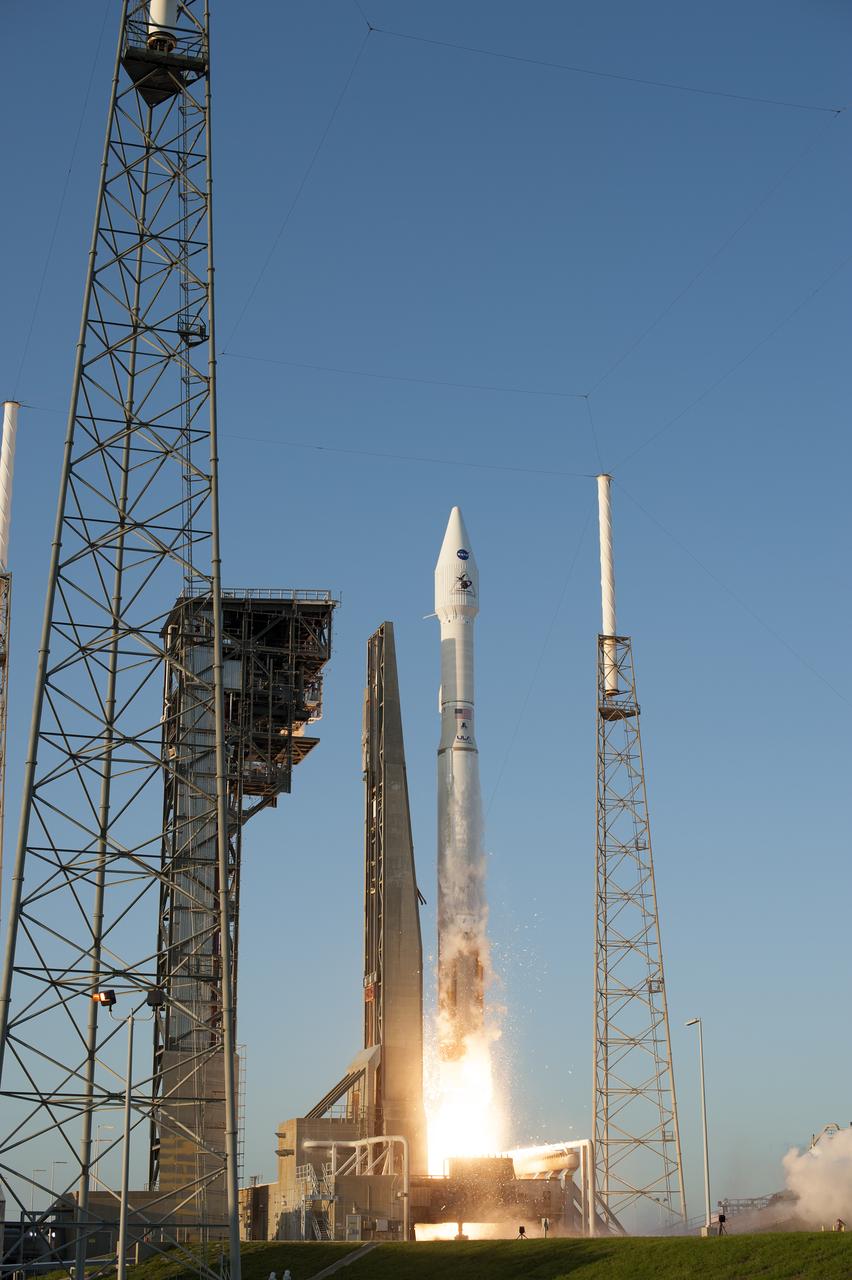
Liftoff of OSIRA United Launch Alliance Atlas V rocket lifts off from Space Launch Complex 41 at Cape Canaveral Air Force Station carrying NASA’s Origins, Spectral Interpretation, Resource Identification, Security-Regolith Explorer, or OSIRIS-REx spacecraft on the first U.S. mission to sample an asteroid, retrieve at least two ounces of surface material and return it to Earth for study. Liftoff was at 7:05 p.m. EDT. The asteroid, Bennu, may hold clues to the origin of the solar system and the source of water and organic molecules found on Earth.
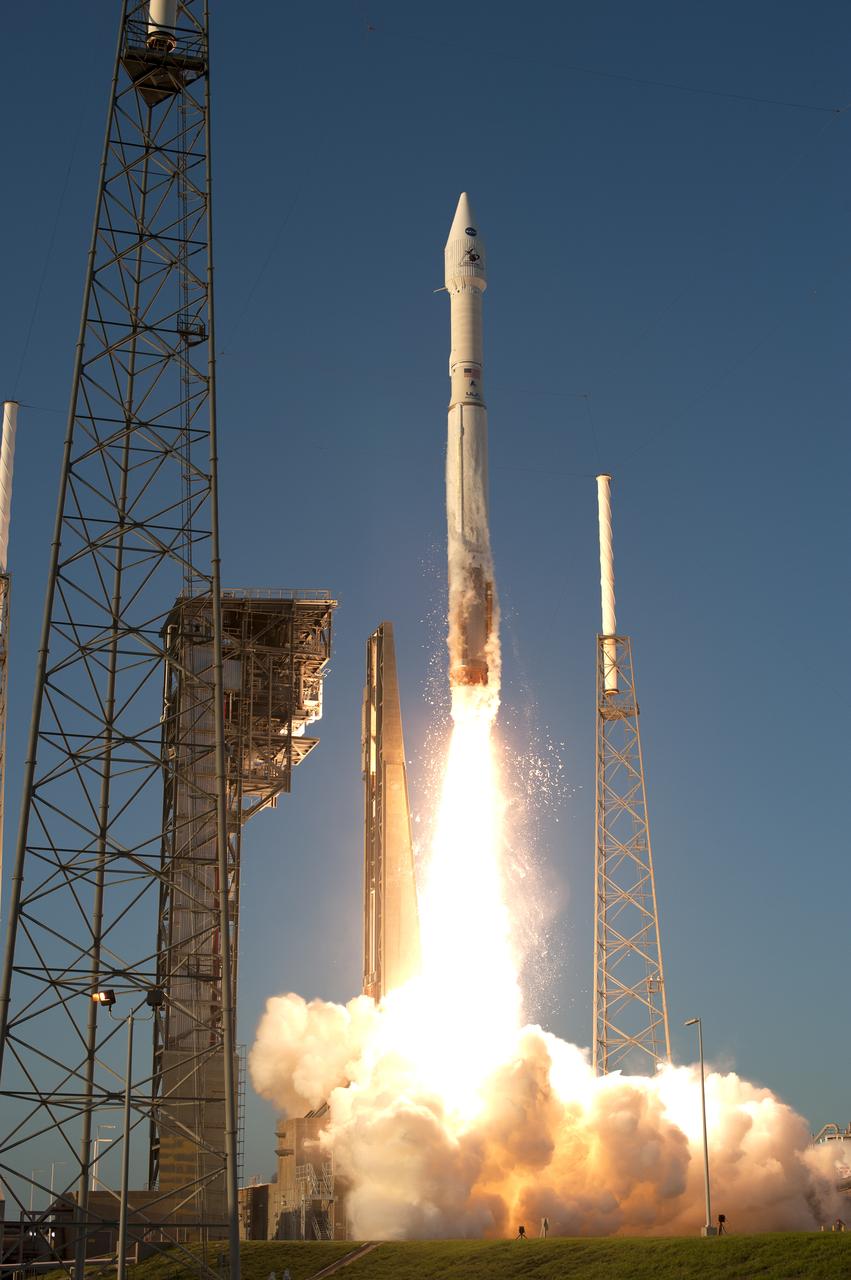
Liftoff of OSIRIS-A United Launch Alliance Atlas V rocket lifts off from Space Launch Complex 41 at Cape Canaveral Air Force Station carrying NASA’s Origins, Spectral Interpretation, Resource Identification, Security-Regolith Explorer, or OSIRIS-REx spacecraft on the first U.S. mission to sample an asteroid, retrieve at least two ounces of surface material and return it to Earth for study. Liftoff was at 7:05 p.m. EDT. The asteroid, Bennu, may hold clues to the origin of the solar system and the source of water and organic molecules found on Earth.
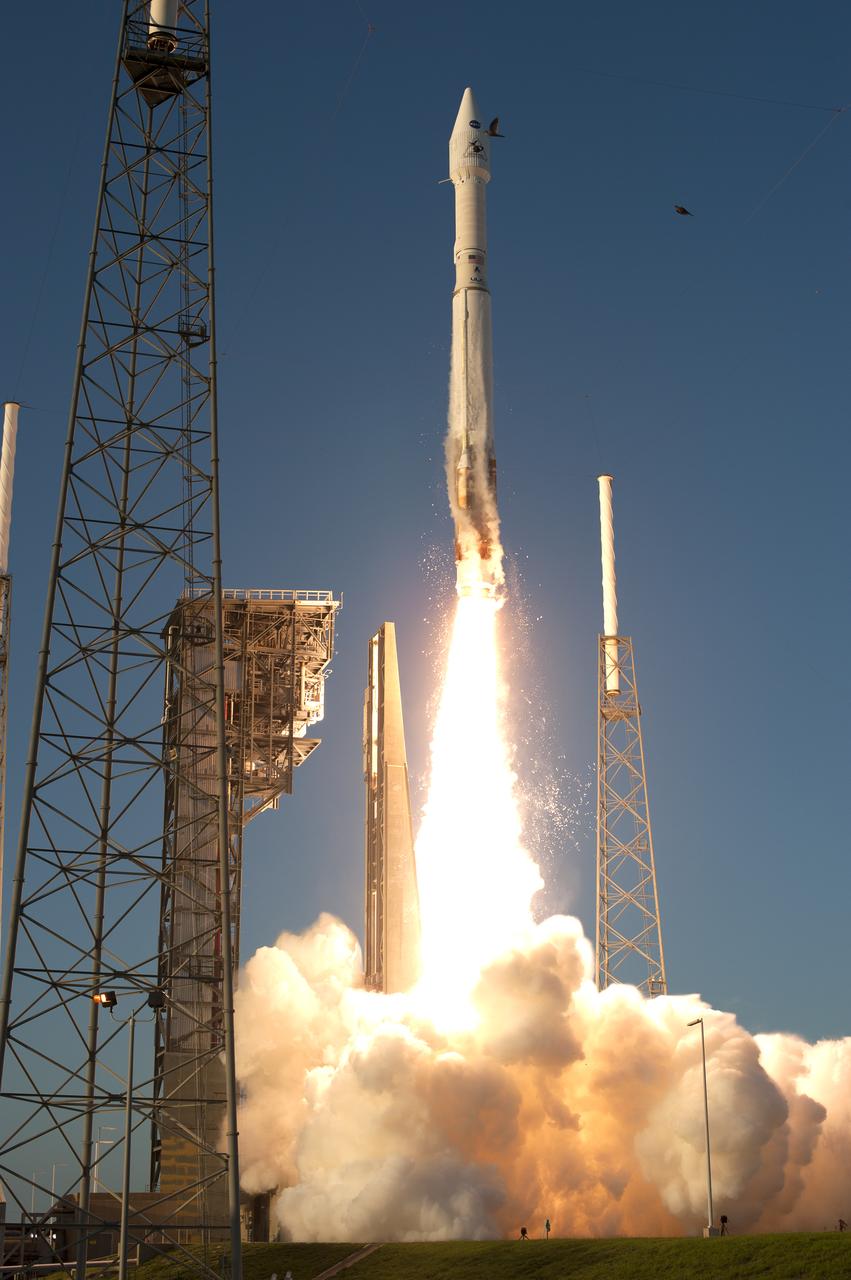
Liftoff of OSIRIS-REA United Launch Alliance Atlas V rocket lifts off from Space Launch Complex 41 at Cape Canaveral Air Force Station carrying NASA’s Origins, Spectral Interpretation, Resource Identification, Security-Regolith Explorer, or OSIRIS-REx spacecraft on the first U.S. mission to sample an asteroid, retrieve at least two ounces of surface material and return it to Earth for study. Liftoff was at 7:05 p.m. EDT. The asteroid, Bennu, may hold clues to the origin of the solar system and the source of water and organic molecules found on Earth.

Liftoff of OSIRA United Launch Alliance Atlas V rocket lifts off from Space Launch Complex 41 at Cape Canaveral Air Force Station carrying NASA’s Origins, Spectral Interpretation, Resource Identification, Security-Regolith Explorer, or OSIRIS-REx spacecraft on the first U.S. mission to sample an asteroid, retrieve at least two ounces of surface material and return it to Earth for study. Liftoff was at 7:05 p.m. EDT. The asteroid, Bennu, may hold clues to the origin of the solar system and the source of water and organic molecules found on Earth.
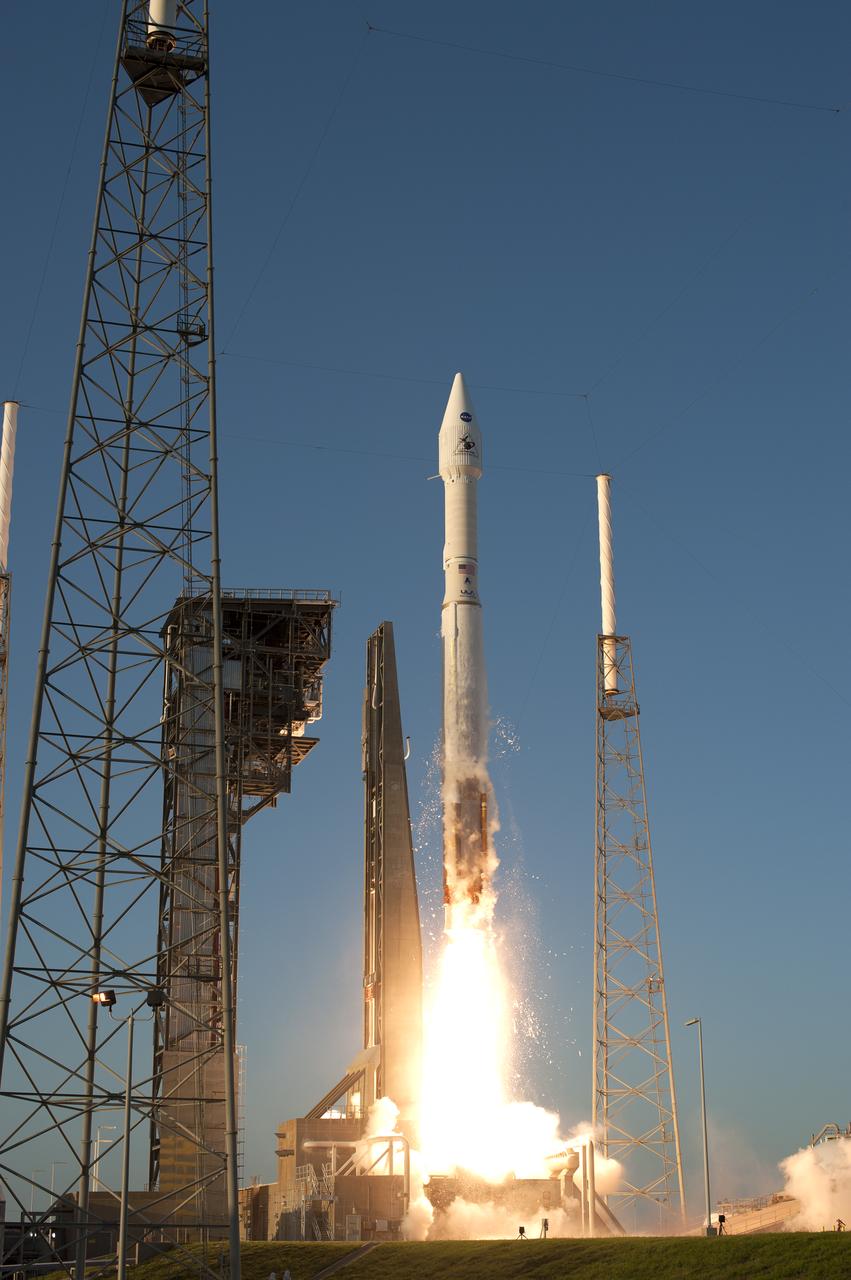
Liftoff of OA United Launch Alliance Atlas V rocket lifts off from Space Launch Complex 41 at Cape Canaveral Air Force Station carrying NASA’s Origins, Spectral Interpretation, Resource Identification, Security-Regolith Explorer, or OSIRIS-REx spacecraft on the first U.S. mission to sample an asteroid, retrieve at least two ounces of surface material and return it to Earth for study. Liftoff was at 7:05 p.m. EDT. The asteroid, Bennu, may hold clues to the origin of the solar system and the source of water and organic molecules found on Earth.
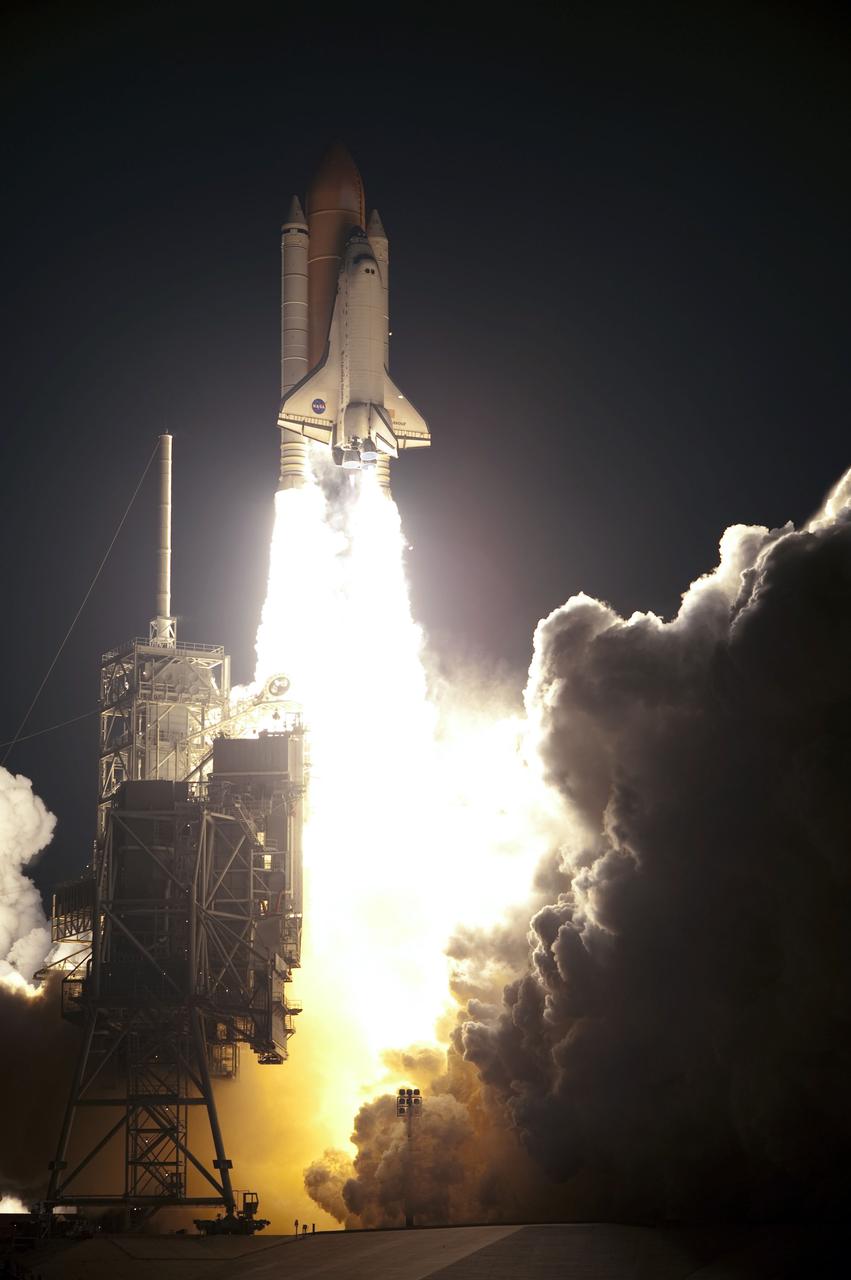
STS130-S-031 (8 Feb. 2010) --- Against a black night sky, space shuttle Endeavour and its six-member STS-130 crew head toward Earth orbit and rendezvous with the International Space Station. Liftoff was at 4:14 a.m. (EST) on Feb. 8, 2010 from launch pad 39A at NASA's Kennedy Space Center. Onboard are NASA astronauts George Zamka, commander; Terry Virts, pilot; Robert Behnken, Kathryn Hire, Nicholas Patrick and Stephen Robinson, all mission specialists. This was the second launch attempt for Endeavour's STS-130 crew and the final scheduled space shuttle night launch. The first attempt on Feb. 7 was scrubbed due to unfavorable weather. The primary payload for the STS-130 mission to the International Space Station is the Tranquility node, a pressurized module that will provide additional room for crew members and many of the station's life support and environmental control systems. Attached to one end of Tranquility is the Cupola module, a unique work area with six windows on its sides and one on top. The Cupola resembles a circular bay window and will provide a vastly improved view of the station's exterior. The multi-directional view will allow the crew to monitor spacewalks and docking operations, as well as provide a spectacular view of Earth and other celestial objects. The module was built in Turin, Italy, by Thales Alenia Space for the European Space Agency.
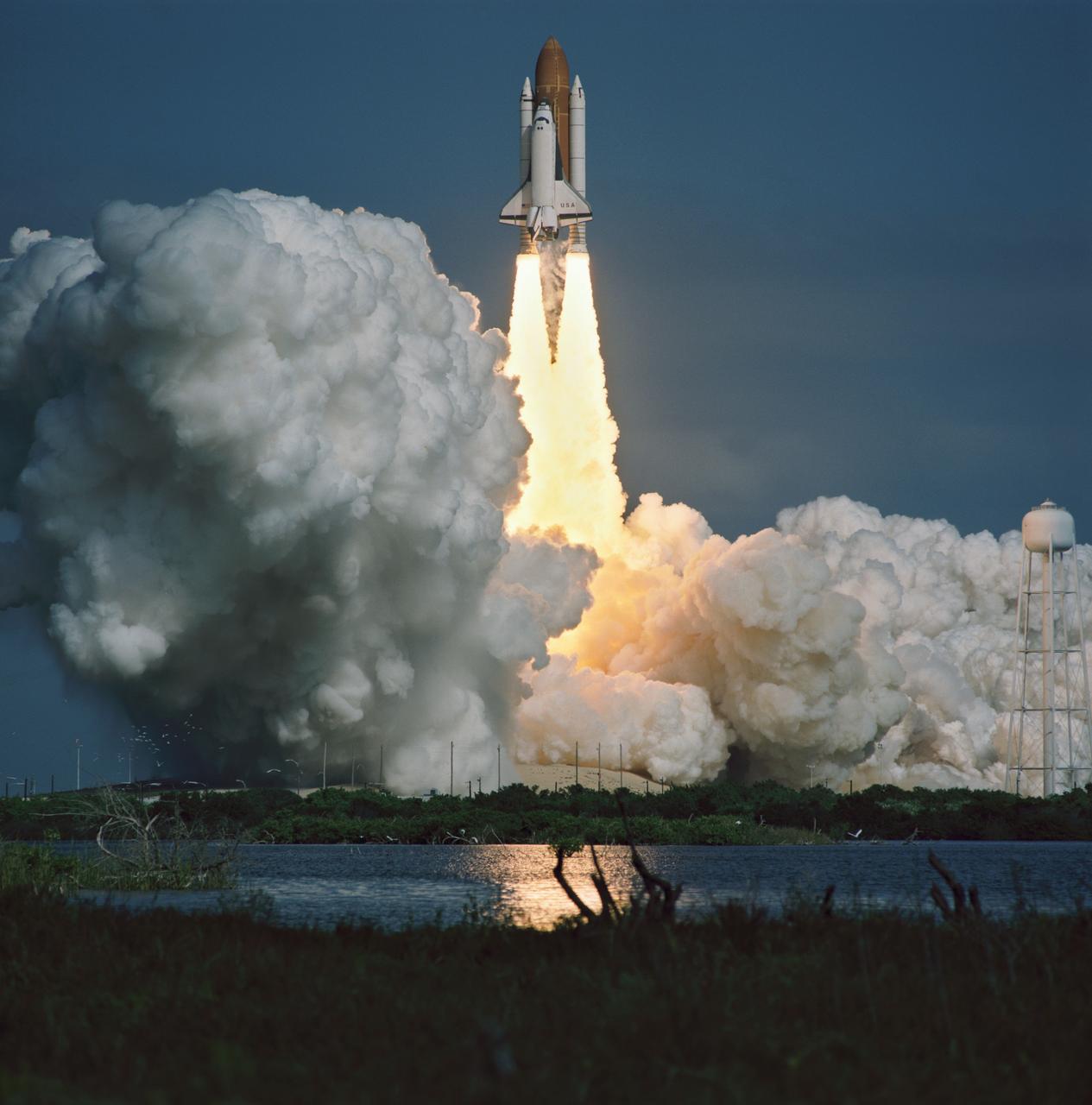
STS058-S-090 (18 Oct 1993) --- Creating large clouds of smoke the Space Shuttle Columbia lifts off from Launch Complex 39 at Kennedy Space Center (KSC). Liftoff occurred at 10:53 a.m. (EDT), October 18, 1993. Along with its Spacelab Life Sciences-2 payload, Columbia carries astronauts John E. Blaha, Richard A. Searfoss, Rhea Seddon, Shannon W. Lucid, David A. Wolf and William S. McArthur along with payload specialist Martin J. Fettman.
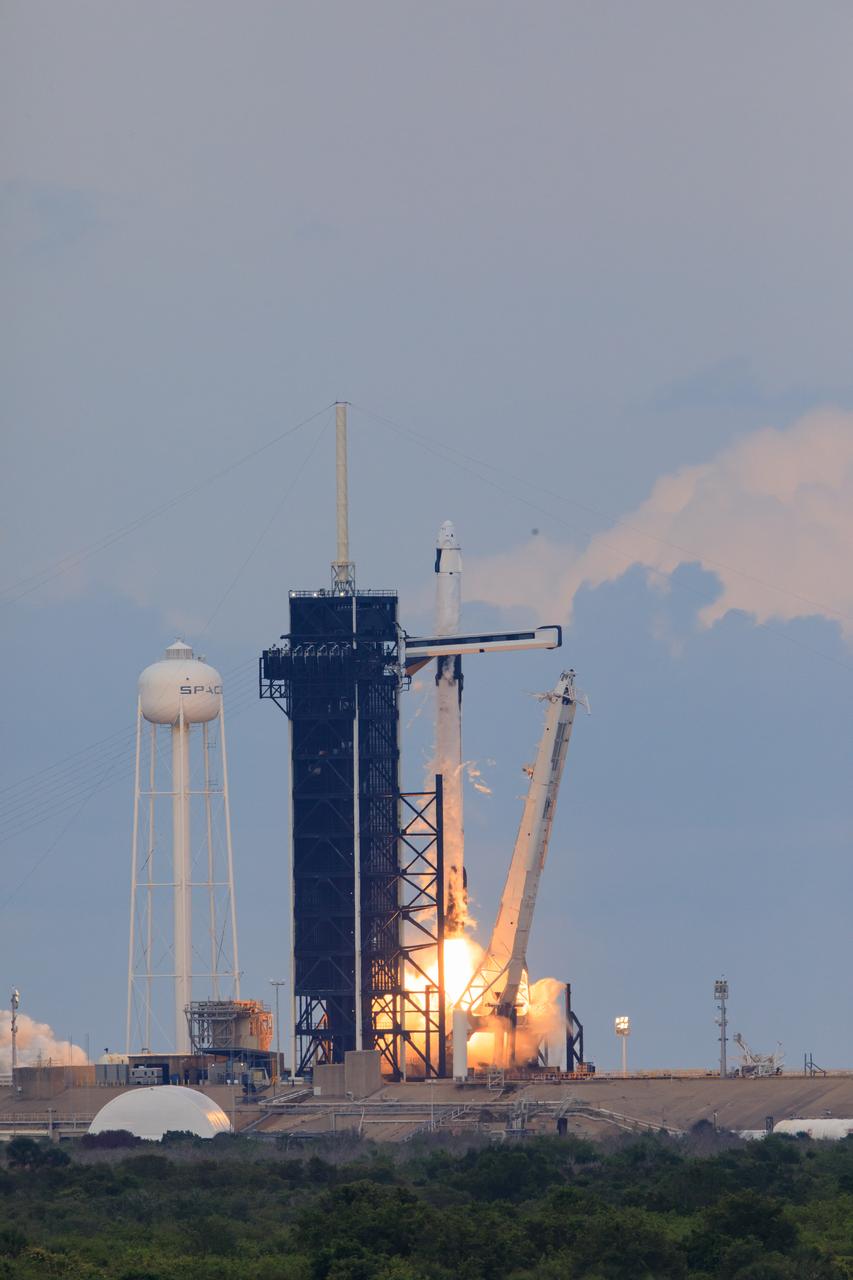
A SpaceX Falcon 9 rocket, carrying the company’s Dragon spacecraft, lifts off from NASA Kennedy Space Center’s Launch Complex 39A in Florida on May 21, 2023, for the Axiom Mission 2 (Ax-2) to the International Space Station. Ax-2 is the second all private astronaut mission to the International Space Station, sending Commander Peggy Whitson, Pilot John Shoffner, and Mission Specialists Ali Alqarni and Rayyanah Barnawi to the orbiting laboratory, where they will spend about 10 days conducting scientific research, outreach, and commercial activities. Liftoff occurred at 5:37 p.m. EDT.
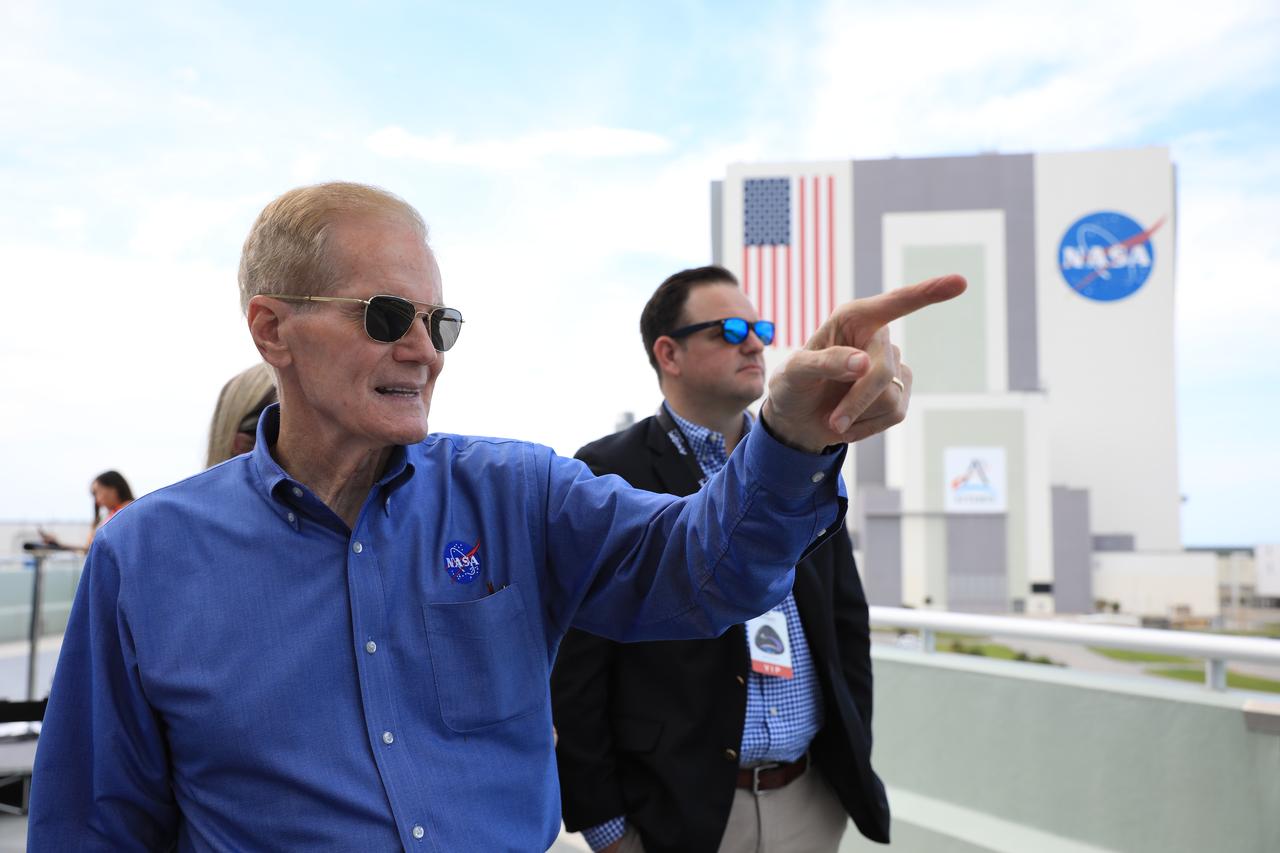
NASA Administrator Bill Nelson watches as a SpaceX Falcon 9 rocket and Crew Dragon spacecraft lifts off from Launch Complex 39A at the agency’s Kennedy Space Center in Florida for the Axiom Mission 2 (Ax-2) on May 21, 2023. Ax-2 is the second all private astronaut mission to the International Space Station, sending Commander Peggy Whitson, Pilot John Shoffner, and Mission Specialists Ali Alqarni and Rayyanah Barnawi to the orbiting laboratory, where they will spend about 10 days conducting scientific research, outreach, and commercial activities. Liftoff occurred at 5:37 p.m. EDT.
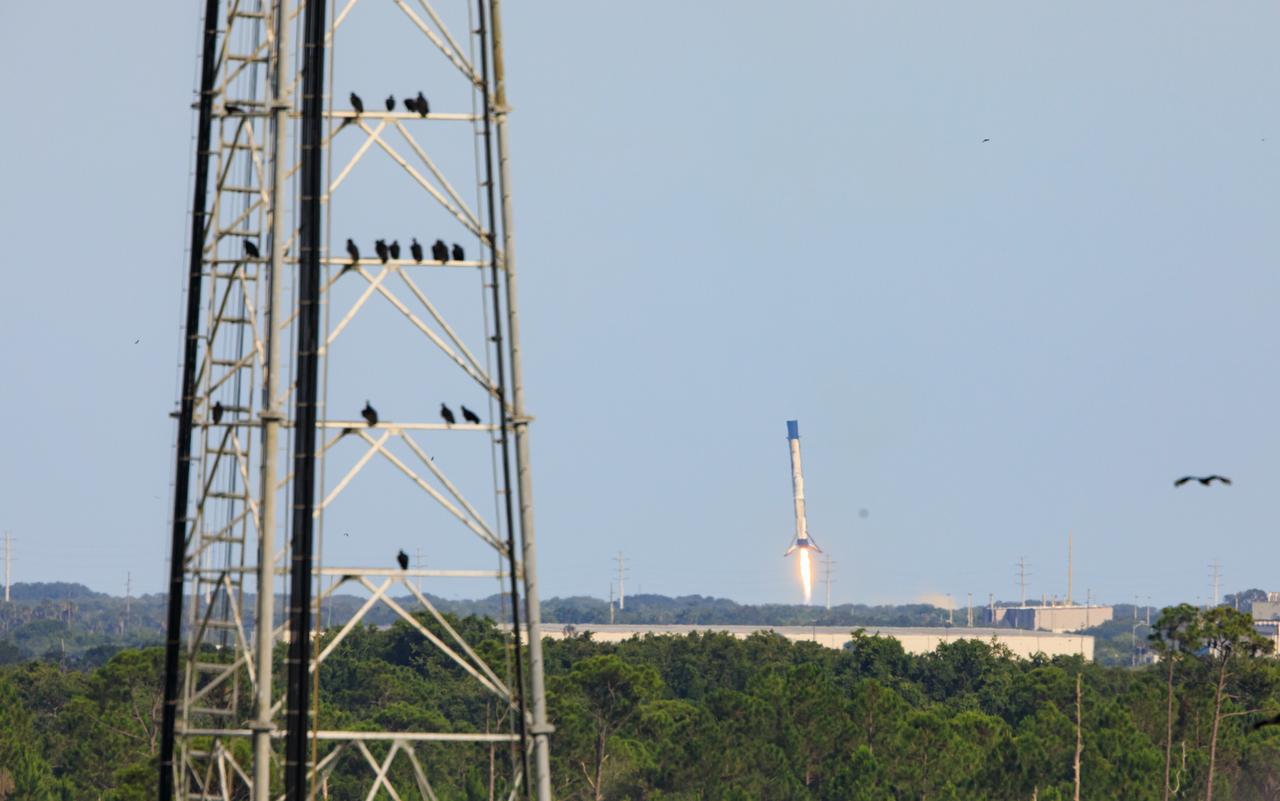
The first stage of a two-stage SpaceX Falcon 9 rocket makes its descent toward Landing Zone 1 at Cape Canaveral Space Force Station after lifting off from NASA Kennedy Space Center’s Launch Complex 39A in Florida for the Axiom Mission 2 (Ax-2) on May 21, 2023. Ax-2 is the second all private astronaut mission to the International Space Station, sending Commander Peggy Whitson, Pilot John Shoffner, and Mission Specialists Ali Alqarni and Rayyanah Barnawi to the orbiting laboratory, where they will spend about 10 days conducting scientific research, outreach, and commercial activities. Liftoff occurred at 5:37 p.m. EDT.
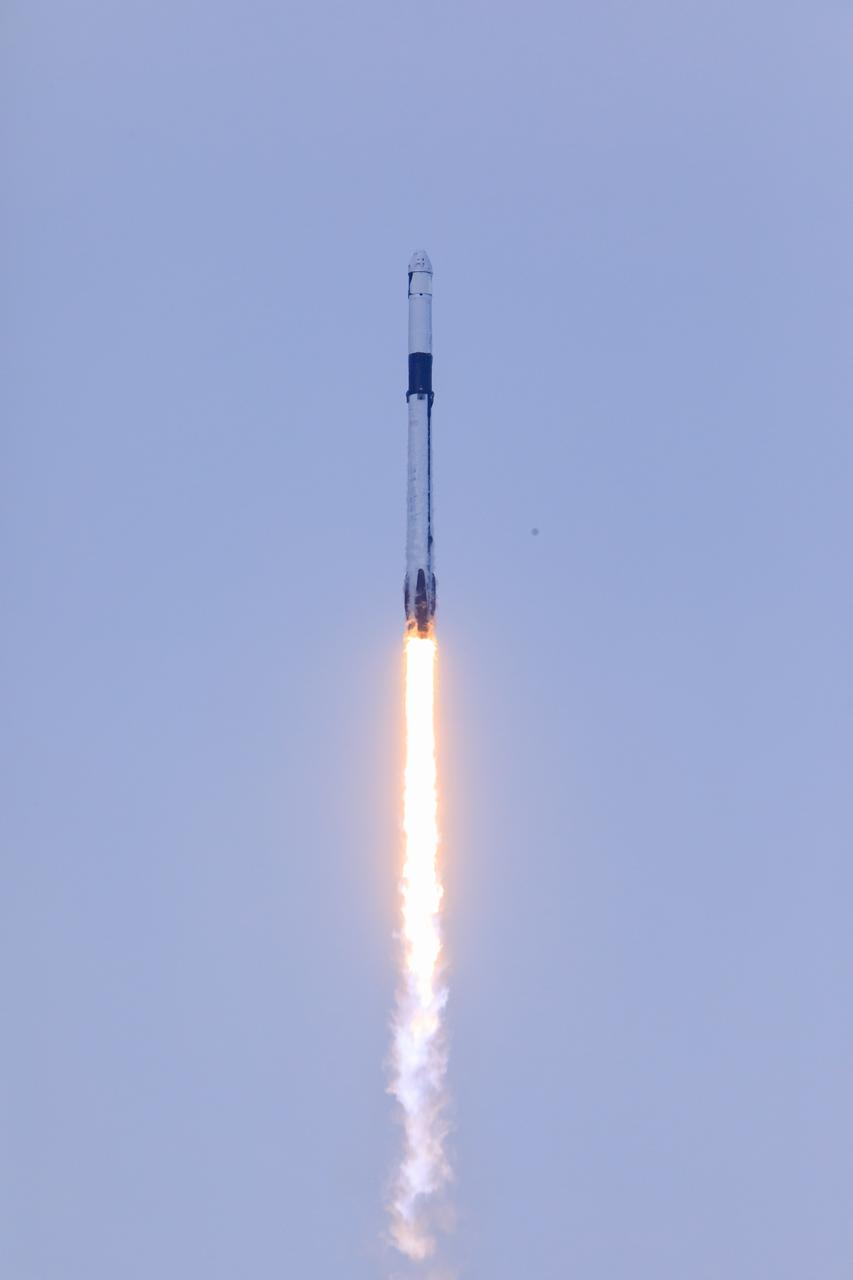
A SpaceX Falcon 9 rocket, carrying the company’s Dragon spacecraft, soars upward after lifting off from NASA Kennedy Space Center’s Launch Complex 39A in Florida on May 21, 2023, for the Axiom Mission 2 (Ax-2) to the International Space Station. Ax-2 is the second all private astronaut mission to the International Space Station, sending Commander Peggy Whitson, Pilot John Shoffner, and Mission Specialists Ali Alqarni and Rayyanah Barnawi to the orbiting laboratory, where they will spend about 10 days conducting scientific research, outreach, and commercial activities. Liftoff occurred at 5:37 p.m. EDT.
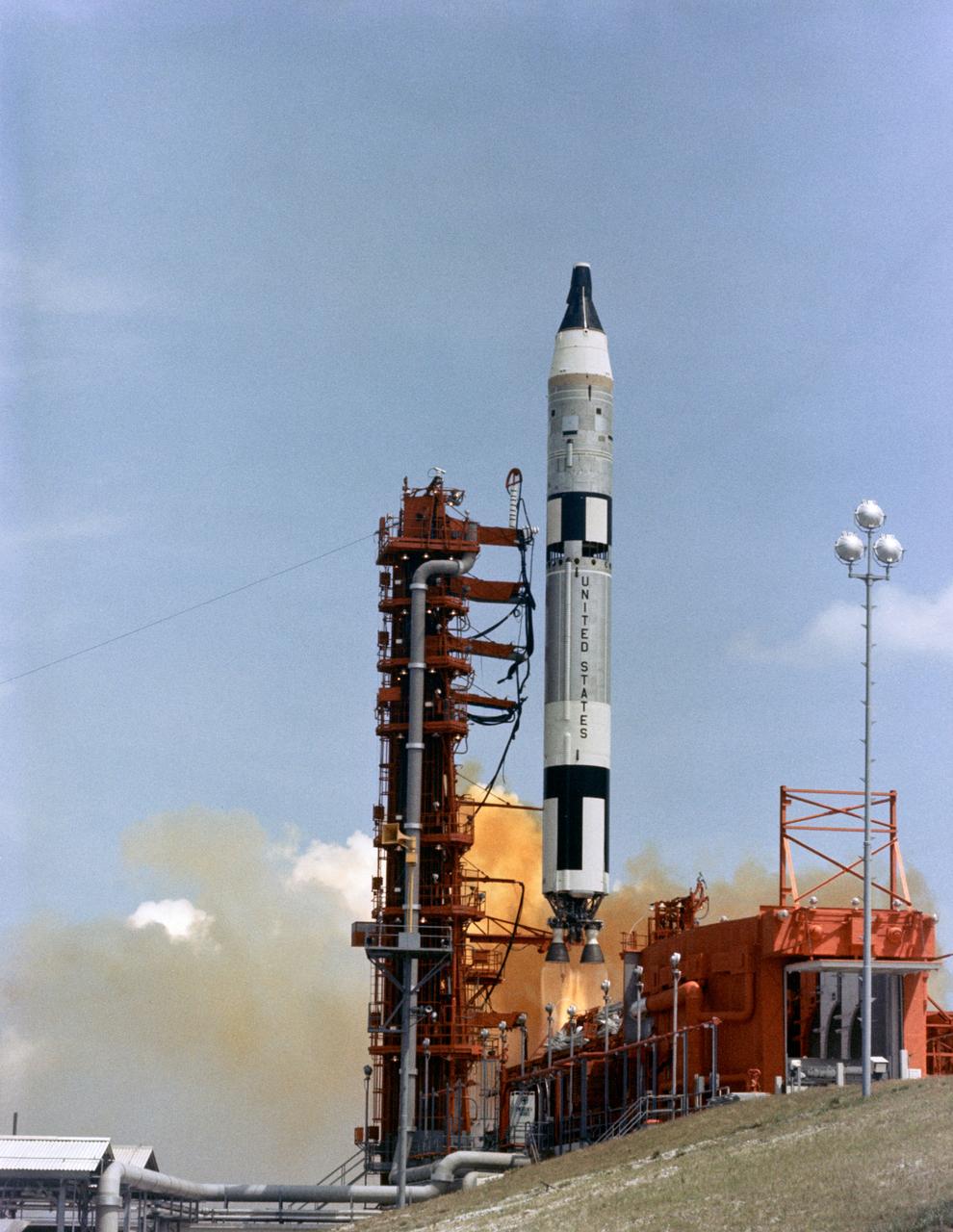
S64-21560 (8 April 1964) --- Gemini/Titan-II launch vehicle #1 liftoff at Cape Kennedy, Florida.
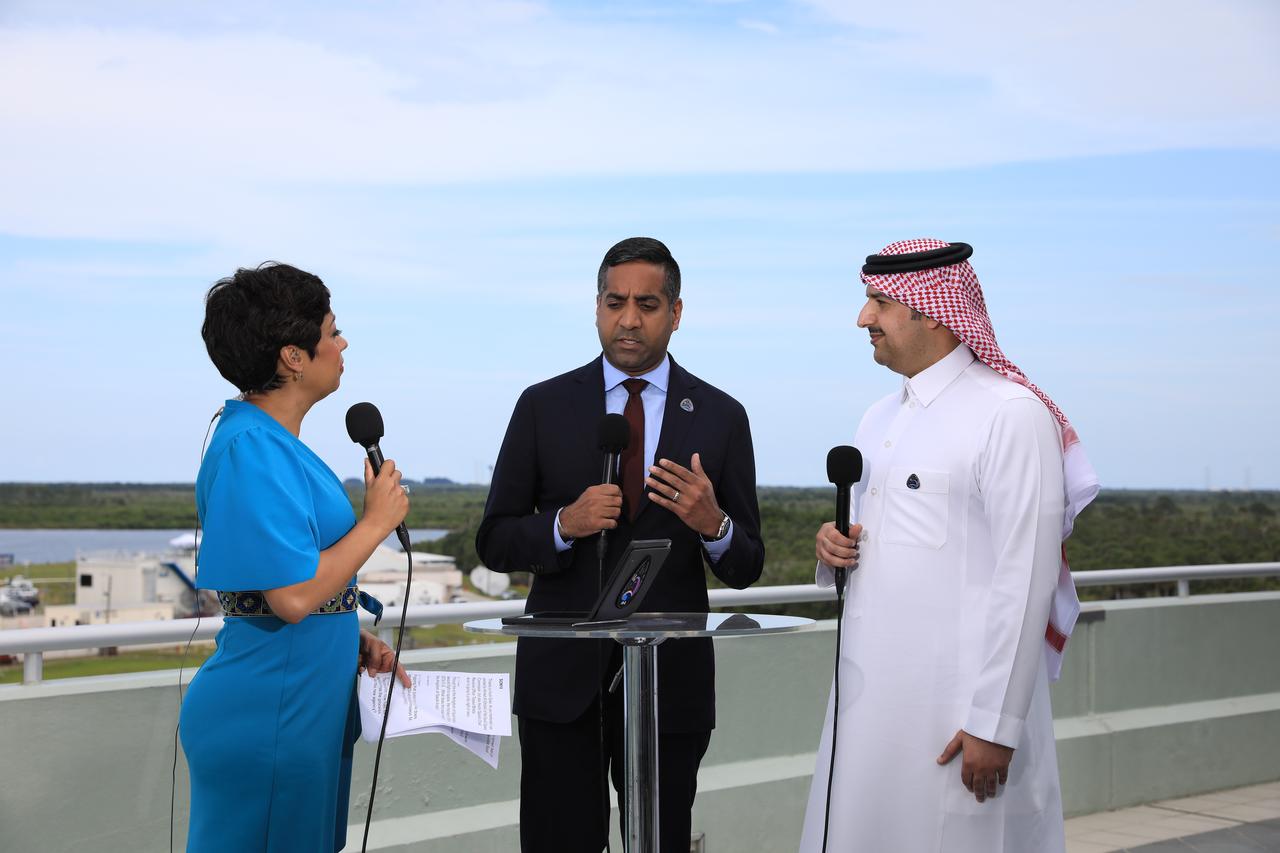
From left, Director of Digital Strategy for Axiom Space Sonya Gavankar McKay interviews Axiom Space Chief Revenue Officer Tejpaul Bhatia and Chief Development and Planning Officer of the Saudi Space Commission Ahmed Al-Ghofaili during a live broadcast ahead of the Axiom Mission 2 (Ax-2) launch from NASA’s Kennedy Space Center in Florida on May 21, 2023. Ax-2 is the second all private astronaut mission to the International Space Station, sending Commander Peggy Whitson, Pilot John Shoffner, and Mission Specialists Ali Alqarni and Rayyanah Barnawi to the orbiting laboratory, where they will spend about 10 days conducting scientific research, outreach, and commercial activities. Liftoff occurred at 5:37 p.m. EDT from Kennedy’s Launch Complex 39A.

Sonya Gavankar McKay (left), director of digital strategy for Axiom Space, prepares to interview Dr. Lucie Low, chief scientist for Axiom Space, during a live broadcast ahead of the Axiom Mission 2 (Ax-2) launch from NASA’s Kennedy Space Center in Florida on May 21, 2023. Ax-2 is the second all private astronaut mission to the International Space Station, sending Commander Peggy Whitson, Pilot John Shoffner, and Mission Specialists Ali Alqarni and Rayyanah Barnawi to the orbiting laboratory, where they will spend about 10 days conducting scientific research, outreach, and commercial activities. Liftoff occurred at 5:37 p.m. EDT from Kennedy’s Launch Complex 39A.
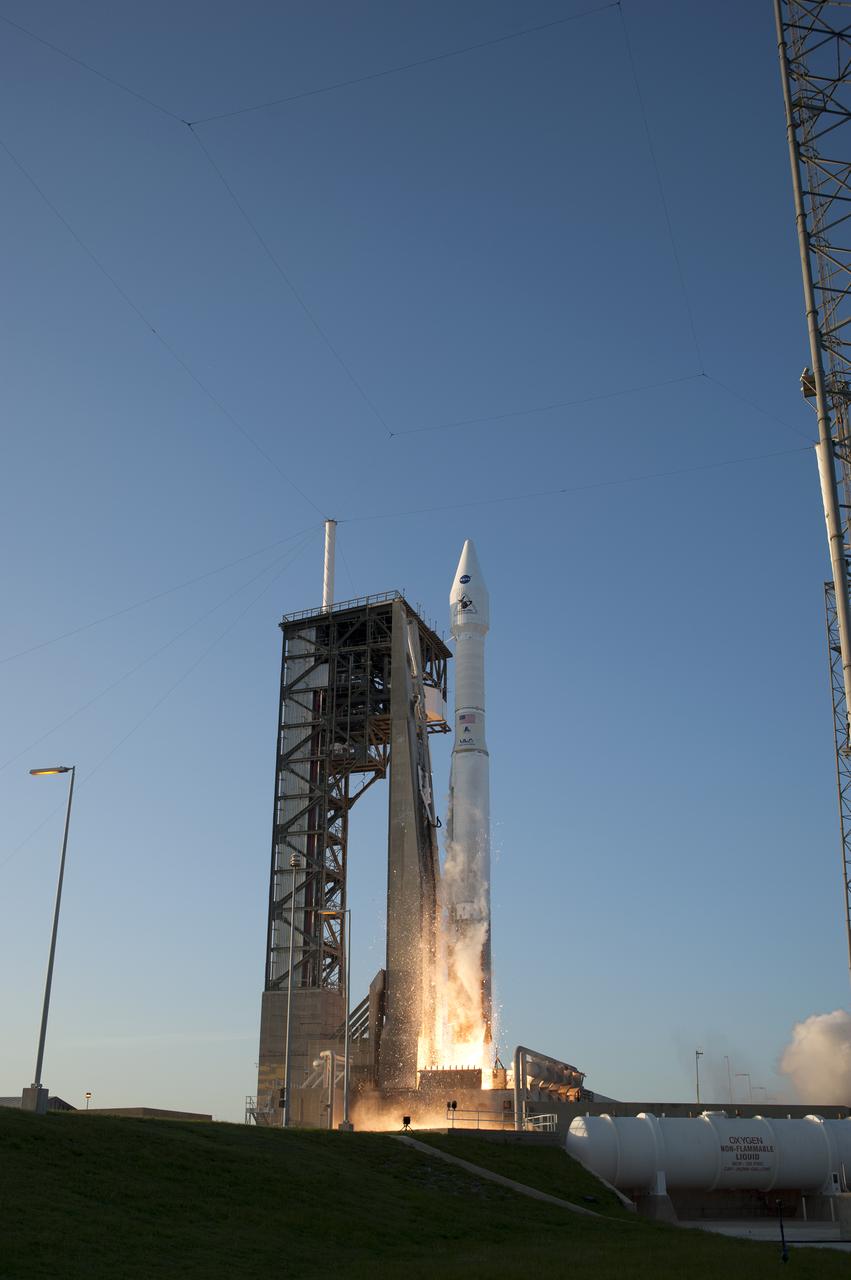
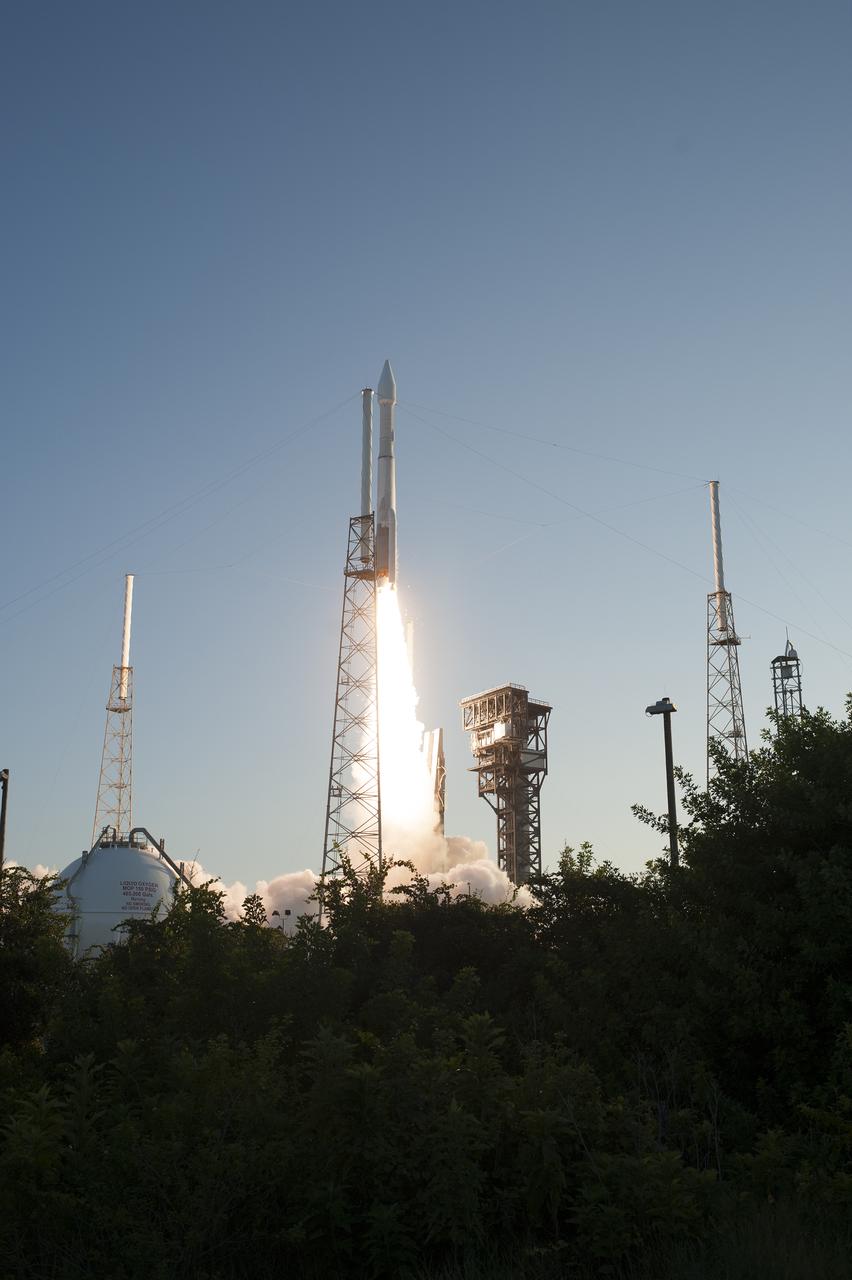
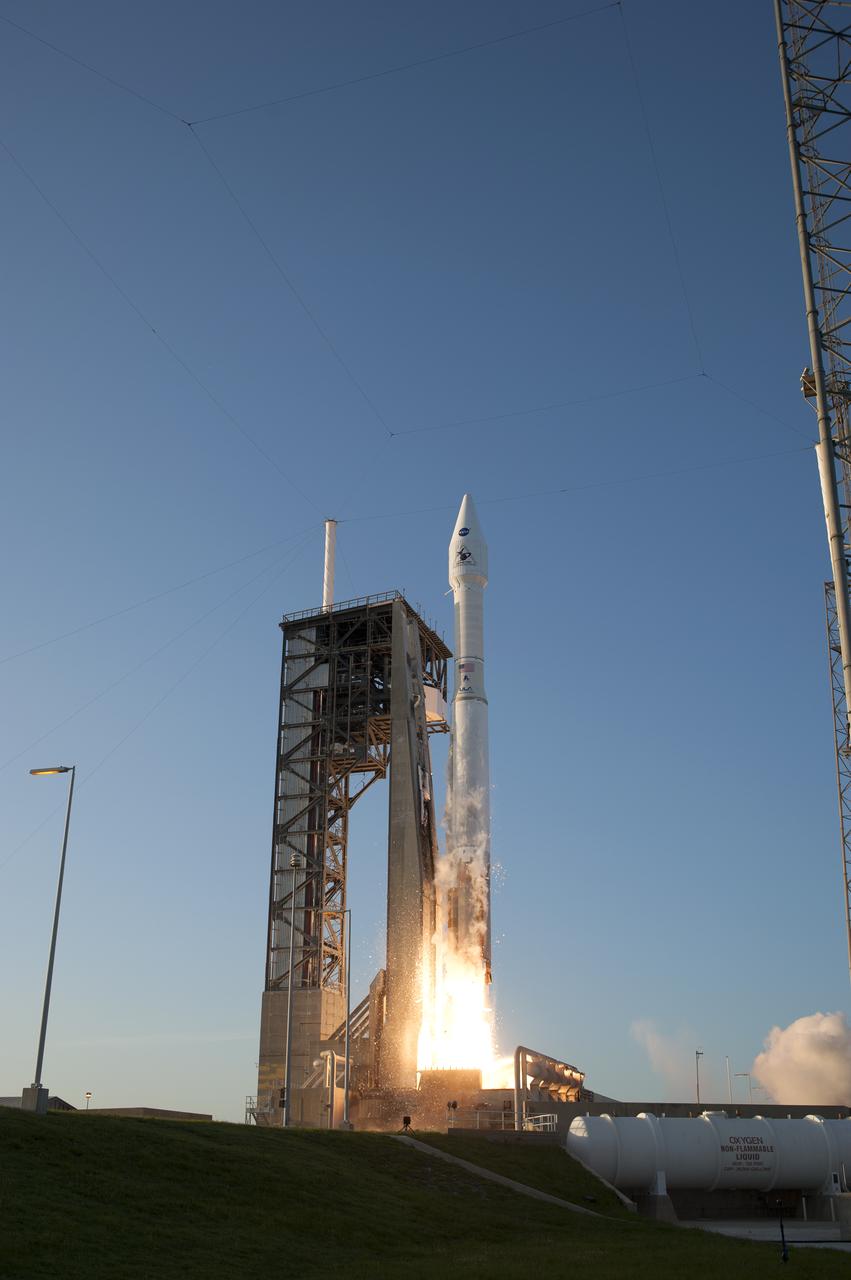
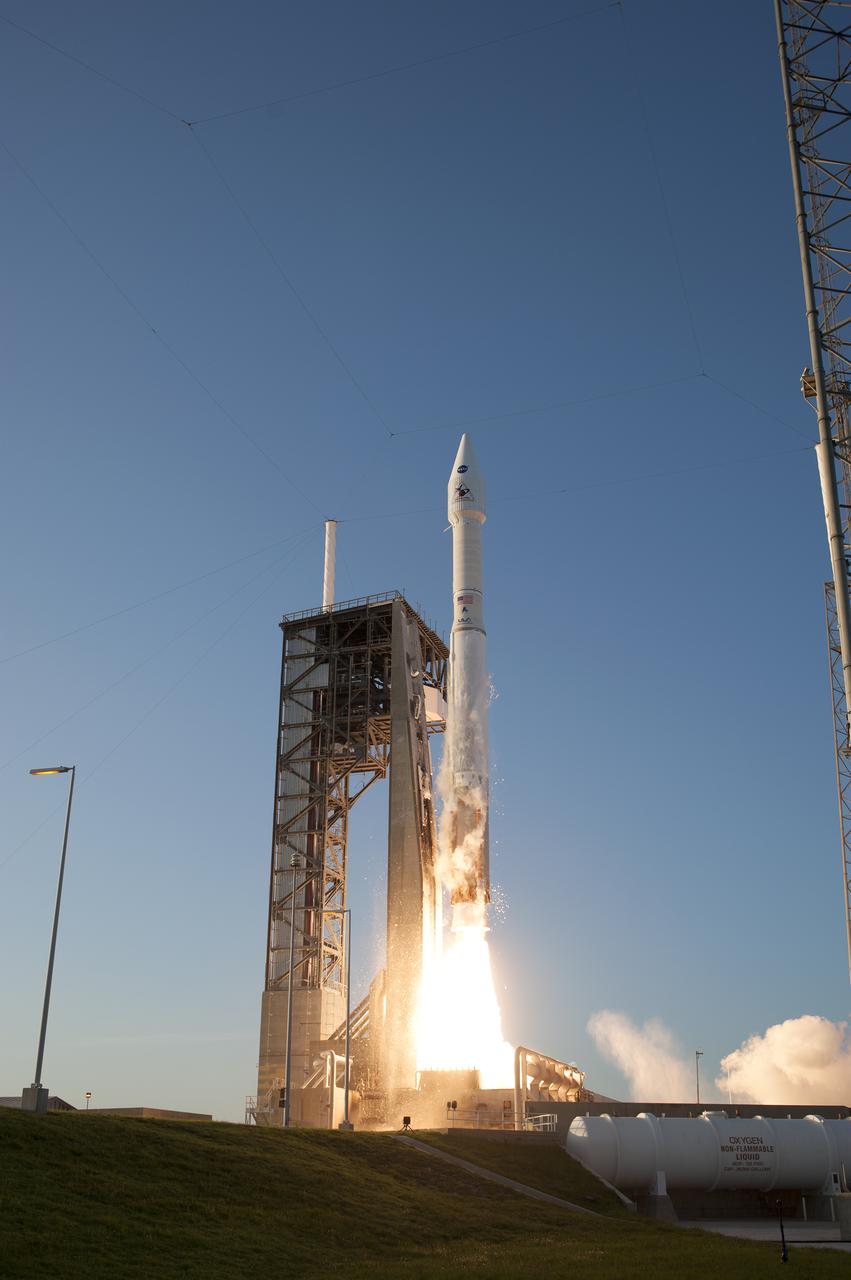
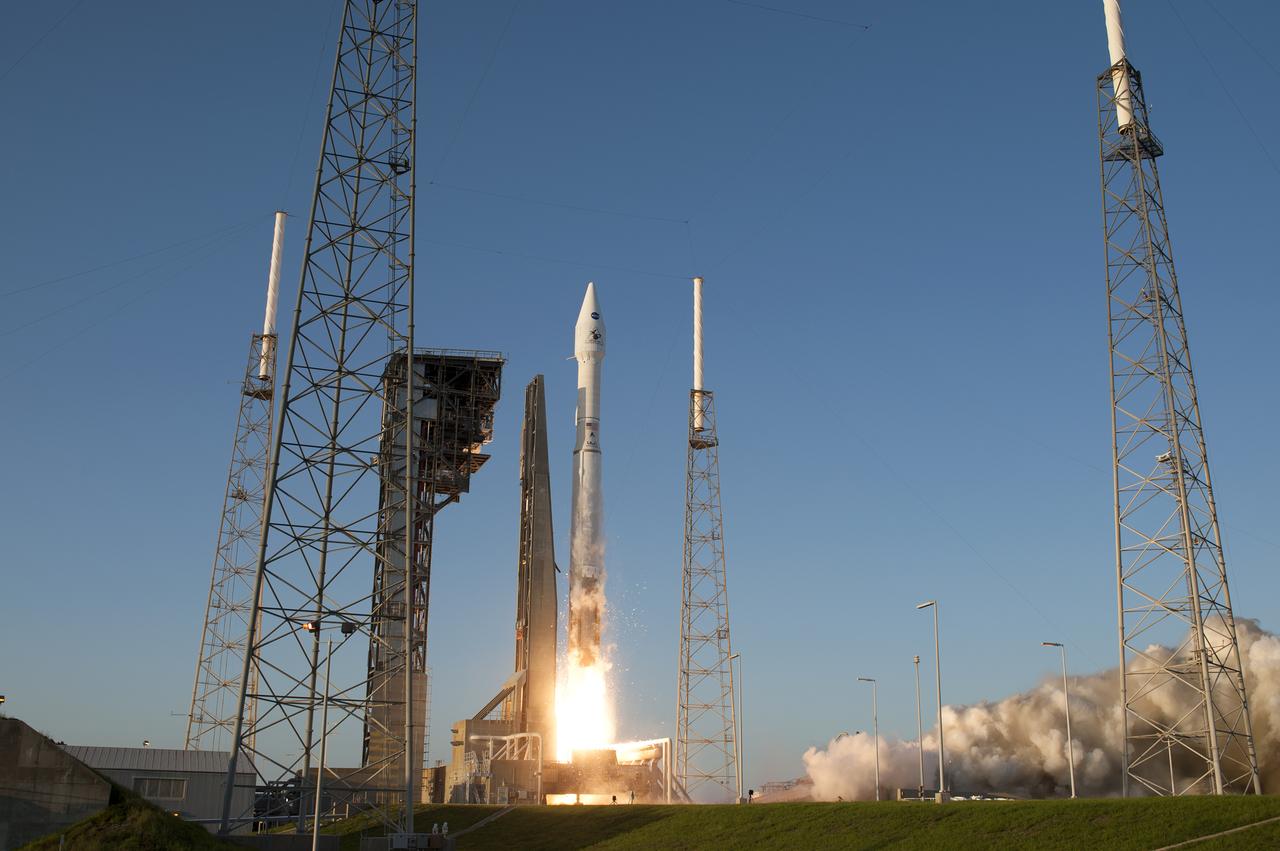
A United Launch Alliance Atlas V rocket lifts off from Space Launch Complex 41 at Cape Canaveral Air Force Station carrying NASA’s Origins, Spectral Interpretation, Resource Identification, Security-Regolith Explorer, or OSIRIS-REx spacecraft on the first U.S. mission to sample an asteroid, retrieve at least two ounces of surface material and return it to Earth for study. Liftoff was at 7:05 p.m. EDT. The asteroid, Bennu, may hold clues to the origin of the solar system and the source of water and organic molecules found on Earth.
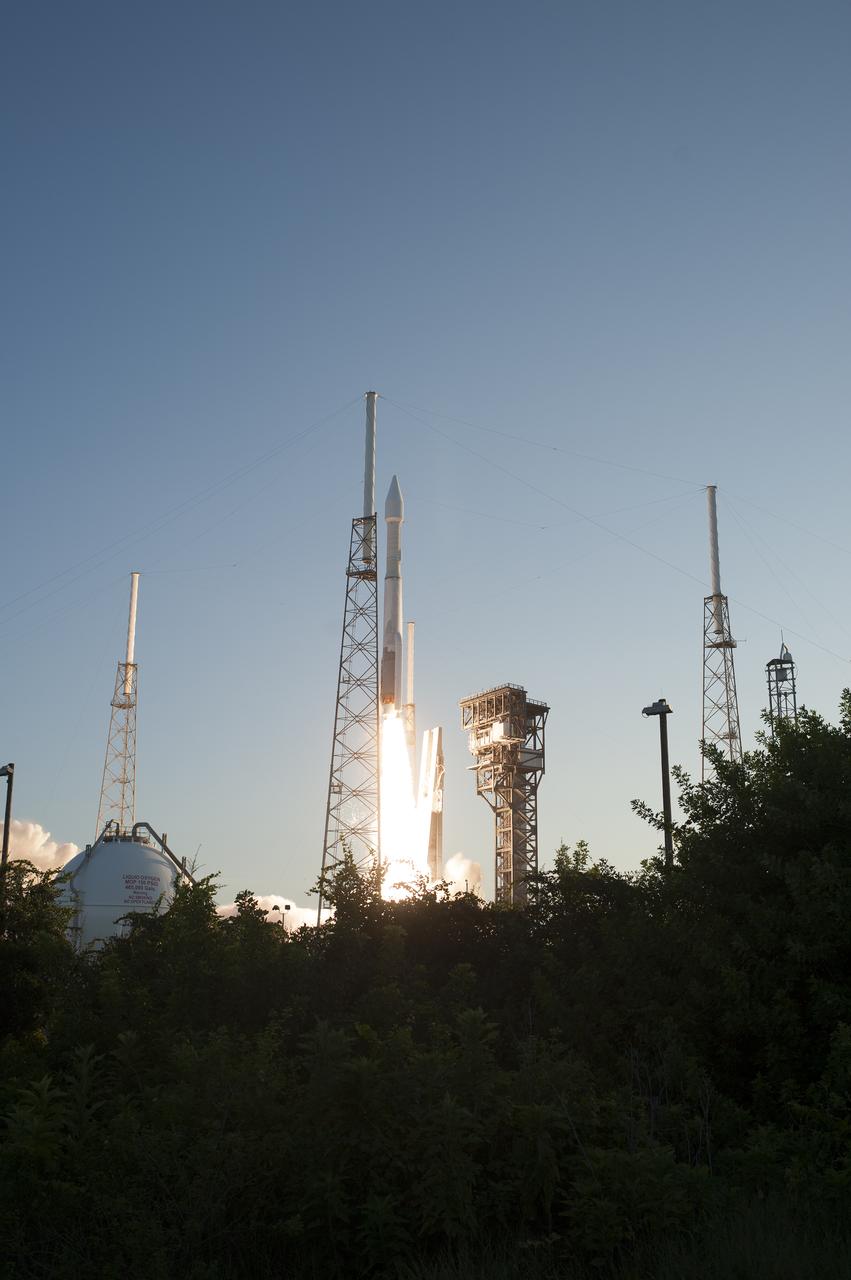
A United Launch Alliance Atlas V rocket lifts off from Space Launch Complex 41 at Cape Canaveral Air Force Station carrying NASA’s Origins, Spectral Interpretation, Resource Identification, Security-Regolith Explorer, or OSIRIS-REx spacecraft on the first U.S. mission to sample an asteroid, retrieve at least two ounces of surface material and return it to Earth for study. Liftoff was at 7:05 p.m. EDT. The asteroid, Bennu, may hold clues to the origin of the solar system and the source of water and organic molecules found on Earth.
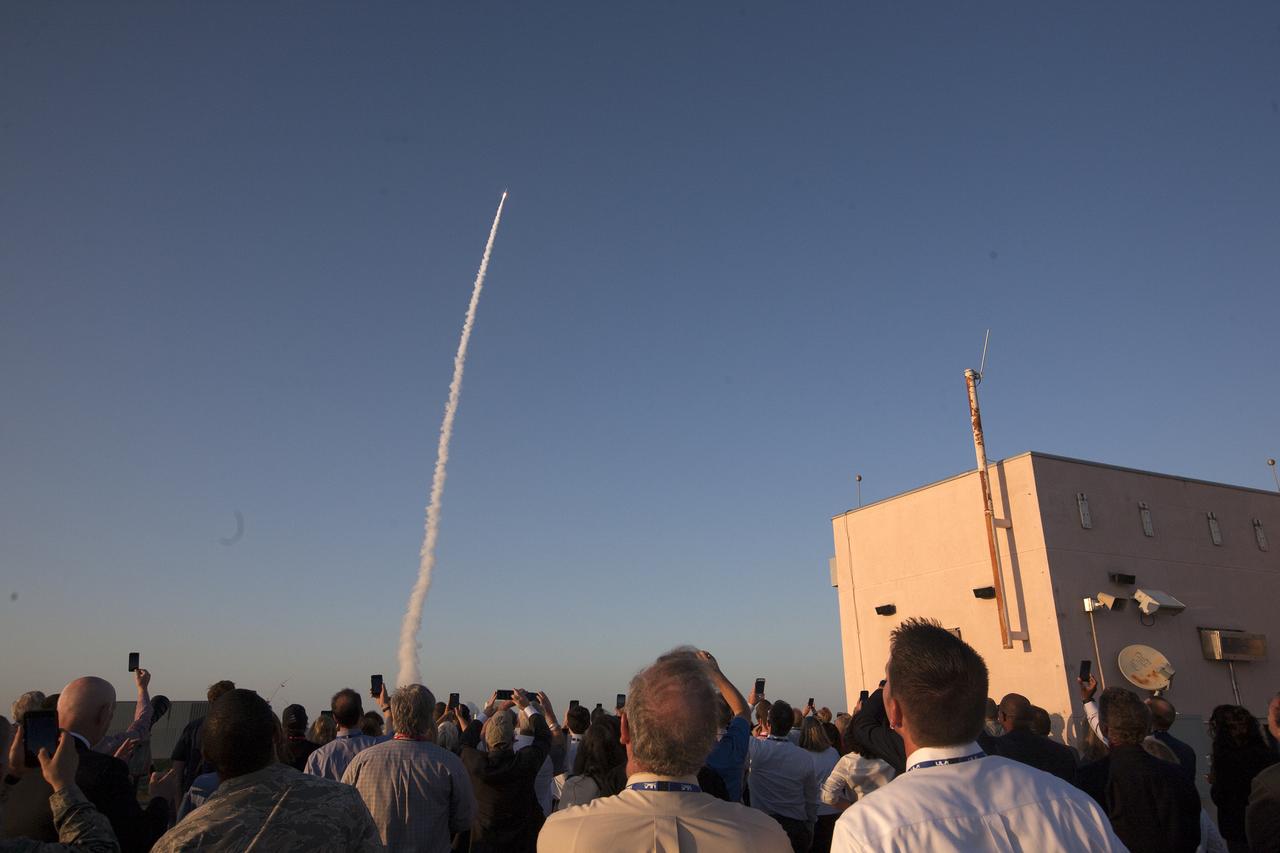
A United Launch Alliance Atlas V rocket lifts off from Space Launch Complex 41 at Cape Canaveral Air Force Station carrying NASA’s Origins, Spectral Interpretation, Resource Identification, Security-Regolith Explorer, or OSIRIS-REx spacecraft on the first U.S. mission to sample an asteroid, retrieve at least two ounces of surface material and return it to Earth for study. Liftoff was at 7:05 p.m. EDT. The asteroid, Bennu, may hold clues to the origin of the solar system and the source of water and organic molecules found on Earth.
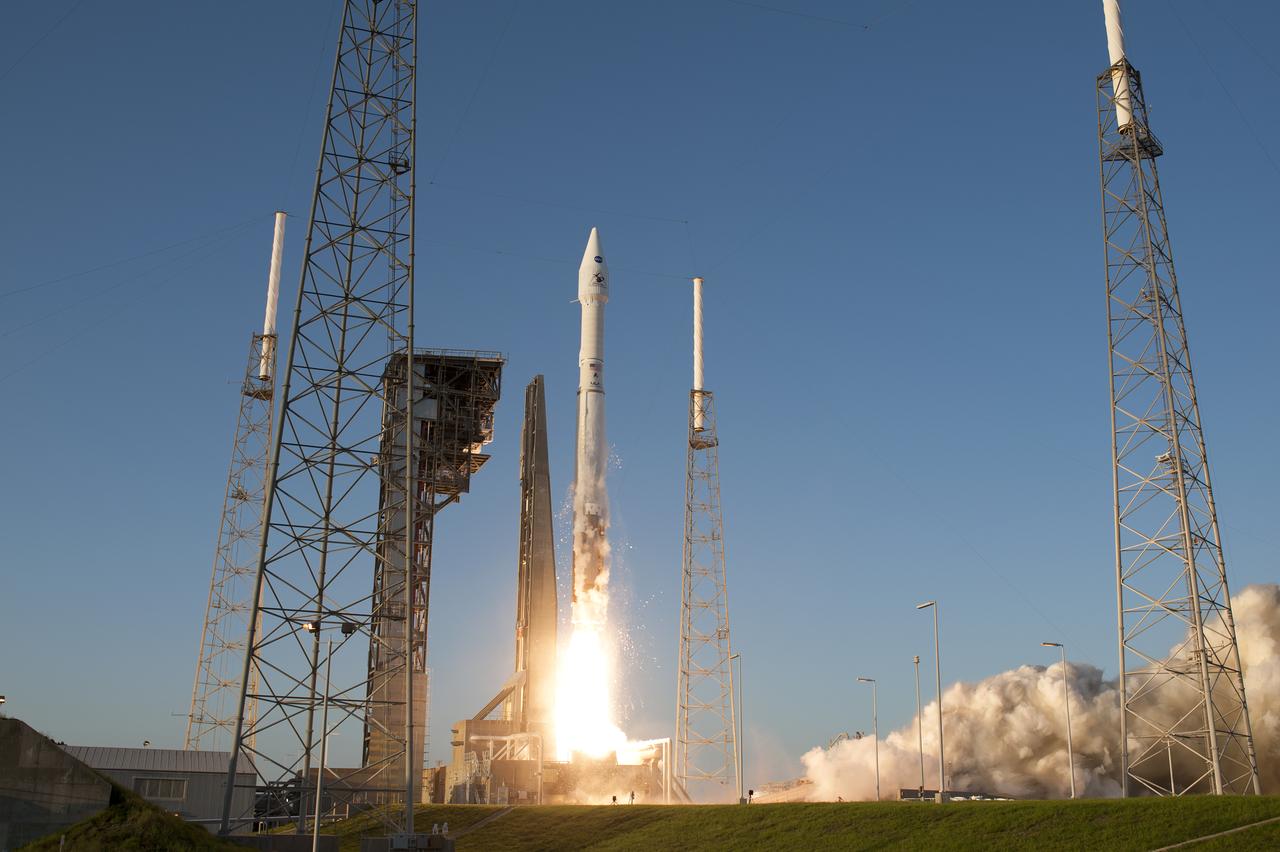
A United Launch Alliance Atlas V rocket lifts off from Space Launch Complex 41 at Cape Canaveral Air Force Station carrying NASA’s Origins, Spectral Interpretation, Resource Identification, Security-Regolith Explorer, or OSIRIS-REx spacecraft on the first U.S. mission to sample an asteroid, retrieve at least two ounces of surface material and return it to Earth for study. Liftoff was at 7:05 p.m. EDT. The asteroid, Bennu, may hold clues to the origin of the solar system and the source of water and organic molecules found on Earth.
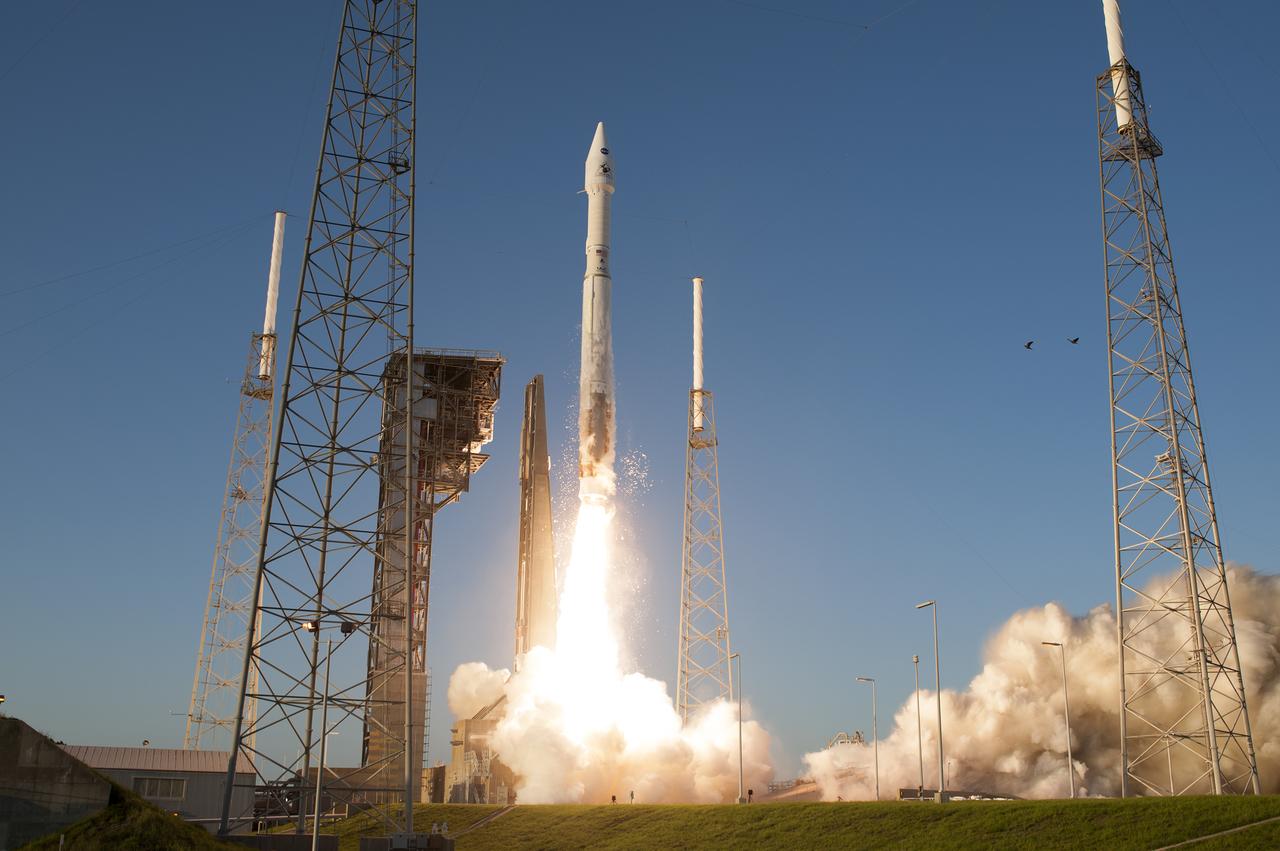
A United Launch Alliance Atlas V rocket lifts off from Space Launch Complex 41 at Cape Canaveral Air Force Station carrying NASA’s Origins, Spectral Interpretation, Resource Identification, Security-Regolith Explorer, or OSIRIS-REx spacecraft on the first U.S. mission to sample an asteroid, retrieve at least two ounces of surface material and return it to Earth for study. Liftoff was at 7:05 p.m. EDT. The asteroid, Bennu, may hold clues to the origin of the solar system and the source of water and organic molecules found on Earth.
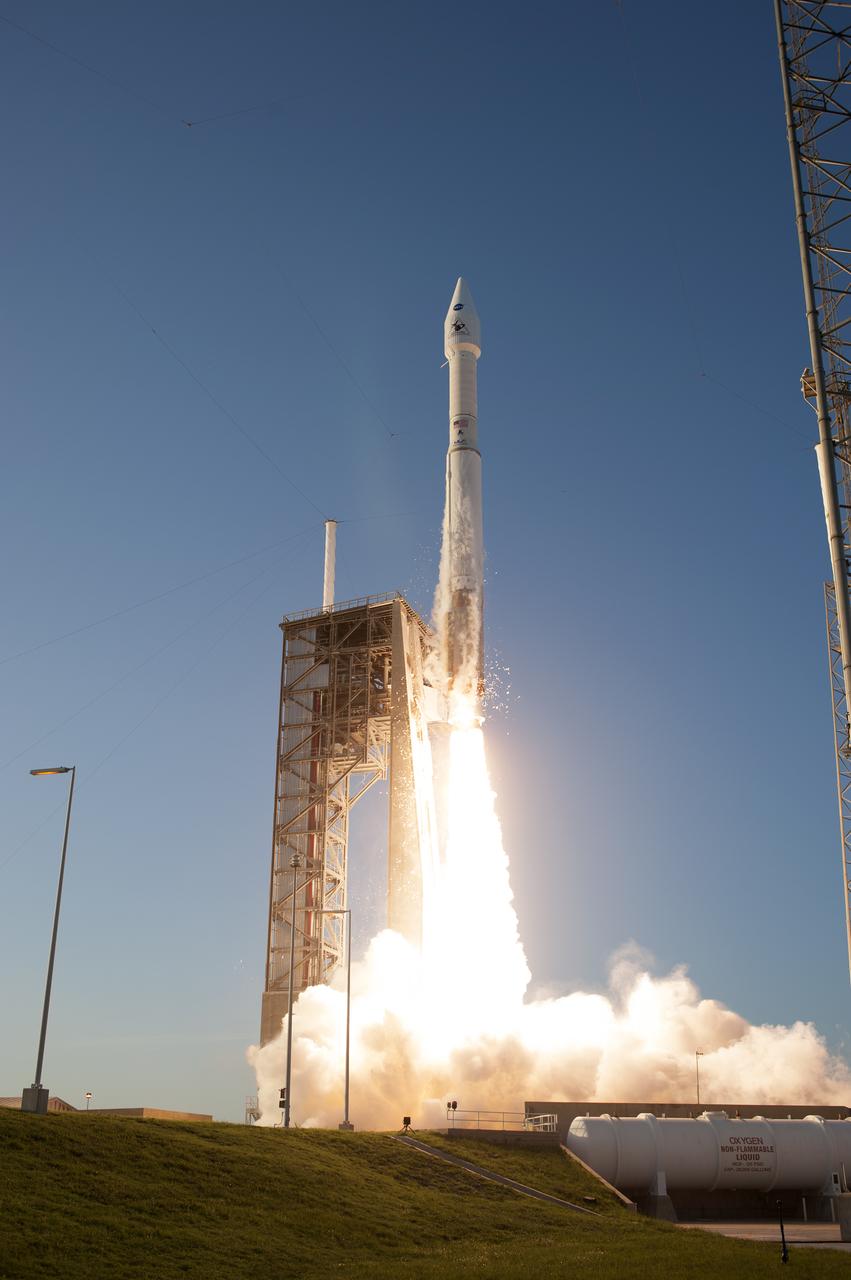
A United Launch Alliance Atlas V rocket lifts off from Space Launch Complex 41 at Cape Canaveral Air Force Station carrying NASA’s Origins, Spectral Interpretation, Resource Identification, Security-Regolith Explorer, or OSIRIS-REx spacecraft on the first U.S. mission to sample an asteroid, retrieve at least two ounces of surface material and return it to Earth for study. Liftoff was at 7:05 p.m. EDT. The asteroid, Bennu, may hold clues to the origin of the solar system and the source of water and organic molecules found on Earth.
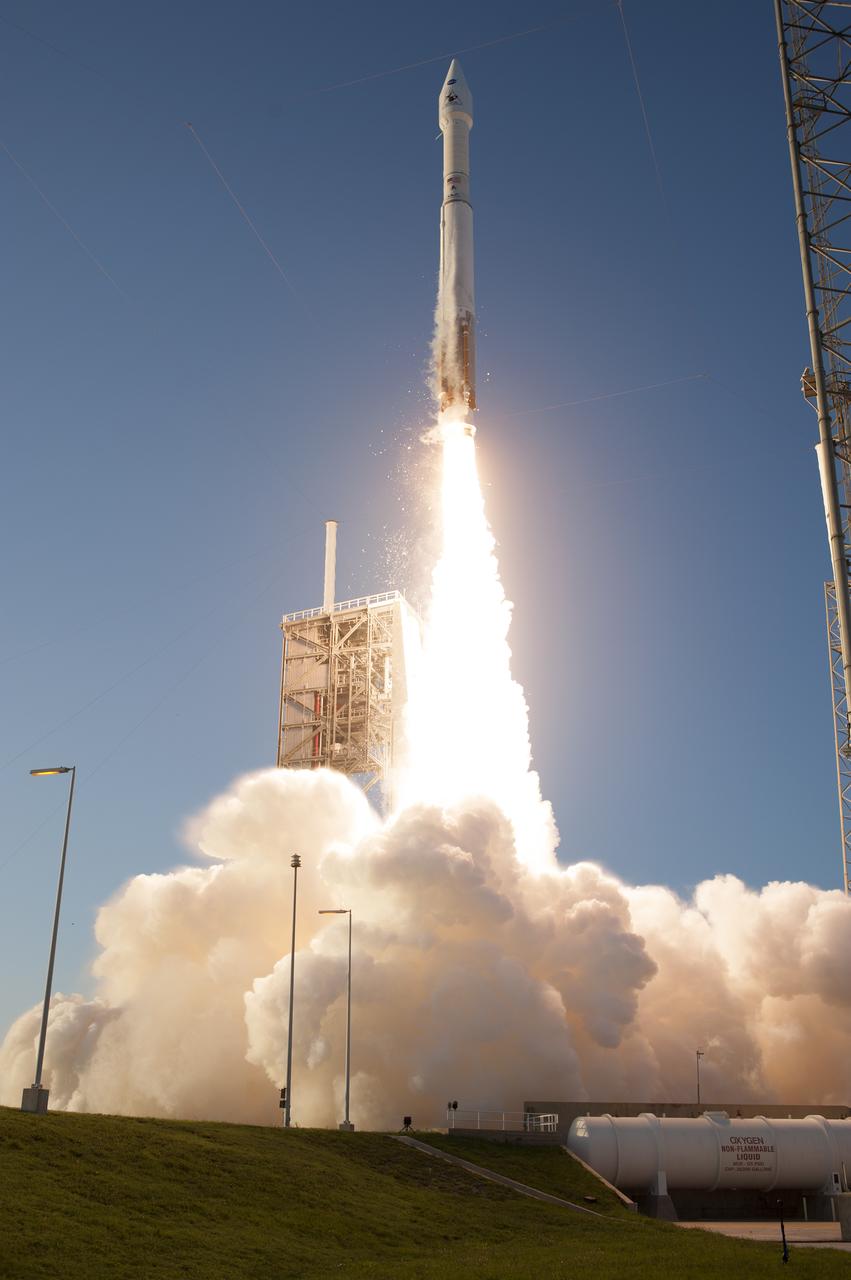
A United Launch Alliance Atlas V rocket lifts off from Space Launch Complex 41 at Cape Canaveral Air Force Station carrying NASA’s Origins, Spectral Interpretation, Resource Identification, Security-Regolith Explorer, or OSIRIS-REx spacecraft on the first U.S. mission to sample an asteroid, retrieve at least two ounces of surface material and return it to Earth for study. Liftoff was at 7:05 p.m. EDT. The asteroid, Bennu, may hold clues to the origin of the solar system and the source of water and organic molecules found on Earth.
A United Launch Alliance Atlas V rocket lifts off from Space Launch Complex 41 at Cape Canaveral Air Force Station carrying NASA’s Origins, Spectral Interpretation, Resource Identification, Security-Regolith Explorer, or OSIRIS-REx spacecraft on the first U.S. mission to sample an asteroid, retrieve at least two ounces of surface material and return it to Earth for study. Liftoff was at 7:05 p.m. EDT. The asteroid, Bennu, may hold clues to the origin of the solar system and the source of water and organic molecules found on Earth.
A United Launch Alliance Atlas V rocket lifts off from Space Launch Complex 41 at Cape Canaveral Air Force Station carrying NASA’s Origins, Spectral Interpretation, Resource Identification, Security-Regolith Explorer, or OSIRIS-REx spacecraft on the first U.S. mission to sample an asteroid, retrieve at least two ounces of surface material and return it to Earth for study. Liftoff was at 7:05 p.m. EDT. The asteroid, Bennu, may hold clues to the origin of the solar system and the source of water and organic molecules found on Earth.
A United Launch Alliance Atlas V rocket lifts off from Space Launch Complex 41 at Cape Canaveral Air Force Station carrying NASA’s Origins, Spectral Interpretation, Resource Identification, Security-Regolith Explorer, or OSIRIS-REx spacecraft on the first U.S. mission to sample an asteroid, retrieve at least two ounces of surface material and return it to Earth for study. Liftoff was at 7:05 p.m. EDT. The asteroid, Bennu, may hold clues to the origin of the solar system and the source of water and organic molecules found on Earth.
A United Launch Alliance Atlas V rocket lifts off from Space Launch Complex 41 at Cape Canaveral Air Force Station carrying NASA’s Origins, Spectral Interpretation, Resource Identification, Security-Regolith Explorer, or OSIRIS-REx spacecraft on the first U.S. mission to sample an asteroid, retrieve at least two ounces of surface material and return it to Earth for study. Liftoff was at 7:05 p.m. EDT. The asteroid, Bennu, may hold clues to the origin of the solar system and the source of water and organic molecules found on Earth.
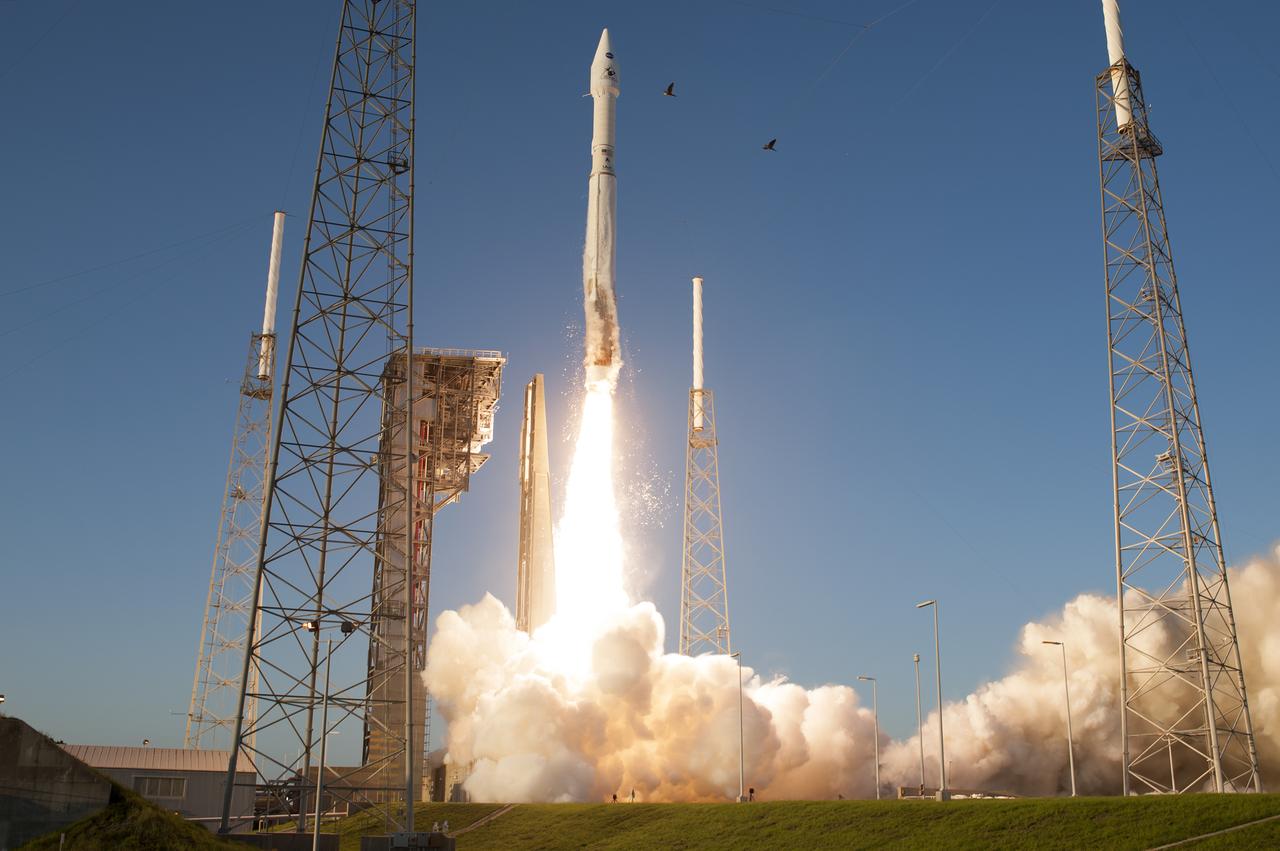
A United Launch Alliance Atlas V rocket lifts off from Space Launch Complex 41 at Cape Canaveral Air Force Station carrying NASA’s Origins, Spectral Interpretation, Resource Identification, Security-Regolith Explorer, or OSIRIS-REx spacecraft on the first U.S. mission to sample an asteroid, retrieve at least two ounces of surface material and return it to Earth for study. Liftoff was at 7:05 p.m. EDT. The asteroid, Bennu, may hold clues to the origin of the solar system and the source of water and organic molecules found on Earth.
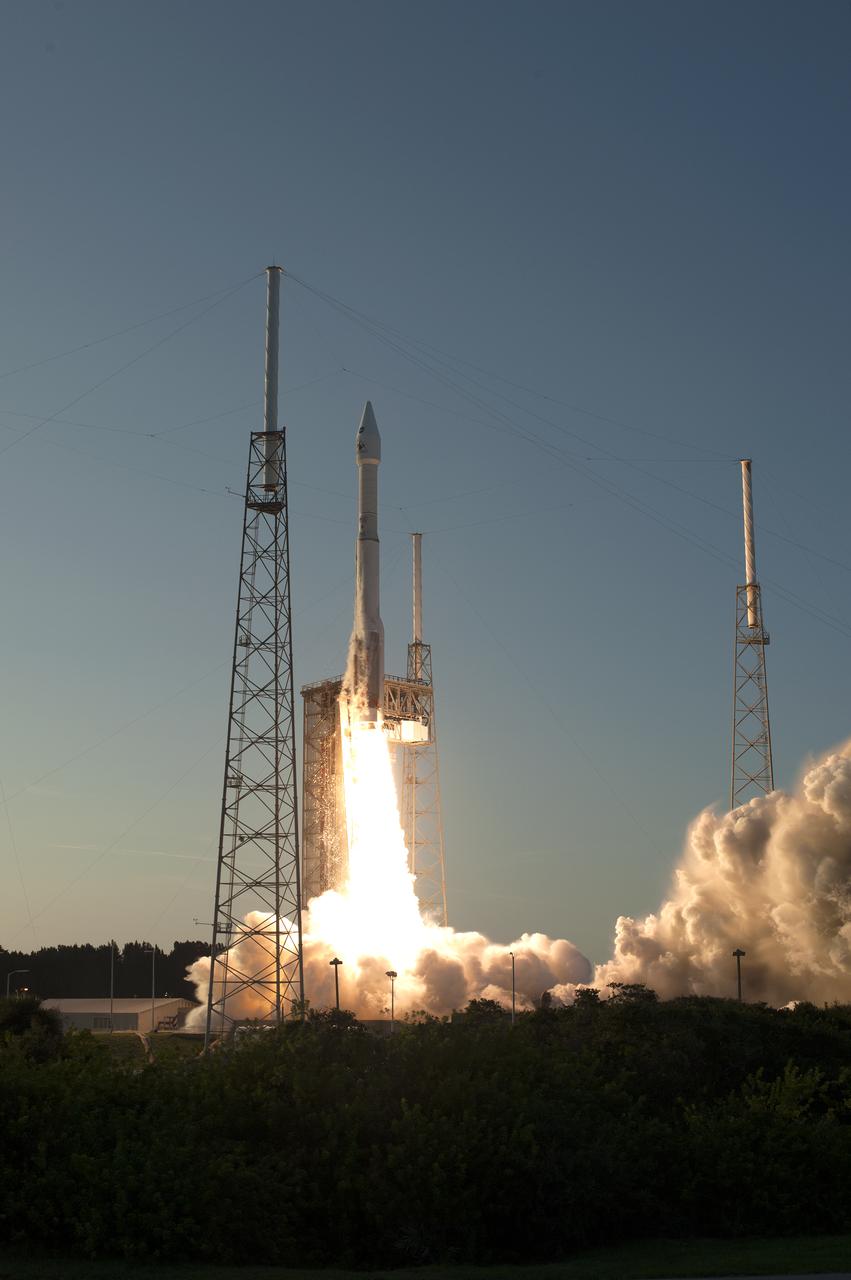
A United Launch Alliance Atlas V rocket lifts off from Space Launch Complex 41 at Cape Canaveral Air Force Station carrying NASA’s Origins, Spectral Interpretation, Resource Identification, Security-Regolith Explorer, or OSIRIS-REx spacecraft on the first U.S. mission to sample an asteroid, retrieve at least two ounces of surface material and return it to Earth for study. Liftoff was at 7:05 p.m. EDT. The asteroid, Bennu, may hold clues to the origin of the solar system and the source of water and organic molecules found on Earth.
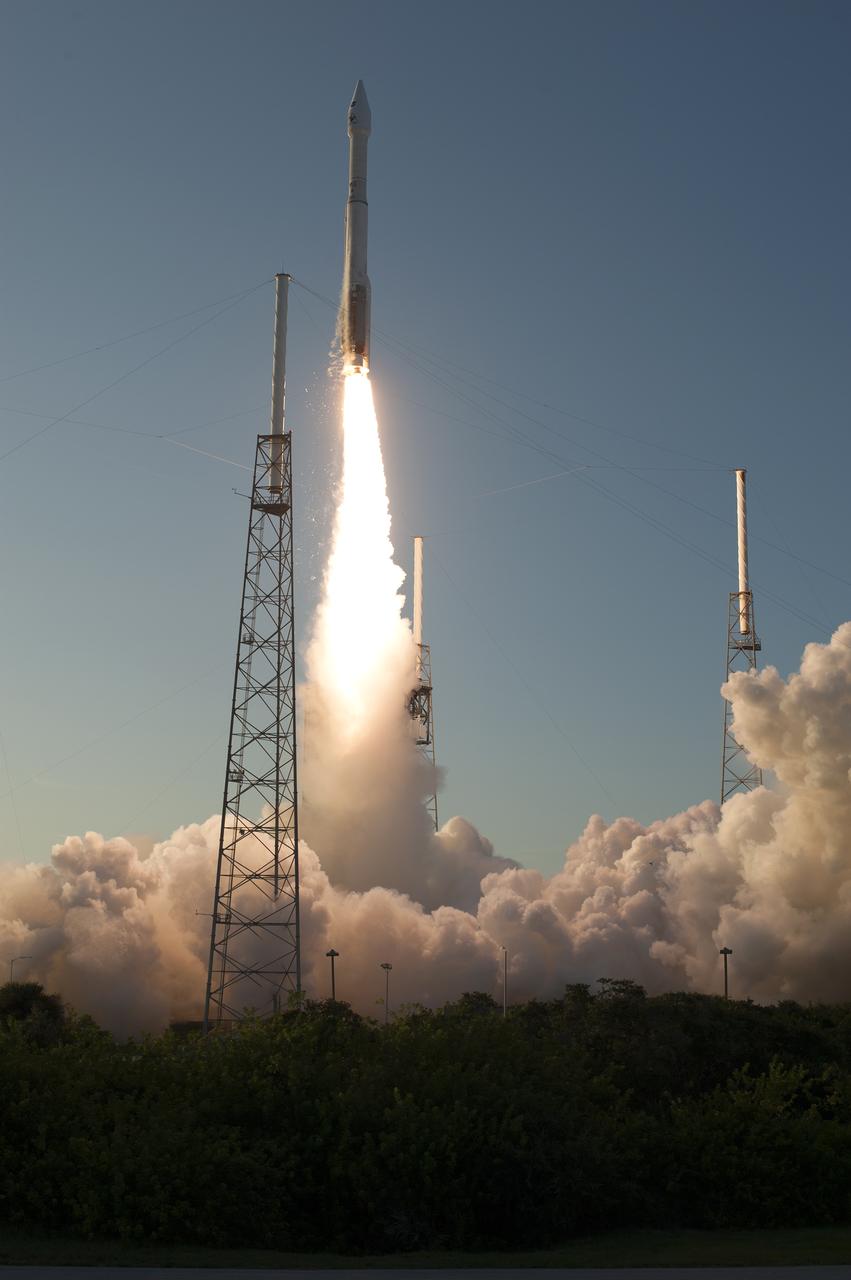
A United Launch Alliance Atlas V rocket lifts off from Space Launch Complex 41 at Cape Canaveral Air Force Station carrying NASA’s Origins, Spectral Interpretation, Resource Identification, Security-Regolith Explorer, or OSIRIS-REx spacecraft on the first U.S. mission to sample an asteroid, retrieve at least two ounces of surface material and return it to Earth for study. Liftoff was at 7:05 p.m. EDT. The asteroid, Bennu, may hold clues to the origin of the solar system and the source of water and organic molecules found on Earth.
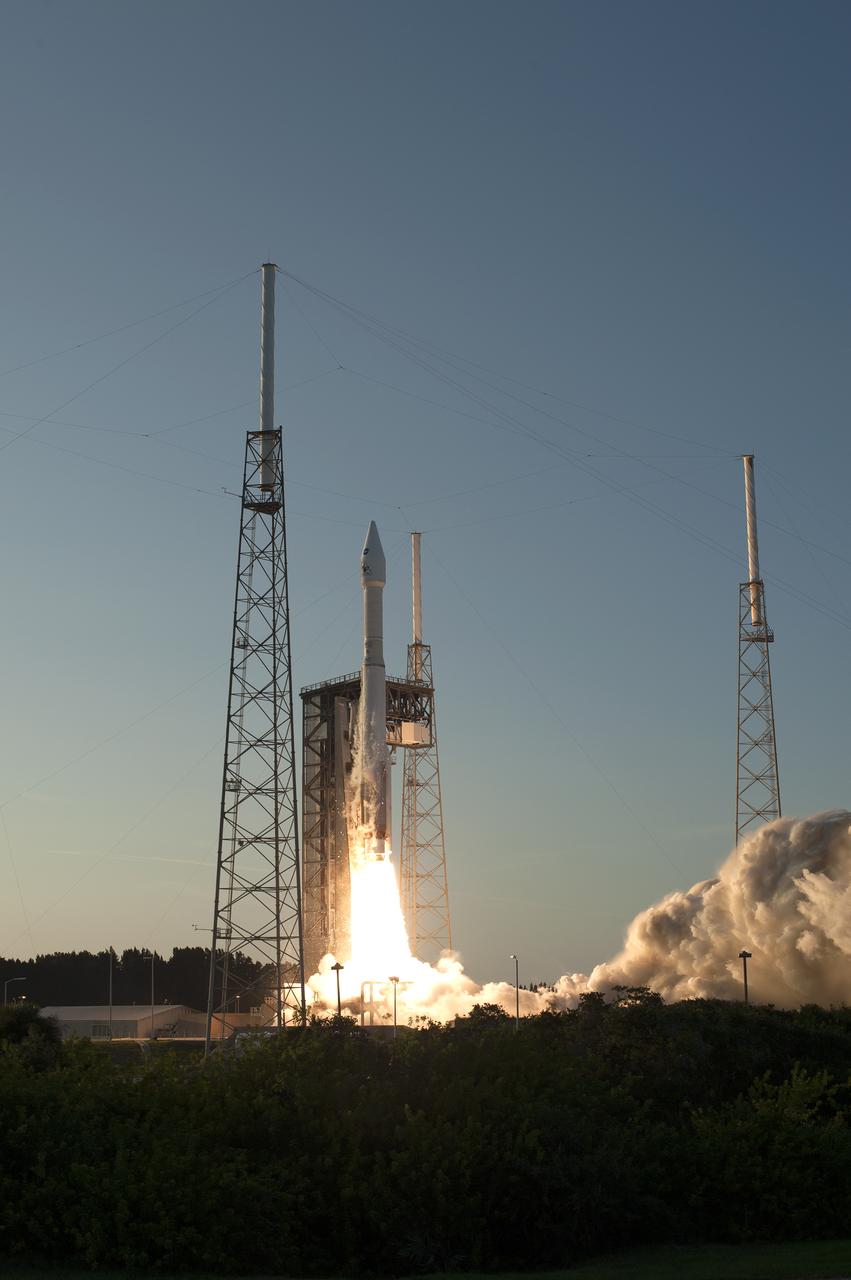
A United Launch Alliance Atlas V rocket lifts off from Space Launch Complex 41 at Cape Canaveral Air Force Station carrying NASA’s Origins, Spectral Interpretation, Resource Identification, Security-Regolith Explorer, or OSIRIS-REx spacecraft on the first U.S. mission to sample an asteroid, retrieve at least two ounces of surface material and return it to Earth for study. Liftoff was at 7:05 p.m. EDT. The asteroid, Bennu, may hold clues to the origin of the solar system and the source of water and organic molecules found on Earth.
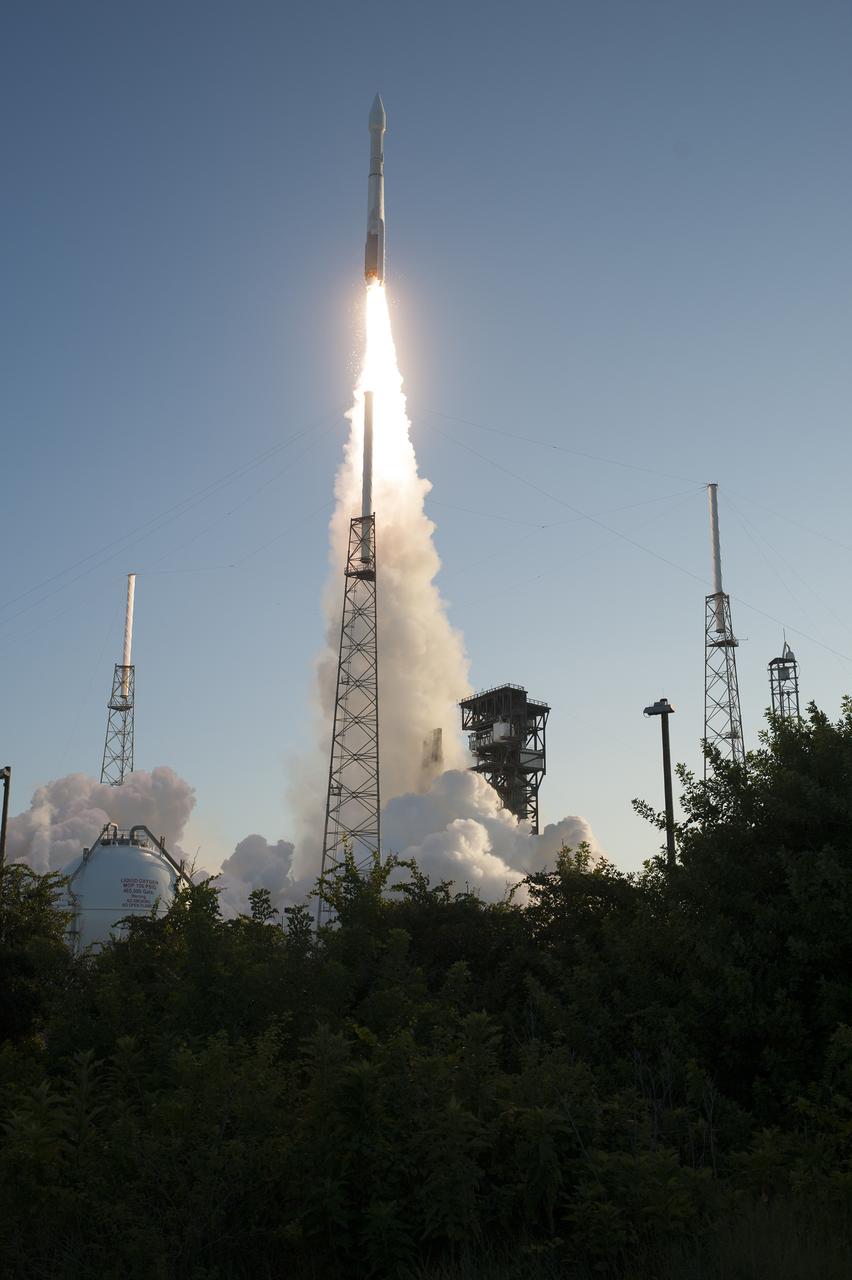
A United Launch Alliance Atlas V rocket lifts off from Space Launch Complex 41 at Cape Canaveral Air Force Station carrying NASA’s Origins, Spectral Interpretation, Resource Identification, Security-Regolith Explorer, or OSIRIS-REx spacecraft on the first U.S. mission to sample an asteroid, retrieve at least two ounces of surface material and return it to Earth for study. Liftoff was at 7:05 p.m. EDT. The asteroid, Bennu, may hold clues to the origin of the solar system and the source of water and organic molecules found on Earth.
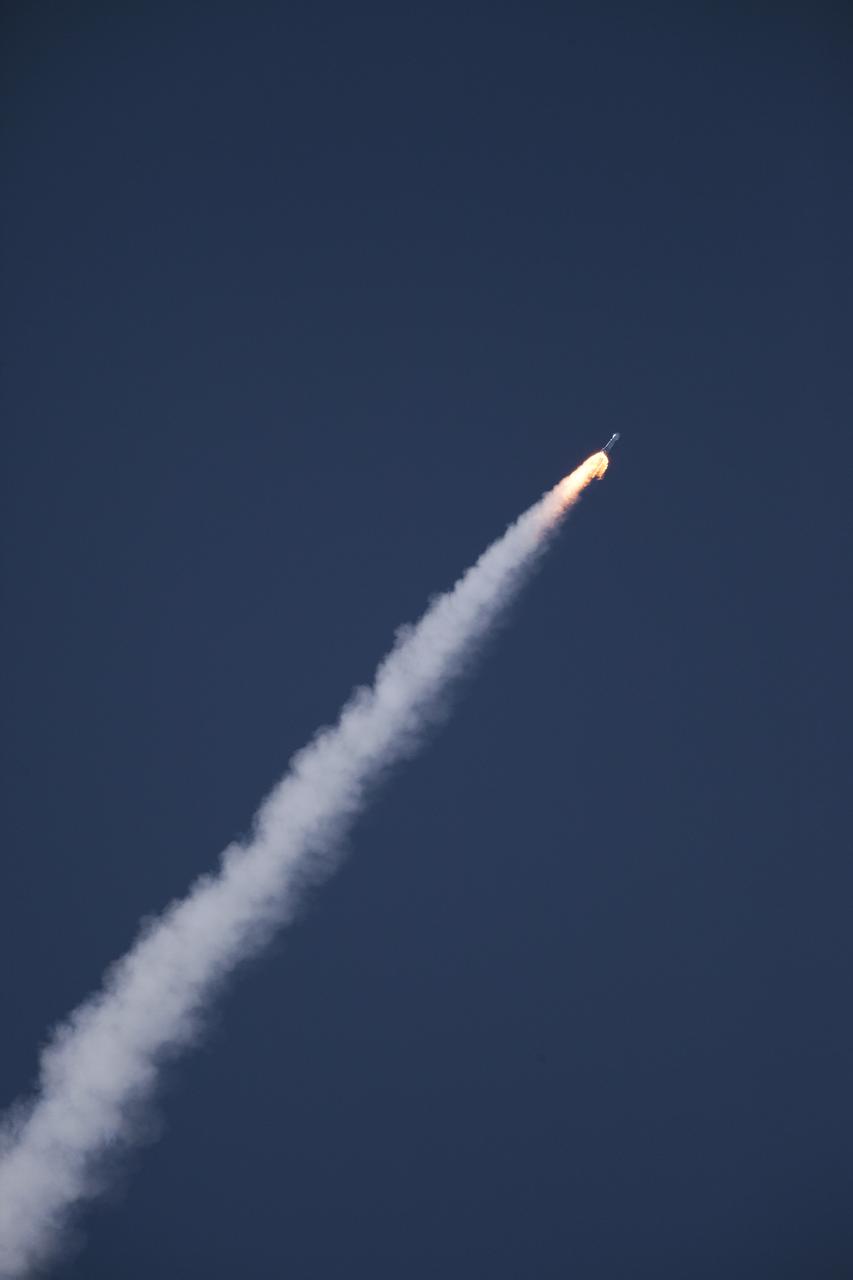
A United Launch Alliance Atlas V rocket lifts off from Space Launch Complex 41 at Cape Canaveral Air Force Station carrying NASA’s Origins, Spectral Interpretation, Resource Identification, Security-Regolith Explorer, or OSIRIS-REx spacecraft on the first U.S. mission to sample an asteroid, retrieve at least two ounces of surface material and return it to Earth for study. Liftoff was at 7:05 p.m. EDT. The asteroid, Bennu, may hold clues to the origin of the solar system and the source of water and organic molecules found on Earth.
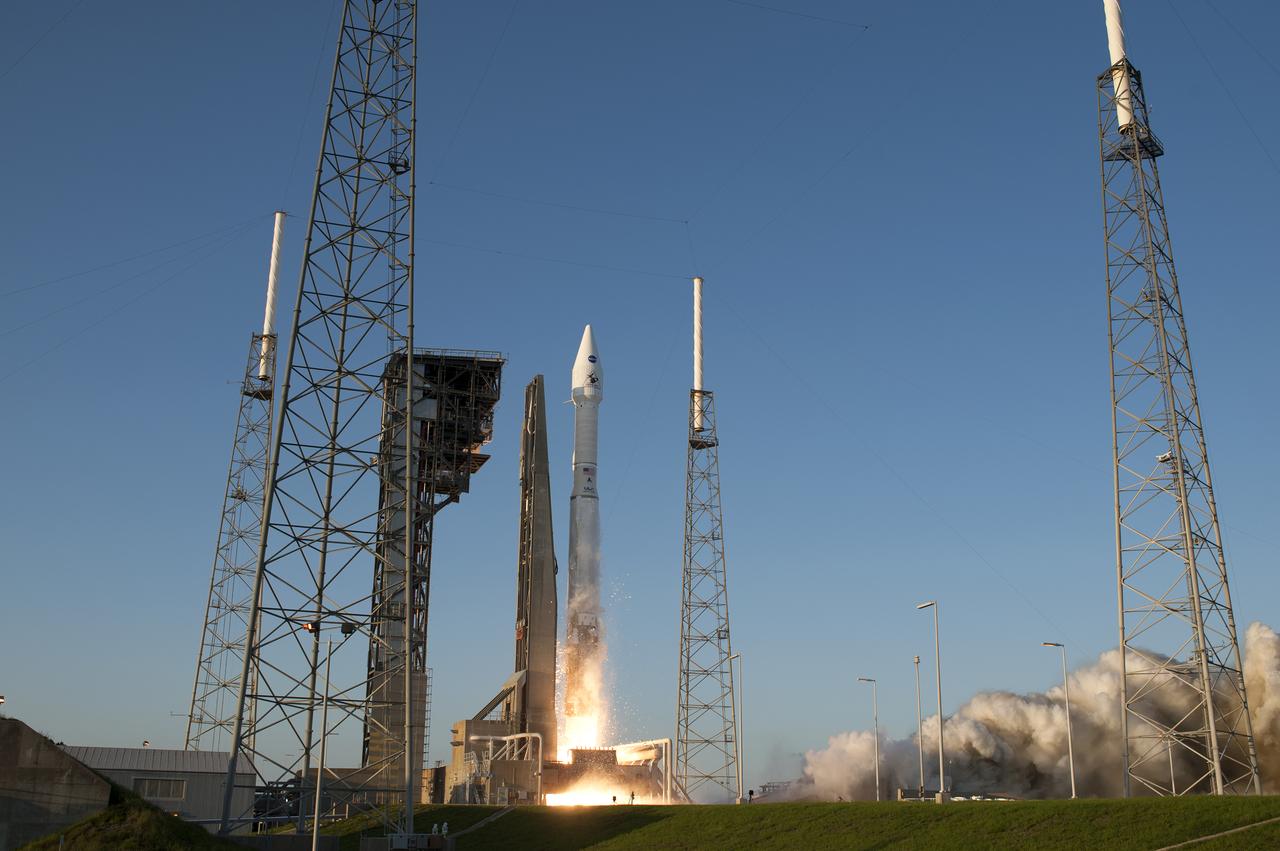
A United Launch Alliance Atlas V rocket lifts off from Space Launch Complex 41 at Cape Canaveral Air Force Station carrying NASA’s Origins, Spectral Interpretation, Resource Identification, Security-Regolith Explorer, or OSIRIS-REx spacecraft on the first U.S. mission to sample an asteroid, retrieve at least two ounces of surface material and return it to Earth for study. Liftoff was at 7:05 p.m. EDT. The asteroid, Bennu, may hold clues to the origin of the solar system and the source of water and organic molecules found on Earth.
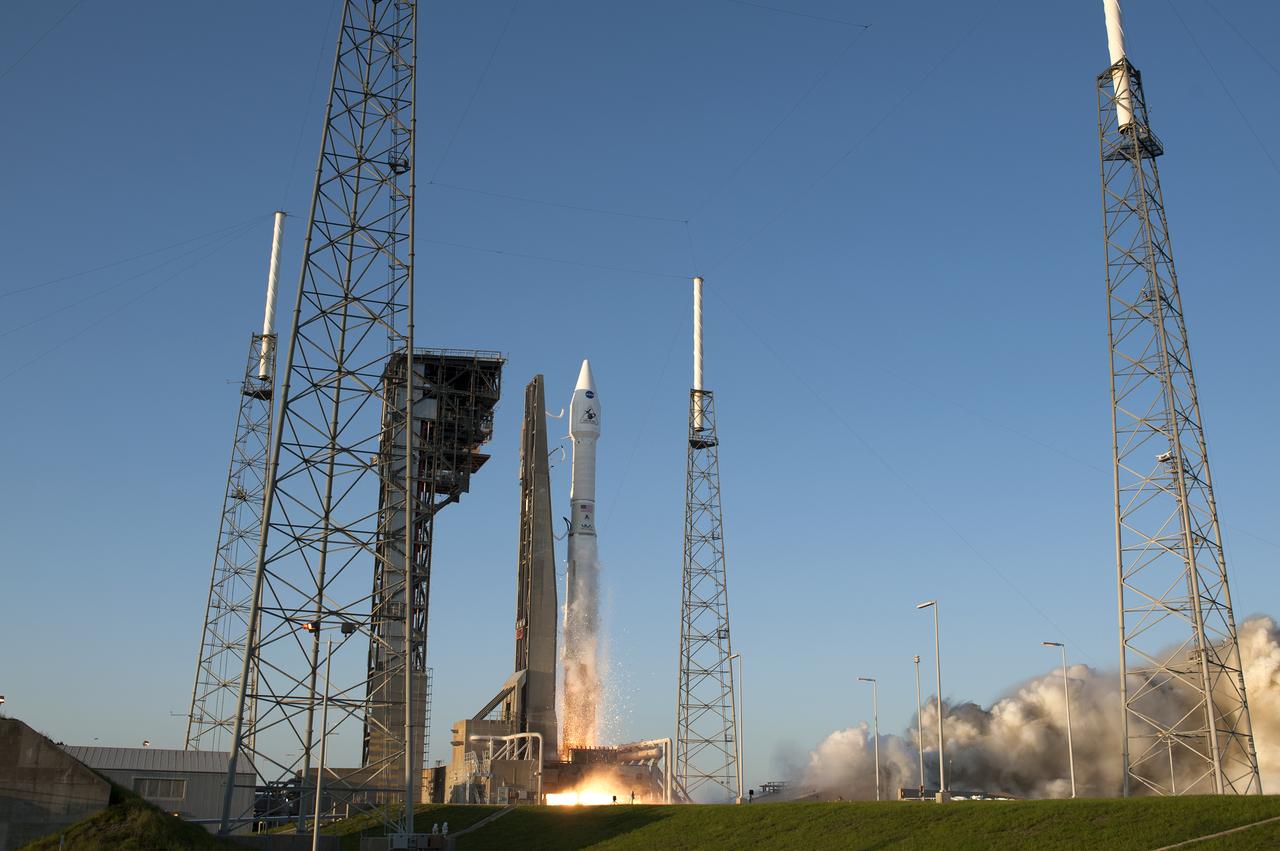
A United Launch Alliance Atlas V rocket lifts off from Space Launch Complex 41 at Cape Canaveral Air Force Station carrying NASA’s Origins, Spectral Interpretation, Resource Identification, Security-Regolith Explorer, or OSIRIS-REx spacecraft on the first U.S. mission to sample an asteroid, retrieve at least two ounces of surface material and return it to Earth for study. Liftoff was at 7:05 p.m. EDT. The asteroid, Bennu, may hold clues to the origin of the solar system and the source of water and organic molecules found on Earth.
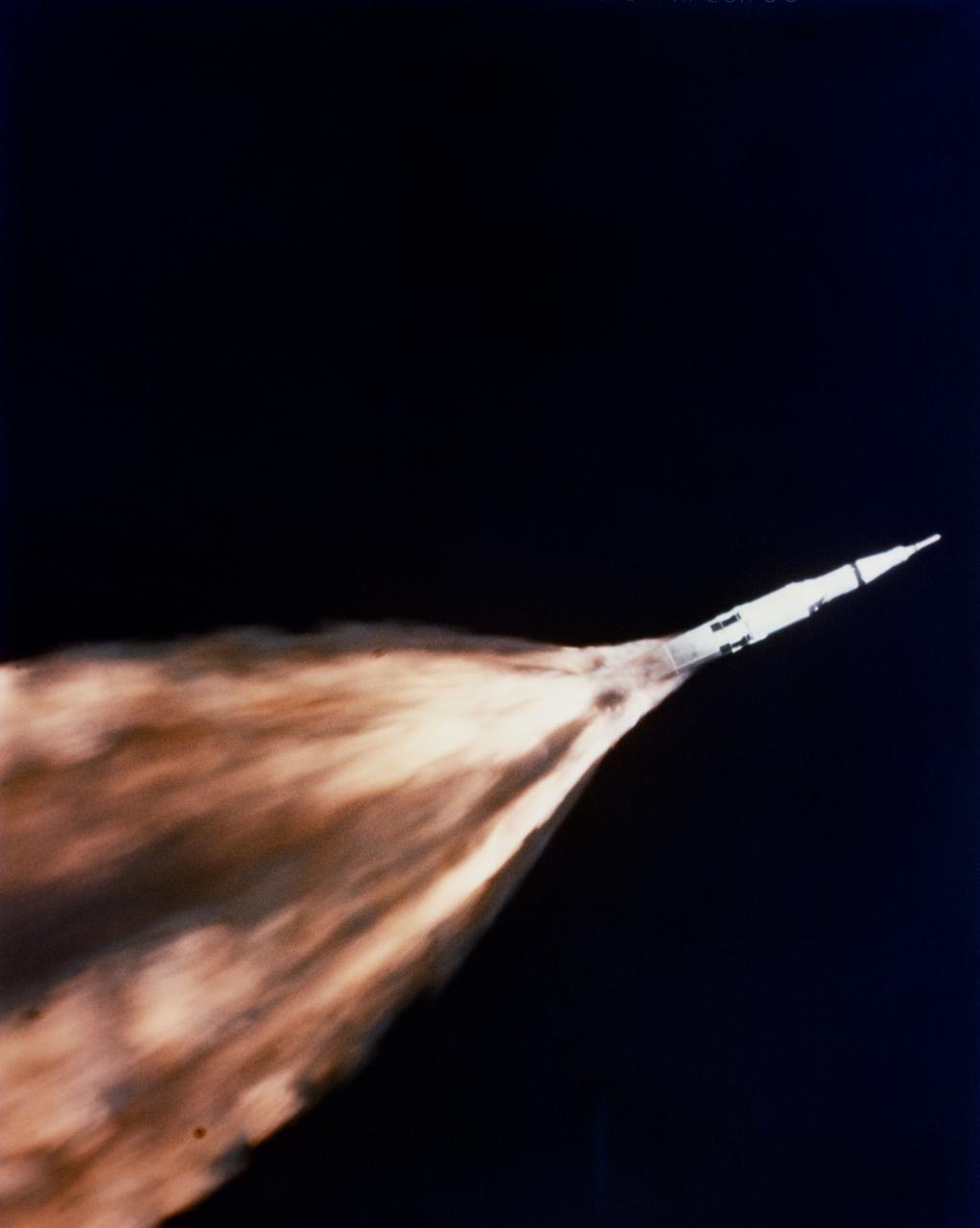
S68-27365 (4 April 1968) --- The five F-1 engines of the huge Apollo/Saturn V space vehicle's first (S-IC) stage leave a gigantic trail of flame in the sky above the Kennedy Space Center seconds after liftoff. The launch of the Apollo 6 (Spacecraft 020/Saturn 502) unmanned space mission occurred at 07:00:01.5 (EST), April 4, 1968. This view of the Apollo 6 launch was taken from a chase plane.
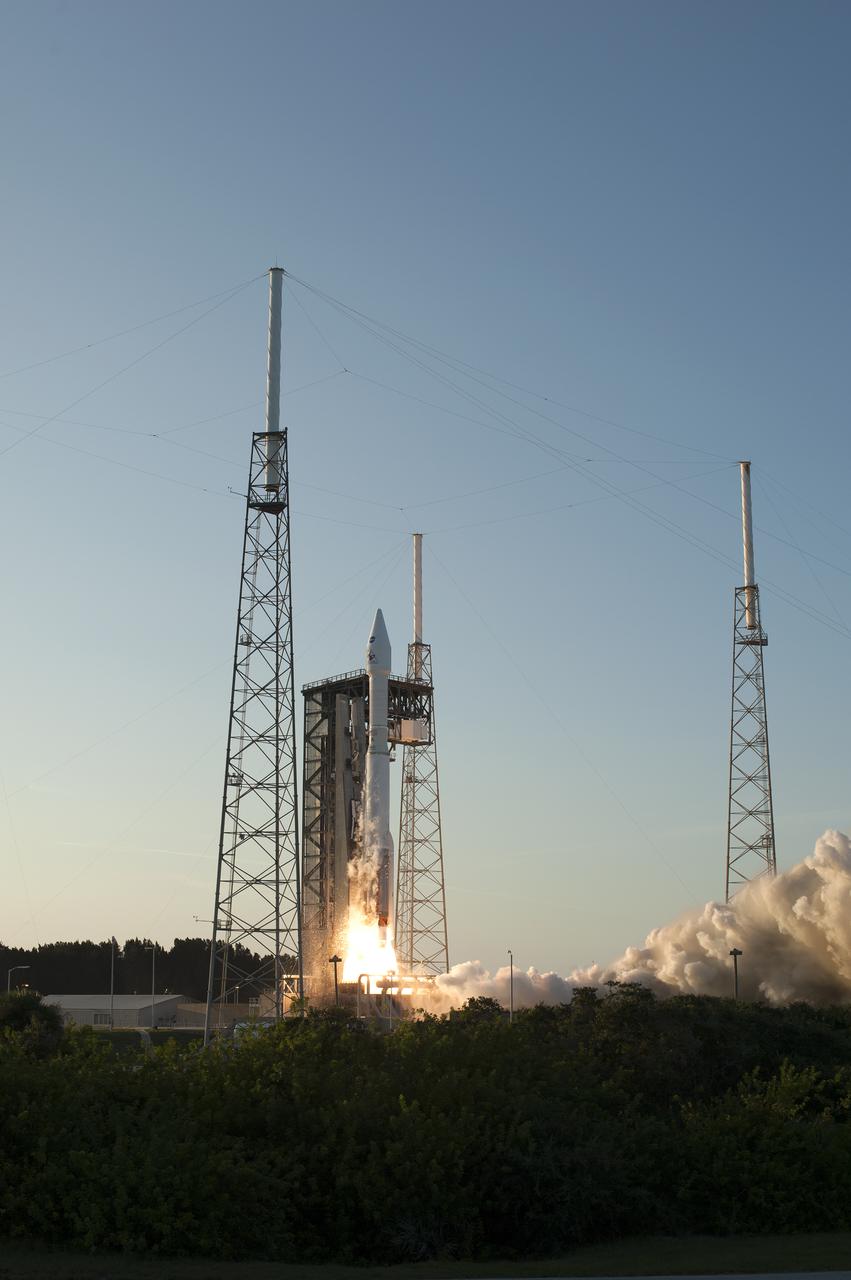
A United Launch Alliance Atlas V rocket lifts off from Space Launch Complex 41 at Cape Canaveral Air Force Station carrying NASA’s Origins, Spectral Interpretation, Resource Identification, Security-Regolith Explorer, or OSIRIS-REx spacecraft on the first U.S. mission to sample an asteroid, retrieve at least two ounces of surface material and return it to Earth for study. Liftoff was at 7:05 p.m. EDT. The asteroid, Bennu, may hold clues to the origin of the solar system and the source of water and organic molecules found on Earth.
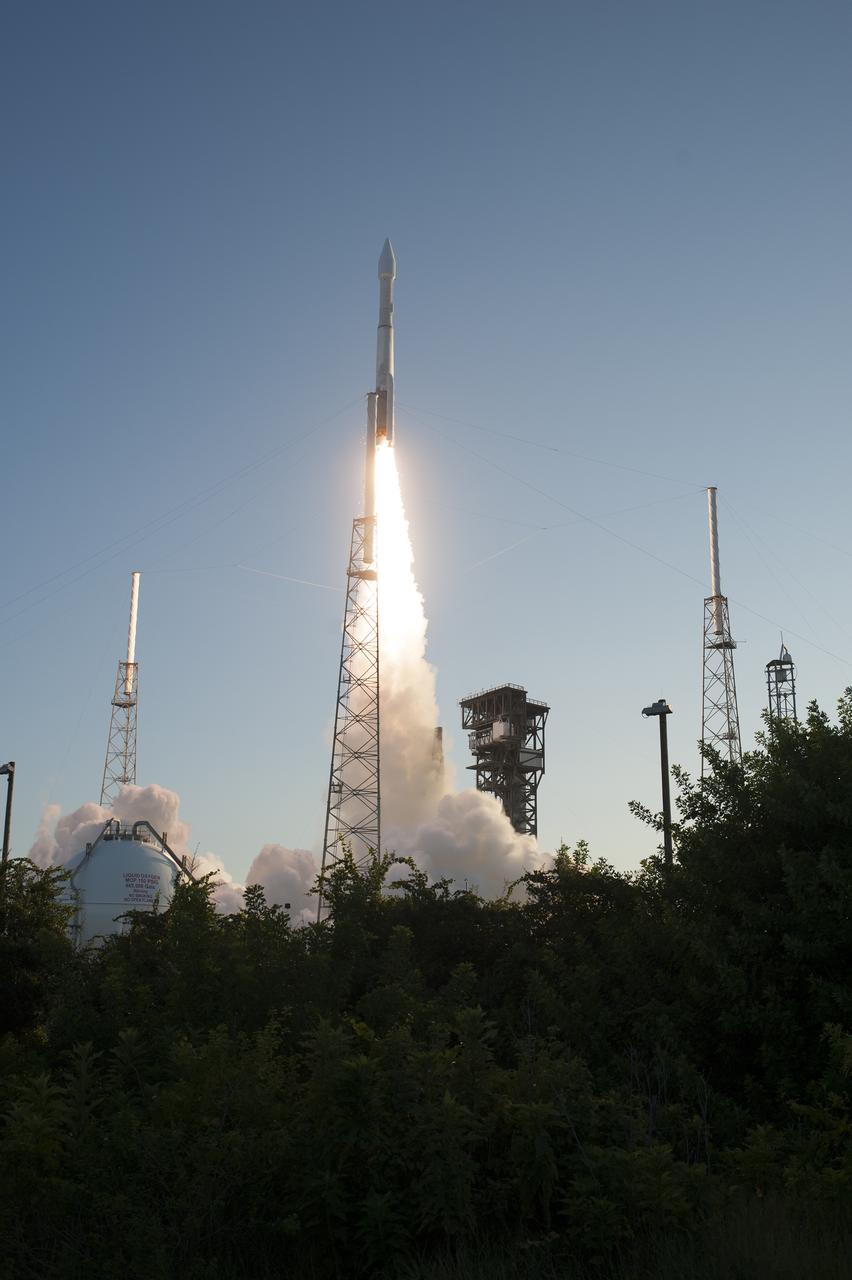
A United Launch Alliance Atlas V rocket lifts off from Space Launch Complex 41 at Cape Canaveral Air Force Station carrying NASA’s Origins, Spectral Interpretation, Resource Identification, Security-Regolith Explorer, or OSIRIS-REx spacecraft on the first U.S. mission to sample an asteroid, retrieve at least two ounces of surface material and return it to Earth for study. Liftoff was at 7:05 p.m. EDT. The asteroid, Bennu, may hold clues to the origin of the solar system and the source of water and organic molecules found on Earth.
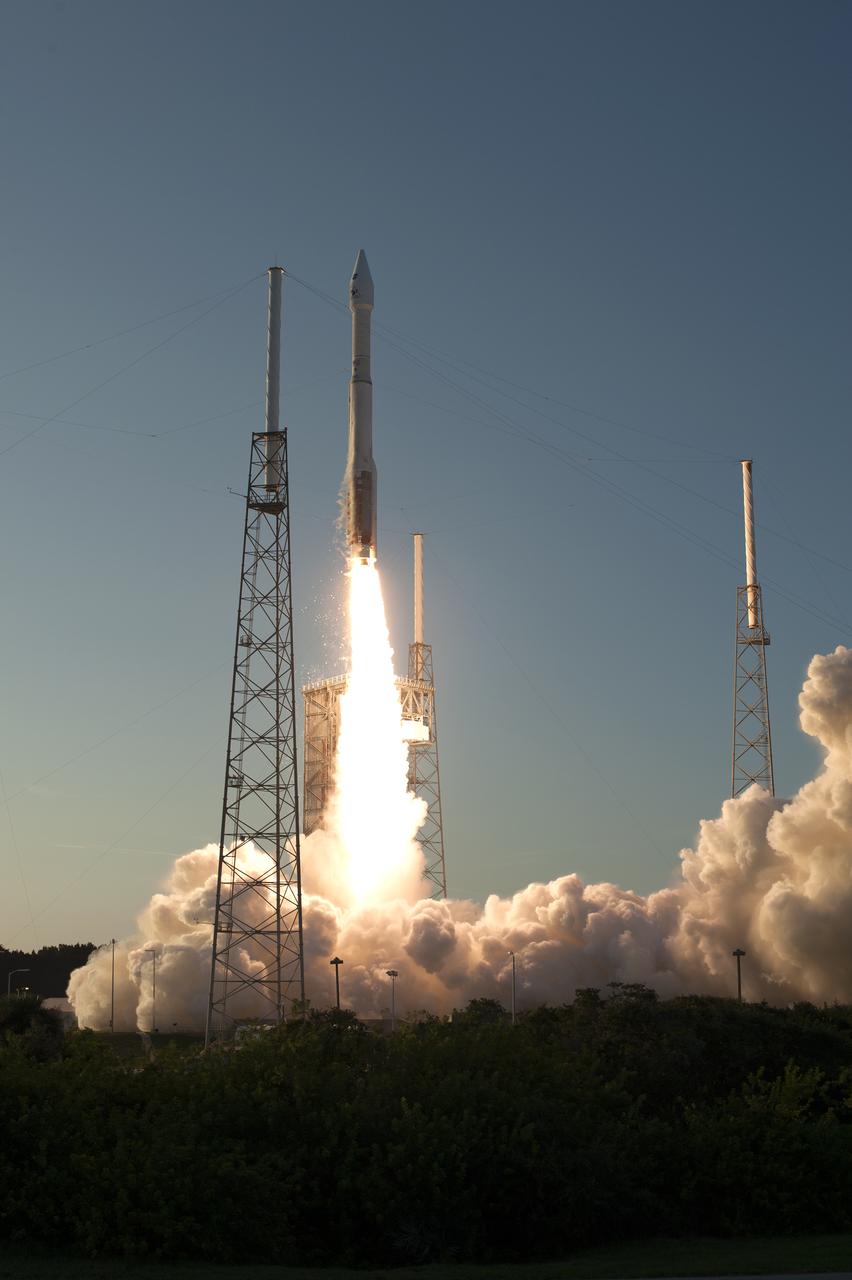
A United Launch Alliance Atlas V rocket lifts off from Space Launch Complex 41 at Cape Canaveral Air Force Station carrying NASA’s Origins, Spectral Interpretation, Resource Identification, Security-Regolith Explorer, or OSIRIS-REx spacecraft on the first U.S. mission to sample an asteroid, retrieve at least two ounces of surface material and return it to Earth for study. Liftoff was at 7:05 p.m. EDT. The asteroid, Bennu, may hold clues to the origin of the solar system and the source of water and organic molecules found on Earth.
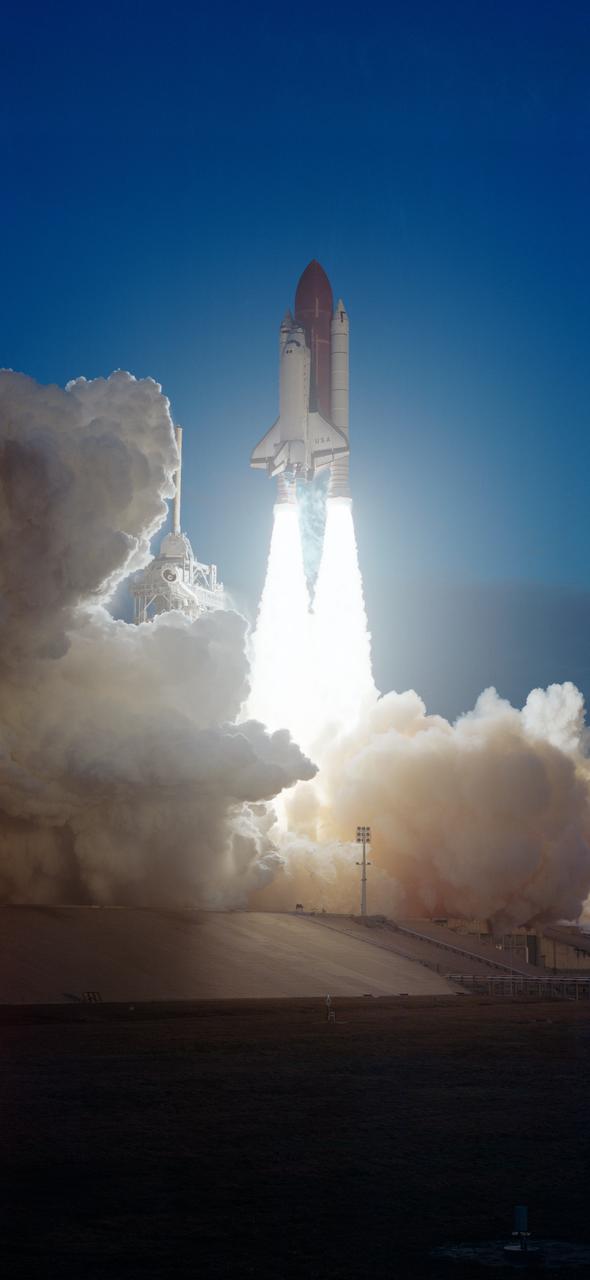
STS-32 Columbia, Orbiter Vehicle (OV) 102, atop the external tank (ET) and flanked by two solid rocket boosters (SRBs) rises above the mobile launcher platform and is nearly clear of the fixed service structure (FSS) tower at Kennedy Space Center (KSC) Launch Complex (LC) Pad 39A. Plumes of smoke billow from the SRBs and cover the launch pad in a cloud. Liftoff occurred at 7:34:59:98 am Eastern Standard Time (EST) some 24 hours after dubious weather at the return-to-landing site (RTLS) had cancelled a scheduled launch. OV-102's launch is highlighted against the early morning darkness.
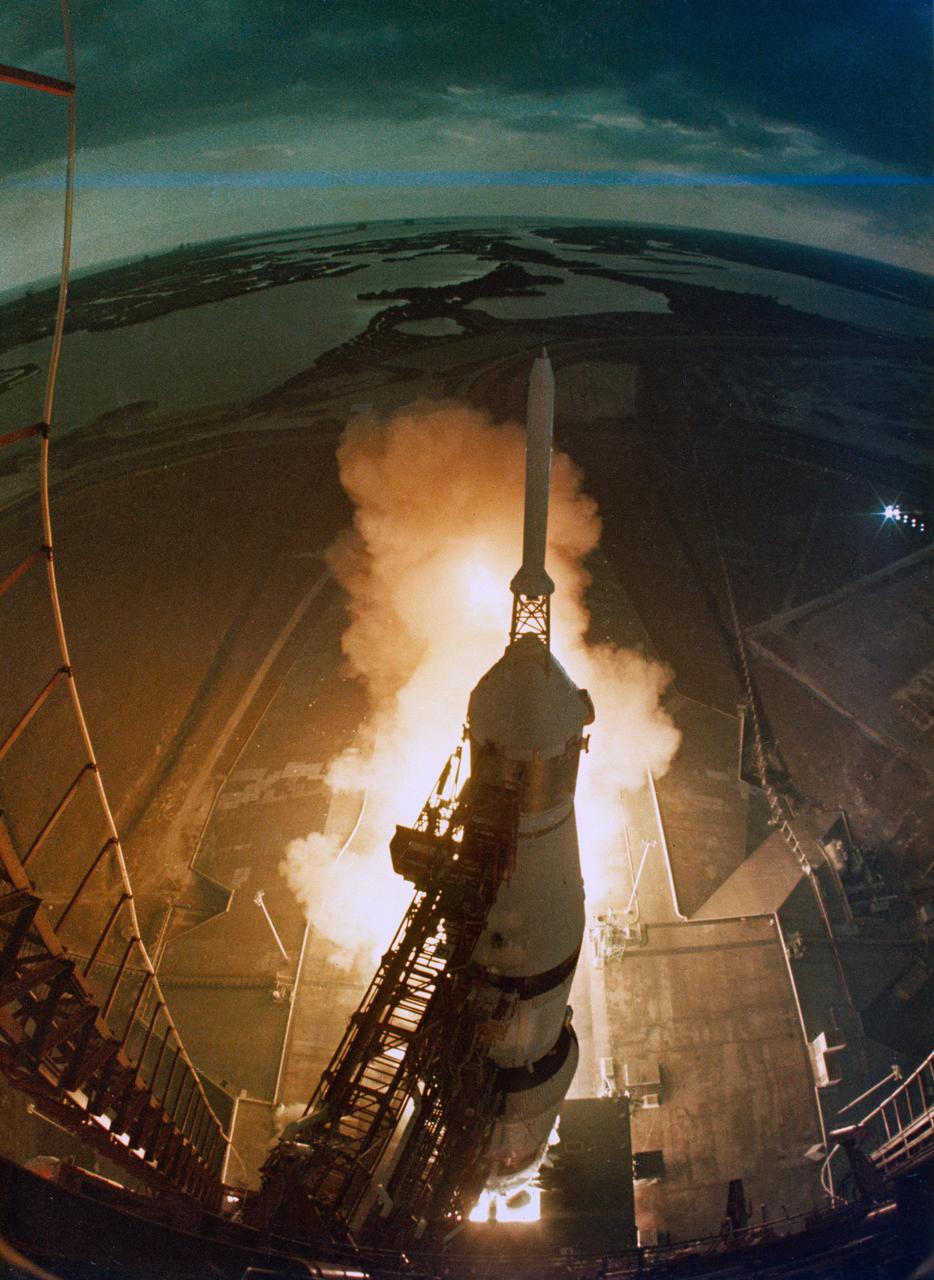
S71-17620 (31 Jan. 1971) --- The huge, 363-feet tall Apollo 14 (Spacecraft 110/Lunar Module 8/Saturn 509) space vehicle is launched from Pad A, Launch Complex 39, Kennedy Space Center, Florida, at 4:03:02 p.m. (EST), Jan. 31, 1981, on a lunar landing mission. This view of the liftoff was taken by a camera mounted on the mobile launch tower. Aboard the Apollo 14 spacecraft were astronauts Alan B. Shepard Jr., commander; Stuart A. Roosa, command module pilot; and Edgar D. Mitchell, lunar module pilot.

S68-27364 (4 April 1968) --- The Apollo 6 (Spacecraft 020/Saturn 502) unmanned space mission was launched from Pad A, Launch Complex 39, Kennedy Space Center (KSC), Florida. The liftoff of the huge Apollo/Saturn V space vehicle occurred at 7:00:01.5 a.m. (EST), April 4, 1968.
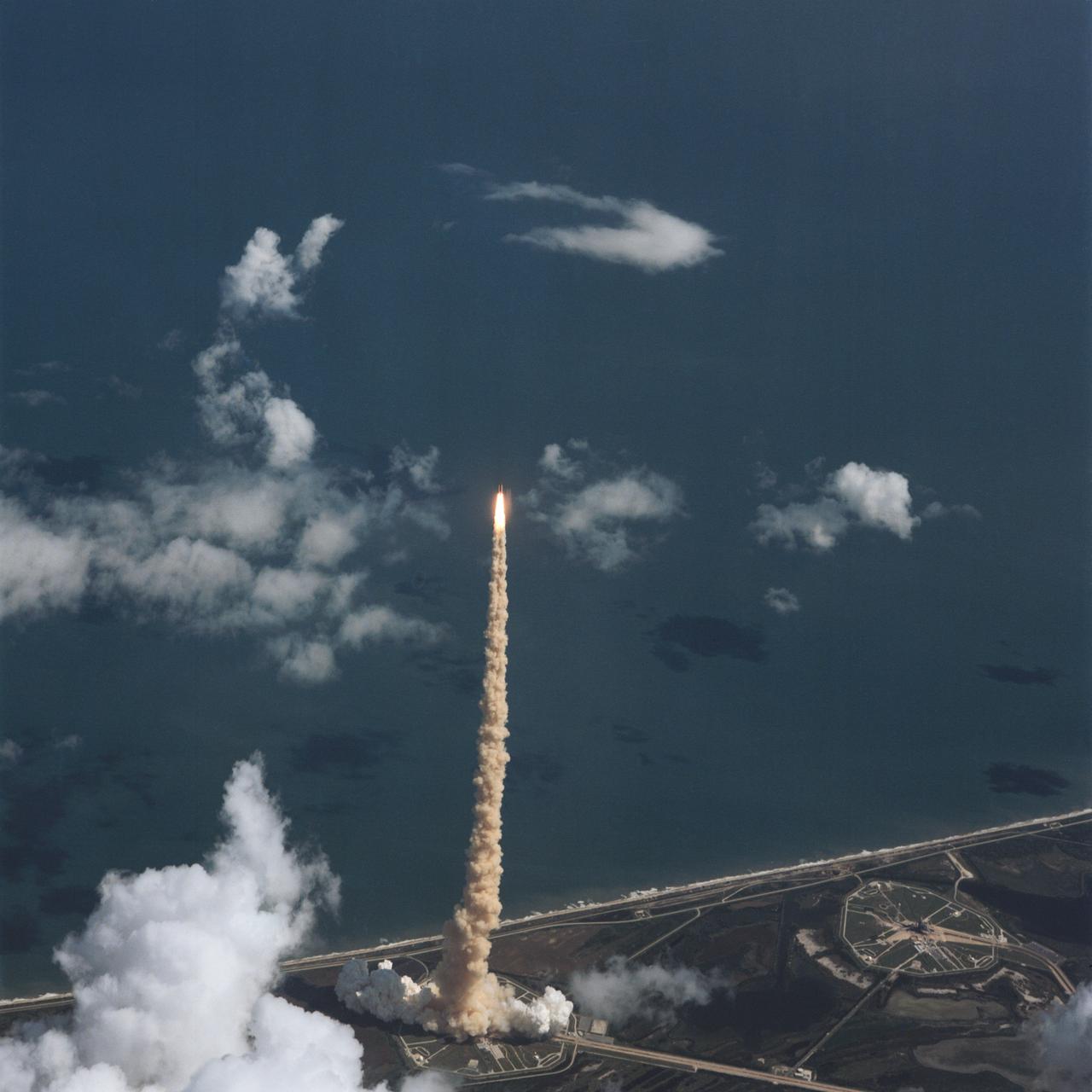
STS-34 Atlantis, Orbiter Vehicle (OV) 104, lifts off from Kennedy Space Center (KSC) Launch Complex (LC) Pad 39B at 12:53:39:983 pm Eastern Daylight Time (EDT). This aerial view shows OV-104, its external tank (ET), and two solid rocket boosters (SRBs) rising high above LC Pad 39B atop a plume of exhaust smoke. Atlantic Ocean is visible in the background. The liftoff marks the beginning of a five-day mission in space.
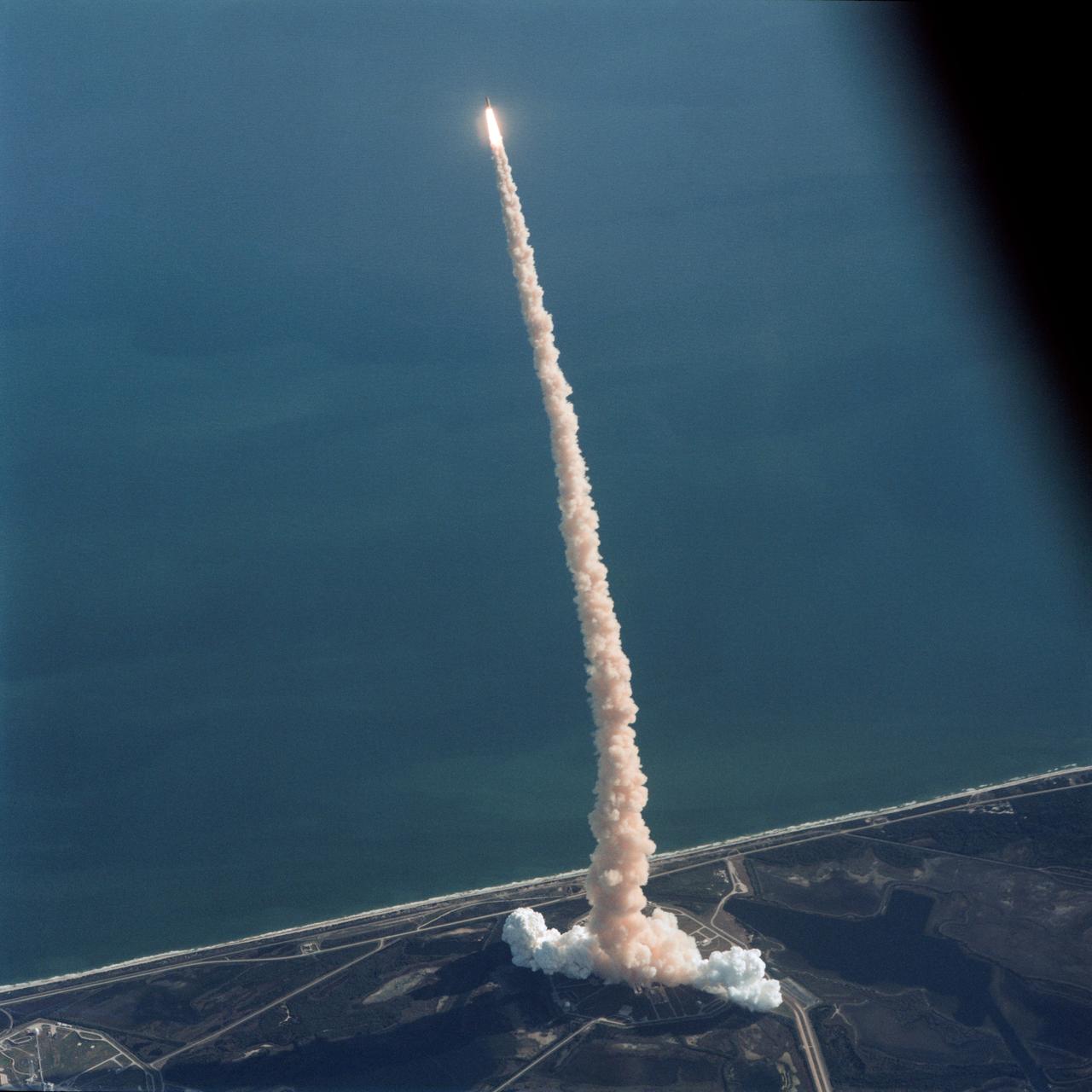
Air-to-air view, taken from the weather-monitoring Shuttle Training Aircraft (STA), shows STS-42 Discovery, Orbiter Vehicle (OV) 103, as it soars above the Atlantic Ocean after liftoff from a Kennedy Space Center (KSC) Launch Complex (LC) Pad at 9:52:33 am (Eastern Standard Time (EST)). The exhaust plume traces OV-103's flight path.
STS075-S-007 (22 Feb. 1996) --- A remote camera at Launch Pad 39B, at the Kennedy Space Center (KSC), recorded this profile view of the space shuttle Columbia as it cleared the tower to begin the mission. The liftoff occurred on schedule at 3:18:00 p.m. (EST), Feb. 22, 1996. Onboard Columbia for the scheduled two-week mission were astronauts Andrew M. Allen, commander; Scott J. Horowitz, pilot; Franklin R. Chang-Diaz, payload commander; and astronauts Maurizio Cheli, Jeffrey A. Hoffman and Claude Nicollier, along with payload specialist Umberto Guidoni. Cheli and Nicollier represent the European Space Agency (ESA), while Guidoni represents the Italian Space Agency (ASI).
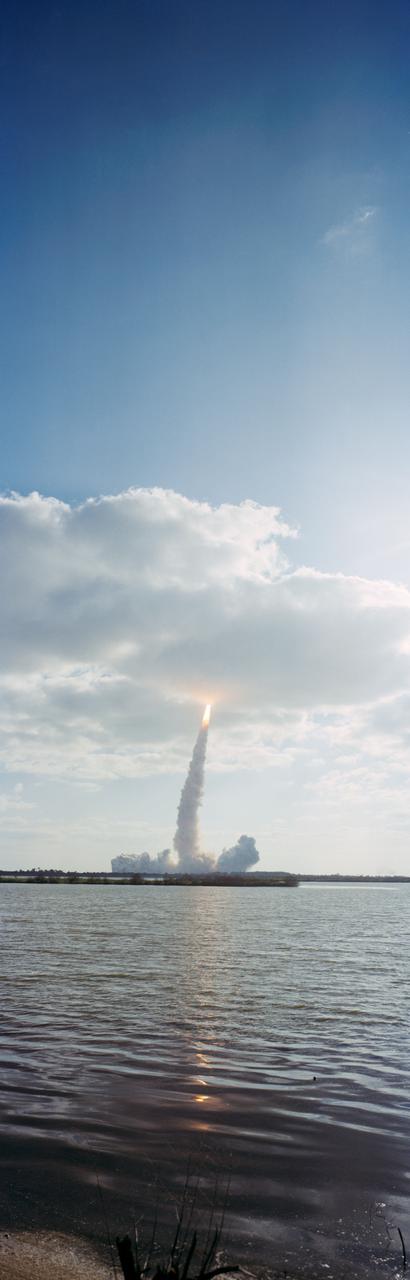
STS-31 Discovery, Orbiter Vehicle (OV) 103, is hidden in low-lying cloud cover as it rises above Kennedy Space Center (KSC) Launch Complex (LC) Pad 39B just after its liftoff at 8:33:51.0492 am (Eastern Daylight Time (EDT)). The glow of the solid rocket booster (SRB) and the space shuttle main engine (SSME) firings appears just below the cloud cover and is reflected in the nearby waterway (foreground). An exhaust plume trails from OV-103 and its SRBs and covers the launch pad area.
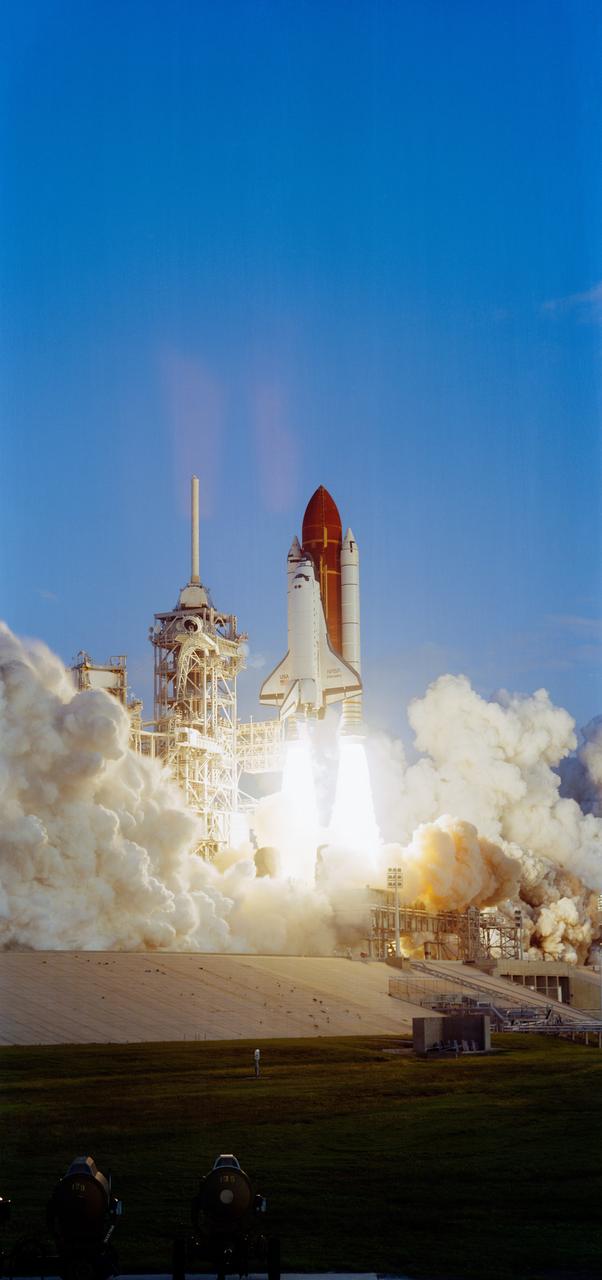
STS-41 Discovery, Orbiter Vehicle (OV) 103, lifts off from the Kennedy Space Center (KSC) Launch Complex (LC) Pad 39 mobile launcher platform at 7:47 am (Eastern Daylight Time (EDT)). OV-103 riding atop the external tank (ET) and flanked by two solid rocket boosters (SRBs), is captured just moments after liftoff. Not yet clear of the fixed service structure (FSS) tower, OV-103 is highlighted against the cloudless morning sky. Exhaust smoke billows from the SRBs and the space shuttle main engines (SSMEs) creating a cloud over the launch pad area.
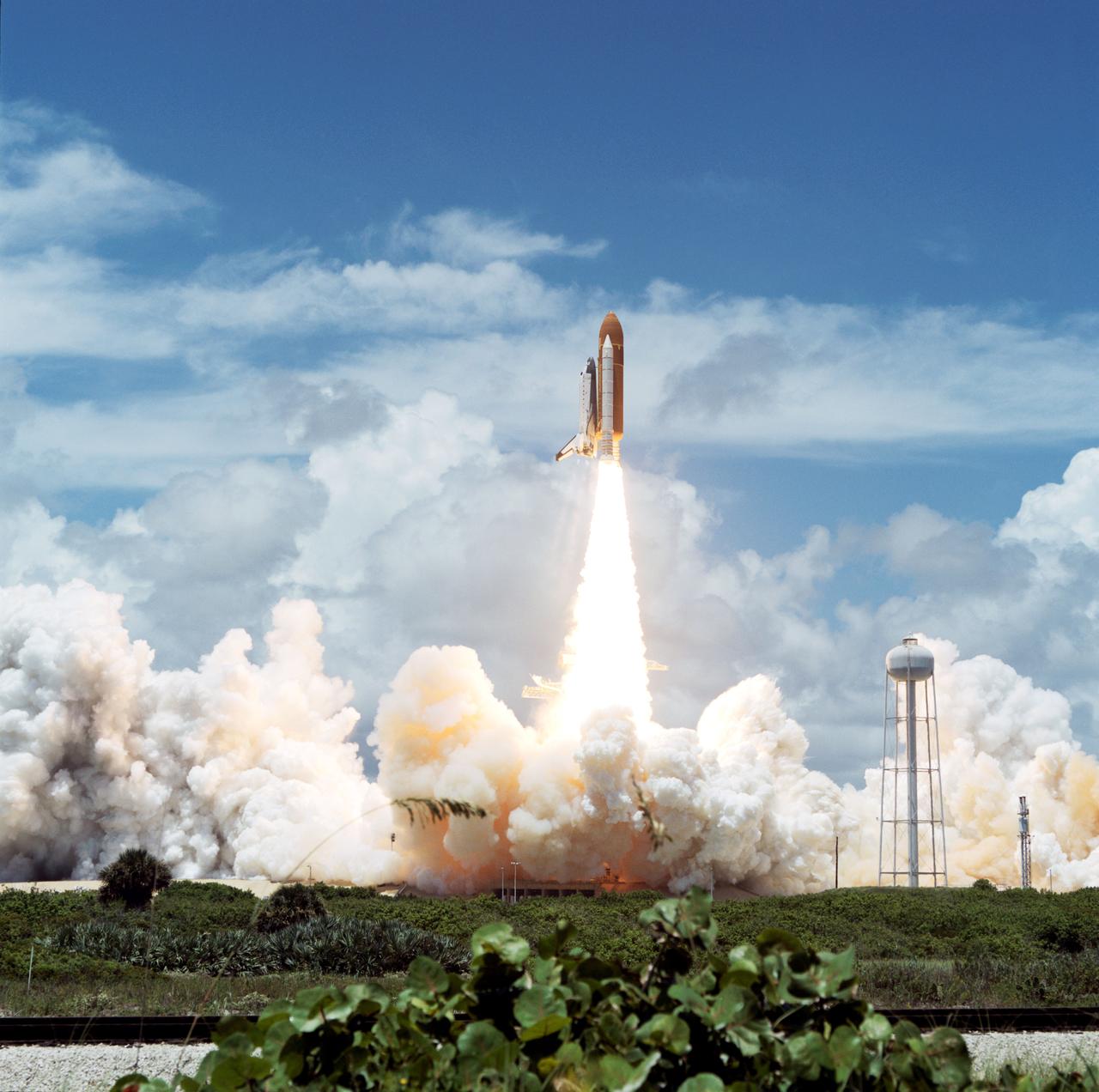
Columbia, Orbiter Vehicle (OV) 102, heads skyward after clearing the fixed service structure (FSS) tower at Kennedy Space Center (KSC) Launch Complex (LC) Pad 39A. Florida plant life appears in the foreground. The exhaust cloud produced by OV-102's solid rocket boosters (SRBs) covers the launch pad area with the exception of the sound suppression water system tower. OV-102's starboard side and the right SRB are visible from this angle. Launch occurred at 12:43 pm Eastern Daylight Time (EDT). Once in Earth orbit, STS-65's six NASA astronauts and a Japanese Payload Specialist aboard OV-102 will begin two weeks of experimentation in support of the second International Microgravity Laboratory (IML-2).
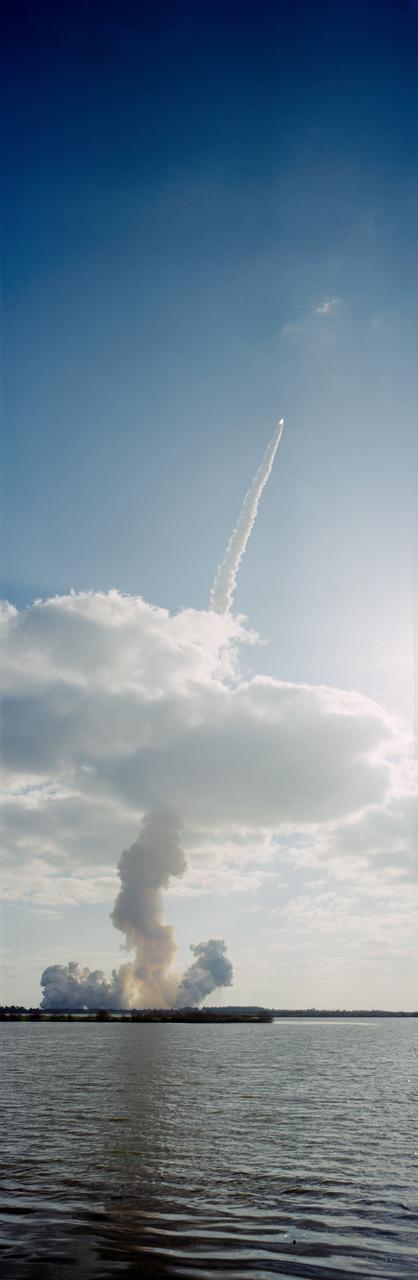
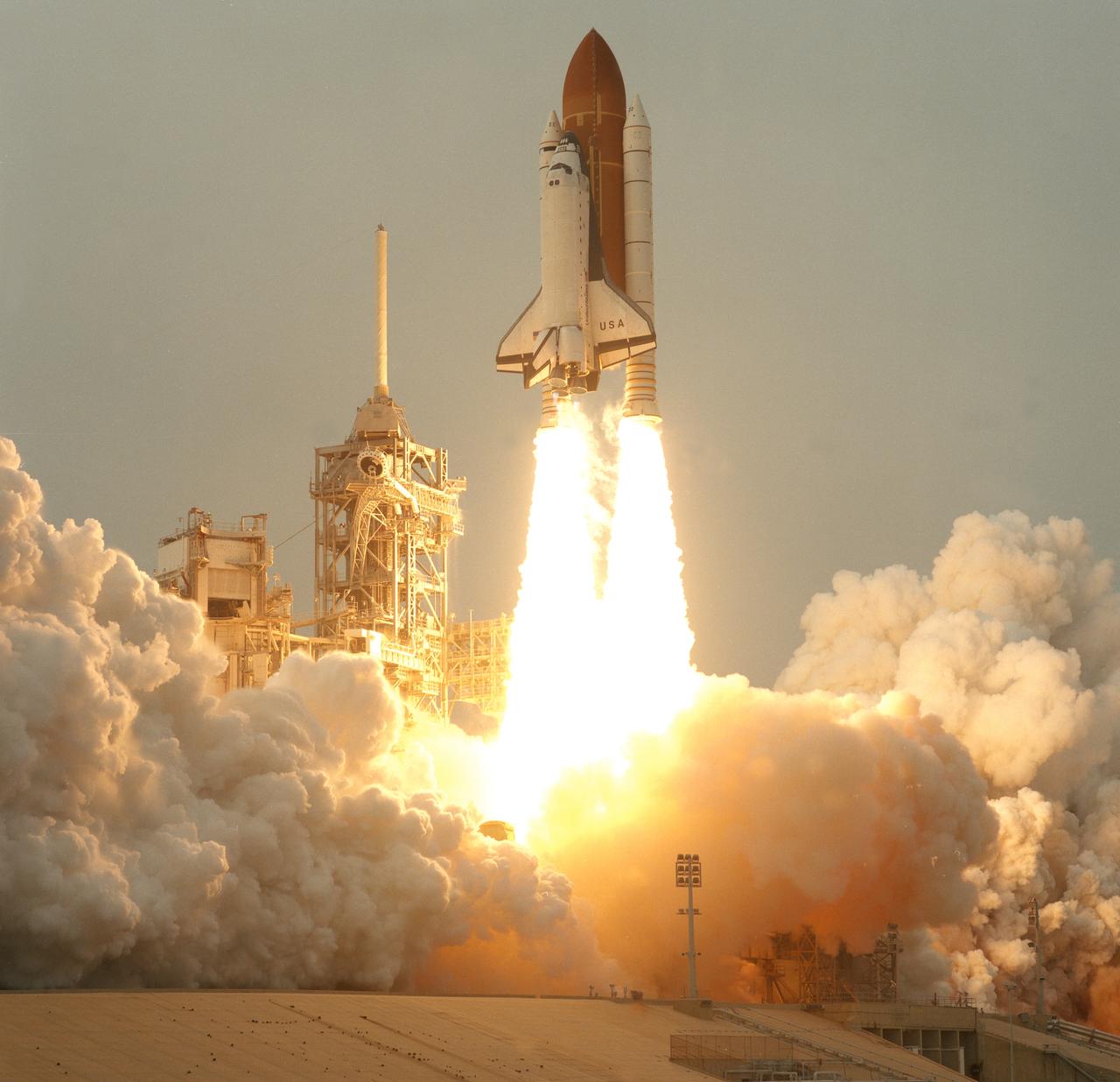
STS-31 Discovery, Orbiter Vehicle (OV) 103, rides above the firey glow of the solid rocket boosters (SRBs) and space shuttle main engines (SSMEs) and a long trail of exhaust as it heads toward Earth orbit. Kennedy Space Center (KSC) Launch Complex (LC) Pad 39B is covered in an exhaust cloud moments after the liftoff of OV-103 at 8:33:51.0492 am (Eastern Daylight Time (EDT)). The exhaust plume pierces the low-lying clouds as OV-103 soars into the clear skies above. A nearby waterway appears in the foreground.
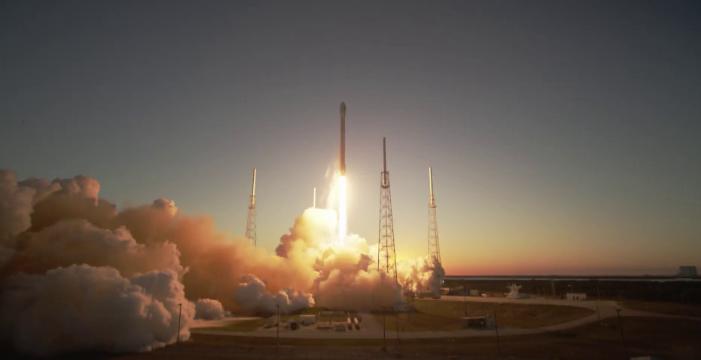
NOAA’s Deep Space Climate Observatory (DSCOVR) lifted off from Cape Canaveral, Florida, at 6:03 p.m. EST on its way to an orbit one million miles from Earth. DSCOVR will give NOAA’s Space Weather Prediction Center (SWPC) forecasters more reliable measurements of solar wind conditions, improving their ability to monitor potentially harmful solar activity. Credit: SpaceX <b><a href="http://www.nasa.gov/audience/formedia/features/MP_Photo_Guidelines.html" rel="nofollow">NASA image use policy.</a></b> <b><a href="http://www.nasa.gov/centers/goddard/home/index.html" rel="nofollow">NASA Goddard Space Flight Center</a></b> enables NASA’s mission through four scientific endeavors: Earth Science, Heliophysics, Solar System Exploration, and Astrophysics. Goddard plays a leading role in NASA’s accomplishments by contributing compelling scientific knowledge to advance the Agency’s mission. <b>Follow us on <a href="http://twitter.com/NASAGoddardPix" rel="nofollow">Twitter</a></b> <b>Like us on <a href="http://www.facebook.com/pages/Greenbelt-MD/NASA-Goddard/395013845897?ref=tsd" rel="nofollow">Facebook</a></b> <b>Find us on <a href="http://instagram.com/nasagoddard?vm=grid" rel="nofollow">Instagram</a></b>
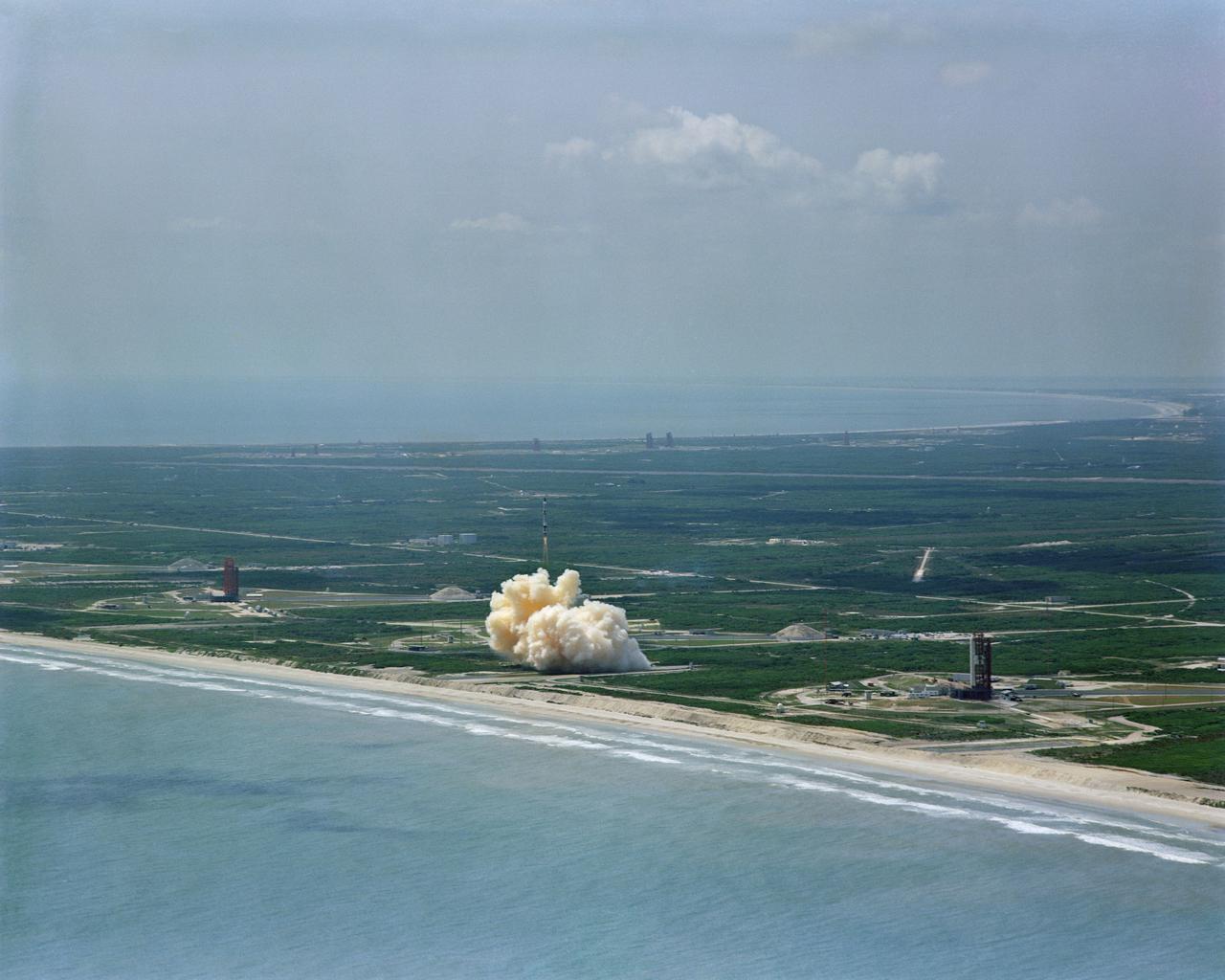
S64-22412 (8 April 1964) --- Aerial view of the Gemini/Titan-II launch vehicle #1 liftoff at Cape Kennedy, Florida.
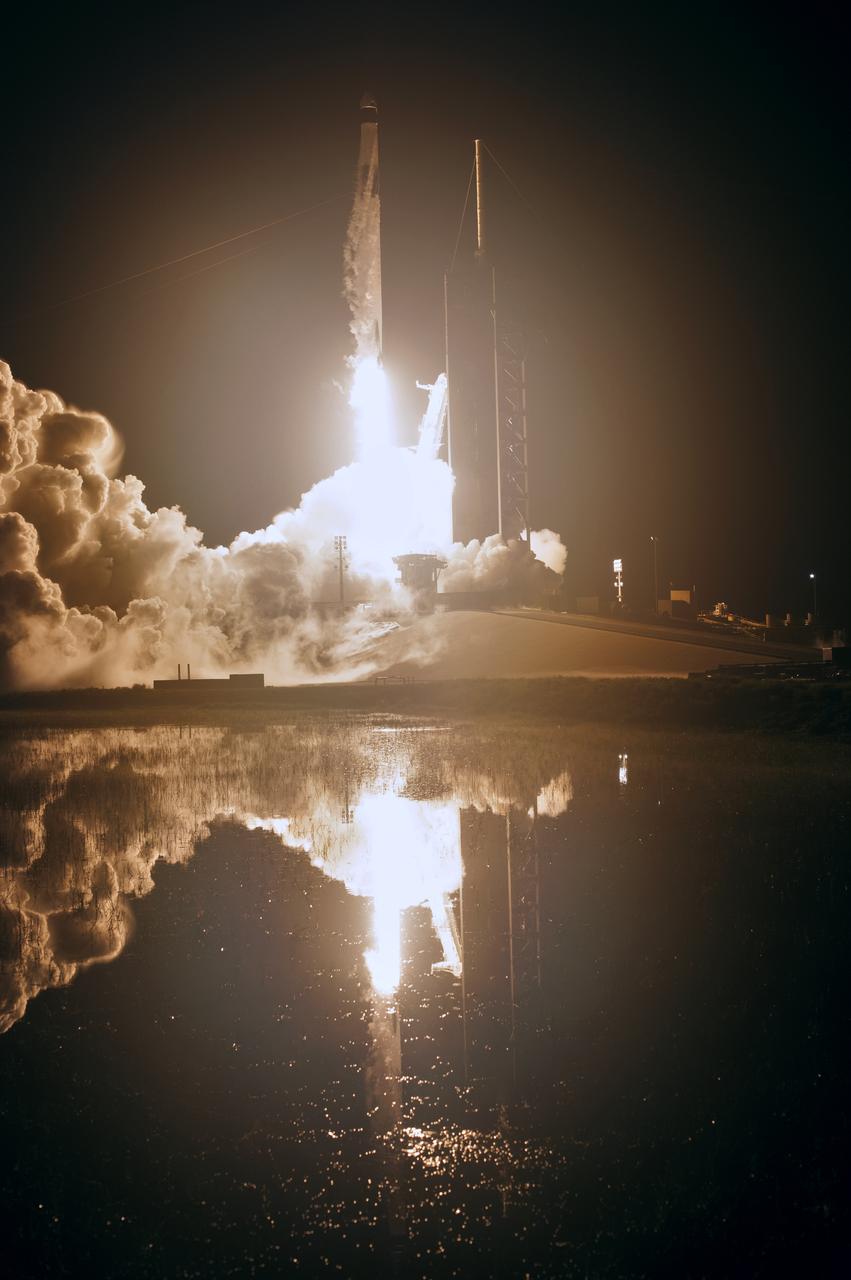
A two-stage SpaceX Falcon 9 rocket lifts off from Launch Complex 39A at NASA’s Kennedy Space Center in Florida for Demo-1, the first uncrewed mission of the agency’s Commercial Crew Program. Liftoff was at 2:49 a.m., March 2, 2019. The SpaceX Crew Dragon’s trip to the International Space Station is designed to validate end-to-end systems and capabilities, leading to certification to fly crew. NASA has worked with SpaceX and Boeing in developing the Commercial Crew Program spacecraft to facilitate new human spaceflight systems launching from U.S. soil with the goal of safe, reliable and cost-effective access to low-Earth orbit destinations, such as the space station.