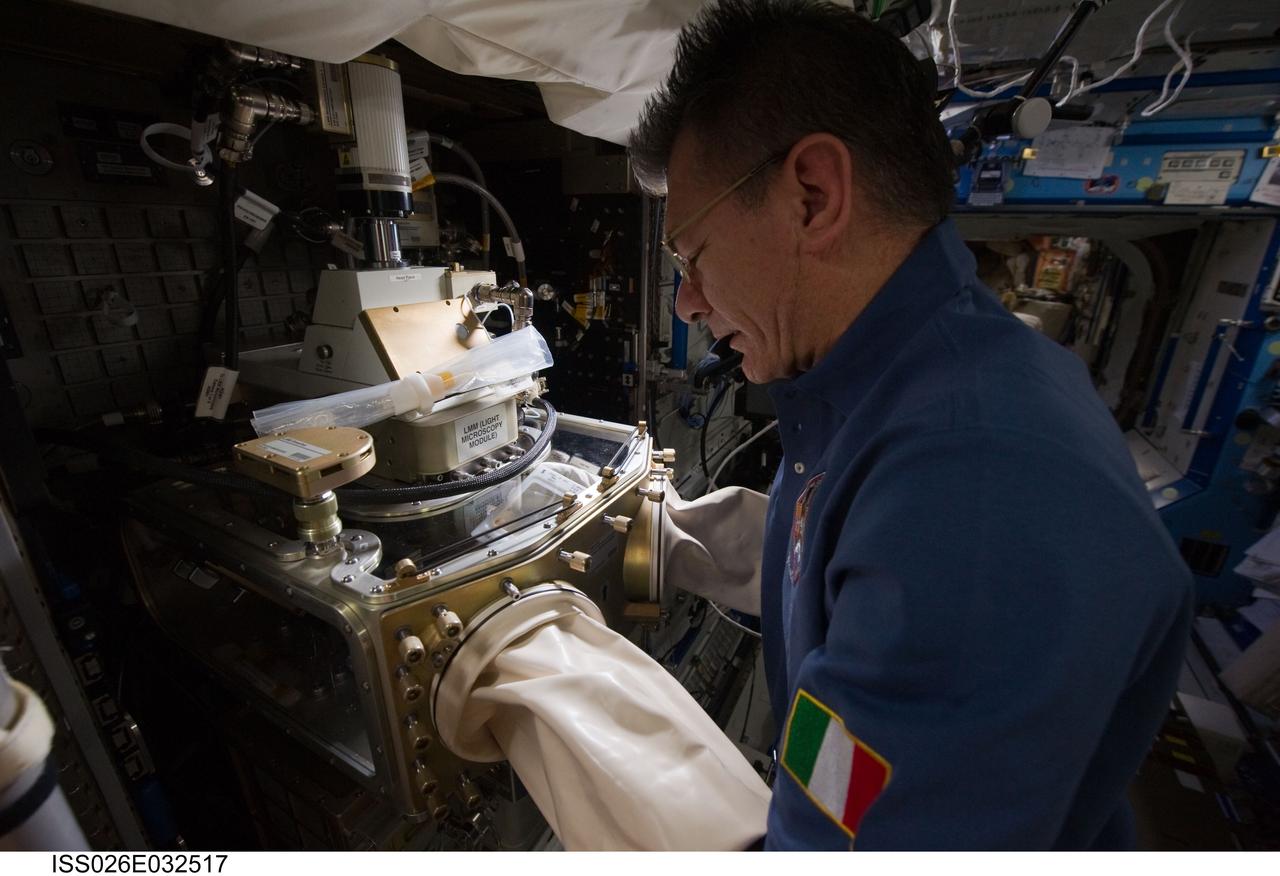
iss026e032517 (3/8/2011) --- European Space Agency (ESA) Paolo Nespoli works with the Light Microscopy Module (LMM) in the U.S. Laboratory. The Light Microscopy Module (LMM) is a modified commercial, highly flexible, state-of-the-art light imaging microscope facility that provides researchers with powerful diagnostic hardware and software onboard the International Space Station (ISS). The LMM enables novel research of microscopic phenomena in microgravity, with the capability of remotely acquiring and downloading digital images and videos across many levels of magnification.
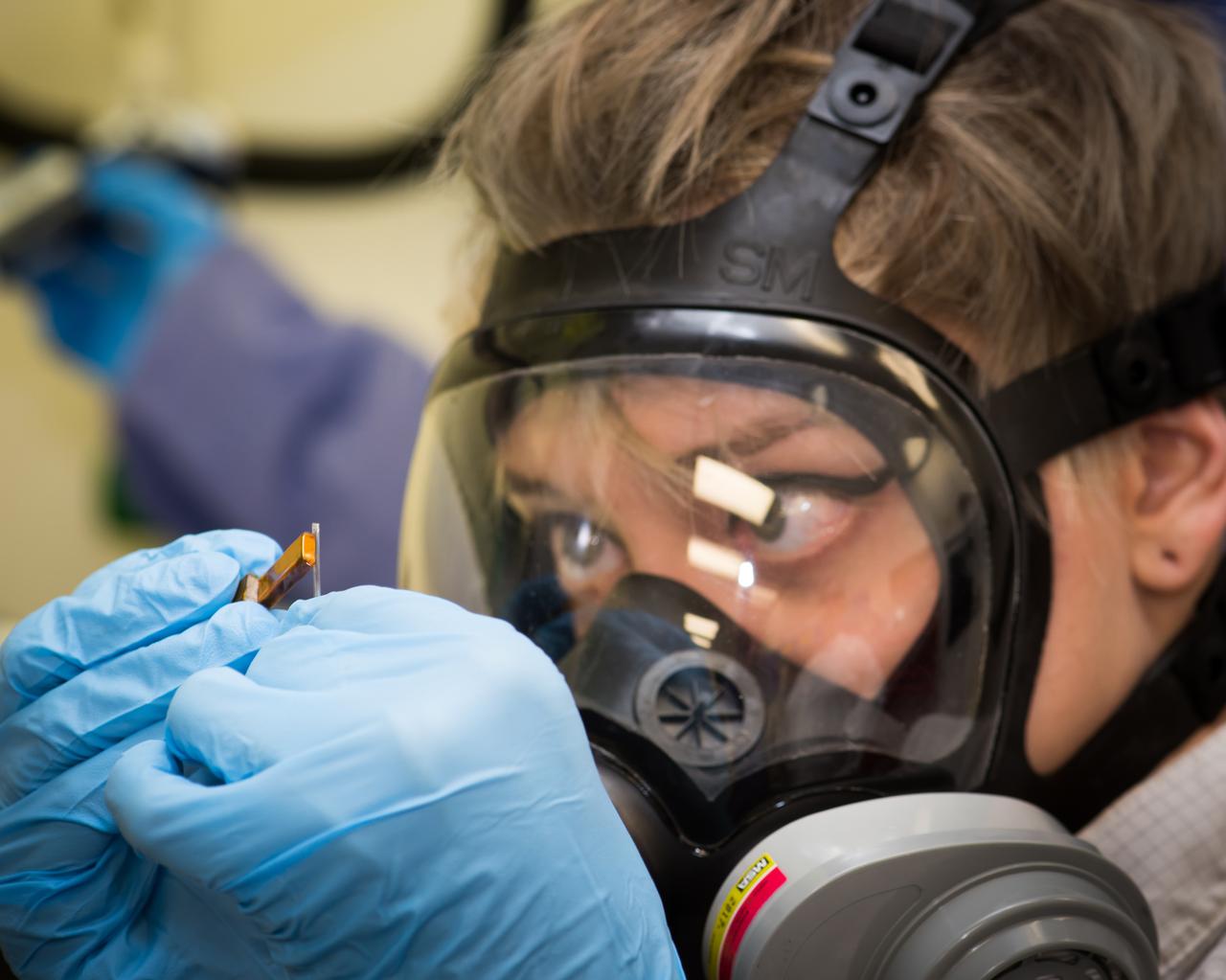
Light Microscopy Modle, LMM, Ground Unit Testing, GU. Control Systems Engineer using a small magnet to maneuver a 1mm metal stir-bar into a colloid sample fluid-filled capillary. The capillary tubes of sample fluid will be filled and sealed. The sample fluid supplied by a Principal Investigator typically contains some hazardous/toxic chemicals that she must ensure will not leak and put the astronauts at risk. On-orbit on the LMM, ‘insitu mixing’ is used, which uses electromagnetic inductors to stimulate the metal stir-bar to mix the fluid within the sealed capillary.
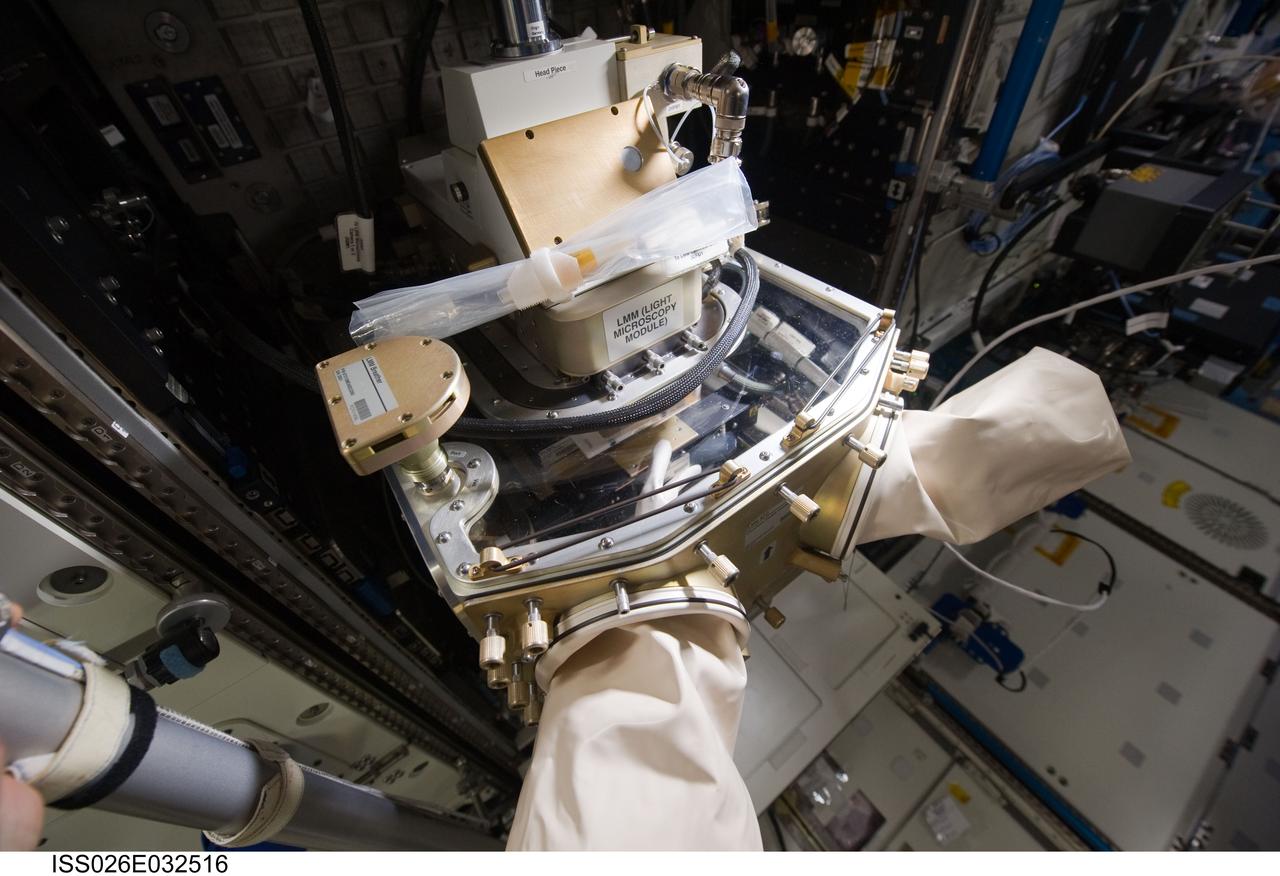
ISS026-E-032516 (8 March 2011) --- The Light Microscopy Module (LMM) in the Destiny laboratory of the International Space Station photographed by an Expedition 26 crew member.
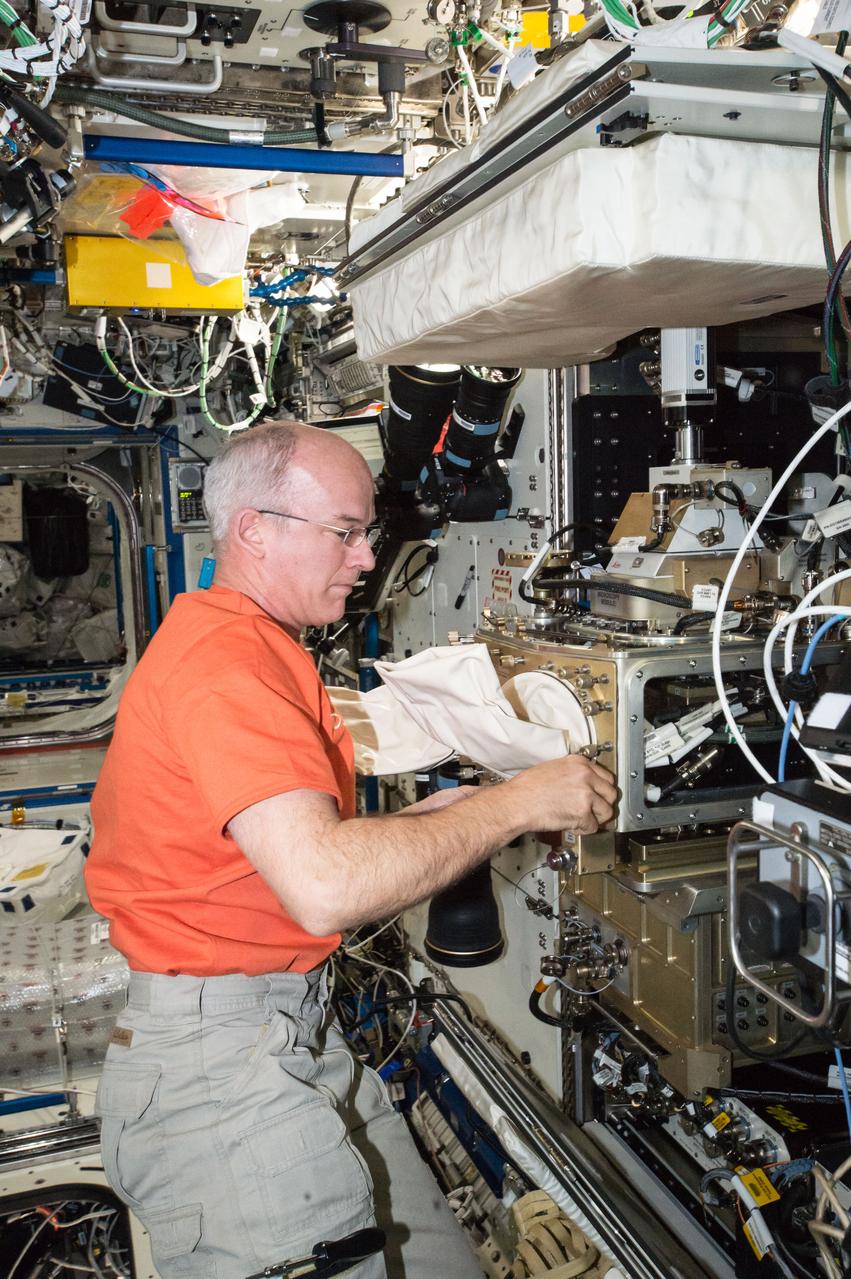
ISS047e066551 (04/18/2016) --- NASA astronaut Jeff Williams configures the station’s Light Microscopy Module (LMM), a modified commercial, highly flexible, state-of-the-art light imaging microscope facility that provides researchers with powerful diagnostic hardware and software. The LMM enables novel research of microscopic phenomena in microgravity, with the capability of remotely acquiring and downloading digital images and videos across many levels of magnification.
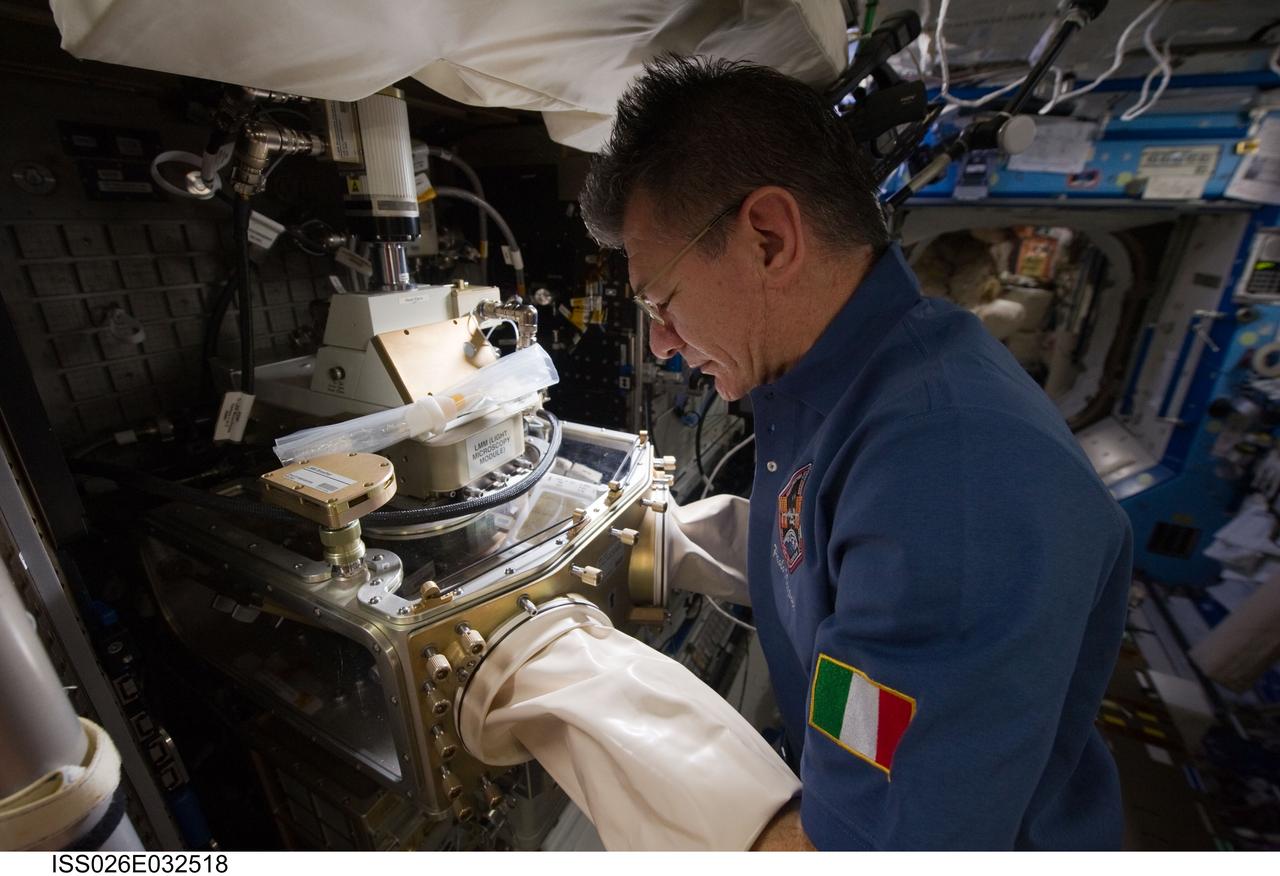
ISS026-E-032518 (8 March 2011) --- European Space Agency astronaut Paolo Nespoli, Expedition 26 flight engineer, works with the Light Microscopy Module (LMM) in the Destiny laboratory of the International Space Station.
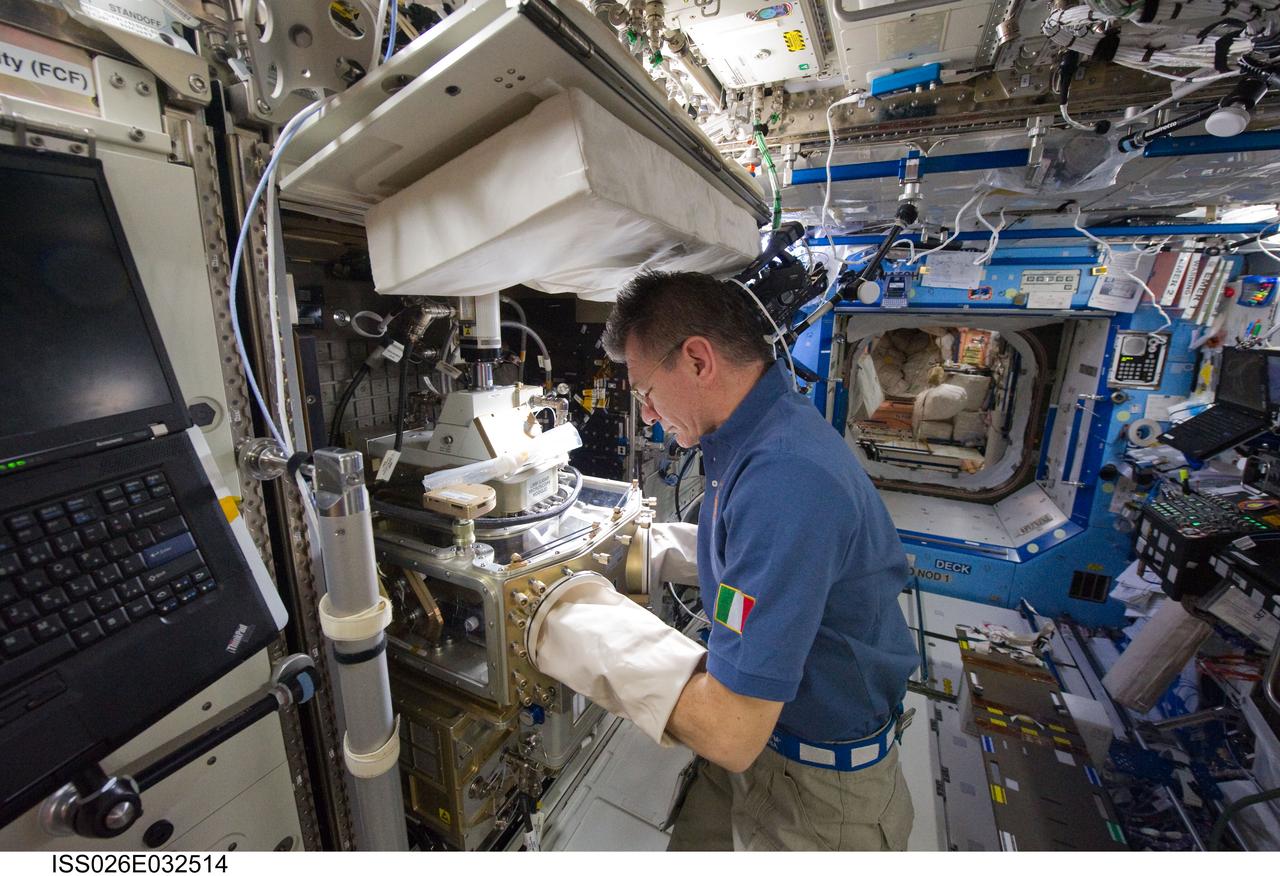
ISS026-E-032514 (8 March 2011) --- European Space Agency astronaut Paolo Nespoli, Expedition 26 flight engineer, works with the Light Microscopy Module (LMM) in the Destiny laboratory of the International Space Station.
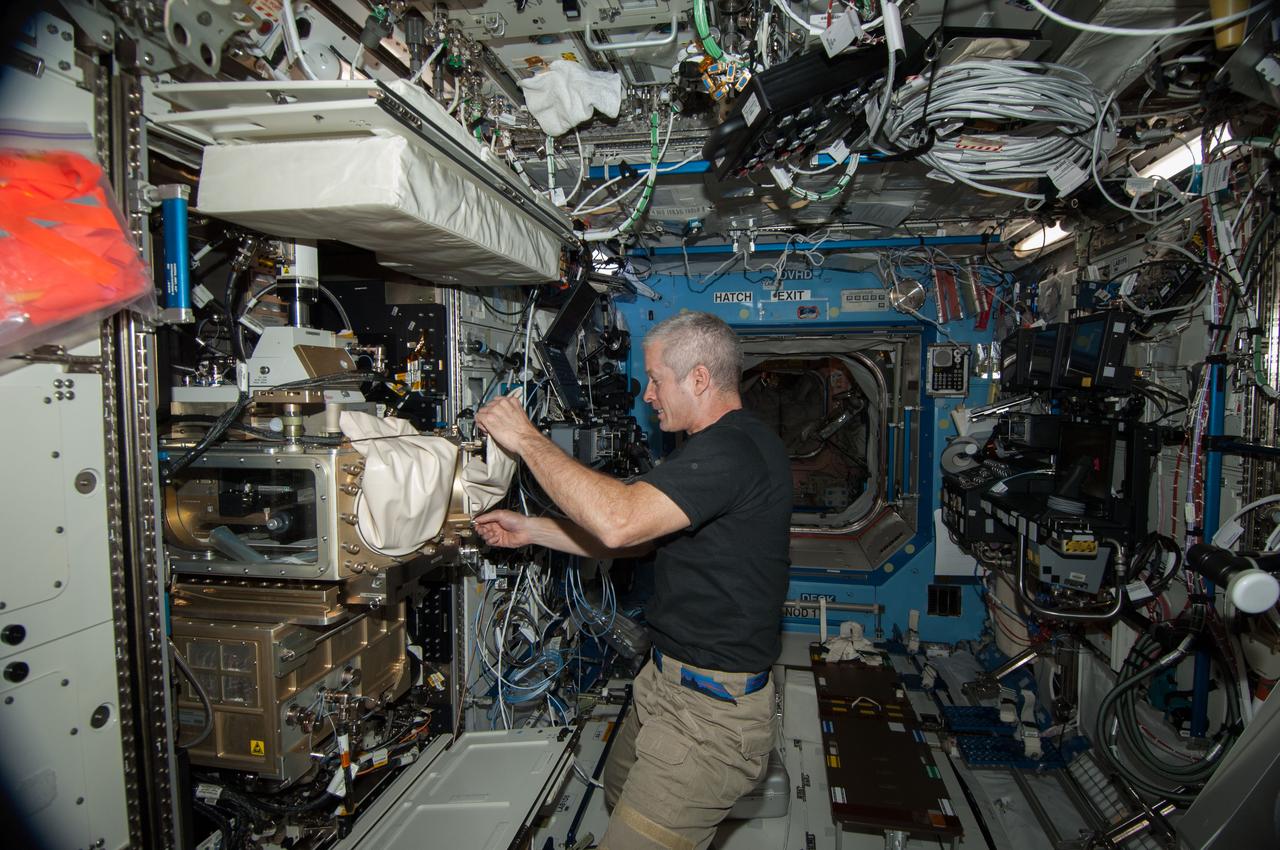
ISS039-E-018472 (5 May 2014) --? NASA astronaut Steve Swanson, Expedition 39 flight engineer, works in the U.S. laboratory Destiny of the International Space Station, preparing the Light Microscopy Module (LMM) for a planet experiment.
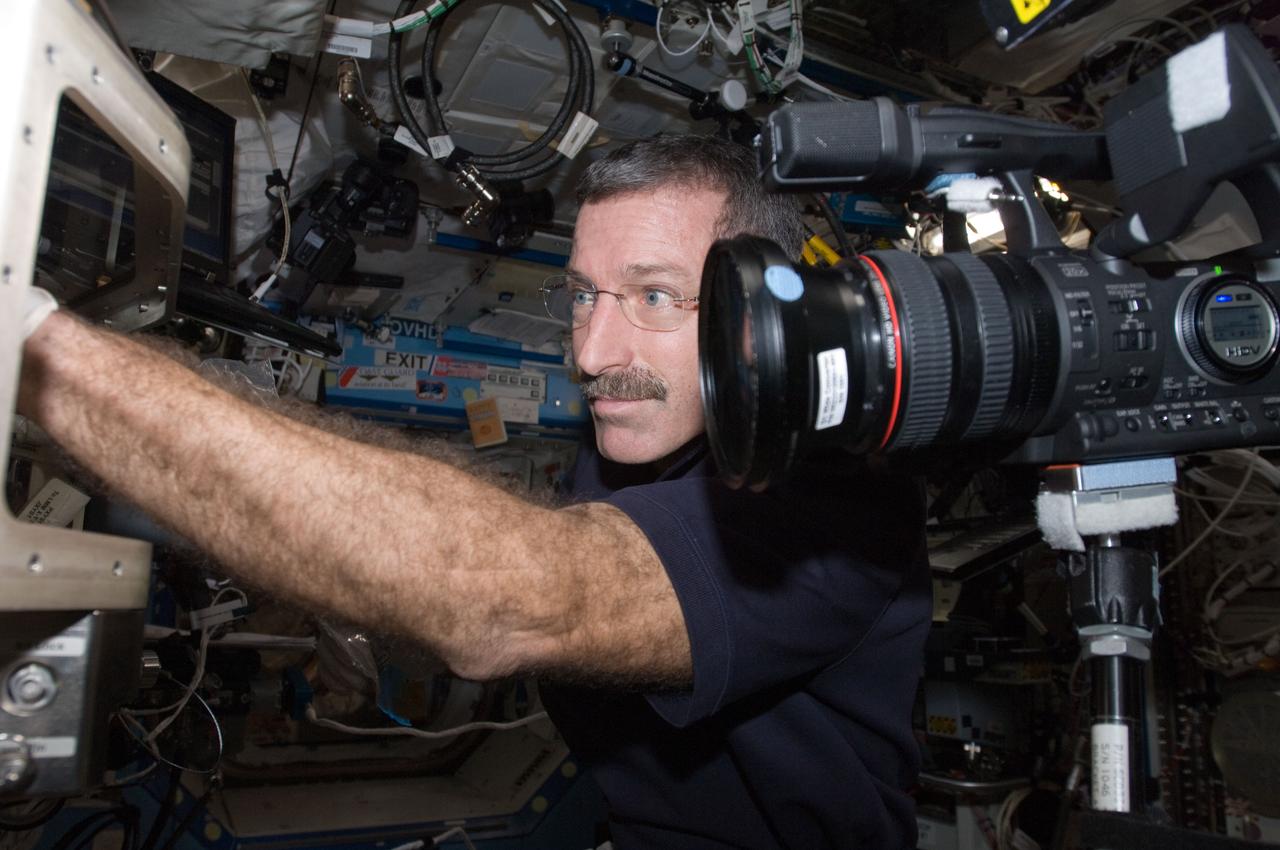
ISS030-E-007426 (1 Dec. 2011) --- NASA astronaut Dan Burbank, Expedition 30 commander, works at the Light Microscopy Module (LMM) in the Fluids Integrated Rack / Fluids Combustion Facility (FIR/FCF) located in the Destiny laboratory of the International Space Station.
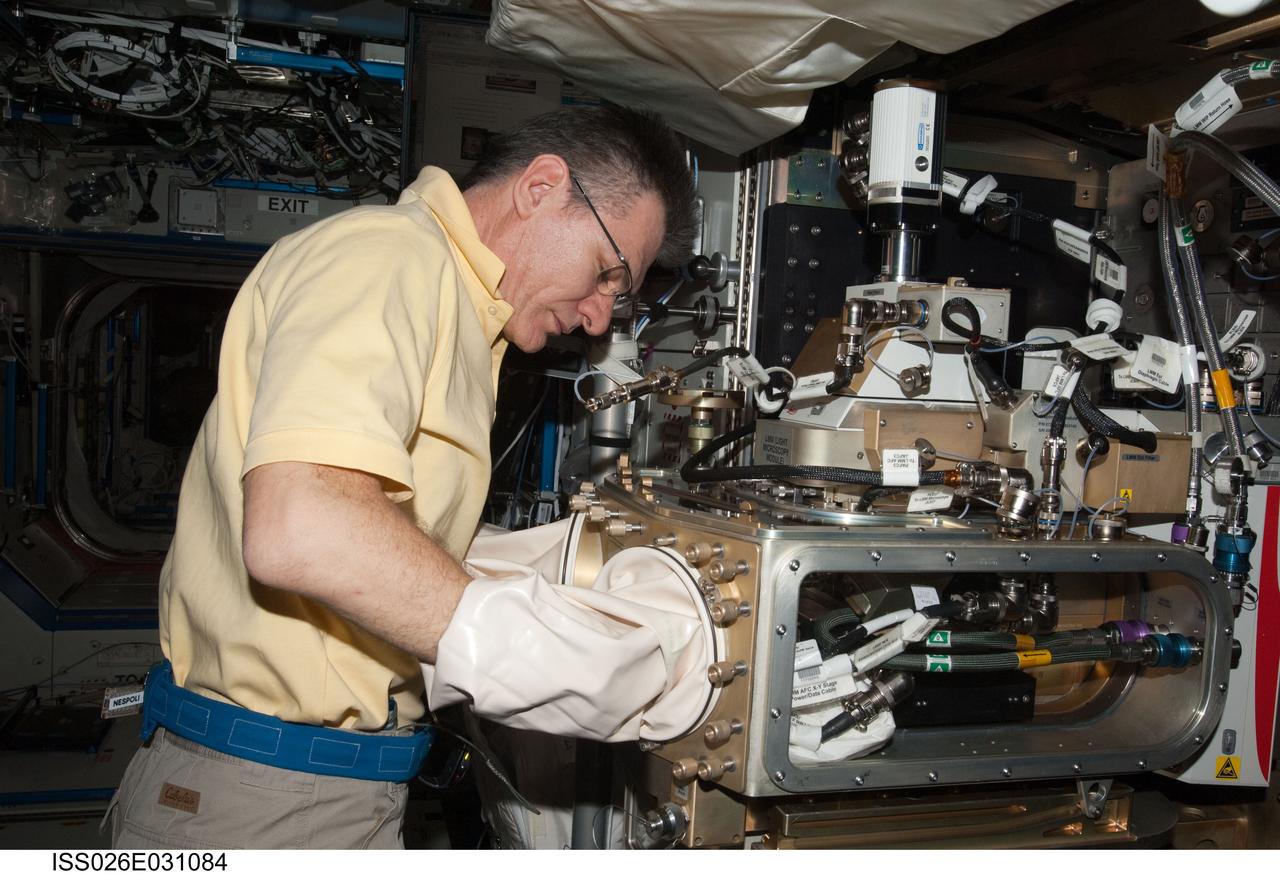
ISS026-E-031084 (1 March 2011) --- European Space Agency astronaut Paolo Nespoli, Expedition 26 flight engineer, works with the Light Microscopy Module (LMM) Spindle Bracket Assembly in the Fluids Integrated Rack (FIR) in the Destiny laboratory of the International Space Station.
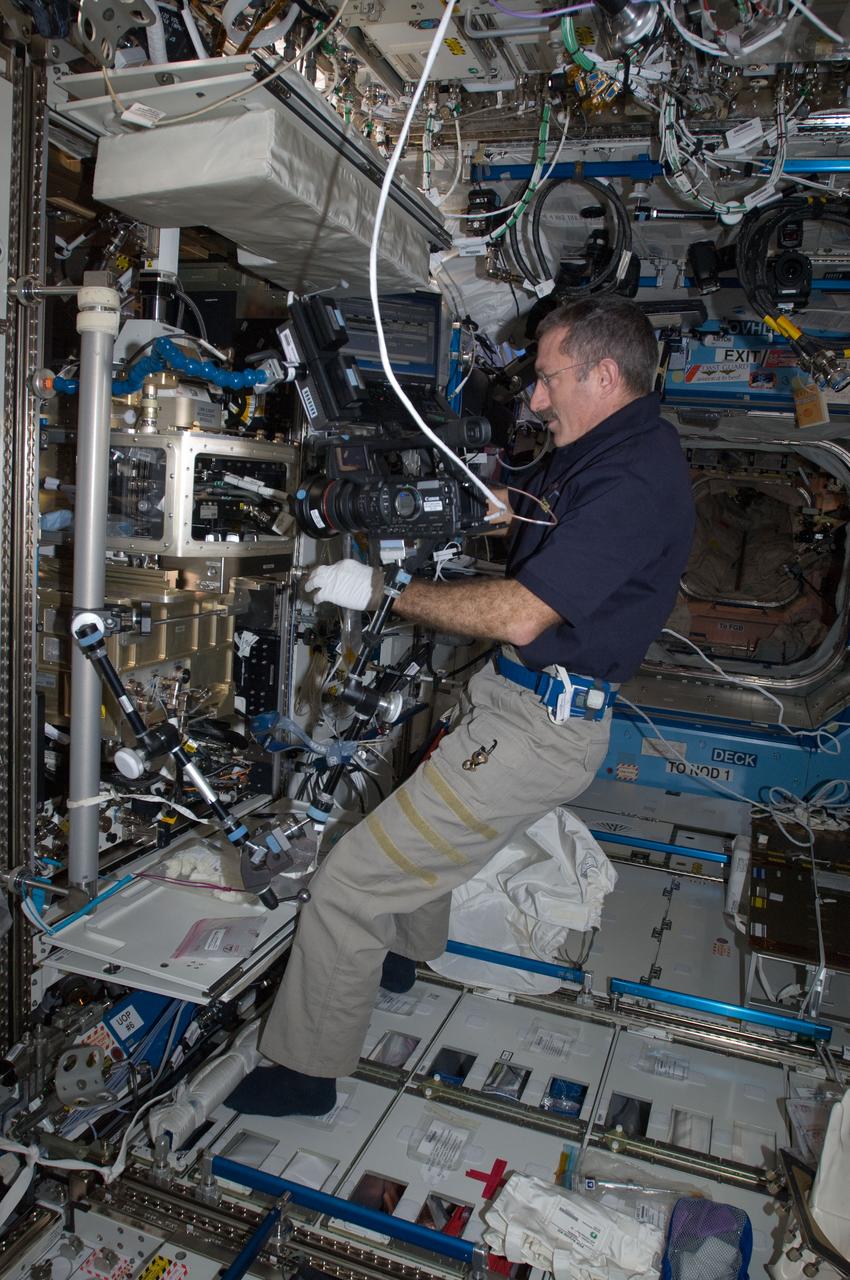
ISS030-E-007428 (1 Dec. 2011) --- NASA astronaut Dan Burbank, Expedition 30 commander, works at the Light Microscopy Module (LMM) in the Fluids Integrated Rack / Fluids Combustion Facility (FIR/FCF) located in the Destiny laboratory of the International Space Station.
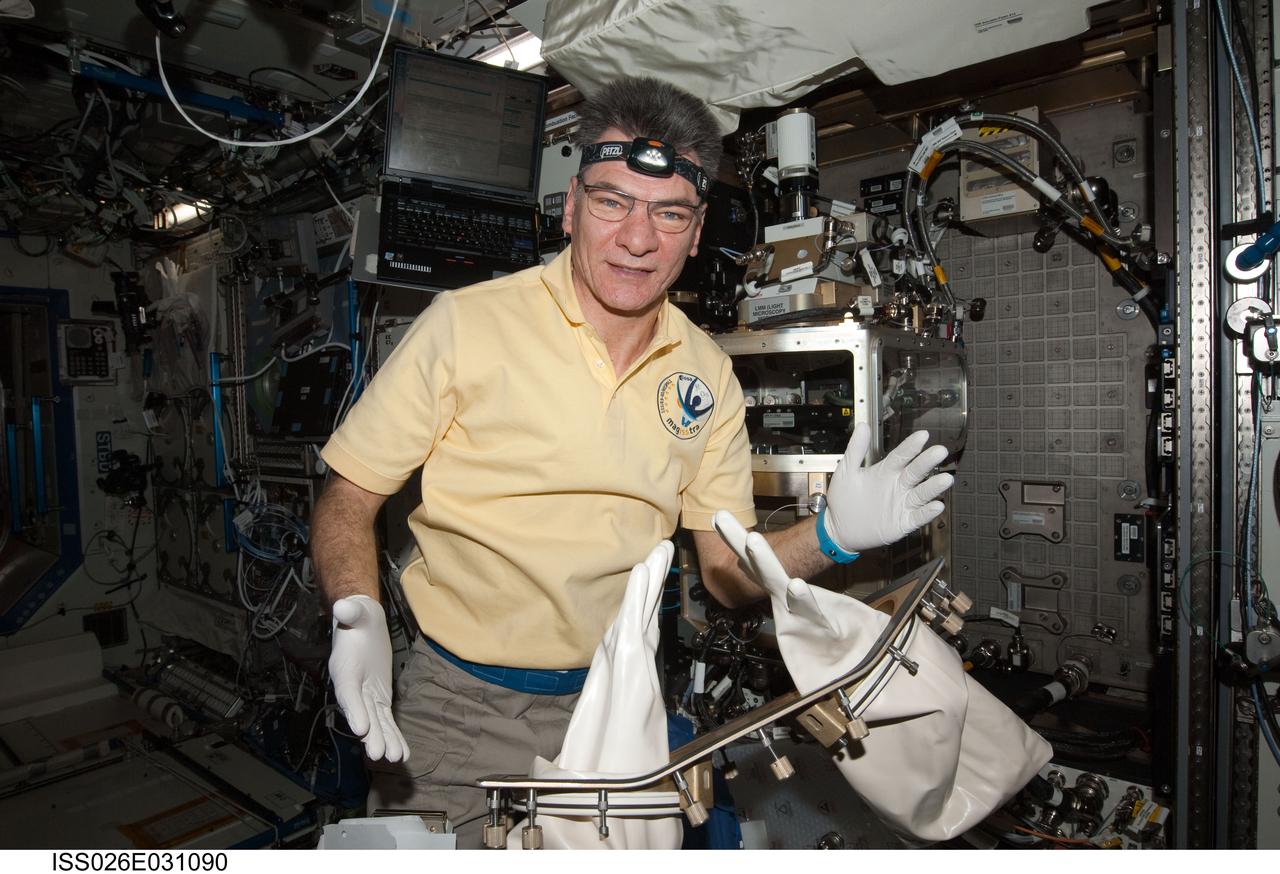
ISS026-E-031090 (1 March 2011) --- European Space Agency astronaut Paolo Nespoli, Expedition 26 flight engineer, works with the Light Microscopy Module (LMM) Spindle Bracket Assembly in the Fluids Integrated Rack (FIR) in the Destiny laboratory of the International Space Station.
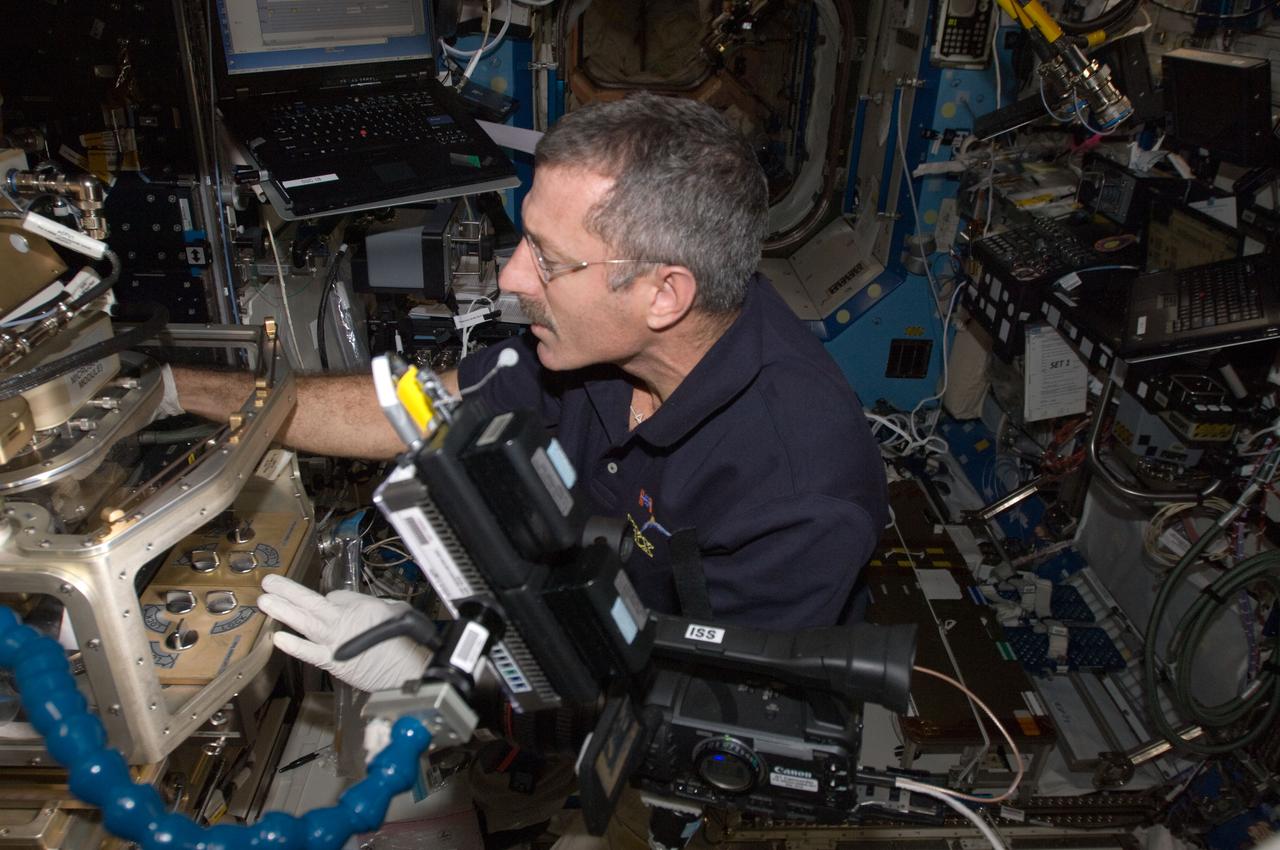
ISS030-E-007429 (1 Dec. 2011) --- NASA astronaut Dan Burbank, Expedition 30 commander, works at the Light Microscopy Module (LMM) in the Fluids Integrated Rack / Fluids Combustion Facility (FIR/FCF) located in the Destiny laboratory of the International Space Station.
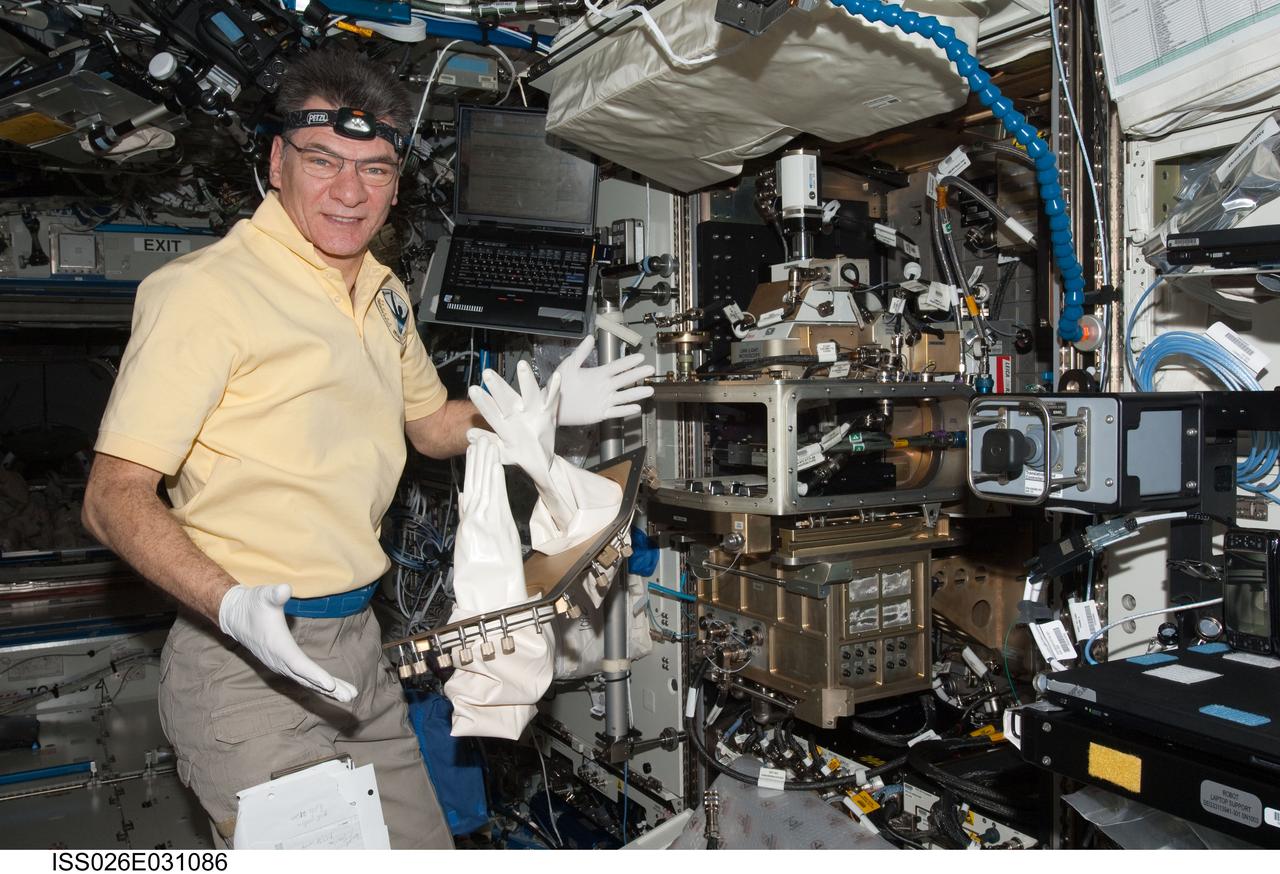
ISS026-E-031086 (1 March 2011) --- European Space Agency astronaut Paolo Nespoli, Expedition 26 flight engineer, works with the Light Microscopy Module (LMM) Spindle Bracket Assembly in the Fluids Integrated Rack (FIR) in the Destiny laboratory of the International Space Station.
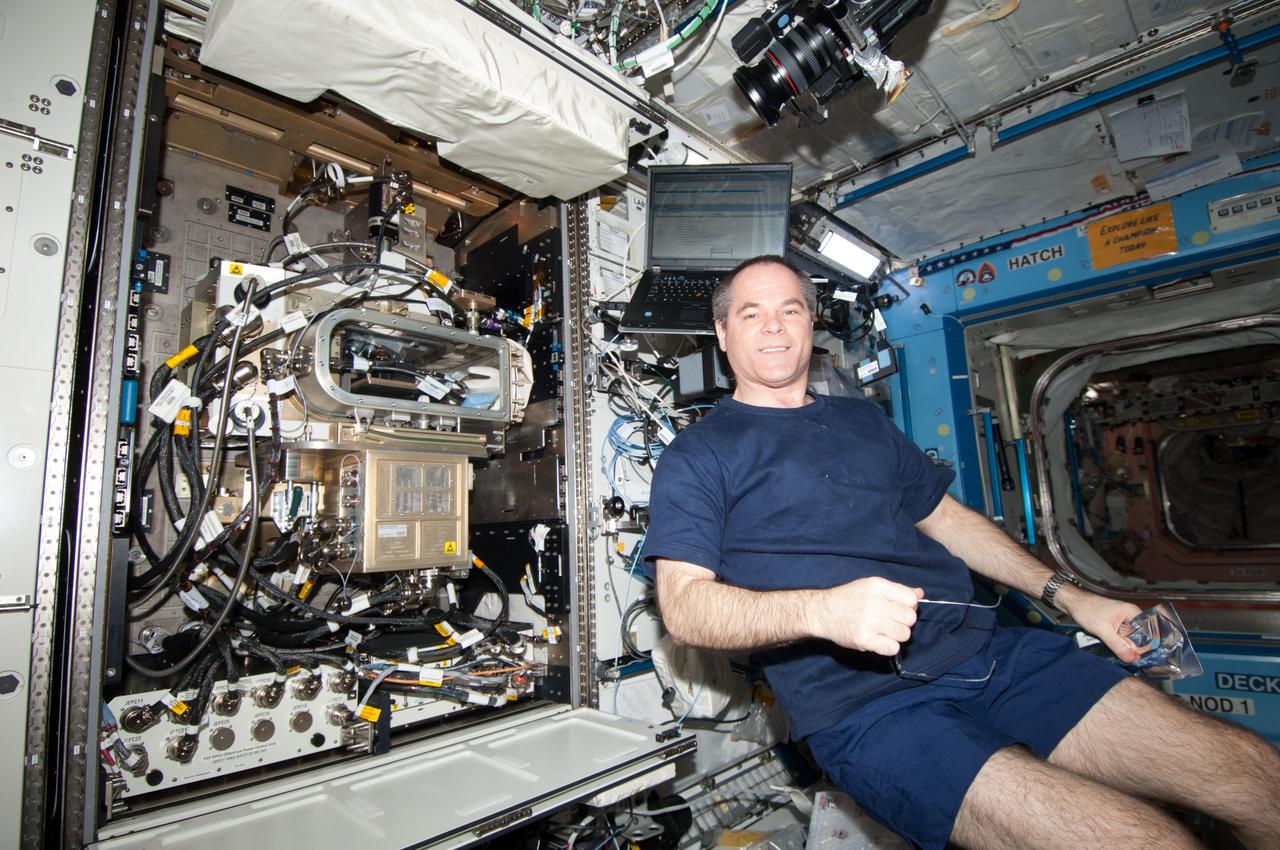
ISS034-E-056144 (21 Feb. 2013) --- Inside the U.S. Laboratory (Destiny) aboard the Earth-orbiting International Space Statio, NASA astronaut Kevin Ford, Expedition 34 commander, is seen with the Fluids Integration Rack (FIR)/Light Microscopy Module (LMM)/Advanced Colloids Experiment (ACE). ACE samples, which produce microscopic images of materials containing small colloidal particles, are scheduled for arrival on SpaceX-2 in the first week of March.

Advanced Plant Experiment, APEX-4, support in the Telescience Support Center at NASA Glenn. APEX-4 continues a highly successful investigation into the effects of microgravity on the development of roots and cells on plant seedlings. After four days of growth, the petri plate will be inserted into the Fluids Integrated Rack (FIR) Light Microscopy Module (LMM) facility for detailed imaging.
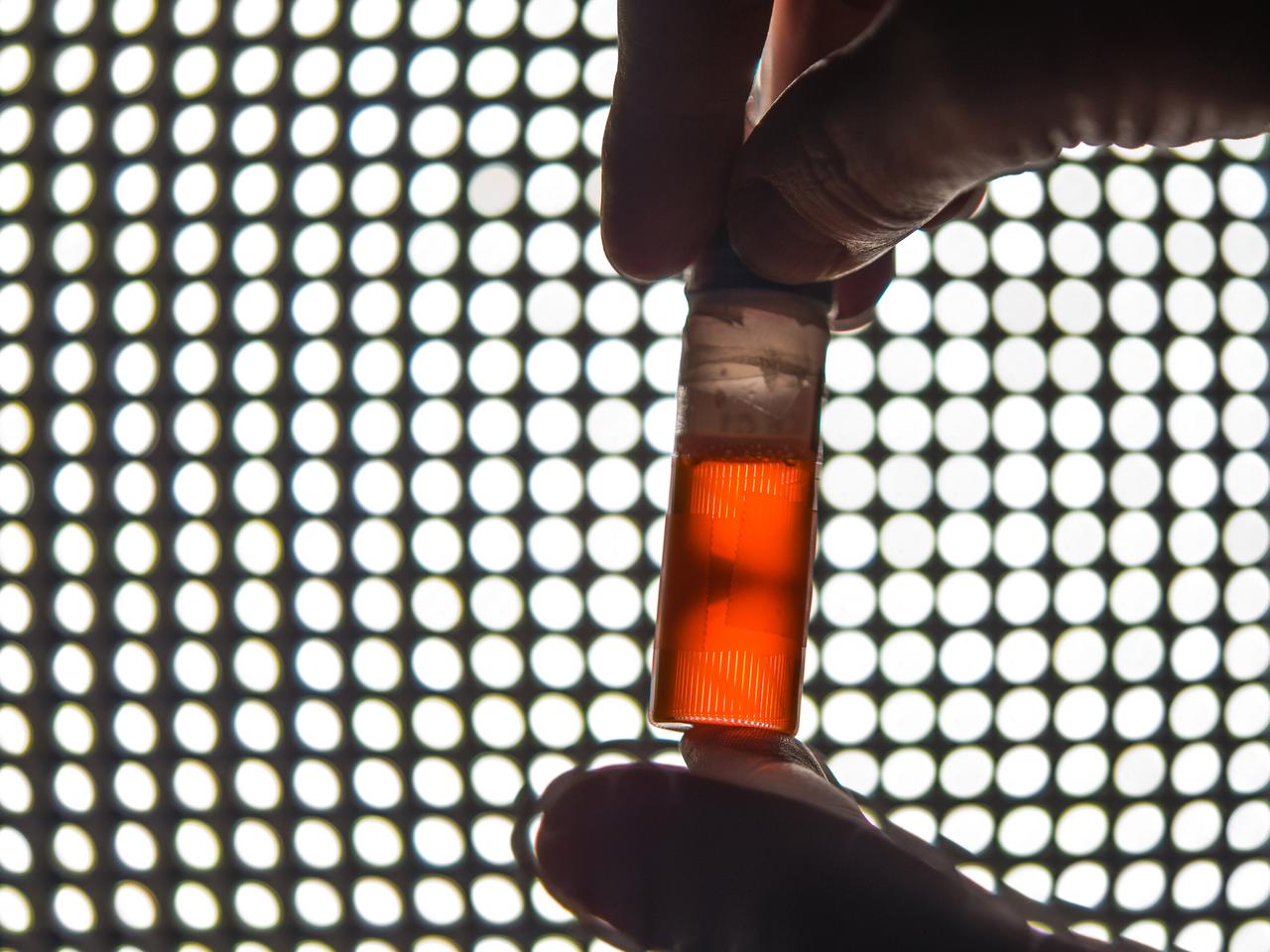
Ground testing for the first confocal Light Microscopy Microscope (LMM) Experiment. Procter and Gamble is working with NASA Glenn scientists to prepare for a study that examines product stabilizers in a microgravity environment. The particles in the tube glow orange because they have been fluorescently tagged with a dye that reacts to green laser lights to allow construction of a 3D image point by point. The experiment, which will be sent to the ISS later this year, will help P&G develop improved product stabilizers to extend shelf life and develop more environmentally friendly packaging.
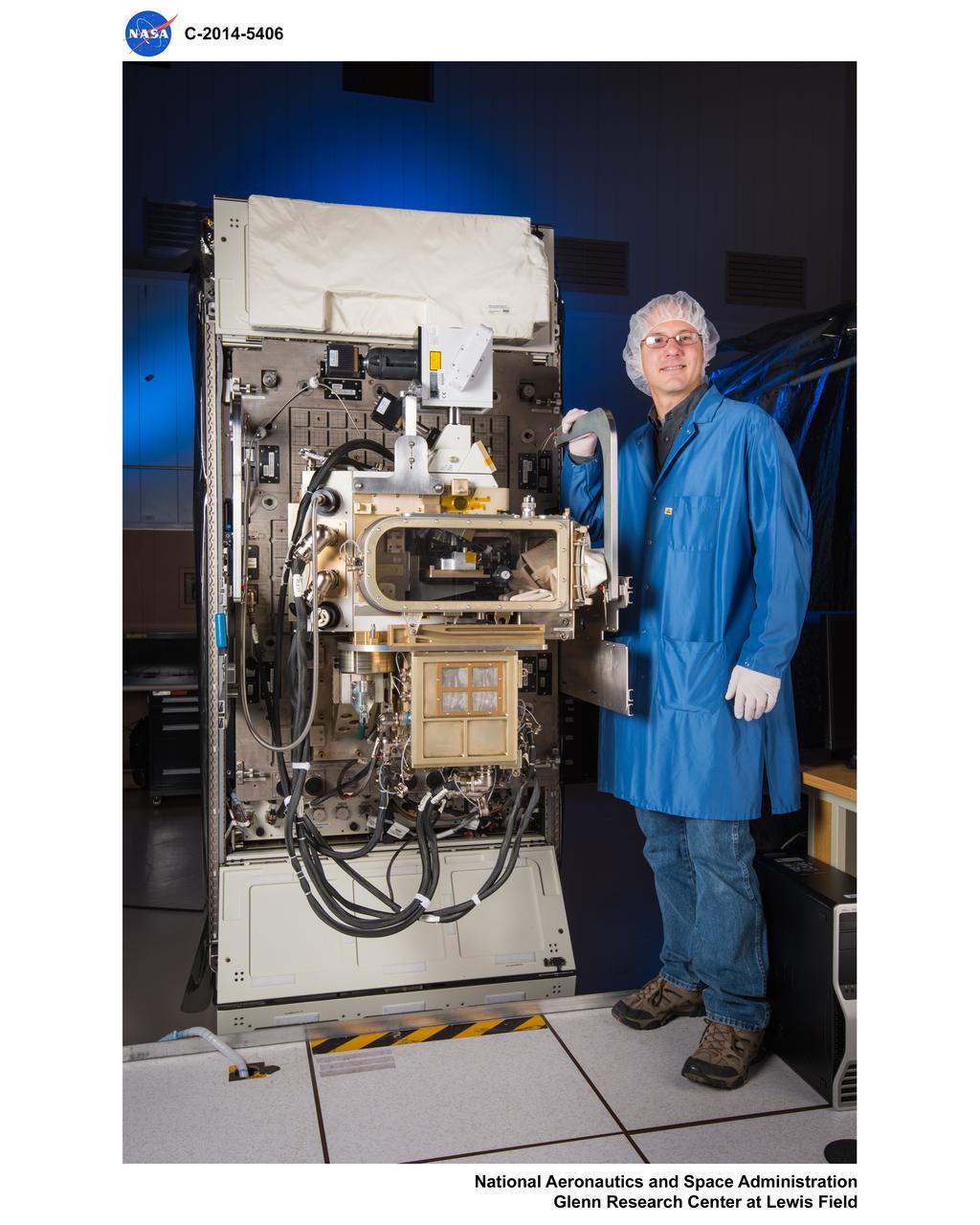
Fluids Integrated Rack, FIR, Light Microscopy Module, LMM
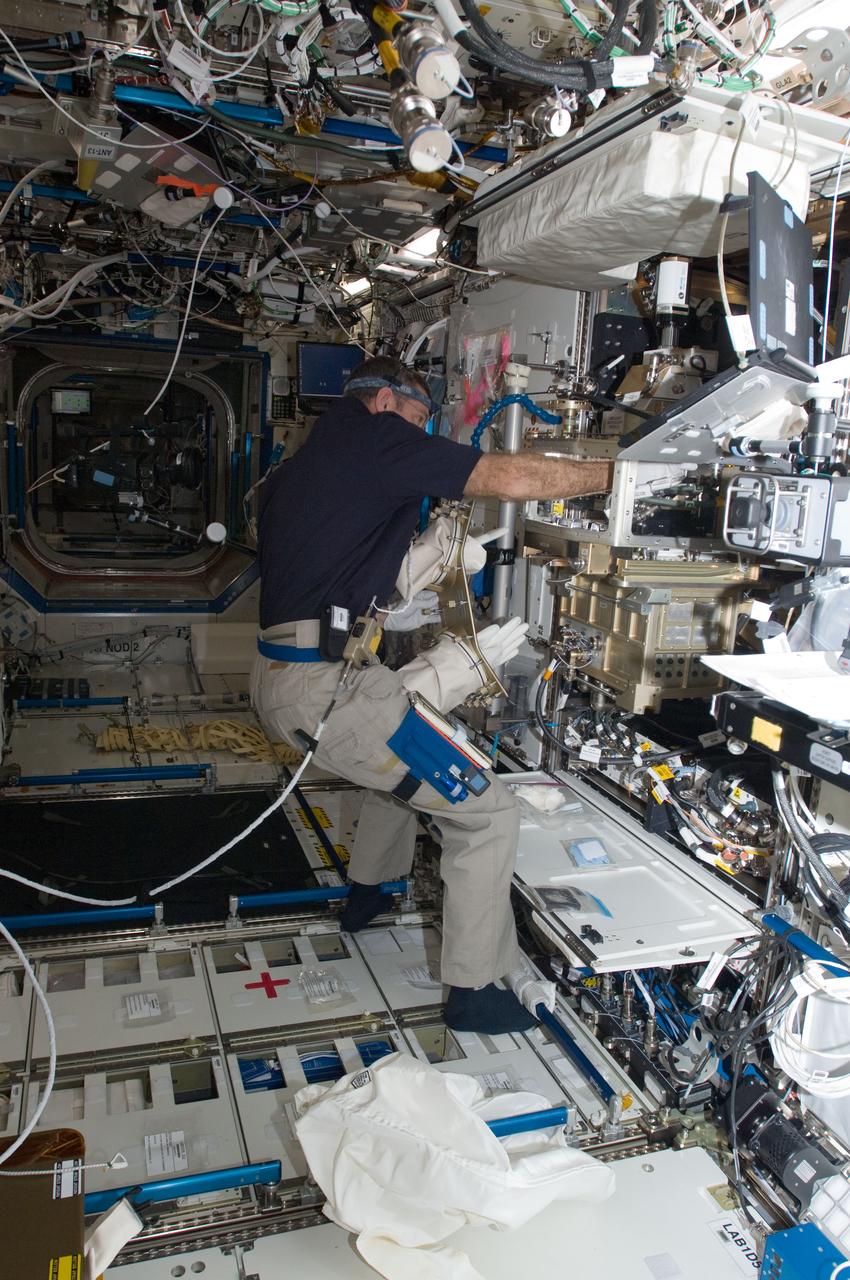
ISS030-E-007418 (1 Dec. 2011) --- In the International Space Station’s Destiny laboratory, NASA astronaut Dan Burbank, Expedition 30 commander, conducts a session with the Preliminary Advanced Colloids Experiment (PACE) at the Light Microscopy Module (LMM) in the Fluids Integrated Rack / Fluids Combustion Facility (FIR/FCF). PACE is designed to investigate the capability of conducting high magnification colloid experiments with the LMM for determining the minimum size particles which can be resolved with it.
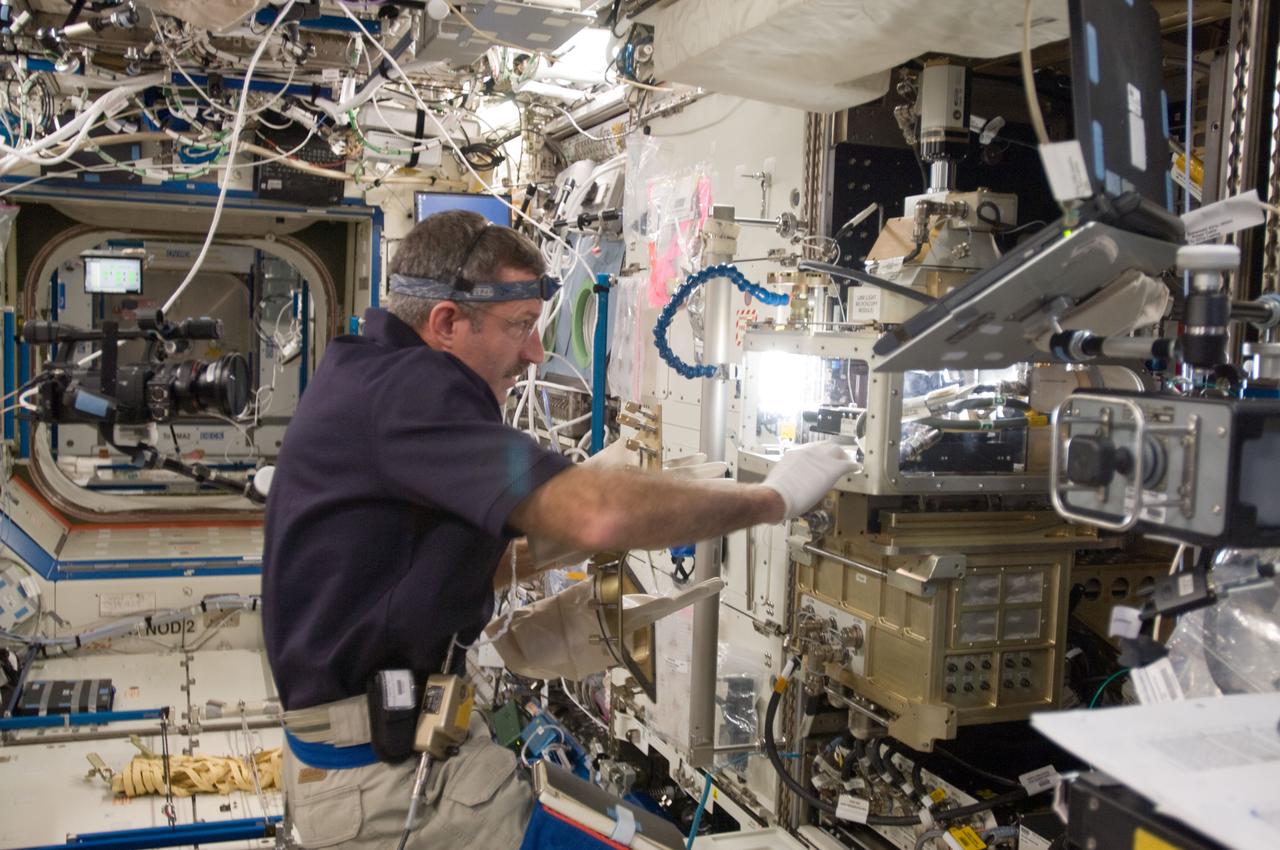
ISS030-E-007417 (1 Dec. 2011) --- In the International Space Station?s Destiny laboratory, NASA astronaut Dan Burbank, Expedition 30 commander, conducts a session with the Preliminary Advanced Colloids Experiment (PACE) at the Light Microscopy Module (LMM) in the Fluids Integrated Rack / Fluids Combustion Facility (FIR/FCF). PACE is designed to investigate the capability of conducting high magnification colloid experiments with the LMM for determining the minimum size particles which can be resolved with it.
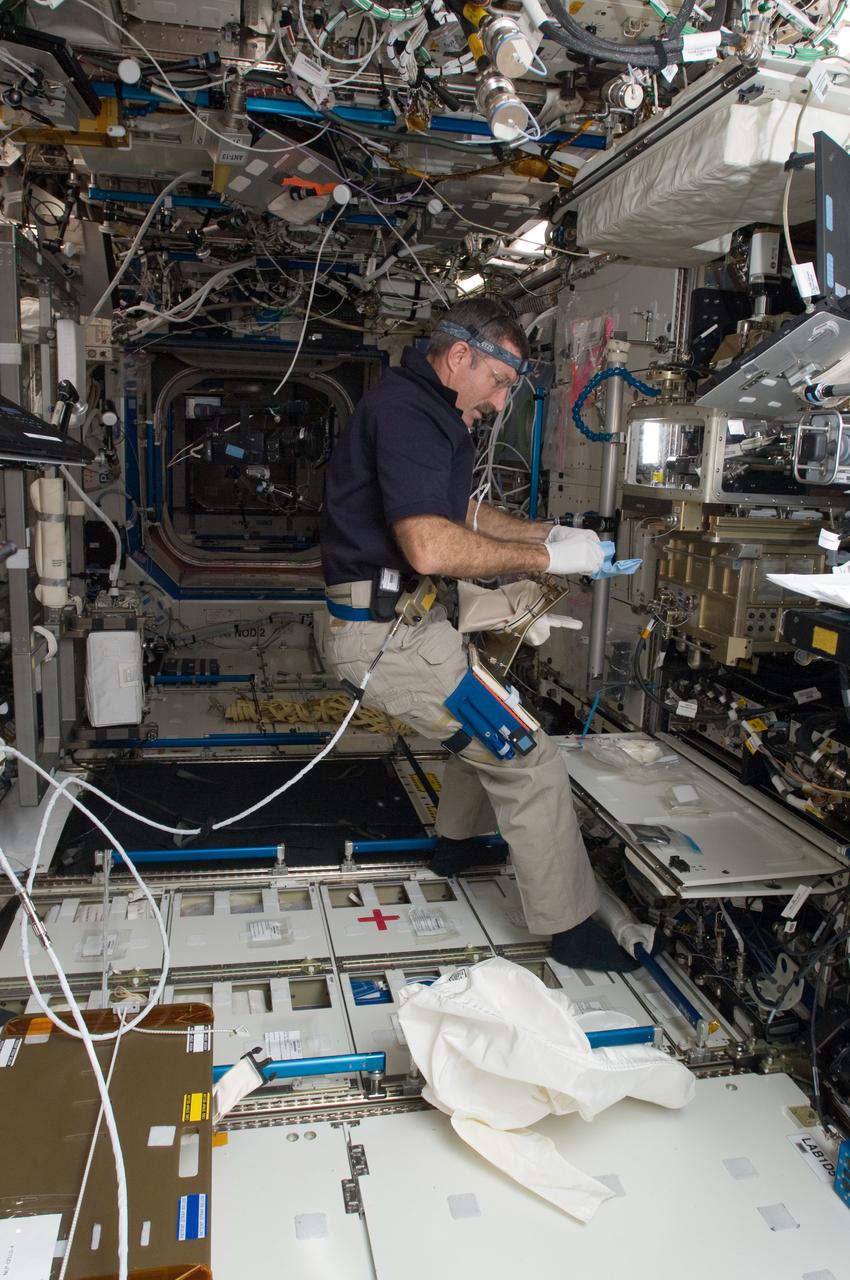
ISS030-E-007419 (1 Dec. 2011) --- In the International Space Station’s Destiny laboratory, NASA astronaut Dan Burbank, Expedition 30 commander, conducts a session with the Preliminary Advanced Colloids Experiment (PACE) at the Light Microscopy Module (LMM) in the Fluids Integrated Rack / Fluids Combustion Facility (FIR/FCF). PACE is designed to investigate the capability of conducting high magnification colloid experiments with the LMM for determining the minimum size particles which can be resolved with it.
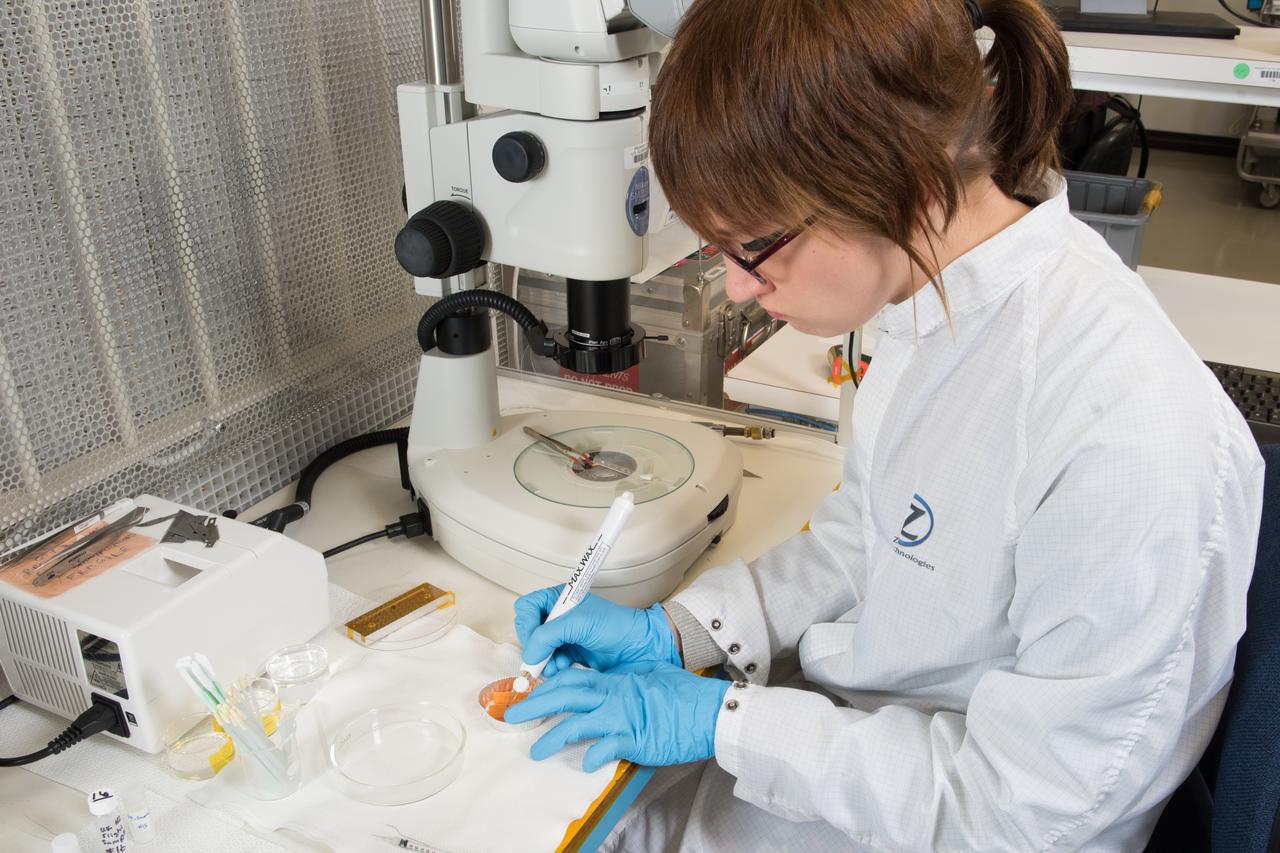
NASA (Zin Technologies) engineer prepares Advanced Colloid Experiment Heated-2 samples that will be analyzed aboard the International Space Station using the zero-gravity Light Microscopy Module, LMM in the Fluids Integrated Rack, FIR
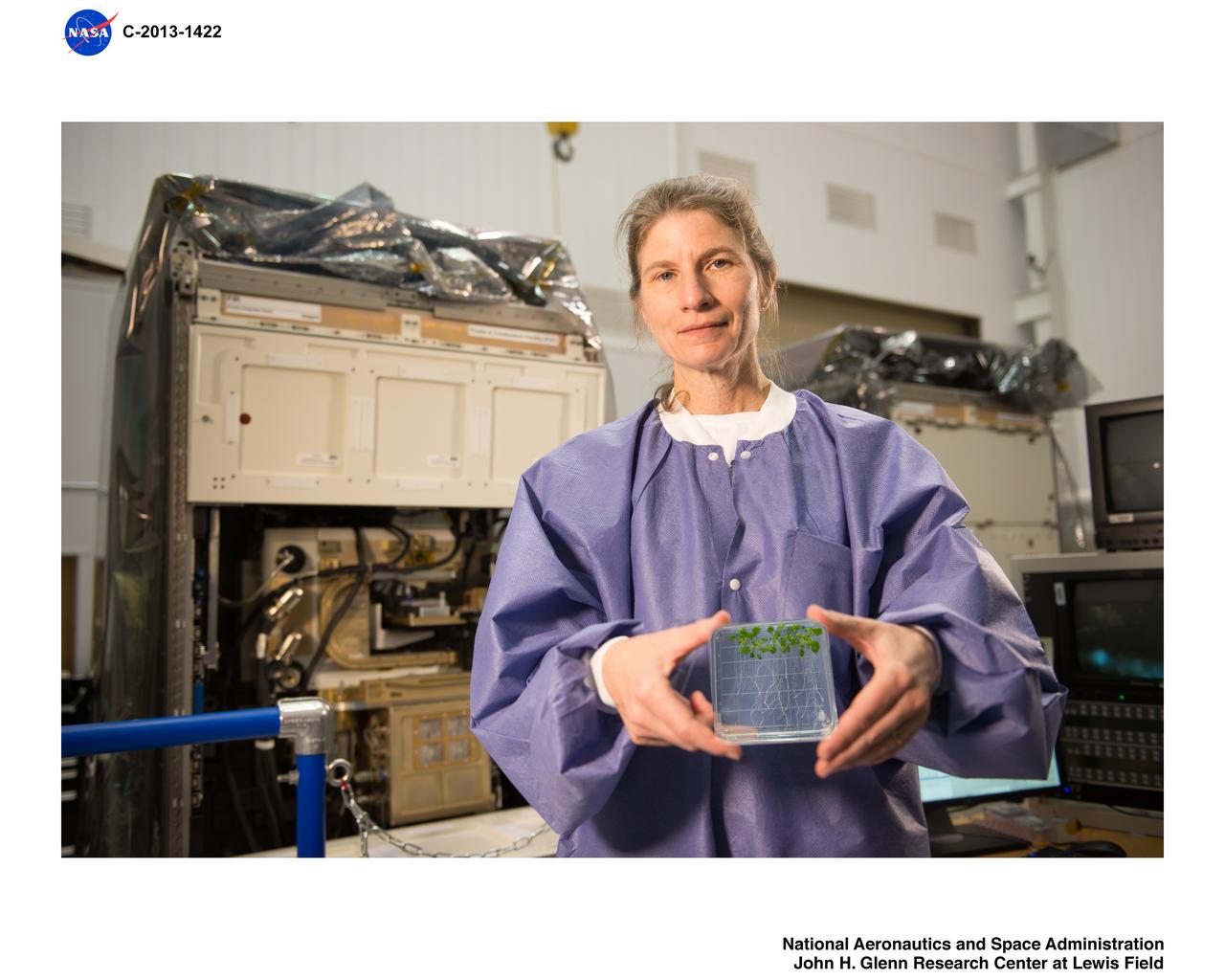
University of Florida, Professor and Director of Interdisciplinary Center for Biotechnology Research Interacting with the Fluids Integration Rack, FIR, Light Microscopy Module, LMM, Ground Integration Unit, GIU, Hardware
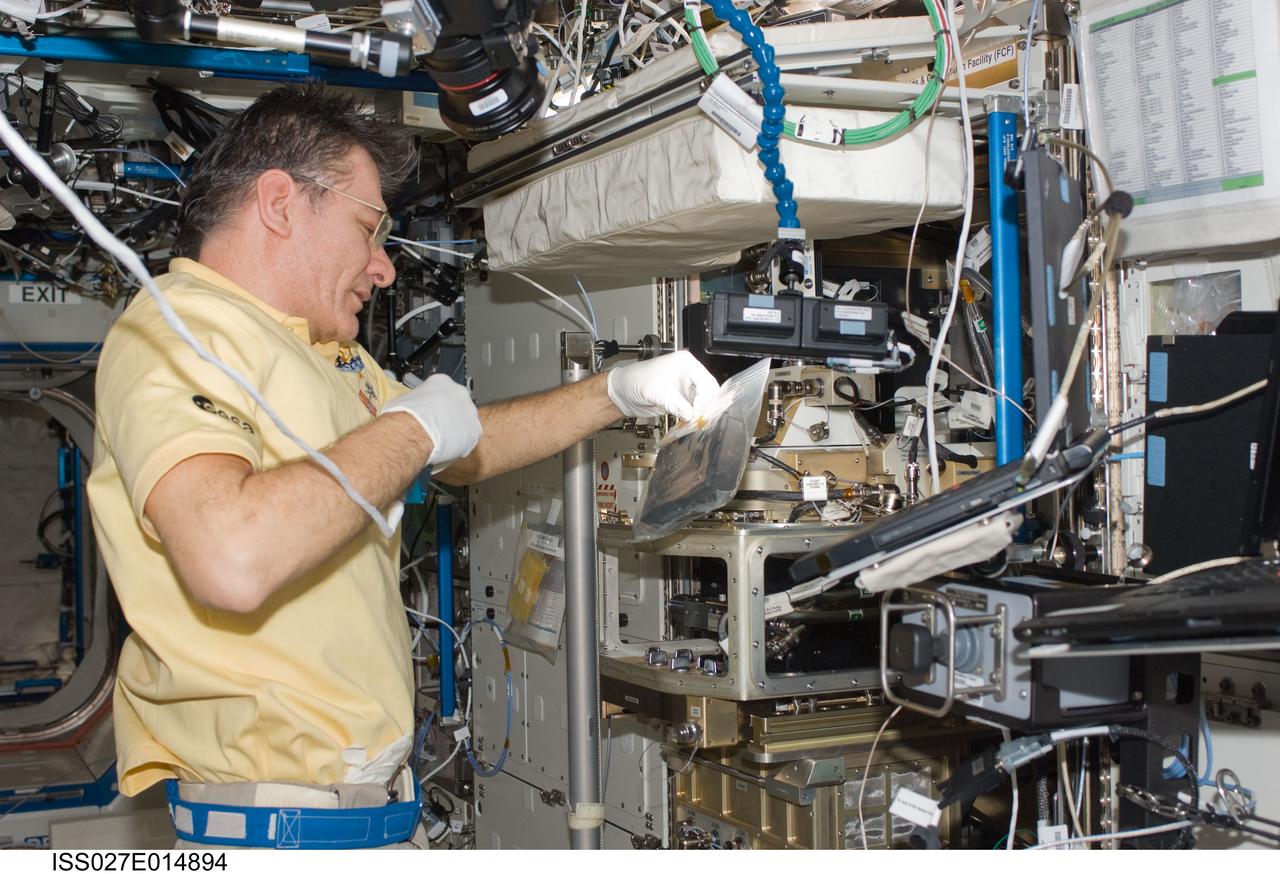
ISS027-E-014894 (21 April 2011) --- European Space Agency astronaut Paolo Nespoli, Expedition 27 flight engineer, works with the Light Microscopy Module (LMM) in the Destiny laboratory of the International Space Station.
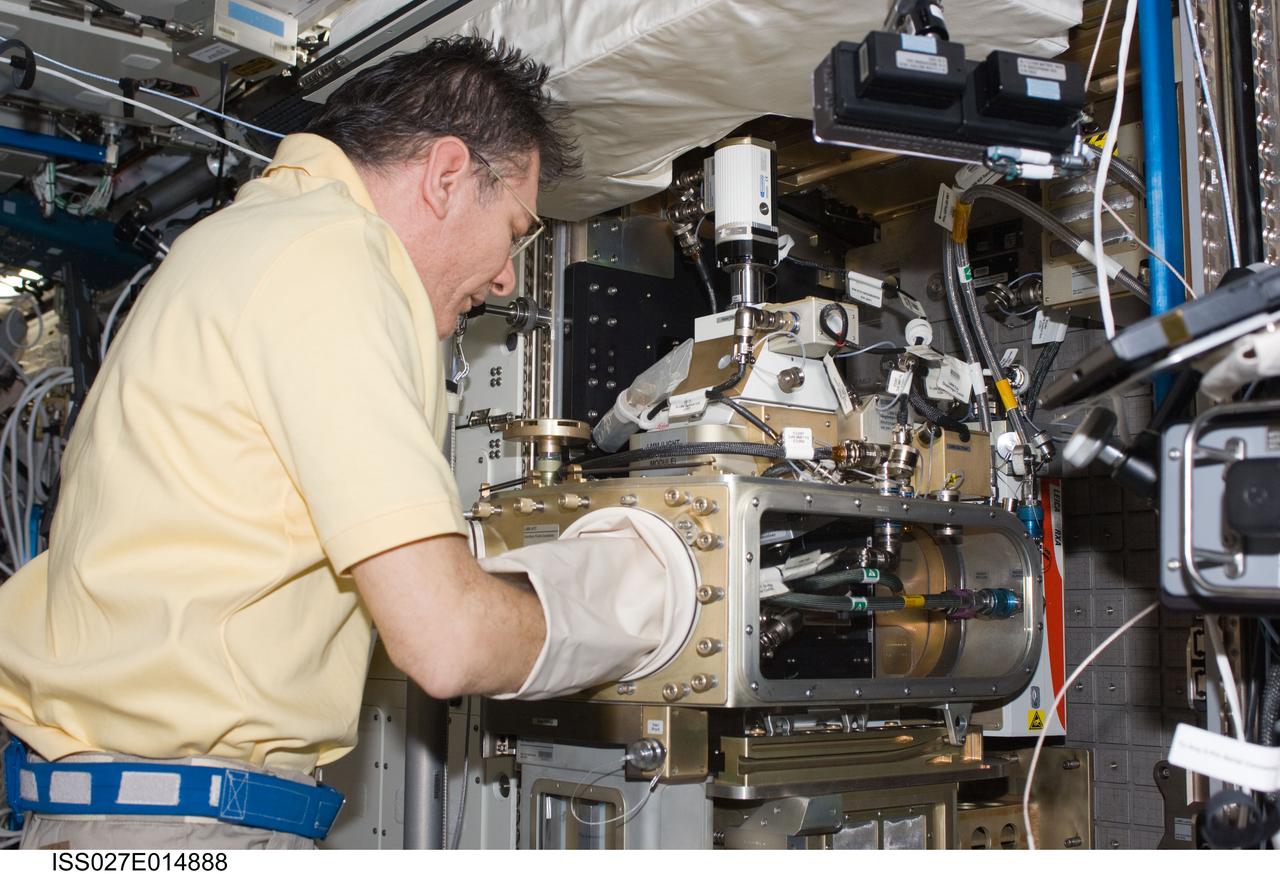
ISS027-E-014888 (21 April 2011) --- European Space Agency astronaut Paolo Nespoli, Expedition 27 flight engineer, works with the Light Microscopy Module (LMM) in the Destiny laboratory of the International Space Station.
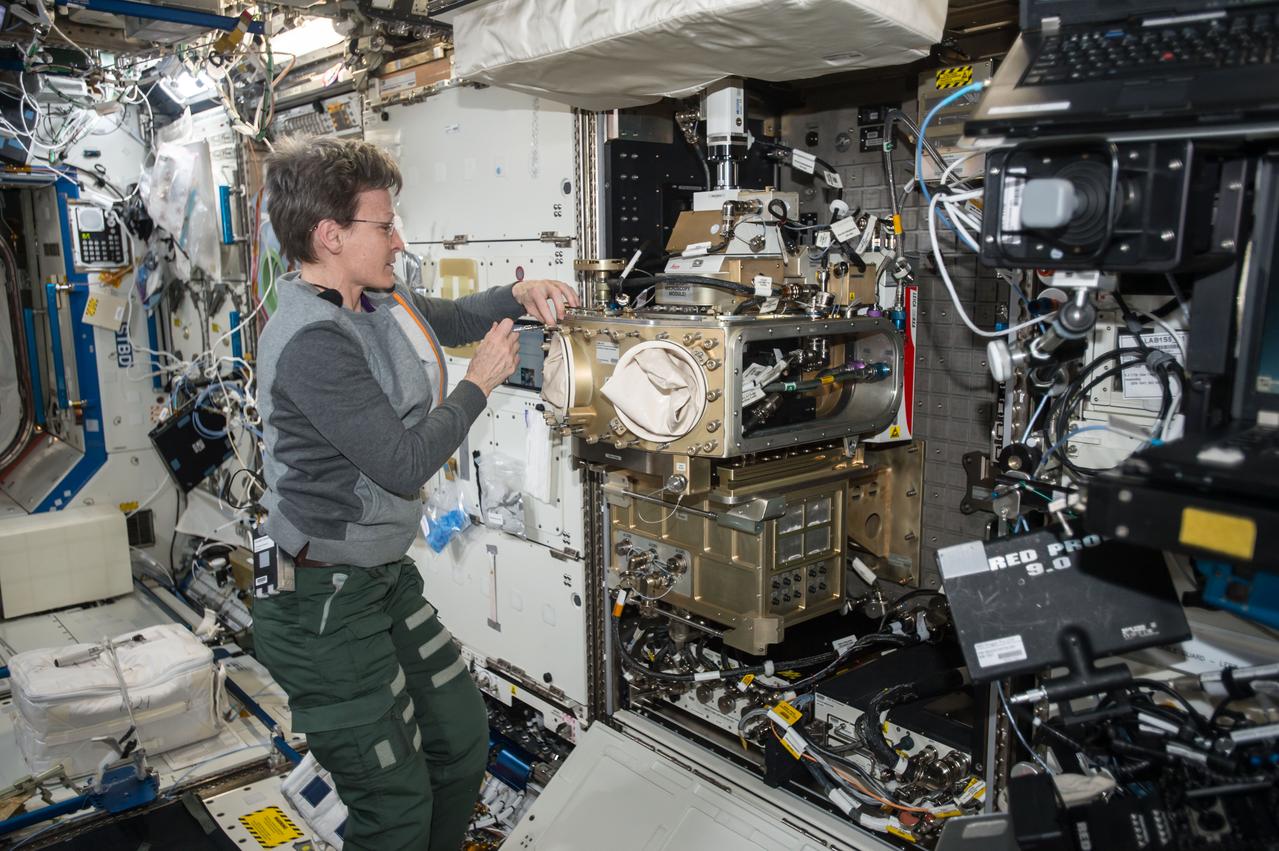
iss051e039996 (5/8/2017) --- NASA astronaut Peggy Whitson works on the Light Microscopy Module on the International Space Station. The LMM is a flexible state-of-the-art microscope Credits: NASA
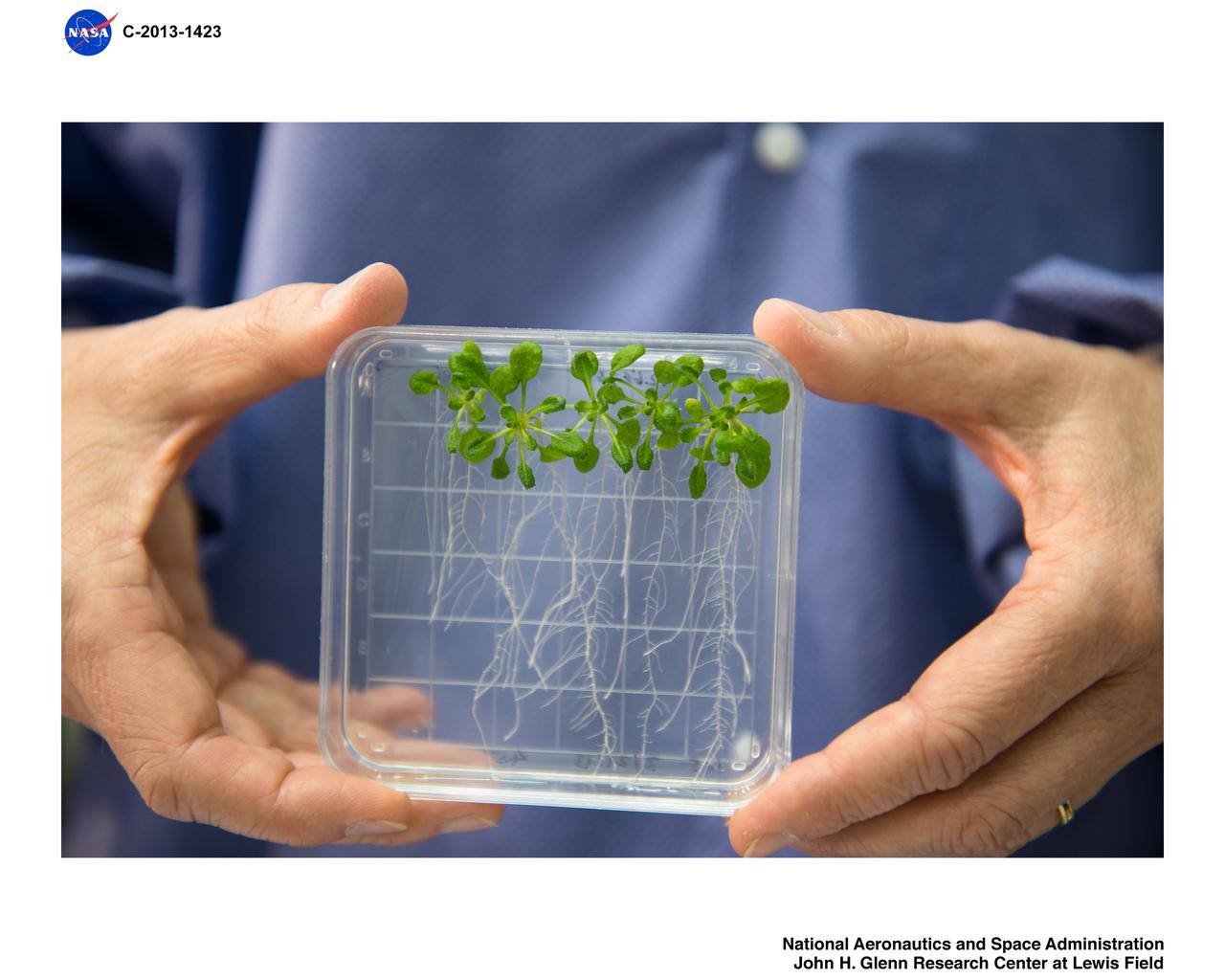
University of Florida, Professor and Director of Interdisciplinary Center for Biotechnology Research Interacting with the Fluids Integration Rack, FIR, Light Microscopy Module, LMM, Ground Integration Unit, GIU, Hardware
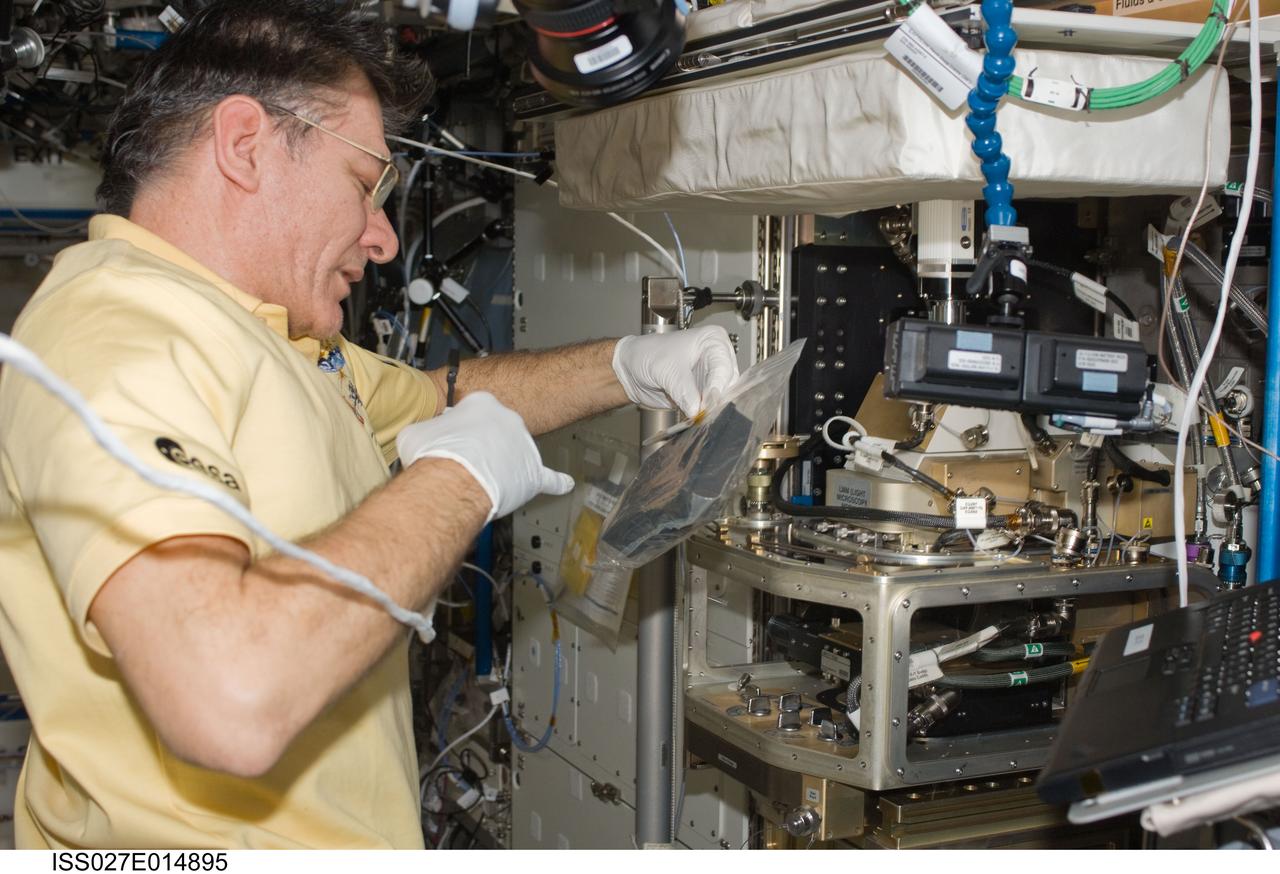
ISS027-E-014895 (21 April 2011) --- European Space Agency astronaut Paolo Nespoli, Expedition 27 flight engineer, works with the Light Microscopy Module (LMM) in the Destiny laboratory of the International Space Station.
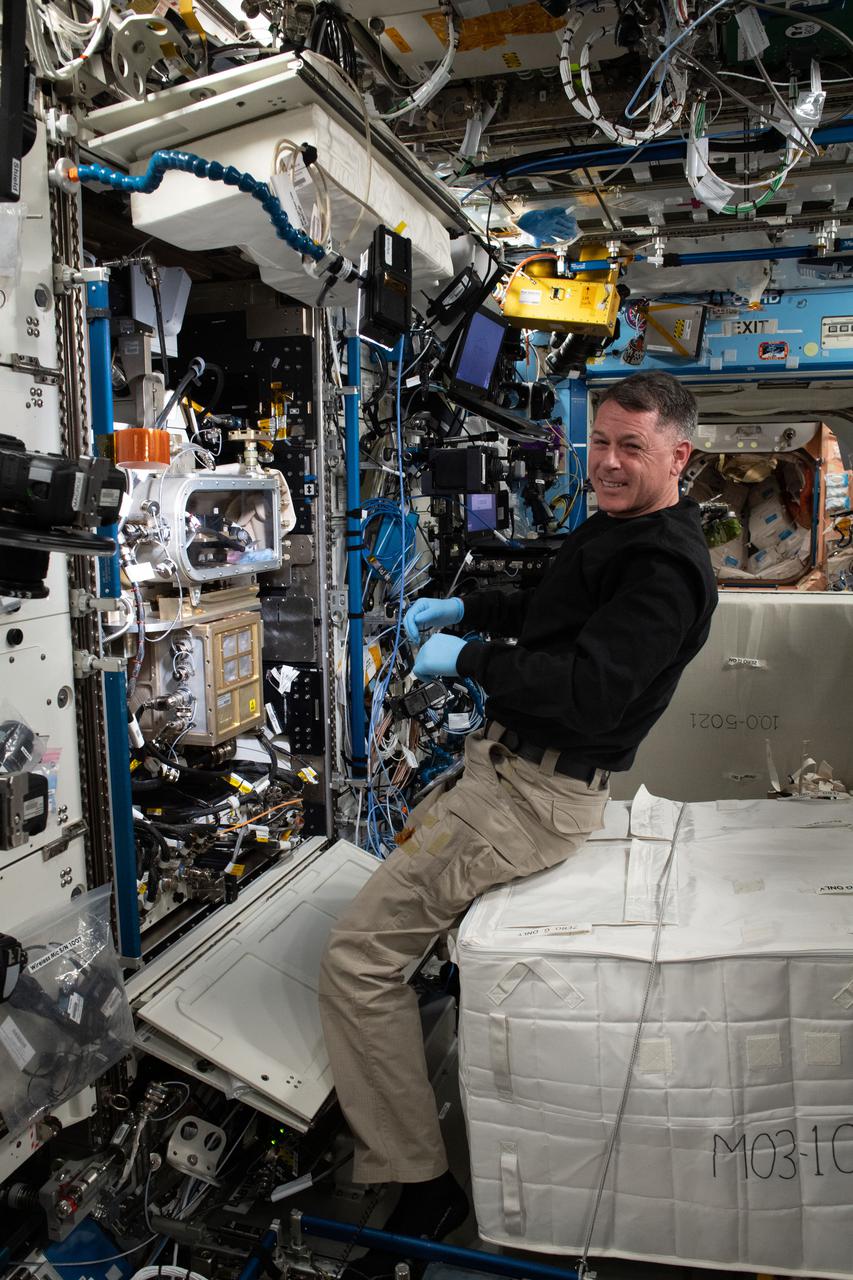
iss065e257487 (Aug. 17, 2021) --- NASA astronaut and Expedition 65 Flight Engineer Shane Kimbrough changes out the ACE (Advanced Colloid Experiment) Module inside the LMM (Light Microscopy Module).
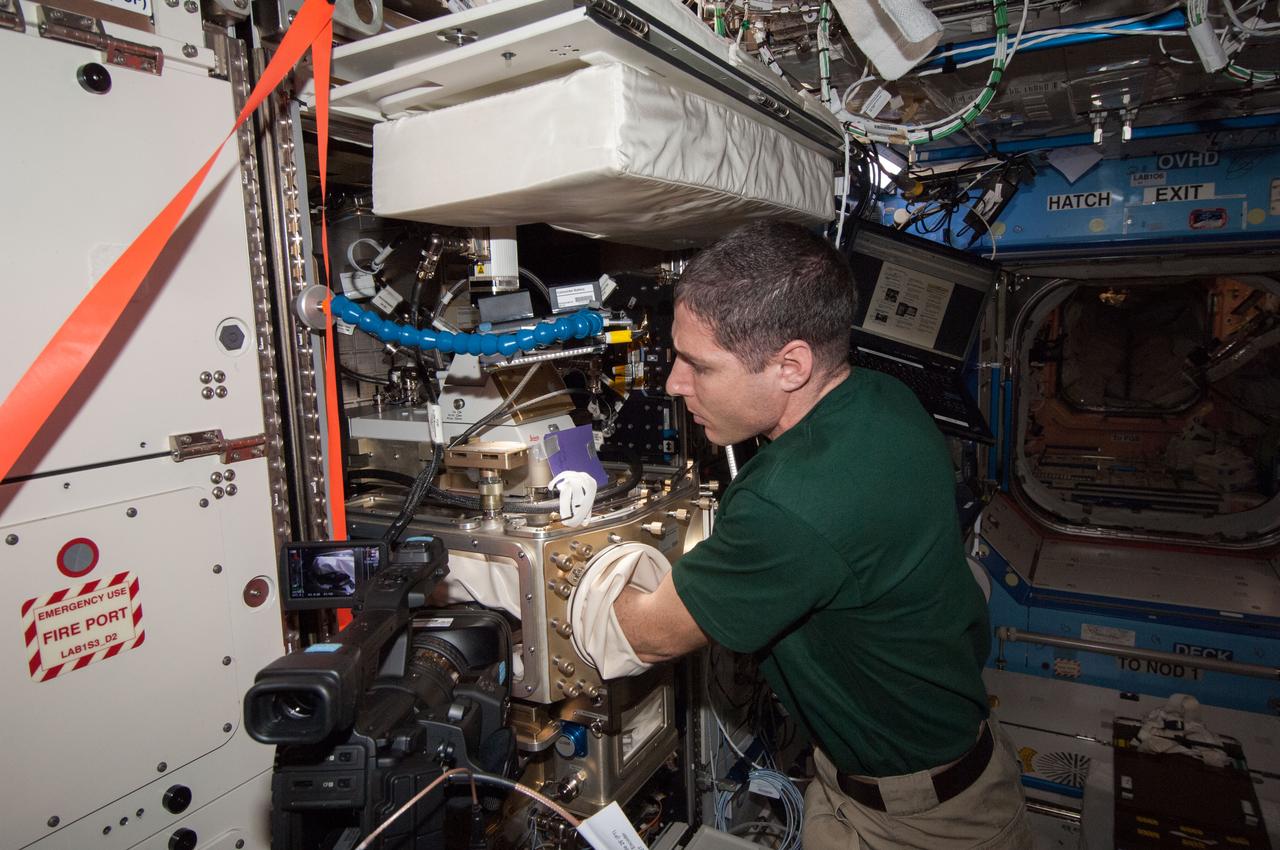
ISS038-E-055240 (24 Feb. 2014) --- In the International Space Station's Destiny laboratory, NASA astronaut Mike Hopkins, Expedition 38 flight engineer, sets up the Advanced Colloids Experiment (ACE) housed in the Light Microscopy Module (LMM) inside the Fluids Integrated Rack. ACE studies microscopic particles suspended in a liquid.
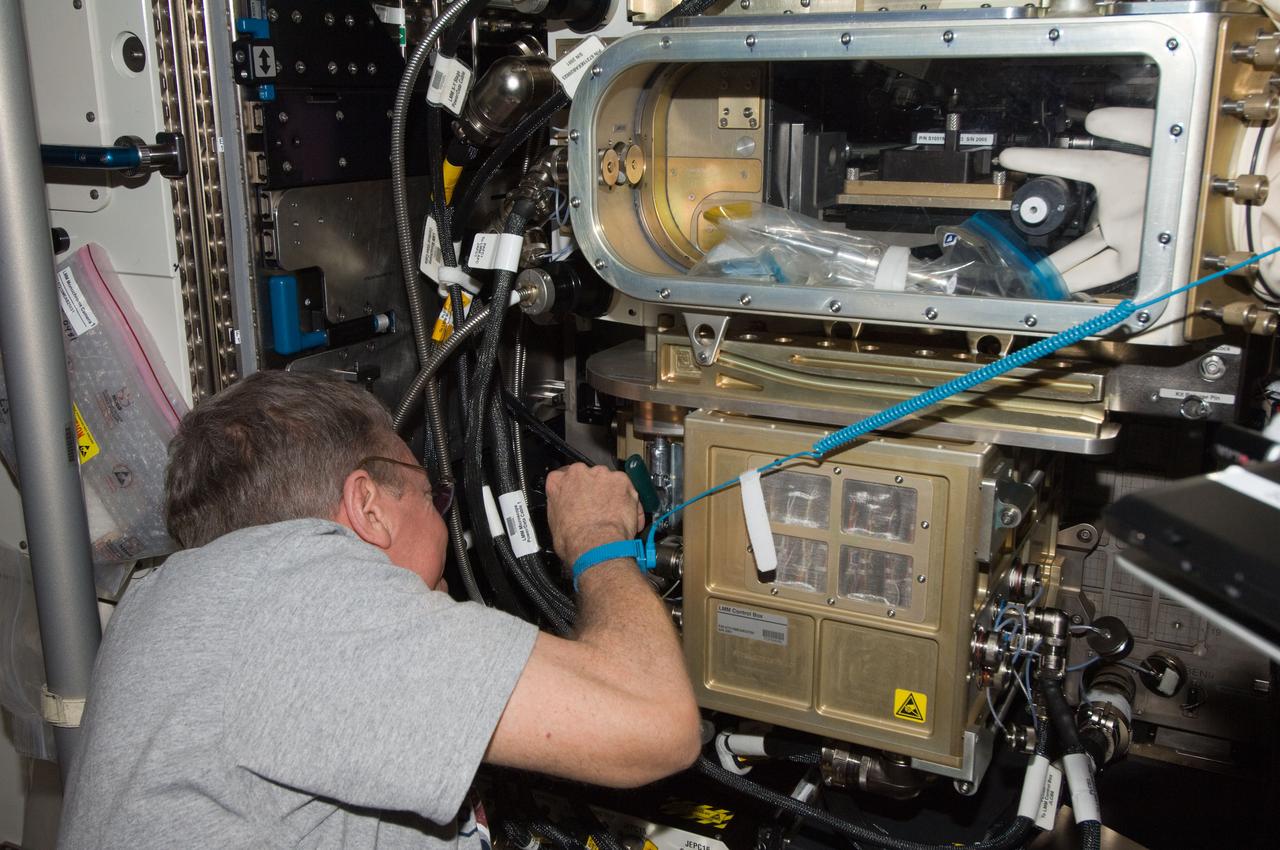
ISS029-E-011867 (29 Sept. 2011) --- NASA astronaut Mike Fossum, Expedition 29 commander, works with the Light Microscopy Module (LMM) control box in the Destiny laboratory of the International Space Station in preparation for another session with the Preliminary Advanced Colloids Experiment (PACE) hardware.
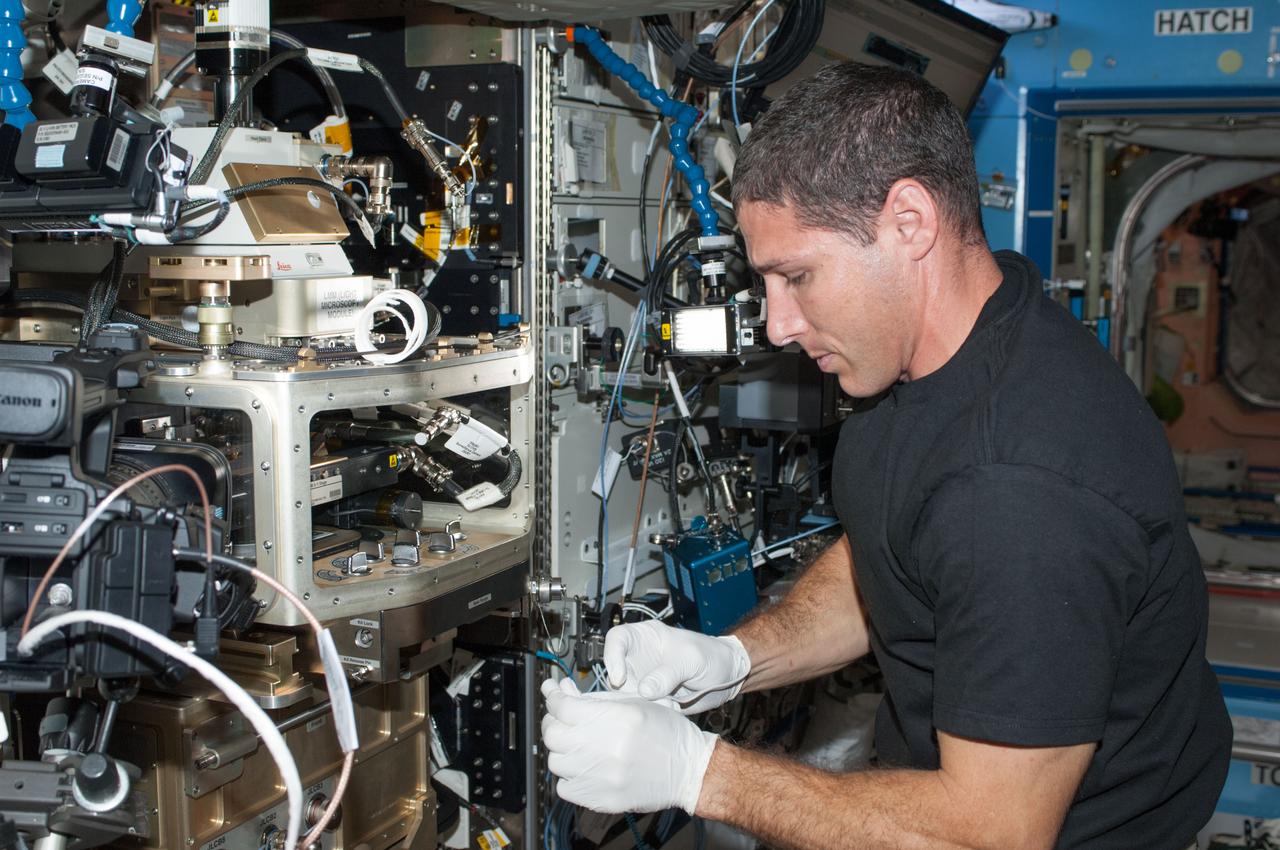
ISS037-E-013951 (14 Oct. 2013) --- NASA astronaut Michael Hopkins, Expedition 37 flight engineer, works at the Light Microscopy Module (LMM) in the Fluids Integrated Rack / Fluids Combustion Facility (FIR/FCF) located in the Destiny laboratory of the International Space Station.
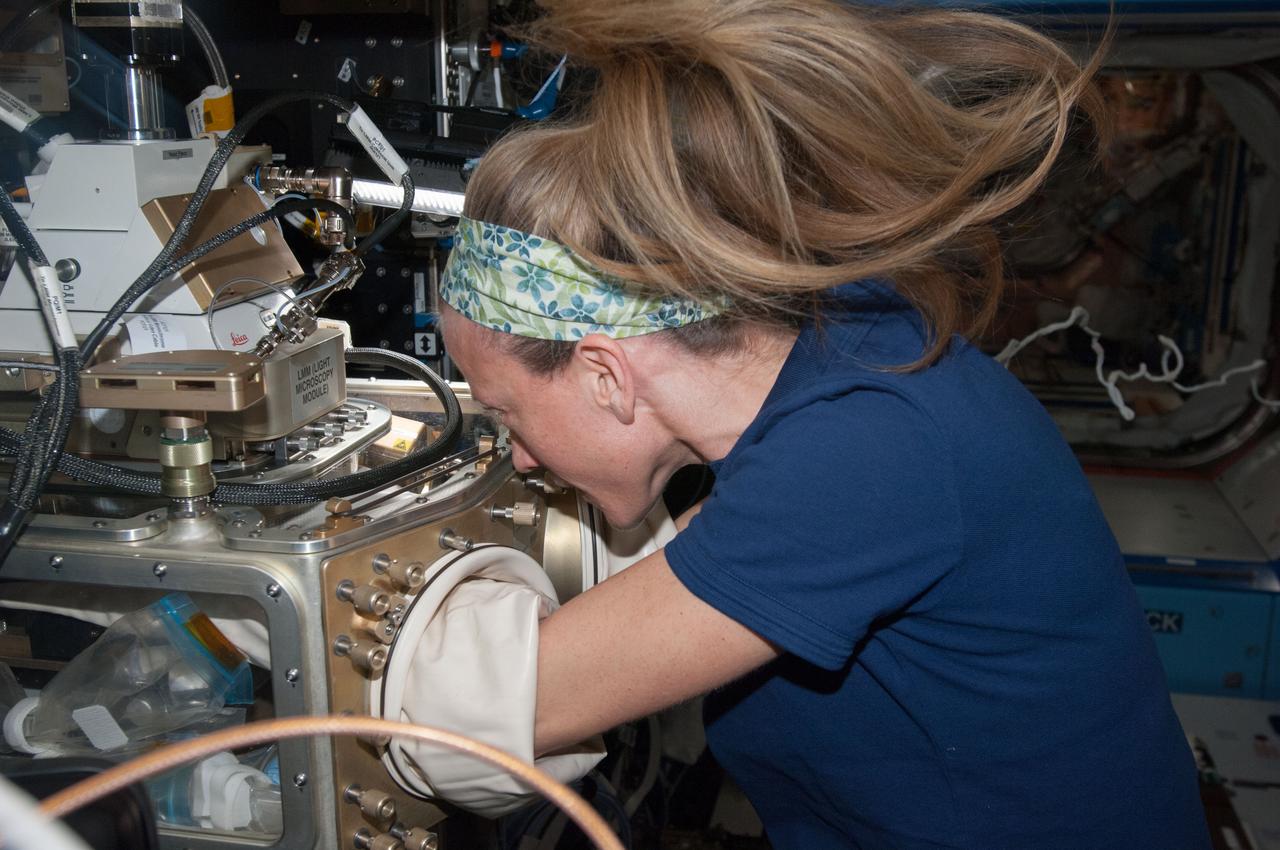
ISS037-E-001115 (16 Sept. 2013) ---NASA astronaut Karen Nyberg, Expedition 37 flight engineer, works with test samples housed in the Light Microscopy Module (LMM) inside the Fluids Integrated Rack of the International Space Station’s Destiny laboratory.
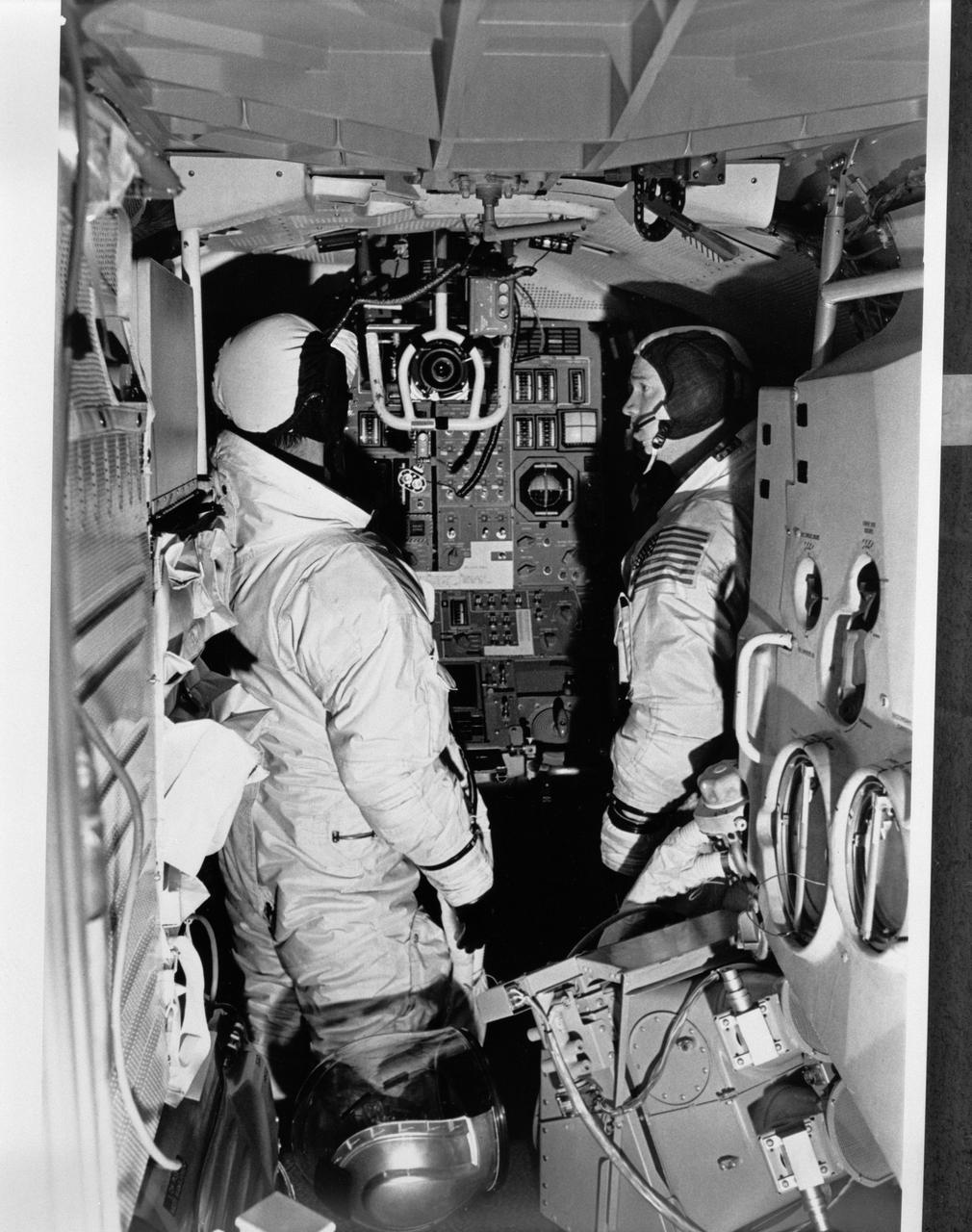
S69-19858 (December 1968) --- Two members of the Apollo 9 prime crew participate in simulation training in the Apollo Lunar Module Mission Simulator (LMMS) at the Kennedy Space Center (KSC). On the left is astronaut James A. McDivitt, commander; and on the right is astronaut Russell L. Schweickart, lunar module pilot.
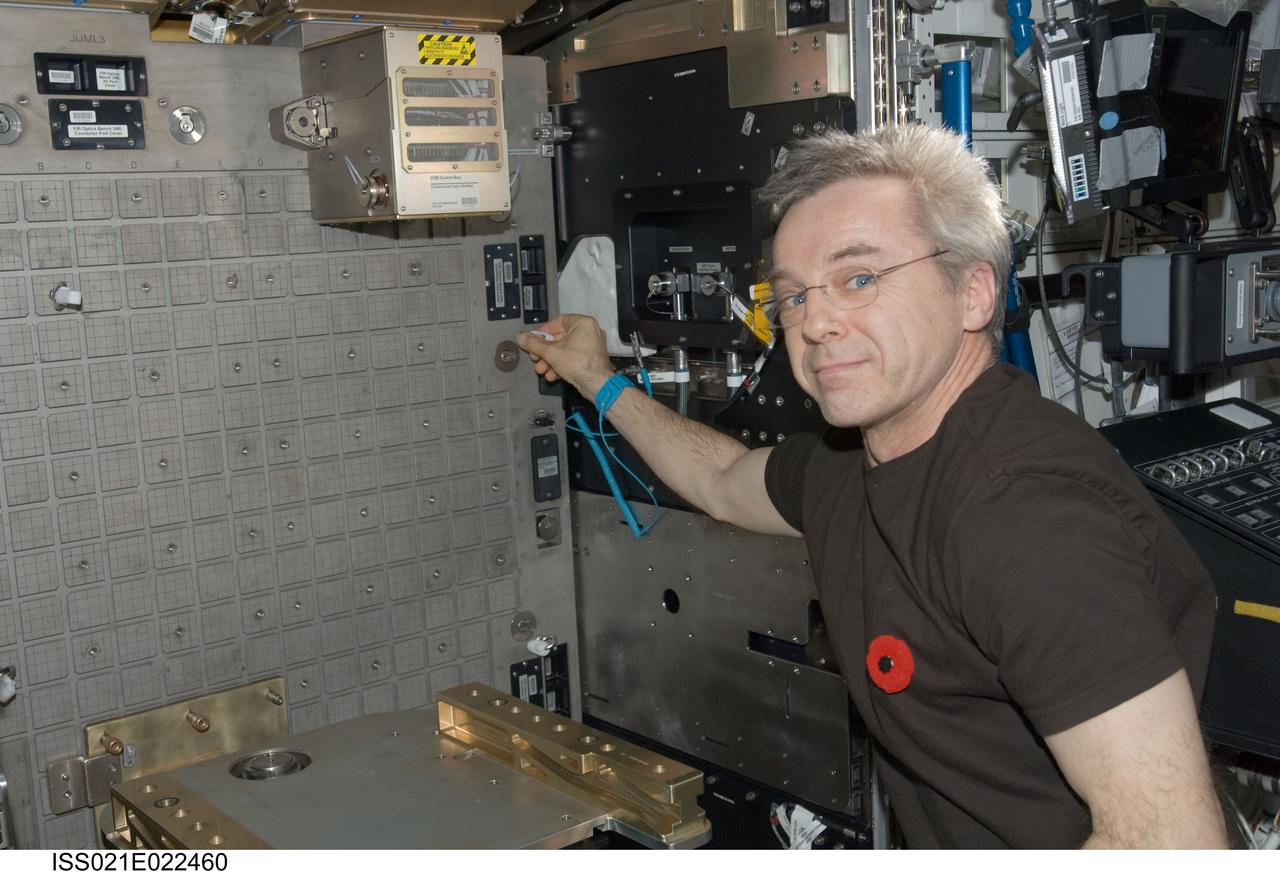
ISS021-E-022460 (9 Nov. 2009) --- Canadian Space Agency astronaut Robert Thirsk, Expedition 21 flight engineer, installs the Light Microscopy Module (LMM) Spindle Bracket Assembly in the Fluids Integrated Rack (FIR) in the Destiny laboratory of the International Space Station. NASA astronaut Nicole Stott (out of frame), flight engineer, assisted Thirsk.
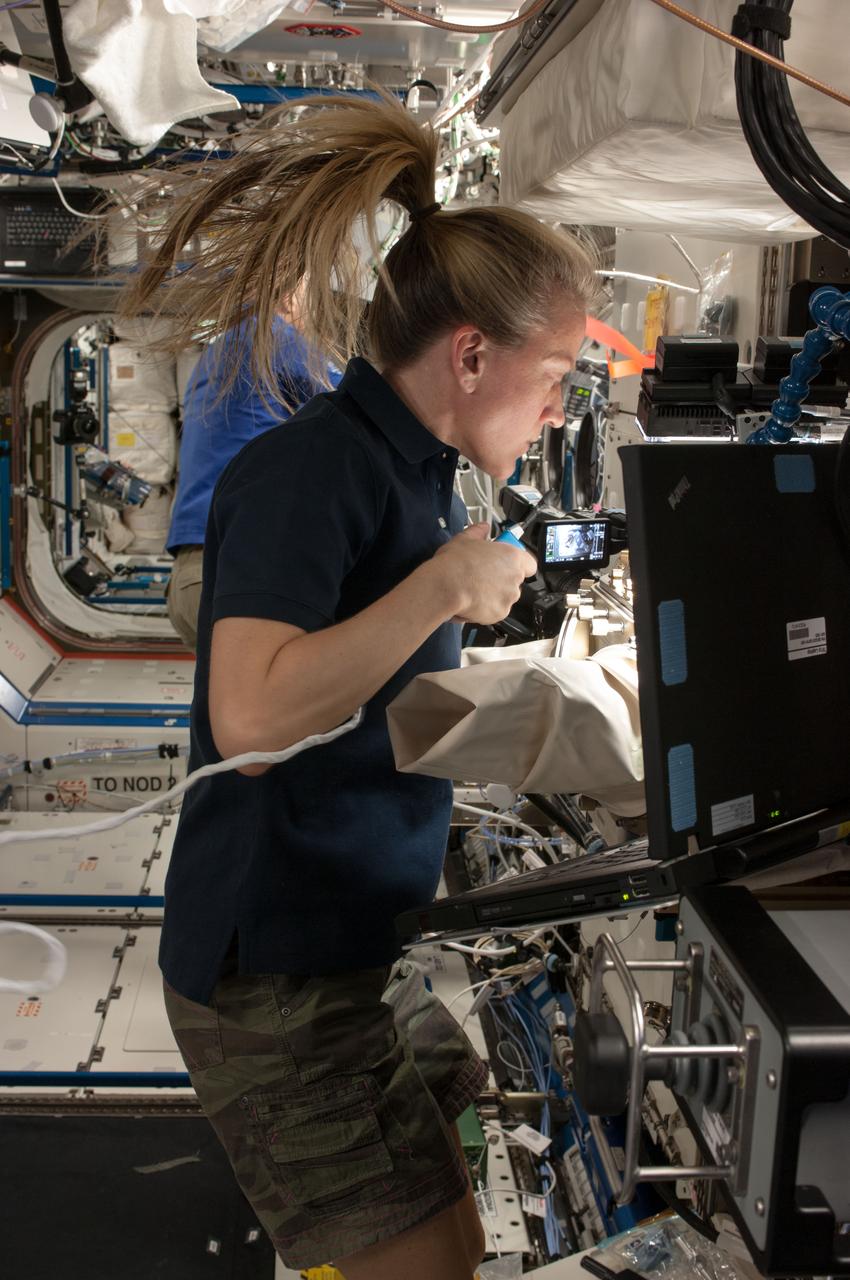
ISS036-E-035780 (18 Aug. 2013) --- NASA astronaut Karen Nyberg, Expedition 36 flight engineer, works with new test samples for the Advanced Colloids Experiment, or ACE, housed in the Light Microscopy Module (LMM) inside the Fluids Integrated Rack of the International Space Station?s Destiny laboratory. Results from ACE will help researchers understand how to optimize stabilizers to extend the shelf life of products like laundry detergent, paint, ketchup and even salad dressing.
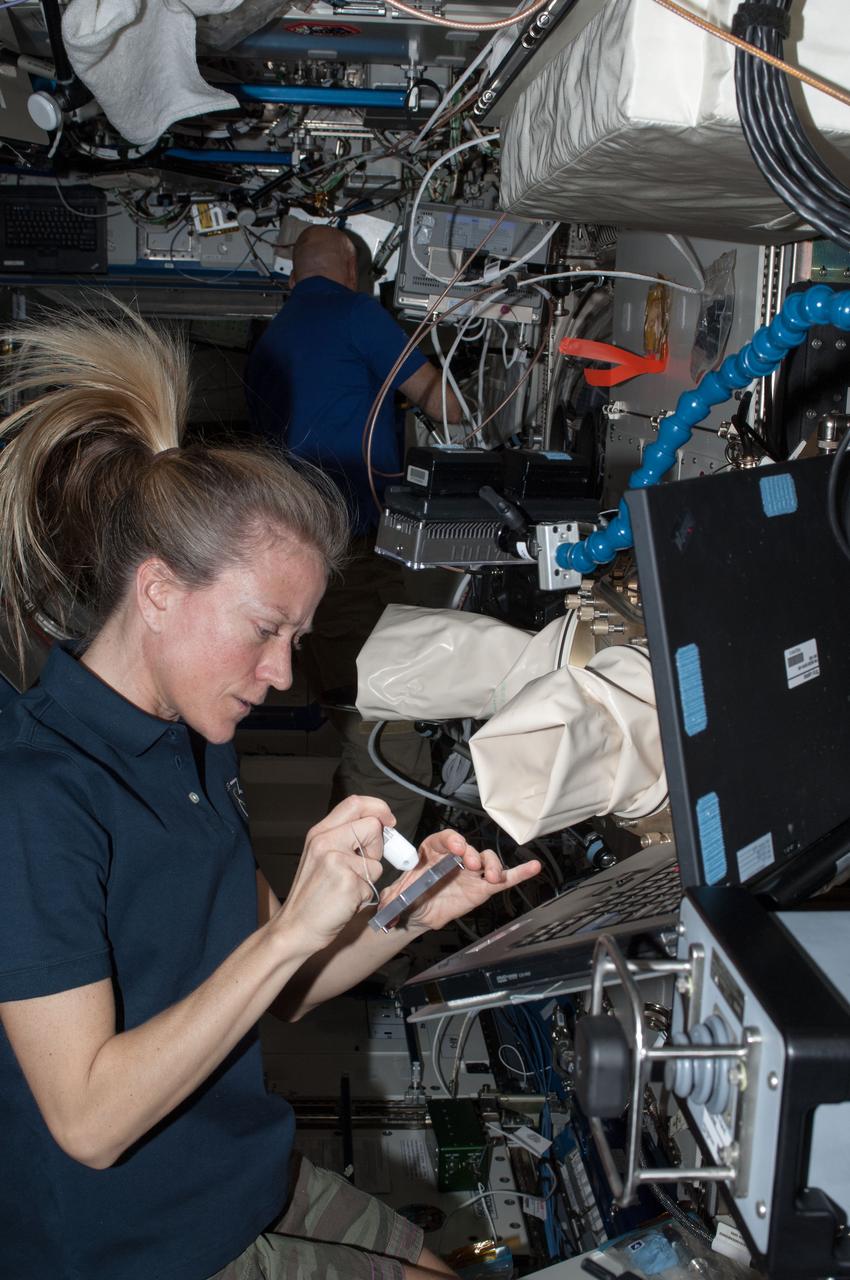
ISS036-E-035770 (18 Aug. 2013) --- NASA astronaut Karen Nyberg, Expedition 36 flight engineer, works with new test samples for the Advanced Colloids Experiment, or ACE, housed in the Light Microscopy Module (LMM) inside the Fluids Integrated Rack of the International Space Station?s Destiny laboratory. Results from ACE will help researchers understand how to optimize stabilizers to extend the shelf life of products like laundry detergent, paint, ketchup and even salad dressing.
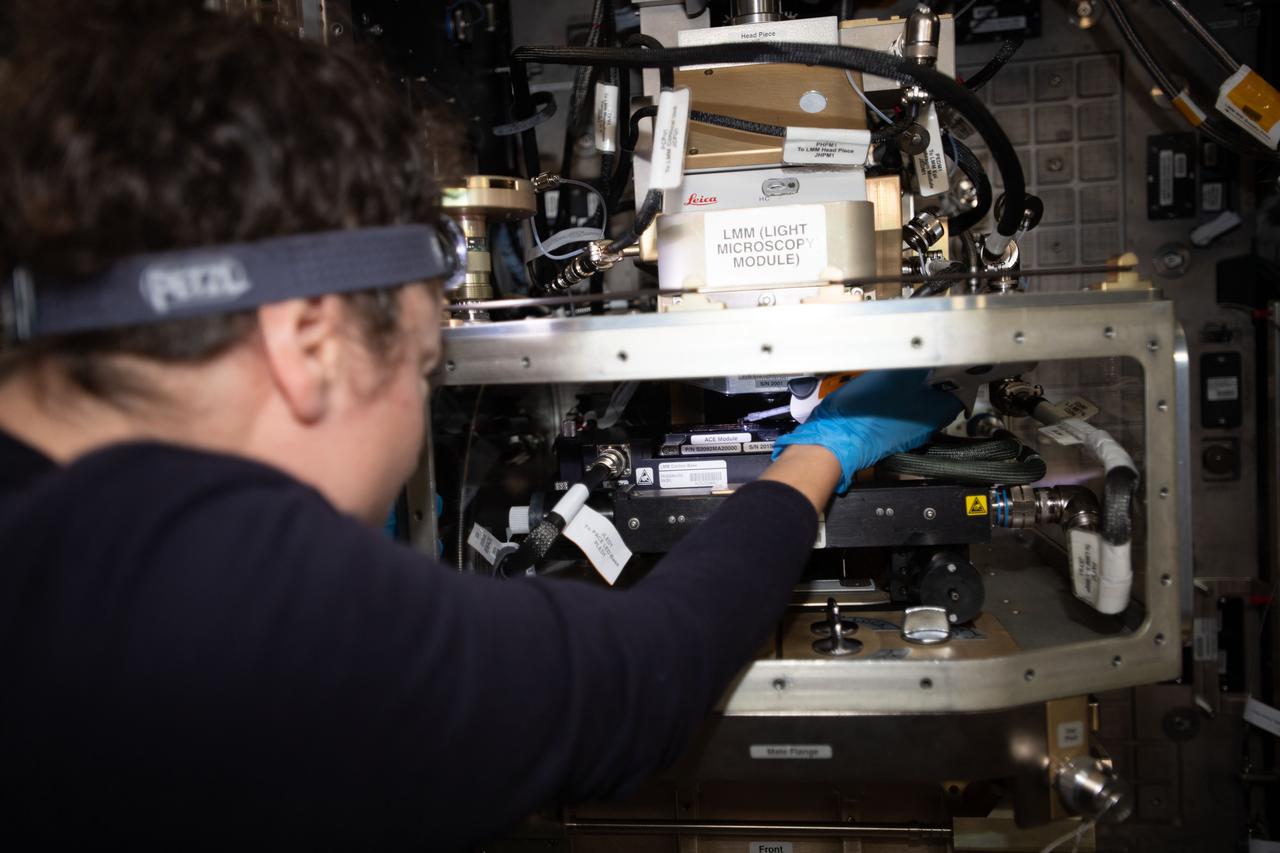
iss062e014345 (2-16-2020) --- A view of NASA astronaut Jessica Meir configuring the Light Microscopy Module (LMM) for the Advanced Colloids Experiment-Temperature-4 (ACE-T-4) science run in the Destiny module aboard the International Space Station (ISS). Introducing disorder to a crystalline system in a controlled way can form glass. Advanced Colloids Experiment-Temperature-4 (ACE-T-4) examines the transition of an ordered crystal to a disordered glass to determine how increasing disorder affects structural and dynamic properties
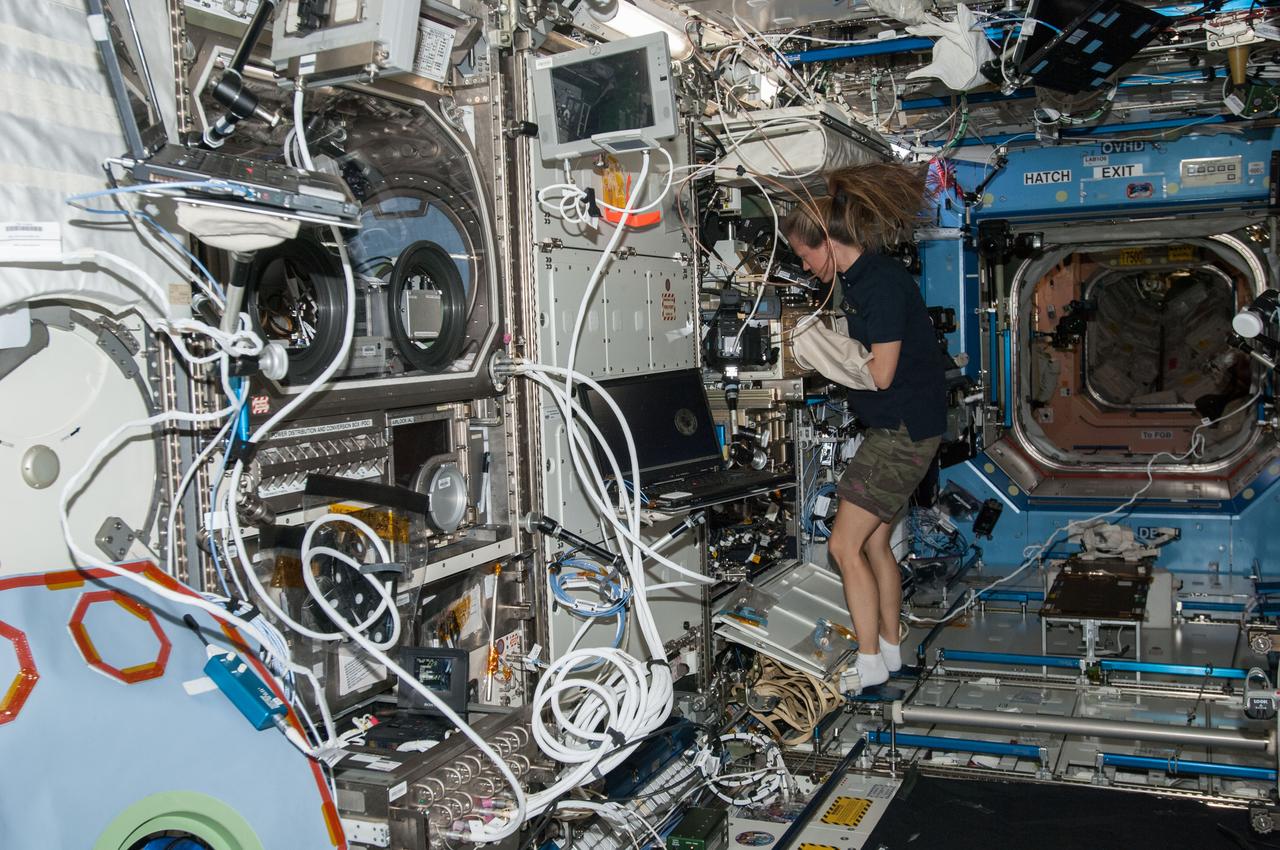
In the International Space Stations Destiny laboratory,NASA astronaut Karen Nyberg,Expedition 36 flight engineer,speaks into a microphone while conducting a session with the Advanced Colloids Experiment (ACE)-1 sample preparation at the Light Microscopy Module (LMM) in the Fluids Integrated Rack / Fluids Combustion Facility (FIR/FCF). ACE-1 is a series of microscopic imaging investigations that uses the microgravity environment to examine flow characteristics and the evolution and ordering effects within a group of colloidal materials.
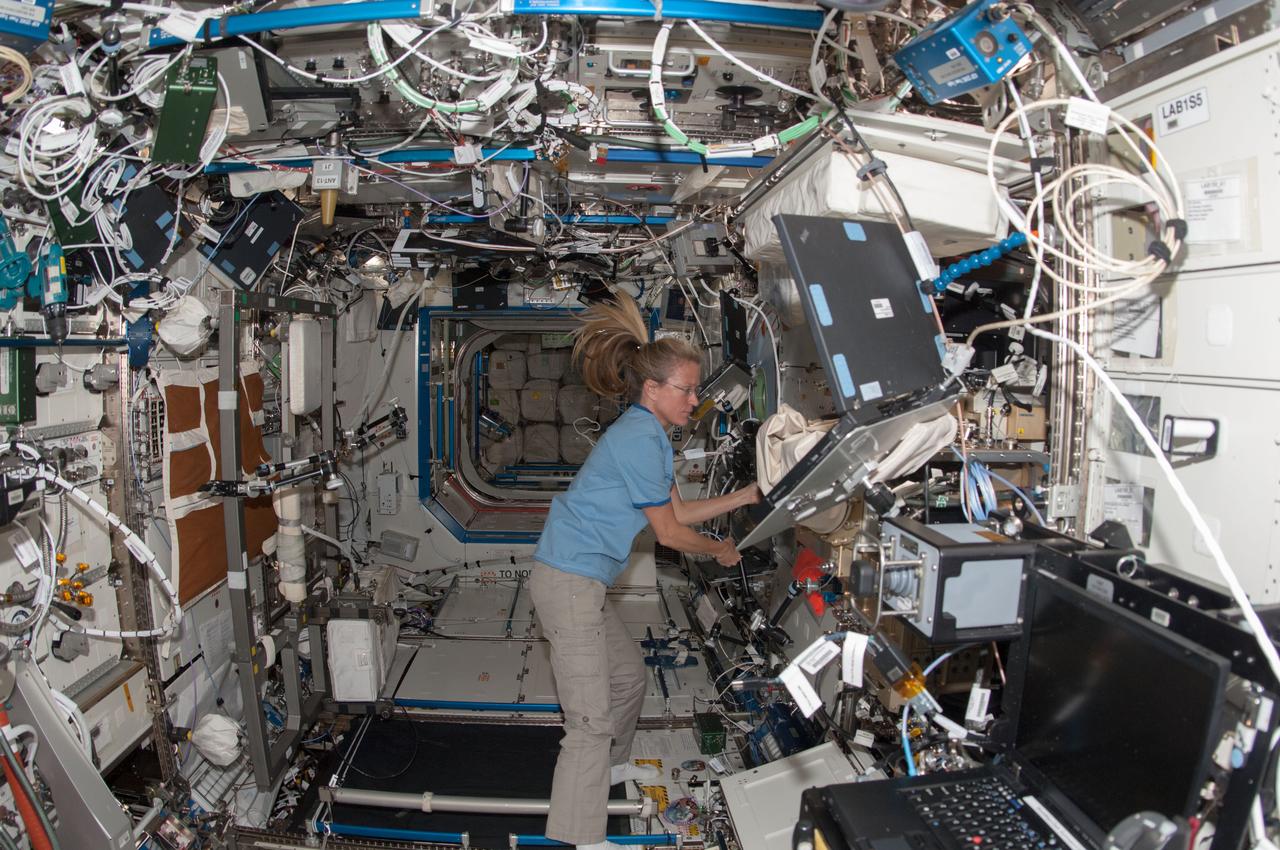
ISS036-E-033948 (18 Aug. 2013) --- NASA astronaut Karen Nyberg, Expedition 36 flight engineer, works with new test samples for the Advanced Colloids Experiment, or ACE, housed in the Light Microscopy Module (LMM) inside the Fluids Integrated Rack of the International Space Station?s Destiny laboratory. Results from ACE will help researchers understand how to optimize stabilizers to extend the shelf life of products like laundry detergent, paint, ketchup and even salad dressing.
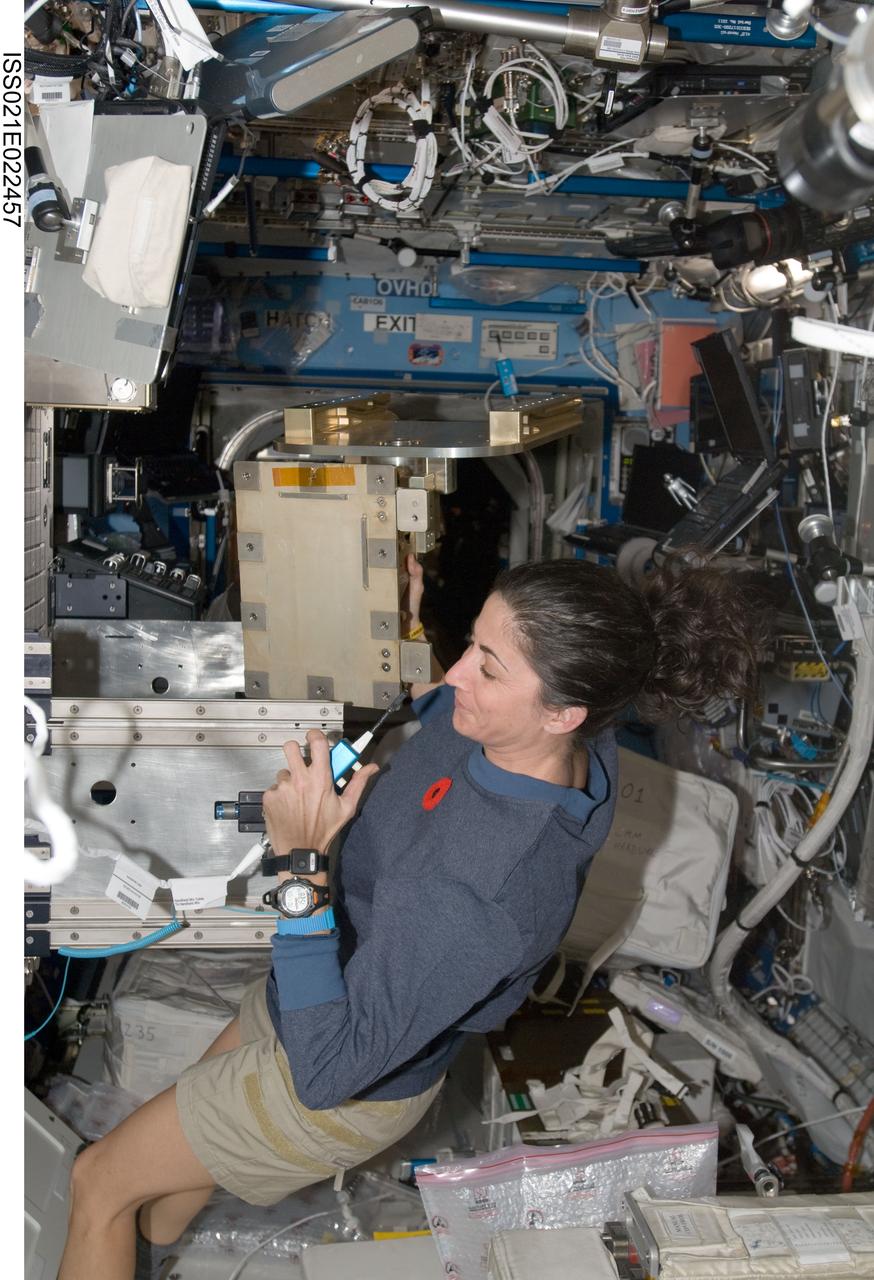
ISS021-E-022457 (9 Nov. 2009) --- NASA astronaut Nicole Stott, Expedition 21 flight engineer, uses a communication system while installing the Light Microscopy Module (LMM) Spindle Bracket Assembly in the Fluids Integrated Rack (FIR) in the Destiny laboratory of the International Space Station. Canadian Space Agency astronaut Robert Thirsk (out of frame) assisted Stott.
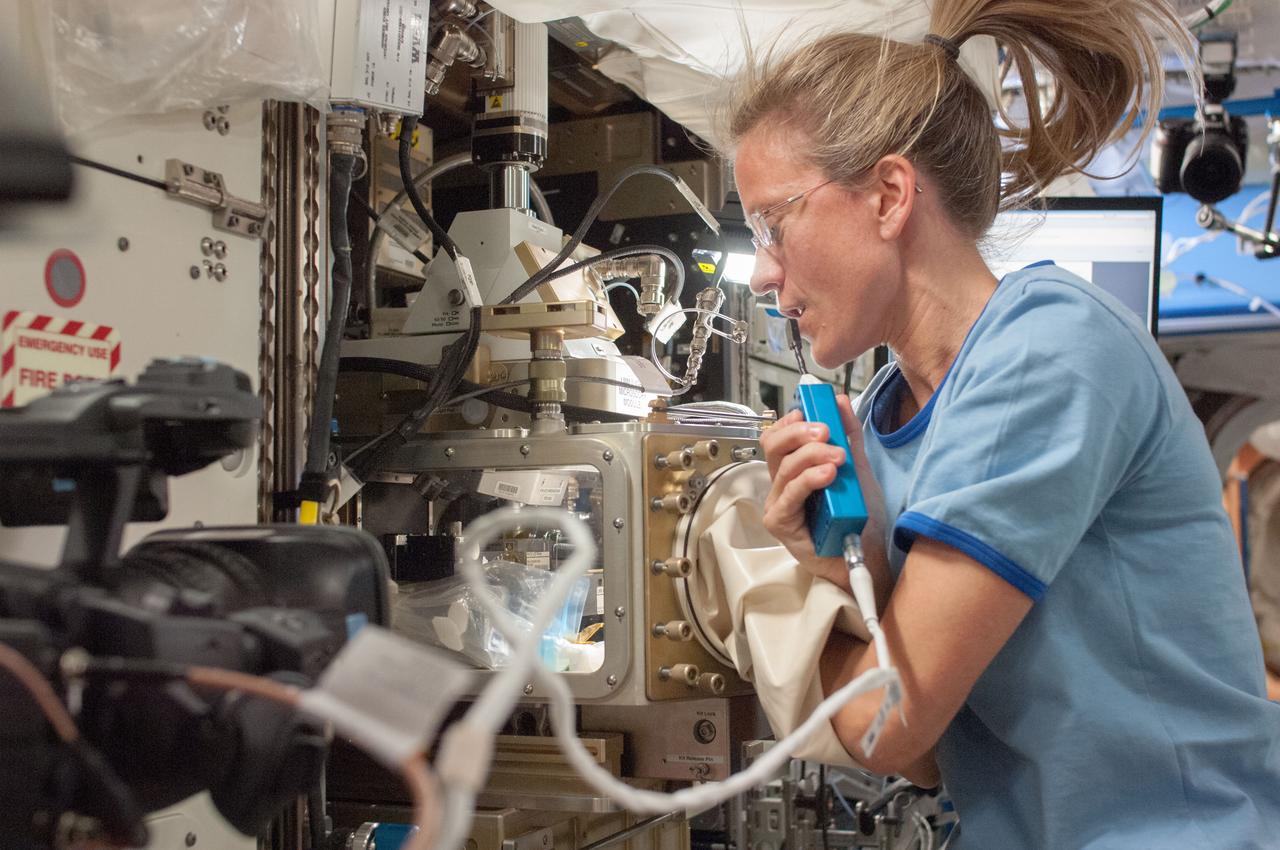
ISS036-E-019830 (24 June 2013) --- In the International Space Station’s Destiny laboratory, NASA astronaut Karen Nyberg, Expedition 36 flight engineer, speaks into a microphone while conducting a session with the Advanced Colloids Experiment (ACE)-1 sample preparation at the Light Microscopy Module (LMM) in the Fluids Integrated Rack / Fluids Combustion Facility (FIR/FCF). ACE-1 is a series of microscopic imaging investigations that uses the microgravity environment to examine flow characteristics and the evolution and ordering effects within a group of colloidal materials.
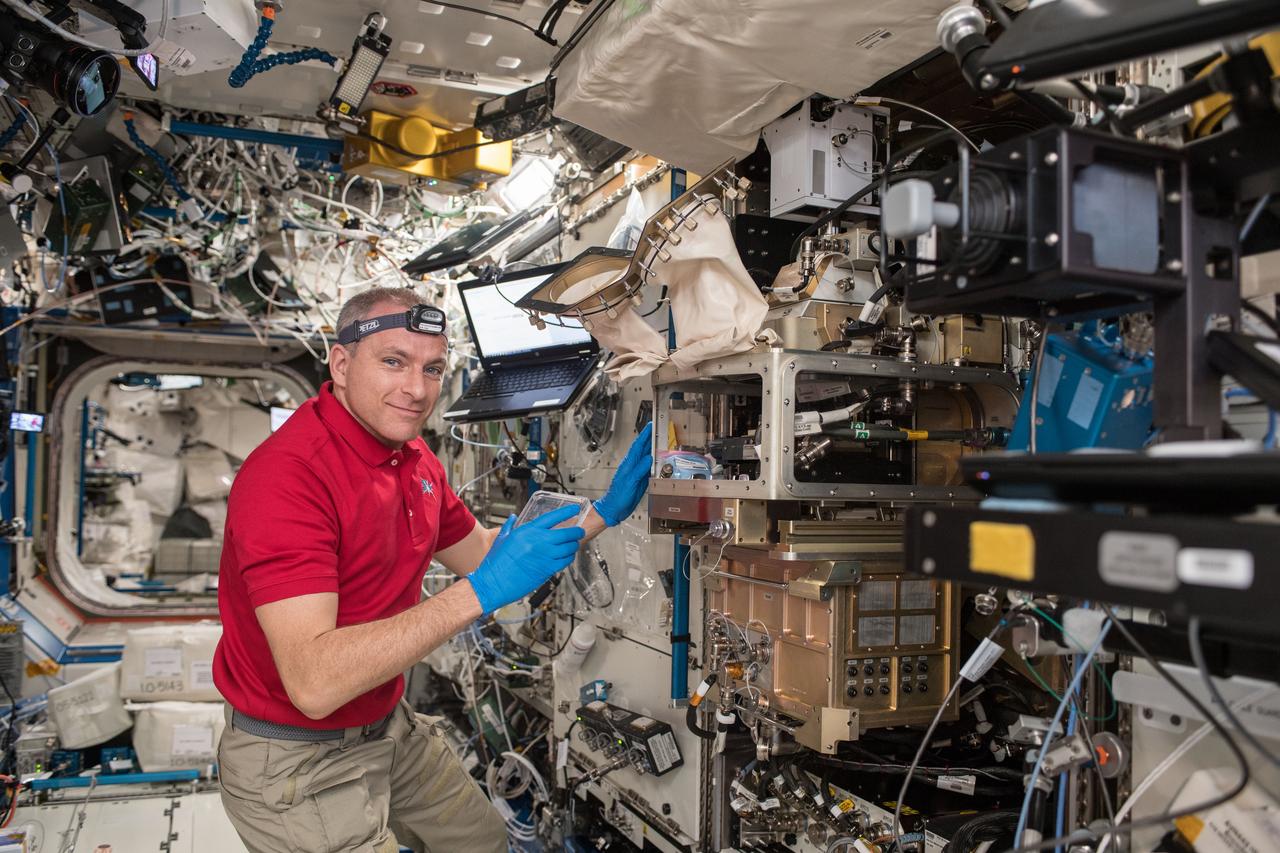
iss057e135002 (12/18/2018) --- Canadian Space Agency (CSA) astronaut David Saint-Jacques removes the APEX-05 Petri Plate from the FIR/LMM (Fluids Integrated Rack/Light Microscopy Module). The Spaceflight-induced Hypoxic/ROS Signaling (APEX-05) experiment grows different wild and mutant varieties of Arabidopsis thaliana, in order to understand how their genetic and molecular stress response systems work in space.
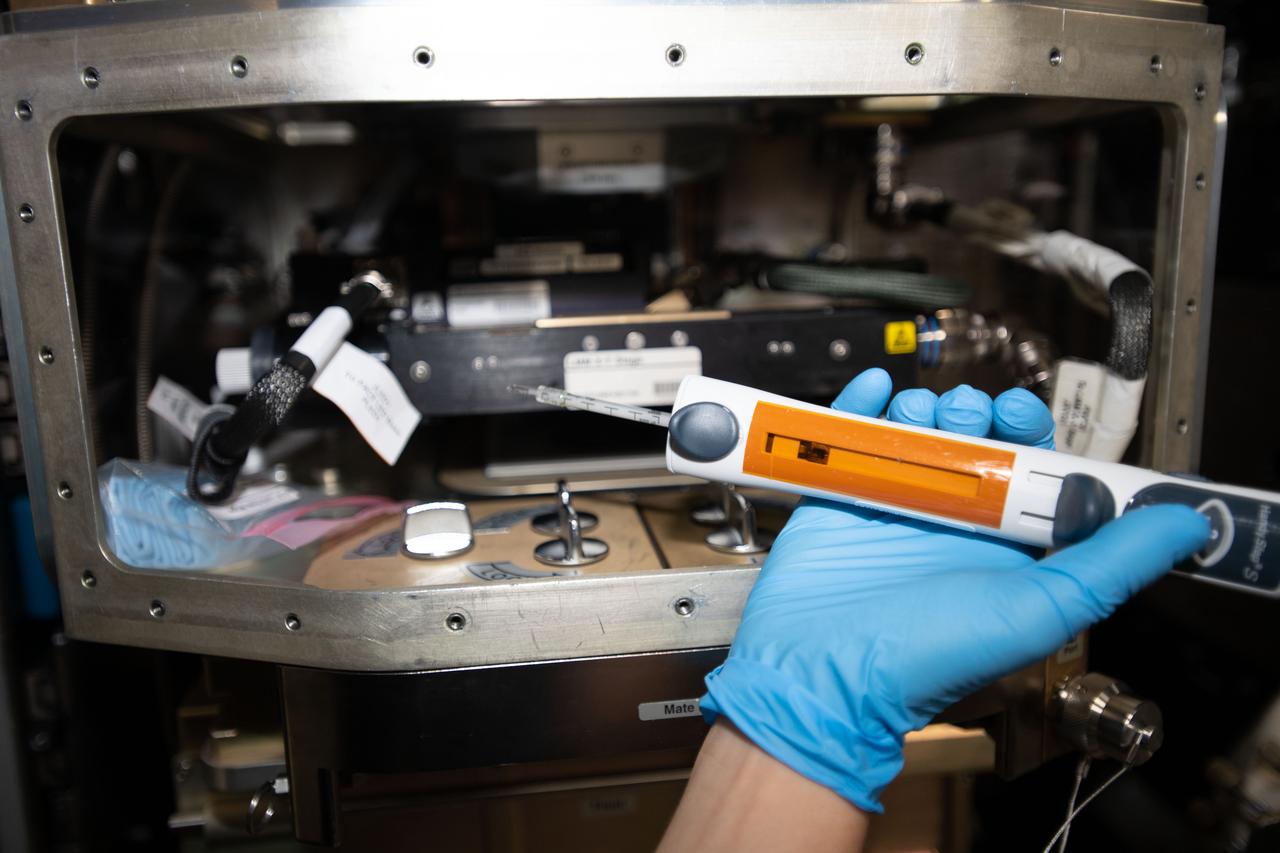
iss062e014342 (2-16-2020) --- A view of NASA astronaut Jessica Meir configuring the Light Microscopy Module (LMM) for the Advanced Colloids Experiment-Temperature-4 (ACE-T-4) science run in the Destiny module aboard the International Space Station (ISS). Introducing disorder to a crystalline system in a controlled way can form glass. Advanced Colloids Experiment-Temperature-4 (ACE-T-4) examines the transition of an ordered crystal to a disordered glass to determine how increasing disorder affects structural and dynamic properties

ISS021-E-022459 (9 Nov. 2009) --- NASA astronaut Nicole Stott, Expedition 21 flight engineer, installs the Light Microscopy Module (LMM) Spindle Bracket Assembly in the Fluids Integrated Rack (FIR) in the Destiny laboratory of the International Space Station. Canadian Space Agency astronaut Robert Thirsk (out of frame) assisted Stott.
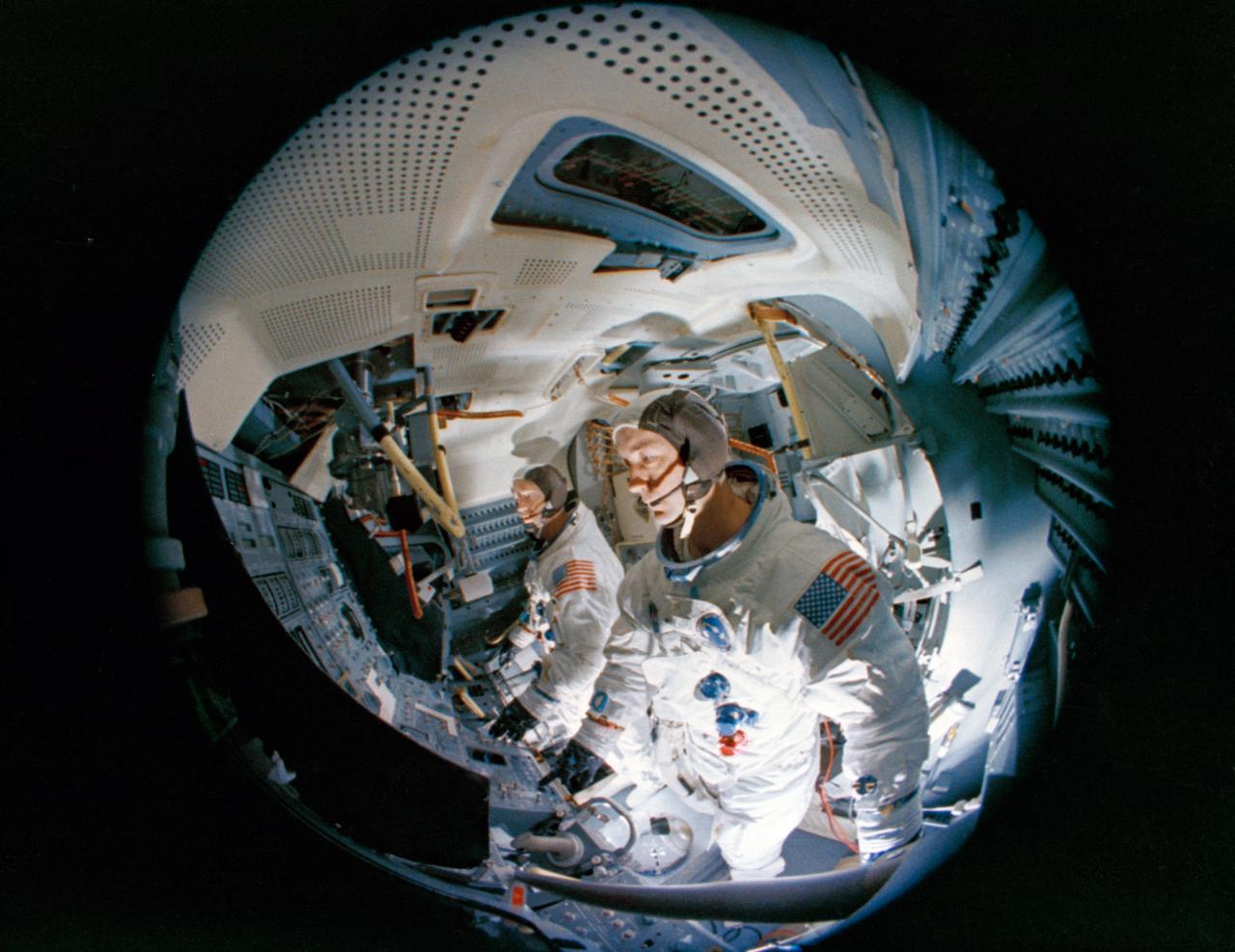
S69-19981 (23 Feb. 1969) --- Fish-eye camera lens view of the interior of the Apollo Lunar Module Mission Simulator (LMMS) at the Kennedy Space Center (KSC) during Apollo 9 simulation training. In the foreground is astronaut James A. McDivitt, prime crew commander; and in background is astronaut Russell L. Schweickart, lunar module pilot.
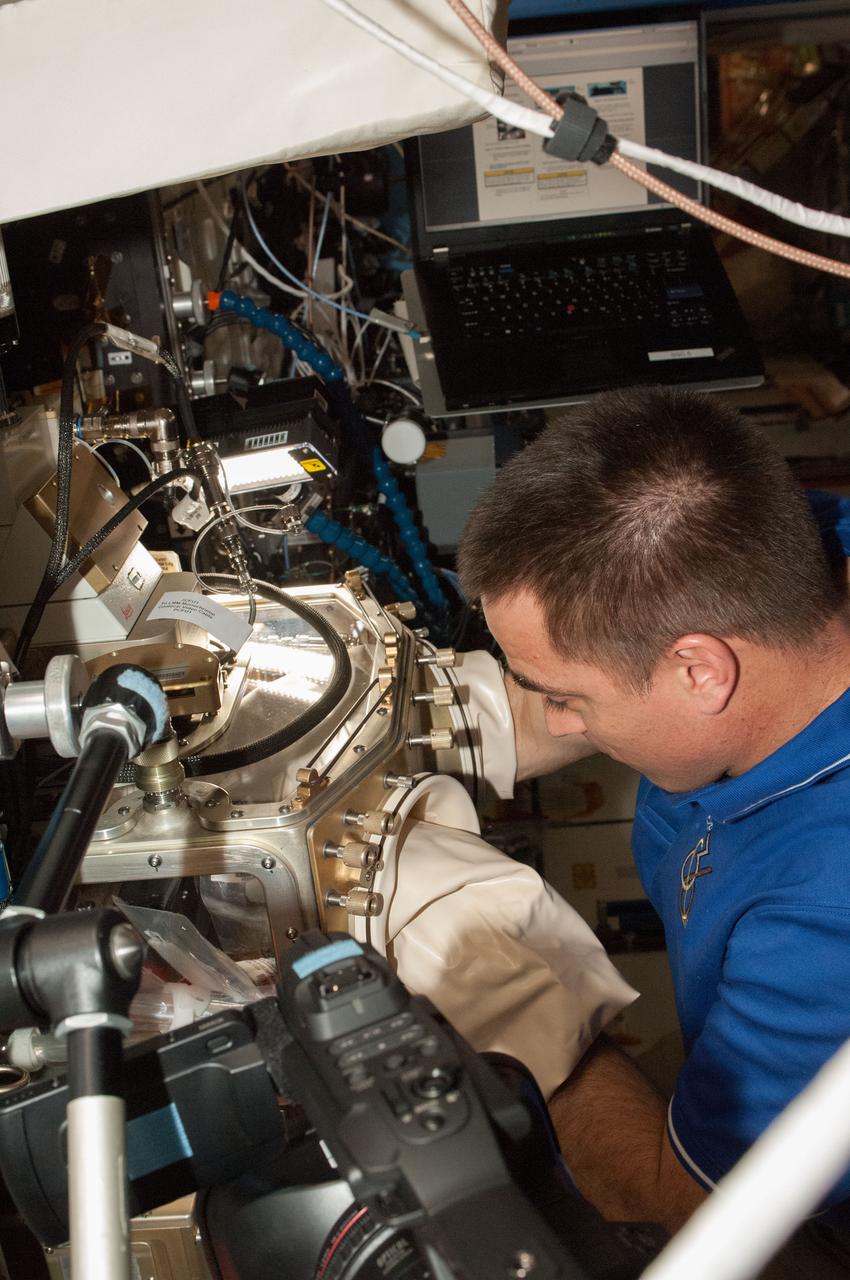
ISS036-E-023770 (22 July 2013) --- NASA astronaut Chris Cassidy, Expedition 36 flight engineer, conducts science work with the ongoing experiment Advanced Colloids Experiment-1 (ACE-1) inside the Fluids Integrated Rack. The experiment observes colloids, microscopic particles evenly dispersed throughout materials, with the potential for manufacturing improved materials and products on Earth. Cassidy is working at the Light Microscopy Module (LMM) in the Destiny laboratory of the International Space Station.
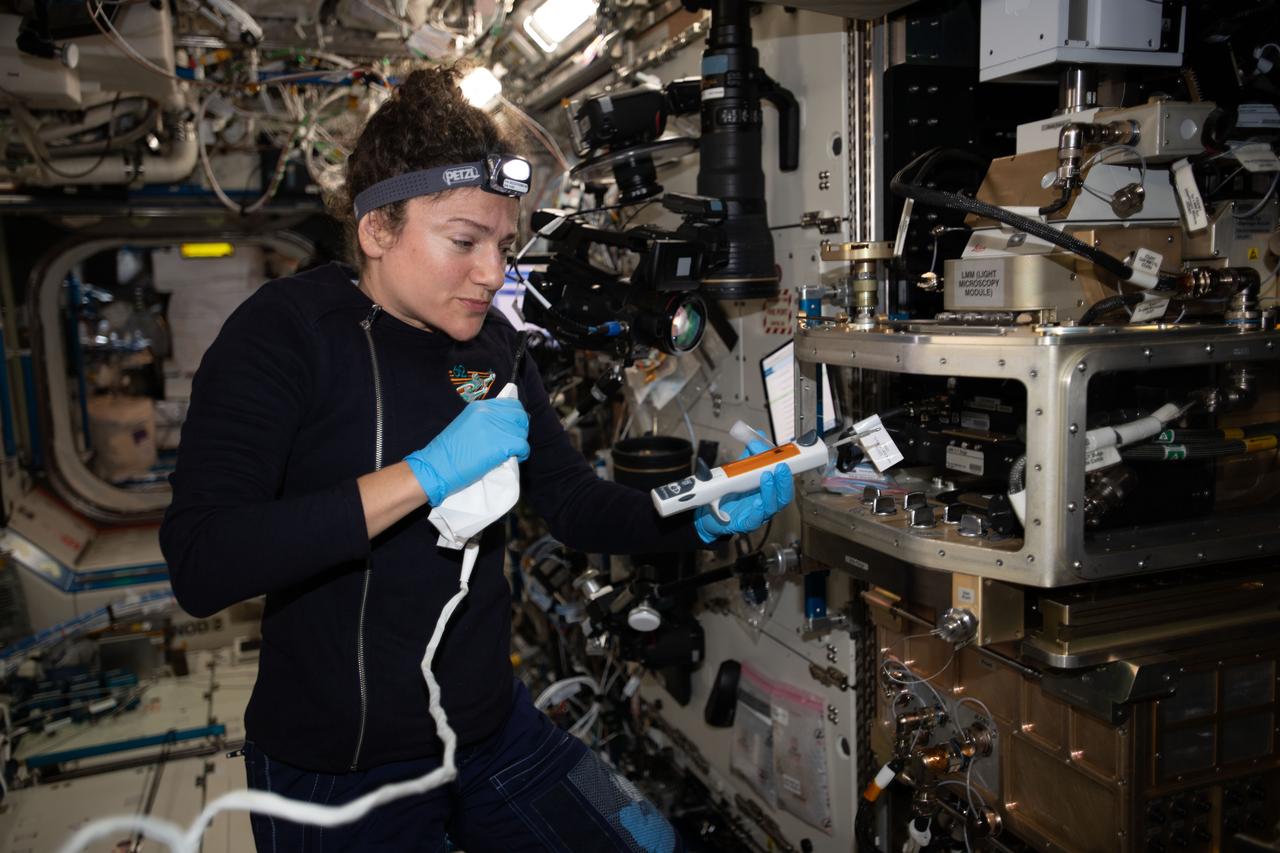
iss062e014349 (Feb. 16, 2020) --- A view of NASA astronaut Jessica Meir configuring the Light Microscopy Module (LMM) for the Advanced Colloids Experiment-Temperature-4 (ACE-T-4) science in the Destiny module aboard the International Space Station (ISS). Introducing disorder to a crystalline system in a controlled way can form glass. Advanced Colloids Experiment-Temperature-4 (ACE-T-4) examines the transition of an ordered crystal to a disordered glass to determine how increasing disorder affects structural and dynamic properties.
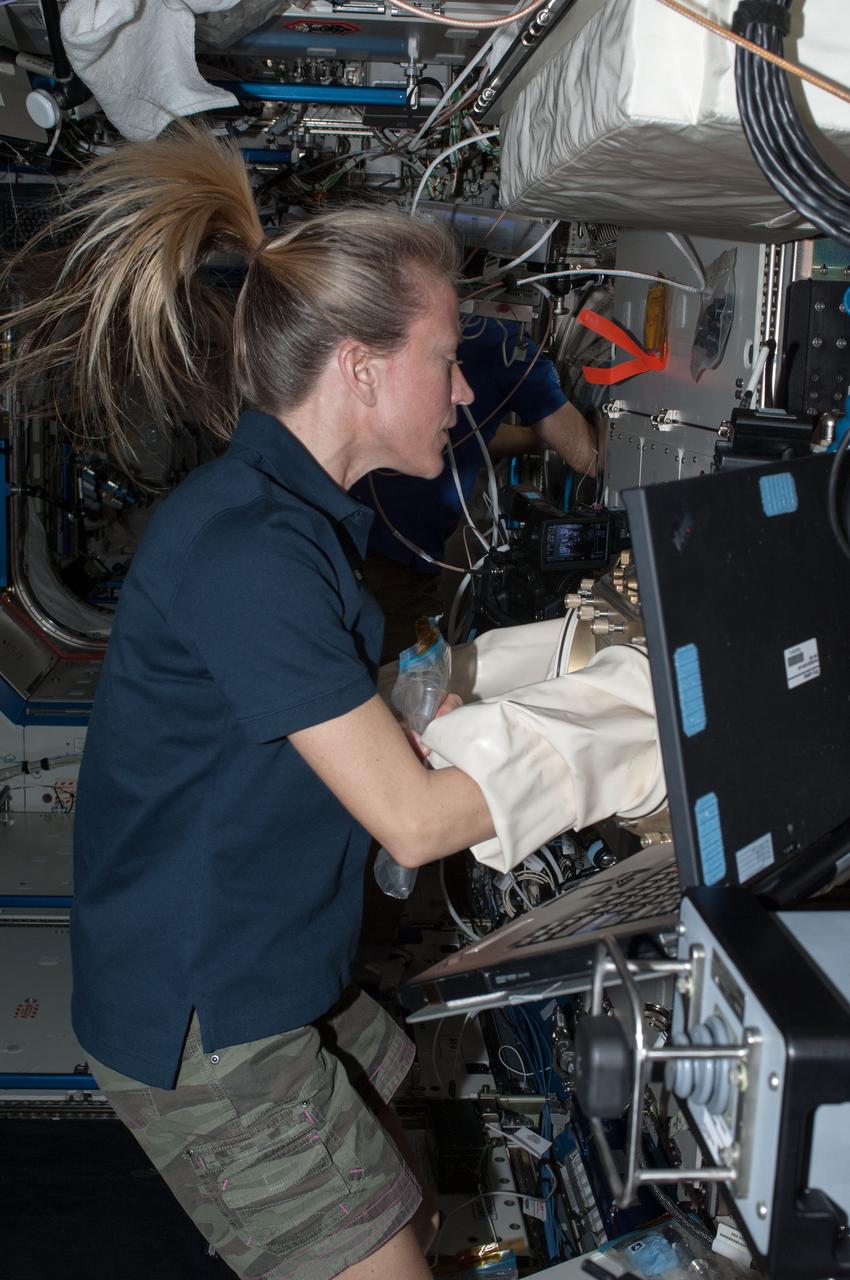
ISS036-E-035767 (18 Aug. 2013) --- NASA astronaut Karen Nyberg, Expedition 36 flight engineer, works with new test samples for the Advanced Colloids Experiment, or ACE, housed in the Light Microscopy Module (LMM) inside the Fluids Integrated Rack of the International Space Station?s Destiny laboratory. Results from ACE will help researchers understand how to optimize stabilizers to extend the shelf life of products like laundry detergent, paint, ketchup and even salad dressing.
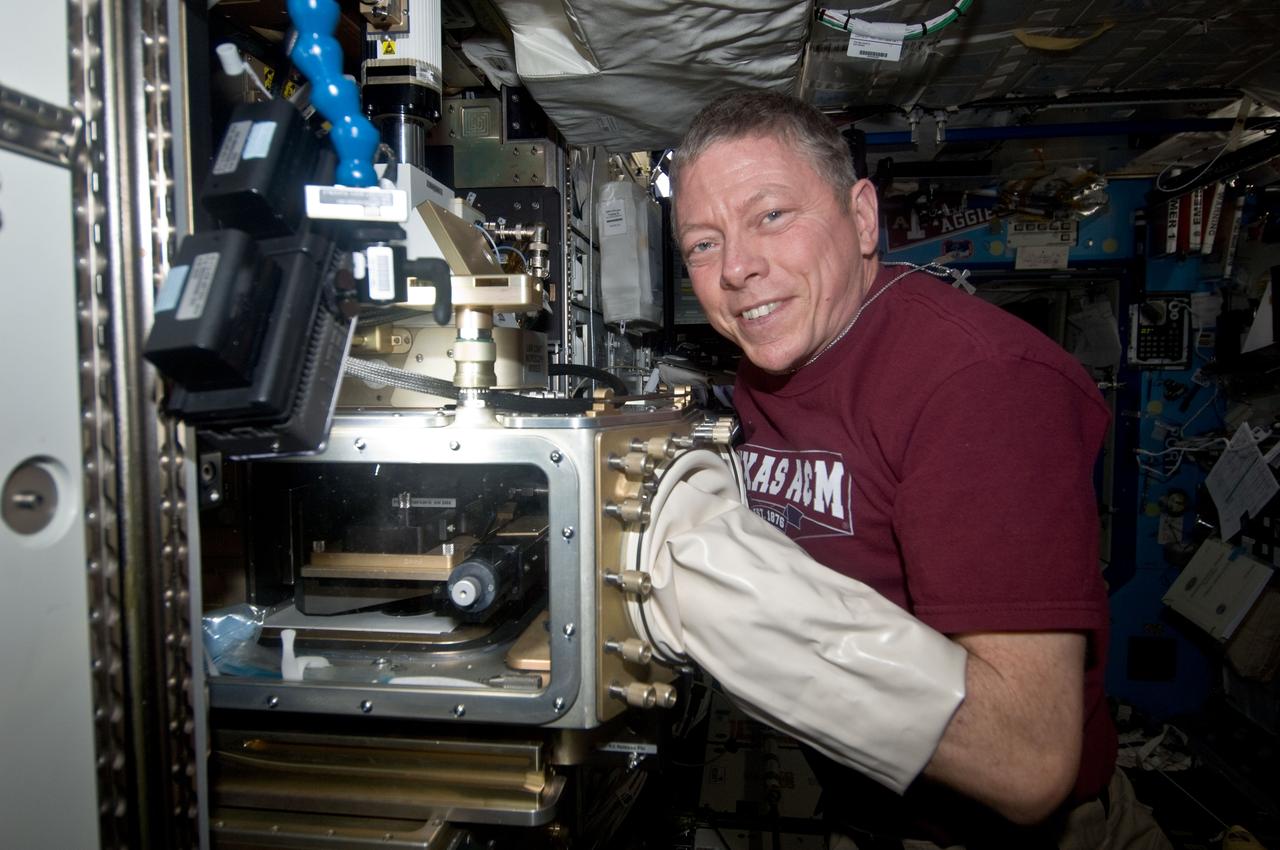
ISS029-E-025108 (11 Oct. 2011) --- NASA astronaut Mike Fossum, Expedition 29 commander, works on the Fluids Integrated Rack/Fluids and Combustion Facility (FIR/FCF), conducting another session with the Preliminary Advanced Colloids Experiment (PACE). Fossum is working at the Light Microscopy Module (LMM) in the Destiny laboratory of the International Space Station.
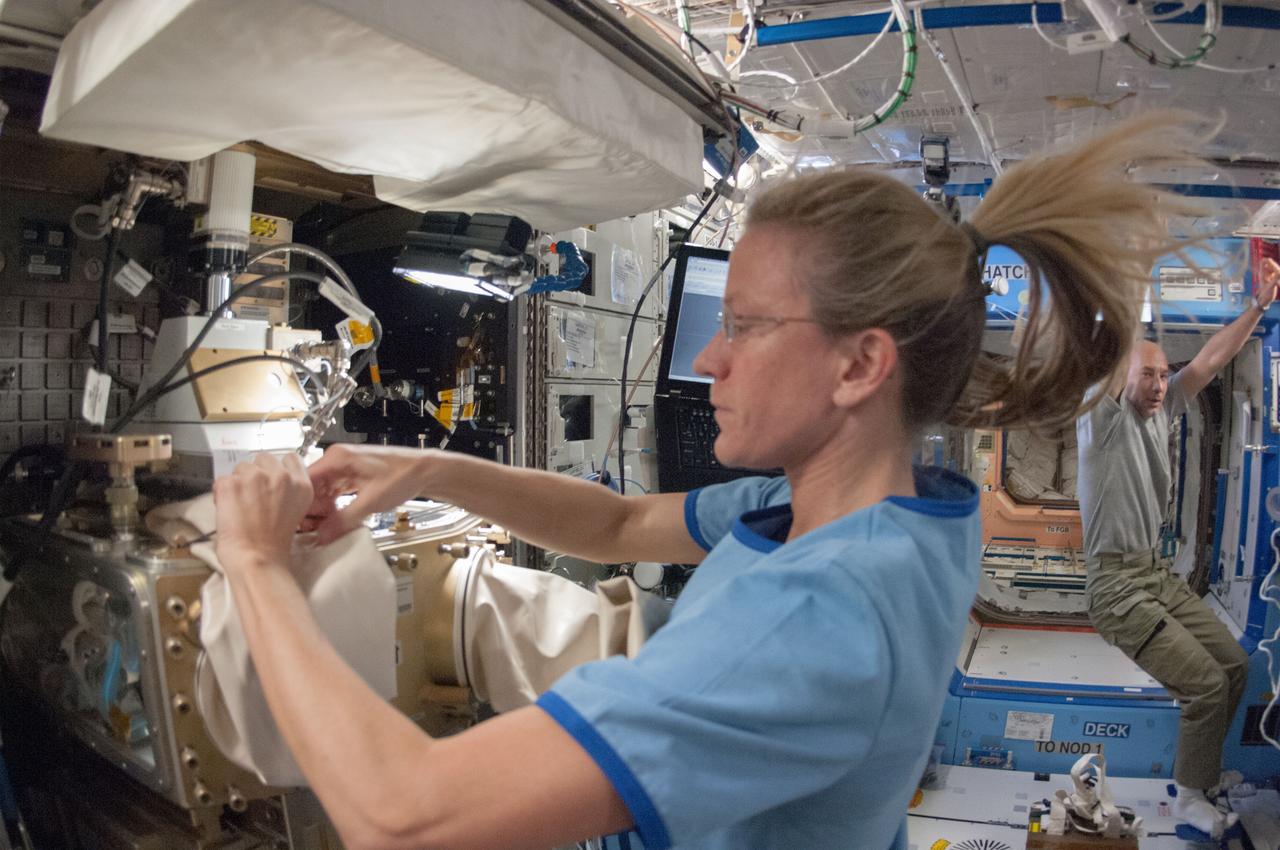
ISS036-E-019760 (24 June 2013) --- In the International Space Station’s Destiny laboratory, NASA astronaut Karen Nyberg, Expedition 36 flight engineer, conducts a session with the Advanced Colloids Experiment (ACE)-1 sample preparation at the Light Microscopy Module (LMM) in the Fluids Integrated Rack / Fluids Combustion Facility (FIR/FCF). ACE-1 is a series of microscopic imaging investigations that uses the microgravity environment to examine flow characteristics and the evolution and ordering effects within a group of colloidal materials.
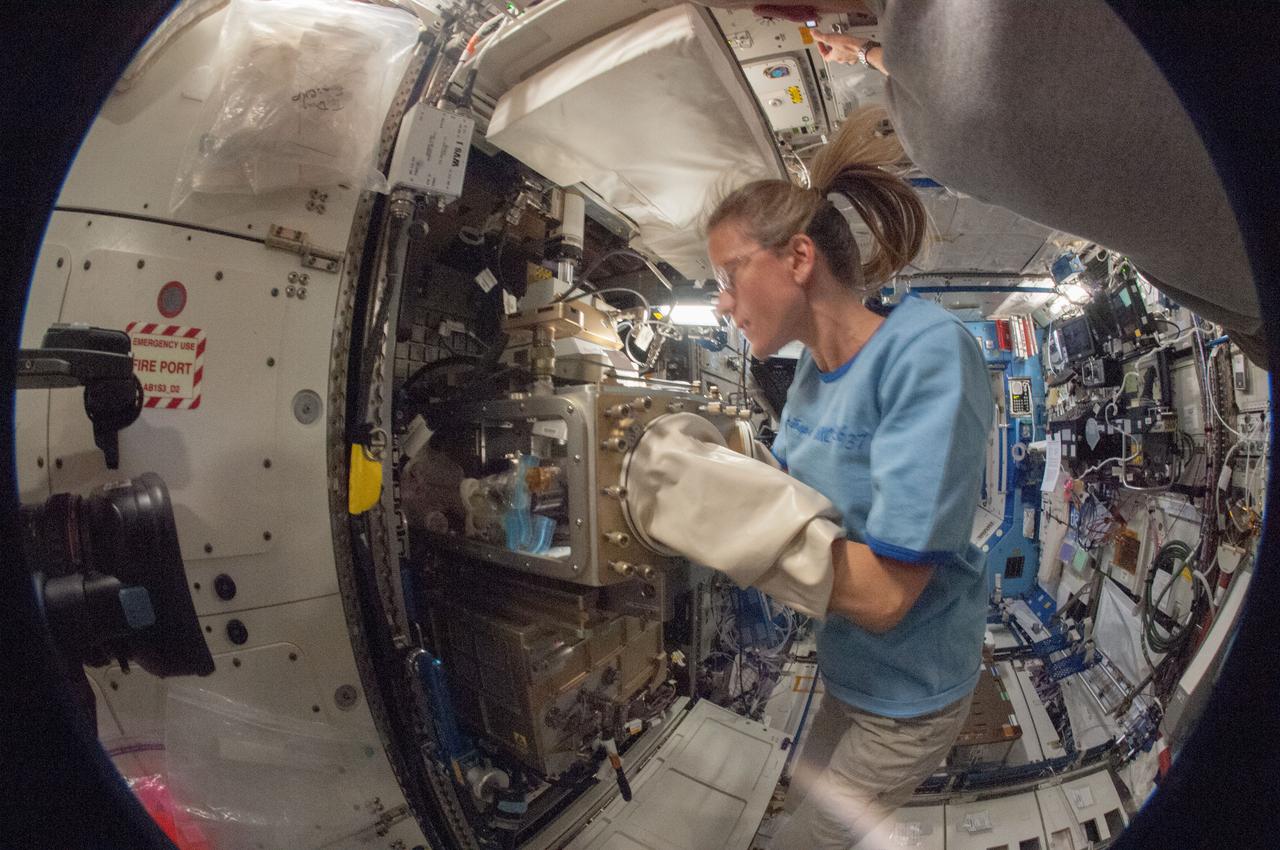
ISS036-E-019783 (24 June 2013) --- In the International Space Station’s Destiny laboratory, a fisheye lens attached to an electronic still camera was used to capture this image of NASA astronaut Karen Nyberg, Expedition 36 flight engineer, as she conducts a session with the Advanced Colloids Experiment (ACE)-1 sample preparation at the Light Microscopy Module (LMM) in the Fluids Integrated Rack / Fluids Combustion Facility (FIR/FCF). ACE-1 is a series of microscopic imaging investigations that uses the microgravity environment to examine flow characteristics and the evolution and ordering effects within a group of colloidal materials.

iss059e101468 (6/12/2019) — Photo documentation aboard the International Space Station (ISS) of the ACE modules taken in the the Light Microscopy Module (LMM) during the ACE-T10 Module Configuration. The Advanced Colloids Experiment-Temperature-10 (ACE-T-10) investigates the growth kinetics, microscopic dynamics, and restructuring processes in ordered and disordered structures such as colloidal crystals, glasses and gels. The investigation studies crystal nucleation in colloidal fluids, the origin of ageing in glasses and gels, as well as the heterogeneous nature of the microscopic dynamics in these structures. The study must be conducted in microgravity, as gravitational stresses affect the structure and growth of these solids from colloids.
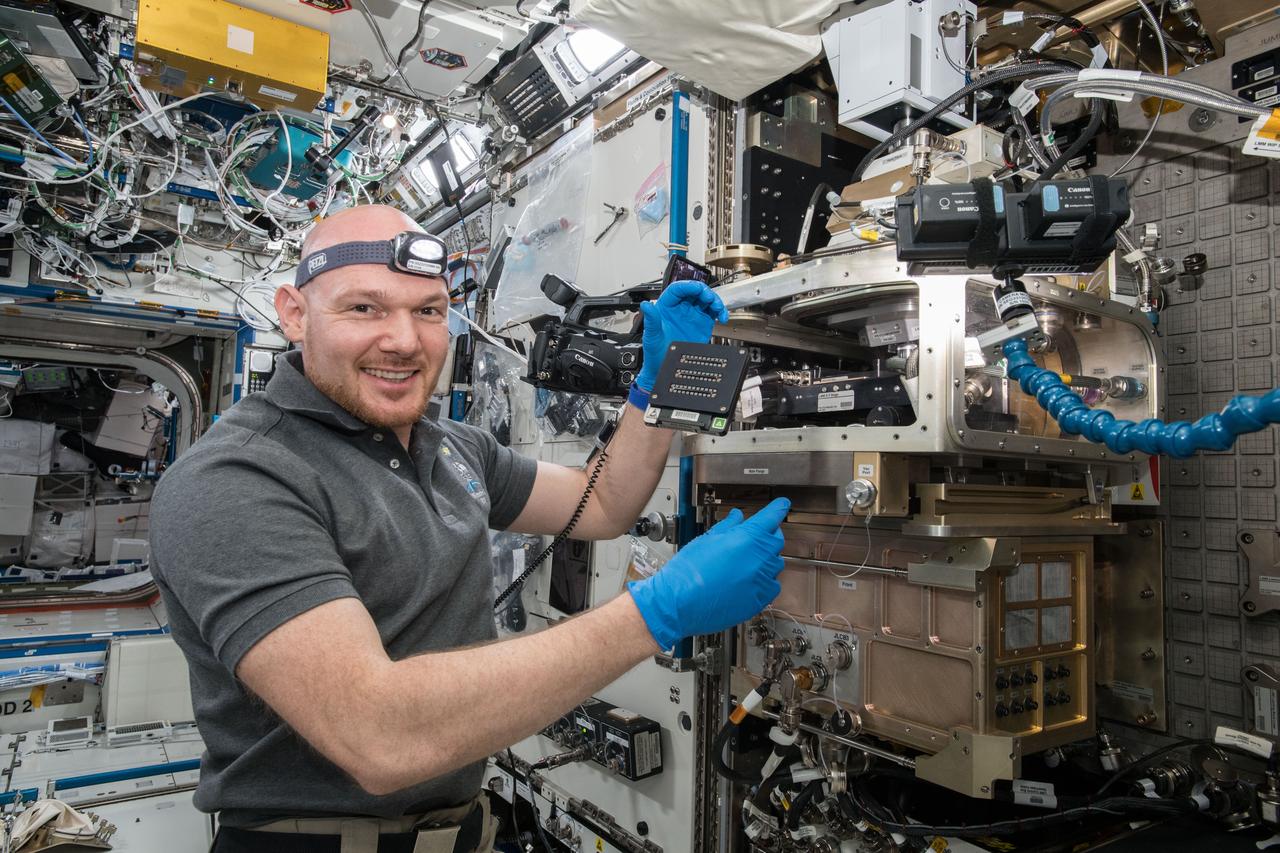
iss057e074544 (Nov. 9, 2018) --- European Space Agency (ESA) astronaut Alexander Gerst configures the Light Microscopy Module (LMM) for the Advanced Colloids Experiment-Temperature-7 (ACE-T-7) experiment. ACE-T-7 involves the design and assembly of complex three-dimensional structures from small particles suspended within a fluid medium. These so-called “self-assembled colloidal structures”, are vital to the design of advanced optical materials and active devices. In the microgravity environment, insight is provided into the relation between particle shape and interparticle interactions on assembly structure and dynamics: fundamental issues in condensed matter science.
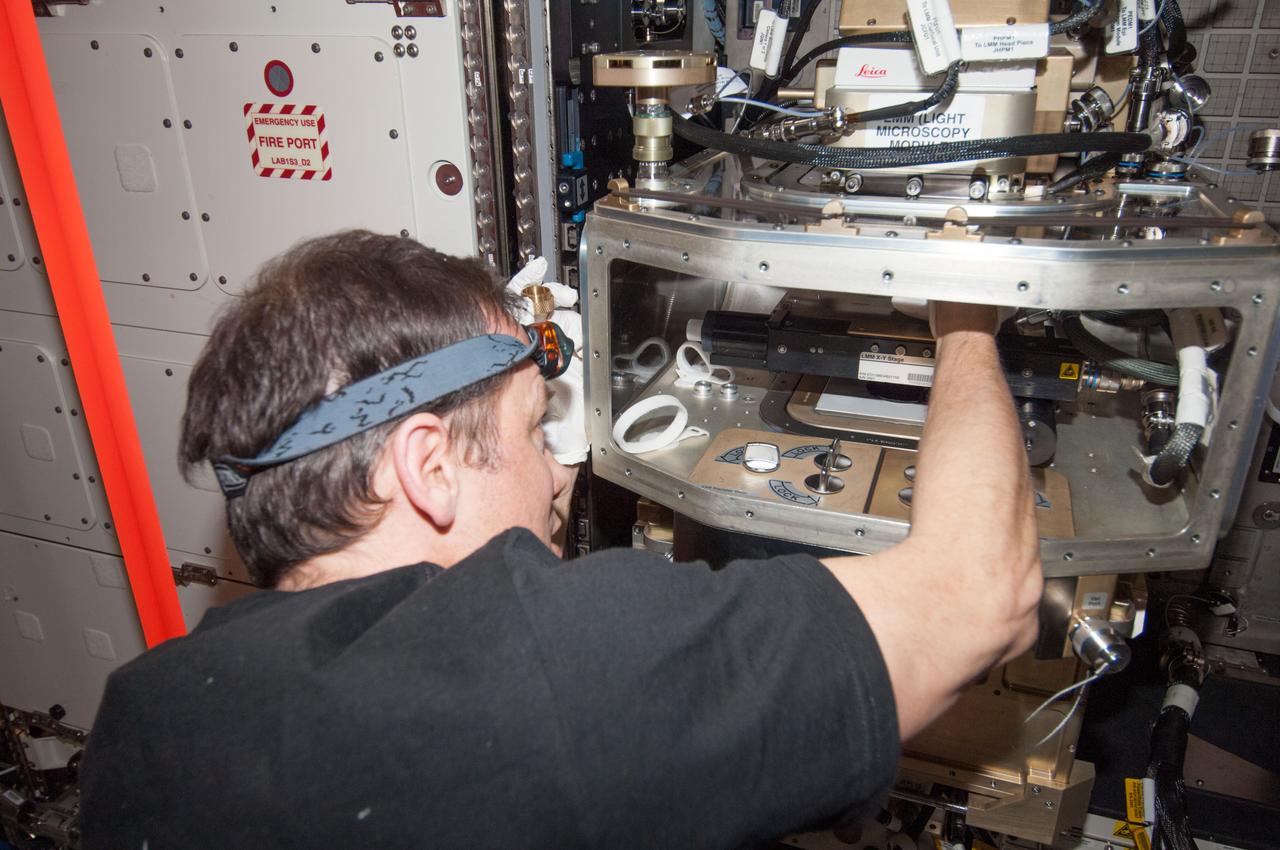
ISS034-E-051798 (21 Feb. 2013) --- NASA astronaut Tom Marshburn, Expedition 34 flight engineer, configures one of the experiment racks in the U.S. lab called Destiny aboard the International Space Station in Earth orbit. ACE produces microscopic images of materials which contain small colloidal particles, and it examines flow characteristics and the evolution and ordering effects within these colloidal materials in 1-G and micro-G environments.