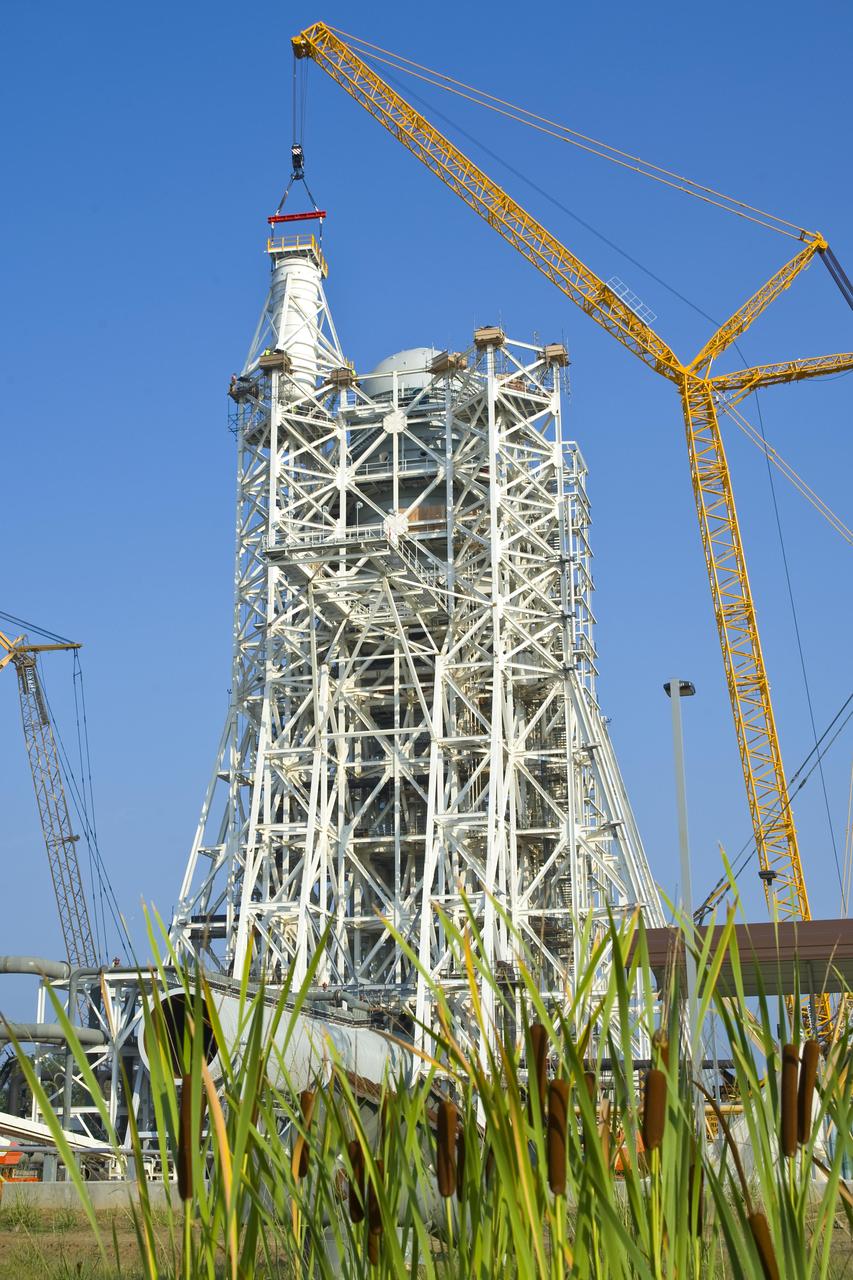
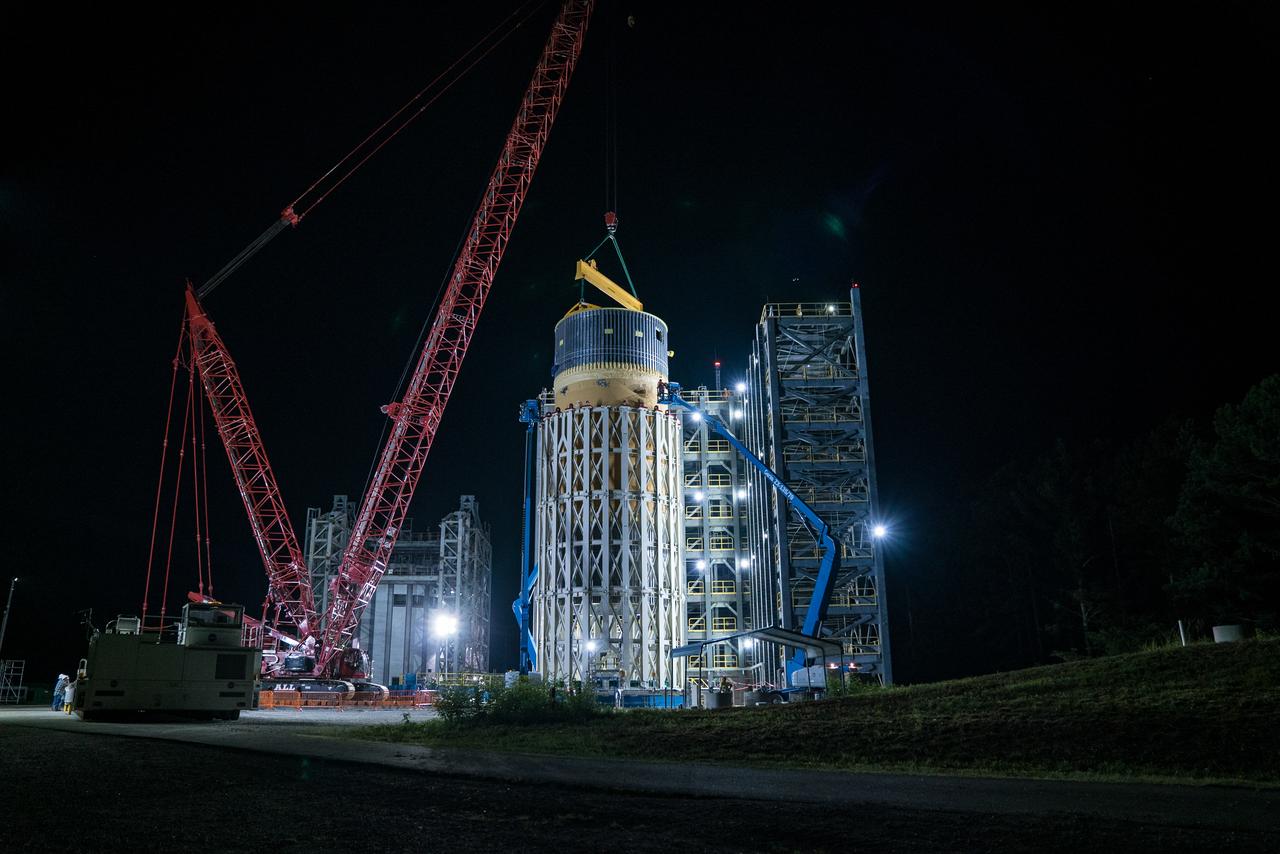
Construction of the A-3 Test Stand at Stennis Space Center continued June 8 with installation of a 35,000-gallon liquid oxygen tank atop the steel structure. The stand is being built to test next-generation rocket engines that will carry humans into deep space once more. The LOX tank and a liquid hydrogen tank to be installed atop the stand later will provide propellants for testing the engines. The A-3 Test Stand is scheduled for completion and activation in 2013.

The Liquid Oxygen (LOX) tank was moved from the Pegasus barge to the west test area for placement in test stand.
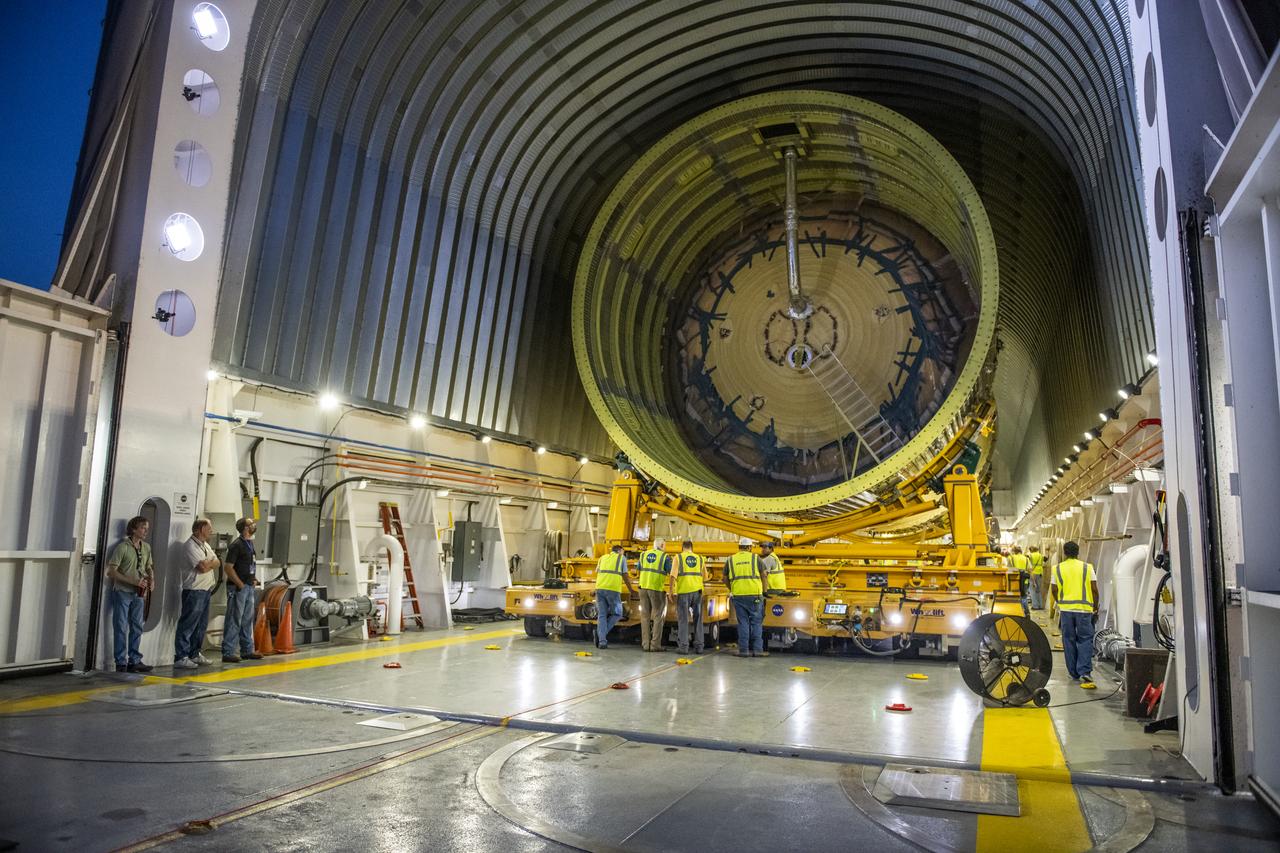
The Liquid Oxygen (LOX) tank was moved from the Pegasus barge to the west test area for placement in test stand.
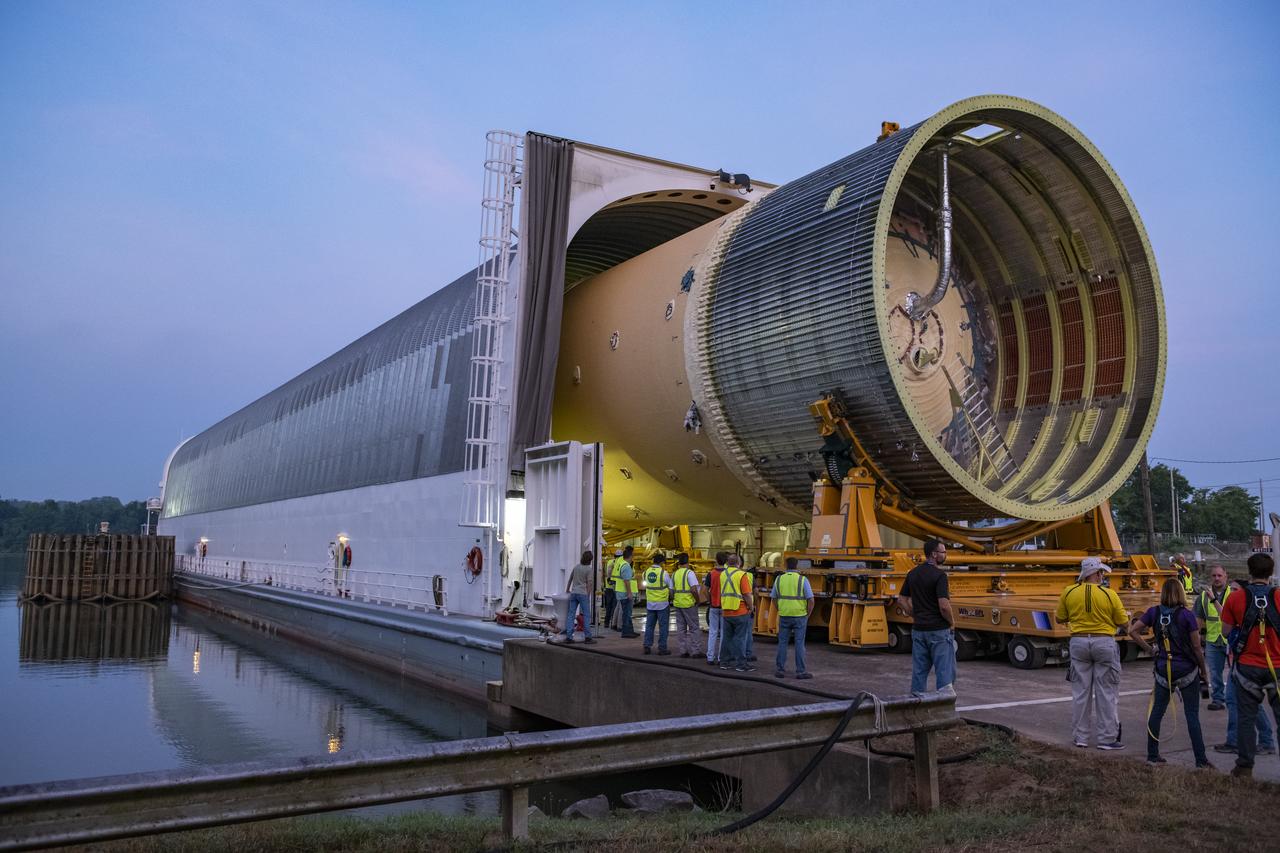
The Liquid Oxygen (LOX) tank was moved from the Pegasus barge to the west test area for placement in test stand.
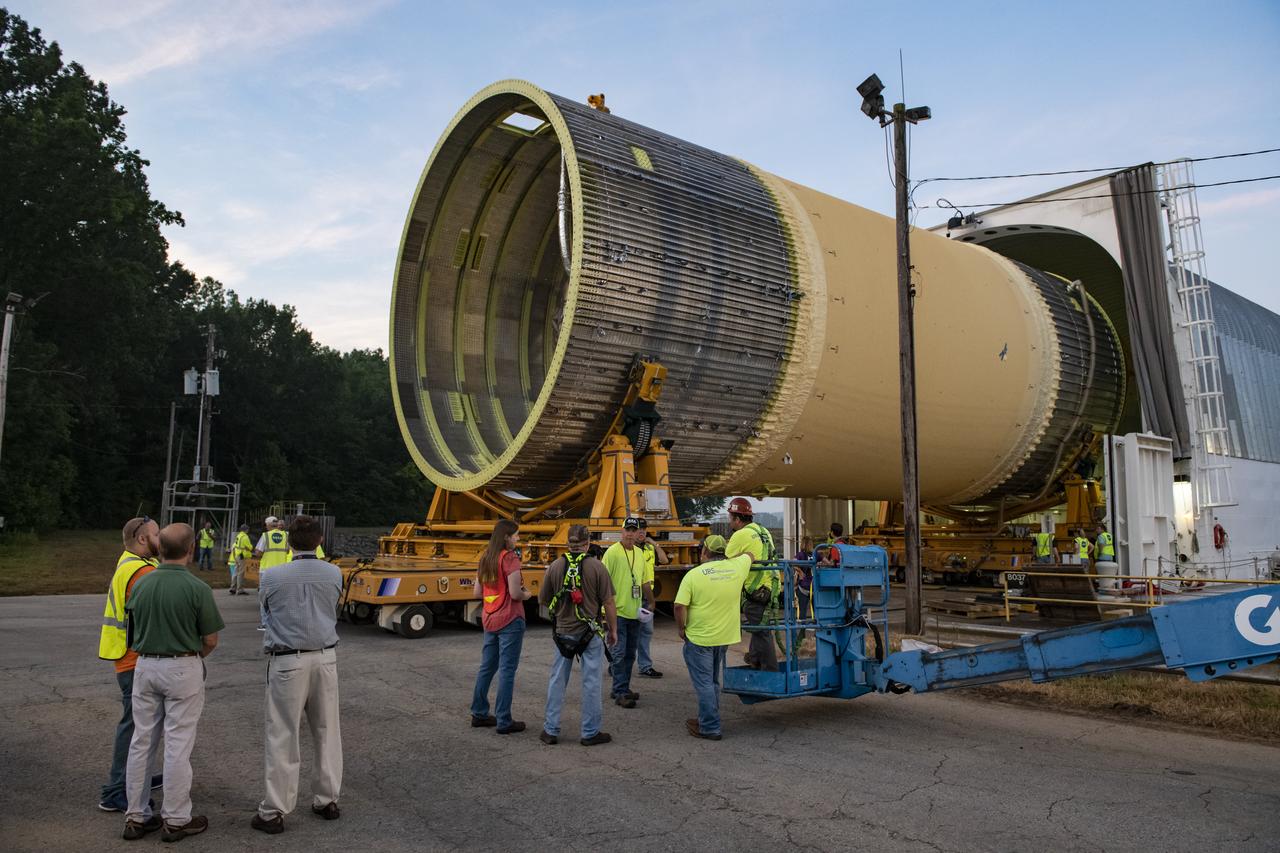
The Liquid Oxygen (LOX) tank was moved from the Pegasus barge to the west test area for placement in test stand.
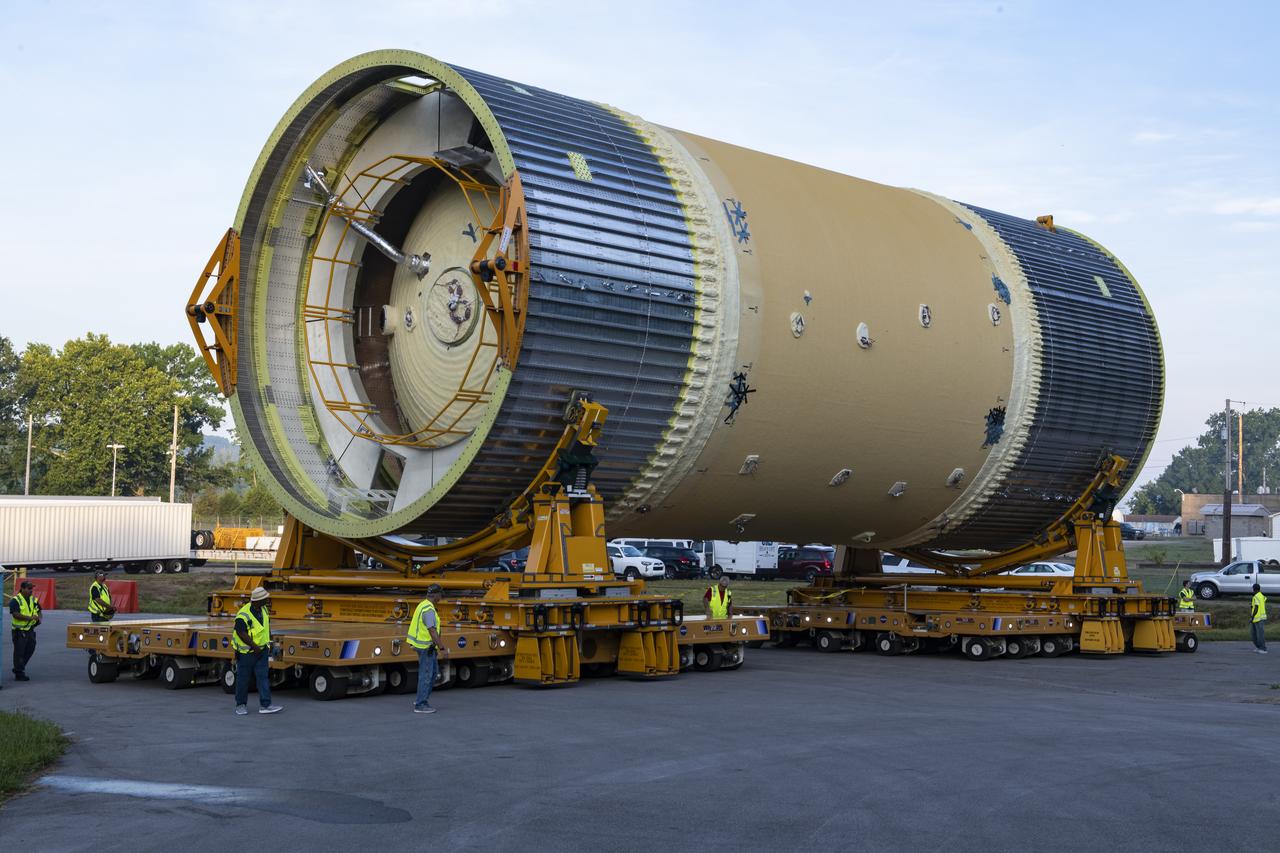
The Liquid Oxygen (LOX) tank was moved from the Pegasus barge to the west test area for placement in test stand.
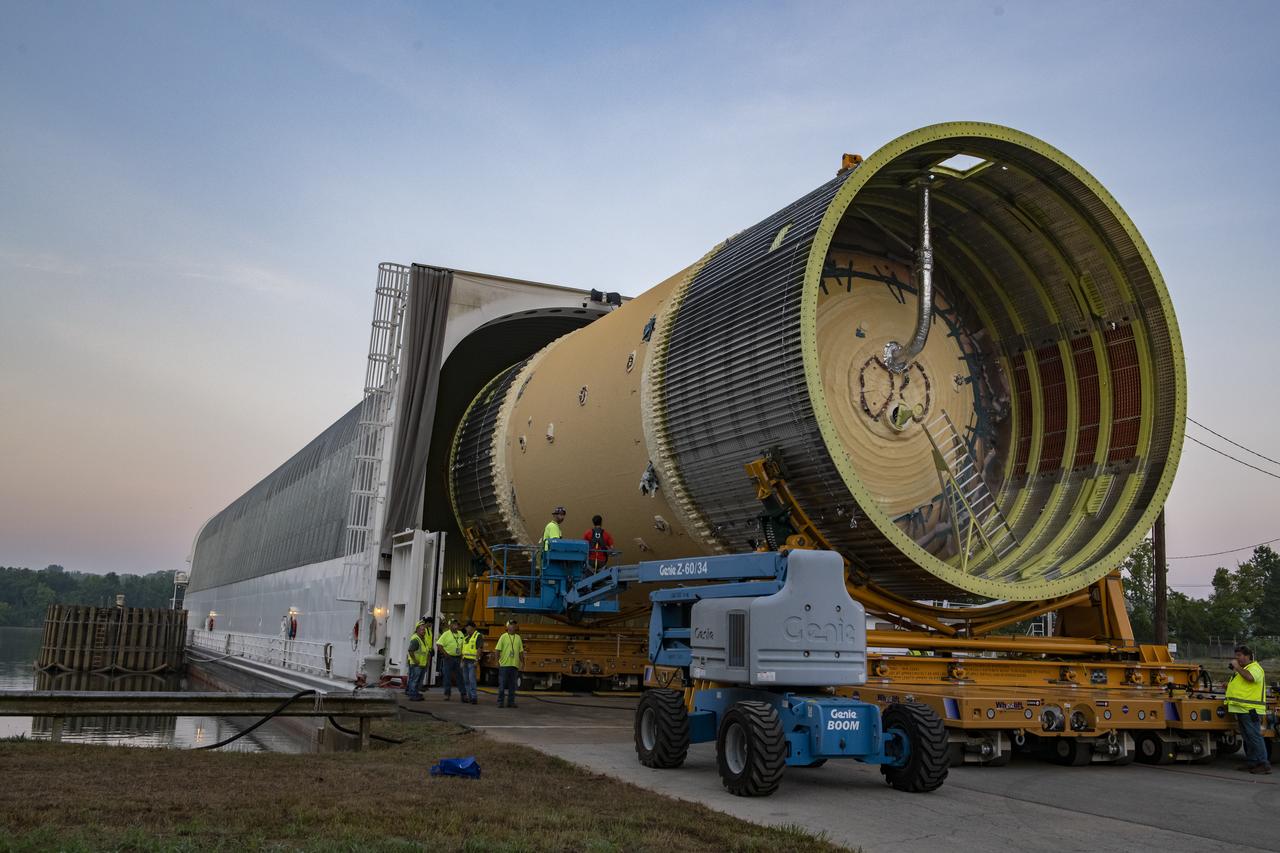
The Liquid Oxygen (LOX) tank was moved from the Pegasus barge to the west test area for placement in test stand.
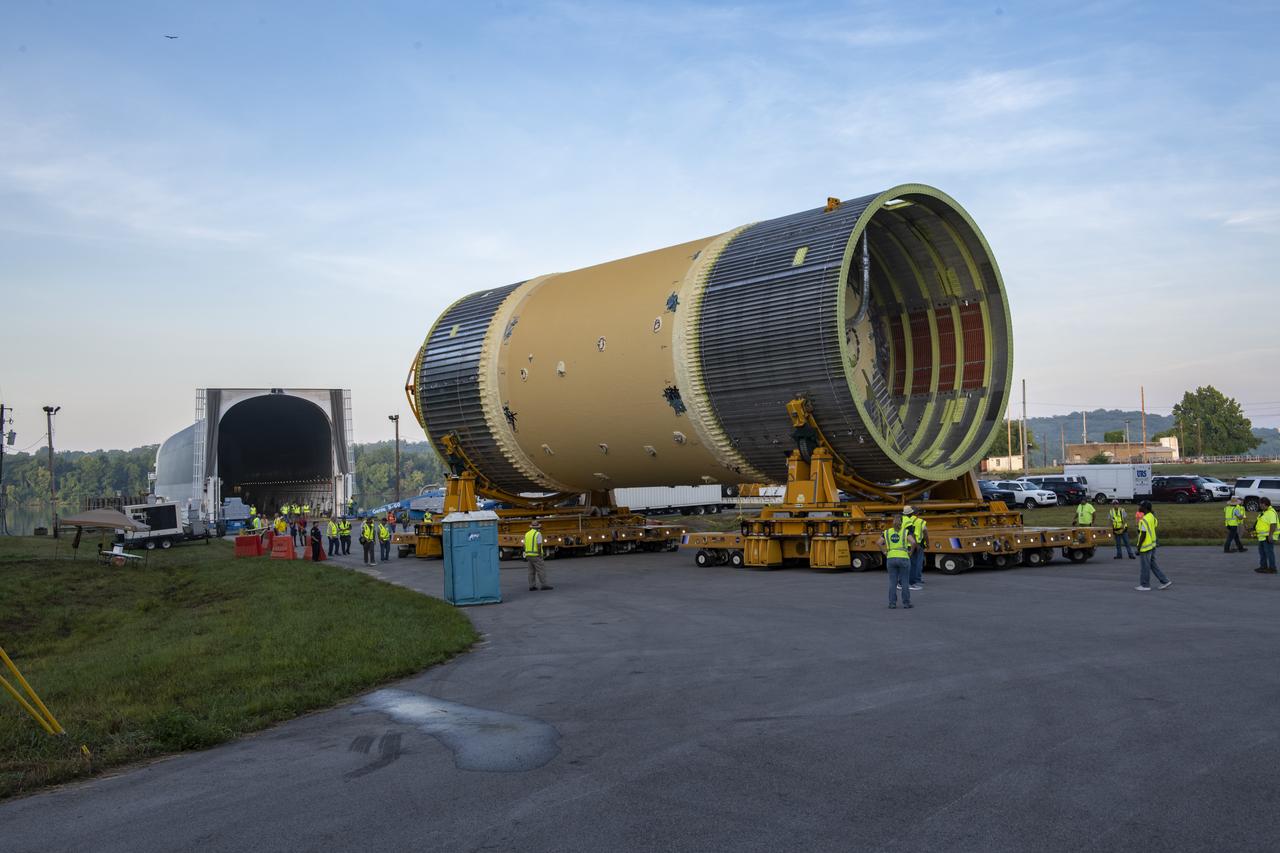
The Liquid Oxygen (LOX) tank was moved from the Pegasus barge to the west test area for placement in test stand.
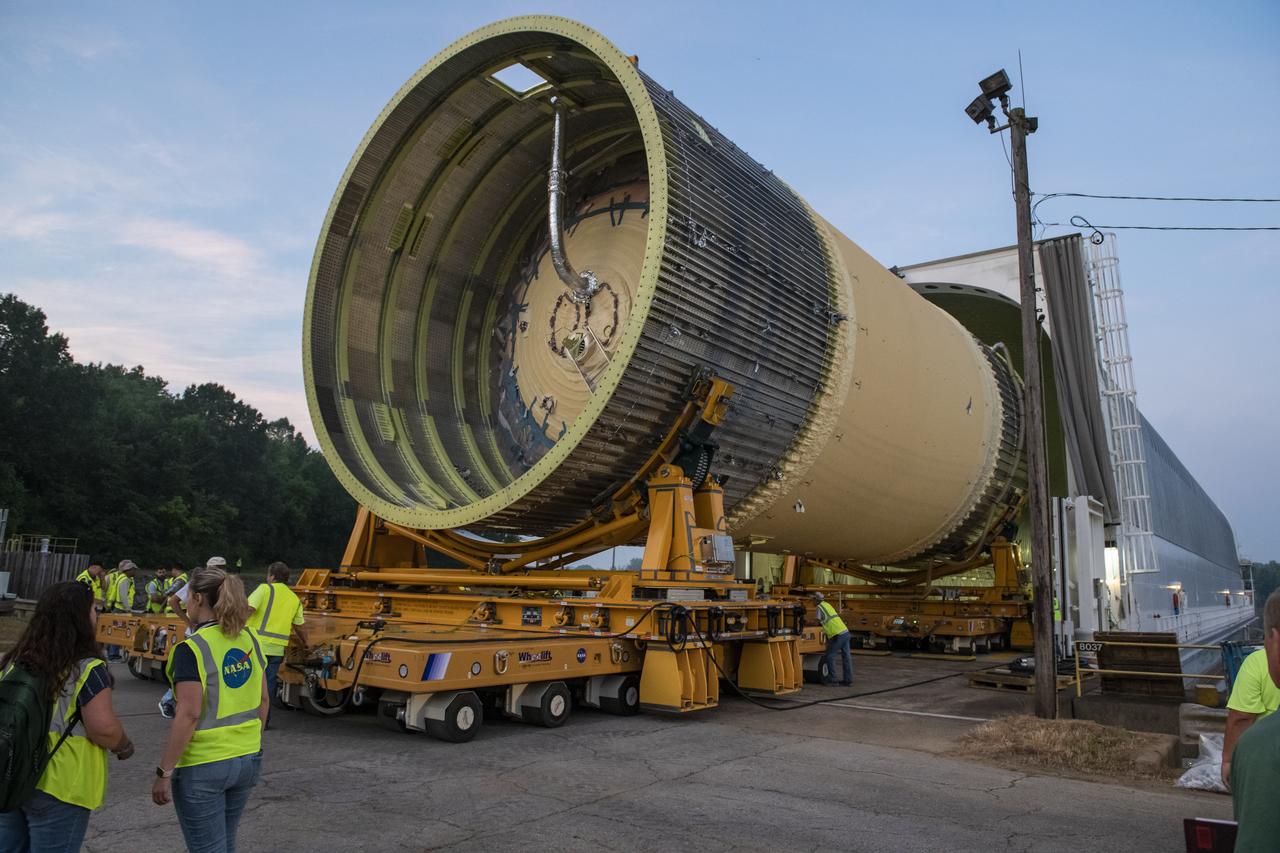
The Liquid Oxygen (LOX) tank was moved from the Pegasus barge to the west test area for placement in test stand.

The Liquid Oxygen (LOX) tank was moved from the Pegasus barge to the west test area for placement in test stand.
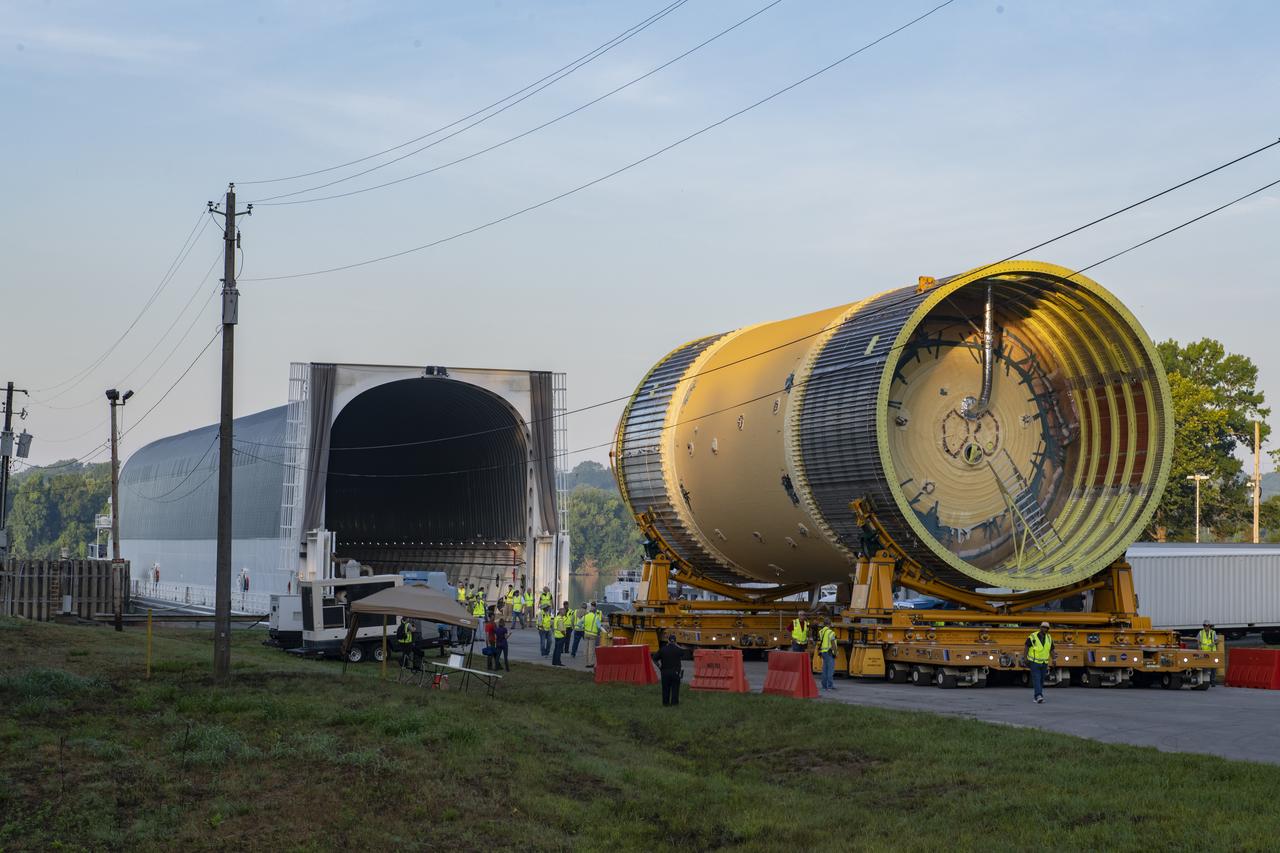
The Liquid Oxygen (LOX) tank was moved from the Pegasus barge to the west test area for placement in test stand.
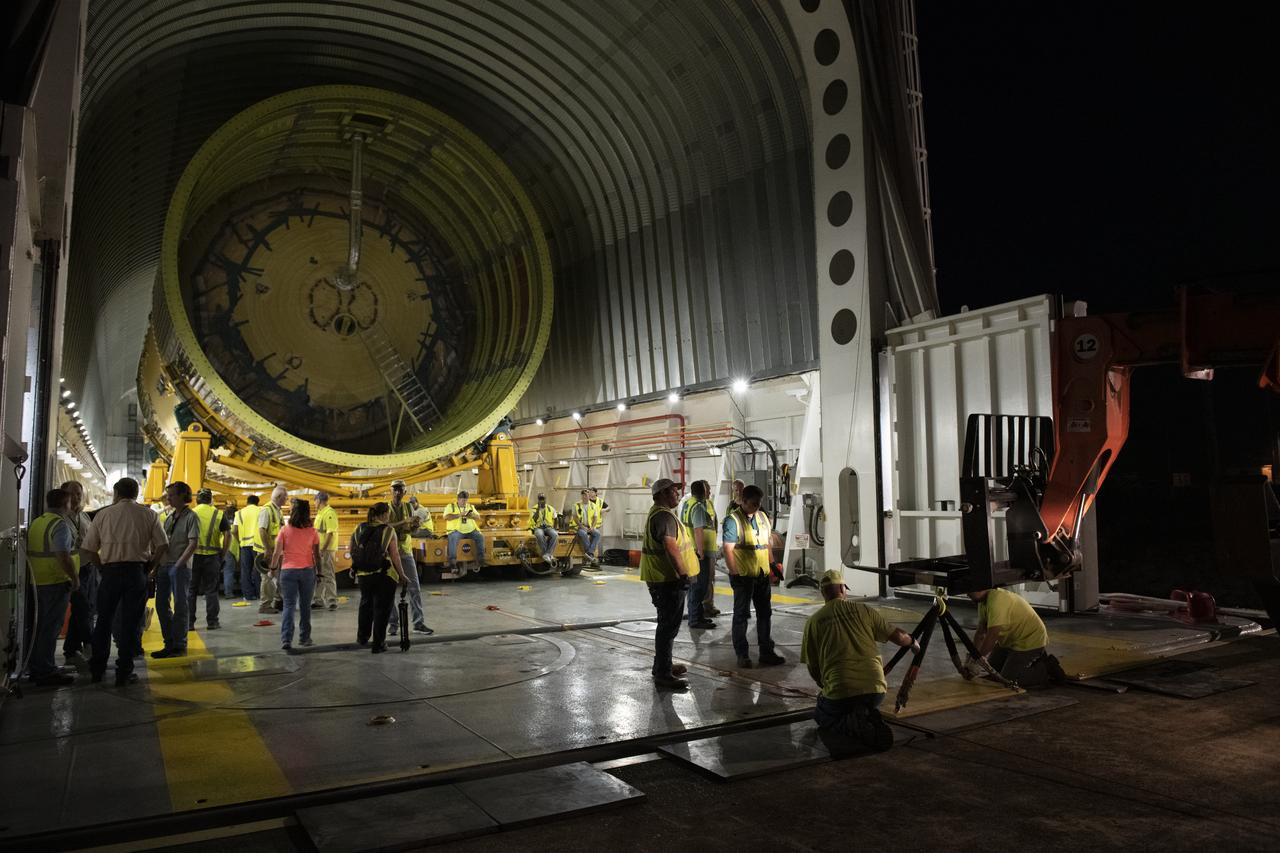
The Liquid Oxygen (LOX) tank was moved from the Pegasus barge to the west test area for placement in test stand.
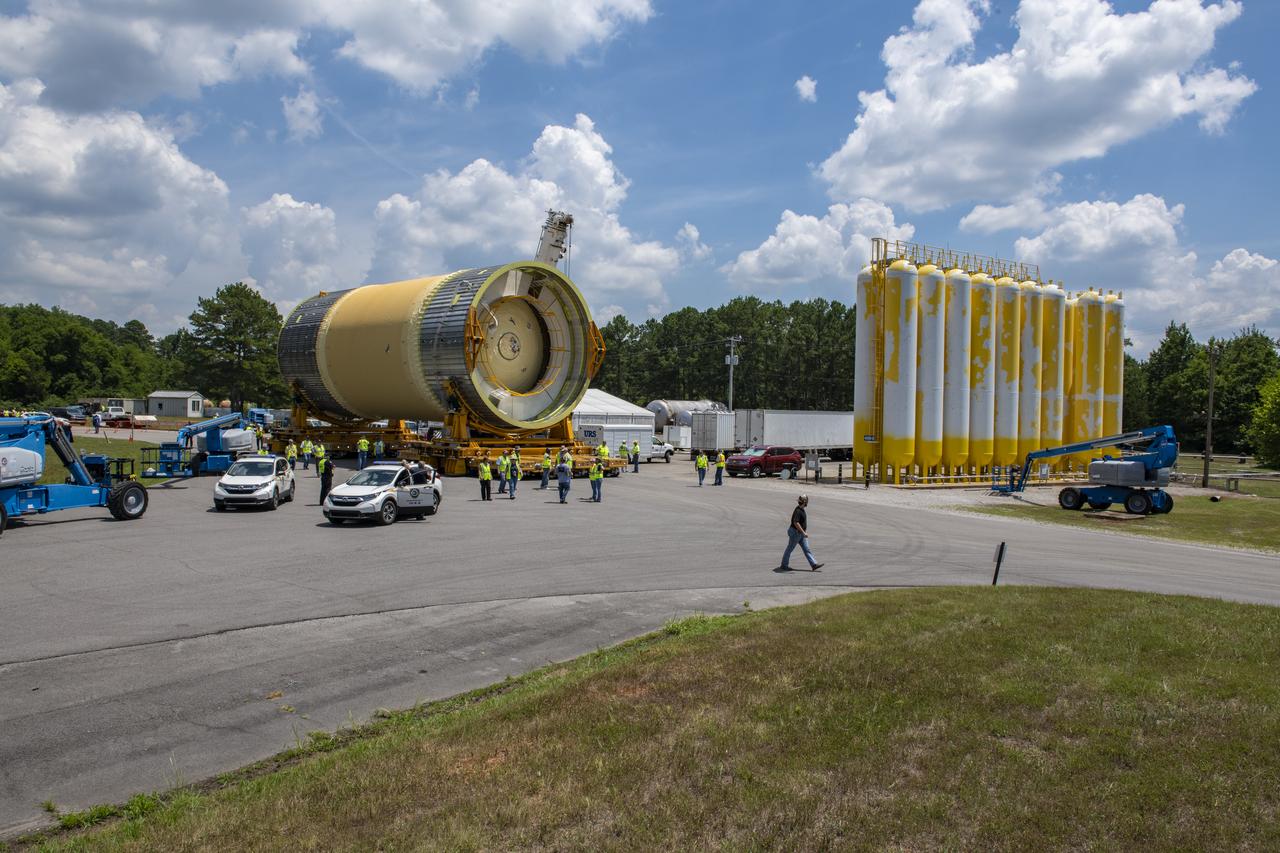
The Liquid Oxygen (LOX) tank was moved from the Pegasus barge to the west test area for placement in test stand 4697.
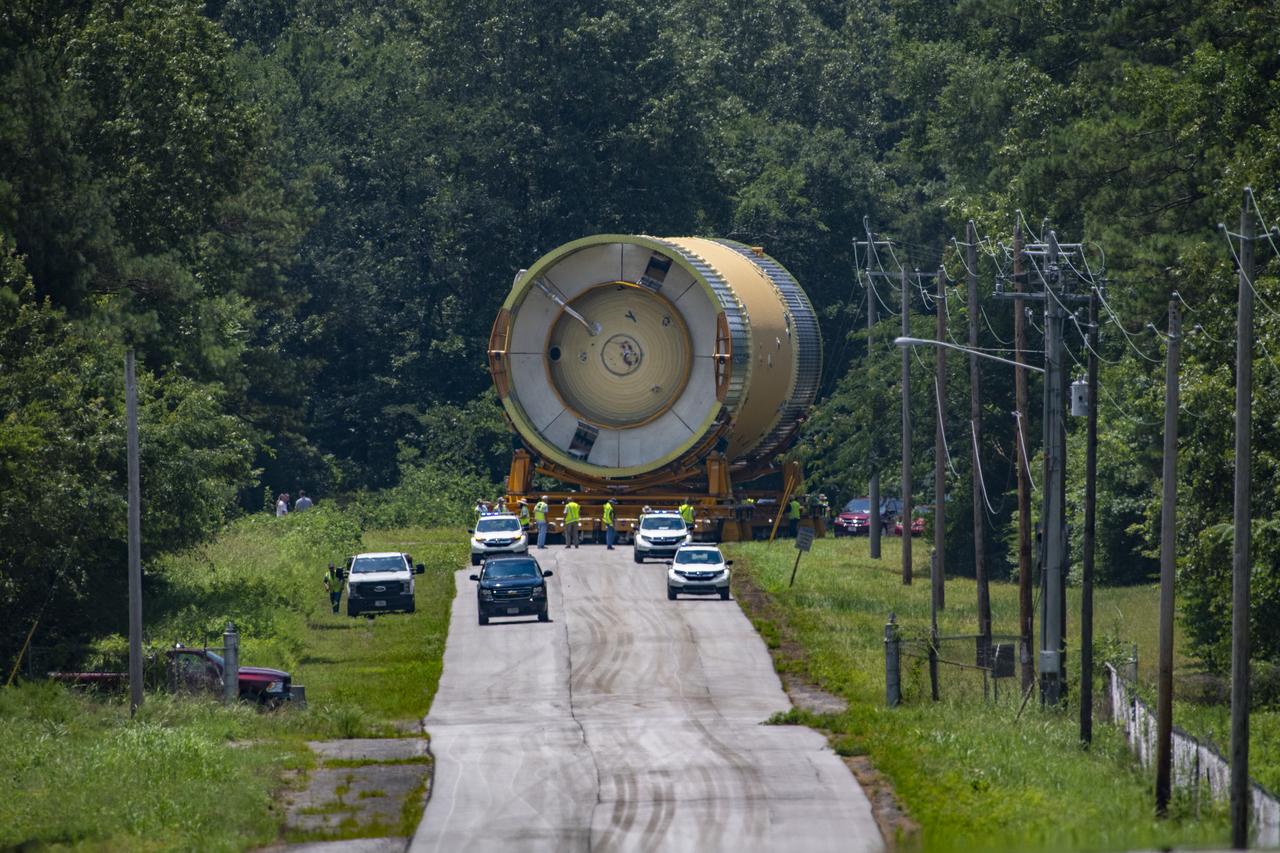
The Liquid Oxygen (LOX) tank was moved from the Pegasus barge to the west test area for placement in test stand 4697.
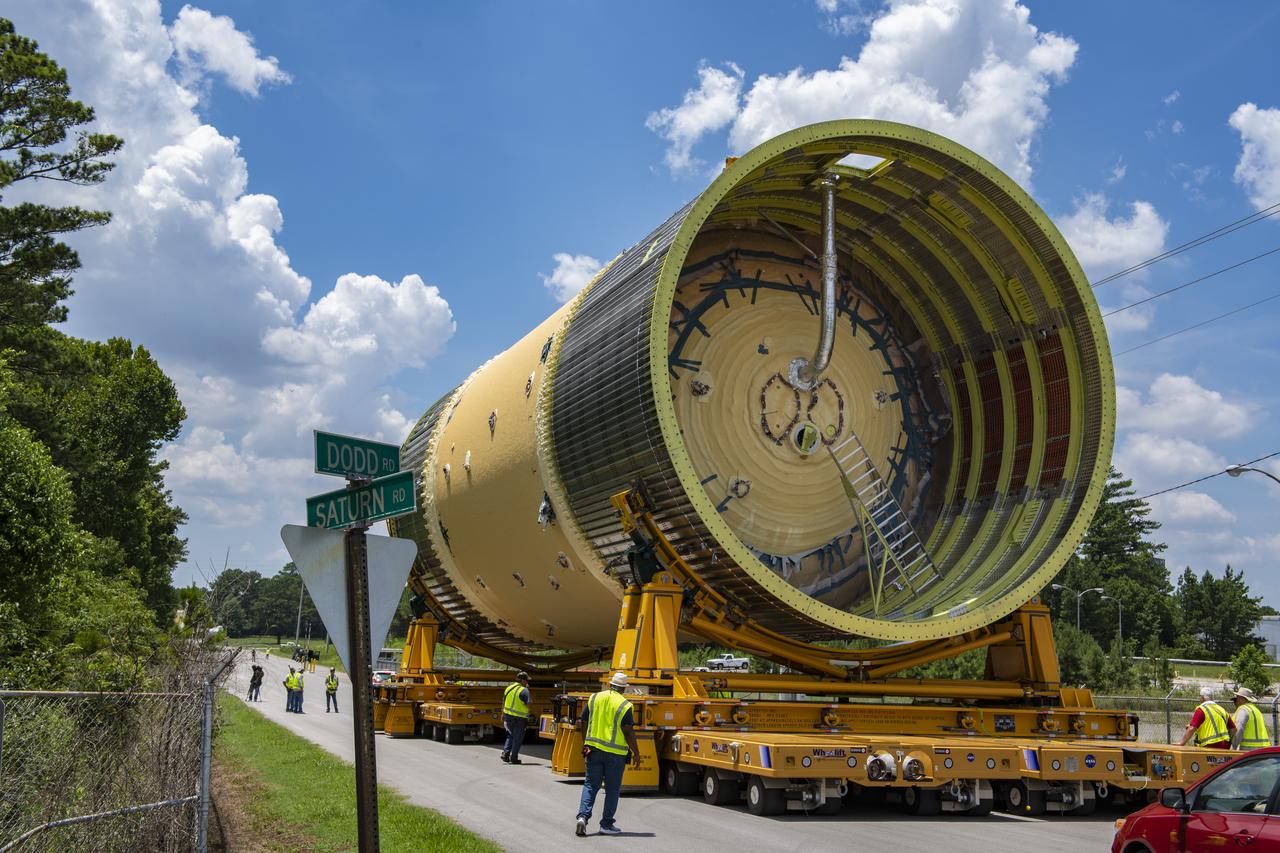
The Liquid Oxygen (LOX) tank was moved from the Pegasus barge to the west test area for placement in test stand 4697.
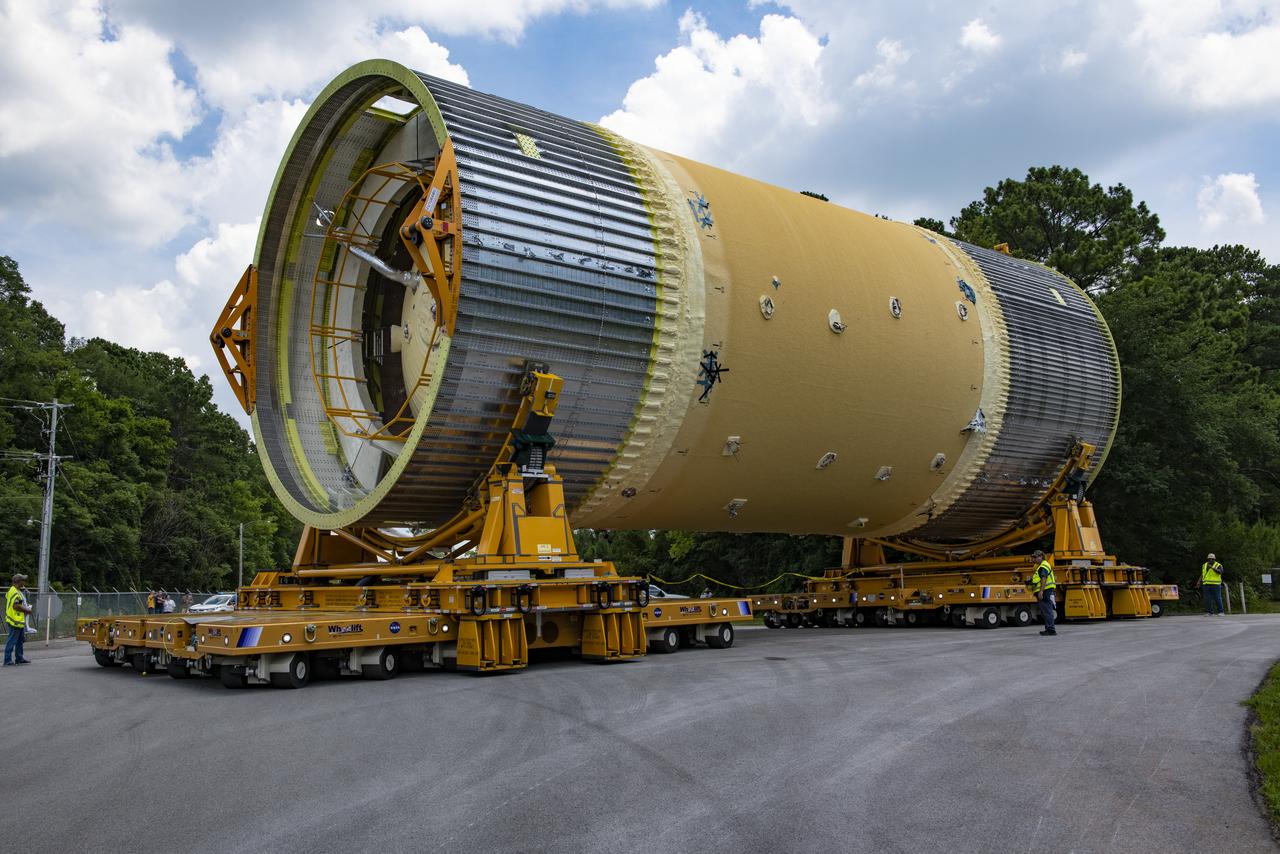
The Liquid Oxygen (LOX) tank was moved from the Pegasus barge to the west test area for placement in test stand 4697.
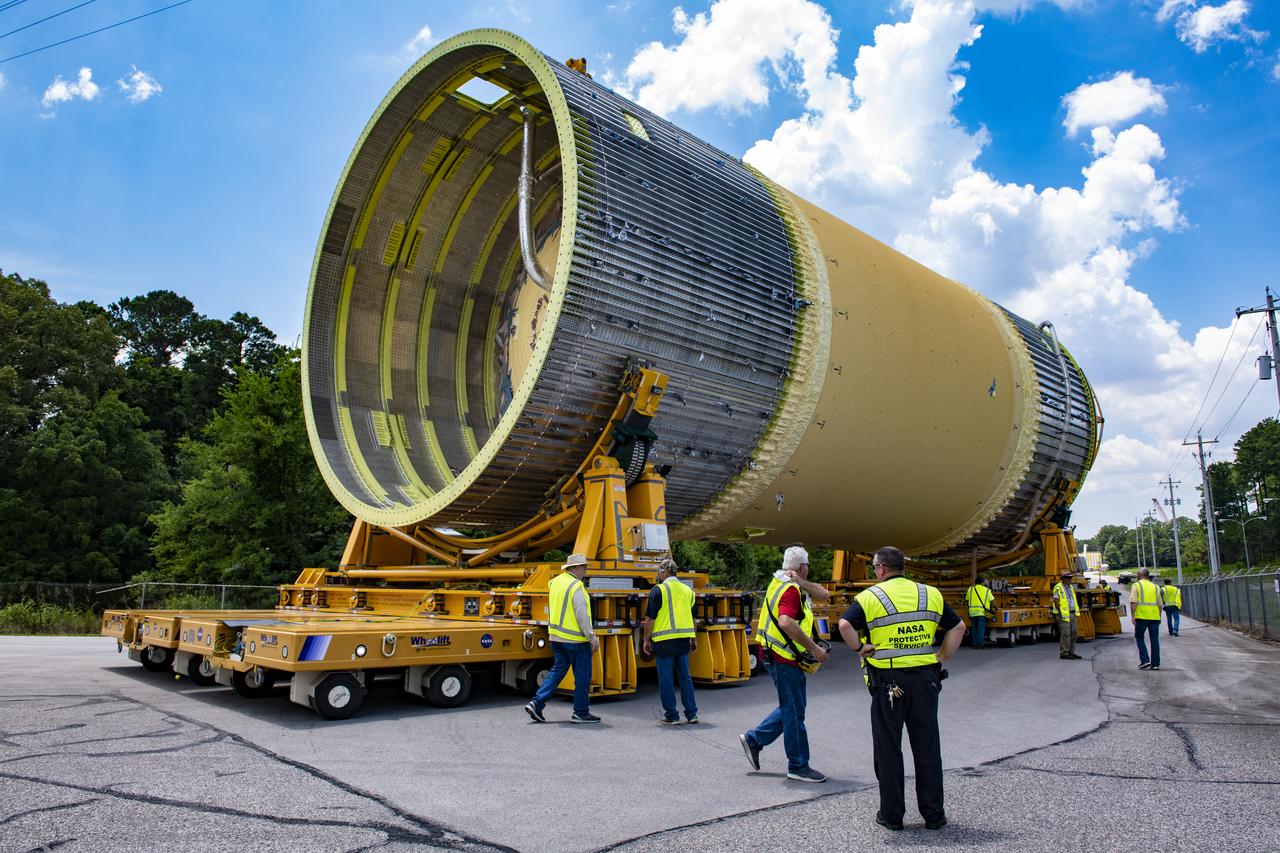
The Liquid Oxygen (LOX) tank was moved from the Pegasus barge to the west test area for placement in test stand 4697.

The Liquid Oxygen (LOX) tank was moved from the Pegasus barge to the west test area for placement in test stand 4697.
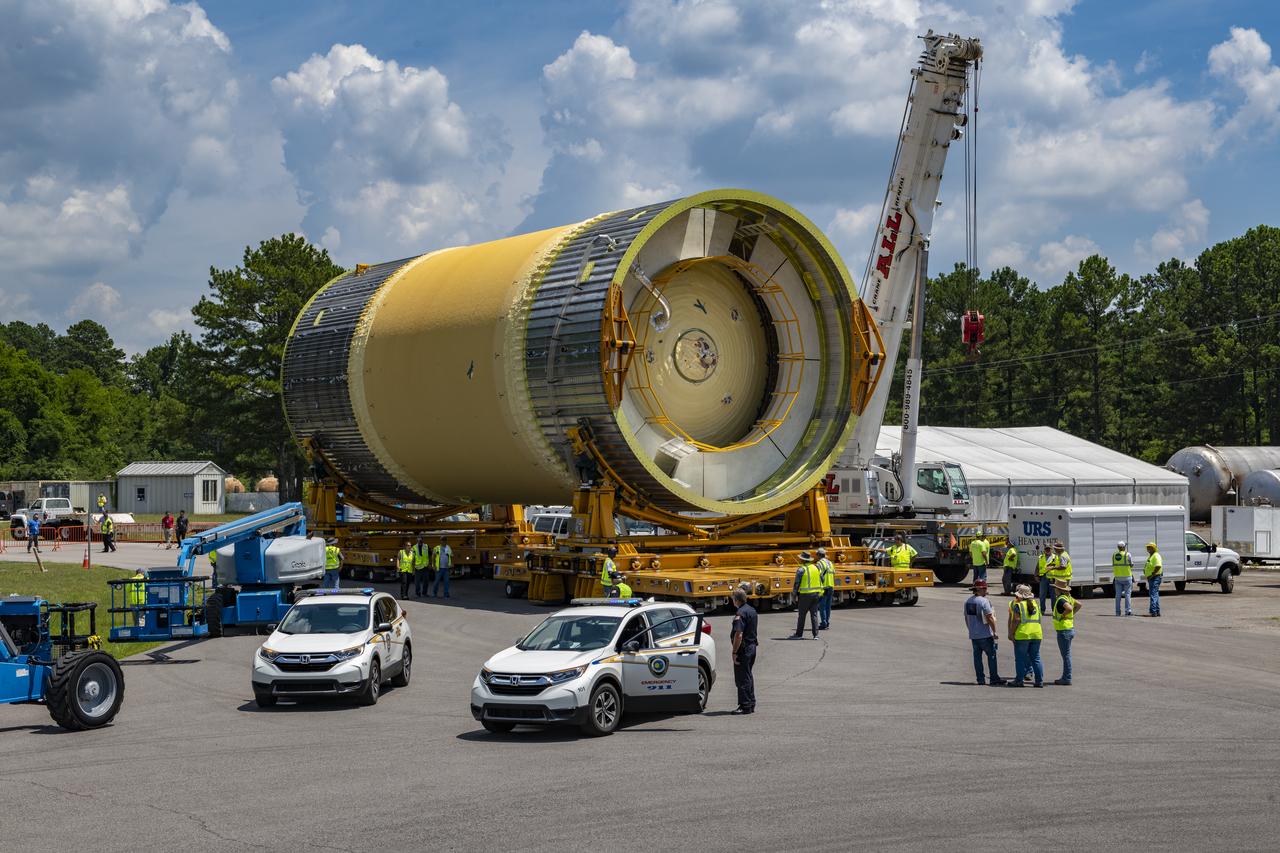
The Liquid Oxygen (LOX) tank was moved from the Pegasus barge to the west test area for placement in test stand 4697.
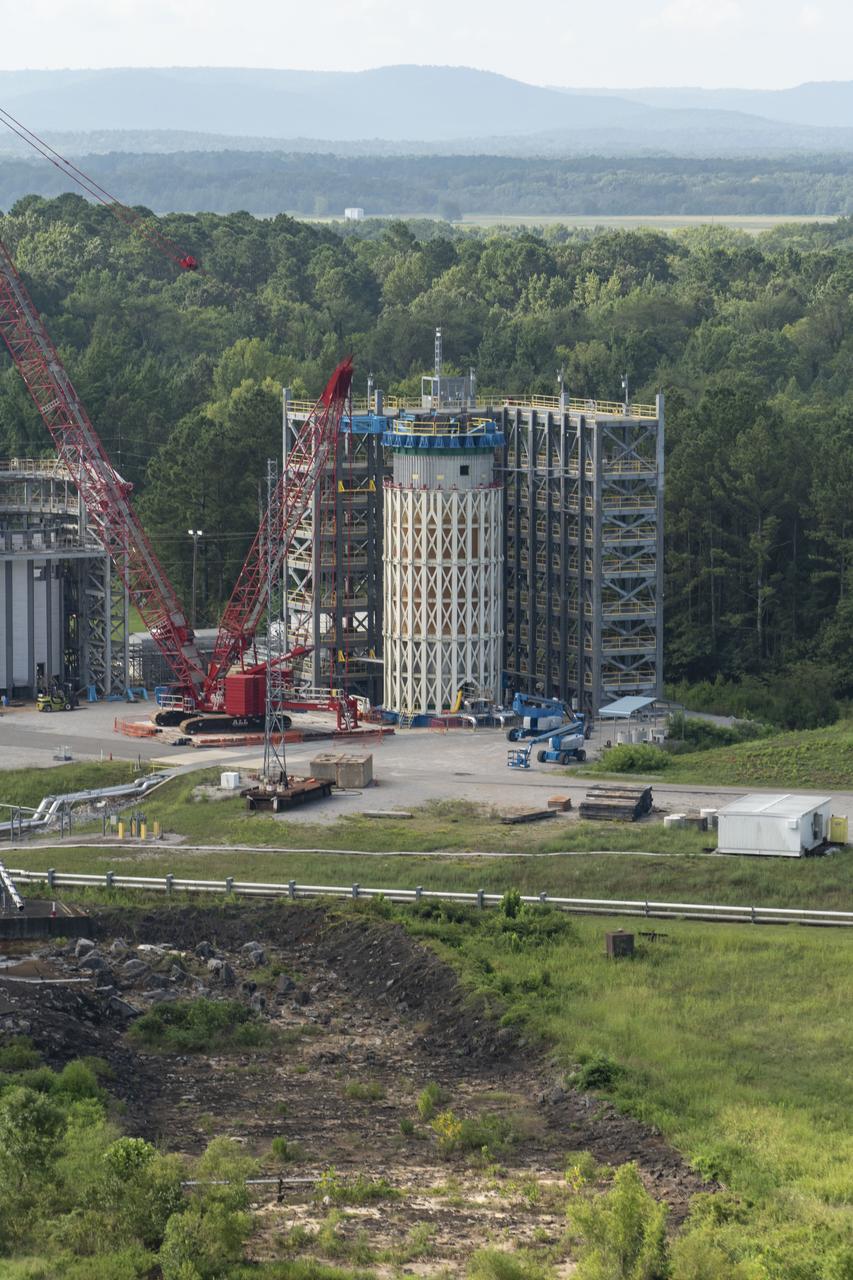
Aerial photograph of MSFC test stand 4697 with the Liquid Oxygen (LOX) test article in the stand
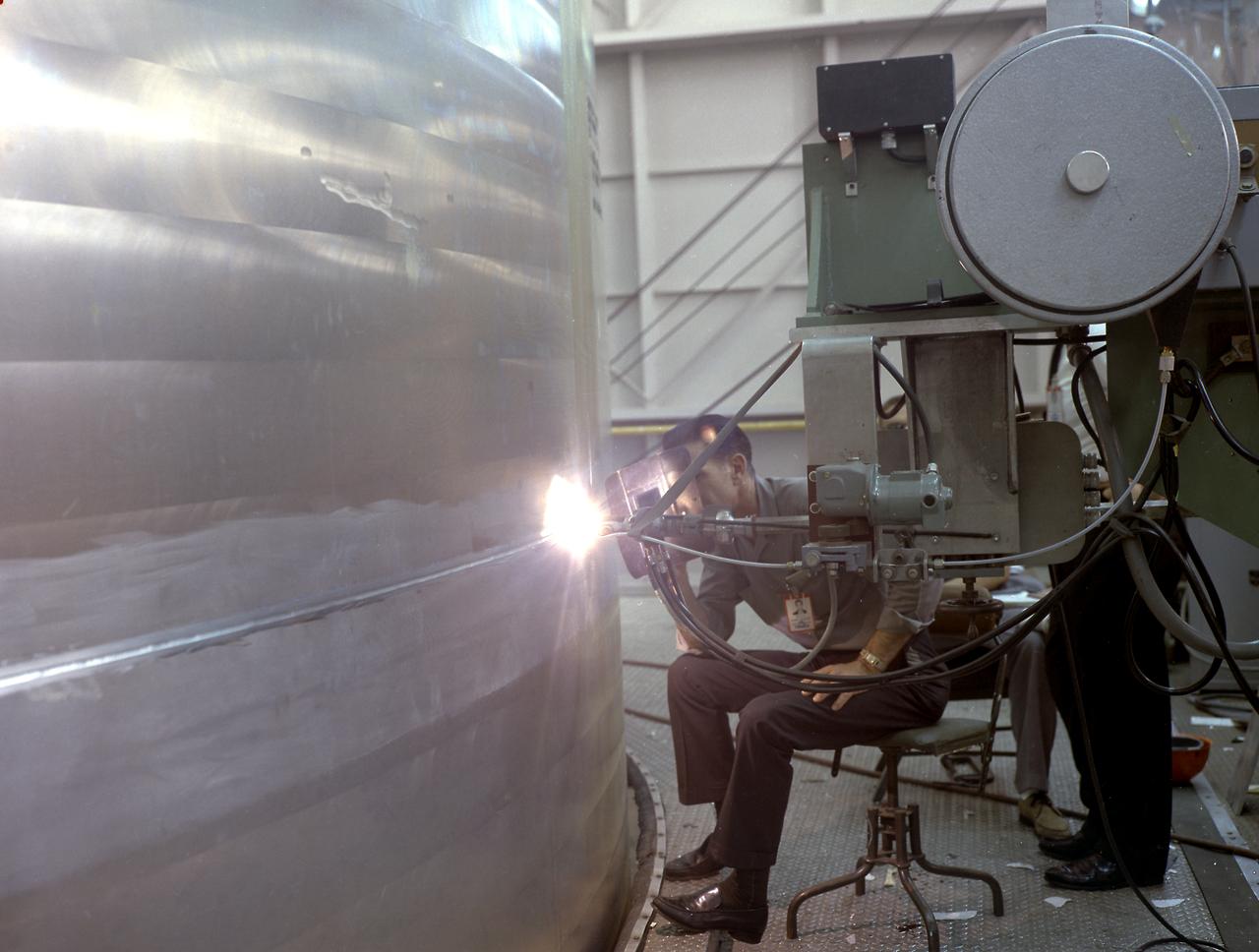
This photo shows the closeout welding operation of the liquid oxygen (LOX) tank for the Saturn V SA-501 vehicle for the Apollo 4 mission.
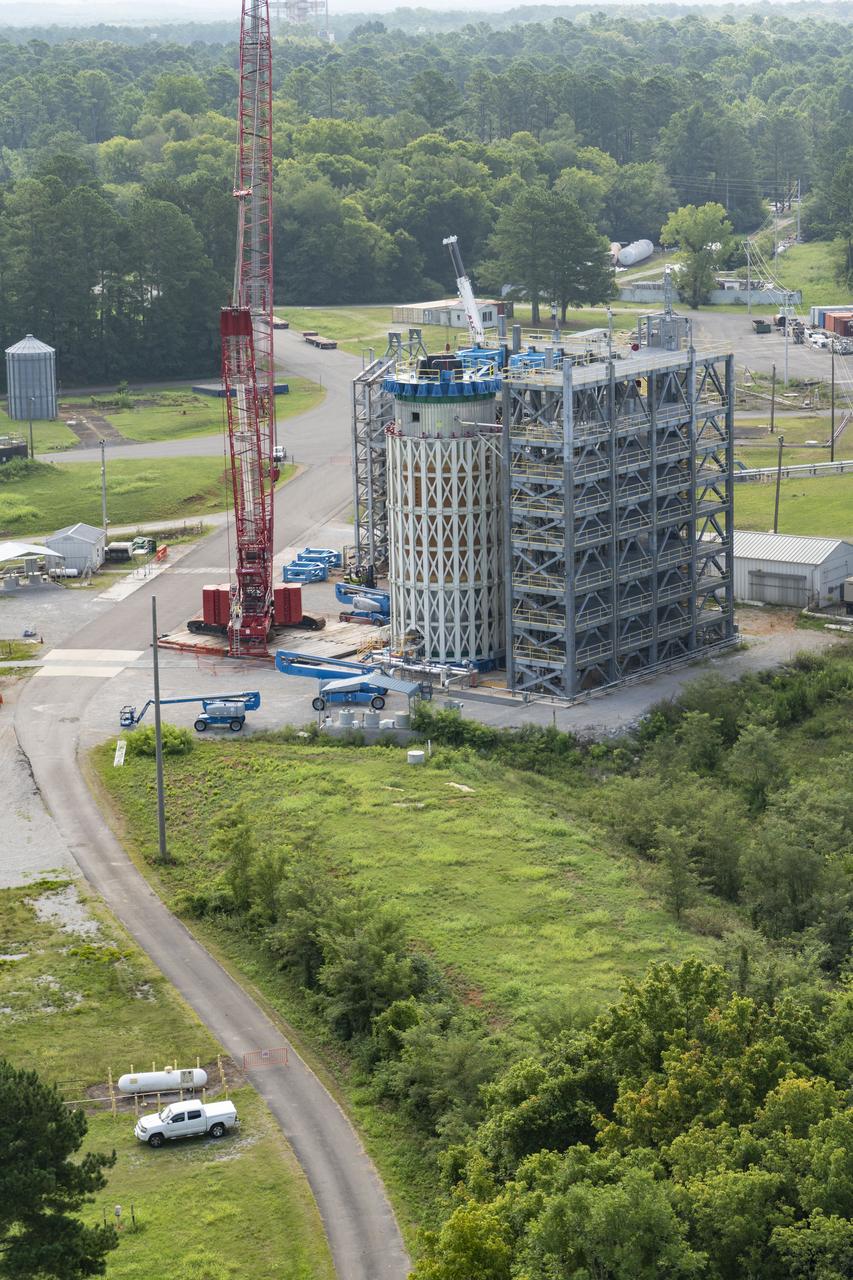
Aerial photograph of MSFC test stand 4697 with the Liquid Oxygen (LOX) test article in the stand
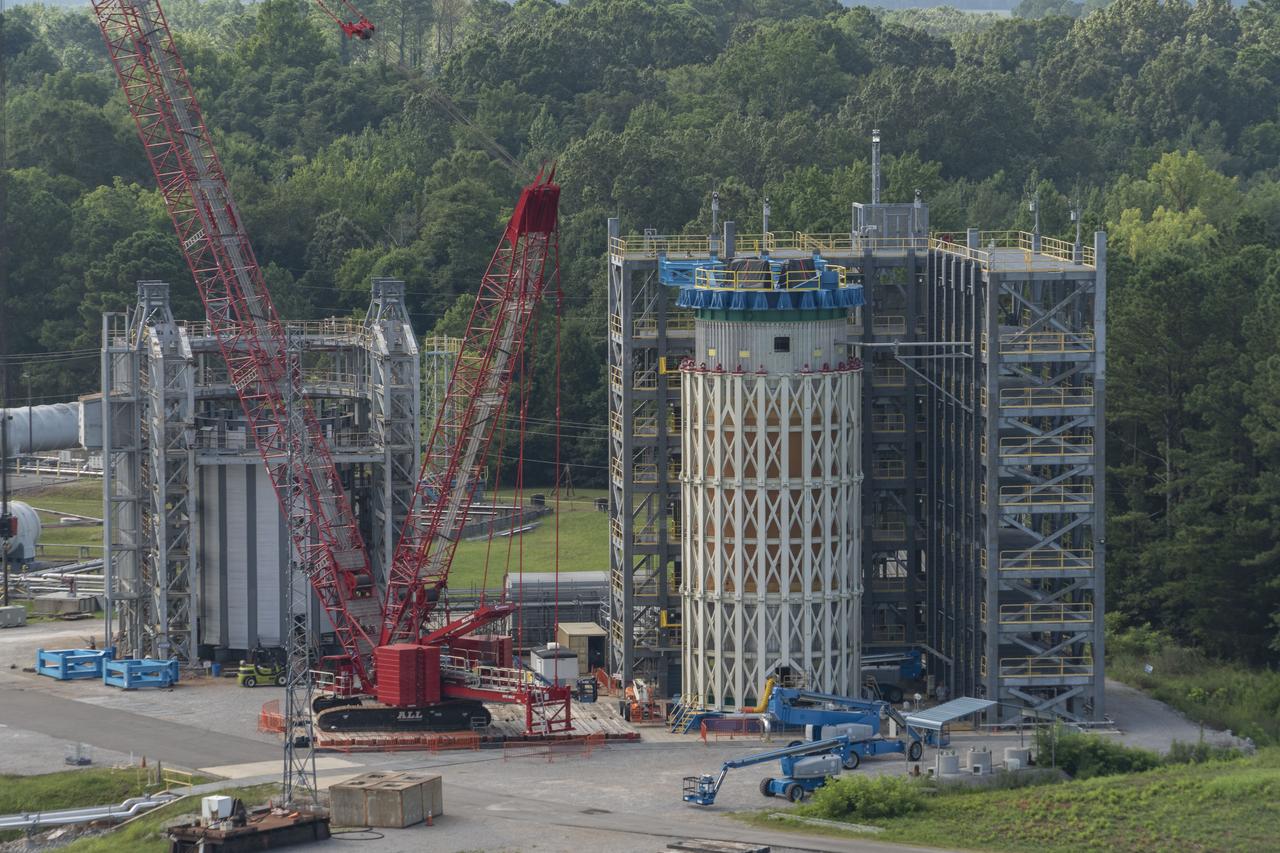
Aerial photograph of MSFC test stand 4697 with the Liquid Oxygen (LOX) test article in the stand
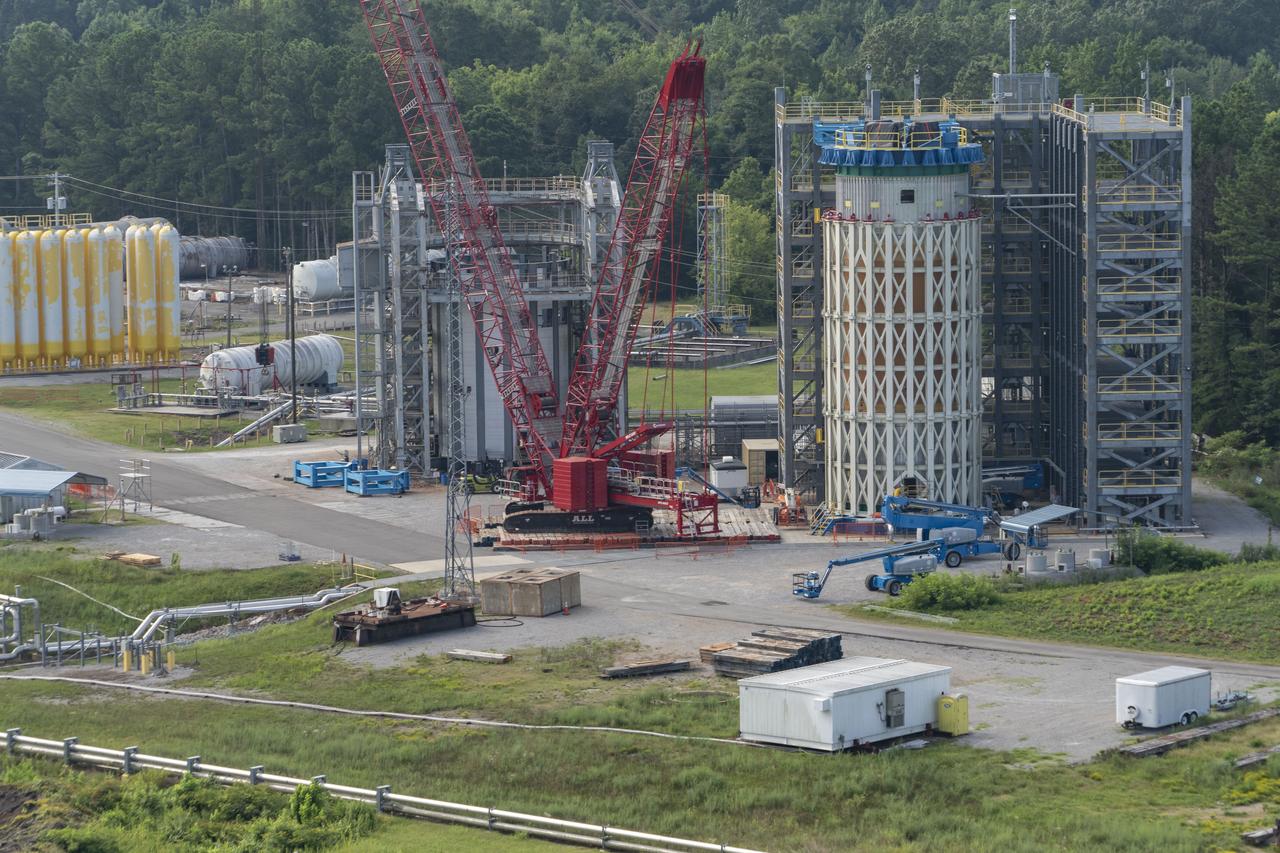
Aerial photograph of MSFC test stand 4697 with the Liquid Oxygen (LOX) test article in the stand
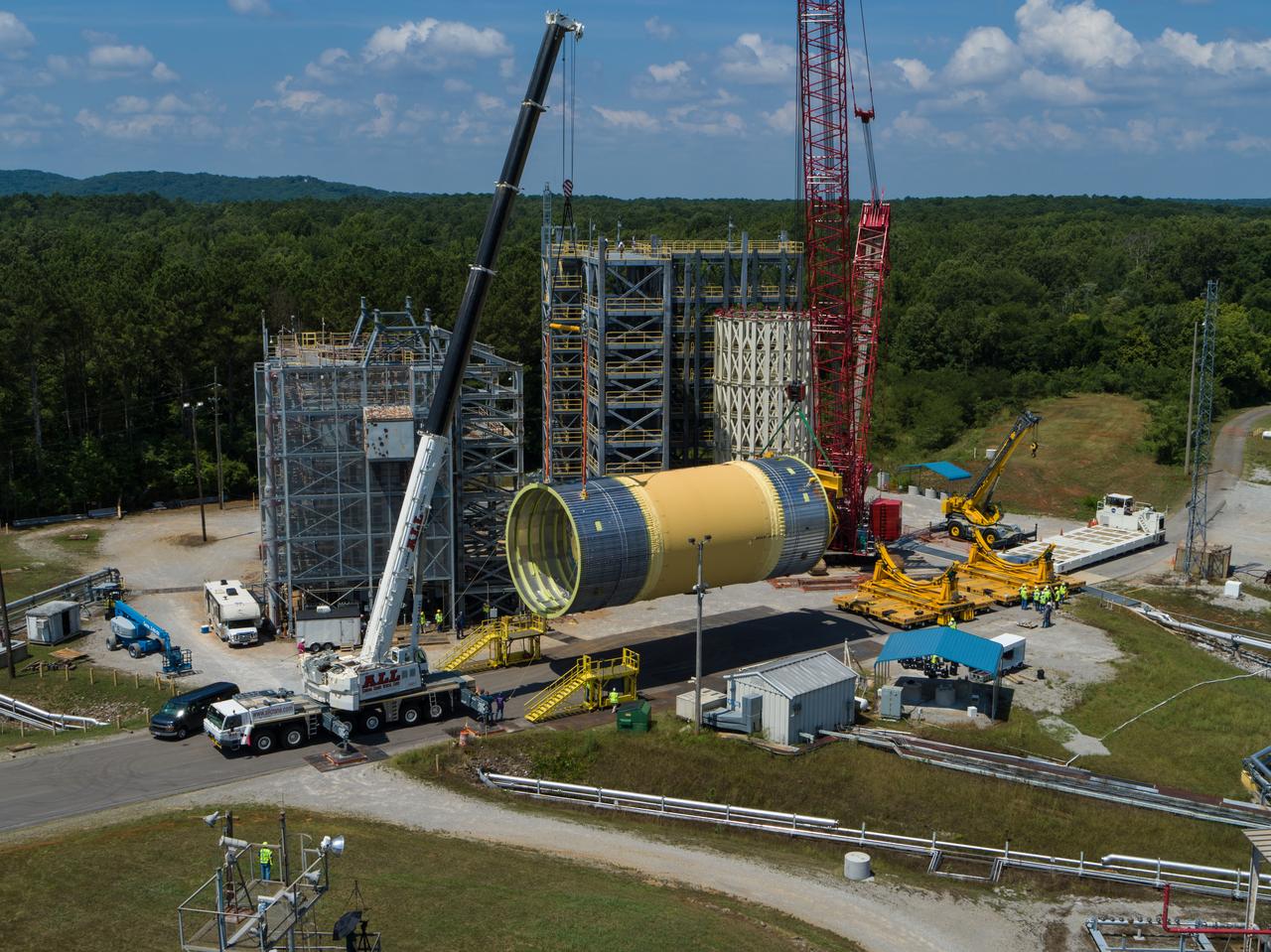
LOX STA breakover at NASA Marshall Space Flight Center
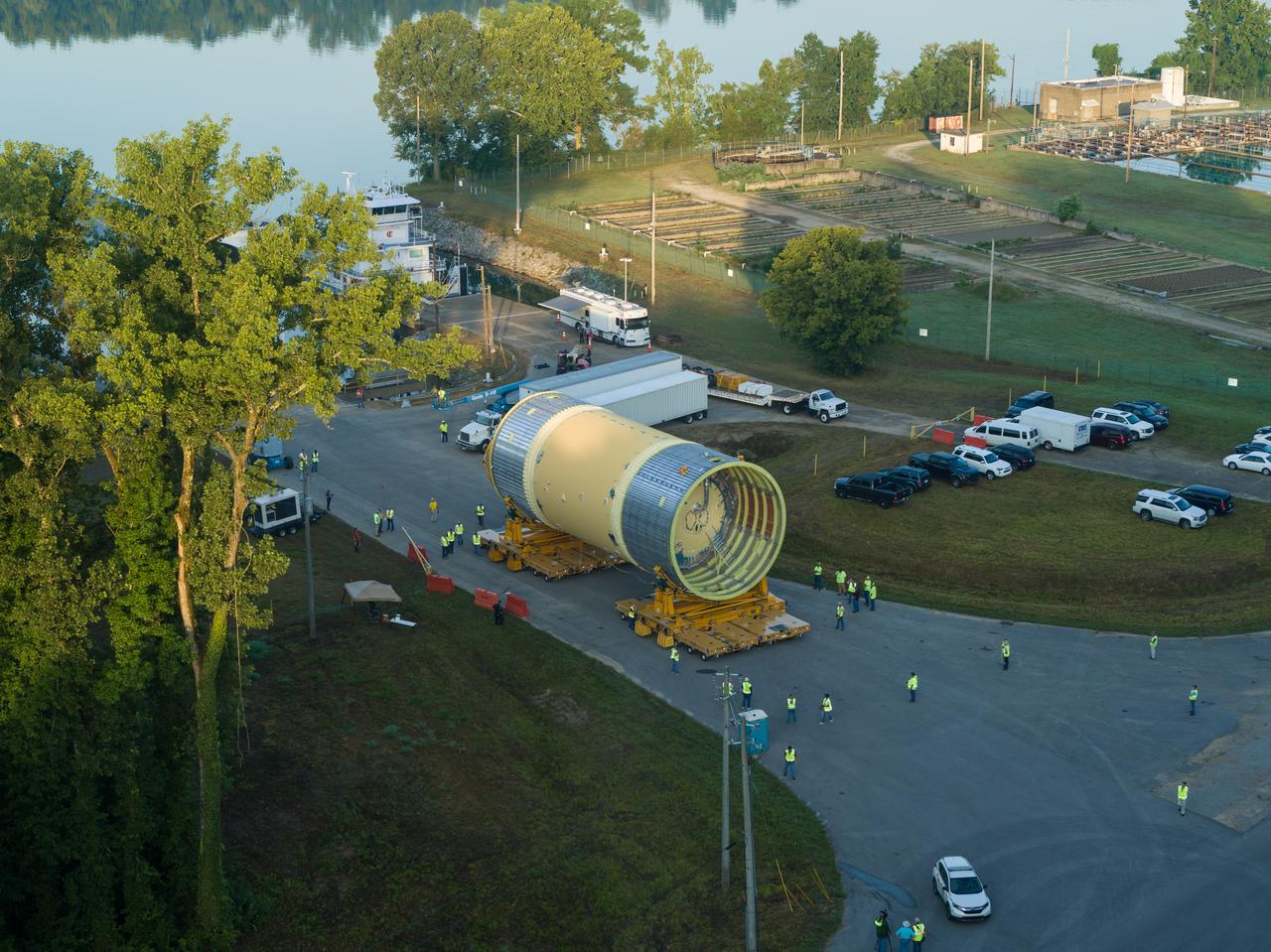
LOX STA unload from Pegasus at NASA Marshall Space Flight Center
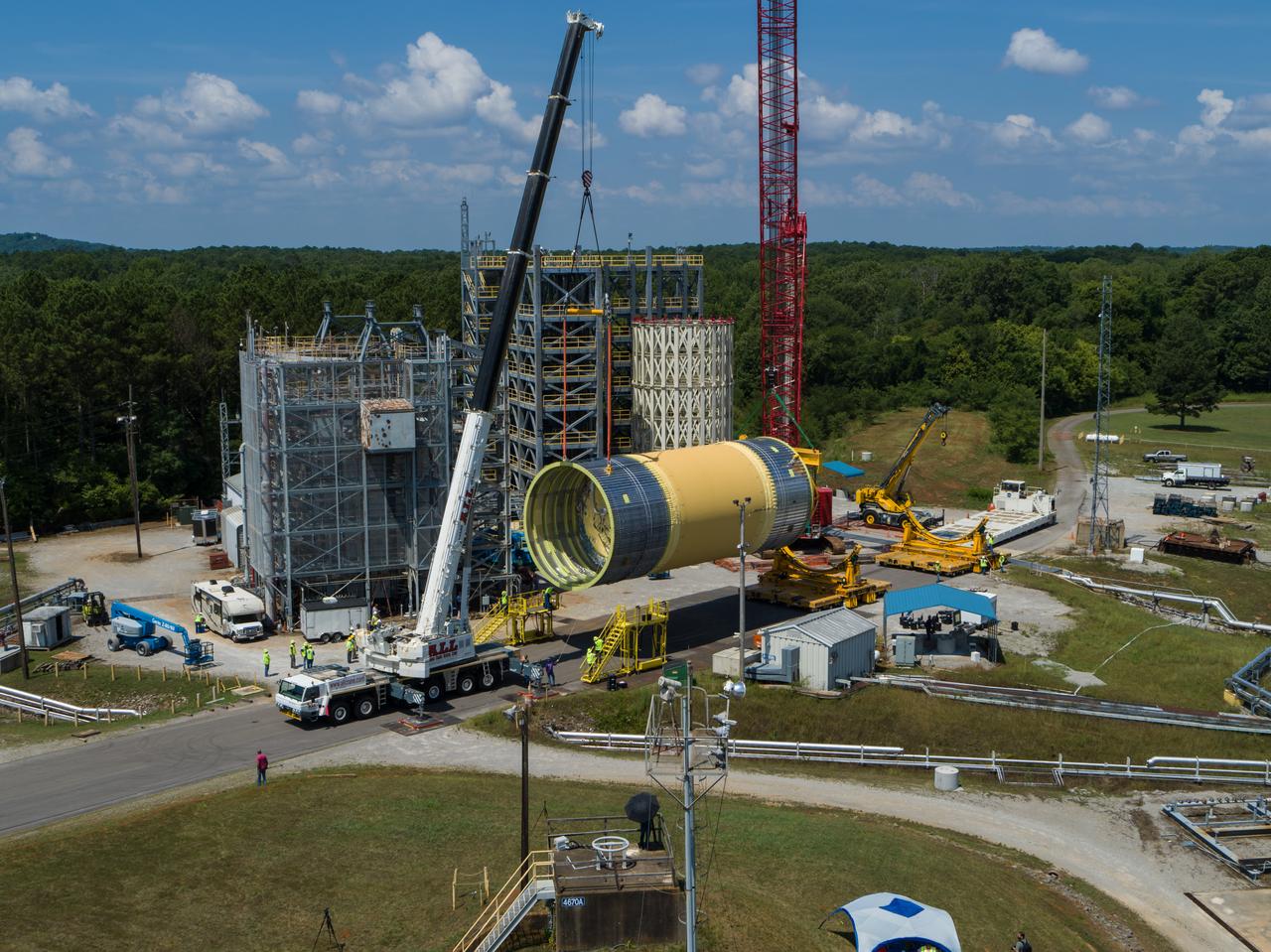
LOX STA breakover at NASA Marshall Space Flight Center
LOX STA breakover at NASA Marshall Space Flight Center
LOX STA breakover at NASA Marshall Space Flight Center
LOX STA breakover at NASA Marshall Space Flight Center
LOX STA breakover at NASA Marshall Space Flight Center
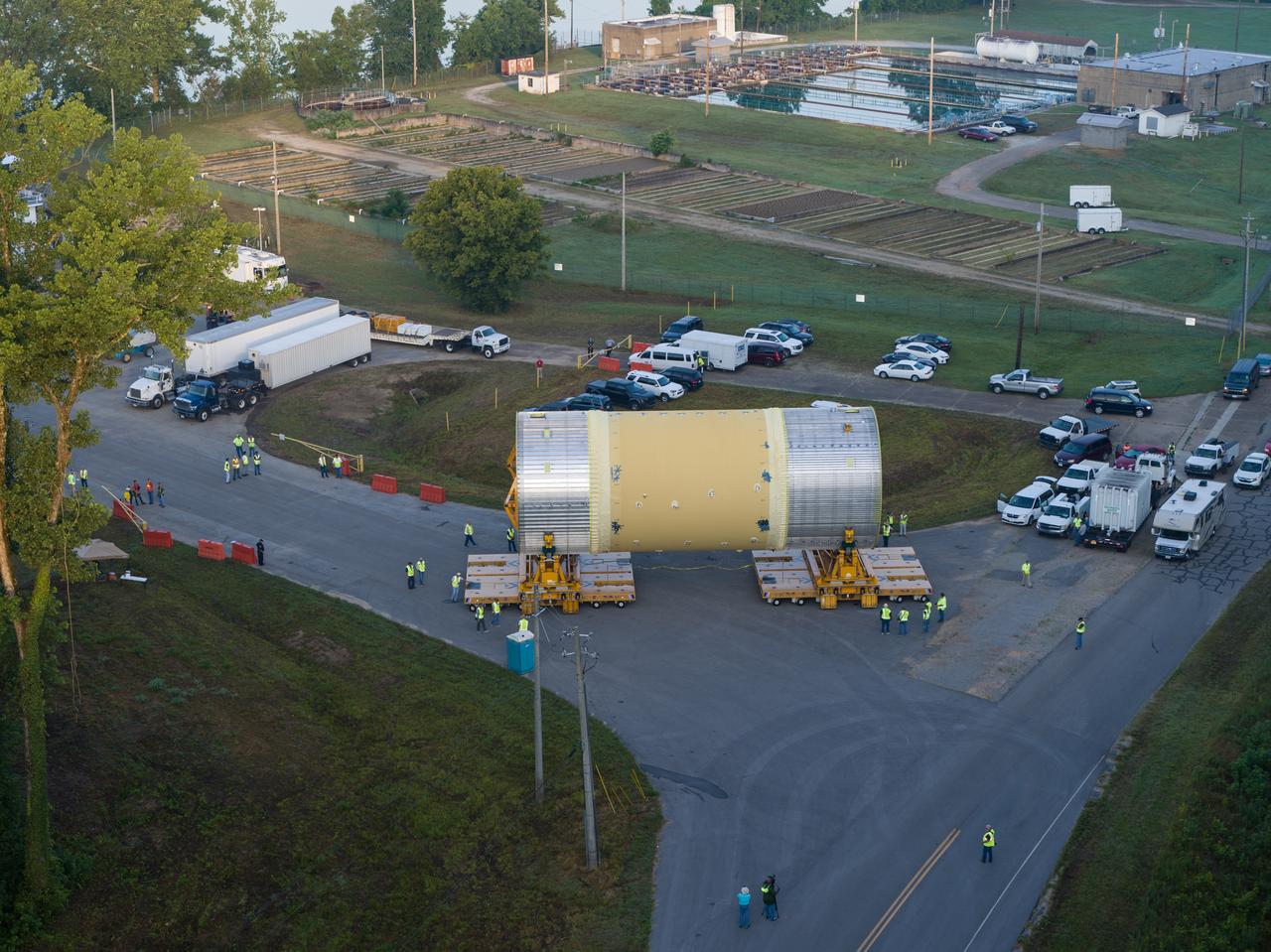
LOX STA unload from Pegasus at NASA Marshall Space Flight Center
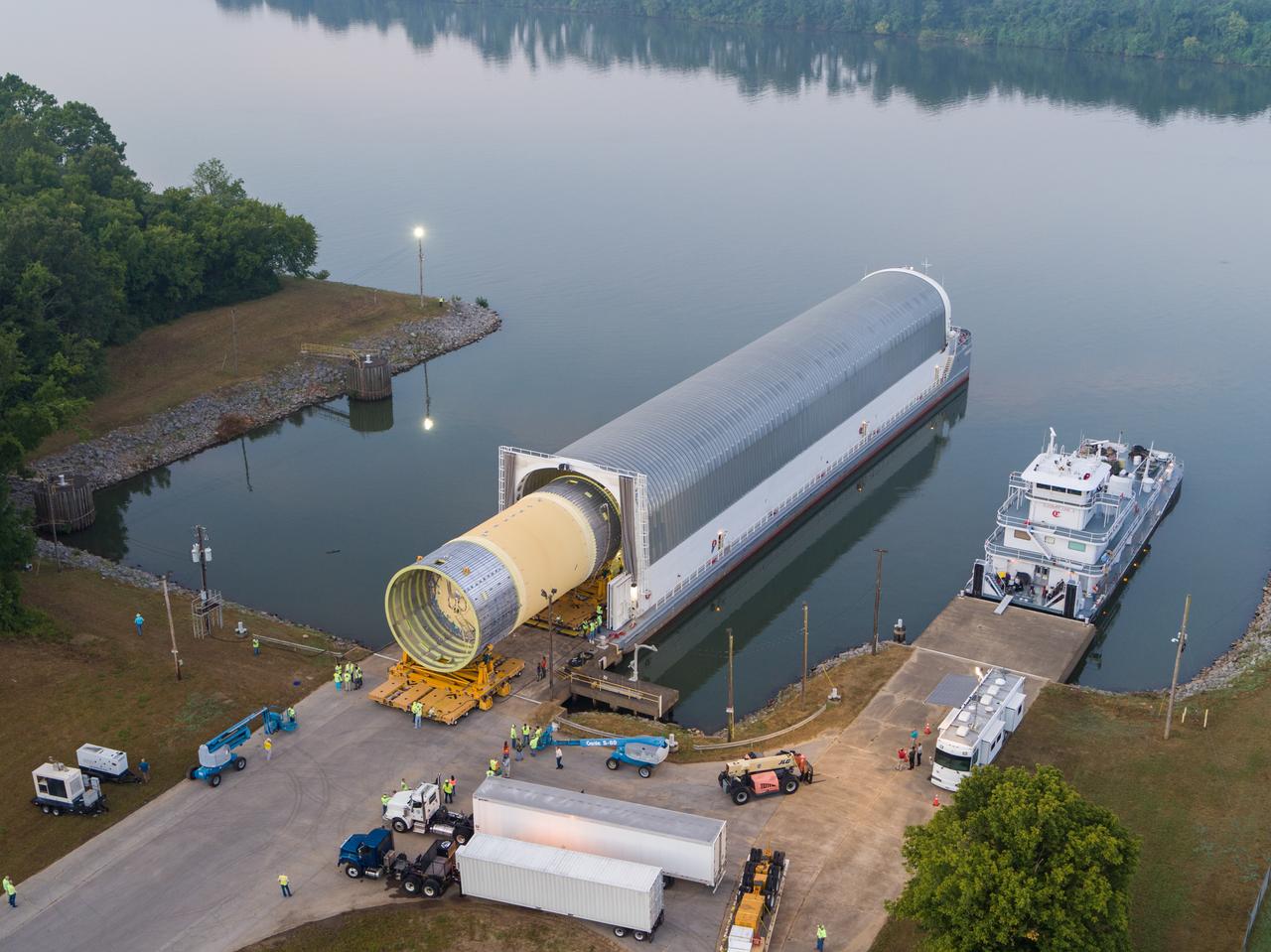
LOX STA unload from Pegasus at NASA Marshall Space Flight Center
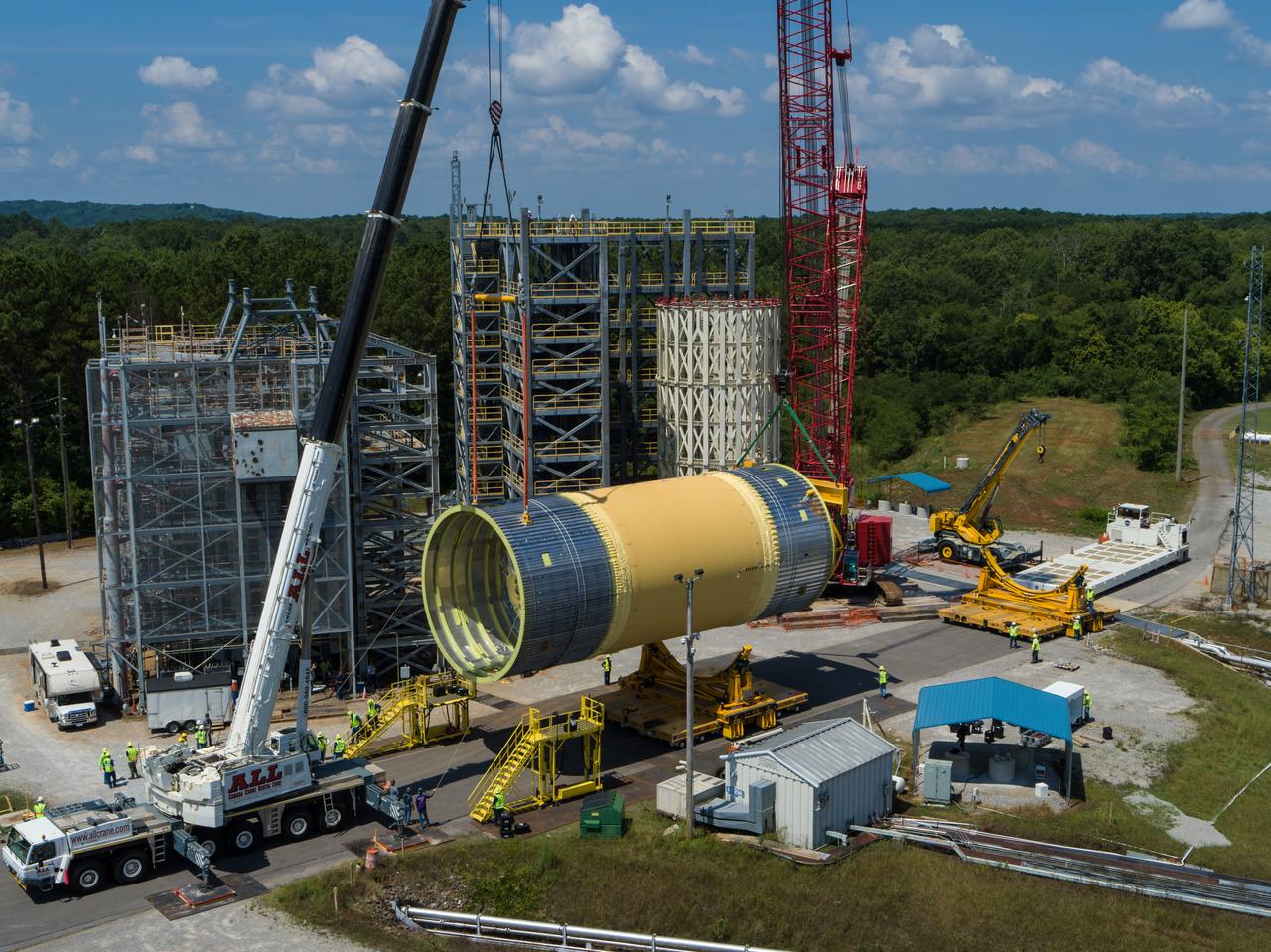
LOX STA breakover at NASA Marshall Space Flight Center
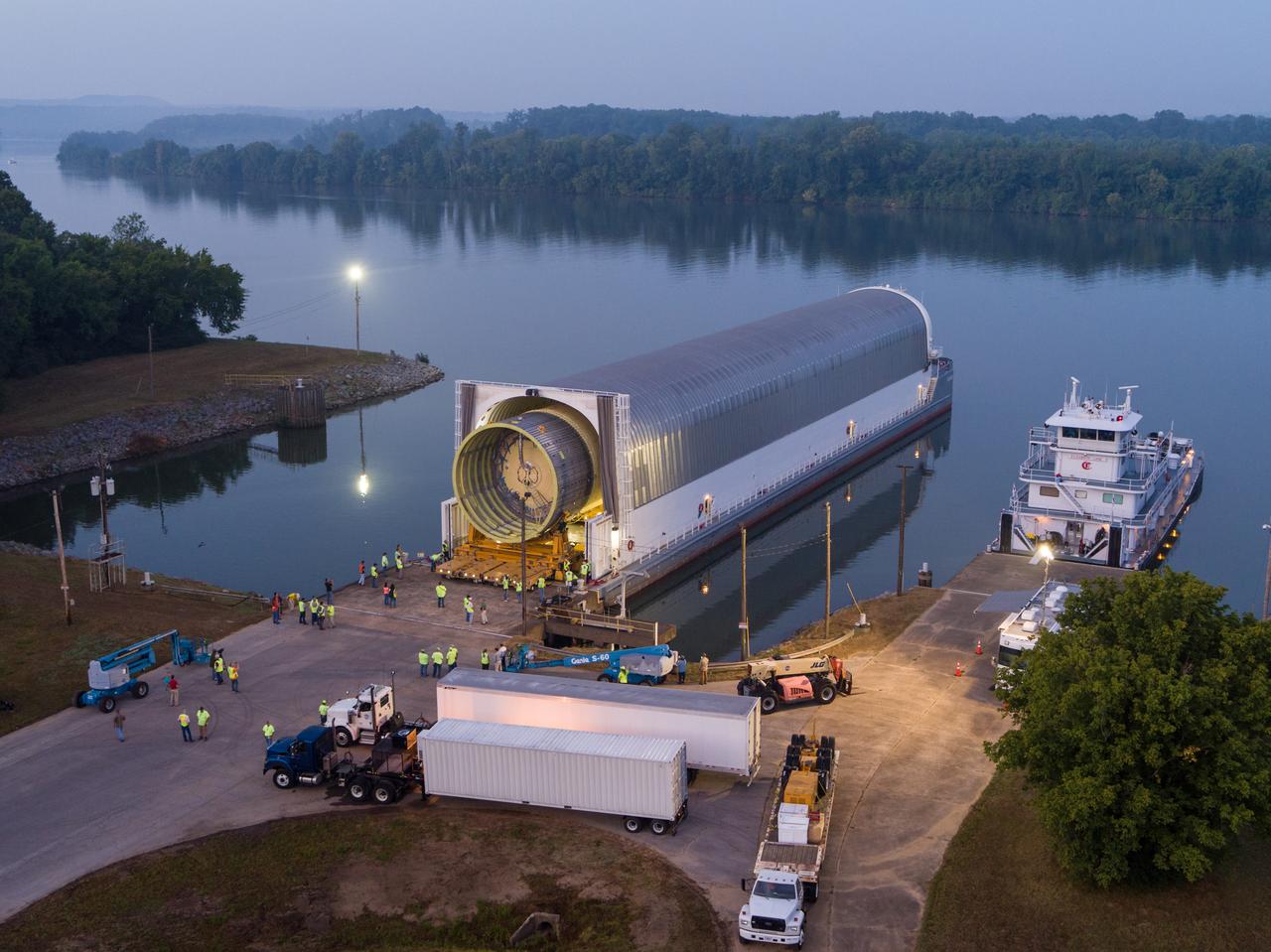
LOX STA unload from Pegasus at NASA Marshall Space Flight Center
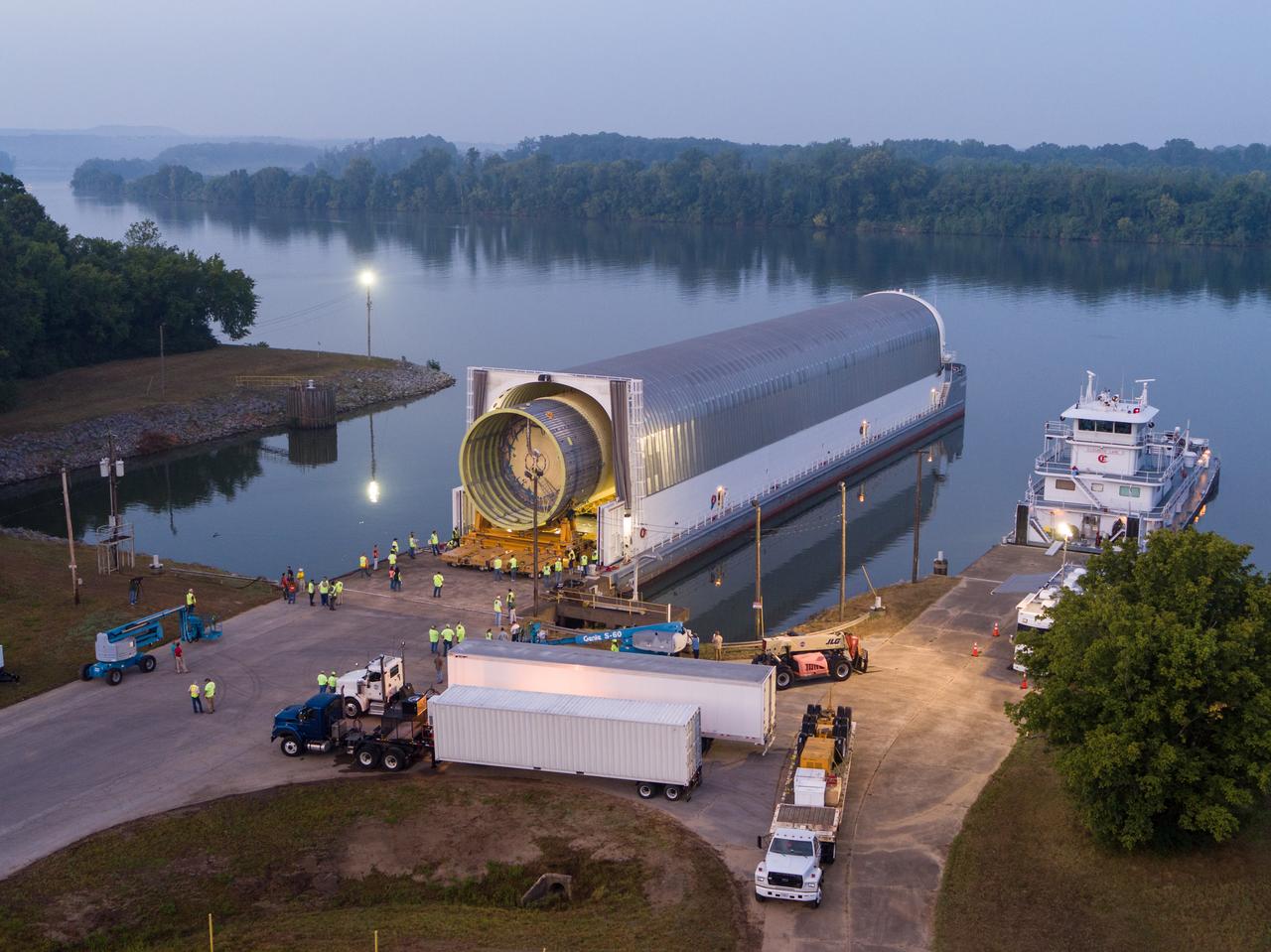
LOX STA unload from Pegasus at NASA Marshall Space Flight Center
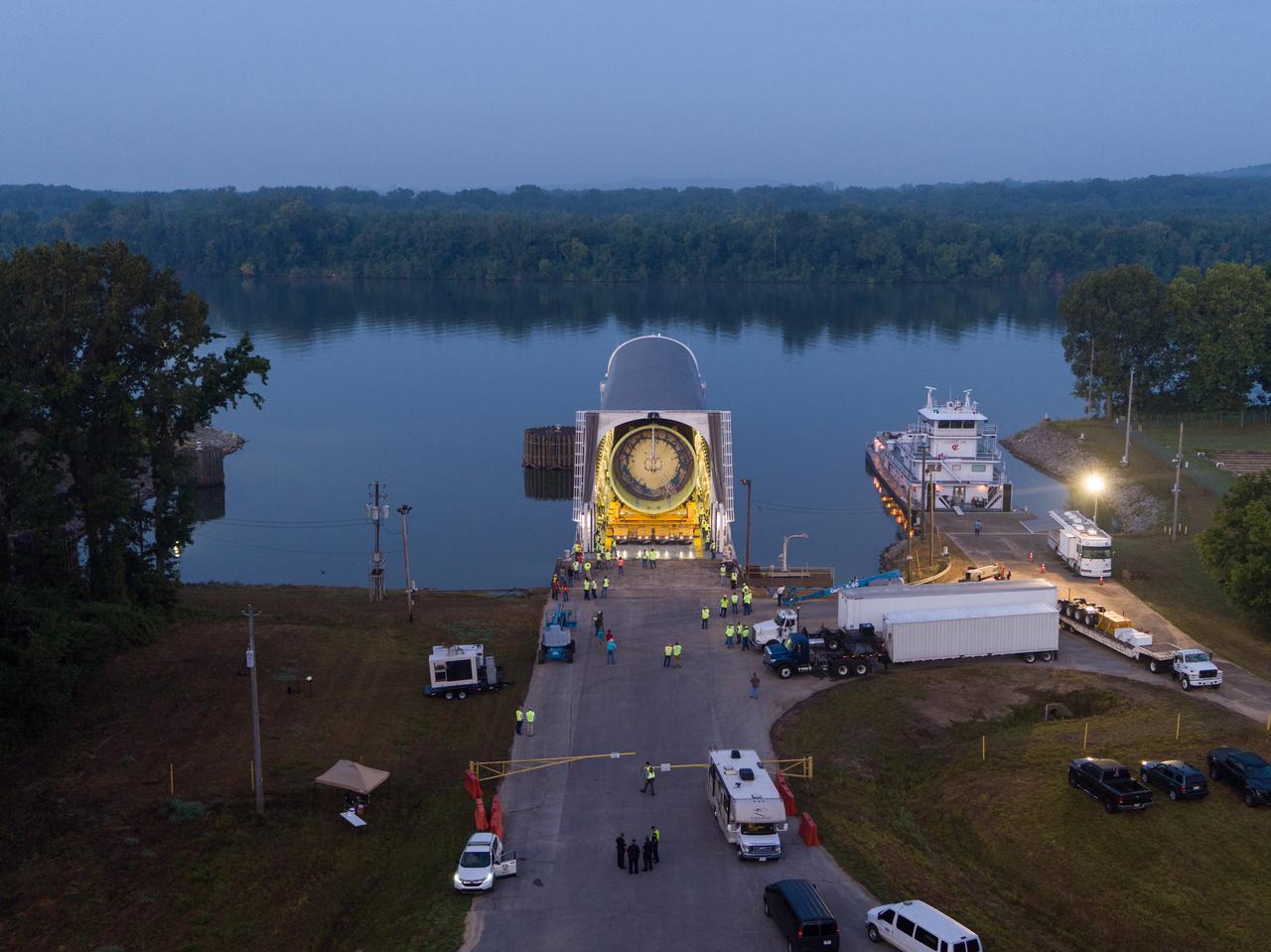
LOX STA unload from Pegasus at NASA Marshall Space Flight Center
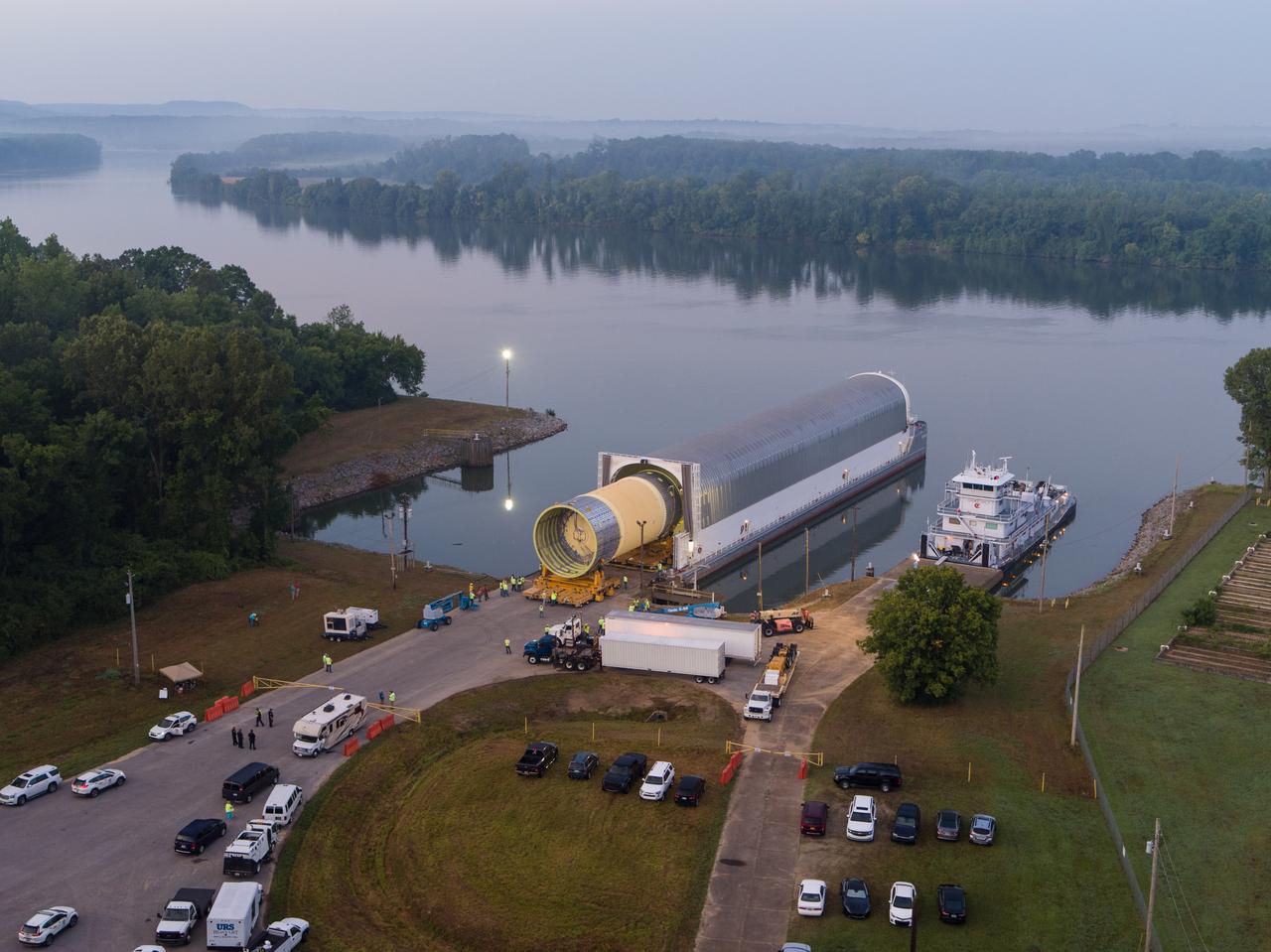
LOX STA unload from Pegasus at NASA Marshall Space Flight Center

LOX STA unload from Pegasus at NASA Marshall Space Flight Center

LOX STA breakover at NASA Marshall Space Flight Center

LOX STA breakover at NASA Marshall Space Flight Center
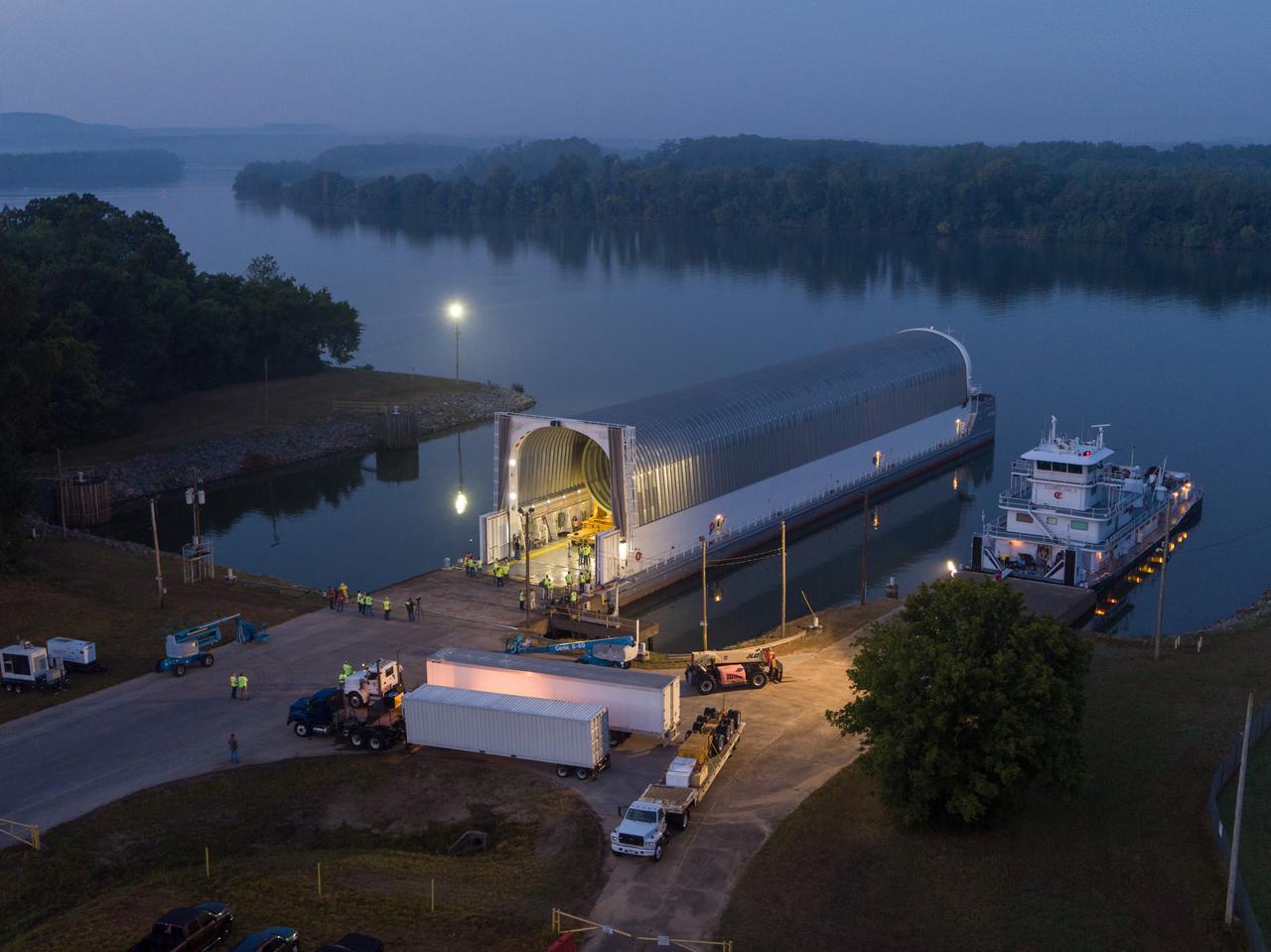
LOX STA unload from Pegasus at NASA Marshall Space Flight Center

LOX STA unload from Pegasus at NASA Marshall Space Flight Center
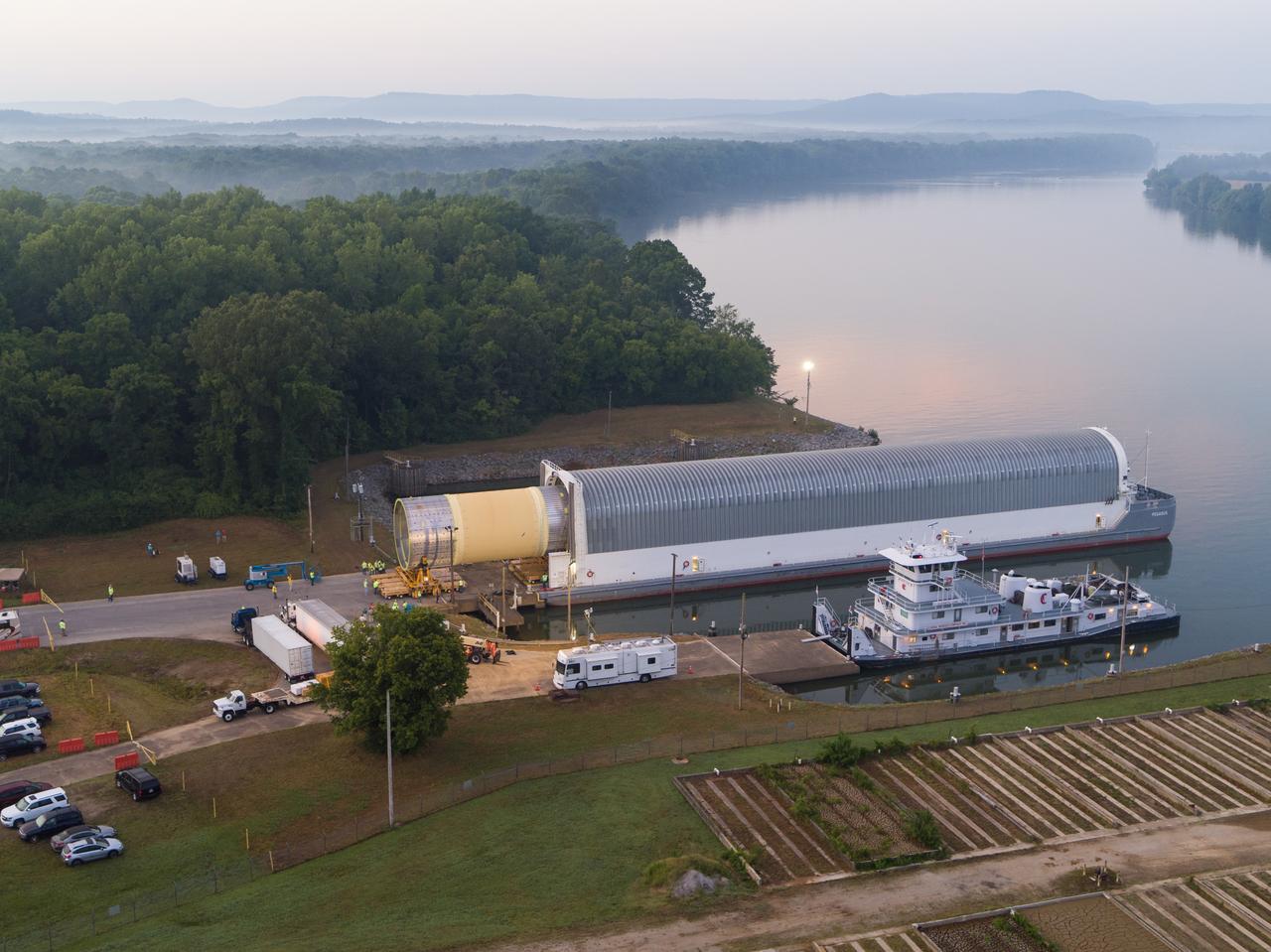
LOX STA unload from Pegasus at NASA Marshall Space Flight Center
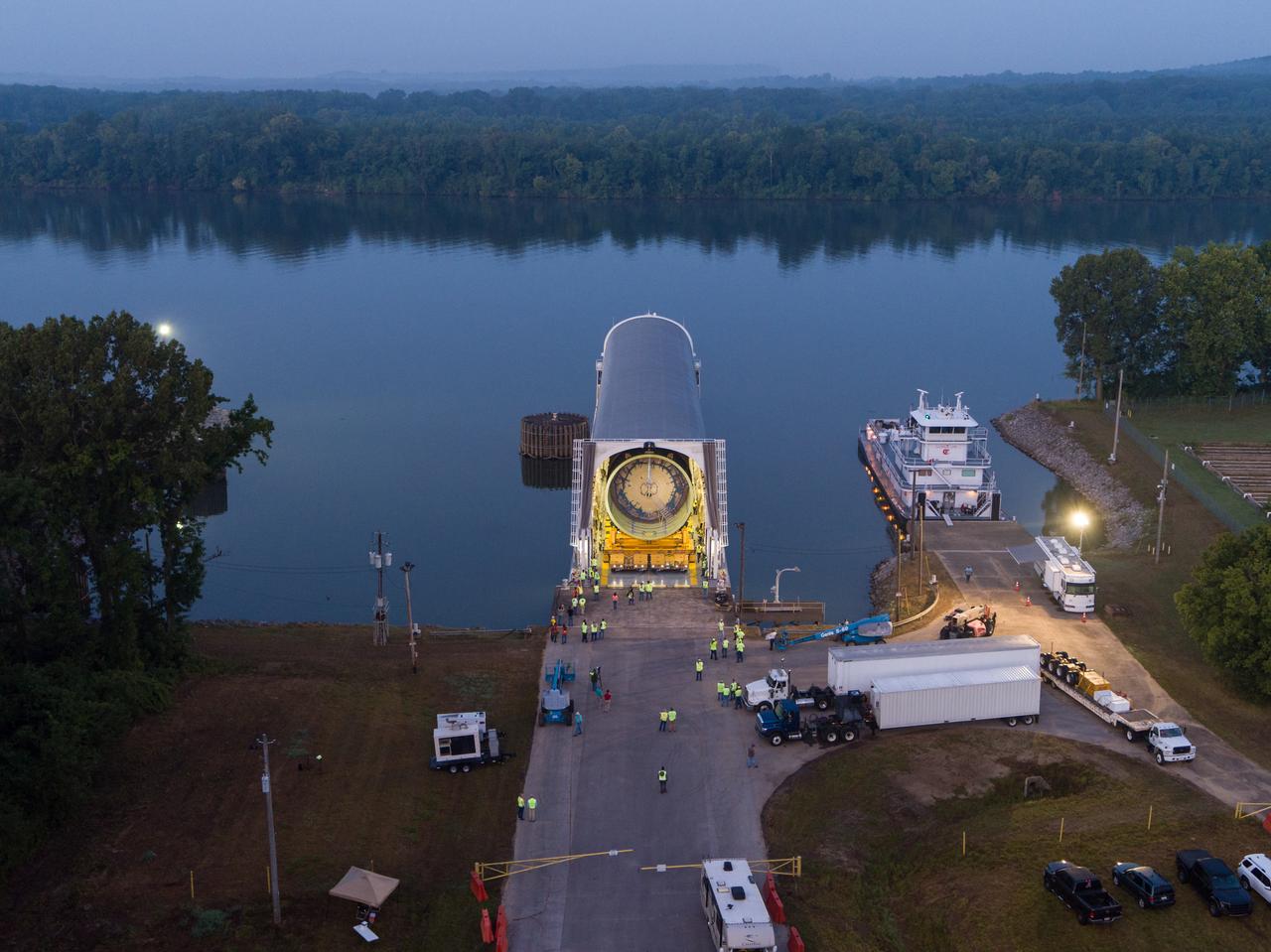
LOX STA unload from Pegasus at NASA Marshall Space Flight Center
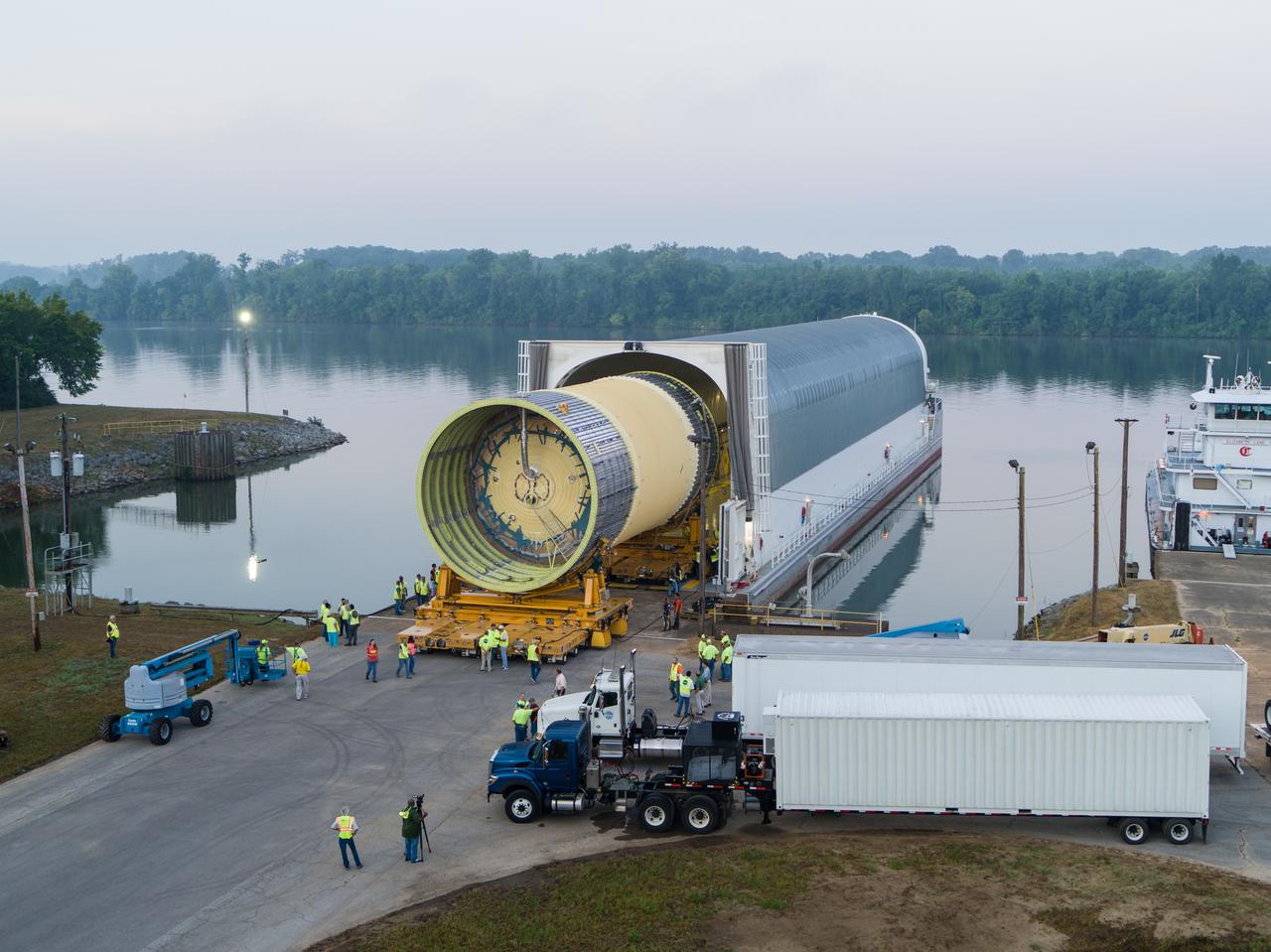
LOX STA unload from Pegasus at NASA Marshall Space Flight Center
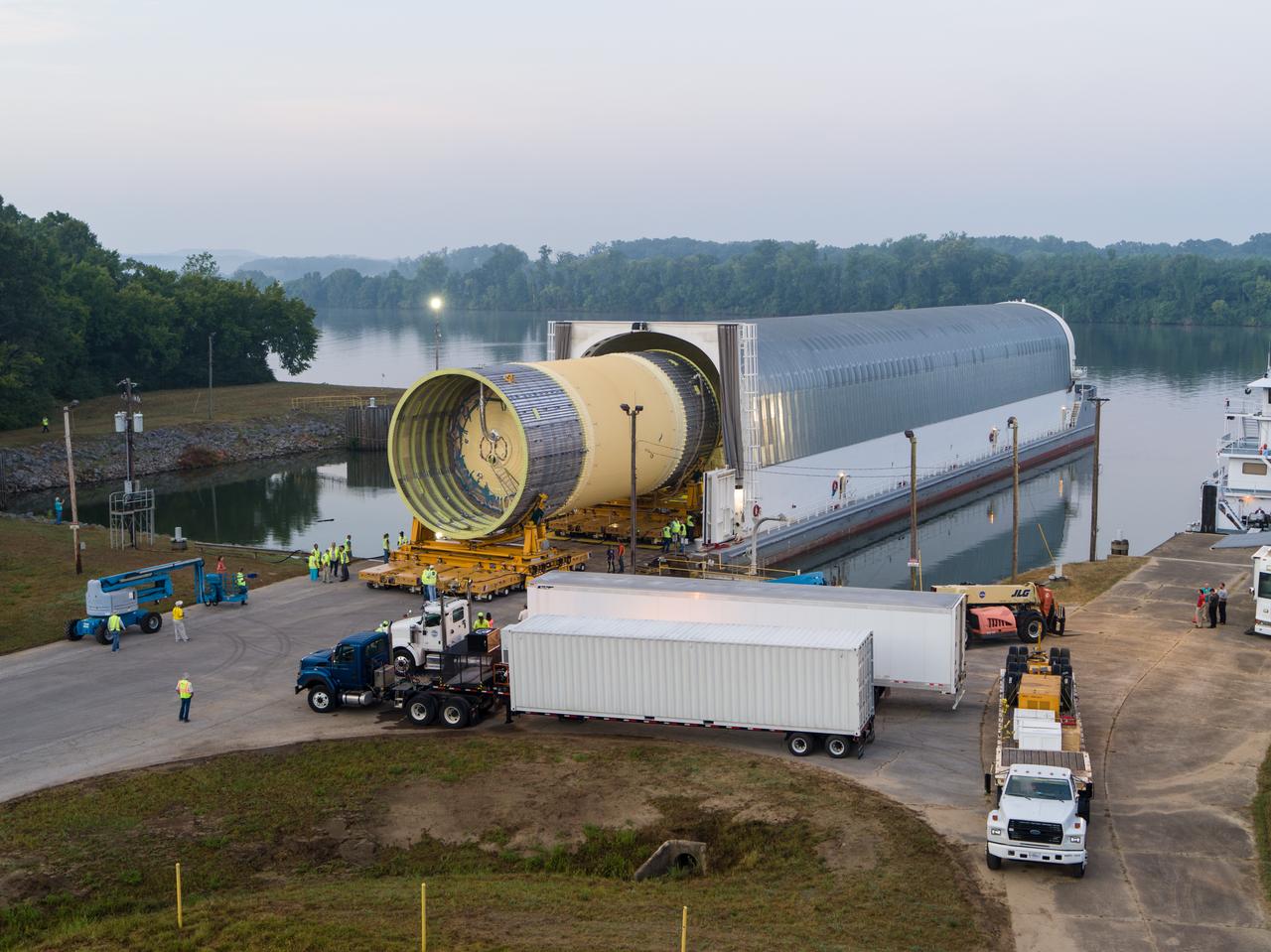
LOX STA unload from Pegasus at NASA Marshall Space Flight Center
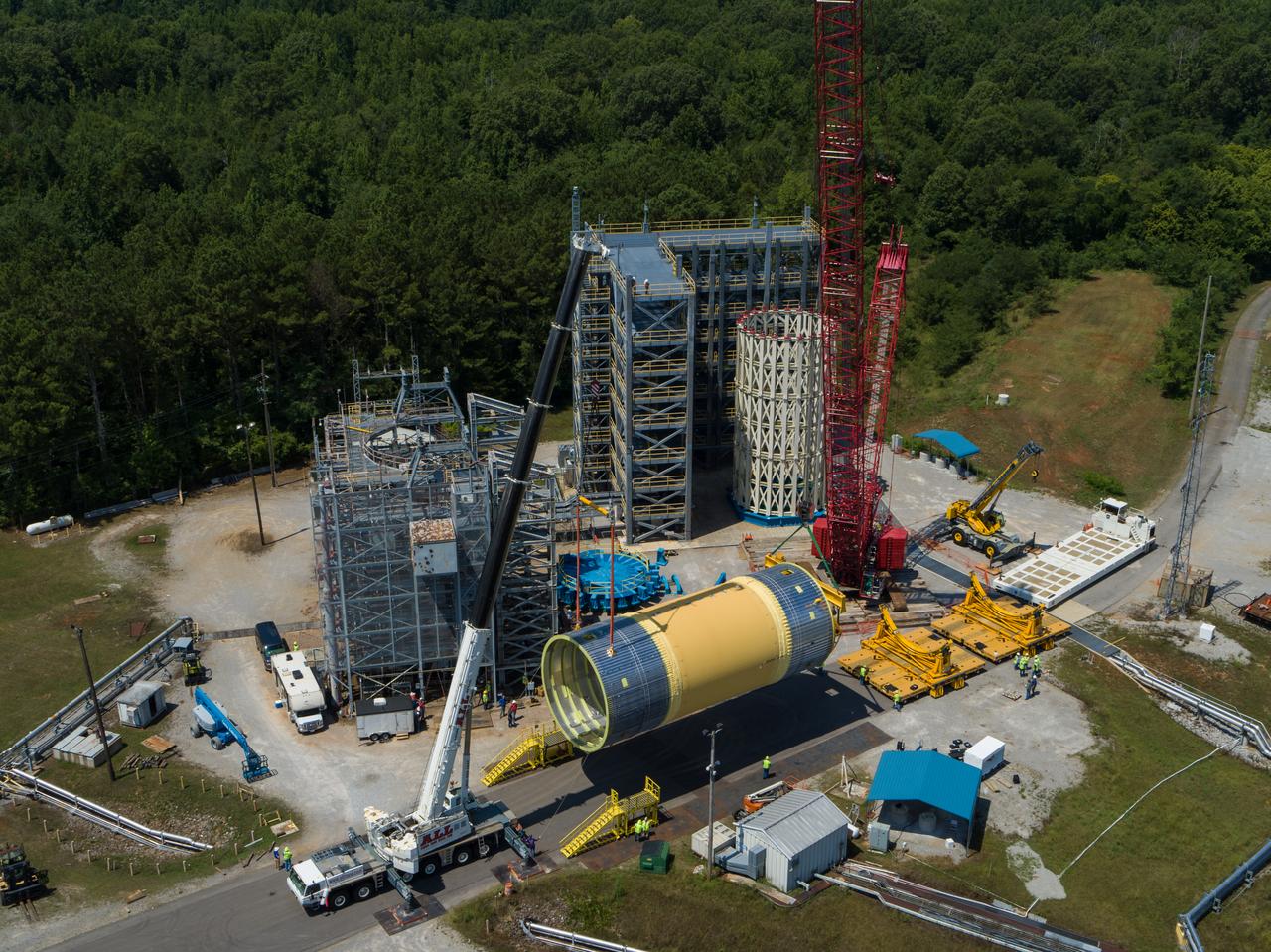
LOX STA breakover at NASA Marshall Space Flight Center
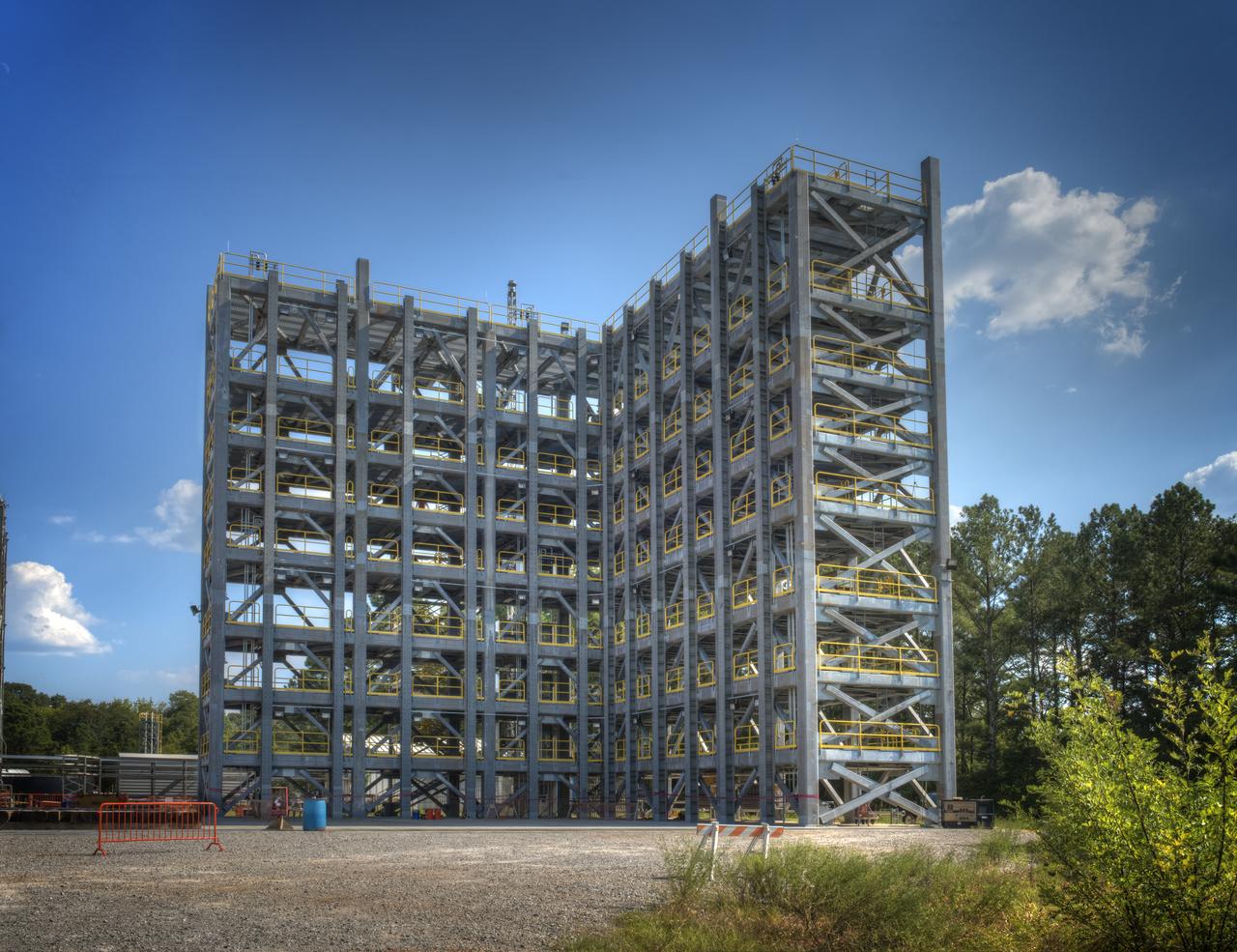
TEST STAND 4697 WILL SUBJECT THE 196,000-GALLON CRYOGENIC LIQUID OXYGEN TANK IN THE MASSIVE CORE STAGE OF NASA'S SPACE LAUNCH SYSTEM TO THE TREMENDOUS FORCES IT WILL ENDURE IN LAUNCH AND FLIGHT.
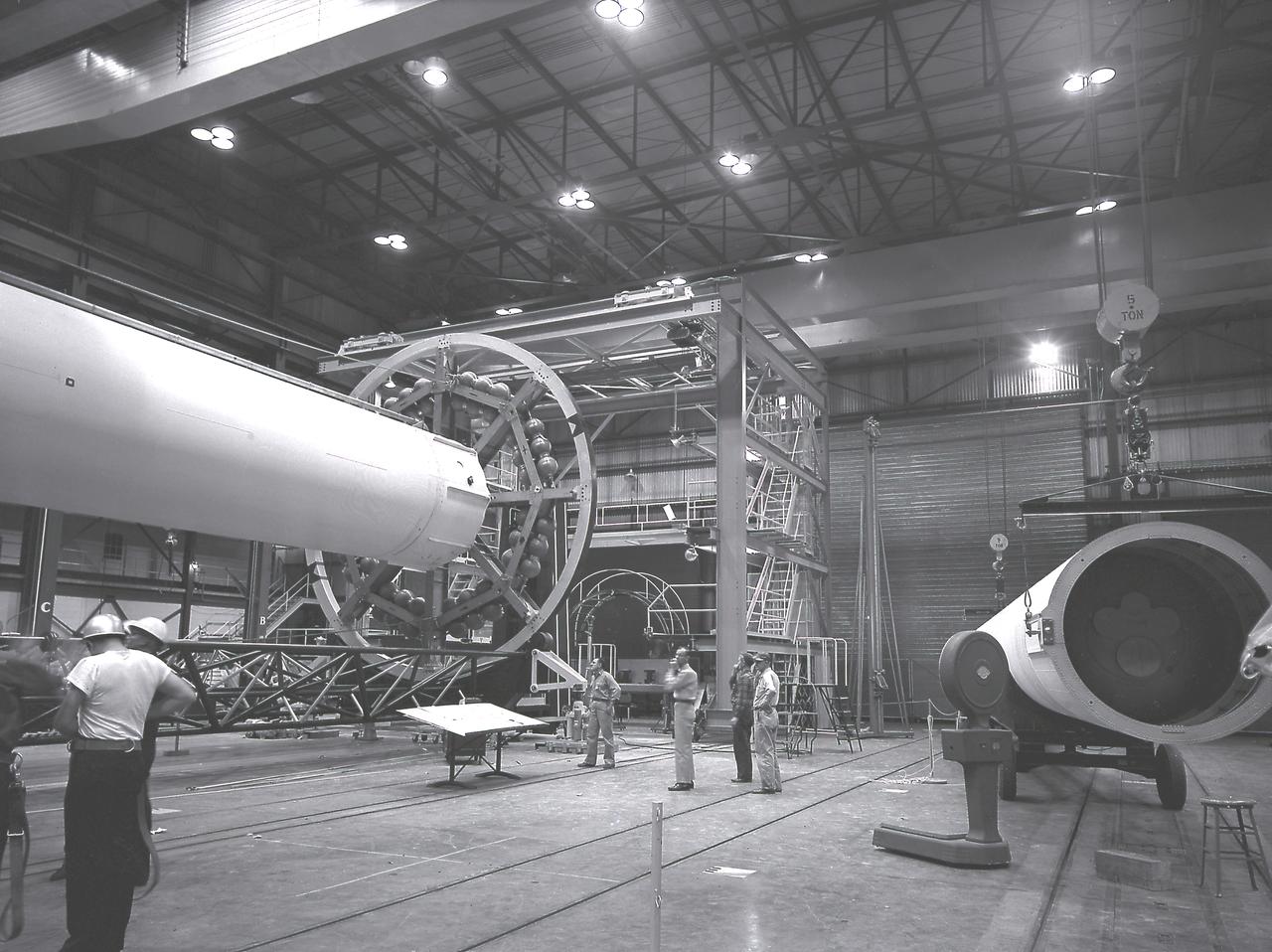
The Saturn I liquid-oxygen (LOX) tank for the Saturn I S-I stage being aligned with the end spider beam in the fabrication and engineering laboratory, building 4705, at the Marshall Space Flight Center (MSFC).
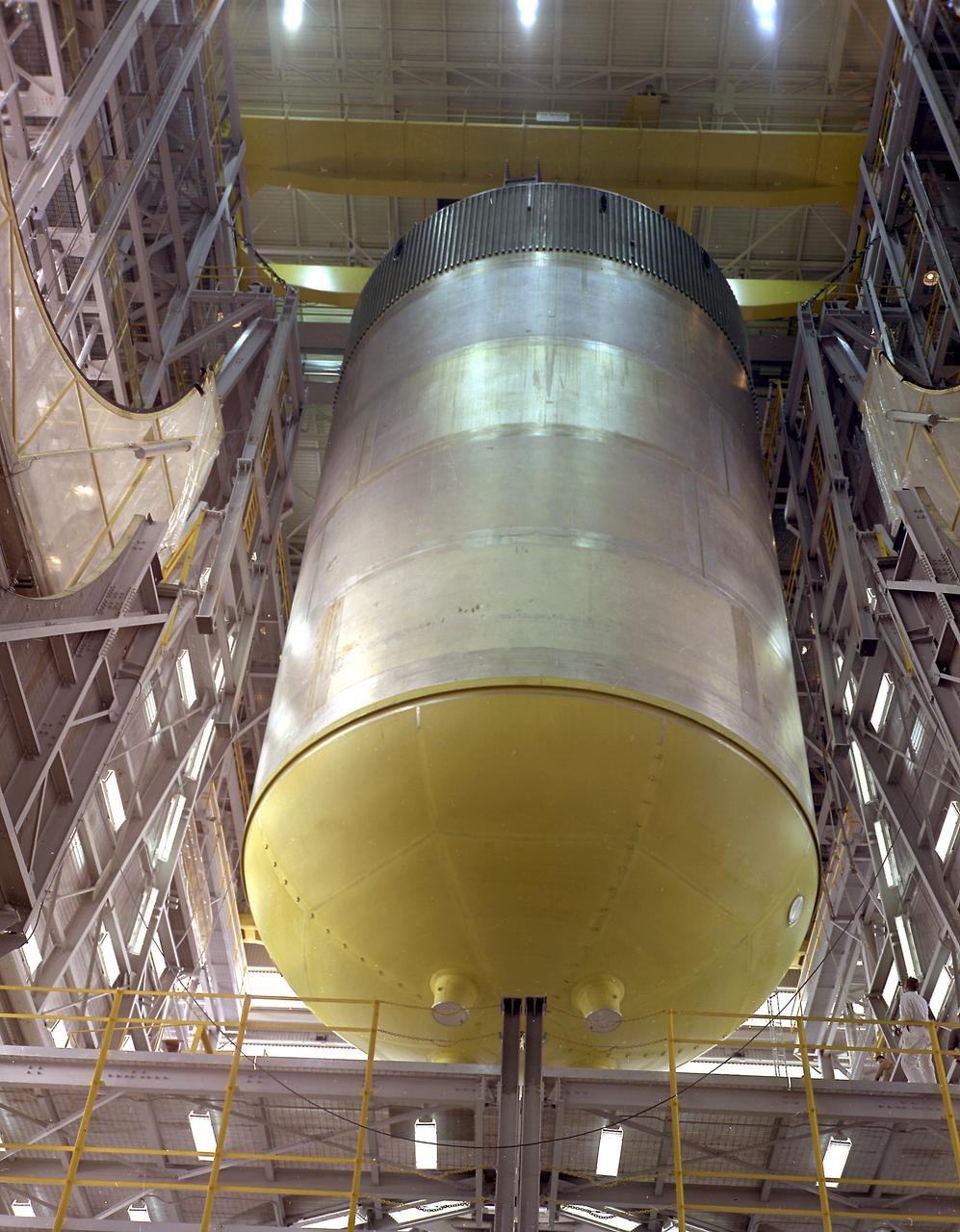
This photograph shows the Saturn V S-IC-S stage (S-IC stage for structural test) liquid oxygen (LOX) tank being lifted in the vehicle assembly building at the Marshall Space Flight Center.
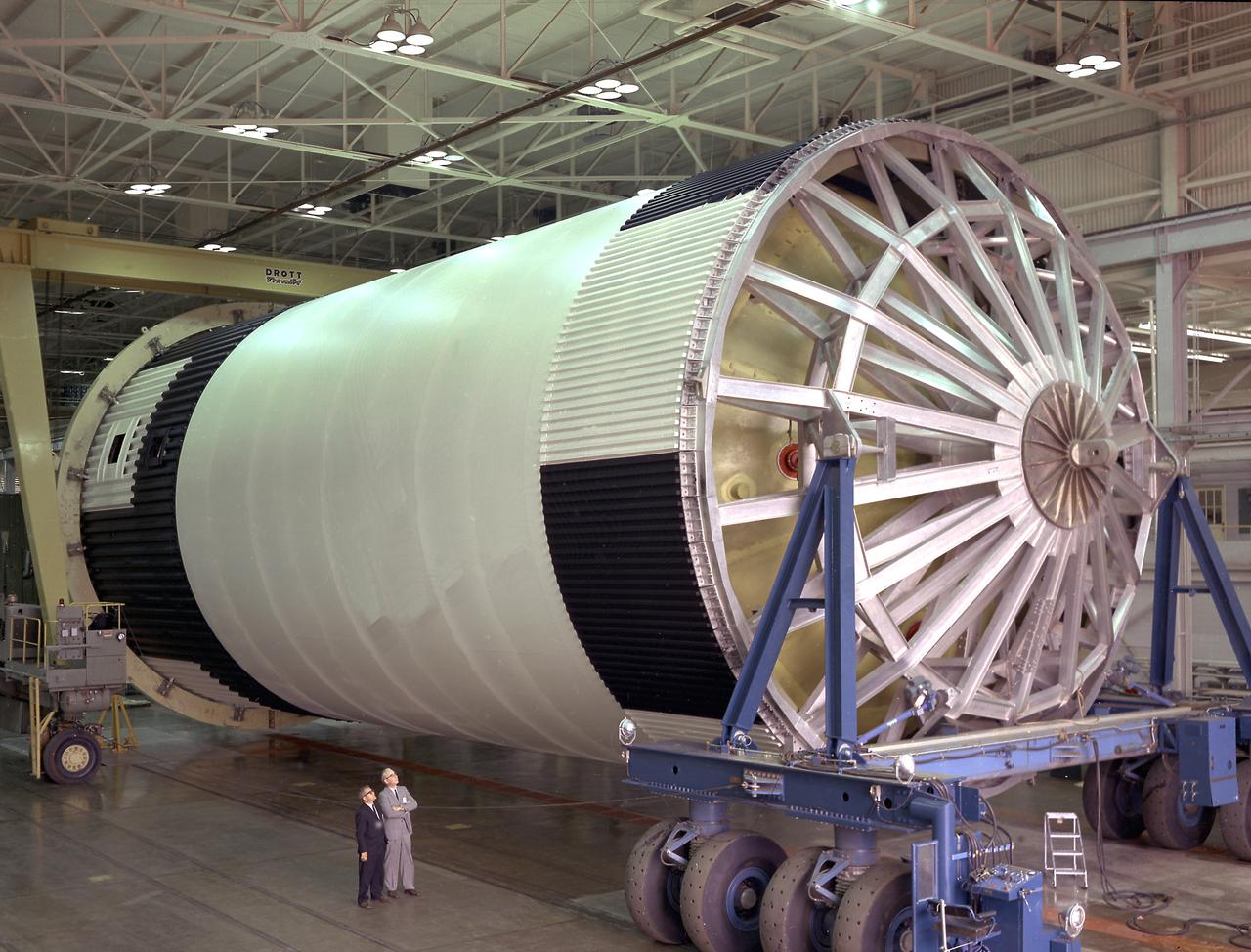
This is a picture of the assembled liquid oxygen (LOX) tank for the Saturn V S-IC (first) stage, with A-frame, that arrived to be mated to the fuel tank at a later date at the Marshall Space Flight Center, building 4705.
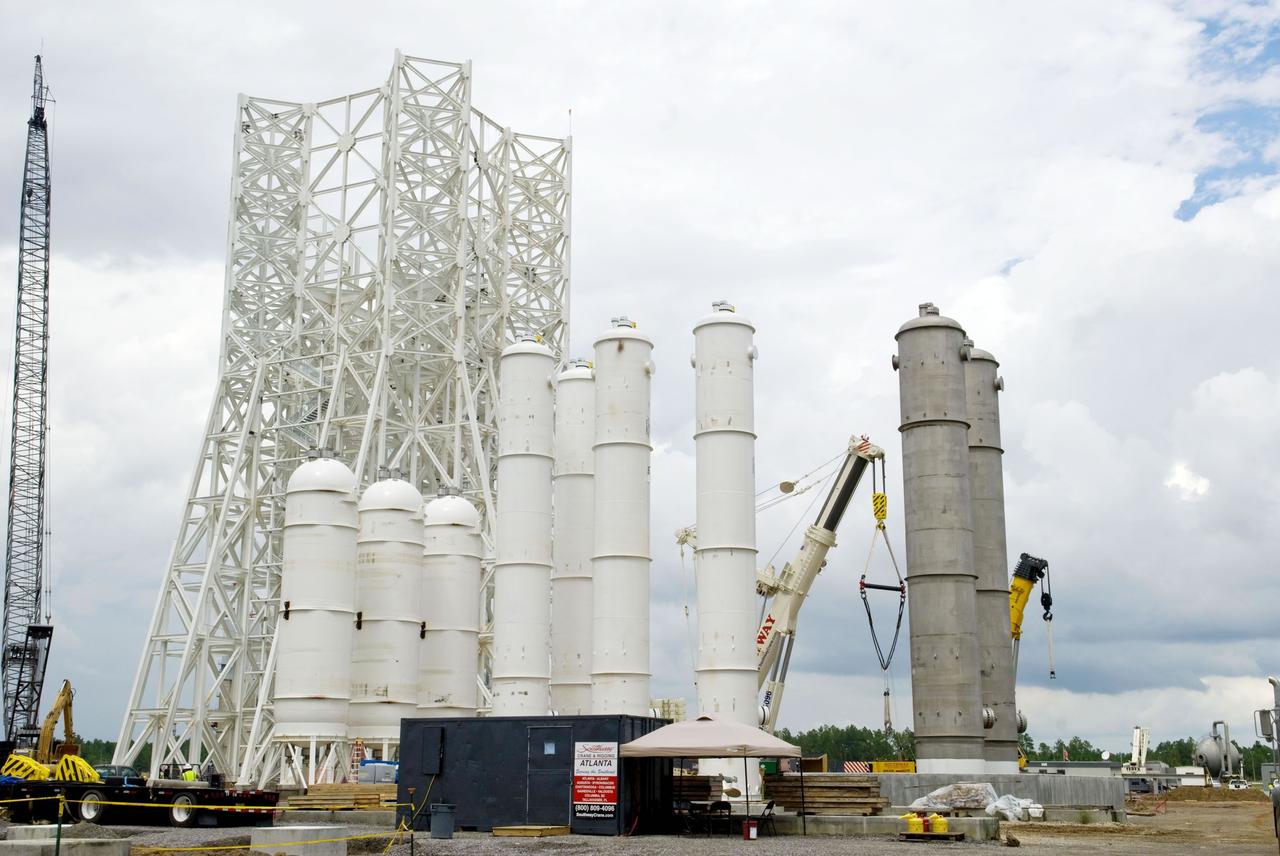
Construction of the A-3 Test Stand approaches another milestone with delivery and installation of water, isopropyl alcohol (IPA) and liquid oxygen (LOX) tanks. The three LOX tanks shown on the left and the two IPA tanks shown on the right are all 35,000 gallons each. The four water tanks in the center are 39,000 gallons each.
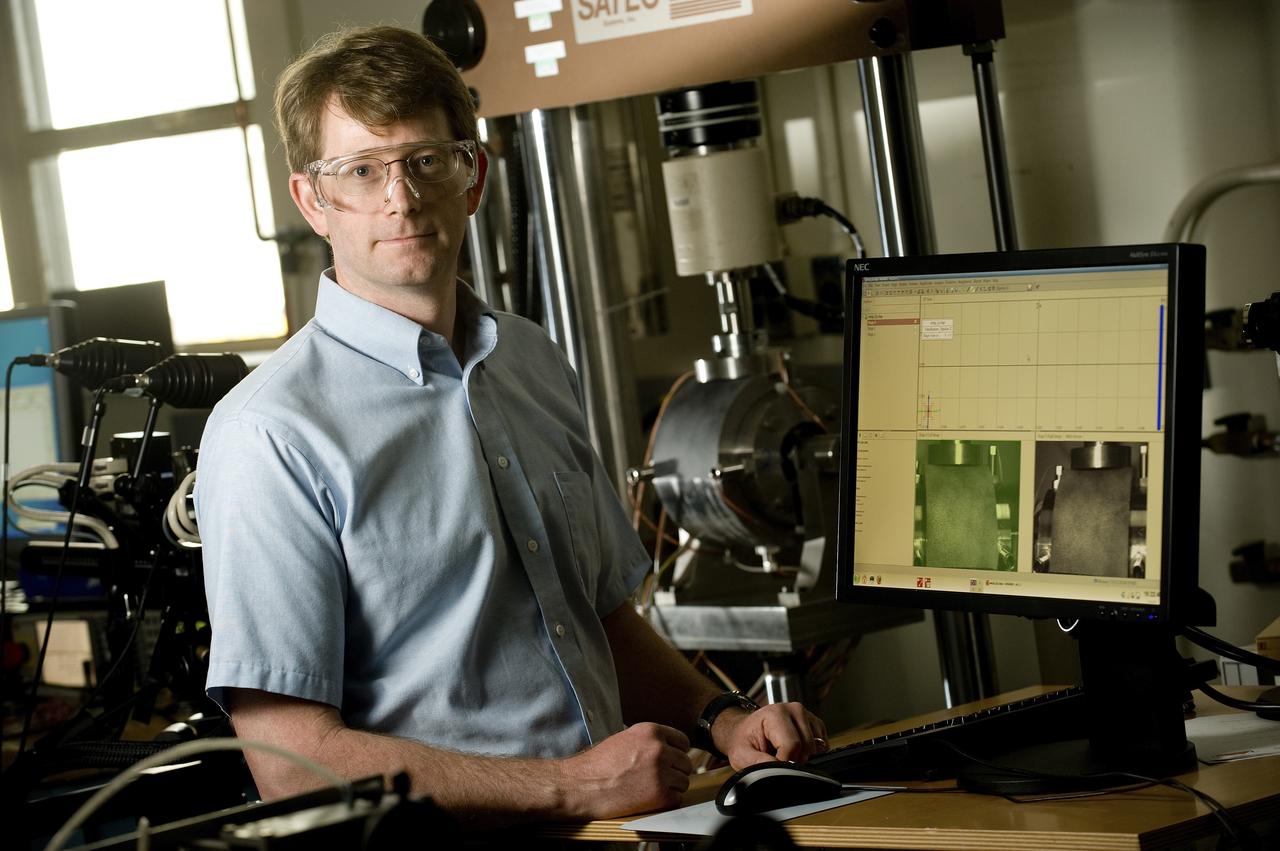
ERIC EARHART (AEROSPACE ENGINEER, ER41 PROPULSION STRUCTURAL & DYNAMICS ANALYSIS BRANCH) DISCUSSES DATA PRODUCED BY A UNIQUE MECHANICAL TEST SETUP THAT MEASURES STRAIN ON A SINGLE SAMPLE, USING TWO DIFFERENT TECHNIQUES AT THE SAME TIME. THE TEST FIXTURE HOLDS A SPECIMEN THAT REPRESENTS A LIQUID OXYGEN (LOX) BEARING FROM THE J2-X ENGINE
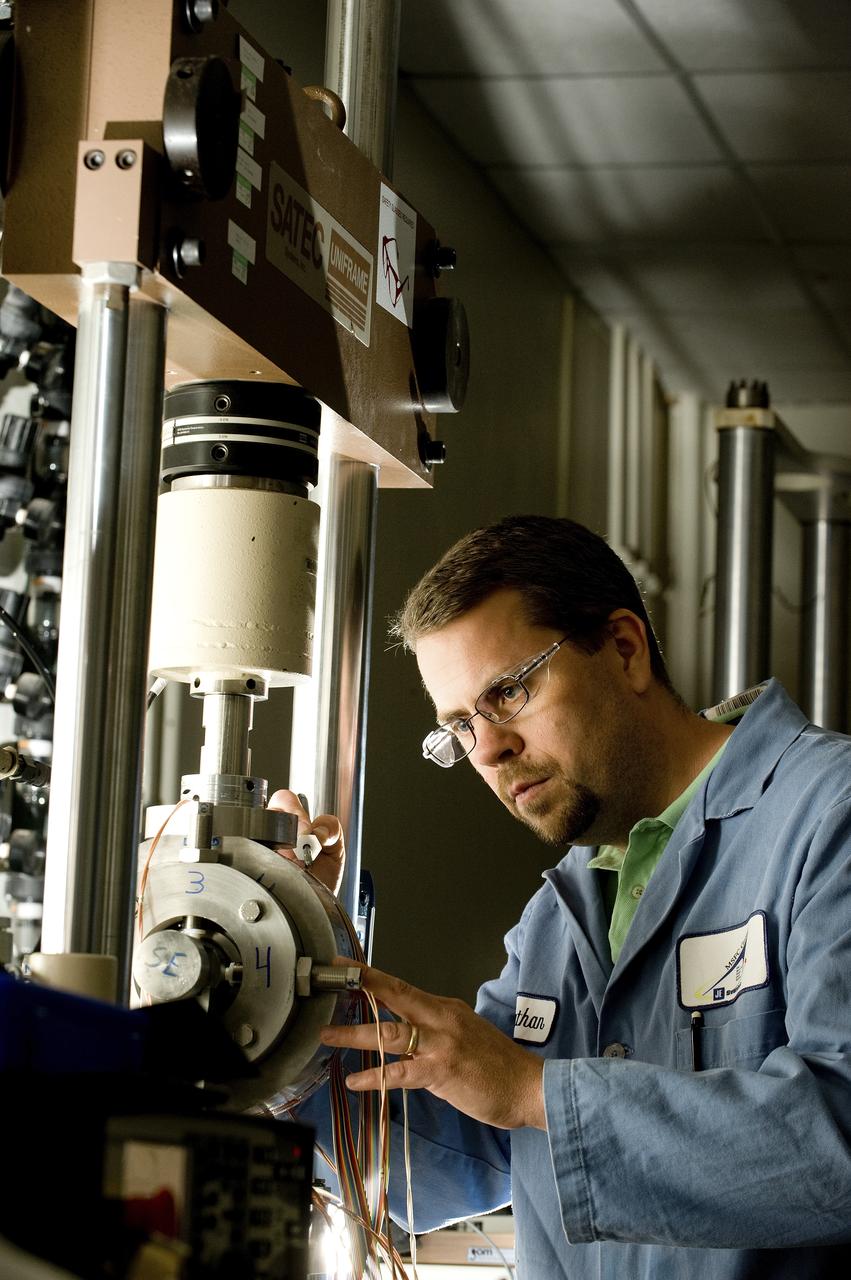
TATHAN COFFEE (EM10 MATERIALS TEST ENGINEER, JACOBS ESTS GROUP/JTI) ADJUSTS A UNIQUE MECHANICAL TEST SETUP THAT MEASURES STRAIN ON A SINGLE SAMPLE, USING TWO DIFFERENT TECHNIQUES AT THE SAME TIME. THE TEST FIXTURE HOLDS A SPECIMEN THAT REPRESENTS A LIQUID OXYGEN (LOX) BEARING FROM THE J2-X ENGINE
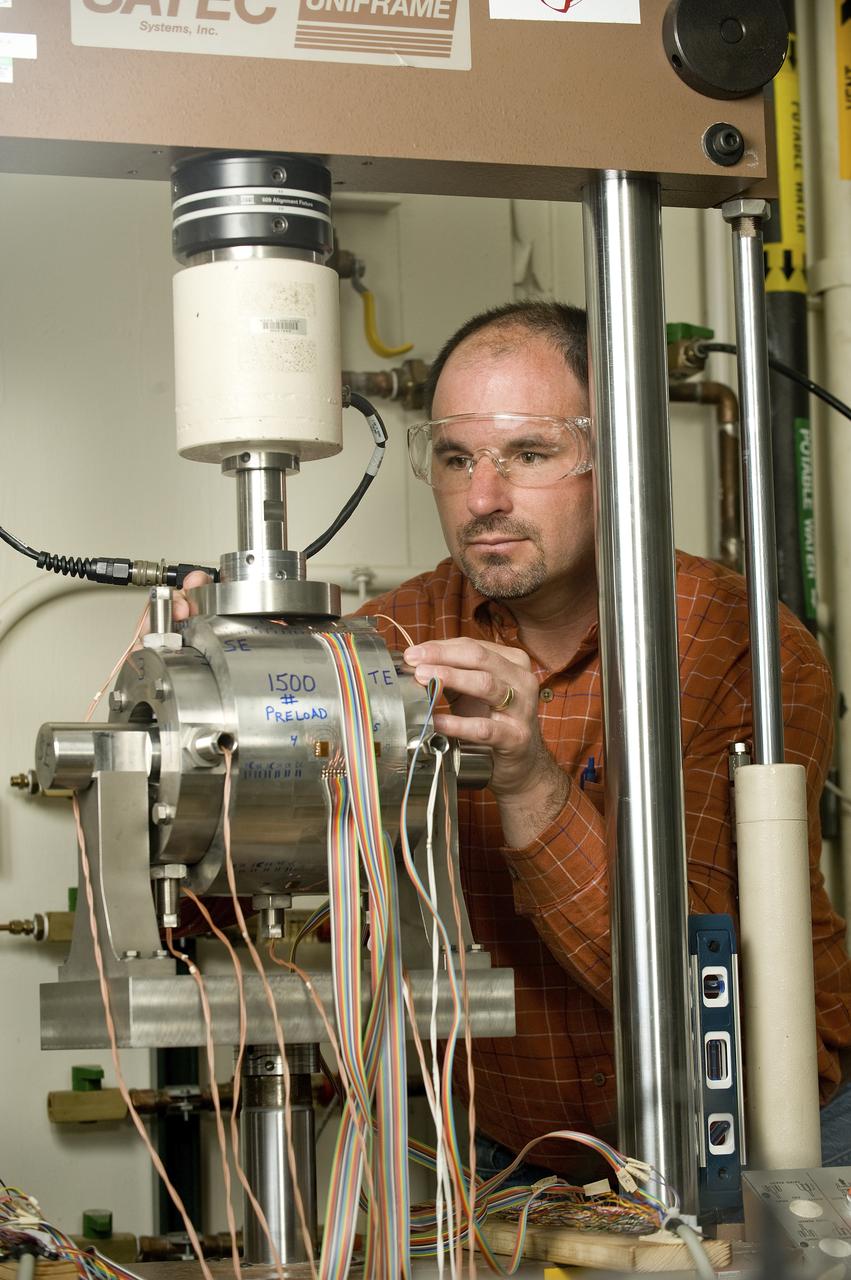
HORACE STORNG (AEROSPACE ENGINEER, ER31 PROPULSION TURBOMACHINERY DESIGN & DEVELOPMENT BRANCH) ADJUSTS A UNIQUE MECHANICAL TEST SETUP THAT MEASURES STRAIN ON A SINGLE SAMPLE, USING TWO DIFFERENT TECHNIQUES AT THE SAME TIME. THE TEST FIXTURE HOLDS A SPECIMEN THAT REPRESENTS A LIQUID OXYGEN (LOX) BEARING FROM THE J2-X ENGINE
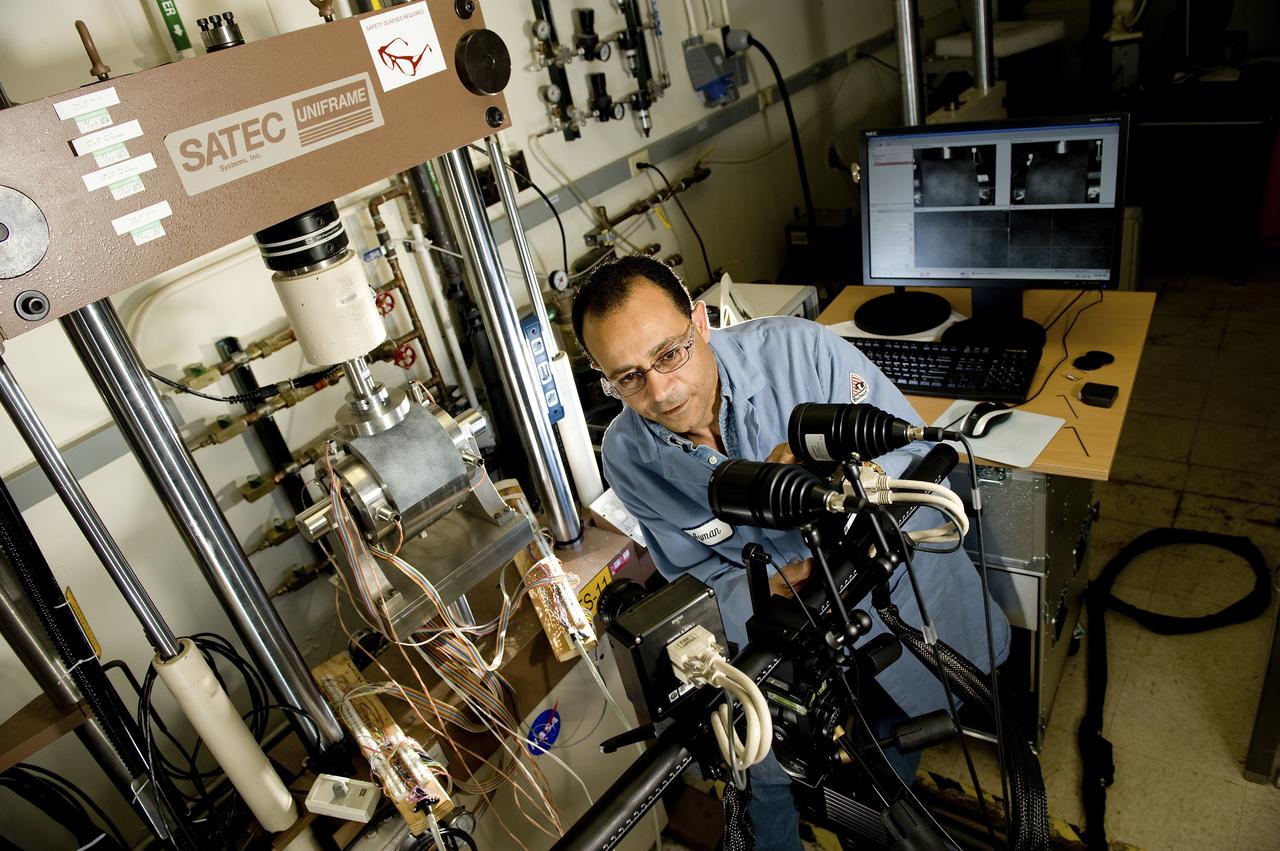
AYMAN GIRGIS (EM10 MATERIALS TEST ENGINEER, JACOBS ESTS GROUP/JTI) ADJUSTS DUAL LENSES FOR A UNIQUE MECHANICAL TST SETUP THAT MEASURES STRAIN ON A SINGLE SAMPLE, USING TWO DIFFERENT TECHNIQUES AT THE SAME TIME. THE TEST FIXTURE HOLDS A SPECIMEN THAT REPRESENTS A LIQUID OXYGEN (LOX) BEARING FROM THE J2-X ENGINE
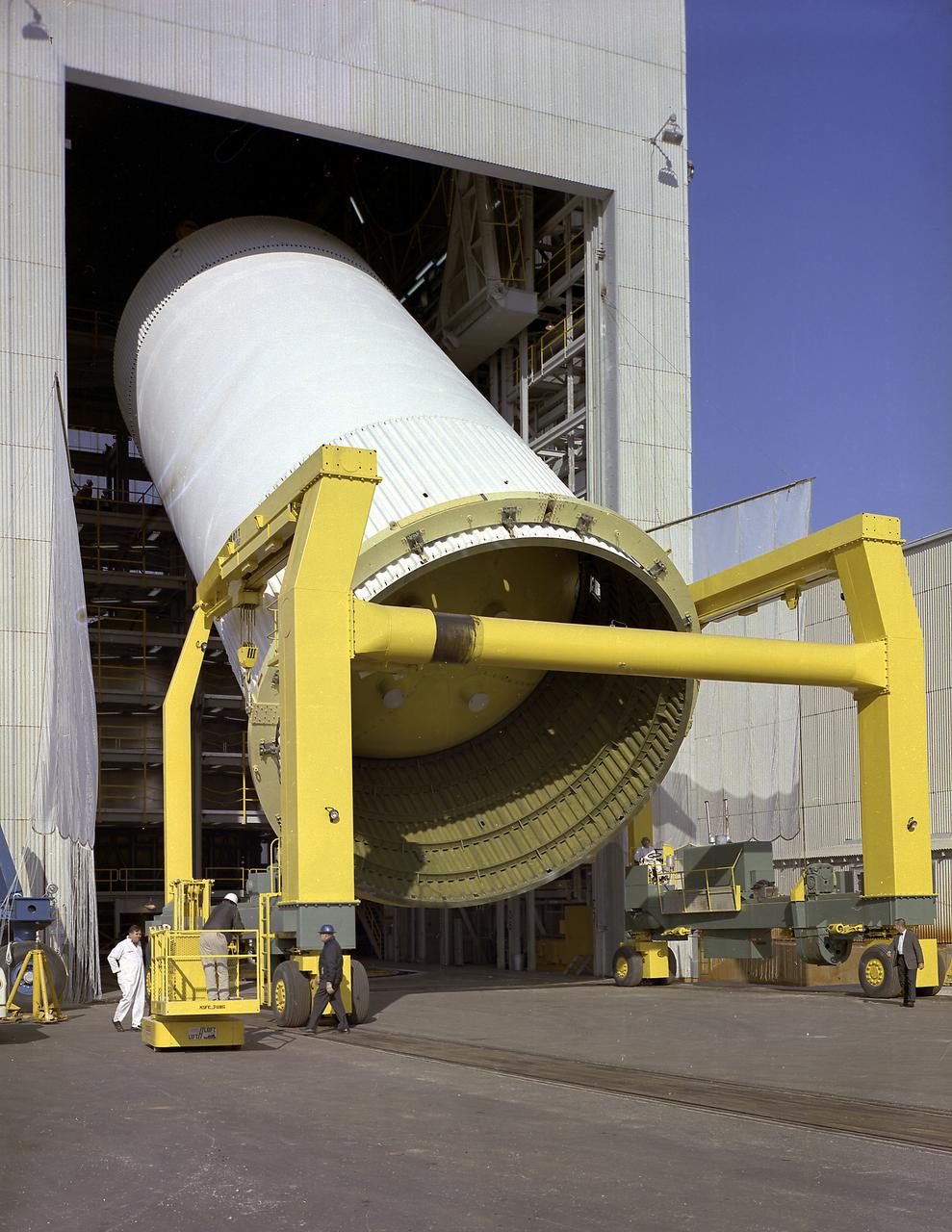
This photograph depicts engineers and technicians moving the Saturn V S-IC (First) stage liquid oxygen (LOX) tank from the Manufacturing Engineering Laboratory for load testing under simulated firing loads at the Propulsion and Vehicle Engineering Laboratory at the Marshall Space Flight Center.
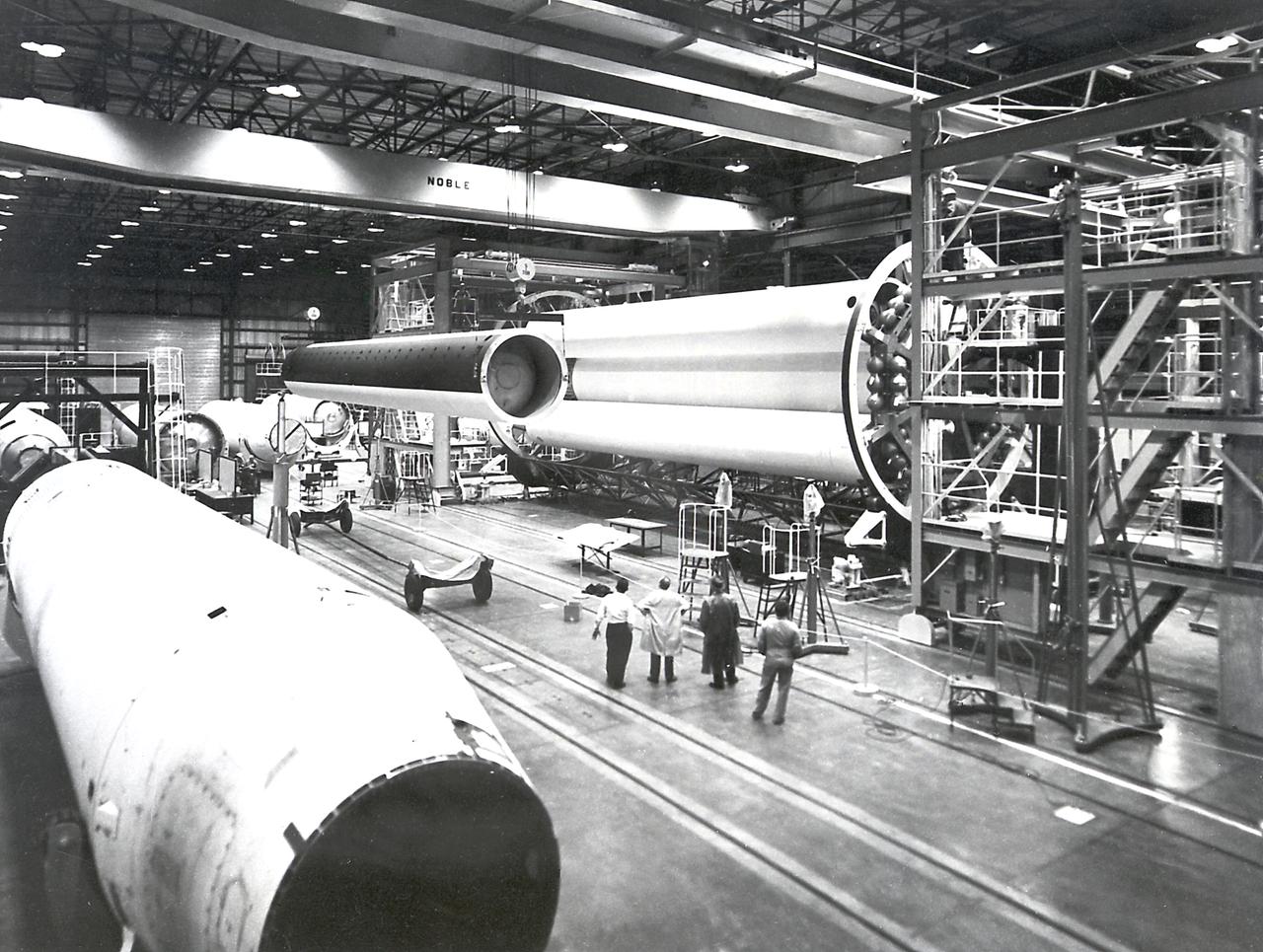
The Saturn I S-I stage is being assembled in the fabrication and engineering laboratory at the Marshall Space Flight Center. The two end spider beams are cornected to the central 267-centimeter diameter liquid-oxygen (LOX) tank. The 178-centimeter outer tank, used alternately for liquid oxygen and kerosene, is being lifted into position.
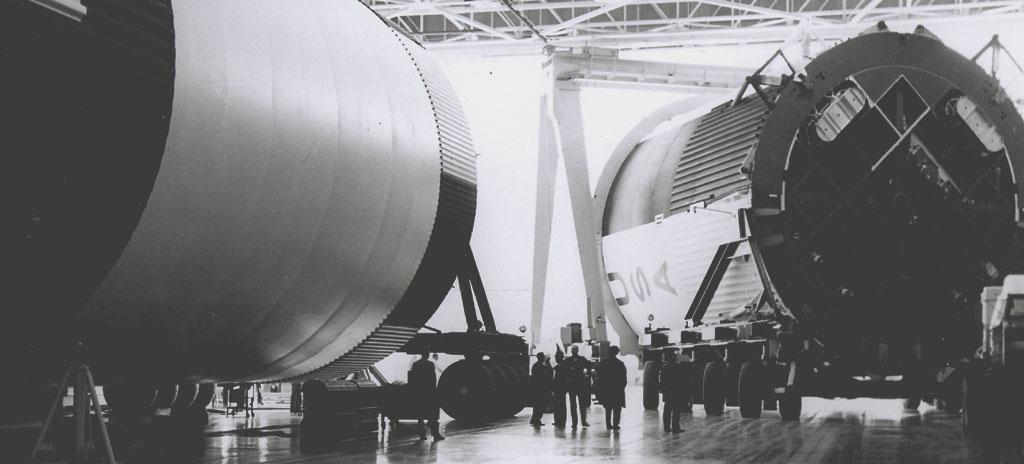
This photograph shows the Saturn V assembled LOX (Liquid Oxygen) and fuel tanks ready for transport from the Manufacturing Engineering Laboratory at Marshall Space Flight Center in Huntsville, Alabama. The tanks were then shipped to the launch site at Kennedy Space Center for a flight. The towering 363-foot Saturn V was a multi-stage, multi-engine launch vehicle standing taller than the Statue of Liberty. Altogether, the Saturn V engines produced as much power as 85 Hoover Dams.
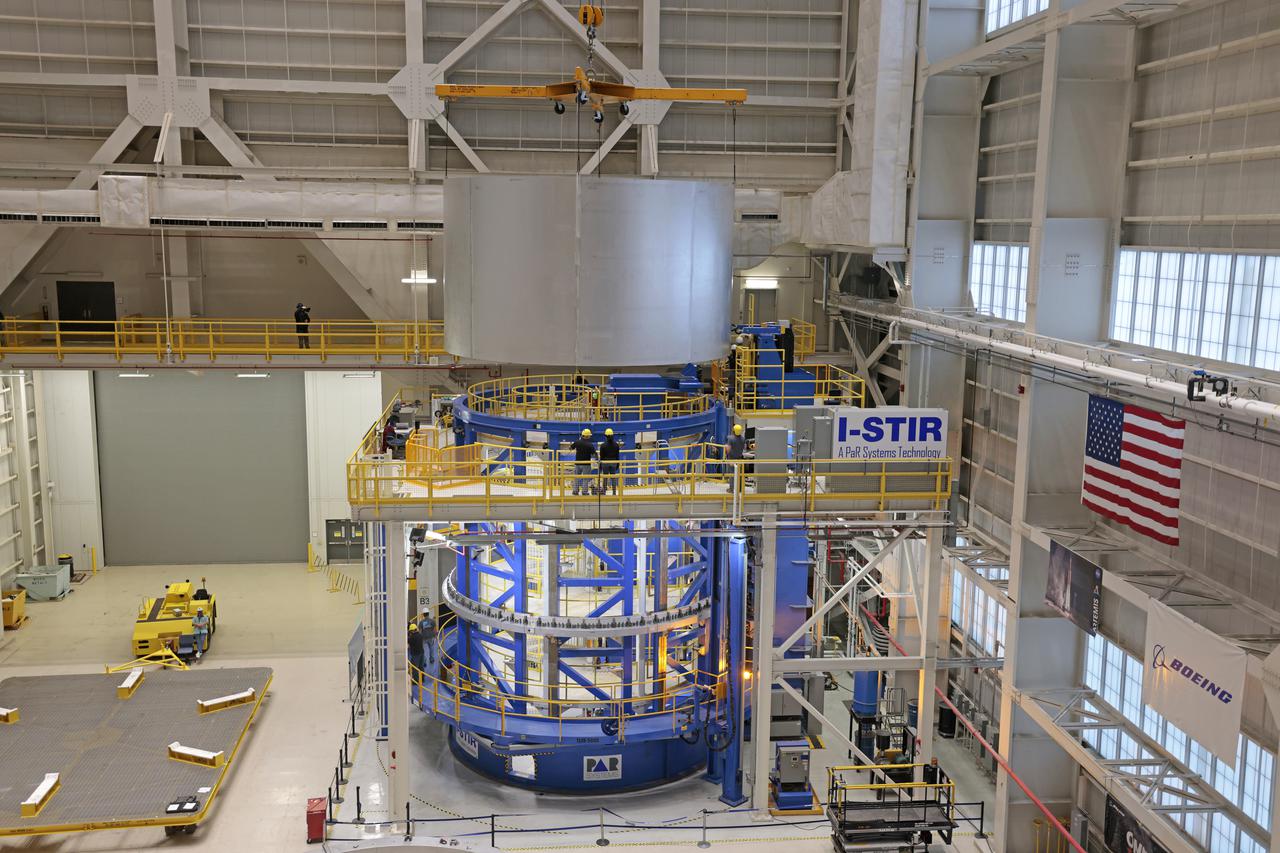
On Thursday, February 10, 2022, move crews at NASA’s Michoud Assembly Facility lift the core stage 3 liquid oxygen tank (LOX) aft barrel out of the vertical friction stir weld tool to be moved for its next phase of production. Eventually, the aft barrel will be mated with the forward barrel and forward and aft domes to create the LOX tank, which will be used for the Space Launch System’s Artemis III mission. The LOX tank holds 196,000 gallons of super-cooled liquid oxygen to help fuel four RS-25 engines. The SLS core stage is made up of five unique elements: the forward skirt, liquid oxygen tank, intertank, liquid hydrogen tank, and the engine section. The liquid oxygen hardware, along with the liquid hydrogen tank will provide propellant to the four RS-25 engines to produce more than two million pounds of thrust to help launch NASA’s Orion spacecraft, astronauts, and supplies beyond Earth’s orbit to the Moon. Image credit: NASA/Michael DeMocker
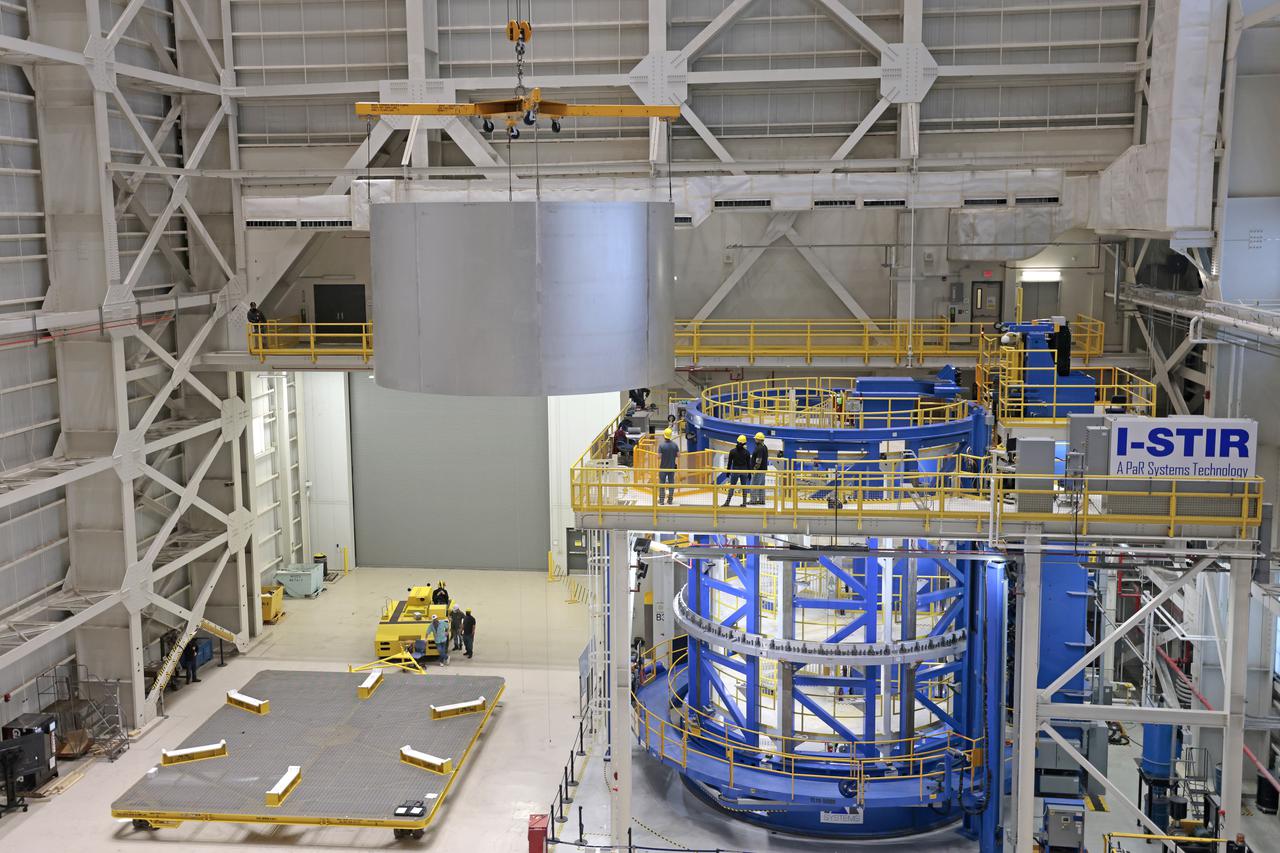
On Thursday, February 10, 2022, move crews at NASA’s Michoud Assembly Facility lift the core stage 3 liquid oxygen tank (LOX) aft barrel out of the vertical friction stir weld tool to be moved for its next phase of production. Eventually, the aft barrel will be mated with the forward barrel and forward and aft domes to create the LOX tank, which will be used for the Space Launch System’s Artemis III mission. The LOX tank holds 196,000 gallons of super-cooled liquid oxygen to help fuel four RS-25 engines. The SLS core stage is made up of five unique elements: the forward skirt, liquid oxygen tank, intertank, liquid hydrogen tank, and the engine section. The liquid oxygen hardware, along with the liquid hydrogen tank will provide propellant to the four RS-25 engines to produce more than two million pounds of thrust to help launch NASA’s Orion spacecraft, astronauts, and supplies beyond Earth’s orbit to the Moon. Image credit: NASA/Michael DeMocker

On Thursday, February 10, 2022, move crews at NASA’s Michoud Assembly Facility lift the core stage 3 liquid oxygen tank (LOX) aft barrel out of the vertical friction stir weld tool to be moved for its next phase of production. Eventually, the aft barrel will be mated with the forward barrel and forward and aft domes to create the LOX tank, which will be used for the Space Launch System’s Artemis III mission. The LOX tank holds 196,000 gallons of super-cooled liquid oxygen to help fuel four RS-25 engines. The SLS core stage is made up of five unique elements: the forward skirt, liquid oxygen tank, intertank, liquid hydrogen tank, and the engine section. The liquid oxygen hardware, along with the liquid hydrogen tank will provide propellant to the four RS-25 engines to produce more than two million pounds of thrust to help launch NASA’s Orion spacecraft, astronauts, and supplies beyond Earth’s orbit to the Moon. Image credit: NASA/Michael DeMocker
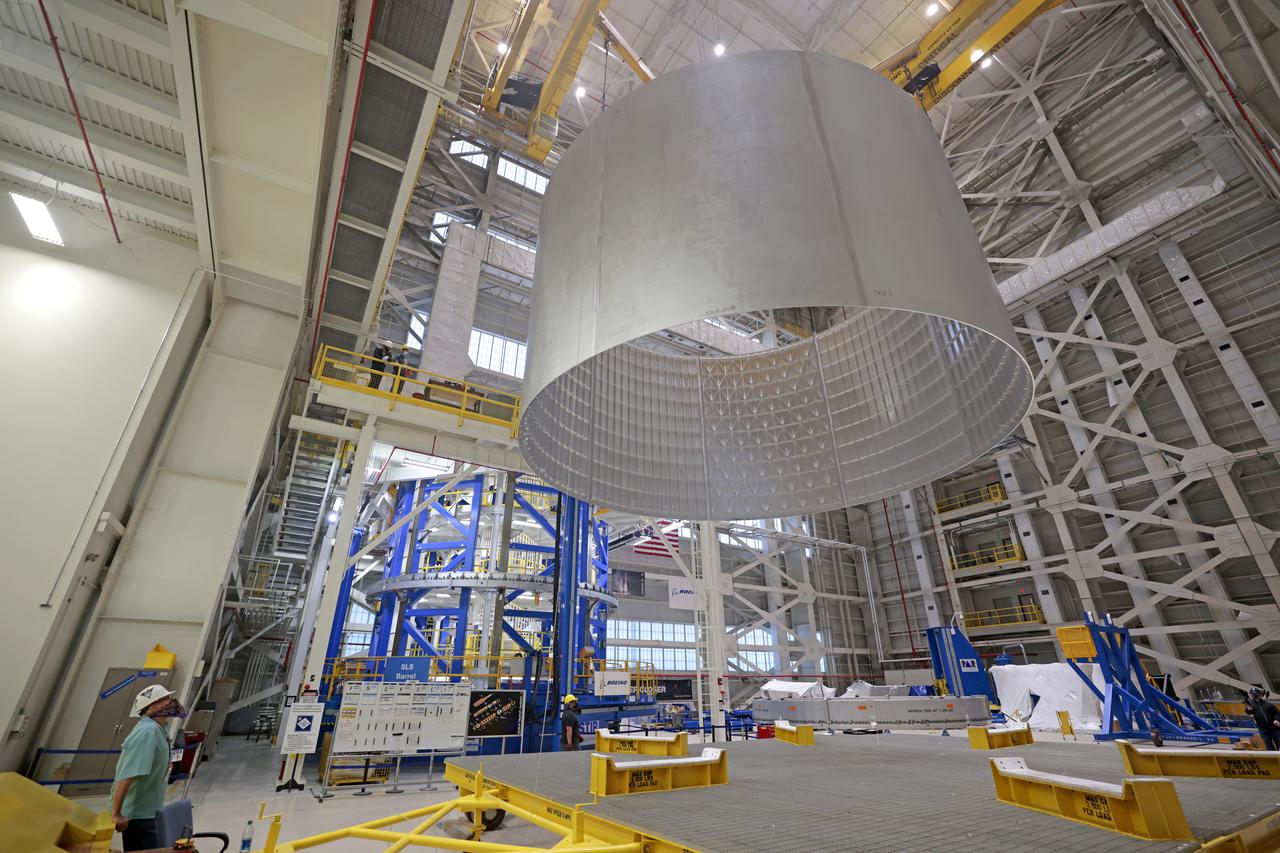
On Thursday, February 10, 2022, move crews at NASA’s Michoud Assembly Facility lift the core stage 3 liquid oxygen tank (LOX) aft barrel out of the vertical friction stir weld tool to be moved for its next phase of production. Eventually, the aft barrel will be mated with the forward barrel and forward and aft domes to create the LOX tank, which will be used for the Space Launch System’s Artemis III mission. The LOX tank holds 196,000 gallons of super-cooled liquid oxygen to help fuel four RS-25 engines. The SLS core stage is made up of five unique elements: the forward skirt, liquid oxygen tank, intertank, liquid hydrogen tank, and the engine section. The liquid oxygen hardware, along with the liquid hydrogen tank will provide propellant to the four RS-25 engines to produce more than two million pounds of thrust to help launch NASA’s Orion spacecraft, astronauts, and supplies beyond Earth’s orbit to the Moon. Image credit: NASA/Michael DeMocker
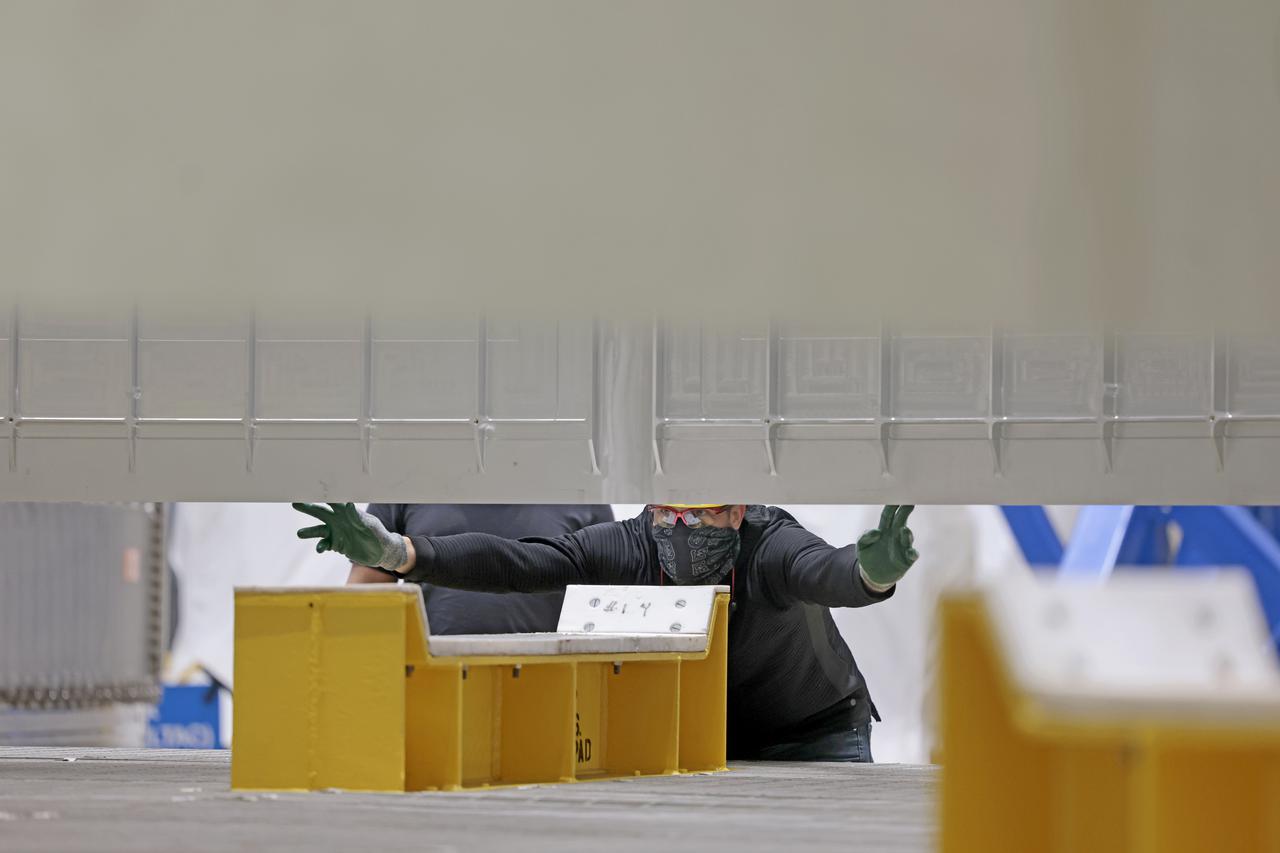
On Thursday, February 10, 2022, move crews at NASA’s Michoud Assembly Facility lift the core stage 3 liquid oxygen tank (LOX) aft barrel out of the vertical friction stir weld tool to be moved for its next phase of production. Eventually, the aft barrel will be mated with the forward barrel and forward and aft domes to create the LOX tank, which will be used for the Space Launch System’s Artemis III mission. The LOX tank holds 196,000 gallons of super-cooled liquid oxygen to help fuel four RS-25 engines. The SLS core stage is made up of five unique elements: the forward skirt, liquid oxygen tank, intertank, liquid hydrogen tank, and the engine section. The liquid oxygen hardware, along with the liquid hydrogen tank will provide propellant to the four RS-25 engines to produce more than two million pounds of thrust to help launch NASA’s Orion spacecraft, astronauts, and supplies beyond Earth’s orbit to the Moon. Image credit: NASA/Michael DeMocker
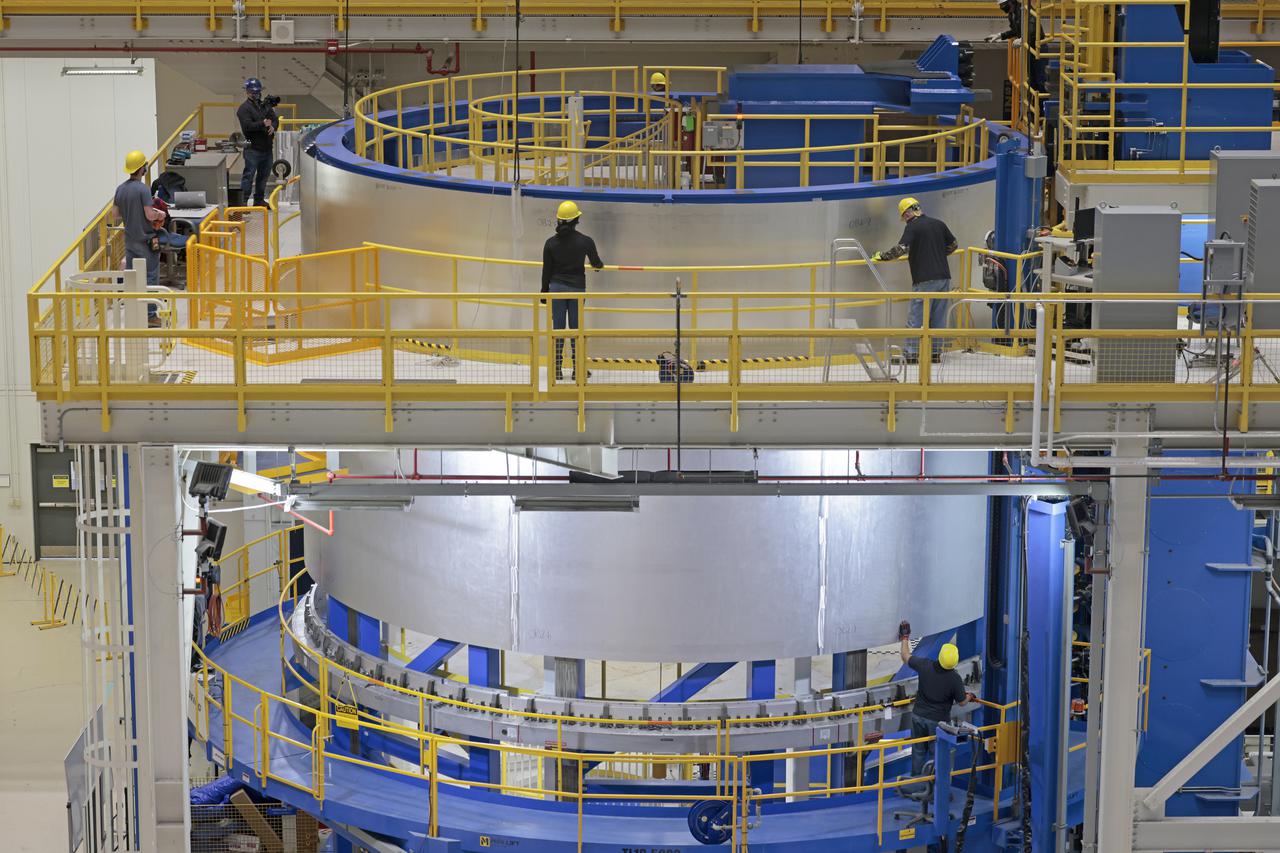
On Thursday, February 10, 2022, move crews at NASA’s Michoud Assembly Facility lift the core stage 3 liquid oxygen tank (LOX) aft barrel out of the vertical friction stir weld tool to be moved for its next phase of production. Eventually, the aft barrel will be mated with the forward barrel and forward and aft domes to create the LOX tank, which will be used for the Space Launch System’s Artemis III mission. The LOX tank holds 196,000 gallons of super-cooled liquid oxygen to help fuel four RS-25 engines. The SLS core stage is made up of five unique elements: the forward skirt, liquid oxygen tank, intertank, liquid hydrogen tank, and the engine section. The liquid oxygen hardware, along with the liquid hydrogen tank will provide propellant to the four RS-25 engines to produce more than two million pounds of thrust to help launch NASA’s Orion spacecraft, astronauts, and supplies beyond Earth’s orbit to the Moon. Image credit: NASA/Michael DeMocker
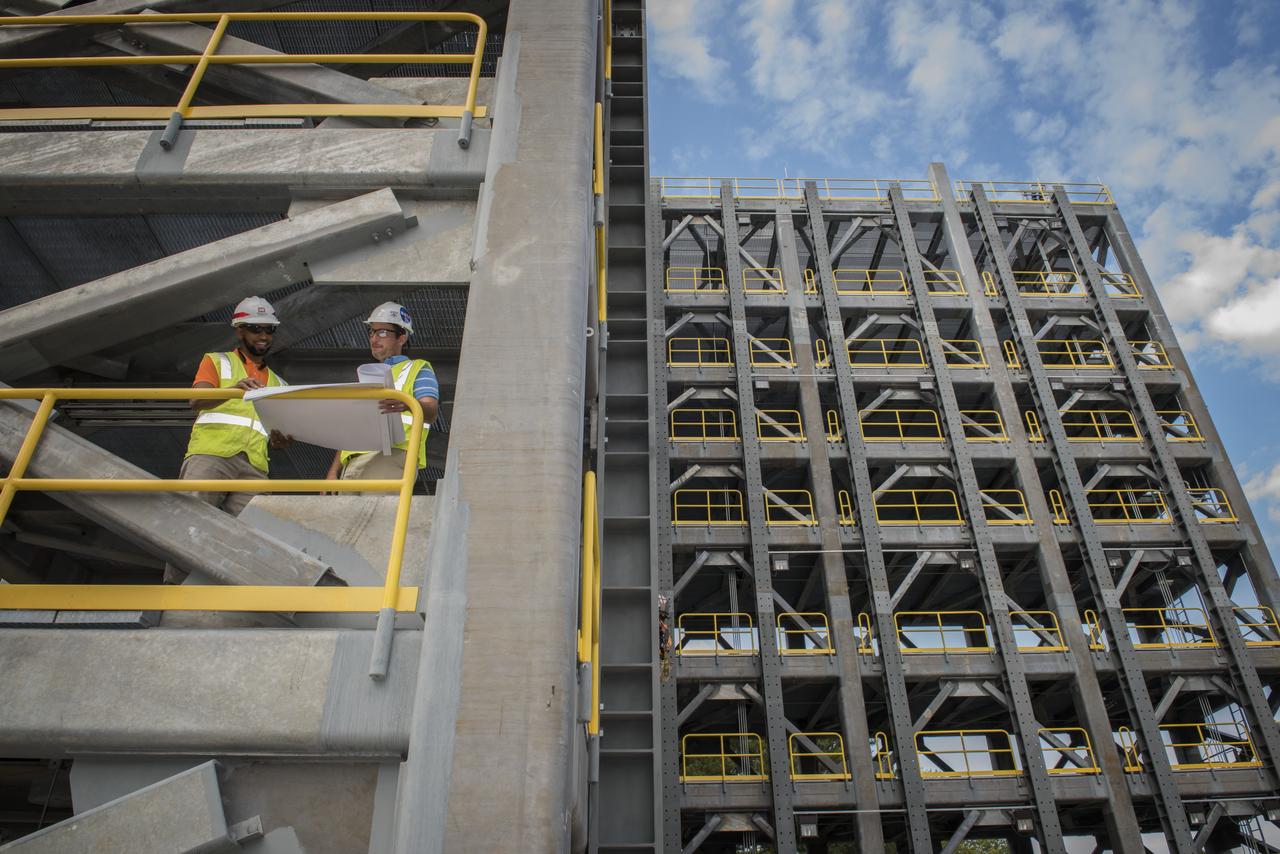
AS THE END OF CONSTRUCTION ON TEST STAND 4697, THE LIQUID OXYGEN TANK TEST STAND AT MARSHALL SPACE FLIGHT CENTER, PROJECT ENGINEERS PHIL HENDRIX, FROM MSFC, AND CURTNEY WALTERS FROM THE U.S. CORP OF ENGINEERS, STUDY PLANS AND PROGRESS.
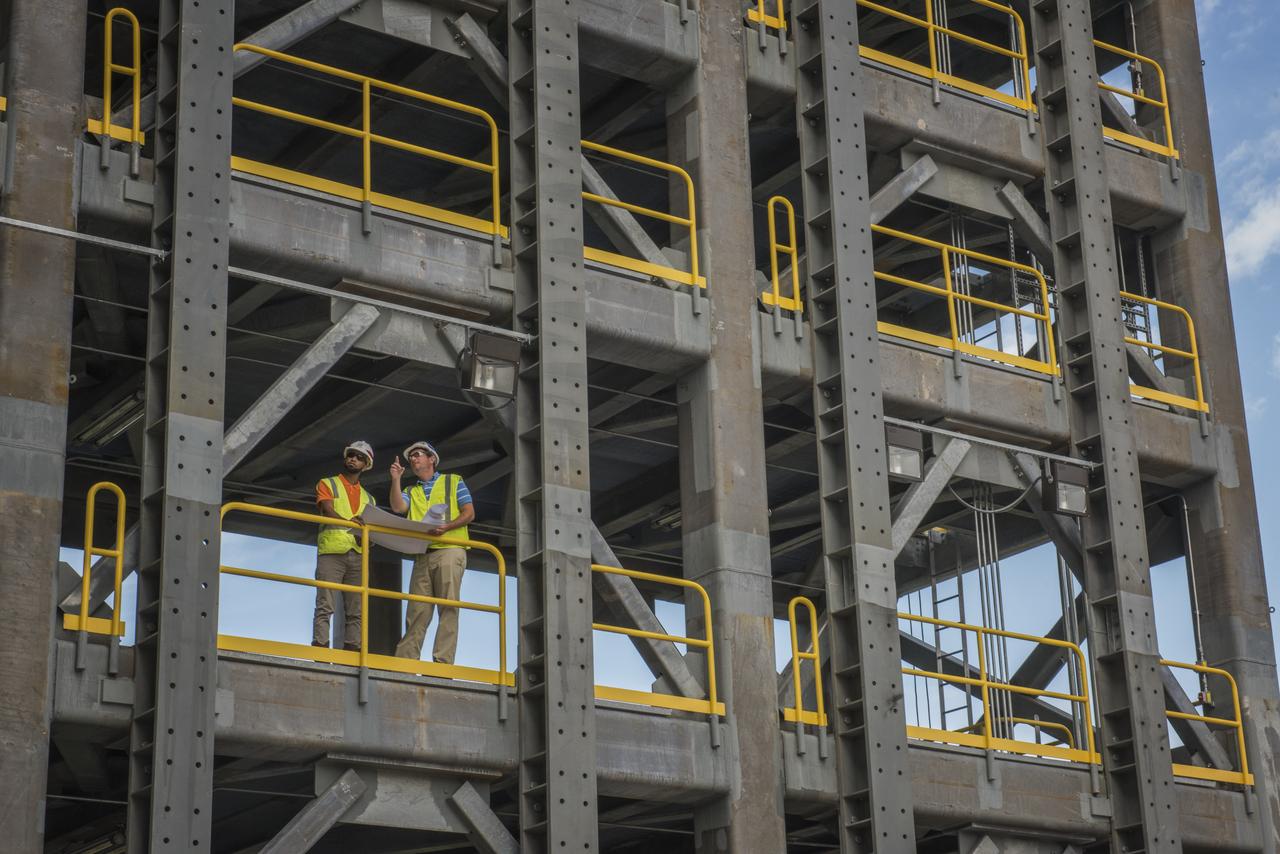
AS THE END OF CONSTRUCTION ON TEST STAND 4697, THE LIQUID OXYGEN TANK TEST STAND AT MARSHALL SPACE FLIGHT CENTER, PROJECT ENGINEERS PHIL HENDRIX, FROM MSFC, AND CURTNEY WALTERS FROM THE U.S. CORP OF ENGINEERS, STUDY PLANS AND PROGRESS.
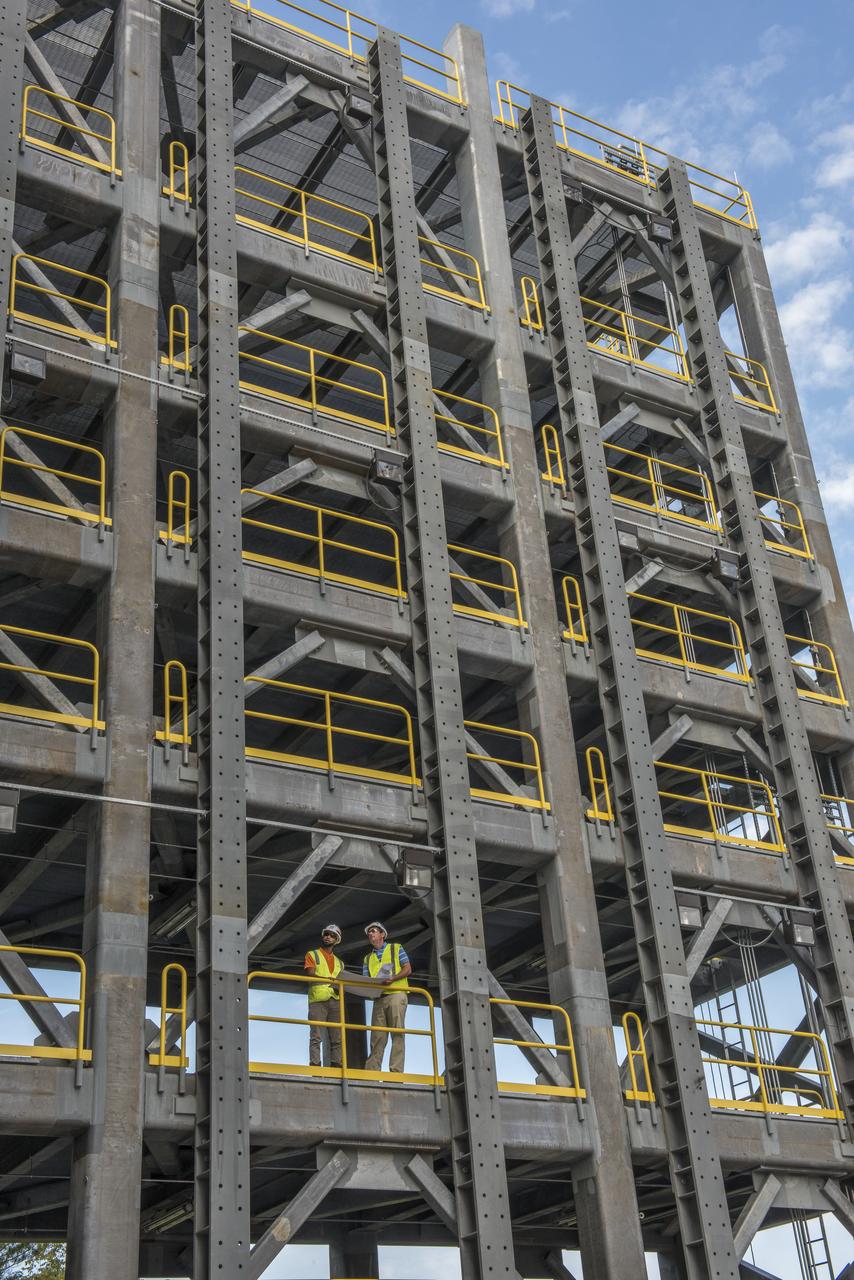
AS THE END OF CONSTRUCTION ON TEST STAND 4697, THE LIQUID OXYGEN TANK TEST STAND AT MARSHALL SPACE FLIGHT CENTER, PROJECT ENGINEERS PHIL HENDRIX, FROM MSFC, AND CURTNEY WALTERS FROM THE U.S. CORP OF ENGINEERS, STUDY PLANS AND PROGRESS.
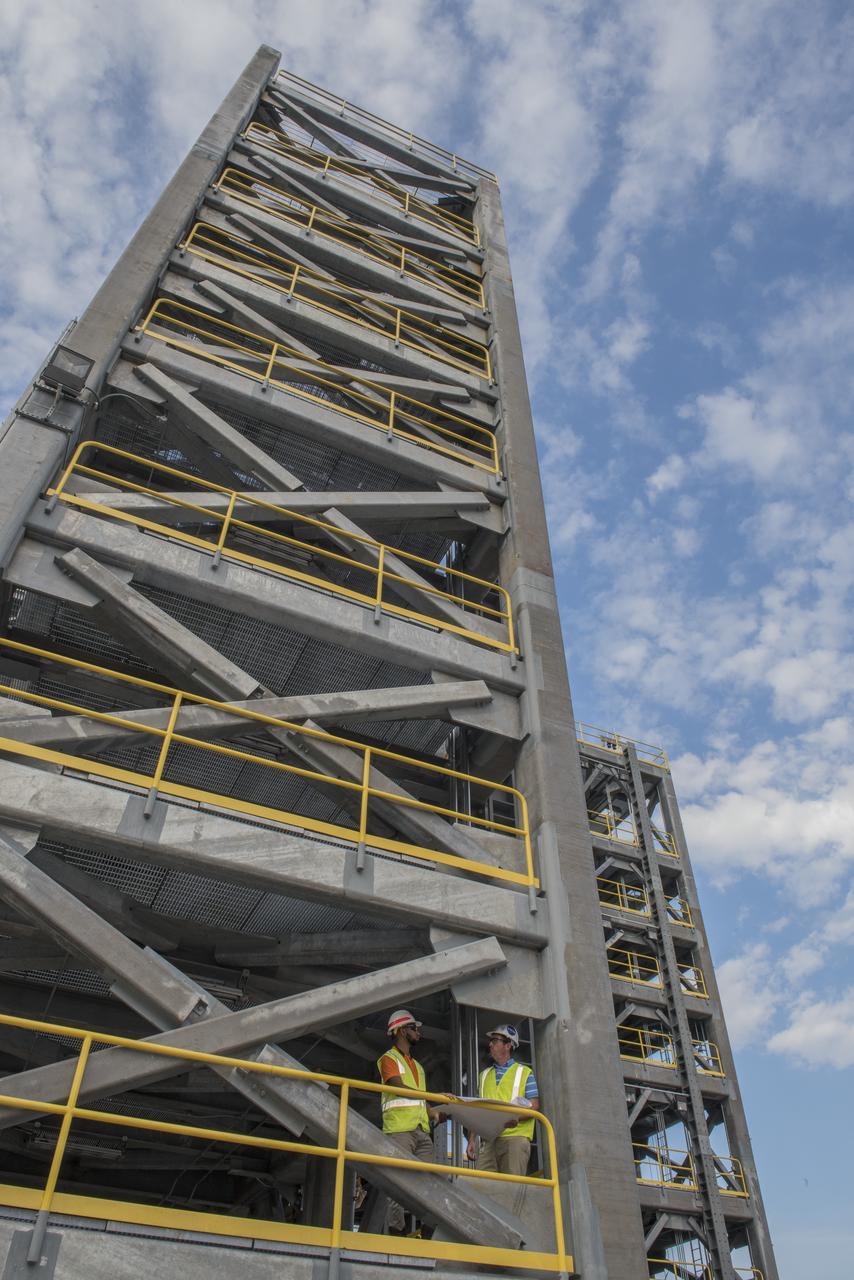
AS THE END OF CONSTRUCTION ON TEST STAND 4697, THE LIQUID OXYGEN TANK TEST STAND AT MARSHALL SPACE FLIGHT CENTER, PROJECT ENGINEERS PHIL HENDRIX, FROM MSFC, AND CURTNEY WALTERS FROM THE U.S. CORP OF ENGINEERS, STUDY PLANS AND PROGRESS.
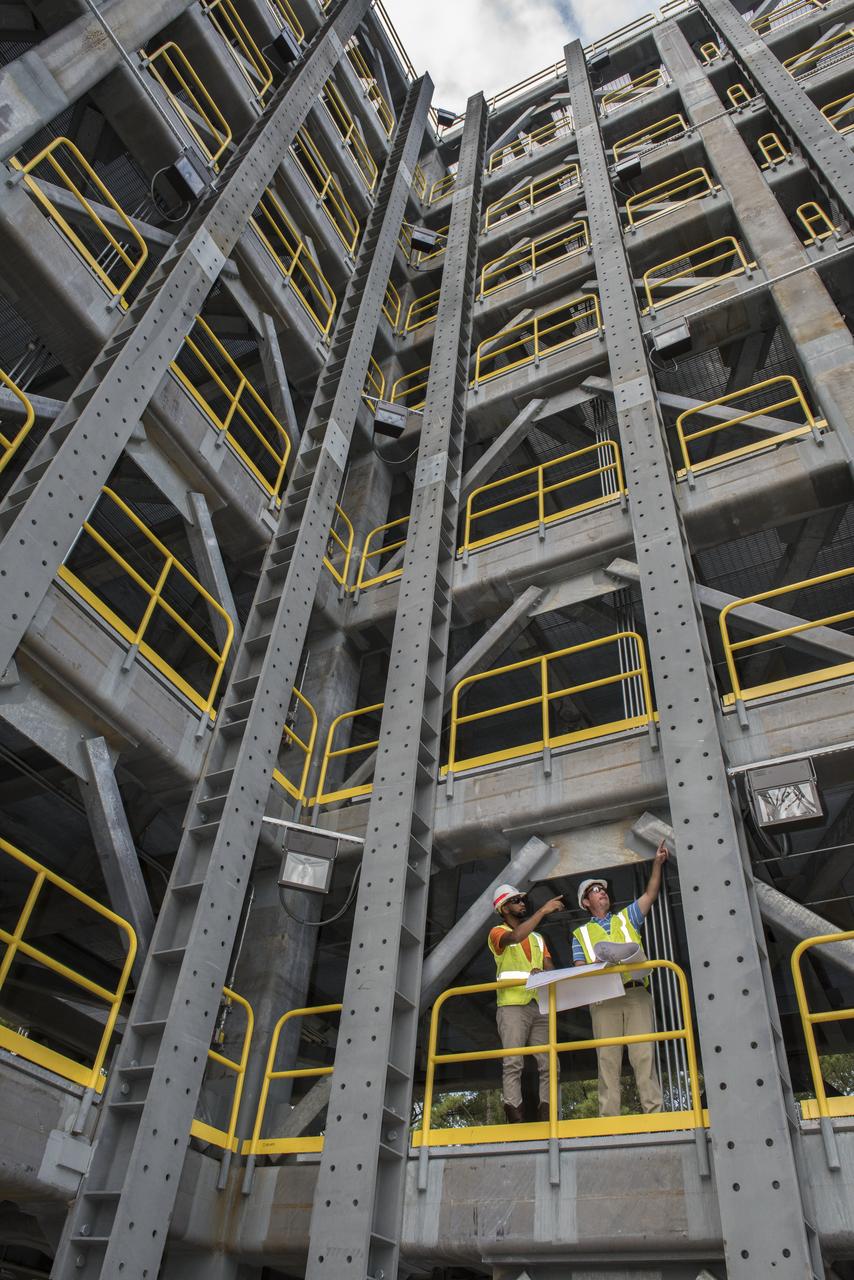
AS THE END OF CONSTRUCTION ON TEST STAND 4697, THE LIQUID OXYGEN TANK TEST STAND AT MARSHALL SPACE FLIGHT CENTER, PROJECT ENGINEERS PHIL HENDRIX, FROM MSFC, AND CURTNEY WALTERS FROM THE U.S. CORP OF ENGINEERS, STUDY PLANS AND PROGRESS.
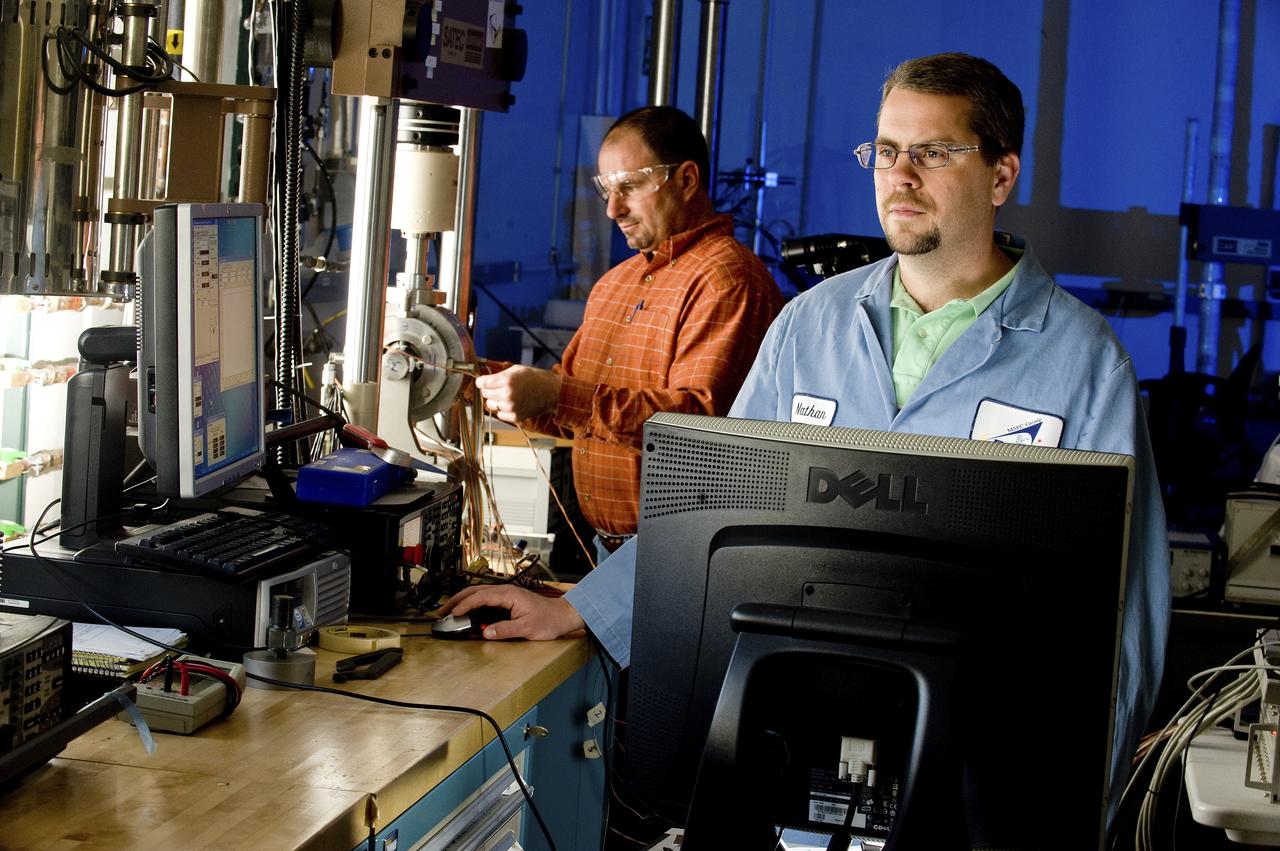
NATHAN HORACE STRONG (AEROSPACE ENGINEER, ER31 PROPULSION TURBOMACHINERY DESIGN & DEVELOPMENT BRANCH) AND NATHAN COFFEE (EM10 MATERIALS TEST ENGINEER, JACOBS ESTS GROUP/JTI) ADJUST A UNIQUE MECHANICAL TEST SETUP THAT MEASURES STRAIN ON A SINGLE SAMPLE, USING TWO DIFFERENT TECHNIQUES AT THE SAME TIME. THE TEST FIXTURE HOLDS A SPECIMEN THAT REPRESENTS A LIQUID OXYGEN (LOX) BEARING FROM THE J2-X ENGINE. COFFEY, AT RIGHT, WORK IN A LAB IN BUILDING 4612 ON A BEARING TEST
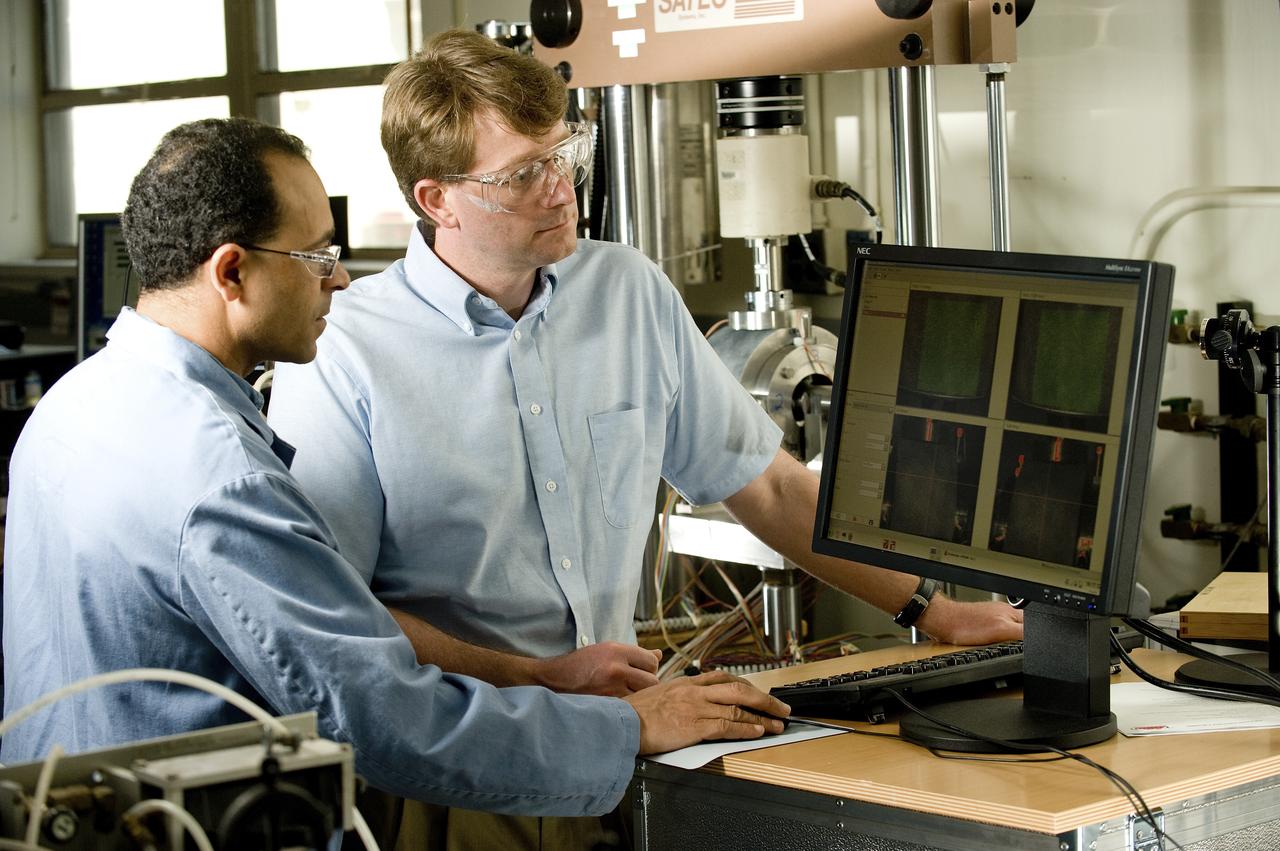
AYMAN GIRGIS (EM10 MATERIALS TEST ENGINEER, JACOBS ESTS GROUP/JTI) AND ERIC EARHART (AEROSPACE ENGINEER, ER41 PROPULSION STRUCTURAL & DYNAMICS ANALYSIS BRANCH) DISCUSS DATA PRODUCED BY A UNIQUE MECHANICAL TEST SETUP THAT MEASURES STRAIN ON A SINGLE SAMPLE, USING TWO DIFFERENT TECHNIQUES AT THE SAME TIME. THE TEST FIXTURE HOLDS A SPECIMEN THAT REPRESENTS A LIQUID OXYGEN (LOX) BEARING FROM THE J2-X ENGINE.
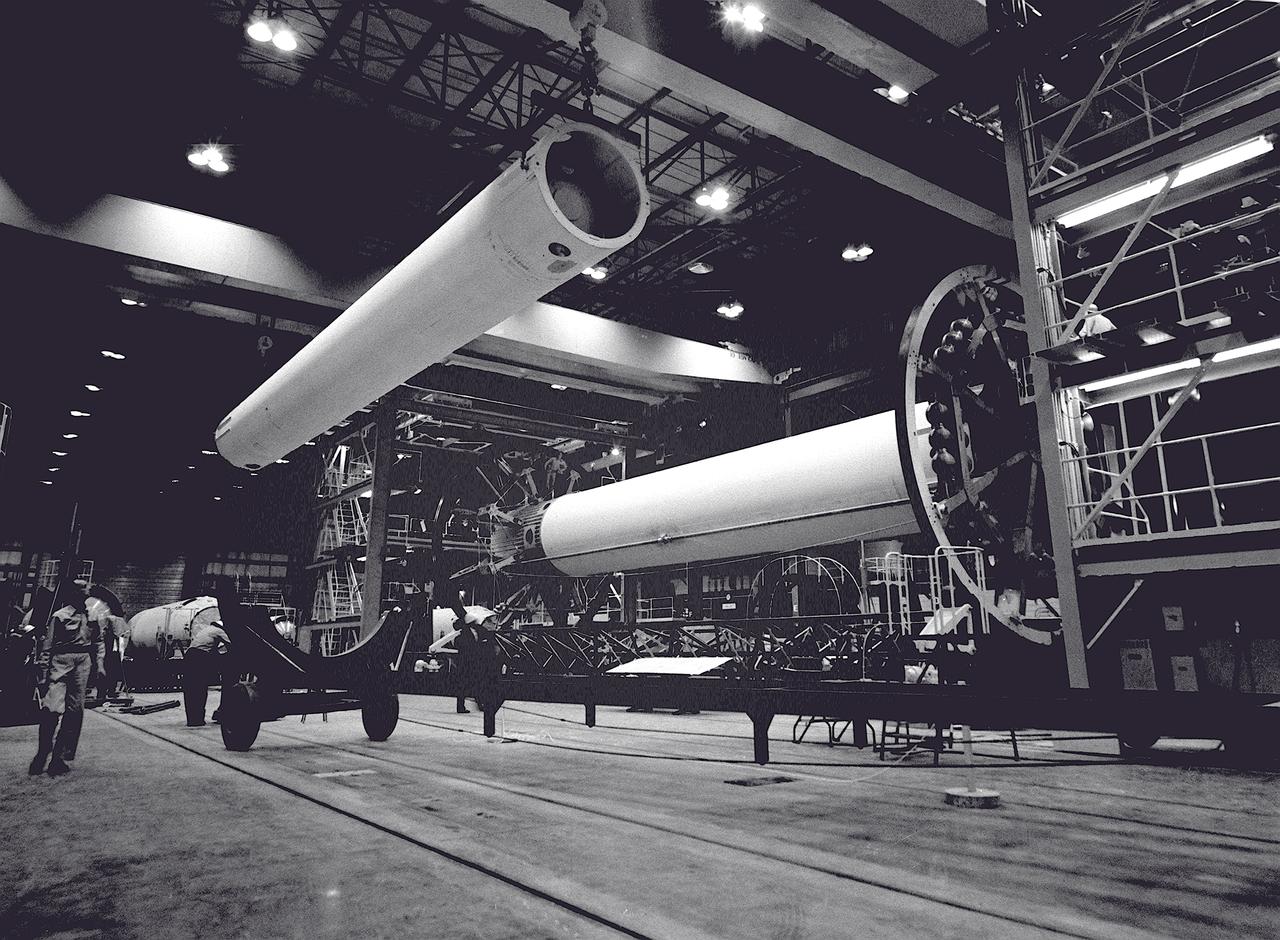
The Saturn I S-I stage is being assembled in the fabrication and engineering laboratory at the Marshall Space Flight Center. The two end spider beams are cornected to the central 267-centimeter diameter liquid-oxygen (LOX) tank. The first of the eight 178-centimeter outer tanks, used alternately for liquid oxygen and kerosene, is being lifted into position.
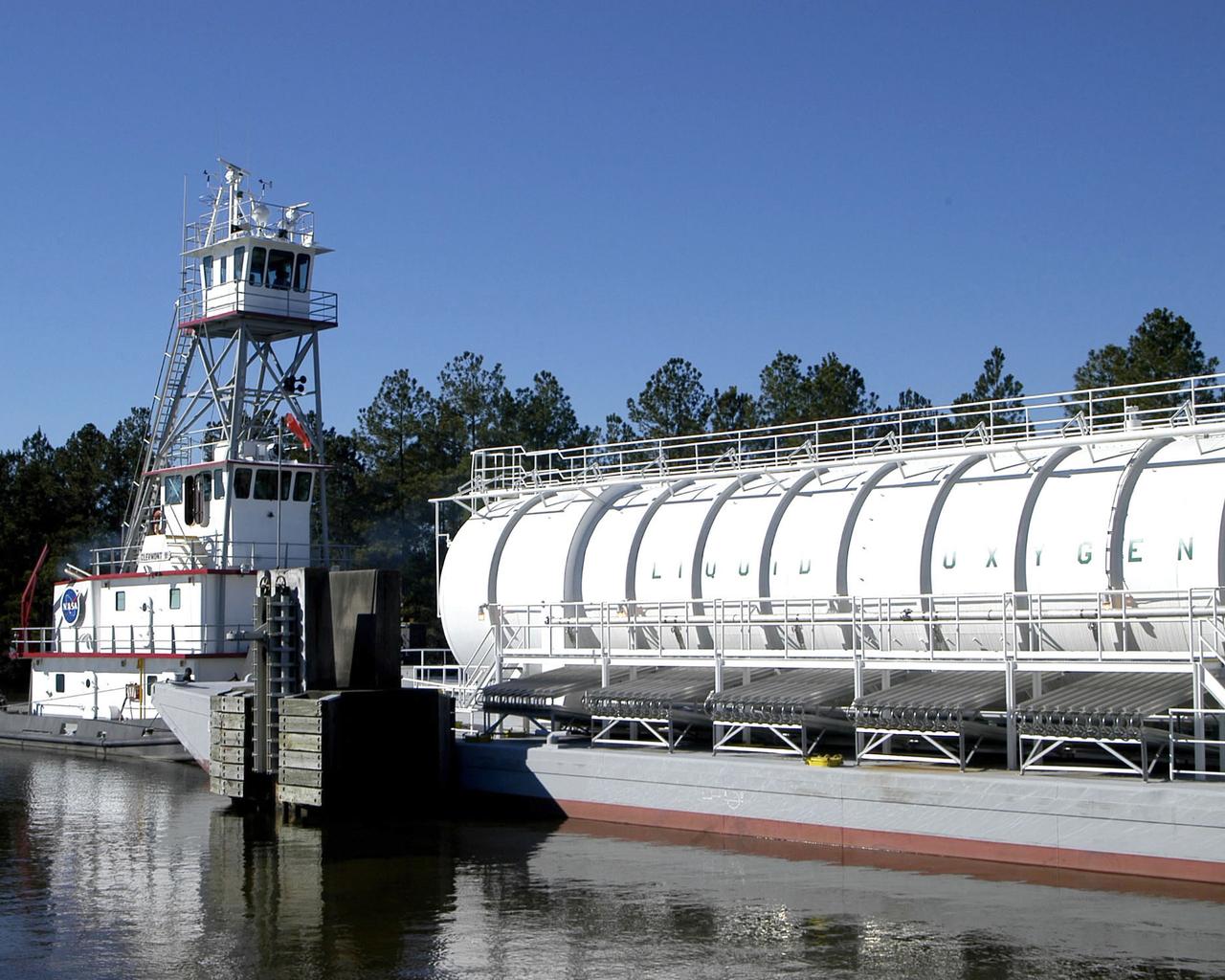
The crew of the NASA tugboat Clermont II navigates a barge of super-cool liquid oxygen through the 7 -mile canal system at SSC prior to a Space Shuttle Main Engine test.
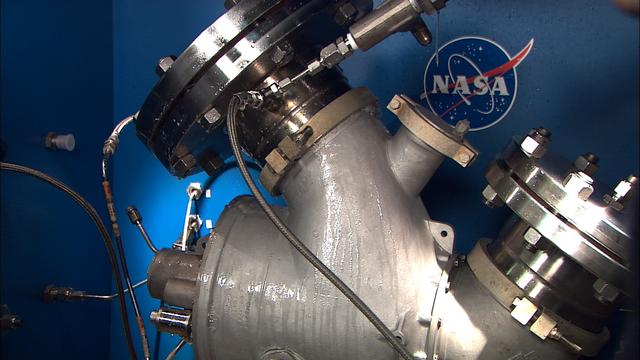
Shown is the disassembly, examination, refurbishment and testing of the LH2 ( liquid hydrogen) and LOX (liquid oxygen) vent and relief valves for the S-IVB-211 engine stage in support of the Constellation/Ares project. This image is extracted from high definition video and is the highest resolution available.
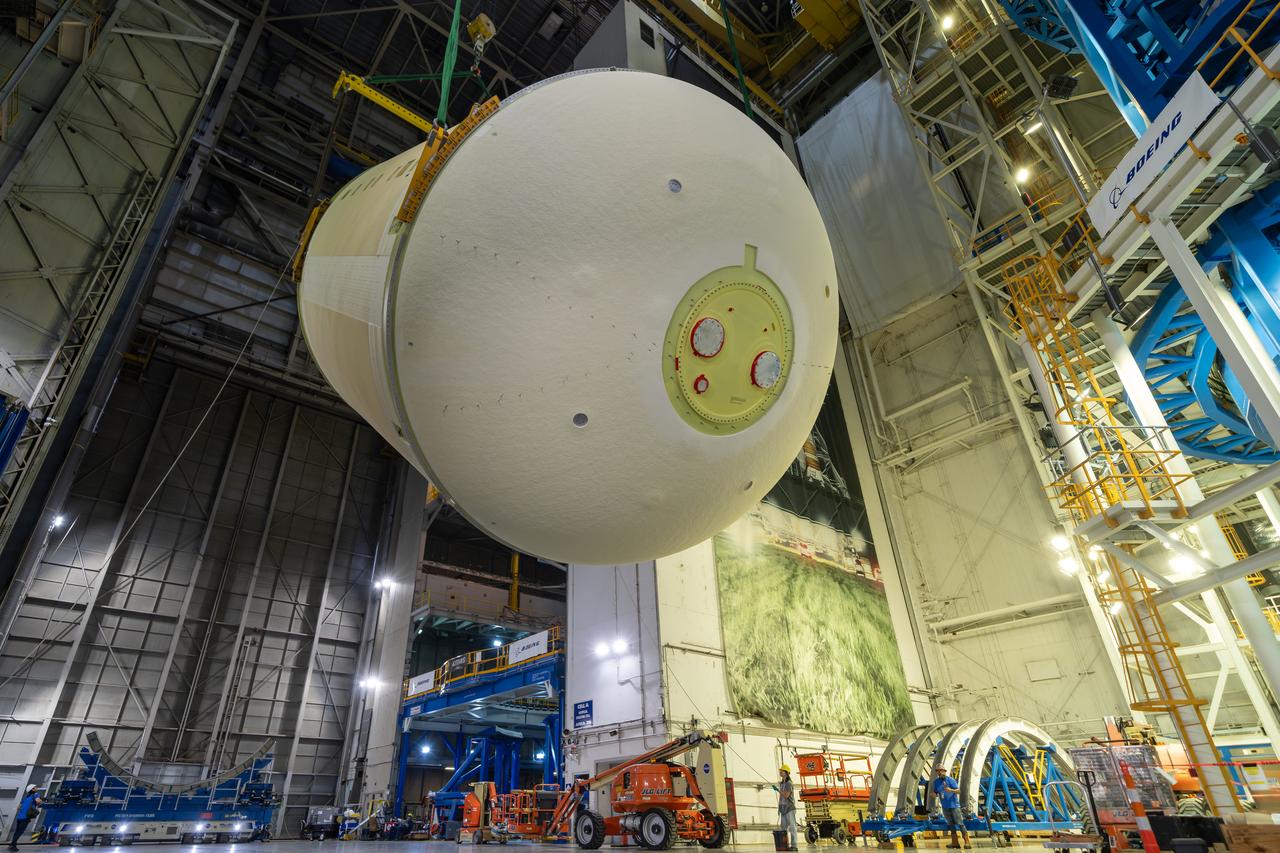
Move crews at NASA’s Michoud Assembly Facility in New Orleans perform “breakover” operations on a liquid oxygen tank in the facility’s vertical assembly building on Aug. 22, 2025. During the breakover, teams lifted the tank from its vertical configuration inside of a production cell and set it horizontally atop self-propelled mobile transporters for transfer to the final assembly production area. There, it will undergo integration of the forward dome by SLS (Space Launch System) prime contractor, Boeing. Eventually, the liquid oxygen tank will be moved back to the high bay where it will be mated with the intertank and forward skirt to complete the forward join of the Artemis III core stage. The propellant tank is one of five major elements that make up the 212-foot-tall rocket stage. The core stage, along with its four RS-25 engines, produce more than two million pounds of thrust to help launch NASA’s Orion spacecraft, astronauts, and supplies beyond Earth’s orbit and to the lunar surface for Artemis.
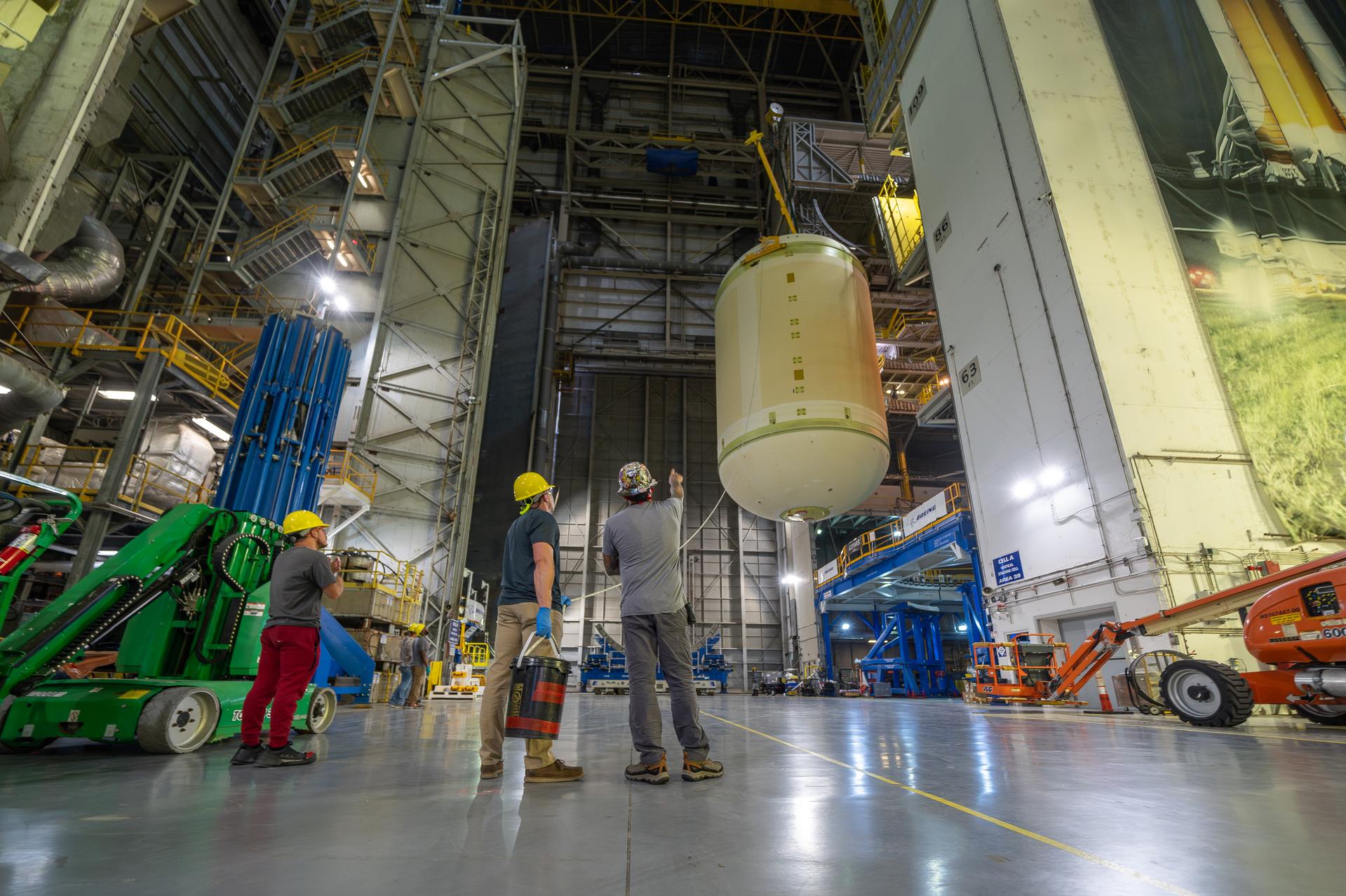
Move crews at NASA’s Michoud Assembly Facility in New Orleans perform “breakover” operations on a liquid oxygen tank in the facility’s vertical assembly building on Aug. 22, 2025. During the breakover, teams lifted the tank from its vertical configuration inside of a production cell and set it horizontally atop self-propelled mobile transporters for transfer to the final assembly production area. There, it will undergo integration of the forward dome by SLS (Space Launch System) prime contractor, Boeing. Eventually, the liquid oxygen tank will be moved back to the high bay where it will be mated with the intertank and forward skirt to complete the forward join of the Artemis III core stage. The propellant tank is one of five major elements that make up the 212-foot-tall rocket stage. The core stage, along with its four RS-25 engines, produce more than two million pounds of thrust to help launch NASA’s Orion spacecraft, astronauts, and supplies beyond Earth’s orbit and to the lunar surface for Artemis.
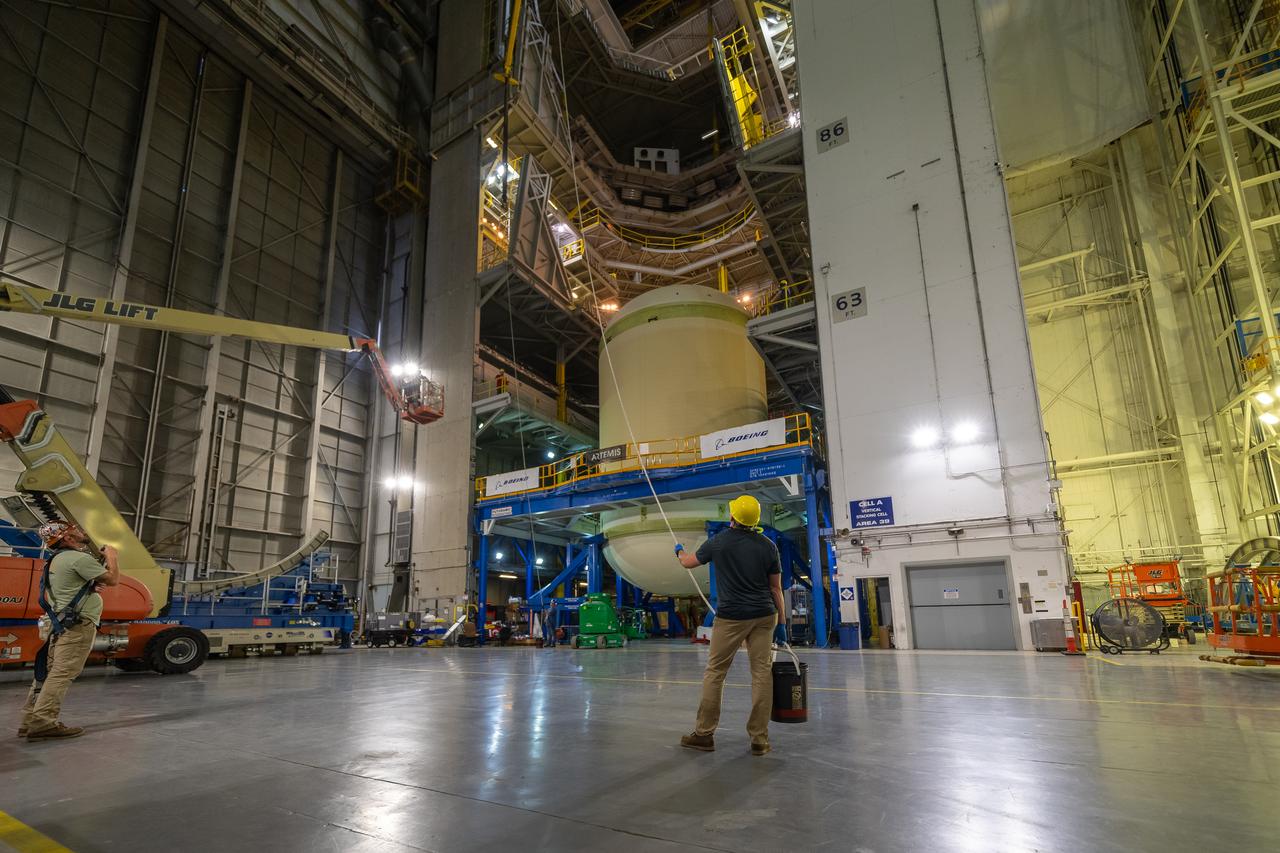
Move crews at NASA’s Michoud Assembly Facility in New Orleans perform “breakover” operations on a liquid oxygen tank in the facility’s vertical assembly building on Aug. 22, 2025. During the breakover, teams lifted the tank from its vertical configuration inside of a production cell and set it horizontally atop self-propelled mobile transporters for transfer to the final assembly production area. There, it will undergo integration of the forward dome by SLS (Space Launch System) prime contractor, Boeing. Eventually, the liquid oxygen tank will be moved back to the high bay where it will be mated with the intertank and forward skirt to complete the forward join of the Artemis III core stage. The propellant tank is one of five major elements that make up the 212-foot-tall rocket stage. The core stage, along with its four RS-25 engines, produce more than two million pounds of thrust to help launch NASA’s Orion spacecraft, astronauts, and supplies beyond Earth’s orbit and to the lunar surface for Artemis.
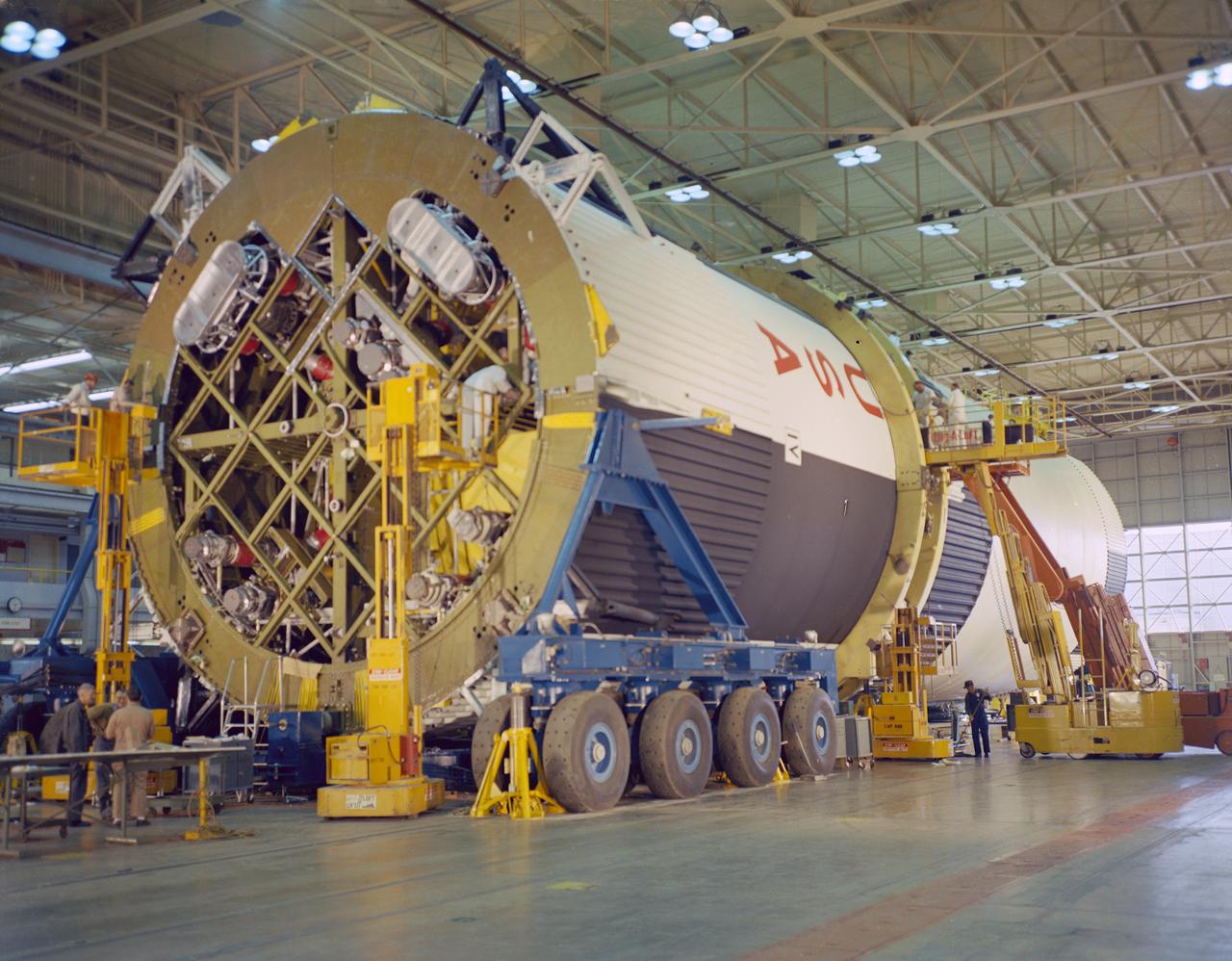
At the Marshall Space Flight Center (MSFC), the fuel tank assembly for the Saturn V S-IC-T (static test stage) fuel tank assembly is mated to the liquid oxygen (LOX) tank in building 4705. This stage underwent numerous static firings at the newly-built S-IC Static Test Stand at the MSFC west test area. The S-IC (first) stage used five F-1 engines that produced a total thrust of 7,500,000 pounds as each engine produced 1,500,000 pounds of thrust. The S-IC stage lifted the Saturn V vehicle and Apollo spacecraft from the launch pad.
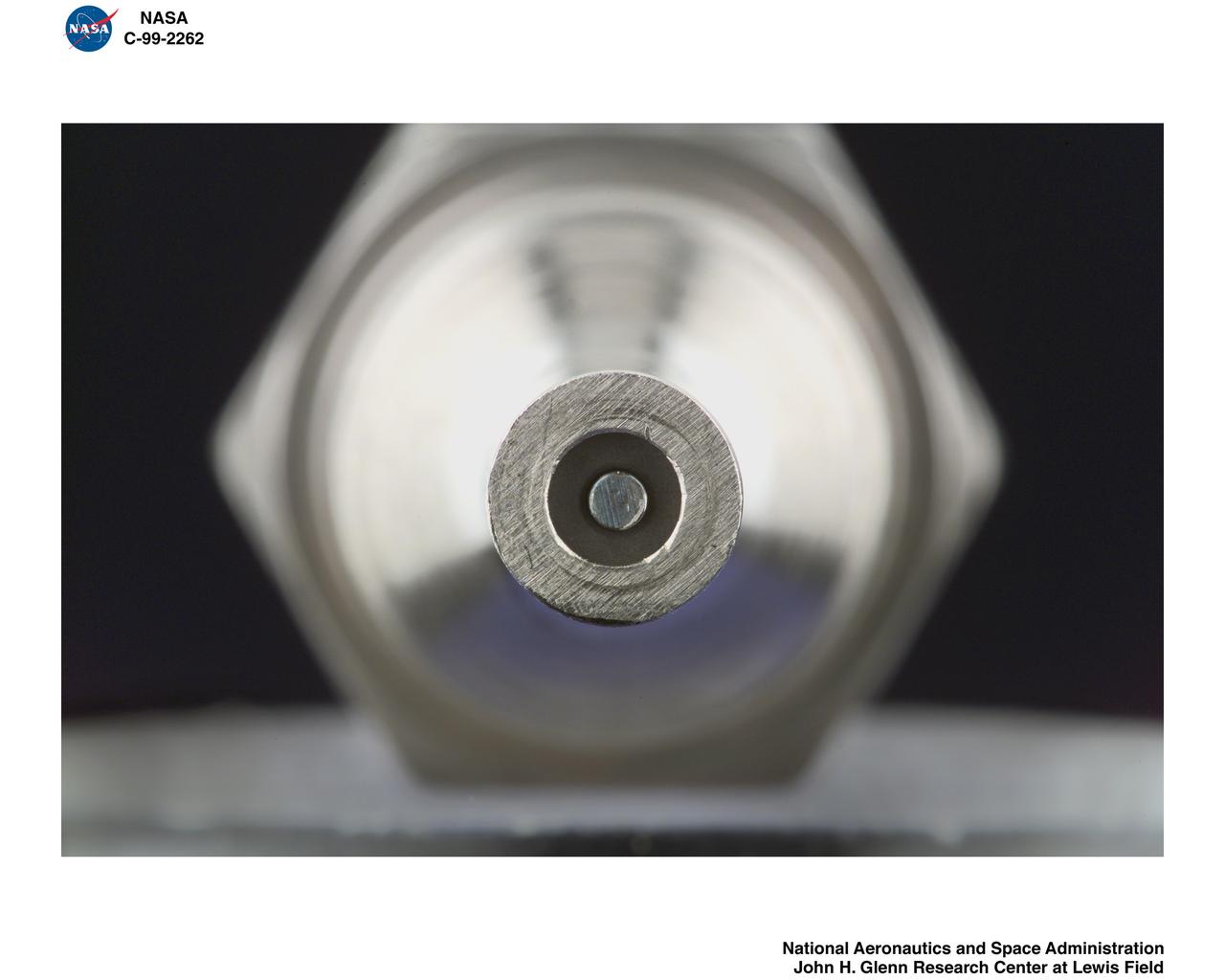
LIQUID OXYGEN LOX ETHANOL IGNITOR HARDWARE
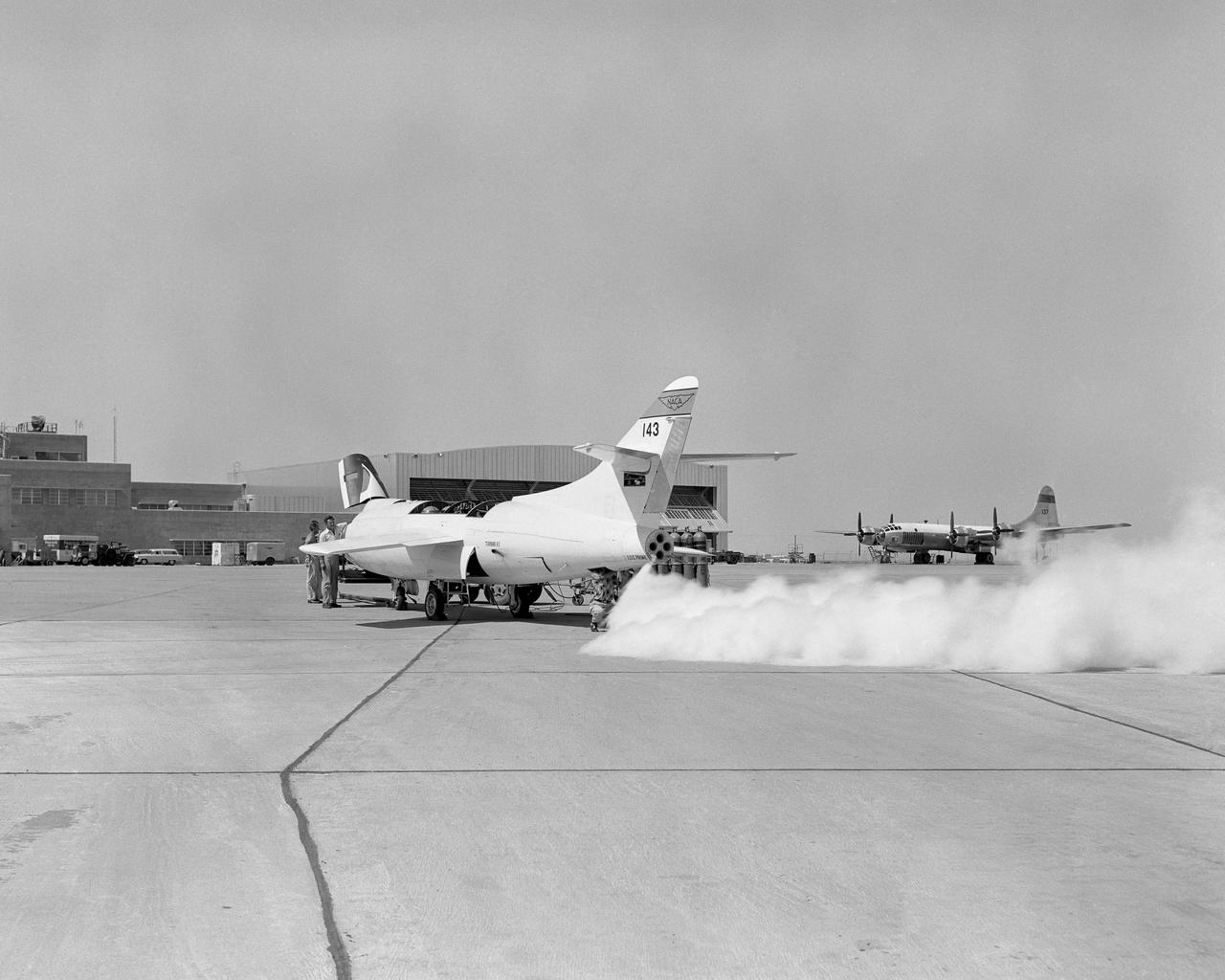
D558-2 #143 LOX jettison with P2BS in background
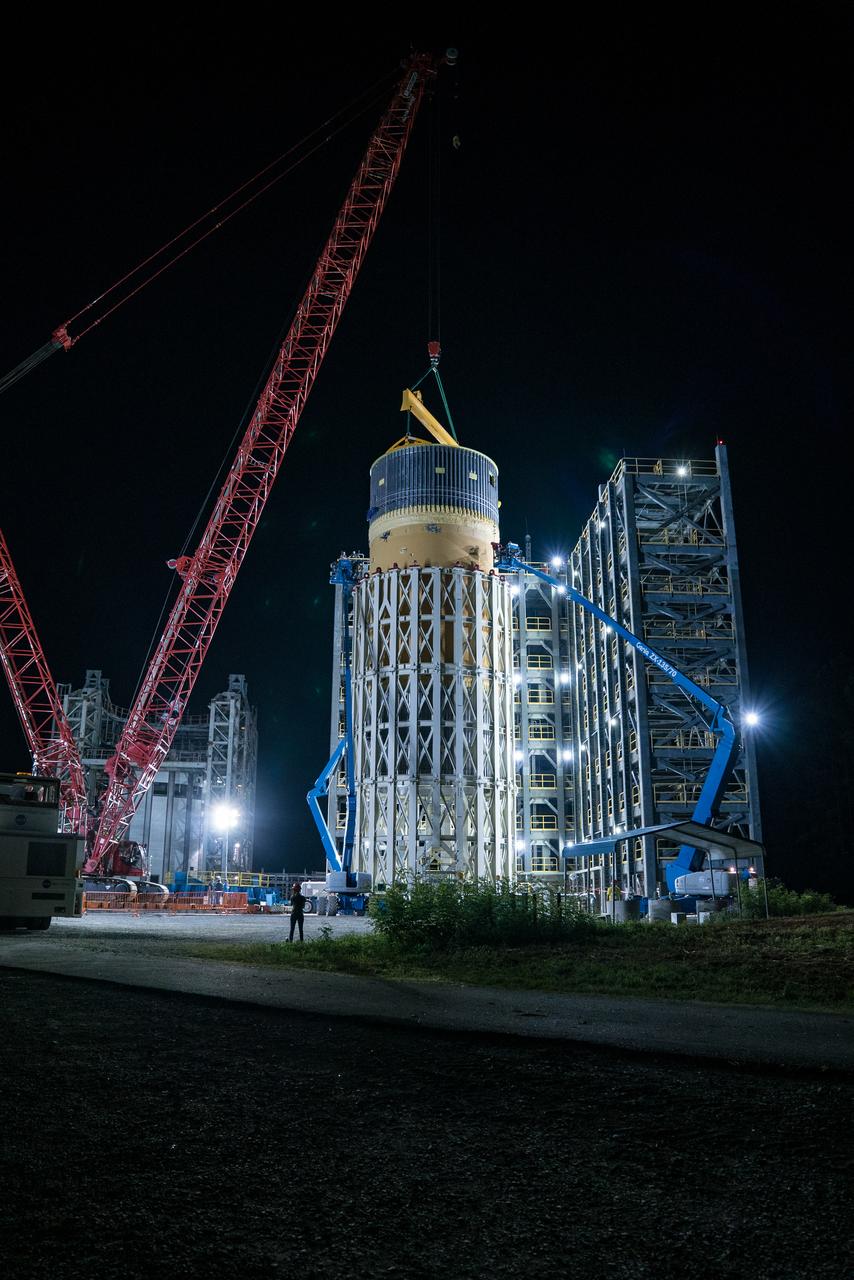
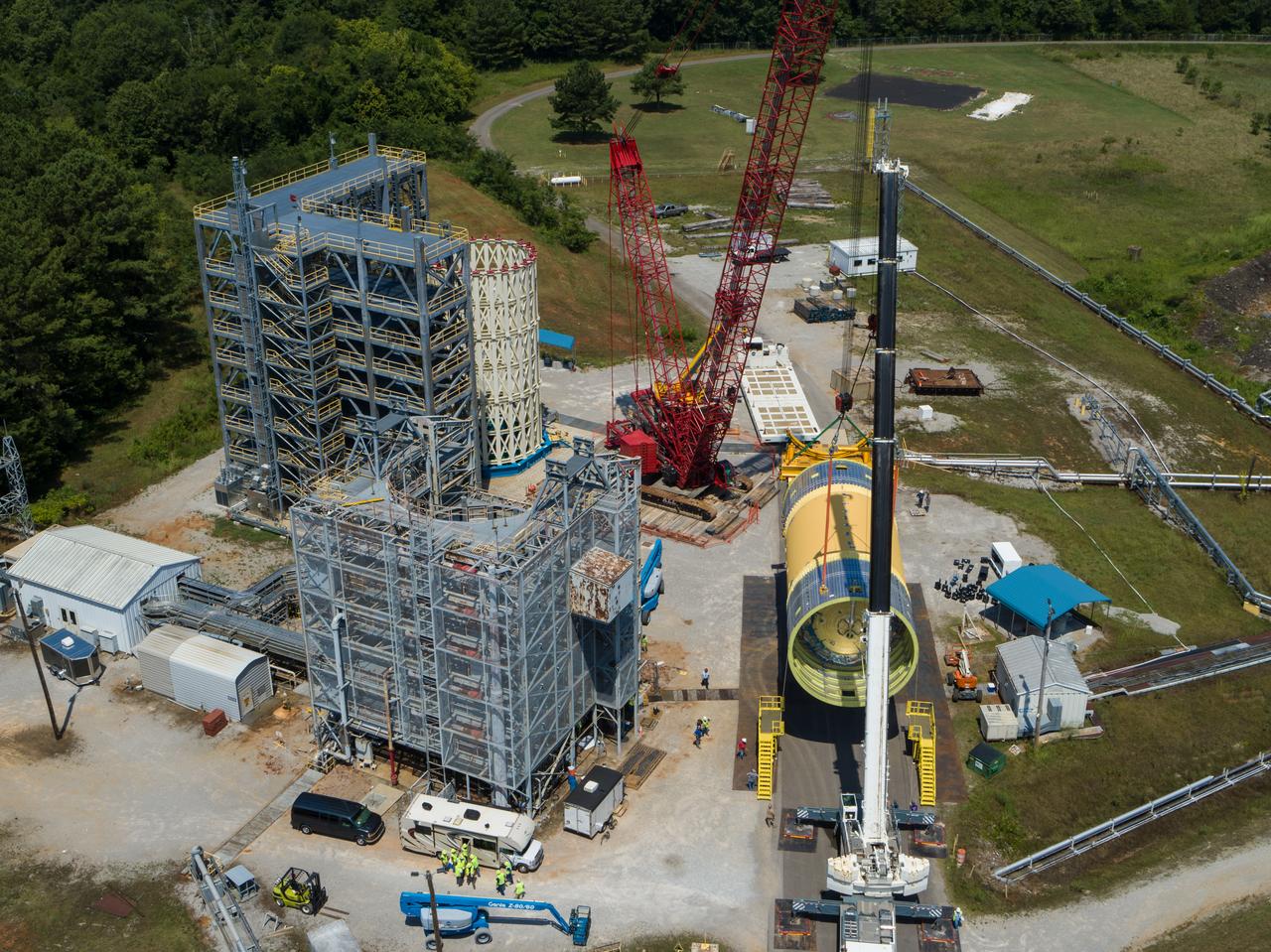
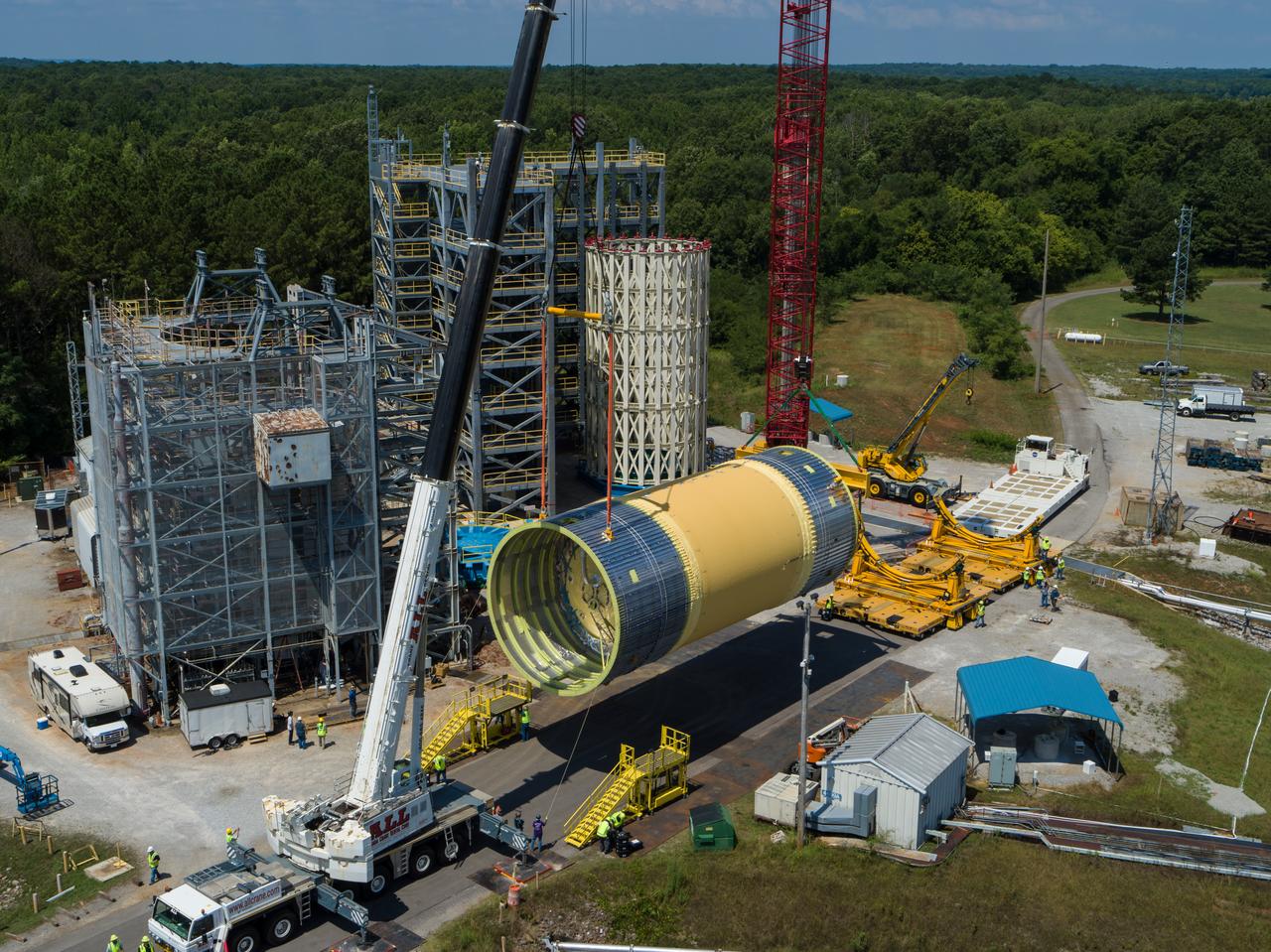
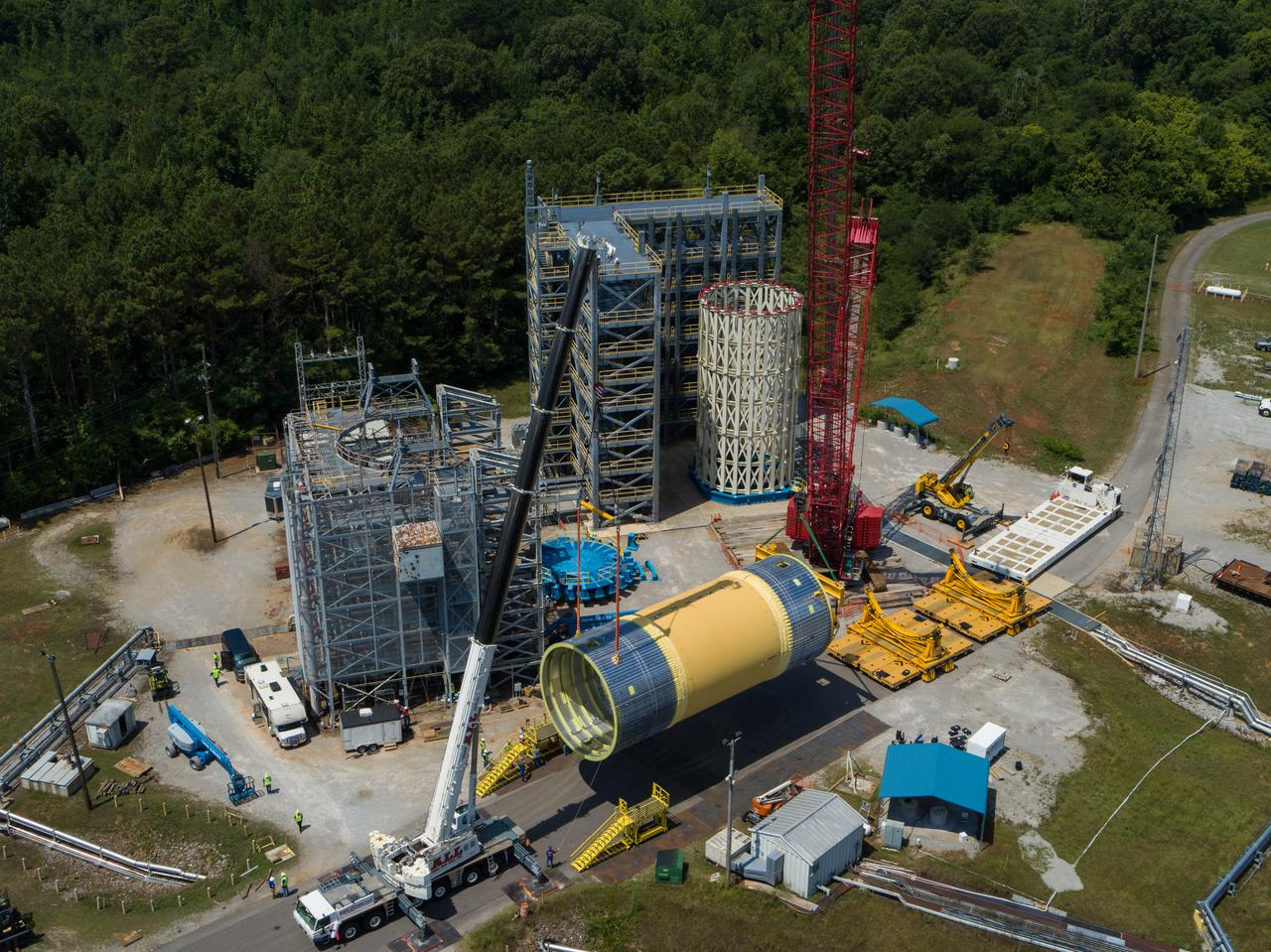
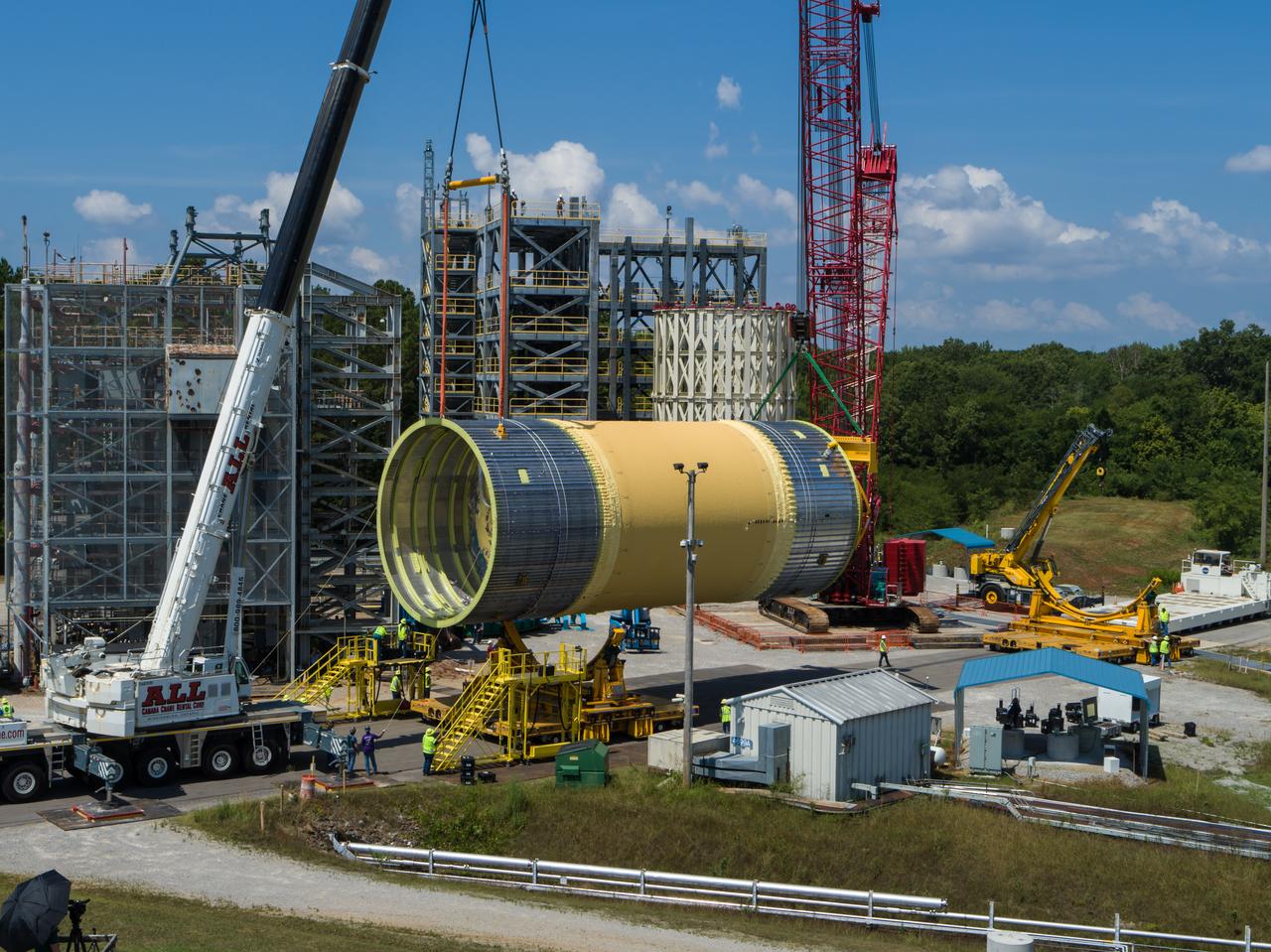
This collection of photos shows the steps NASA engineers took to lift the final structural test article for NASA’s Space Launch System (SLS) core stage into Test Stand 4697 at NASA’s Marshall Space Flight Center in Huntsville, Alabama, July 10, 2019. The liquid oxygen (LOX) tank is one of two propellant tanks in the rocket’s massive core stage that will produce more than 2 million pounds of thrust to help launch Artemis 1, the first flight of NASA’s Orion spacecraft and SLS, to the Moon. The nearly 70-foot-long liquid oxygen tank structural test article was manufactured at NASA’s Michoud Assembly Facility in New Orleans and delivered by NASA’s barge Pegasus to Marshall. Once bolted into the test stand, dozens of hydraulic cylinders will push and pull the tank, subjecting it to the same stresses and forces it will endure during liftoff and flight, to verify it is fit for flight.
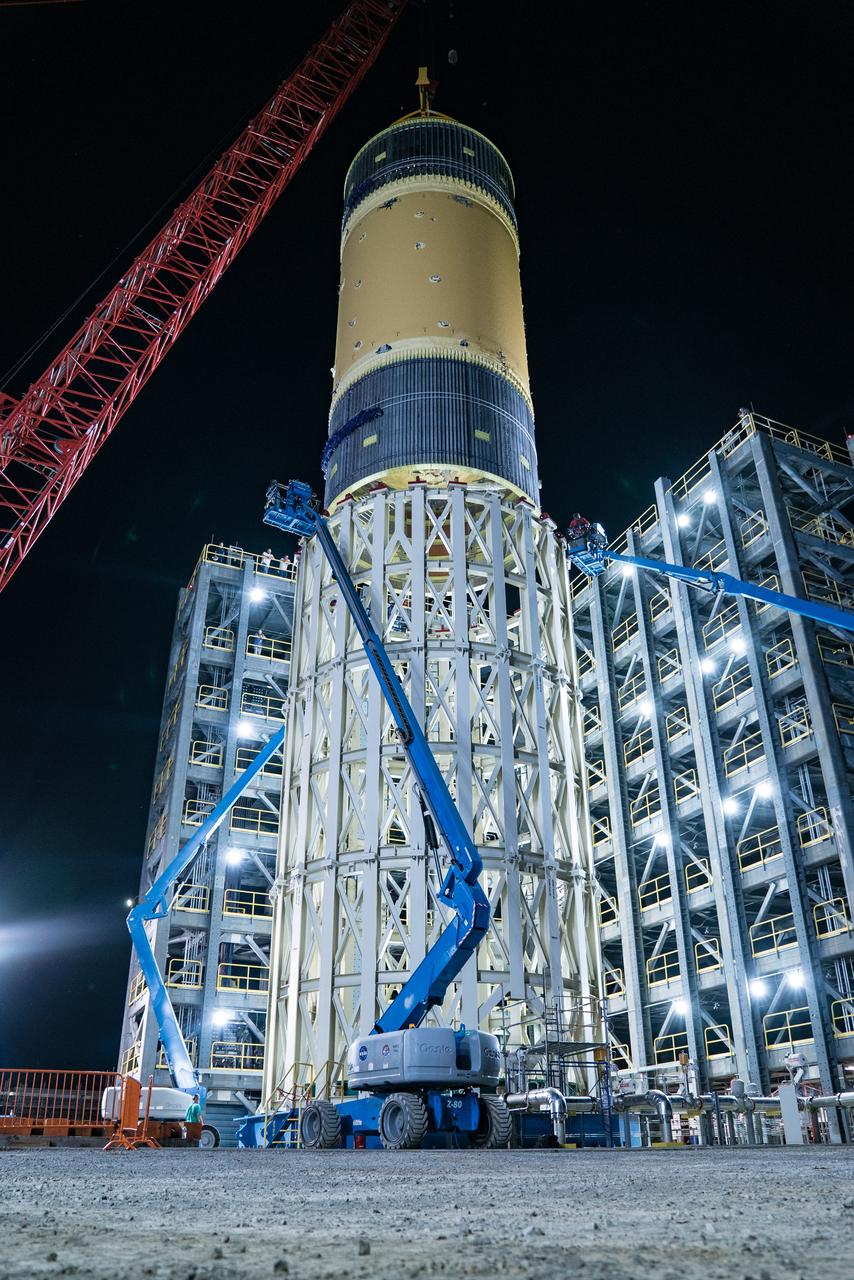
This collection of photos shows the steps NASA engineers took to lift the final structural test article for NASA’s Space Launch System (SLS) core stage into Test Stand 4697 at NASA’s Marshall Space Flight Center in Huntsville, Alabama, July 10, 2019. The liquid oxygen (LOX) tank is one of two propellant tanks in the rocket’s massive core stage that will produce more than 2 million pounds of thrust to help launch Artemis 1, the first flight of NASA’s Orion spacecraft and SLS, to the Moon. The nearly 70-foot-long liquid oxygen tank structural test article was manufactured at NASA’s Michoud Assembly Facility in New Orleans and delivered by NASA’s barge Pegasus to Marshall. Once bolted into the test stand, dozens of hydraulic cylinders will push and pull the tank, subjecting it to the same stresses and forces it will endure during liftoff and flight, to verify it is fit for flight.
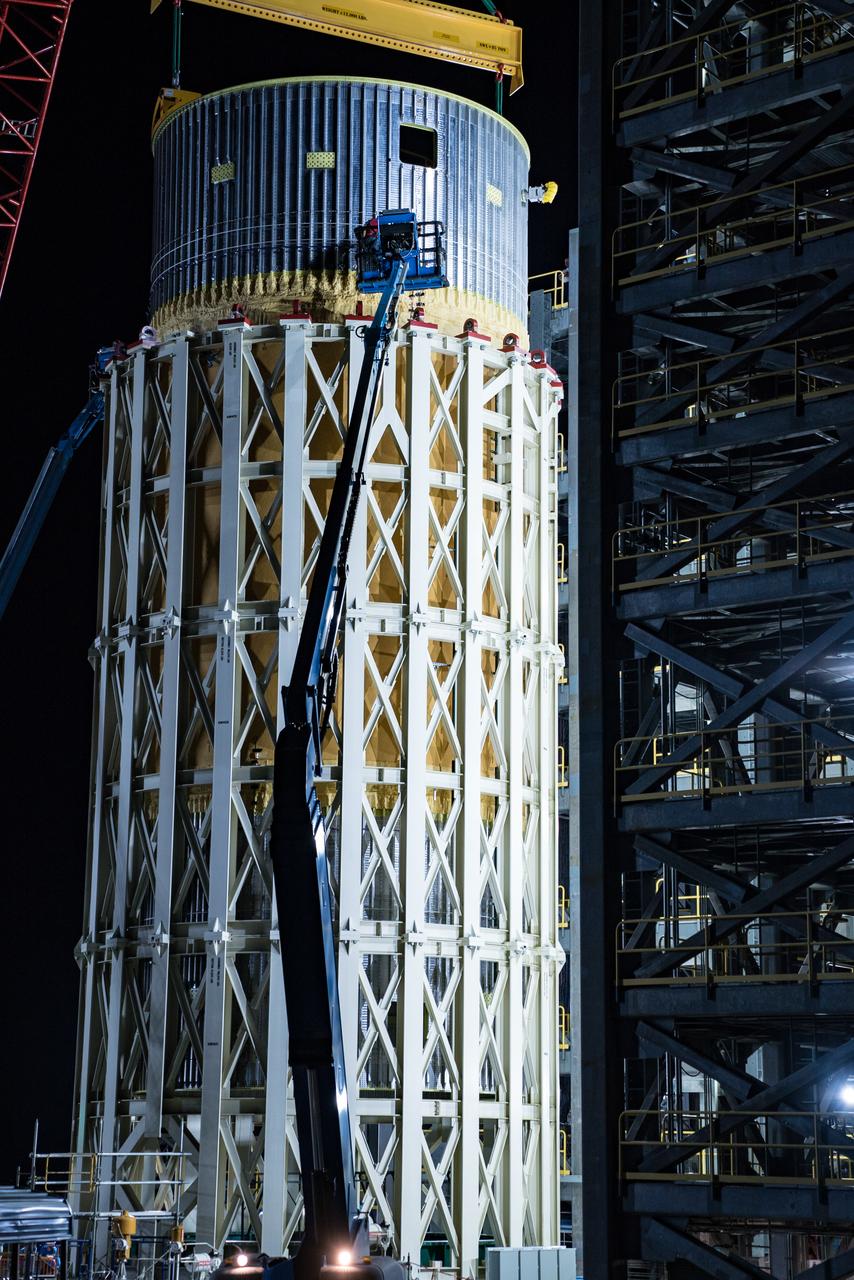
This collection of photos shows the steps NASA engineers took to lift the final structural test article for NASA’s Space Launch System (SLS) core stage into Test Stand 4697 at NASA’s Marshall Space Flight Center in Huntsville, Alabama, July 10, 2019. The liquid oxygen (LOX) tank is one of two propellant tanks in the rocket’s massive core stage that will produce more than 2 million pounds of thrust to help launch Artemis 1, the first flight of NASA’s Orion spacecraft and SLS, to the Moon. The nearly 70-foot-long liquid oxygen tank structural test article was manufactured at NASA’s Michoud Assembly Facility in New Orleans and delivered by NASA’s barge Pegasus to Marshall. Once bolted into the test stand, dozens of hydraulic cylinders will push and pull the tank, subjecting it to the same stresses and forces it will endure during liftoff and flight, to verify it is fit for flight.
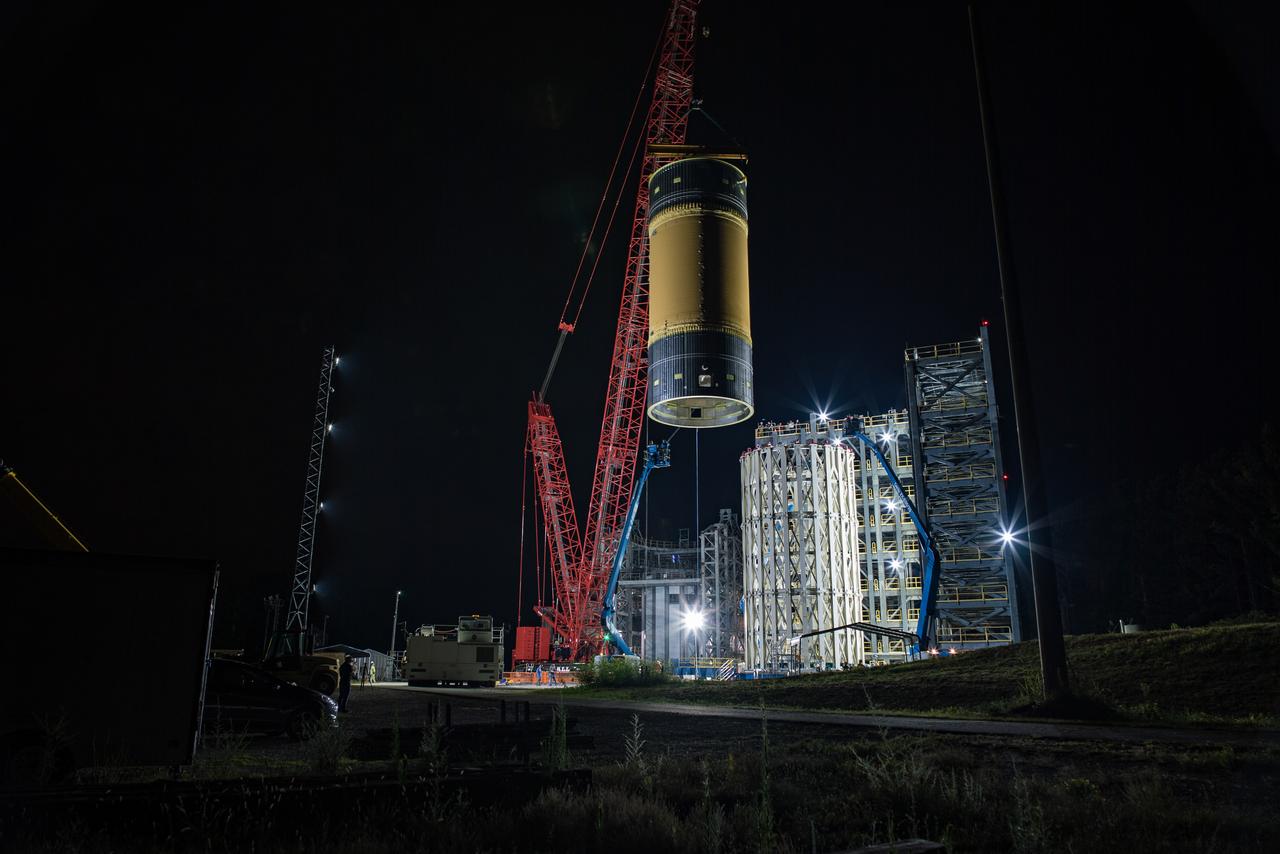
This collection of photos shows the steps NASA engineers took to lift the final structural test article for NASA’s Space Launch System (SLS) core stage into Test Stand 4697 at NASA’s Marshall Space Flight Center in Huntsville, Alabama, July 10, 2019. The liquid oxygen (LOX) tank is one of two propellant tanks in the rocket’s massive core stage that will produce more than 2 million pounds of thrust to help launch Artemis 1, the first flight of NASA’s Orion spacecraft and SLS, to the Moon. The nearly 70-foot-long liquid oxygen tank structural test article was manufactured at NASA’s Michoud Assembly Facility in New Orleans and delivered by NASA’s barge Pegasus to Marshall. Once bolted into the test stand, dozens of hydraulic cylinders will push and pull the tank, subjecting it to the same stresses and forces it will endure during liftoff and flight, to verify it is fit for flight.
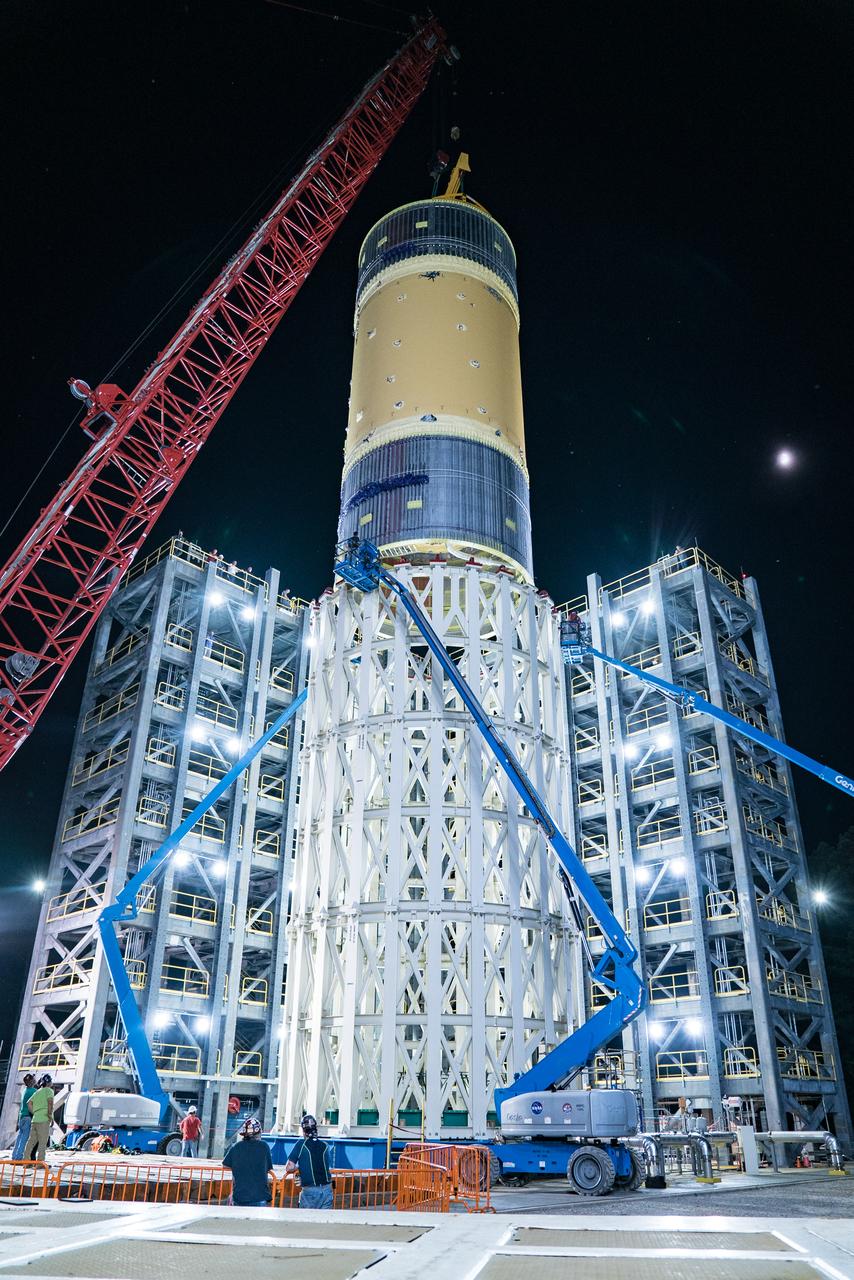
This collection of photos shows the steps NASA engineers took to lift the final structural test article for NASA’s Space Launch System (SLS) core stage into Test Stand 4697 at NASA’s Marshall Space Flight Center in Huntsville, Alabama, July 10, 2019. The liquid oxygen (LOX) tank is one of two propellant tanks in the rocket’s massive core stage that will produce more than 2 million pounds of thrust to help launch Artemis 1, the first flight of NASA’s Orion spacecraft and SLS, to the Moon. The nearly 70-foot-long liquid oxygen tank structural test article was manufactured at NASA’s Michoud Assembly Facility in New Orleans and delivered by NASA’s barge Pegasus to Marshall. Once bolted into the test stand, dozens of hydraulic cylinders will push and pull the tank, subjecting it to the same stresses and forces it will endure during liftoff and flight, to verify it is fit for flight.
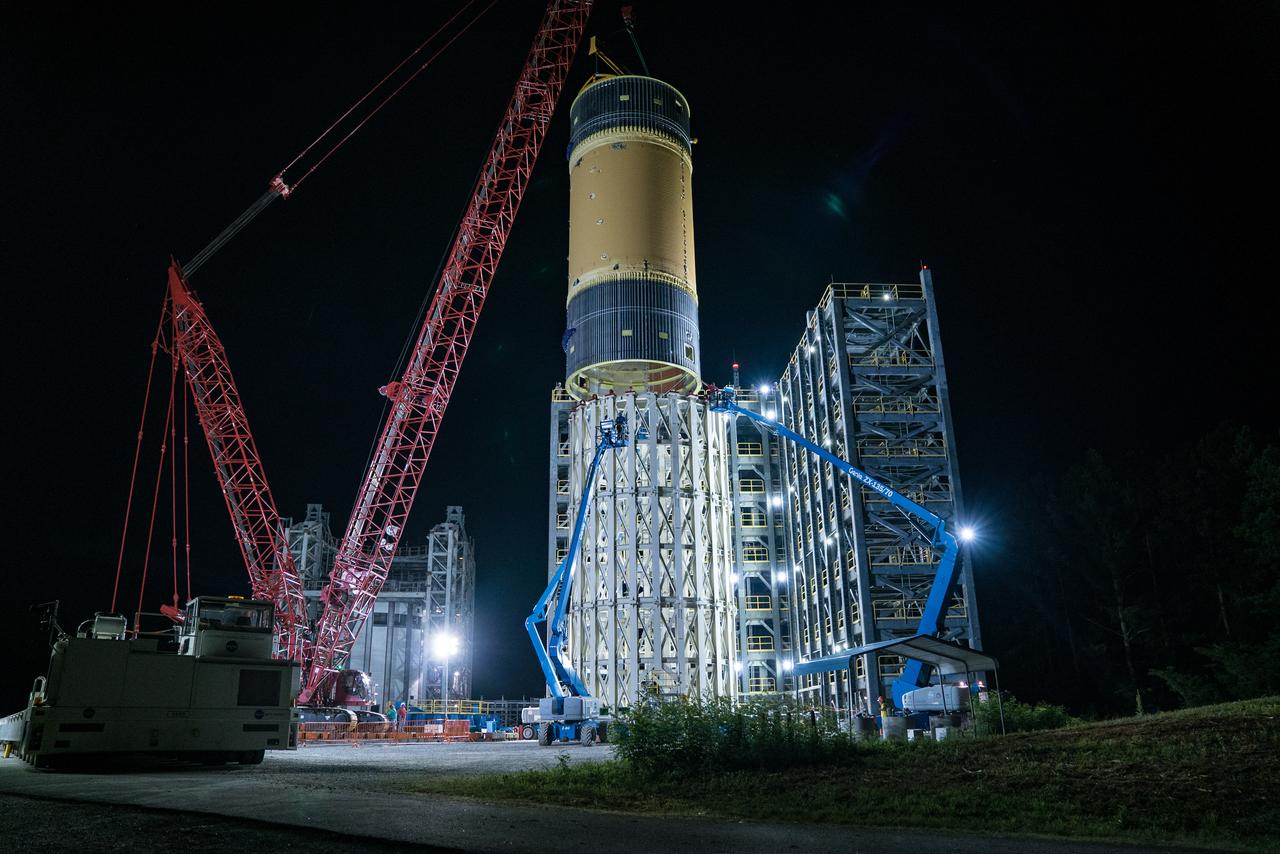
This collection of photos shows the steps NASA engineers took to lift the final structural test article for NASA’s Space Launch System (SLS) core stage into Test Stand 4697 at NASA’s Marshall Space Flight Center in Huntsville, Alabama, July 10, 2019. The liquid oxygen (LOX) tank is one of two propellant tanks in the rocket’s massive core stage that will produce more than 2 million pounds of thrust to help launch Artemis 1, the first flight of NASA’s Orion spacecraft and SLS, to the Moon. The nearly 70-foot-long liquid oxygen tank structural test article was manufactured at NASA’s Michoud Assembly Facility in New Orleans and delivered by NASA’s barge Pegasus to Marshall. Once bolted into the test stand, dozens of hydraulic cylinders will push and pull the tank, subjecting it to the same stresses and forces it will endure during liftoff and flight, to verify it is fit for flight.
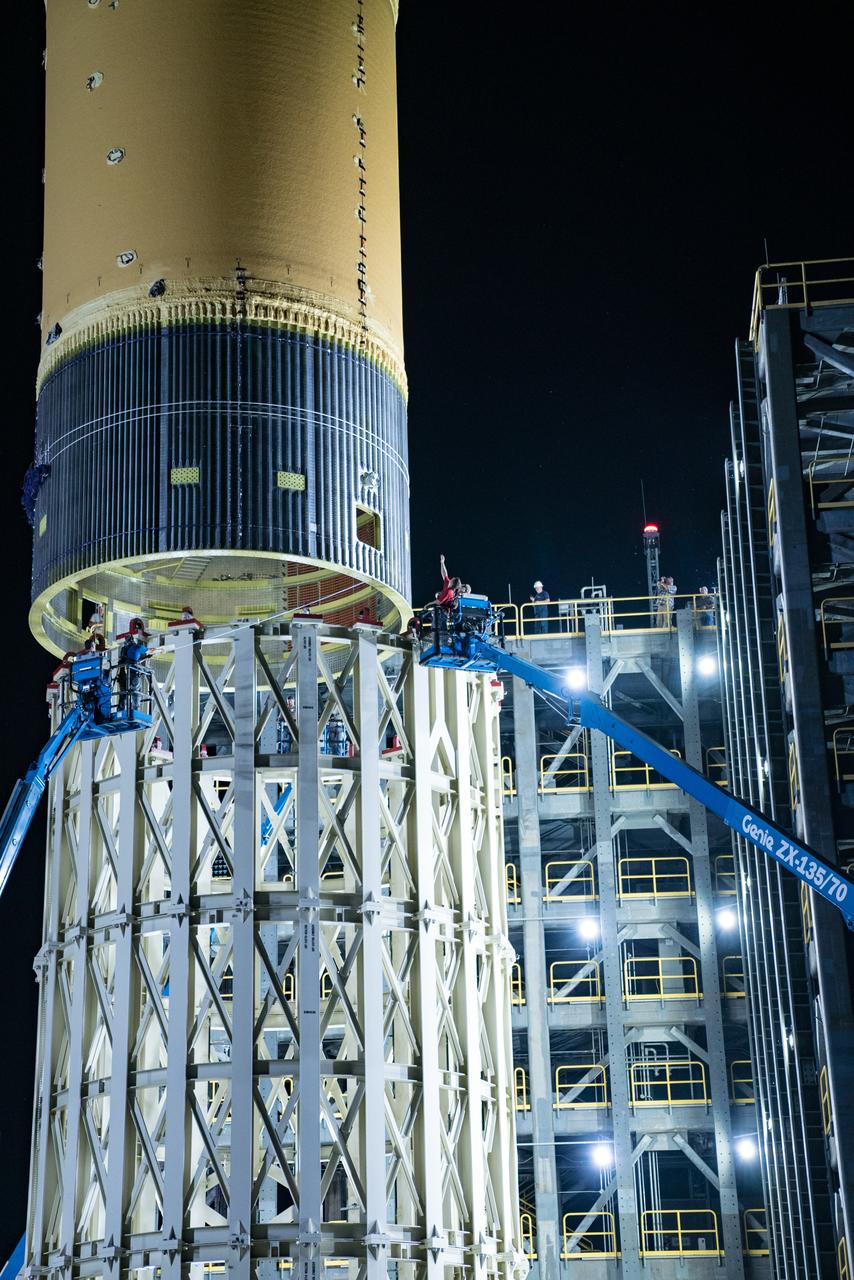
This collection of photos shows the steps NASA engineers took to lift the final structural test article for NASA’s Space Launch System (SLS) core stage into Test Stand 4697 at NASA’s Marshall Space Flight Center in Huntsville, Alabama, July 10, 2019. The liquid oxygen (LOX) tank is one of two propellant tanks in the rocket’s massive core stage that will produce more than 2 million pounds of thrust to help launch Artemis 1, the first flight of NASA’s Orion spacecraft and SLS, to the Moon. The nearly 70-foot-long liquid oxygen tank structural test article was manufactured at NASA’s Michoud Assembly Facility in New Orleans and delivered by NASA’s barge Pegasus to Marshall. Once bolted into the test stand, dozens of hydraulic cylinders will push and pull the tank, subjecting it to the same stresses and forces it will endure during liftoff and flight, to verify it is fit for flight.
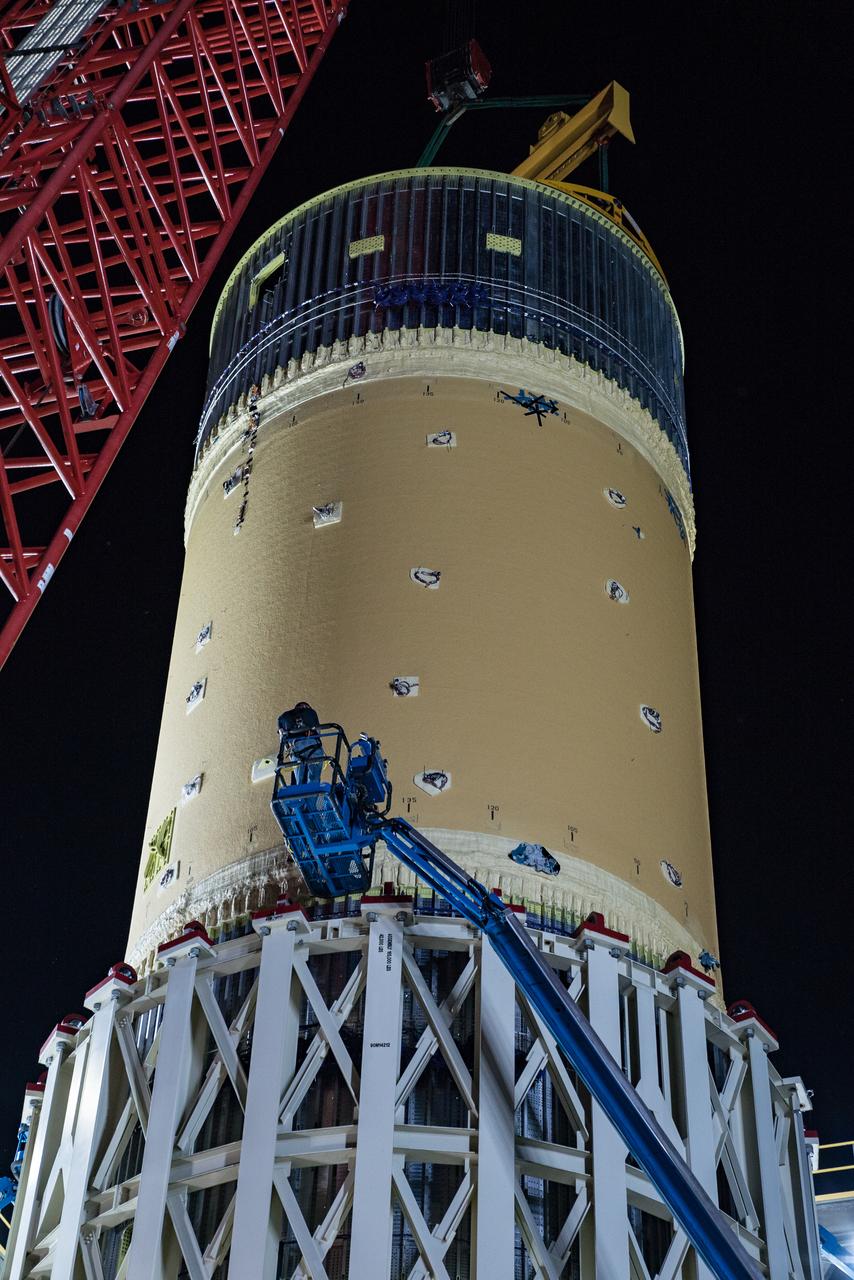
This collection of photos shows the steps NASA engineers took to lift the final structural test article for NASA’s Space Launch System (SLS) core stage into Test Stand 4697 at NASA’s Marshall Space Flight Center in Huntsville, Alabama, July 10, 2019. The liquid oxygen (LOX) tank is one of two propellant tanks in the rocket’s massive core stage that will produce more than 2 million pounds of thrust to help launch Artemis 1, the first flight of NASA’s Orion spacecraft and SLS, to the Moon. The nearly 70-foot-long liquid oxygen tank structural test article was manufactured at NASA’s Michoud Assembly Facility in New Orleans and delivered by NASA’s barge Pegasus to Marshall. Once bolted into the test stand, dozens of hydraulic cylinders will push and pull the tank, subjecting it to the same stresses and forces it will endure during liftoff and flight, to verify it is fit for flight.
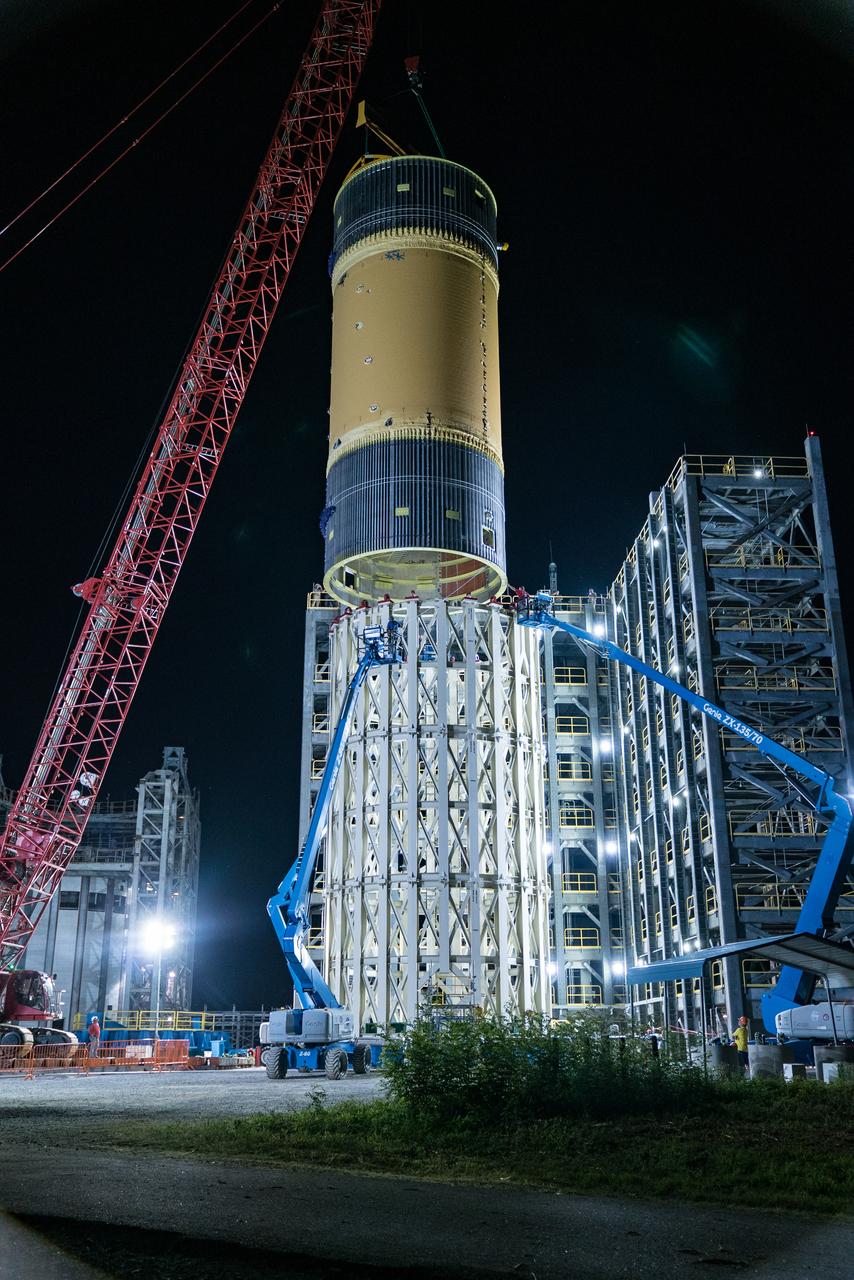
This collection of photos shows the steps NASA engineers took to lift the final structural test article for NASA’s Space Launch System (SLS) core stage into Test Stand 4697 at NASA’s Marshall Space Flight Center in Huntsville, Alabama, July 10, 2019. The liquid oxygen (LOX) tank is one of two propellant tanks in the rocket’s massive core stage that will produce more than 2 million pounds of thrust to help launch Artemis 1, the first flight of NASA’s Orion spacecraft and SLS, to the Moon. The nearly 70-foot-long liquid oxygen tank structural test article was manufactured at NASA’s Michoud Assembly Facility in New Orleans and delivered by NASA’s barge Pegasus to Marshall. Once bolted into the test stand, dozens of hydraulic cylinders will push and pull the tank, subjecting it to the same stresses and forces it will endure during liftoff and flight, to verify it is fit for flight.
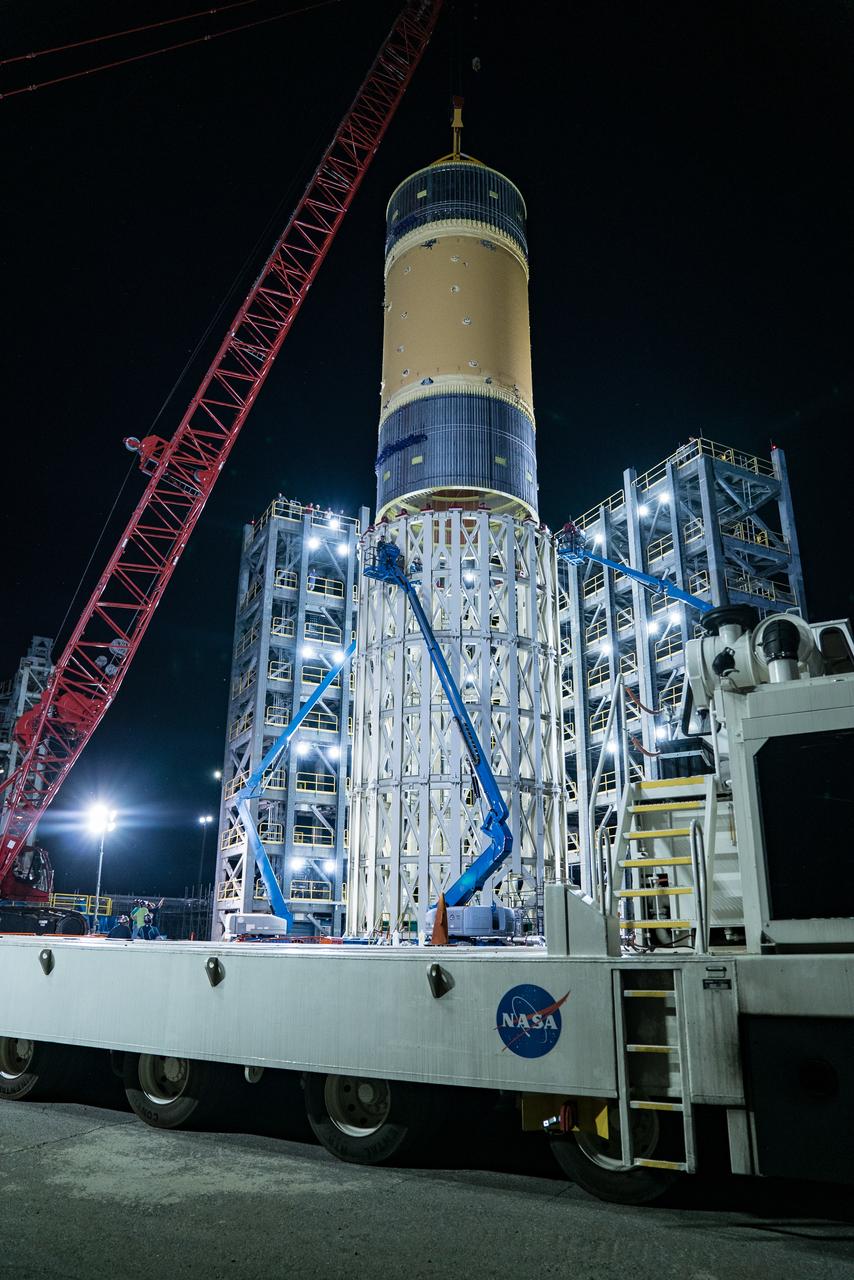
This collection of photos shows the steps NASA engineers took to lift the final structural test article for NASA’s Space Launch System (SLS) core stage into Test Stand 4697 at NASA’s Marshall Space Flight Center in Huntsville, Alabama, July 10, 2019. The liquid oxygen (LOX) tank is one of two propellant tanks in the rocket’s massive core stage that will produce more than 2 million pounds of thrust to help launch Artemis 1, the first flight of NASA’s Orion spacecraft and SLS, to the Moon. The nearly 70-foot-long liquid oxygen tank structural test article was manufactured at NASA’s Michoud Assembly Facility in New Orleans and delivered by NASA’s barge Pegasus to Marshall. Once bolted into the test stand, dozens of hydraulic cylinders will push and pull the tank, subjecting it to the same stresses and forces it will endure during liftoff and flight, to verify it is fit for flight.
This collection of photos shows the steps NASA engineers took to lift the final structural test article for NASA’s Space Launch System (SLS) core stage into Test Stand 4697 at NASA’s Marshall Space Flight Center in Huntsville, Alabama, July 10, 2019. The liquid oxygen (LOX) tank is one of two propellant tanks in the rocket’s massive core stage that will produce more than 2 million pounds of thrust to help launch Artemis 1, the first flight of NASA’s Orion spacecraft and SLS, to the Moon. The nearly 70-foot-long liquid oxygen tank structural test article was manufactured at NASA’s Michoud Assembly Facility in New Orleans and delivered by NASA’s barge Pegasus to Marshall. Once bolted into the test stand, dozens of hydraulic cylinders will push and pull the tank, subjecting it to the same stresses and forces it will endure during liftoff and flight, to verify it is fit for flight.
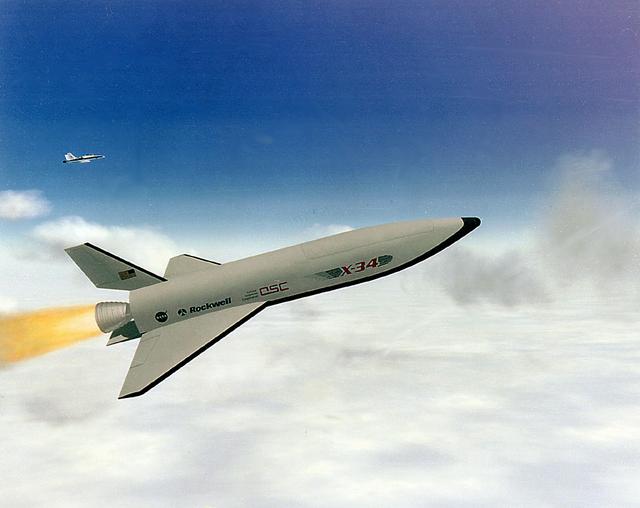
The X-34 Reusable Launch Vehicle (RLV) concept is pictured here. NASA plarned to utilize the X-34 small reusable booster for research of Reusable Launch Vehicle (RLV) technologies that may be applicable to future larger RLV's. It was being developed cooperatively by Orbital Science Corporation, Rockwell International Corporation, and NASA. The objectives of the X-34 program were to significantly reduce launch costs for small payloads and to provide a test bed for NASA RLV technology. The X-34 would be launched from a 747 shuttle carrier aircraft. After delivering its payload (booster by an upper stage) to orbit, it would land autonomously on the same runway from which the 747 departed. The X-34 vehicle was powered by a liquid oxygen tank (LOX) and an RP-1 liquid Fastrac engine that was designed and built by Marshall Space Flight Center. The X-34 would be capable of speeds up to Mach 8 and altitudes of 250,000 feet. The X-34 program was cancelled in 2001.
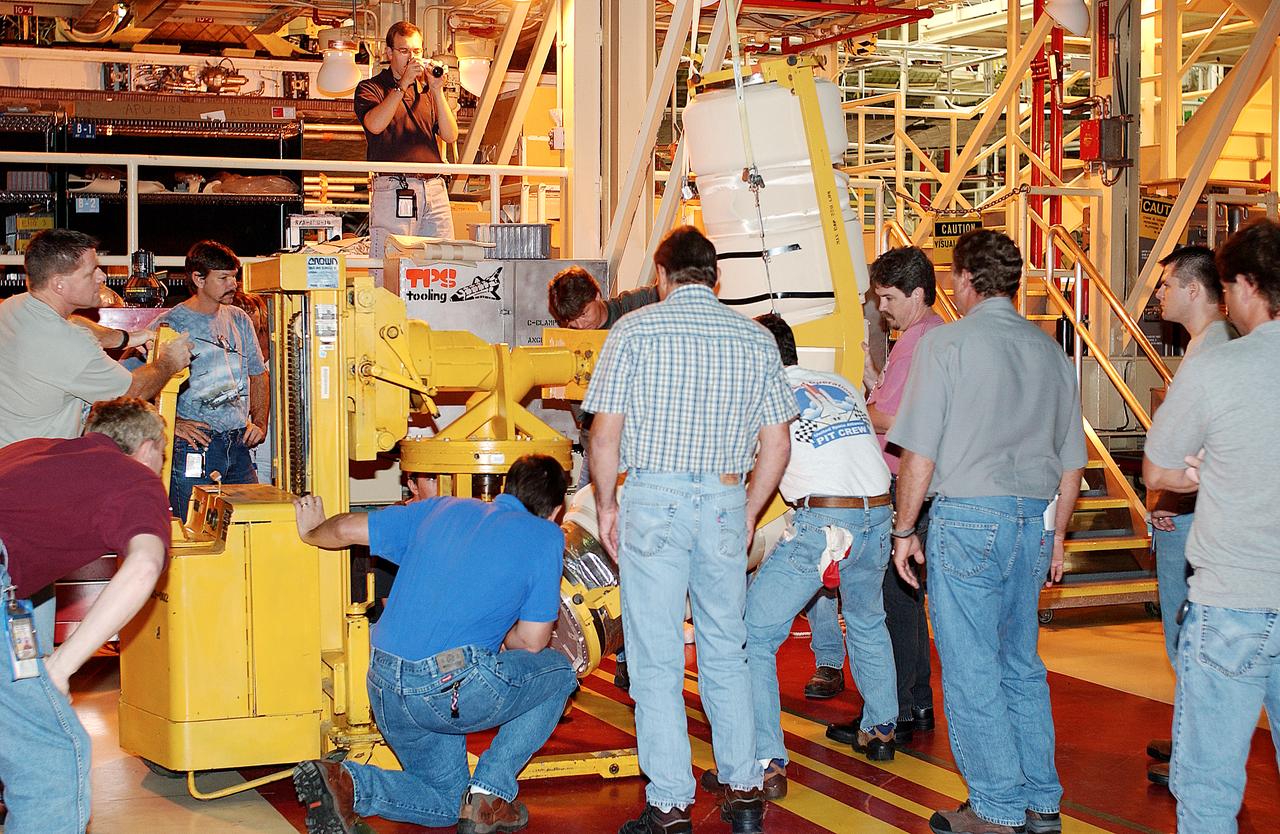
In the Orbiter Processing Facility, workers prepare to install the liquid oxygen feedline for the 17-inch disconnect on orbiter Discovery. The 17-inch liquid oxygen and liquid hydrogen disconnects provide the propellant feed interface from the external tank to the orbiter main propulsion system and the three Shuttle main engines.
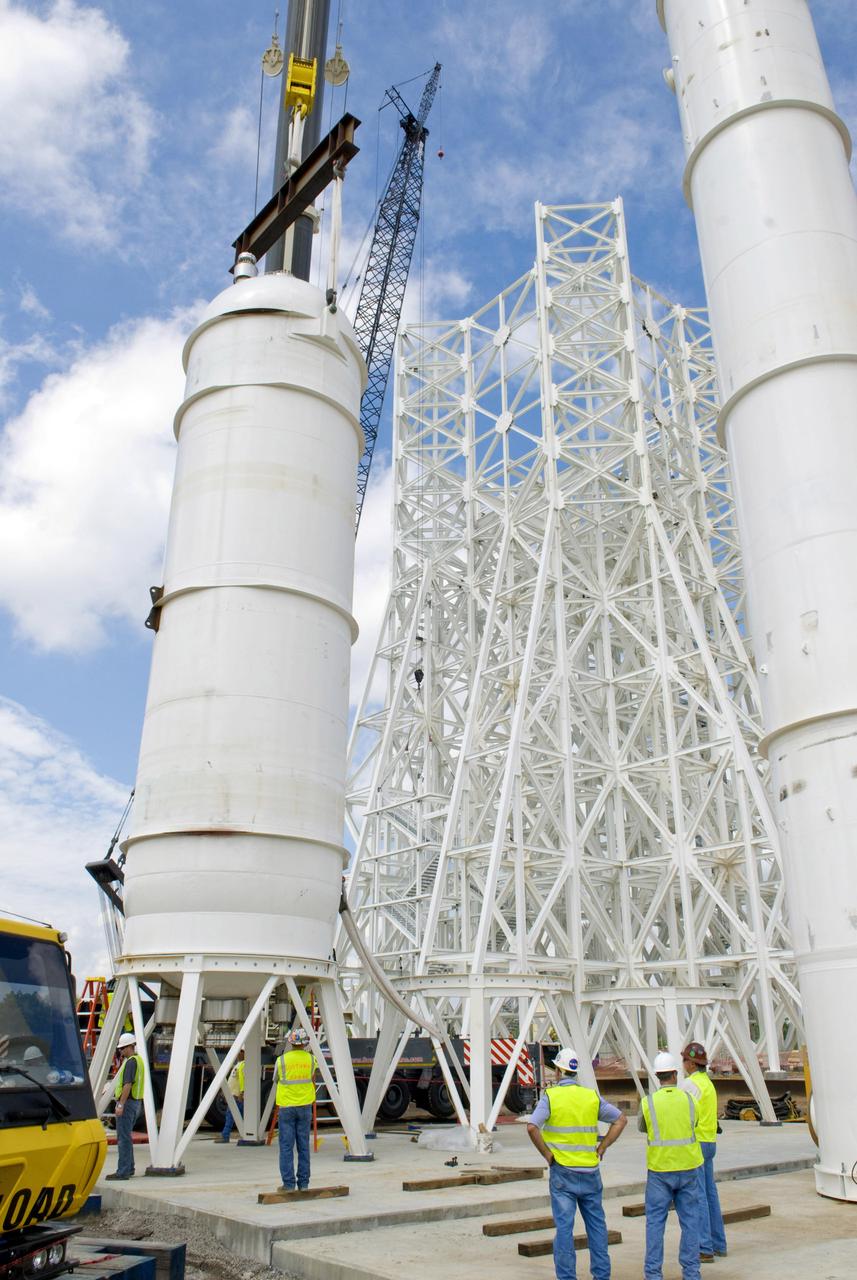
A liquid oxygen (LOX) tank is lifted into place at the A-3 Test Stand being built at NASA's John C. Stennis Space Center. Fourteen LOX, isopropyl alcohol (IPA) and water tanks are being installed to support the chemical steam generators to be used on the A-3 Test Stand. The IPA and LOX tanks will provide fuel for the generators. The water will allow the generators to produce steam that will be used to reduce pressure inside the stand's test cell diffuser, enabling operators to simulate altitudes up to 100,000 feet. In that way, operators can perform the tests needed on rocket engines being built to carry humans back to the moon and possibly beyond. The A-3 Test Stand is set for completion and activation in 2011.
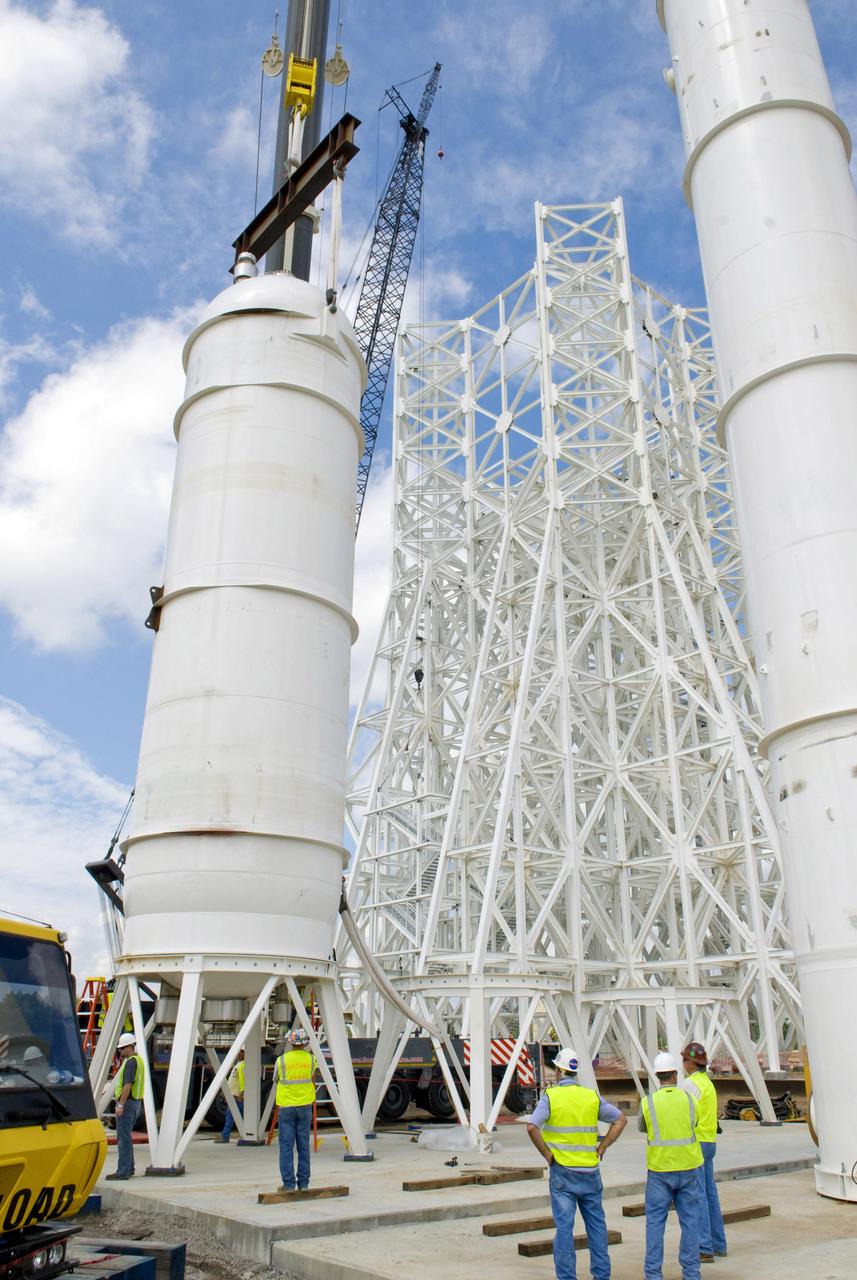
A liquid oxygen (LOX) tank is lifted into place at the A-3 Test Stand being built at NASA's John C. Stennis Space Center. Fourteen LOX, isopropyl alcohol (IPA) and water tanks are being installed to support the chemical steam generators to be used on the A-3 Test Stand. The IPA and LOX tanks will provide fuel for the generators. The water will allow the generators to produce steam that will be used to reduce pressure inside the stand's test cell diffuser, enabling operators to simulate altitudes up to 100,000 feet. In that way, operators can perform the tests needed on rocket engines being built to carry humans back to the moon and possibly beyond. The A-3 Test Stand is set for completion and activation in 2011.
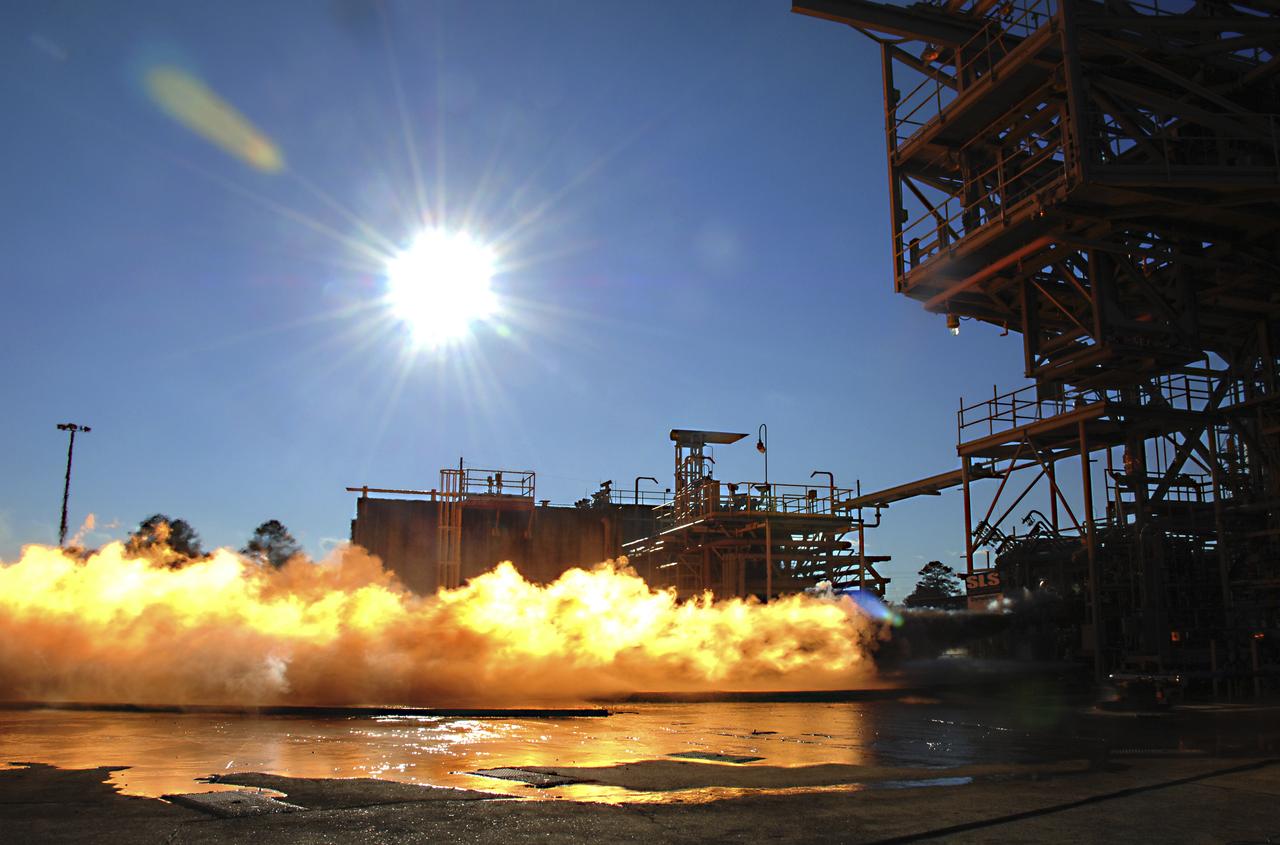
PC271-004-049 F1 GG Testing with LOX/RP-1 (Dynetics/PWR) 02/14/2013 TS116
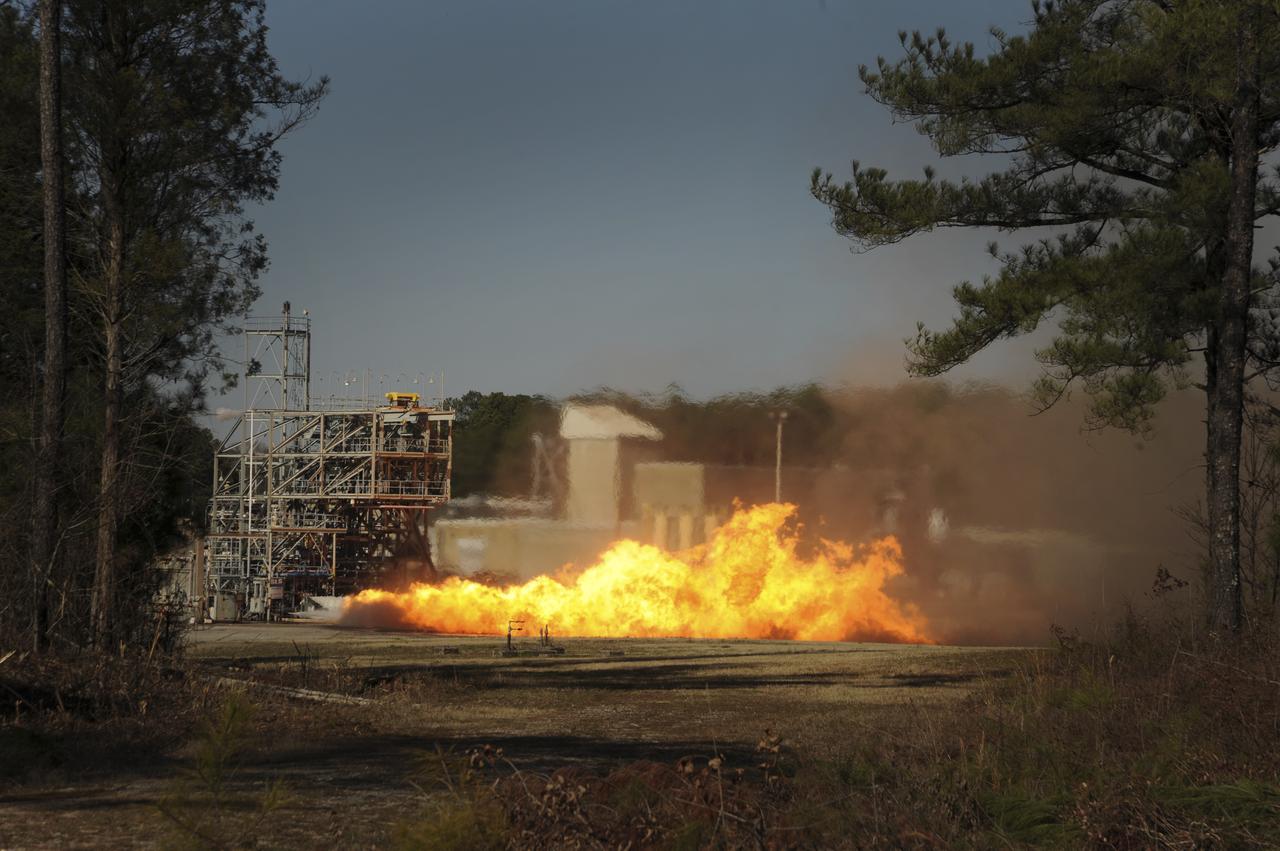
PC271-003-060 F1 GG Testing with LOX/RP-1 (Dynetics/PWR) 02/14/2013 TS116
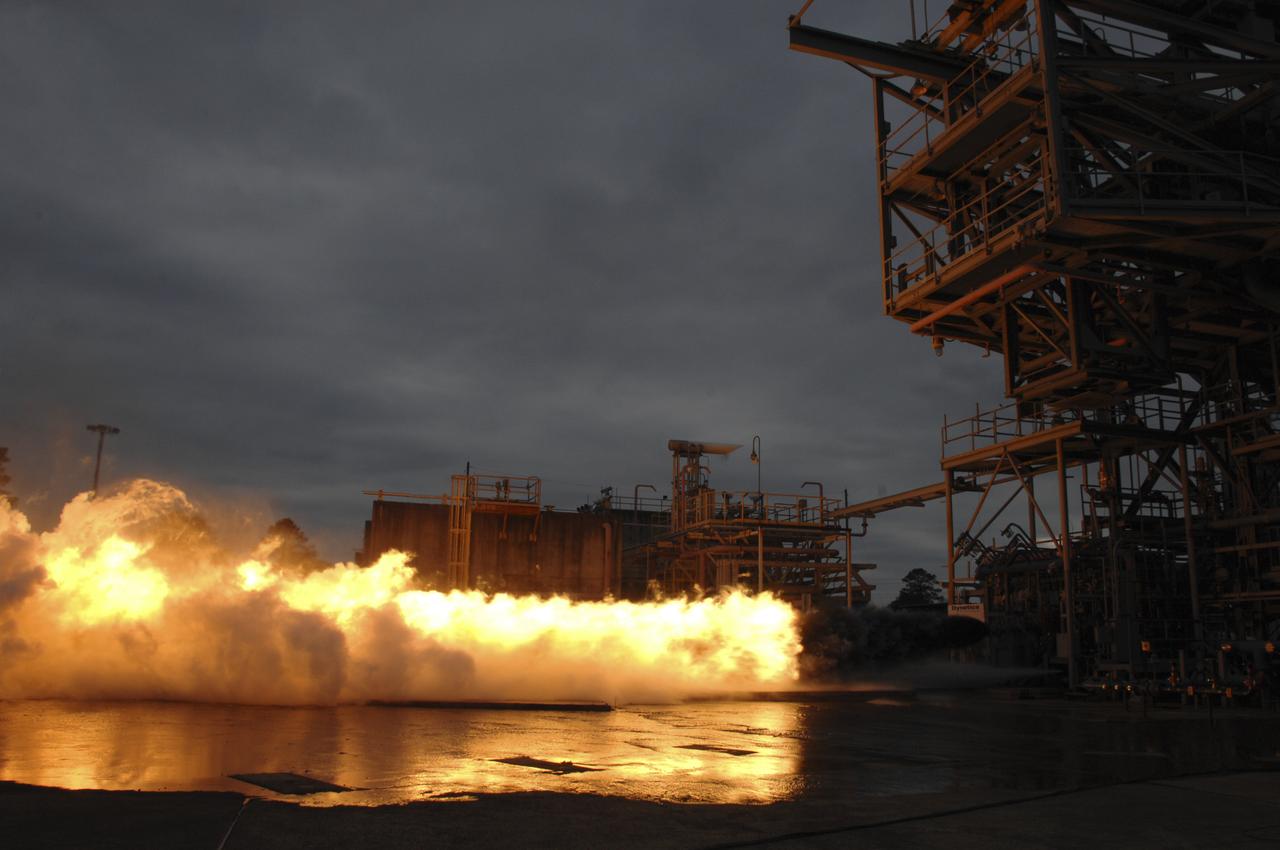
PC271-009—009 F1 GG Testing with LOX/RP-1 (Dynetics/PWR) 03/06/2013 TS116