CAPE CANAVERAL, Fla. – At Astrotech Space Operations Facility in Titusville, Fla., technicians observe NASA's Lunar Reconnaissance Orbiter, or LRO, with and NASA's Lunar Crater Observation and Sensing Satellite, known as LCROSS, during installation of the fairing. The fairing is a molded structure that fits flush with the outside surface of the rocket and forms an aerodynamically smooth nose cone, protecting the spacecraft during launch and ascent. The LRO includes five instruments: DIVINER, LAMP, LEND, LOLA and LROC. They will be launched aboard an Atlas V/Centaur rocket no earlier than June 17 from Launch Complex-41 on Cape Canaveral Air Force Station in Florida. Photo credit: NASA/Jack Pfaller
CAPE CANAVERAL, Fla. – The Atlas V/Centaur is moving from the Vertical Integration Facility at Cape Canaveral Air Force Station in Florida to Launch Complex-41. At left are two of the four lightning towers that surround the pad for protection against possible lightning strikes. The Atlas was rolled to the launch pad from the Vertical Integration Facility in preparation for the wet dress rehearsal, which means being fully loaded with propellants including liquid hydrogen, liquid oxygen and RP-1 fuel. The launch vehicle will be rolled off the pad and returned to the VIF on May 16. The Atlas V/Centaur is the launch vehicle for NASA's Lunar Reconnaissance Orbiter, or LRO, and NASA's Lunar CRater Observation and Sensing Satellite, known as LCROSS. They will be mated with the Atlas in late May. LCROSS and LRO are the first missions in NASA's plan to return humans to the moon and begin establishing a lunar outpost by 2020. Launch is scheduled for no earlier than June 17. Photo credit: NASA/Kim Shiflett
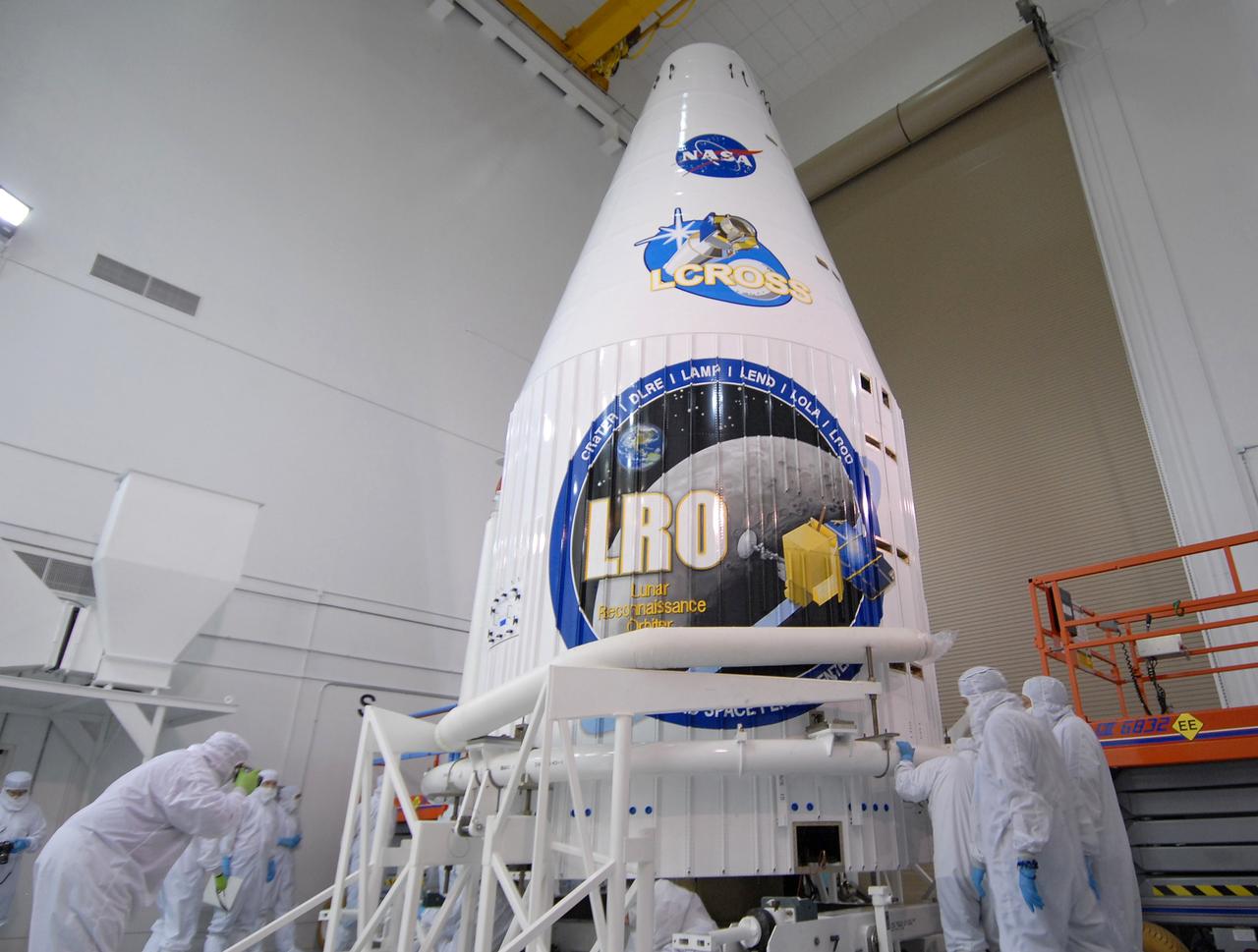
CAPE CANAVERAL, Fla. – At Astrotech Space Operations Facility in Titusville, Fla., the fairing halves have been joined to enclose NASA's Lunar Reconnaissance Orbiter, or LRO, and NASA's Lunar Crater Observation and Sensing Satellite, known as LCROSS. The fairing is a molded structure that fits flush with the outside surface of the rocket and forms an aerodynamically smooth nose cone, protecting the spacecraft during launch and ascent. The LRO includes five instruments: DIVINER, LAMP, LEND, LOLA and LROC. They will be launched aboard an Atlas V/Centaur rocket no earlier than June 17 from Launch Complex-41 on Cape Canaveral Air Force Station in Florida. Photo credit: NASA/Jack Pfaller
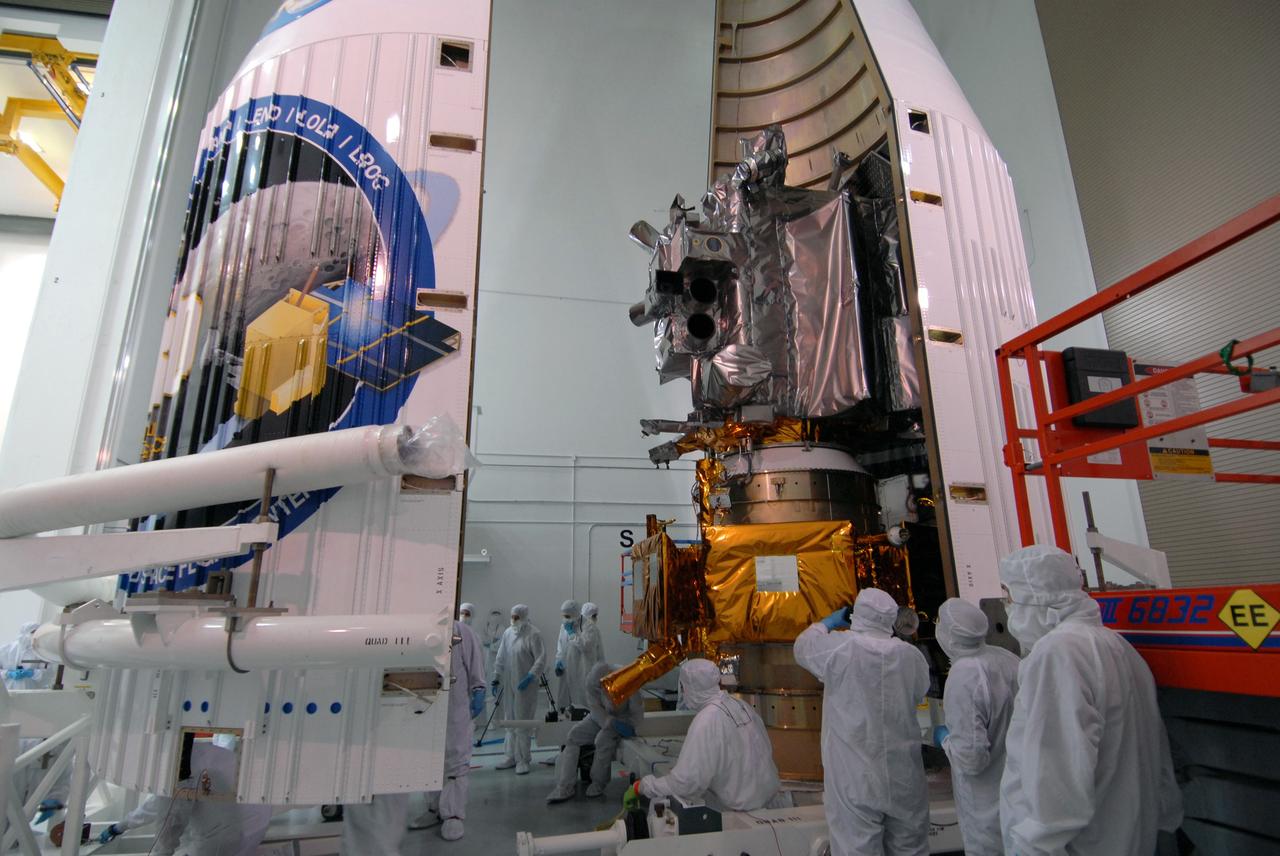
CAPE CANAVERAL, Fla. – At Astrotech Space Operations Facility in Titusville, Fla., the fairing halves are moved apart for another attempt at installation around NASA's Lunar Reconnaissance Orbiter, or LRO, and and NASA's Lunar Crater Observation and Sensing Satellite, known as LCROSS. The fairing is a molded structure that fits flush with the outside surface of the rocket and forms an aerodynamically smooth nose cone, protecting the spacecraft during launch and ascent. The LRO includes five instruments: DIVINER, LAMP, LEND, LOLA and LROC. They will be launched aboard an Atlas V/Centaur rocket no earlier than June 17 from Launch Complex-41 on Cape Canaveral Air Force Station in Florida. Photo credit: NASA/Jack Pfaller
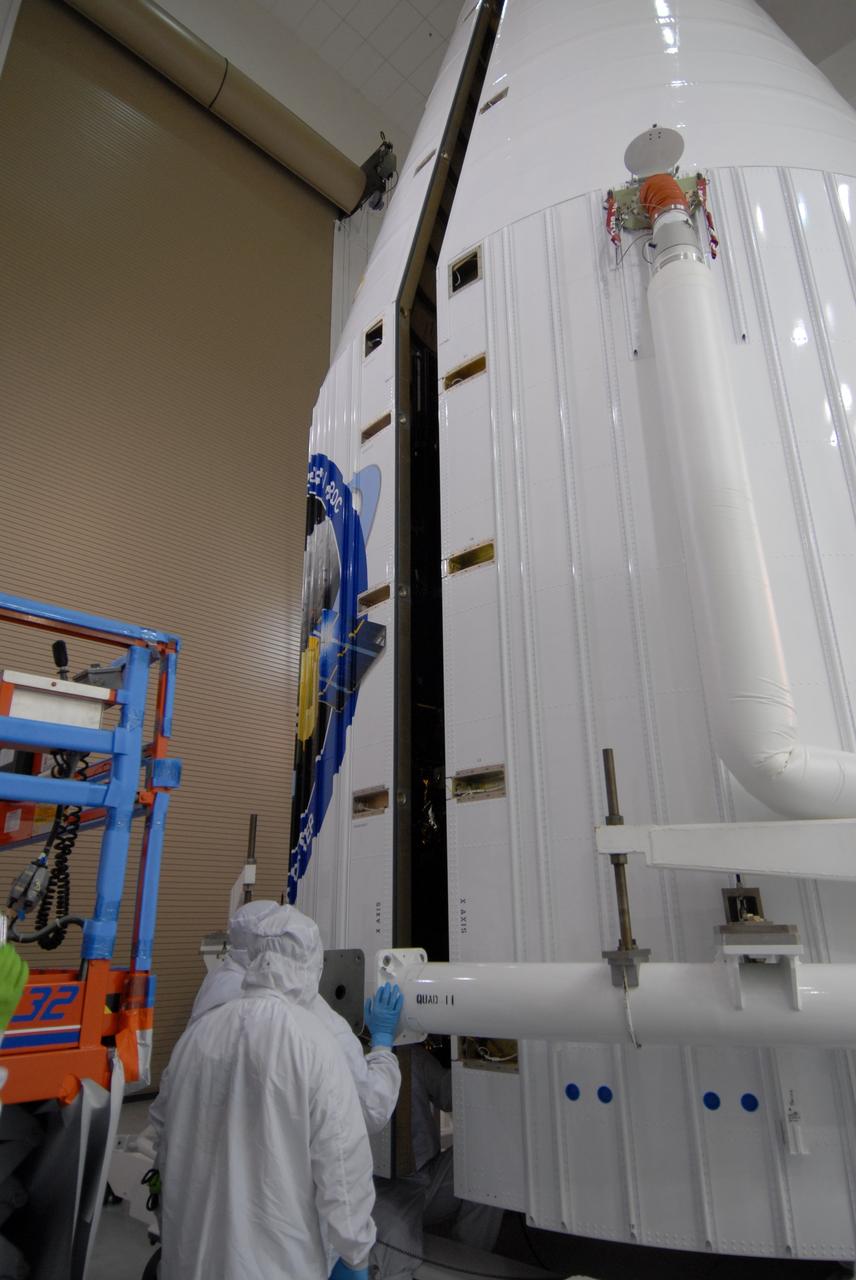
CAPE CANAVERAL, Fla. – At Astrotech Space Operations Facility in Titusville, Fla., technicians closely watch as the fairing halves move together to enclose NASA's Lunar Reconnaissance Orbiter, or LRO, and NASA's Lunar Crater Observation and Sensing Satellite, known as LCROSS. The fairing is a molded structure that fits flush with the outside surface of the rocket and forms an aerodynamically smooth nose cone, protecting the spacecraft during launch and ascent. The LRO includes five instruments: DIVINER, LAMP, LEND, LOLA and LROC. They will be launched aboard an Atlas V/Centaur rocket no earlier than June 17 from Launch Complex-41 on Cape Canaveral Air Force Station in Florida. Photo credit: NASA/Jack Pfaller
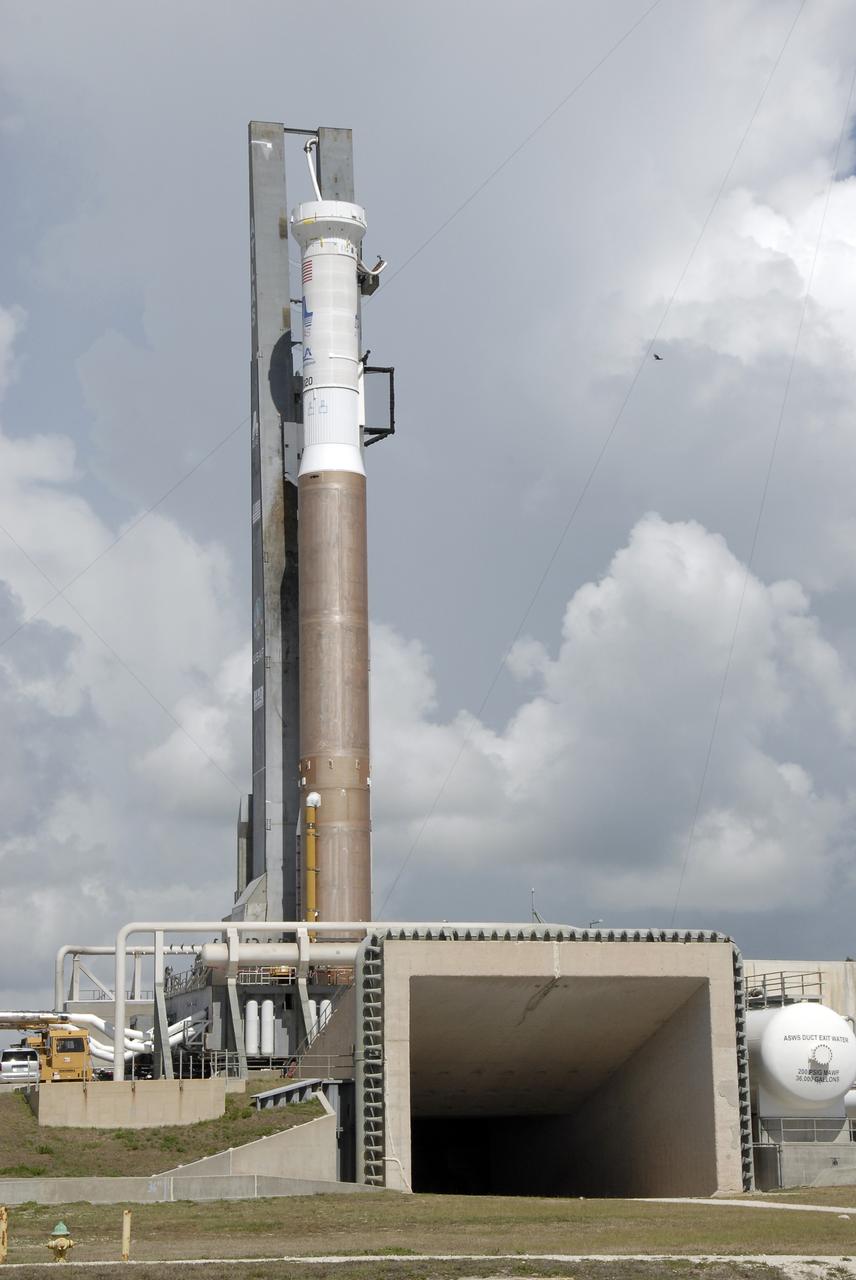
CAPE CANAVERAL, Fla. – The Atlas V/Centaur arrives on Launch Complex-41 at Cape Canaveral Air Force Station in Florida. The Atlas was rolled to the launch pad from the Vertical Integration Facility in preparation for the wet dress rehearsal, or countdown test, which means being fully loaded with propellants including liquid hydrogen, liquid oxygen and RP-1 fuel. The launch vehicle will be rolled off the pad and returned to the VIF on May 16. The Atlas V/Centaur is the launch vehicle for NASA's Lunar Reconnaissance Orbiter, or LRO, and NASA's Lunar CRater Observation and Sensing Satellite, known as LCROSS. They will be mated with the Atlas in late May. LCROSS and LRO are the first missions in NASA's plan to return humans to the moon and begin establishing a lunar outpost by 2020. Launch is scheduled for no earlier than June 17. Photo credit: NASA/Kim Shiflett
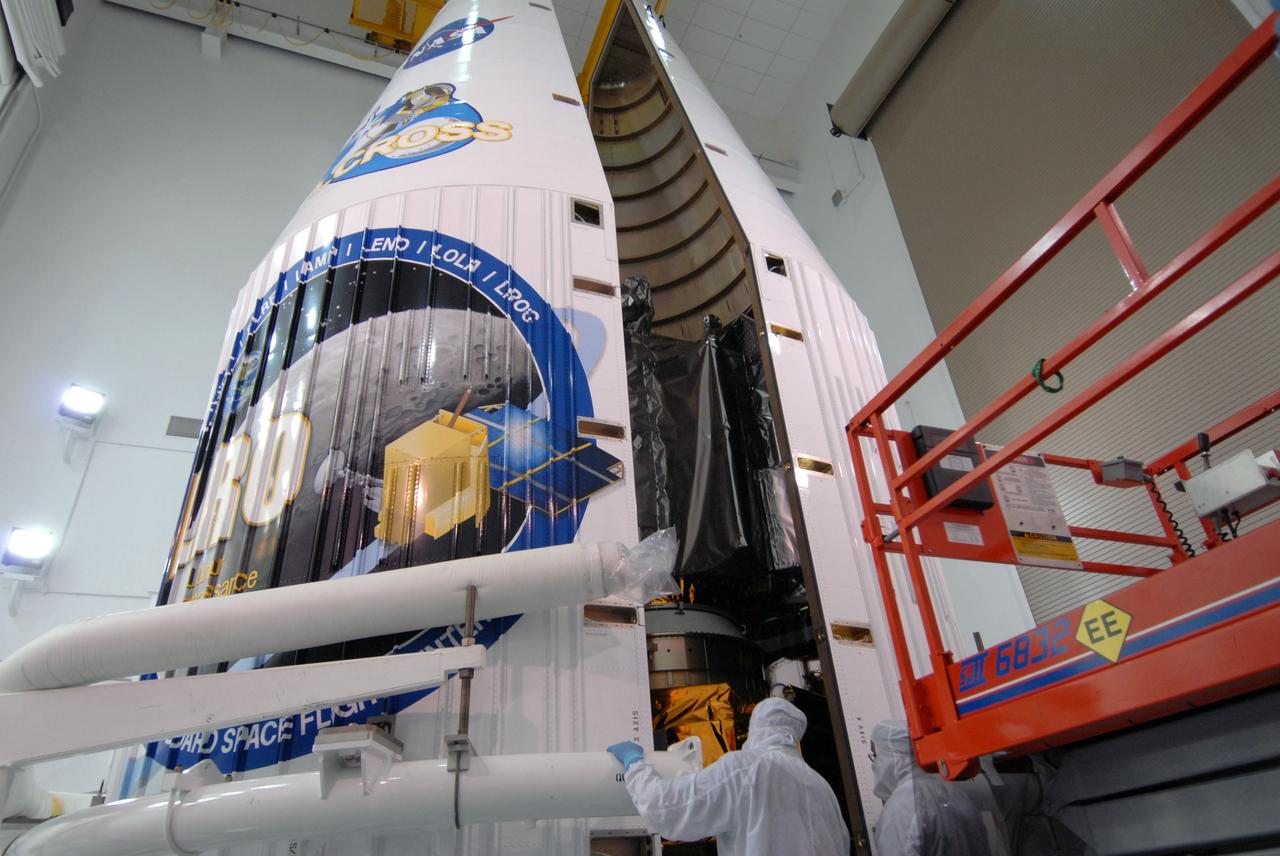
CAPE CANAVERAL, Fla. – At Astrotech Space Operations Facility in Titusville, Fla., technicians closely watch as the fairing halves move together to enclose NASA's Lunar Reconnaissance Orbiter, or LRO, and NASA's Lunar Crater Observation and Sensing Satellite, known as LCROSS. The fairing is a molded structure that fits flush with the outside surface of the rocket and forms an aerodynamically smooth nose cone, protecting the spacecraft during launch and ascent. The LRO includes five instruments: DIVINER, LAMP, LEND, LOLA and LROC. They will be launched aboard an Atlas V/Centaur rocket no earlier than June 17 from Launch Complex-41 on Cape Canaveral Air Force Station in Florida. Photo credit: NASA/Jack Pfaller
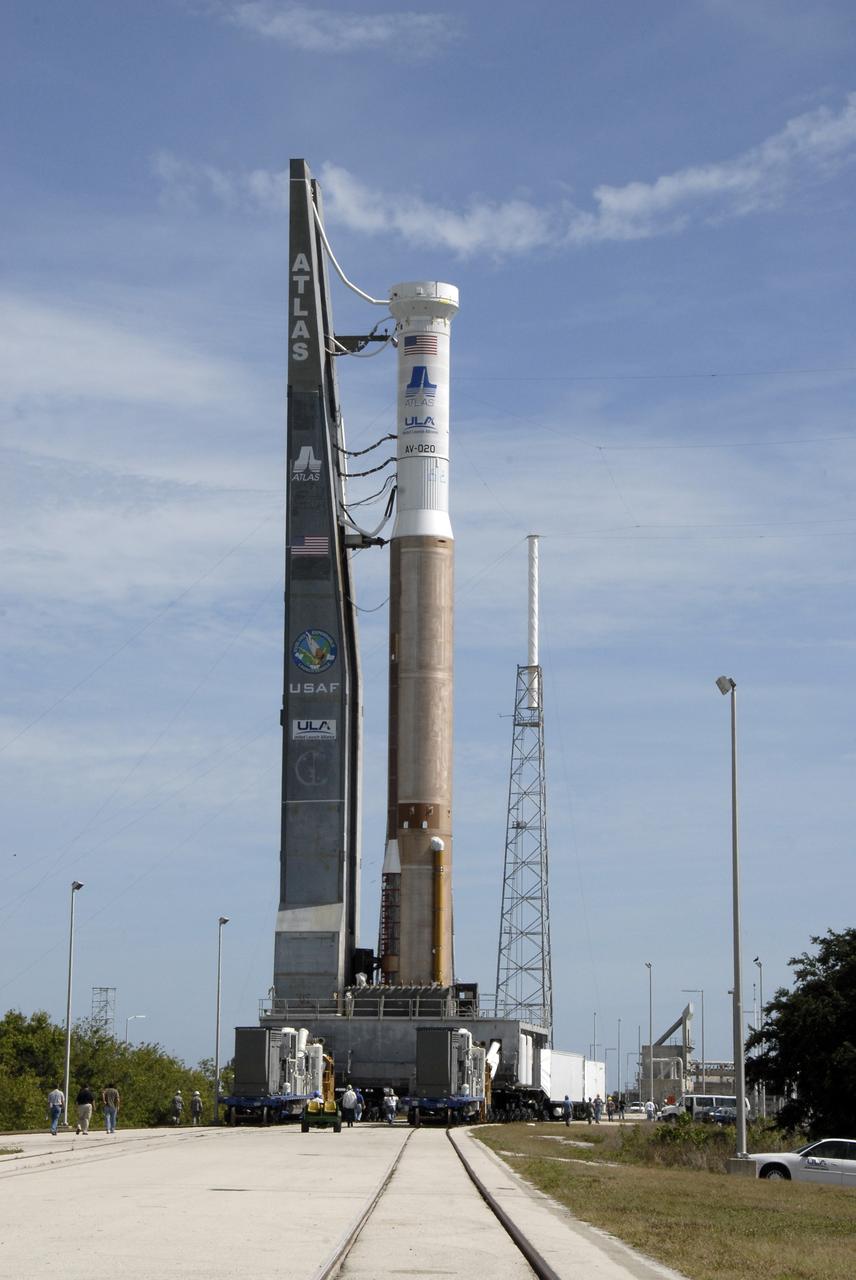
CAPE CANAVERAL, Fla. – The Atlas V/Centaur nears Launch Complex-41 at Cape Canaveral Air Force Station in Florida. Behind it at right is one of the four lightning towers that surround the pad for protection against possible lightning strikes. The Atlas was rolled to the launch pad from the Vertical Integration Facility in preparation for the wet dress rehearsal, or countdown test, which means being fully loaded with propellants including liquid hydrogen, liquid oxygen and RP-1 fuel. The launch vehicle will be rolled off the pad and returned to the VIF on May 16. The Atlas V/Centaur is the launch vehicle for NASA's Lunar Reconnaissance Orbiter, or LRO, and NASA's Lunar CRater Observation and Sensing Satellite, known as LCROSS. They will be mated with the Atlas in late May. LCROSS and LRO are the first missions in NASA's plan to return humans to the moon and begin establishing a lunar outpost by 2020. Launch is scheduled for no earlier than June 17. Photo credit: NASA/Kim Shiflett

CAPE CANAVERAL, Fla. – Near Launch Complex-41 on Cape Canaveral Air Force Station in Florida, a scrub jay keeps watch of activity. On the pad, the Atlas V/Centaur is undergoing a wet dress rehearsal, or countdown test. The Atlas V is being fully loaded with propellants including liquid hydrogen, liquid oxygen and RP-1 fuel. Following the rehearsal, the launch vehicle will be rolled off the pad and returned to the Vertical Integration Facility on May 16. The Atlas V/Centaur is the launch vehicle for NASA's Lunar Reconnaissance Orbiter, or LRO, and NASA's Lunar CRater Observation and Sensing Satellite, known as LCROSS. They will be mated with the Atlas in late May. LCROSS and LRO are the first missions in NASA's plan to return humans to the moon and begin establishing a lunar outpost by 2020. Launch is scheduled for no earlier than June 17. Photo credit: NASA/Dimitri Gerondidakis
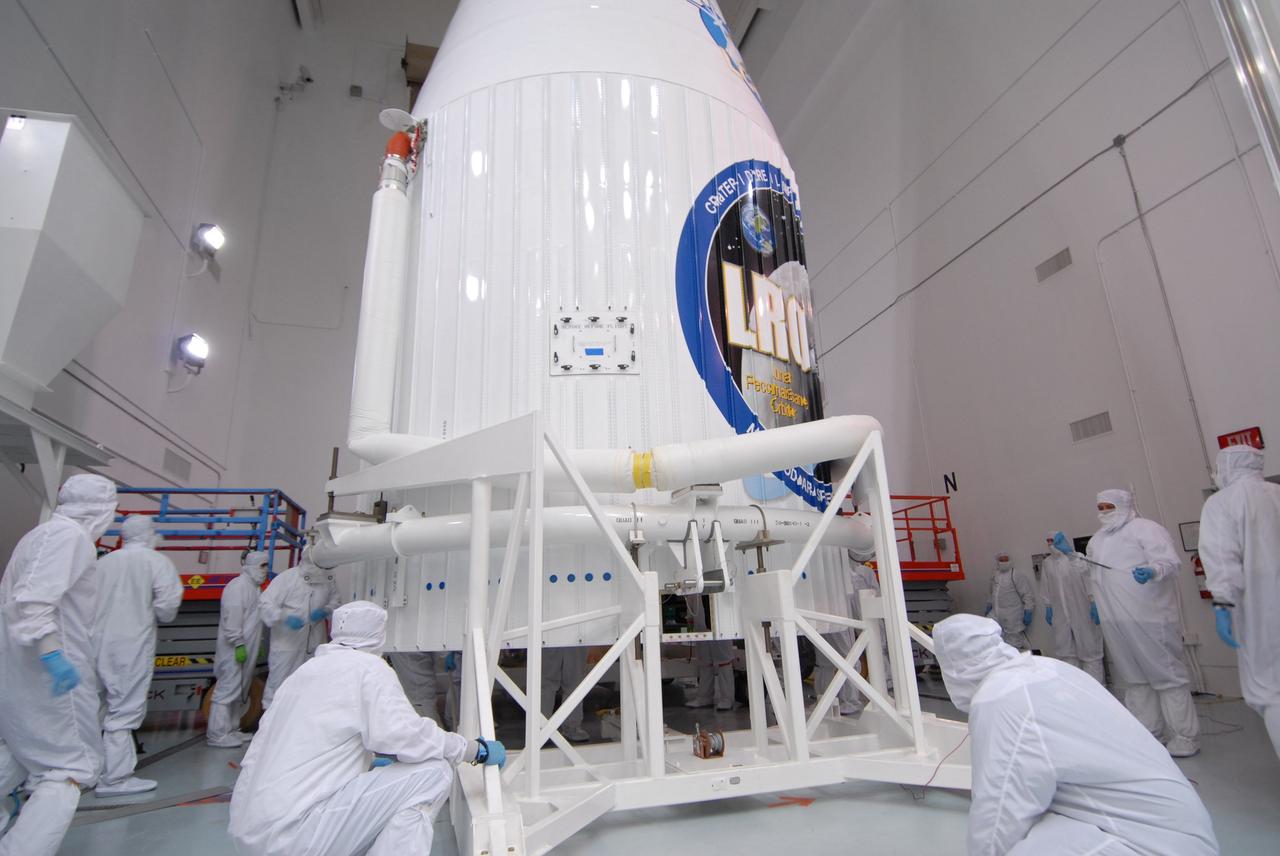
CAPE CANAVERAL, Fla. – At Astrotech Space Operations Facility in Titusville, Fla., technicians closely watch the joining of the fairing halves around NASA's Lunar Reconnaissance Orbiter, or LRO, and and NASA's Lunar Crater Observation and Sensing Satellite, known as LCROSS. The fairing is a molded structure that fits flush with the outside surface of the rocket and forms an aerodynamically smooth nose cone, protecting the spacecraft during launch and ascent. The LRO includes five instruments: DIVINER, LAMP, LEND, LOLA and LROC. They will be launched aboard an Atlas V/Centaur rocket no earlier than June 17 from Launch Complex-41 on Cape Canaveral Air Force Station in Florida. Photo credit: NASA/Jack Pfaller
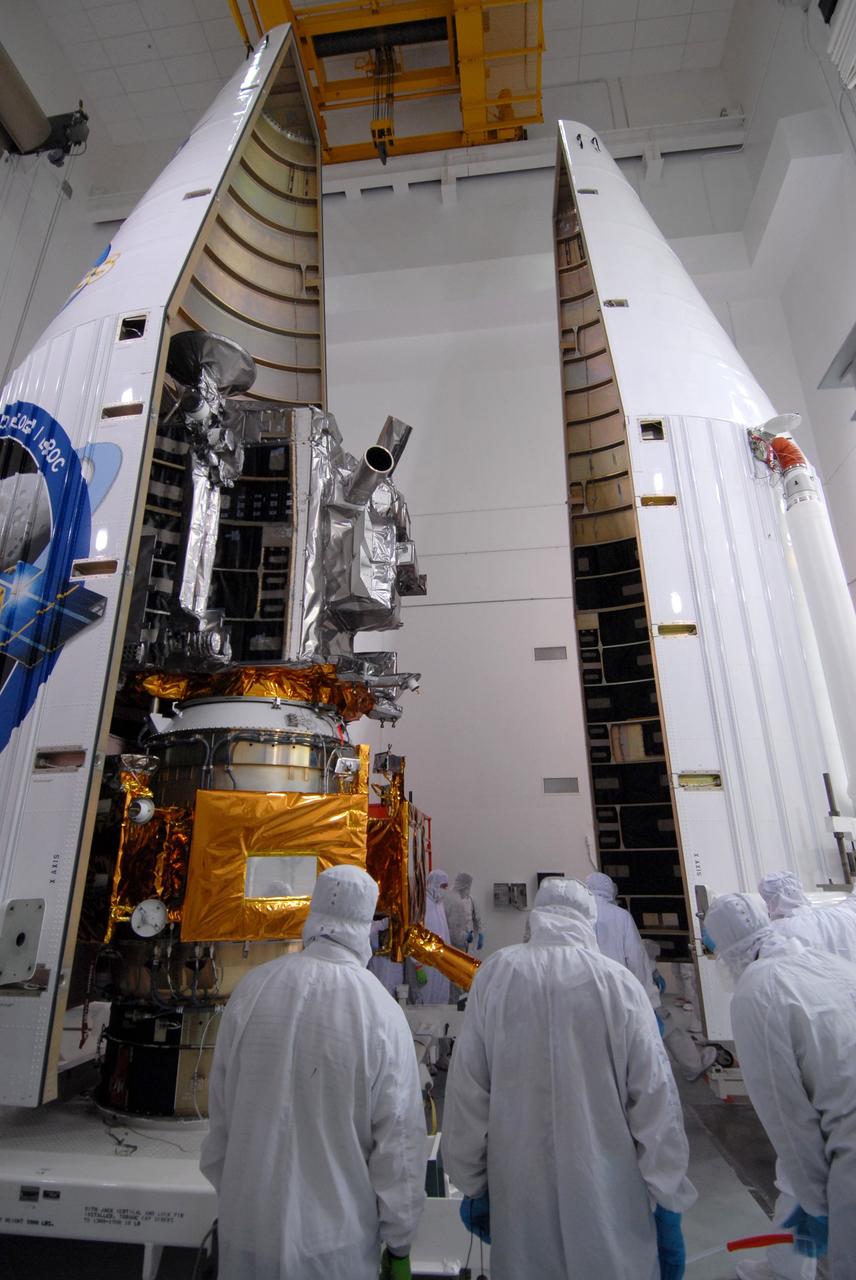
CAPE CANAVERAL, Fla. – At Astrotech Space Operations Facility in Titusville, Fla., technicians closely watch as the fairing halves come together around NASA's Lunar Reconnaissance Orbiter, or LRO, and and NASA's Lunar Crater Observation and Sensing Satellite, known as LCROSS. The fairing is a molded structure that fits flush with the outside surface of the rocket and forms an aerodynamically smooth nose cone, protecting the spacecraft during launch and ascent.The LRO includes five instruments: DIVINER, LAMP, LEND, LOLA and LROC. They will be launched aboard an Atlas V/Centaur rocket no earlier than June 17 from Launch Complex-41 on Cape Canaveral Air Force Station in Florida. Photo credit: NASA/Jack Pfaller
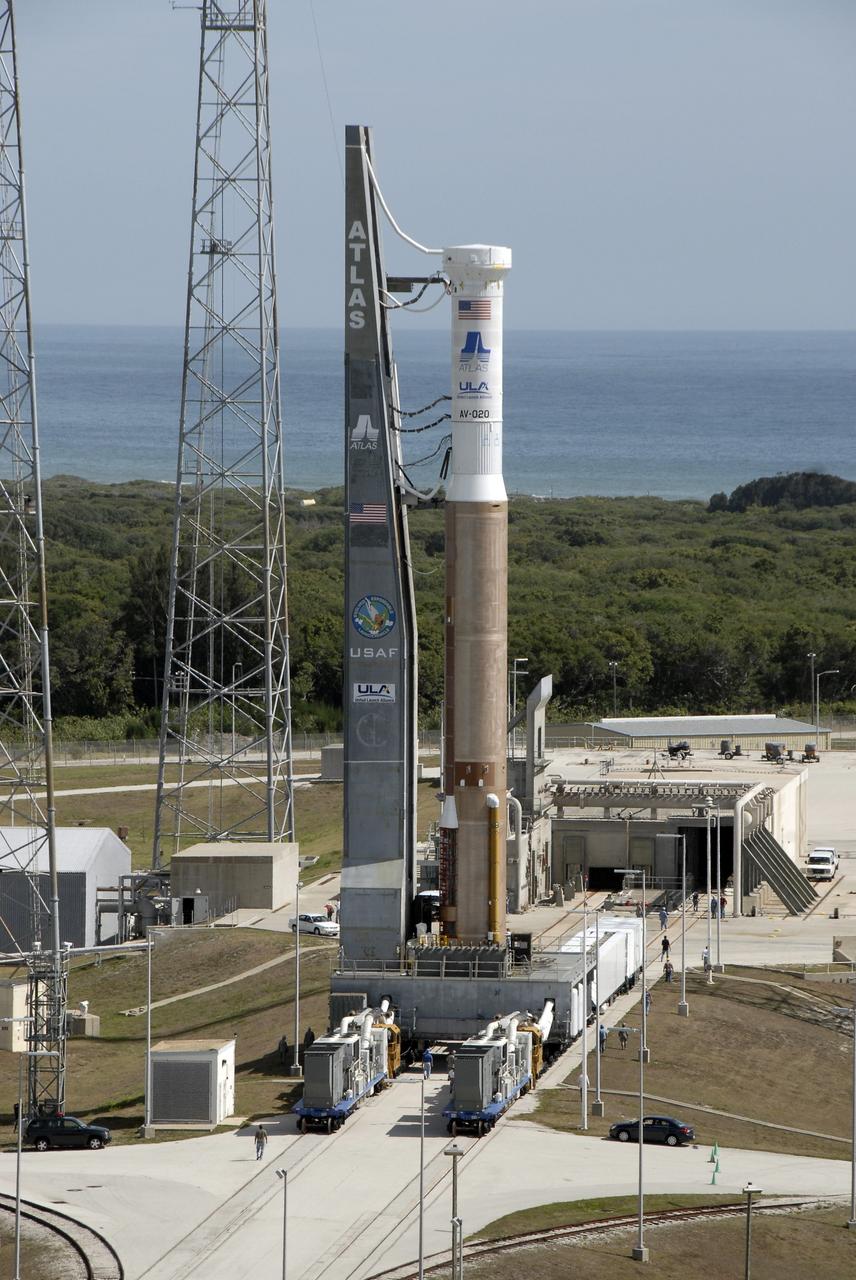
CAPE CANAVERAL, Fla. – The Atlas V/Centaur arrives on Launch Complex-41 at Cape Canaveral Air Force Station in Florida. The Atlas was rolled to the launch pad from the Vertical Integration Facility in preparation for the wet dress rehearsal, or countdown test, which means being fully loaded with propellants including liquid hydrogen, liquid oxygen and RP-1 fuel. The launch vehicle will be rolled off the pad and returned to the VIF on May 16. The Atlas V/Centaur is the launch vehicle for NASA's Lunar Reconnaissance Orbiter, or LRO, and NASA's Lunar CRater Observation and Sensing Satellite, known as LCROSS. They will be mated with the Atlas in late May. LCROSS and LRO are the first missions in NASA's plan to return humans to the moon and begin establishing a lunar outpost by 2020. Launch is scheduled for no earlier than June 17. Photo credit: NASA/Kim Shiflett
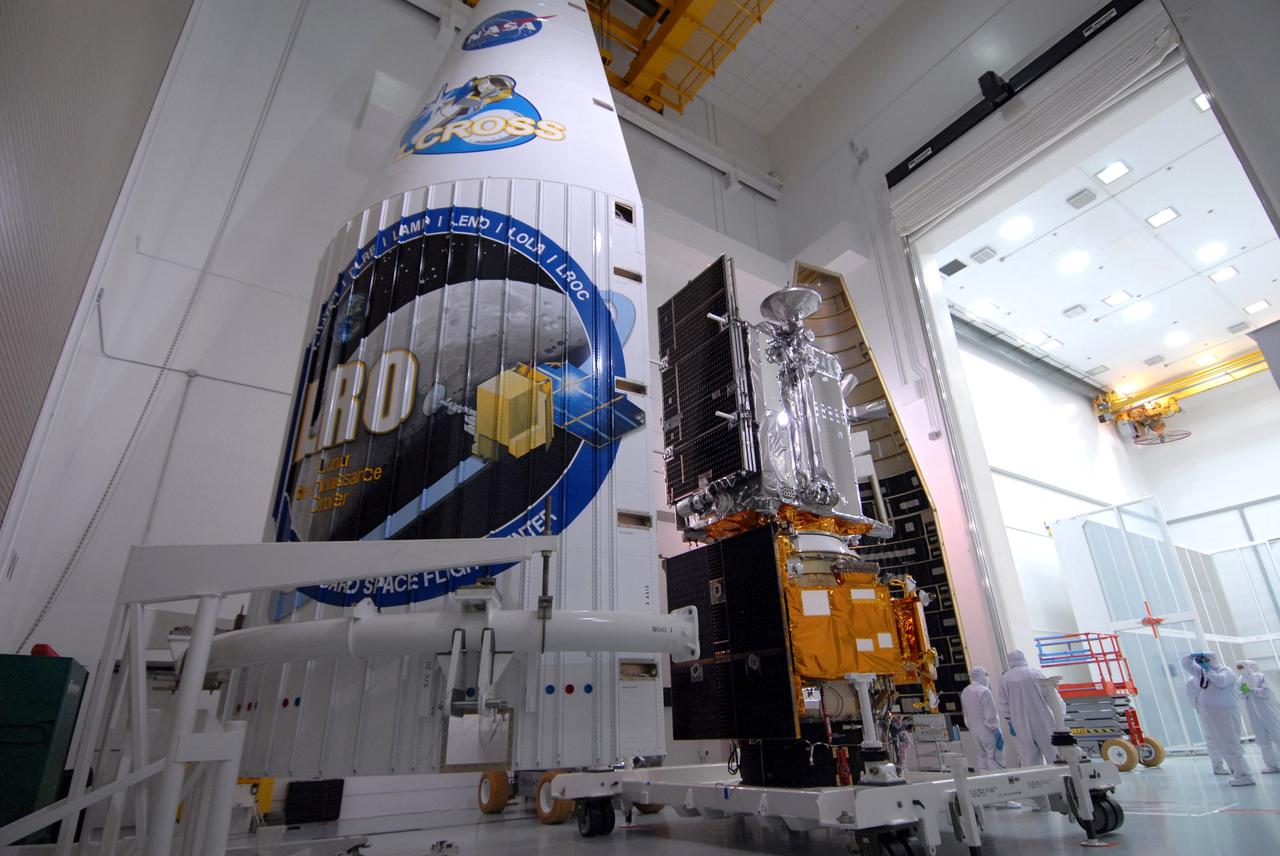
CAPE CANAVERAL, Fla. – At Astrotech Space Operations Facility in Titusville, Fla., NASA's Lunar Reconnaissance Orbiter, or LRO, and NASA's Lunar Crater Observation and Sensing Satellite, known as LCROSS, are being prepared for fairing installation. At left, with the decals, is part of the fairing that will be installed around the spacecraft for launch. The fairing is a molded structure that fits flush with the outside surface of the rocket and forms an aerodynamically smooth nose cone, protecting the spacecraft during launch and ascent. The LRO includes five instruments: DIVINER, LAMP, LEND, LOLA and LROC. They will be launched aboard an Atlas V/Centaur rocket no earlier than June 17 from Launch Complex-41 on Cape Canaveral Air Force Station in Florida. Photo credit: NASA/Jack Pfaller
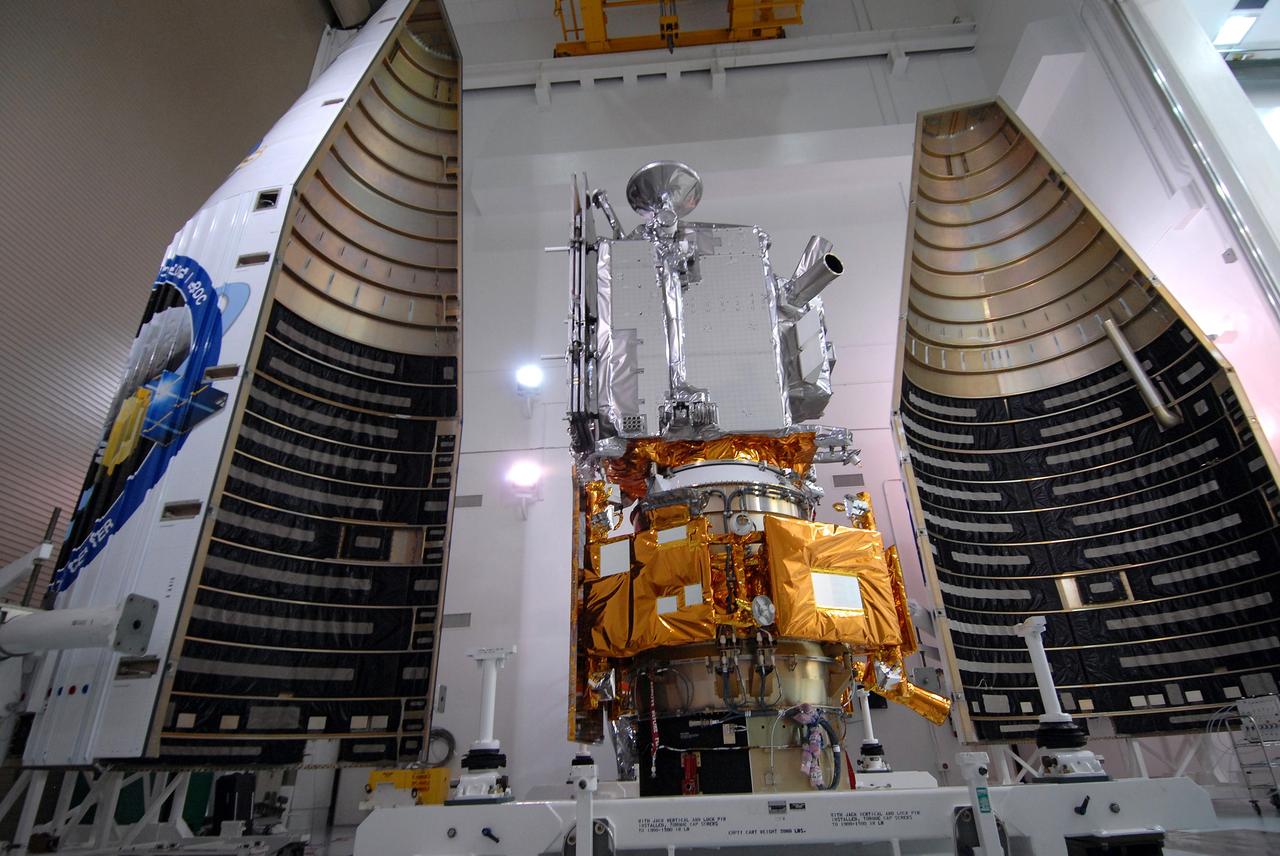
CAPE CANAVERAL, Fla. – At Astrotech Space Operations Facility in Titusville, Fla., NASA's Lunar Reconnaissance Orbiter, or LRO, and NASA's Lunar Crater Observation and Sensing Satellite, known as LCROSS, are being prepared for fairing installation. On either side are the two fairing sections that will be installed around the spacecraft for launch. The fairing is a molded structure that fits flush with the outside surface of the rocket and forms an aerodynamically smooth nose cone, protecting the spacecraft during launch and ascent. The LRO includes five instruments: DIVINER, LAMP, LEND, LOLA and LROC. They will be launched aboard an Atlas V/Centaur rocket no earlier than June 17 from Launch Complex-41 on Cape Canaveral Air Force Station in Florida. Photo credit: NASA/Jack Pfaller
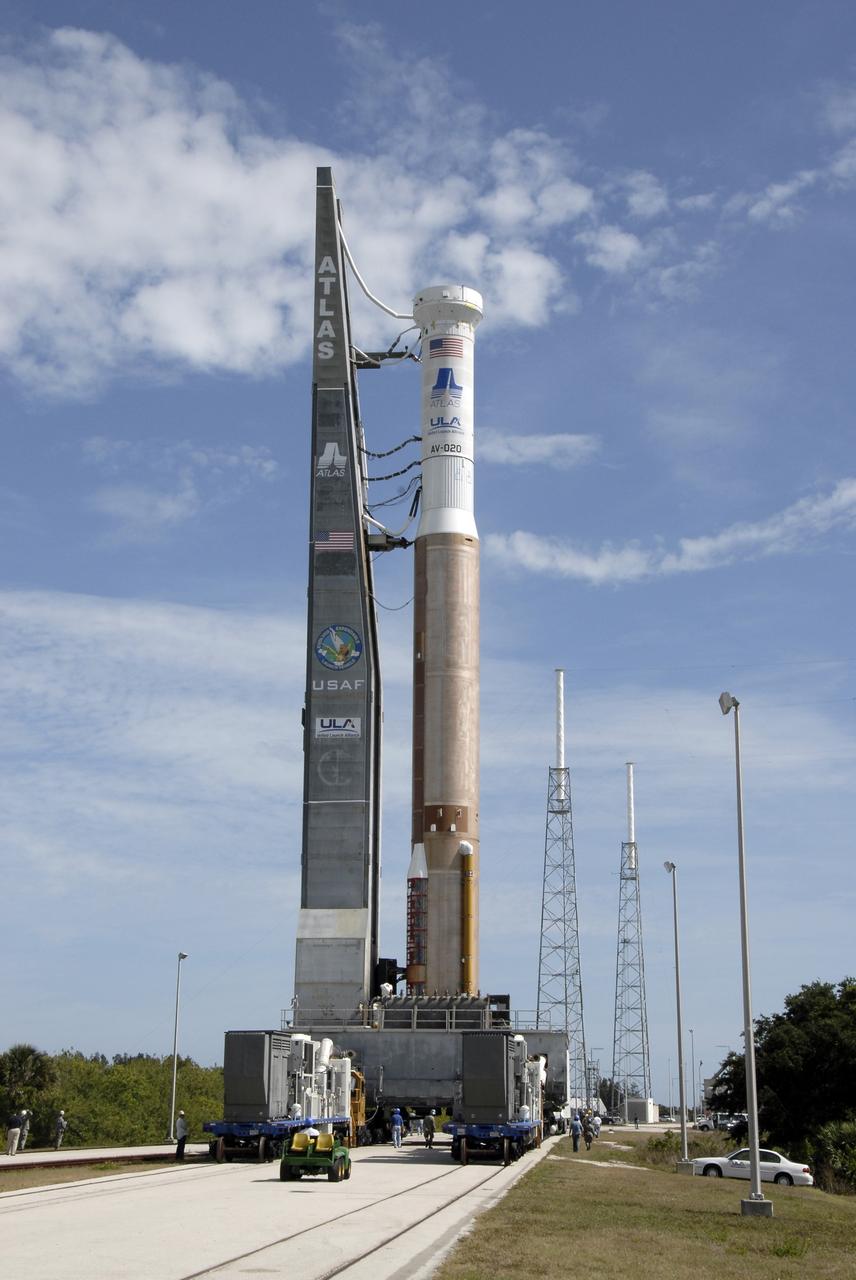
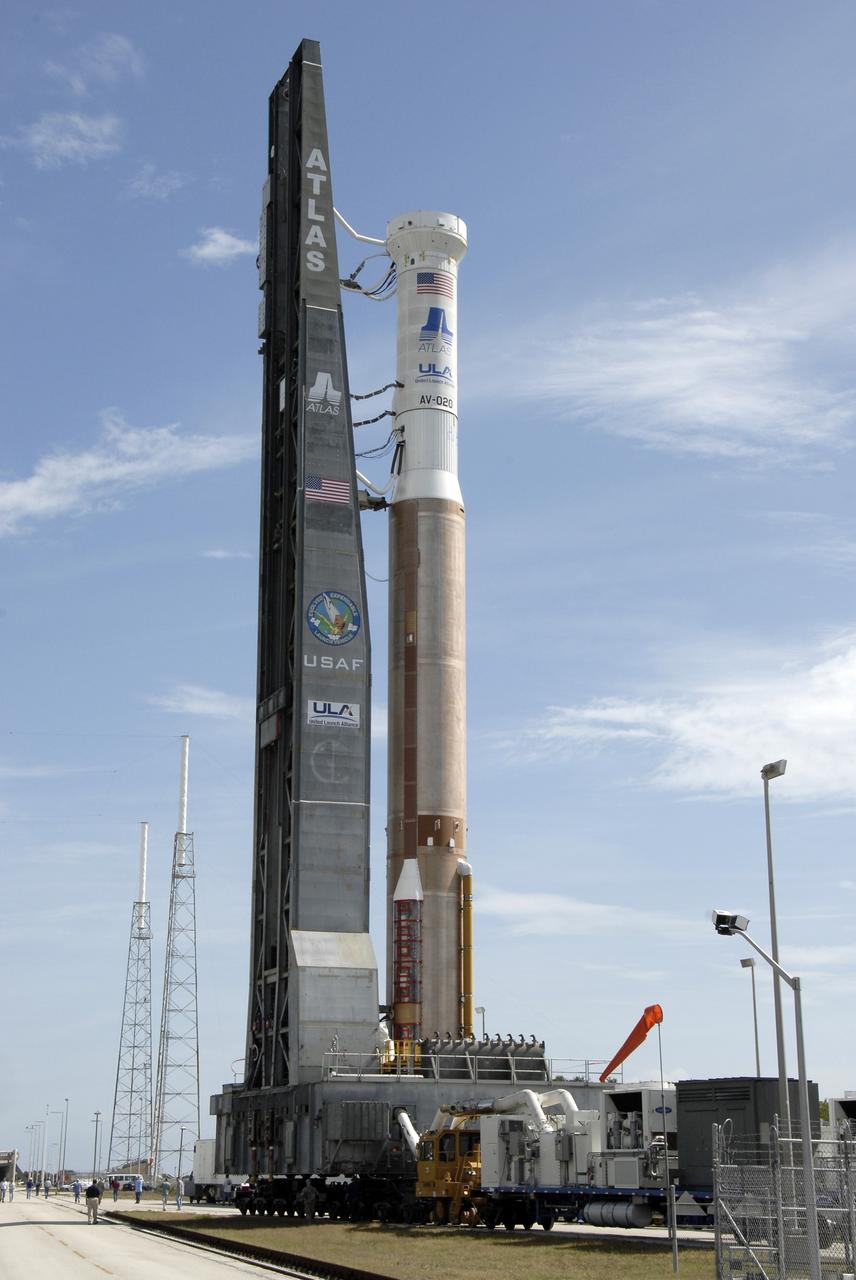
CAPE CANAVERAL, Fla. – The Atlas V/Centaur is moving from the Vertical Integration Facility at Cape Canaveral Air Force Station in Florida to Launch Complex-41. At right are two of the four lightning towers that surround the pad for protection against possible lightning strikes. The Atlas was rolled to the launch pad from the Vertical Integration Facility in preparation for the wet dress rehearsal, or countdown test, which means being fully loaded with propellants including liquid hydrogen, liquid oxygen and RP-1 fuel. The launch vehicle will be rolled off the pad and returned to the VIF on May 16. The Atlas V/Centaur is the launch vehicle for NASA's Lunar Reconnaissance Orbiter, or LRO, and NASA's Lunar CRater Observation and Sensing Satellite, known as LCROSS. They will be mated with the Atlas in late May. LCROSS and LRO are the first missions in NASA's plan to return humans to the moon and begin establishing a lunar outpost by 2020. Launch is scheduled for no earlier than June 17. Photo credit: NASA/Kim Shiflett
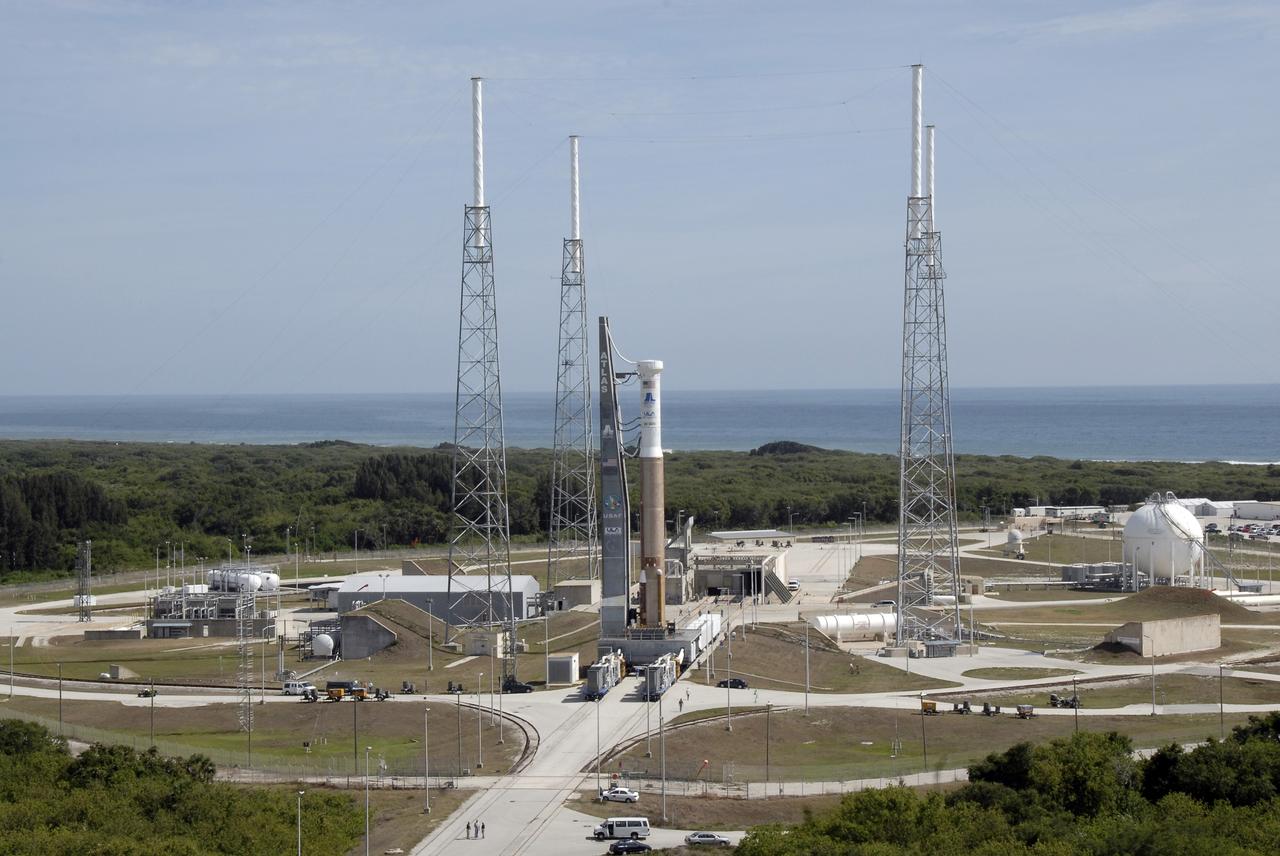
CAPE CANAVERAL, Fla. – The Atlas V/Centaur arrives on Launch Complex-41 at Cape Canaveral Air Force Station in Florida. Lightning towers surround the pad for protection against possible lightning strikes. The Atlas was rolled to the launch pad from the Vertical Integration Facility in preparation for the wet dress rehearsal, or countdown test, which means being fully loaded with propellants including liquid hydrogen, liquid oxygen and RP-1 fuel. The launch vehicle will be rolled off the pad and returned to the VIF on May 16. The Atlas V/Centaur is the launch vehicle for NASA's Lunar Reconnaissance Orbiter, or LRO, and NASA's Lunar CRater Observation and Sensing Satellite, known as LCROSS. They will be mated with the Atlas in late May. LCROSS and LRO are the first missions in NASA's plan to return humans to the moon and begin establishing a lunar outpost by 2020. Launch is scheduled for no earlier than June 17. Photo credit: NASA/Kim Shiflett
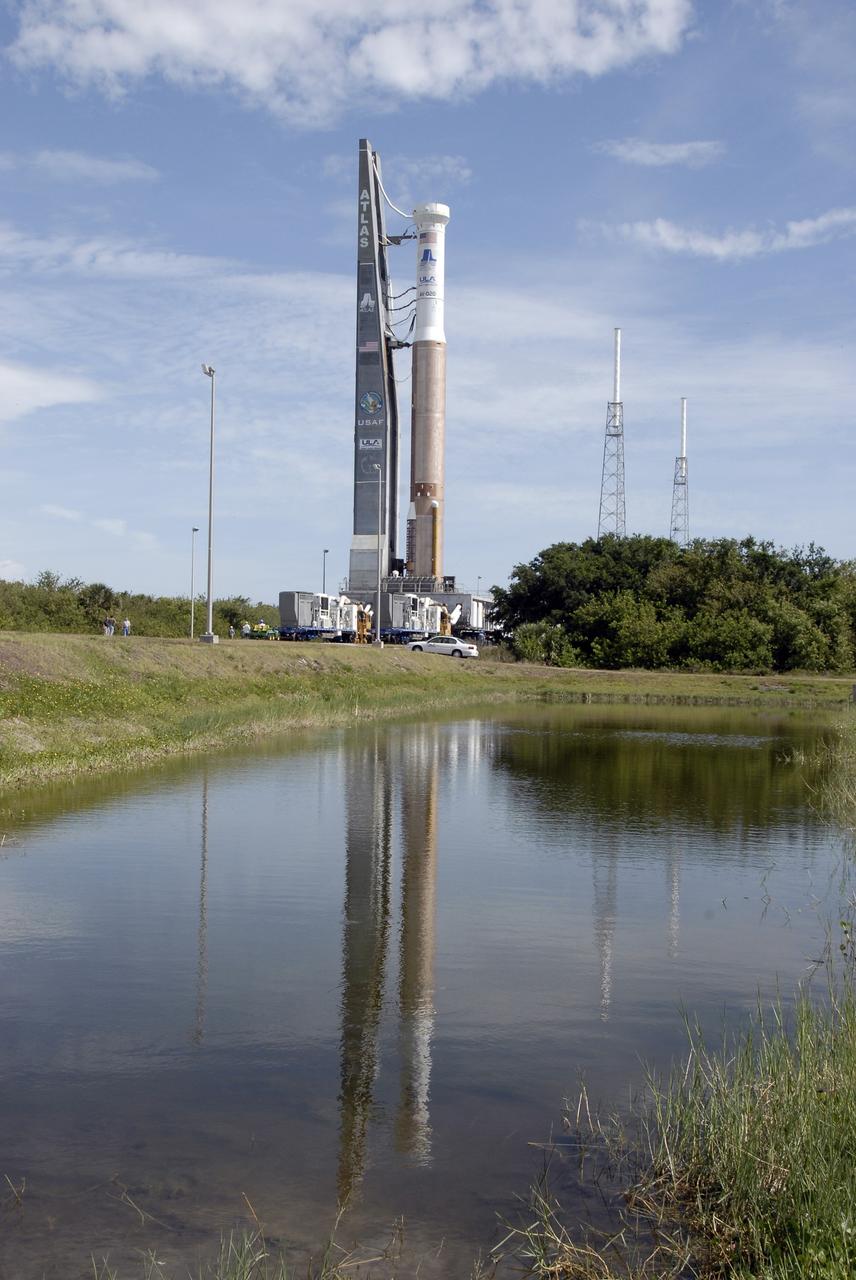
CAPE CANAVERAL, Fla. – The Atlas V/Centaur nears Launch Complex-41 at Cape Canaveral Air Force Station in Florida. At right in the background are two of the four lightning towers that surround the pad for protection against possible lightning strikes. The Atlas was rolled to the launch pad from the Vertical Integration Facility in preparation for the wet dress rehearsal, or countdown test, which means being fully loaded with propellants including liquid hydrogen, liquid oxygen and RP-1 fuel. The launch vehicle will be rolled off the pad and returned to the VIF on May 16. The Atlas V/Centaur is the launch vehicle for NASA's Lunar Reconnaissance Orbiter, or LRO, and NASA's Lunar CRater Observation and Sensing Satellite, known as LCROSS. They will be mated with the Atlas in late May. LCROSS and LRO are the first missions in NASA's plan to return humans to the moon and begin establishing a lunar outpost by 2020. Launch is scheduled for no earlier than June 17. Photo credit: NASA/Kim Shiflett
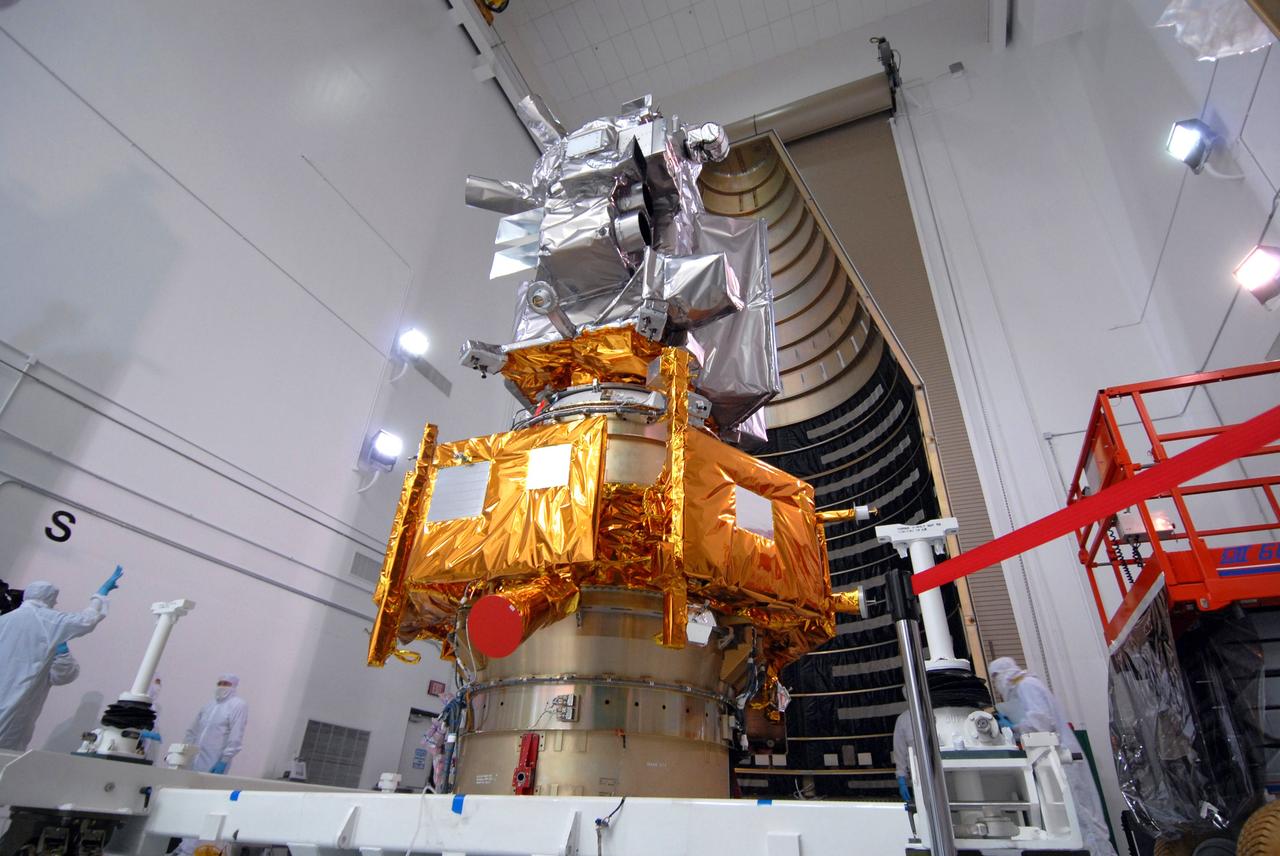
CAPE CANAVERAL, Fla. – At Astrotech Space Operations Facility in Titusville, Fla., NASA's Lunar Reconnaissance Orbiter, or LRO, and NASA's Lunar Crater Observation and Sensing Satellite, known as LCROSS, are being prepared for fairing installation. The LRO includes five instruments: DIVINER, LAMP, LEND, LOLA and LROC. They will be launched aboard an Atlas V/Centaur rocket no earlier than June 17 from Launch Complex-41 on Cape Canaveral Air Force Station in Florida. Photo credit: NASA/Jack Pfaller
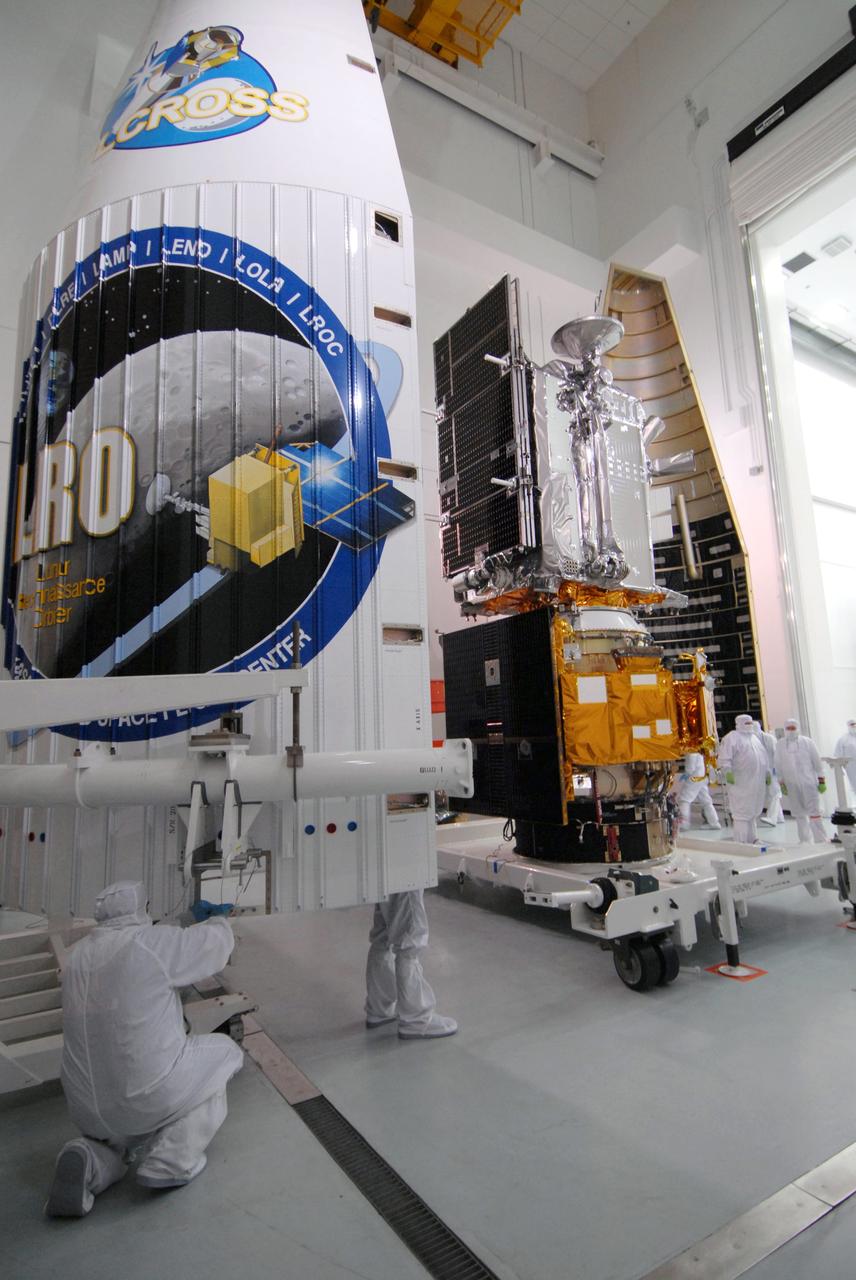
CAPE CANAVERAL, Fla. – At Astrotech Space Operations Facility in Titusville, Fla., NASA's Lunar Reconnaissance Orbiter, or LRO, and NASA's Lunar Crater Observation and Sensing Satellite, known as LCROSS,wait for fairing installation. The fairing halves are on left and right of the spacecraft. The fairing is a molded structure that fits flush with the outside surface of the rocket and forms an aerodynamically smooth nose cone, protecting the spacecraft during launch and ascent. The LRO includes five instruments: DIVINER, LAMP, LEND, LOLA and LROC. They will be launched aboard an Atlas V/Centaur rocket no earlier than June 17 from Launch Complex-41 on Cape Canaveral Air Force Station in Florida. Photo credit: NASA/Jack Pfaller
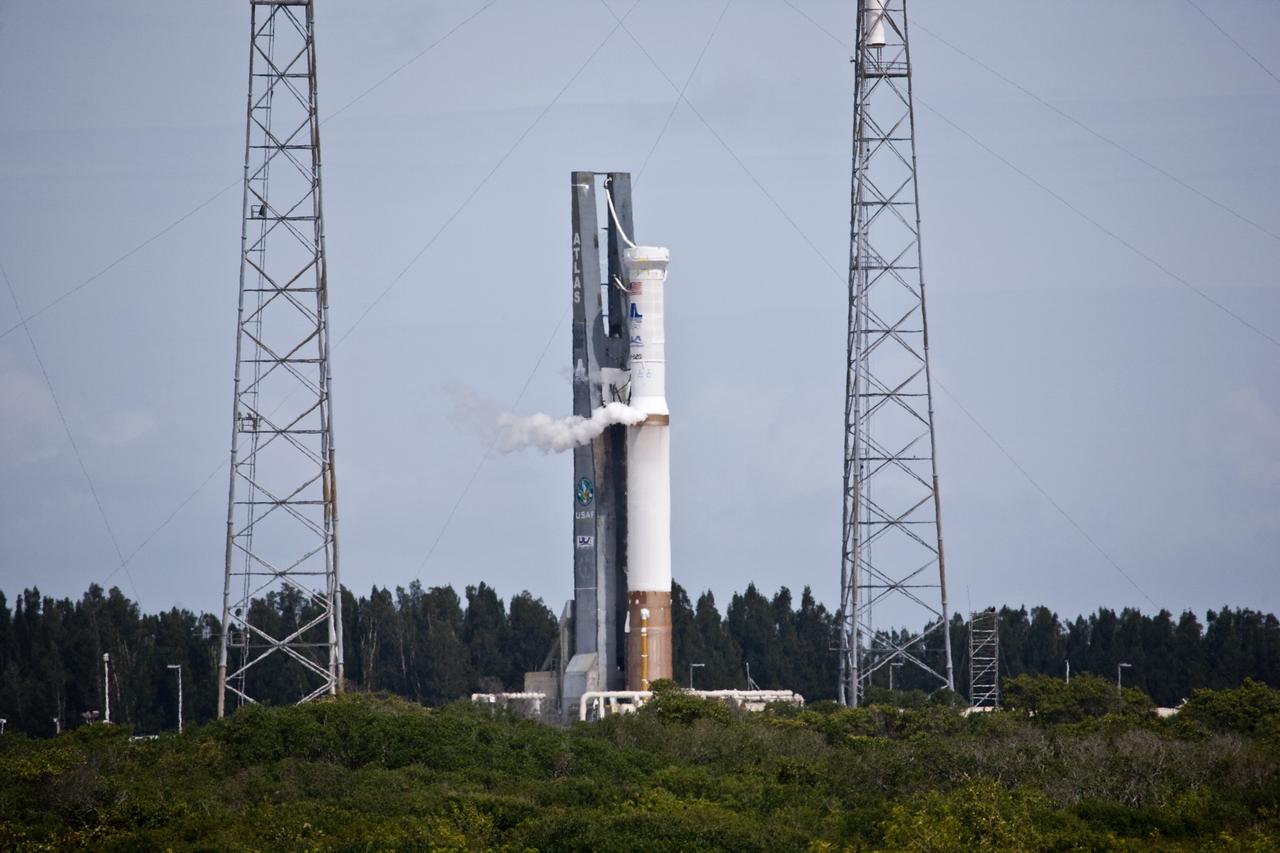
CAPE CANAVERAL, Fla. – At Launch Complex-41 on Cape Canaveral Air Force Station in Florida, the Atlas V/Centaur is undergoing a wet dress rehearsal, or countdown test. The Atlas V is being fully loaded with propellants including liquid hydrogen, liquid oxygen and RP-1 fuel. Surrounding the vehicle are four lightning towers. Following the rehearsal, the launch vehicle will be rolled off the pad and returned to the Vertical Integration Facility on May 16. The Atlas V/Centaur is the launch vehicle for NASA's Lunar Reconnaissance Orbiter, or LRO, and NASA's Lunar CRater Observation and Sensing Satellite, known as LCROSS. They will be mated with the Atlas in late May. LCROSS and LRO are the first missions in NASA's plan to return humans to the moon and begin establishing a lunar outpost by 2020. Launch is scheduled for no earlier than June 17. Photo credit: NASA/Dimitri Gerondidakis
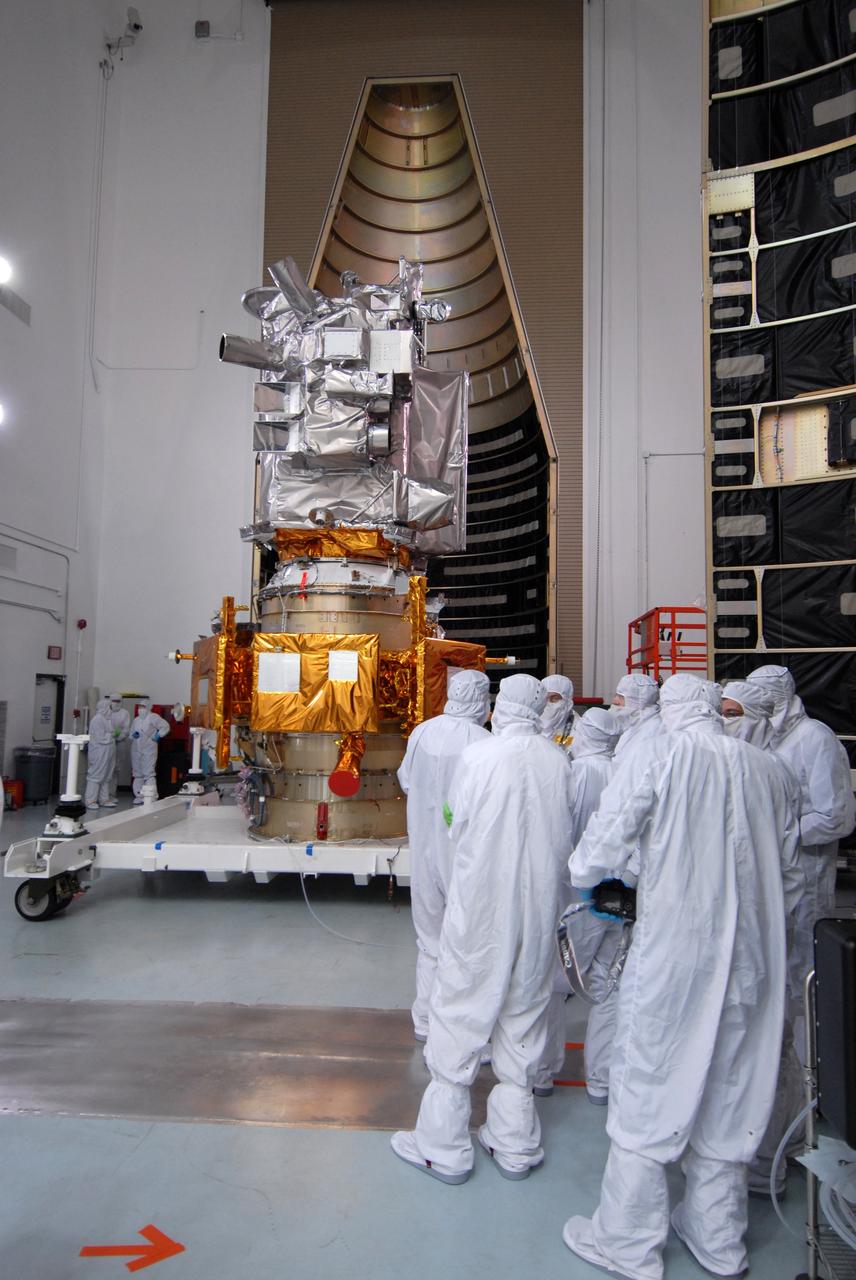
CAPE CANAVERAL, Fla. – At Astrotech Space Operations Facility in Titusville, Fla., garbed media representatives attend a showing of NASA's Lunar Reconnaissance Orbiter, or LRO, and NASA's Lunar Crater Observation and Sensing Satellite, known as LCROSS. The LRO includes five instruments: DIVINER, LAMP, LEND, LOLA and LROC. They will be launched aboard an Atlas V/Centaur rocket no earlier than June 17 from Launch Complex-41 on Cape Canaveral Air Force Station in Florida. Photo credit: NASA/Jack Pfaller
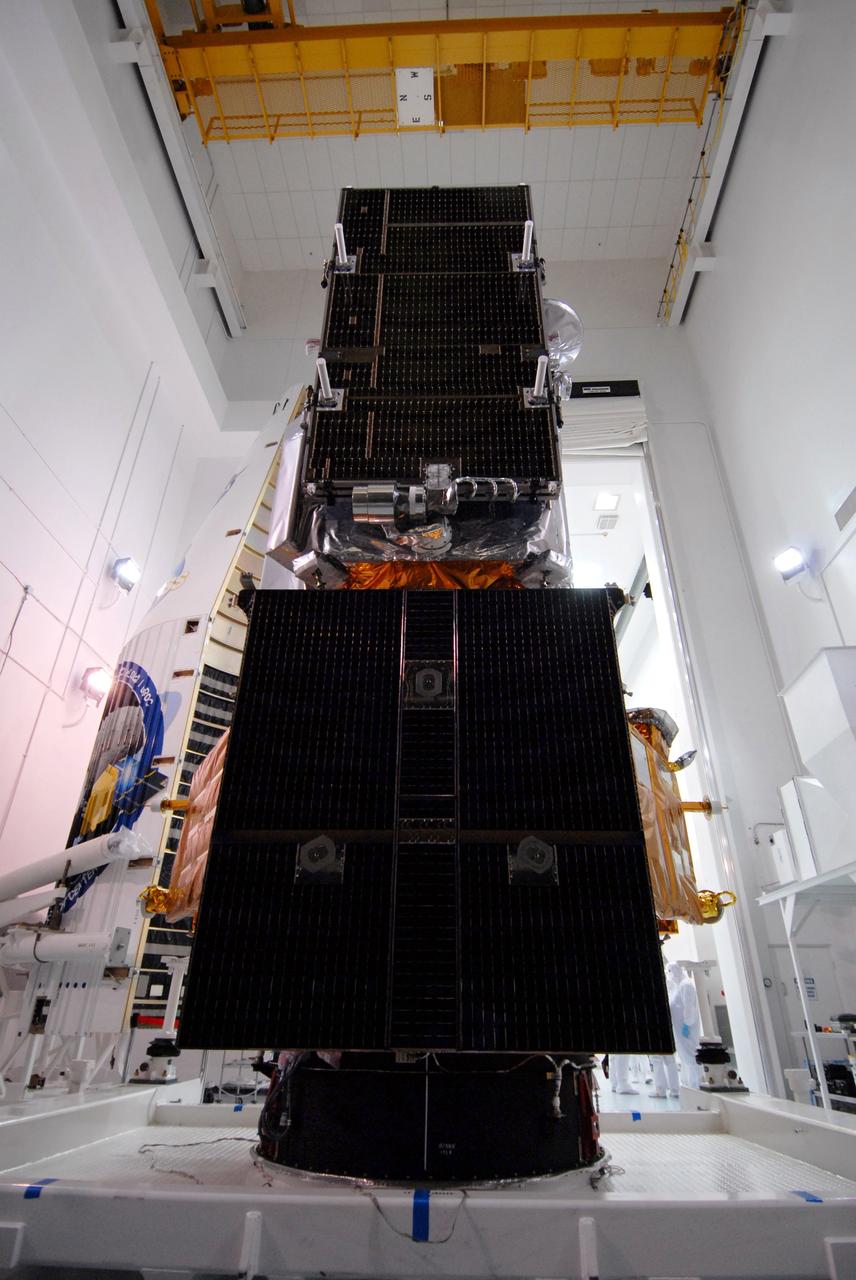
CAPE CANAVERAL, Fla. – At Astrotech Space Operations Facility in Titusville, Fla., NASA's Lunar Reconnaissance Orbiter, or LRO, and NASA's Lunar CRater Observation and Sensing Satellite, known as LCROSS,are being prepared for fairing installation. Seen here are the solar arrays. In the background at left, with the decals, is part of the fairing that will be installed around the spacecraft for launch. The fairing is a molded structure that fits flush with the outside surface of the rocket and forms an aerodynamically smooth nose cone, protecting the spacecraft during launch and ascent. The LRO includes five instruments: DIVINER, LAMP, LEND, LOLA and LROC. They will be launched aboard an Atlas V/Centaur rocket no earlier than June 17 from Launch Complex-41 on Cape Canaveral Air Force Station in Florida. Photo credit: NASA/Jack Pfaller
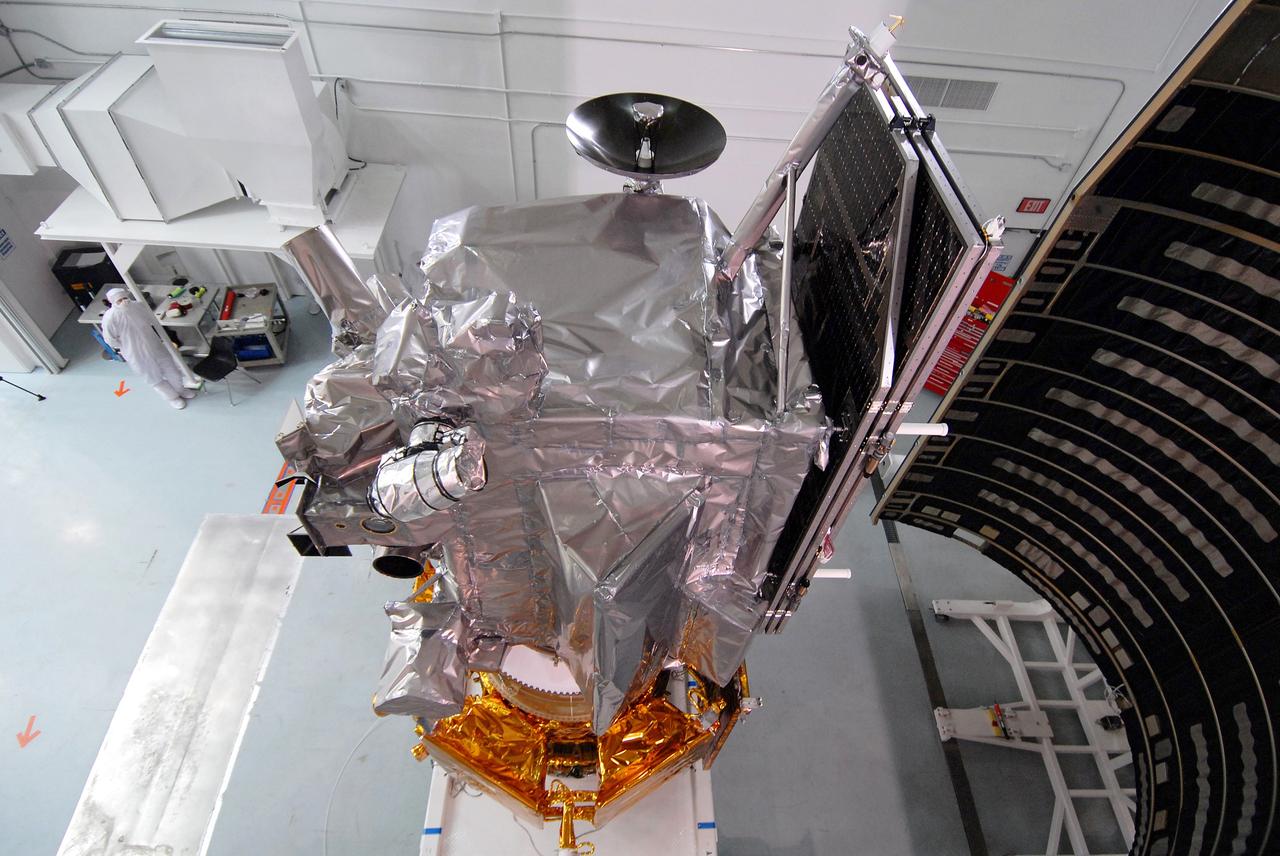
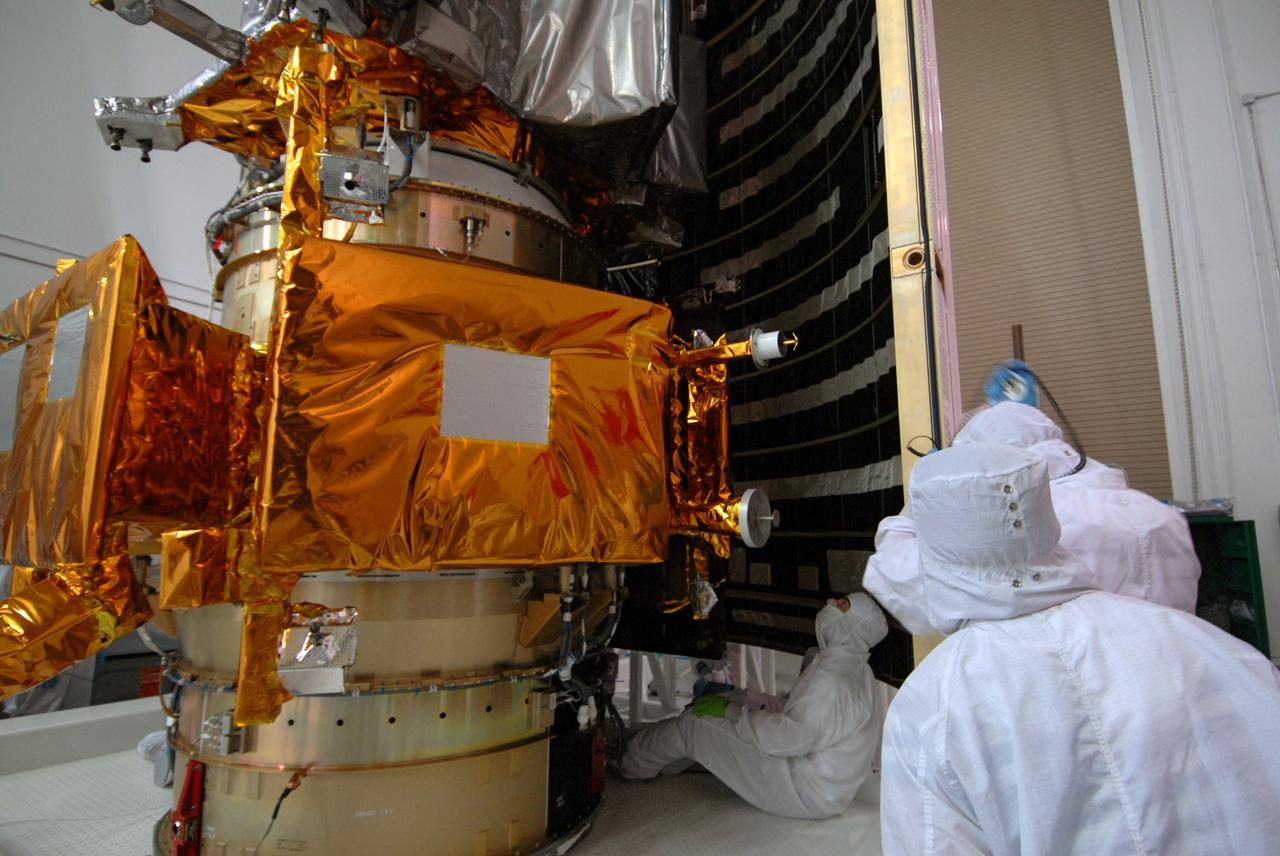
CAPE CANAVERAL, Fla. – At Astrotech Space Operations Facility in Titusville, Fla., NASA's Lunar Reconnaissance Orbiter, or LRO, and NASA's Lunar Crater Observation and Sensing Satellite, known as LCROSS, are being prepared for fairing installation. On the right side of the LRO is part of the solar array. At far right is part of the fairing that will be installed around the spacecraft for launch. The fairing is a molded structure that fits flush with the outside surface of the rocket and forms an aerodynamically smooth nose cone, protecting the spacecraft during launch and ascent. The LRO includes five instruments: DIVINER, LAMP, LEND, LOLA and LROC. They will be launched aboard an Atlas V/Centaur rocket no earlier than June 17 from Launch Complex-41 on Cape Canaveral Air Force Station in Florida. Photo credit: NASA/Jack Pfaller
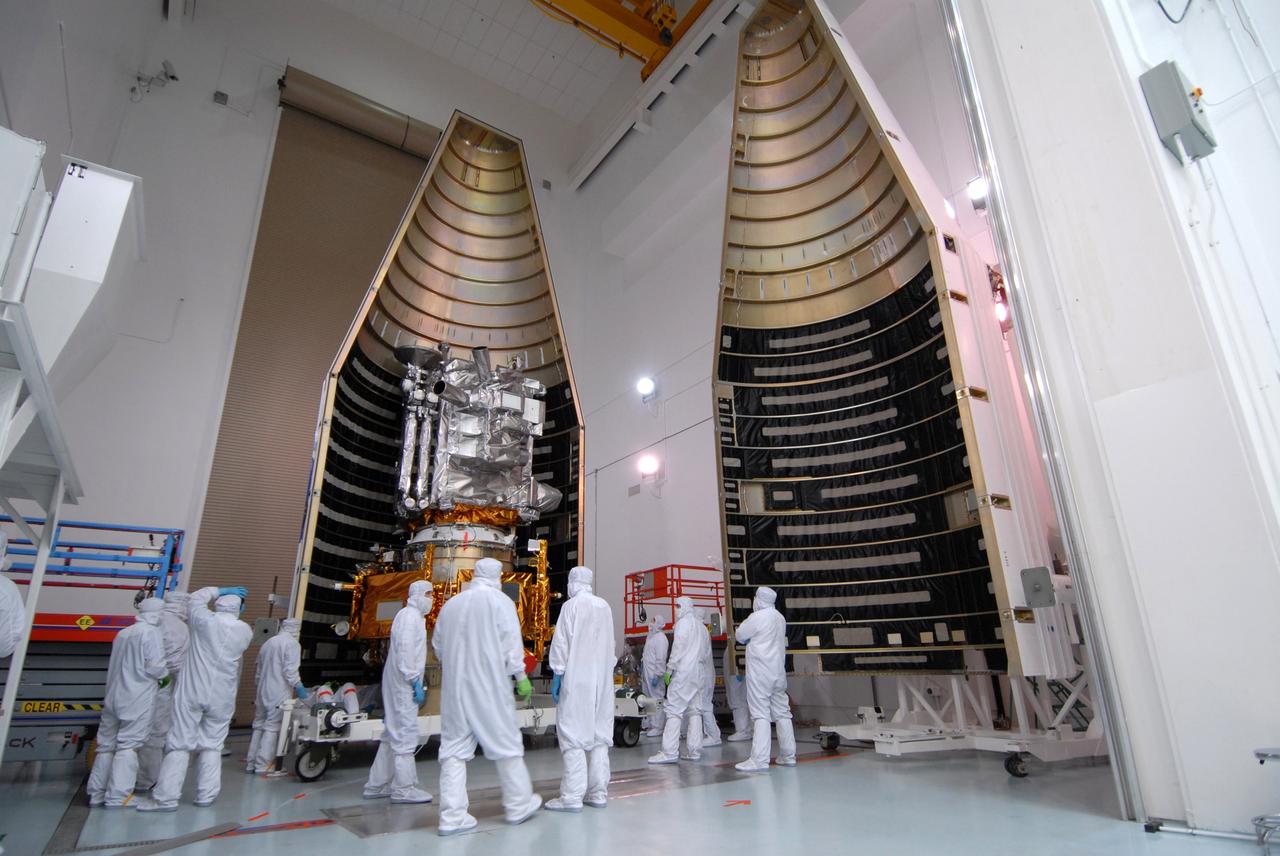
CAPE CANAVERAL, Fla. – At Astrotech Space Operations Facility in Titusville, Fla., the fairing halves are moved together for another attempt at installation around NASA's Lunar Reconnaissance Orbiter, or LRO, and NASA's Lunar Crater Observation and Sensing Satellite, known as LCROSS. The fairing is a molded structure that fits flush with the outside surface of the rocket and forms an aerodynamically smooth nose cone, protecting the spacecraft during launch and ascent. The LRO includes five instruments: DIVINER, LAMP, LEND, LOLA and LROC. They will be launched aboard an Atlas V/Centaur rocket no earlier than June 17 from Launch Complex-41 on Cape Canaveral Air Force Station in Florida. Photo credit: NASA/Jack Pfaller
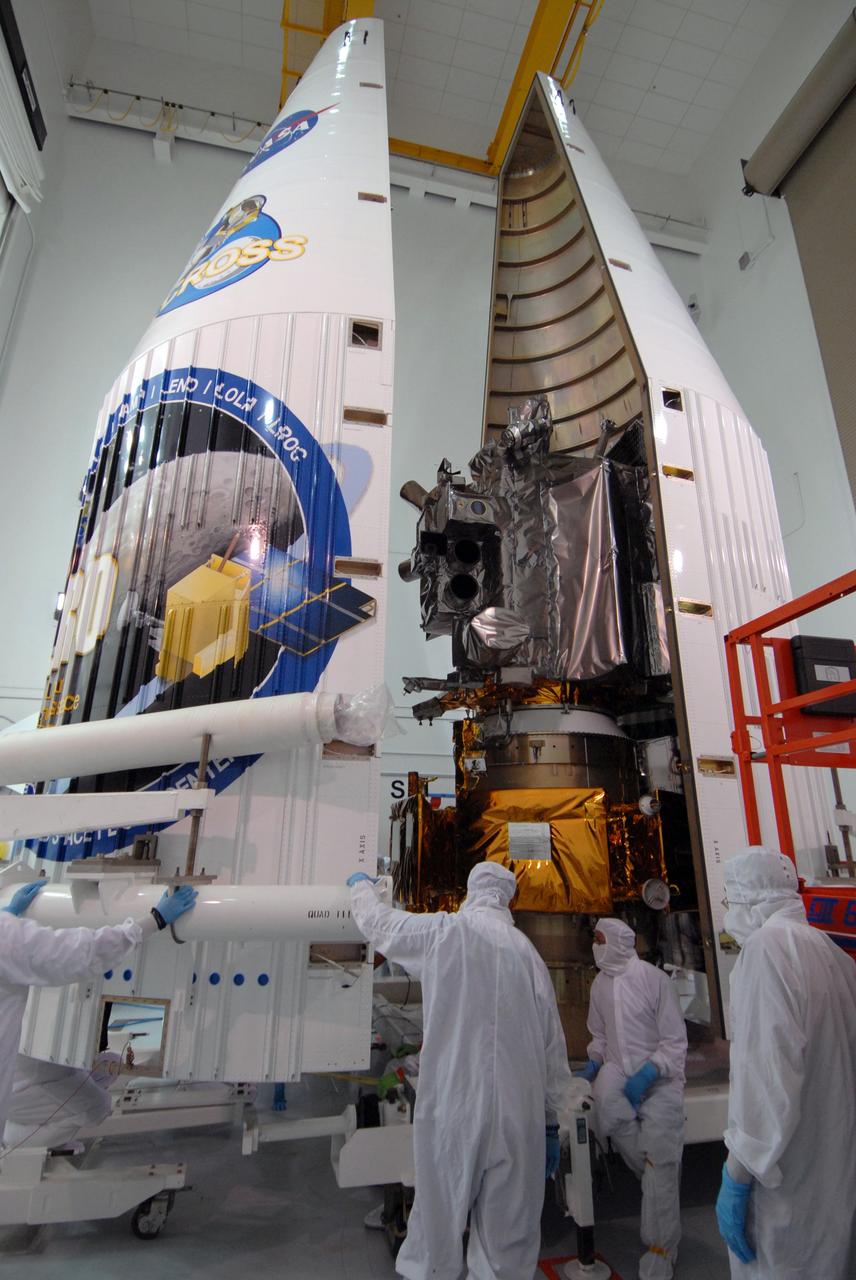
CAPE CANAVERAL, Fla. – At Astrotech Space Operations Facility in Titusville, Fla., technicians closely watch as the first half of the fairing is moved into place for installation around NASA's Lunar Reconnaissance Orbiter, or LRO, and and NASA's Lunar Crater Observation and Sensing Satellite, known as LCROSS. At right is the second half. The fairing is a molded structure that fits flush with the outside surface of the rocket and forms an aerodynamically smooth nose cone, protecting the spacecraft during launch and ascent. The LRO includes five instruments: DIVINER, LAMP, LEND, LOLA and LROC. They will be launched aboard an Atlas V/Centaur rocket no earlier than June 17 from Launch Complex-41 on Cape Canaveral Air Force Station in Florida. Photo credit: NASA/Jack Pfaller
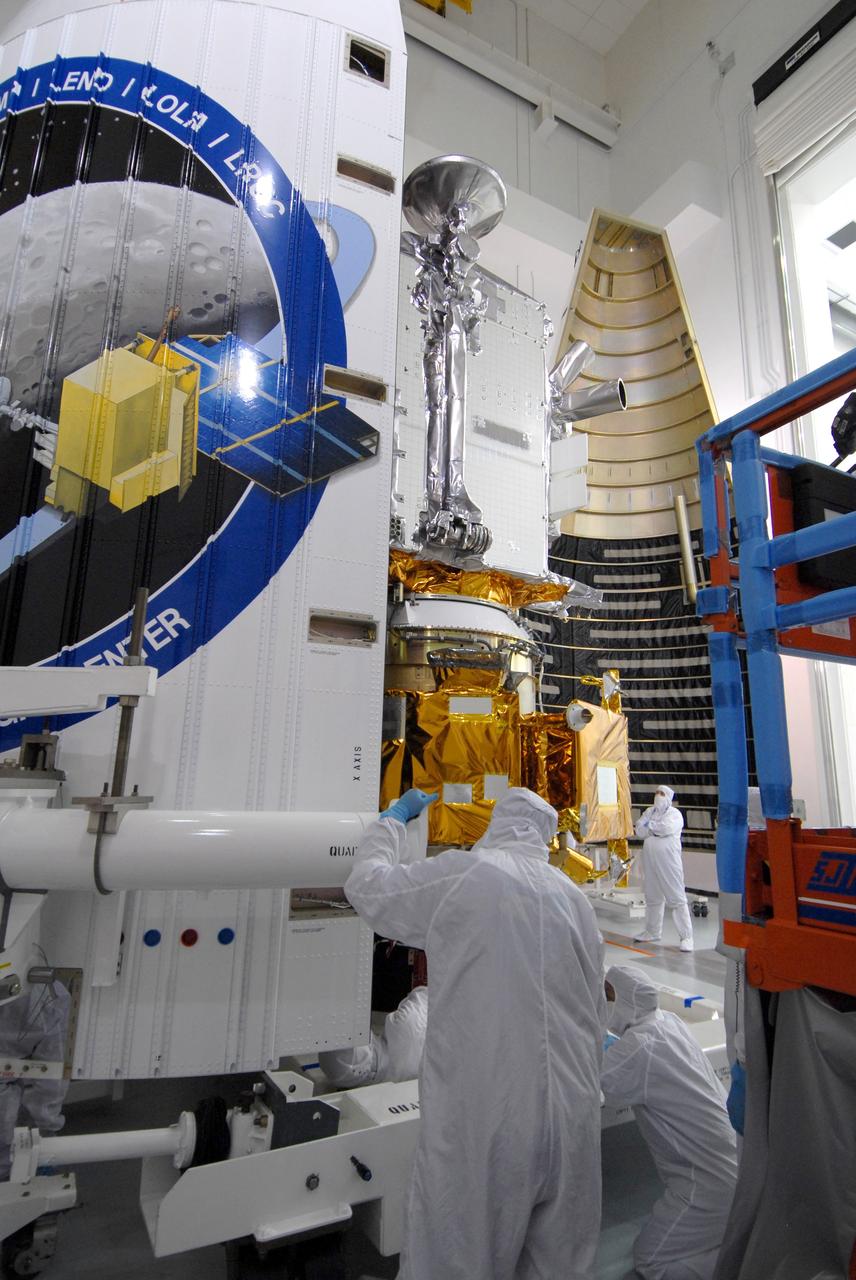
CAPE CANAVERAL, Fla. – At Astrotech Space Operations Facility in Titusville, Fla., technicians move the first half of the fairing toward NASA's Lunar Reconnaissance Orbiter, or LRO, with NASA's Lunar Crater Observation and Sensing Satellite, known as LCROSS, for installation. The fairing is a molded structure that fits flush with the outside surface of the rocket and forms an aerodynamically smooth nose cone, protecting the spacecraft during launch and ascent. The LRO includes five instruments: DIVINER, LAMP, LEND, LOLA and LROC. They will be launched aboard an Atlas V/Centaur rocket no earlier than June 17 from Launch Complex-41 on Cape Canaveral Air Force Station in Florida. Photo credit: NASA/Jack Pfaller
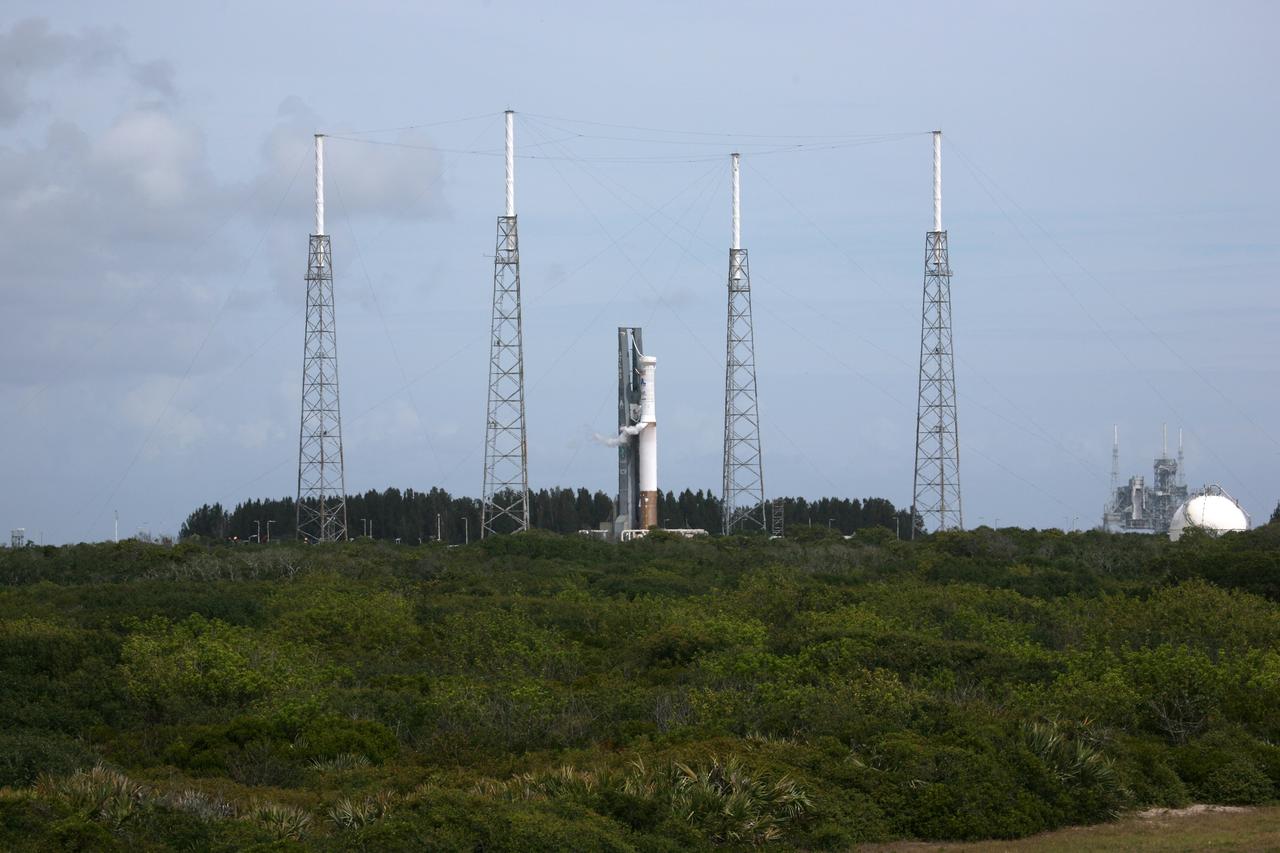
CAPE CANAVERAL, Fla. – At Launch Complex-41 on Cape Canaveral Air Force Station in Florida, the Atlas V/Centaur is undergoing a wet dress rehearsal, or countdown test. The Atlas V is being fully loaded with propellants including liquid hydrogen, liquid oxygen and RP-1 fuel. Surrounding the vehicle are four lightning towers. Following the rehearsal, the launch vehicle will be rolled off the pad and returned to the Vertical Integration Facility on May 16. The Atlas V/Centaur is the launch vehicle for NASA's Lunar Reconnaissance Orbiter, or LRO, and NASA's Lunar CRater Observation and Sensing Satellite, known as LCROSS. They will be mated with the Atlas in late May. LCROSS and LRO are the first missions in NASA's plan to return humans to the moon and begin establishing a lunar outpost by 2020. Launch is scheduled for no earlier than June 17. Photo credit: NASA/Dimitri Gerondidakis
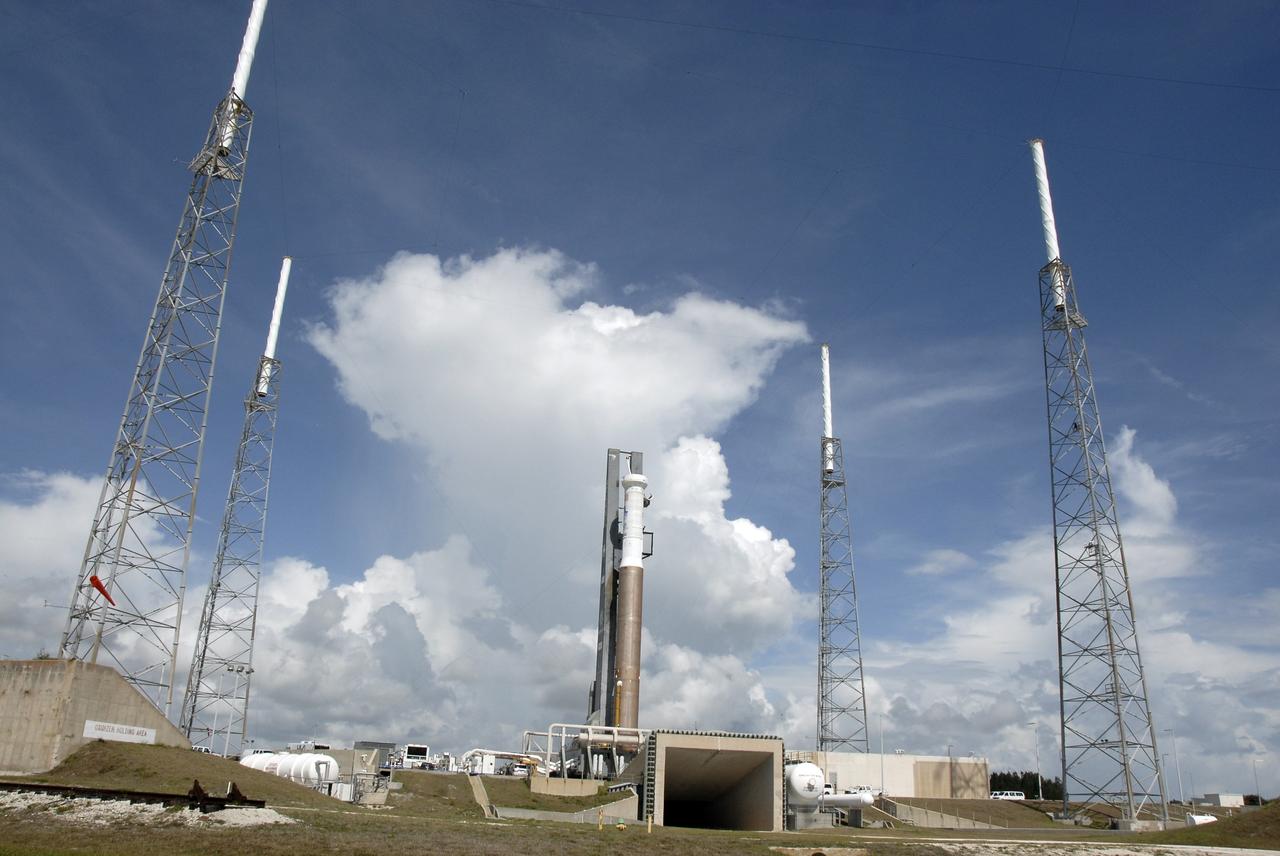
CAPE CANAVERAL, Fla. – The Atlas V/Centaur arrives on Launch Complex-41 at Cape Canaveral Air Force Station in Florida. Lightning towers surround the pad for protection against possible lightning strikes. The Atlas was rolled to the launch pad from the Vertical Integration Facility in preparation for the wet dress rehearsal, or countdown test, which means being fully loaded with propellants including liquid hydrogen, liquid oxygen and RP-1 fuel. The launch vehicle will be rolled off the pad and returned to the VIF on May 16. The Atlas V/Centaur is the launch vehicle for NASA's Lunar Reconnaissance Orbiter, or LRO, and NASA's Lunar CRater Observation and Sensing Satellite, known as LCROSS. They will be mated with the Atlas in late May. LCROSS and LRO are the first missions in NASA's plan to return humans to the moon and begin establishing a lunar outpost by 2020. Launch is scheduled for no earlier than June 17. Photo credit: NASA/Kim Shiflett