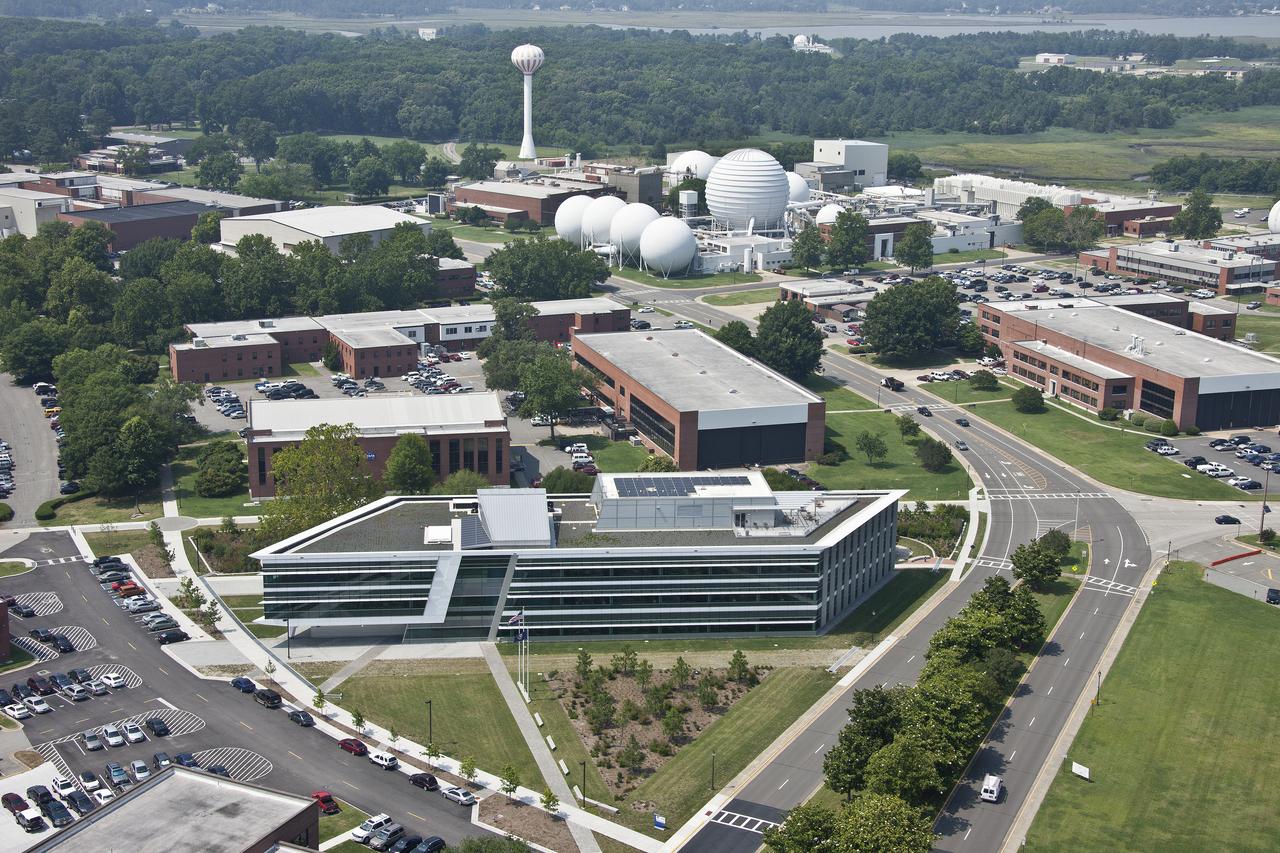
Aerial of NASA Langley Research Center with headquarter building in the fore ground

Minority Professionals at NASA Langley Research Center Christine Darden

Minority Professionals at NASA Langley Research Center Christine Darden environmental portrait.

Minority Professionals at NASA Langley Research Center. Samuel J. Scott working in the Office of Director for Structures, Staff Assistant is at the board.
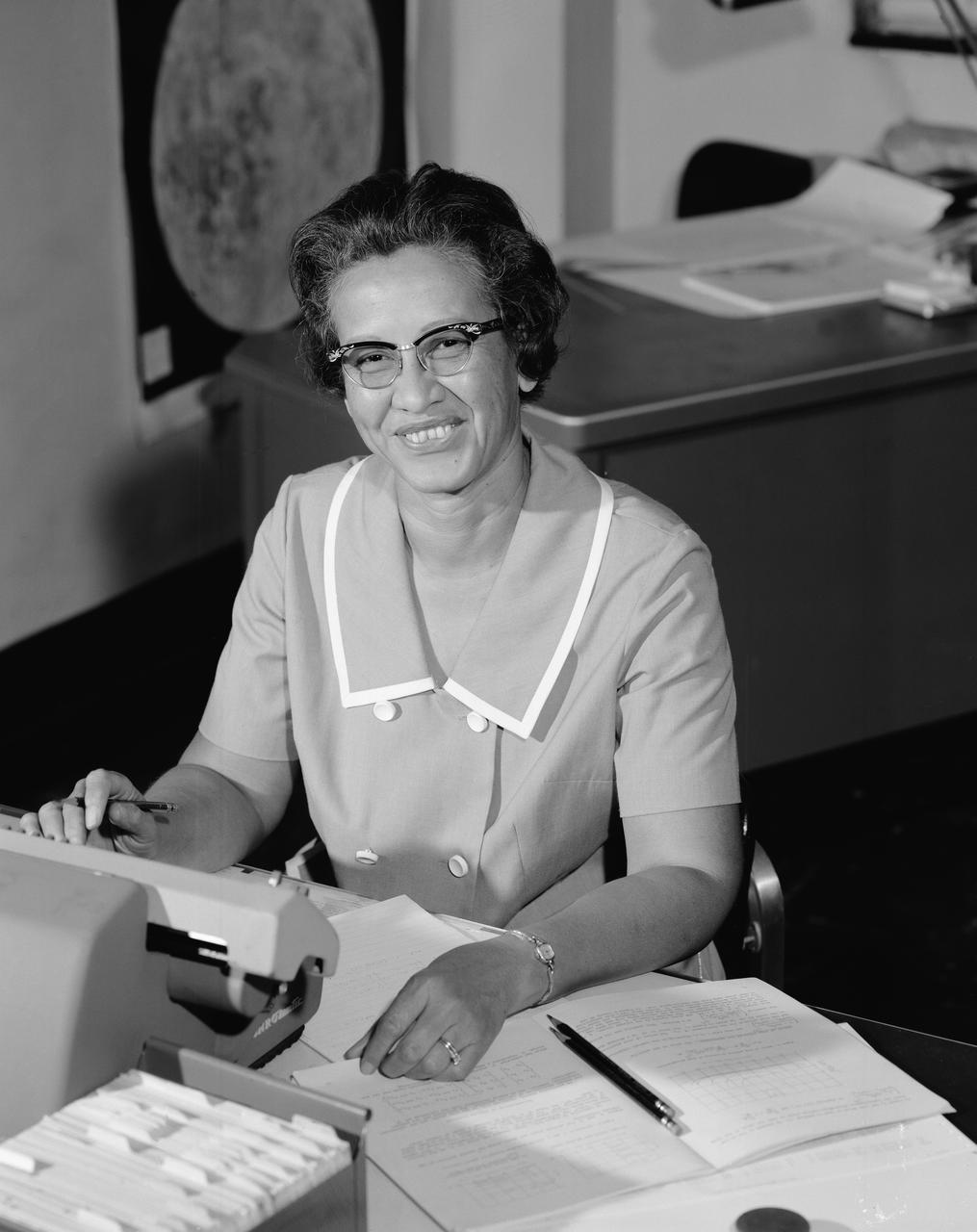
Katherine Johnson At Her Desk at NASA Langley Research Center
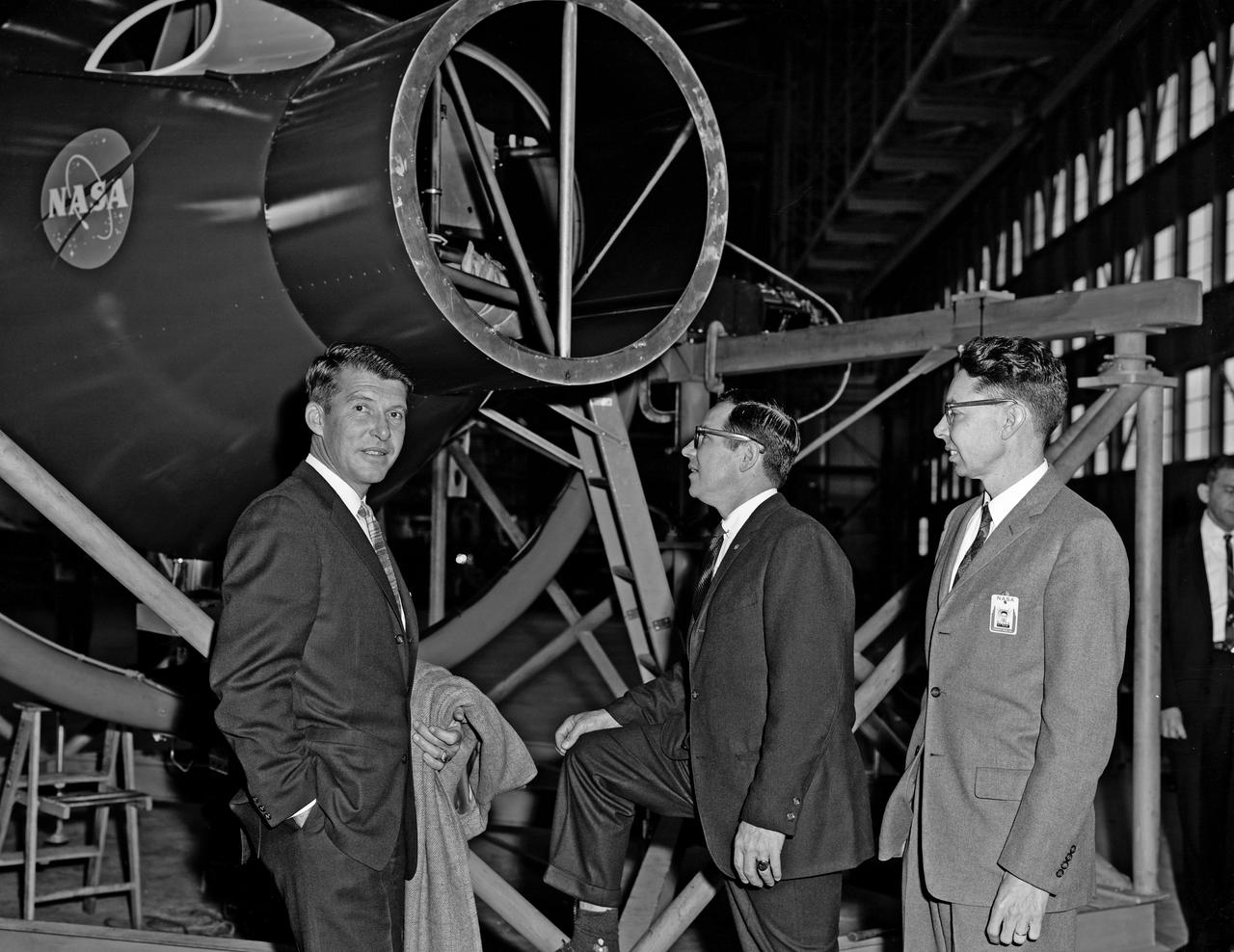
Walter (Wally) M. Schirra Visit to Langley Research Center to the Rendezvous Docking Simulator.
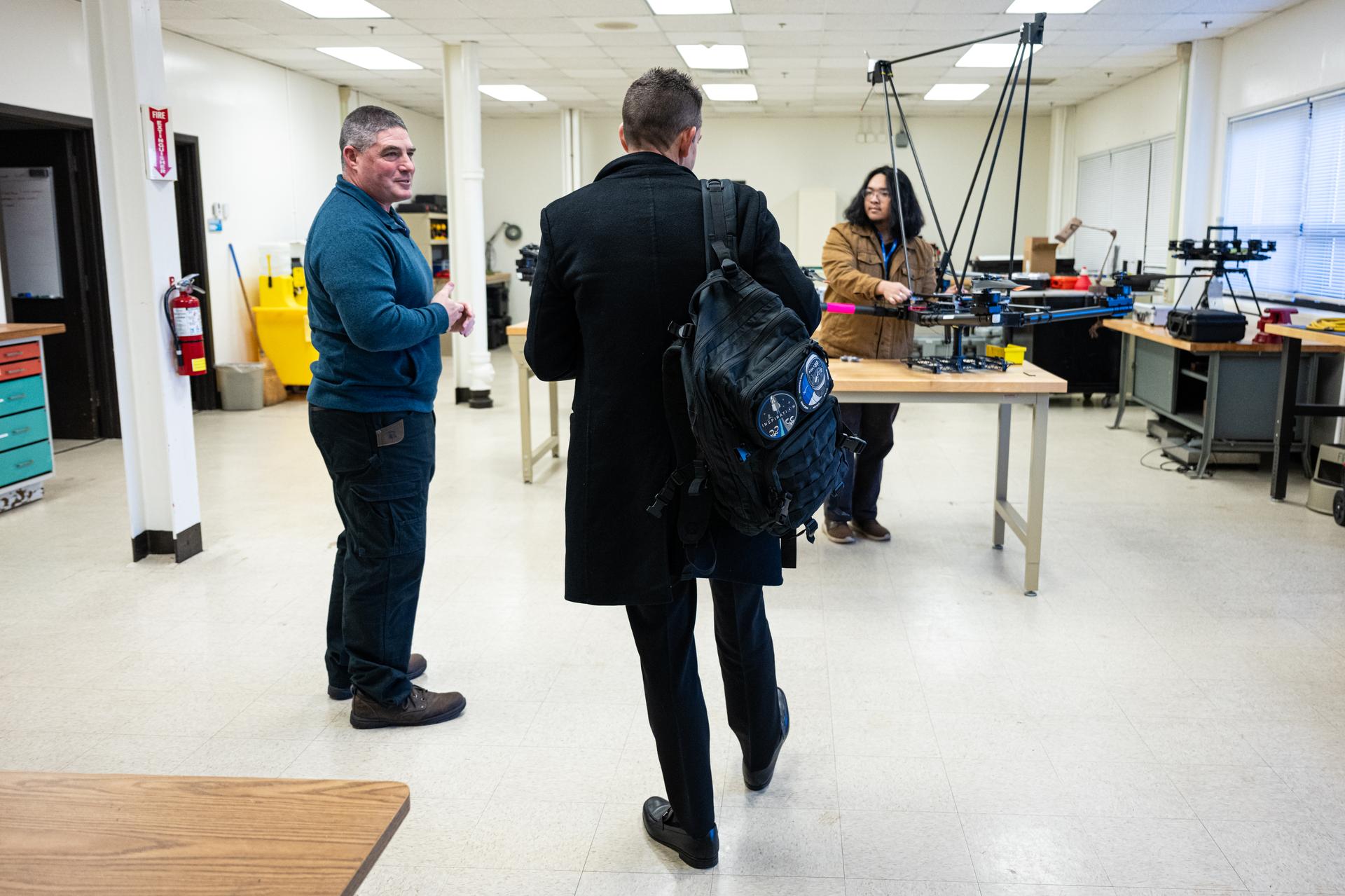
NASA Administrator Jared Isaacman, center, greets members of the Uninhabited Aircraft Systems Laboratory, Monday, Jan. 12, 2026, at NASA’s Langley Research Center in Hampton, Va. Langley marks the second stop in Isaacman’s roadshow to visit NASA facilities and engage directly with the agency’s workforce. Photo Credit: (NASA/John Kraus)
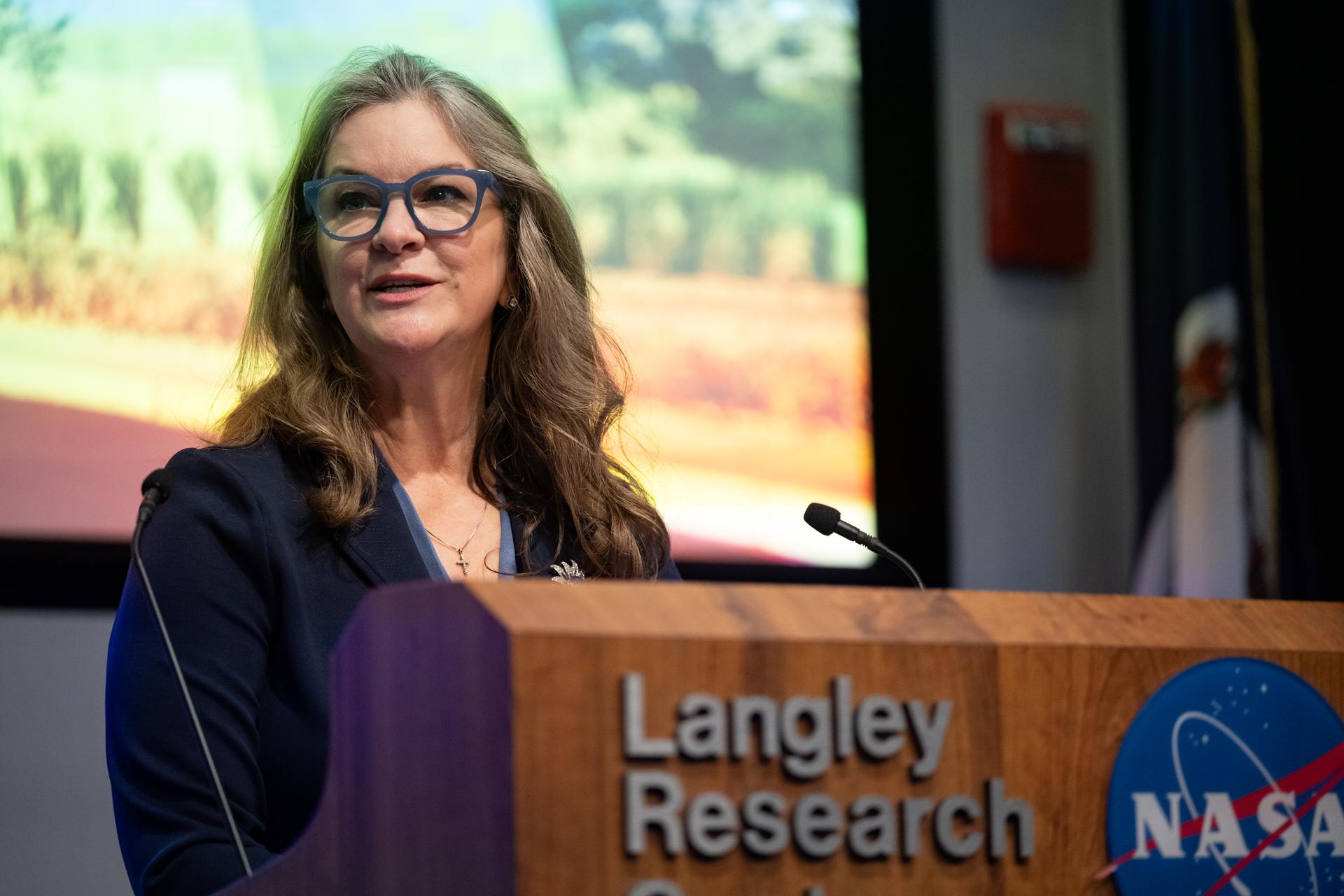
Dr. Trina Dyal, director of NASA's Langley Research Center, delivers remarks during a ribbon cutting ceremony for the Flight Dynamics Research Facility, NASA's newest wind tunnel, Friday, July 31, 2026, at NASA’s Langley Research Center in Hampton, Virginia. The state-of-the-art facility will support research and technology development that will advance the agency’s aeronautics, exploration, and science goals, including establishing a sustained human presence on the lunar surface through the Artemis program and the development of a Moon Base. Photo Credit: (NASA/Keegan Barber)
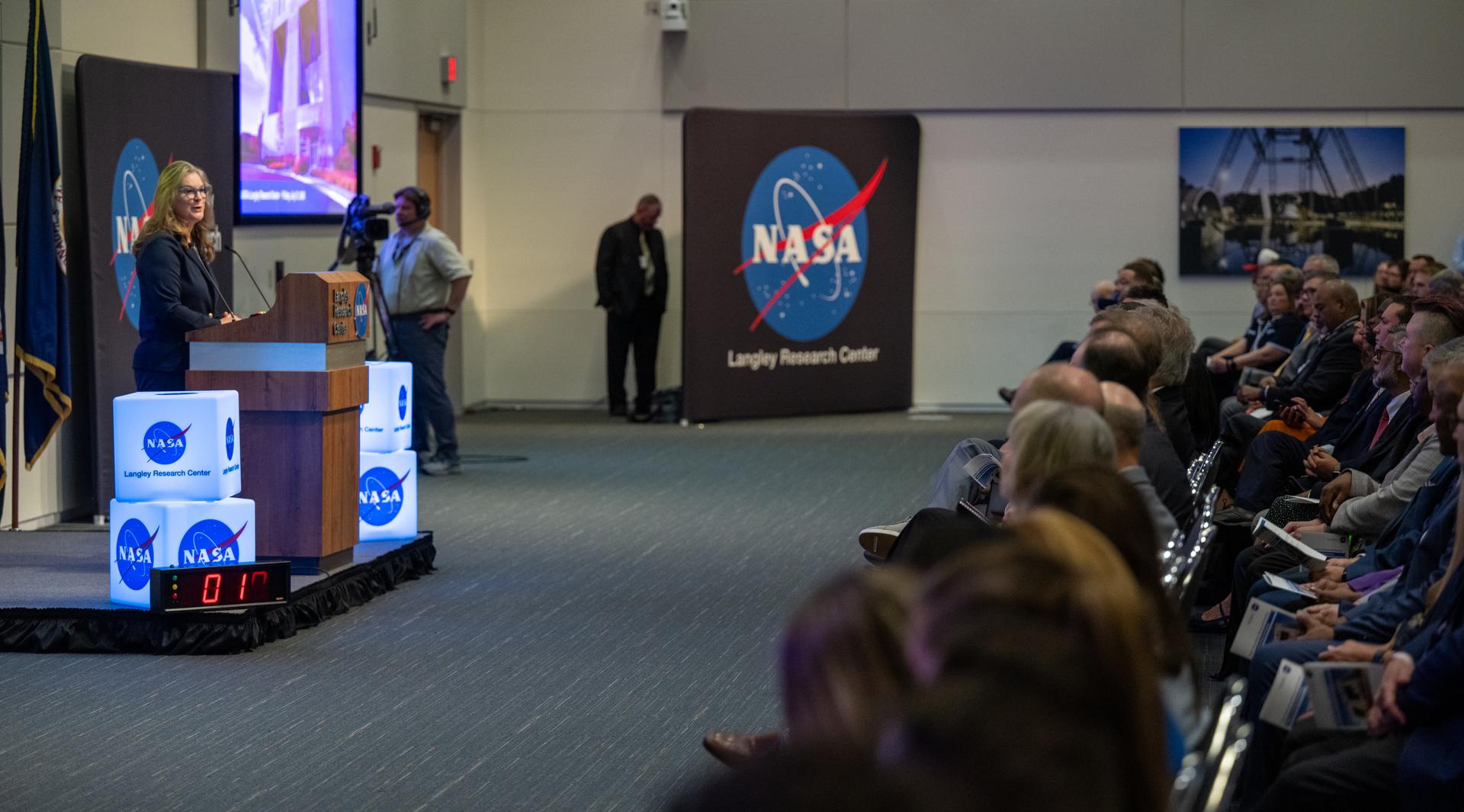
Dr. Trina Dyal, director of NASA's Langley Research Center, delivers remarks during a ribbon cutting ceremony for the Flight Dynamics Research Facility, NASA's newest wind tunnel, Friday, July 31, 2026, at NASA’s Langley Research Center in Hampton, Virginia. The state-of-the-art facility will support research and technology development that will advance the agency’s aeronautics, exploration, and science goals, including establishing a sustained human presence on the lunar surface through the Artemis program and the development of a Moon Base. Photo Credit: (NASA/Keegan Barber)
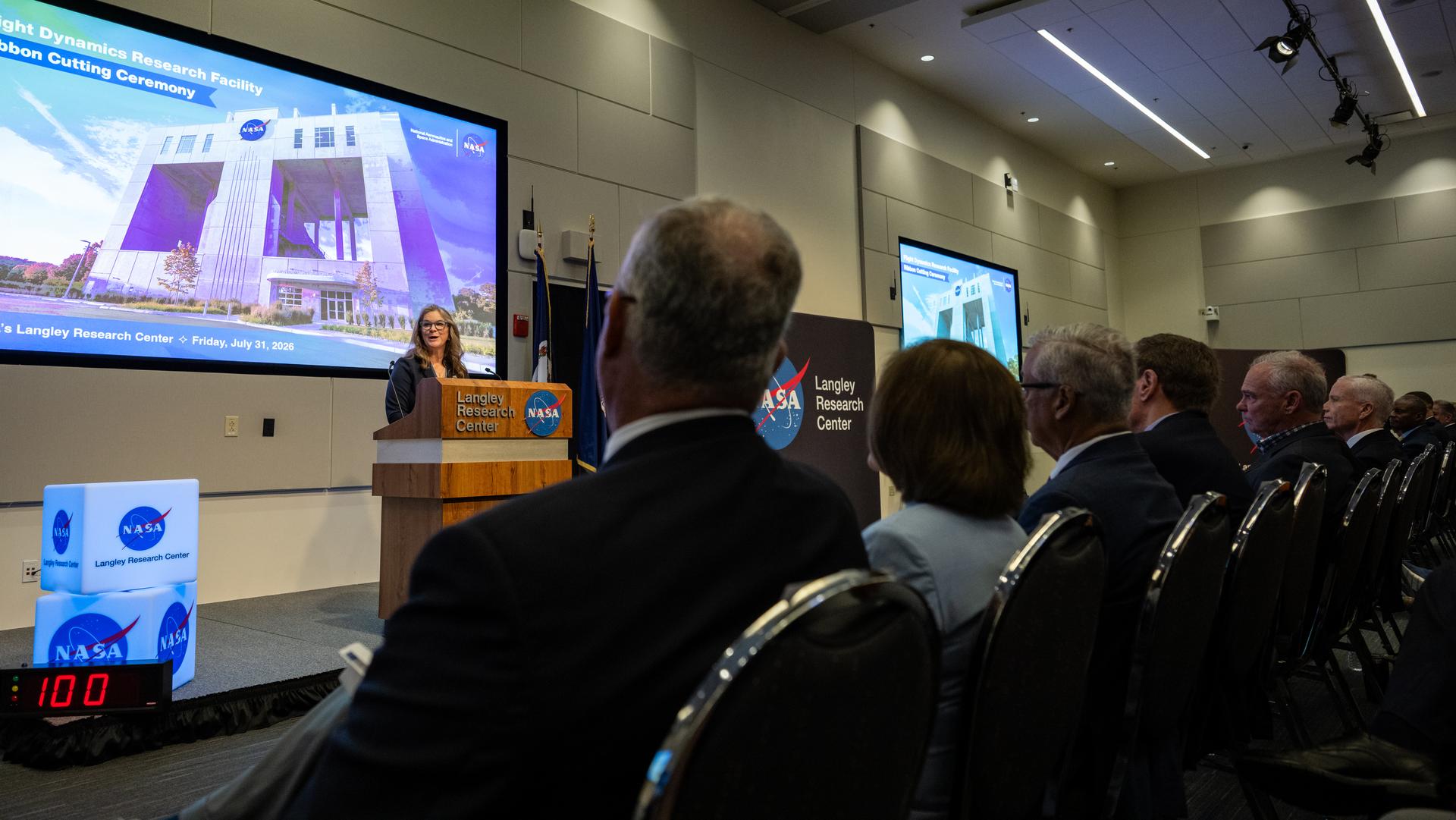
Dr. Trina Dyal, director of NASA's Langley Research Center, delivers remarks during a ribbon cutting ceremony for the Flight Dynamics Research Facility, NASA's newest wind tunnel, Friday, July 31, 2026, at NASA’s Langley Research Center in Hampton, Virginia. The state-of-the-art facility will support research and technology development that will advance the agency’s aeronautics, exploration, and science goals, including establishing a sustained human presence on the lunar surface through the Artemis program and the development of a Moon Base. Photo Credit: (NASA/Keegan Barber)
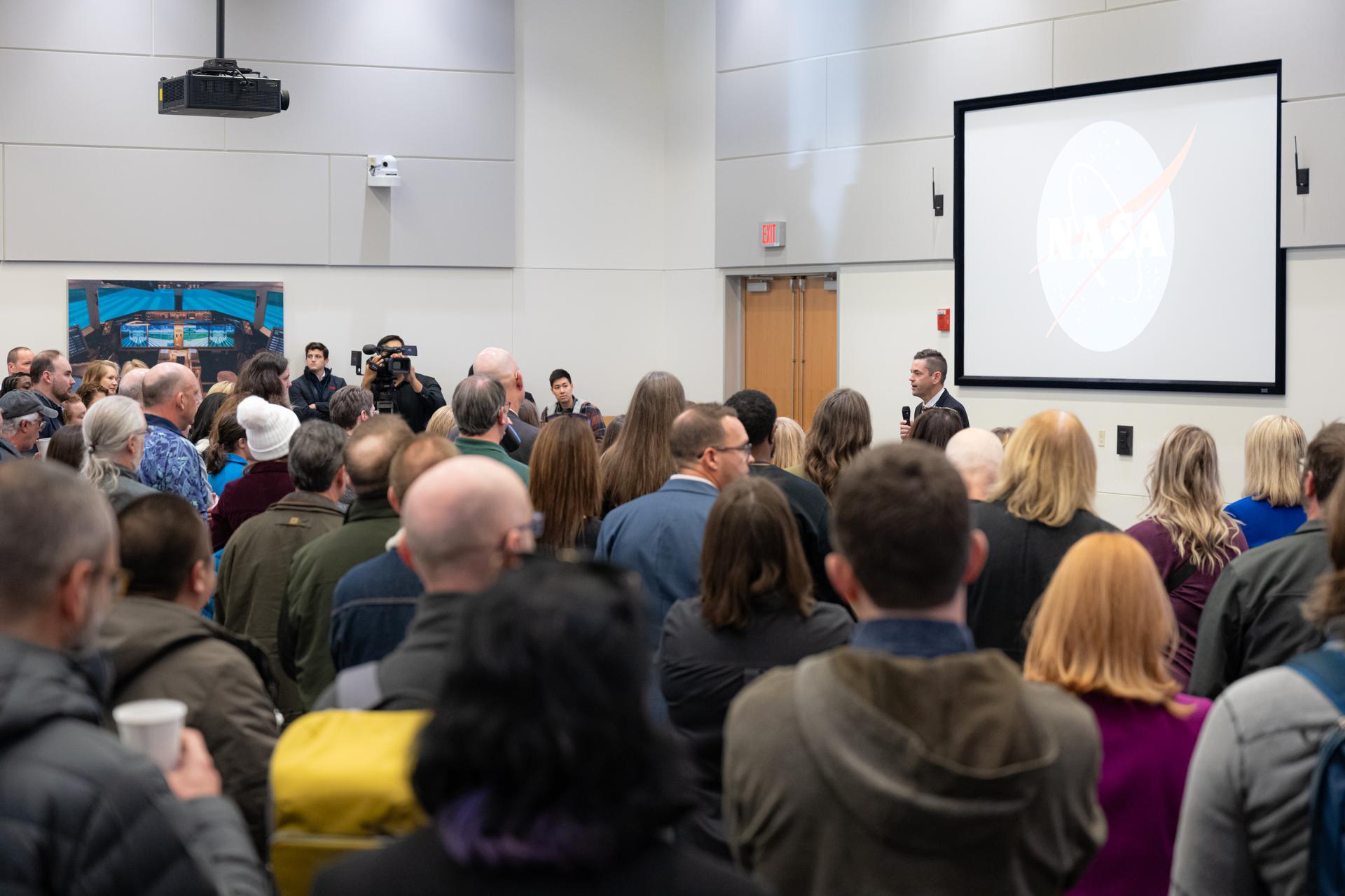
NASA Administrator Jared Isaacman speaks during a workforce Q&A session, Monday, Jan. 12, 2026, at NASA’s Langley Research Center in Hampton, Va. Langley marks the second stop in Isaacman’s roadshow to visit NASA facilities and engage directly with the agency’s workforce. Photo Credit: (NASA/John Kraus)
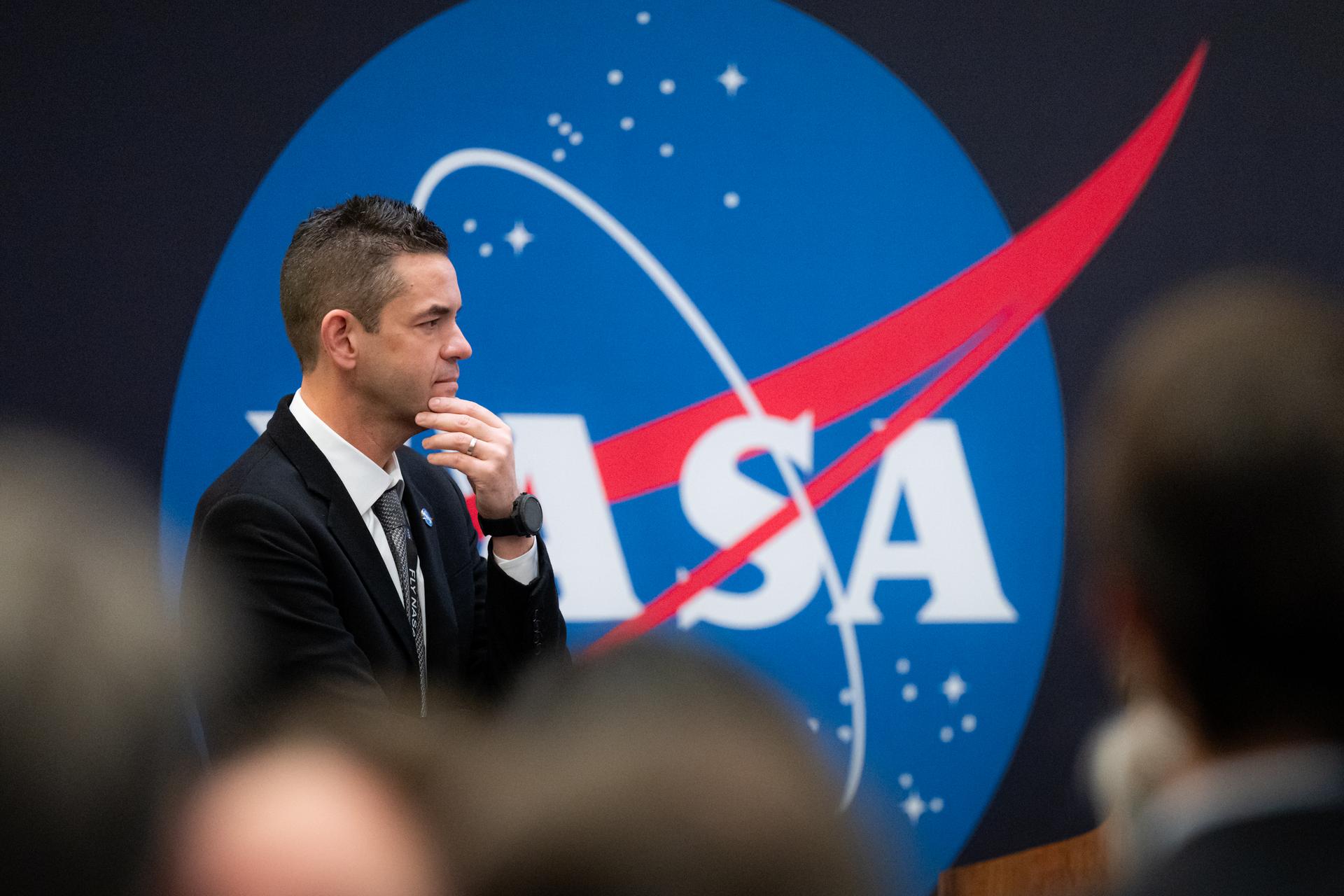
NASA Administrator Jared Isaacman speaks during a workforce Q&A session, Monday, Jan. 12, 2026, at NASA’s Langley Research Center in Hampton, Va. Langley marks the second stop in Isaacman’s roadshow to visit NASA facilities and engage directly with the agency’s workforce. Photo Credit: (NASA/John Kraus)
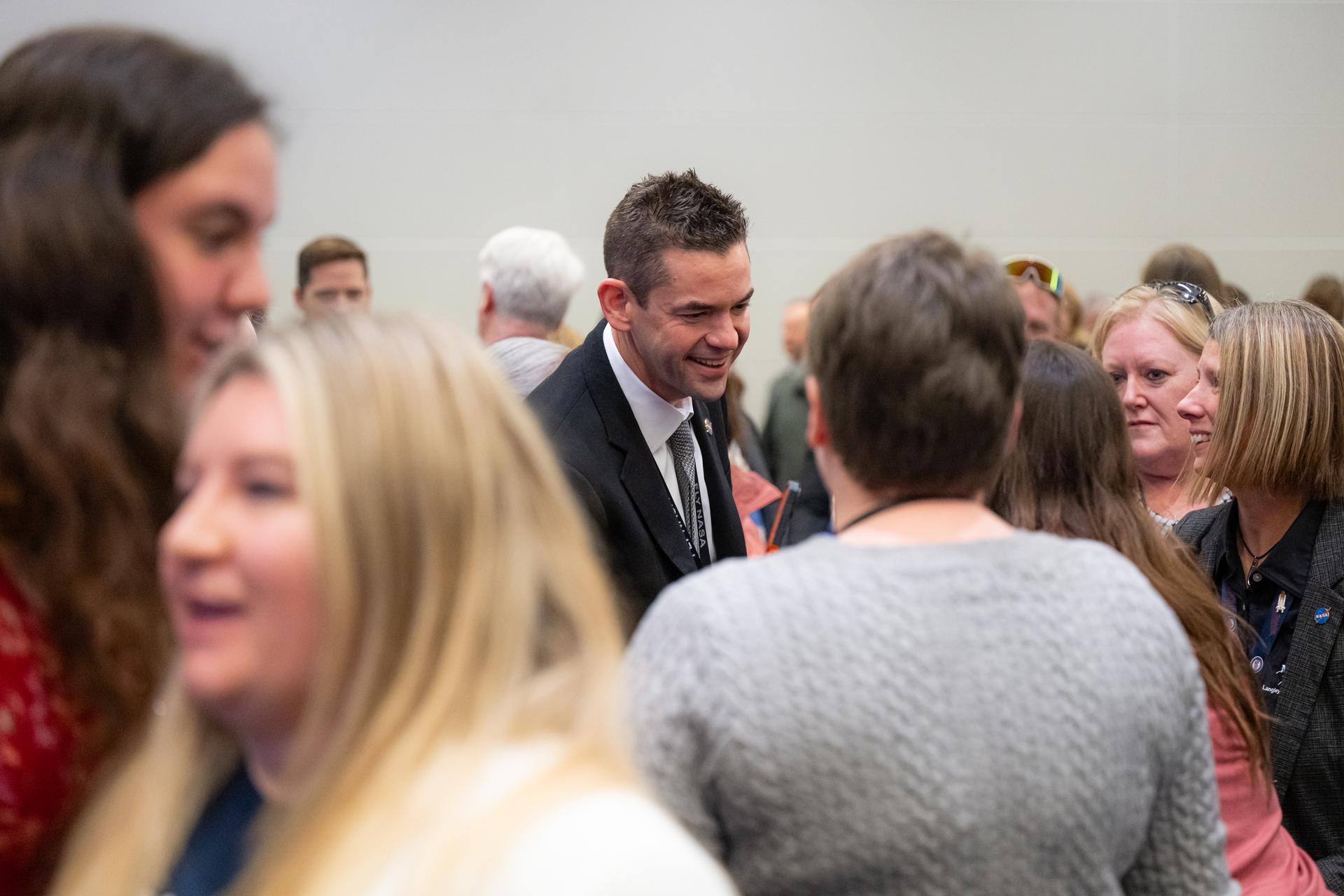
NASA Administrator Jared Isaacman greets members of the workforce, Monday, Jan. 12, 2026, at NASA’s Langley Research Center in Hampton, Va. Langley marks the second stop in Isaacman’s roadshow to visit NASA facilities and engage directly with the agency’s workforce. Photo Credit: (NASA/John Kraus)
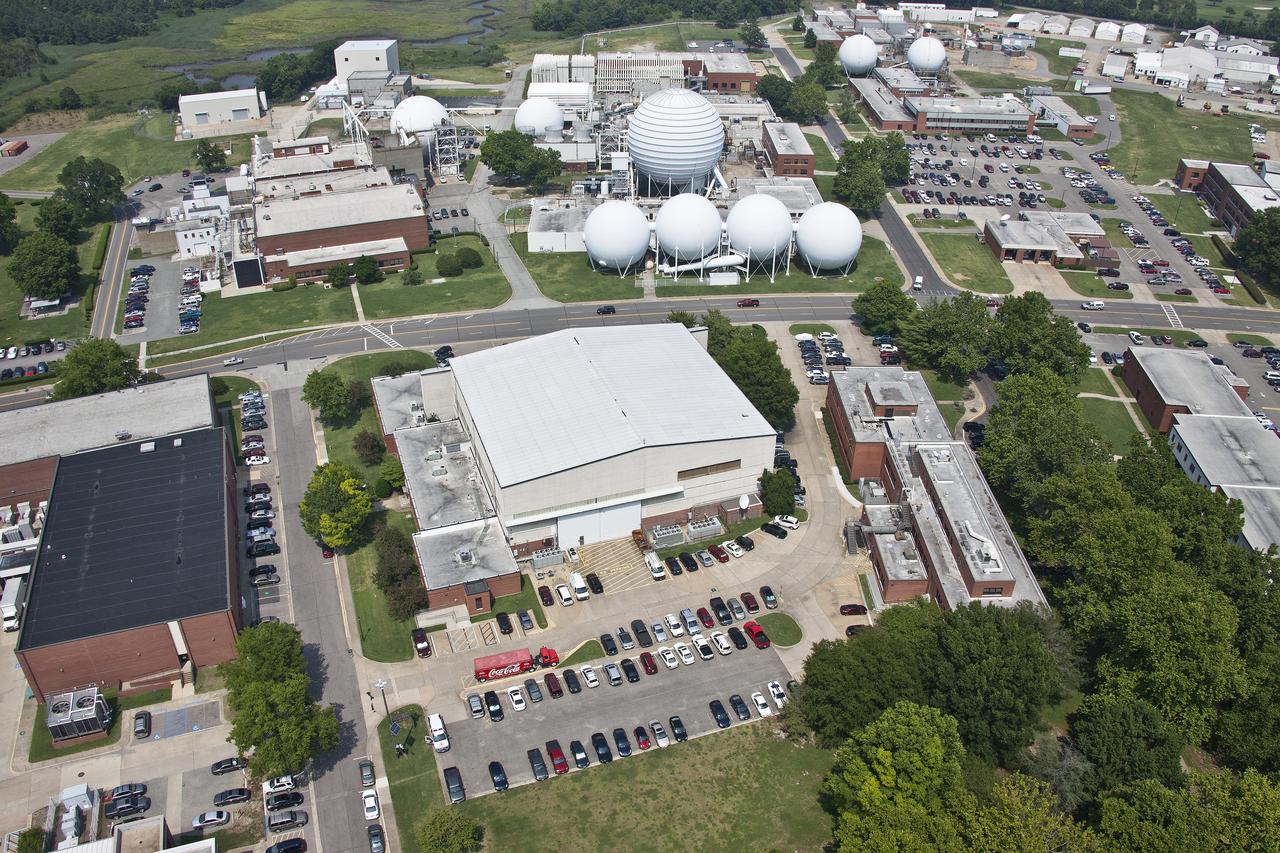
Aerial of NASA Langley Research Center
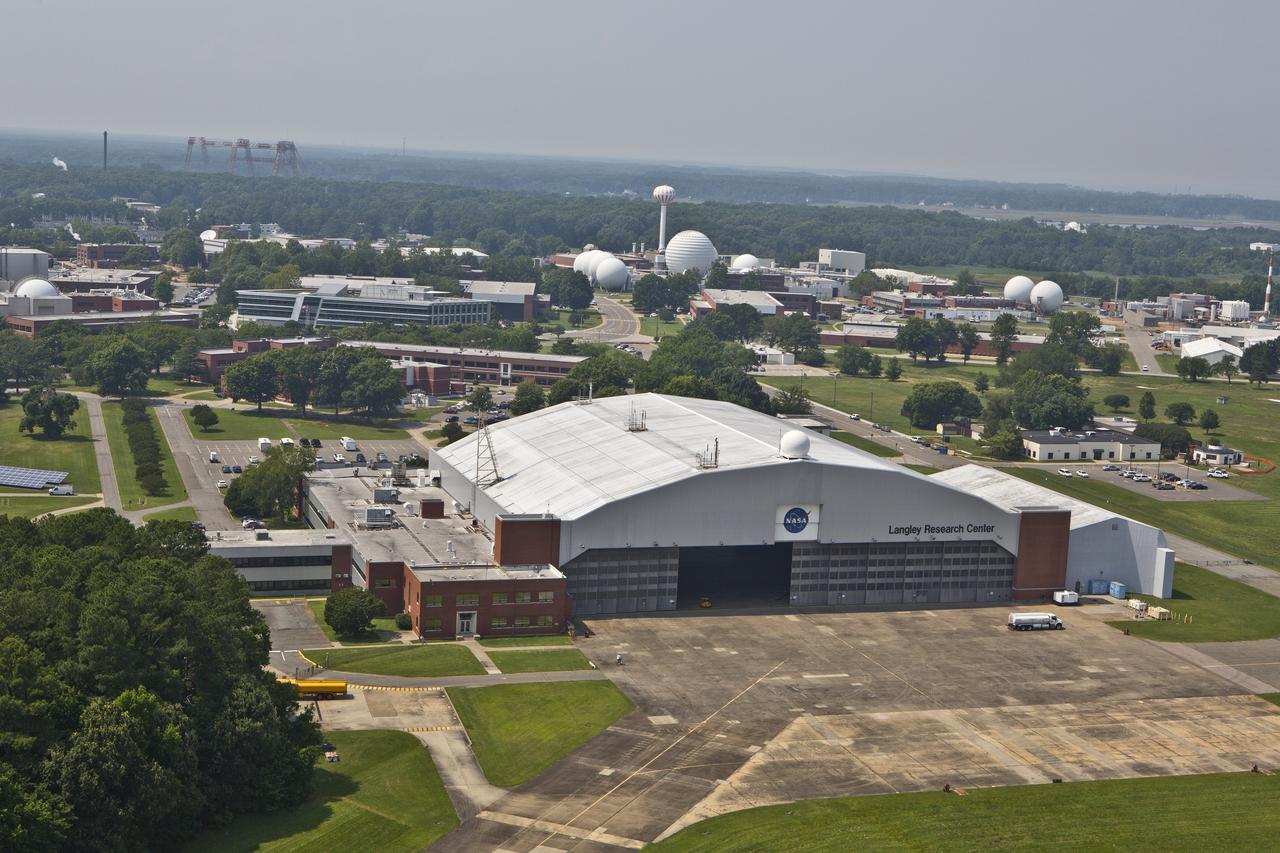
Aerial of NASA Langley Research Center Hangar
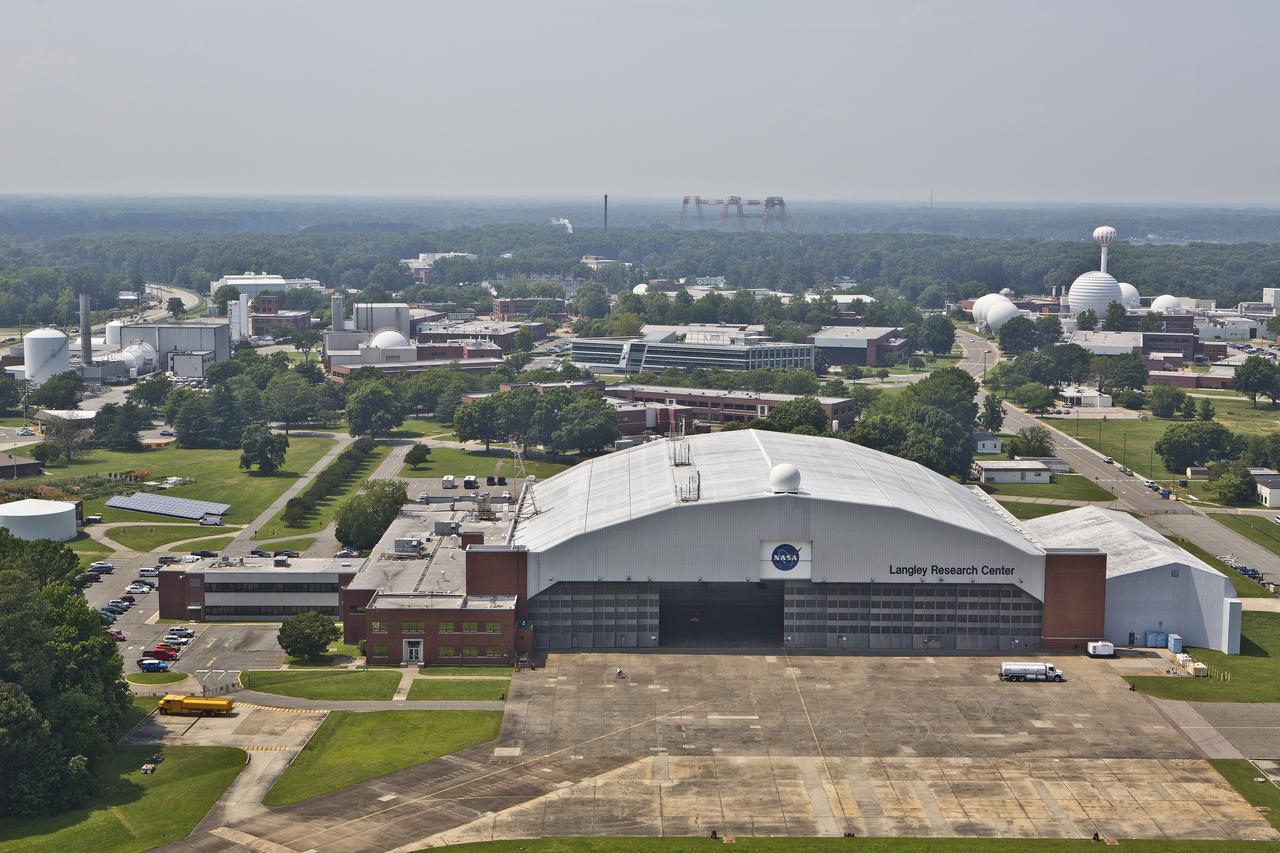
Aerial of NASA Langley Research Center Hangar
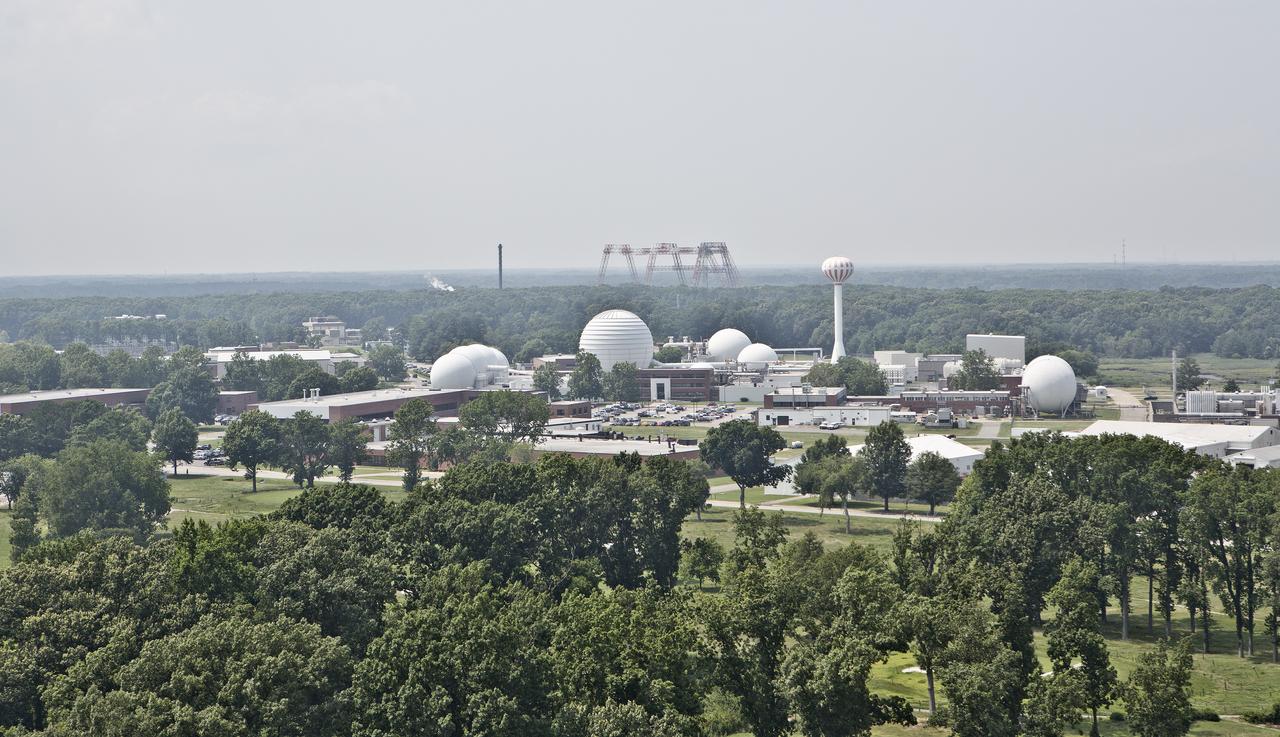
Aerial of west area of Langley Research Center
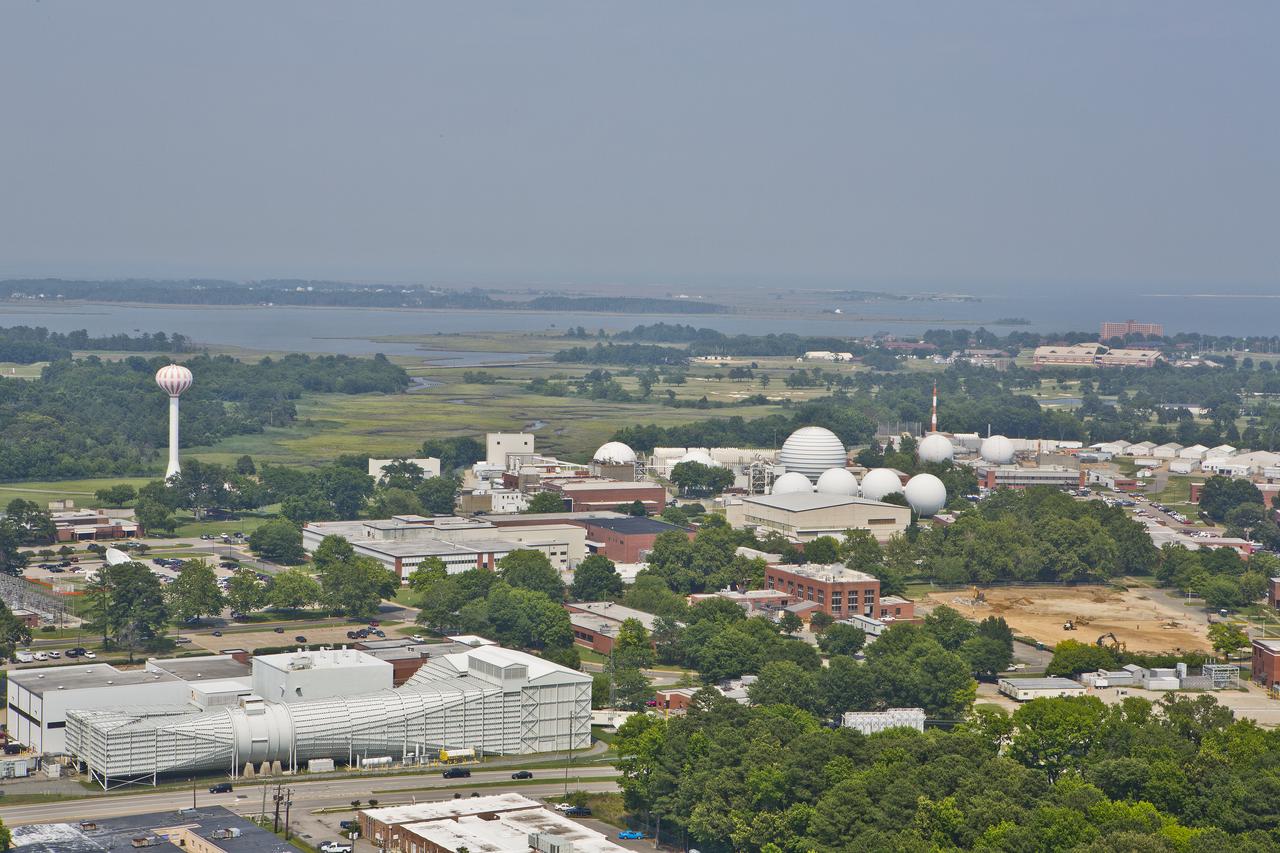
Aerials of NASA Langley Research Center west area
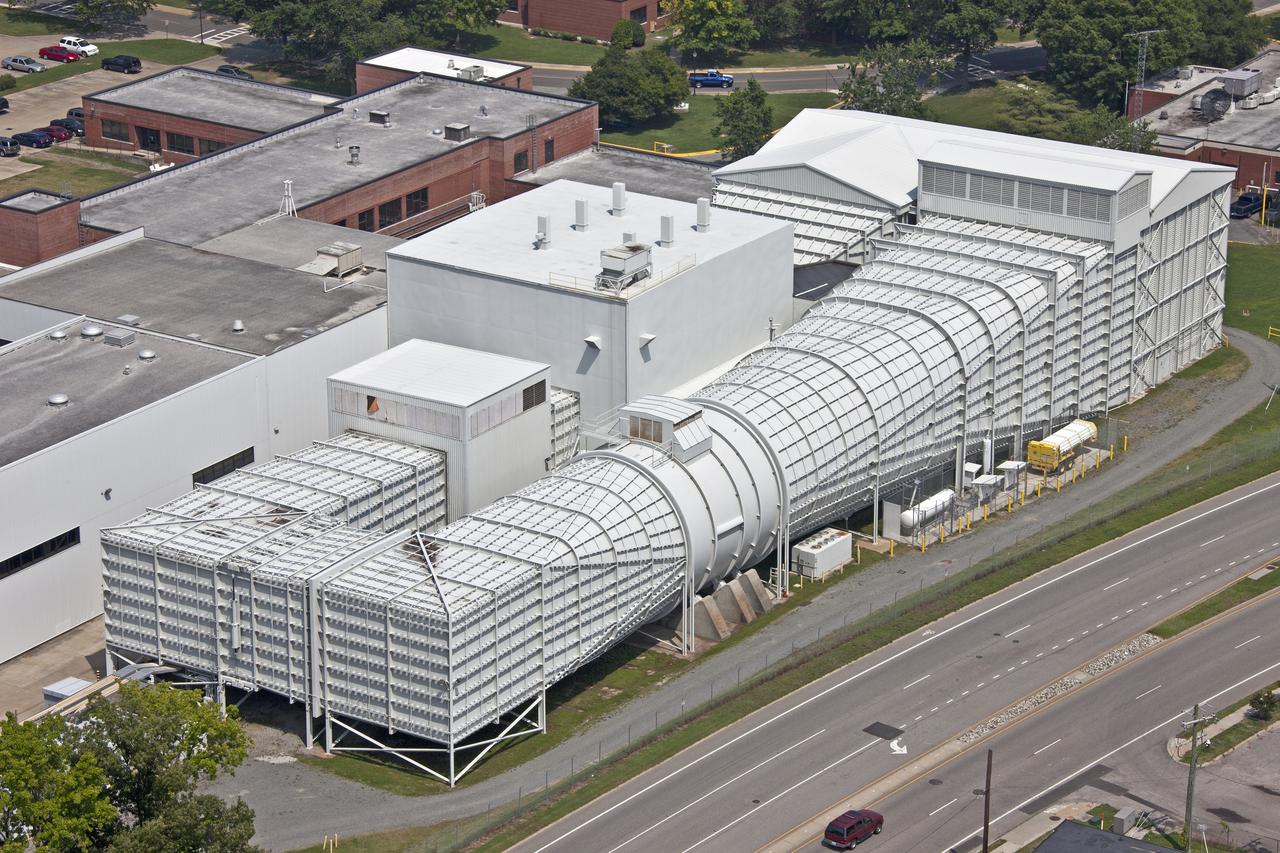
Aerial of NASA Langley Research Center Wind Tunnel
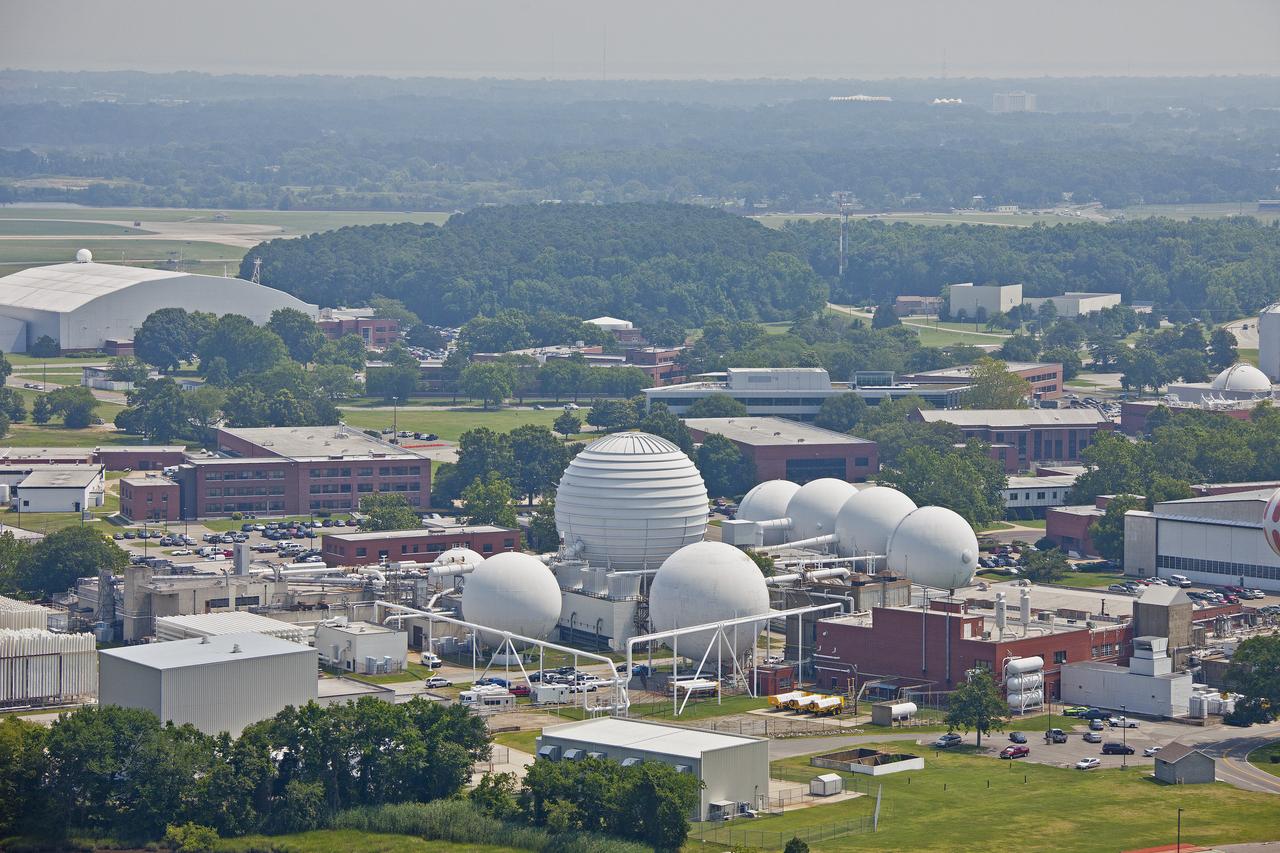
Aerials of NASA Langley Research Center west area
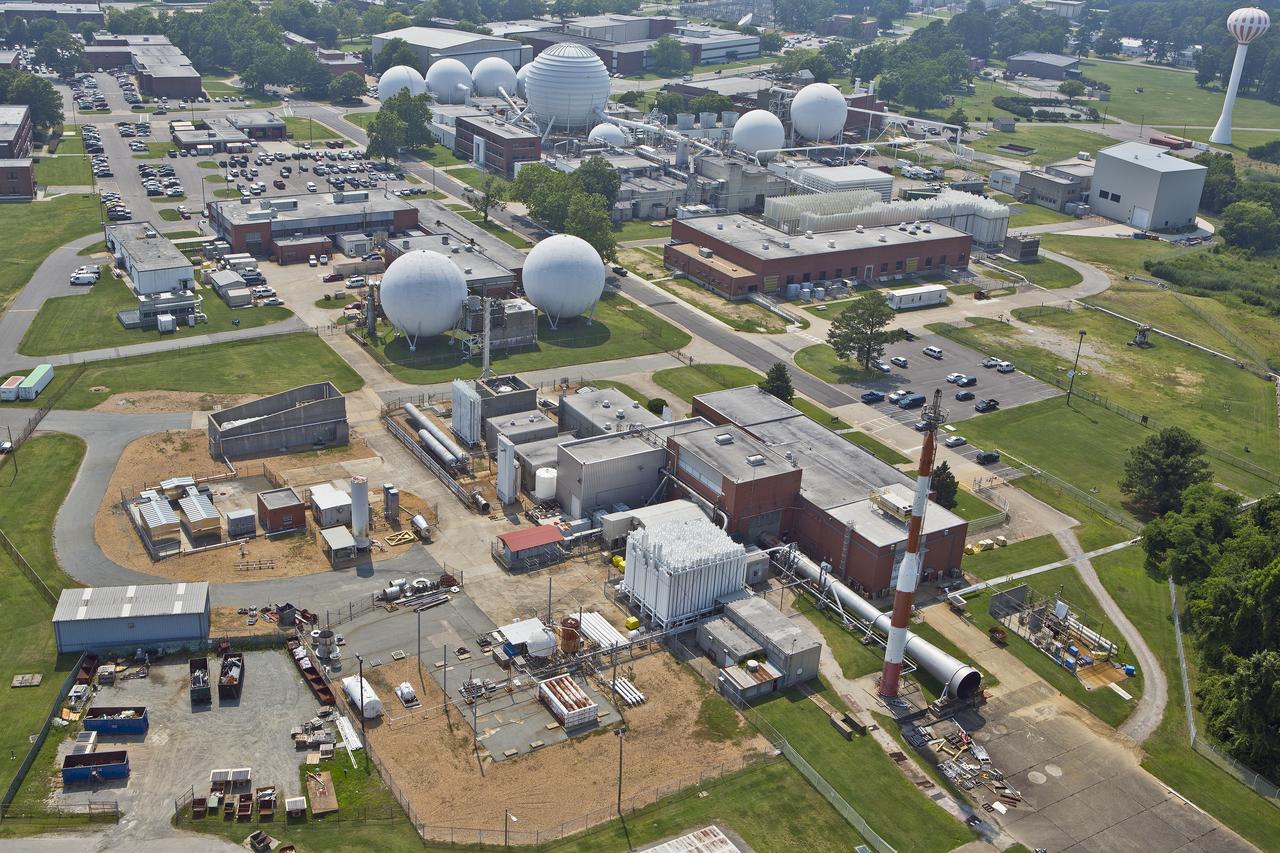
Aerials of NASA Langley Research Center west area
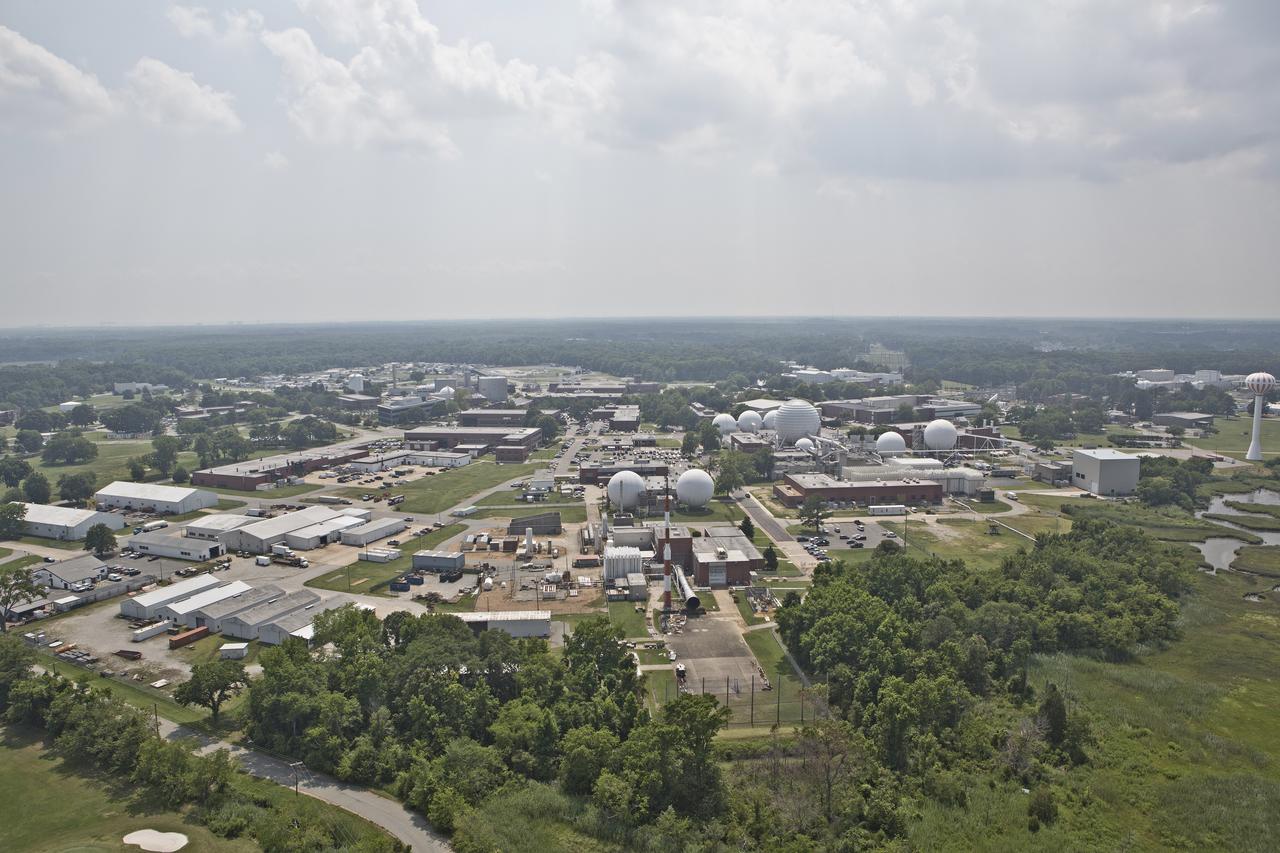
Aerial of west area of Langley Research Center
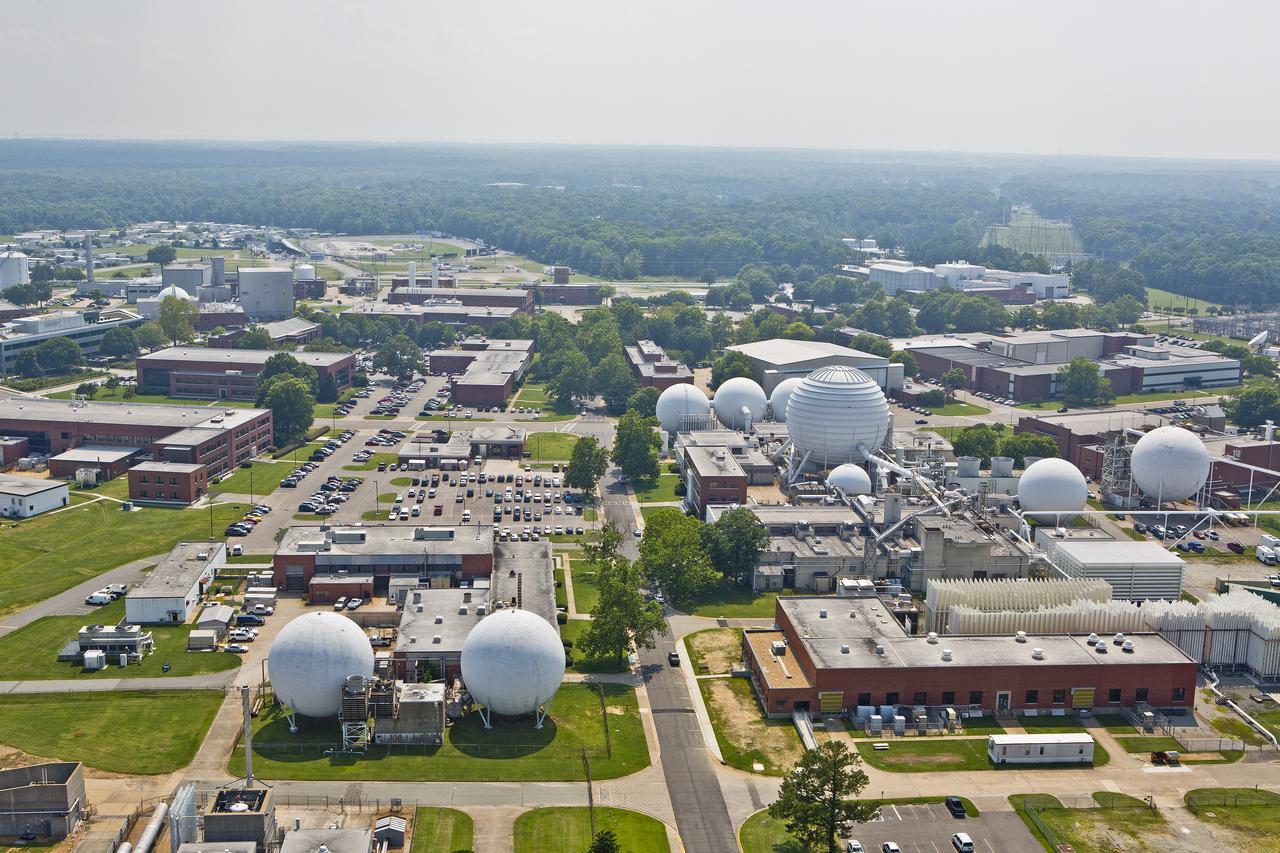
Aerials of NASA Langley Research Center west area
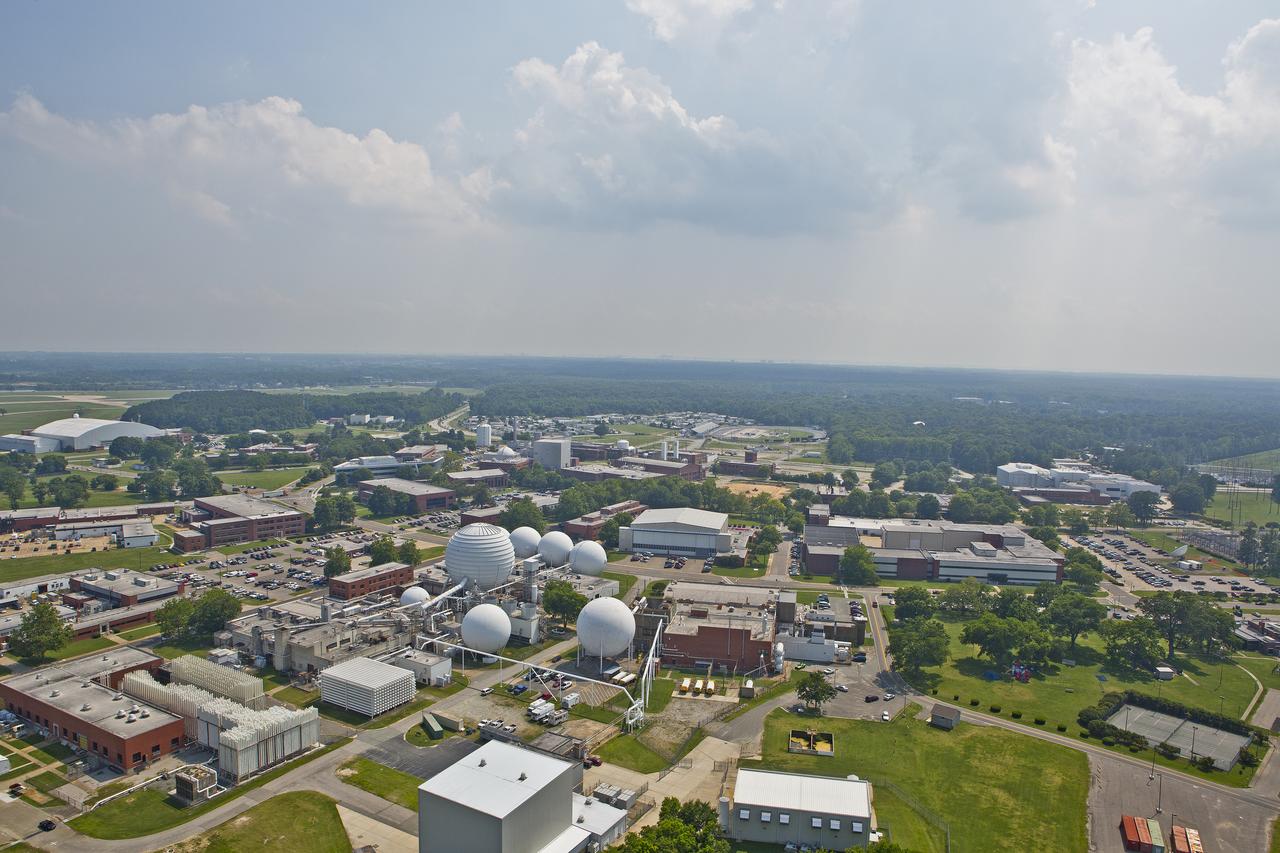
Aerials of NASA Langley Research Center west area
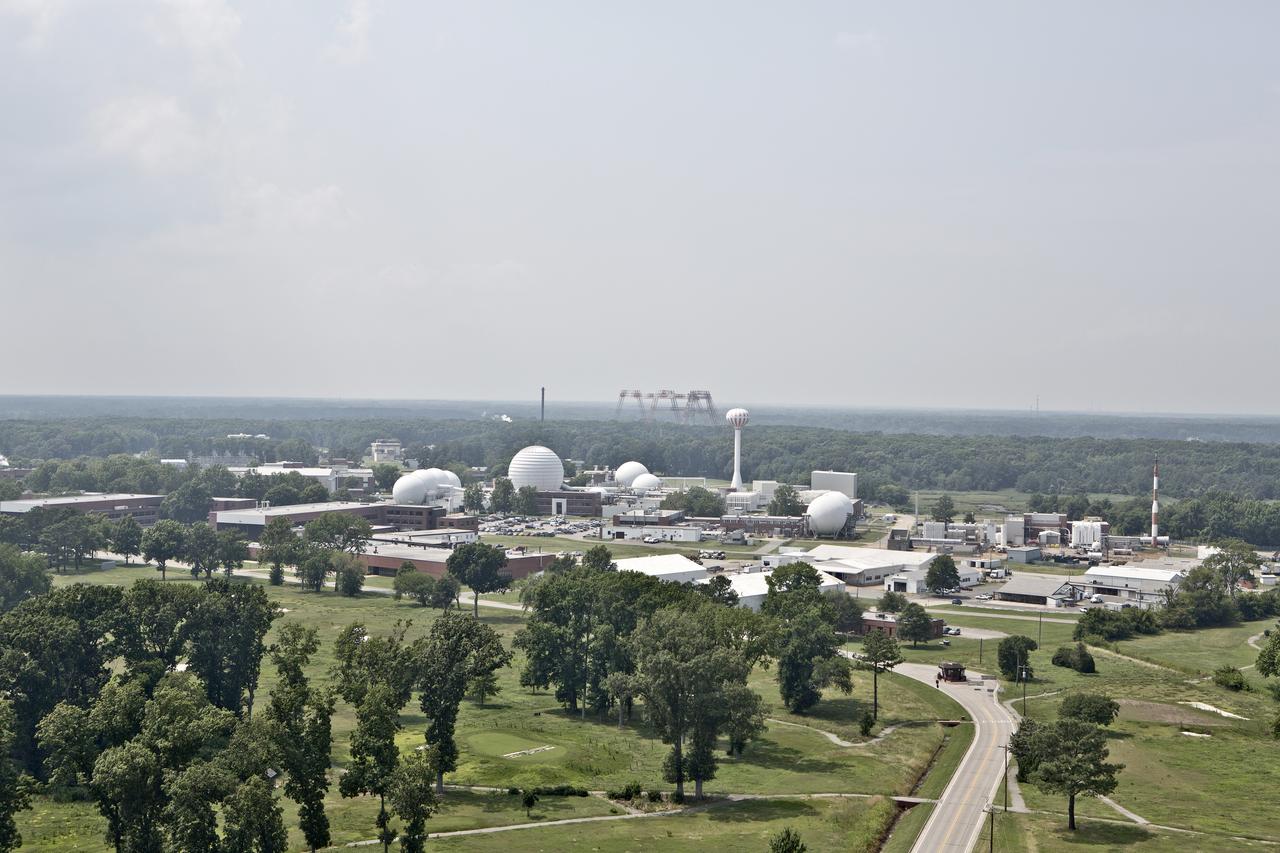
Aerial of west area of Langley Research Center
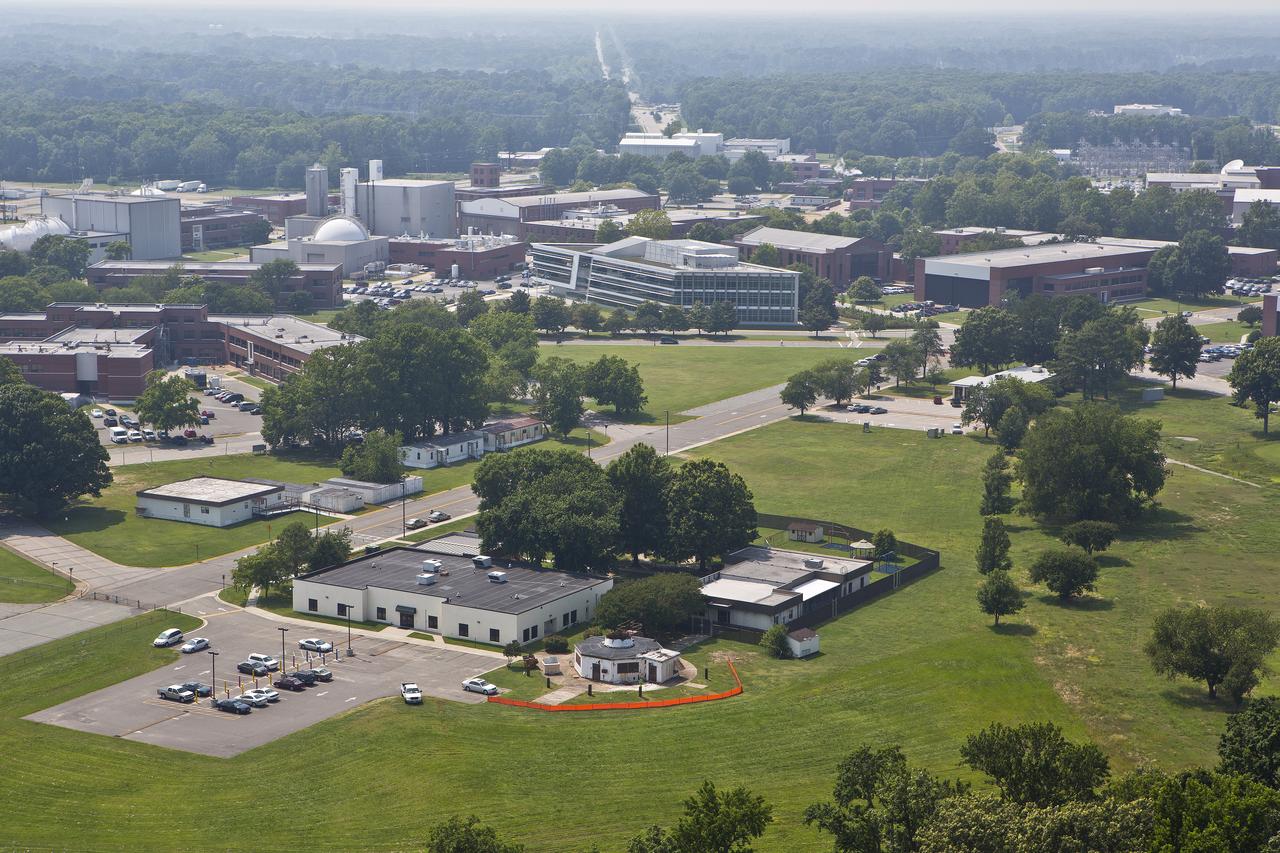
Aerials of NASA Langley Research Center west area
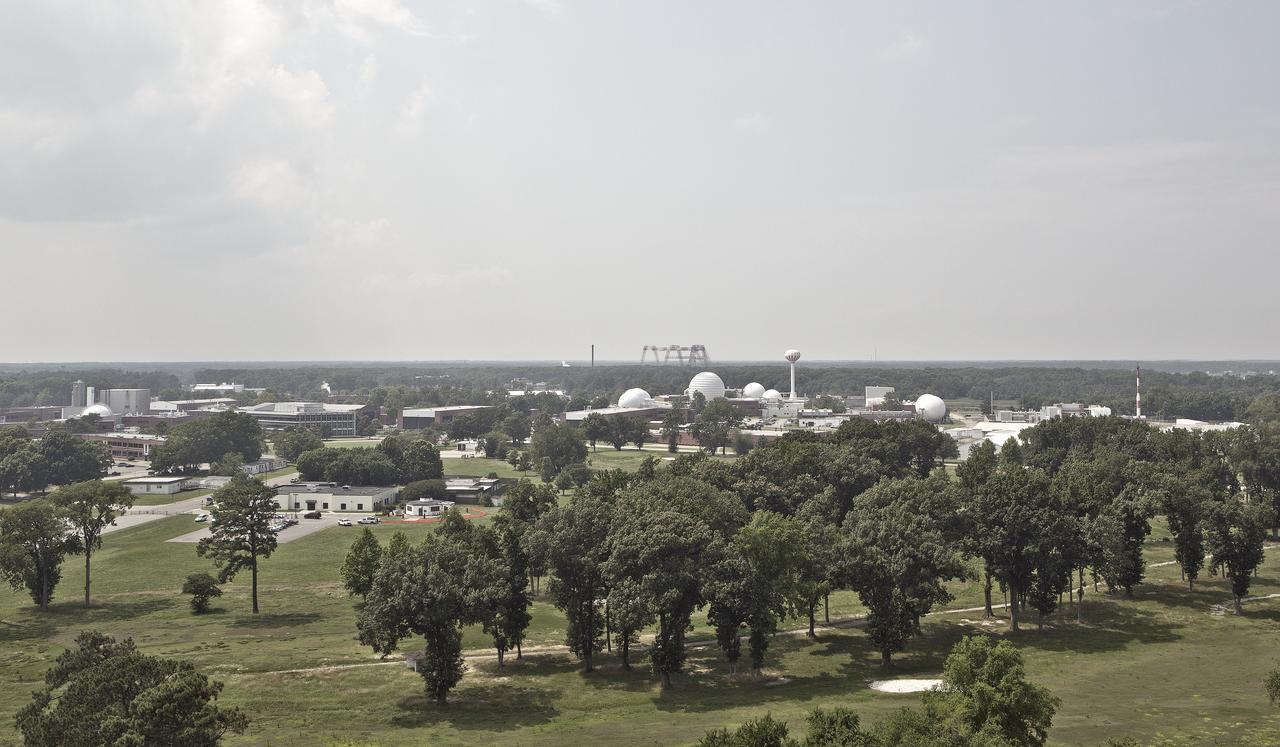
Aerial of west area of Langley Research Center
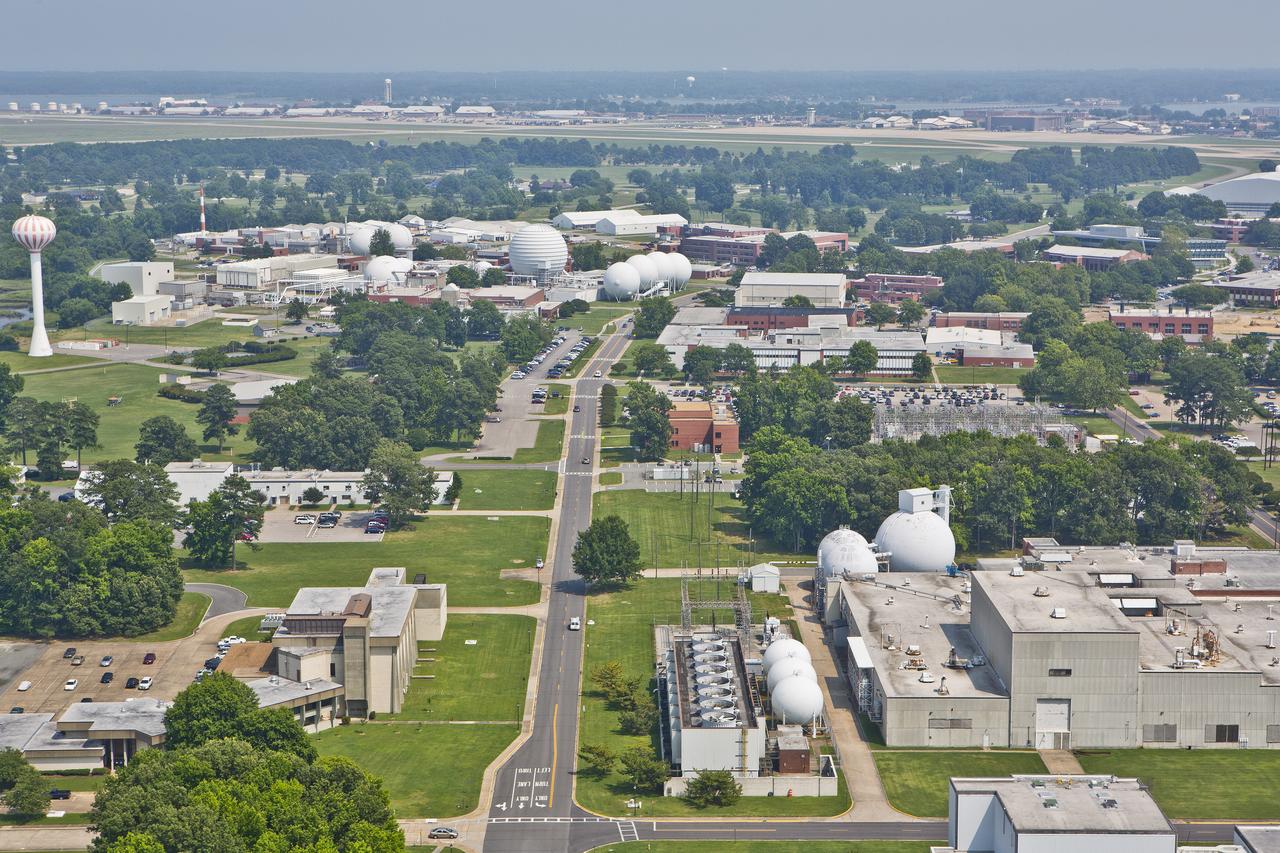
Aerials of NASA Langley Research Center west area

Aerial of NASA Langley Research Center Hangar
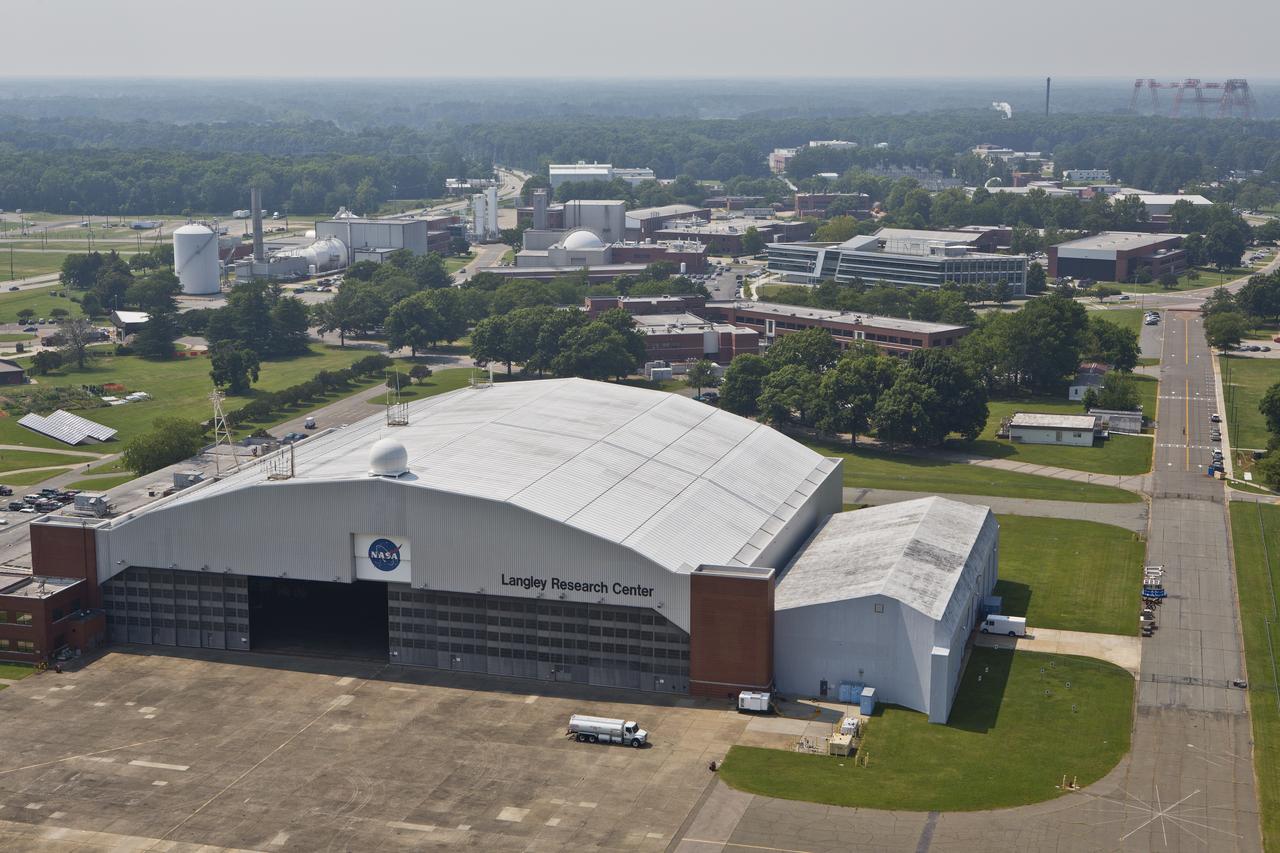
Aerial of NASA Langley Research Center Hangar
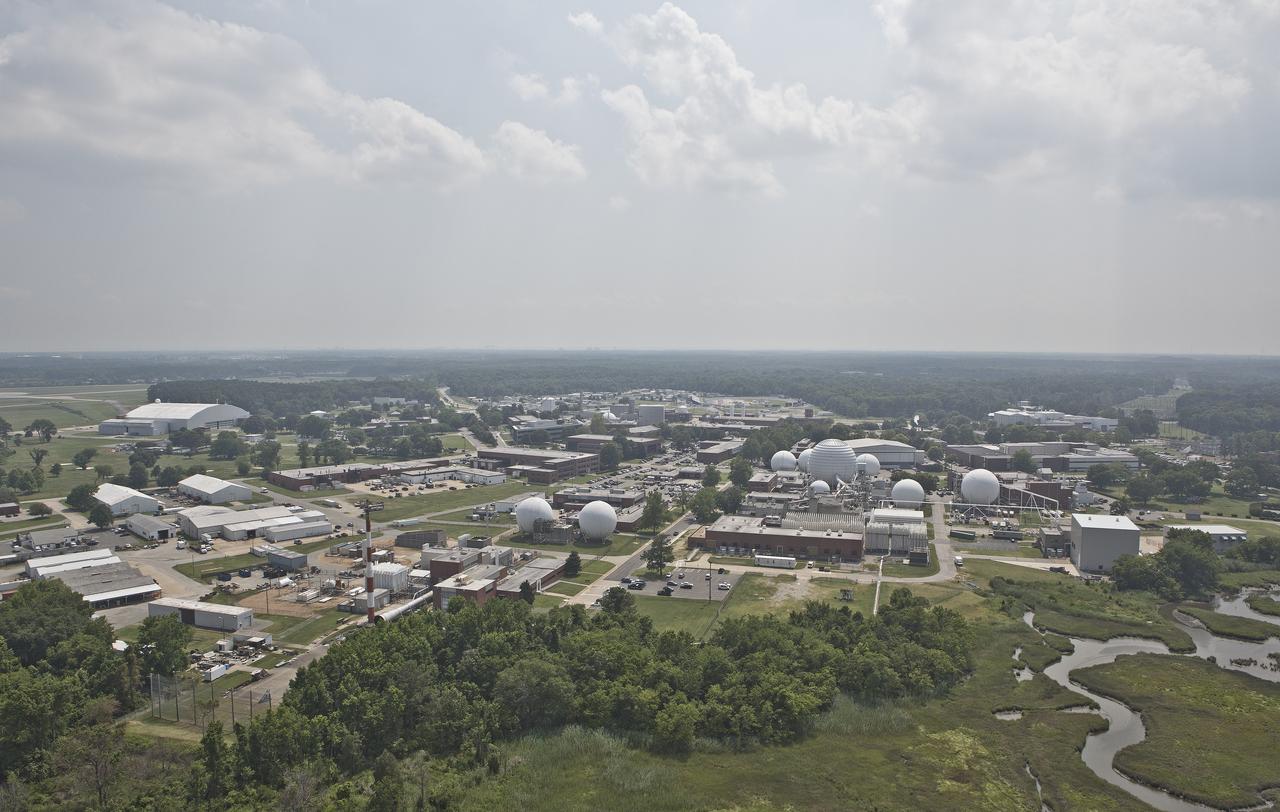
Aerial of west area of Langley Research Center
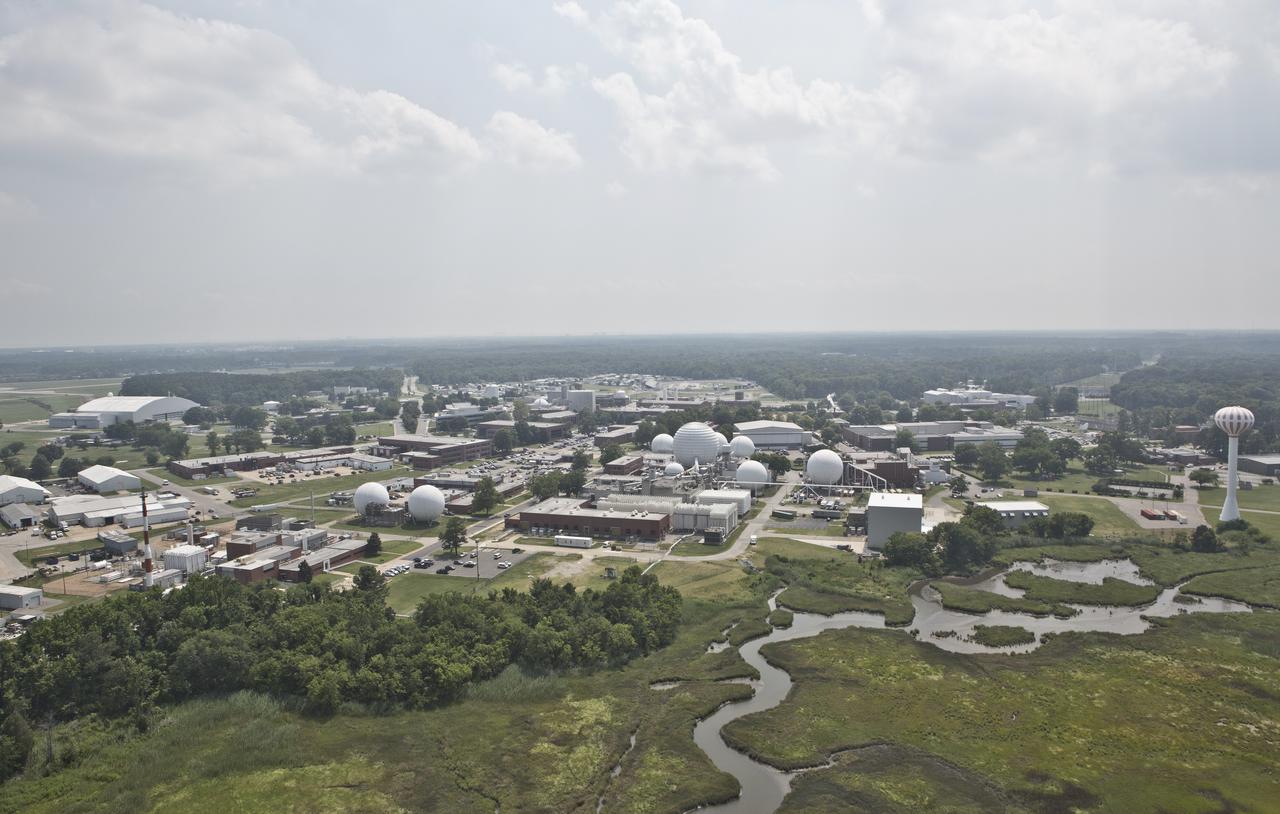
Aerial of west area of Langley Research Center
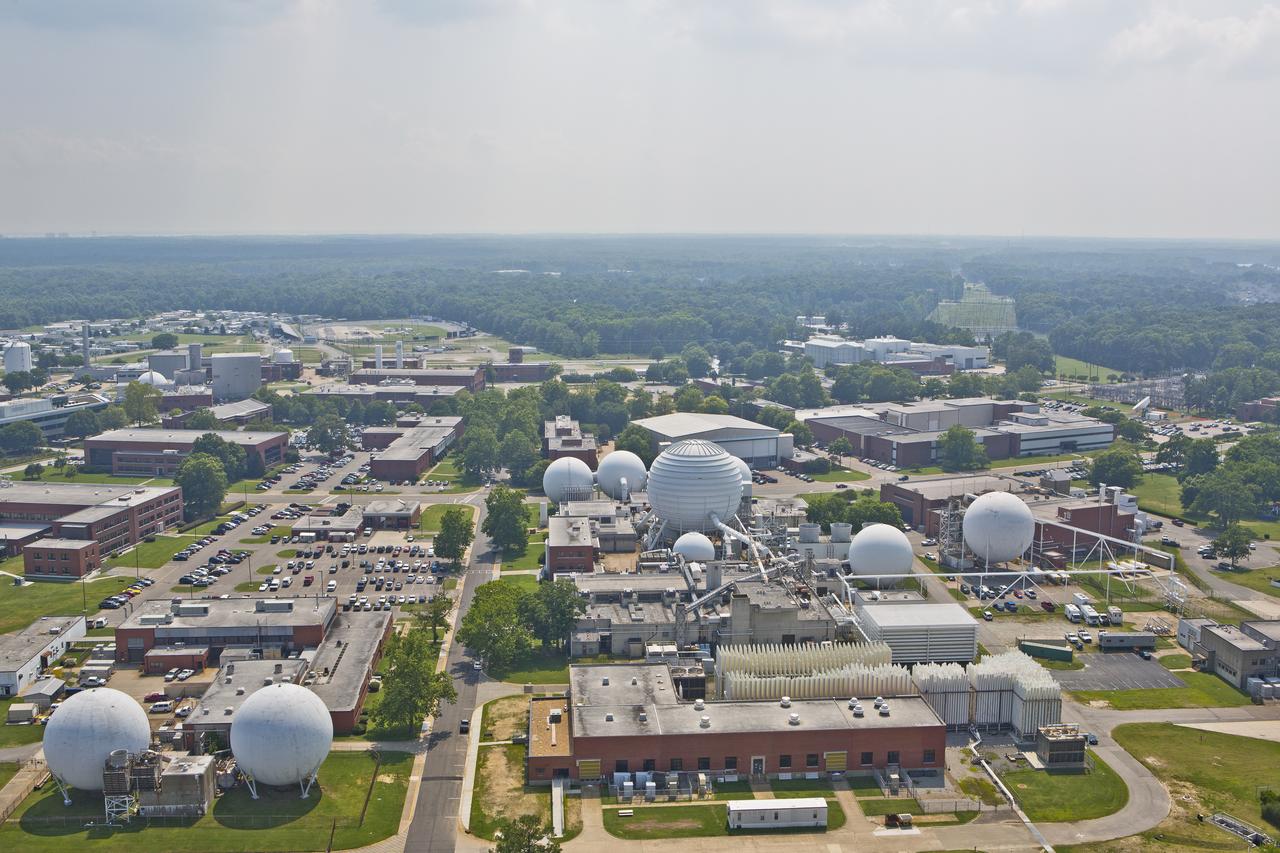
Aerials of NASA Langley Research Center west area
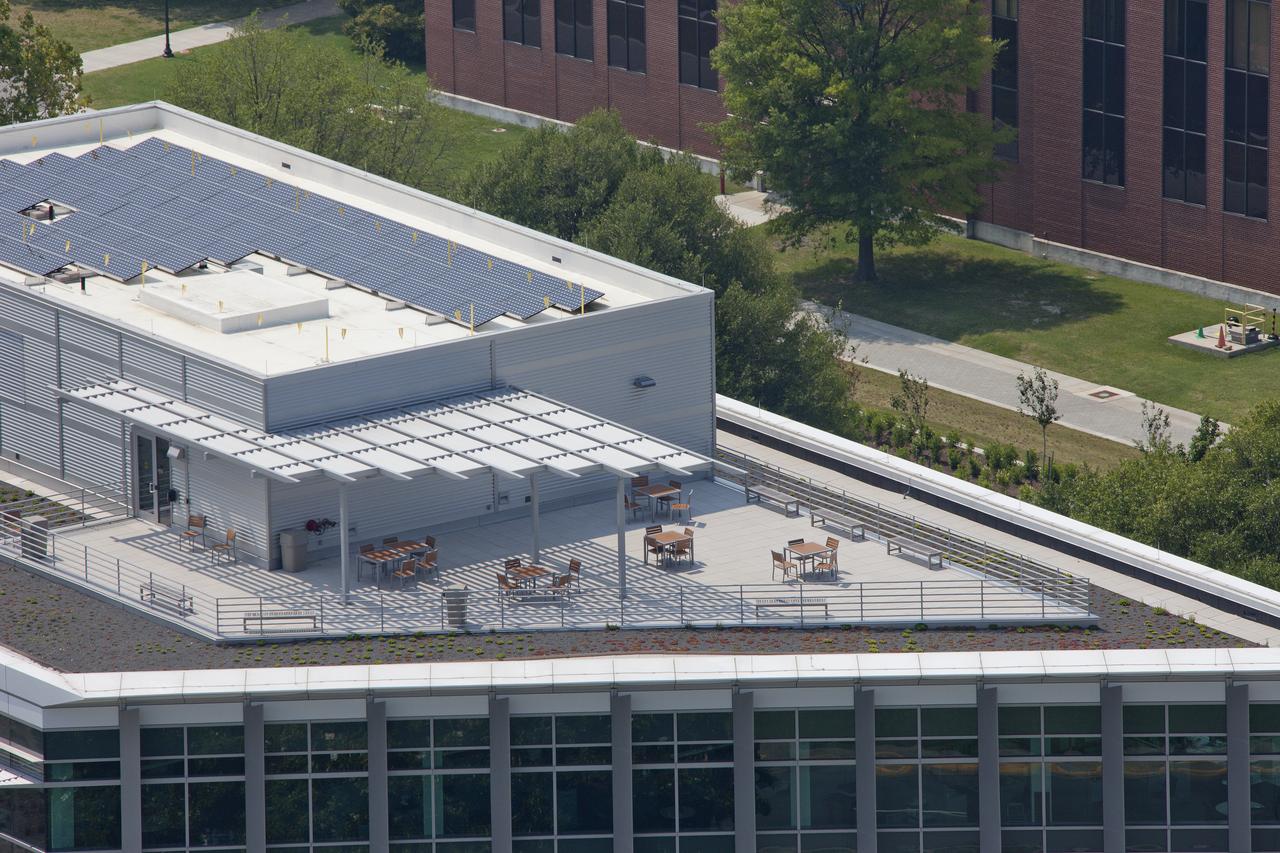
Aerial of NASA Langley Research Center New Town Center Head Quarters
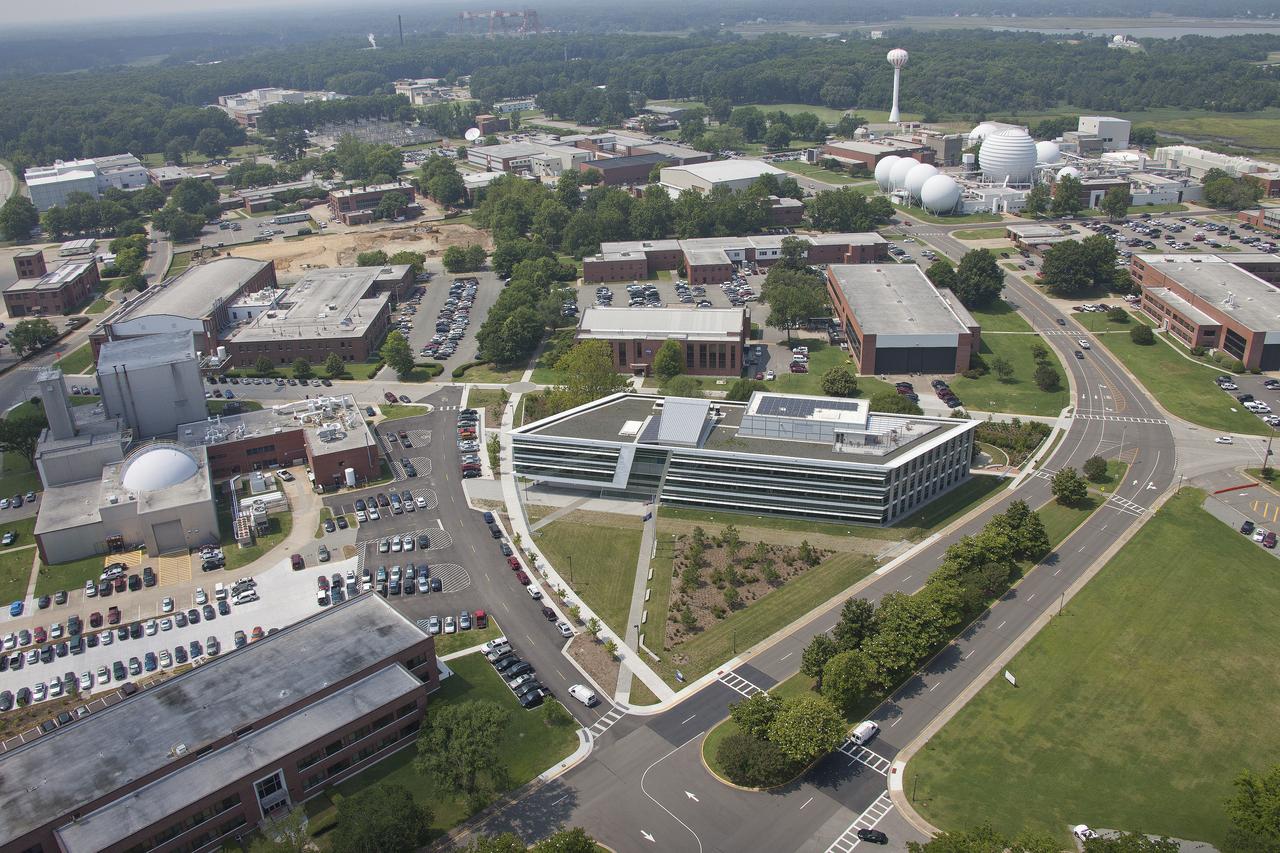
Aerial of NASA Langley Research Center New Town Center Head Quarters
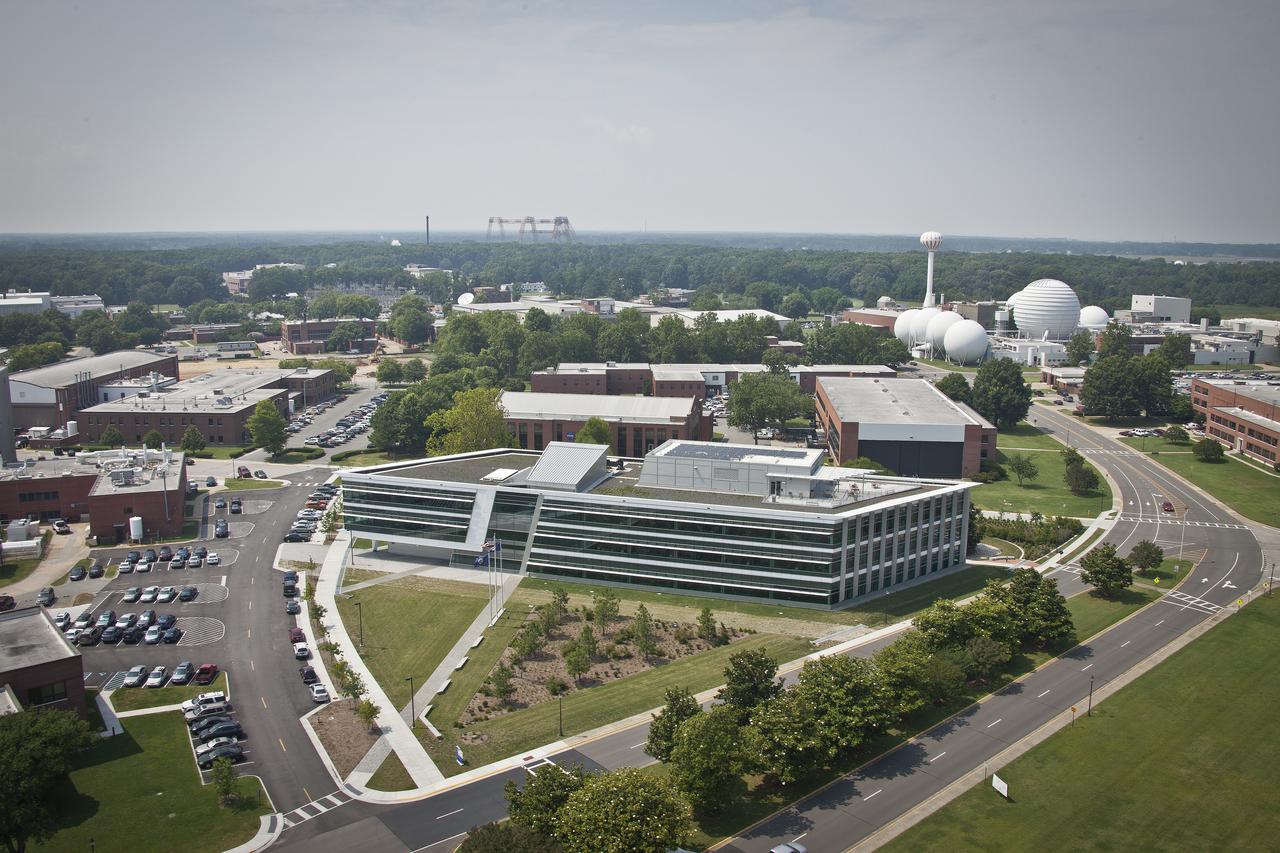
Aerial of NASA Langley Research Center New Town Center Head Quarters
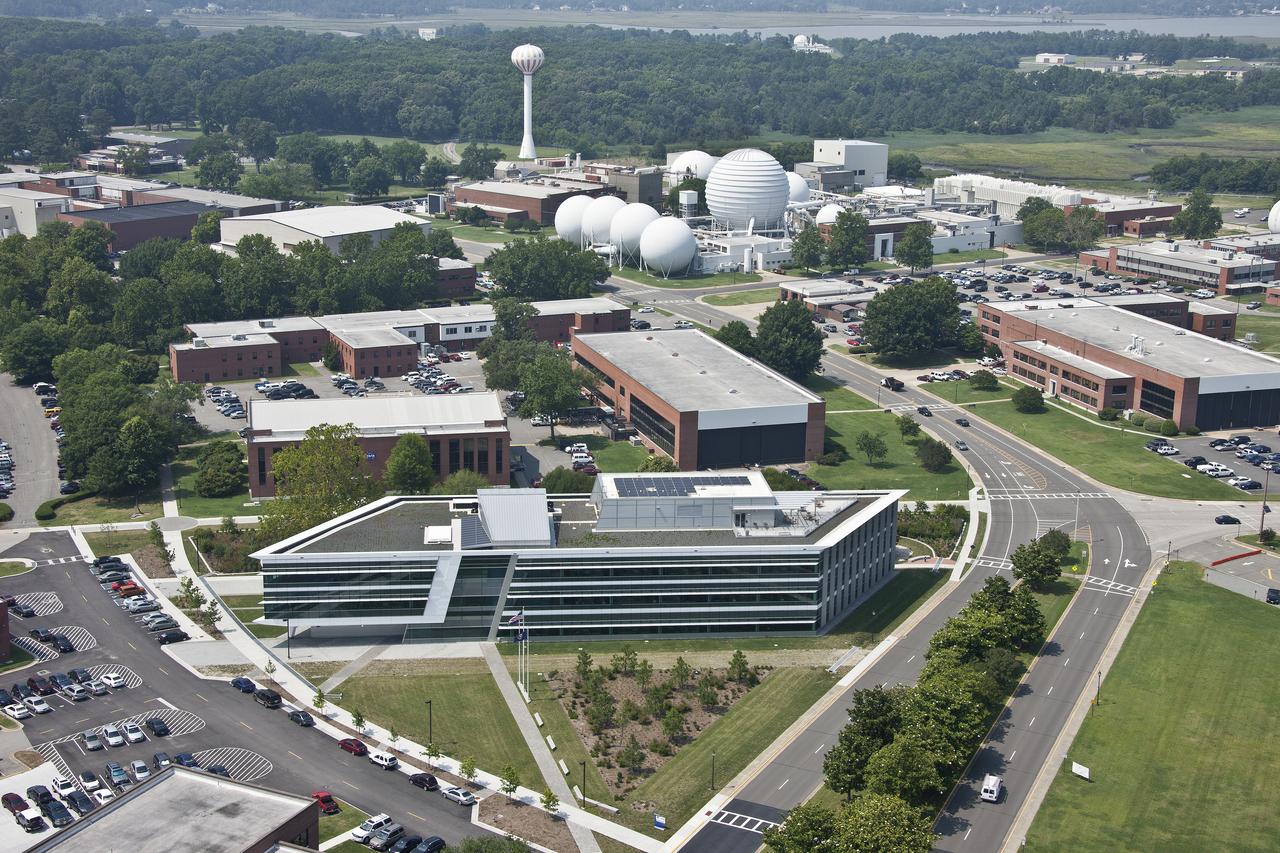
Aerial of NASA Langley Research Center New Town Center Head Quarters
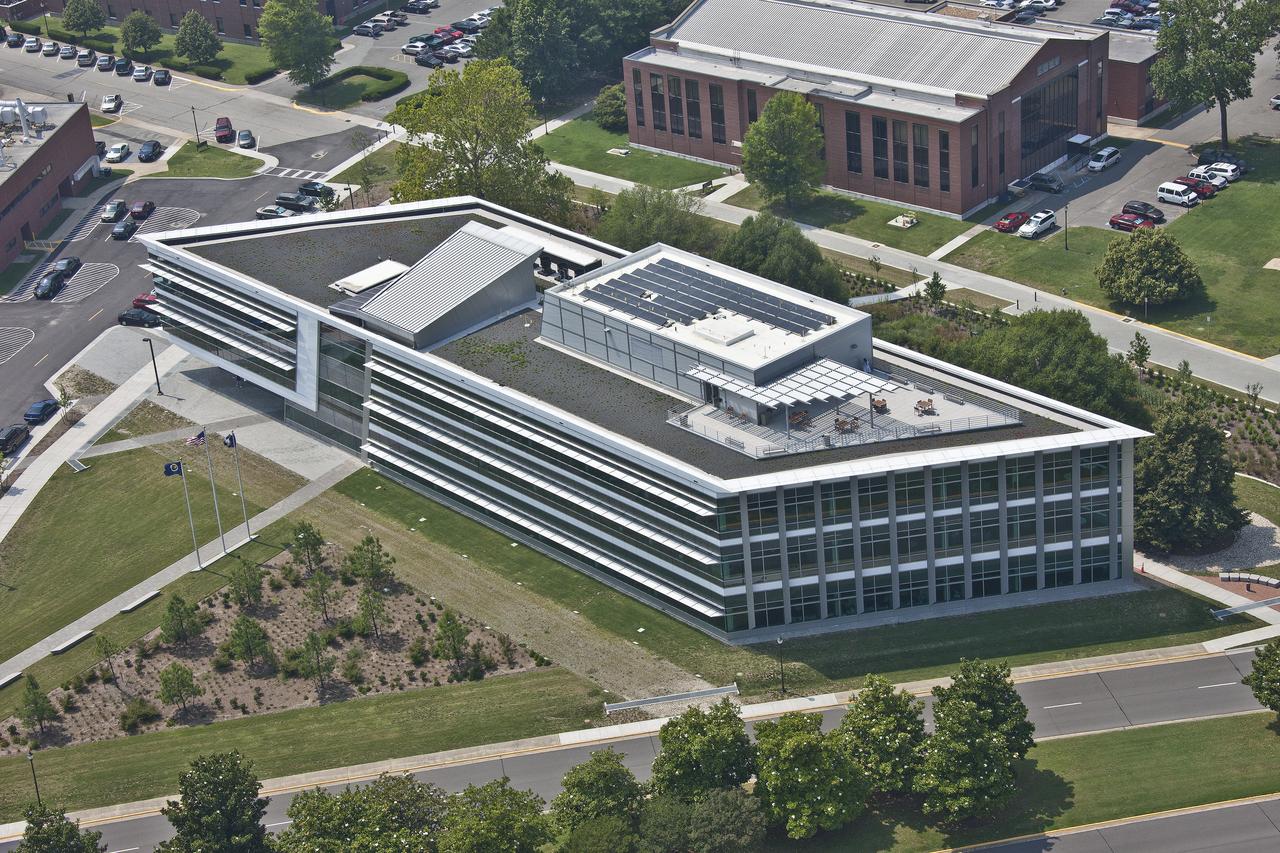
Aerial of NASA Langley Research Center New Town Center Head Quarters
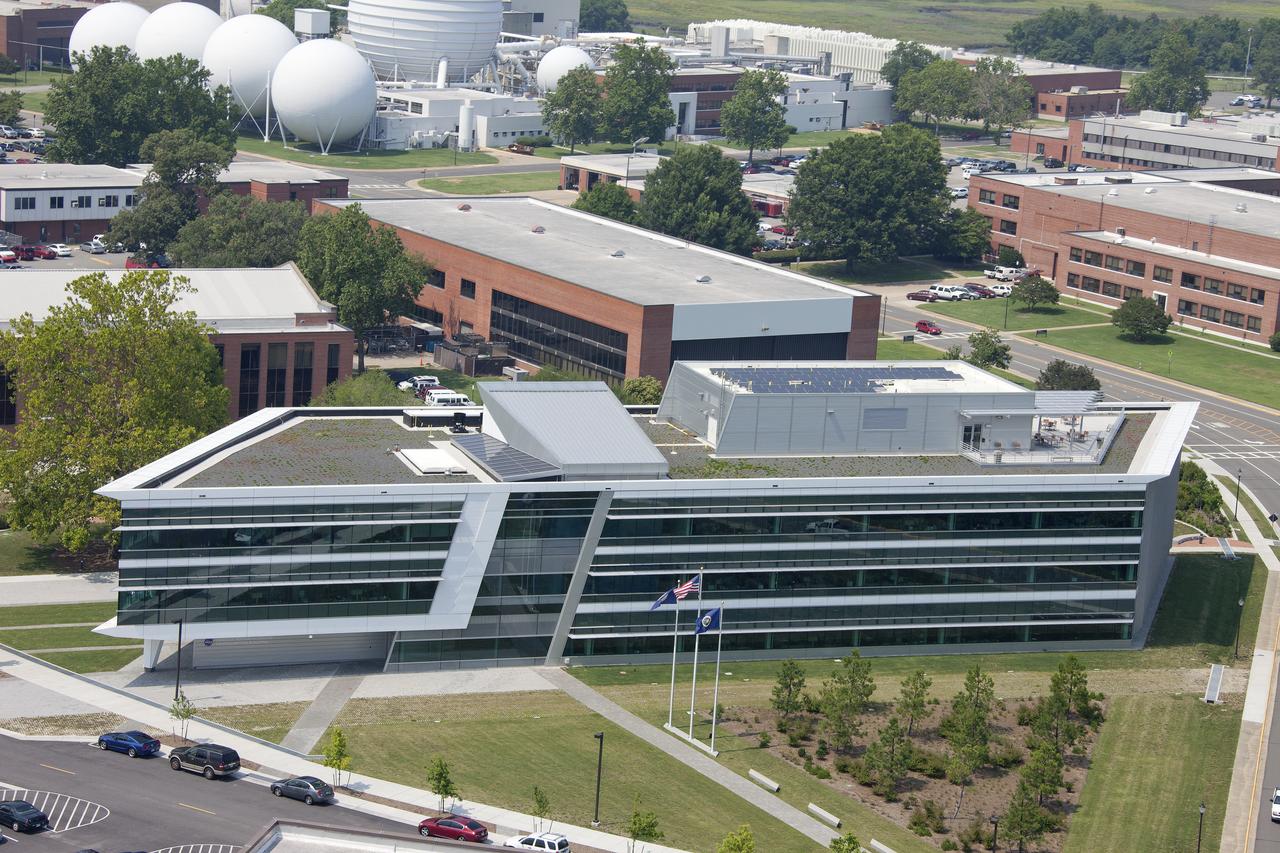
Aerial of NASA Langley Research Center New Town Center Head Quarters
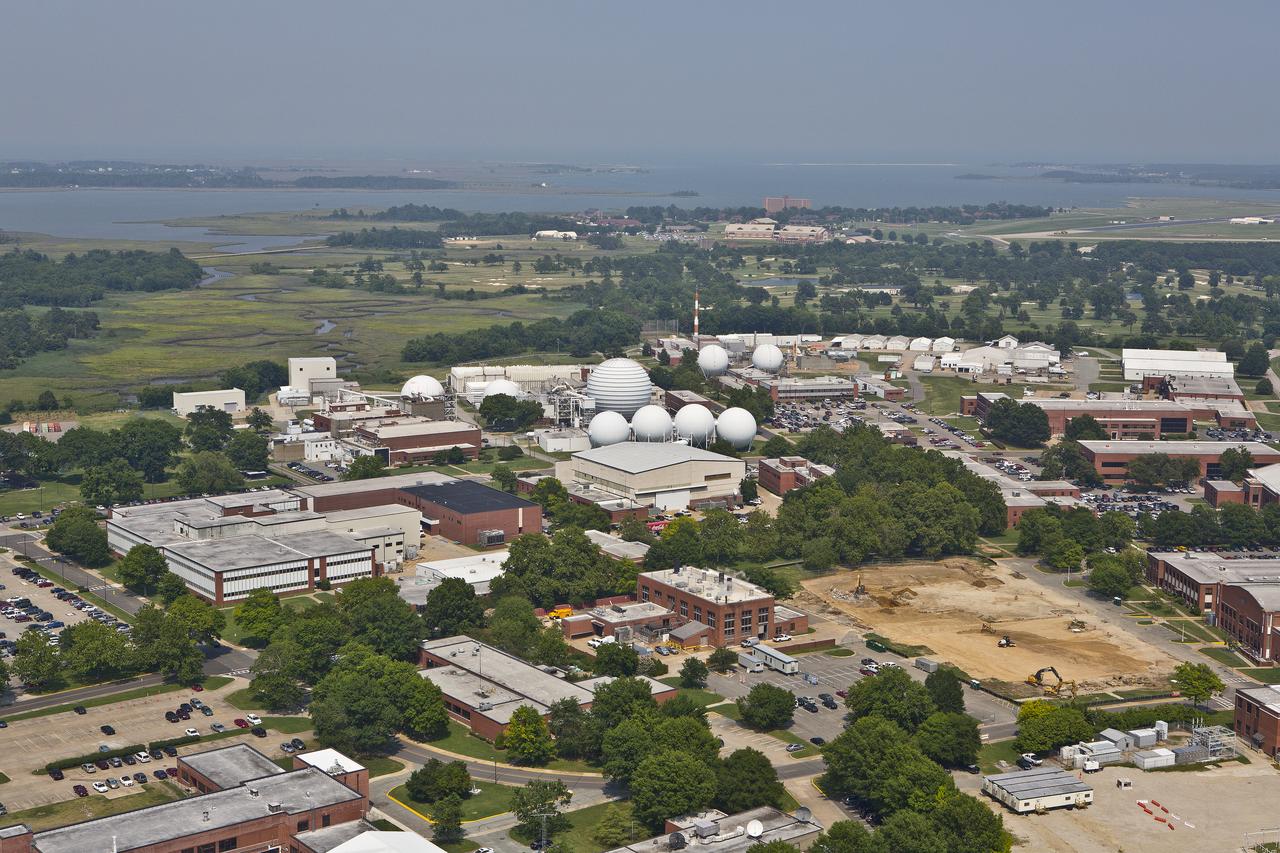
Aerial view of NASA Langley Research Center west side
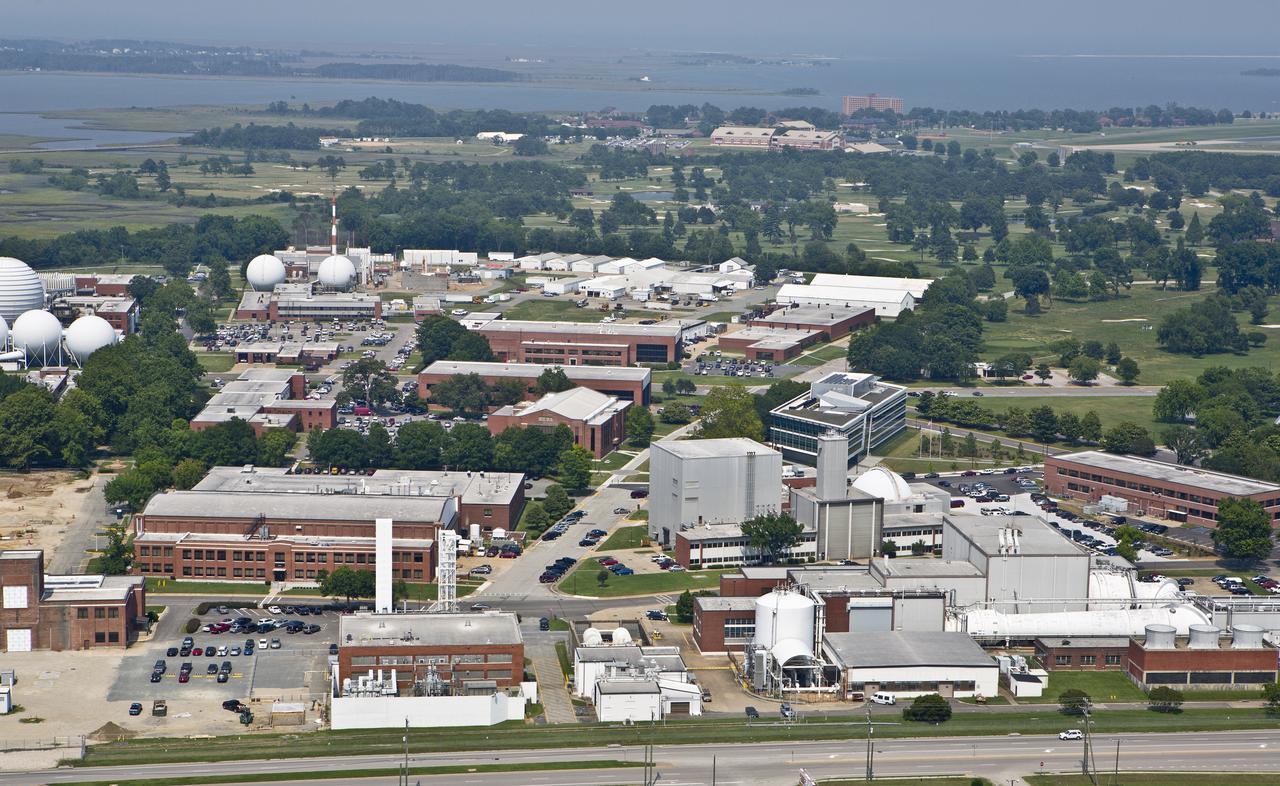
Aerial view of NASA Langley Research Center west side
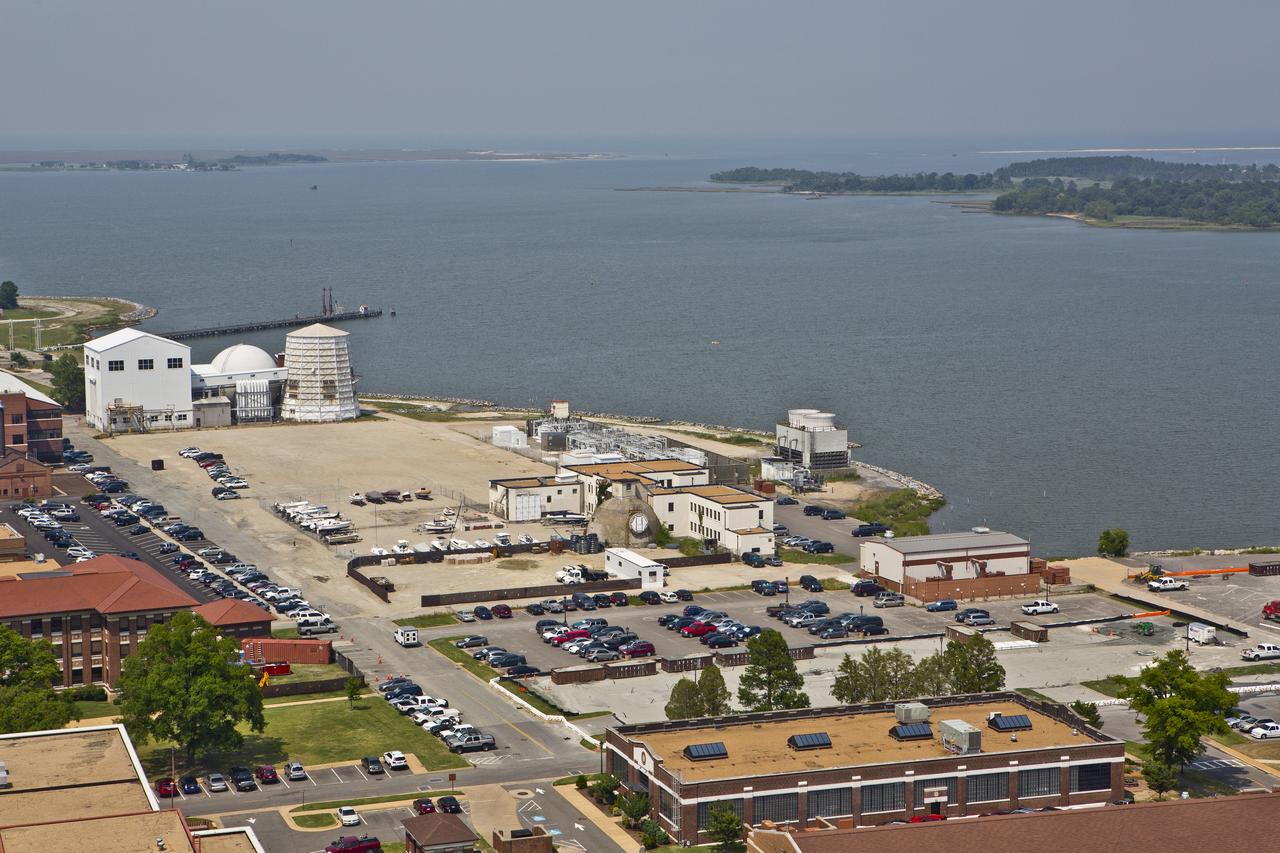
Aerials of NASA Langley Research Center east side with spin tunnel
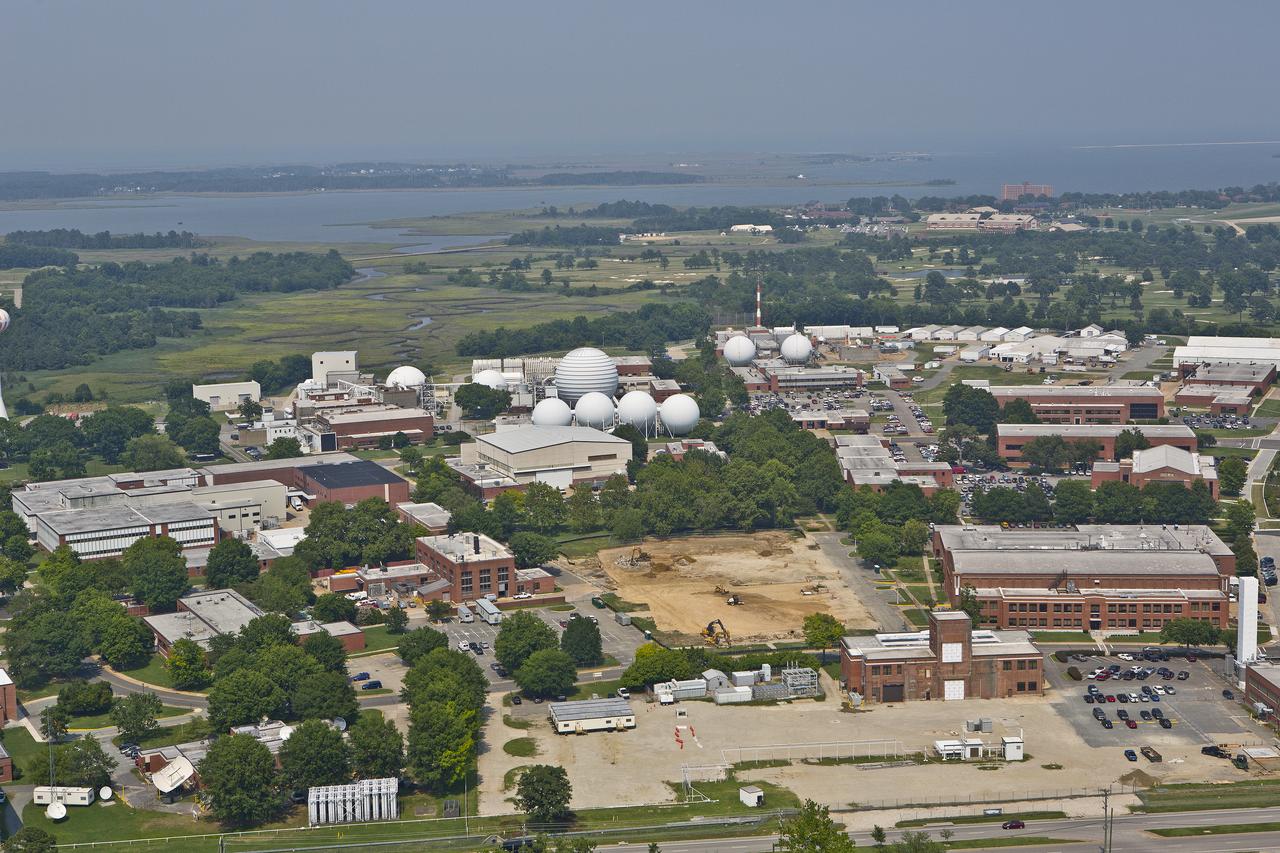
Aerial view of NASA Langley Research Center west side
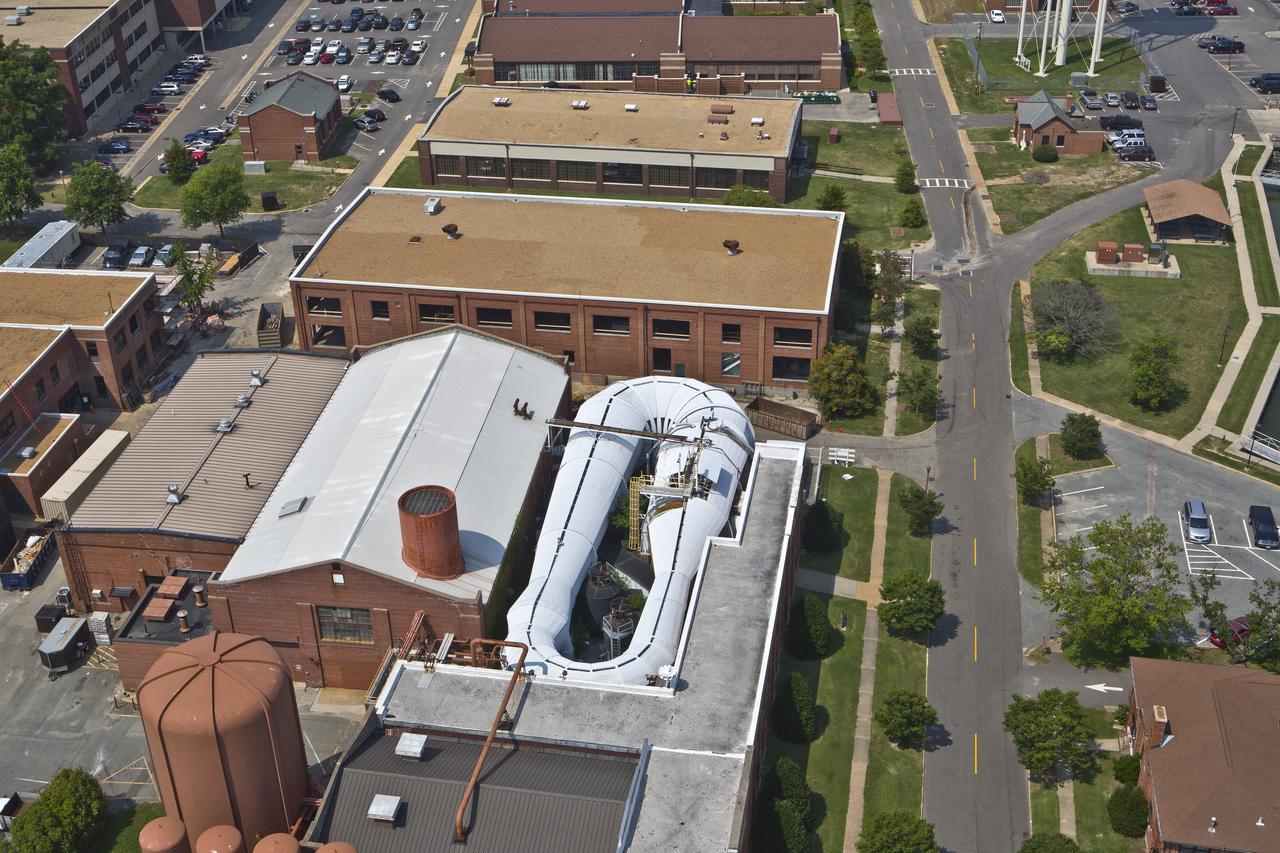
Aerials of NASA Langley Research Center east side with spin tunnel
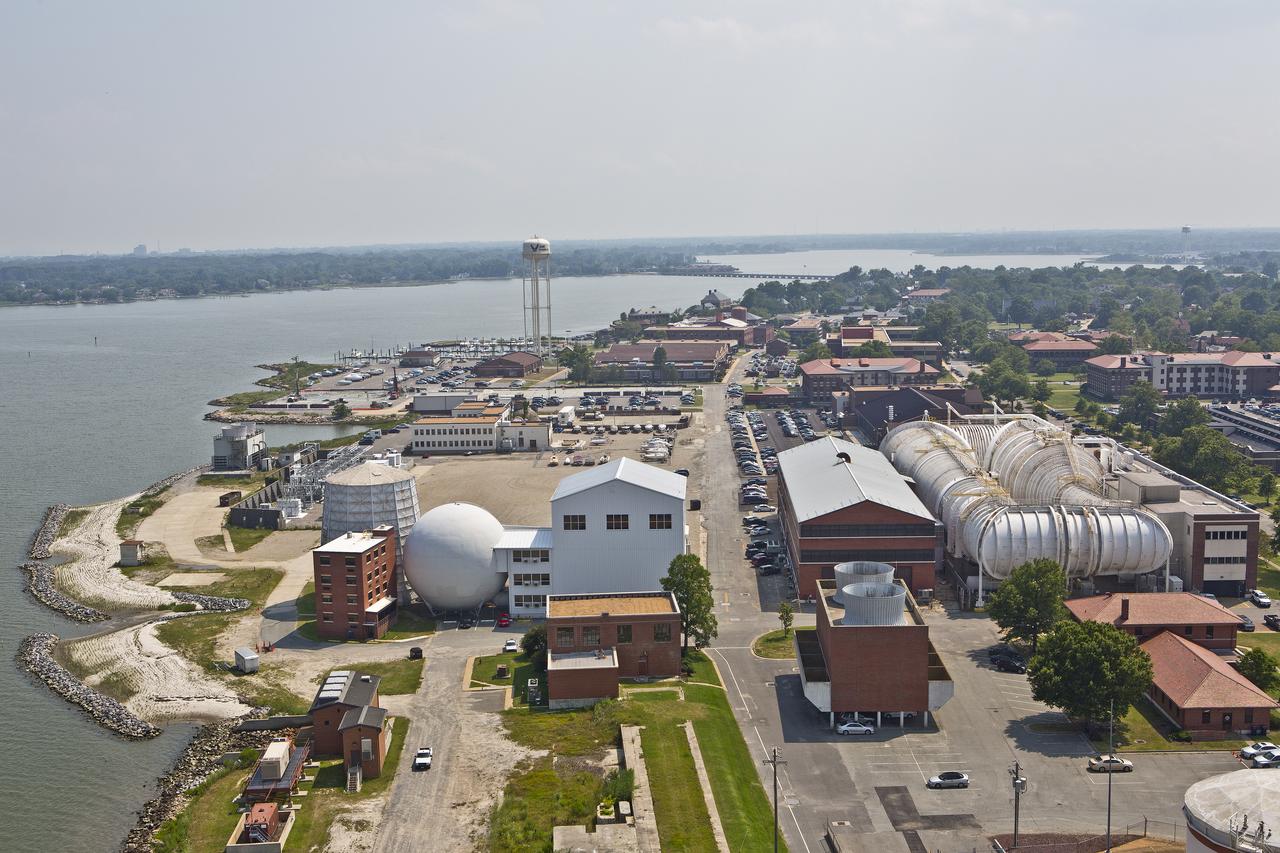
Aerials of NASA Langley Research Center east side with spin tunnel
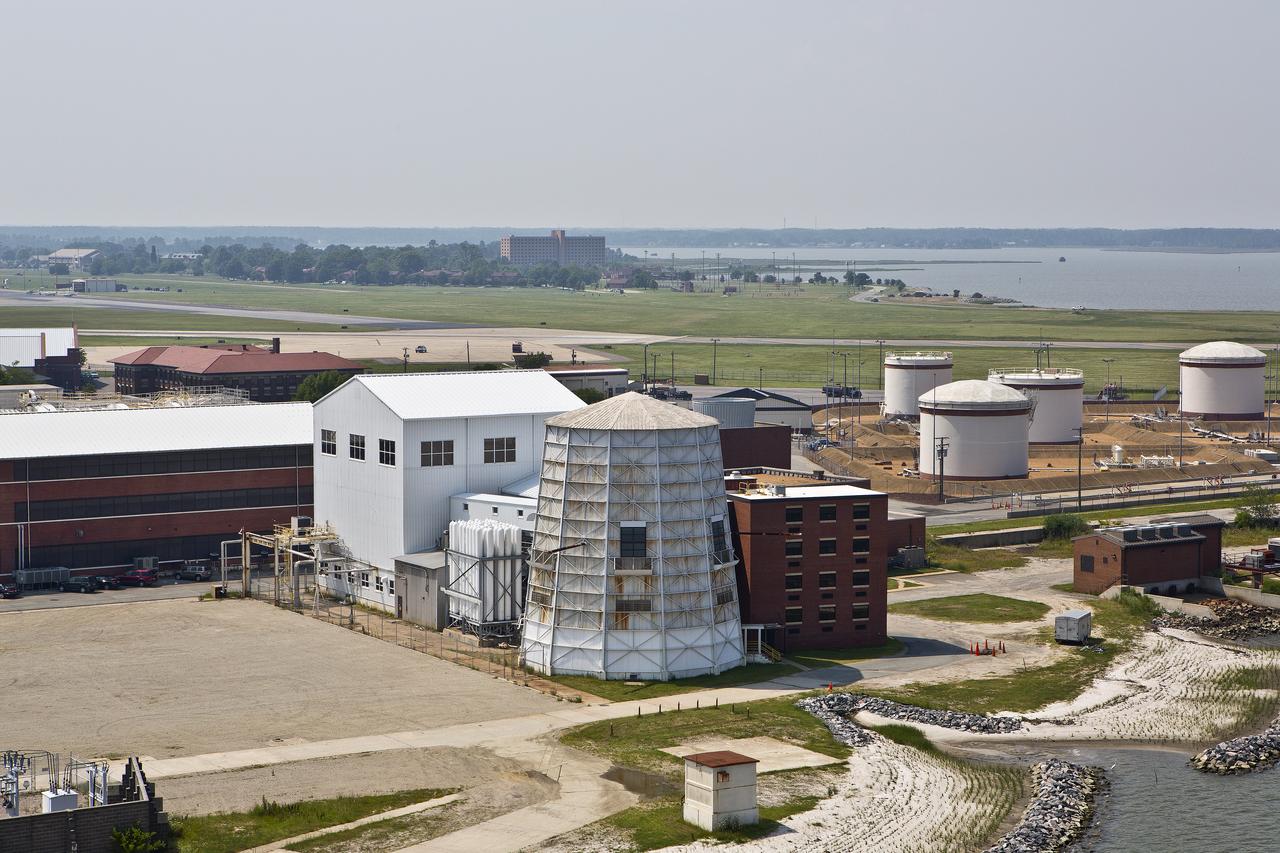
Aerials of NASA Langley Research Center east side with spin tunnel
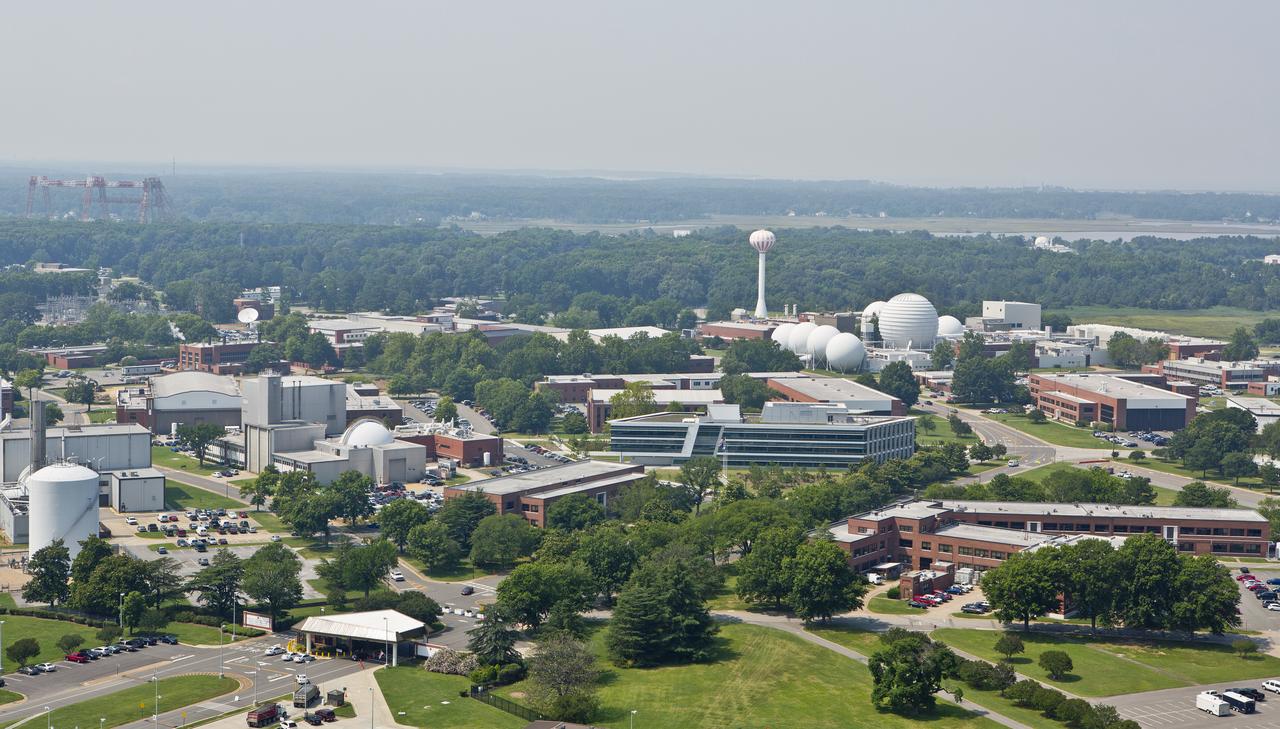
Aerial view of NASA Langley Research Center west side
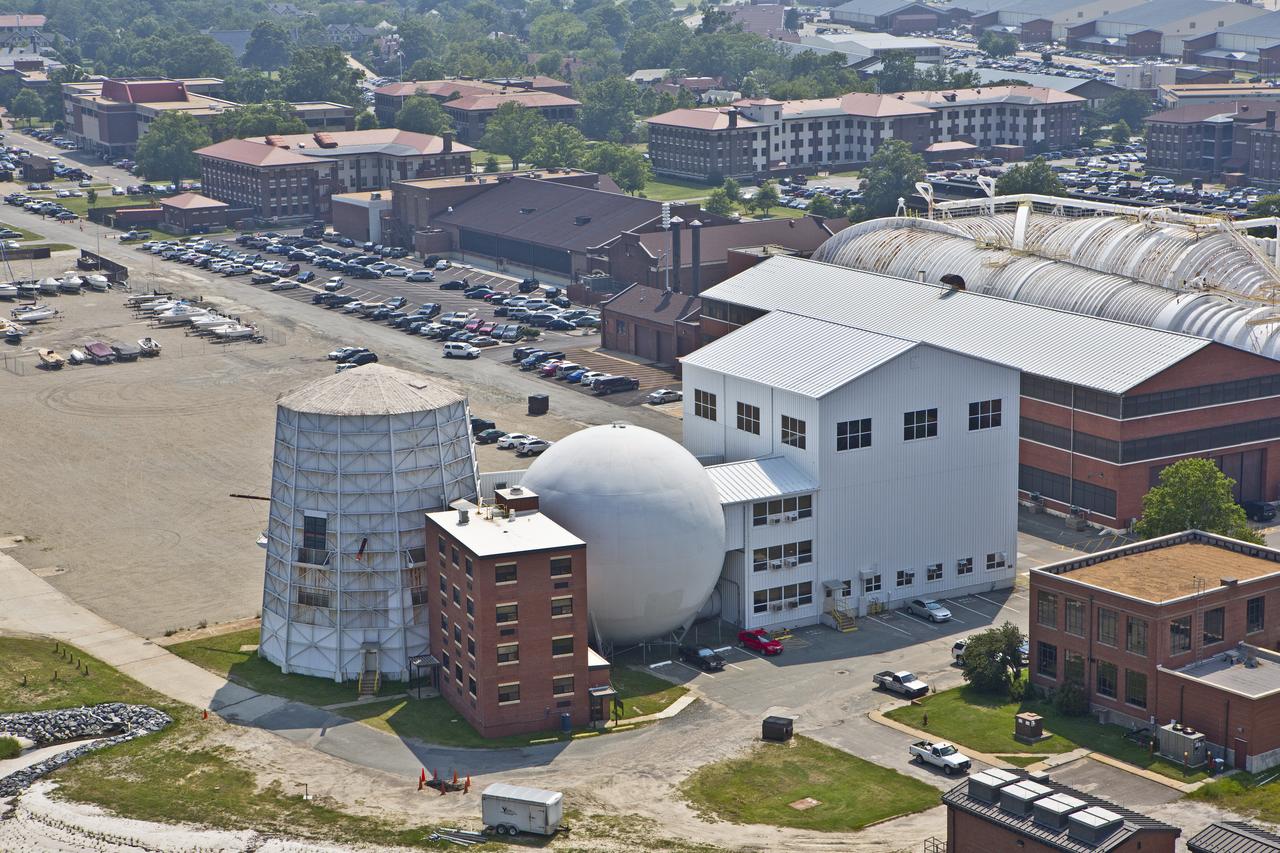
Aerials of NASA Langley Research Center east side with spin tunnel

Aerial view of NASA Langley Research Center west side
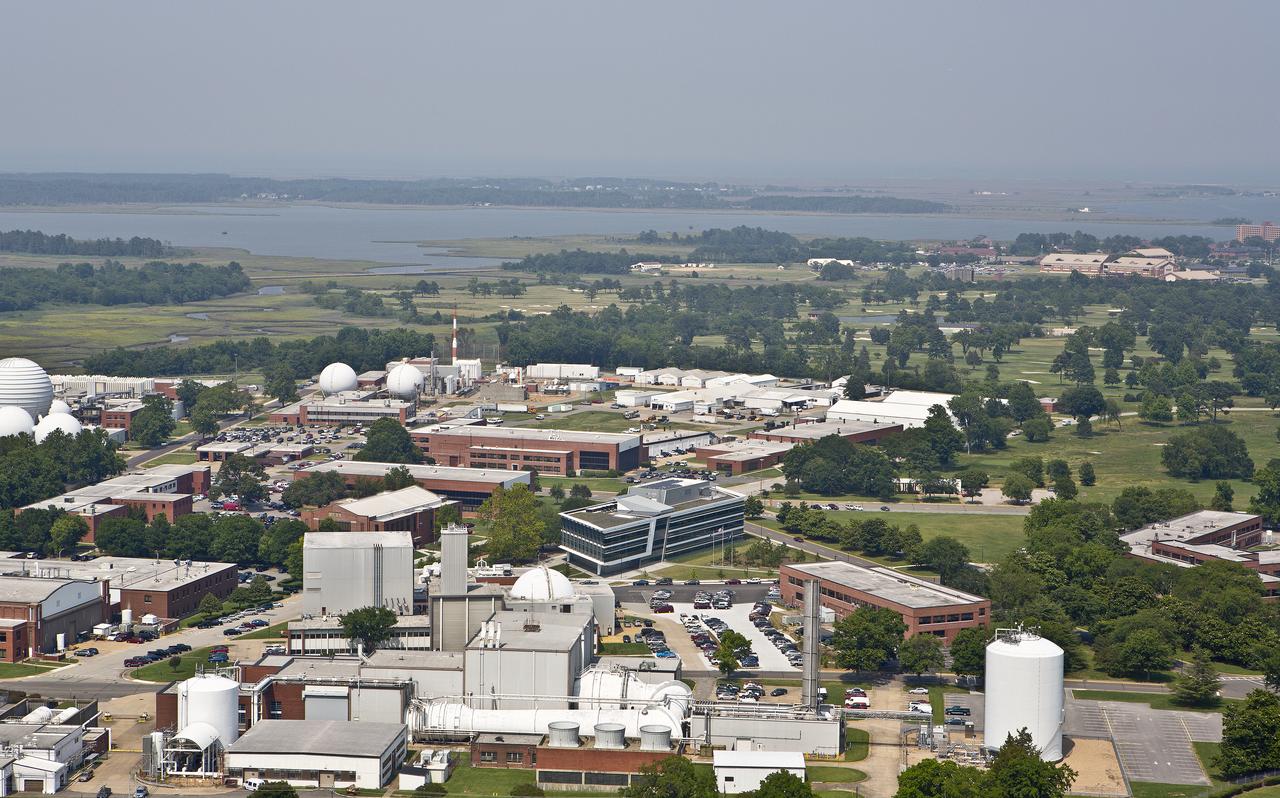
Aerial view of NASA Langley Research Center west side
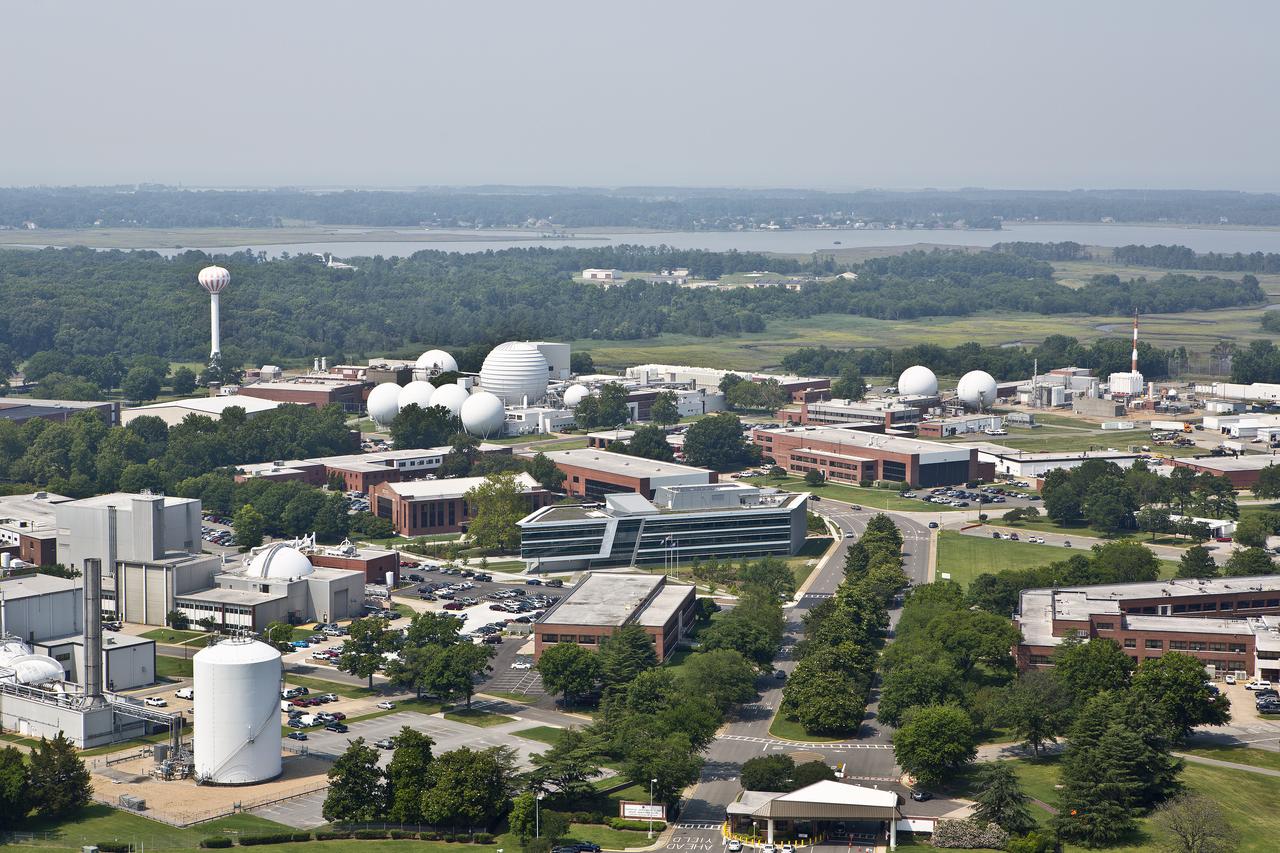
Aerial view of NASA Langley Research Center west side
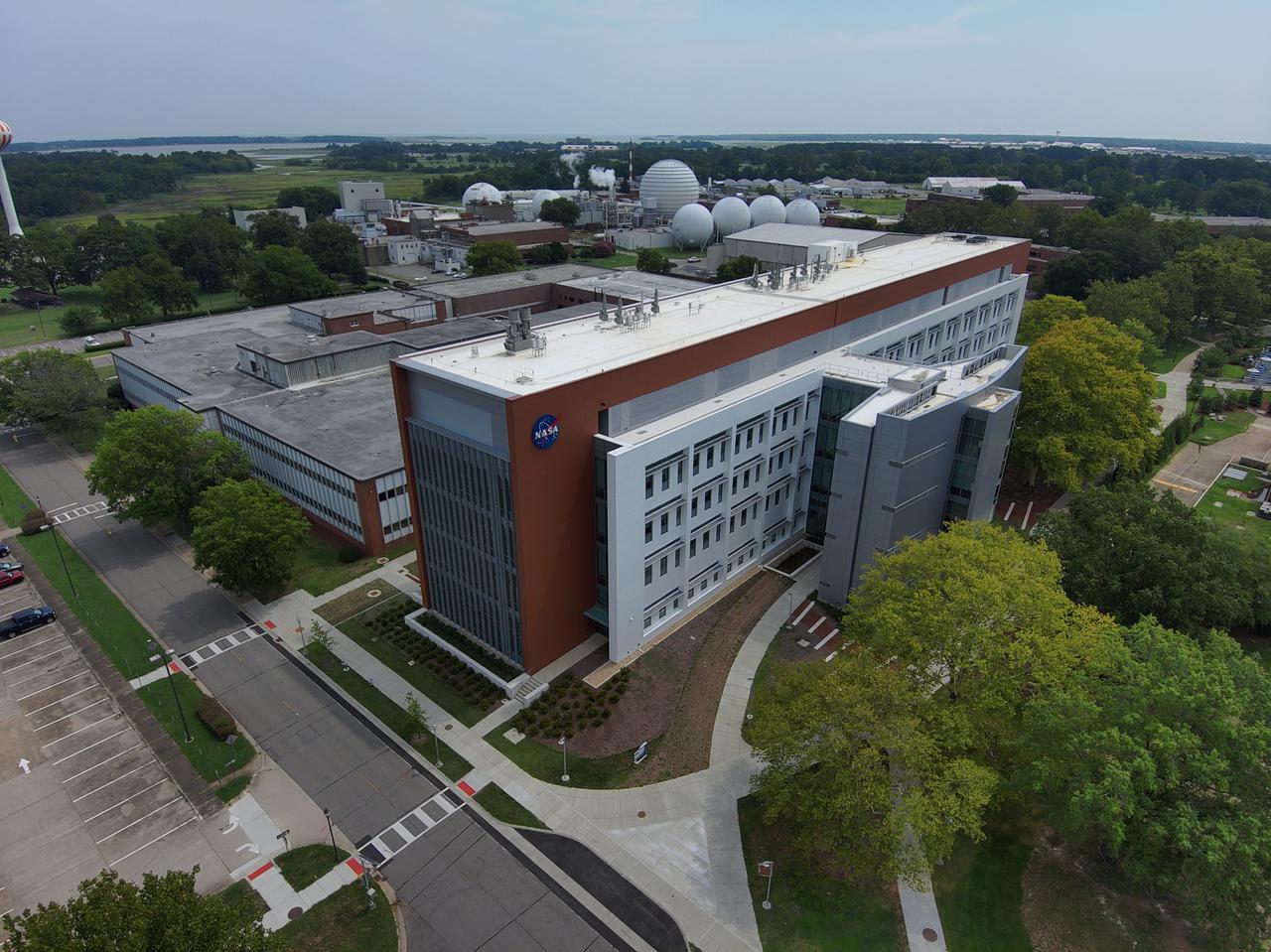
Langley’s newly built Measurement Systems Laboratory will serve as the primary research and development location for six branches within the Research and Engineering Directorates. The ribbon cutting will take place in April 2022.
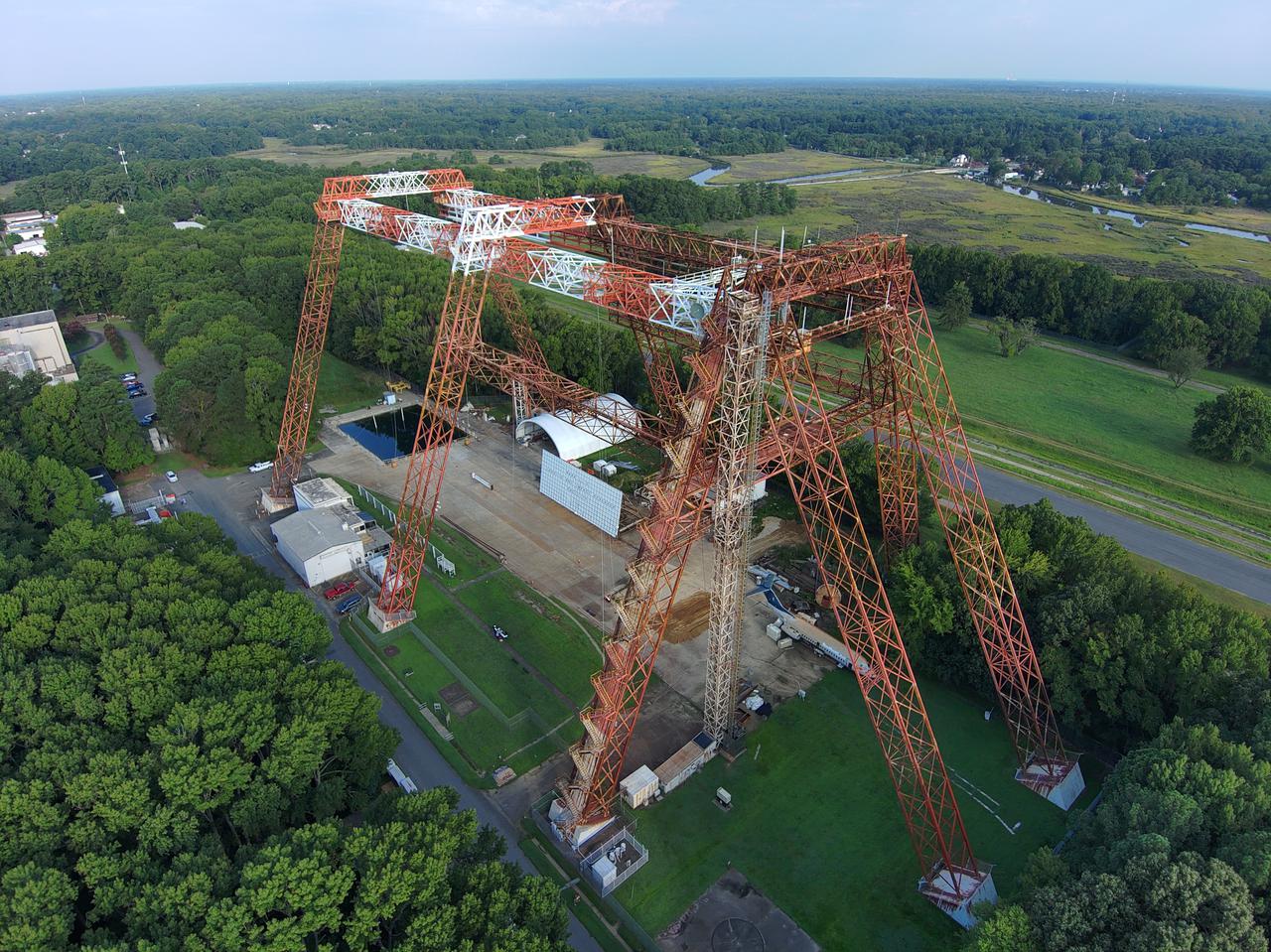
Langley’s historic Impact Dynamics Facility for full-scale aircraft crash testing stands on the western corner of the NASA Langley campus. In its original configuration, the “gantry” was used to train the Mercury 7
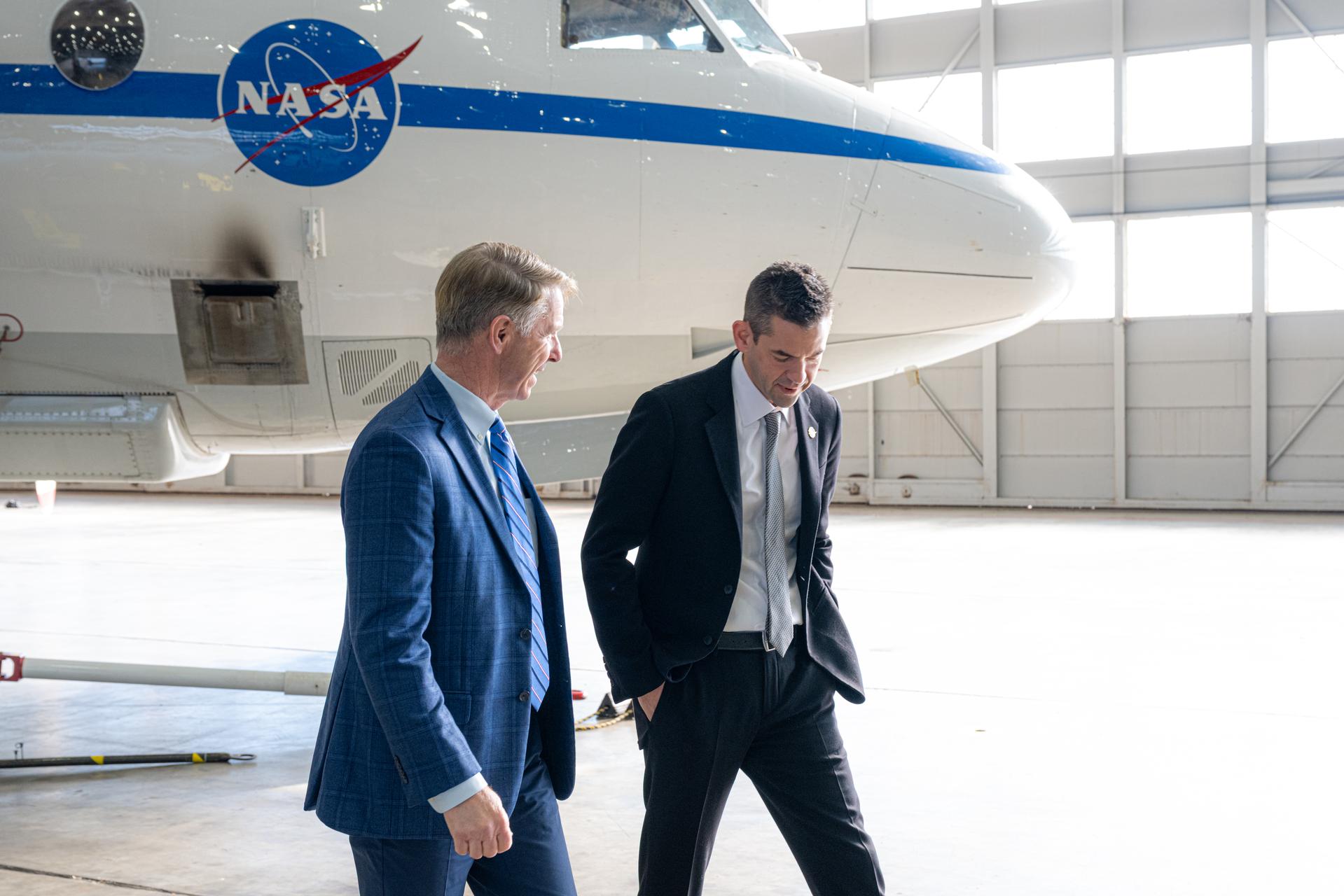
NASA Administrator Jared Isaacman, right, meets with U.S. Rep. Rob Wittman of Virginia’s 1st congressional district, left, Monday, Jan. 12, 2026, at NASA’s Langley Research Center in Hampton, Va. Langley marks the second stop in Isaacman’s roadshow to visit NASA facilities and engage directly with the agency’s workforce. Photo Credit: (NASA/John Kraus)
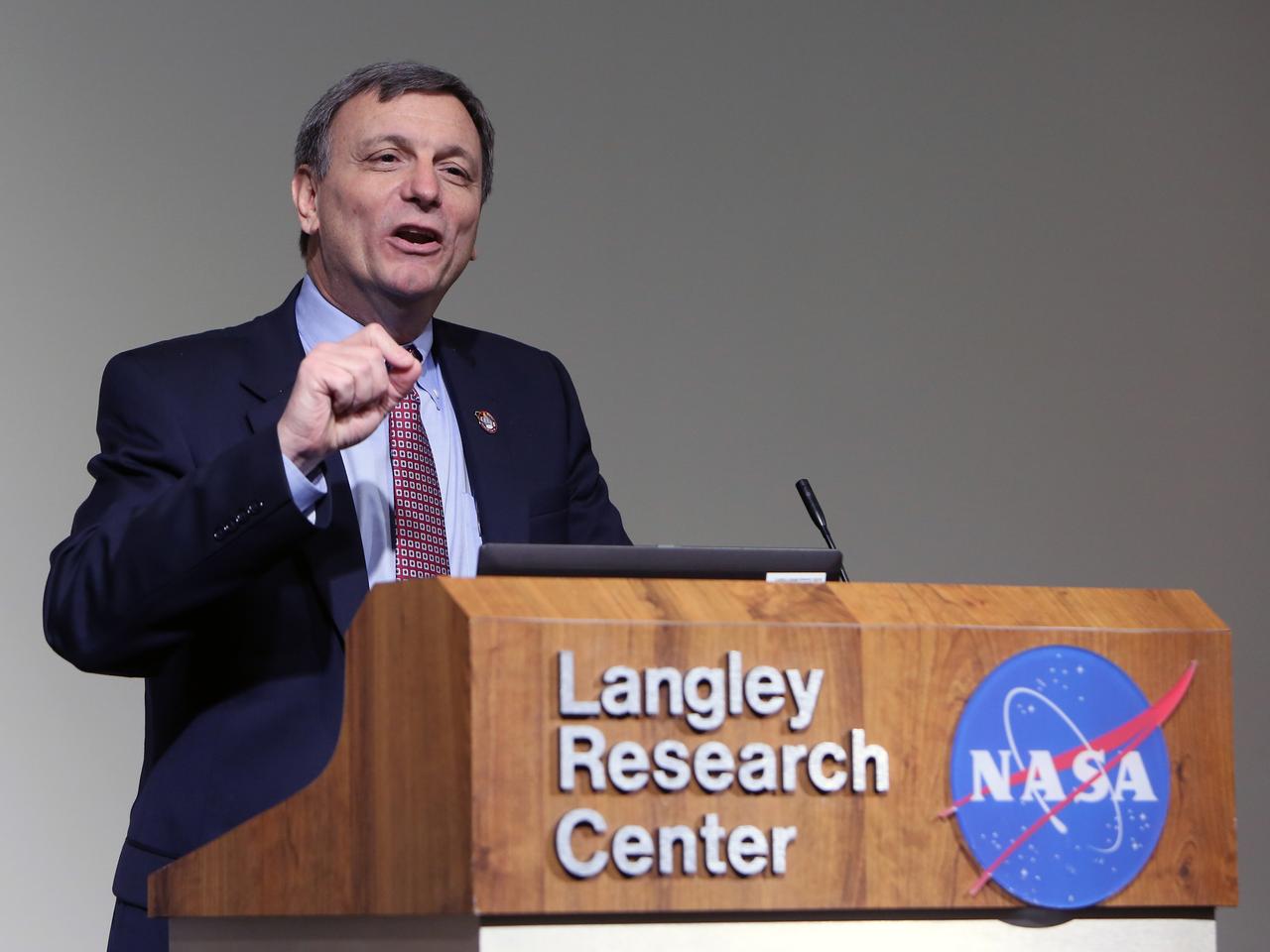
NASA and Lockheed Martin Orion leadership visit Langley Research Center in Hampton, VA on March 19, 2015 to celebrate the center's contribution to Orion's Exploration Flight Test-1 (EFT-1). Part of Batch image transfer from Flickr.
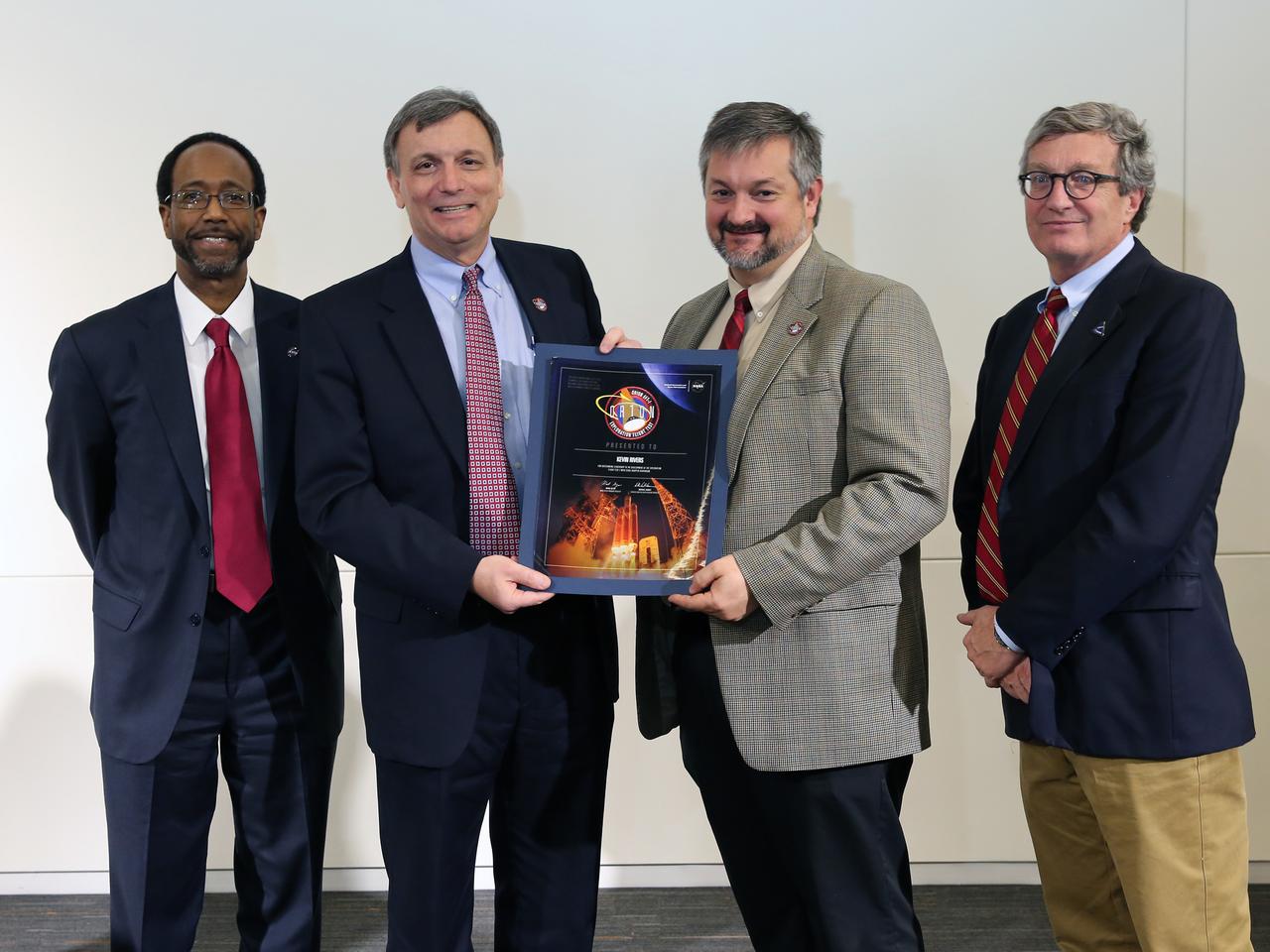
NASA and Lockheed Martin Orion leadership visit Langley Research Center in Hampton, VA on March 19, 2015 to celebrate the center's contribution to Orion's Exploration Flight Test-1 (EFT-1). Award is presented to Kevin Rivers. Part of Batch image transfer from Flickr.
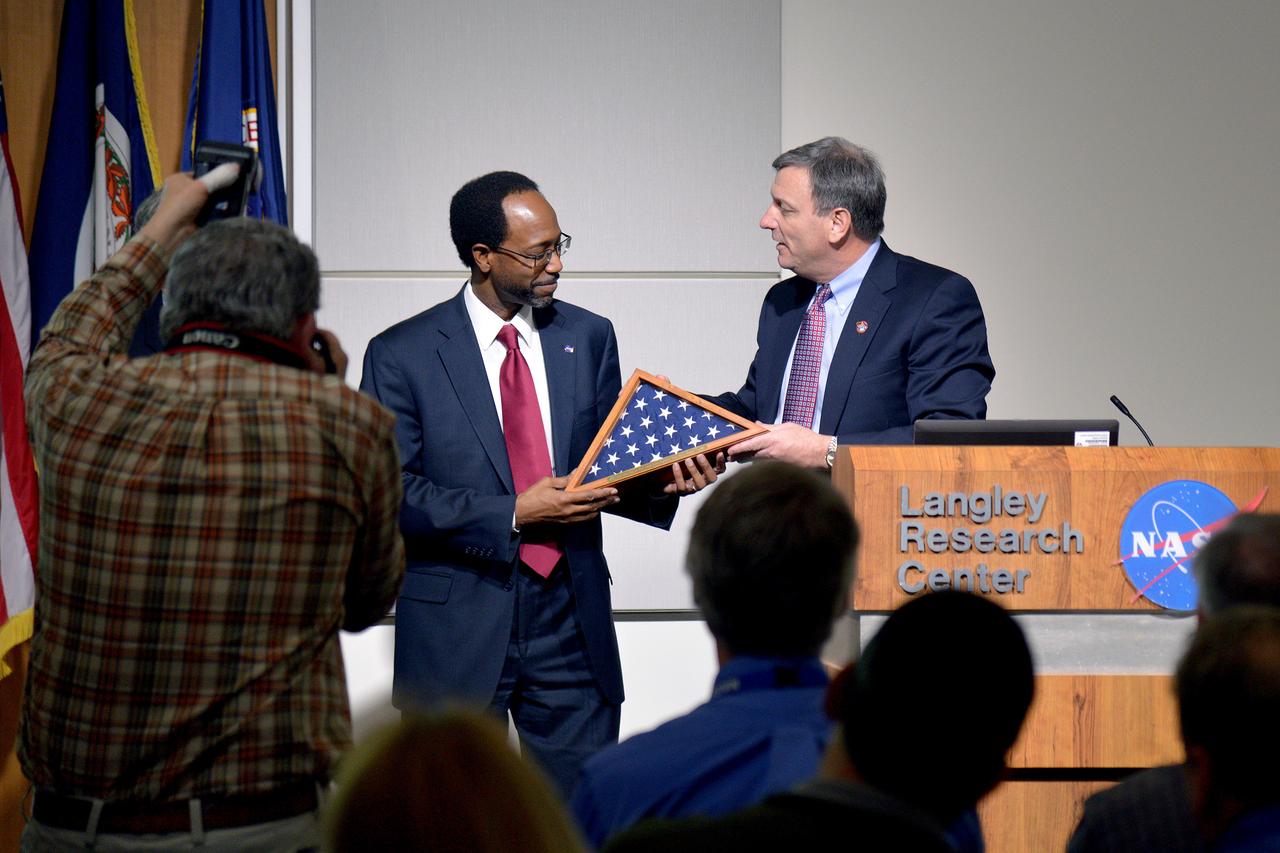
NASA and Lockheed Martin Orion leadership visit Langley Research Center in Hampton, VA on March 19, 2015 to celebrate the center's contribution to Orion's Exploration Flight Test-1 (EFT-1). Part of Batch image transfer from Flickr.
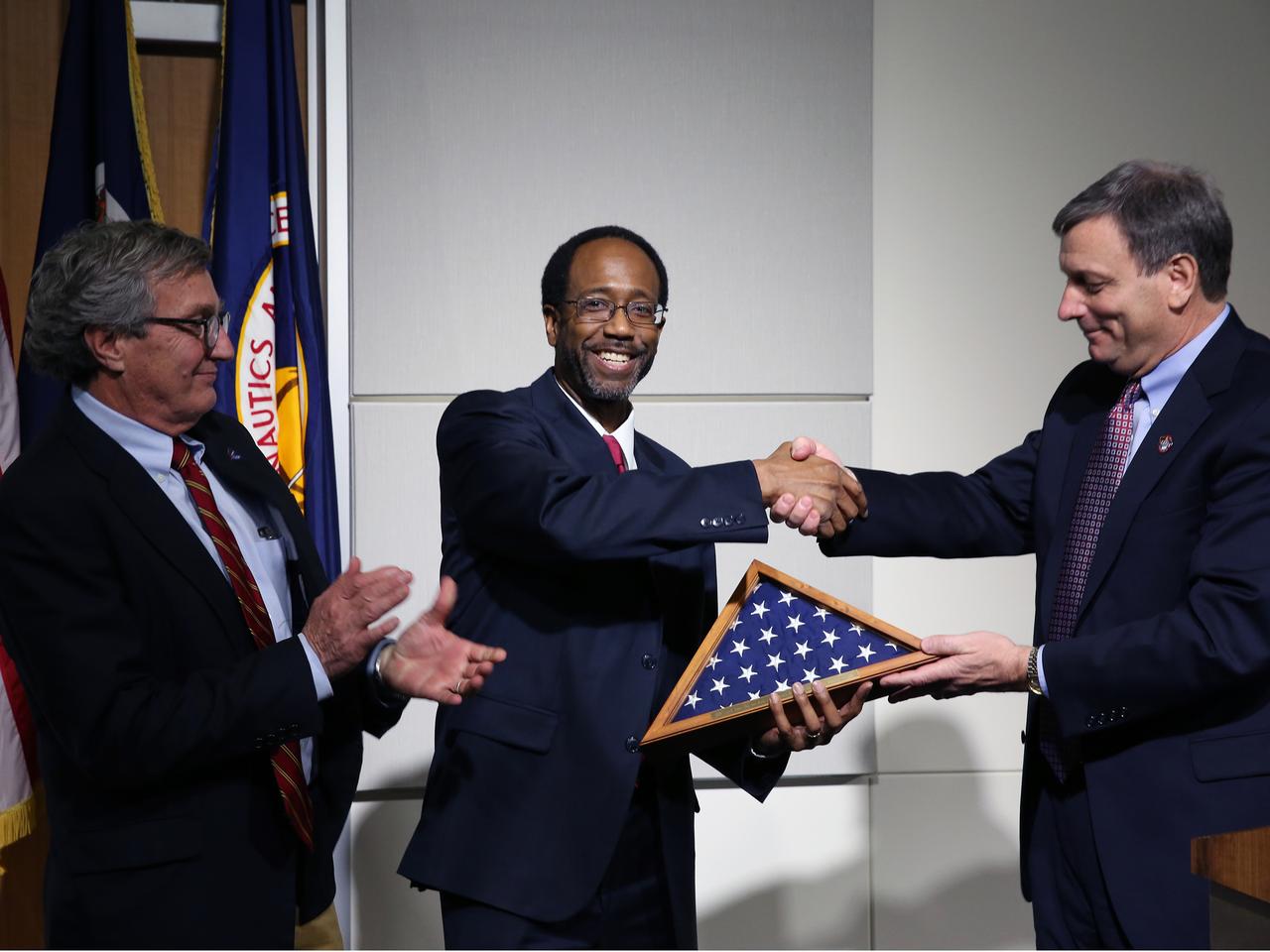
NASA and Lockheed Martin Orion leadership visit Langley Research Center in Hampton, VA on March 19, 2015 to celebrate the center's contribution to Orion's Exploration Flight Test-1 (EFT-1). Part of Batch image transfer from Flickr.

NASA and Lockheed Martin Orion leadership visit Langley Research Center in Hampton, VA on March 19, 2015 to celebrate the center's contribution to Orion's Exploration Flight Test-1 (EFT-1). Award presented to Wayne Walters. Part of Batch image transfer from Flickr.
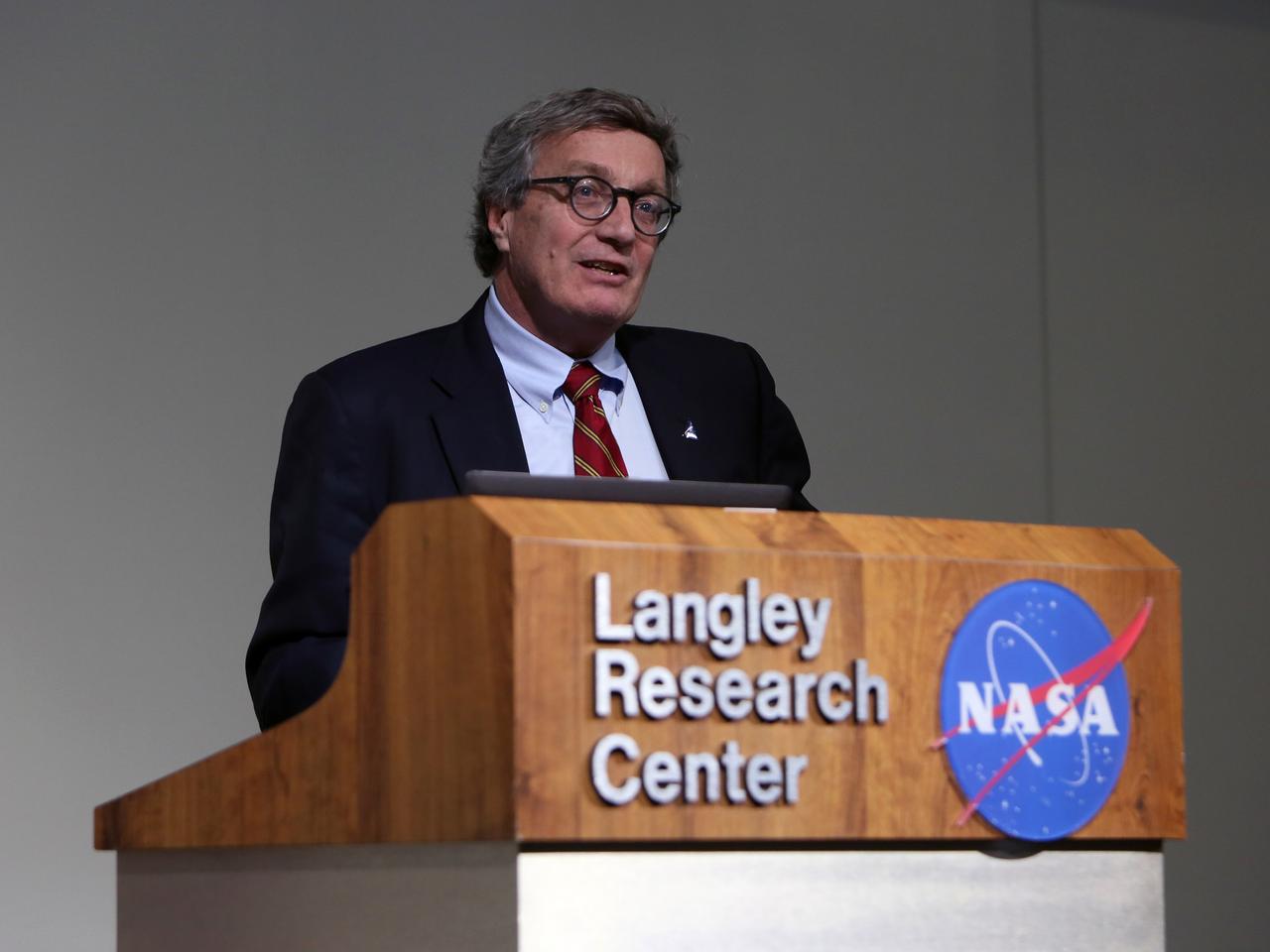
NASA and Lockheed Martin Orion leadership visit Langley Research Center in Hampton, VA on March 19, 2015 to celebrate the center's contribution to Orion's Exploration Flight Test-1 (EFT-1). Part of Batch image transfer from Flickr.
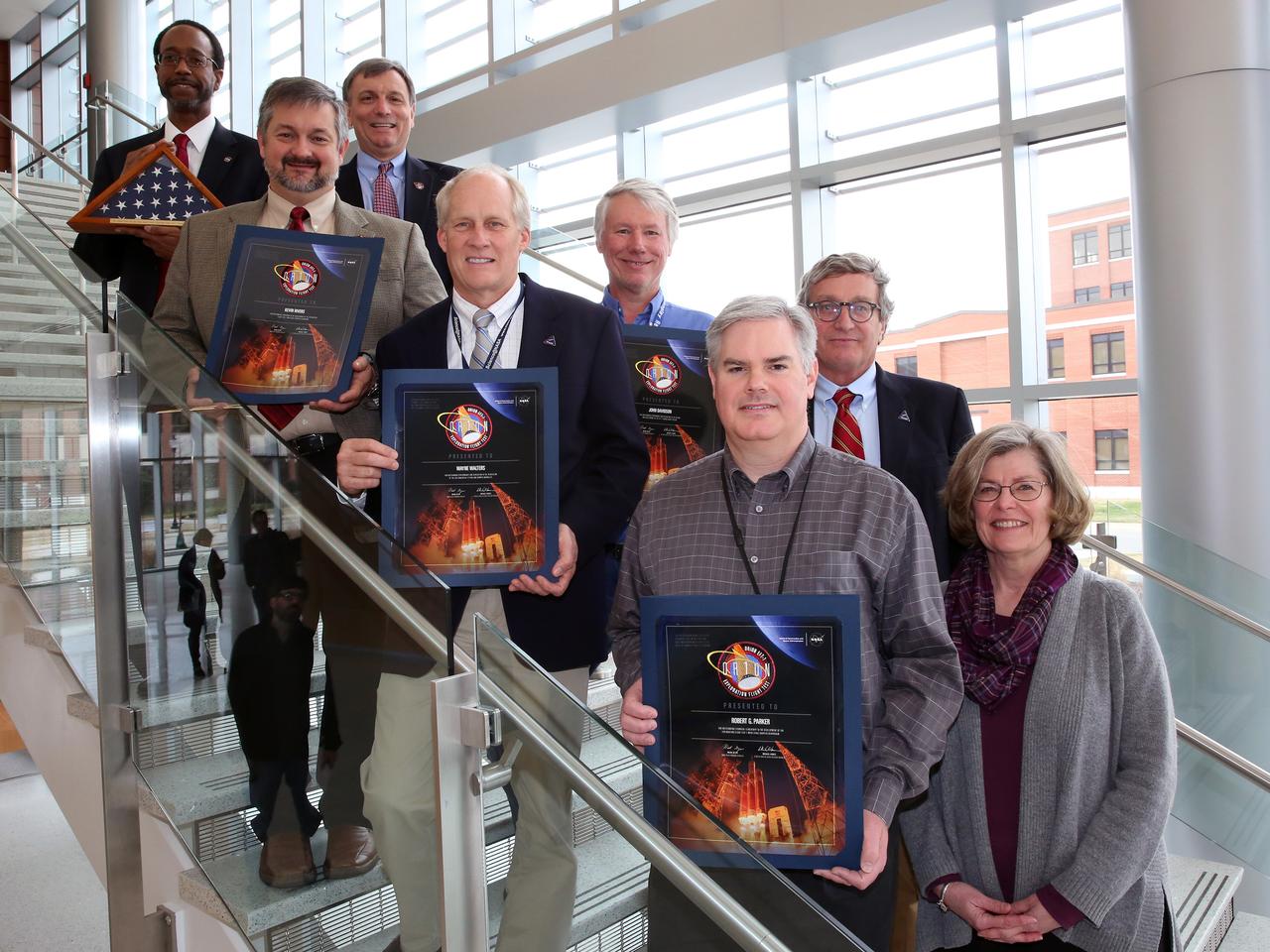
NASA and Lockheed Martin Orion leadership visit Langley Research Center in Hampton, VA on March 19, 2015 to celebrate the center's contribution to Orion's Exploration Flight Test-1 (EFT-1). Part of Batch image transfer from Flickr.
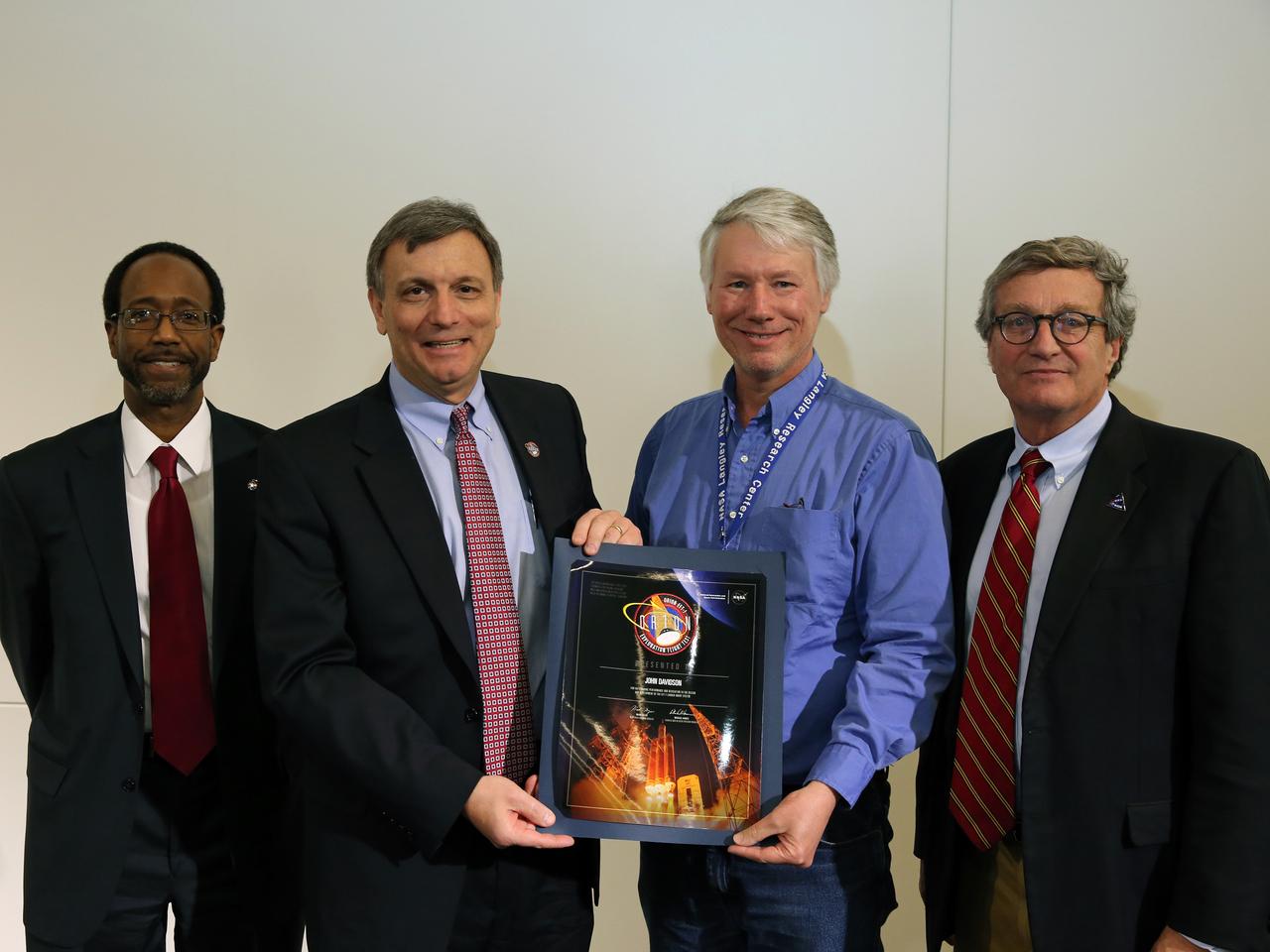
NASA and Lockheed Martin Orion leadership visit Langley Research Center in Hampton, VA on March 19, 2015 to celebrate the center's contribution to Orion's Exploration Flight Test-1 (EFT-1). Award presented to John Davidson. Part of Batch image transfer from Flickr.
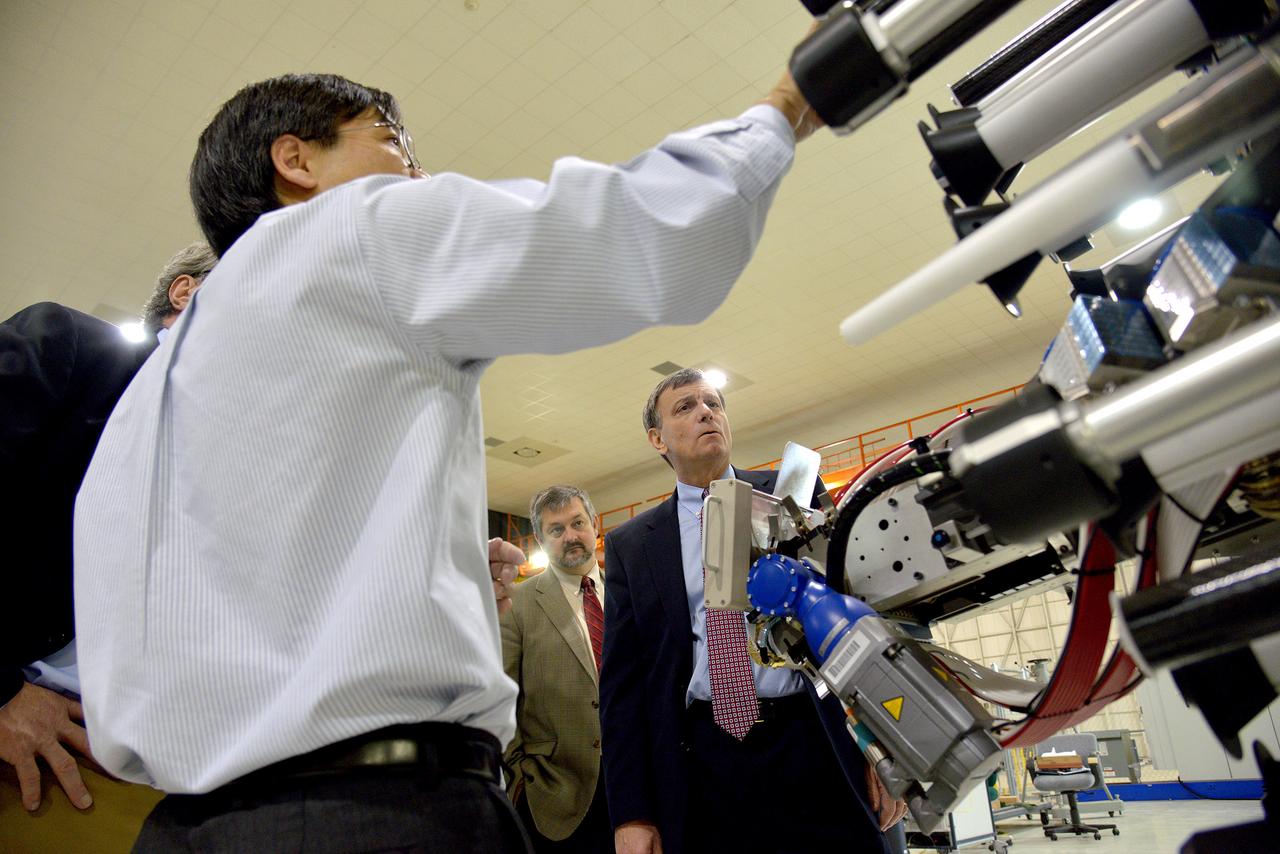
NASA and Lockheed Martin Orion leadership visit Langley Research Center in Hampton, VA on March 19, 2015 to celebrate the center's contribution to Orion's Exploration Flight Test-1 (EFT-1). Part of Batch image transfer from Flickr.
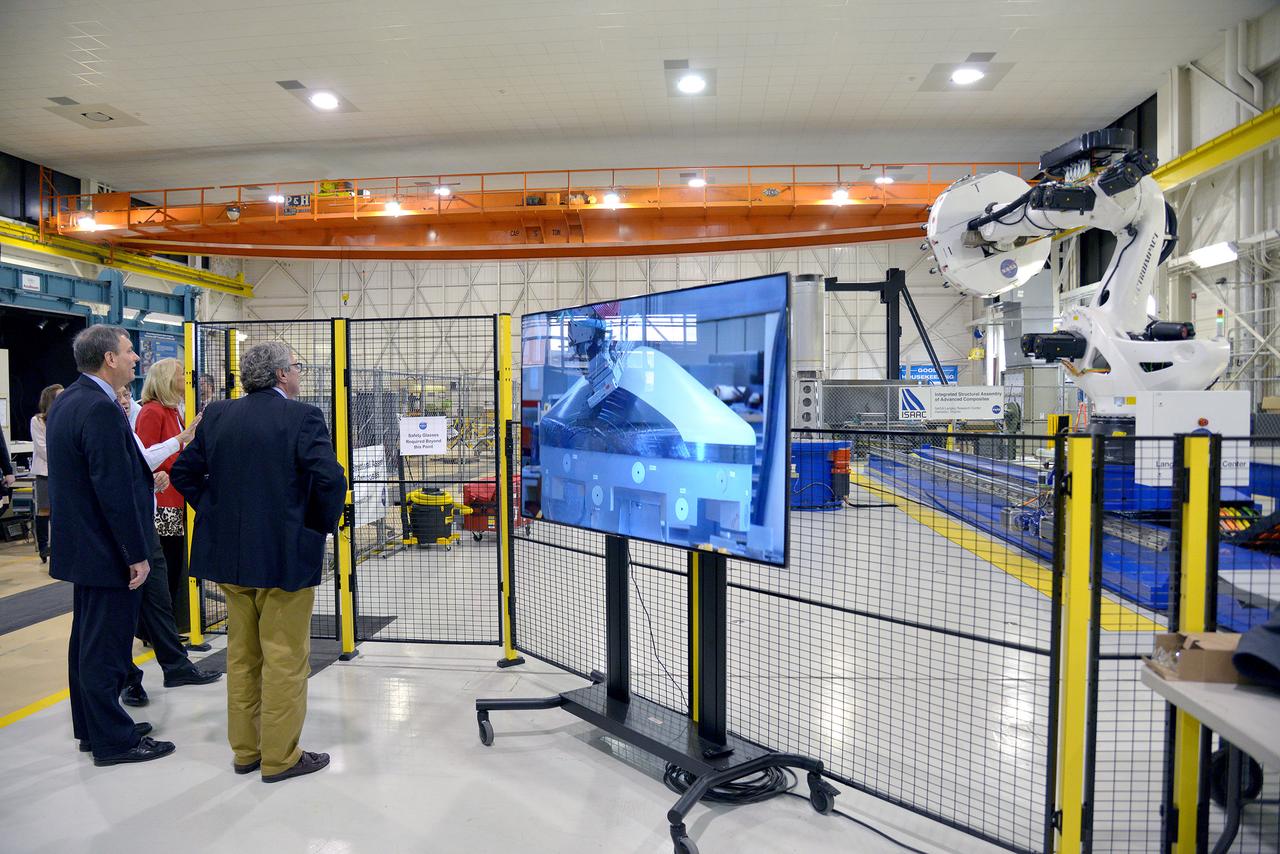
NASA and Lockheed Martin Orion leadership visit Langley Research Center in Hampton, VA on March 19, 2015 to celebrate the center's contribution to Orion's Exploration Flight Test-1 (EFT-1). Part of Batch image transfer from Flickr.
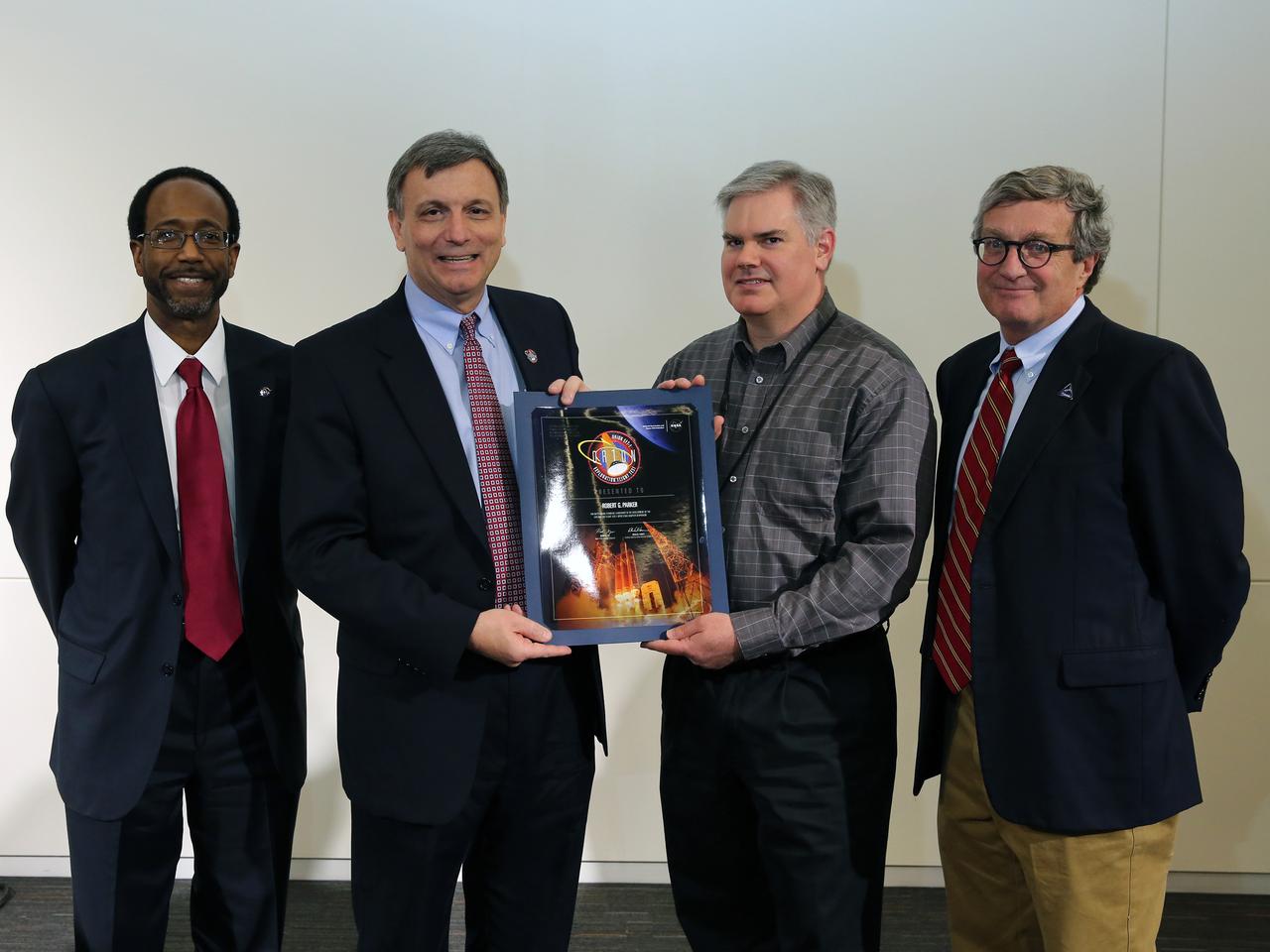
NASA and Lockheed Martin Orion leadership visit Langley Research Center in Hampton, VA on March 19, 2015 to celebrate the center's contribution to Orion's Exploration Flight Test-1 (EFT-1). Award was presented to Robert G. Parker. Part of Batch image transfer from Flickr.
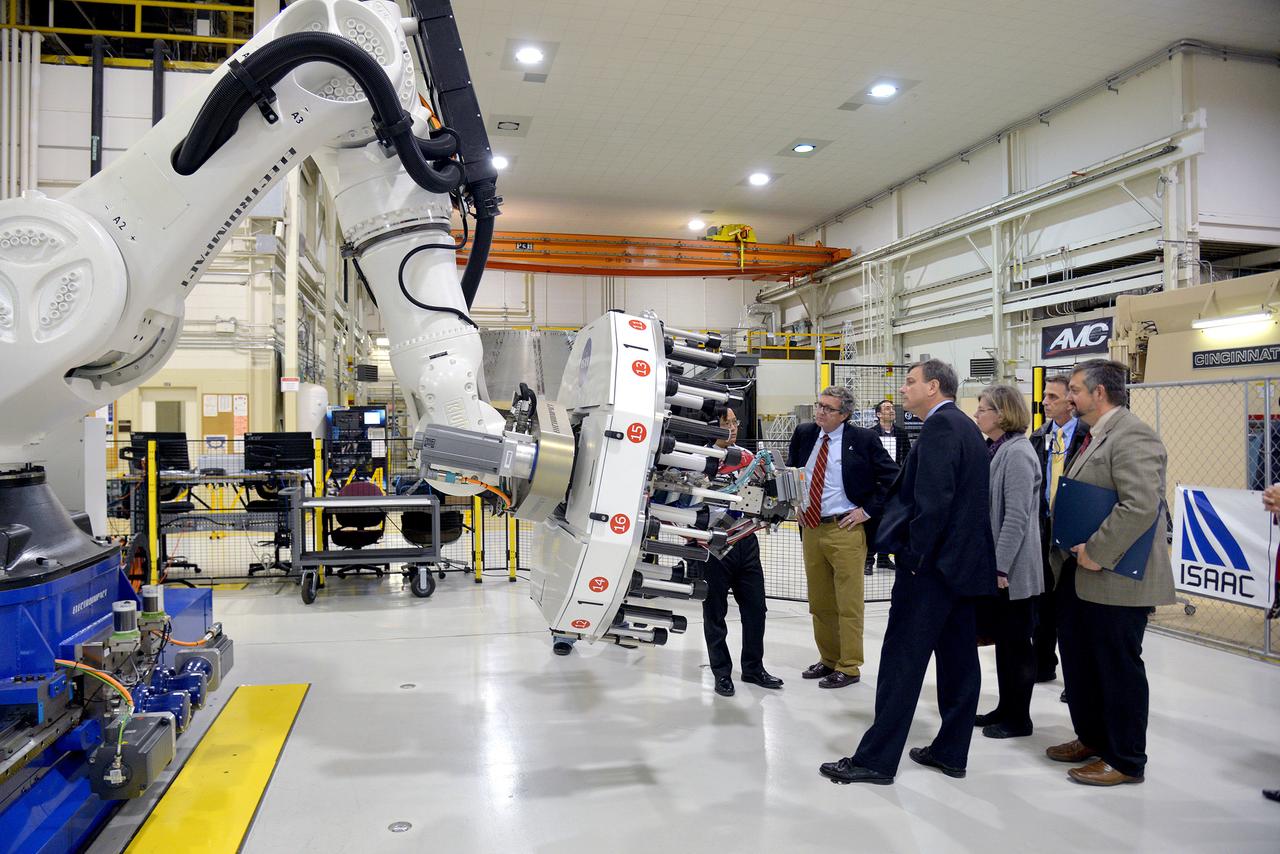
NASA and Lockheed Martin Orion leadership visit Langley Research Center in Hampton, VA on March 19, 2015 to celebrate the center's contribution to Orion's Exploration Flight Test-1 (EFT-1). Part of Batch image transfer from Flickr.
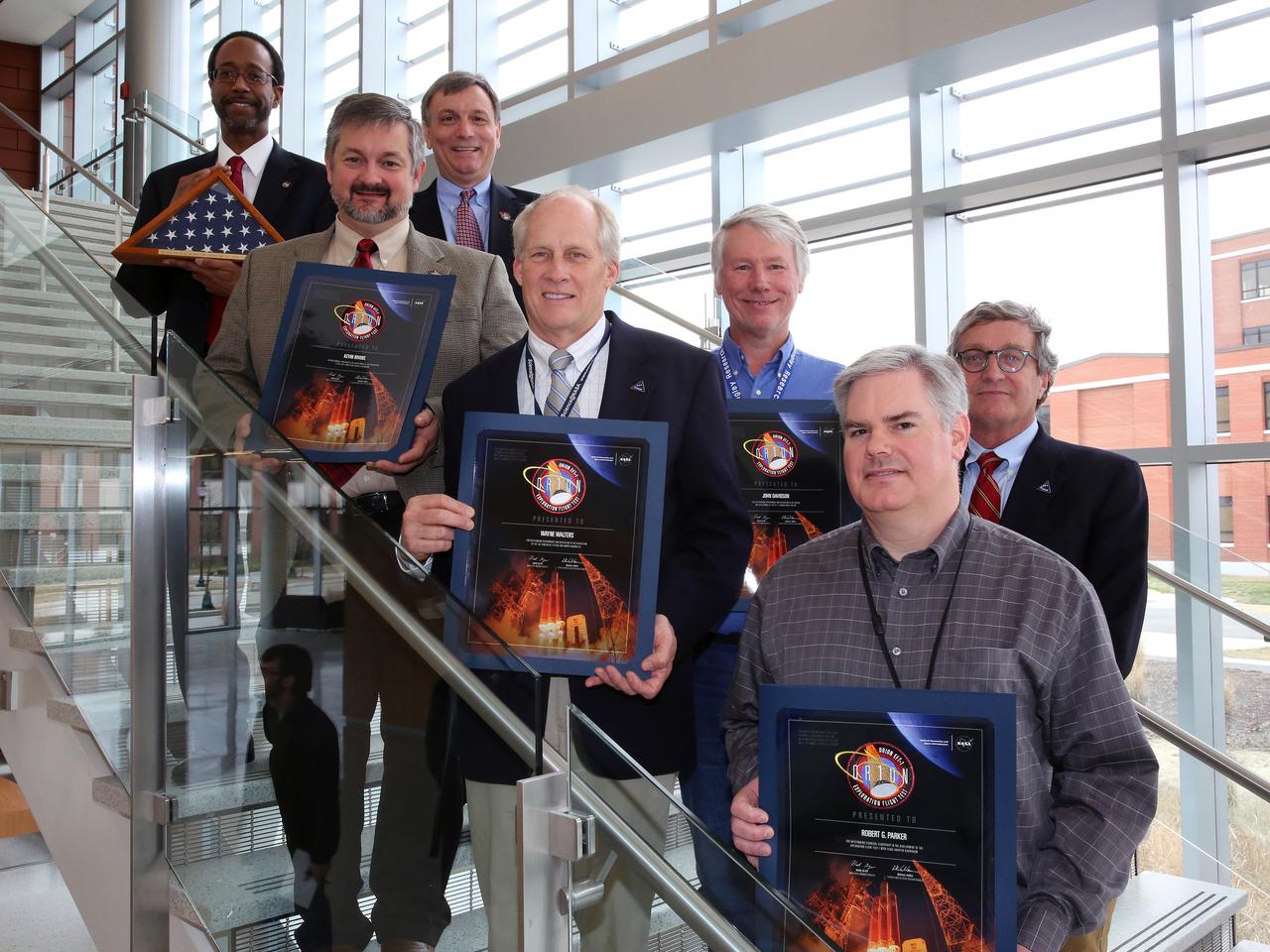
NASA and Lockheed Martin Orion leadership visit Langley Research Center in Hampton, VA on March 19, 2015 to celebrate the center's contribution to Orion's Exploration Flight Test-1 (EFT-1). Part of Batch image transfer from Flickr.
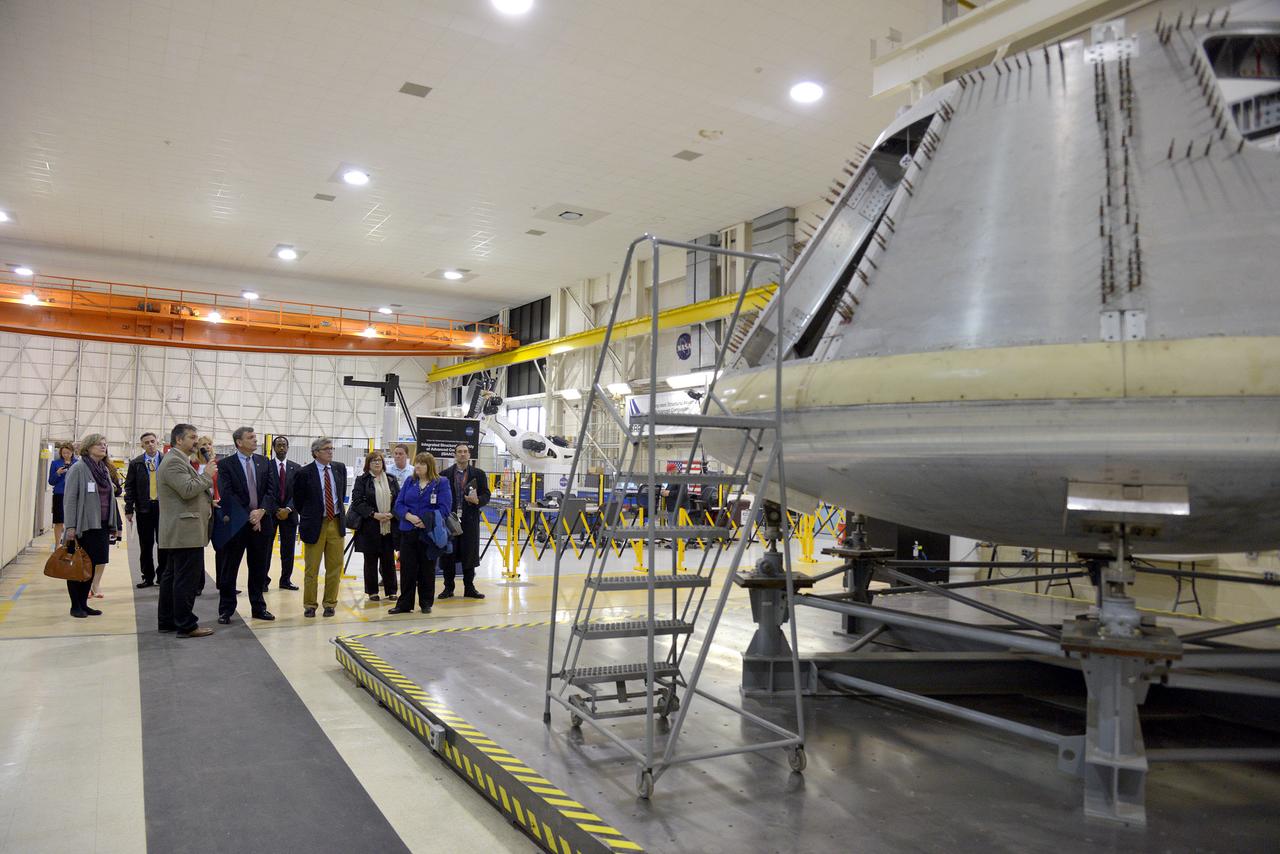
NASA and Lockheed Martin Orion leadership visit Langley Research Center in Hampton, VA on March 19, 2015 to celebrate the center's contribution to Orion's Exploration Flight Test-1 (EFT-1). Part of Batch image transfer from Flickr.
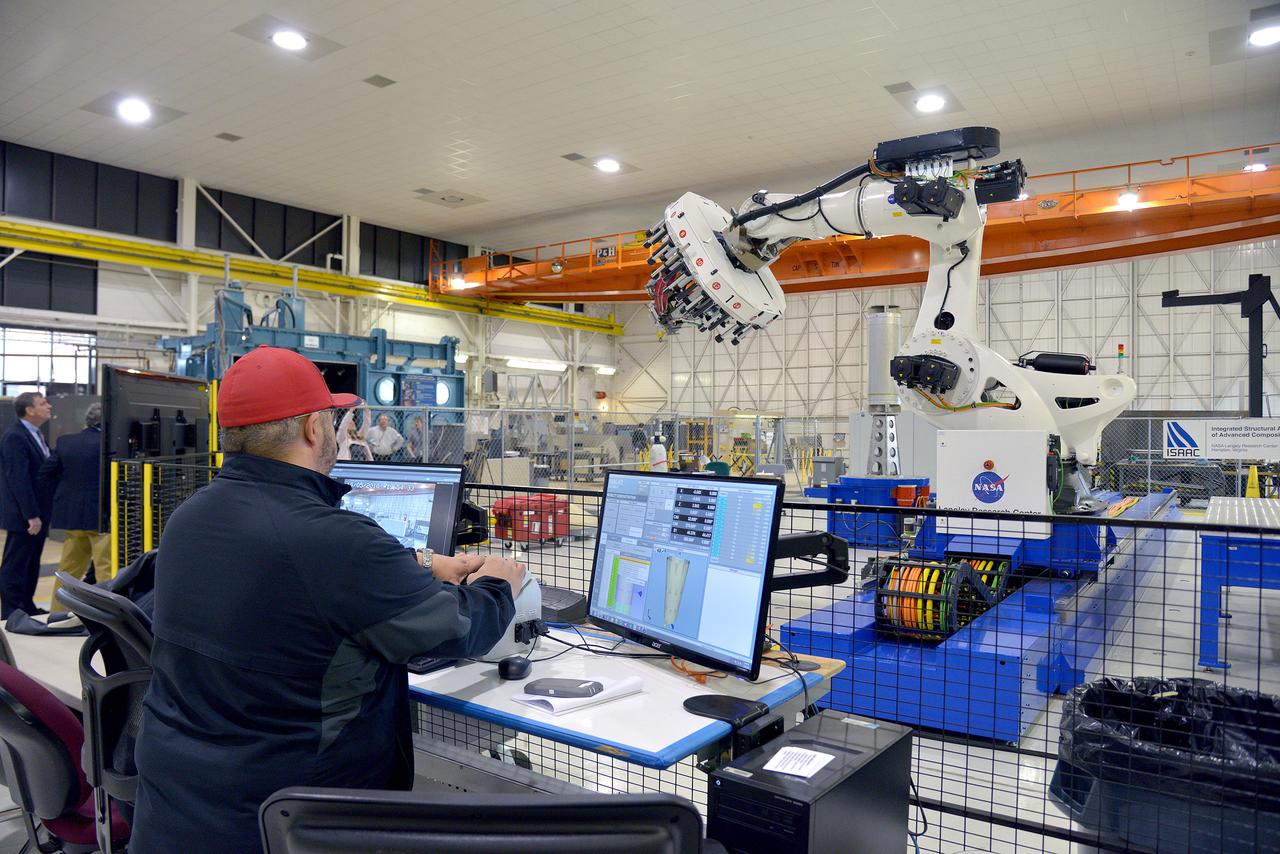
NASA and Lockheed Martin Orion leadership visit Langley Research Center in Hampton, VA on March 19, 2015 to celebrate the center's contribution to Orion's Exploration Flight Test-1 (EFT-1). Part of Batch image transfer from Flickr.
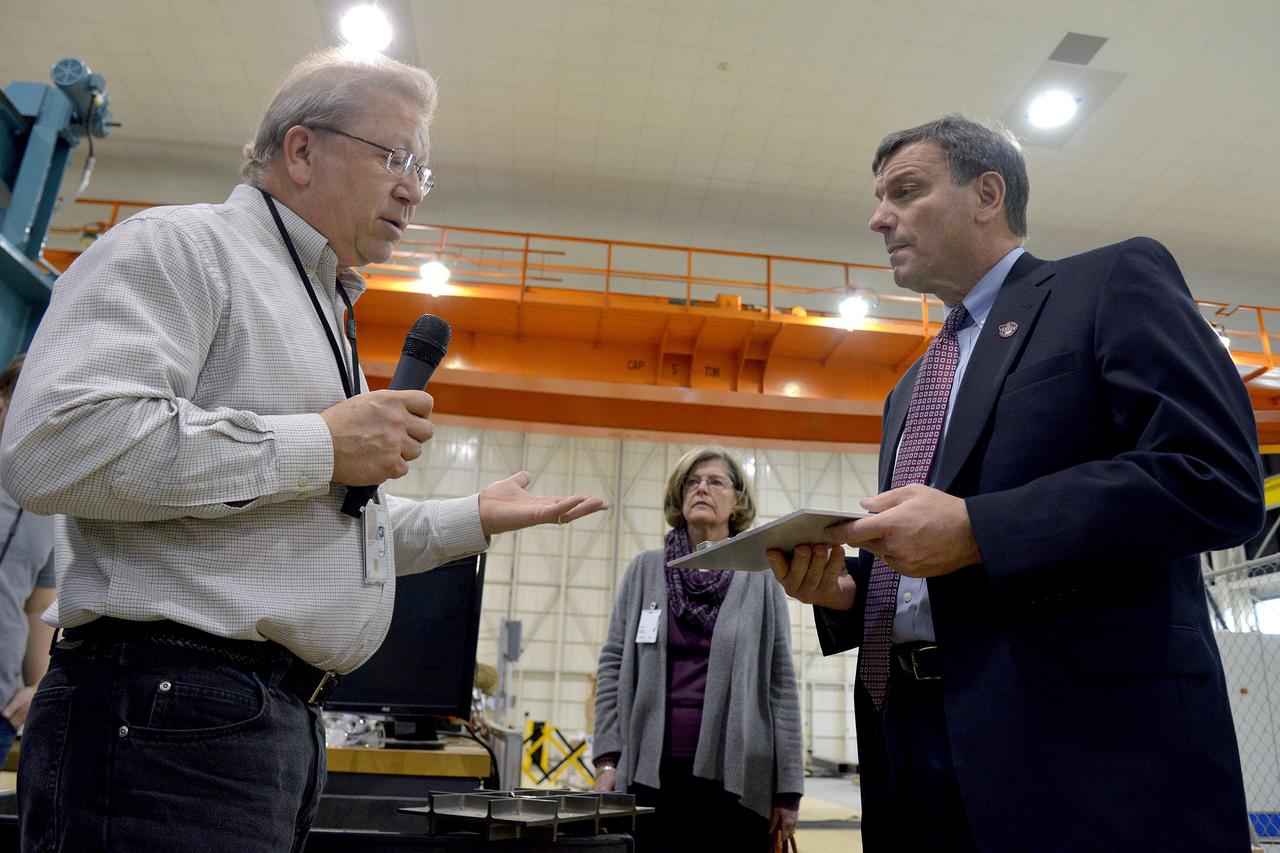
NASA and Lockheed Martin Orion leadership visit Langley Research Center in Hampton, VA on March 19, 2015 to celebrate the center's contribution to Orion's Exploration Flight Test-1 (EFT-1). Part of Batch image transfer from Flickr.
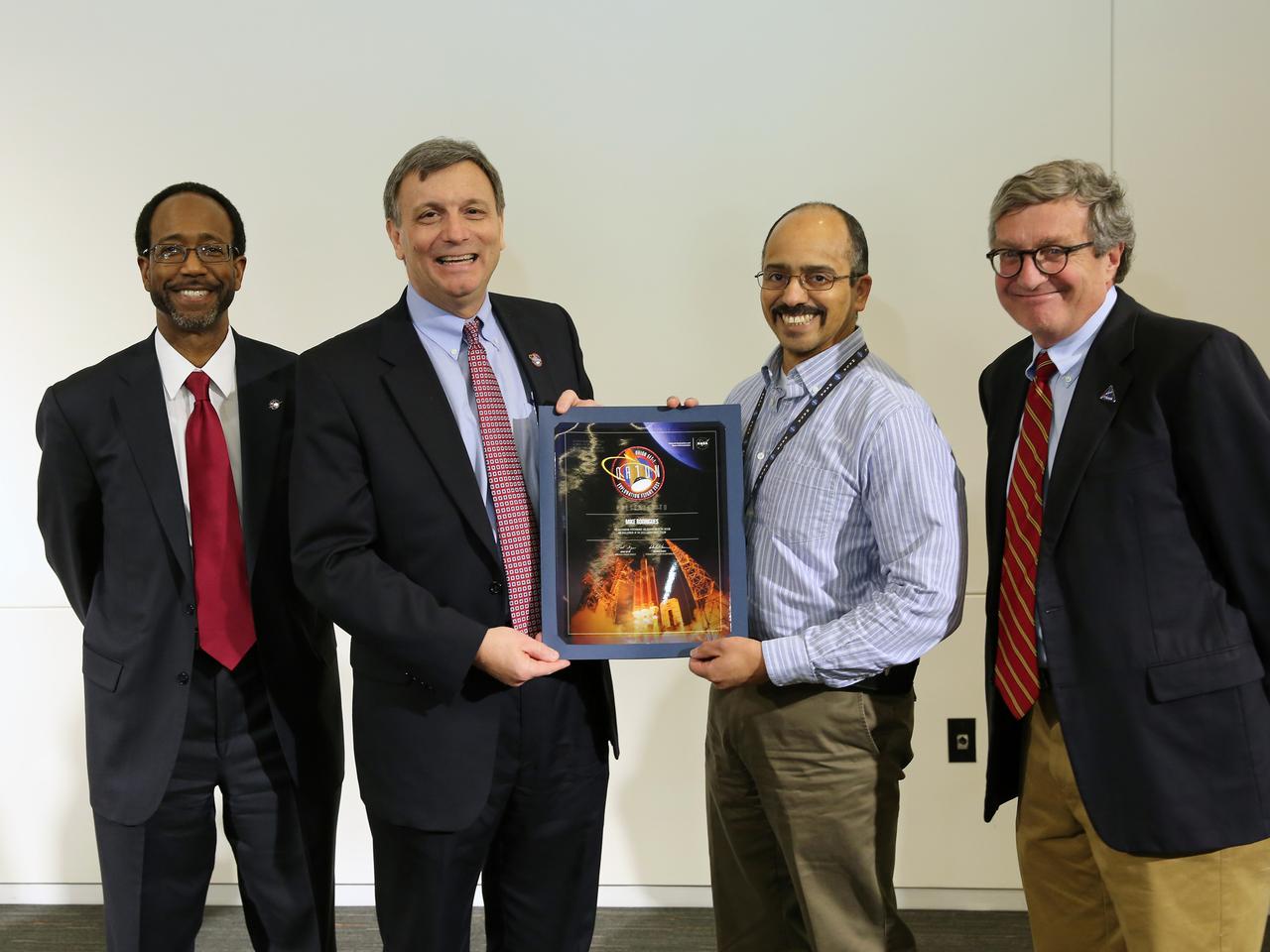
NASA and Lockheed Martin Orion leadership visit Langley Research Center in Hampton, VA on March 19, 2015 to celebrate the center's contribution to Orion's Exploration Flight Test-1 (EFT-1). Award presented to Mike Rodriguez. Part of Batch image transfer from Flickr.
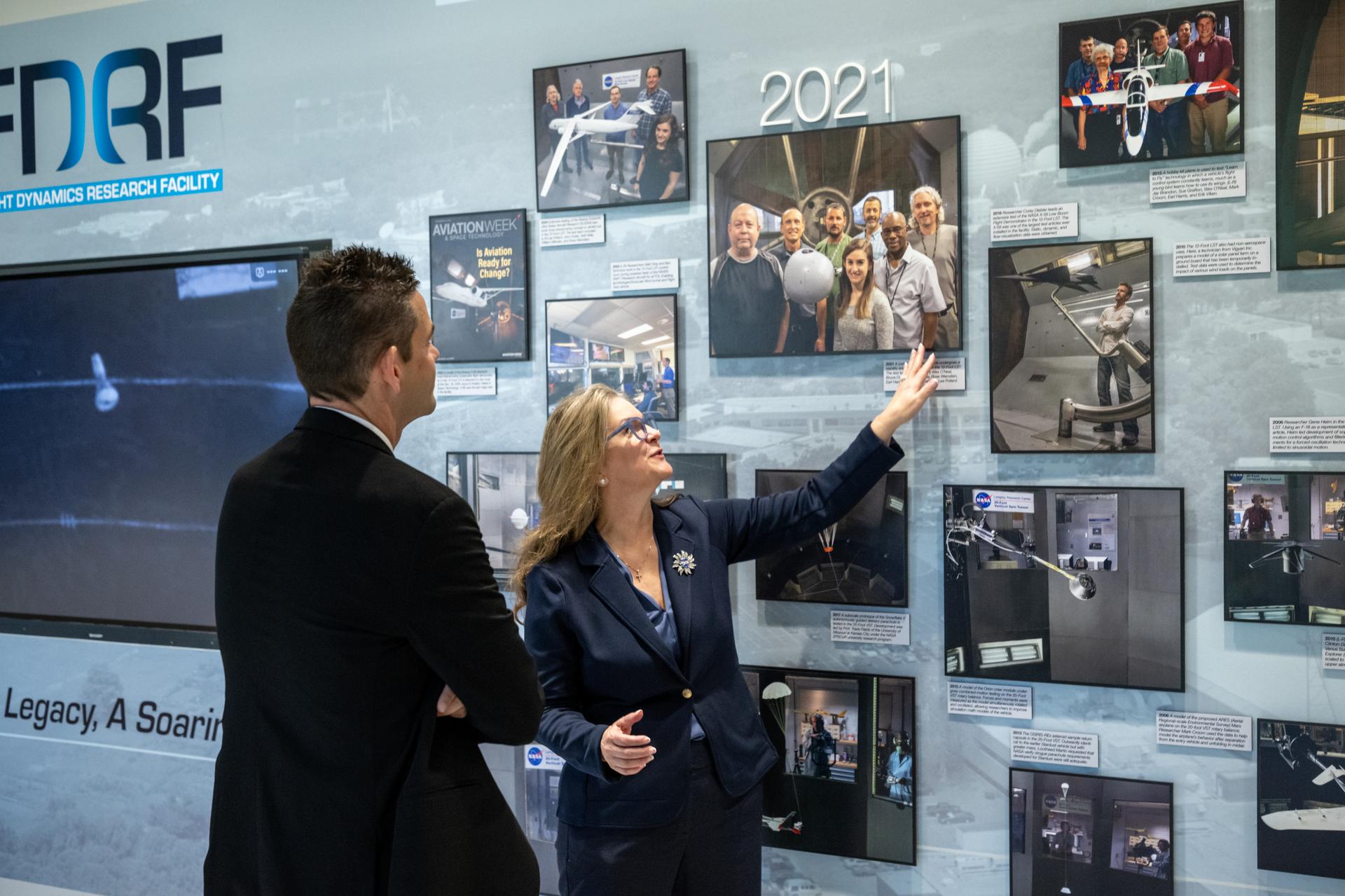
Dr. Trina Dyal, director of NASA's Langley Research Center, right, shows NASA Administrator Jared Isaacman, left, a historical photo during a tour of the Flight Dynamics Research Facility, NASA's newest wind tunnel, Friday, July 31, 2026, at NASA’s Langley Research Center in Hampton, Virginia. The state-of-the-art facility will support research and technology development that will advance the agency’s aeronautics, exploration, and science goals, including establishing a sustained human presence on the lunar surface through the Artemis program and the development of a Moon Base. Photo Credit: (NASA/Keegan Barber)
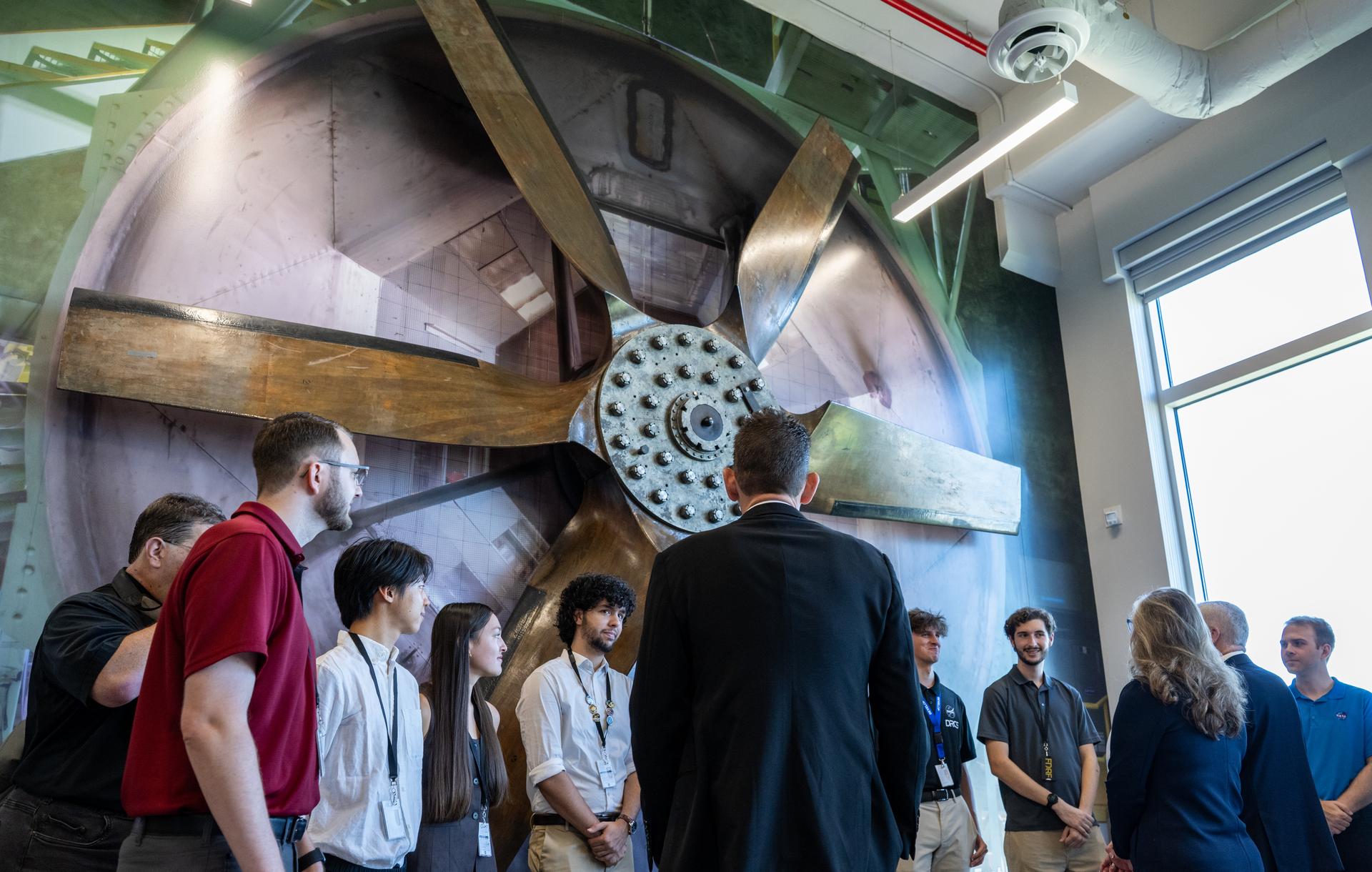
NASA Administrator Jared Isaacman, center, meets with interns during a tour of the Flight Dynamics Research Facility, NASA's newest wind tunnel, Friday, July 31, 2026, at NASA’s Langley Research Center in Hampton, Virginia. The state-of-the-art facility will support research and technology development that will advance the agency’s aeronautics, exploration, and science goals, including establishing a sustained human presence on the lunar surface through the Artemis program and the development of a Moon Base. Photo Credit: (NASA/Keegan Barber)
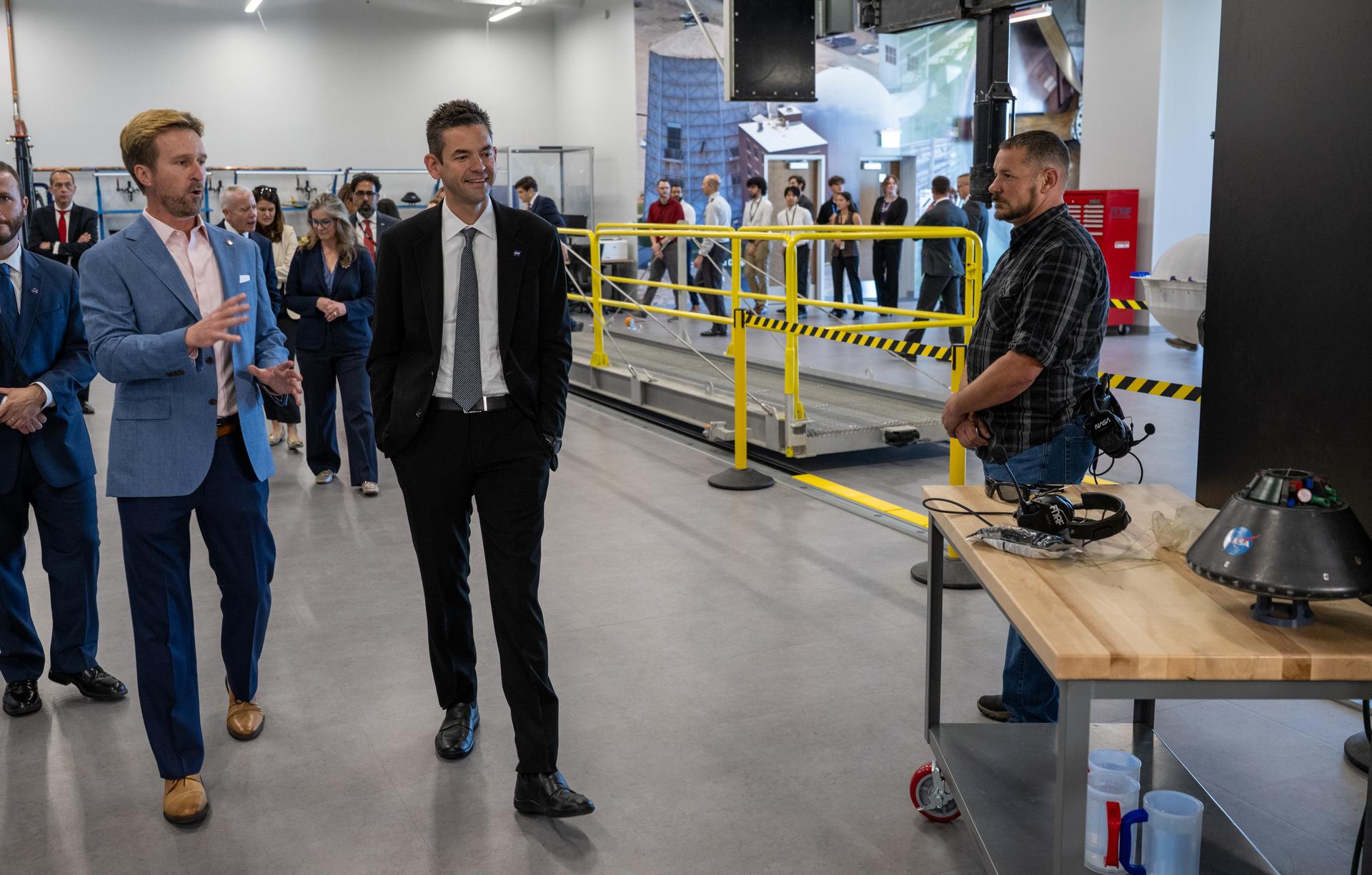
NASA Administrator Jared Isaacman, center, speaks with Corey Diebler, facility manager, left, during a tour of the Flight Dynamics Research Facility, NASA's newest wind tunnel, Friday, July 31, 2026, at NASA’s Langley Research Center in Hampton, Virginia. The state-of-the-art facility will support research and technology development that will advance the agency’s aeronautics, exploration, and science goals, including establishing a sustained human presence on the lunar surface through the Artemis program and the development of a Moon Base. Photo Credit: (NASA/Keegan Barber)
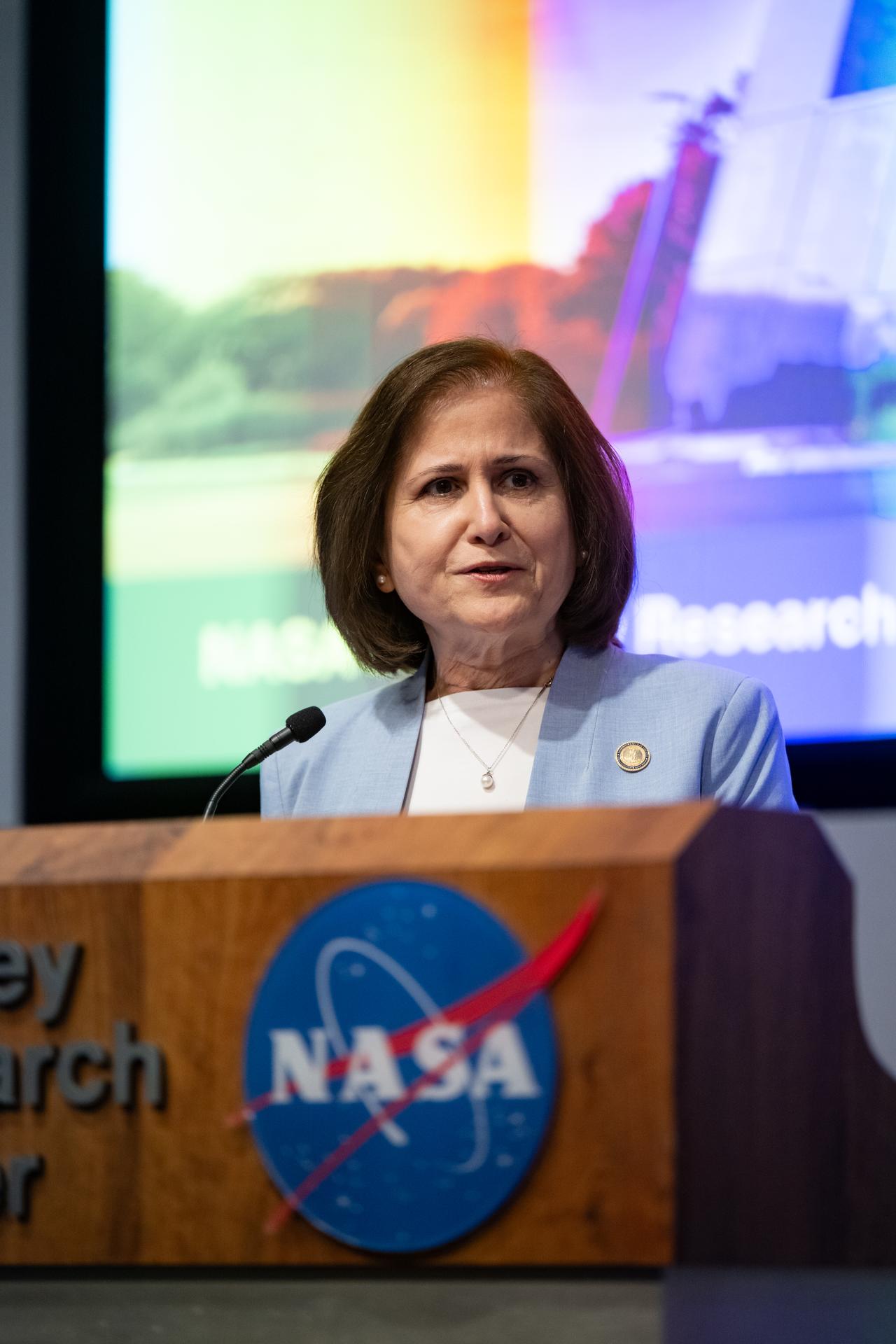
Virginia Lt. Governor Ghazala F. Hashmi delivers remarks during a ribbon cutting ceremony for the Flight Dynamics Research Facility, NASA's newest wind tunnel, Friday, July 31, 2026, at NASA’s Langley Research Center in Hampton, Virginia. The state-of-the-art facility will support research and technology development that will advance the agency’s aeronautics, exploration, and science goals, including establishing a sustained human presence on the lunar surface through the Artemis program and the development of a Moon Base. Photo Credit: (NASA/Keegan Barber)
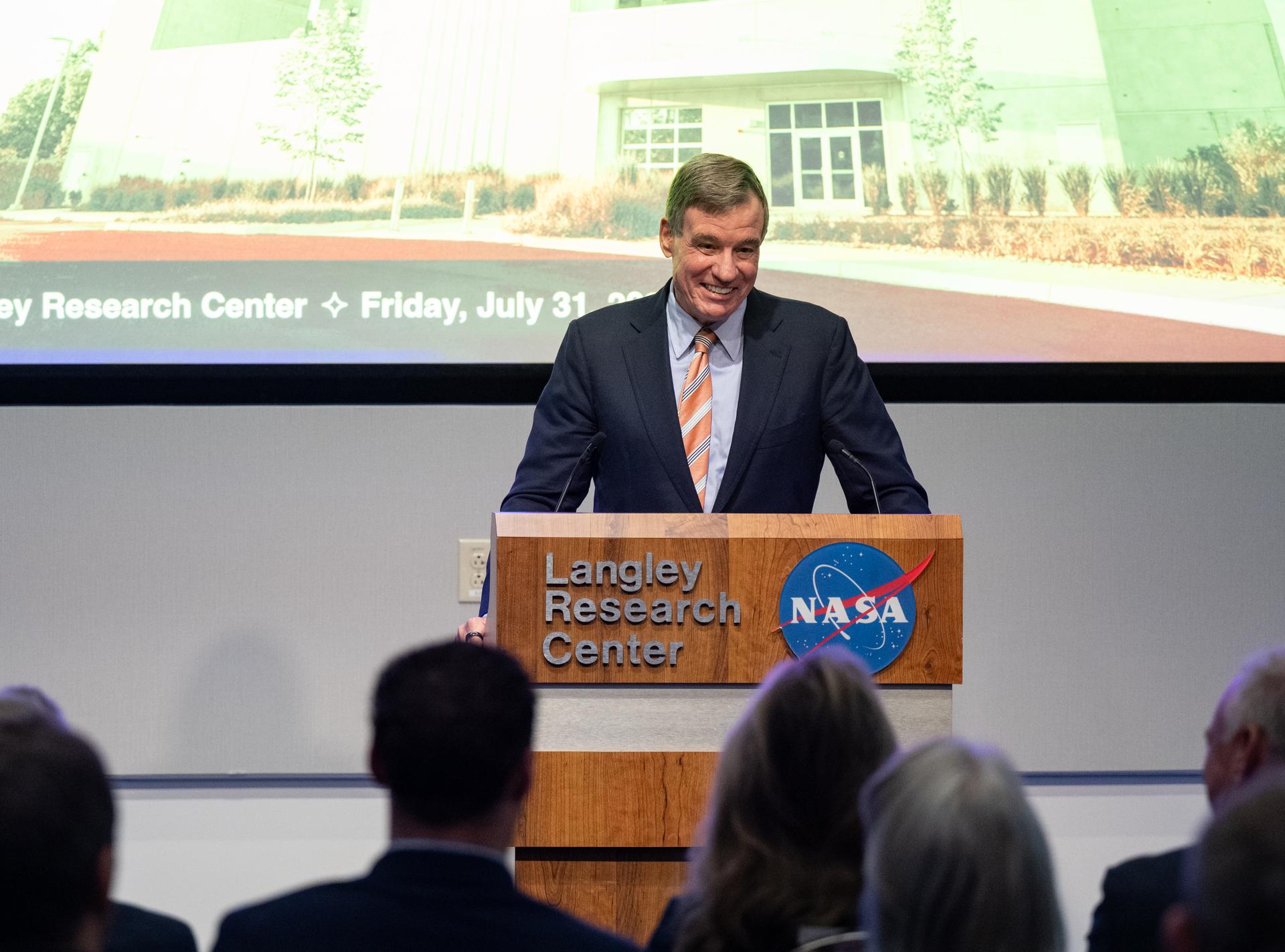
Senator Mark Warner (D-Va.) delivers remarks during a ribbon cutting ceremony for the Flight Dynamics Research Facility, NASA's newest wind tunnel, Friday, July 31, 2026, at NASA’s Langley Research Center in Hampton, Virginia. The state-of-the-art facility will support research and technology development that will advance the agency’s aeronautics, exploration, and science goals, including establishing a sustained human presence on the lunar surface through the Artemis program and the development of a Moon Base. Photo Credit: (NASA/Keegan Barber)
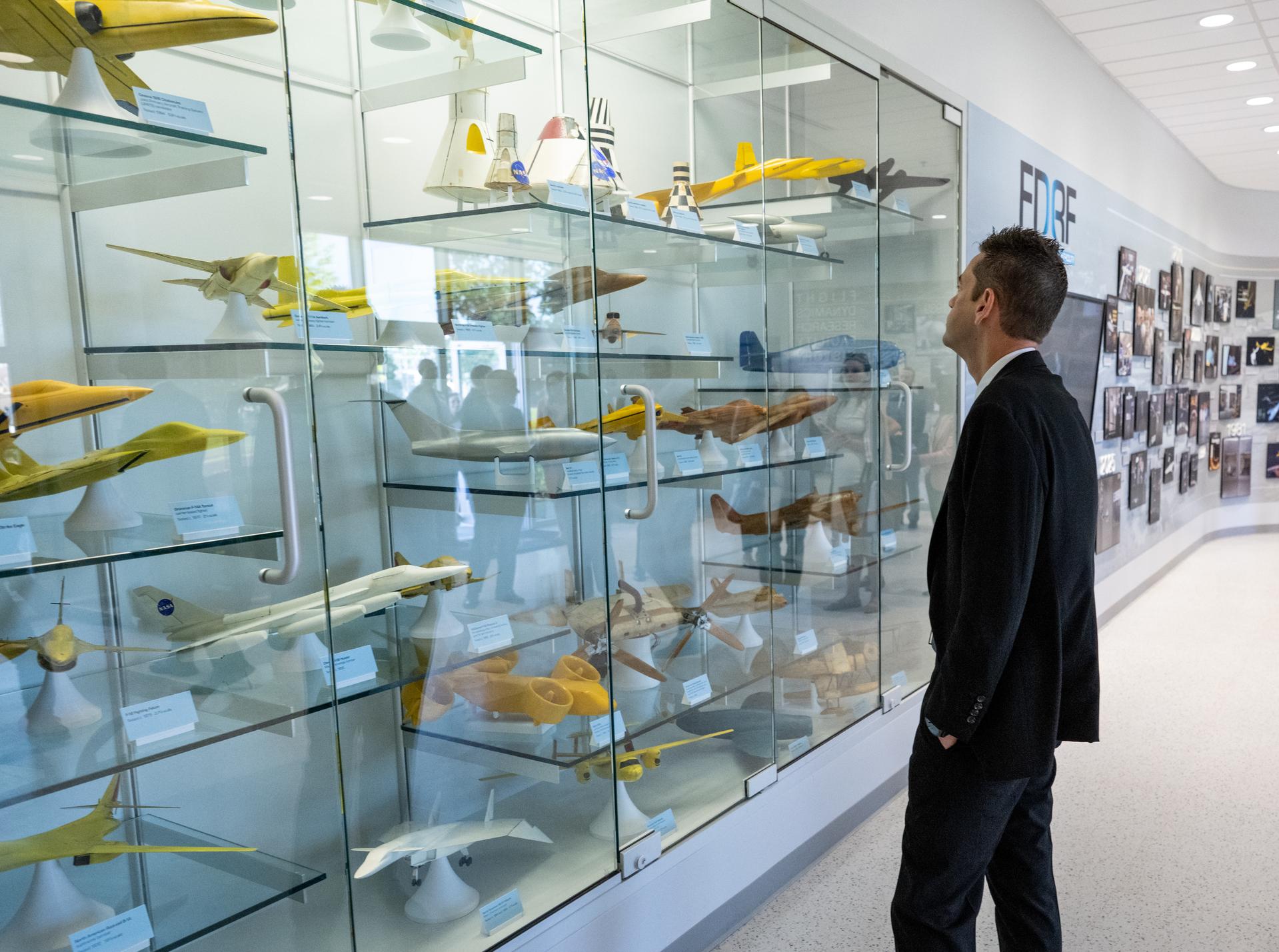
NASA Administrator Jared Isaacman views scale models of aircraft during a tour of the Flight Dynamics Research Facility, NASA's newest wind tunnel, Friday, July 31, 2026, at NASA’s Langley Research Center in Hampton, Virginia. The state-of-the-art facility will support research and technology development that will advance the agency’s aeronautics, exploration, and science goals, including establishing a sustained human presence on the lunar surface through the Artemis program and the development of a Moon Base. Photo Credit: (NASA/Keegan Barber)
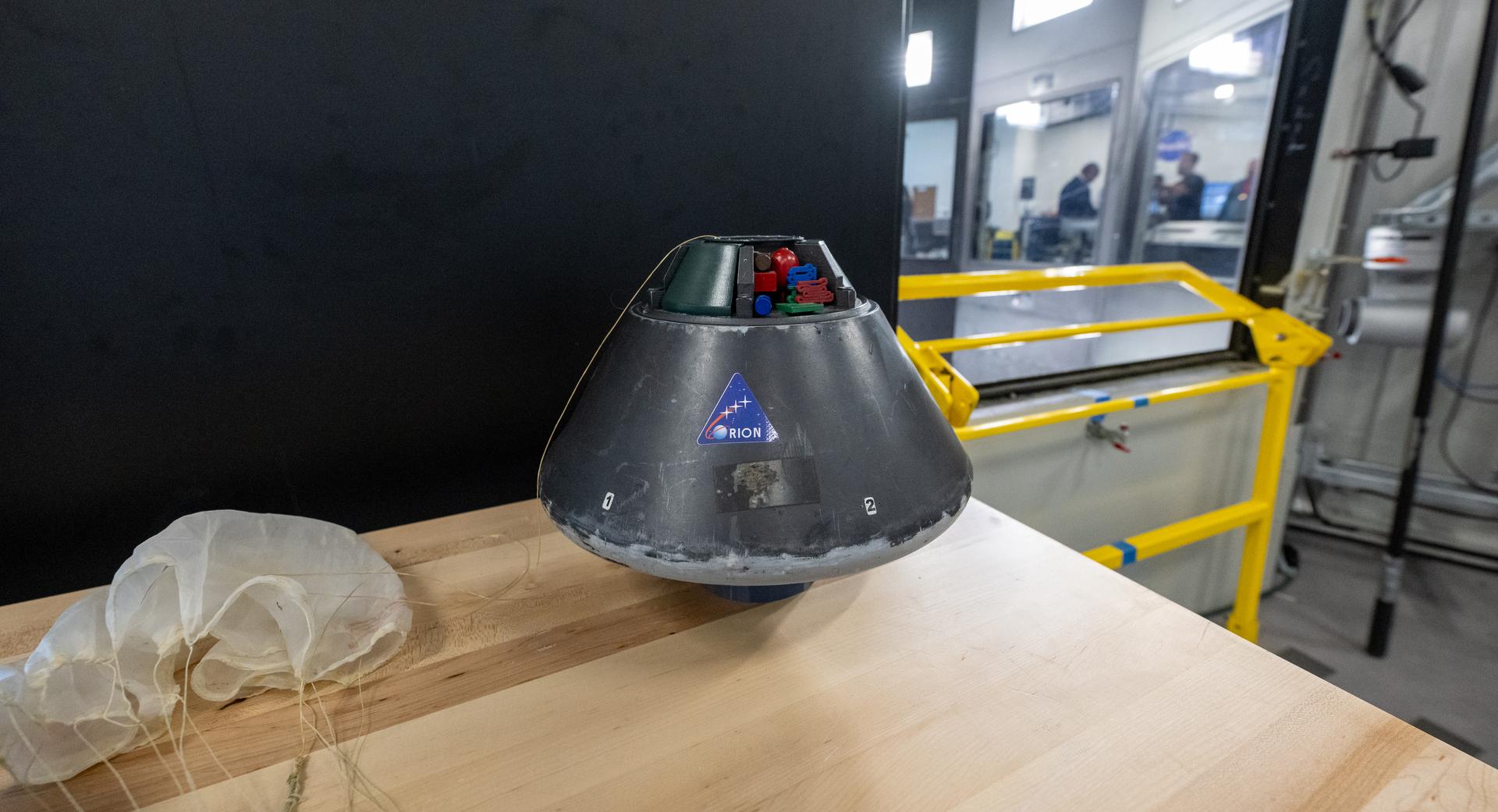
A scale model of the Orion capsule is seen prior to a demonstration at the Flight Dynamics Research Facility, NASA's newest wind tunnel, Friday, July 31, 2026, at NASA’s Langley Research Center in Hampton, Virginia. The state-of-the-art facility will support research and technology development that will advance the agency’s aeronautics, exploration, and science goals, including establishing a sustained human presence on the lunar surface through the Artemis program and the development of a Moon Base. Photo Credit: (NASA/Keegan Barber)
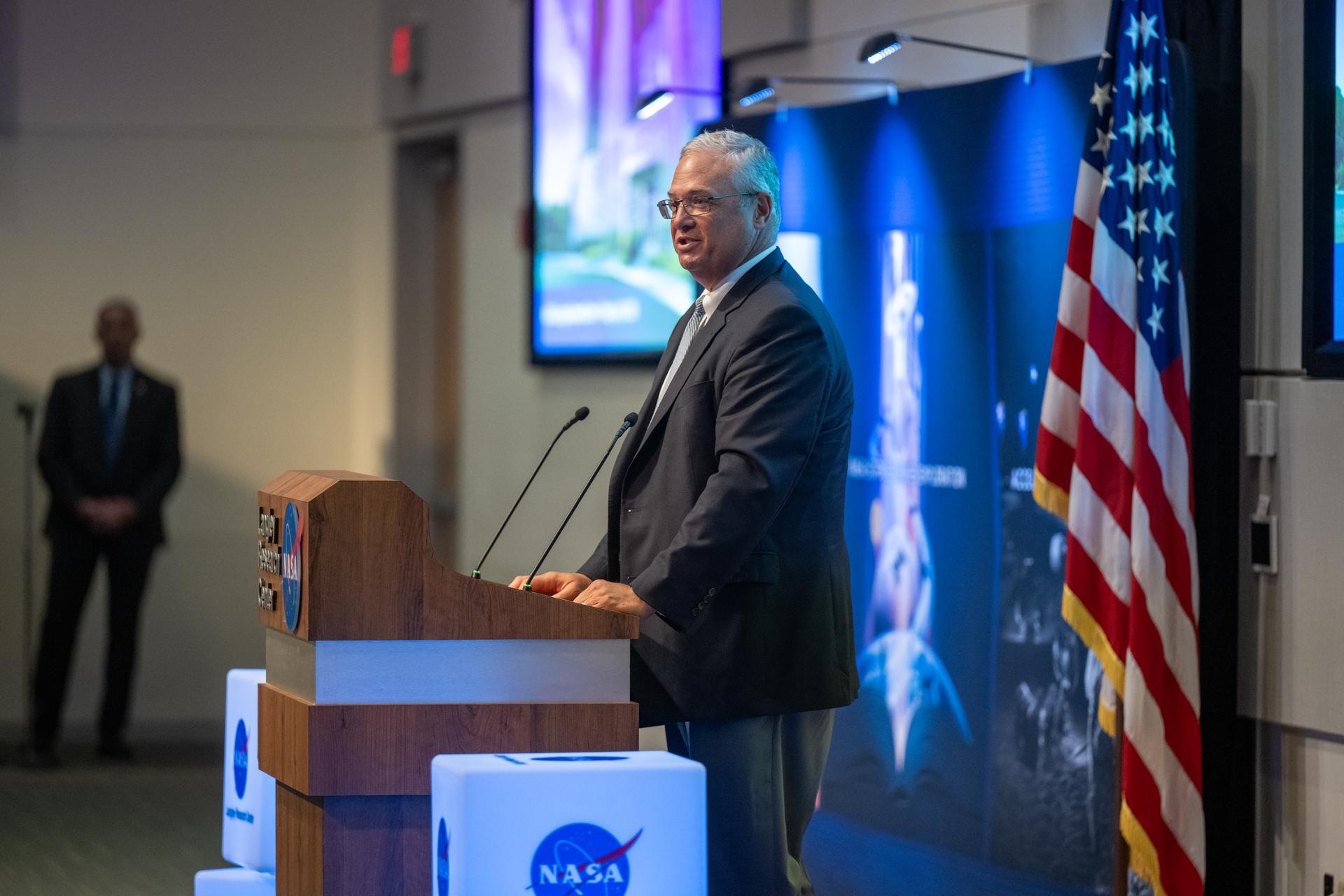
Mike Waller, vice president of BL Harbert International Federal Division delivers remarks during a ribbon cutting ceremony for the Flight Dynamics Research Facility, NASA's newest wind tunnel, Friday, July 31, 2026, at NASA’s Langley Research Center in Hampton, Virginia. The state-of-the-art facility will support research and technology development that will advance the agency’s aeronautics, exploration, and science goals, including establishing a sustained human presence on the lunar surface through the Artemis program and the development of a Moon Base. Photo Credit: (NASA/Keegan Barber)
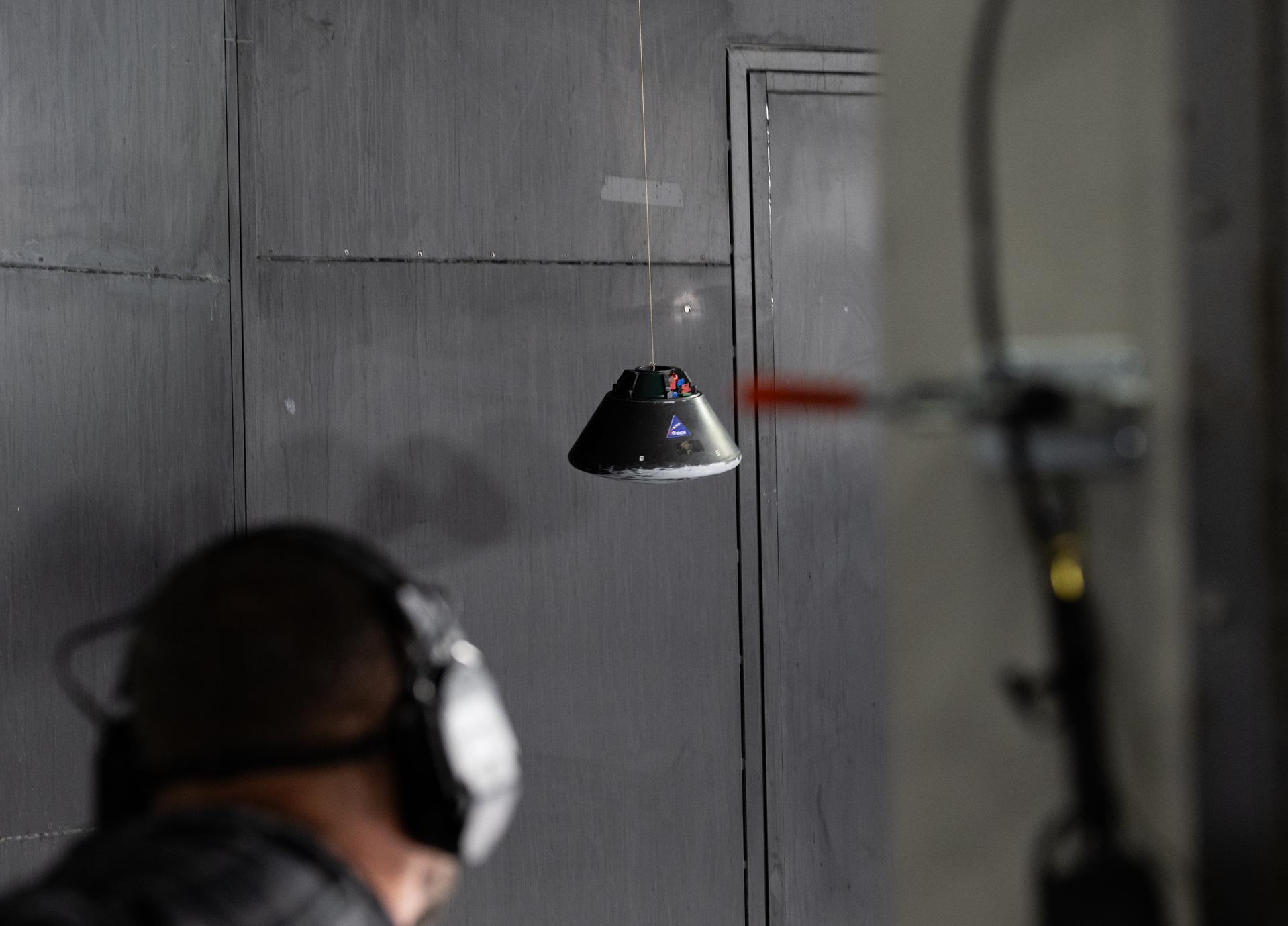
A scale model of the Orion capsule is seen during a demonstration at the Flight Dynamics Research Facility, NASA's newest wind tunnel, Friday, July 31, 2026, at NASA’s Langley Research Center in Hampton, Virginia. The state-of-the-art facility will support research and technology development that will advance the agency’s aeronautics, exploration, and science goals, including establishing a sustained human presence on the lunar surface through the Artemis program and the development of a Moon Base. Photo Credit: (NASA/Keegan Barber)
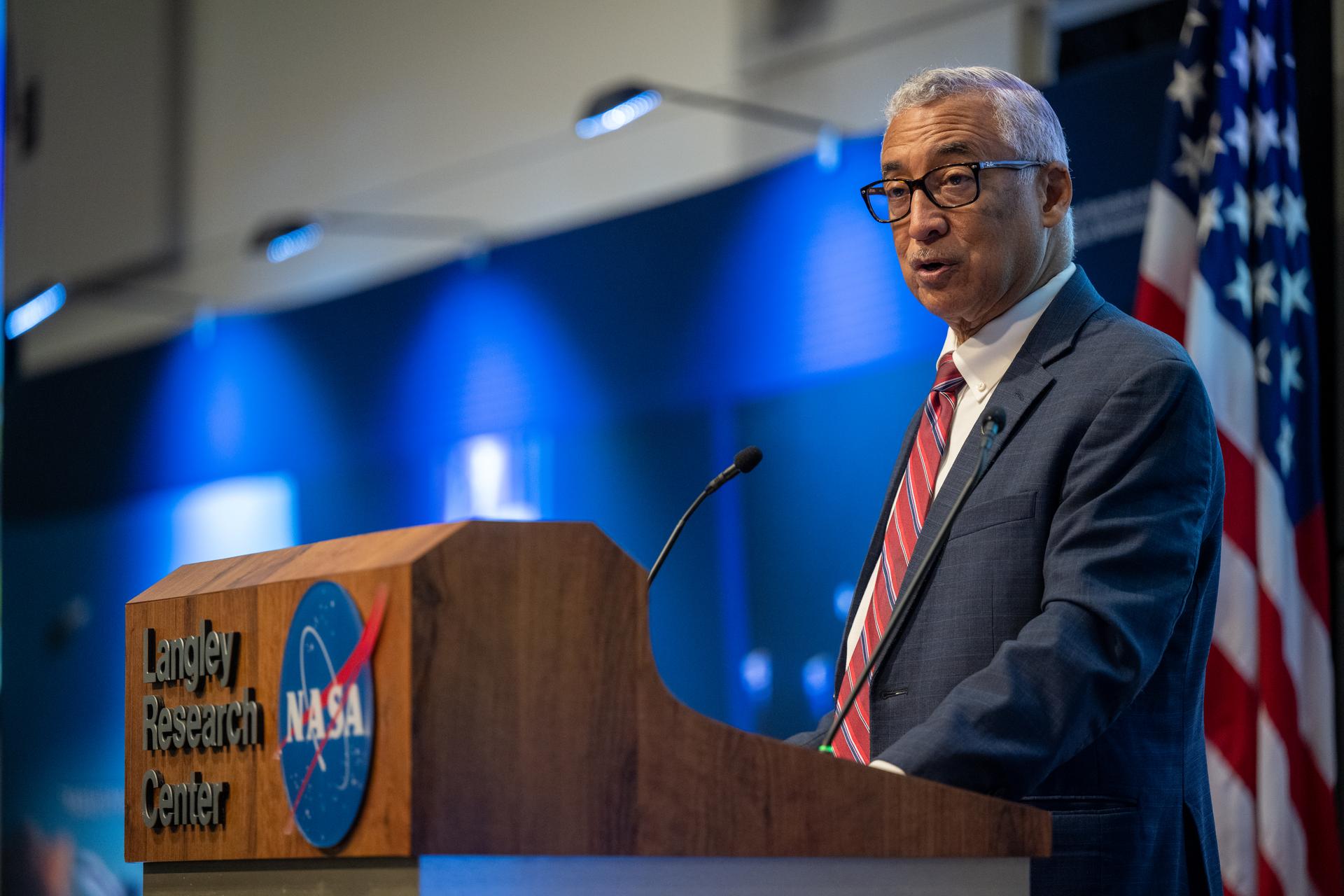
Congressman Robert “Bobby” Scott (D-Va.) delivers remarks during a ribbon cutting ceremony for the Flight Dynamics Research Facility, NASA's newest wind tunnel, Friday, July 31, 2026, at NASA’s Langley Research Center in Hampton, Virginia. The state-of-the-art facility will support research and technology development that will advance the agency’s aeronautics, exploration, and science goals, including establishing a sustained human presence on the lunar surface through the Artemis program and the development of a Moon Base. Photo Credit: (NASA/Keegan Barber)
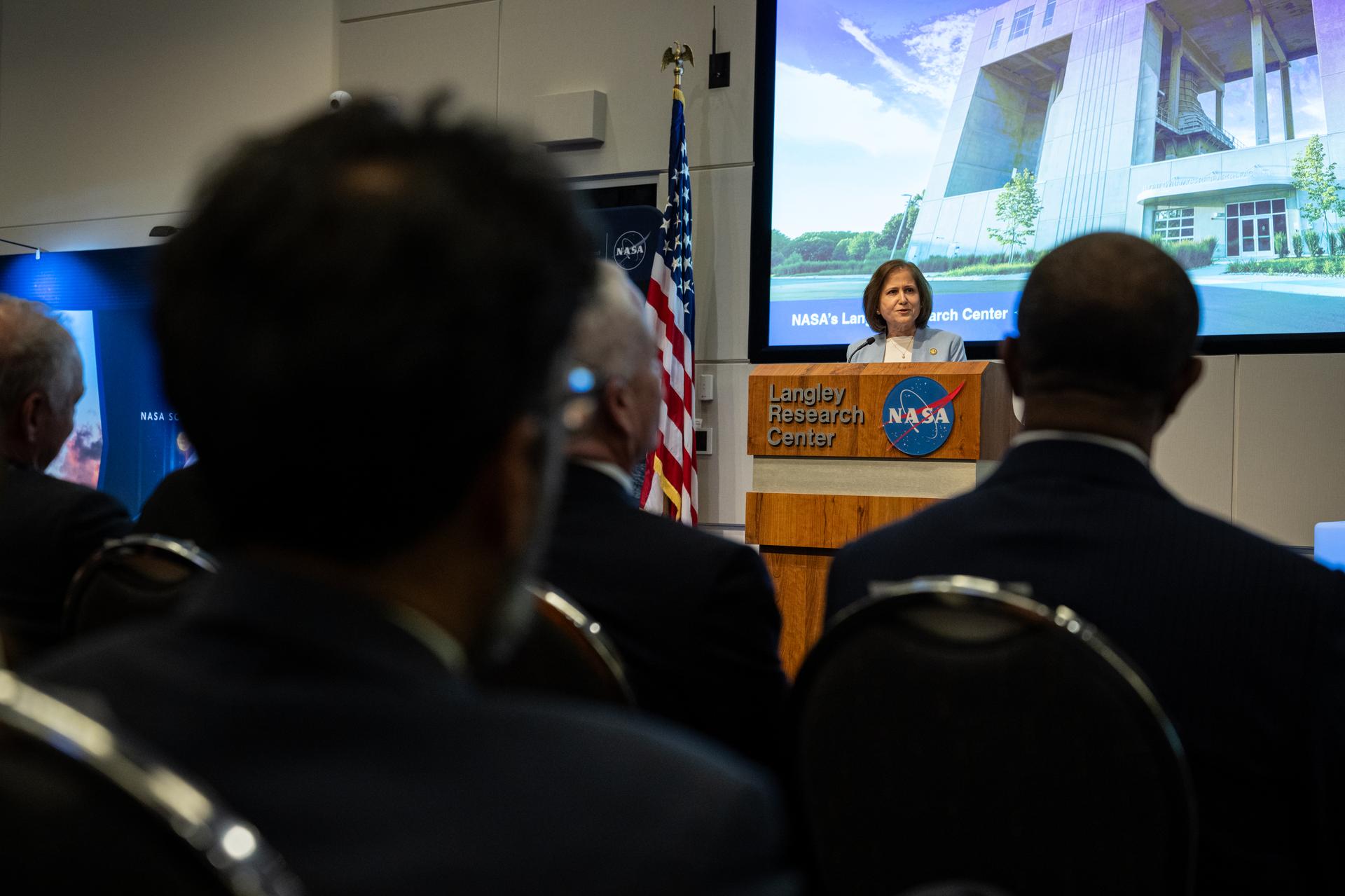
Virginia Lt. Governor Ghazala F. Hashmi delivers remarks during a ribbon cutting ceremony for the Flight Dynamics Research Facility, NASA's newest wind tunnel, Friday, July 31, 2026, at NASA’s Langley Research Center in Hampton, Virginia. The state-of-the-art facility will support research and technology development that will advance the agency’s aeronautics, exploration, and science goals, including establishing a sustained human presence on the lunar surface through the Artemis program and the development of a Moon Base. Photo Credit: (NASA/Keegan Barber)
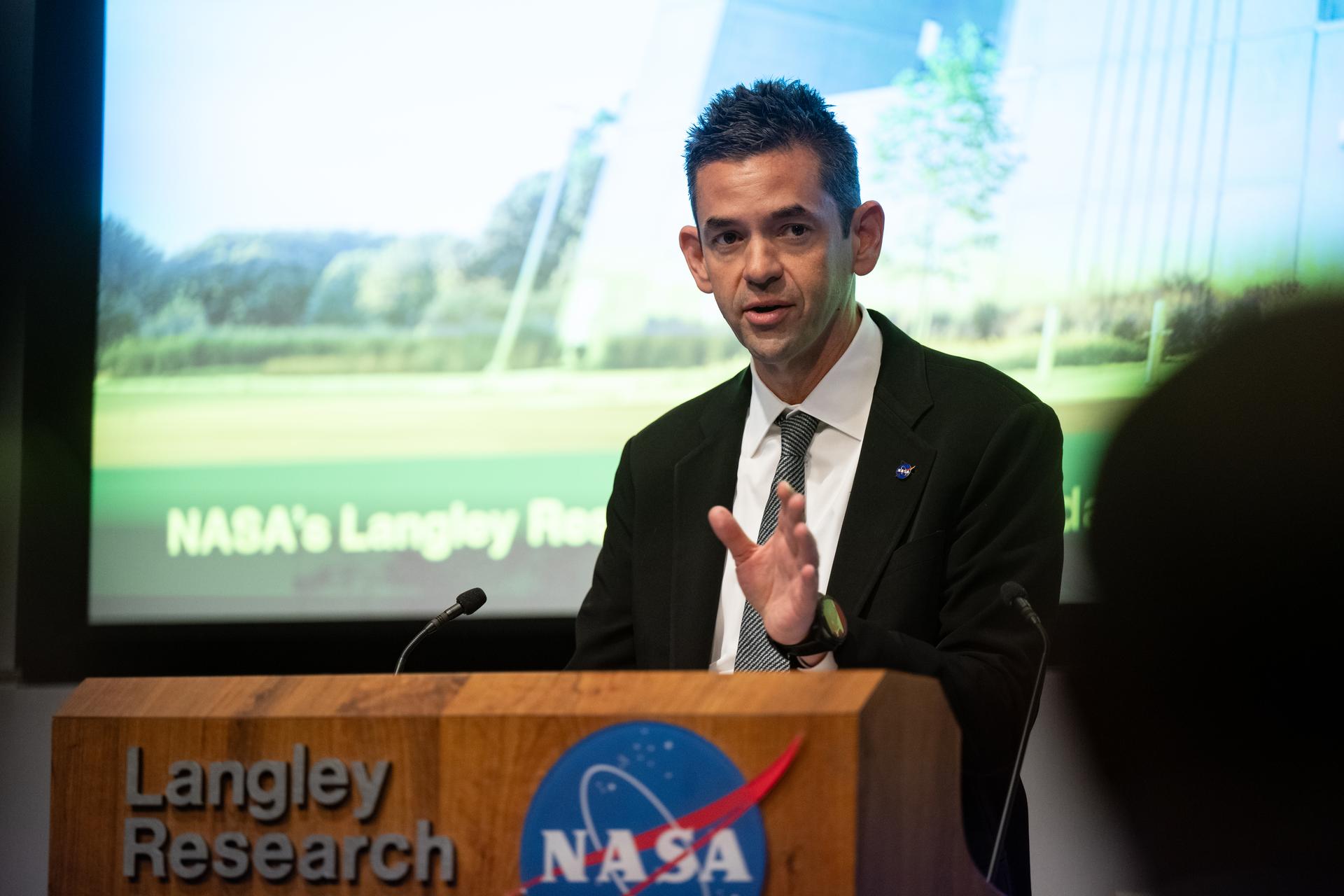
NASA Administrator Jared Isaacman delivers remarks during a ribbon cutting ceremony for the Flight Dynamics Research Facility, NASA's newest wind tunnel, Friday, July 31, 2026, at NASA’s Langley Research Center in Hampton, Virginia. The state-of-the-art facility will support research and technology development that will advance the agency’s aeronautics, exploration, and science goals, including establishing a sustained human presence on the lunar surface through the Artemis program and the development of a Moon Base. Photo Credit: (NASA/Keegan Barber)
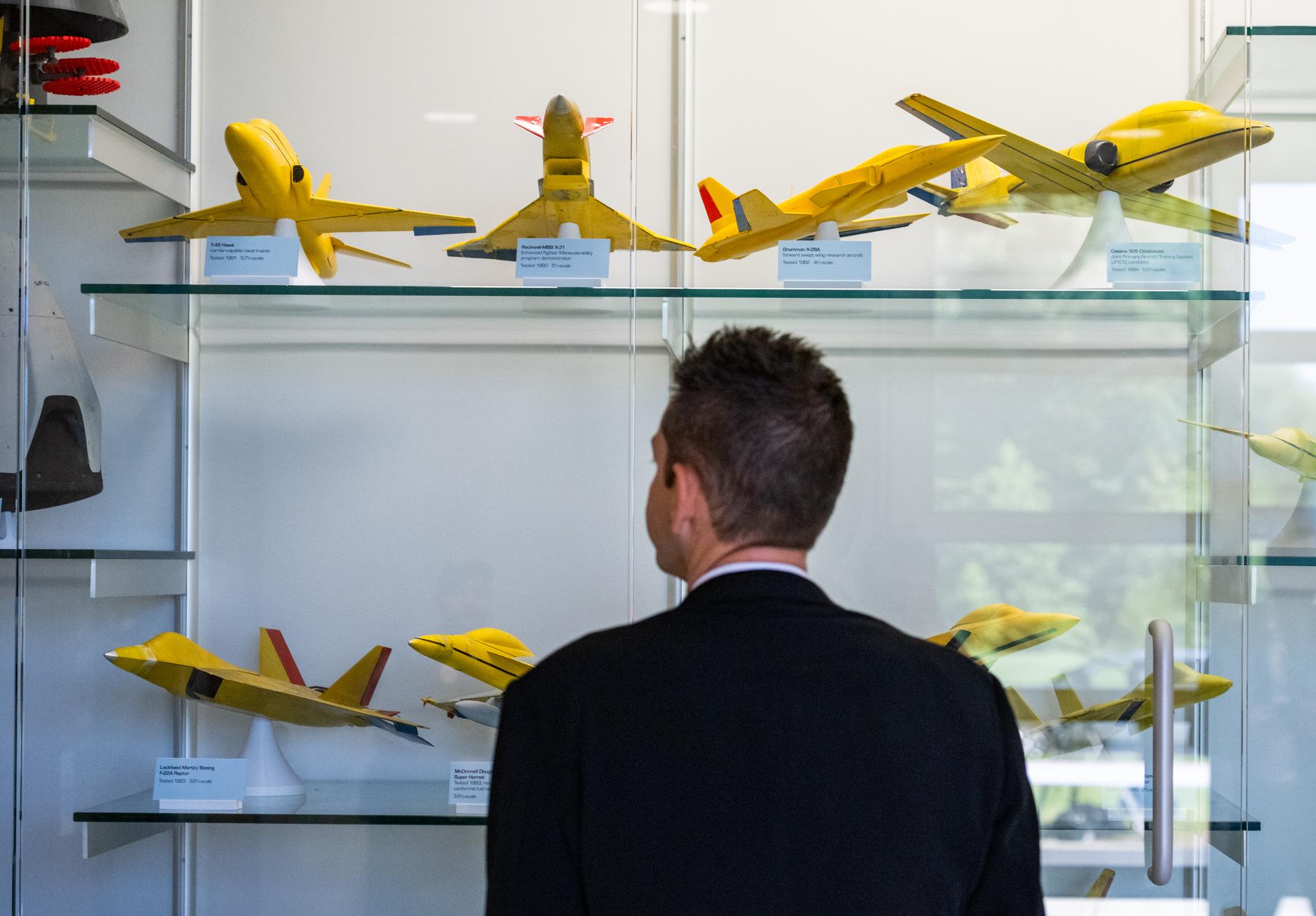
NASA Administrator Jared Isaacman views scale models of aircraft during a tour of the Flight Dynamics Research Facility, NASA's newest wind tunnel, Friday, July 31, 2026, at NASA’s Langley Research Center in Hampton, Virginia. The state-of-the-art facility will support research and technology development that will advance the agency’s aeronautics, exploration, and science goals, including establishing a sustained human presence on the lunar surface through the Artemis program and the development of a Moon Base. Photo Credit: (NASA/Keegan Barber)
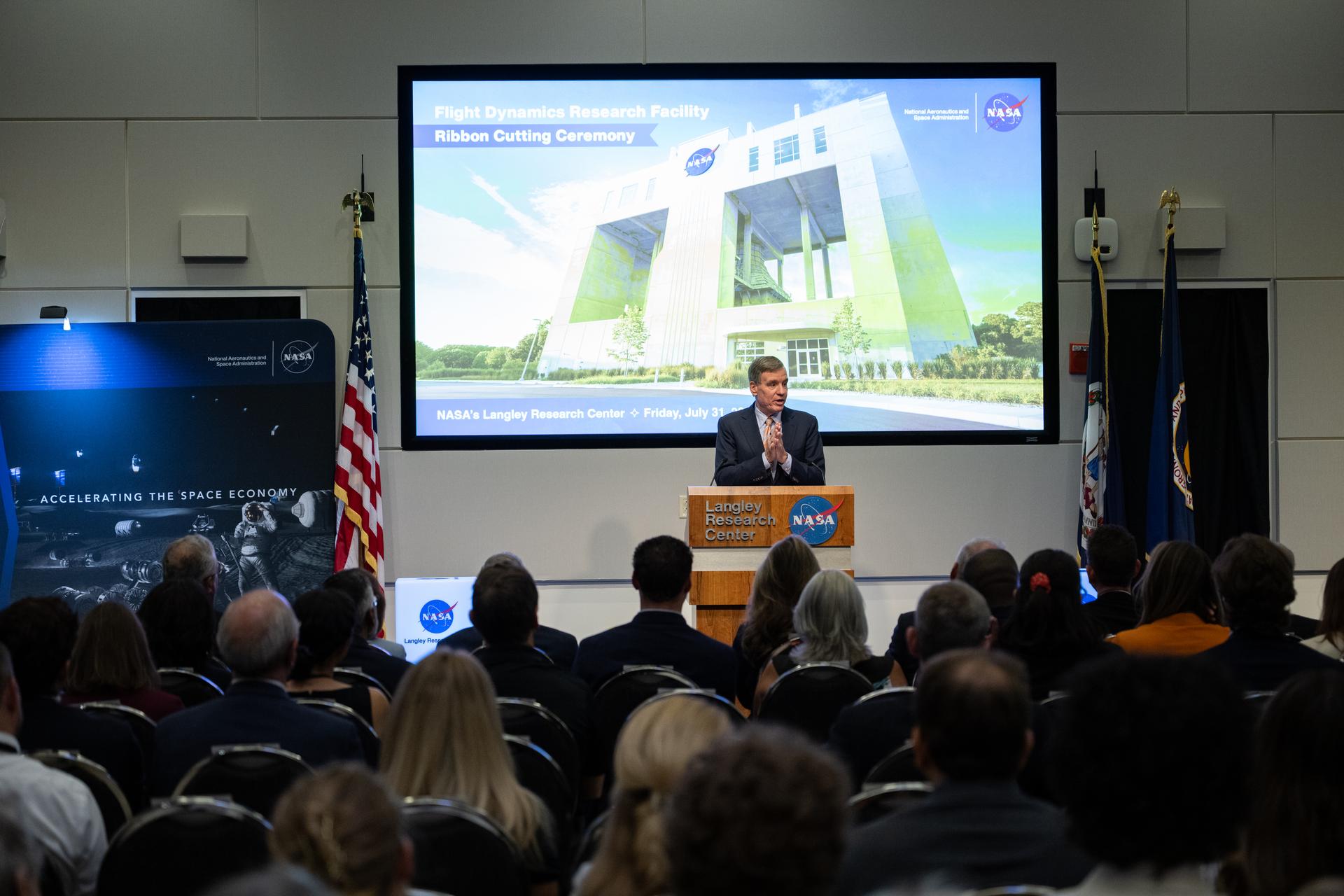
Senator Mark Warner (D-Va.) delivers remarks during a ribbon cutting ceremony for the Flight Dynamics Research Facility, NASA's newest wind tunnel, Friday, July 31, 2026, at NASA’s Langley Research Center in Hampton, Virginia. The state-of-the-art facility will support research and technology development that will advance the agency’s aeronautics, exploration, and science goals, including establishing a sustained human presence on the lunar surface through the Artemis program and the development of a Moon Base. Photo Credit: (NASA/Keegan Barber)
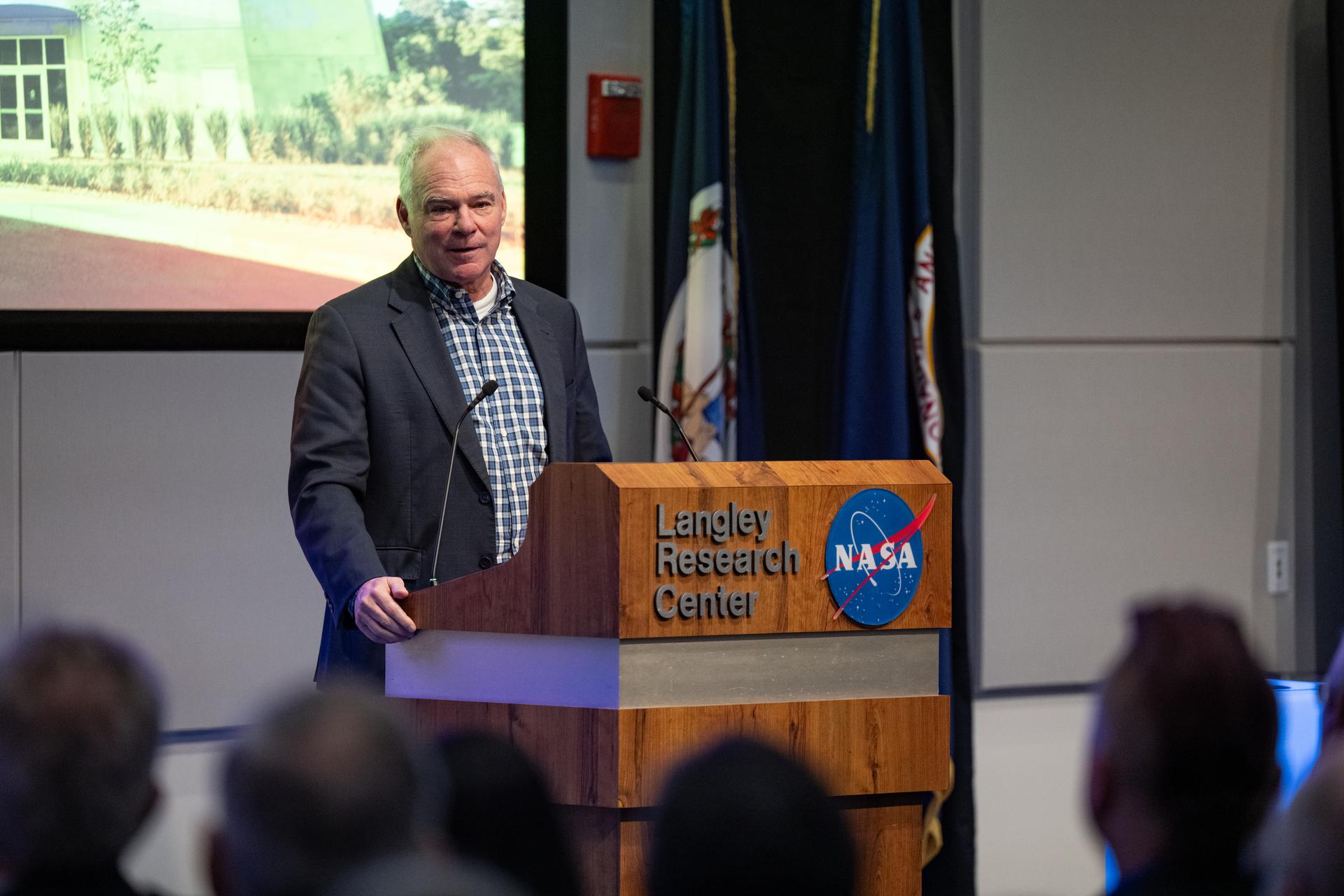
Senator Tim Kaine (D-Va.) delivers remarks during a ribbon cutting ceremony for the Flight Dynamics Research Facility, NASA's newest wind tunnel, Friday, July 31, 2026, at NASA’s Langley Research Center in Hampton, Virginia. The state-of-the-art facility will support research and technology development that will advance the agency’s aeronautics, exploration, and science goals, including establishing a sustained human presence on the lunar surface through the Artemis program and the development of a Moon Base. Photo Credit: (NASA/Keegan Barber)
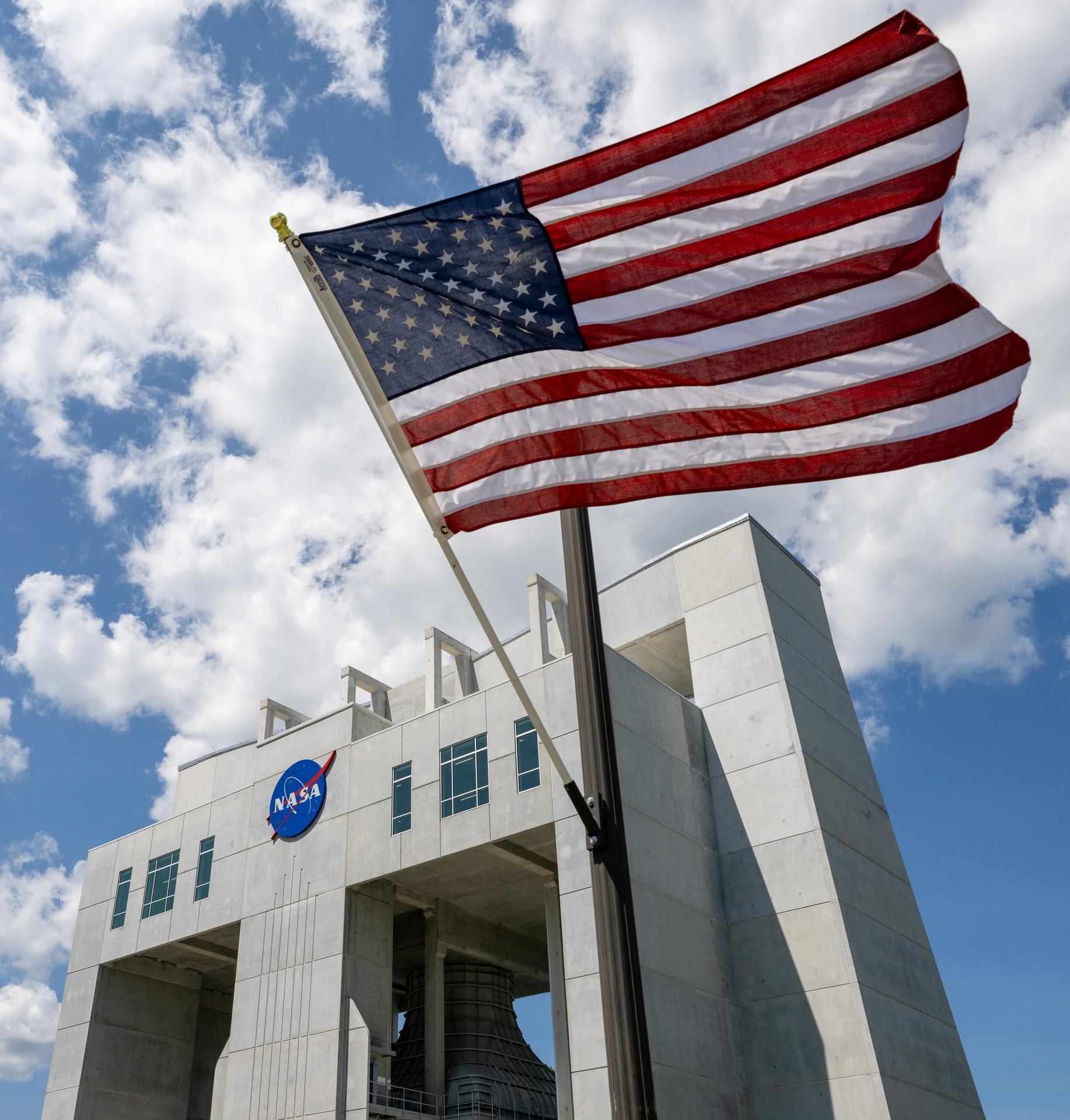
The Flight Dynamics Research Facility, NASA's newest wind tunnel, is seen Thursday, July 30, 2026, at NASA’s Langley Research Center in Hampton, Virginia. The state-of-the-art facility will support research and technology development that will advance the agency’s aeronautics, exploration, and science goals, including establishing a sustained human presence on the lunar surface through the Artemis program and the development of a Moon Base. Photo Credit: (NASA/Keegan Barber)
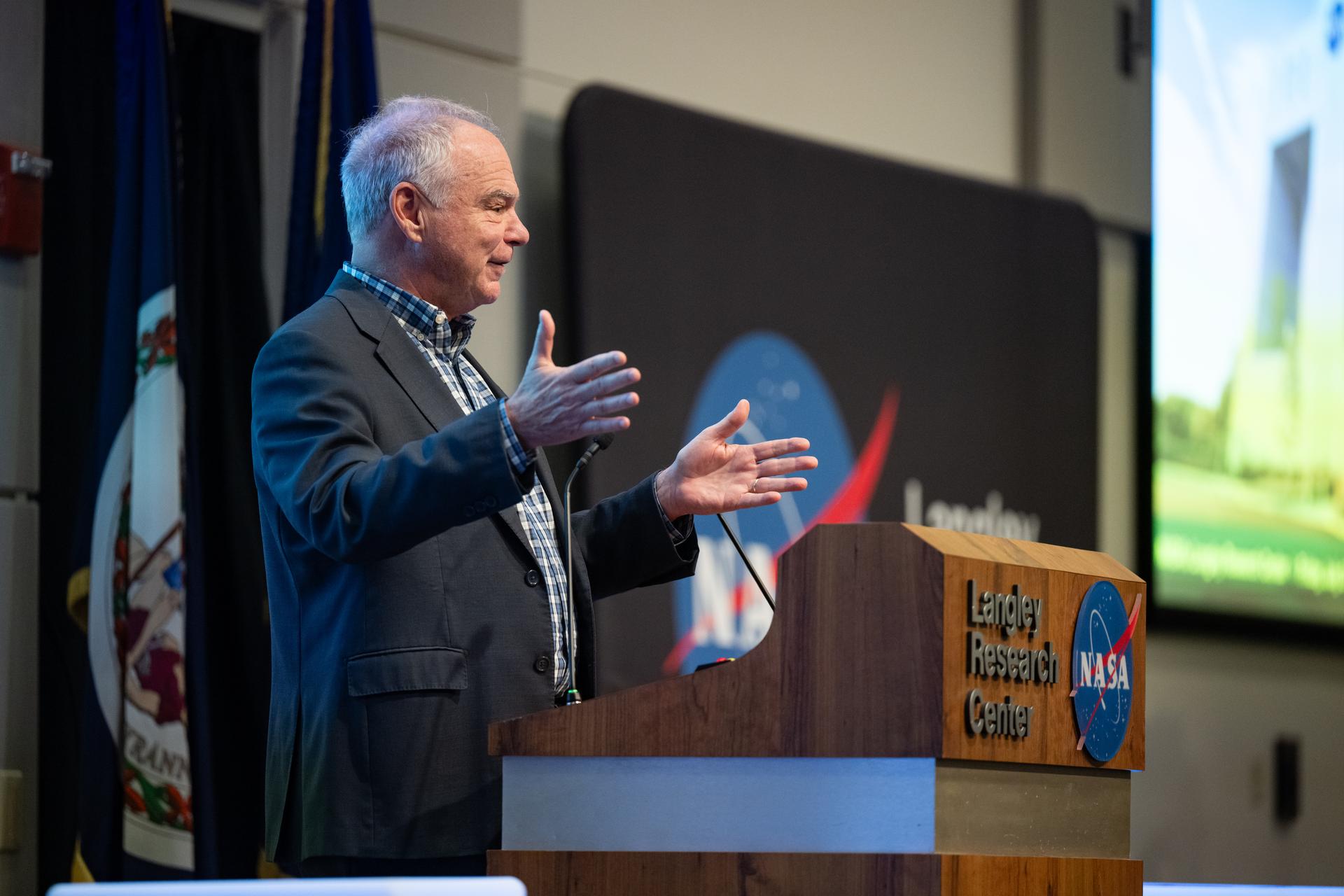
Senator Tim Kaine (D-Va.) delivers remarks during a ribbon cutting ceremony for the Flight Dynamics Research Facility, NASA's newest wind tunnel, Friday, July 31, 2026, at NASA’s Langley Research Center in Hampton, Virginia. The state-of-the-art facility will support research and technology development that will advance the agency’s aeronautics, exploration, and science goals, including establishing a sustained human presence on the lunar surface through the Artemis program and the development of a Moon Base. Photo Credit: (NASA/Keegan Barber)
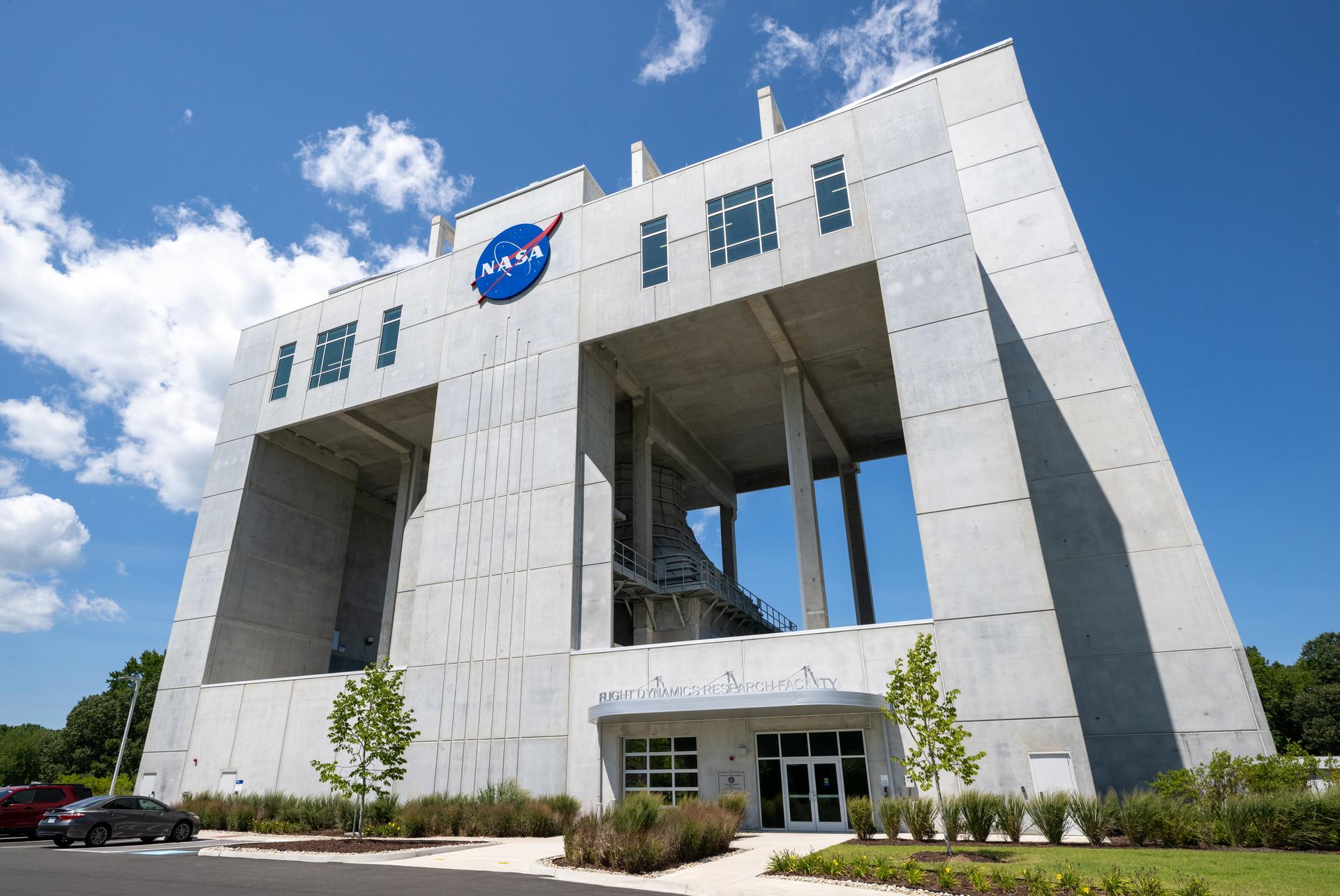
The Flight Dynamics Research Facility, NASA's newest wind tunnel, is seen Thursday, July 30, 2026, at NASA’s Langley Research Center in Hampton, Virginia. The state-of-the-art facility will support research and technology development that will advance the agency’s aeronautics, exploration, and science goals, including establishing a sustained human presence on the lunar surface through the Artemis program and the development of a Moon Base. Photo Credit: (NASA/Keegan Barber)
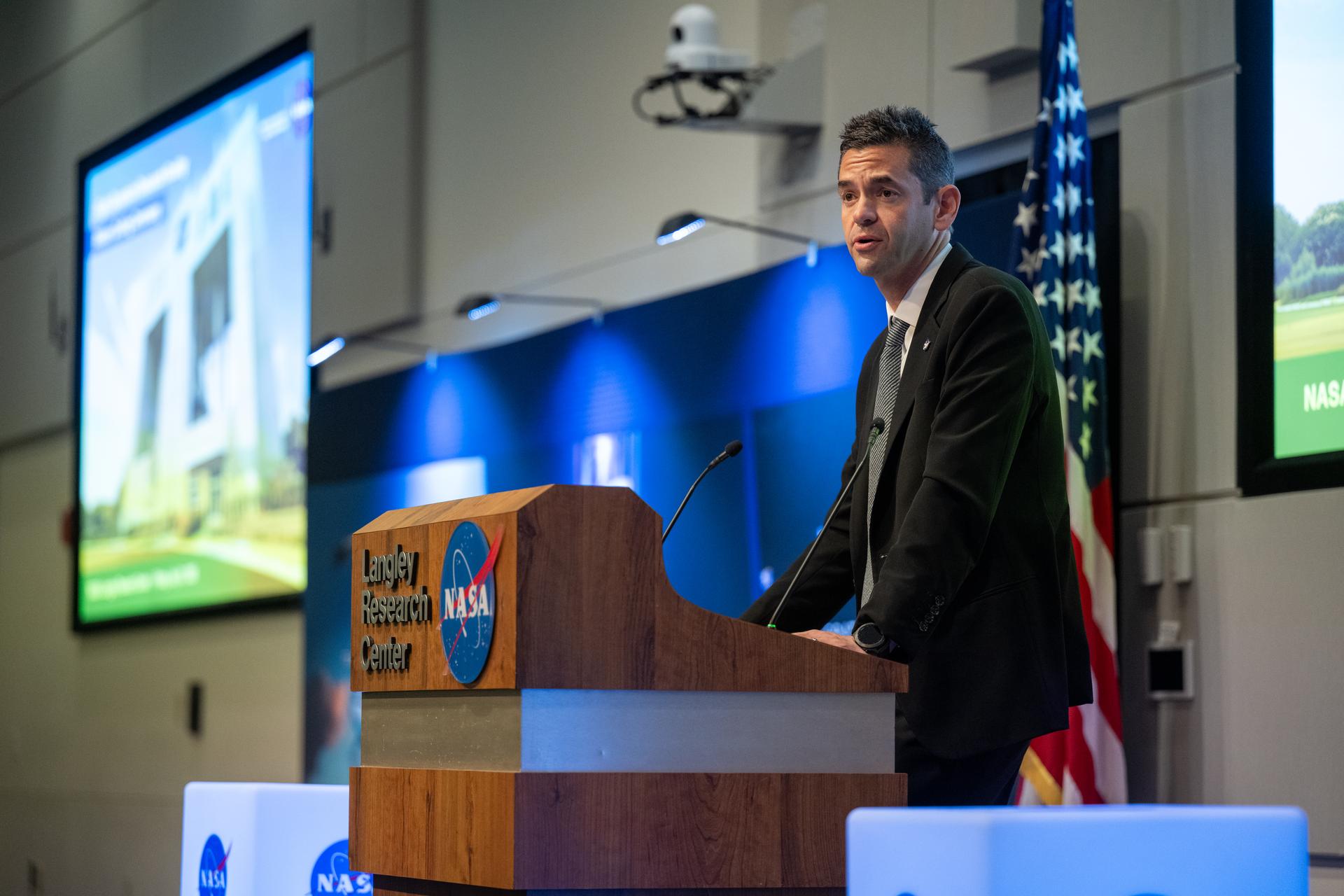
NASA Administrator Jared Isaacman delivers remarks during a ribbon cutting ceremony for the Flight Dynamics Research Facility, NASA's newest wind tunnel, Friday, July 31, 2026, at NASA’s Langley Research Center in Hampton, Virginia. The state-of-the-art facility will support research and technology development that will advance the agency’s aeronautics, exploration, and science goals, including establishing a sustained human presence on the lunar surface through the Artemis program and the development of a Moon Base. Photo Credit: (NASA/Keegan Barber)
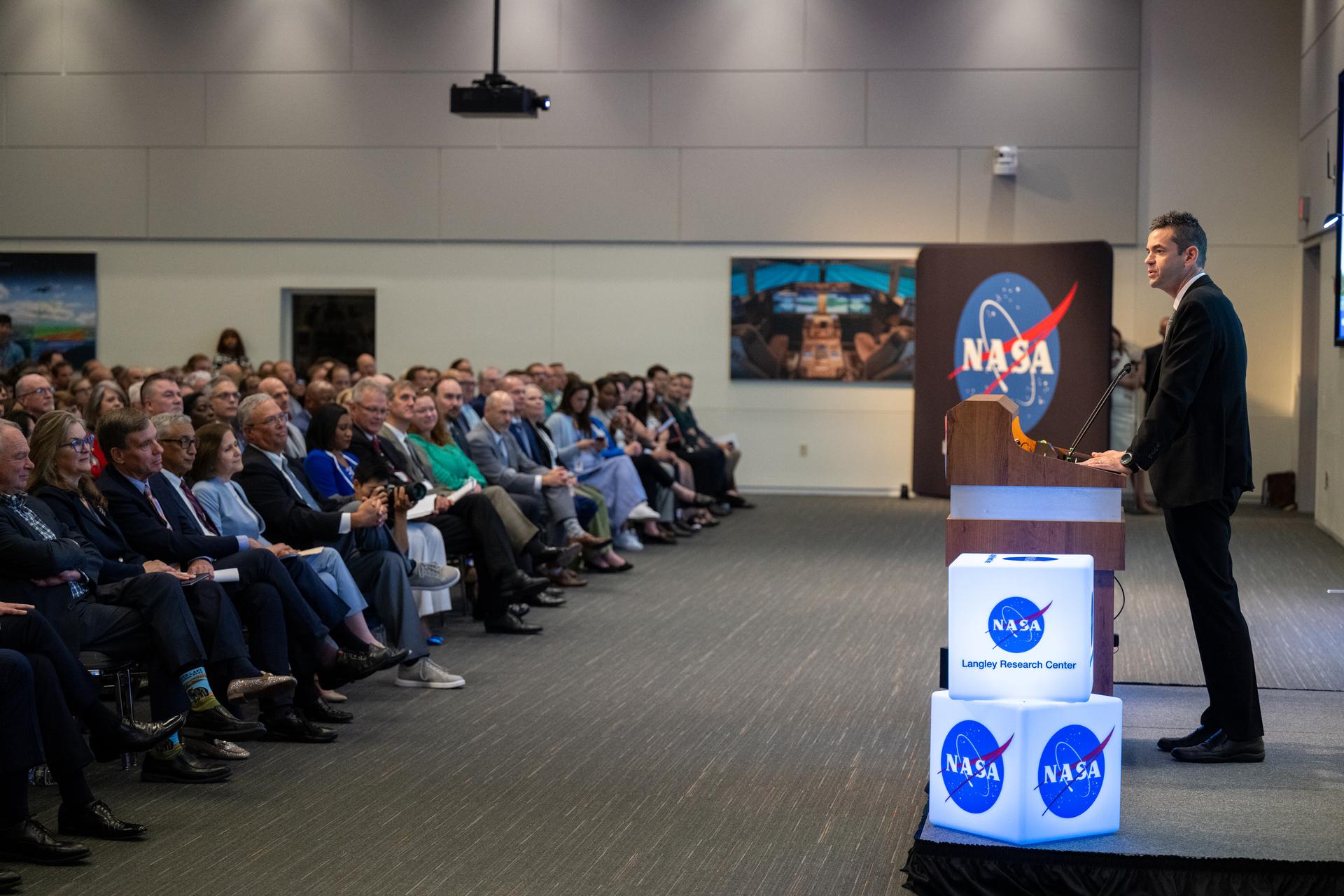
NASA Administrator Jared Isaacman delivers remarks during a ribbon cutting ceremony for the Flight Dynamics Research Facility, NASA's newest wind tunnel, Friday, July 31, 2026, at NASA’s Langley Research Center in Hampton, Virginia. The state-of-the-art facility will support research and technology development that will advance the agency’s aeronautics, exploration, and science goals, including establishing a sustained human presence on the lunar surface through the Artemis program and the development of a Moon Base. Photo Credit: (NASA/Keegan Barber)
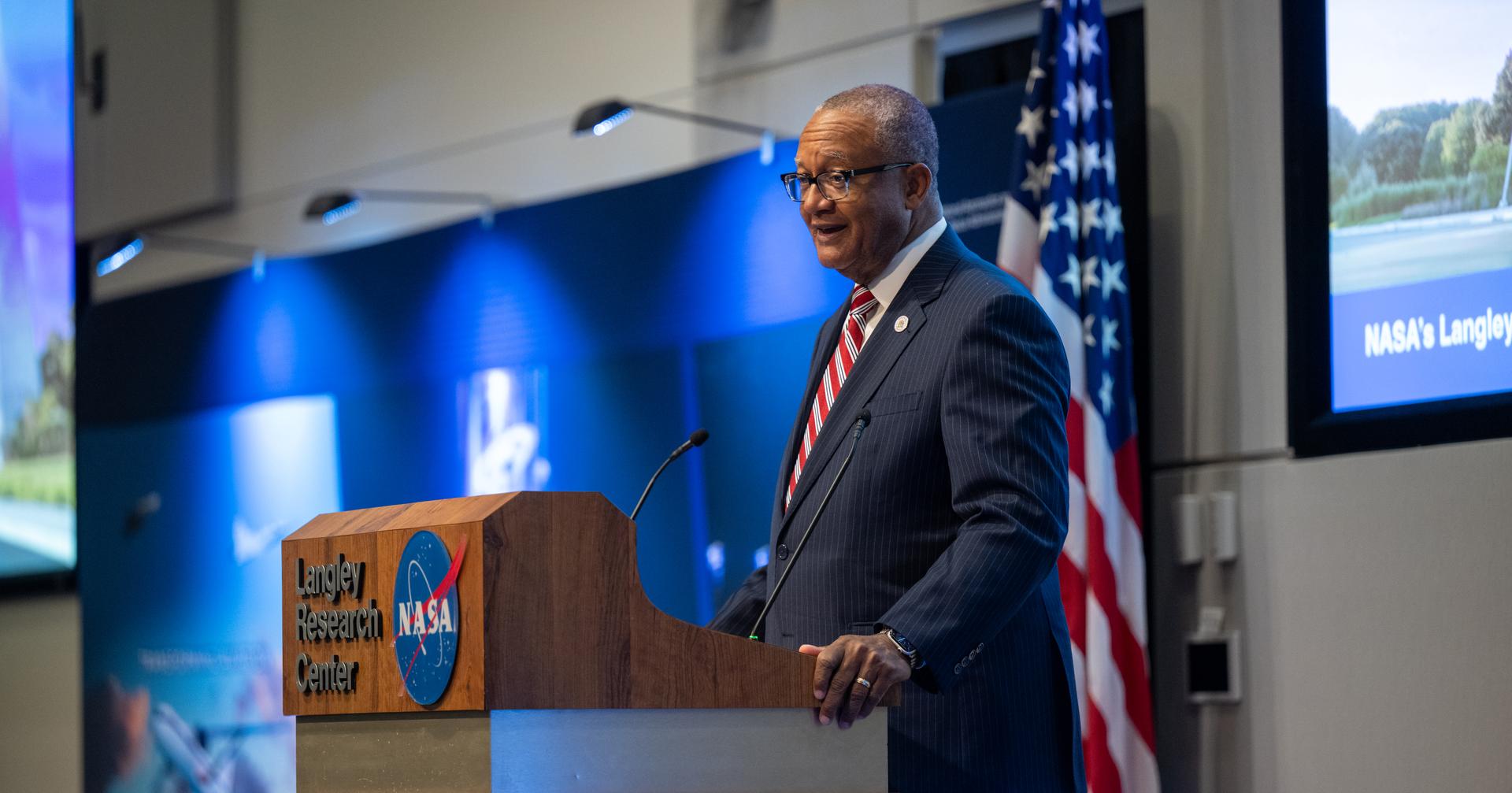
City of Hampton Mayor Jimmy Gray delivers remarks during a ribbon cutting ceremony for the Flight Dynamics Research Facility, NASA's newest wind tunnel, Friday, July 31, 2026, at NASA’s Langley Research Center in Hampton, Virginia. The state-of-the-art facility will support research and technology development that will advance the agency’s aeronautics, exploration, and science goals, including establishing a sustained human presence on the lunar surface through the Artemis program and the development of a Moon Base. Photo Credit: (NASA/Keegan Barber)
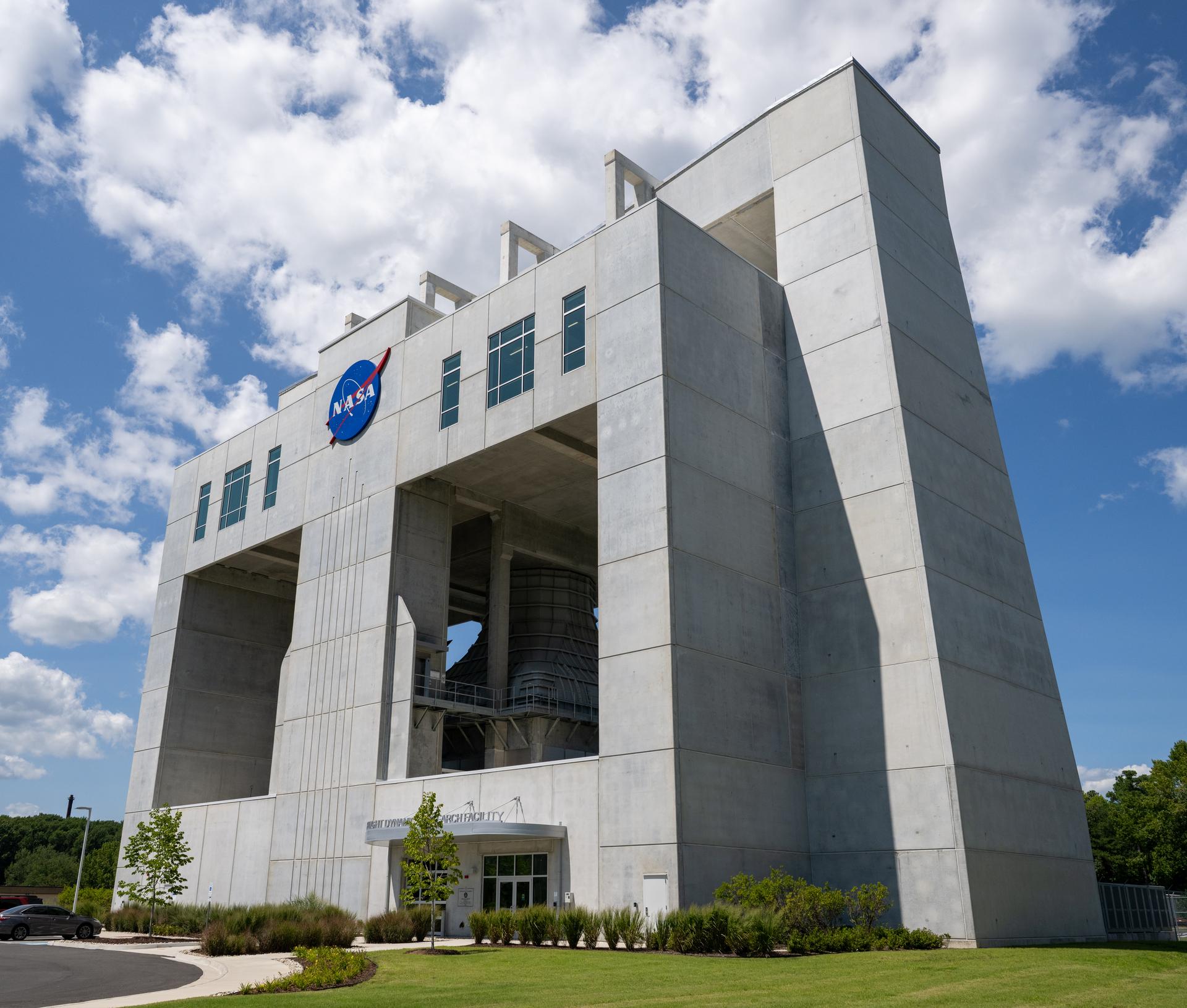
The Flight Dynamics Research Facility, NASA's newest wind tunnel, is seen Thursday, July 30, 2026, at NASA’s Langley Research Center in Hampton, Virginia. The state-of-the-art facility will support research and technology development that will advance the agency’s aeronautics, exploration, and science goals, including establishing a sustained human presence on the lunar surface through the Artemis program and the development of a Moon Base. Photo Credit: (NASA/Keegan Barber)
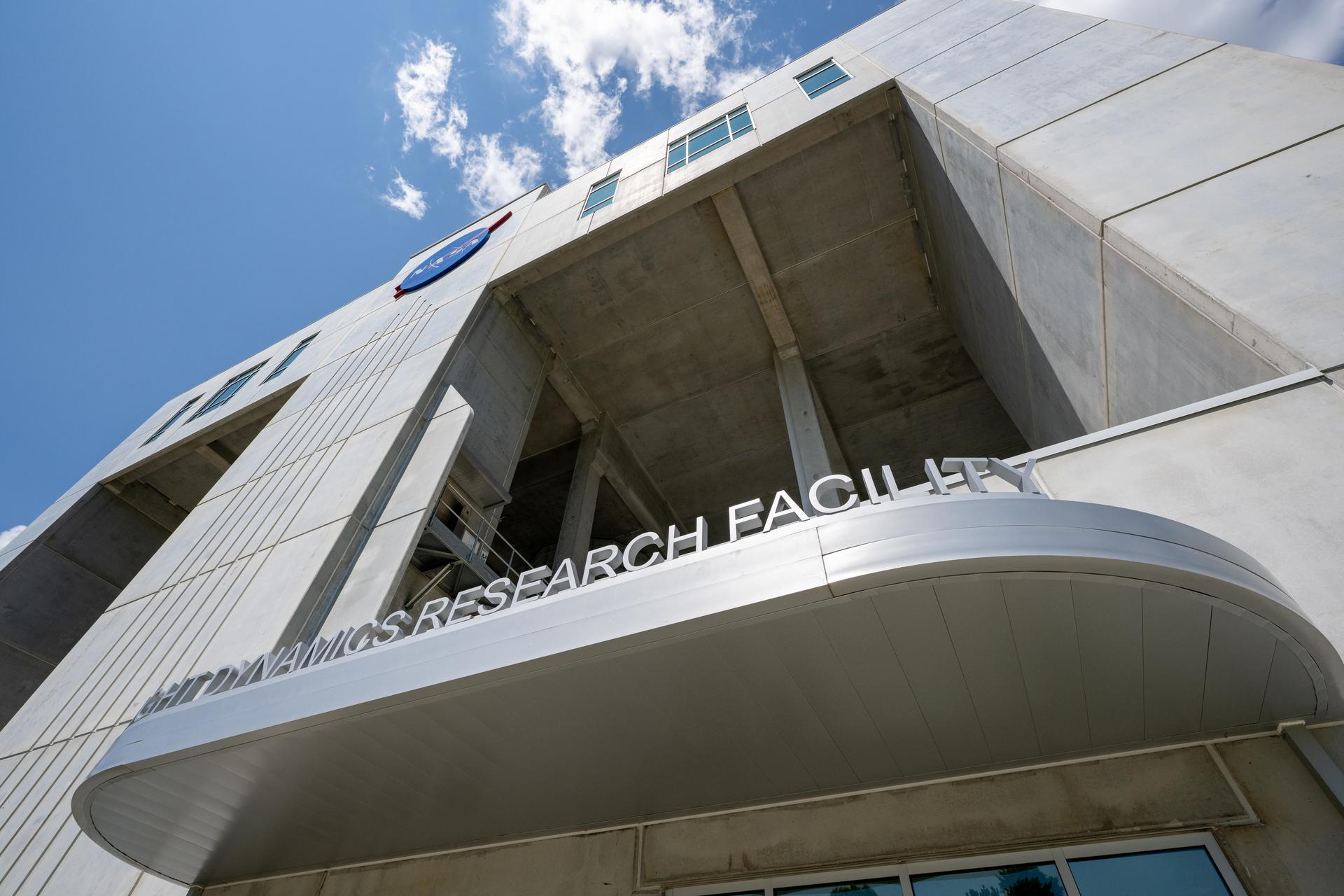
The Flight Dynamics Research Facility, NASA's newest wind tunnel, is seen Thursday, July 30, 2026, at NASA’s Langley Research Center in Hampton, Virginia. The state-of-the-art facility will support research and technology development that will advance the agency’s aeronautics, exploration, and science goals, including establishing a sustained human presence on the lunar surface through the Artemis program and the development of a Moon Base. Photo Credit: (NASA/Keegan Barber)
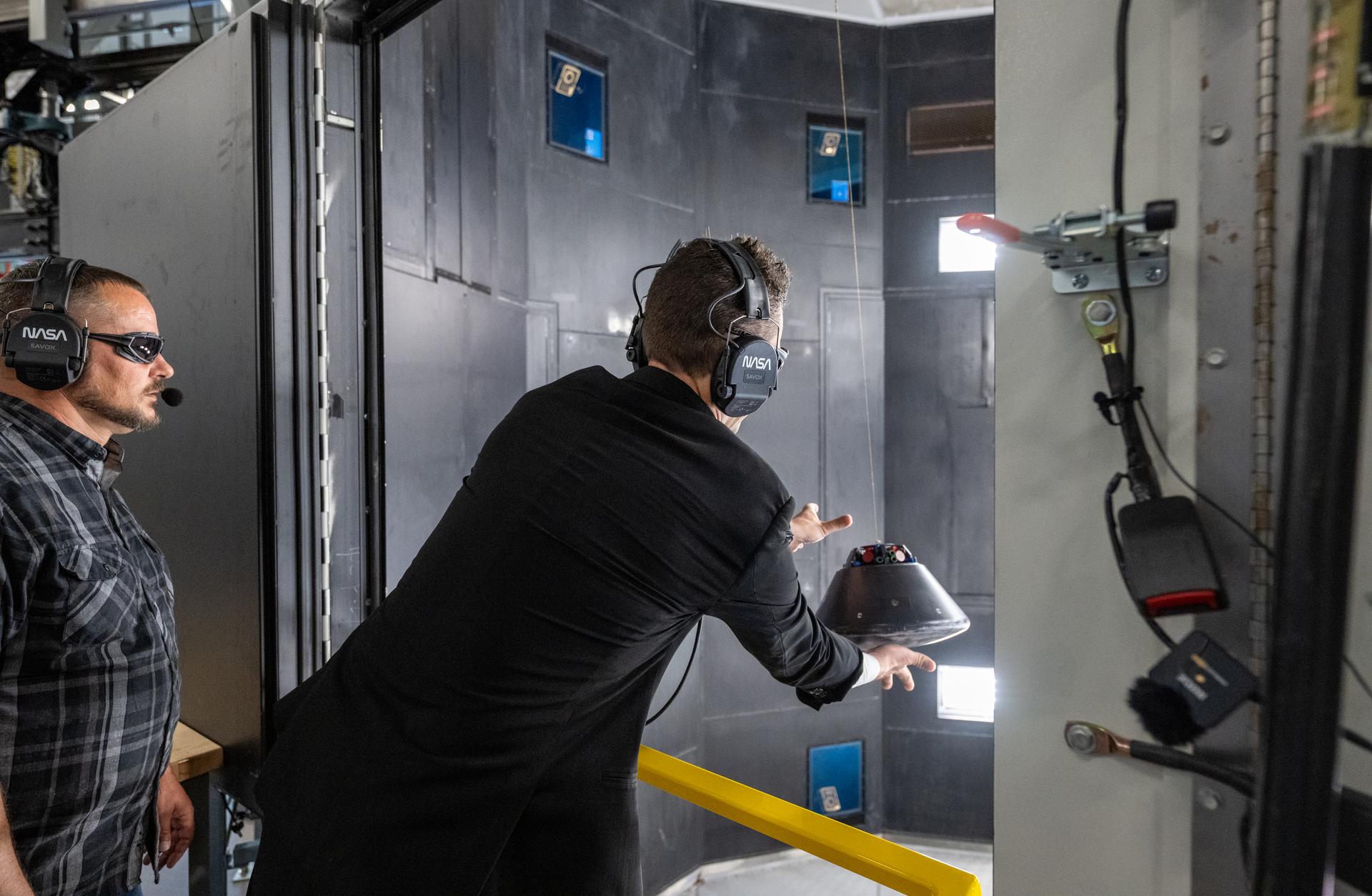
NASA Administrator Jared Isaacman launches a scale model of the Orion capsule during a demonstration at the Flight Dynamics Research Facility, NASA's newest wind tunnel, Friday, July 31, 2026, at NASA’s Langley Research Center in Hampton, Virginia. The state-of-the-art facility will support research and technology development that will advance the agency’s aeronautics, exploration, and science goals, including establishing a sustained human presence on the lunar surface through the Artemis program and the development of a Moon Base. Photo Credit: (NASA/Keegan Barber)
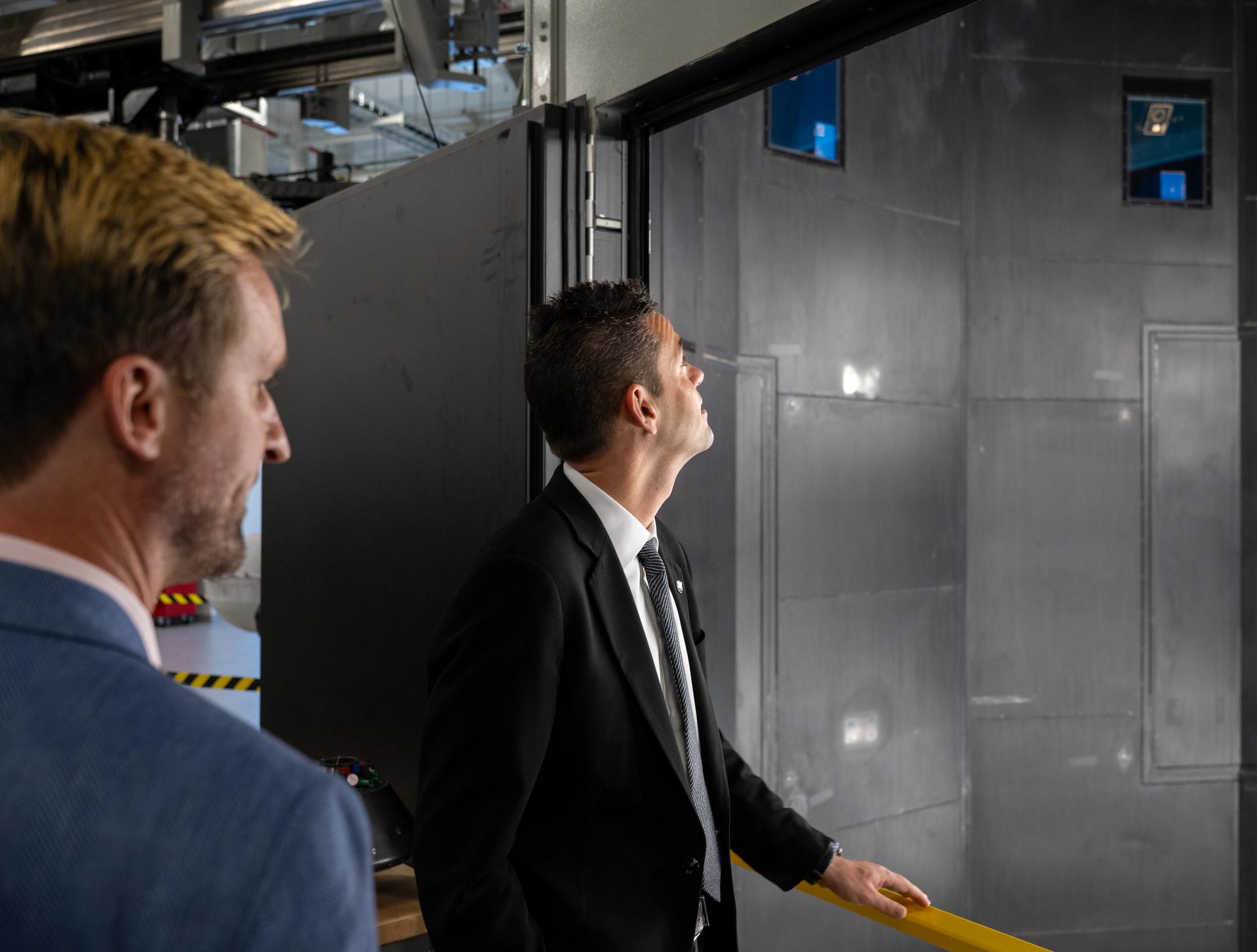
NASA Administrator Jared Isaacman is seen during a tour of the Flight Dynamics Research Facility, NASA's newest wind tunnel, Friday, July 31, 2026, at NASA’s Langley Research Center in Hampton, Virginia. The state-of-the-art facility will support research and technology development that will advance the agency’s aeronautics, exploration, and science goals, including establishing a sustained human presence on the lunar surface through the Artemis program and the development of a Moon Base. Photo Credit: (NASA/Keegan Barber)
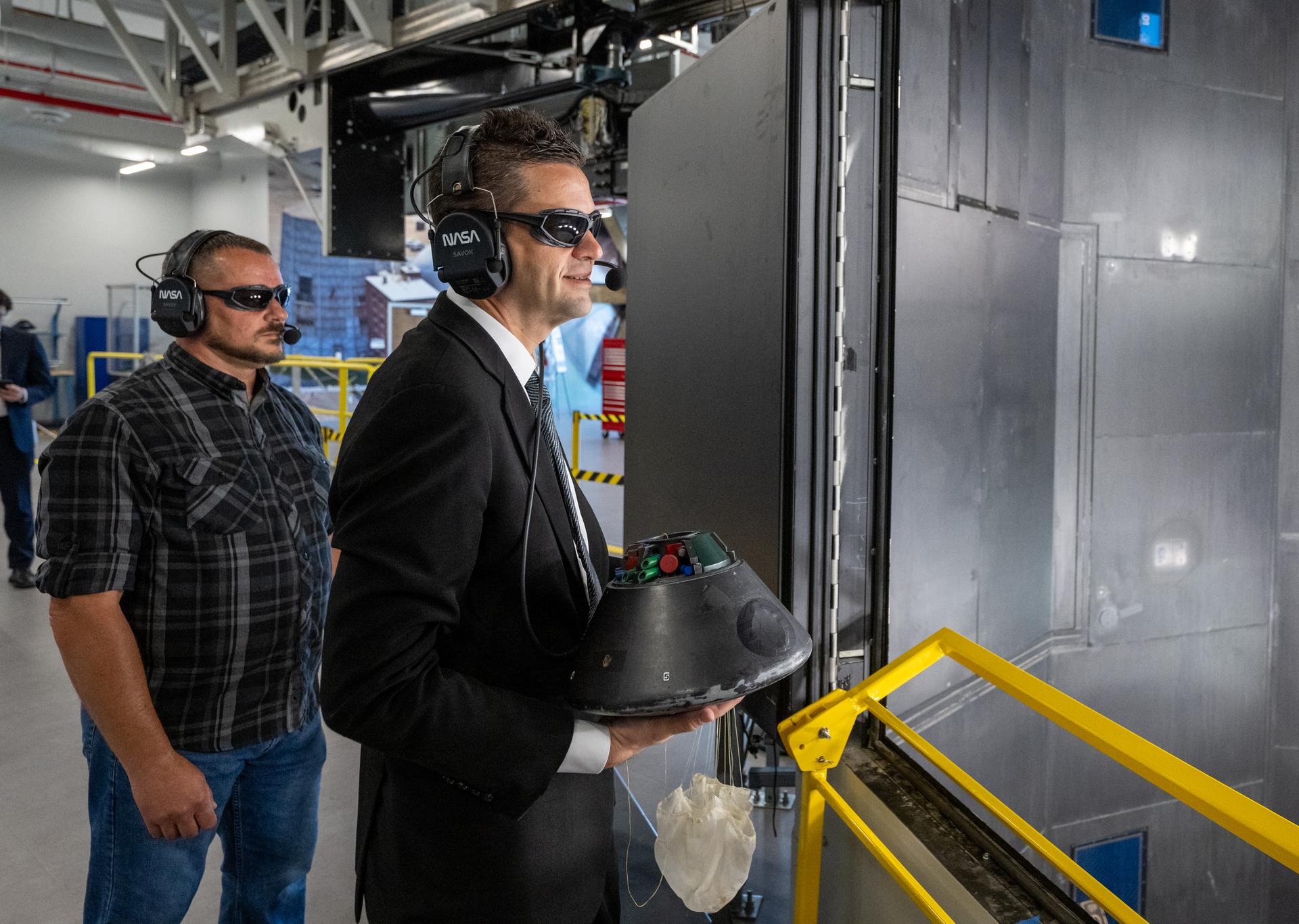
NASA Administrator Jared Isaacman prepares to launch a scale model of the Orion capsule for a demonstration at the Flight Dynamics Research Facility, NASA's newest wind tunnel, Friday, July 31, 2026, at NASA’s Langley Research Center in Hampton, Virginia. The state-of-the-art facility will support research and technology development that will advance the agency’s aeronautics, exploration, and science goals, including establishing a sustained human presence on the lunar surface through the Artemis program and the development of a Moon Base. Photo Credit: (NASA/Keegan Barber)
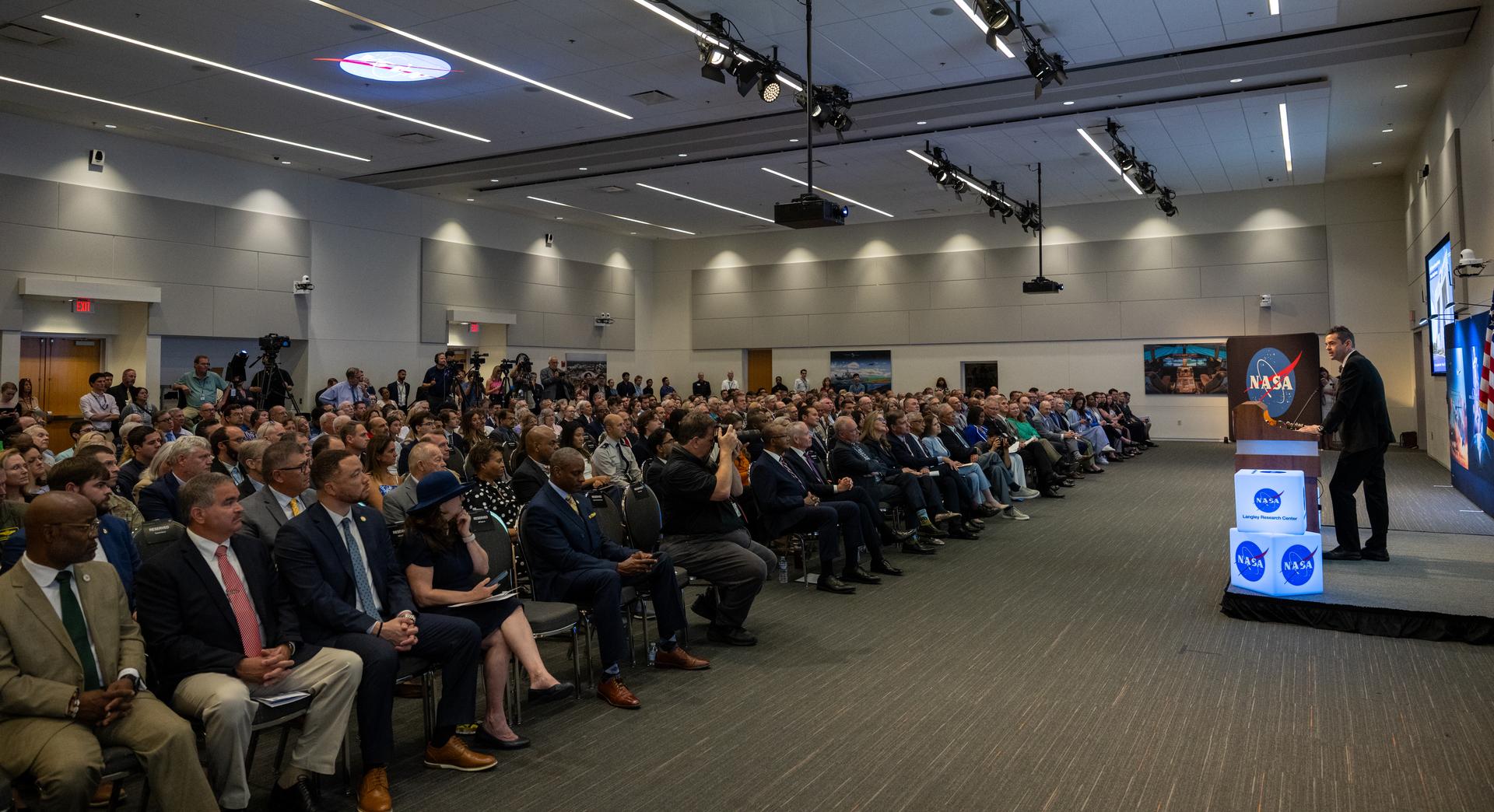
NASA Administrator Jared Isaacman delivers remarks during a ribbon cutting ceremony for the Flight Dynamics Research Facility, NASA's newest wind tunnel, Friday, July 31, 2026, at NASA’s Langley Research Center in Hampton, Virginia. The state-of-the-art facility will support research and technology development that will advance the agency’s aeronautics, exploration, and science goals, including establishing a sustained human presence on the lunar surface through the Artemis program and the development of a Moon Base. Photo Credit: (NASA/Keegan Barber)
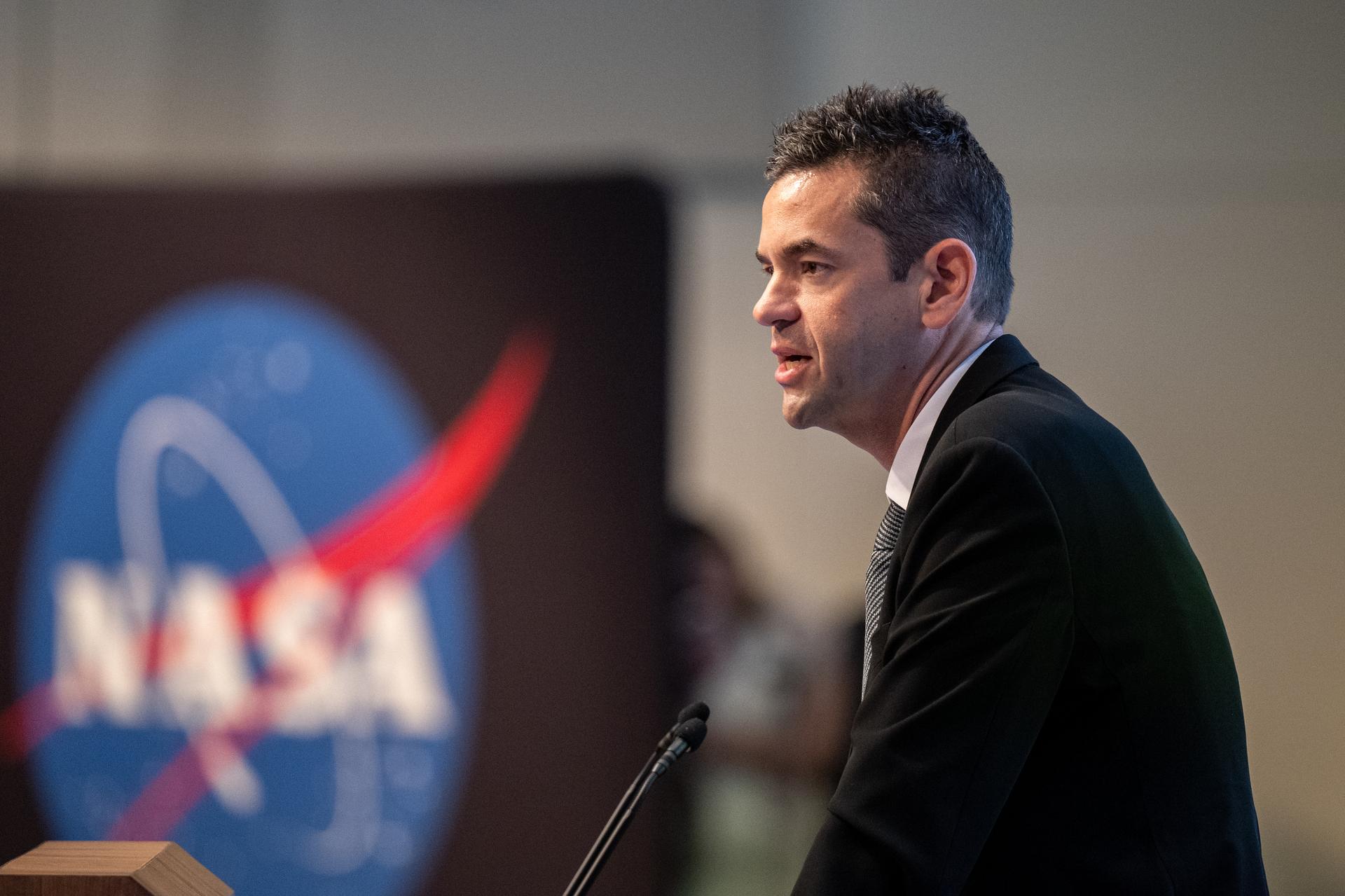
NASA Administrator Jared Isaacman delivers remarks during a ribbon cutting ceremony for the Flight Dynamics Research Facility, NASA's newest wind tunnel, Friday, July 31, 2026, at NASA’s Langley Research Center in Hampton, Virginia. The state-of-the-art facility will support research and technology development that will advance the agency’s aeronautics, exploration, and science goals, including establishing a sustained human presence on the lunar surface through the Artemis program and the development of a Moon Base. Photo Credit: (NASA/Keegan Barber)

An aircraft body modeled after an air taxi with weighted test dummies inside is being prepared for a drop test by researchers at NASA’s Langley Research Center in Hampton, Virginia. The test was completed June 26 at Langley’s Landing and Impact Research Facility. The aircraft was dropped from a tall steel structure, known as a gantry, after being hoisted about 35 feet in the air by cables. NASA researchers are investigating aircraft materials that best absorb impact forces in a crash.