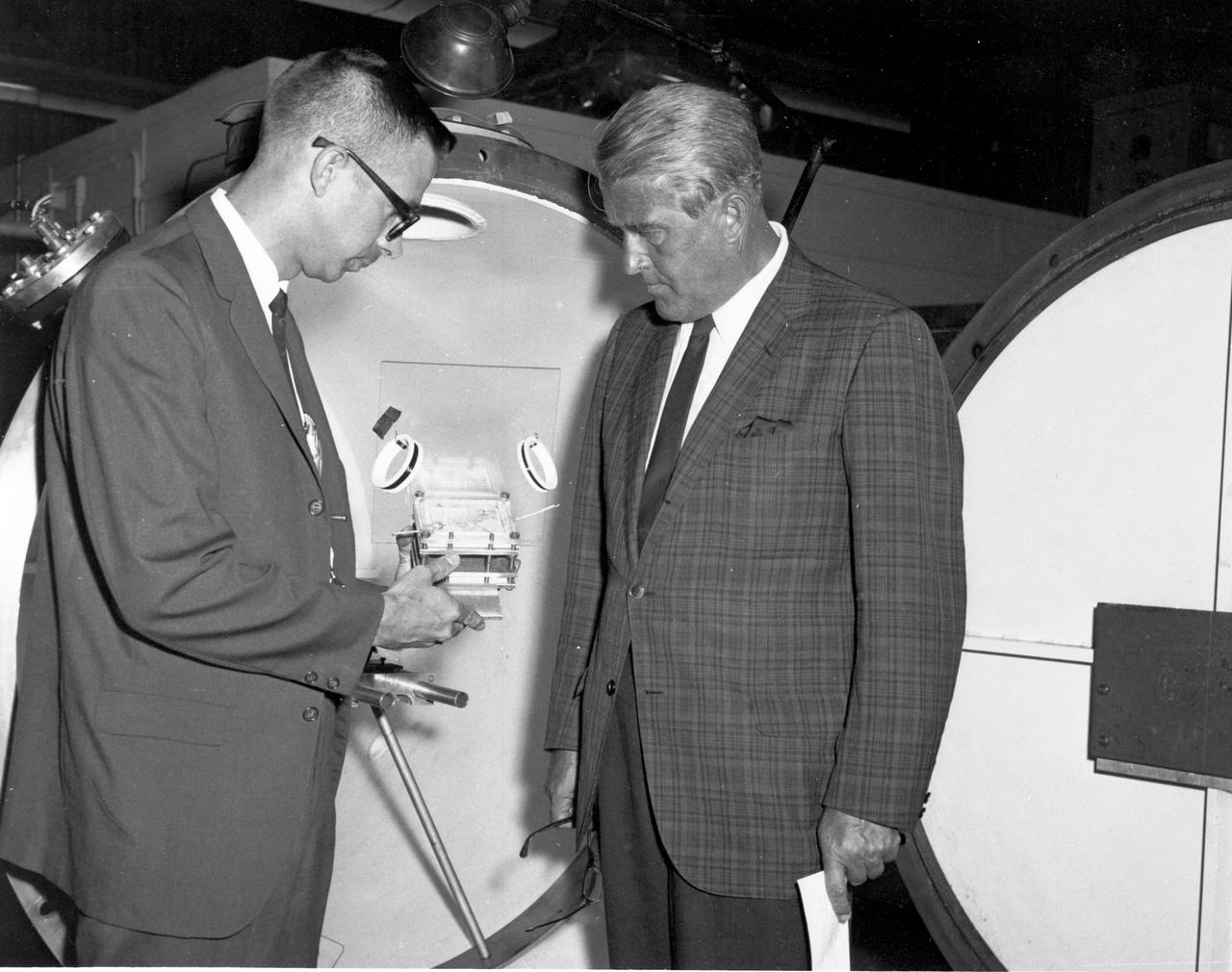
Marshall Space Flight Center’s (MSFC) director, Dr. Wernher von Braun (right), inspects a component of a laser experiment being conducted in MSFC’s Space Sciences Laboratory during a tour on August 28, 1967.
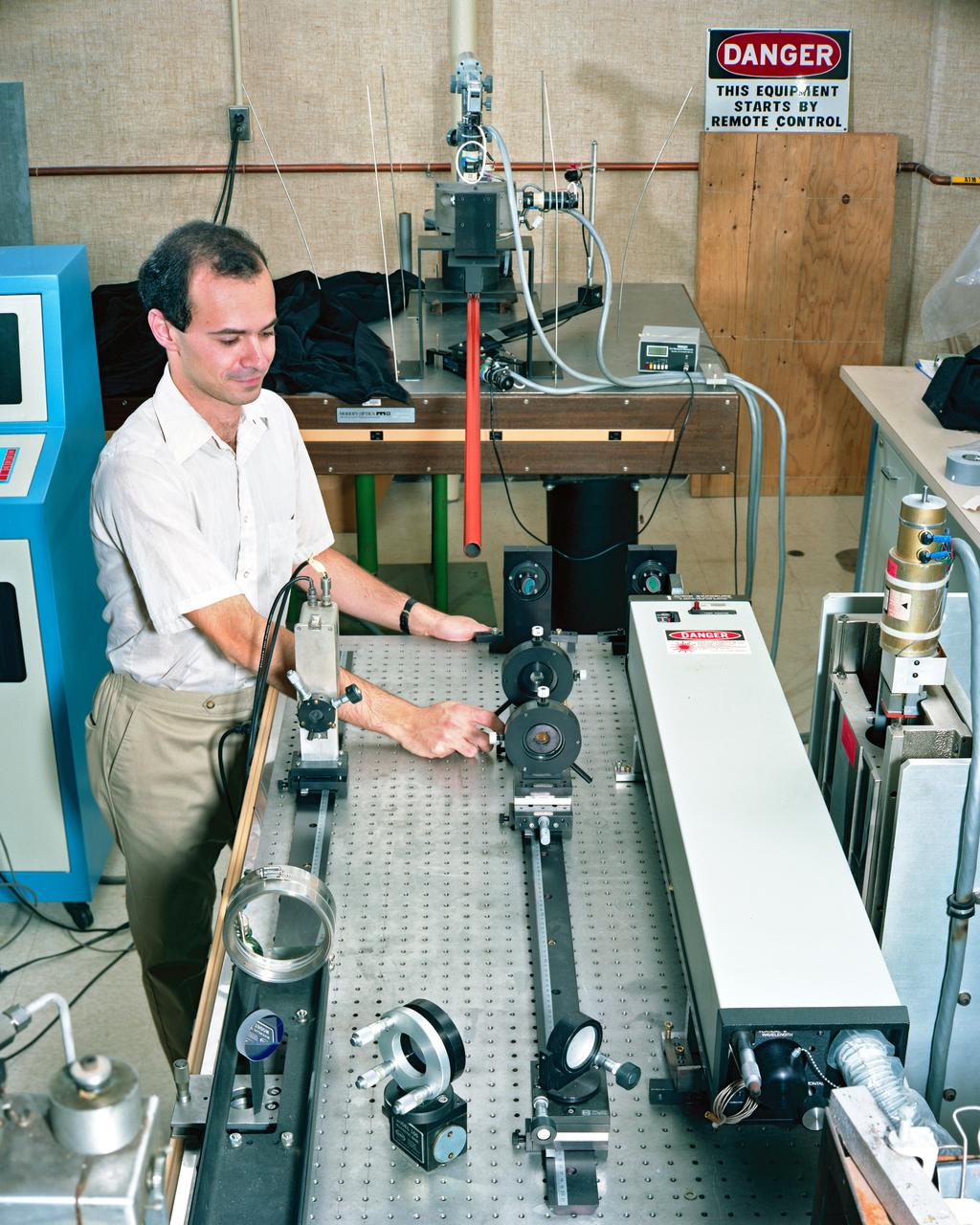
LASER EXPERIMENT IN REAR PORTION OF CE-13 IN ENGINE RESEARCH BUILDING
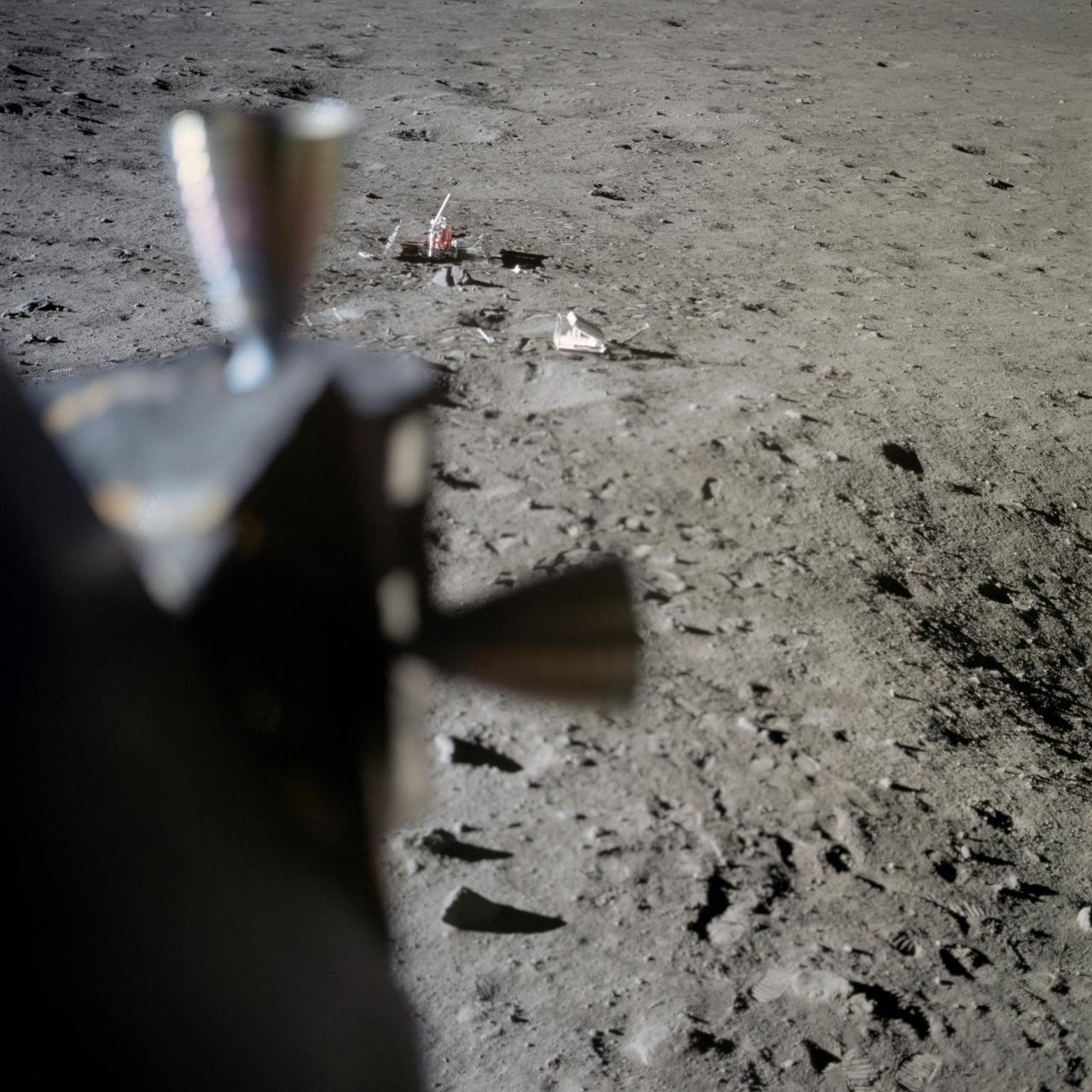
AS11-37-5551 (20 July 1969) --- Two components of the Early Apollo Scientific Experiments Package (EASEP) are seen deployed on the lunar surface in this view photographed from inside the Lunar Module (LM). In the far background is the Passive Seismic Experiment Package (PSEP); and to the right and closer to the camera is the Laser Ranging Retro-Reflector (LR-3). The footprints of Apollo 11 astronauts Neil A. Armstrong and Edwin E. Aldrin Jr. are very distinct in the lunar soil.
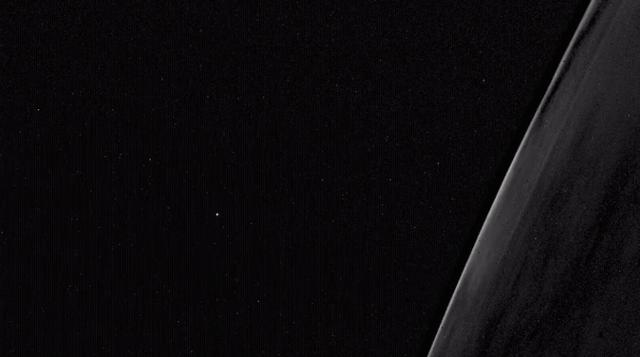
A brief laser flash at the center of the frame was part of an experiment conducted by two NASA CubeSats. In it, one small satellite used a laser to send information to the ISARA CubeSat, managed by JPL. Movie available at https://photojournal.jpl.nasa.gov/catalog/PIA23117
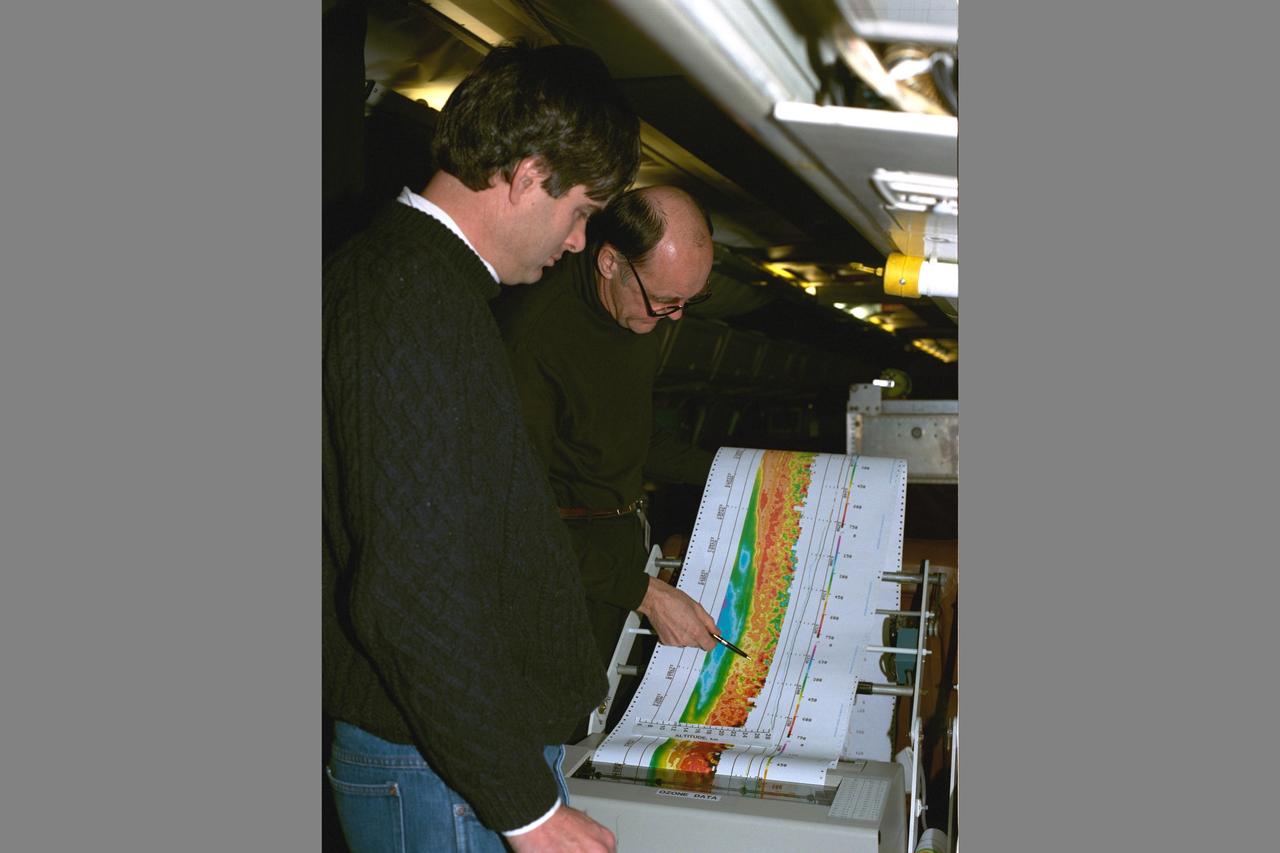
Arctic Ozone Expedition Stavanger Norway: Arlin Carter, NASA Langley Research Center, is shown here with colleague during flight collecting data on the laser ozone mapping experiment. This experiment uses laser beams to determine the extent of column ozone above the DC-8 flying laboratory on which the laser experiment flys.

AS11-40-5948 (20 July 1969) --- Astronaut Edwin E. Aldrin Jr., lunar module pilot, is photographed during the Apollo 11 extravehicular activity (EVA) on the moon. He has just deployed the Early Apollo Scientific Experiments Package (EASEP). This is a good view of the deployed equipment. In the foreground is the Passive Seismic Experiment Package (PSEP); beyond it is the Laser Ranging Retro-Reflector (LR-3); in the center background is the United States flag; in the left background is the black and white lunar surface television camera; in the far right background is the Lunar Module (LM). Astronaut Neil A. Armstrong, commander, took this picture with a 70mm lunar surface camera. While astronauts Armstrong and Aldrin descended in the Lunar Module (LM) "Eagle" to explore the Sea of Tranquility region of the moon, astronaut Michael Collins, command module pilot, remained with the Command and Service Modules (CSM) "Columbia" in lunar orbit.

Two sets of laser pulses transmitted from Earth to a spacecraft over a distance of 1.4 million kilometers 870,000 miles in a communications experiment are shown in this long-exposure image made by NASA’s Galileo spacecraft imaging system. http://photojournal.jpl.nasa.gov/catalog/PIA00230
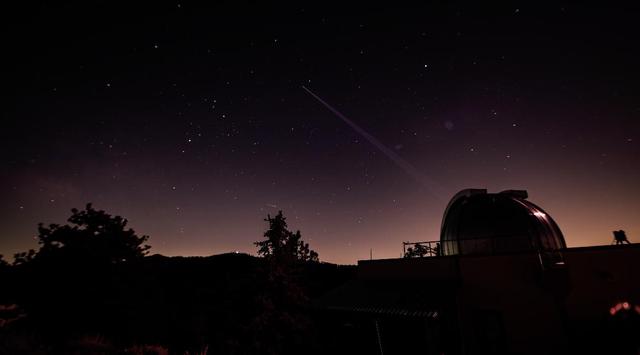
This timelapse video shows the NASA Jet Propulsion Laboratory's Table Mountain Facility near Wrightwood, California, transmitting its 3-kilowatt laser beacon to the agency's Deep Space Optical Communications (DSOC) experiment aboard NASA's Psyche mission on June 2, 2025; the spacecraft was about 143 million miles (230 million kilometers) from Earth at the time. Managed by JPL, DSOC was designed to demonstrate that data encoded in laser photons could be reliably transmitted, received, and then decoded after traveling millions of miles from Earth out to Mars distances. Nearly two years after launching aboard the agency's Psyche mission in 2023, the demonstration completed its 65th and final "pass" on Sept. 2, 2025, sending a laser signal to Psyche and receiving the return signal from 218 million miles (350 million kilometers) away. Animation available at https://photojournal.jpl.nasa.gov/catalog/PIA26663
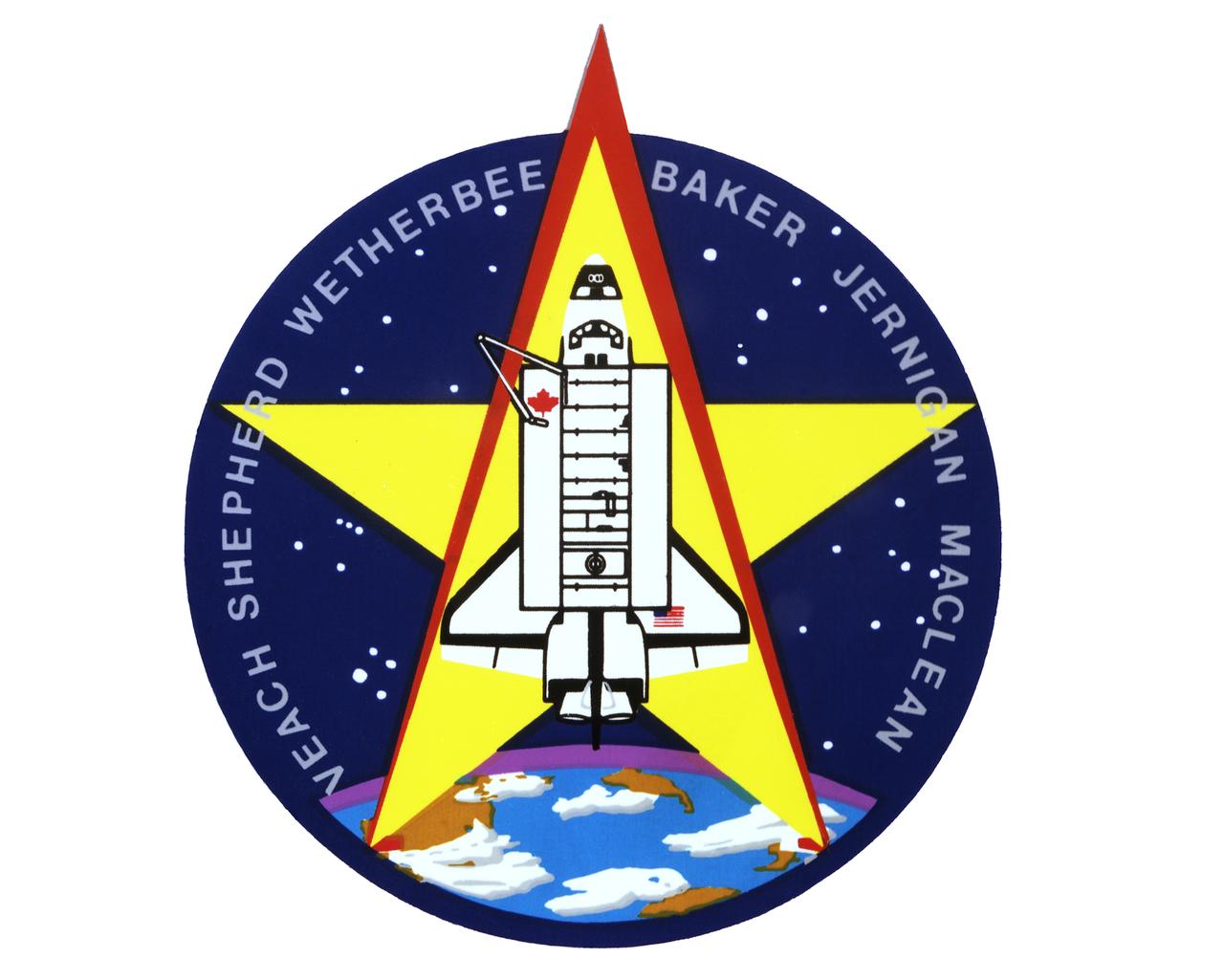
The STS-52 insignia, designed by the mission’s crew members, features a large gold star to symbolize the crew's mission on the frontiers of space. A gold star is often used to symbolize the frontier period of the American West. The red star in the shape of the Greek letter lambda represents both the laser measurements taken from the Laser Geodynamic Satellite (LAGEOS II) and the Lambda Point Experiment, which was part of the United States Microgravity Payload (USMP-l). The remote manipulator and maple leaf are emblematic of the Canadian payload specialist who conducted a series of Canadian flight experiments (CANEX-2), including the Space Vision System test.
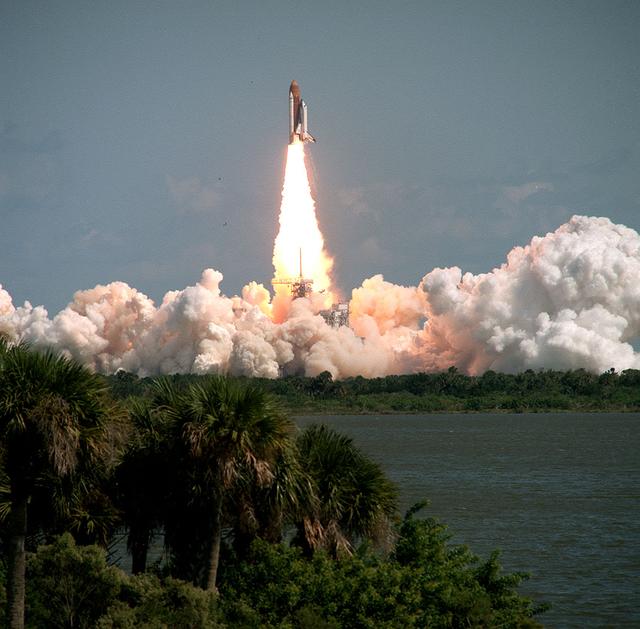
The Space Shuttle Columbia (STS-52) thunders off Launch Pad 39B, embarking on a 10-day flight and carrying a crew of six who will deploy the Laser Geodynamic Satellite II (LAGEOS). LAGEOS is a spherical passive satellite covered with reflectors which are illuminated by ground-based lasers to determine precise measurements of the Earth's crustal movements. The other major payload on this mission is the United States Microgravity Payload 1 (USMP-1), where experiments will be conducted by crew members while in low earth orbit (LEO).
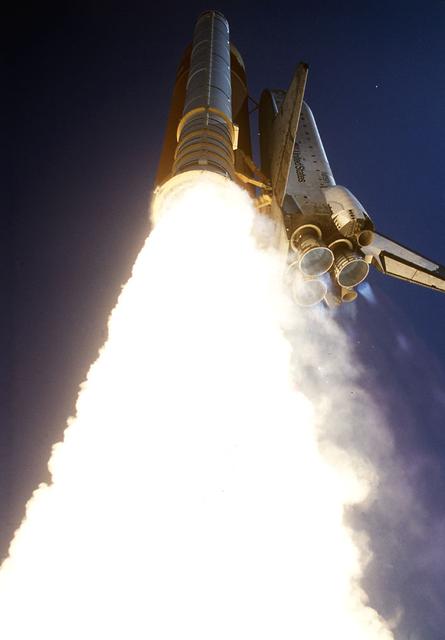
The Space Shuttle Columbia (STS-52) thunders off Launch Pad 39B, embarking on a 10-day flight and carrying a crew of six who will deploy the Laser Geodynamic Satellite II (LAGEOS). LAGEOS is a spherical passive satellite covered with reflectors which are illuminated by ground-based lasers to determine precise measurements of the Earth's crustal movements. The other major payload on this mission is the United States Microgravity Payload 1 (USMP-1), where experiments will be conducted by crew members while in low earth orbit (LEO).
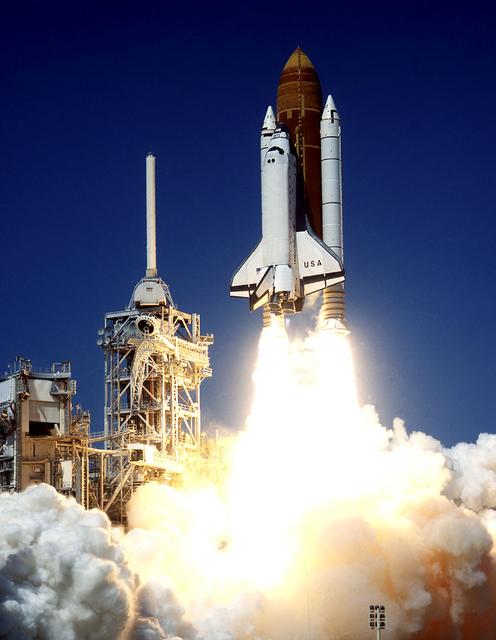
The Space Shuttle Columbia (STS-52) thunders off Launch Pad 39B, embarking on a 10-day flight and carrying a crew of six who will deploy the Laser Geodynamic Satellite II (LAGEOS). LAGEOS is a spherical passive satellite covered with reflectors which are illuminated by ground-based lasers to determine precise measurements of the Earth's crustal movements. The other major payload on this mission is the United States Microgravity Payload 1 (USMP-1), where experiments will be conducted by crew members while in low earth orbit (LEO).
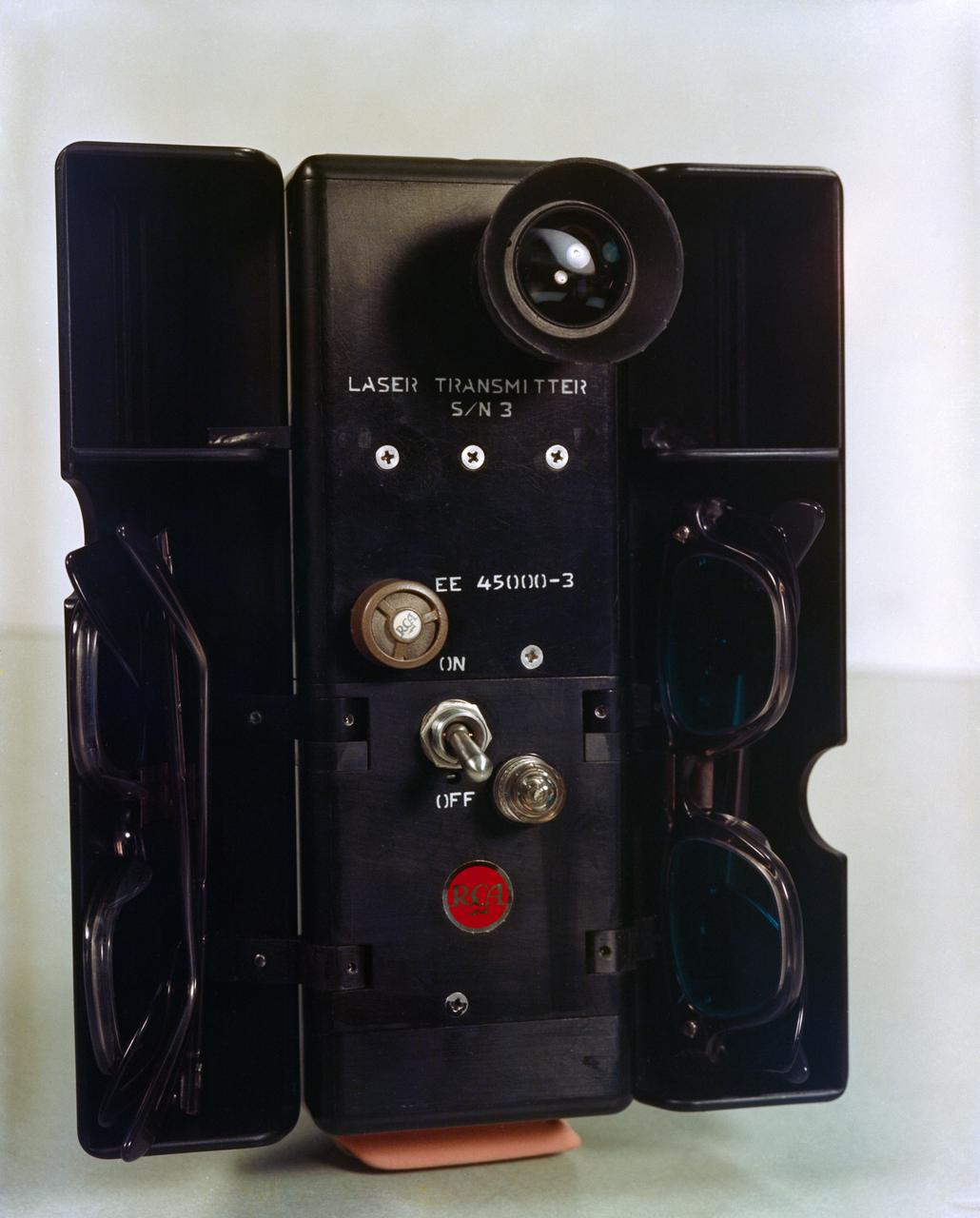
S65-61777 (8 Dec. 1965) --- Close-up view of a laser transmitter unit which is being used for the Gemini-7 Optical Communication (MSC-4) experiment. Astronauts Frank Borman, command pilot; and James A. Lovell Jr., pilot, are now orbiting Earth in NASA's Gemini-7 spacecraft. Photo credit: NASA

Particle-image velocimetry (PIV) is performed on the upper surface of a pitching airfoil in the NASA Glenn Icing Research Tunnel. PIV is a laser-based flow velocity measurement technique used widely in wind tunnels. These experiments were conducted as part of a research project focused on enhancing rotorcraft speed, efficiency and maneuverability by suppressing dynamic stall.
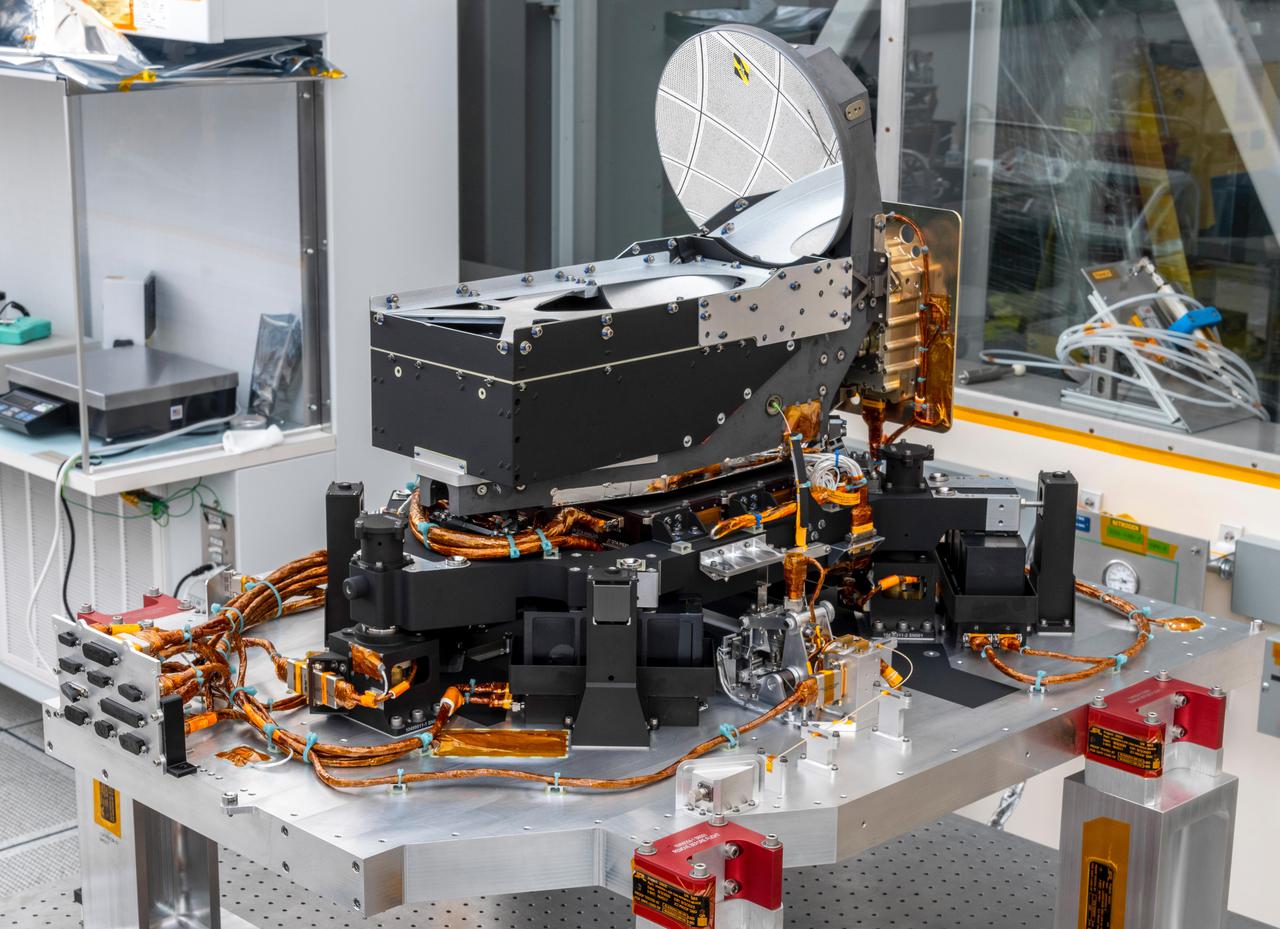
The Deep Space Optical Communications (DSOC) technology demonstration's flight laser transceiver is shown at NASA's Jet Propulsion Laboratory in Southern California in April 2021, before being installed inside its box-like enclosure that was later integrated with NASA's Psyche spacecraft. The transceiver consists of a near-infrared laser transmitter to send high-rate data to Earth, and a sensitive photon-counting camera to receive ground-transmitted low-rate data. The transceiver is mounted on an assembly of struts and actuators – shown in this photograph – that stabilizes the optics from spacecraft vibrations. The DSOC experiment is the agency's first demonstration of optical communications beyond the Earth-Moon system. DSOC is a system that consists of this flight laser transceiver, a ground laser transmitter, and a ground laser receiver. New advanced technologies have been implemented in each of these elements. The transceiver will "piggyback" on NASA's Psyche spacecraft when it launches in August 2022 to the metal-rich asteroid of the same name. The DSOC technology demonstration will begin shortly after launch and continue as the spacecraft travels from Earth to its gravity-assist flyby of Mars. https://photojournal.jpl.nasa.gov/catalog/PIA24569
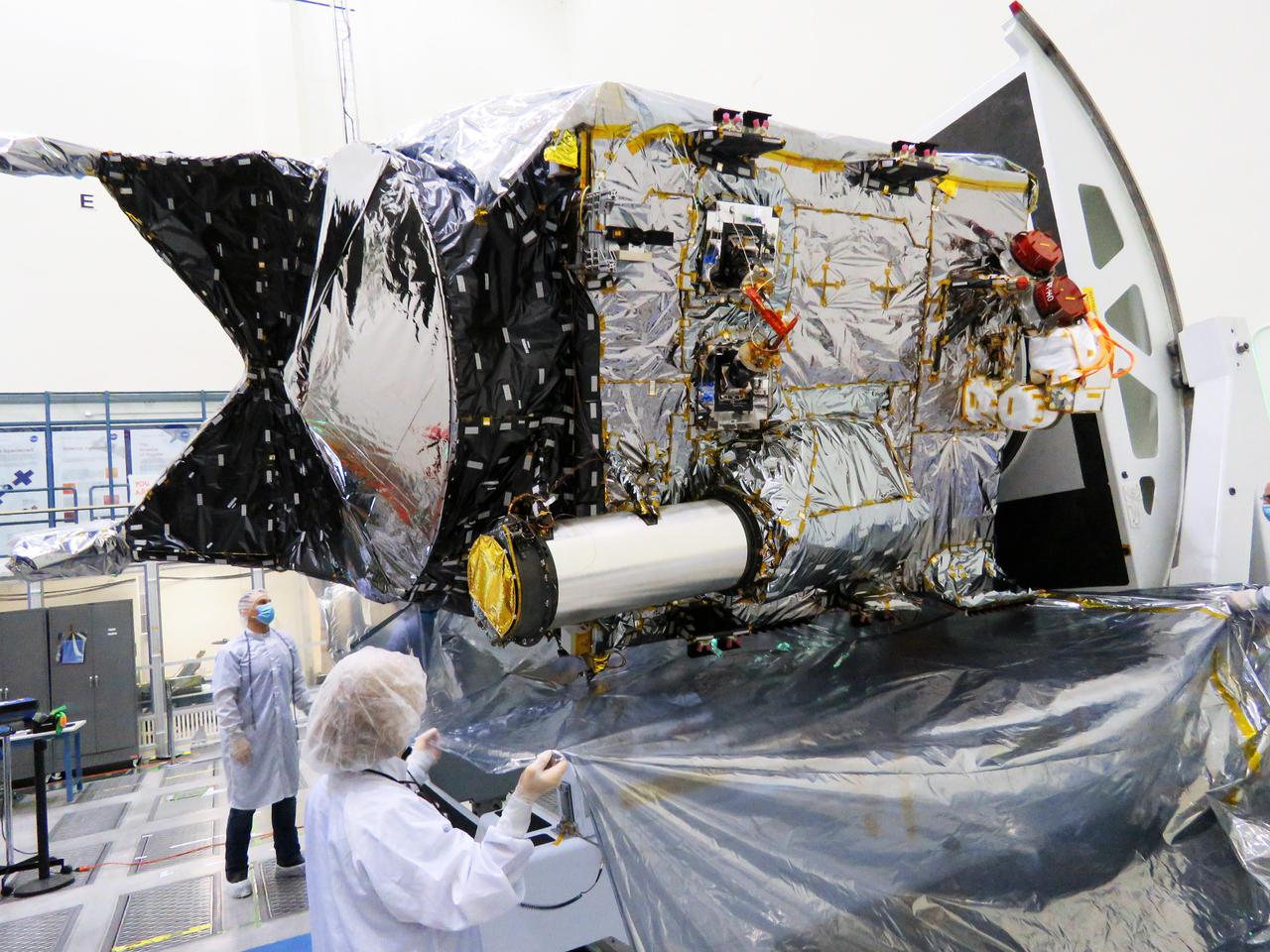
The Deep Space Optical Communications (DSOC) technology demonstration's flight laser transceiver can be easily identified on NASA's Psyche spacecraft, seen in this December 2021 photograph inside a clean room at the agency's Jet Propulsion Laboratory in Southern California. DSOC's tube-like gray/silver sunshade can be seen protruding from the side of the spacecraft. The bulge to which the sunshade is attached is DSOC's transceiver, which consists of a near-infrared laser transmitter to send high-rate data to Earth and a sensitive photon-counting camera to receive ground-transmitted low-rate data. The DSOC experiment is the agency's first demonstration of optical communications beyond the Earth-Moon system. DSOC is a system that consists of this flight laser transceiver, a ground laser transmitter, and a ground laser receiver. New advanced technologies have been implemented in each of these elements. The transceiver will "piggyback" on NASA's Psyche spacecraft when it launches in August 2022 to the metal-rich asteroid of the same name. The DSOC technology demonstration will begin shortly after launch and continue as the spacecraft travels from Earth to its gravity-assist flyby of Mars. https://photojournal.jpl.nasa.gov/catalog/PIA24570
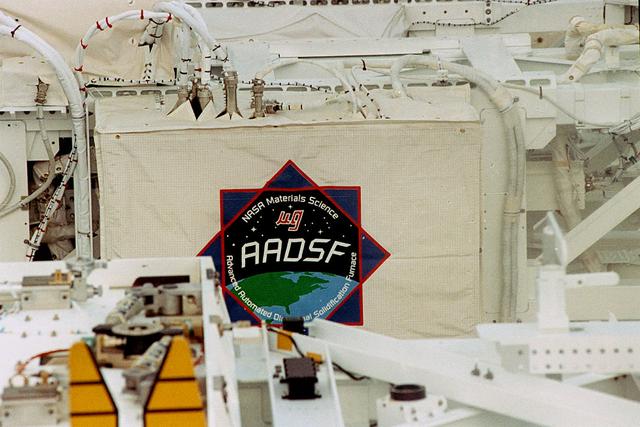
The purpose of the experiments for the Advanced Automated Directional Solidification Furnace (AADSF) is to determine how gravity-driven convection affects the composition and properties of alloys (mixtures of two or more materials, usually metal). During the USMP-4 mission, the AADSF will solidify crystals of lead tin telluride and mercury cadmium telluride, alloys of compound semiconductor materials used to make infrared detectors and lasers, as experiment samples. Although these materials are used for the same type application their properties and compositional uniformity are affected differently during the solidification process.
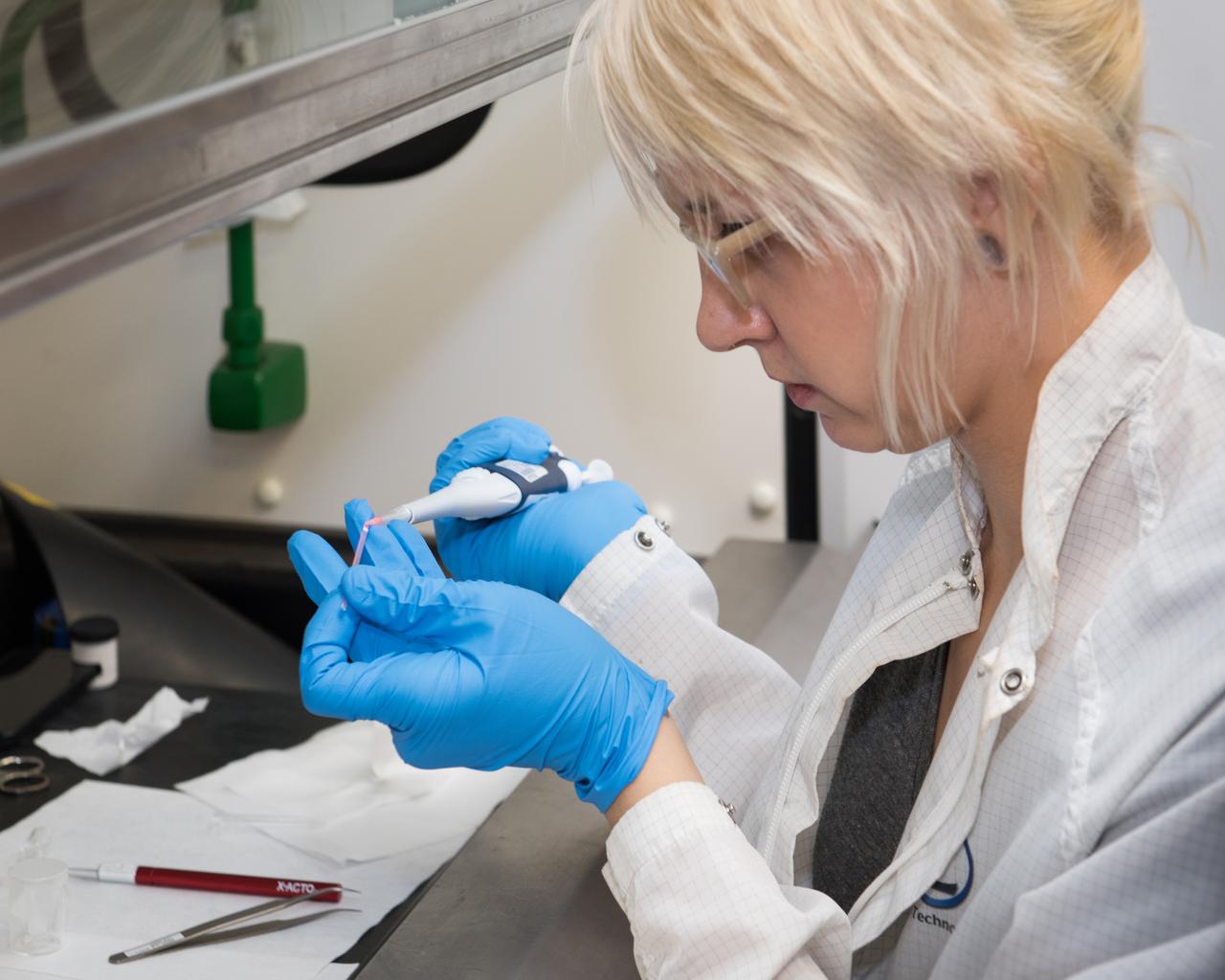
Deena Dombrosky (Zin Technologies Engineer) is shown here filling a Procter & Gamble (P & G) sample that will be used in ground-testing as NASA prepares for their experiment on the International Space Station (ISS). The sample particles are the size of the wavelength of light and they are dyed orange/pink to glow when illuminated with the laser light enabling a confocal microscope to produce 3D images. The P & G experiment will improve product stabilizers that extend product shelf life. This has the added advantage of leading to more compact environmentally friendly containers.
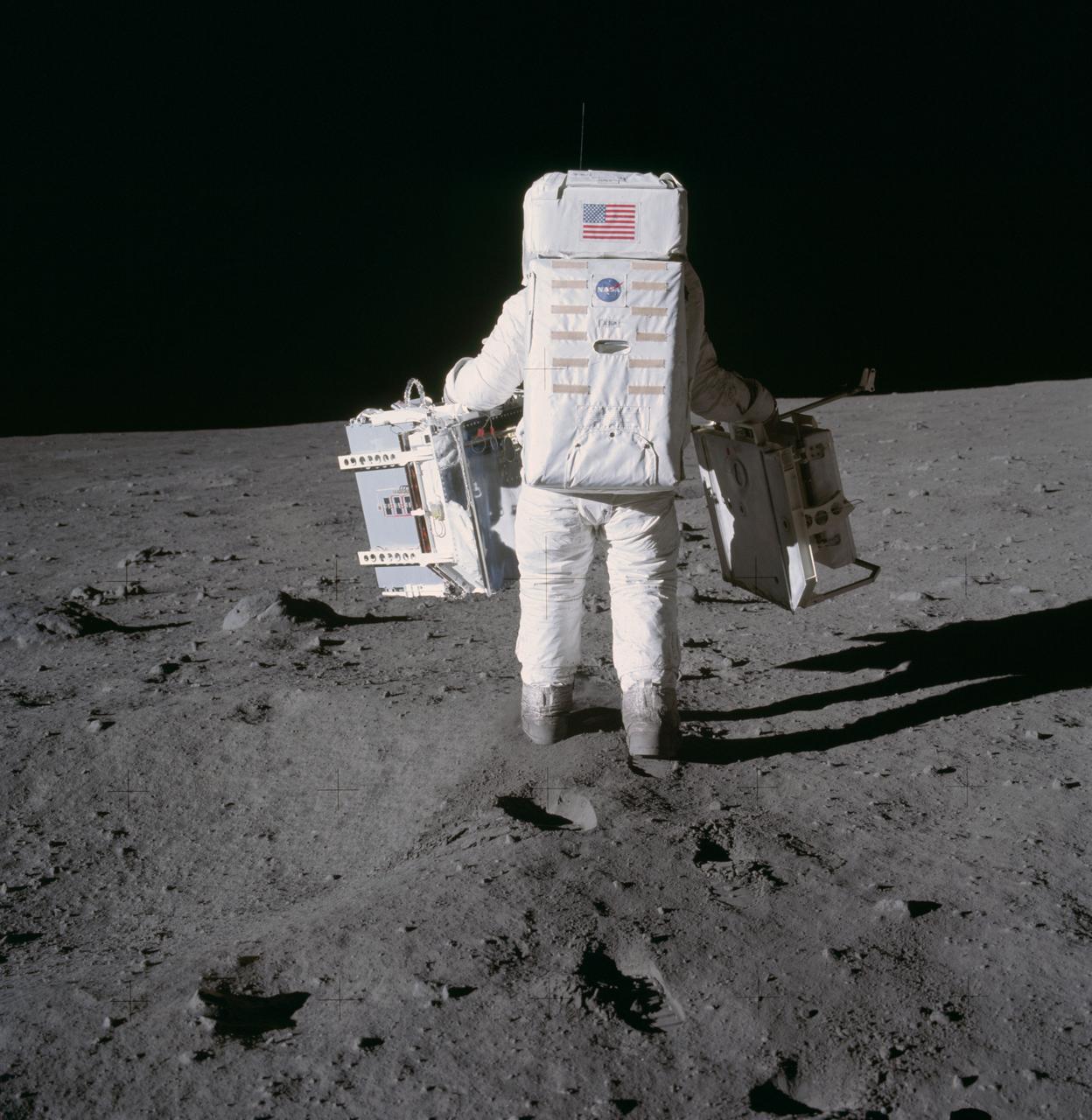
Astronaut Edwin E. Aldrin Jr., lunar module pilot, moves toward a position to deploy two components of the Early Apollo Scientific Experiments Package (EASEP) on the surface of the Moon during the Apollo 11 extravehicular activity. The Passive Seismic Experiments Package (PSEP) is in his left hand; and in his right hand is the Laser Ranging Retro-Reflector (LR3). Astronaut Neil A. Armstrong, commander, took this photograph with a 70mm lunar surface camera.
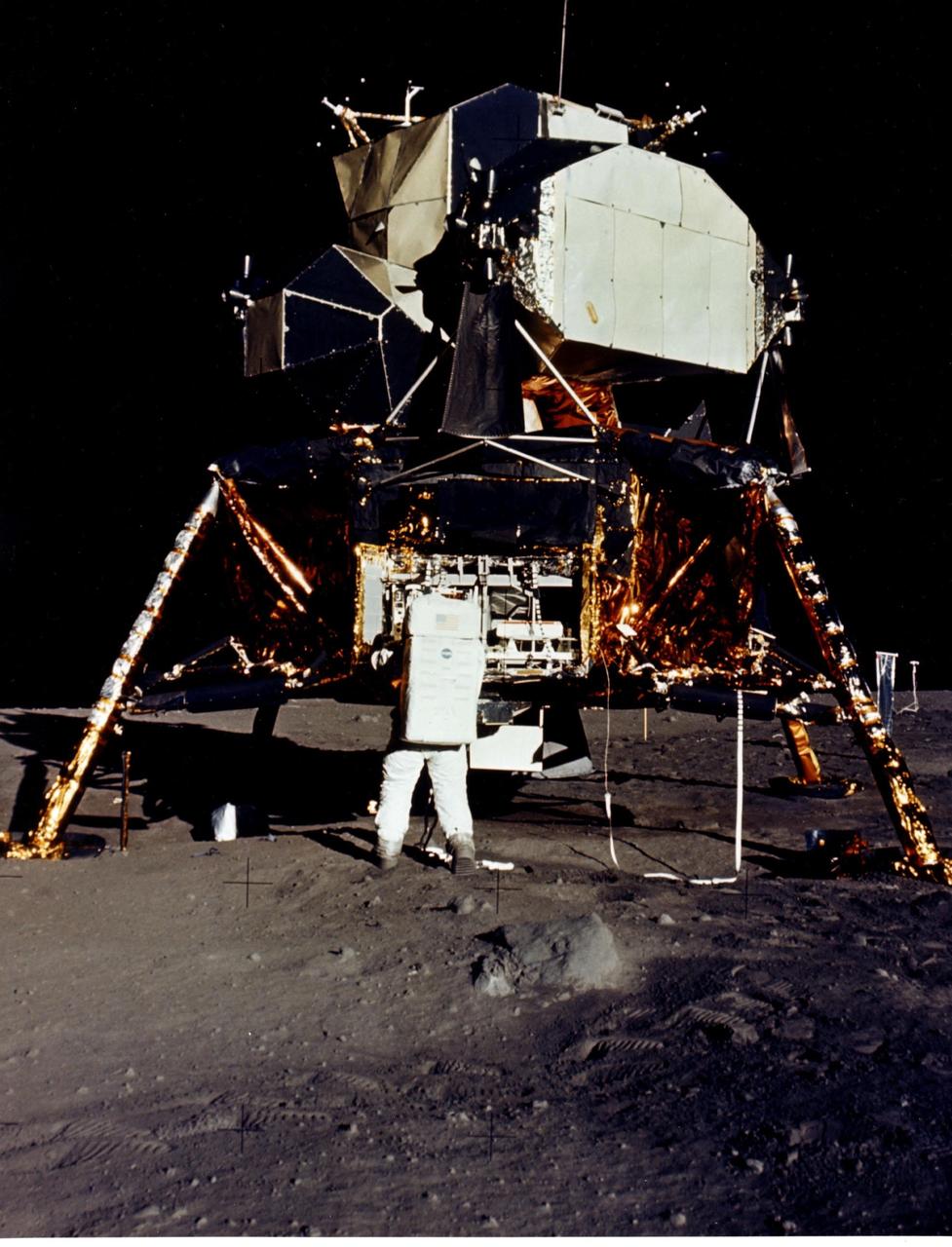
JOHNSON SPACE CENTER, HOUSTON, TEXAS - Man's first landing on the Moon was accomplished at 4:17 p.m. today as Lunar Module "Eagle" touched down gently on the Sea of Tranquility on the east side of the Moon. Astronaut Edwin E. Aldrin Jr., Lunar Module Pilot, removes scientific experiment packages from a stowage area in the Lunar Module's descent stage. Left behind on the lunar surface by Aldrin and Neil A. Armstrong, Apollo 11 commander, were a Passive Seismic Experiments Package and a Laser-Ranging Retro-Reflector.
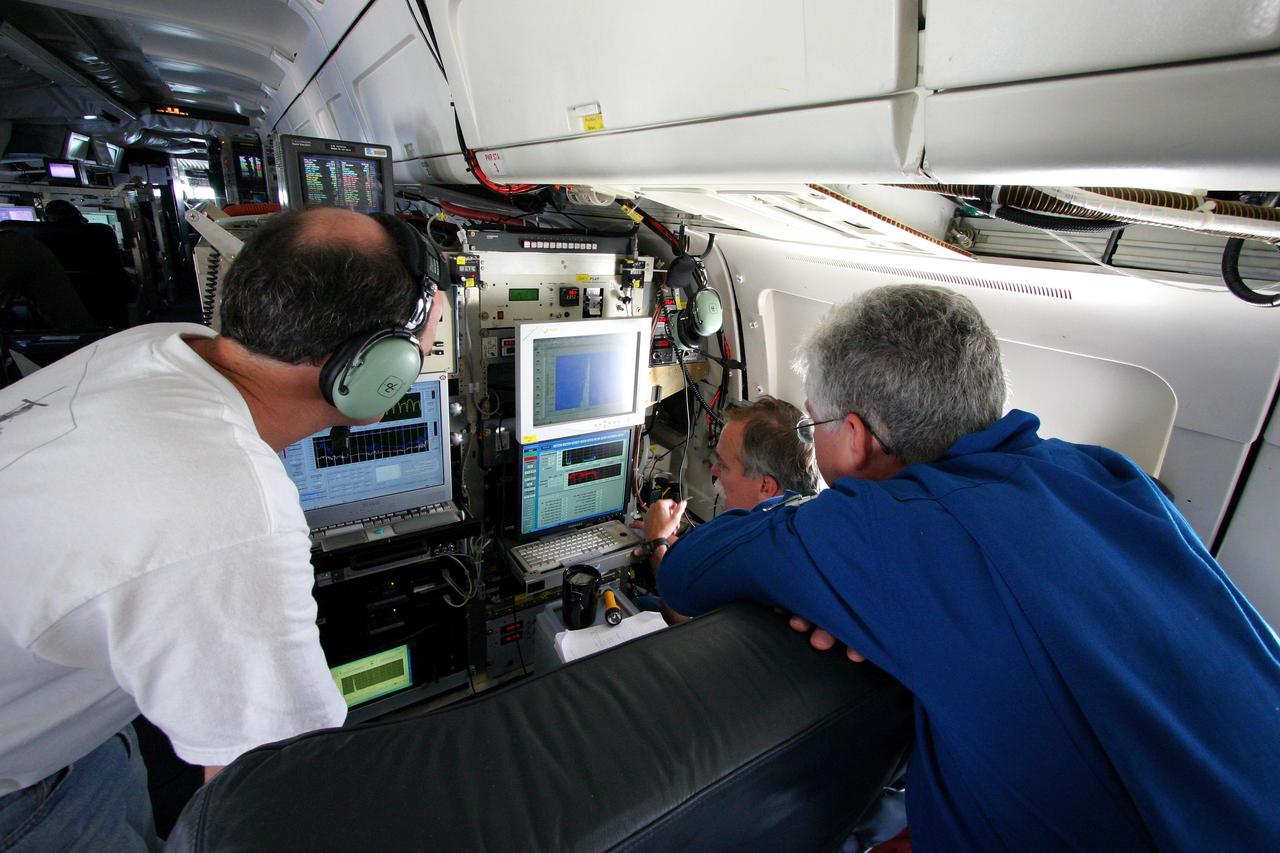
DC-8 NAMMA MISSION TO CAPE VERDE, AFRICA: Glenn Diskin (l) Bruce Anderson (c) & Ed Winstead (r) examine data on computer screens hooked up to two Langley Res. Ctr. experiments. The DLH (Diode Laser Hygometer) screen is on the left and one of the computer screens for the LARGE instrument package (Langley Aerosol Research Group Experiment) is on the right.
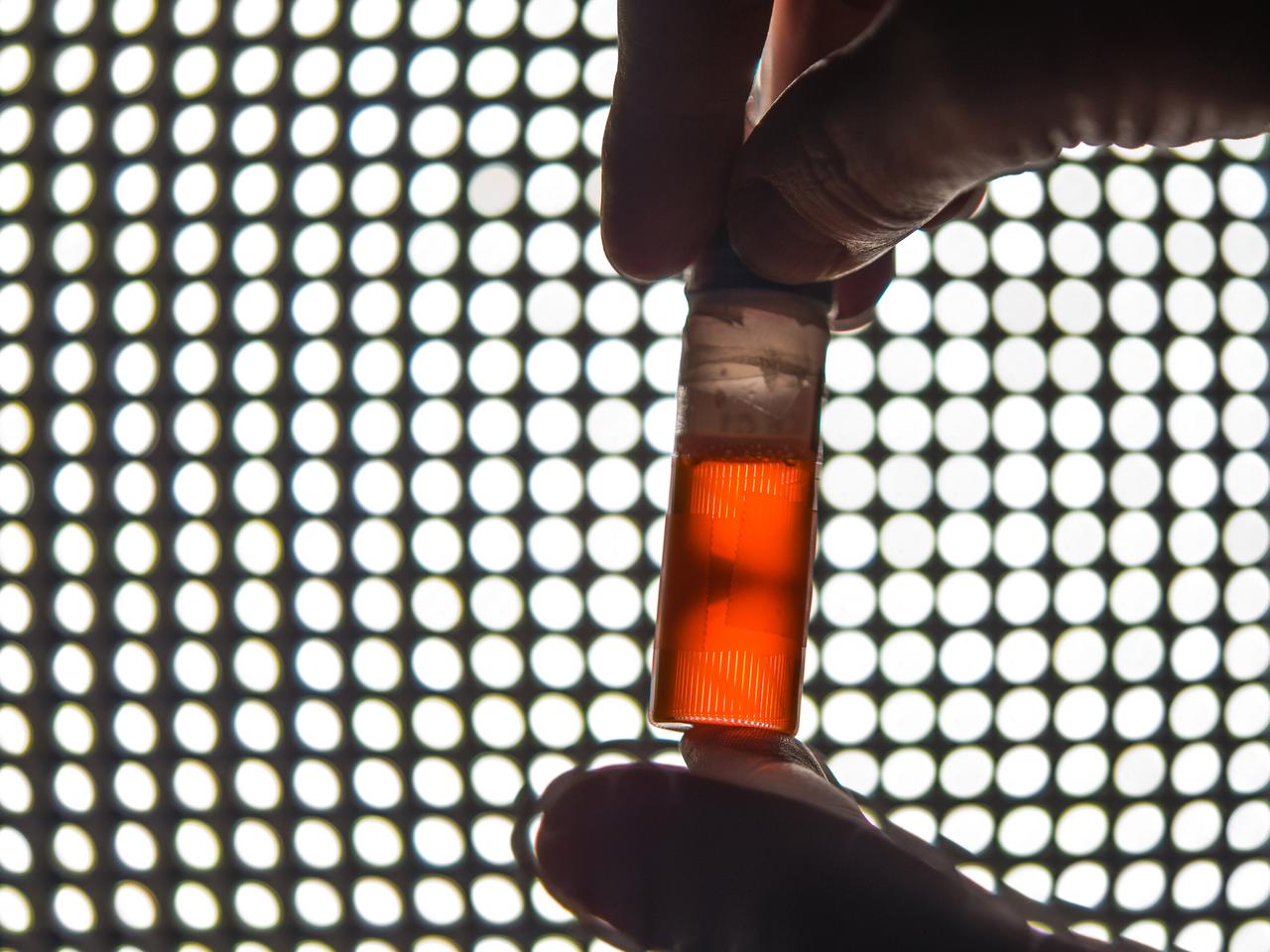
Ground testing for the first confocal Light Microscopy Microscope (LMM) Experiment. Procter and Gamble is working with NASA Glenn scientists to prepare for a study that examines product stabilizers in a microgravity environment. The particles in the tube glow orange because they have been fluorescently tagged with a dye that reacts to green laser lights to allow construction of a 3D image point by point. The experiment, which will be sent to the ISS later this year, will help P&G develop improved product stabilizers to extend shelf life and develop more environmentally friendly packaging.
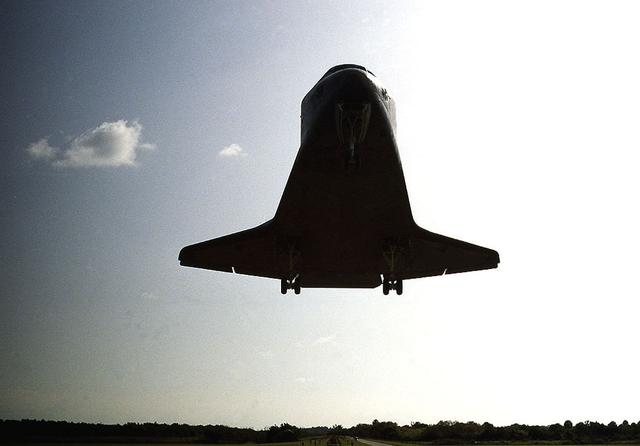
Aligned straight on with the red approach lights, the Orbiter Columbia (STS-52) glides toward Runway 33 of Kennedy Space Center's (KSC) Shuttle Landing Facility. The six member crew successfully completed deployment of the Laser Geodynamic Satellite II (LAGEOS), which is a spherical passive satellite covered with reflectors which are illuminated by ground-based lasers to determine precise measurements of the Earth's crustal movements. The crew also completed a series of materials processing experiments in the microgravity environment aboard the United States Microgravity Payload 1 (USMP-1) carried in the orbiter's cargo bay.
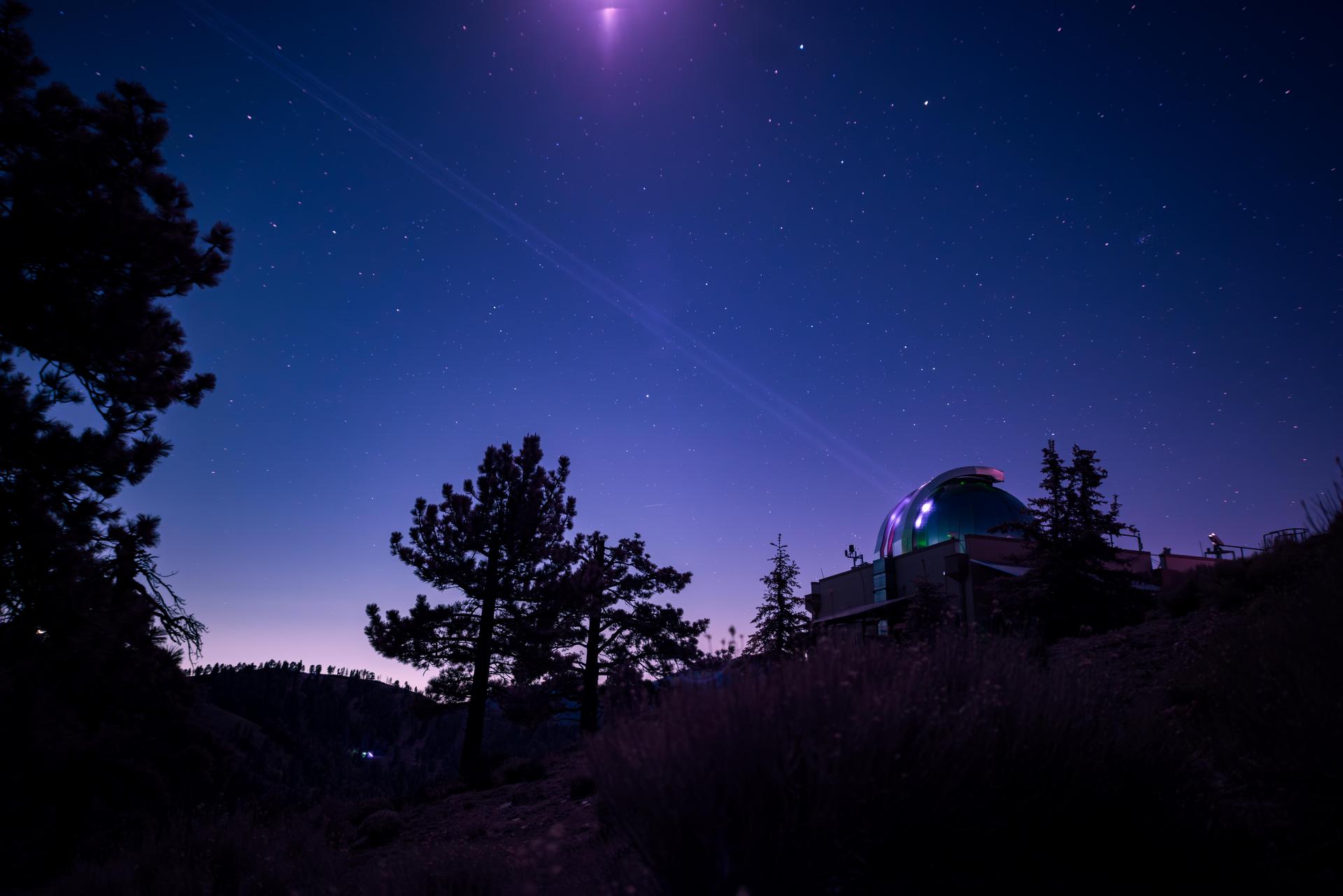
This infrared photograph shows the uplink laser beacon for NASA's Deep Space Optical Communications (DSOC) experiment beaming into the night sky from the Optical Communications Telescope Laboratory (OCTL) at NASA Jet Propulsion Laboratory's Table Mountain Facility near Wrightwood, California. Attached to the agency's Psyche spacecraft, the DSOC flight laser transceiver can receive and send data from Earth in encoded photons. As the experiment's ground laser transmitter, OCTL transmits at an infrared wavelength of 1,064 nanometers from its 3.3-foot-aperture (1-meter) telescope. The telescope can also receive faint infrared photons (at a wavelength of 1,550 nanometers) from the 4-watt flight laser transceiver on Psyche. Neither infrared wavelength is easily absorbed or scattered by Earth's atmosphere, making both ideal for deep space optical communications. To receive the most distant signals from Psyche, the project enlisted the powerful 200-inch-aperture (5-meter) Hale Telescope at Caltech's Palomar Observatory in San Diego County, California, as its primary downlink station, which provided adequate light-collecting area to capture the faintest photons. Those photons were then directed to a cryogenically cooled superconducting high-efficiency detector array at the observatory where the information encoded in the photons could be processed. Managed by JPL, DSOC was designed to demonstrate that data encoded in laser photons could be reliably transmitted, received, and then decoded after traveling millions of miles from Earth out to Mars distances. Nearly two years after launching aboard the agency's Psyche mission in 2023, the demonstration completed its 65th and final "pass" on Sept. 2, 2025, sending a laser signal to Psyche and receiving the return signal from 218 million miles (350 million kilometers) away. https://photojournal.jpl.nasa.gov/catalog/PIA26662
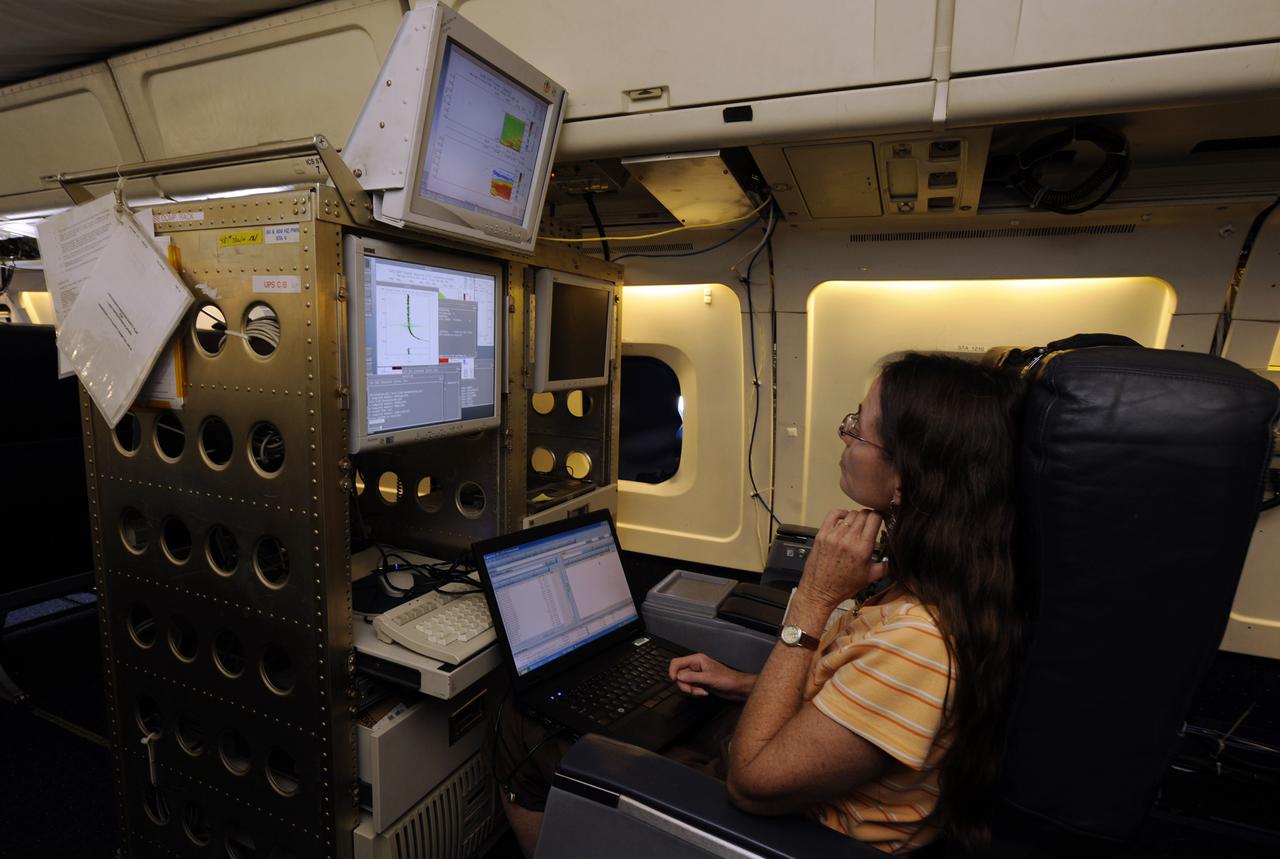
Susan Kool, a researcher from the Langley Research Center, works on monitoring the Lidar Atmospheric Sensing Experiment (LASE) aboard the NASA DC-8 aircraft, Monday, Aug. 16, 2010, at Fort Lauderdale Hollywood International Airport in Fort Lauderdale, Fla. LASE probes the atmosphere using lasers and is part of the Genesis and Rapid Intensification Processes (GRIP) experiment is a NASA Earth science field experiment in 2010 that is being conducted to better understand how tropical storms form and develop into major hurricanes. Photo Credit: (NASA/Paul E. Alers)
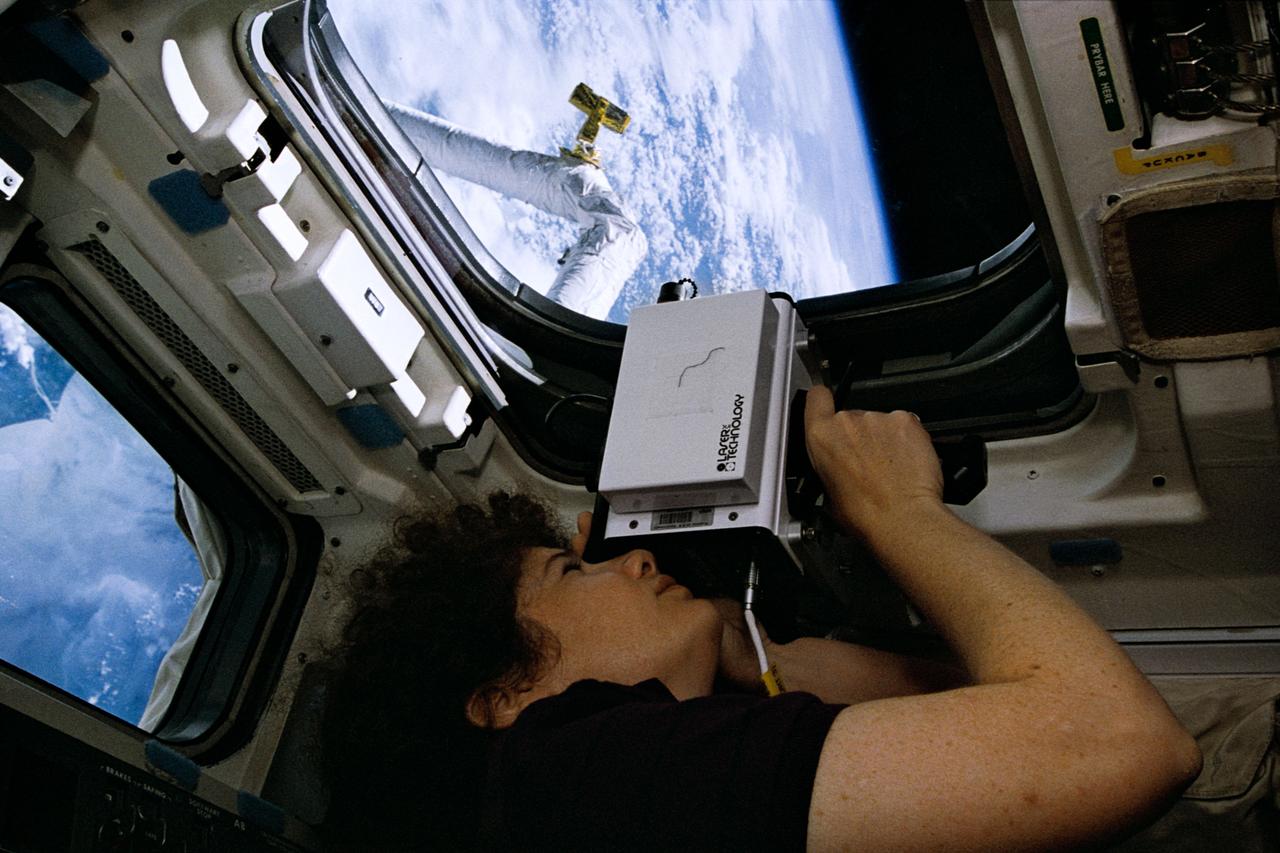
STS064-33-003 (9-20 Sept. 1994) --- Astronaut Susan J. Helms, STS-64 mission specialist, uses a laser instrument during operations with the Shuttle Pointed Autonomous Research Tool for Astronomy 201 (SPARTAN 201). Helms, who spent many mission hours at the controls of the Remote Manipulator System (RMS), joined five other NASA astronauts for almost 11 days in Earth orbit aboard the space shuttle Discovery. Photo credit: NASA or National Aeronautics and Space Administration
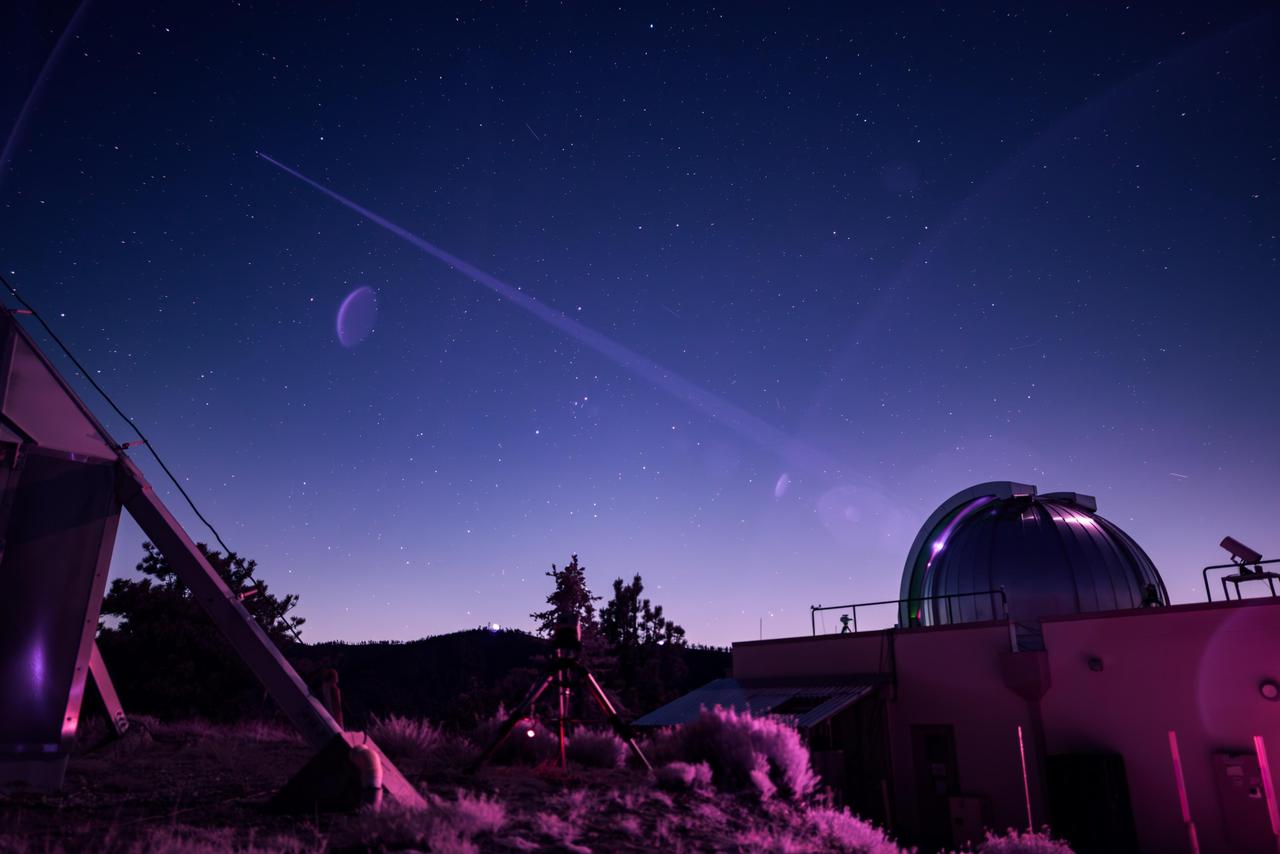
In this infrared photograph, the Optical Communications Telescope Laboratory (OCTL) at NASA Jet Propulsion Laboratory's Table Mountain Facility near Wrightwood, California, beams its eight-laser beacon (at a total power of 1.4 kilowatts) to the Deep Space Optical Communications (DSOC) flight laser transceiver aboard NASA's Psyche spacecraft. The photo was taken on June 2, 2025, when Psyche was about 143 million miles (230 million kilometers) from Earth. The faint purple crescent just left of center and near the laser beam is a lens flare caused by a bright light (out of frame) reflecting inside the camera lens. As the experiment's ground laser transmitter, OCTL transmits at an infrared wavelength of 1,064 nanometers from its 3.3-foot-aperture (1-meter) telescope. The telescope can also receive faint infrared photons (at a wavelength of 1,550 nanometers) from the 4-watt flight laser transceiver on Psyche. Neither infrared wavelength is easily absorbed or scattered by Earth's atmosphere, making both ideal for deep space optical communications. To receive the most distant signals from Psyche, the project enlisted the powerful 200-inch-aperture (5-meter) Hale Telescope at Caltech's Palomar Observatory in San Diego County, California, as its primary downlink station, which provided adequate light-collecting area to capture the faintest photons. Those photons were then directed to a cryogenically cooled superconducting high-efficiency detector array at the observatory where the information encoded in the photons could be processed. Managed by JPL, DSOC was designed to demonstrate that data encoded in laser photons could be reliably transmitted, received, and then decoded after traveling millions of miles from Earth out to Mars distances. Nearly two years after launching aboard the agency's Psyche mission in 2023, the demonstration completed its 65th and final "pass" on Sept. 2, 2025, sending a laser signal to Psyche and receiving the return signal from 218 million miles (350 million kilometers) away. https://photojournal.jpl.nasa.gov/catalog/PIA26661
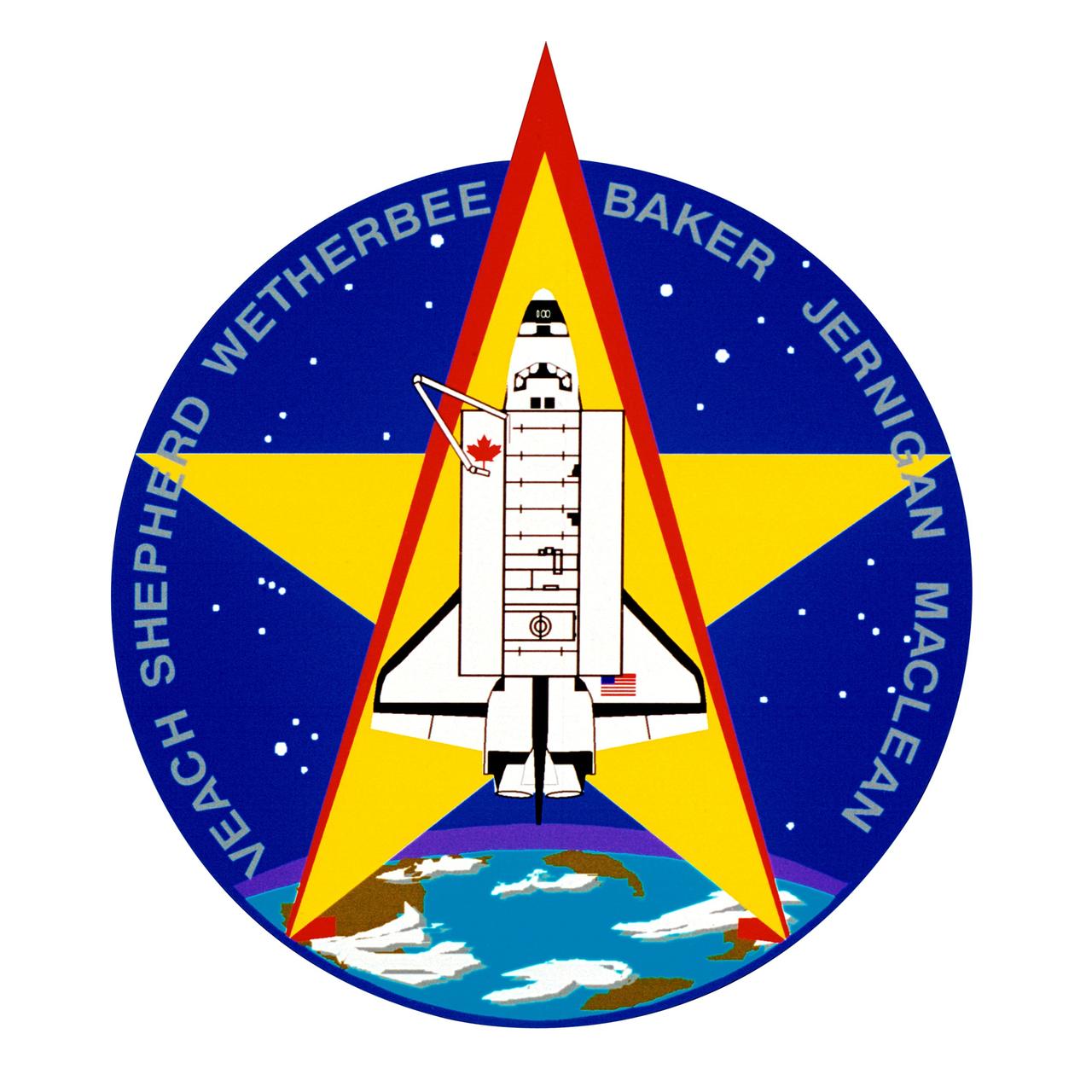
STS052-S-001 (July 1992) --- The insignia, designed by the STS-52 crew members, features a large gold star to symbolize the crew's mission on the frontiers of space. A gold star is often used to symbolize the frontier period of the American West. The red star in the shape of the Greek letter lambda represents both the laser measurements to be taken from the Laser Geodynamic Satellite (LAGEOS II) and the Lambda Point Experiment, which is part of the United States Microgravity Payload (USMP-1). The LAGEOS II is a joint Italian\United States satellite project intended to further our understanding of global plate tectonics. The USMP-1 is a microgravity facility which has French and United States experiments designed to test the theory of cooperative phase transitions and to study the solid\liquid interface of a metallic alloy in the low gravity environment. The Remote Manipulator System (RMS) and maple leaf are emblematic of the Canadian payload specialist who will conduct a series of Canadian flight experiments (CANEX-2), including the Space Vision System test. The NASA insignia design for space shuttle flights is reserved for use by the astronauts and for other official use as the NASA Administrator may authorize. Public availability has been approved only in the form of illustrations by the various news media. When and if there is any change in this policy, which we do not anticipate, it will be publicly announced. Photo credit: NASA
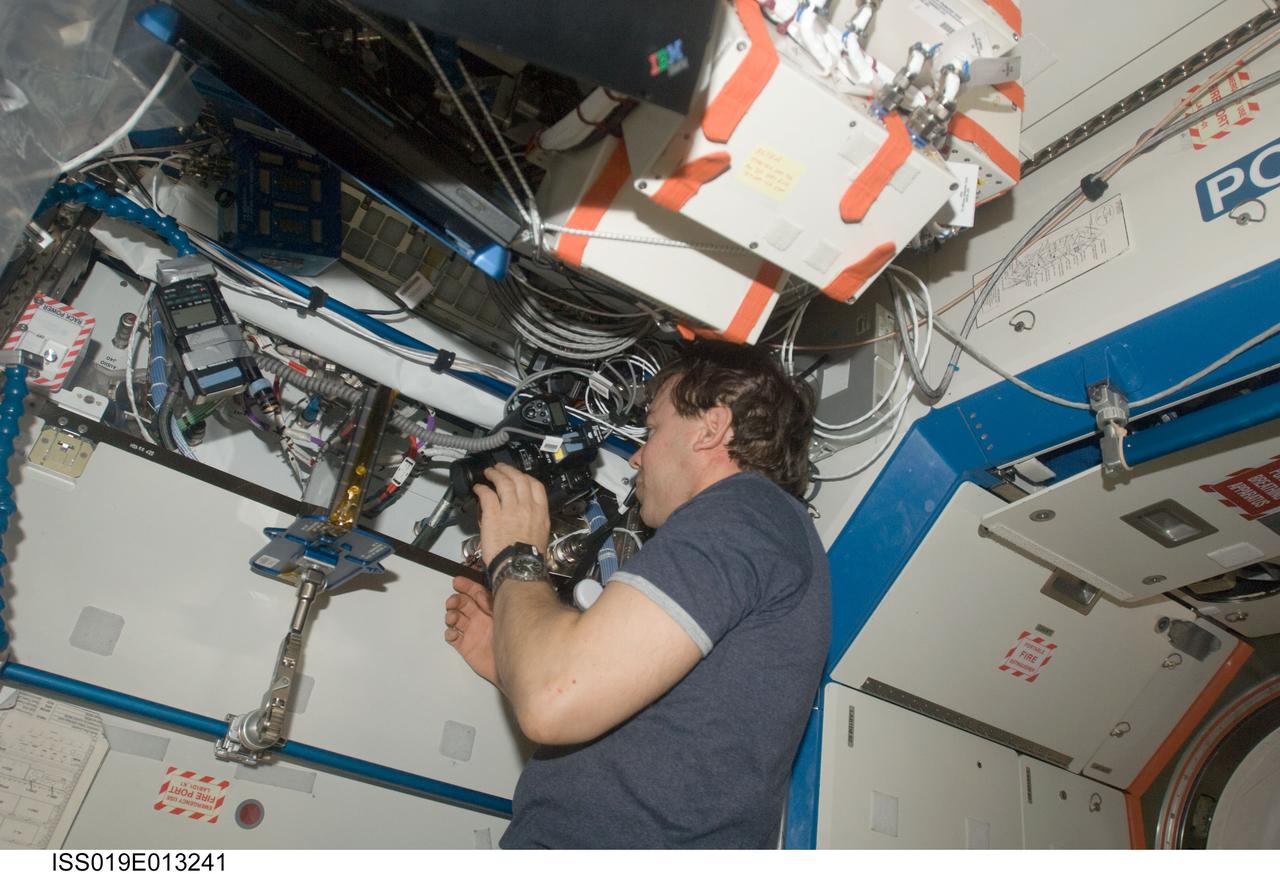
ISS019-E-013241 (2 May 2009) --- Astronaut Michael Barratt, Expedition 19/20 flight engineer, prepares to photograph Binodal Colloidal Aggregation Test?4 (BCAT-4) experiment samples in the Destiny laboratory of the International Space Station. This experiment studies the long-term behavior of colloids ? fine particles suspended in a fluid in a microgravity environment, where the effects of sedimentation and convention are removed. Results from this study may lead to new colloid materials with applications in the communications and computer industries for switches, displays and optical devices with properties that could rival those of lasers.
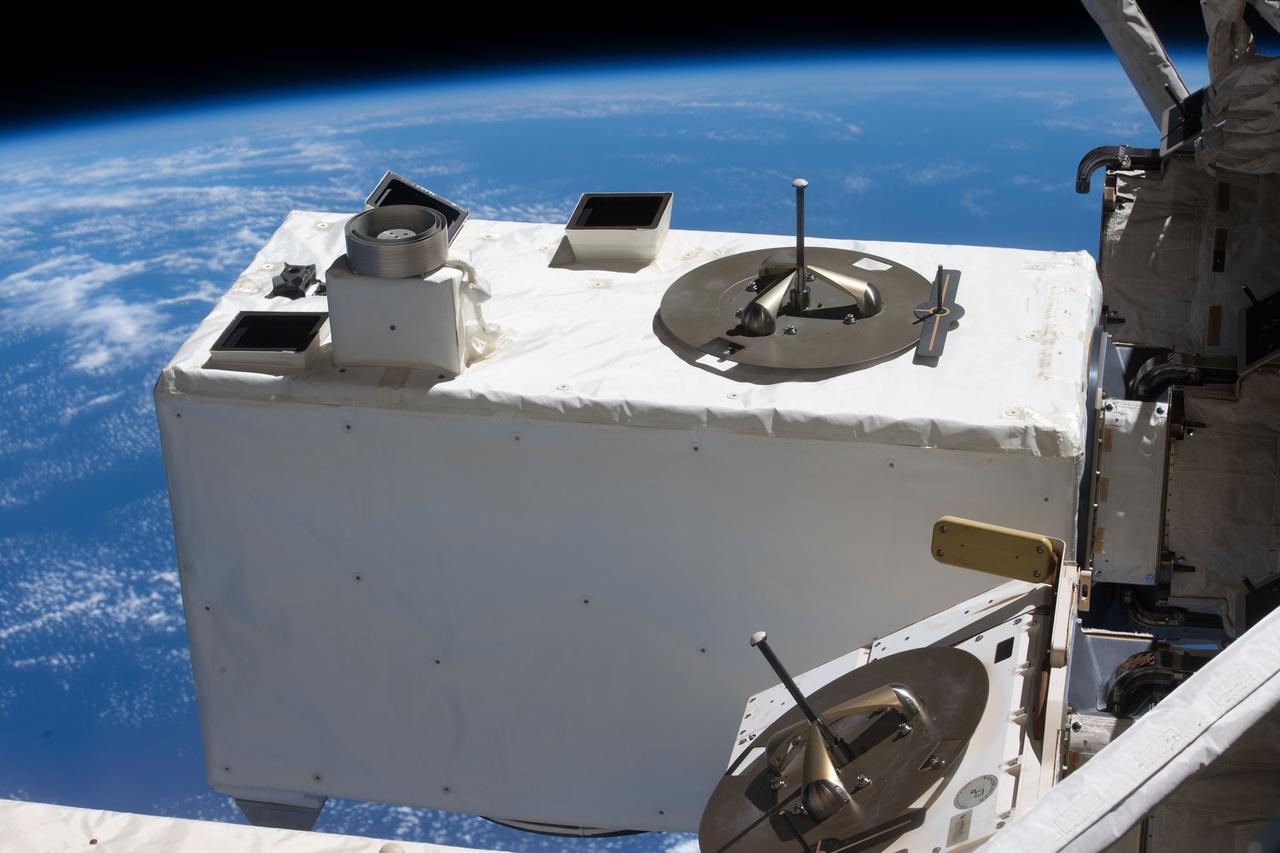
iss059e085237 (5/30/2019) --- Photo documentation of the GEDI investigation located on the Japanese Experiment Module - Exposed Facility (JEM-EF) onboard the International Space Station (ISS). The Global Ecosystem Dynamics Investigation (GEDI) provides high-quality laser ranging observations of the Earth’s forests and topography required to advance the understanding of important carbon and water cycling processes, biodiversity, and habitat.

iss071e244162 (June 29, 2024) --- The International Space Station was orbiting 263 miles above the Gulf of California just after the Canadarm2 robotic arm jettisoned the ILLUMA-T laser communications experiment into Earth orbit following the completion of its science operations and its removal from the Kibo laboratory module. ILLUMA-T was delivered to the space station aboard the SpaceX Dragon cargo craft on Nov. 11, 2023 and installed on Kibo's external science pallet, or Exposed Facility, the following day.
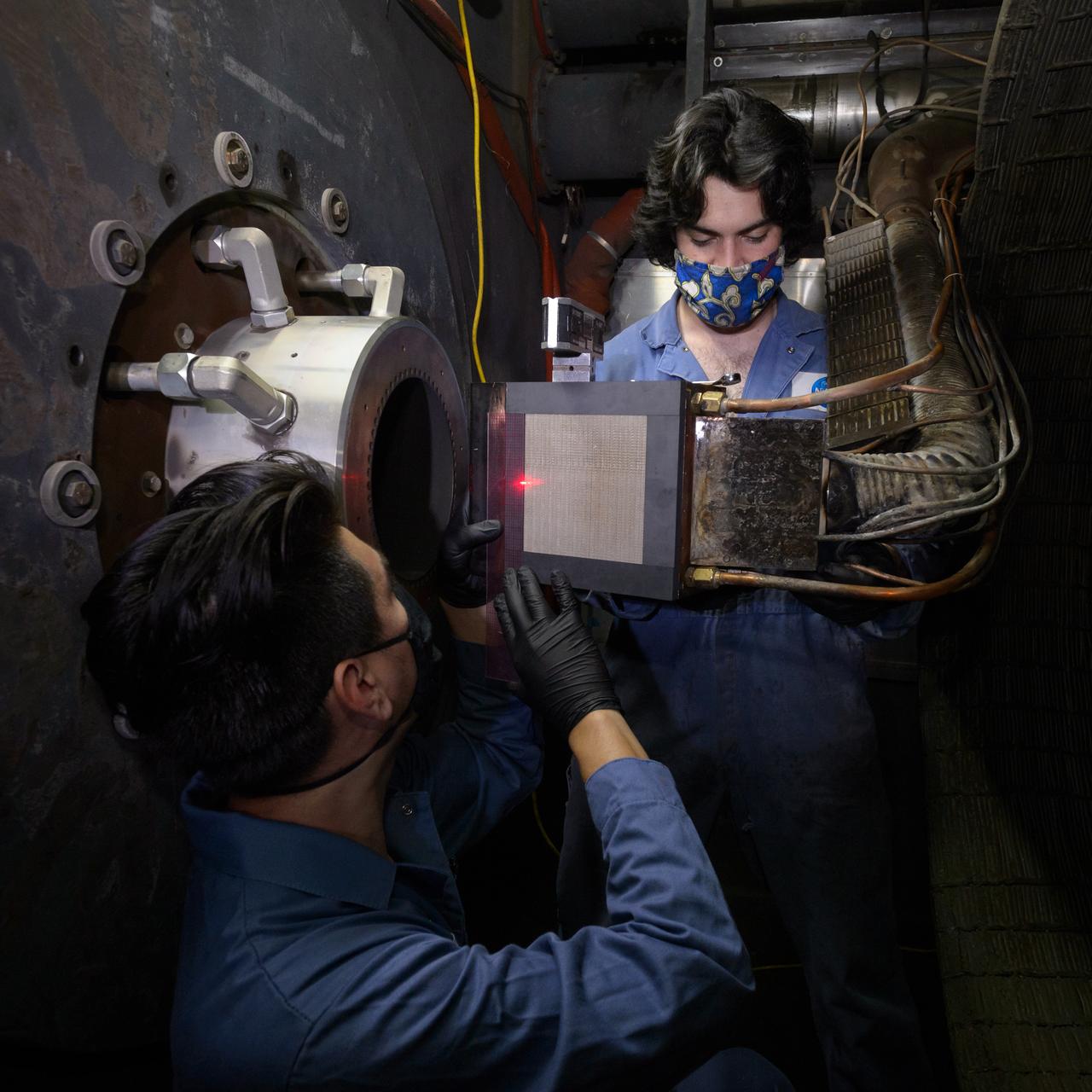
Engineering technicians Pedro Solano, left, and Aaron Poulin, right, verify alignment of an Orion heat shield test article in the Arc Jet Interaction Heating Facility, or IHF, test section. This test of Orion’s heat shield using a combination of the IHF and the Laser Enhanced Arc Jet Facility, or LEAF-Lite, capabilities will certify the heat shield for the Artemis I and Artemis II missions. This is also the first time the heat shield is tested in an environment combining the two forms of heating, radiant and convective, the spacecraft will experience on entering Earth’s atmosphere.
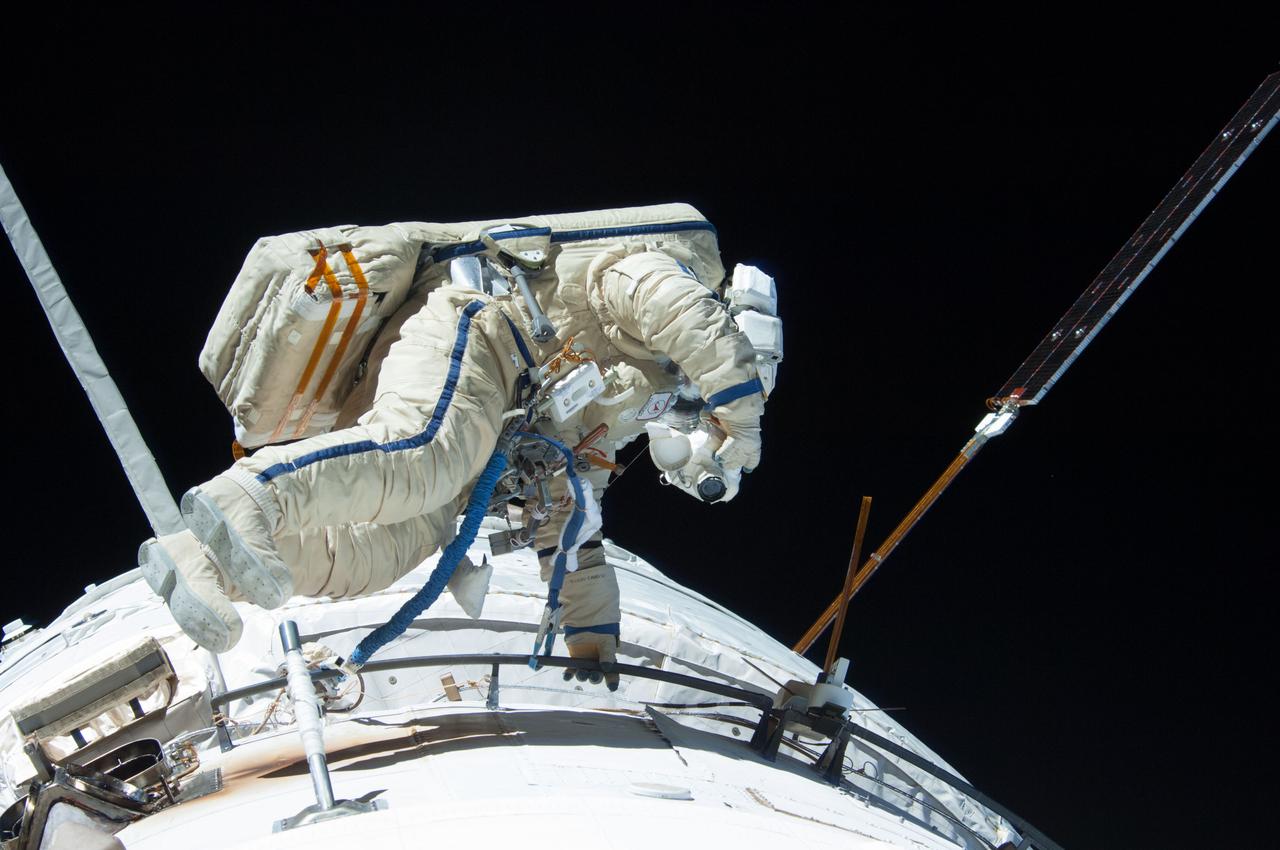
ISS036-E-035124 (22 Aug. 2013) --- Russian cosmonaut Alexander Misurkin, Expedition 36 flight engineer, attired in a Russian Orlan spacesuit, participates in a session of extravehicular activity (EVA) to continue outfitting the International Space Station. During the five-hour, 58-minute spacewalk, Misurkin and Russian cosmonaut Fyodor Yurchikhin (out of frame) completed the replacement of a laser communications experiment with a new platform for a small optical camera system, the installation of new spacewalk aids and an inspection of antenna covers.
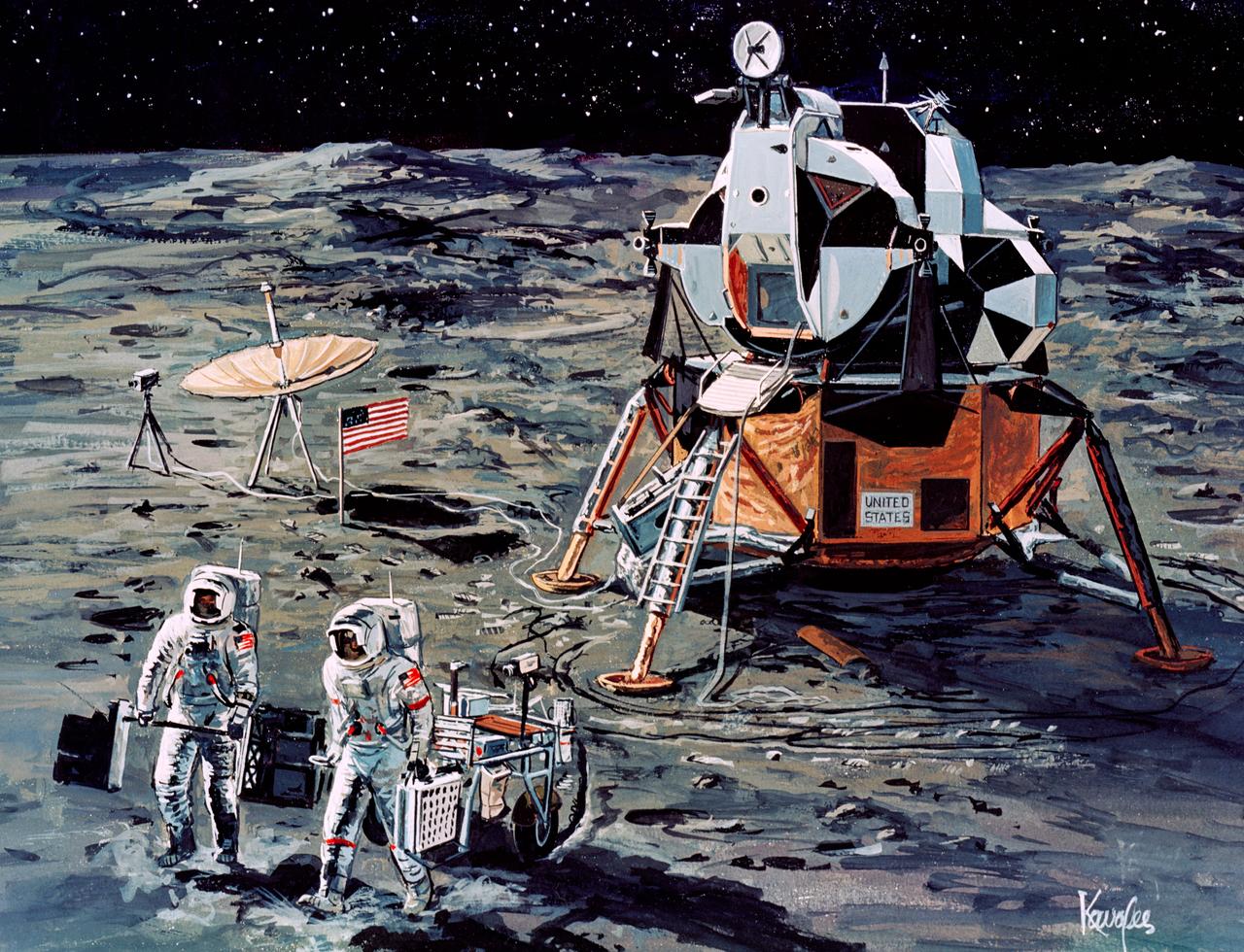
S71-16101 (January 1971) --- A Grumman Aerospace Corporation artist's concept of Apollo 14 crewmen, astronauts Alan B. Shepard Jr., commander, and Edgar D. Mitchell, lunar module pilot, as they set out on their first traverse. Shepard is pulling the Modularized Equipment Transporter (MET) which contains cameras, lunar sample bags, tools and other paraphernalia. Shepard has the Laser Ranging Retro-Reflector (LR-3) in his other hand. Mitchell is carrying the Apollo Lunar Surface Experiments Package (ALSEP) barbell mode.
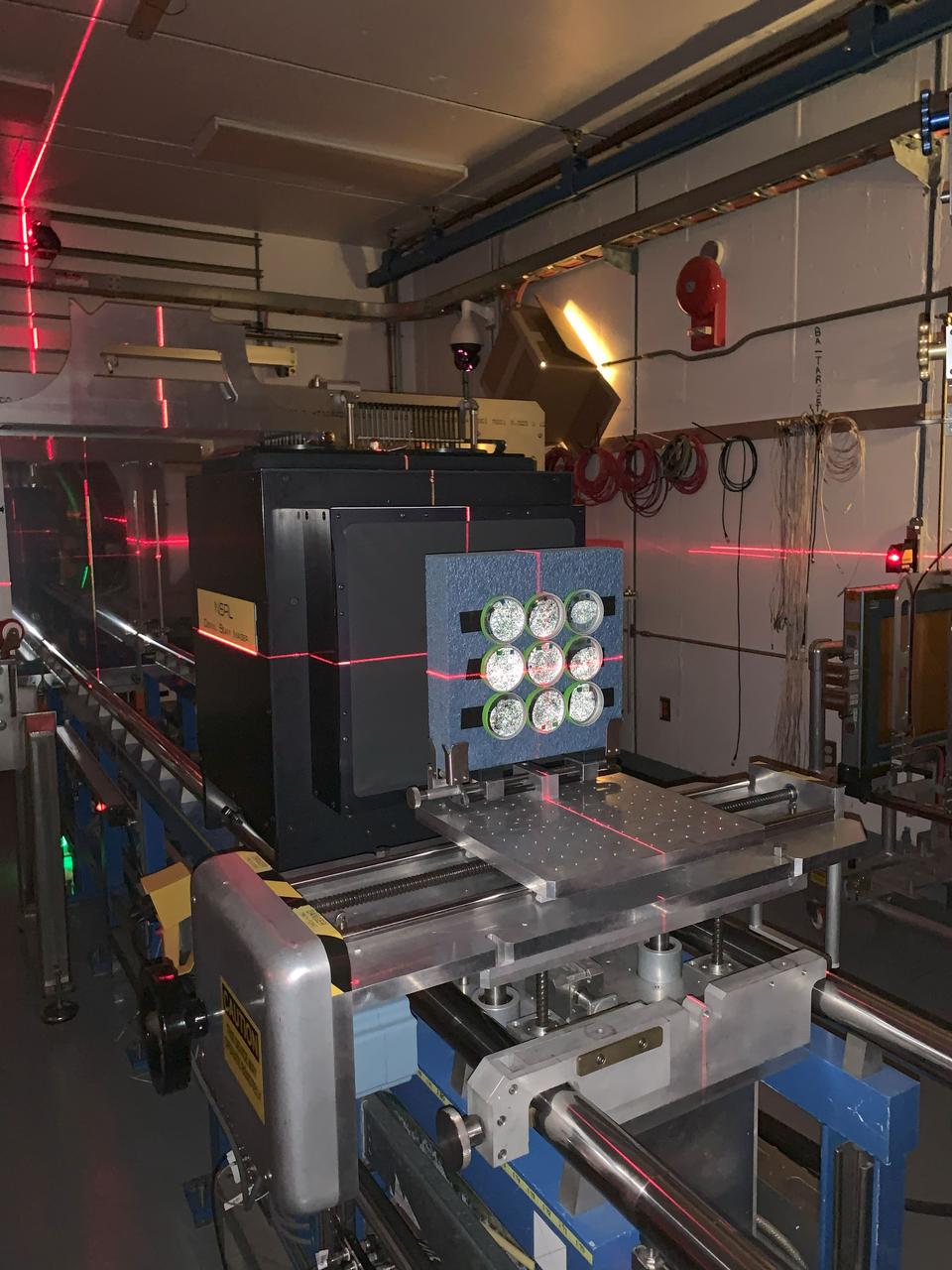
jsc2024e062109 (9/13/2024) ---The ANT1 Radiation Tolerance Experiment with Moss in Orbit on the Space Station (ARTEMOSS) plates are attached to the foam holder prepared for the ion beam run in the target room at the NASA Space Radiation Laboratory (NSRL), at the Brookhaven National Laboratory (BNL), with a visible laser used to center the beam placement. The ARTEMOSS investigation examines whether and how an Antarctic moss repairs damage caused by cosmic radiation and microgravity. Image courtesy of Agata Zupanska.
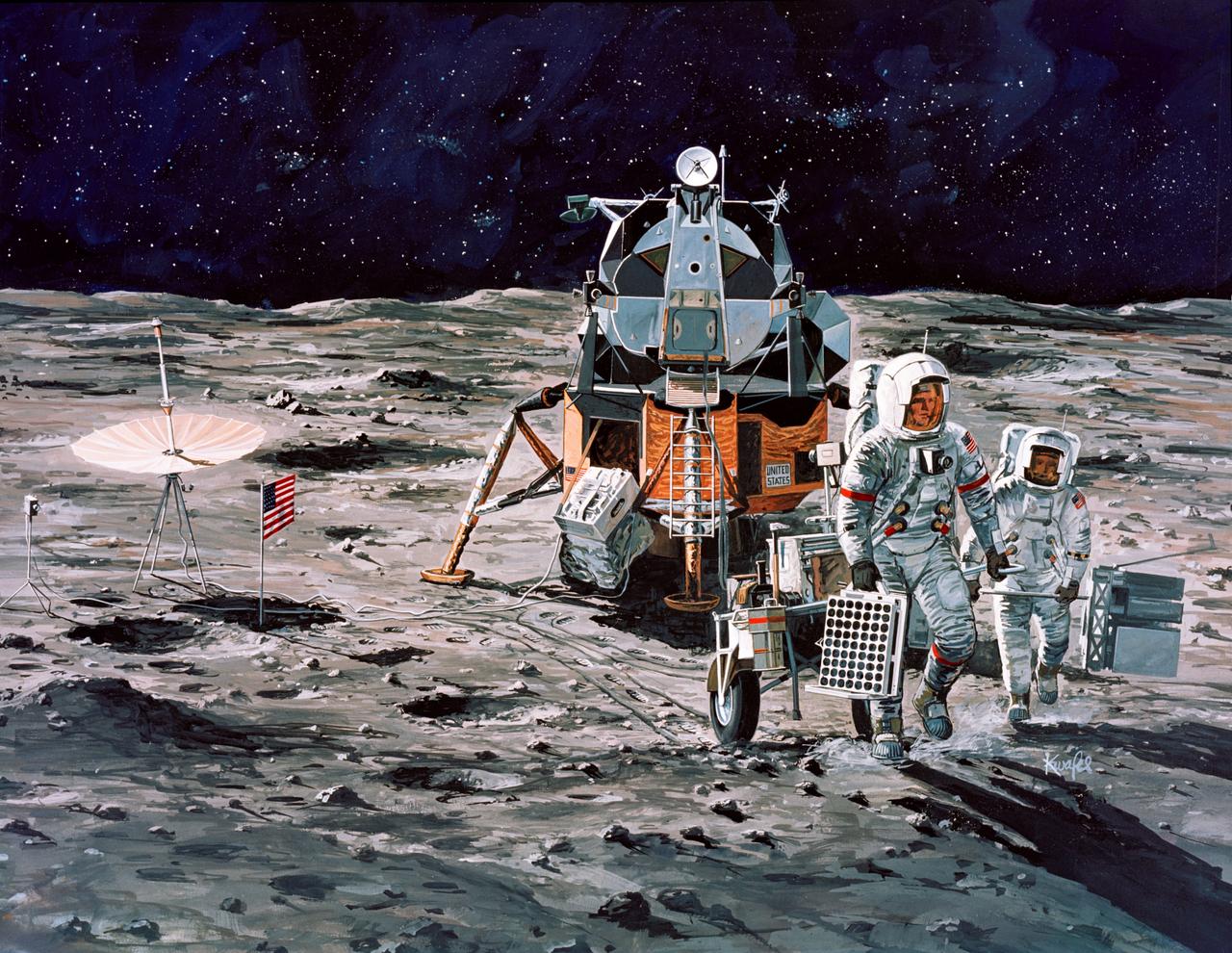
S71-16102 (January 1971) --- A Grumman Aerospace Corporation artist's concept of Apollo 14 crewmen, astronauts Alan B. Shepard Jr., commander, and Edgar D. Mitchell, lunar module pilot, as they set out on their first traverse. Shepard is pulling the Modularized Equipment Transporter (MET) which contains cameras, lunar sample bags, tools and other paraphernalia. Shepard has the Laser Ranging Retro-Reflector (LR3) in his other hand. Mitchell is carrying the Apollo Lunar Surface Experiments Package (ALSEP) barbell mode.
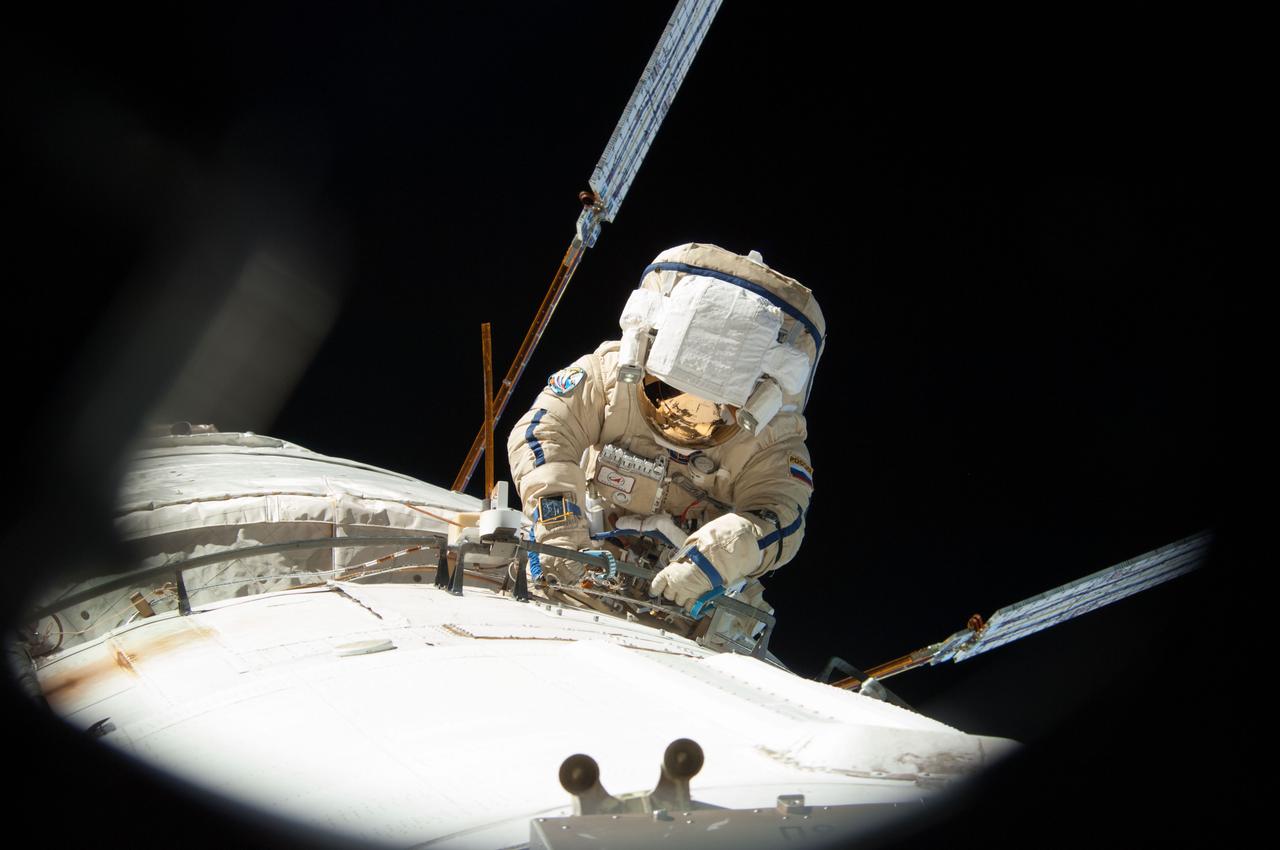
ISS036-E-035133 (22 Aug. 2013) --- Russian cosmonaut Alexander Misurkin, Expedition 36 flight engineer, attired in a Russian Orlan spacesuit, participates in a session of extravehicular activity (EVA) to continue outfitting the International Space Station. During the five-hour, 58-minute spacewalk, Misurkin and Russian cosmonaut Fyodor Yurchikhin (out of frame) completed the replacement of a laser communications experiment with a new platform for a small optical camera system, the installation of new spacewalk aids and an inspection of antenna covers.

ISS036-E-035163 (22 Aug. 2013) --- Russian cosmonaut Alexander Misurkin, Expedition 36 flight engineer, attired in a Russian Orlan spacesuit, participates in a session of extravehicular activity (EVA) to continue outfitting the International Space Station. During the five-hour, 58-minute spacewalk, Misurkin and Russian cosmonaut Fyodor Yurchikhin (out of frame) completed the replacement of a laser communications experiment with a new platform for a small optical camera system, the installation of new spacewalk aids and an inspection of antenna covers.
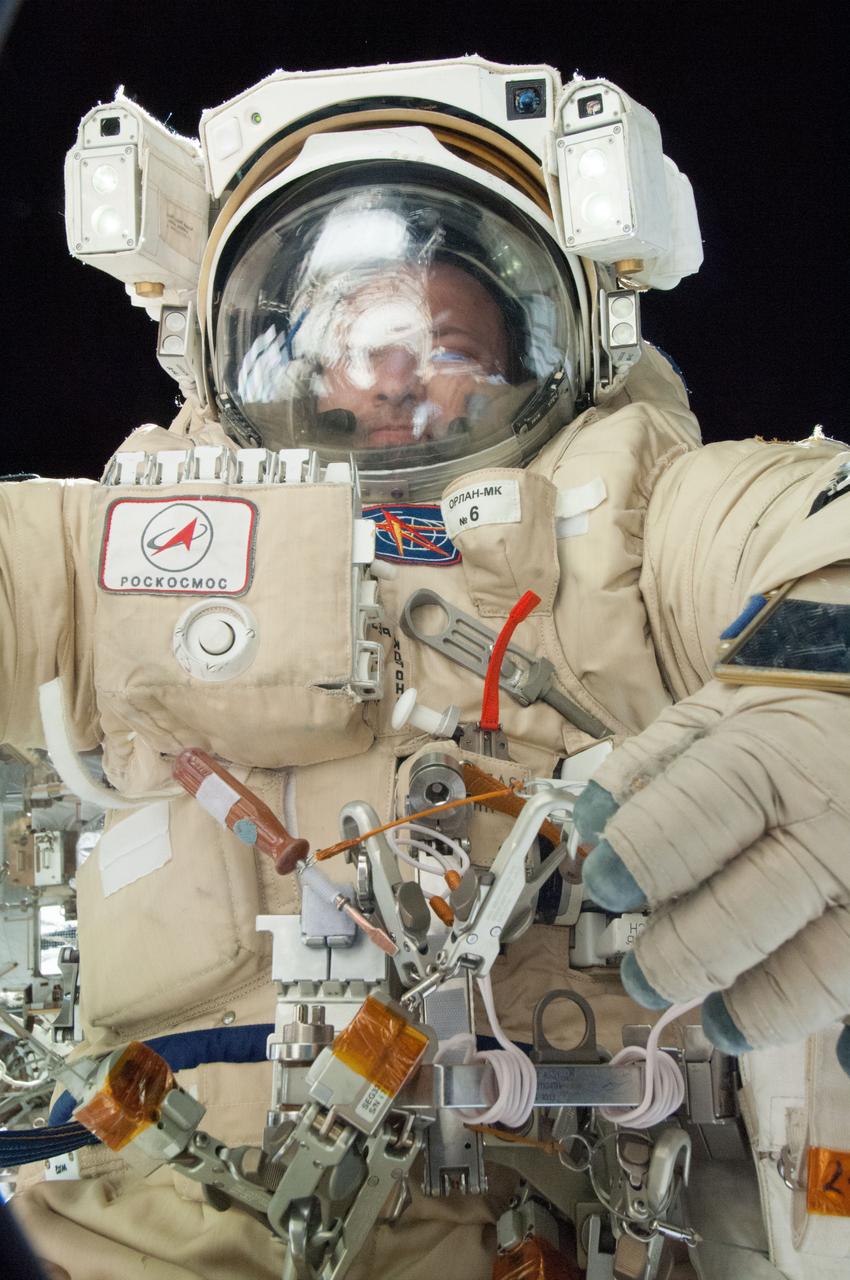
ISS036-E-035204 (22 Aug. 2013) --- Russian cosmonaut Alexander Misurkin, Expedition 36 flight engineer, attired in a Russian Orlan spacesuit, participates in a session of extravehicular activity (EVA) to continue outfitting the International Space Station. During the five-hour, 58-minute spacewalk, Misurkin and Russian cosmonaut Fyodor Yurchikhin (out of frame) completed the replacement of a laser communications experiment with a new platform for a small optical camera system, the installation of new spacewalk aids and an inspection of antenna covers.
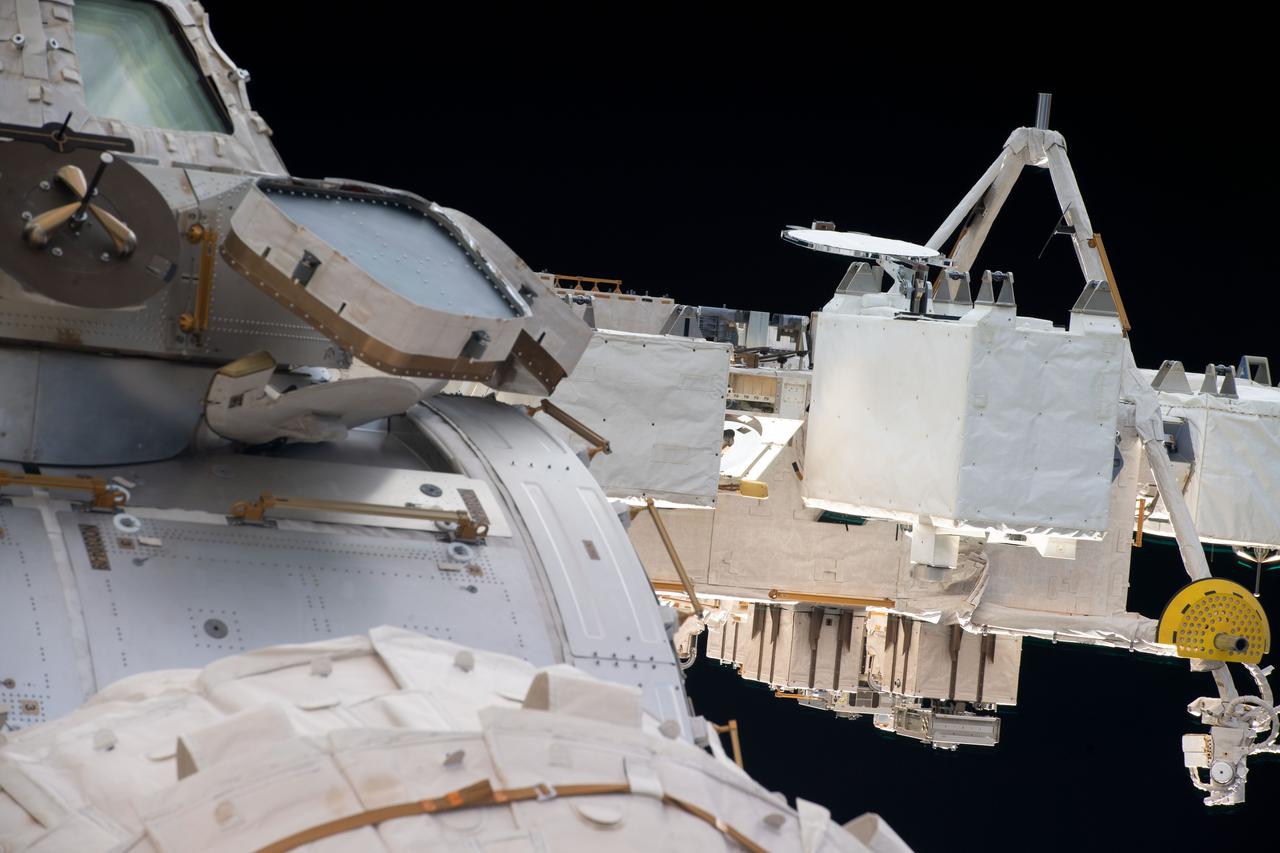
iss059e088632 (6/3/2019) --- Photo documentation of the GEDI investigation located on the Japanese Experiment Module - Exposed Facility (JEM-EF) onboard the International Space Station (ISS). The Global Ecosystem Dynamics Investigation (GEDI) provides high-quality laser ranging observations of the Earth’s forests and topography required to advance the understanding of important carbon and water cycling processes, biodiversity, and habitat.
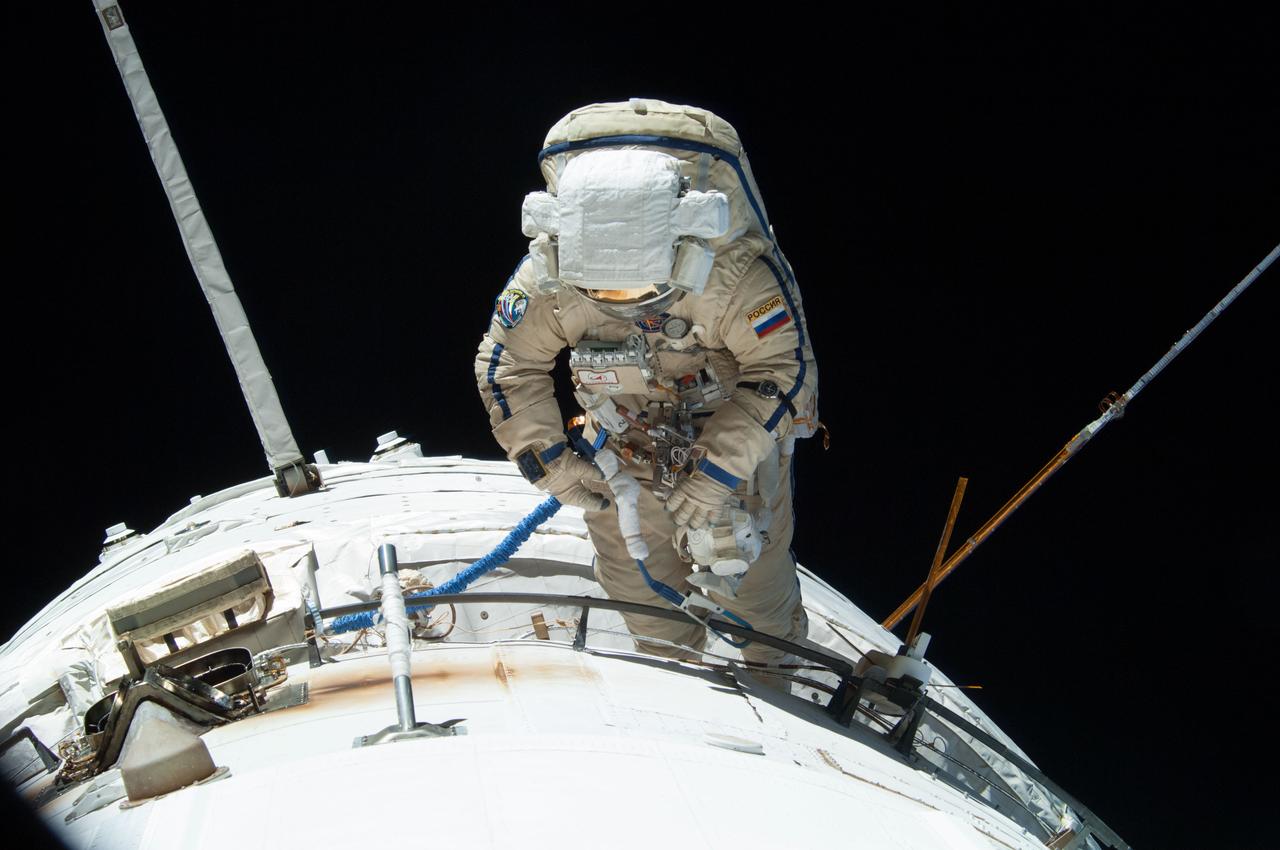
ISS036-E-035130 (22 Aug. 2013) --- Russian cosmonaut Alexander Misurkin, Expedition 36 flight engineer, attired in a Russian Orlan spacesuit, participates in a session of extravehicular activity (EVA) to continue outfitting the International Space Station. During the five-hour, 58-minute spacewalk, Misurkin and Russian cosmonaut Fyodor Yurchikhin (out of frame) completed the replacement of a laser communications experiment with a new platform for a small optical camera system, the installation of new spacewalk aids and an inspection of antenna covers.
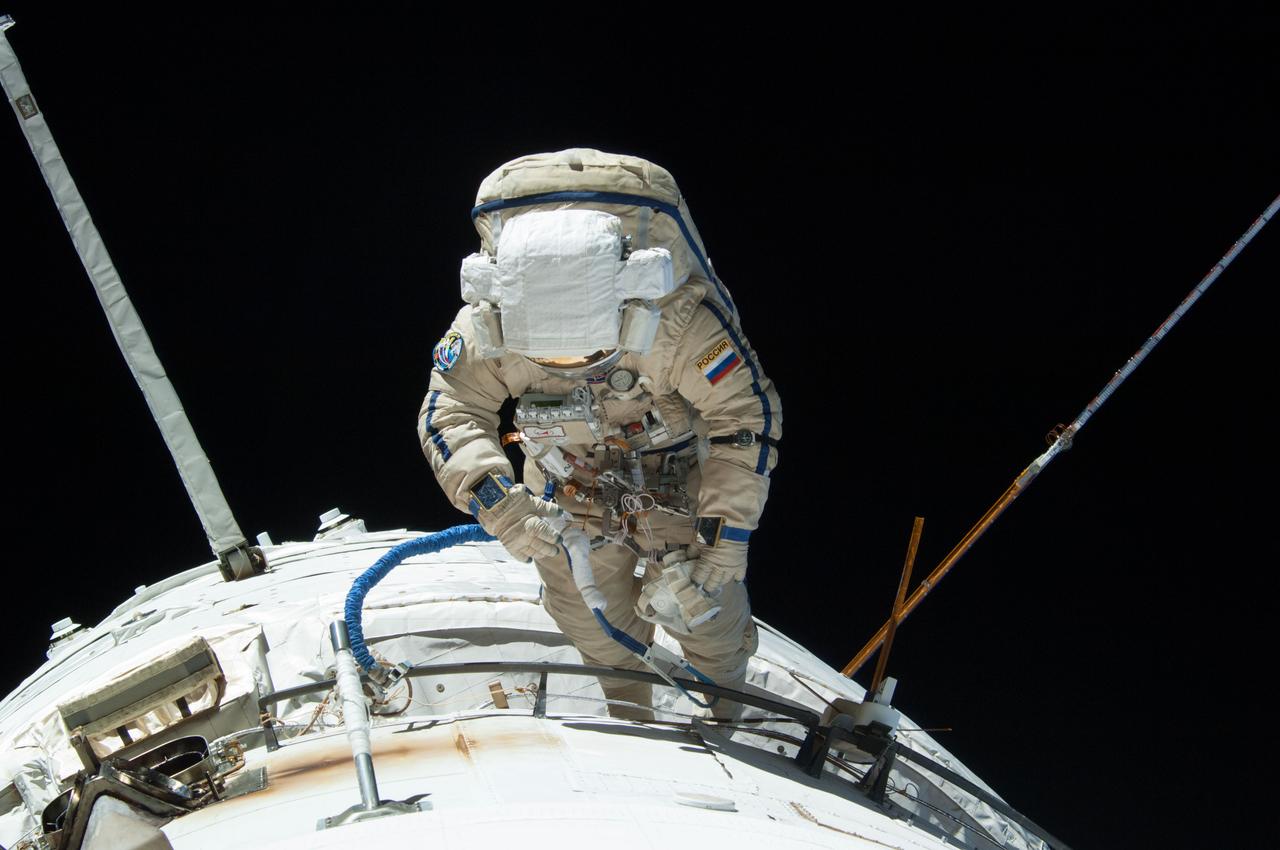
ISS036-E-035129 (22 Aug. 2013) --- Russian cosmonaut Alexander Misurkin, Expedition 36 flight engineer, attired in a Russian Orlan spacesuit, participates in a session of extravehicular activity (EVA) to continue outfitting the International Space Station. During the five-hour, 58-minute spacewalk, Misurkin and Russian cosmonaut Fyodor Yurchikhin (out of frame) completed the replacement of a laser communications experiment with a new platform for a small optical camera system, the installation of new spacewalk aids and an inspection of antenna covers.
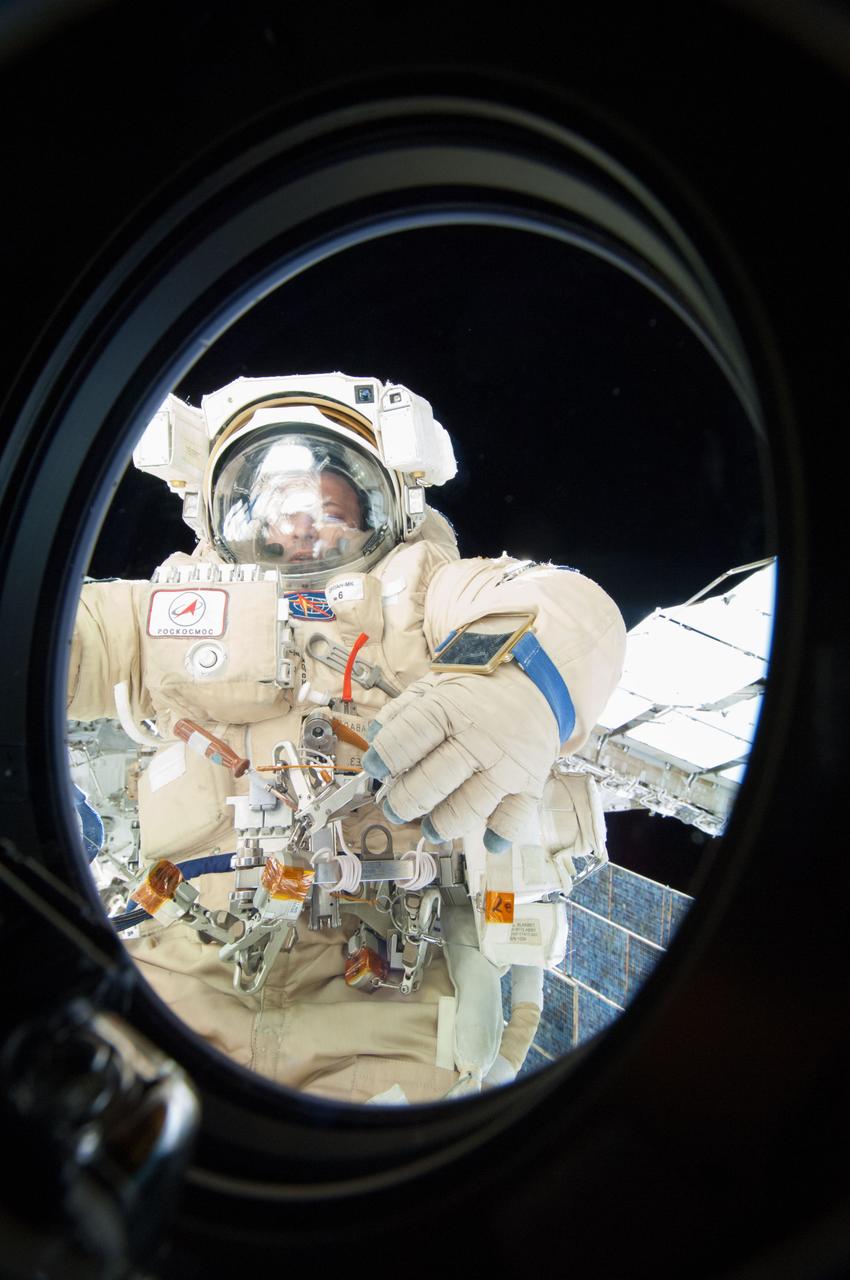
ISS036-E-035205 (22 Aug. 2013) --- Russian cosmonaut Alexander Misurkin, Expedition 36 flight engineer, attired in a Russian Orlan spacesuit, participates in a session of extravehicular activity (EVA) to continue outfitting the International Space Station. During the five-hour, 58-minute spacewalk, Misurkin and Russian cosmonaut Fyodor Yurchikhin (out of frame) completed the replacement of a laser communications experiment with a new platform for a small optical camera system, the installation of new spacewalk aids and an inspection of antenna covers.

iss071e244188 (June 29, 2024) --- The International Space Station was orbiting 263 miles above the Gulf of California just after the Canadarm2 robotic arm jettisoned the ILLUMA-T laser communications experiment into Earth orbit following the completion of its science operations and its removal from the Kibo laboratory module. ILLUMA-T was delivered to the space station aboard the SpaceX Dragon cargo craft on Nov. 11, 2023 and installed on Kibo's external science pallet, or Exposed Facility, the following day.
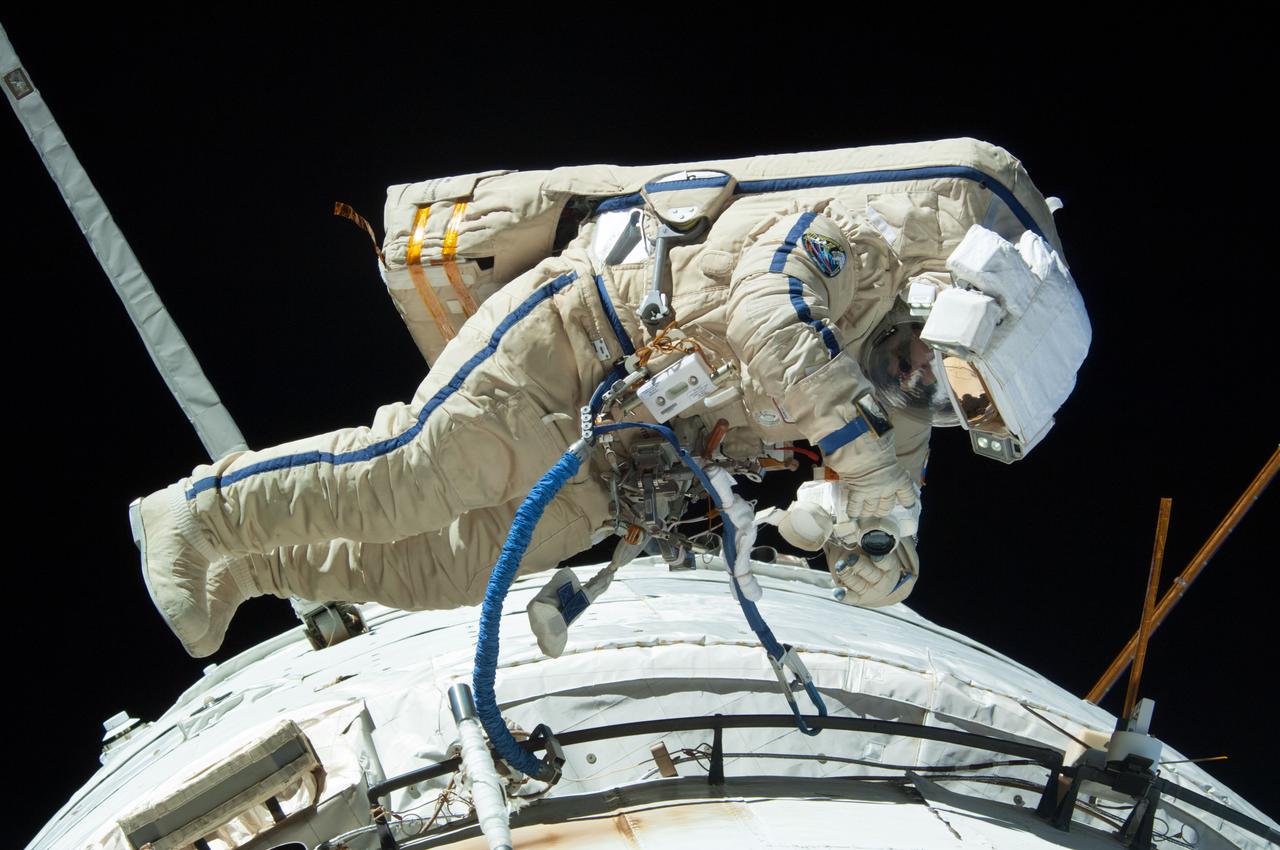
ISS036-E-035126 (22 Aug. 2013) --- Russian cosmonaut Alexander Misurkin, Expedition 36 flight engineer, attired in a Russian Orlan spacesuit, participates in a session of extravehicular activity (EVA) to continue outfitting the International Space Station. During the five-hour, 58-minute spacewalk, Misurkin and Russian cosmonaut Fyodor Yurchikhin (out of frame) completed the replacement of a laser communications experiment with a new platform for a small optical camera system, the installation of new spacewalk aids and an inspection of antenna covers.
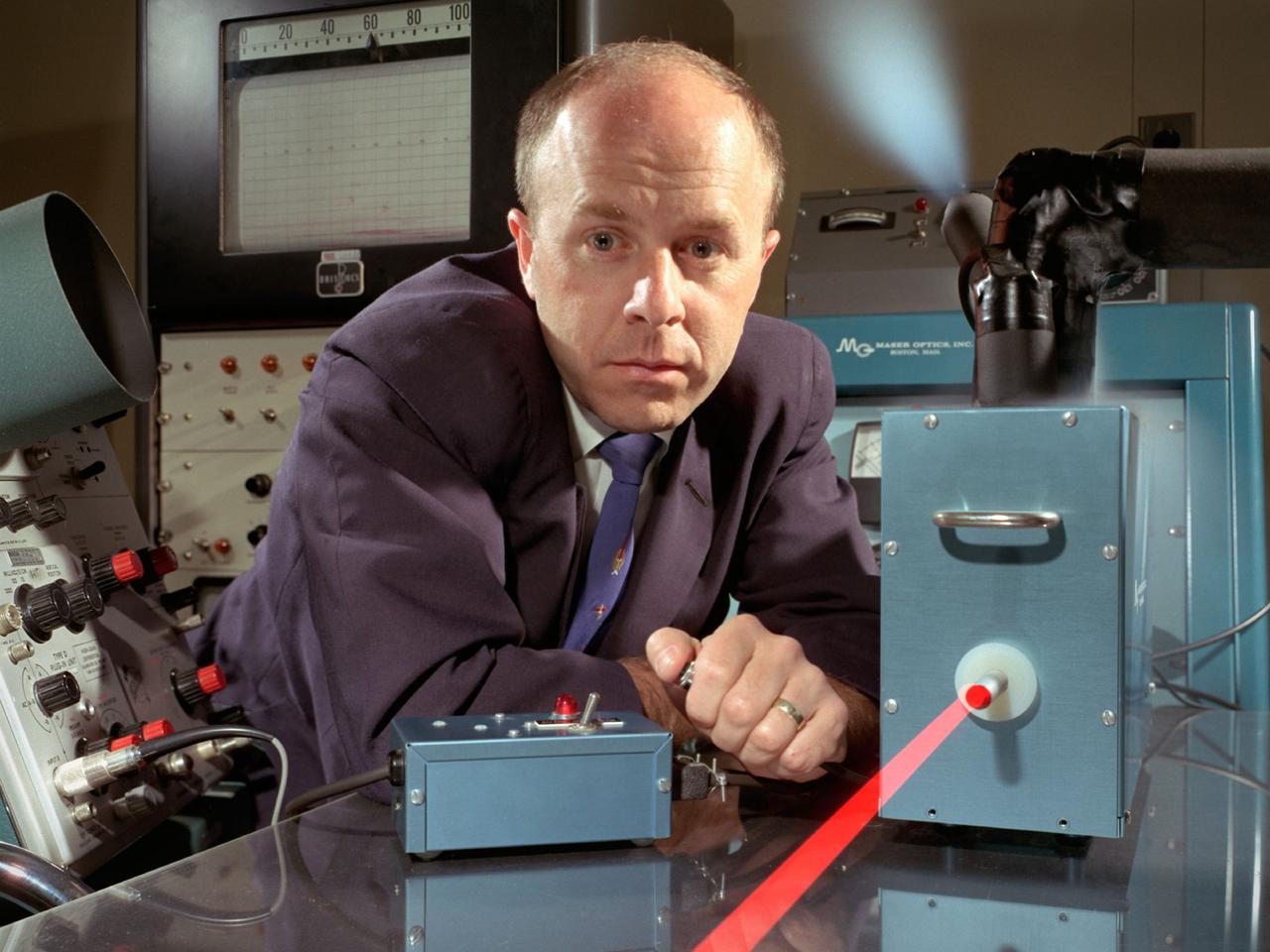
National Aeronautics and Space Administration (NASA) Lewis Research Center researcher Americo Forestieri aims a ruby laser beam at a crystal to determine the effects of its radiation. Forestieri was a researcher in the Electric Component Experiment Section of the Space Power System Division. Lewis was in the midst of a long-term effort to develop methods of delivering electrical power to spacecraft using nuclear, solar, or electrochemical technologies. Ruby lasers contain a ruby crystal with mirrors on either side. The laser action is created when a high-intensity lamp shines around the ruby and excites the electrons in the ruby’s chromium atoms. After the excitation, the electrons emit their ruby-red light. The mirrors reflect some of this red light back and forth inside the ruby which causes other excited chromium atoms to produce additional red light. This continues until the light pulse reaches high power levels and consumes all of the energy stored in the crystal. Forestieri used optical absorption and electron paramagnetic resonance techniques to study the extent and manner in which the radiation interacted with the samples. He determined that individual bands were assigned to specific electronic transitions. He also studied the atomic changes in the ruby crystals after irradiation. He found that complex interactions depend on the crystal pretreatment, purity, and irradiation dose.
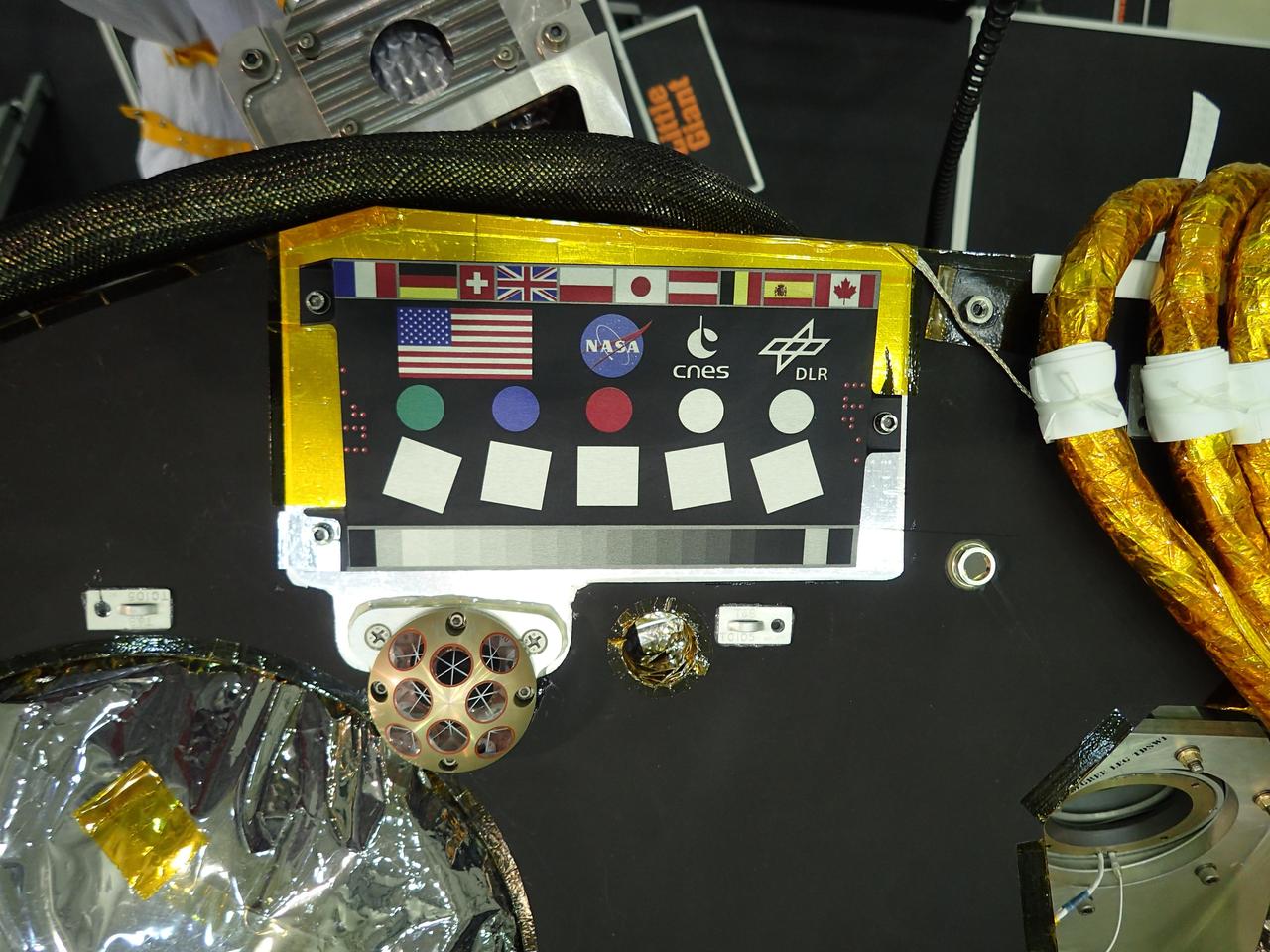
A camera calibration target sits on the deck of the NASA's InSight lander, adorned with the flags of the countries participating in the mission. The target, which will be viewed by InSight's cameras, provides a variety of colors and shapes to help calibrate the lander's cameras. It also shows off international flags representing the agencies, institutions and participating scientists of the mission as of late 2014 (since that time, Italy has contributed an experiment). In the second row are the United States flag and the logos of NASA, the French space agency CNES, which provided InSight's seismometer; and the German Aerospace Center DLR, which provided InSight's heat flow probe. Below the target in the photo is an Italian experiment called the Laser Retroreflector for InSight (LaRRI). LaRRI is the small, copper-colored dome covered with circles just below the calibration target; it won't actually play a role in InSight's mission. The national space agency of Italy (ASI, for Agenzia Spaziale Italiana) provided LaRRI to be used by a possible future Mars orbiter mission with a laser altimeter making extremely precise measurements of the lander's location for fundamental physics studies and precision cartography. A microchip bearing the names of nearly a million members of the public is visible in this image to the right of the calibration target. A second microchip with more than a million additional names was added after this photo was taken. https://photojournal.jpl.nasa.gov/catalog/PIA22540
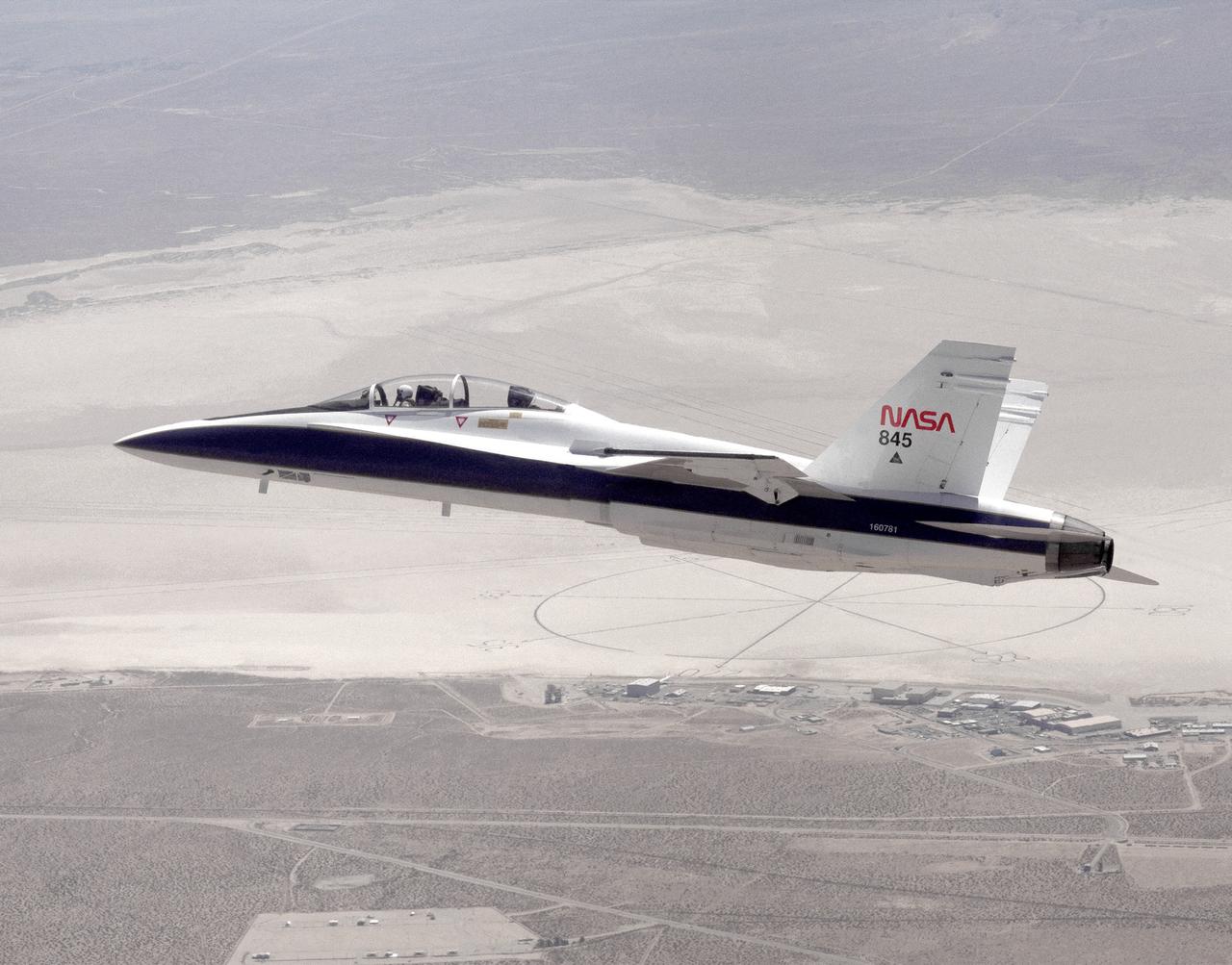
The National Aeronautics and Space Administration's Systems Research Aircraft (SRA), a highly modified F-18 jet fighter, on an early research flight over Rogers Dry Lake. The former Navy aircraft was flown by NASA's Dryden Flight Research Center at Edwards Air Force Base, California, to evaluate a number of experimental aerospace technologies in a multi-year, joint NASA/DOD/industry program. Among the more than 20 experiments flight-tested were several involving fiber optic sensor systems. Experiments developed by McDonnell-Douglas and Lockheed-Martin centered on installation and maintenace techniques for various types of fiber-optic hardware proposed for use in military and commercial aircraft, while a Parker-Hannifin experiment focused on alternative fiber-optic designs for postion measurement sensors as well as operational experience in handling optical sensor systems. Other experiments flown on this testbed aircraft included electronically-controlled control surface actuators, flush air data collection systems, "smart" skin antennae and laser-based systems. Incorporation of one or more of these technologies in future aircraft and spacecraft could result in signifigant savings in weight, maintenance and overall cost.
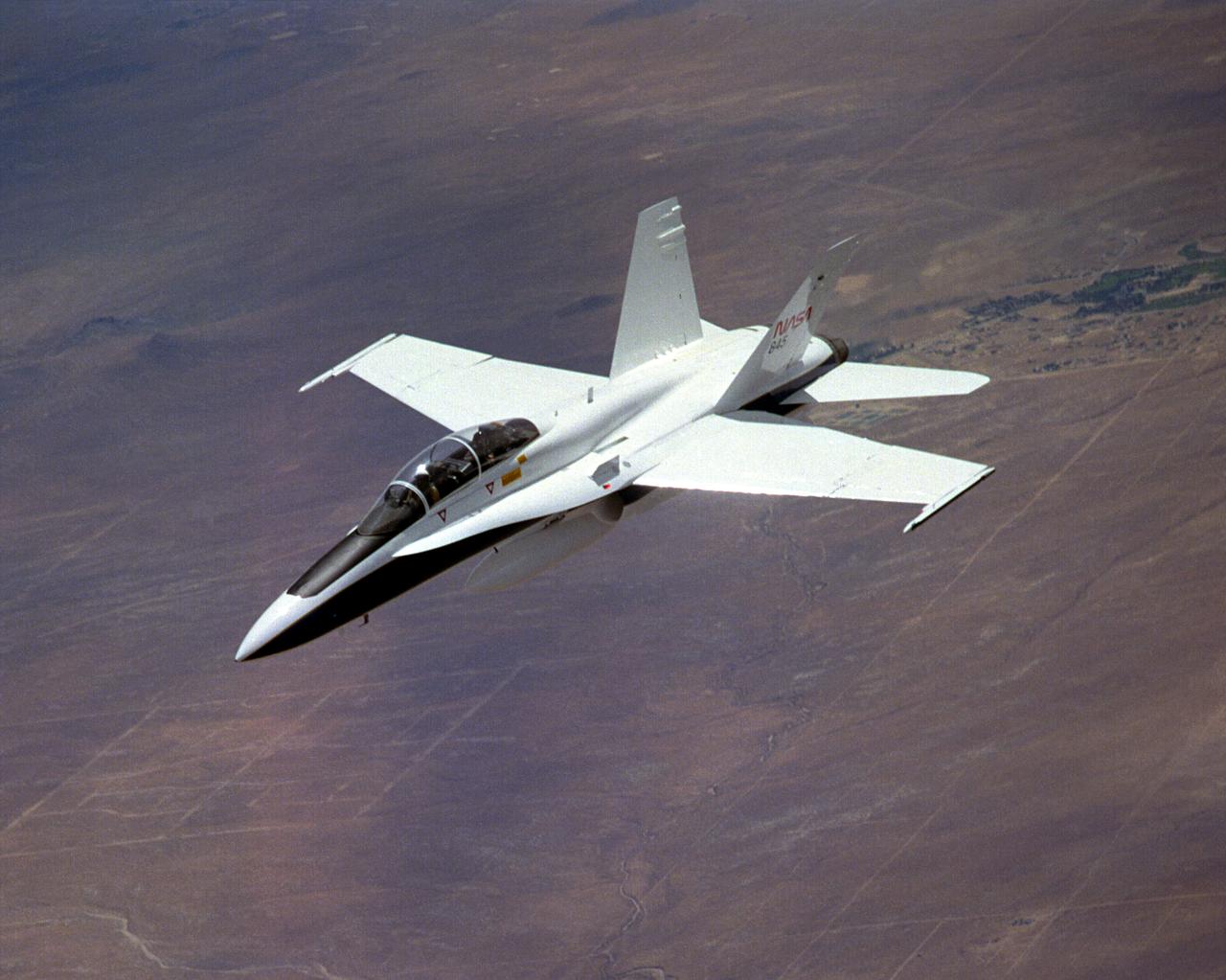
The National Aeronautics and Space Administration's Systems Research Aircraft (SRA), a highly modified F-18 jet fighter, during a research flight. The former Navy aircraft was flown by NASA's Dryden Flight Research Center at Edwards Air Force Base, California, to evaluate a number of experimental aerospace technologies in a multi-year, joint NASA/DOD/industry program. Among the more than 20 experiments flight-tested were several involving fiber optic sensor systems. Experiments developed by McDonnell-Douglas and Lockheed-Martin centered on installation and maintenace techniques for various types of fiber-optic hardware proposed for use in military and commercial aircraft, while a Parker-Hannifin experiment focused in alternative fiber-optic designs for position measurement sensors as well as operational experience in handling optical sensor systems. Other experiments flown on this testbed aircraft included electronically-controlled control surface actuators, flush air data collection systems, "smart" skin antennae and laser-based systems. Incorporation of one or more of these technologies in future aircraft and spacecraft could result in signifigant savings in weight, maintenance and overall cost.
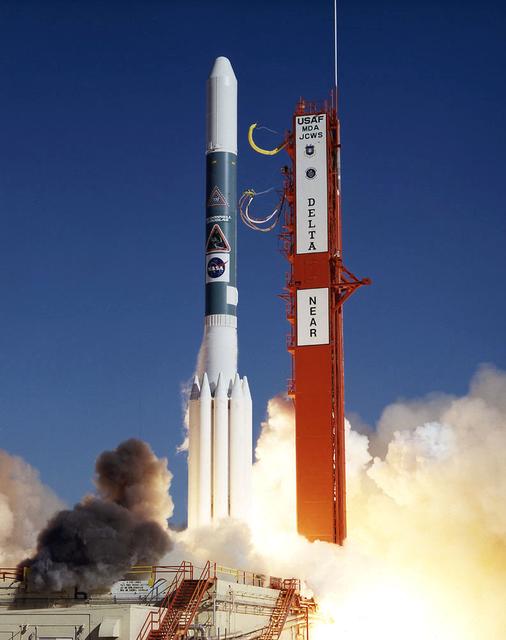
The Near Earth Asteroid Rendezvous (NEAR) spacecraft embarks on a journey that will culminate in a close encounter with an asteroid. The launch of NEAR inaugurates NASA's irnovative Discovery program of small-scale planetary missions with rapid, lower-cost development cycles and focused science objectives. NEAR will rendezvous in 1999 with the asteroid 433 Eros to begin the first long-term, close-up look at an asteroid's surface composition and physical properties. NEAR's science payload includes an x-ray/gamma ray spectrometer, an near-infrared spectrograph, a laser rangefinder, a magnetometer, a radio science experiment and a multi-spectral imager.
NASA’s Psyche spacecraft, atop a SpaceX Falcon Heavy rocket, lifts off from Kennedy Space Center’s historic Launch Complex 39A in Florida at 10:19 a.m. EDT on Friday, Oct. 13, 2023. The Psyche mission will study a metal-rich asteroid with the same name, located in the main asteroid belt between Mars and Jupiter. This is NASA’s first mission to study an asteroid that has more metal than rock or ice. Riding with Psyche is a pioneering technology demonstration – NASA’s Deep Space Optical Communications (DSOC) experiment – which will be the first test of laser communications beyond the Moon.
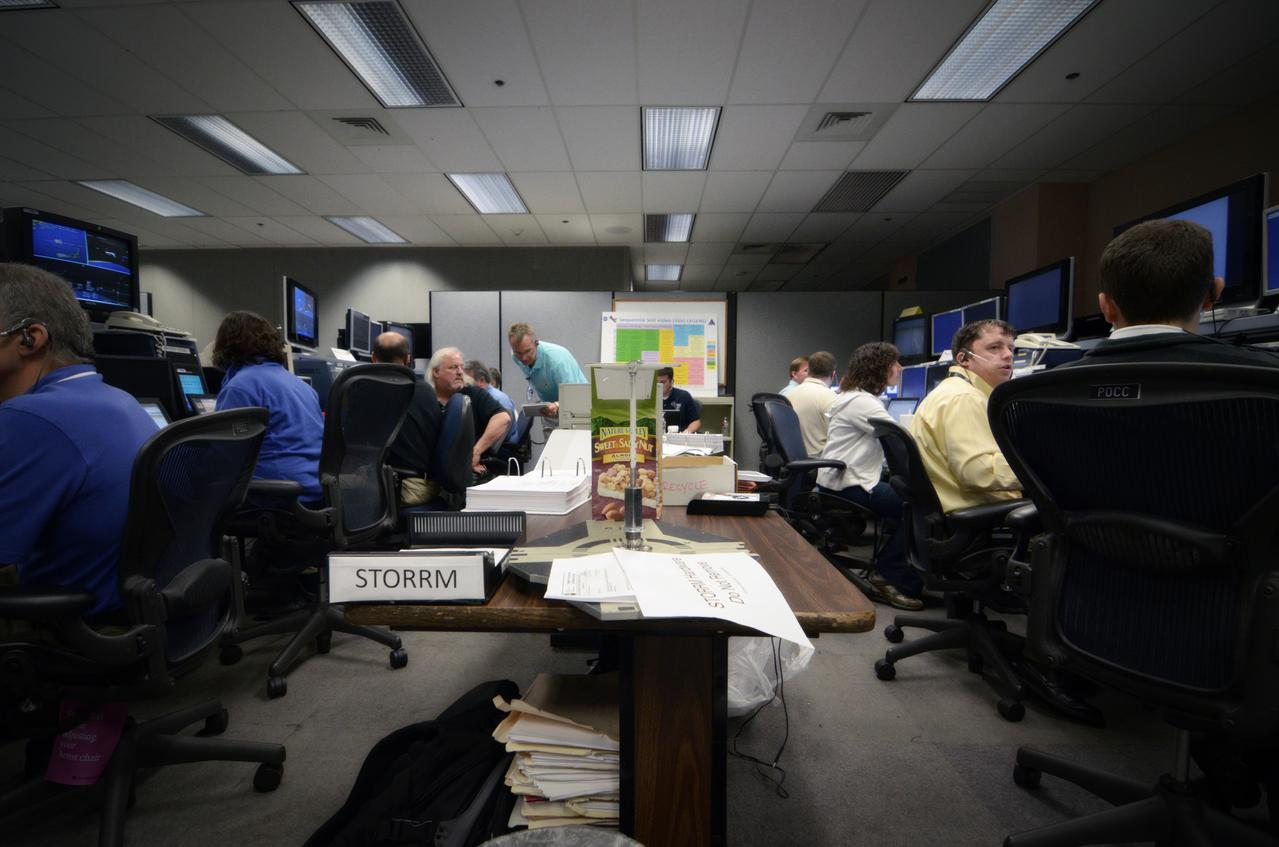
Teams conduct powerup and docking operations for the Sensor Test for Orion Relative Navigation Risk Mitigation (STORRM) in a payload support room at Johnson Space Center’s Mission Control Center in Houston on May 17, 2011. STORRM was successfully demonstrated on Space Shuttle Endeavour’s STS-134 mission to the International Space Station. The goal of STORRM was to validate a new relative navigation sensor based on advanced laser and detector technology that will make docking and undocking spacecraft easier and safer. It also tested the hardware in the same environment that the sensors would experience on the first Orion rendezvous to another vehicle.
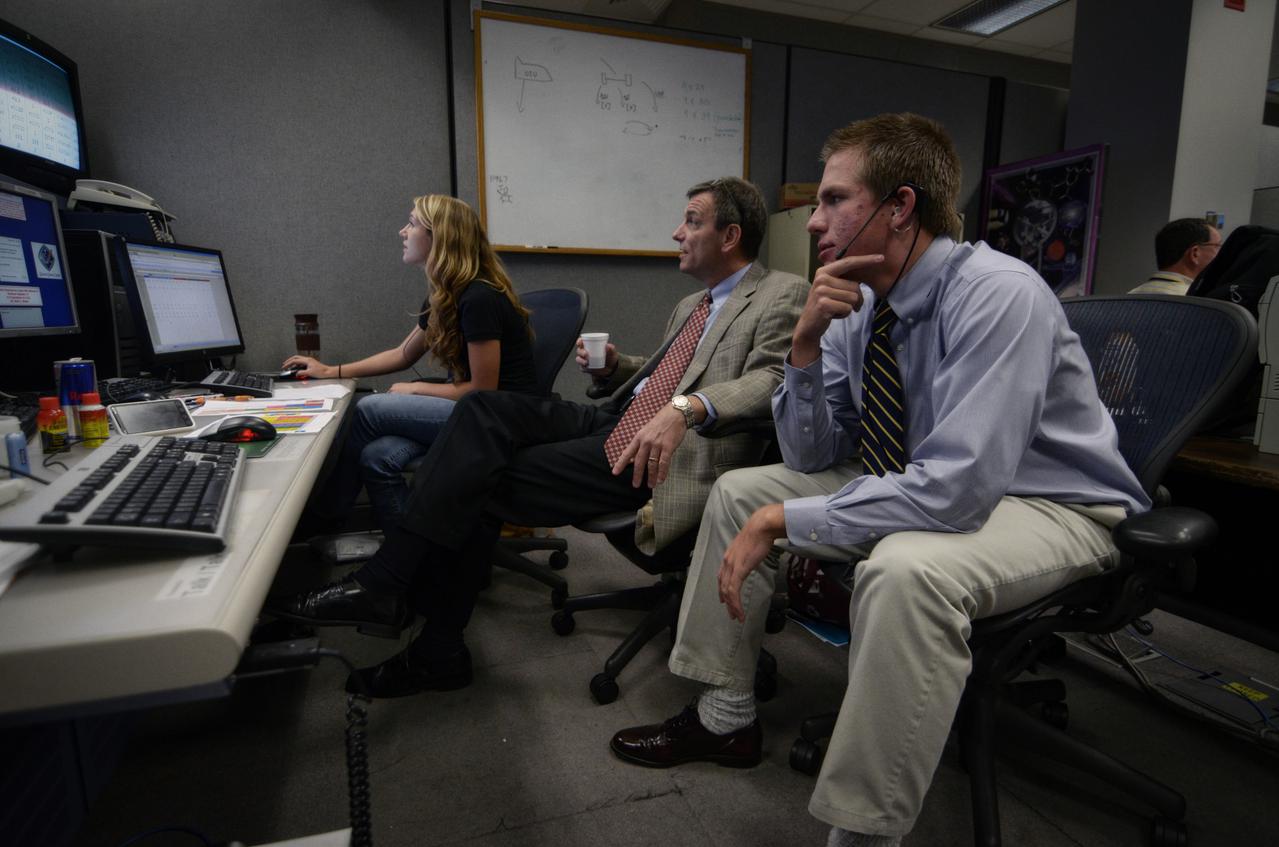
Teams conduct powerup and docking operations for the Sensor Test for Orion Relative Navigation Risk Mitigation (STORRM) in a payload support room at Johnson Space Center’s Mission Control Center in Houston on May 18, 2011. STORRM was successfully demonstrated on Space Shuttle Endeavour’s STS-134 mission to the International Space Station. The goal of STORRM was to validate a new relative navigation sensor based on advanced laser and detector technology that will make docking and undocking spacecraft easier and safer. It also tested the hardware in the same environment that the sensors would experience on the first Orion rendezvous to another vehicle.
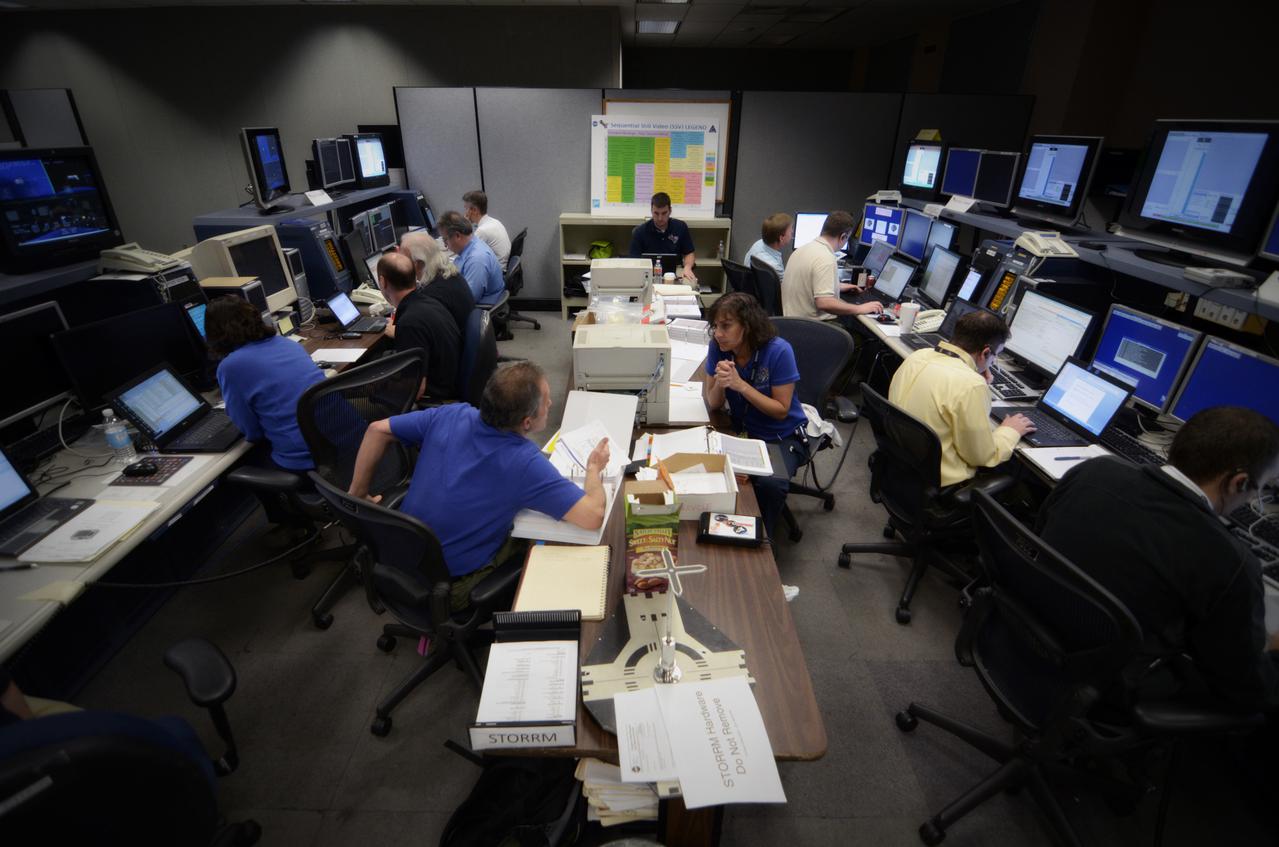
Teams conduct powerup and docking operations for the Sensor Test for Orion Relative Navigation Risk Mitigation (STORRM) in a payload support room at Johnson Space Center’s Mission Control Center in Houston on May 17, 2011. STORRM was successfully demonstrated on Space Shuttle Endeavour’s STS-134 mission to the International Space Station. The goal of STORRM was to validate a new relative navigation sensor based on advanced laser and detector technology that will make docking and undocking spacecraft easier and safer. It also tested the hardware in the same environment that the sensors would experience on the first Orion rendezvous to another vehicle.
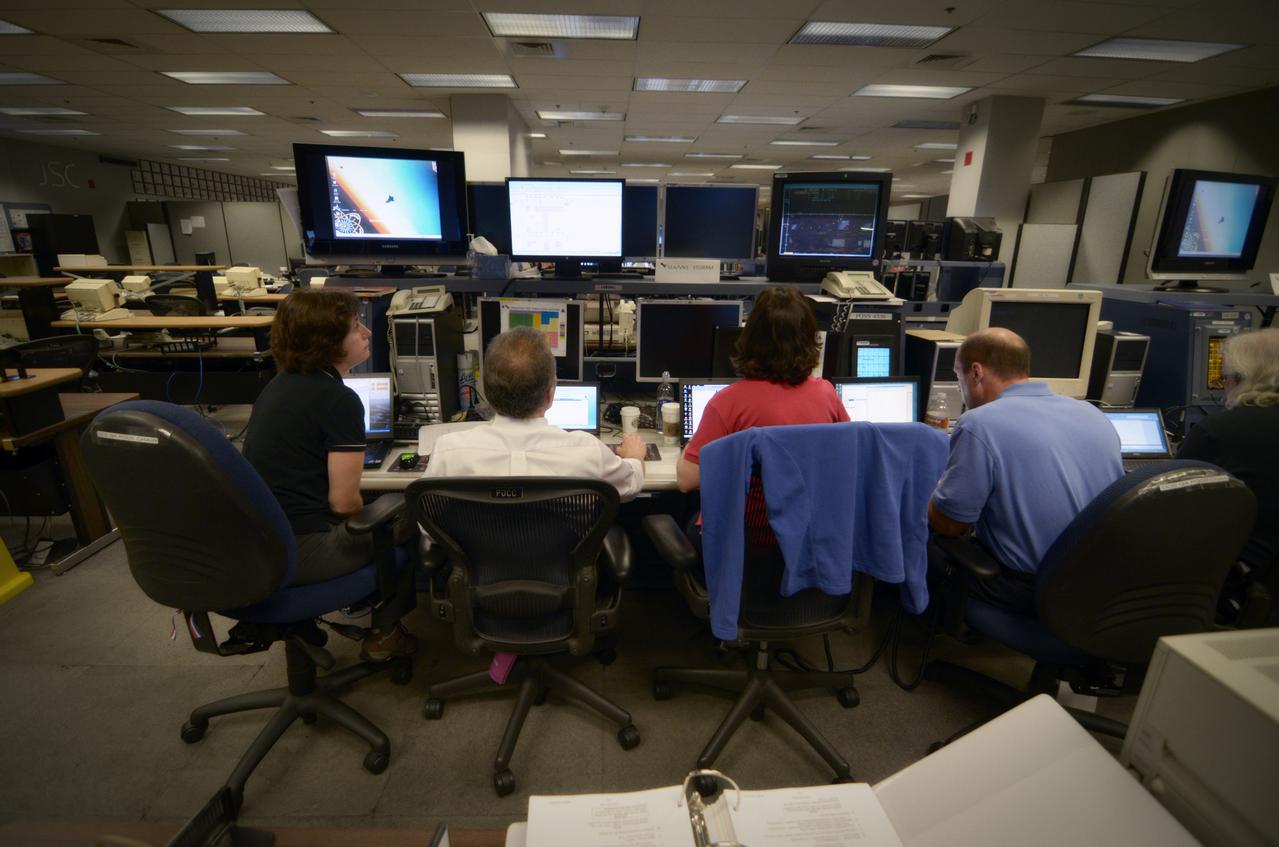
Teams conduct powerup and docking operations for the Sensor Test for Orion Relative Navigation Risk Mitigation (STORRM) in a payload support room at Johnson Space Center’s Mission Control Center in Houston on May 18, 2011. STORMM was successfully demonstrated on Space Shuttle Endeavour’s STS-134 mission to the International Space Station..The goal of STORRM was to validate a new relative navigation sensor based on advanced laser and detector technology that will make docking and undocking spacecraft easier and safer. It also tested the hardware in the same environment that the sensors would experience on the first Orion rendezvous to another vehicle. Part of Batch image transfer from Flickr.
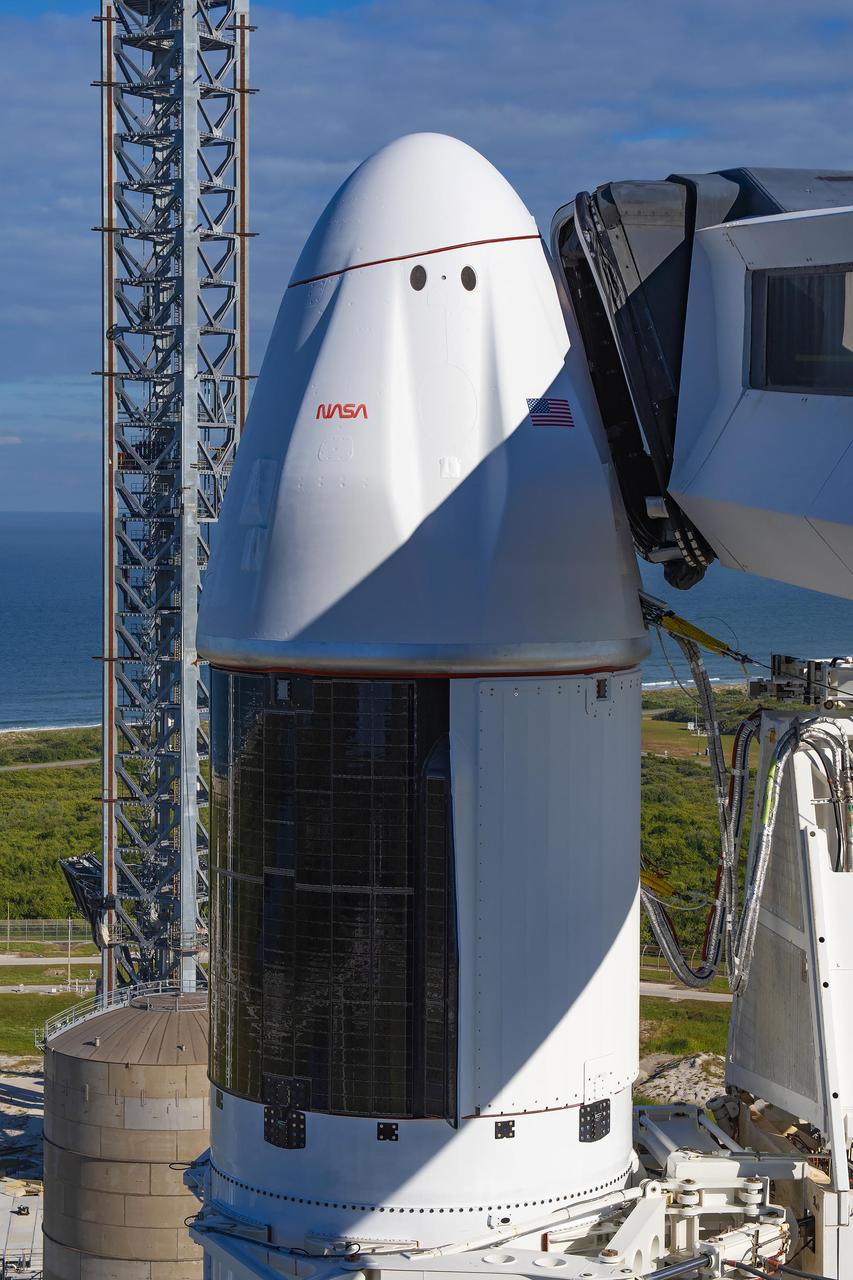
In preparation for SpaceX’s 29th commercial resupply services launch to the International Space Station for NASA, the company’s Falcon 9 rocket, with the Dragon spacecraft atop, is raised to a vertical position at Kennedy Space Center’s Launch Complex 39A in Florida on Wednesday, Nov. 8, 2023. The mission will carry scientific research, technology demonstrations, crew supplies, and hardware to the space station to support its Expedition 70 crew, including NASA’s Integrated Laser Communications Relay Demonstration Low Earth Orbit User Modem and Amplifier Terminal (ILLUMA-T) and Atmospheric Waves Experiment (AWE). Liftoff is scheduled for 8:28 p.m. EST Thursday, Nov. 9, from Kennedy’s Launch Complex 39A.
NASA’s Psyche spacecraft, atop a SpaceX Falcon Heavy rocket, lifts off from Kennedy Space Center’s historic Launch Complex 39A in Florida at 10:19 a.m. EDT on Friday, Oct. 13, 2023. The Psyche mission will study a metal-rich asteroid with the same name, located in the main asteroid belt between Mars and Jupiter. This is NASA’s first mission to study an asteroid that has more metal than rock or ice. Riding with Psyche is a pioneering technology demonstration – NASA’s Deep Space Optical Communications (DSOC) experiment – which will be the first test of laser communications beyond the Moon.
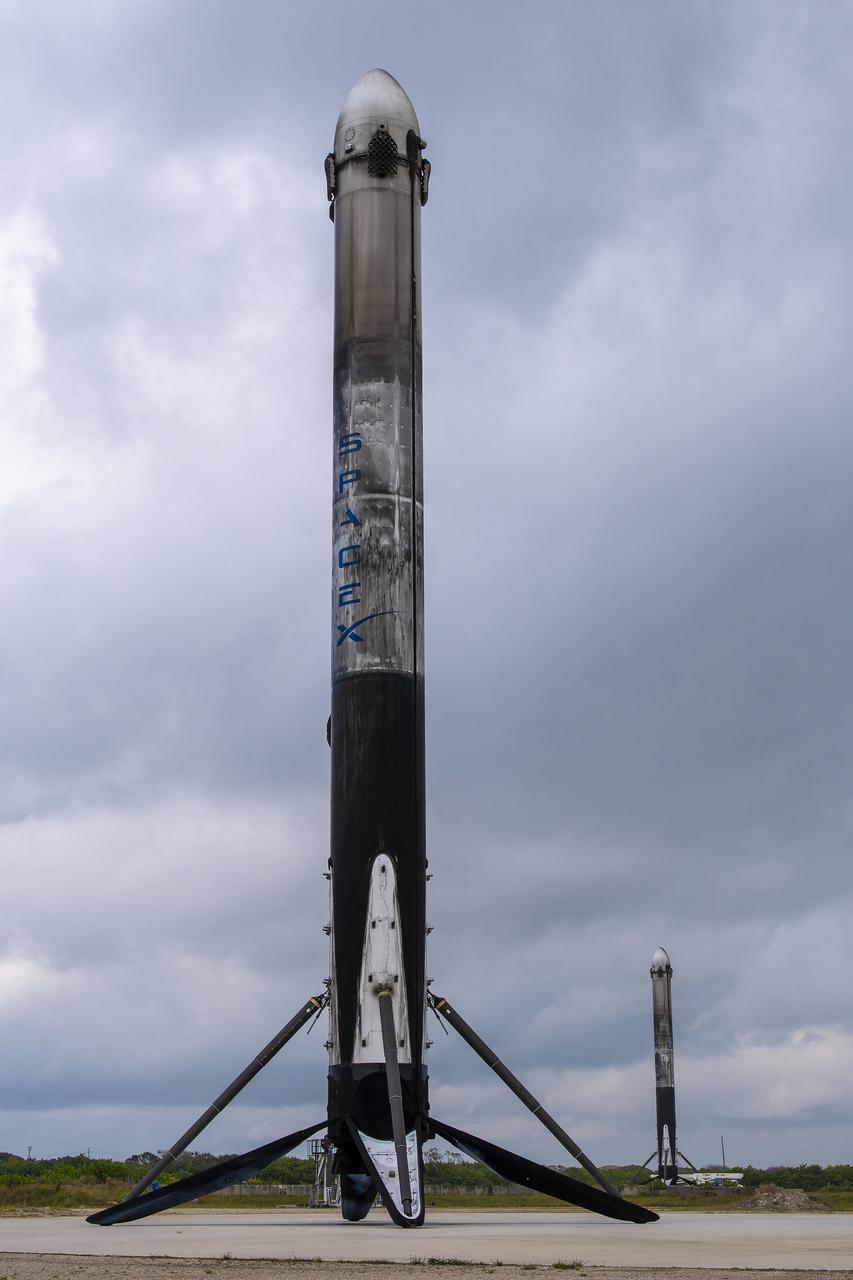
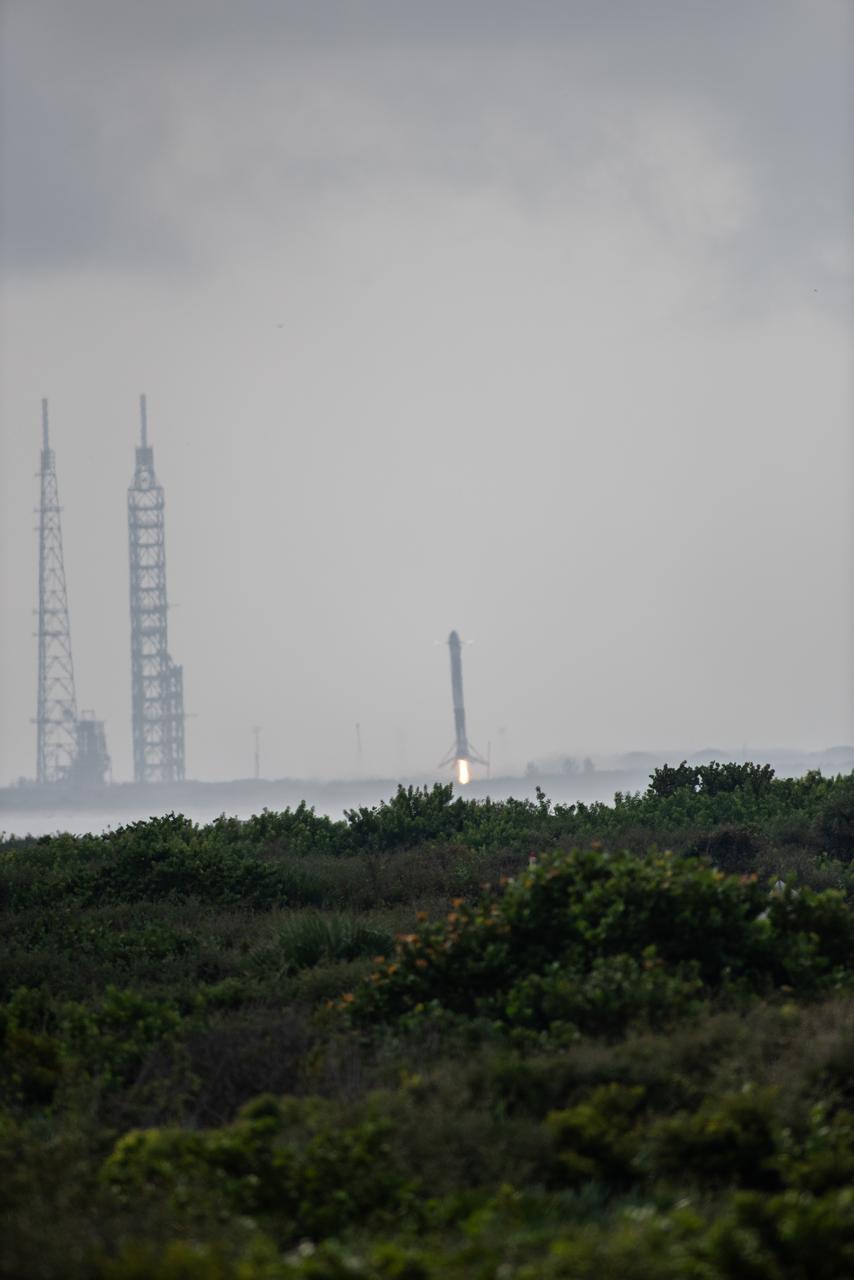
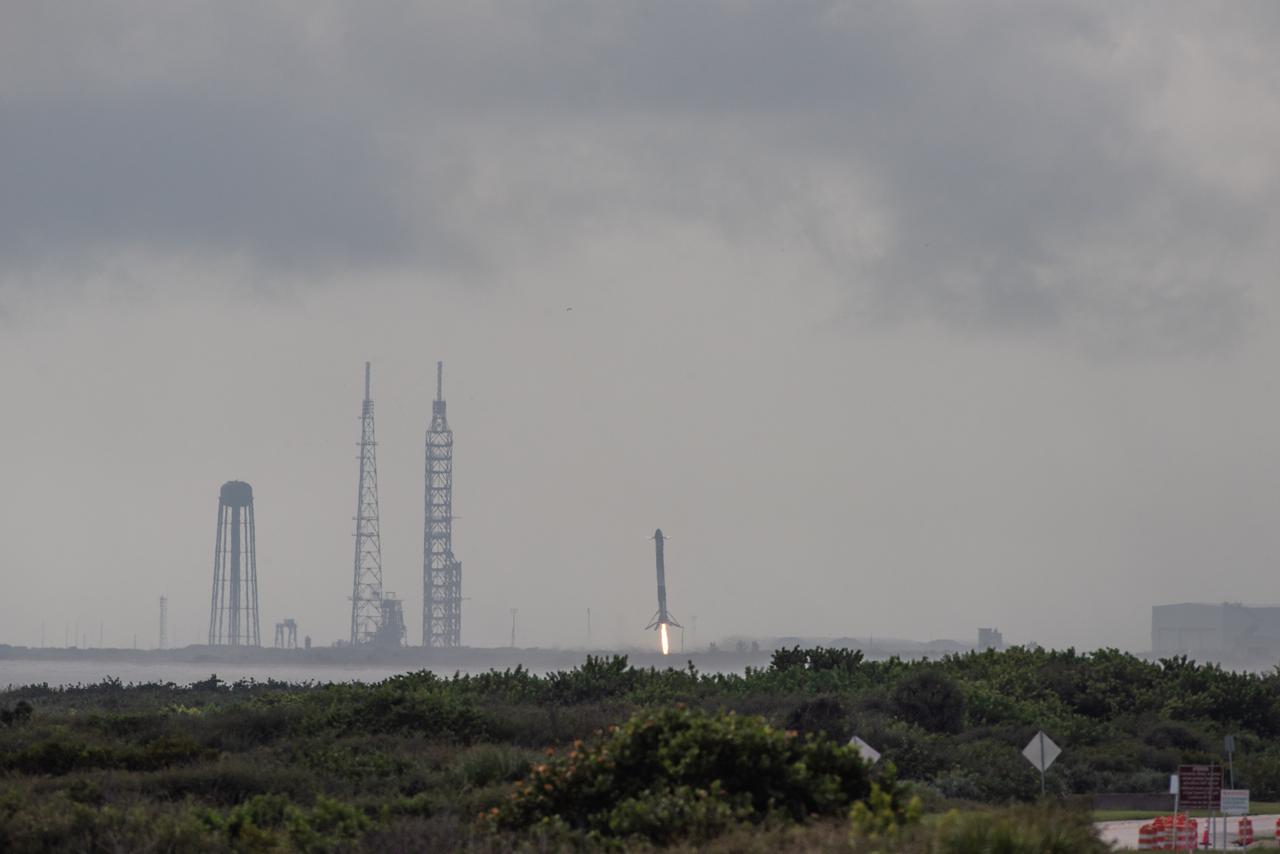
A side booster from SpaceX’s Falcon Heavy rocket successfully lands at the company’s landing zone at Cape Canaveral Space Force Station in Florida on Friday, Oct. 13, 2023, just minutes after NASA’s Psyche launch from Kennedy Space Center. The Psyche mission will study a metal-rich asteroid with the same name, located in the main asteroid belt between Mars and Jupiter. This is NASA’s first mission to study an asteroid that has more metal than rock or ice. Riding with Psyche is a pioneering technology demonstration – NASA’s Deep Space Optical Communications (DSOC) experiment – which will be the first test of laser communications beyond the Moon.
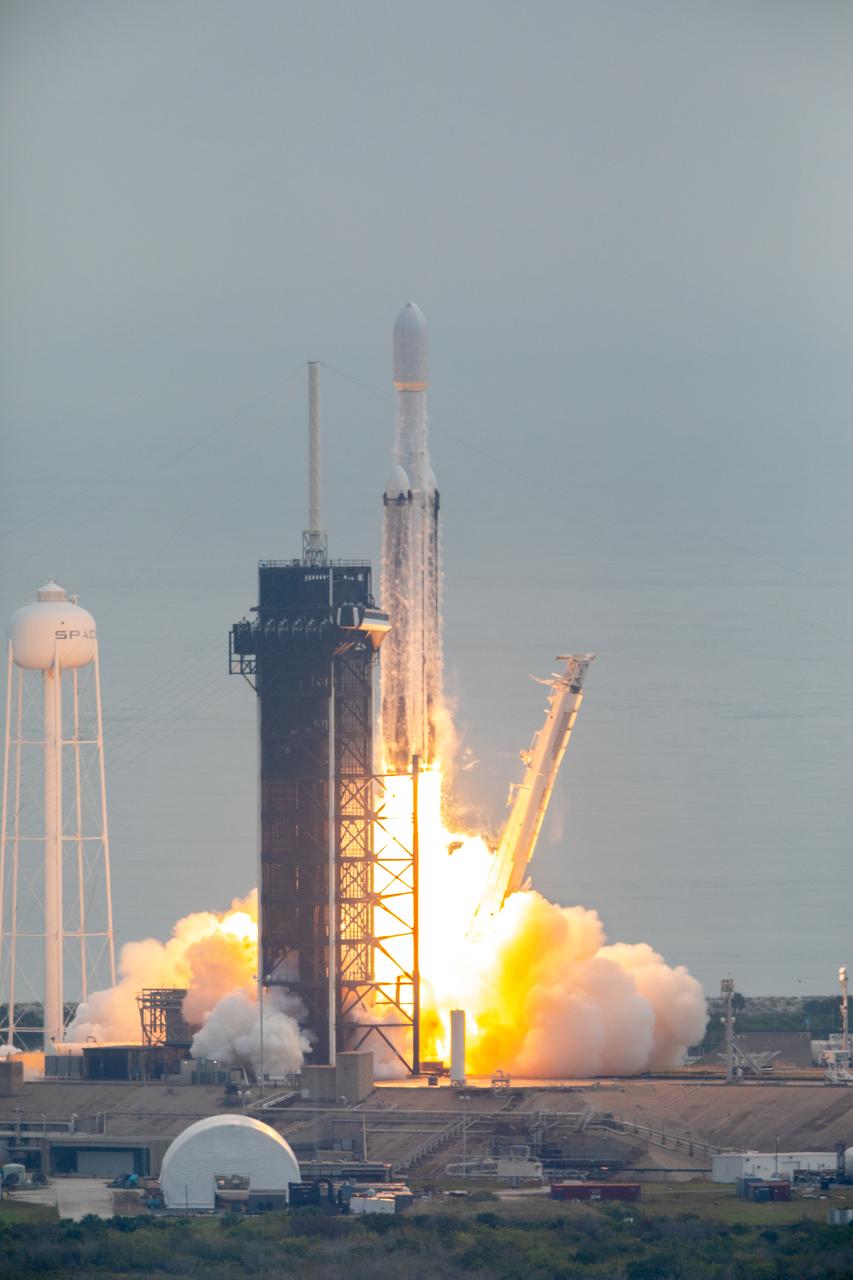
NASA’s Psyche spacecraft, atop a SpaceX Falcon Heavy rocket, lifts off from Kennedy Space Center’s historic Launch Complex 39A in Florida at 10:19 a.m. EDT on Friday, Oct. 13, 2023. The Psyche mission will study a metal-rich asteroid with the same name, located in the main asteroid belt between Mars and Jupiter. This is NASA’s first mission to study an asteroid that has more metal than rock or ice. Riding with Psyche is a pioneering technology demonstration – NASA’s Deep Space Optical Communications (DSOC) experiment – which will be the first test of laser communications beyond the Moon.
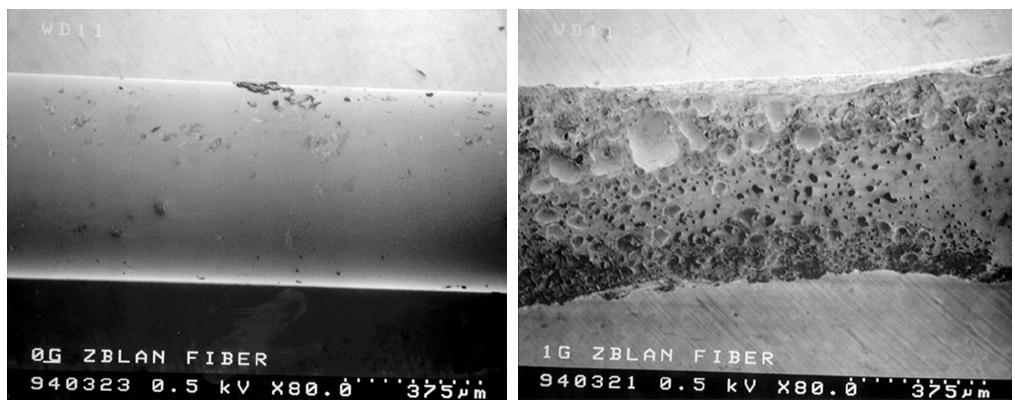
Marshall Space Flight Center's researchers have conducted suborbital experiments with ZBLAN, an optical material capable of transmitting 100 times more signal and information than silica fibers. The next step is to process ZBLAN in a microgravity environment to stop the formation of crystallites, small crystals caused by a chemical imbalances. Scientists want to find a way to make ZBLAN an amorphous (without an internal shape) material. Producing a material such as this will have far-reaching implications on advanced communications, medical and manufacturing technologies using lasers, and a host of other products well into the 21st century.
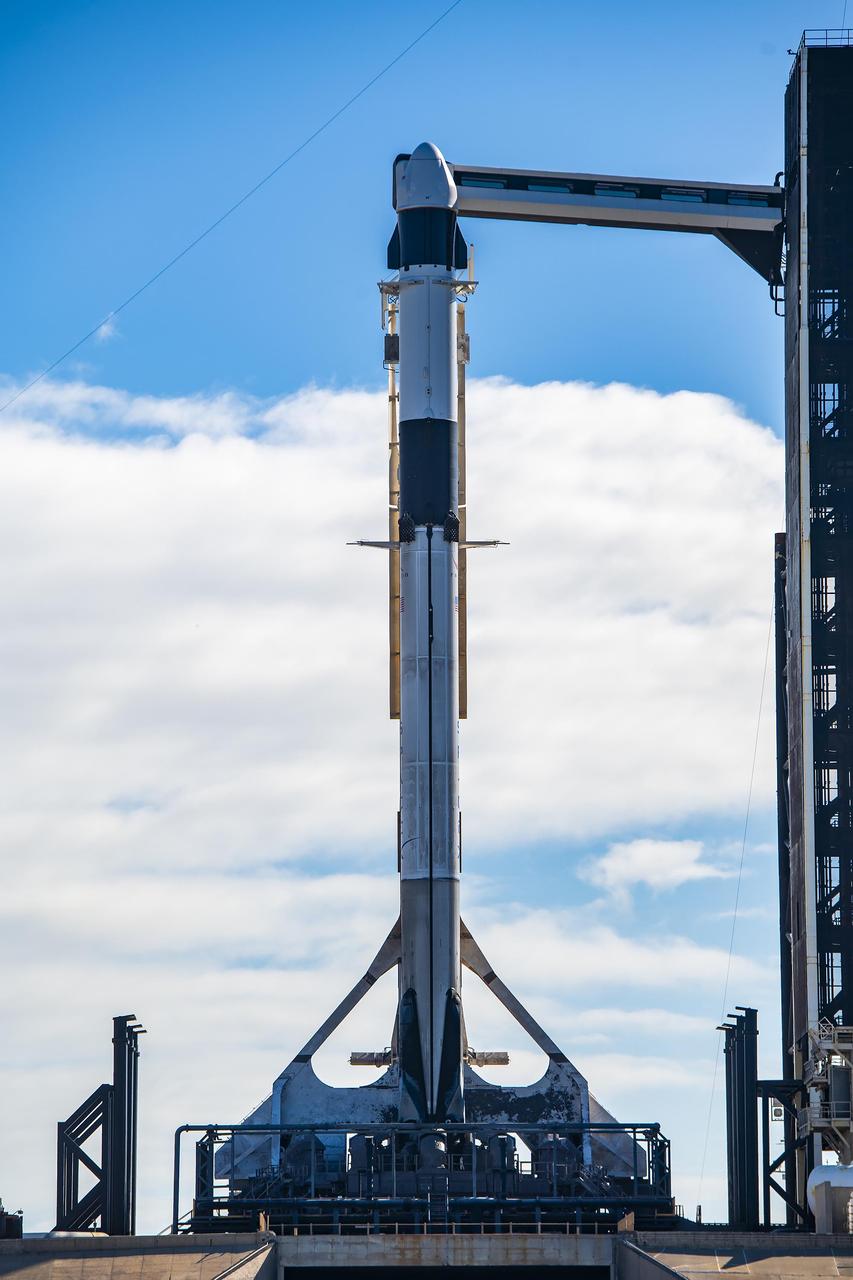
In preparation for SpaceX’s 29th commercial resupply services launch to the International Space Station for NASA, the company’s Falcon 9 rocket, with the Dragon spacecraft atop, is raised to a vertical position at Kennedy Space Center’s Launch Complex 39A in Florida on Wednesday, Nov. 8, 2023. The mission will carry scientific research, technology demonstrations, crew supplies, and hardware to the space station to support its Expedition 70 crew, including NASA’s Integrated Laser Communications Relay Demonstration Low Earth Orbit User Modem and Amplifier Terminal (ILLUMA-T) and Atmospheric Waves Experiment (AWE). Liftoff is scheduled for 8:28 p.m. EST Thursday, Nov. 9, from Kennedy’s Launch Complex 39A.
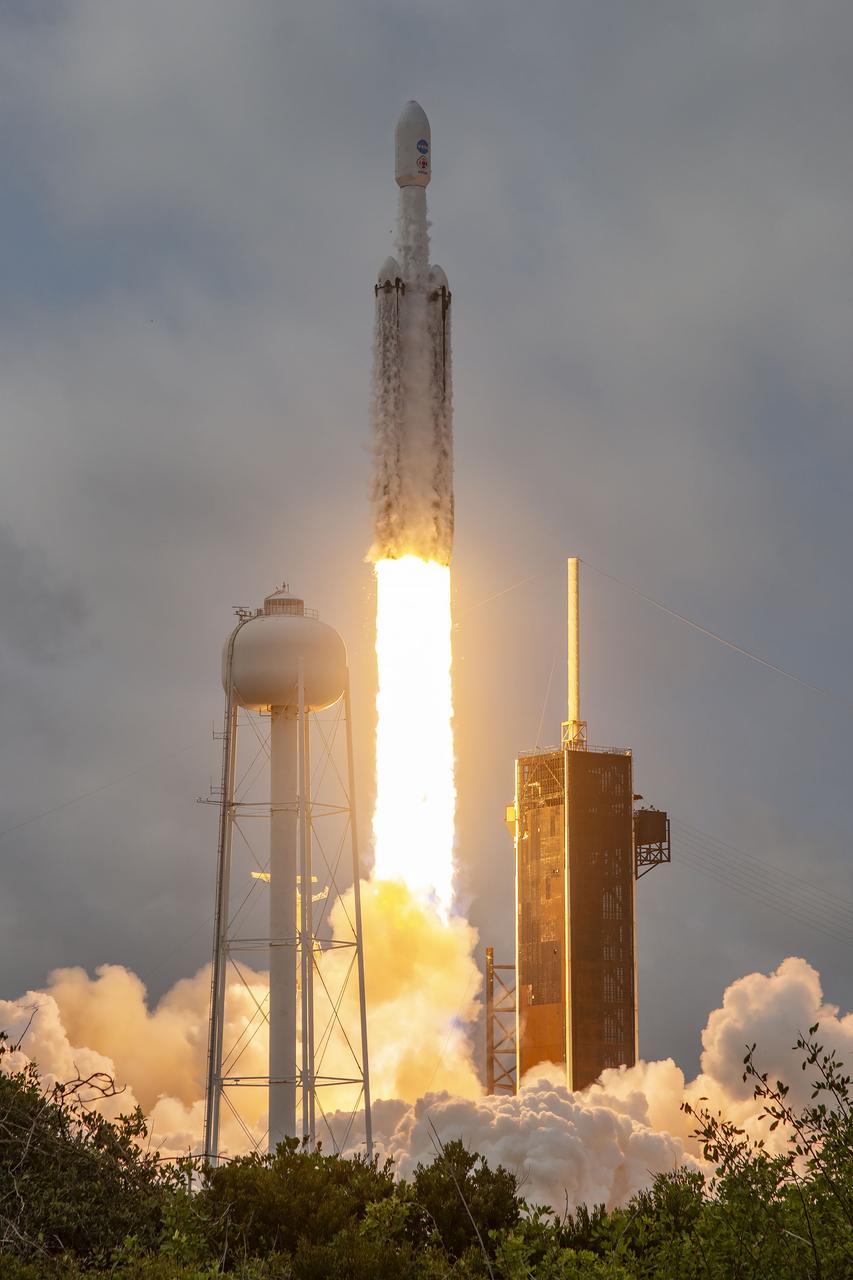
NASA’s Psyche spacecraft, atop a SpaceX Falcon Heavy rocket, lifts off from Kennedy Space Center’s historic Launch Complex 39A in Florida at 10:19 a.m. EDT on Friday, Oct. 13, 2023. The Psyche mission will study a metal-rich asteroid with the same name, located in the main asteroid belt between Mars and Jupiter. This is NASA’s first mission to study an asteroid that has more metal than rock or ice. Riding with Psyche is a pioneering technology demonstration – NASA’s Deep Space Optical Communications (DSOC) experiment – which will be the first test of laser communications beyond the Moon.
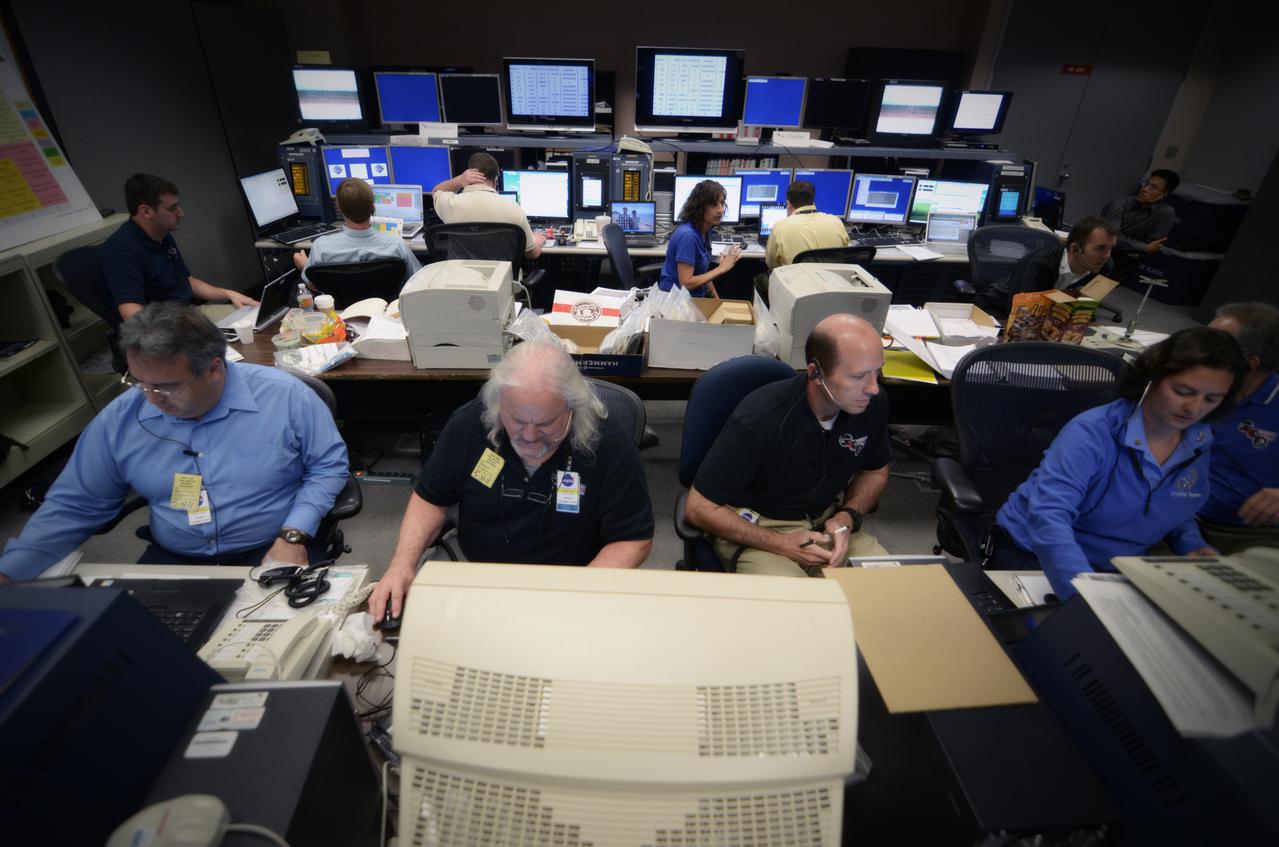
Teams conduct powerup and docking operations for the Sensor Test for Orion Relative Navigation Risk Mitigation (STORRM) in a payload support room at Johnson Space Center’s Mission Control Center in Houston on May 17, 2011. STORRM was successfully demonstrated on Space Shuttle Endeavour’s STS-134 mission to the International Space Station. The goal of STORRM was to validate a new relative navigation sensor based on advanced laser and detector technology that will make docking and undocking spacecraft easier and safer. It also tested the hardware in the same environment that the sensors would experience on the first Orion rendezvous to another vehicle.

In preparation for SpaceX’s 29th commercial resupply services launch to the International Space Station for NASA, the company’s Falcon 9 rocket, with the Dragon spacecraft atop, is raised to a vertical position at Kennedy Space Center’s Launch Complex 39A in Florida on Wednesday, Nov. 8, 2023. The mission will carry scientific research, technology demonstrations, crew supplies, and hardware to the space station to support its Expedition 70 crew, including NASA’s Integrated Laser Communications Relay Demonstration Low Earth Orbit User Modem and Amplifier Terminal (ILLUMA-T) and Atmospheric Waves Experiment (AWE). Liftoff is scheduled for 8:28 p.m. EST Thursday, Nov. 9, from Kennedy’s Launch Complex 39A.
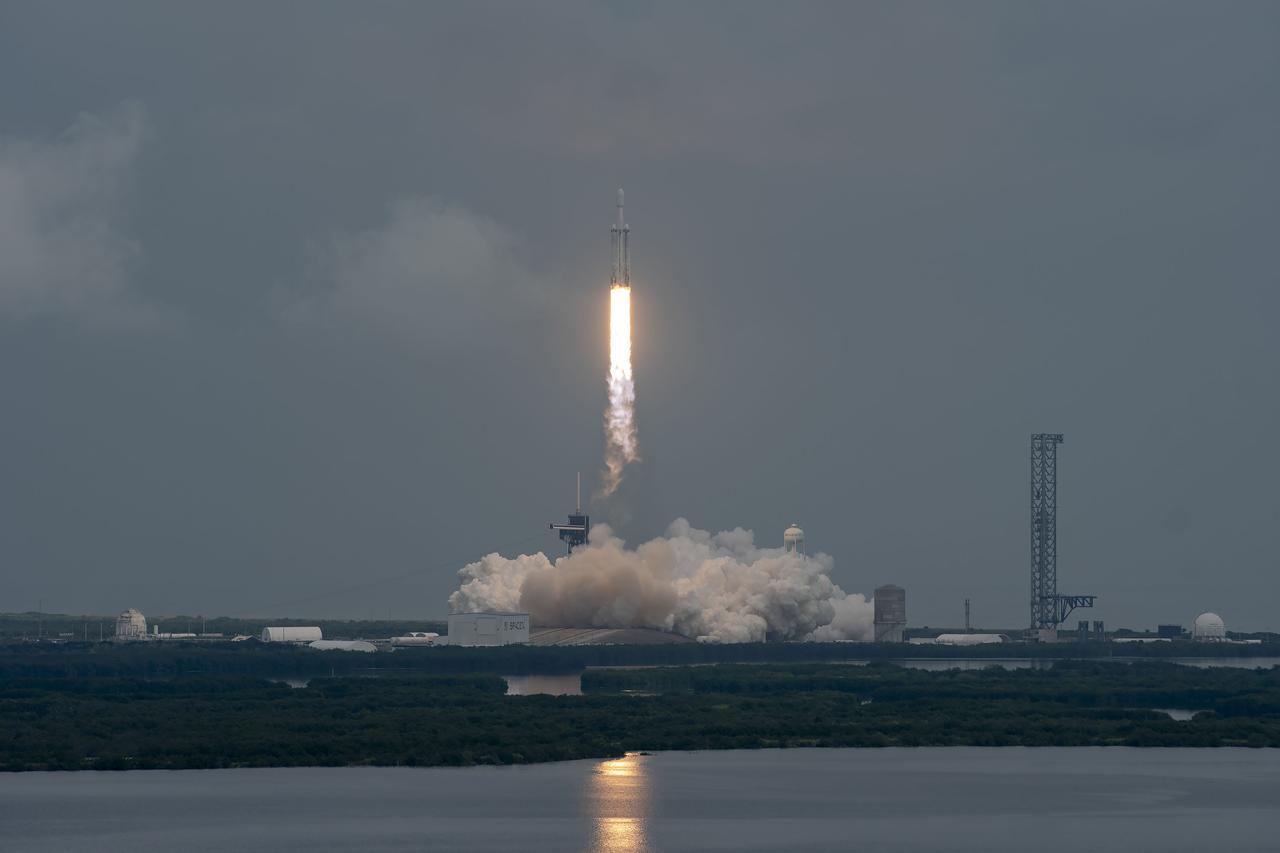
NASA’s Psyche spacecraft, atop a SpaceX Falcon Heavy rocket, lifts off from Kennedy Space Center’s historic Launch Complex 39A in Florida at 10:19 a.m. EDT on Friday, Oct. 13, 2023. The Psyche mission will study a metal-rich asteroid with the same name, located in the main asteroid belt between Mars and Jupiter. This is NASA’s first mission to study an asteroid that has more metal than rock or ice. Riding with Psyche is a pioneering technology demonstration – NASA’s Deep Space Optical Communications (DSOC) experiment – which will be the first test of laser communications beyond the Moon.
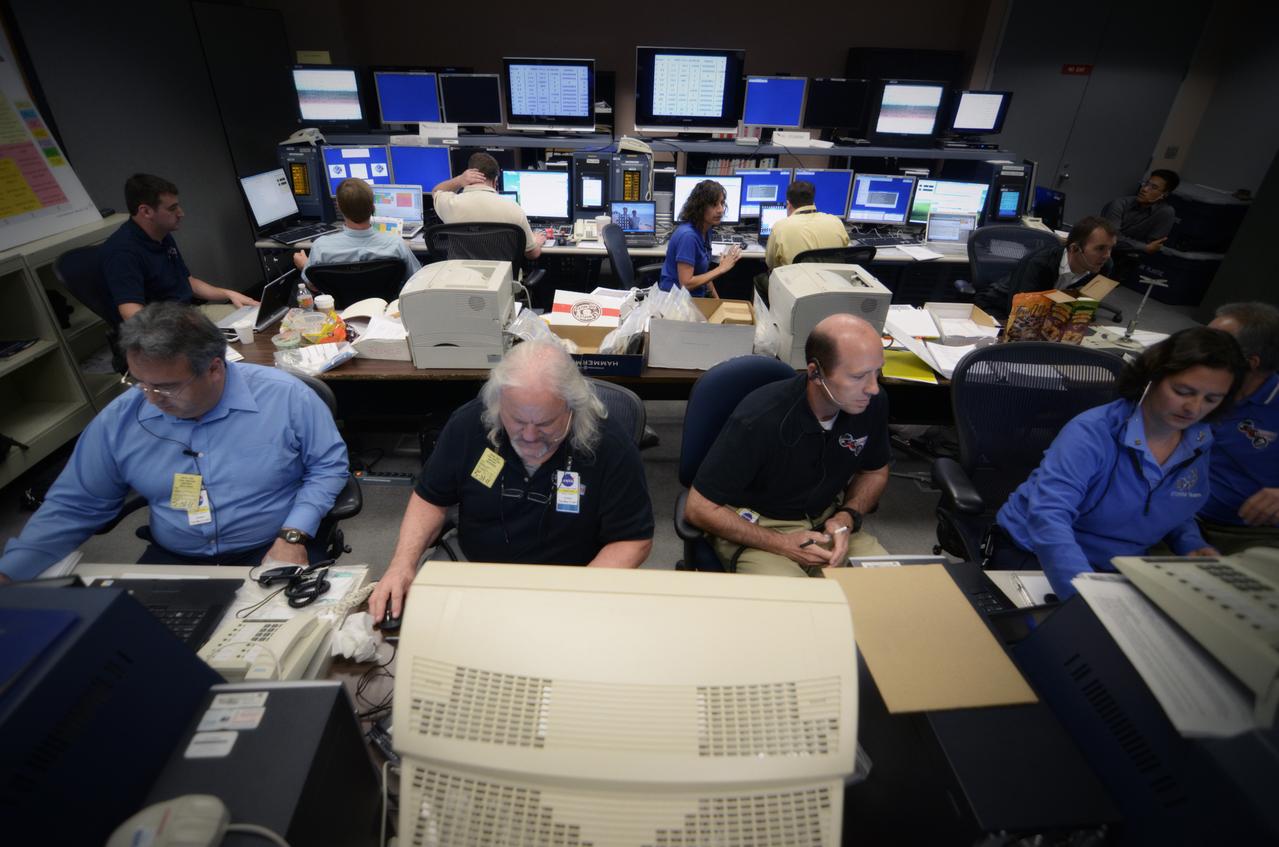
Teams conduct powerup and docking operations for the Sensor Test for Orion Relative Navigation Risk Mitigation (STORRM) in a payload support room at Johnson Space Center’s Mission Control Center in Houston on May 18, 2011. STORMM was successfully demonstrated on Space Shuttle Endeavour’s STS-134 mission to the International Space Station..The goal of STORRM was to validate a new relative navigation sensor based on advanced laser and detector technology that will make docking and undocking spacecraft easier and safer. It also tested the hardware in the same environment that the sensors would experience on the first Orion rendezvous to another vehicle. Part of Batch image transfer from Flickr.
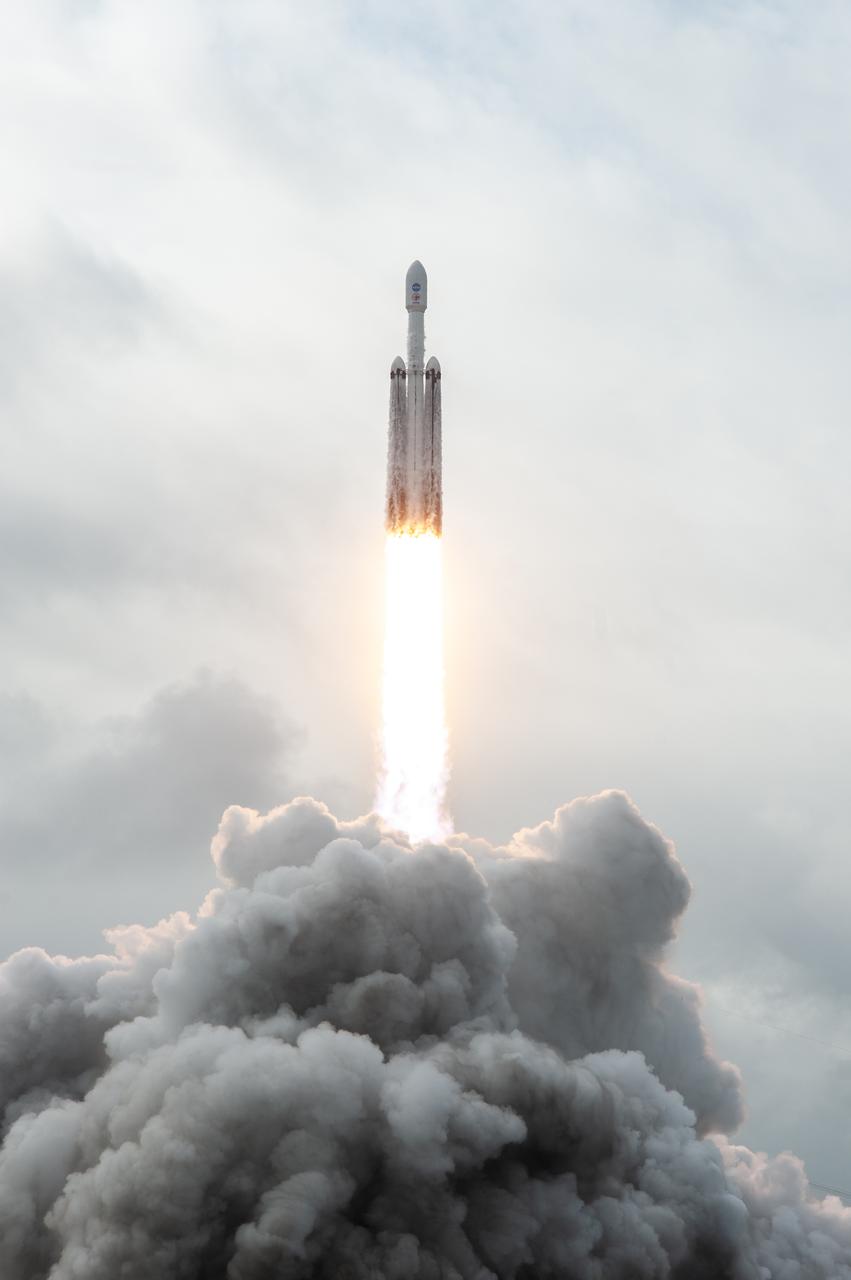
NASA’s Psyche spacecraft, atop a SpaceX Falcon Heavy rocket, soars into the sky after lifting off from Kennedy Space Center’s historic Launch Complex 39A in Florida at 10:19 a.m. EDT on Friday, Oct. 13, 2023. The Psyche mission will study a metal-rich asteroid with the same name, located in the main asteroid belt between Mars and Jupiter. This is NASA’s first mission to study an asteroid that has more metal than rock or ice. Riding with Psyche is a pioneering technology demonstration – NASA’s Deep Space Optical Communications (DSOC) experiment – which will be the first test of laser communications beyond the Moon.
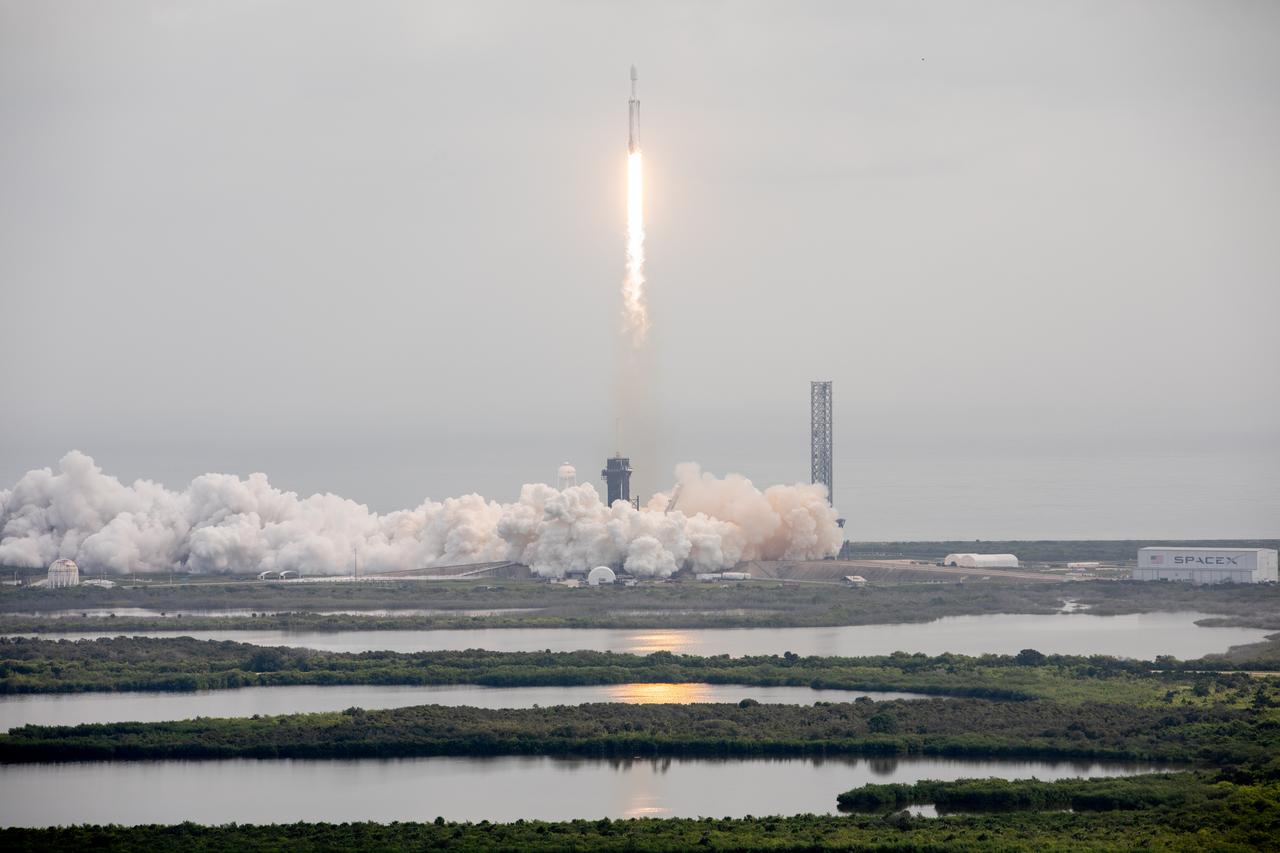
NASA’s Psyche spacecraft, atop a SpaceX Falcon Heavy rocket, lifts off from Kennedy Space Center’s historic Launch Complex 39A in Florida at 10:19 a.m. EDT on Friday, Oct. 13, 2023. The Psyche mission will study a metal-rich asteroid with the same name, located in the main asteroid belt between Mars and Jupiter. This is NASA’s first mission to study an asteroid that has more metal than rock or ice. Riding with Psyche is a pioneering technology demonstration – NASA’s Deep Space Optical Communications (DSOC) experiment – which will be the first test of laser communications beyond the Moon.

A SpaceX Falcon Heavy rocket, carrying NASA’s Psyche spacecraft, blasts off from Kennedy Space Center’s Launch Complex 39A in Florida at 10:19 a.m. EDT on Friday, Oct. 13, 2023. The Psyche mission will study a metal-rich asteroid with the same name, located in the main asteroid belt between Mars and Jupiter. This is NASA’s first mission to study an asteroid that has more metal than rock or ice. Riding with Psyche is a pioneering technology demonstration – NASA’s Deep Space Optical Communications (DSOC) experiment – which will be the first test of laser communications beyond the Moon.
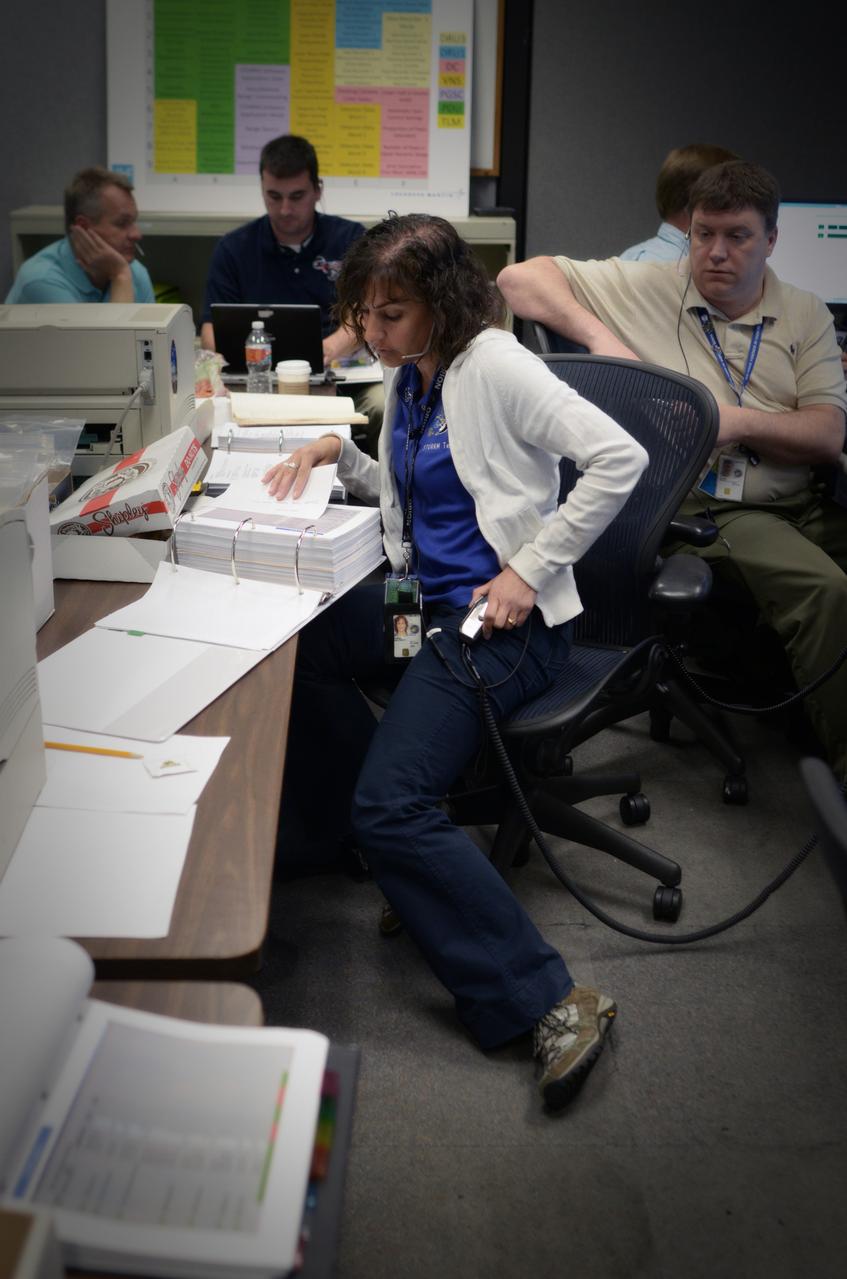
Teams conduct powerup and docking operations for the Sensor Test for Orion Relative Navigation Risk Mitigation (STORRM) in a payload support room at Johnson Space Center’s Mission Control Center in Houston on May 18, 2011. STORMM was successfully demonstrated on Space Shuttle Endeavour’s STS-134 mission to the International Space Station..The goal of STORRM was to validate a new relative navigation sensor based on advanced laser and detector technology that will make docking and undocking spacecraft easier and safer. It also tested the hardware in the same environment that the sensors would experience on the first Orion rendezvous to another vehicle. Part of Batch image transfer from Flickr.
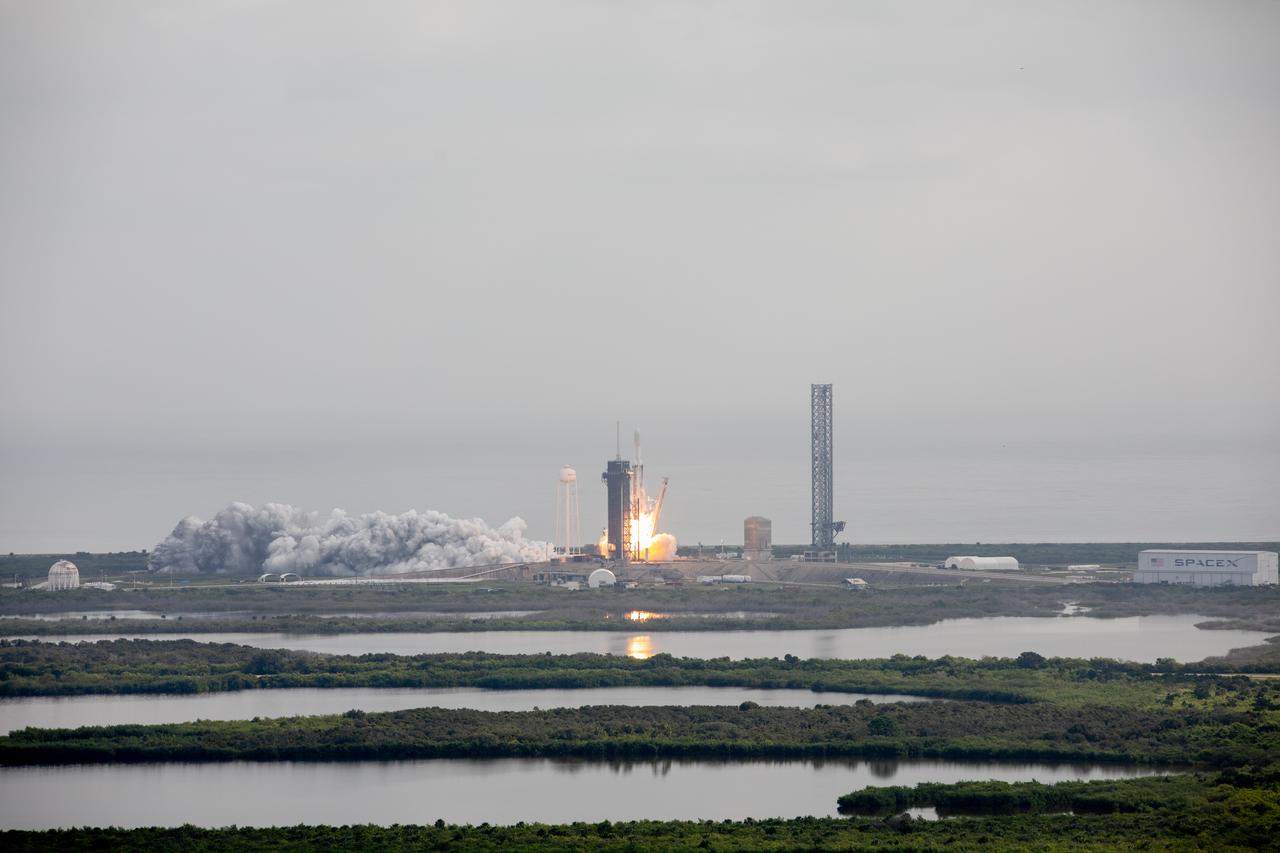
NASA’s Psyche spacecraft, atop a SpaceX Falcon Heavy rocket, lifts off from Kennedy Space Center’s historic Launch Complex 39A in Florida at 10:19 a.m. EDT on Friday, Oct. 13, 2023. The Psyche mission will study a metal-rich asteroid with the same name, located in the main asteroid belt between Mars and Jupiter. This is NASA’s first mission to study an asteroid that has more metal than rock or ice. Riding with Psyche is a pioneering technology demonstration – NASA’s Deep Space Optical Communications (DSOC) experiment – which will be the first test of laser communications beyond the Moon.
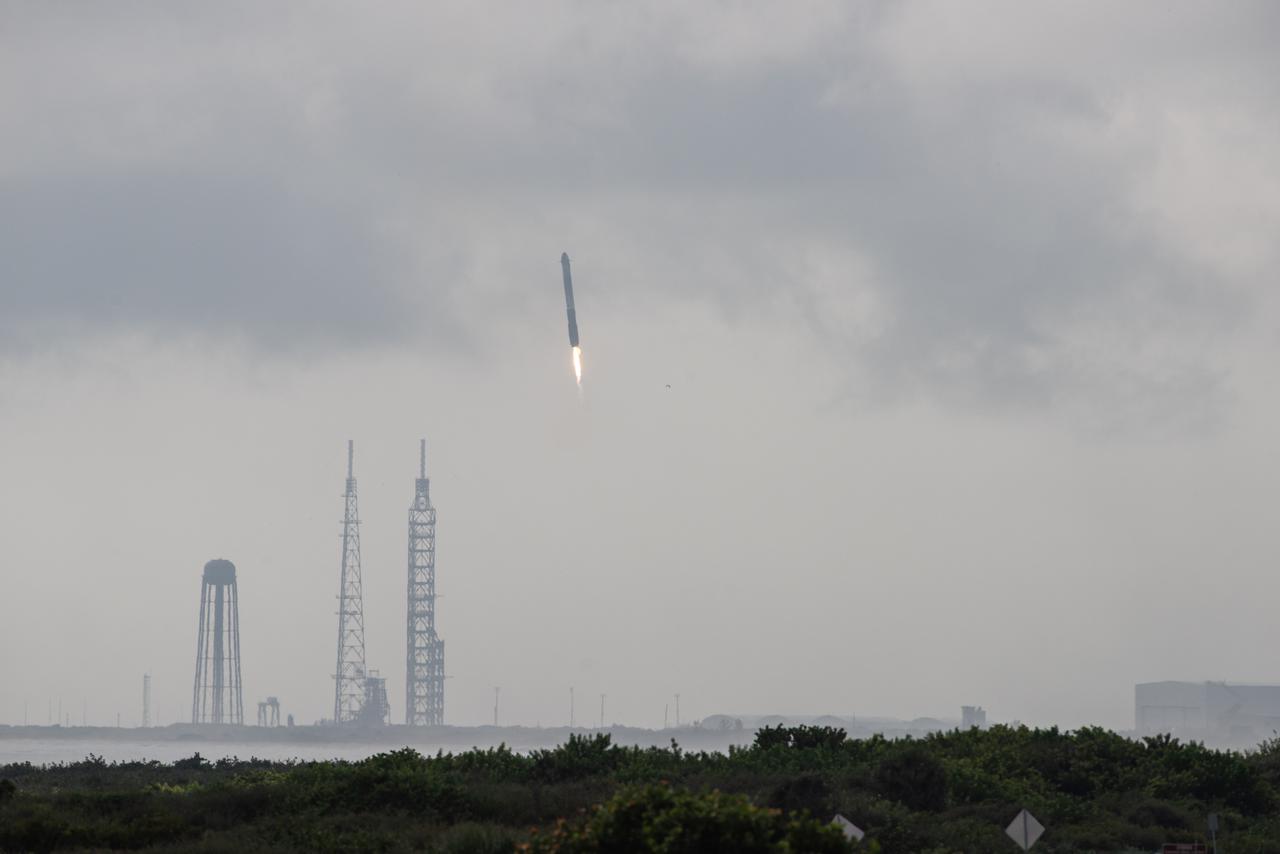
NASA’s Psyche spacecraft, atop a SpaceX Falcon Heavy rocket, lifts off from Kennedy Space Center’s historic Launch Complex 39A in Florida at 10:19 a.m. EDT on Friday, Oct. 13, 2023. The Psyche mission will study a metal-rich asteroid with the same name, located in the main asteroid belt between Mars and Jupiter. This is NASA’s first mission to study an asteroid that has more metal than rock or ice. Riding with Psyche is a pioneering technology demonstration – NASA’s Deep Space Optical Communications (DSOC) experiment – which will be the first test of laser communications beyond the Moon.
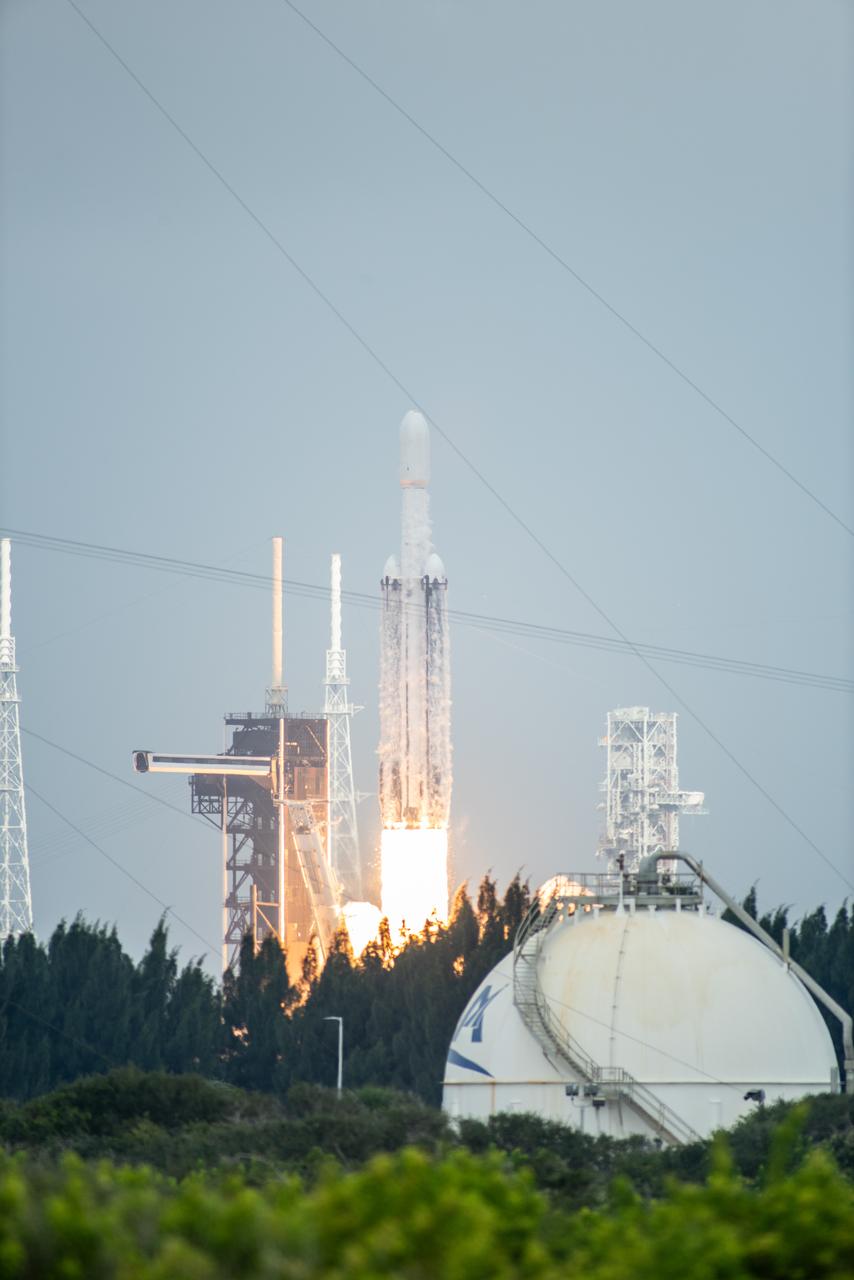
NASA’s Psyche spacecraft, atop a SpaceX Falcon Heavy rocket, lifts off from Kennedy Space Center’s historic Launch Complex 39A in Florida at 10:19 a.m. EDT on Friday, Oct. 13, 2023. The Psyche mission will study a metal-rich asteroid with the same name, located in the main asteroid belt between Mars and Jupiter. This is NASA’s first mission to study an asteroid that has more metal than rock or ice. Riding with Psyche is a pioneering technology demonstration – NASA’s Deep Space Optical Communications (DSOC) experiment – which will be the first test of laser communications beyond the Moon.
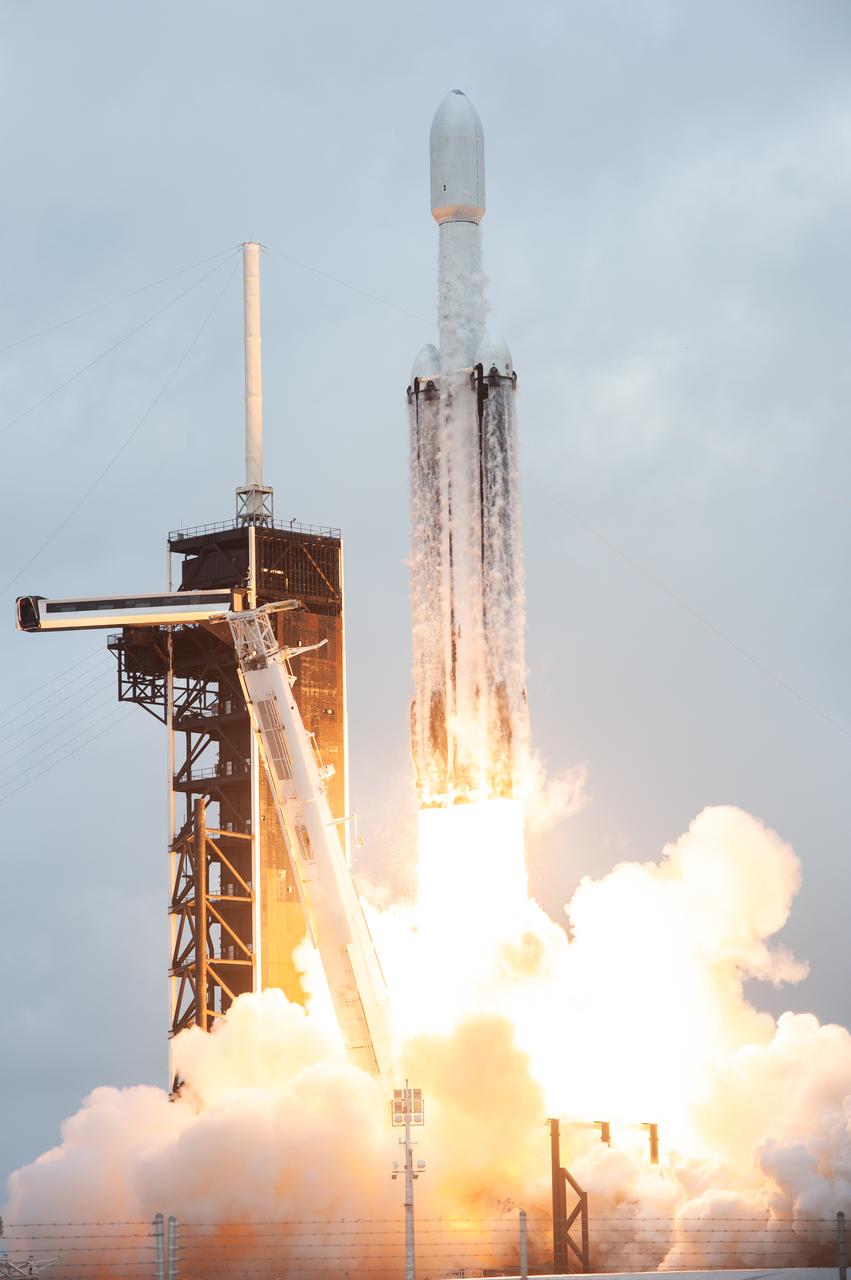
NASA’s Psyche spacecraft, atop a SpaceX Falcon Heavy rocket, lifts off from Kennedy Space Center’s historic Launch Complex 39A in Florida at 10:19 a.m. EDT on Friday, Oct. 13, 2023. The Psyche mission will study a metal-rich asteroid with the same name, located in the main asteroid belt between Mars and Jupiter. This is NASA’s first mission to study an asteroid that has more metal than rock or ice. Riding with Psyche is a pioneering technology demonstration – NASA’s Deep Space Optical Communications (DSOC) experiment – which will be the first test of laser communications beyond the Moon.
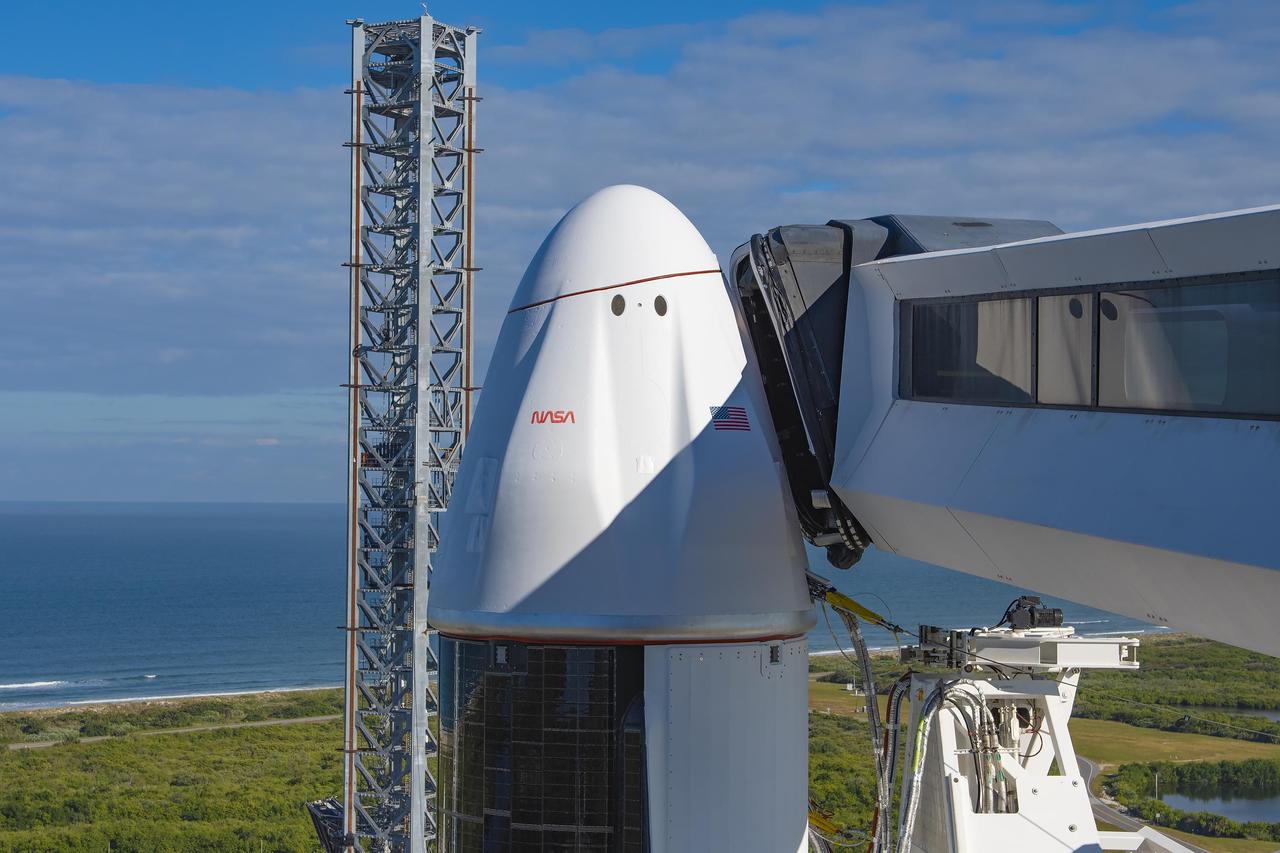
In preparation for SpaceX’s 29th commercial resupply services launch to the International Space Station for NASA, the company’s Falcon 9 rocket, with the Dragon spacecraft atop, is raised to a vertical position at Kennedy Space Center’s Launch Complex 39A in Florida on Wednesday, Nov. 8, 2023. The mission will carry scientific research, technology demonstrations, crew supplies, and hardware to the space station to support its Expedition 70 crew, including NASA’s Integrated Laser Communications Relay Demonstration Low Earth Orbit User Modem and Amplifier Terminal (ILLUMA-T) and Atmospheric Waves Experiment (AWE). Liftoff is scheduled for 8:28 p.m. EST Thursday, Nov. 9, from Kennedy’s Launch Complex 39A.
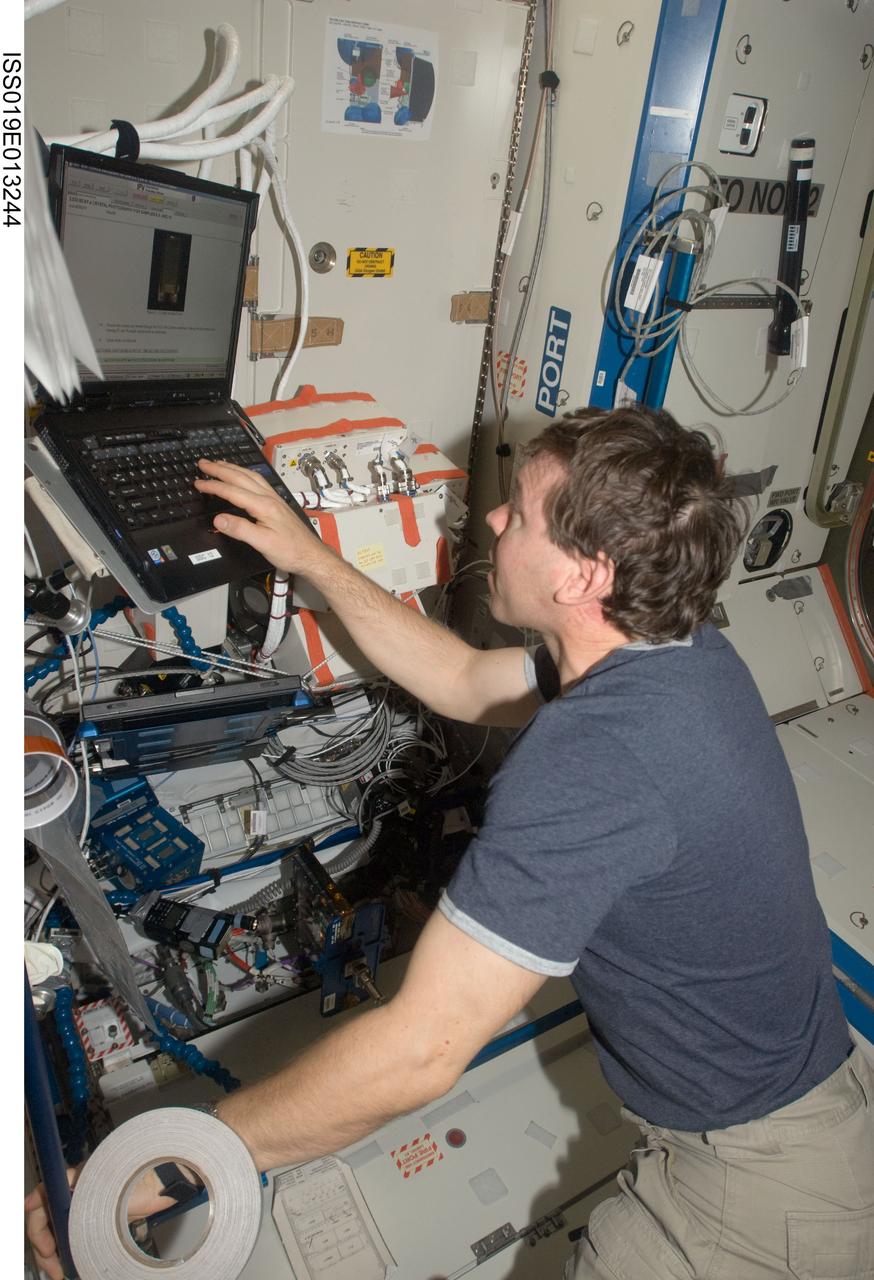
ISS019-E-013244 (2 May 2009) --- Astronaut Michael Barratt, Expedition 19/20 flight engineer, uses a computer during a session with the Binodal Colloidal Aggregation Test?4 (BCAT-4) in the Destiny laboratory of the International Space Station. This experiment studies the long-term behavior of colloids ? fine particles suspended in a fluid in a microgravity environment, where the effects of sedimentation and convention are removed. Results from this study may lead to new colloid materials with applications in the communications and computer industries for switches, displays and optical devices with properties that could rival those of lasers.
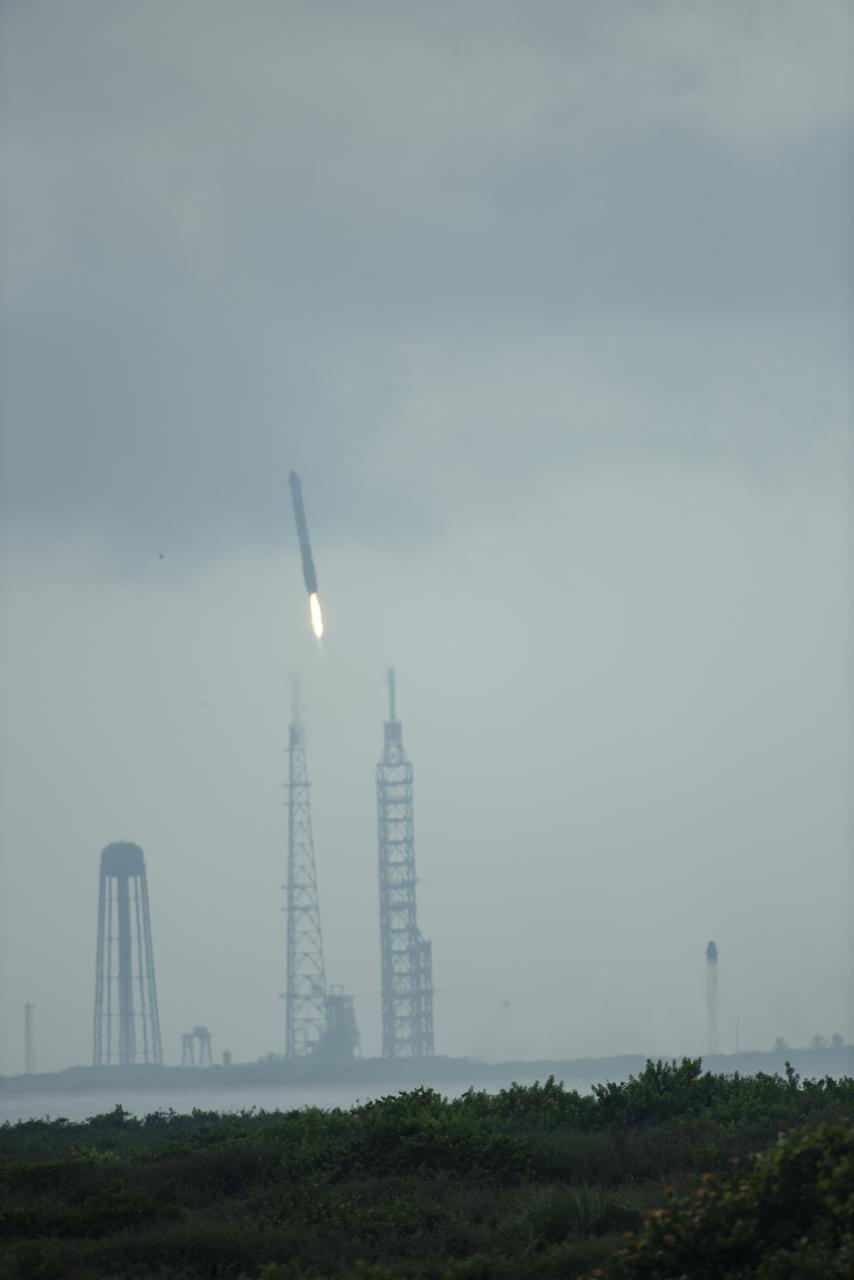
NASA’s Psyche spacecraft, atop a SpaceX Falcon Heavy rocket, lifts off from Kennedy Space Center’s historic Launch Complex 39A in Florida at 10:19 a.m. EDT on Friday, Oct. 13, 2023. The Psyche mission will study a metal-rich asteroid with the same name, located in the main asteroid belt between Mars and Jupiter. This is NASA’s first mission to study an asteroid that has more metal than rock or ice. Riding with Psyche is a pioneering technology demonstration – NASA’s Deep Space Optical Communications (DSOC) experiment – which will be the first test of laser communications beyond the Moon.

Teams conduct powerup and docking operations for the Sensor Test for Orion Relative Navigation Risk Mitigation (STORRM) in a payload support room at Johnson Space Center’s Mission Control Center in Houston on May 18, 2011. STORRM was successfully demonstrated on Space Shuttle Endeavour’s STS-134 mission to the International Space Station. The goal of STORRM was to validate a new relative navigation sensor based on advanced laser and detector technology that will make docking and undocking spacecraft easier and safer. It also tested the hardware in the same environment that the sensors would experience on the first Orion rendezvous to another vehicle.
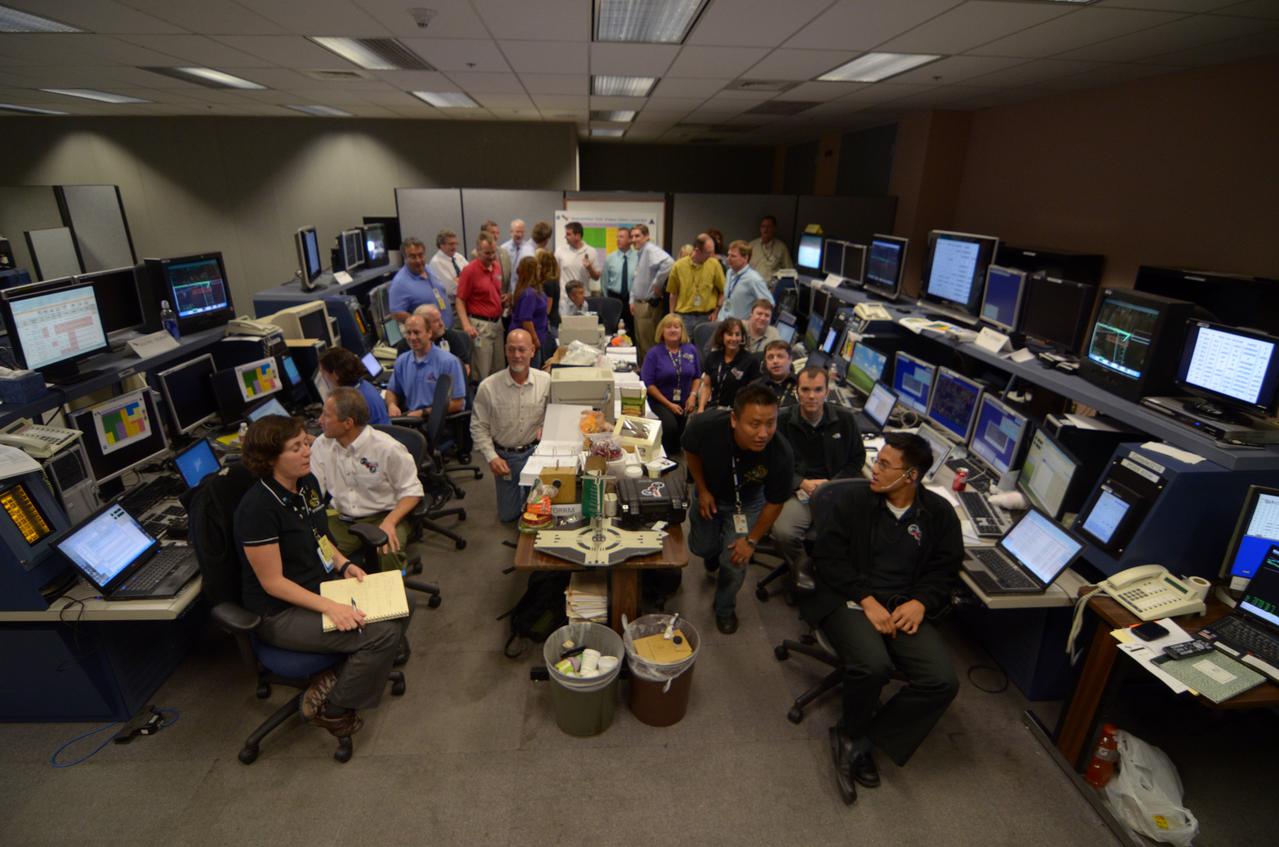
Teams conduct powerup and docking operations for the Sensor Test for Orion Relative Navigation Risk Mitigation (STORRM) in a payload support room at Johnson Space Center’s Mission Control Center in Houston on May 18, 2011. STORRM was successfully demonstrated on Space Shuttle Endeavour’s STS-134 mission to the International Space Station. The goal of STORRM was to validate a new relative navigation sensor based on advanced laser and detector technology that will make docking and undocking spacecraft easier and safer. It also tested the hardware in the same environment that the sensors would experience on the first Orion rendezvous to another vehicle.

Teams conduct powerup and docking operations for the Sensor Test for Orion Relative Navigation Risk Mitigation (STORRM) in a payload support room at Johnson Space Center’s Mission Control Center in Houston on May 18, 2011. STORMM was successfully demonstrated on Space Shuttle Endeavour’s STS-134 mission to the International Space Station..The goal of STORRM was to validate a new relative navigation sensor based on advanced laser and detector technology that will make docking and undocking spacecraft easier and safer. It also tested the hardware in the same environment that the sensors would experience on the first Orion rendezvous to another vehicle. Part of Batch image transfer from Flickr.
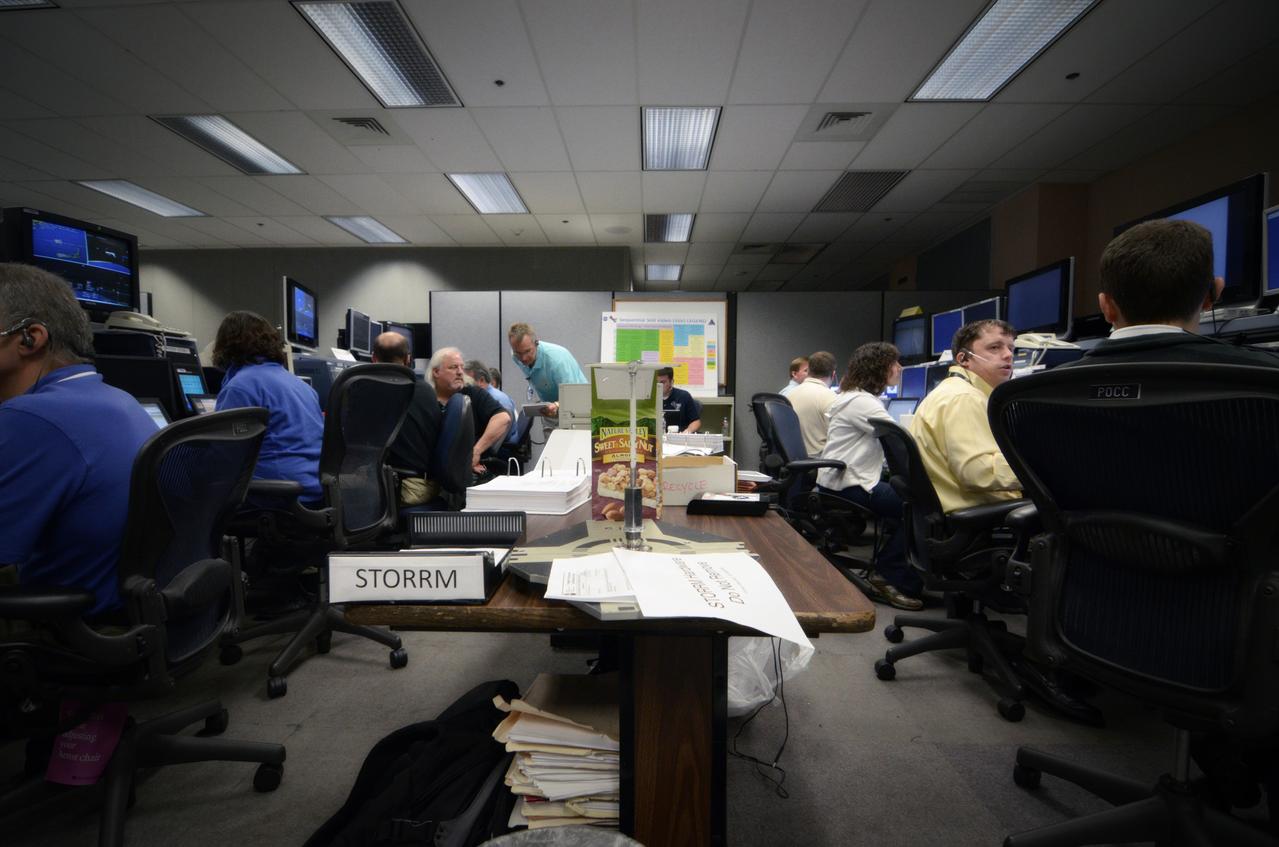
Teams conduct powerup and docking operations for the Sensor Test for Orion Relative Navigation Risk Mitigation (STORRM) in a payload support room at Johnson Space Center’s Mission Control Center in Houston on May 18, 2011. STORMM was successfully demonstrated on Space Shuttle Endeavour’s STS-134 mission to the International Space Station..The goal of STORRM was to validate a new relative navigation sensor based on advanced laser and detector technology that will make docking and undocking spacecraft easier and safer. It also tested the hardware in the same environment that the sensors would experience on the first Orion rendezvous to another vehicle. Part of Batch image transfer from Flickr.

NASA’s Psyche spacecraft, atop a SpaceX Falcon Heavy rocket, lifts off from Kennedy Space Center’s historic Launch Complex 39A in Florida at 10:19 a.m. EDT on Friday, Oct. 13, 2023. The Psyche mission will study a metal-rich asteroid with the same name, located in the main asteroid belt between Mars and Jupiter. This is NASA’s first mission to study an asteroid that has more metal than rock or ice. Riding with Psyche is a pioneering technology demonstration – NASA’s Deep Space Optical Communications (DSOC) experiment – which will be the first test of laser communications beyond the Moon.
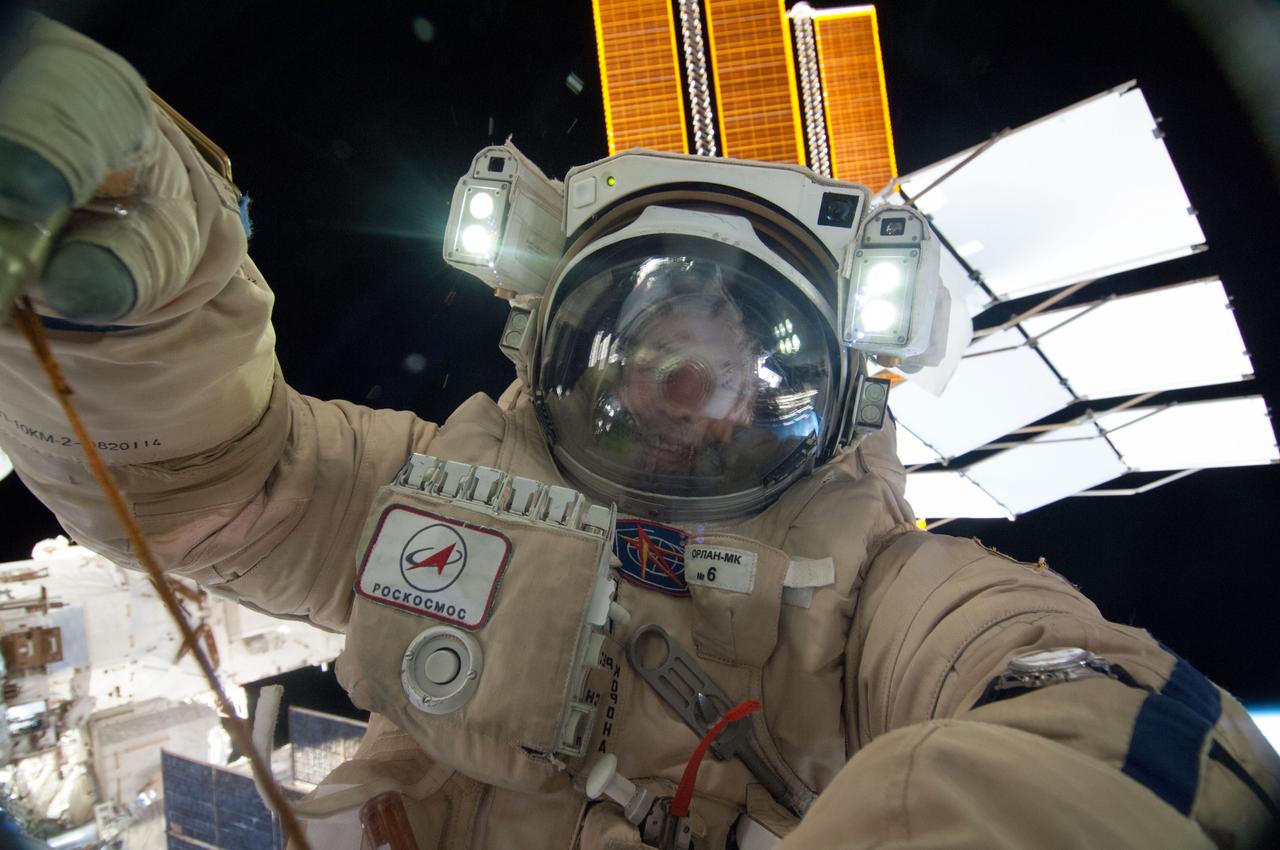
ISS036-E-035177 (22 Aug. 2013) --- Russian cosmonaut Alexander Misurkin, Expedition 36 flight engineer, attired in a Russian Orlan spacesuit, participates in a session of extravehicular activity (EVA) to continue outfitting the International Space Station. During the five-hour, 58-minute spacewalk, Misurkin and Russian cosmonaut Fyodor Yurchikhin (out of frame) completed the replacement of a laser communications experiment with a new platform for a small optical camera system, the installation of new spacewalk aids and an inspection of antenna covers. Parts of solar array panels on the orbital outpost are visible in the background,
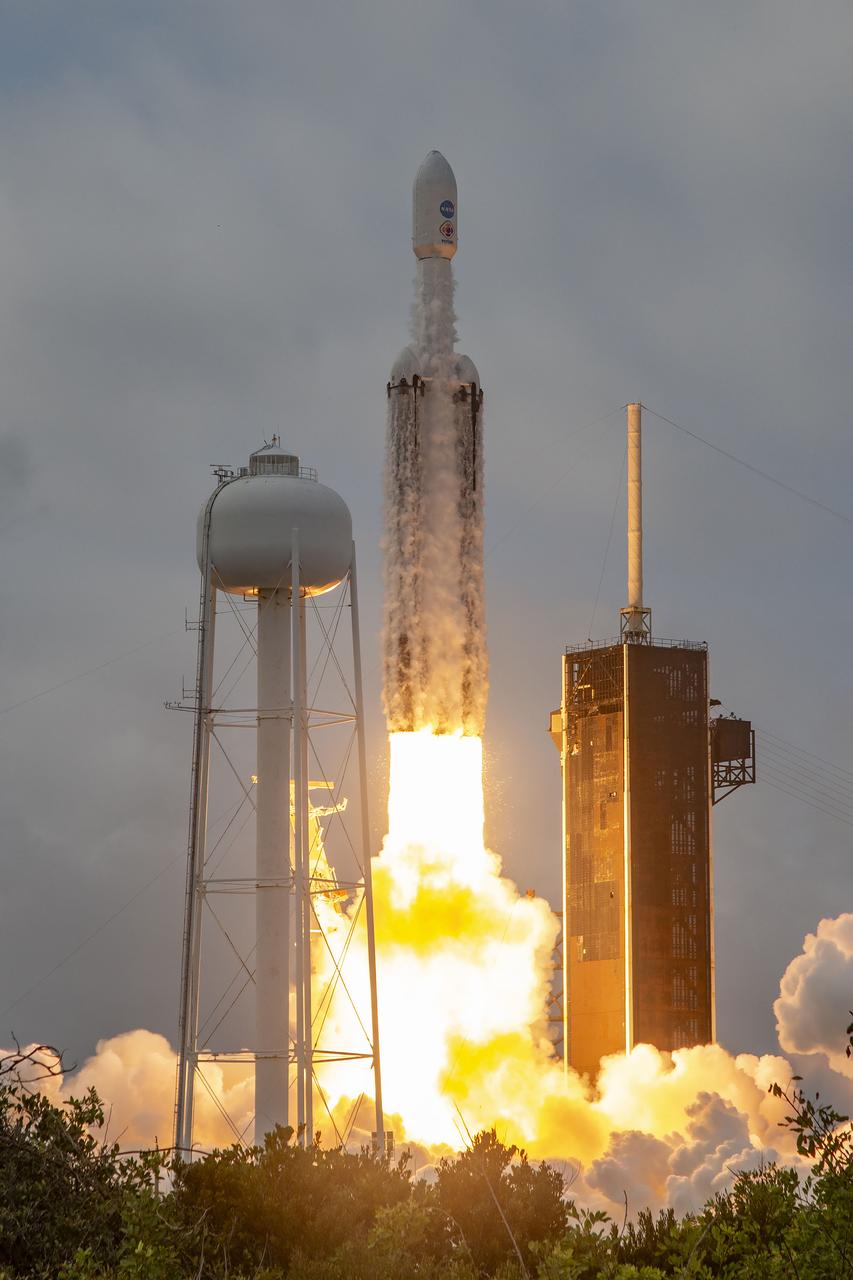
NASA’s Psyche spacecraft, atop a SpaceX Falcon Heavy rocket, lifts off from Kennedy Space Center’s historic Launch Complex 39A in Florida at 10:19 a.m. EDT on Friday, Oct. 13, 2023. The Psyche mission will study a metal-rich asteroid with the same name, located in the main asteroid belt between Mars and Jupiter. This is NASA’s first mission to study an asteroid that has more metal than rock or ice. Riding with Psyche is a pioneering technology demonstration – NASA’s Deep Space Optical Communications (DSOC) experiment – which will be the first test of laser communications beyond the Moon.
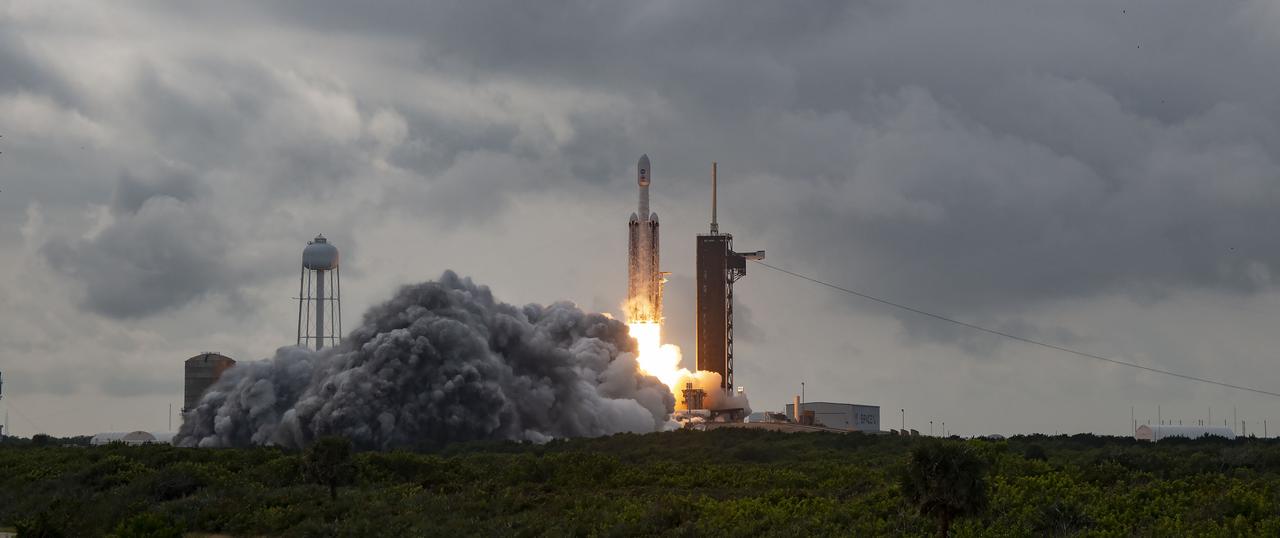
NASA’s Psyche spacecraft, atop a SpaceX Falcon Heavy rocket, lifts off from Kennedy Space Center’s historic Launch Complex 39A in Florida at 10:19 a.m. EDT on Friday, Oct. 13, 2023. The Psyche mission will study a metal-rich asteroid with the same name, located in the main asteroid belt between Mars and Jupiter. This is NASA’s first mission to study an asteroid that has more metal than rock or ice. Riding with Psyche is a pioneering technology demonstration – NASA’s Deep Space Optical Communications (DSOC) experiment – which will be the first test of laser communications beyond the Moon.
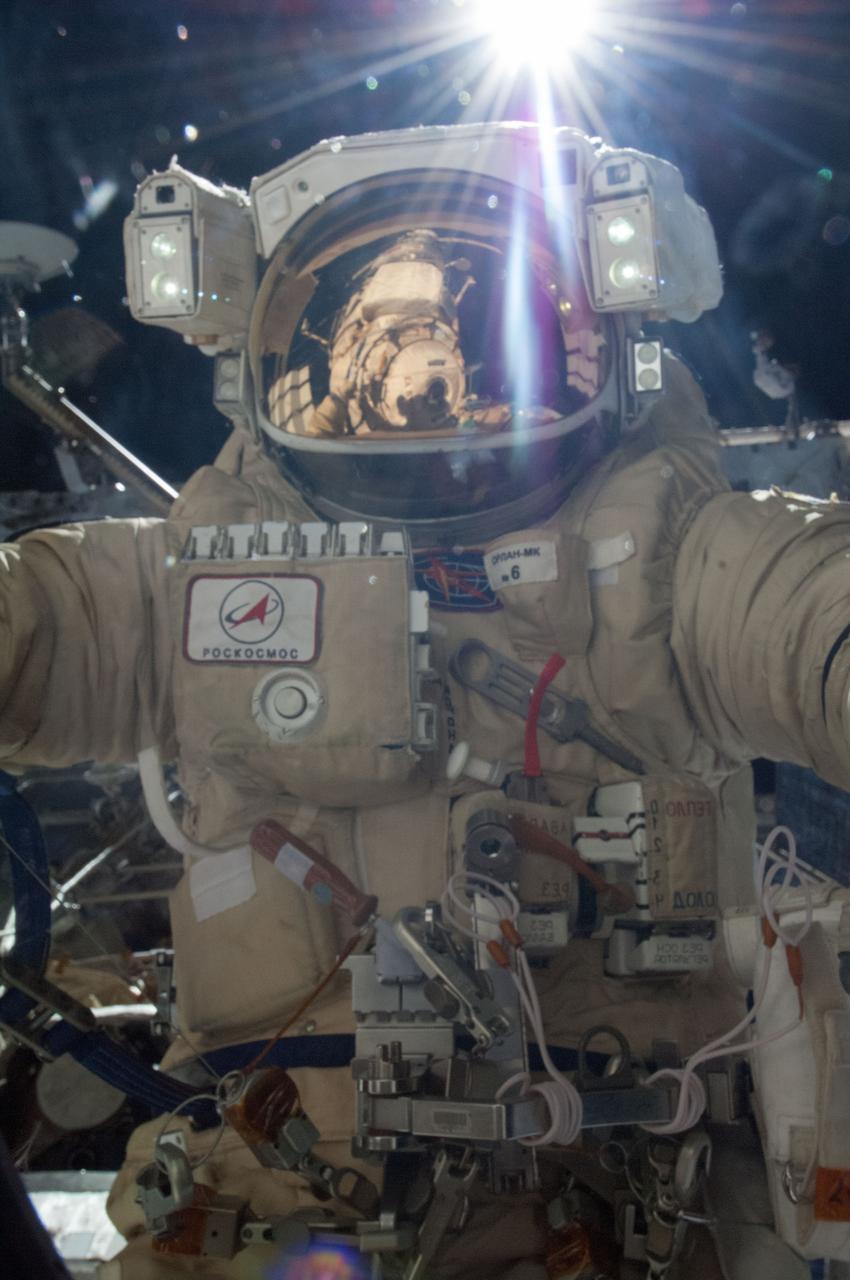
ISS036-E-035198 (22 Aug. 2013) --- Russian cosmonaut Alexander Misurkin, Expedition 36 flight engineer, attired in a Russian Orlan spacesuit, participates in a session of extravehicular activity (EVA) to continue outfitting the International Space Station. During the five-hour, 58-minute spacewalk, Misurkin and Russian cosmonaut Fyodor Yurchikhin (out of frame) completed the replacement of a laser communications experiment with a new platform for a small optical camera system, the installation of new spacewalk aids and an inspection of antenna covers. A section of the space station is visible in the reflections in his helmet visor.
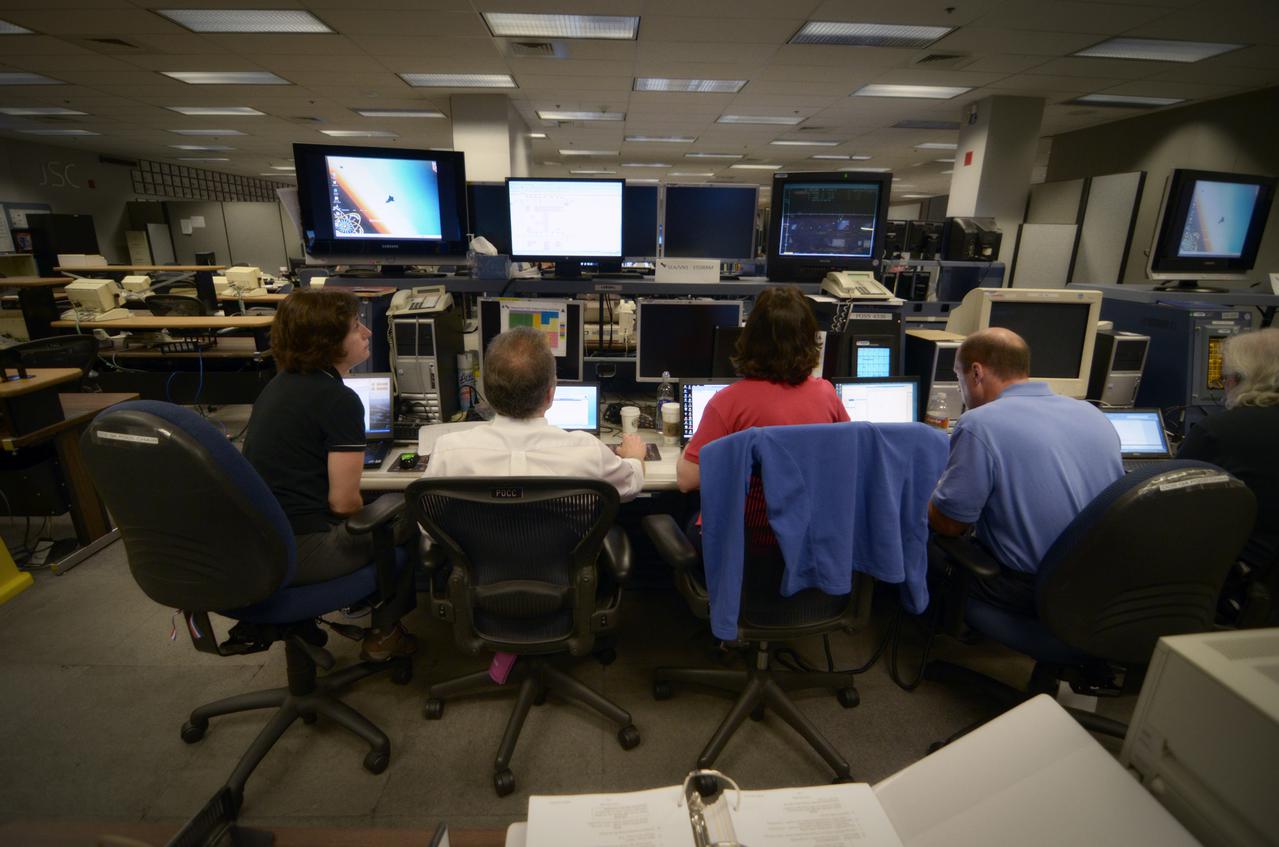
Teams conduct powerup and docking operations for the Sensor Test for Orion Relative Navigation Risk Mitigation (STORRM) in a payload support room at Johnson Space Center’s Mission Control Center in Houston on May 18, 2011. STORRM was successfully demonstrated on Space Shuttle Endeavour’s STS-134 mission to the International Space Station. The goal of STORRM was to validate a new relative navigation sensor based on advanced laser and detector technology that will make docking and undocking spacecraft easier and safer. It also tested the hardware in the same environment that the sensors would experience on the first Orion rendezvous to another vehicle.
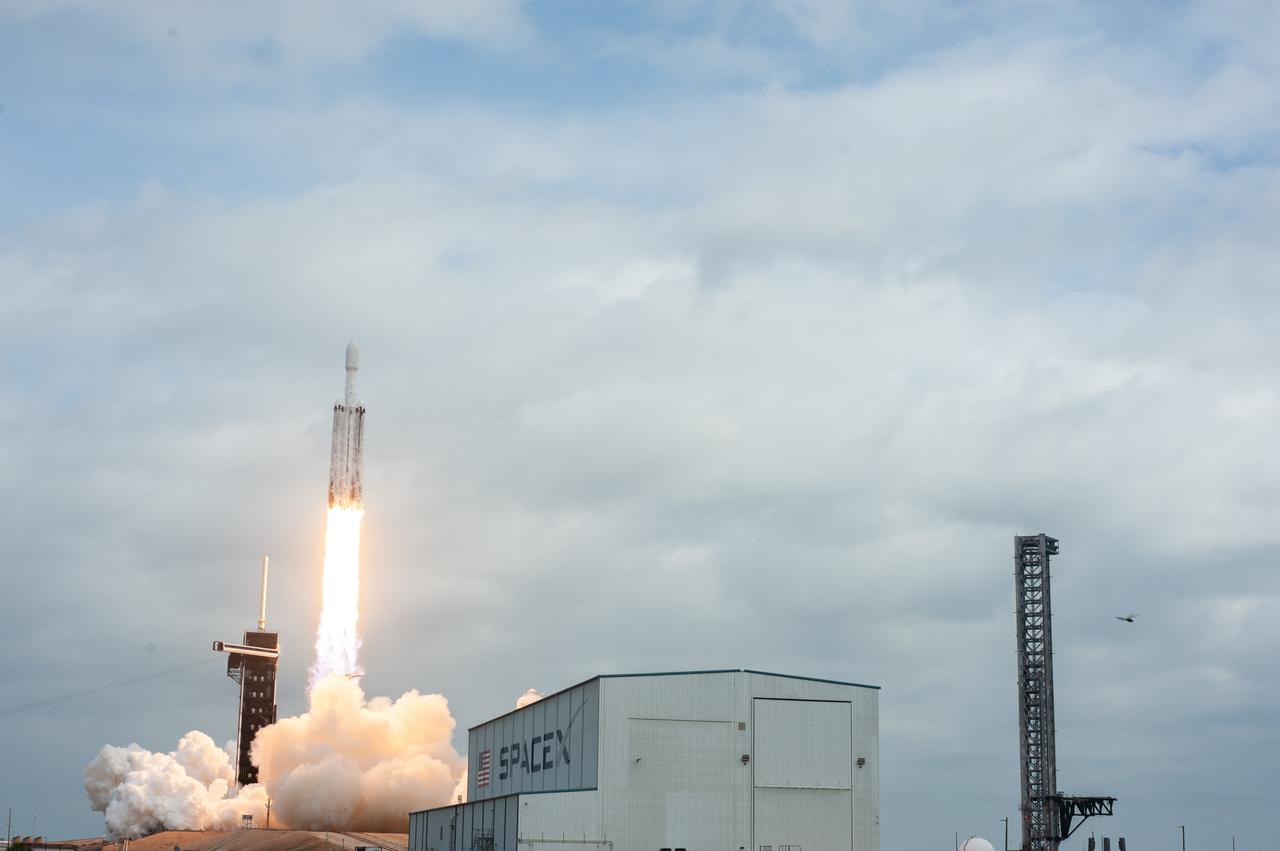
NASA’s Psyche spacecraft, atop a SpaceX Falcon Heavy rocket, lifts off from Kennedy Space Center’s historic Launch Complex 39A in Florida at 10:19 a.m. EDT on Friday, Oct. 13, 2023. The Psyche mission will study a metal-rich asteroid with the same name, located in the main asteroid belt between Mars and Jupiter. This is NASA’s first mission to study an asteroid that has more metal than rock or ice. Riding with Psyche is a pioneering technology demonstration – NASA’s Deep Space Optical Communications (DSOC) experiment – which will be the first test of laser communications beyond the Moon.

Teams conduct powerup and docking operations for the Sensor Test for Orion Relative Navigation Risk Mitigation (STORRM) in a payload support room at Johnson Space Center’s Mission Control Center in Houston on May 18, 2011. STORRM was successfully demonstrated on Space Shuttle Endeavour’s STS-134 mission to the International Space Station. The goal of STORRM was to validate a new relative navigation sensor based on advanced laser and detector technology that will make docking and undocking spacecraft easier and safer. It also tested the hardware in the same environment that the sensors would experience on the first Orion rendezvous to another vehicle.
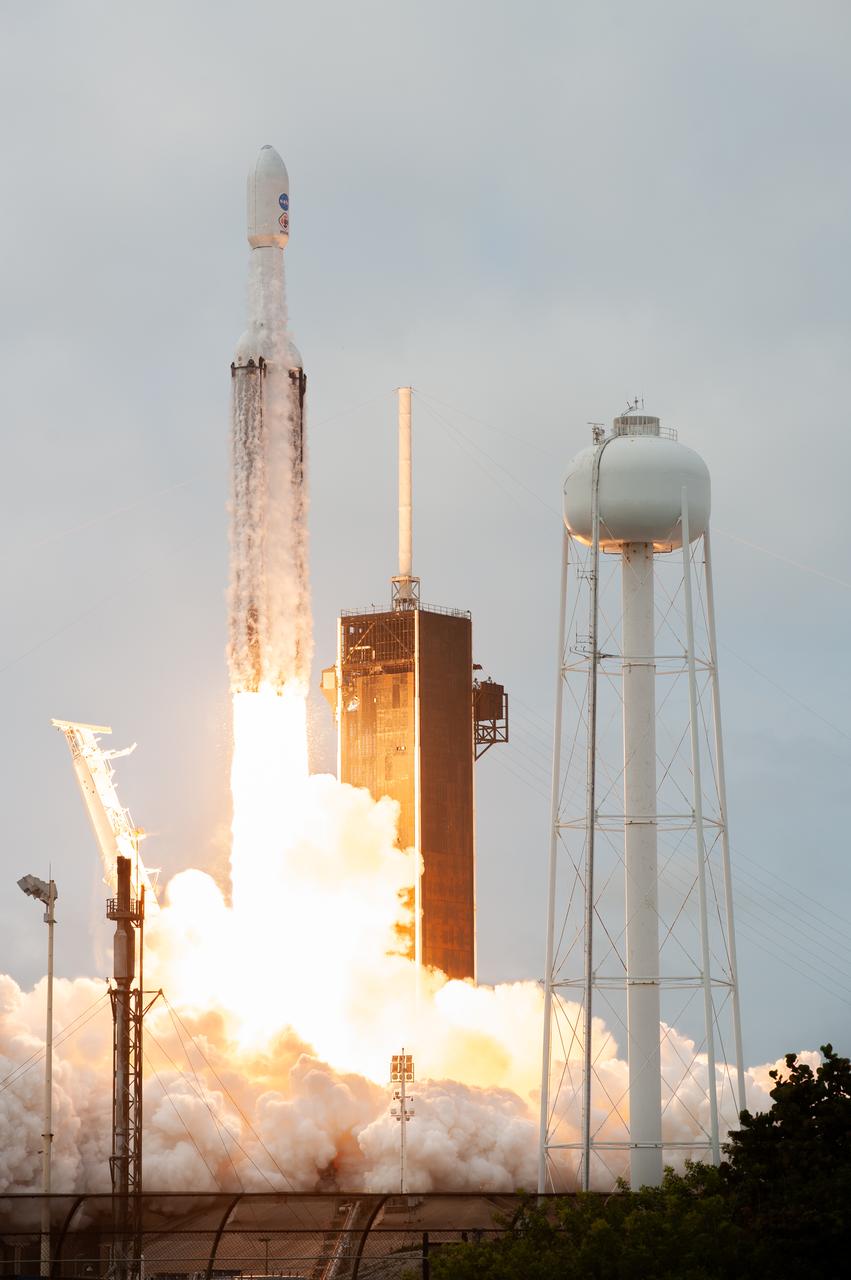
NASA’s Psyche spacecraft, atop a SpaceX Falcon Heavy rocket, lifts off from Kennedy Space Center’s historic Launch Complex 39A in Florida at 10:19 a.m. EDT on Friday, Oct. 13, 2023. The Psyche mission will study a metal-rich asteroid with the same name, located in the main asteroid belt between Mars and Jupiter. This is NASA’s first mission to study an asteroid that has more metal than rock or ice. Riding with Psyche is a pioneering technology demonstration – NASA’s Deep Space Optical Communications (DSOC) experiment – which will be the first test of laser communications beyond the Moon.
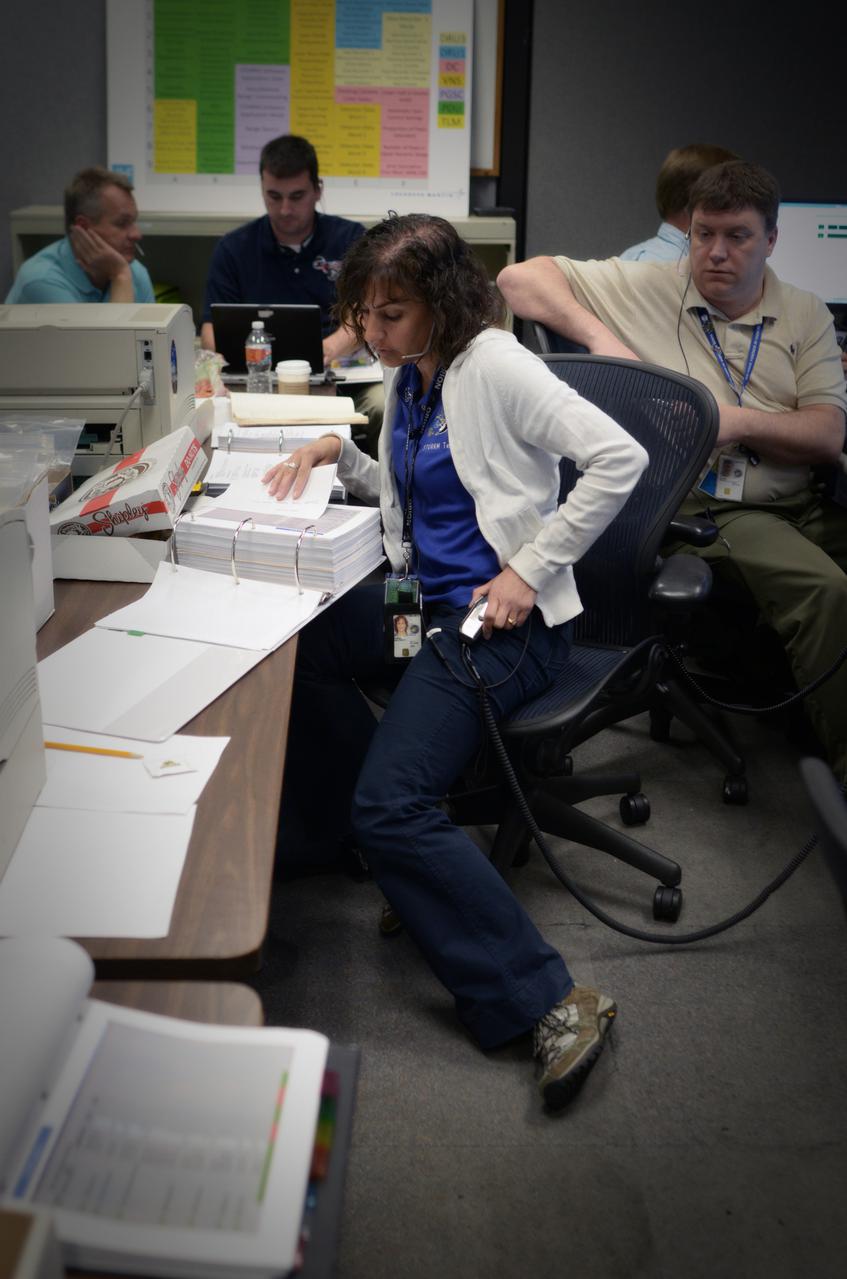
Teams conduct powerup and docking operations for the Sensor Test for Orion Relative Navigation Risk Mitigation (STORRM) in a payload support room at Johnson Space Center’s Mission Control Center in Houston on May 17, 2011. STORRM was successfully demonstrated on Space Shuttle Endeavour’s STS-134 mission to the International Space Station. The goal of STORRM was to validate a new relative navigation sensor based on advanced laser and detector technology that will make docking and undocking spacecraft easier and safer. It also tested the hardware in the same environment that the sensors would experience on the first Orion rendezvous to another vehicle.
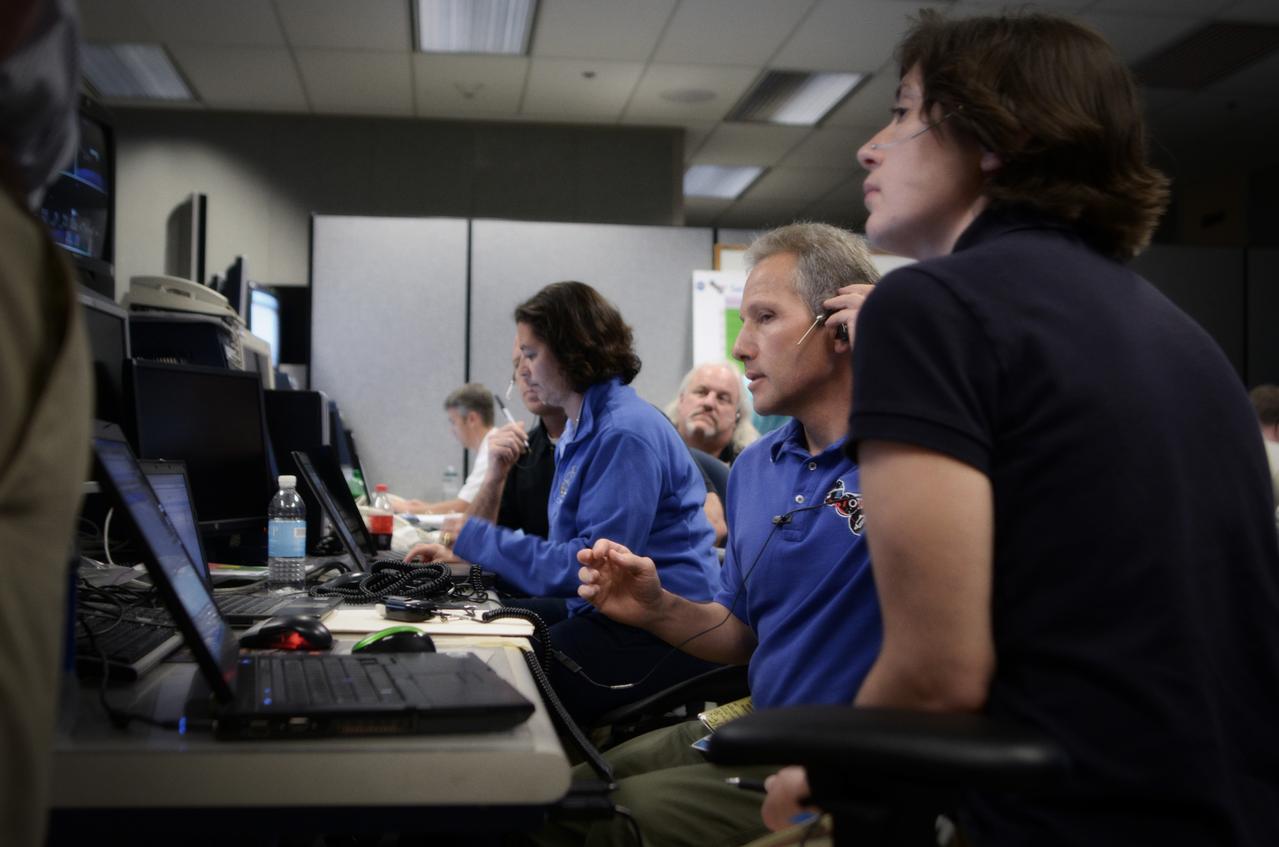
Teams conduct powerup and docking operations for the Sensor Test for Orion Relative Navigation Risk Mitigation (STORRM) in a payload support room at Johnson Space Center’s Mission Control Center in Houston on May 18, 2011. STORMM was successfully demonstrated on Space Shuttle Endeavour’s STS-134 mission to the International Space Station..The goal of STORRM was to validate a new relative navigation sensor based on advanced laser and detector technology that will make docking and undocking spacecraft easier and safer. It also tested the hardware in the same environment that the sensors would experience on the first Orion rendezvous to another vehicle. Part of Batch image transfer from Flickr.
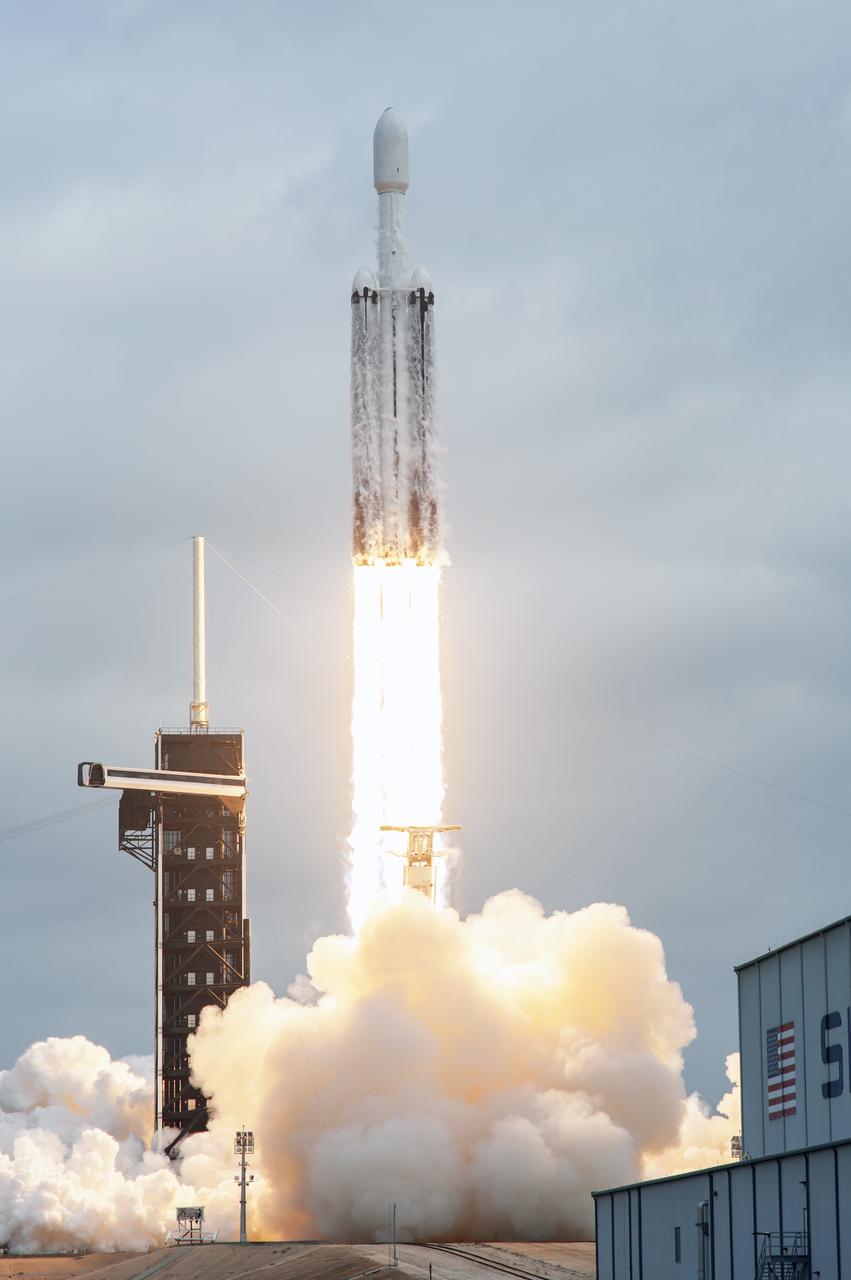
NASA’s Psyche spacecraft, atop a SpaceX Falcon Heavy rocket, lifts off from Kennedy Space Center’s historic Launch Complex 39A in Florida at 10:19 a.m. EDT on Friday, Oct. 13, 2023. The Psyche mission will study a metal-rich asteroid with the same name, located in the main asteroid belt between Mars and Jupiter. This is NASA’s first mission to study an asteroid that has more metal than rock or ice. Riding with Psyche is a pioneering technology demonstration – NASA’s Deep Space Optical Communications (DSOC) experiment – which will be the first test of laser communications beyond the Moon.

Teams conduct powerup and docking operations for the Sensor Test for Orion Relative Navigation Risk Mitigation (STORRM) in a payload support room at Johnson Space Center’s Mission Control Center in Houston on May 18, 2011. STORMM was successfully demonstrated on Space Shuttle Endeavour’s STS-134 mission to the International Space Station..The goal of STORRM was to validate a new relative navigation sensor based on advanced laser and detector technology that will make docking and undocking spacecraft easier and safer. It also tested the hardware in the same environment that the sensors would experience on the first Orion rendezvous to another vehicle. Part of Batch image transfer from Flickr.
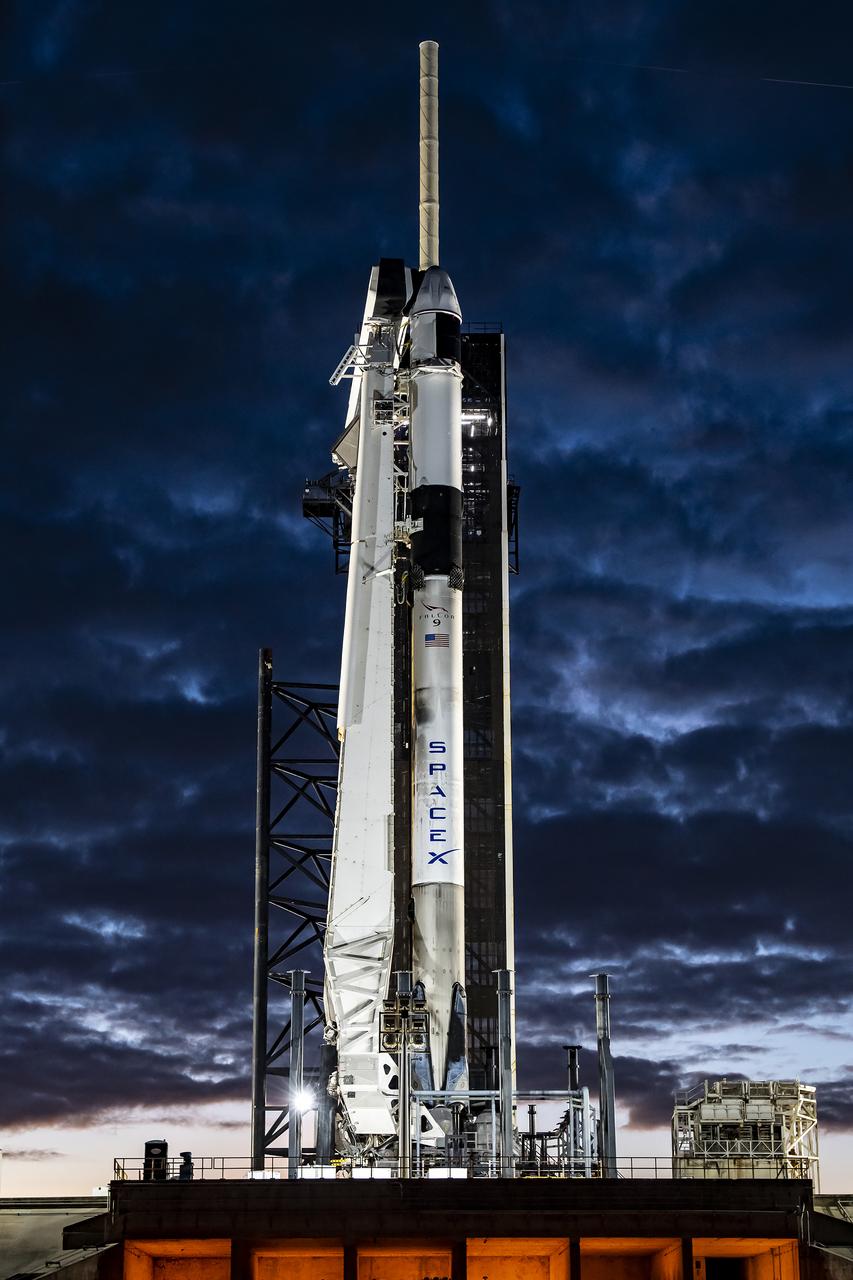
In preparation for SpaceX’s 29th commercial resupply services launch to the International Space Station for NASA, the company’s Falcon 9 rocket, with the Dragon spacecraft atop, is raised to a vertical position at Kennedy Space Center’s Launch Complex 39A in Florida on Wednesday, Nov. 8, 2023. The mission will carry scientific research, technology demonstrations, crew supplies, and hardware to the space station to support its Expedition 70 crew, including NASA’s Integrated Laser Communications Relay Demonstration Low Earth Orbit User Modem and Amplifier Terminal (ILLUMA-T) and Atmospheric Waves Experiment (AWE). Liftoff is scheduled for 8:28 p.m. EST Thursday, Nov. 9, from Kennedy’s Launch Complex 39A.

NASA’s Psyche spacecraft, atop a SpaceX Falcon Heavy rocket, lifts off from Kennedy Space Center’s historic Launch Complex 39A in Florida at 10:19 a.m. EDT on Friday, Oct. 13, 2023. The Psyche mission will study a metal-rich asteroid with the same name, located in the main asteroid belt between Mars and Jupiter. This is NASA’s first mission to study an asteroid that has more metal than rock or ice. Riding with Psyche is a pioneering technology demonstration – NASA’s Deep Space Optical Communications (DSOC) experiment – which will be the first test of laser communications beyond the Moon.
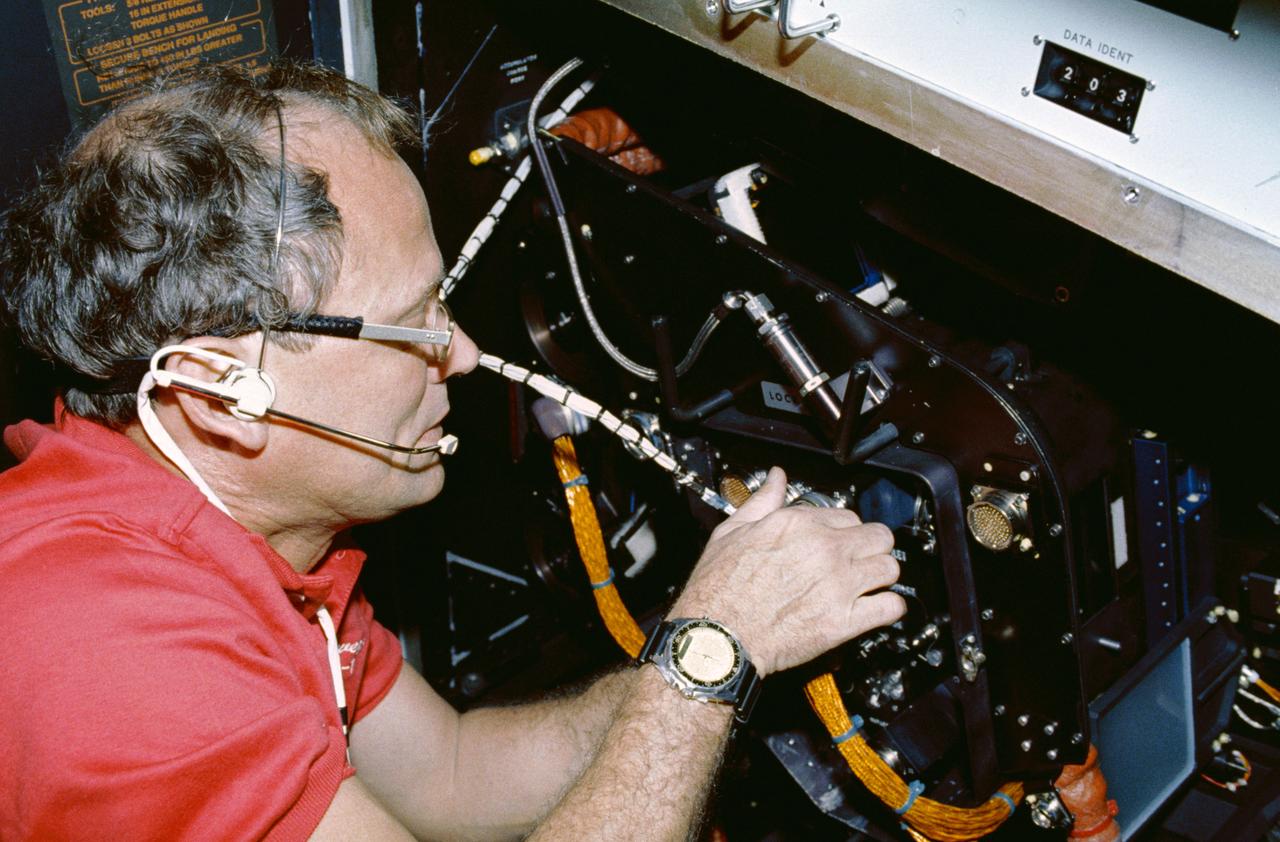
STS042-05-006 (22-30 Jan 1992) --- Astronaut Norman E. Thagard, payload commander, performs the Fluids Experiment System (FES) in the International Microgravity Laboratory (IML-1) science module. The FES is a NASA-developed facility that produces optical images of fluid flows during the processing of materials in space. The system's sophisticated optics consist of a laser to make holograms of samples and a video camera to record images of flows in and around samples. Thagard was joined by six fellow crewmembers for eight days of scientific research aboard Discovery in Earth-orbit. Most of their on-duty time was spent in this IML-1 science module, positioned in the cargo bay and attached via a tunnel to Discovery's airlock.
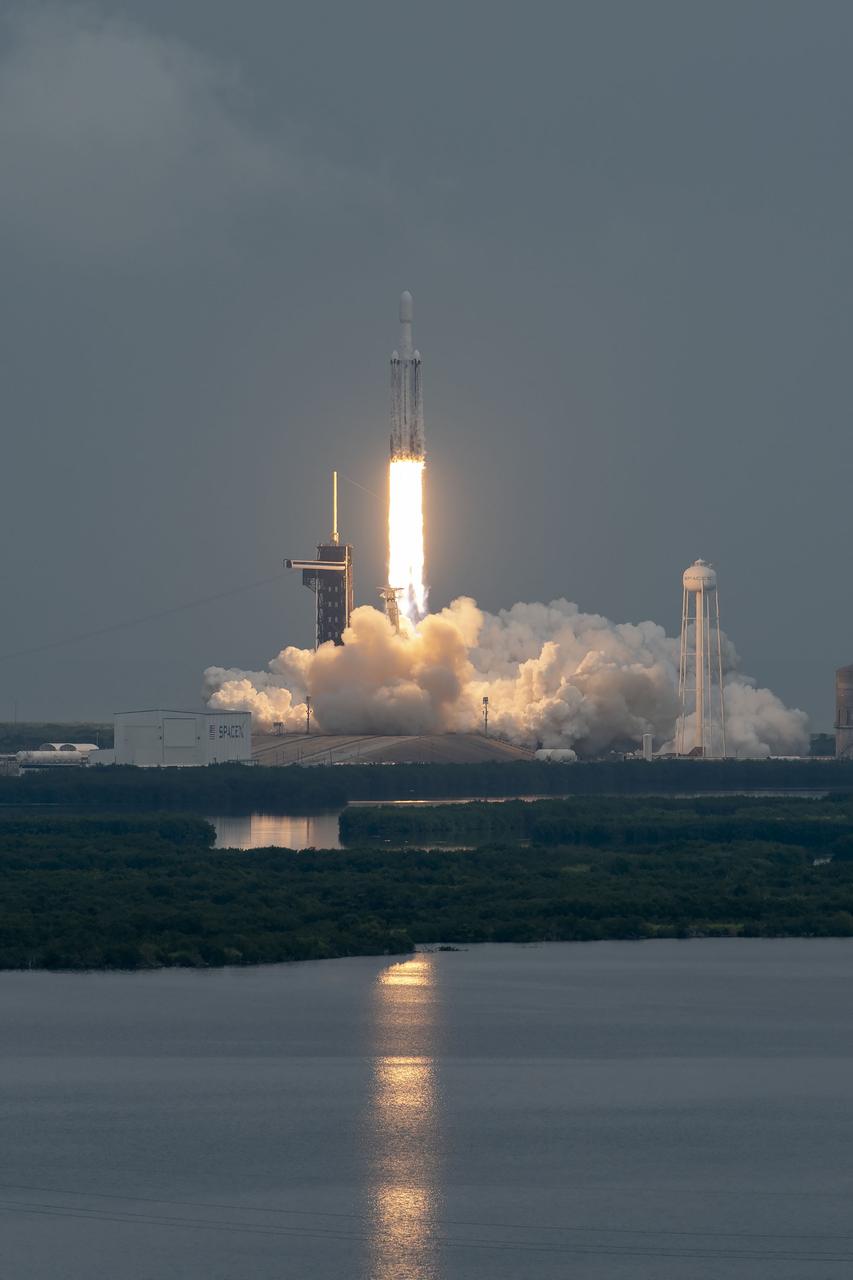
NASA’s Psyche spacecraft, atop a SpaceX Falcon Heavy rocket, lifts off from Kennedy Space Center’s historic Launch Complex 39A in Florida at 10:19 a.m. EDT on Friday, Oct. 13, 2023. The Psyche mission will study a metal-rich asteroid with the same name, located in the main asteroid belt between Mars and Jupiter. This is NASA’s first mission to study an asteroid that has more metal than rock or ice. Riding with Psyche is a pioneering technology demonstration – NASA’s Deep Space Optical Communications (DSOC) experiment – which will be the first test of laser communications beyond the Moon.
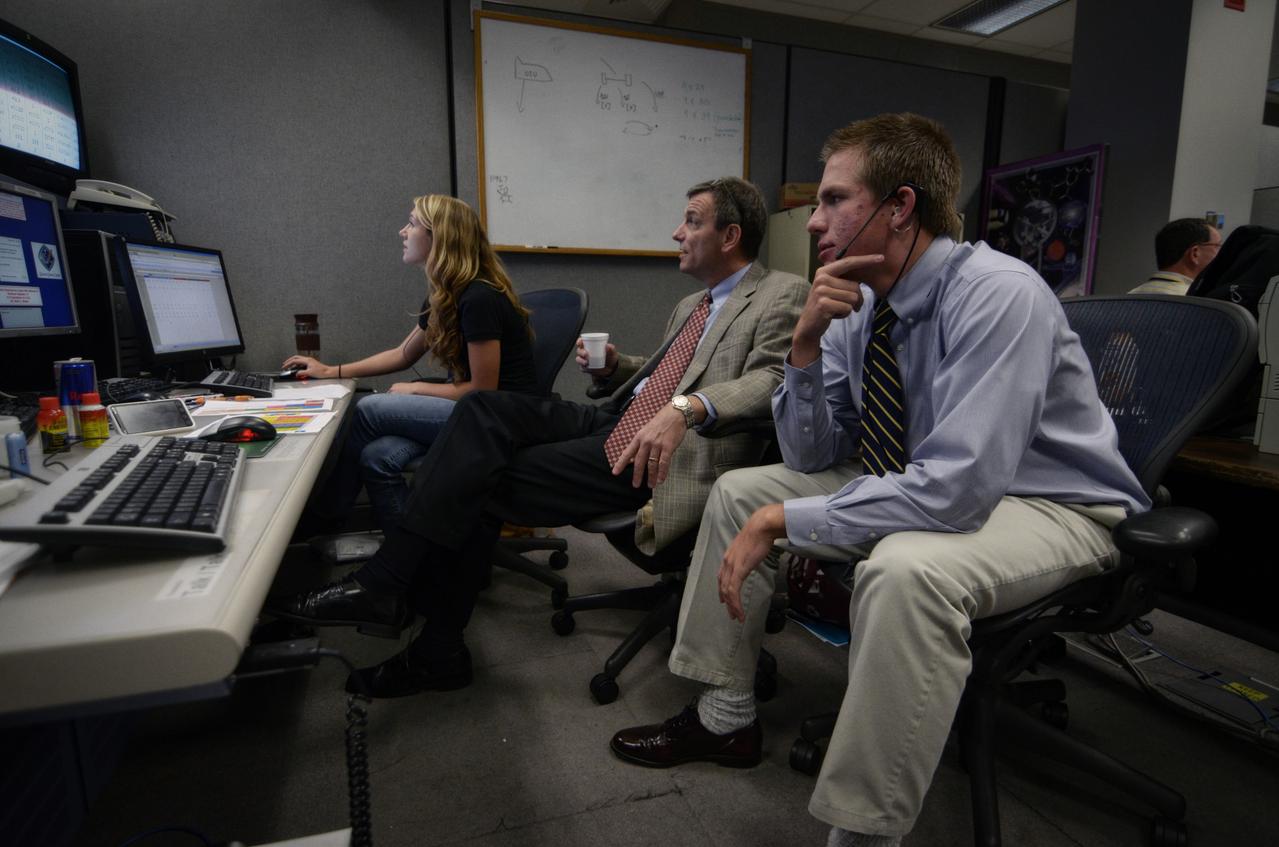
Teams conduct powerup and docking operations for the Sensor Test for Orion Relative Navigation Risk Mitigation (STORRM) in a payload support room at Johnson Space Center’s Mission Control Center in Houston on May 18, 2011. STORMM was successfully demonstrated on Space Shuttle Endeavour’s STS-134 mission to the International Space Station..The goal of STORRM was to validate a new relative navigation sensor based on advanced laser and detector technology that will make docking and undocking spacecraft easier and safer. It also tested the hardware in the same environment that the sensors would experience on the first Orion rendezvous to another vehicle. Part of Batch image transfer from Flickr.
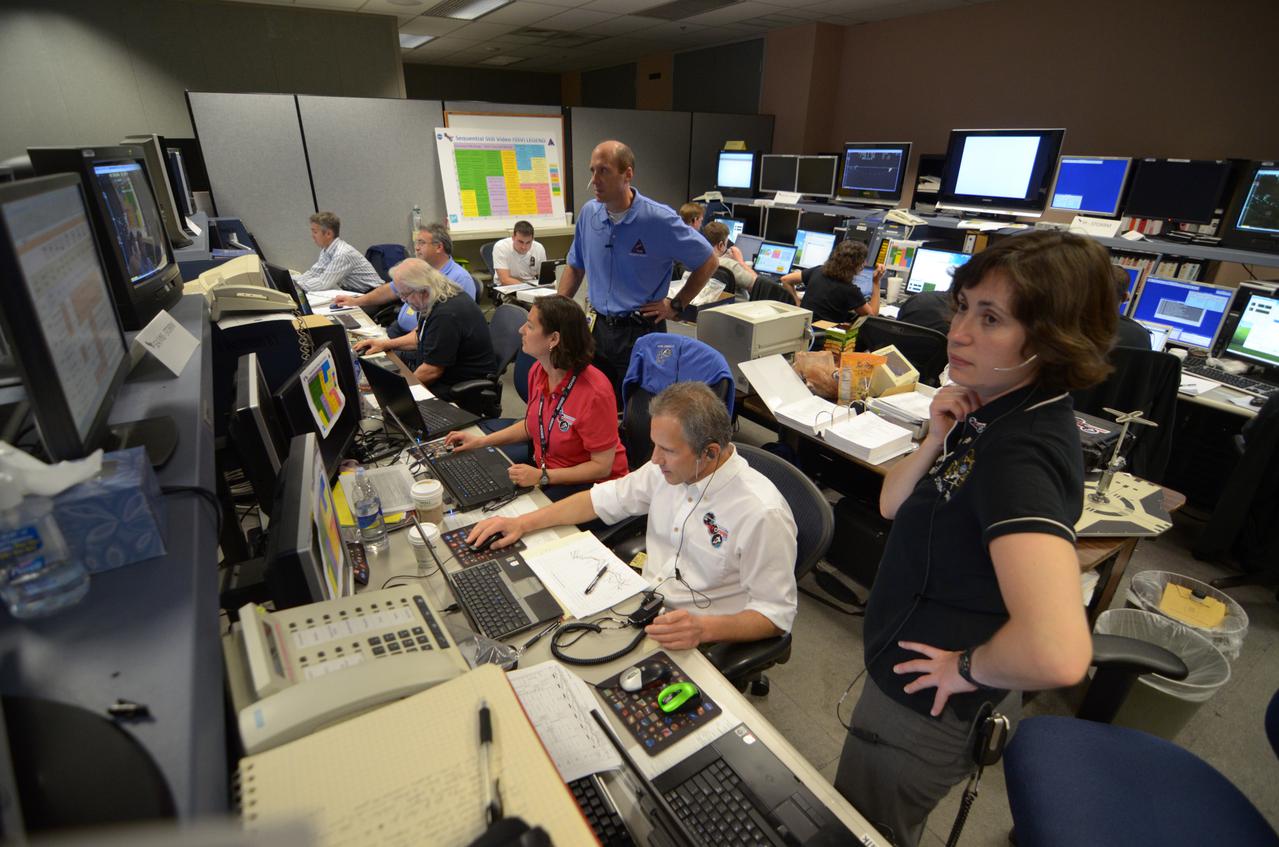
Teams conduct powerup and docking operations for the Sensor Test for Orion Relative Navigation Risk Mitigation (STORRM) in a payload support room at Johnson Space Center’s Mission Control Center in Houston on May 18, 2011. STORRM was successfully demonstrated on Space Shuttle Endeavour’s STS-134 mission to the International Space Station. The goal of STORRM was to validate a new relative navigation sensor based on advanced laser and detector technology that will make docking and undocking spacecraft easier and safer. It also tested the hardware in the same environment that the sensors would experience on the first Orion rendezvous to another vehicle.