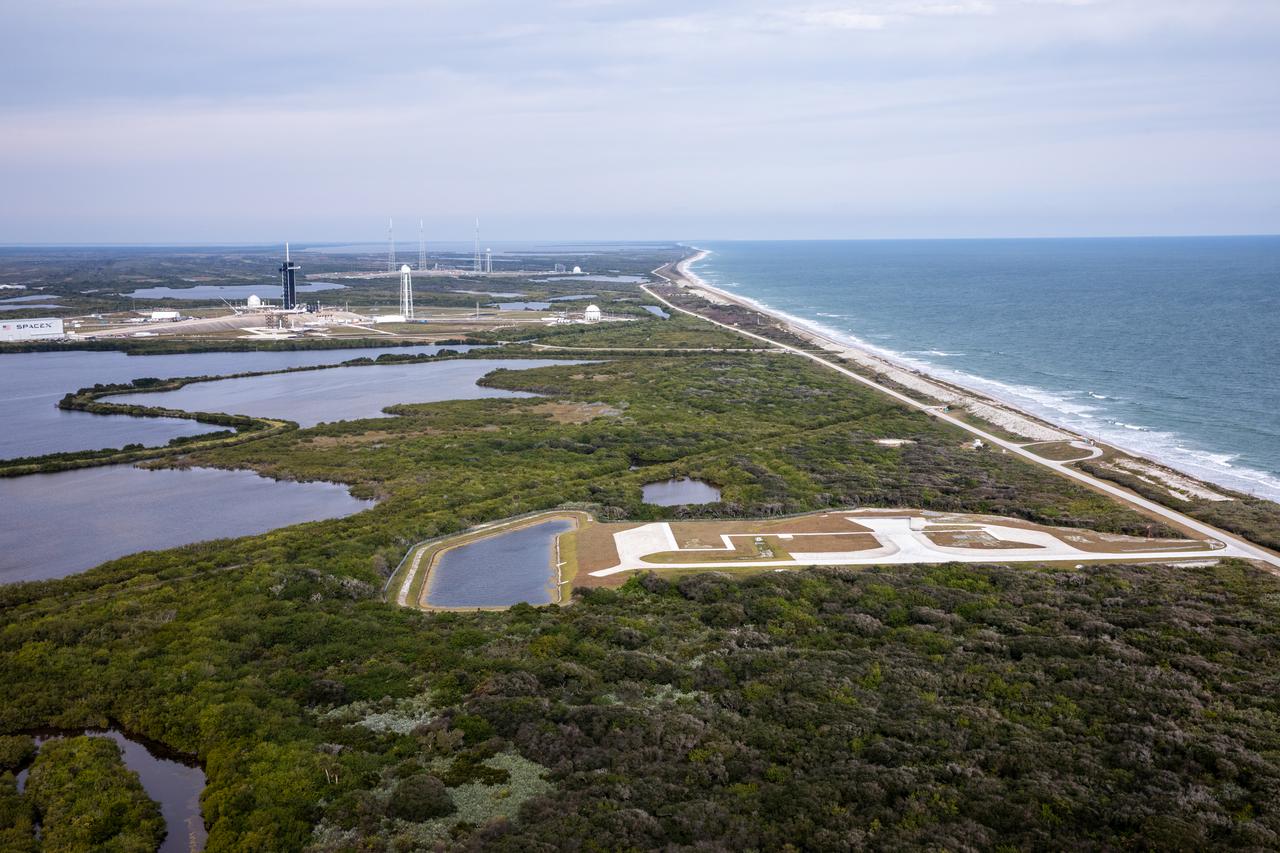
NASA Kennedy Space Center’s newest launch complex – Launch Complex 48 – is a dedicated site for small-class launch vehicles. The complex offers a “clean pad” concept, allowing companies to bring in their own resources and commodities for launch and, in turn, reducing their investment in launch pad infrastructure.
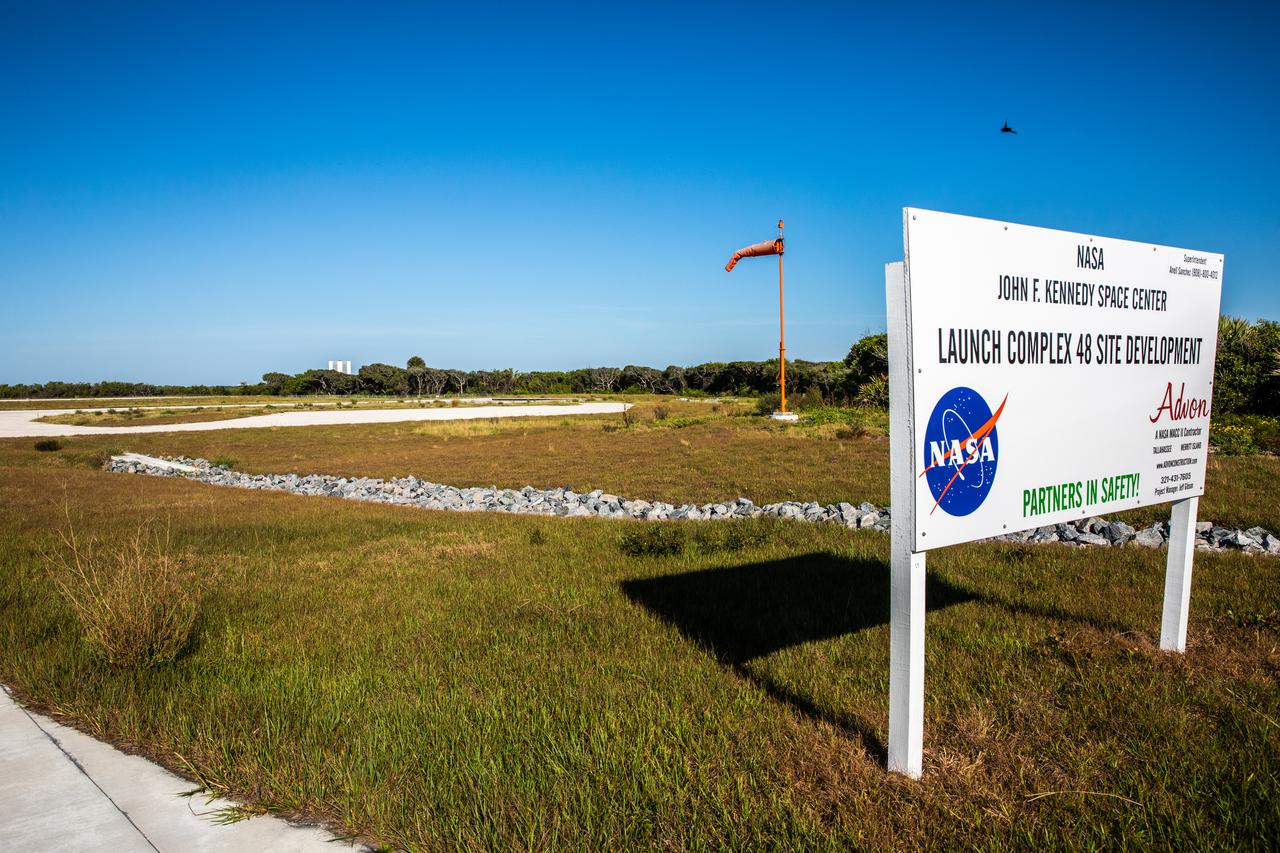
Pictured here is the site of Launch Complex 48 at NASA’s Kennedy Space Center in Florida, on June 1, 2021. The spaceport’s newest launch site is designed specifically for small-class commercial vehicles and the small satellite industry. Located about a mile south of Kennedy’s historic Launch Complex 39A on Cape Road, and completed in August 2020, the 10-acre complex provides a dedicated space for vehicles generating 500,000 pounds of thrust or less. The “clean pad” design and basic infrastructure of Launch Complex 48 offers greater flexibility for small-class vehicle with rockets possessing varying needs.
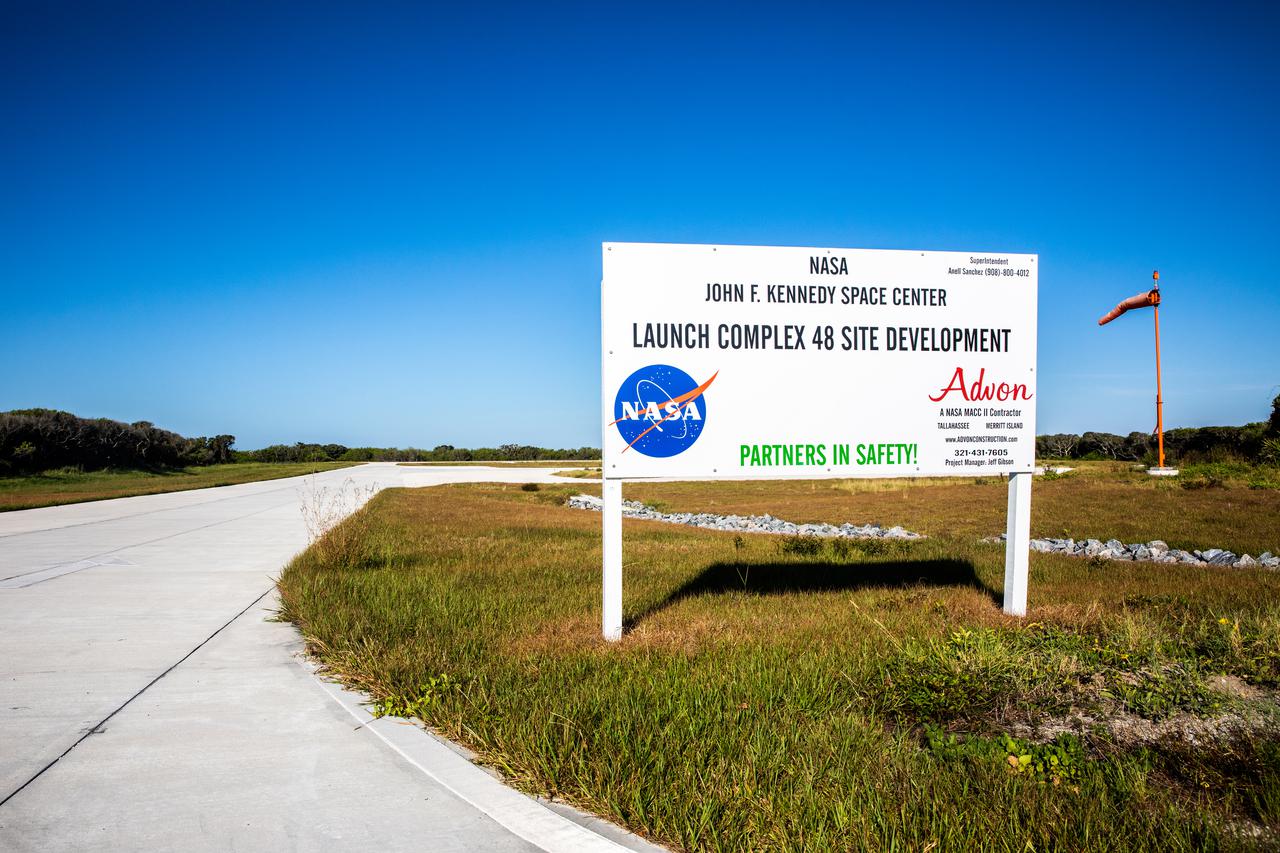
Pictured here is the site of Launch Complex 48 at NASA’s Kennedy Space Center in Florida, on June 1, 2021. The spaceport’s newest launch site is designed specifically for small-class commercial vehicles and the small satellite industry. Located about a mile south of Kennedy’s historic Launch Complex 39A on Cape Road, and completed in August 2020, the 10-acre complex provides a dedicated space for vehicles generating 500,000 pounds of thrust or less. The “clean pad” design and basic infrastructure of Launch Complex 48 offers greater flexibility for small-class vehicle with rockets possessing varying needs.
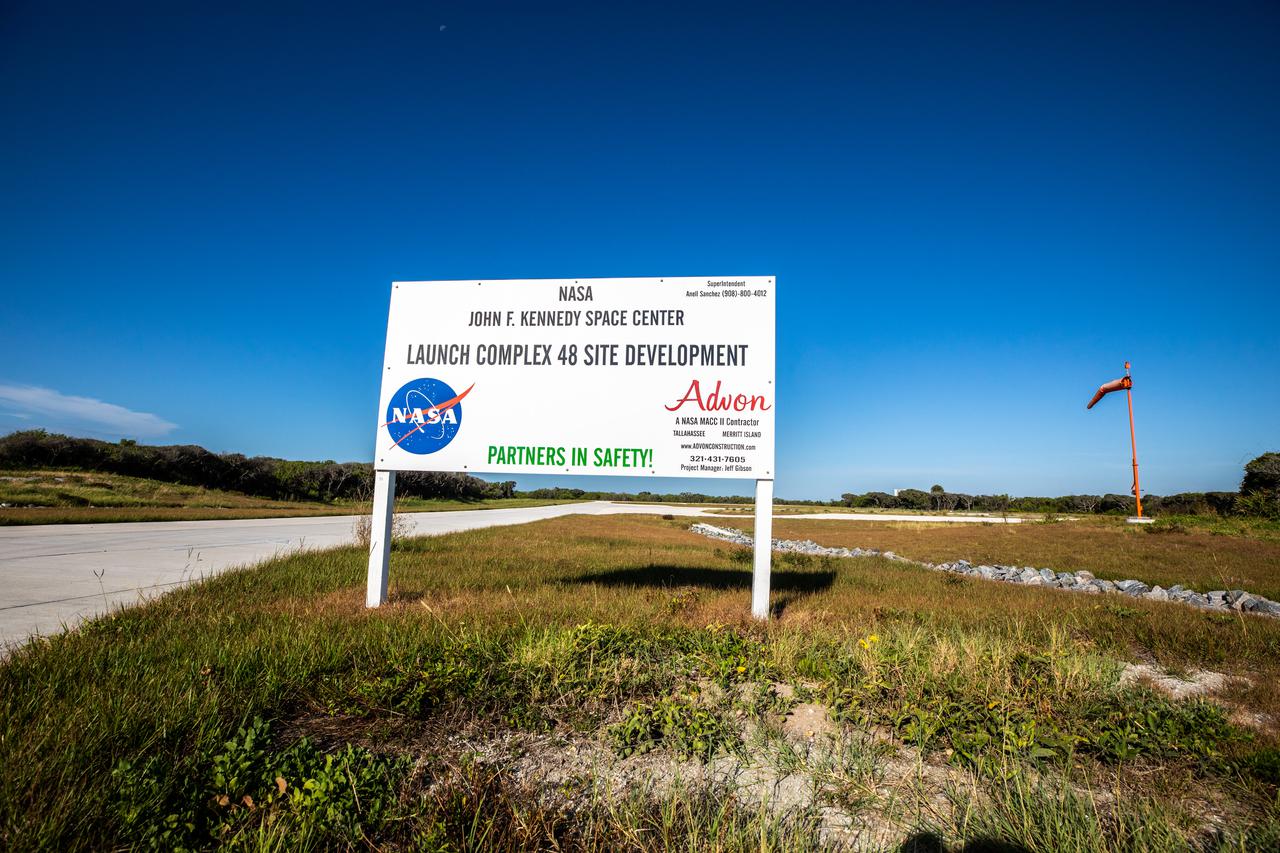
Pictured here is the site of Launch Complex 48 at NASA’s Kennedy Space Center in Florida, on June 1, 2021. The spaceport’s newest launch site is designed specifically for small-class commercial vehicles and the small satellite industry. Located about a mile south of Kennedy’s historic Launch Complex 39A on Cape Road, and completed in August 2020, the 10-acre complex provides a dedicated space for vehicles generating 500,000 pounds of thrust or less. The “clean pad” design and basic infrastructure of Launch Complex 48 offers greater flexibility for small-class vehicle with rockets possessing varying needs.
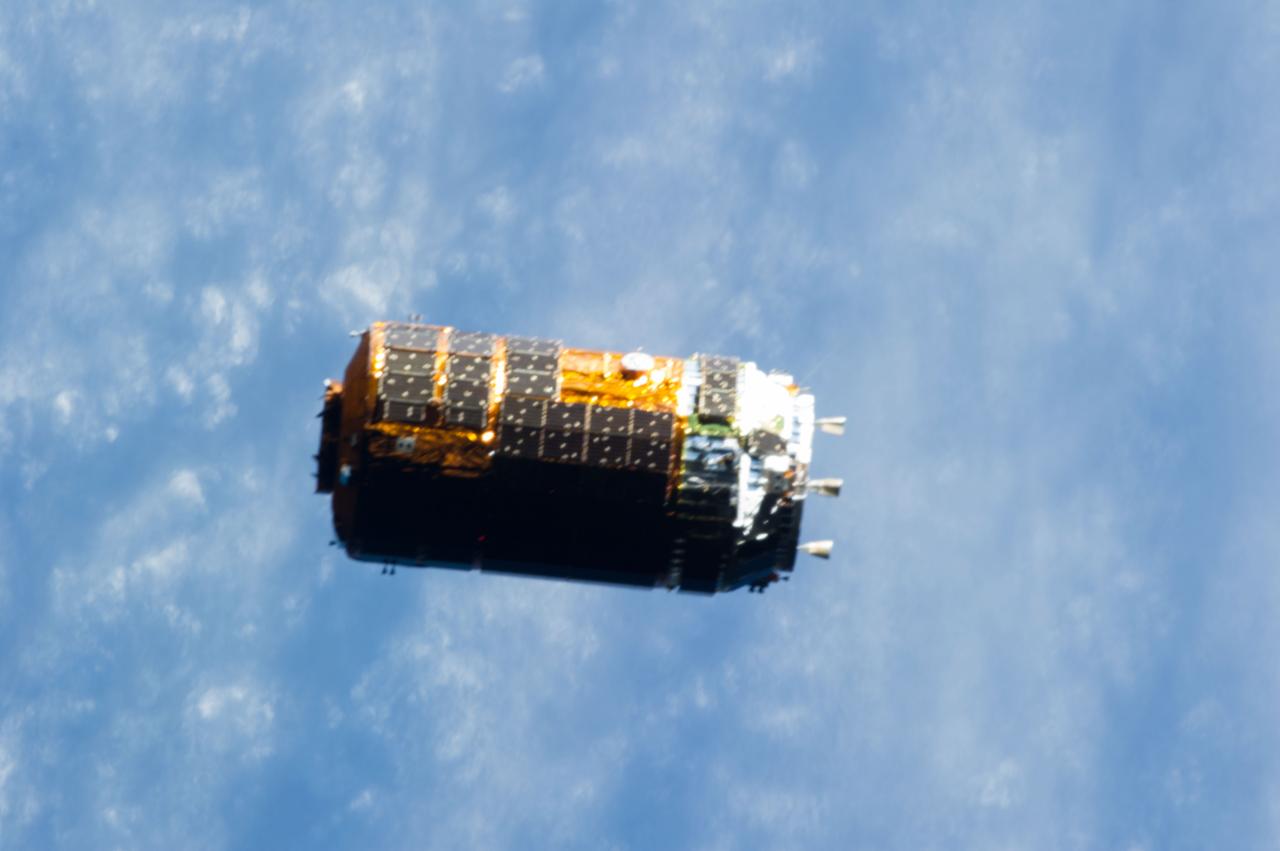
ISS036-E-029963 (9 Aug. 2013) --- The unpiloted Japanese "Kounotori" H2 Transfer Vehicle-4 (HTV-4) approaches the International Space Station. The HTV, a 33-foot-long, 13-foot-diameter unmanned cargo transfer spacecraft, is delivering 3.6 tons of science experiments, equipment and supplies to the orbiting complex. HTV-4 launched from the Tanegashima Space Center in southern Japan on Aug.3 at 3:48 p.m. (Aug. 4 at 4:48 a.m., Japan time).
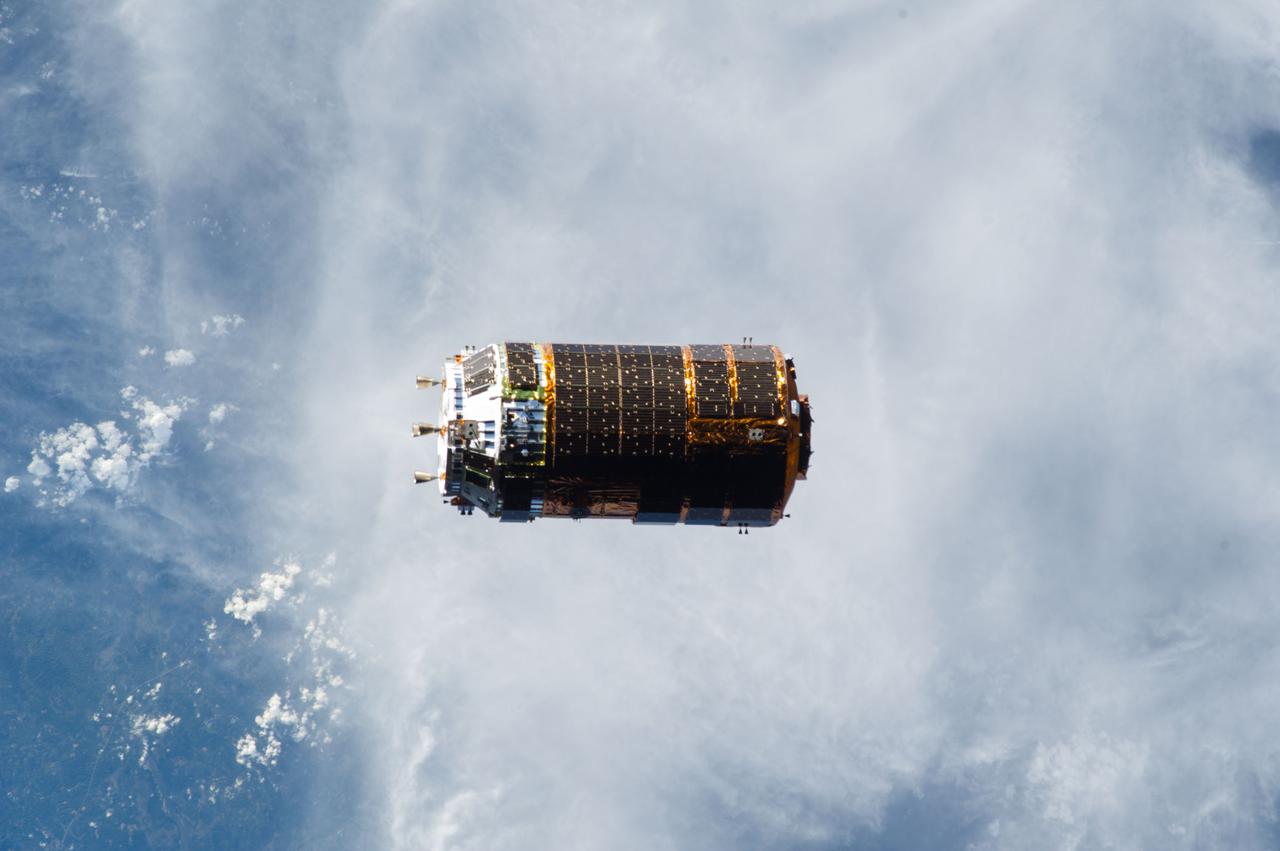
ISS036-E-030064 (9 Aug. 2013) --- The unpiloted Japanese "Kounotori" H2 Transfer Vehicle-4 (HTV-4) approaches the International Space Station. The HTV, a 33-foot-long, 13-foot-diameter unmanned cargo transfer spacecraft, is delivering 3.6 tons of science experiments, equipment and supplies to the orbiting complex. HTV-4 launched from the Tanegashima Space Center in southern Japan on Aug.3 at 3:48 p.m. (Aug. 4 at 4:48 a.m., Japan time).
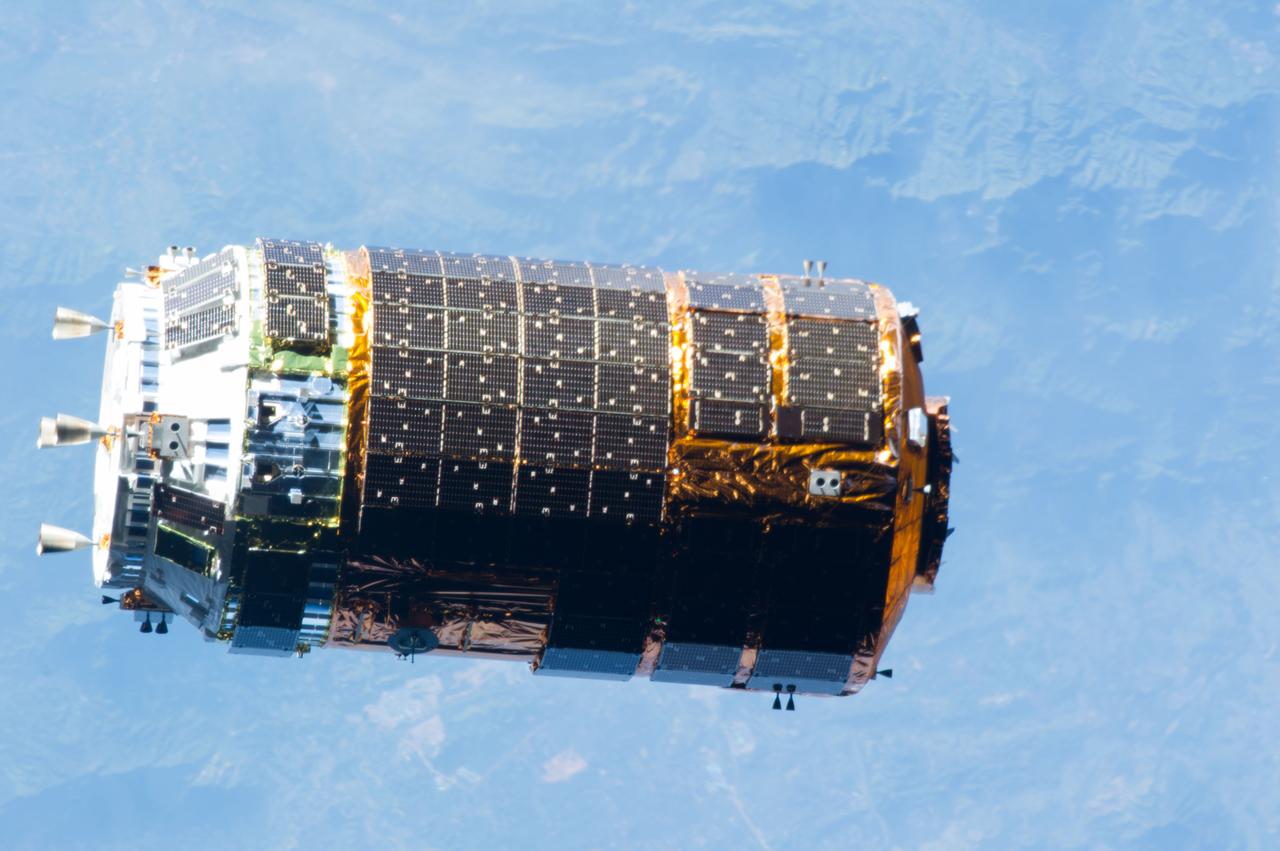
ISS036-E-029969 (9 Aug. 2013) --- The unpiloted Japanese "Kounotori" H2 Transfer Vehicle-4 (HTV-4) approaches the International Space Station. The HTV, a 33-foot-long, 13-foot-diameter unmanned cargo transfer spacecraft, is delivering 3.6 tons of science experiments, equipment and supplies to the orbiting complex. HTV-4 launched from the Tanegashima Space Center in southern Japan on Aug.3 at 3:48 p.m. (Aug. 4 at 4:48 a.m., Japan time).
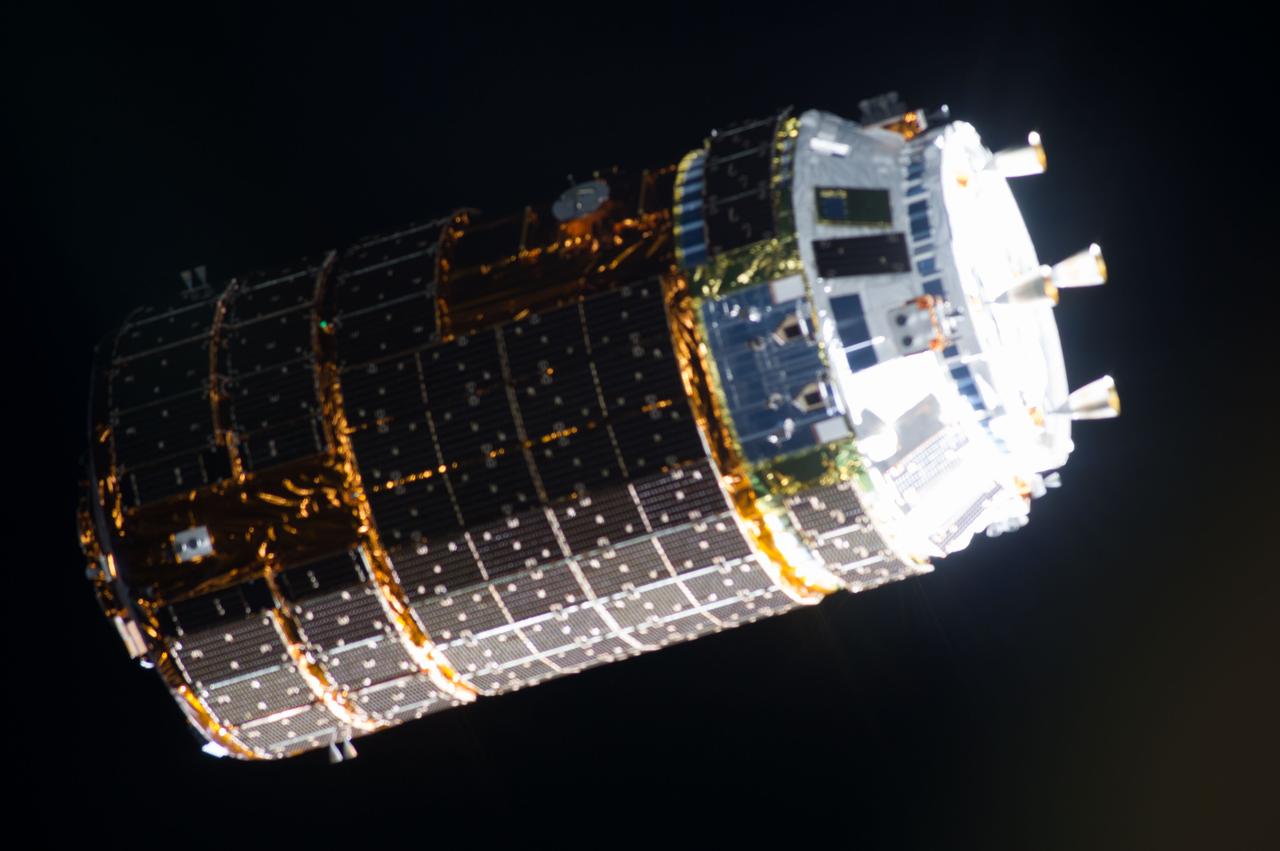
ISS036-E-030067 (9 Aug. 2013) --- The unpiloted Japanese "Kounotori" H2 Transfer Vehicle-4 (HTV-4) approaches the International Space Station. The HTV, a 33-foot-long, 13-foot-diameter unmanned cargo transfer spacecraft, is delivering 3.6 tons of science experiments, equipment and supplies to the orbiting complex. HTV-4 launched from the Tanegashima Space Center in southern Japan on Aug.3 at 3:48 p.m. (Aug. 4 at 4:48 a.m., Japan time).
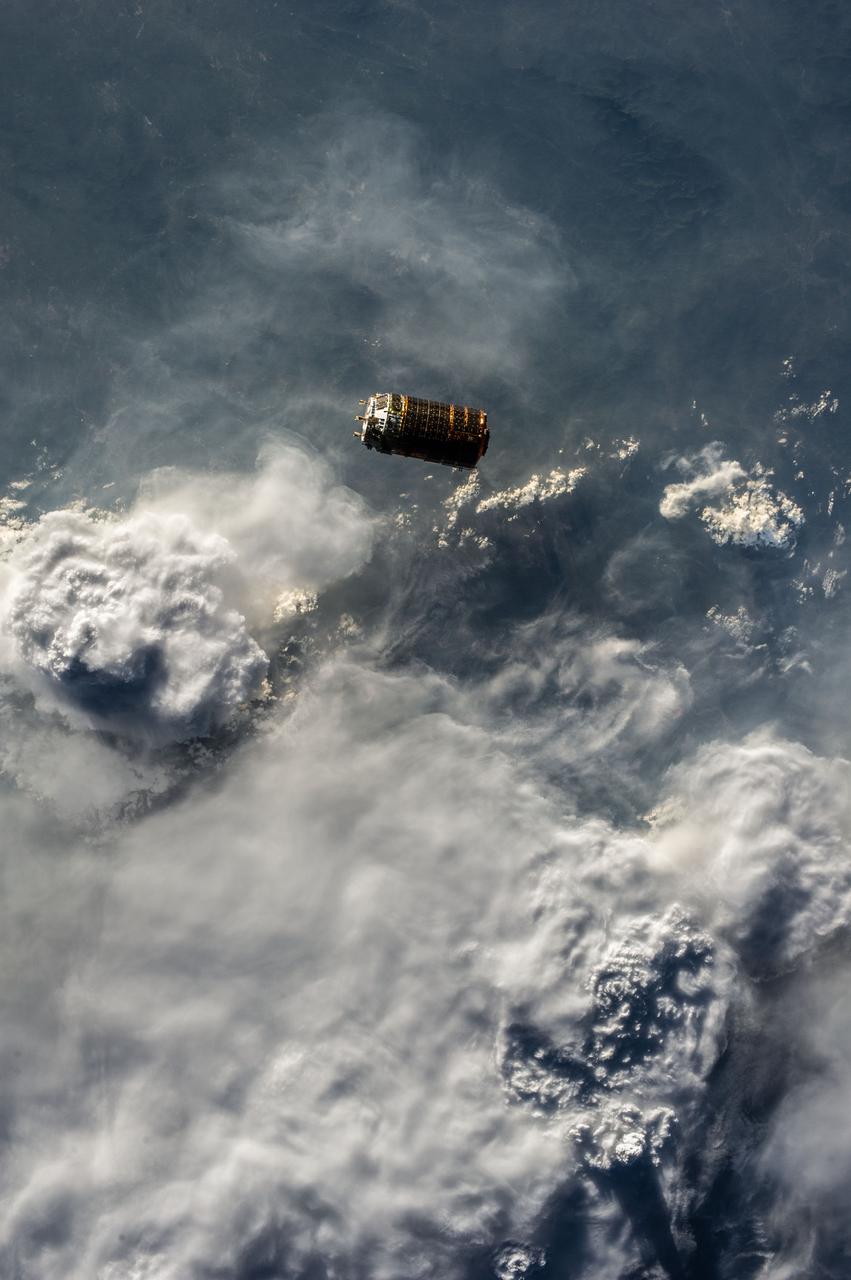
ISS036-E-030638 (9 Aug. 2013) --- The unpiloted Japanese "Kounotori" H2 Transfer Vehicle-4 (HTV-4) approaches the International Space Station. The HTV, a 33-foot-long, 13-foot-diameter unmanned cargo transfer spacecraft, is delivering 3.6 tons of science experiments, equipment and supplies to the orbiting complex. HTV-4 launched from the Tanegashima Space Center in southern Japan on Aug.3 at 3:48 p.m. (Aug. 4 at 4:48 a.m., Japan time). A blue and white part of Earth provides the backdrop for the scene.
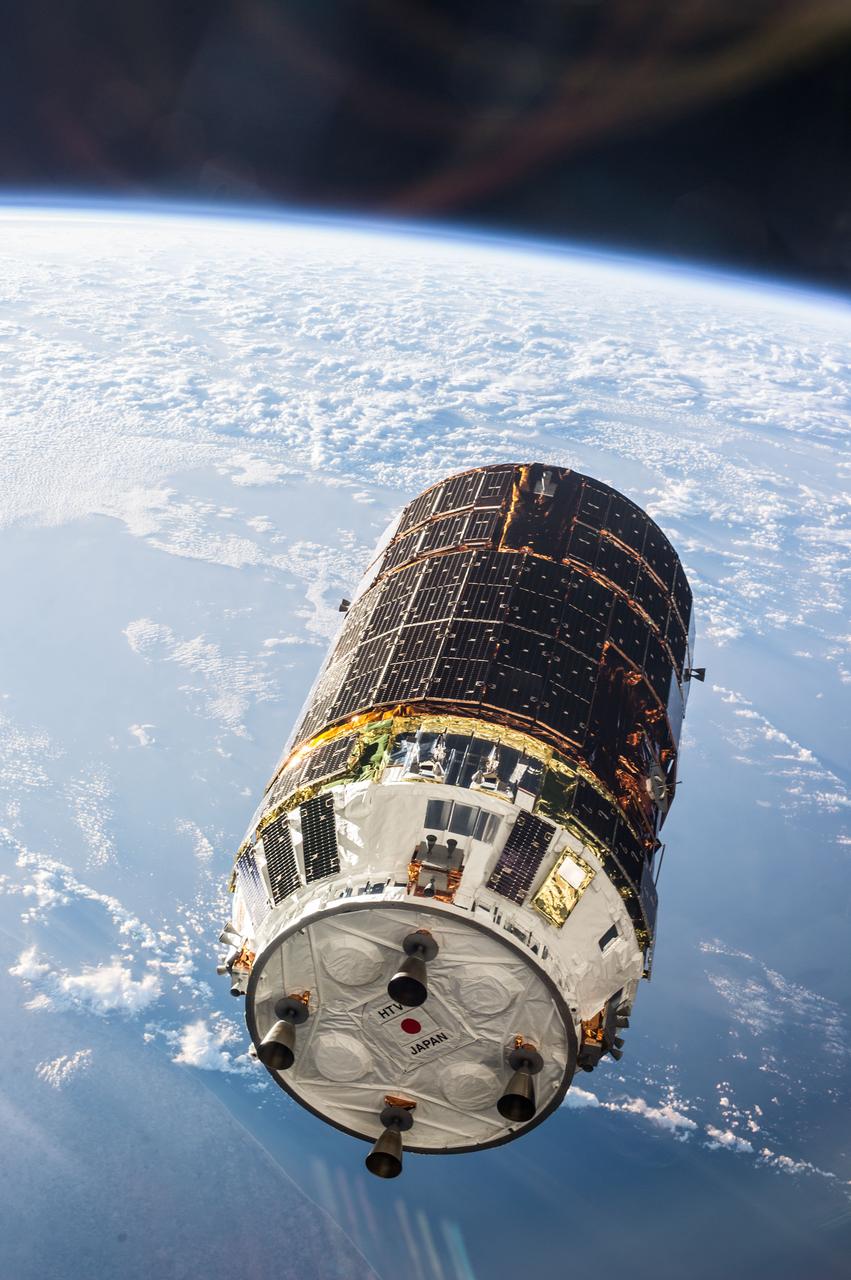
ISS036-E-030702 (9 Aug. 2013) --- The unpiloted Japanese "Kounotori" H2 Transfer Vehicle-4 (HTV-4) approaches the International Space Station. The HTV, a 33-foot-long, 13-foot-diameter unmanned cargo transfer spacecraft, is delivering 3.6 tons of science experiments, equipment and supplies to the orbiting complex. HTV-4 launched from the Tanegashima Space Center in southern Japan on Aug.3 at 3:48 p.m. (Aug. 4 at 4:48 a.m., Japan time). A blue and white part of Earth provides the backdrop for the scene.
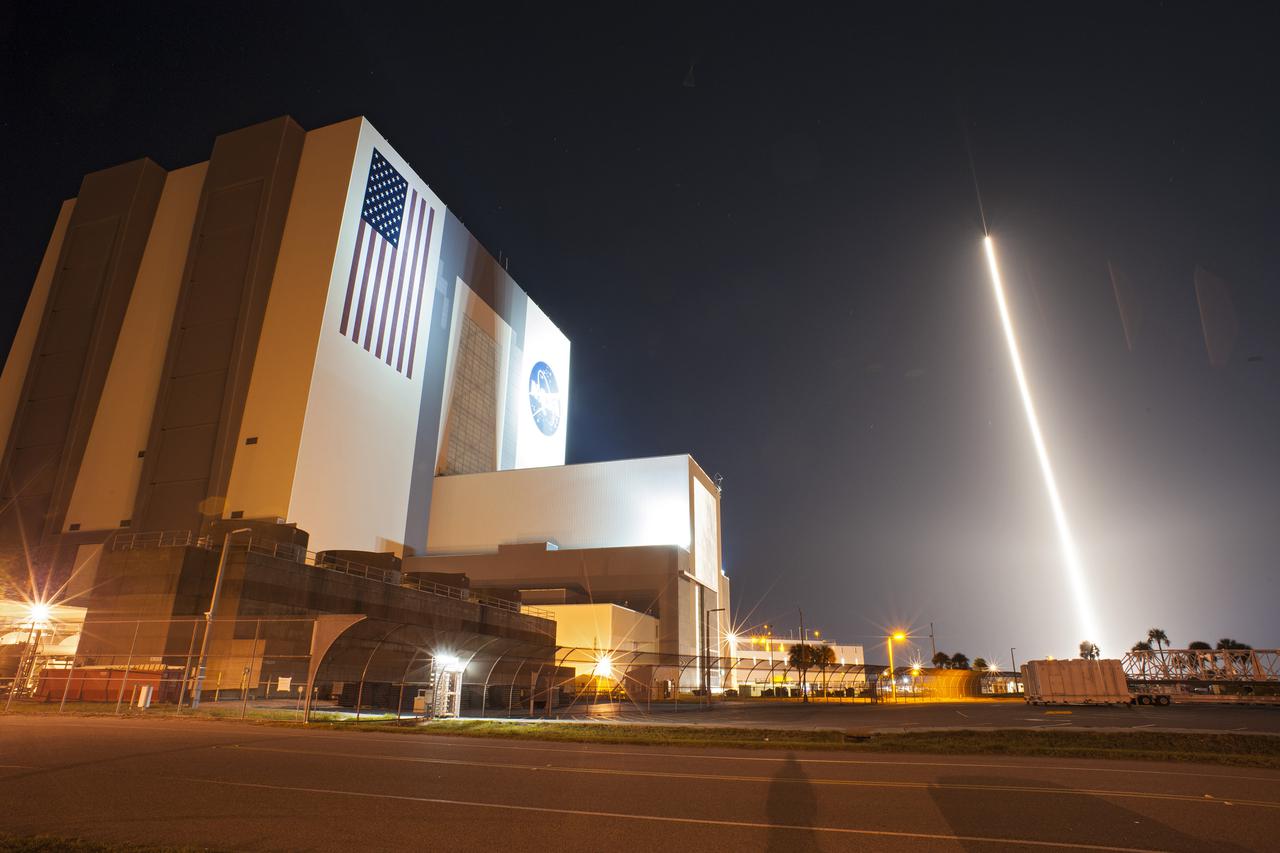
CAPE CANAVERAL, Fla. -- The United Launch Alliance Atlas V 401 rocket carrying NASA's Tracking and Data Relay Satellite-K, TDRS-K, streaks past the Vehicle Assembly Building and Launch Complex 39 at Kennedy Space Center in Florida after launching from Space Launch Complex 41 at 8:48 p.m. EST. The TDRS-K spacecraft is part of the next-generation series in the Tracking and Data Relay Satellite System, a constellation of space-based communication satellites providing tracking, telemetry, command and high-bandwidth data return services. For more information, visit http:__www.nasa.gov_mission_pages_tdrs_index.html. Photo credit: NASA_Tony Gray
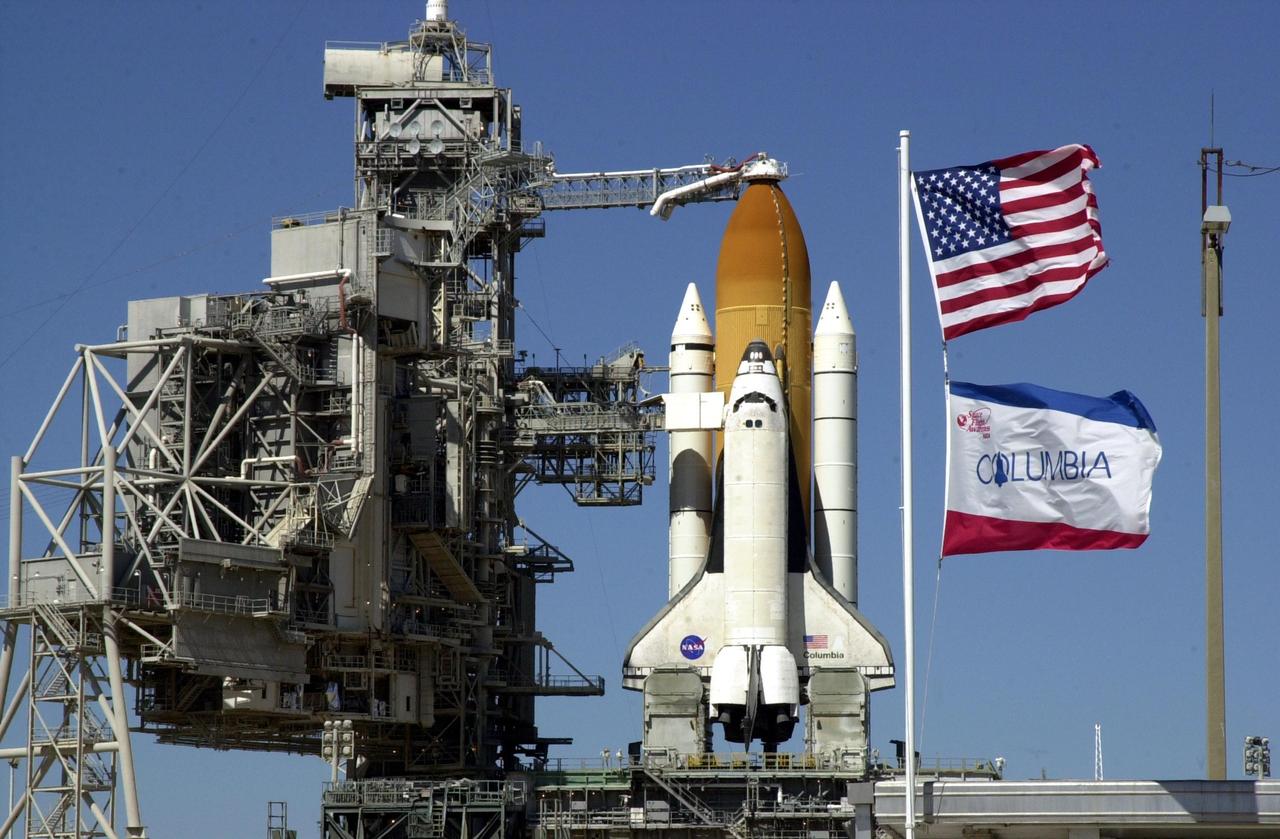
KENNEDY SPACE CENTER, FLA. -- The Rotating Service Structure is rolled back from Space Shuttle Columbia in preparation for launch Feb. 28, 2002, at 6:48 a.m. EST (11:48 GMT) on mission STS-109. Flags of the U.S. and the orbiter (foreground) illustrate the brisk winds blowing at Launch Complex 39A. In the photo is seen the Orbiter Access Arm stretched to Columbia's cockpit. A Hubble Servicing Mission, the goal of STS-109 is to replace Solar Array 2 with Solar Array 3, replace the Power Control Unit, remove the Faint Object Camera and install the ACS, install the Near Infrared Camera and Multi-Object Spectrometer (NICMOS) Cooling System, and install New Outer Blanket Layer insulation.
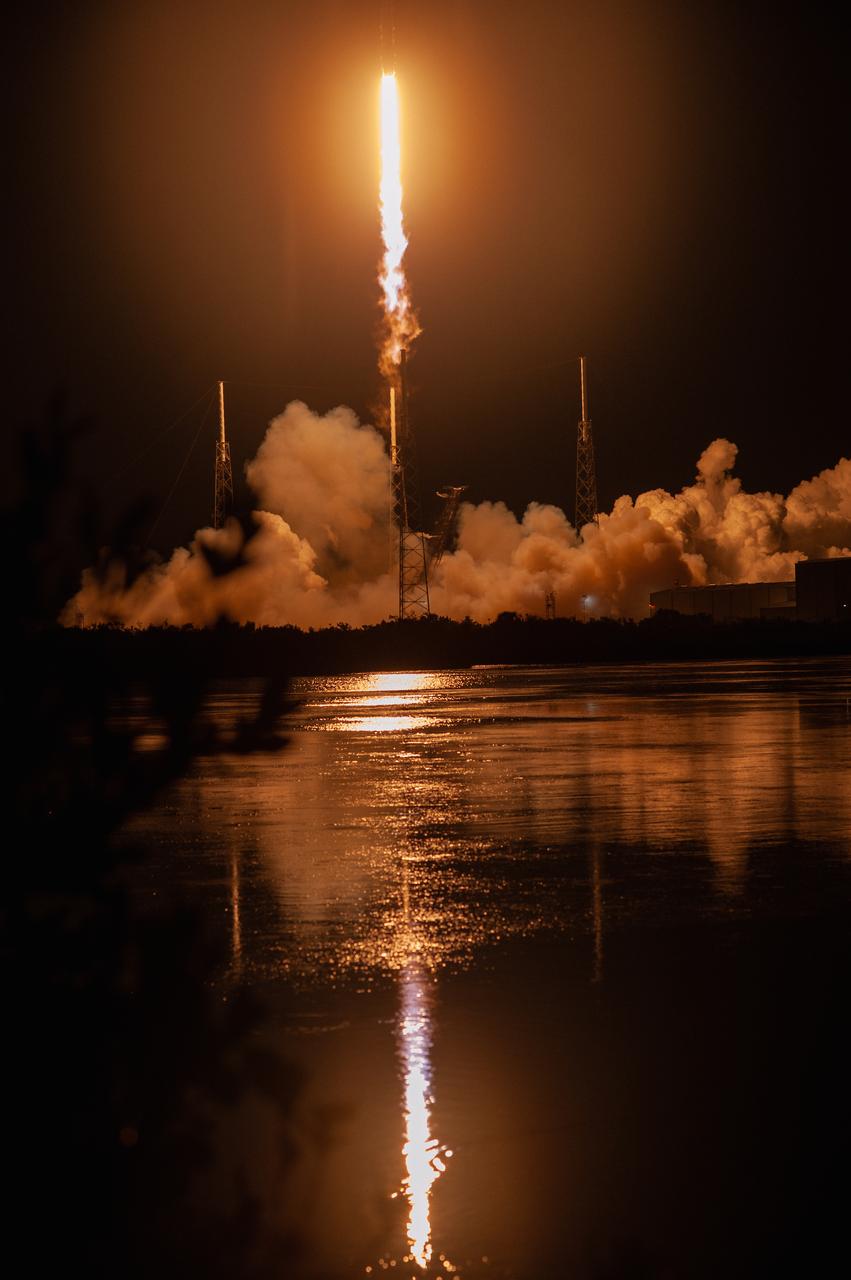
The SpaceX Falcon 9 rocket with the Dragon cargo module lifts off Space Launch Complex 40 on Cape Canaveral Air Force Station in Florida in the early morning May 4, 2019. Liftoff was at 2:48 a.m. EDT. This is SpaceX’s 17th Commercial Resupply Services (CRS-17) mission for NASA to the International Space Station. The Dragon cargo module will deliver about 5,500 pounds of science and research, crew supplies and vehicle hardware to the orbital laboratory and its crew.
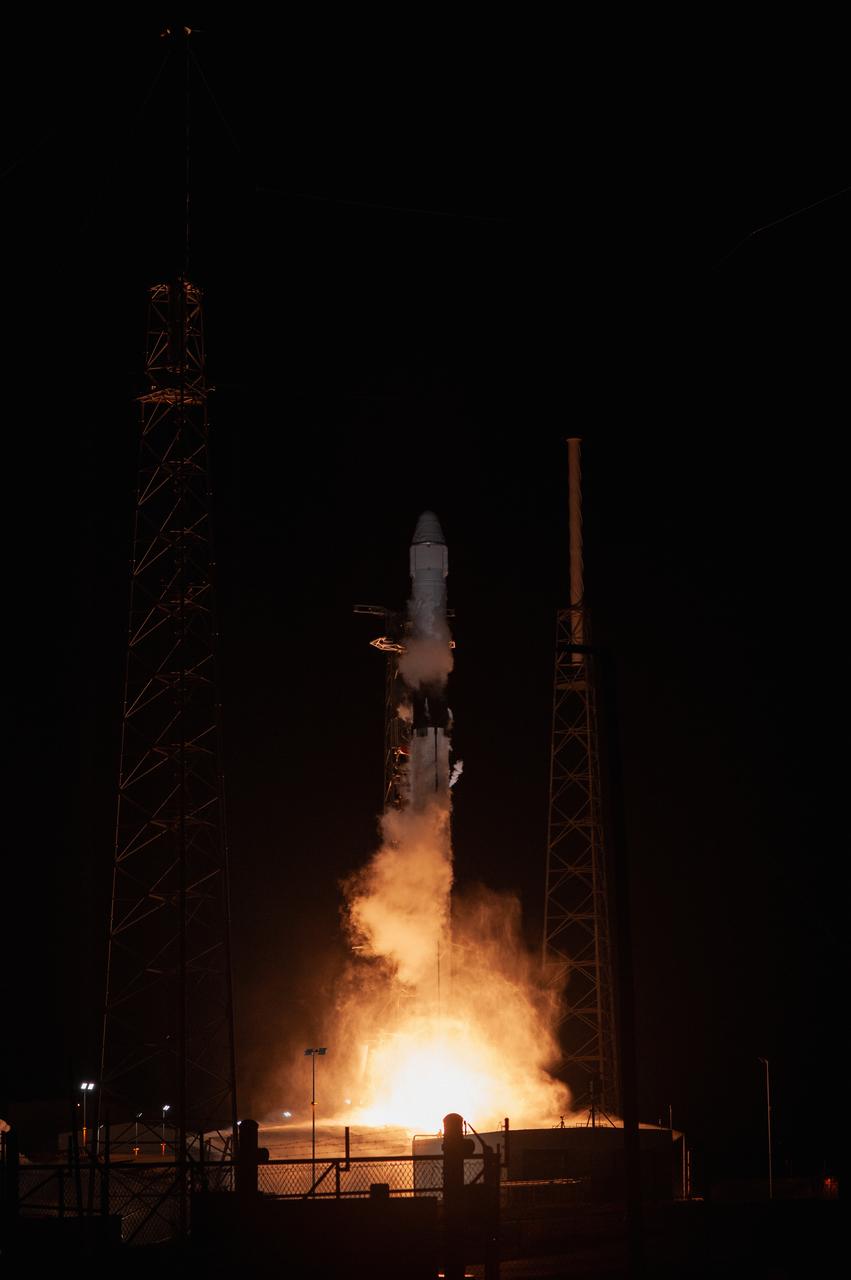
The SpaceX Falcon 9 rocket with the Dragon cargo module lifts off Space Launch Complex 40 on Cape Canaveral Air Force Station in Florida in the early morning May 4, 2019. Liftoff was at 2:48 a.m. EDT. This is SpaceX’s 17th Commercial Resupply Services (CRS-17) mission for NASA to the International Space Station. The Dragon cargo module will deliver about 5,500 pounds of science and research, crew supplies and vehicle hardware to the orbital laboratory and its crew.
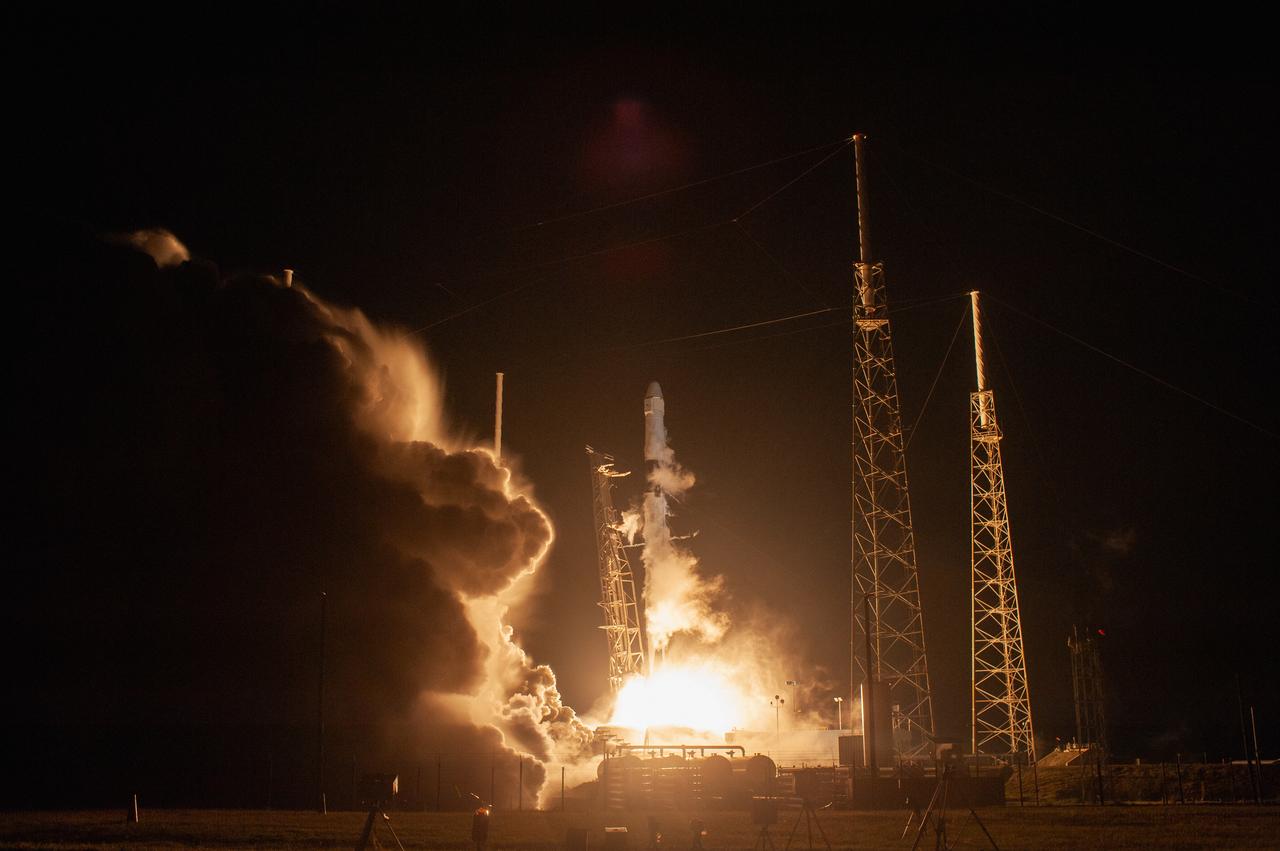
The SpaceX Falcon 9 rocket with the Dragon cargo module lifts off Space Launch Complex 40 on Cape Canaveral Air Force Station in Florida in the early morning May 4, 2019. Liftoff was at 2:48 a.m. EDT. This is SpaceX’s 17th Commercial Resupply Services (CRS-17) mission for NASA to the International Space Station. The Dragon cargo module will deliver about 5,500 pounds of science and research, crew supplies and vehicle hardware to the orbital laboratory and its crew.
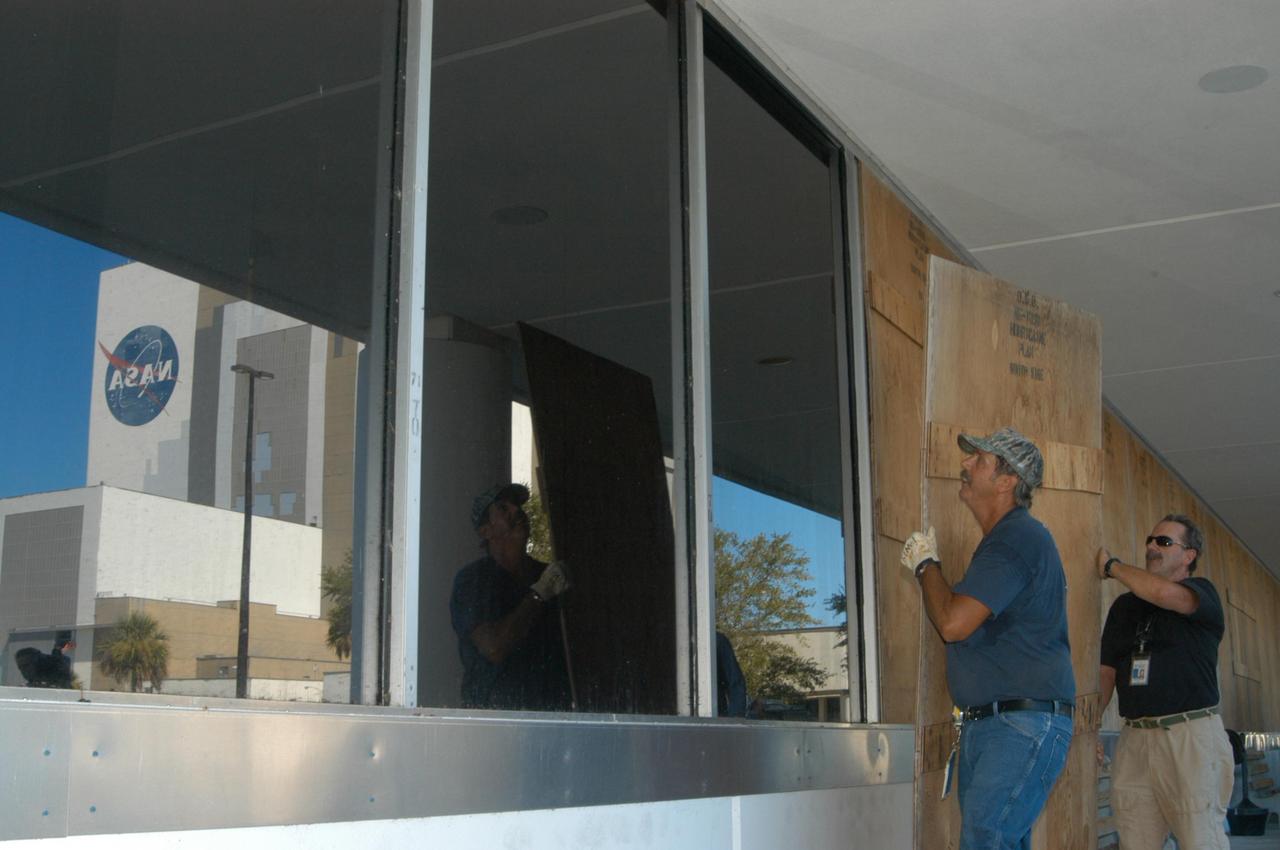
KENNEDY SPACE CENTER, FLA. - NASA's Kennedy Space Center has begun making preparations for the arrival of Tropical Storm Ernesto. Here workers are boarding up windows on the Operations and Support Building I in the Launch Complex 39 Area. The center has been in HURCON III status since Aug. 28, which means winds of 58 mph are expected within 48 hours. m. Photo credit: NASA/George Shelton
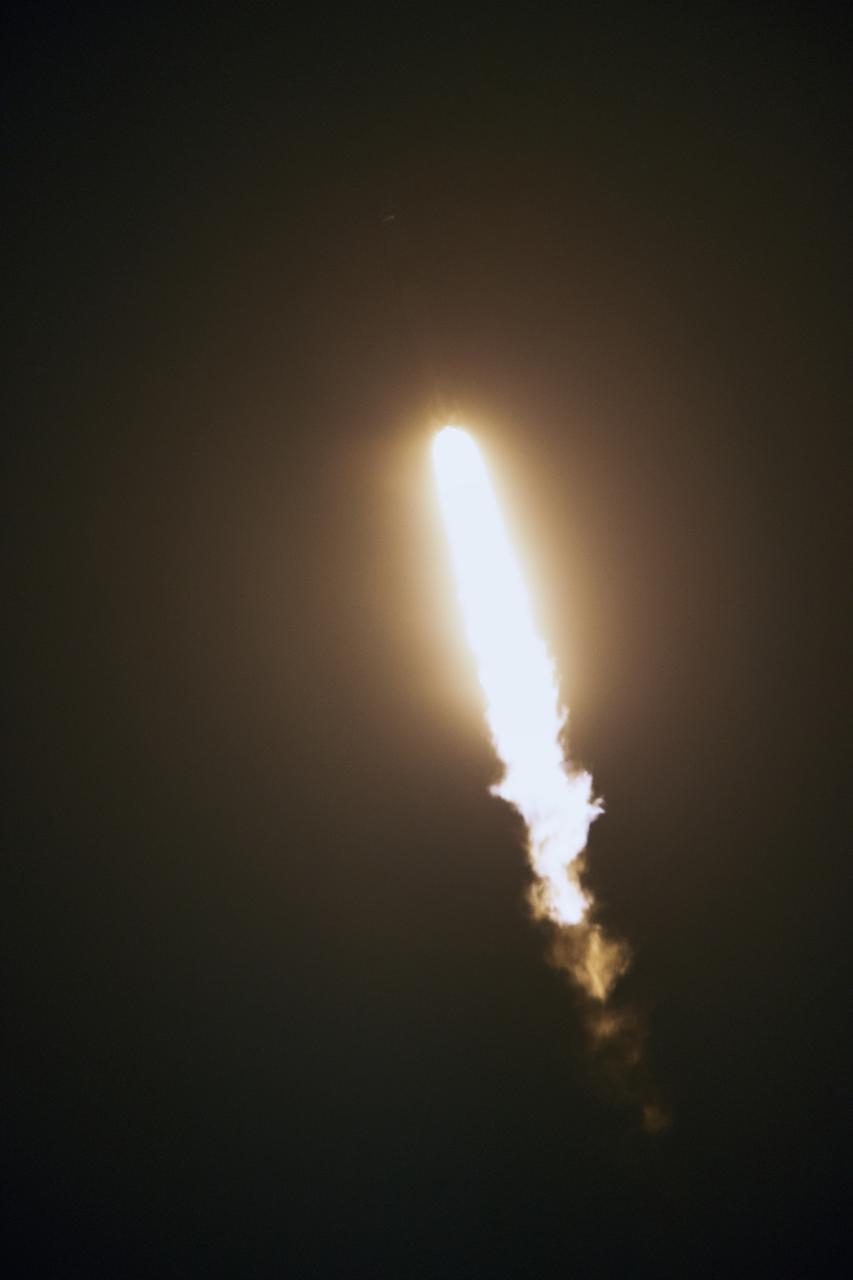
The SpaceX Falcon 9 rocket with the Dragon cargo module climbs upward after liftoff from Space Launch Complex 40 on Cape Canaveral Air Force Station in Florida in the early morning May 4, 2019. Liftoff was at 2:48 a.m. EDT. This is SpaceX’s 17th Commercial Resupply Services (CRS-17) mission for NASA to the International Space Station. The Dragon cargo module will deliver about 5,500 pounds of science and research, crew supplies and vehicle hardware to the orbital laboratory and its crew.

The SpaceX Falcon 9 rocket with the Dragon cargo module climbs upward after liftoff from Space Launch Complex 40 on Cape Canaveral Air Force Station in Florida in the early morning May 4, 2019. Liftoff was at 2:48 a.m. EDT. This is SpaceX’s 17th Commercial Resupply Services (CRS-17) mission for NASA to the International Space Station. The Dragon cargo module will deliver about 5,500 pounds of science and research, crew supplies and vehicle hardware to the orbital laboratory and its crew.
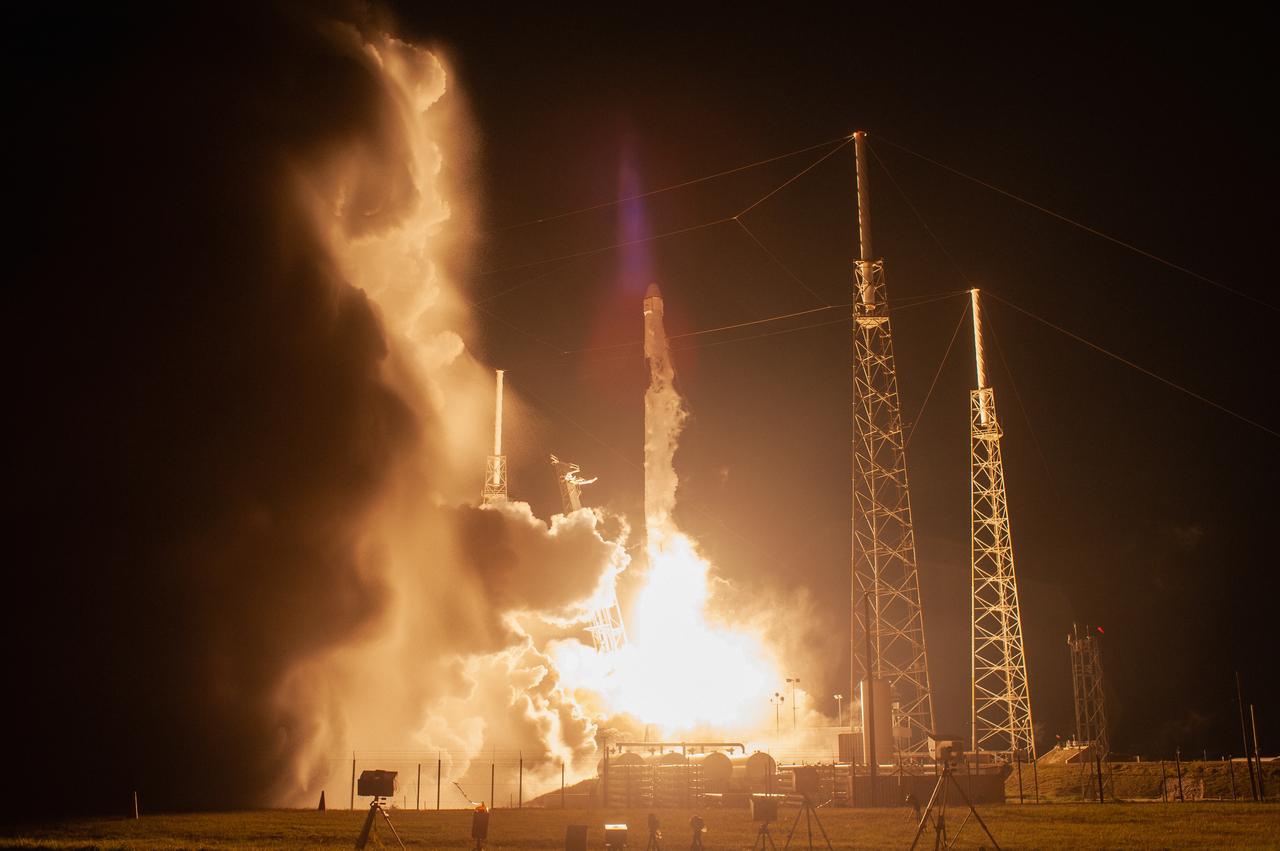
The SpaceX Falcon 9 rocket with the Dragon cargo module lifts off Space Launch Complex 40 on Cape Canaveral Air Force Station in Florida in the early morning May 4, 2019. Liftoff was at 2:48 a.m. EDT. This is SpaceX’s 17th Commercial Resupply Services (CRS-17) mission for NASA to the International Space Station. The Dragon cargo module will deliver about 5,500 pounds of science and research, crew supplies and vehicle hardware to the orbital laboratory and its crew.
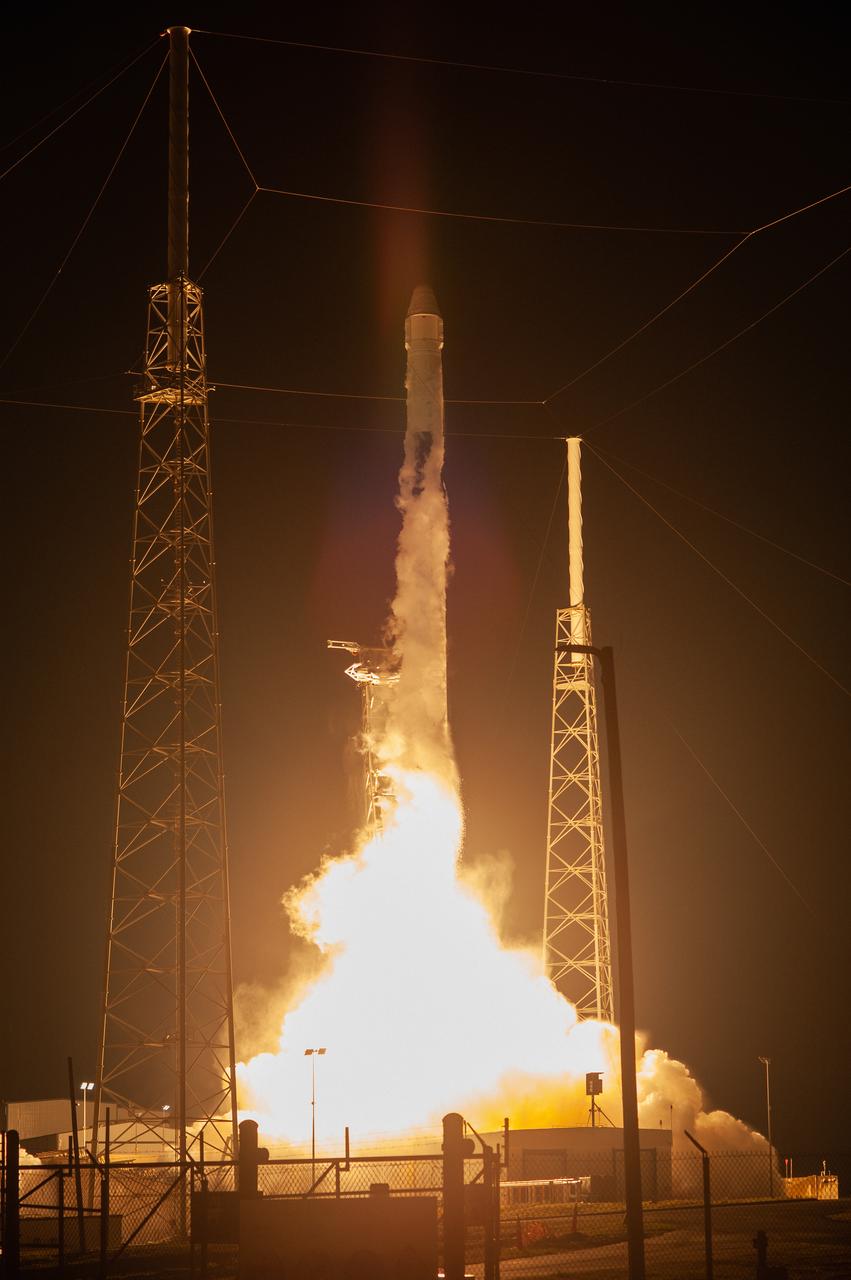
The SpaceX Falcon 9 rocket with the Dragon cargo module lifts off Space Launch Complex 40 on Cape Canaveral Air Force Station in Florida in the early morning May 4, 2019. Liftoff was at 2:48 a.m. EDT. This is SpaceX’s 17th Commercial Resupply Services (CRS-17) mission for NASA to the International Space Station. The Dragon cargo module will deliver about 5,500 pounds of science and research, crew supplies and vehicle hardware to the orbital laboratory and its crew.
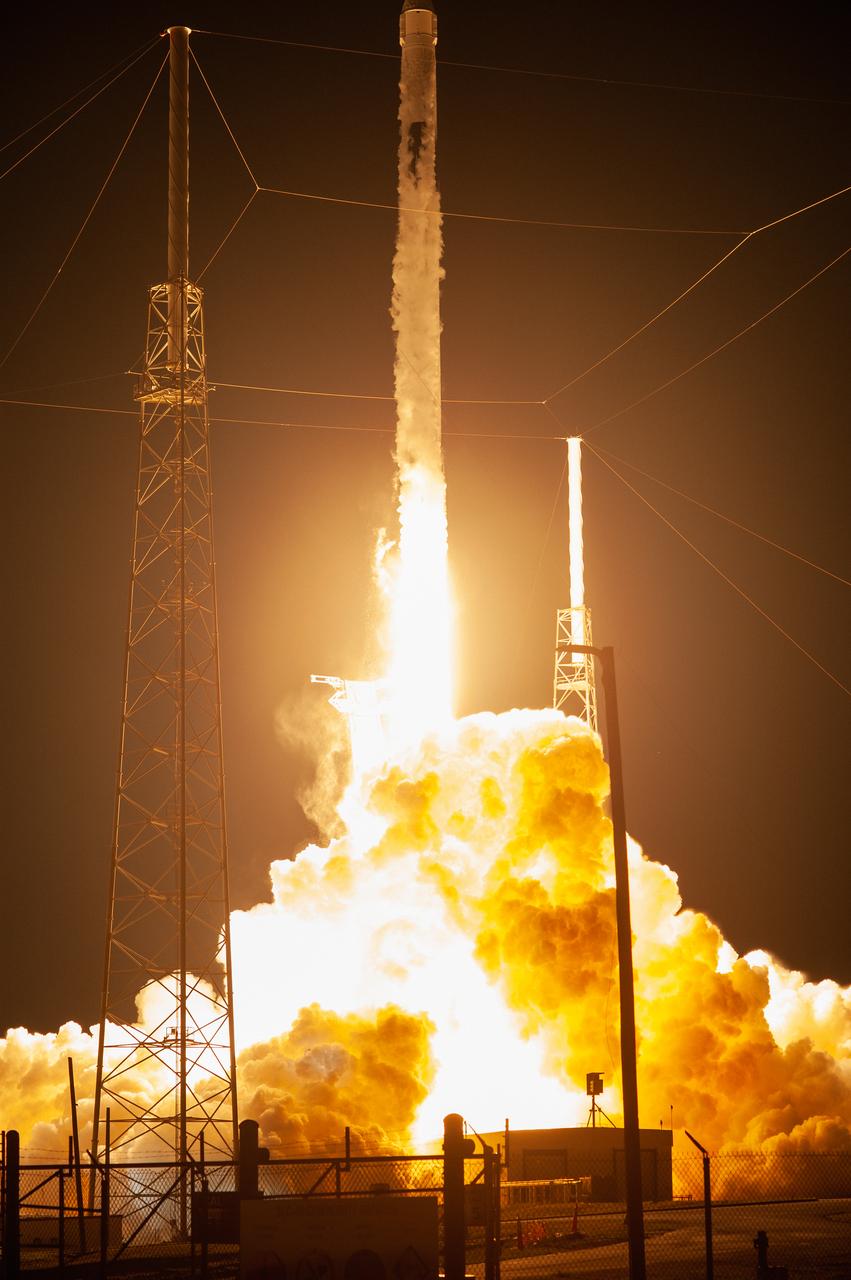
The SpaceX Falcon 9 rocket with the Dragon cargo module lifts off Space Launch Complex 40 on Cape Canaveral Air Force Station in Florida in the early morning May 4, 2019. Liftoff was at 2:48 a.m. EDT. This is SpaceX’s 17th Commercial Resupply Services (CRS-17) mission for NASA to the International Space Station. The Dragon cargo module will deliver about 5,500 pounds of science and research, crew supplies and vehicle hardware to the orbital laboratory and its crew.
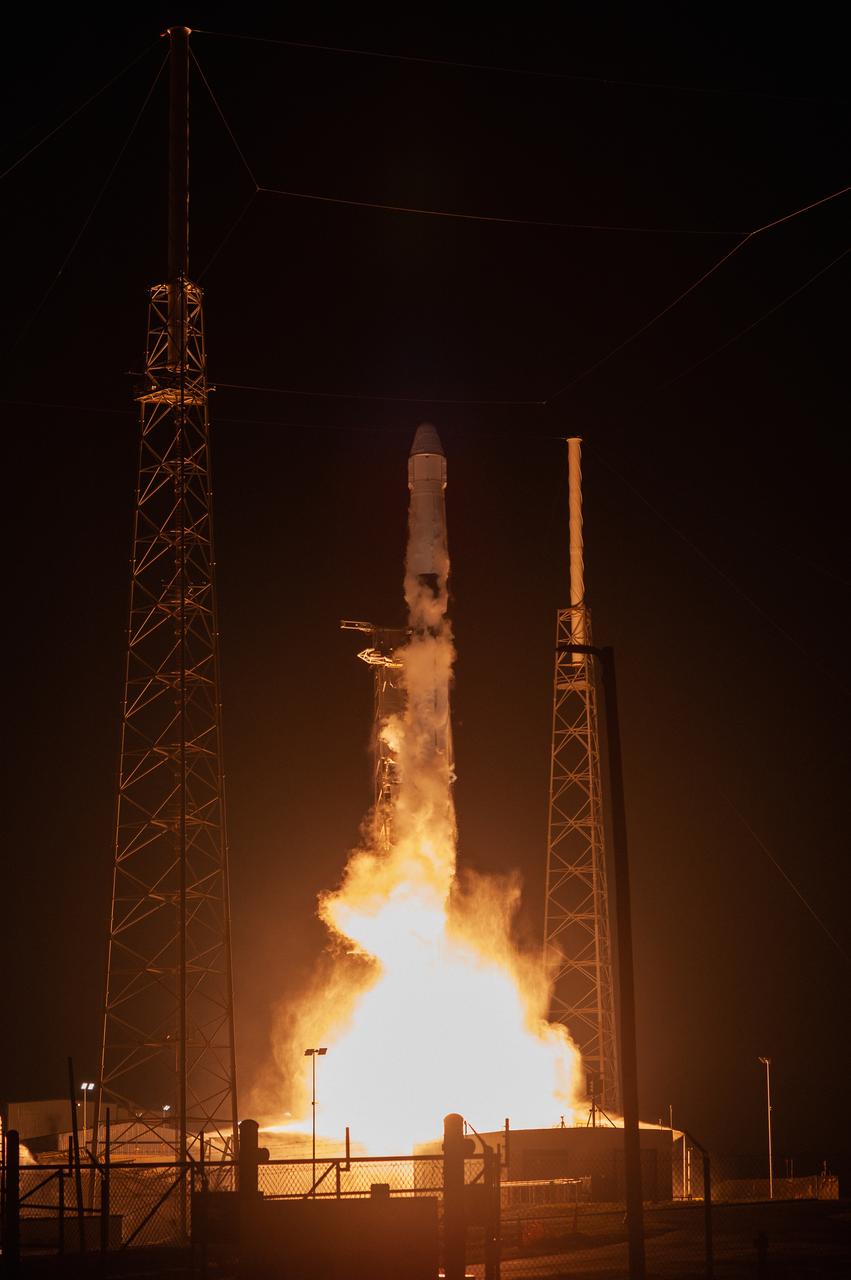
The SpaceX Falcon 9 rocket with the Dragon cargo module lifts off Space Launch Complex 40 on Cape Canaveral Air Force Station in Florida in the early morning May 4, 2019. Liftoff was at 2:48 a.m. EDT. This is SpaceX’s 17th Commercial Resupply Services (CRS-17) mission for NASA to the International Space Station. The Dragon cargo module will deliver about 5,500 pounds of science and research, crew supplies and vehicle hardware to the orbital laboratory and its crew.
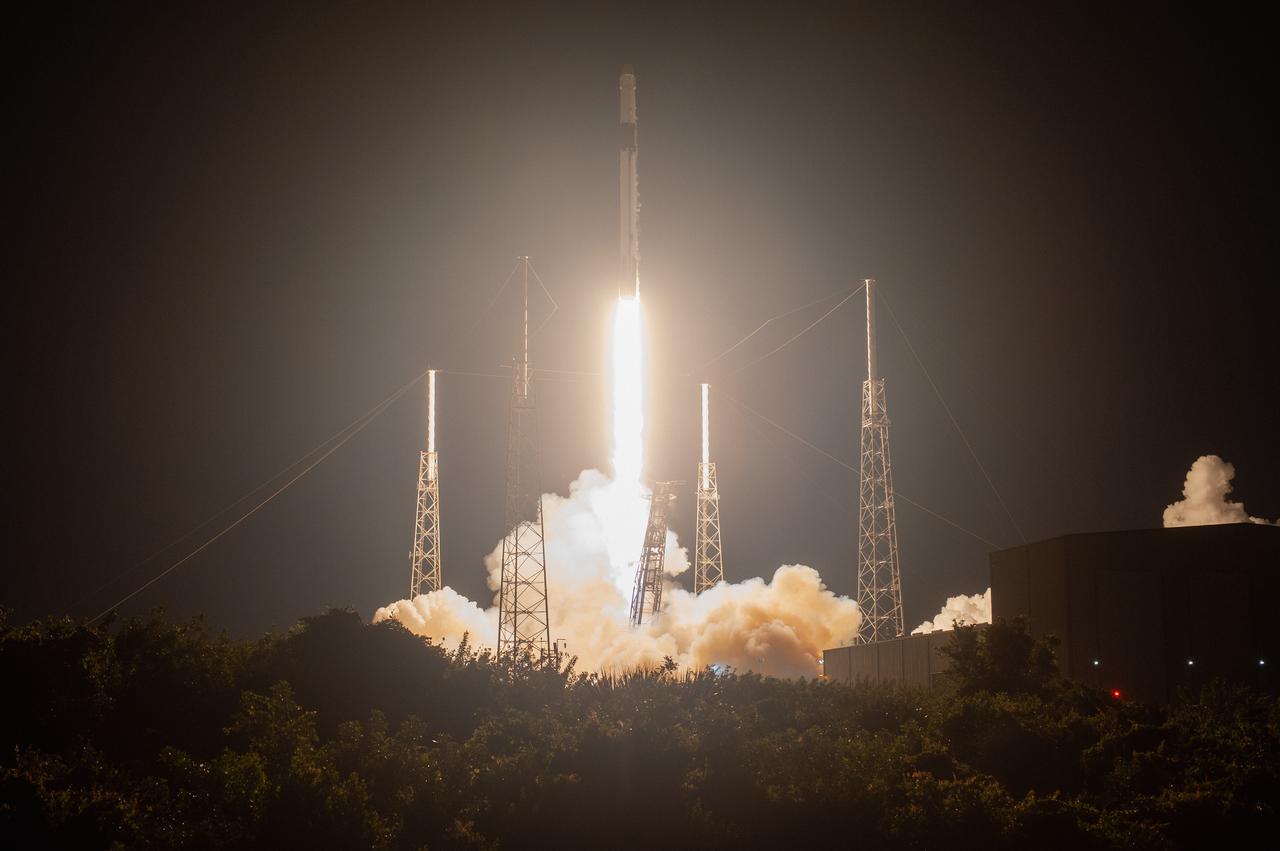
The SpaceX Falcon 9 rocket with the Dragon cargo module lifts off Space Launch Complex 40 on Cape Canaveral Air Force Station in Florida in the early morning May 4, 2019. Liftoff was at 2:48 a.m. EDT. This is SpaceX’s 17th Commercial Resupply Services (CRS-17) mission for NASA to the International Space Station. The Dragon cargo module will deliver about 5,500 pounds of science and research, crew supplies and vehicle hardware to the orbital laboratory and its crew.
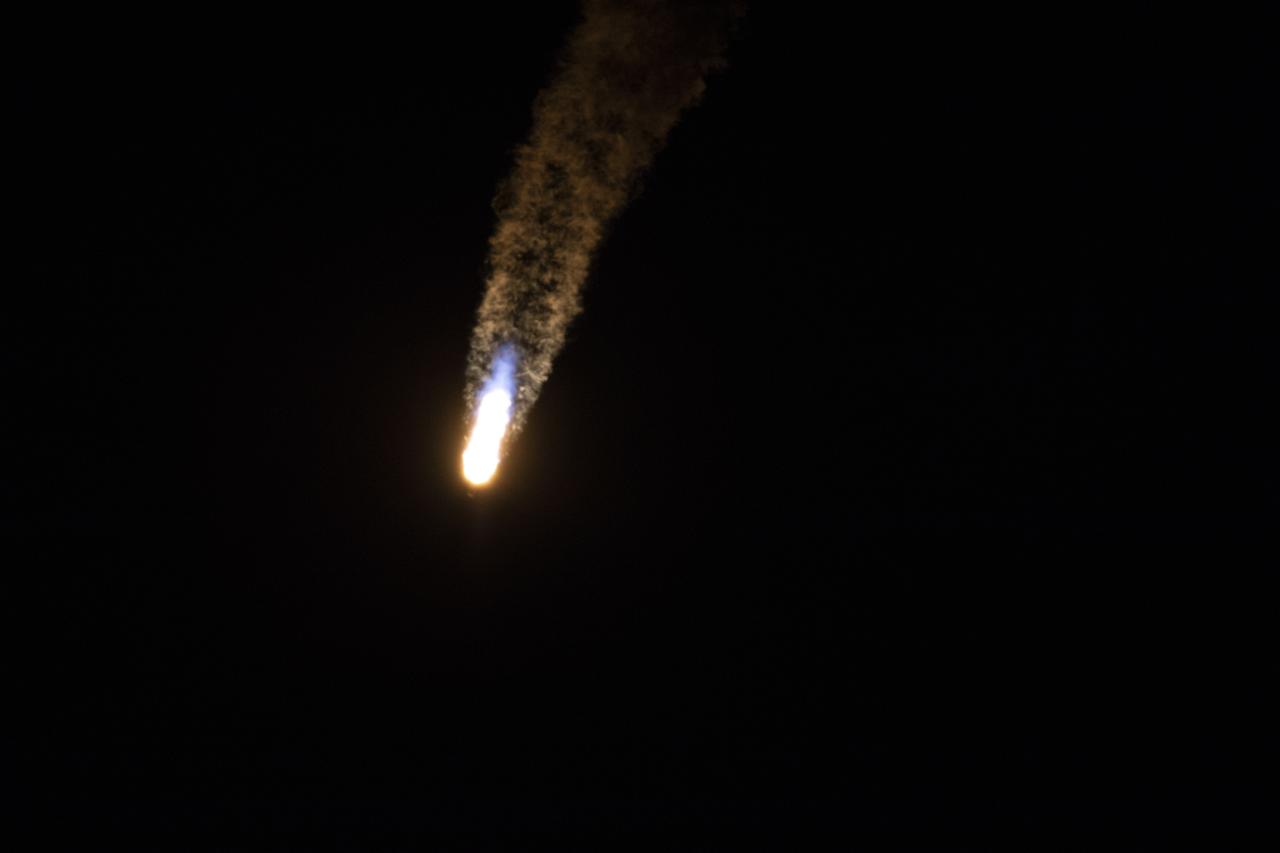
The SpaceX Falcon 9 rocket with the Dragon cargo module climbs upward after liftoff from Space Launch Complex 40 on Cape Canaveral Air Force Station in Florida in the early morning May 4, 2019. Liftoff was at 2:48 a.m. EDT. This is SpaceX’s 17th Commercial Resupply Services (CRS-17) mission for NASA to the International Space Station. The Dragon cargo module will deliver about 5,500 pounds of science and research, crew supplies and vehicle hardware to the orbital laboratory and its crew.
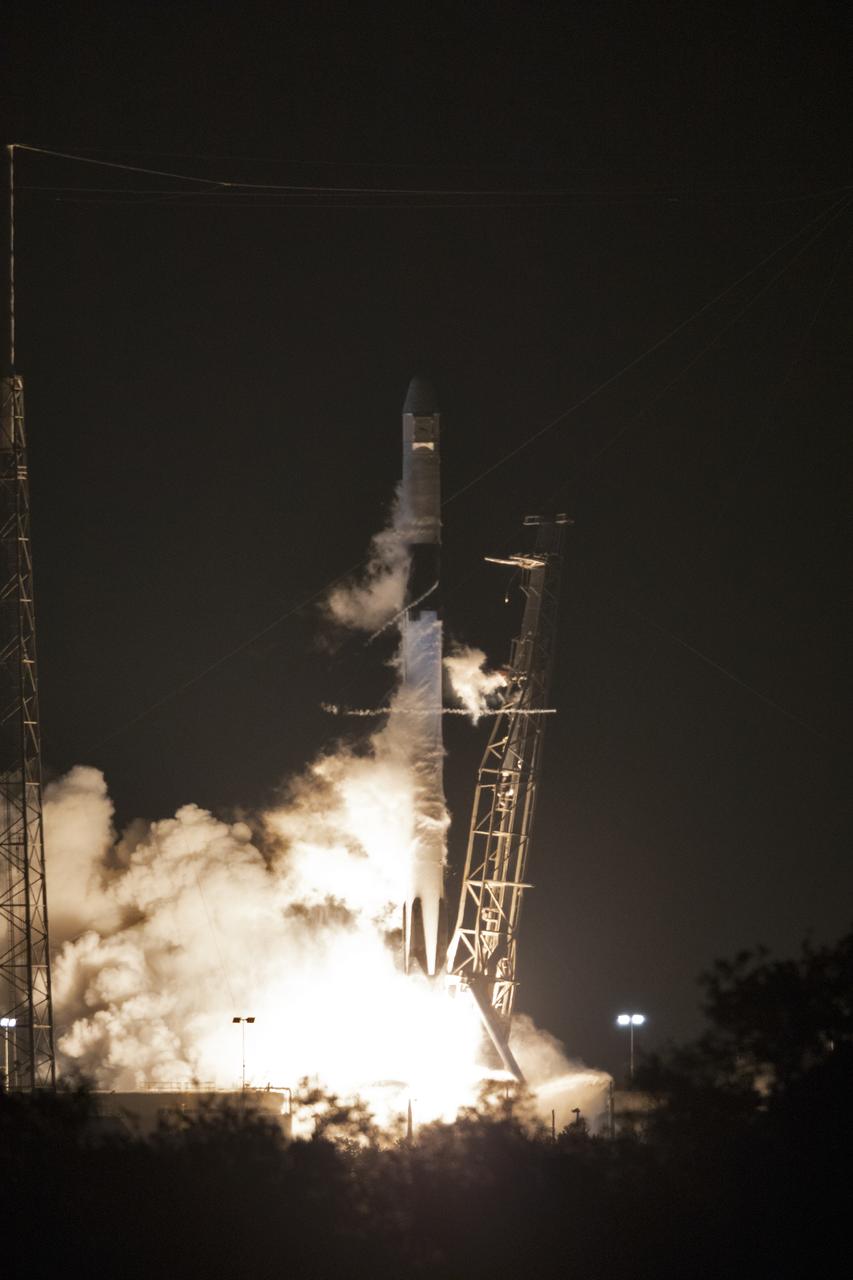
The SpaceX Falcon 9 rocket with the Dragon cargo module lifts off Space Launch Complex 40 on Cape Canaveral Air Force Station in Florida in the early morning May 4, 2019. Liftoff was at 2:48 a.m. EDT. This is SpaceX’s 17th Commercial Resupply Services (CRS-17) mission for NASA to the International Space Station. The Dragon cargo module will deliver about 5,500 pounds of science and research, crew supplies and vehicle hardware to the orbital laboratory and its crew.

The SpaceX Falcon 9 rocket with the Dragon cargo module lifts off Space Launch Complex 40 on Cape Canaveral Air Force Station in Florida in the early morning May 4, 2019. Liftoff was at 2:48 a.m. EDT. This is SpaceX’s 17th Commercial Resupply Services (CRS-17) mission for NASA to the International Space Station. The Dragon cargo module will deliver about 5,500 pounds of science and research, crew supplies and vehicle hardware to the orbital laboratory and its crew.
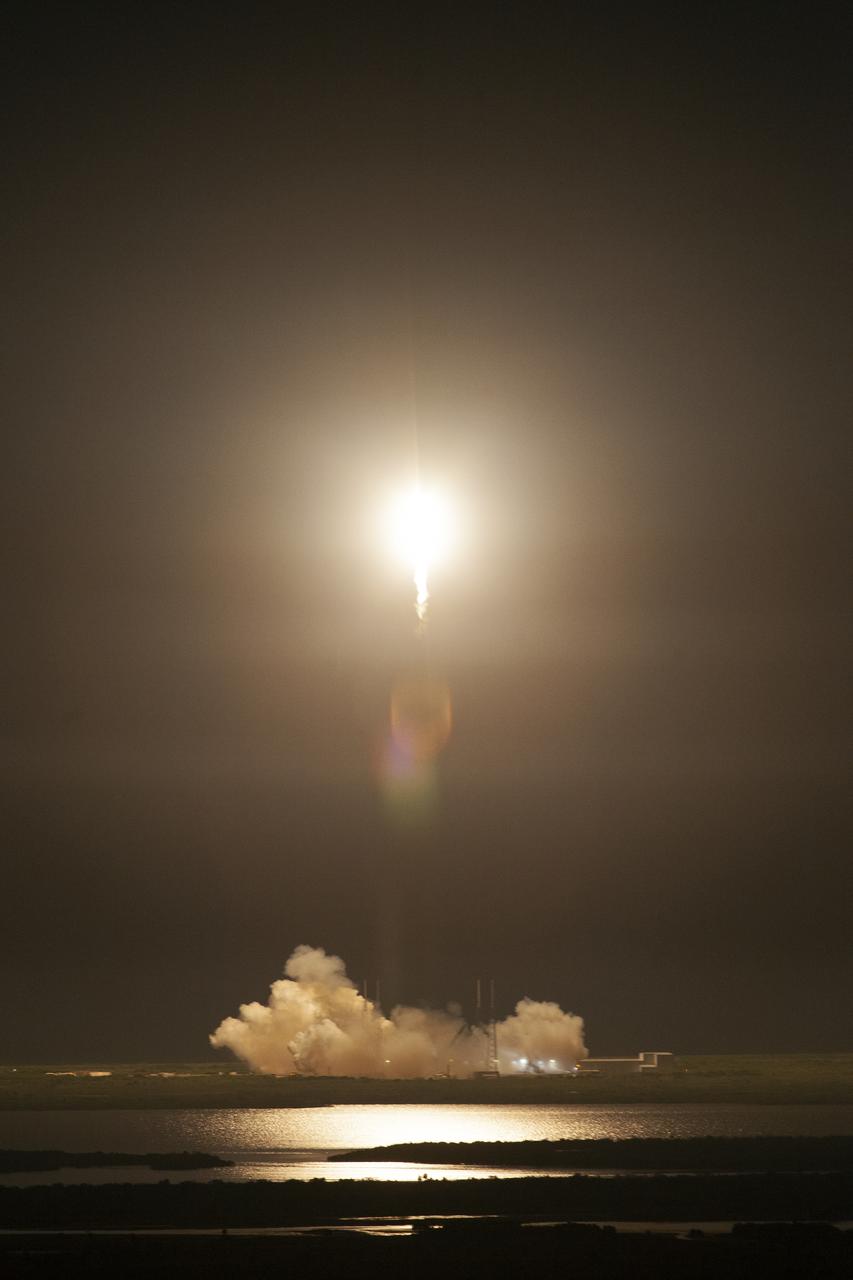
The SpaceX Falcon 9 rocket with the Dragon cargo module climbs upward after liftoff from Space Launch Complex 40 on Cape Canaveral Air Force Station in Florida in the early morning May 4, 2019. Liftoff was at 2:48 a.m. EDT. This is SpaceX’s 17th Commercial Resupply Services (CRS-17) mission for NASA to the International Space Station. The Dragon cargo module will deliver about 5,500 pounds of science and research, crew supplies and vehicle hardware to the orbital laboratory and its crew.
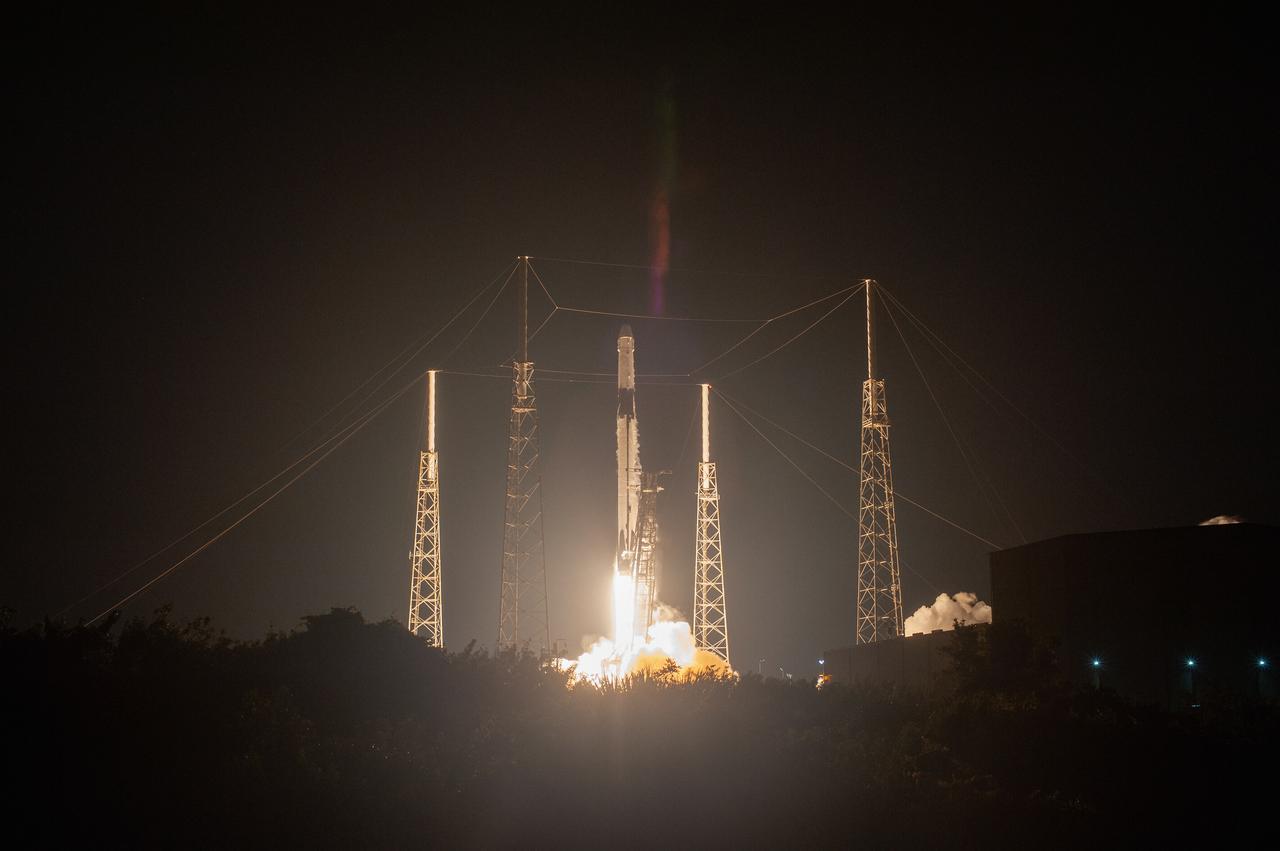
The SpaceX Falcon 9 rocket with the Dragon cargo module lifts off Space Launch Complex 40 on Cape Canaveral Air Force Station in Florida in the early morning May 4, 2019. Liftoff was at 2:48 a.m. EDT. This is SpaceX’s 17th Commercial Resupply Services (CRS-17) mission for NASA to the International Space Station. The Dragon cargo module will deliver about 5,500 pounds of science and research, crew supplies and vehicle hardware to the orbital laboratory and its crew.
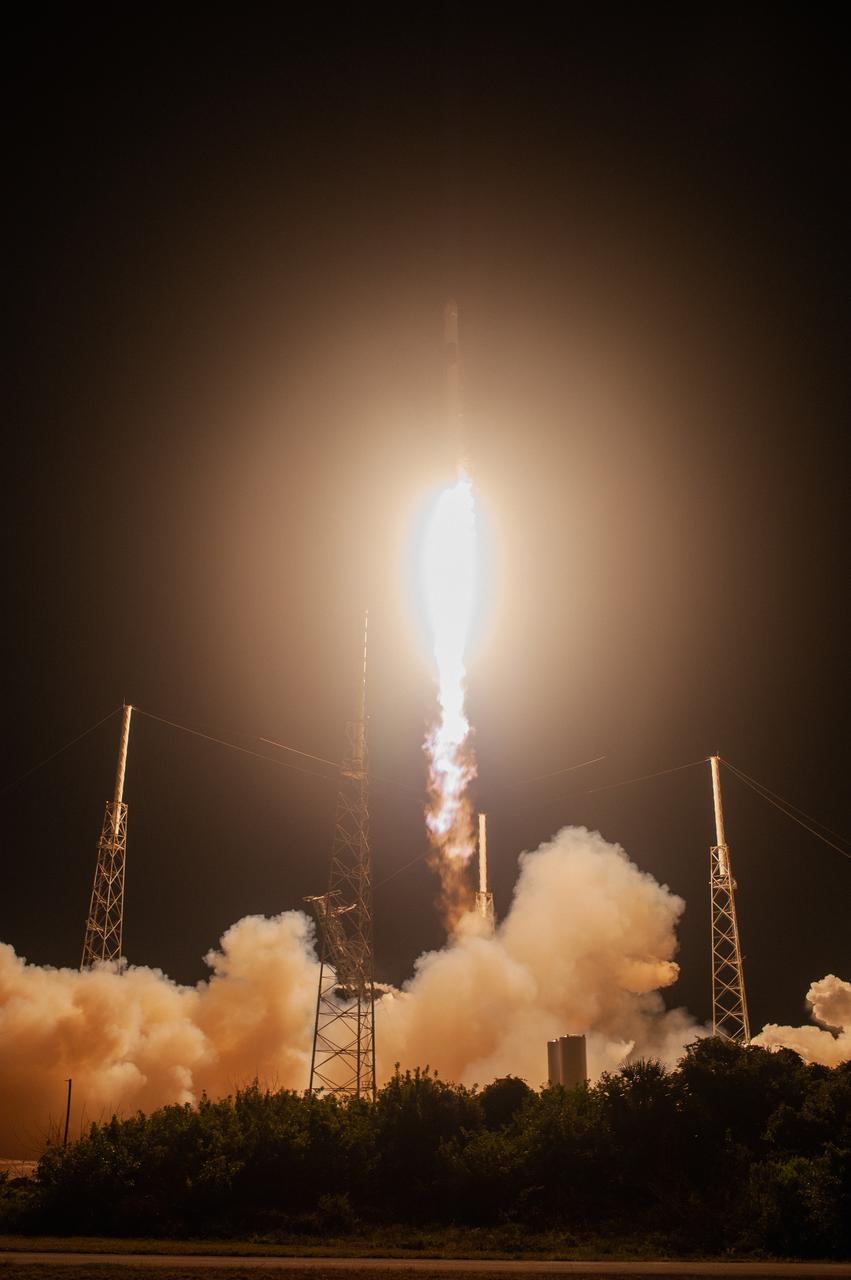
The SpaceX Falcon 9 rocket with the Dragon cargo module climbs upward after liftoff from Space Launch Complex 40 on Cape Canaveral Air Force Station in Florida in the early morning May 4, 2019. Liftoff was at 2:48 a.m. EDT. This is SpaceX’s 17th Commercial Resupply Services (CRS-17) mission for NASA to the International Space Station. The Dragon cargo module will deliver about 5,500 pounds of science and research, crew supplies and vehicle hardware to the orbital laboratory and its crew.
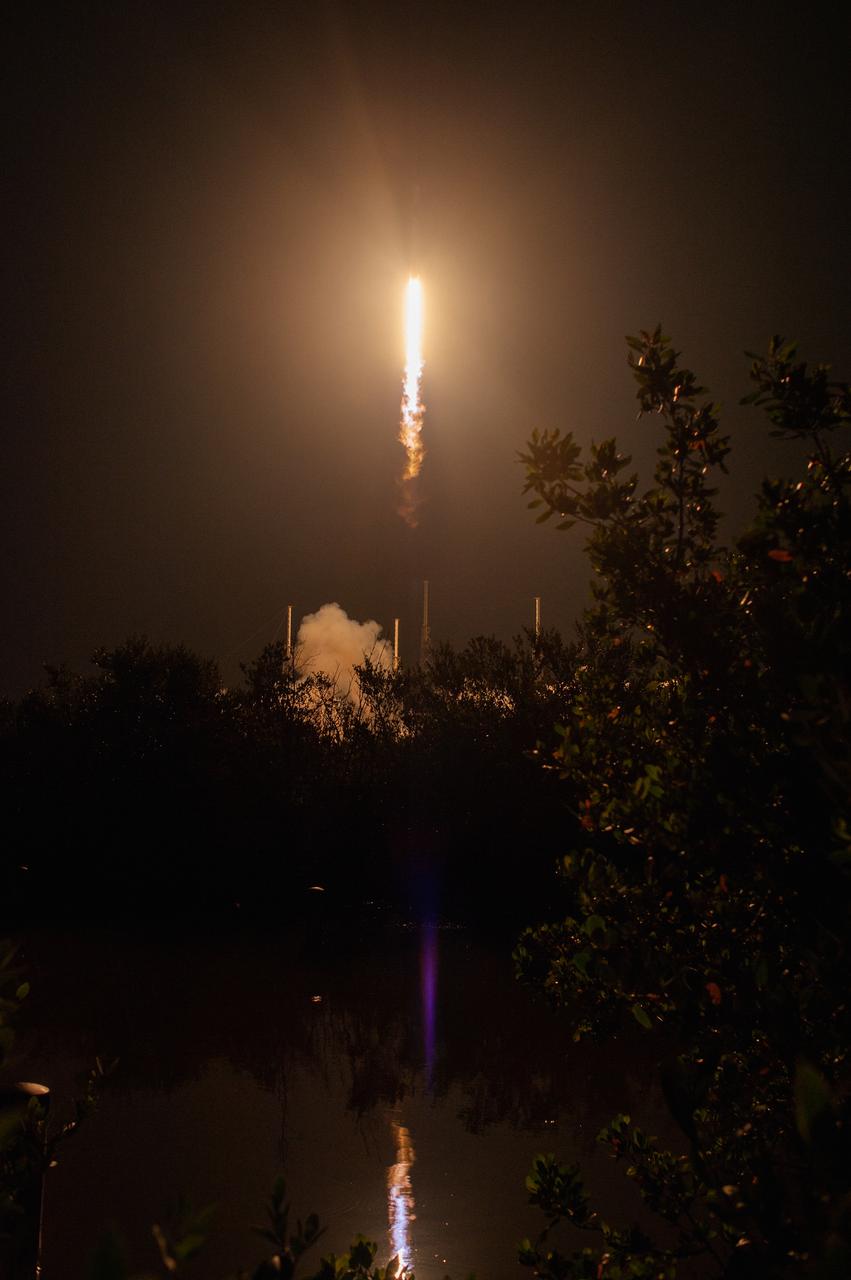
The SpaceX Falcon 9 rocket with the Dragon cargo module climbs upward after liftoff from Space Launch Complex 40 on Cape Canaveral Air Force Station in Florida in the early morning May 4, 2019. Liftoff was at 2:48 a.m. EDT. This is SpaceX’s 17th Commercial Resupply Services (CRS-17) mission for NASA to the International Space Station. The Dragon cargo module will deliver about 5,500 pounds of science and research, crew supplies and vehicle hardware to the orbital laboratory and its crew.
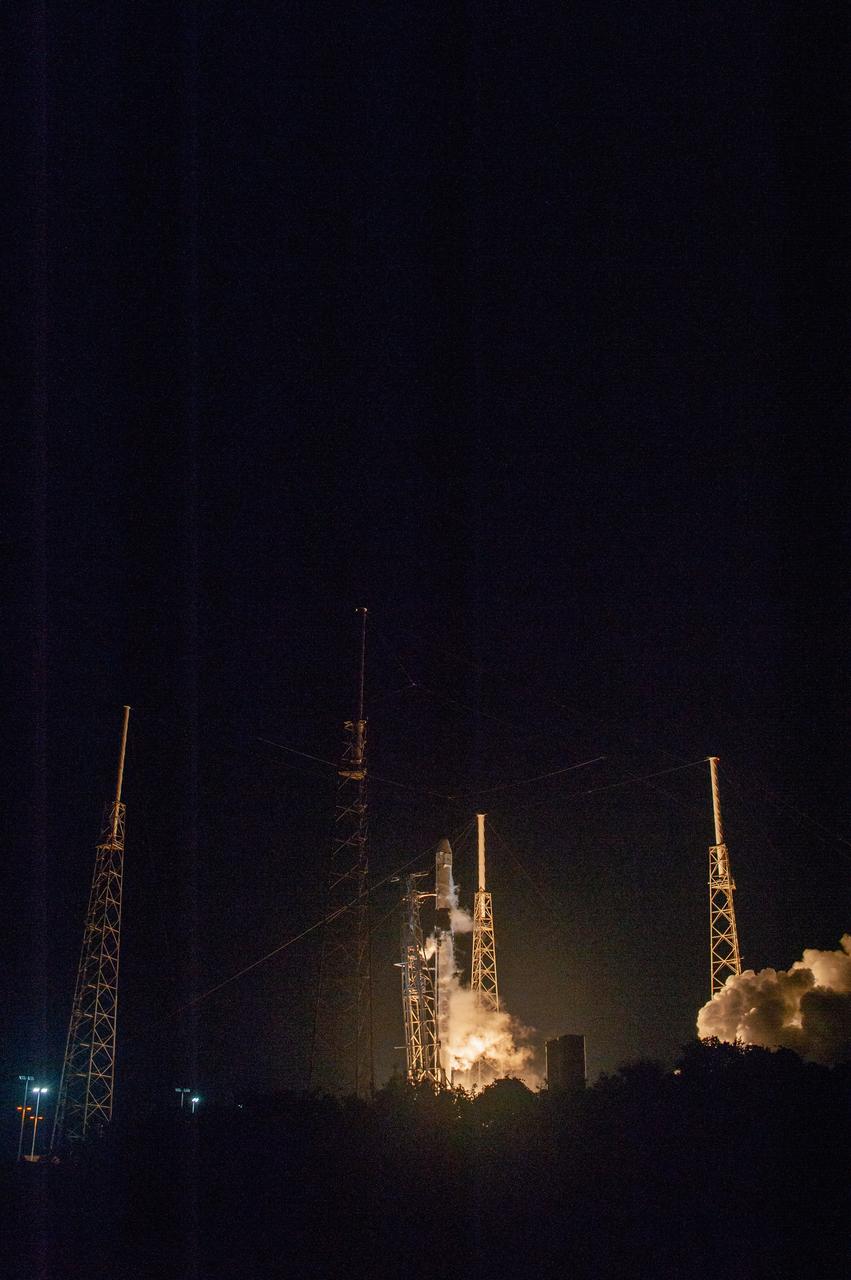
The SpaceX Falcon 9 rocket with the Dragon cargo module lifts off Space Launch Complex 40 on Cape Canaveral Air Force Station in Florida in the early morning May 4, 2019. Liftoff was at 2:48 a.m. EDT. This is SpaceX’s 17th Commercial Resupply Services (CRS-17) mission for NASA to the International Space Station. The Dragon cargo module will deliver about 5,500 pounds of science and research, crew supplies and vehicle hardware to the orbital laboratory and its crew.
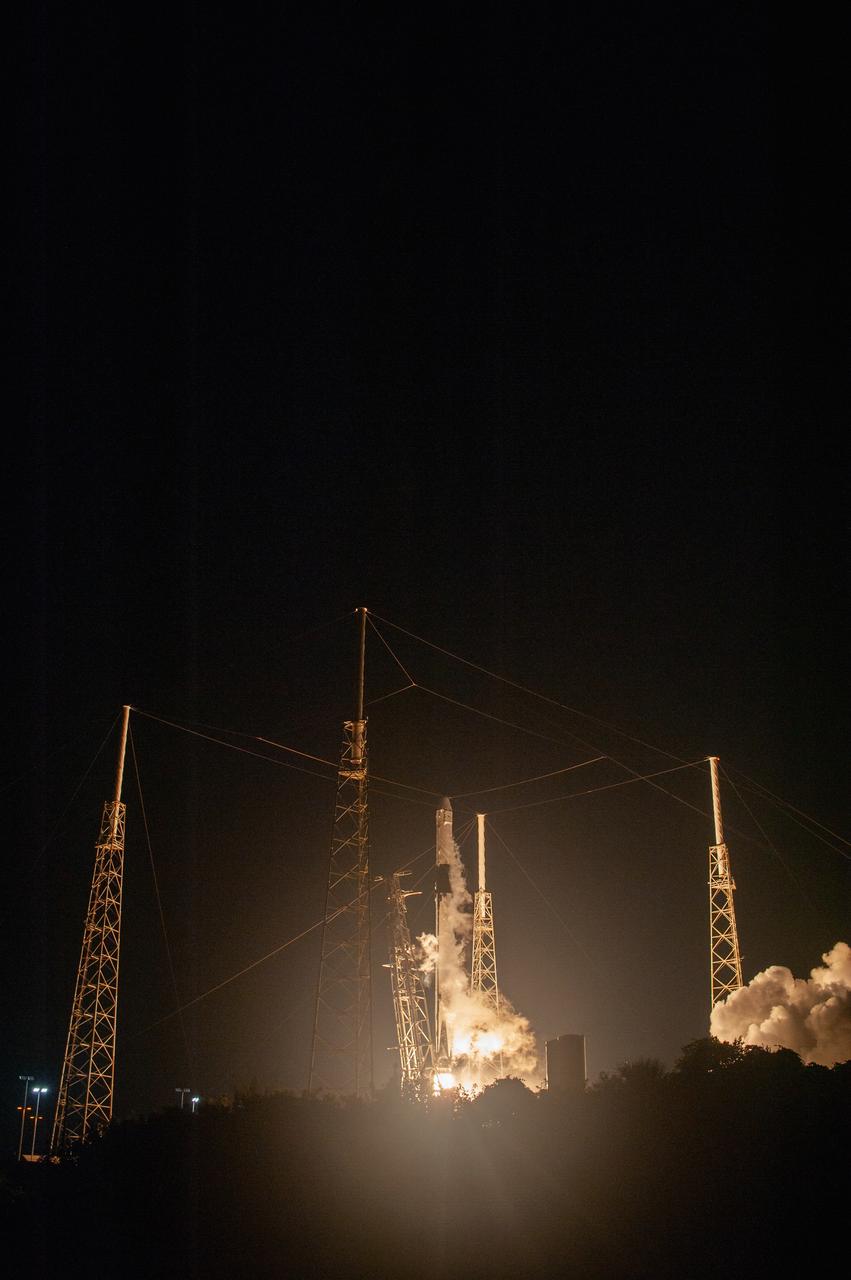
The SpaceX Falcon 9 rocket with the Dragon cargo module lifts off Space Launch Complex 40 on Cape Canaveral Air Force Station in Florida in the early morning May 4, 2019. Liftoff was at 2:48 a.m. EDT. This is SpaceX’s 17th Commercial Resupply Services (CRS-17) mission for NASA to the International Space Station. The Dragon cargo module will deliver about 5,500 pounds of science and research, crew supplies and vehicle hardware to the orbital laboratory and its crew.
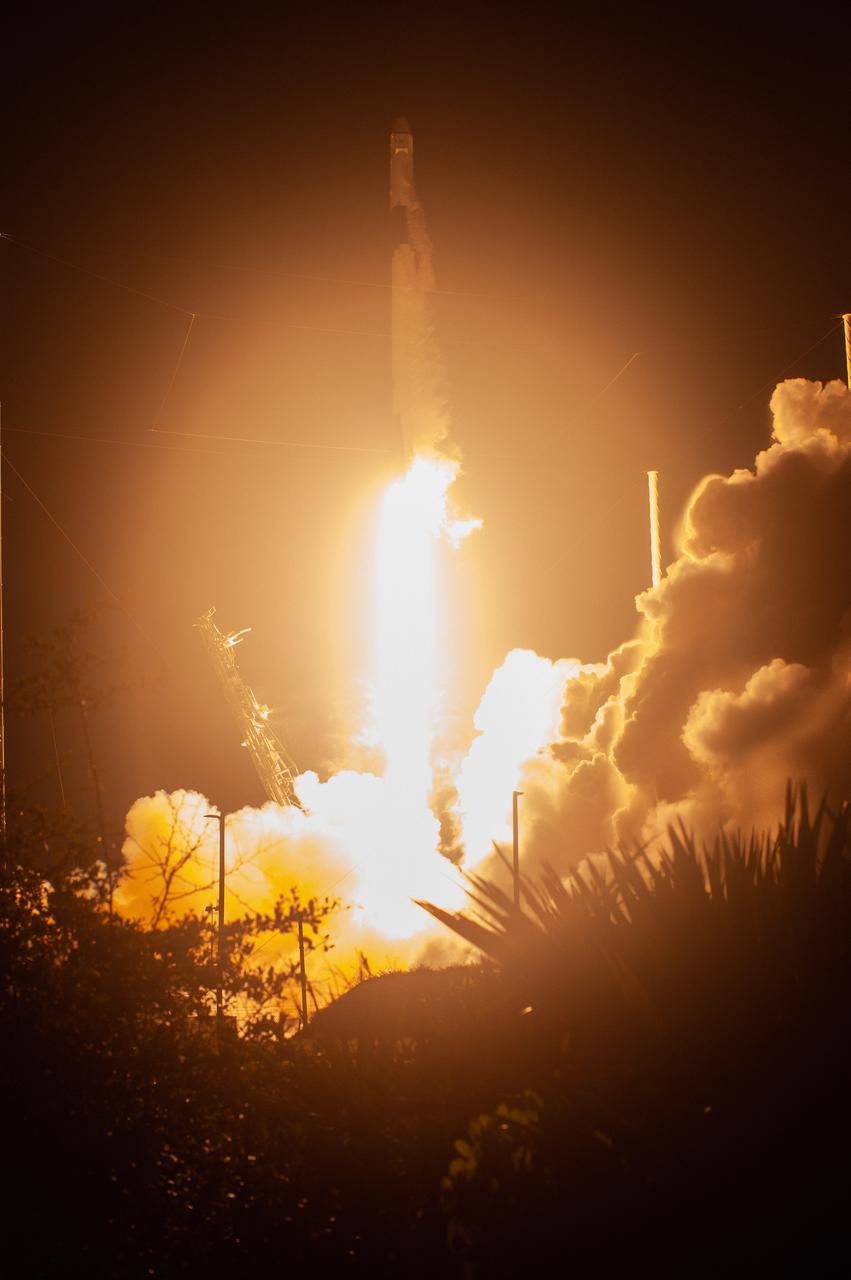
The SpaceX Falcon 9 rocket with the Dragon cargo module climbs upward after liftoff from Space Launch Complex 40 on Cape Canaveral Air Force Station in Florida in the early morning May 4, 2019. Liftoff was at 2:48 a.m. EDT. This is SpaceX’s 17th Commercial Resupply Services (CRS-17) mission for NASA to the International Space Station. The Dragon cargo module will deliver about 5,500 pounds of science and research, crew supplies and vehicle hardware to the orbital laboratory and its crew.
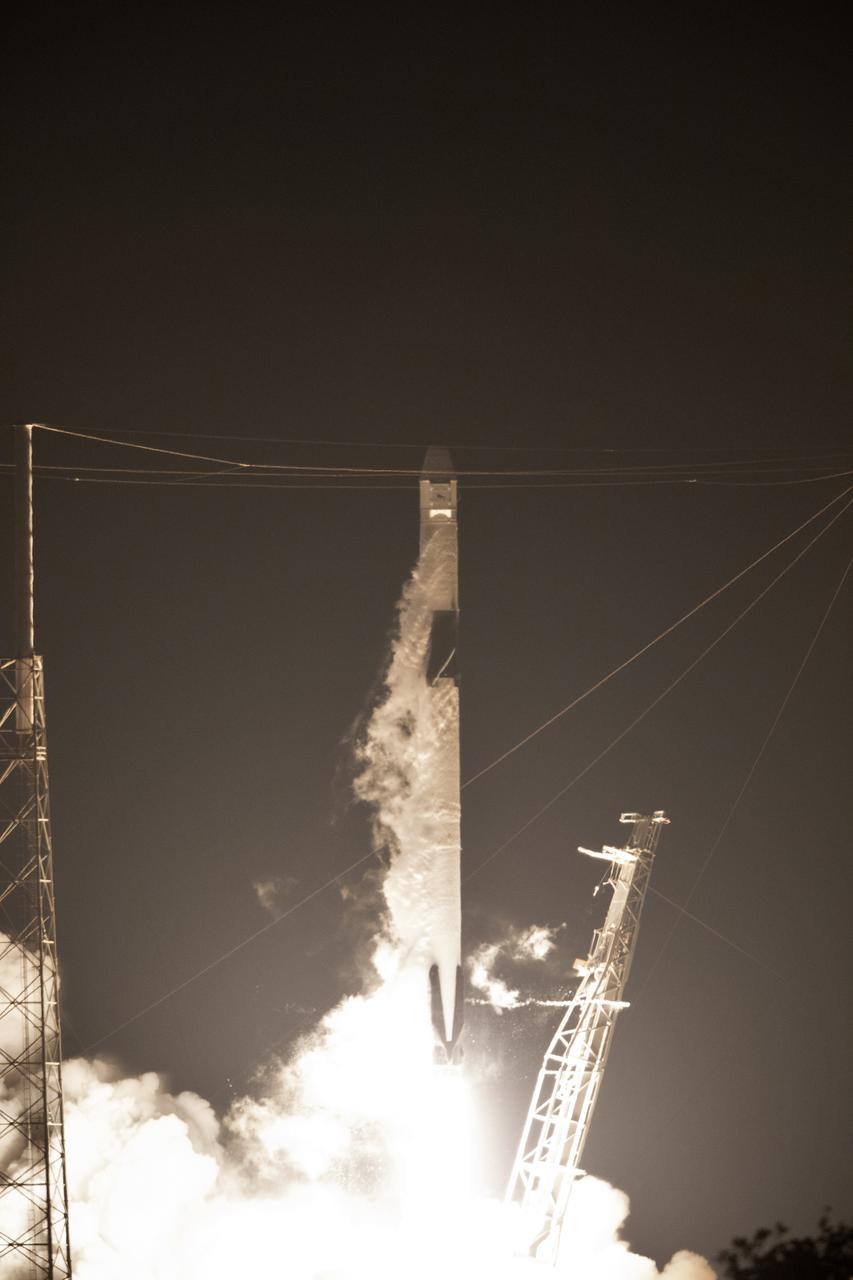
The SpaceX Falcon 9 rocket with the Dragon cargo module lifts off Space Launch Complex 40 on Cape Canaveral Air Force Station in Florida in the early morning May 4, 2019. Liftoff was at 2:48 a.m. EDT. This is SpaceX’s 17th Commercial Resupply Services (CRS-17) mission for NASA to the International Space Station. The Dragon cargo module will deliver about 5,500 pounds of science and research, crew supplies and vehicle hardware to the orbital laboratory and its crew.
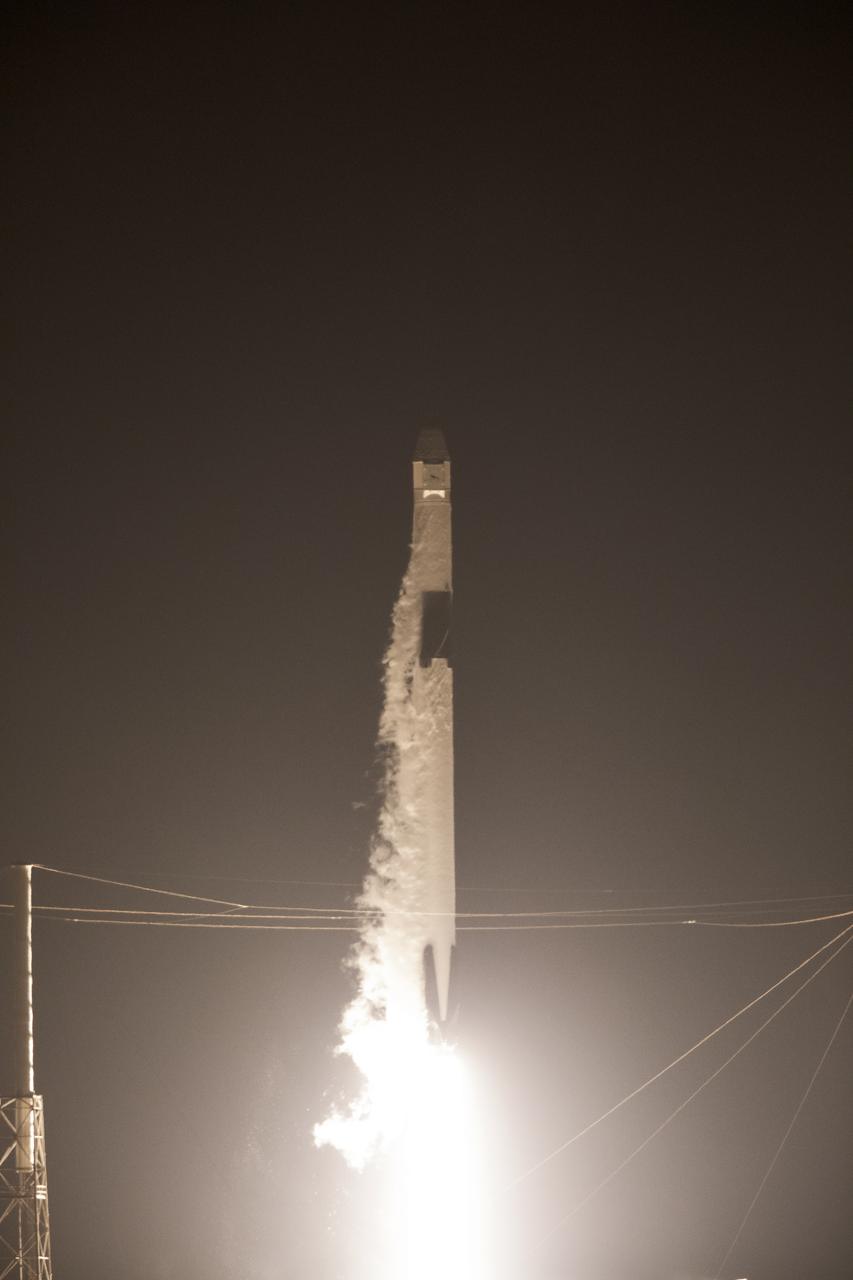
The SpaceX Falcon 9 rocket with the Dragon cargo module lifts off Space Launch Complex 40 on Cape Canaveral Air Force Station in Florida in the early morning May 4, 2019. Liftoff was at 2:48 a.m. EDT. This is SpaceX’s 17th Commercial Resupply Services (CRS-17) mission for NASA to the International Space Station. The Dragon cargo module will deliver about 5,500 pounds of science and research, crew supplies and vehicle hardware to the orbital laboratory and its crew.
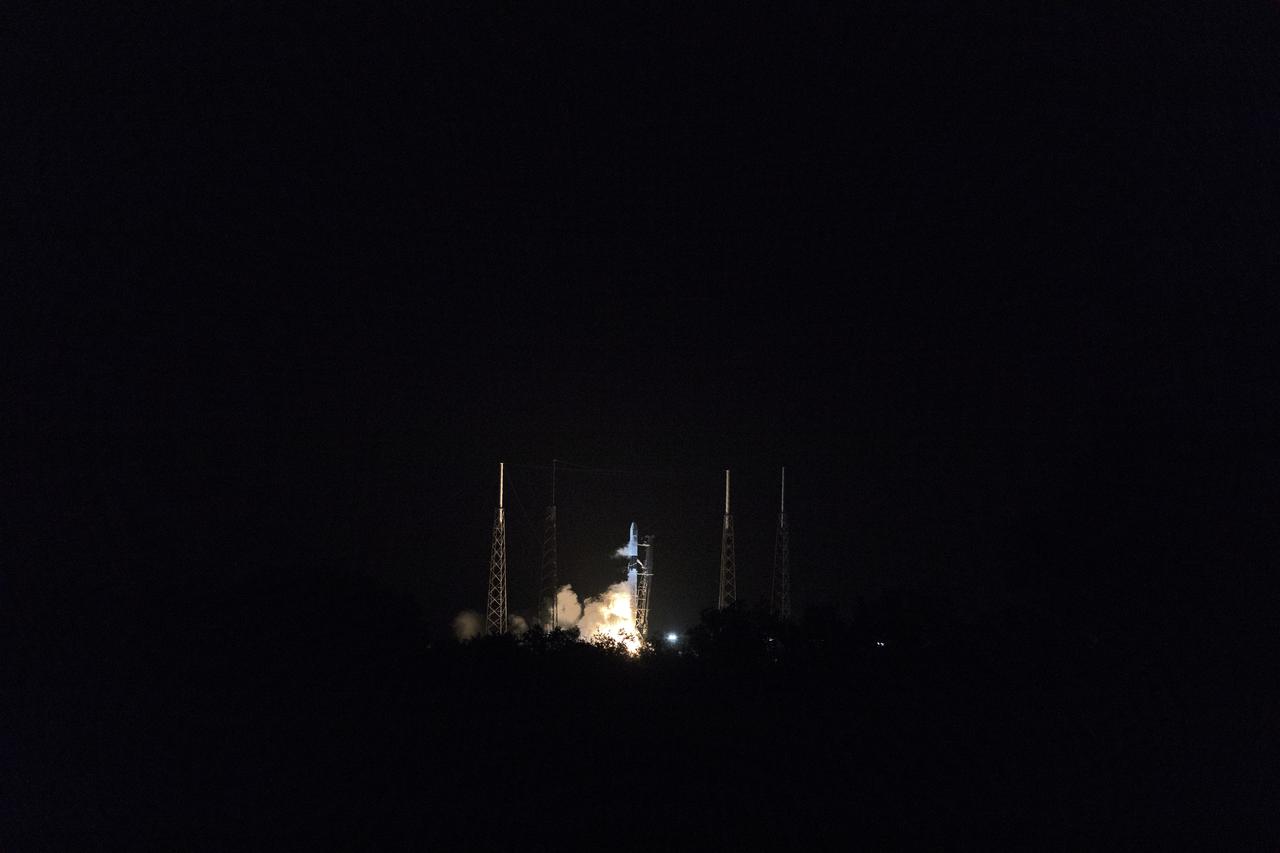
The SpaceX Falcon 9 rocket with the Dragon cargo module lifts off Space Launch Complex 40 on Cape Canaveral Air Force Station in Florida in the early morning May 4, 2019. Liftoff was at 2:48 a.m. EDT. This is SpaceX’s 17th Commercial Resupply Services (CRS-17) mission for NASA to the International Space Station. The Dragon cargo module will deliver about 5,500 pounds of science and research, crew supplies and vehicle hardware to the orbital laboratory and its crew.

The SpaceX Falcon 9 rocket with the Dragon cargo module lifts off Space Launch Complex 40 on Cape Canaveral Air Force Station in Florida in the early morning May 4, 2019. Liftoff was at 2:48 a.m. EDT. This is SpaceX’s 17th Commercial Resupply Services (CRS-17) mission for NASA to the International Space Station. The Dragon cargo module will deliver about 5,500 pounds of science and research, crew supplies and vehicle hardware to the orbital laboratory and its crew.
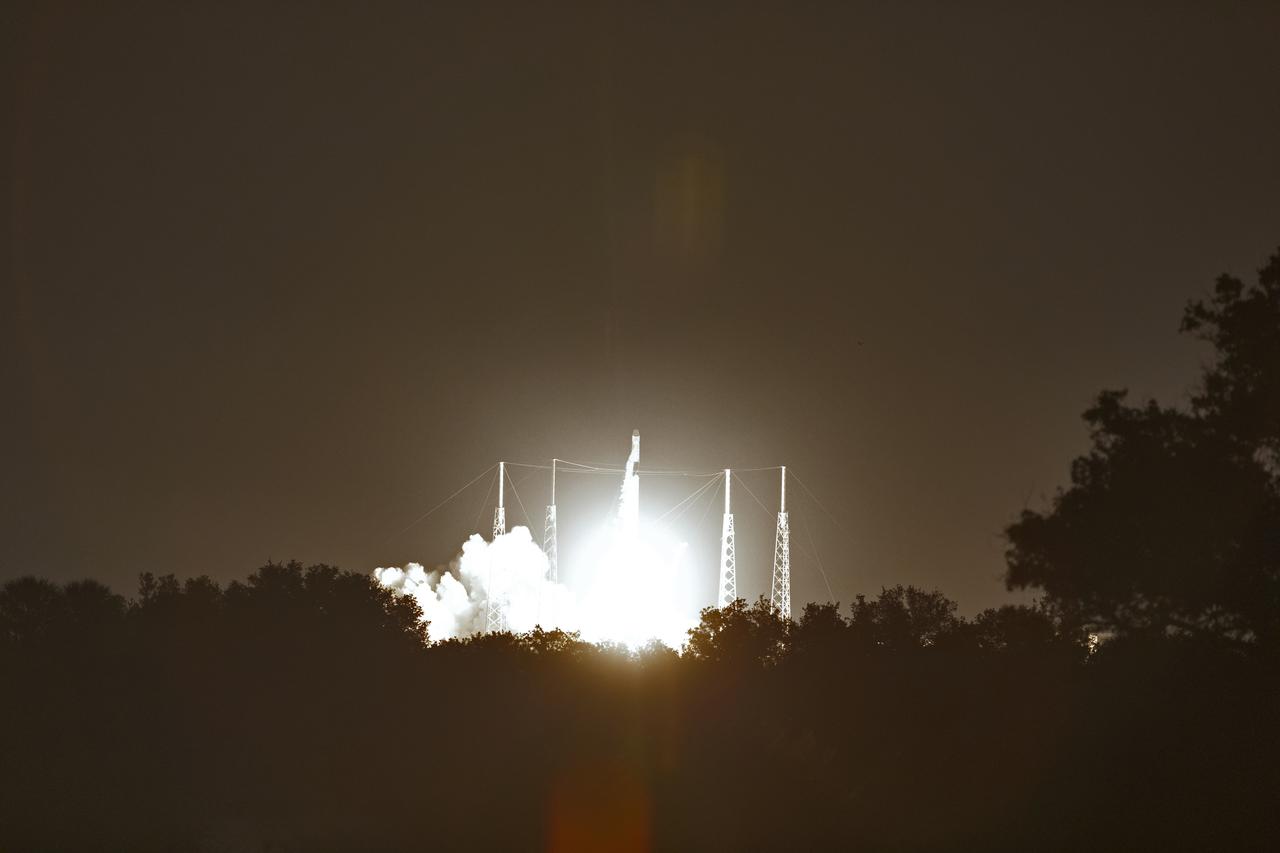
The SpaceX Falcon 9 rocket with the Dragon cargo module lifts off Space Launch Complex 40 on Cape Canaveral Air Force Station in Florida in the early morning May 4, 2019. Liftoff was at 2:48 a.m. EDT. This is SpaceX’s 17th Commercial Resupply Services (CRS-17) mission for NASA to the International Space Station. The Dragon cargo module will deliver about 5,500 pounds of science and research, crew supplies and vehicle hardware to the orbital laboratory and its crew.
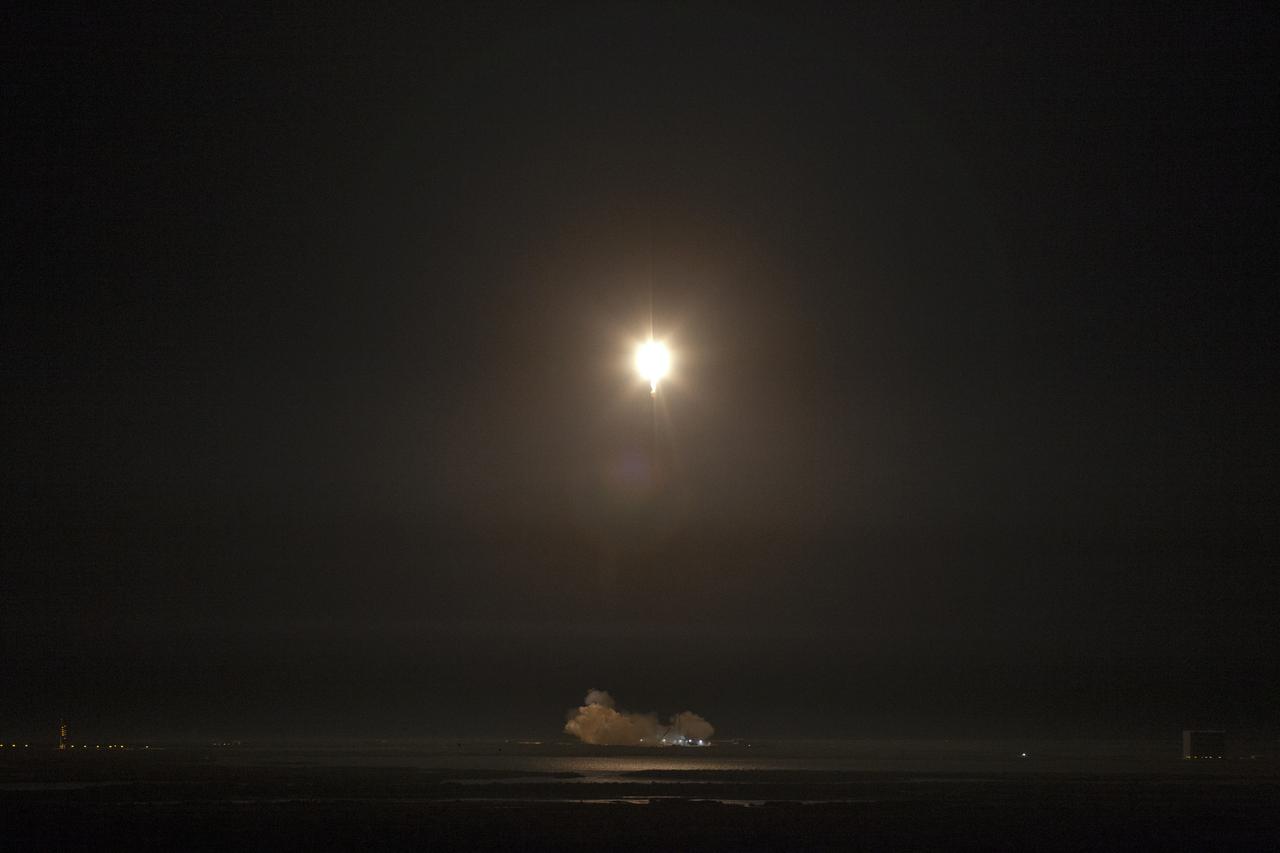
The SpaceX Falcon 9 rocket with the Dragon cargo module climbs upward after liftoff from Space Launch Complex 40 on Cape Canaveral Air Force Station in Florida in the early morning May 4, 2019. Liftoff was at 2:48 a.m. EDT. This is SpaceX’s 17th Commercial Resupply Services (CRS-17) mission for NASA to the International Space Station. The Dragon cargo module will deliver about 5,500 pounds of science and research, crew supplies and vehicle hardware to the orbital laboratory and its crew.
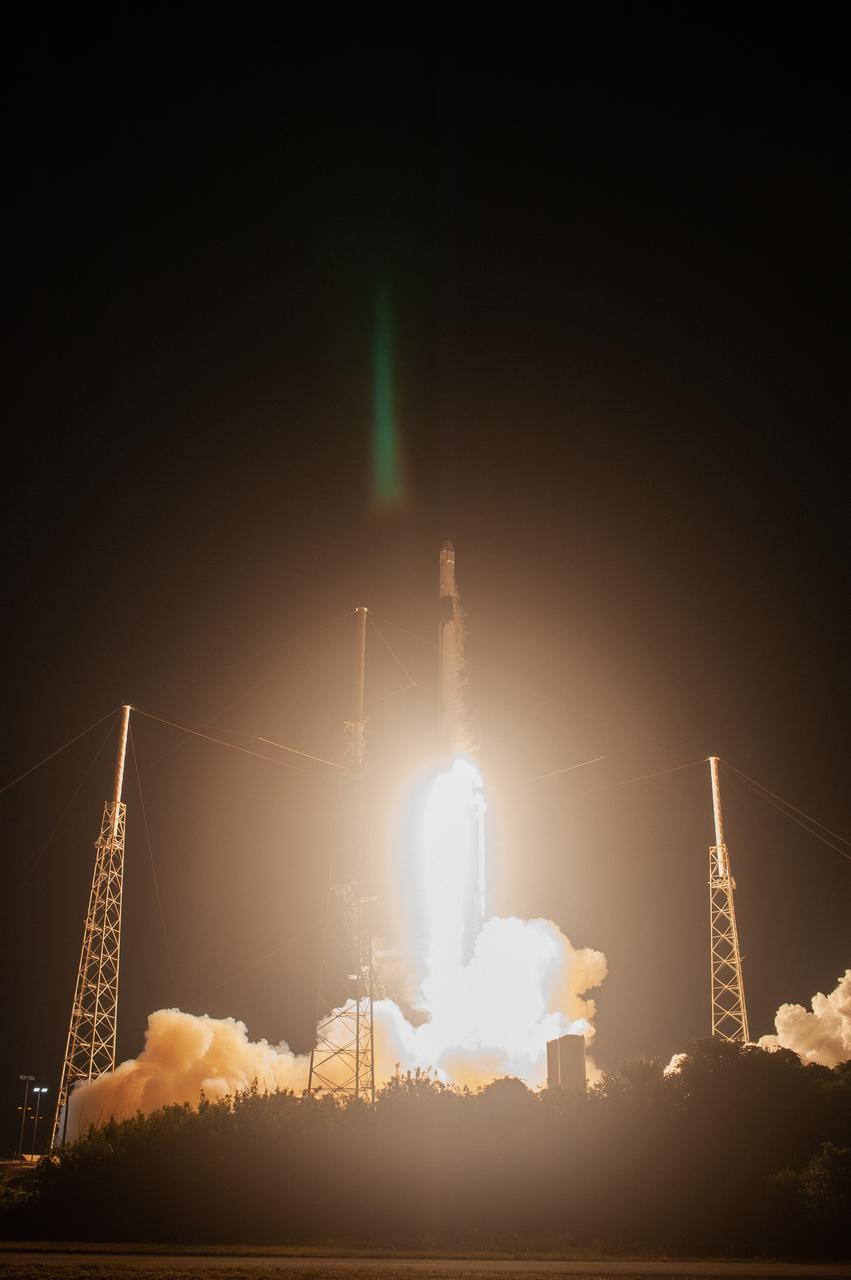
The SpaceX Falcon 9 rocket with the Dragon cargo module climbs upward after liftoff from Space Launch Complex 40 on Cape Canaveral Air Force Station in Florida in the early morning May 4, 2019. Liftoff was at 2:48 a.m. EDT. This is SpaceX’s 17th Commercial Resupply Services (CRS-17) mission for NASA to the International Space Station. The Dragon cargo module will deliver about 5,500 pounds of science and research, crew supplies and vehicle hardware to the orbital laboratory and its crew.
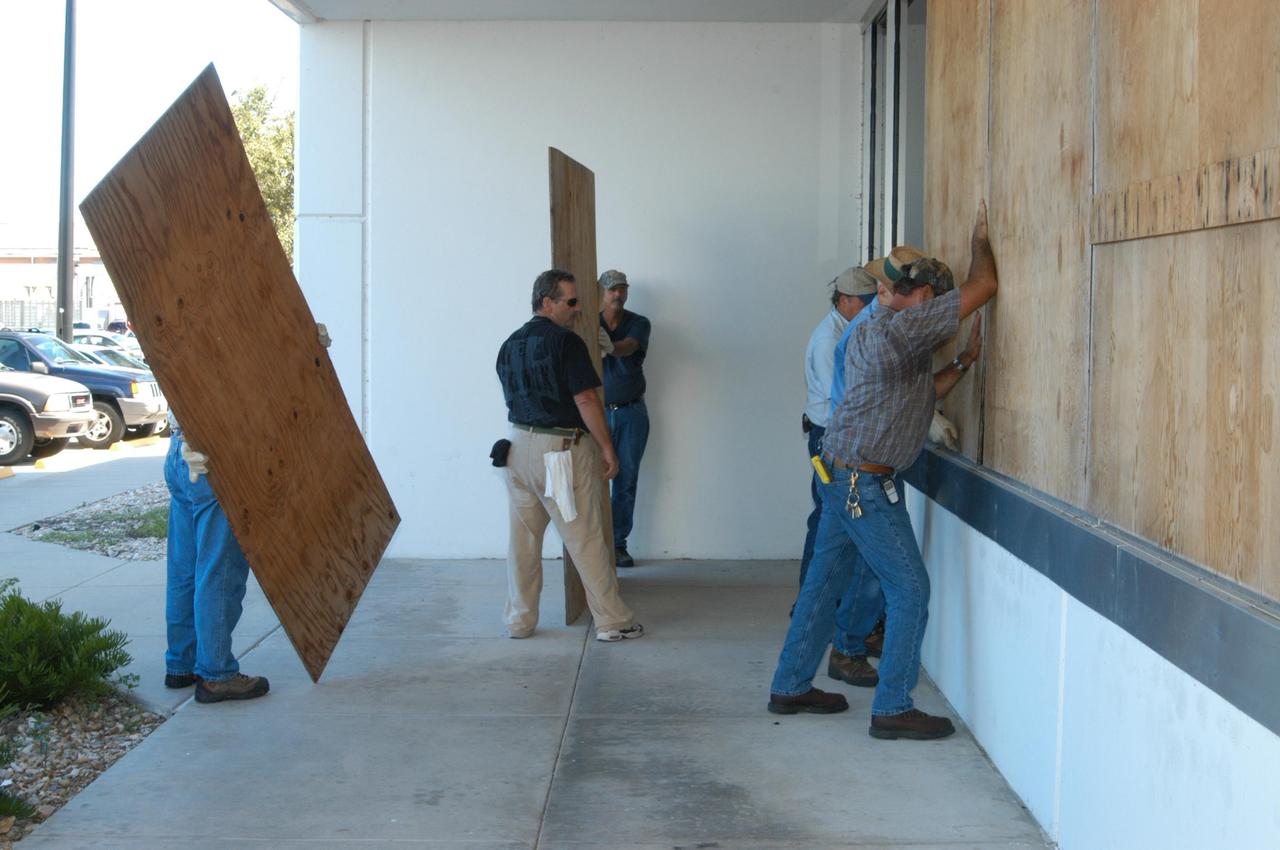
KENNEDY SPACE CENTER, FLA. - NASA's Kennedy Space Center has begun making preparations for the arrival of Tropical Storm Ernesto. Here workers are boarding up windows on the Operations and Support Building I in the Launch Complex 39 Area. The center has been in HURCON III status since Aug. 28, which means winds of 58 mph are expected within 48 hours. m. Photo credit: NASA/George Shelton
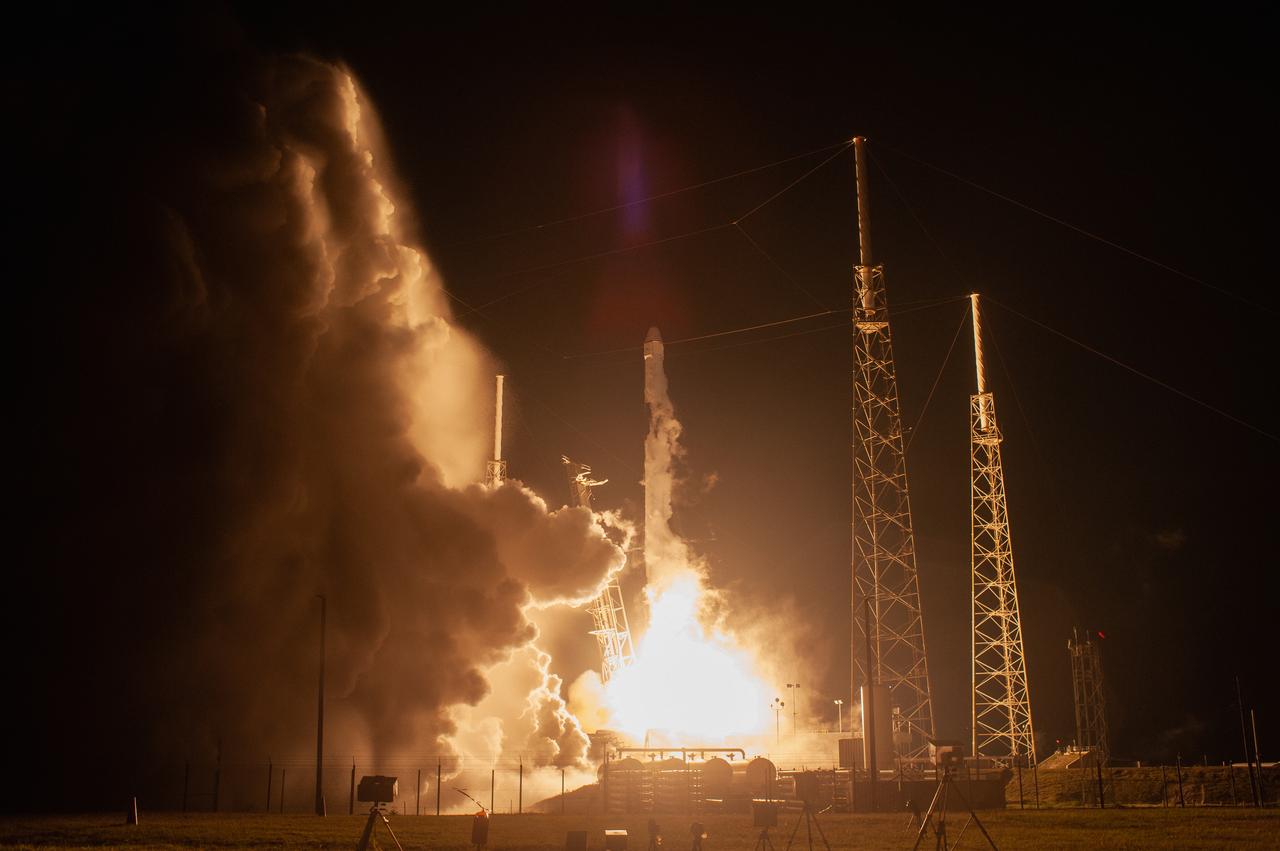
The SpaceX Falcon 9 rocket with the Dragon cargo module lifts off Space Launch Complex 40 on Cape Canaveral Air Force Station in Florida in the early morning May 4, 2019. Liftoff was at 2:48 a.m. EDT. This is SpaceX’s 17th Commercial Resupply Services (CRS-17) mission for NASA to the International Space Station. The Dragon cargo module will deliver about 5,500 pounds of science and research, crew supplies and vehicle hardware to the orbital laboratory and its crew.
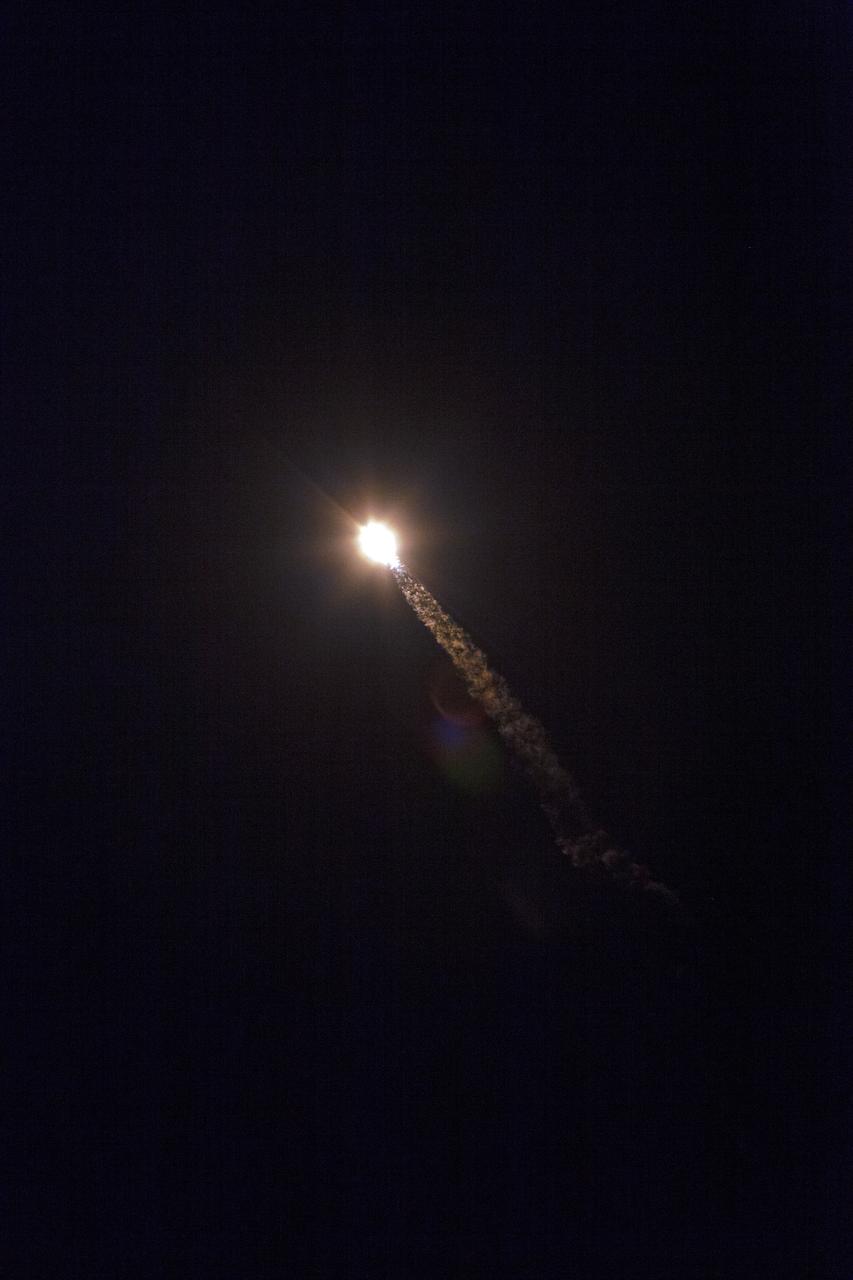
The SpaceX Falcon 9 rocket with the Dragon cargo module climbs upward after liftoff from Space Launch Complex 40 on Cape Canaveral Air Force Station in Florida in the early morning May 4, 2019. Liftoff was at 2:48 a.m. EDT. This is SpaceX’s 17th Commercial Resupply Services (CRS-17) mission for NASA to the International Space Station. The Dragon cargo module will deliver about 5,500 pounds of science and research, crew supplies and vehicle hardware to the orbital laboratory and its crew.
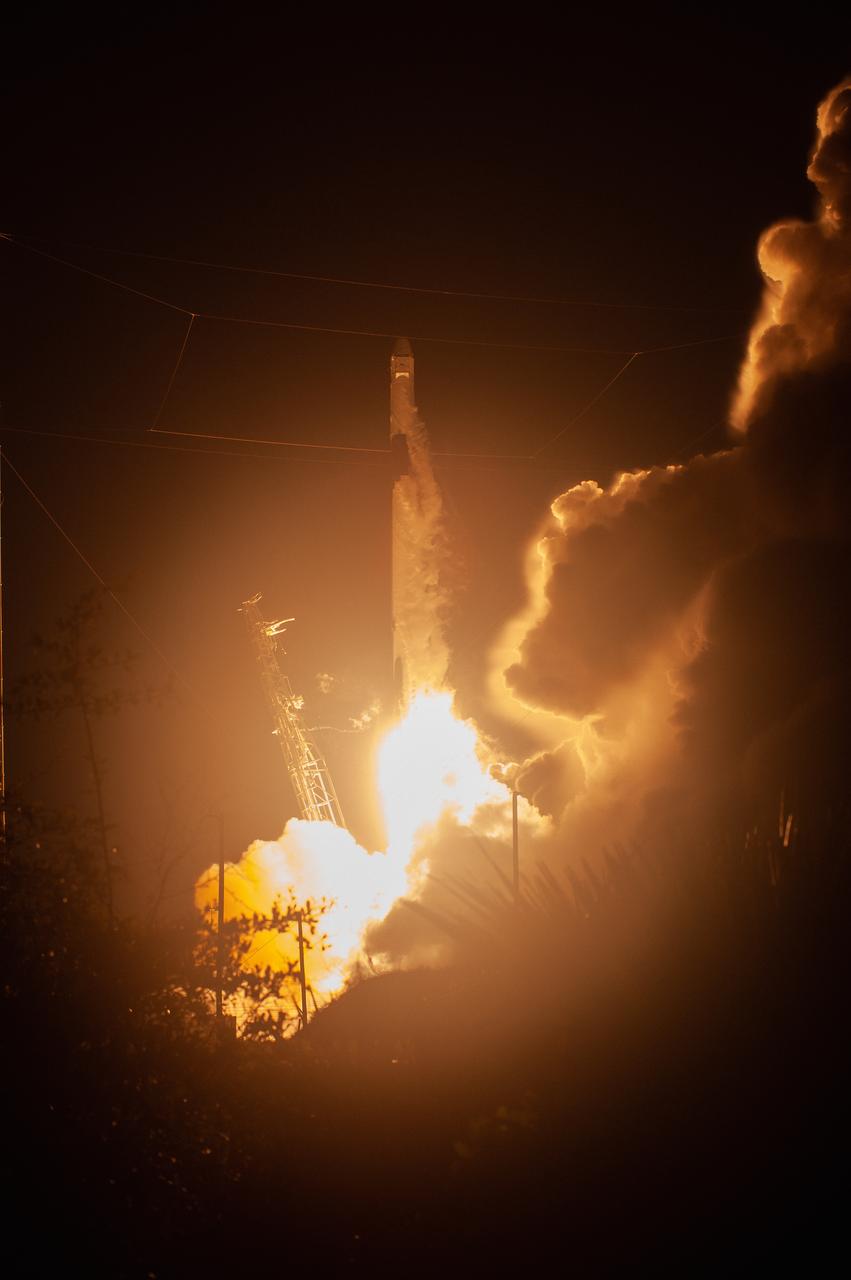
The SpaceX Falcon 9 rocket with the Dragon cargo module climbs upward after liftoff from Space Launch Complex 40 on Cape Canaveral Air Force Station in Florida in the early morning May 4, 2019. Liftoff was at 2:48 a.m. EDT. This is SpaceX’s 17th Commercial Resupply Services (CRS-17) mission for NASA to the International Space Station. The Dragon cargo module will deliver about 5,500 pounds of science and research, crew supplies and vehicle hardware to the orbital laboratory and its crew.
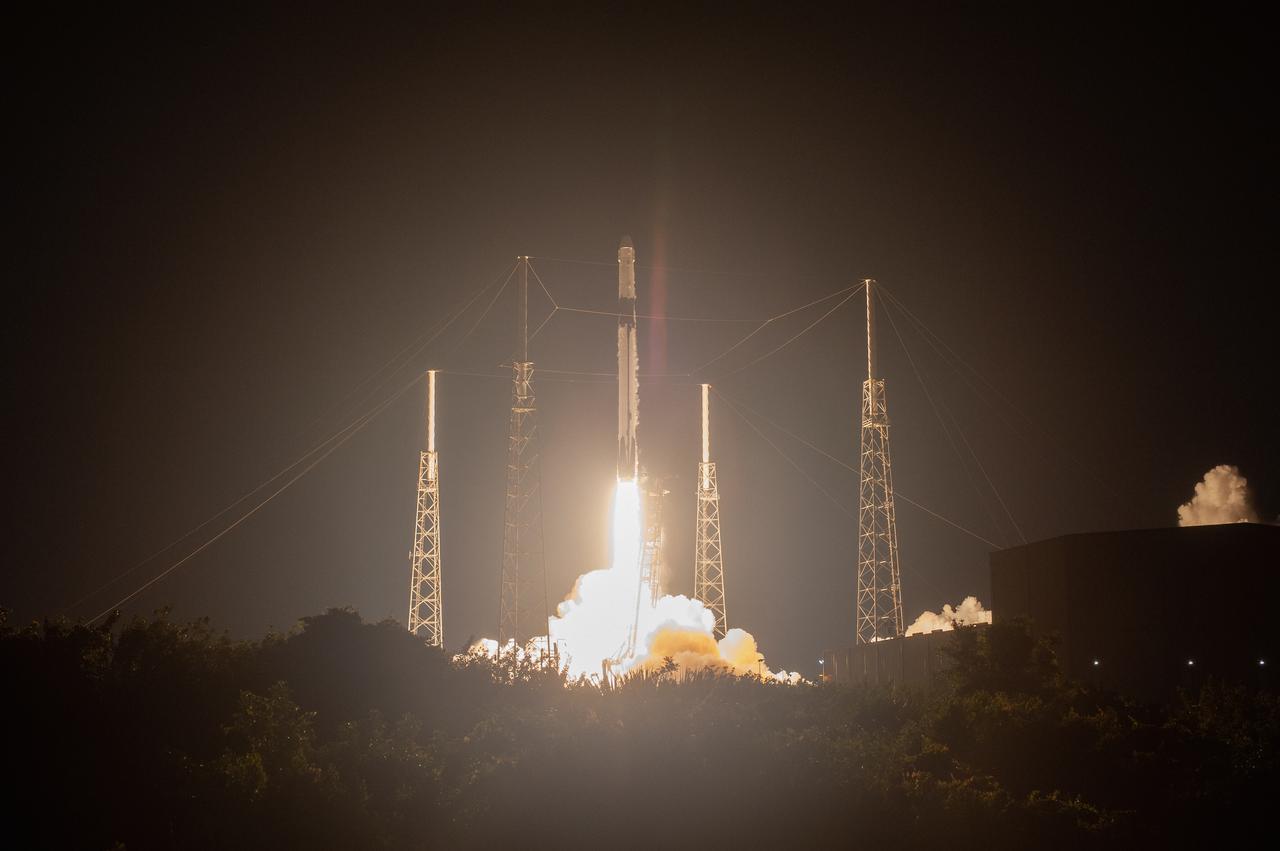
The SpaceX Falcon 9 rocket with the Dragon cargo module lifts off Space Launch Complex 40 on Cape Canaveral Air Force Station in Florida in the early morning May 4, 2019. Liftoff was at 2:48 a.m. EDT. This is SpaceX’s 17th Commercial Resupply Services (CRS-17) mission for NASA to the International Space Station. The Dragon cargo module will deliver about 5,500 pounds of science and research, crew supplies and vehicle hardware to the orbital laboratory and its crew.
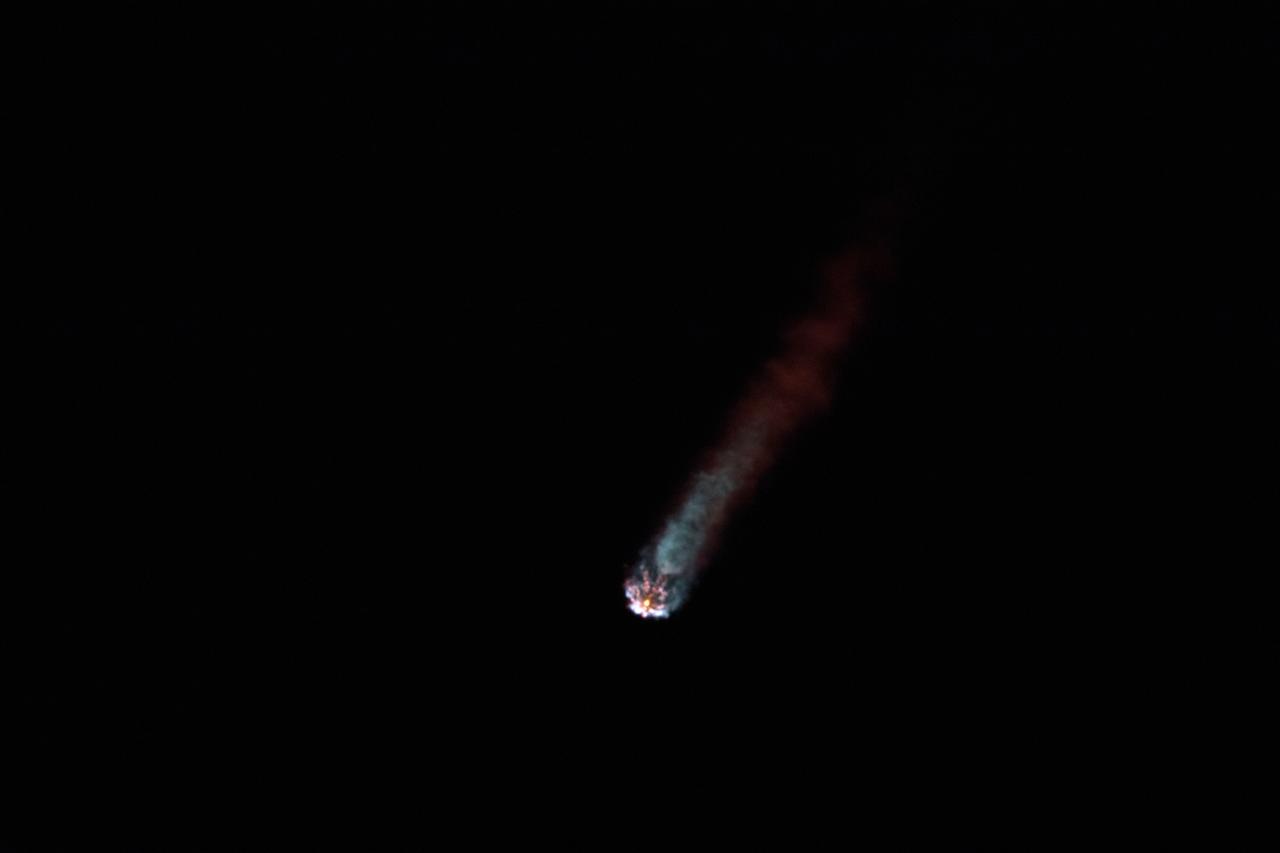
The SpaceX Falcon 9 rocket with the Dragon cargo module climbs upward after liftoff from Space Launch Complex 40 on Cape Canaveral Air Force Station in Florida in the early morning May 4, 2019. Liftoff was at 2:48 a.m. EDT. This is SpaceX’s 17th Commercial Resupply Services (CRS-17) mission for NASA to the International Space Station. The Dragon cargo module will deliver about 5,500 pounds of science and research, crew supplies and vehicle hardware to the orbital laboratory and its crew.

The SpaceX Falcon 9 rocket with the Dragon cargo module lifts off Space Launch Complex 40 on Cape Canaveral Air Force Station in Florida in the early morning May 4, 2019. Liftoff was at 2:48 a.m. EDT. This is SpaceX’s 17th Commercial Resupply Services (CRS-17) mission for NASA to the International Space Station. The Dragon cargo module will deliver about 5,500 pounds of science and research, crew supplies and vehicle hardware to the orbital laboratory and its crew.
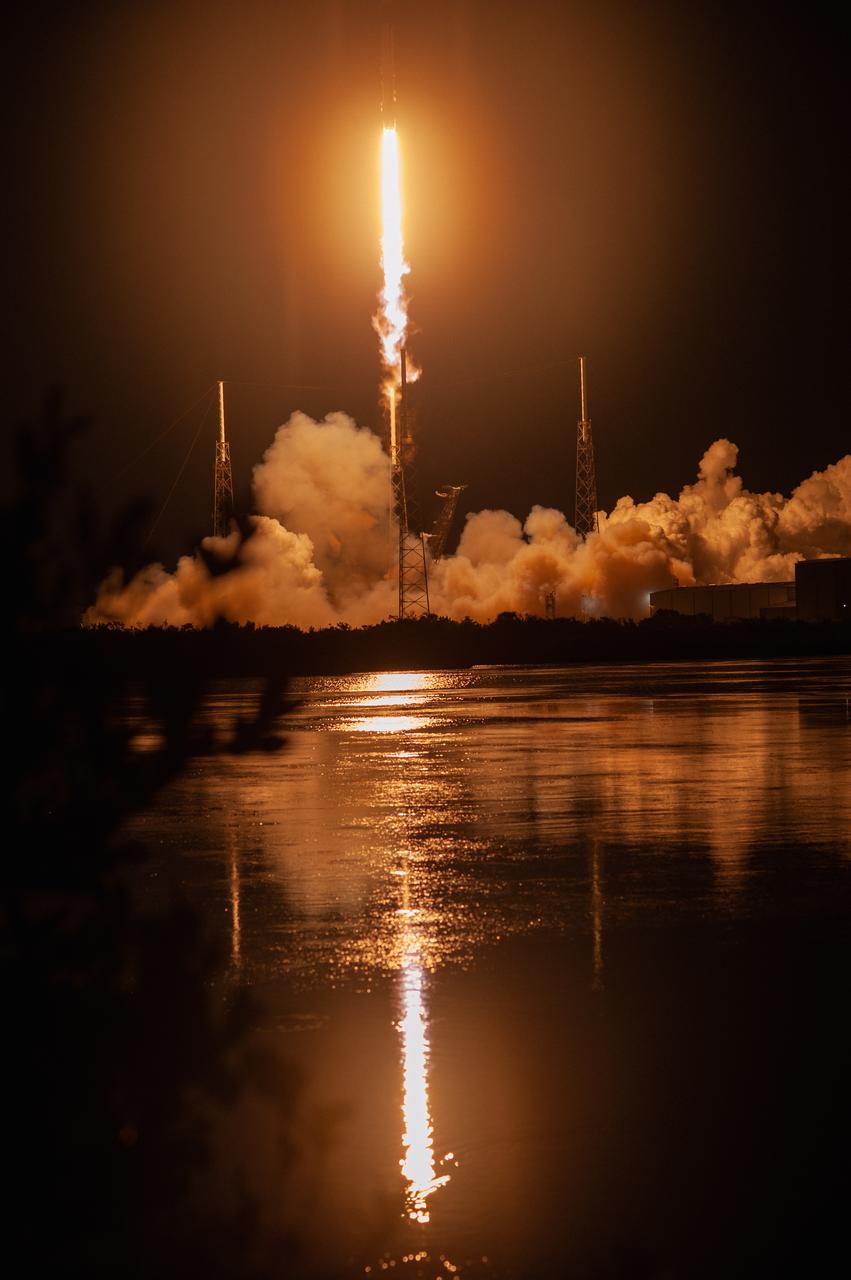
The SpaceX Falcon 9 rocket with the Dragon cargo module lifts off Space Launch Complex 40 on Cape Canaveral Air Force Station in Florida in the early morning May 4, 2019. Liftoff was at 2:48 a.m. EDT. This is SpaceX’s 17th Commercial Resupply Services (CRS-17) mission for NASA to the International Space Station. The Dragon cargo module will deliver about 5,500 pounds of science and research, crew supplies and vehicle hardware to the orbital laboratory and its crew.
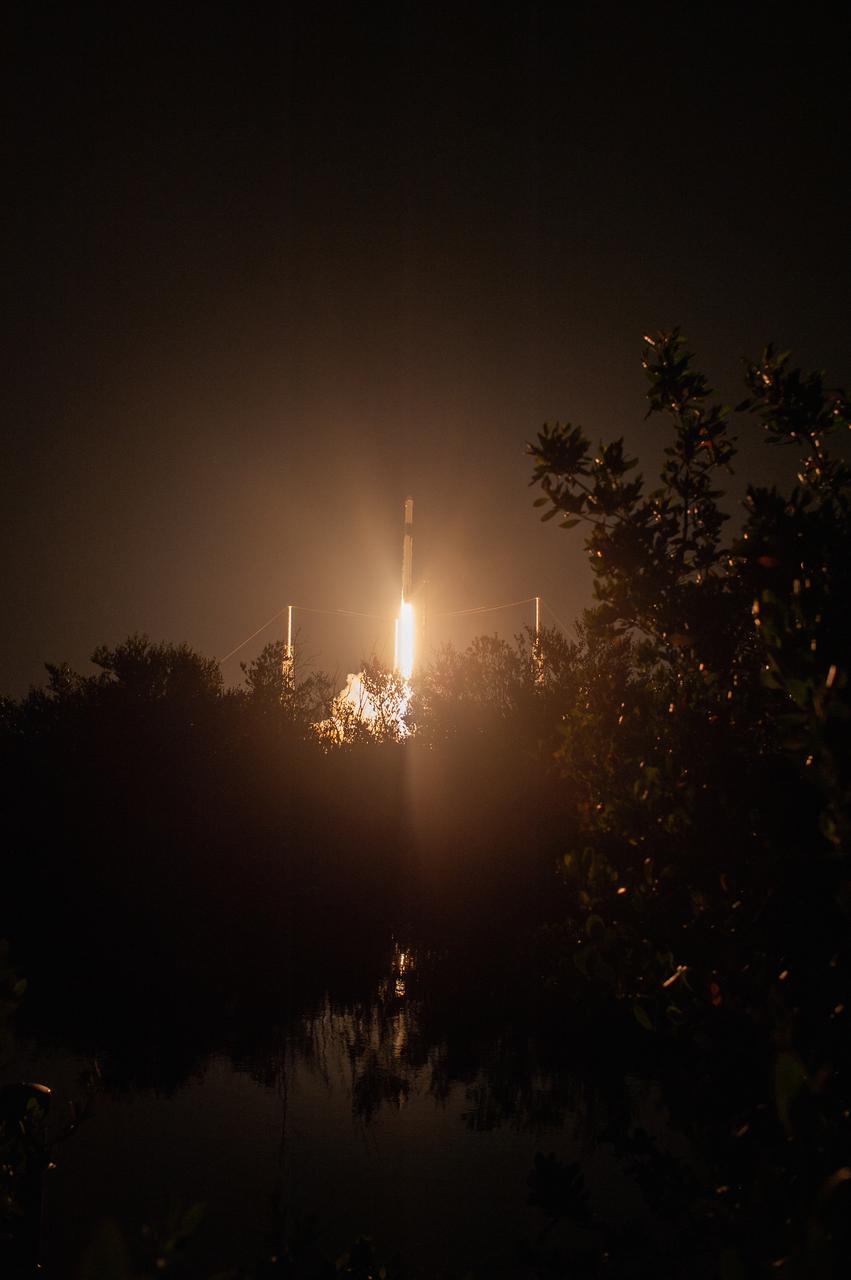
The SpaceX Falcon 9 rocket with the Dragon cargo module lifts off Space Launch Complex 40 on Cape Canaveral Air Force Station in Florida in the early morning May 4, 2019. Liftoff was at 2:48 a.m. EDT. This is SpaceX’s 17th Commercial Resupply Services (CRS-17) mission for NASA to the International Space Station. The Dragon cargo module will deliver about 5,500 pounds of science and research, crew supplies and vehicle hardware to the orbital laboratory and its crew.

The SpaceX Falcon 9 rocket with the Dragon cargo module lifts off Space Launch Complex 40 on Cape Canaveral Air Force Station in Florida in the early morning May 4, 2019. Liftoff was at 2:48 a.m. EDT. This is SpaceX’s 17th Commercial Resupply Services (CRS-17) mission for NASA to the International Space Station. The Dragon cargo module will deliver about 5,500 pounds of science and research, crew supplies and vehicle hardware to the orbital laboratory and its crew.
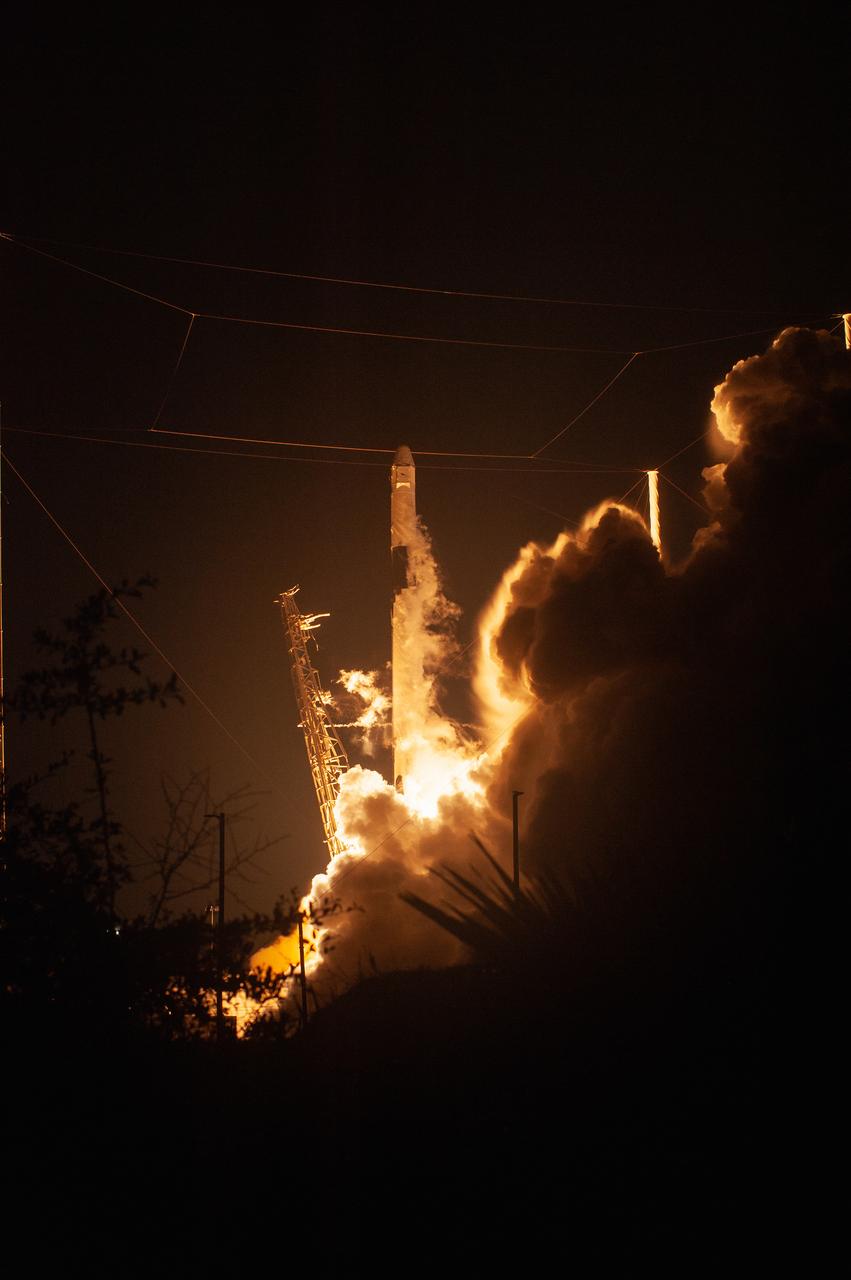
The SpaceX Falcon 9 rocket with the Dragon cargo module climbs upward after liftoff from Space Launch Complex 40 on Cape Canaveral Air Force Station in Florida in the early morning May 4, 2019. Liftoff was at 2:48 a.m. EDT. This is SpaceX’s 17th Commercial Resupply Services (CRS-17) mission for NASA to the International Space Station. The Dragon cargo module will deliver about 5,500 pounds of science and research, crew supplies and vehicle hardware to the orbital laboratory and its crew.

The SpaceX Falcon 9 rocket with the Dragon cargo module lifts off Space Launch Complex 40 on Cape Canaveral Air Force Station in Florida in the early morning May 4, 2019. Liftoff was at 2:48 a.m. EDT. This is SpaceX’s 17th Commercial Resupply Services (CRS-17) mission for NASA to the International Space Station. The Dragon cargo module will deliver about 5,500 pounds of science and research, crew supplies and vehicle hardware to the orbital laboratory and its crew.

The SpaceX Falcon 9 rocket with the Dragon cargo module lifts off Space Launch Complex 40 on Cape Canaveral Air Force Station in Florida in the early morning May 4, 2019. Liftoff was at 2:48 a.m. EDT. This is SpaceX’s 17th Commercial Resupply Services (CRS-17) mission for NASA to the International Space Station. The Dragon cargo module will deliver about 5,500 pounds of science and research, crew supplies and vehicle hardware to the orbital laboratory and its crew.

The SpaceX Falcon 9 rocket with the Dragon cargo module lifts off Space Launch Complex 40 on Cape Canaveral Air Force Station in Florida in the early morning May 4, 2019. Liftoff was at 2:48 a.m. EDT. This is SpaceX’s 17th Commercial Resupply Services (CRS-17) mission for NASA to the International Space Station. The Dragon cargo module will deliver about 5,500 pounds of science and research, crew supplies and vehicle hardware to the orbital laboratory and its crew.
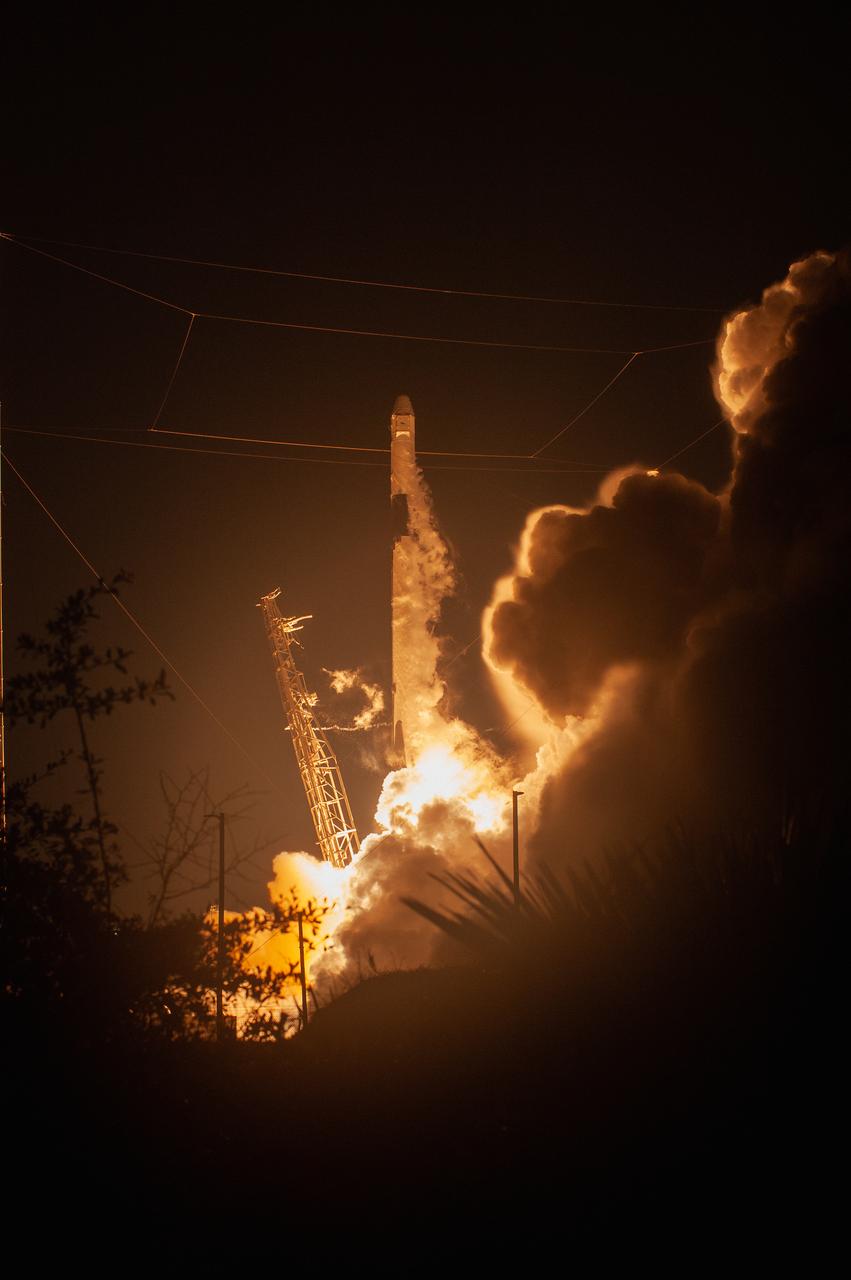
The SpaceX Falcon 9 rocket with the Dragon cargo module climbs upward after liftoff from Space Launch Complex 40 on Cape Canaveral Air Force Station in Florida in the early morning May 4, 2019. Liftoff was at 2:48 a.m. EDT. This is SpaceX’s 17th Commercial Resupply Services (CRS-17) mission for NASA to the International Space Station. The Dragon cargo module will deliver about 5,500 pounds of science and research, crew supplies and vehicle hardware to the orbital laboratory and its crew.
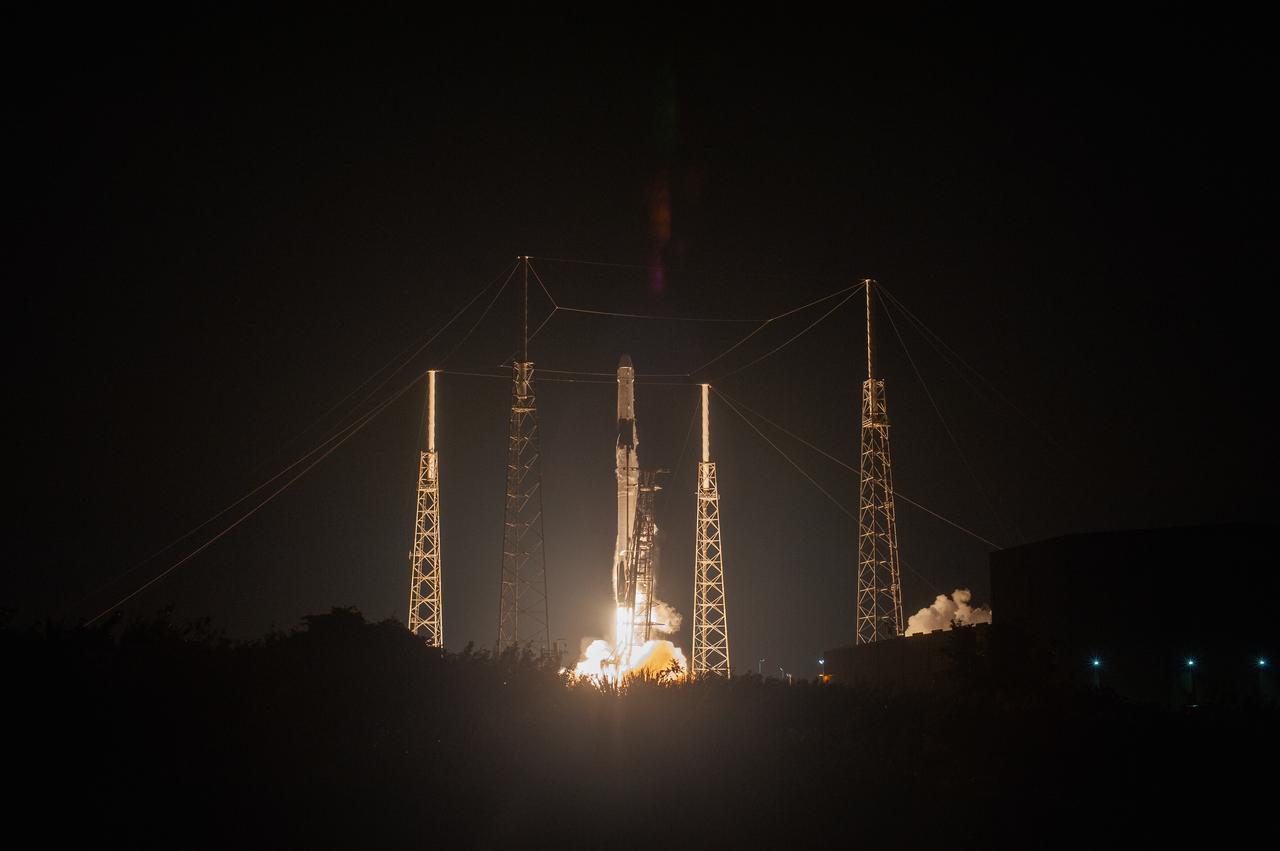
The SpaceX Falcon 9 rocket with the Dragon cargo module lifts off Space Launch Complex 40 on Cape Canaveral Air Force Station in Florida in the early morning May 4, 2019. Liftoff was at 2:48 a.m. EDT. This is SpaceX’s 17th Commercial Resupply Services (CRS-17) mission for NASA to the International Space Station. The Dragon cargo module will deliver about 5,500 pounds of science and research, crew supplies and vehicle hardware to the orbital laboratory and its crew.
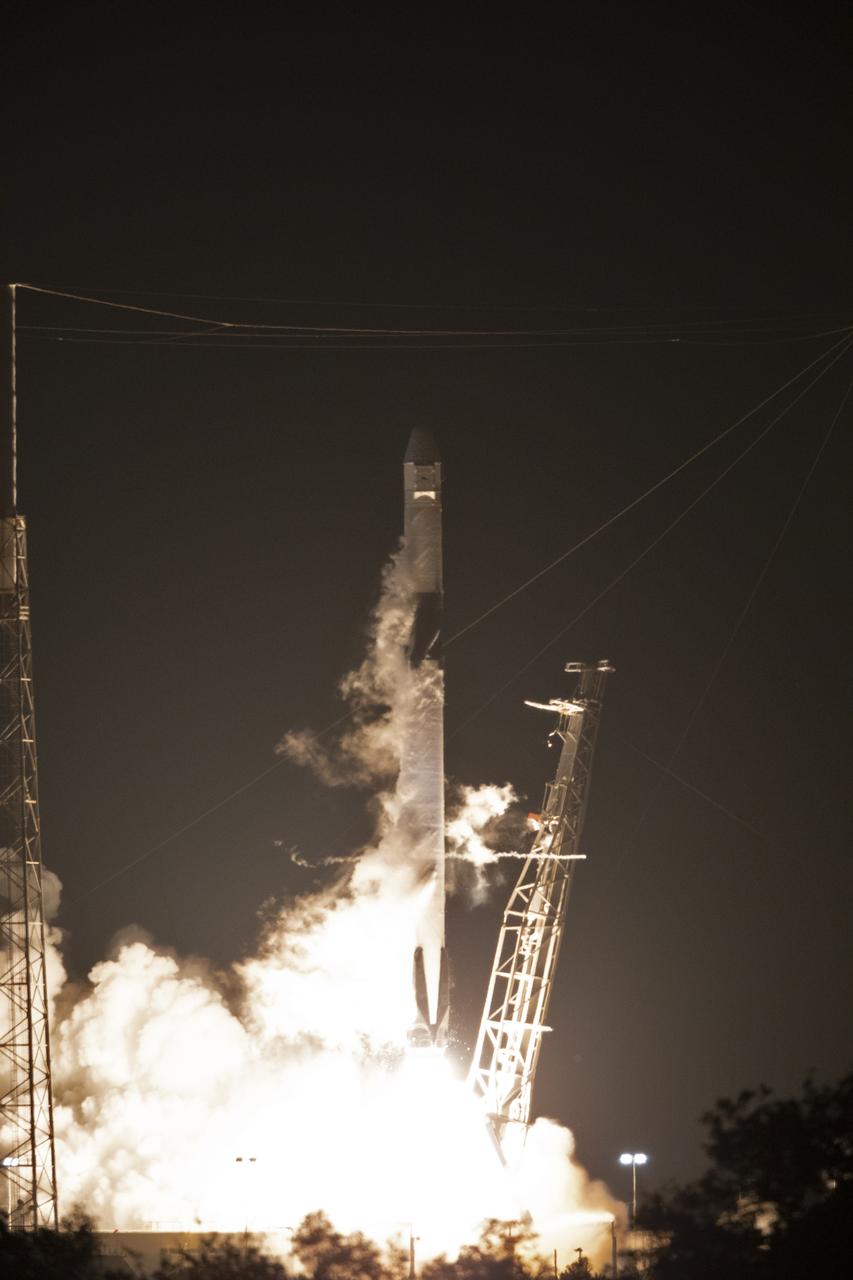
The SpaceX Falcon 9 rocket with the Dragon cargo module lifts off Space Launch Complex 40 on Cape Canaveral Air Force Station in Florida in the early morning May 4, 2019. Liftoff was at 2:48 a.m. EDT. This is SpaceX’s 17th Commercial Resupply Services (CRS-17) mission for NASA to the International Space Station. The Dragon cargo module will deliver about 5,500 pounds of science and research, crew supplies and vehicle hardware to the orbital laboratory and its crew.
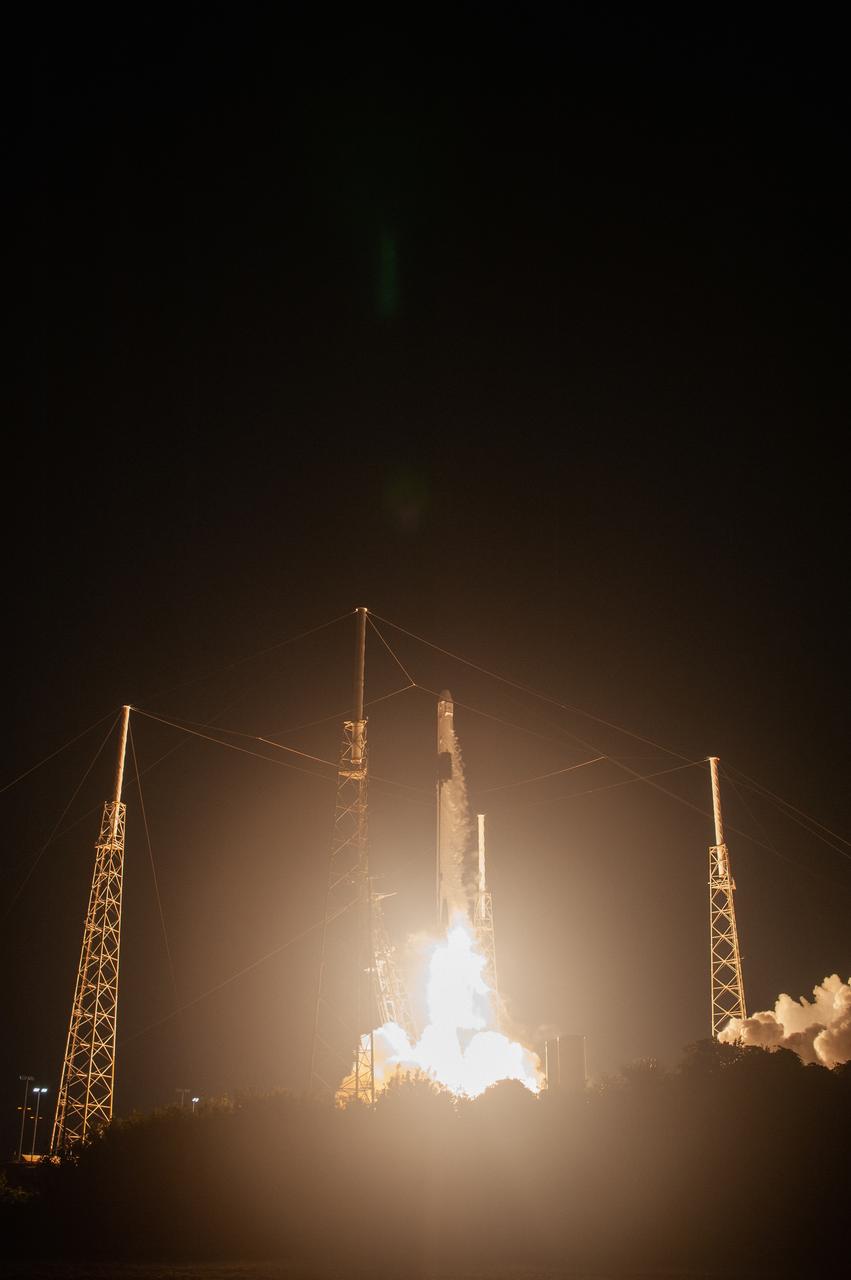
The SpaceX Falcon 9 rocket with the Dragon cargo module lifts off Space Launch Complex 40 on Cape Canaveral Air Force Station in Florida in the early morning May 4, 2019. Liftoff was at 2:48 a.m. EDT. This is SpaceX’s 17th Commercial Resupply Services (CRS-17) mission for NASA to the International Space Station. The Dragon cargo module will deliver about 5,500 pounds of science and research, crew supplies and vehicle hardware to the orbital laboratory and its crew.

The SpaceX Falcon 9 rocket with the Dragon cargo module lifts off Space Launch Complex 40 on Cape Canaveral Air Force Station in Florida in the early morning May 4, 2019. Liftoff was at 2:48 a.m. EDT. This is SpaceX’s 17th Commercial Resupply Services (CRS-17) mission for NASA to the International Space Station. The Dragon cargo module will deliver about 5,500 pounds of science and research, crew supplies and vehicle hardware to the orbital laboratory and its crew.
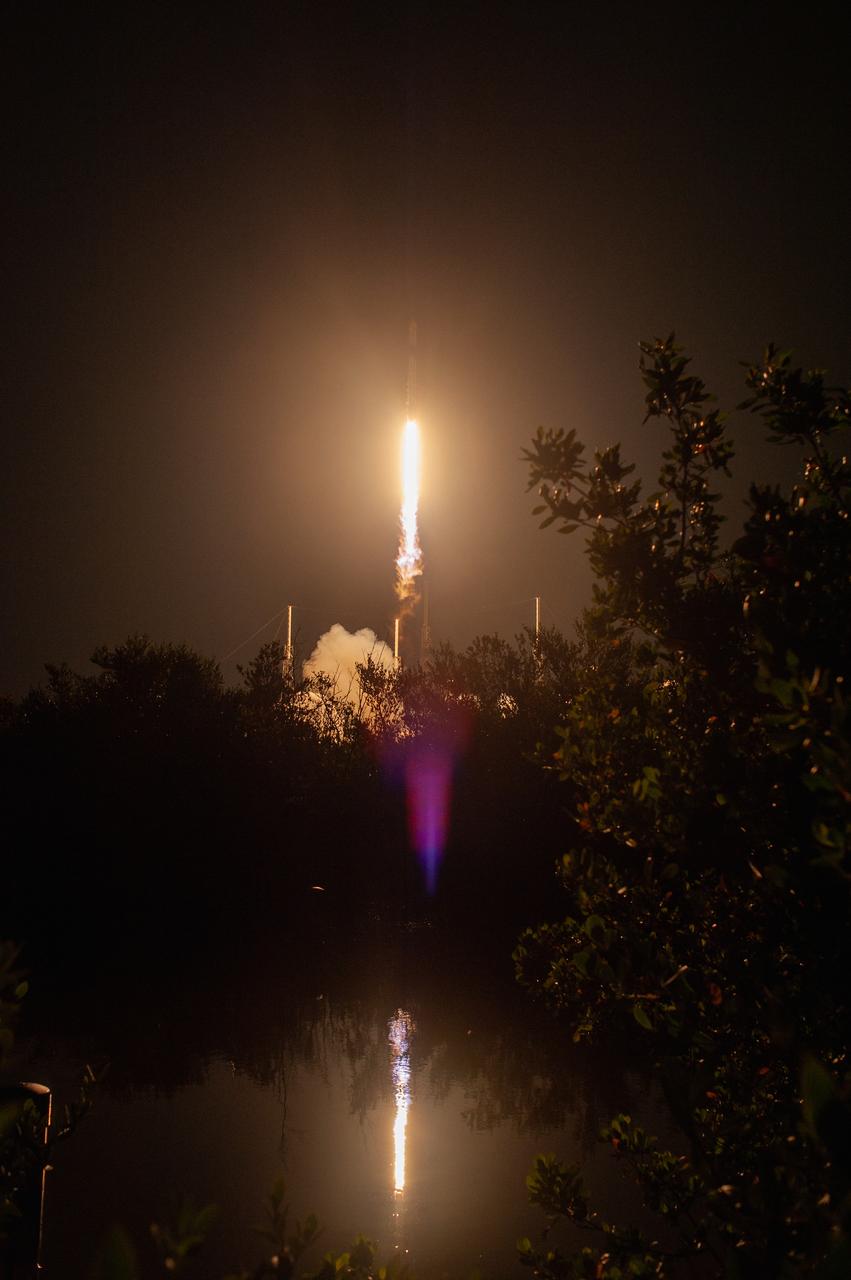
The SpaceX Falcon 9 rocket with the Dragon cargo module climbs upward after liftoff from Space Launch Complex 40 on Cape Canaveral Air Force Station in Florida in the early morning May 4, 2019. Liftoff was at 2:48 a.m. EDT. This is SpaceX’s 17th Commercial Resupply Services (CRS-17) mission for NASA to the International Space Station. The Dragon cargo module will deliver about 5,500 pounds of science and research, crew supplies and vehicle hardware to the orbital laboratory and its crew.

The SpaceX Falcon 9 rocket with the Dragon cargo module lifts off Space Launch Complex 40 on Cape Canaveral Air Force Station in Florida in the early morning May 4, 2019. Liftoff was at 2:48 a.m. EDT. This is SpaceX’s 17th Commercial Resupply Services (CRS-17) mission for NASA to the International Space Station. The Dragon cargo module will deliver about 5,500 pounds of science and research, crew supplies and vehicle hardware to the orbital laboratory and its crew.

The SpaceX Falcon 9 rocket with the Dragon cargo module lifts off Space Launch Complex 40 on Cape Canaveral Air Force Station in Florida in the early morning May 4, 2019. Liftoff was at 2:48 a.m. EDT. This is SpaceX’s 17th Commercial Resupply Services (CRS-17) mission for NASA to the International Space Station. The Dragon cargo module will deliver about 5,500 pounds of science and research, crew supplies and vehicle hardware to the orbital laboratory and its crew.
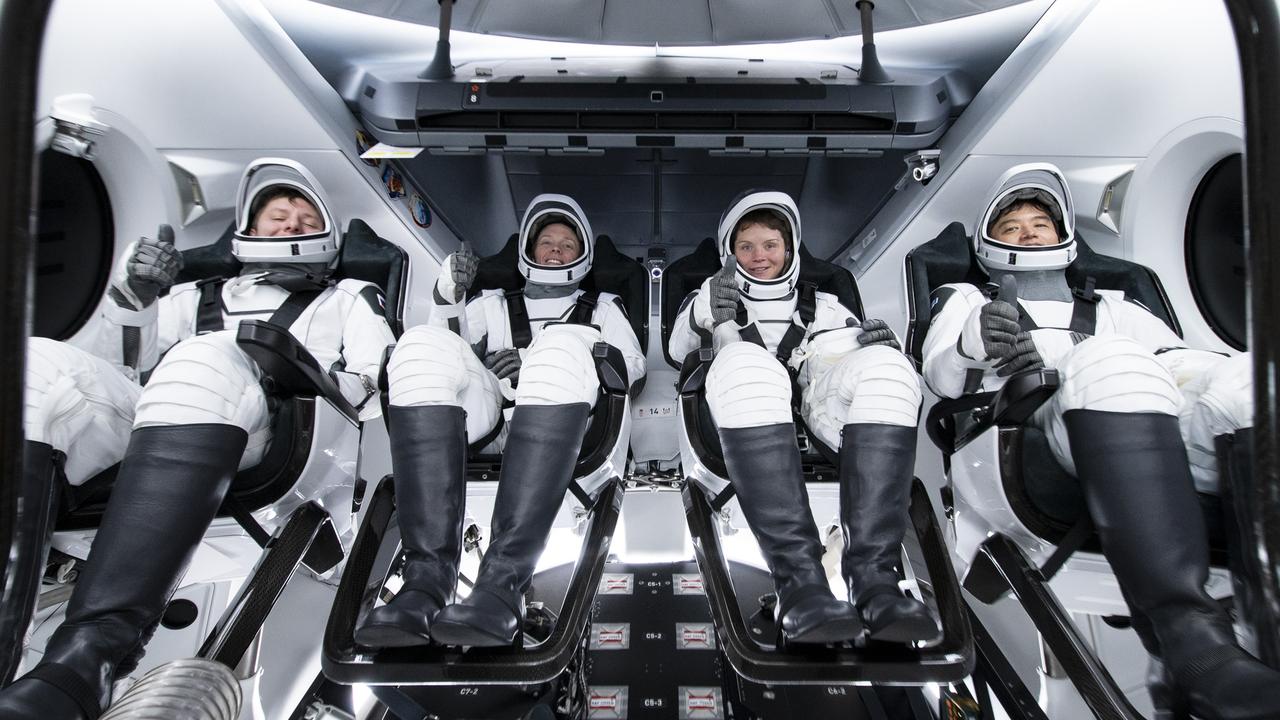
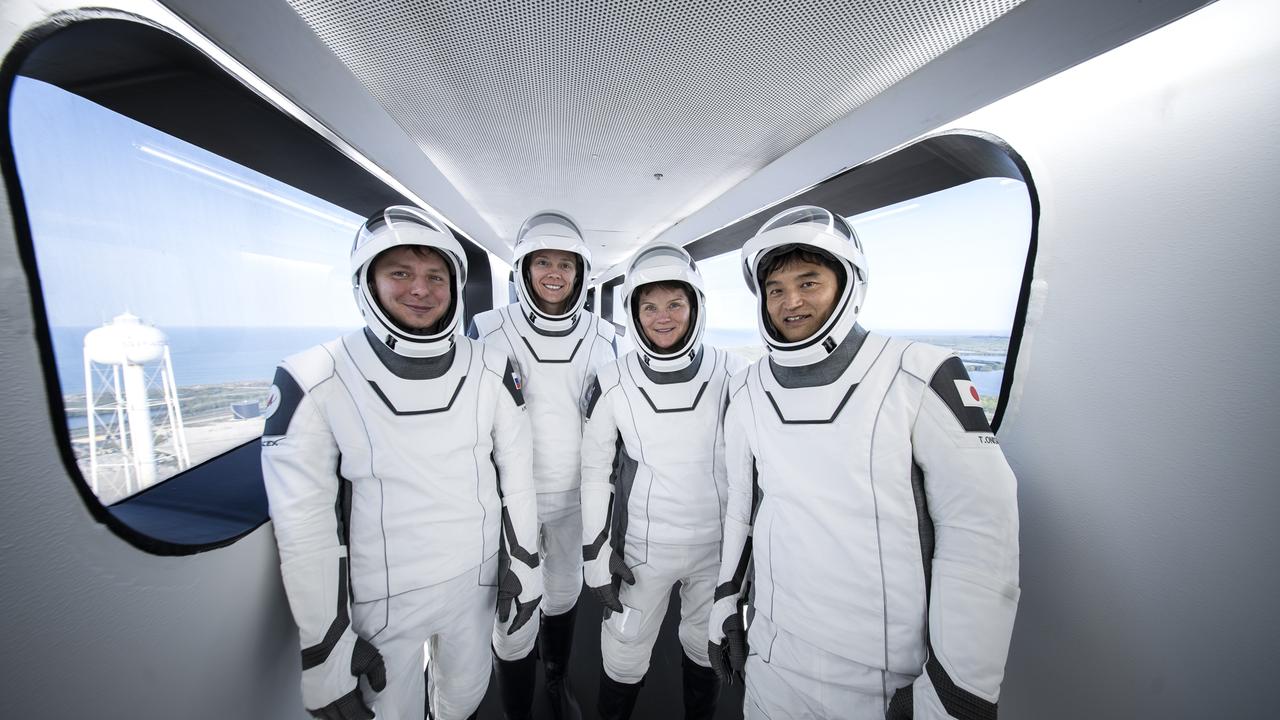
NASA’s SpaceX Crew-10 crew members participate in a countdown dress rehearsal at the agency’s Kennedy Space Center in Florida on Sunday, March 9, 2025, to prepare for their upcoming launch. NASA astronauts Anne McClain and Nichole Ayers, along with JAXA (Japan Aerospace Exploration Agency) astronaut Takuya Onishi and Roscosmos cosmonaut Kirill Peskov will launch to the International Space Station aboard SpaceX’s Dragon spacecraft and Falcon 9 rocket. Launch is targeted for 7:48 p.m. EDT on Wednesday, March 12, 2025, from Launch Complex 39A at NASA Kennedy. Crew-10 is the 10th crew rotation mission with SpaceX to the space station as part of the agency’s Commercial Crew Program.
NASA’s SpaceX Crew-10 crew members participate in a countdown dress rehearsal at the agency’s Kennedy Space Center in Florida on Sunday, March 9, 2025, to prepare for their upcoming launch. NASA astronauts Anne McClain and Nichole Ayers, along with JAXA (Japan Aerospace Exploration Agency) astronaut Takuya Onishi and Roscosmos cosmonaut Kirill Peskov will launch to the International Space Station aboard SpaceX’s Dragon spacecraft and Falcon 9 rocket. Launch is targeted for 7:48 p.m. EDT on Wednesday, March 12, 2025, from Launch Complex 39A at NASA Kennedy. Crew-10 is the 10th crew rotation mission with SpaceX to the space station as part of the agency’s Commercial Crew Program.
NASA’s SpaceX Crew-10 crew members participate in a countdown dress rehearsal at the agency’s Kennedy Space Center in Florida on Sunday, March 9, 2025, to prepare for their upcoming launch. NASA astronauts Anne McClain and Nichole Ayers, along with JAXA (Japan Aerospace Exploration Agency) astronaut Takuya Onishi and Roscosmos cosmonaut Kirill Peskov will launch to the International Space Station aboard SpaceX’s Dragon spacecraft and Falcon 9 rocket. Launch is targeted for 7:48 p.m. EDT on Wednesday, March 12, 2025, from Launch Complex 39A at NASA Kennedy. Crew-10 is the 10th crew rotation mission with SpaceX to the space station as part of the agency’s Commercial Crew Program.
NASA’s SpaceX Crew-10 crew members participate in a countdown dress rehearsal at the agency’s Kennedy Space Center in Florida on Sunday, March 9, 2025, to prepare for their upcoming launch. NASA astronauts Anne McClain and Nichole Ayers, along with JAXA (Japan Aerospace Exploration Agency) astronaut Takuya Onishi and Roscosmos cosmonaut Kirill Peskov will launch to the International Space Station aboard SpaceX’s Dragon spacecraft and Falcon 9 rocket. Launch is targeted for 7:48 p.m. EDT on Wednesday, March 12, 2025, from Launch Complex 39A at NASA Kennedy. Crew-10 is the 10th crew rotation mission with SpaceX to the space station as part of the agency’s Commercial Crew Program.
NASA’s SpaceX Crew-10 crew members participate in a countdown dress rehearsal at the agency’s Kennedy Space Center in Florida on Sunday, March 9, 2025, to prepare for their upcoming launch. NASA astronauts Anne McClain and Nichole Ayers, along with JAXA (Japan Aerospace Exploration Agency) astronaut Takuya Onishi and Roscosmos cosmonaut Kirill Peskov will launch to the International Space Station aboard SpaceX’s Dragon spacecraft and Falcon 9 rocket. Launch is targeted for 7:48 p.m. EDT on Wednesday, March 12, 2025, from Launch Complex 39A at NASA Kennedy. Crew-10 is the 10th crew rotation mission with SpaceX to the space station as part of the agency’s Commercial Crew Program.
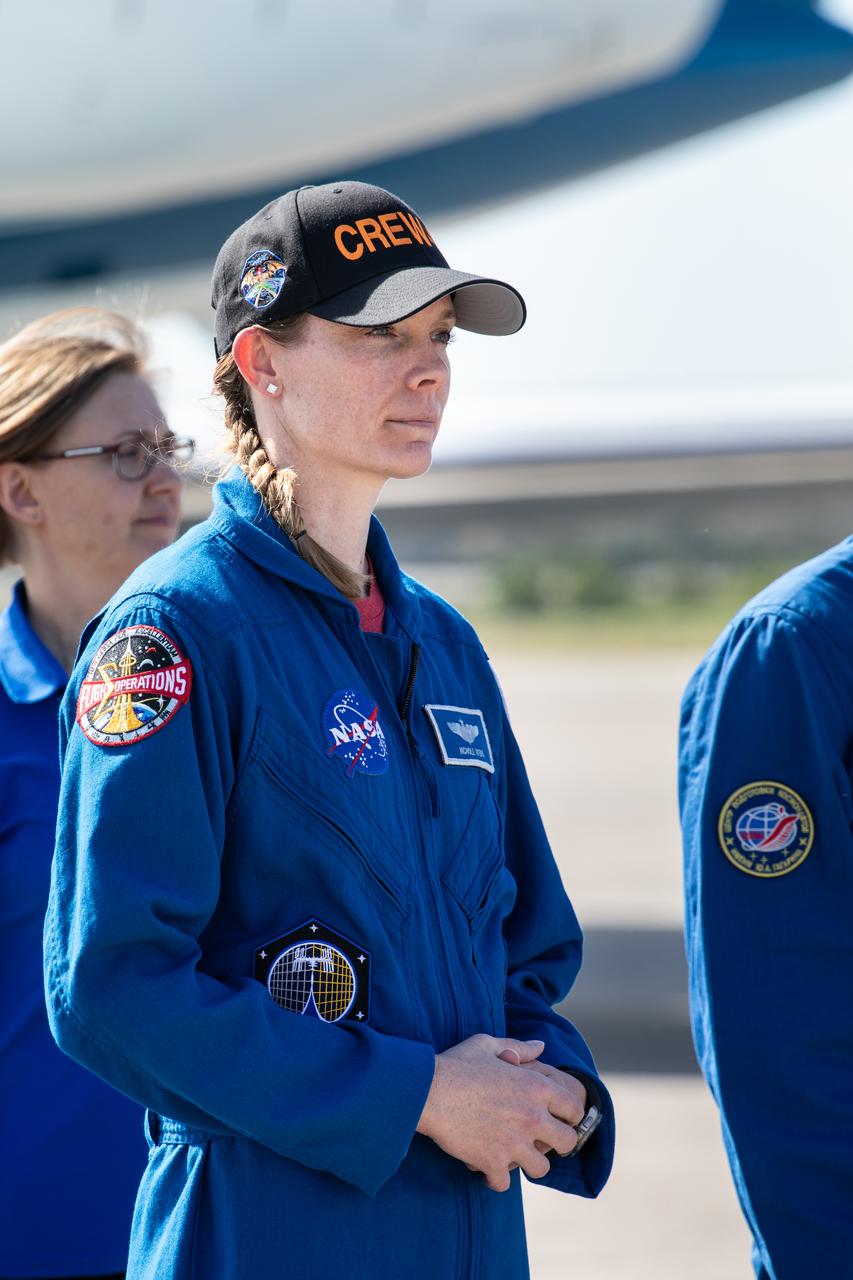
NASA astronaut Nichole Ayers participates in a news media event during crew arrival for NASA’s SpaceX Crew-10 mission at the Launch and Landing Facility at the agency’s Kennedy Space Center in Florida on Friday, March 7, 2025. JAXA (Japan Aerospace Exploration Agency) astronaut Takuya Onishi will launch to the International Space Station aboard SpaceX’s Dragon spacecraft and Falcon 9 rocket. Launch is targeted for 7:48 p.m. EDT on Wednesday, March 12, 2025, from Launch Complex 39A at NASA Kennedy. Crew-10 is the 10th crew rotation mission with SpaceX to the space station as part of the agency’s Commercial Crew Program
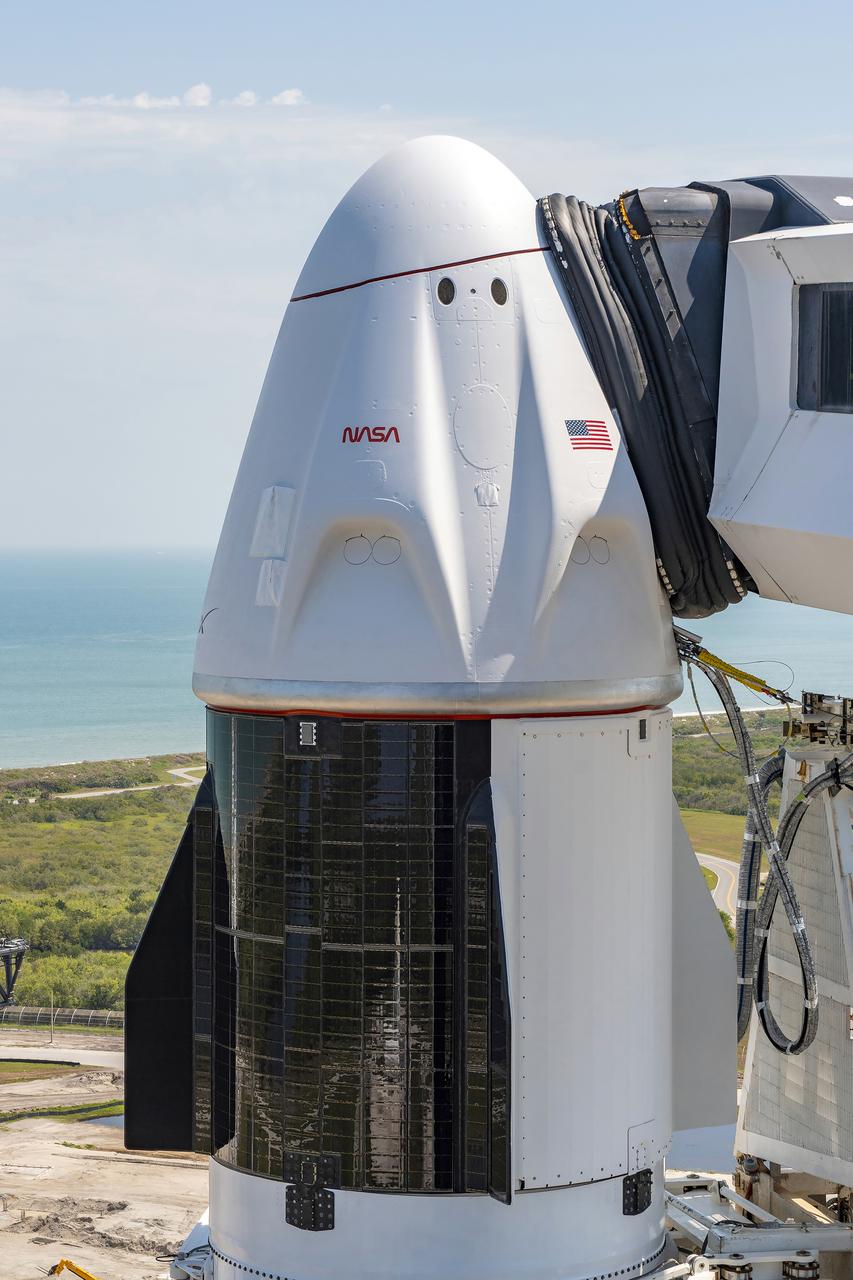
NASA’s SpaceX Crew-10 crew members participate in a countdown dress rehearsal at the agency’s Kennedy Space Center in Florida on Sunday, March 9, 2025, to prepare for their upcoming launch. NASA astronauts Anne McClain and Nichole Ayers, along with JAXA (Japan Aerospace Exploration Agency) astronaut Takuya Onishi and Roscosmos cosmonaut Kirill Peskov will launch to the International Space Station aboard SpaceX’s Dragon spacecraft and Falcon 9 rocket. Launch is targeted for 7:48 p.m. EDT on Wednesday, March 12, 2025, from Launch Complex 39A at NASA Kennedy. Crew-10 is the 10th crew rotation mission with SpaceX to the space station as part of the agency’s Commercial Crew Program.
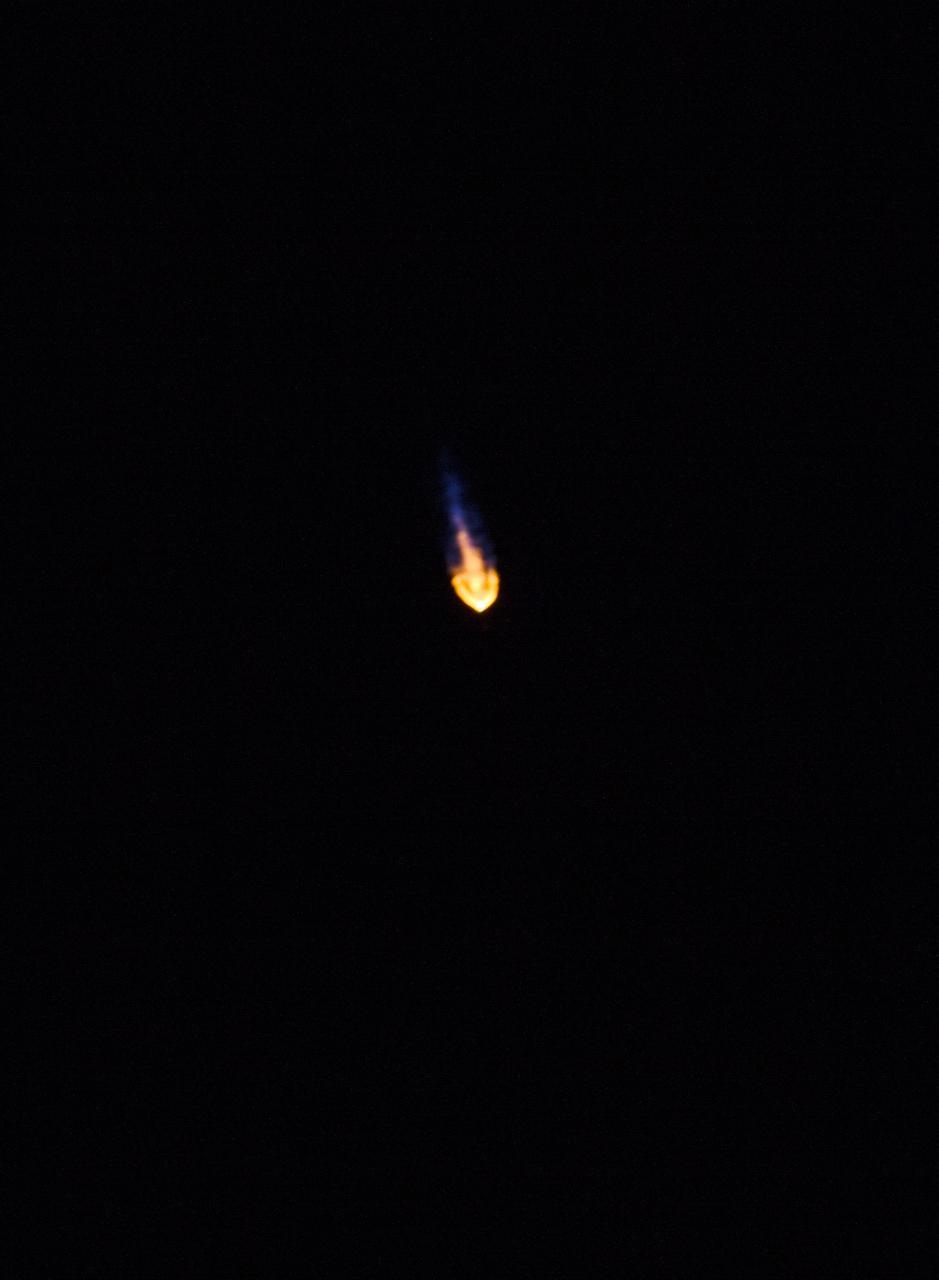
CAPE CANAVERAL, Fla. -- NASA's Tracking and Data Relay Satellite-K, TDRS-K, is well on its way to orbit, launching atop a United Launch Alliance Atlas V 401 rocket from Space Launch Complex 41 on Cape Canaveral Air Force Station in Florida at 8:48 p.m. EST. The TDRS-K spacecraft is part of the next-generation series in the Tracking and Data Relay Satellite System, a constellation of space-based communication satellites providing tracking, telemetry, command and high-bandwidth data return services. For more information, visit http:__www.nasa.gov_mission_pages_tdrs_index.html. Photo credit: NASA_George Roberts
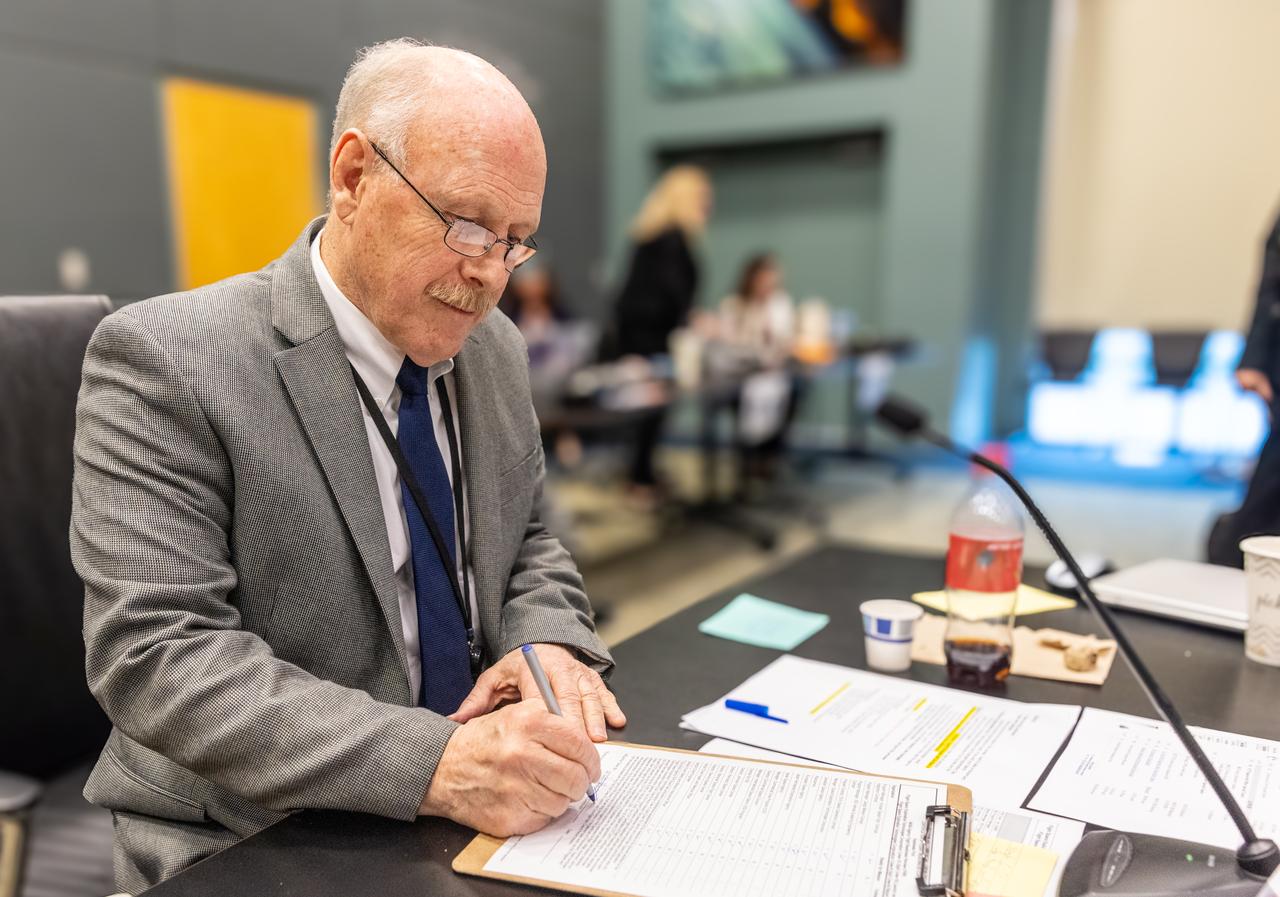
Kenneth Bowersox, associate administrator for NASA’s Space Operations Mission Directorate, participates in NASA’s SpaceX Crew-10 Flight Readiness Review at the agency’s Kennedy Space Center in Florida on Friday, March 7, 2025. Launch is targeted for 7:48 p.m. EDT on Wednesday, March 12, 2025, from Launch Complex 39A at NASA Kennedy. NASA astronauts Anne McClain and Nichole Ayers, along with JAXA (Japan Aerospace Exploration Agency) astronaut Takuya Onishi and Roscosmos cosmonaut Kirill Peskov will launch to the International Space Station aboard SpaceX’s Dragon spacecraft and Falcon 9 rocket on the company’s 10th crew rotation mission for NASA as part of the agency’s Commercial Crew Program.

S68-19459 (22 Jan. 1968) --- The Apollo 5 (LM-1/Saturn 204) unmanned space mission was launched from the Kennedy Space Center's Launch Complex 37 at 5:48:09 p.m. (EST), Jan. 22, 1968. The Lunar Module-1 payload was boosted into Earth orbit by a launch vehicle composed of a Saturn IB first stage and a Saturn S-IVB second stage. The Apollo lunar module's first flight test was called a complete success. Ascent and descent propulsion systems and the ability to abort a lunar landing and return to orbit were demonstrated.
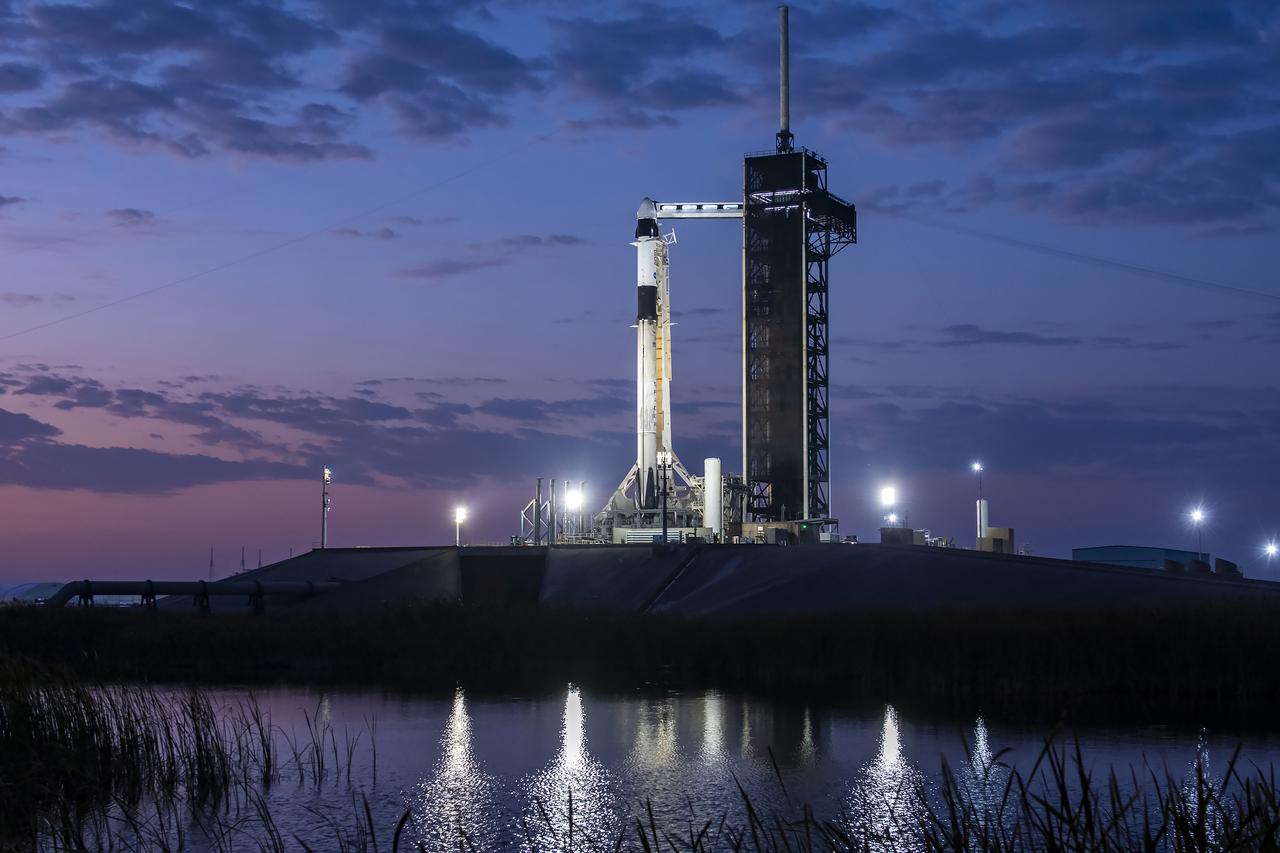
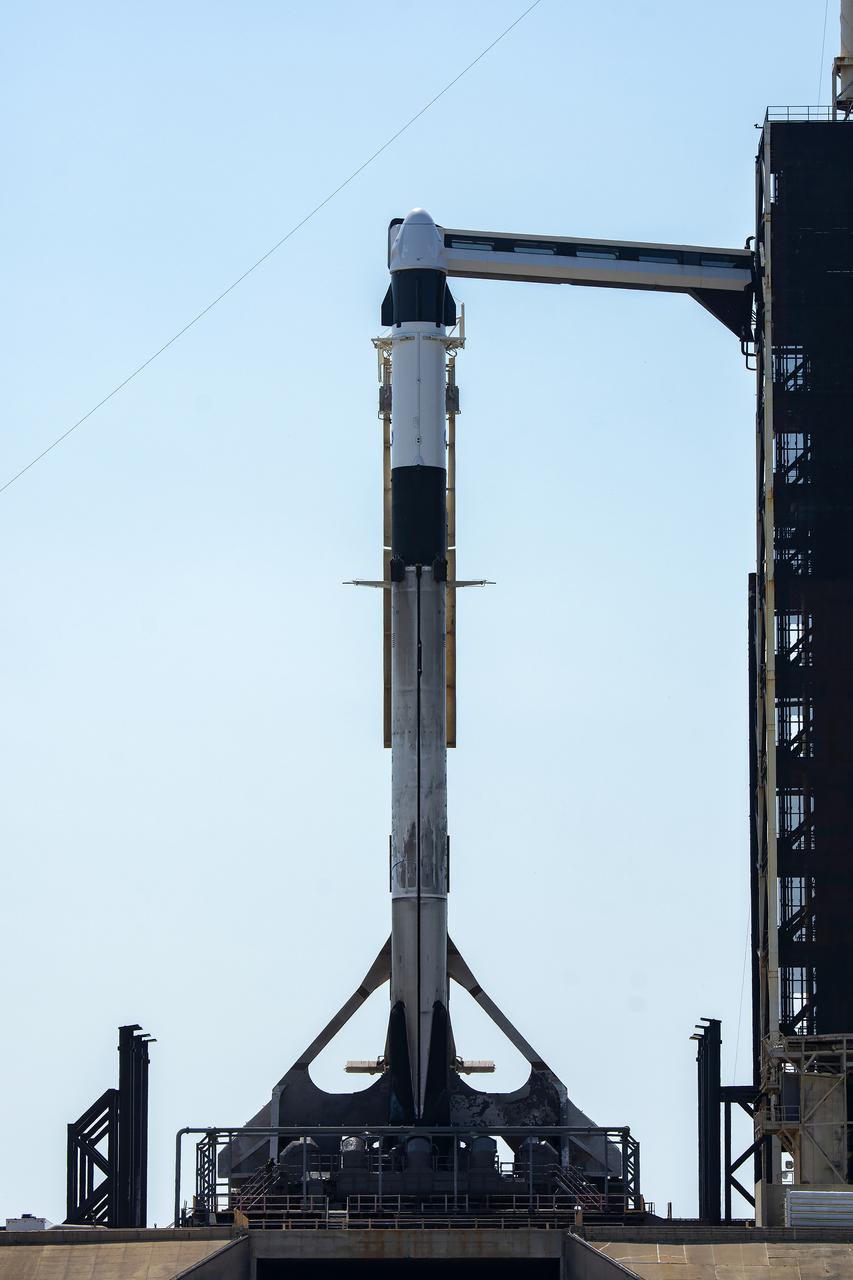
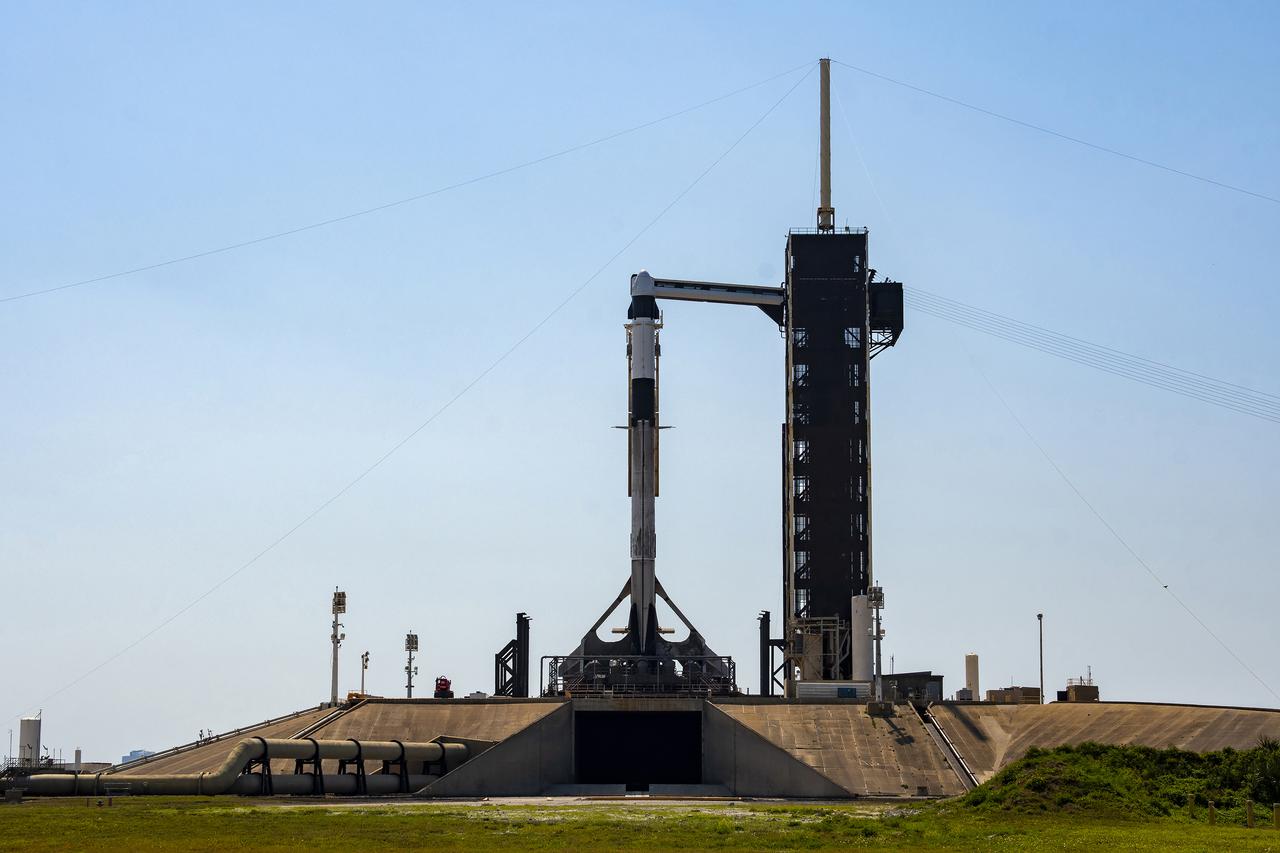
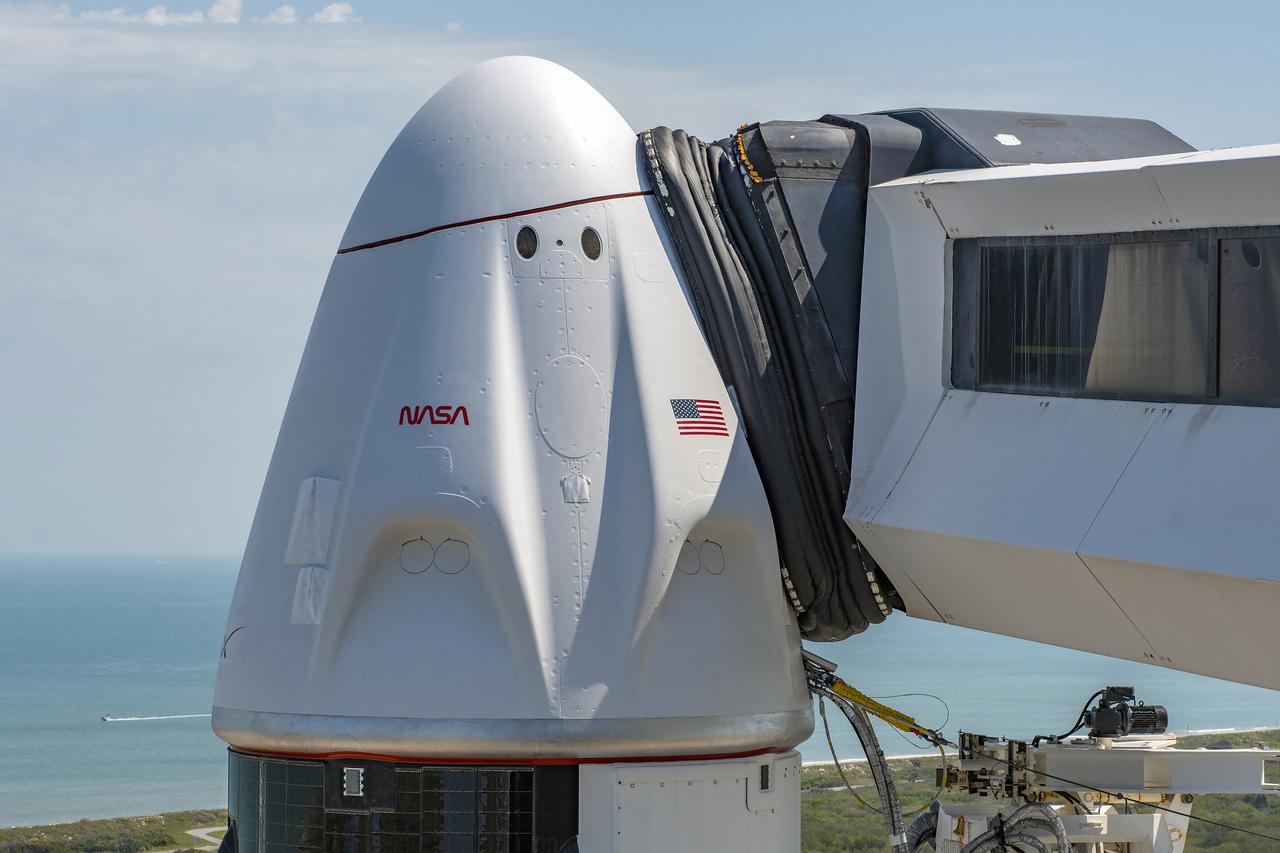
A SpaceX Falcon 9 rocket with the company’s Dragon spacecraft on top is seen during sunrise on the launch pad at Launch Complex 39A at NASA’s Kennedy Space Center in Florida on Tuesday, March 11, 2025, ahead of the agency’s SpaceX Crew-10 launch. Crew-10 is the 10th crew rotation mission with SpaceX to the International Space Station as part of the agency’s Commercial Crew Program, sending NASA astronauts Anne McClain and Nichole Ayers, along with JAXA (Japan Aerospace Exploration Agency) astronaut Takuya Onishi and Roscosmos cosmonaut Kirill Peskov to the orbiting laboratory for about a four-month science mission. Liftoff is targeted for 7:48 p.m. EDT on Wednesday, March 12, 2025.
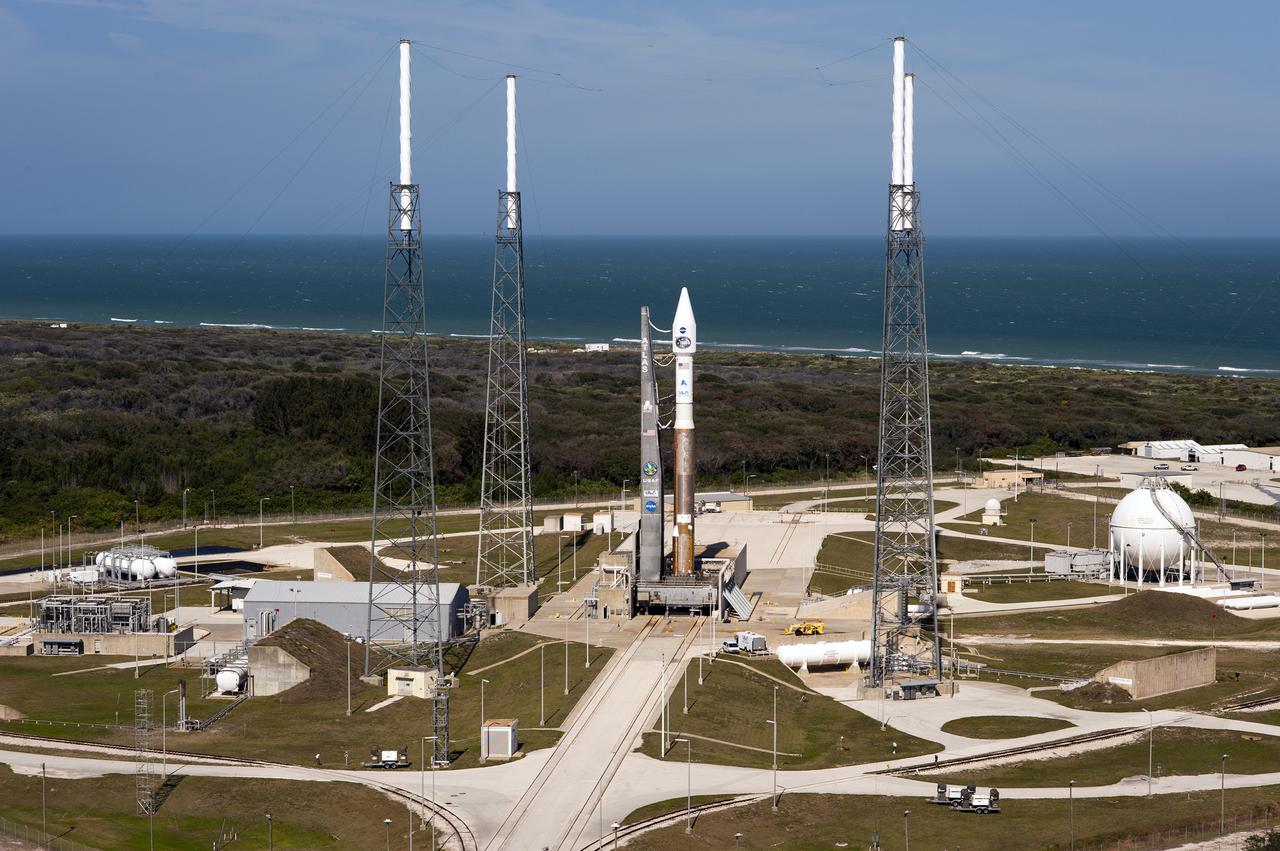
CAPE CANAVERAL, Fla. -- NASA's Tracking and Data Relay Satellite-K, TDRS-K, sits atop a United Launch Alliance Atlas V 401 rocket on Space Launch Complex 41 on Cape Canaveral Air Force Station in Florida, ready to begin its journey to orbit. Liftoff is set for 8:48 p.m. EST at the opening of a 40-minute launch window. The TDRS-K spacecraft is part of the next-generation series in the Tracking and Data Relay Satellite System, a constellation of space-based communication satellites providing tracking, telemetry, command and high-bandwidth data return services. For more information, visit http:__www.nasa.gov_mission_pages_tdrs_index.html. Photo credit: NASA_Tony Gray and Don Kight

S68-19460 (22 Jan. 1968) --- The Apollo 5 (LM-1/Saturn 204) unmanned space mission was launched from the Kennedy Space Center's Launch Complex 37 at 5:48:09 p.m. (EST), Jan. 22, 1968. The Lunar Module-1 payload was boosted into Earth orbit by a launch vehicle composed of a Saturn IB first stage and a Saturn S-IVB second stage. The Apollo lunar module's first flight test was called a complete success. Ascent and descent propulsion systems and the ability to abort a lunar landing and return to orbit were demonstrated.
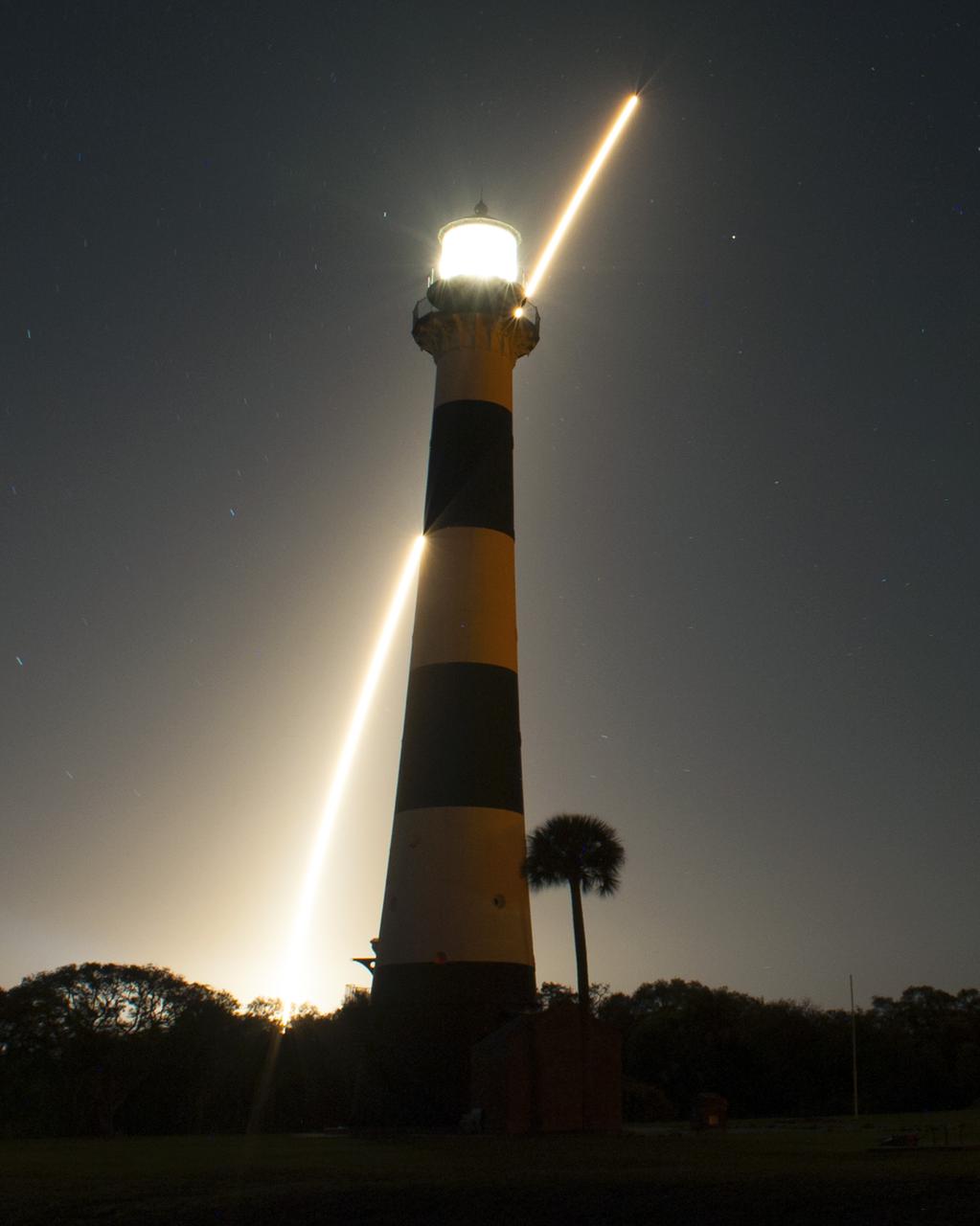
CAPE CANAVERAL, Fla. -- The United Launch Alliance Atlas V 401 rocket carrying NASA's Tracking and Data Relay Satellite-K, TDRS-K, streaks past the lighthouse on Cape Canaveral Air Force Station in Florida after launching from Space Launch Complex 41 at 8:48 p.m. EST. The TDRS-K spacecraft is part of the next-generation series in the Tracking and Data Relay Satellite System, a constellation of space-based communication satellites providing tracking, telemetry, command and high-bandwidth data return services. For more information, visit http:__www.nasa.gov_mission_pages_tdrs_index.html. Photo credit: NASA_Rick Wetherington
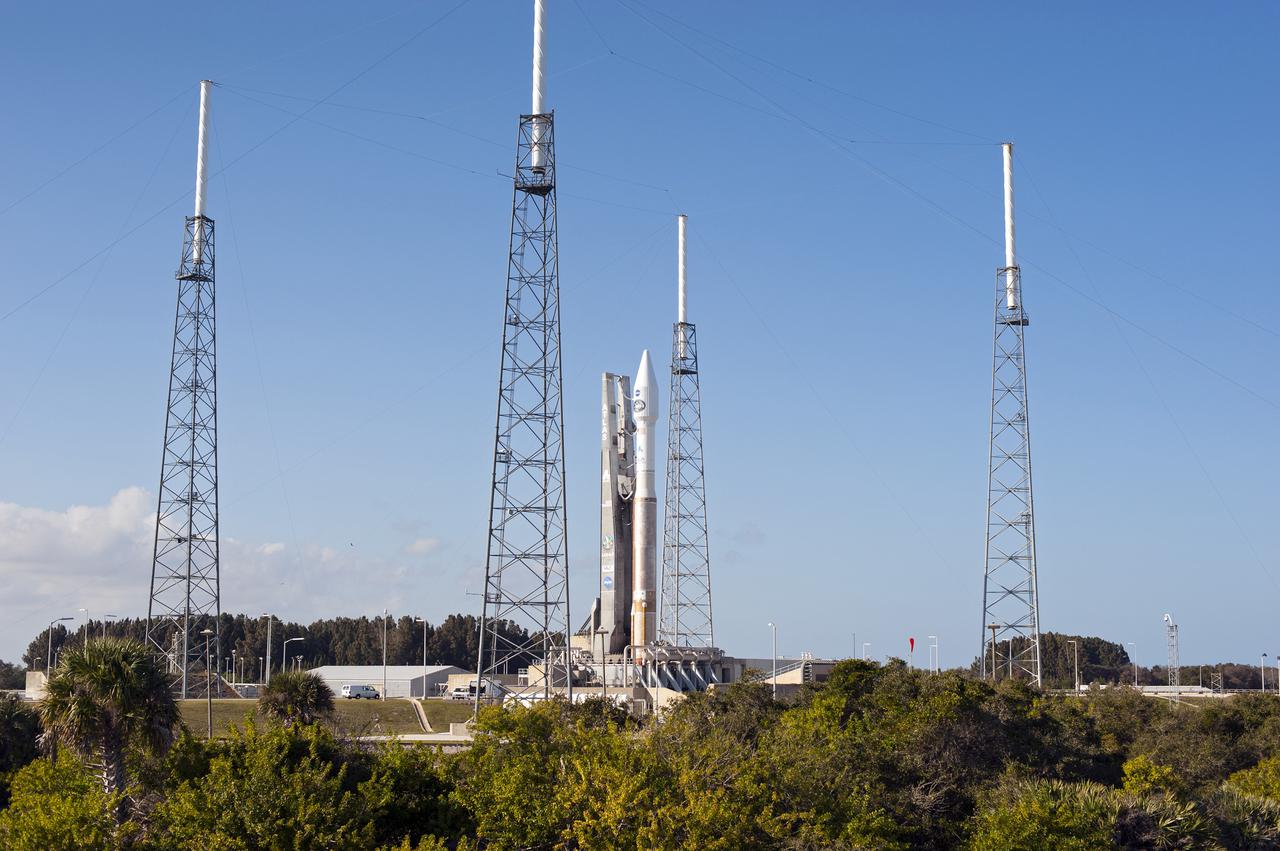
CAPE CANAVERAL, Fla. -- NASA's Tracking and Data Relay Satellite-K, TDRS-K, sits atop a United Launch Alliance Atlas V 401 rocket on Space Launch Complex 41 on Cape Canaveral Air Force Station in Florida, ready to begin its journey to orbit. Liftoff is set for 8:48 p.m. EST at the opening of a 40-minute launch window. The TDRS-K spacecraft is part of the next-generation series in the Tracking and Data Relay Satellite System, a constellation of space-based communication satellites providing tracking, telemetry, command and high-bandwidth data return services. For more information, visit http:__www.nasa.gov_mission_pages_tdrs_index.html. Photo credit: NASA_Tony Gray and Rick Wetherington
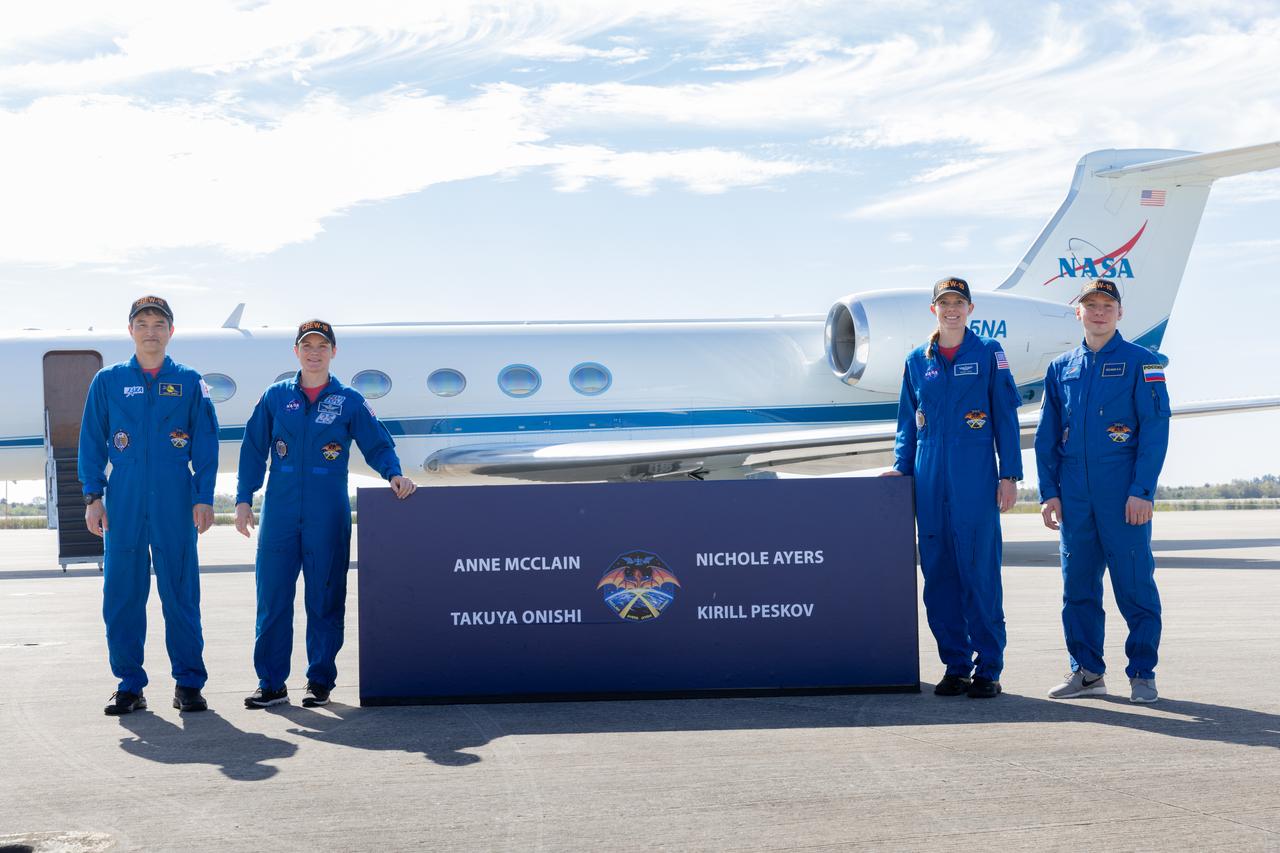
Crew members of NASA’s SpaceX Crew-10 mission to the International Space Station from left to right JAXA (Japan Aerospace Exploration Agency) astronaut Takuya Onishi, NASA astronaut Anne McClain, NASA astronaut Nichole Ayers, and Roscosmos cosmonaut Kirill Peskov stand before members of the news media after arrival to the Launch and Landing Facility at Kennedy Space Center in Florida on Friday, March 7, 2025. The Crew-10 mission is slated to launch aboard SpaceX’s Dragon spacecraft, powered by the company’s Falcon 9 rocket from NASA Kennedy’s Launch Complex 39A no earlier than 7:48 p.m. EDT on Wednesday, March 12, 2025.
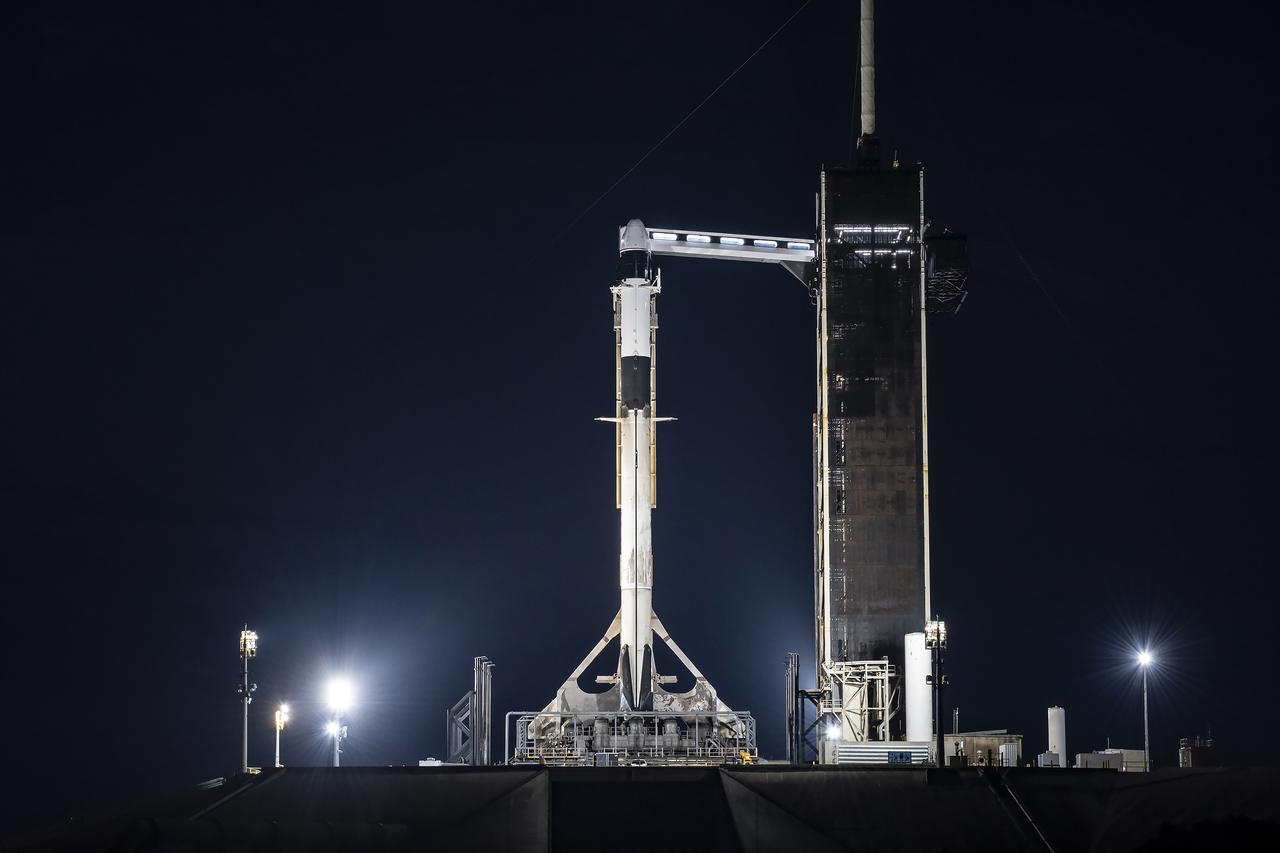
A SpaceX Falcon 9 rocket with the company’s Dragon spacecraft on top is seen during sunrise on the launch pad at Launch Complex 39A at NASA’s Kennedy Space Center in Florida on Tuesday, March 11, 2025, ahead of the agency’s SpaceX Crew-10 launch. Crew-10 is the 10th crew rotation mission with SpaceX to the International Space Station as part of the agency’s Commercial Crew Program, sending NASA astronauts Anne McClain and Nichole Ayers, along with JAXA (Japan Aerospace Exploration Agency) astronaut Takuya Onishi and Roscosmos cosmonaut Kirill Peskov to the orbiting laboratory for about a four-month science mission. Liftoff is targeted for 7:48 p.m. EDT on Wednesday, March 12, 2025.
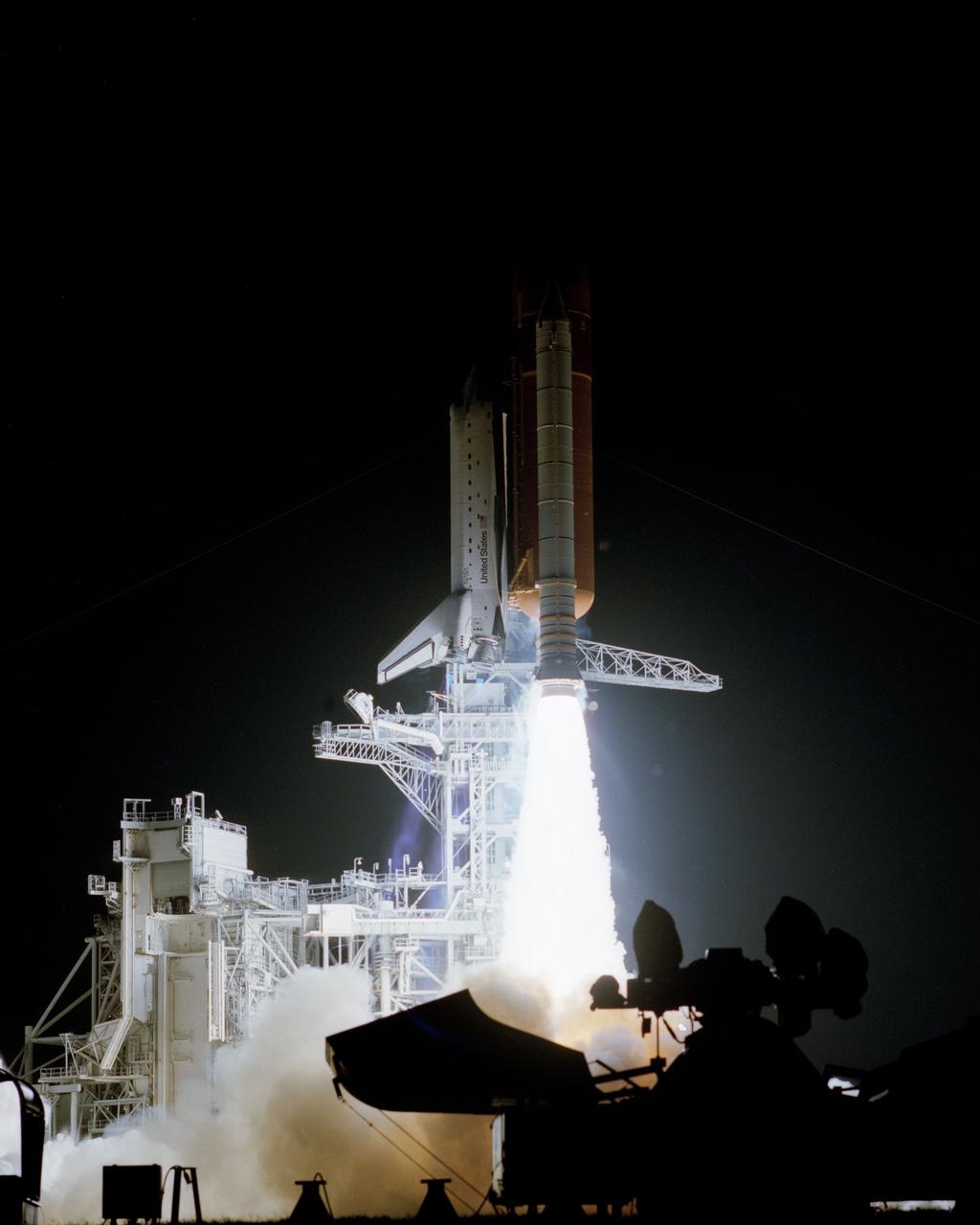
STS-38 Atlantis, Orbiter Vehicle (OV) 104, lifts off from Kennedy Space Center (KSC) Launch Complex (LC) Pad at 6:48:15:0639 pm (Eastern Standard Time (EST)) for Department of Defense (DOD)-devoted mission. OV-104, atop the external tank (ET) and flanked by solid rocket boosters (SRBs), is almost clear of the launch tower which is lit up by the SRB and space shuttle main engine (SSME) firings. Spotlight equipment is silhouetted against the SRB/SSME glow in the foreground. The retracted rotating service structure (RSS) is highlighted against the evening darkness by the launch fireworks.
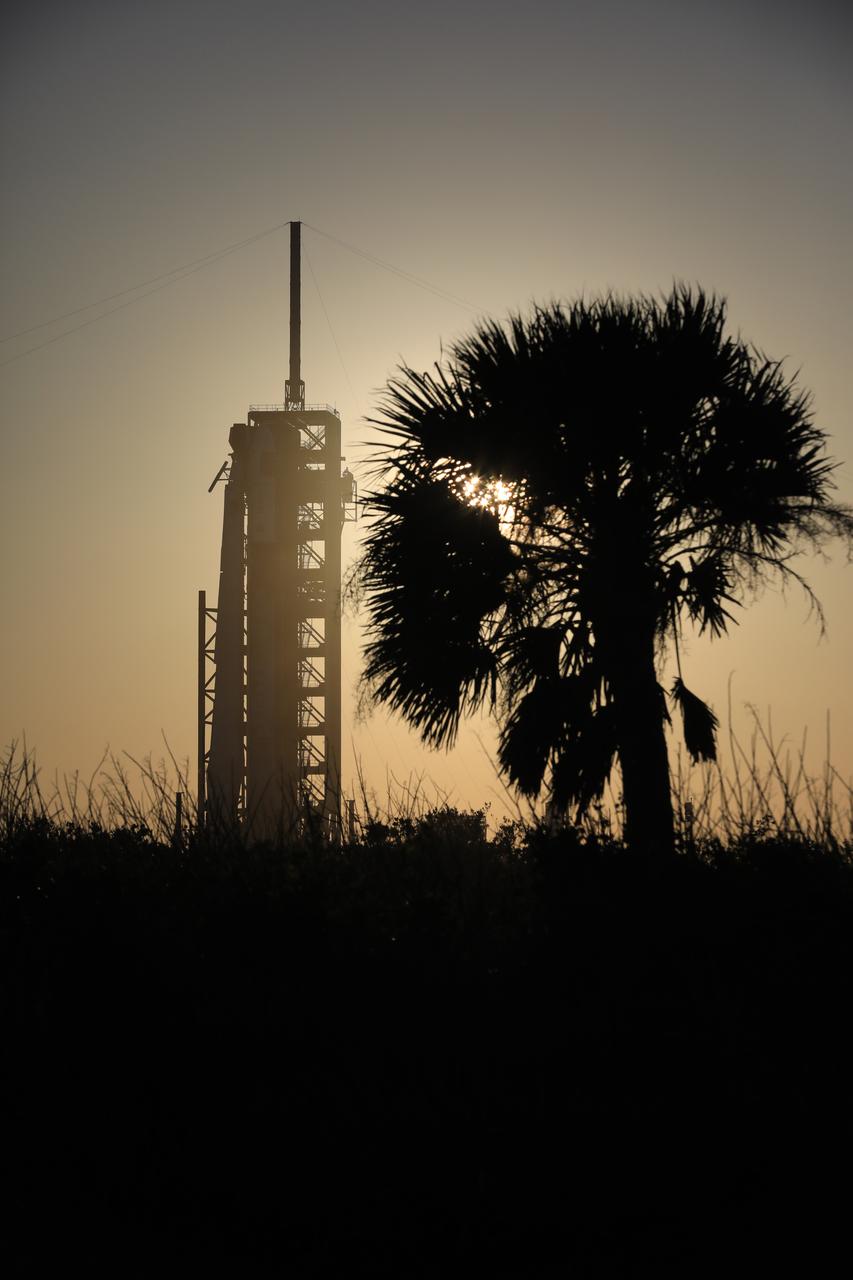
A SpaceX Falcon 9 rocket with the company’s Dragon spacecraft on top is seen during sunset on the launch pad at Launch Complex 39A at NASA’s Kennedy Space Center in Florida on Tuesday, March 11, 2025, ahead of the agency’s SpaceX Crew-10 launch. Crew-10 is the 10th crew rotation mission with SpaceX to the International Space Station as part of the agency’s Commercial Crew Program, sending NASA astronauts Anne McClain and Nichole Ayers, along with JAXA (Japan Aerospace Exploration Agency) astronaut Takuya Onishi and Roscosmos cosmonaut Kirill Peskov to the orbiting laboratory for about a four-month science mission. Liftoff is targeted for 7:48 p.m. EDT on Wednesday, March 12, 2025.
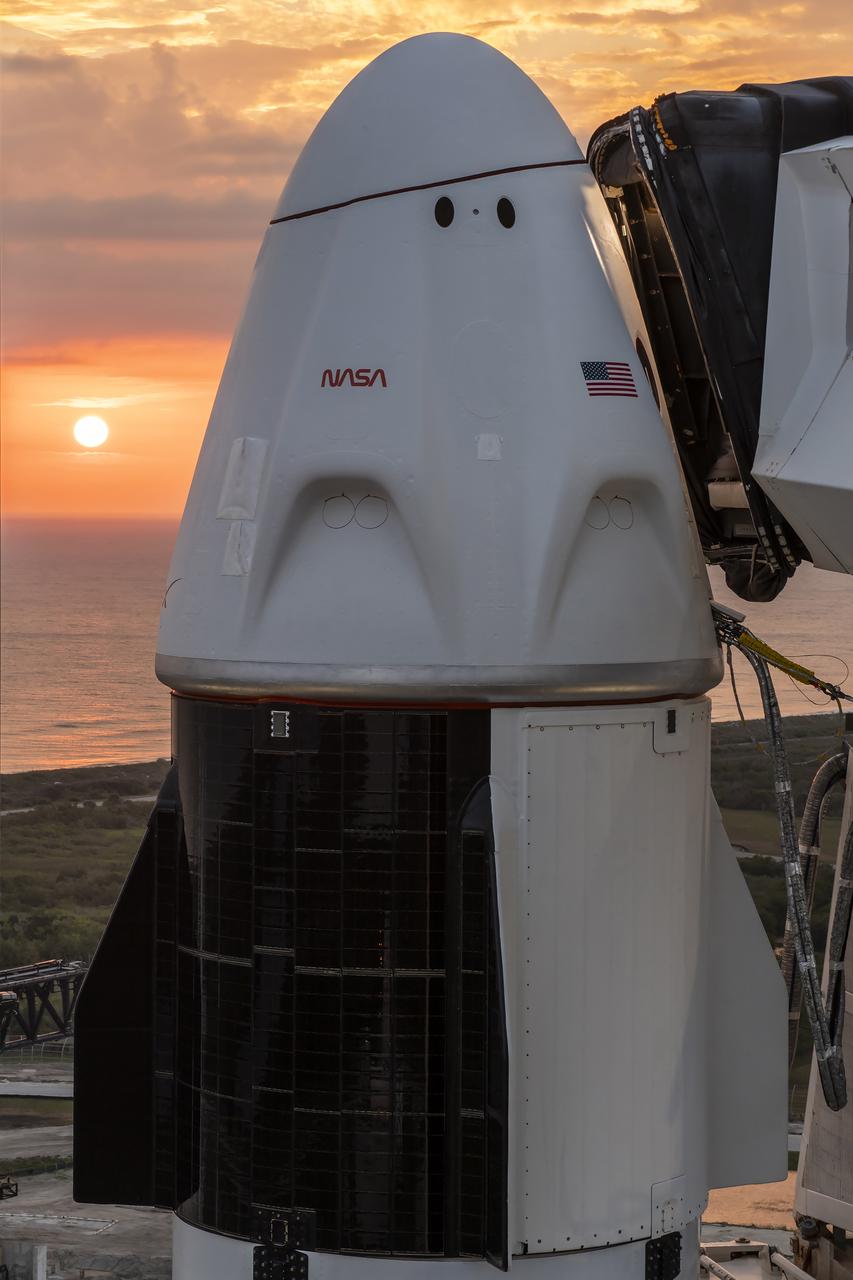
A SpaceX Falcon 9 rocket with the company’s Dragon spacecraft on top is seen during sunrise on the launch pad at Launch Complex 39A at NASA’s Kennedy Space Center in Florida on Tuesday, March 11, 2025, ahead of the agency’s SpaceX Crew-10 launch. Crew-10 is the 10th crew rotation mission with SpaceX to the International Space Station as part of the agency’s Commercial Crew Program, sending NASA astronauts Anne McClain and Nichole Ayers, along with JAXA (Japan Aerospace Exploration Agency) astronaut Takuya Onishi and Roscosmos cosmonaut Kirill Peskov to the orbiting laboratory for about a four-month science mission. Liftoff is targeted for 7:48 p.m. EDT on Wednesday, March 12, 2025.

Crew members of NASA’s SpaceX Crew-10 mission to the International Space Station descend the ramp of a Gulfstream jet upon arrival to the Launch and Landing Facility at Kennedy Space Center in Florida on Friday, March 7, 2025. NASA astronauts Anne McClain and Nichole Ayers, along with JAXA (Japan Aerospace Exploration Agency) astronaut Takuya Onishi and Roscosmos cosmonaut Kirill Peskov, stand before members of the news media after are slated to launch aboard SpaceX’s Dragon spacecraft, powered by the company’s Falcon 9 rocket from NASA Kennedy’s Launch Complex 39A no earlier than 7:48 p.m. EDT on Wednesday, March 12, 2025.
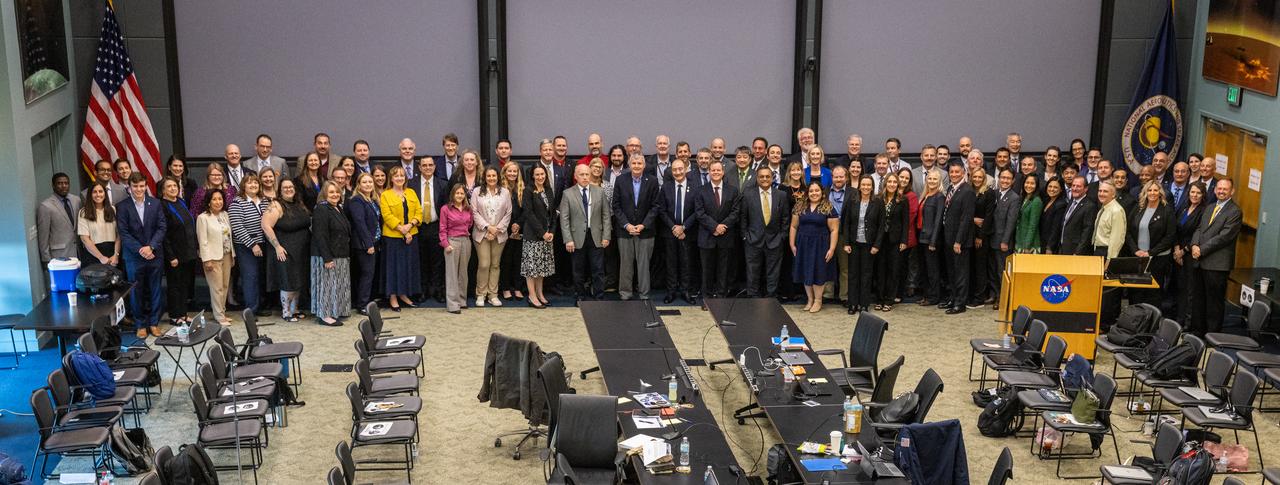
Managers with NASA and SpaceX, along with international partners, participate in NASA’s SpaceX Crew-10 Flight Readiness Review at the agency’s Kennedy Space Center in Florida on Friday, March 7, 2025. Launch is targeted for 7:48 p.m. EDT on Wednesday, March 12, 2025, from Launch Complex 39A at NASA Kennedy. NASA astronauts Anne McClain and Nichole Ayers, along with JAXA (Japan Aerospace Exploration Agency) astronaut Takuya Onishi and Roscosmos cosmonaut Kirill Peskov will launch to the International Space Station aboard SpaceX’s Dragon spacecraft and Falcon 9 rocket on the company’s 10th crew rotation mission for NASA as part of the agency’s Commercial Crew Program.
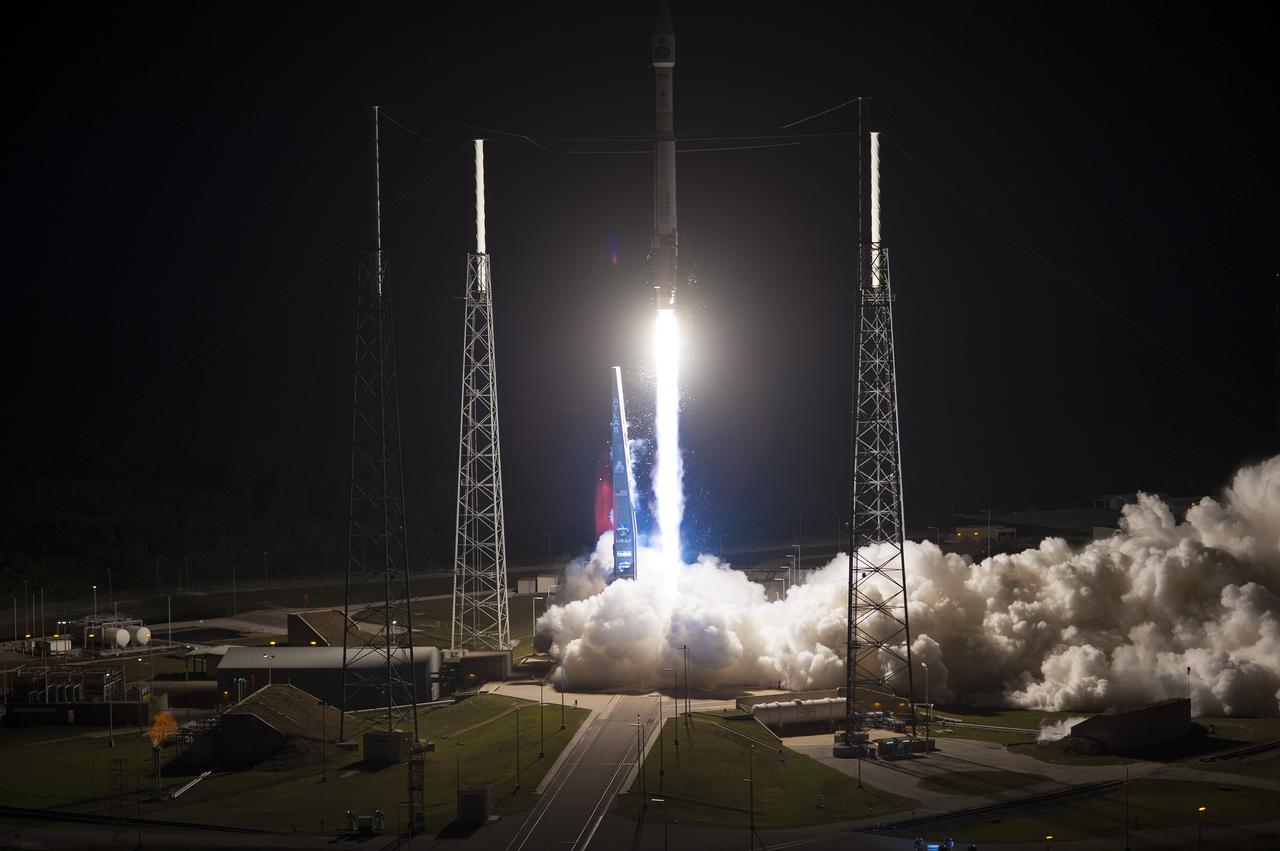
CAPE CANAVERAL, Fla. -- The umbilical tower drops back from a United Launch Alliance Atlas V 401 rocket as it lifts off Space Launch Complex 41 on Cape Canaveral Air Force Station in Florida. Launch, with NASA's Tracking and Data Relay Satellite-K or TDRS-K aboard, was at 8:48 p.m. EST. he TDRS-K spacecraft is part of the next-generation series in the Tracking and Data Relay Satellite System, a constellation of space-based communication satellites providing tracking, telemetry, command and high-bandwidth data return services. For more information, visit http:__www.nasa.gov_mission_pages_tdrs_index.html. Photo credit: NASA_Tony Gray and Robert Murray
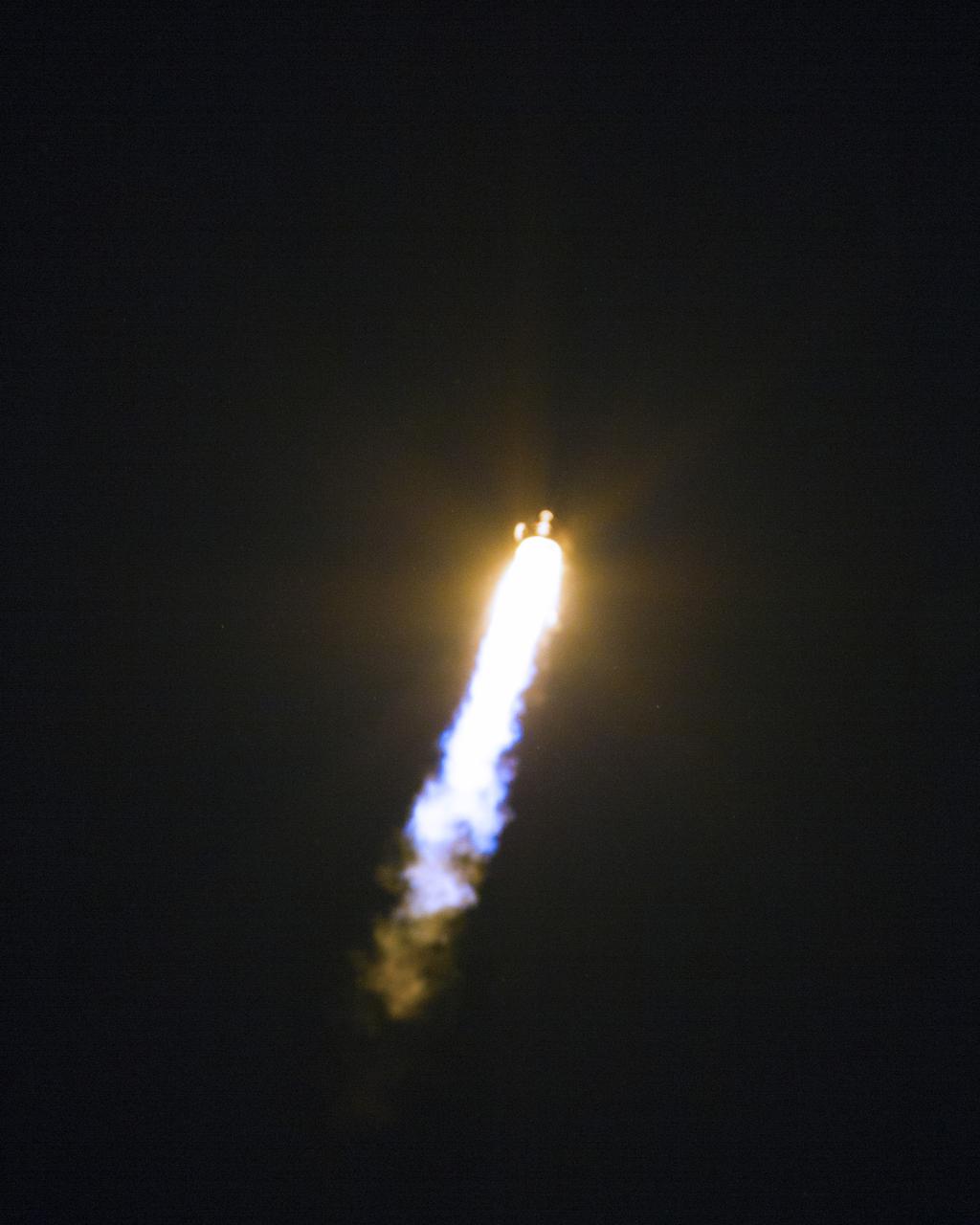
CAPE CANAVERAL, Fla. -- A United Launch Alliance Atlas V 401 rocket streaks into the night sky over Space Launch Complex 41 on Cape Canaveral Air Force Station in Florida, carrying NASA's Tracking and Data Relay Satellite-K, TDRS-K, to orbit. Launch was at 8:48 p.m. EST. The TDRS-K spacecraft is part of the next-generation series in the Tracking and Data Relay Satellite System, a constellation of space-based communication satellites providing tracking, telemetry, command and high-bandwidth data return services. For more information, visit http:__www.nasa.gov_mission_pages_tdrs_index.html. Photo credit: NASA_George Roberts
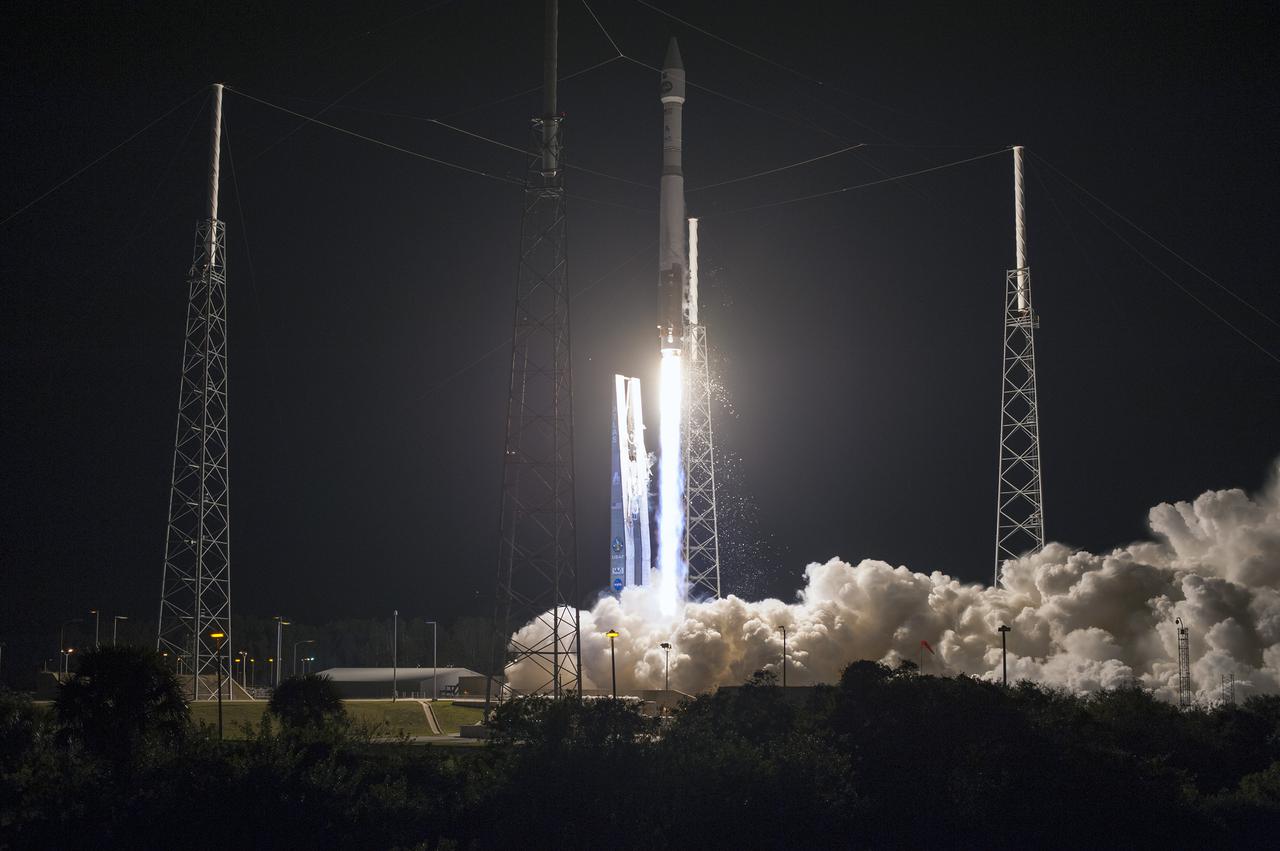
CAPE CANAVERAL, Fla. -- The umbilical tower drops back from a United Launch Alliance Atlas V 401 rocket as it lifts off Space Launch Complex 41 on Cape Canaveral Air Force Station in Florida. Launch, with NASA's Tracking and Data Relay Satellite-K or TDRS-K aboard, was at 8:48 p.m. EST. he TDRS-K spacecraft is part of the next-generation series in the Tracking and Data Relay Satellite System, a constellation of space-based communication satellites providing tracking, telemetry, command and high-bandwidth data return services. For more information, visit http:__www.nasa.gov_mission_pages_tdrs_index.html. Photo credit: NASA_Tony Gray and Rick Wetherington
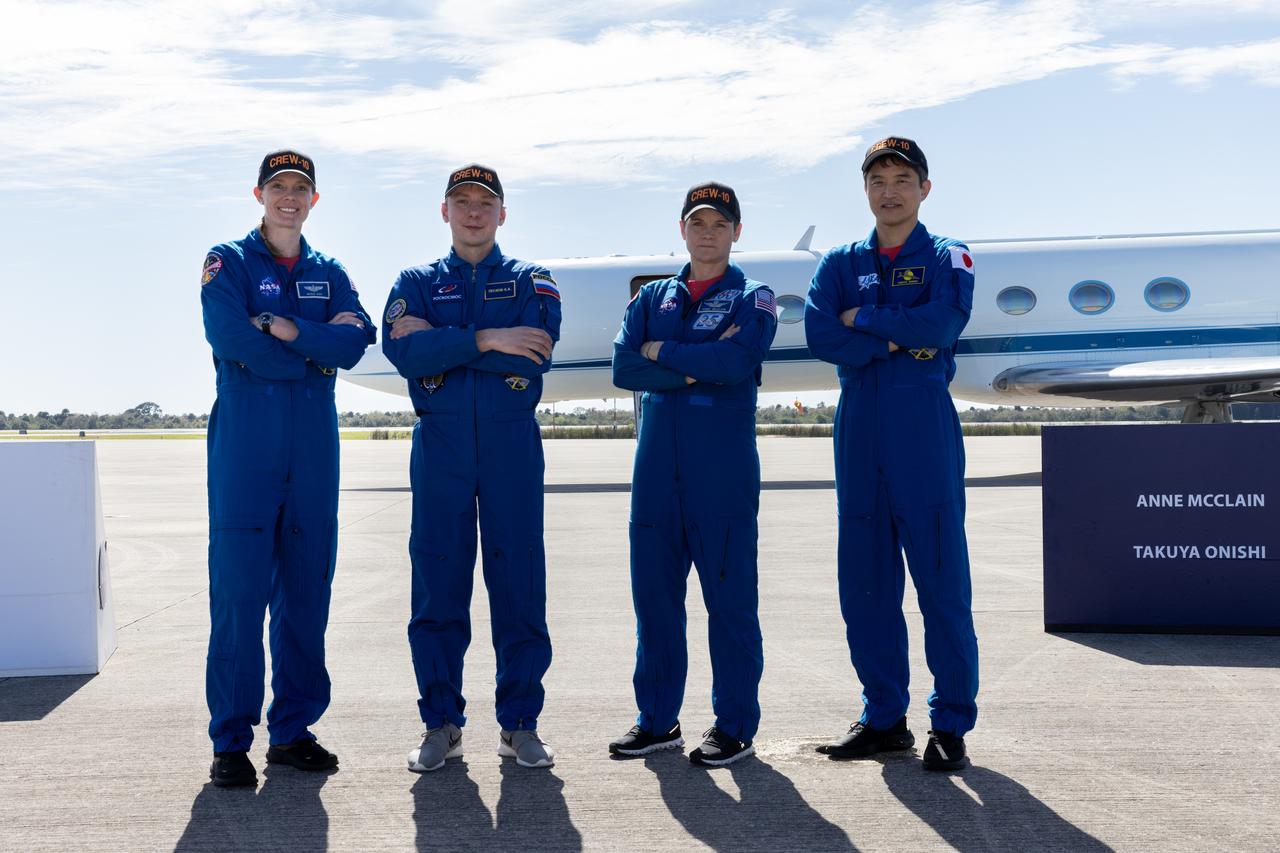
Crew members of NASA’s SpaceX Crew-10 mission to the International Space Station from left to right NASA astronaut Nichole Ayers, Roscosmos cosmonaut Kirill Peskov, NASA astronaut Anne McClain, and JAXA (Japan Aerospace Exploration Agency) astronaut Takuya Onishi stand before members of the news media after arrival to the Launch and Landing Facility at Kennedy Space Center in Florida on Friday, March 7, 2025. The Crew-10 mission is slated to launch aboard SpaceX’s Dragon spacecraft, powered by the company’s Falcon 9 rocket from NASA Kennedy’s Launch Complex 39A no earlier than 7:48 p.m. EDT on Wednesday, March 12, 2025.
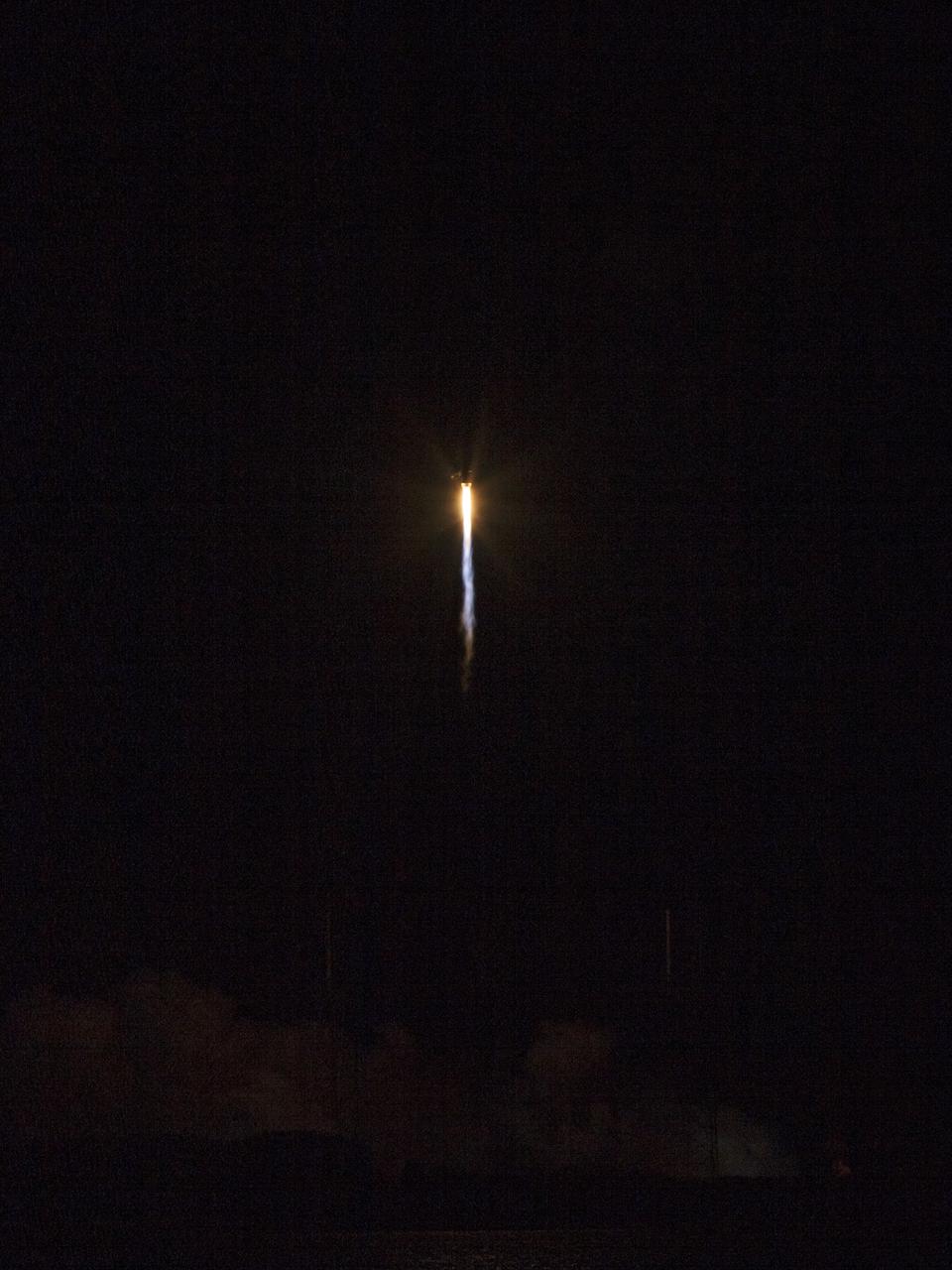
CAPE CANAVERAL, Fla. -- A United Launch Alliance Atlas V 401 rocket cuts its way through the night sky over Space Launch Complex 41 on Cape Canaveral Air Force Station in Florida carrying NASA's Tracking and Data Relay Satellite-K, TDRS-K, to orbit. Launch was at 8:48 p.m. EST. The TDRS-K spacecraft is part of the next-generation series in the Tracking and Data Relay Satellite System, a constellation of space-based communication satellites providing tracking, telemetry, command and high-bandwidth data return services. For more information, visit http:__www.nasa.gov_mission_pages_tdrs_index.html. Photo credit: NASA_Glenn Benson
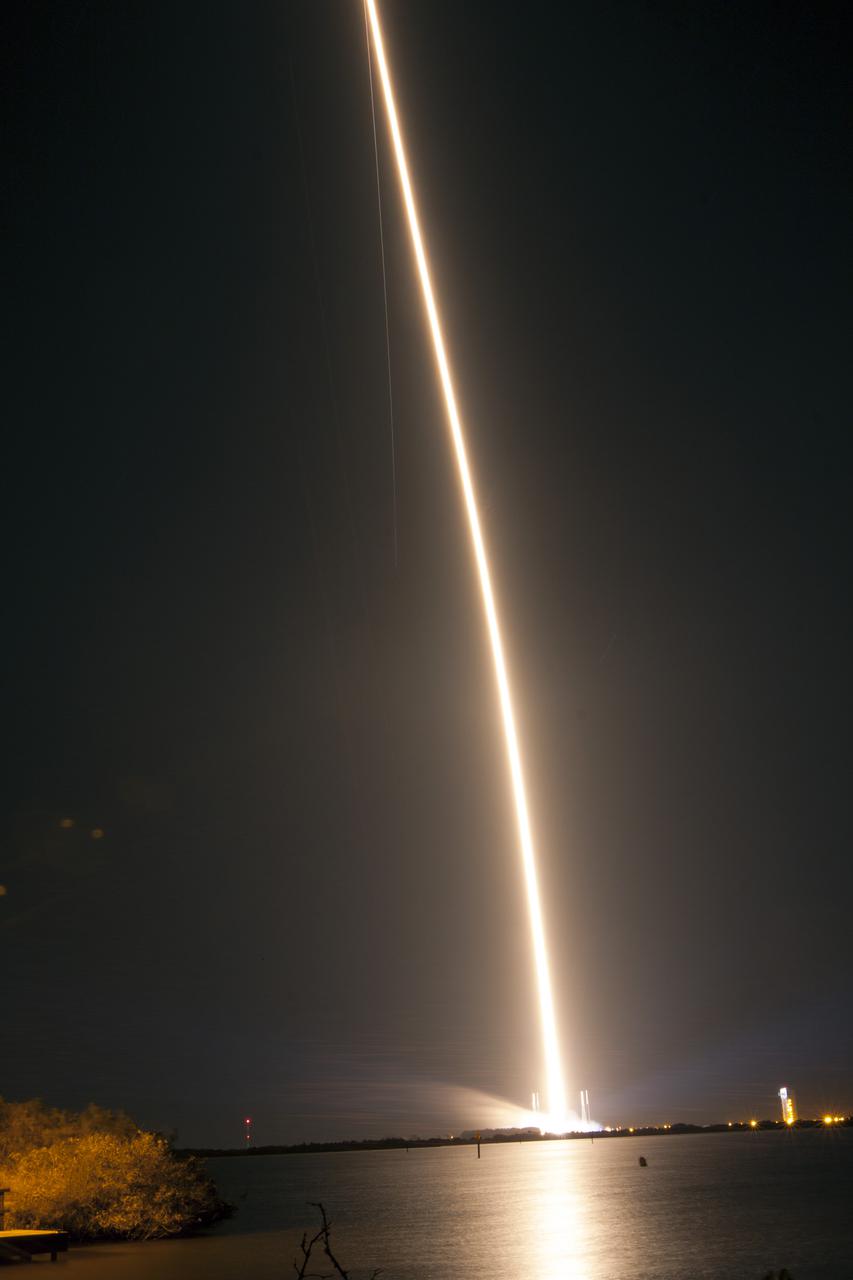
CAPE CANAVERAL, Fla. -- A United Launch Alliance Atlas V 401 rocket streaks away from Space Launch Complex 41 into the night sky over Cape Canaveral Air Force Station in Florida, carrying NASA's Tracking and Data Relay Satellite-K, TDRS-K, to orbit. Launch was at 8:48 p.m. EST. The TDRS-K spacecraft is part of the next-generation series in the Tracking and Data Relay Satellite System, a constellation of space-based communication satellites providing tracking, telemetry, command and high-bandwidth data return services. For more information, visit http:__www.nasa.gov_mission_pages_tdrs_index.html. Photo credit: NASA_Glenn Benson
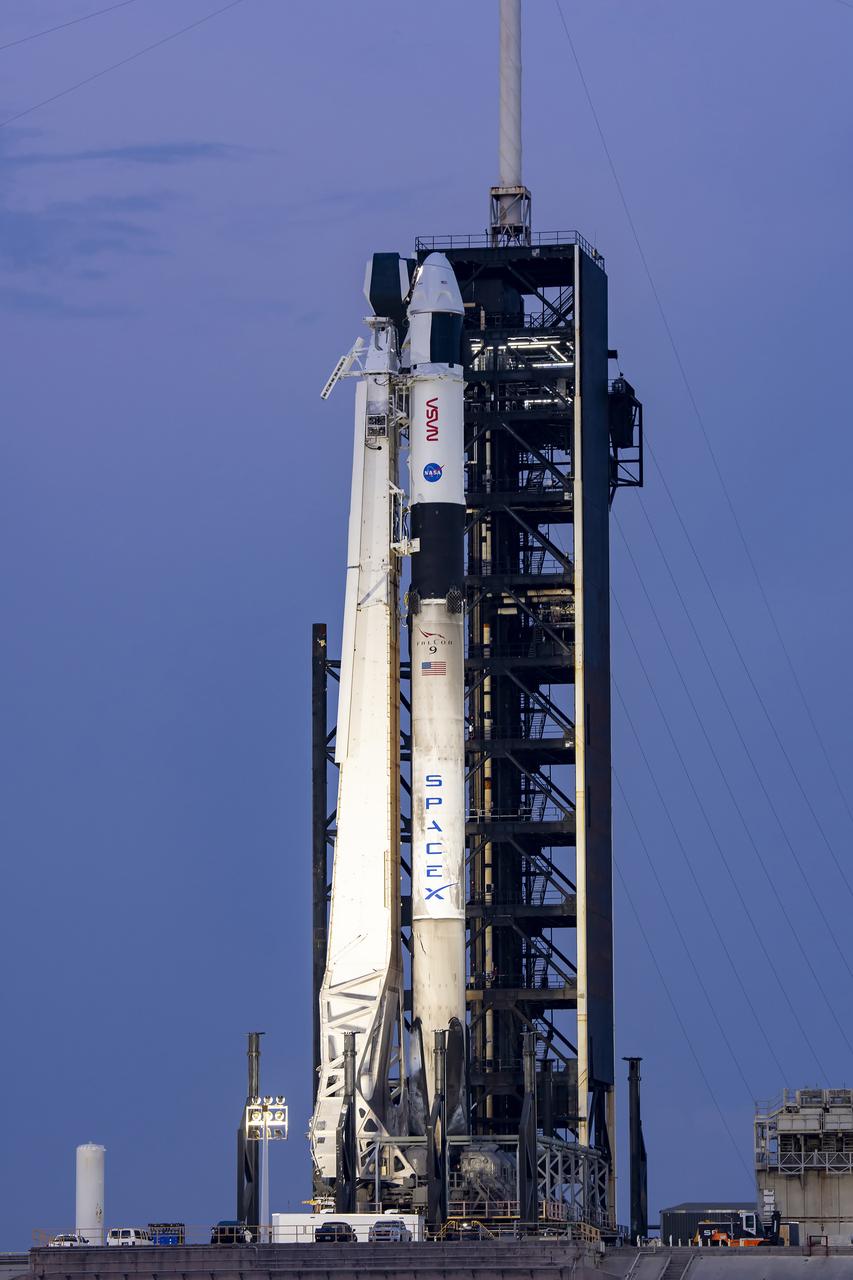
A SpaceX Falcon 9 rocket with the company’s Dragon spacecraft on top is seen during sunrise on the launch pad at Launch Complex 39A at NASA’s Kennedy Space Center in Florida on Tuesday, March 11, 2025, ahead of the agency’s SpaceX Crew-10 launch. Crew-10 is the 10th crew rotation mission with SpaceX to the International Space Station as part of the agency’s Commercial Crew Program, sending NASA astronauts Anne McClain and Nichole Ayers, along with JAXA (Japan Aerospace Exploration Agency) astronaut Takuya Onishi and Roscosmos cosmonaut Kirill Peskov to the orbiting laboratory for about a four-month science mission. Liftoff is targeted for 7:48 p.m. EDT on Wednesday, March 12, 2025.
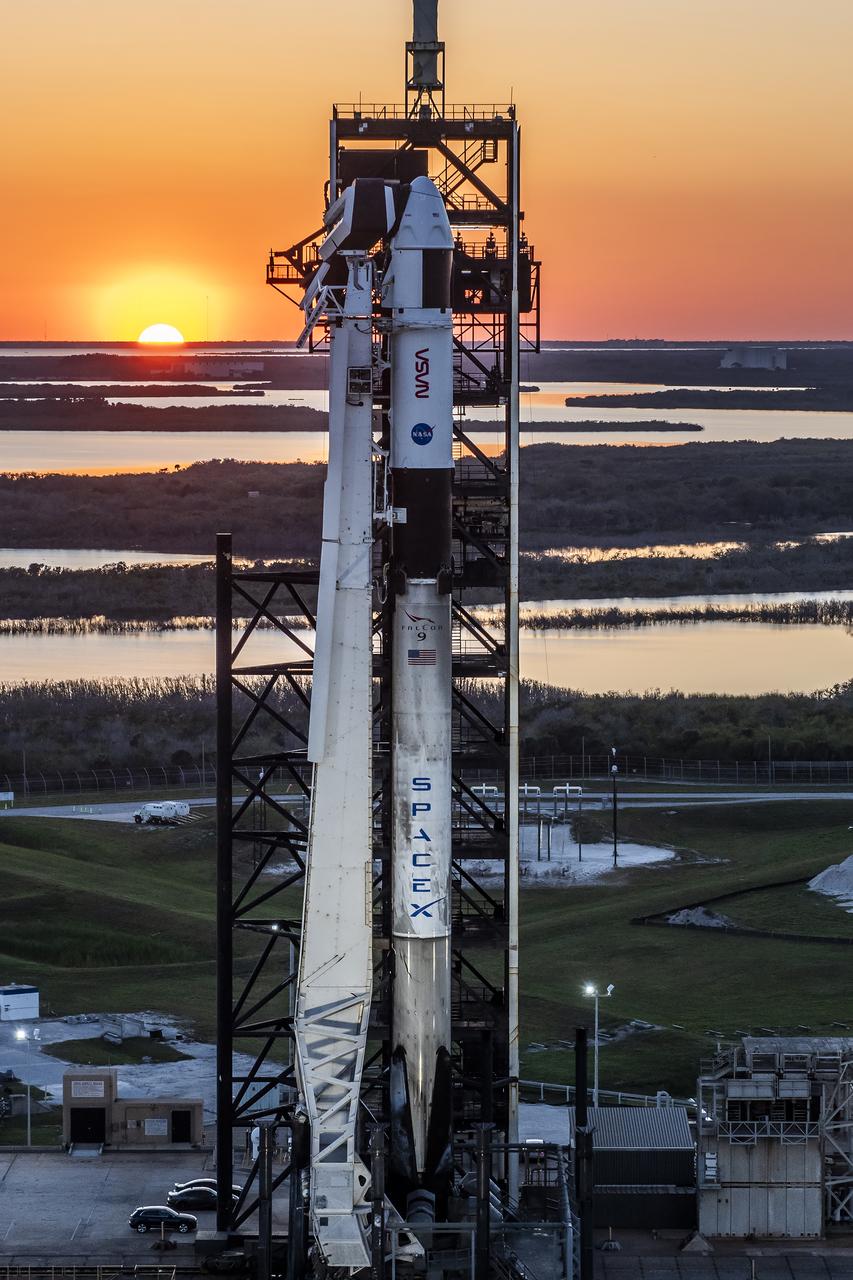
A SpaceX Falcon 9 rocket with the company’s Dragon spacecraft on top is seen during sunset on the launch pad at Launch Complex 39A at NASA’s Kennedy Space Center in Florida on Tuesday, March 11, 2025, ahead of the agency’s SpaceX Crew-10 launch. Crew-10 is the 10th crew rotation mission with SpaceX to the International Space Station as part of the agency’s Commercial Crew Program, sending NASA astronauts Anne McClain and Nichole Ayers, along with JAXA (Japan Aerospace Exploration Agency) astronaut Takuya Onishi and Roscosmos cosmonaut Kirill Peskov to the orbiting laboratory for about a four-month science mission. Liftoff is targeted for 7:48 p.m. EDT on Wednesday, March 12, 2025.
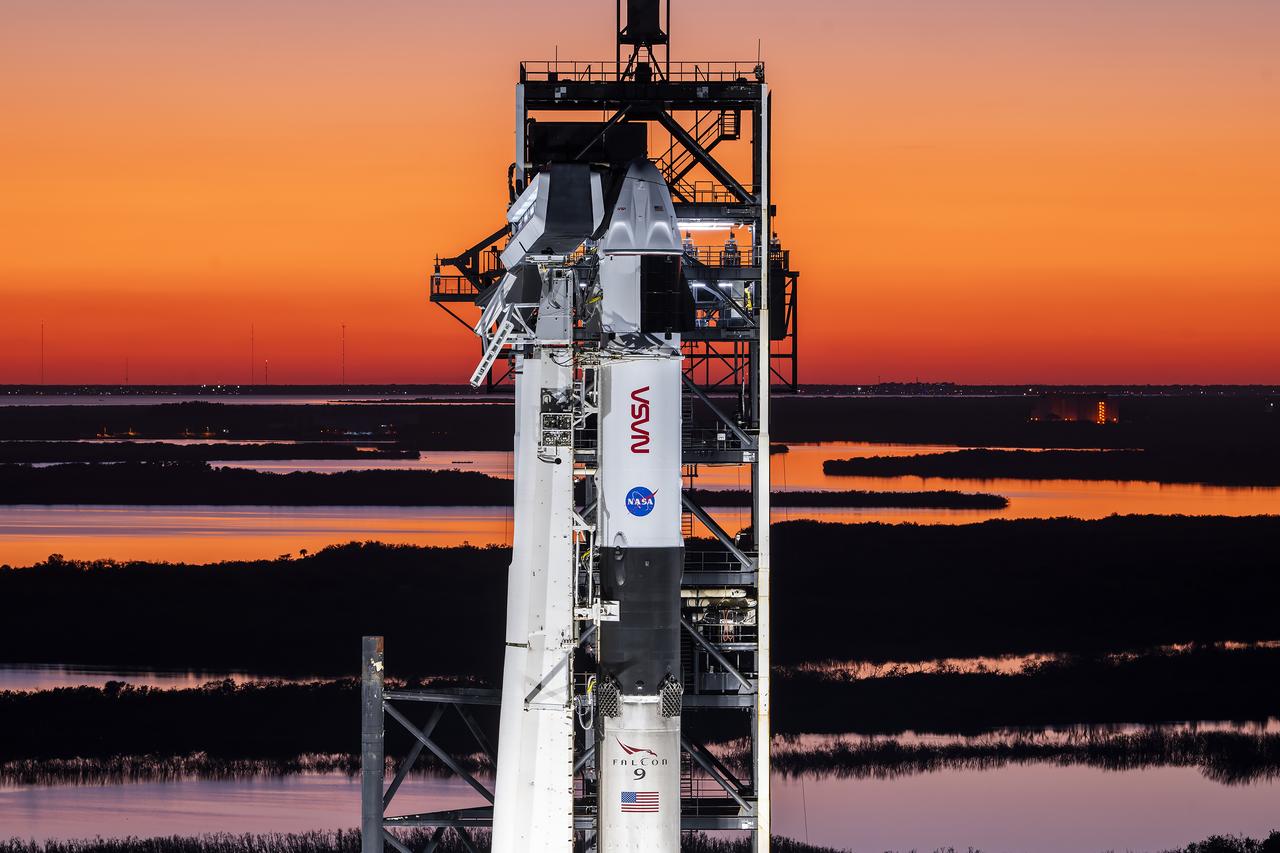
A SpaceX Falcon 9 rocket with the company’s Dragon spacecraft on top is seen during sunset on the launch pad at Launch Complex 39A at NASA’s Kennedy Space Center in Florida on Tuesday, March 11, 2025, ahead of the agency’s SpaceX Crew-10 launch. Crew-10 is the 10th crew rotation mission with SpaceX to the International Space Station as part of the agency’s Commercial Crew Program, sending NASA astronauts Anne McClain and Nichole Ayers, along with JAXA (Japan Aerospace Exploration Agency) astronaut Takuya Onishi and Roscosmos cosmonaut Kirill Peskov to the orbiting laboratory for about a four-month science mission. Liftoff is targeted for 7:48 p.m. EDT on Wednesday, March 12, 2025.
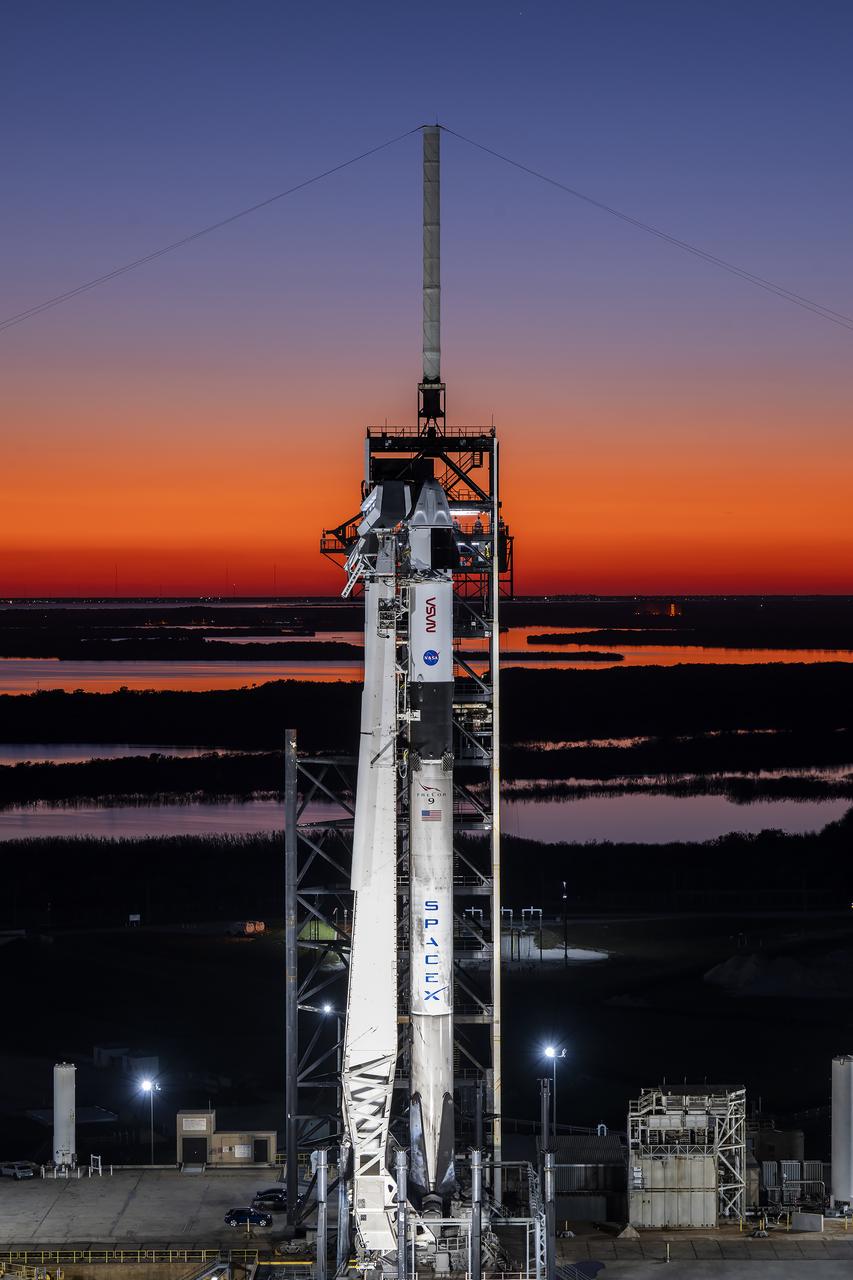
A SpaceX Falcon 9 rocket with the company’s Dragon spacecraft on top is seen during sunset on the launch pad at Launch Complex 39A at NASA’s Kennedy Space Center in Florida on Tuesday, March 11, 2025, ahead of the agency’s SpaceX Crew-10 launch. Crew-10 is the 10th crew rotation mission with SpaceX to the International Space Station as part of the agency’s Commercial Crew Program, sending NASA astronauts Anne McClain and Nichole Ayers, along with JAXA (Japan Aerospace Exploration Agency) astronaut Takuya Onishi and Roscosmos cosmonaut Kirill Peskov to the orbiting laboratory for about a four-month science mission. Liftoff is targeted for 7:48 p.m. EDT on Wednesday, March 12, 2025.
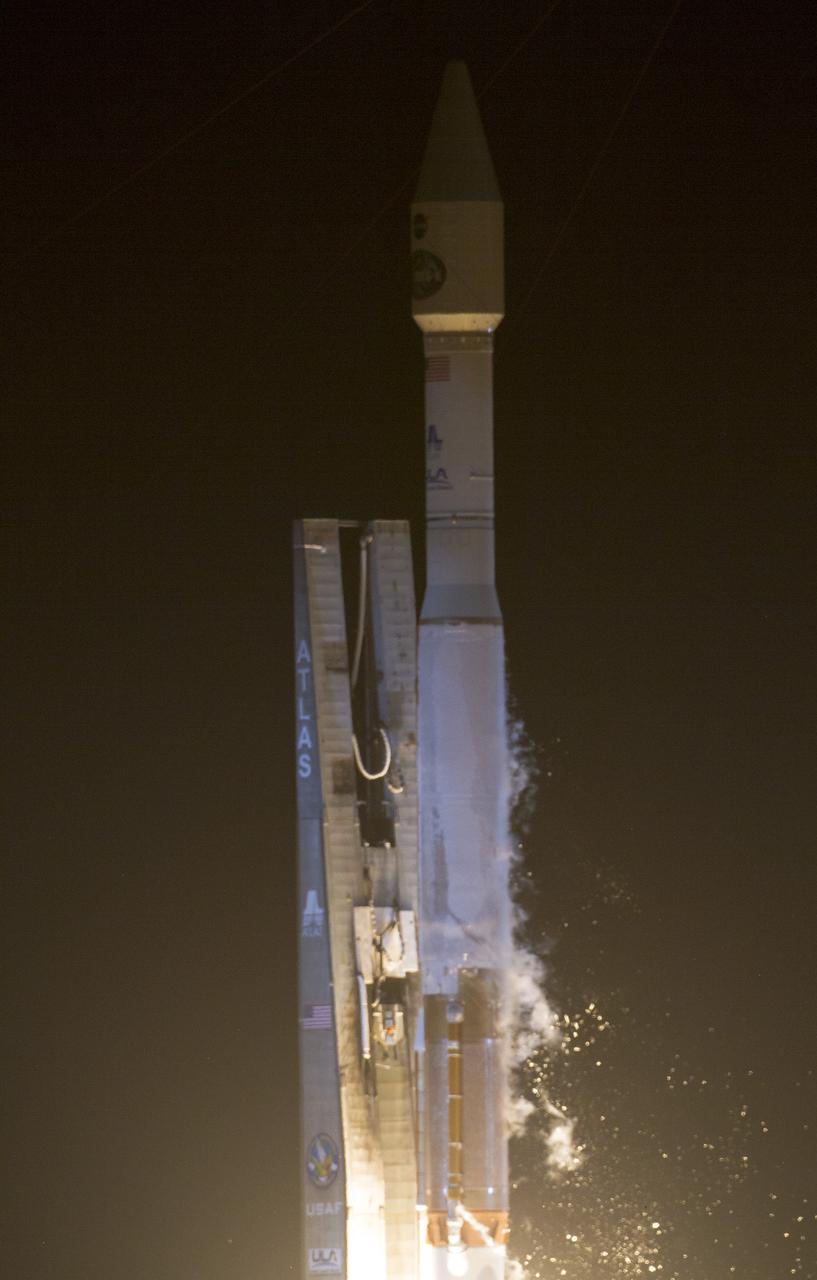
CAPE CANAVERAL, Fla. -- The umbilical tower drops away from a United Launch Alliance Atlas V 401 rocket as it lifts off Space Launch Complex 41 on Cape Canaveral Air Force Station in Florida. Launch, with NASA's Tracking and Data Relay Satellite-K or TDRS-K aboard, was at 8:48 p.m. EST. The TDRS-K spacecraft is part of the next-generation series in the Tracking and Data Relay Satellite System, a constellation of space-based communication satellites providing tracking, telemetry, command and high-bandwidth data return services. For more information, visit http:__www.nasa.gov_mission_pages_tdrs_index.html. Photo credit: NASA_George Roberts
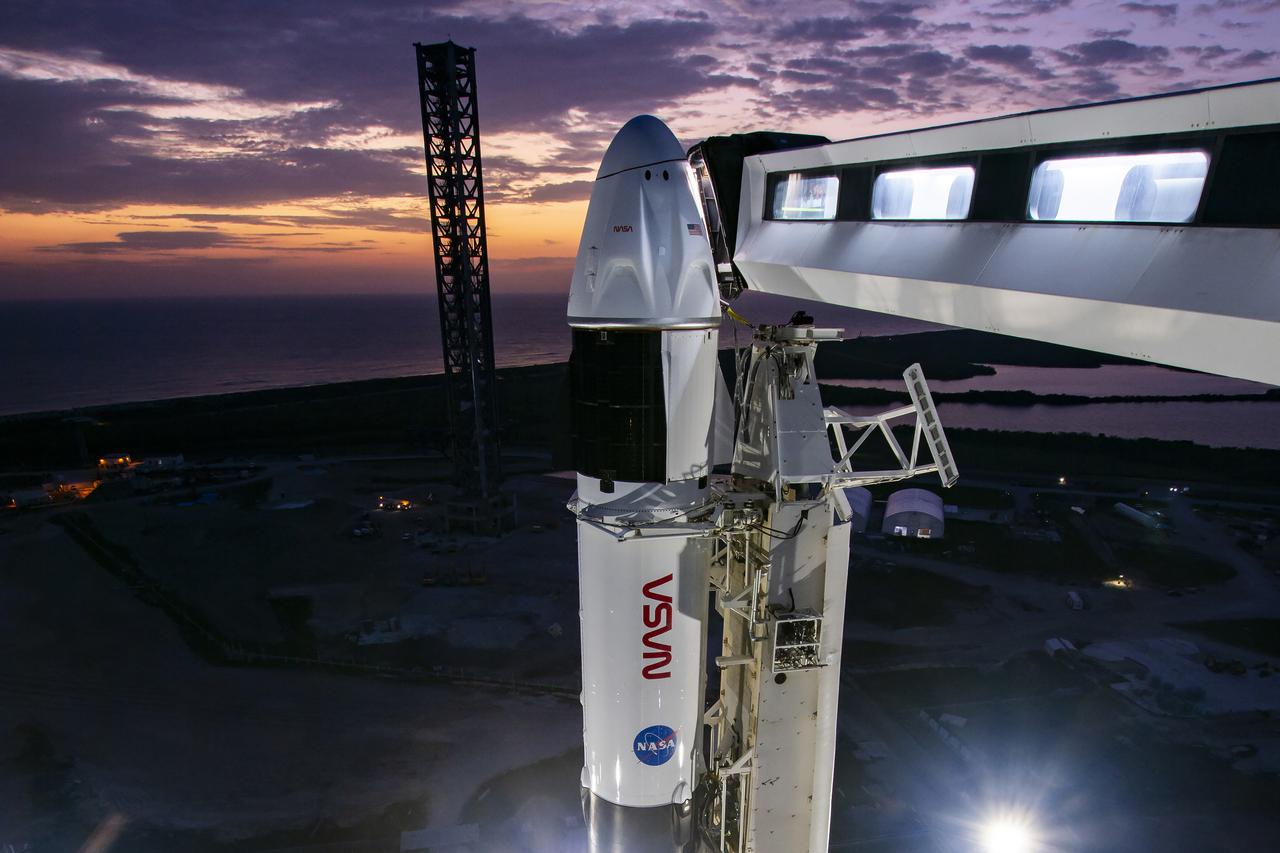
A SpaceX Falcon 9 rocket with the company’s Dragon spacecraft on top is seen during sunrise on the launch pad at Launch Complex 39A at NASA’s Kennedy Space Center in Florida on Tuesday, March 11, 2025, ahead of the agency’s SpaceX Crew-10 launch. Crew-10 is the 10th crew rotation mission with SpaceX to the International Space Station as part of the agency’s Commercial Crew Program, sending NASA astronauts Anne McClain and Nichole Ayers, along with JAXA (Japan Aerospace Exploration Agency) astronaut Takuya Onishi and Roscosmos cosmonaut Kirill Peskov to the orbiting laboratory for about a four-month science mission. Liftoff is targeted for 7:48 p.m. EDT on Wednesday, March 12, 2025.
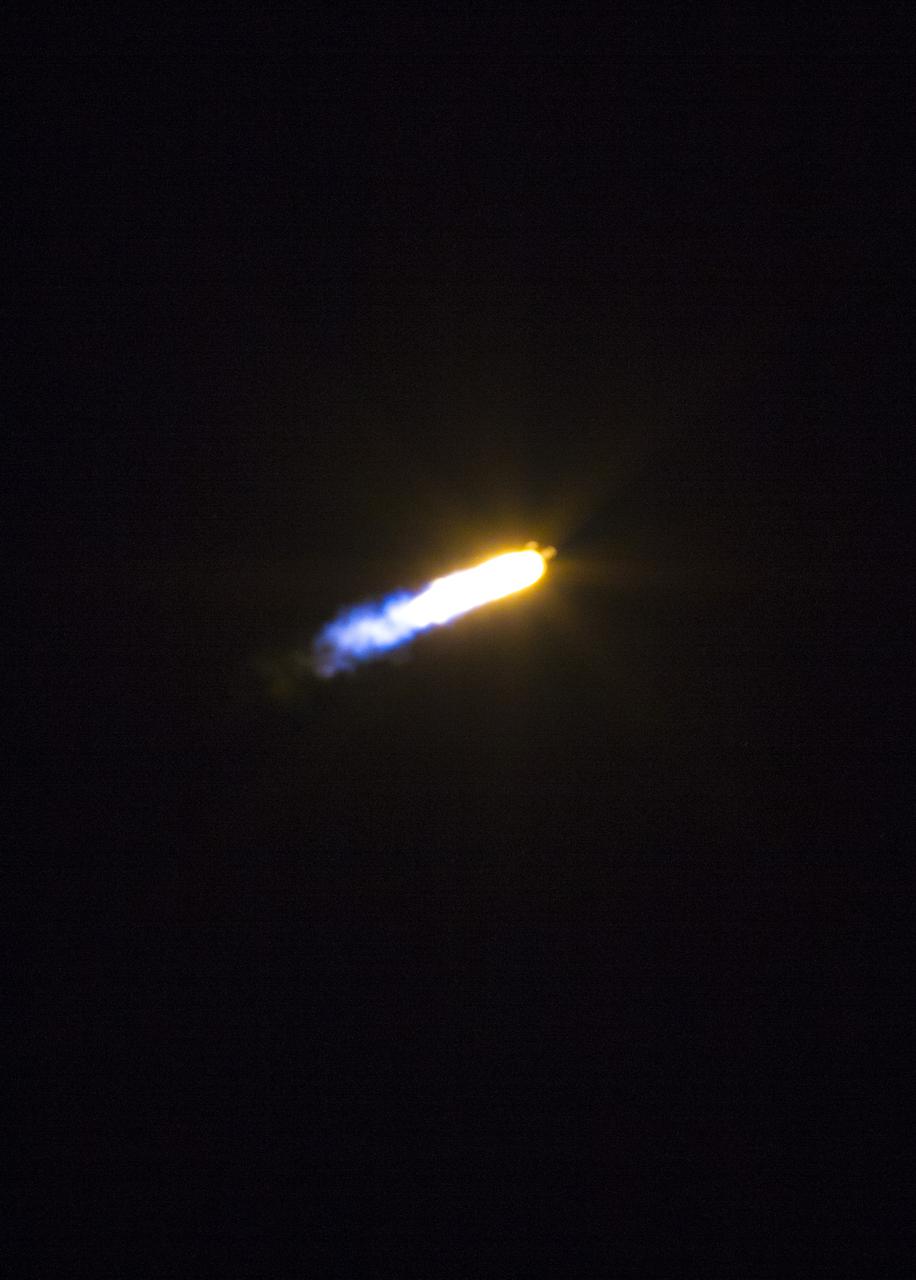
CAPE CANAVERAL, Fla. -- A United Launch Alliance Atlas V 401 rocket races to orbit from Space Launch Complex 41 on Cape Canaveral Air Force Station in Florida, carrying NASA's Tracking and Data Relay Satellite-K, TDRS-K. Launch was at 8:48 p.m. EST. The TDRS-K spacecraft is part of the next-generation series in the Tracking and Data Relay Satellite System, a constellation of space-based communication satellites providing tracking, telemetry, command and high-bandwidth data return services. For more information, visit http:__www.nasa.gov_mission_pages_tdrs_index.html. Photo credit: NASA_George Roberts
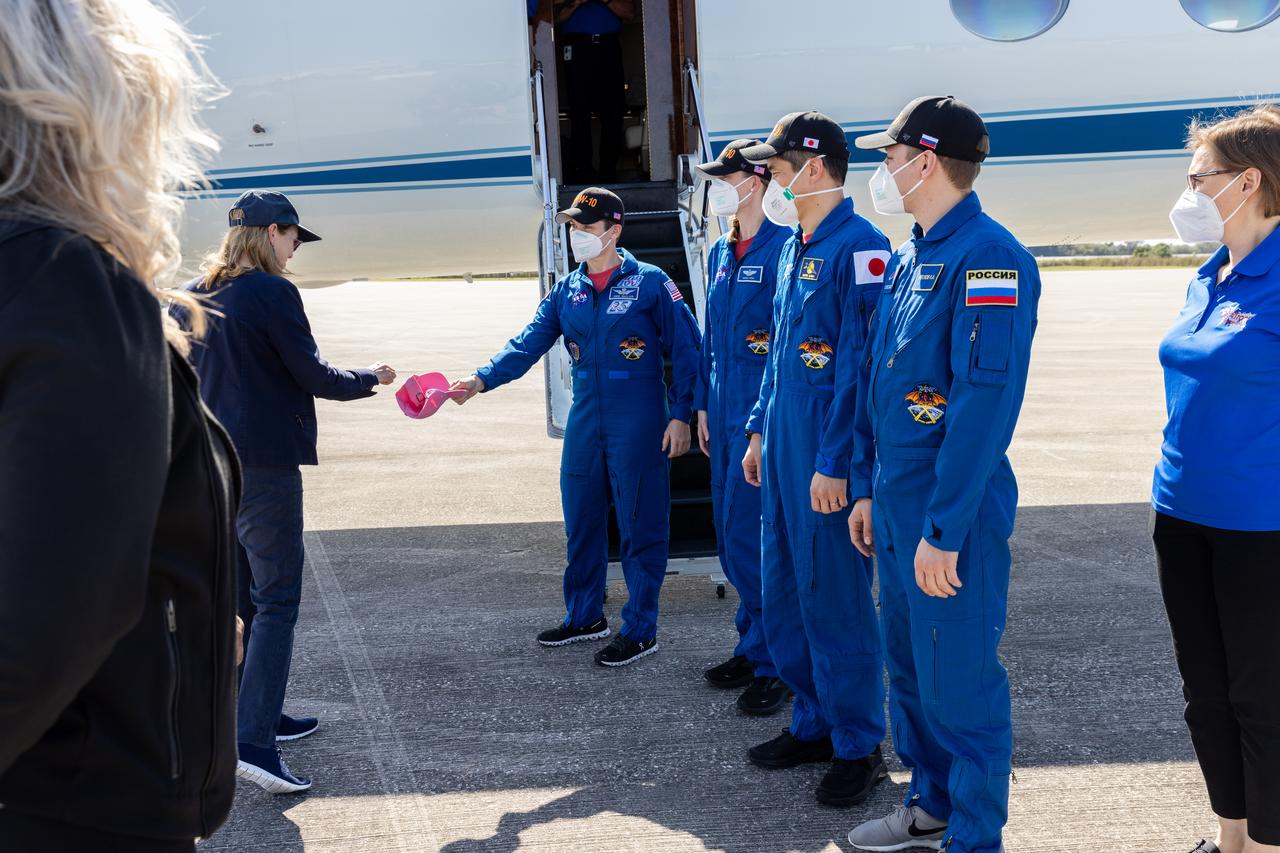
Acting NASA Administrator Janet Petro greets crew members of NASA’s SpaceX Crew-10 mission to the International Space Station after arrival to the Launch and Landing Facility at Kennedy Space Center in Florida on Friday, March 7, 2025. From left to right are Petro, NASA astronauts Anne McClain and Nichole Ayers, JAXA (Japan Aerospace Exploration Agency) astronaut Takuya Onishi, and Roscosmos cosmonaut Kirill Peskov. The Crew-10 mission is slated to launch aboard SpaceX’s Dragon spacecraft, powered by the company’s Falcon 9 rocket from NASA Kennedy’s Launch Complex 39A no earlier than 7:48 p.m. EDT on Wednesday, March 12, 2025.
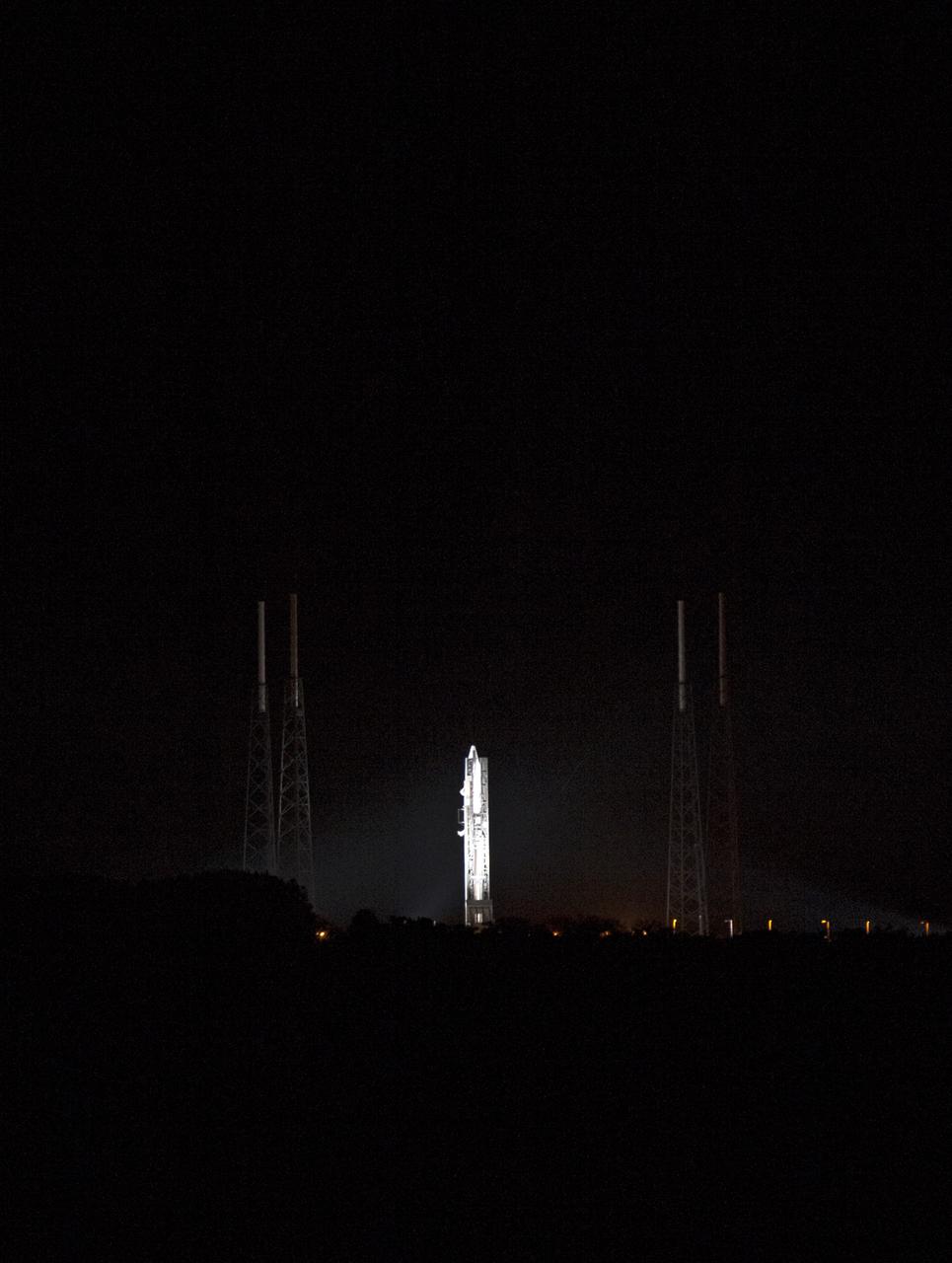
CAPE CANAVERAL, Fla. -- A United Launch Alliance Atlas V 401 rocket is poised for liftoff from Space Launch Complex 41 on Cape Canaveral Air Force Station in Florida, carrying NASA's Tracking and Data Relay Satellite-K, TDRS-K, to orbit. Launch is set for 8:48 p.m. EST. The TDRS-K spacecraft is part of the next-generation series in the Tracking and Data Relay Satellite System, a constellation of space-based communication satellites providing tracking, telemetry, command and high-bandwidth data return services. For more information, visit http:__www.nasa.gov_mission_pages_tdrs_index.html. Photo credit: NASA_Glenn Benson
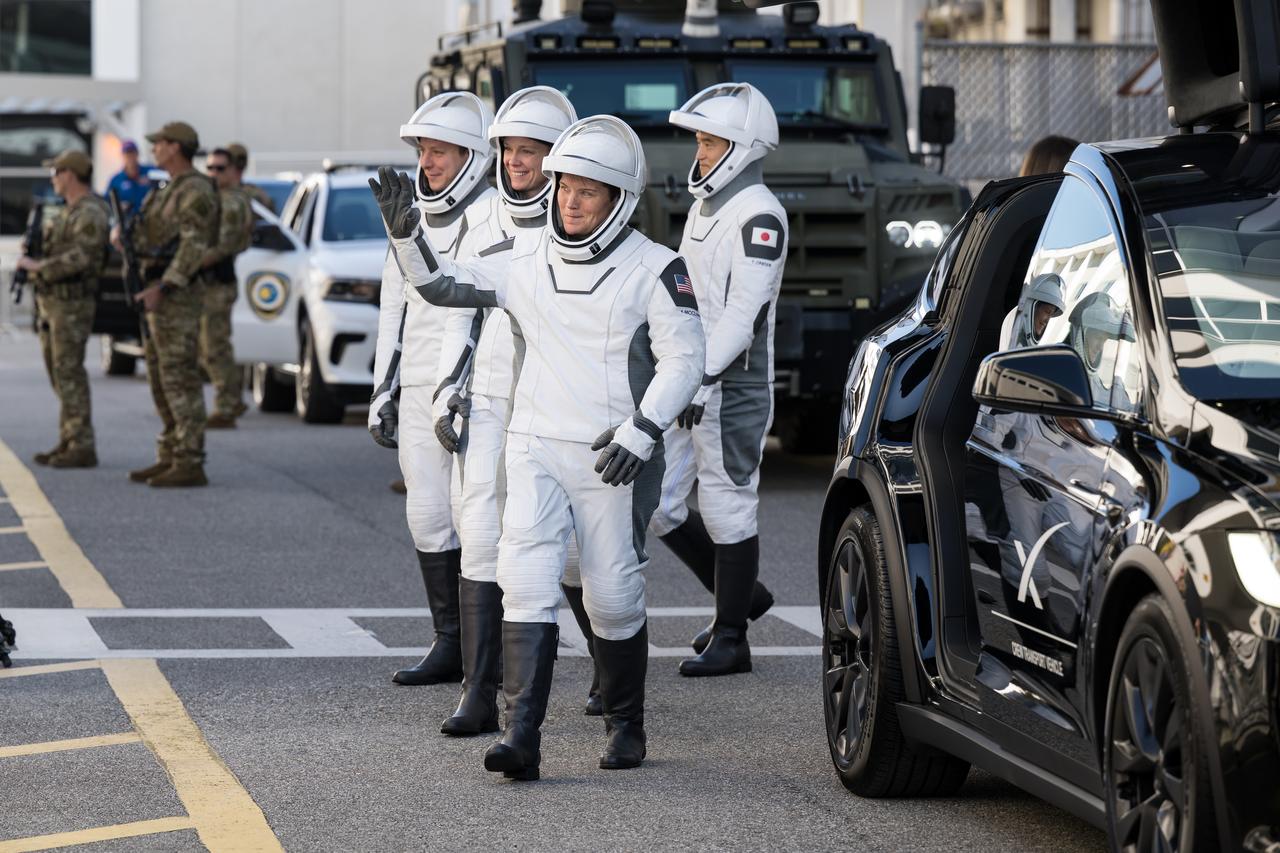
NASA astronauts Anne McClain and Nichole Ayers, JAXA (Japan Aerospace Exploration Agency) astronaut Takuya Onishi, and Roscosmos cosmonaut Kirill Peskov, wearing SpaceX spacesuits, are seen as they prepare to depart the Neil A. Armstrong Operations and Checkout Building for Launch Complex 39A on NASA's Kennedy Space Center to board the SpaceX Dragon spacecraft for the Crew-10 mission launch, Wednesday, March 12, 2025, at NASA’s Kennedy Space Center in Florida. NASA’s SpaceX Crew-10 mission is the tenth crew rotation mission of the SpaceX Crew Dragon spacecraft and Falcon 9 rocket to the International Space Station as part of the agency’s Commercial Crew Program. McClain, Ayers, Onishi, and Peskov are scheduled to launch at 7:48 p.m. EDT, from Launch Complex 39A at the NASA's Kennedy Space Center. Photo Credit: (NASA/Aubrey Gemignani)