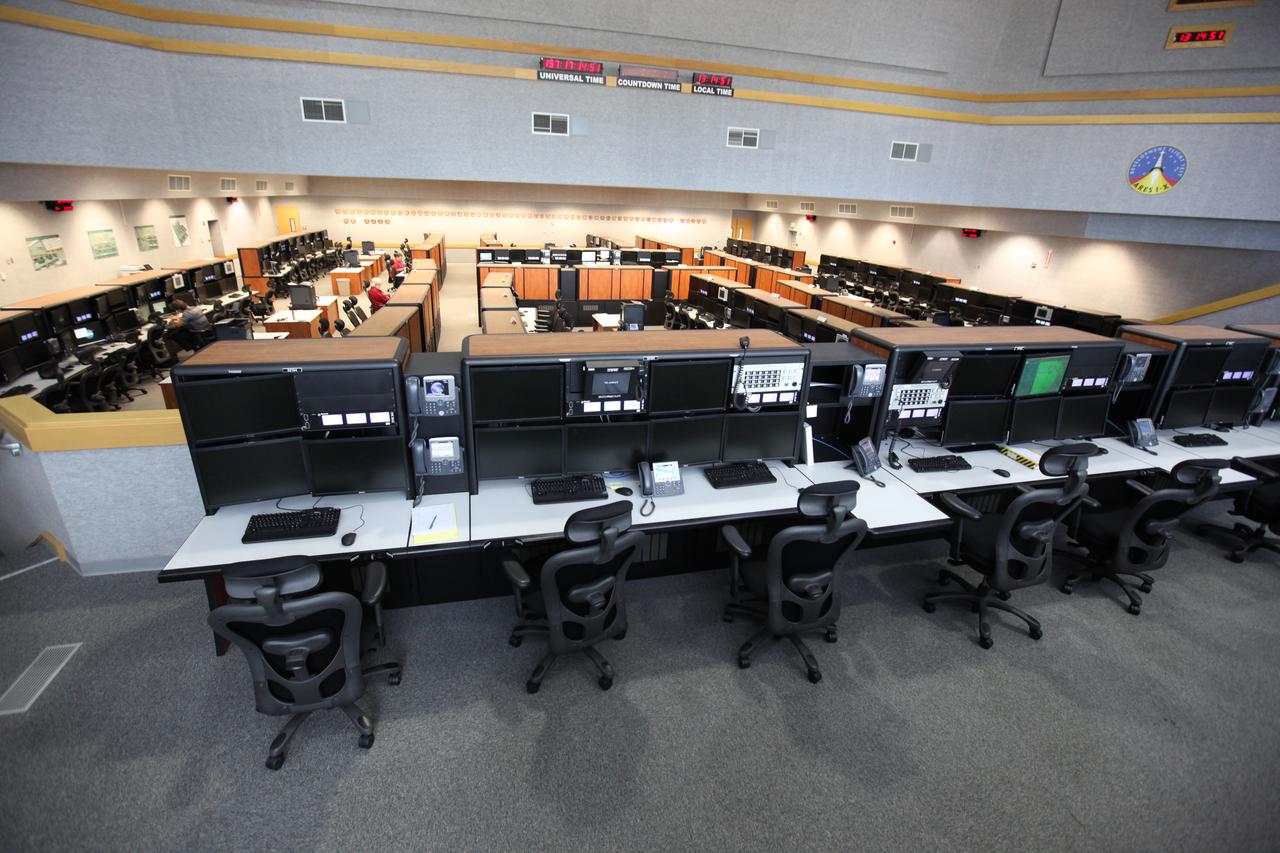
Photos of Firing Room 1 inside the Launch Control Center (LCC) at Kennedy Space Center.
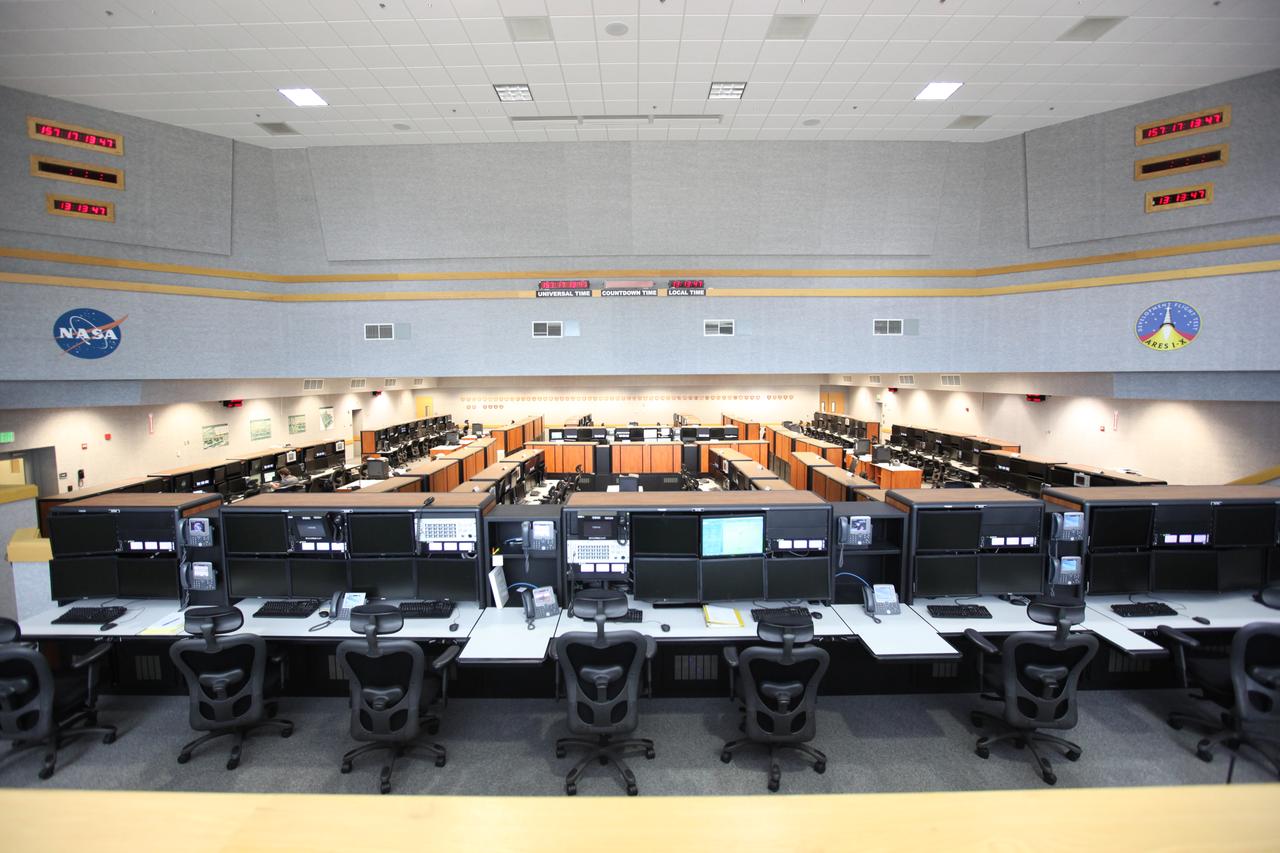
Photos of Firing Room 1 inside the Launch Control Center (LCC) at Kennedy Space Center.
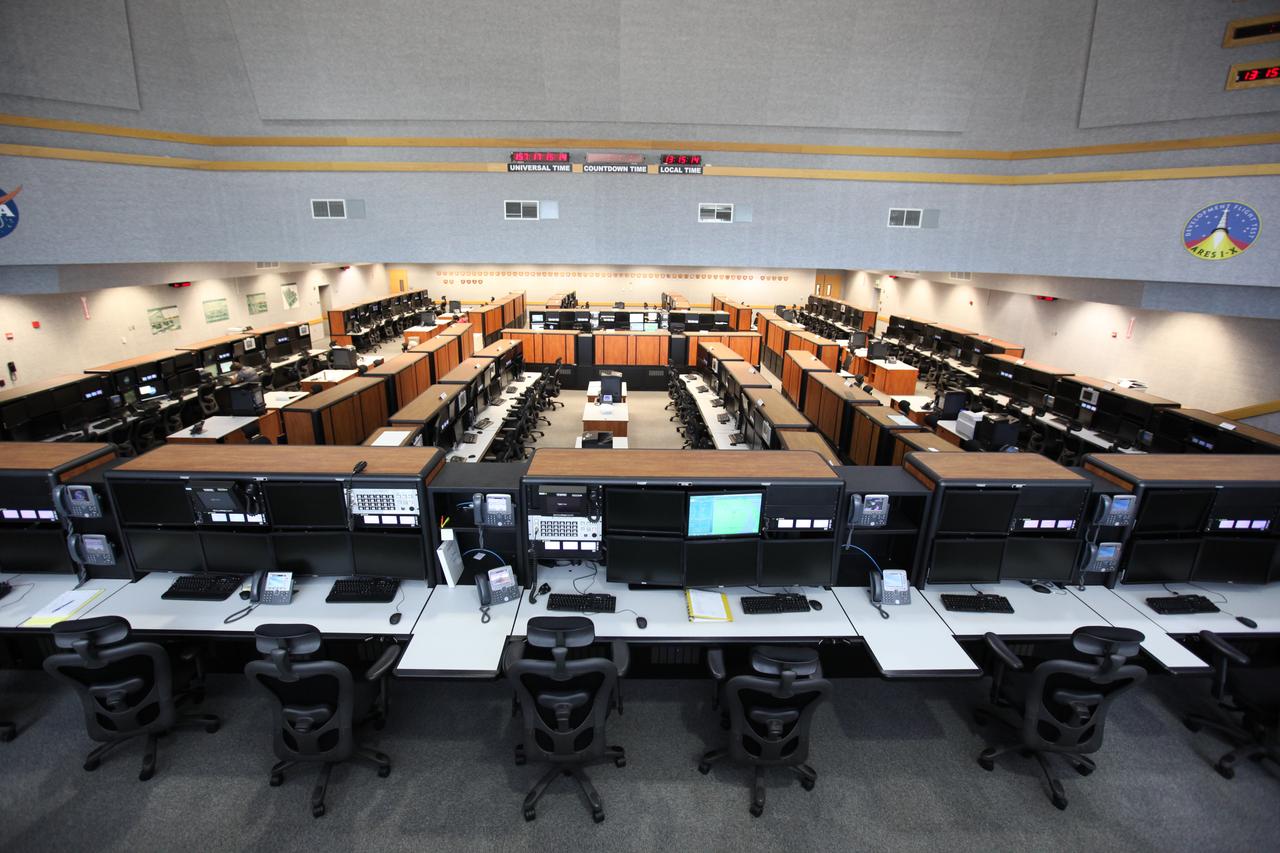
Photos of Firing Room 1 inside the Launch Control Center (LCC) at Kennedy Space Center.
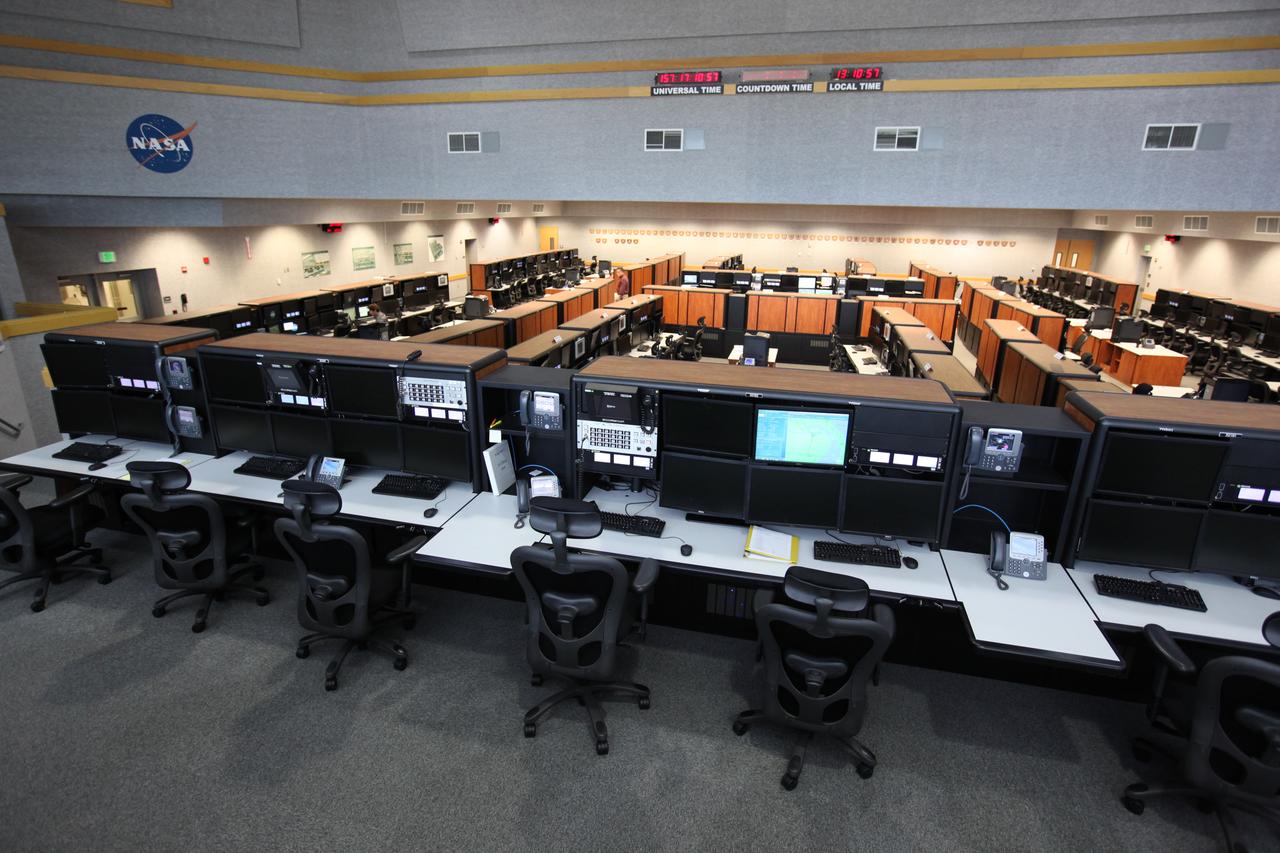
Photos of Firing Room 1 inside the Launch Control Center (LCC) at Kennedy Space Center.
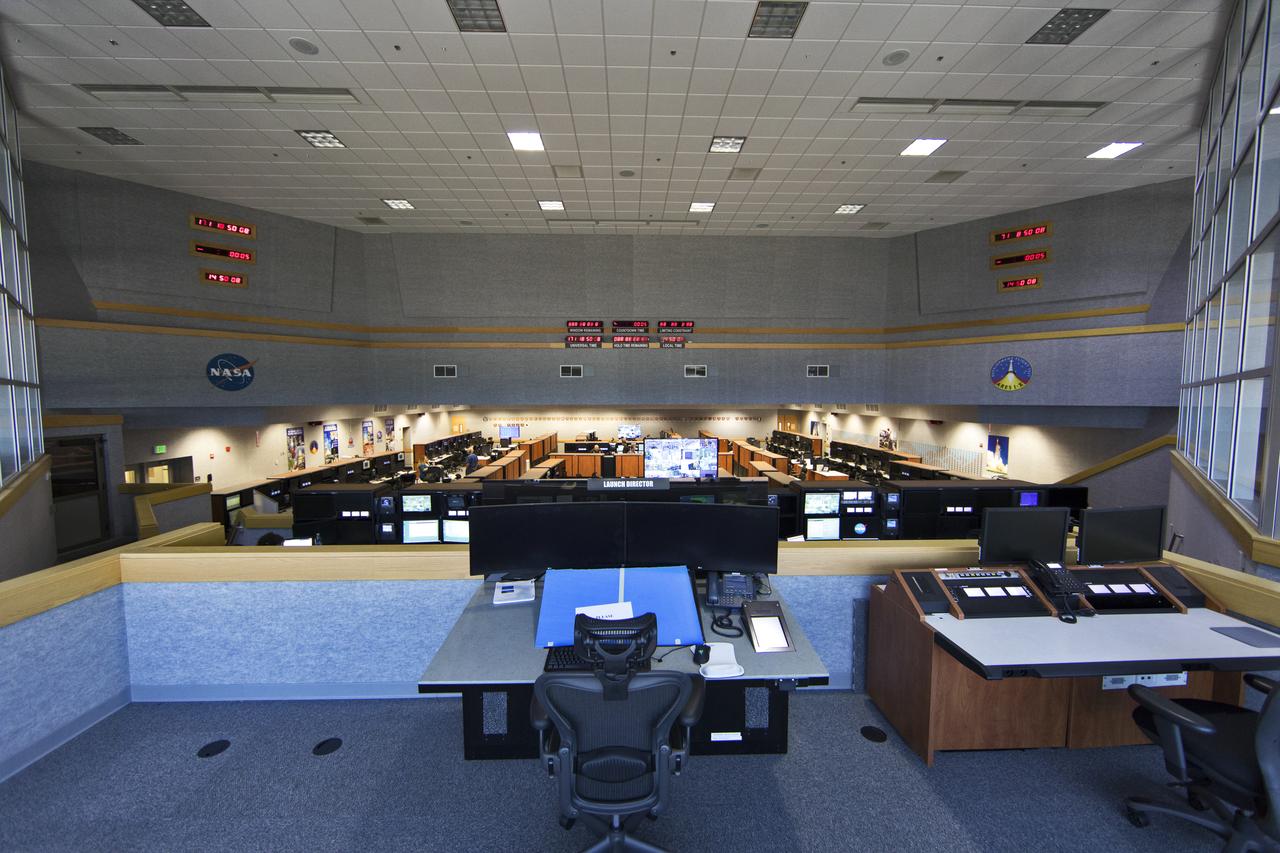
A view of Firing Room 1 in the Launch Control Center (LCC) at NASA's Kennedy Space Center in Florida. The Apollo and shuttle-era firing rooms in the LCC have been upgraded. The upper deck includes a work station in development for the EM-1 launch director. Exploration Ground Systems upgraded Firing Room 1 to support the launch of NASA's Space Launch System rocket and Orion spacecraft on Exploration Mission-1 and deep space missions.

A blue sky and fluffy clouds serve as the backdrop in this view of the exterior of the Launch Control Center (LCC) at NASA's Kennedy Space Center in Florida. The Apollo and shuttle-era firing rooms in the LCC have been upgraded. Exploration Ground Systems upgraded Firing Room 1 to support the launch of NASA's Space Launch System rocket and Orion spacecraft on Exploration Mission-1 and deep space missions.
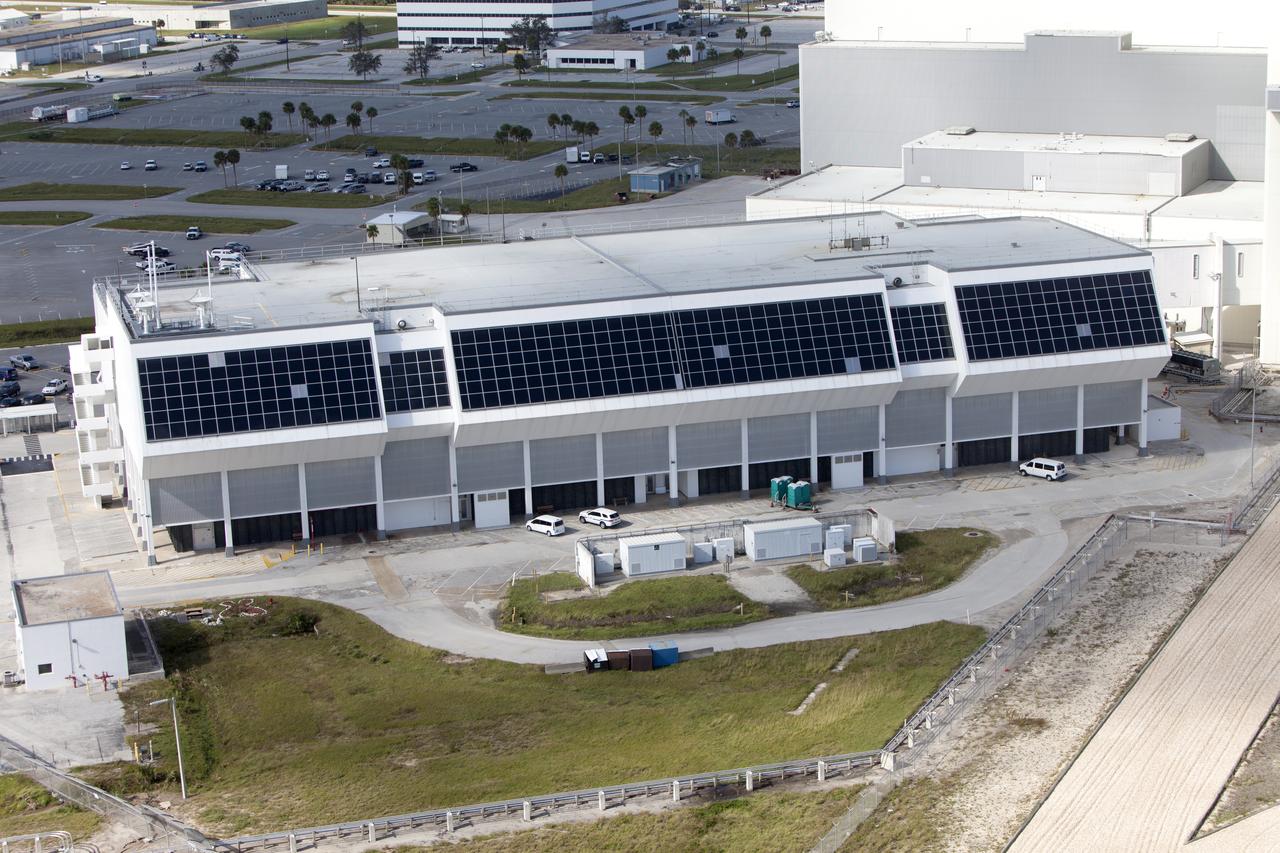
The Launch Control Center (LCC) is seen during an aerial survey of NASA's Kennedy Space Center in Florida on September 12, 2017. The survey was performed to identify structures and facilities that may have sustained damage from Hurricane Irma as the storm passed Kennedy on September 10, 2017. NASA closed the center ahead of the storm's onset and only a small team of specialists known as the Rideout Team was on the center as the storm approached and passed.
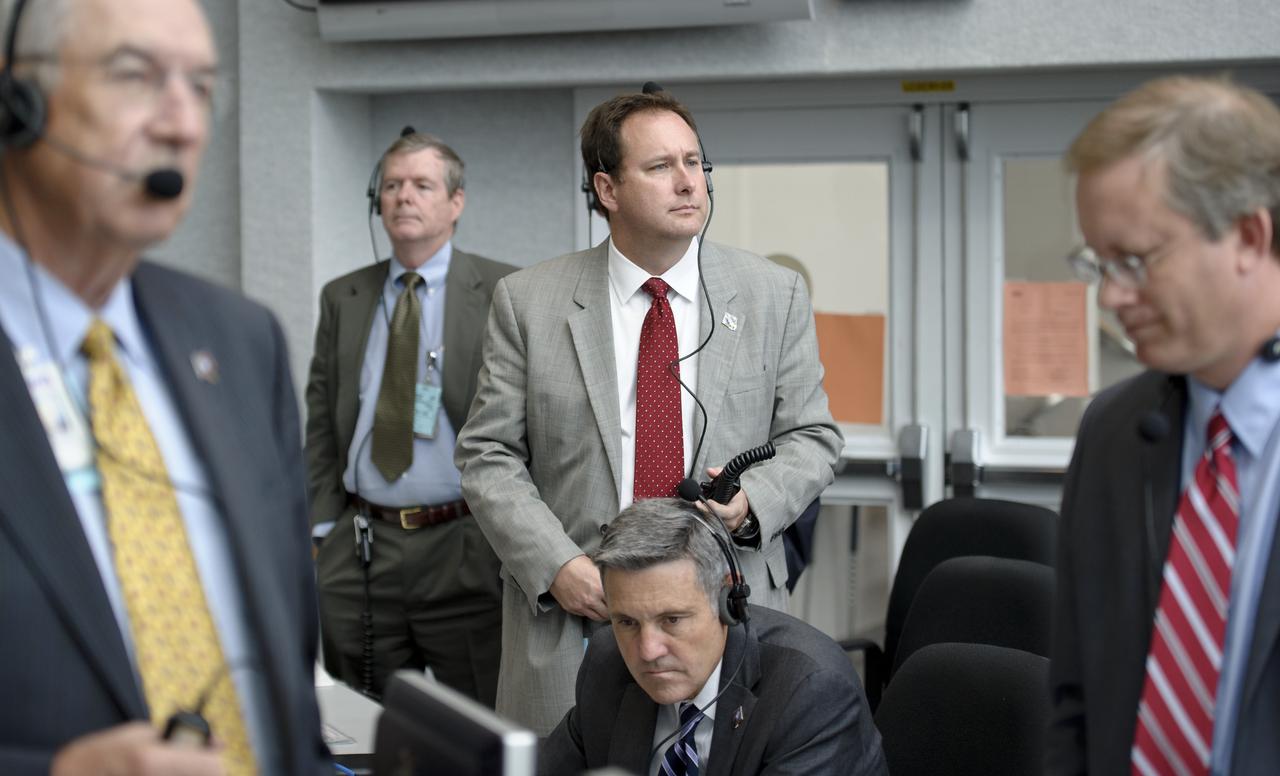
NASA Marshall Space Flight Center Director Robert Lightfoot Jr., standing center, and other management looks on from Firing Room Four of the NASA Kennedy Space Center Launch Control Center (LCC) as he and the launch team monitor the weather and countdown to the launch of the space shuttle Atlantis on Friday, July 8, 2011, in Cape Canaveral, Fla. The launch of Atlantis, STS-135, is the final flight of the shuttle program, a 12-day mission to the International Space Station. Photo Credit: (NASA/Bill Ingalls)
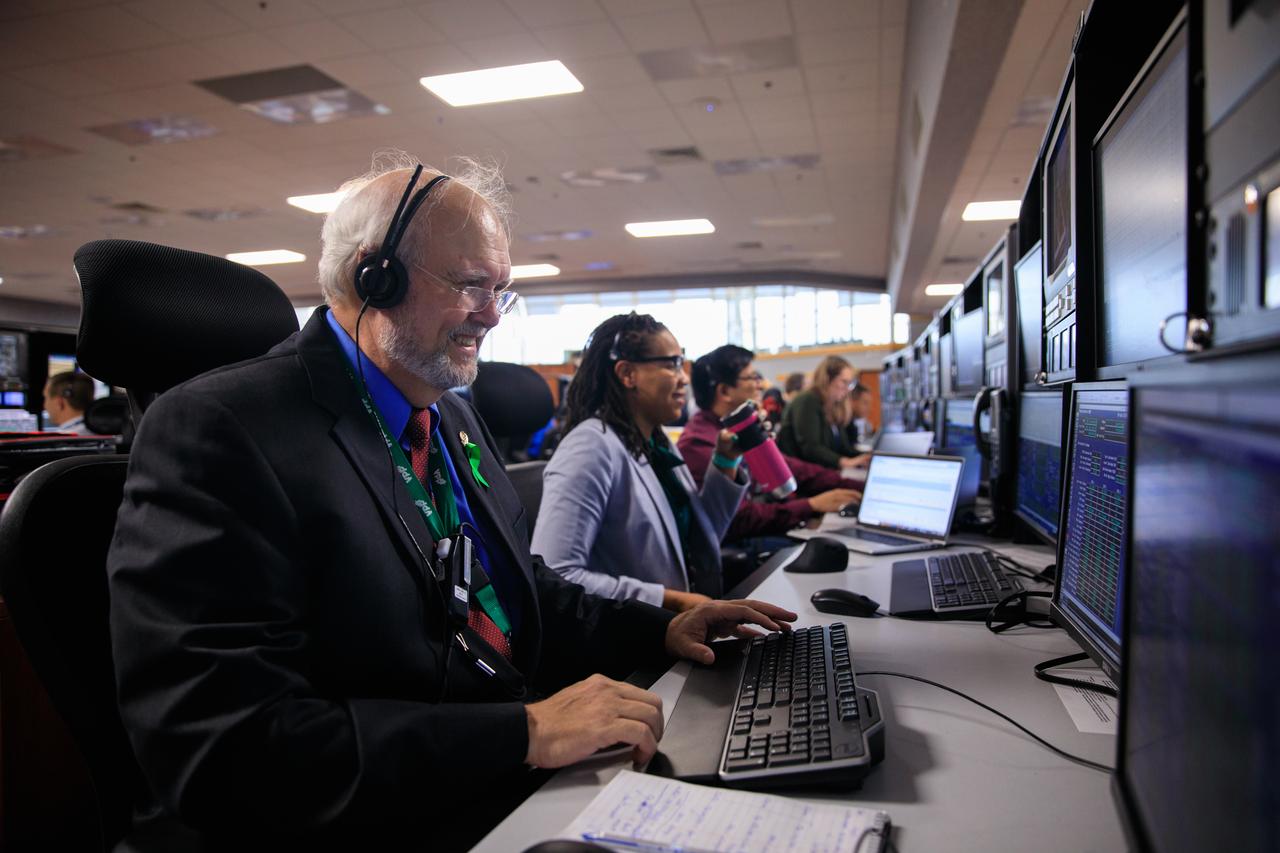
Members of the Artemis I launch team are at their consoles inside Firing Room 1 of the Rocco A. Petrone Launch Control Center at NASA’s Kennedy Space Center in Florida for launch countdown Sept. 3, 2022. Launch of the agency’s Space Launch System and Orion spacecraft from Kennedy’s Launch Complex 39B was waved off due to an issue during tanking. The first in a series of increasingly complex missions, Artemis I will provide a foundation for human deep space exploration and demonstrate our commitment and capability to extend human presence to the Moon and beyond. The primary goal of Artemis I is to thoroughly test the integrated systems before crewed missions by operating the spacecraft in a deep space environment, testing Orion’s heat shield, and recovering the crew module after reentry, descent, and splashdown.
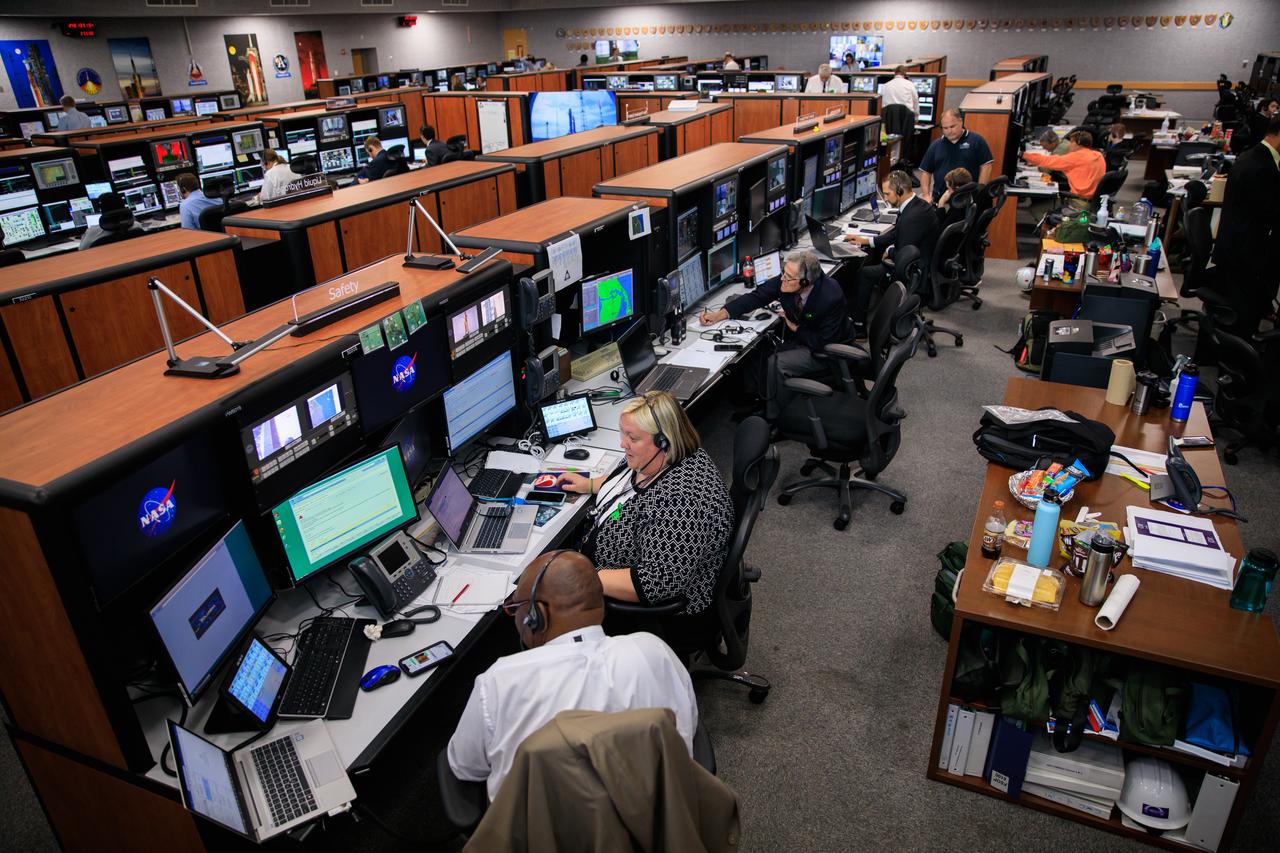
Members of the Artemis I launch team are at their consoles inside Firing Room 1 of the Rocco A. Petrone Launch Control Center at NASA’s Kennedy Space Center in Florida for launch countdown Sept. 3, 2022. Launch of the agency’s Space Launch System and Orion spacecraft from Kennedy’s Launch Complex 39B was waved off due to an issue during tanking. The first in a series of increasingly complex missions, Artemis I will provide a foundation for human deep space exploration and demonstrate our commitment and capability to extend human presence to the Moon and beyond. The primary goal of Artemis I is to thoroughly test the integrated systems before crewed missions by operating the spacecraft in a deep space environment, testing Orion’s heat shield, and recovering the crew module after reentry, descent, and splashdown.

Artemis I Launch Director Charlie Blackwell-Thompson monitors launch countdown events inside Firing Room 1 of the Rocco A. Petrone Launch Control Center at NASA’s Kennedy Space Center in Florida on Sept. 3, 2022. Launch of the agency’s Space Launch System and Orion spacecraft from Kennedy’s Launch Complex 39B was waved off due to an issue during tanking. The first in a series of increasingly complex missions, Artemis I will provide a foundation for human deep space exploration and demonstrate our commitment and capability to extend human presence to the Moon and beyond. The primary goal of Artemis I is to thoroughly test the integrated systems before crewed missions by operating the spacecraft in a deep space environment, testing Orion’s heat shield, and recovering the crew module after reentry, descent, and splashdown.
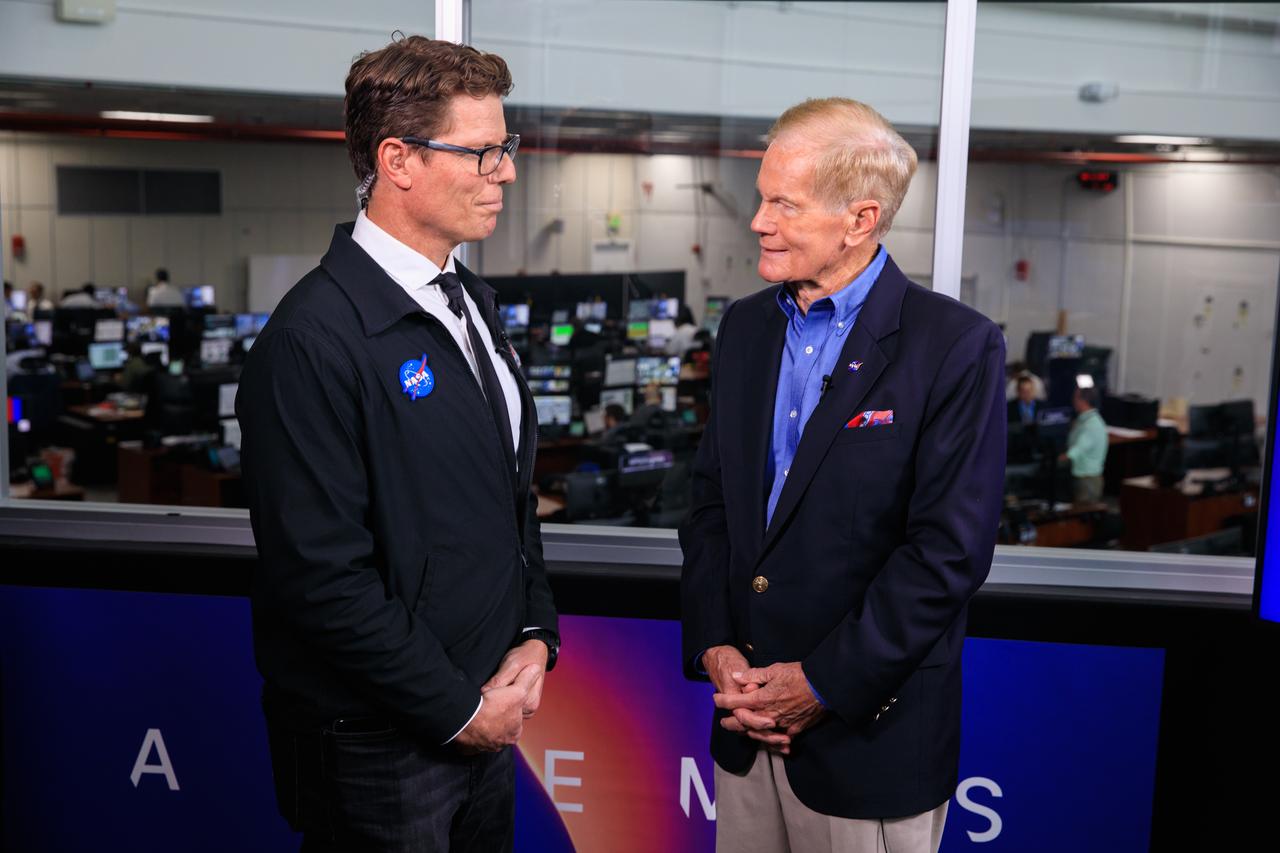
NASA commentator Derrol Nail, at left, talks with NASA Administrator Bill Nelson during the Artemis I launch countdown inside Firing Room 1 of the Rocco A. Petrone Launch Control Center at NASA’s Kennedy Space Center in Florida on Sept. 3, 2022. Launch of the agency’s Space Launch System and Orion spacecraft from Kennedy’s Launch Complex 39B was waved off due to an issue during tanking. The first in a series of increasingly complex missions, Artemis I will provide a foundation for human deep space exploration and demonstrate our commitment and capability to extend human presence to the Moon and beyond. The primary goal of Artemis I is to thoroughly test the integrated systems before crewed missions by operating the spacecraft in a deep space environment, testing Orion’s heat shield, and recovering the crew module after reentry, descent, and splashdown.
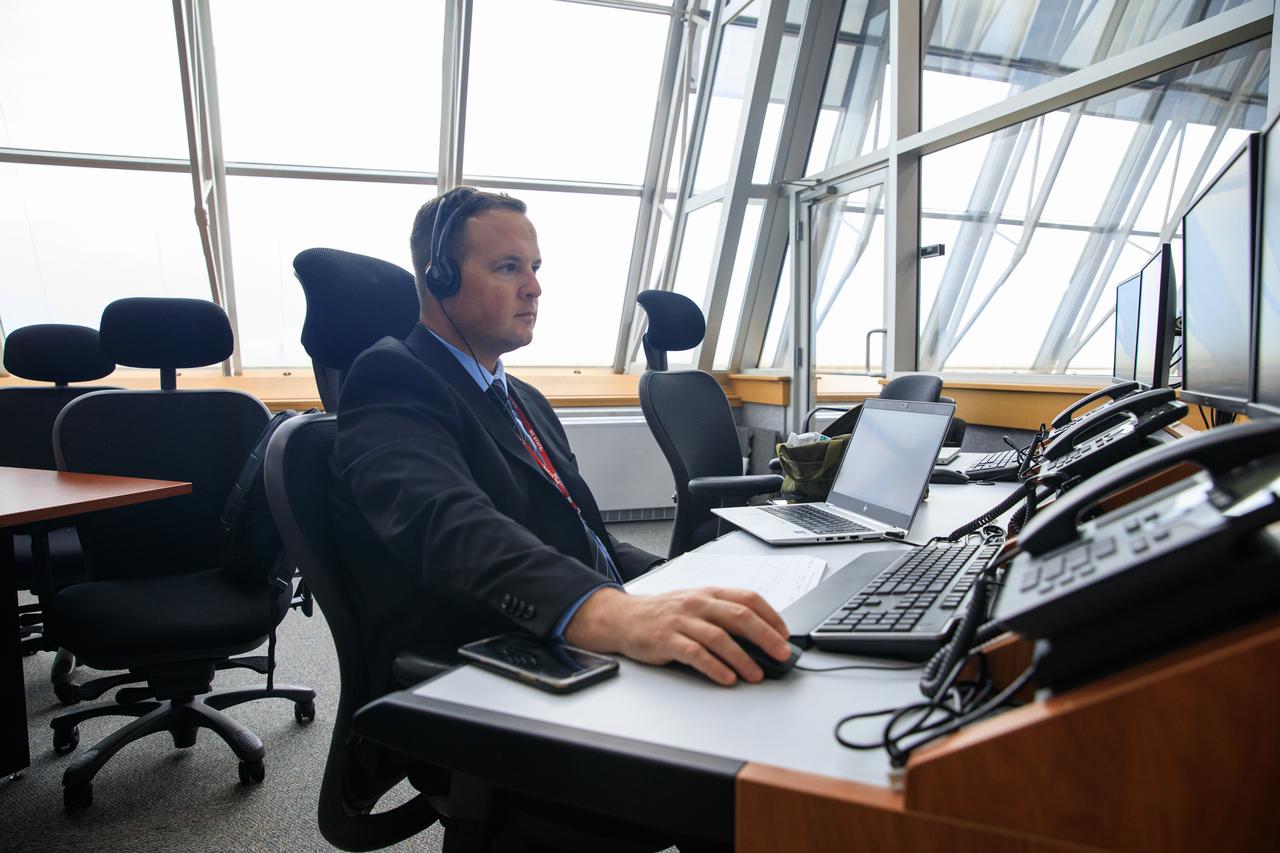
Wes Mosedale, technical assistant to the Artemis I launch director, monitors his consoles inside Firing Room 1 of the Rocco A. Petrone Launch Control Center at NASA’s Kennedy Space Center in Florida during launch countdown Sept. 3, 2022. Launch of the agency’s Space Launch System and Orion spacecraft from Kennedy’s Launch Complex 39B was waved off due to an issue during tanking. The first in a series of increasingly complex missions, Artemis I will provide a foundation for human deep space exploration and demonstrate our commitment and capability to extend human presence to the Moon and beyond. The primary goal of Artemis I is to thoroughly test the integrated systems before crewed missions by operating the spacecraft in a deep space environment, testing Orion’s heat shield, and recovering the crew module after reentry, descent, and splashdown.
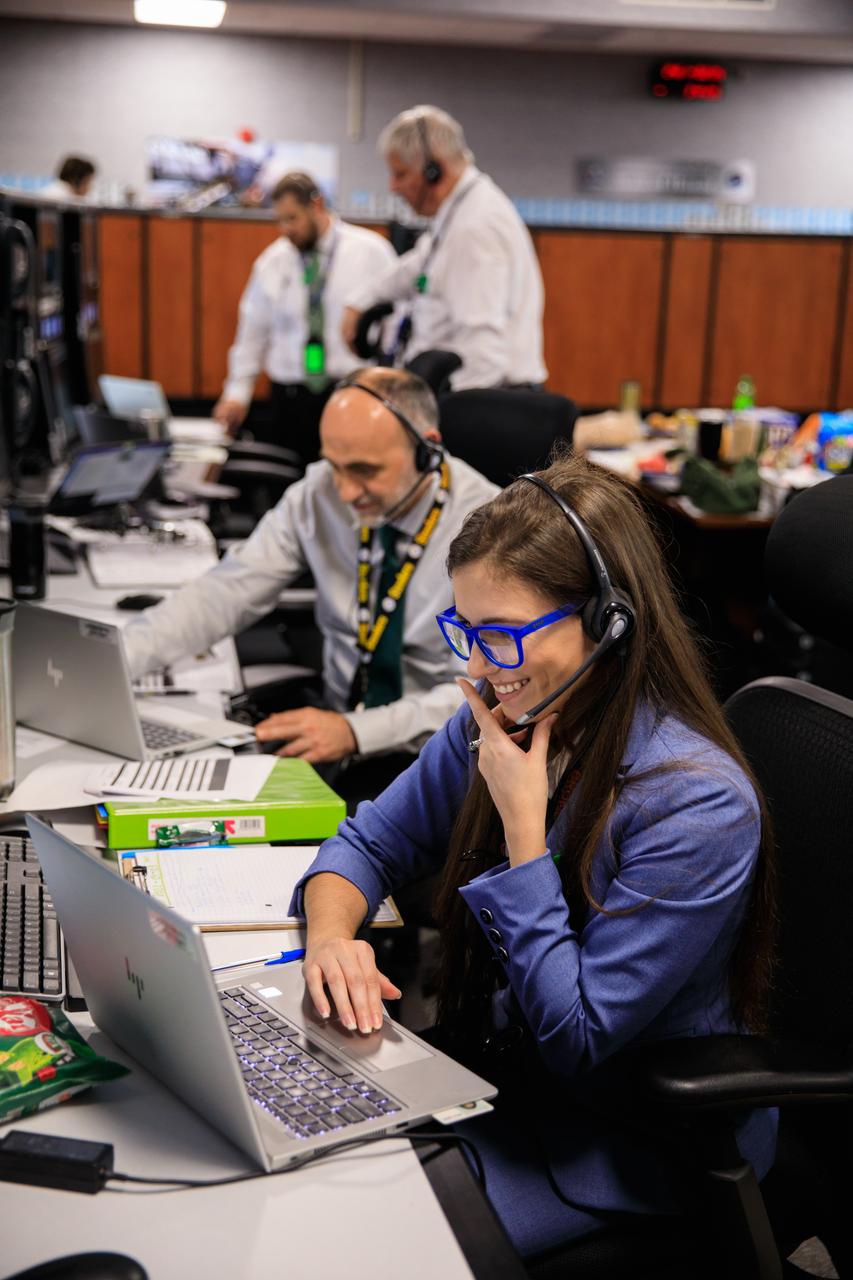
Members of the Artemis I launch team are at their consoles inside Firing Room 1 of the Rocco A. Petrone Launch Control Center at NASA’s Kennedy Space Center in Florida for launch countdown Sept. 3, 2022. Launch of the agency’s Space Launch System and Orion spacecraft from Kennedy’s Launch Complex 39B was waved off due to an issue during tanking. The first in a series of increasingly complex missions, Artemis I will provide a foundation for human deep space exploration and demonstrate our commitment and capability to extend human presence to the Moon and beyond. The primary goal of Artemis I is to thoroughly test the integrated systems before crewed missions by operating the spacecraft in a deep space environment, testing Orion’s heat shield, and recovering the crew module after reentry, descent, and splashdown.
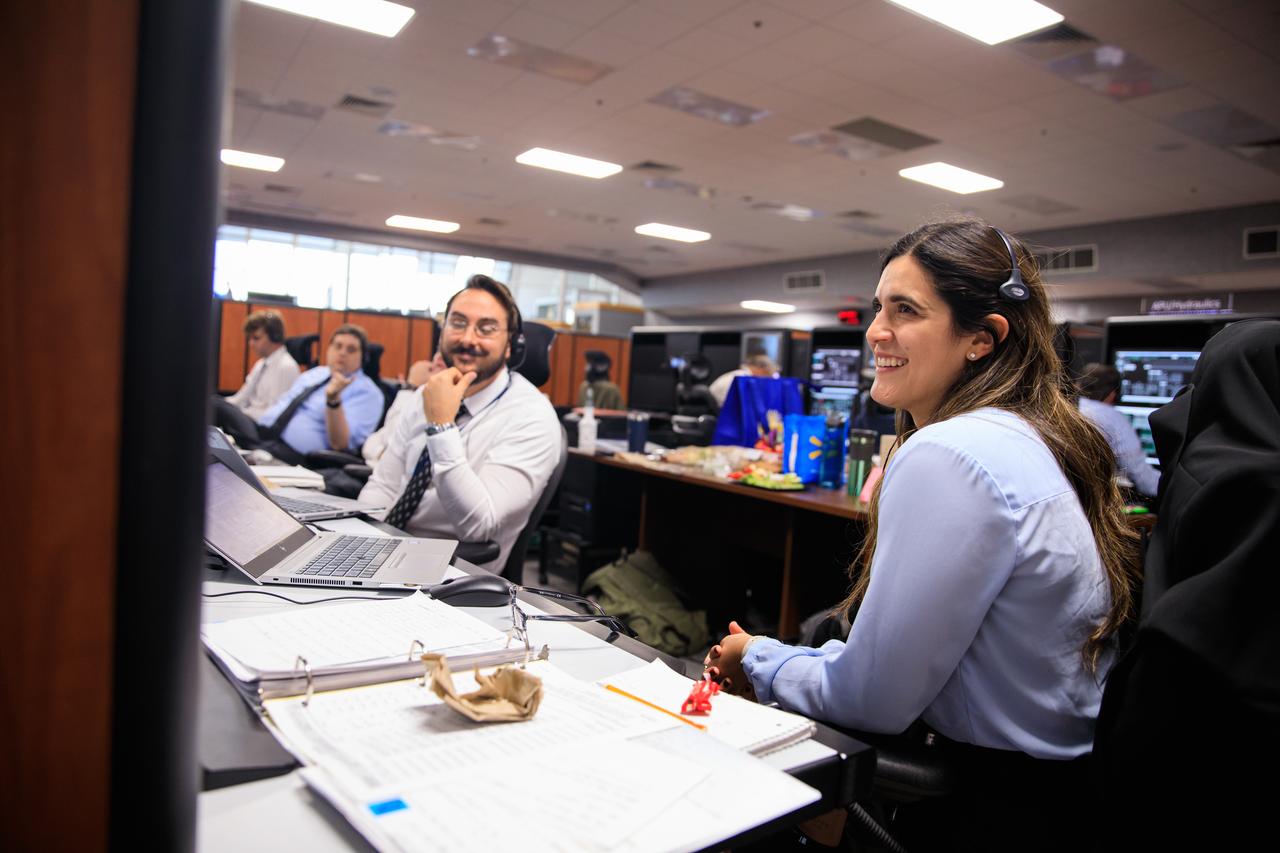
Members of the Artemis I launch team are at their consoles inside Firing Room 1 of the Rocco A. Petrone Launch Control Center at NASA’s Kennedy Space Center in Florida for launch countdown Sept. 3, 2022. Launch of the agency’s Space Launch System and Orion spacecraft from Kennedy’s Launch Complex 39B was waved off due to an issue during tanking. Artemis I will provide a foundation for human deep space exploration and demonstrate our commitment and capability to extend human presence to the Moon and beyond. The primary goal of Artemis I is to thoroughly test the integrated systems before crewed missions by operating the spacecraft in a deep space environment, testing Orion’s heat shield, and recovering the crew module after reentry, descent, and splashdown.

Members of the Artemis I launch team are at their consoles inside Firing Room 1 of the Rocco A. Petrone Launch Control Center at NASA’s Kennedy Space Center in Florida for launch countdown Sept. 3, 2022. Launch of the agency’s Space Launch System and Orion spacecraft from Kennedy’s Launch Complex 39B was waved off due to an issue during tanking. The first in a series of increasingly complex missions, Artemis I will provide a foundation for human deep space exploration and demonstrate our commitment and capability to extend human presence to the Moon and beyond. The primary goal of Artemis I is to thoroughly test the integrated systems before crewed missions by operating the spacecraft in a deep space environment, testing Orion’s heat shield, and recovering the crew module after reentry, descent, and splashdown.
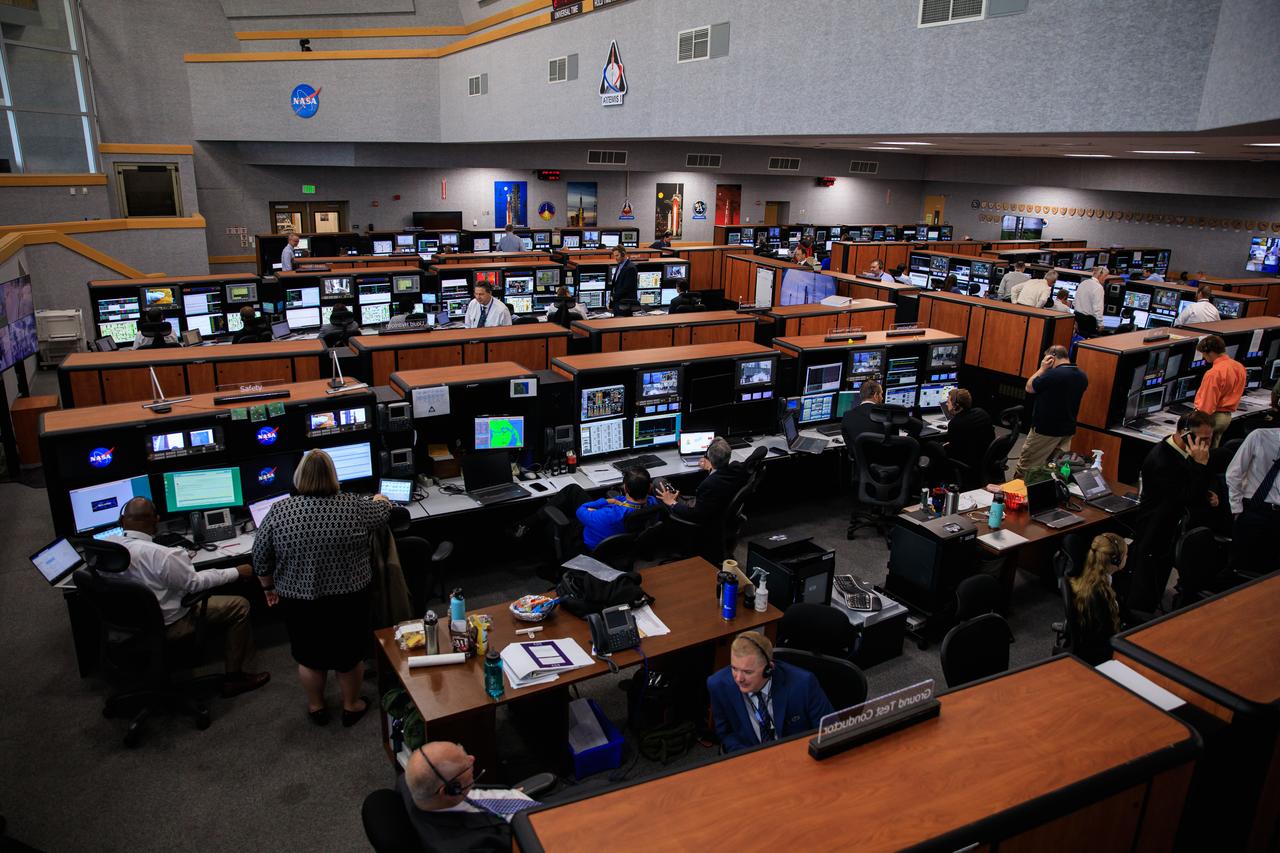
Members of the Artemis I launch team are at their consoles inside Firing Room 1 of the Rocco A. Petrone Launch Control Center at NASA’s Kennedy Space Center in Florida for launch countdown Sept. 3, 2022. Launch of the agency’s Space Launch System and Orion spacecraft from Kennedy’s Launch Complex 39B was waved off due to an issue during tanking. The first in a series of increasingly complex missions, Artemis I will provide a foundation for human deep space exploration and demonstrate our commitment and capability to extend human presence to the Moon and beyond. The primary goal of Artemis I is to thoroughly test the integrated systems before crewed missions by operating the spacecraft in a deep space environment, testing Orion’s heat shield, and recovering the crew module after reentry, descent, and splashdown.
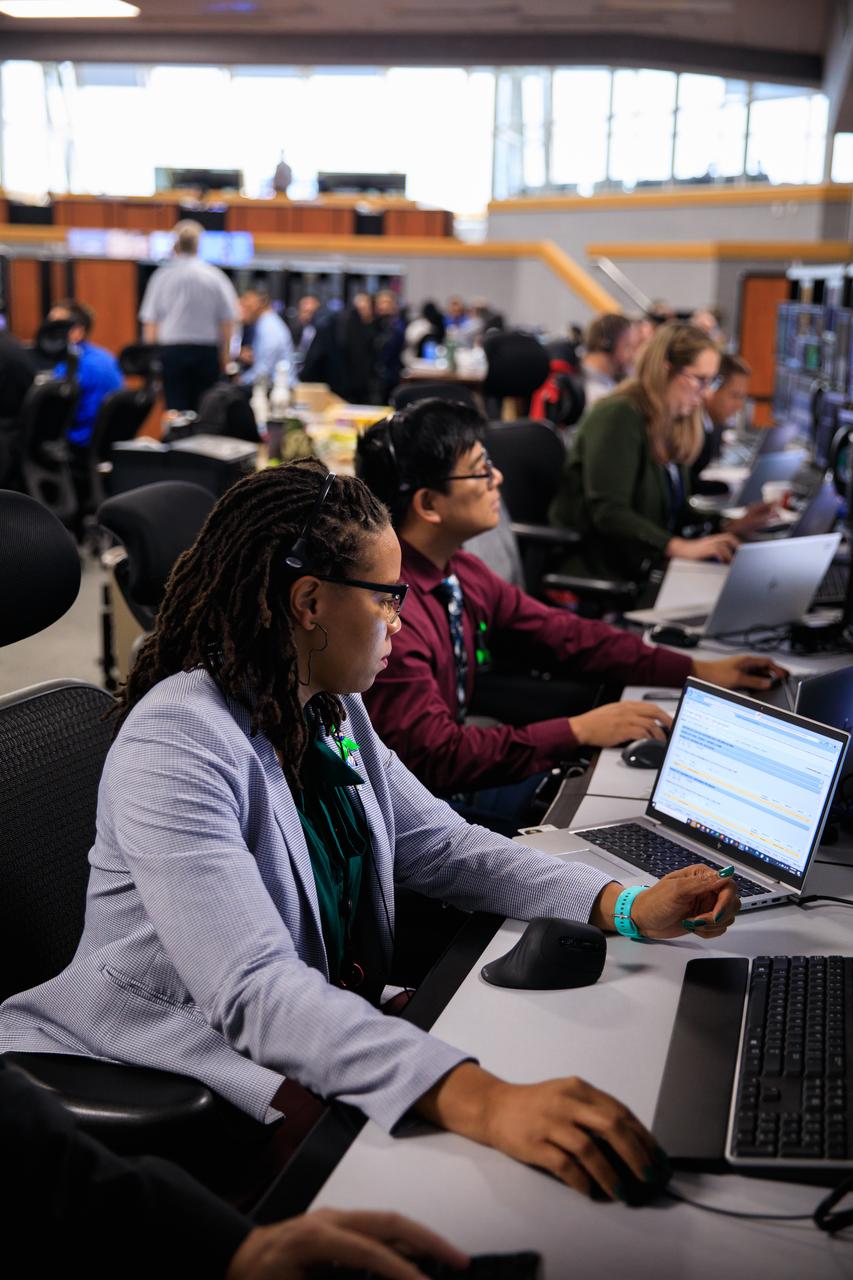
Members of the Artemis I launch team are at their consoles inside Firing Room 1 of the Rocco A. Petrone Launch Control Center at NASA’s Kennedy Space Center in Florida for launch countdown Sept. 3, 2022. Launch of the agency’s Space Launch System and Orion spacecraft from Kennedy’s Launch Complex 39B was waved off due to an issue during tanking. Artemis I will provide a foundation for human deep space exploration and demonstrate our commitment and capability to extend human presence to the Moon and beyond. The primary goal of Artemis I is to thoroughly test the integrated systems before crewed missions by operating the spacecraft in a deep space environment, testing Orion’s heat shield, and recovering the crew module after reentry, descent, and splashdown.
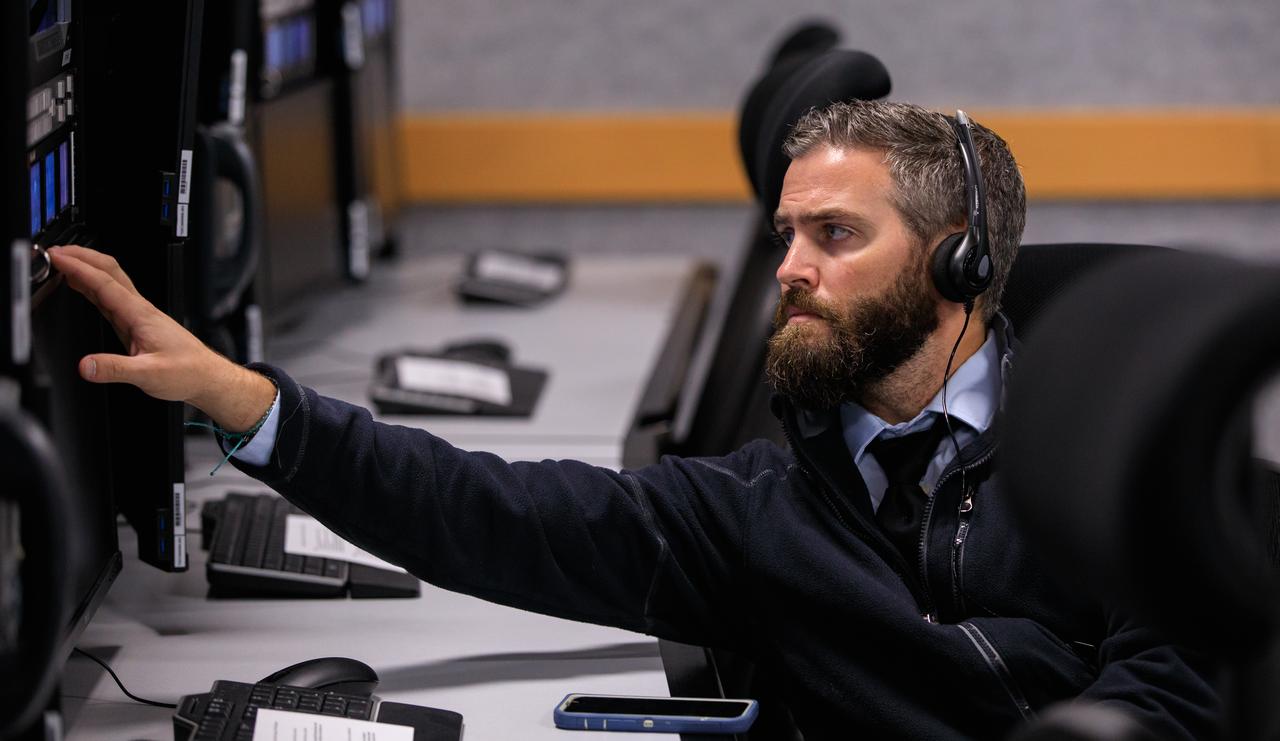
A member of the Artemis I launch team monitors his console inside Firing Room 1 of the Rocco A. Petrone Launch Control Center at NASA’s Kennedy Space Center in Florida during launch countdown Sept. 3, 2022. Launch of the agency’s Space Launch System and Orion spacecraft from Kennedy’s Launch Complex 39B was waved off due to an issue during tanking. The first in a series of increasingly complex missions, Artemis I will provide a foundation for human deep space exploration and demonstrate our commitment and capability to extend human presence to the Moon and beyond. The primary goal of Artemis I is to thoroughly test the integrated systems before crewed missions by operating the spacecraft in a deep space environment, testing Orion’s heat shield, and recovering the crew module after reentry, descent, and splashdown.
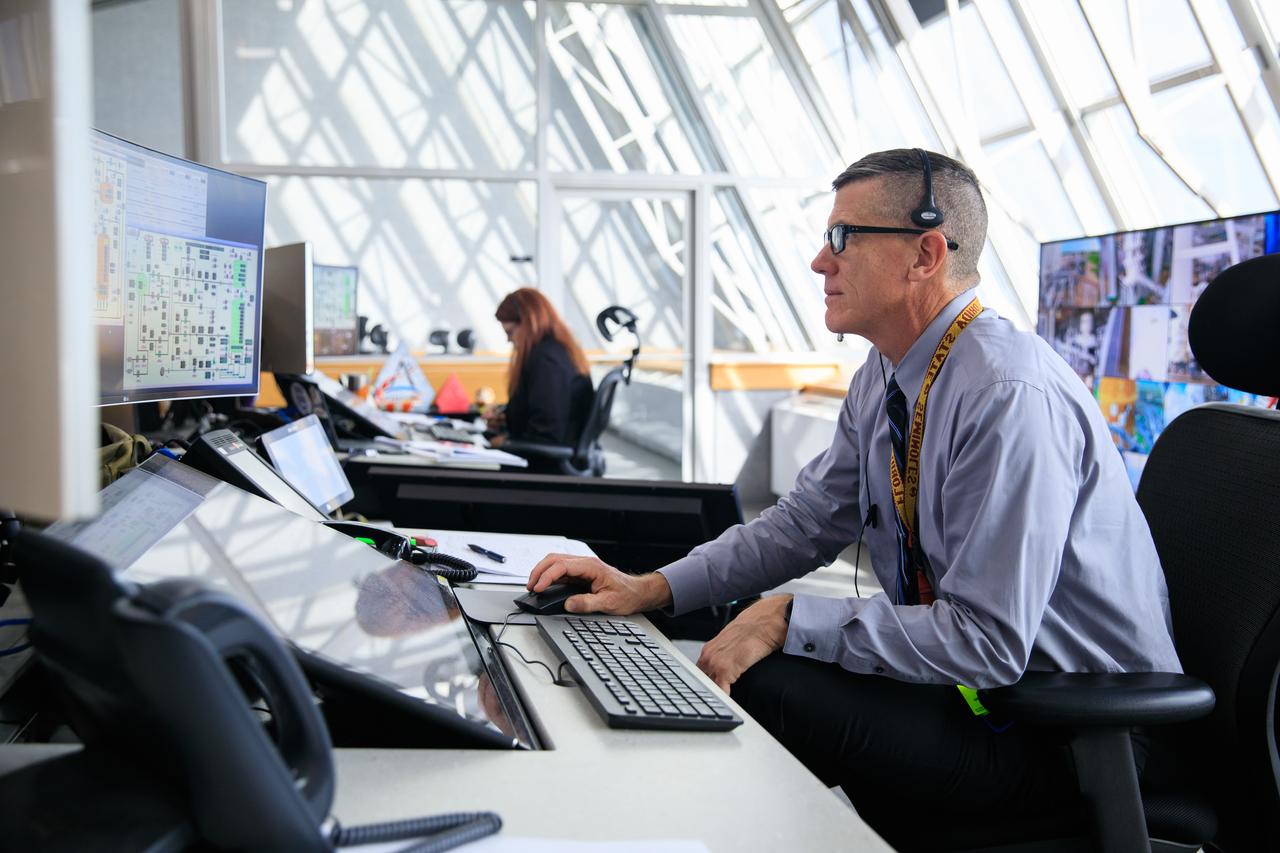
Artemis I Assistant Launch Director Jeremy Graeber monitors launch countdown events inside Firing Room 1 of the Rocco A. Petrone Launch Control Center at NASA’s Kennedy Space Center in Florida on Sept. 3, 2022. Launch of the agency’s Space Launch System and Orion spacecraft from Kennedy’ Launch Complex 39B was waved off due to an issue during tanking. The first in a series of increasingly complex missions, Artemis I will provide a foundation for human deep space exploration and demonstrate our commitment and capability to extend human presence to the Moon and beyond. The primary goal of Artemis I is to thoroughly test the integrated systems before crewed missions by operating the spacecraft in a deep space environment, testing Orion’s heat shield, and recovering the crew module after reentry, descent, and splashdown.
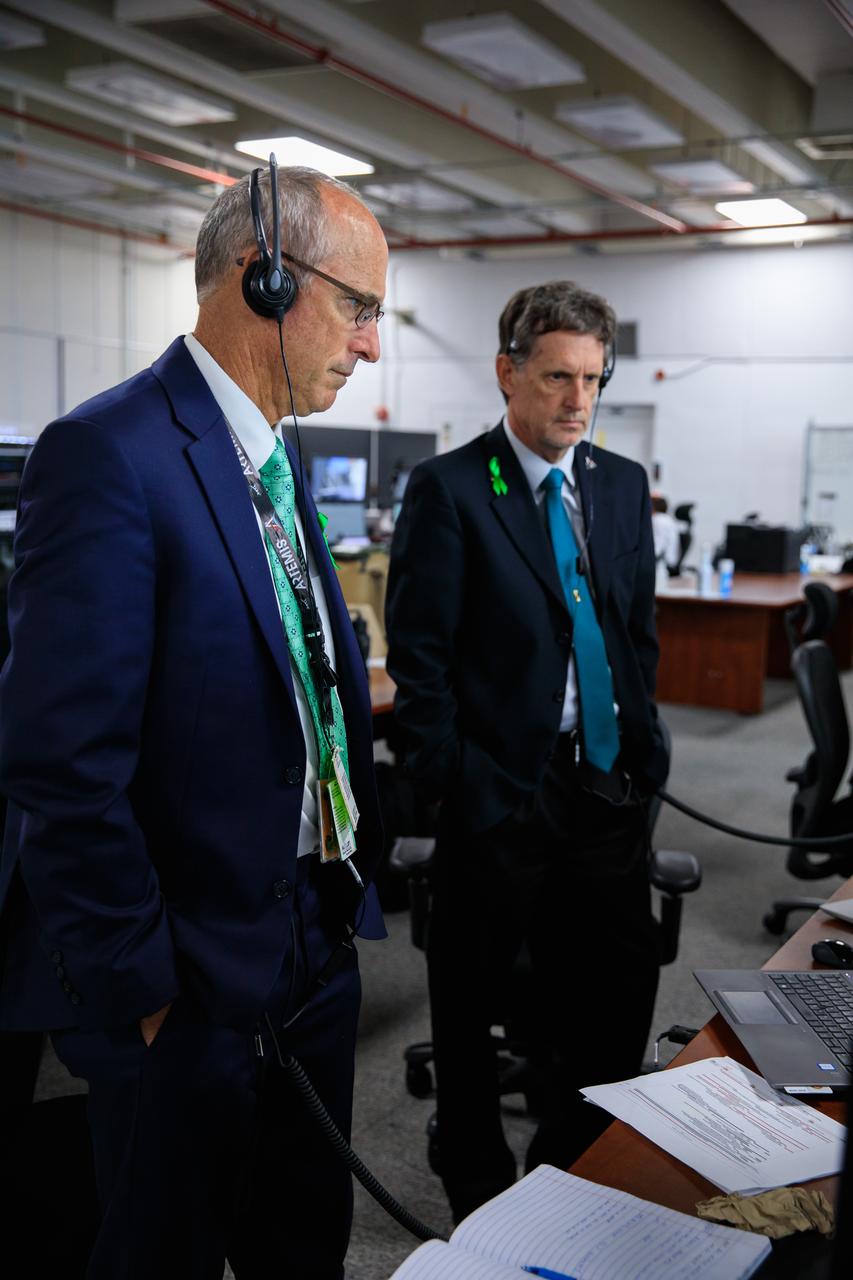
Artemis I team members monitor their consoles inside Firing Room 1 of the Rocco A. Petrone Launch Control Center at NASA’s Kennedy Space Center in Florida during launch countdown Sept. 3, 2022. Launch of the agency’s Space Launch System and Orion spacecraft from Kennedy’s Launch Complex 39B was waved off due to an issue during tanking. The first in a series of increasingly complex missions, Artemis I will provide a foundation for human deep space exploration and demonstrate our commitment and capability to extend human presence to the Moon and beyond. The primary goal of Artemis I is to thoroughly test the integrated systems before crewed missions by operating the spacecraft in a deep space environment, testing Orion’s heat shield, and recovering the crew module after reentry, descent, and splashdown.
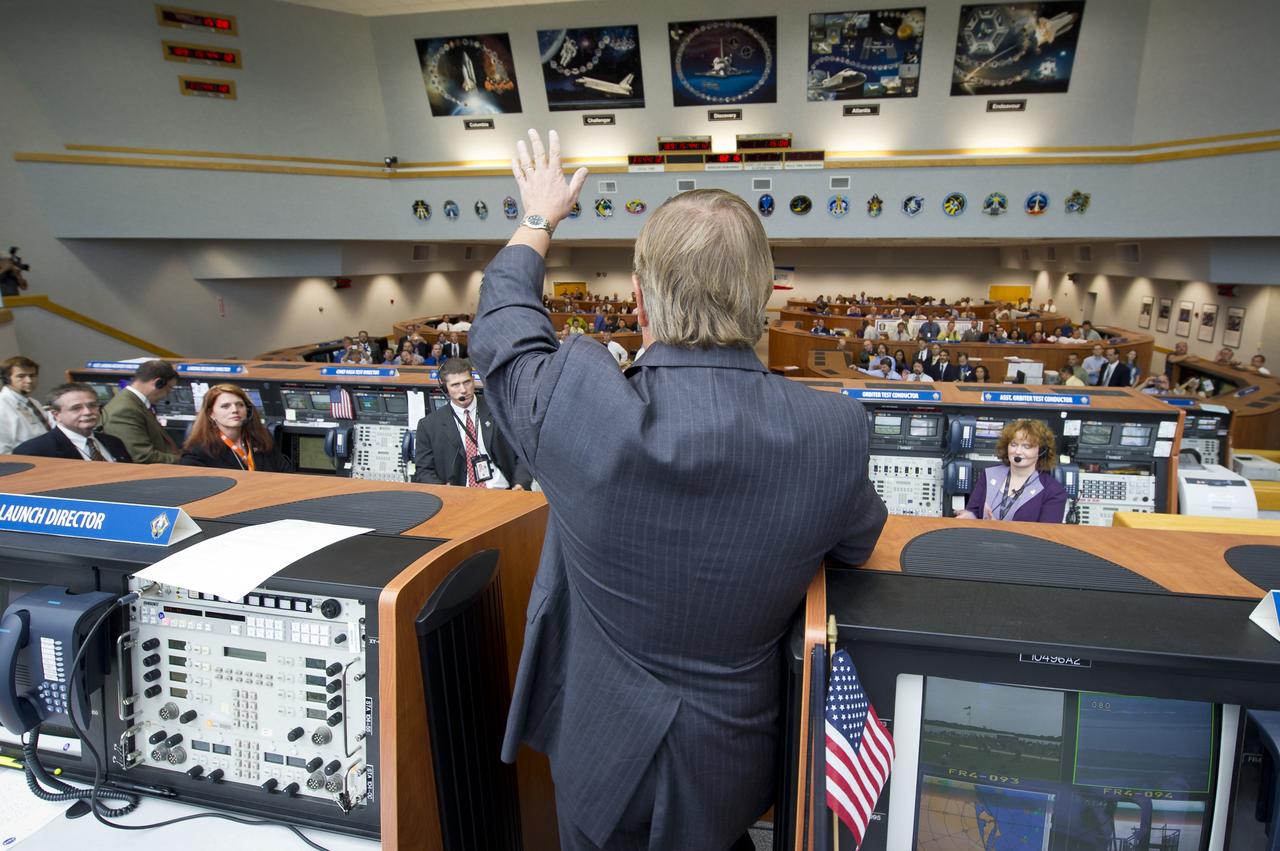
NASA Launch Director Michael Leinbach congratulates the launch team in the NASA Kennedy Space Center Firing Room Four of the Launch Control Center (LCC) shortly after the space shuttle Atlantis, STS-135, launched on Friday, July 8, 2011, in Cape Canaveral, Fla. The launch of Atlantis, STS-135, is the final flight of the shuttle program, a 12-day mission to the International Space Station. Photo Credit: (NASA/Bill Ingalls)
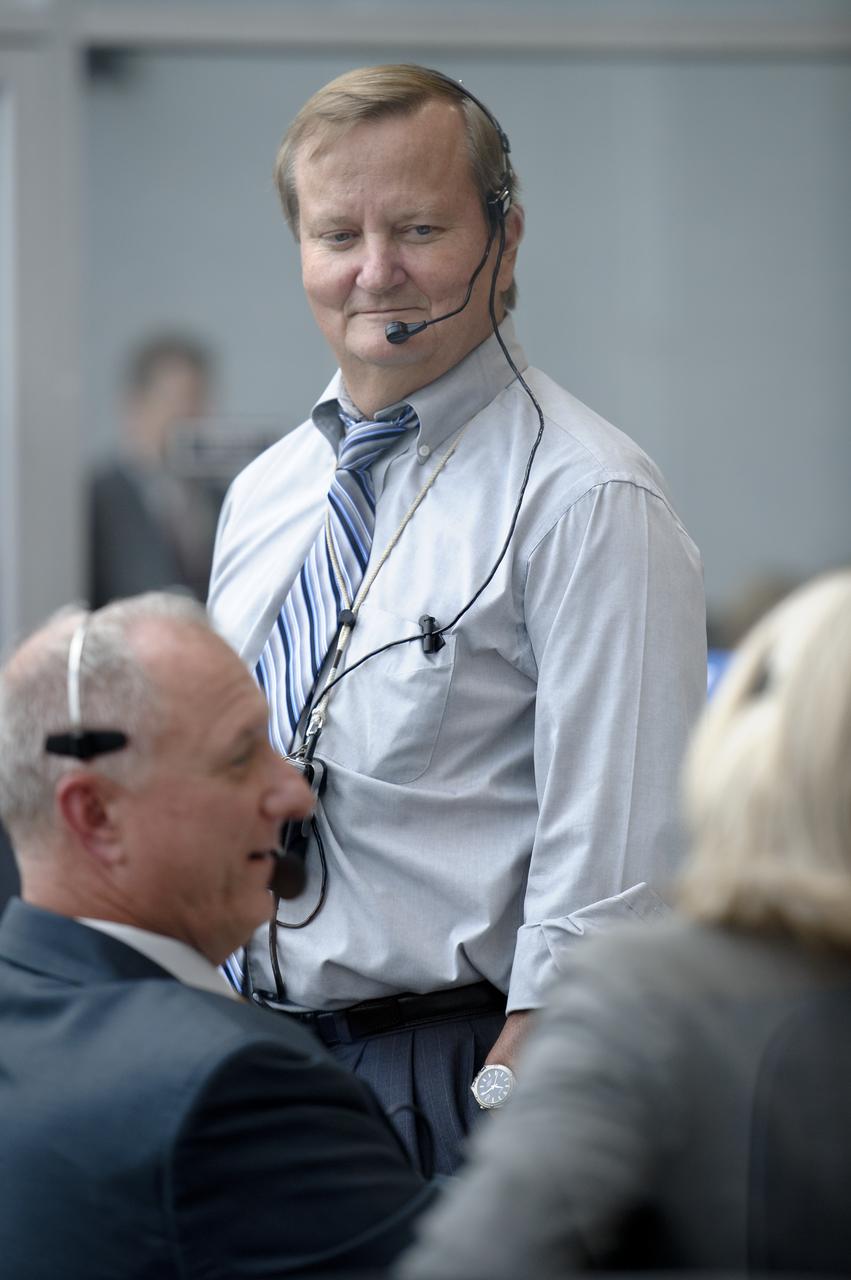
NASA Shuttle Launch Director Michael Leinbach talks with other members of teh launch team as they monitor the launch countdown from Firing Room Four of the Launch Control Center (LCC) at NASA's Kennedy Space Center on Friday, July 8, 2011, in Cape Canaveral, Fla. The launch of Atlantis, STS-135, is the final flight of the shuttle program, a 12-day mission to the International Space Station. Photo Credit: (NASA/Bill Ingalls)
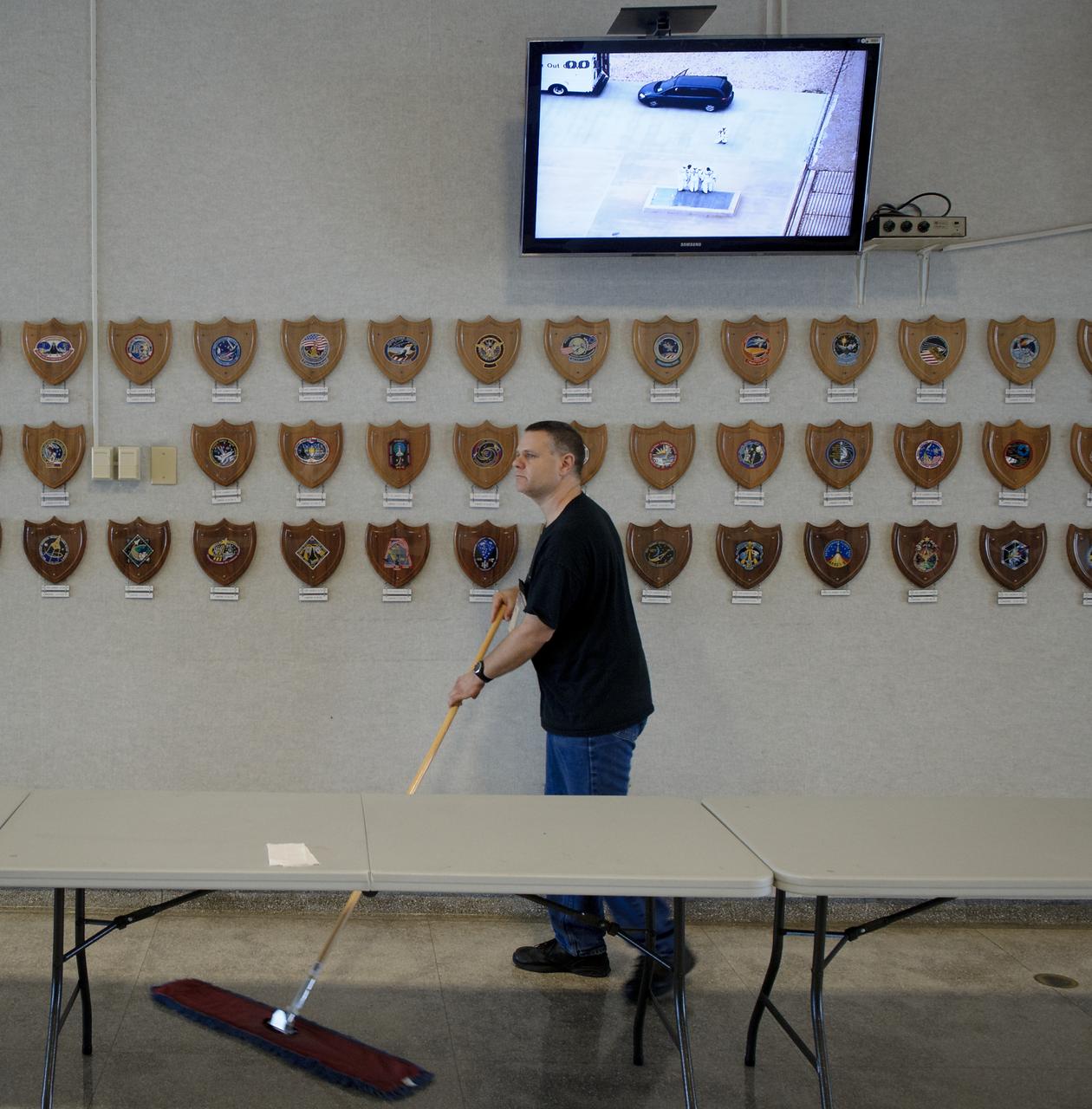
NASA Kennedy Space Center worker Dwayne Hutcheson sweeps the Launch Control Center (LCC) lobby floor in preparation for the post launch tradition of corn bread and beans after a successful launch of the space shuttle Atlantis from pad 39A on Friday, July 8, 2011, in Cape Canaveral, Fla. The launch of Atlantis, STS-135, is the final flight of the shuttle program, a 12-day mission to the International Space Station. Photo Credit: (NASA/Bill Ingalls)
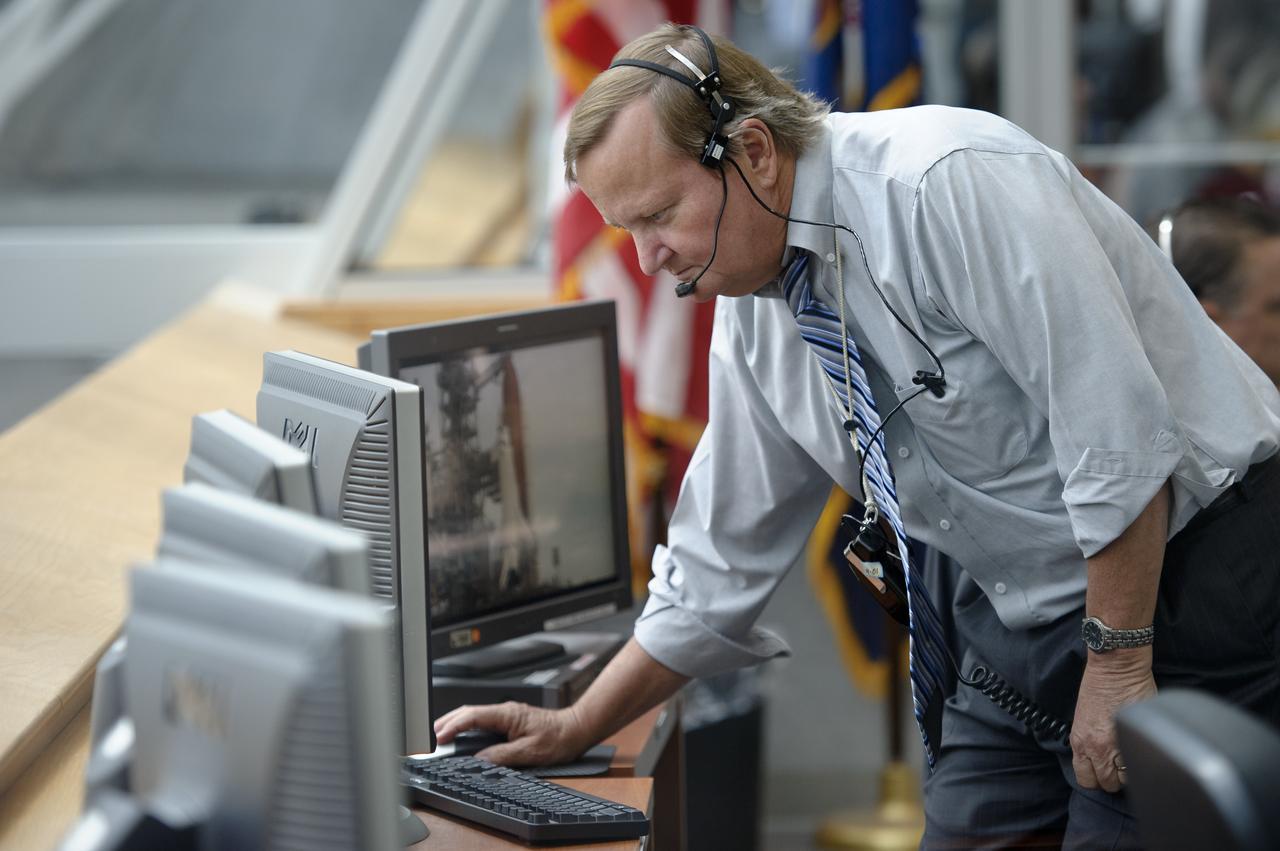
NASA Shuttle Launch Director Michael Leinbach monitors the launch countdown from Firing Room Four of the Launch Control Center (LCC) at NASA's Kennedy Space Center on Friday, July 8, 2011, in Cape Canaveral, Fla. The launch of Atlantis, STS-135, is the final flight of the shuttle program, a 12-day mission to the International Space Station. Photo Credit: (NASA/Bill Ingalls)
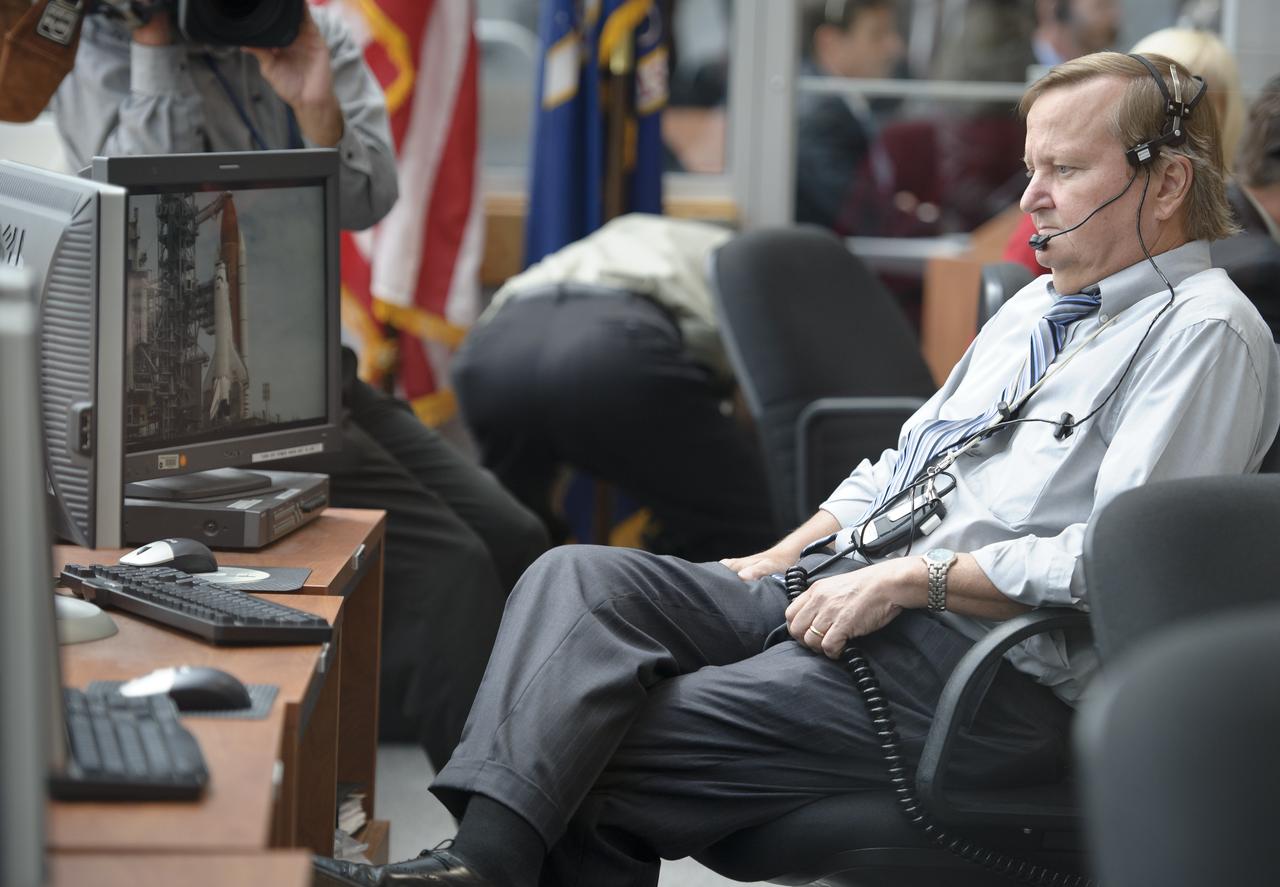
NASA Shuttle Launch Director Michael Leinbach monitors the launch countdown from Firing Room Four of the Launch Control Center (LCC) at NASA's Kennedy Space Center on Friday, July 8, 2011, in Cape Canaveral, Fla. The launch of Atlantis, STS-135, is the final flight of the shuttle program, a 12-day mission to the International Space Station. Photo Credit: (NASA/Bill Ingalls)
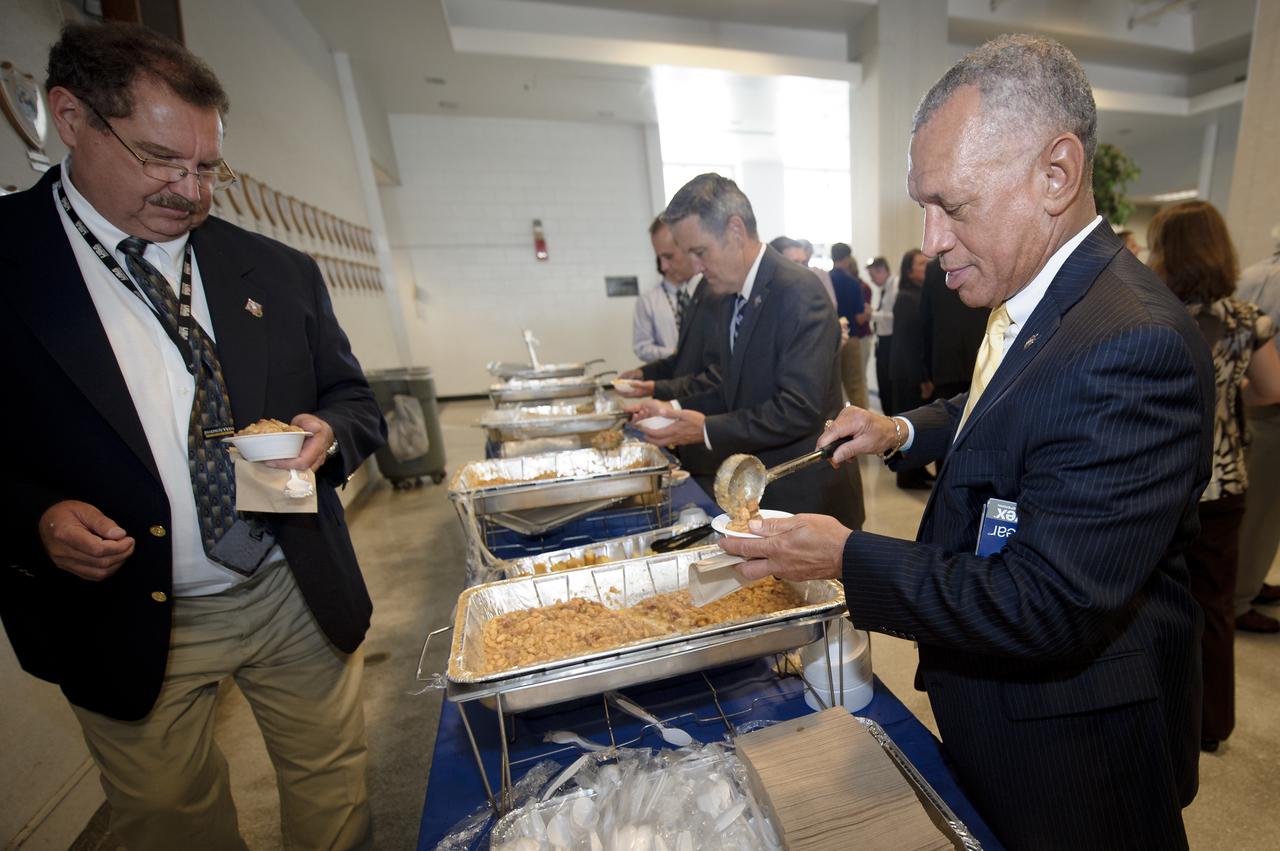
NASA Administrator Charles Bolden, right, participates in the post launch traditional beans and cornbread at the NASA Kennedy Space Center, Launch Control Center (LCC) shortly after the space shuttle Atlantis, STS-135, launched on Friday, July 8, 2011, in Cape Canaveral, Fla. The launch of Atlantis is the final flight of the shuttle program, a 12-day mission to the International Space Station. Photo Credit: (NASA/Bill Ingalls)
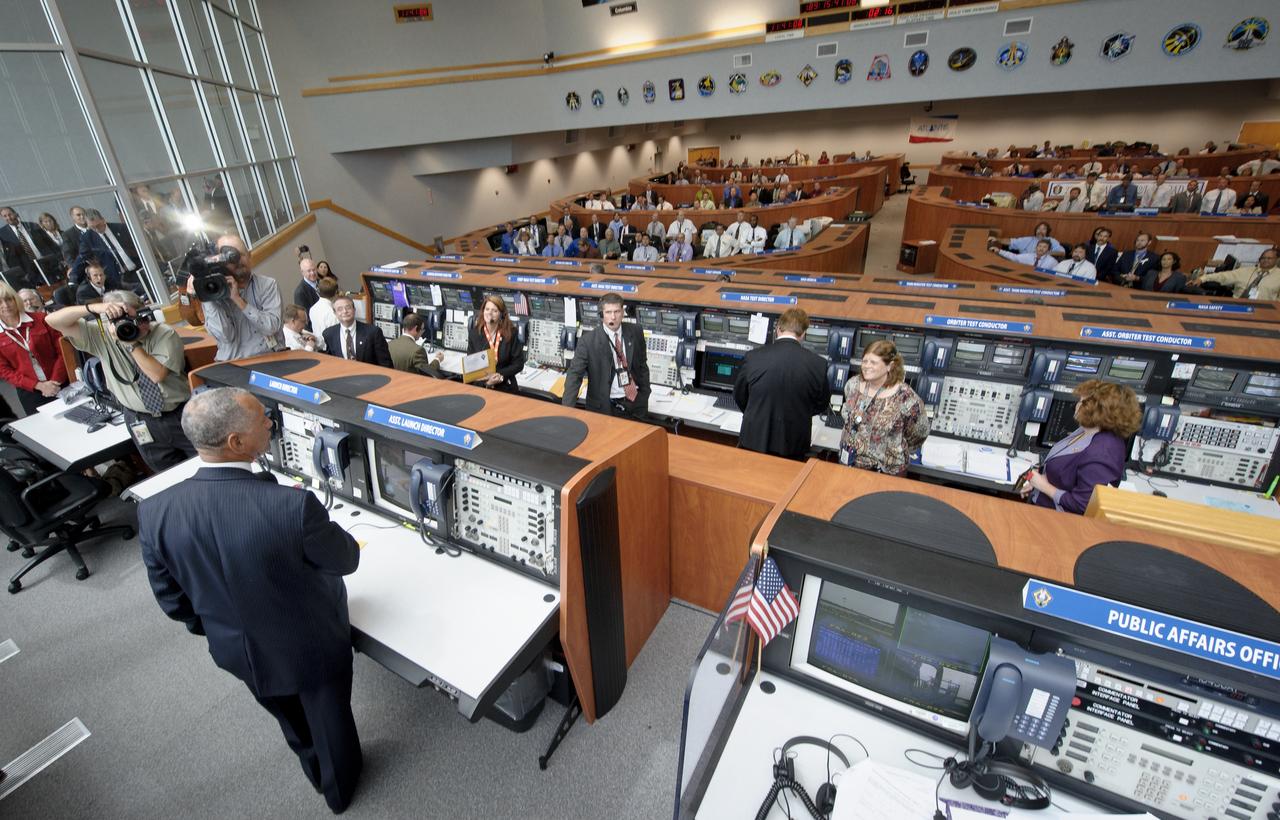
NASA Administrator Charles Bolden congratulates the launch team in the NASA Kennedy Space Center Firing Room Four of the Launch Control Center (LCC) shortly after the space shuttle Atlantis, STS-135, launched on Friday, July 8, 2011, in Cape Canaveral, Fla. The launch of Atlantis is the final flight of the shuttle program, a 12-day mission to the International Space Station. Photo Credit: (NASA/Bill Ingalls)
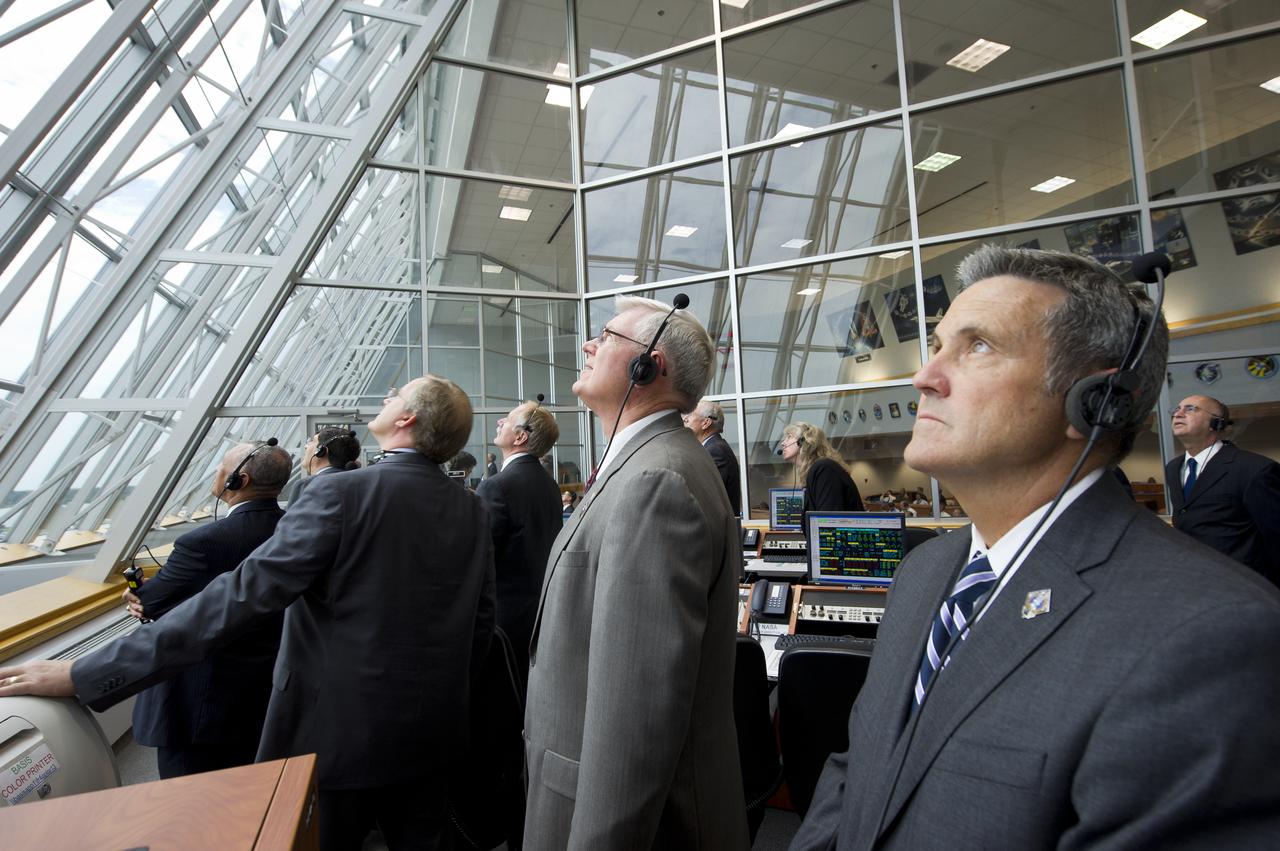
NASA Kennedy Space Center Director Bob Cabana, right, and other management look on from Firing Room Four of the Launch Control Center (LCC) as space shuttle Atlantis launches from pad 39A on Friday, July 8, 2011, in Cape Canaveral, Fla. The launch of Atlantis, STS-135, is the final flight of the shuttle program, a 12-day mission to the International Space Station. Photo Credit: (NASA/Bill Ingalls)
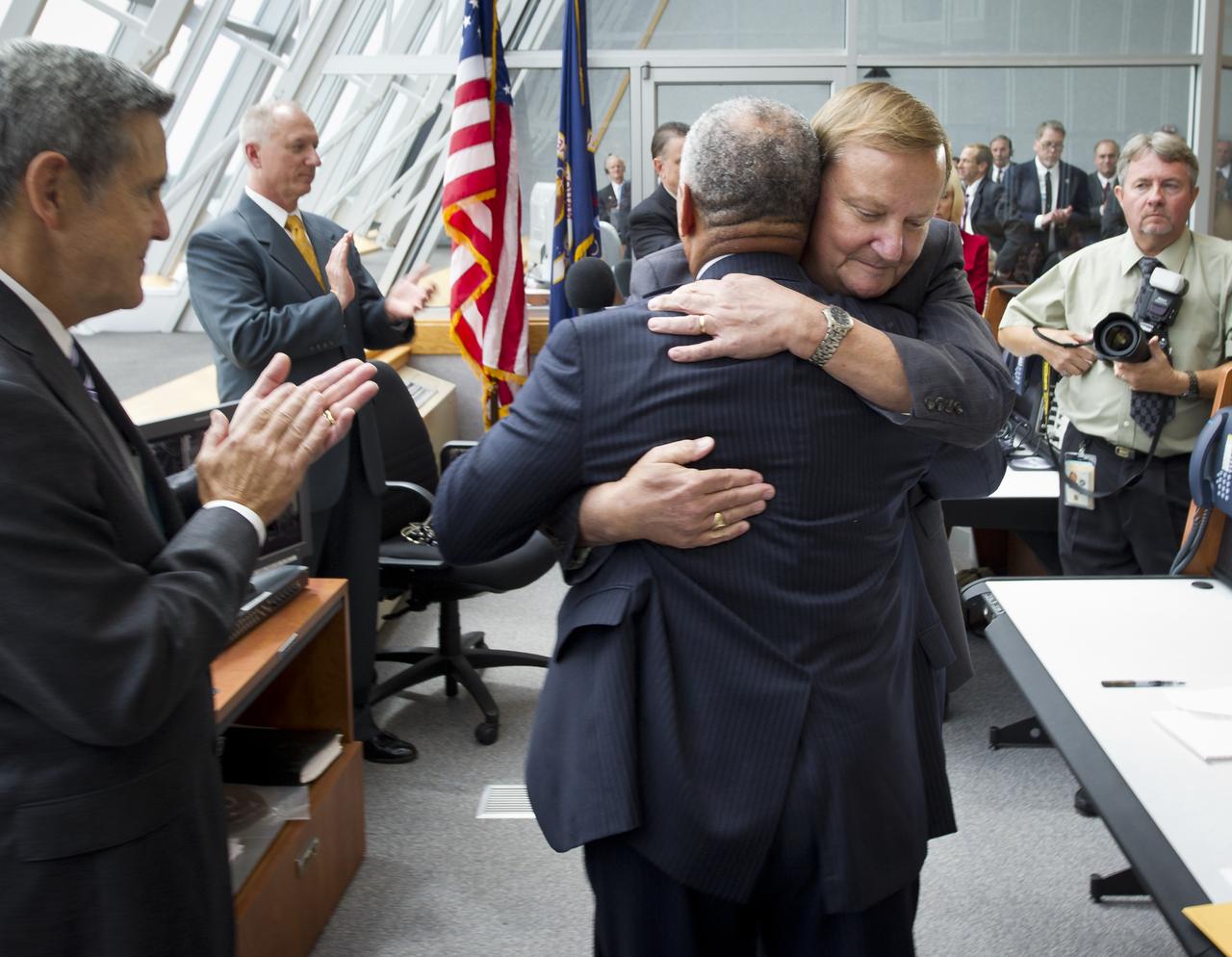
NASA Administrator Charles Bolden congratulates Launch Director Michael Leinbach, facing camera, in Firing Room Four of the Launch Control Center (LCC) shortly after the space shuttle Atlantis, STS-135, launched on Friday, July 8, 2011, in Cape Canaveral, Fla. The launch of Atlantis, STS-135, is the final flight of the shuttle program, a 12-day mission to the International Space Station. Photo Credit: (NASA/Bill Ingalls)
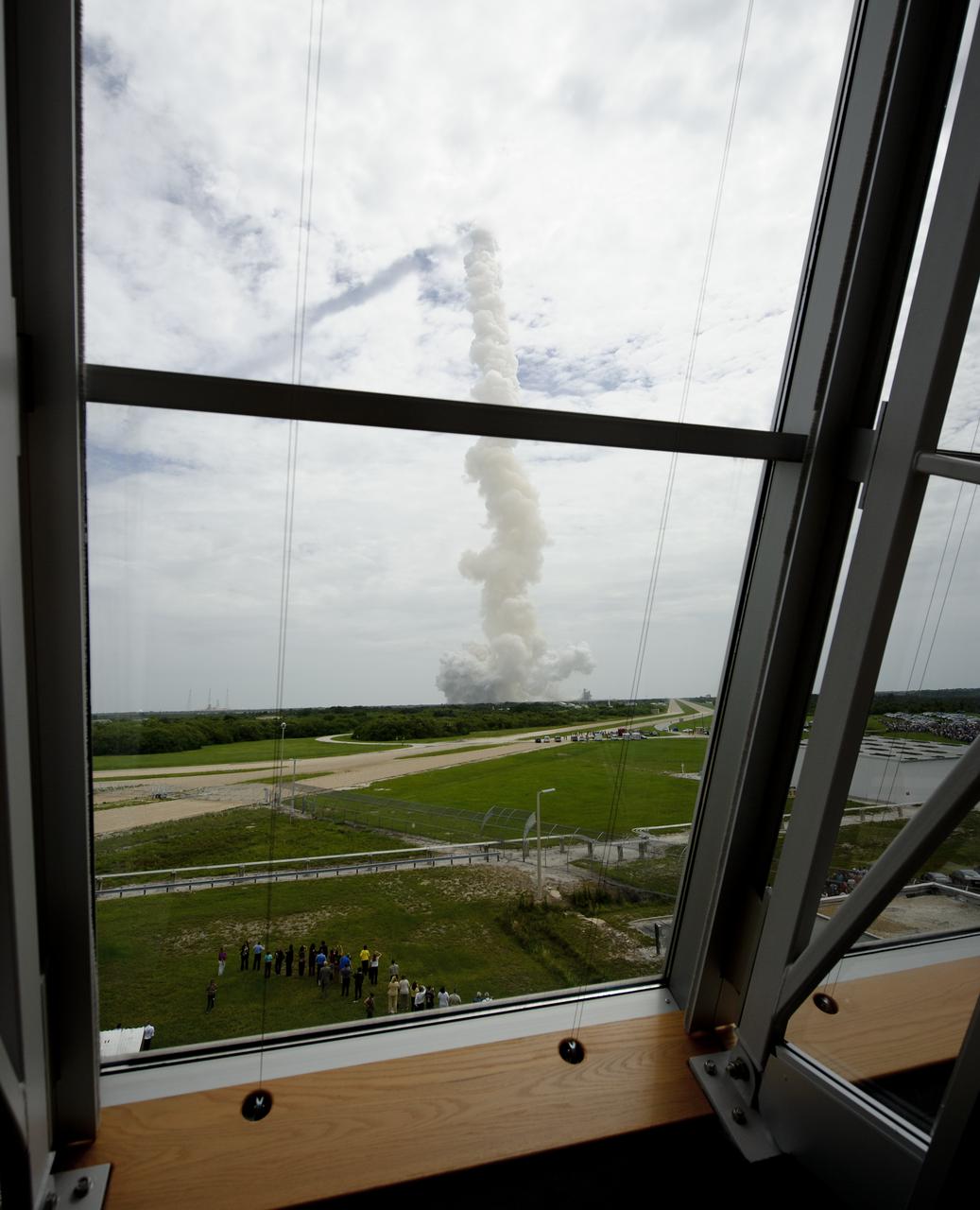
The exhaust plume from space shuttle Atlantis is seen from Firing Room Four of the Launch Control Center (LCC) as space shuttle Atlantis launches from pad 39A on Friday, July 8, 2011, in Cape Canaveral, Fla. The launch of Atlantis, STS-135, is the final flight of the shuttle program, a 12-day mission to the International Space Station. Photo Credit: (NASA/Bill Ingalls)
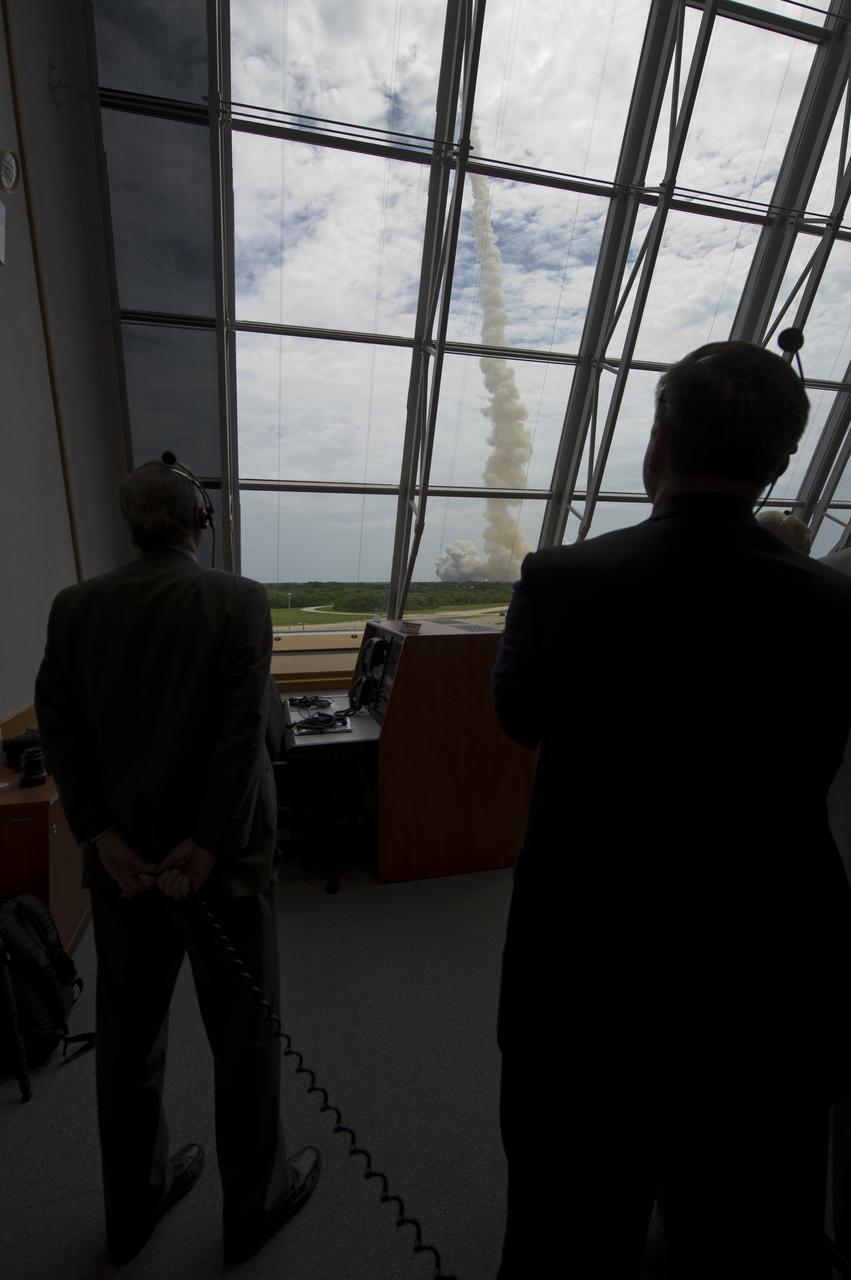
NASA management look on from Firing Room Four of the Launch Control Center (LCC) as space shuttle Atlantis launches from pad 39A on Friday, July 8, 2011, in Cape Canaveral, Fla. The launch of Atlantis, STS-135, is the final flight of the shuttle program, a 12-day mission to the International Space Station. Photo Credit: (NASA/Bill Ingalls)
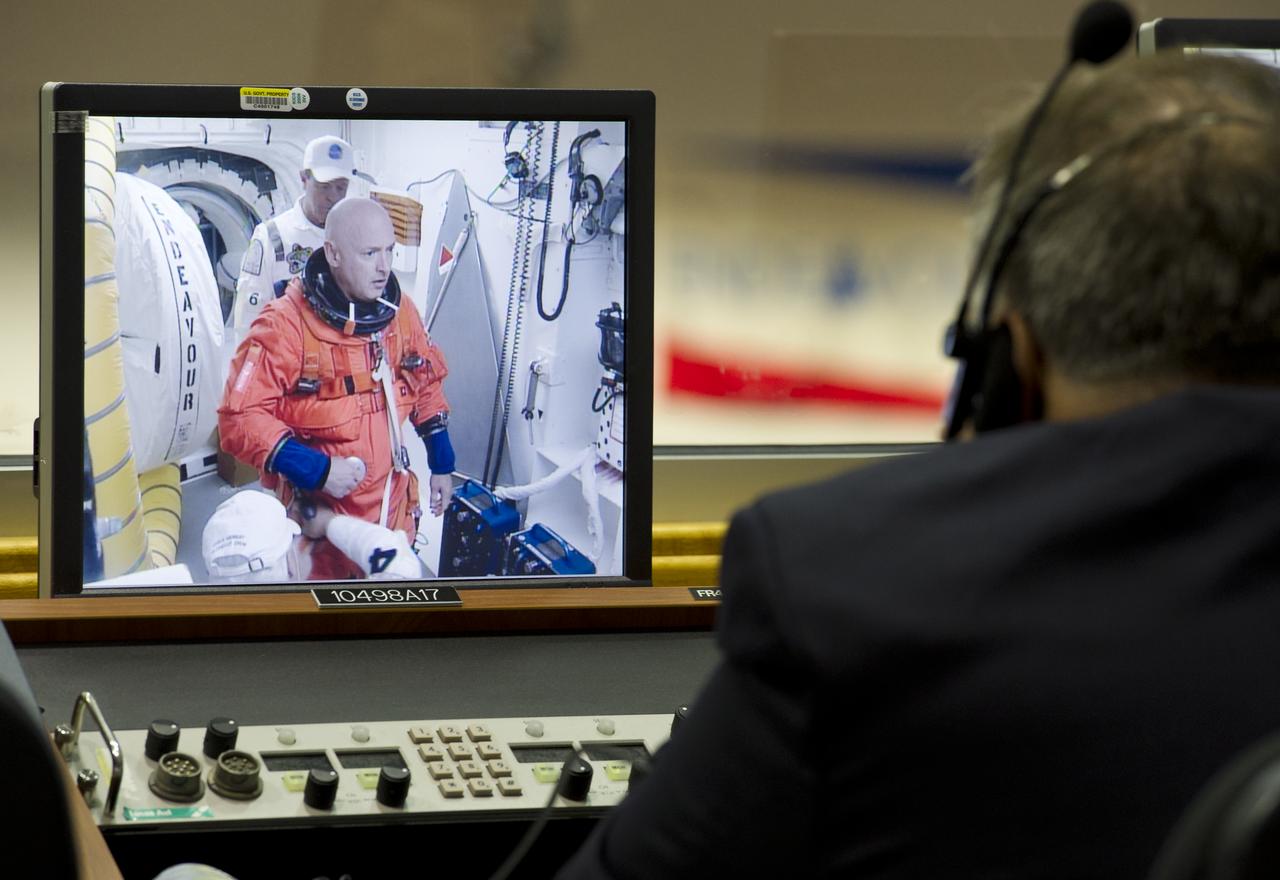
STS-134 mission Commander Mark Kelly is seen preparing to enter space shuttle Endeavour on a monitor in Firing Room Four of the Launch Control Center (LCC), Monday, May 16, 2011, at the Kennedy Space Center in Cape Canaveral, Fla. During the mission, Endeavour and the STS-134 crew will deliver the Alpha Magnetic Spectrometer (AMS) and spare parts including two S-band communications antennas, a high-pressure gas tank and additional spare parts for Dextre. Photo Credit: (NASA/Bill Ingalls)
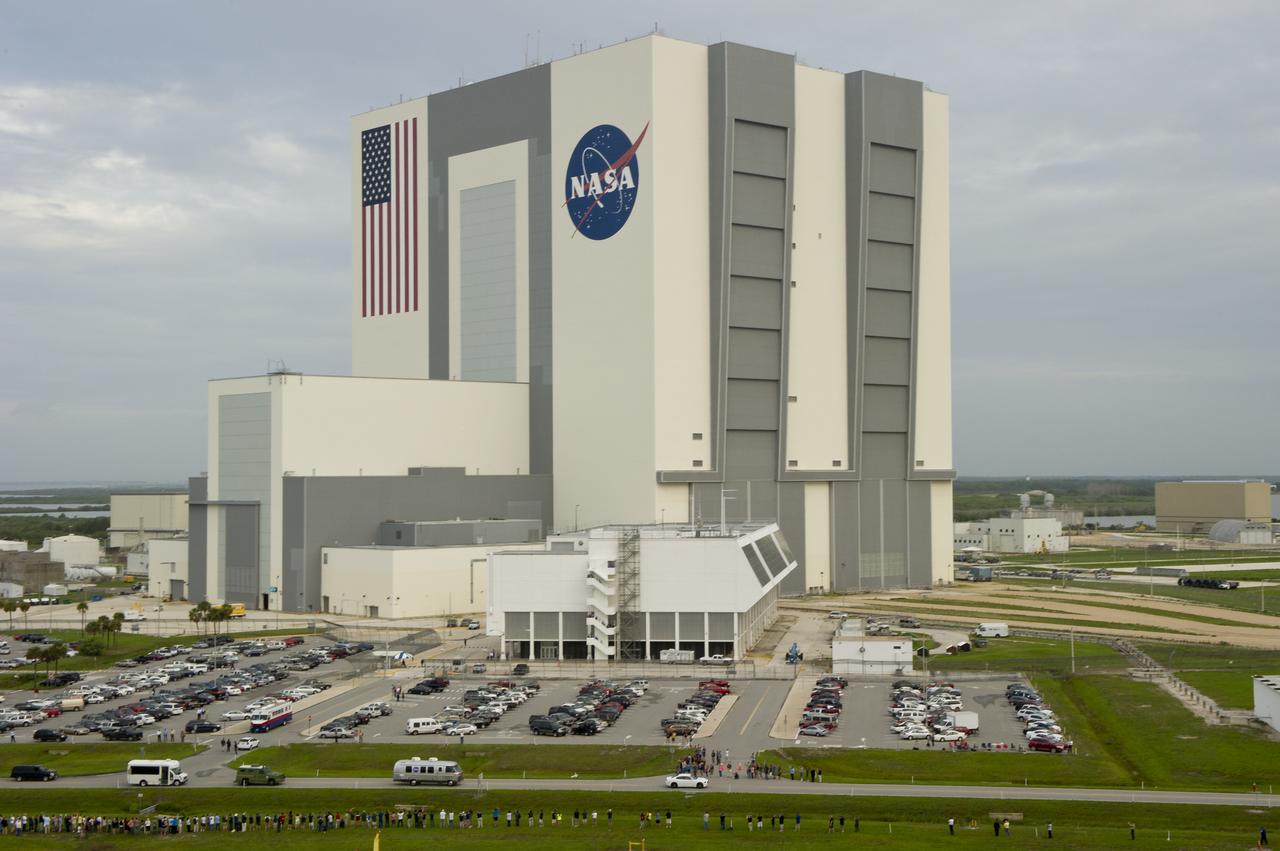
The Astrovan carrying the STS-135 crew; Chris Furgeson, commander, Doug Hurley, pilot, and mission specialists Rex Walheim and Sandy Mangus, rolls past the Vehicle Assembly Building (VAB) and Launch Control Center (LCC), on its way to launch pad 39a and space shuttle Atlantis, Friday, July 8, 2011, at Kennedy Space Center in Cape Canaveral, Fla. The launch of Atlantis, STS-135, is the final flight of the shuttle program, a 12-day mission to the International Space Station. Photo Credit: (NASA/Bill Ingalls)
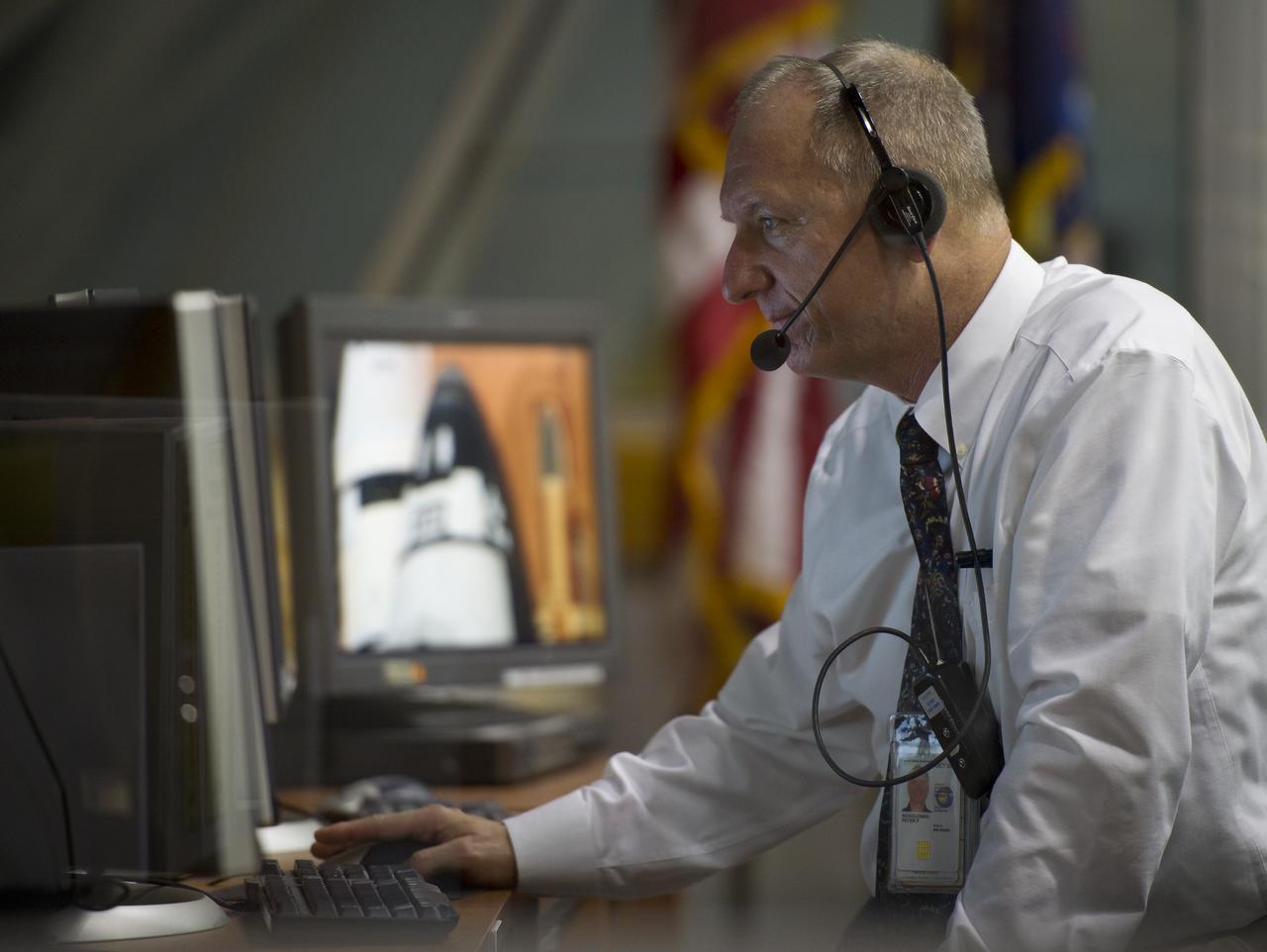
NASA Kennedy Space Center Assistant Launch Director Pete Nickolenko monitors the countdown to the launch of the space shuttle Endeavour (STS-134) from Firing Room Four of the Launch Control Center (LCC), Monday May 16, 2011, at the Kennedy Space Center in Cape Canaveral, Fla. During the mission, Endeavour and the STS-134 crew will deliver the Alpha Magnetic Spectrometer (AMS) and spare parts including two S-band communications antennas, a high-pressure gas tank and additional spare parts for Dextre. Photo Credit: (NASA/Bill Ingalls)

Kennedy Space Center Launch Director Charlie Blackwell-Thompson speaks during a ceremony renaming the Florida spaceport’s launch control center to the Rocco A. Petrone Launch Control Center on Feb. 22, 2022. Petrone was instrumental in America’s first voyages to the Moon and headed the Apollo program. He died in 2006 at the age of 80.
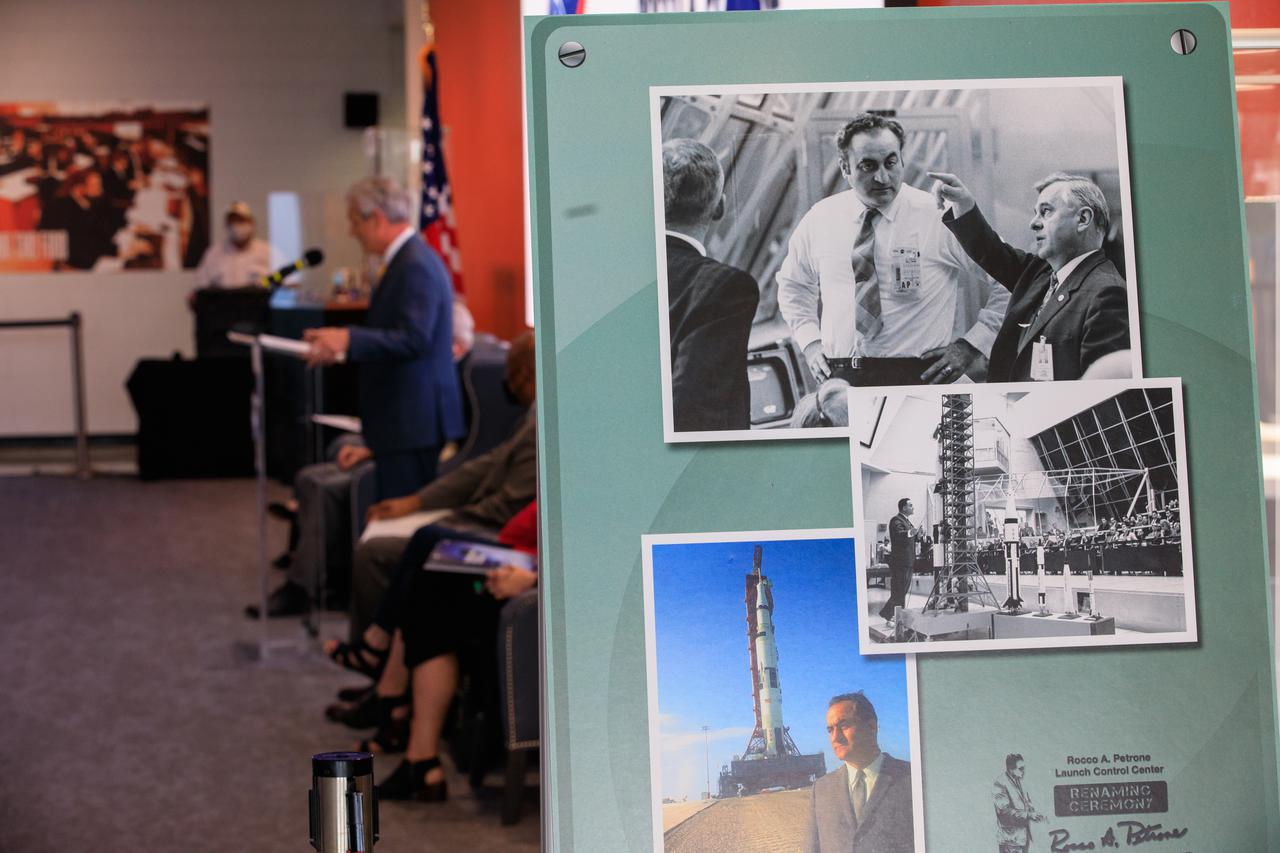
Scott Rigell, speaking on behalf of Ike Rigell, retired Apollo chief engineer and deputy director of launch vehicle operations at NASA, addresses attendees during a ceremony renaming Kennedy Space Center’s launch control center to the Rocco A. Petrone Launch Control Center on Feb. 22, 2022. Petrone was instrumental in America’s first voyages to the Moon and headed the Apollo program. He died in 2006 at the age of 80.
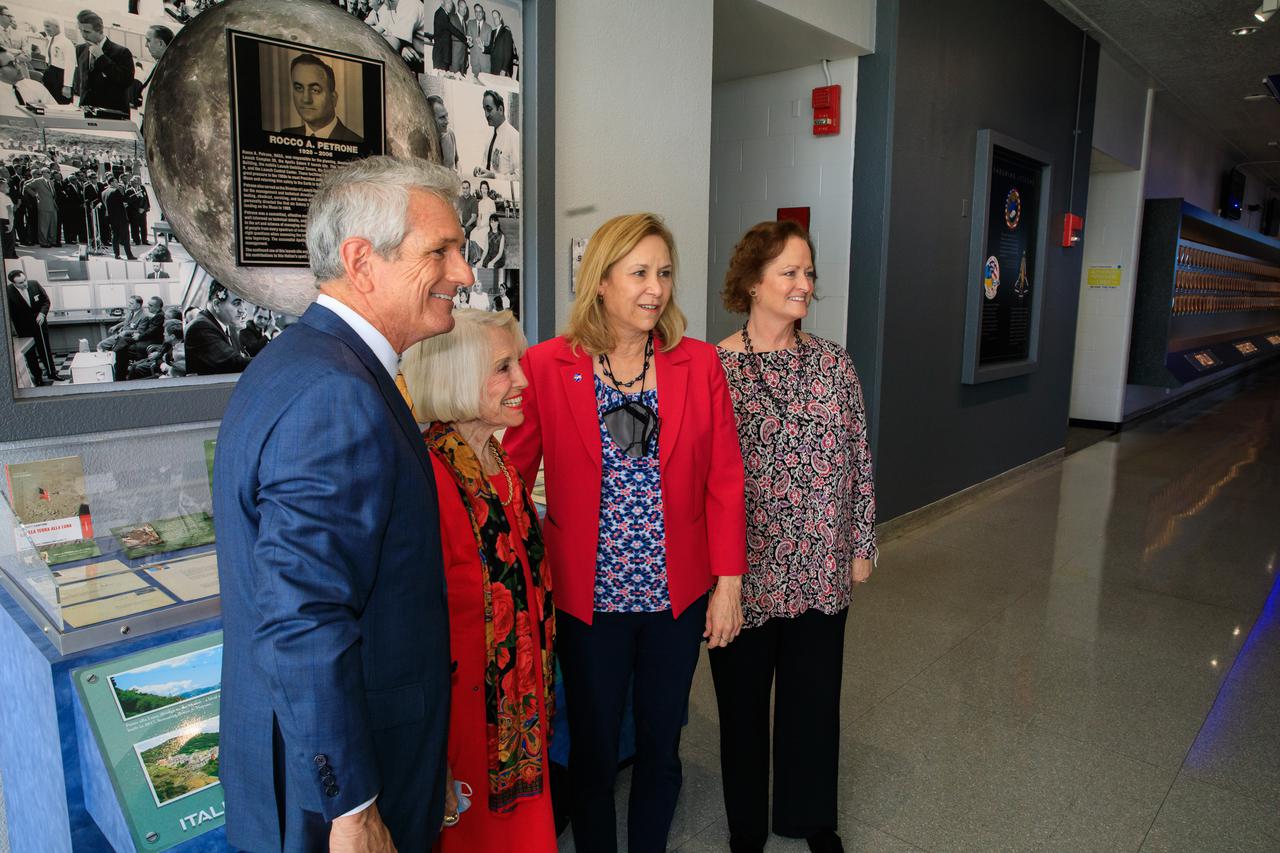
Kennedy Space Center Director Janet Petro, second from right, poses in front of a display dedicated to former Kennedy Space Center launch director Rocco Petrone at the Florida spaceport on Feb. 22, 2022. Also pictured is Scott Rigell, far left, and Kathy Posey, daughter of Petrone, far right. During a ceremony held at Kennedy, the launch control center was officially renamed to the Rocco A. Petrone Launch Control Center. Petrone was instrumental in America’s first voyages to the Moon and headed the Apollo program. He died in 2006 at the age of 80.

A spectator takes a photo of a display dedicated to former Kennedy Space Center director Rocco Petrone on Feb. 22, 2022. During a ceremony held at the Florida spaceport, Kennedy’s launch control center was officially renamed to the Rocco A. Petrone Launch Control Center. Petrone was instrumental in America’s first voyages to the Moon and headed the Apollo program. He died in 2006 at the age of 80.
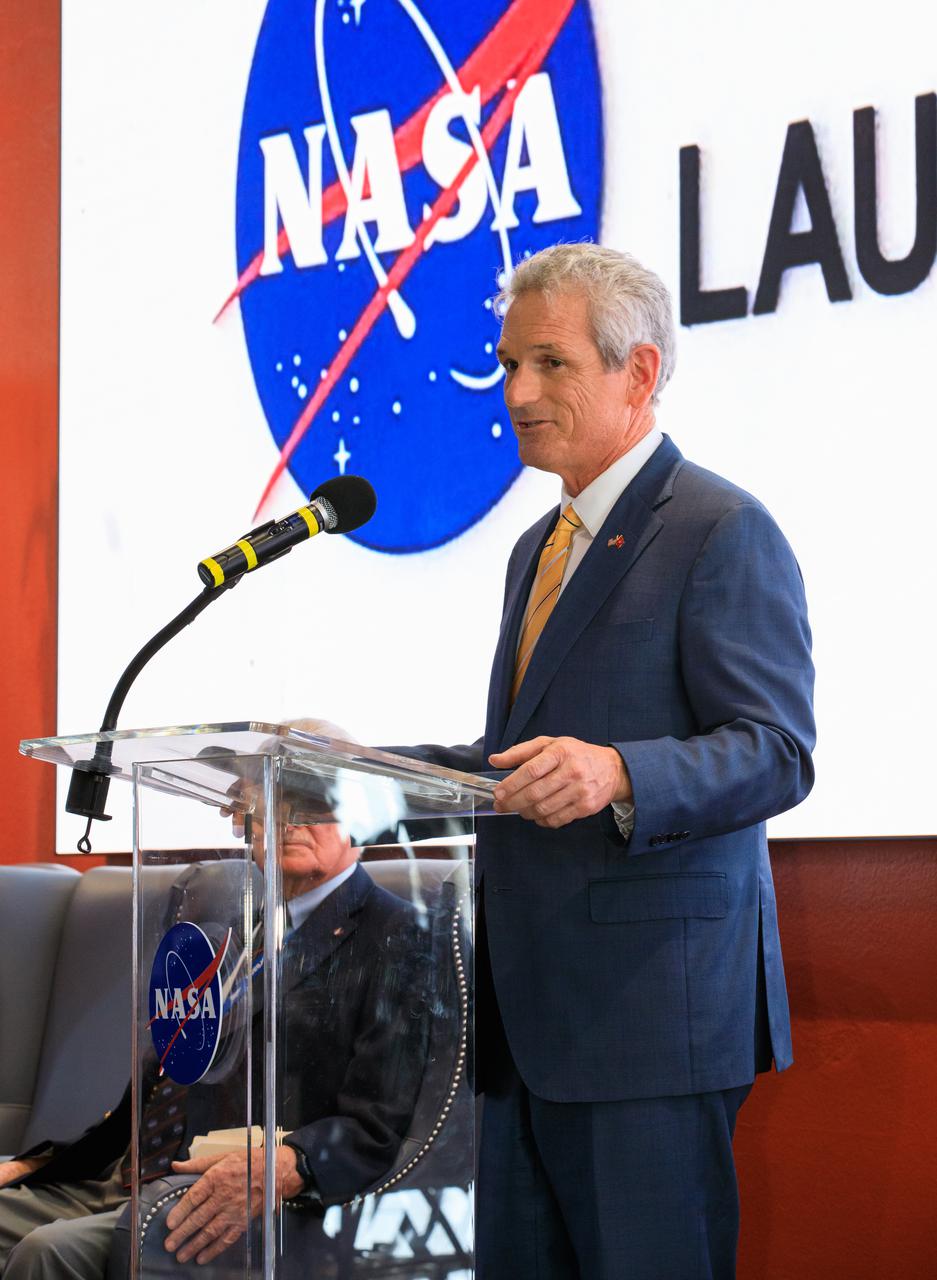
Scott Rigell, speaking on behalf of Ike Rigell, retired Apollo chief engineer and deputy director of launch vehicle operations at NASA, addresses attendees during a ceremony renaming Kennedy Space Center’s launch control center to the Rocco A. Petrone Launch Control Center on Feb. 22, 2022. Petrone was instrumental in America’s first voyages to the Moon and headed the Apollo program. He died in 2006 at the age of 80.
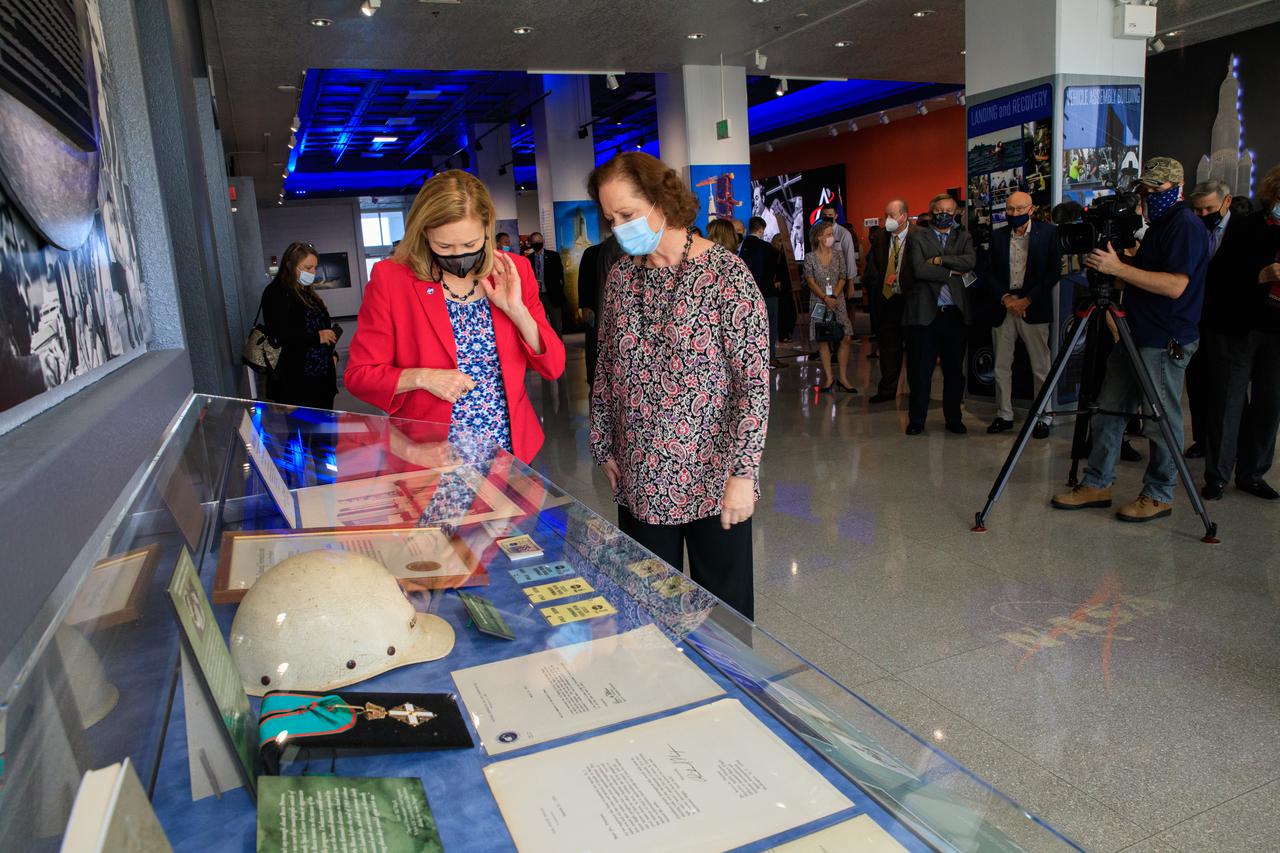
A display dedicated to former Kennedy Space Center launch director Rocco Petrone is viewed at Kennedy Space Center on Feb. 22, 2022. During a ceremony held at the Florida spaceport, Kennedy’s launch control center was officially renamed to the Rocco A. Petrone Launch Control Center. Petrone was instrumental in America’s first voyages to the Moon and headed the Apollo program. He died in 2006 at the age of 80.

Kennedy Space Center Director Janet Petro speaks during a ceremony renaming the Florida spaceport’s launch control center to the Rocco A. Petrone Launch Control Center on Feb. 22, 2022. Petrone was instrumental in America’s first voyages to the Moon and headed the Apollo program. He died in 2006 at the age of 80.

John Tribe, retired Apollo engineer, North American Rockwell, speaks during a ceremony renaming Kennedy Space Center’s launch control center to the Rocco A. Petrone Launch Control Center on Feb. 22, 2022. Petrone was instrumental in America’s first voyages to the Moon and headed the Apollo program. He died in 2006 at the age of 80.

A display dedicated to former Kennedy Space Center director Rocco Petrone is viewed at Kennedy Space Center on Feb. 22, 2022. During a ceremony held at the Florida spaceport, Kennedy’s launch control center was officially renamed to the Rocco A. Petrone Launch Control Center. Petrone was instrumental in America’s first voyages to the Moon and headed the Apollo program. He died in 2006 at the age of 80.
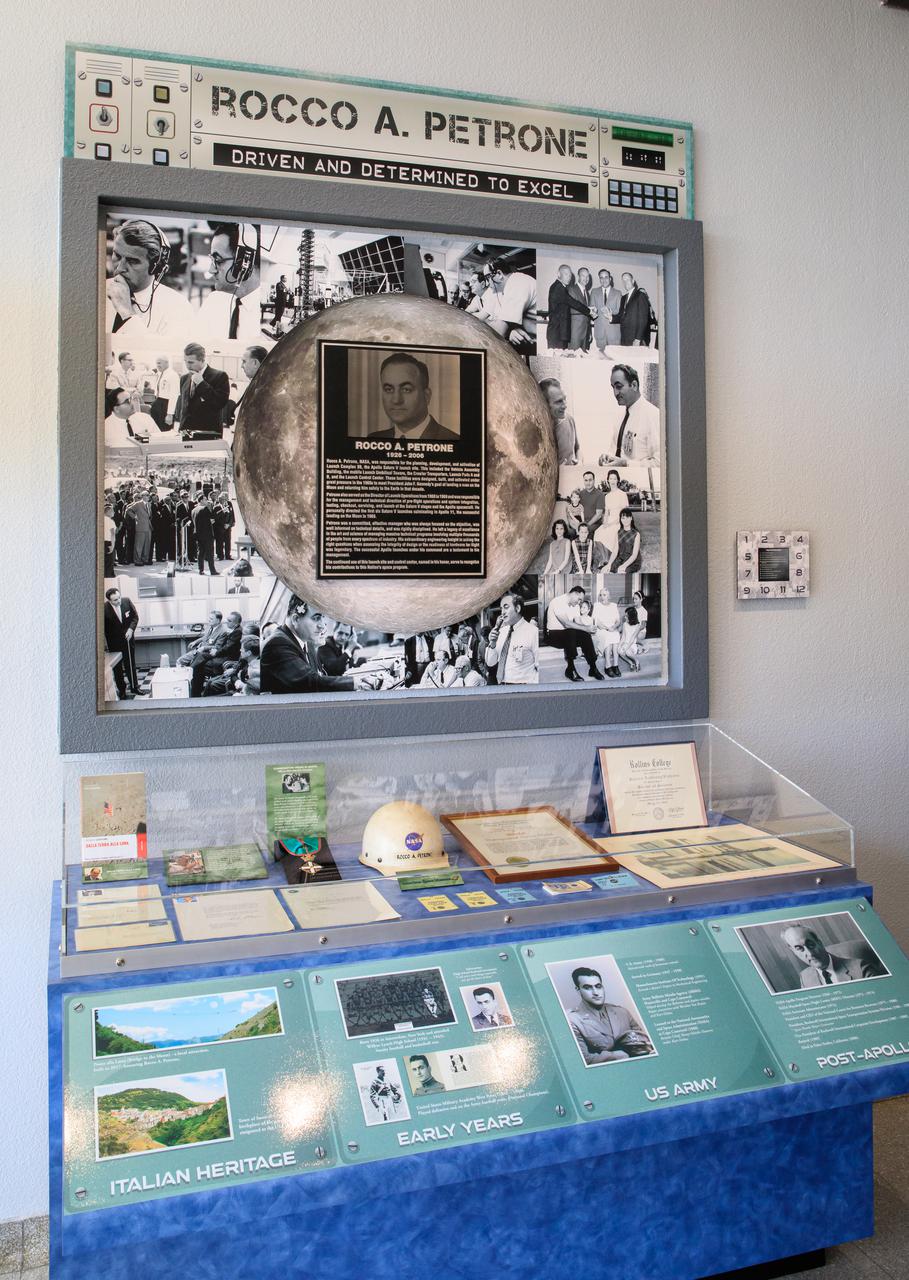
Shown is a display honoring former Kennedy Space Center launch director Rocco Petrone at the Florida spaceport on Feb. 22, 2022. During a ceremony held at Kennedy, the launch control center was officially renamed to the Rocco A. Petrone Launch Control Center. Petrone was instrumental in America’s first voyages to the Moon and headed the Apollo program. He died in 2006 at the age of 80.
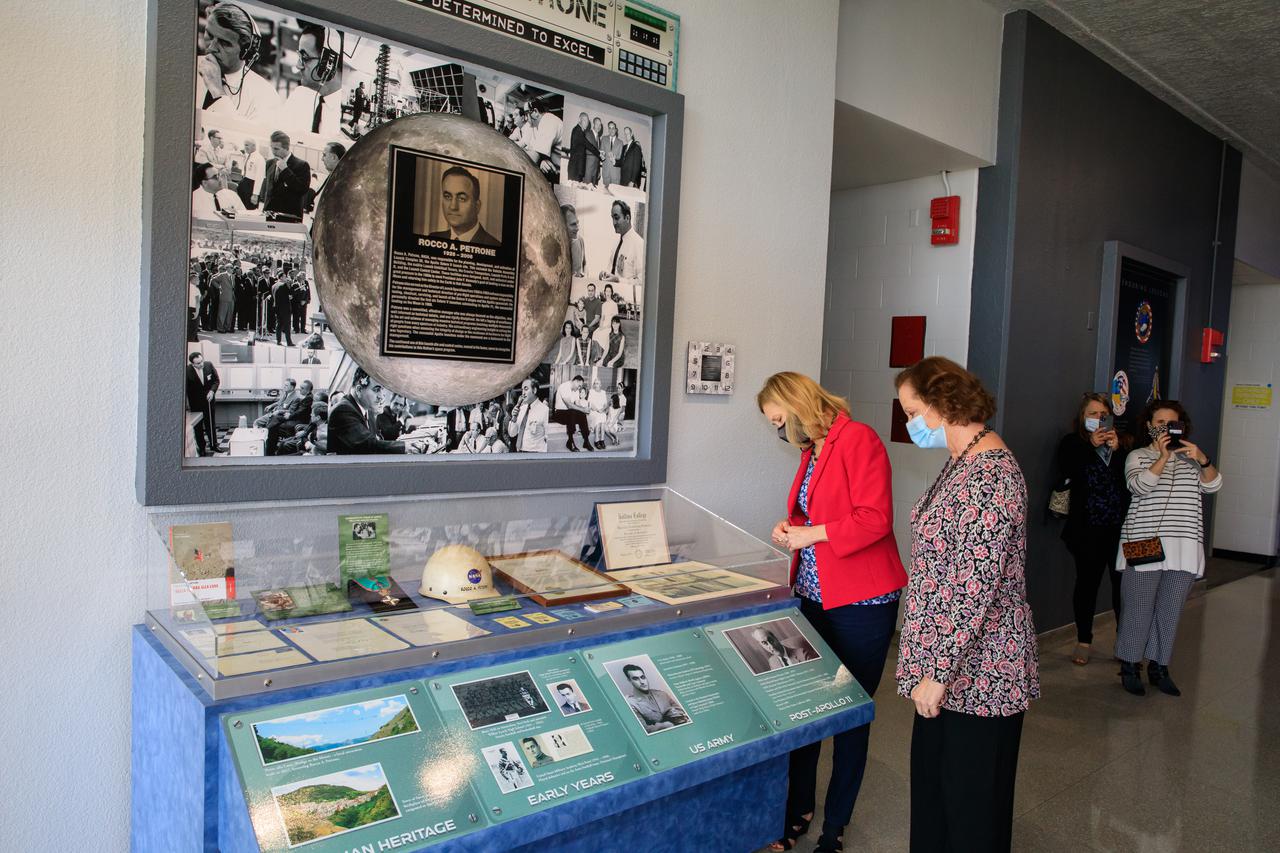
A display dedicated to former Kennedy Space Center launch director Rocco Petrone is viewed at Kennedy Space Center on Feb. 22, 2022. During a ceremony held at the Florida spaceport, Kennedy’s launch control center was officially renamed to the Rocco A. Petrone Launch Control Center. Petrone was instrumental in America’s first voyages to the Moon and headed the Apollo program. He died in 2006 at the age of 80.
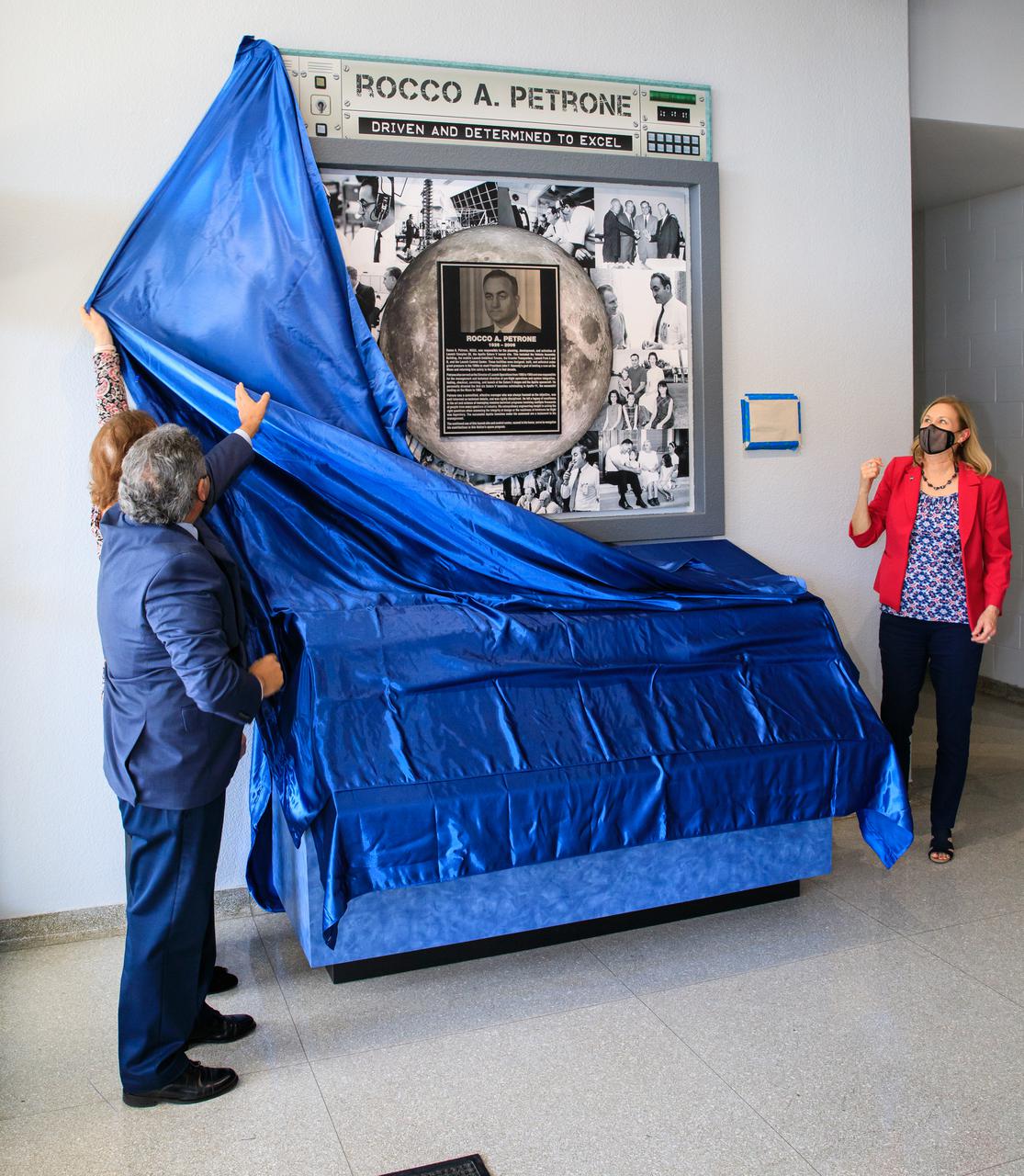
A display dedicated to former Kennedy Space Center launch director Rocco Petrone is unveiled at Kennedy Space Center on Feb. 22, 2022. During a ceremony held at the Florida spaceport, Kennedy’s launch control center was officially renamed to the Rocco A. Petrone Launch Control Center. Petrone was instrumental in America’s first voyages to the Moon and headed the Apollo program. He died in 2006 at the age of 80.

Kennedy Space Center Deputy Director Kelvin Manning speaks during a ceremony renaming the Florida spaceport’s launch control center to the Rocco A. Petrone Launch Control Center on Feb. 22, 2022. Petrone was instrumental in America’s first voyages to the Moon and headed the Apollo program. He died in 2006 at the age of 80.
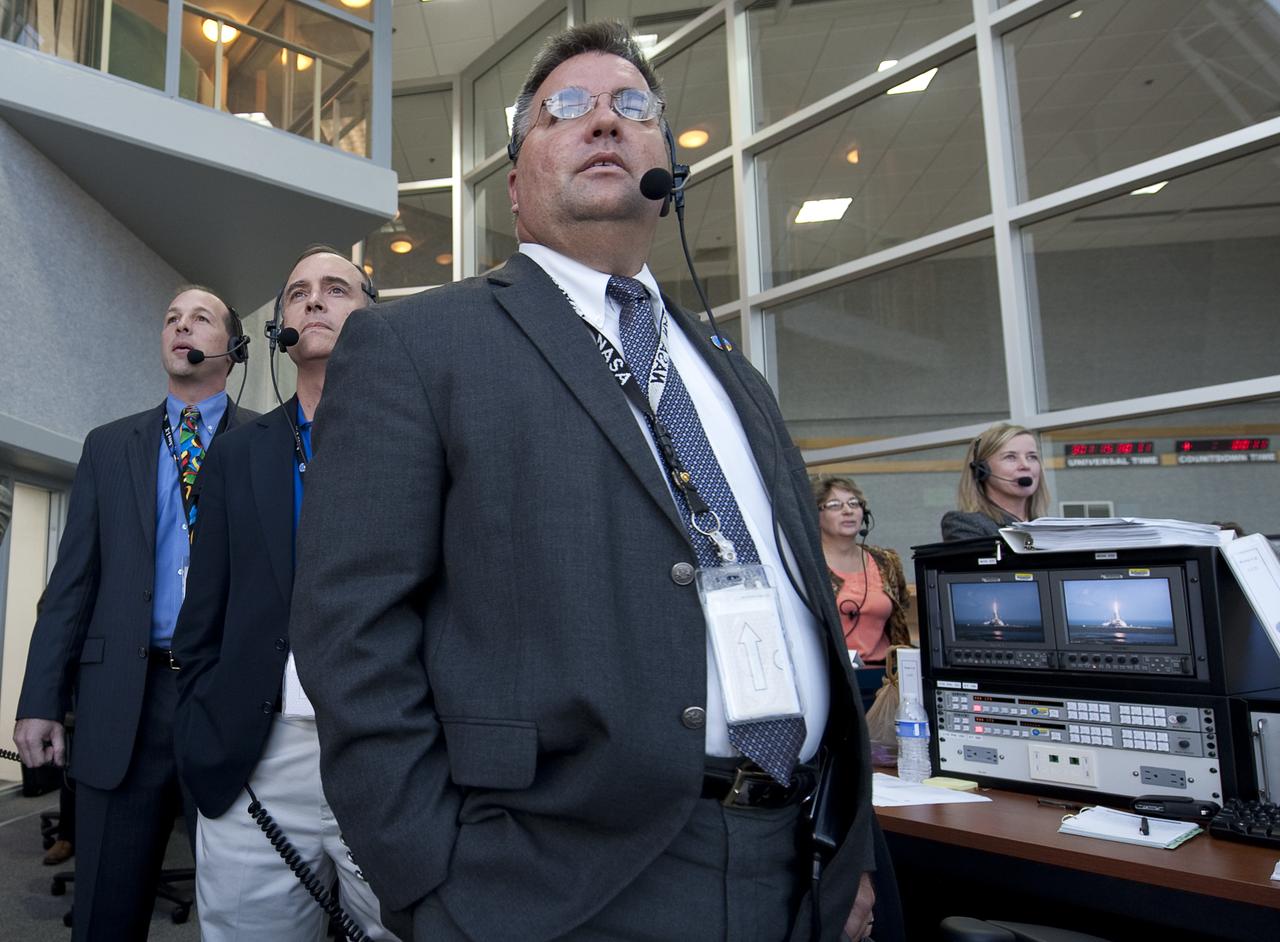
NASA Ares I-X Launch Director Ed Mango, 3rd from left, along with other mission managers watches the launch of the Ares I-X rocket from Firing Room One of the Launch Control Center (LCC) at the Kennedy Space Center in Cape Canaveral, Fla., Wednesday, Oct. 28, 2009. The flight test of Ares I-X will provide NASA with an early opportunity to test and prove flight characteristics, hardware, facilities and ground operations associated with the Ares I. Photo Credit: (NASA/Bill Ingalls)
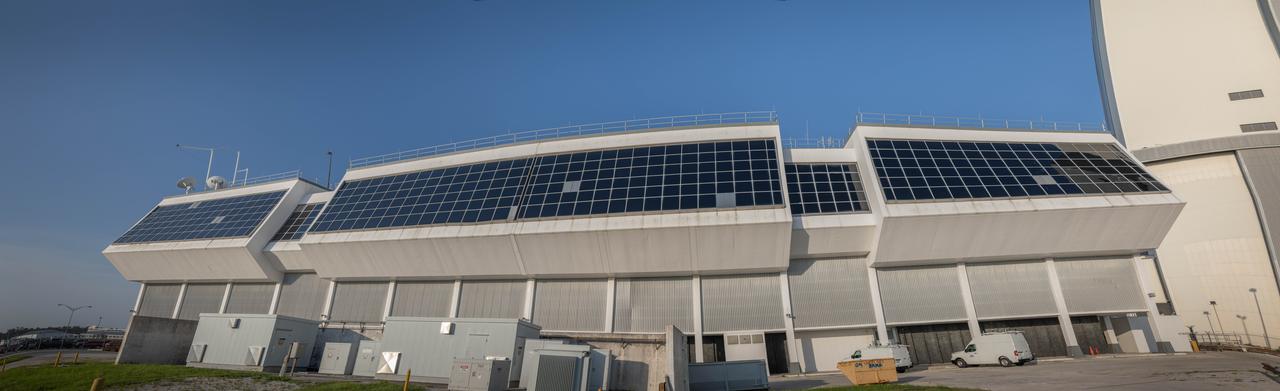
A brilliant blue sky forms the backdrop for a fish-eye panoramic view of the south side of the Launch Control Center (LCC) at NASA's Kennedy Space Center in Florida. Firing Room 1 inside the LCC has been completely upgraded and modernized to support the testing, processing, countdown and launch of NASA's Space Launch System (SLS) rocket and Orion spacecraft on Exploration Mission-1 and deep space mission. Exploration Ground Systems oversaw the upgrades.
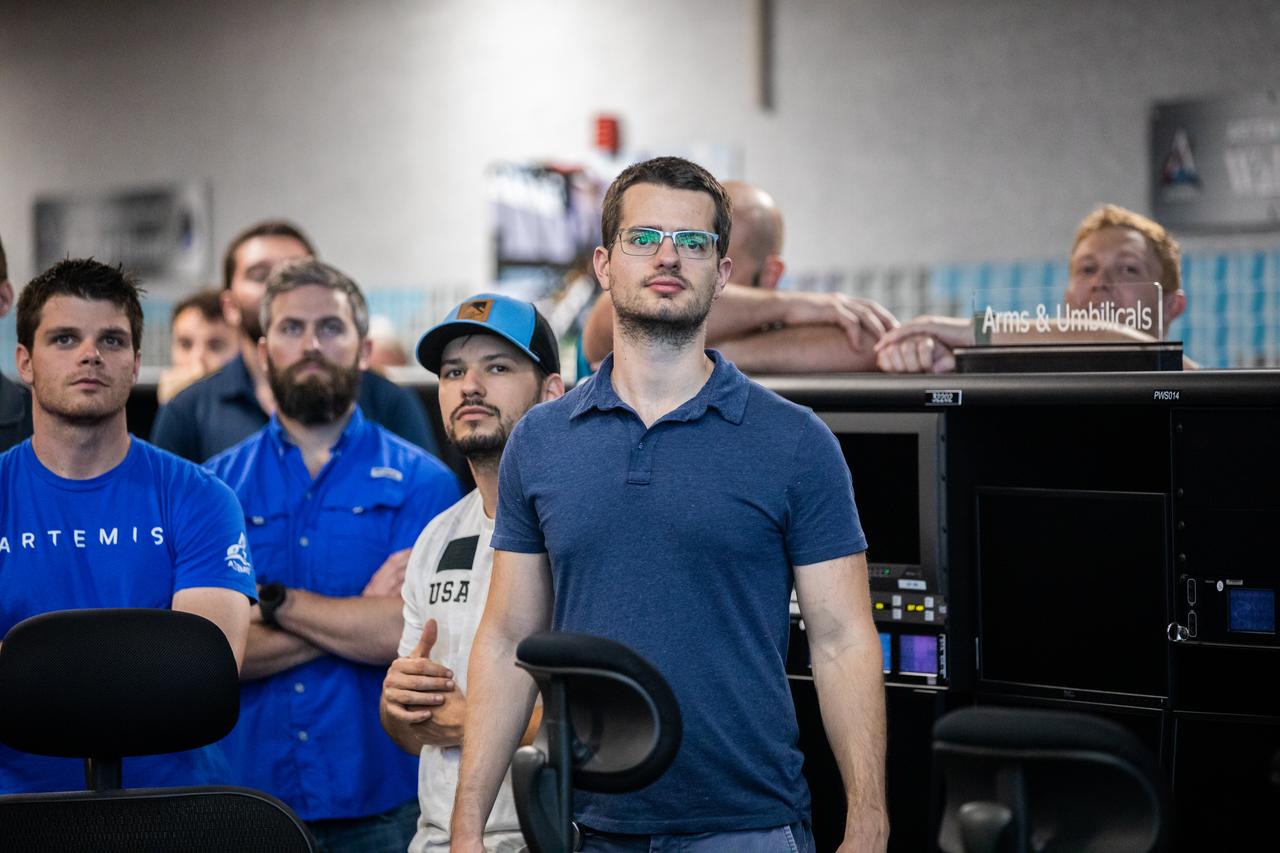
Artemis team members gather around Firing Room 1 of the Launch Control Center at NASA’s Kennedy Space Center in Florida on March 24, 2023 for the inaugural Artemis Launch Director Awards. The first in a series of increasingly complex missions, Artemis I launched successfully from Kennedy’s Launch Pad 39B at 1:47 a.m. EST on Nov. 16, 2022.
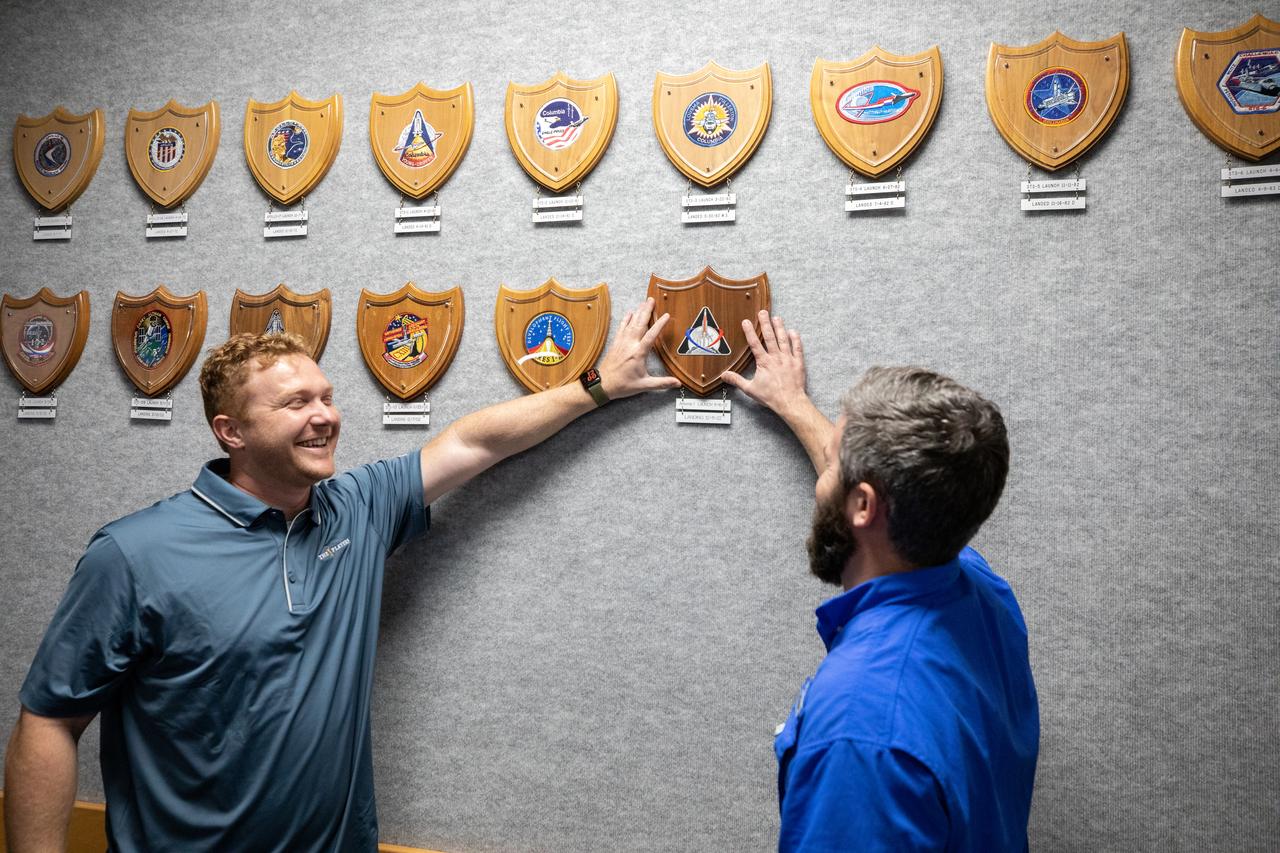
The Artemis plaque is attached to the wall in Firing Room 1 of the Launch Control Center at NASA’s Kennedy Space Center in Florida during a ceremony on March 24, 2023. Hanging the plaque on the wall are Elliot Payne (left) and Devin Aikman (right), members of the Arms and Umbilicals engineering team. The first in a series of increasingly complex missions, Artemis I launched successfully from Kennedy’s Launch Pad 39B at 1:47 a.m. EST on Nov. 16, 2022.
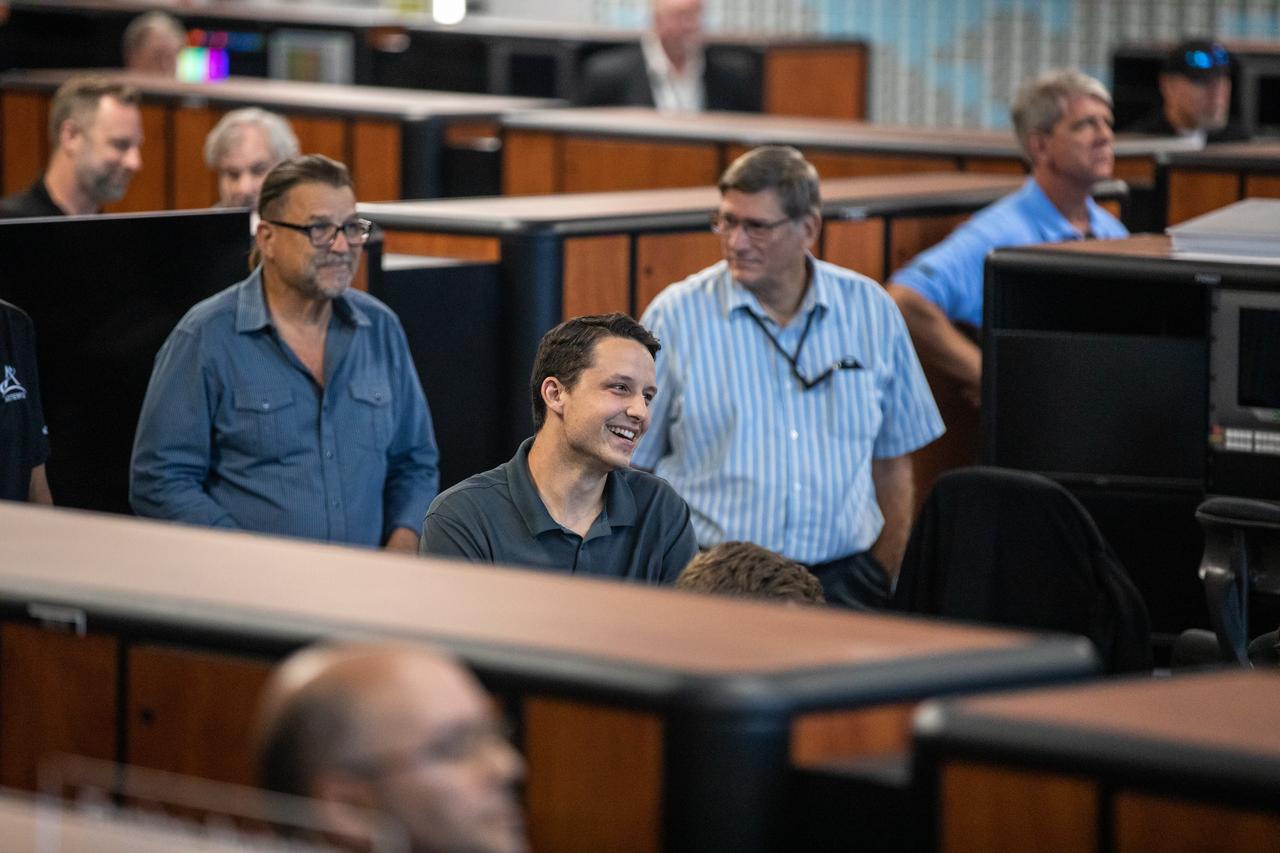
Artemis team members gather around Firing Room 1 of the Launch Control Center at NASA’s Kennedy Space Center in Florida on March 24, 2023 for the inaugural Artemis Launch Director Awards. The first in a series of increasingly complex missions, Artemis I launched successfully from Kennedy’s Launch Pad 39B at 1:47 a.m. EST on Nov. 16, 2022.
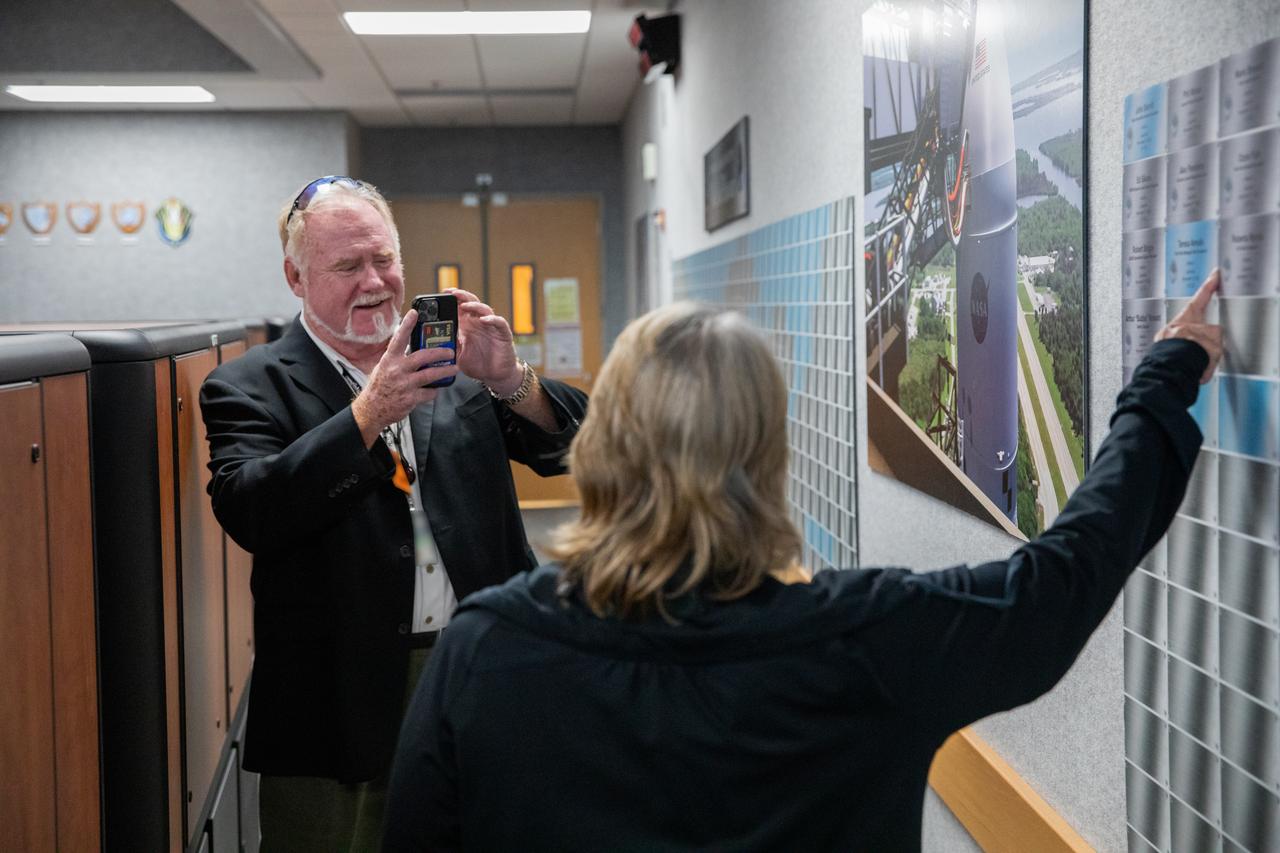
Artemis team members gather around Firing Room 1 of the Launch Control Center at NASA’s Kennedy Space Center in Florida on March 24, 2023 for the inaugural Artemis Launch Director Awards. The first in a series of increasingly complex missions, Artemis I launched successfully from Kennedy’s Launch Pad 39B at 1:47 a.m. EST on Nov. 16, 2022.

Artemis Launch Director Charlie Blackwell-Thompson, at left, holds the Artemis I plaque inside the lobby of the Launch Control Center at NASA’s Kennedy Space Center in Florida on March 24, 2023. Joining her from left are Shawn Quinn, manager, Exploration Ground Systems; and Kelvin Manning, Kennedy deputy director. Following tradition from the Apollo and Space Shuttle Programs, the plaque will be added to the wall behind them. The first in a series of increasingly complex missions, Artemis I launched successfully from Kennedy’s Launch Pad 39B at 1:47 a.m. EST on Nov. 16, 2022.
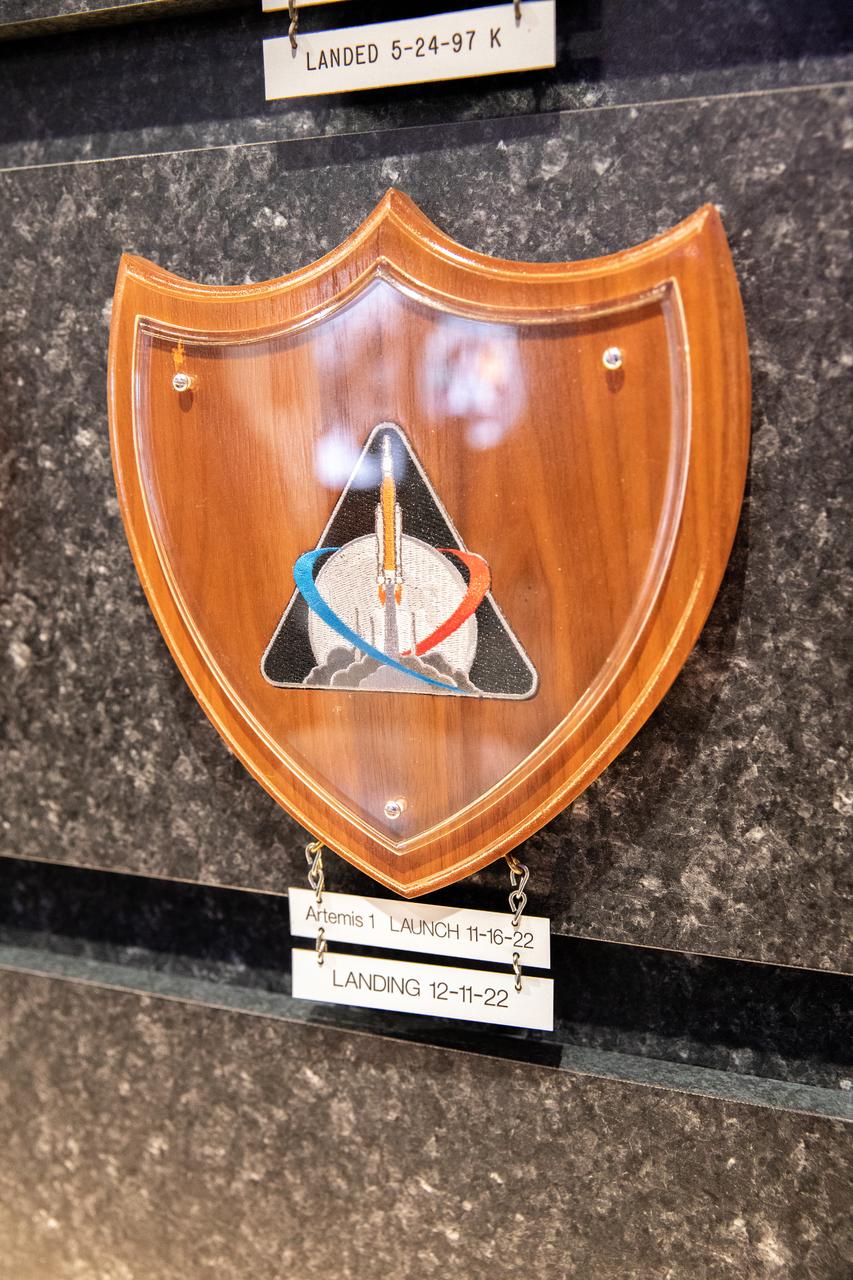
The Artemis I plaque is attached to the wall inside the lobby of the Launch Control Center at NASA’s Kennedy Space Center in Florida during a ceremony on March 24, 2023. The first in a series of increasingly complex missions, Artemis I launched successfully from Kennedy’s Launch Pad 39B at 1:47 a.m. EST on Nov. 16, 2022.
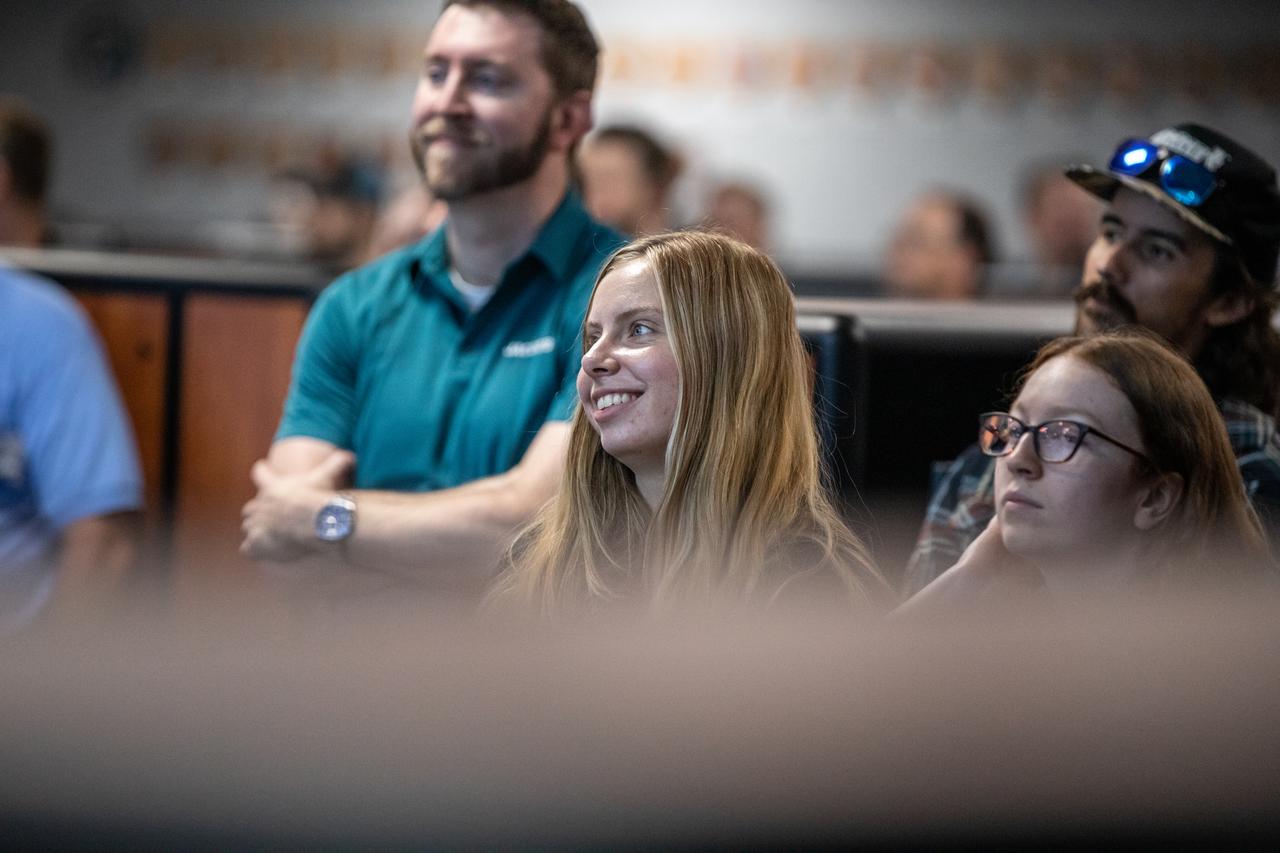
Artemis team members gather around Firing Room 1 of the Launch Control Center at NASA’s Kennedy Space Center in Florida on March 24, 2023 for the inaugural Artemis Launch Director Awards. The first in a series of increasingly complex missions, Artemis I launched successfully from Kennedy’s Launch Pad 39B at 1:47 a.m. EST on Nov. 16, 2022.
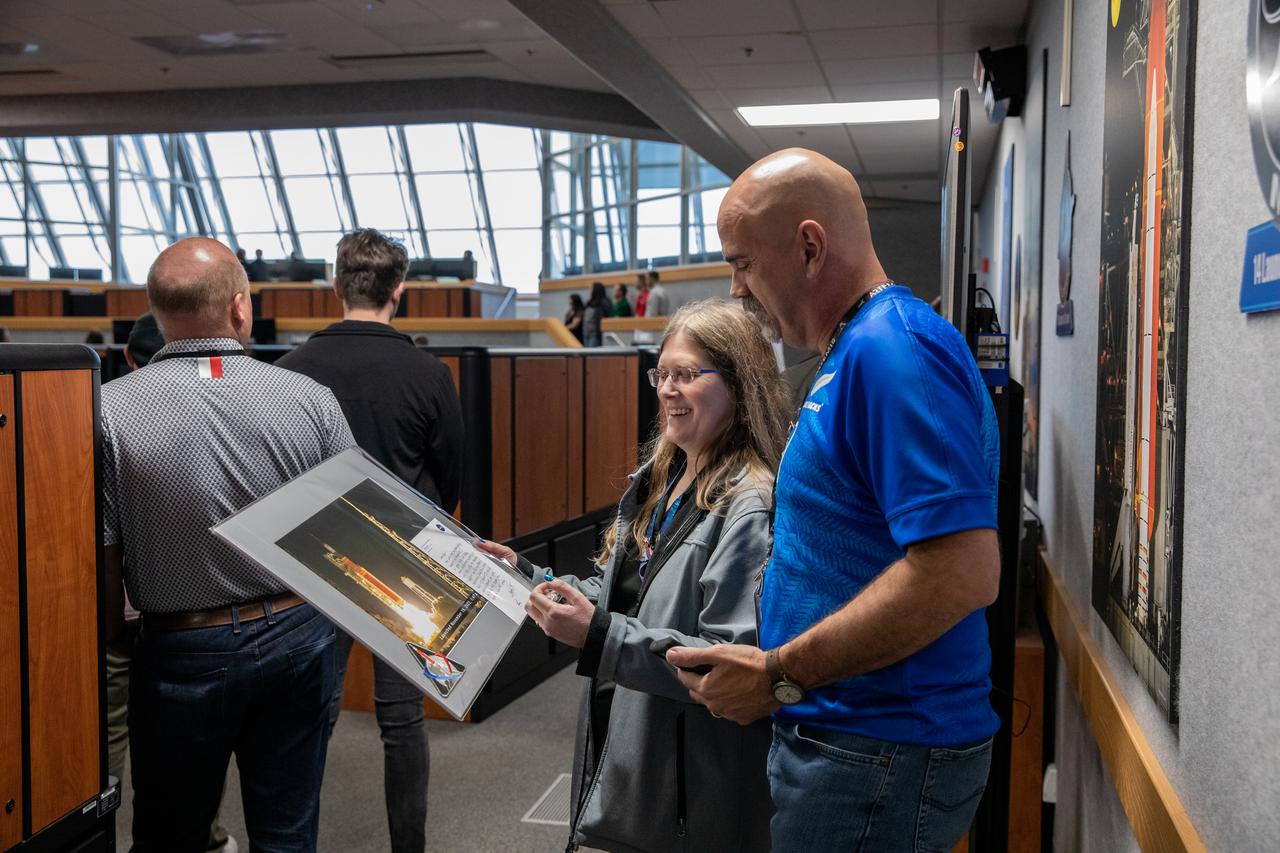
Artemis team members gather around Firing Room 1 of the Launch Control Center at NASA’s Kennedy Space Center in Florida on March 24, 2023 for the inaugural Artemis Launch Director Awards. The first in a series of increasingly complex missions, Artemis I launched successfully from Kennedy’s Launch Pad 39B at 1:47 a.m. EST on Nov. 16, 2022.
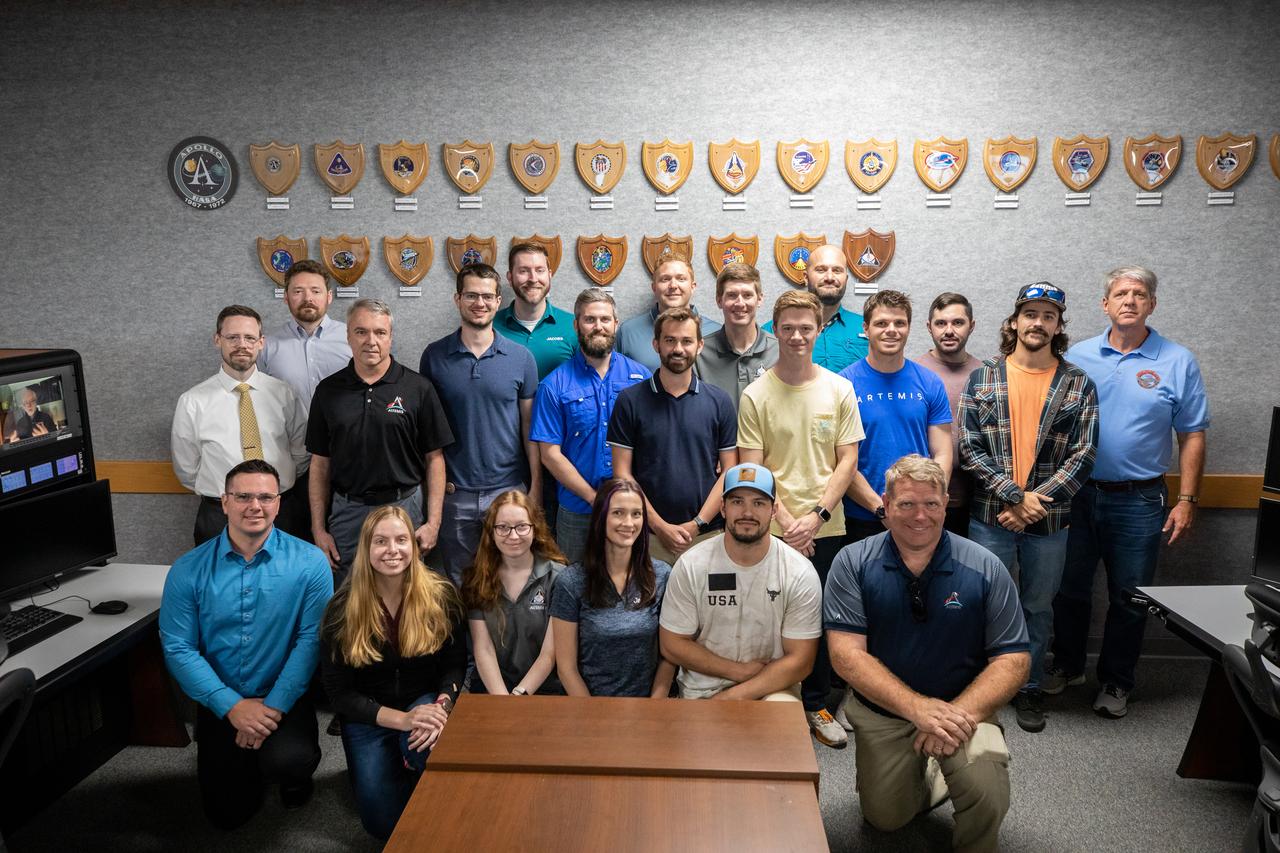
The Arms and Umbilicals (AUS) engineering team gather for a photograph during the Artemis launch director awards and plaque ceremony inside Firing Room 1 of the Launch Control Center at NASA’s Kennedy Space Center in Florida on March 24, 2023. Following tradition from the Apollo and Space Shuttle Programs, the AUS teams hung the Artemis I mission plaque to the wall behind them. The first in a series of increasingly complex missions, Artemis I launched successfully from Kennedy’s Launch Pad 39B at 1:47 a.m. EST on Nov. 16, 2022.
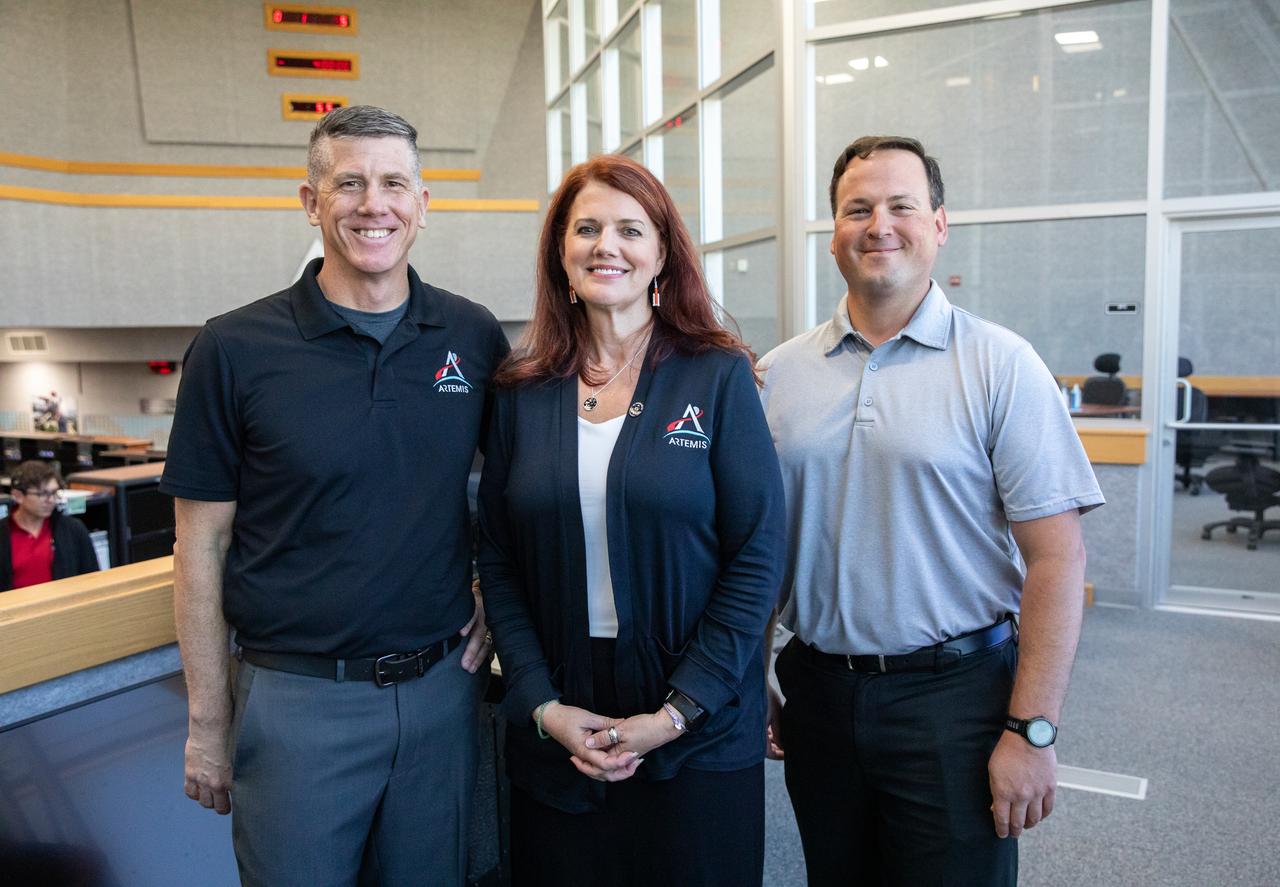
Artemis Launch Director Charlie Blackwell-Thompson, center, is inside Firing Room 1 of the Launch Control Center at NASA’s Kennedy Space Center in Florida during the inaugural Artemis I launch director awards and plaque ceremony on March 24, 2023. At left is Jeremy Graeber, Artemis assistant launch director. At right is Wes Mosedale, technical assistant to the launch director. Following tradition from the Apollo and Space Shuttle Programs, the Artemis I plaque was added to the wall in Firing Room 1 by Blackwell-Thompson. The first in a series of increasingly complex missions, Artemis I launched successfully from Kennedy’s Launch Pad 39B at 1:47 a.m. EST on Nov. 16, 2022.
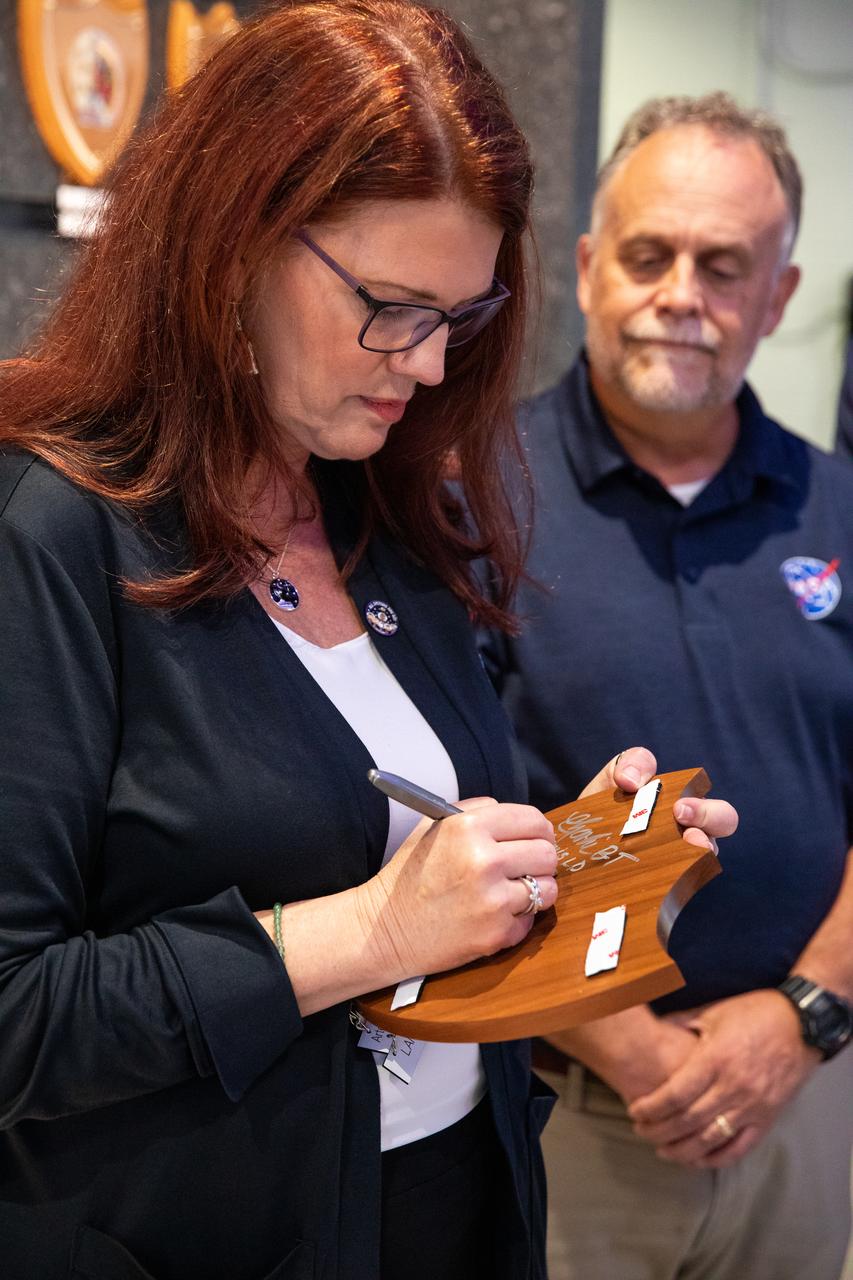
Artemis Launch Director Charlie Blackwell-Thompson, at left, signs the back of the Artemis I plaque inside the lobby of the Launch Control Center at NASA’s Kennedy Space Center in Florida on March 24, 2023. Joining her is Shawn Quinn, manager, Exploration Ground Systems. Following tradition from the Apollo and Space Shuttle Programs, the plaque will be added to the wall behind them. The first in a series of increasingly complex missions, Artemis I launched successfully from Kennedy’s Launch Pad 39B at 1:47 a.m. EST on Nov. 16, 2022.
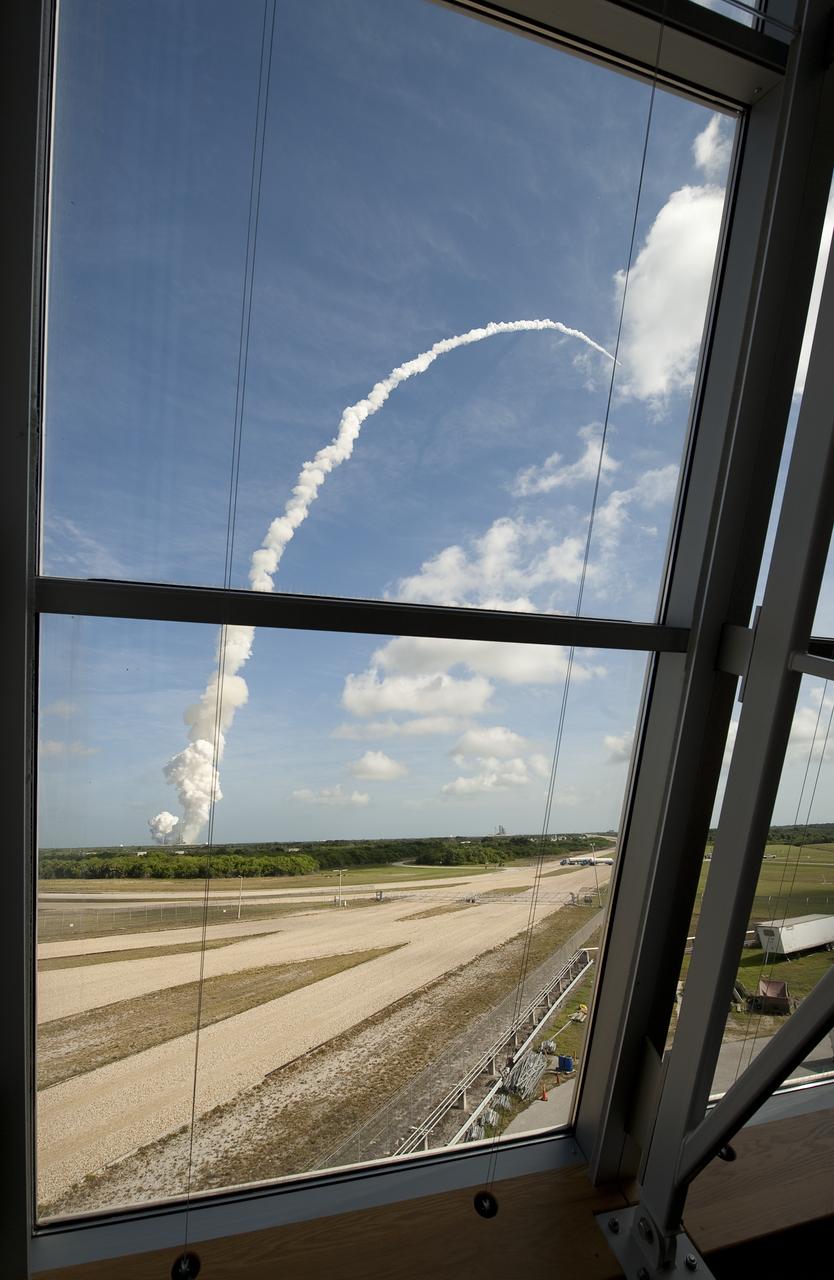
NASA's Ares I-X rocket is seen through the windows of Firing Room One of teh Launch Control Center (LCC) at the Kennedy Space Center as it launches from pad 39b in Cape Canaveral, Fla., Wednesday, Oct. 28, 2009. The flight test will provide NASA with an early opportunity to test and prove flight characteristics, hardware, facilities and ground operations associated with the Ares I. Photo Credit: (NASA/Bill Ingalls)
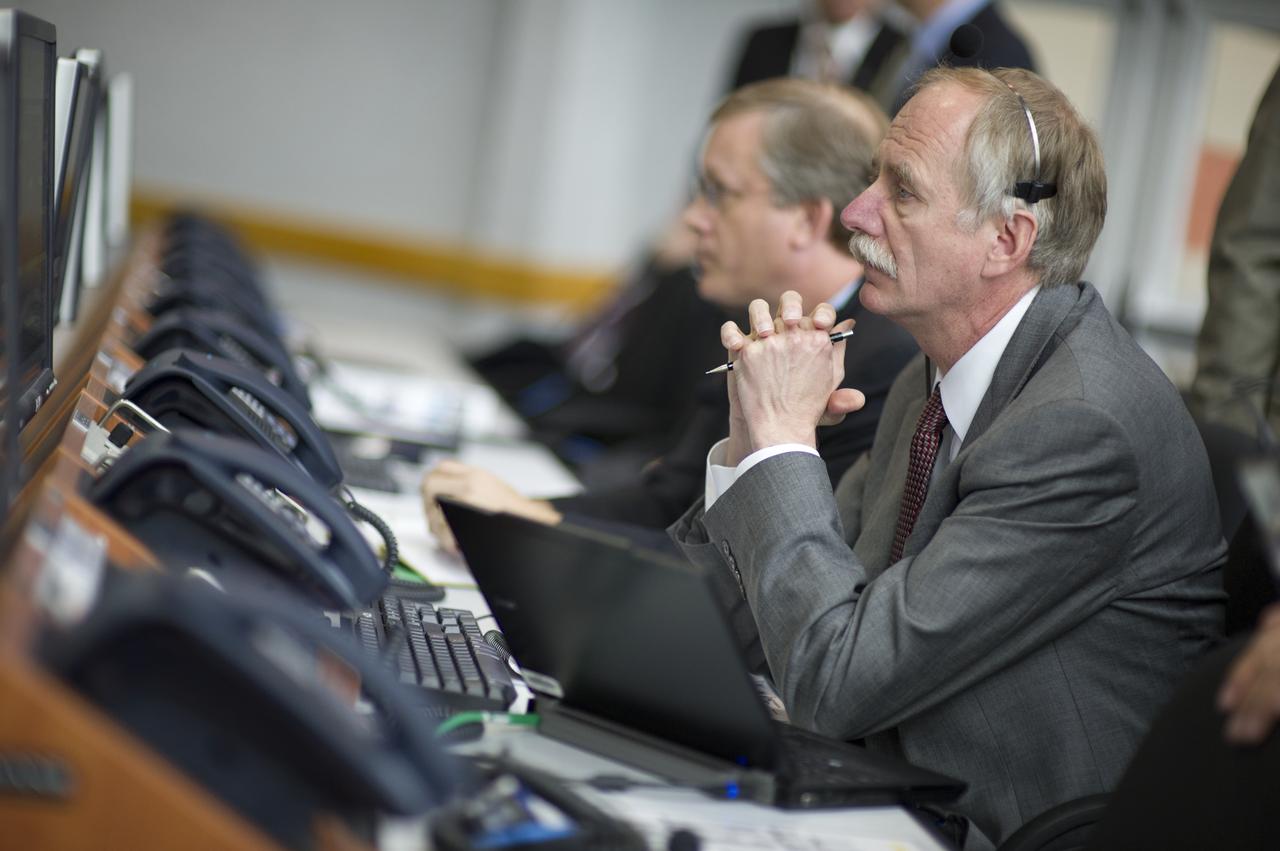
NASA Associate Administrator for Space Operations William Gerstenmaier monitors the countdown to the launch of the space shuttle Endeavour (STS-134) from Firing Room Four of the Launch Control Center (LCC), Monday, May 16, 2011, at Kennedy Space Center in Cape Canaveral, Fla. During the mission, Endeavour and the STS-134 crew will deliver the Alpha Magnetic Spectrometer (AMS) and spare parts including two S-band communications antennas, a high-pressure gas tank and additional spare parts for Dextre. Photo Credit: (NASA/Bill Ingalls)
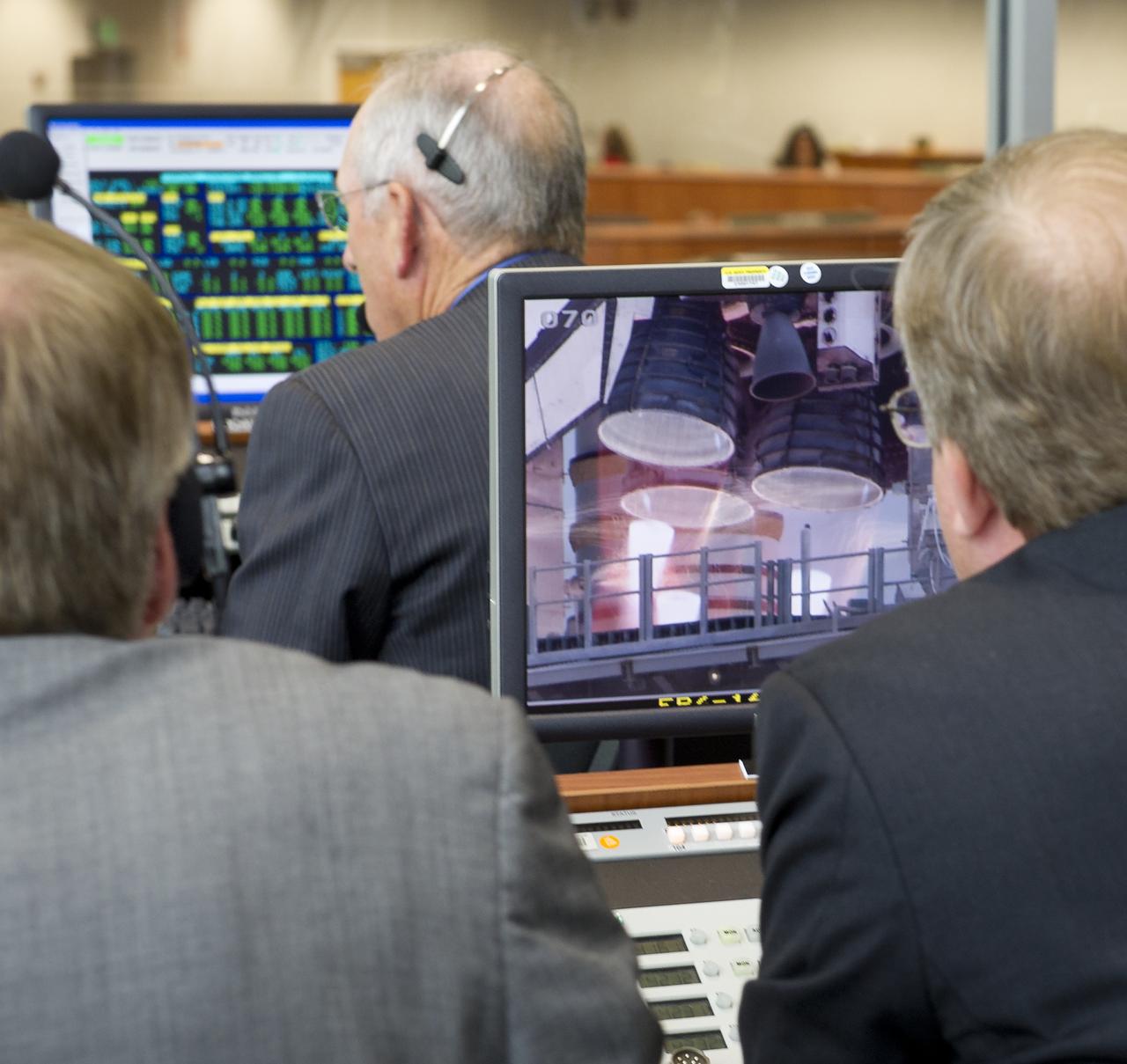
NASA officials in Firing Room Four of the NASA Kennedy Space Center Launch Control Center (LCC) monitor space shuttle Endeavour (STS-134) as it launches Monday, May 16, 2011, from Cape Canaveral, Fla. During the 16-day mission, Endeavour, with Commander Mark Kelly, Pilot Gregory H. Johnson, Mission Specialists Michael Fincke, Greg Chamitoff, Andrew Feustel and European Space Agency astronaut Robert Vittori will deliver the Alpha Magnetic Spectrometer (AMS) and spare parts including two S-band communications antennas, a high-pressure gas tank and additional spare parts for Dextre. Photo Credit: (NASA/Bill Ingalls)
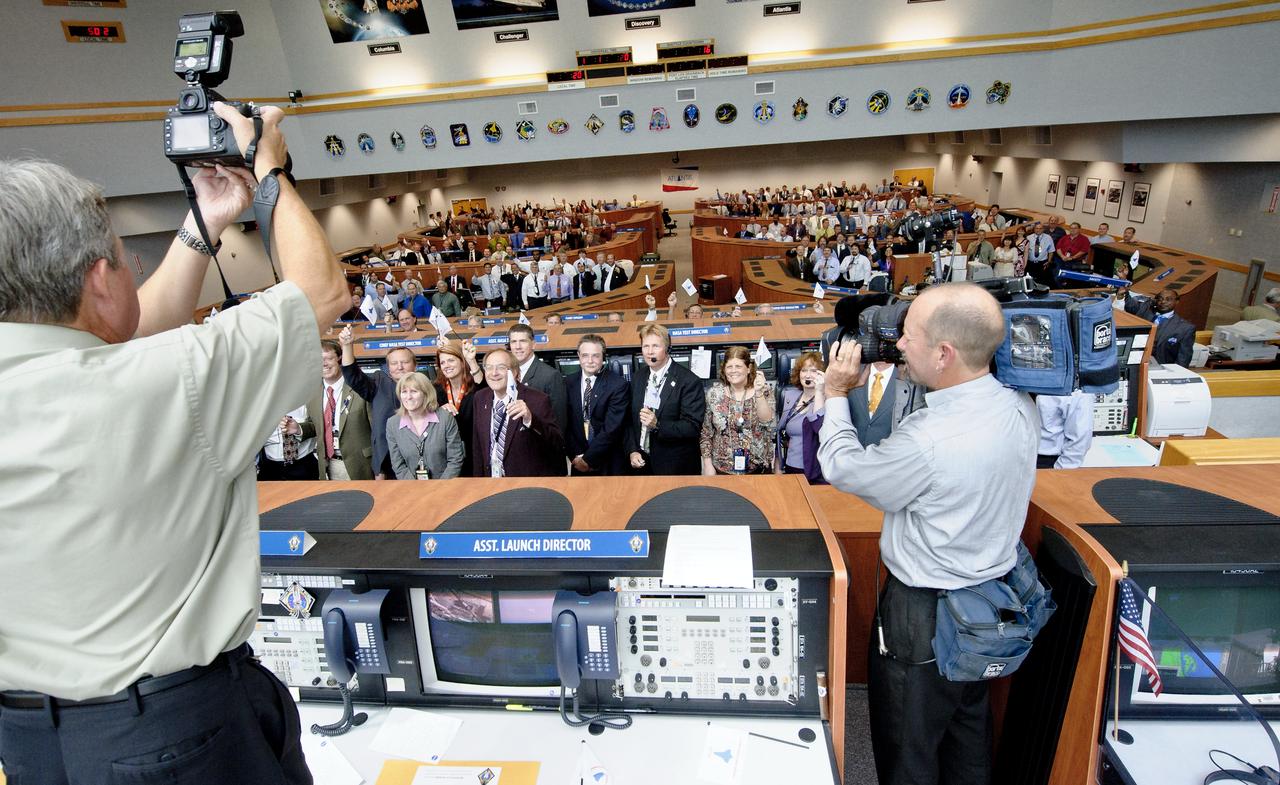
NASA Photographer Kim Shiflett, left, and Videographer Glenn Benson capture a group photo of the launch team in Firing Room Four of the NASA Kennedy Space Center Launch Control Center (LCC) shortly after the space shuttle Atlantis, STS-135, launched on Friday, July 8, 2011, in Cape Canaveral, Fla. The launch of Atlantis is the final flight of the shuttle program, a 12-day mission to the International Space Station. Photo Credit: (NASA/Bill Ingalls)
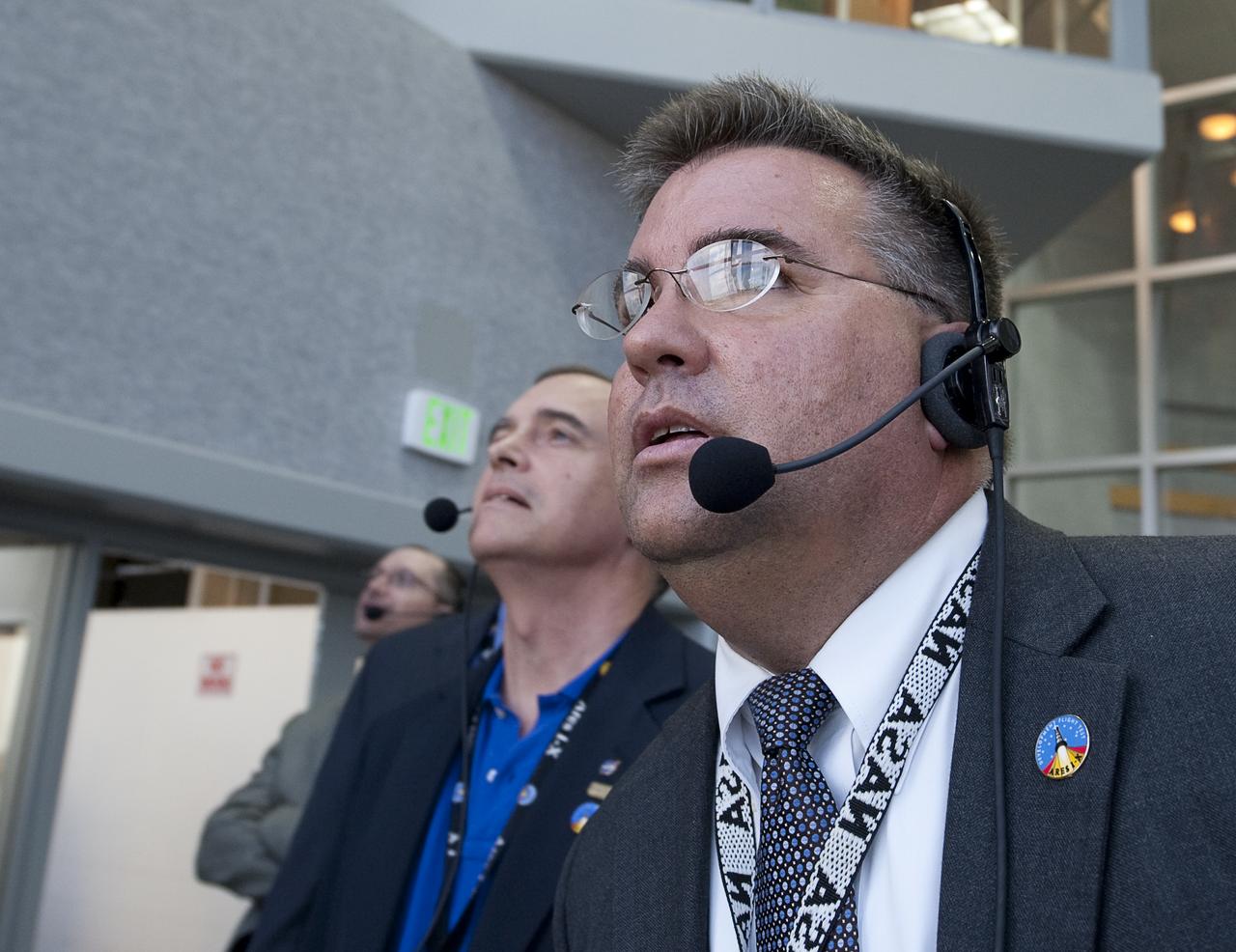
NASA Ares I-X Launch Director Ed Mango, 3rd from left, along with other mission managers watches the launch of the Ares I-X rocket from Firing Room One of the Launch Control Center (LCC) at the Kennedy Space Center in Cape Canaveral, Fla., Wednesday, Oct. 28, 2009. The flight test of Ares I-X will provide NASA with an early opportunity to test and prove flight characteristics, hardware, facilities and ground operations associated with the Ares I. Photo Credit: (NASA/Bill Ingalls)

NASA management look at the weather from the NASA Kennedy Space Center, Firing Room Four of the Launch Control Center (LCC) during the countdown to the launch of the space shuttle Atlantis on Friday, July 8, 2011, in Cape Canaveral, Fla. The launch of Atlantis, STS-135, is the final flight of the shuttle program, a 12-day mission to the International Space Station. Photo Credit: (NASA/Bill Ingalls)
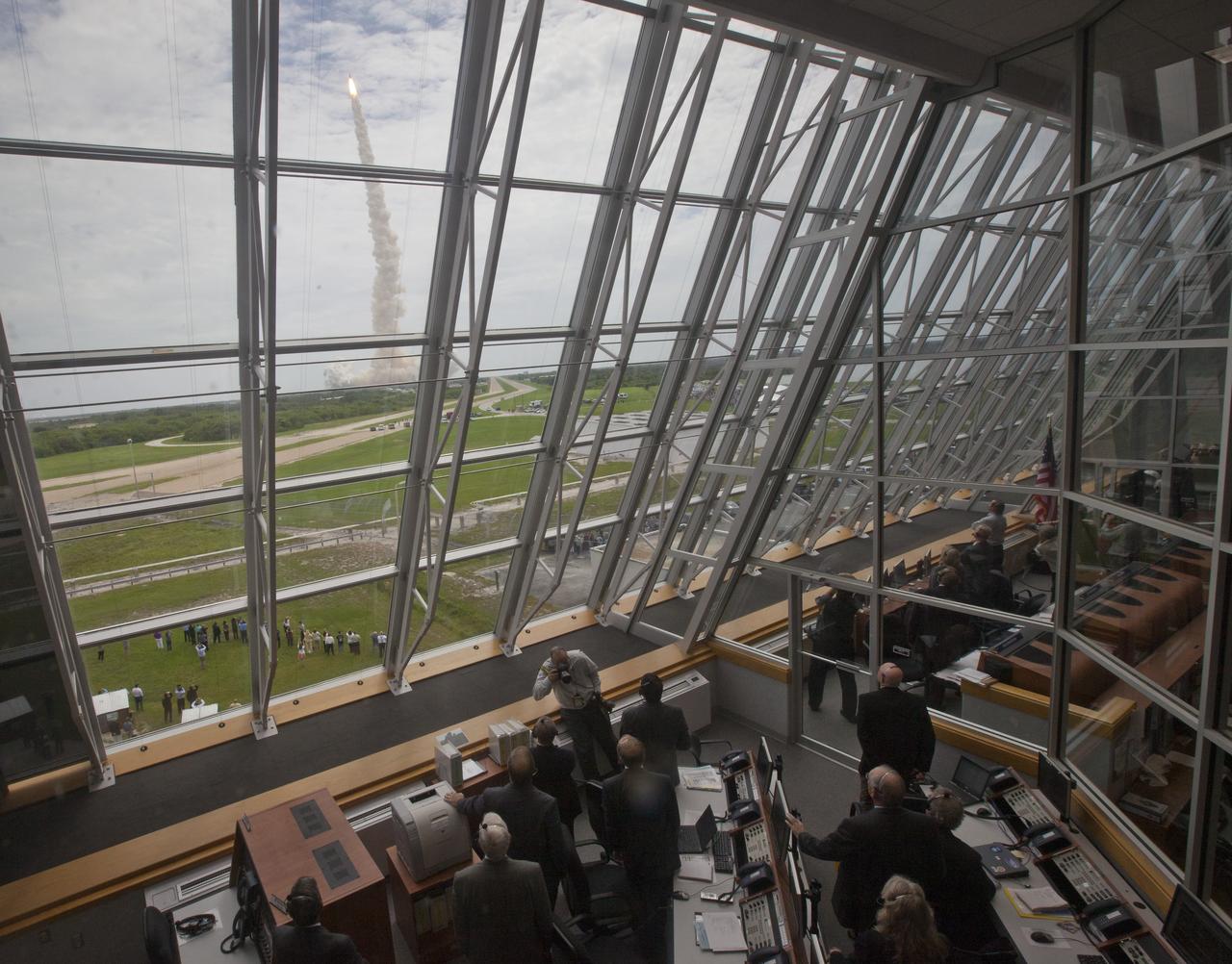
NASA management look on from Firing Room Four of the Launch Control Center (LCC) as space shuttle Atlantis launches from pad 39A on Friday, July 8, 2011, in Cape Canaveral, Fla. The launch of Atlantis, STS-135, is the final flight of the shuttle program, a 12-day mission to the International Space Station. Photo Credit: (NASA/Bill Ingalls)
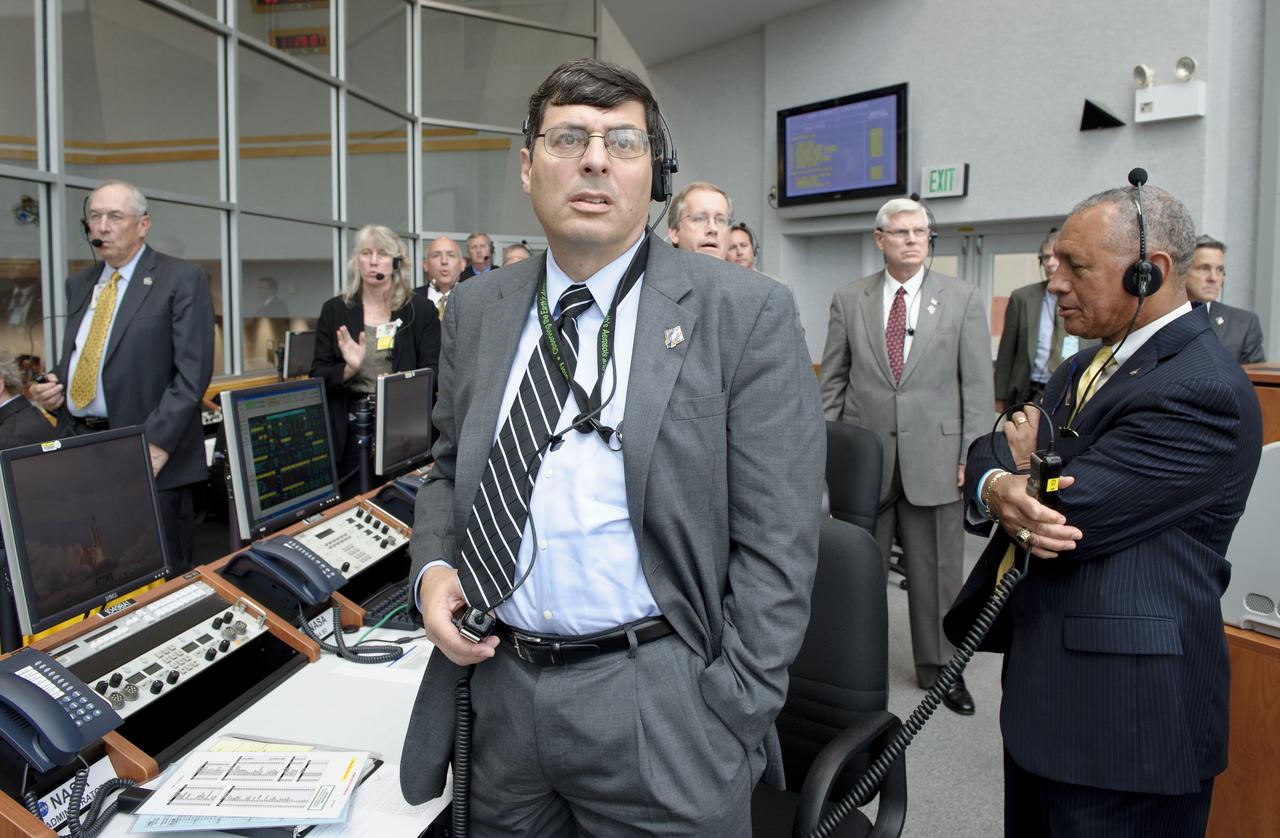
NASA Administrator Charles Bolden, right, Associate Administrator Christopher Scolese, left, and other management look on from Firing Room Four of the Launch Control Center (LCC) as space shuttle Atlantis launches from pad 39A on Friday, July 8, 2011, in Cape Canaveral, Fla. The launch of Atlantis, STS-135, is the final flight of the shuttle program, a 12-day mission to the International Space Station. Photo Credit: (NASA/Bill Ingalls)
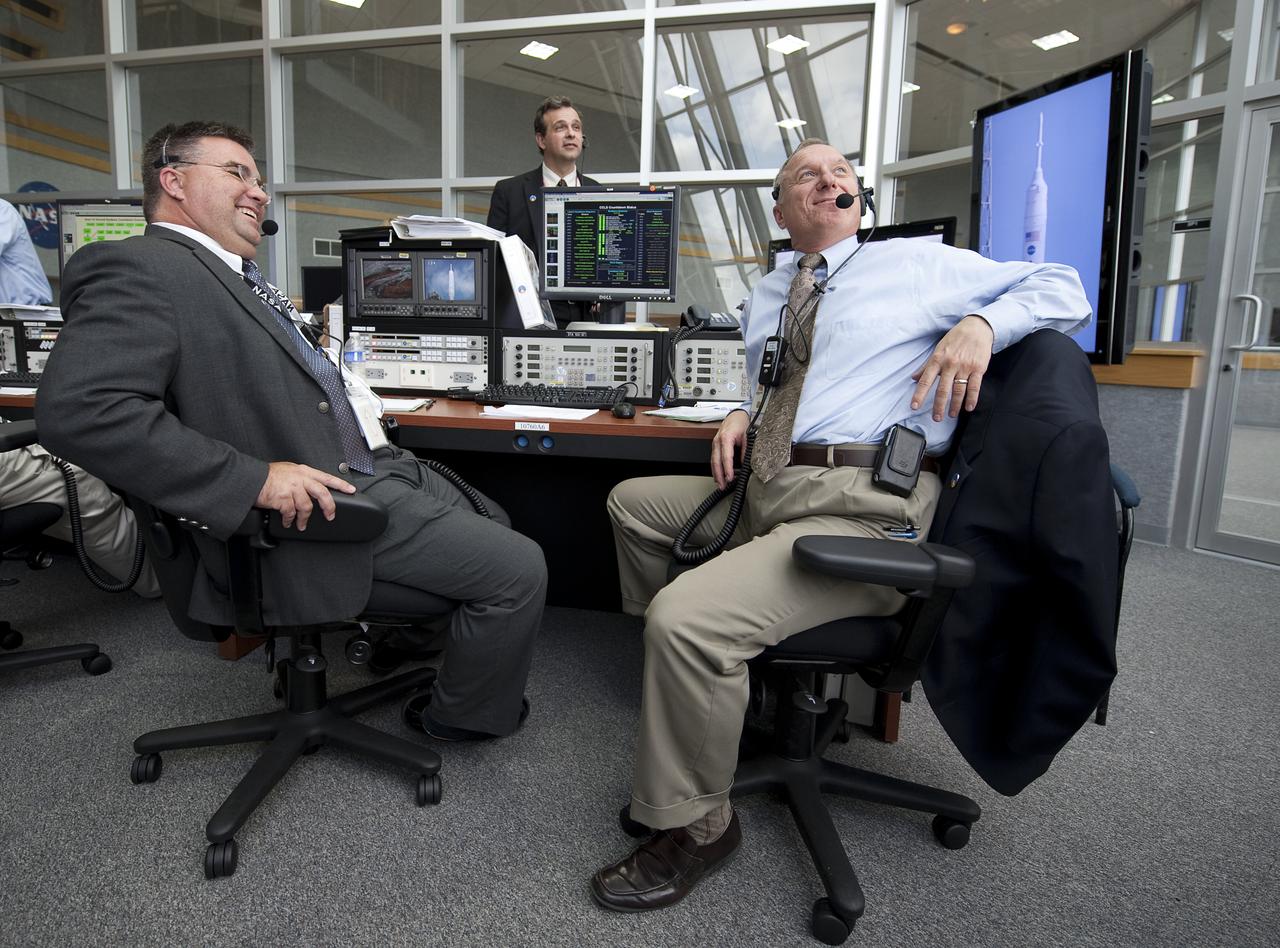
NASA Ares I-X Launch Director Ed Mango, left, laughs as NASA Ares I-X Assistant Launch Director Pete Nickolenko looks out the window of Firing Room One of the Launch Control Center (LCC) at the Kennedy Space Center prior to the launch of the Ares I-X rocket from pad 39b at the Kennedy Space Center in Cape Canaveral, Fla., Wednesday, Oct. 28, 2009. The flight test of Ares I-X will provide NASA with an early opportunity to test and prove flight characteristics, hardware, facilities and ground operations associated with the Ares I. Photo Credit: (NASA/Bill Ingalls)
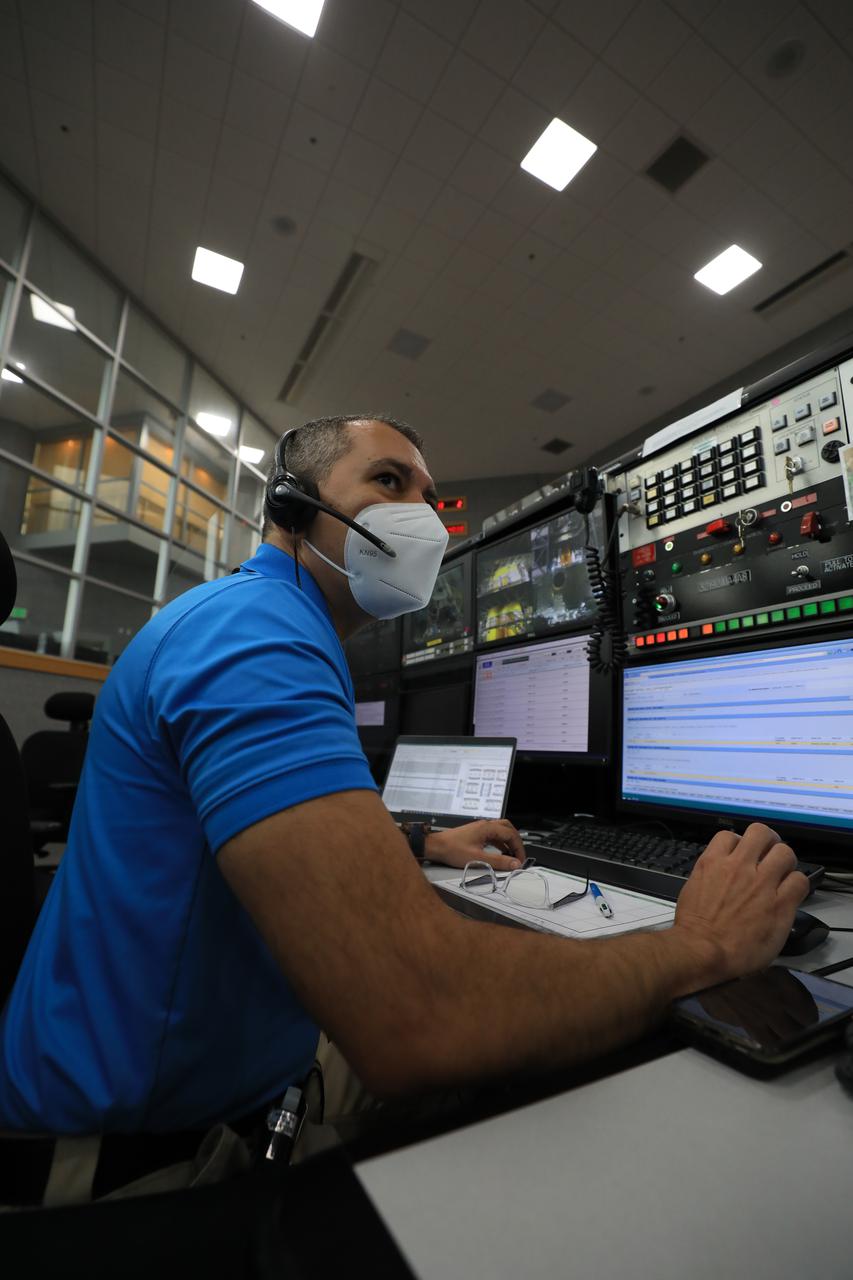
Members of the Artemis I launch team, including personnel with NASA’s Exploration Ground Systems (EGS) and contractor Jacobs, monitor activities during the ninth formal terminal countdown simulation inside Firing Room 1 in the Launch Control Center at NASA’s Kennedy Space Center in Florida on June 24, 2021. This is part of a series of simulations to help the team prepare for the launch of Artemis I, the uncrewed first flight of the Space Launch System rocket and Orion spacecraft.
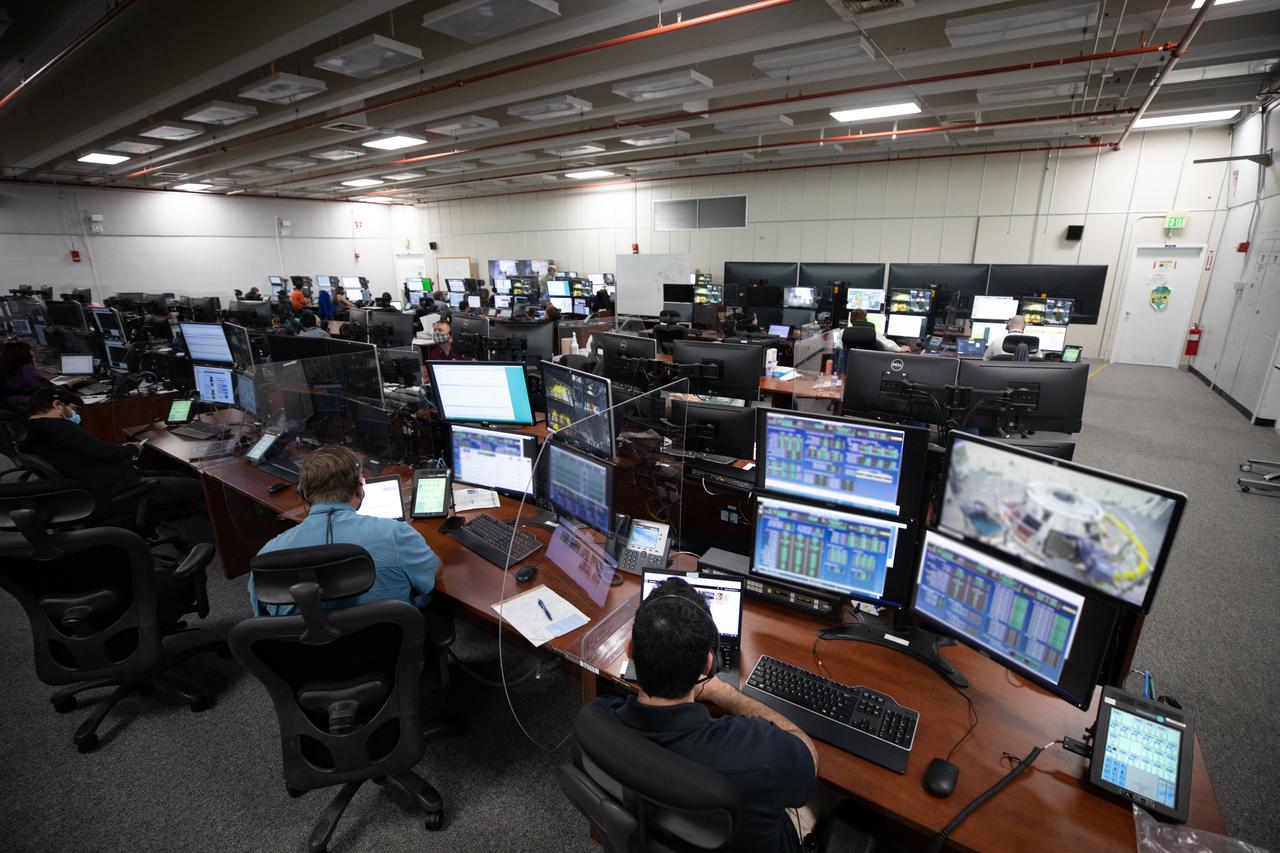
Members of the Artemis I launch team, including personnel with NASA’s Exploration Ground Systems (EGS) and contractor Jacobs, monitor activities during the ninth formal terminal countdown simulation inside Firing Room 2 in the Launch Control Center at NASA’s Kennedy Space Center in Florida on June 24, 2021. This is part of a series of simulations to help the team prepare for the launch of Artemis I, the uncrewed first flight of the Space Launch System rocket and Orion spacecraft.
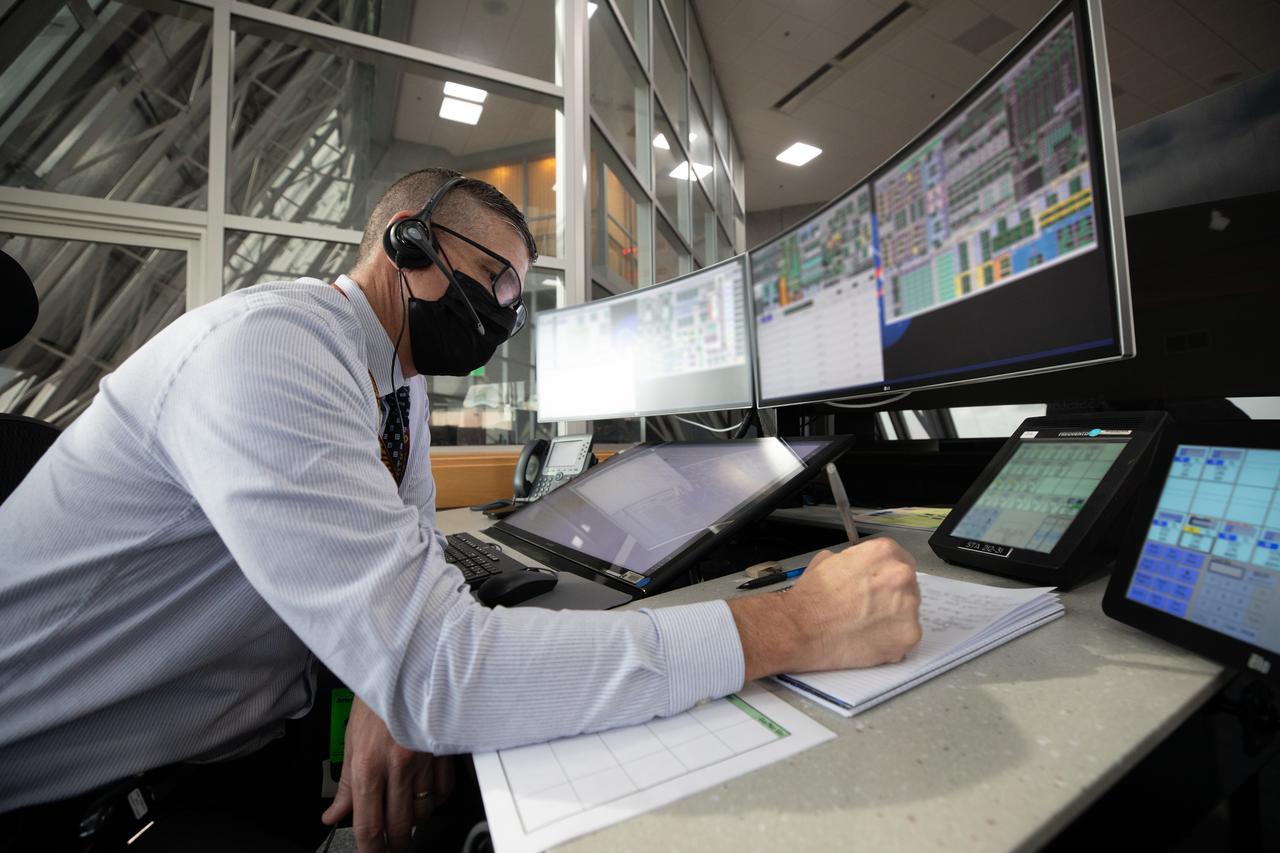
Chief of the Test, Launch and Recovery Operations Branch within the Exploration Ground Systems (EGS) Program Jeremy Graeber monitors activities during the ninth formal terminal countdown simulation inside Firing Room 1 in the Launch Control Center at NASA’s Kennedy Space Center in Florida on June 24, 2021. Members of the Artemis I launch team include personnel with EGS and contractor Jacobs. This is part of a series of simulations to help the team prepare for the launch of Artemis I, the uncrewed first flight of the Space Launch System rocket and Orion spacecraft.
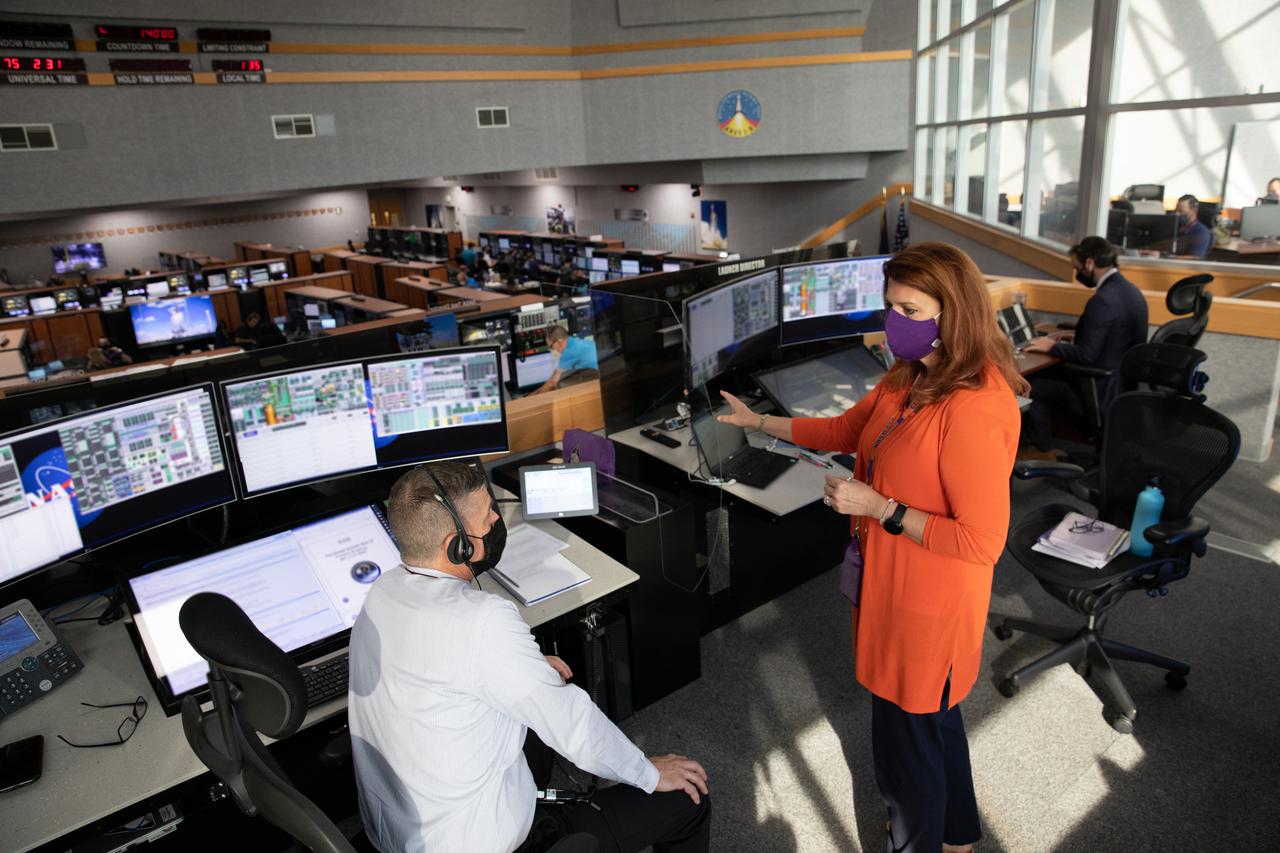
Chief of the Test, Launch and Recovery Operations Branch within the Exploration Ground Systems (EGS) Program Jeremy Graeber, (left) and Artemis I Launch Director Charlie Blackwell-Thompson (right), along with members of the Artemis I launch team, including personnel with EGS and contractor Jacobs, monitor activities during the ninth formal terminal countdown simulation inside Firing Room 1 in the Launch Control Center at NASA’s Kennedy Space Center in Florida on June 24, 2021. This is part of a series of simulations to help the team prepare for the launch of Artemis I, the uncrewed first flight of the Space Launch System rocket and Orion spacecraft.
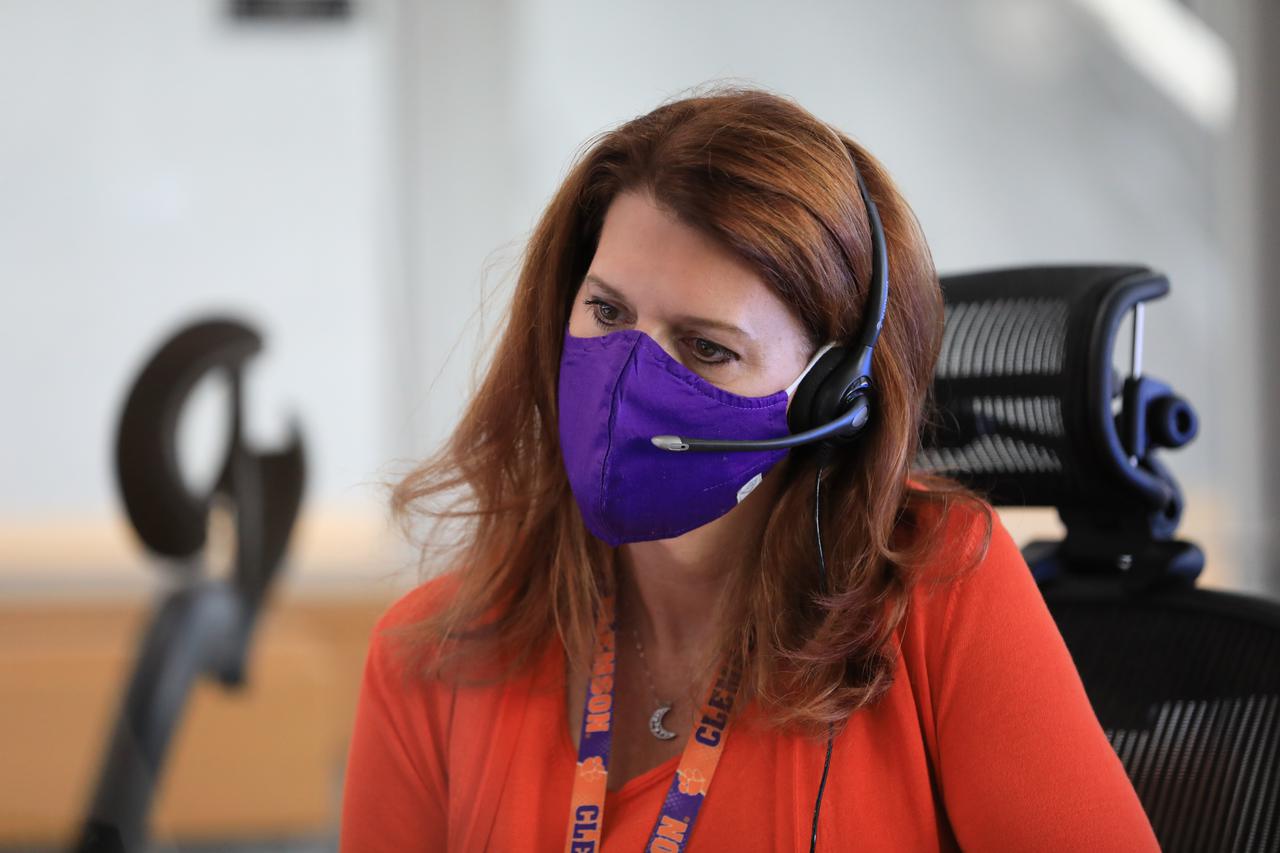
Artemis I Launch Director Charlie Blackwell-Thompson monitors activities during the ninth formal terminal countdown simulation inside Firing Room 1 in the Launch Control Center at NASA’s Kennedy Space Center in Florida on June 24, 2021. Members of the Artemis I launch team include personnel with NASA’s Exploration Ground Systems (EGS) and contractor Jacobs. This is part of a series of simulations to help the team prepare for the launch of Artemis I, the uncrewed first flight of the Space Launch System rocket and Orion spacecraft.
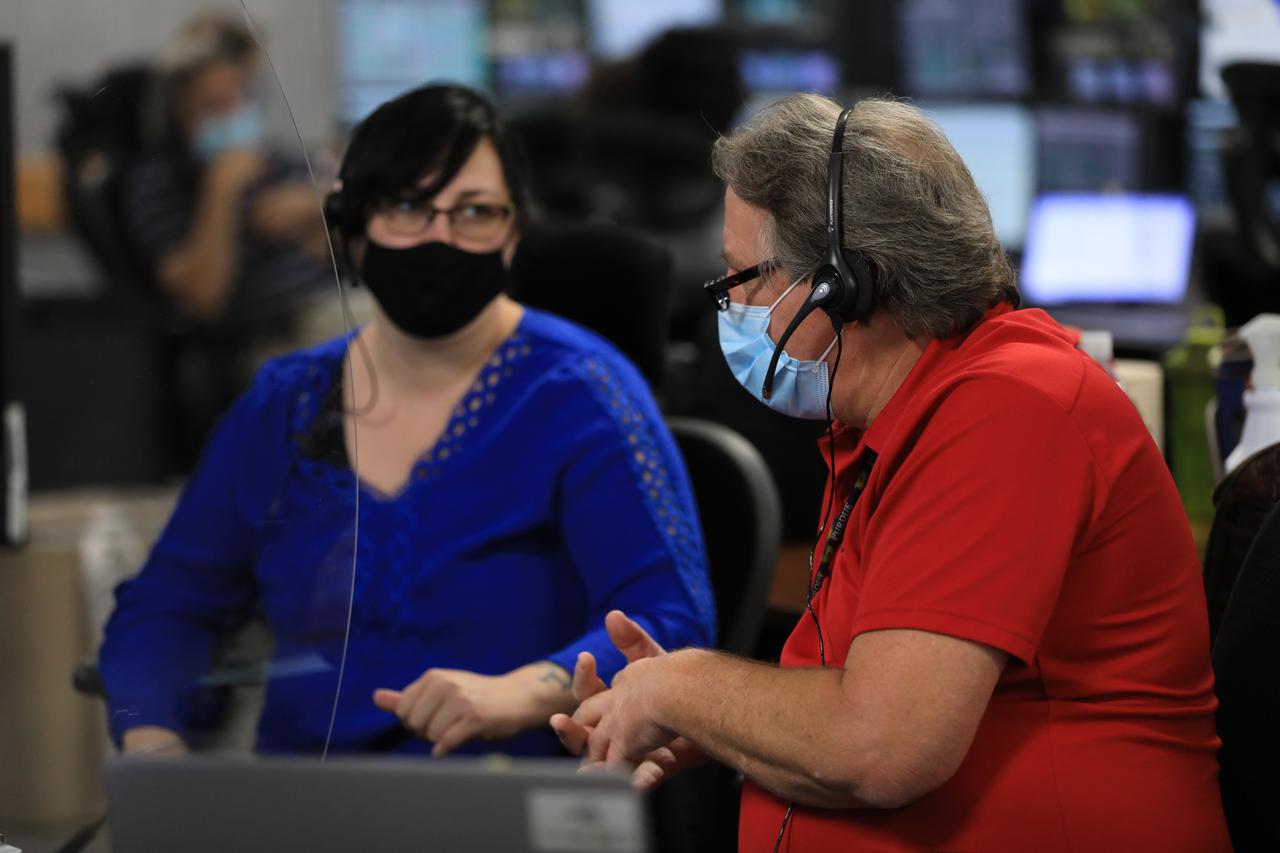
Members of the Artemis I launch team, including personnel with NASA’s Exploration Ground Systems (EGS) and contractor Jacobs, monitor activities during the ninth formal terminal countdown simulation inside Firing Room 1 in the Launch Control Center at NASA’s Kennedy Space Center in Florida on June 24, 2021. This is part of a series of simulations to help the team prepare for the launch of Artemis I, the uncrewed first flight of the Space Launch System rocket and Orion spacecraft.
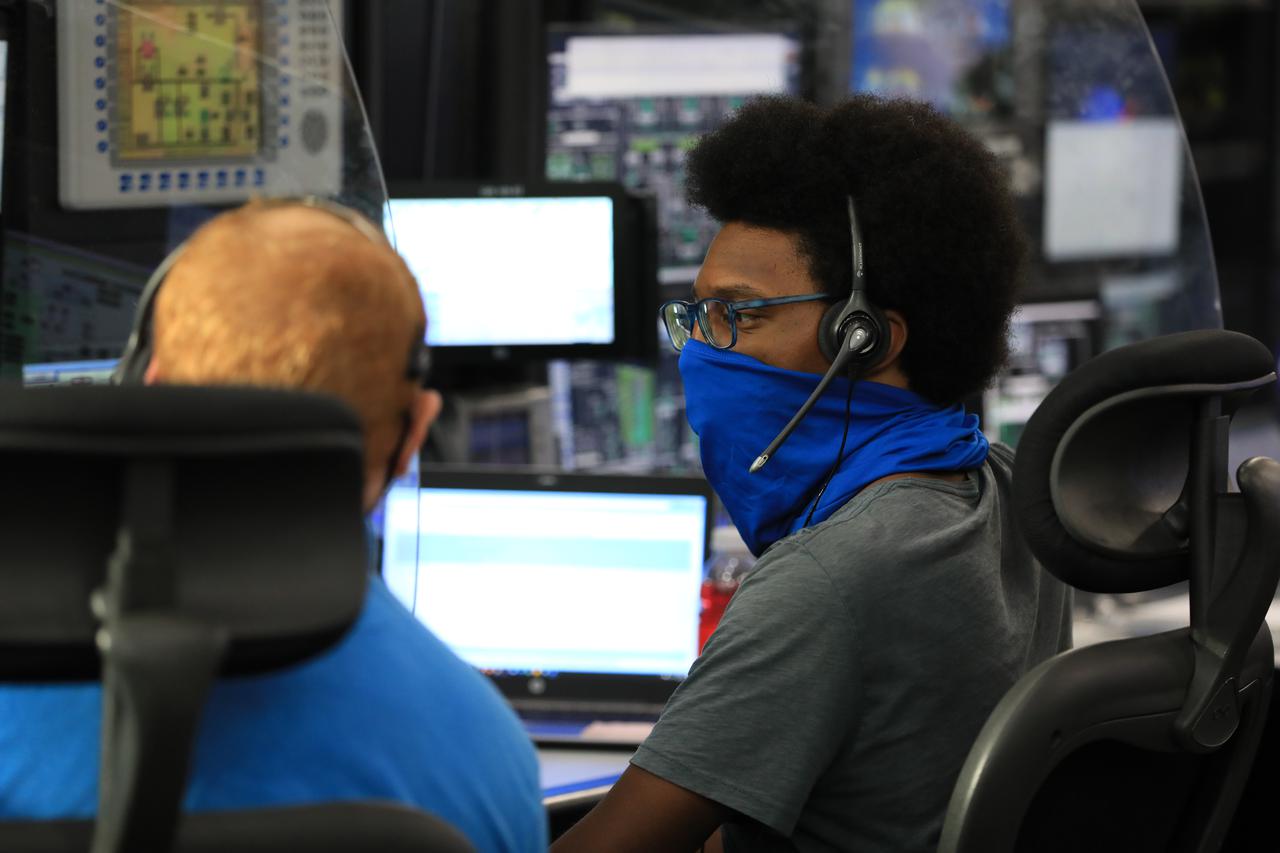
Artemis I launch team member Joshua Jones monitors activities during the ninth formal terminal countdown simulation inside Firing Room 1 in the Launch Control Center at NASA’s Kennedy Space Center in Florida on June 24, 2021. The Artemis I launch team includes personnel with NASA’s Exploration Ground Systems (EGS) and contractor Jacobs. This is part of a series of simulations to help the team prepare for the launch of Artemis I, the uncrewed first flight of the Space Launch System rocket and Orion spacecraft.
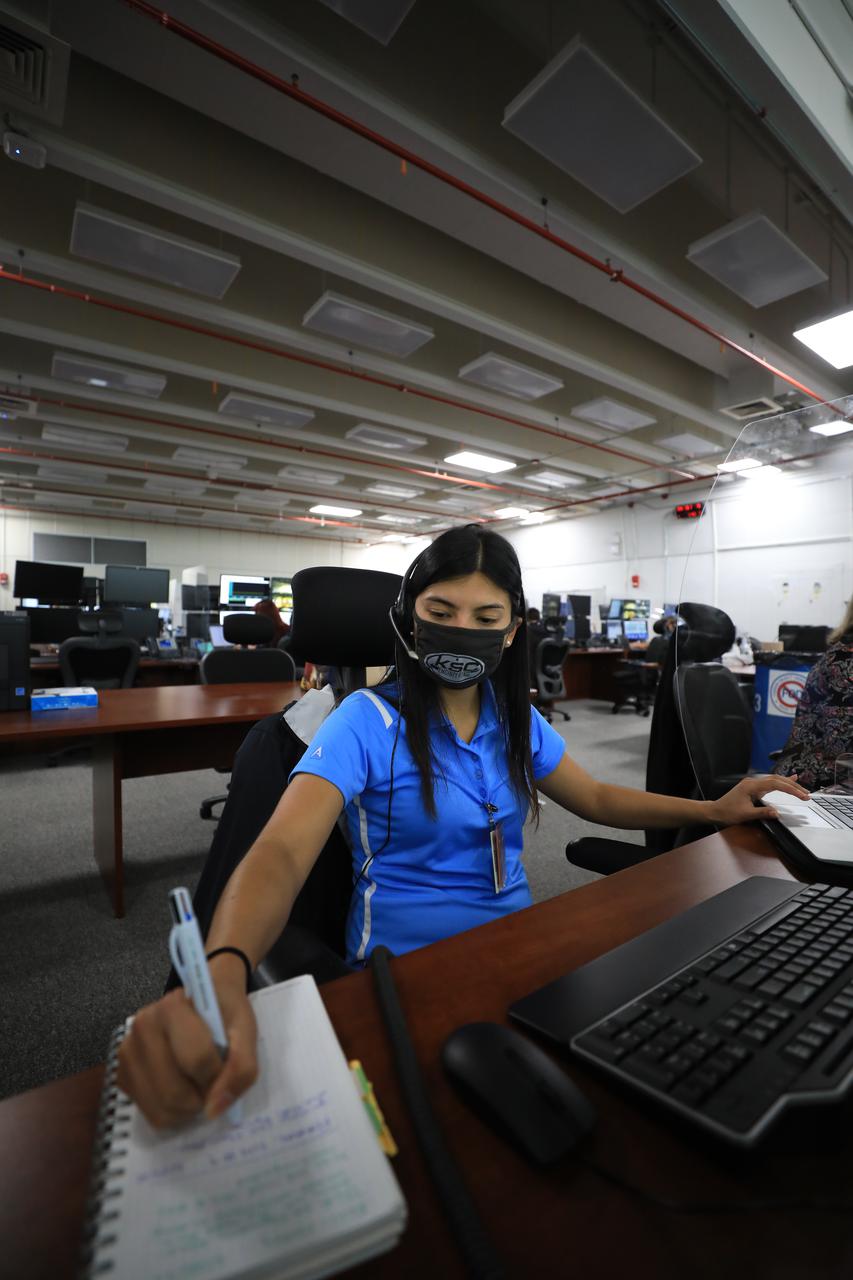
Members of the Artemis I launch team, including personnel with NASA’s Exploration Ground Systems (EGS) and contractor Jacobs, monitor activities during the ninth formal terminal countdown simulation inside Firing Room 2 in the Launch Control Center at NASA’s Kennedy Space Center in Florida on June 24, 2021. This is part of a series of simulations to help the team prepare for the launch of Artemis I, the uncrewed first flight of the Space Launch System rocket and Orion spacecraft.
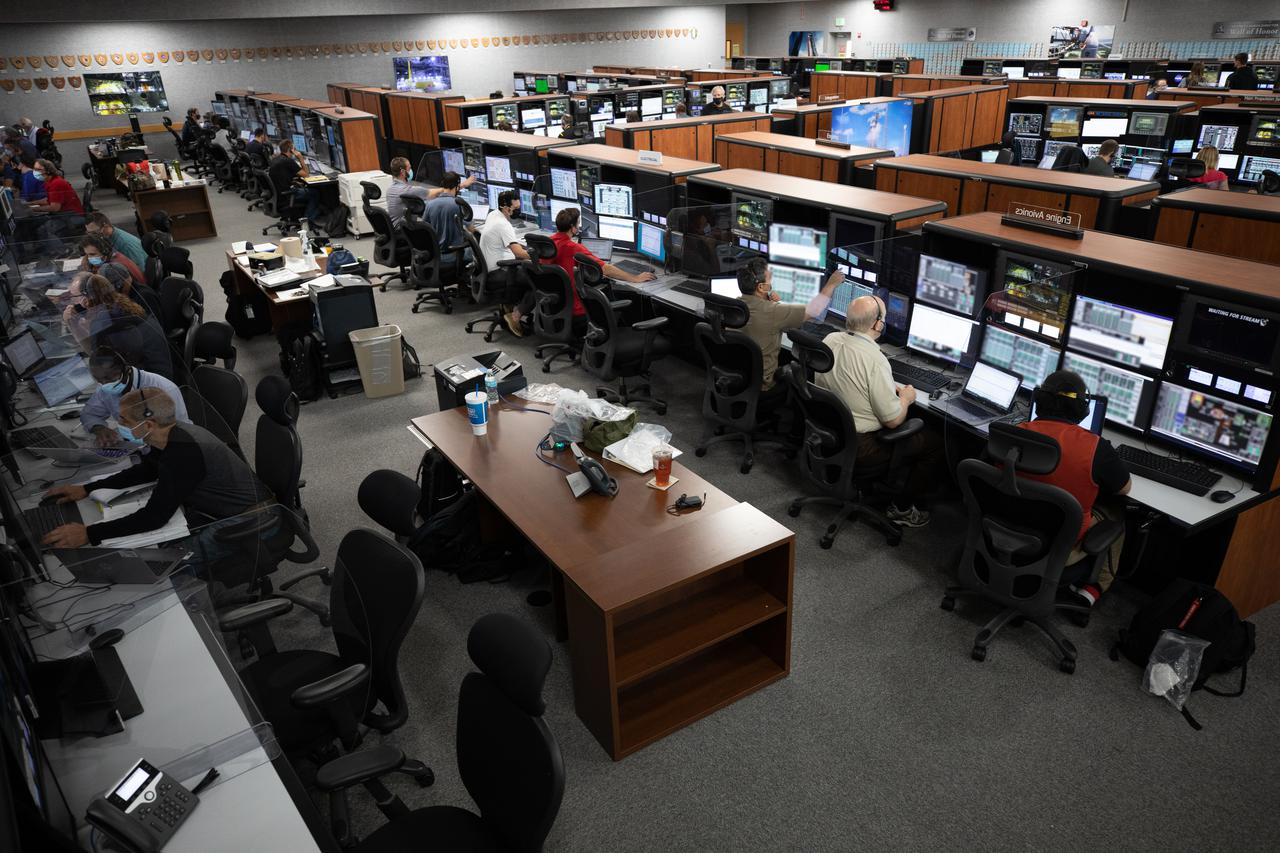
Members of the Artemis I launch team, including personnel with NASA’s Exploration Ground Systems (EGS) and contractor Jacobs, monitor activities during the ninth formal terminal countdown simulation inside Firing Room 1 in the Launch Control Center at NASA’s Kennedy Space Center in Florida on June 24, 2021. This is part of a series of simulations to help the team prepare for the launch of Artemis I, the uncrewed first flight of the Space Launch System rocket and Orion spacecraft.
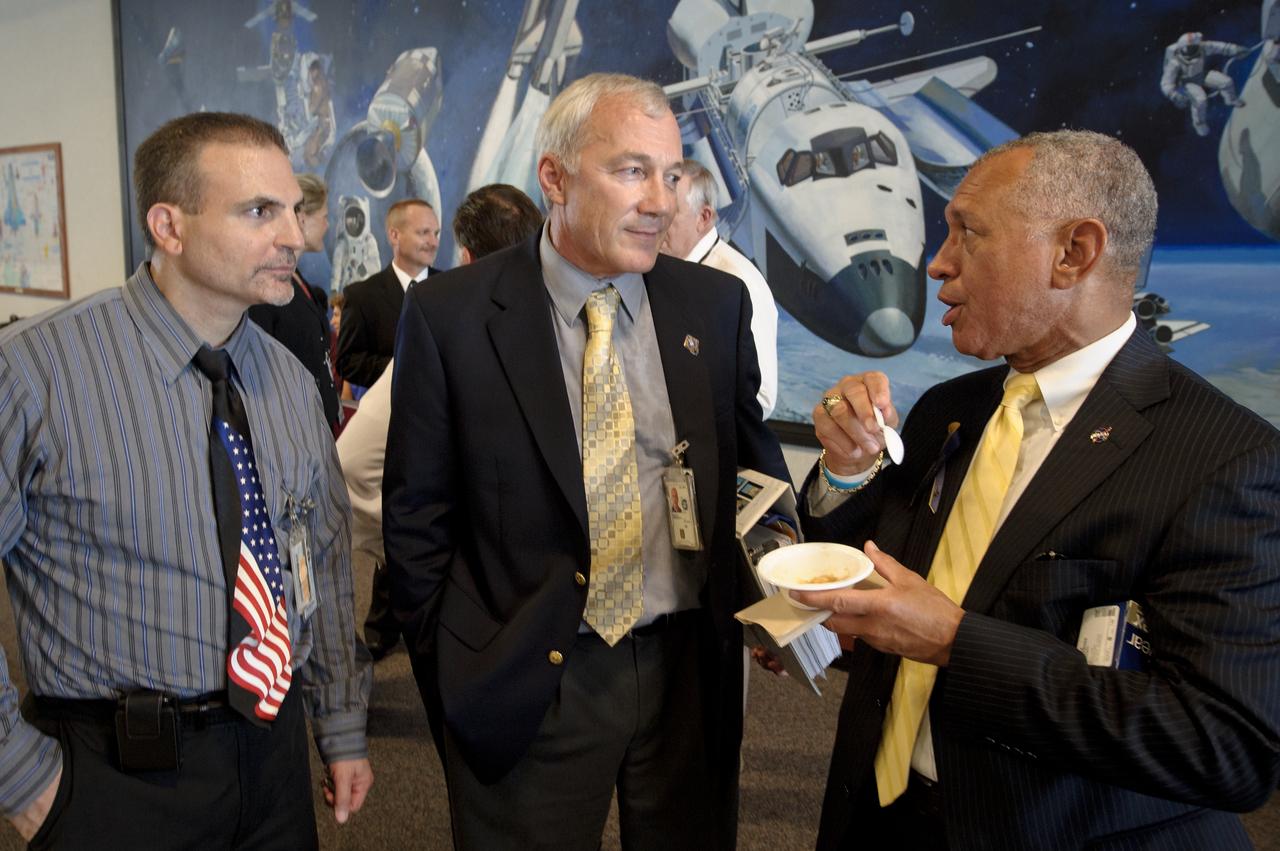
NASA Administrator Charles Bolden, right, talks with NASA Space Shuttle Flight Safety Manager Peter Panetta, left, and NASA Director, Safety and Mission Assurance, Johnson Space Center, and former Astronaut Terrence Wilcutt during the traditional post launch beans and cornbread reception at the NASA Kennedy Space Center, Launch Control Center (LCC) shortly after the space shuttle Atlantis, STS-135, launched on Friday, July 8, 2011, in Cape Canaveral, Fla. The launch of Atlantis is the final flight of the shuttle program, a 12-day mission to the International Space Station. Photo Credit: (NASA/Bill Ingalls)
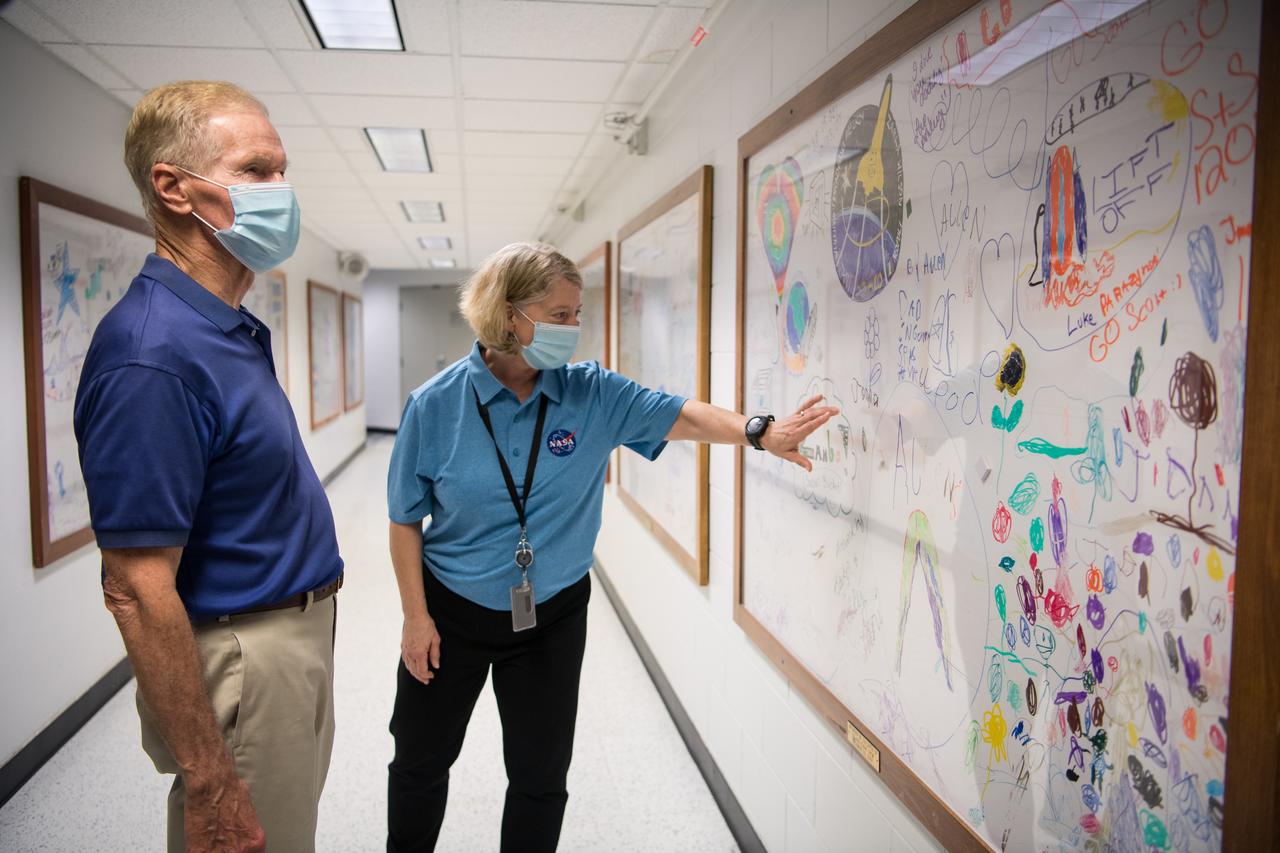
NASA Deputy Administrator Pam Melroy, right, shows NASA Administrator Bill Nelson the white board created by the families of the astronauts of the STS-120 mission, after a tour of the firing rooms in the Launch Control Center (LCC), Wednesday, July 28, 2021, at NASA’s Kennedy Space Center in Florida. Deputy Administrator Melroy served as commander on STS-120 which was her third and last spaceflight. Photo Credit: (NASA/Aubrey Gemignani)
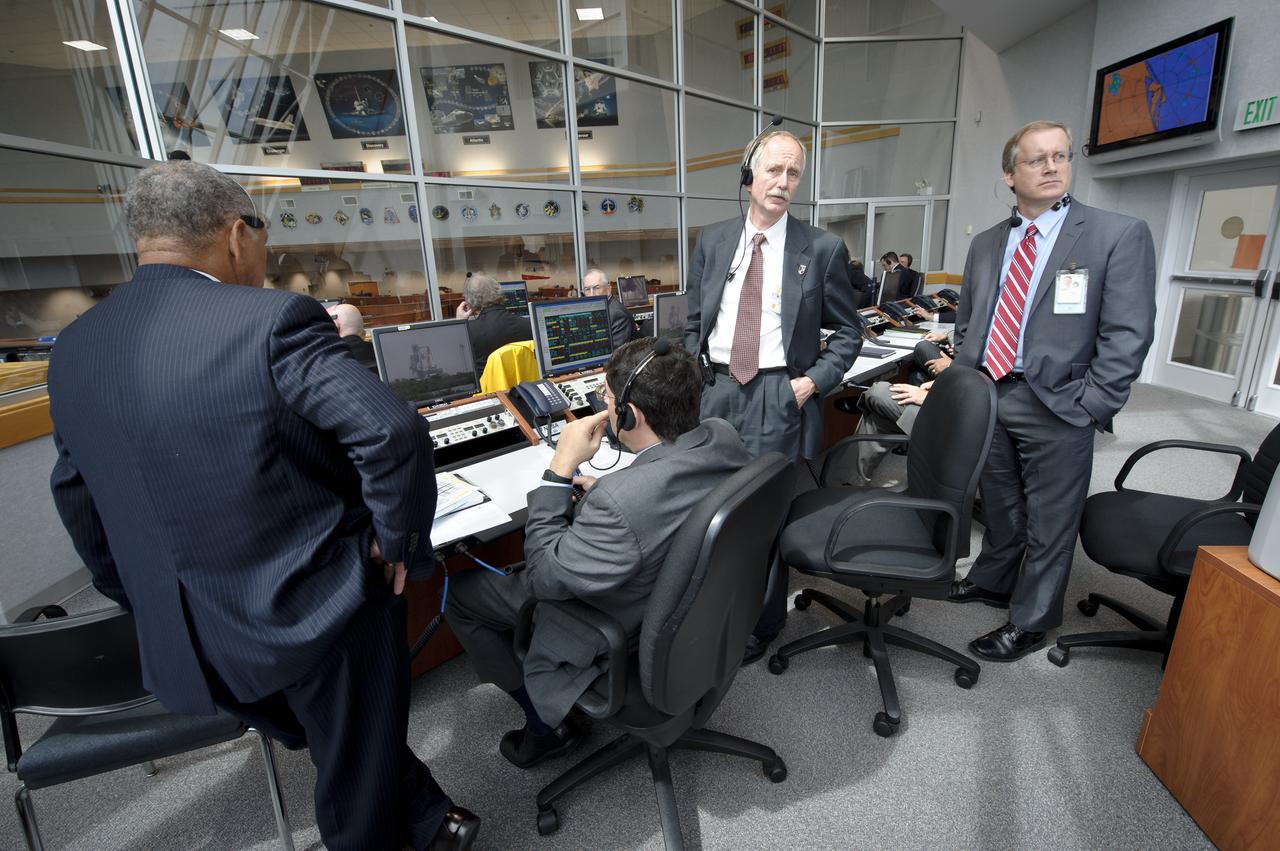
NASA Associate Administrator for Space Operations William Gerstenmaier, standing left, Manager, Space Shuttle Program Office John Shannon, standing right, and other management look on from Firing Room Four of the NASA Kennedy Space Center Launch Control Center (LCC) as they monitor the weather and countdown to the launch of the space shuttle Atlantis on Friday, July 8, 2011, in Cape Canaveral, Fla. The launch of Atlantis, STS-135, is the final flight of the shuttle program, a 12-day mission to the International Space Station. Photo Credit: (NASA/Bill Ingalls)

NASA Orbital Processing Facility Inspector Janaro Negrete, fills cups with the post launch traditional beans and cornbread to take share with his colleagues at the Launch Control Center (LCC) after the launch of the space shuttle Discovery (STS-133) at the Kennedy Space Center, Thursday, Feb. 24, 2011, in Cape Canaveral, Fla. Discovery, on its 39th and final flight, is carrying the Italian-built Permanent Multipurpose Module (PMM), Express Logistics Carrier 4 (ELC4) and Robonaut 2, the first humanoid robot in space to the International Space Station. Photo Credit: (NASA/Bill Ingalls)
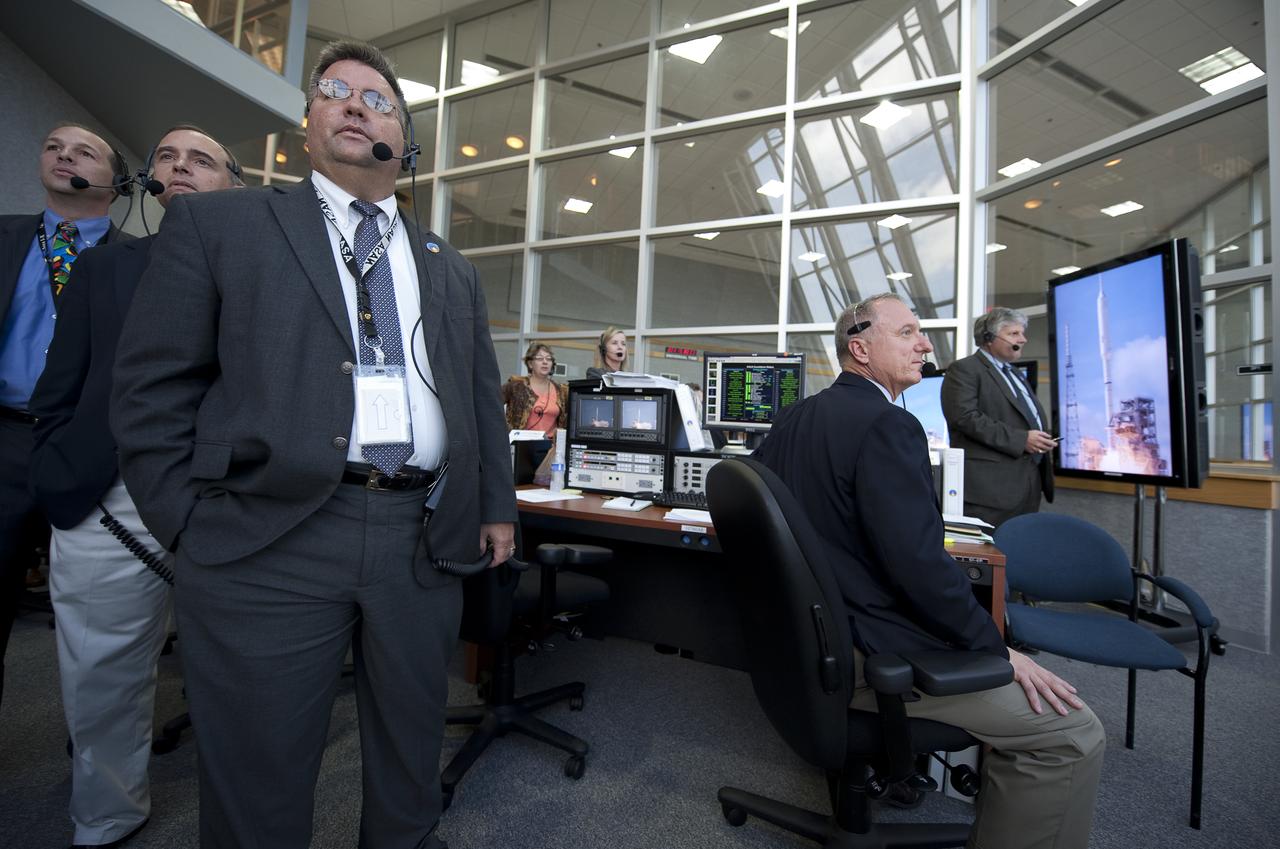
NASA Ares I-X Launch Director Ed Mango, 3rd from left, along with other mission managers watches the launch of the Ares I-X rocket from Firing Room One of the Launch Control Center (LCC) at the Kennedy Space Center in Cape Canaveral, Fla., Wednesday, Oct. 28, 2009. The flight test of Ares I-X will provide NASA with an early opportunity to test and prove flight characteristics, hardware, facilities and ground operations associated with the Ares I. Photo Credit: (NASA/Bill Ingalls)
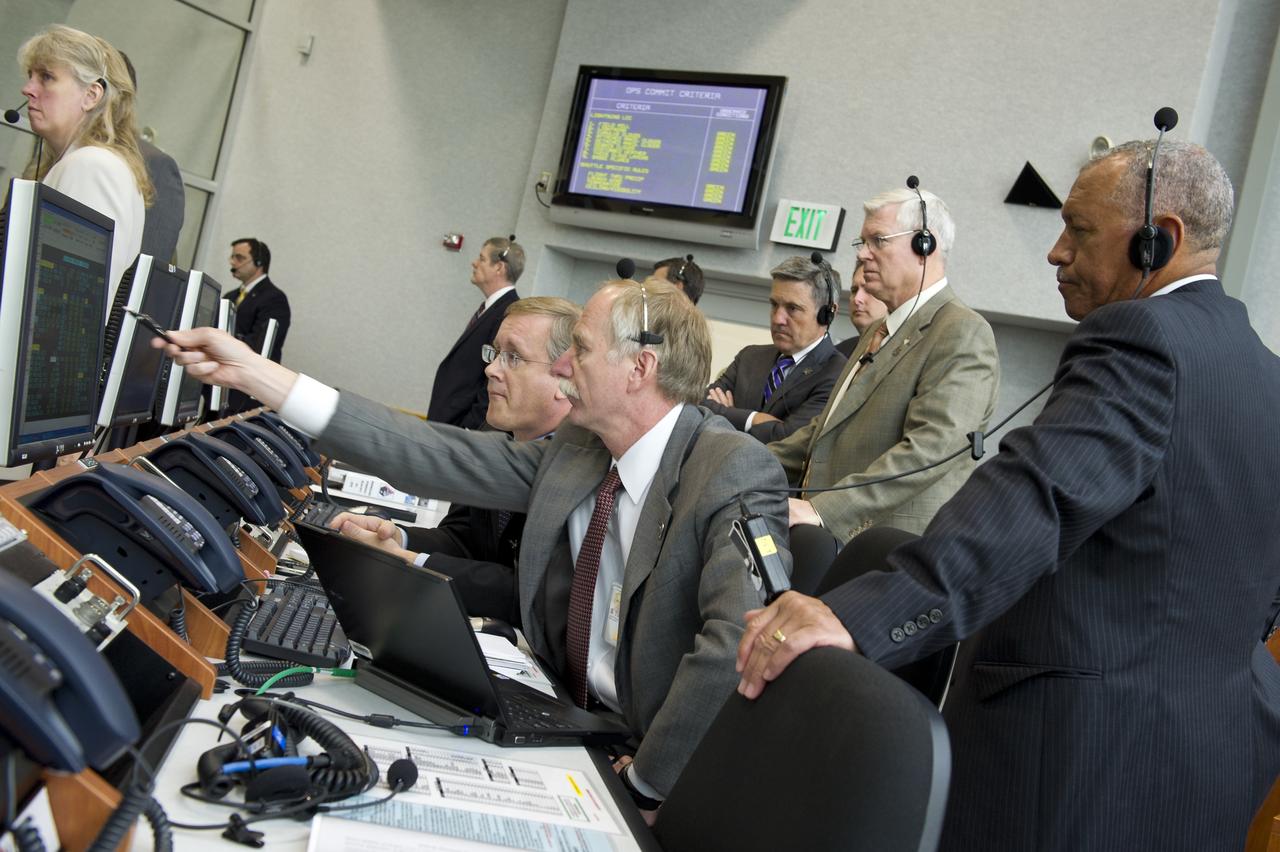
NASA Associate Administrator for Space Operations William Gerstenmaier points to one the monitors in Firing Room Four of the Launch Control Center (LCC) as NASA Administrator Charles Bolden, right, and other NASA managers look on during the launch of the space shuttle Endeavour (STS-134), Monday, May 16, 2011, at Kennedy Space Center in Cape Canaveral, Fla. During the mission, Endeavour and the STS-134 crew will deliver the Alpha Magnetic Spectrometer (AMS) and spare parts including two S-band communications antennas, a high-pressure gas tank and additional spare parts for Dextre. Photo Credit: (NASA/Bill Ingalls)
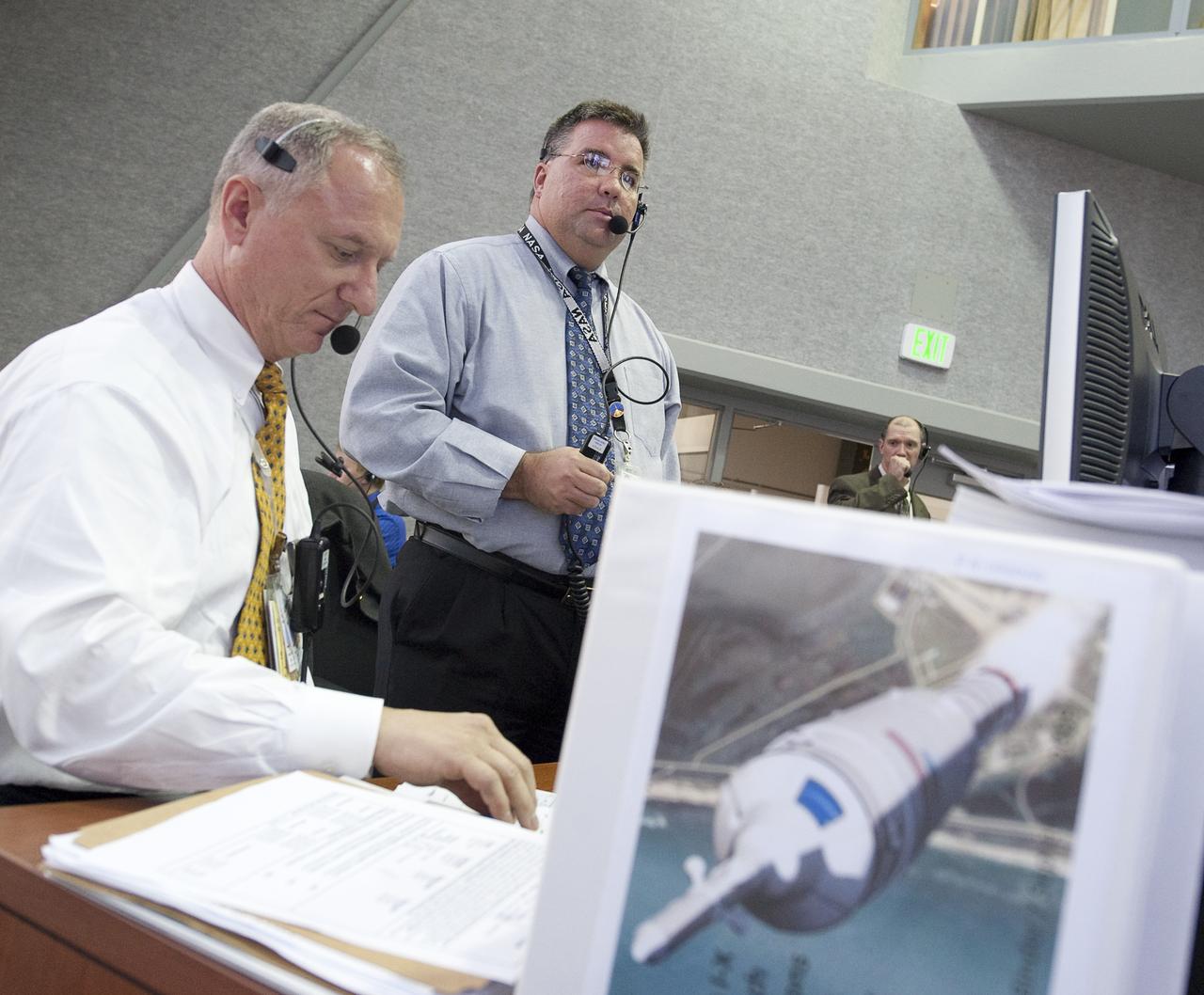
NASA Ares I-X Assistant Launch Director Pete Nickolenko, left, and NASA Ares I-X Launch Director Ed Mango monitor the launch countdown from Firing Room One of the Launch Control Center (LCC) at the Kennedy Space Center during the planned launch of the Ares I-X rocket from pad 39b at the Kennedy Space Center in Cape Canaveral, Fla., Tuesday, Oct. 27, 2009. The flight test of Ares I-X will provide NASA with an early opportunity to test and prove flight characteristics, hardware, facilities and ground operations associated with the Ares I. Photo Credit: (NASA/Bill Ingalls)
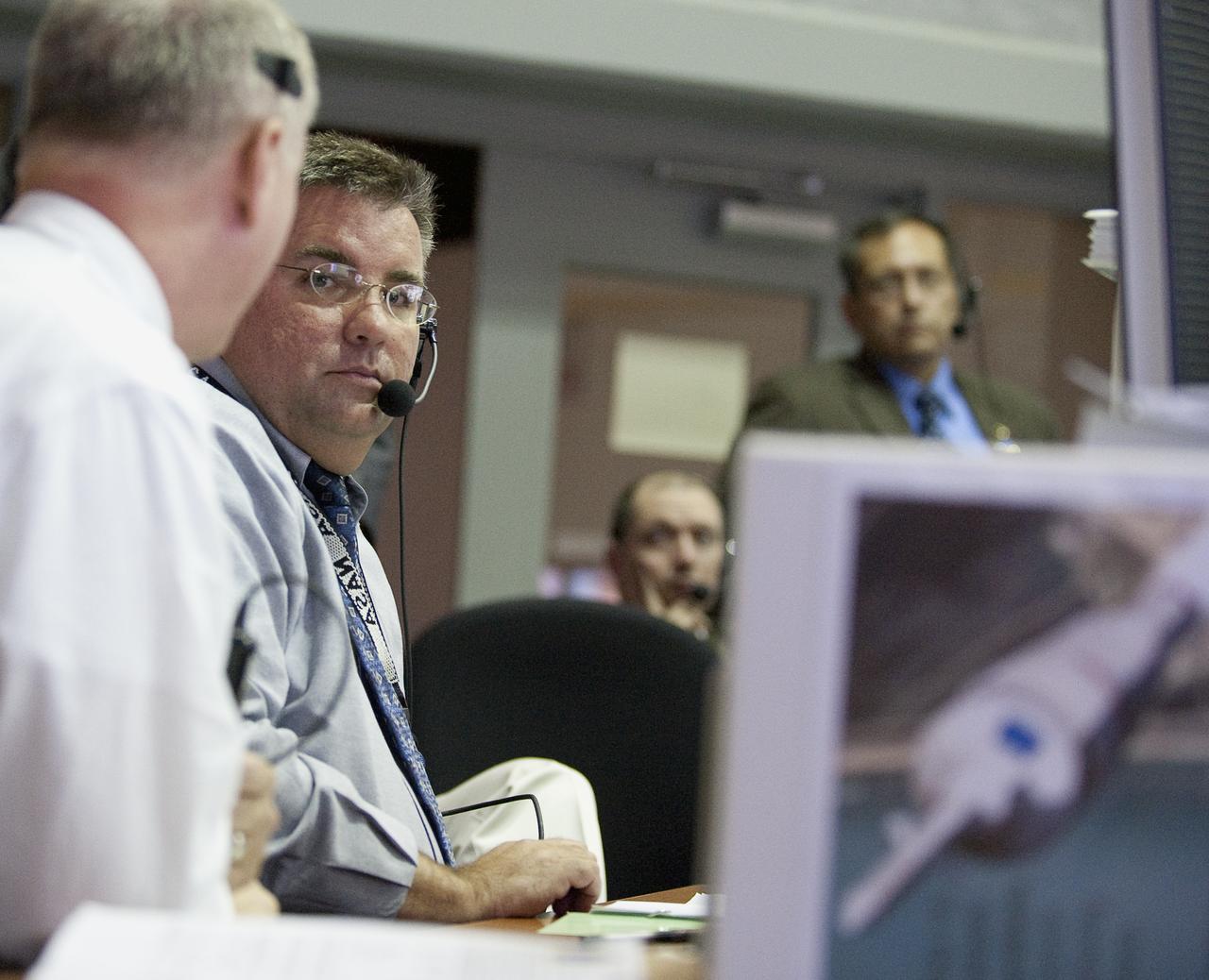
NASA Ares I-X Launch Director Ed Mango monitors the launch countdown from Firing Room One of the Launch Control Center (LCC) at the Kennedy Space Center during the planned launch of the Ares I-X rocket from pad 39b at the Kennedy Space Center in Cape Canaveral, Fla., Tuesday, Oct. 27, 2009. The flight test of Ares I-X will provide NASA with an early opportunity to test and prove flight characteristics, hardware, facilities and ground operations associated with the Ares I. Photo Credit: (NASA/Bill Ingalls)
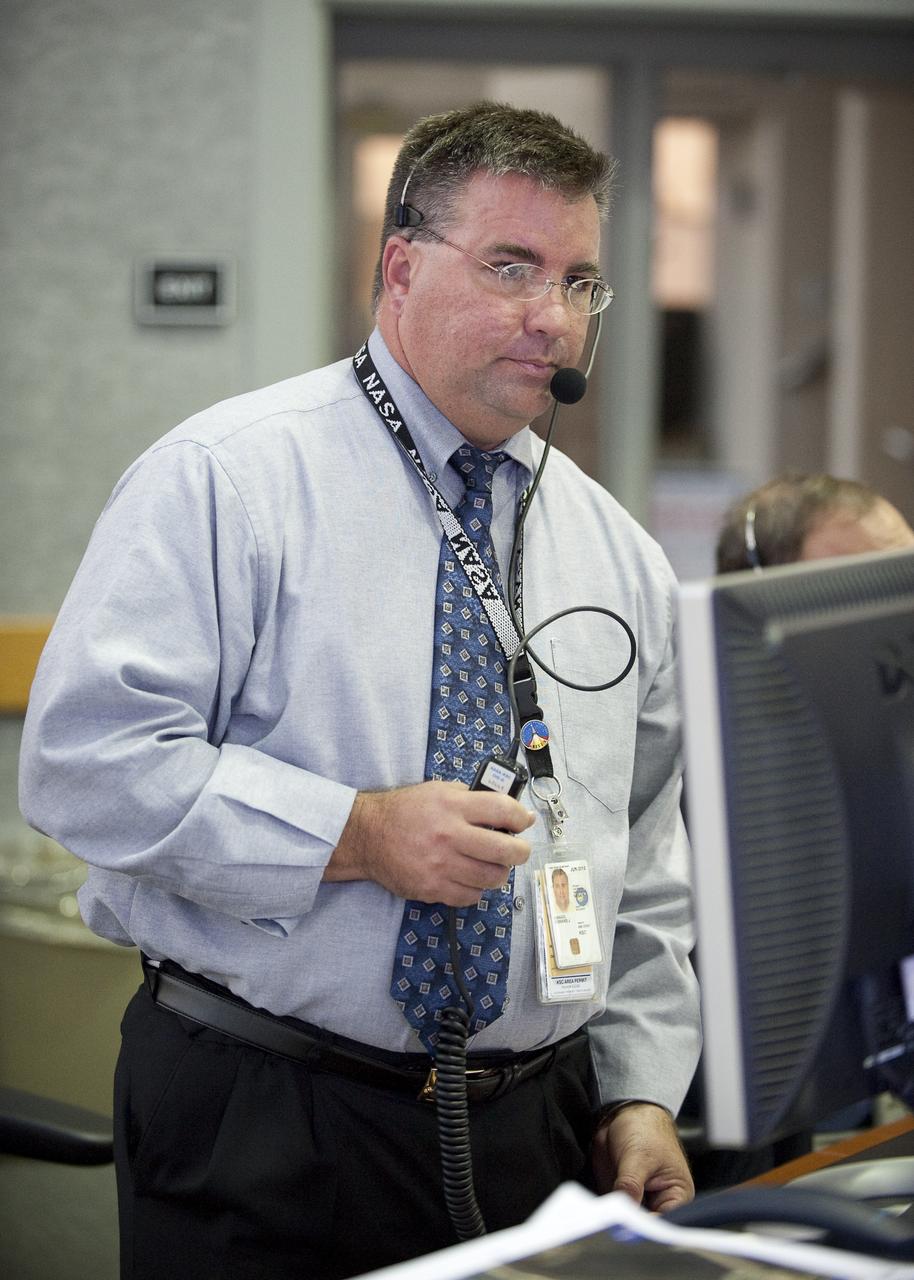
NASA Ares I-X Launch Director Ed Mango monitors the launch countdown from Firing Room One of the Launch Control Center (LCC) at the Kennedy Space Center during the planned launch of the Ares I-X rocket from pad 39b at the Kennedy Space Center in Cape Canaveral, Fla., Tuesday, Oct. 27, 2009. The flight test of Ares I-X will provide NASA with an early opportunity to test and prove flight characteristics, hardware, facilities and ground operations associated with the Ares I. Photo Credit: (NASA/Bill Ingalls)
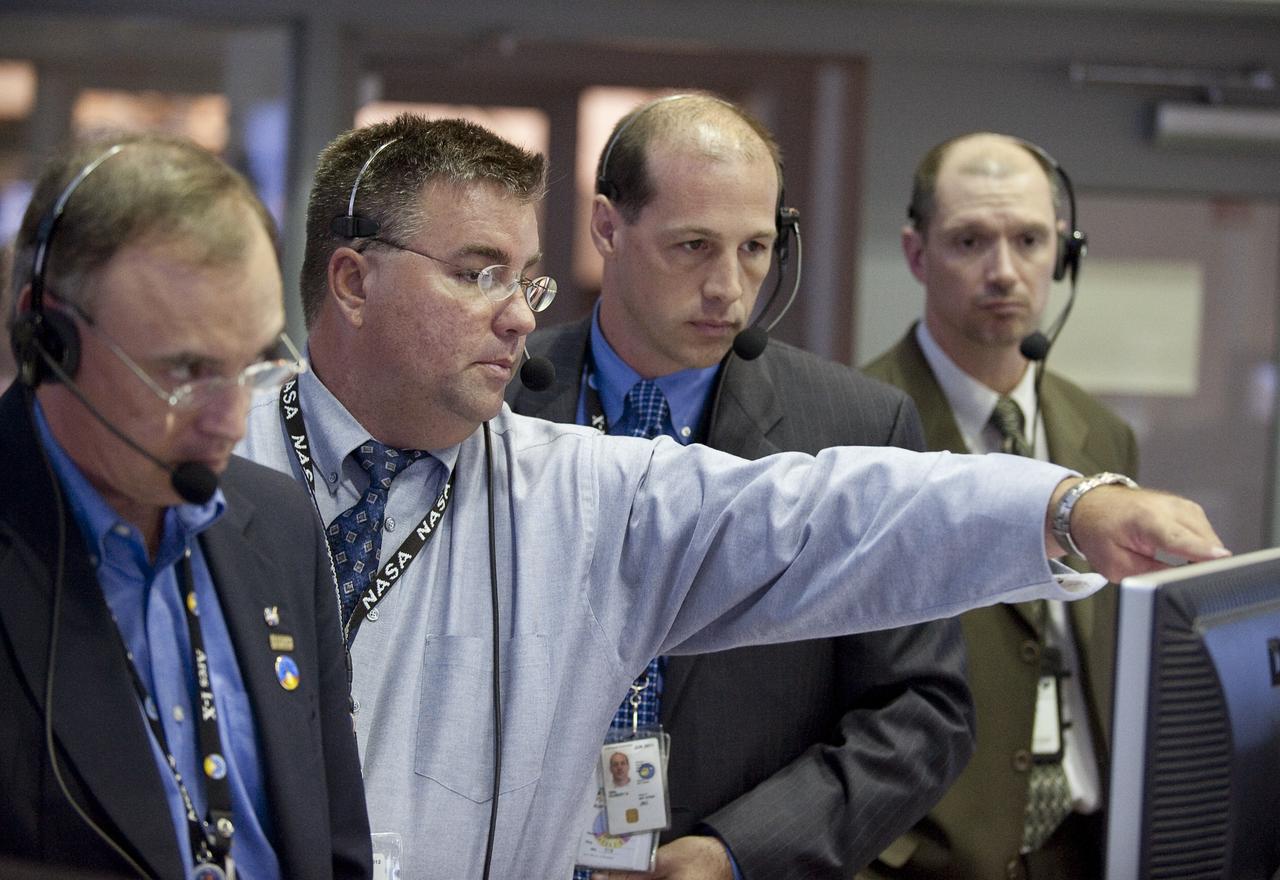
Mission managers, from left, NASA Constellation Program manager Jeff Hanley, Ares I-X Launch Director Ed Mango, Ares I-X mission manager Bob Ess, Ground Operations Manager Philip "Pepper" Phillips, review the latest data in Firing Room One of the Launch Control Center (LCC) at the Kennedy Space Center during the launch countdown of the Ares I-X rocket in Cape Canaveral, Fla., Tuesday, Oct. 27, 2009. The flight test of Ares I-X will provide NASA with an early opportunity to test and prove flight characteristics, hardware, facilities and ground operations associated with the Ares I. Photo Credit: (NASA/Bill Ingalls)
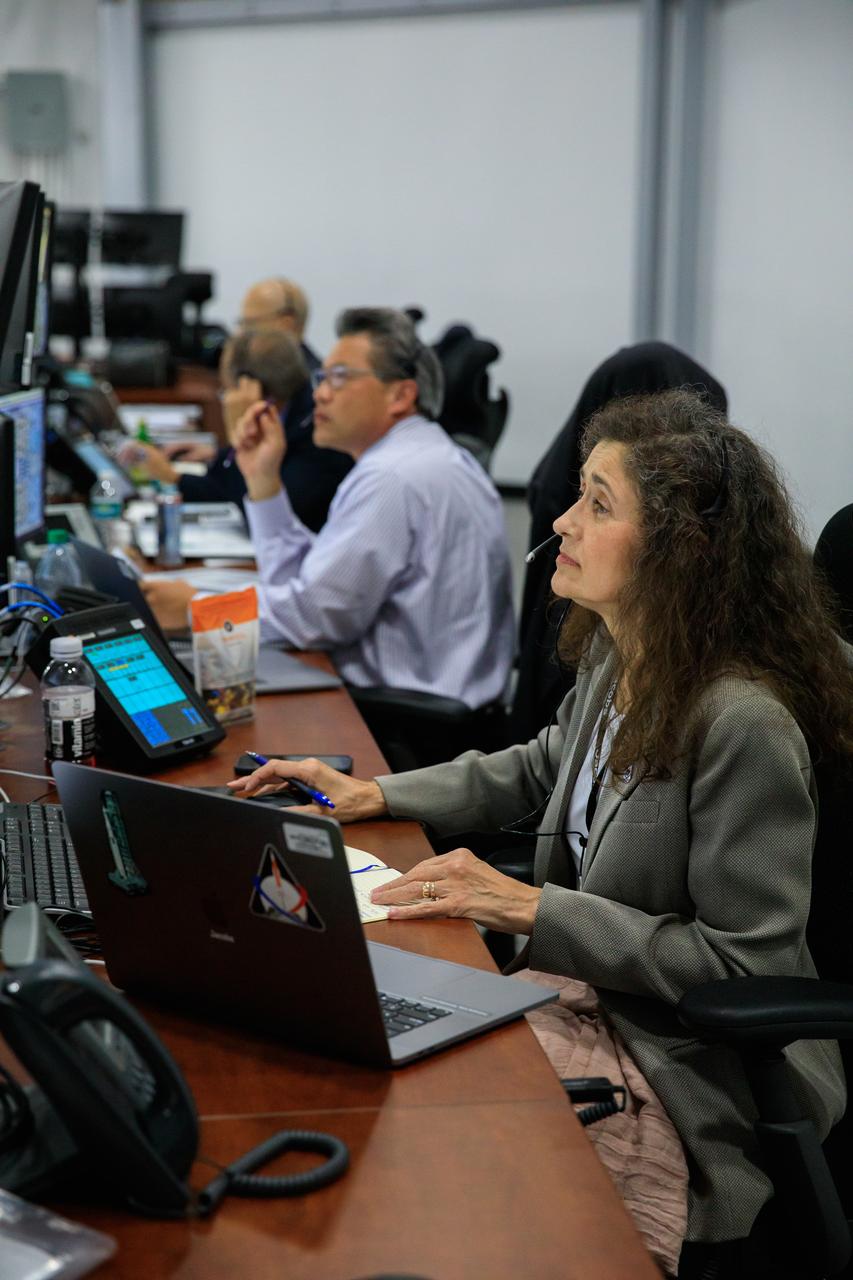
Members of the Artemis I launch team are at their consoles inside Firing Room 1 of the Rocco A. Petrone Launch Control Center at NASA’s Kennedy Space Center in Florida for launch countdown Aug. 29, 2022. Launch of the agency’s Space Launch System and Orion spacecraft was waved off due to an issue during tanking. Launch is now no earlier than Sept. 3, at 2:17 p.m. EDT from Kennedy’s Launch Complex 39B. The first in a series of increasingly complex missions, Artemis I will provide a foundation for human deep space exploration and demonstrate our commitment and capability to extend human presence to the Moon and beyond. The primary goal of Artemis I is to thoroughly test the integrated systems before crewed missions by operating the spacecraft in a deep space environment, testing Orion’s heat shield, and recovering the crew module after reentry, descent, and splashdown.
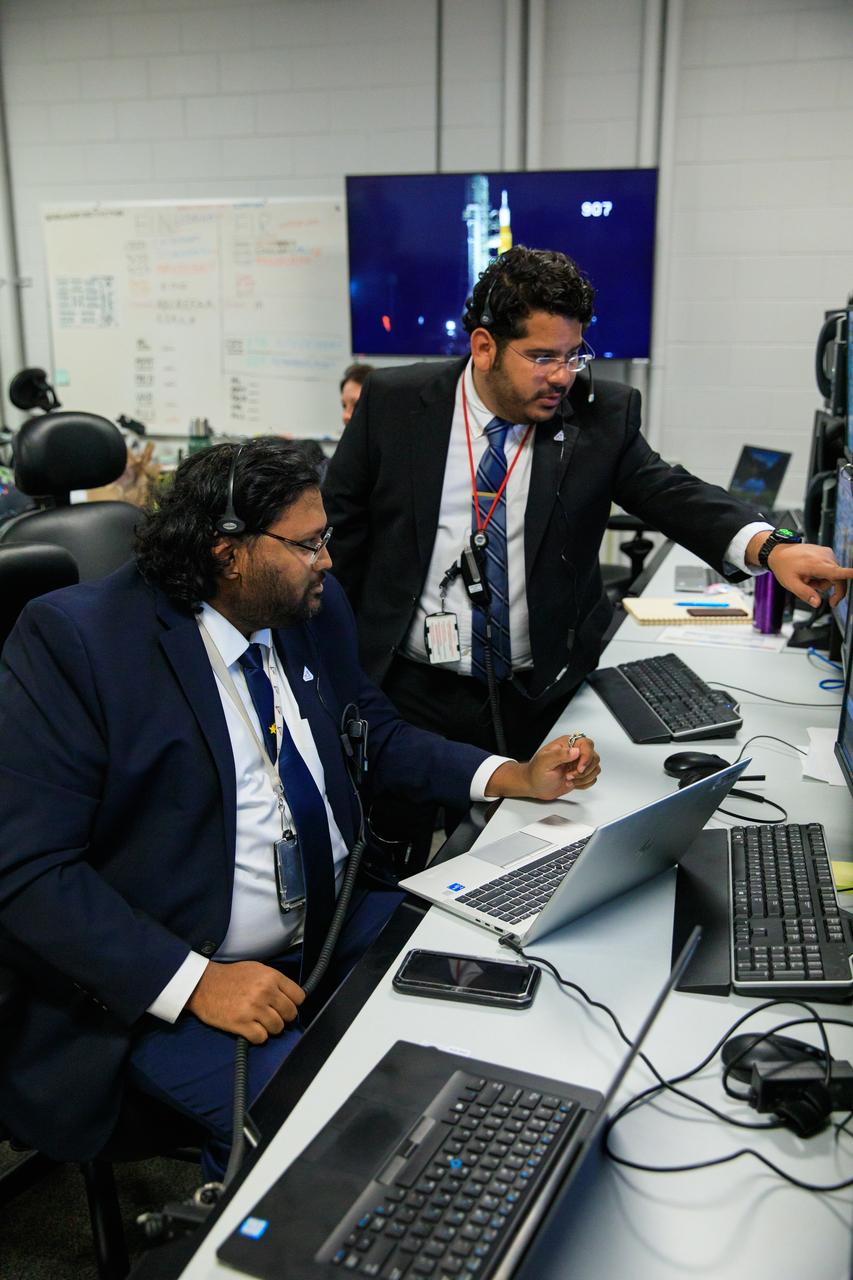
Members of the Artemis I launch team monitor countdown events at their consoles inside Firing Room 1 of the Rocco A. Petrone Launch Control Center at NASA’s Kennedy Space Center in Florida on Aug. 29, 2022. Launch of the agency’s Space Launch System and Orion spacecraft was waved off due to an issue during tanking. Launch is now no earlier than Sept. 3, at 2:17 p.m. EDT from Kennedy’s Launch Complex 39B. The first in a series of increasingly complex missions, Artemis I will provide a foundation for human deep space exploration and demonstrate our commitment and capability to extend human presence to the Moon and beyond. The primary goal of Artemis I is to thoroughly test the integrated systems before crewed missions by operating the spacecraft in a deep space environment, testing Orion’s heat shield, and recovering the crew module after reentry, descent, and splashdown.
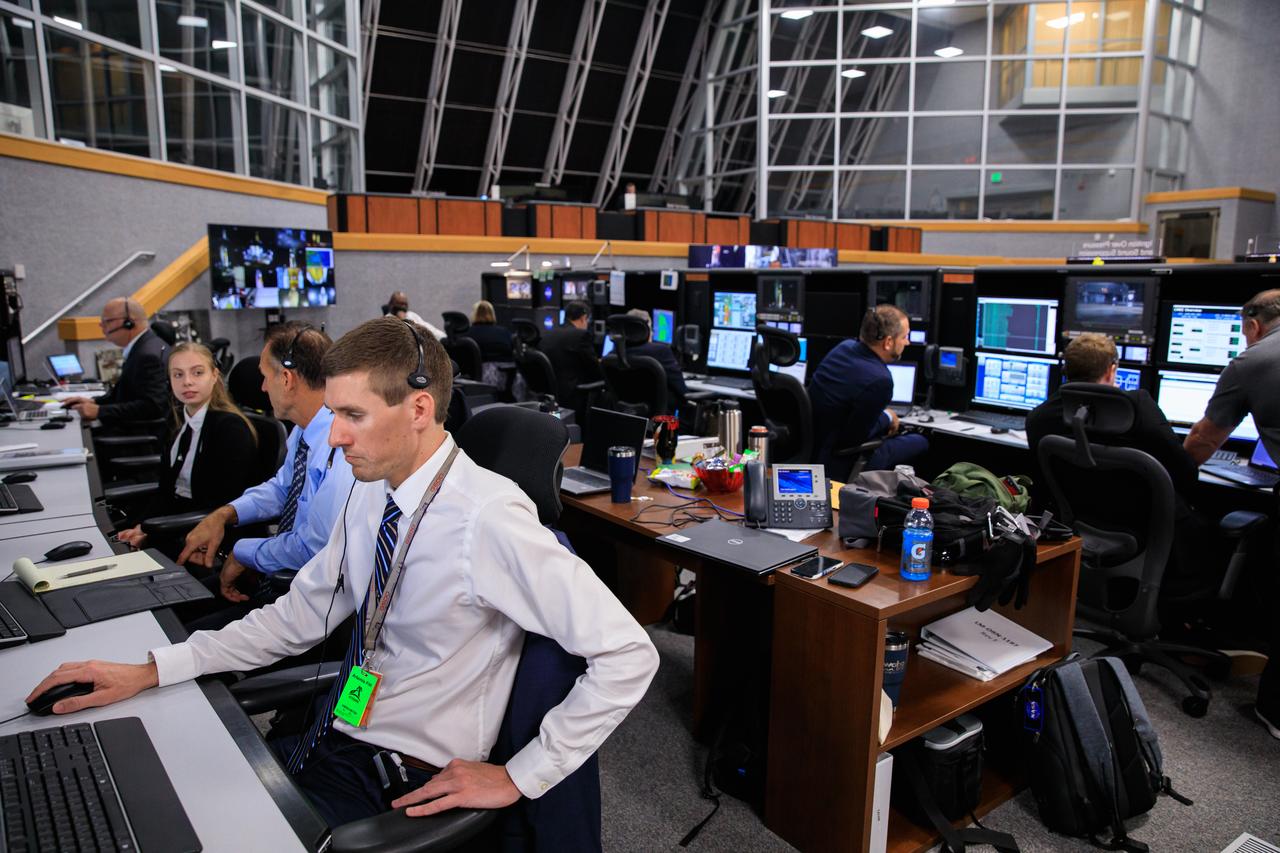
Members of the Artemis I launch team are at their consoles inside Firing Room 1 of the Rocco A. Petrone Launch Control Center at NASA’s Kennedy Space Center in Florida for launch countdown Aug. 29, 2022. Launch of the agency’s Space Launch System and Orion spacecraft was waved off due to an issue during tanking. Launch is now no earlier than Sept. 3, at 2:17 p.m. EDT from Kennedy’s Launch Complex 39B. The first in a series of increasingly complex missions, Artemis I will provide a foundation for human deep space exploration and demonstrate our commitment and capability to extend human presence to the Moon and beyond. The primary goal of Artemis I is to thoroughly test the integrated systems before crewed missions by operating the spacecraft in a deep space environment, testing Orion’s heat shield, and recovering the crew module after reentry, descent, and splashdown.
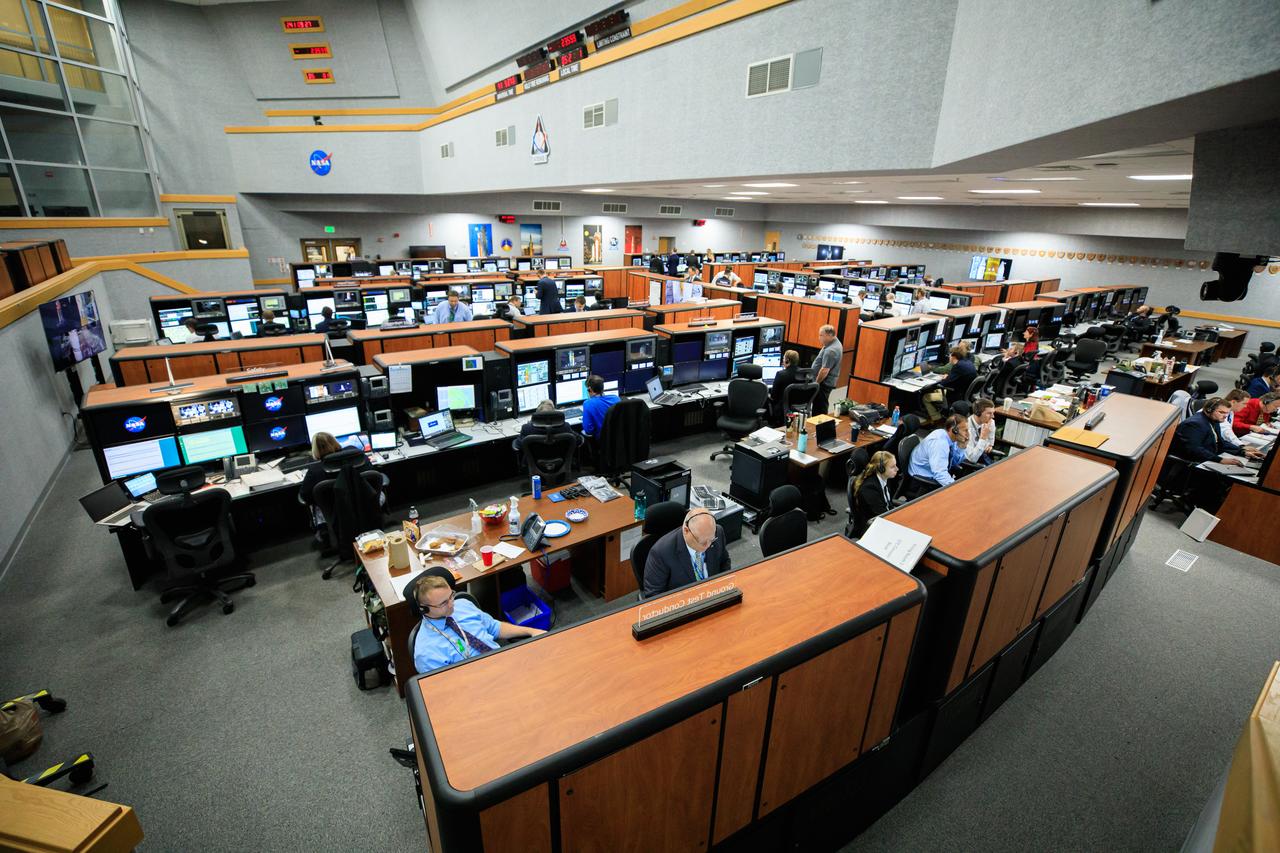
Members of the Artemis I launch team are at their consoles inside Firing Room 1 of the Rocco A. Petrone Launch Control Center at NASA’s Kennedy Space Center in Florida for launch countdown Aug. 29, 2022. Launch of the agency’s Space Launch System and Orion spacecraft was waved off due to an issue during tanking. Launch is now no earlier than Sept. 3, at 2:17 p.m. EDT from Kennedy’s Launch Complex 39B. The first in a series of increasingly complex missions, Artemis I will provide a foundation for human deep space exploration and demonstrate our commitment and capability to extend human presence to the Moon and beyond. The primary goal of Artemis I is to thoroughly test the integrated systems before crewed missions by operating the spacecraft in a deep space environment, testing Orion’s heat shield, and recovering the crew module after reentry, descent, and splashdown.
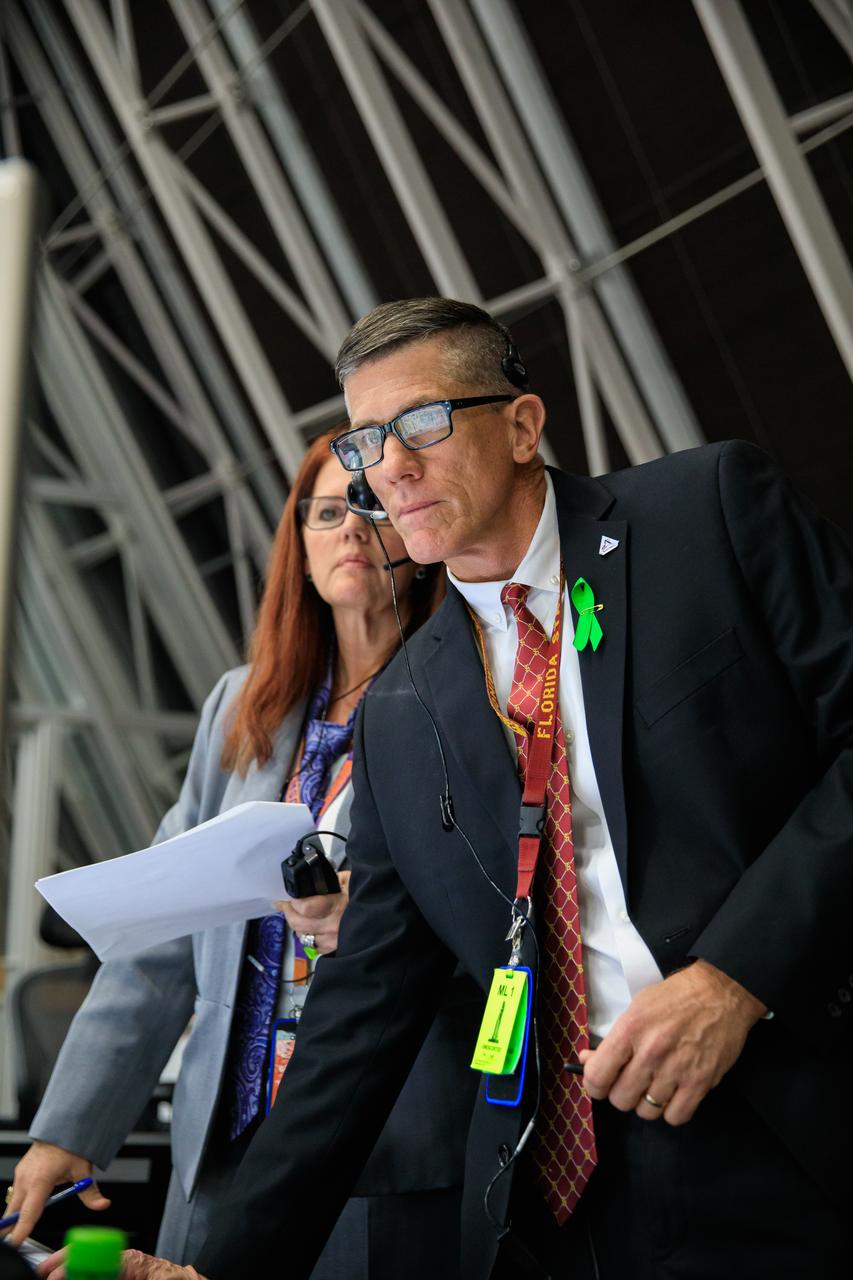
From left, Artemis I Launch Director Charlie Blackwell-Thompson, and Assistant Launch Director Jeremy Graeber, monitor launch countdown events inside Firing Room 1 of the Rocco A. Petrone Launch Control Center at NASA’s Kennedy Space Center in Florida on Aug. 29, 2022. Launch of the agency’s Space Launch System and Orion spacecraft was waved off due to an issue during tanking. Launch is now no earlier than Sept. 3, at 2:17 p.m. EDT from Kennedy’s Launch Complex 39B. The first in a series of increasingly complex missions, Artemis I will provide a foundation for human deep space exploration and demonstrate our commitment and capability to extend human presence to the Moon and beyond. The primary goal of Artemis I is to thoroughly test the integrated systems before crewed missions by operating the spacecraft in a deep space environment, testing Orion’s heat shield, and recovering the crew module after reentry, descent, and splashdown.
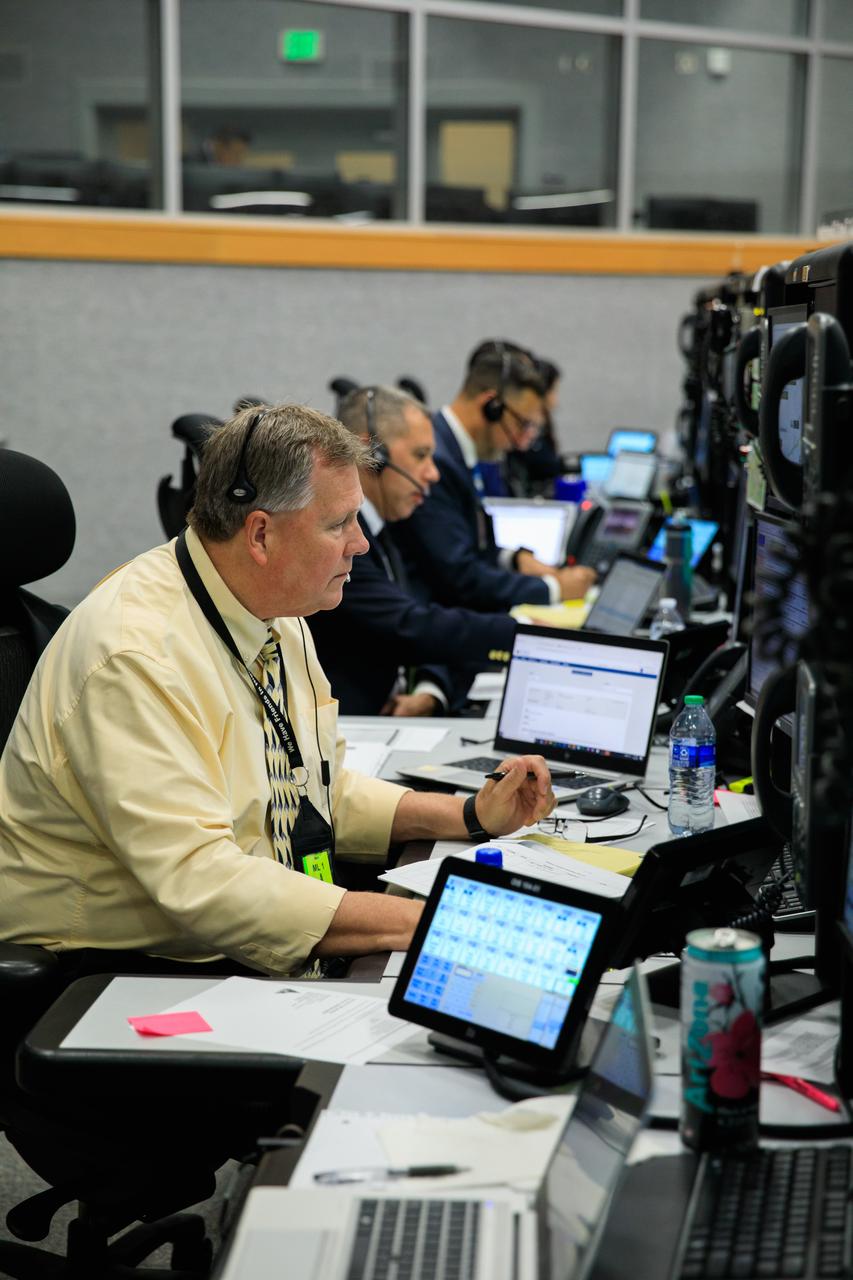
Members of the Artemis I launch team are at their consoles inside Firing Room 1 of the Rocco A. Petrone Launch Control Center at NASA’s Kennedy Space Center in Florida for launch countdown Aug. 29, 2022. Launch of the agency’s Space Launch System and Orion spacecraft was waved off due to an issue during tanking. Launch is now no earlier than Sept. 3, at 2:17 p.m. EDT from Kennedy’s Launch Complex 39B. The first in a series of increasingly complex missions, Artemis I will provide a foundation for human deep space exploration and demonstrate our commitment and capability to extend human presence to the Moon and beyond. The primary goal of Artemis I is to thoroughly test the integrated systems before crewed missions by operating the spacecraft in a deep space environment, testing Orion’s heat shield, and recovering the crew module after reentry, descent, and splashdown.
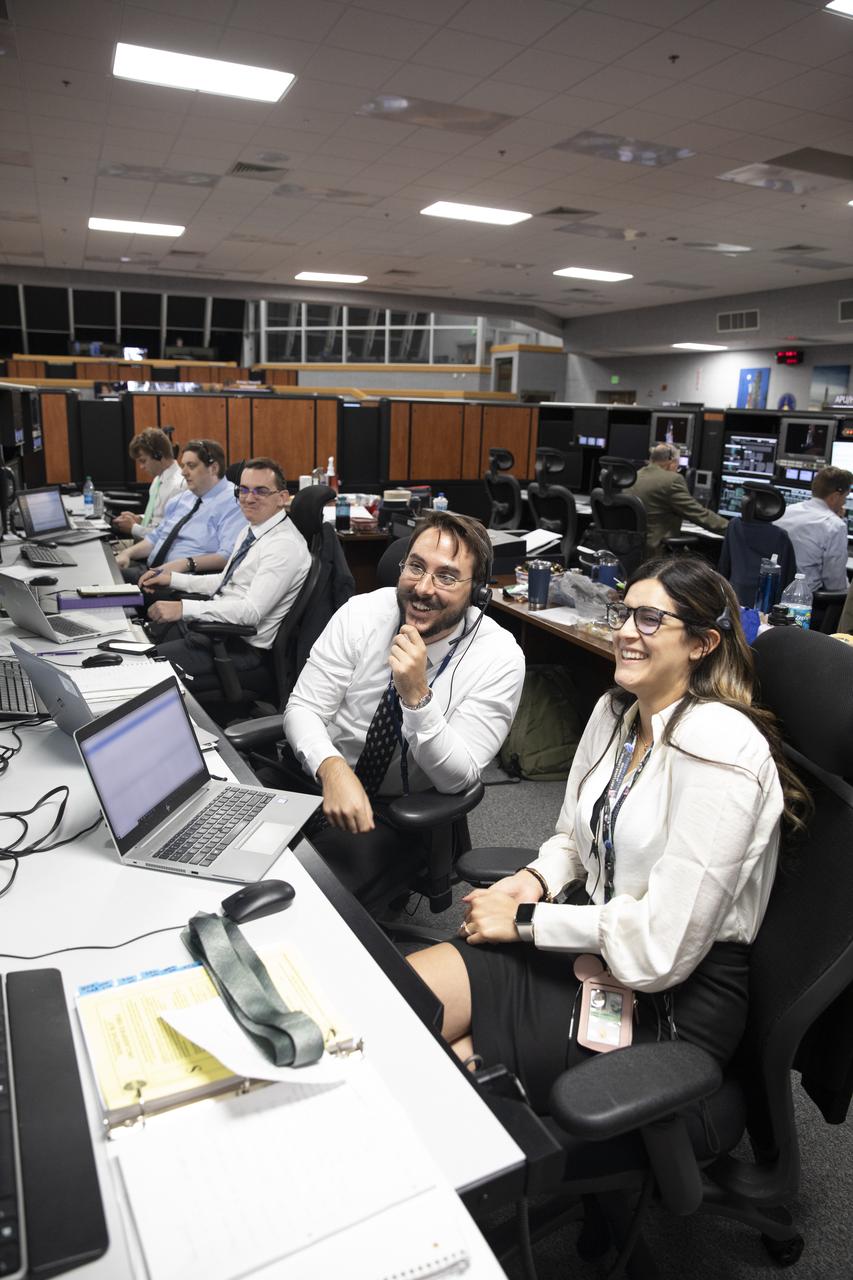
Members of the Artemis I launch team are at their consoles inside Firing Room 1 of the Rocco A. Petrone Launch Control Center at NASA’s Kennedy Space Center in Florida for launch countdown Aug. 29, 2022. Launch of the agency’s Space Launch System and Orion spacecraft was waved off due to an issue during tanking. Launch is now no earlier than Sept. 3, at 2:17 p.m. EDT from Kennedy’s Launch Complex 39B. The first in a series of increasingly complex missions, Artemis I will provide a foundation for human deep space exploration and demonstrate our commitment and capability to extend human presence to the Moon and beyond. The primary goal of Artemis I is to thoroughly test the integrated systems before crewed missions by operating the spacecraft in a deep space environment, testing Orion’s heat shield, and recovering the crew module after reentry, descent, and splashdown.
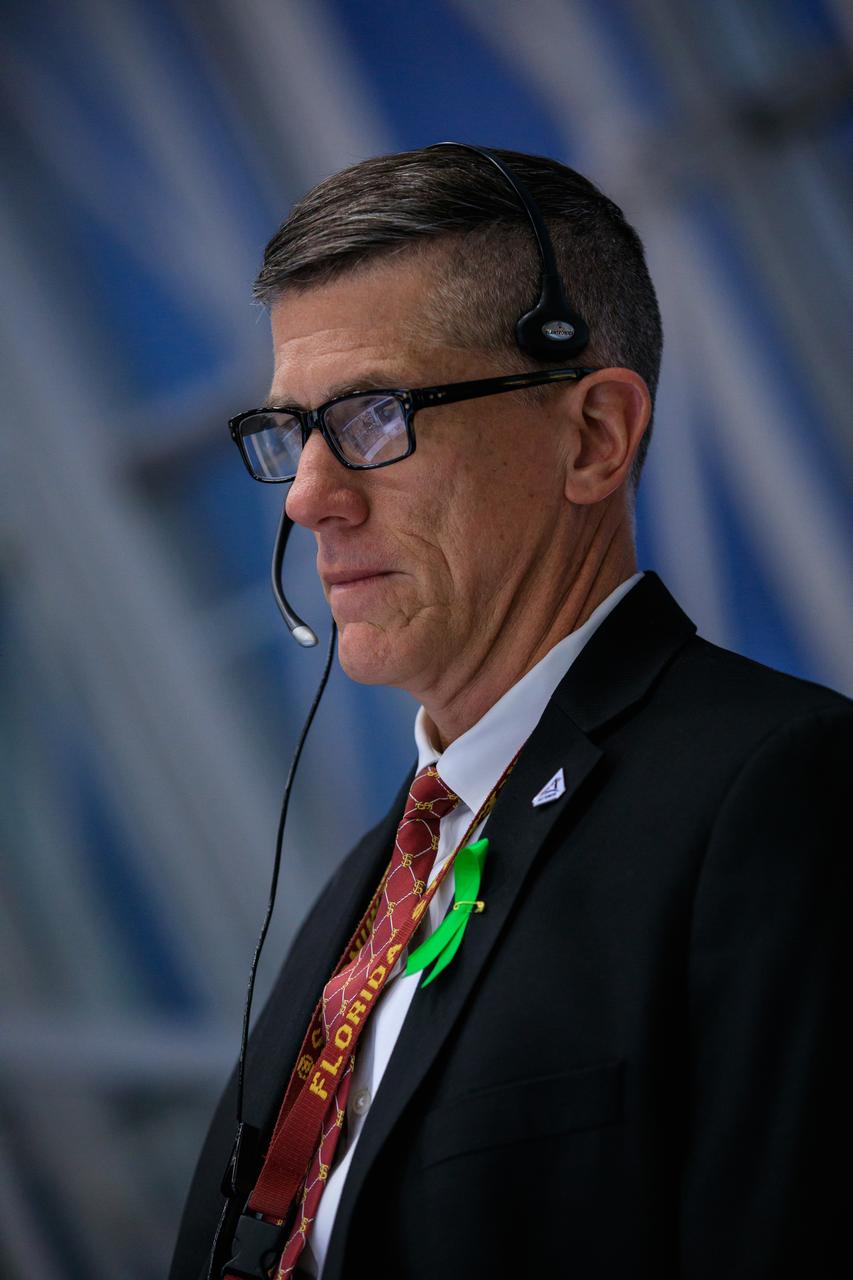
Artemis I Assistant Launch Director Jeremy Graeber monitors launch countdown events inside Firing Room 1 of the Rocco A. Petrone Launch Control Center at NASA’s Kennedy Space Center in Florida on Aug. 29, 2022. Launch of the agency’s Space Launch System and Orion spacecraft was waved off due to an issue during tanking. Launch is now no earlier than Sept. 3, at 2:17 p.m. EDT from Kennedy’s Launch Complex 39B. The first in a series of increasingly complex missions, Artemis I will provide a foundation for human deep space exploration and demonstrate our commitment and capability to extend human presence to the Moon and beyond. The primary goal of Artemis I is to thoroughly test the integrated systems before crewed missions by operating the spacecraft in a deep space environment, testing Orion’s heat shield, and recovering the crew module after reentry, descent, and splashdown.
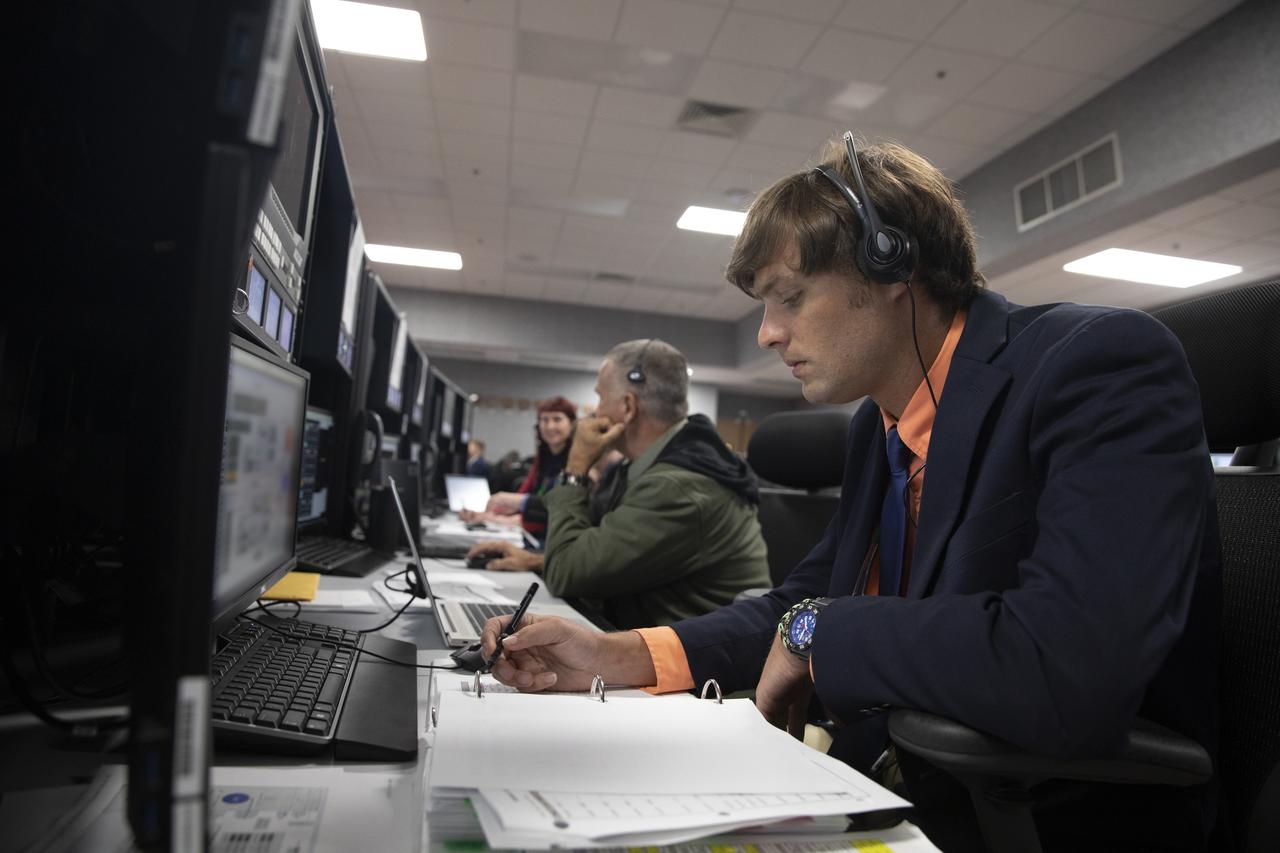
Members of the Artemis I launch team are at their consoles inside Firing Room 1 of the Rocco A. Petrone Launch Control Center at NASA’s Kennedy Space Center in Florida for launch countdown Aug. 29, 2022. Launch of the agency’s Space Launch System and Orion spacecraft was waved off due to an issue during tanking. Launch is now no earlier than Sept. 3, at 2:17 p.m. EDT from Kennedy’s Launch Complex 39B. The first in a series of increasingly complex missions, Artemis I will provide a foundation for human deep space exploration and demonstrate our commitment and capability to extend human presence to the Moon and beyond. The primary goal of Artemis I is to thoroughly test the integrated systems before crewed missions by operating the spacecraft in a deep space environment, testing Orion’s heat shield, and recovering the crew module after reentry, descent, and splashdown.
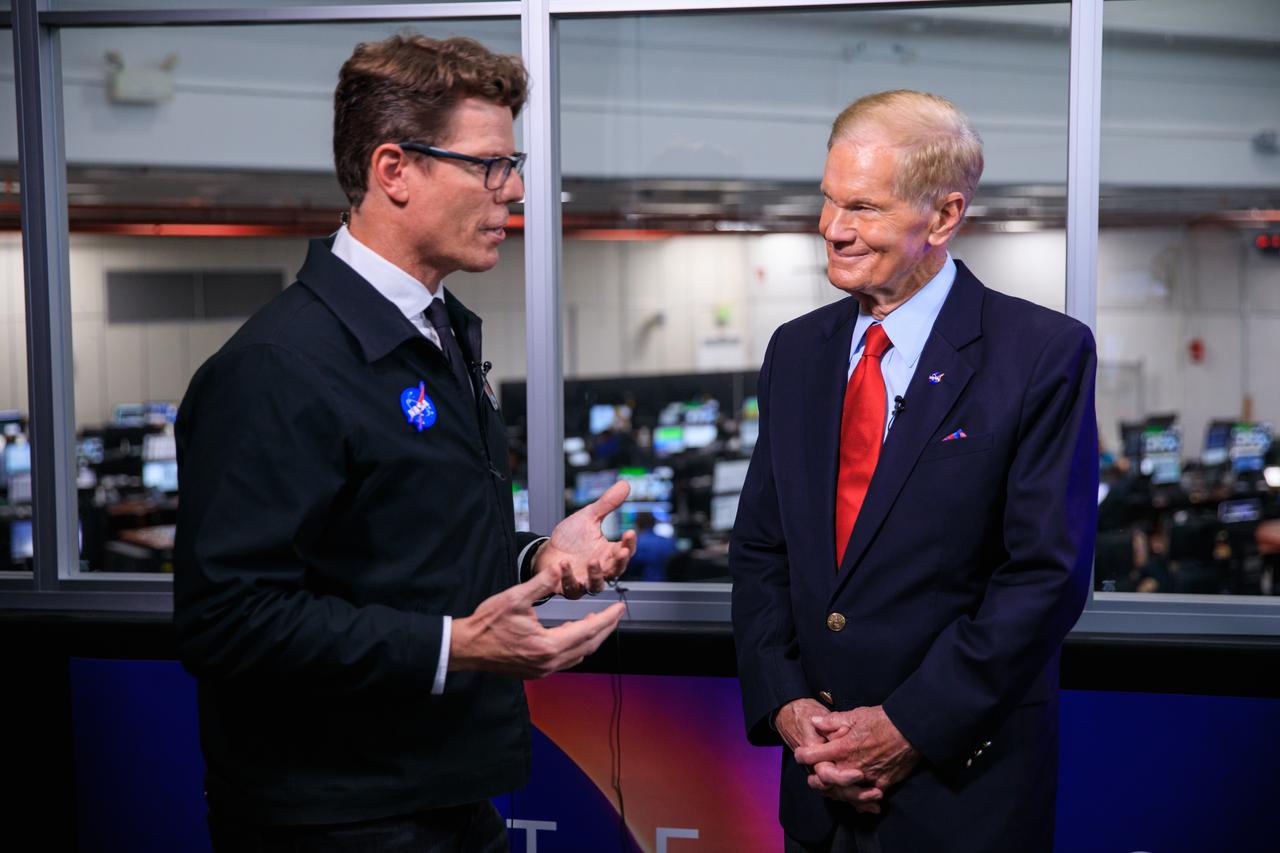
NASA commentator Derrol Nail, at left, talks with NASA Administrator Bill Nelson during the Artemis I launch countdown inside Firing Room 1 of the Rocco A. Petrone Launch Control Center at NASA’s Kennedy Space Center in Florida on Aug. 29, 2022. Launch of the agency’s Space Launch System and Orion spacecraft was waved off due to an issue during tanking. Launch is now no earlier than Sept. 3, at 2:17 p.m. EDT from Kennedy’s Launch Complex 39B. The first in a series of increasingly complex missions, Artemis I will provide a foundation for human deep space exploration and demonstrate our commitment and capability to extend human presence to the Moon and beyond. The primary goal of Artemis I is to thoroughly test the integrated systems before crewed missions by operating the spacecraft in a deep space environment, testing Orion’s heat shield, and recovering the crew module after reentry, descent, and splashdown.
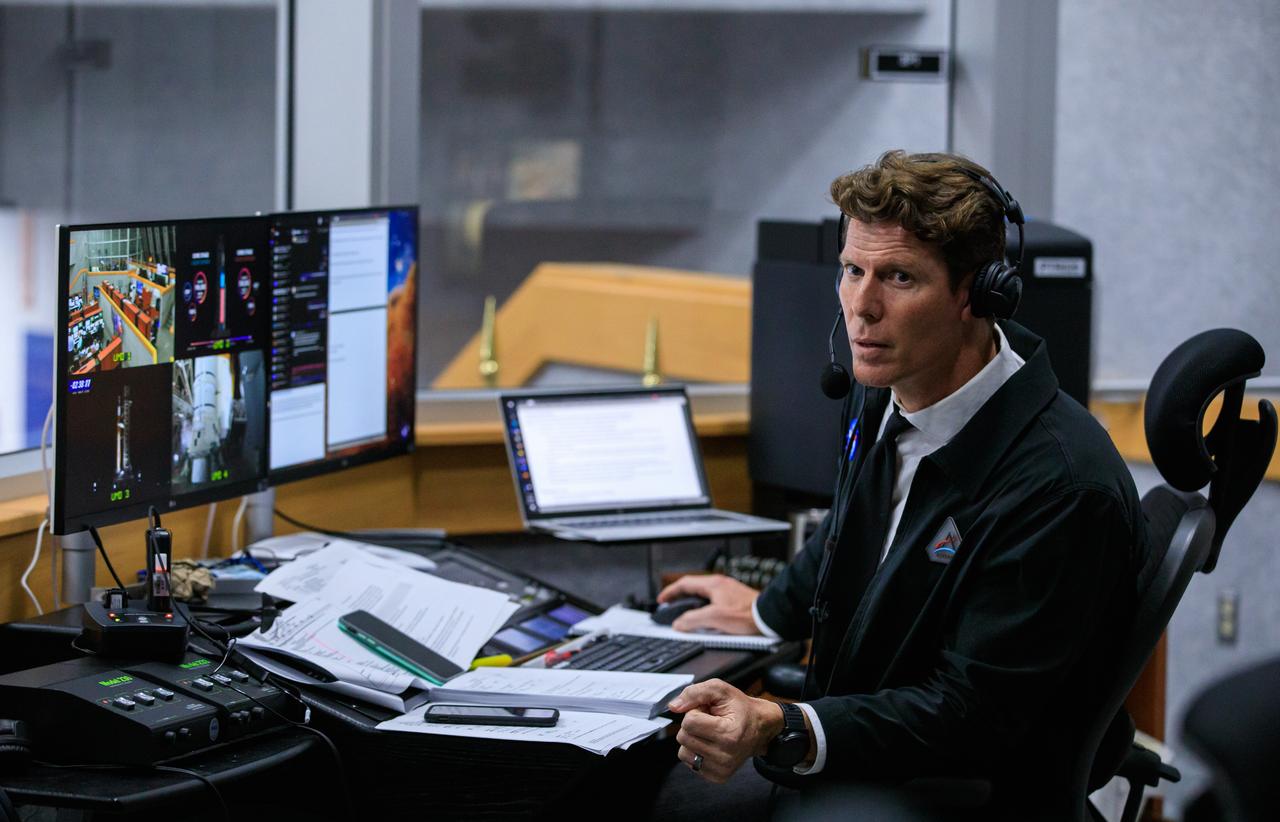
Derrol Nail, NASA launch commentator, works at his console during Artemis I launch countdown inside Firing Room 1 of the Rocco A. Petrone Launch Control Center at NASA’s Kennedy Space Center in Florida on Aug. 29, 2022. Launch of the agency’s Space Launch System and Orion spacecraft was waved off due to an issue during tanking. Launch is now no earlier than Sept. 3, at 2:17 p.m. EDT from Kennedy’s Launch Complex 39B. The first in a series of increasingly complex missions, Artemis I will provide a foundation for human deep space exploration and demonstrate our commitment and capability to extend human presence to the Moon and beyond. The primary goal of Artemis I is to thoroughly test the integrated systems before crewed missions by operating the spacecraft in a deep space environment, testing Orion’s heat shield, and recovering the crew module after reentry, descent, and splashdown.