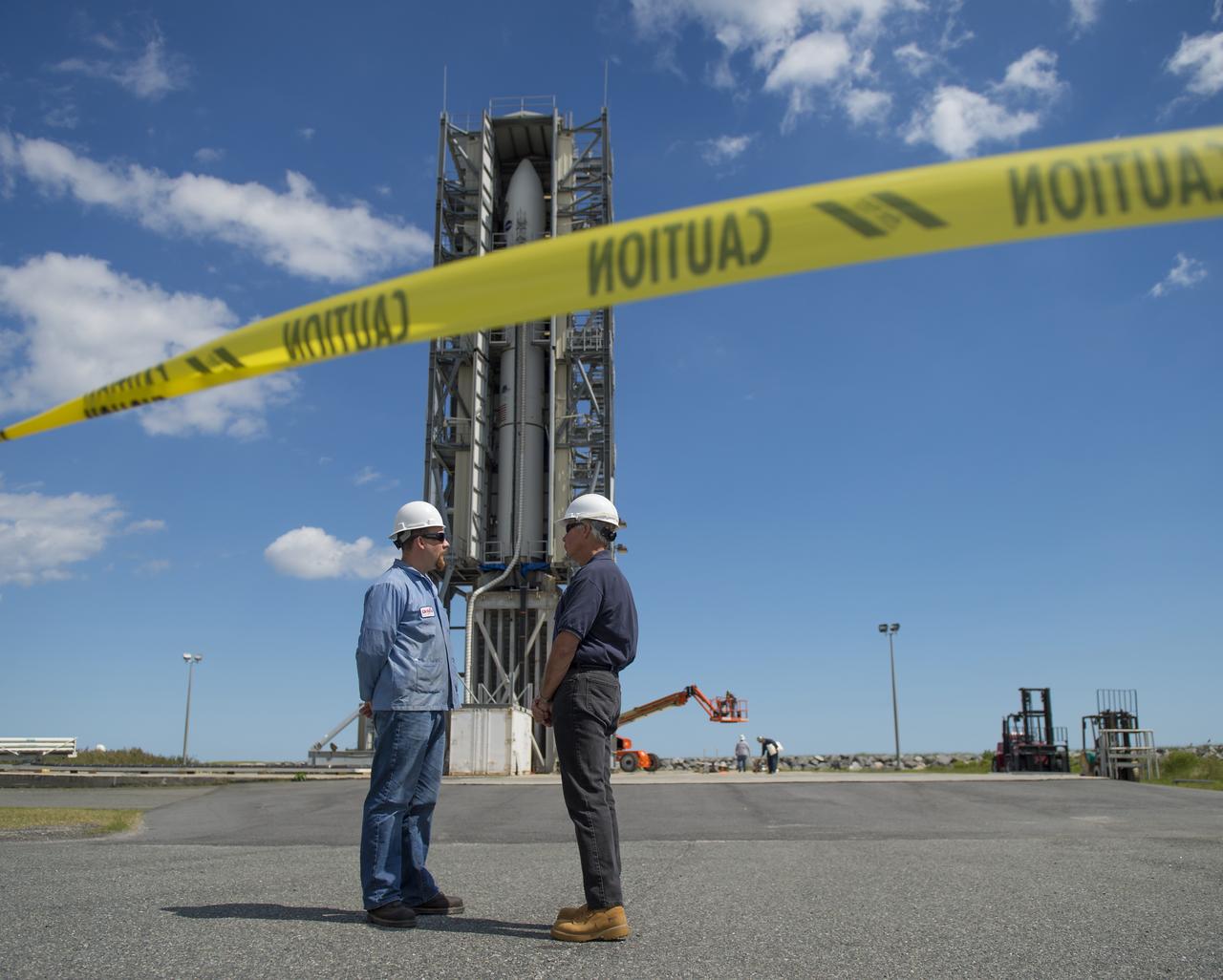
The doors of the gantry support structure are opened to reveal the Minotaur V rocket on Pad 0B at the Mid-Atlantic Regional Spaceport (MARS) at NASA's Wallops Flight Facility, Friday, Sept. 6, 2013 in Virginia. The Minotaur V will launch NASA's Lunar Atmosphere and Dust Environment Explorer (LADEE). LADEE is a robotic mission that will orbit the moon where it will provide unprecedented information about the environment around the moon and give scientists a better understanding of other planetary bodies in our solar system and beyond. LADEE is scheduled to launch at 11:27 p.m. Friday, Sept. 6, from NASA's Wallops Flight Facility. Photo Credit: (NASA/Carla Cioffi)
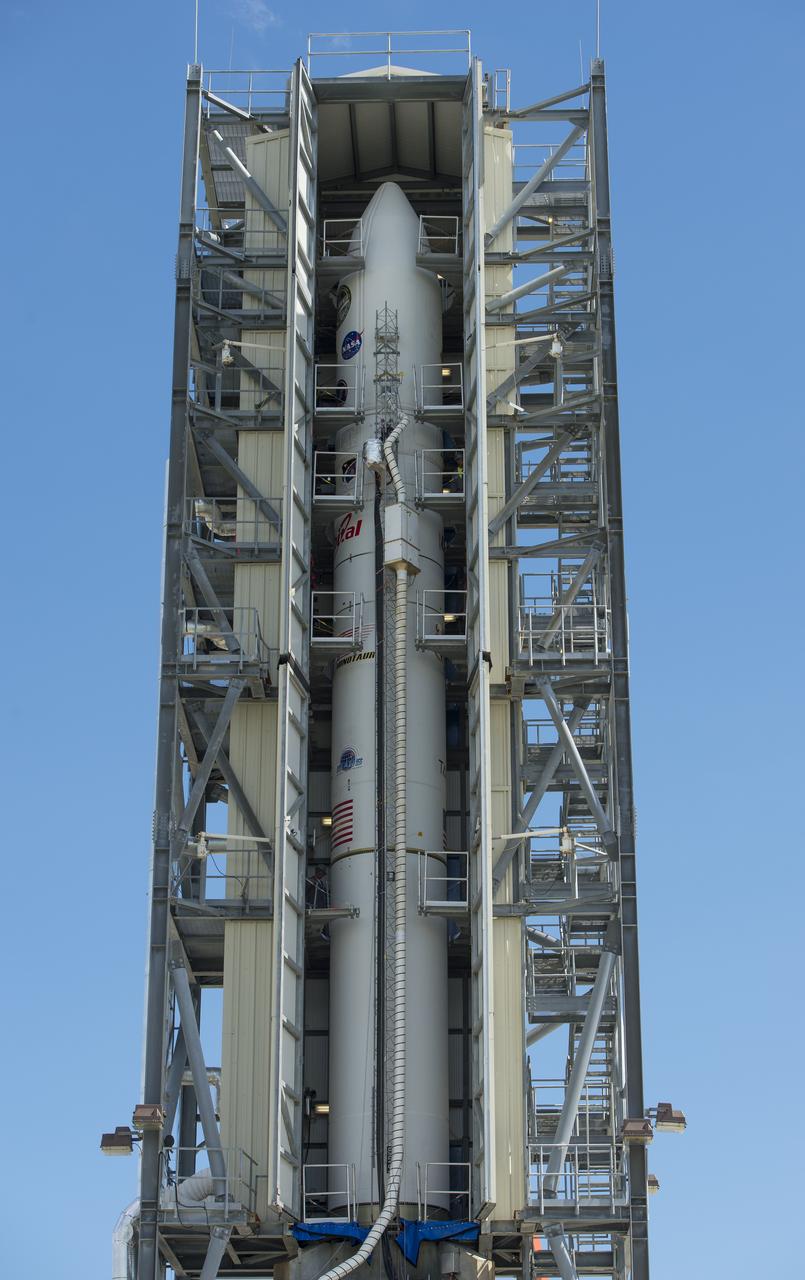
The doors of the gantry support structure are opened to reveal the Minotaur V rocket on Pad 0B at the Mid-Atlantic Regional Spaceport (MARS) at NASA's Wallops Flight Facility, Friday, Sept. 6, 2013 in Virginia. The Minotaur V will launch NASA's Lunar Atmosphere and Dust Environment Explorer (LADEE). LADEE is a robotic mission that will orbit the moon where it will provide unprecedented information about the environment around the moon and give scientists a better understanding of other planetary bodies in our solar system and beyond. LADEE is scheduled to launch at 11:27 p.m. Friday, Sept. 6, from NASA's Wallops Flight Facility. Photo Credit: (NASA/Carla Cioffi)
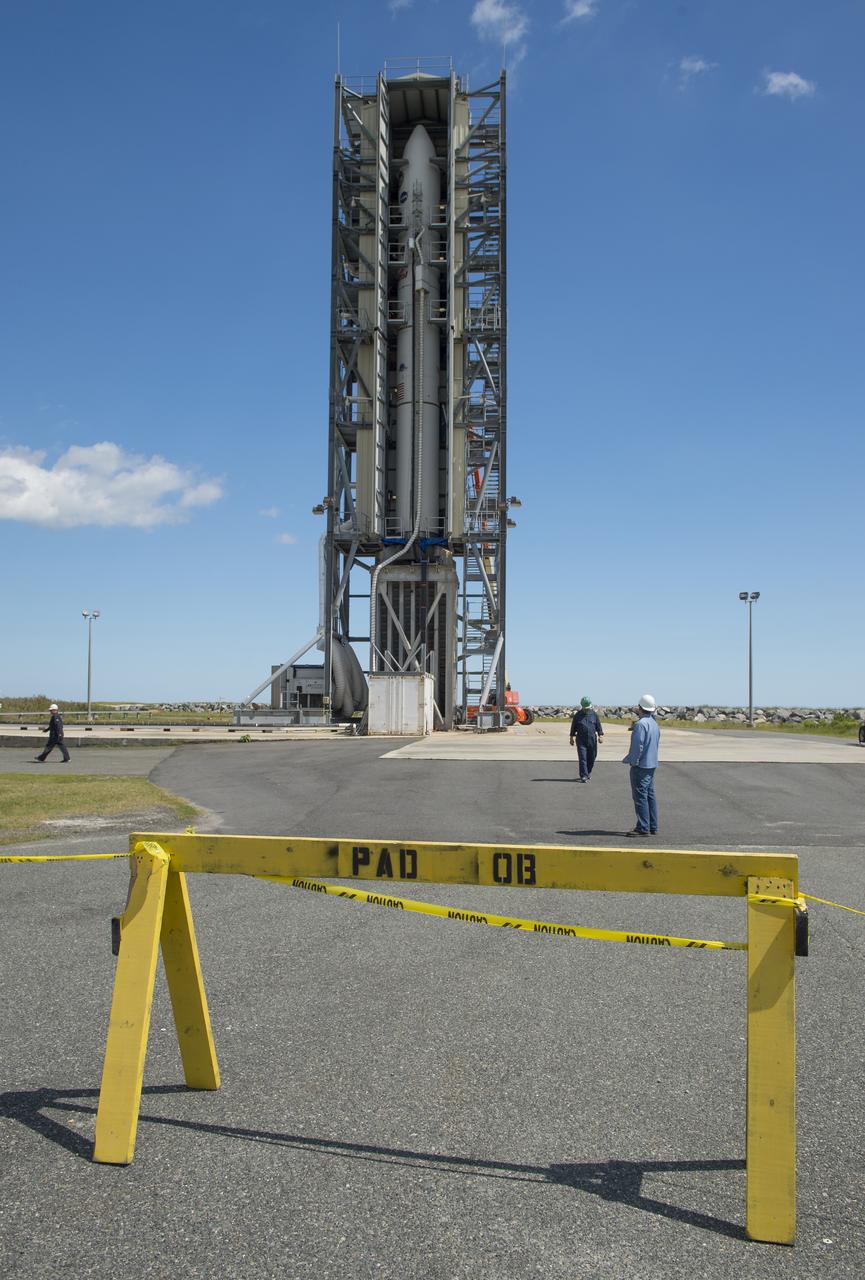
The doors of the gantry support structure are opened to reveal the Minotaur V rocket on Pad 0B at the Mid-Atlantic Regional Spaceport (MARS) at NASA's Wallops Flight Facility, Friday, Sept. 6, 2013 in Virginia. The Minotaur V will launch NASA's Lunar Atmosphere and Dust Environment Explorer (LADEE). LADEE is a robotic mission that will orbit the moon where it will provide unprecedented information about the environment around the moon and give scientists a better understanding of other planetary bodies in our solar system and beyond. LADEE is scheduled to launch at 11:27 p.m. Friday, Sept. 6, from NASA's Wallops Flight Facility. Photo Credit: (NASA/Carla Cioffi)
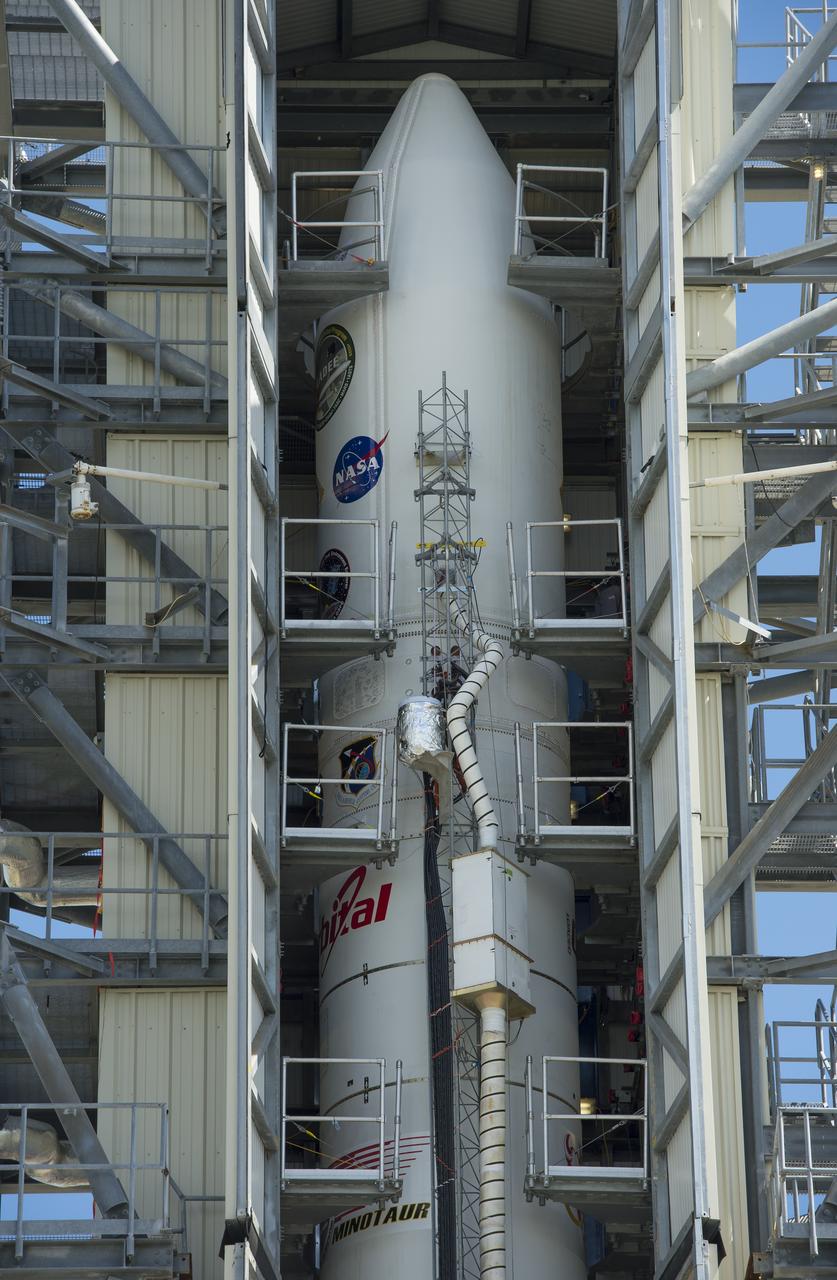
The doors of the gantry support structure are opened to reveal the Minotaur V rocket on Pad 0B at the Mid-Atlantic Regional Spaceport (MARS) at NASA's Wallops Flight Facility, Friday, Sept. 6, 2013 in Virginia. The Minotaur V will launch NASA's Lunar Atmosphere and Dust Environment Explorer (LADEE). LADEE is a robotic mission that will orbit the moon where it will provide unprecedented information about the environment around the moon and give scientists a better understanding of other planetary bodies in our solar system and beyond. LADEE is scheduled to launch at 11:27 p.m. Friday, Sept. 6, from NASA's Wallops Flight Facility. Photo Credit: (NASA/Carla Cioffi)
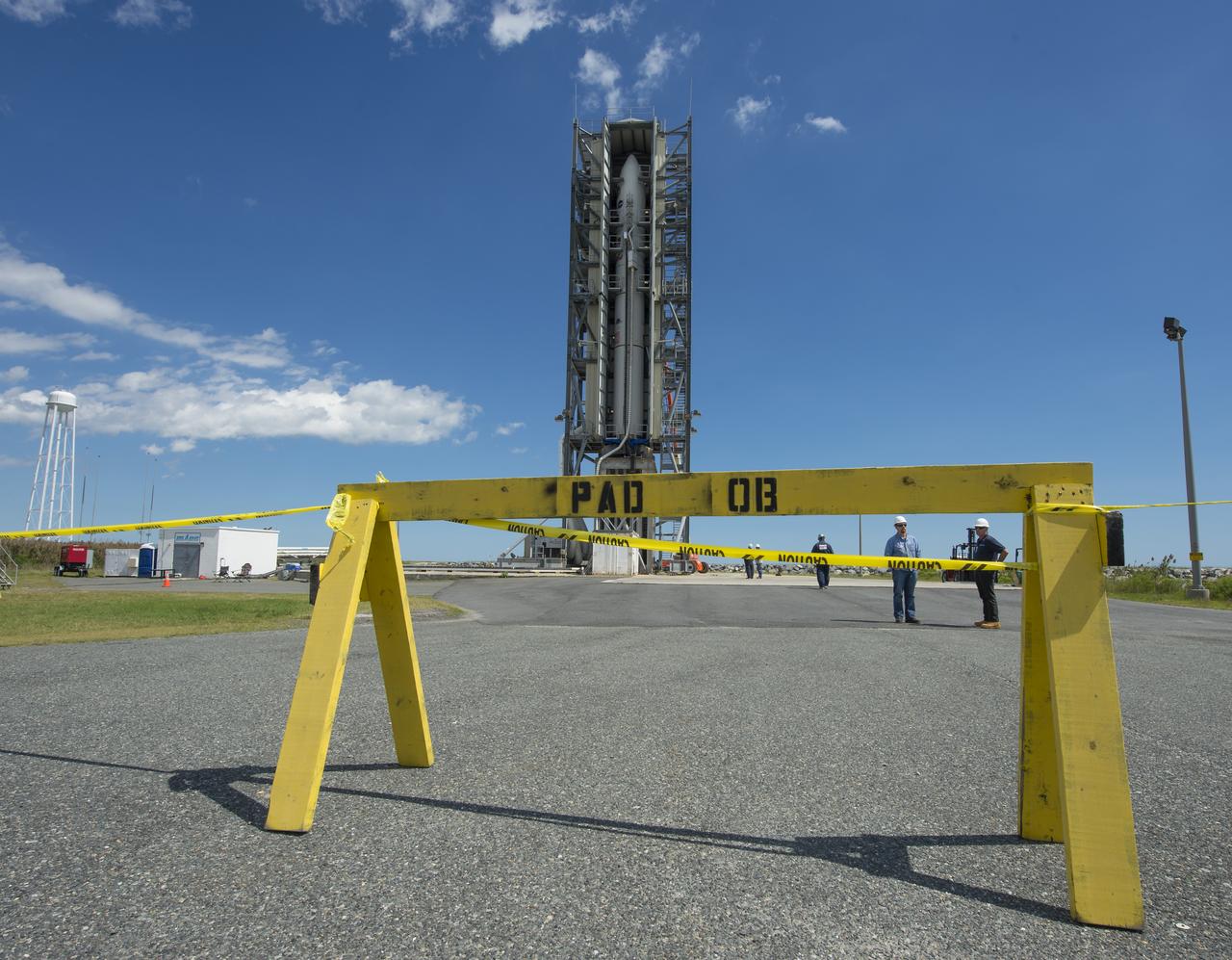
The doors of the gantry support structure are opened to reveal the Minotaur V rocket on Pad 0B at the Mid-Atlantic Regional Spaceport (MARS) at NASA's Wallops Flight Facility, Friday, Sept. 6, 2013 in Virginia. The Minotaur V will launch NASA's Lunar Atmosphere and Dust Environment Explorer (LADEE). LADEE is a robotic mission that will orbit the moon where it will provide unprecedented information about the environment around the moon and give scientists a better understanding of other planetary bodies in our solar system and beyond. LADEE is scheduled to launch at 11:27 p.m. Friday, Sept. 6, from NASA's Wallops Flight Facility. Photo Credit: (NASA/Carla Cioffi)
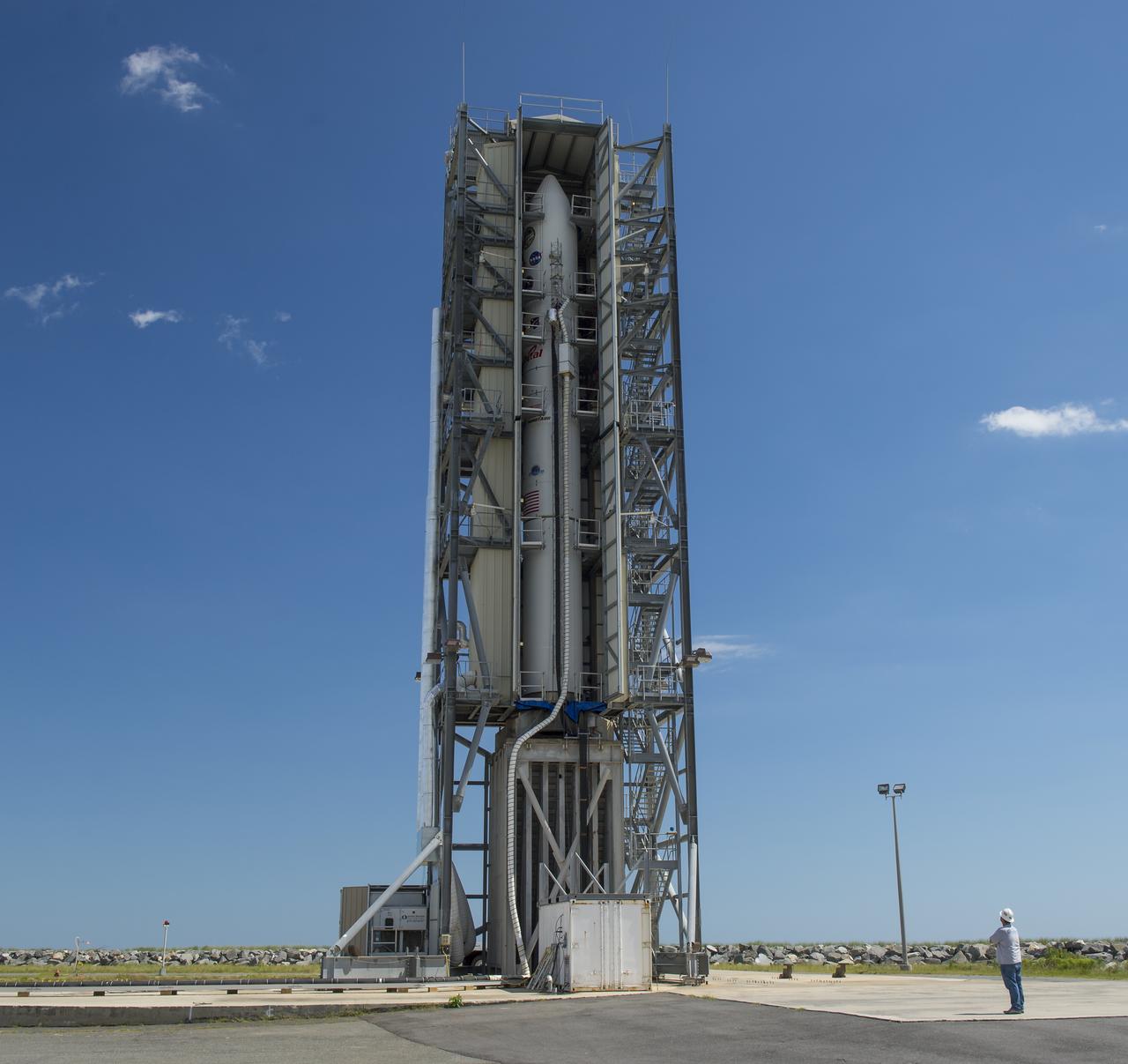
The doors of the gantry support structure are opened to reveal the Minotaur V rocket on Pad 0B at the Mid-Atlantic Regional Spaceport (MARS) at NASA's Wallops Flight Facility, Friday, Sept. 6, 2013 in Virginia. The Minotaur V will launch NASA's Lunar Atmosphere and Dust Environment Explorer (LADEE). LADEE is a robotic mission that will orbit the moon where it will provide unprecedented information about the environment around the moon and give scientists a better understanding of other planetary bodies in our solar system and beyond. LADEE is scheduled to launch at 11:27 p.m. Friday, Sept. 6, from NASA's Wallops Flight Facility. Photo Credit: (NASA/Carla Cioffi)
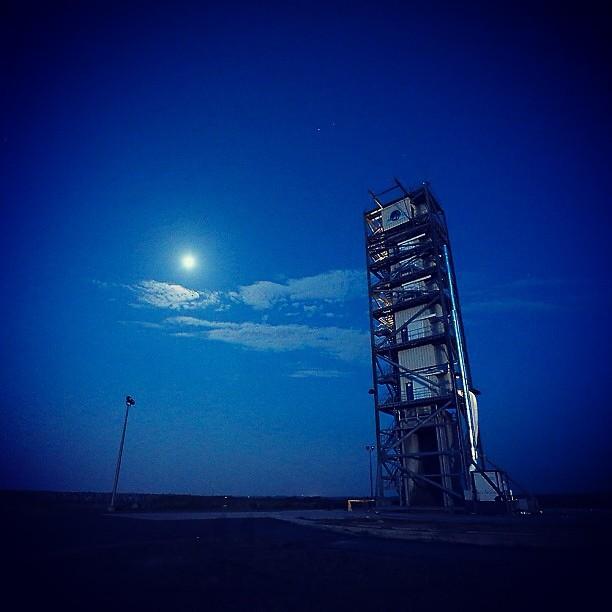
This image shows an evening view gantry at Pad 0B at the Mid-Atlantic Regional Spaceport, at NASA's Wallops Flight Facility in Wallops Island, Va., on Sept. 4, 2013. In this photograph, the gantry surrounds the Minotaur V rocket that will launch NASA LADEE. The gantry is now removed and the Minotaur is getting ready to launch LADEE at 11:27 p.m. EDT tonight. Image credit: NASA Wallops/Patrick Black
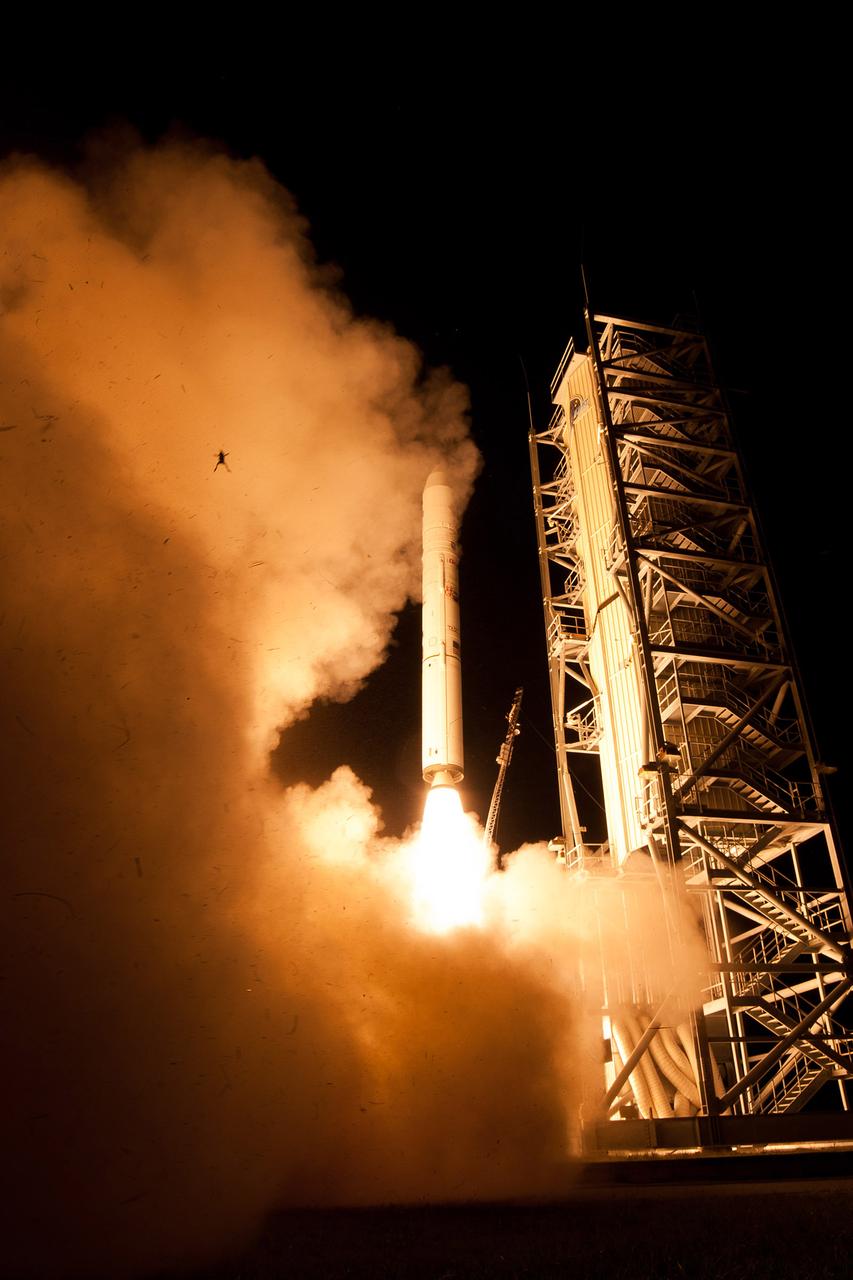
A still camera on a sound trigger captured this intriguing photo of an airborne frog as NASA's LADEE spacecraft lifts off from Pad 0B at Wallops Flight Facility in Virginia. The photo team confirms the frog is real and was captured in a single frame by one of the remote cameras used to photograph the launch. The condition of the frog, however, is uncertain. Credit: NASA/Wallops Flight Facility/Chris Perry A still camera on a sound trigger captured this intriguing photo of an airborne frog as NASA's LADEE spacecraft lifts off from Pad 0B at Wallops Flight Facility in Virginia. The photo team confirms the frog is real and was captured in a single frame by one of the remote cameras used to photograph the launch. The condition of the frog, however, is uncertain. Credit: NASA Wallops Flight Facility/Chris Perry <b><a href="http://www.nasa.gov/audience/formedia/features/MP_Photo_Guidelines.html" rel="nofollow">NASA image use policy.</a></b> <b><a href="http://www.nasa.gov/centers/goddard/home/index.html" rel="nofollow">NASA Goddard Space Flight Center</a></b> enables NASA’s mission through four scientific endeavors: Earth Science, Heliophysics, Solar System Exploration, and Astrophysics. Goddard plays a leading role in NASA’s accomplishments by contributing compelling scientific knowledge to advance the Agency’s mission. <b>Follow us on <a href="http://twitter.com/NASA_GoddardPix" rel="nofollow">Twitter</a></b> <b>Like us on <a href="http://www.facebook.com/pages/Greenbelt-MD/NASA-Goddard/395013845897?ref=tsd" rel="nofollow">Facebook</a></b> <b>Find us on <a href="http://instagram.com/nasagoddard?vm=grid" rel="nofollow">Instagram</a></b>
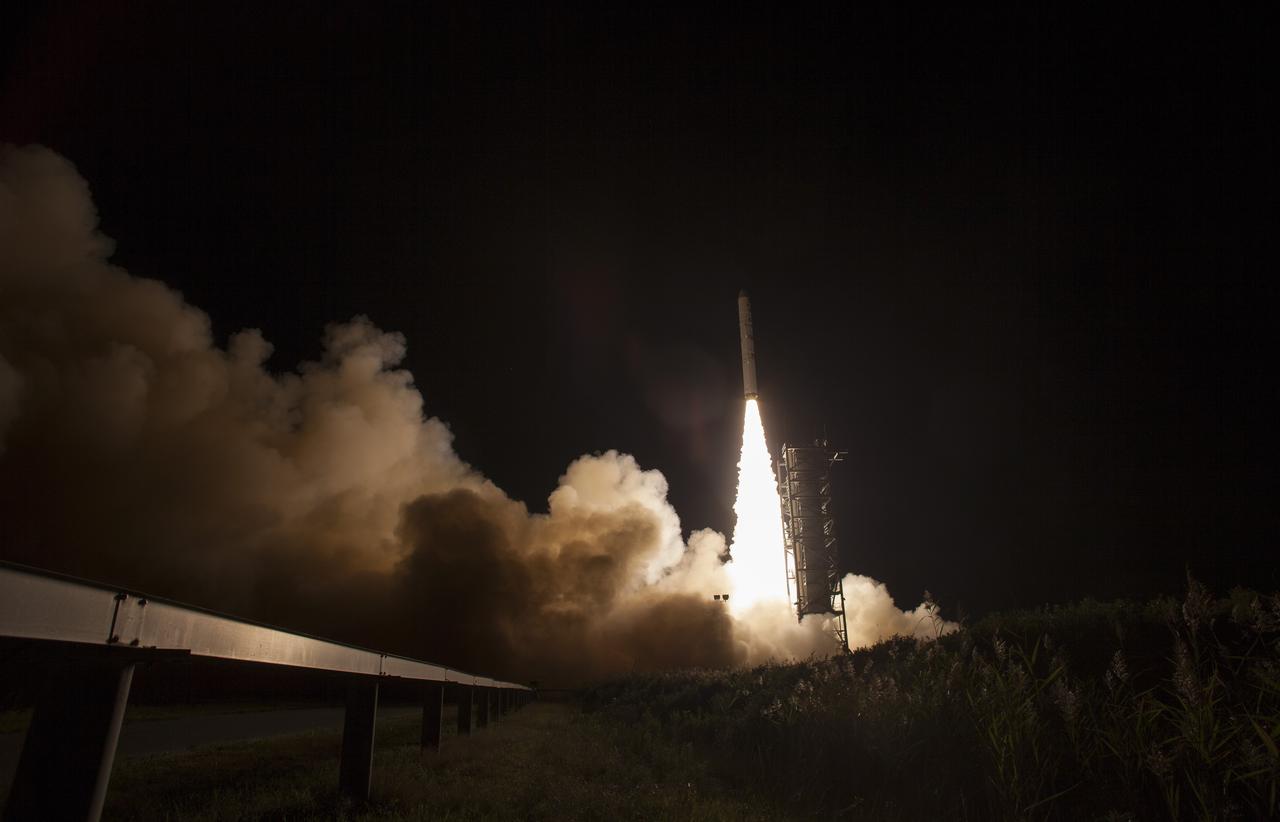
NASA's Lunar Atmosphere and Dust Environment Explorer (LADEE) observatory launches aboard the Minotaur V rocket from the Mid-Atlantic Regional Spaceport (MARS) at NASA's Wallops Flight Facility, Friday, Sept. 6, 2013 in Virginia. LADEE is a robotic mission that will orbit the moon where it will provide unprecedented information about the environment around the moon and give scientists a better understanding of other planetary bodies in our solar system and beyond. Photo Credit: (NASA/Carla Cioffi)
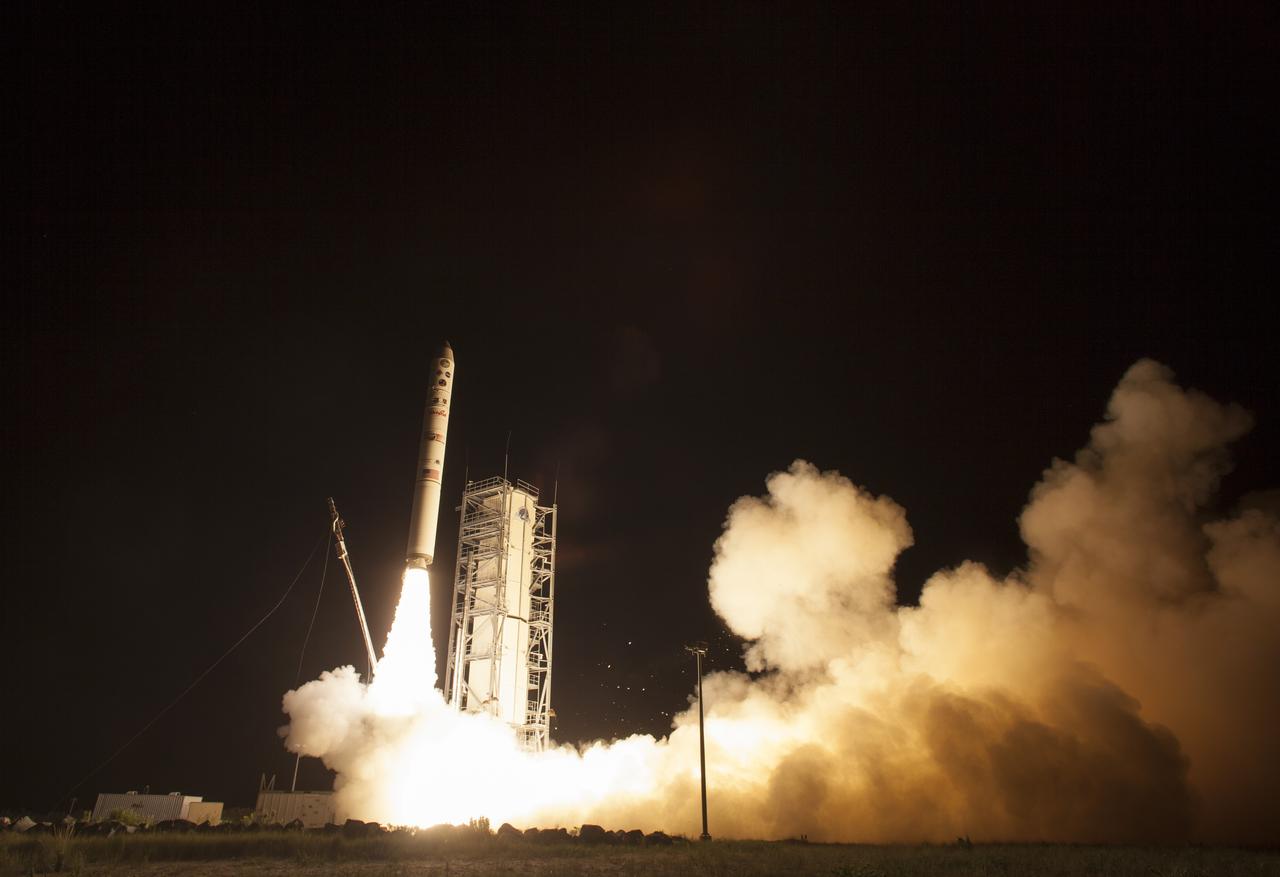
NASA's Lunar Atmosphere and Dust Environment Explorer (LADEE) observatory launches aboard the Minotaur V rocket from the Mid-Atlantic Regional Spaceport (MARS) at NASA's Wallops Flight Facility, Friday, Sept. 6, 2013 in Virginia. LADEE is a robotic mission that will orbit the moon where it will provide unprecedented information about the environment around the moon and give scientists a better understanding of other planetary bodies in our solar system and beyond. Photo Credit: (NASA/Carla Cioffi)
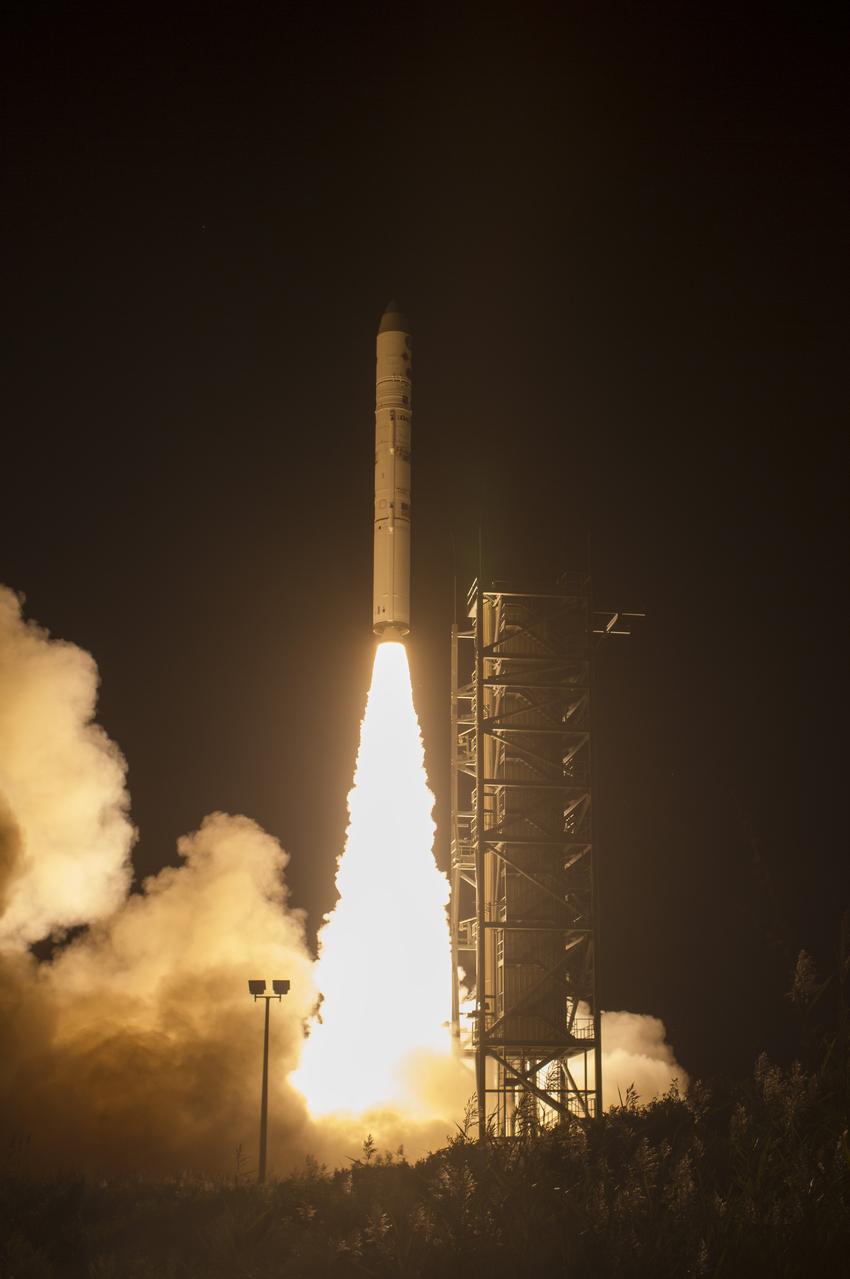
NASA's Lunar Atmosphere and Dust Environment Explorer (LADEE) observatory launches aboard the Minotaur V rocket from the Mid-Atlantic Regional Spaceport (MARS) at NASA's Wallops Flight Facility, Friday, Sept. 6, 2013 in Virginia. LADEE is a robotic mission that will orbit the moon where it will provide unprecedented information about the environment around the moon and give scientists a better understanding of other planetary bodies in our solar system and beyond. Photo Credit: (NASA/Carla Cioffi)
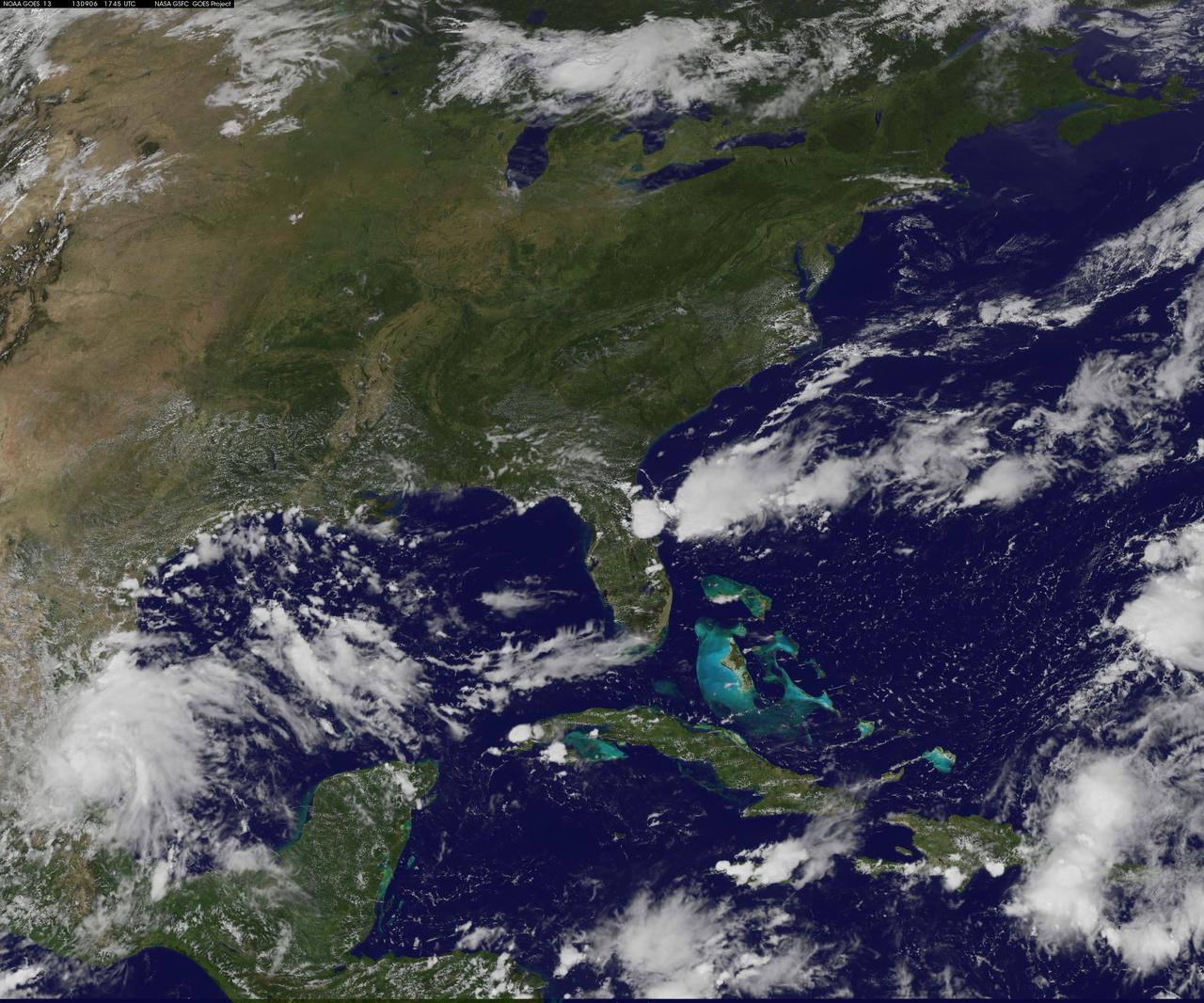
NASA's Wallops Flight Facility is located on Wallops Island, Va. and is the site of tonight's moon mission launch. Satellite imagery from NOAA's GOES-East satellite shows that high pressure remains in control over the Mid-Atlantic region, providing an almost cloud-free sky. This visible image of the Mid-Atlantic was captured by NOAA's GOES-East satellite at 17:31 UTC/1:31 p.m. EDT and shows some fair weather clouds over the Delmarva Peninsula (which consists of the state of Delaware and parts of Maryland and Virginia - which together is "Delmarva") and eastern Virginia and North Carolina. Most of the region is cloud-free, making for a perfect viewing night to see a launch. NOAA operates GOES-East and NASA's GOES Project at the NASA Goddard Space Flight Center in Greenbelt, Md. creates images and animations from the data. NOAA's National Weather Service forecast for tonight, Sept. 6 calls for winds blowing from the east to 11 mph, with clear skies and overnight temperatures dropping to the mid-fifties. The Lunar Atmosphere and Dust Environment Explorer, known as LADEE (pronounced like "laddie"), launches tonight at 11:27 p.m. EDT from Pad 0B at the Mid-Atlantic Regional Spaceport, at NASA Wallops and will be visible along the Mid-Atlantic with tonight's perfect weather conditions. LADEE is managed by NASA's Ames Research Center in Moffett Field, Calif. This will be the first launch to lunar orbit from NASA Wallops and the first launch of a Minotaur V rocket – the biggest ever launched from Wallops. NASA's LADEE is a robotic mission that will orbit the moon to gather detailed information about the lunar atmosphere, conditions near the surface and environmental influences on lunar dust. A thorough understanding of these characteristics will address long-standing unknowns, and help scientists understand other planetary bodies as well. LADEE also carries an important secondary payload, the Lunar Laser Communication Demonstration, or LLCD, which will help us open a new era of space communications by becoming NASA's first high rate, two-way, space laser system. Live coverage of the launch can be seen beginning at 9:30 p.m. EDT on NASA-TV at: <a href="http://www.nasa.gov/ntv" rel="nofollow">www.nasa.gov/ntv</a> For more information about LADEE, visit: <a href="http://www.nasa.gov/ladee" rel="nofollow">www.nasa.gov/ladee</a> <b><a href="http://www.nasa.gov/audience/formedia/features/MP_Photo_Guidelines.html" rel="nofollow">NASA image use policy.</a></b> <b><a href="http://www.nasa.gov/centers/goddard/home/index.html" rel="nofollow">NASA Goddard Space Flight Center</a></b> enables NASA’s mission through four scientific endeavors: Earth Science, Heliophysics, Solar System Exploration, and Astrophysics. Goddard plays a leading role in NASA’s accomplishments by contributing compelling scientific knowledge to advance the Agency’s mission. <b>Follow us on <a href="http://twitter.com/NASA_GoddardPix" rel="nofollow">Twitter</a></b> <b>Like us on <a href="http://www.facebook.com/pages/Greenbelt-MD/NASA-Goddard/395013845897?ref=tsd" rel="nofollow">Facebook</a></b> <b>Find us on <a href="http://instagram.com/nasagoddard?vm=grid" rel="nofollow">Instagram</a></b>