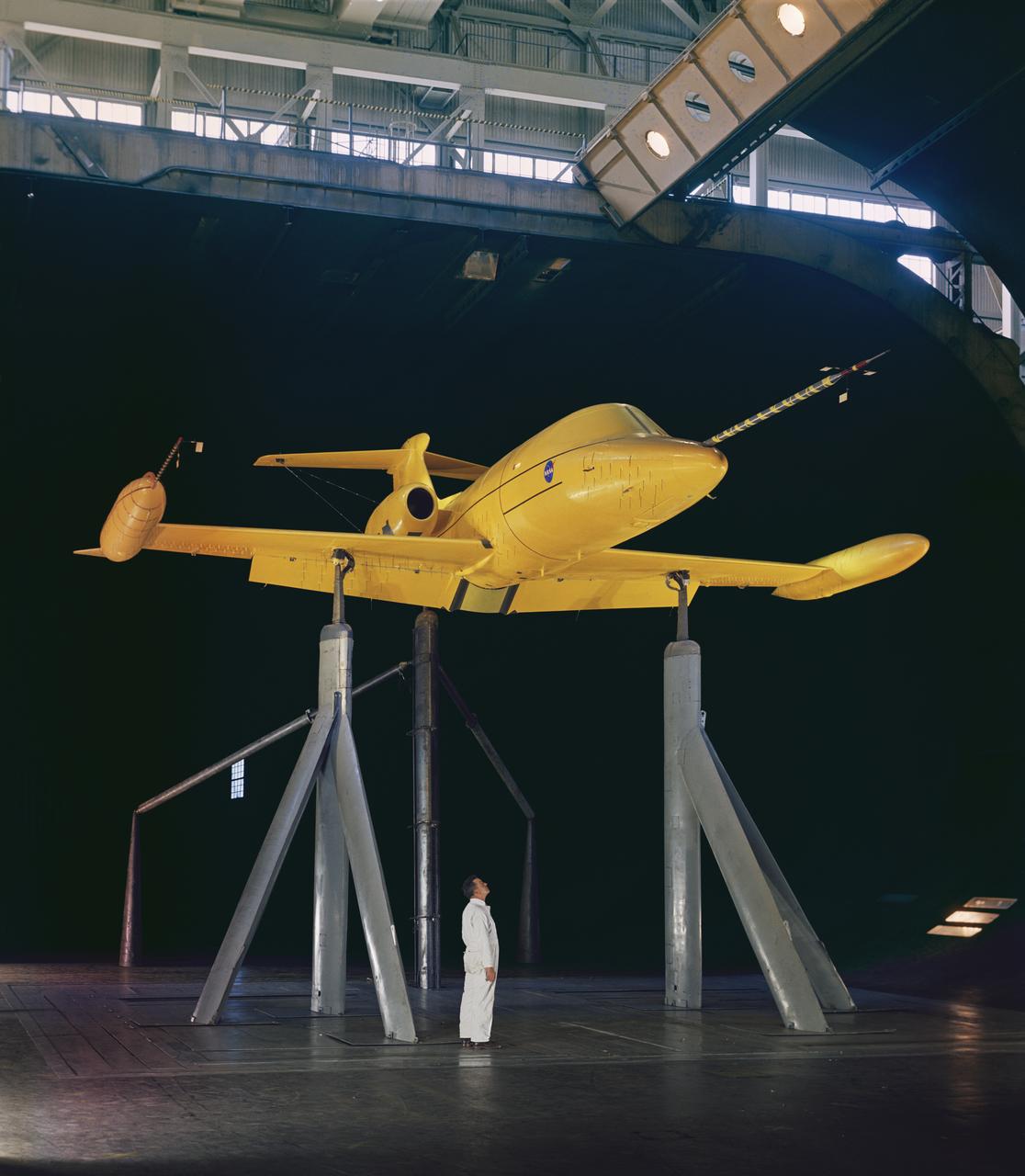
3/4 front view of Lear Jet with Boom installed at 0 degree of attack. Ed Varrette in Photo.
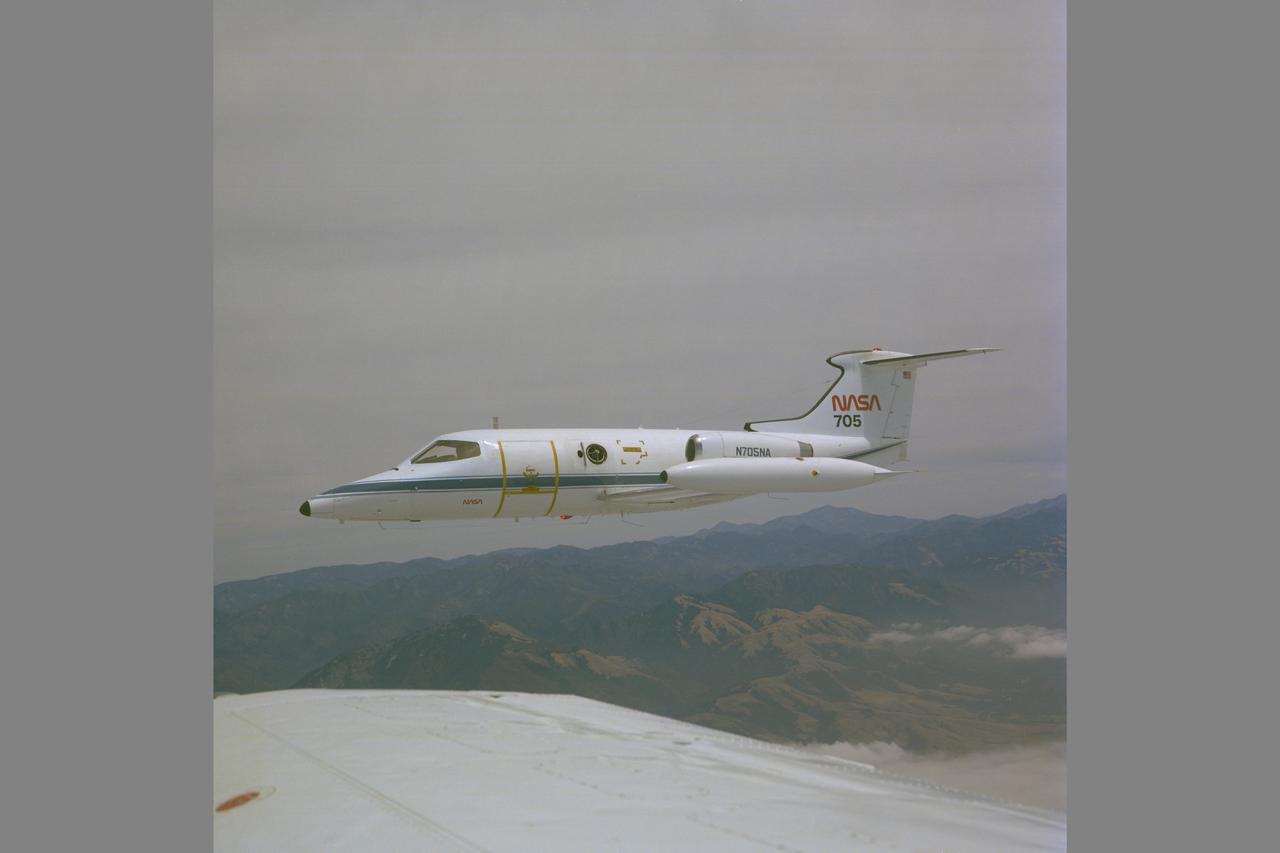
Lear Jet (NASA-705) in flight

Lear Jet (NASA-705) in flight
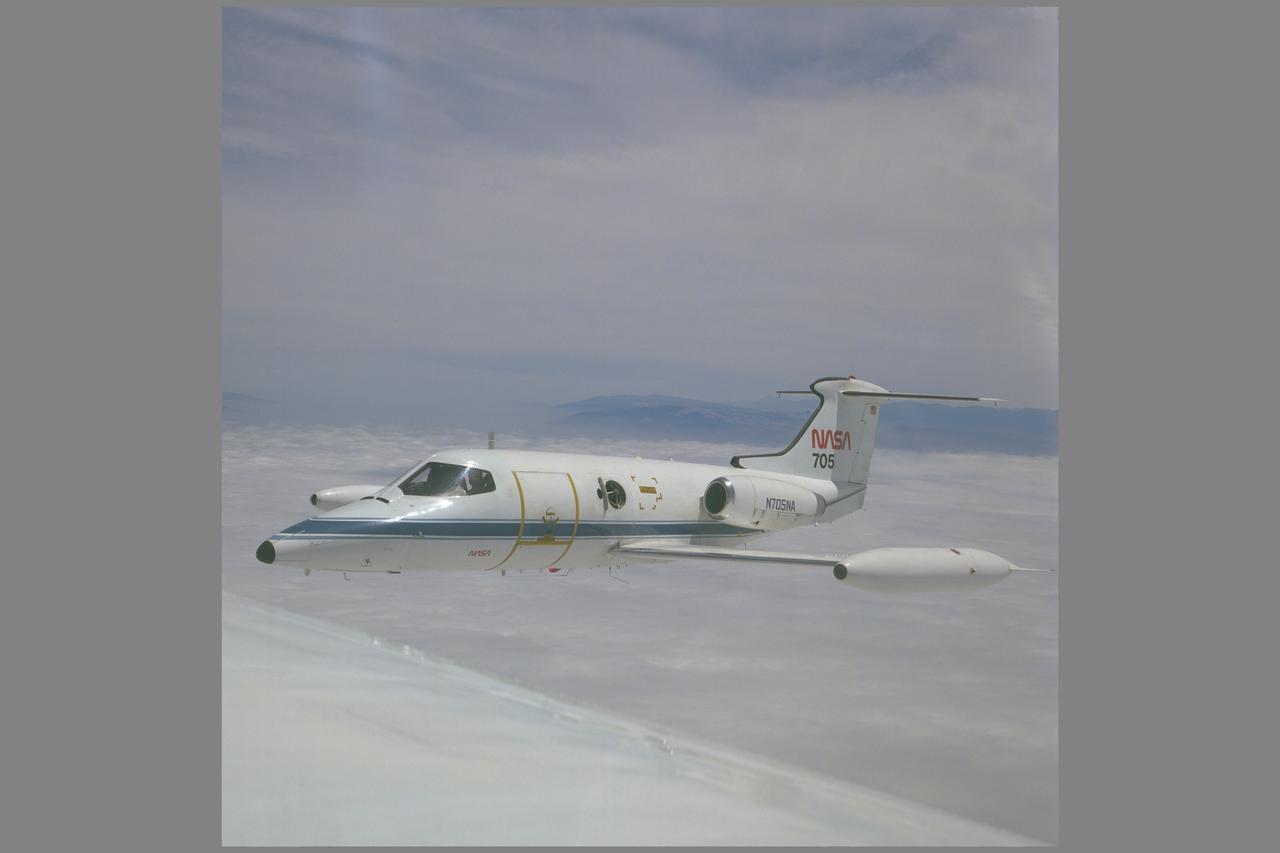
Lear Jet (NASA-705) in flight
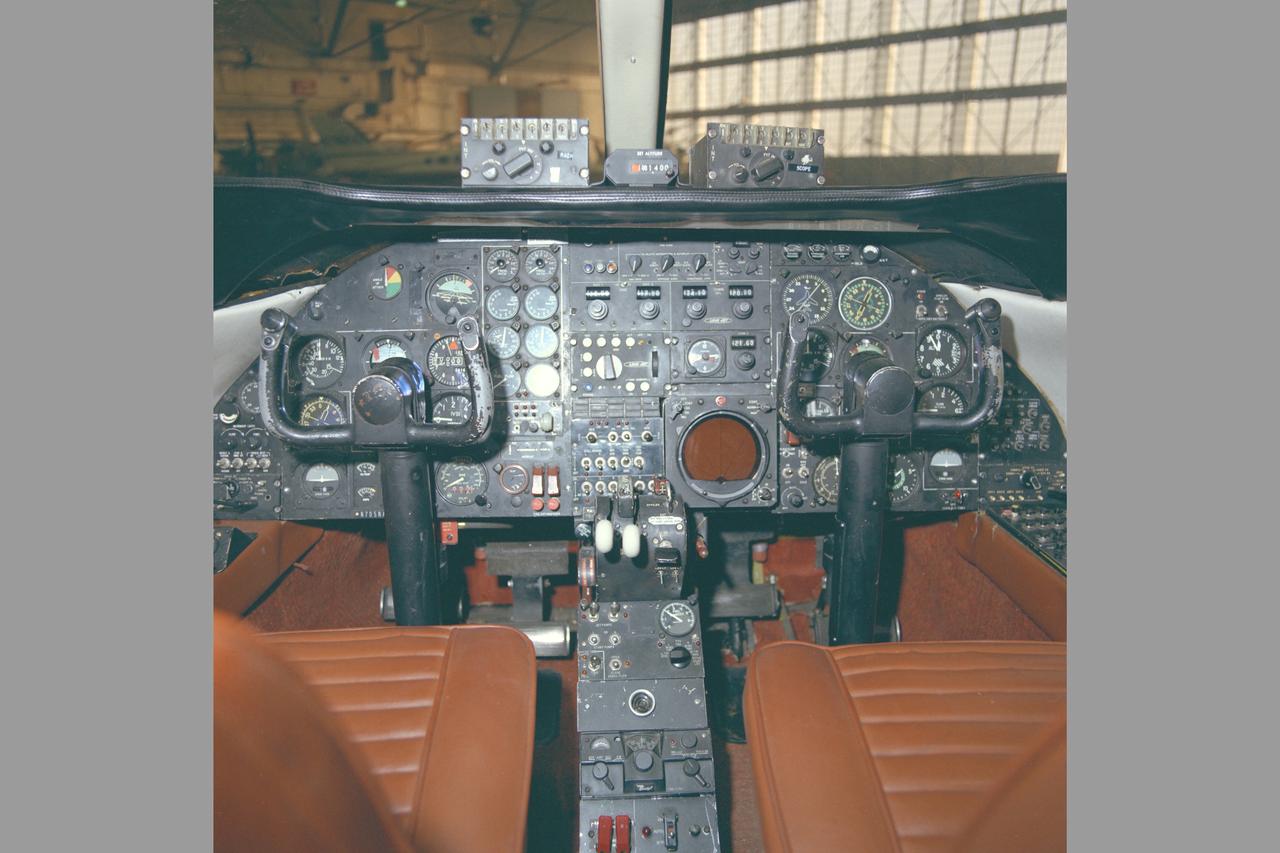
Lear Jet (NASA-705) cockpit
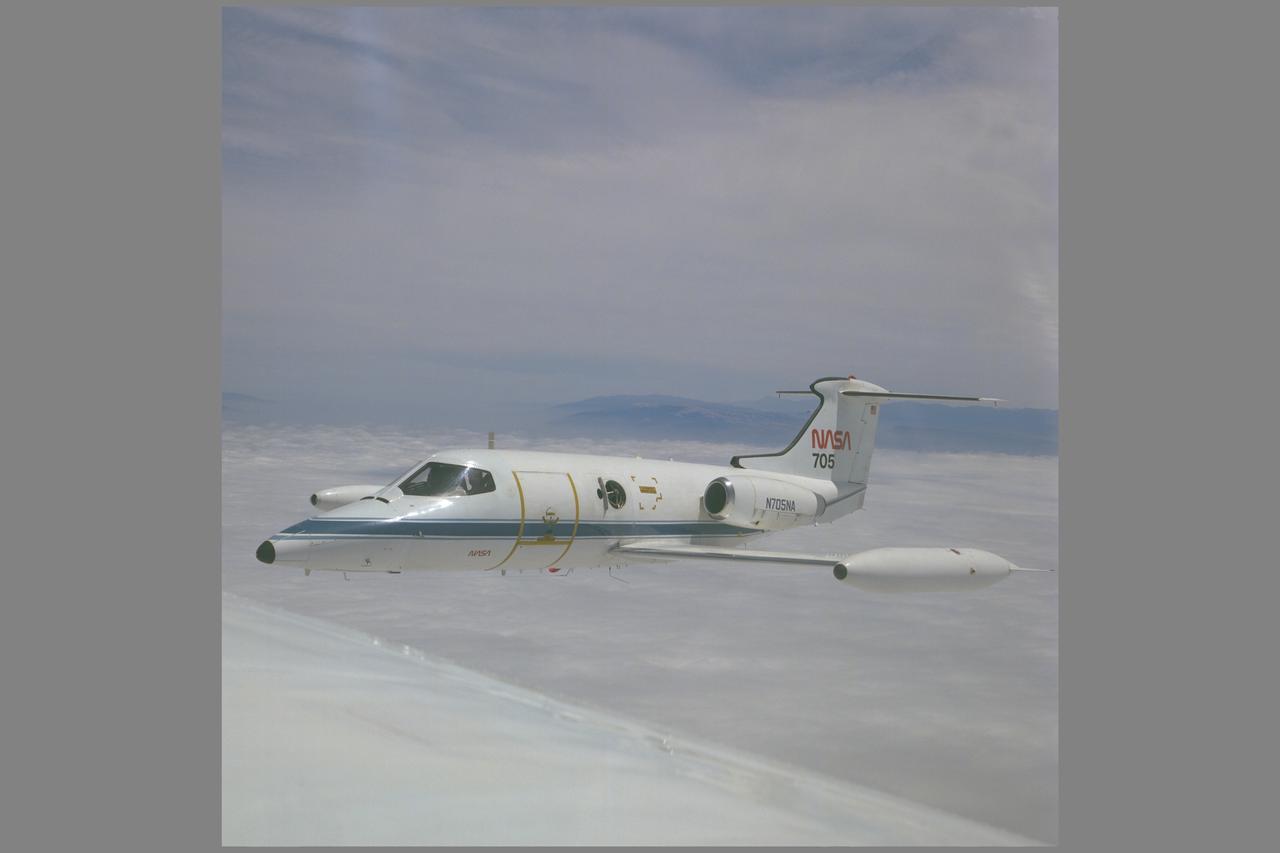
Lear Jet (NASA-705) in flight
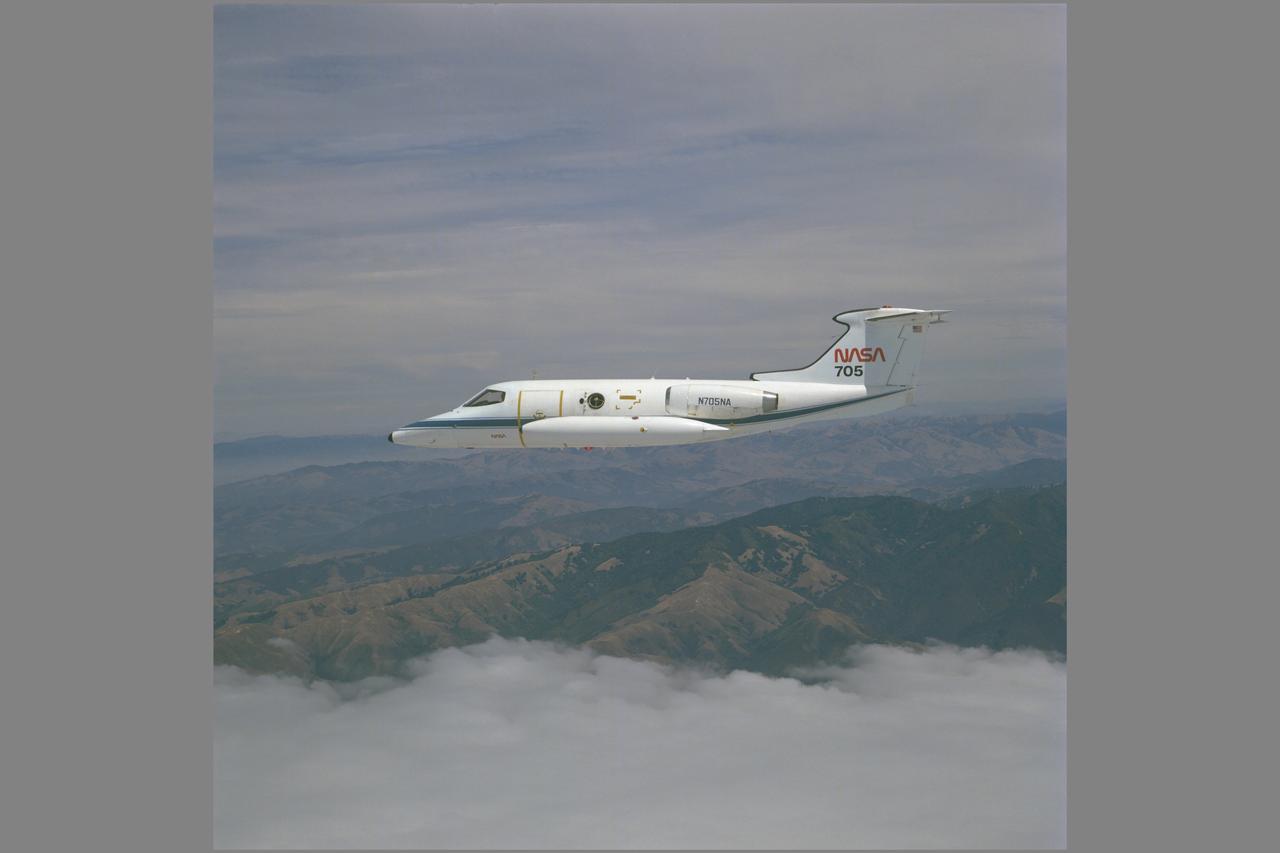
Lear Jet (NASA-705) in flight
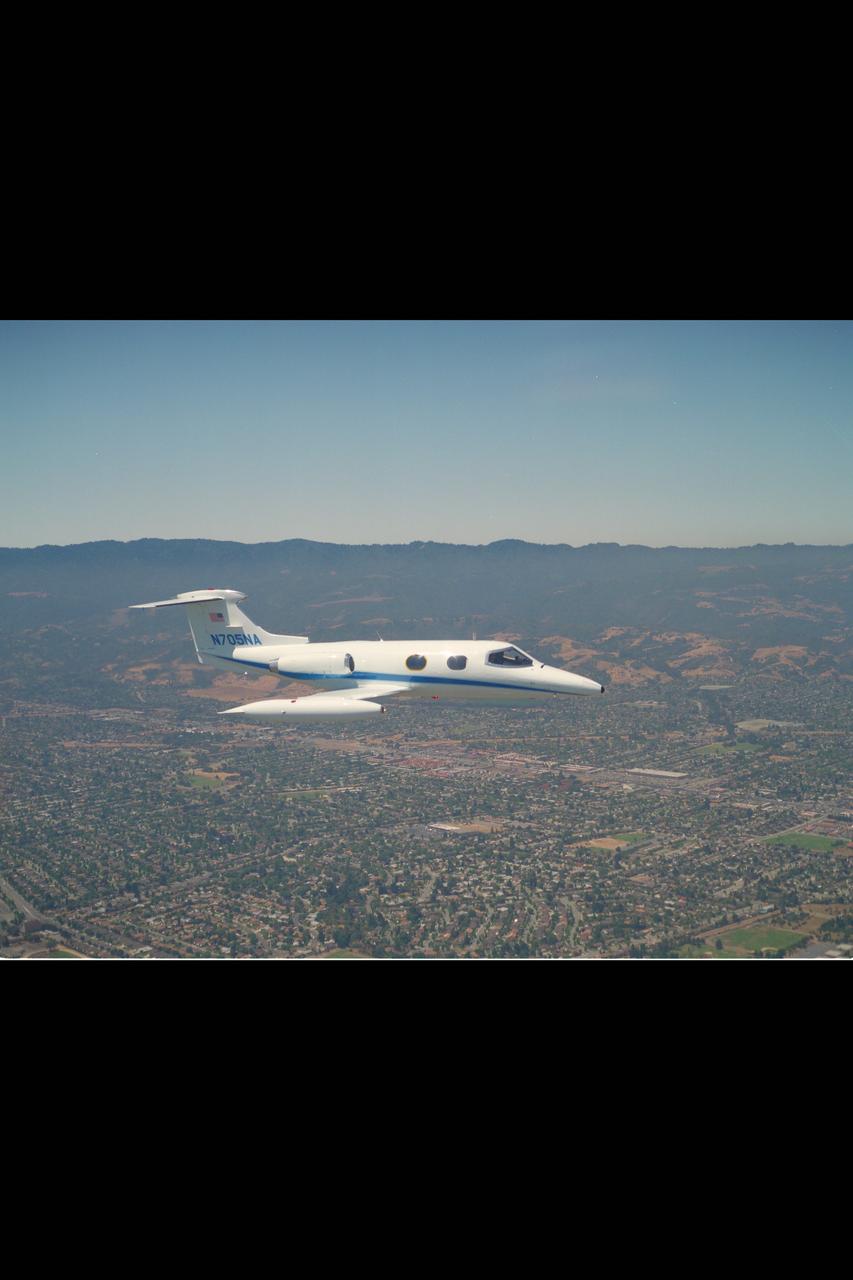
Lear Jet (NASA 705) in flight over Central CA.
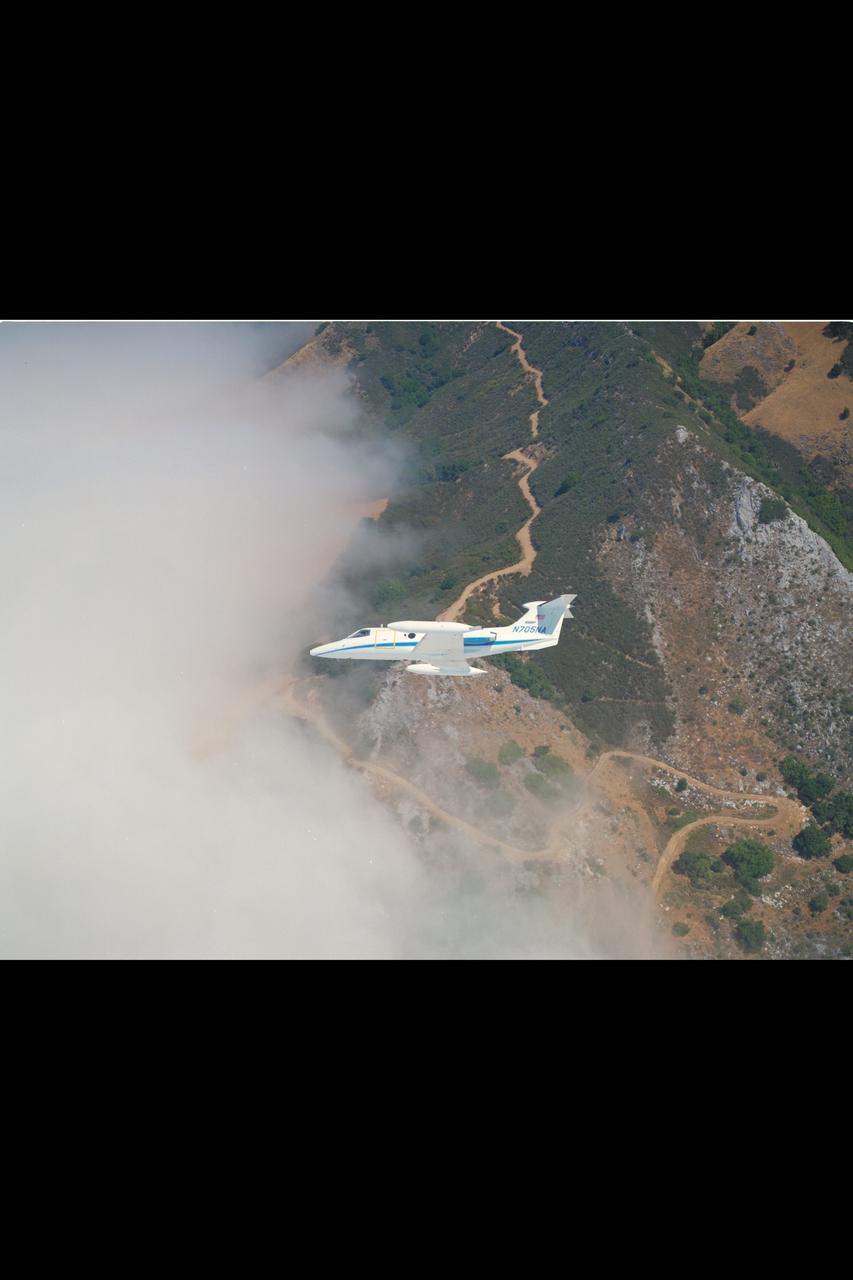
Lear Jet (NASA 705) in flight over Central CA.
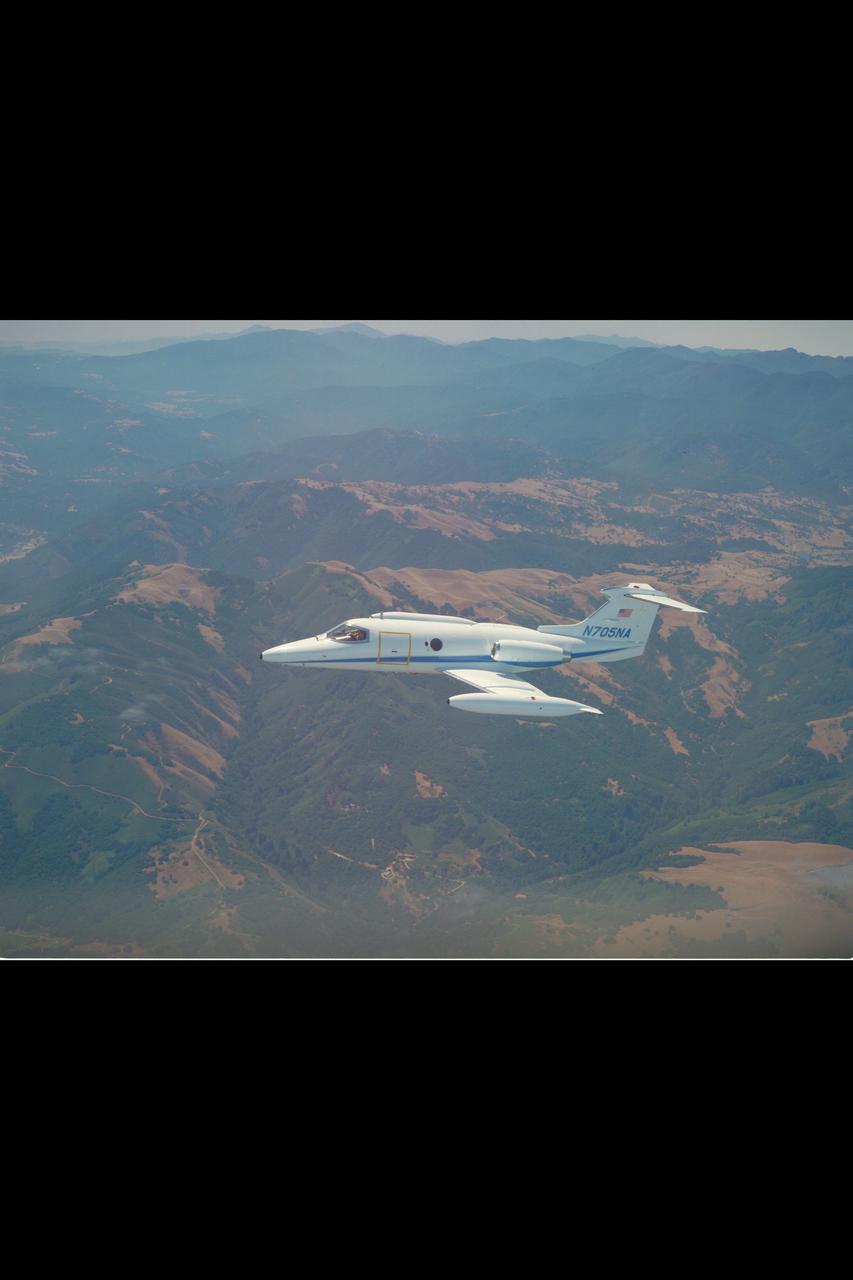
Lear Jet (NASA 705) in flight over Central CA.

Lear Jet (NASA 805) NAIMS (NASA Airborne Infrared measurement system) Experiment
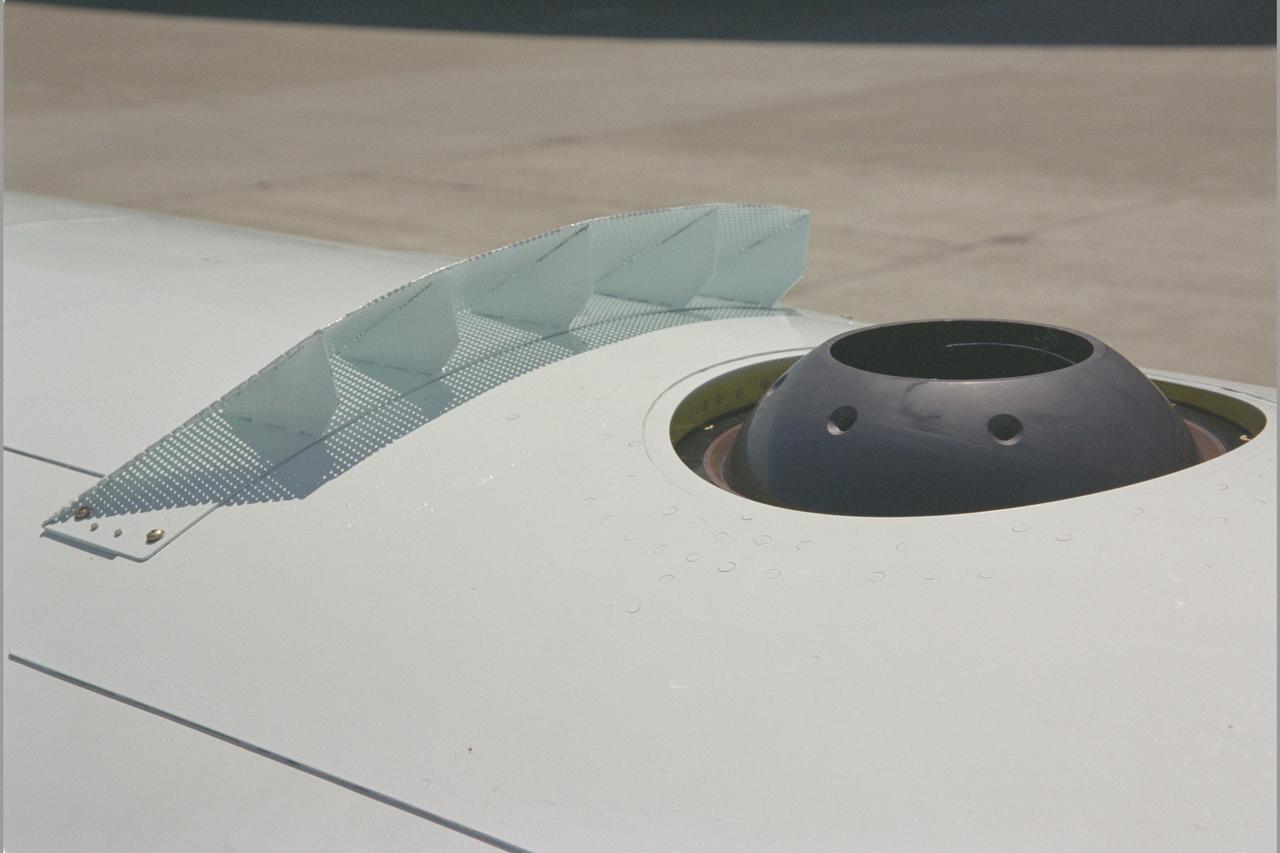
Lear Jet (NASA 805) NAIMS (NASA Airborne Infrared measurement system) Experiment - exterior telescope
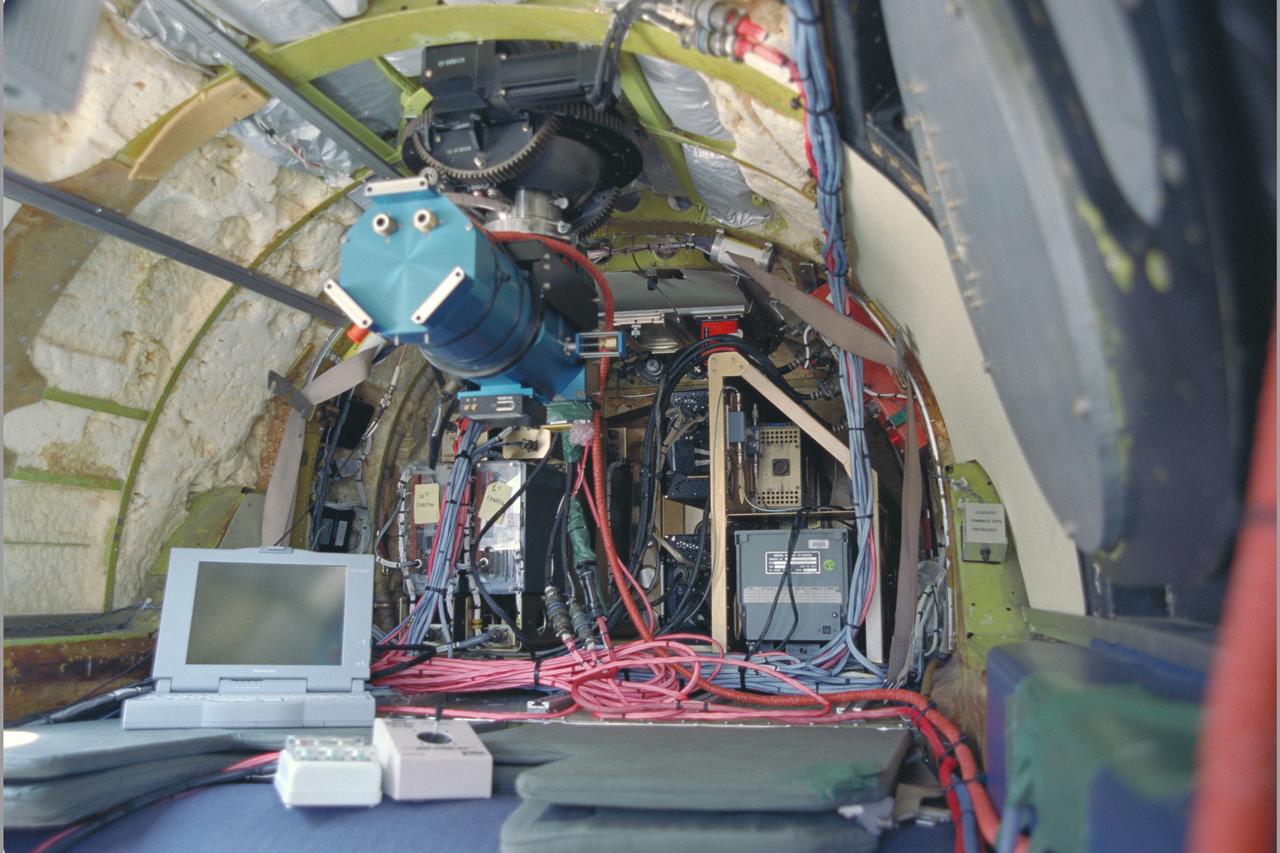
Lear Jet (NASA 805) NAIMS (NASA Airborne Infrared measurement system) Experiment
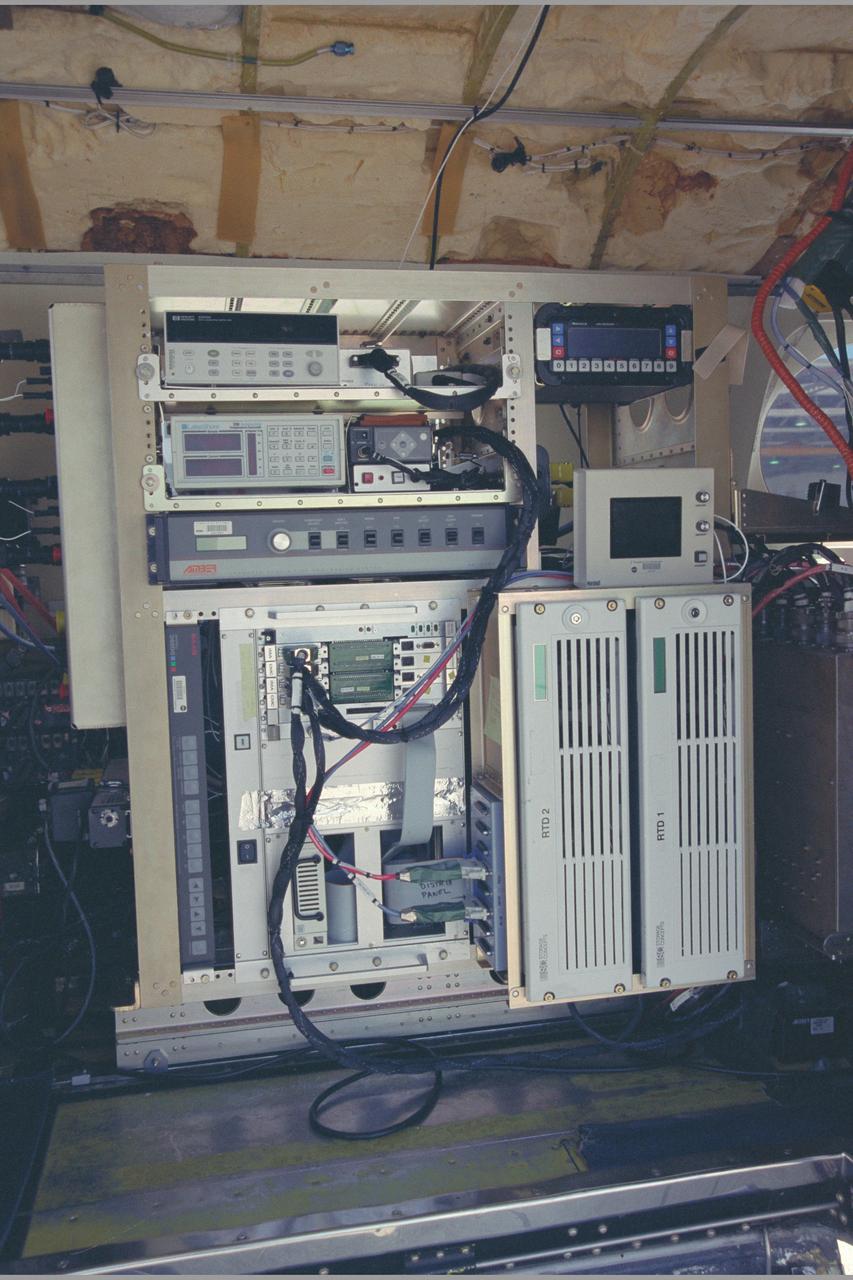
Lear Jet (NASA 805) NAIMS (NASA Airborne Infrared measurement system) Experiment
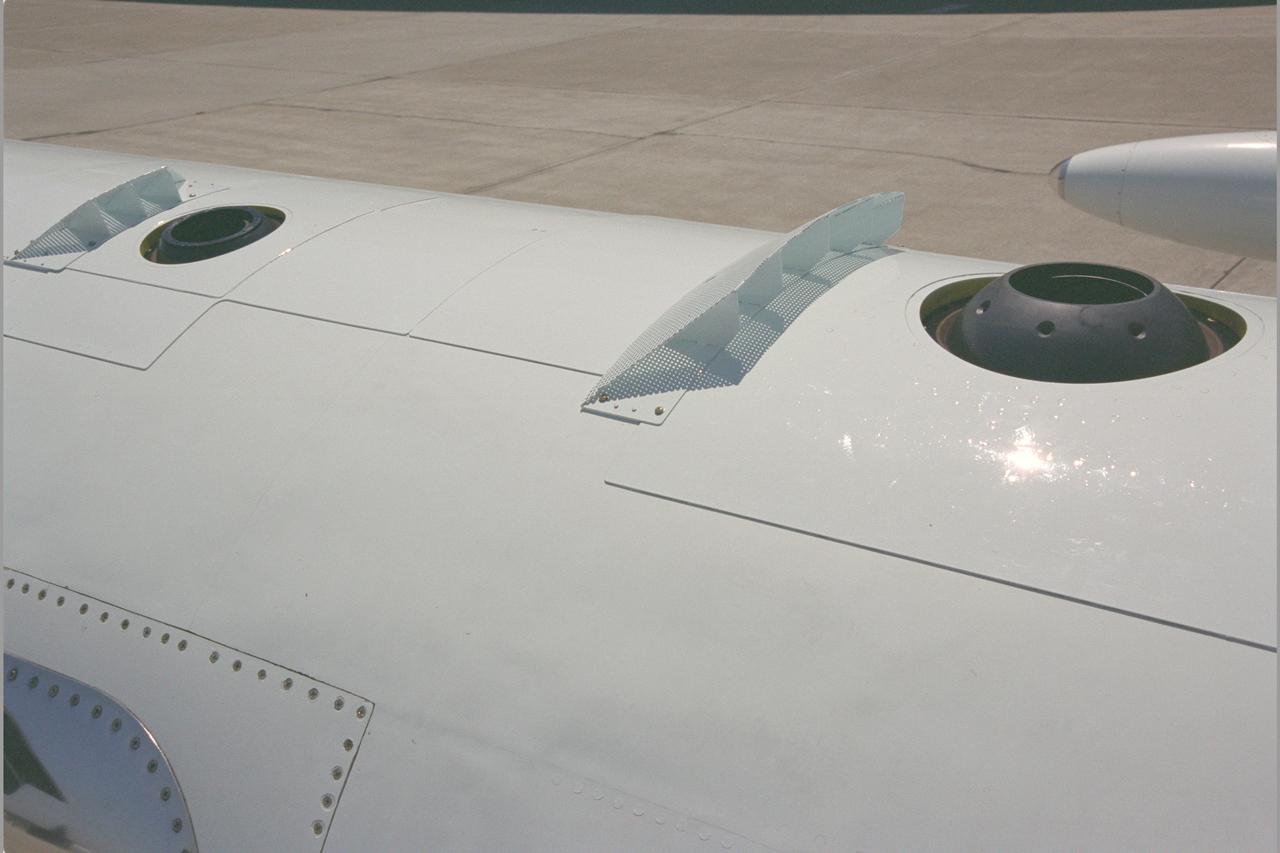
Lear Jet (NASA 805) NAIMS (NASA Airborne Infrared measurement system) Experiment - exterior telescope portal
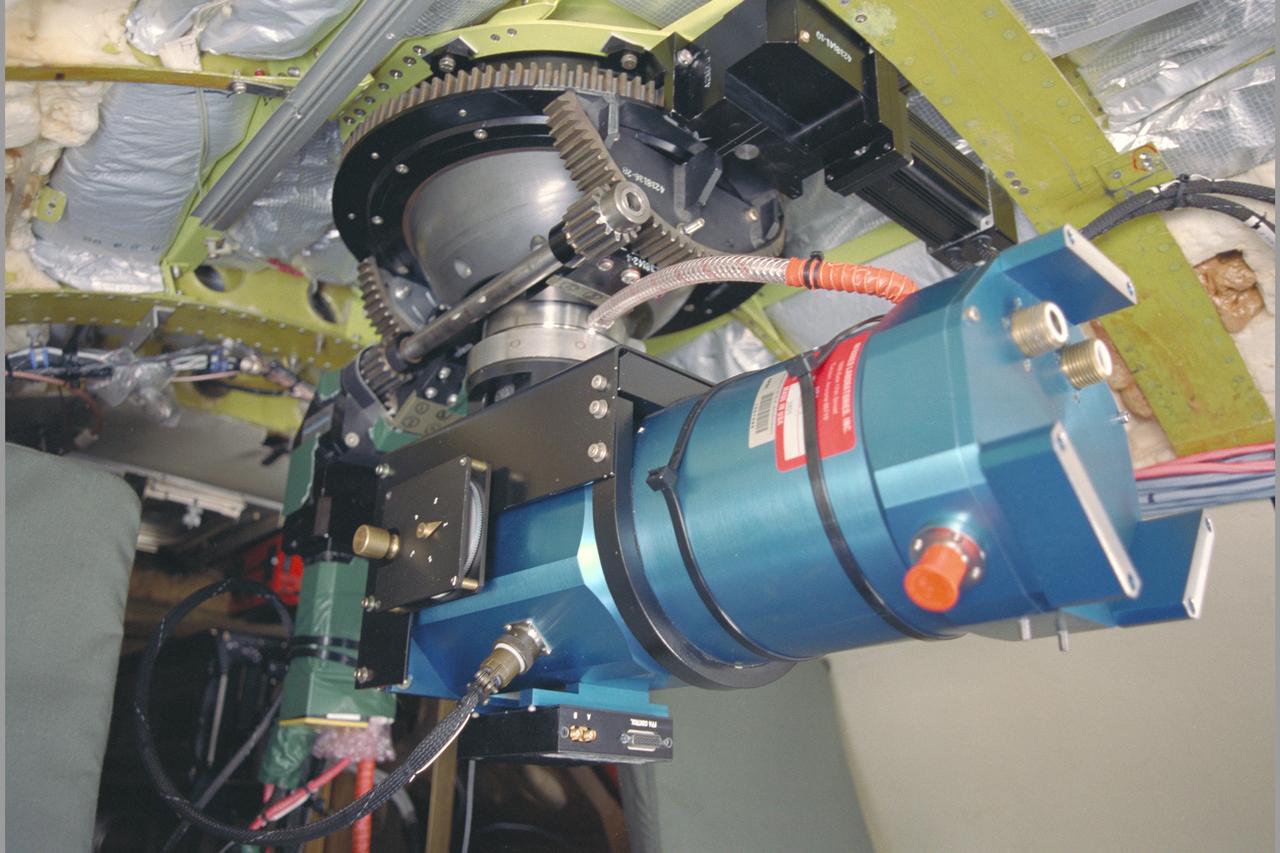
Lear Jet (NASA 805) NAIMS (NASA Airborne Infrared measurement system) Experiment
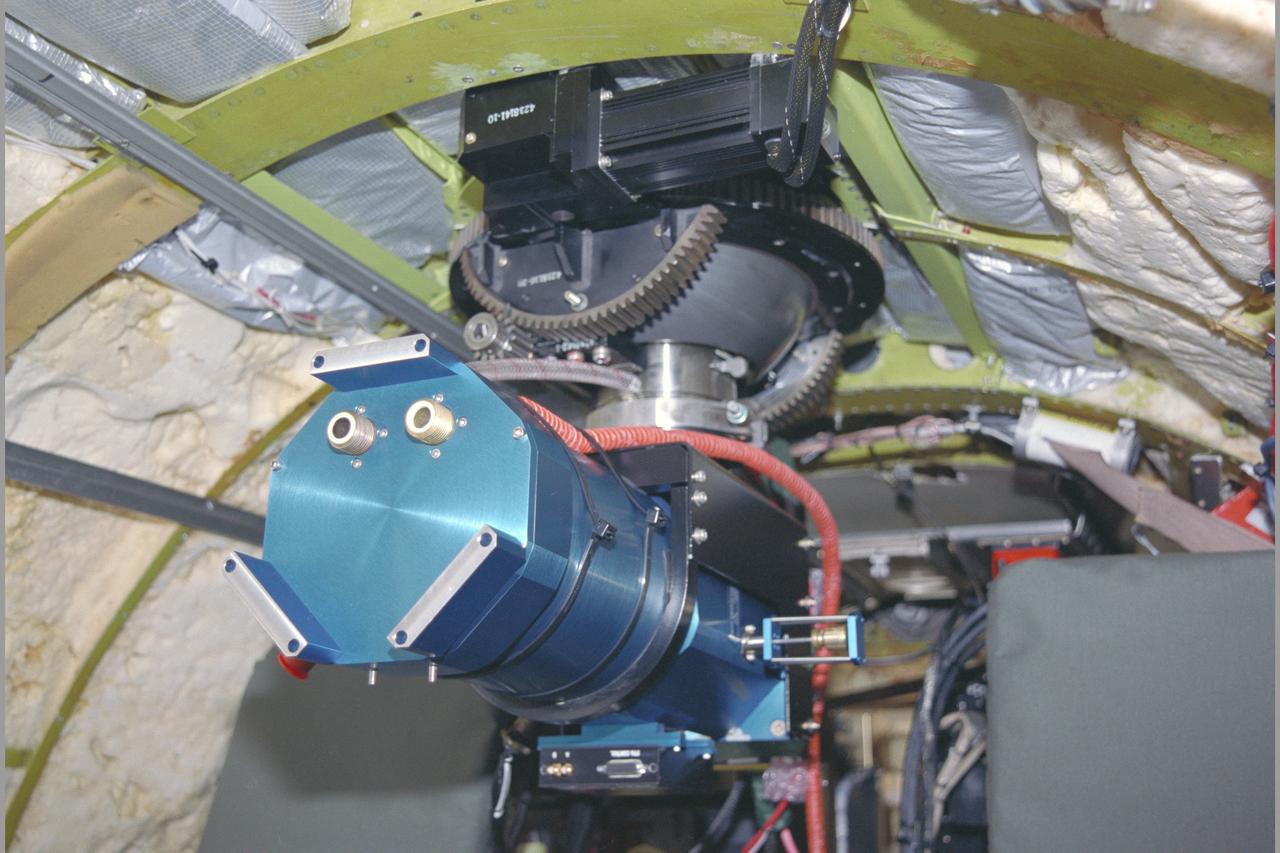
Lear Jet (NASA 805) NAIMS (NASA Airborne Infrared measurement system) Experiment
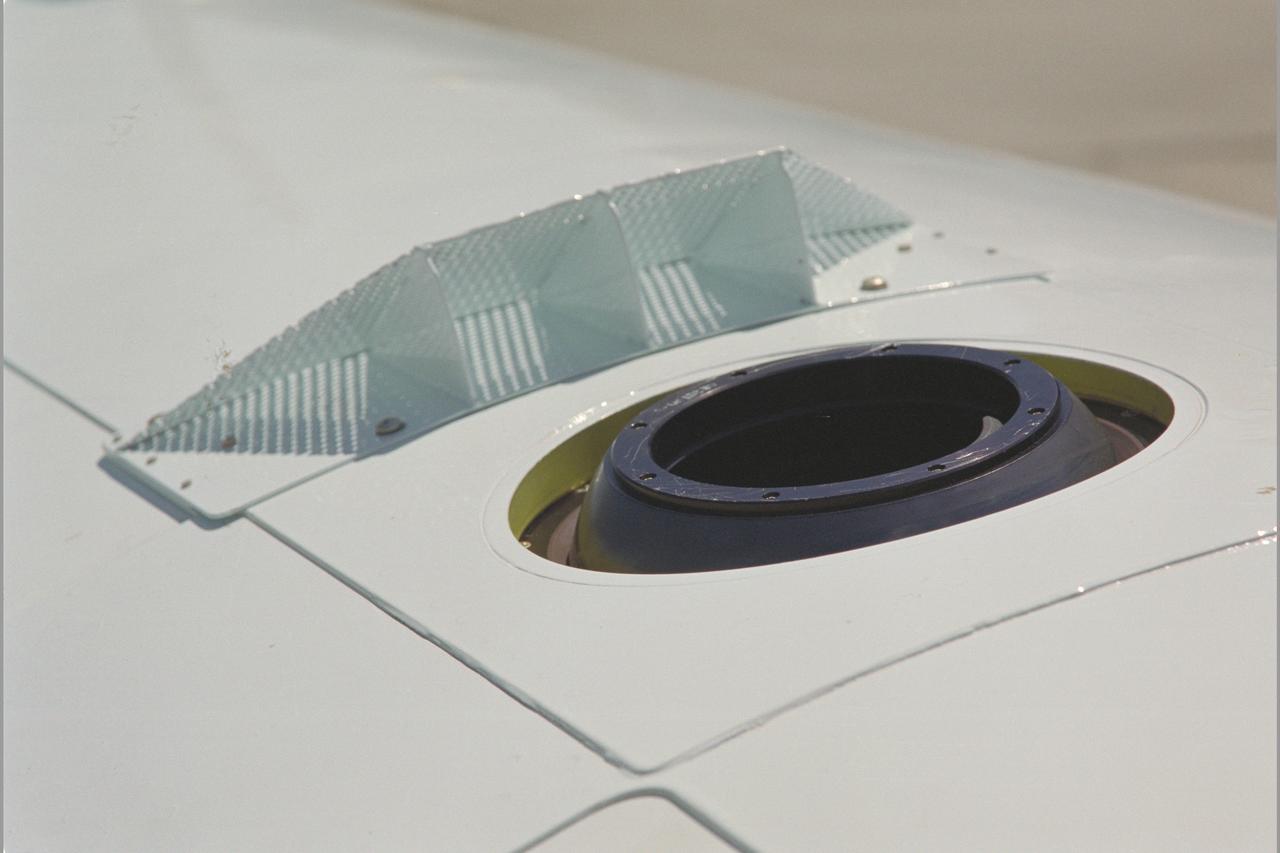
Lear Jet (NASA 805) NAIMS (NASA Airborne Infrared measurement system) Experiment - exterior telescope portal
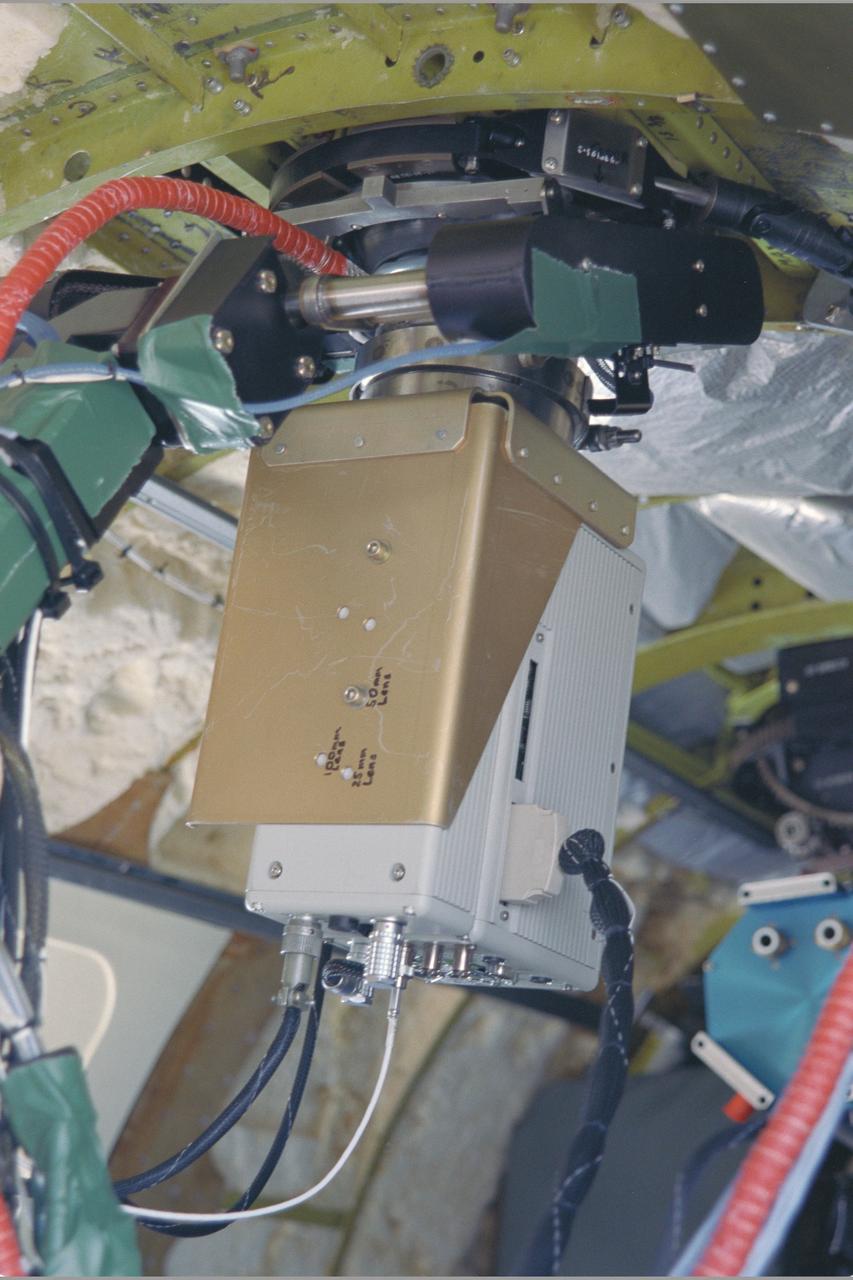
Lear Jet (NASA 805) NAIMS (NASA Airborne Infrared measurement system) Experiment
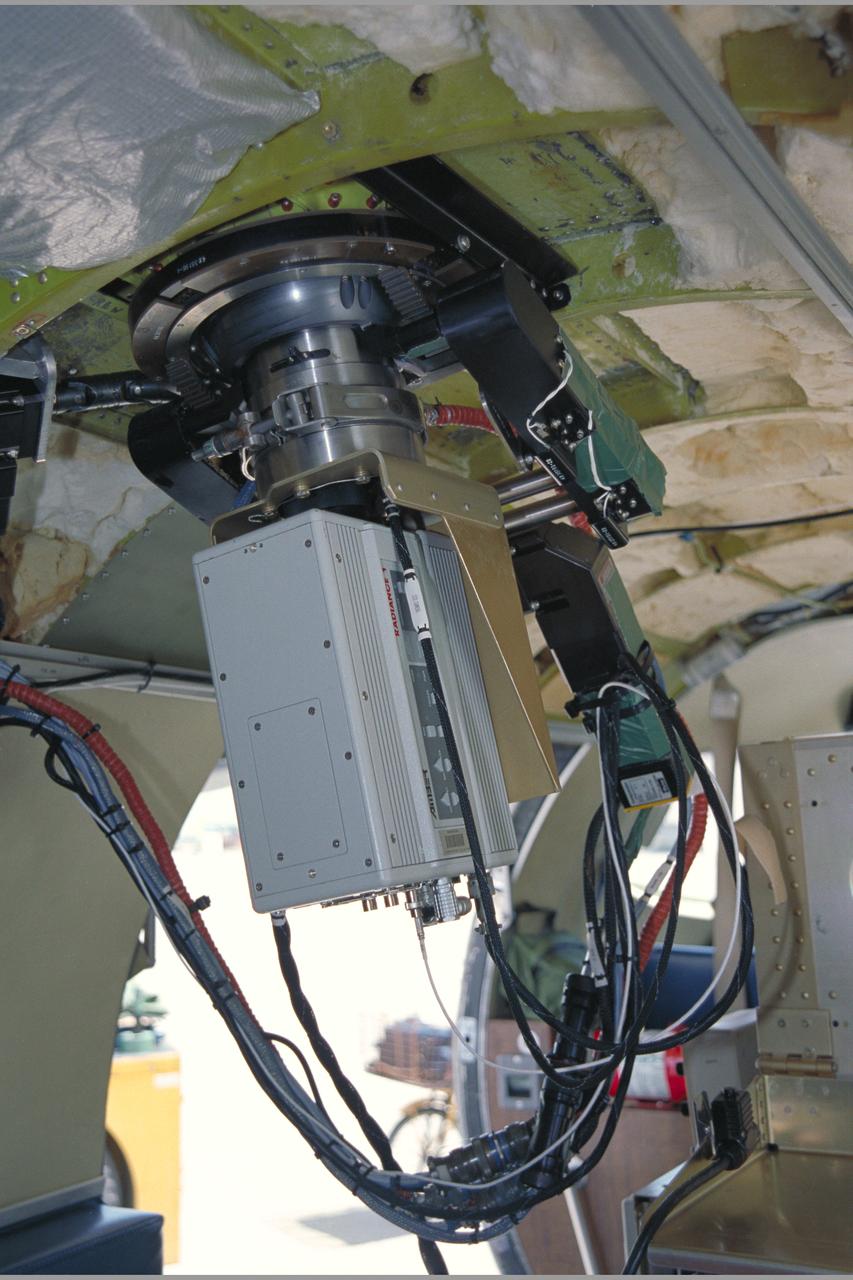
Lear Jet (NASA 805) NAIMS (NASA Airborne Infrared measurement system) Experiment - telescope mounted
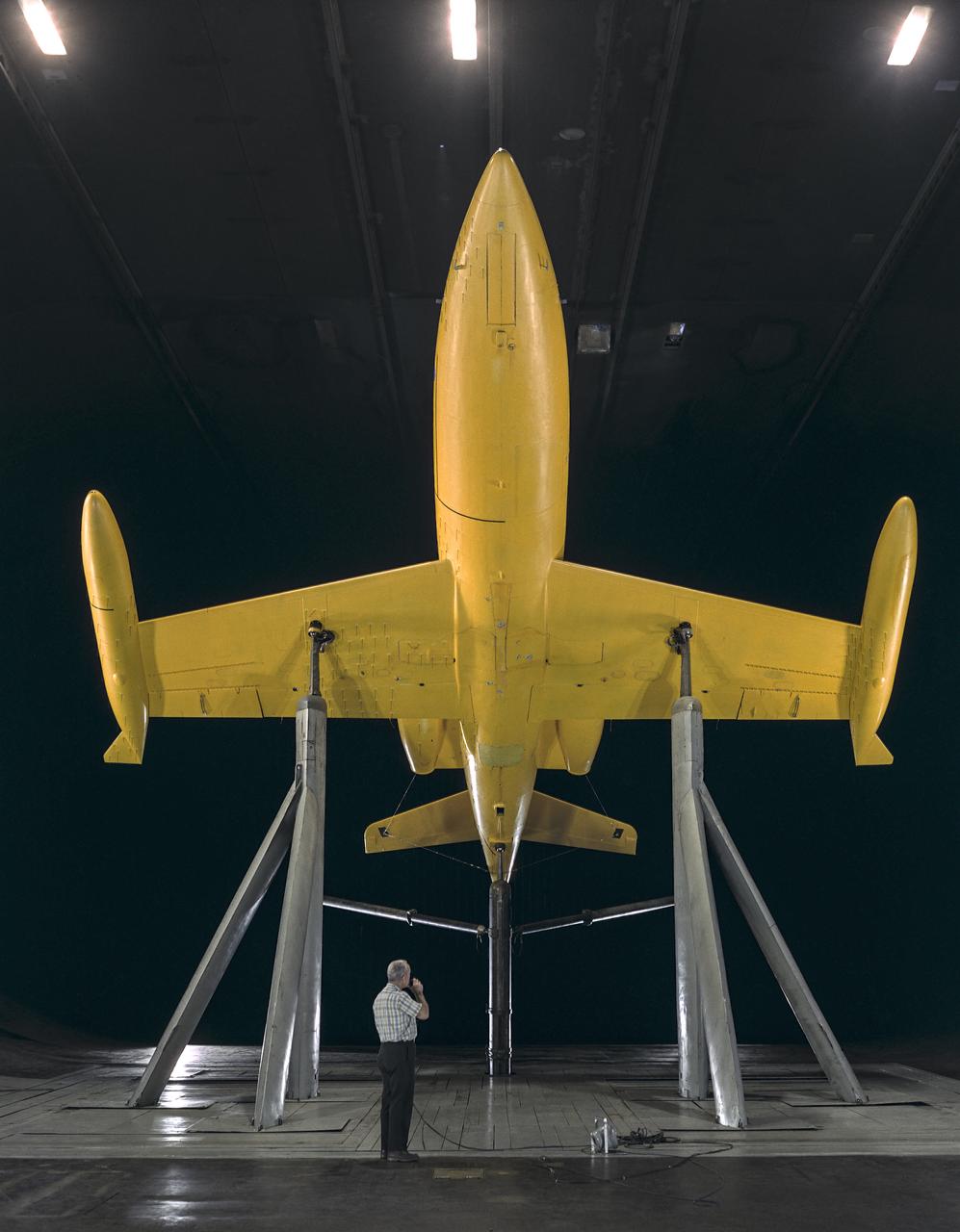
Front lower view of Gates Learjet in Ames 40x80 foot wind tunnel at high angel of attack. Test was part of a deep stall study.
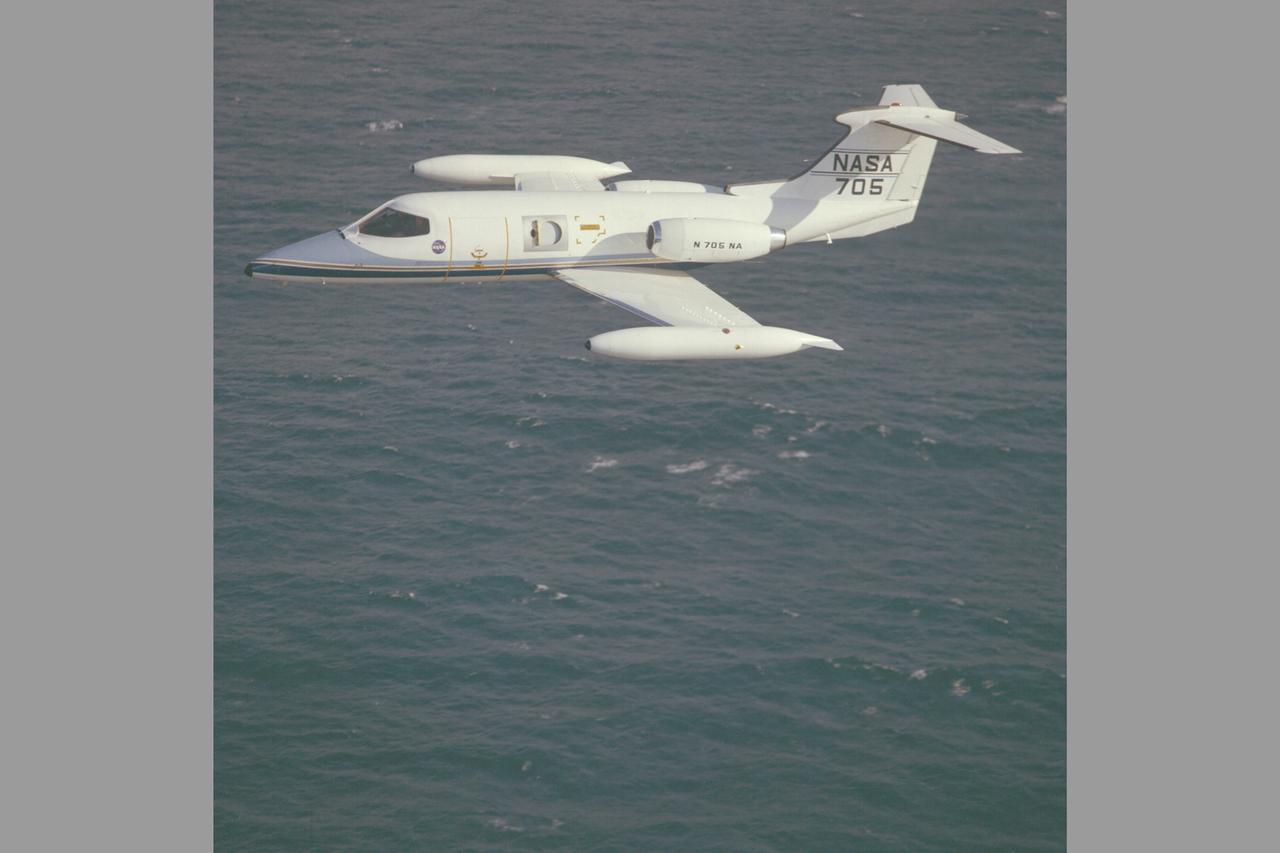
Lear Jet 24B (NASA-705) in flight along California coast is used primarily as a high altitude observation platform carrying a 12' telescope with a special hatch on the starboard side for upward viewing. The hatch has a maximum circular clear aperture of 37.6 cm and can contain a 30 cm aperture open-port gyro-stabilized telescope designed especially for infrared astronomical research.

Ames Science & Applications Aircraft composite: U-2, ER-2, Lear Jet (NASA-705), C-141, CV-990 & C-130
Ames Aircraft complement on Ramp in front of N-211 hangar: DC-8, C-141, C-130, ER-2, Lear Jet, YO-3A, T-38, AH-1G, AV-8B, UH-60
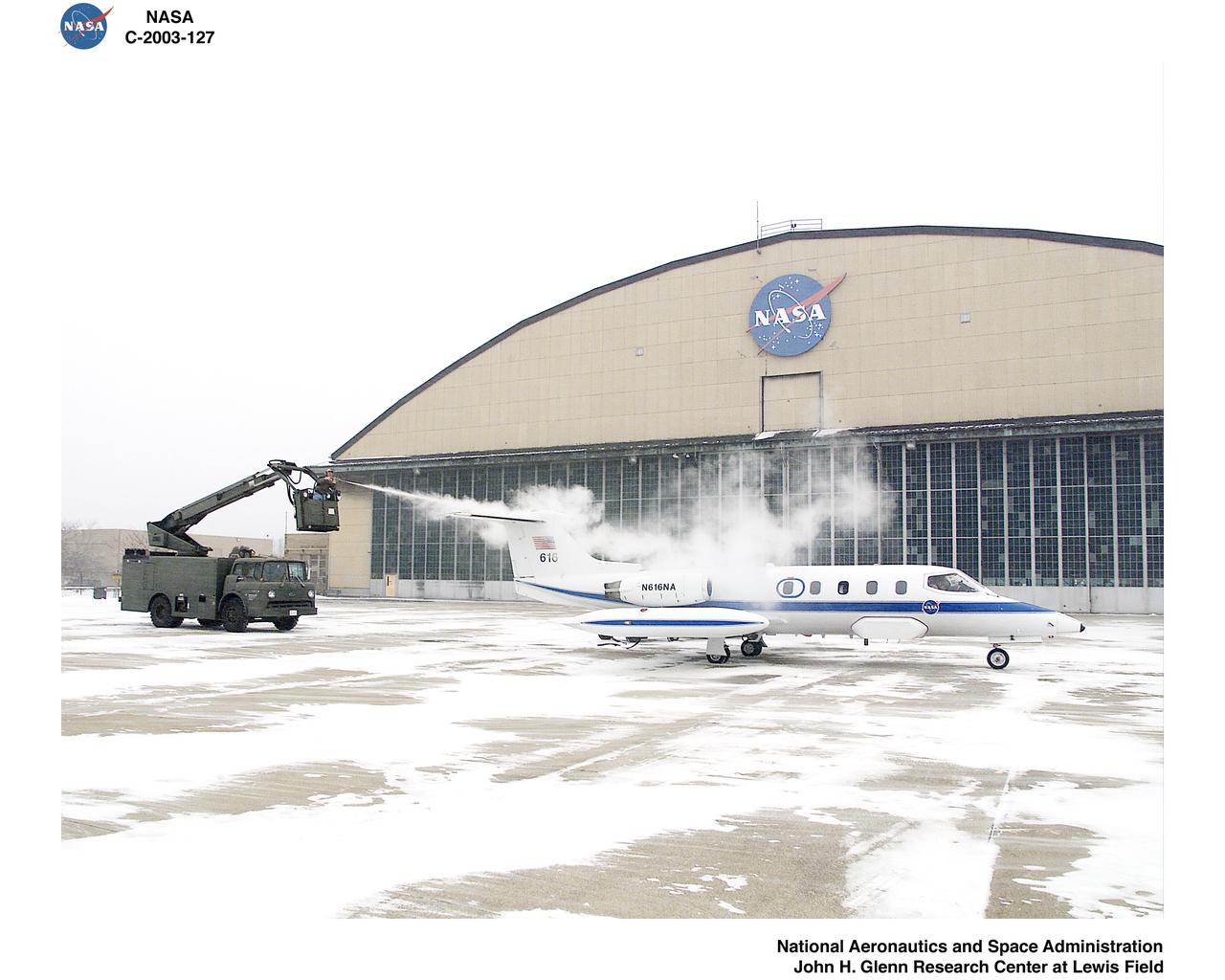
NASA Lear Jet De-Icing
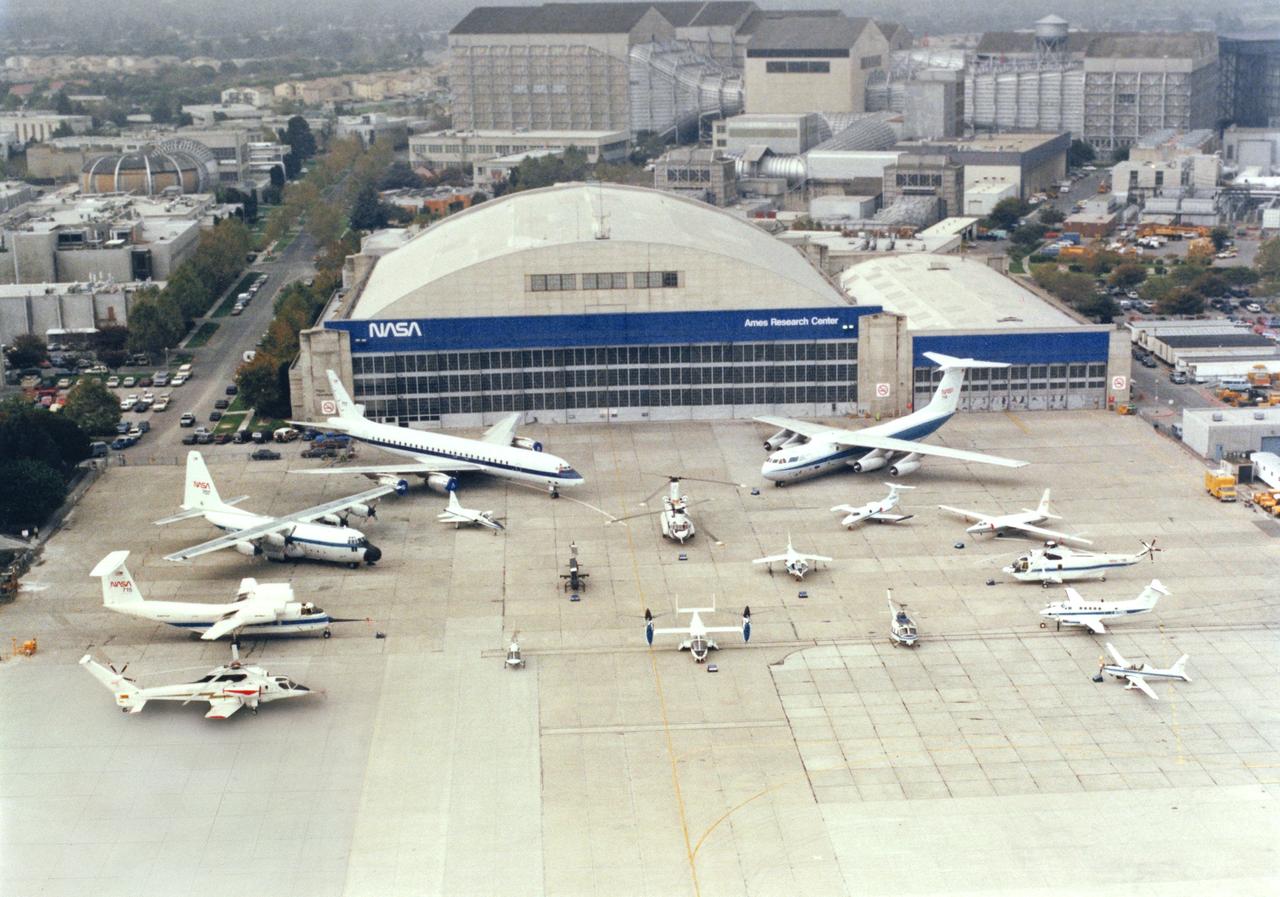
Ames Aircraft complement on ramp DC-8, C-130, QSRA, RSRA, C-141, U-2, SH-3G, King Air, YO-3A, T-38, CH-47, Lear Jet, AH-1G, AV-8B Harrier, OH-58A, XV-15, UH-1H
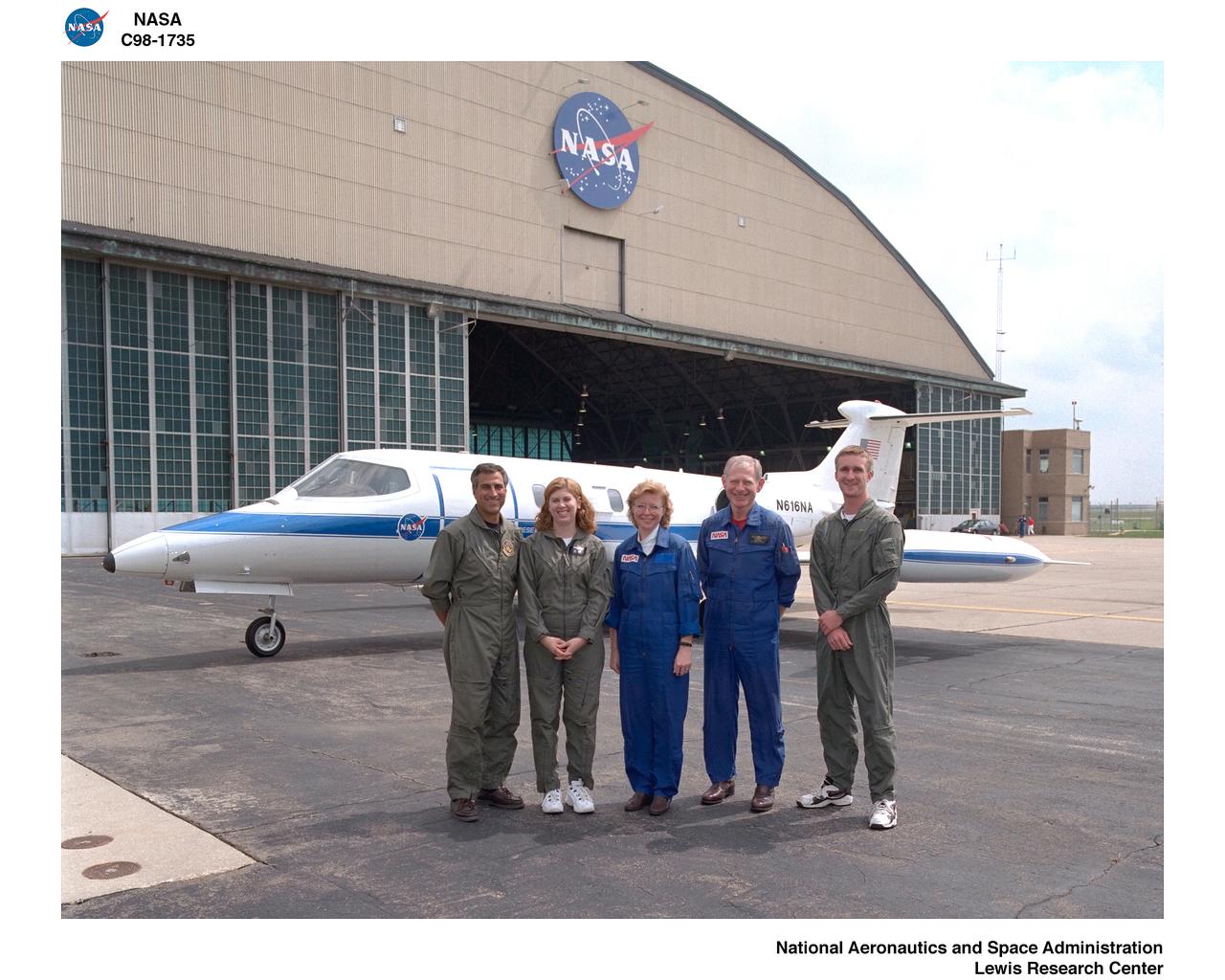
FIBER OPTIC TEMPERATURE TEST PROGRAM ON LEAR JET

Lear Jet in 40 x 80 ft. Wind Tunnel with Ed Varrette. Angle of Attack=0 degrees.
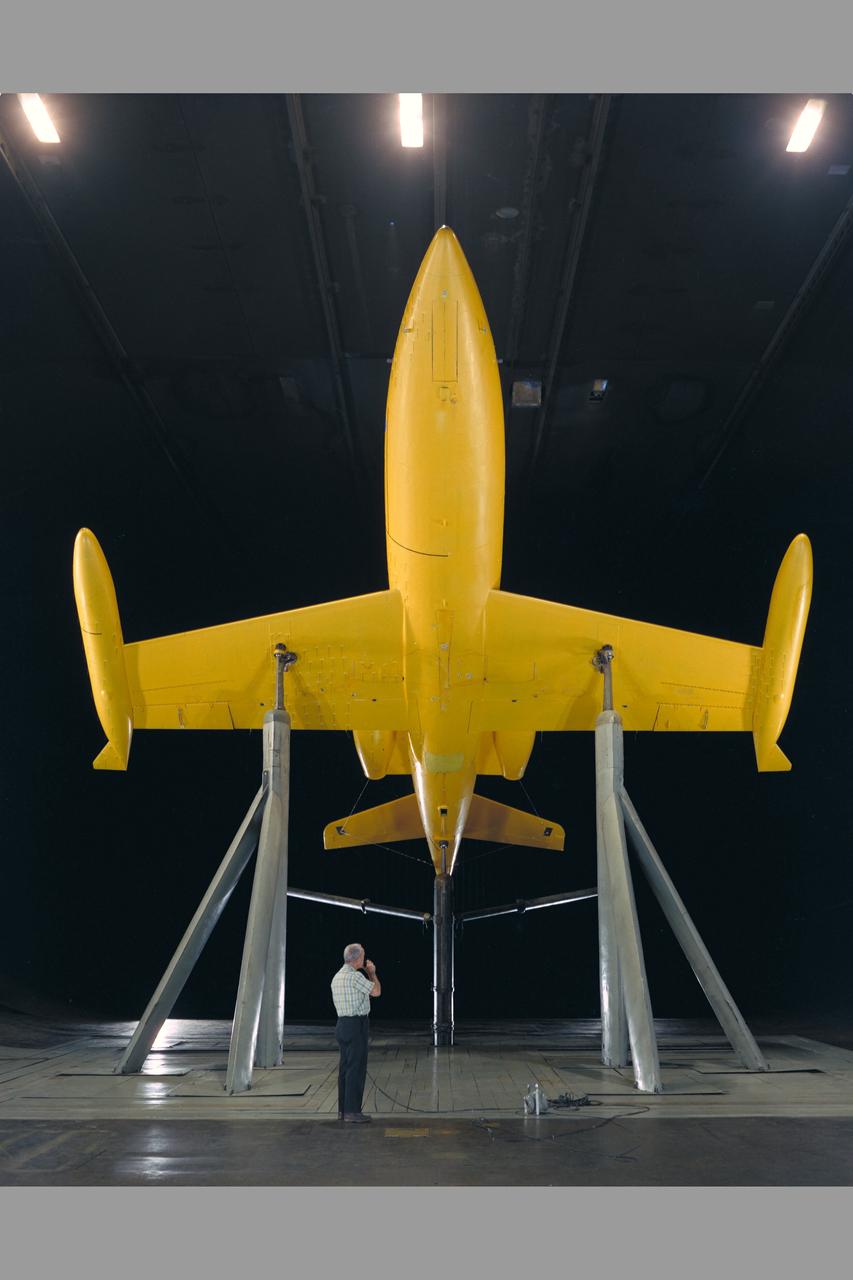
Lear Jet in 40 x 80 ft. Wind Tunnel with Ed Varrette. Angle of Attack=40 degrees.
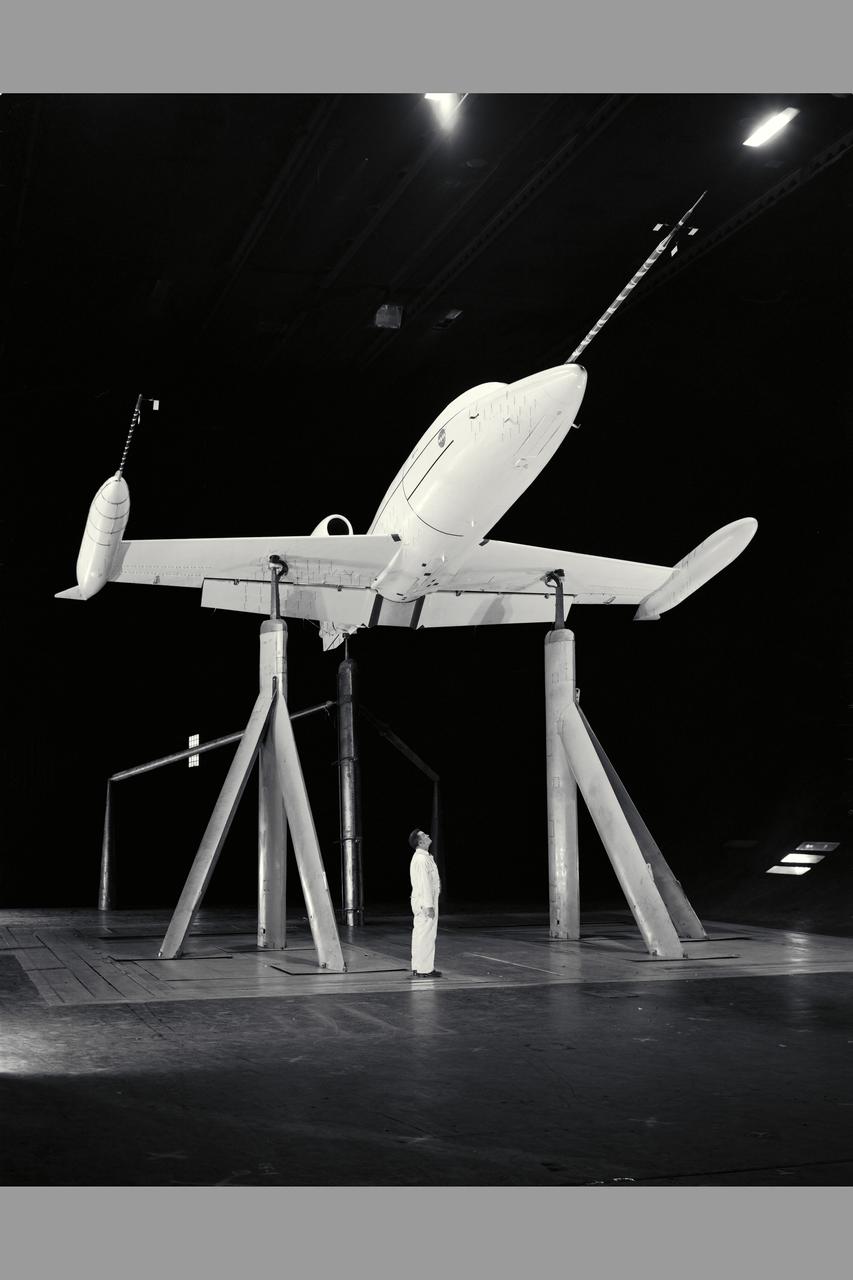
Lear Jet in 40 x 80 ft. Wind Tunnel with Ed Varrette. Tunnel Doors Closed.
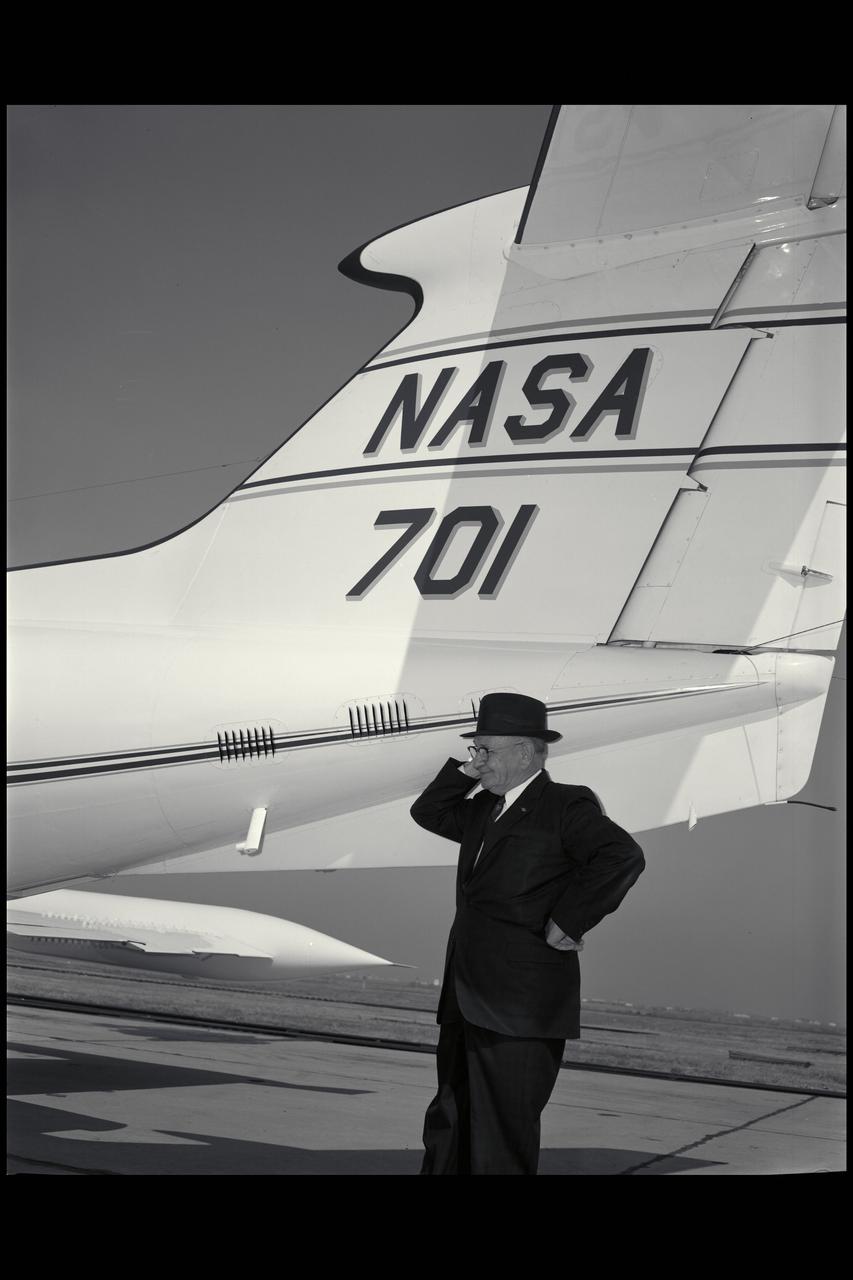
Smithy J. DeFrance (Ames Director) at tail of Ames Lear Jet (NASA-701)
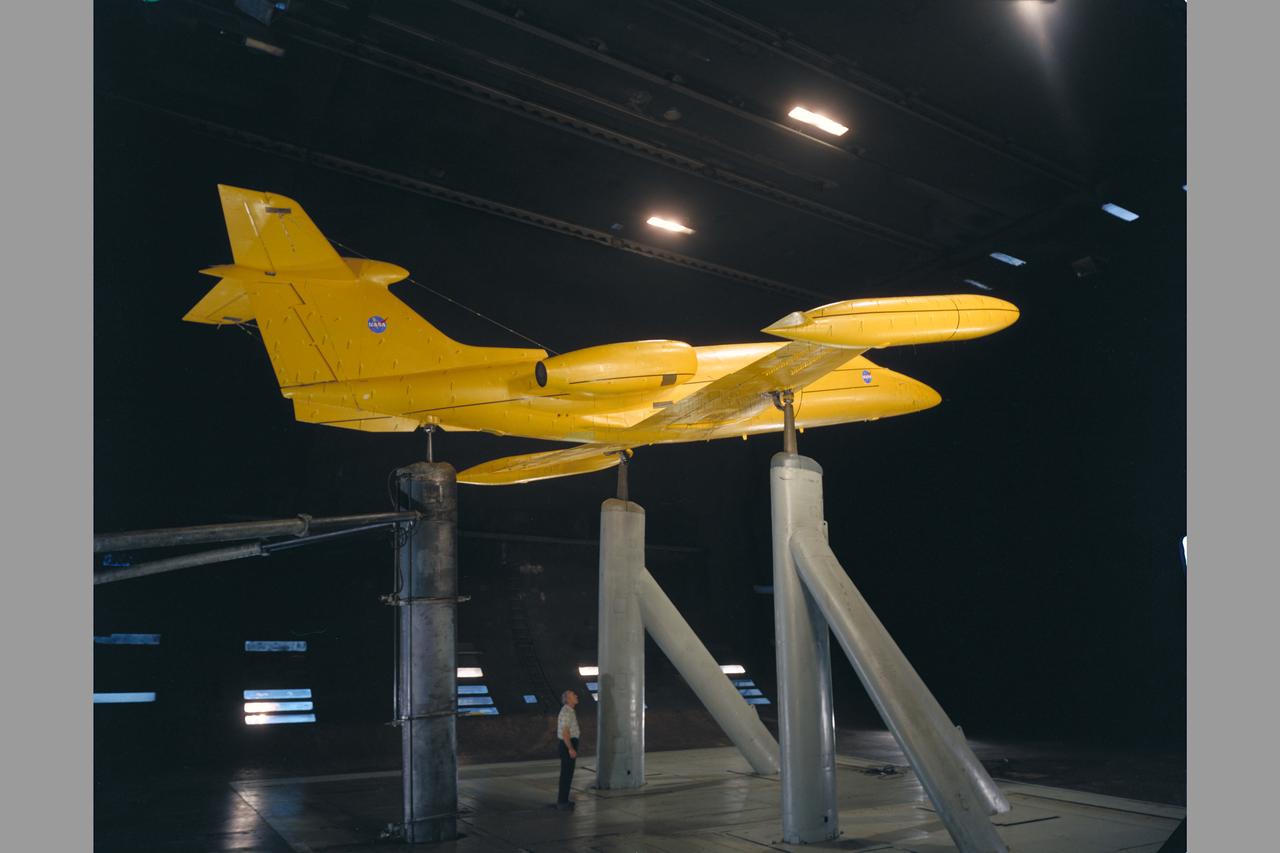
Lear Jet in 40 x 80 ft. Wind Tunnel with Ed Varrette. Angle of Attack=0 degrees.
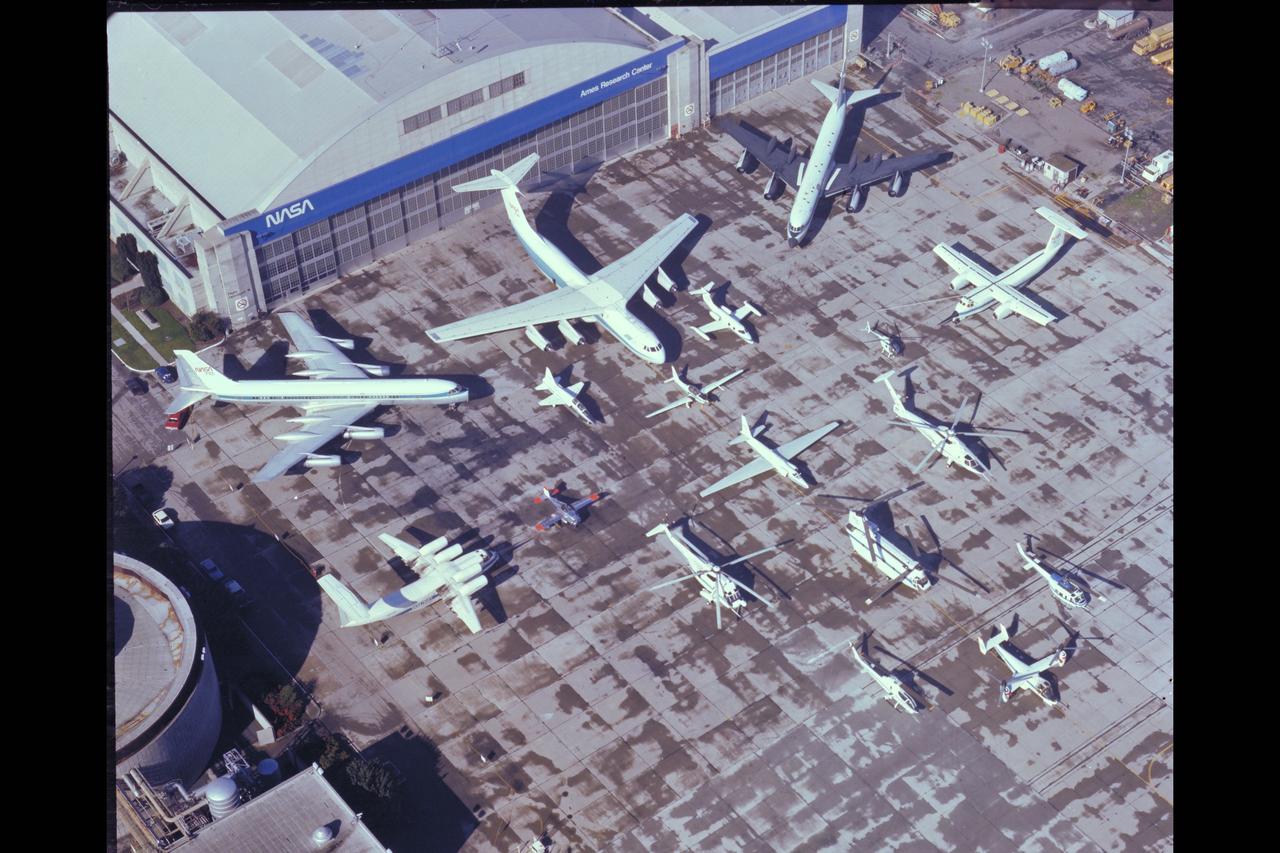
NASA Aircraft on ramp (Aerial view) Sides: (L) QSRA (R) C-8A AWJSRA - Back to Front: CV-990 (711) C-141 KAO, CV-990 (712) Galileo, T-38, YO-3A, Lear Jet, X-14, U-2, OH-6, CH-47, SH-3G, RSRA, AH-1G, XV-15, UH-1H
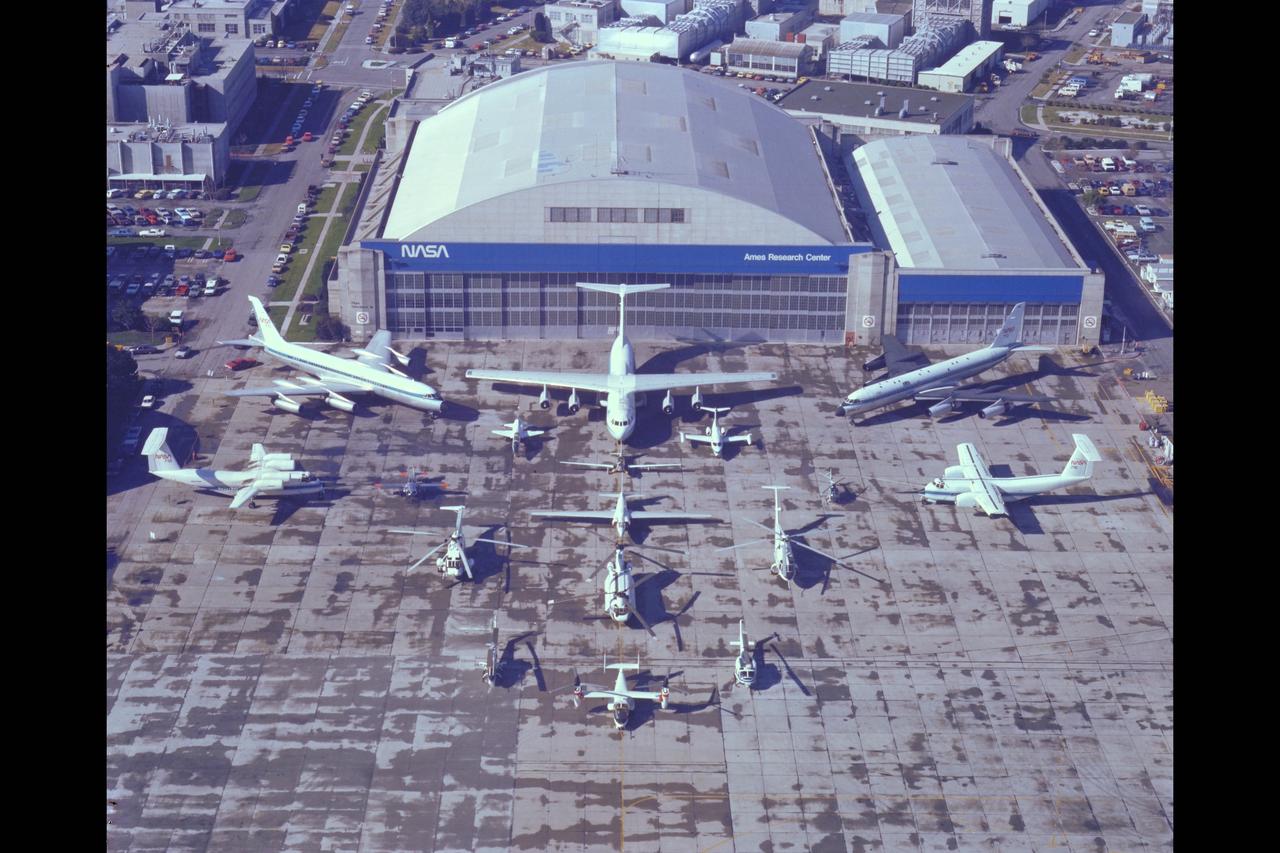
NASA Aircraft on ramp (Aerial view) Sides: (L) QSRA (R) C-8A AWJSRA - Back to Front: CV-990 (711) C-141 KAO, CV-990 (712) Galileo, T-38, YO-3A, Lear Jet, X-14, U-2, OH-6, CH-47, SH-3G, RSRA, AH-1G, XV-15, UH-1H
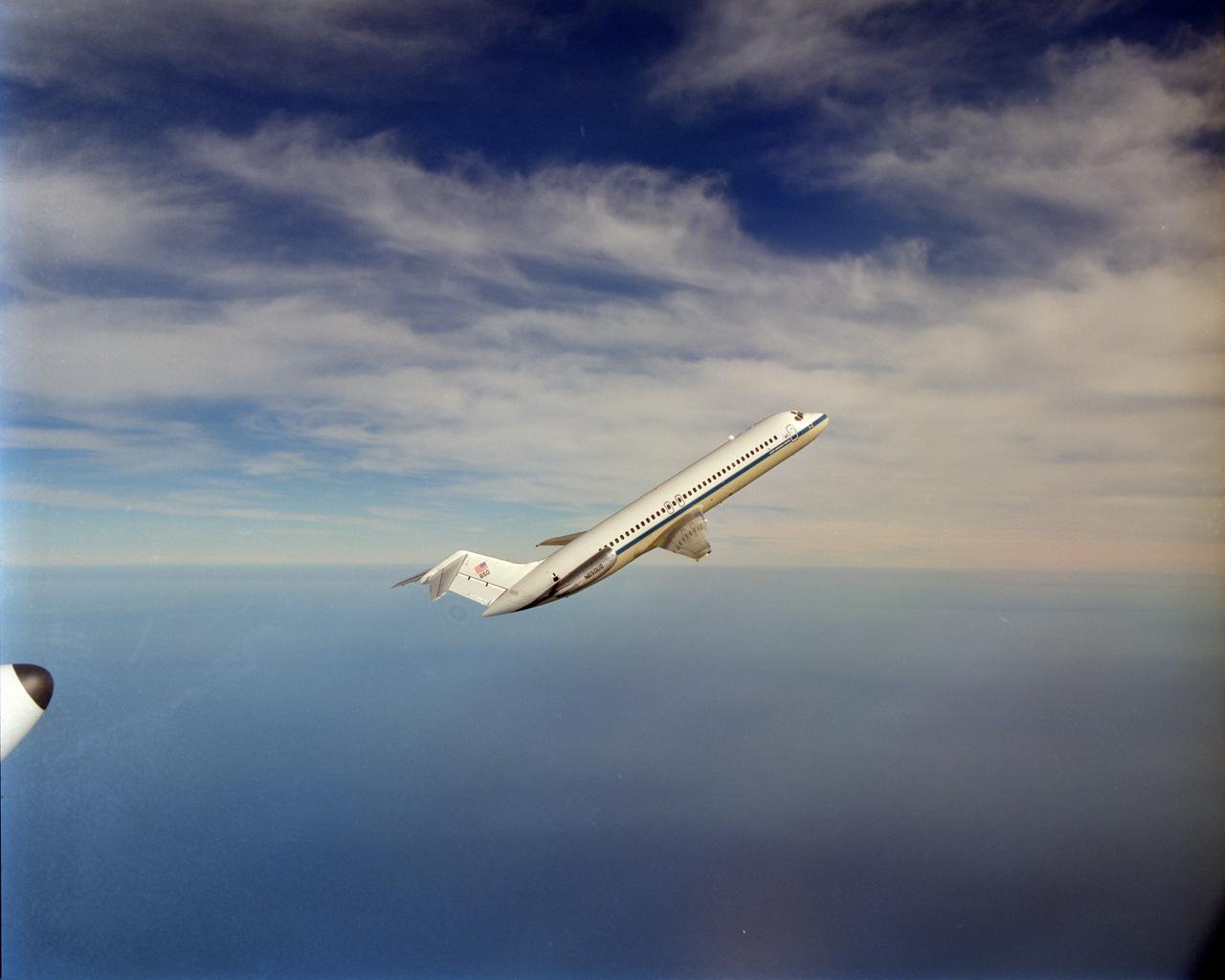
NASA aircraft DC-9 microgravity plane performs it's first test parabolas over Lake Erie. This was photographed by the NASA Glenn Lear Jet in a chase plane configuration.
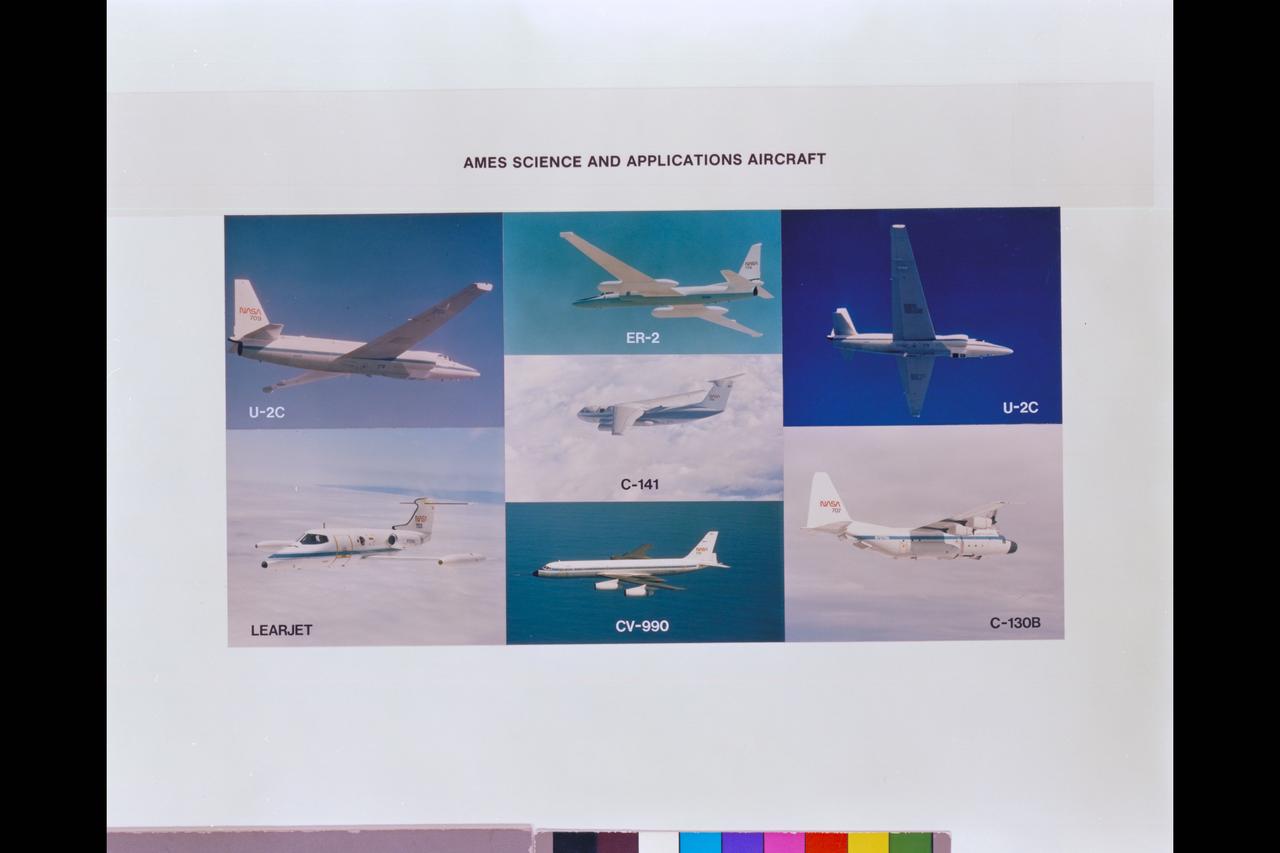
Aircraft Platform for Light Research Composite: Ames North U-2, ER-2, Learjet (NASA-705), C-141, CV-990 and C-130
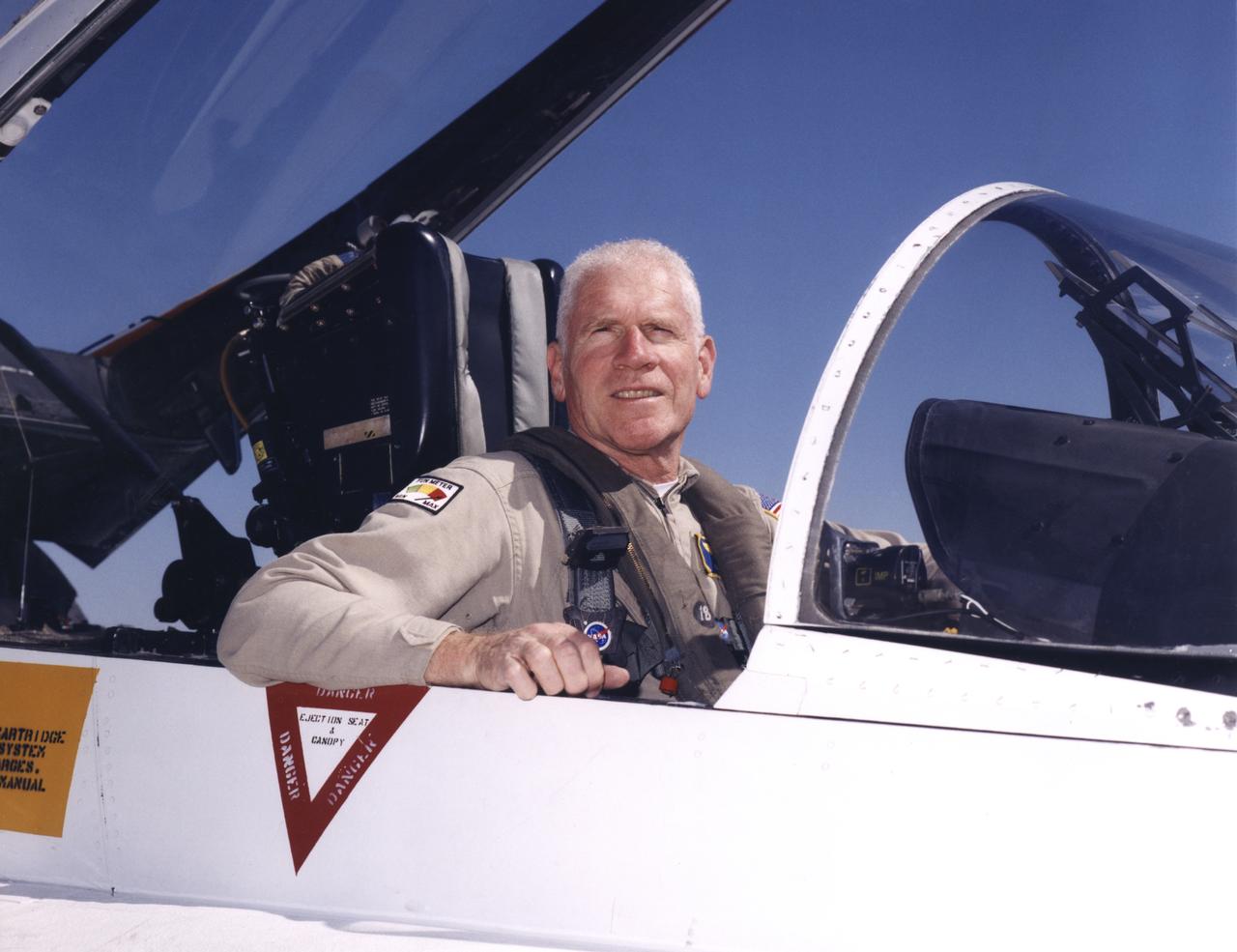
Edwin W. Lewis Jr. is a research pilot in the Airborne Science program, Flight Crew Branch, Dryden Flight Research Center, Edwards, California. He currently flies the DC-8, F/A-18, Lear Jet 24, King Air, and T-34C in support of Dryden's flight operations and is mentor pilot for the King Air and the Lear Jet. Prior to accepting this assignment Lewis was a pilot for eight years at NASA's Ames Research Center, Moffett Field, California, flying 10 different aircraft C-130B, DC-8-72, UH-1, SH-3, King Air, Lear 24, T-38A, T-39G and YO-3A in support of NASA flight missions. Lewis also flew the Kuiper Airborne Observatory (a modified civilian version of the Lockheed C-141 Starlifter). He was project pilot for Ames' 747 and T-38 programs. Lewis was born in New York City on May 19, 1936, and began flight training as a Civil Air Patrol cadet in 1951, ultimately earning his commercial pilot's certificate in 1958. He received a bachelor of arts degree in biology from Hobart College, Geneva, N.Y., and entered the U.S. Air Force through the Reserve Officer Training Corps. Following pilot training he was assigned to Moody Air Force Base, Ga., as an instructor pilot, for both the T-33 and T-37 aircraft. He served in Vietnam in 1965 and 1966, where he was a forward air controller, instructor and standardization/evaluation pilot, flying more than 1,000 hours in the O-1 "Bird Dog." Lewis separated from the regular Air Force and joined Pan American World Airways and the 129th Air Commando Group, California Air National Guard (ANG) based in Hayward, California. During his 18-year career with the California ANG he flew the U-6, U-10, C-119, HC-130 aircraft and the HH-3 helicopter. He retired as commander, 129th Air Rescue and Recovery Group, a composite combat rescue group, in the grade of colonel. During his 22 years as an airline pilot, he flew the Boeing 707, 727 and 747. He took early retirement from Pan American in 1989 to become a pilot with NASA.
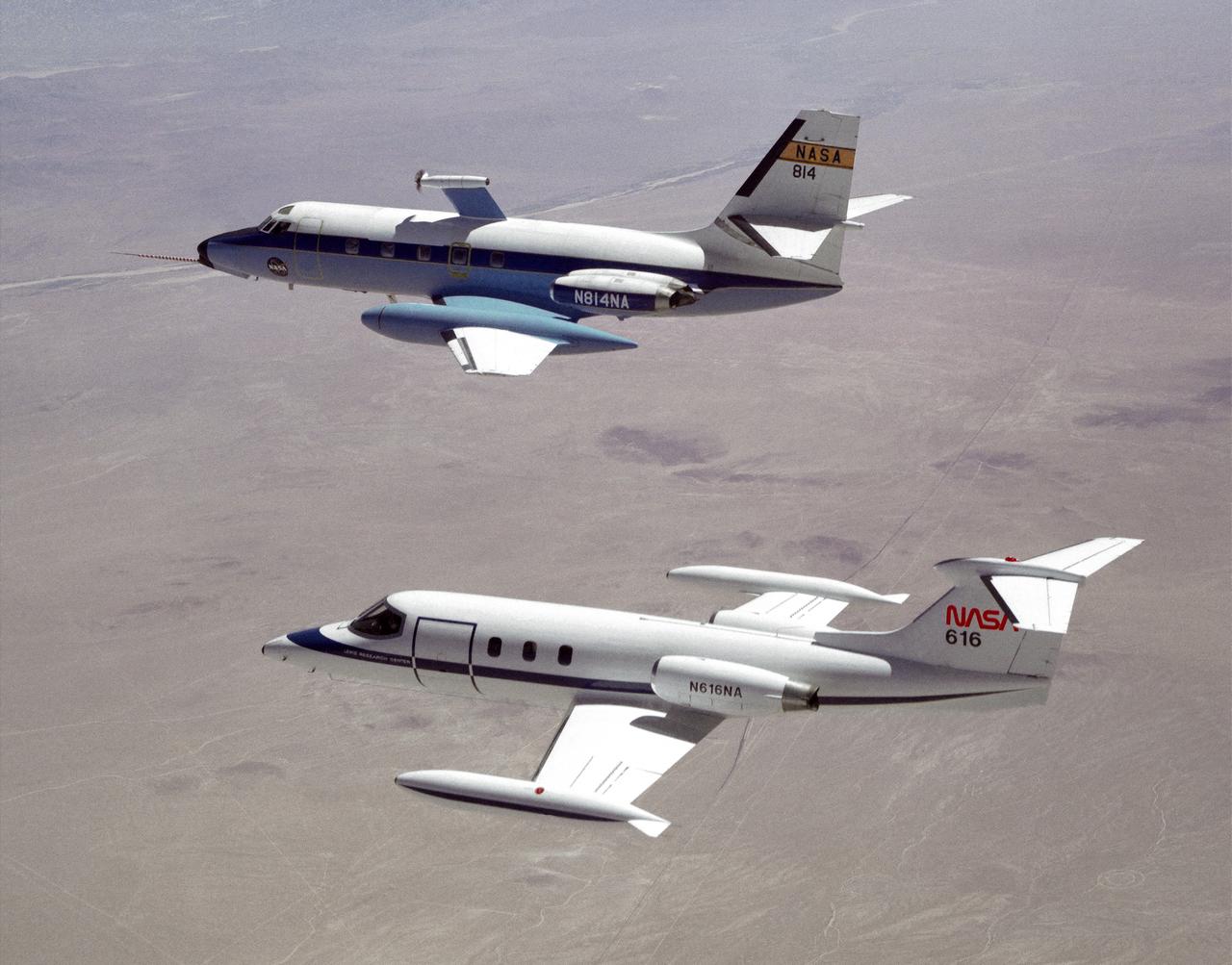
The NASA C-140 JetStar research aircraft (top) is followed by a NASA Learjet equipped with acoustic sensors during one of several tests of advanced propellors mounted on the vertical pylon atop the JetStar's fuselage. Several advanced prop designs were tested on the JetStar in 1982 by NASA's Dryden Flight Research Facility (DFRF), Edwards, California, to study the effects of noise created by propellors on aircraft structures and cabin interiors. To assess possible noise problems with the subscale turbofan, DFRF technicians mounted microphones on both the JetStar and the Learjet chase plane. DFRF then made measurements at close range and at longer distances. The data enabled structural changes and flightpath modifications.