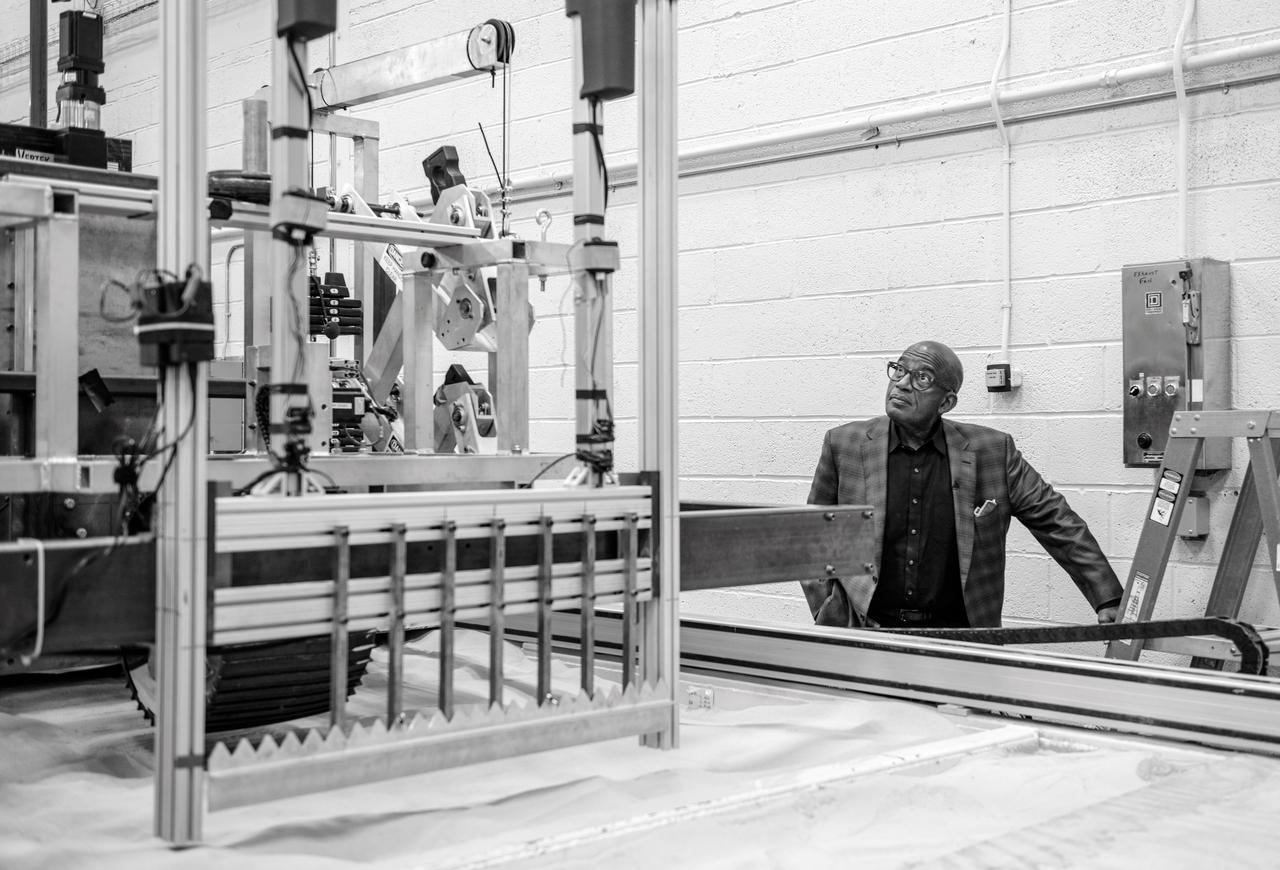
NBC Today Show at Lewis Field
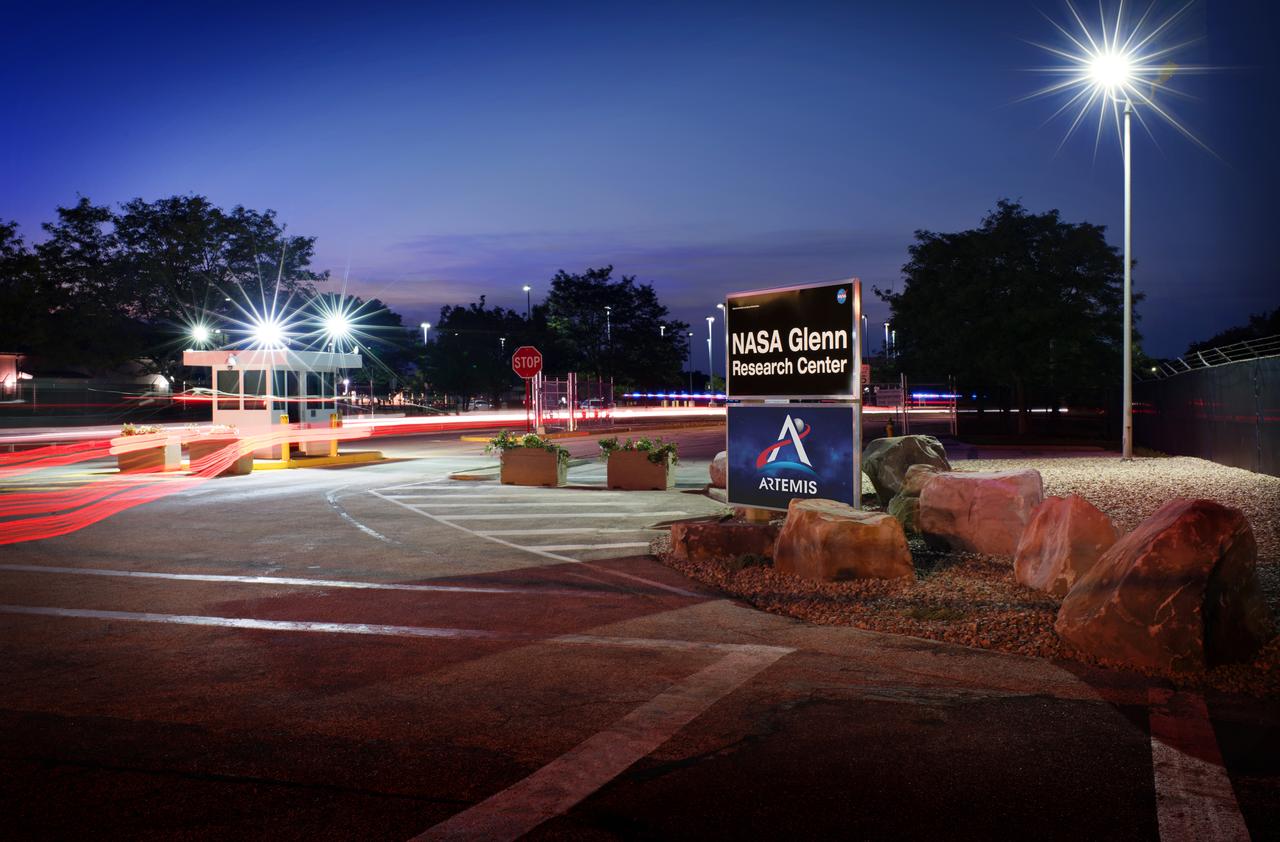
The newly renovated NASA Glenn Research Center, GRC Lewis Field West Gate at dusk.
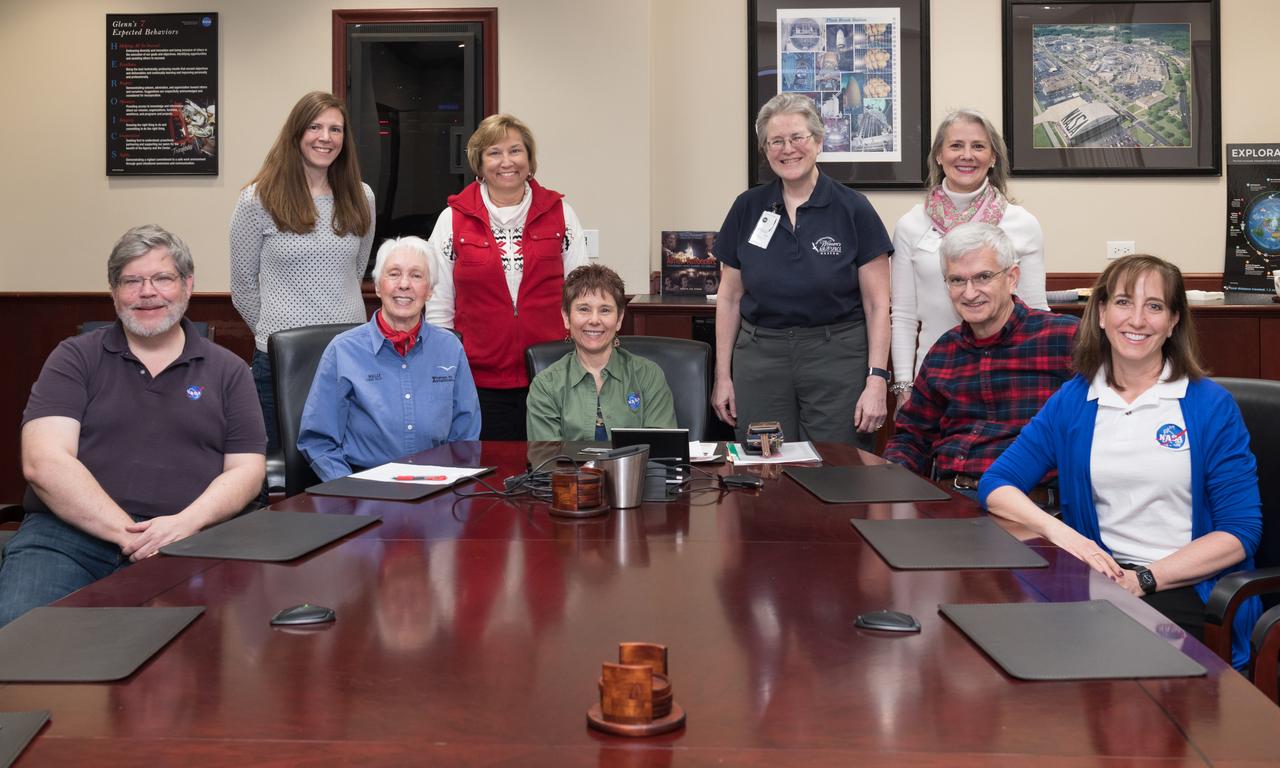
Visit to Glenn Research Center at Lewis Field by Mercury 13 Astronaut Trainee, Wally Funk
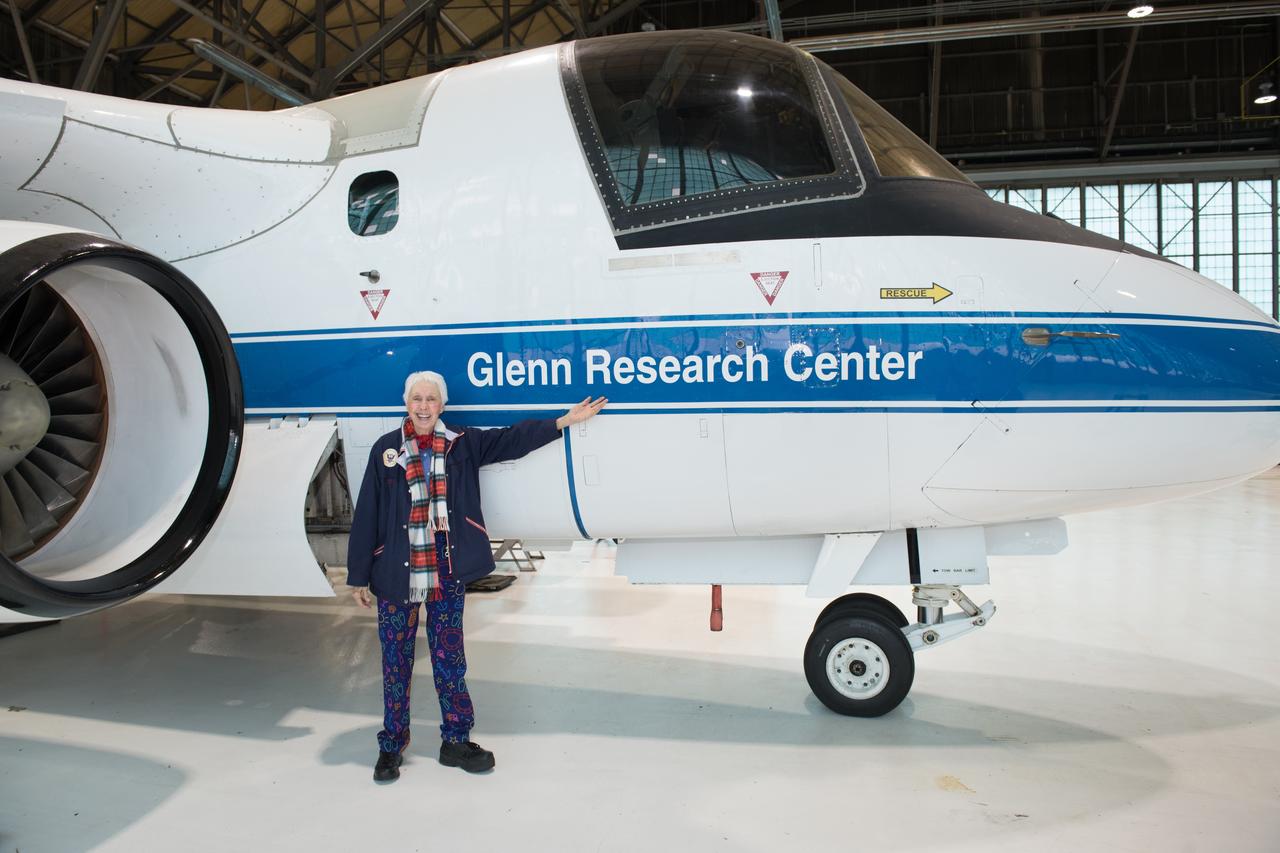
Visit to Glenn Research Center at Lewis Field by Mercury 13 Astronaut Trainee, Wally Funk
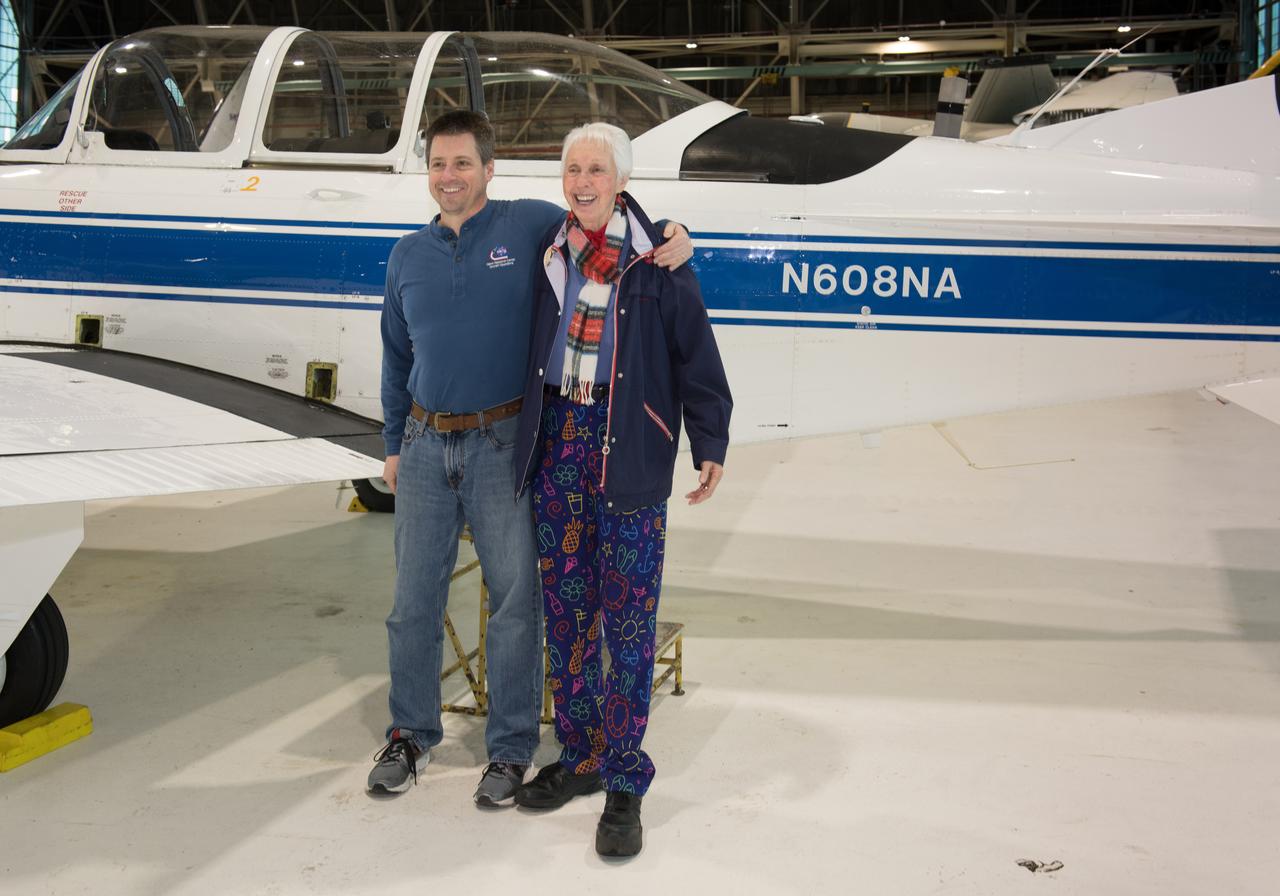
Visit to Glenn Research Center at Lewis Field by Mercury 13 Astronaut Trainee, Wally Funk
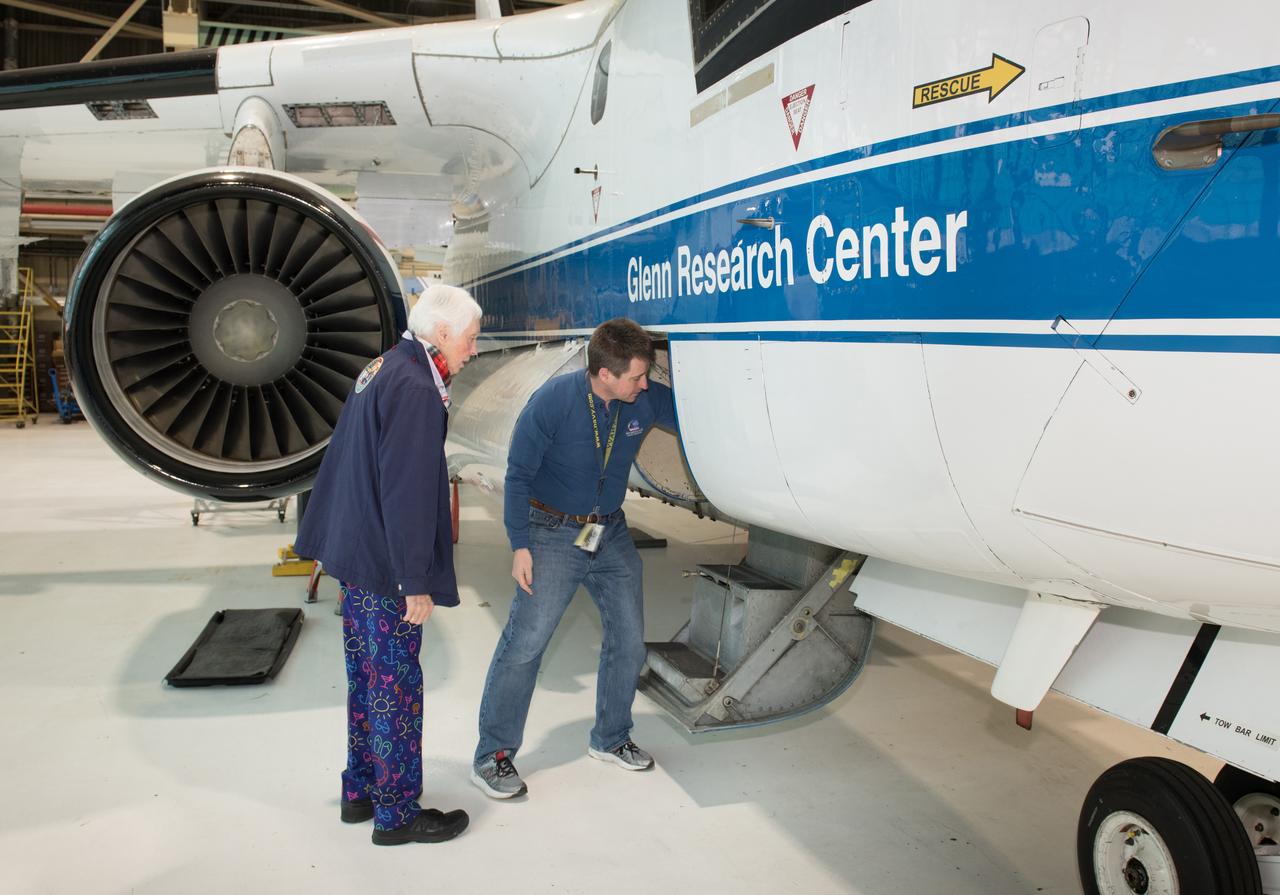
Visit to Glenn Research Center at Lewis Field by Mercury 13 Astronaut Trainee, Wally Funk
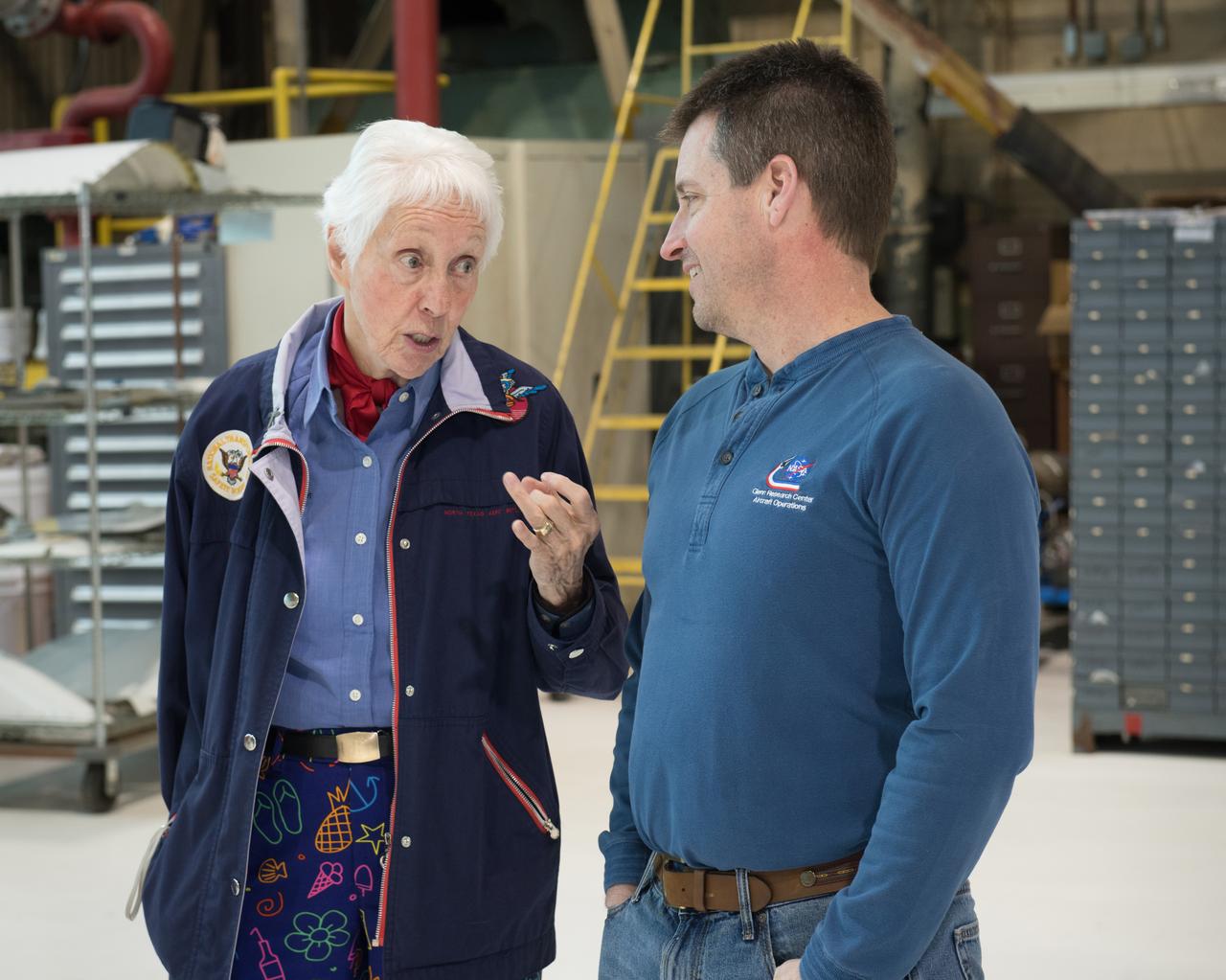
Visit to Glenn Research Center at Lewis Field by Mercury 13 Astronaut Trainee, Wally Funk
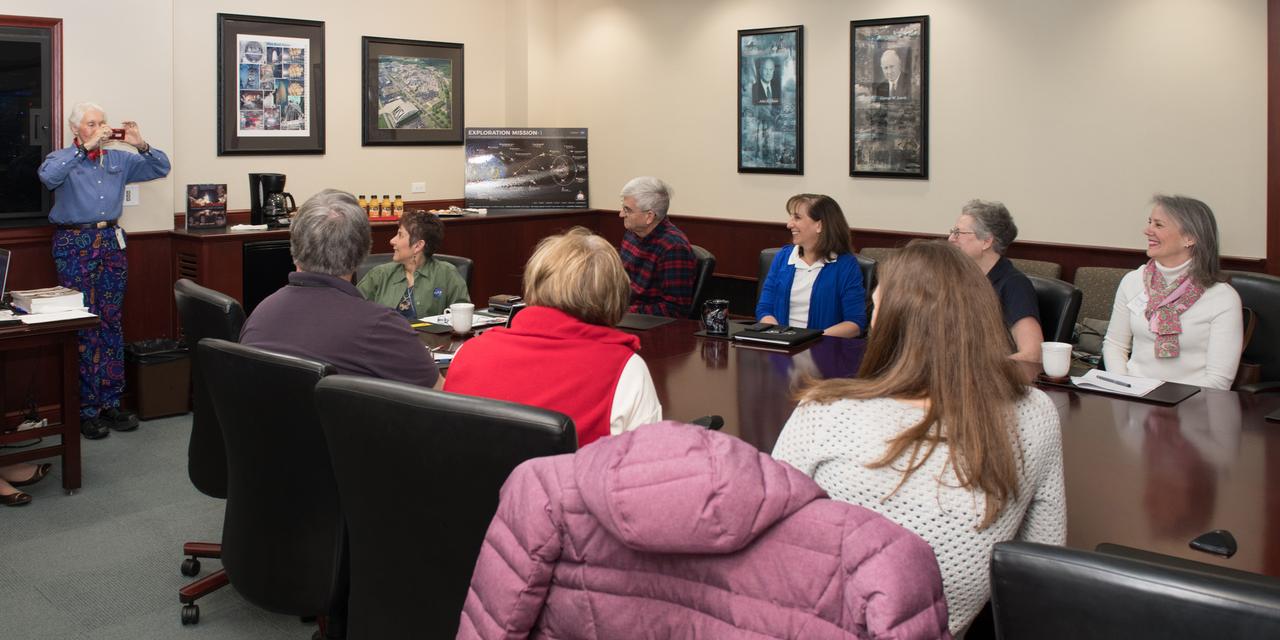
Visit to Glenn Research Center at Lewis Field by Mercury 13 Astronaut Trainee, Wally Funk
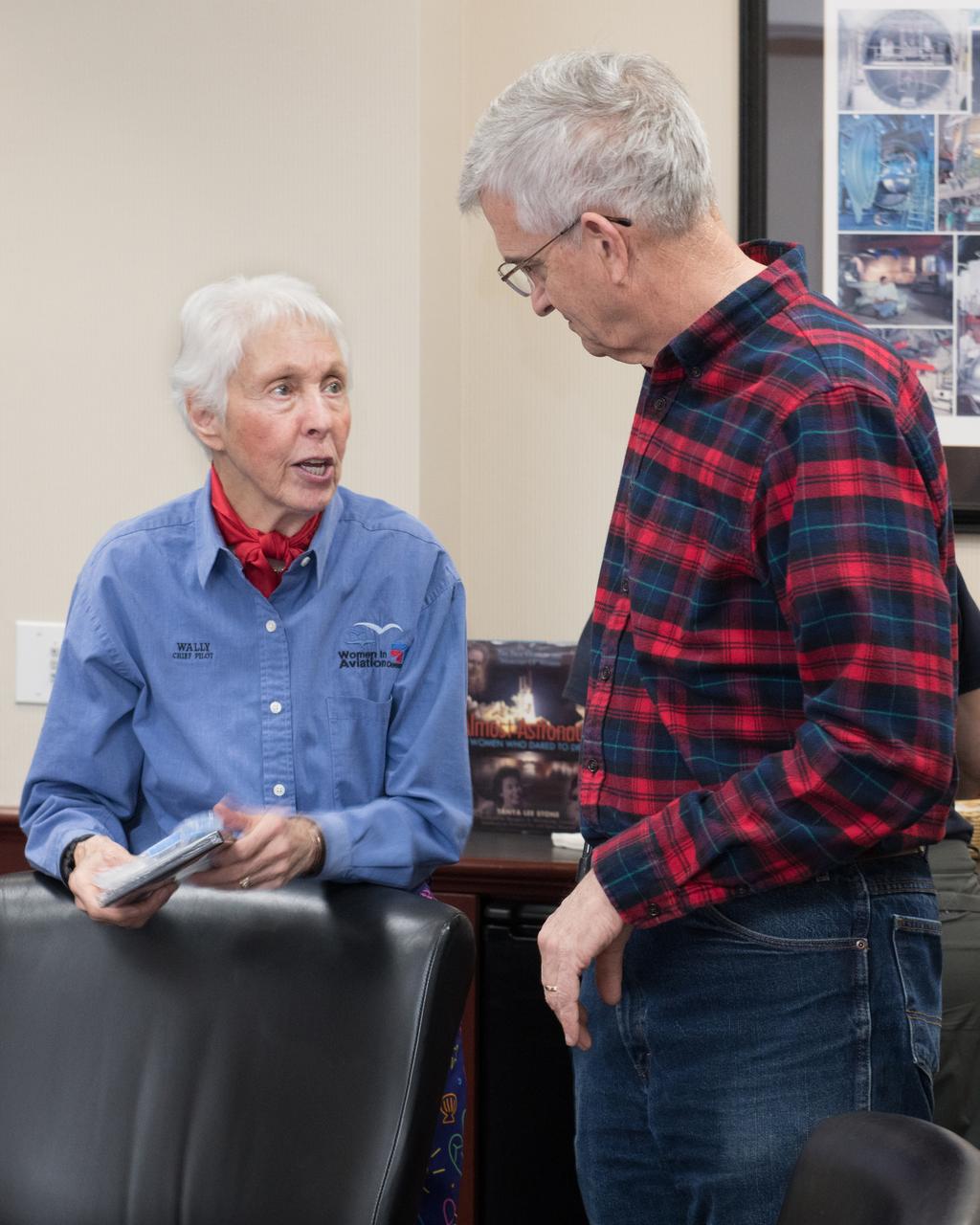
Visit to Glenn Research Center at Lewis Field by Mercury 13 Astronaut Trainee, Wally Funk
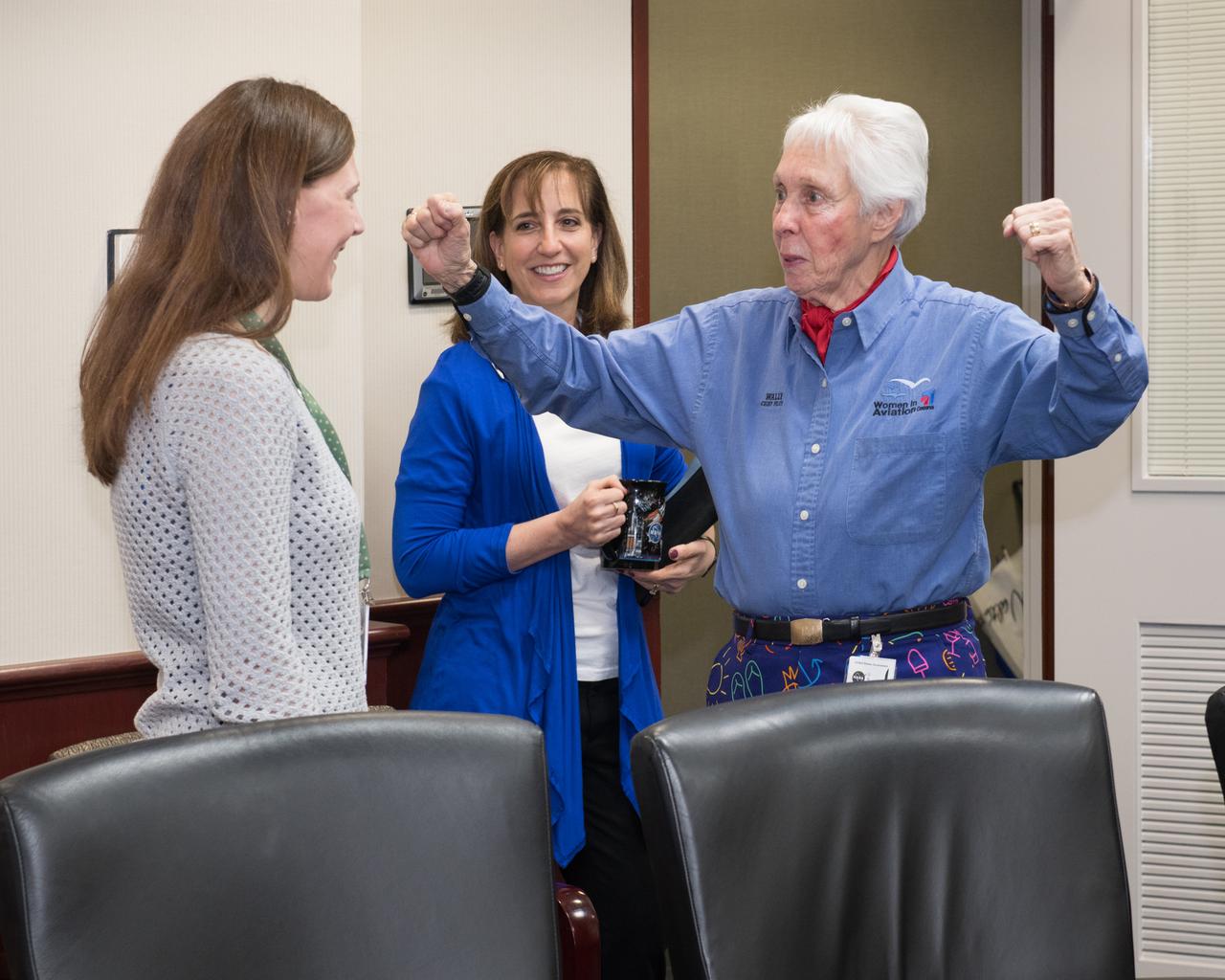
Visit to Glenn Research Center at Lewis Field by Mercury 13 Astronaut Trainee, Wally Funk

Visit to Glenn Research Center at Lewis Field by Mercury 13 Astronaut Trainee, Wally Funk
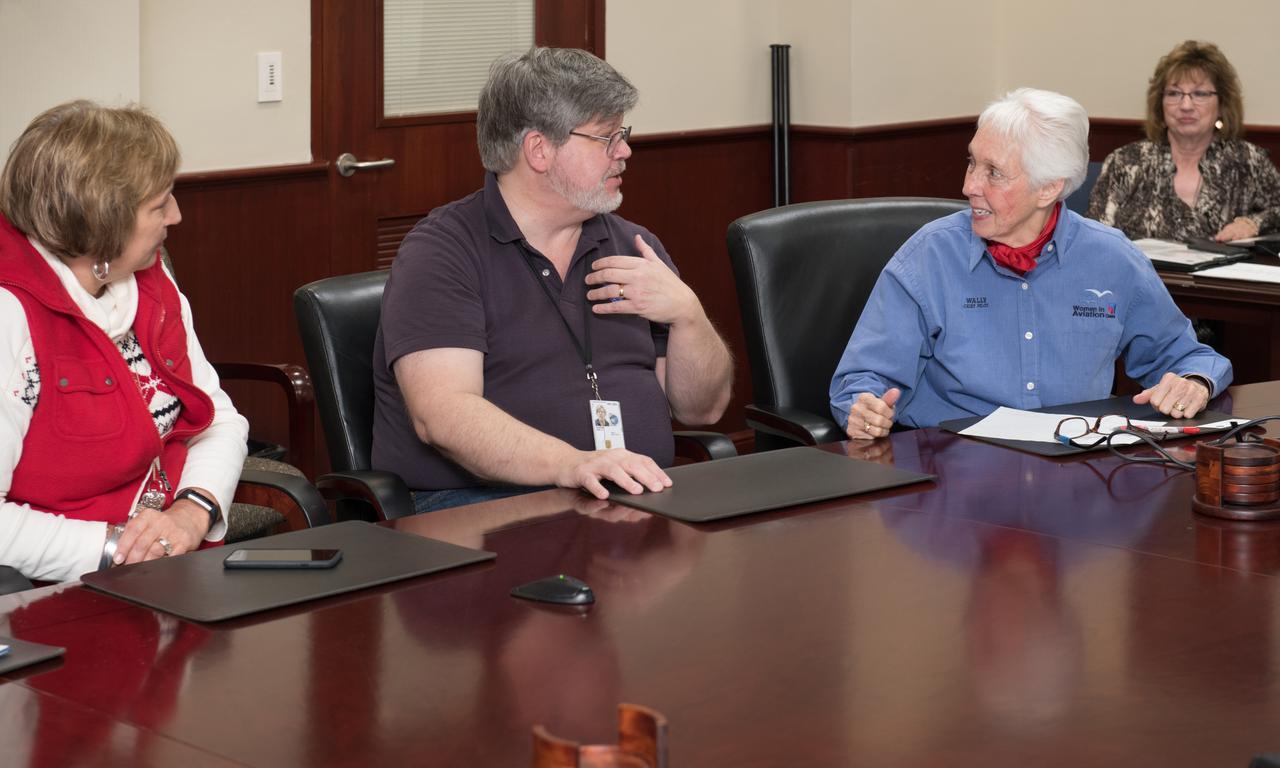
Visit to Glenn Research Center at Lewis Field by Mercury 13 Astronaut Trainee, Wally Funk
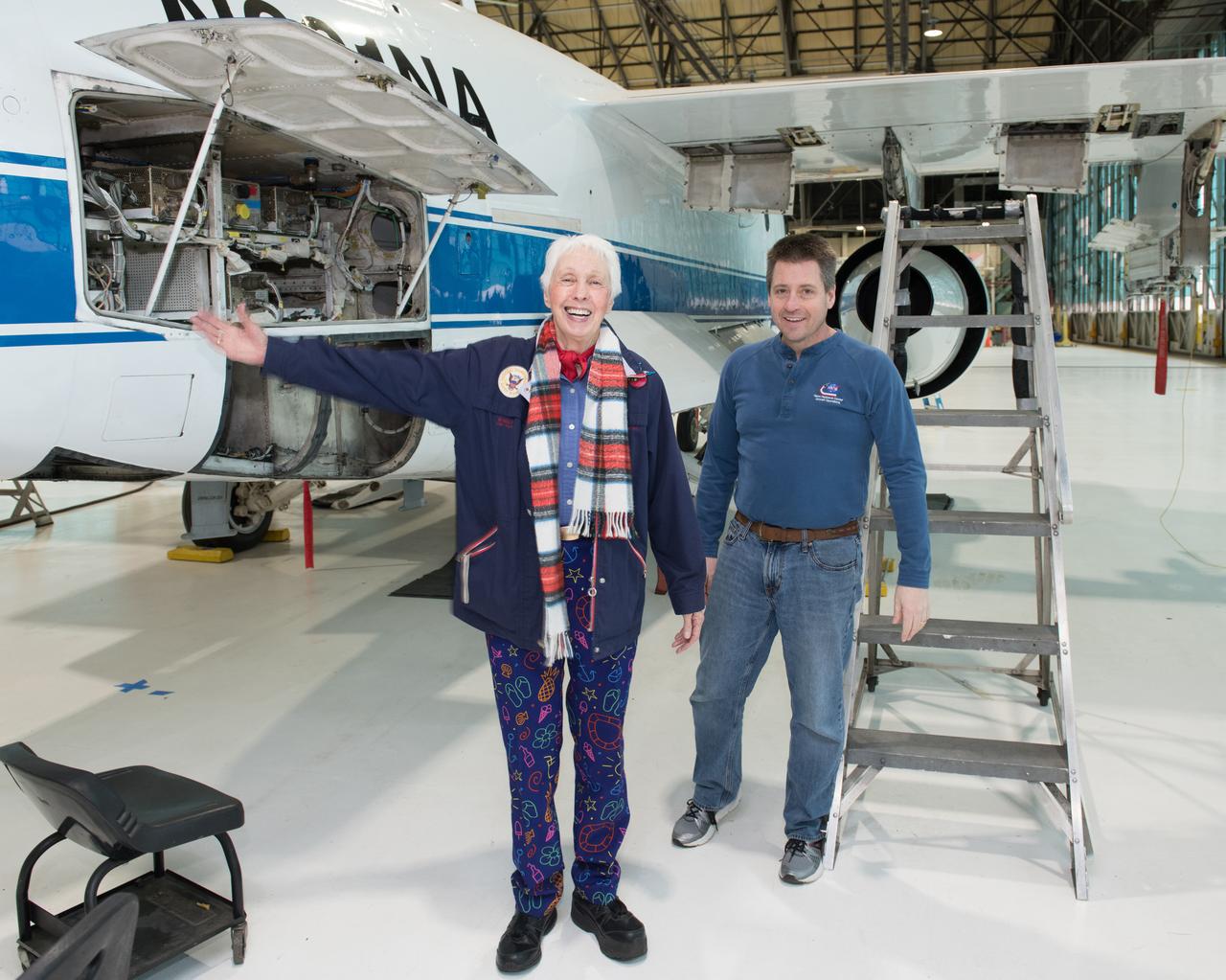
Visit to Glenn Research Center at Lewis Field by Mercury 13 Astronaut Trainee, Wally Funk
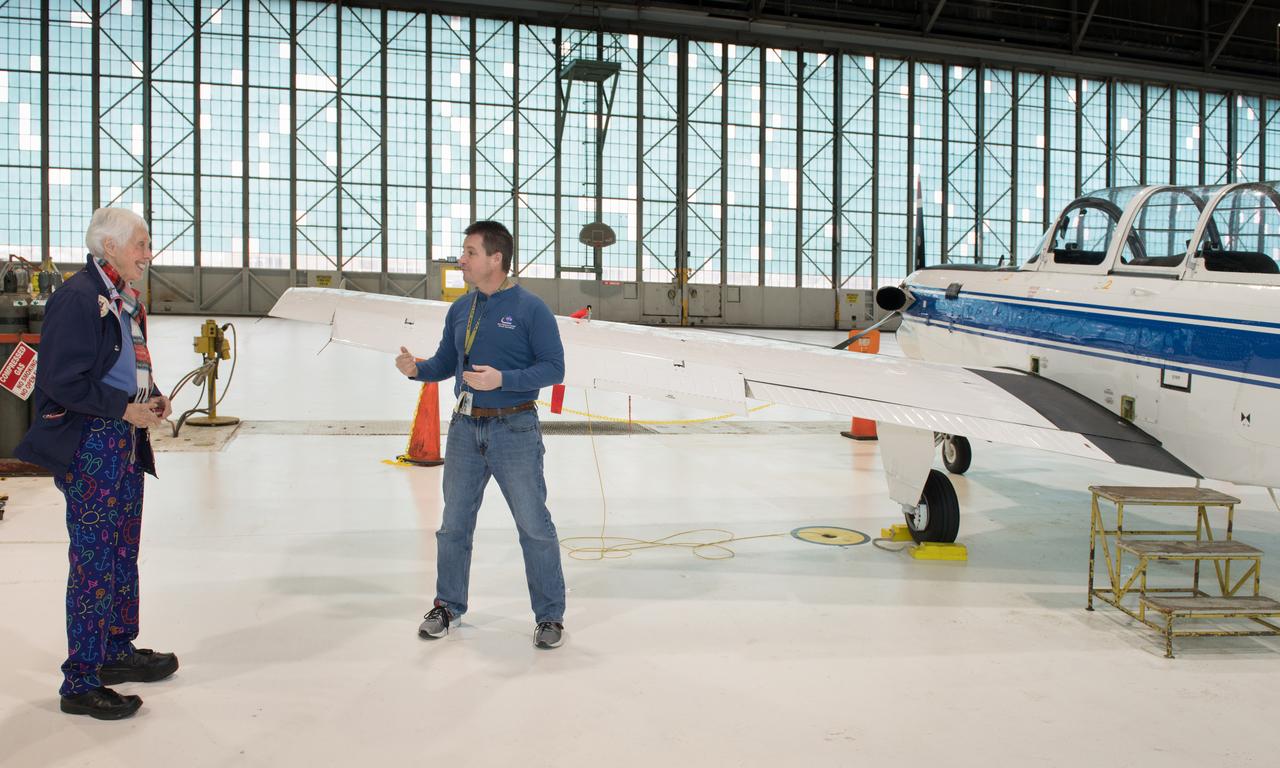
Visit to Glenn Research Center at Lewis Field by Mercury 13 Astronaut Trainee, Wally Funk
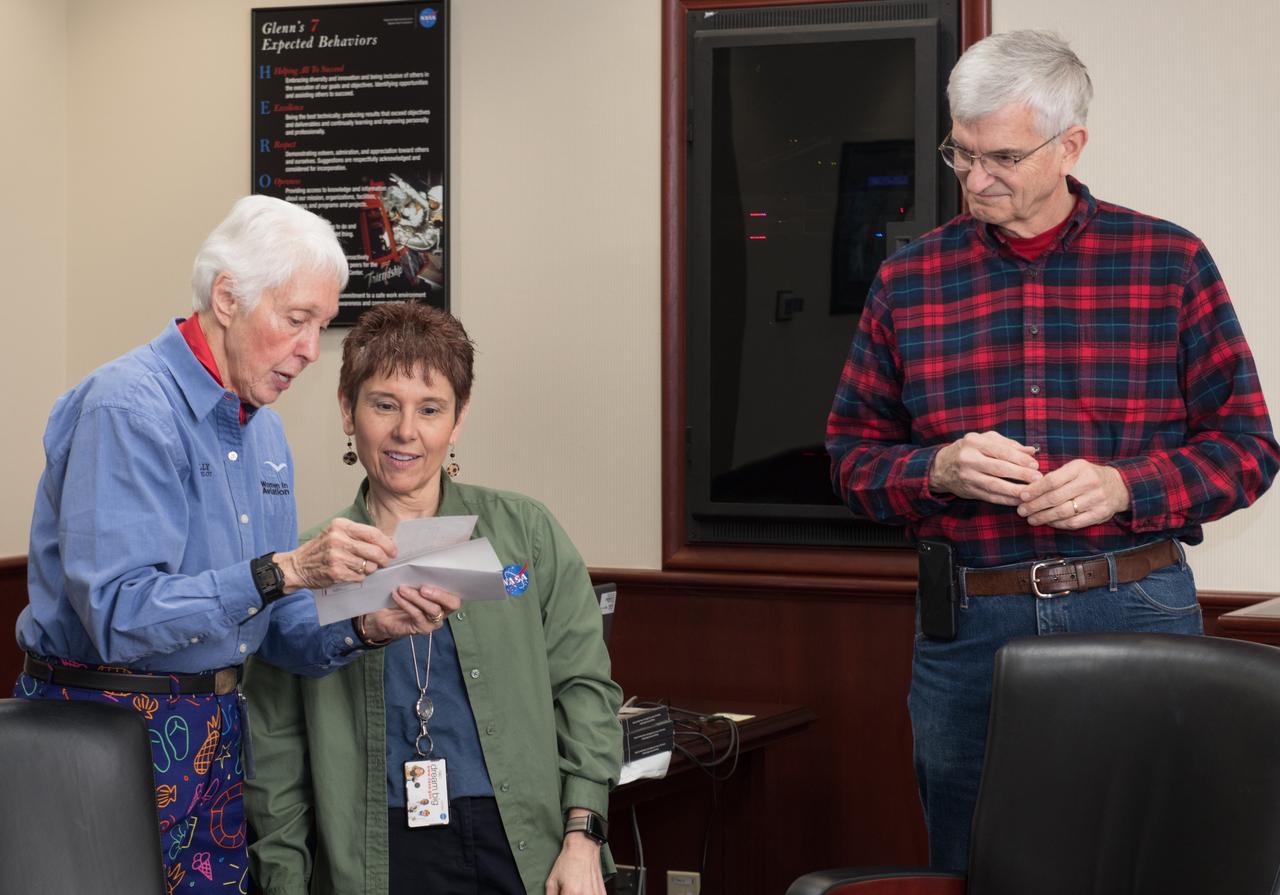
Visit to Glenn Research Center at Lewis Field by Mercury 13 Astronaut Trainee, Wally Funk

Visit to Glenn Research Center at Lewis Field by Mercury 13 Astronaut Trainee, Wally Funk
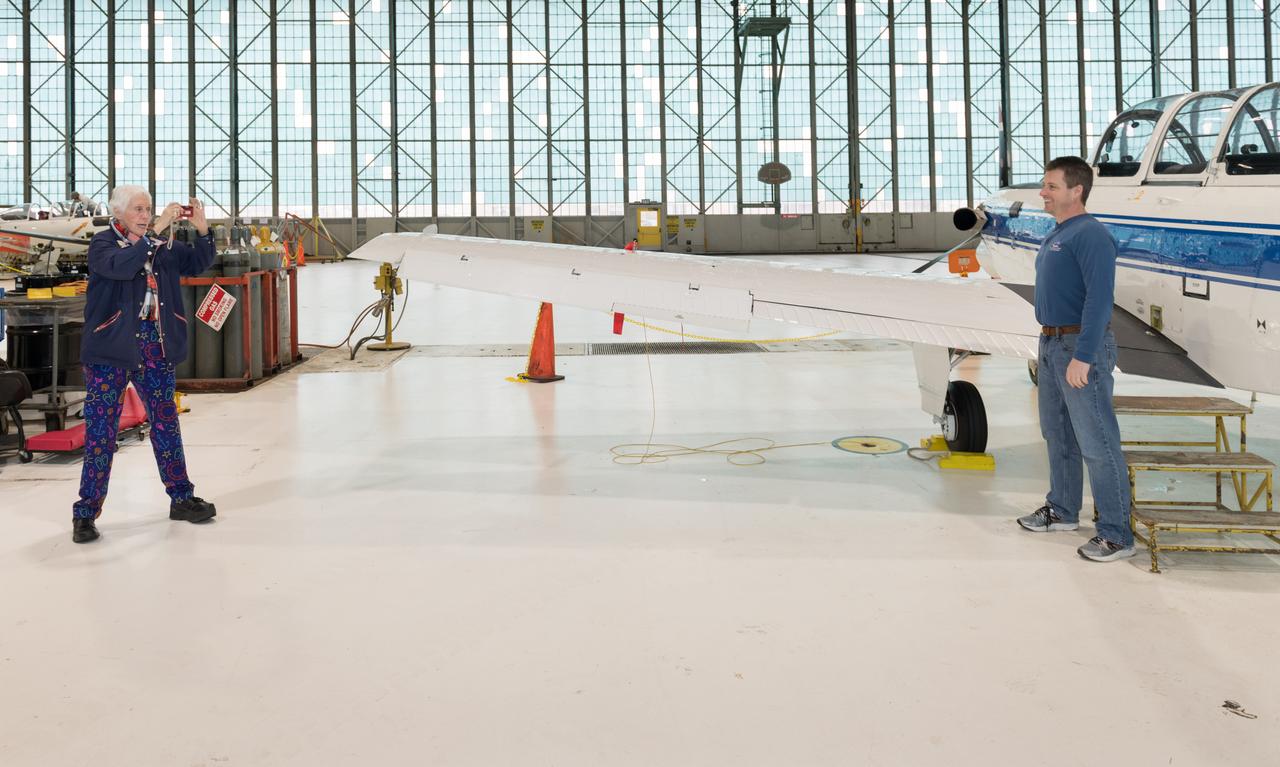
Visit to Glenn Research Center at Lewis Field by Mercury 13 Astronaut Trainee, Wally Funk
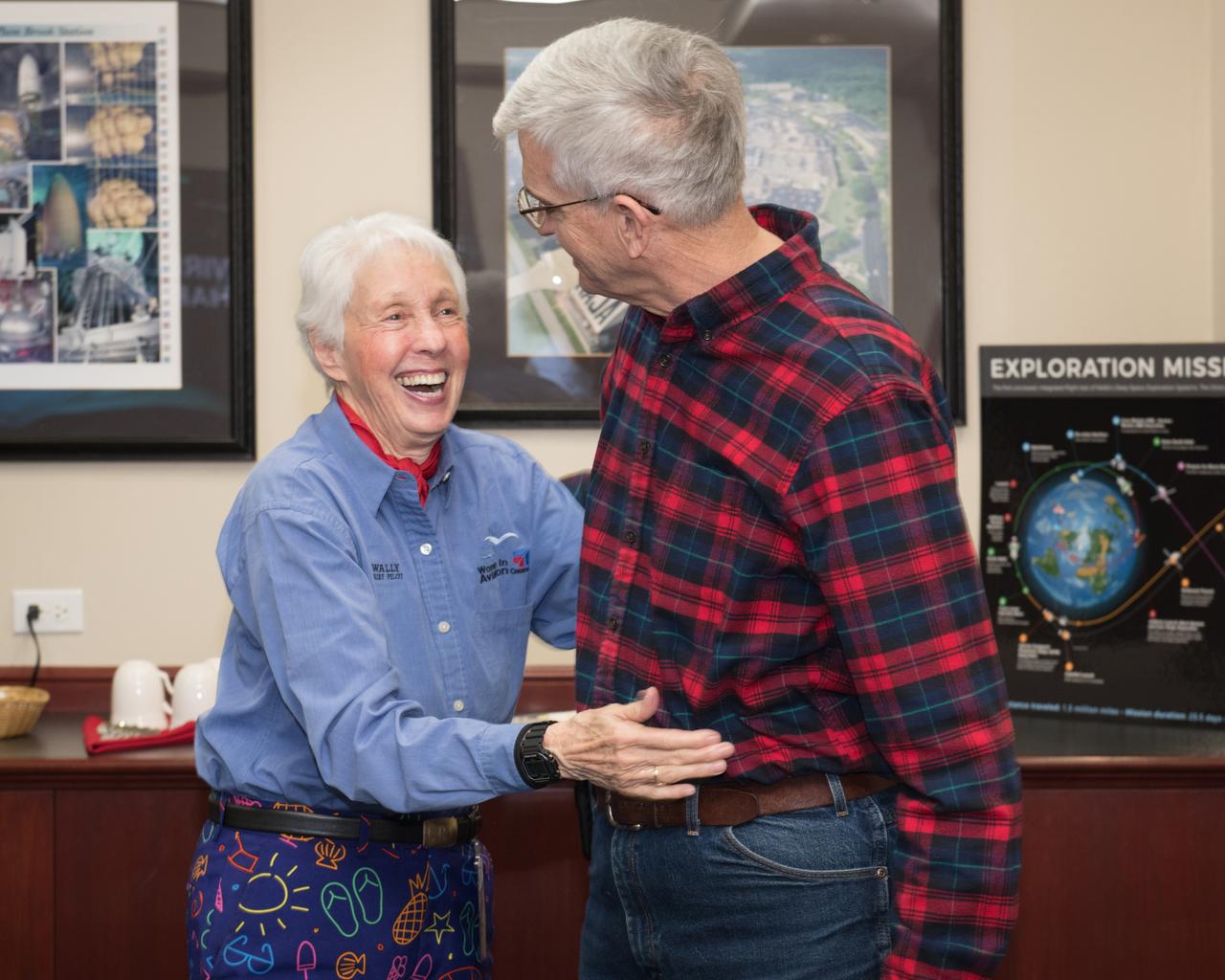
Visit to Glenn Research Center at Lewis Field by Mercury 13 Astronaut Trainee, Wally Funk

Visit to GRC Lewis Field by Joshua Dobbs
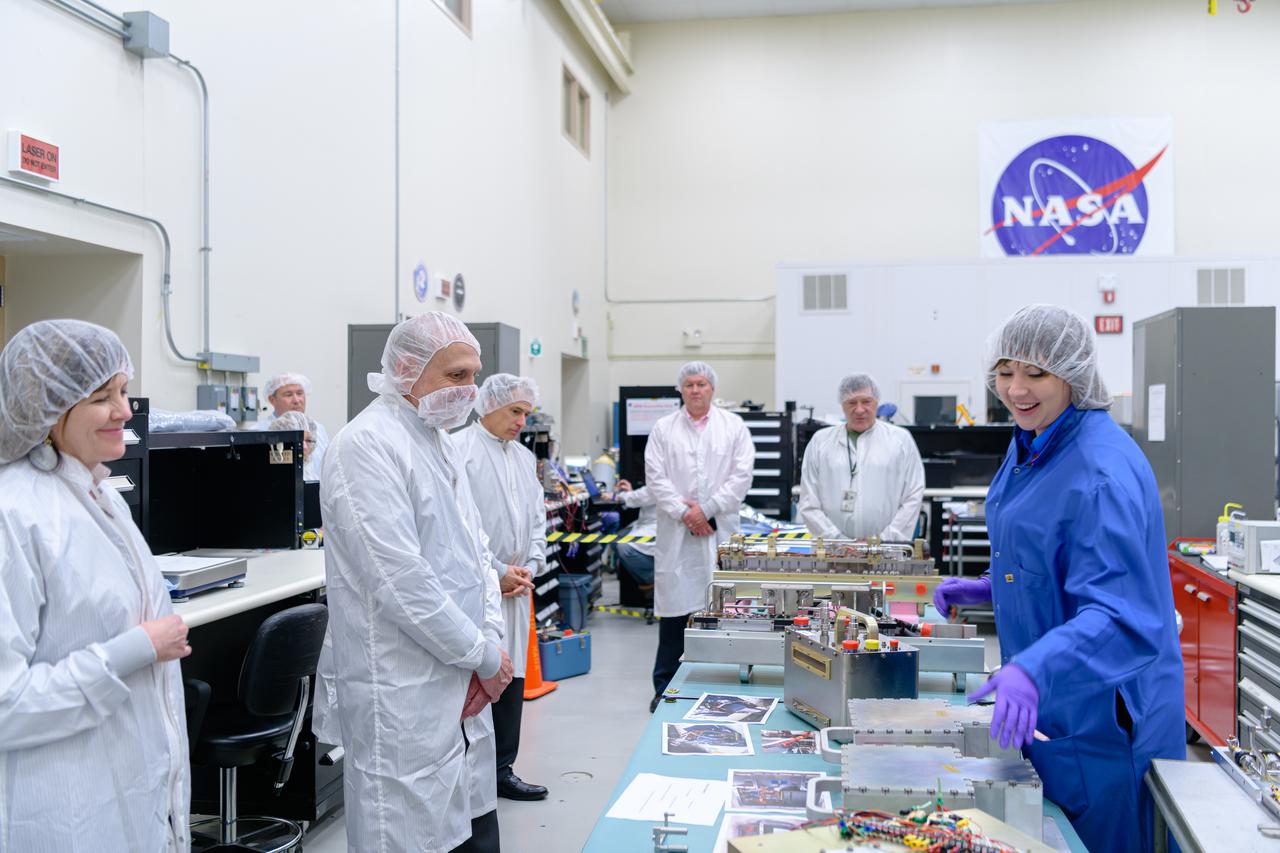
Visit to GRC Lewis Field by the Associate Administrator and Deputy Associate Administrator
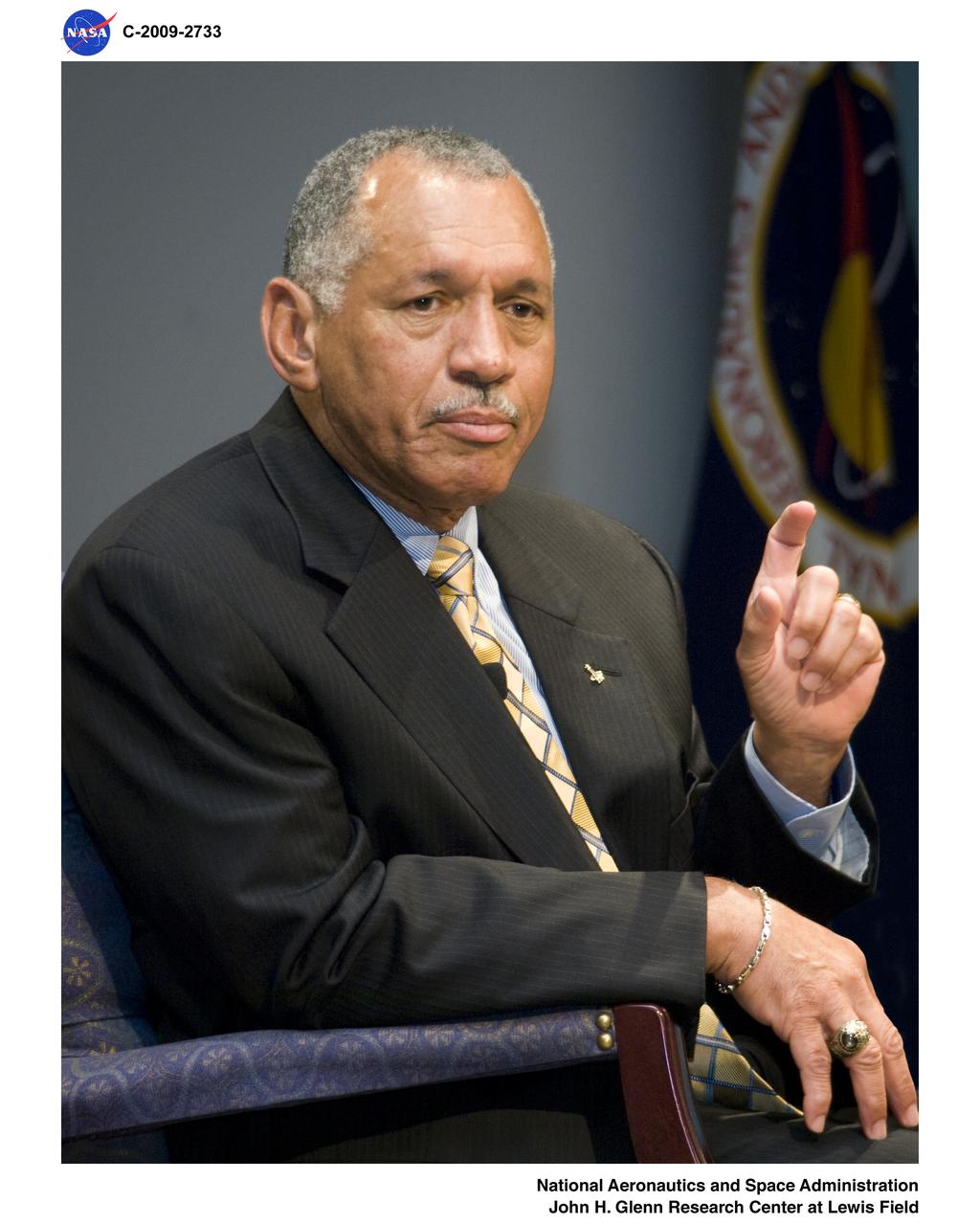
Visit to Glenn Research Center at Lewis Field by NASA Administrator and Deputy Administrator
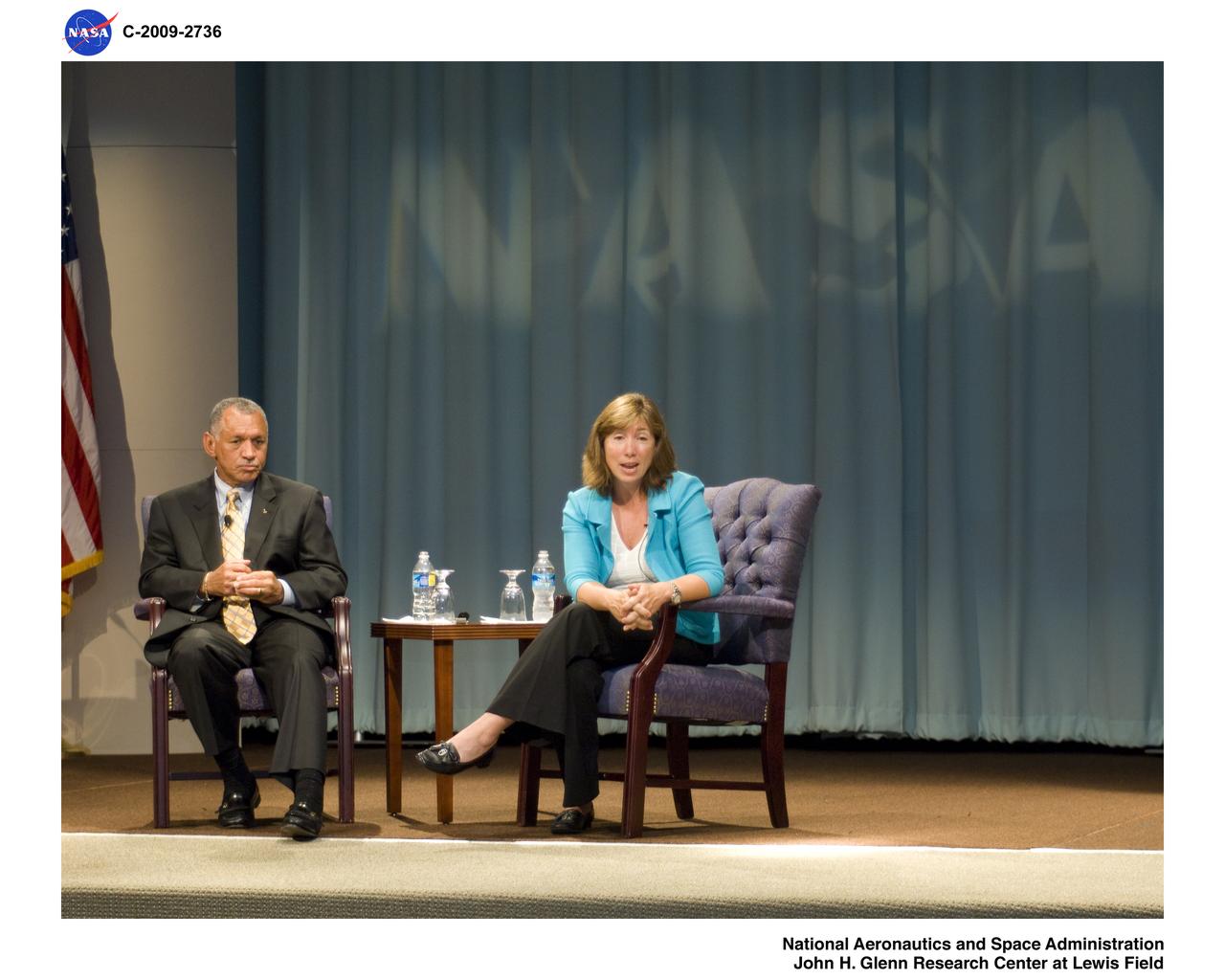
Visit to Glenn Research Center at Lewis Field by NASA Administrator and Deputy Administrator

Visit to Glenn Research Center at Lewis Field, GRC, by Astronaut Steve Swanson
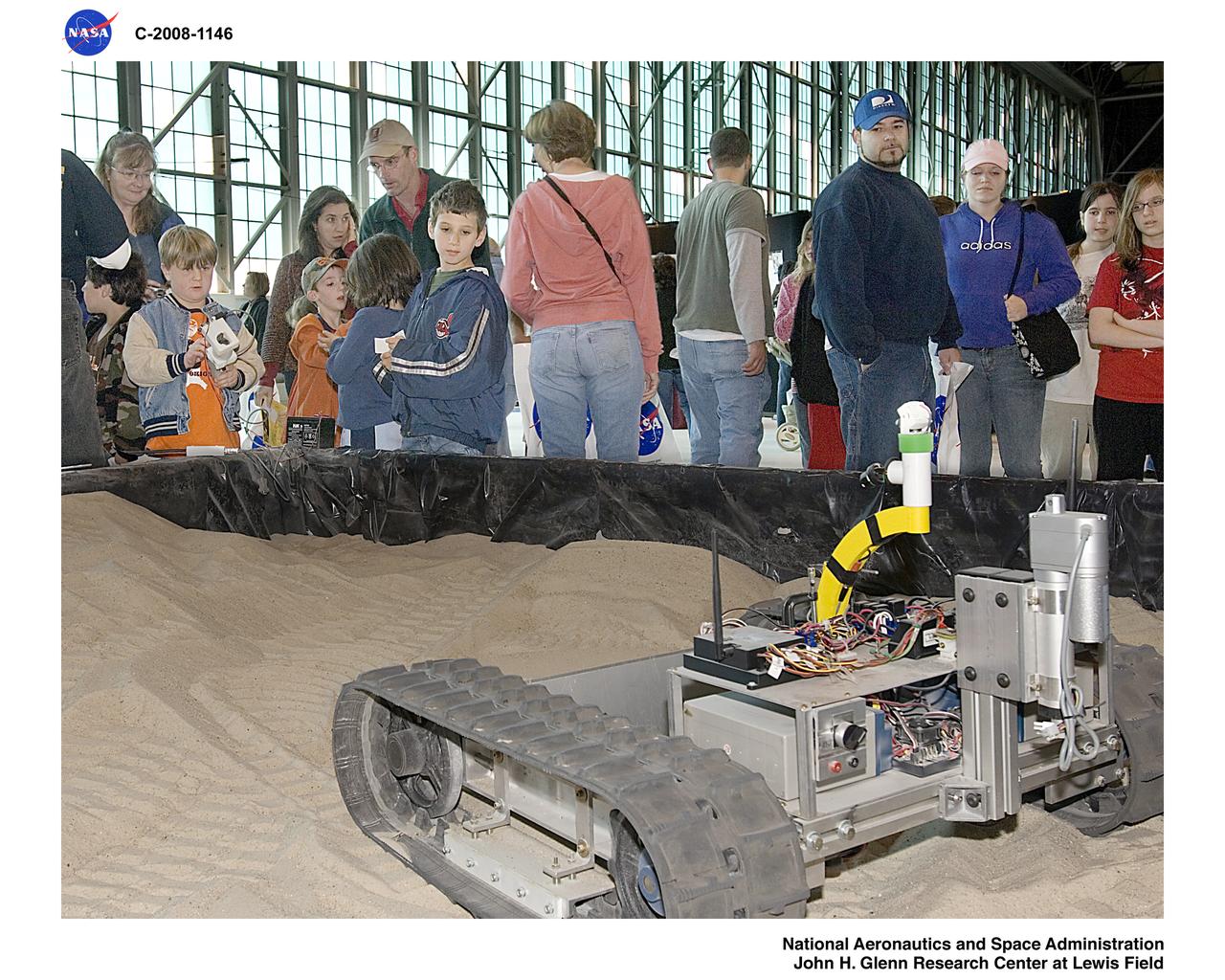
NASA Glenn Research Center at Lewis Field 50th Anniversary Open House
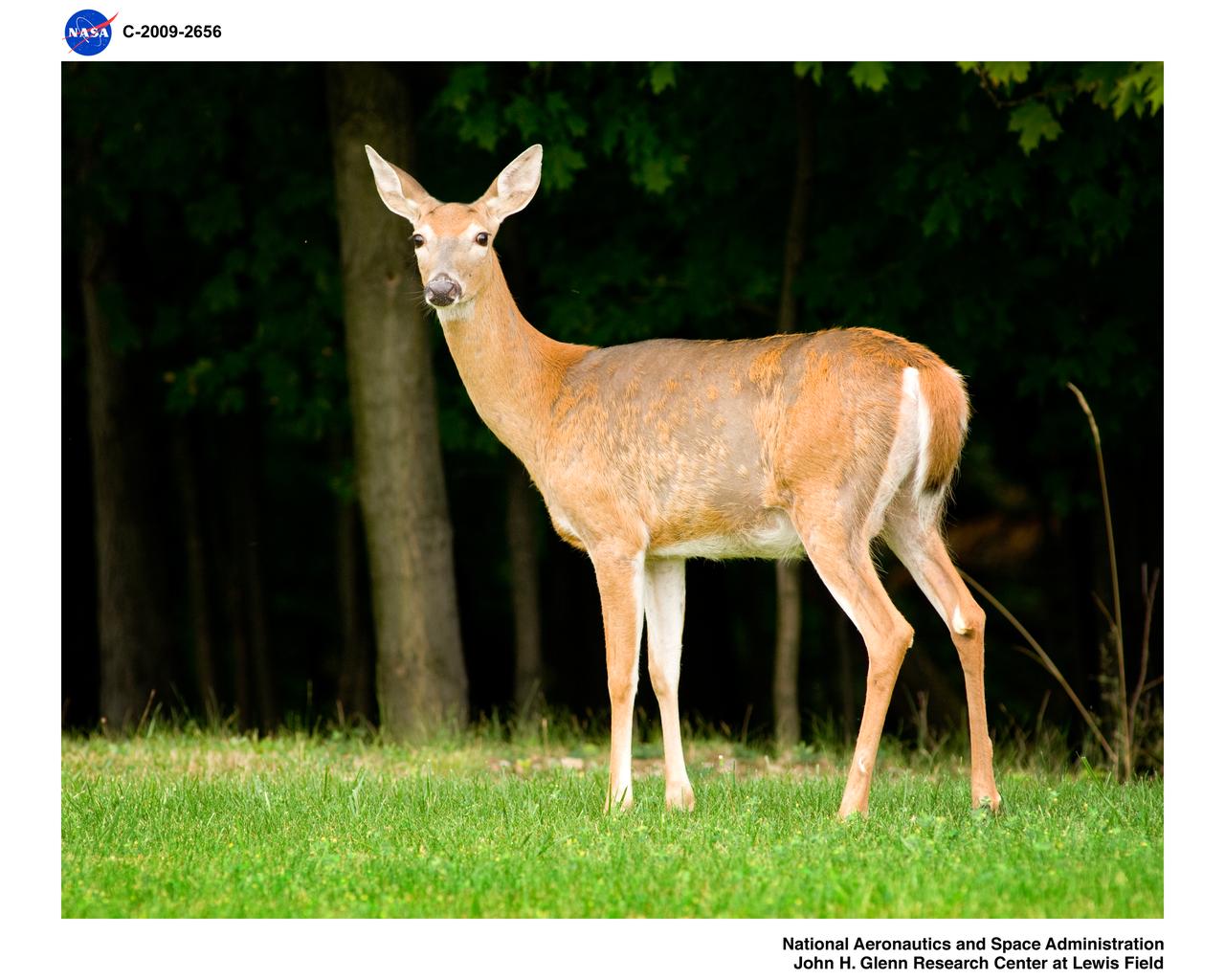
Deer in West Area, Glenn Research Center at Lewis Field

Visit to Glenn Research Center at Lewis Field by NASA Administrator and Deputy Administrator
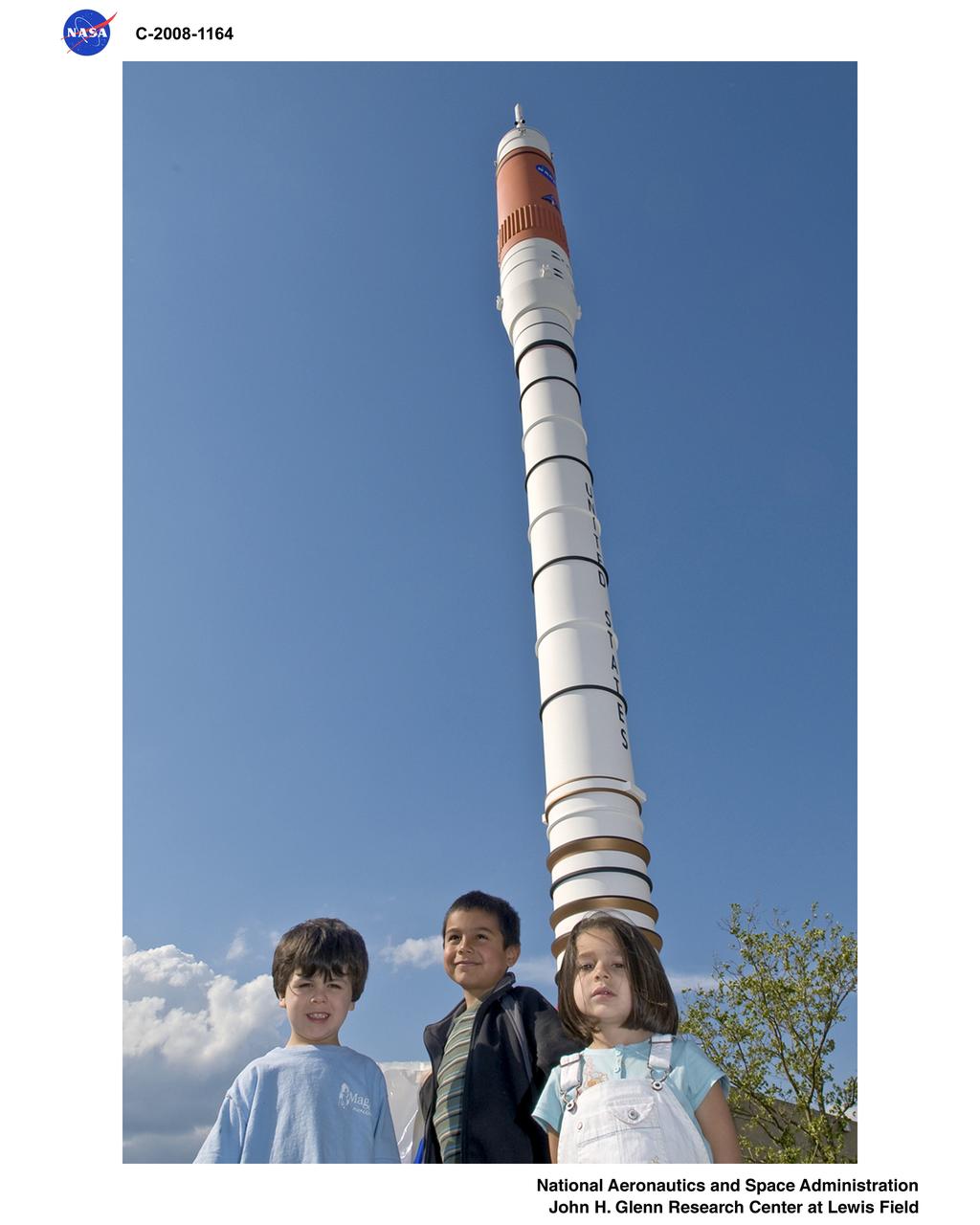
NASA Glenn Research Center at Lewis Field 50th Anniversary Open House
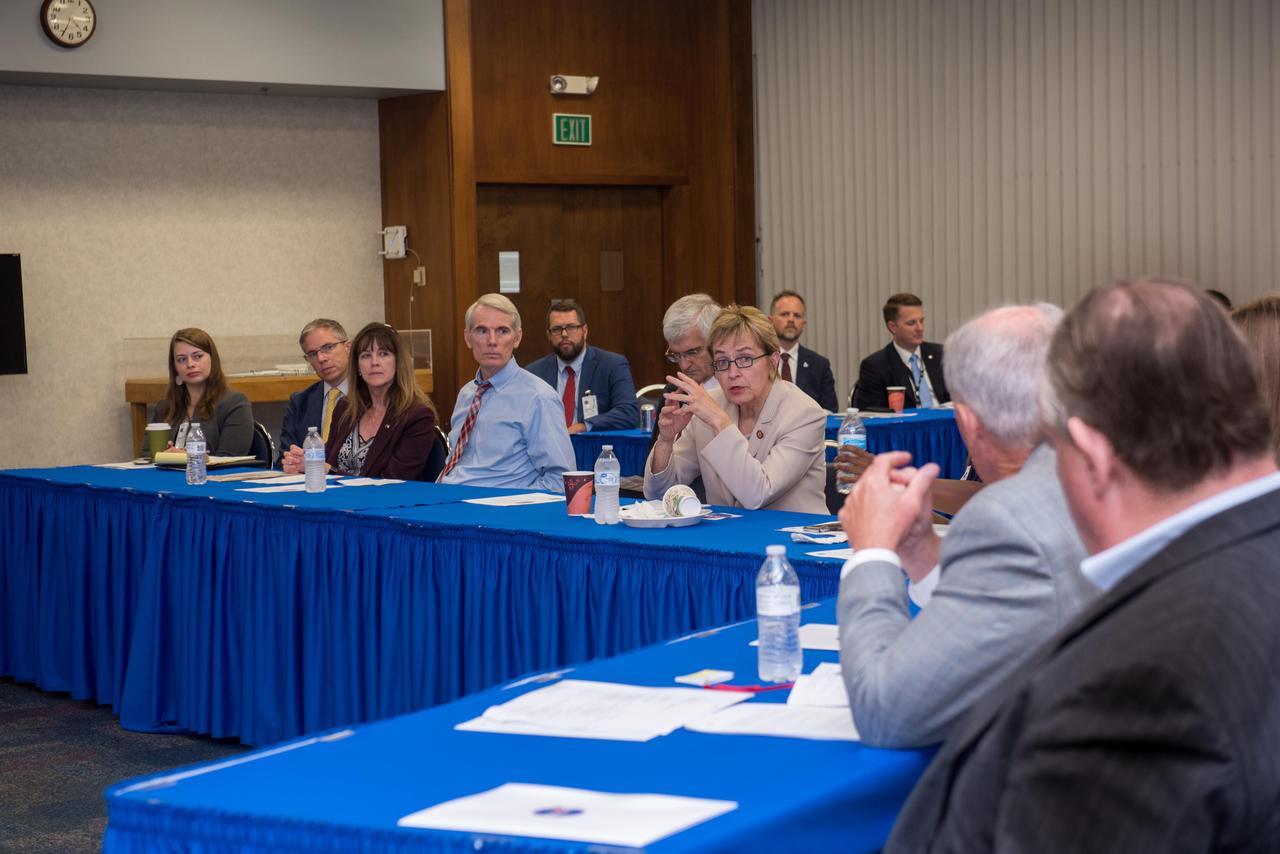
NASA Administrator Jim Bridenstine and Congressional Delegation Visit to Lewis Field and Plum Brook Station
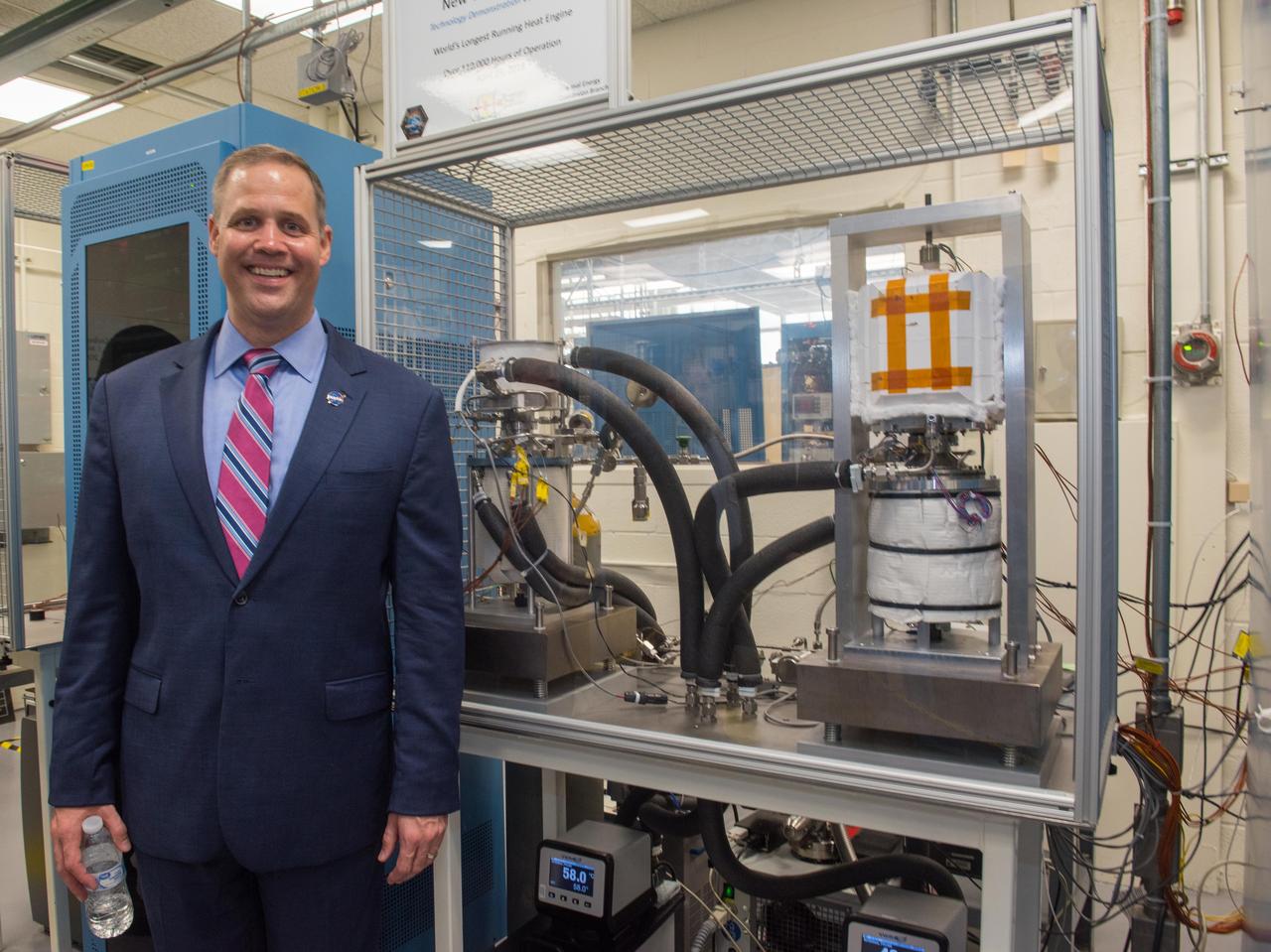
NASA Administrator Jim Bridenstine and Congressional Delegation Visit to Lewis Field and Plum Brook Station
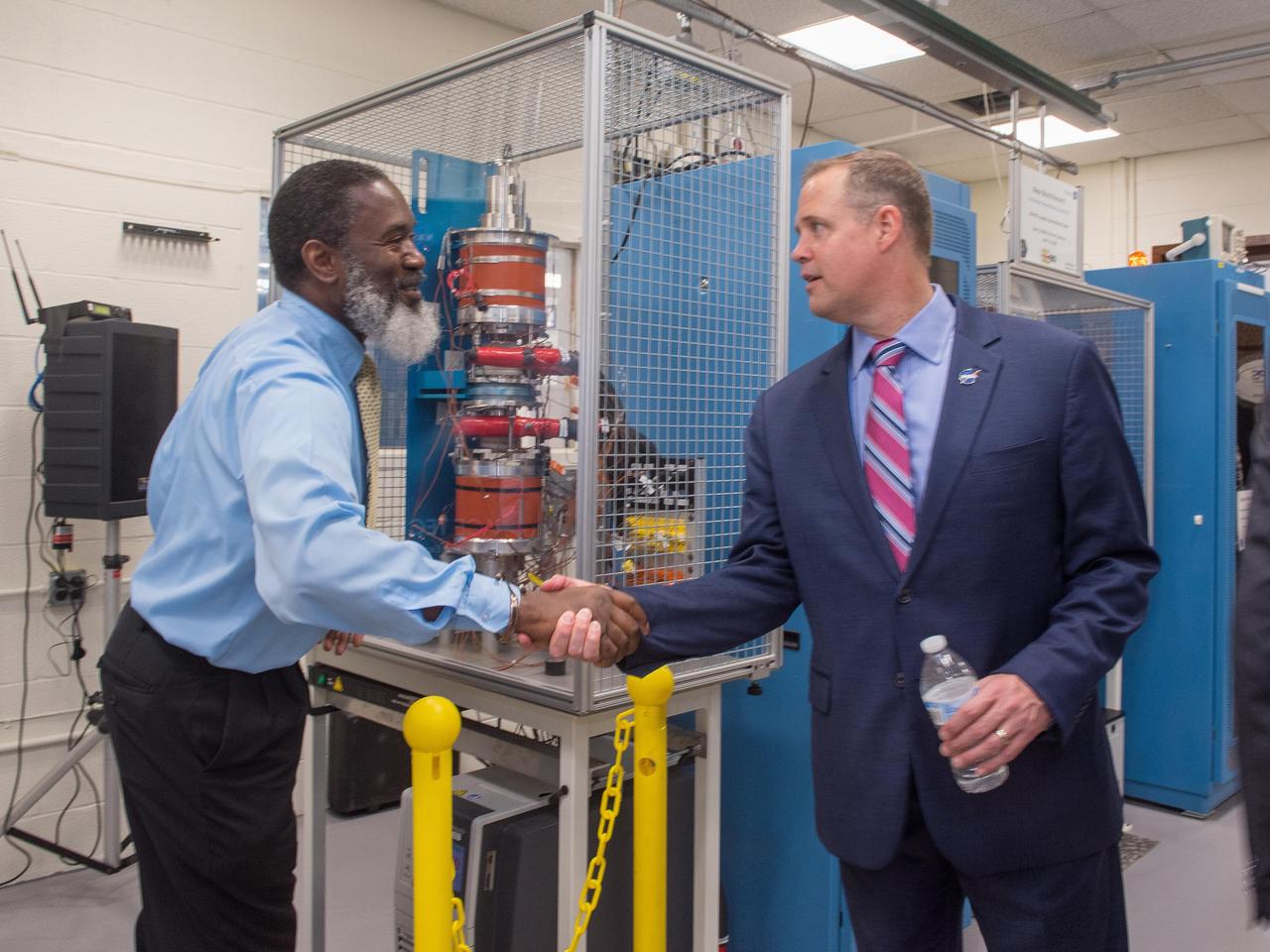
NASA Administrator Jim Bridenstine and Congressional Delegation Visit to Lewis Field and Plum Brook Station
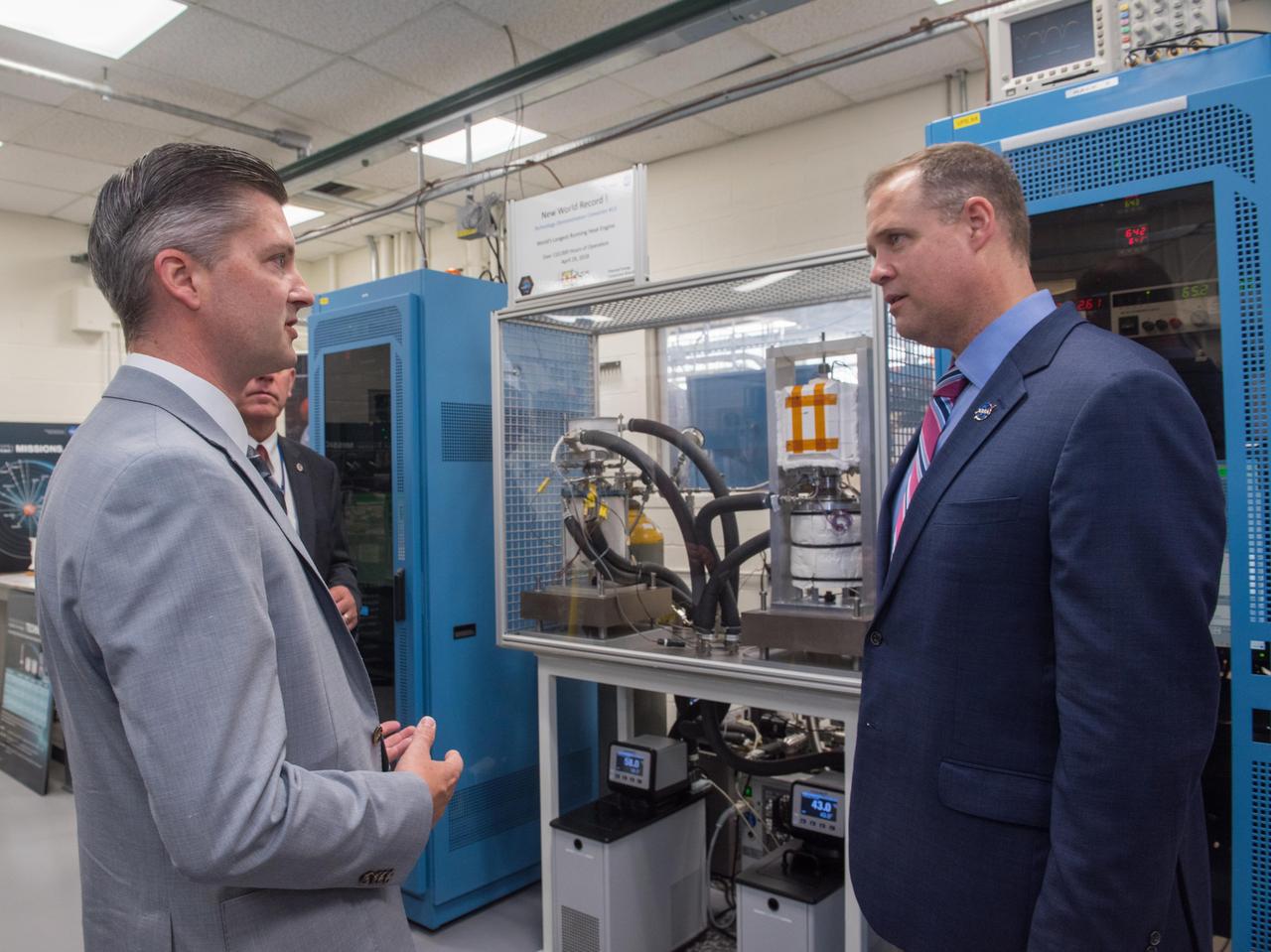
NASA Administrator Jim Bridenstine and Congressional Delegation Visit to Lewis Field and Plum Brook Station
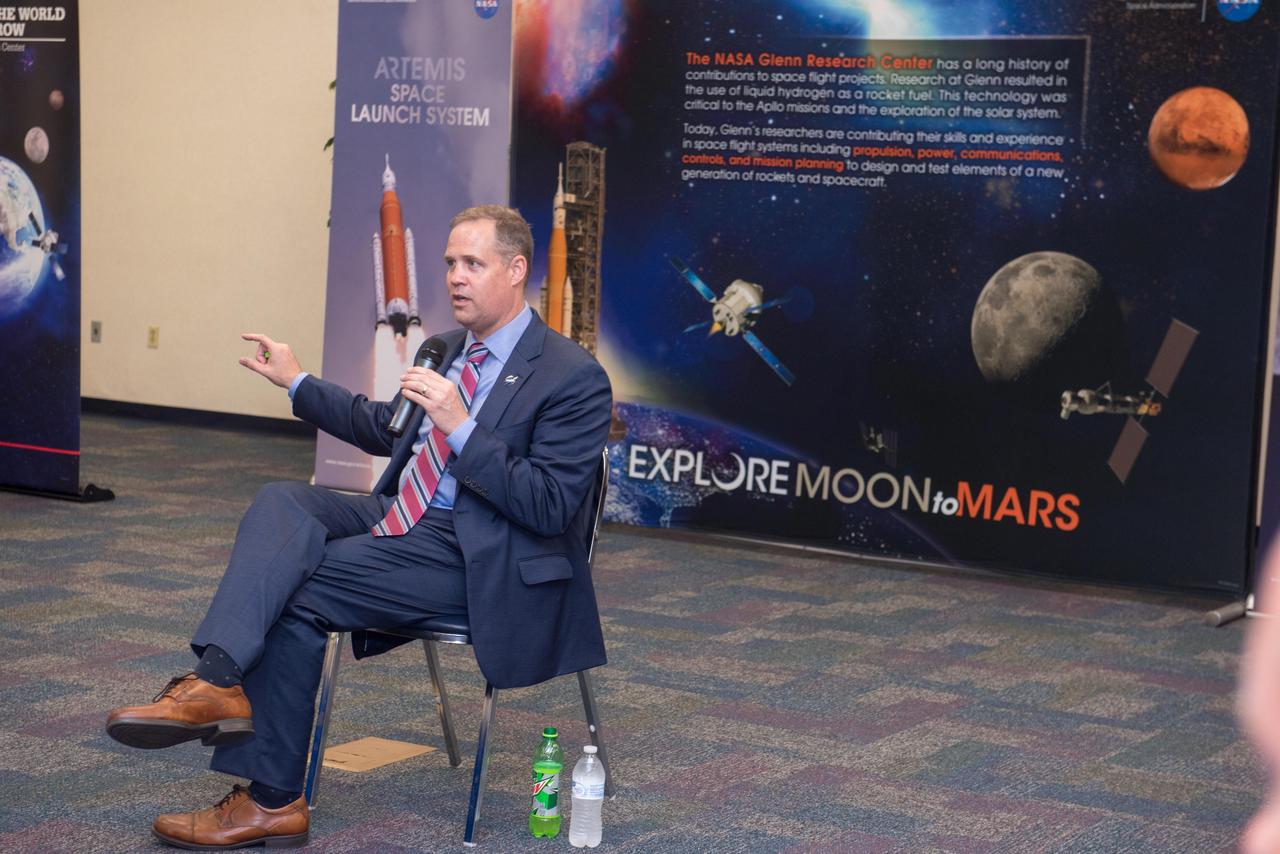
NASA Administrator Jim Bridenstine and Congressional Delegation Visit to Lewis Field and Plum Brook Station
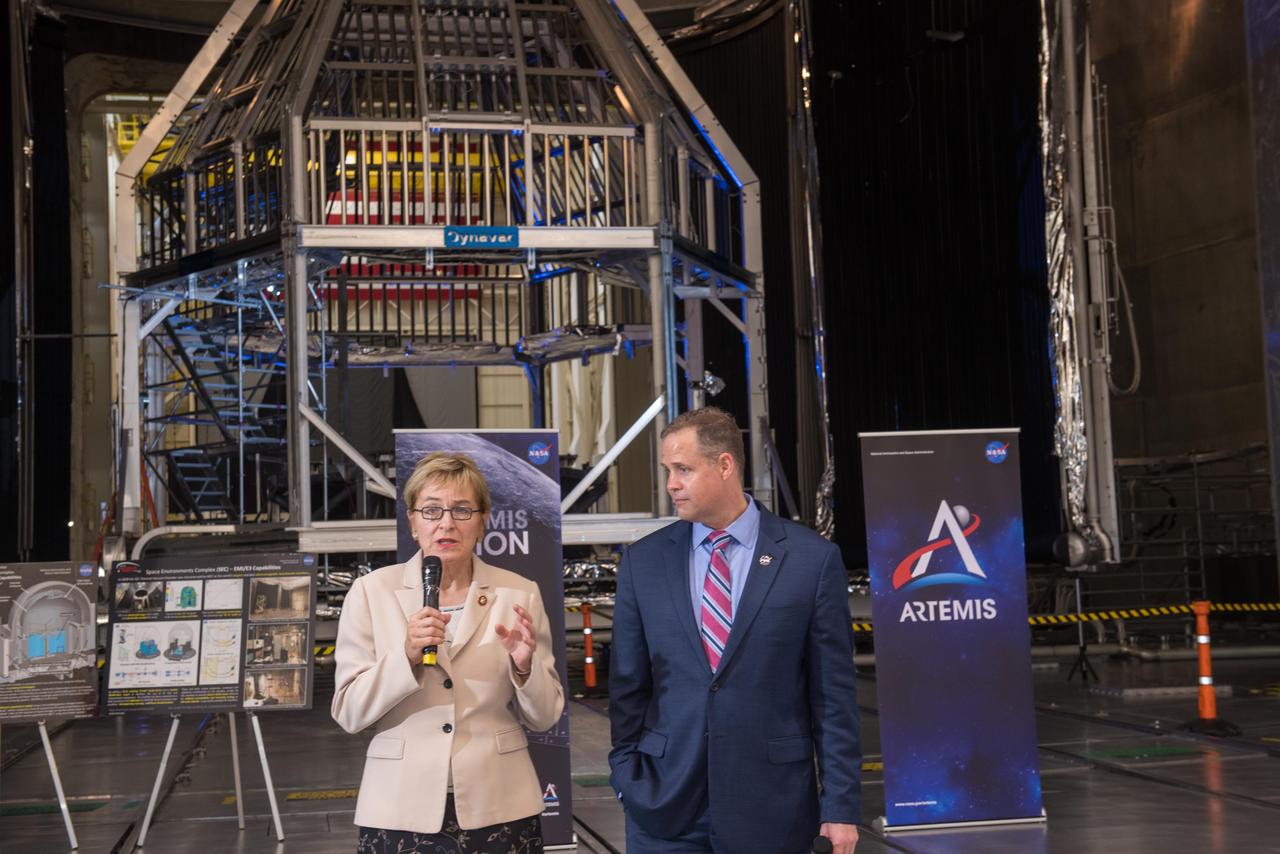
NASA Administrator Jim Bridenstine and Congressional Delegation Visit to Lewis Field and Plum Brook Station

NASA Administrator Jim Bridenstine and Congressional Delegation Visit to Lewis Field and Plum Brook Station
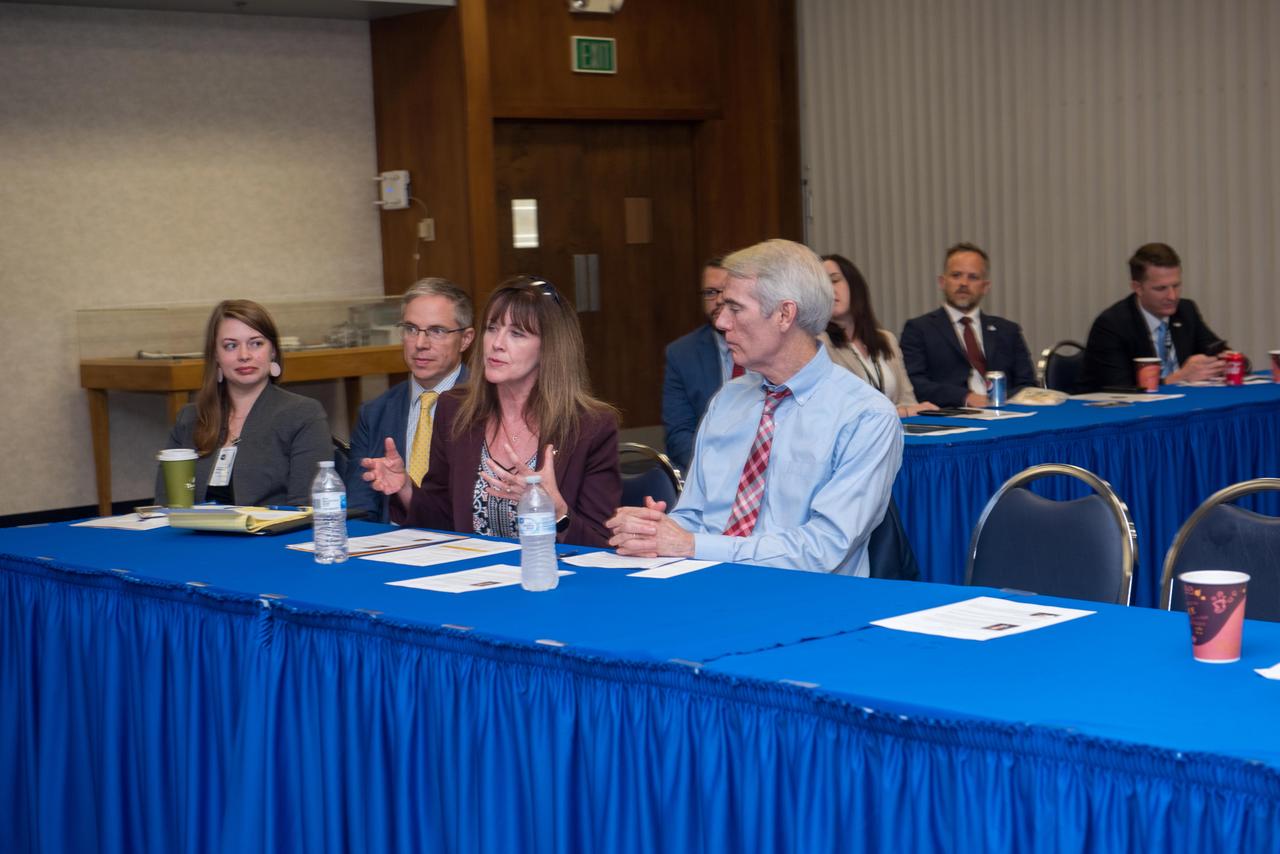
NASA Administrator Jim Bridenstine and Congressional Delegation Visit to Lewis Field and Plum Brook Station
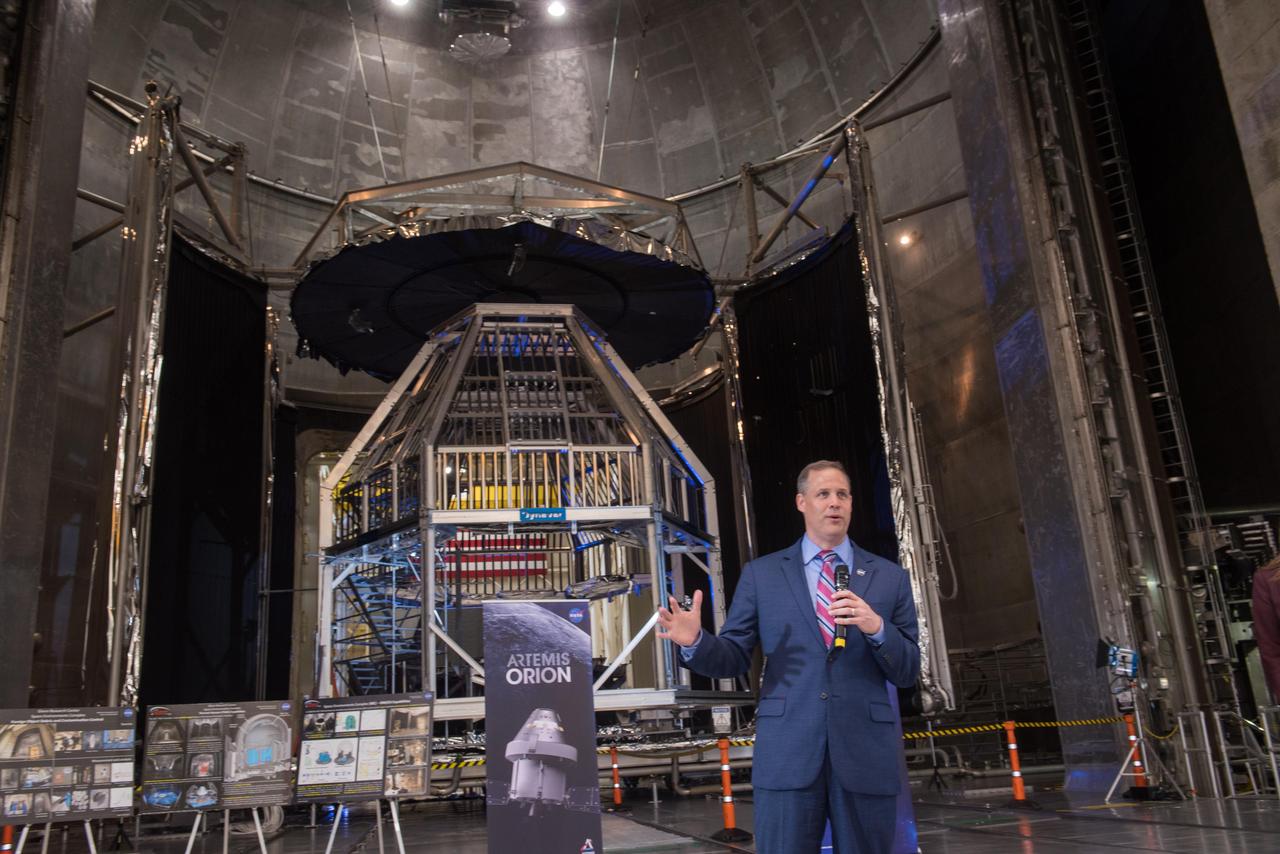
NASA Administrator Jim Bridenstine and Congressional Delegation Visit to Lewis Field and Plum Brook Station
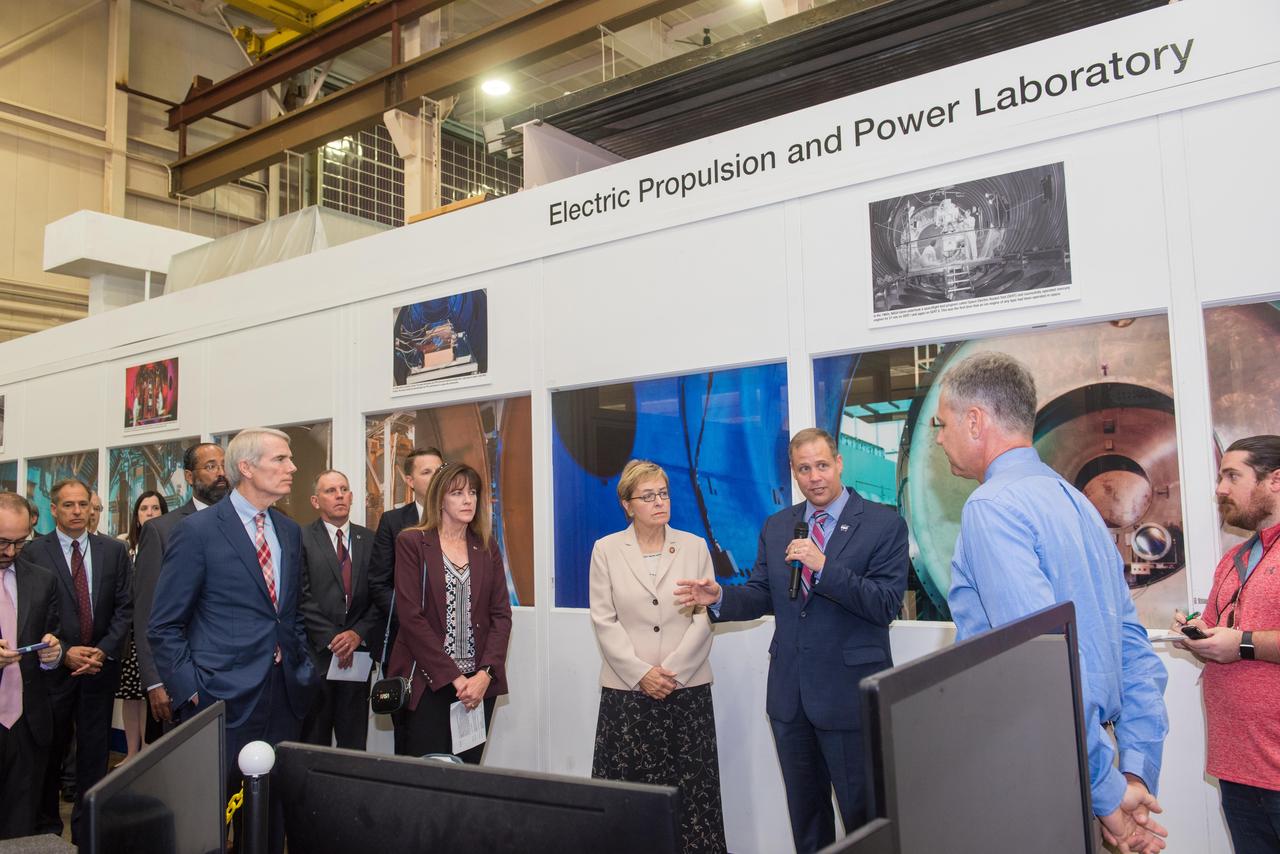
NASA Administrator Jim Bridenstine and Congressional Delegation Visit to Lewis Field and Plum Brook Station
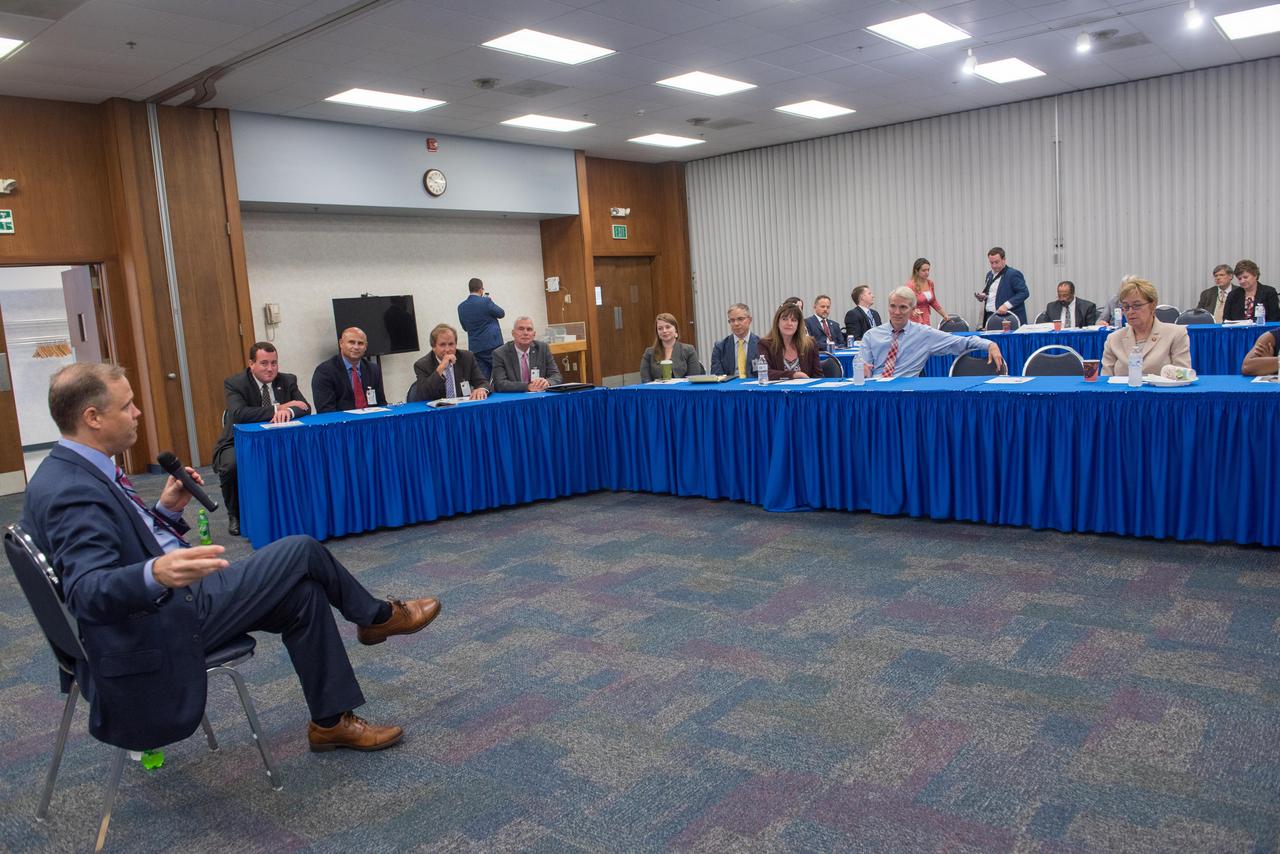
NASA Administrator Jim Bridenstine and Congressional Delegation Visit to Lewis Field and Plum Brook Station
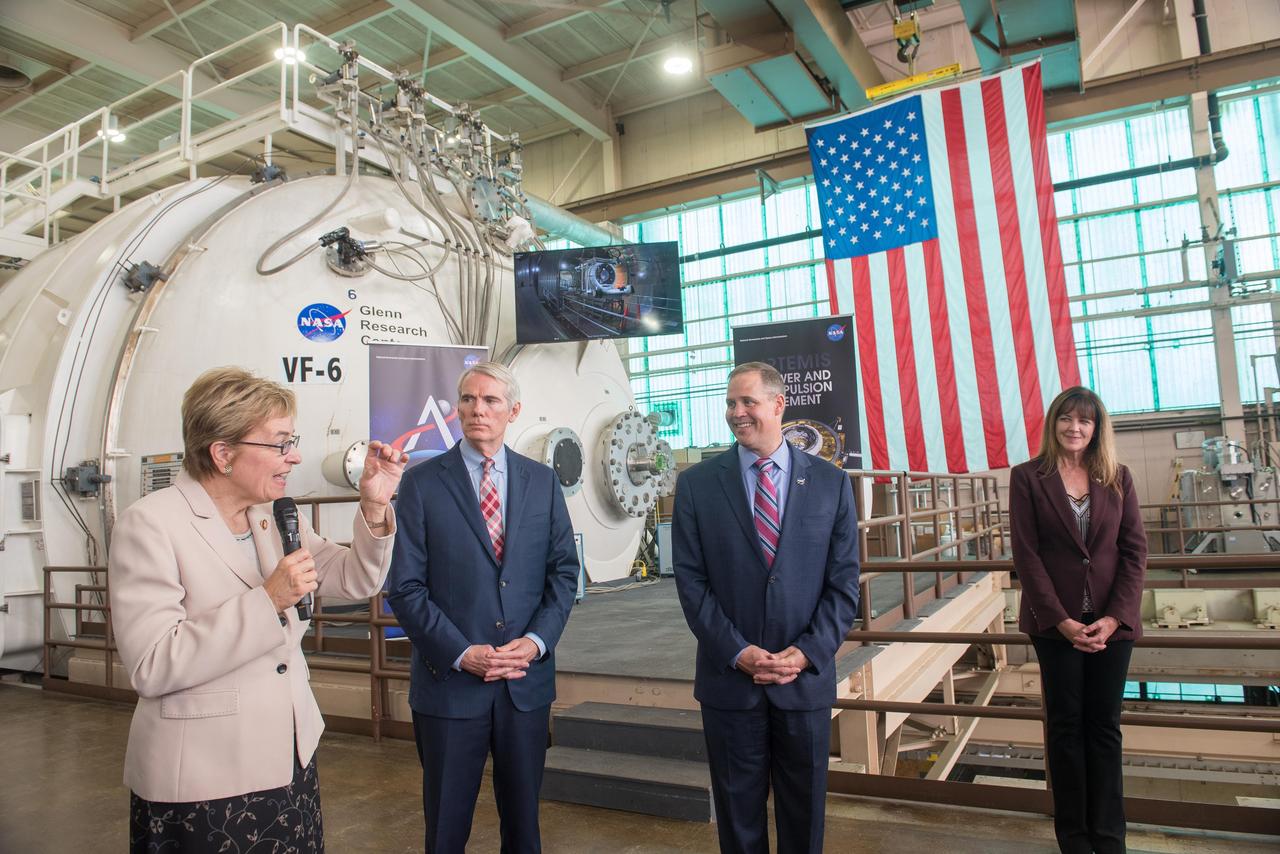
NASA Administrator Jim Bridenstine and Congressional Delegation Visit to Lewis Field and Plum Brook Station
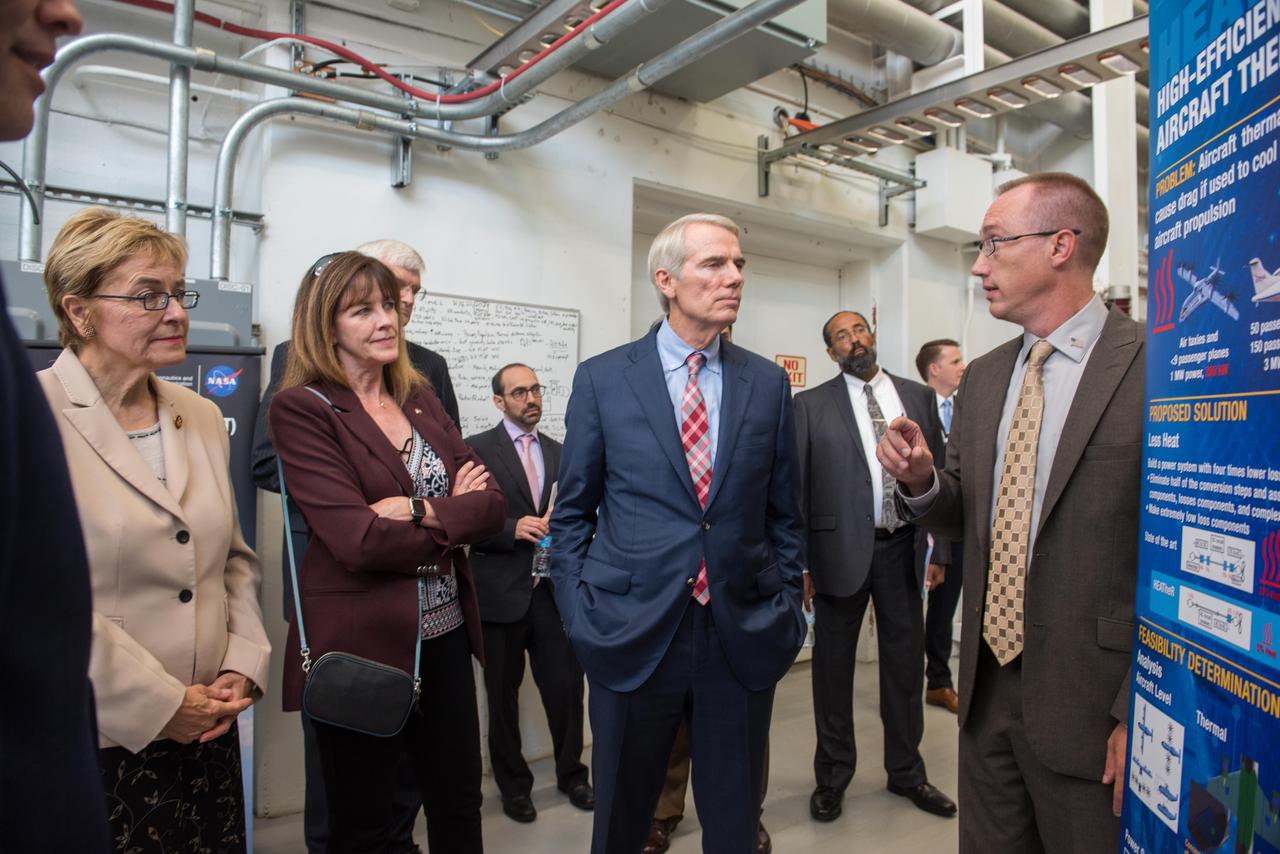
NASA Administrator Jim Bridenstine and Congressional Delegation Visit to Lewis Field and Plum Brook Station
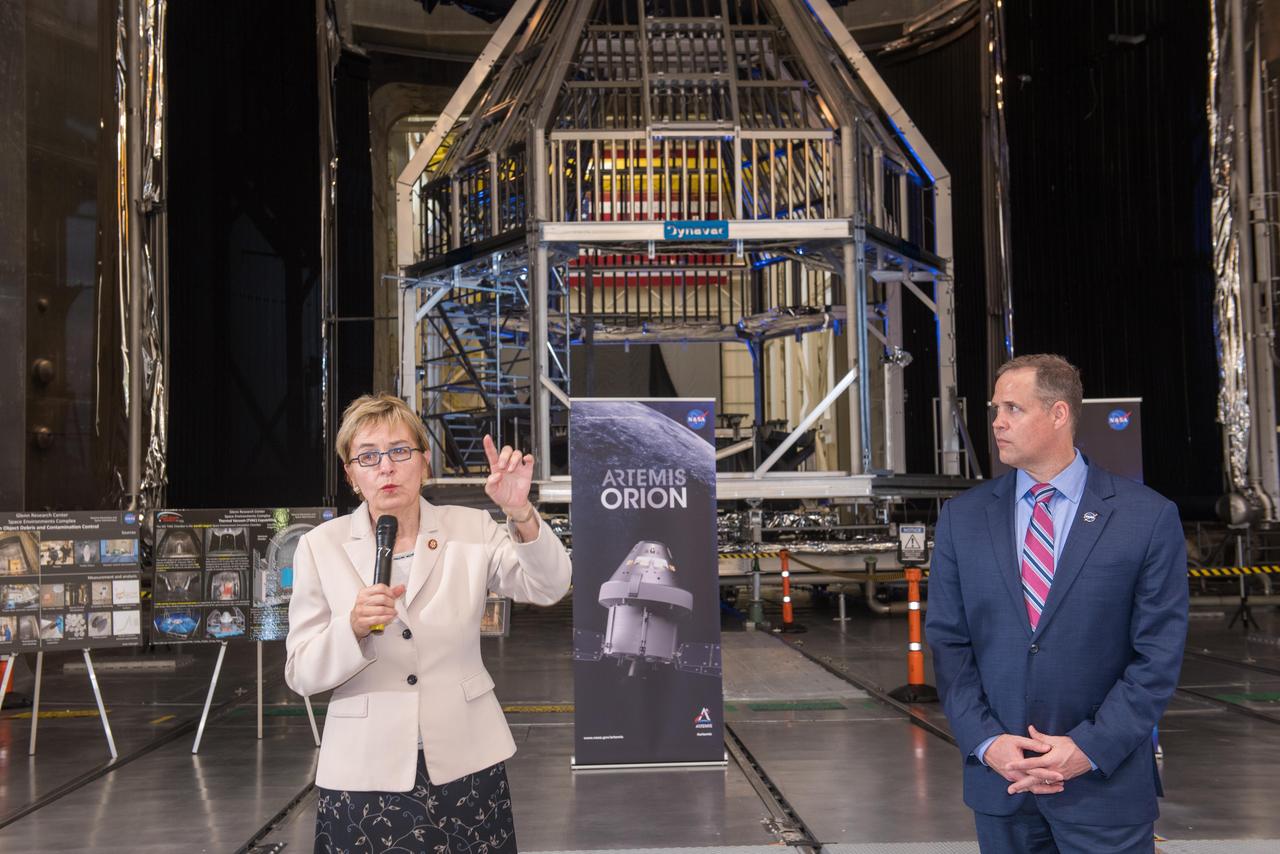
NASA Administrator Jim Bridenstine and Congressional Delegation Visit to Lewis Field and Plum Brook Station
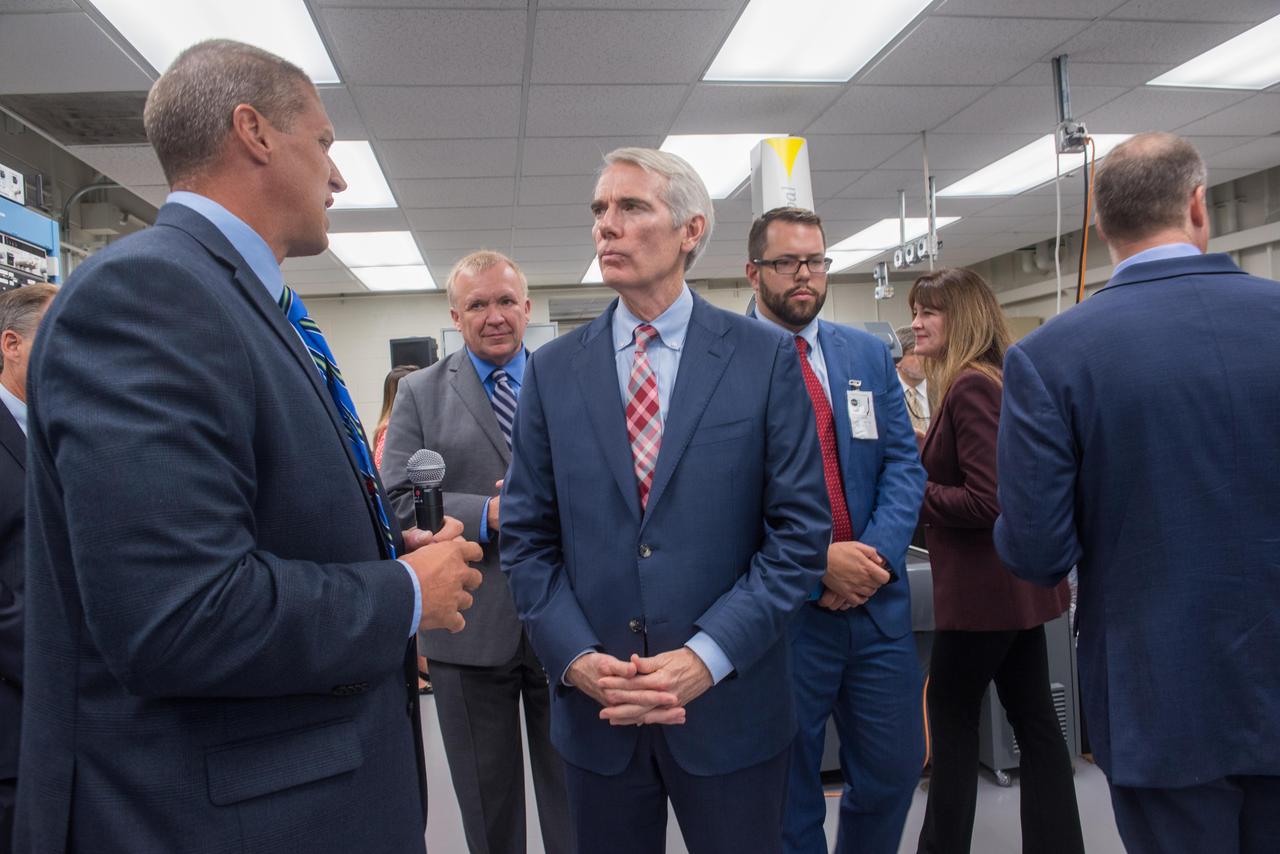
NASA Administrator Jim Bridenstine and Congressional Delegation Visit to Lewis Field and Plum Brook Station
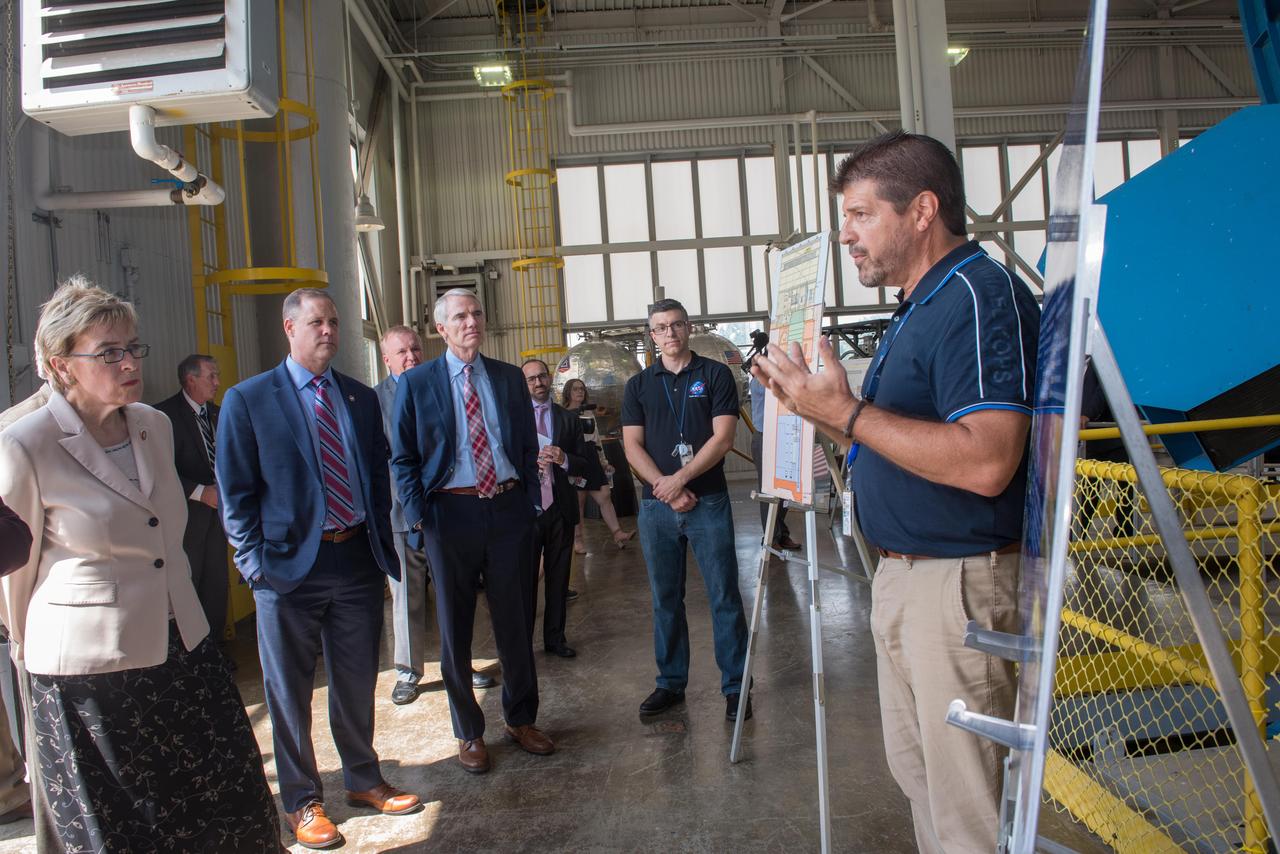
NASA Administrator Jim Bridenstine and Congressional Delegation Visit to Lewis Field and Plum Brook Station
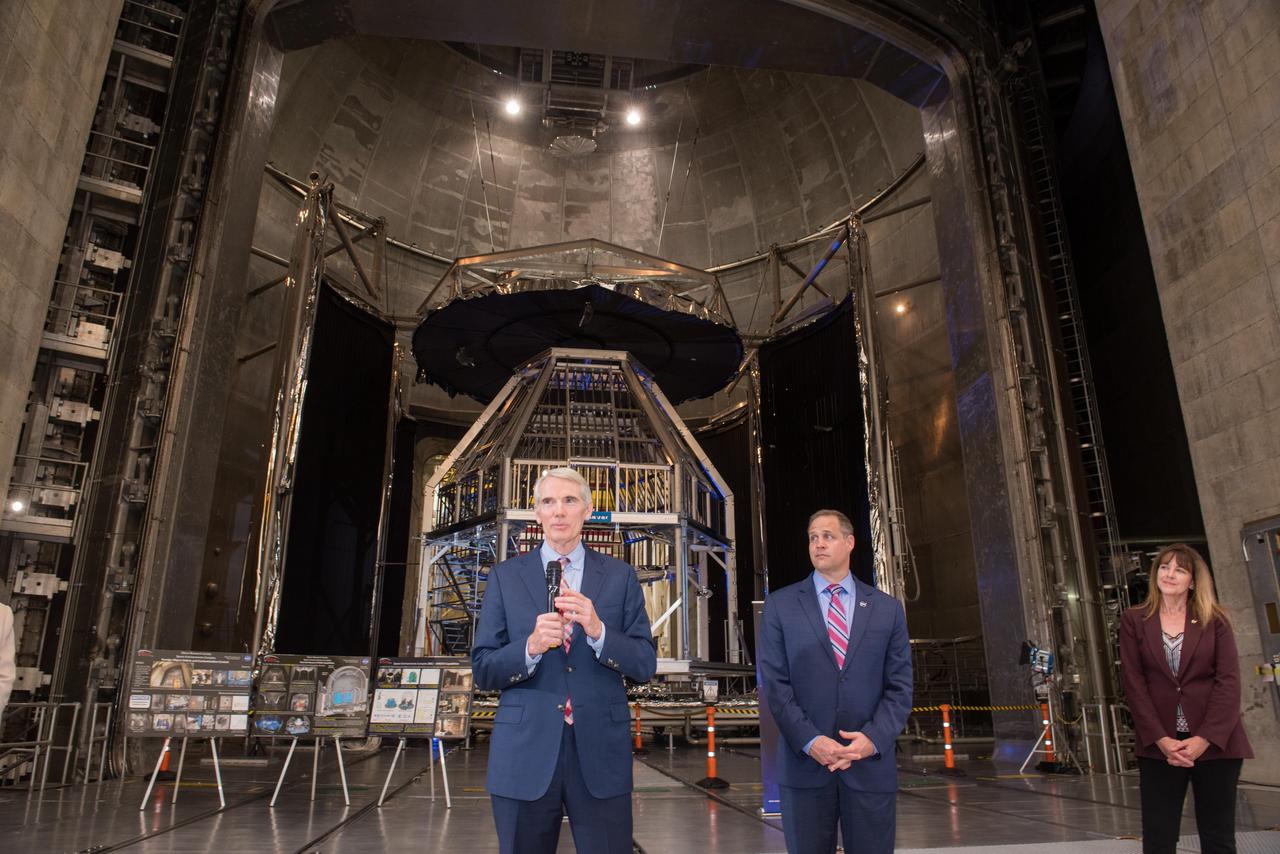
NASA Administrator Jim Bridenstine and Congressional Delegation Visit to Lewis Field and Plum Brook Station
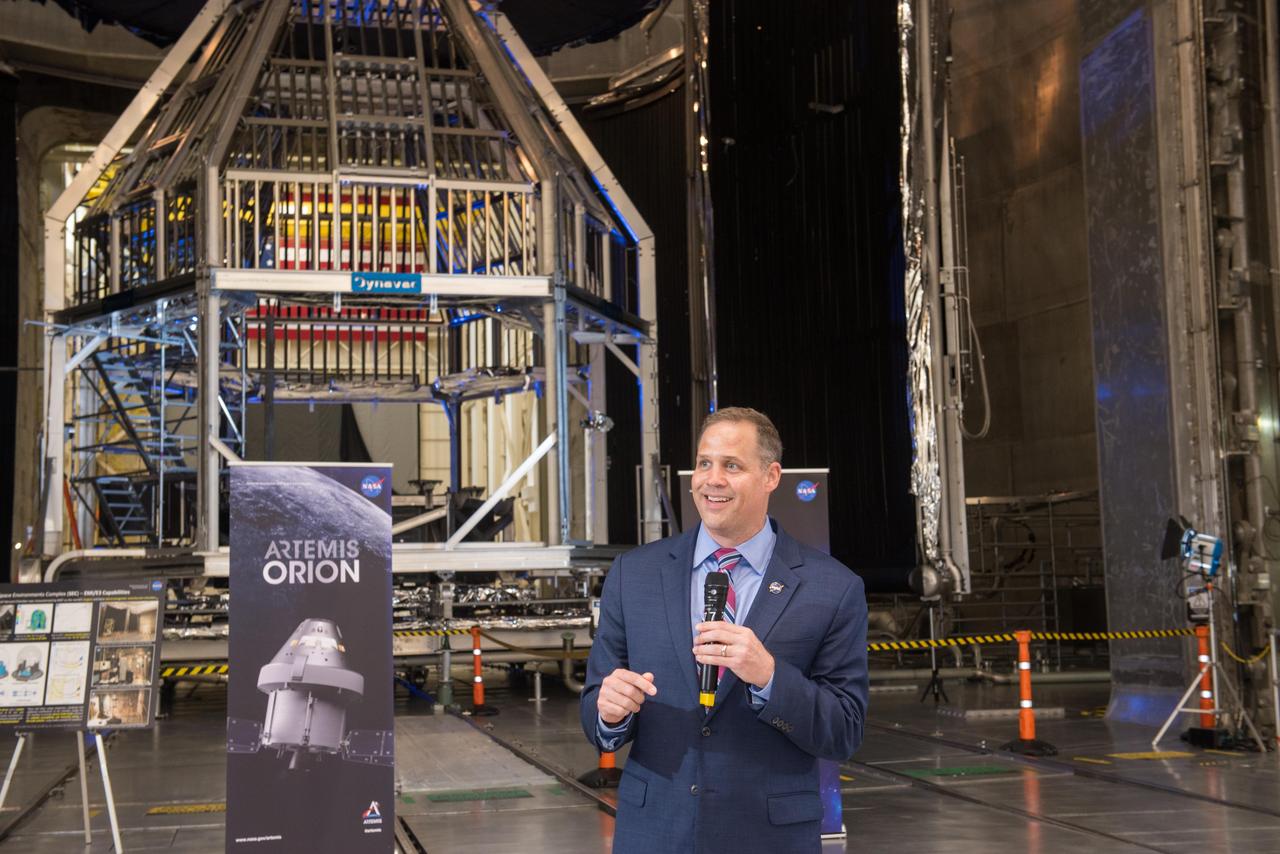
NASA Administrator Jim Bridenstine and Congressional Delegation Visit to Lewis Field and Plum Brook Station
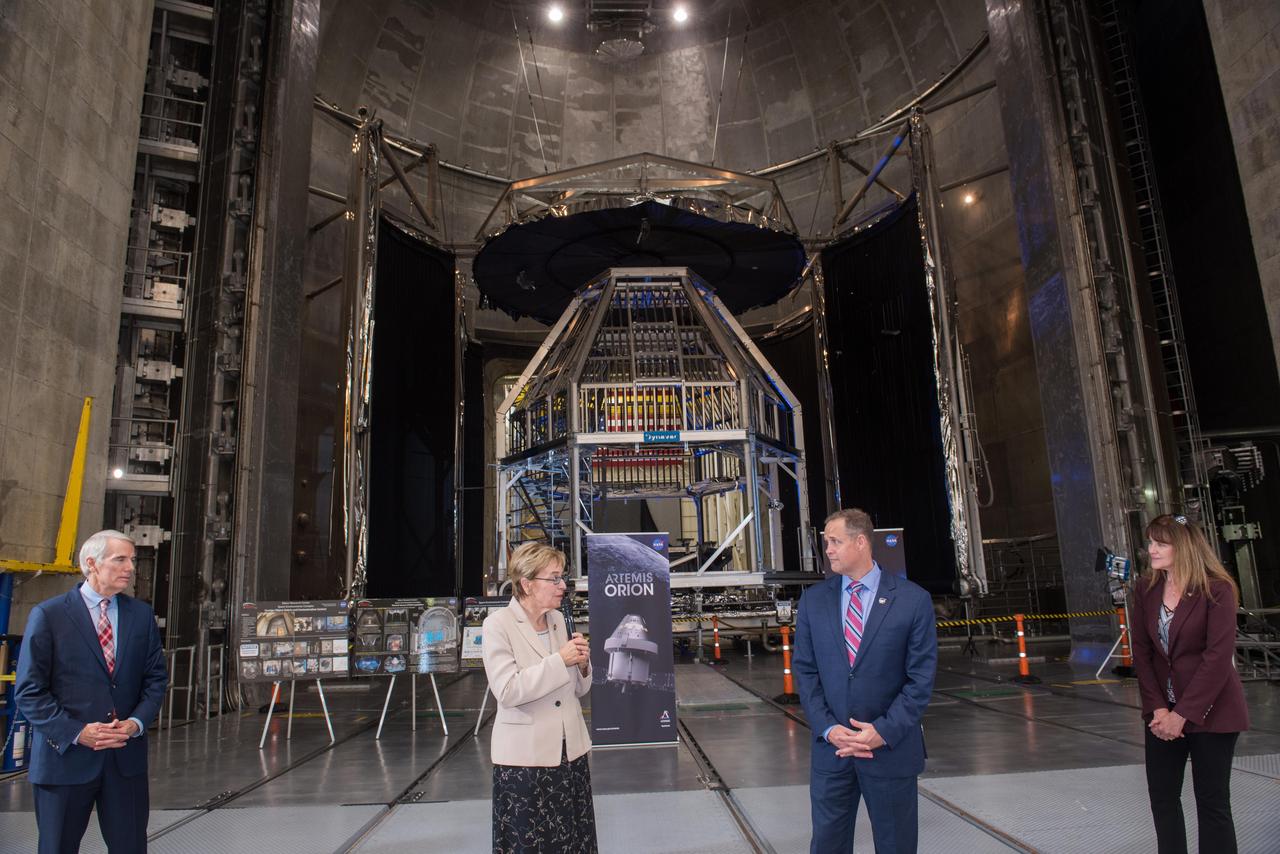
NASA Administrator Jim Bridenstine and Congressional Delegation Visit to Lewis Field and Plum Brook Station
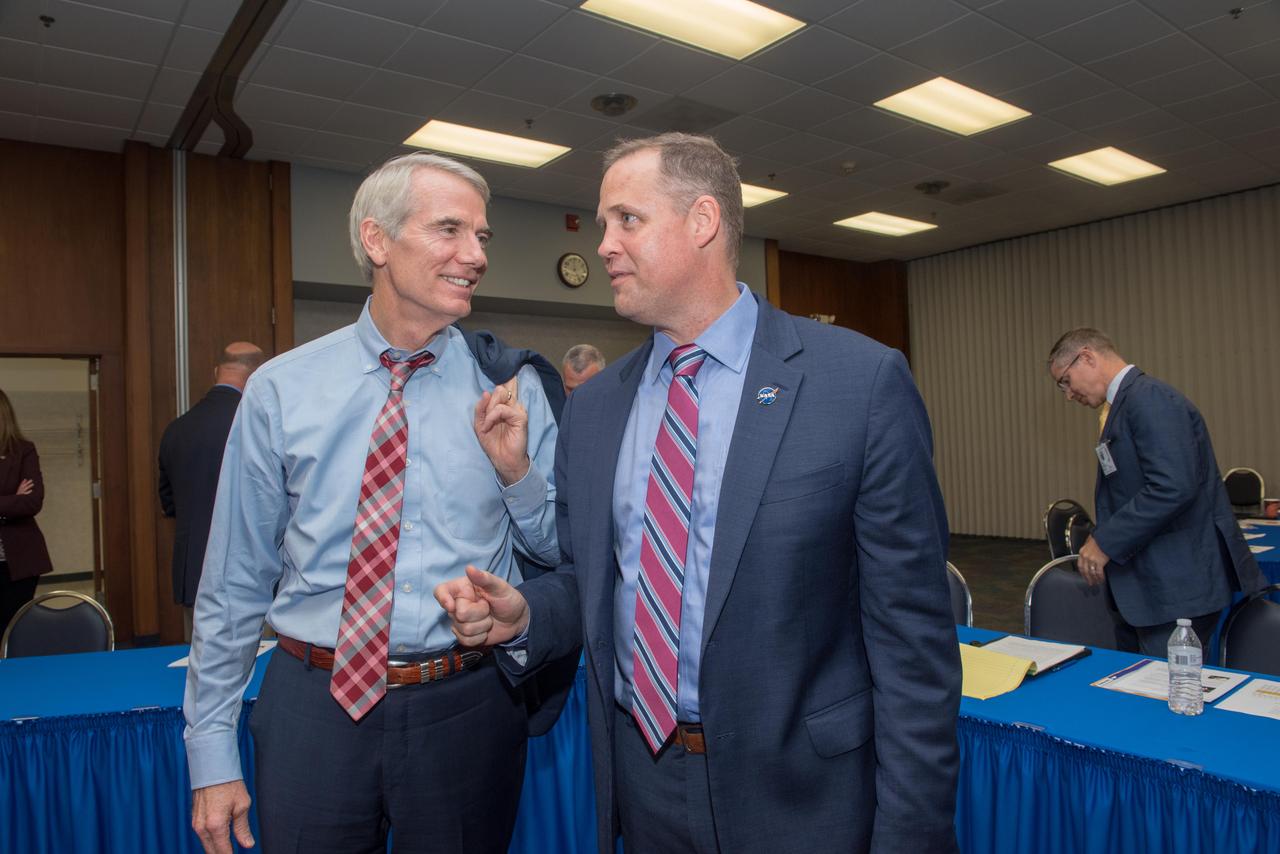
NASA Administrator Jim Bridenstine and Congressional Delegation Visit to Lewis Field and Plum Brook Station
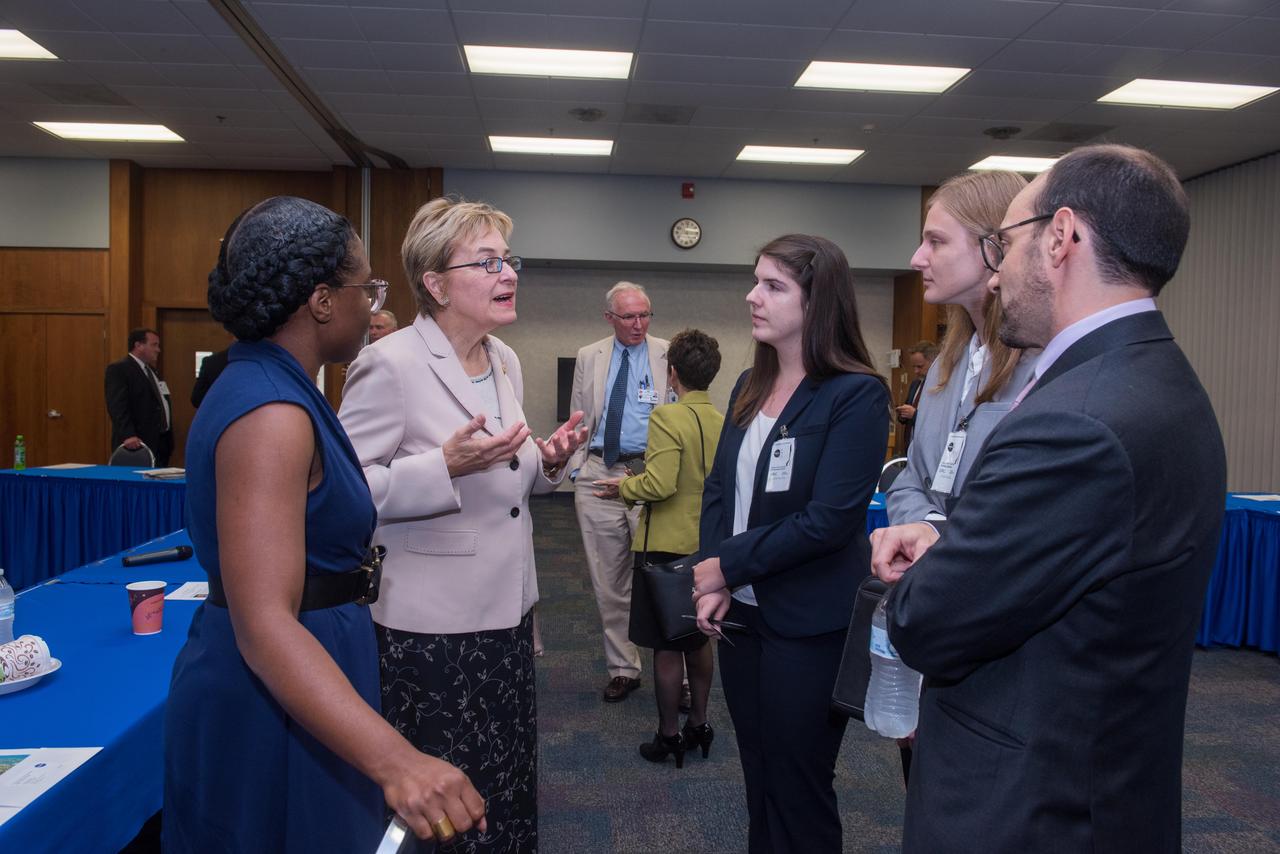
NASA Administrator Jim Bridenstine and Congressional Delegation Visit to Lewis Field and Plum Brook Station
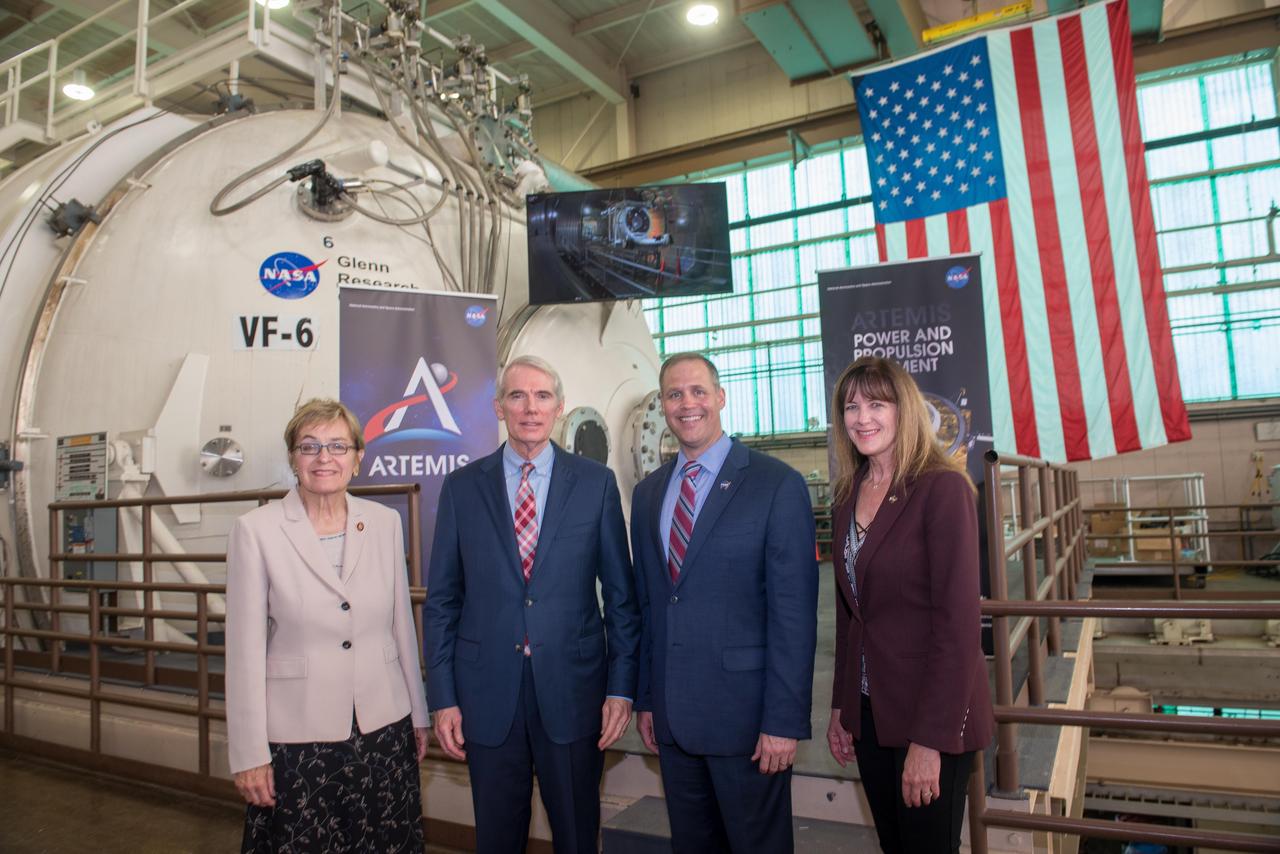
NASA Administrator Jim Bridenstine and Congressional Delegation Visit to Lewis Field and Plum Brook Station

NASA Administrator Jim Bridenstine and Congressional Delegation Visit to Lewis Field and Plum Brook Station
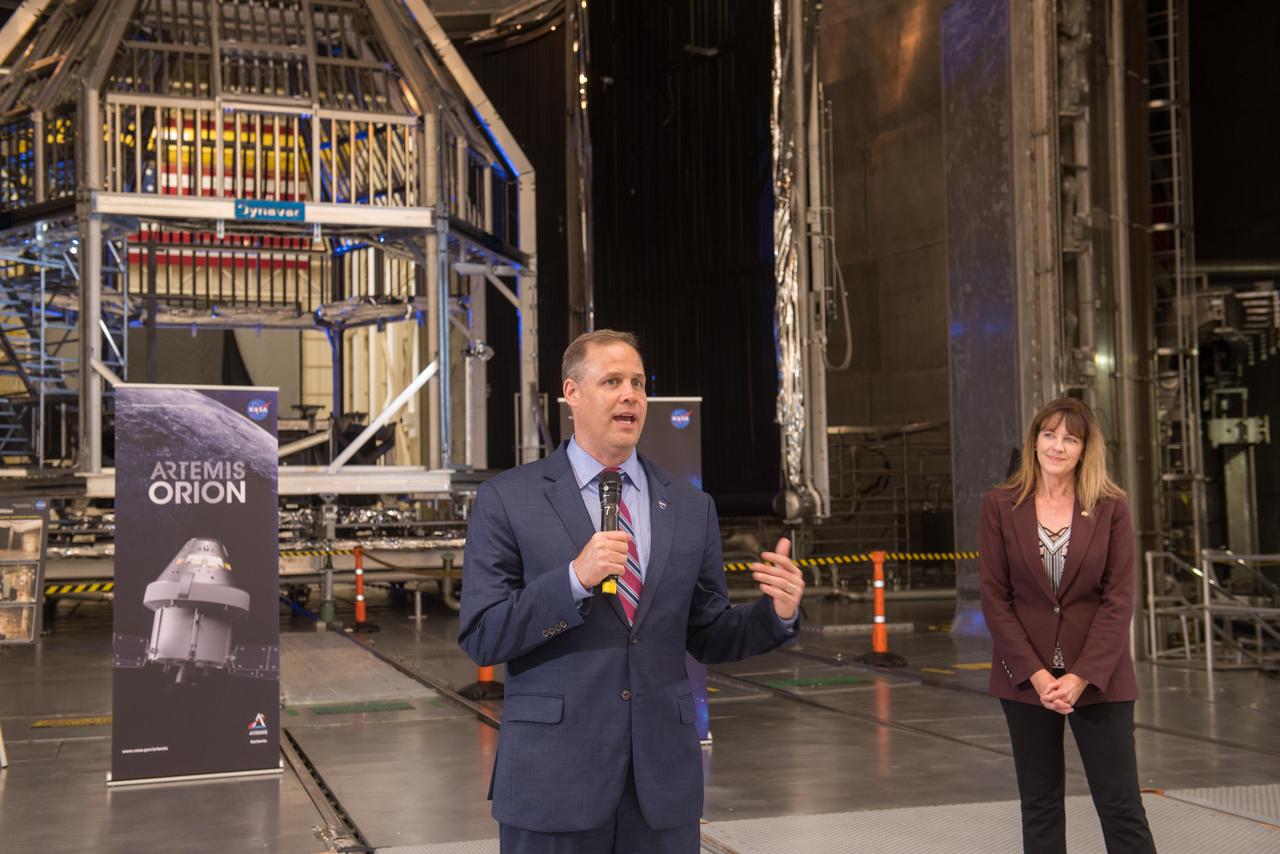
NASA Administrator Jim Bridenstine and Congressional Delegation Visit to Lewis Field and Plum Brook Station
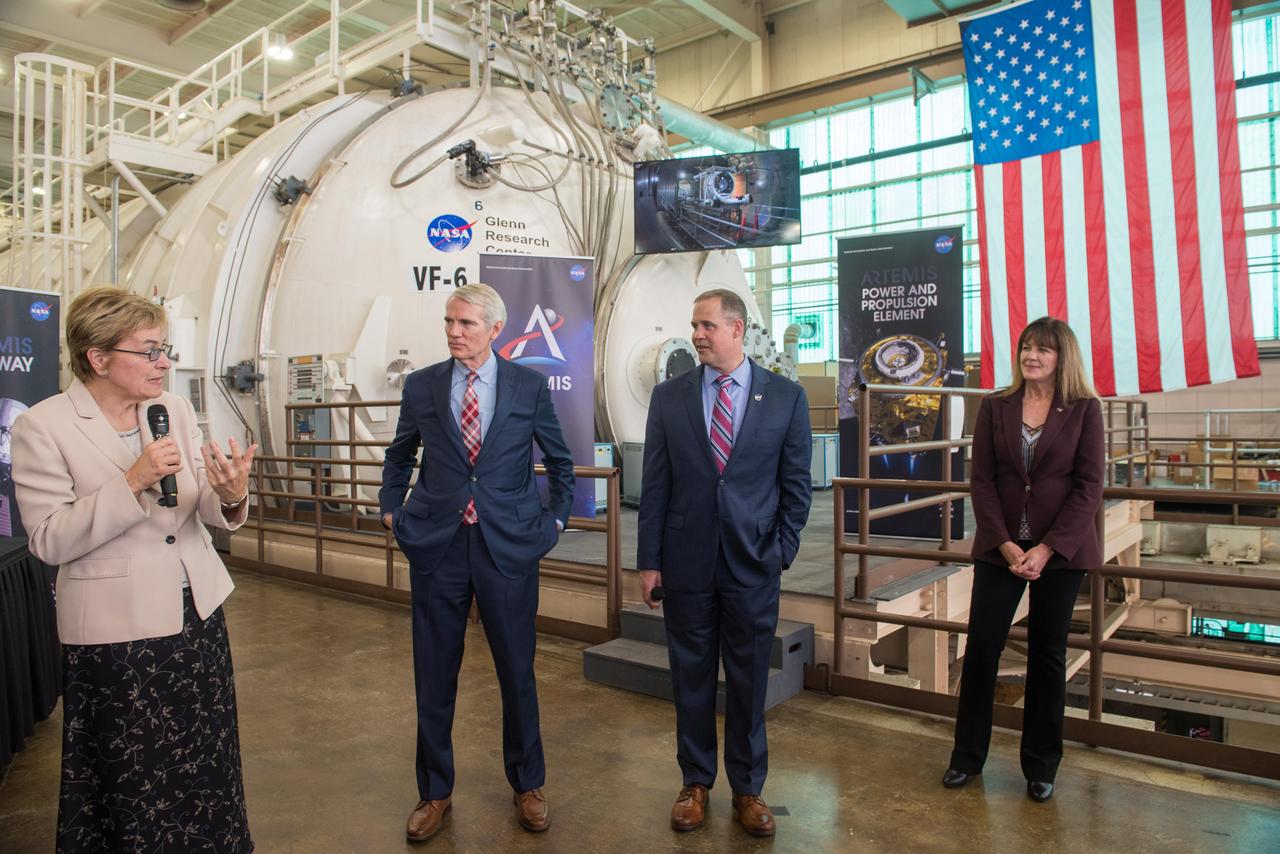
NASA Administrator Jim Bridenstine and Congressional Delegation Visit to Lewis Field and Plum Brook Station
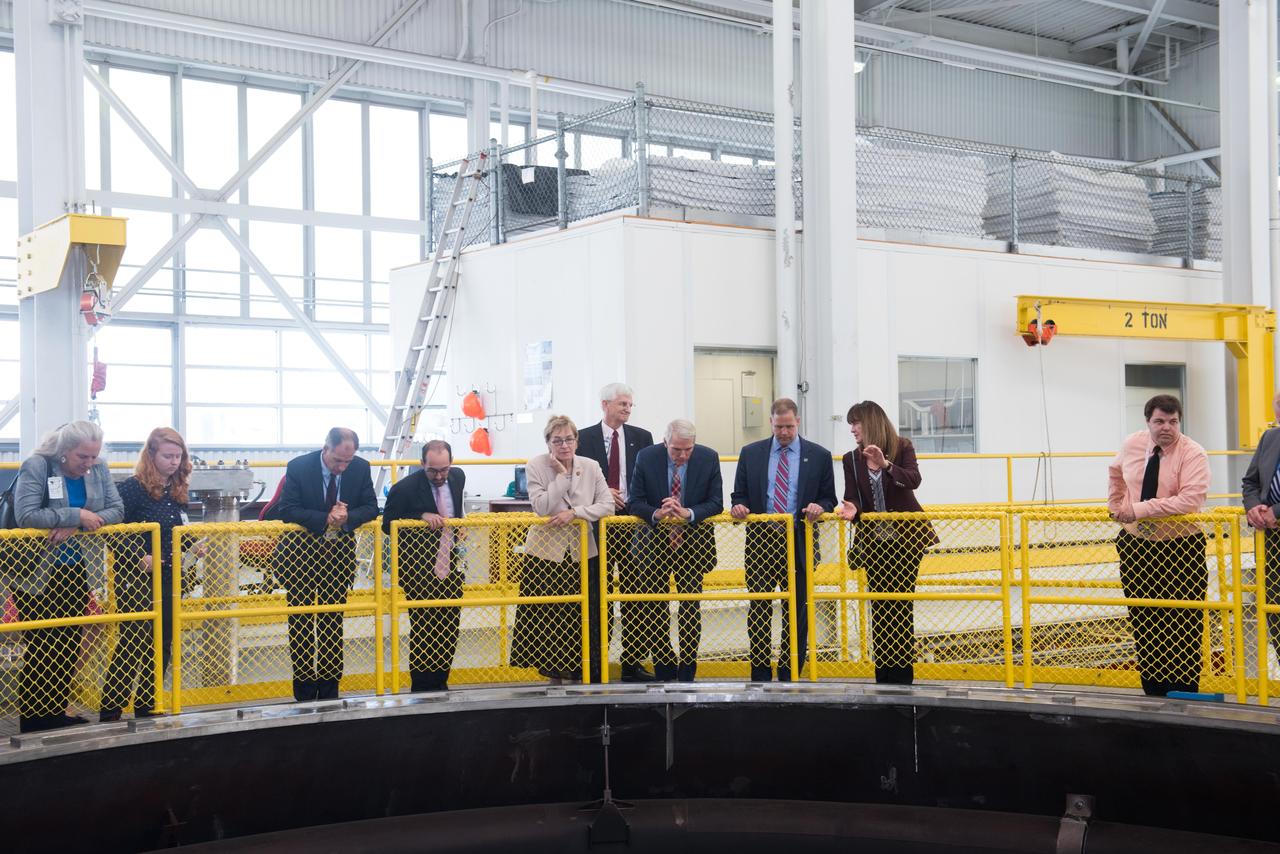
NASA Administrator Jim Bridenstine and Congressional Delegation Visit to Lewis Field and Plum Brook Station
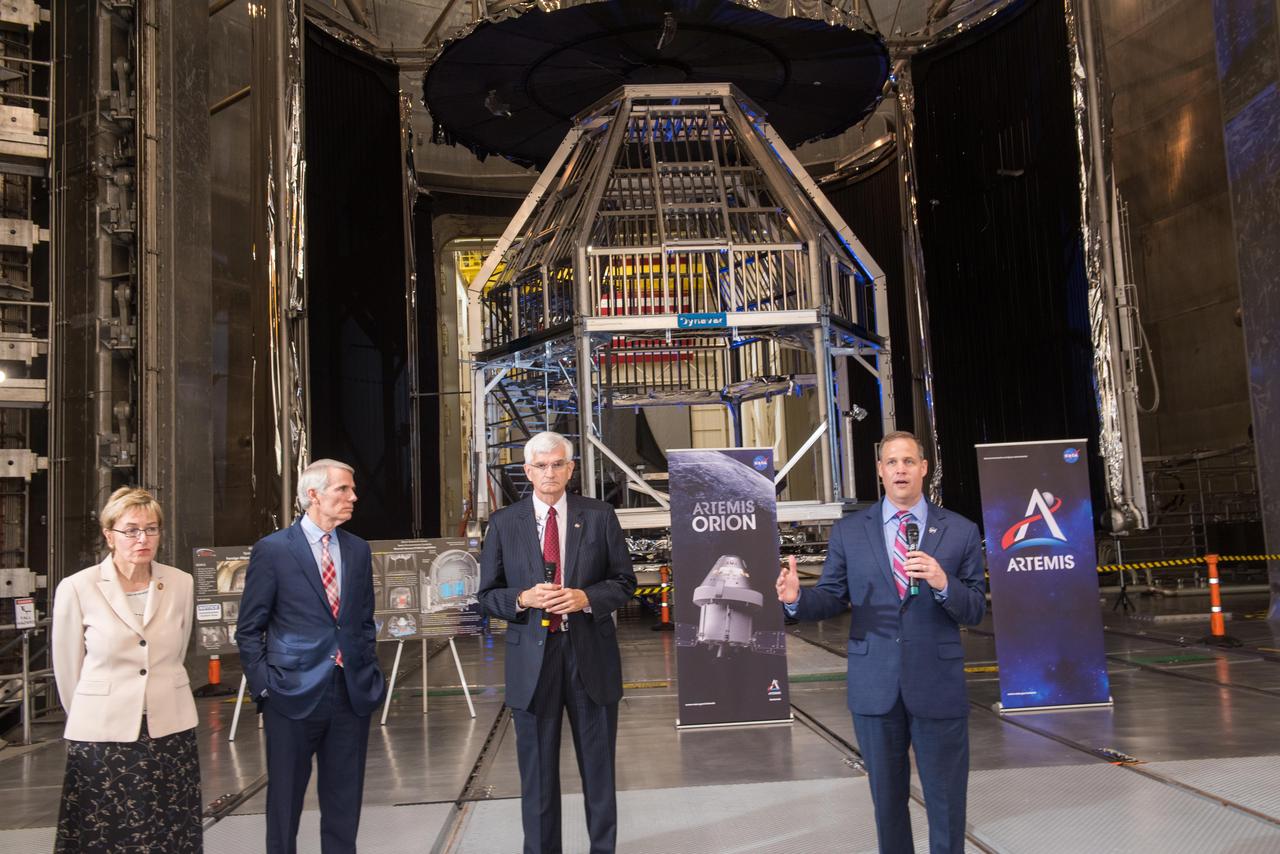
NASA Administrator Jim Bridenstine and Congressional Delegation Visit to Lewis Field and Plum Brook Station
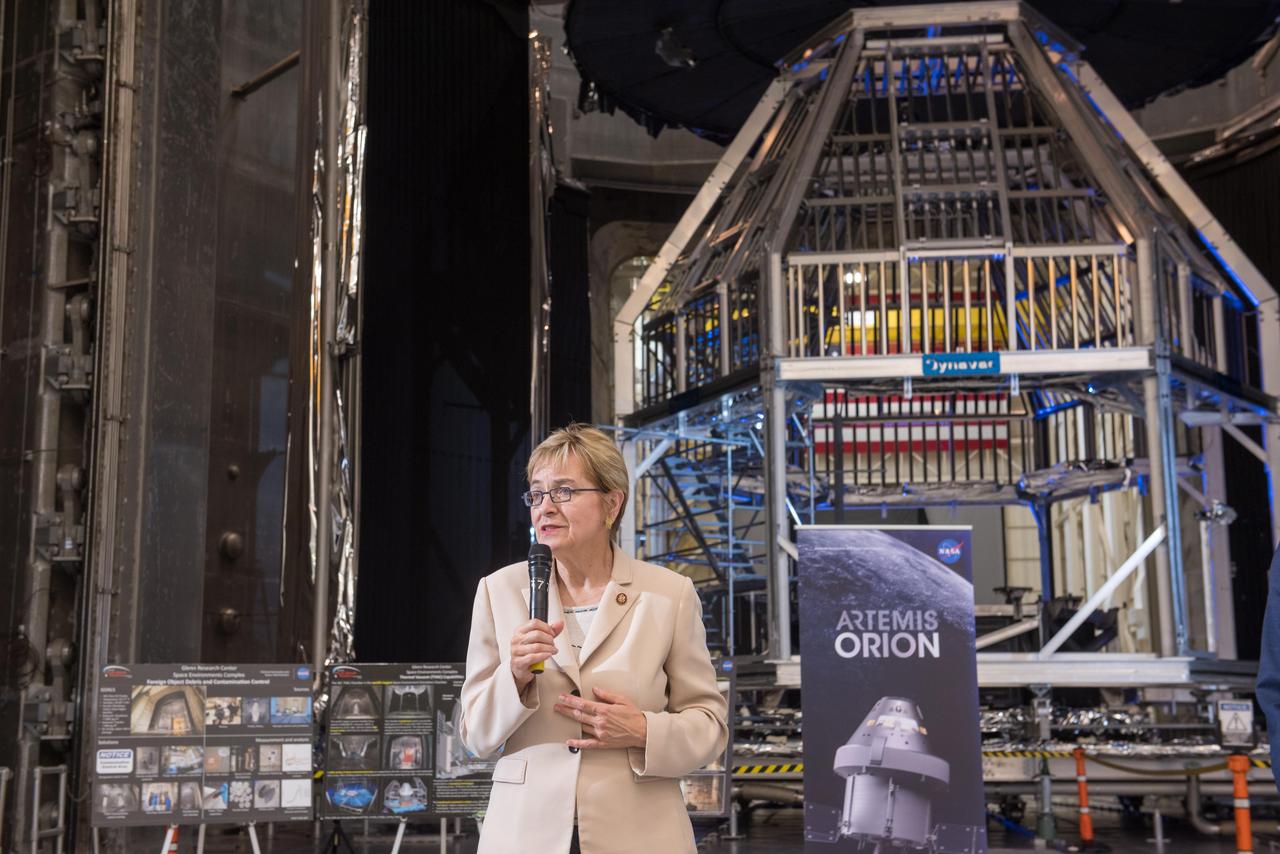
NASA Administrator Jim Bridenstine and Congressional Delegation Visit to Lewis Field and Plum Brook Station
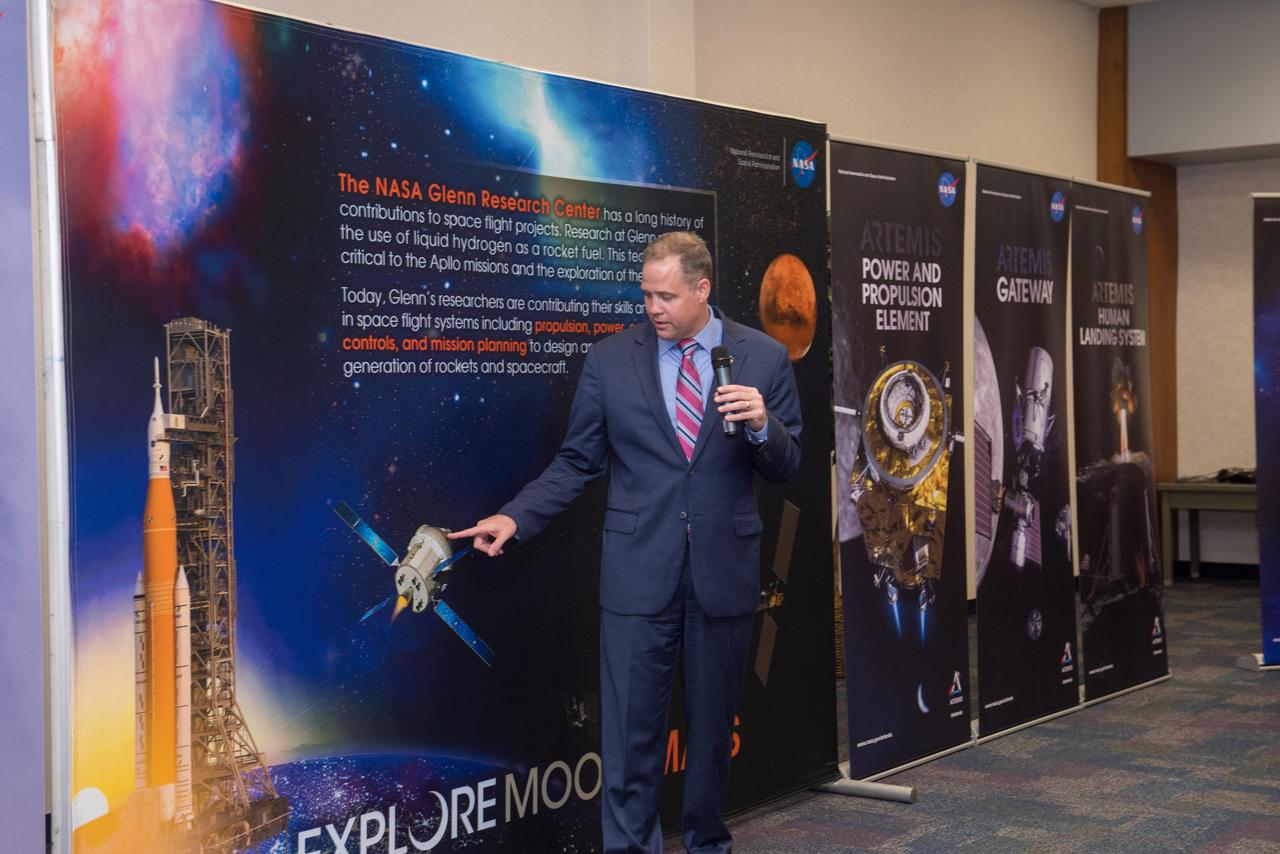
NASA Administrator Jim Bridenstine and Congressional Delegation Visit to Lewis Field and Plum Brook Station
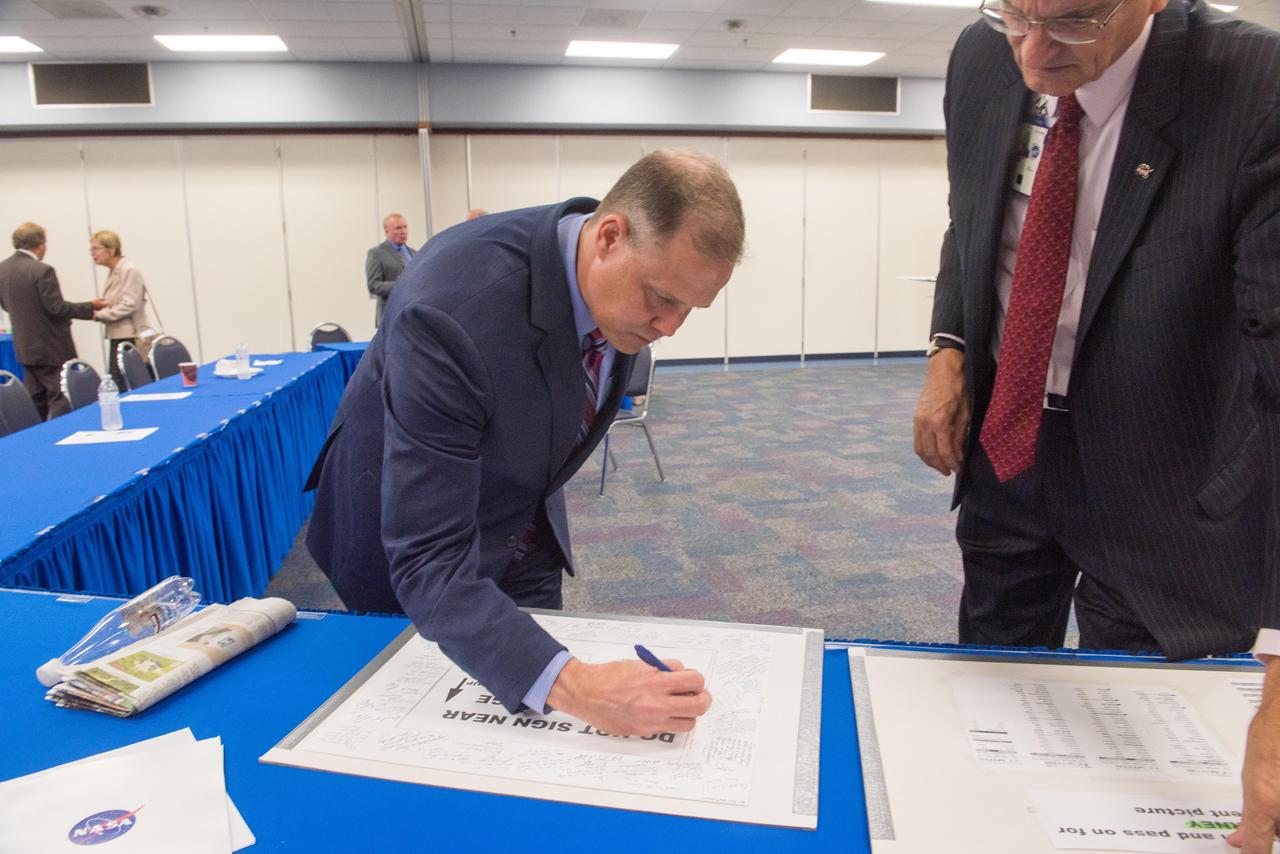
NASA Administrator Jim Bridenstine and Congressional Delegation Visit to Lewis Field and Plum Brook Station
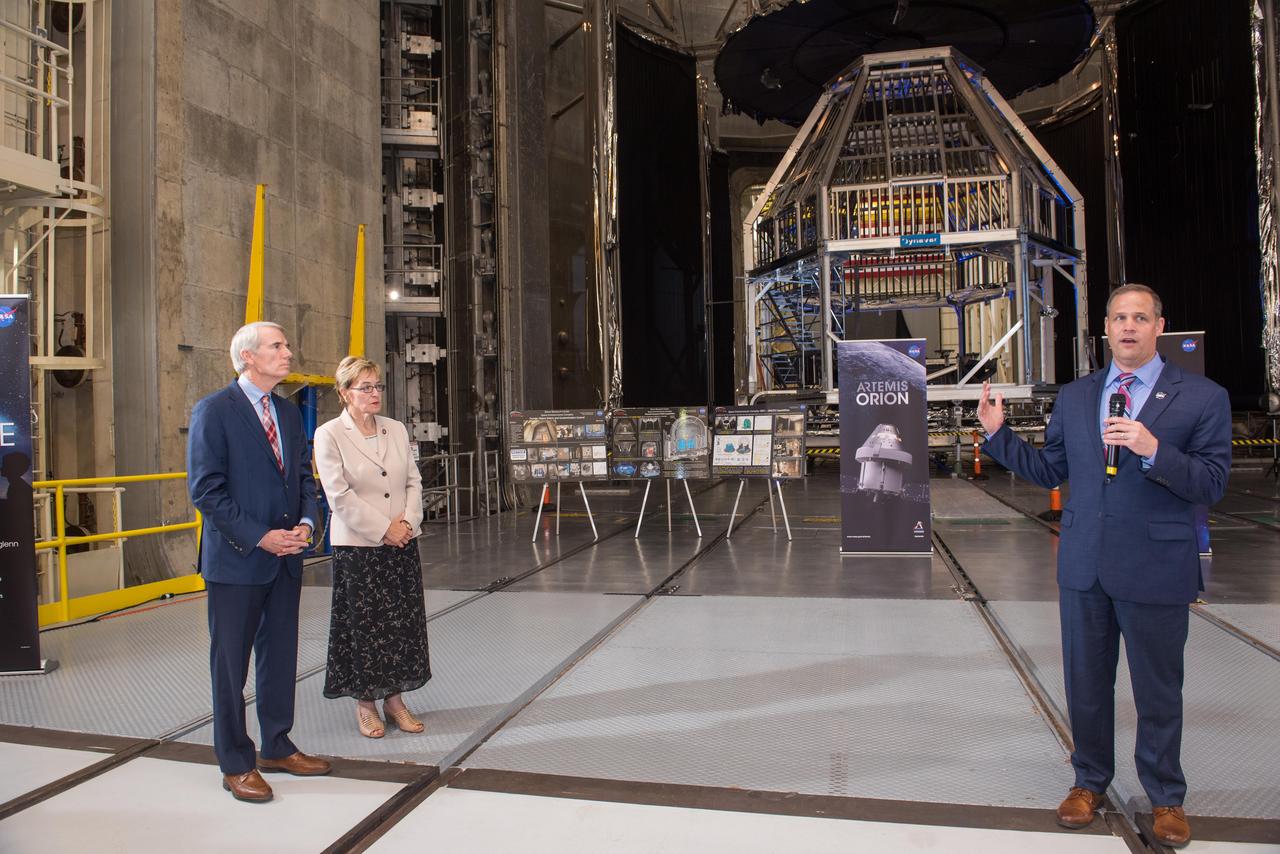
NASA Administrator Jim Bridenstine and Congressional Delegation Visit to Lewis Field and Plum Brook Station
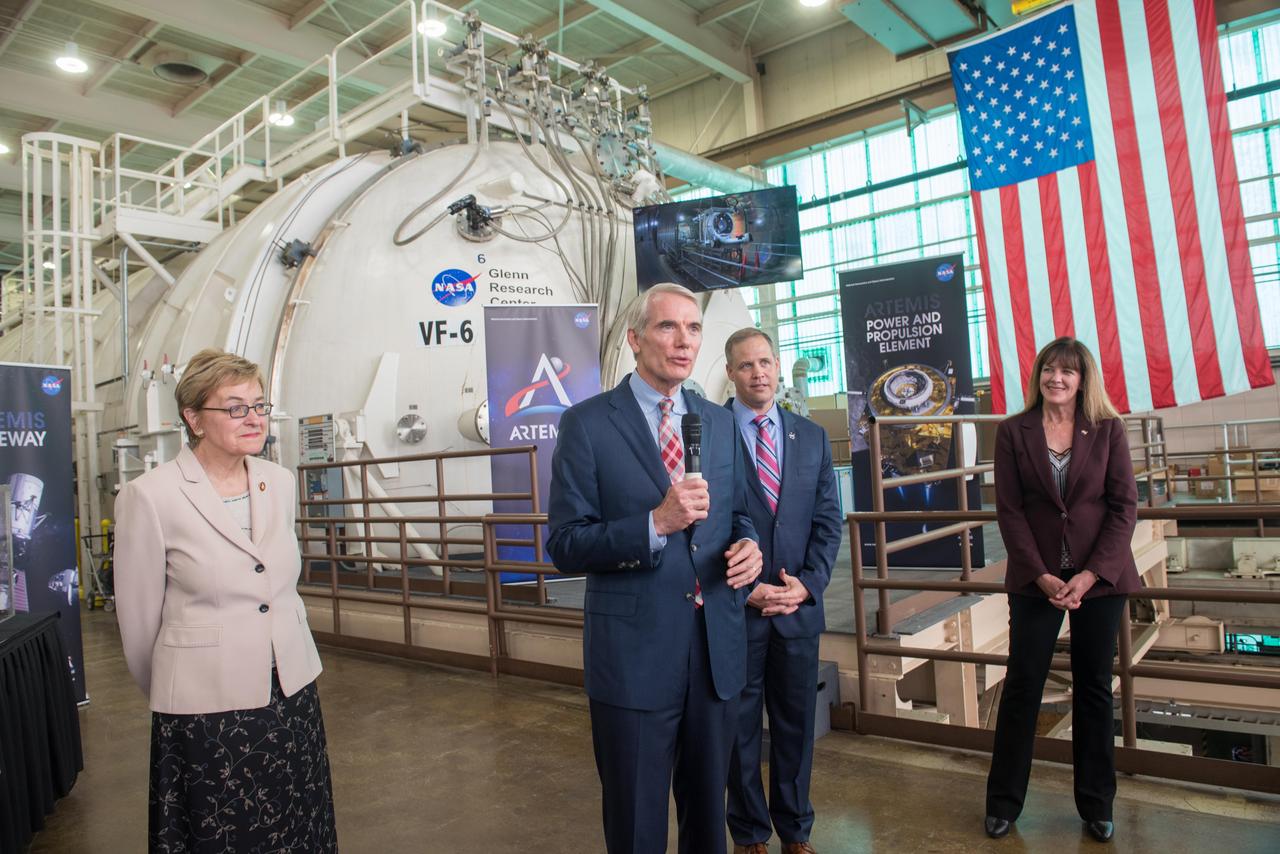
NASA Administrator Jim Bridenstine and Congressional Delegation Visit to Lewis Field and Plum Brook Station
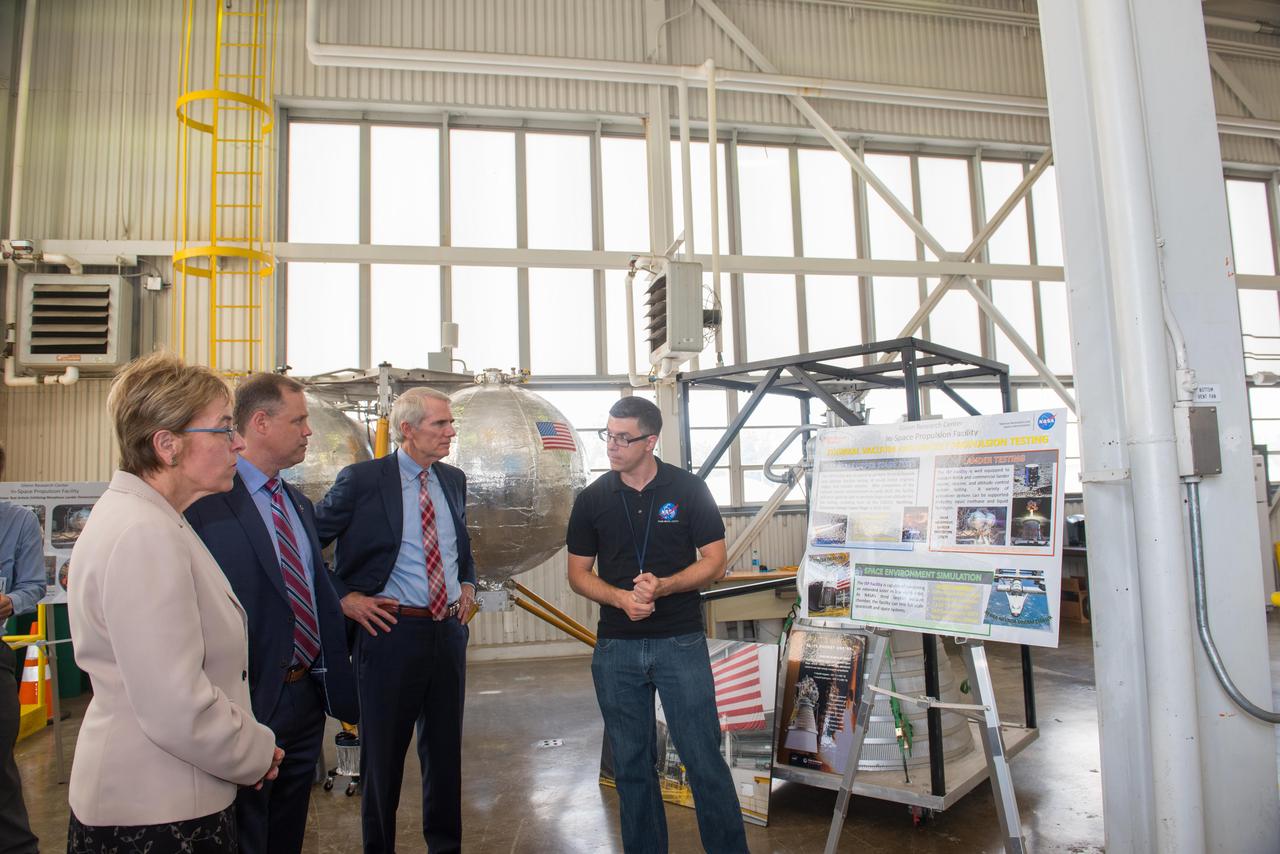
NASA Administrator Jim Bridenstine and Congressional Delegation Visit to Lewis Field and Plum Brook Station
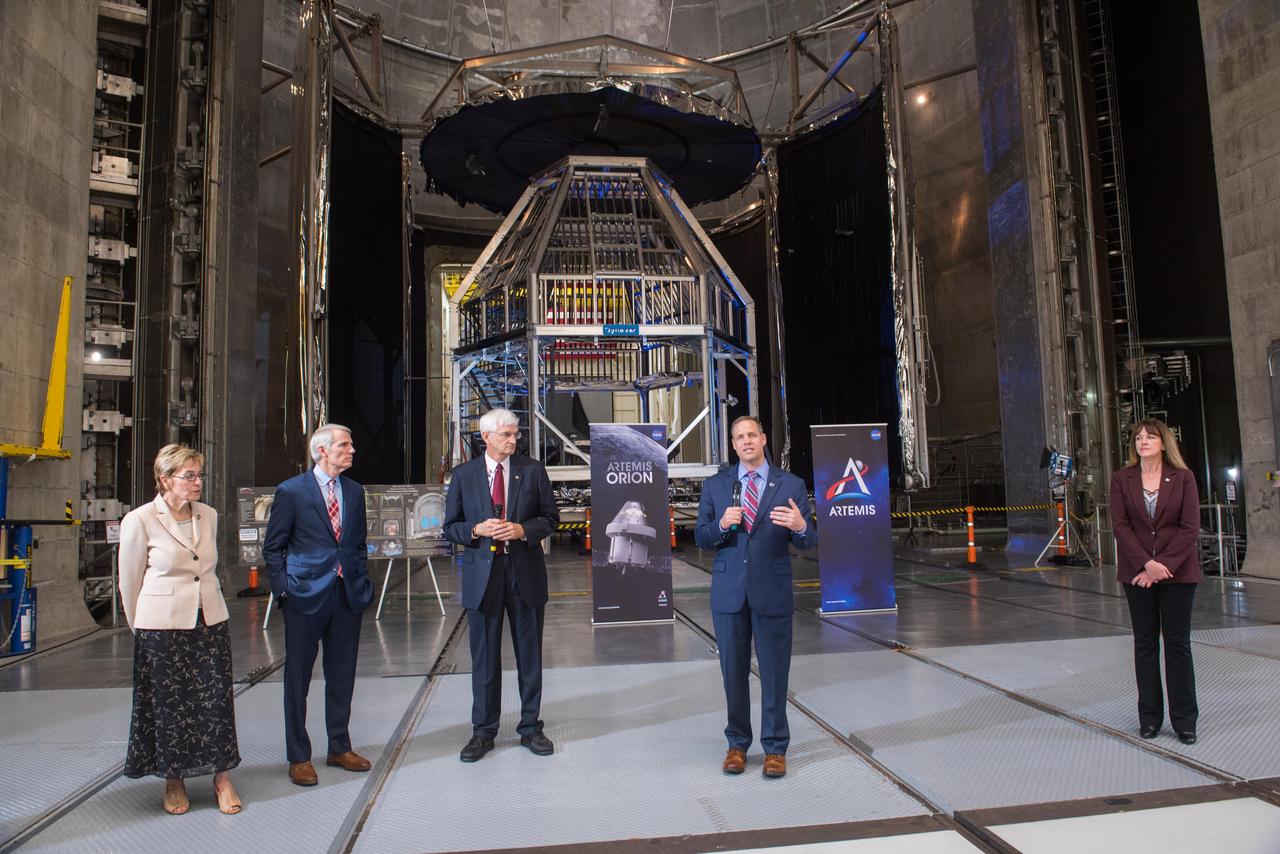
NASA Administrator Jim Bridenstine and Congressional Delegation Visit to Lewis Field and Plum Brook Station
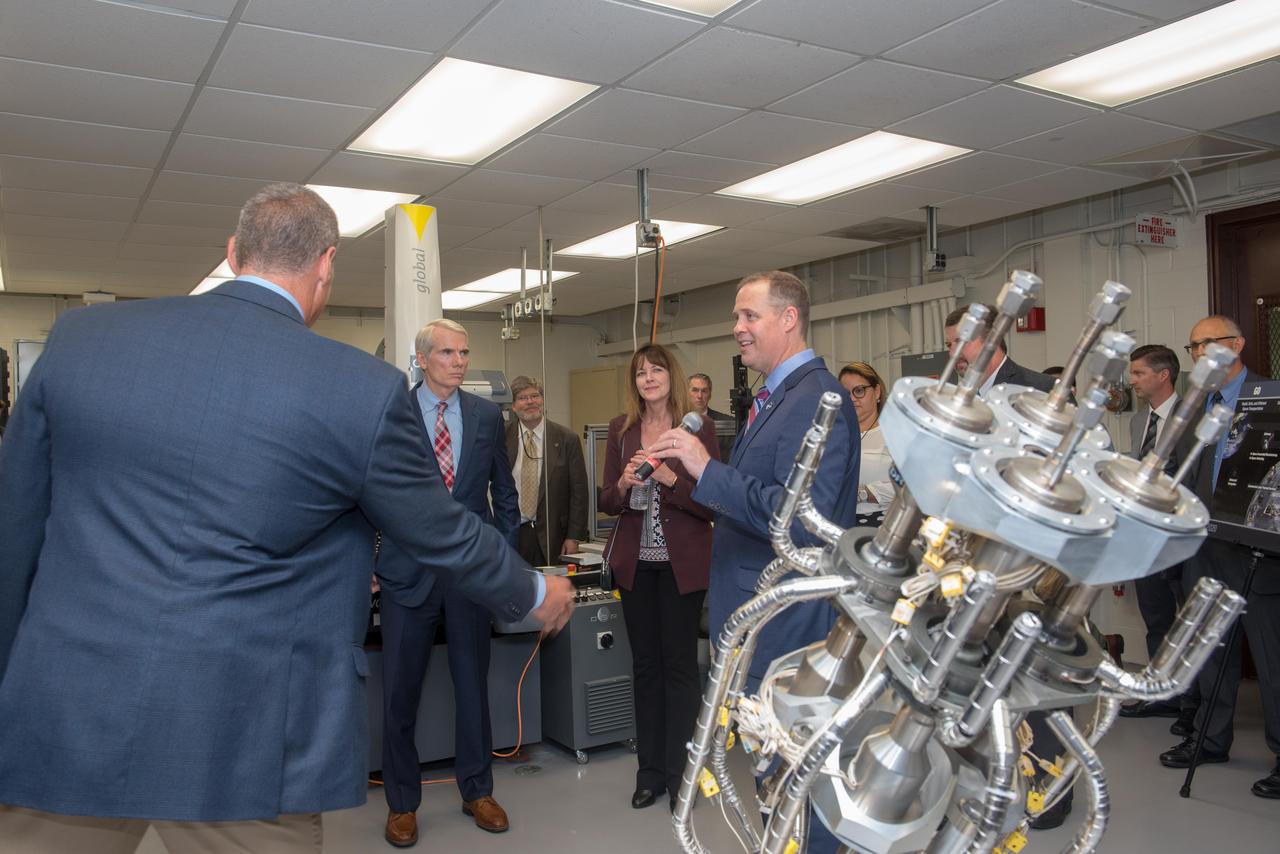
NASA Administrator Jim Bridenstine and Congressional Delegation Visit to Lewis Field and Plum Brook Station
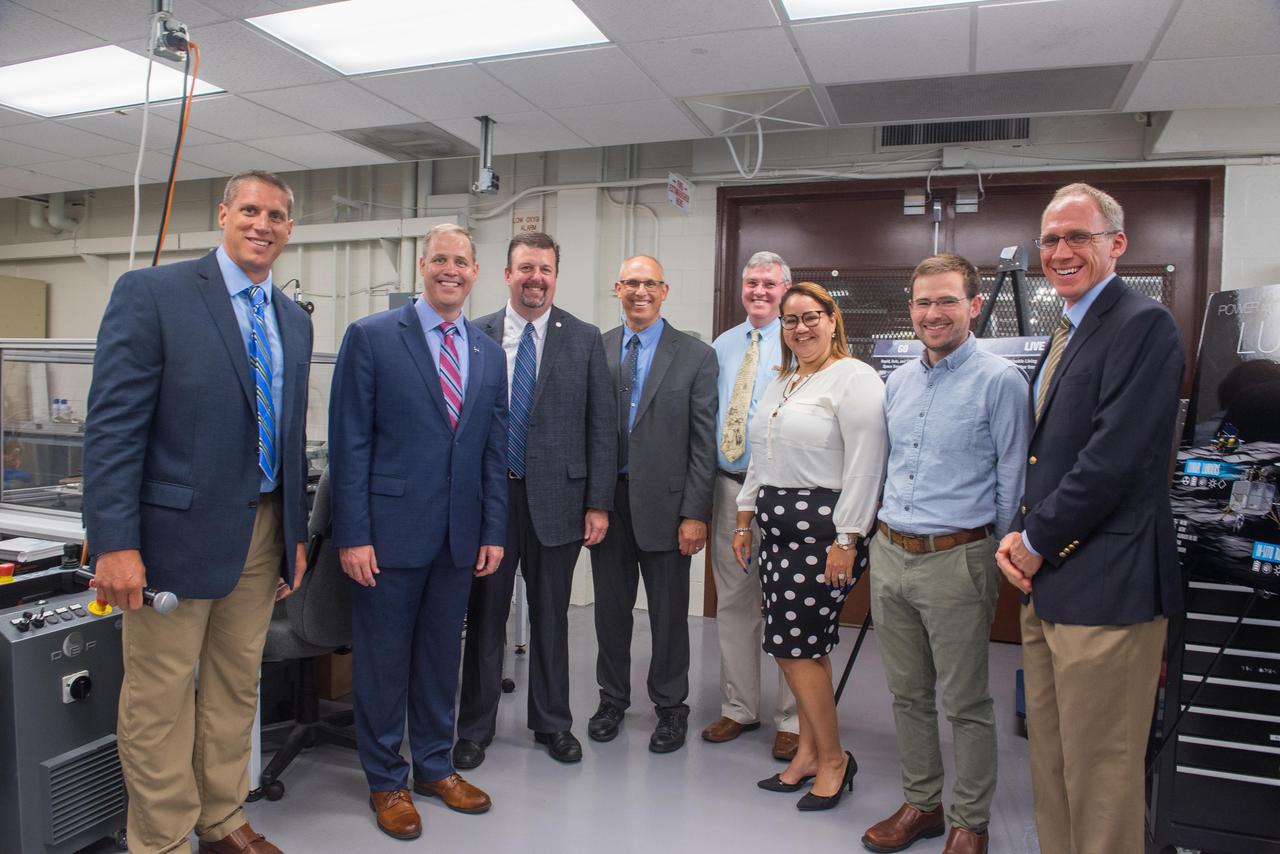
NASA Administrator Jim Bridenstine and Congressional Delegation Visit to Lewis Field and Plum Brook Station
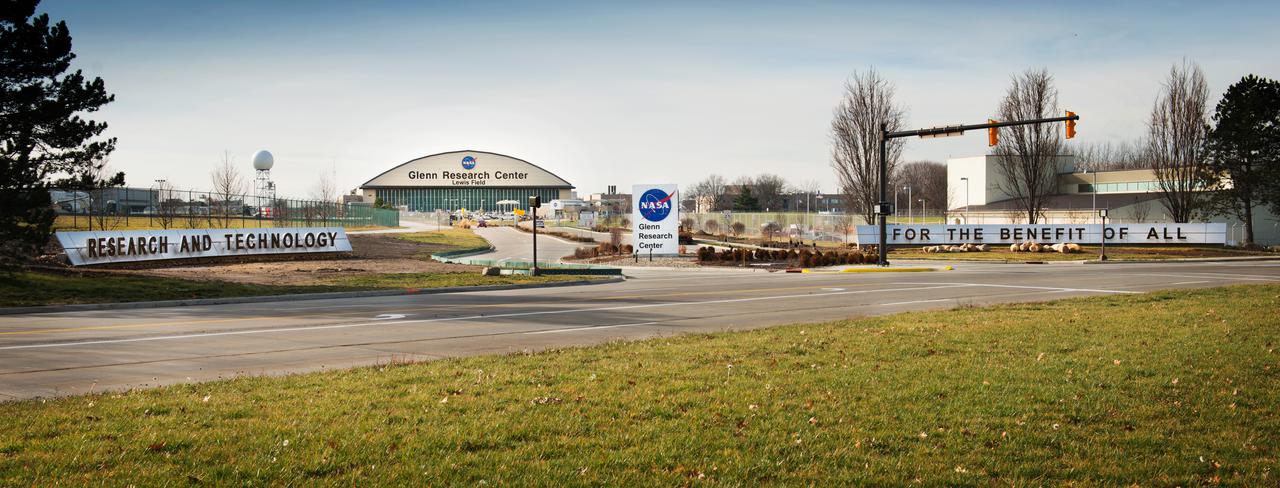
Main Entrance of NASA Glenn Research Center at Brookpark Road and NASA Parkway. The signs read: Research and Technology For The Benefit Of All.

Mercury astronaut John Glenn prepares for a test in the Multi-Axis Space Test Inertia Facility (MASTIF) inside the Altitude Wind Tunnel at the National Aeronautics and Space Administration (NASA) Lewis Research Center. The MASTIF was a three-axis test rig with a pilot’s chair mounted in the center. The device was designed to train Project Mercury pilots to bring a spinning spacecraft under control. An astronaut was secured in a foam couch in the center of the rig. The rig was then spun on three axes from 2 to 50 rotations per minute. Small nitrogen gas thrusters were used by the astronauts to bring the MASTIF under control. In February and March 1960, the seven Project Mercury astronauts traveled to Cleveland to train on the MASTIF. Warren North and a team of air force physicians were on hand to monitor their health. After being briefed by Lewis pilot Joe Algranti and researcher James Useller, the rider would climb into the rig and be secured in the chair, as seen in this photograph. A Lewis engineer would then slowly set the MASTIF in motion. It was the astronaut’s job to bring it under control. Each individual was required to accumulate 4.5 to 5 hours of MASTIF time. Glenn became the first American to orbit the earth on February 20, 1962 in the Friendship 7 Mercury capsule. In March 1999, the Lewis Research Center was renamed the John H. Glenn Research Center at Lewis Field.
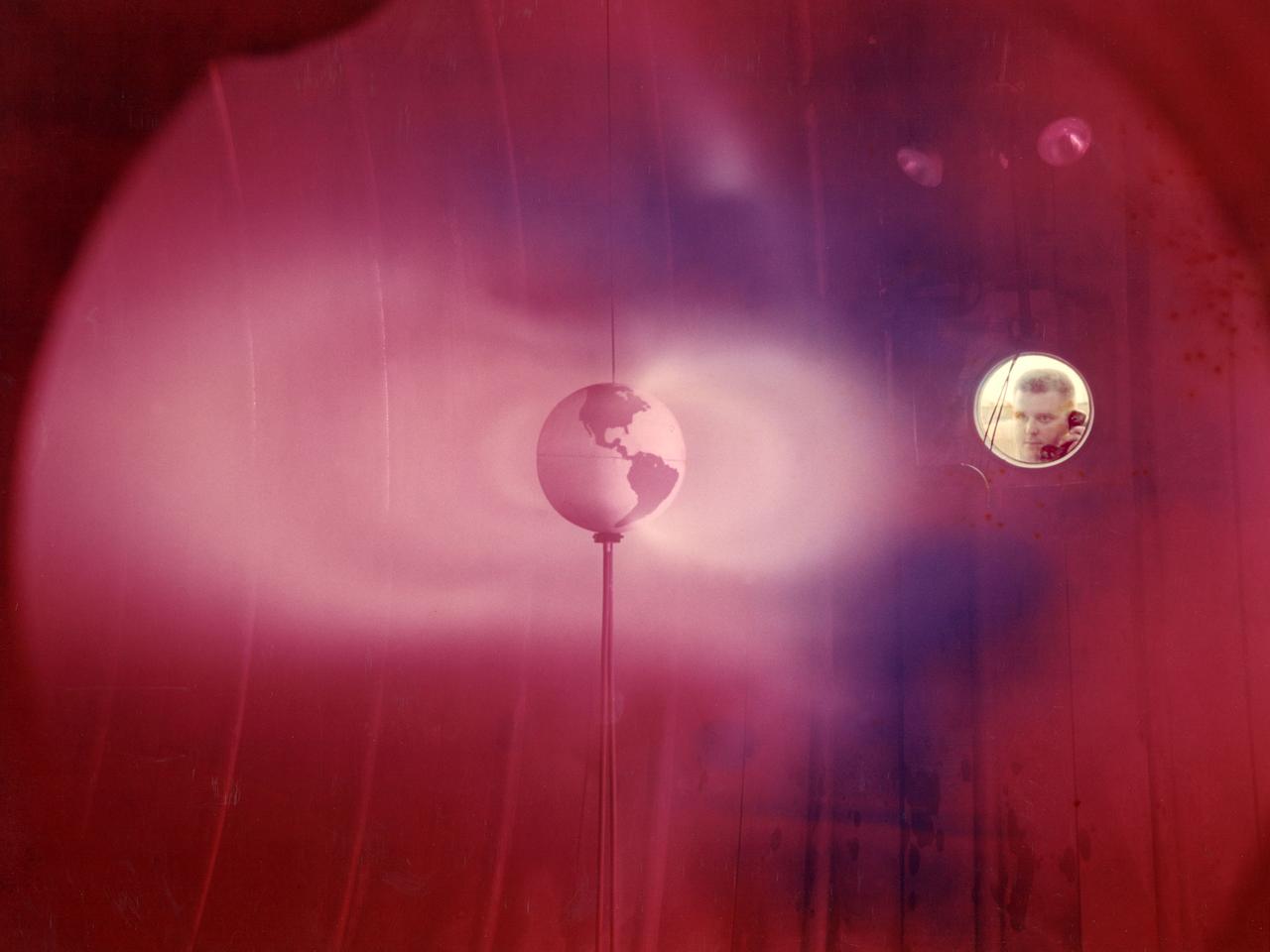
The model of the Earth housed inside Vacuum Tank 5 contained a coil which produced a magnetic field simulating that of the Earth. It was bombarded with a stream of ionized particles simulating the solar wind which impinges on the Earth's magnetic field. The bands or belts of luminous plasma seen in this image were suggestive of the Van Allen belts found around the Earth. Scientists at Lewis probed the plasma around the model and studied scaling laws in an attempt to find an explanation for the actual formation of the Van Allen belt.
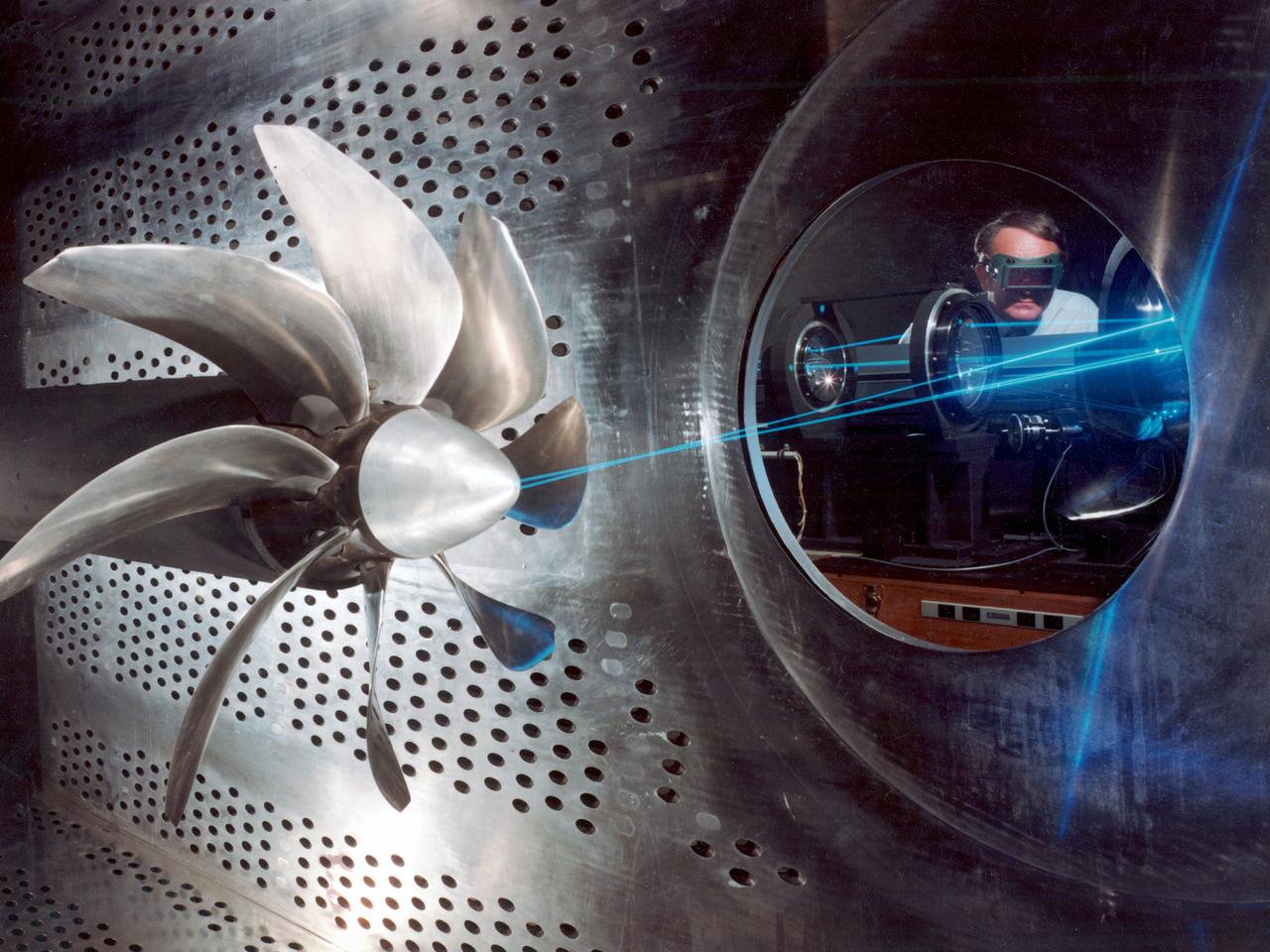
NASA Lewis Research Center researcher, John S. Sarafini, uses a laser doppler velocimeter to analyze a Hamilton Standard SR-2 turboprop design in the 8- by 6-Foot foot Supersonic Wind Tunnel. Lewis researchers were analyzing a series of eight-bladed propellers in their wind tunnels to determine their operating characteristics at speeds up to Mach 0.8. The program, which became the Advanced Turboprop (ATP), was part of a NASA-wide Aircraft Energy Efficiency Program undertaken to reduce aircraft fuel costs by 50 percent. The ATP concept was different from the turboprops in use in the 1950s. The modern versions had at least eight blades and were swept back for better performance. Bell Laboratories developed the laser doppler velocimeter technology in the 1960s to measure velocity of transparent fluid flows or vibration motion on reflective surfaces. Lewis researchers modified the device to measure the flow field of turboprop configurations in the transonic speed region. The modifications were necessary to overcome the turboprop’s vibration and noise levels. The laser beam was split into two beams which were crossed at a specific point. This permits researchers to measure two velocity components simultaneously. This data measures speeds both ahead and behind the propeller blades. Researchers could use this information as they sought to advance flow fields and to verify computer modeling codes.
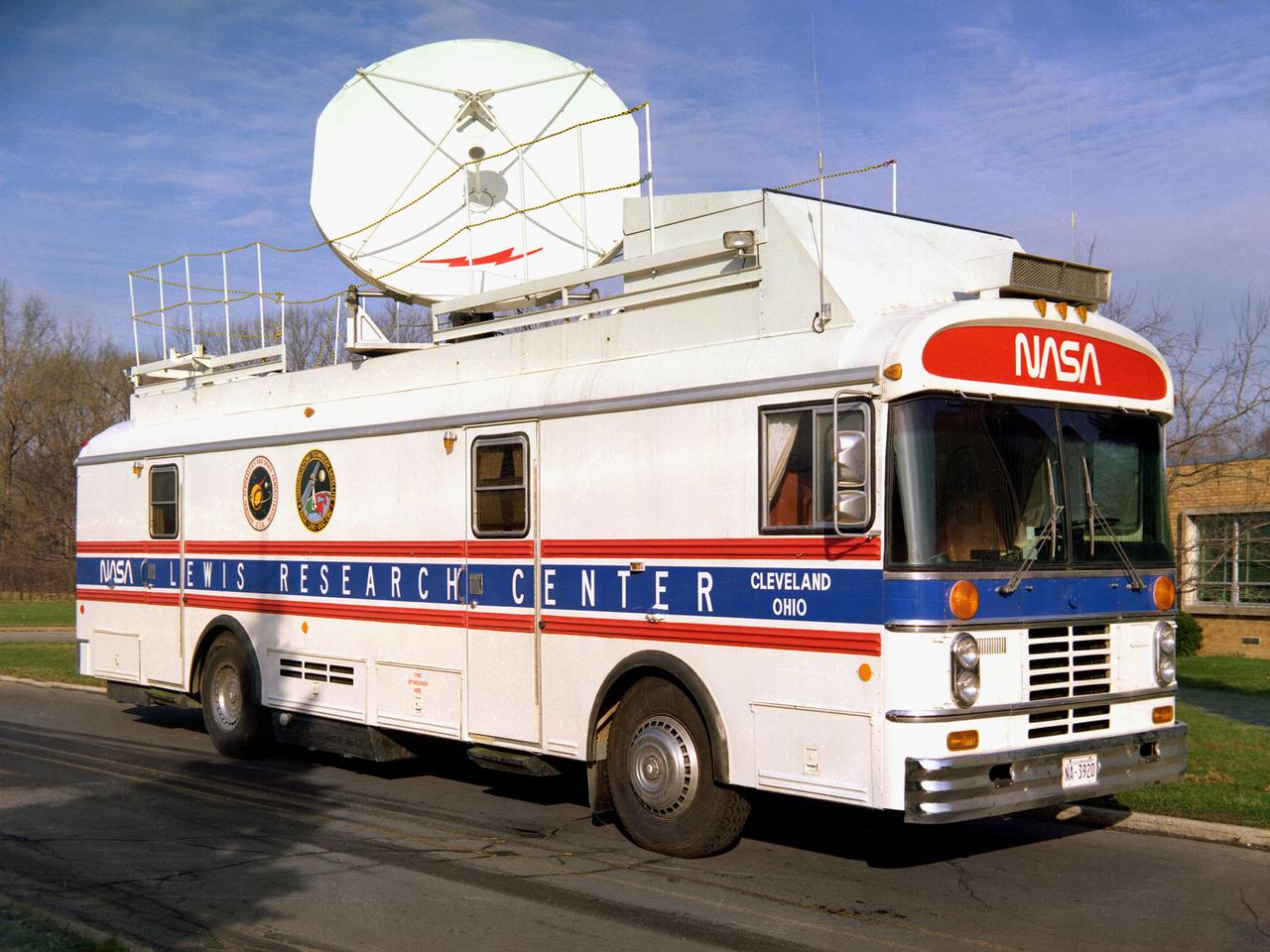
This vehicle served as a mobile terminal for the Communications Technology Satellite. The Communications Technology Satellite was an experimental communications satellite launched in January 1976 by the National Aeronautics and Space Administration (NASA) and the Canadian Department of Communications. The satellite operated in a new frequency band reserved for broadcast satellites with transmitting power levels that were 10 to 20 times higher than those of contemporary satellites. Throughout 1977 and 1978 NASA allowed qualified groups to utilize the satellite from one of the three ground-based transmission centers. NASA’s Lewis Research Center in Cleveland, Ohio was NASA’s lead center on the project. Lewis was responsible for the control and coordination of all US experiments on the satellite. The center housed the satellite’s main control center which included eight parabolic reflector antennae ranging from 2 to 15 feet in diameter. Many of the satellite’s components had been tested in simulated space conditions at Lewis. The Lewis-designed vehicle seen here served as a field unit for transmitting and receiving wideband signals and narrowband voice. The vehicle permitted live television interviews, recording equipment, and cameras. An 8-foot diameter parabolic reflector was mounted on the roof. The interior of the vehicle had workstations, monitors, transmitting equipment, and a lounge area.
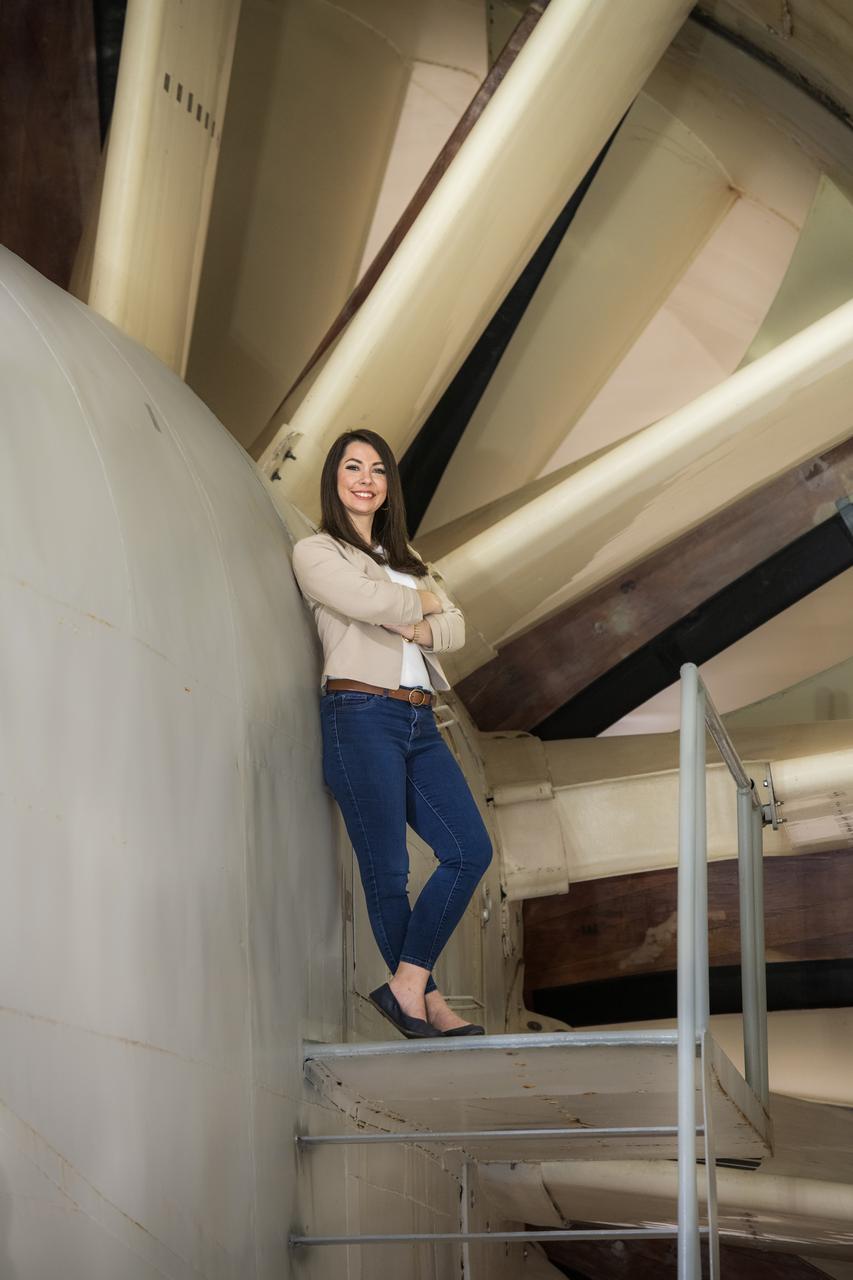
Emily Timko, featured in a Faces of NASA article, poses in the IRT (Icing Research Tunnel) where she works as a “cloud engineer”. She is a Mechanical Test Engineer and works to create unique water spray conditions that simulate icing clouds in the natural aircraft flight environment. Shown in the photo is a portion of the fan drive motor and fan blades that together drive the air through the wind tunnel.
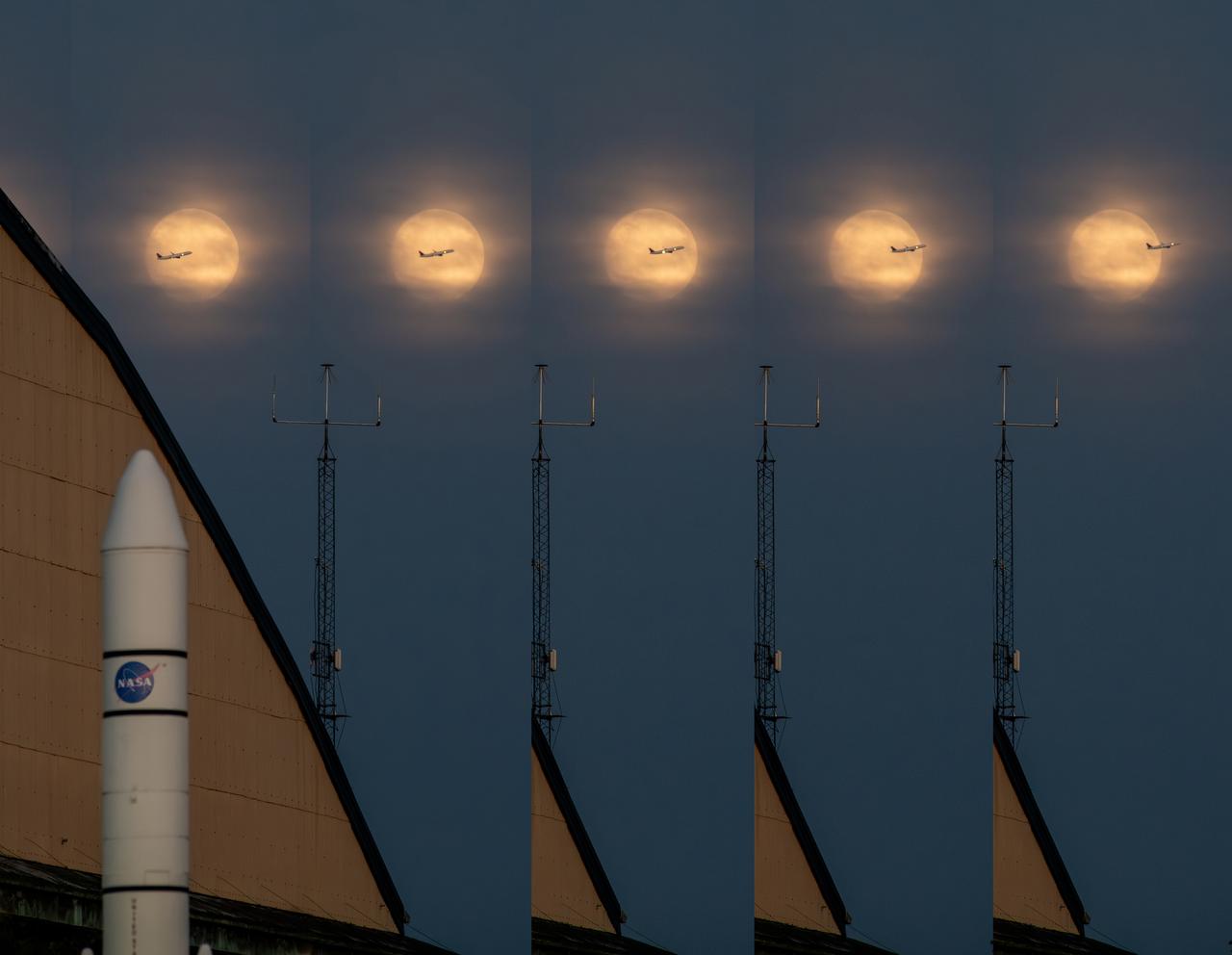
While photographing the Supermoon on September 17, 2024 for a NASA GRC Aerospace Frontiers article on the 2024 Supermoon, a plane departing Cleveland Hopkins Airport flew right through the middle of the moon. The photographer used a portion of the rocket garden’s Ares 1 rocket and a corner of the NASA GRC hangar building to frame the photograph of the moon. When the plane was seen approaching, the photographer used continuous shutter speed in hopes of capturing the plane and the moon together
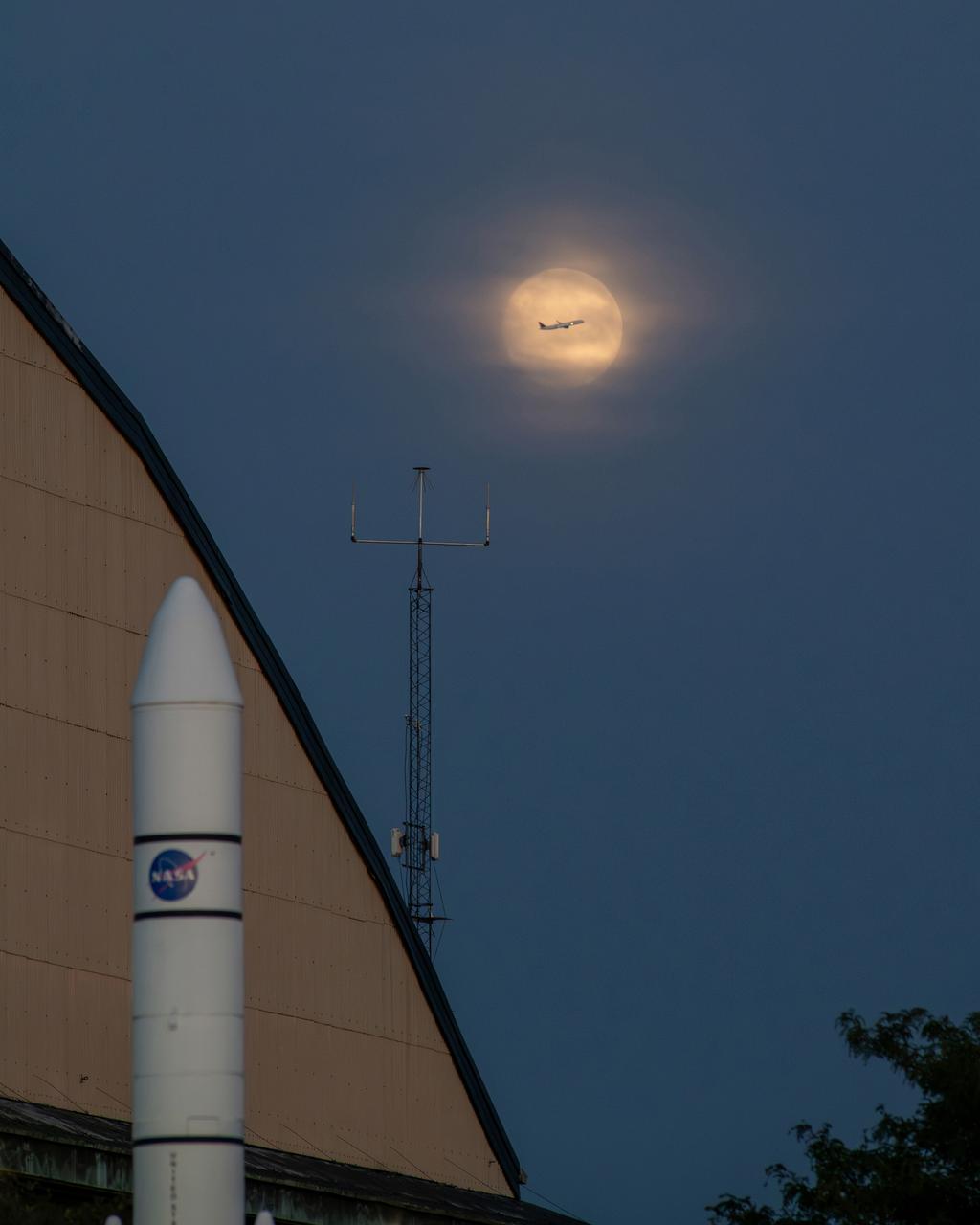
While photographing the Supermoon on September 17, 2024 for a NASA GRC Aerospace Frontiers article on the 2024 Supermoon, a plane departing Cleveland Hopkins Airport flew right through the middle of the moon. The photographer used a portion of the rocket garden’s Ares 1 rocket and a corner of the NASA GRC hangar building to frame the photograph of the moon. When the plane was seen approaching, the photographer used continuous shutter speed in hopes of capturing the plane and the moon together.
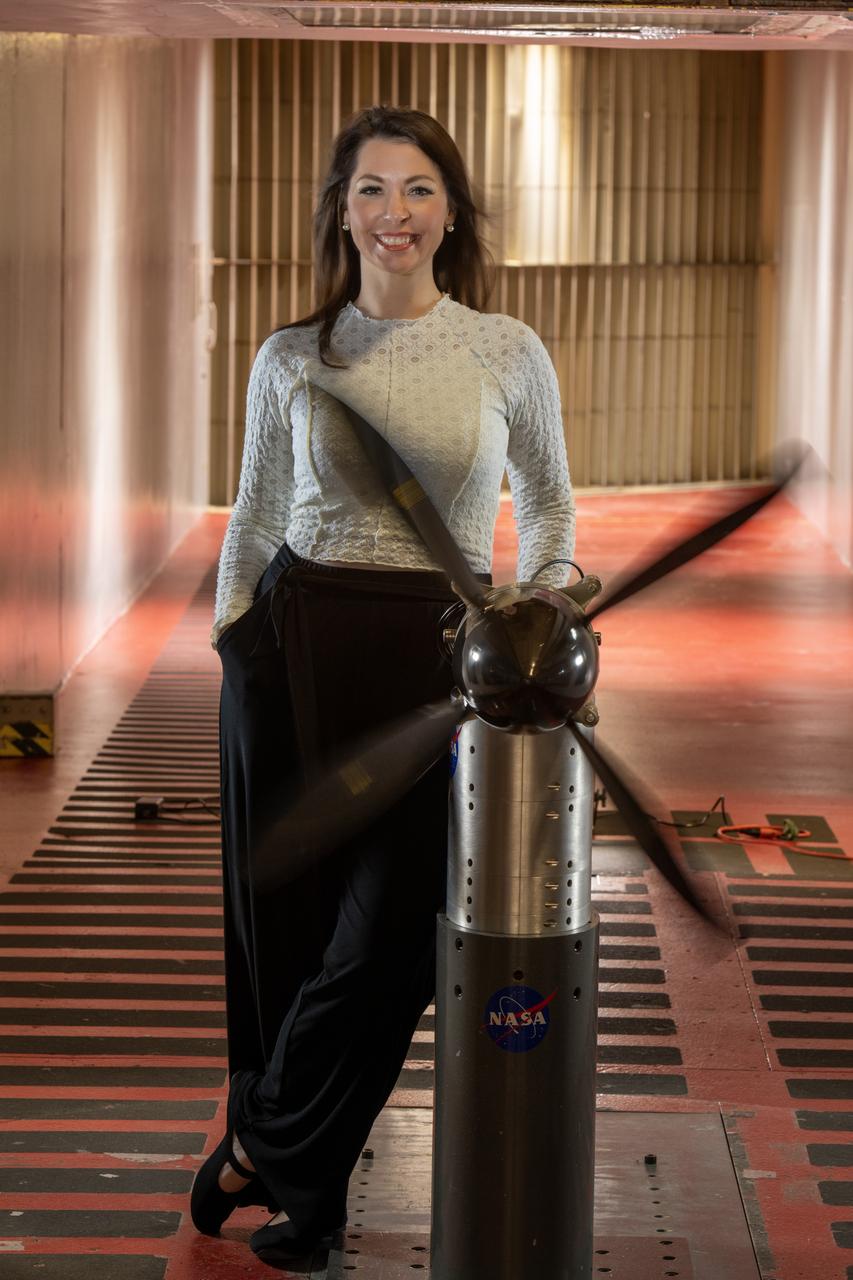
Emily Timko, featured in a Faces of NASA article, poses in the IRT (Icing Research Tunnel) where she works as a “cloud engineer”. She is a Mechanical Test Engineer and works to create unique water spray conditions that simulate icing clouds in the natural aircraft flight environment. Shown in the photo is a test article of a rotating propeller configuration that the IRT researchers are investigating ice accretion with.

Emily Timko, featured in a Faces of NASA article, poses in the IRT (Icing Research Tunnel) where she works as a “cloud engineer”. She is a Mechanical Test Engineer and works to create unique water spray conditions that simulate icing clouds in the natural aircraft flight environment. Shown in the photo is a portion of the fan drive motor and fan blades that together drive the air through the wind tunnel.
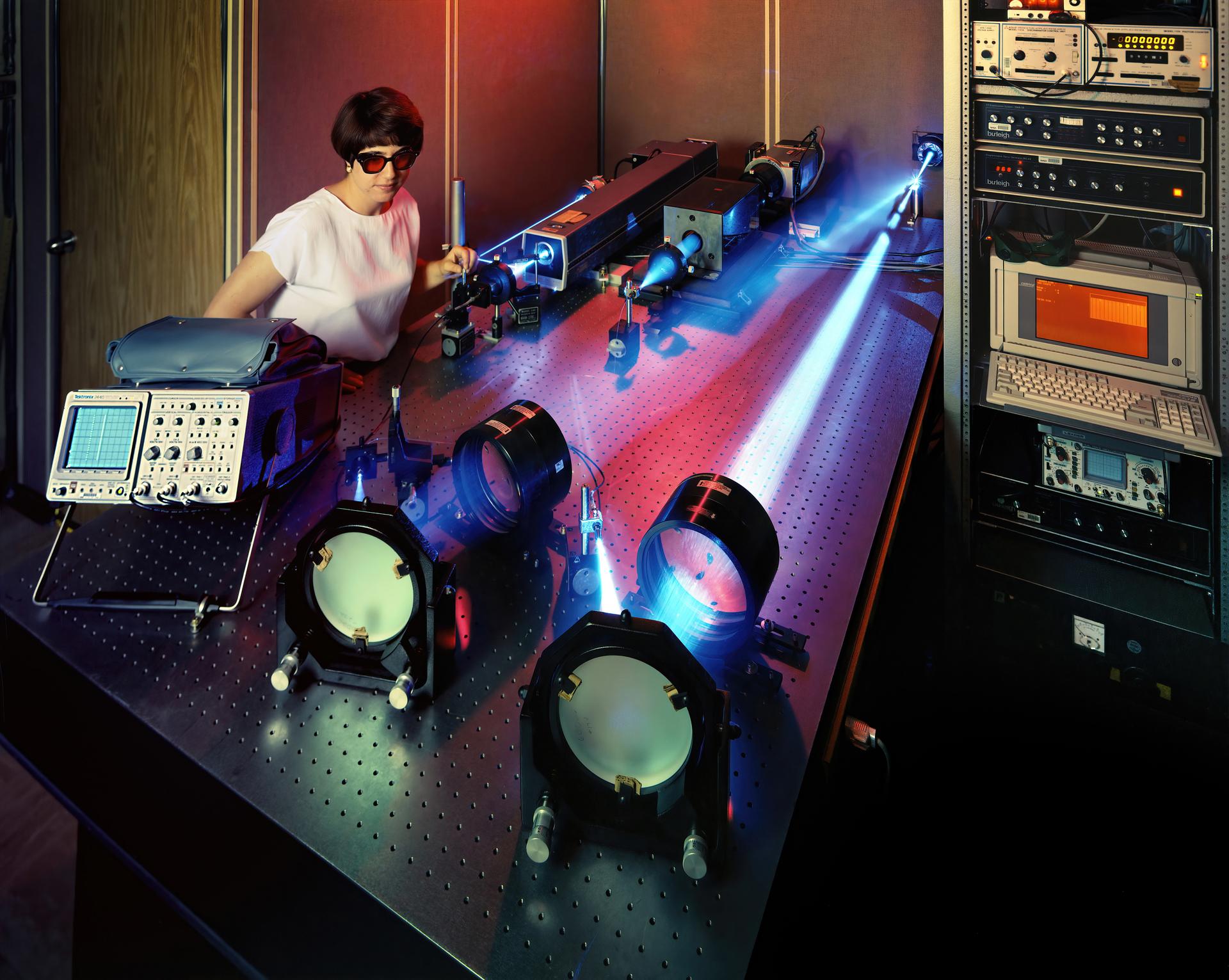
A spectrally resolved Rayleigh/Mie scattering diagnostic was developed to measure temperature and wingspan wise velocity in the vicinity of an ASTOVL aircraft model tested in the Lewis, now Glenn, 9x15 Low Speed Wind Tunnel. This was done for the Phase III hot gas ingestion study of ground-effect flow-field on such aircraft during hover or vertical landing.
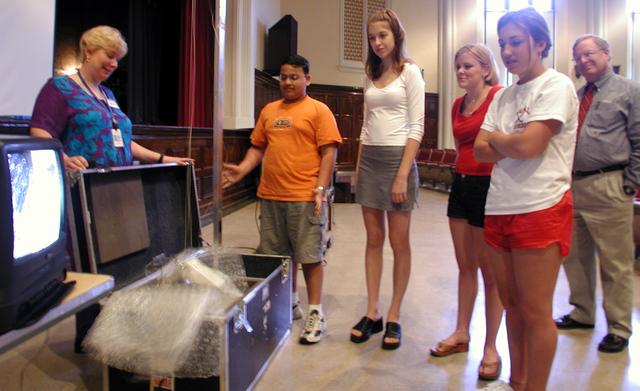
The arnual conference for the Educator Resource Center Network (ERCN) Coordinators was held at Glenn Research Center at Lewis Field in Cleveland, Ohio. The conference included participants from NASA's Educator Resource Centers located throughout the country. The Microgravity Science Division at Glenn sponsored a Microgravity Day for all the conference participants. Dr. Wil Roberson and Marge Lehky prepare a demonstration with the mini-drop tower. This image is from a digital still camera; higher resolution is not available.
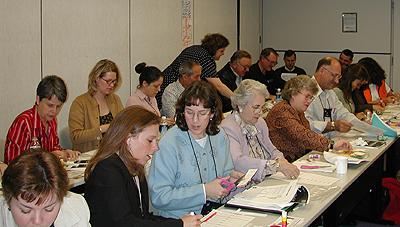
The arnual conference for the Educator Resource Center Network (ERCN) Coordinators was held at Glenn Research Center at Lewis Field in Cleveland, Ohio. The conference included participants from NASA's Educator Resource Centers located throughout the country. The Microgravity Science Division at Glenn sponsored a Microgravity Day for all the conference participants. This image is from a digital still camera; higher resolution is not available.
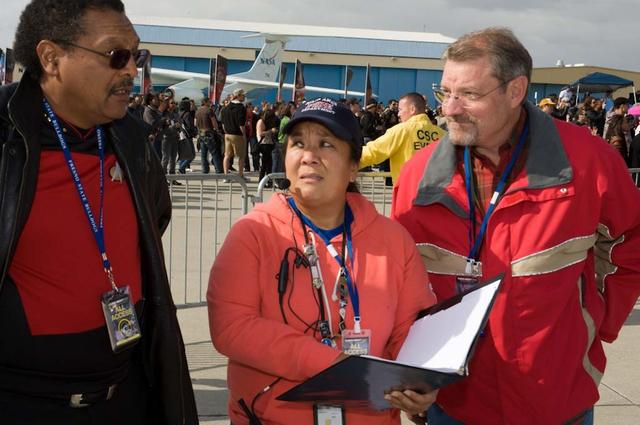
2010 Yuri's Night celebration held at the NASA Ames Research Center, Moffett Field, Calif. as part of the world wide celebration of the first man in space and the Space Shuttle program that followed 20 years later. Lewis Braxton, III, Deputy Director of Ames Research Center, Deborah Feng, Director, Center Operations and Paul McKimm, Planners Collaborative.
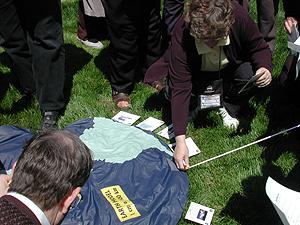
The arnual conference for the Educator Resource Center Network (ERCN) Coordinators was held at Glenn Research Center at Lewis Field in Cleveland, Ohio. The conference included participants from NASA's Educator Resource Centers located throughout the country. The Microgravity Science Division at Glenn sponsored a Microgravity Day for all the conference participants. This image is from a digital still camera; higher resolution is not available.
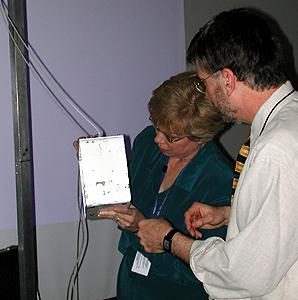
The arnual conference for the Educator Resource Center Network (ERCN) Coordinators was held at Glenn Research Center at Lewis Field in Cleveland, Ohio. The conference included participants from NASA's Educator Resource Centers located throughout the country. The Microgravity Science Division at Glenn sponsored a Microgravity Day for all the conference participants. Dr. Wil Roberson and Marge Lehky prepare a demonstration with the mini-drop tower. This image is from a digital still camera; higher resolution is not available.
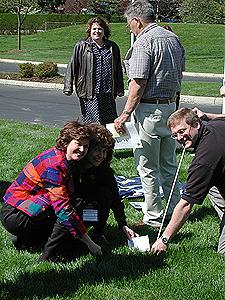
The arnual conference for the Educator Resource Center Network (ERCN) Coordinators was held at Glenn Research Center at Lewis Field in Cleveland, Ohio. The conference included participants from NASA's Educator Resource Centers located throughout the country. The Microgravity Science Division at Glenn sponsored a Microgravity Day for all the conference participants. This image is from a digital still camera; higher resolution is not available.
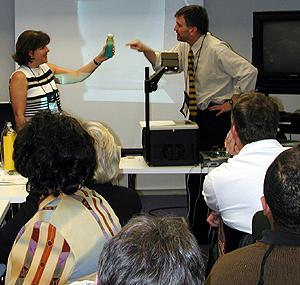
The arnual conference for the Educator Resource Center Network (ERCN) Coordinators was held at Glenn Research Center at Lewis Field in Cleveland, Ohio. The conference included participants from NASA's Educator Resource Centers located throughout the country. The Microgravity Science Division at Glenn sponsored a Microgravity Day for all the conference participants. This image is from a digital still camera; higher resolution is not available.
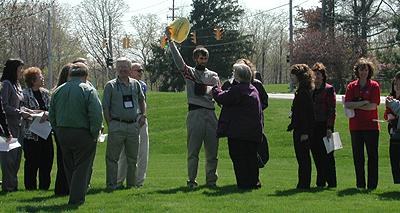
The arnual conference for the Educator Resource Center Network (ERCN) Coordinators was held at Glenn Research Center at Lewis Field in Cleveland, Ohio. The conference included participants from NASA's Educator Resource Centers located throughout the country. The Microgravity Science Division at Glenn sponsored a Microgravity Day for all the conference participants. This image is from a digital still camera; higher resolution is not available.
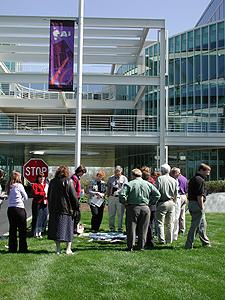
The arnual conference for the Educator Resource Center Network (ERCN) Coordinators was held at Glenn Research Center at Lewis Field in Cleveland, Ohio. The conference included participants from NASA's Educator Resource Centers located throughout the country. The Microgravity Science Division at Glenn sponsored a Microgravity Day for all the conference participants. This image is from a digital still camera; higher resolution is not available.
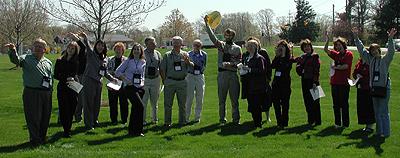
The arnual conference for the Educator Resource Center Network (ERCN) Coordinators was held at Glenn Research Center at Lewis Field in Cleveland, Ohio. The conference included participants from NASA's Educator Resource Centers located throughout the country. The Microgravity Science Division at Glenn sponsored a Microgravity Day for all the conference participants. This image is from a digital still camera; higher resolution is not available.
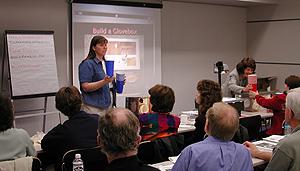
The arnual conference for the Educator Resource Center Network (ERCN) Coordinators was held at Glenn Research Center at Lewis Field in Cleveland, Ohio. The conference included participants from NASA's Educator Resource Centers located throughout the country. The Microgravity Science Division at Glenn sponsored a Microgravity Day for all the conference participants. Twila Schneider of Infinity Technology, a NASA contractor, explains the basics of building a glovebox mockup from a copier paper box. This image is from a digital still camera; higher resolution is not available.
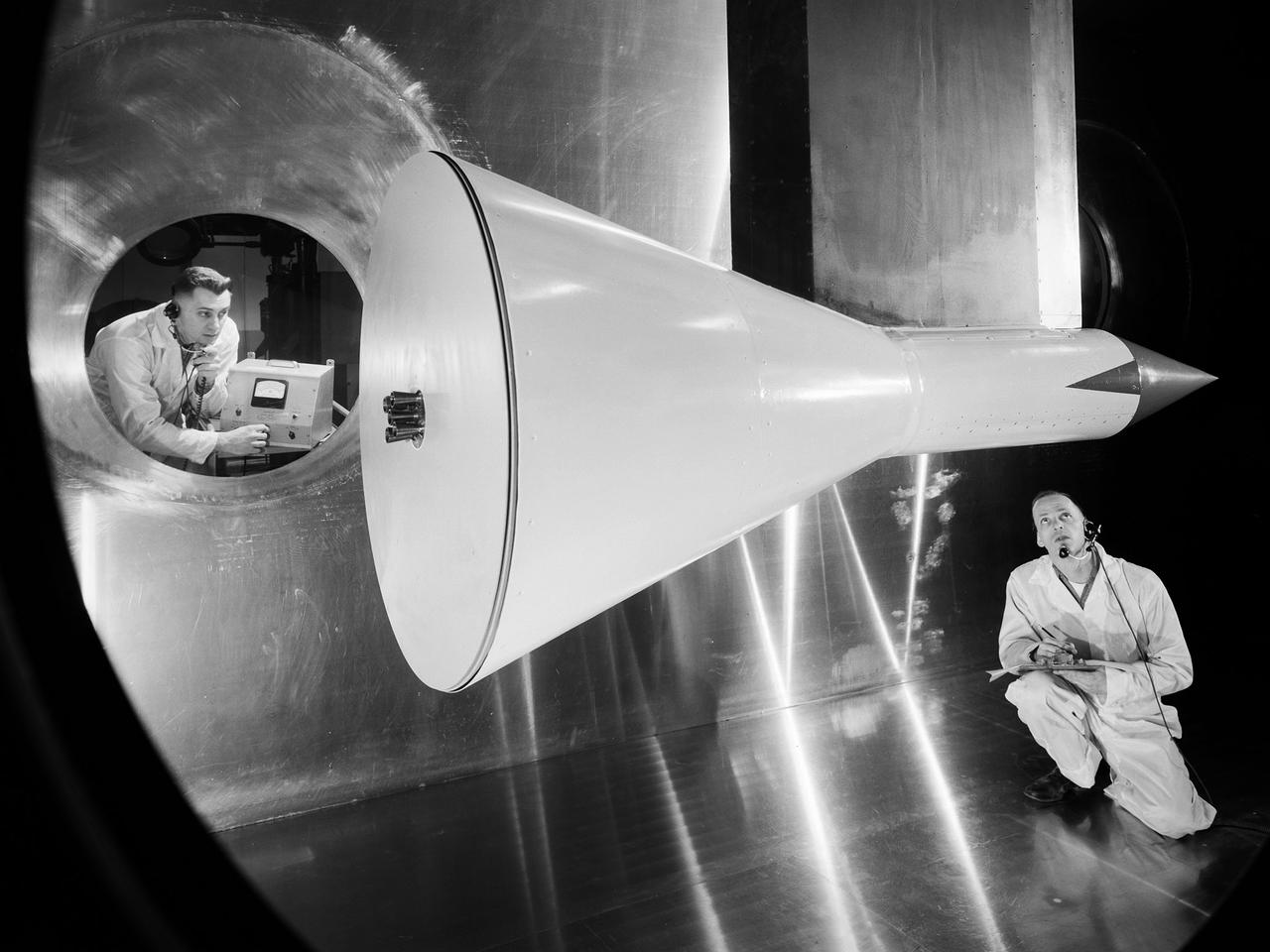
Researchers check the setup of a multi-nozzle base flow model in the 10- by 10-Foot Supersonic Wind Tunnel at the National Aeronautics and Space Administration (NASA) Lewis Research Center. NASA researchers were struggling to understand the complex flow phenomena resulting from the use of multiple rocket engines. Robert Wasko and Theodore Cover of the Advanced Development and Evaluation Division’s analysis and operations sections conducted a set of tests in the 10- by 10 tunnel to further understand the flow issues. The Lewis researchers studied four and five-nozzle configurations in the 10- by 10 at simulated altitudes from 60,000 to 200,000 feet. The nozzles were gimbaled during some of the test runs to simulate steering. The flow field for the four-nozzle clusters was surveyed in the center and the lateral areas between the nozzles, whereas the five-nozzle cluster was surveyed in the lateral area only.
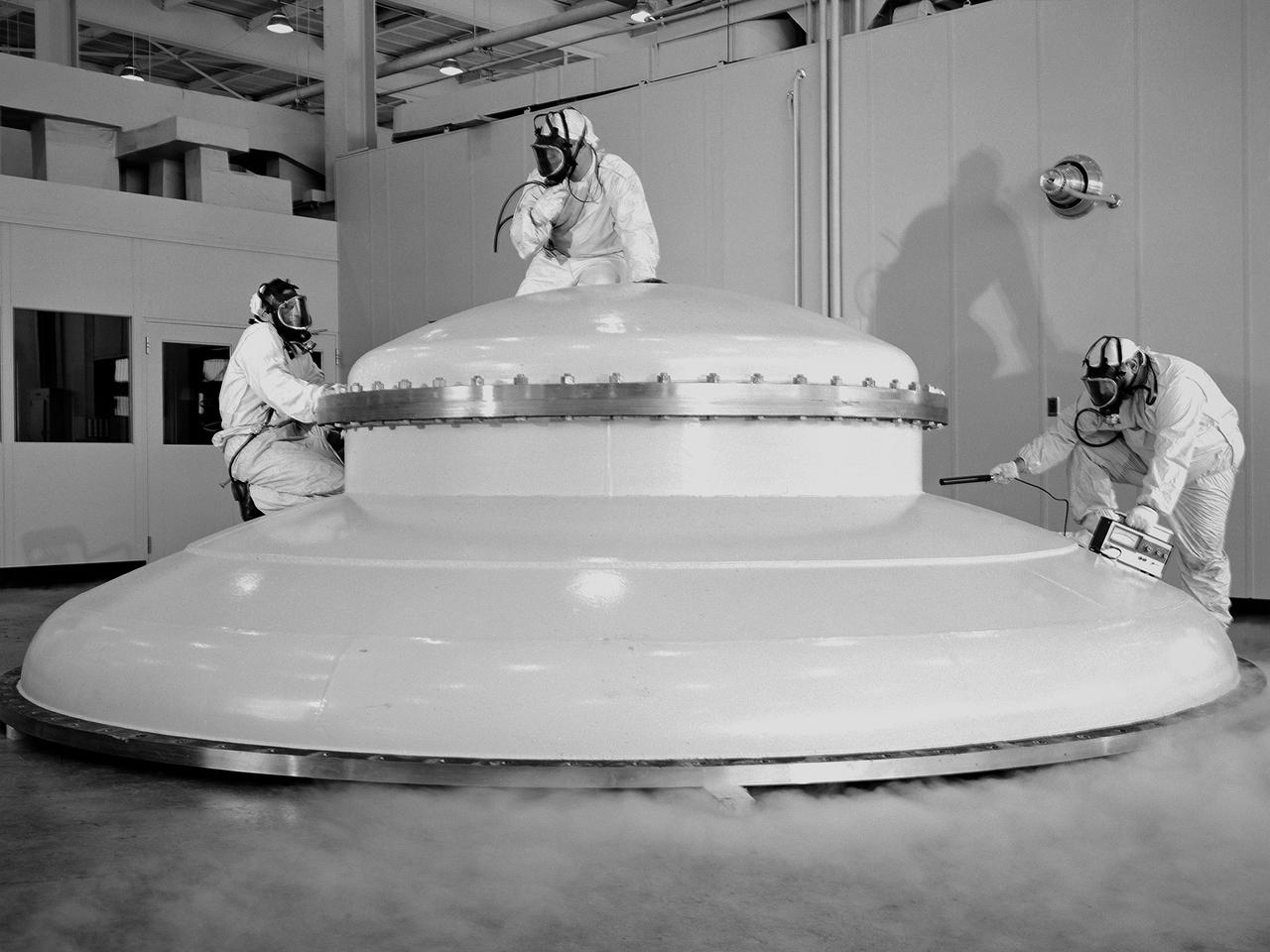
Engineer Paul Reader and his colleagues take environmental measurements during testing of a 20-inch diameter ion engine in a vacuum tank at the Electric Propulsion Laboratory (EPL). Researchers at the Lewis Research Center were investigating the use of a permanent-magnet circuit to create the magnetic field required power electron bombardment ion engines. Typical ion engines use a solenoid coil to create this magnetic field. It was thought that the substitution of a permanent magnet would create a comparable magnetic field with a lower weight. Testing of the magnet system in the EPL vacuum tanks revealed no significant operational problems. Reader found the weight of the two systems was similar, but that the thruster’s efficiency increased with the magnet. The EPL contained a series of large vacuum tanks that could be used to simulate conditions in space. Large vacuum pumps reduced the internal air pressure, and a refrigeration system created the cryogenic temperatures found in space.
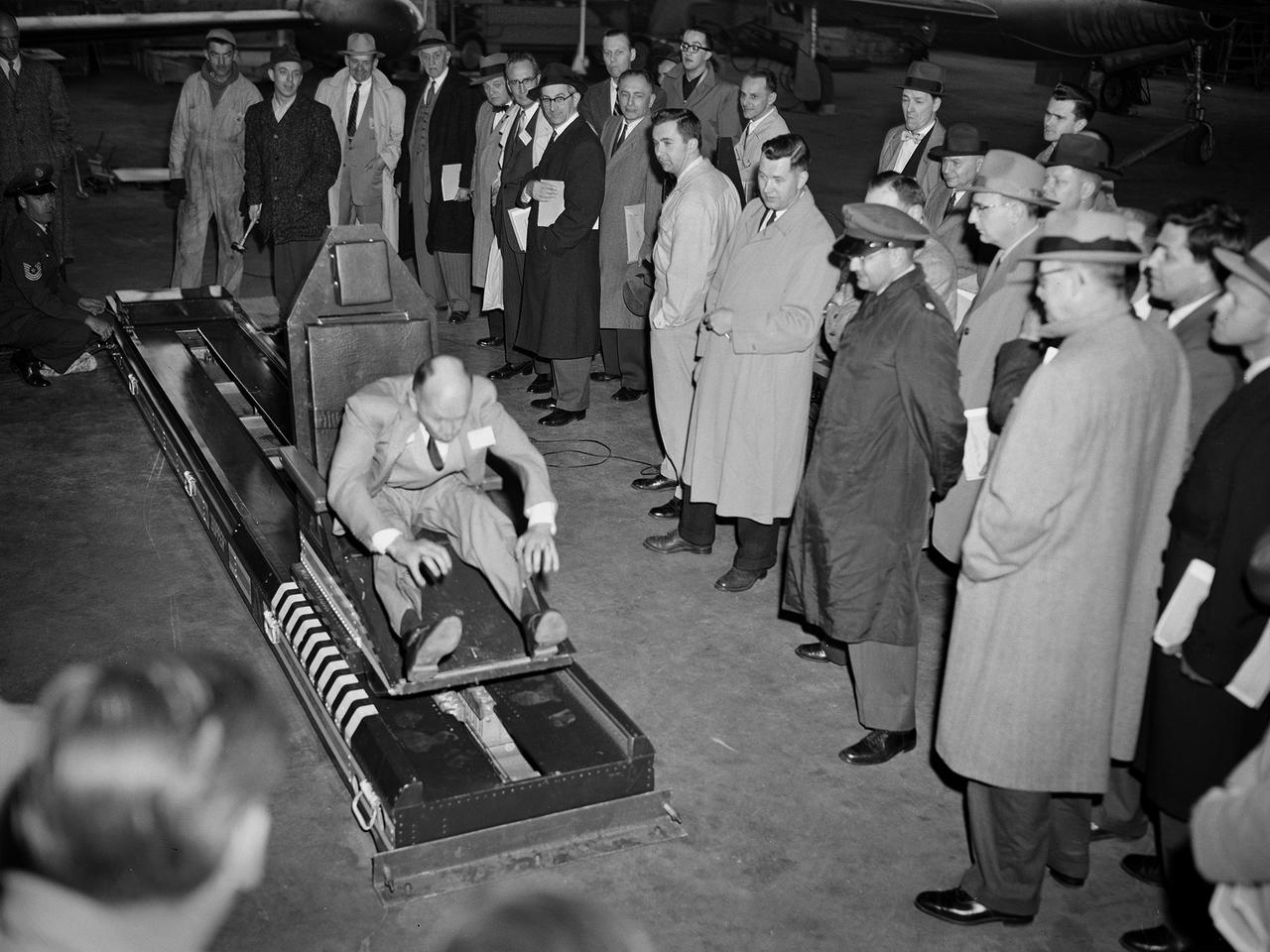
Howard Hasbrook volunteers for a demonstration of a scaled-down version of Lieutenant Colonel John Stapp’s rocket sled set up in the hangar at the National Advisory Committee for Aeronautics (NACA) Lewis Flight Propulsion Laboratory. In 1945 Stapp, an Air Force medical doctor, volunteered to participate in a deceleration program to study the human body’s tolerance to aircraft crash forces. A 1500-pound sled powered by rockets was installed in 1947 on a section of railroad track in the California desert. Stapp participated in 29 experiments over the next seven years and broke land and deceleration records. These tests studied the effects of acceleration, G-force, deceleration, and wind blast on humans. Stapp suffered broken bones and retinal hemorrhages, but suffered no permanent damage. NACA Lewis was conducting a series of crash impact studies in the mid-1950s using dummies in actual aircraft. Irving Pinkel, the director of the program, and Stapp became friends through their mutual interest in this field. In April 1956 Stapp visited the Cleveland lab to give a talk to the local section of the American Rocket Society that discussed issues relating to the escape of pilots from the cockpit of supersonic jet aircraft. That same week, NACA Lewis’ Pinkel, Gerard Pesman, Merritt Preston, and Dugald Black received the annual Laura Taber Barbour Air Safety Award for their work on the Crash Fire Program. Black and Preston are visible in the crowd in this photograph.

A cancer patient undergoes treatment in the Neutron Therapy Treatment Facility, or Cylotron, at the National Aeronautics and Space Administration (NASA) Lewis Research Center. After World War II Lewis researchers became interested in nuclear energy for propulsion. The focused their efforts on thermodynamics and strength of materials after radiation. In 1950 an 80-person Nuclear Reactor Division was created, and a cyclotron was built behind the Materials and Structures Laboratory. An in-house nuclear school was established to train these researchers in their new field. NASA cancelled its entire nuclear program in January 1973, just as the cyclotron was about to resume operations after a major upgrade. In 1975 the Cleveland Clinic Foundation partnered with NASA Lewis to use the cyclotron for a new type of radiation treatment for cancer patients. The cyclotron split beryllium atoms which caused neutrons to be released. The neutrons were streamed directly at the patient’s tumor. The facility had a dual-beam system that could target the tumor both vertically and horizontally. Over the course of five years, the cyclotron was used to treat 1200 patients. It was found to be particularly effective on salivary gland, prostrate, and other tumors. It was not as successful with tumors of the central nervous system. The program was terminated in 1980 as the Clinic began concentrating on non-radiation treatments.
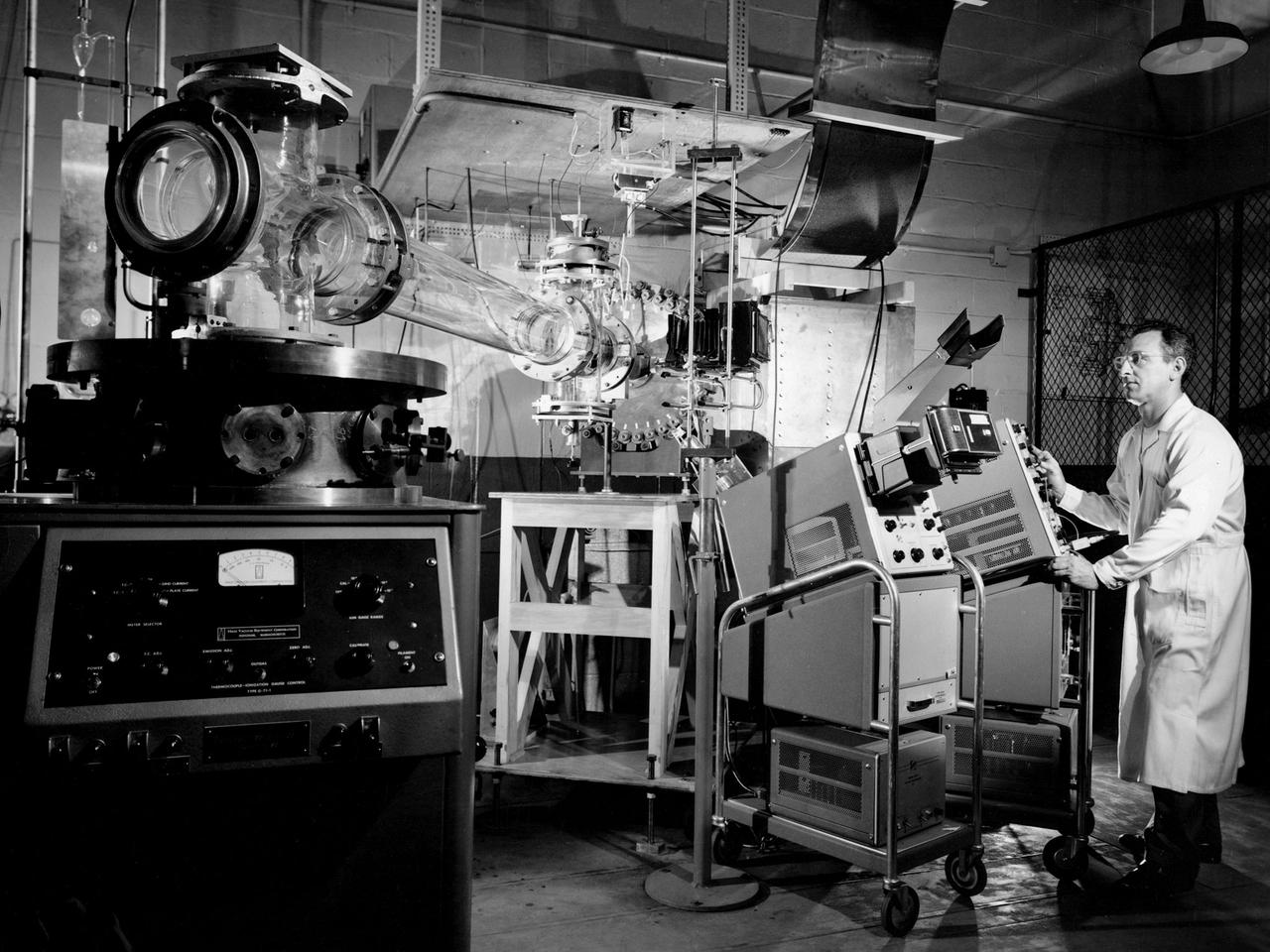
Researcher Charles Michels operates a coaxial plasma gun rig in Cell SW-13 of the Engine Research Building at the National Aeronautics and Space Administration (NASA) Lewis Research Center. From 1962 to 1967 NASA Lewis investigated coaxial plasma guns powered by conventional capacitor banks. The studies were part of a larger effort to identify electromagnetic accelerators for space propulsion. NASA worked with General Dynamics, General Electric, General Motors, and Republic Aviation on the project. NASA Lewis conducted a research program to determine which factors influenced the coaxial gun’s efficiency and analyze the acceleration process. The system had not previously been used for propulsion applications. The single-shot gun’s fast gas valve and capacitor banks with variable-delay ignition source permitted the evaluation of gun performance under controllable propellant quantity and distribution conditions. The coaxial plasma gun was the most basic type of electromagnetic accelerator. It included a charged capacitor in series with a pair of coaxial electrodes. An electrical breakdown occurred when gas was admitted to the inter-electrode region. The gas instantly became a good conductor and formed a conducting sheet that separated the magnetic field from the open region beyond. The highly-conducting gas was basically expelled by the force of the magnetic pressure. This type of thruster could operate at the high instantaneous power levels without decreasing its average power level.
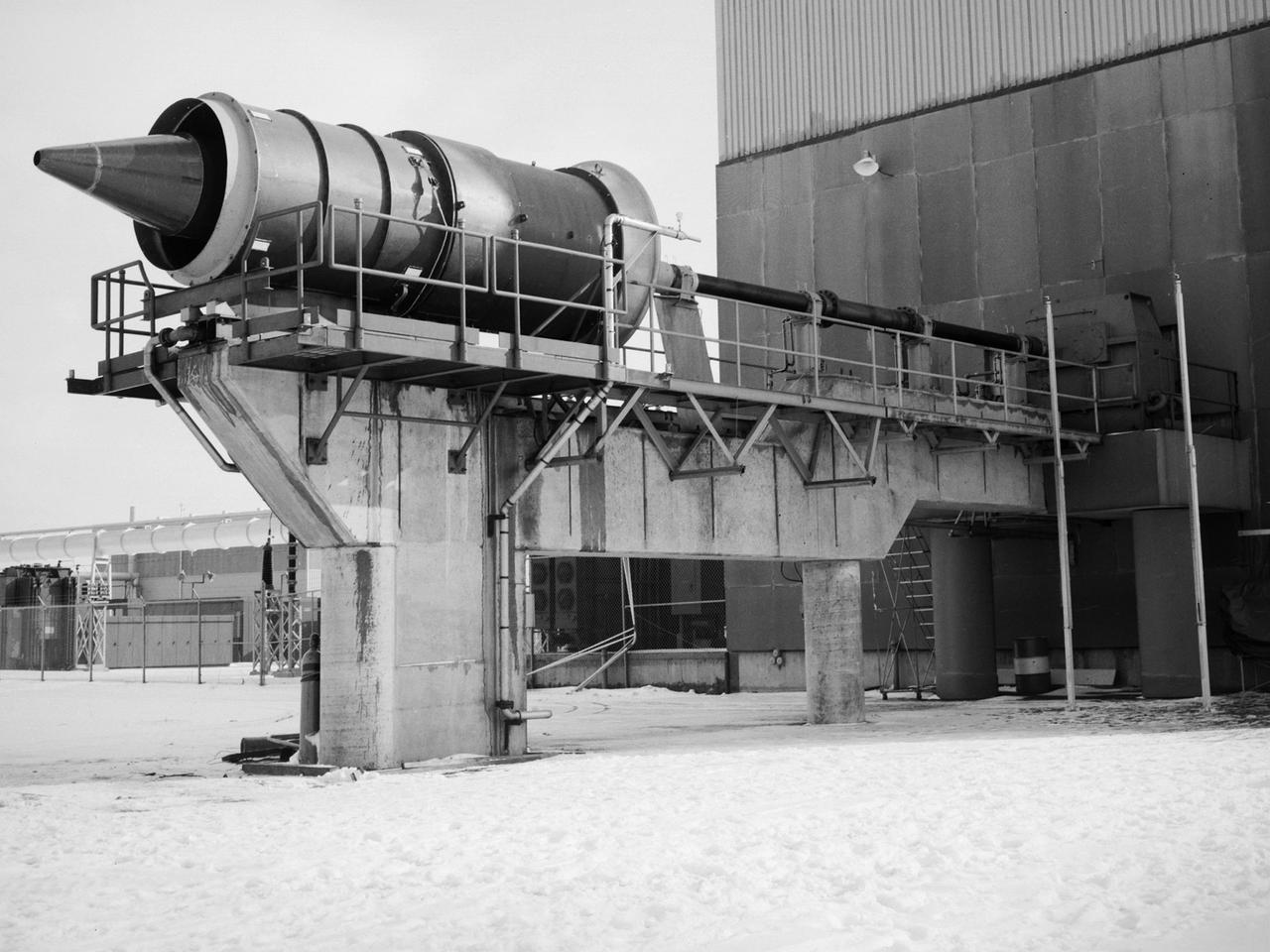
The Fan Noise Test Facility built at the Lewis Research Center to obtain far-field noise data for the National Aeronautics and Space Administration (NASA) and General Electric Quiet Engine Program. The engine incorporated existing noise reduction methods into an engine of similar power to those that propelled the Boeing 707 or McDonnell-Douglas DC-8 airliner. The new the low-bypass ratio turbofan engines of the 1960s were inherently quieter than their turbojet counterparts, researchers had a better grasp of the noise generation problem, and new acoustic technologies had emerged. Lewis contracted General Electric in 1969 to build and aerodynamically test three experimental engines with 72-inch diameter fans. The engines were then brought to Lewis and tested with an acoustically treated nacelle. This Fan Noise Test Facility was built off of the 10- by 10-Foot Supersonic Wind Tunnel’s Main Compressor and Drive Building. Lewis researchers were able to isolate the fan’s noise during these initial tests by removing the core of the engine. The Lewis test rig drove engines to takeoff tip speeds of 1160 feet per second. The facility was later used to test a series of full-scale model fans and fan noise suppressors to be used with the quiet engine. NASA researchers predicted low-speed single-stage fans without inlet guide vanes and with large spacing between rotors and stators would be quieter. General Electric modified a TF39 turbofan engine by removing the the outer protion of the fan and spacing the blade rows of the inner portion. The tests revealed that the untreated version of the engine generated less noise than was anticipated, and the acoustically treated nacelle substantially reduced engine noise.
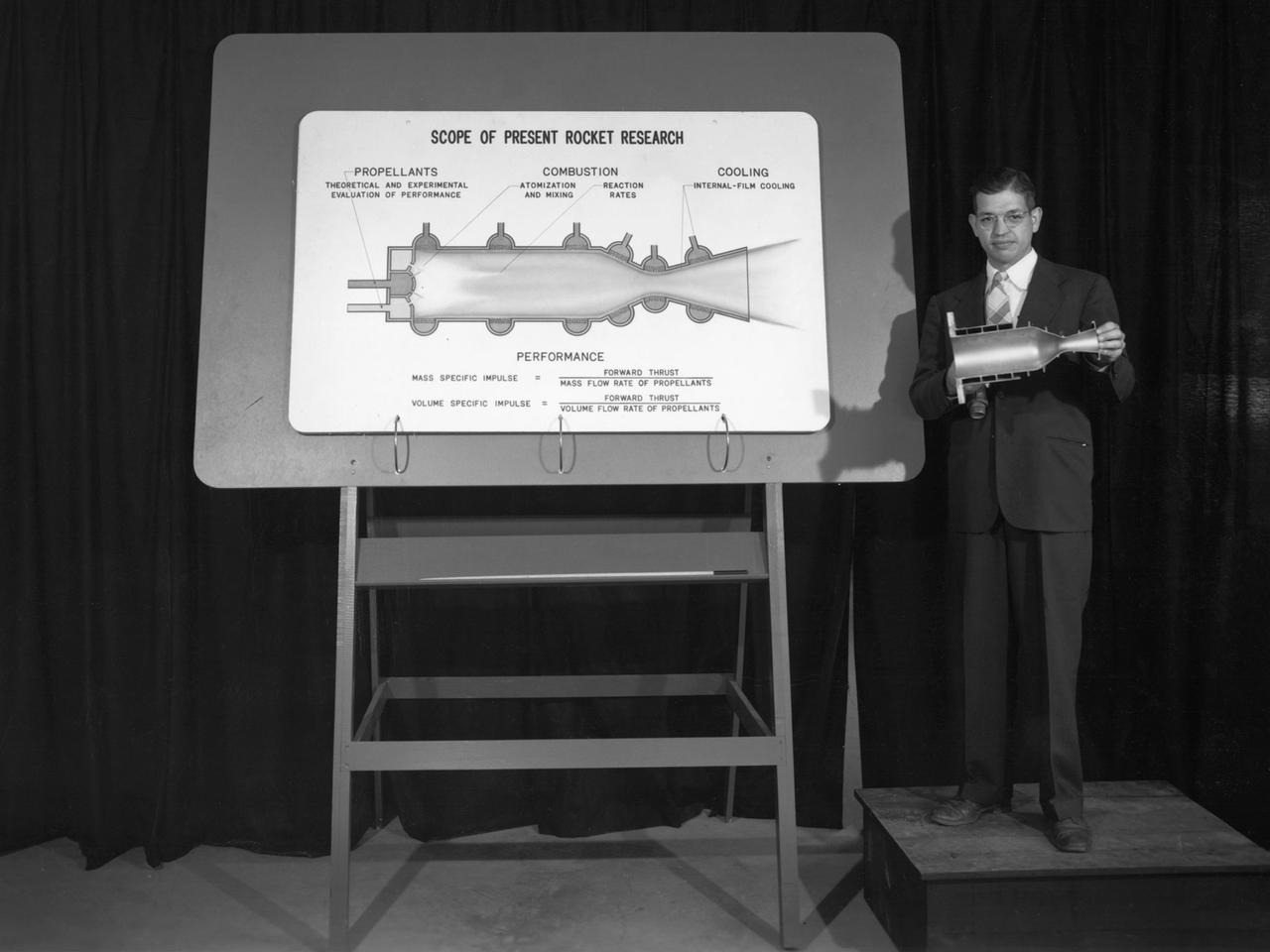
Researcher John Sloop briefs visitors on his latest rocket engine research during the 1947 Inspection at the National Advisory Committee for Aeronautics (NACA) Lewis Flight Propulsion Laboratory. The NACA had been hosting annual Aircraft Engineering Conferences, better known as Inspections, since 1926. Individuals from the manufacturing industry, military, and university settings were invited to tour the NACA laboratories. There were a series of stops on the tour, mostly at test facilities, where researchers would brief the group on the latest efforts in their particular field. The Inspections grew in size and scope over the years and by the mid-1940s required multiple days. The three-day 1947 Inspection was the first time the event was held at NACA Lewis. Over 800 scientists, industrialists, and military leaders attended the three-day event. Talks were given at the Altitude Wind Tunnel, Four Burner Area, Engine Research Building, and other facilities. An array of topics were discussed, including full-scale engine testing, ramjets, axial-flow compressors, turbojets, fuels, icing, and materials. The NACA Lewis staff and their families were able to view the same presentations after the Inspection was over. Sloop, a researcher in the Fuels and Thermodynamics Division, briefed visitors on NACA Lewis’ early research in rocket engine propellants, combustion, and cooling. This early NACA Lewis work led to the development of liquid hydrogen as a viable propellant in the late 1950s.
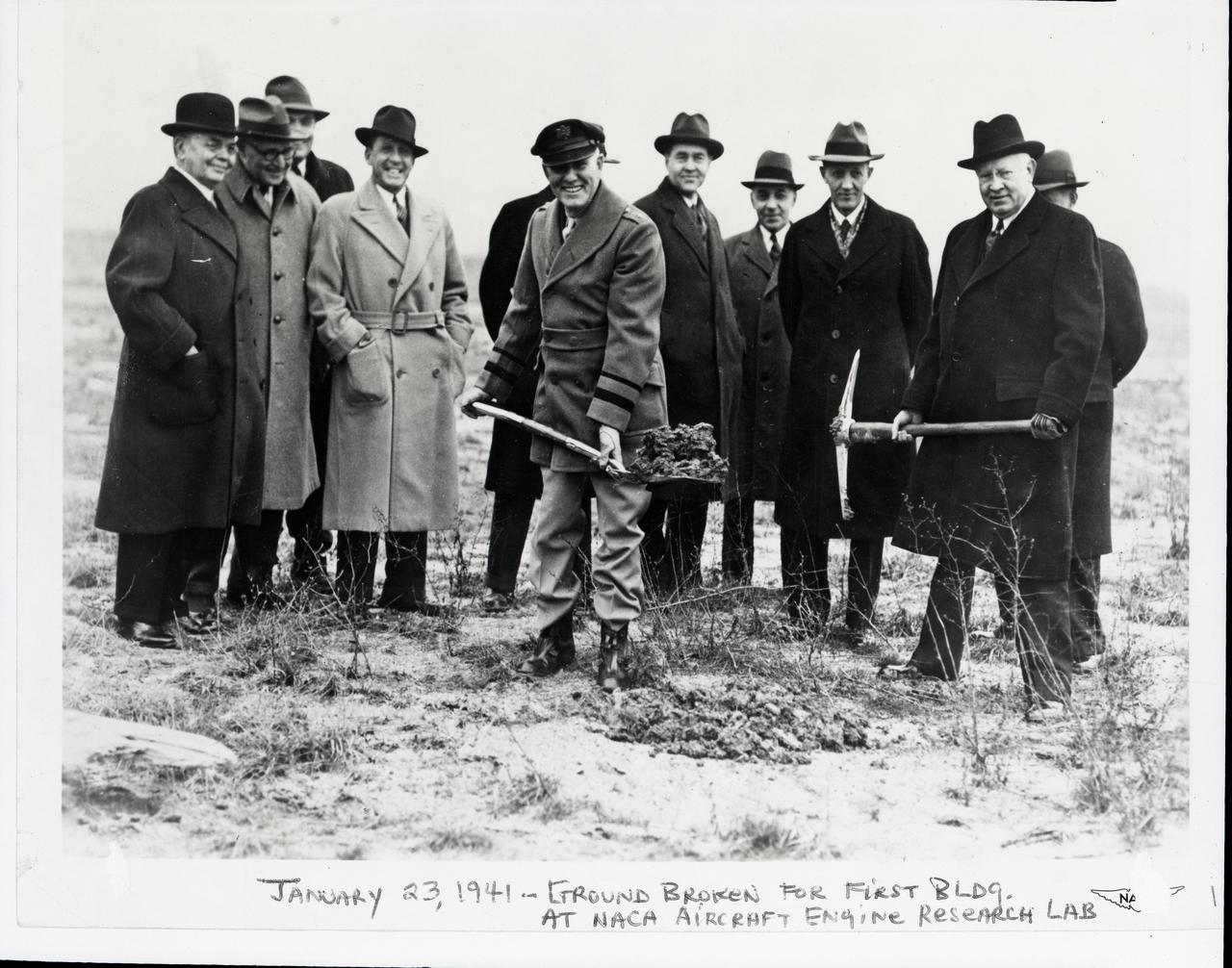
January 23, 1941 groundbreaking ceremony at the NACA Aircraft Engine Research Laboratory: left to right (does not include two individuals obscured from view behind Maj. Brett and Dr. Lewis): • William R. Hopkins – Cleveland City Manager from 1924-1930, was personally responsible for planning and acquiring the land for the Cleveland Airport. The airport’s huge capacity for handling aircraft was one factor in selecting Cleveland for the site of the research center. The Cleveland Airport was renamed Cleveland Hopkins airport in his honor in 1951. • Major John Berry – Cleveland Airport Manager • Edward R. Sharp – GRC’s first director, serving from 1942 to his retirement in 1961. He came to Cleveland in 1941 as the construction manager for the new facility. • Frederick C. Crawford – President of Thompson Products, which became the Thompson-Ramo-Woolridge Corporation (TRW) in 1958. Crawford was, at the time, also president of the Cleveland Chamber of Commerce. He began in 1939 to campaign for Cleveland as the location for the new NACA facility. • Major George H. Brett – A Cleveland native, Brett served in WWI and was commanding officer at Wright Field in Dayton, Ohio before becoming chief of the Army Air Corps. • Dr. Edward P. Warner – Acting chairman of the NACA. • Captain Sydney M. Kraus – Officer in charge of Navy procurement • Edward Blythin – Mayor of Cleveland • Dr. George Lewis – Director of Aeronautical Research for the NACA from 1924-1947, Lewis devoted his life to building a scientific basis for aeronautical engineering. The Cleveland laboratory was renamed the Lewis Flight Propulsion Laboratory in his honor in 1948. A description of the event, based on newspaper accounts and later NASA publications is as follows: On January 23, 1941, a brief groundbreaking ceremony at the site marked the start of construction. Dr. George W. Lewis, director of research for the NACA, loosened the soil with a
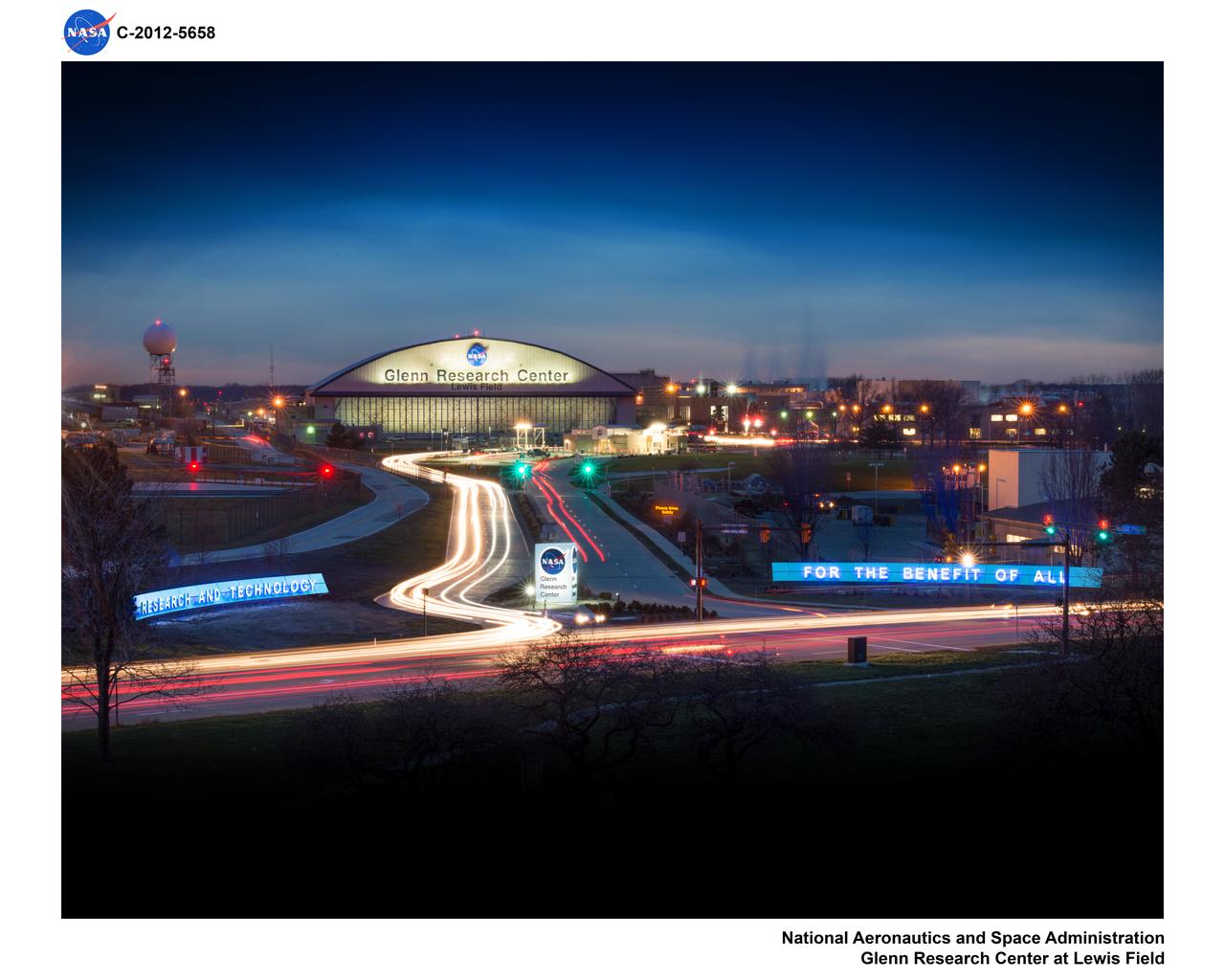
Main Gate, NASA Glenn Research Center, Cleveland, Ohio
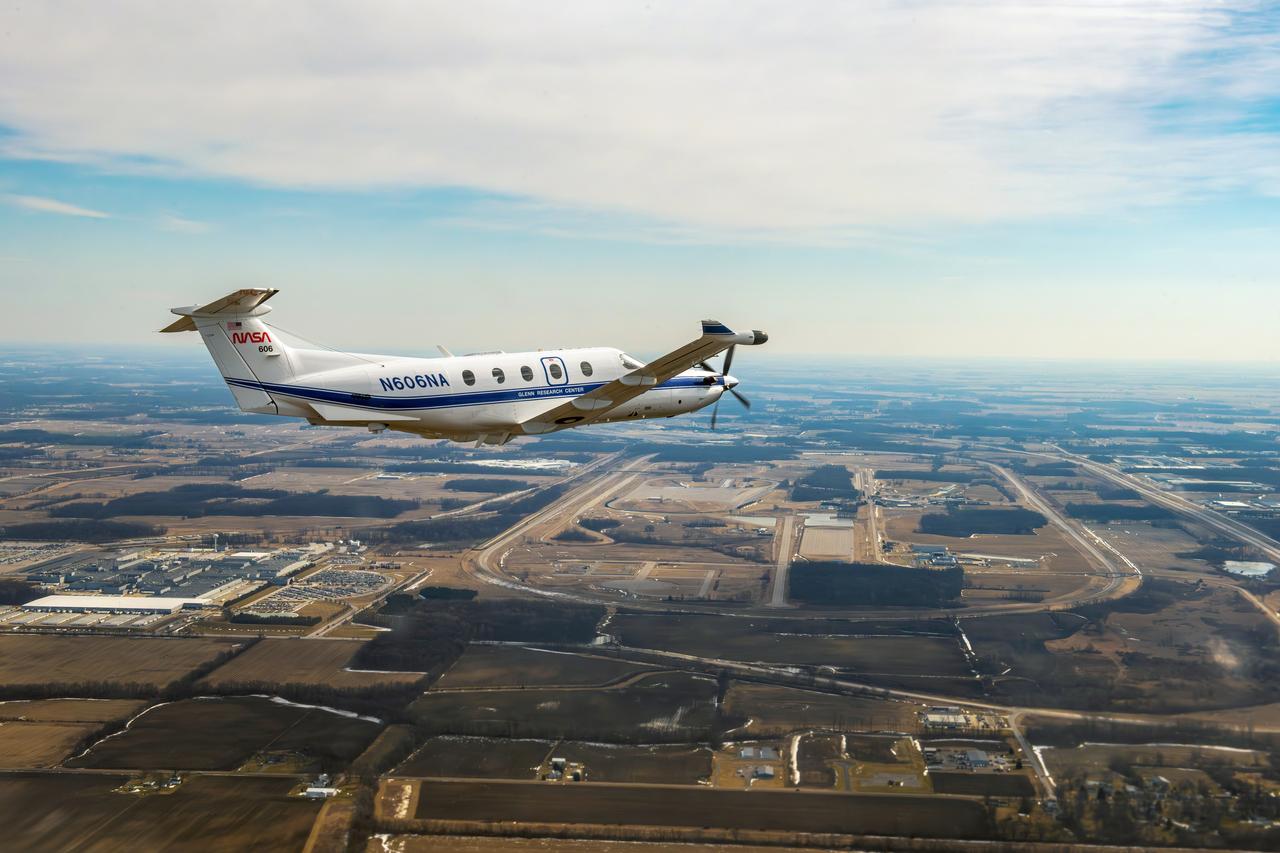
Photographs taken from the T-34 of the PC-12 in flight over the technology corridor and the Honda motor company and the Honda test track
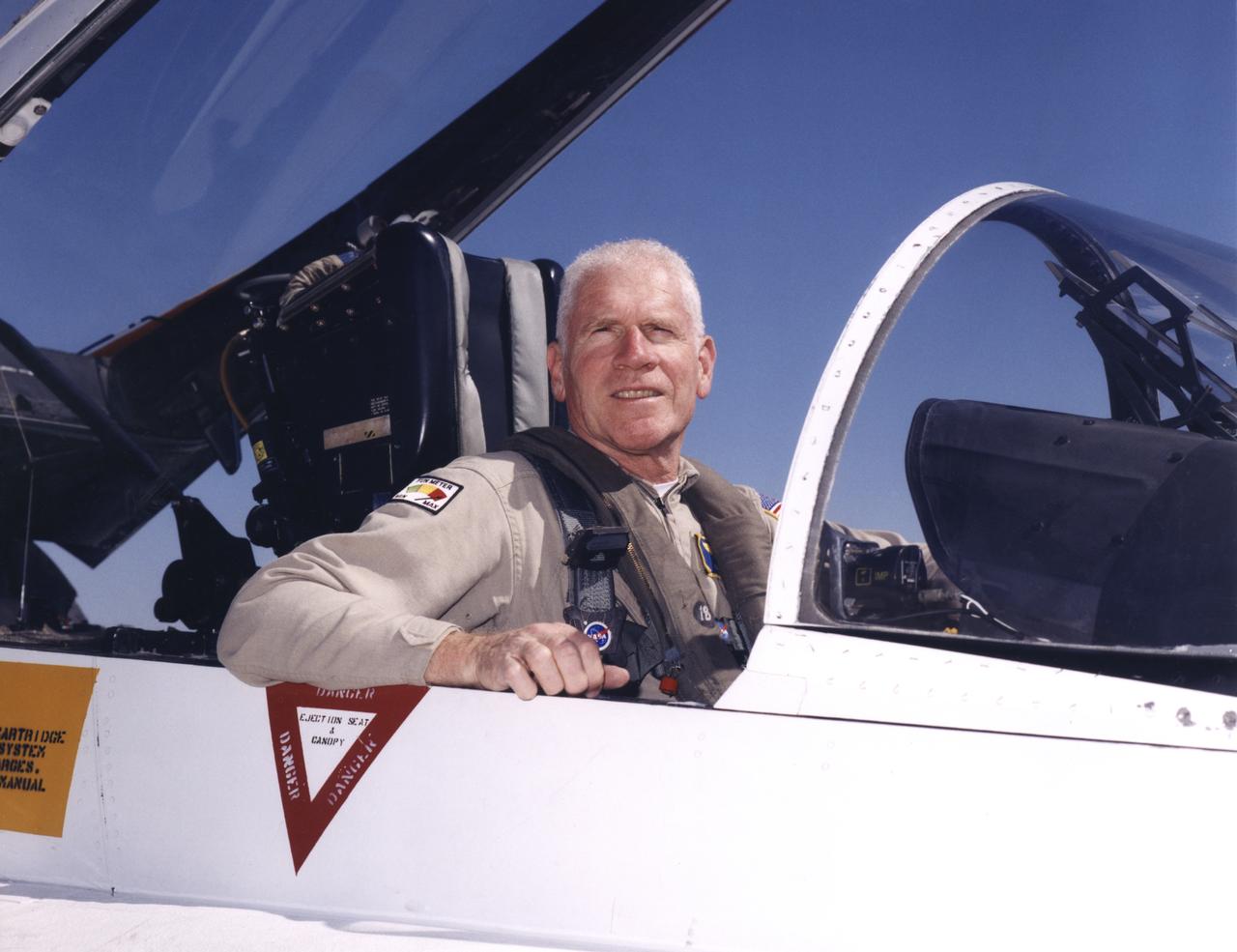
Edwin W. Lewis Jr. is a research pilot in the Airborne Science program, Flight Crew Branch, Dryden Flight Research Center, Edwards, California. He currently flies the DC-8, F/A-18, Lear Jet 24, King Air, and T-34C in support of Dryden's flight operations and is mentor pilot for the King Air and the Lear Jet. Prior to accepting this assignment Lewis was a pilot for eight years at NASA's Ames Research Center, Moffett Field, California, flying 10 different aircraft C-130B, DC-8-72, UH-1, SH-3, King Air, Lear 24, T-38A, T-39G and YO-3A in support of NASA flight missions. Lewis also flew the Kuiper Airborne Observatory (a modified civilian version of the Lockheed C-141 Starlifter). He was project pilot for Ames' 747 and T-38 programs. Lewis was born in New York City on May 19, 1936, and began flight training as a Civil Air Patrol cadet in 1951, ultimately earning his commercial pilot's certificate in 1958. He received a bachelor of arts degree in biology from Hobart College, Geneva, N.Y., and entered the U.S. Air Force through the Reserve Officer Training Corps. Following pilot training he was assigned to Moody Air Force Base, Ga., as an instructor pilot, for both the T-33 and T-37 aircraft. He served in Vietnam in 1965 and 1966, where he was a forward air controller, instructor and standardization/evaluation pilot, flying more than 1,000 hours in the O-1 "Bird Dog." Lewis separated from the regular Air Force and joined Pan American World Airways and the 129th Air Commando Group, California Air National Guard (ANG) based in Hayward, California. During his 18-year career with the California ANG he flew the U-6, U-10, C-119, HC-130 aircraft and the HH-3 helicopter. He retired as commander, 129th Air Rescue and Recovery Group, a composite combat rescue group, in the grade of colonel. During his 22 years as an airline pilot, he flew the Boeing 707, 727 and 747. He took early retirement from Pan American in 1989 to become a pilot with NASA.
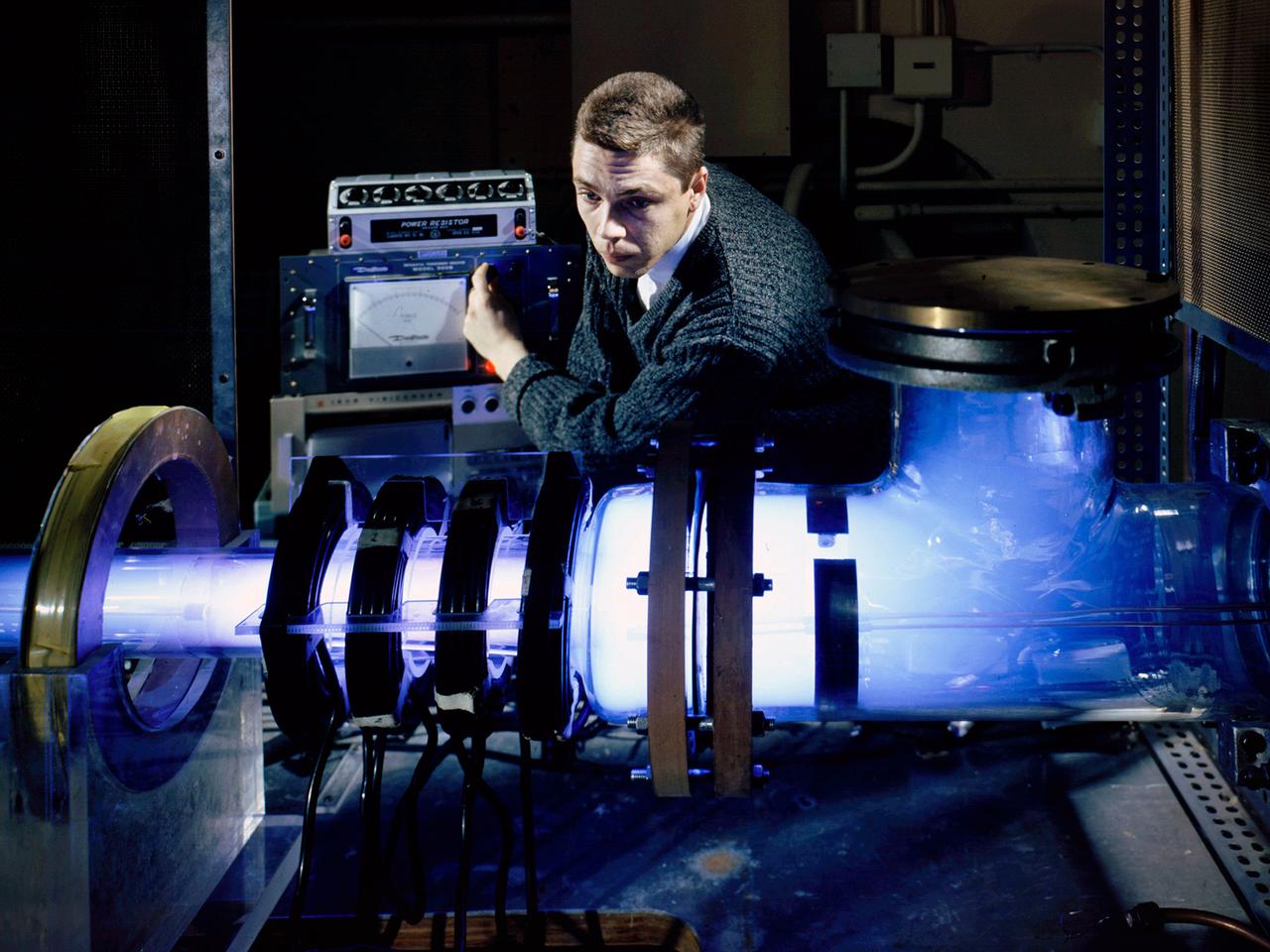
Raymond Palmer, of the Electromagnetic Propulsion Division’s Plasma Flow Section, adjusts the traveling magnetic wave plasma engine being operated in the Electric Power Conversion at the National Aeronautics and Space Administration (NASA) Lewis Research Center. During the 1960s Lewis researchers were exploring several different methods of creating electric propulsion systems, including the traveling magnetic wave plasma engine. The device operated similarly to alternating-current motors, except that a gas, not a solid, was used to conduct the electricity. A magnetic wave induced a current as it passed through the plasma. The current and magnetic field pushed the plasma in one direction. Palmer and colleague Robert Jones explored a variety of engine configurations in the Electric Propulsion Research Building. The engine is seen here mounted externally on the facility’s 5-foot diameter and 16-foot long vacuum tank. The four magnetic coils are seen on the left end of the engine. The researchers conducted two-minute test runs with varying configurations and used of both argon and xenon as the propellant. The Electric Propulsion Research Building was built in 1942 as the Engine Propeller Research Building, often called the Prop House. It contained four test cells to study large reciprocating engines with their propellers. After World War II, the facility was modified to study turbojet engines. By the 1960s, the facility was modified again for electric propulsion research and given its current name.
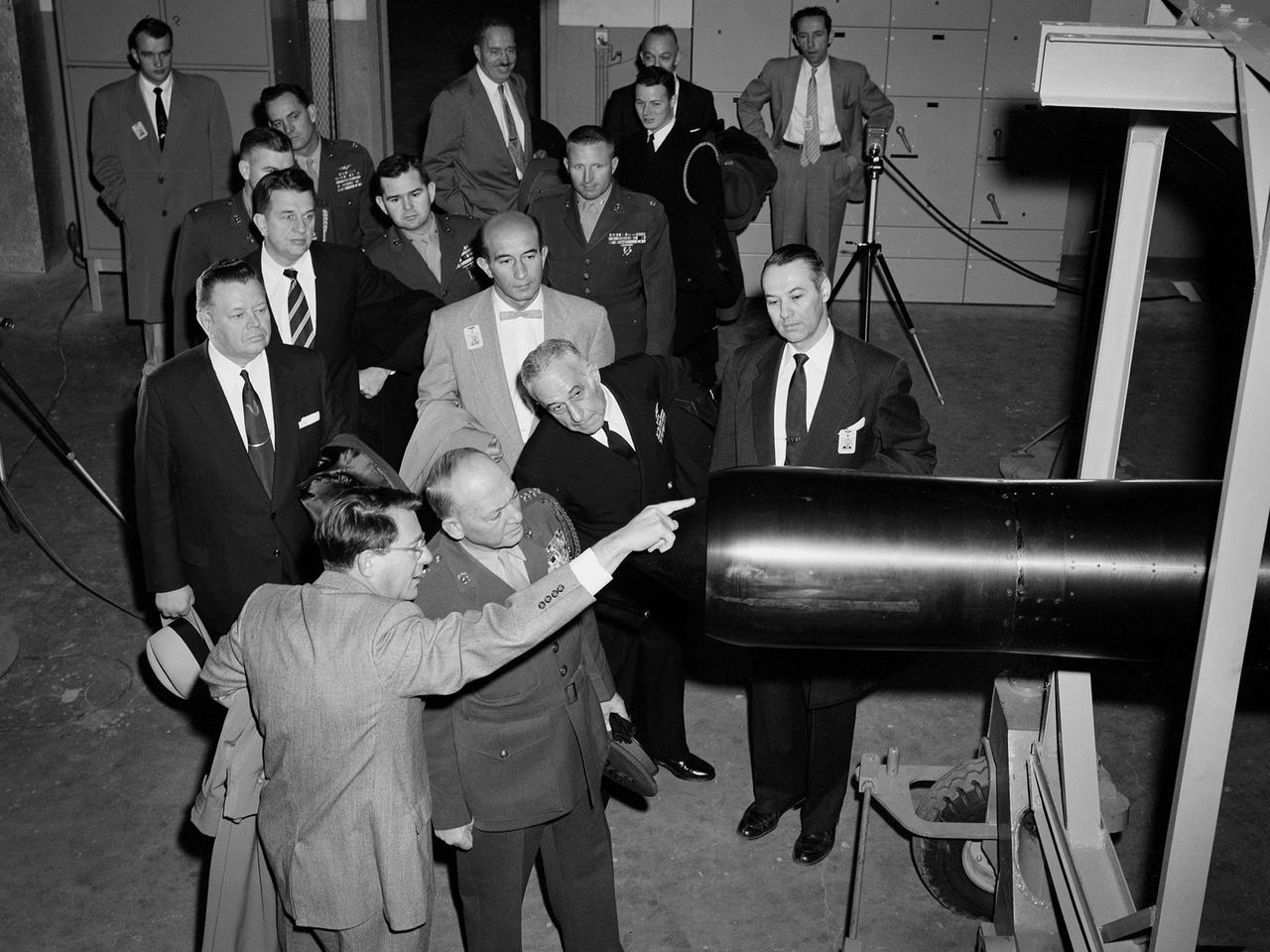
Abe Silverstein, Associate Director of the National Advisory Committee for Aeronautics (NACA) Lewis Flight Propulsion Laboratory, provides a personal tour of the new 10- by 10-Foot Supersonic Wind Tunnel for US Senator George Bender (hat in hand) and General Lemuel Shepherd. Shepherd was Commandant of the Marine Corps and had served in World War I, World War II, and the Korean War. The general was accompanied by Admiral Herbert Leary, in dark uniform. Bender was a Republican Senator from Ohio. Behind Bender is President of the Cleveland Chamber of Commerce Curtis Smith. NACA Lewis managers Eugene Manganiello and Wilson Hunter assist with the tour. Abe Silverstein oversaw all research at the laboratory. Upon taking his post in 1952 he reorganized the research staff and began shifting the focus away from airbreathing aircraft engines to new fields such as high energy fuels, electric propulsion, and nuclear power and propulsion. He was an early advocate of the NACA’s involvement in the space program and crucial to the founding of National Aeronautics and Space Administration in 1958. Silverstein began his career helping design and conduct research in the Full Scale Tunnel in 1929 at the Langley Memorial Aeronautical Laboratory. Silverstein advocated a series of increasingly large supersonic wind tunnels after the war, culminating in the 10- by 10.

The 1969 class of graduating apprentices pose for a group photograph during a rehearsal ceremony at the National Aeronautics and Space Administration (NASA) Lewis Research Center. The 35 men completed four years of classroom and hands-on training in various aerospace research trades. Center Director Bruce Lundin and President of Cuyahoga Community College Dr. Bernard Silk addressed the graduates at the ceremony. The Ohio State Apprenticeship Council officially accredited them as journeymen. The journeymen specialized in one of the following fields: aerospace laboratory mechanic, aerospace service operator, experimental electronic equipment mechanic, experimental facilities electrician, experimental metal modelmaker, experimental metal worker, research equipment mechanic, research instrumentation mechanic, or utilities mechanic.

Portrait for the #showusyourspecs campaign to promote safety while viewing of the 2024 total eclipse. Photograph was shot on December 20, 2023, indoors to simulate an eclipse. Photo Credit: (NASA/Sara Lowthian-Hanna)