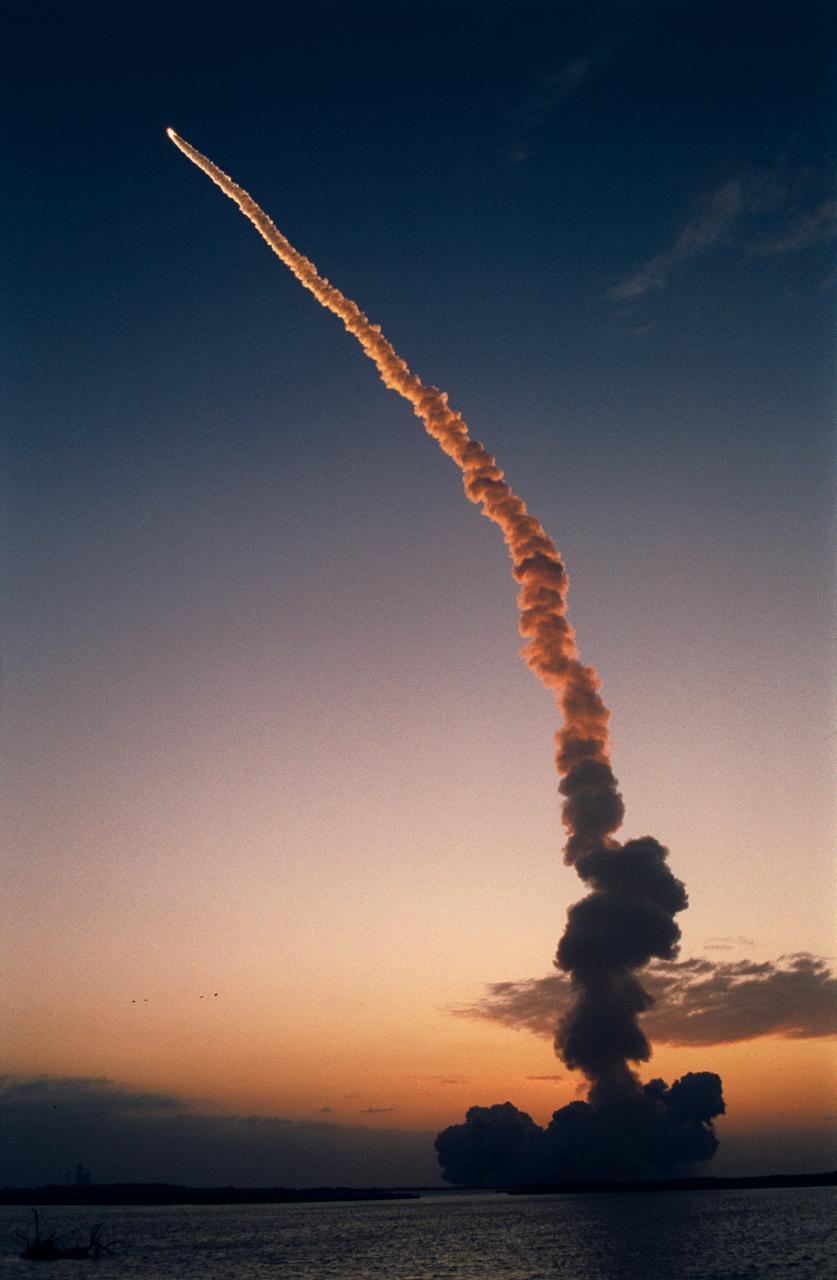
STS059-S-109 (9 April 1994) --- The Space Shuttle Endeavour heads for its sixth mission in space. Liftoff occurred at 7:05 a.m. (EDT), April 9, 1994. Onboard were astronauts Sidney M. Gutierrez, Kevin P. Chilton, Linda M. Godwin, Jerome (Jay) Apt, Michael R. (Rich) Clifford and Thomas D. Jones. The photograph was taken by Karen Dillon of San Jose, California, who observed the liftoff from the NASA causeway.
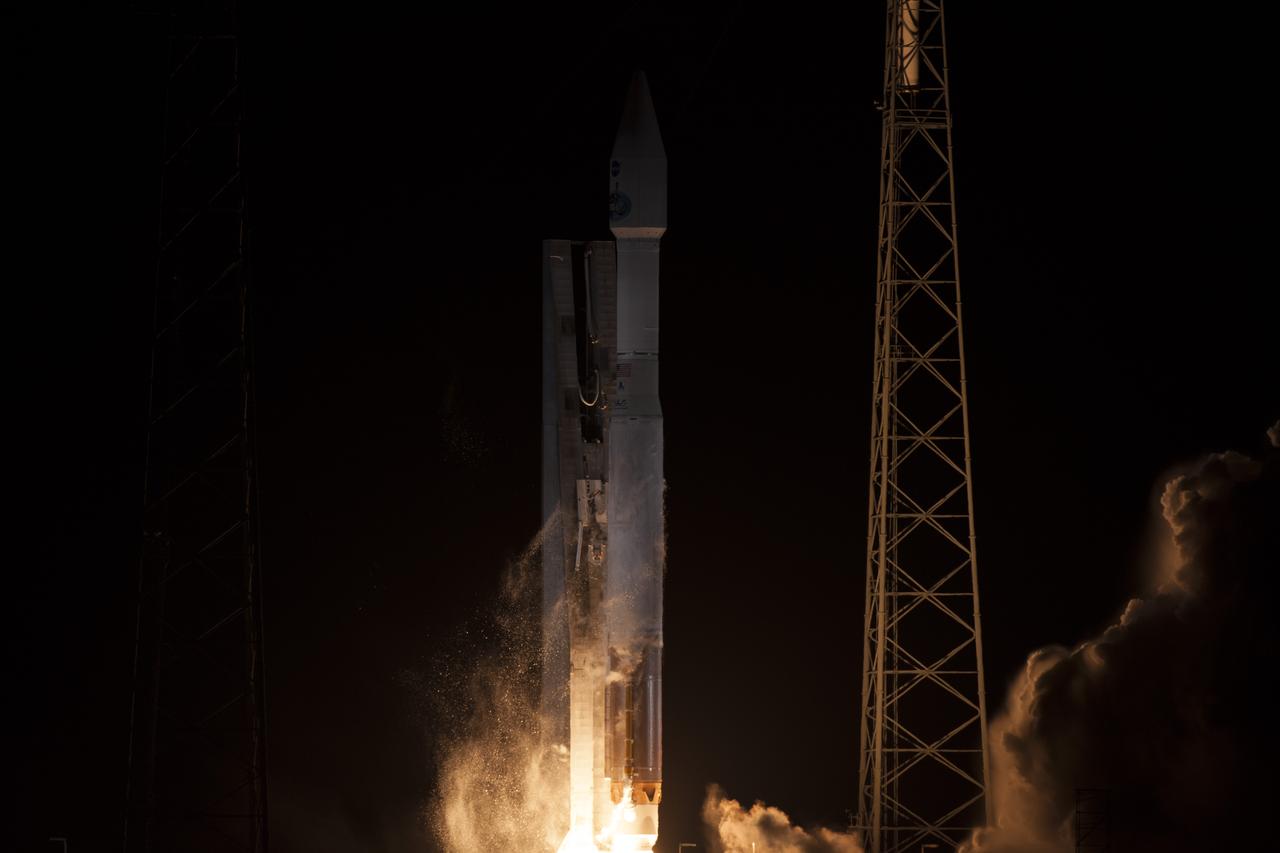
CAPE CANAVERAL, Fla. – The dual rocket engines beneath the United Launch Alliance Atlas V are ablaze as the rocket lifts off Space Launch Complex 41 on Cape Canaveral Air Force Station in Florida, carrying NASA's Tracking and Data Relay Satellite, or TDRS-L, to Earth orbit. Liftoff was at 9:33 p.m. EST Jan. 23 during a 40-minute launch window. The TDRS-L spacecraft is the second of three new satellites designed to ensure vital operational continuity for NASA by expanding the lifespan of the Tracking and Data Relay Satellite System TDRSS fleet, which consists of eight satellites in geosynchronous orbit. The spacecraft provide tracking, telemetry, command and high-bandwidth data return services for numerous science and human exploration missions orbiting Earth. These include NASA's Hubble Space Telescope and the International Space Station. TDRS-L has a high-performance solar panel designed for more spacecraft power to meet the growing S-band communications requirements. TDRSS is one of three NASA Space Communication and Navigation SCaN networks providing space communications to NASA’s missions. For more information more about TDRS-L, visit http://www.nasa.gov/tdrs. To learn more about SCaN, visit www.nasa.gov/scan. Photo credit: NASA/George Roberts
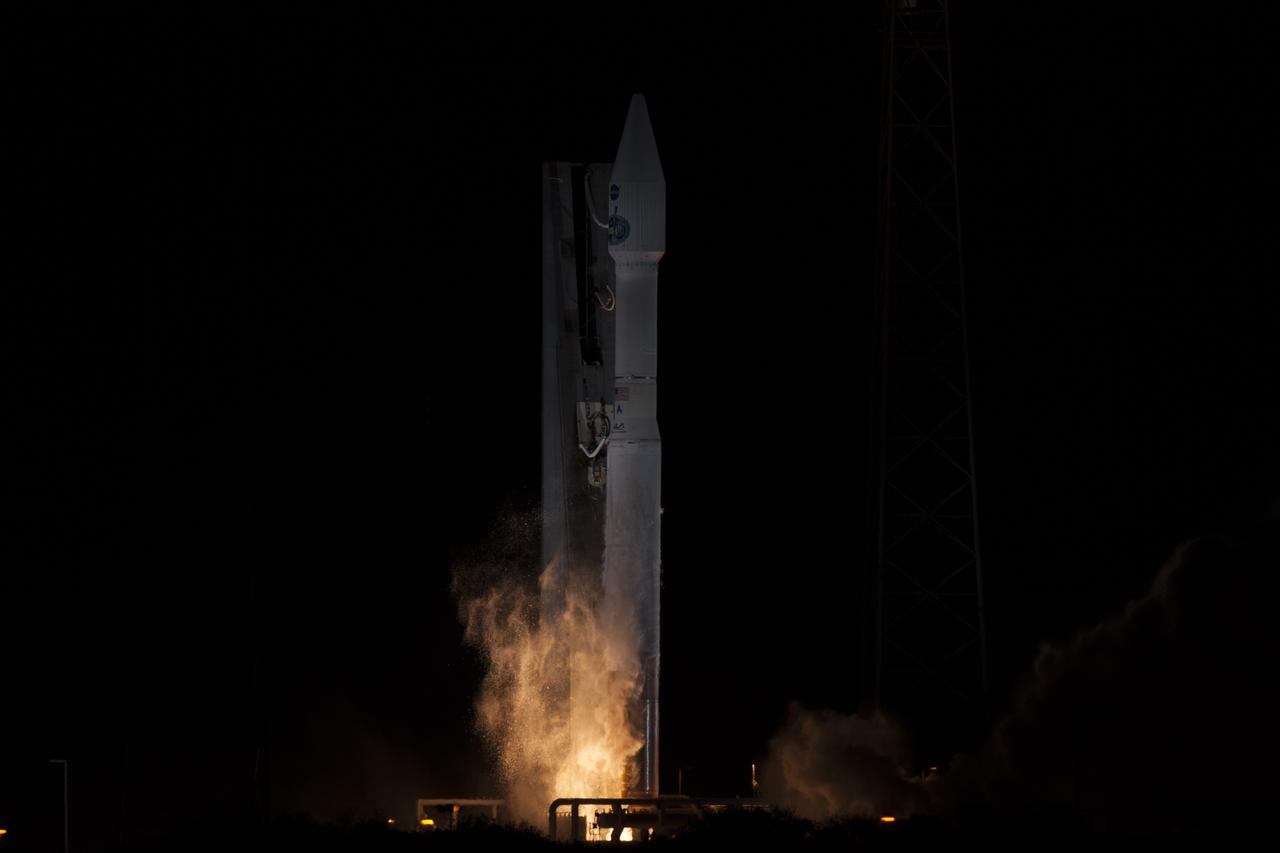
CAPE CANAVERAL, Fla. – At Space Launch Complex 41 on Cape Canaveral Air Force Station in Florida, dual rocket engines roar to life under the United Launch Alliance Atlas V rocket that will boost NASA's Tracking and Data Relay Satellite, or TDRS-L, to Earth orbit. Liftoff was at 9:33 p.m. EST Jan. 23 during a 40-minute launch window. The TDRS-L spacecraft is the second of three new satellites designed to ensure vital operational continuity for NASA by expanding the lifespan of the Tracking and Data Relay Satellite System TDRSS fleet, which consists of eight satellites in geosynchronous orbit. The spacecraft provide tracking, telemetry, command and high-bandwidth data return services for numerous science and human exploration missions orbiting Earth. These include NASA's Hubble Space Telescope and the International Space Station. TDRS-L has a high-performance solar panel designed for more spacecraft power to meet the growing S-band communications requirements. TDRSS is one of three NASA Space Communication and Navigation SCaN networks providing space communications to NASA’s missions. For more information more about TDRS-L, visit http://www.nasa.gov/tdrs. To learn more about SCaN, visit www.nasa.gov/scan. Photo credit: NASA/George Roberts
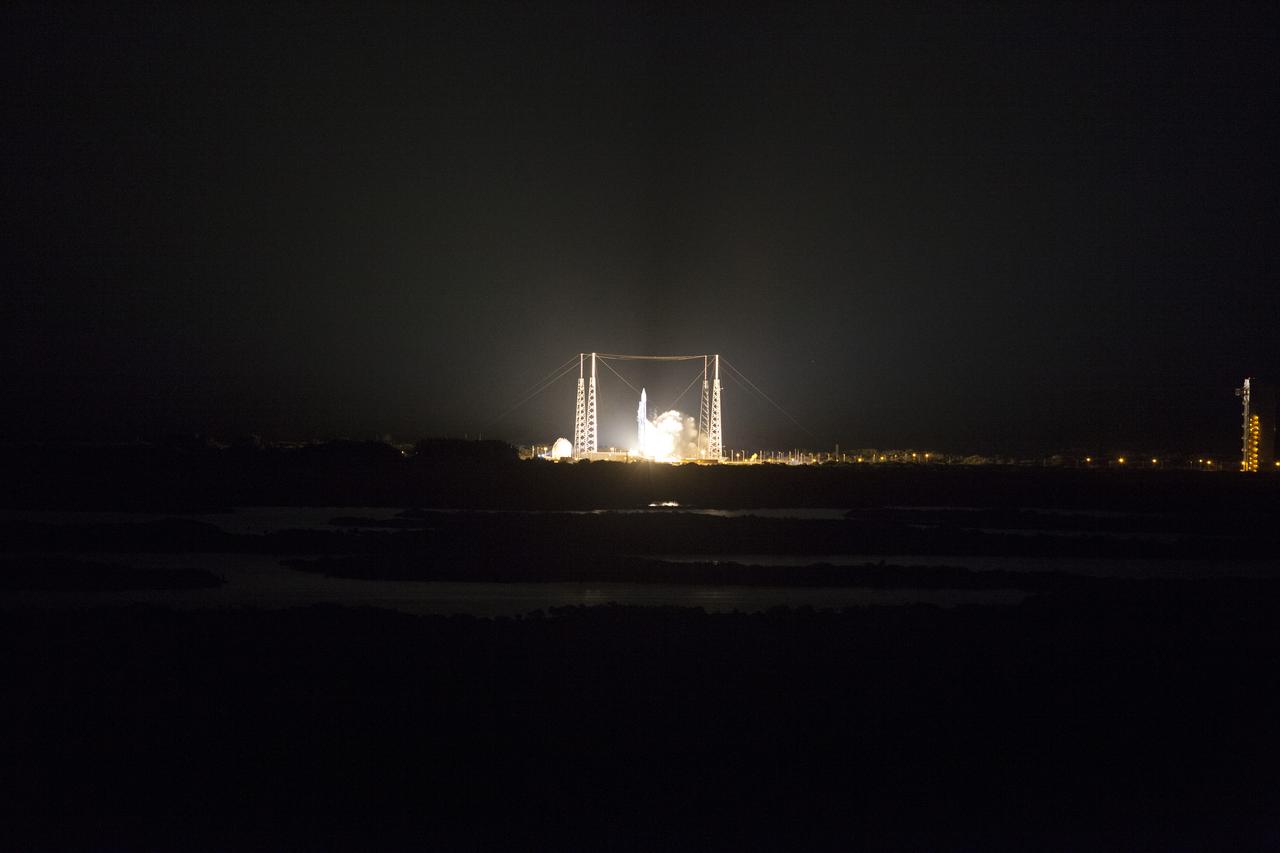
CAPE CANAVERAL, Fla. – Dual rocket engines roar to life under the United Launch Alliance Atlas V rocket at Space Launch Complex 41 on Cape Canaveral Air Force Station in Florida that will boost NASA's Tracking and Data Relay Satellite, or TDRS-L, to Earth orbit. Liftoff was at 9:33 p.m. EST Jan. 23 during a 40-minute launch window. The TDRS-L spacecraft is the second of three new satellites designed to ensure vital operational continuity for NASA by expanding the lifespan of the Tracking and Data Relay Satellite System TDRSS fleet, which consists of eight satellites in geosynchronous orbit. The spacecraft provide tracking, telemetry, command and high-bandwidth data return services for numerous science and human exploration missions orbiting Earth. These include NASA's Hubble Space Telescope and the International Space Station. TDRS-L has a high-performance solar panel designed for more spacecraft power to meet the growing S-band communications requirements. TDRSS is one of three NASA Space Communication and Navigation SCaN networks providing space communications to NASA’s missions. For more information more about TDRS-L, visit http://www.nasa.gov/tdrs. To learn more about SCaN, visit www.nasa.gov/scan. Photo credit: NASA/Dan Casper
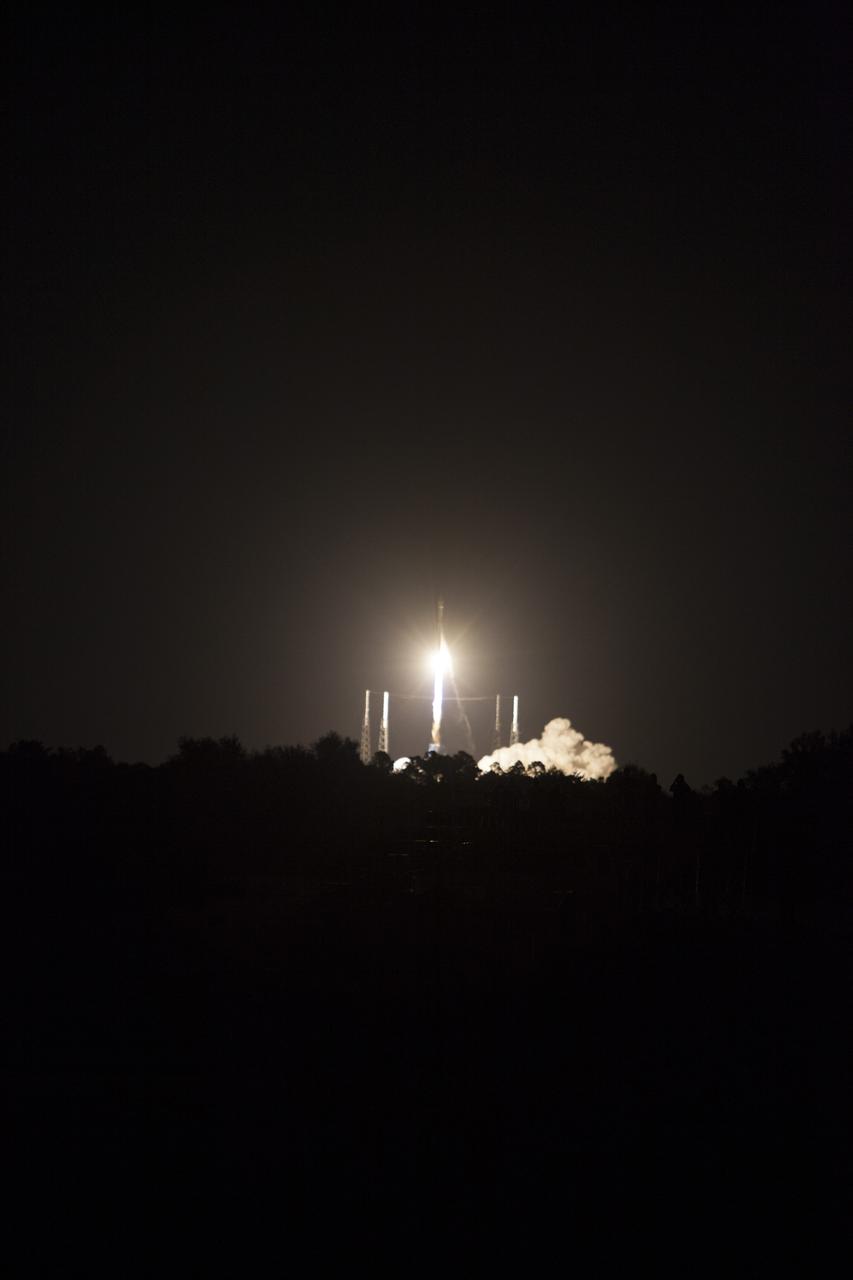
CAPE CANAVERAL, Fla. – A United Launch Alliance Atlas V rocket lifts off from Space Launch Complex 41 on Cape Canaveral Air Force Station carrying NASA's Tracking and Data Relay Satellite, or TDRS-L, to Earth orbit. Liftoff was at 9:33 p.m. EST Jan. 23 during a 40-minute launch window. The TDRS-L spacecraft is the second of three new satellites designed to ensure vital operational continuity for NASA by expanding the lifespan of the Tracking and Data Relay Satellite System TDRSS fleet, which consists of eight satellites in geosynchronous orbit. The spacecraft provide tracking, telemetry, command and high-bandwidth data return services for numerous science and human exploration missions orbiting Earth. These include NASA's Hubble Space Telescope and the International Space Station. TDRS-L has a high-performance solar panel designed for more spacecraft power to meet the growing S-band communications requirements. TDRSS is one of three NASA Space Communication and Navigation SCaN networks providing space communications to NASA’s missions. For more information more about TDRS-L, visit http://www.nasa.gov/tdrs. To learn more about SCaN, visit www.nasa.gov/scan. Photo credit: NASA/Frankie Martin
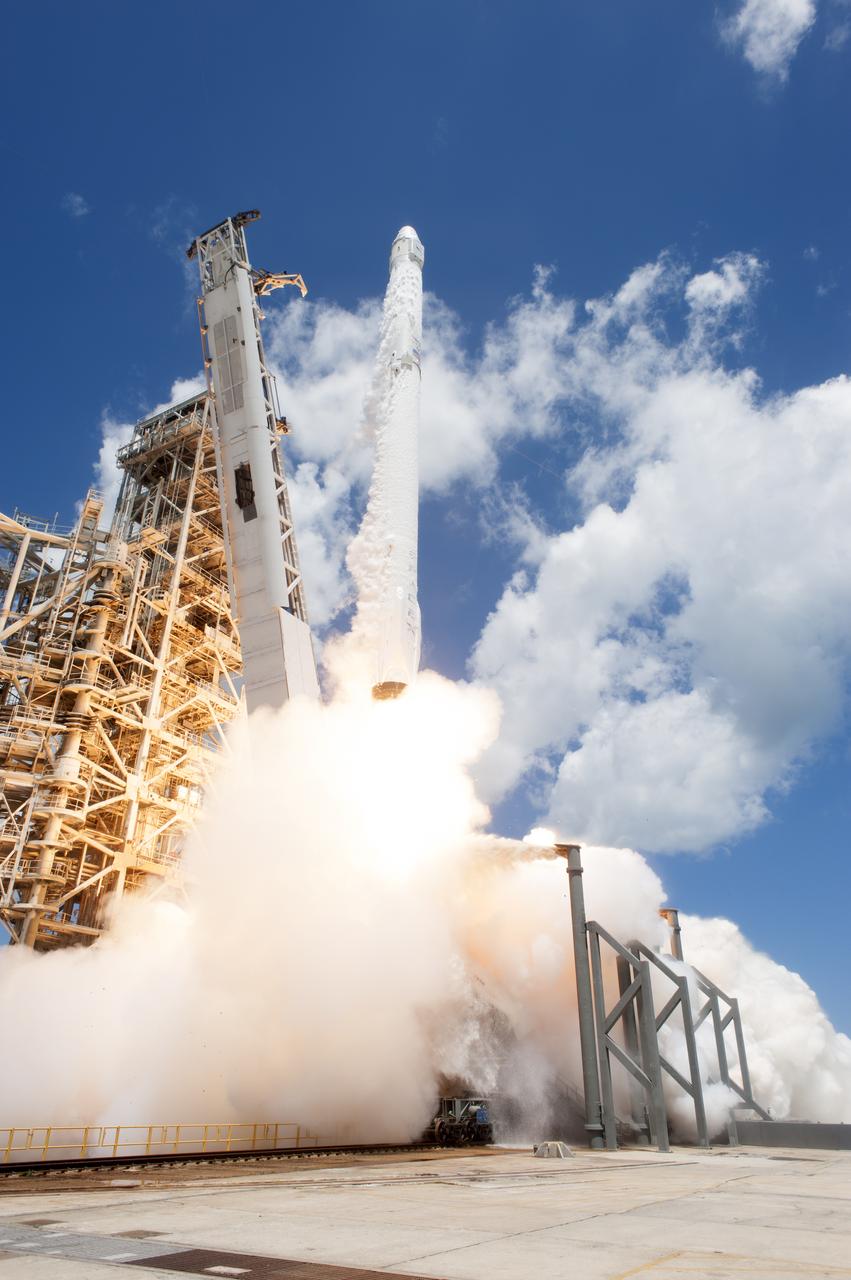
The two-stage SpaceX Falcon 9 launch vehicle lifts off Launch Complex 39A at NASA's Kenney Space Center carrying the Dragon resupply spacecraft to the International Space Station. Liftoff was at 12:31 p.m. EDT. On its 12th commercial resupply services mission to the International Space Station, Dragon will bring up more than 6,400 pounds of supplies and new science experiments and equipment for technology research.
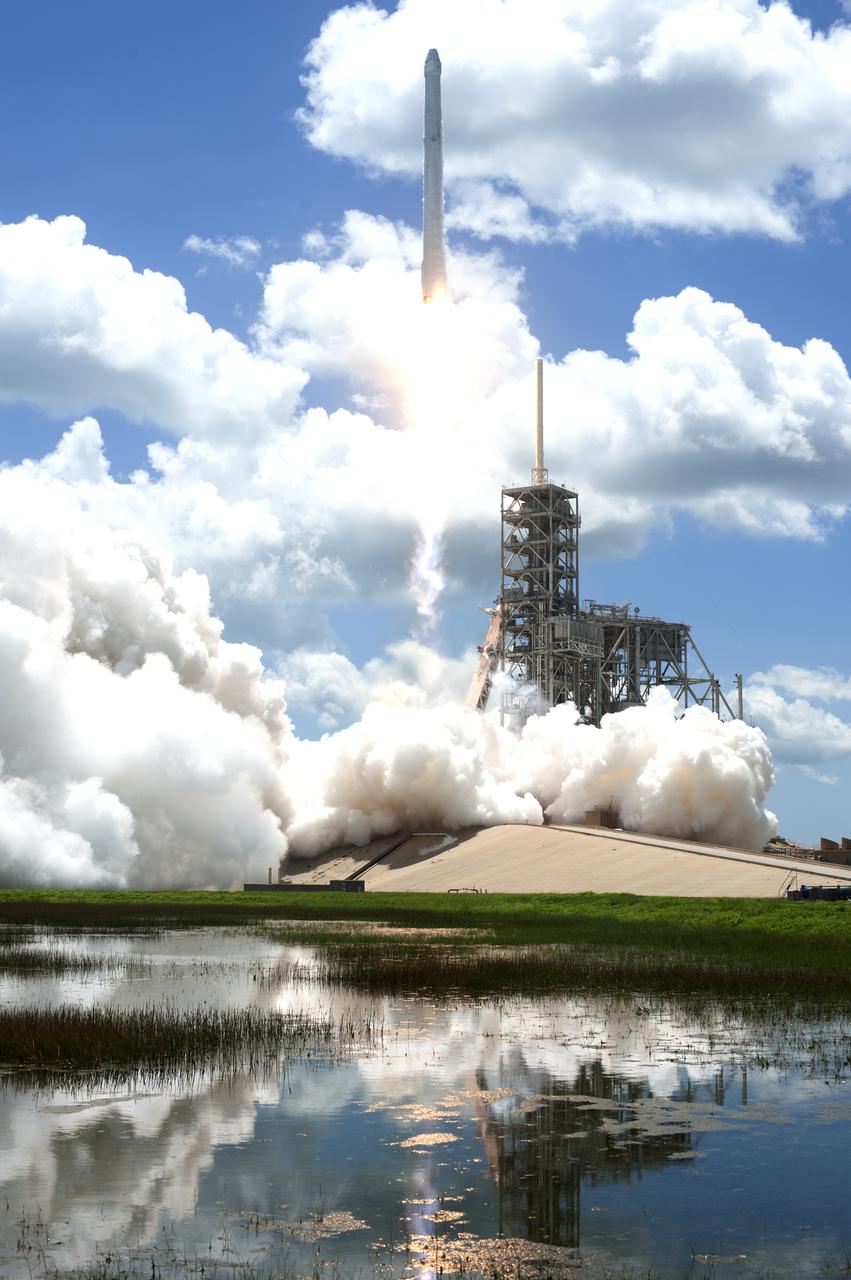
The two-stage SpaceX Falcon 9 launch vehicle lifts off Launch Complex 39A at NASA's Kennedy Space Center carrying the Dragon resupply spacecraft to the International Space Station. Liftoff was at 12:31 p.m. EDT. On its 12th commercial resupply services mission to the International Space Station, Dragon will bring up more than 6,400 pounds of supplies and new science experiments and equipment for technology research.
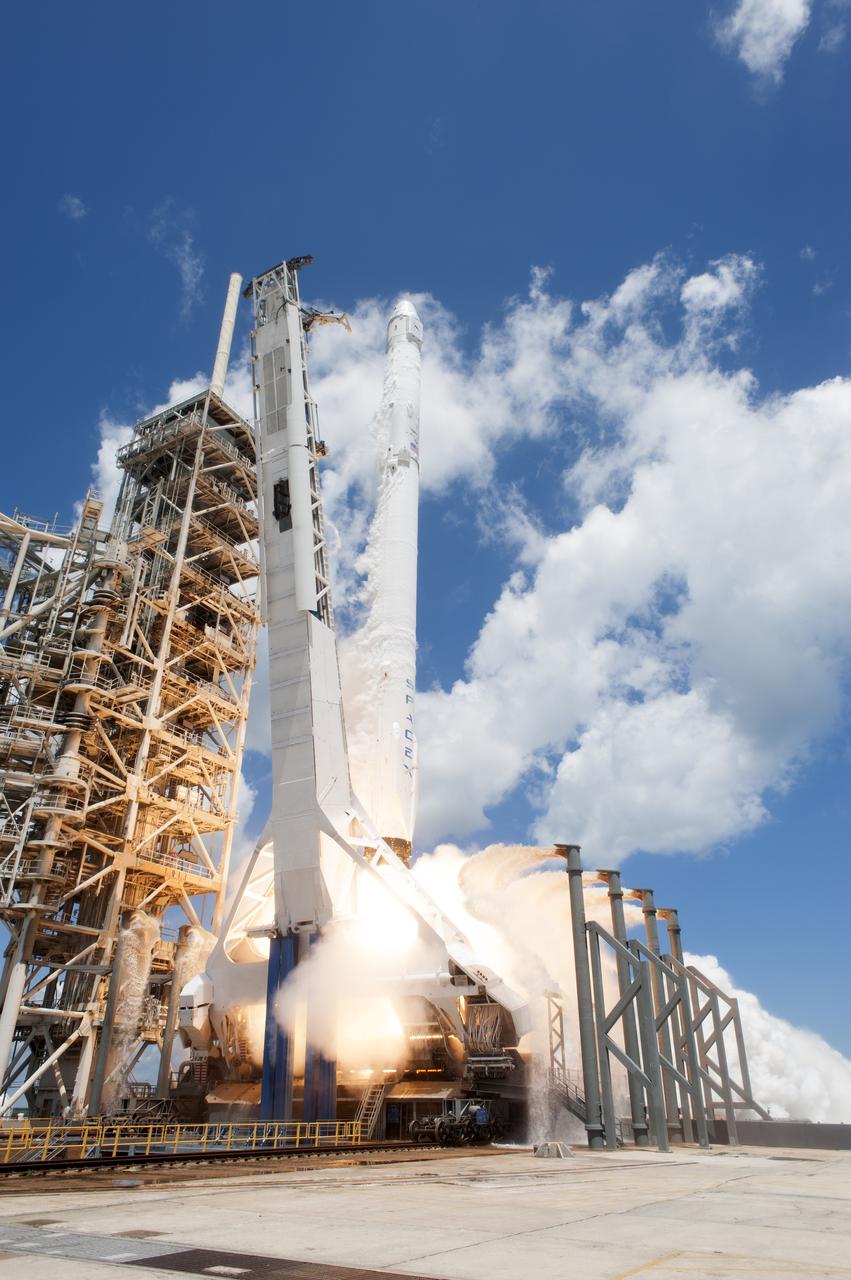
The two-stage SpaceX Falcon 9 launch vehicle lifts off Launch Complex 39A at NASA's Kenney Space Center carrying the Dragon resupply spacecraft to the International Space Station. Liftoff was at 12:31 p.m. EDT. On its 12th commercial resupply services mission to the International Space Station, Dragon will bring up more than 6,400 pounds of supplies and new science experiments and equipment for technology research.

The two-stage SpaceX Falcon 9 launch vehicle lifts off Launch Complex 39A at NASA's Kennedy Space Center carrying the Dragon resupply spacecraft to the International Space Station. Liftoff was at 12:31 p.m. EDT. On its 12th commercial resupply services mission to the International Space Station, Dragon will bring up more than 6,400 pounds of supplies and new science experiments and equipment for technology research.
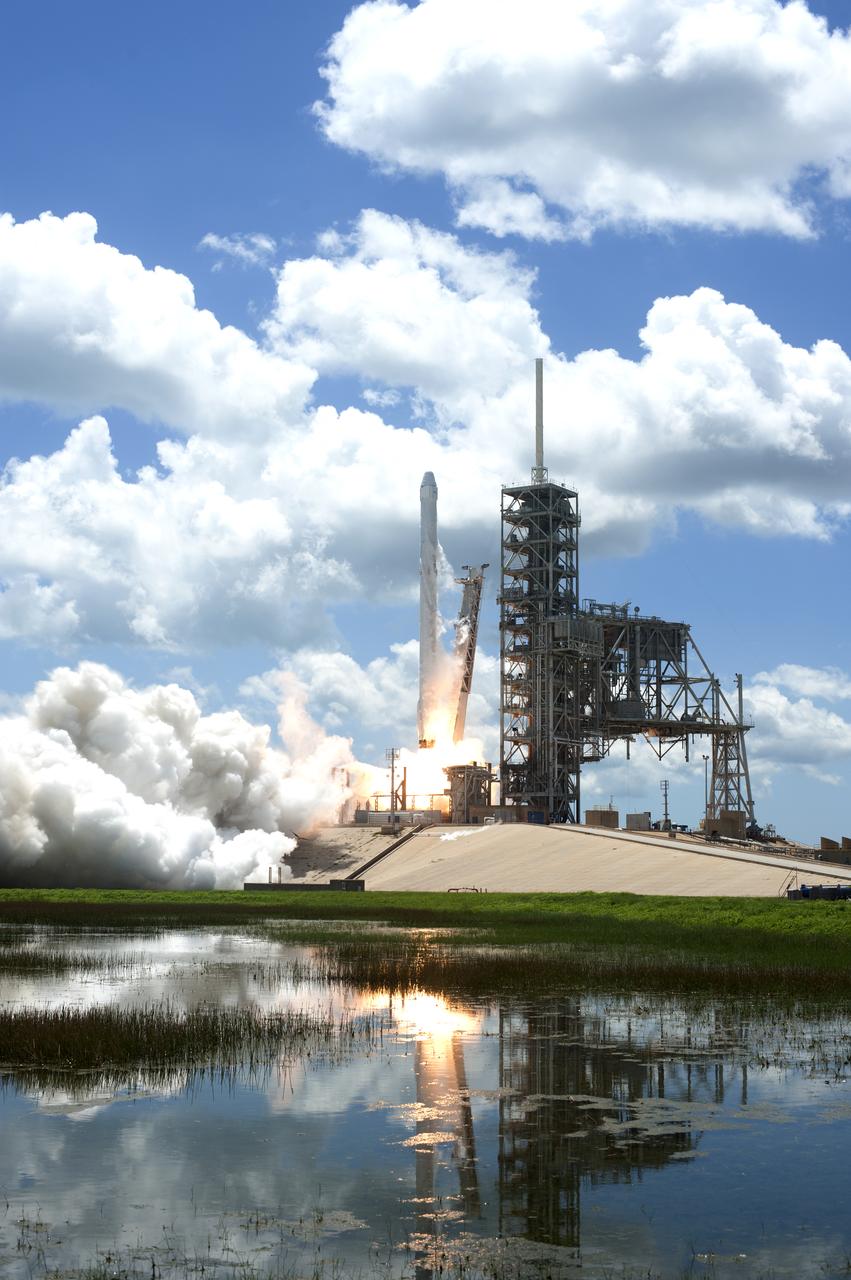
The two-stage SpaceX Falcon 9 launch vehicle lifts off Launch Complex 39A at NASA's Kennedy Space Center carrying the Dragon resupply spacecraft to the International Space Station. Liftoff was at 12:31 p.m. EDT. On its 12th commercial resupply services mission to the International Space Station, Dragon will bring up more than 6,400 pounds of supplies and new science experiments and equipment for technology research.
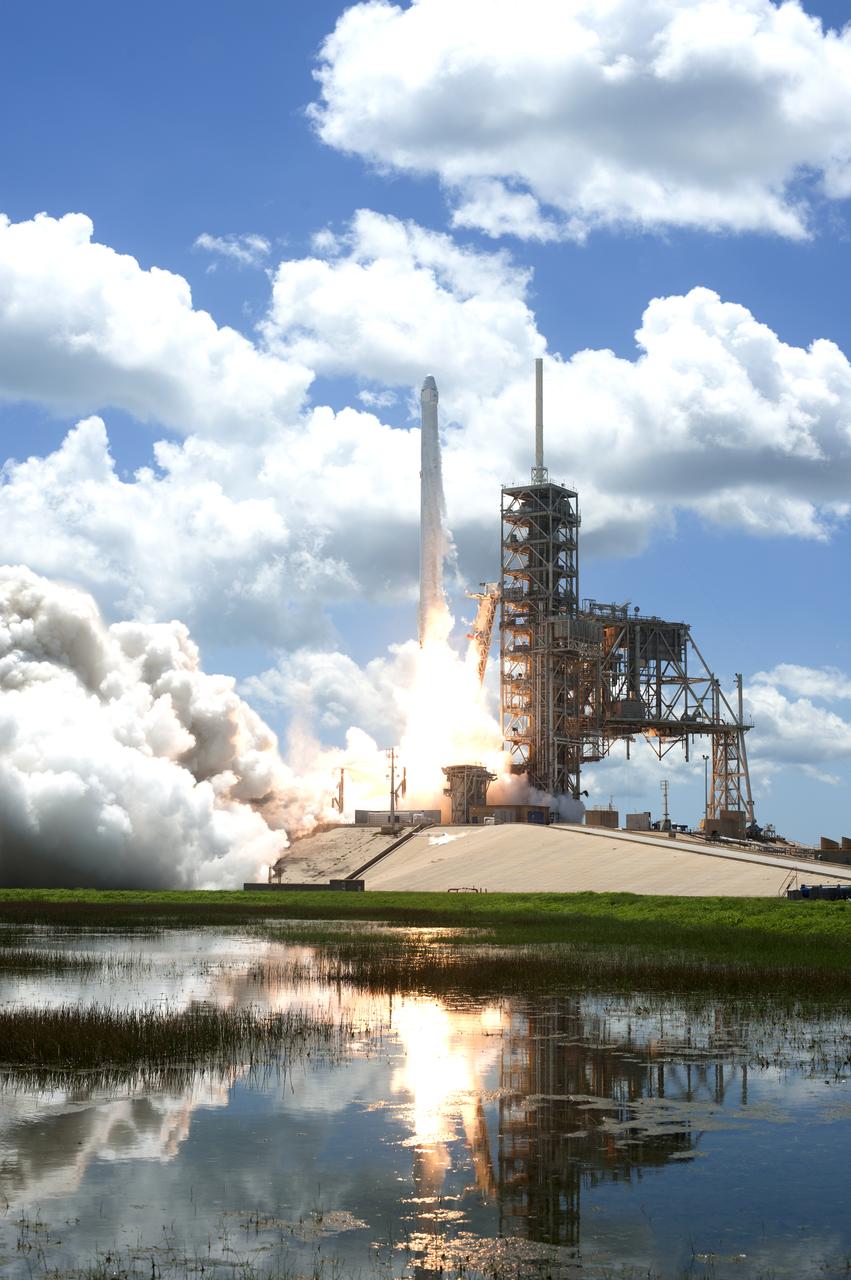
The two-stage SpaceX Falcon 9 launch vehicle lifts off Launch Complex 39A at NASA's Kennedy Space Center carrying the Dragon resupply spacecraft to the International Space Station. Liftoff was at 12:31 p.m. EDT. On its 12th commercial resupply services mission to the International Space Station, Dragon will bring up more than 6,400 pounds of supplies and new science experiments and equipment for technology research.
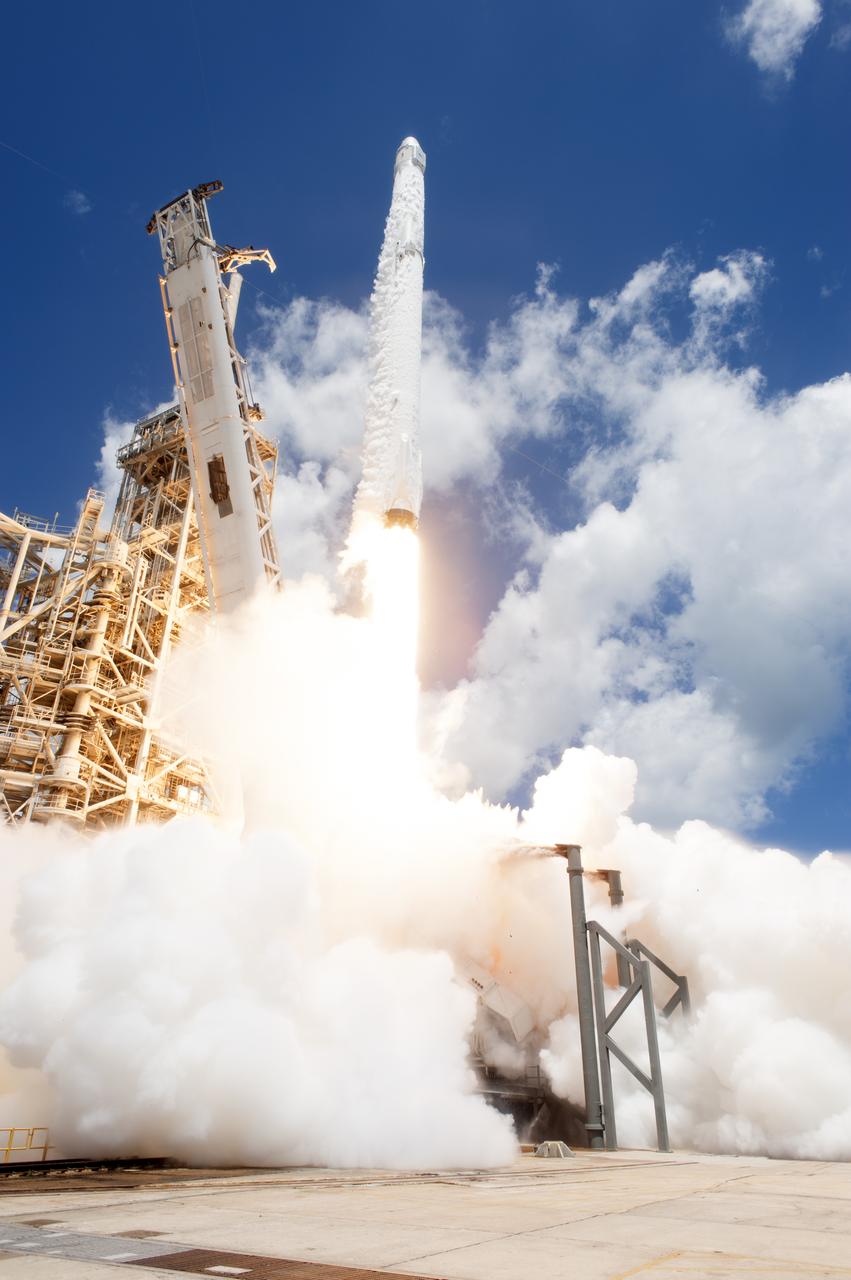
The two-stage SpaceX Falcon 9 launch vehicle lifts off Launch Complex 39A at NASA's Kenney Space Center carrying the Dragon resupply spacecraft to the International Space Station. Liftoff was at 12:31 p.m. EDT. On its 12th commercial resupply services mission to the International Space Station, Dragon will bring up more than 6,400 pounds of supplies and new science experiments and equipment for technology research.
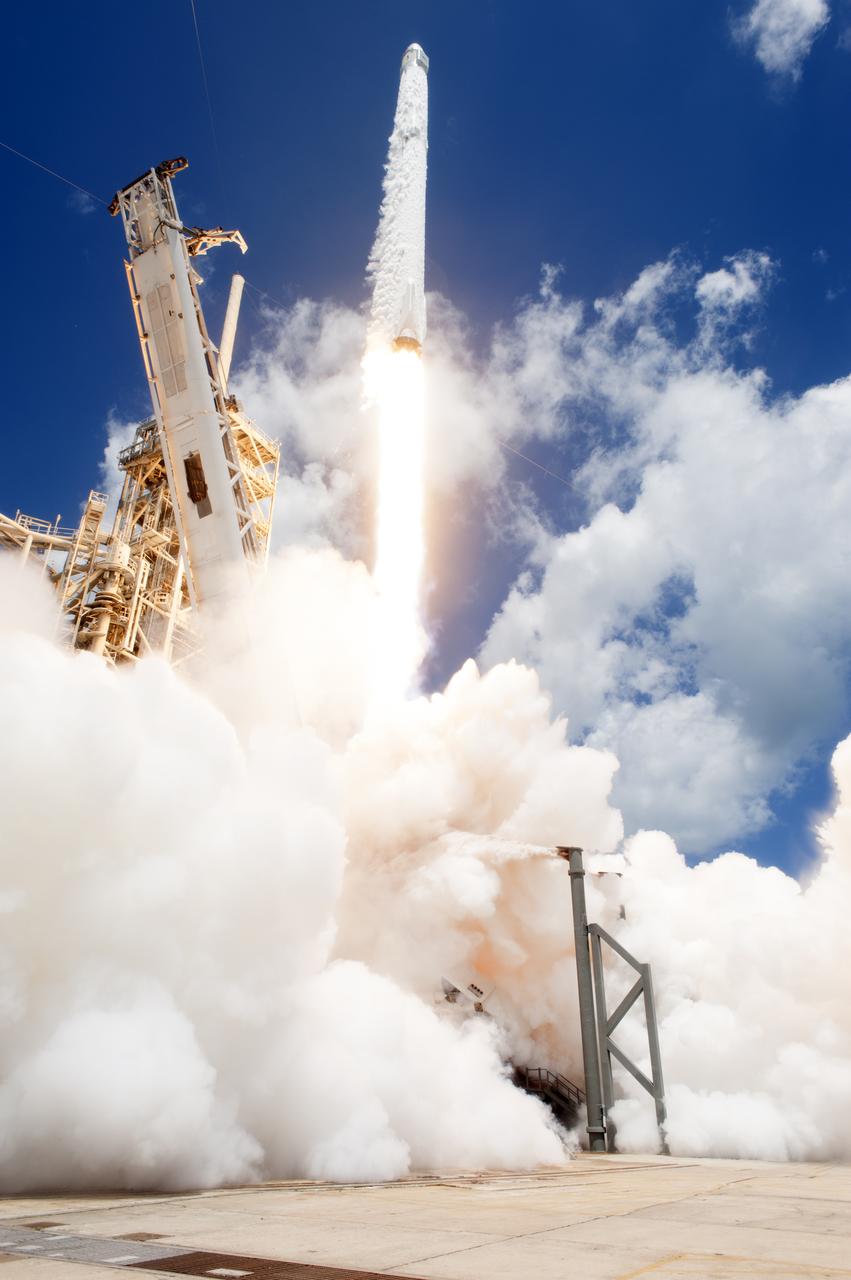
The two-stage SpaceX Falcon 9 launch vehicle lifts off Launch Complex 39A at NASA's Kenney Space Center carrying the Dragon resupply spacecraft to the International Space Station. Liftoff was at 12:31 p.m. EDT. On its 12th commercial resupply services mission to the International Space Station, Dragon will bring up more than 6,400 pounds of supplies and new science experiments and equipment for technology research.
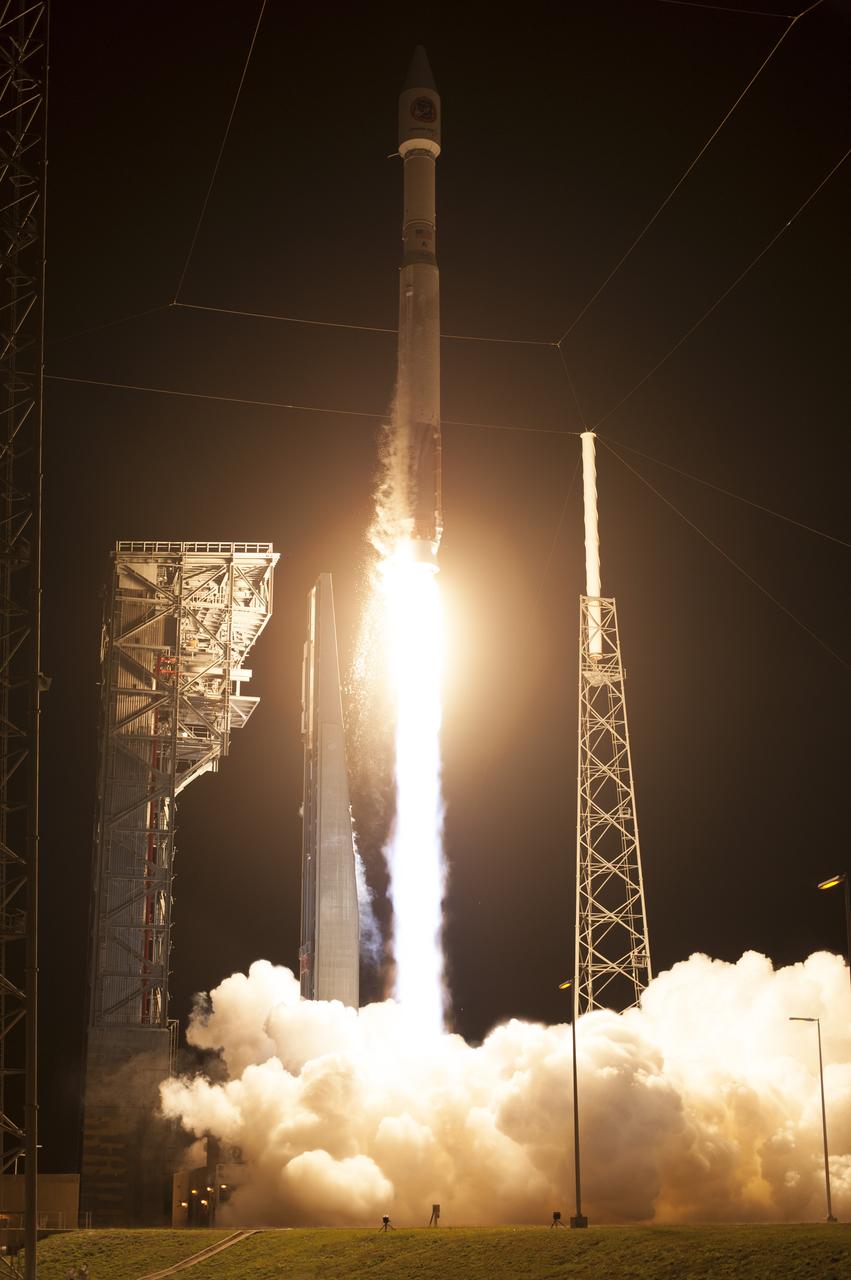
A United Launch Alliance Atlas V rocket lifts off from Space Launch Complex 41 at Cape Canaveral Air Force Station carrying an Orbital ATK Cygnus resupply spacecraft on a commercial resupply services mission to the International Space Station. Liftoff was at 11:05 p.m. EDT. Cygnus will deliver the second generation of a portable onboard printer to demonstrate 3-D printing, an instrument for first space-based observations of the chemical composition of meteors entering Earth’s atmosphere and an experiment to study how fires burn in microgravity.
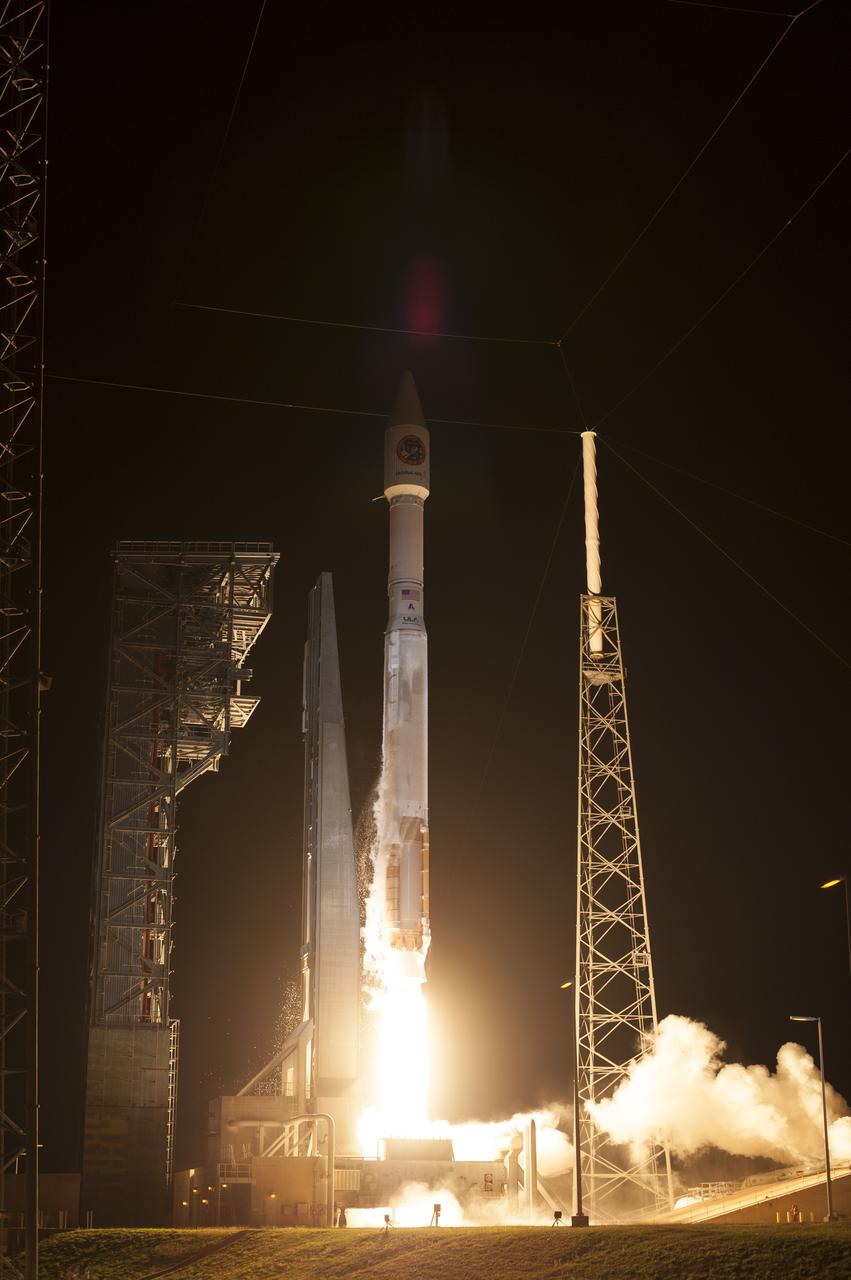
A United Launch Alliance Atlas V rocket lifts off from Space Launch Complex 41 at Cape Canaveral Air Force Station carrying an Orbital ATK Cygnus resupply spacecraft on a commercial resupply services mission to the International Space Station. Liftoff was at 11:05 p.m. EDT. Cygnus will deliver the second generation of a portable onboard printer to demonstrate 3-D printing, an instrument for first space-based observations of the chemical composition of meteors entering Earth’s atmosphere and an experiment to study how fires burn in microgravity.
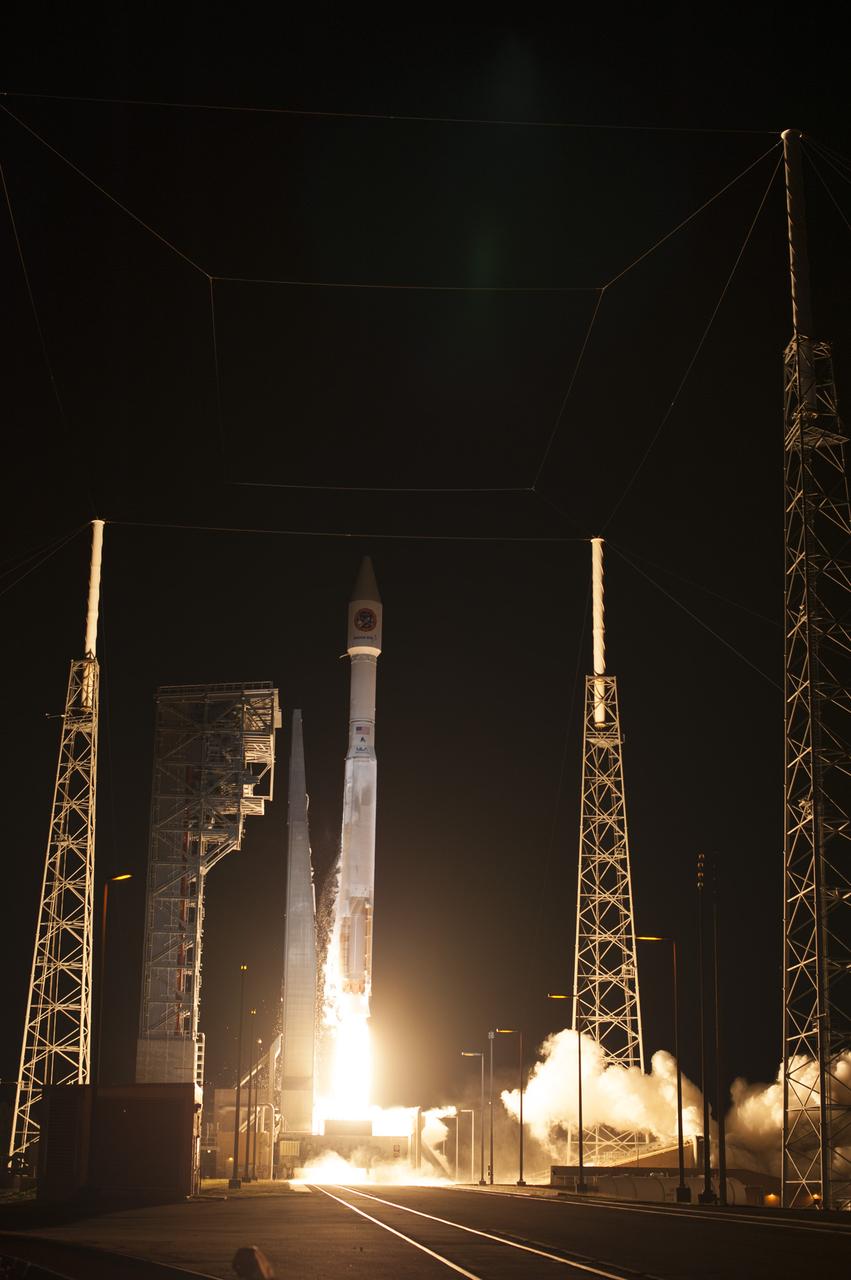
A United Launch Alliance Atlas V rocket lifts off from Space Launch Complex 41 at Cape Canaveral Air Force Station carrying an Orbital ATK Cygnus resupply spacecraft on a commercial resupply services mission to the International Space Station. Liftoff was at 11:05 p.m. EDT. Cygnus will deliver the second generation of a portable onboard printer to demonstrate 3-D printing, an instrument for first space-based observations of the chemical composition of meteors entering Earth’s atmosphere and an experiment to study how fires burn in microgravity.
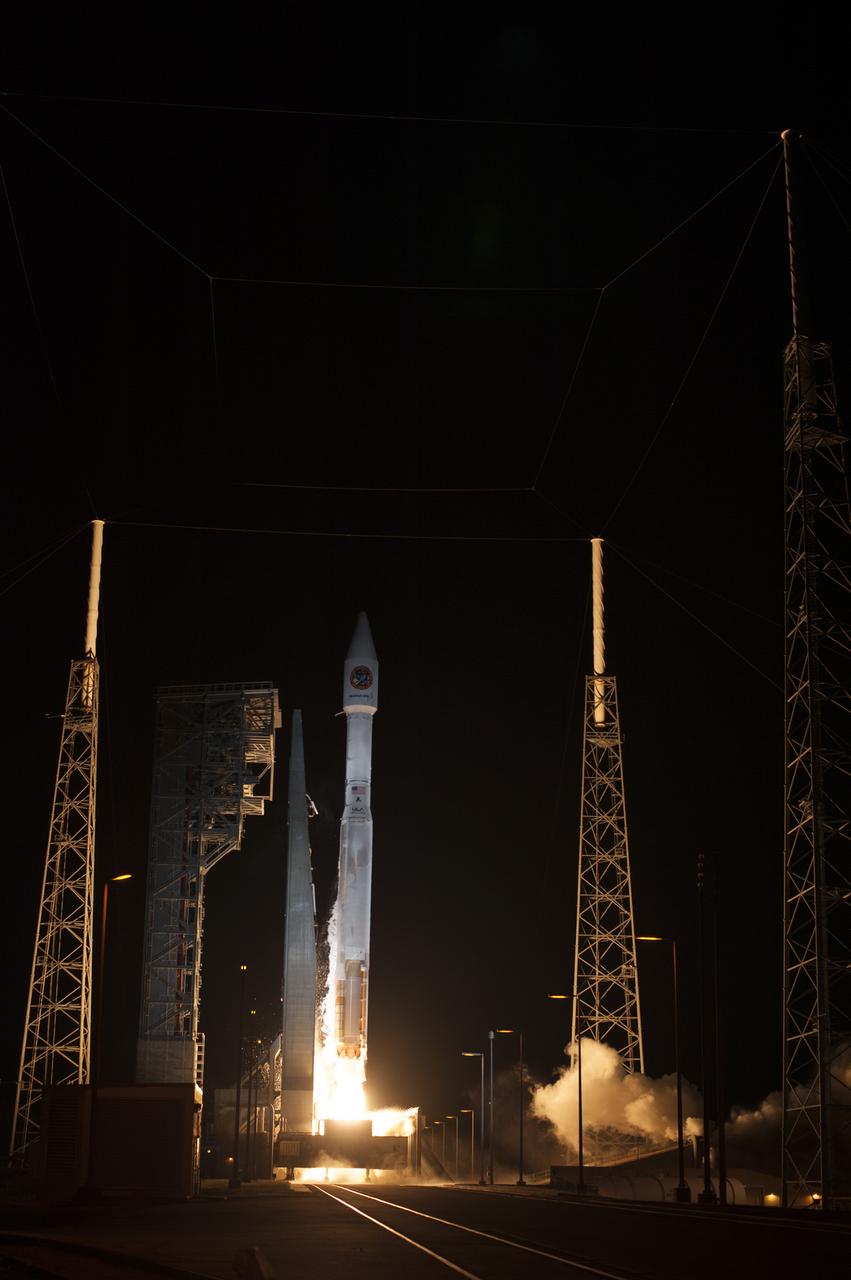
A United Launch Alliance Atlas V rocket lifts off from Space Launch Complex 41 at Cape Canaveral Air Force Station carrying an Orbital ATK Cygnus resupply spacecraft on a commercial resupply services mission to the International Space Station. Liftoff was at 11:05 p.m. EDT. Cygnus will deliver the second generation of a portable onboard printer to demonstrate 3-D printing, an instrument for first space-based observations of the chemical composition of meteors entering Earth’s atmosphere and an experiment to study how fires burn in microgravity.
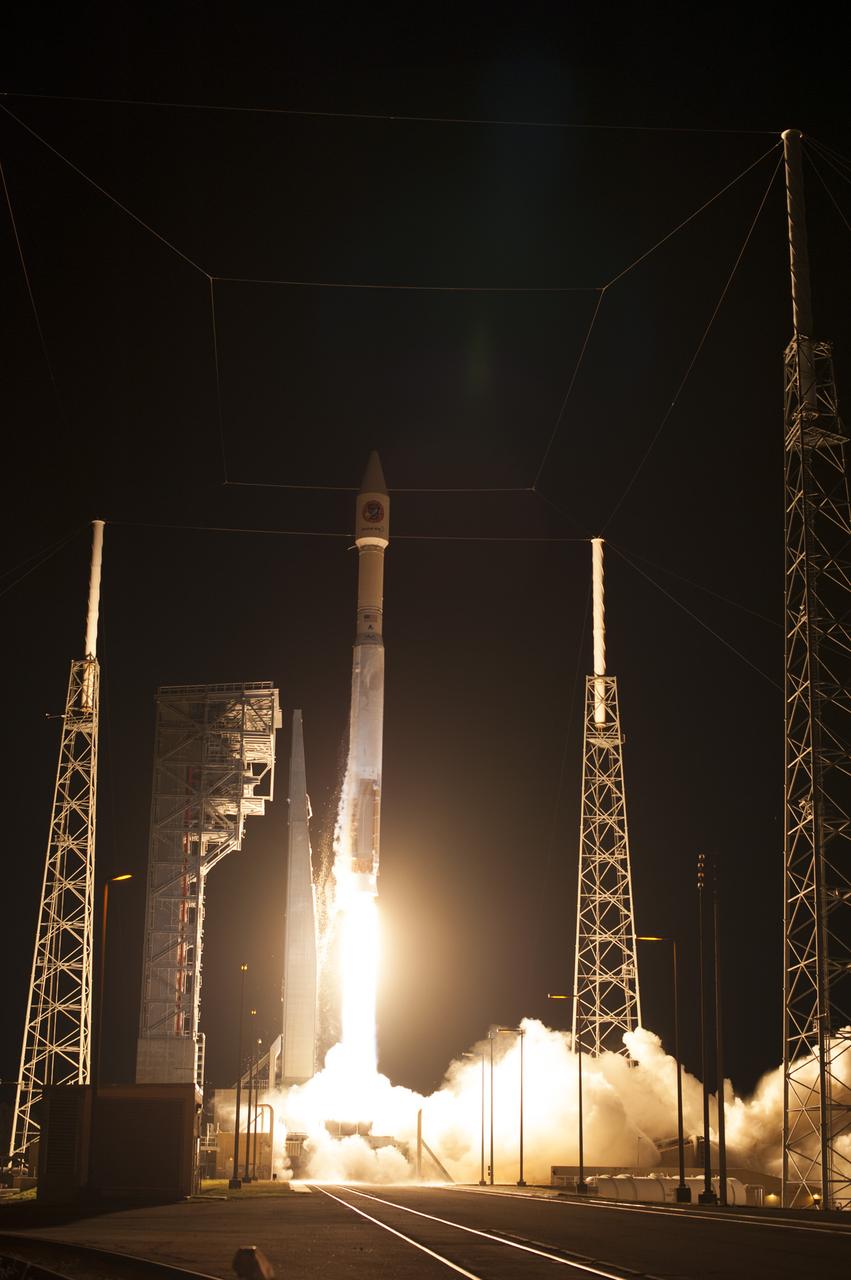
A United Launch Alliance Atlas V rocket lifts off from Space Launch Complex 41 at Cape Canaveral Air Force Station carrying an Orbital ATK Cygnus resupply spacecraft on a commercial resupply services mission to the International Space Station. Liftoff was at 11:05 p.m. EDT. Cygnus will deliver the second generation of a portable onboard printer to demonstrate 3-D printing, an instrument for first space-based observations of the chemical composition of meteors entering Earth’s atmosphere and an experiment to study how fires burn in microgravity.
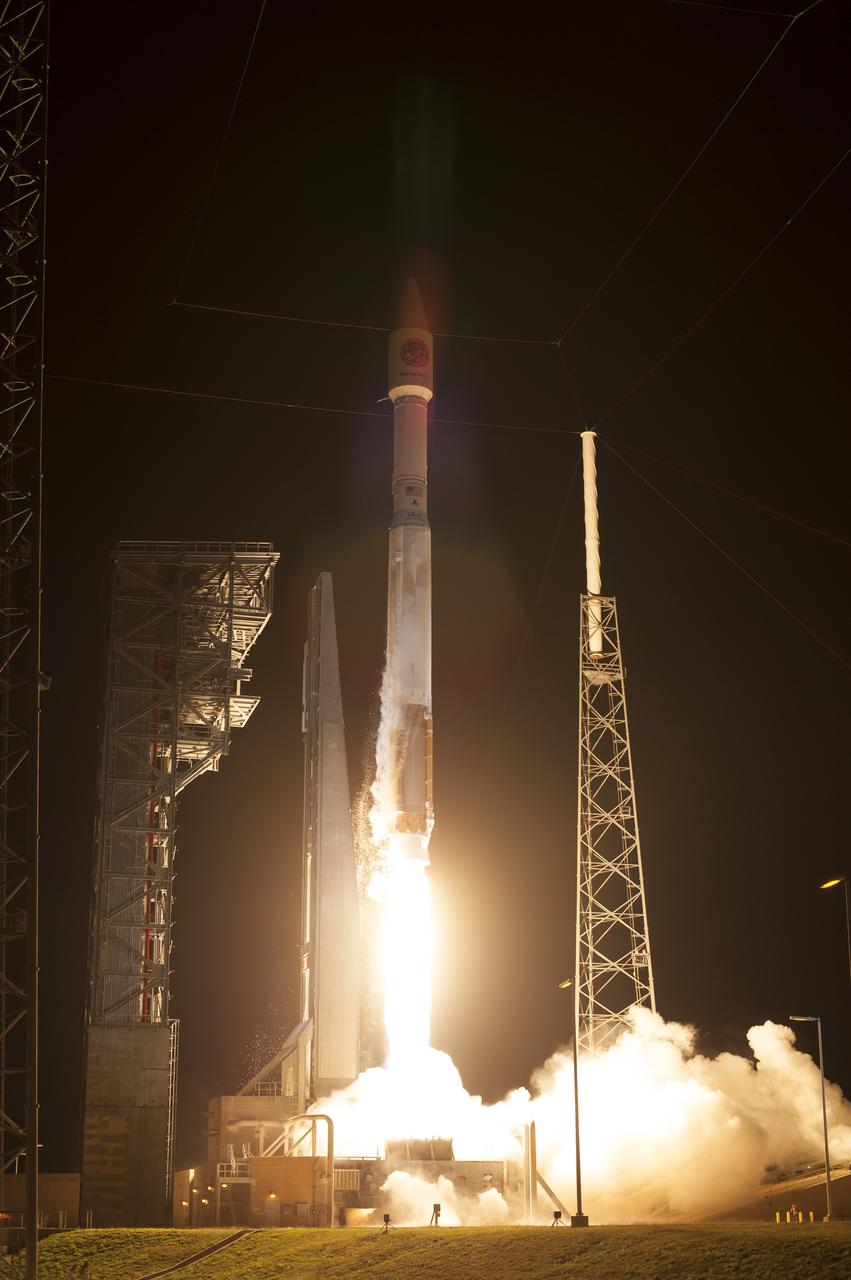
A United Launch Alliance Atlas V rocket lifts off from Space Launch Complex 41 at Cape Canaveral Air Force Station carrying an Orbital ATK Cygnus resupply spacecraft on a commercial resupply services mission to the International Space Station. Liftoff was at 11:05 p.m. EDT. Cygnus will deliver the second generation of a portable onboard printer to demonstrate 3-D printing, an instrument for first space-based observations of the chemical composition of meteors entering Earth’s atmosphere and an experiment to study how fires burn in microgravity.
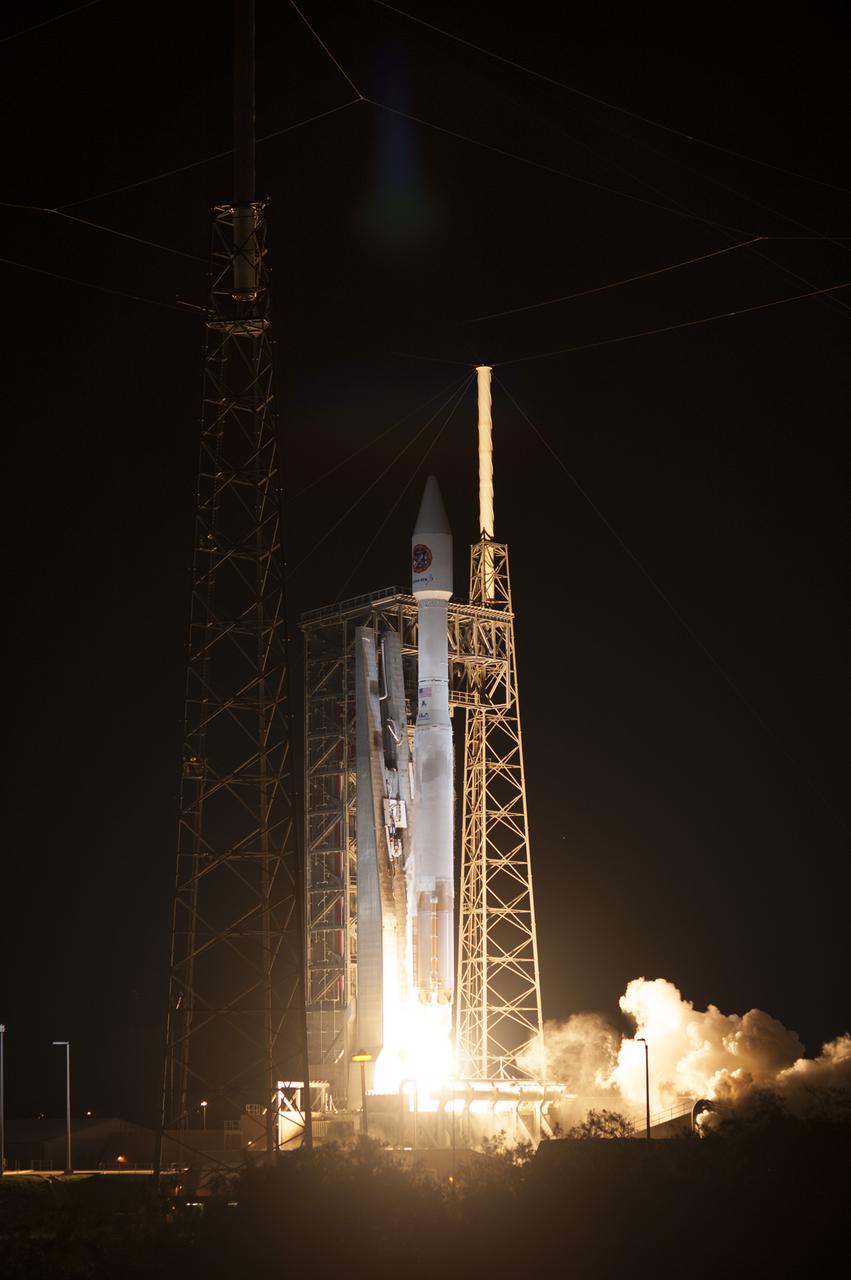
Cape Canaveral Air Force Station carrying an Orbital ATK Cygnus resupply spacecraft on a commercial resupply services mission to the International Space Station. Liftoff was at 11:05 p.m. EDT. Cygnus will deliver the second generation of a portable onboard printer to demonstrate 3-D printing, an instrument for first space-based observations of the chemical composition of meteors entering Earth’s atmosphere and an experiment to study how fires burn in microgravity.
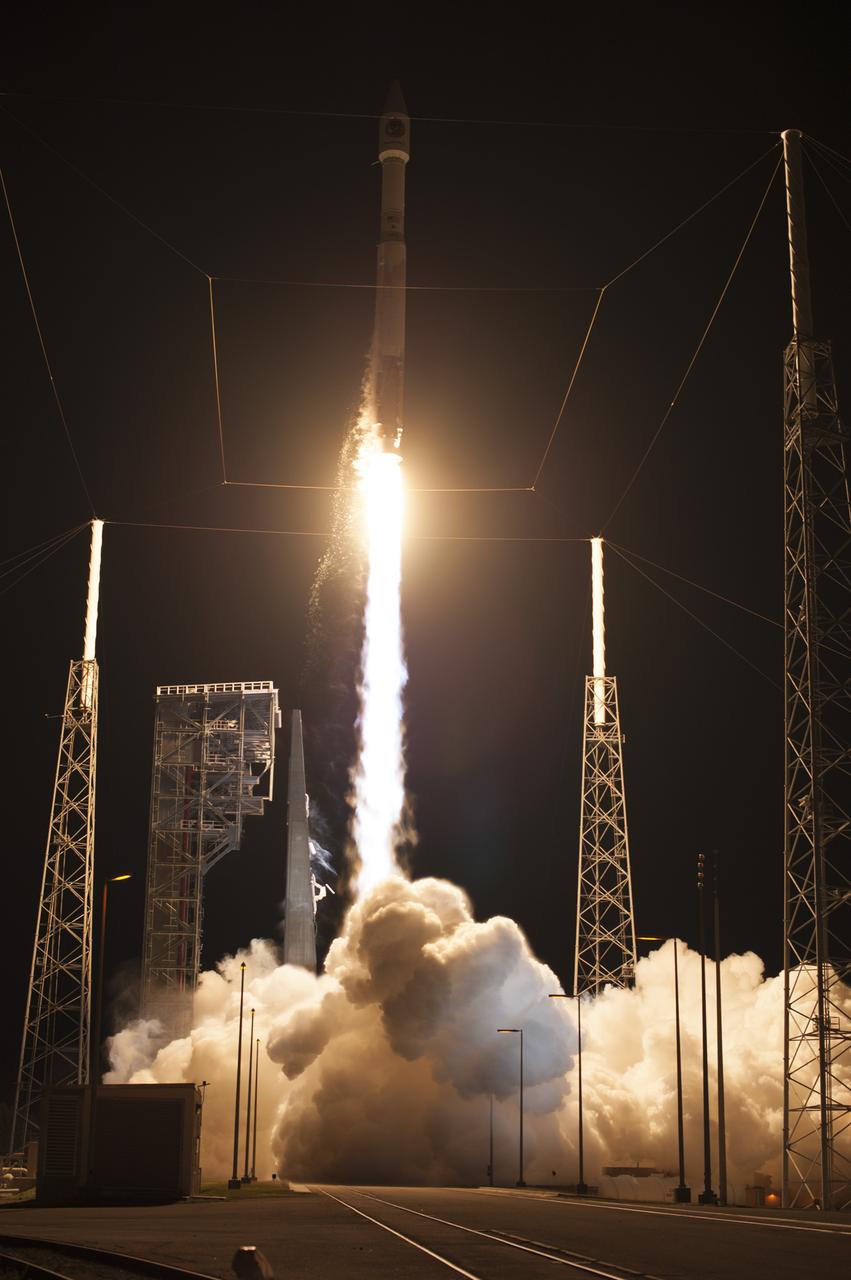
A United Launch Alliance Atlas V rocket lifts off from Space Launch Complex 41 at Cape Canaveral Air Force Station carrying an Orbital ATK Cygnus resupply spacecraft on a commercial resupply services mission to the International Space Station. Liftoff was at 11:05 p.m. EDT. Cygnus will deliver the second generation of a portable onboard printer to demonstrate 3-D printing, an instrument for first space-based observations of the chemical composition of meteors entering Earth’s atmosphere and an experiment to study how fires burn in microgravity.
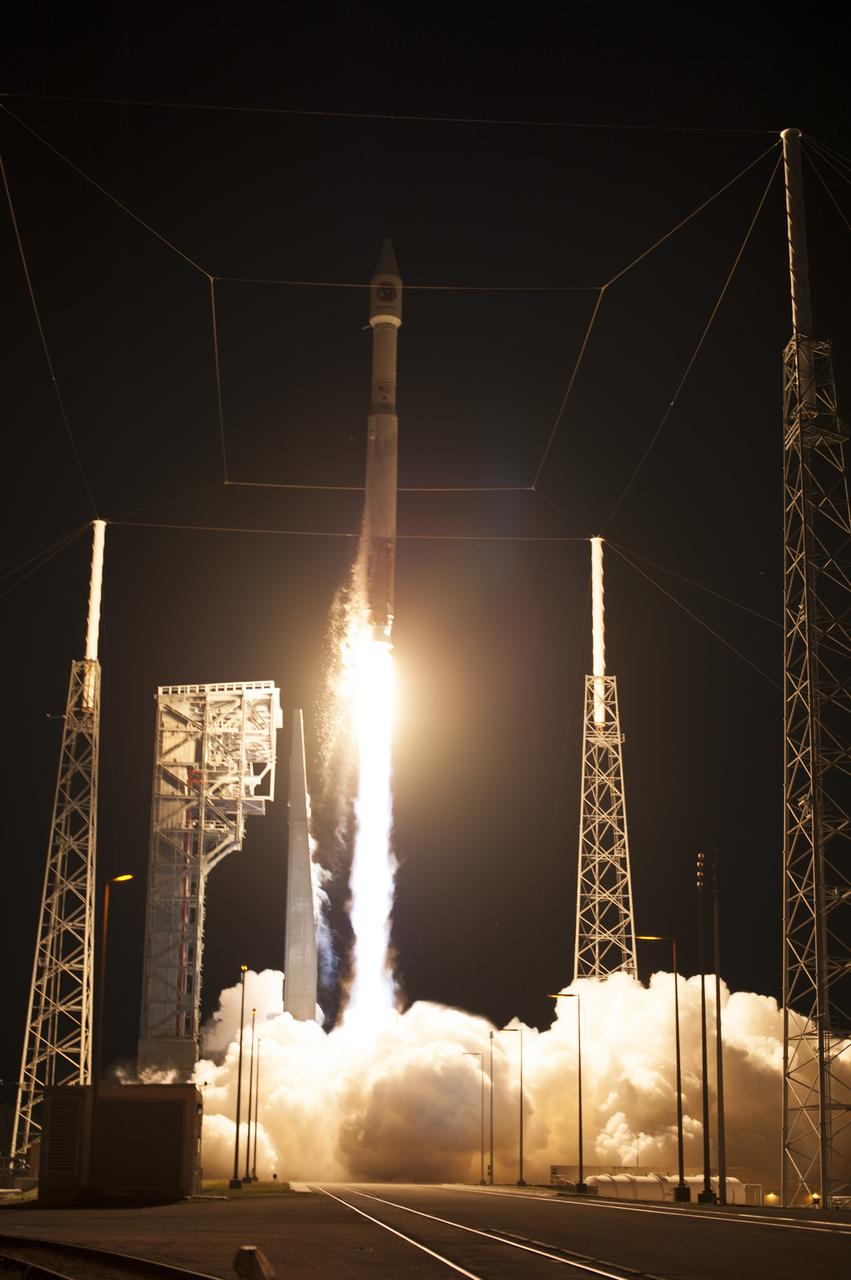
A United Launch Alliance Atlas V rocket lifts off from Space Launch Complex 41 at Cape Canaveral Air Force Station carrying an Orbital ATK Cygnus resupply spacecraft on a commercial resupply services mission to the International Space Station. Liftoff was at 11:05 p.m. EDT. Cygnus will deliver the second generation of a portable onboard printer to demonstrate 3-D printing, an instrument for first space-based observations of the chemical composition of meteors entering Earth’s atmosphere and an experiment to study how fires burn in microgravity.
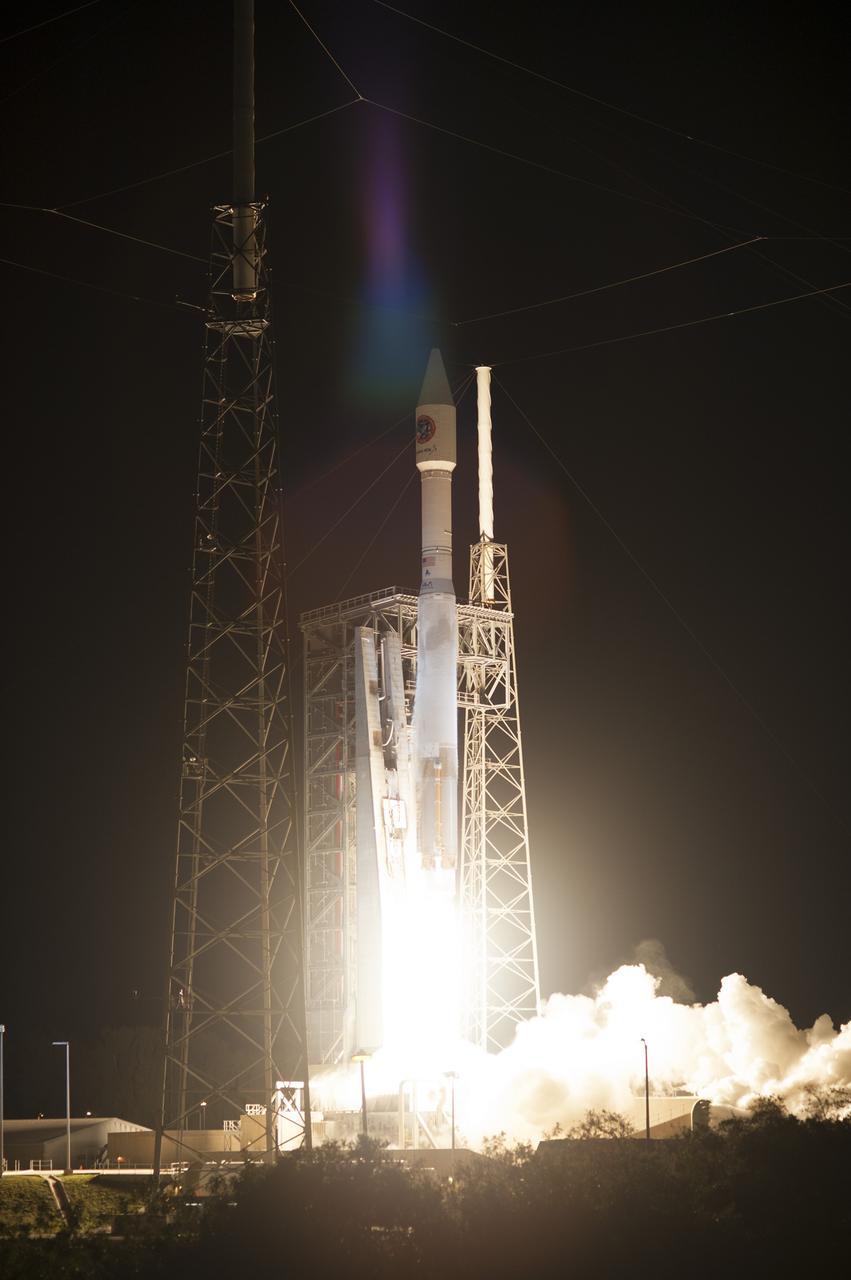
Cape Canaveral Air Force Station carrying an Orbital ATK Cygnus resupply spacecraft on a commercial resupply services mission to the International Space Station. Liftoff was at 11:05 p.m. EDT. Cygnus will deliver the second generation of a portable onboard printer to demonstrate 3-D printing, an instrument for first space-based observations of the chemical composition of meteors entering Earth’s atmosphere and an experiment to study how fires burn in microgravity.
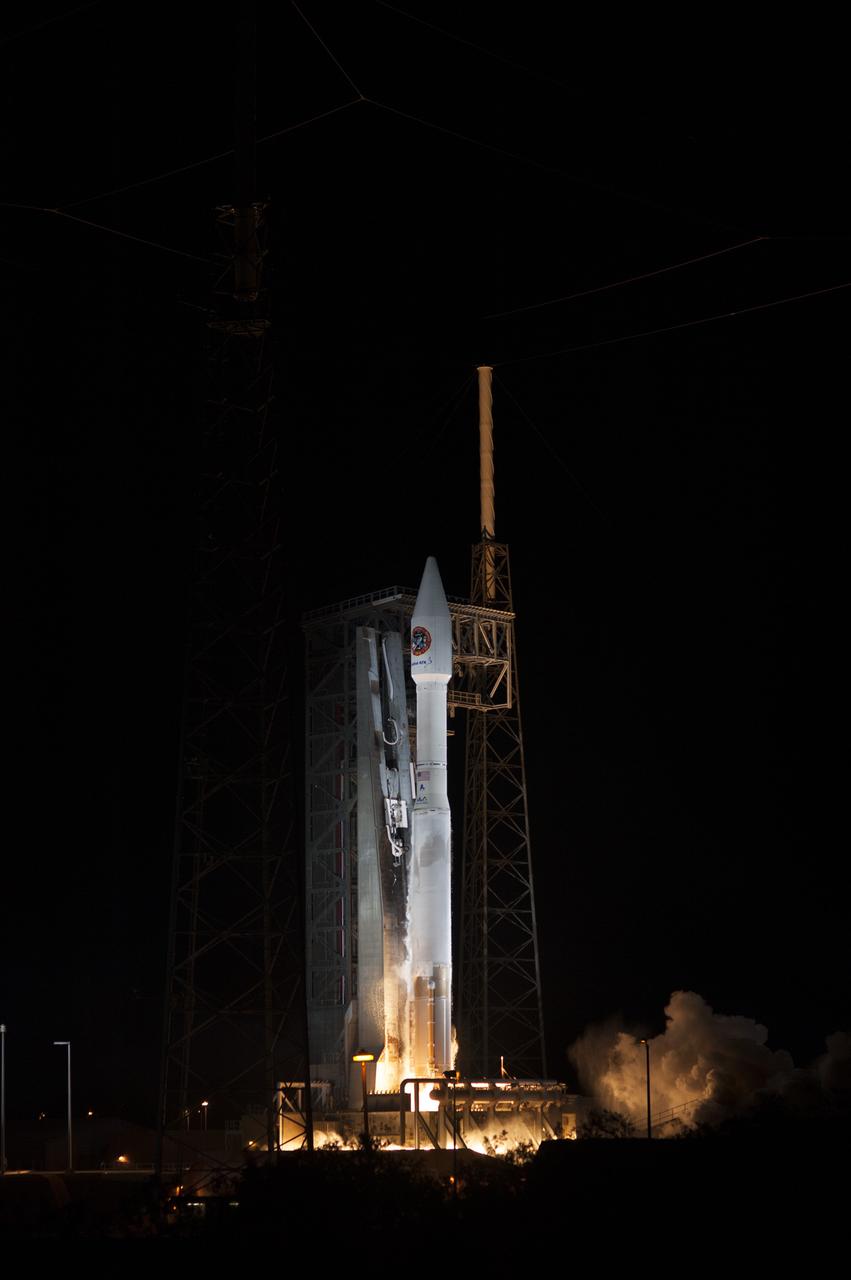
Cape Canaveral Air Force Station carrying an Orbital ATK Cygnus resupply spacecraft on a commercial resupply services mission to the International Space Station. Liftoff was at 11:05 p.m. EDT. Cygnus will deliver the second generation of a portable onboard printer to demonstrate 3-D printing, an instrument for first space-based observations of the chemical composition of meteors entering Earth’s atmosphere and an experiment to study how fires burn in microgravity.
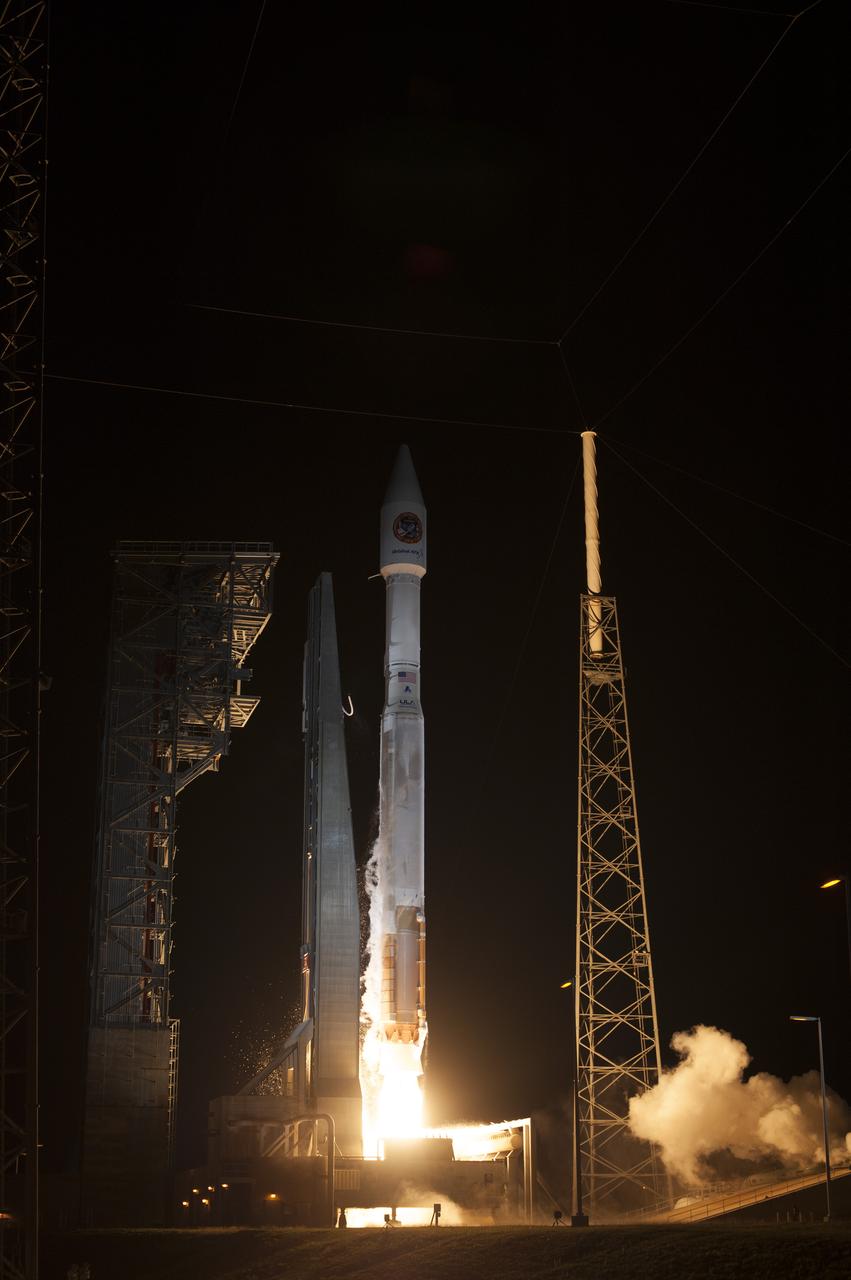
A United Launch Alliance Atlas V rocket lifts off from Space Launch Complex 41 at Cape Canaveral Air Force Station carrying an Orbital ATK Cygnus resupply spacecraft on a commercial resupply services mission to the International Space Station. Liftoff was at 11:05 p.m. EDT. Cygnus will deliver the second generation of a portable onboard printer to demonstrate 3-D printing, an instrument for first space-based observations of the chemical composition of meteors entering Earth’s atmosphere and an experiment to study how fires burn in microgravity.
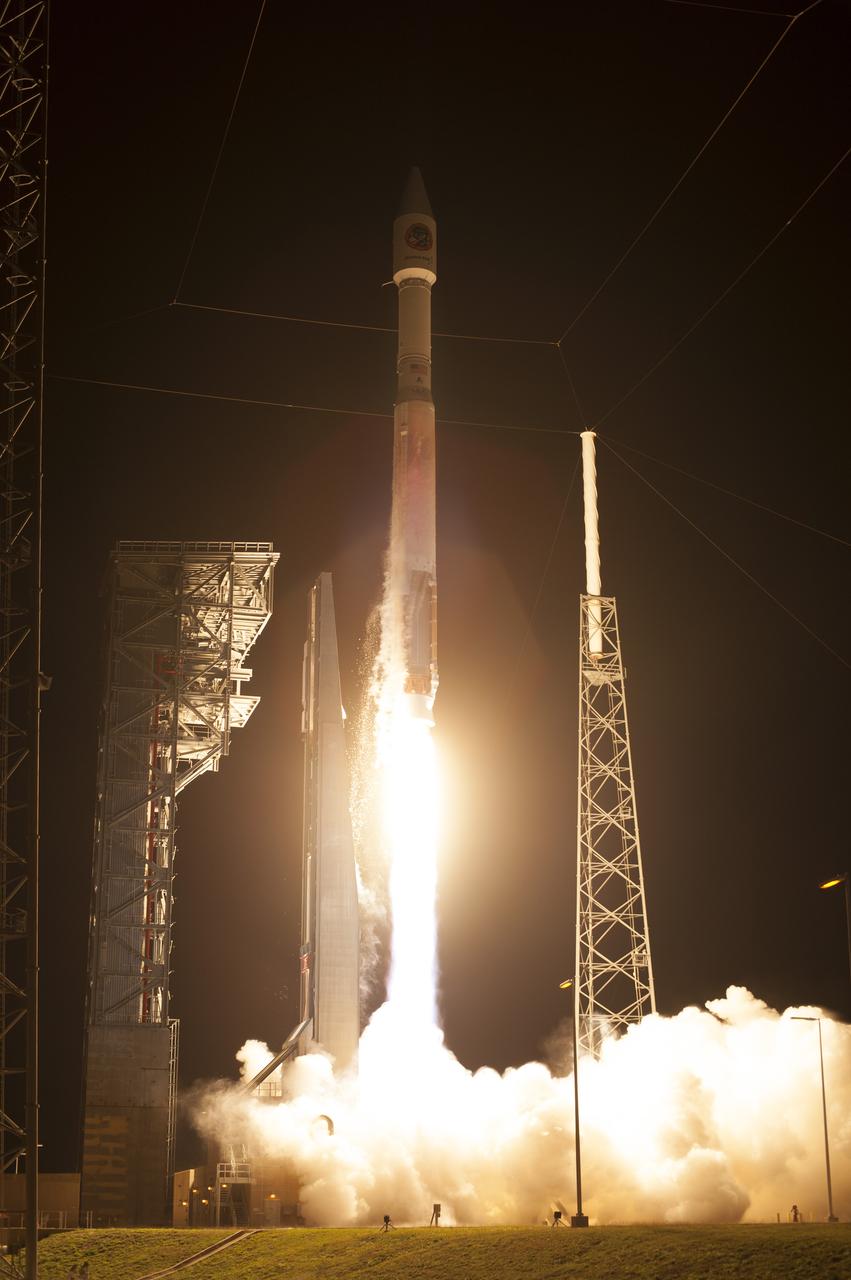
A United Launch Alliance Atlas V rocket lifts off from Space Launch Complex 41 at Cape Canaveral Air Force Station carrying an Orbital ATK Cygnus resupply spacecraft on a commercial resupply services mission to the International Space Station. Liftoff was at 11:05 p.m. EDT. Cygnus will deliver the second generation of a portable onboard printer to demonstrate 3-D printing, an instrument for first space-based observations of the chemical composition of meteors entering Earth’s atmosphere and an experiment to study how fires burn in microgravity.
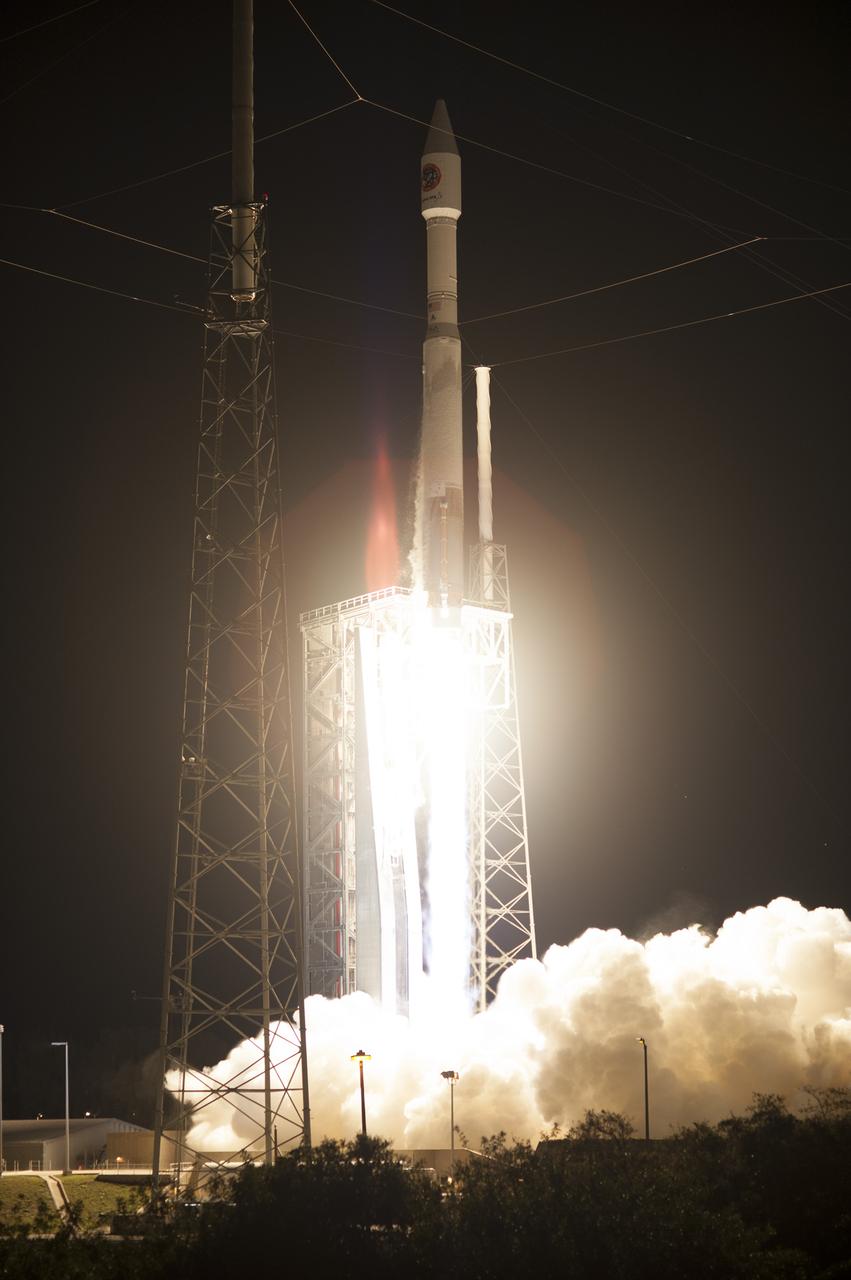
Cape Canaveral Air Force Station carrying an Orbital ATK Cygnus resupply spacecraft on a commercial resupply services mission to the International Space Station. Liftoff was at 11:05 p.m. EDT. Cygnus will deliver the second generation of a portable onboard printer to demonstrate 3-D printing, an instrument for first space-based observations of the chemical composition of meteors entering Earth’s atmosphere and an experiment to study how fires burn in microgravity.
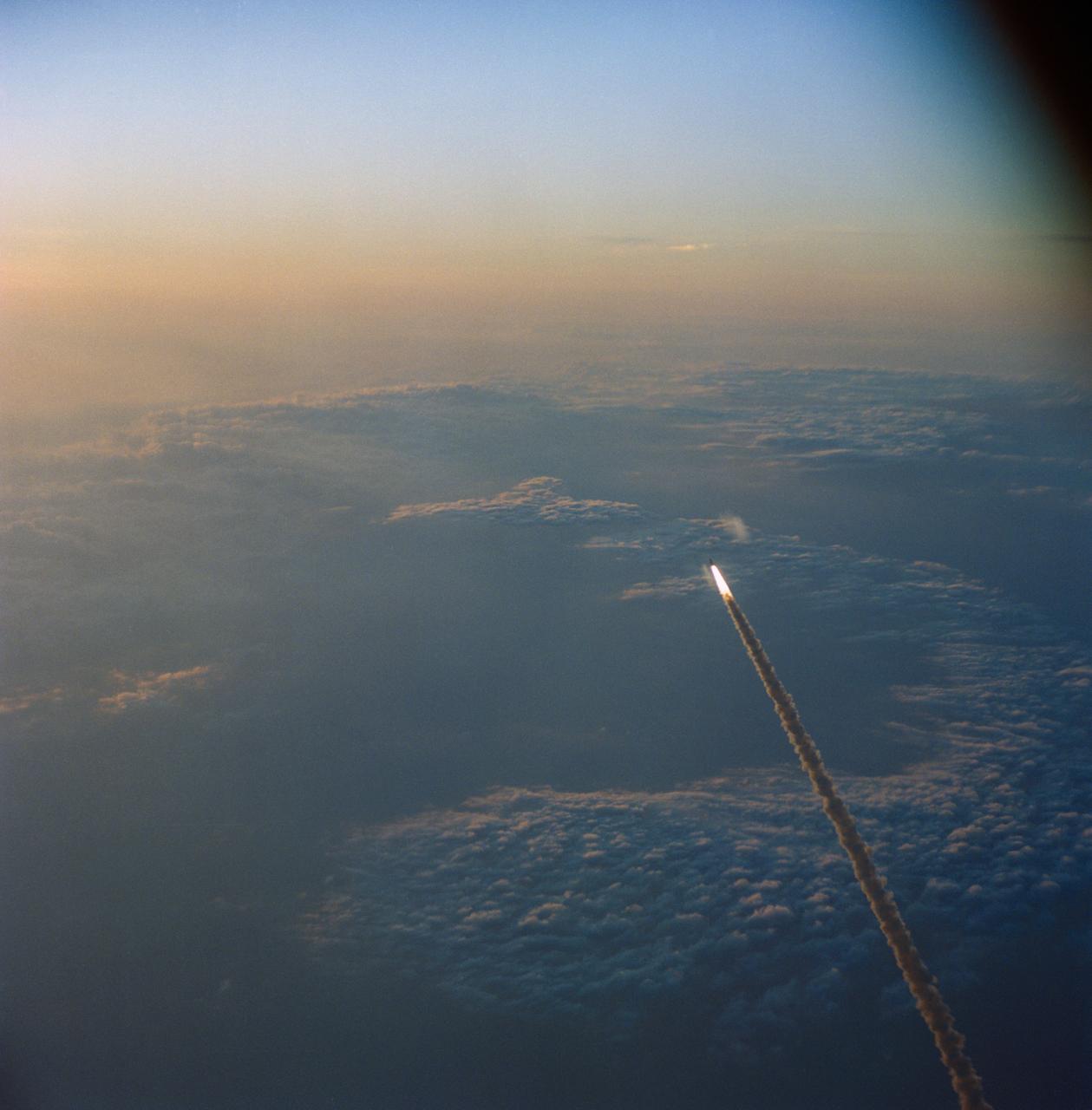
STS059-S-066 (9 April 1994) --- The liftoff of the Space Shuttle Endeavour is backdropped against clouds at the Kennedy Space Center (KSC) as six NASA astronauts head for a week and a half in Earth orbit. Liftoff occurred at 7:05 a.m. (EDT), April 9, 1994. The air-to-air view was photographed from the Shuttle Training Aircraft (STA) piloted by astronaut Robert L. Gibson. Onboard for the Space Radar Laboratory (SRL-1) mission were astronauts Sidney M. Gutierrez, Kevin P. Chilton, Jerome (Jay) Apt, Linda M. Godwin, Michael (Rich) Clifford and Thomas D. Jones.
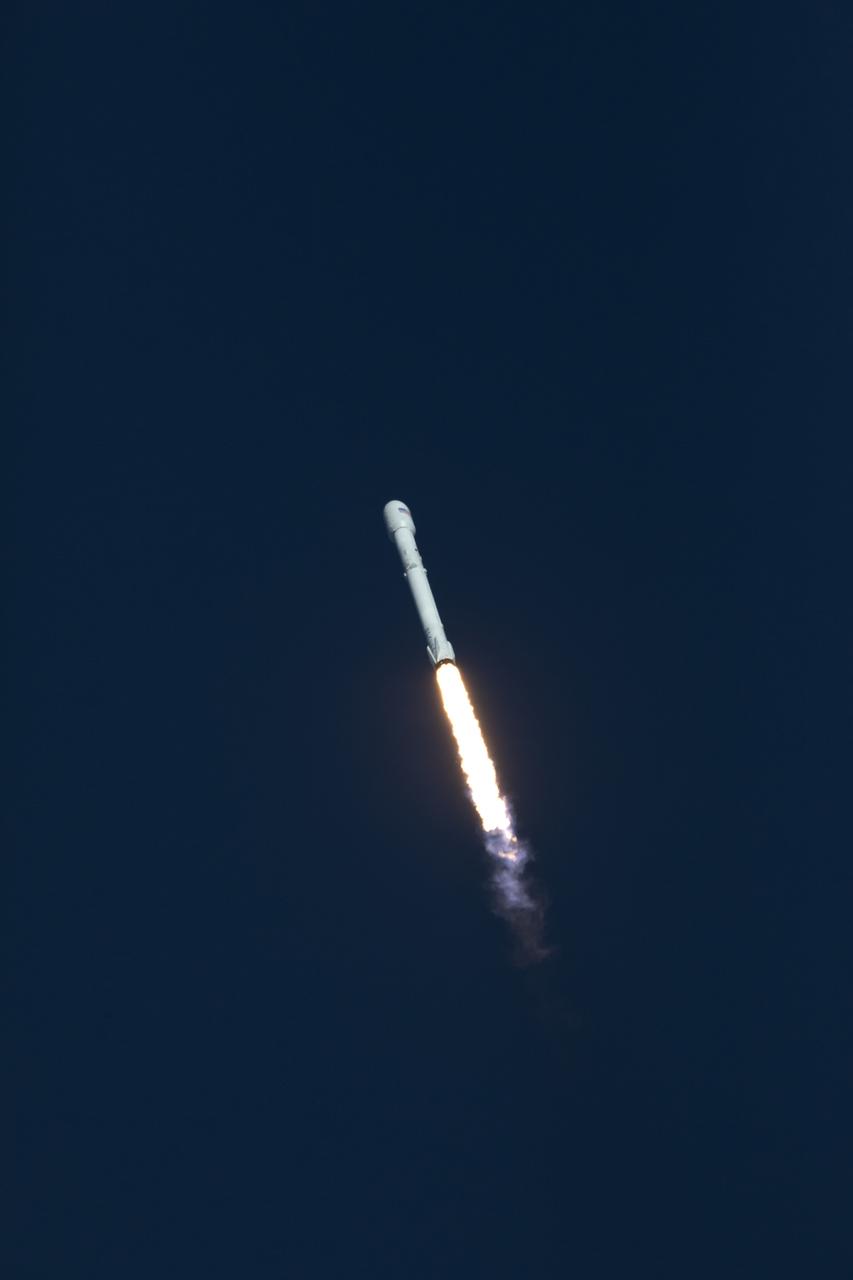
A SpaceX Falcon 9 rocket soars upward after lifting off from Space Launch Complex 40 at Cape Canaveral Air Force Station in Florida, carrying NASA's Transiting Exoplanet Survey Satellite (TESS). Liftoff was at 6:51 p.m. EDT. TESS will search for planets outside of our solar system. The mission will find exoplanets that periodically block part of the light from their host stars, events called transits. The satellite will survey the nearest and brightest stars for two years to search for transiting exoplanets.

A SpaceX Falcon 9 rocket lifts off from Space Launch Complex 40 at Cape Canaveral Air Force Station in Florida, carrying NASA's Transiting Exoplanet Survey Satellite (TESS). Liftoff was at 6:51 p.m. EDT. TESS will search for planets outside of our solar system. The mission will find exoplanets that periodically block part of the light from their host stars, events called transits. The satellite will survey the nearest and brightest stars for two years to search for transiting exoplanets.
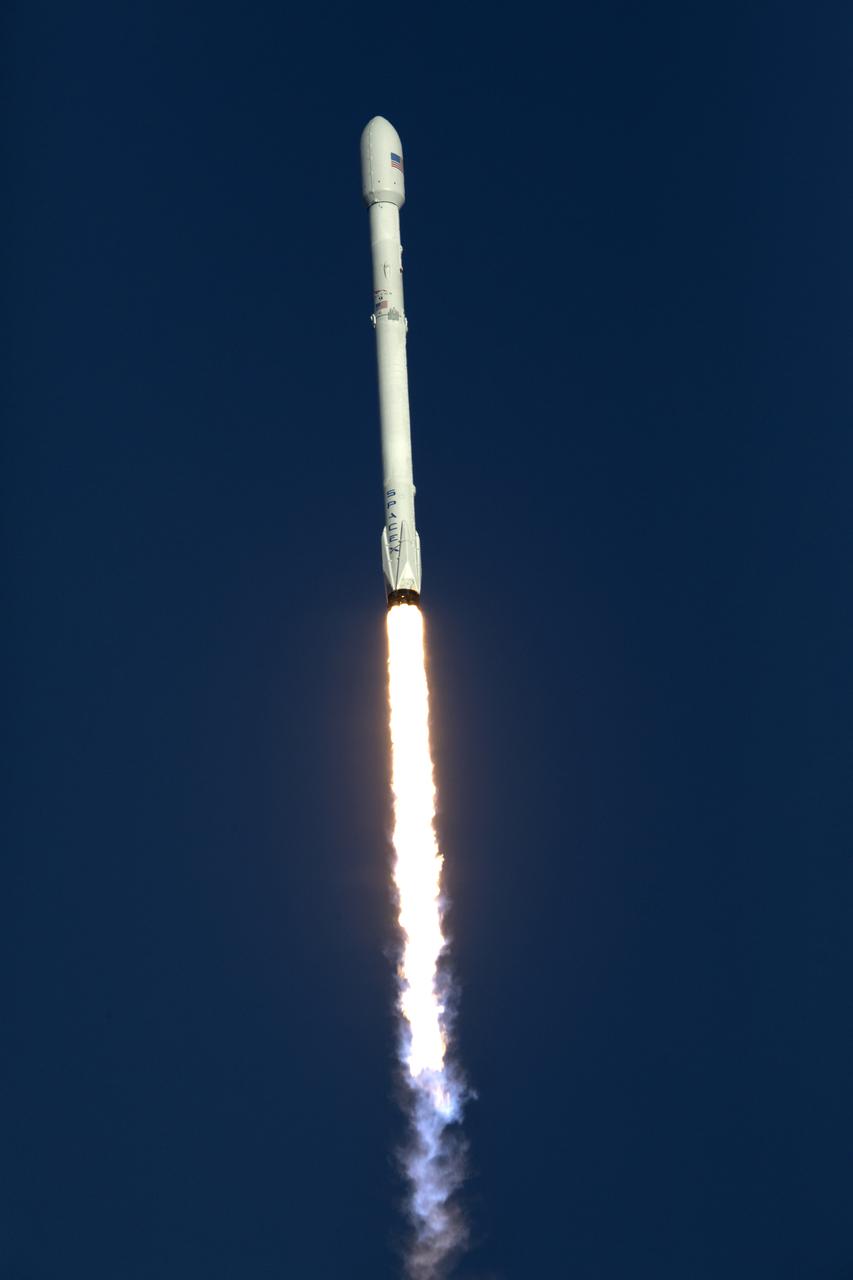
A SpaceX Falcon 9 rocket soars upward after lifting off from Space Launch Complex 40 at Cape Canaveral Air Force Station in Florida, carrying NASA's Transiting Exoplanet Survey Satellite (TESS). Liftoff was at 6:51 p.m. EDT. TESS will search for planets outside of our solar system. The mission will find exoplanets that periodically block part of the light from their host stars, events called transits. The satellite will survey the nearest and brightest stars for two years to search for transiting exoplanets.
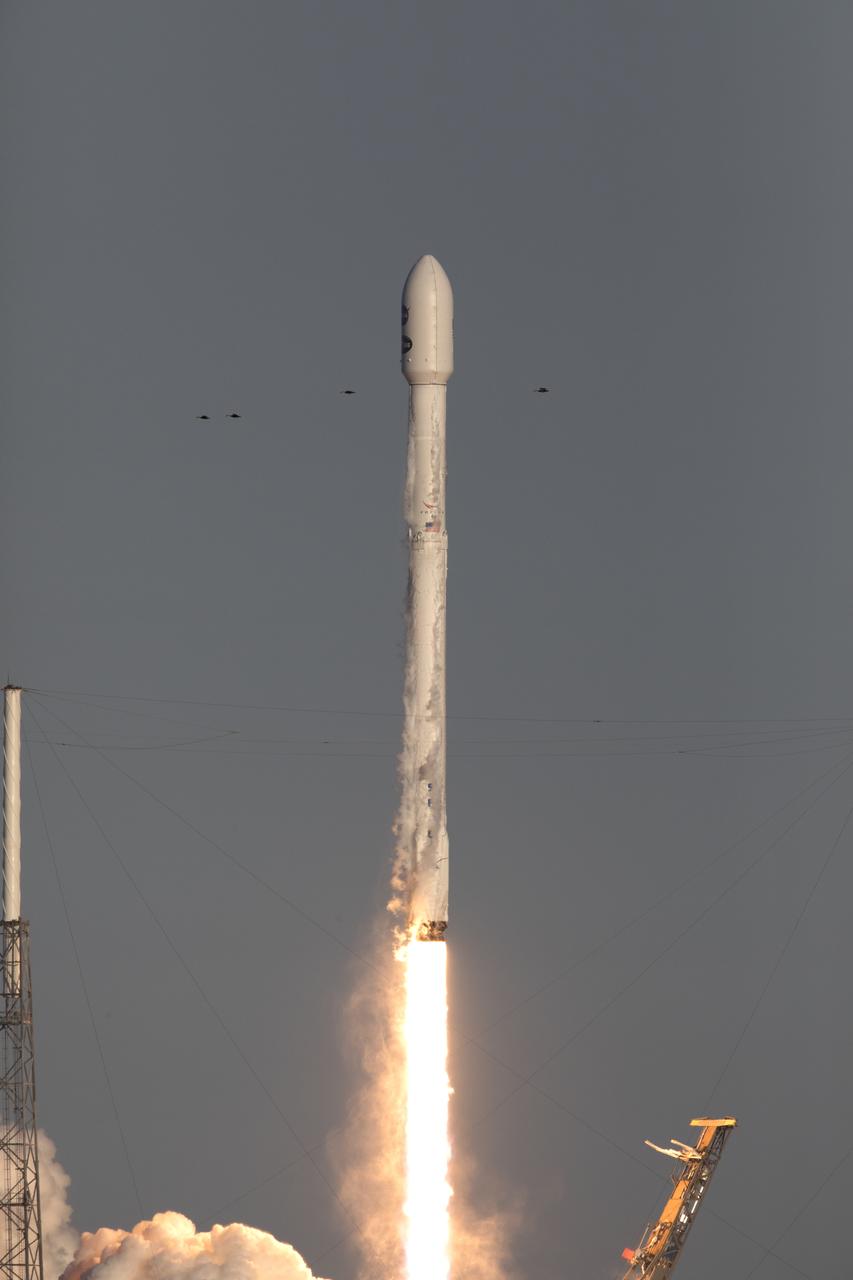
A SpaceX Falcon 9 rocket lifts off from Space Launch Complex 40 at Cape Canaveral Air Force Station in Florida, carrying NASA's Transiting Exoplanet Survey Satellite (TESS). Liftoff was at 6:51 p.m. EDT. TESS will search for planets outside of our solar system. The mission will find exoplanets that periodically block part of the light from their host stars, events called transits. The satellite will survey the nearest and brightest stars for two years to search for transiting exoplanets.
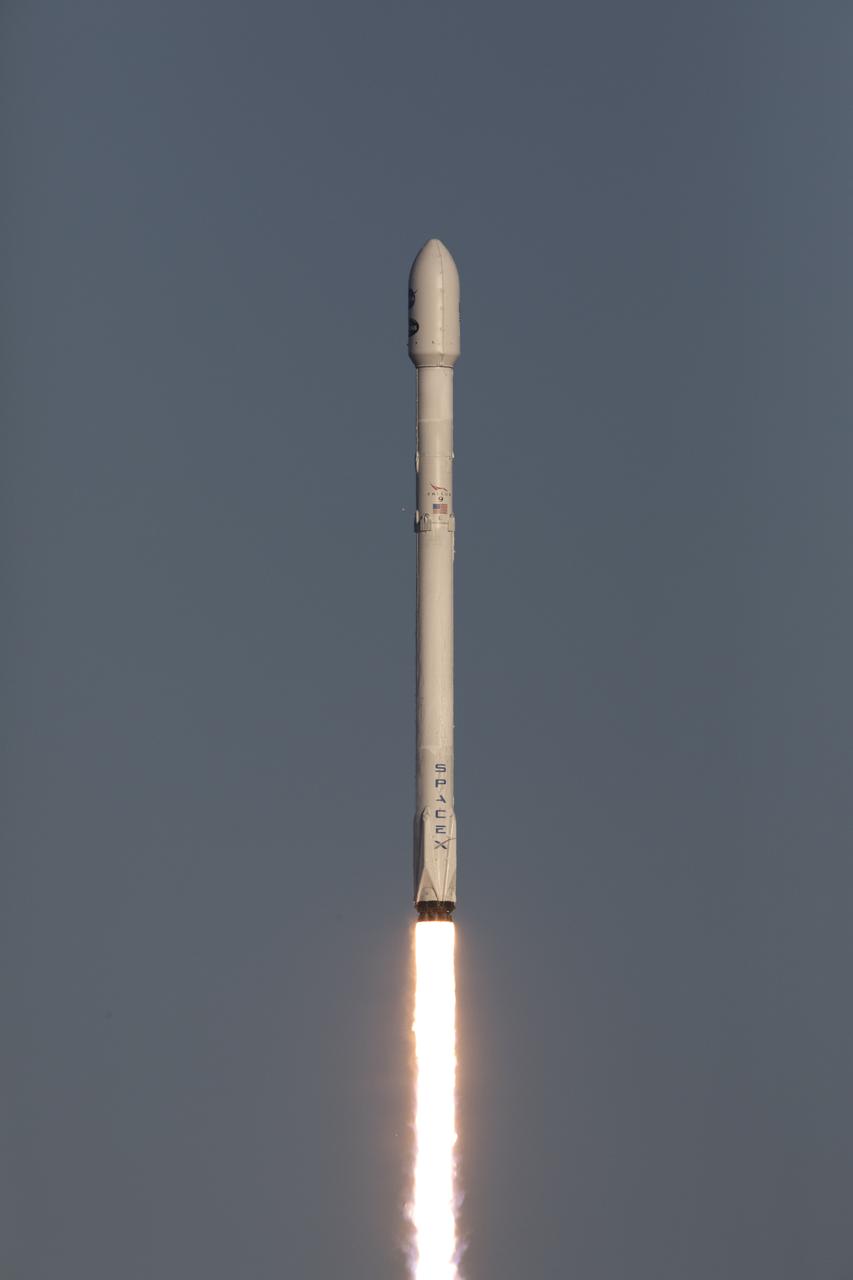
A SpaceX Falcon 9 rocket lifts off from Space Launch Complex 40 at Cape Canaveral Air Force Station in Florida, carrying NASA's Transiting Exoplanet Survey Satellite (TESS). Liftoff was at 6:51 p.m. EDT. TESS will search for planets outside of our solar system. The mission will find exoplanets that periodically block part of the light from their host stars, events called transits. The satellite will survey the nearest and brightest stars for two years to search for transiting exoplanets.
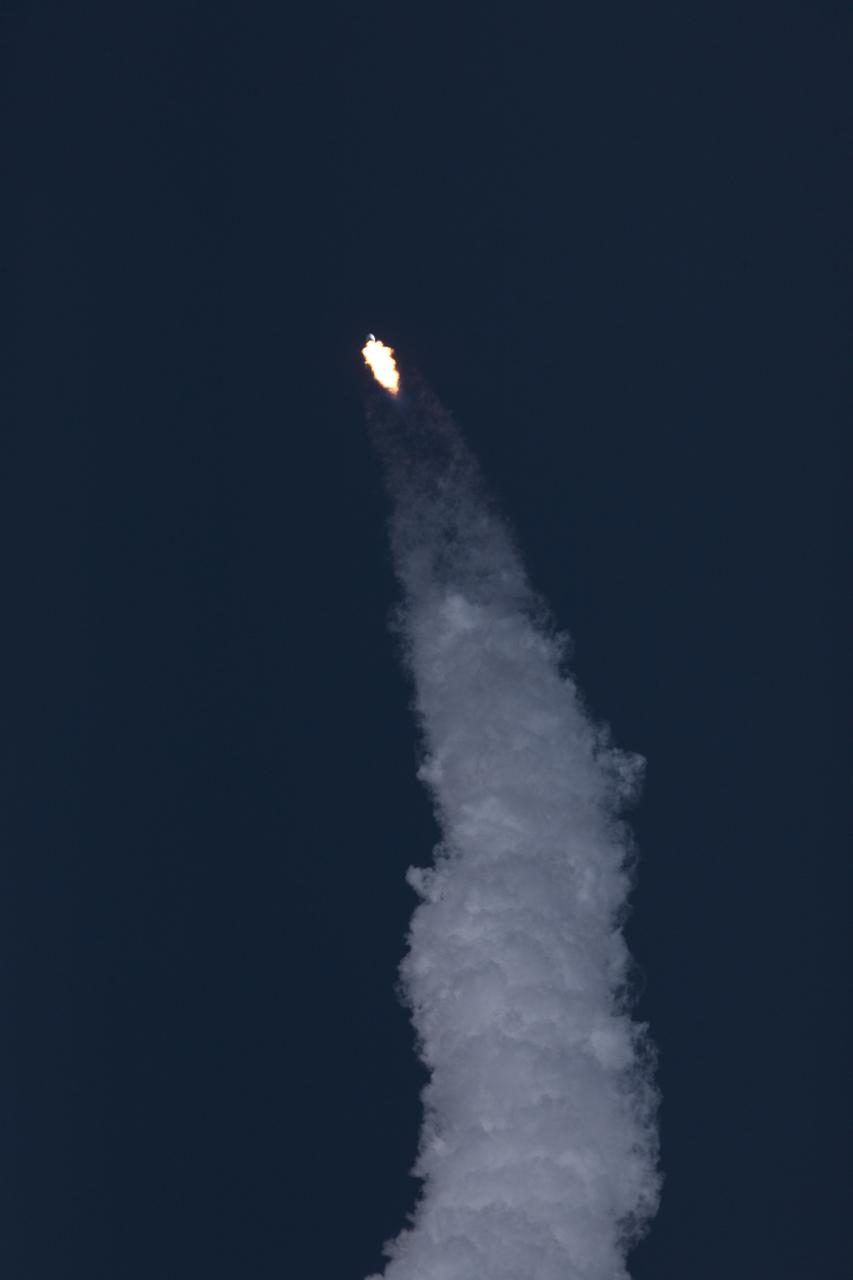
A SpaceX Falcon 9 rocket soars upward after lifting off from Space Launch Complex 40 at Cape Canaveral Air Force Station in Florida, carrying NASA's Transiting Exoplanet Survey Satellite (TESS). Liftoff was at 6:51 p.m. EDT. TESS will search for planets outside of our solar system. The mission will find exoplanets that periodically block part of the light from their host stars, events called transits. The satellite will survey the nearest and brightest stars for two years to search for transiting exoplanets.
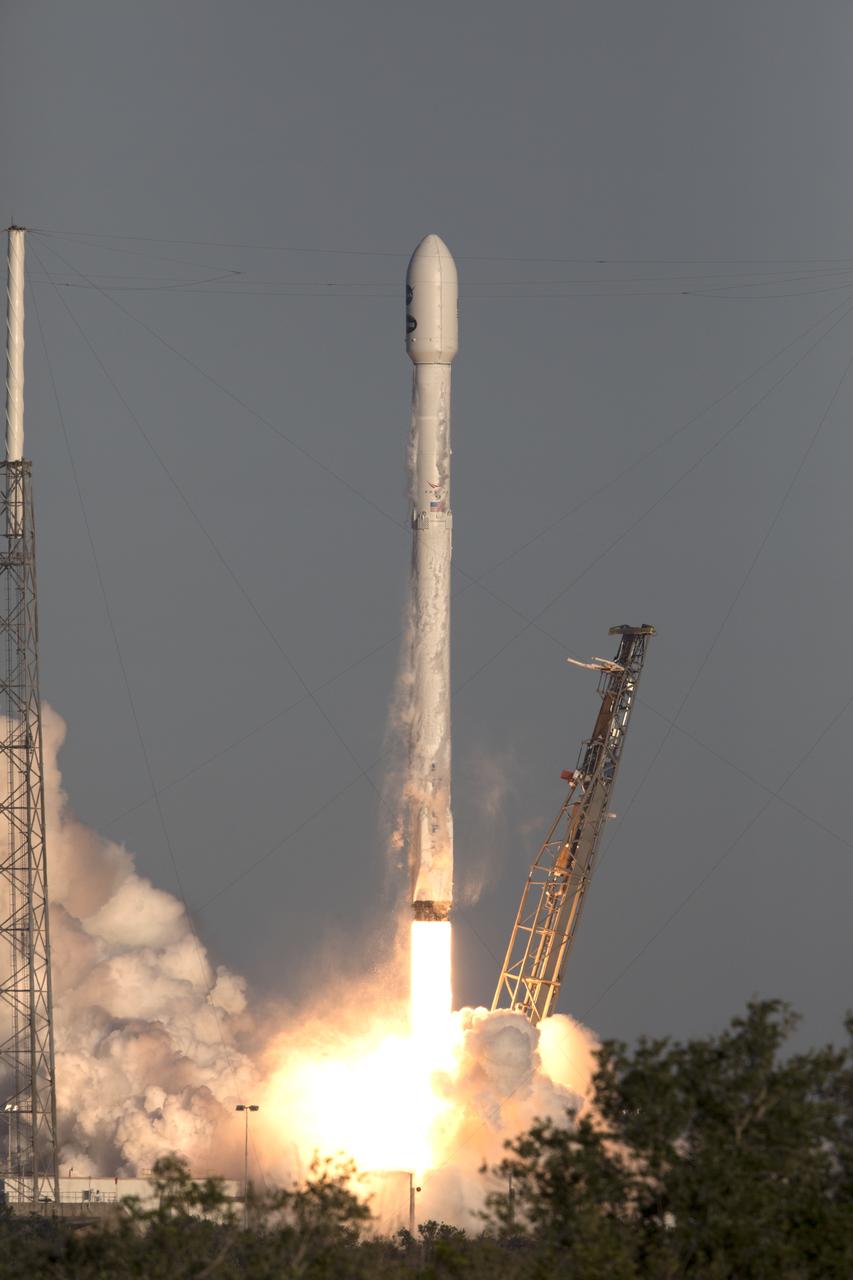
A SpaceX Falcon 9 rocket lifts off from Space Launch Complex 40 at Cape Canaveral Air Force Station in Florida, carrying NASA's Transiting Exoplanet Survey Satellite (TESS). Liftoff was at 6:51 p.m. EDT. TESS will search for planets outside of our solar system. The mission will find exoplanets that periodically block part of the light from their host stars, events called transits. The satellite will survey the nearest and brightest stars for two years to search for transiting exoplanets.
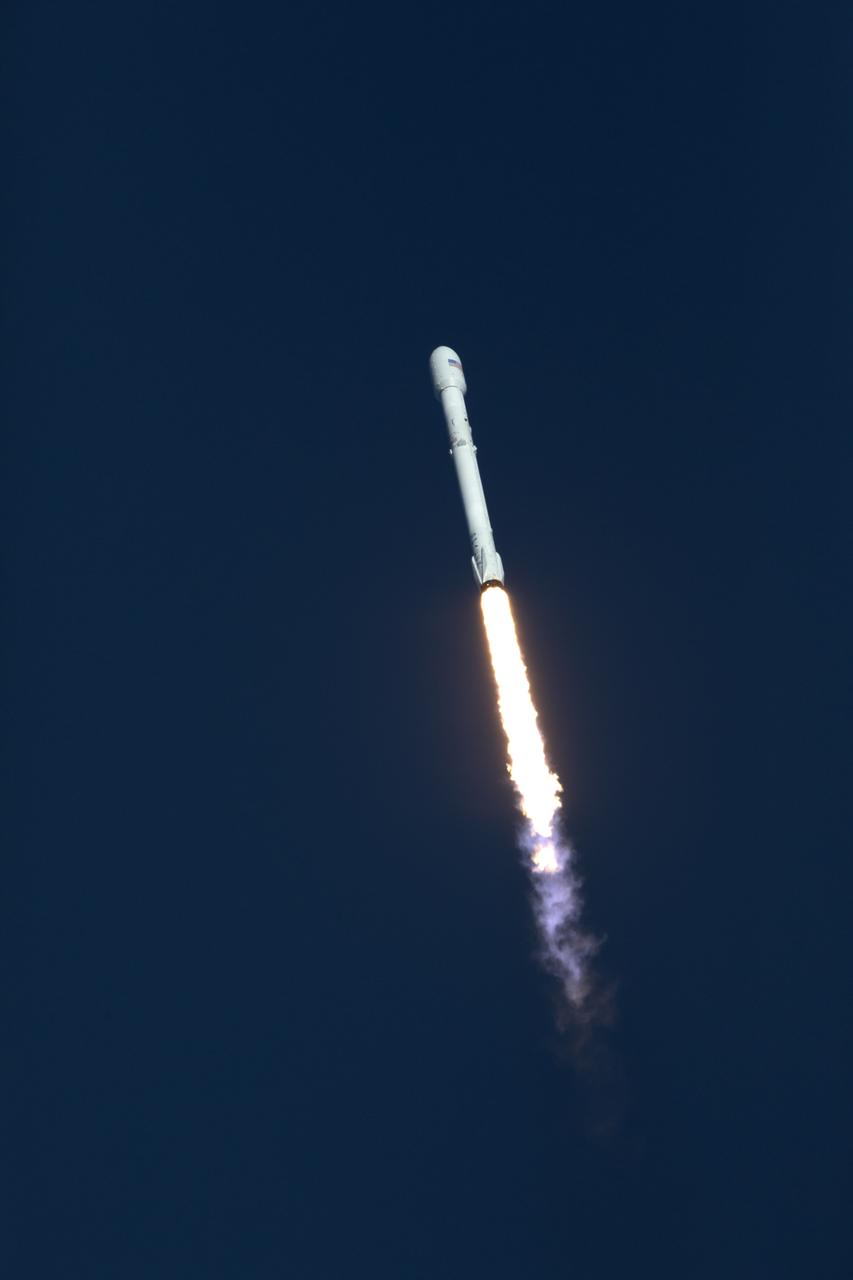
A SpaceX Falcon 9 rocket soars upward after lifting off from Space Launch Complex 40 at Cape Canaveral Air Force Station in Florida, carrying NASA's Transiting Exoplanet Survey Satellite (TESS). Liftoff was at 6:51 p.m. EDT. TESS will search for planets outside of our solar system. The mission will find exoplanets that periodically block part of the light from their host stars, events called transits. The satellite will survey the nearest and brightest stars for two years to search for transiting exoplanets.
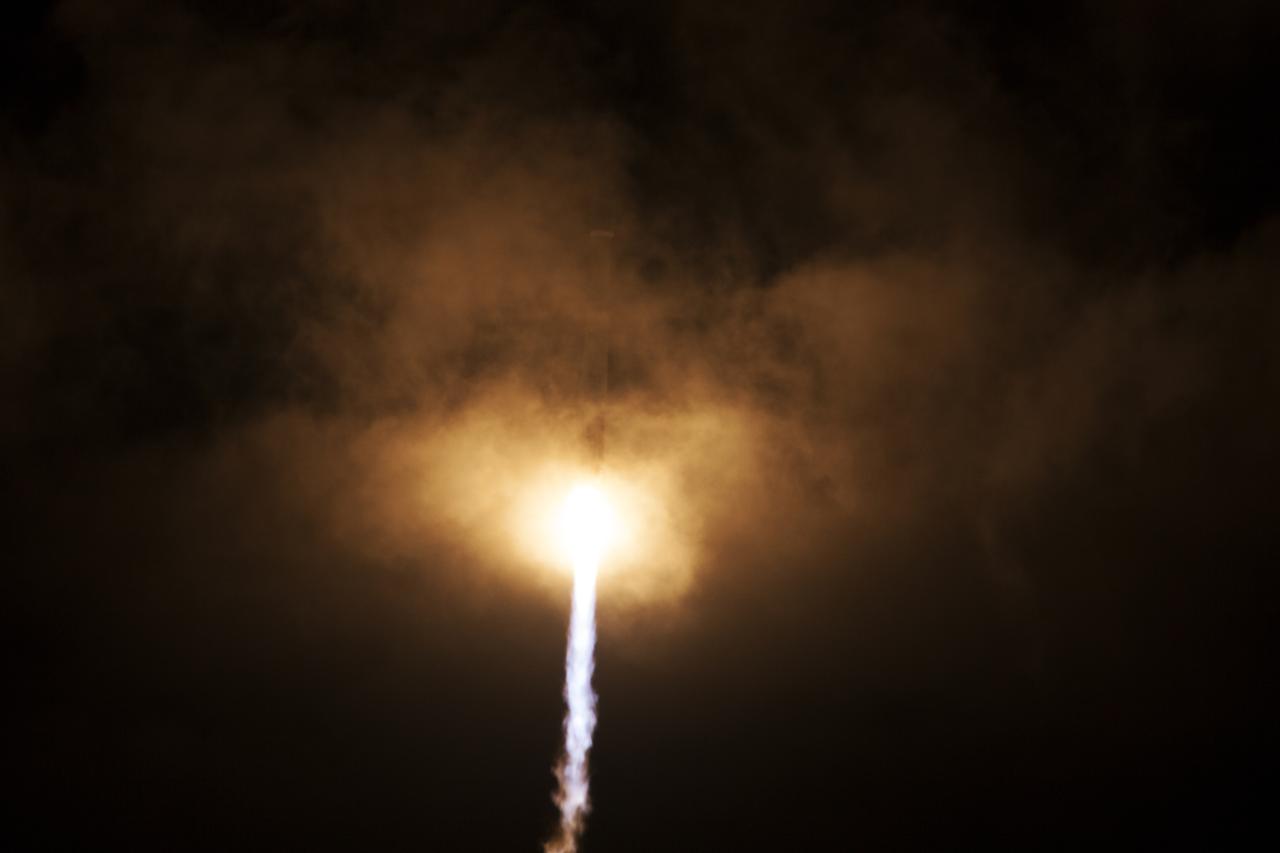
A United Launch Alliance Atlas V rocket lifts off from Space Launch Complex 41 at Cape Canaveral Air Force Station carrying an Orbital ATK Cygnus resupply spacecraft on a commercial resupply services mission to the International Space Station. Liftoff was at 11:05 p.m. EDT. Cygnus will deliver the second generation of a portable onboard printer to demonstrate 3-D printing, an instrument for first space-based observations of the chemical composition of meteors entering Earth’s atmosphere and an experiment to study how fires burn in microgravity.
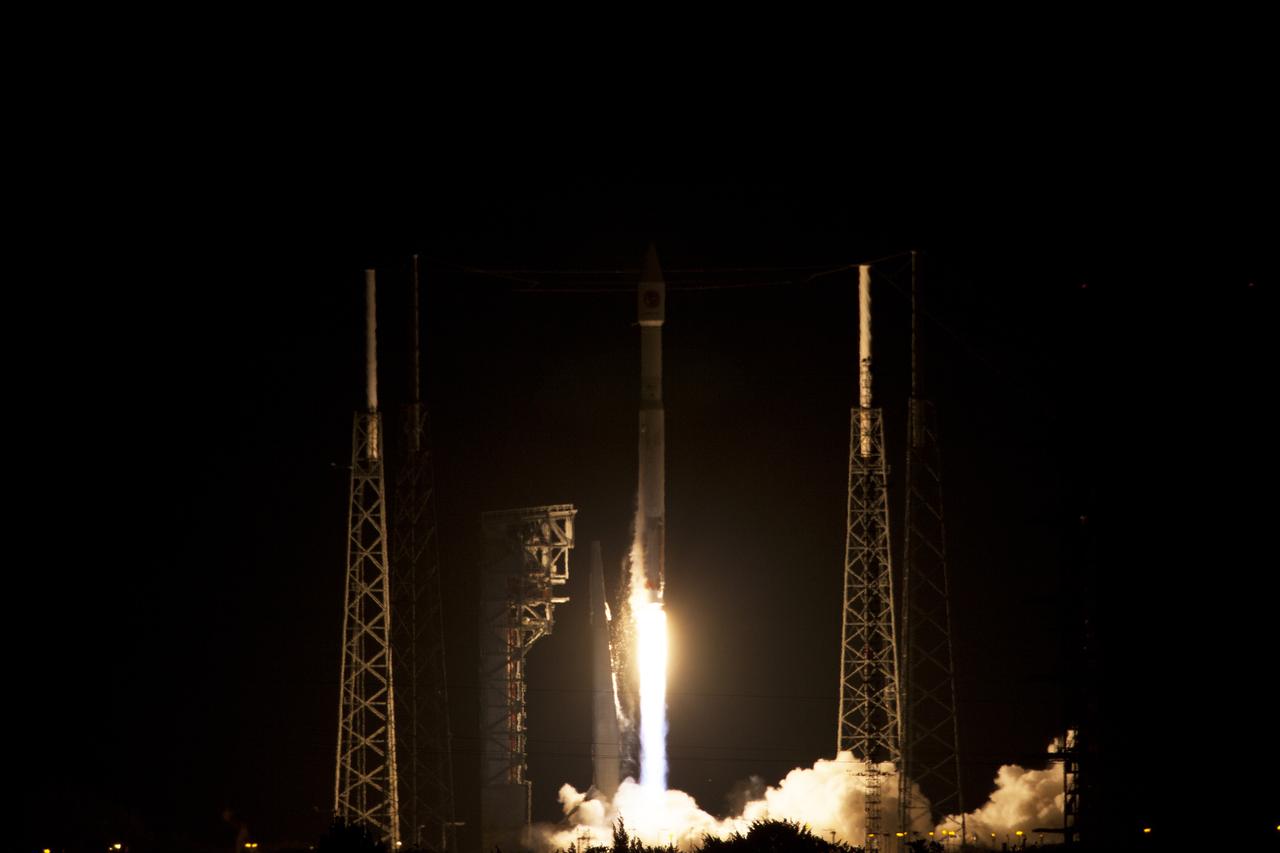
A United Launch Alliance Atlas V rocket lifts off from Space Launch Complex 41 at Cape Canaveral Air Force Station carrying an Orbital ATK Cygnus resupply spacecraft on a commercial resupply services mission to the International Space Station. Liftoff was at 11:05 p.m. EDT. Cygnus will deliver the second generation of a portable onboard printer to demonstrate 3-D printing, an instrument for first space-based observations of the chemical composition of meteors entering Earth’s atmosphere and an experiment to study how fires burn in microgravity.
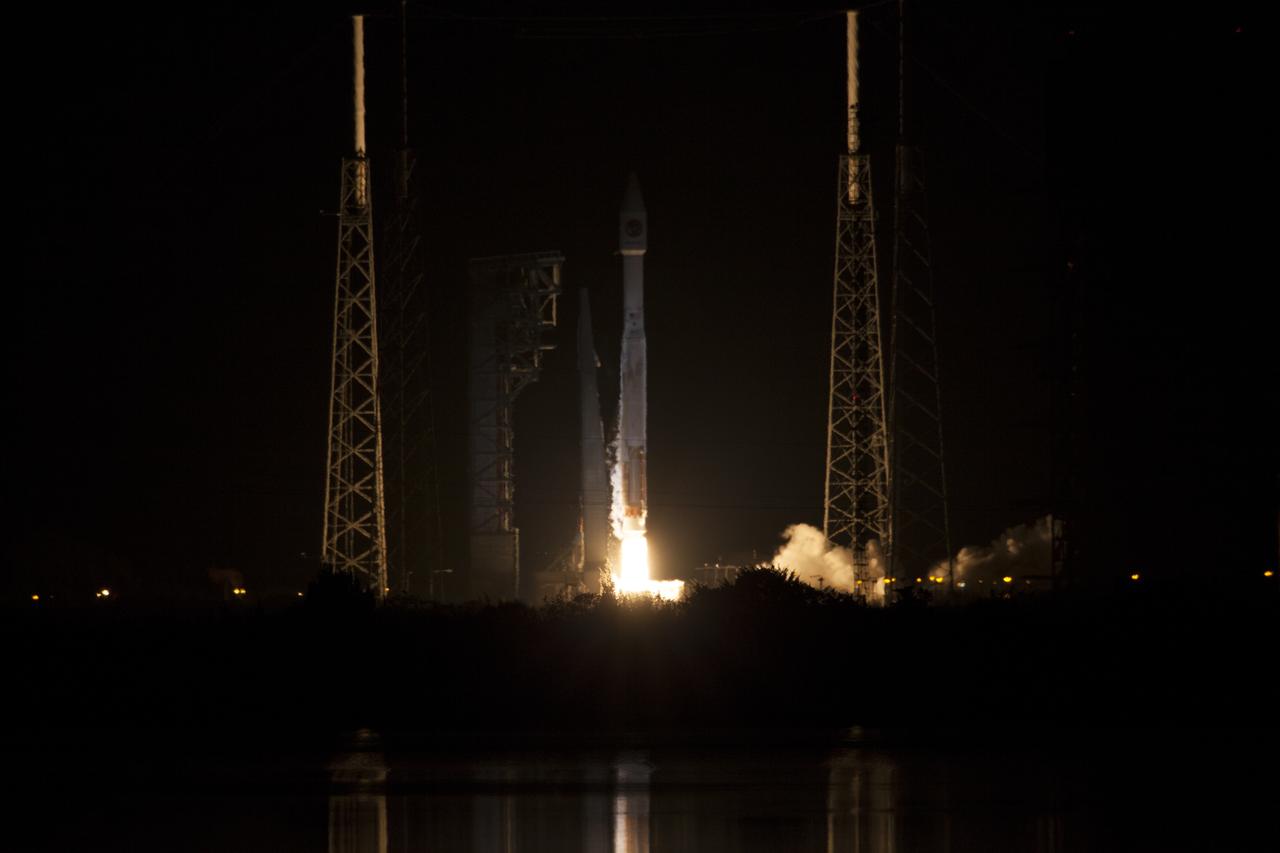
A United Launch Alliance Atlas V rocket lifts off from Space Launch Complex 41 at Cape Canaveral Air Force Station carrying an Orbital ATK Cygnus resupply spacecraft on a commercial resupply services mission to the International Space Station. Liftoff was at 11:05 p.m. EDT. Cygnus will deliver the second generation of a portable onboard printer to demonstrate 3-D printing, an instrument for first space-based observations of the chemical composition of meteors entering Earth’s atmosphere and an experiment to study how fires burn in microgravity.
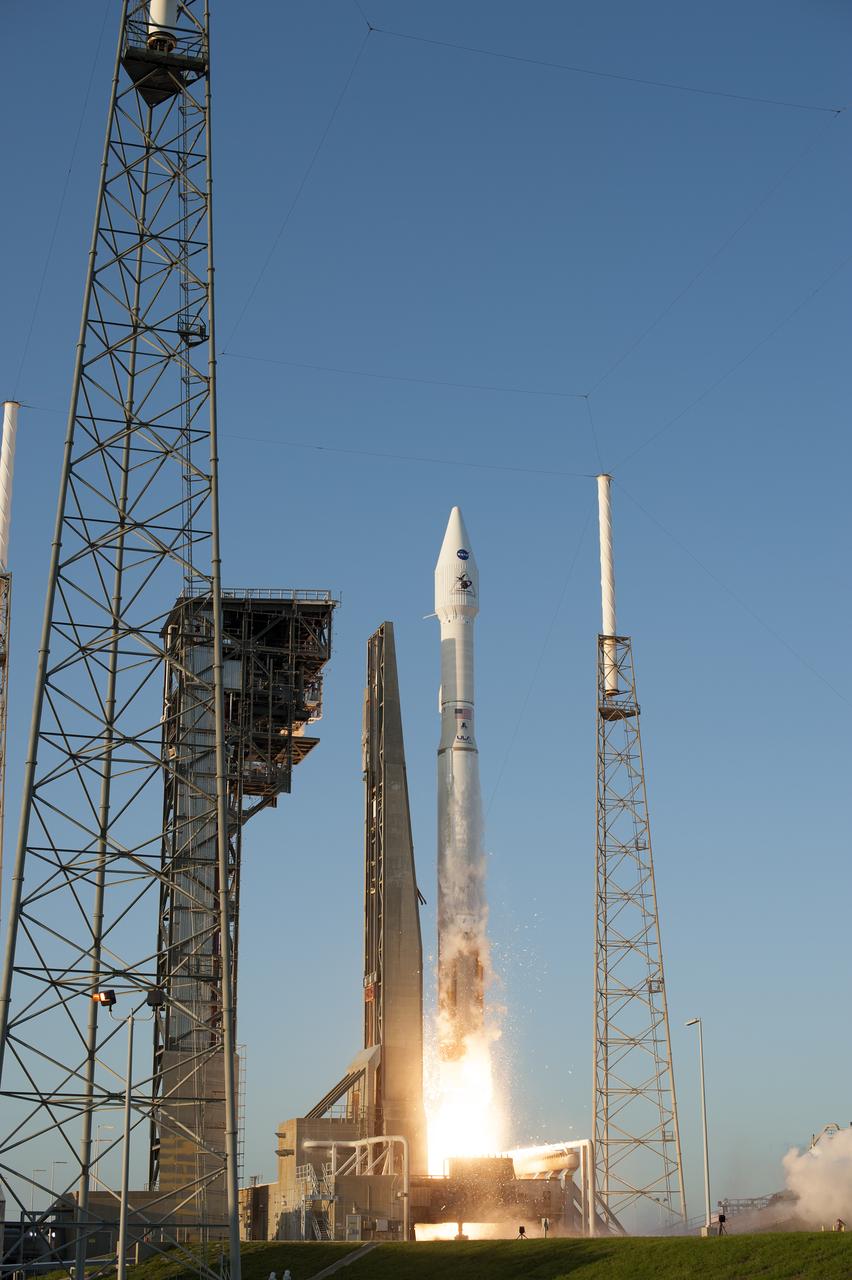
Liftoff of OSIRA United Launch Alliance Atlas V rocket lifts off from Space Launch Complex 41 at Cape Canaveral Air Force Station carrying NASA’s Origins, Spectral Interpretation, Resource Identification, Security-Regolith Explorer, or OSIRIS-REx spacecraft on the first U.S. mission to sample an asteroid, retrieve at least two ounces of surface material and return it to Earth for study. Liftoff was at 7:05 p.m. EDT. The asteroid, Bennu, may hold clues to the origin of the solar system and the source of water and organic molecules found on Earth.
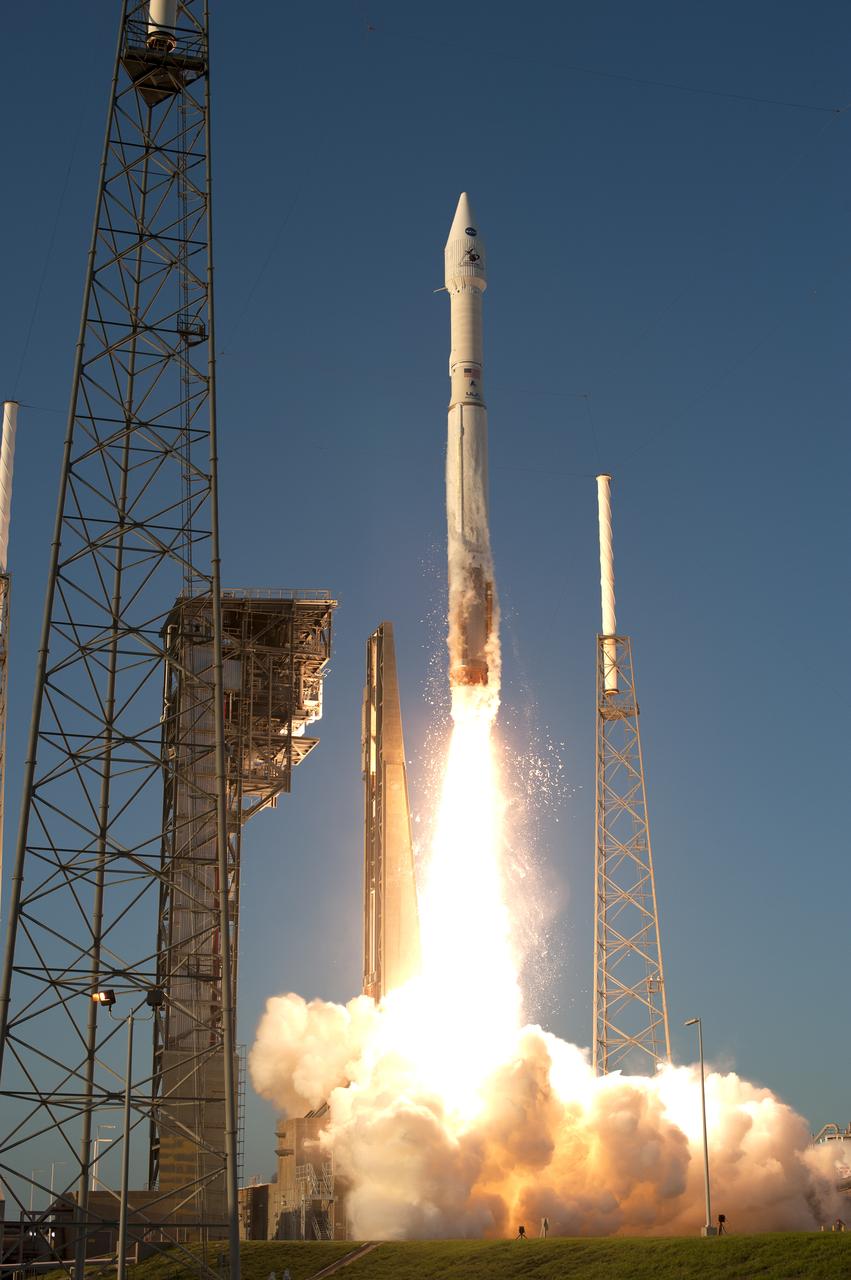
Liftoff of OSIRIS-A United Launch Alliance Atlas V rocket lifts off from Space Launch Complex 41 at Cape Canaveral Air Force Station carrying NASA’s Origins, Spectral Interpretation, Resource Identification, Security-Regolith Explorer, or OSIRIS-REx spacecraft on the first U.S. mission to sample an asteroid, retrieve at least two ounces of surface material and return it to Earth for study. Liftoff was at 7:05 p.m. EDT. The asteroid, Bennu, may hold clues to the origin of the solar system and the source of water and organic molecules found on Earth.
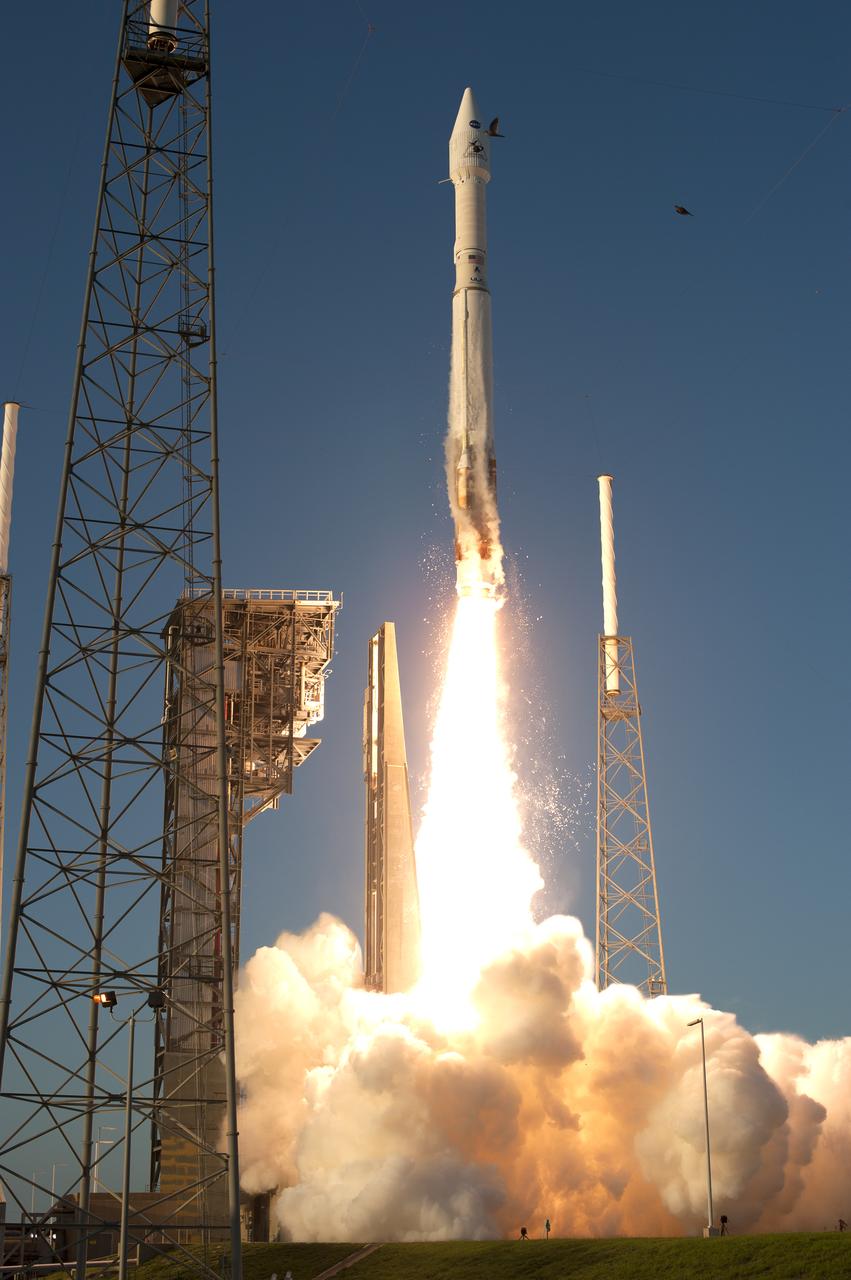
Liftoff of OSIRIS-REA United Launch Alliance Atlas V rocket lifts off from Space Launch Complex 41 at Cape Canaveral Air Force Station carrying NASA’s Origins, Spectral Interpretation, Resource Identification, Security-Regolith Explorer, or OSIRIS-REx spacecraft on the first U.S. mission to sample an asteroid, retrieve at least two ounces of surface material and return it to Earth for study. Liftoff was at 7:05 p.m. EDT. The asteroid, Bennu, may hold clues to the origin of the solar system and the source of water and organic molecules found on Earth.

Liftoff of OSIRA United Launch Alliance Atlas V rocket lifts off from Space Launch Complex 41 at Cape Canaveral Air Force Station carrying NASA’s Origins, Spectral Interpretation, Resource Identification, Security-Regolith Explorer, or OSIRIS-REx spacecraft on the first U.S. mission to sample an asteroid, retrieve at least two ounces of surface material and return it to Earth for study. Liftoff was at 7:05 p.m. EDT. The asteroid, Bennu, may hold clues to the origin of the solar system and the source of water and organic molecules found on Earth.
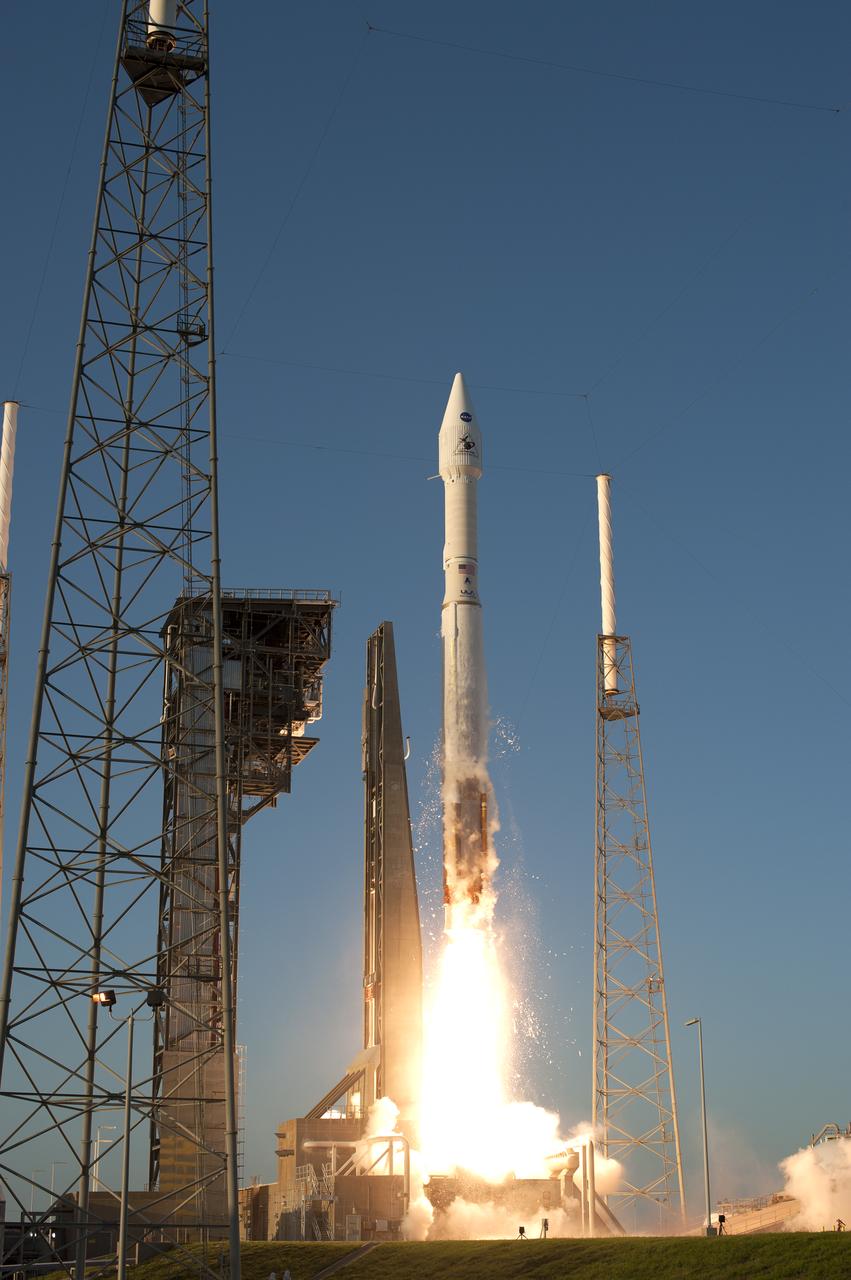
Liftoff of OA United Launch Alliance Atlas V rocket lifts off from Space Launch Complex 41 at Cape Canaveral Air Force Station carrying NASA’s Origins, Spectral Interpretation, Resource Identification, Security-Regolith Explorer, or OSIRIS-REx spacecraft on the first U.S. mission to sample an asteroid, retrieve at least two ounces of surface material and return it to Earth for study. Liftoff was at 7:05 p.m. EDT. The asteroid, Bennu, may hold clues to the origin of the solar system and the source of water and organic molecules found on Earth.
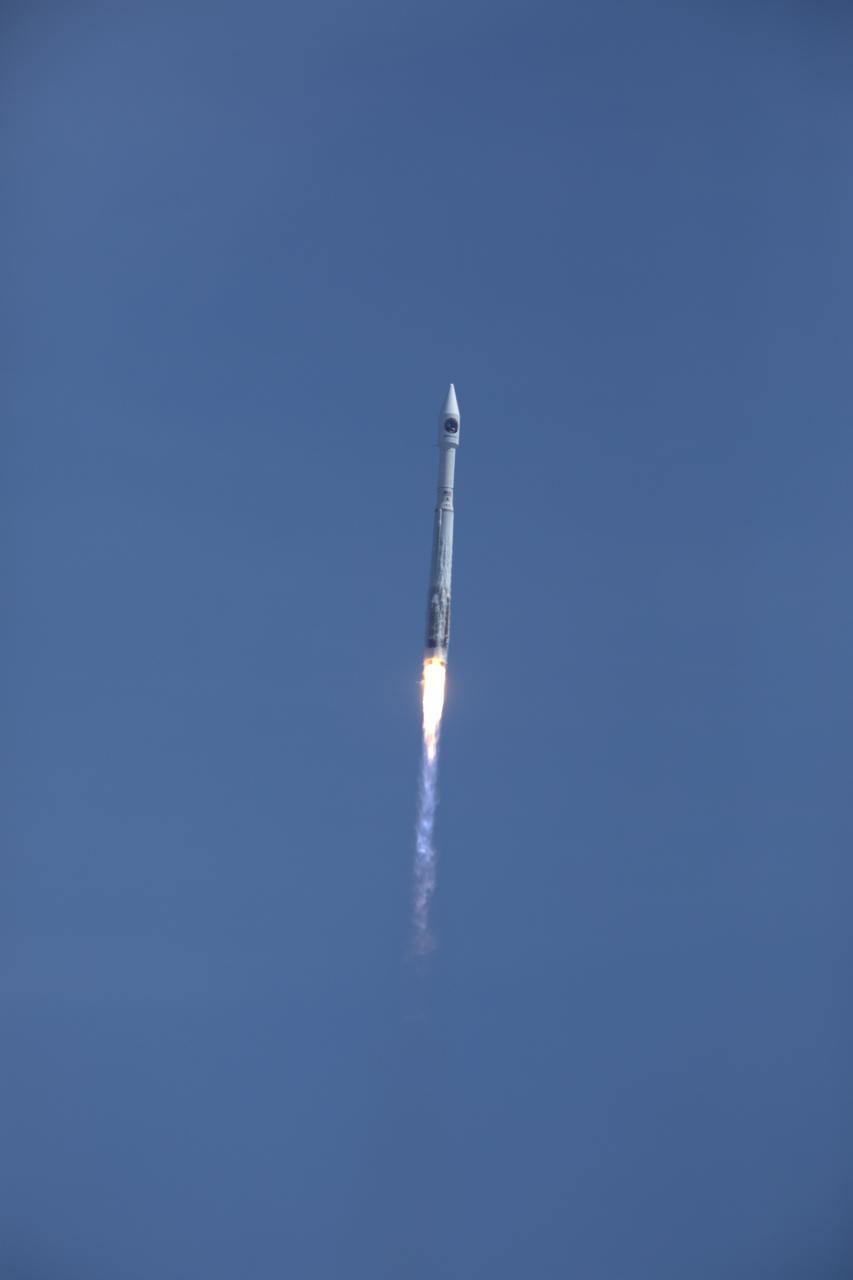
A United Launch Alliance Atlas V rocket soars updward after a liftoff at 11:11 a.m. EDT from Space Launch Complex 41 at Cape Canaveral Air Force Station in Florida, carrying the Orbital ATK Cygnus pressurized cargo module on the company's seventh commercial resupply services mission to the International Space Station. Cygnus will deliver 7,600 pounds of supplies, equipment and scientific research materials to the space station.
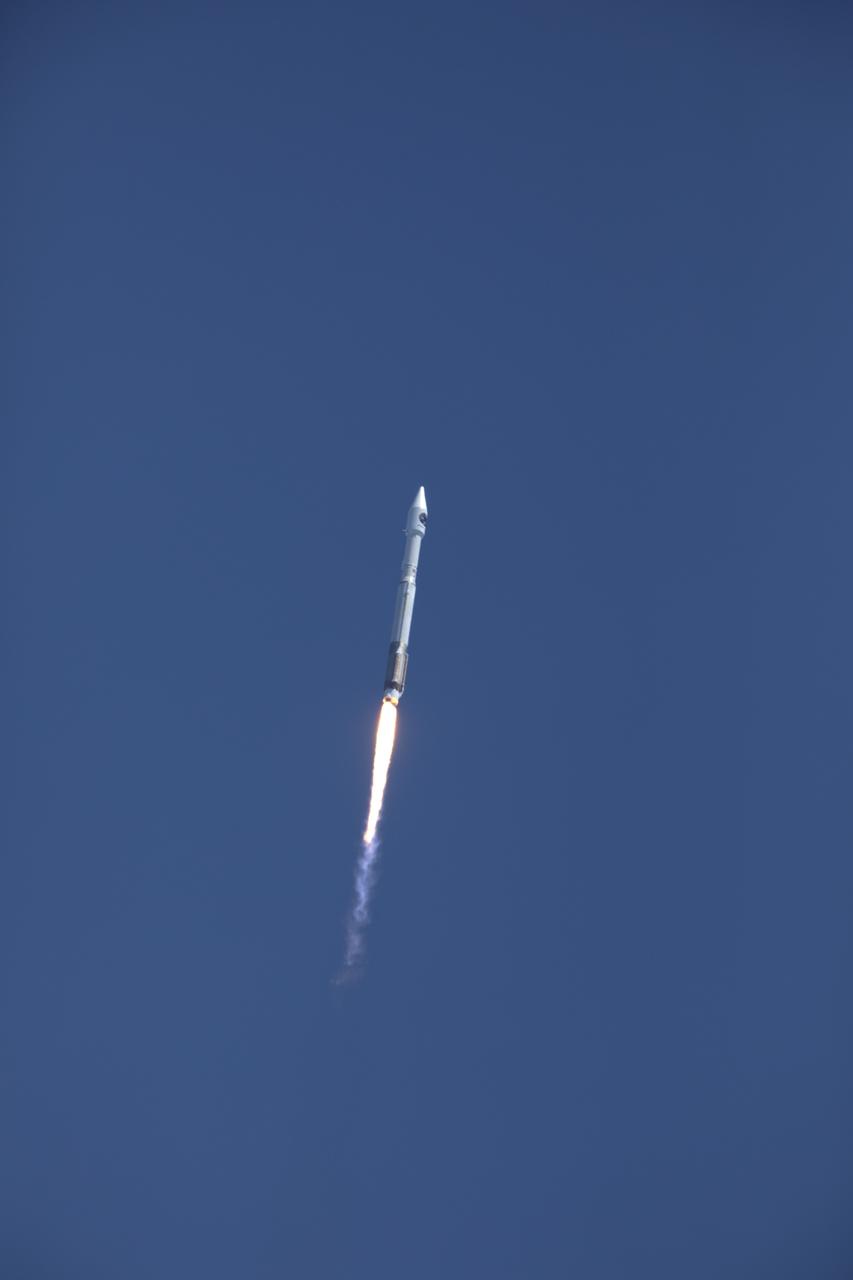
A United Launch Alliance Atlas V rocket soars updward after a liftoff at 11:11 a.m. EDT from Space Launch Complex 41 at Cape Canaveral Air Force Station in Florida, carrying the Orbital ATK Cygnus pressurized cargo module on the company's seventh commercial resupply services mission to the International Space Station. Cygnus will deliver 7,600 pounds of supplies, equipment and scientific research materials to the space station.
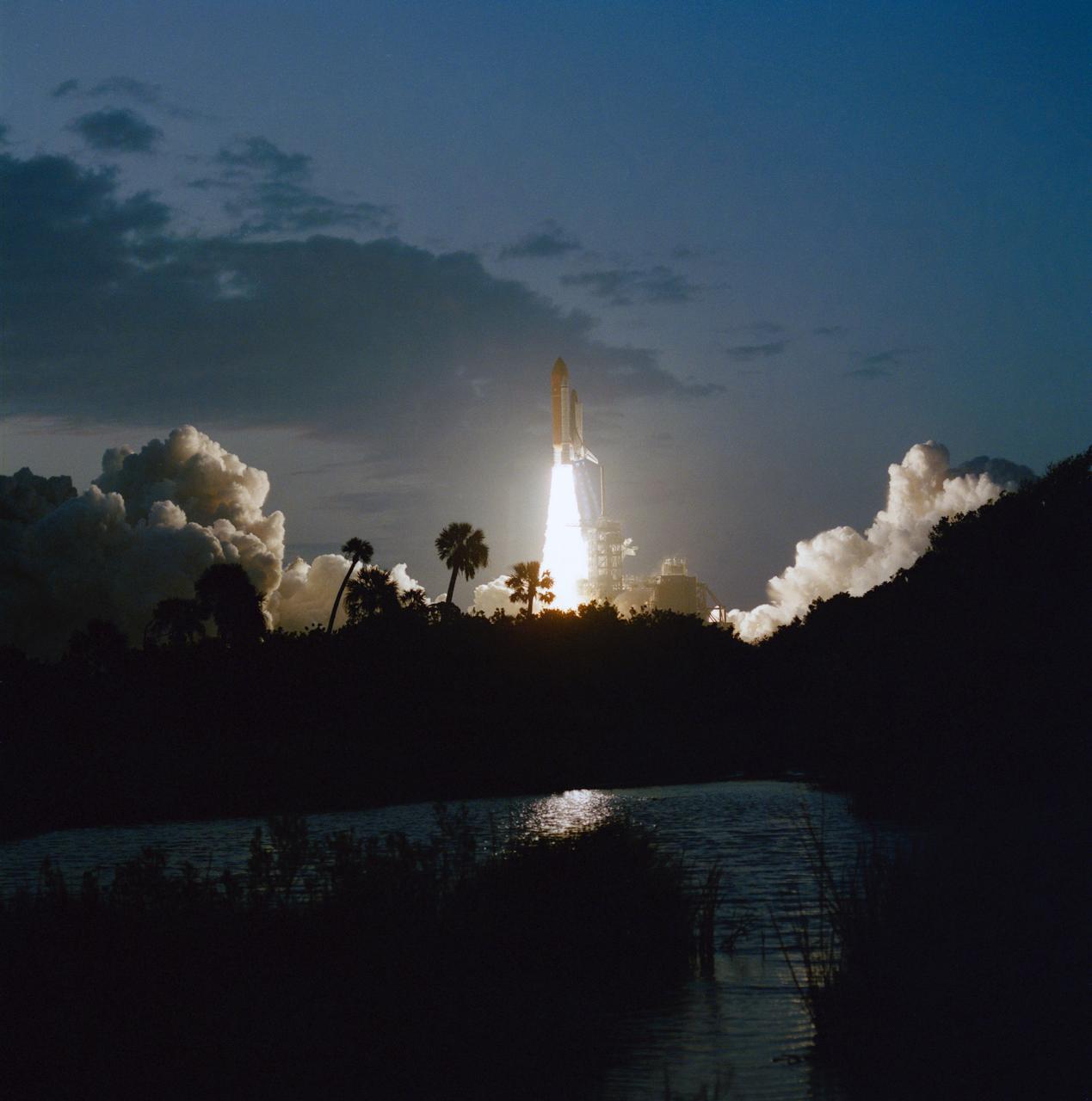
STS059-S-034 (9 April 1994) --- The liftoff of the Space Shuttle Endeavour is backdropped against a dawn sky at the Kennedy Space Center (KSC) as six NASA astronauts head for a week and a half in Earth orbit. Liftoff occurred at 7:05 a.m. (EDT), April 9, 1994. Onboard for the Space Radar Laboratory (SRL-1) mission were astronauts Sidney M. Gutierrez, Kevin P. Chilton, Jerome (Jay) Apt, Linda M. Godwin, Michael R. U. (Rich) Clifford and Thomas D. Jones.
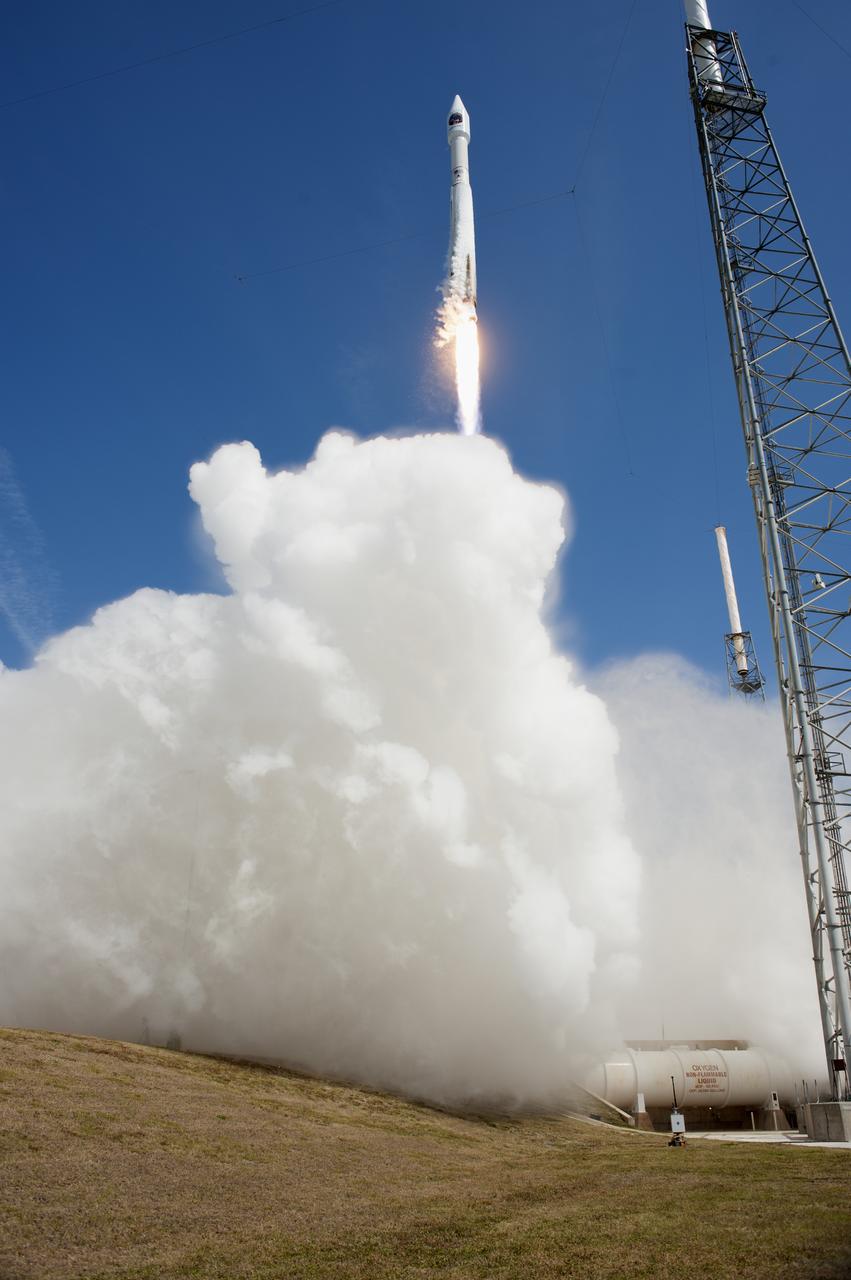
Against the backdrop of a bright blue sky, a United Launch Alliance Atlas V rocket soars upward after liftoff from Space Launch Complex 41 at Cape Canaveral Air Force Station in Florida, carrying the Orbital ATK Cygnus pressurized cargo module on the company's seventh commercial resupply services mission to the International Space Station. Liftoff was at 11:11 a.m. EDT. Cygnus will deliver 7,600 pounds of supplies, equipment and scientific research materials to the space station.
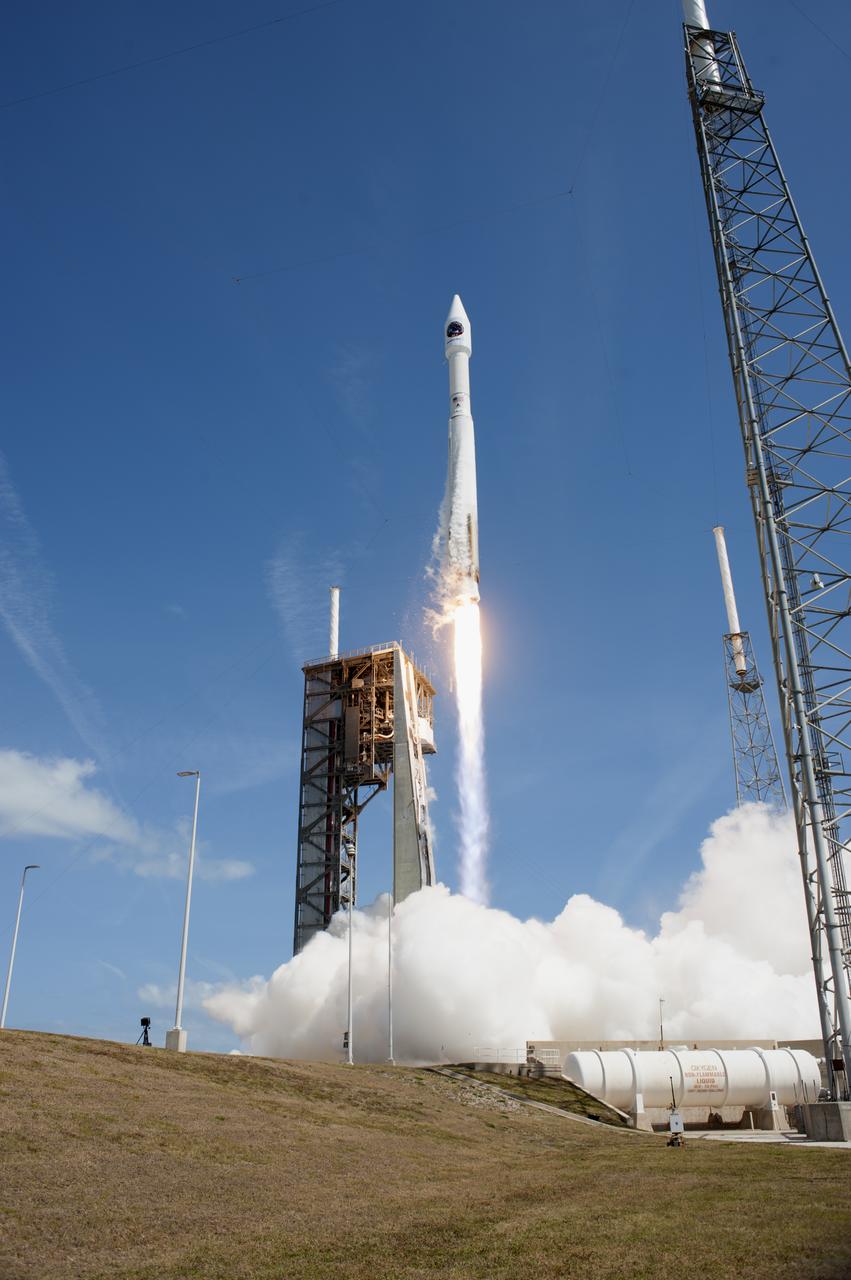
Against the backdrop of a bright blue sky, a United Launch Alliance Atlas V rocket soars upward after liftoff from Space Launch Complex 41 at Cape Canaveral Air Force Station in Florida, carrying the Orbital ATK Cygnus pressurized cargo module on the company's seventh commercial resupply services mission to the International Space Station. Liftoff was at 11:11 a.m. EDT. Cygnus will deliver 7,600 pounds of supplies, equipment and scientific research materials to the space station.
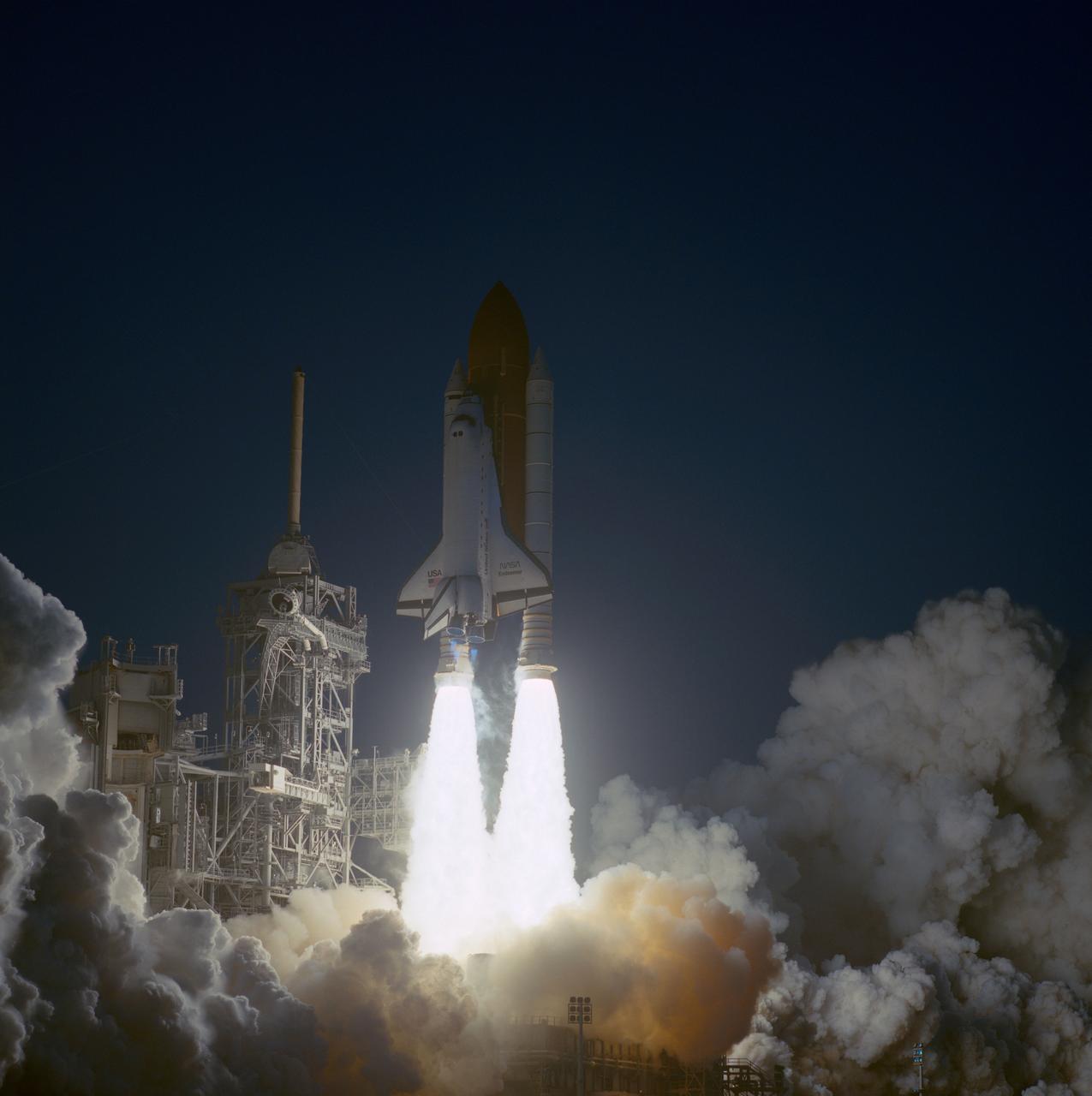
STS059-S-037 (9 April 1994) --- The liftoff of the Space Shuttle Endeavour is backdropped against a dawn sky at the Kennedy Space Center (KSC) as six NASA astronauts head for a week and a half in Earth orbit. Liftoff occurred at 7:05 a.m. (EDT), April 9, 1994. Onboard for the Space Radar Laboratory (SRL-1) mission were astronauts Sidney M. Gutierrez, Kevin P. Chilton, Jerome (Jay) Apt, Linda M. Godwin, Michael R.U. (Rich) Clifford and Thomas D. Jones.
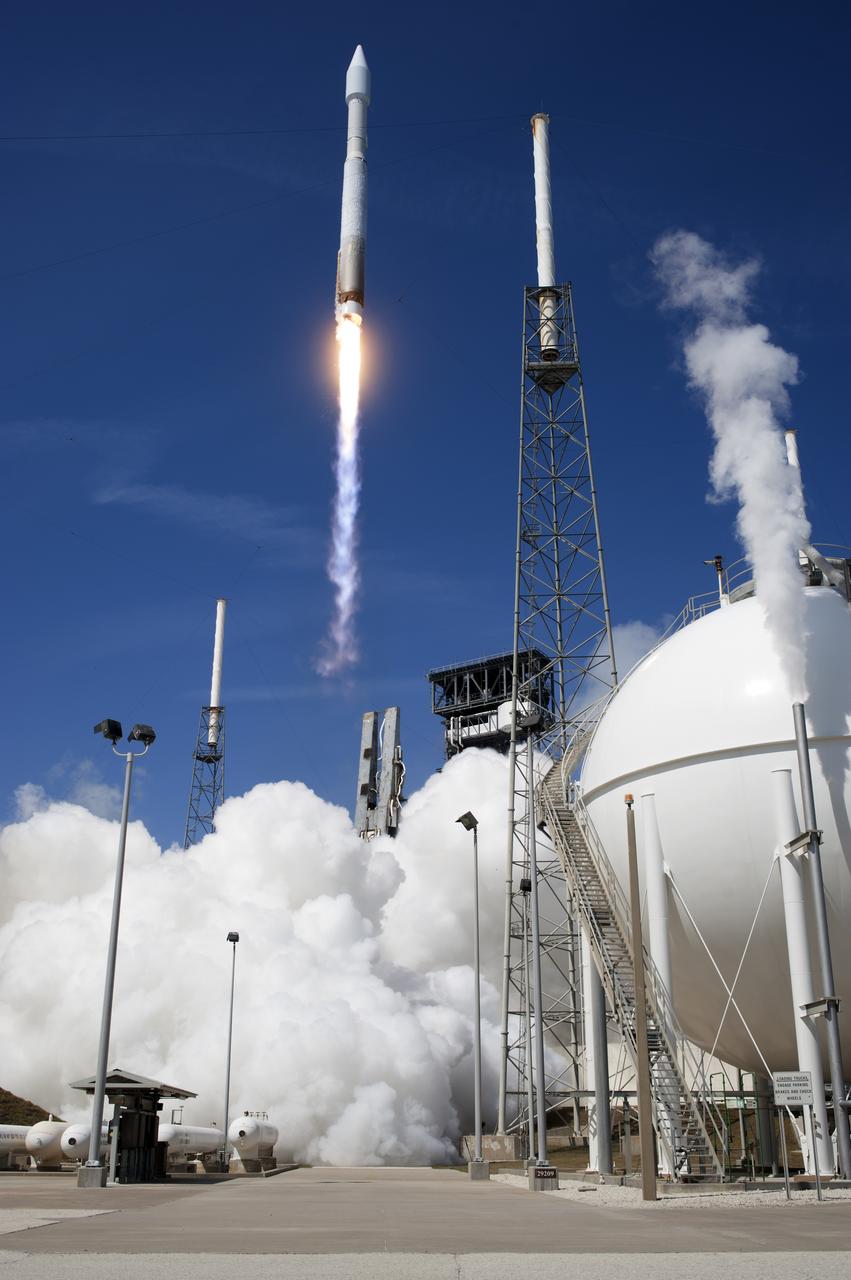
Against the backdrop of a bright blue sky, a United Launch Alliance Atlas V soars upward after liftoff from Space Launch Complex 41 at Cape Canaveral Air Force Station in Florida, carrying the Orbital ATK Cygnus pressurized cargo module on the company's seventh commercial resupply services mission to the International Space Station. Liftoff was at 11:11 a.m. EDT. Cygnus will deliver 7,600 pounds of supplies, equipment and scientific research materials to the space station.
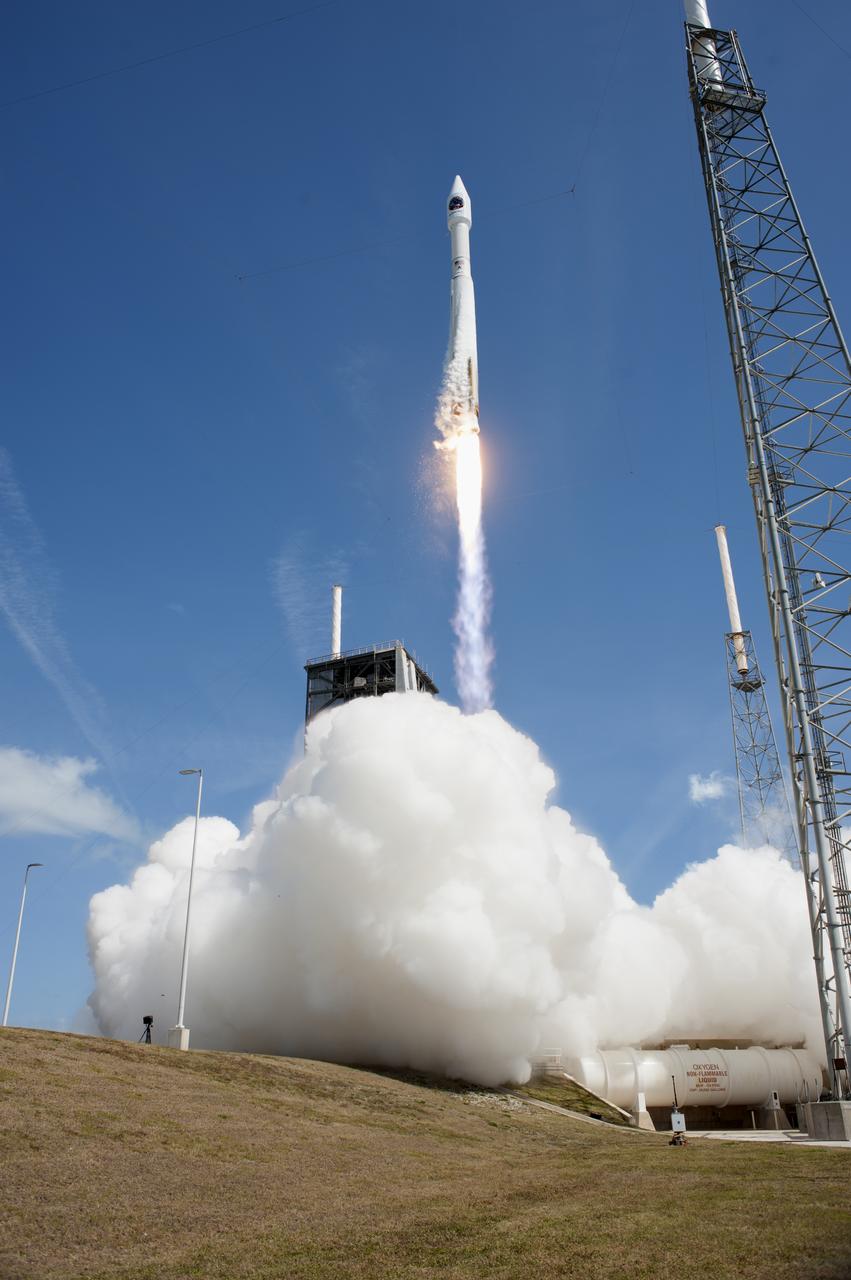
Against the backdrop of a bright blue sky, a United Launch Alliance Atlas V rocket soars upward after liftoff from Space Launch Complex 41 at Cape Canaveral Air Force Station in Florida, carrying the Orbital ATK Cygnus pressurized cargo module on the company's seventh commercial resupply services mission to the International Space Station. Liftoff was at 11:11 a.m. EDT. Cygnus will deliver 7,600 pounds of supplies, equipment and scientific research materials to the space station.
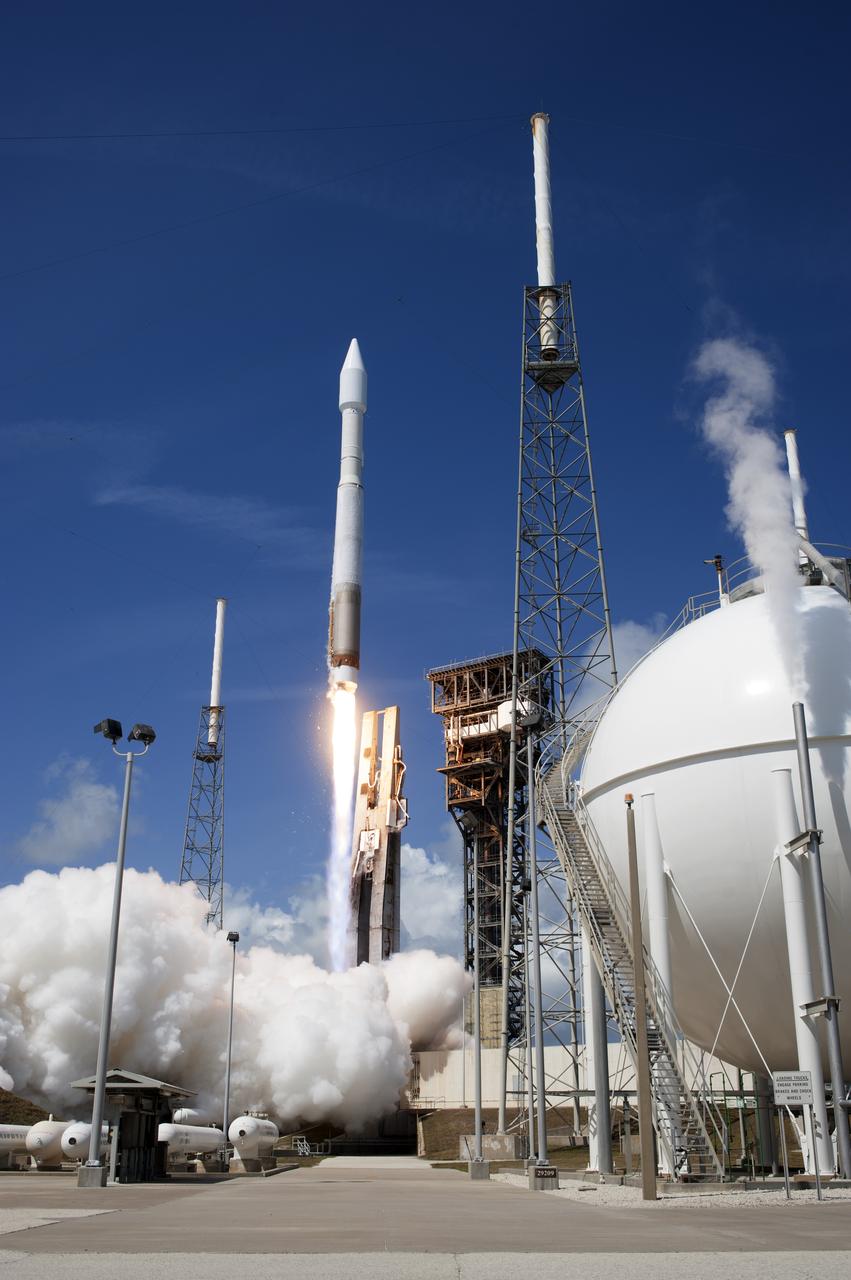
Against the backdrop of a bright blue sky, a United Launch Alliance Atlas V soars upward after liftoff from Space Launch Complex 41 at Cape Canaveral Air Force Station in Florida, carrying the Orbital ATK Cygnus pressurized cargo module on the company's seventh commercial resupply services mission to the International Space Station. Liftoff was at 11:11 a.m. EDT. Cygnus will deliver 7,600 pounds of supplies, equipment and scientific research materials to the space station.
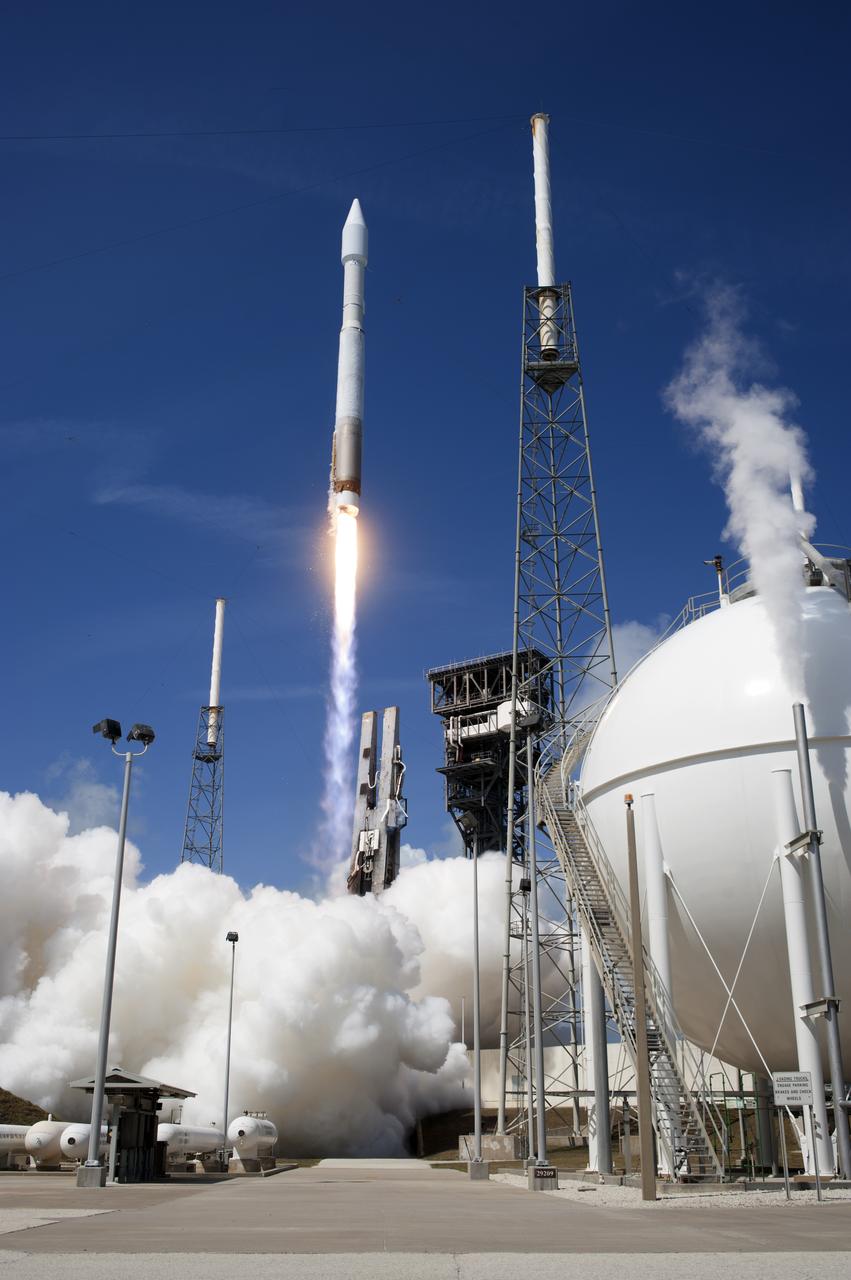
Against the backdrop of a bright blue sky, a United Launch Alliance Atlas V soars upward after liftoff from Space Launch Complex 41 at Cape Canaveral Air Force Station in Florida, carrying the Orbital ATK Cygnus pressurized cargo module on the company's seventh commercial resupply services mission to the International Space Station. Liftoff was at 11:11 a.m. EDT. Cygnus will deliver 7,600 pounds of supplies, equipment and scientific research materials to the space station.
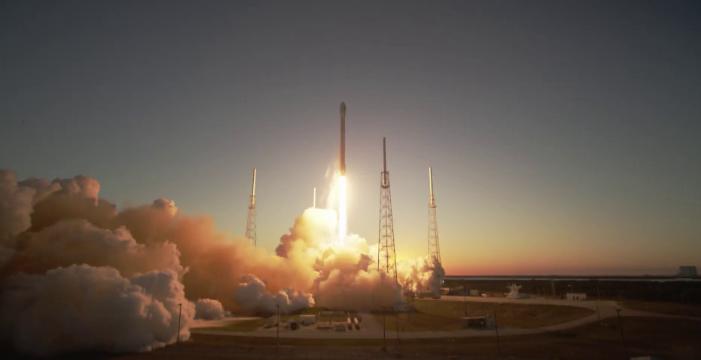
NOAA’s Deep Space Climate Observatory (DSCOVR) lifted off from Cape Canaveral, Florida, at 6:03 p.m. EST on its way to an orbit one million miles from Earth. DSCOVR will give NOAA’s Space Weather Prediction Center (SWPC) forecasters more reliable measurements of solar wind conditions, improving their ability to monitor potentially harmful solar activity. Credit: SpaceX <b><a href="http://www.nasa.gov/audience/formedia/features/MP_Photo_Guidelines.html" rel="nofollow">NASA image use policy.</a></b> <b><a href="http://www.nasa.gov/centers/goddard/home/index.html" rel="nofollow">NASA Goddard Space Flight Center</a></b> enables NASA’s mission through four scientific endeavors: Earth Science, Heliophysics, Solar System Exploration, and Astrophysics. Goddard plays a leading role in NASA’s accomplishments by contributing compelling scientific knowledge to advance the Agency’s mission. <b>Follow us on <a href="http://twitter.com/NASAGoddardPix" rel="nofollow">Twitter</a></b> <b>Like us on <a href="http://www.facebook.com/pages/Greenbelt-MD/NASA-Goddard/395013845897?ref=tsd" rel="nofollow">Facebook</a></b> <b>Find us on <a href="http://instagram.com/nasagoddard?vm=grid" rel="nofollow">Instagram</a></b>
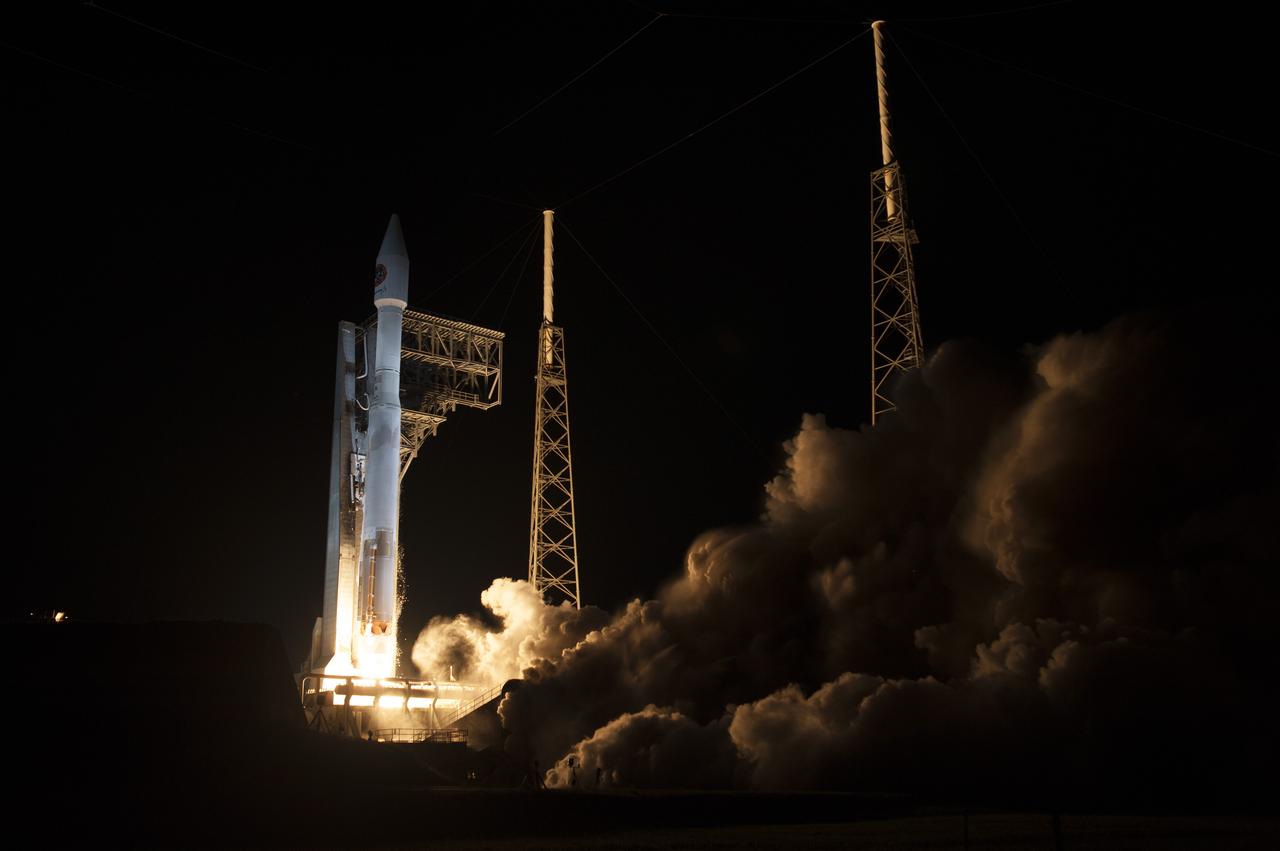
A United Launch Alliance Atlas V rocket lifts off from Space Launch Complex 41 at Cape Canaveral Air Force Station in Florida carrying an Orbital ATK Cygnus resupply spacecraft on a commercial resupply services mission to the International Space Station. Liftoff was at 11:05 p.m. EDT. Cygnus will deliver the second generation of a portable onboard printer to demonstrate 3-D printing, an instrument for first space-based observations of the chemical composition of meteors entering Earth’s atmosphere and an experiment to study how fires burn in microgravity.
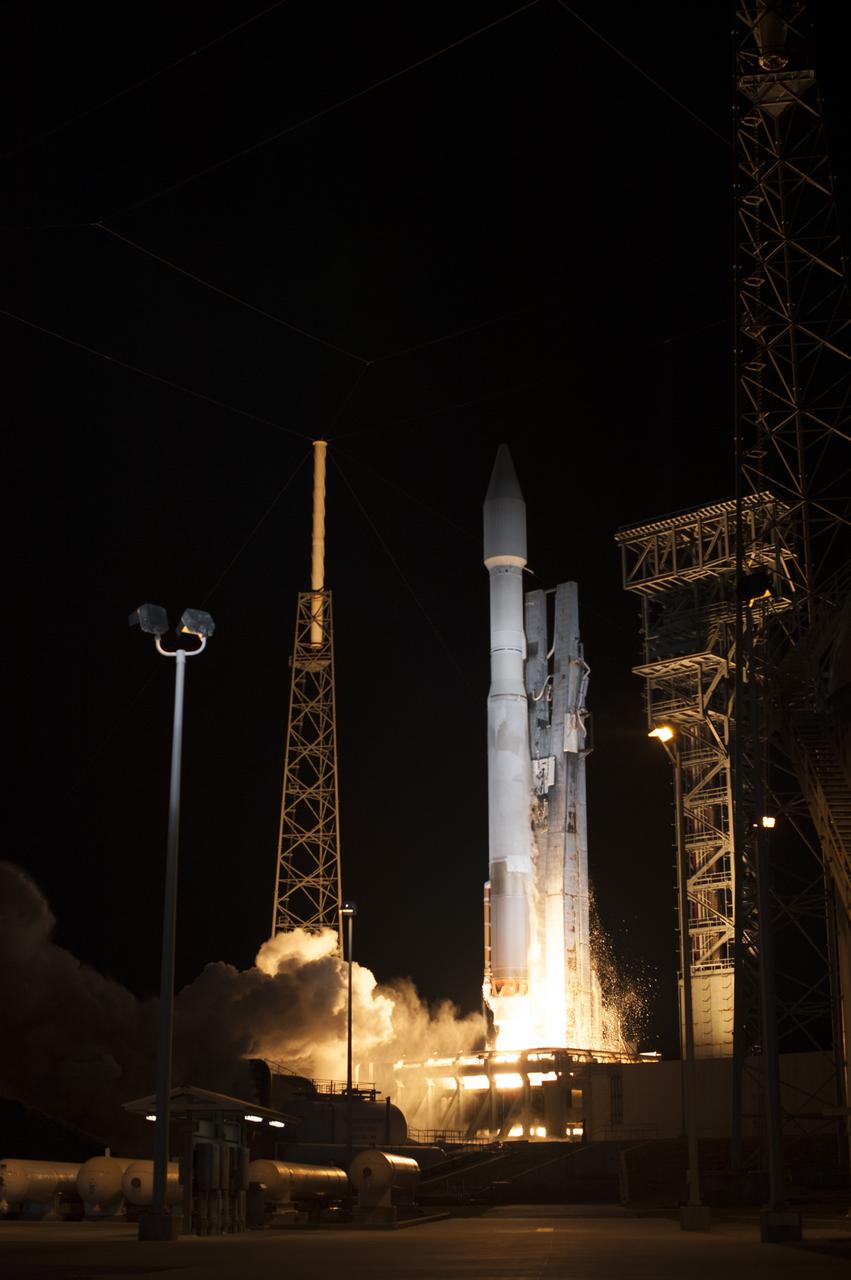
A United Launch Alliance Atlas V rocket lifts off from Space Launch Complex 41 at Cape Canaveral Air Force Station in Florida carrying an Orbital ATK Cygnus resupply spacecraft on a commercial resupply services mission to the International Space Station. Liftoff was at 11:05 p.m. EDT. Cygnus will deliver the second generation of a portable onboard printer to demonstrate 3-D printing, an instrument for first space-based observations of the chemical composition of meteors entering Earth’s atmosphere and an experiment to study how fires burn in microgravity.
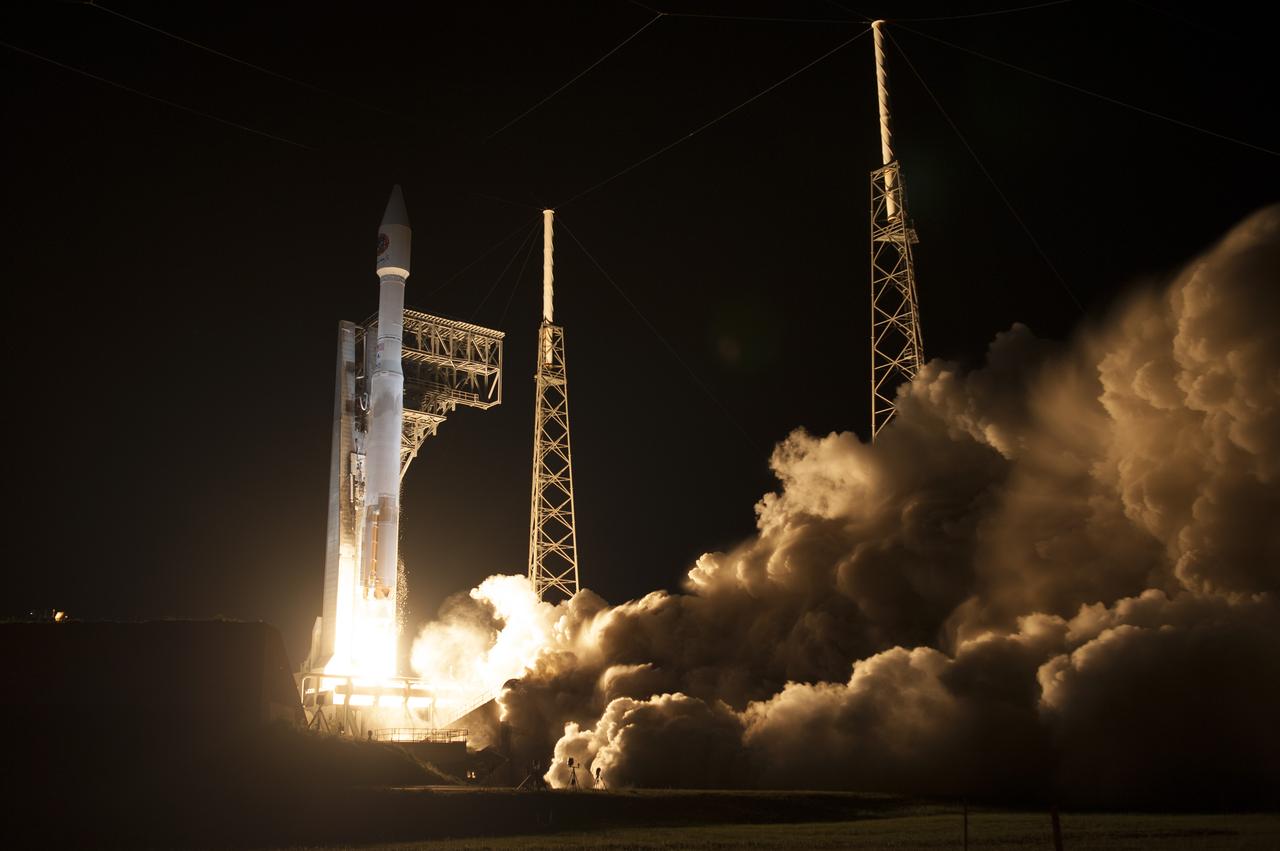
A United Launch Alliance Atlas V rocket lifts off from Space Launch Complex 41 at Cape Canaveral Air Force Station in Florida carrying an Orbital ATK Cygnus resupply spacecraft on a commercial resupply services mission to the International Space Station. Liftoff was at 11:05 p.m. EDT. Cygnus will deliver the second generation of a portable onboard printer to demonstrate 3-D printing, an instrument for first space-based observations of the chemical composition of meteors entering Earth’s atmosphere and an experiment to study how fires burn in microgravity.
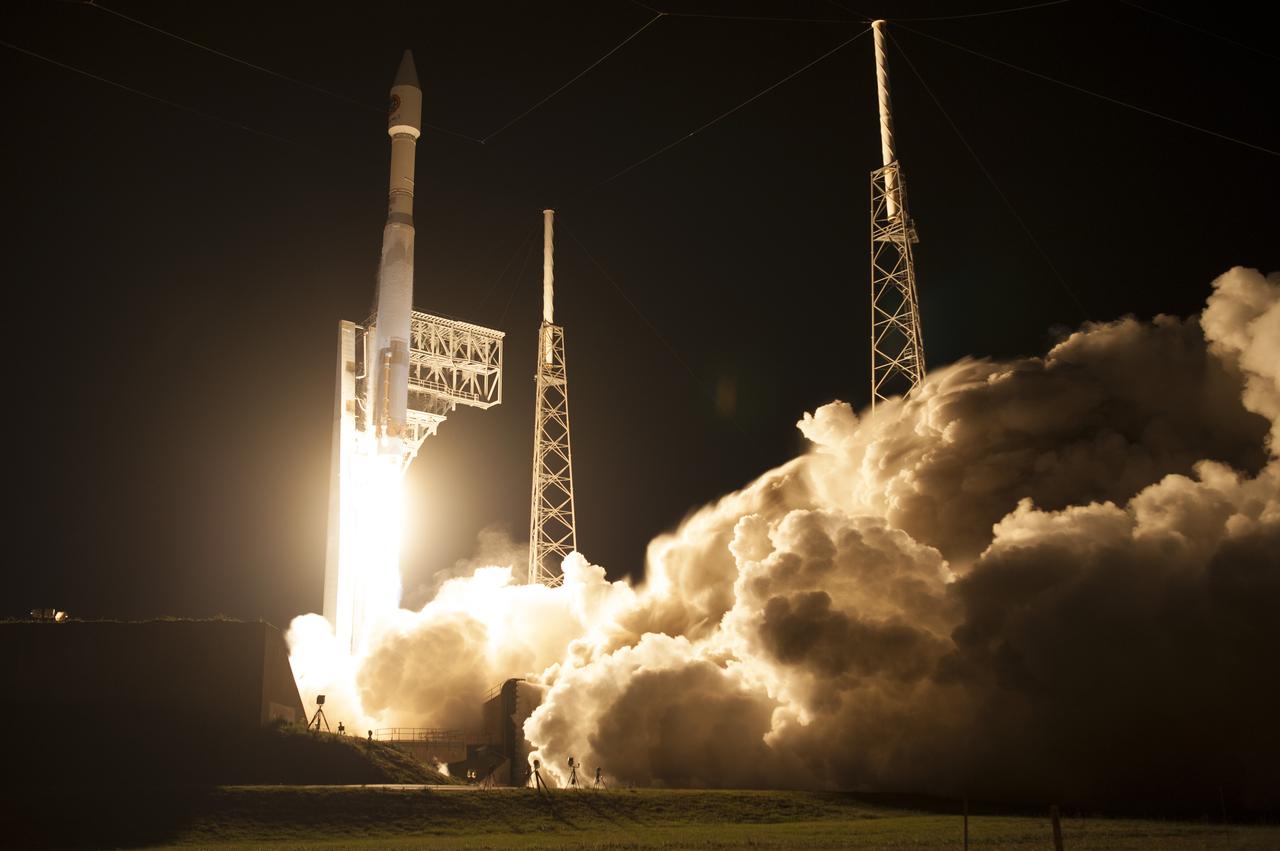
A United Launch Alliance Atlas V rocket lifts off from Space Launch Complex 41 at Cape Canaveral Air Force Station in Florida carrying an Orbital ATK Cygnus resupply spacecraft on a commercial resupply services mission to the International Space Station. Liftoff was at 11:05 p.m. EDT. Cygnus will deliver the second generation of a portable onboard printer to demonstrate 3-D printing, an instrument for first space-based observations of the chemical composition of meteors entering Earth’s atmosphere and an experiment to study how fires burn in microgravity.
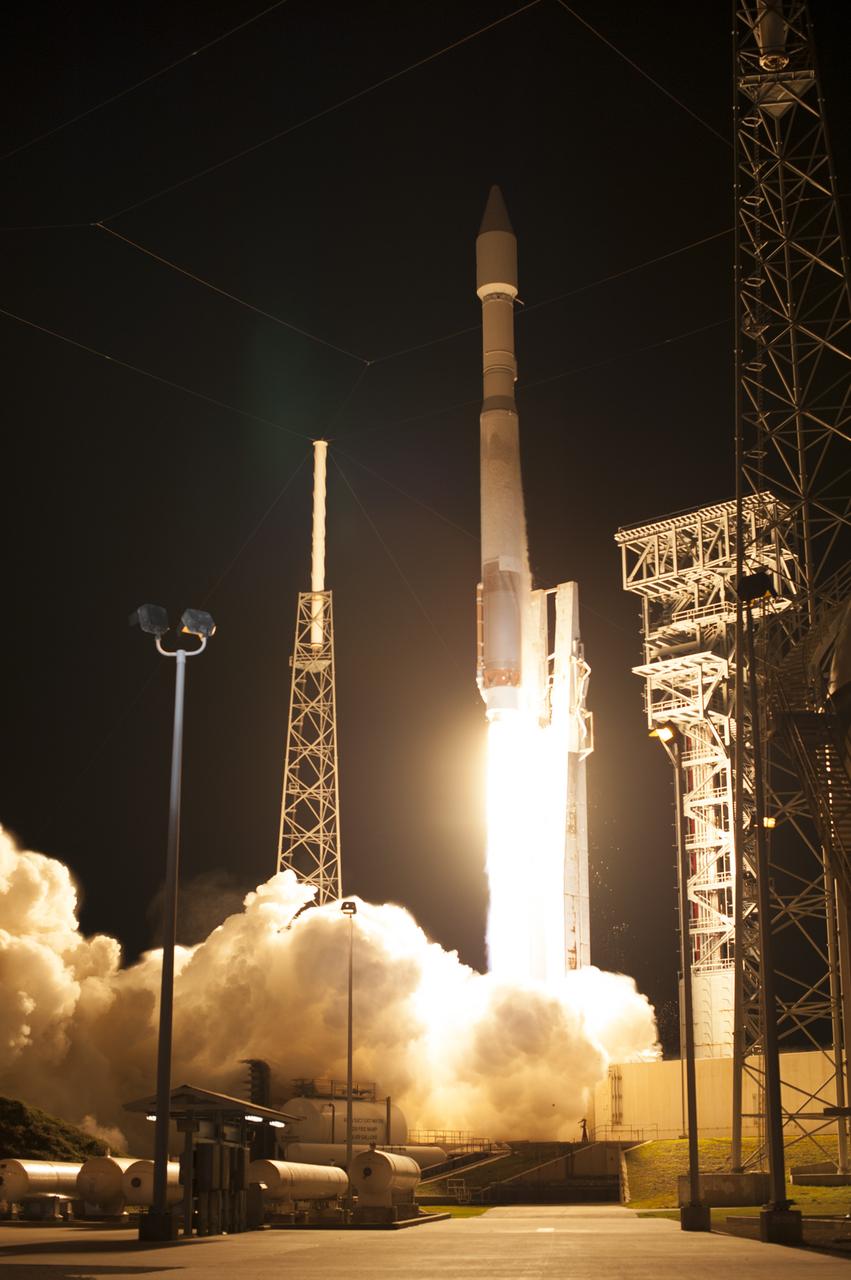
A United Launch Alliance Atlas V rocket lifts off from Space Launch Complex 41 at Cape Canaveral Air Force Station in Florida carrying an Orbital ATK Cygnus resupply spacecraft on a commercial resupply services mission to the International Space Station. Liftoff was at 11:05 p.m. EDT. Cygnus will deliver the second generation of a portable onboard printer to demonstrate 3-D printing, an instrument for first space-based observations of the chemical composition of meteors entering Earth’s atmosphere and an experiment to study how fires burn in microgravity.
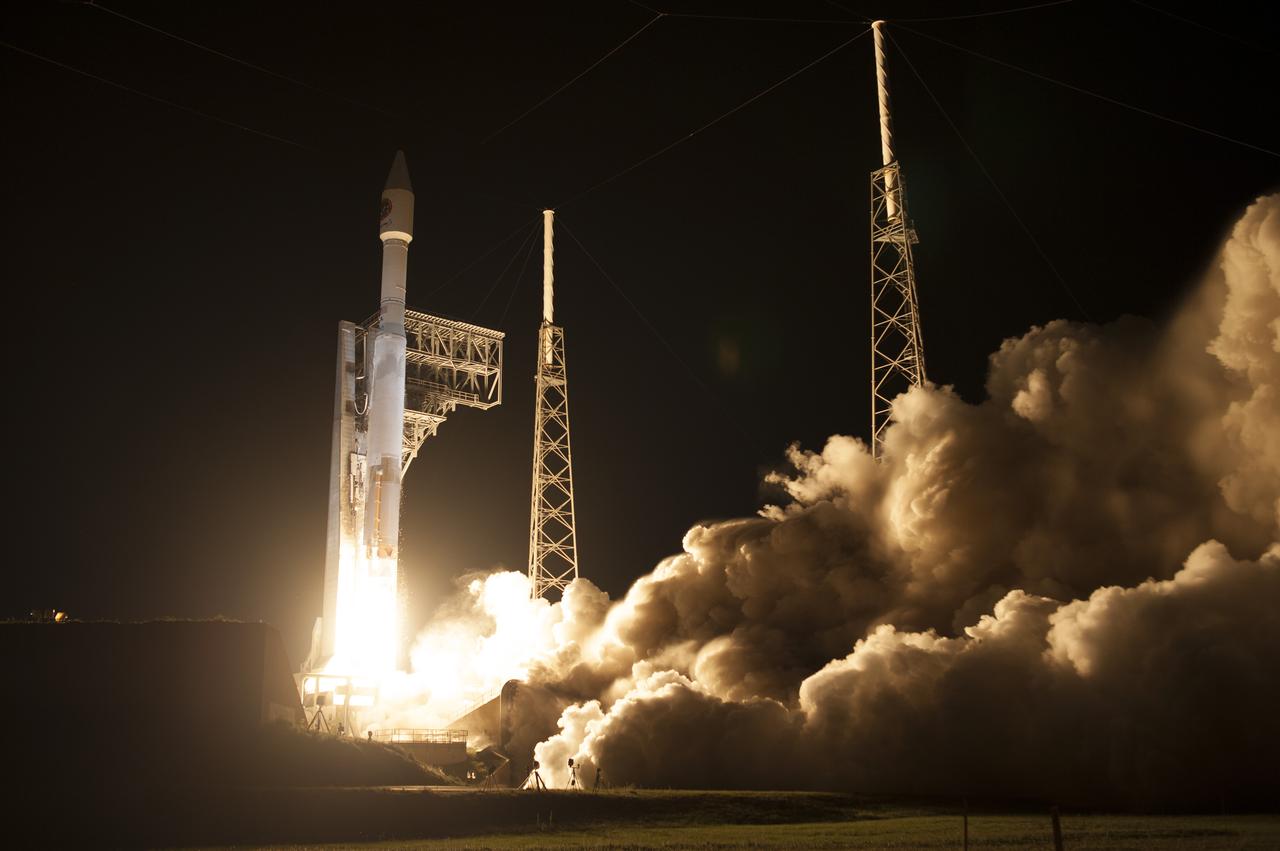
A United Launch Alliance Atlas V rocket lifts off from Space Launch Complex 41 at Cape Canaveral Air Force Station in Florida carrying an Orbital ATK Cygnus resupply spacecraft on a commercial resupply services mission to the International Space Station. Liftoff was at 11:05 p.m. EDT. Cygnus will deliver the second generation of a portable onboard printer to demonstrate 3-D printing, an instrument for first space-based observations of the chemical composition of meteors entering Earth’s atmosphere and an experiment to study how fires burn in microgravity.
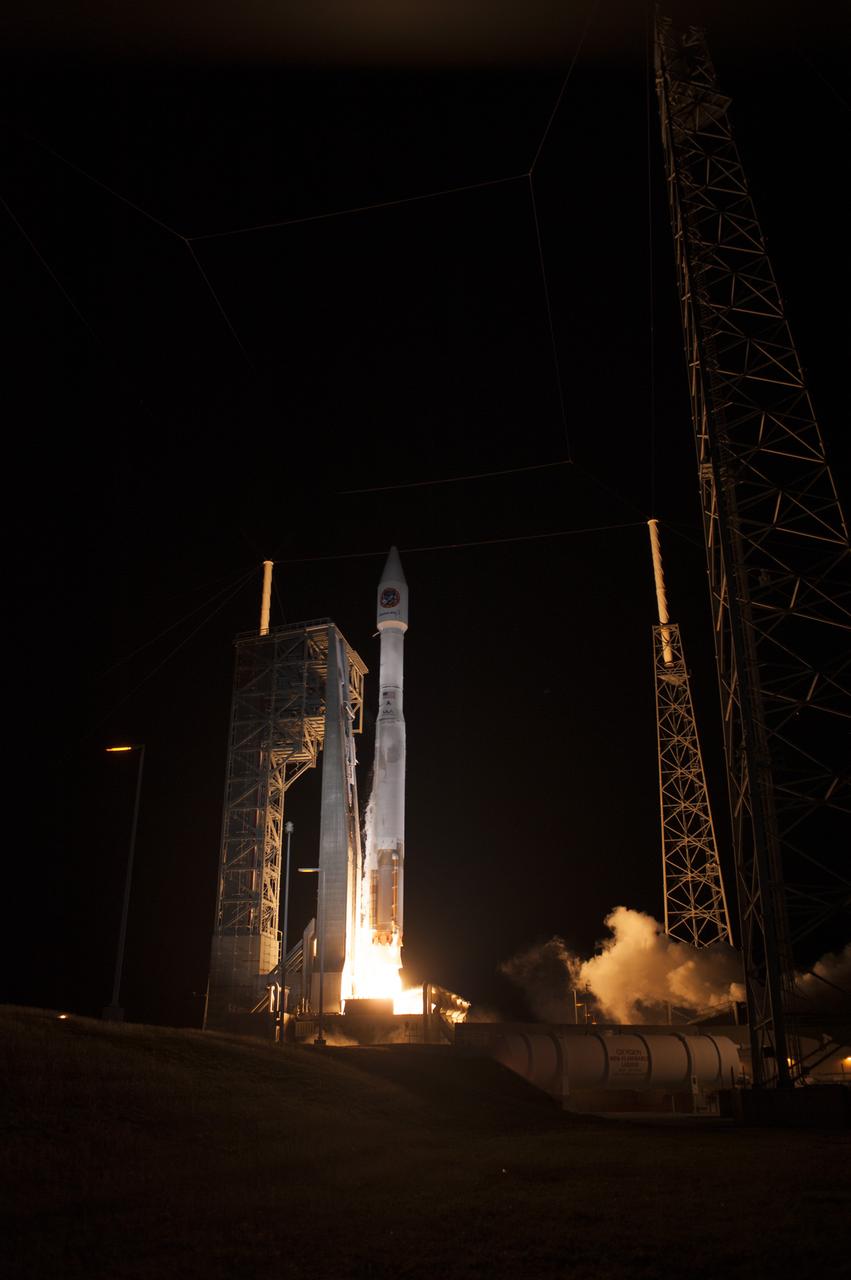
A United Launch Alliance Atlas V rocket lifts off from Space Launch Complex 41 at Cape Canaveral Air Force Station in Florida carrying an Orbital ATK Cygnus resupply spacecraft on a commercial resupply services mission to the International Space Station. Liftoff was at 11:05 p.m. EDT. Cygnus will deliver the second generation of a portable onboard printer to demonstrate 3-D printing, an instrument for first space-based observations of the chemical composition of meteors entering Earth’s atmosphere and an experiment to study how fires burn in microgravity.
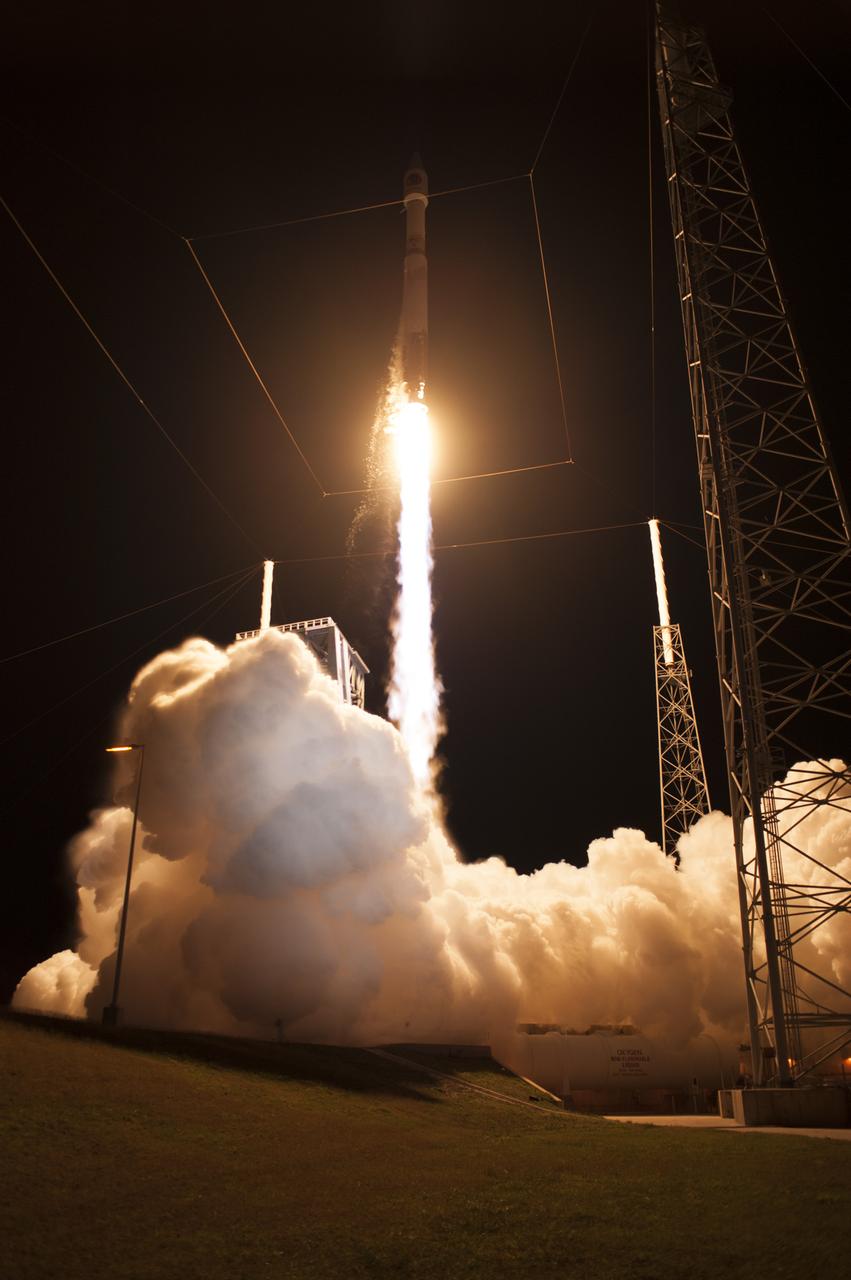
A United Launch Alliance Atlas V rocket lifts off from Space Launch Complex 41 at Cape Canaveral Air Force Station in Florida carrying an Orbital ATK Cygnus resupply spacecraft on a commercial resupply services mission to the International Space Station. Liftoff was at 11:05 p.m. EDT. Cygnus will deliver the second generation of a portable onboard printer to demonstrate 3-D printing, an instrument for first space-based observations of the chemical composition of meteors entering Earth’s atmosphere and an experiment to study how fires burn in microgravity.
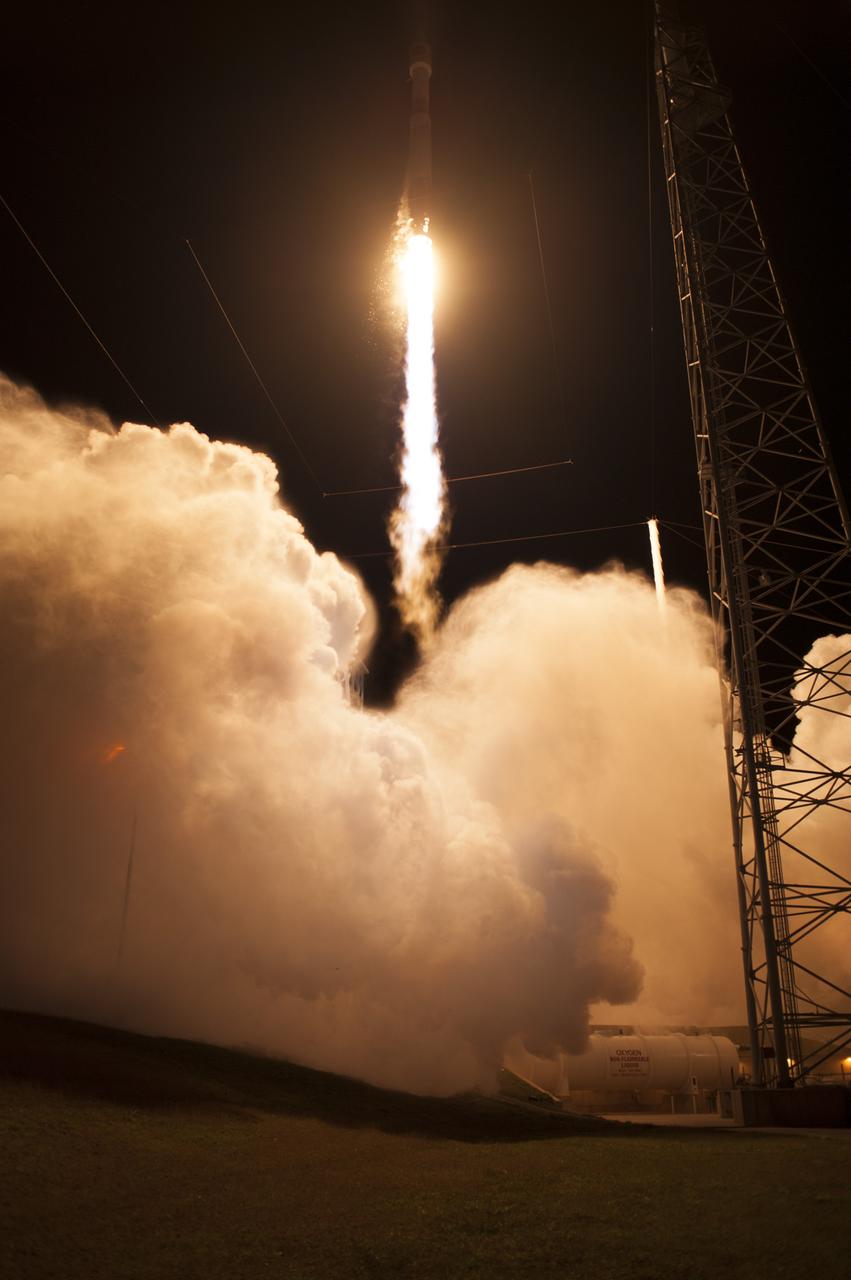
A United Launch Alliance Atlas V rocket lifts off from Space Launch Complex 41 at Cape Canaveral Air Force Station in Florida carrying an Orbital ATK Cygnus resupply spacecraft on a commercial resupply services mission to the International Space Station. Liftoff was at 11:05 p.m. EDT. Cygnus will deliver the second generation of a portable onboard printer to demonstrate 3-D printing, an instrument for first space-based observations of the chemical composition of meteors entering Earth’s atmosphere and an experiment to study how fires burn in microgravity.
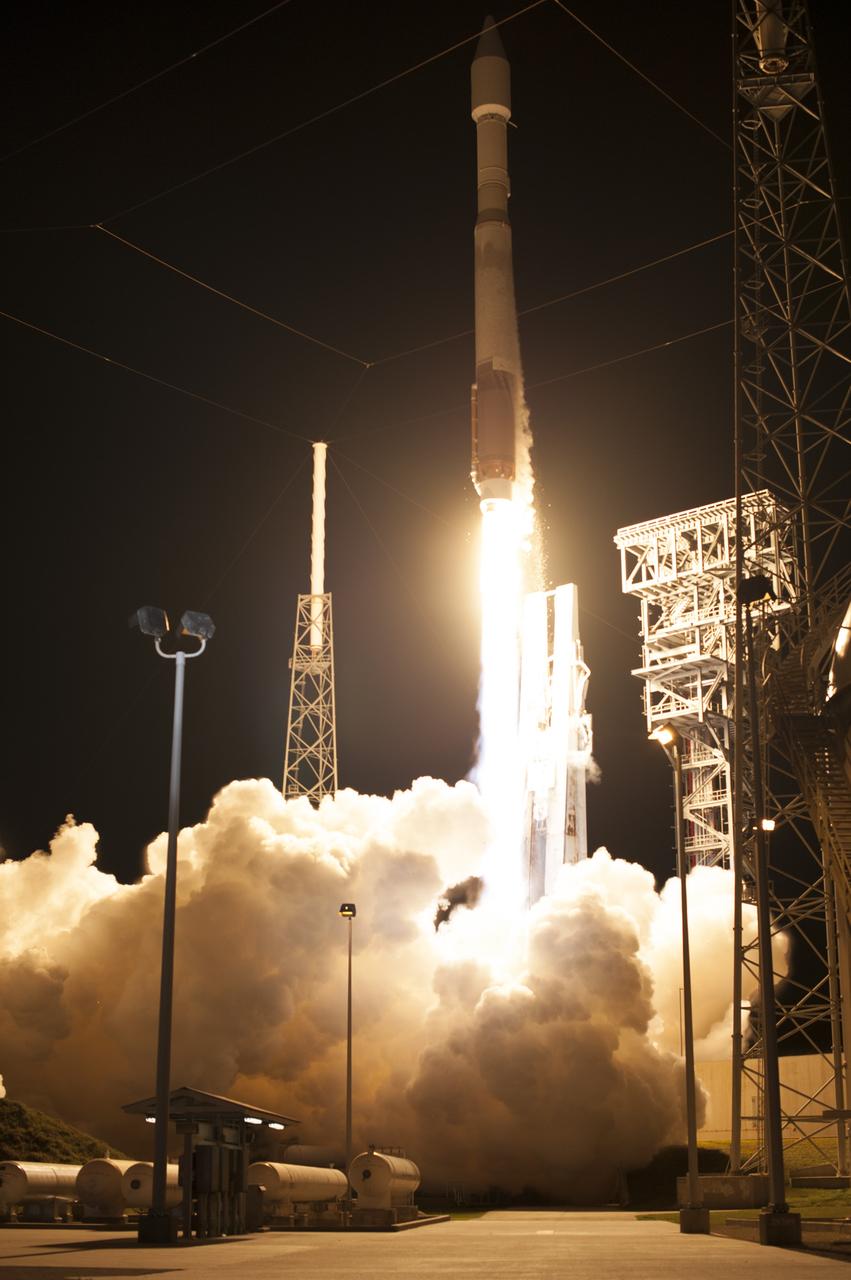
A United Launch Alliance Atlas V rocket lifts off from Space Launch Complex 41 at Cape Canaveral Air Force Station in Florida carrying an Orbital ATK Cygnus resupply spacecraft on a commercial resupply services mission to the International Space Station. Liftoff was at 11:05 p.m. EDT. Cygnus will deliver the second generation of a portable onboard printer to demonstrate 3-D printing, an instrument for first space-based observations of the chemical composition of meteors entering Earth’s atmosphere and an experiment to study how fires burn in microgravity.
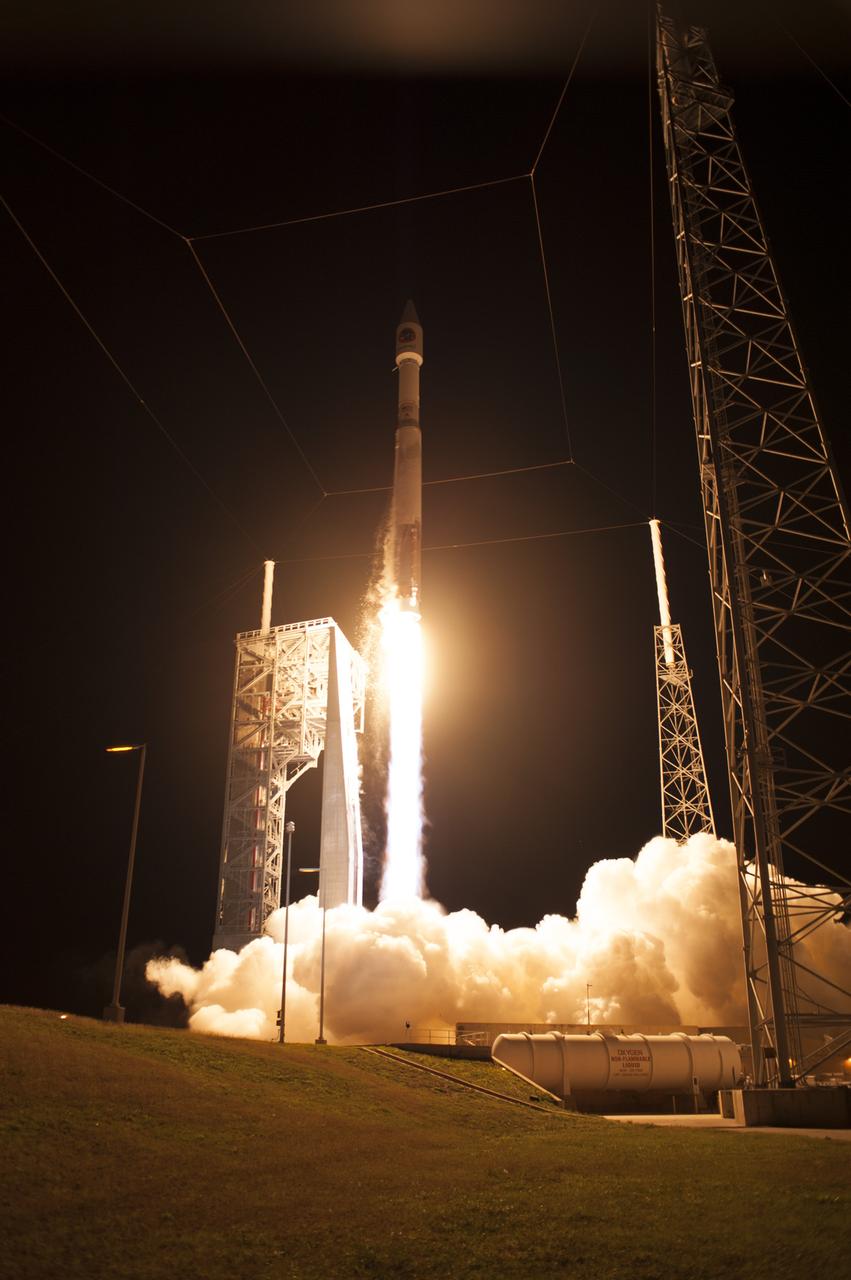
A United Launch Alliance Atlas V rocket lifts off from Space Launch Complex 41 at Cape Canaveral Air Force Station in Florida carrying an Orbital ATK Cygnus resupply spacecraft on a commercial resupply services mission to the International Space Station. Liftoff was at 11:05 p.m. EDT. Cygnus will deliver the second generation of a portable onboard printer to demonstrate 3-D printing, an instrument for first space-based observations of the chemical composition of meteors entering Earth’s atmosphere and an experiment to study how fires burn in microgravity.
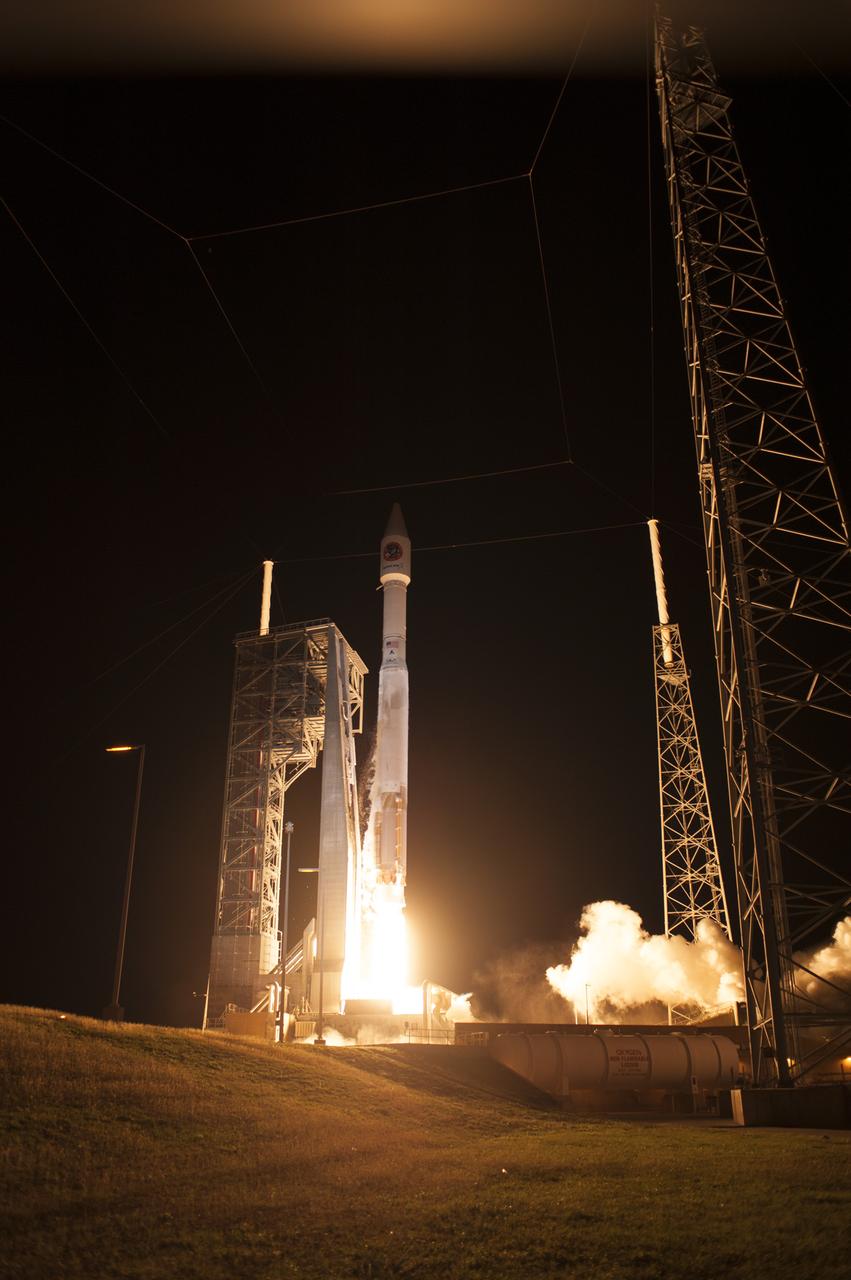
A United Launch Alliance Atlas V rocket lifts off from Space Launch Complex 41 at Cape Canaveral Air Force Station in Florida carrying an Orbital ATK Cygnus resupply spacecraft on a commercial resupply services mission to the International Space Station. Liftoff was at 11:05 p.m. EDT. Cygnus will deliver the second generation of a portable onboard printer to demonstrate 3-D printing, an instrument for first space-based observations of the chemical composition of meteors entering Earth’s atmosphere and an experiment to study how fires burn in microgravity.
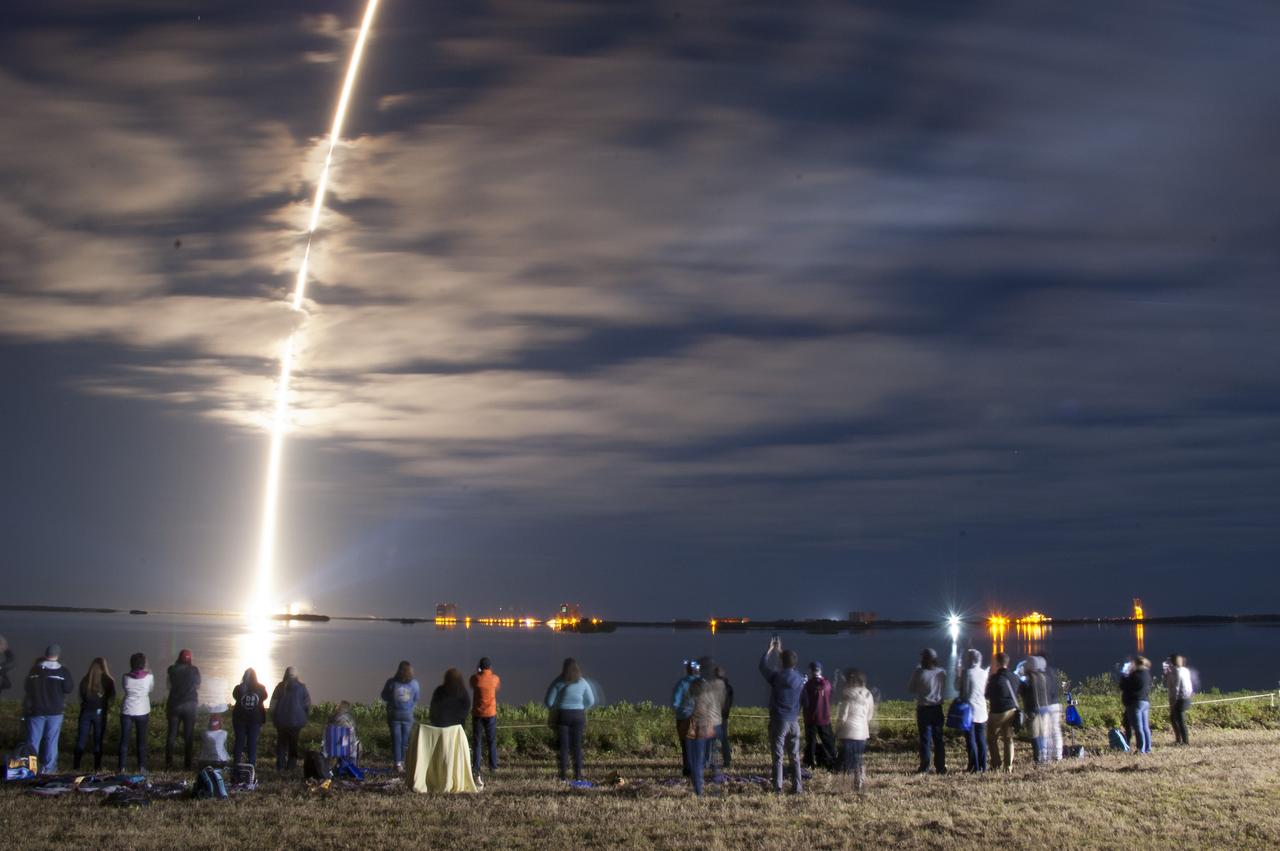
In a time-lapse exposure, a United Launch Alliance Atlas V rocket lifts off from Space Launch Complex 41 at Cape Canaveral Air Force Station carrying an Orbital ATK Cygnus resupply spacecraft on a commercial resupply services mission to the International Space Station. Liftoff was at 11:05 p.m. EDT. Cygnus will deliver the second generation of a portable onboard printer to demonstrate 3-D printing, an instrument for first space-based observations of the chemical composition of meteors entering Earth’s atmosphere and an experiment to study how fires burn in microgravity.
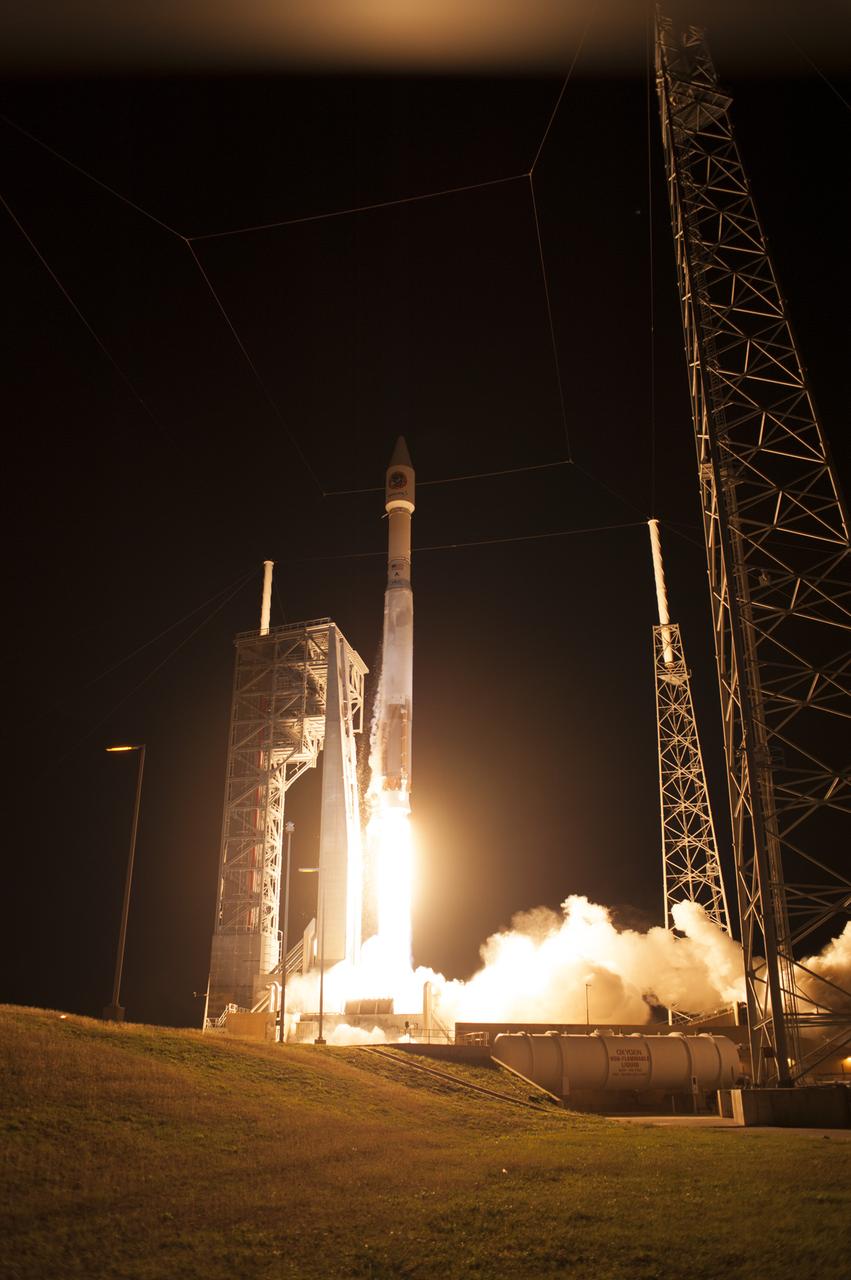
A United Launch Alliance Atlas V rocket lifts off from Space Launch Complex 41 at Cape Canaveral Air Force Station in Florida carrying an Orbital ATK Cygnus resupply spacecraft on a commercial resupply services mission to the International Space Station. Liftoff was at 11:05 p.m. EDT. Cygnus will deliver the second generation of a portable onboard printer to demonstrate 3-D printing, an instrument for first space-based observations of the chemical composition of meteors entering Earth’s atmosphere and an experiment to study how fires burn in microgravity.
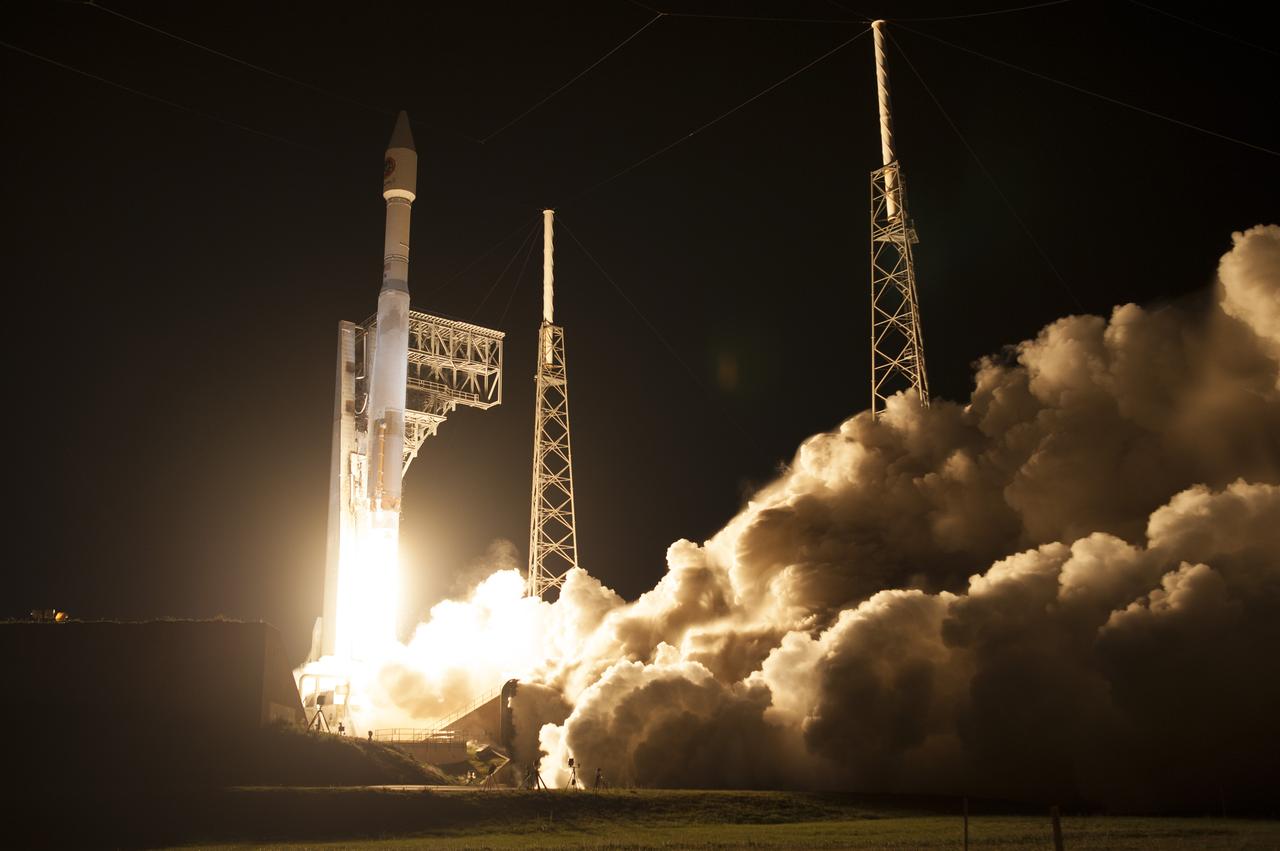
A United Launch Alliance Atlas V rocket lifts off from Space Launch Complex 41 at Cape Canaveral Air Force Station in Florida carrying an Orbital ATK Cygnus resupply spacecraft on a commercial resupply services mission to the International Space Station. Liftoff was at 11:05 p.m. EDT. Cygnus will deliver the second generation of a portable onboard printer to demonstrate 3-D printing, an instrument for first space-based observations of the chemical composition of meteors entering Earth’s atmosphere and an experiment to study how fires burn in microgravity.
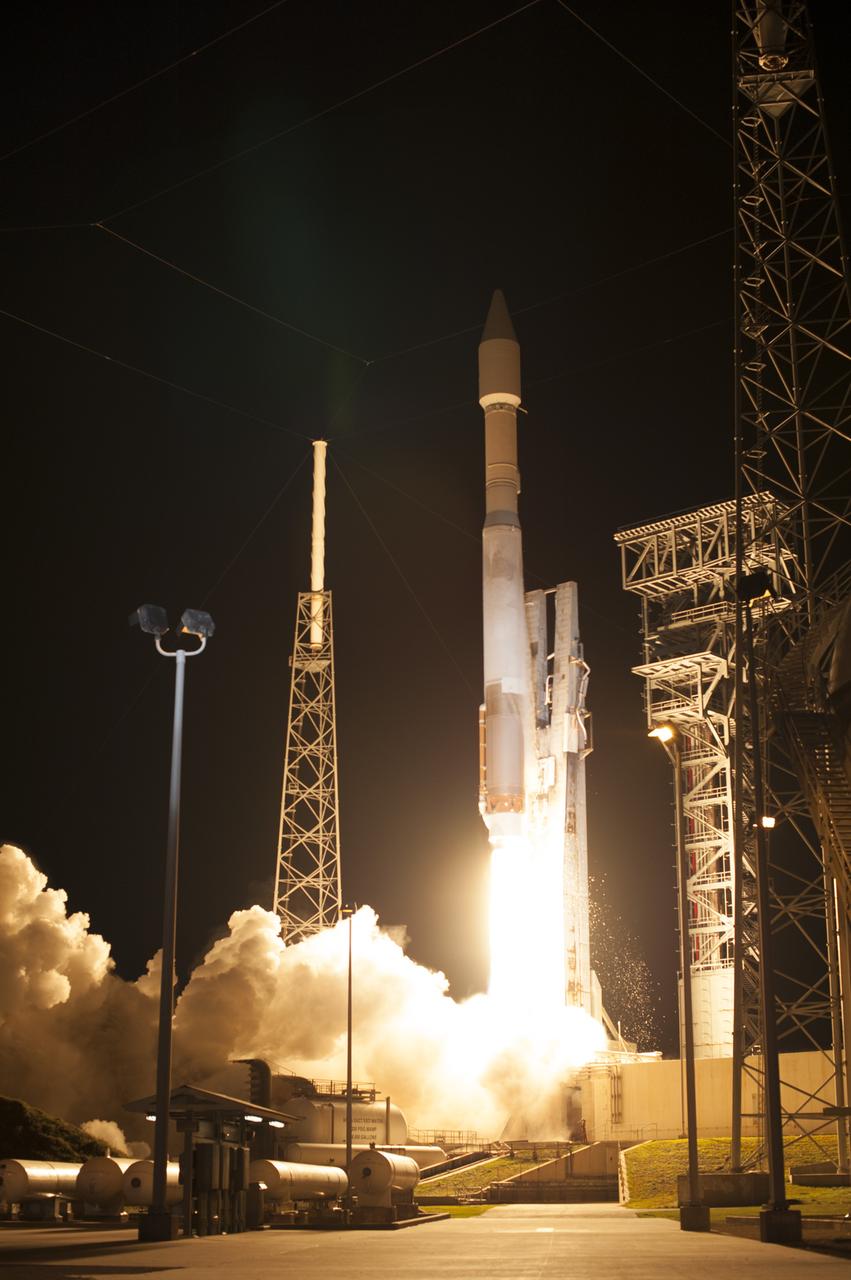
A United Launch Alliance Atlas V rocket lifts off from Space Launch Complex 41 at Cape Canaveral Air Force Station in Florida carrying an Orbital ATK Cygnus resupply spacecraft on a commercial resupply services mission to the International Space Station. Liftoff was at 11:05 p.m. EDT. Cygnus will deliver the second generation of a portable onboard printer to demonstrate 3-D printing, an instrument for first space-based observations of the chemical composition of meteors entering Earth’s atmosphere and an experiment to study how fires burn in microgravity.
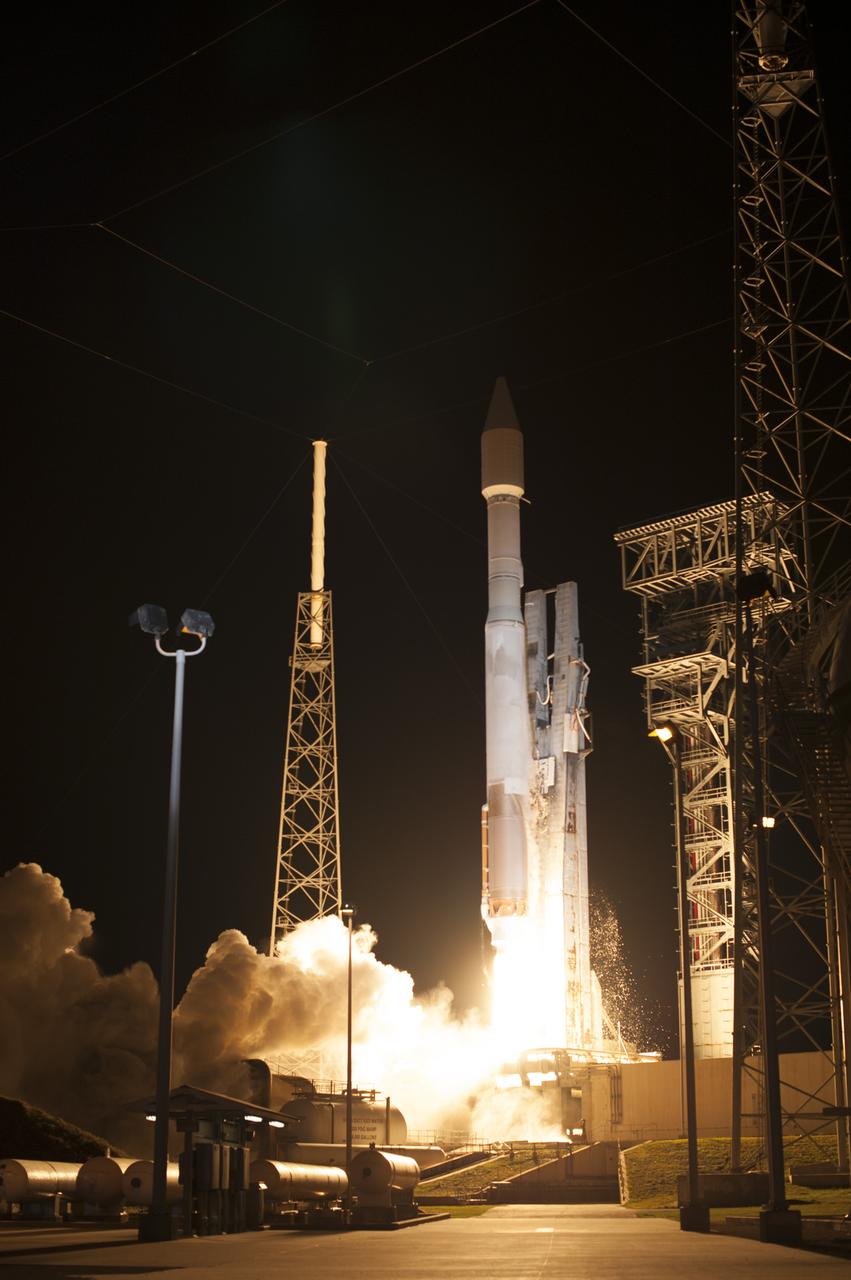
A United Launch Alliance Atlas V rocket lifts off from Space Launch Complex 41 at Cape Canaveral Air Force Station in Florida carrying an Orbital ATK Cygnus resupply spacecraft on a commercial resupply services mission to the International Space Station. Liftoff was at 11:05 p.m. EDT. Cygnus will deliver the second generation of a portable onboard printer to demonstrate 3-D printing, an instrument for first space-based observations of the chemical composition of meteors entering Earth’s atmosphere and an experiment to study how fires burn in microgravity.
CAPE CANAVERAL, Fla. -- The engines ignite under the United Launch Alliance Atlas V rocket, lifting NASA's Tracking and Data Relay Satellite, or TDRS-L, off Space Launch Complex 41 on Cape Canaveral Air Force Station in Florida. Launch was at 9:33 p.m. EST Jan. 23 during a 40-minute launch window. The TDRS-L spacecraft is the second of three new satellites designed to ensure vital operational continuity for NASA by expanding the lifespan of the Tracking and Data Relay Satellite System TDRSS fleet, which consists of eight satellites in geosynchronous orbit. The spacecraft provide tracking, telemetry, command and high-bandwidth data return services for numerous science and human exploration missions orbiting Earth. These include NASA's Hubble Space Telescope and the International Space Station. TDRS-L has a high-performance solar panel designed for more spacecraft power to meet the growing S-band communications requirements. TDRSS is one of three NASA Space Communication and Navigation SCaN networks providing space communications to NASA’s missions. For more information more about TDRS-L, visit http://www.nasa.gov/tdrs. To learn more about SCaN, visit www.nasa.gov/scan. Photo credit: NASA/Frankie Martin
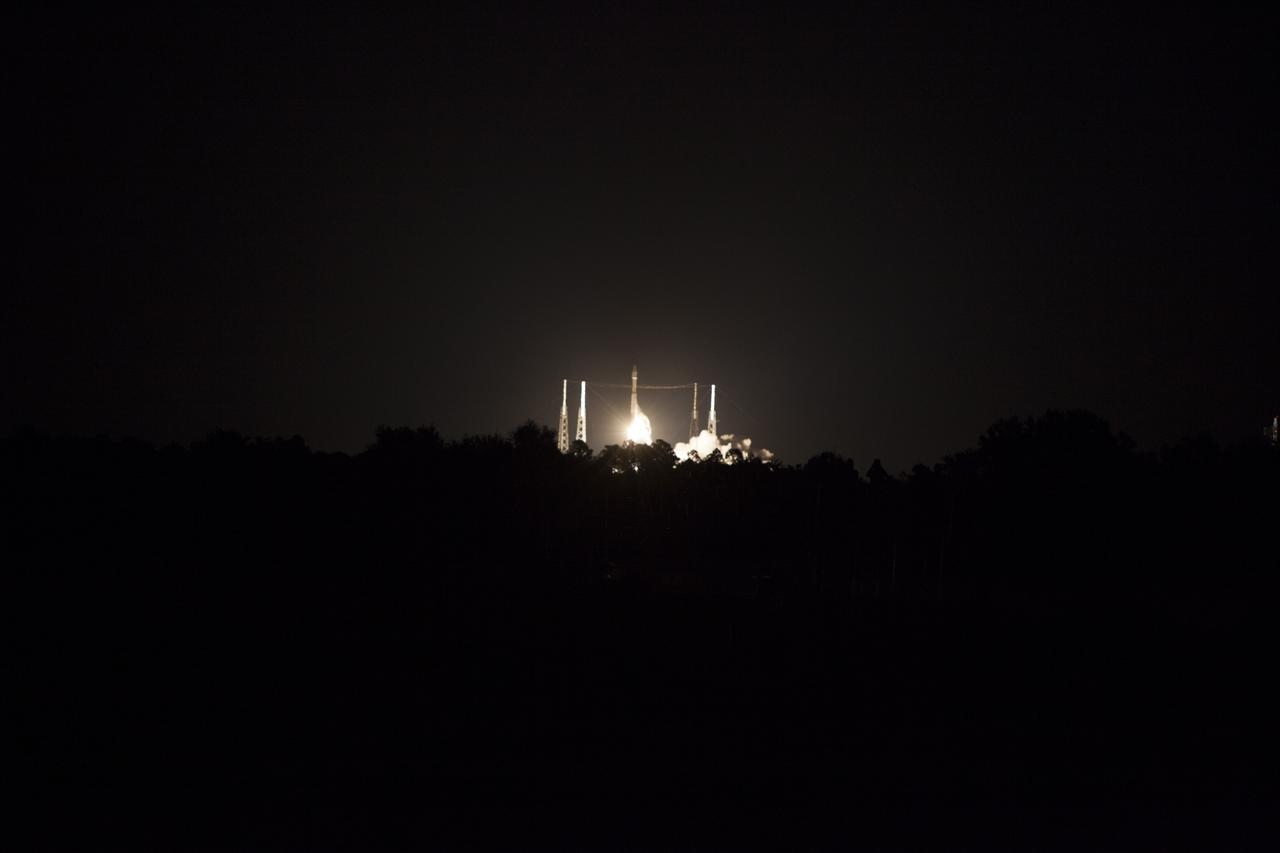
CAPE CANAVERAL, Fla. -- The United Launch Alliance Atlas V rocket carrying NASA's Tracking and Data Relay Satellite, or TDRS-L, soars off Space Launch Complex 41 on Cape Canaveral Air Force Station in Florida. Launch was at 9:33 p.m. EST Jan. 23 during a 40-minute launch window. The TDRS-L spacecraft is the second of three new satellites designed to ensure vital operational continuity for NASA by expanding the lifespan of the Tracking and Data Relay Satellite System TDRSS fleet, which consists of eight satellites in geosynchronous orbit. The spacecraft provide tracking, telemetry, command and high-bandwidth data return services for numerous science and human exploration missions orbiting Earth. These include NASA's Hubble Space Telescope and the International Space Station. TDRS-L has a high-performance solar panel designed for more spacecraft power to meet the growing S-band communications requirements. TDRSS is one of three NASA Space Communication and Navigation SCaN networks providing space communications to NASA’s missions. For more information more about TDRS-L, visit http://www.nasa.gov/tdrs. To learn more about SCaN, visit www.nasa.gov/scan. Photo credit: NASA/Frankie Martin
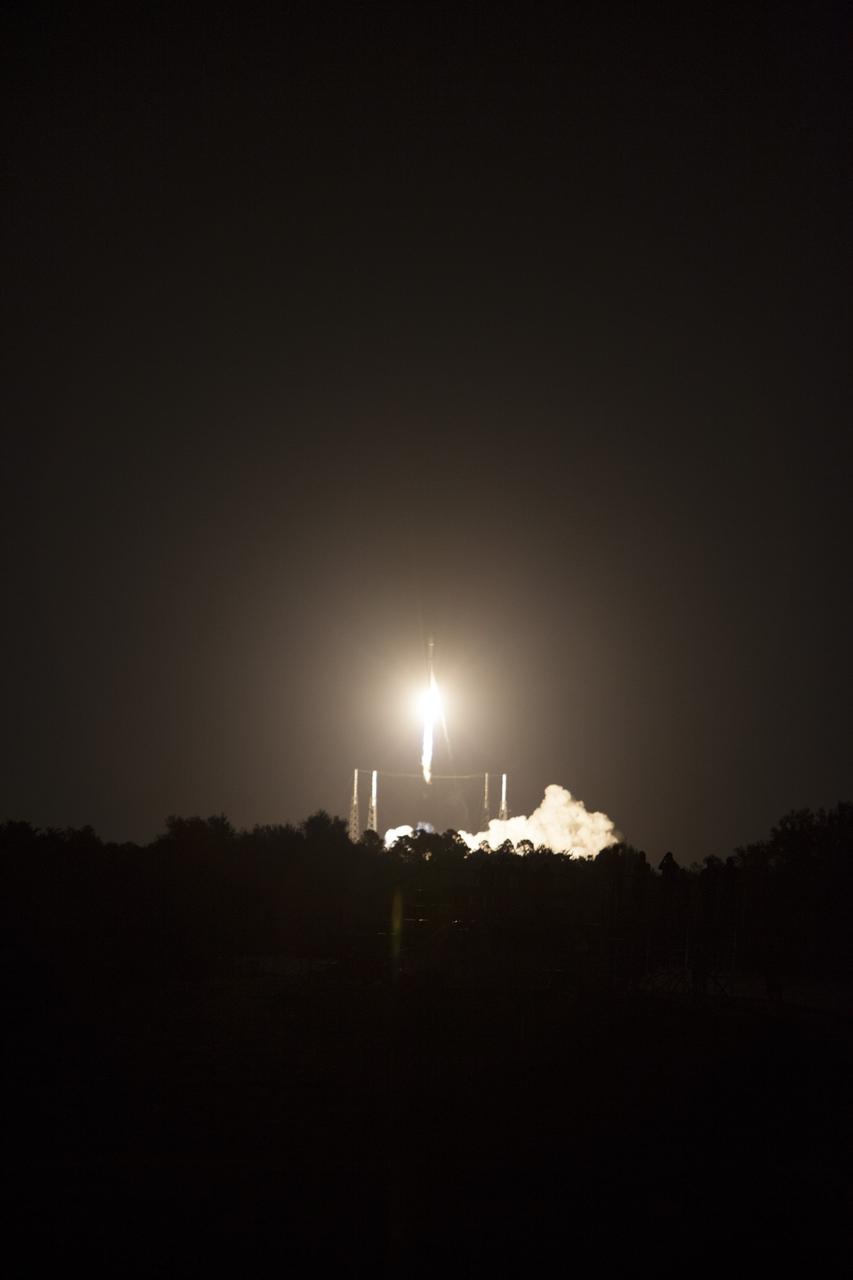
CAPE CANAVERAL, Fla. -- A United Launch Alliance Atlas V rocket soars off Space Launch Complex 41 at Cape Canaveral Air Force Station in Florida into the night, carrying NASA's Tracking and Data Relay Satellite, or TDRS-L, to Earth orbit. Launch was at 9:33 p.m. EST Jan. 23 during a 40-minute launch window. The TDRS-L spacecraft is the second of three new satellites designed to ensure vital operational continuity for NASA by expanding the lifespan of the Tracking and Data Relay Satellite System TDRSS fleet, which consists of eight satellites in geosynchronous orbit. The spacecraft provide tracking, telemetry, command and high-bandwidth data return services for numerous science and human exploration missions orbiting Earth. These include NASA's Hubble Space Telescope and the International Space Station. TDRS-L has a high-performance solar panel designed for more spacecraft power to meet the growing S-band communications requirements. TDRSS is one of three NASA Space Communication and Navigation SCaN networks providing space communications to NASA’s missions. For more information more about TDRS-L, visit http://www.nasa.gov/tdrs. To learn more about SCaN, visit www.nasa.gov/scan. Photo credit: NASA/Kim Shiflett
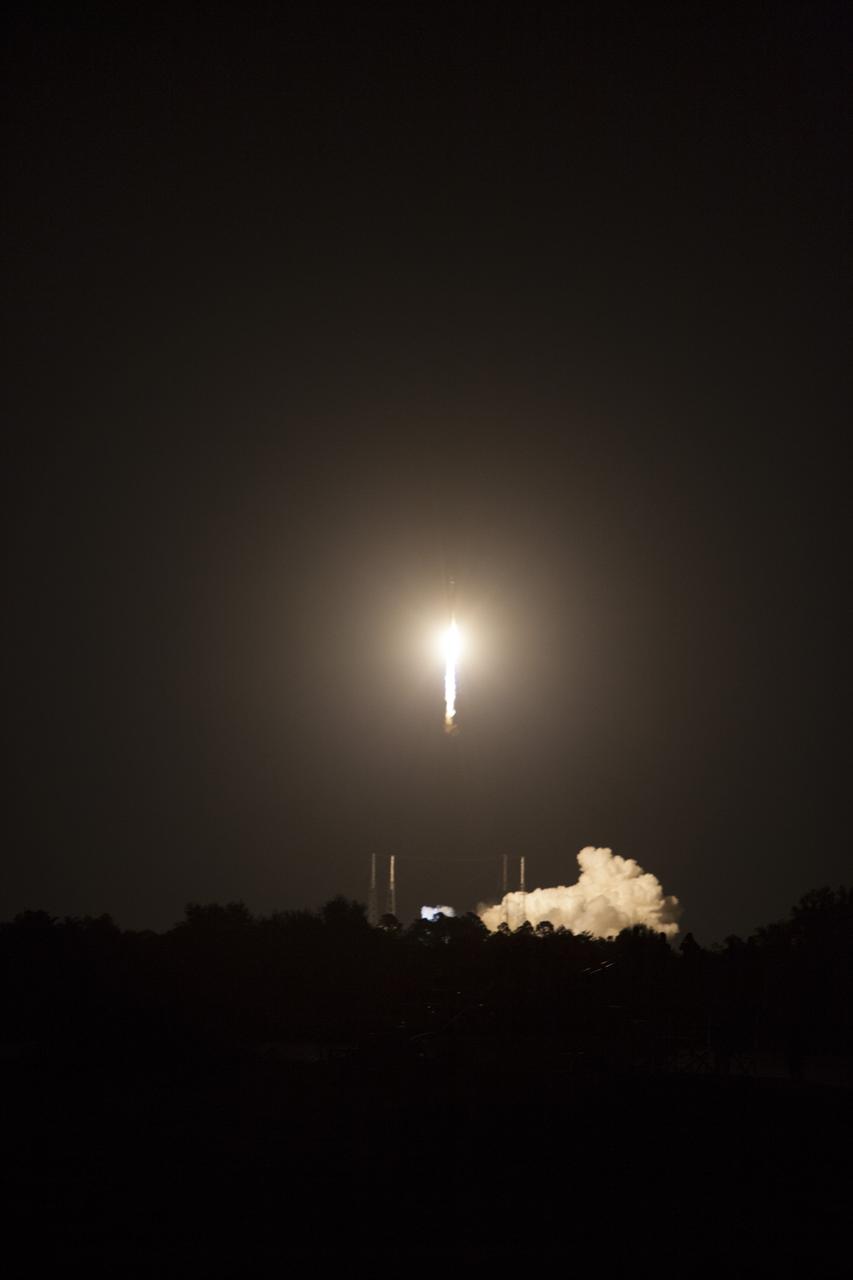
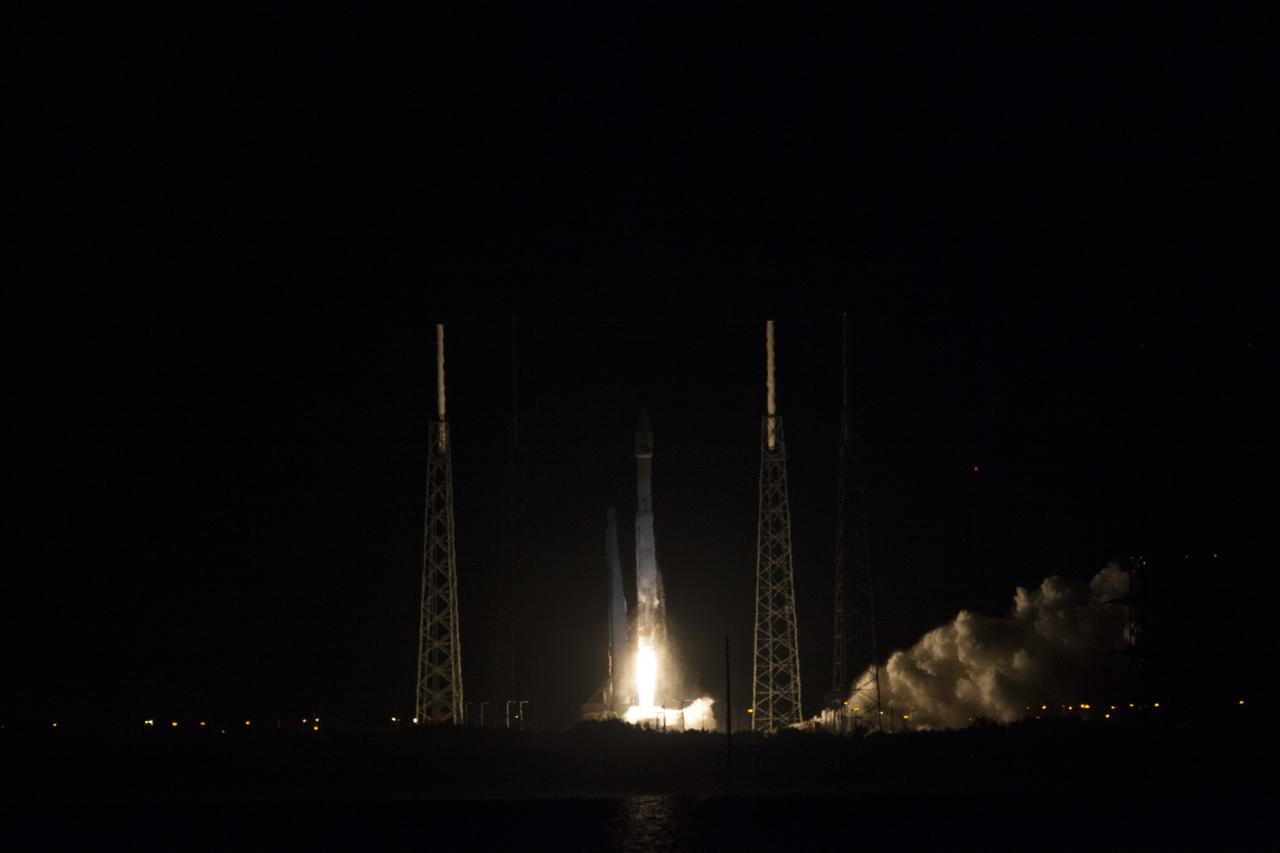
CAPE CANAVERAL, Fla. -- A United Launch Alliance Atlas V rocket soars into the night from Space Launch Complex 41 at Cape Canaveral Air Force Station in Florida, carrying NASA's Tracking and Data Relay Satellite, or TDRS-L, to Earth orbit. Launch was at 9:33 p.m. EST Jan. 23 during a 40-minute launch window. The TDRS-L spacecraft is the second of three new satellites designed to ensure vital operational continuity for NASA by expanding the lifespan of the Tracking and Data Relay Satellite System TDRSS fleet, which consists of eight satellites in geosynchronous orbit. The spacecraft provide tracking, telemetry, command and high-bandwidth data return services for numerous science and human exploration missions orbiting Earth. These include NASA's Hubble Space Telescope and the International Space Station. TDRS-L has a high-performance solar panel designed for more spacecraft power to meet the growing S-band communications requirements. TDRSS is one of three NASA Space Communication and Navigation SCaN networks providing space communications to NASA’s missions. For more information more about TDRS-L, visit http://www.nasa.gov/tdrs. To learn more about SCaN, visit www.nasa.gov/scan. Photo credit: NASA/Frankie Martin
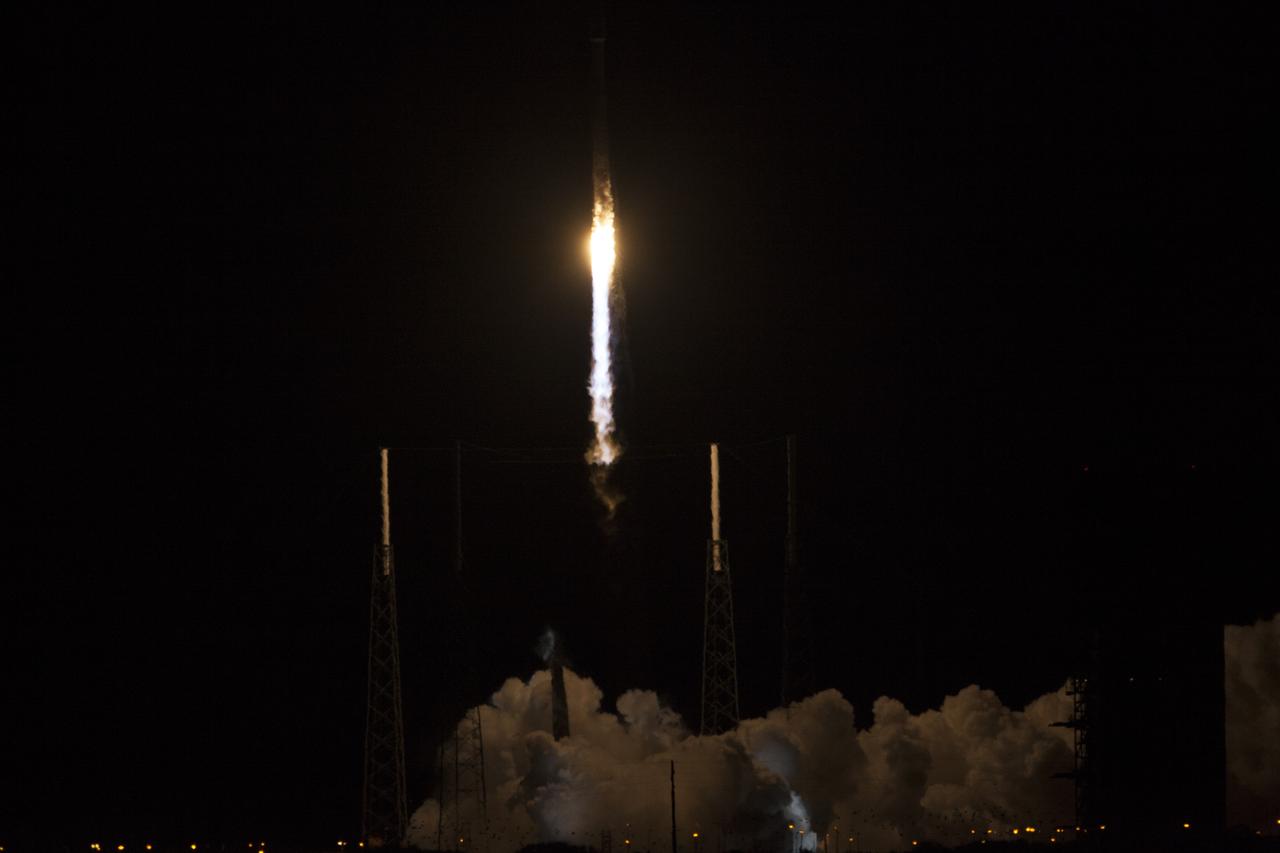
CAPE CANAVERAL, Fla. -- A United Launch Alliance Atlas V rocket streaks into the night from Space Launch Complex 41 at Cape Canaveral Air Force Station in Florida, carrying NASA's Tracking and Data Relay Satellite, or TDRS-L, to Earth orbit. Launch was at 9:33 p.m. EST Jan. 23 during a 40-minute launch window. The TDRS-L spacecraft is the second of three new satellites designed to ensure vital operational continuity for NASA by expanding the lifespan of the Tracking and Data Relay Satellite System TDRSS fleet, which consists of eight satellites in geosynchronous orbit. The spacecraft provide tracking, telemetry, command and high-bandwidth data return services for numerous science and human exploration missions orbiting Earth. These include NASA's Hubble Space Telescope and the International Space Station. TDRS-L has a high-performance solar panel designed for more spacecraft power to meet the growing S-band communications requirements. TDRSS is one of three NASA Space Communication and Navigation SCaN networks providing space communications to NASA’s missions. For more information more about TDRS-L, visit http://www.nasa.gov/tdrs. To learn more about SCaN, visit www.nasa.gov/scan. Photo credit: NASA/Kim Shiflett
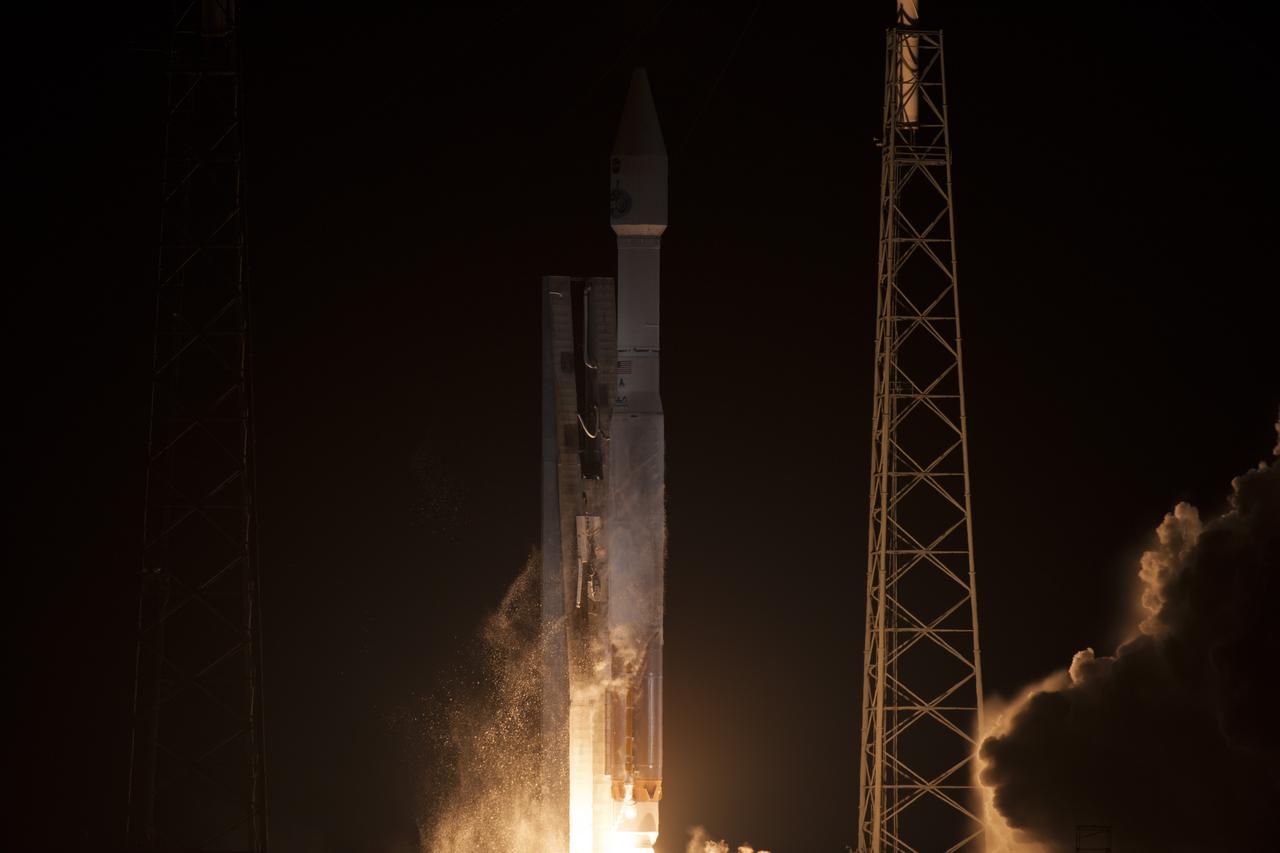
CAPE CANAVERAL, Fla. -- An exhaust plume forms at Space Launch Complex 41 on Cape Canaveral Air Force Station in Florida as the engines ignite under the United Launch Alliance Atlas V rocket carrying NASA's Tracking and Data Relay Satellite, or TDRS-L, to Earth orbit. Launch was at 9:33 p.m. EST Jan. 23 during a 40-minute launch window. The TDRS-L spacecraft is the second of three new satellites designed to ensure vital operational continuity for NASA by expanding the lifespan of the Tracking and Data Relay Satellite System TDRSS fleet, which consists of eight satellites in geosynchronous orbit. The spacecraft provide tracking, telemetry, command and high-bandwidth data return services for numerous science and human exploration missions orbiting Earth. These include NASA's Hubble Space Telescope and the International Space Station. TDRS-L has a high-performance solar panel designed for more spacecraft power to meet the growing S-band communications requirements. TDRSS is one of three NASA Space Communication and Navigation SCaN networks providing space communications to NASA’s missions. For more information more about TDRS-L, visit http://www.nasa.gov/tdrs. To learn more about SCaN, visit www.nasa.gov/scan. Photo credit: NASA/George Roberts

CAPE CANAVERAL, Fla. -- Obscured in darkness, a United Launch Alliance Atlas V rocket soars past the lightning protection masts on Space Launch Complex 41 at Cape Canaveral Air Force Station in Florida, carrying NASA's Tracking and Data Relay Satellite, or TDRS-L, to Earth orbit. Launch was at 9:33 p.m. EST Jan. 23 during a 40-minute launch window. The TDRS-L spacecraft is the second of three new satellites designed to ensure vital operational continuity for NASA by expanding the lifespan of the Tracking and Data Relay Satellite System TDRSS fleet, which consists of eight satellites in geosynchronous orbit. The spacecraft provide tracking, telemetry, command and high-bandwidth data return services for numerous science and human exploration missions orbiting Earth. These include NASA's Hubble Space Telescope and the International Space Station. TDRS-L has a high-performance solar panel designed for more spacecraft power to meet the growing S-band communications requirements. TDRSS is one of three NASA Space Communication and Navigation SCaN networks providing space communications to NASA’s missions. For more information more about TDRS-L, visit http://www.nasa.gov/tdrs. To learn more about SCaN, visit www.nasa.gov/scan. Photo credit: NASA/George Roberts
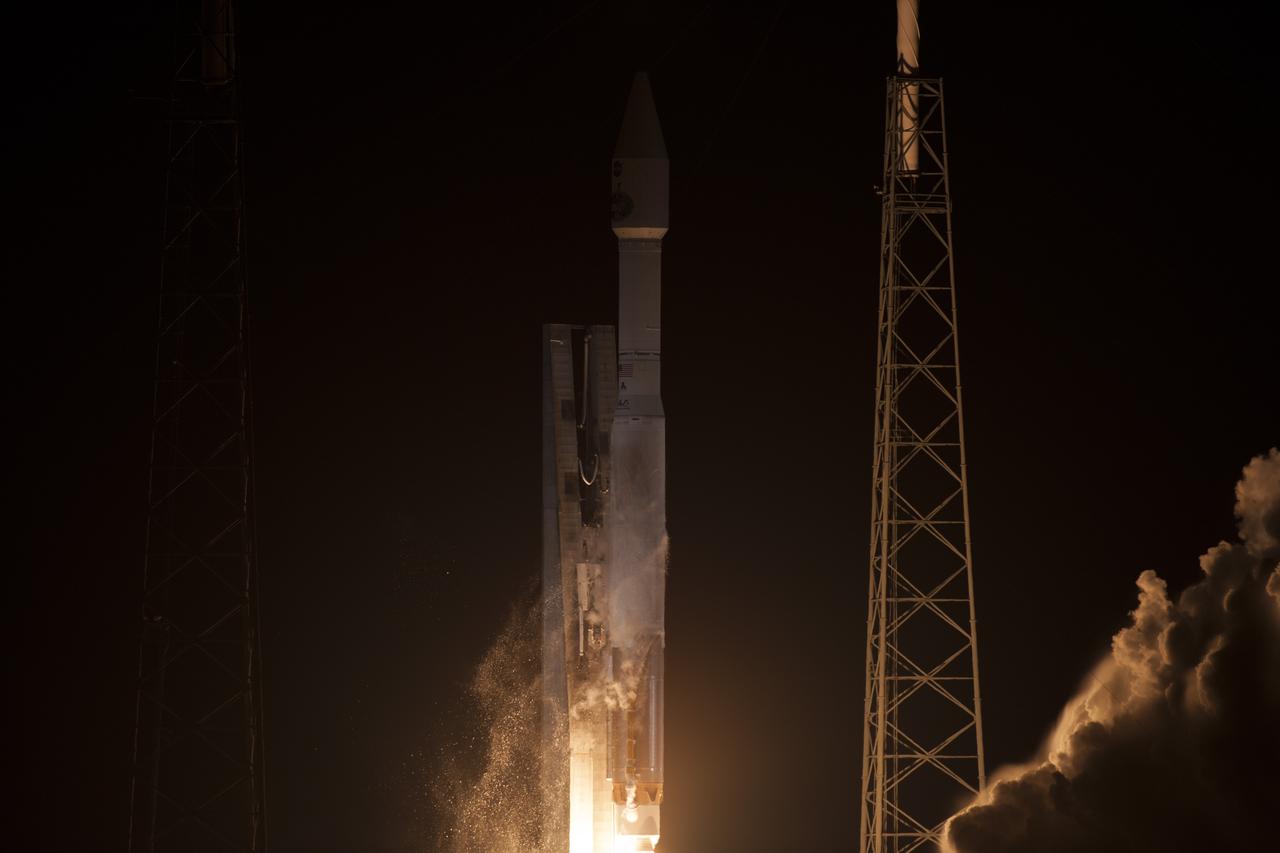
CAPE CANAVERAL, Fla. -- The exhaust plume builds at Space Launch Complex 41 on Cape Canaveral Air Force Station in Florida following engine ignition under the United Launch Alliance Atlas V rocket carrying NASA's Tracking and Data Relay Satellite, or TDRS-L, to Earth orbit. Launch was at 9:33 p.m. EST Jan. 23 during a 40-minute launch window. The TDRS-L spacecraft is the second of three new satellites designed to ensure vital operational continuity for NASA by expanding the lifespan of the Tracking and Data Relay Satellite System TDRSS fleet, which consists of eight satellites in geosynchronous orbit. The spacecraft provide tracking, telemetry, command and high-bandwidth data return services for numerous science and human exploration missions orbiting Earth. These include NASA's Hubble Space Telescope and the International Space Station. TDRS-L has a high-performance solar panel designed for more spacecraft power to meet the growing S-band communications requirements. TDRSS is one of three NASA Space Communication and Navigation SCaN networks providing space communications to NASA’s missions. For more information more about TDRS-L, visit http://www.nasa.gov/tdrs. To learn more about SCaN, visit www.nasa.gov/scan. Photo credit: NASA/George Roberts
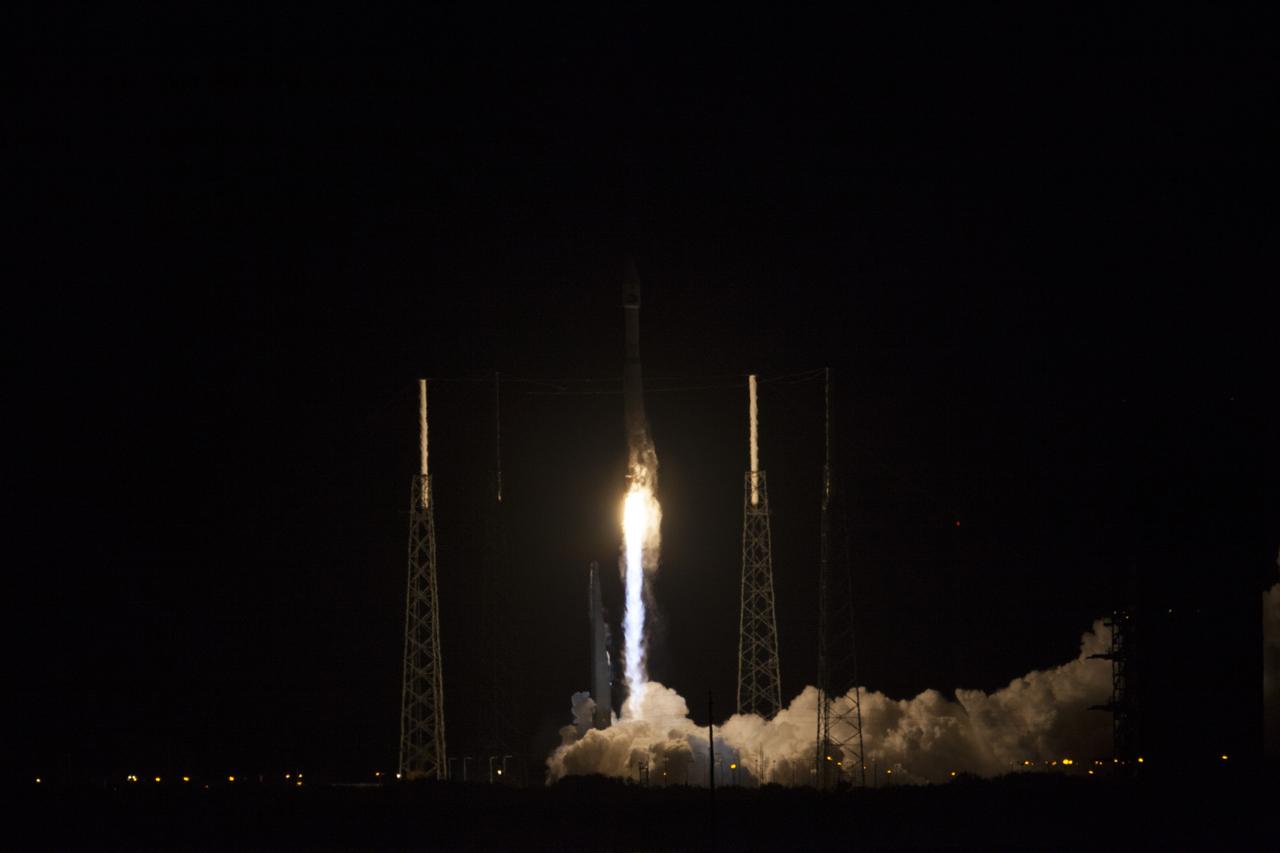
CAPE CANAVERAL, Fla. -- The exhaust plume builds at Space Launch Complex 41 on Cape Canaveral Air Force Station in Florida as the engines ignite under the United Launch Alliance Atlas V rocket carrying NASA's Tracking and Data Relay Satellite, or TDRS-L, to Earth orbit. Launch was at 9:33 p.m. EST Jan. 23 during a 40-minute launch window. The TDRS-L spacecraft is the second of three new satellites designed to ensure vital operational continuity for NASA by expanding the lifespan of the Tracking and Data Relay Satellite System TDRSS fleet, which consists of eight satellites in geosynchronous orbit. The spacecraft provide tracking, telemetry, command and high-bandwidth data return services for numerous science and human exploration missions orbiting Earth. These include NASA's Hubble Space Telescope and the International Space Station. TDRS-L has a high-performance solar panel designed for more spacecraft power to meet the growing S-band communications requirements. TDRSS is one of three NASA Space Communication and Navigation SCaN networks providing space communications to NASA’s missions. For more information more about TDRS-L, visit http://www.nasa.gov/tdrs. To learn more about SCaN, visit www.nasa.gov/scan. Photo credit: NASA/Kim Shiflett
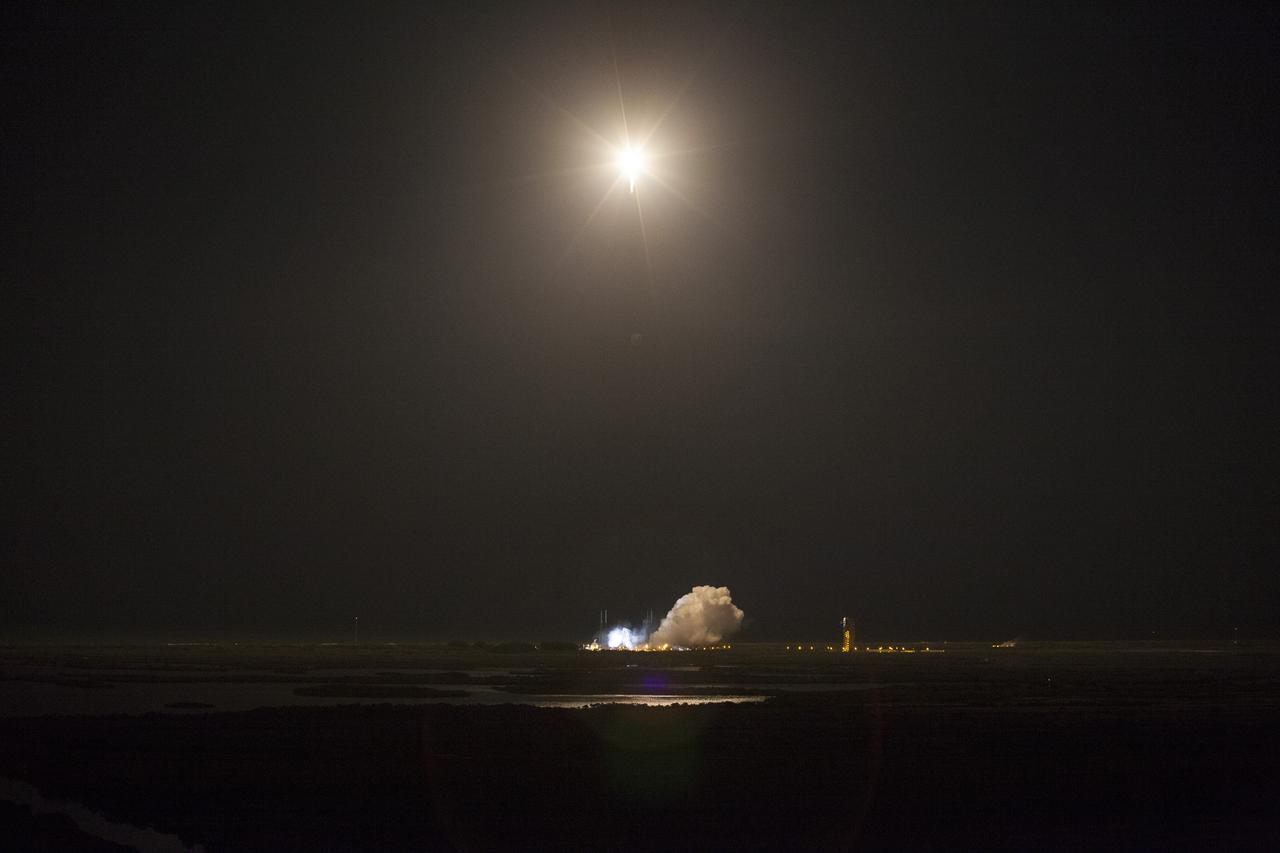
CAPE CANAVERAL, Fla. -- Only the exhaust plume remains at Space Launch Complex 41 on Cape Canaveral Air Force Station in Florida as the United Launch Alliance Atlas V rocket carrying NASA's Tracking and Data Relay Satellite, or TDRS-L, to Earth orbit soars into the night. Launch was at 9:33 p.m. EST Jan. 23 during a 40-minute launch window. The TDRS-L spacecraft is the second of three new satellites designed to ensure vital operational continuity for NASA by expanding the lifespan of the Tracking and Data Relay Satellite System TDRSS fleet, which consists of eight satellites in geosynchronous orbit. The spacecraft provide tracking, telemetry, command and high-bandwidth data return services for numerous science and human exploration missions orbiting Earth. These include NASA's Hubble Space Telescope and the International Space Station. TDRS-L has a high-performance solar panel designed for more spacecraft power to meet the growing S-band communications requirements. TDRSS is one of three NASA Space Communication and Navigation SCaN networks providing space communications to NASA’s missions. For more information more about TDRS-L, visit http://www.nasa.gov/tdrs. To learn more about SCaN, visit www.nasa.gov/scan. Photo credit: NASA/Dan Casper

CAPE CANAVERAL, Fla. -- The engines ignite under the United Launch Alliance Atlas V rocket, lifting NASA's Tracking and Data Relay Satellite, or TDRS-L, off Space Launch Complex 41 on Cape Canaveral Air Force Station in Florida. Launch was at 9:33 p.m. EST Jan. 23 during a 40-minute launch window. The TDRS-L spacecraft is the second of three new satellites designed to ensure vital operational continuity for NASA by expanding the lifespan of the Tracking and Data Relay Satellite System TDRSS fleet, which consists of eight satellites in geosynchronous orbit. The spacecraft provide tracking, telemetry, command and high-bandwidth data return services for numerous science and human exploration missions orbiting Earth. These include NASA's Hubble Space Telescope and the International Space Station. TDRS-L has a high-performance solar panel designed for more spacecraft power to meet the growing S-band communications requirements. TDRSS is one of three NASA Space Communication and Navigation SCaN networks providing space communications to NASA’s missions. For more information more about TDRS-L, visit http://www.nasa.gov/tdrs. To learn more about SCaN, visit www.nasa.gov/scan. Photo credit: NASA/Kim Shiflett
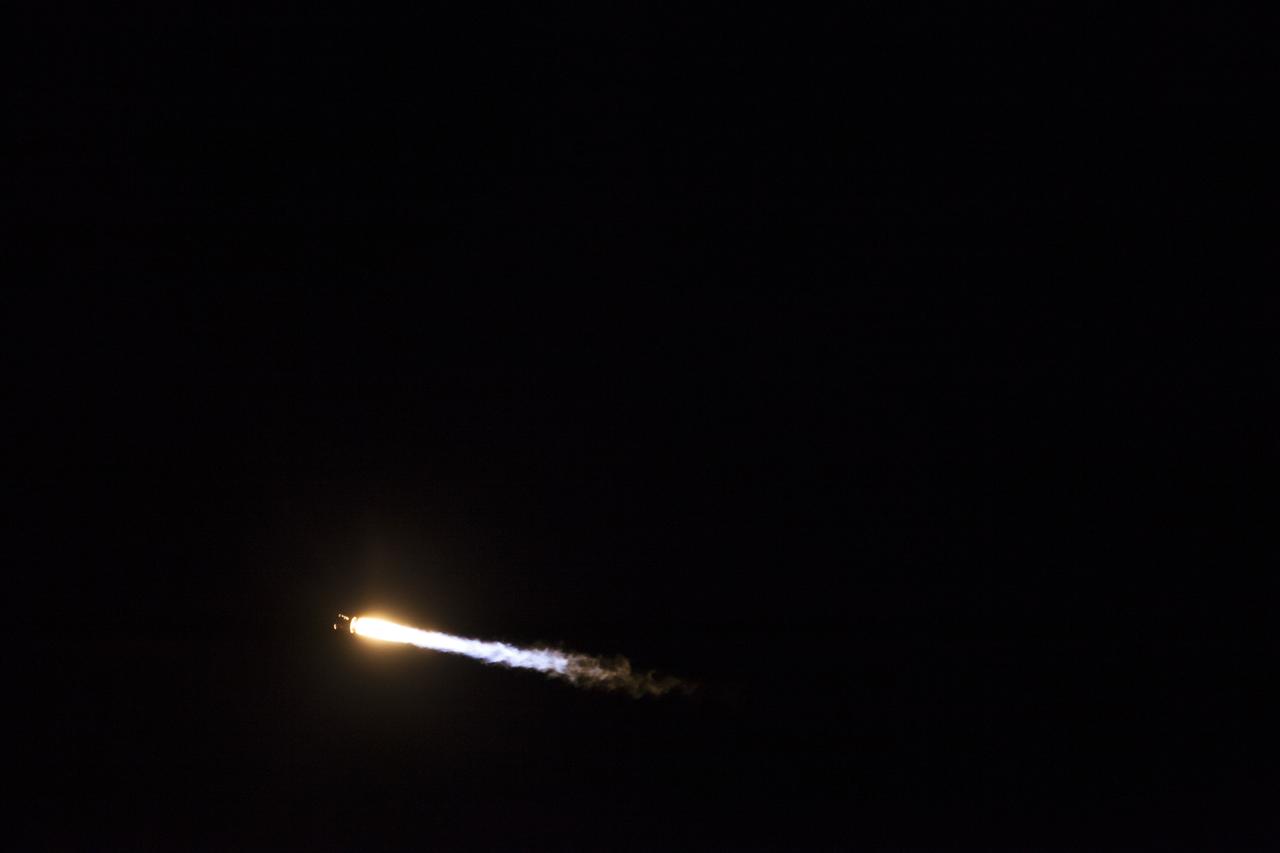
CAPE CANAVERAL, Fla. -- A United Launch Alliance Atlas V rocket streaks through the night sky over Space Launch Complex 41 at Cape Canaveral Air Force Station in Florida, carrying NASA's Tracking and Data Relay Satellite, or TDRS-L, to Earth orbit. Launch was at 9:33 p.m. EST Jan. 23 during a 40-minute launch window. The TDRS-L spacecraft is the second of three new satellites designed to ensure vital operational continuity for NASA by expanding the lifespan of the Tracking and Data Relay Satellite System TDRSS fleet, which consists of eight satellites in geosynchronous orbit. The spacecraft provide tracking, telemetry, command and high-bandwidth data return services for numerous science and human exploration missions orbiting Earth. These include NASA's Hubble Space Telescope and the International Space Station. TDRS-L has a high-performance solar panel designed for more spacecraft power to meet the growing S-band communications requirements. TDRSS is one of three NASA Space Communication and Navigation SCaN networks providing space communications to NASA’s missions. For more information more about TDRS-L, visit http://www.nasa.gov/tdrs. To learn more about SCaN, visit www.nasa.gov/scan. Photo credit: NASA/Kim Shiflett
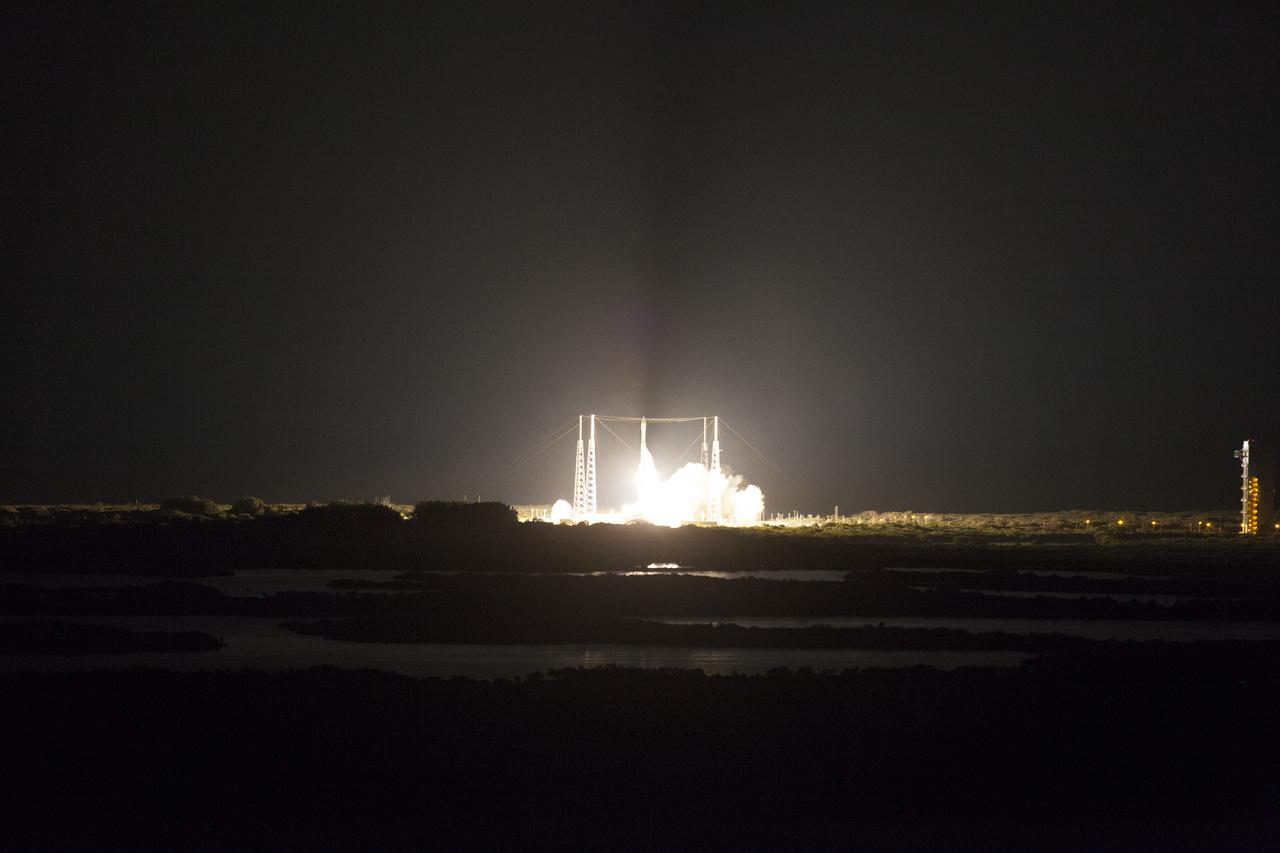
CAPE CANAVERAL, Fla. -- The exhaust plume builds at Space Launch Complex 41 on Cape Canaveral Air Force Station in Florida following engine ignition under the United Launch Alliance Atlas V rocket carrying NASA's Tracking and Data Relay Satellite, or TDRS-L, to Earth orbit. Launch was at 9:33 p.m. EST Jan. 23 during a 40-minute launch window. The TDRS-L spacecraft is the second of three new satellites designed to ensure vital operational continuity for NASA by expanding the lifespan of the Tracking and Data Relay Satellite System TDRSS fleet, which consists of eight satellites in geosynchronous orbit. The spacecraft provide tracking, telemetry, command and high-bandwidth data return services for numerous science and human exploration missions orbiting Earth. These include NASA's Hubble Space Telescope and the International Space Station. TDRS-L has a high-performance solar panel designed for more spacecraft power to meet the growing S-band communications requirements. TDRSS is one of three NASA Space Communication and Navigation SCaN networks providing space communications to NASA’s missions. For more information more about TDRS-L, visit http://www.nasa.gov/tdrs. To learn more about SCaN, visit www.nasa.gov/scan. Photo credit: NASA/Dan Casper
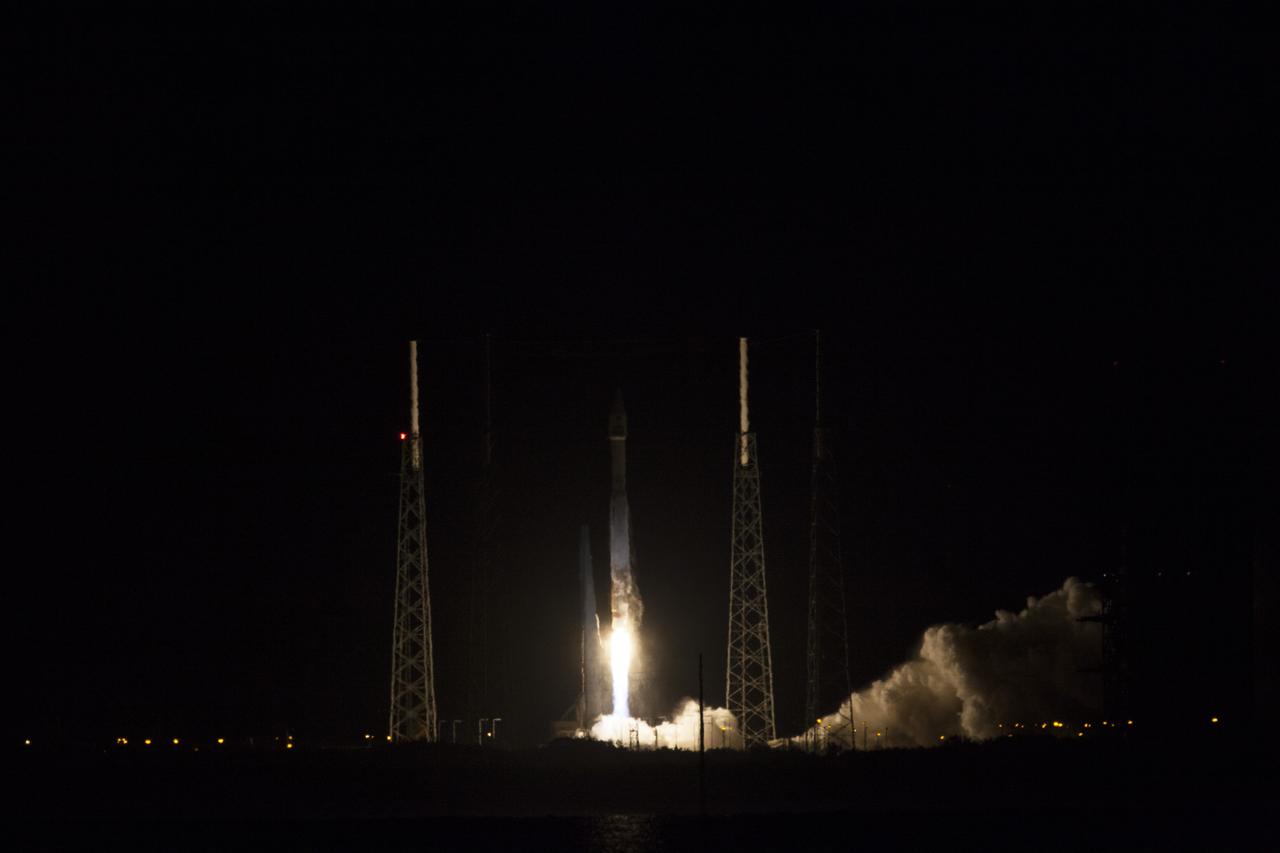
CAPE CANAVERAL, Fla. -- An exhaust plume forms at Space Launch Complex 41 on Cape Canaveral Air Force Station in Florida as the engines ignite under the United Launch Alliance Atlas V rocket carrying NASA's Tracking and Data Relay Satellite, or TDRS-L, to Earth orbit. Launch was at 9:33 p.m. EST Jan. 23 during a 40-minute launch window. The TDRS-L spacecraft is the second of three new satellites designed to ensure vital operational continuity for NASA by expanding the lifespan of the Tracking and Data Relay Satellite System TDRSS fleet, which consists of eight satellites in geosynchronous orbit. The spacecraft provide tracking, telemetry, command and high-bandwidth data return services for numerous science and human exploration missions orbiting Earth. These include NASA's Hubble Space Telescope and the International Space Station. TDRS-L has a high-performance solar panel designed for more spacecraft power to meet the growing S-band communications requirements. TDRSS is one of three NASA Space Communication and Navigation SCaN networks providing space communications to NASA’s missions. For more information more about TDRS-L, visit http://www.nasa.gov/tdrs. To learn more about SCaN, visit www.nasa.gov/scan. Photo credit: NASA/Kim Shiflett
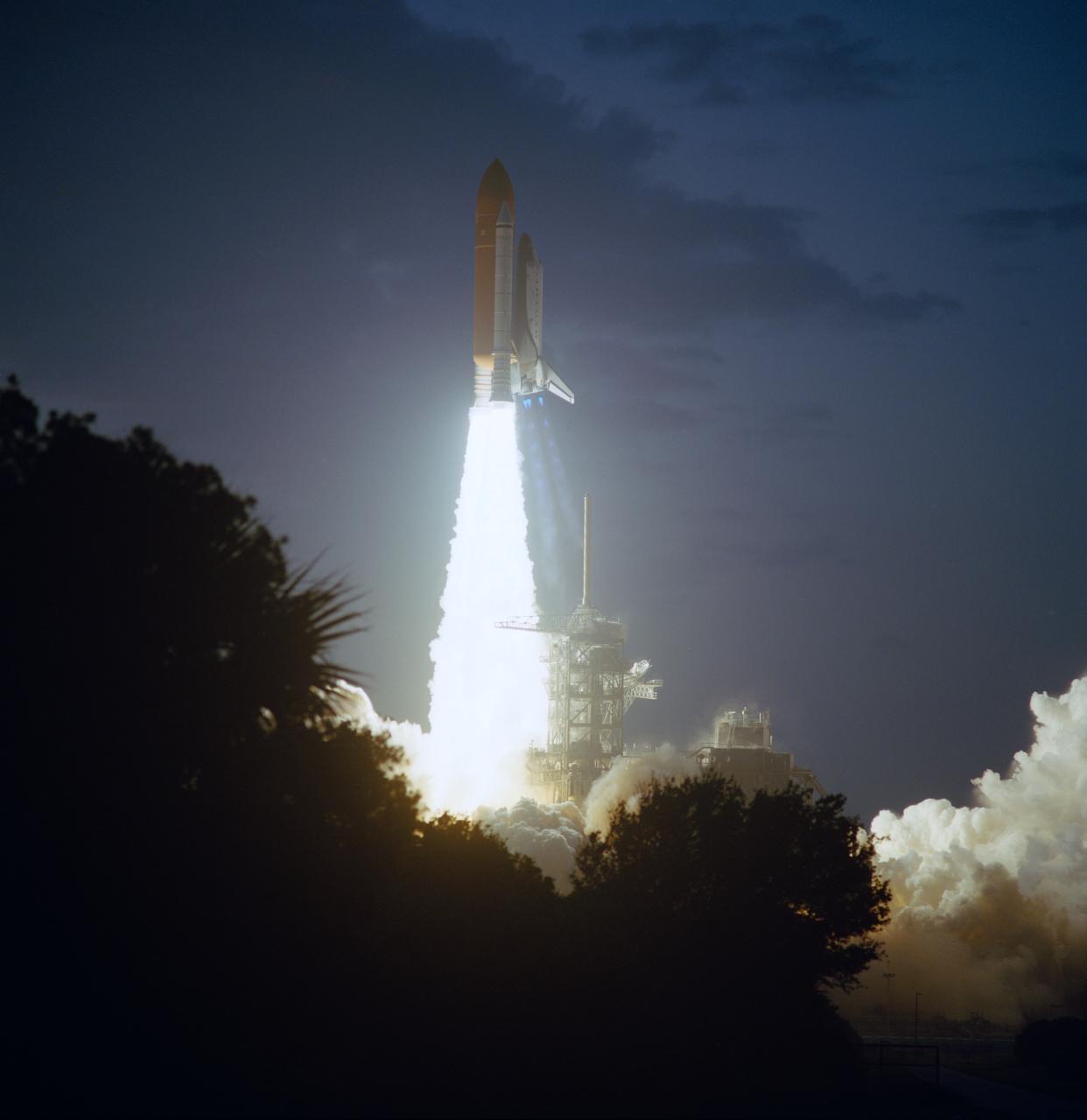
STS059-S-036 (9 April 1994) --- The liftoff of the Space Shuttle Endeavour is backdropped against a dawn sky at the Kennedy Space Center (KSC) as six NASA astronauts head for a week and a half in Earth orbit. The morning sky allows for a contrasting backdrop for the diamond shock effect of the thrust from Endeavour's main engines. Liftoff occurred at 7:05 a.m. (EDT), April 9, 1994. Onboard for the Space Radar Laboratory (SRL-1) mission were astronauts Sidney M. Gutierrez, Kevin P. Chilton, Jerome (Jay) Apt, Linda M. Godwin, Michael R. U. (Rich) Clifford and Thomas D. Jones.
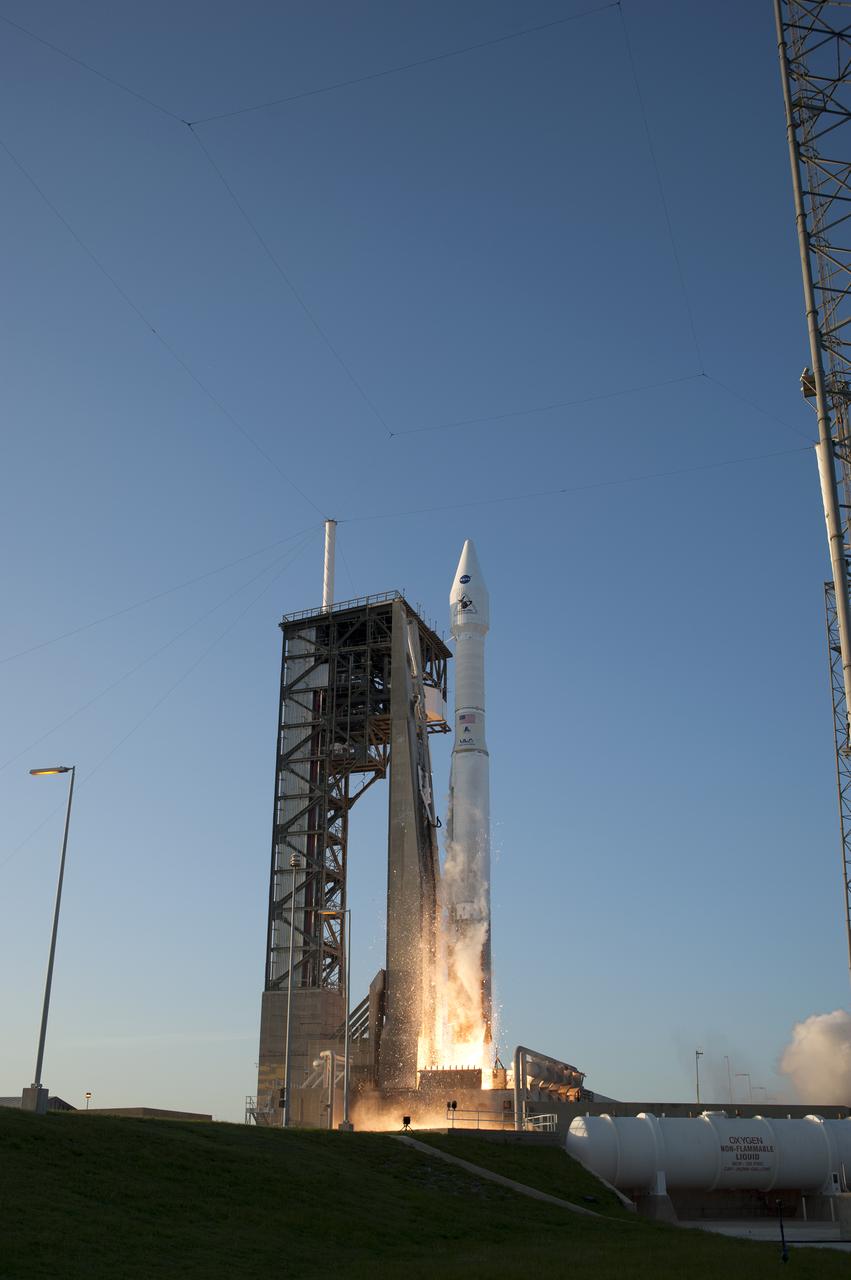
A United Launch Alliance Atlas V rocket lifts off from Space Launch Complex 41 at Cape Canaveral Air Force Station carrying NASA’s Origins, Spectral Interpretation, Resource Identification, Security-Regolith Explorer, or OSIRIS-REx spacecraft on the first U.S. mission to sample an asteroid, retrieve at least two ounces of surface material and return it to Earth for study. Liftoff was at 7:05 p.m. EDT. The asteroid, Bennu, may hold clues to the origin of the solar system and the source of water and organic molecules found on Earth.
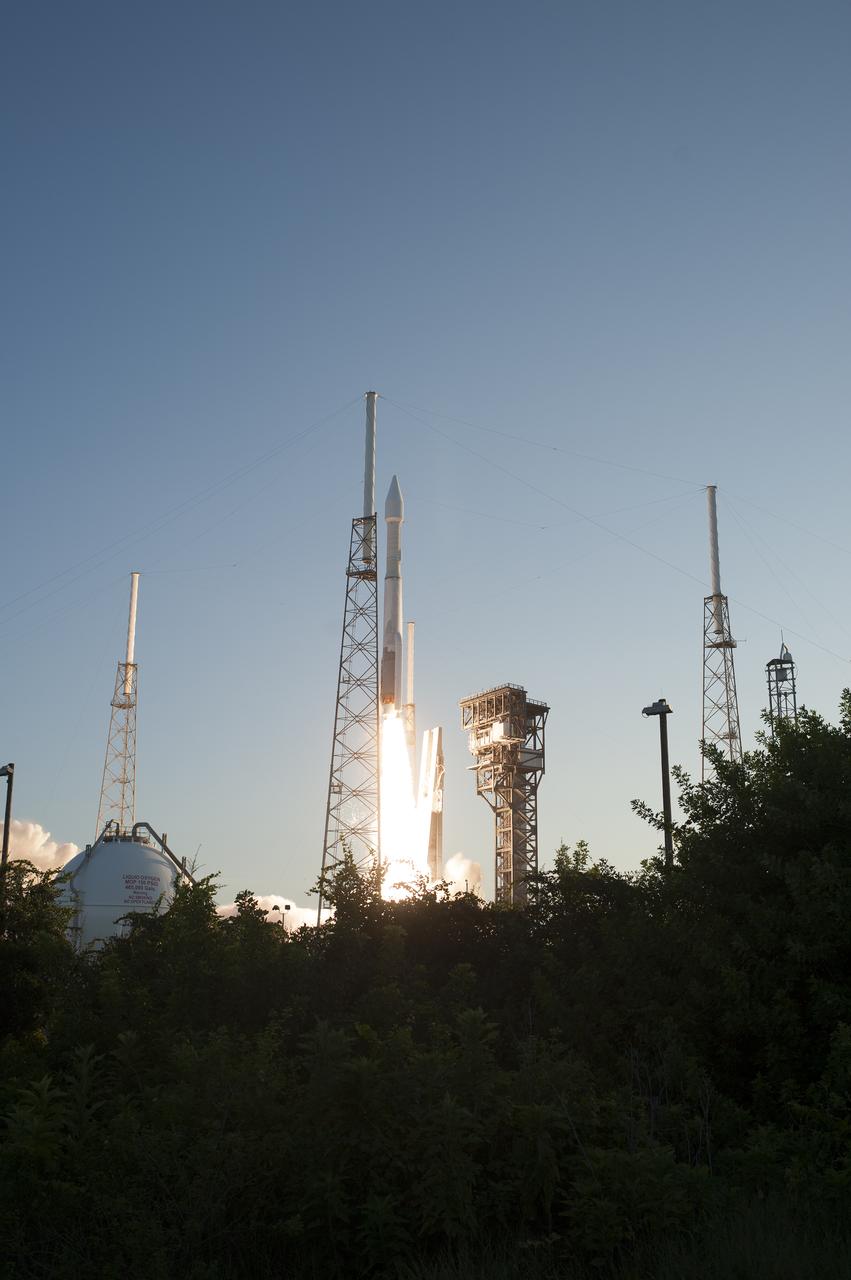
A United Launch Alliance Atlas V rocket lifts off from Space Launch Complex 41 at Cape Canaveral Air Force Station carrying NASA’s Origins, Spectral Interpretation, Resource Identification, Security-Regolith Explorer, or OSIRIS-REx spacecraft on the first U.S. mission to sample an asteroid, retrieve at least two ounces of surface material and return it to Earth for study. Liftoff was at 7:05 p.m. EDT. The asteroid, Bennu, may hold clues to the origin of the solar system and the source of water and organic molecules found on Earth.
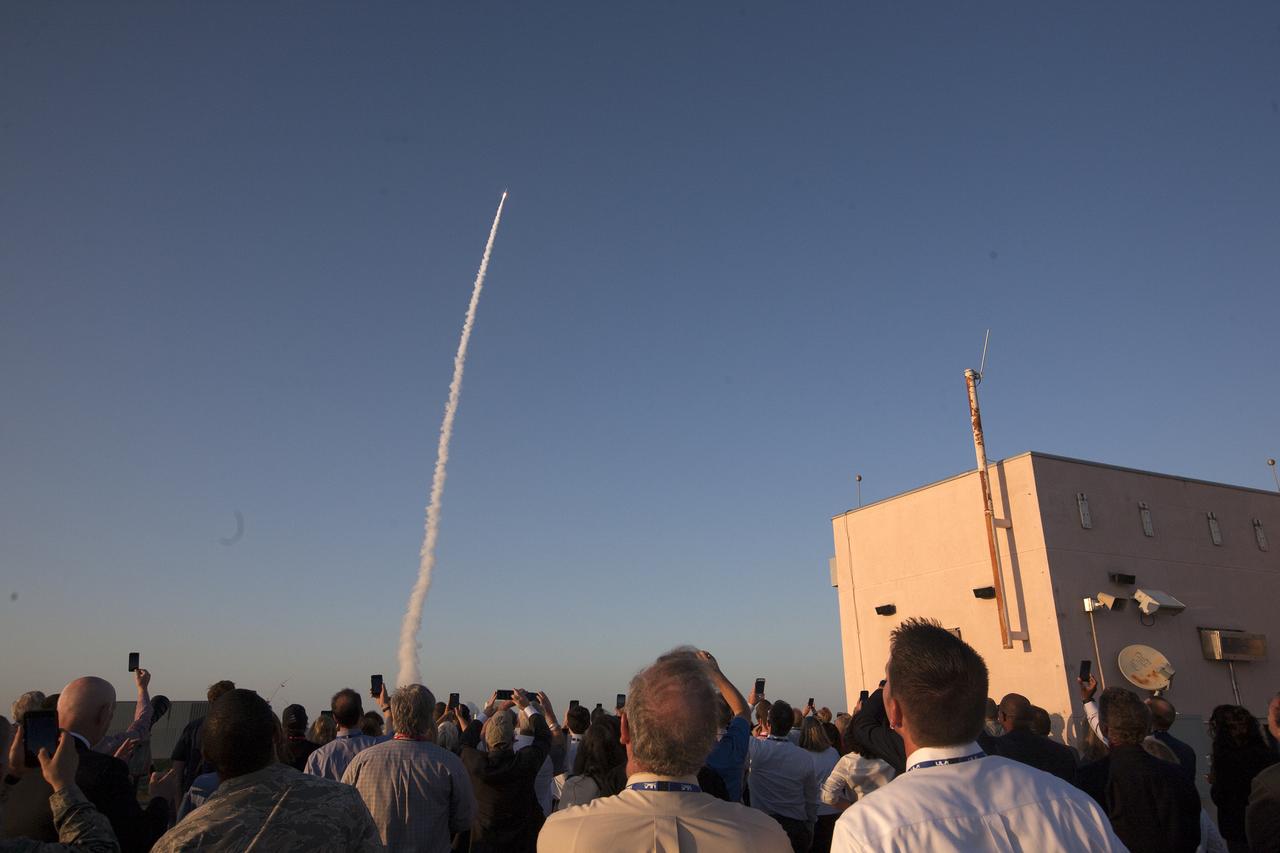
A United Launch Alliance Atlas V rocket lifts off from Space Launch Complex 41 at Cape Canaveral Air Force Station carrying NASA’s Origins, Spectral Interpretation, Resource Identification, Security-Regolith Explorer, or OSIRIS-REx spacecraft on the first U.S. mission to sample an asteroid, retrieve at least two ounces of surface material and return it to Earth for study. Liftoff was at 7:05 p.m. EDT. The asteroid, Bennu, may hold clues to the origin of the solar system and the source of water and organic molecules found on Earth.
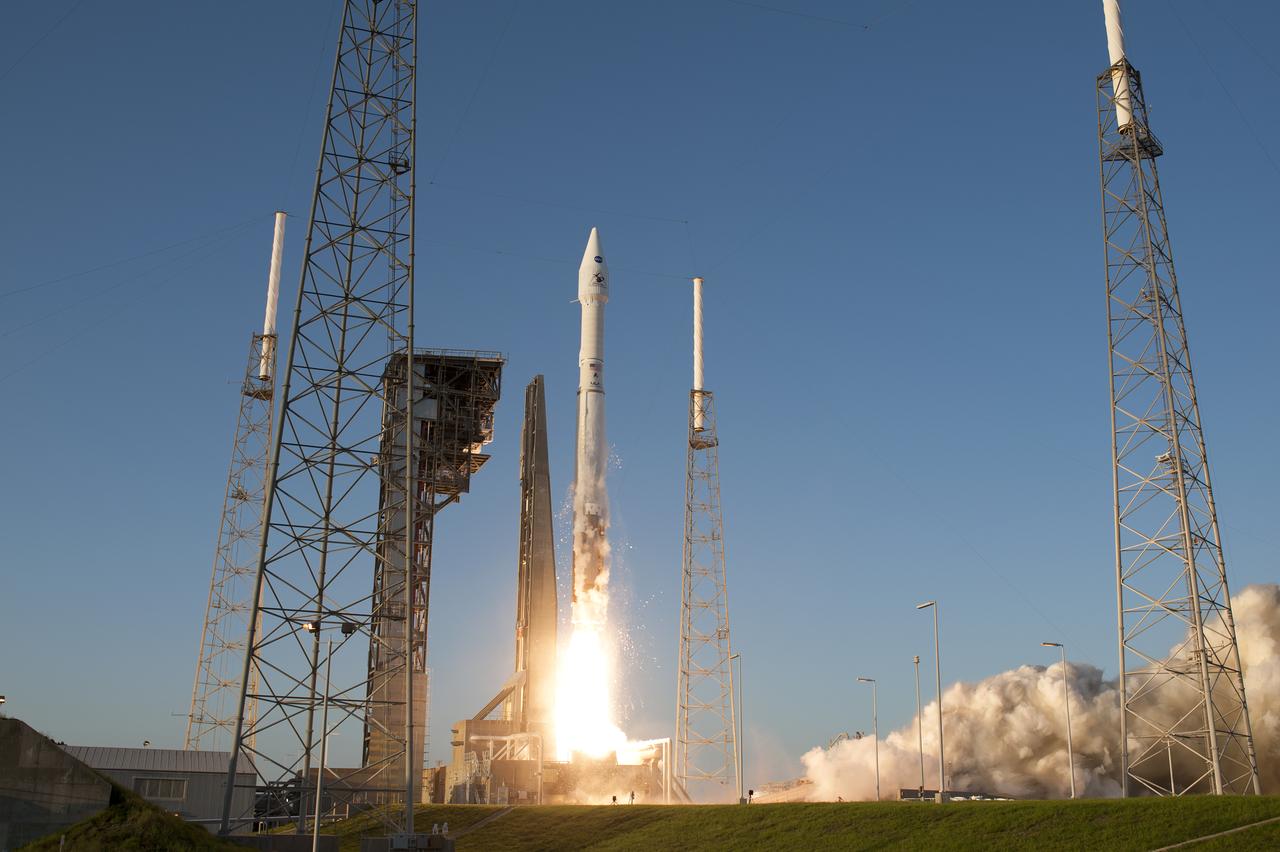
A United Launch Alliance Atlas V rocket lifts off from Space Launch Complex 41 at Cape Canaveral Air Force Station carrying NASA’s Origins, Spectral Interpretation, Resource Identification, Security-Regolith Explorer, or OSIRIS-REx spacecraft on the first U.S. mission to sample an asteroid, retrieve at least two ounces of surface material and return it to Earth for study. Liftoff was at 7:05 p.m. EDT. The asteroid, Bennu, may hold clues to the origin of the solar system and the source of water and organic molecules found on Earth.
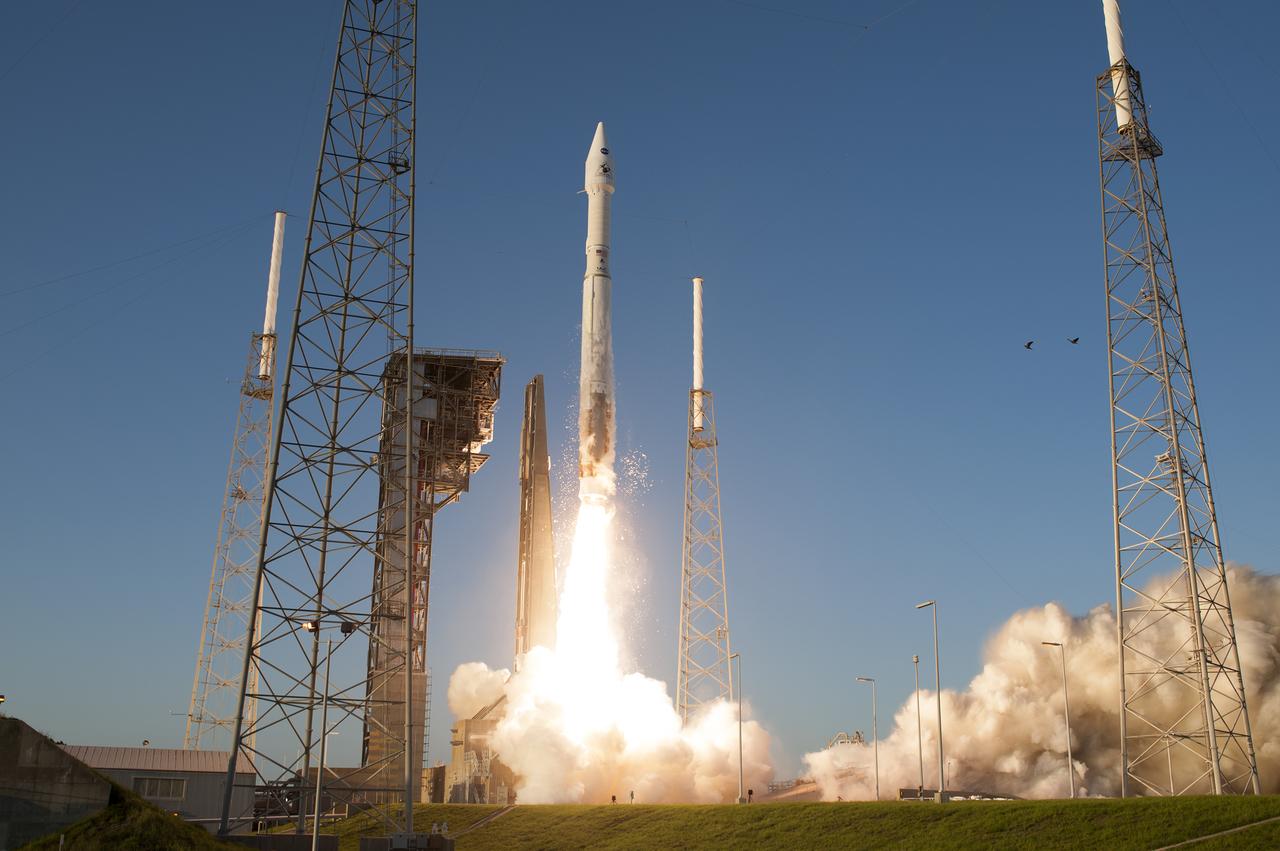
A United Launch Alliance Atlas V rocket lifts off from Space Launch Complex 41 at Cape Canaveral Air Force Station carrying NASA’s Origins, Spectral Interpretation, Resource Identification, Security-Regolith Explorer, or OSIRIS-REx spacecraft on the first U.S. mission to sample an asteroid, retrieve at least two ounces of surface material and return it to Earth for study. Liftoff was at 7:05 p.m. EDT. The asteroid, Bennu, may hold clues to the origin of the solar system and the source of water and organic molecules found on Earth.
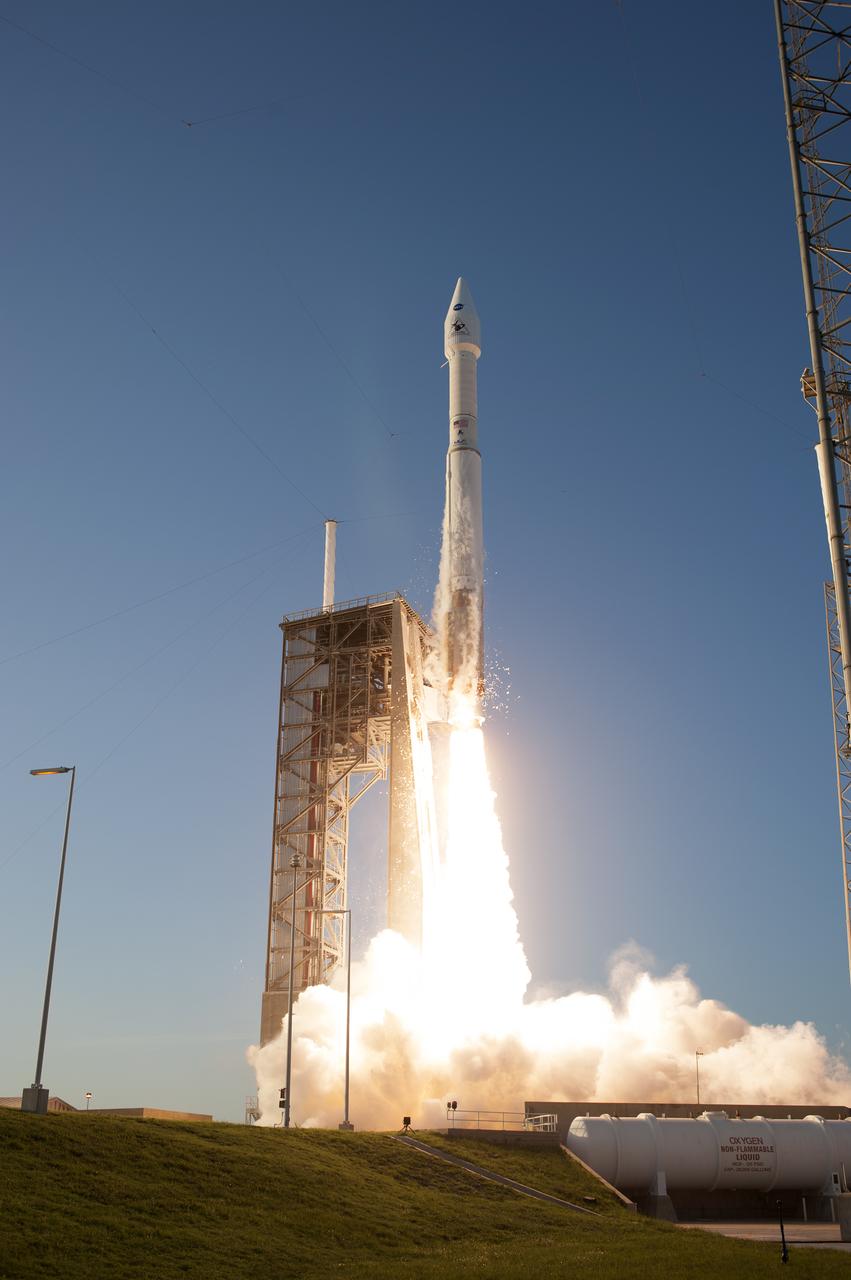
A United Launch Alliance Atlas V rocket lifts off from Space Launch Complex 41 at Cape Canaveral Air Force Station carrying NASA’s Origins, Spectral Interpretation, Resource Identification, Security-Regolith Explorer, or OSIRIS-REx spacecraft on the first U.S. mission to sample an asteroid, retrieve at least two ounces of surface material and return it to Earth for study. Liftoff was at 7:05 p.m. EDT. The asteroid, Bennu, may hold clues to the origin of the solar system and the source of water and organic molecules found on Earth.
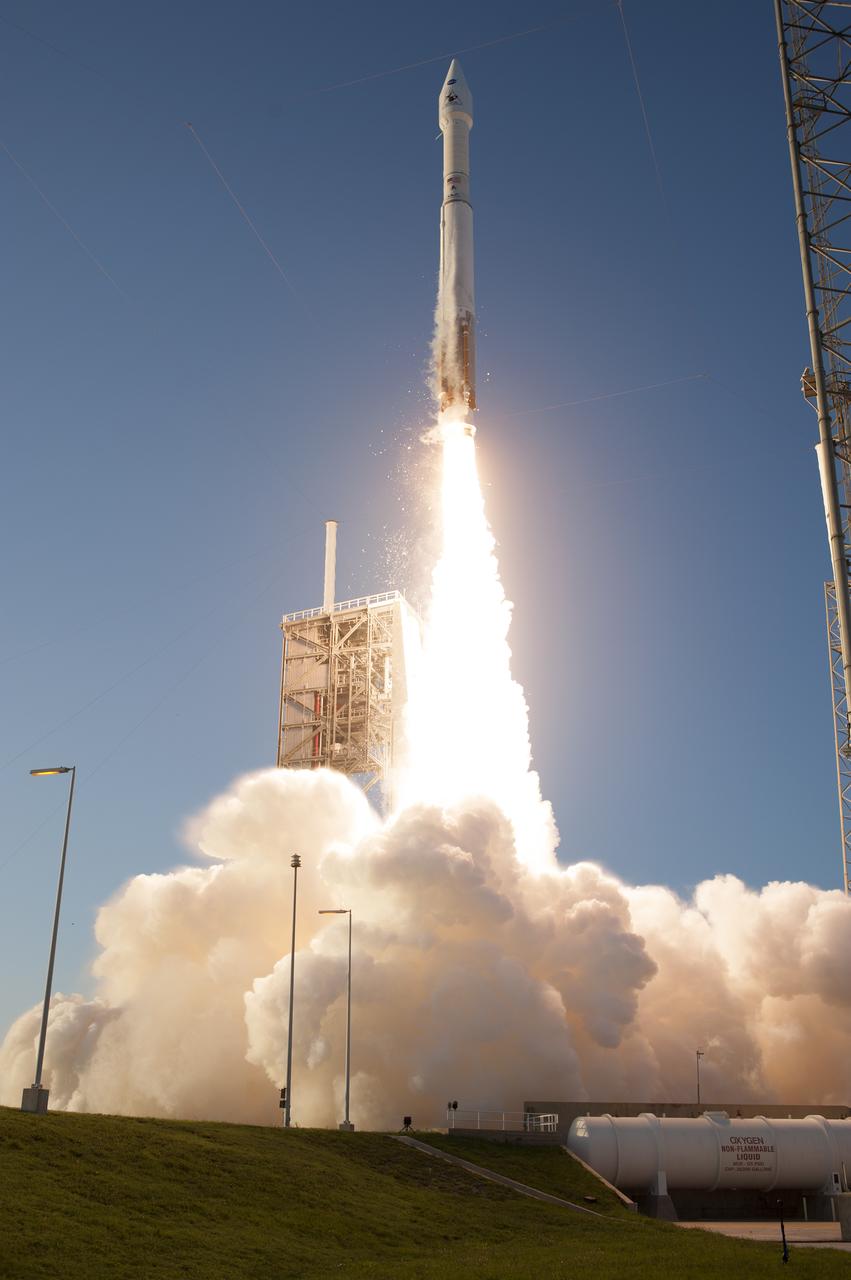
A United Launch Alliance Atlas V rocket lifts off from Space Launch Complex 41 at Cape Canaveral Air Force Station carrying NASA’s Origins, Spectral Interpretation, Resource Identification, Security-Regolith Explorer, or OSIRIS-REx spacecraft on the first U.S. mission to sample an asteroid, retrieve at least two ounces of surface material and return it to Earth for study. Liftoff was at 7:05 p.m. EDT. The asteroid, Bennu, may hold clues to the origin of the solar system and the source of water and organic molecules found on Earth.
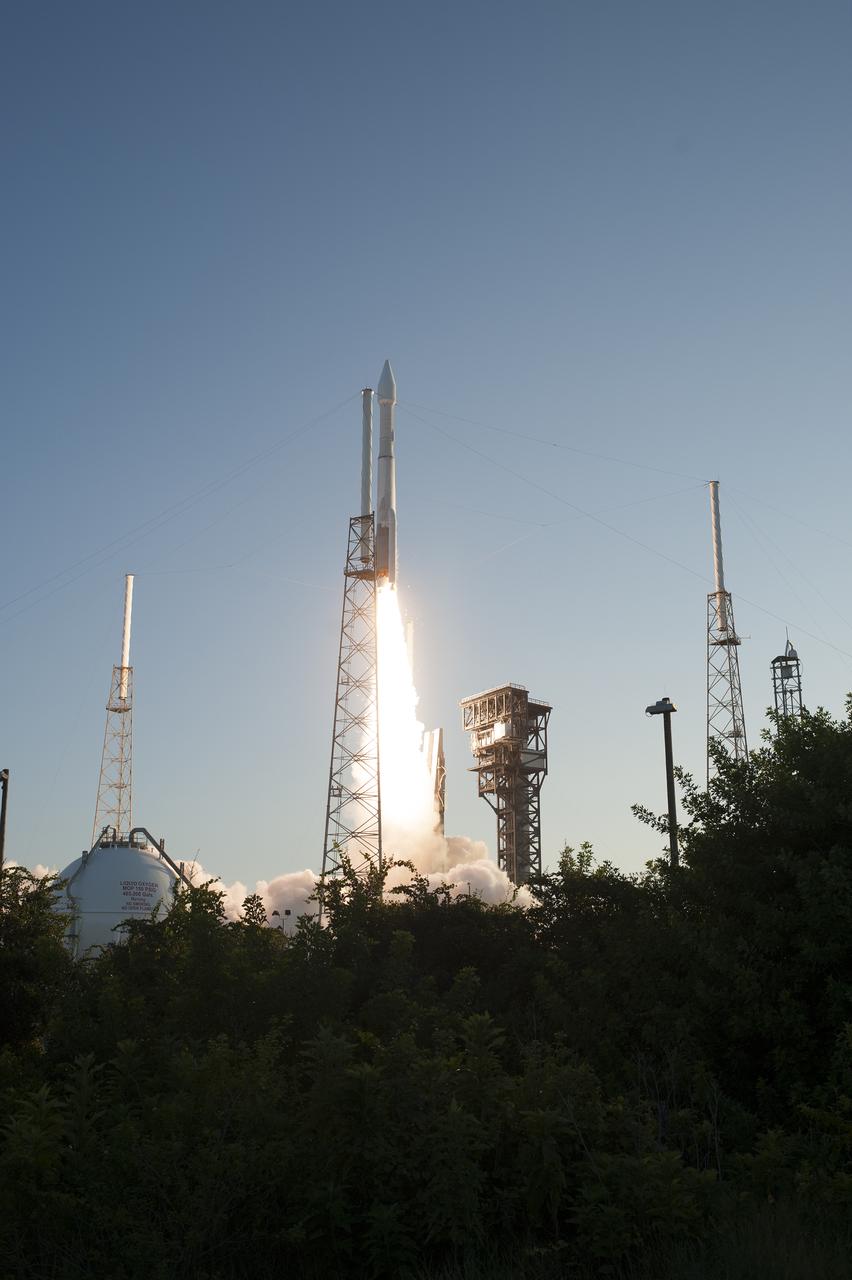
A United Launch Alliance Atlas V rocket lifts off from Space Launch Complex 41 at Cape Canaveral Air Force Station carrying NASA’s Origins, Spectral Interpretation, Resource Identification, Security-Regolith Explorer, or OSIRIS-REx spacecraft on the first U.S. mission to sample an asteroid, retrieve at least two ounces of surface material and return it to Earth for study. Liftoff was at 7:05 p.m. EDT. The asteroid, Bennu, may hold clues to the origin of the solar system and the source of water and organic molecules found on Earth.
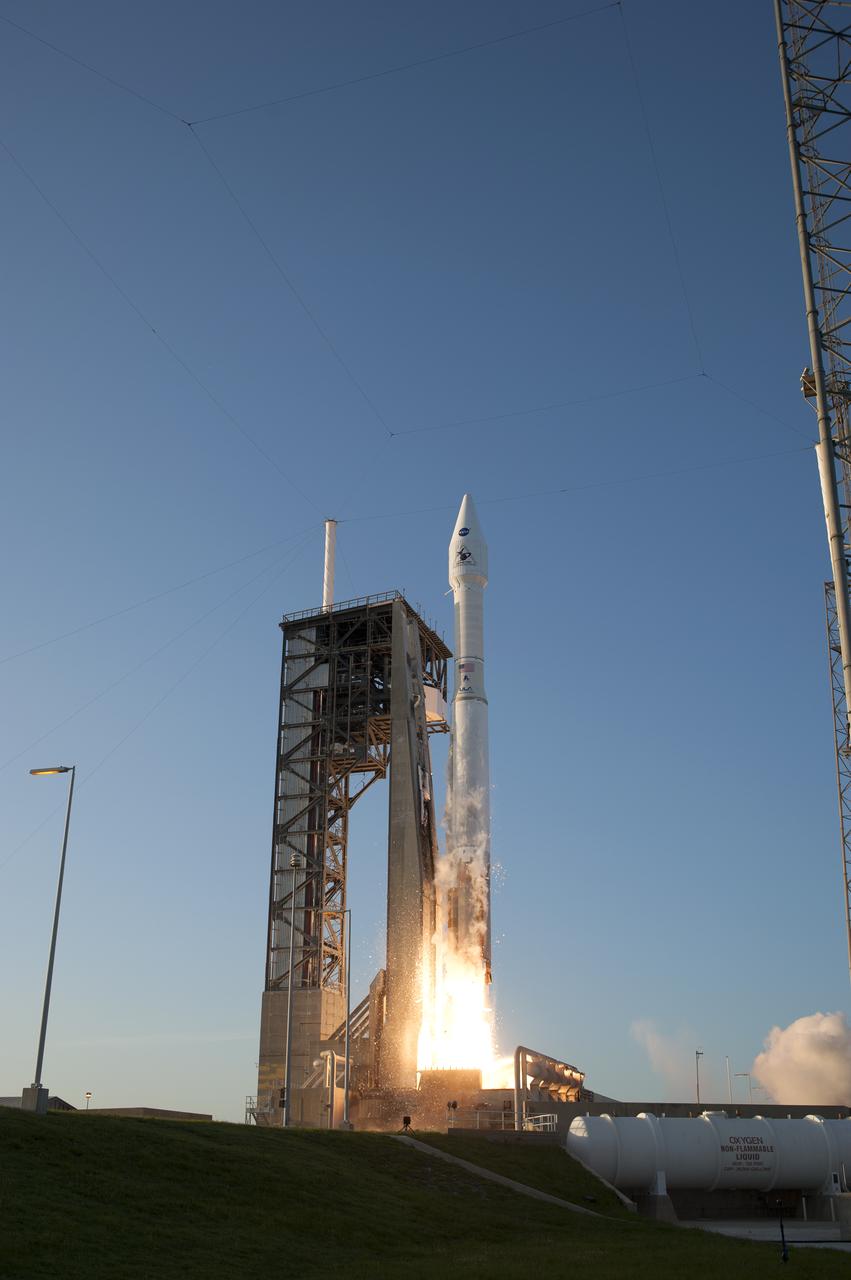
A United Launch Alliance Atlas V rocket lifts off from Space Launch Complex 41 at Cape Canaveral Air Force Station carrying NASA’s Origins, Spectral Interpretation, Resource Identification, Security-Regolith Explorer, or OSIRIS-REx spacecraft on the first U.S. mission to sample an asteroid, retrieve at least two ounces of surface material and return it to Earth for study. Liftoff was at 7:05 p.m. EDT. The asteroid, Bennu, may hold clues to the origin of the solar system and the source of water and organic molecules found on Earth.
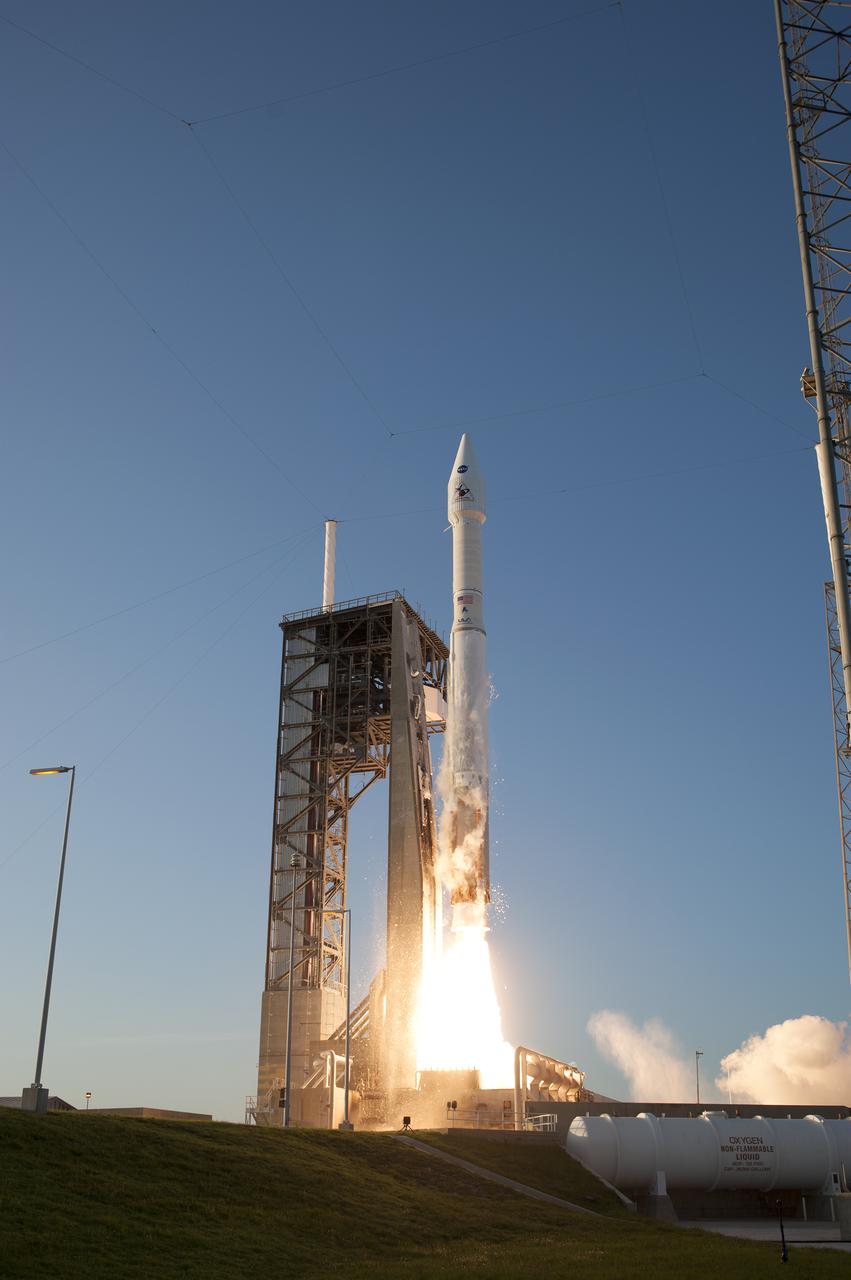
A United Launch Alliance Atlas V rocket lifts off from Space Launch Complex 41 at Cape Canaveral Air Force Station carrying NASA’s Origins, Spectral Interpretation, Resource Identification, Security-Regolith Explorer, or OSIRIS-REx spacecraft on the first U.S. mission to sample an asteroid, retrieve at least two ounces of surface material and return it to Earth for study. Liftoff was at 7:05 p.m. EDT. The asteroid, Bennu, may hold clues to the origin of the solar system and the source of water and organic molecules found on Earth.
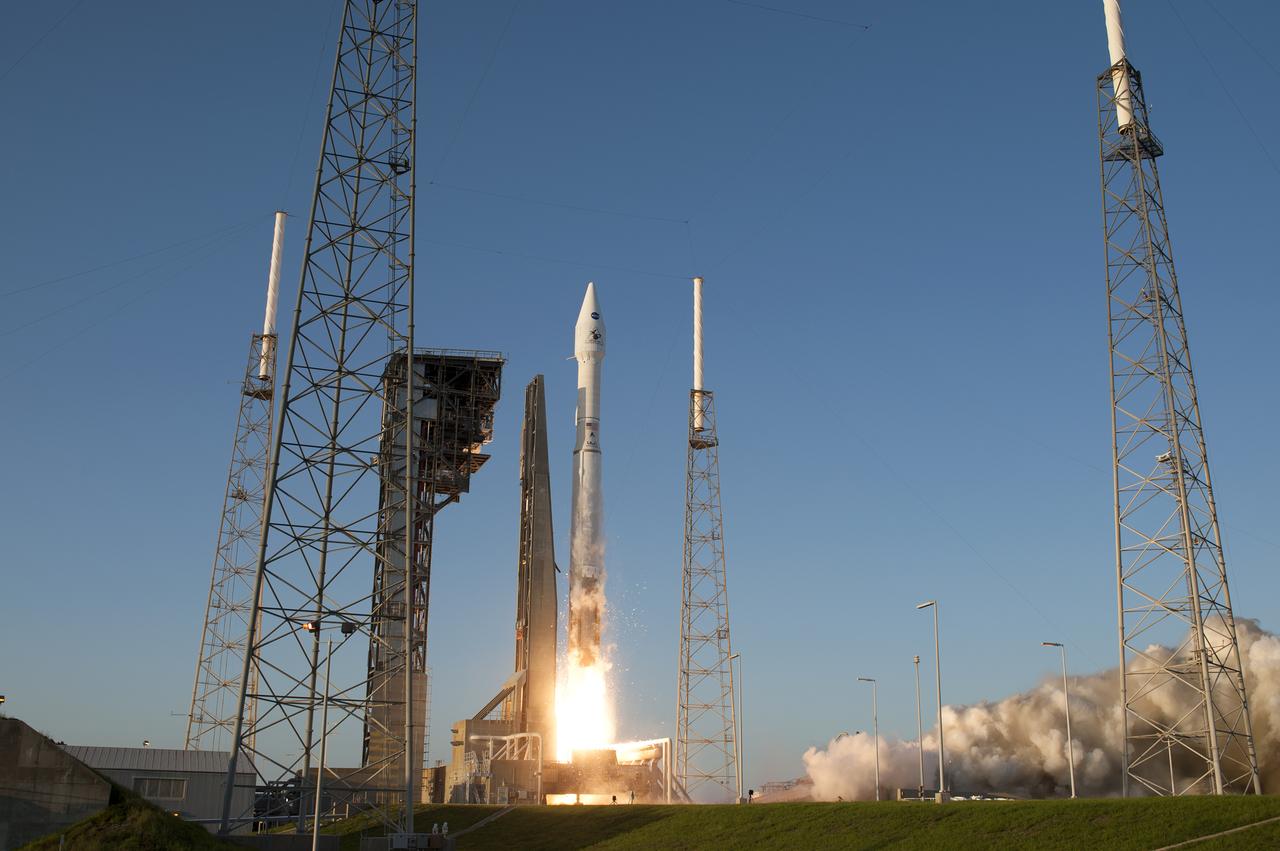
A United Launch Alliance Atlas V rocket lifts off from Space Launch Complex 41 at Cape Canaveral Air Force Station carrying NASA’s Origins, Spectral Interpretation, Resource Identification, Security-Regolith Explorer, or OSIRIS-REx spacecraft on the first U.S. mission to sample an asteroid, retrieve at least two ounces of surface material and return it to Earth for study. Liftoff was at 7:05 p.m. EDT. The asteroid, Bennu, may hold clues to the origin of the solar system and the source of water and organic molecules found on Earth.
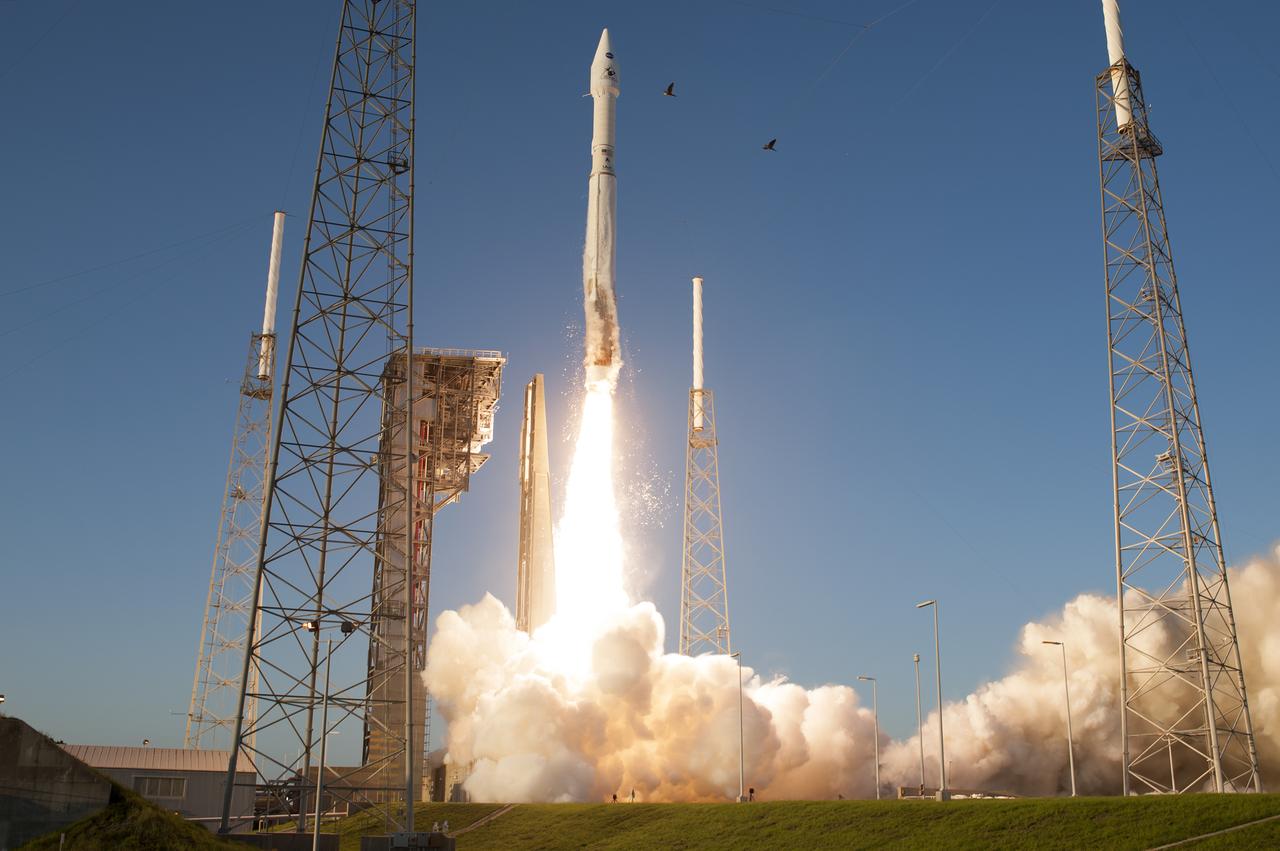
A United Launch Alliance Atlas V rocket lifts off from Space Launch Complex 41 at Cape Canaveral Air Force Station carrying NASA’s Origins, Spectral Interpretation, Resource Identification, Security-Regolith Explorer, or OSIRIS-REx spacecraft on the first U.S. mission to sample an asteroid, retrieve at least two ounces of surface material and return it to Earth for study. Liftoff was at 7:05 p.m. EDT. The asteroid, Bennu, may hold clues to the origin of the solar system and the source of water and organic molecules found on Earth.
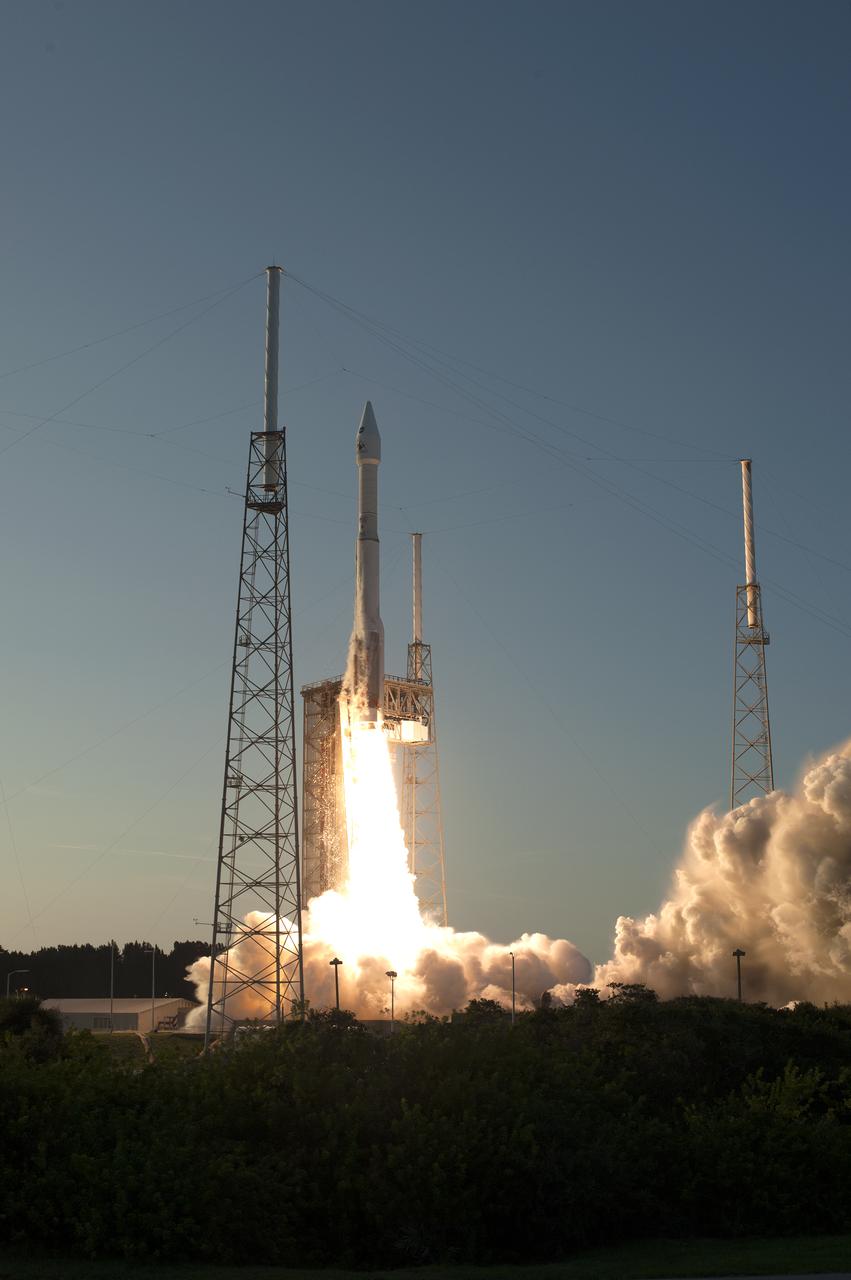
A United Launch Alliance Atlas V rocket lifts off from Space Launch Complex 41 at Cape Canaveral Air Force Station carrying NASA’s Origins, Spectral Interpretation, Resource Identification, Security-Regolith Explorer, or OSIRIS-REx spacecraft on the first U.S. mission to sample an asteroid, retrieve at least two ounces of surface material and return it to Earth for study. Liftoff was at 7:05 p.m. EDT. The asteroid, Bennu, may hold clues to the origin of the solar system and the source of water and organic molecules found on Earth.