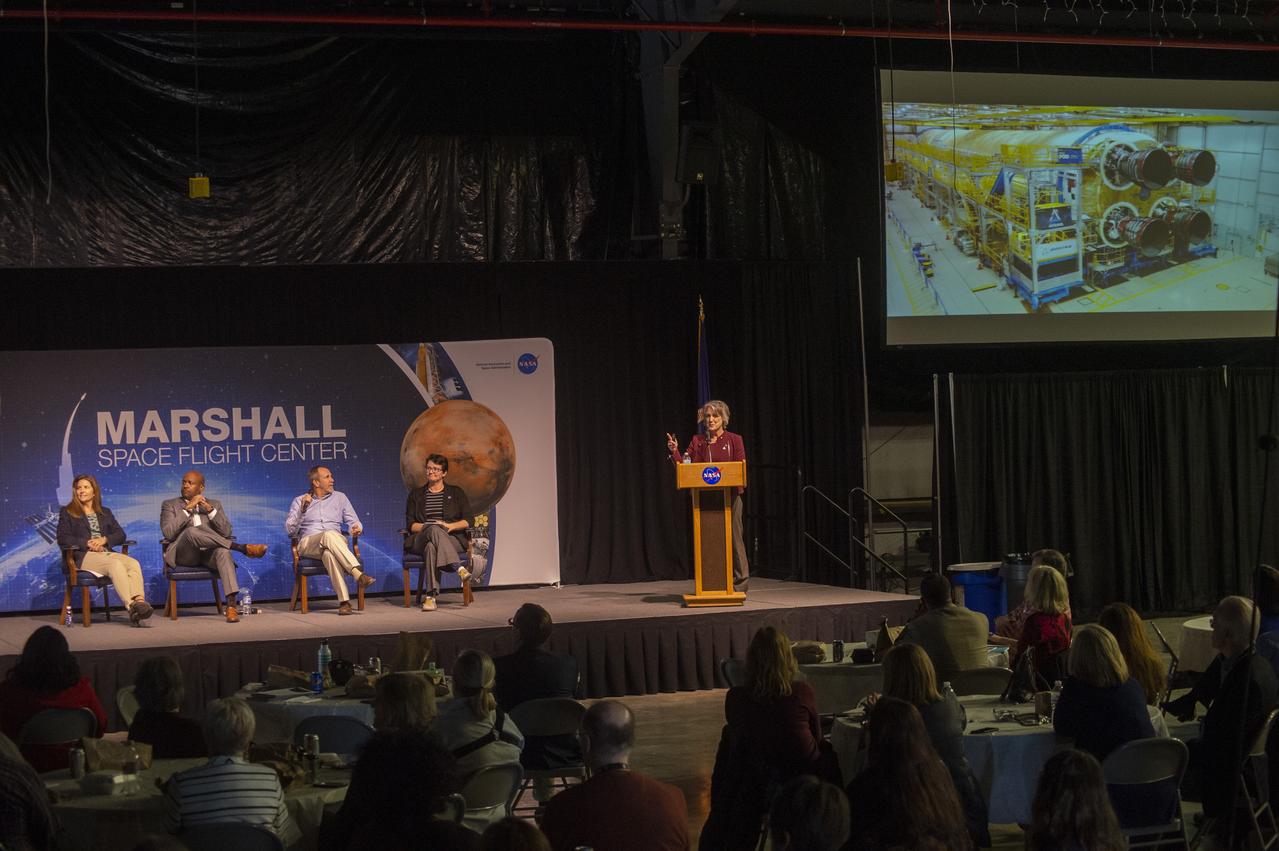
MARCIA LINDSTROM, AT PODIUM, FACILITATES ARTEMIS PROGRAM PANEL DISCUSSION AT NOVEMBER MARSHALL ASSOCIATION LUNCHEON. (L TO R), LISA WATSON-MORGAN, PROGRAM MANAGER, HUMAN LANDING SYSTEM; BOBBY WATKINS, DIRECTOR HUMAN EXPLORATION DEVELOPMENT & OPERATIONS OFFICE; DAVID BEAMAN, MANAGER, SYSTEMS ENGINEERING & INTEGRATION OFFICE, RENEE WEBER, ACTING CENTER CHIEF SCIENTIST
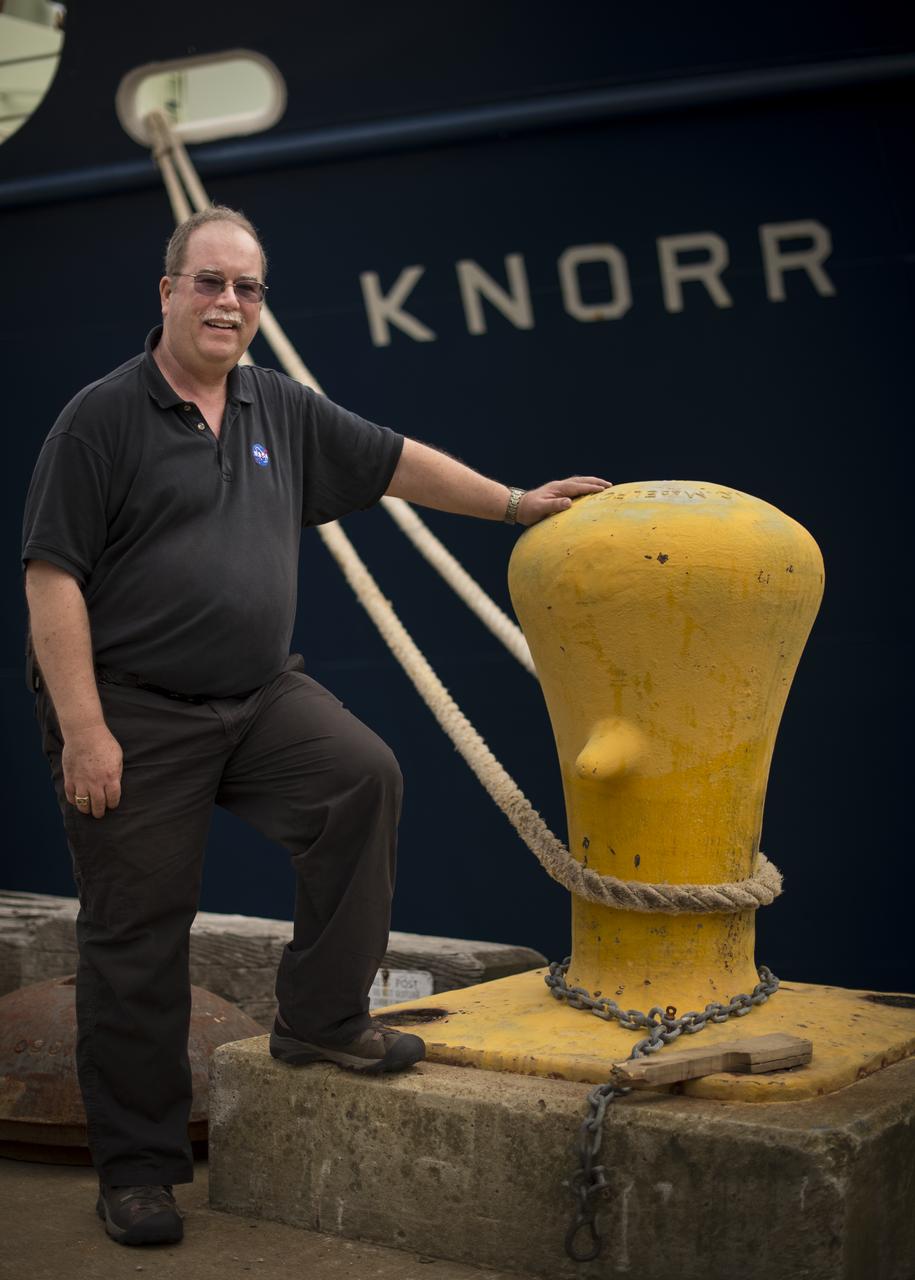
NASA Physical Oceanography Program Scientist Eric Lindstrom poses for a photograph next to the Woods Hole Oceanographic Institution research vessel Knorr on Tuesday, Sept. 4, 2012, in Woods Hole, Mass. Lindstrom will depart on Knorr Sept. 6 to take part in the Salinity Processes in the Upper Ocean Regional Study (SPURS). The NASA-sponsored expedition will sail to the North Atlantic's saltiest spot to get a detailed, 3-D picture of how salt content fluctuates in the ocean's upper layers and how these variations are related to shifts in rainfall patterns around the planet. Photo Credit: (NASA/Bill Ingalls)

NASA Physical Oceanography Program Scientist Eric Lindstrom poses for a photograph next to the Woods Hole Oceanographic Institution research vessel Knorr on Tuesday, Sept. 4, 2012, in Woods Hole, Mass. Lindstrom will depart on Knorr Sept. 6 to take part in the Salinity Processes in the Upper Ocean Regional Study (SPURS). The NASA-sponsored expedition will sail to the North Atlantic's saltiest spot to get a detailed, 3-D picture of how salt content fluctuates in the ocean's upper layers and how these variations are related to shifts in rainfall patterns around the planet. Photo Credit: (NASA/Bill Ingalls)
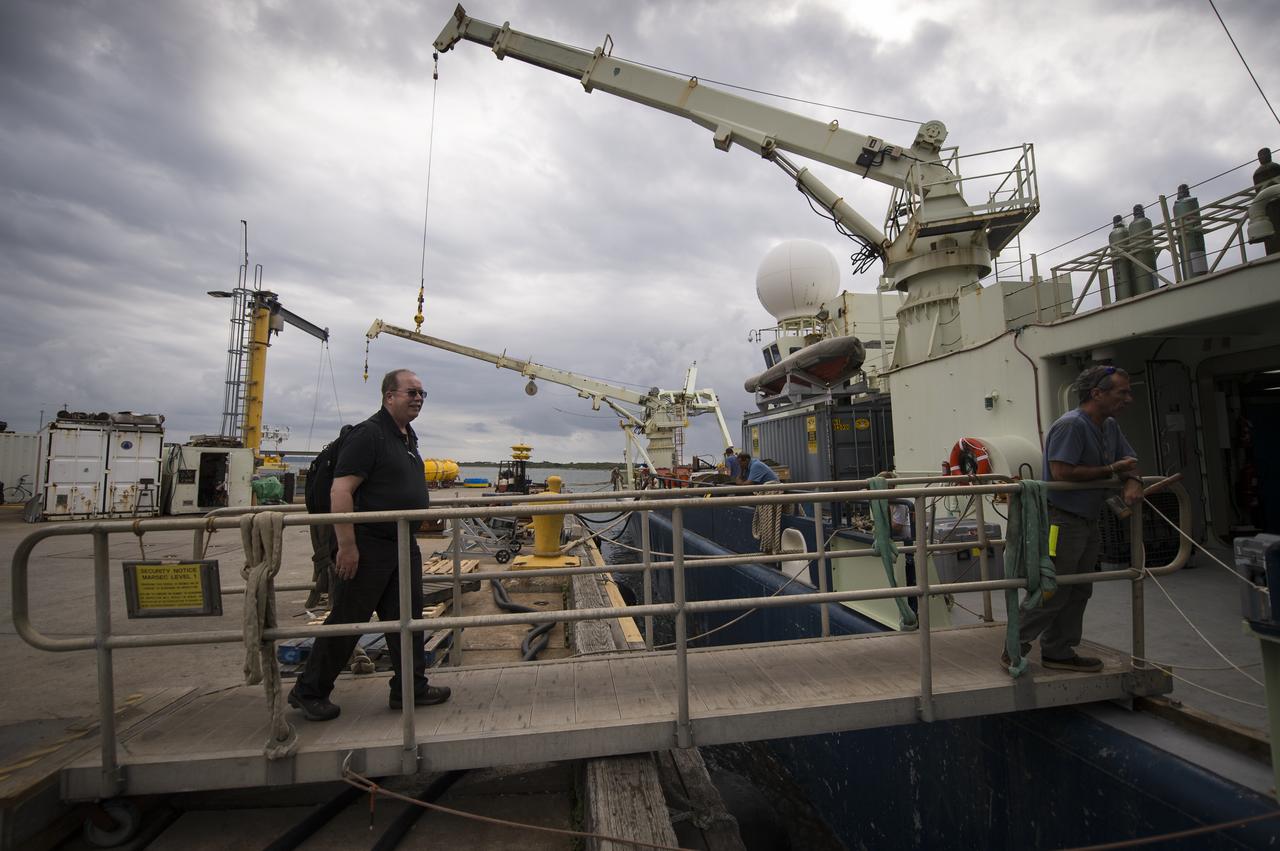
NASA Physical Oceanography Program Scientist Eric Lindstrom boards the Woods Hole Oceanographic Institution's research vessel Knorr on Tuesday, Sept. 4, 2012, in Woods Hole, Mass. Lindstrom will depart on Knorr Sept. 6 to take part in the Salinity Processes in the Upper Ocean Regional Study (SPURS). The NASA-sponsored expedition will sail to the North Atlantic's saltiest spot to get a detailed, 3-D picture of how salt content fluctuates in the ocean's upper layers and how these variations are related to shifts in rainfall patterns around the planet. Photo Credit: (NASA/Bill Ingalls)
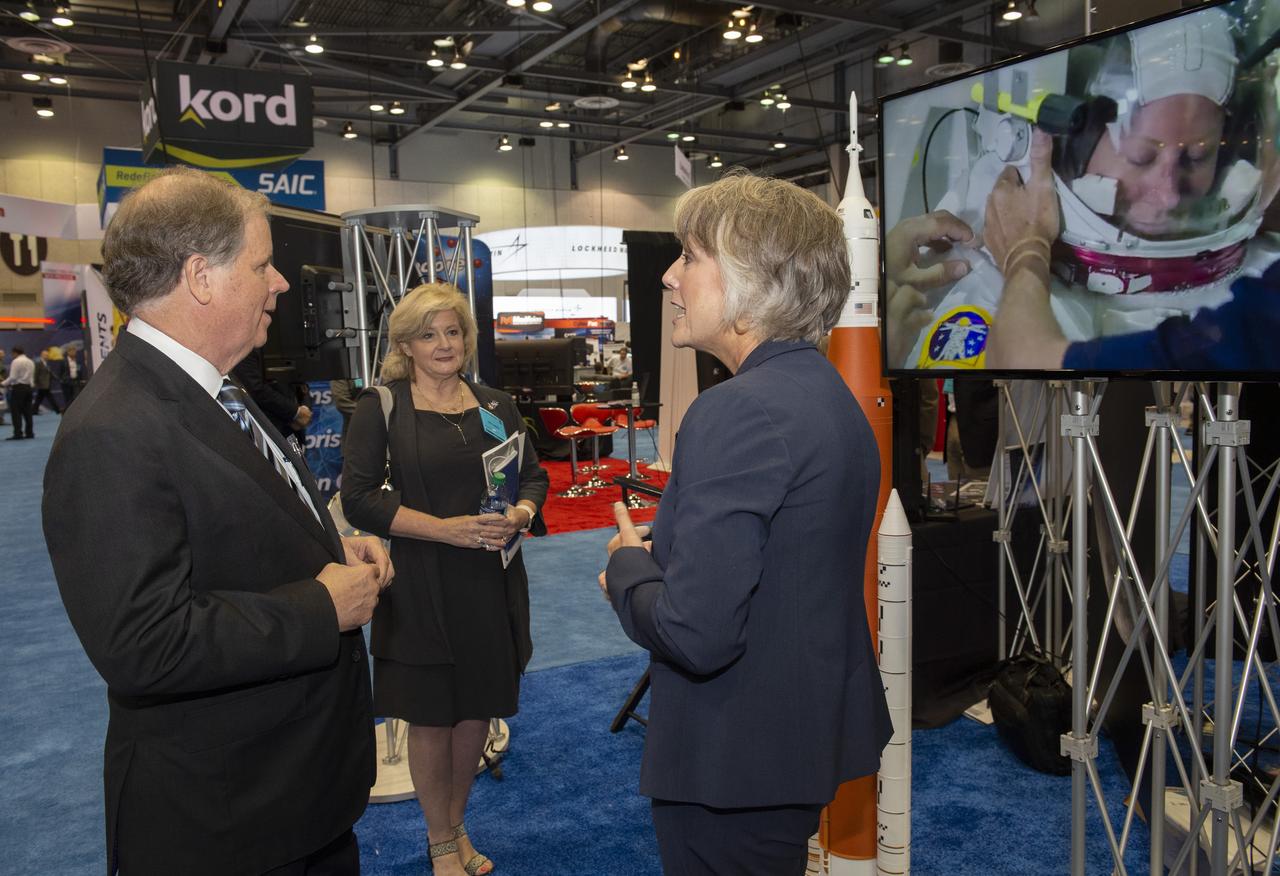
Sen. Doug Jones of Alabama, left, and Marshall Space Flight Center Director Jody Singer, center, talk with Marcia Lindstrom, Strategic Communications Manager for NASA’s Space Launch System, Aug. 7 at the annual Space & Missile Defense Symposium in Huntsville, Alabama. The SLS is the world’s most powerful rocket, and will be the backbone for deep space exploration as NASA’s Artemis program advances.
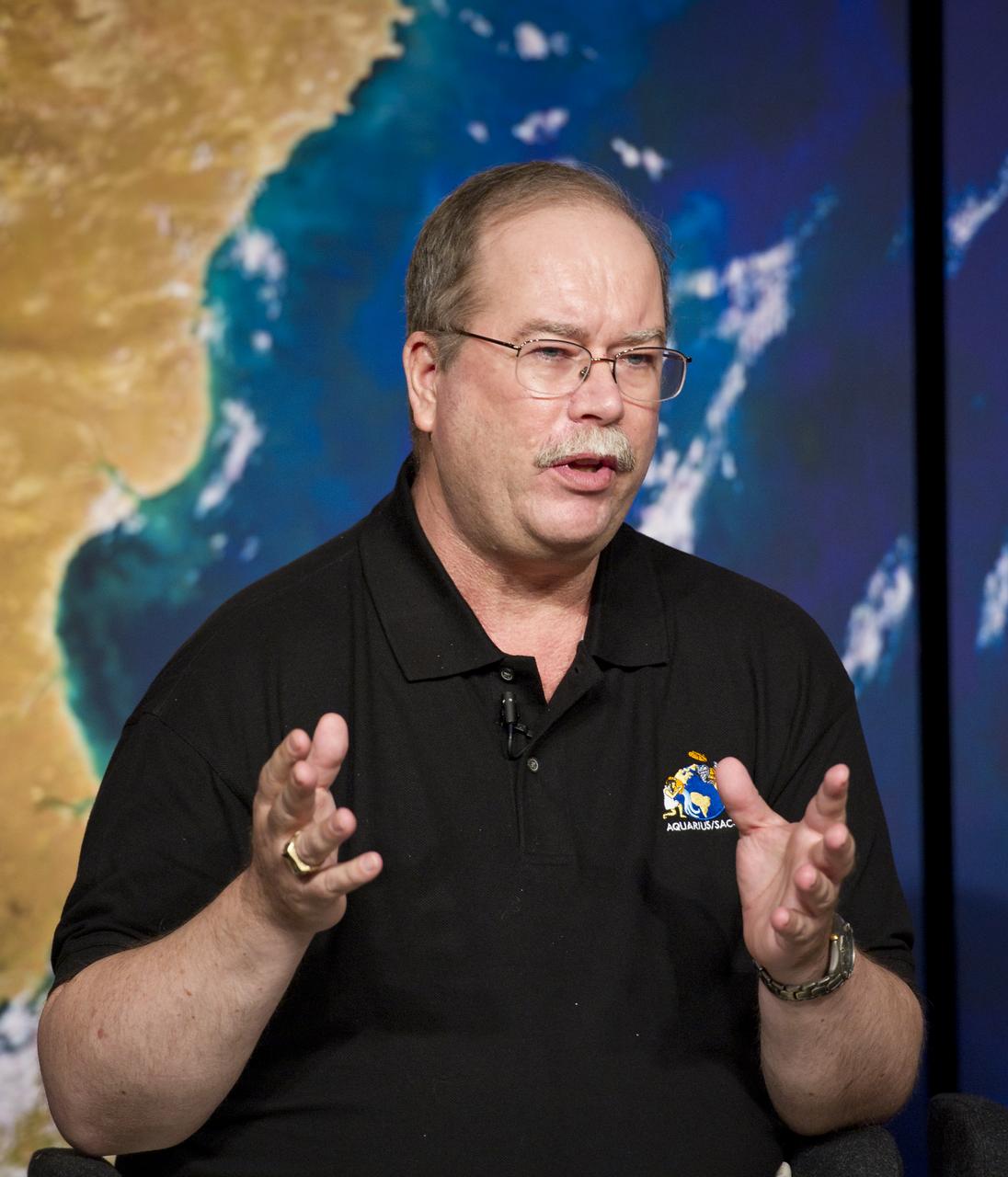
Eric Lindstrom, left, Aquarius Program Scientist, NASA Headquarters, talks about NASA's Aquarius/SAC-D mission to study the salinity of Earth's oceans from space on Tuesday, May 17, 2011 at NASA Headquarters in Washington. The mission is a collaboration between NASA and Argentina's space agency Comision Nacional de Actividades Especiales (CONAE), with participation from Brazil, Canada, France and Italy. The Aquarius/SAC-D observatory will launch June 9, 2011 from Vandenberg Air Force Base in California. Photo Credit: (NASA/Carla Cioffi)
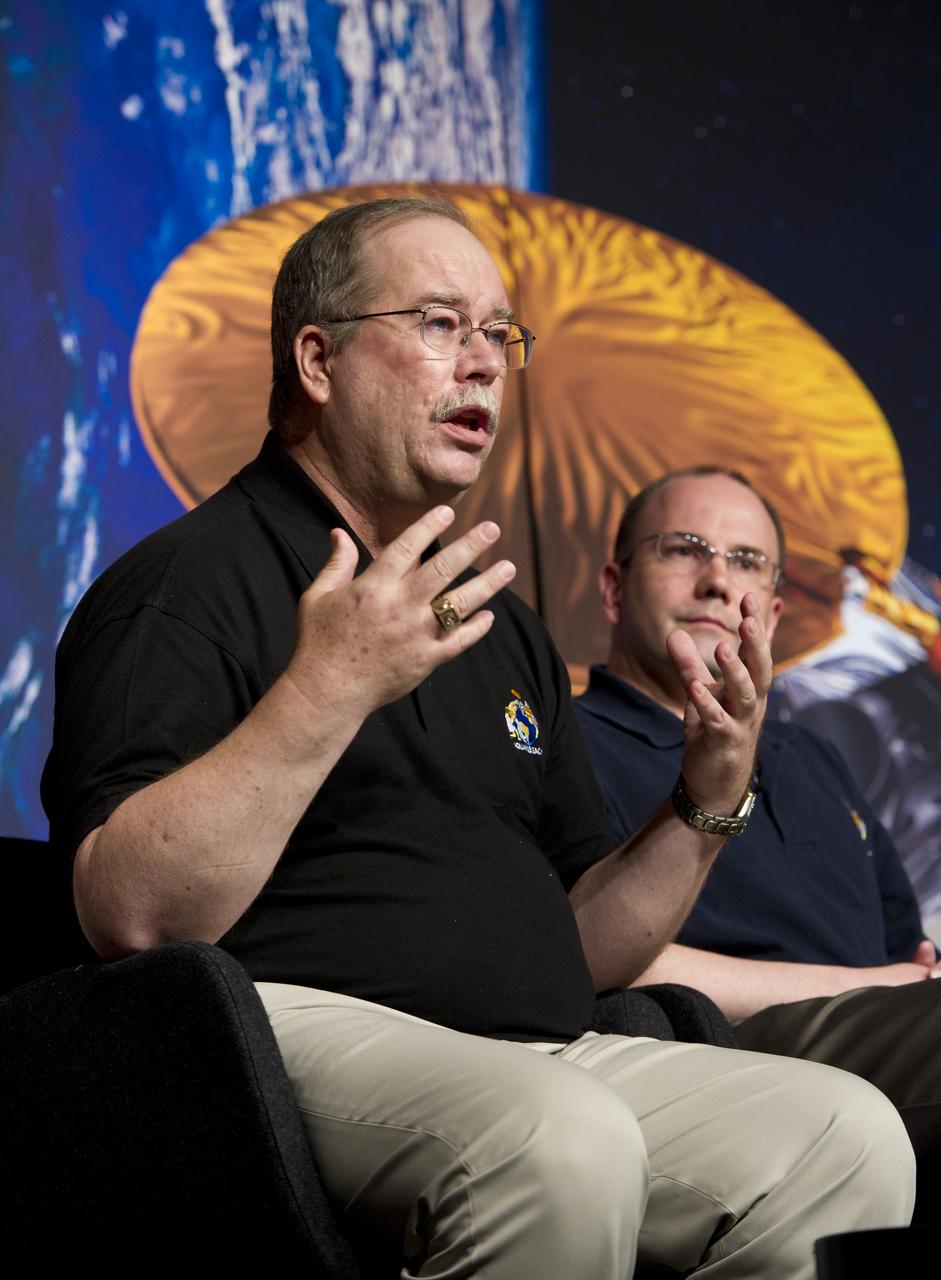
Eric Lindstrom, left, Aquarius Program Scientist, NASA Headquarters, talks about NASA's Aquarius/SAC-D mission to study the salinity of Earth's oceans from space on Tuesday, May 17, 2011 at NASA Headquarters in Washington. The mission is a collaboration between NASA and Argentina's space agency Comision Nacional de Actividades Especiales (CONAE), with participation from Brazil, Canada, France and Italy. The Aquarius/SAC-D observatory will launch June 9, 2011 from Vandenberg Air Force Base in California. Photo Credit: (NASA/Carla Cioffi)
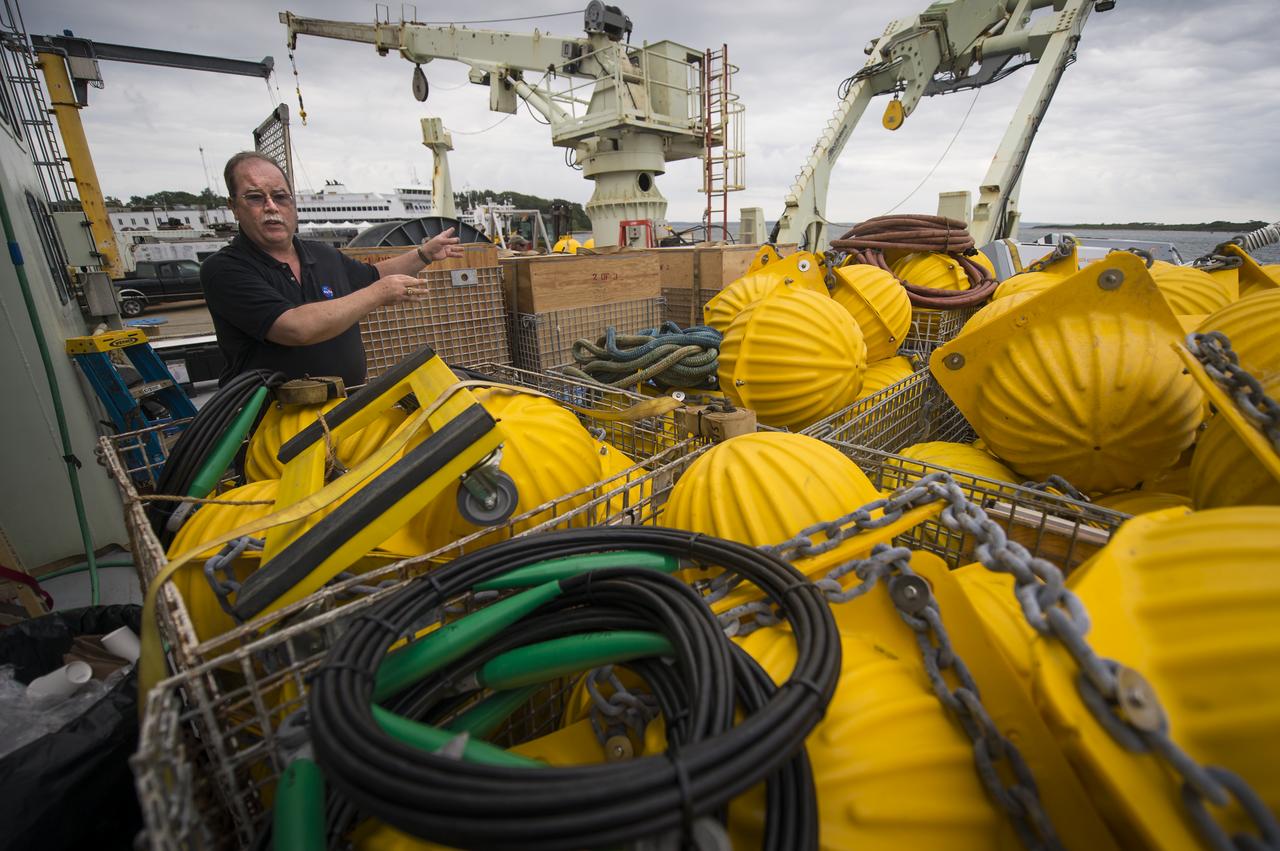
NASA Physical Oceanography Program Scientist Eric Lindstrom talks about the instruments onboard the Woods Hole Oceanographic Institution research vessel Knorr on Tuesday, Sept. 4, 2012, in Woods Hole, Mass. Various scientific instruments will be deployed in the Atlantic Ocean as part of the Salinity Processes in the Upper Ocean Regional Study (SPURS) which is set to sail on Sept. 6. The NASA-sponsored expedition will sail to the North Atlantic's saltiest spot to get a detailed, 3-D picture of how salt content fluctuates in the ocean's upper layers and how these variations are related to shifts in rainfall patterns around the planet. Photo Credit: (NASA/Bill Ingalls)

NASA Physical Oceanography Program Scientist Eric Lindstrom inspects an autonomous wave glider onboard the Woods Hole Oceanographic Institution research vessel Knorr on Tuesday, Sept. 4, 2012, in Woods Hole, Mass. The autonomous gliders will be deployed in the Atlantic Ocean as part of the Salinity Processes in the Upper Ocean Regional Study (SPURS) which is set to sail on Sept. 6. The NASA-sponsored expedition will sail to the North Atlantic's saltiest spot to get a detailed, 3-D picture of how salt content fluctuates in the ocean's upper layers and how these variations are related to shifts in rainfall patterns around the planet. Photo Credit: (NASA/Bill Ingalls)
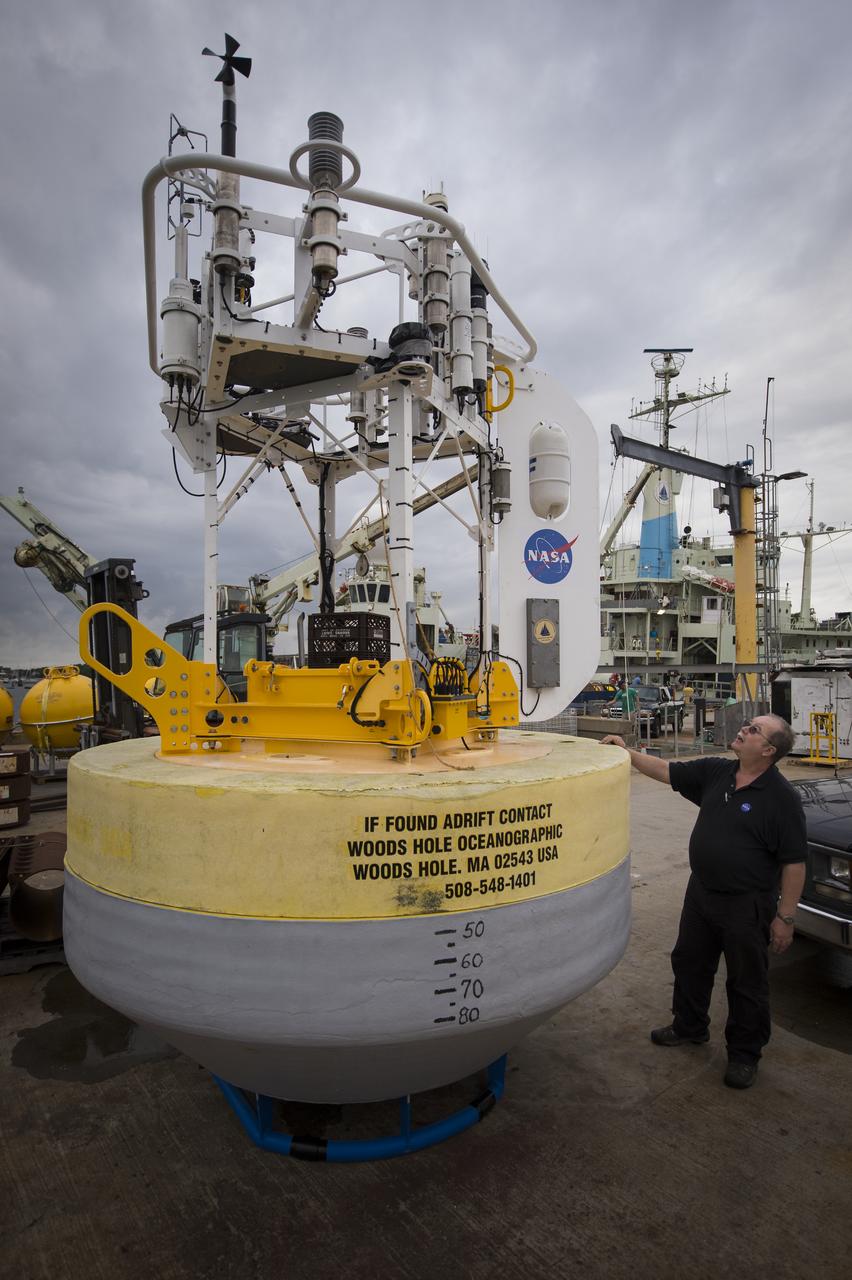
NASA Physical Oceanography Program Scientist Eric Lindstrom inspects a sensor-laden buoy prior to it being loaded onboard the Woods Hole Oceanographic Institution's vessel Knorr on Tuesday, Sept. 4, 2012, in Woods Hole, Mass. The buoy will be deployed in the Atlantic Ocean as part of the Salinity Processes in the Upper Ocean Regional Study (SPURS) which is set to sail on Sept. 6. The NASA-sponsored expedition will sail to the North Atlantic's saltiest spot to get a detailed, 3-D picture of how salt content fluctuates in the ocean's upper layers and how these variations are related to shifts in rainfall patterns around the planet. Photo Credit: (NASA/Bill Ingalls)

NASA Physical Oceanography Program Scientist Eric Lindstrom inspects an autonomous wave glider onboard the Woods Hole Oceanographic Institution research vessel Knorr on Tuesday, Sept. 4, 2012, in Woods Hole, Mass. The autonomous gliders will be deployed in the Atlantic Ocean as part of the Salinity Processes in the Upper Ocean Regional Study (SPURS) which is set to sail on Sept. 6. The NASA-sponsored expedition will sail to the North Atlantic's saltiest spot to get a detailed, 3-D picture of how salt content fluctuates in the ocean's upper layers and how these variations are related to shifts in rainfall patterns around the planet. Photo Credit: (NASA/Bill Ingalls)
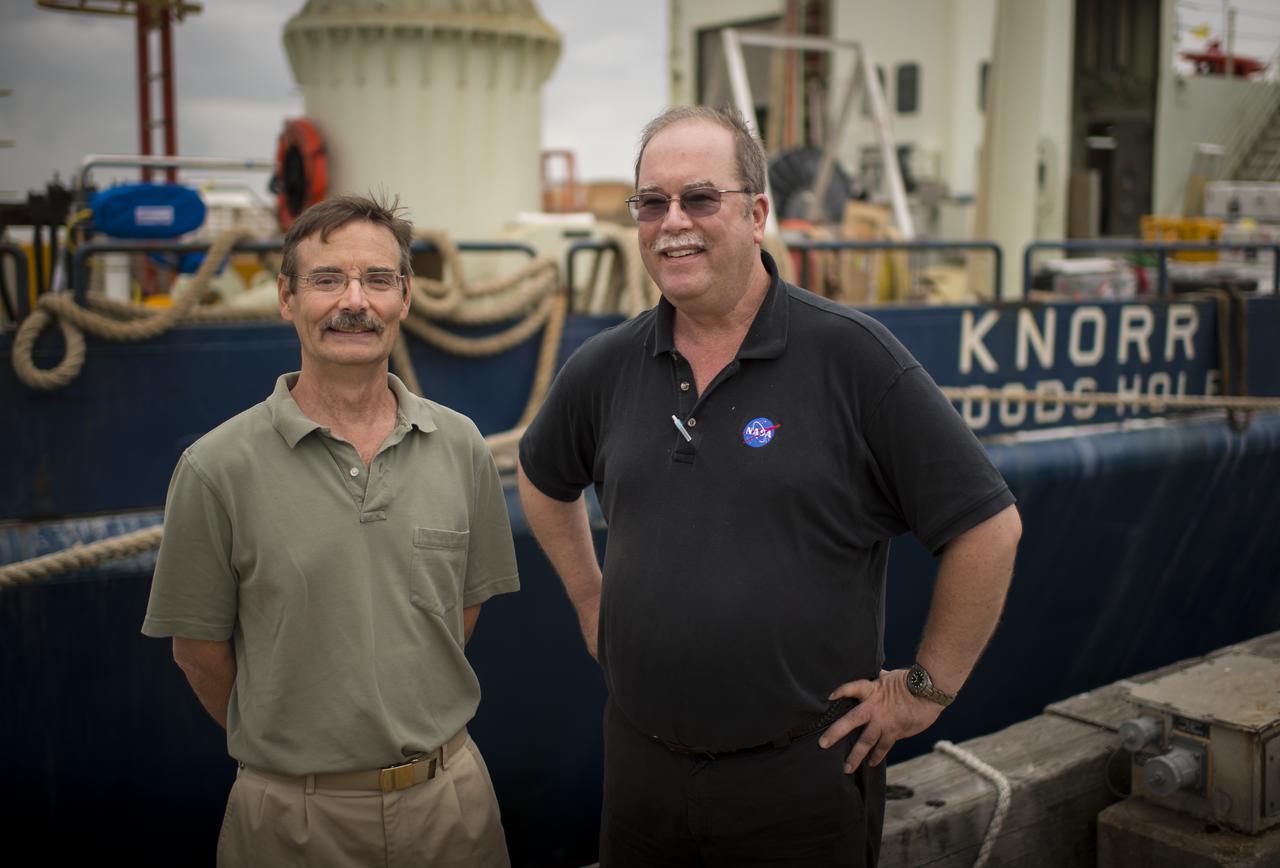
Woods Hole Oceanographic Institution Senior Scientist Ray Schmitt, left, and NASA Physical Oceanography Program Scientist Eric Lindstrom pose for a photograph in front of the Institution's research vessel Knorr on Tuesday, Sept. 4, 2012, in Woods Hole, Mass. Knorr is scheduled to depart on Sept. 6 to take part in the Salinity Processes in the Upper Ocean Regional Study (SPURS). The NASA-sponsored expedition will sail to the North Atlantic's saltiest spot to get a detailed, 3-D picture of how salt content fluctuates in the ocean's upper layers and how these variations are related to shifts in rainfall patterns around the planet. Photo Credit: (NASA/Bill Ingalls)
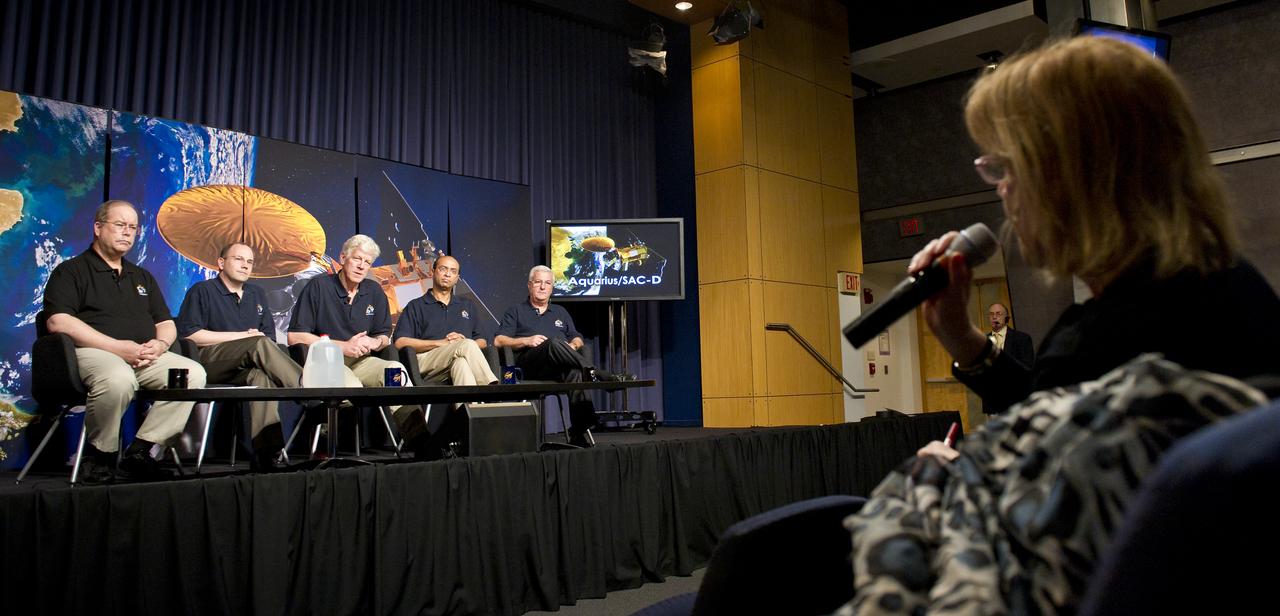
A reporter asks a question to the panel of scientists assembled at the Aquarius/SAC-D press conference on Tuesday, May 17, 2011 at NASA Headquarters in Washington. Seated from left are Eric Lindstrom, Aquarius Program Scientist, NASA Headquarters; Eric Ianson, Aquarius Program Executive, NASA Headquarters; Gary Lagerloef, Aquarius Principal Investigator, Earth & Space Research, Seattle; Amit Sen, Aquarius Project Manager, NASA Jet Propulsion Laboratory and Daniel Caruso, SAC-D Project Manager, CONAE, Argentina. The mission will study the salinity of the Earth's oceans from space. Aquarius/SAC-D is a collaboration between NASA and Argentina's space agency Comision Nacional de Actividades Especiales (CONAE), with participation from Brazil, Canada, France and Italy. The Aquarius/SAC-D observatory will launch June 9, 2011 from Vandenberg Air Force Base in California. Photo Credit: (NASA/Carla Cioffi)
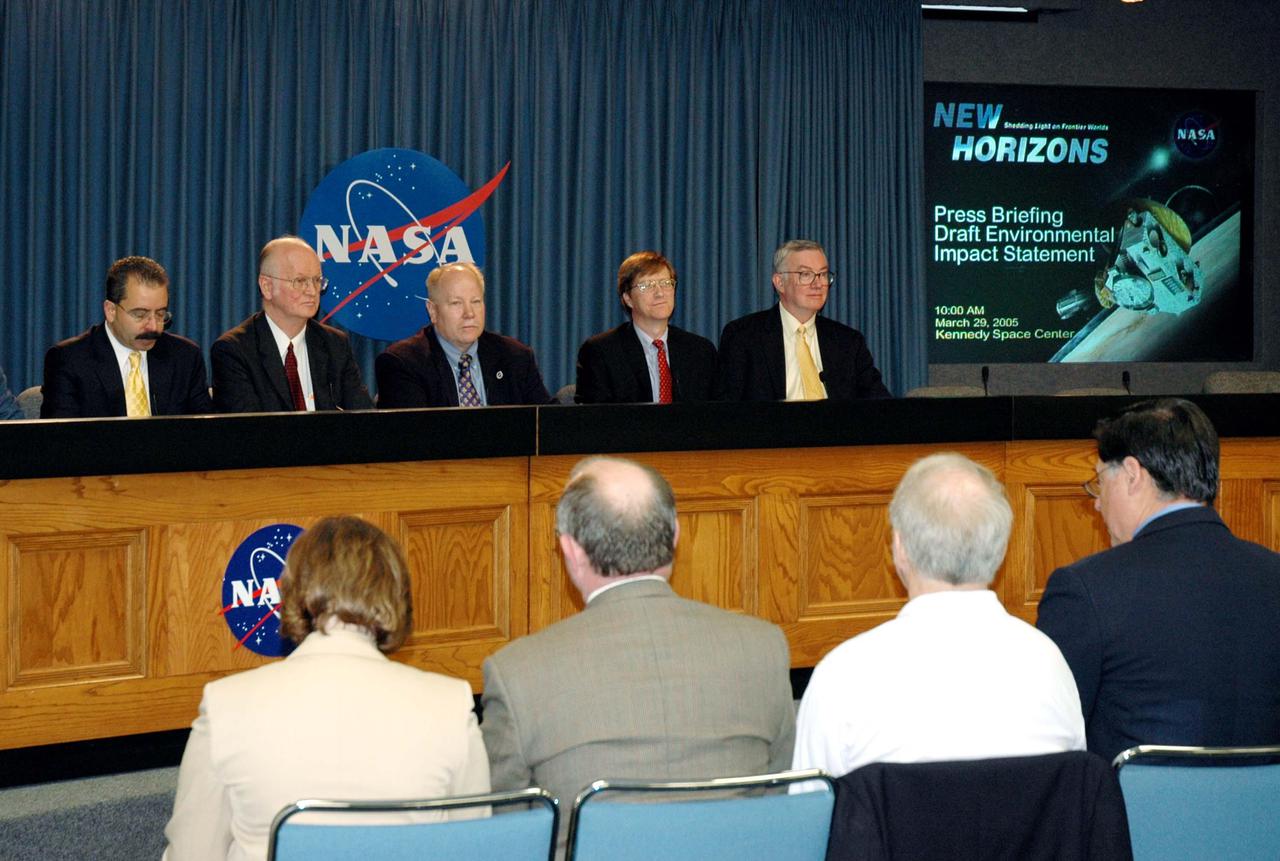
KENNEDY SPACE CENTER, FLA. - Representatives of NASA’s New Horizons Mission to Pluto discuss the mission during a press briefing on the Draft environmental Impact Statement at NASA’s Kennedy Space Center. From left are Orlando Figueroa, deputy association administrator for Programs, Science Mission Directorate; Earl Wahlquist, associate director for Space and Defense Power Systems, Department of Energy, in Germantown, Md.; Kurt Lindstrom, New Horizons Program executive, with NASA; Hal Weaver, New Horizons Project scientist, Johns Hopkins University Applied Physics Laboratory in Laurel, Md.; and Glen Fountain, New Horizons Project manager, also with Johns Hopkins University Applied Physics Laboratory. The spacecraft will explore Pluto, its moon Charon, and possibly one or more objects within the Kuiper Belt. New Horizons is planned for launch during a window from Jan. 11 to Feb. 14, 2006, on an Atlas V 551 booster with a Star 48B third stage. It will proceed to a Jupiter gravity assist between Feb. 25 and March 2, 2007, if launched during the first 23 days of the launch window. (If it is launched during the last 12 days of the launch window it will have a direct-to-Pluto trajectory. There is a backup launch opportunity in February 2007.)
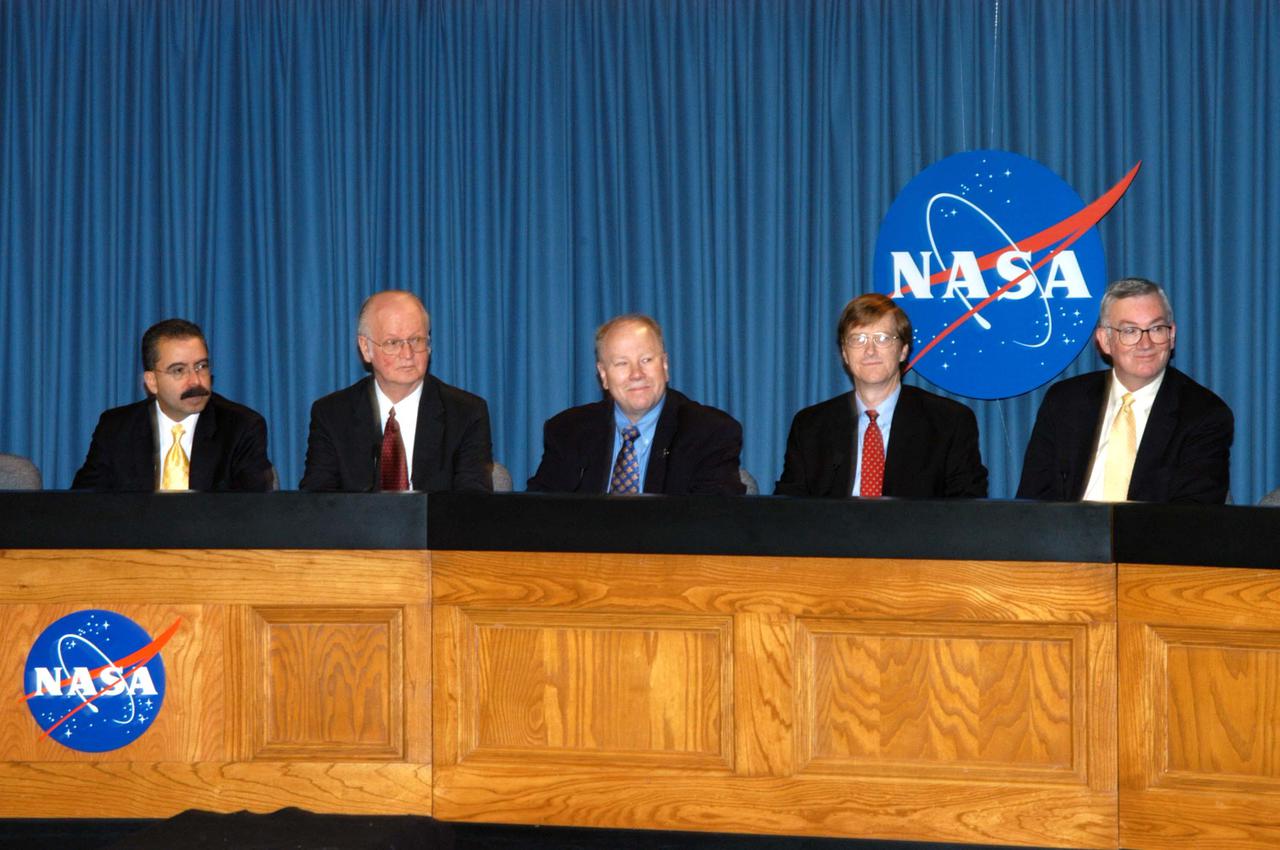
KENNEDY SPACE CENTER, FLA. - Representatives of NASA’s New Horizons Mission to Pluto are ready to answer questions during a press briefing on the Draft environmental Impact Statement at NASA’s Kennedy Space Center. From left are Orlando Figueroa, deputy association administrator for Programs, Science Mission Directorate; Earl Wahlquist, associate director for Space and Defense Power Systems, Department of Energy, in Germantown, Md.; Kurt Lindstrom, New Horizons Program executive, with NASA; Hal Weaver, New Horizons Project scientist, Johns Hopkins University Applied Physics Laboratory in Laurel, Md.; and Glen Fountain, New Horizons Project manager, also with Johns Hopkins University Applied Physics Laboratory. The spacecraft will explore Pluto, its moon Charon, and possibly one or more objects within the Kuiper Belt. New Horizons is planned for launch during a window from Jan. 11 to Feb. 14, 2006, on an Atlas V 551 booster with a Star 48B third stage. It will proceed to a Jupiter gravity assist between Feb. 25 and March 2, 2007, if launched during the first 23 days of the launch window. (If it is launched during the last 12 days of the launch window it will have a direct-to-Pluto trajectory. There is a backup launch opportunity in February 2007.)
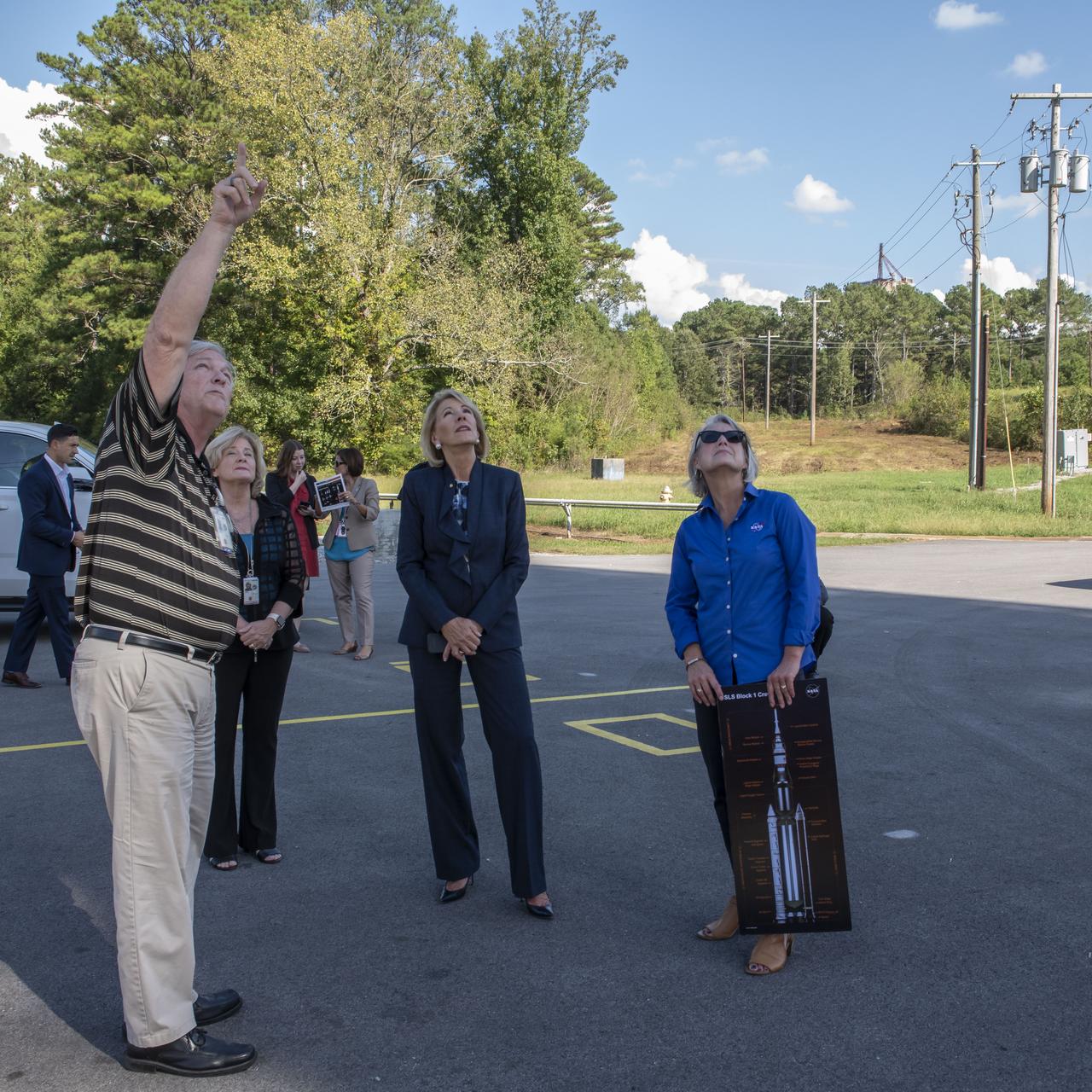
Secretary of Education Betsy DeVos visited the Payload Operations Integration Center (POIC) and test stand 4693 at the Marshall Space Flight Center (MSFC). The visit to MSFC was followed by a tour of educational facilities at the U.S. Space and Rocket Center (USSRC). Secretary DeVos was accompanied by Marshall Center Director Jody Singer and USSRC CEO Dr. Deborah Barnhart.