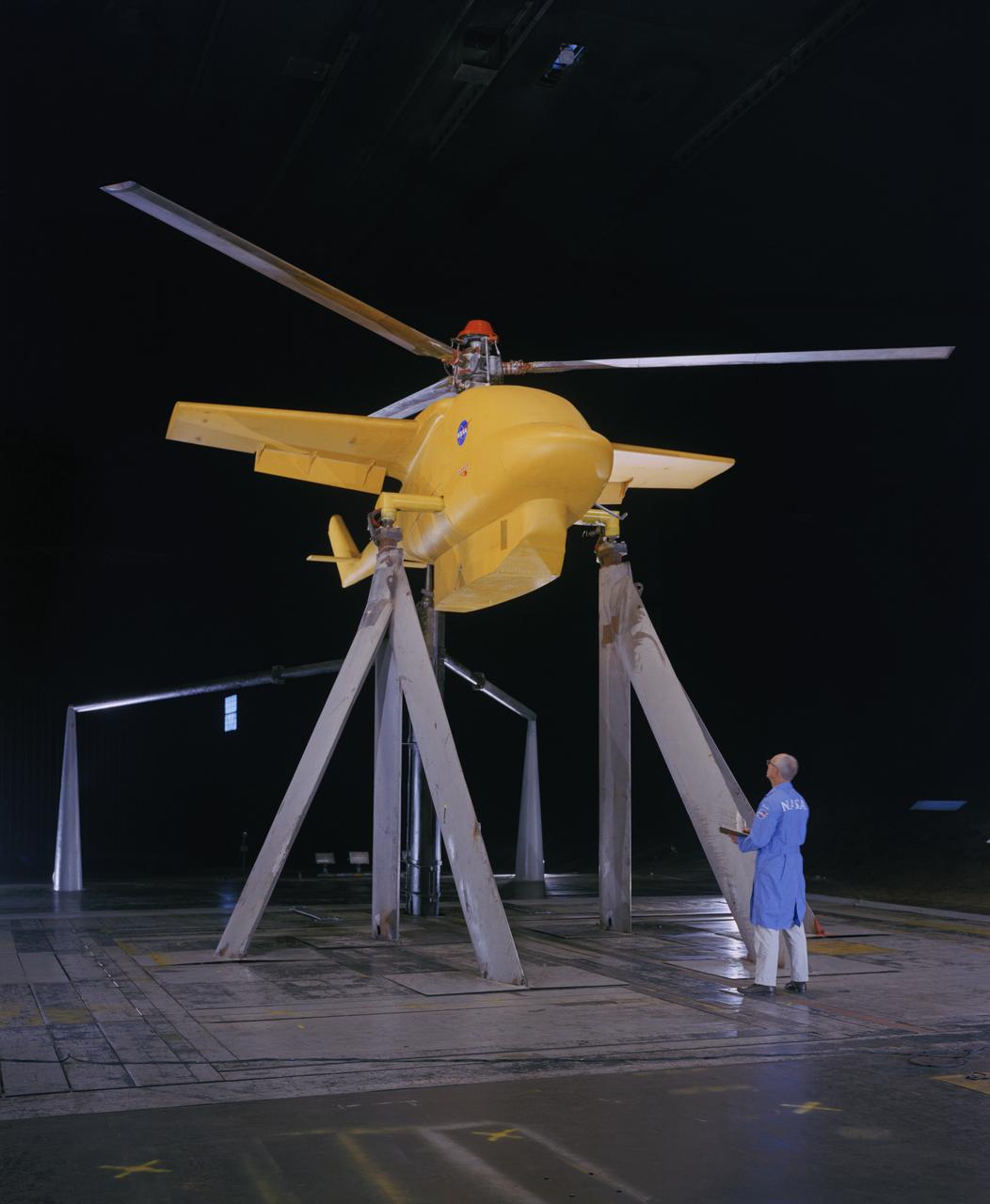
3/4 front view of Lockheed Stopped Rotor.
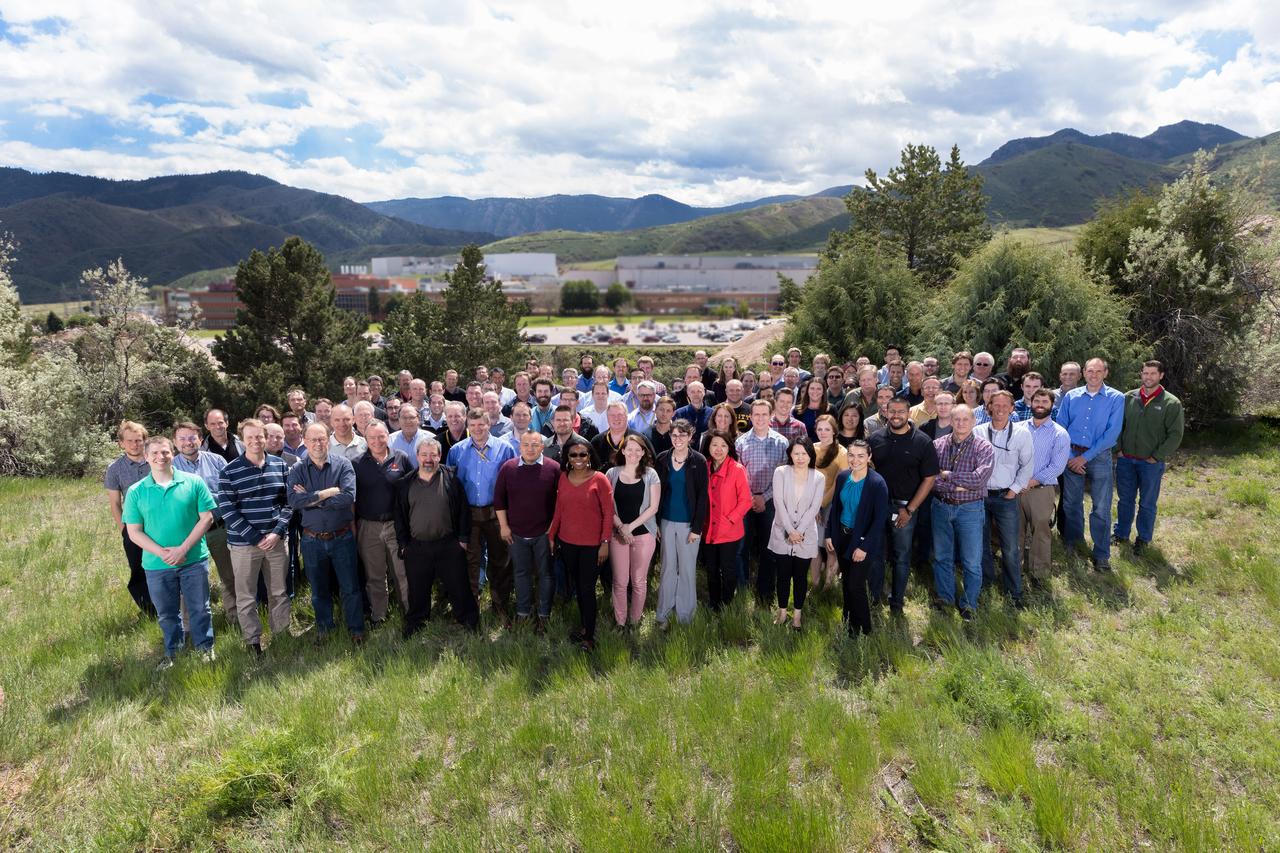
The InSight Team at Lockheed Martin Space in May 2017 The InSight team is comprised of scientists and engineers from multiple disciplines and is a unique collaboration between countries and organizations around the world. The science team includes co-investigators from the U.S., France, Germany, Austria, Belgium, Canada, Japan, Switzerland and the United Kingdom. https://photojournal.jpl.nasa.gov/catalog/PIA22235

NASA, Lockheed Martin S-3B Viking Aircraft #N601NA
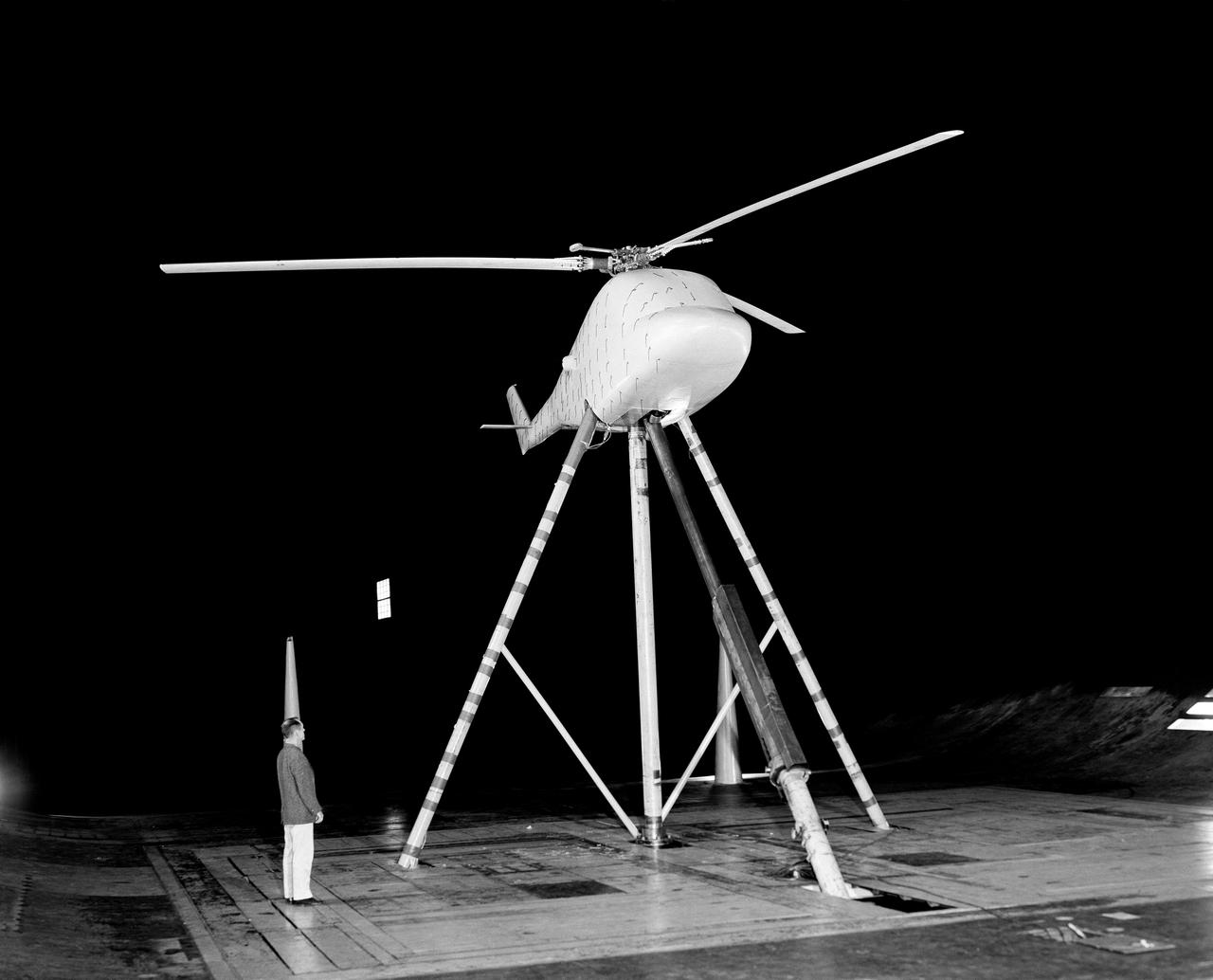
3/4 front view of Lockheed Rigid Rotor model in Ames 40x80 foot wind Tunnel.
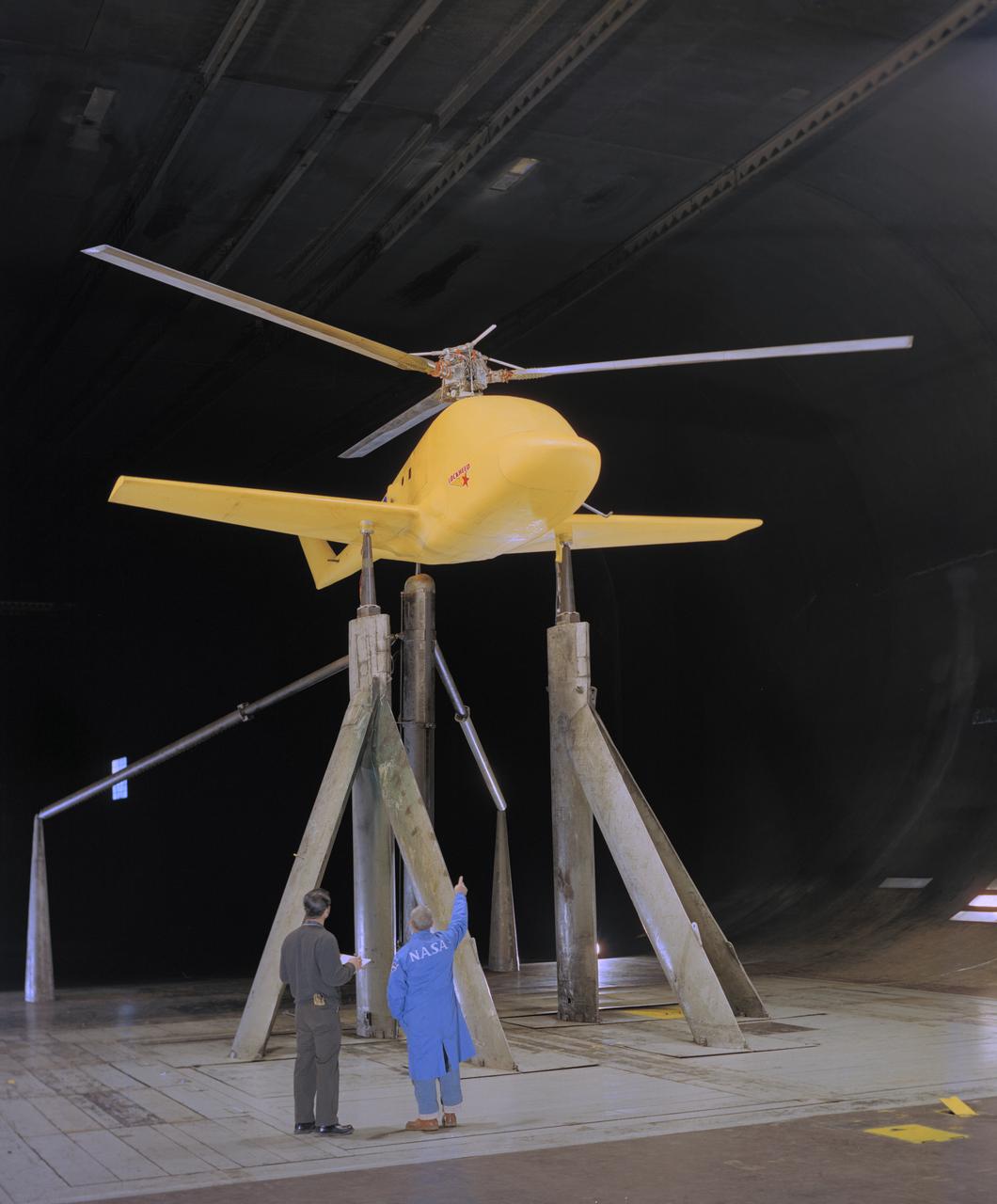
3/4 front view of the Lockheed Stopped Rotor with blades unfolded. Charles Greco and Ed Verrette in photo.
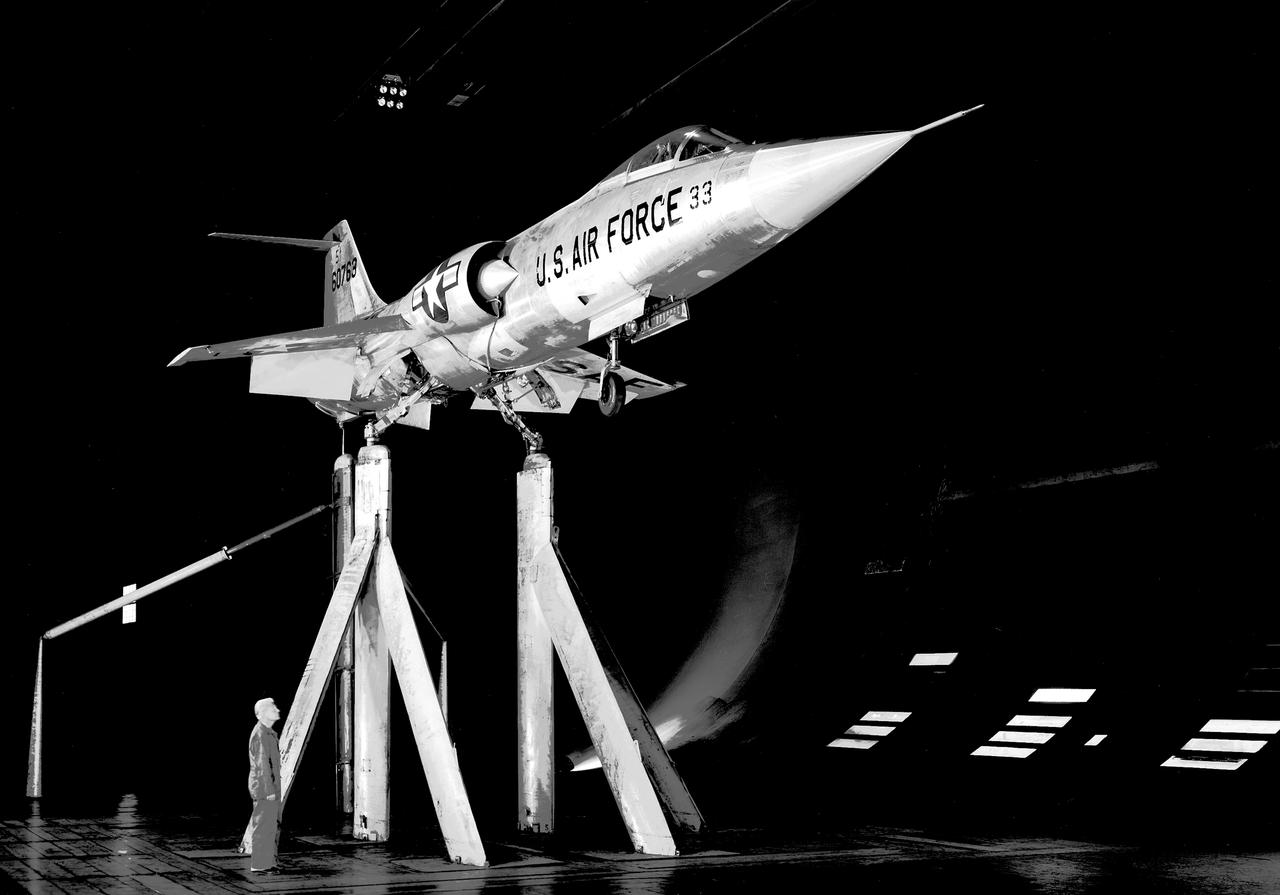
3/4 front view from below of Air Force F-104. The Lockheed F-104 Starfighter is a single-engine, supersonic interceptor aircraft originally developed by Lockheed for the United States Air Force (USAF). One of the Century Series of fighter aircraft, it was operated by the air forces of more than a dozen nations from 1958 to 2004.
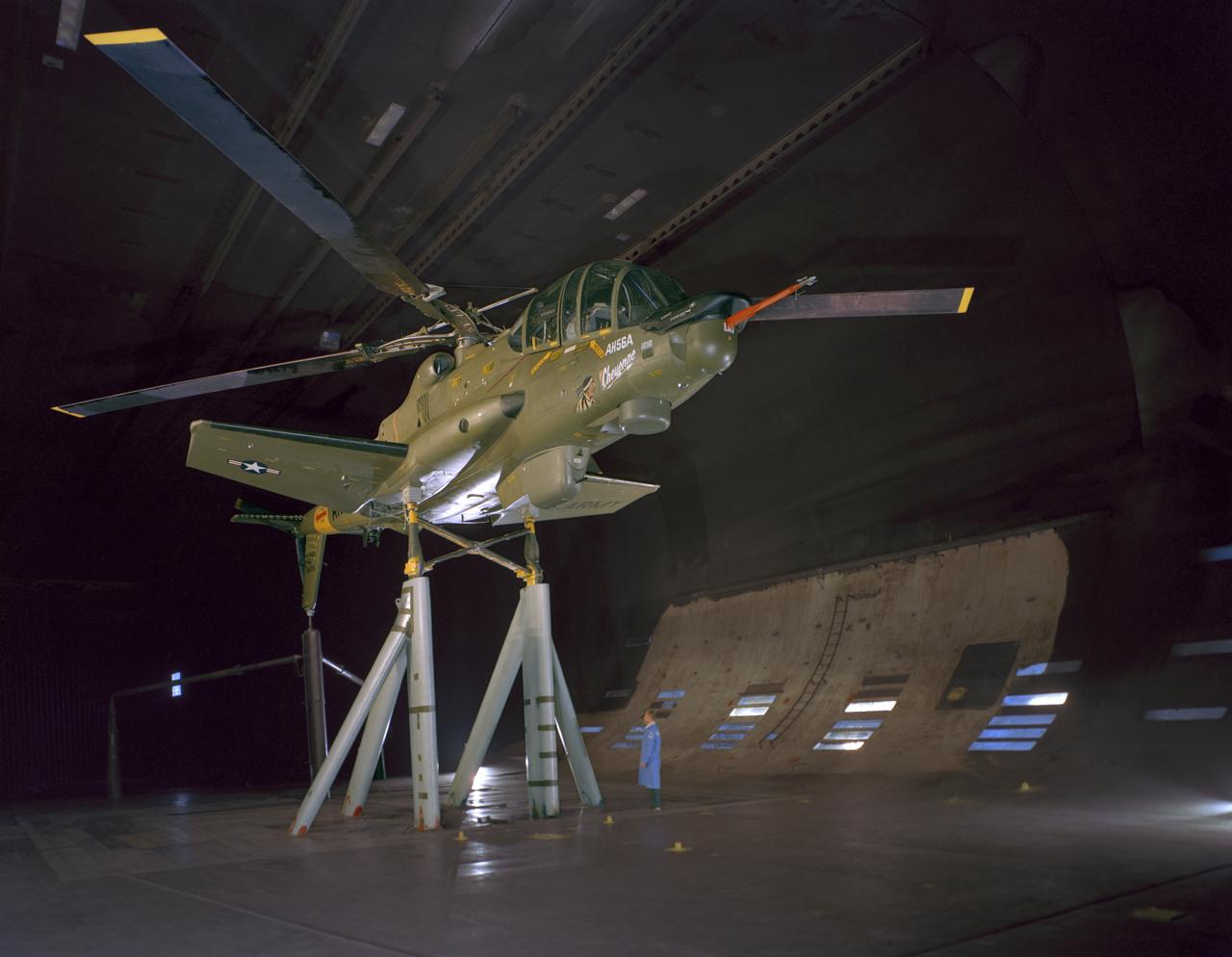
3/4 front view of Lockheed AH-56A (Cheyenne) Helicopter in Ames 40x80 Foot Wind Tunnel
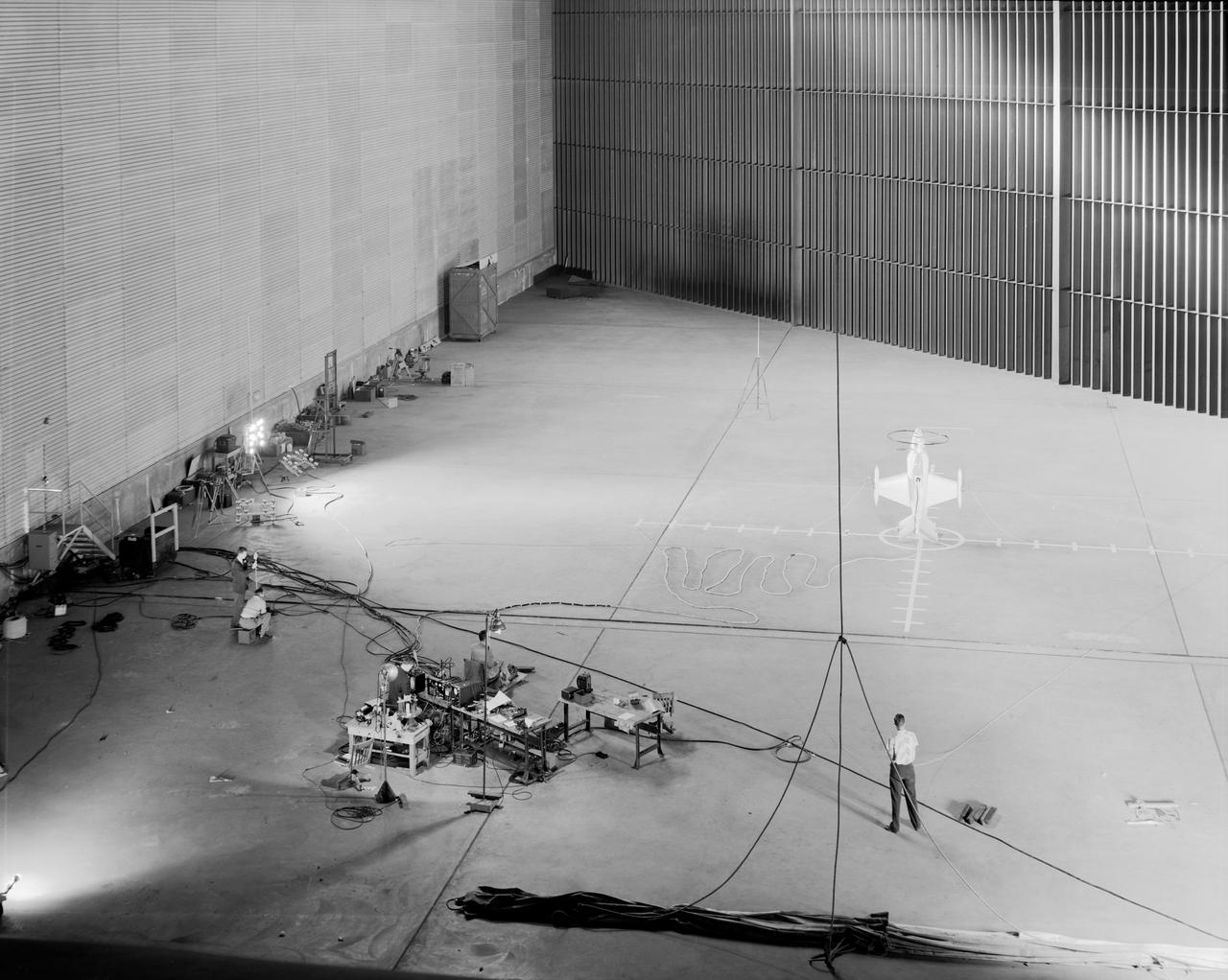
Wide shot of 40x 80 wind tunnel settling chamber with Lockheed XFV-1 model. Project engineer Mark Kelly (not shown). Remote controlled model flown in the settling chamber of the 40x80 wind tunnel. Electric motors in the model, controlled the counter-rotating propellers to test vertical takeoff. Test no. 71
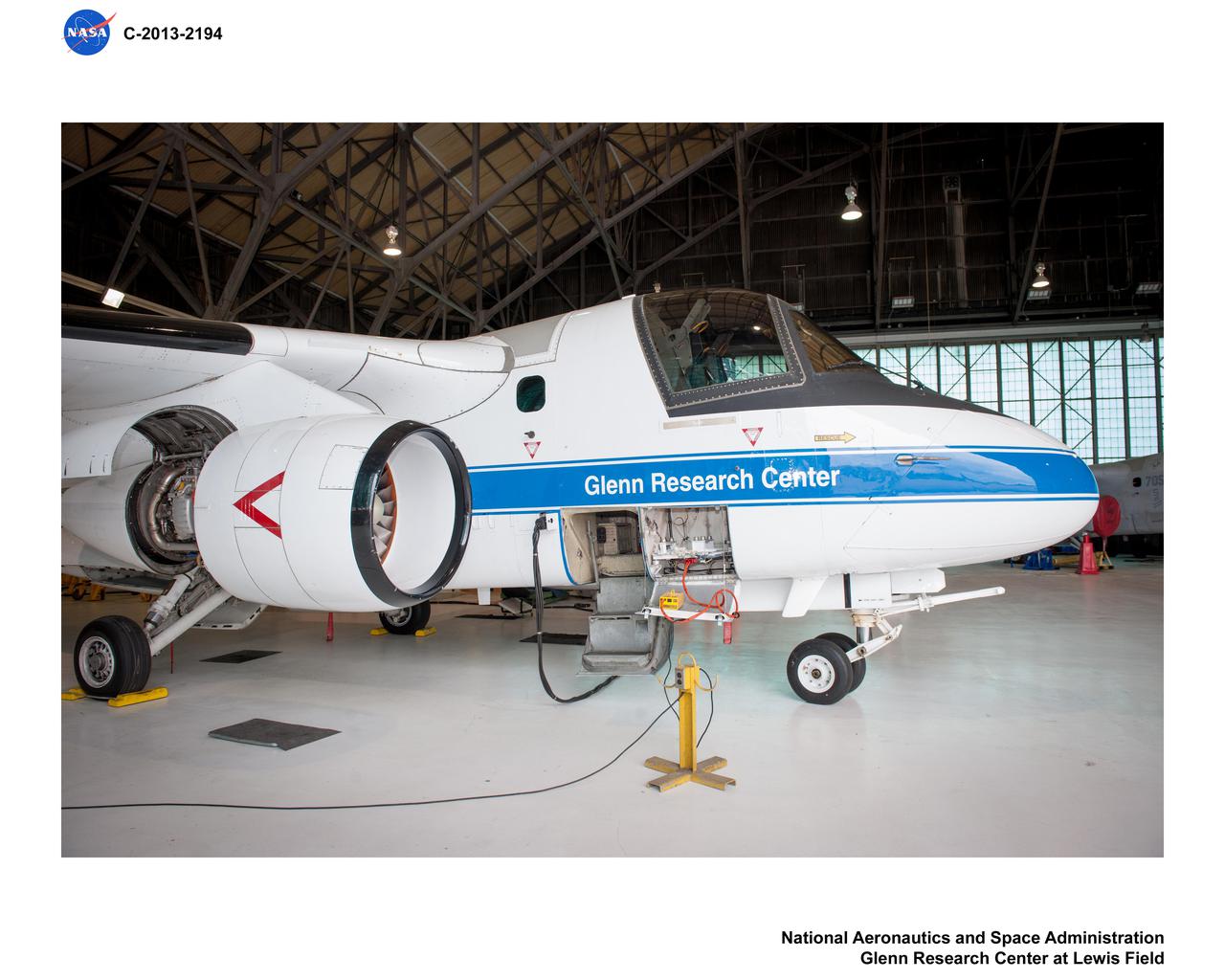
NASA, Lockheed Martin S-3B Viking Aircraft #N601NA, Unmanned Aircraft Communications Project
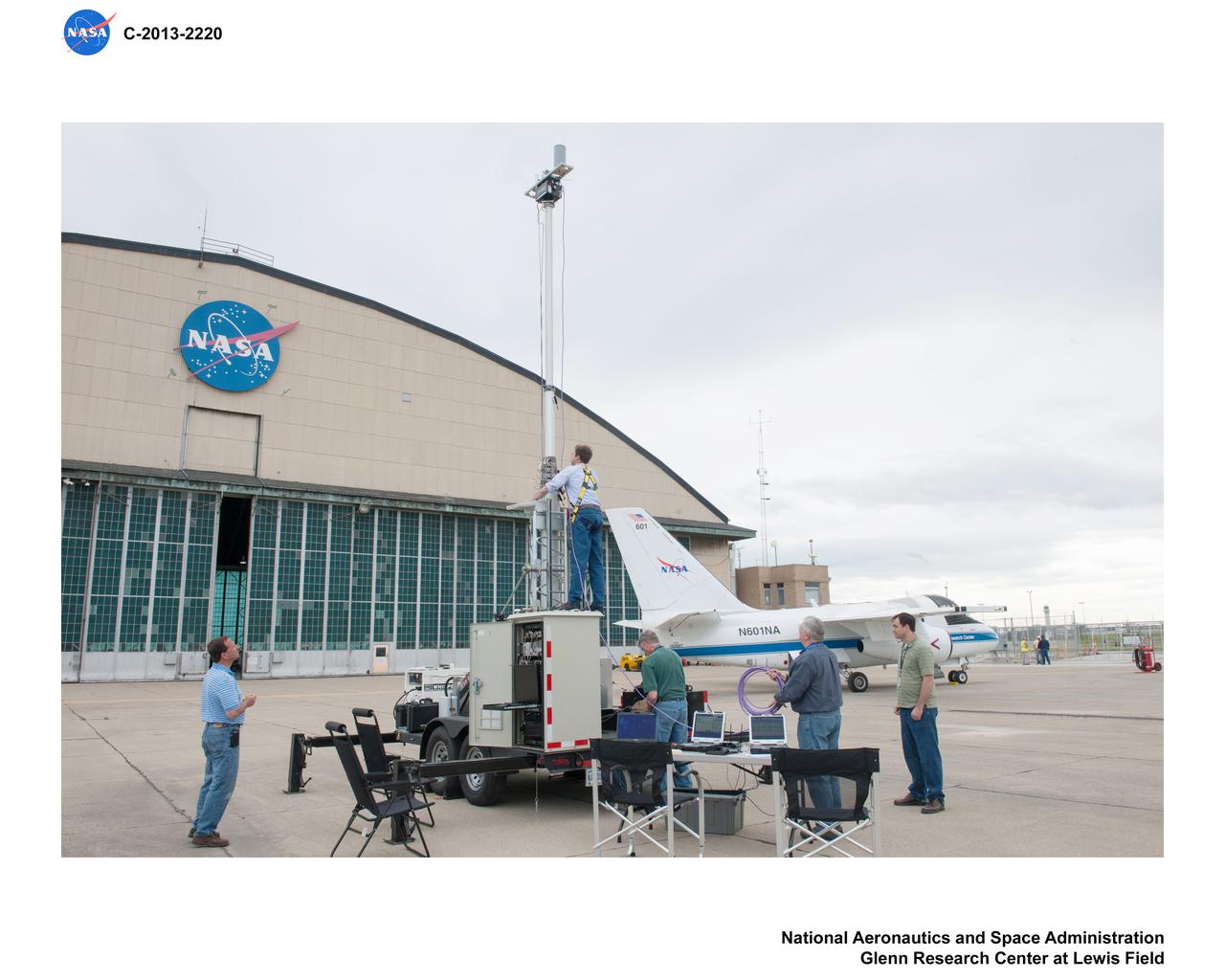
NASA, Lockheed Martin S-3B Viking Aircraft #N601NA, Unmanned Aircraft Communications Project
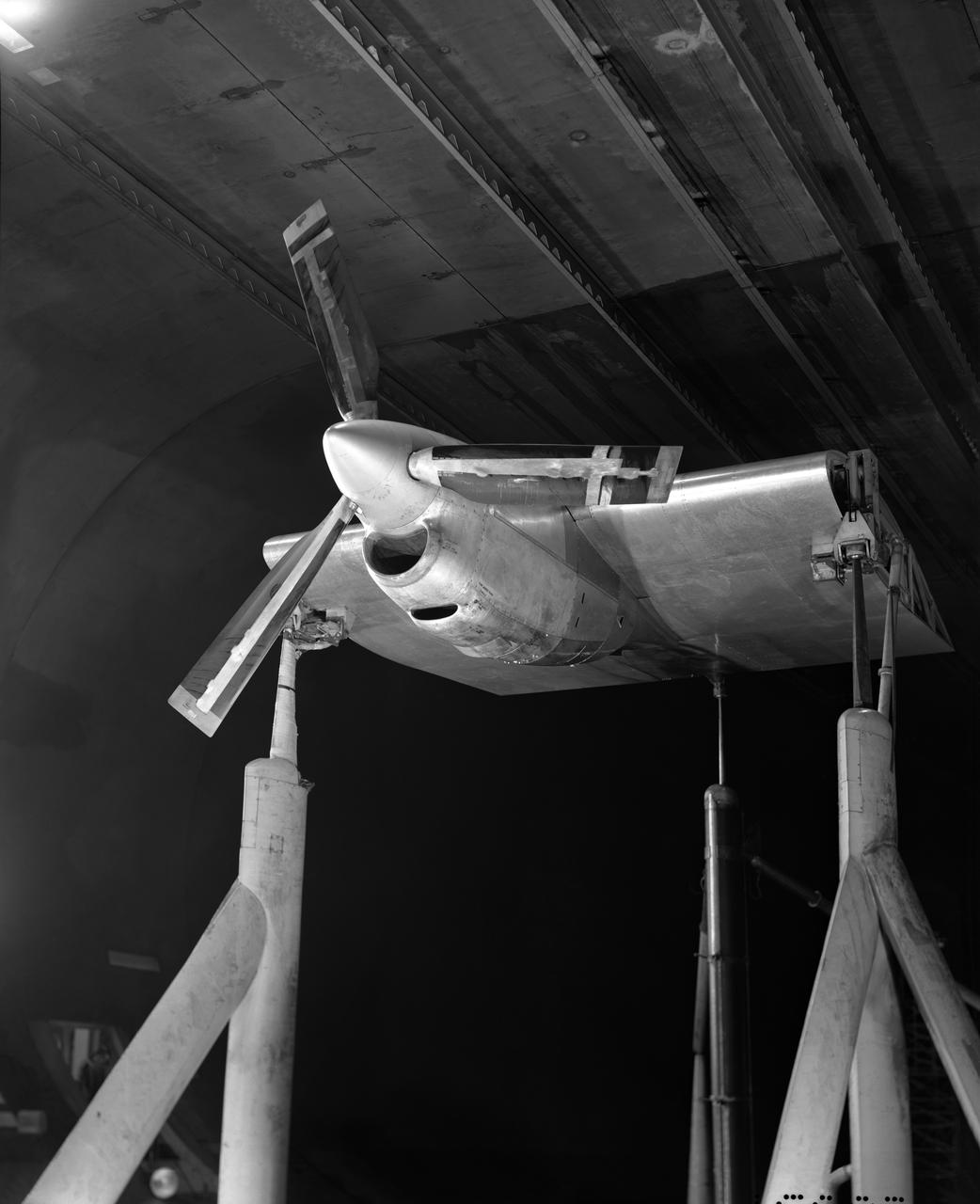
Test of Lockheed YC-130 Turbo-Propeller Installation in Ames 40x80 Foot Wind Tunnel. 3/4 front view from below.

Lockheed Martin technicians work to align and check the fastener holes on the X-59’s fuselage skin. The aircraft, under construction at Lockheed Martin Skunk Works in Palmdale, California, will demonstrate the ability to fly supersonic while reducing the loud sonic boom to a quiet sonic thump.
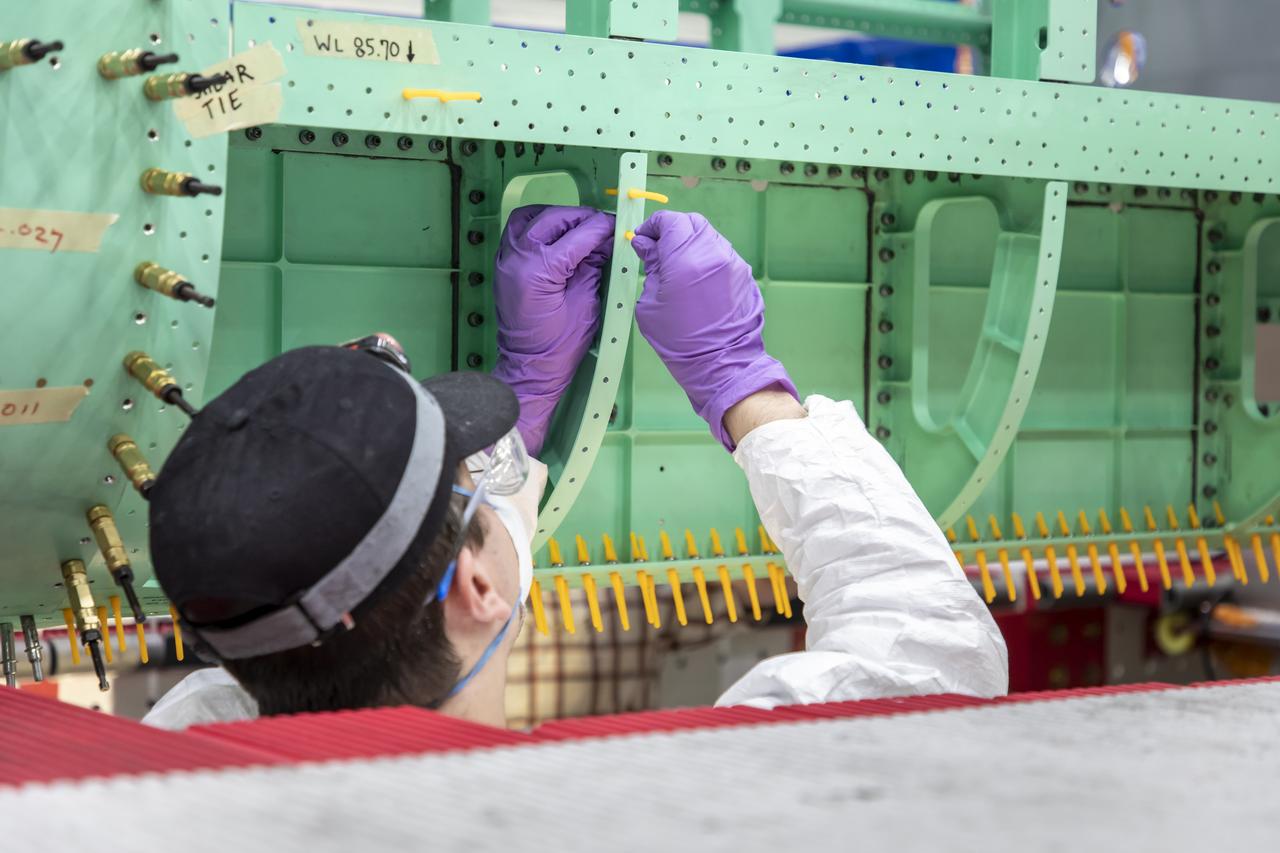
A Lockheed Martin technician prepares holes for installation of the fuselage panel on the X-59. The fuselage is the section of the aircraft that contains the cockpit. The aircraft, under construction at Lockheed Martin Skunk Works in Palmdale, California, will demonstrate the ability to fly supersonic while reducing the loud sonic boom to a quiet sonic thump.
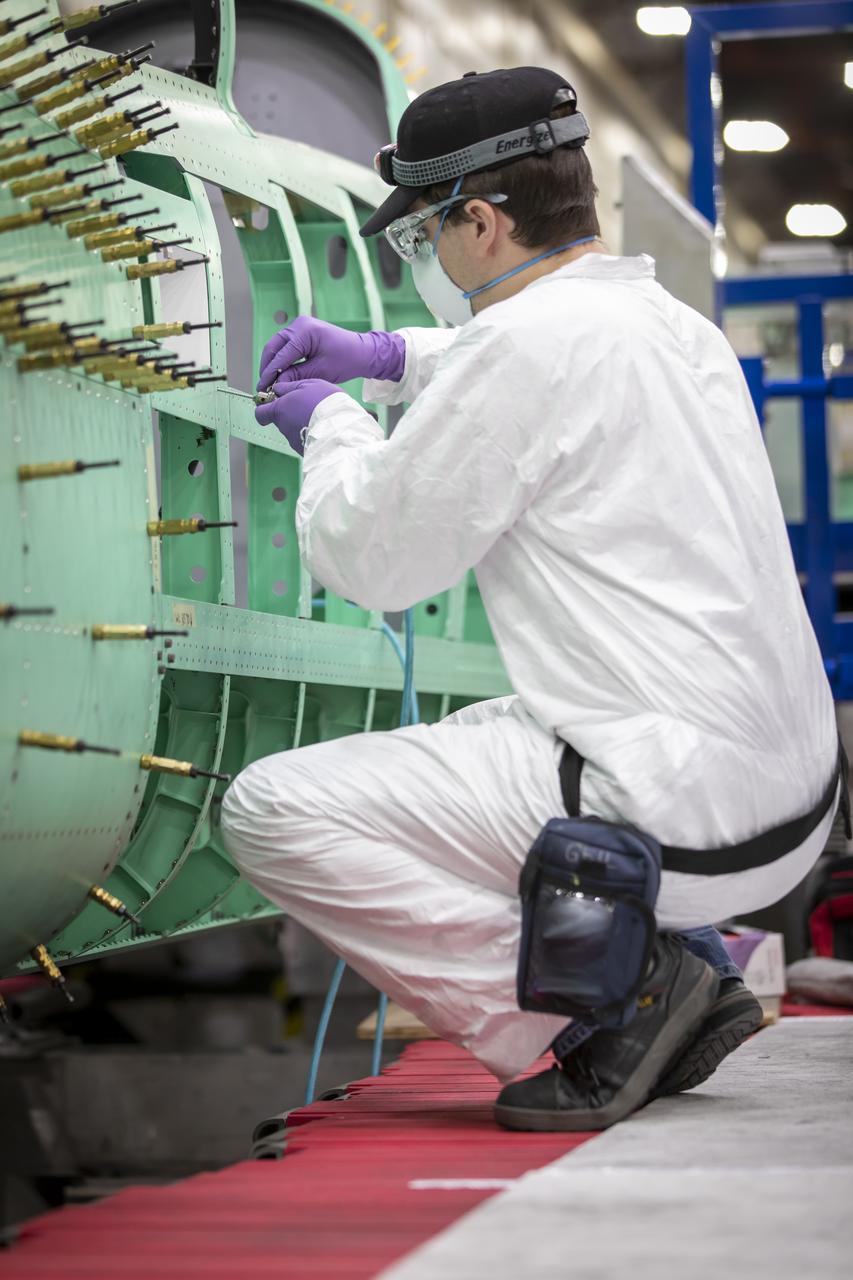
Event: SEG 210 Forebody A Lockheed Martin technician prepares to install the left fuselage skins onto the X-59. Once in the air, the aircraft, currently under construction at Lockheed Martin Skunk Works in Palmdale, California, will demonstrate the ability to fly supersonic while reducing the loud sonic boom to a quiet sonic thump.
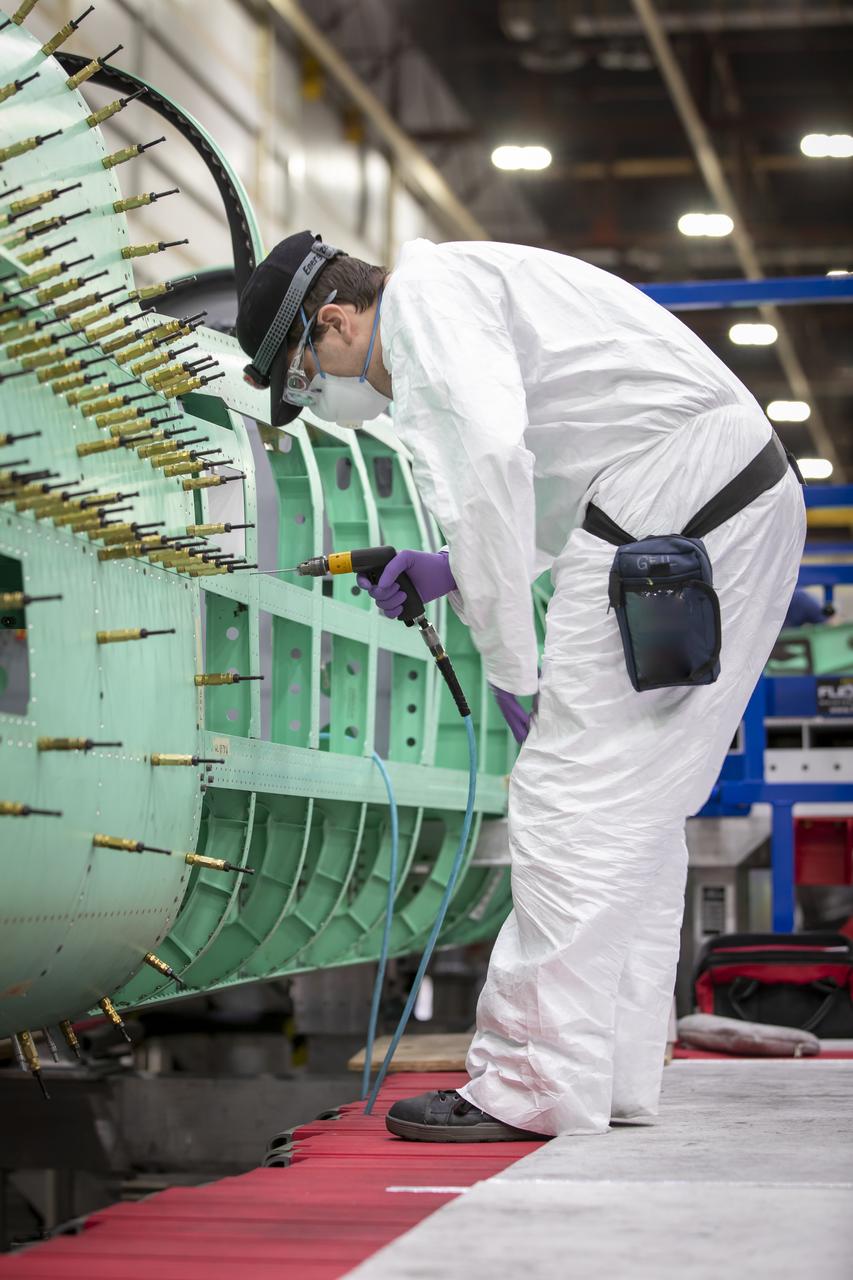
Event: SEG 210 Forebody A Lockheed Martin technician prepares to install the left fuselage skins onto the X-59. Once in the air, the aircraft, currently under construction at Lockheed Martin Skunk Works in Palmdale, California, will demonstrate the ability to fly supersonic while reducing the loud sonic boom to a quiet sonic thump.
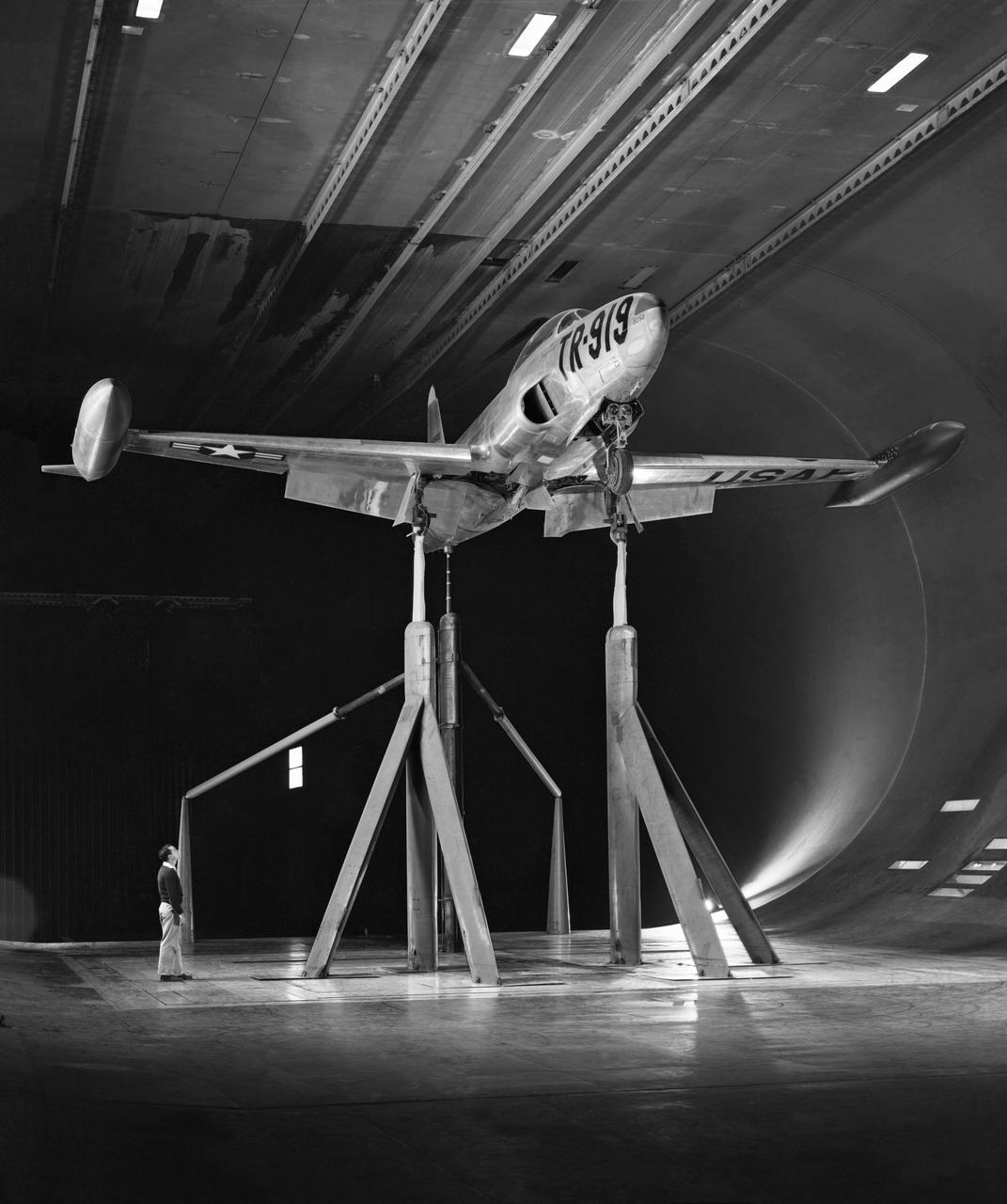
3/4 front view of Wind Tunnel investigation of the Lockheed T-33 modified for area-suction leading-edge and trailing edge flaps in Ames 40x80 foot Wind Tunnel.
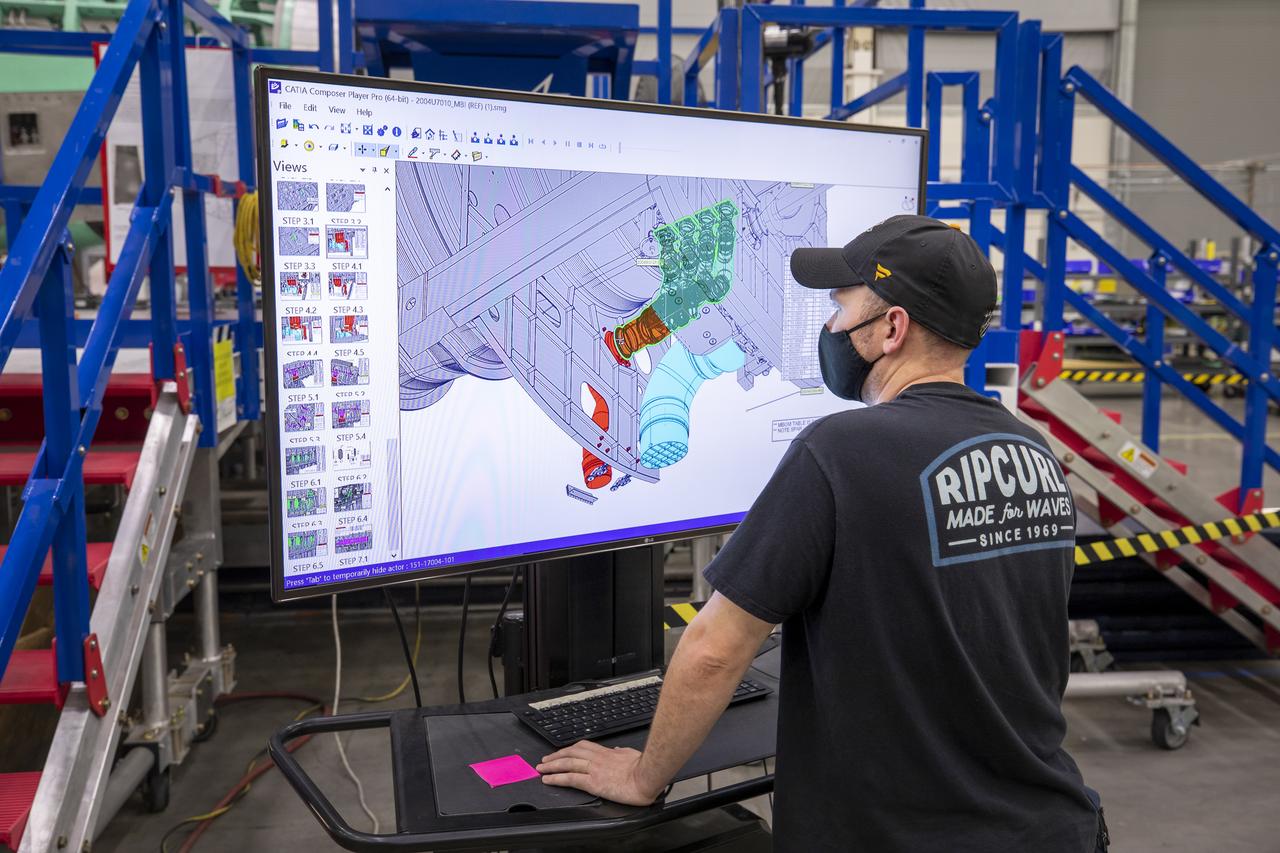
A Lockheed Martin technician looks at the connector installation on the cad model of the X-59 airplane. The aircraft, under construction at Lockheed Martin Skunk Works in Palmdale, California, will demonstrate the ability to fly supersonic while reducing the loud sonic boom to a quiet sonic thump.
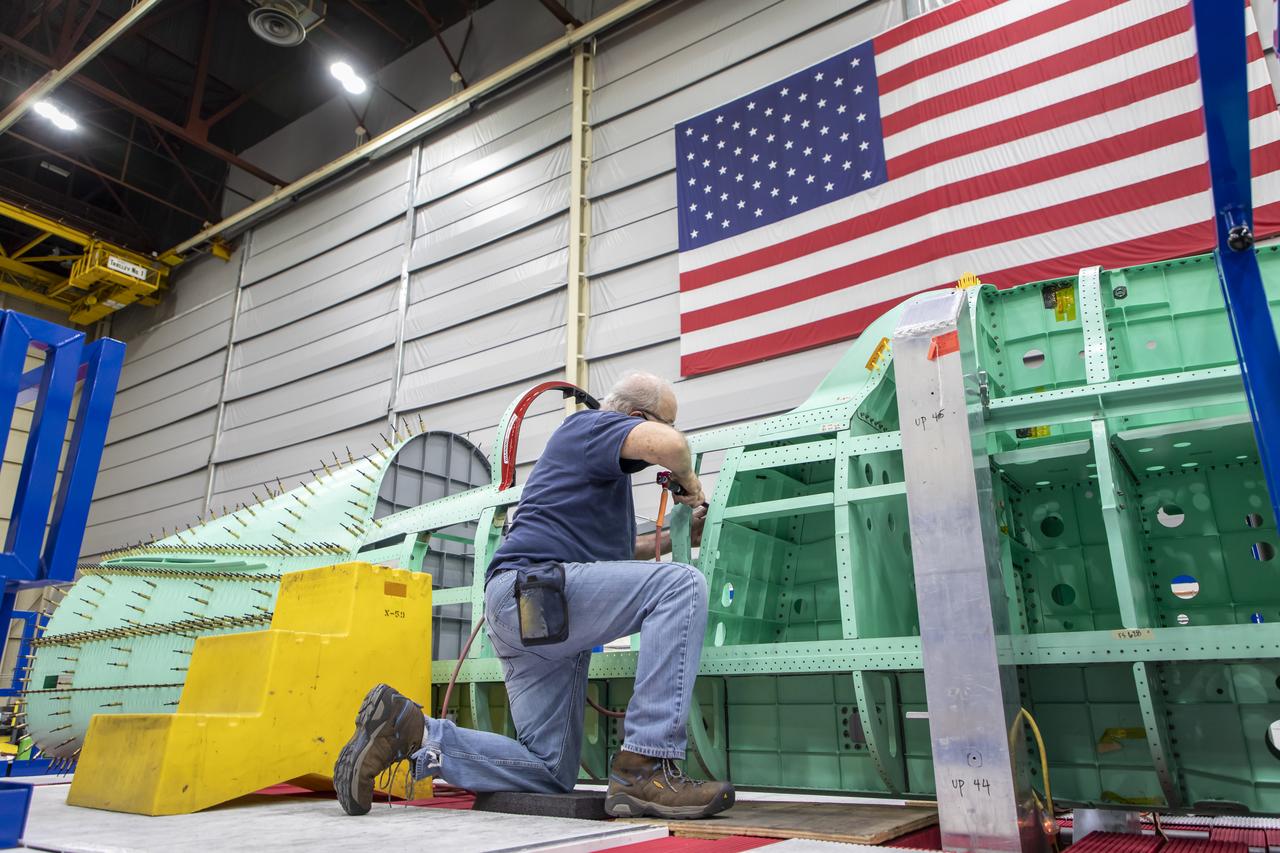
Event: SEG 210 Forebody A Lockheed Martin technician works on the ejection seat support structure and once complete, the ejection seat rails will be installed on the X-59 airplane. The aircraft, under construction at Lockheed Martin Skunk Works in Palmdale, California, will demonstrate the ability to fly supersonic while reducing the loud sonic boom to a quiet sonic thump.

Lockheed XFV-1 model. Project engineer Mark Kelly (not shown). Remote controlled model flown in the settling chamber of the 40x80 wind tunnel. Electric motors in the model, controlled the counter-rotating propellers to test vertical takeoff. Test no. 71
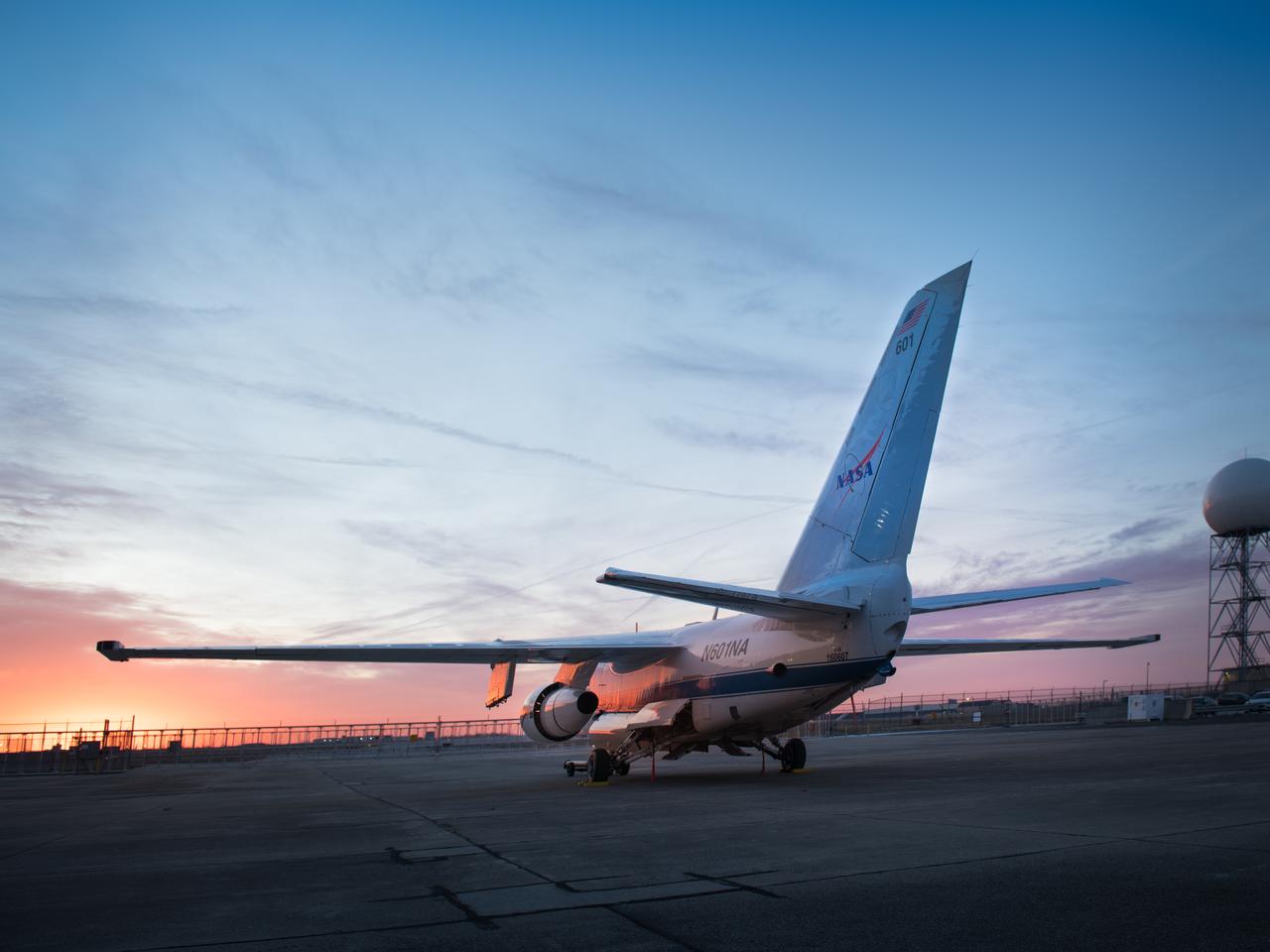
Glenn Research Center, Lockheed S-3 Viking Research Aircraft, N601NA at Sunrise
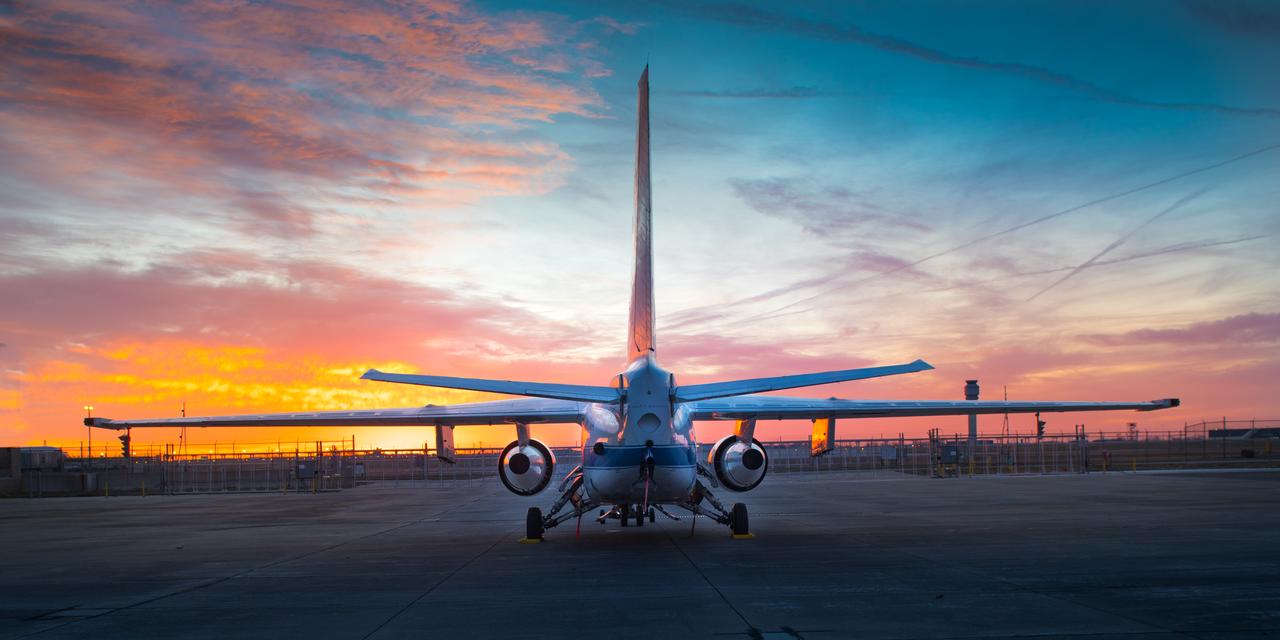
Lockheed S-3B Viking, N601NA at Sunrise on the Glenn Research Center Hangar Apron
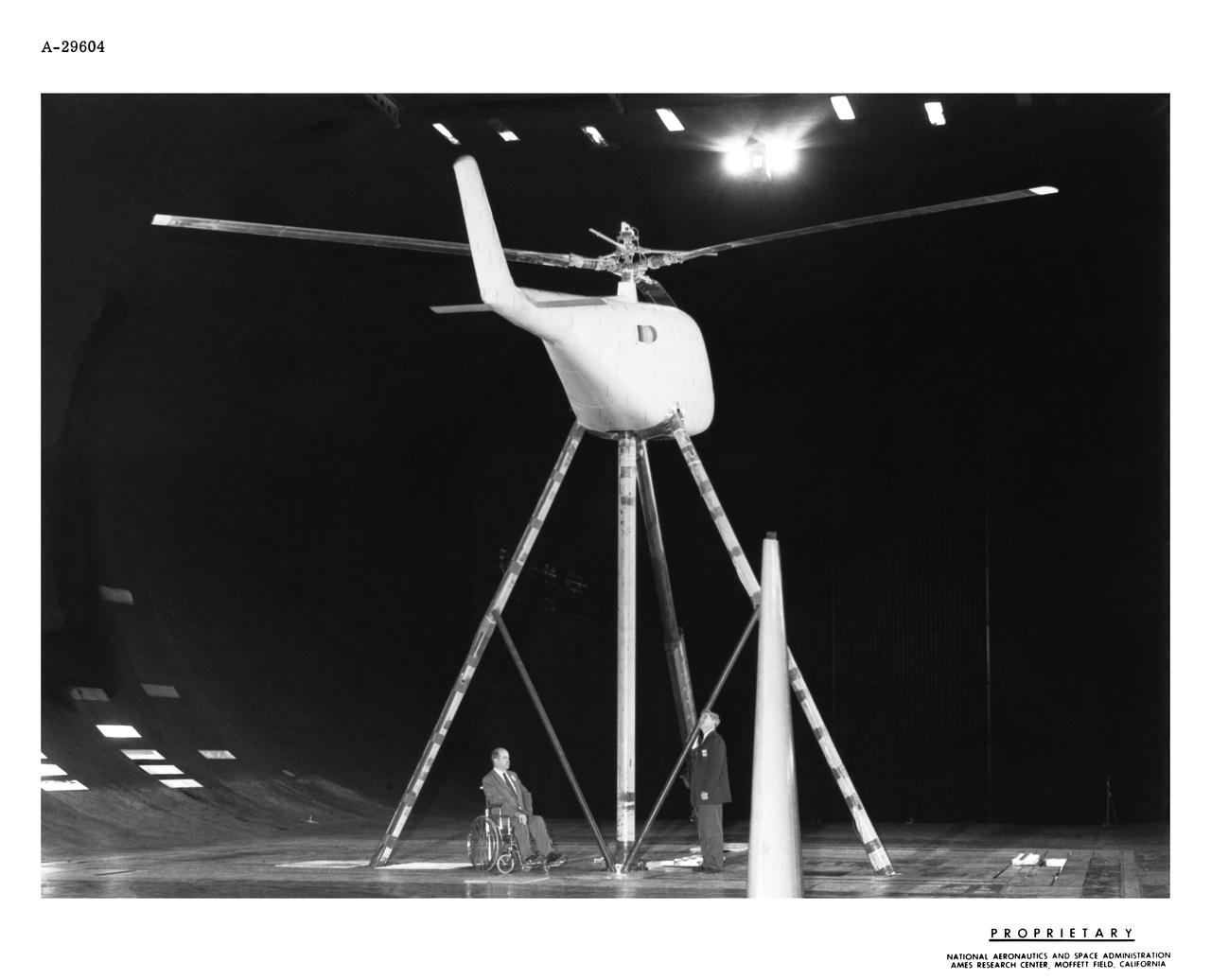
Lockheed XH-51 Experimental Rigid Rotors, no hinges, in Ames 40x80 foot wind tunnel. John McCloud (left sitting) Jack Rabbot (Right).
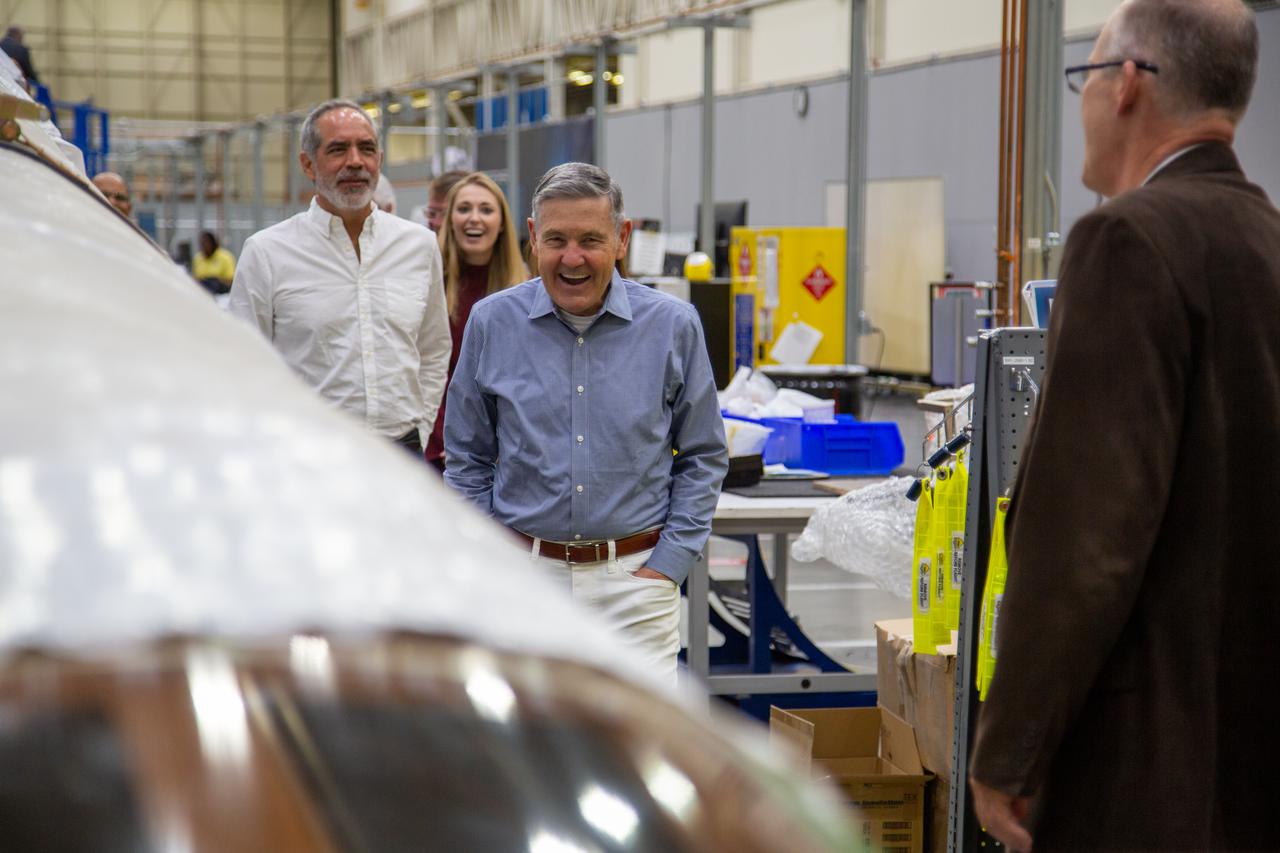
In July 2021, NASA associate administrator Bob Cabana visits Lockheed Martin in Palmdale, California to see the assembly of the X-59 QueSST.
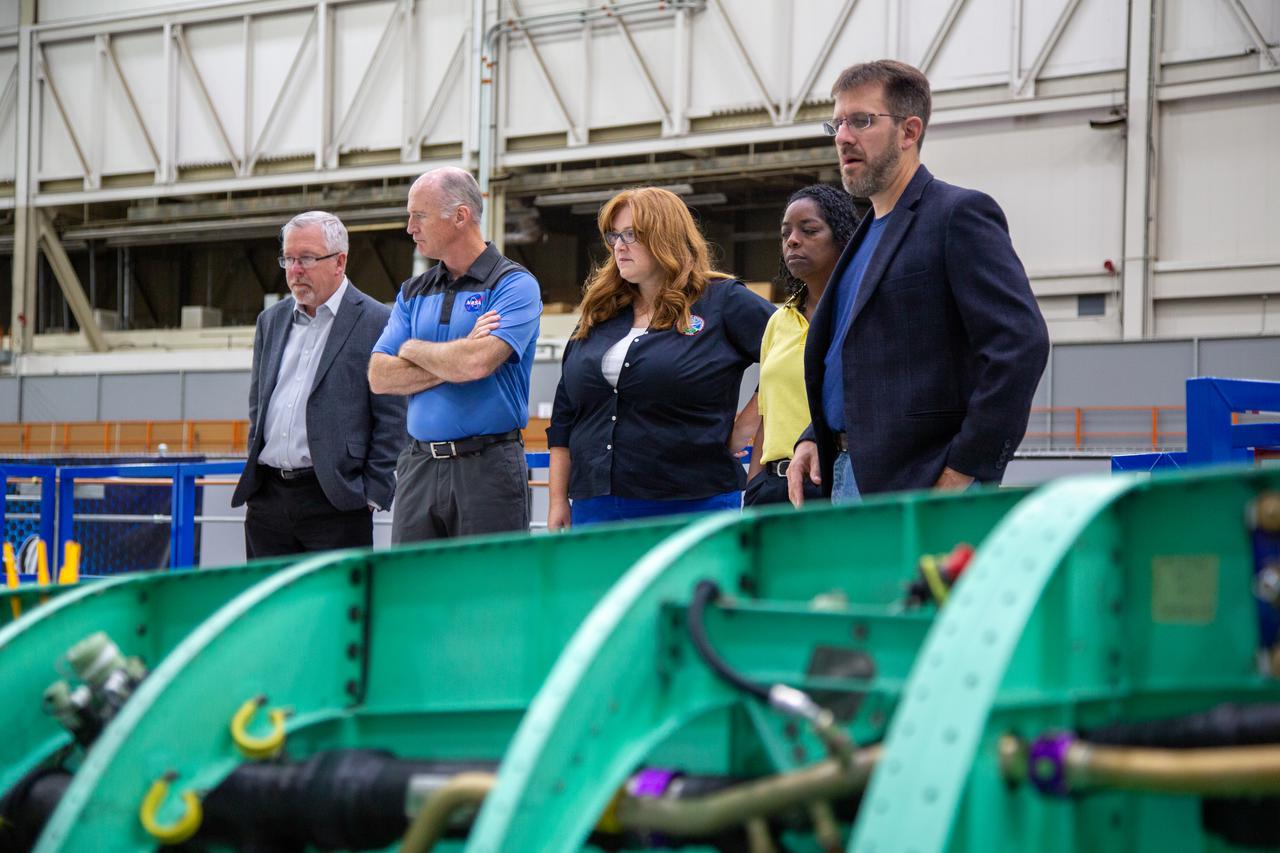
In July 2021, NASA associate administrator Bob Cabana visits Lockheed Martin in Palmdale, California to see the assembly of the X-59 QueSST.
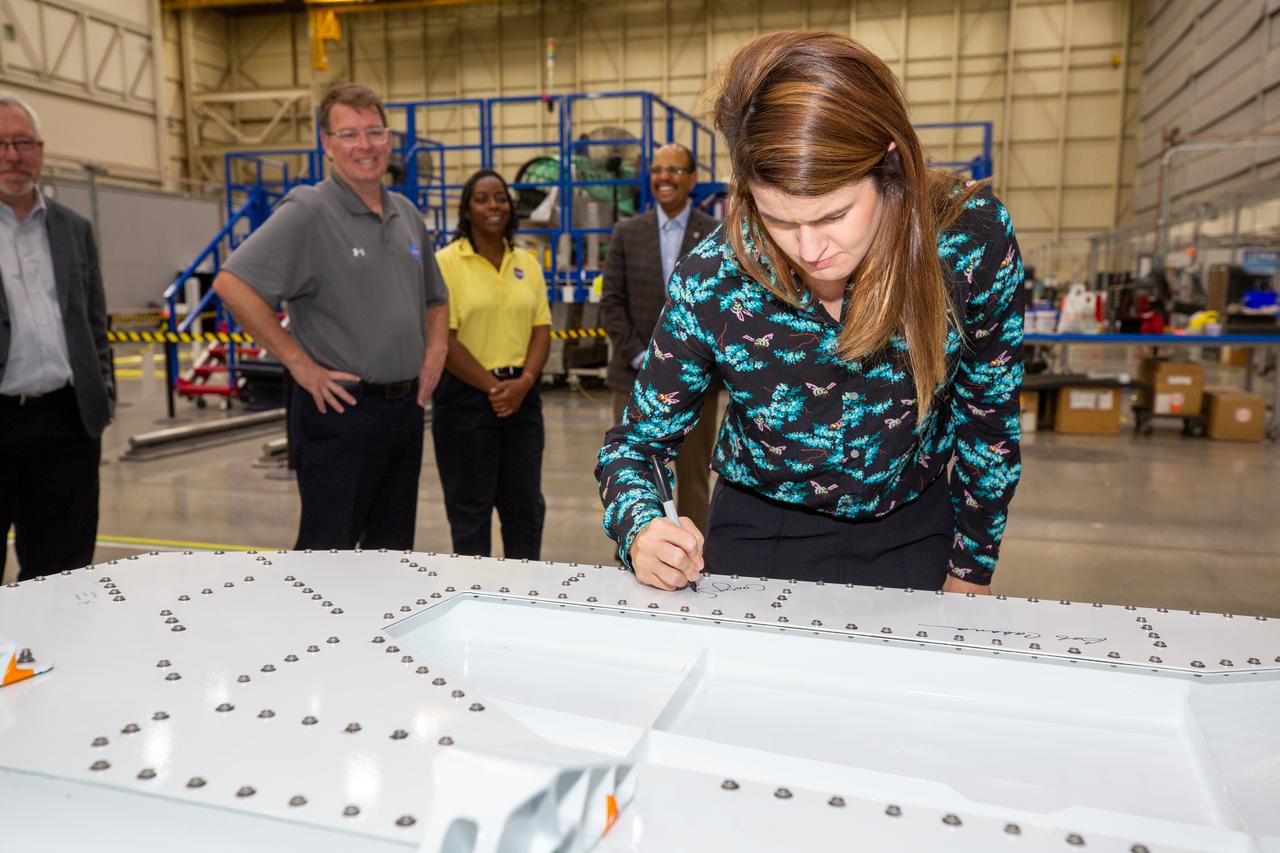
In July 2021, NASA associate administrator Bob Cabana visits Lockheed Martin in Palmdale, California to see the assembly of the X-59 QueSST.
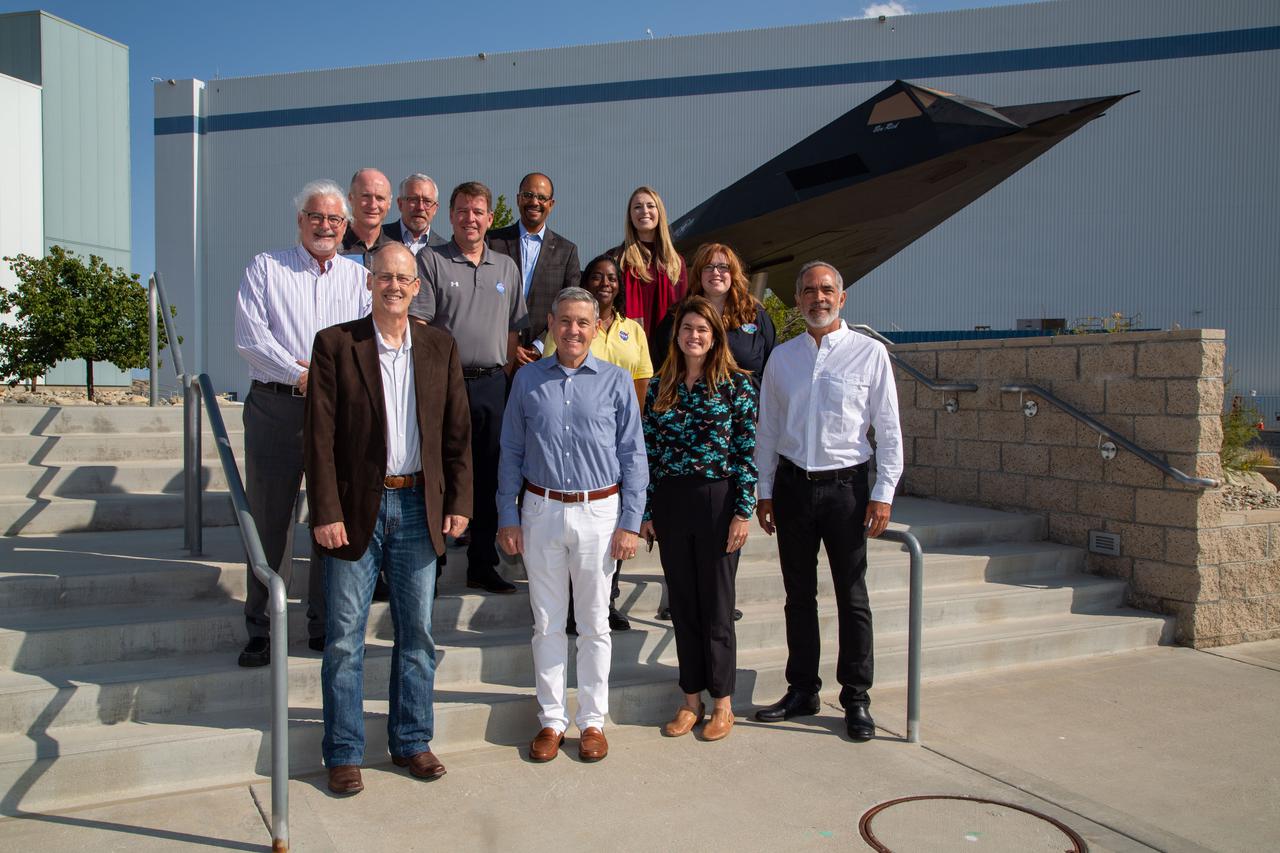
In July 2021, NASA associate administrator Bob Cabana visits Lockheed Martin in Palmdale, California to see the assembly of the X-59 QueSST.
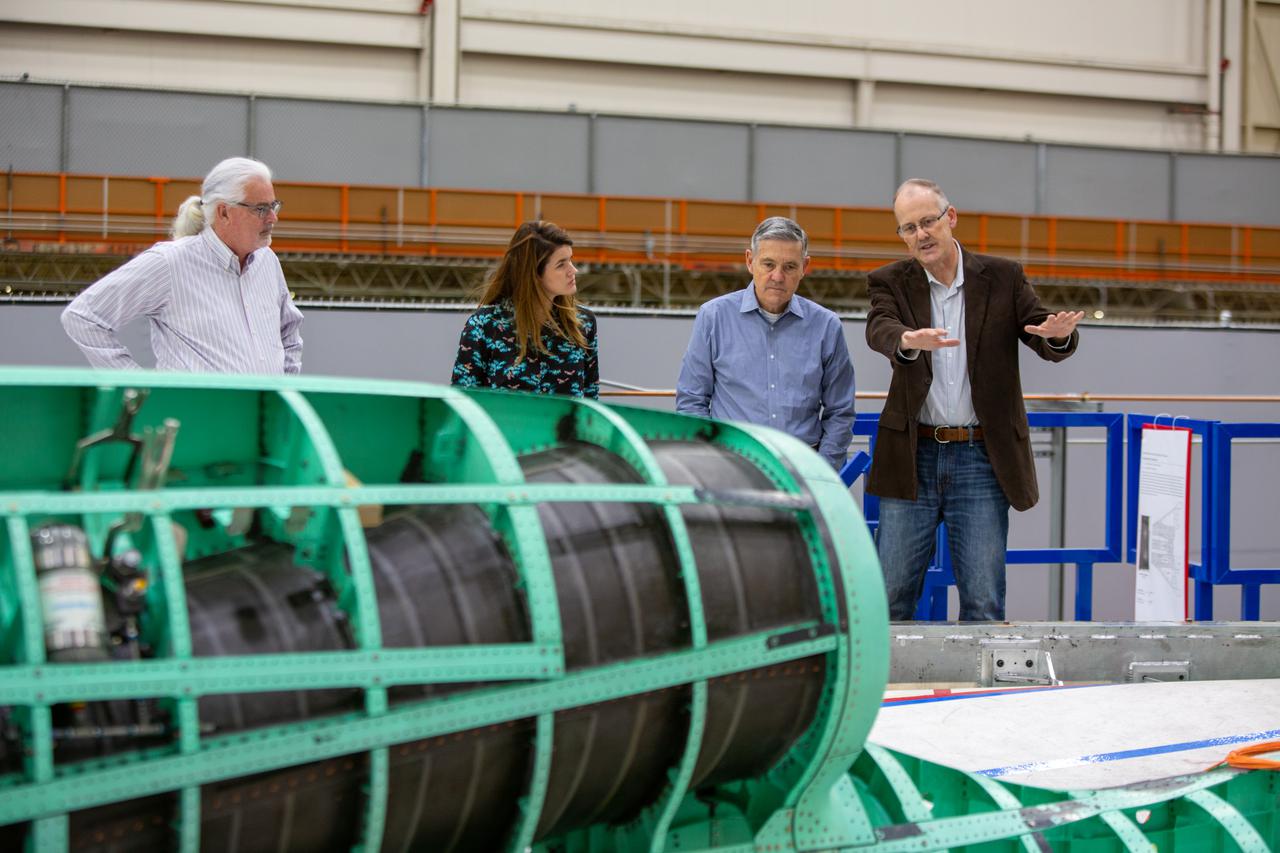
In July 2021, NASA associate administrator Bob Cabana visits Lockheed Martin in Palmdale, California to see the assembly of the X-59 QueSST.

Event: SEG 410 Main Wing A Lockheed Martin technician works on the installation of wiring on the trailing edge structure of the right side of the X-59’s wing. The aircraft, under construction at Lockheed Martin Skunk Works in Palmdale, California, will demonstrate the ability to fly supersonic while reducing the loud sonic boom to a quiet sonic thump.
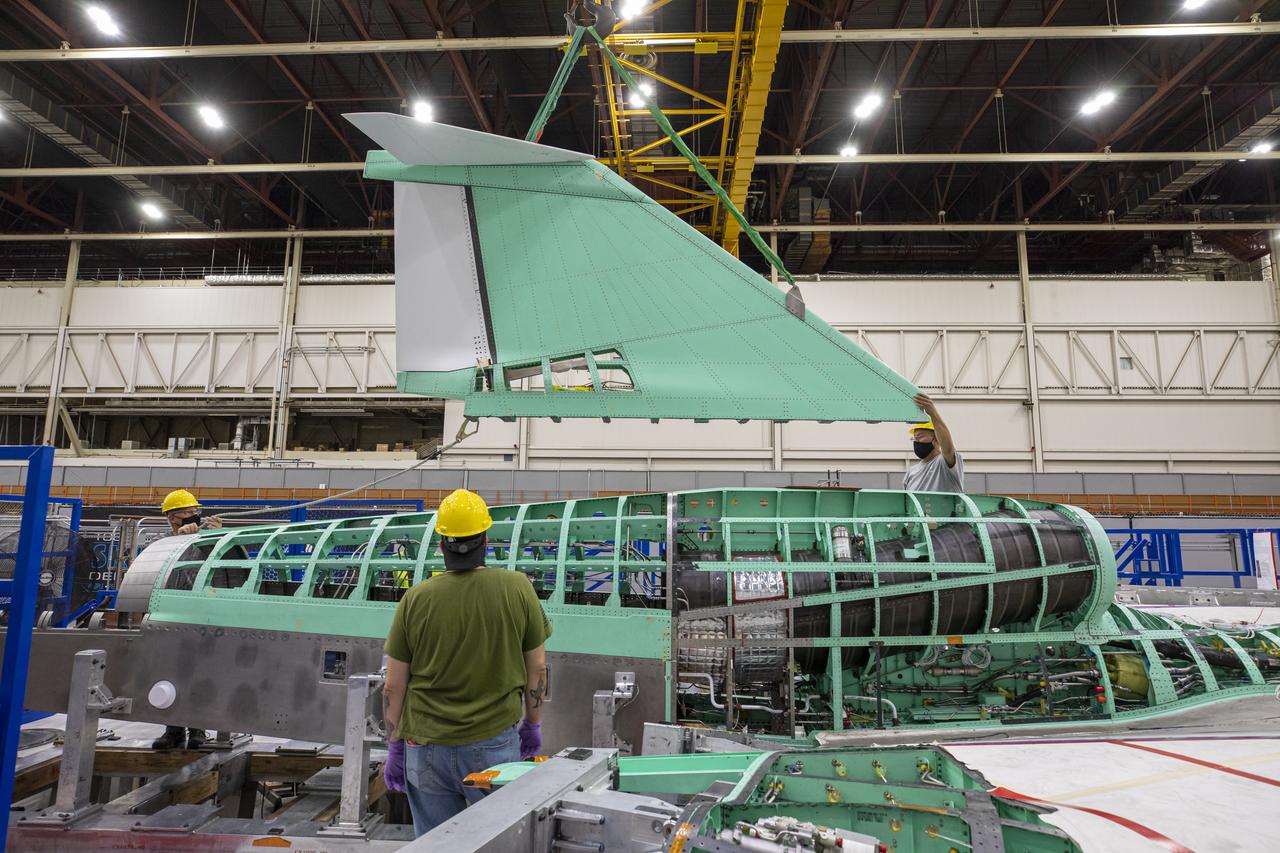
Event: SEG 570 Vertical Tail Assembly - Final Install Lockheed Martin technicians work on a fit check and installation of the vertical tail onto the X-59 aircraft. The plane is under construction at Lockheed Martin Skunk Works in Palmdale, California, will fly to demonstrate the ability to fly supersonic while reducing the loud sonic boom to a quiet sonic thump.
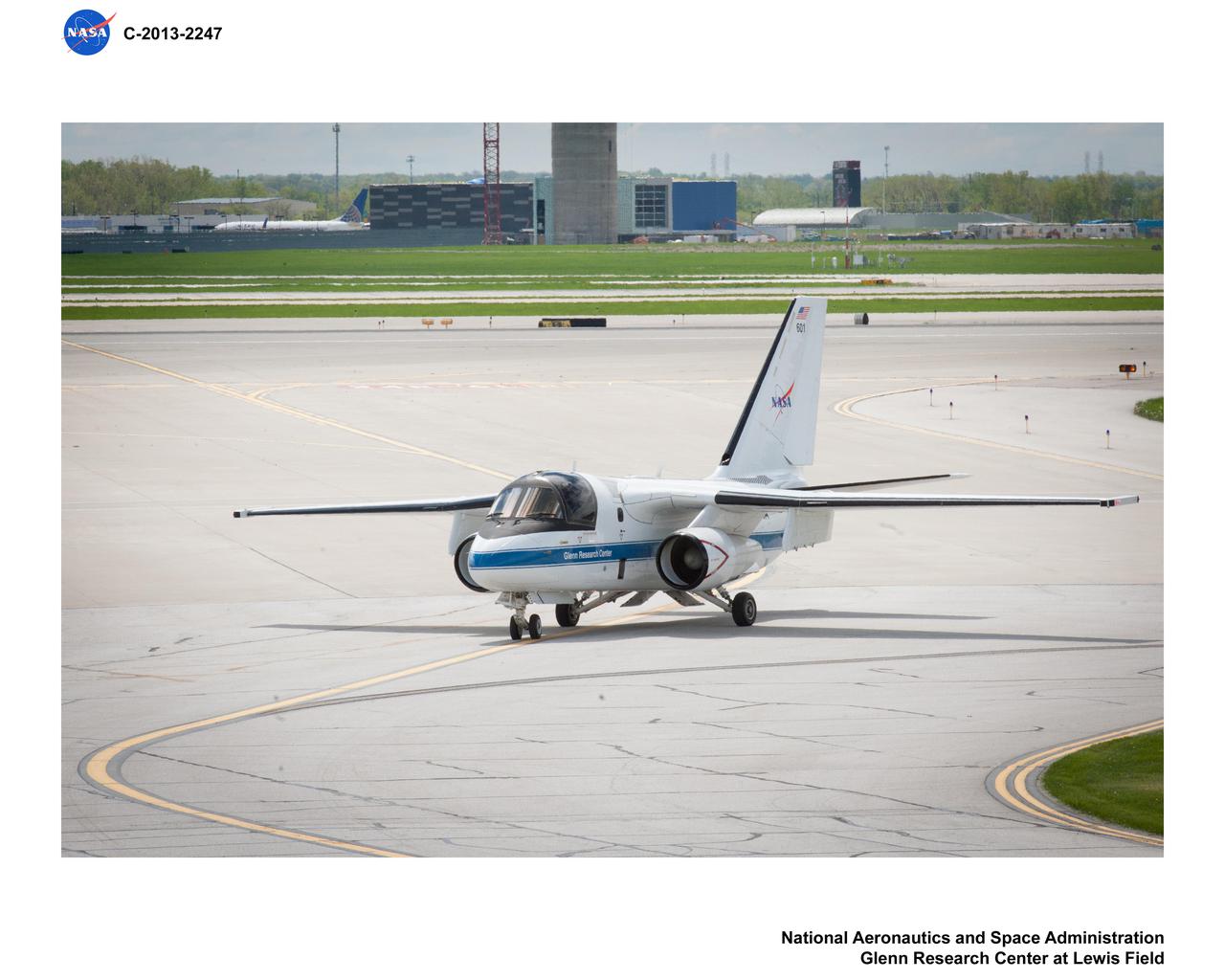
NASA, Lockheed Martin S-3B Viking Aircraft #N601NA, prepares for departure from Cleveland Hopkins Airport in support of the Unmanned Aircraft Communications Project
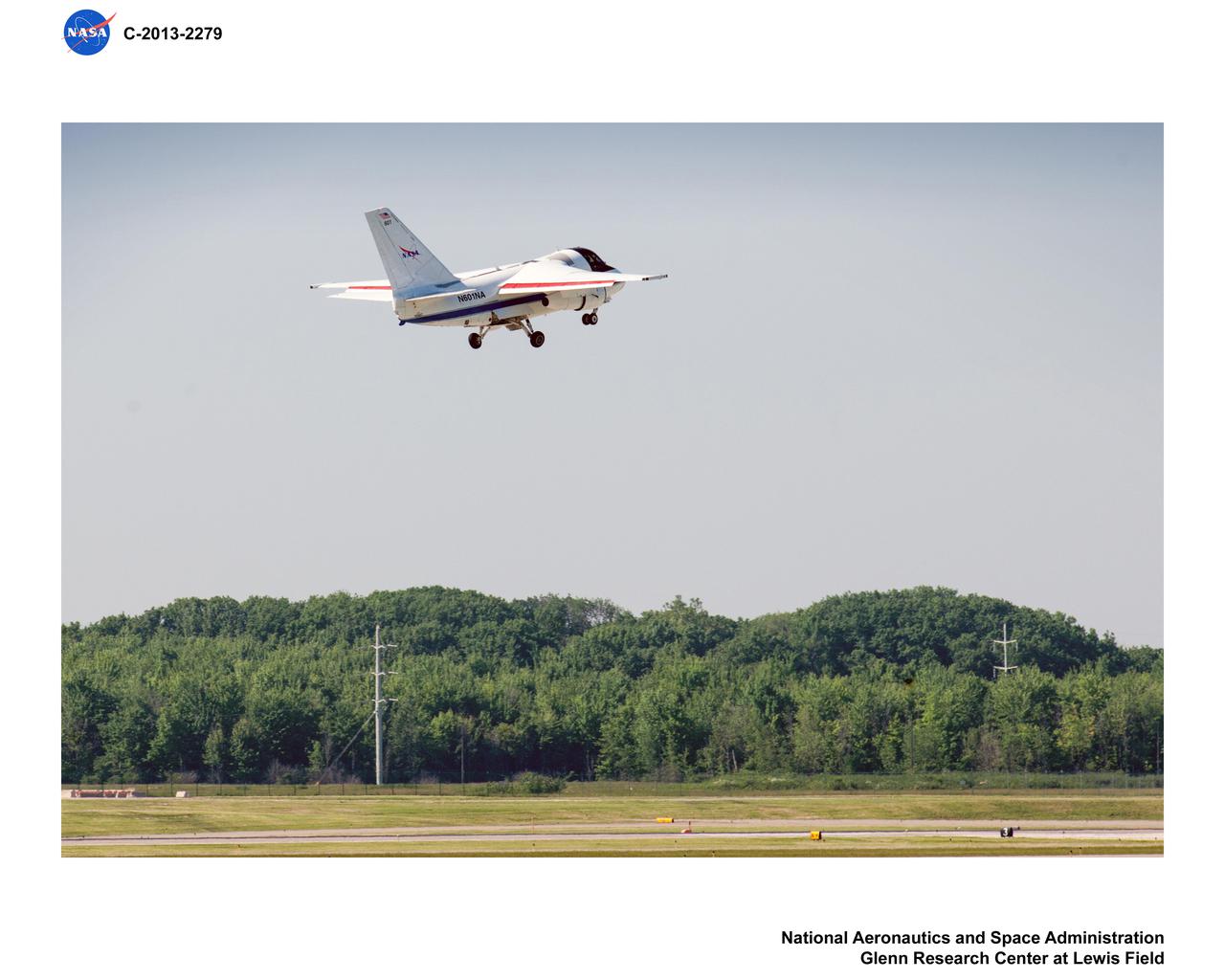
NASA, Lockheed Martin S-3B Viking Aircraft #N601NA, takes off from Cleveland Hopkins Airport, in support of the Unmanned Aircraft Communications Project
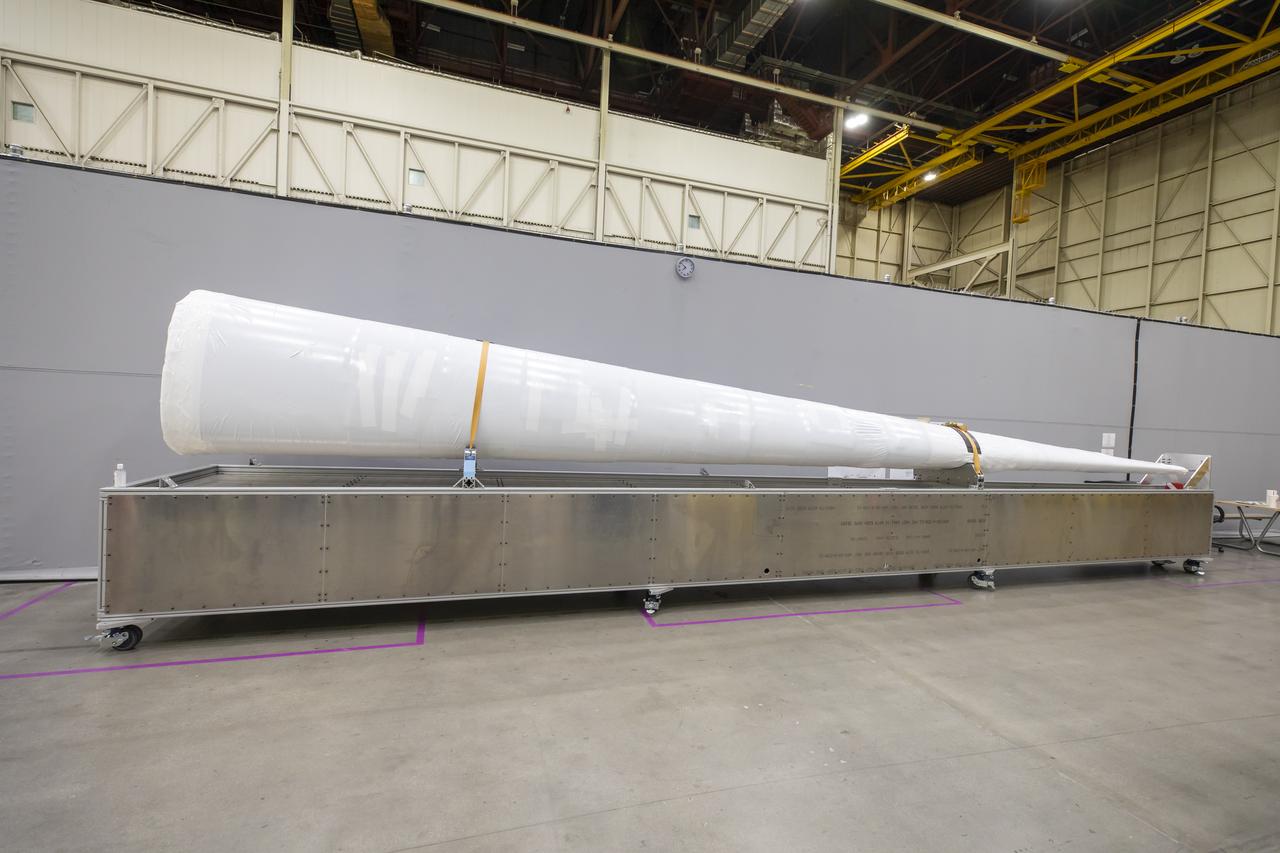
Event: SEG 230 Nose The X-59’s nose is wrapped up safely and rests on a dolly before the team temporarily attaches it to the aircraft for fit checks at Lockheed Martin in Palmdale, California. The full length of the X-plane’s nose is 38-feet – making up one third of the plane’s full length. The aircraft, under construction at Lockheed Martin Skunk Works in Palmdale, California, once in the air will demonstrate the ability to fly supersonic while reducing the loud sonic boom to a quiet sonic thump.
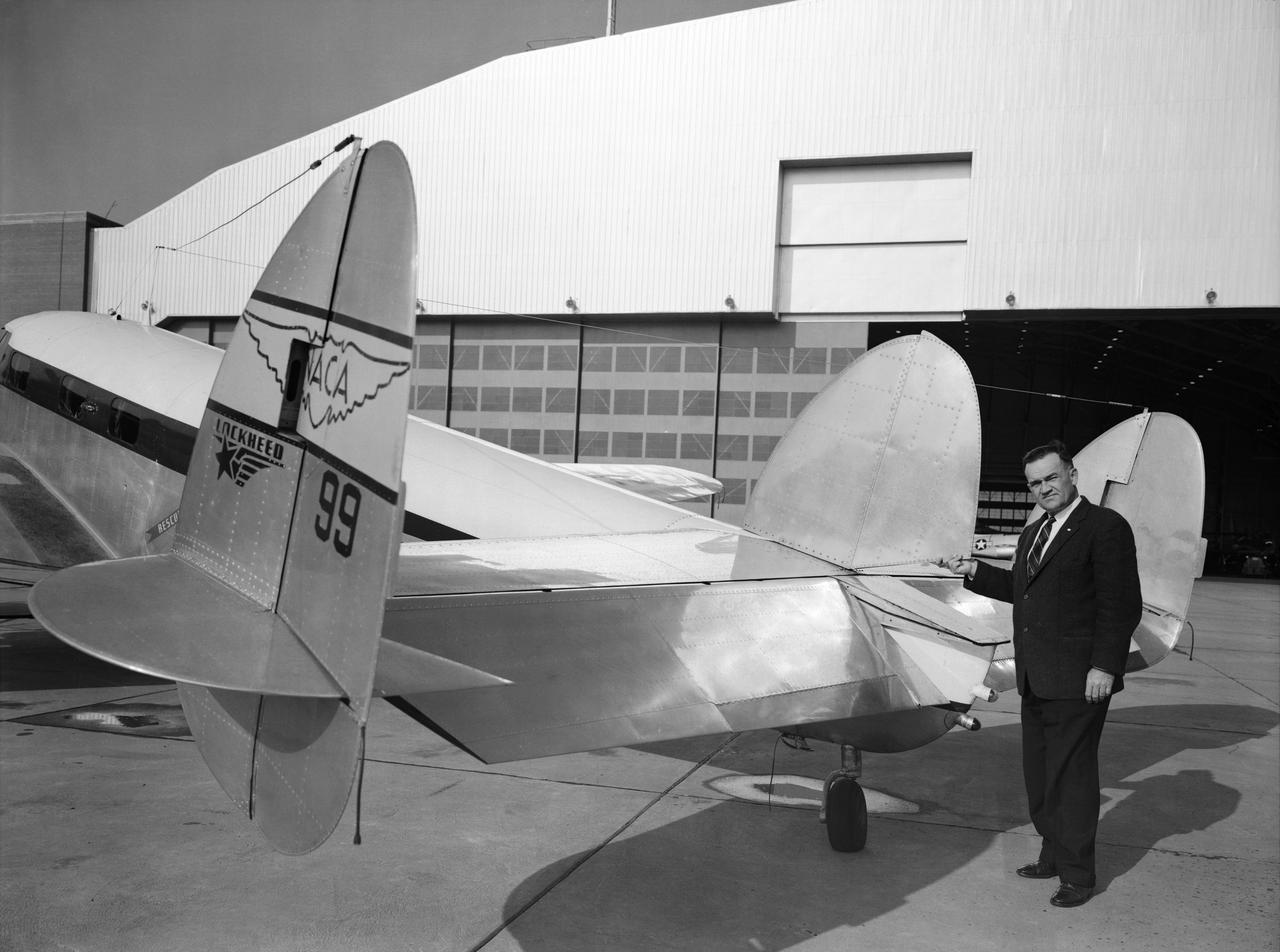
Melvin Gough at the Tail of a NACA Lockheed Plane
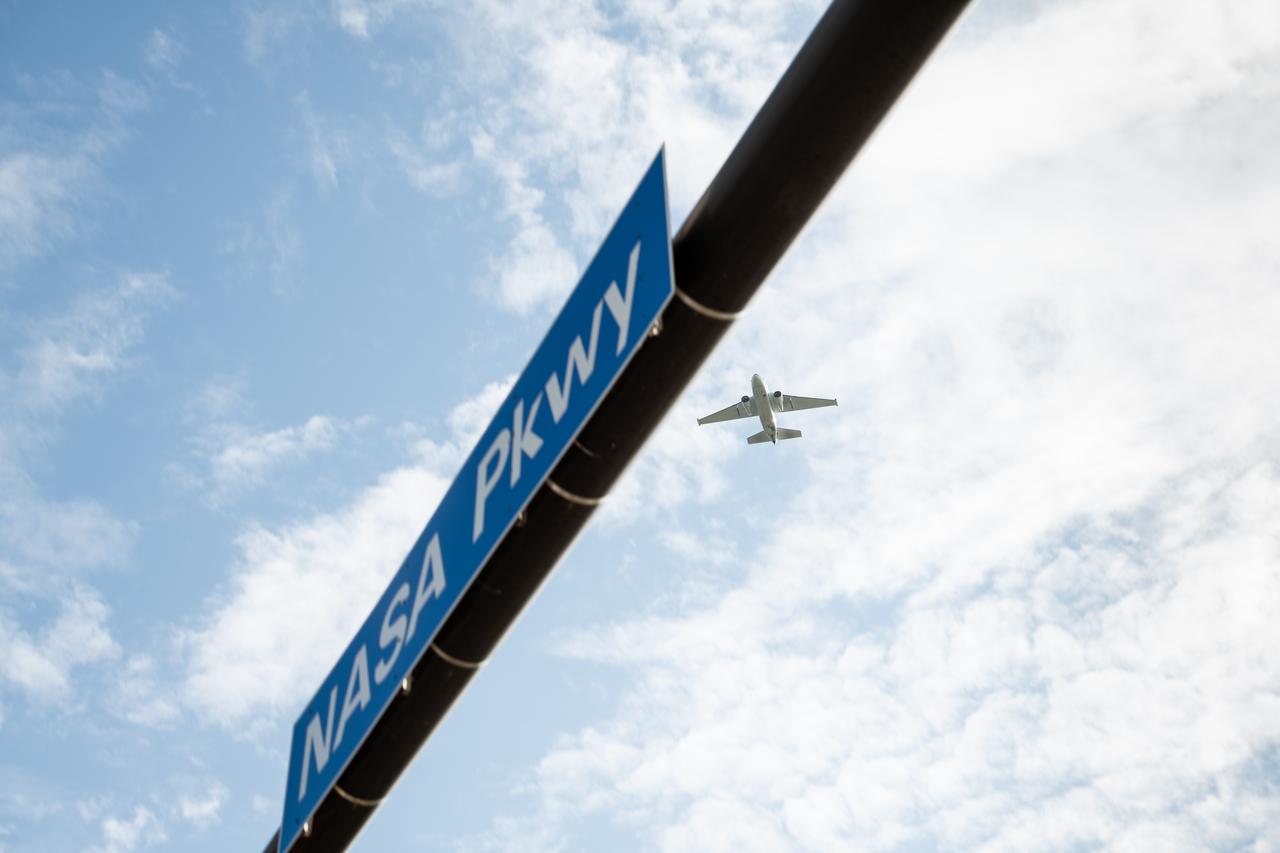
Retirement and Departure of the Lockheed S-3B Viking Aircraft
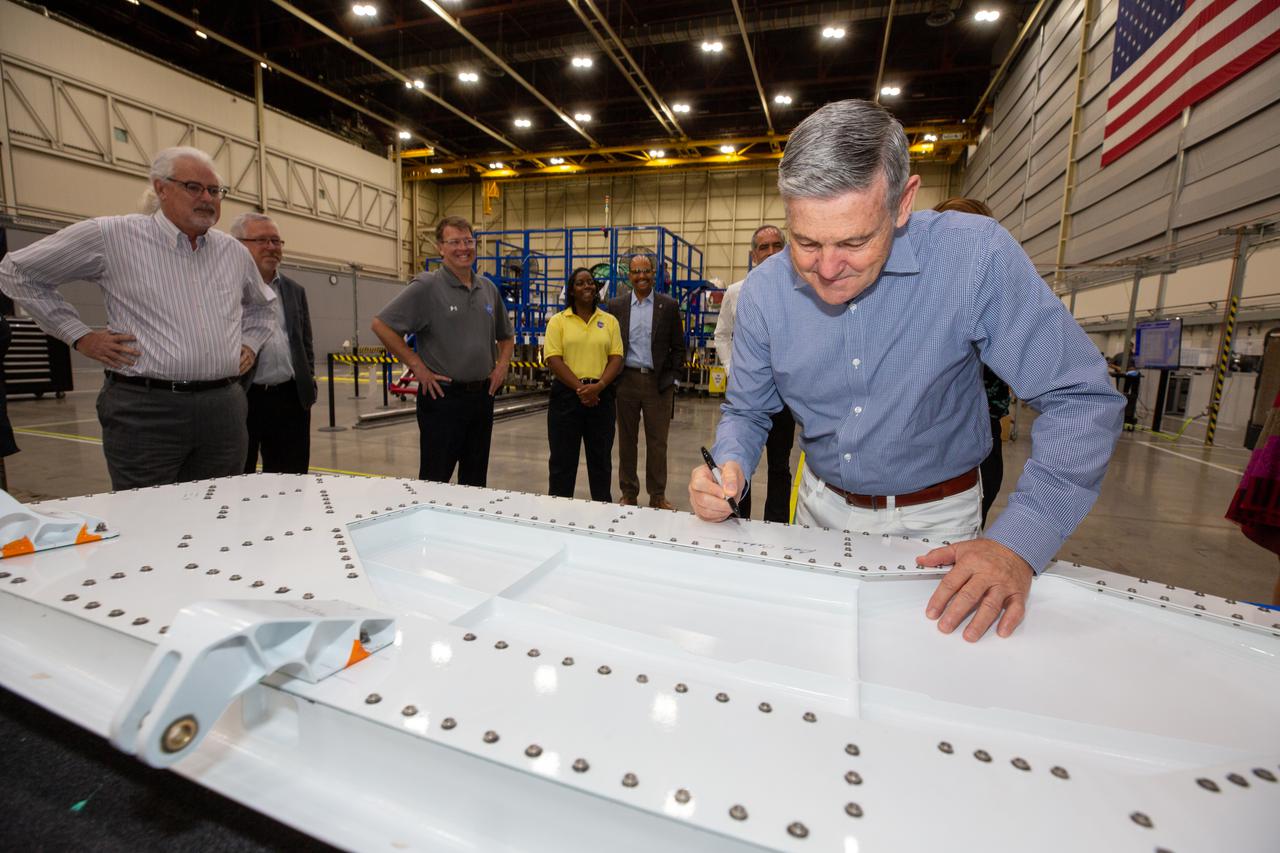
In July 2021, NASA associate administrator Bob Cabana visits Lockheed Martin in Palmdale, California to see the assembly of the X-59 QueSST.
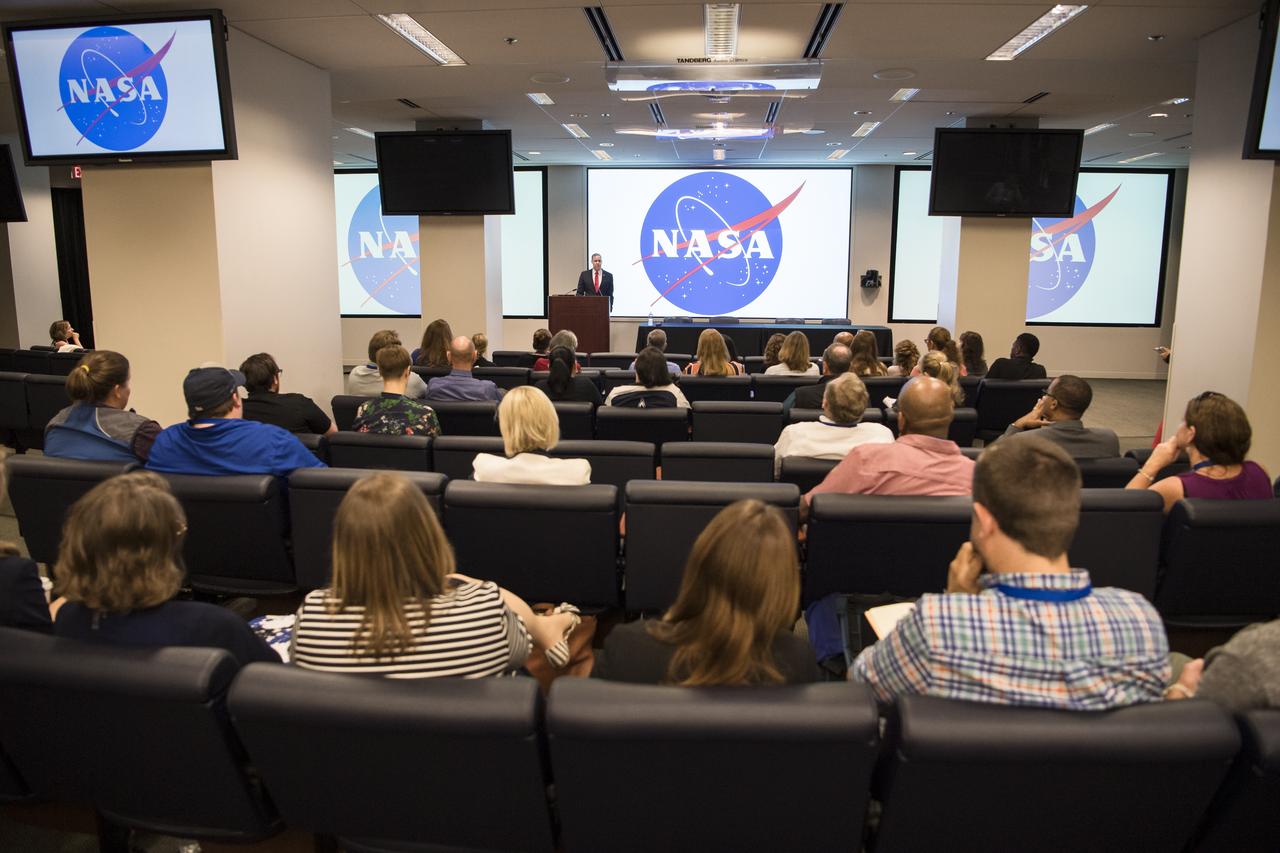
NASA Administrator Jim Bridenstine gives keynote remarks at the Challenger Center Annual Conference, Wednesday, August 14, 2019 at the Lockheed Martin Global Vision Center in Arlington, VA. Photo Credit: (NASA/Aubrey Gemignani)
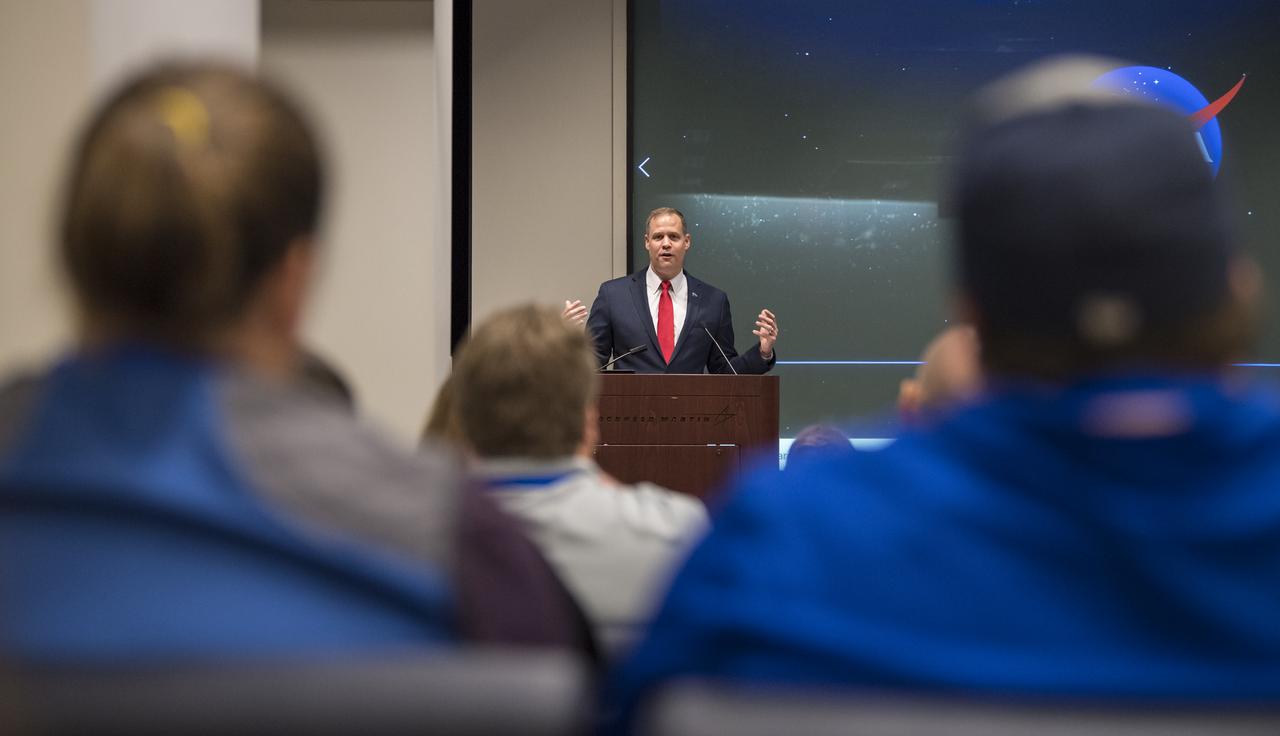
NASA Administrator Jim Bridenstine gives keynote remarks at the Challenger Center Annual Conference, Wednesday, August 14, 2019 at the Lockheed Martin Global Vision Center in Arlington, VA. Photo Credit: (NASA/Aubrey Gemignani)
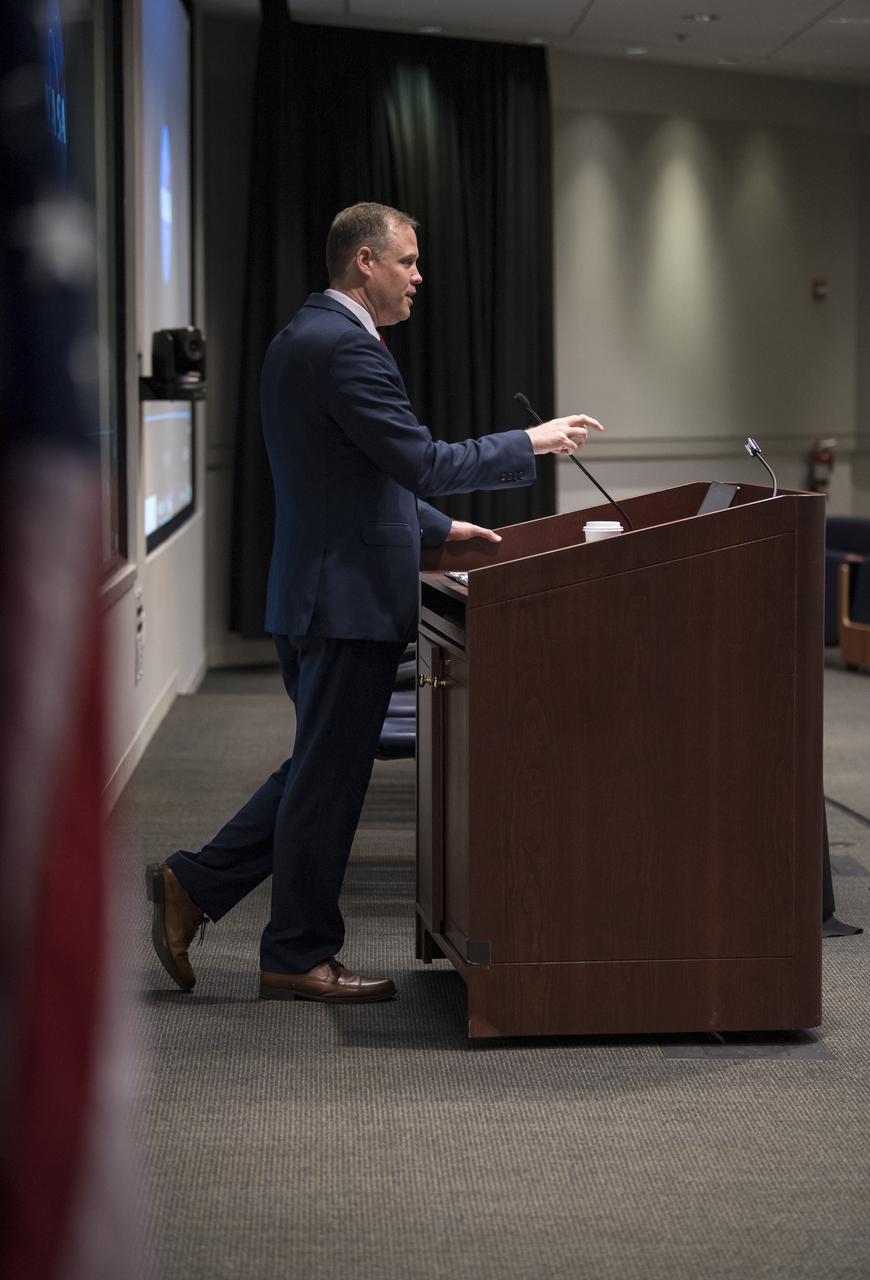
NASA Administrator Jim Bridenstine gives keynote remarks at the Challenger Center Annual Conference, Wednesday, August 14, 2019 at the Lockheed Martin Global Vision Center in Arlington, VA. Photo Credit: (NASA/Aubrey Gemignani)
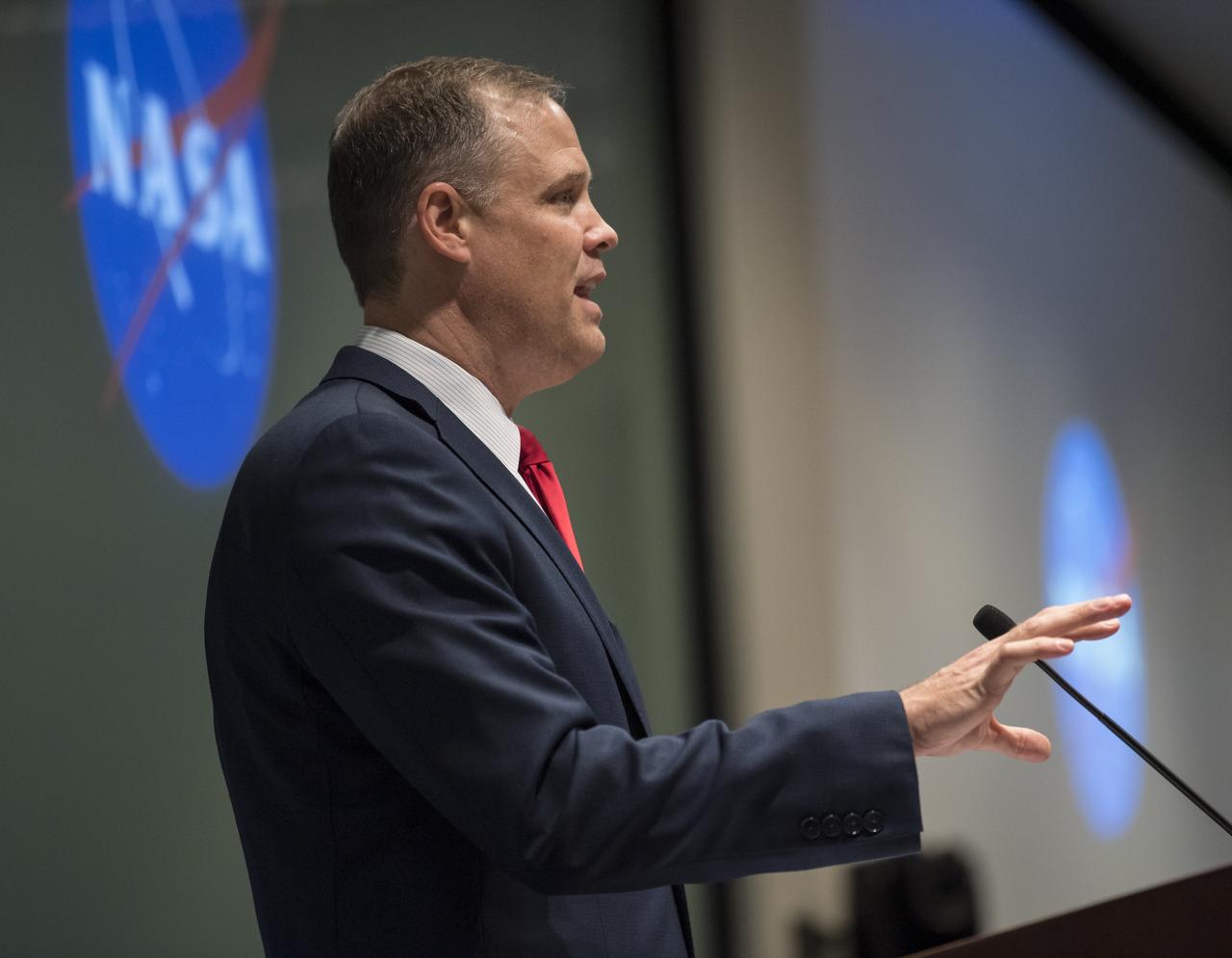
NASA Administrator Jim Bridenstine gives keynote remarks at the Challenger Center Annual Conference, Wednesday, August 14, 2019 at the Lockheed Martin Global Vision Center in Arlington, VA. Photo Credit: (NASA/Aubrey Gemignani)
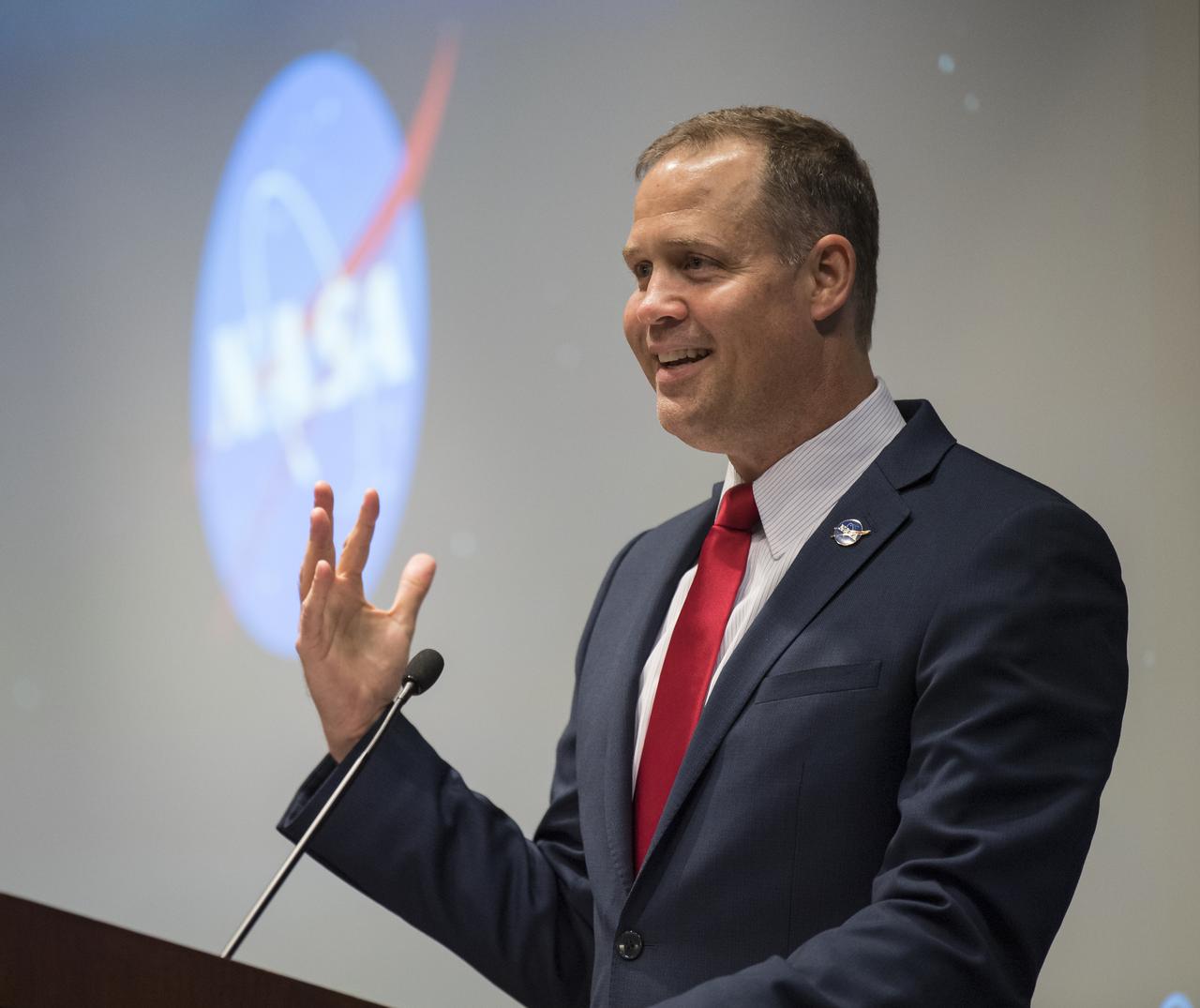
NASA Administrator Jim Bridenstine gives keynote remarks at the Challenger Center Annual Conference, Wednesday, August 14, 2019 at the Lockheed Martin Global Vision Center in Arlington, VA. Photo Credit: (NASA/Aubrey Gemignani)
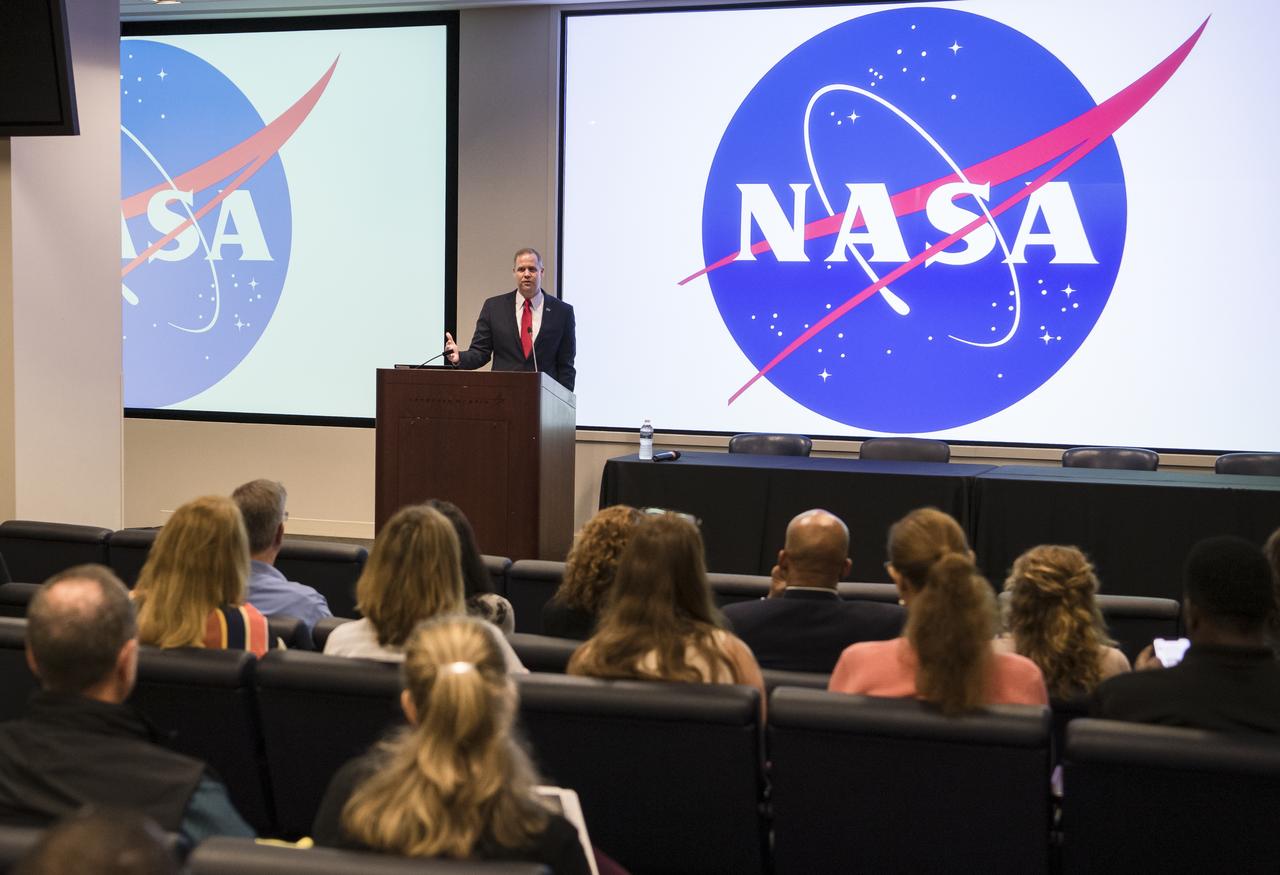
NASA Administrator Jim Bridenstine gives keynote remarks at the Challenger Center Annual Conference, Wednesday, August 14, 2019 at the Lockheed Martin Global Vision Center in Arlington, VA. Photo Credit: (NASA/Aubrey Gemignani)
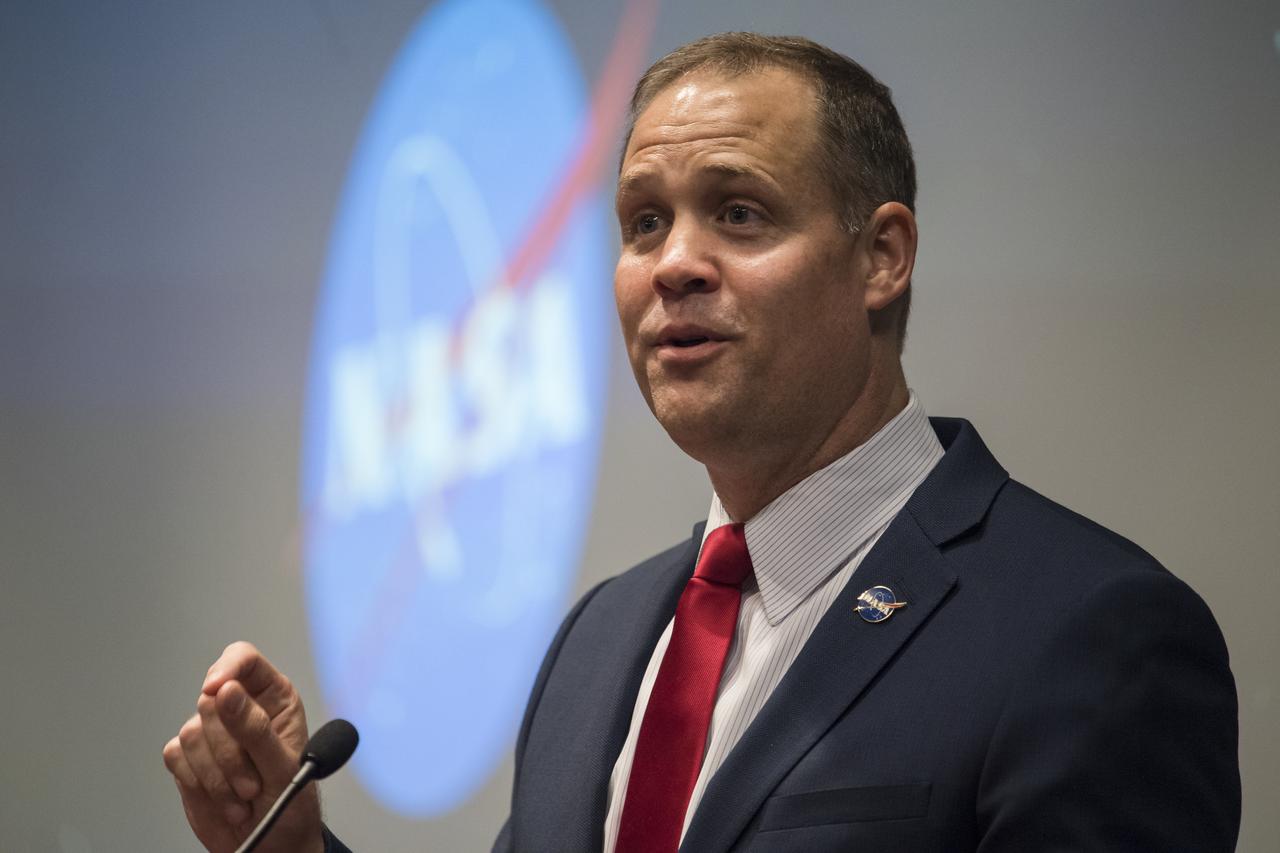
NASA Administrator Jim Bridenstine gives keynote remarks at the Challenger Center Annual Conference, Wednesday, August 14, 2019 at the Lockheed Martin Global Vision Center in Arlington, VA. Photo Credit: (NASA/Aubrey Gemignani)
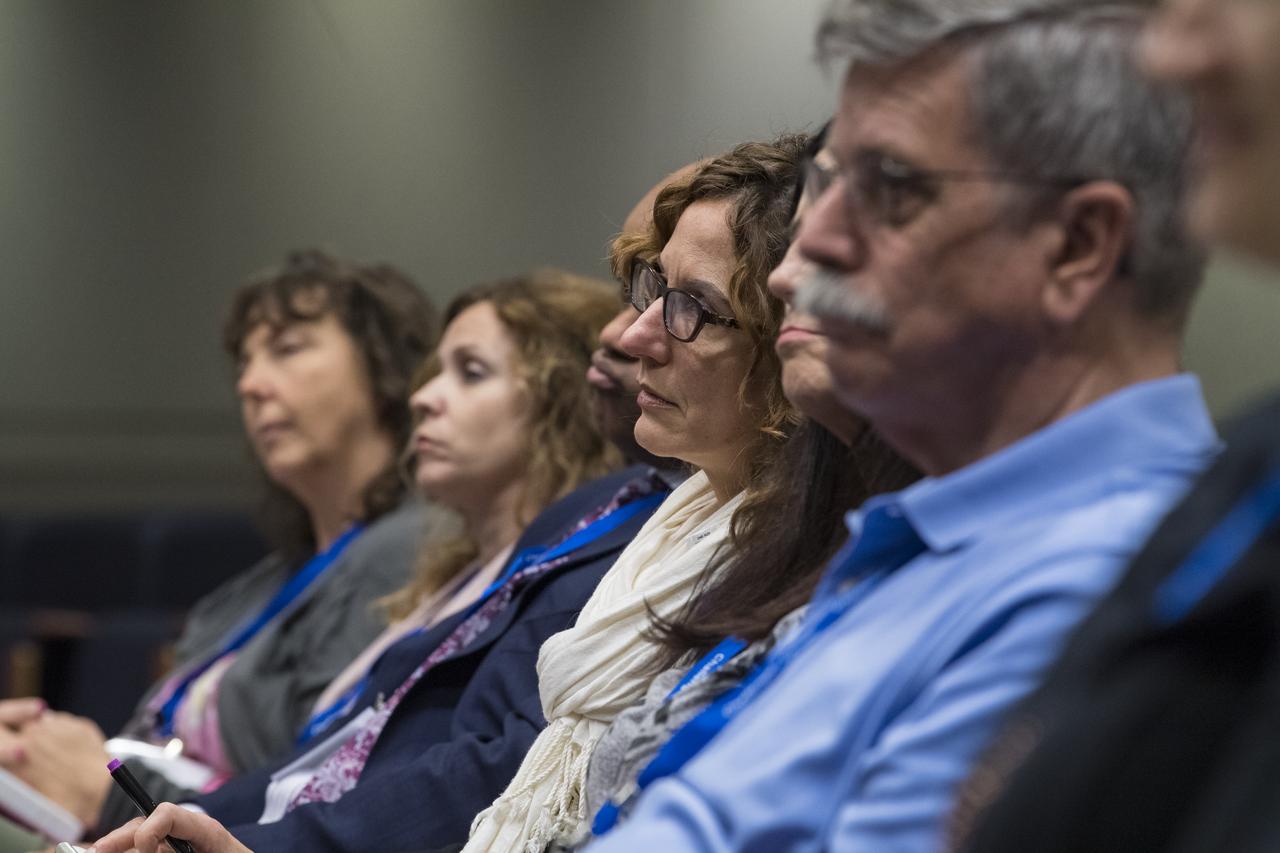
NASA Administrator Jim Bridenstine gives keynote remarks at the Challenger Center Annual Conference, Wednesday, August 14, 2019 at the Lockheed Martin Global Vision Center in Arlington, VA. Photo Credit: (NASA/Aubrey Gemignani)
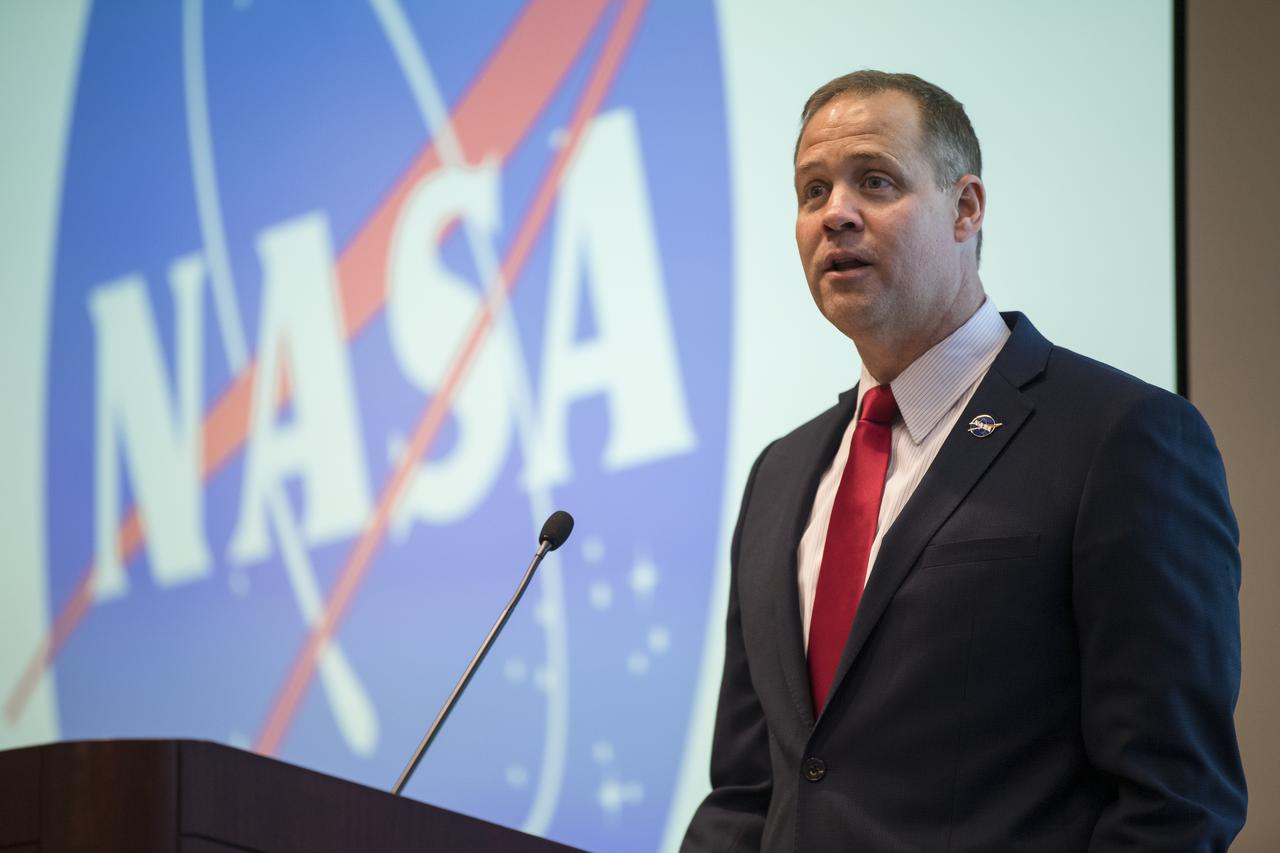
NASA Administrator Jim Bridenstine gives keynote remarks at the Challenger Center Annual Conference, Wednesday, August 14, 2019 at the Lockheed Martin Global Vision Center in Arlington, VA. Photo Credit: (NASA/Aubrey Gemignani)
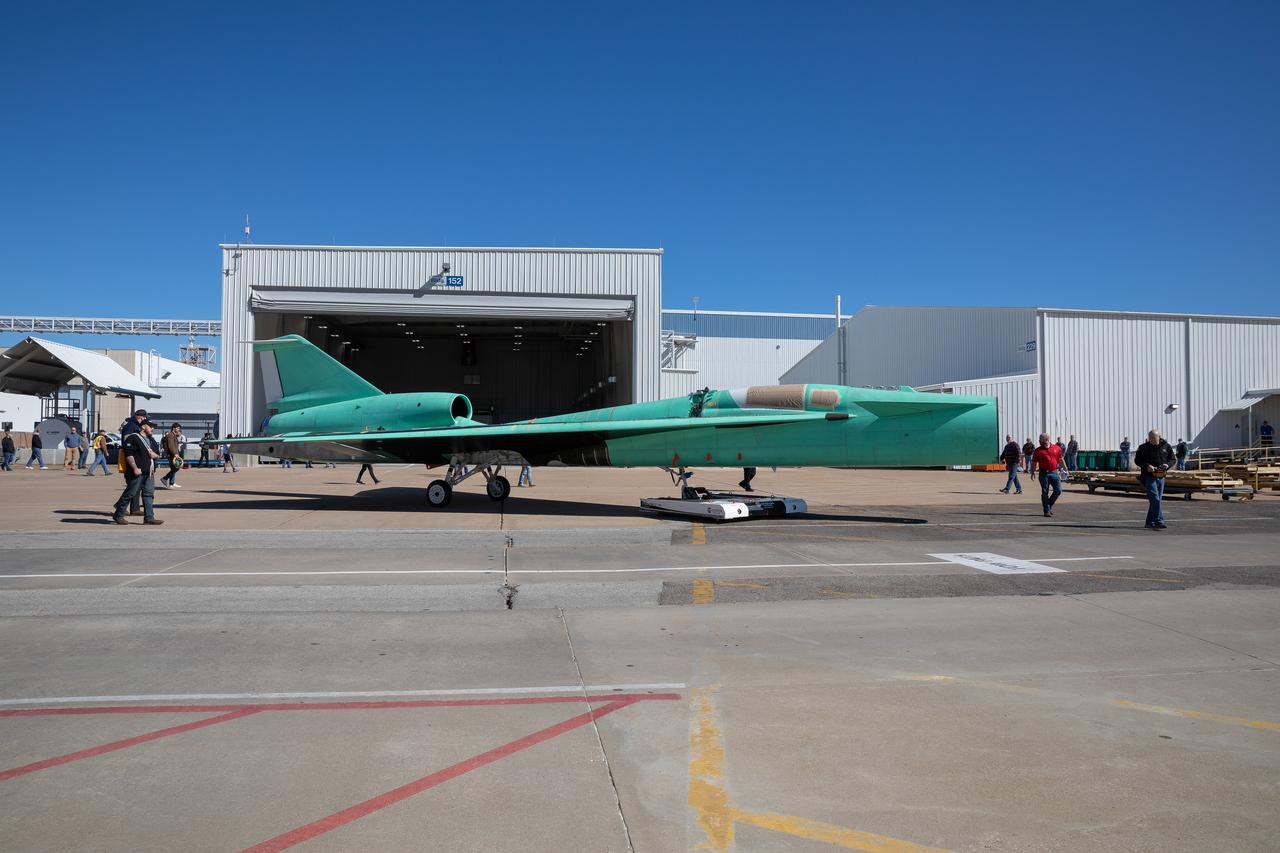
The X-59 is transported to the fuel barn at Lockheed Martin in Fort Worth, Texas to undergo fuel tank calibration tests. During this phase, the X-59’s gas tanks were filled and fuel-remaining sensors inside the aircraft were checked.
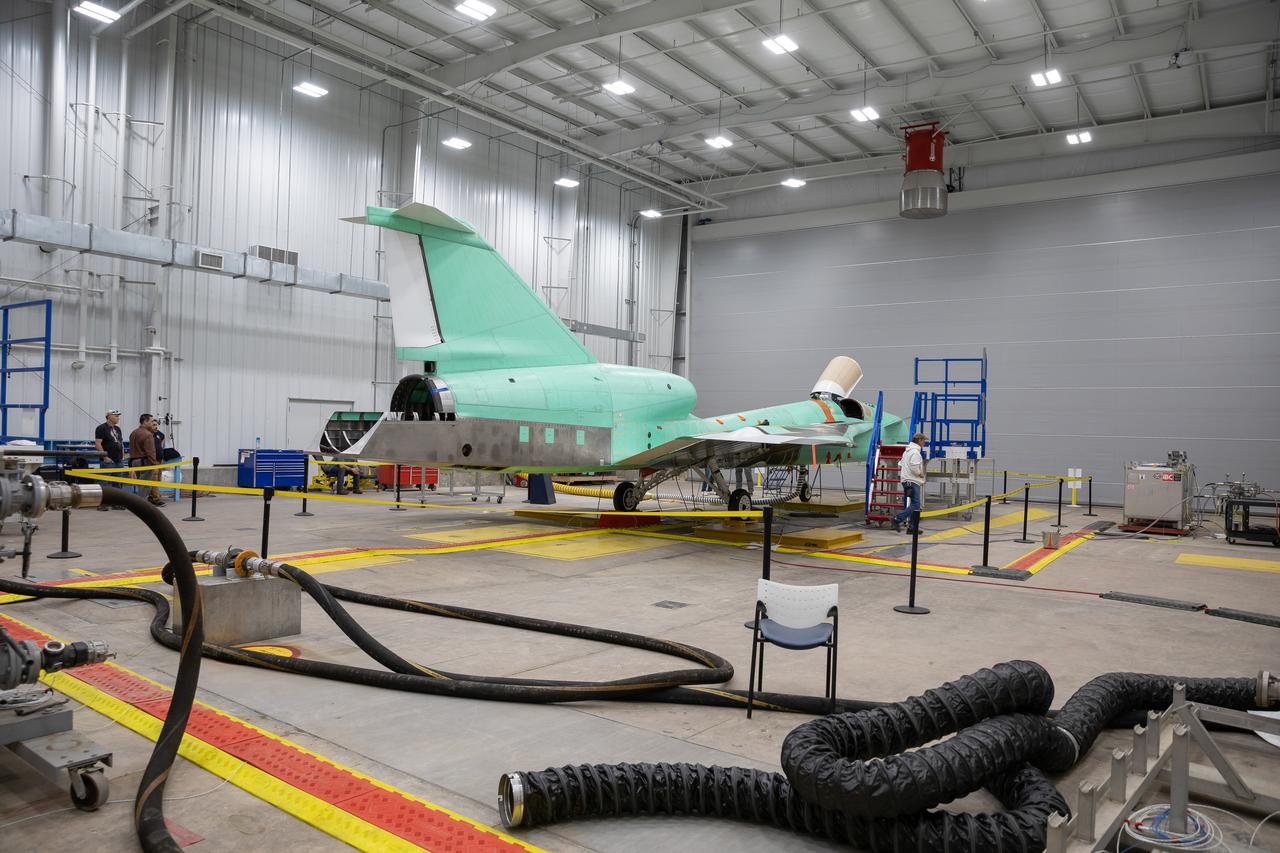
The X-59 sits in the fuel barn at Lockheed Martin in Fort Worth, Texas. While in the fuel barn, the X-59 underwent fuel tank calibration tests. During this phase, the X-59’s gas tanks were filled and fuel-remaining sensors inside the aircraft were checked.
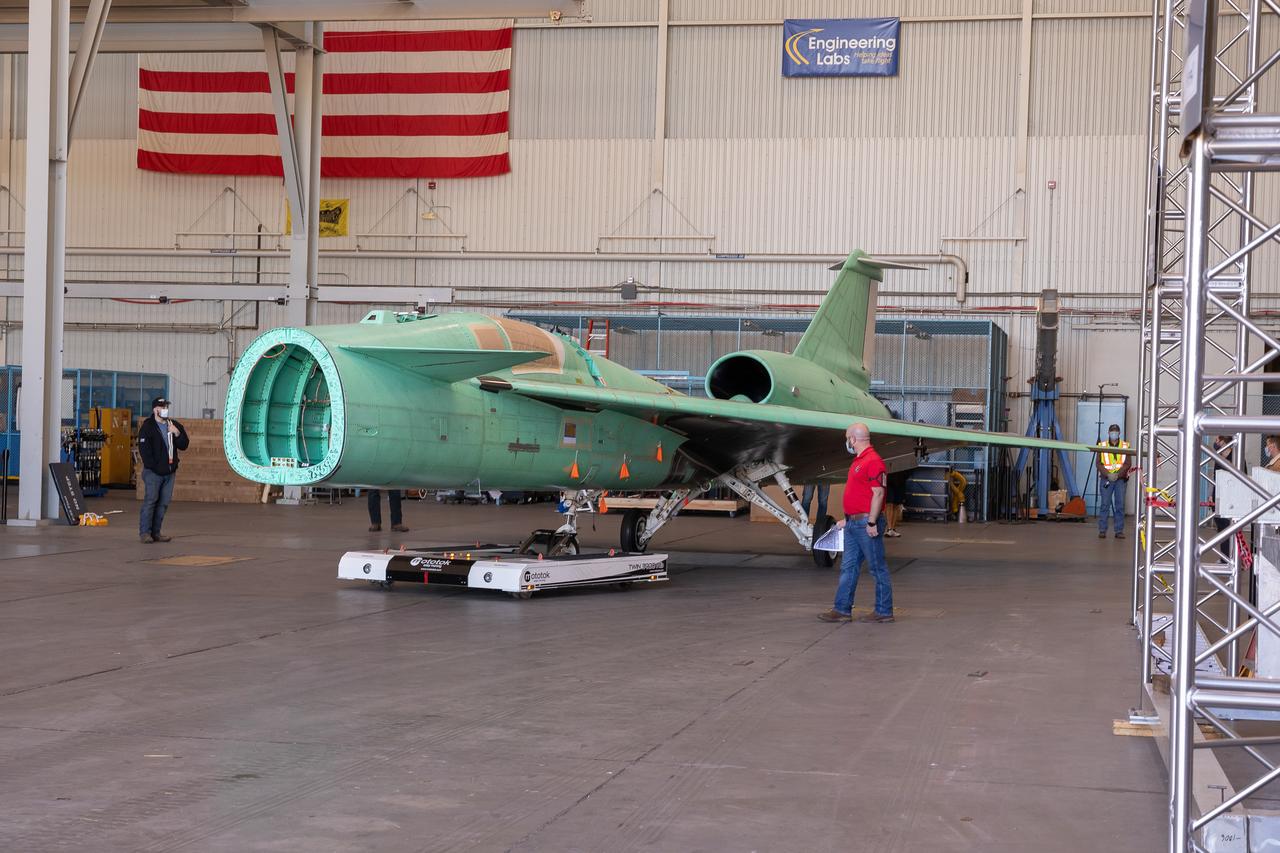
The X-59 is transported to the fuel barn at Lockheed Martin in Fort Worth, Texas to undergo fuel tank calibration tests. During this phase, the X-59’s gas tanks were filled and fuel-remaining sensors inside the aircraft were checked.

Lockheed Bus 'Prime Time' with drivers Danial Dague & Gary Zaharias. Ames Alternative Commute Program (AACP)
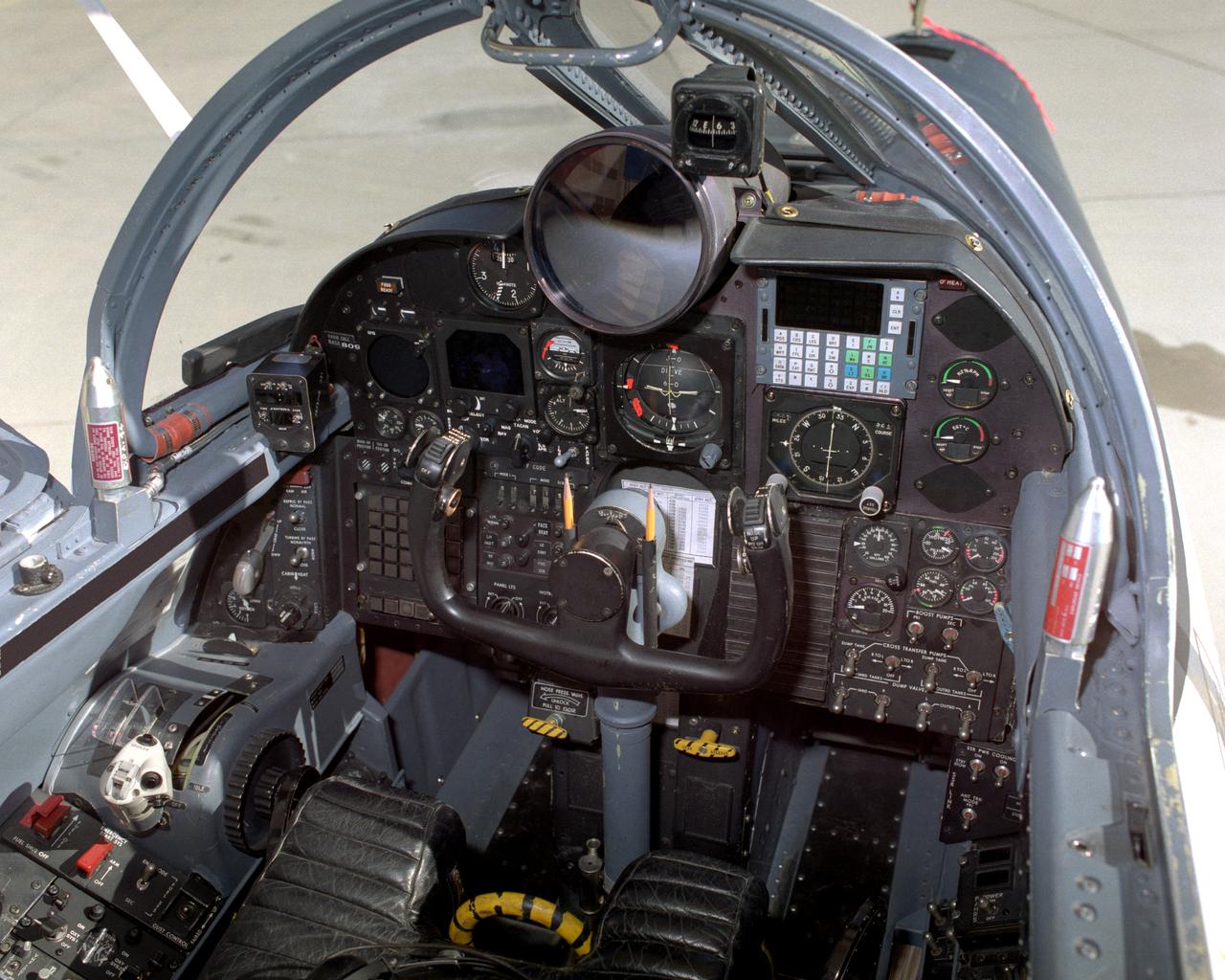
Lockheed ER-2 #809 cockpit
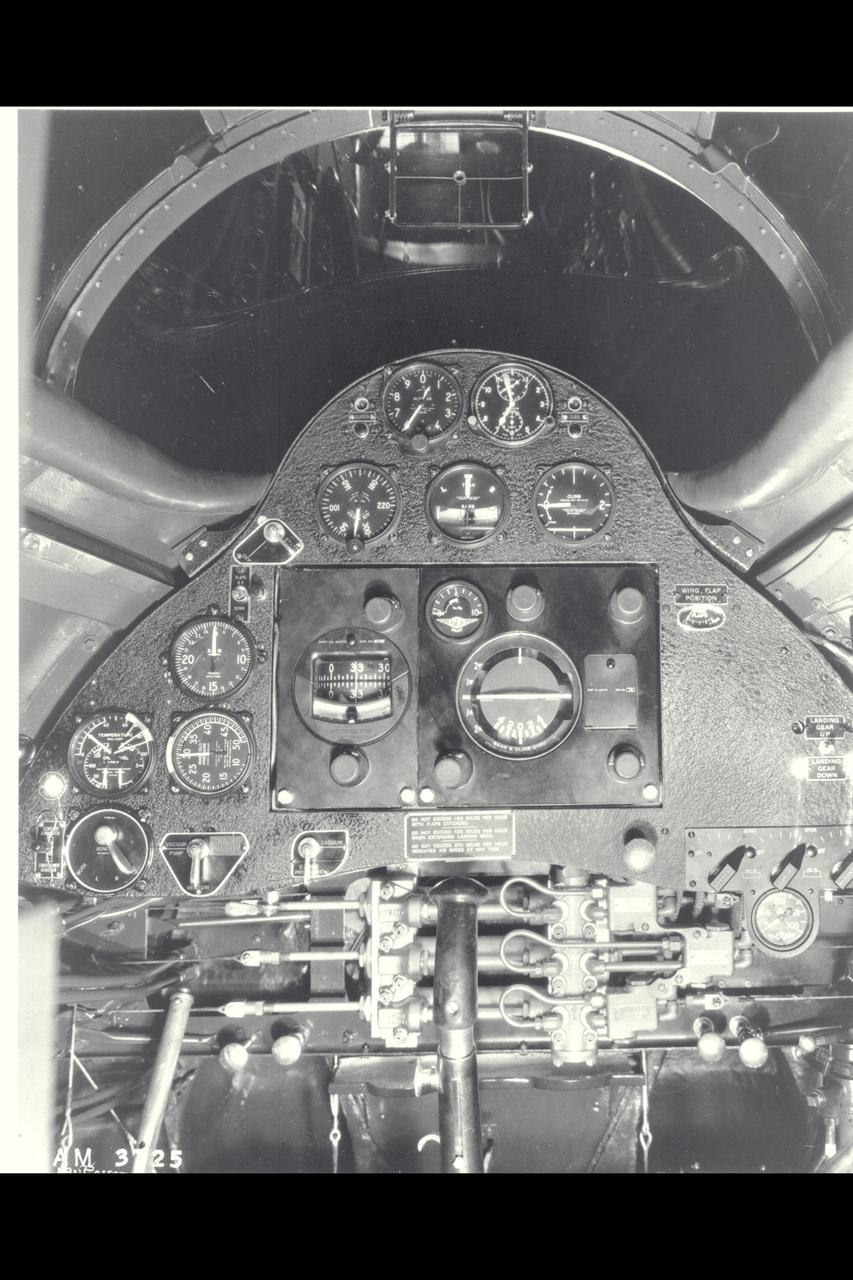
Lockheed Vega Cockpit
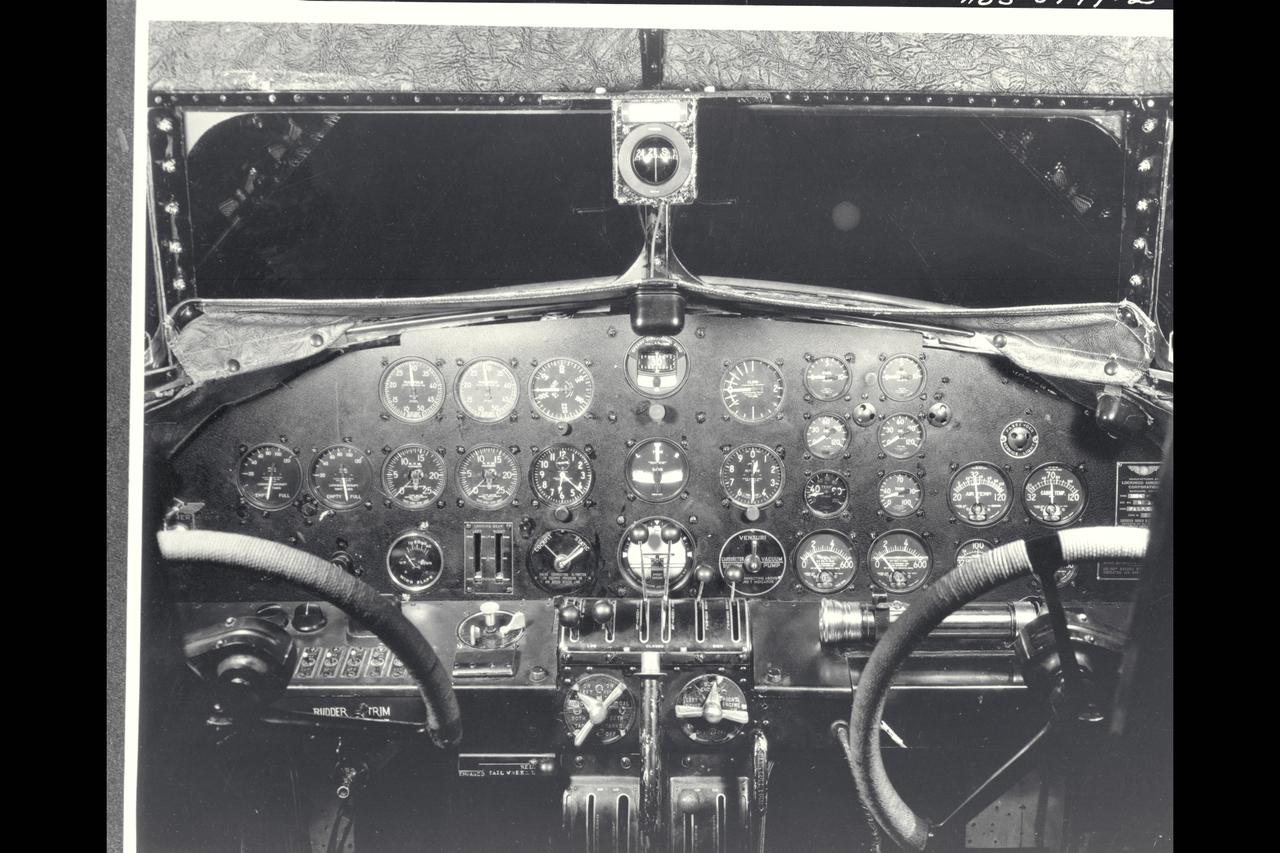
Lockheed Model 12 Cockpit
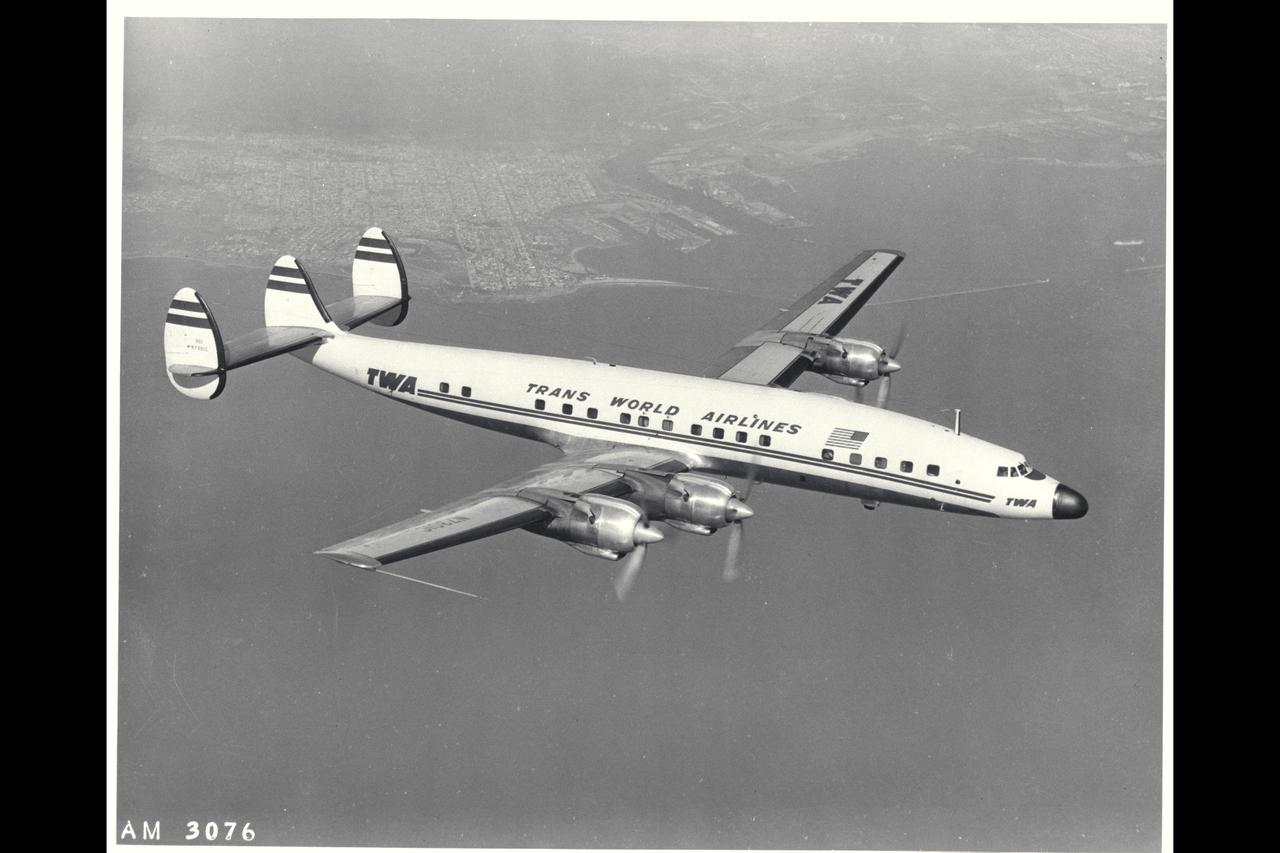
Lockheed 1649 Airplane
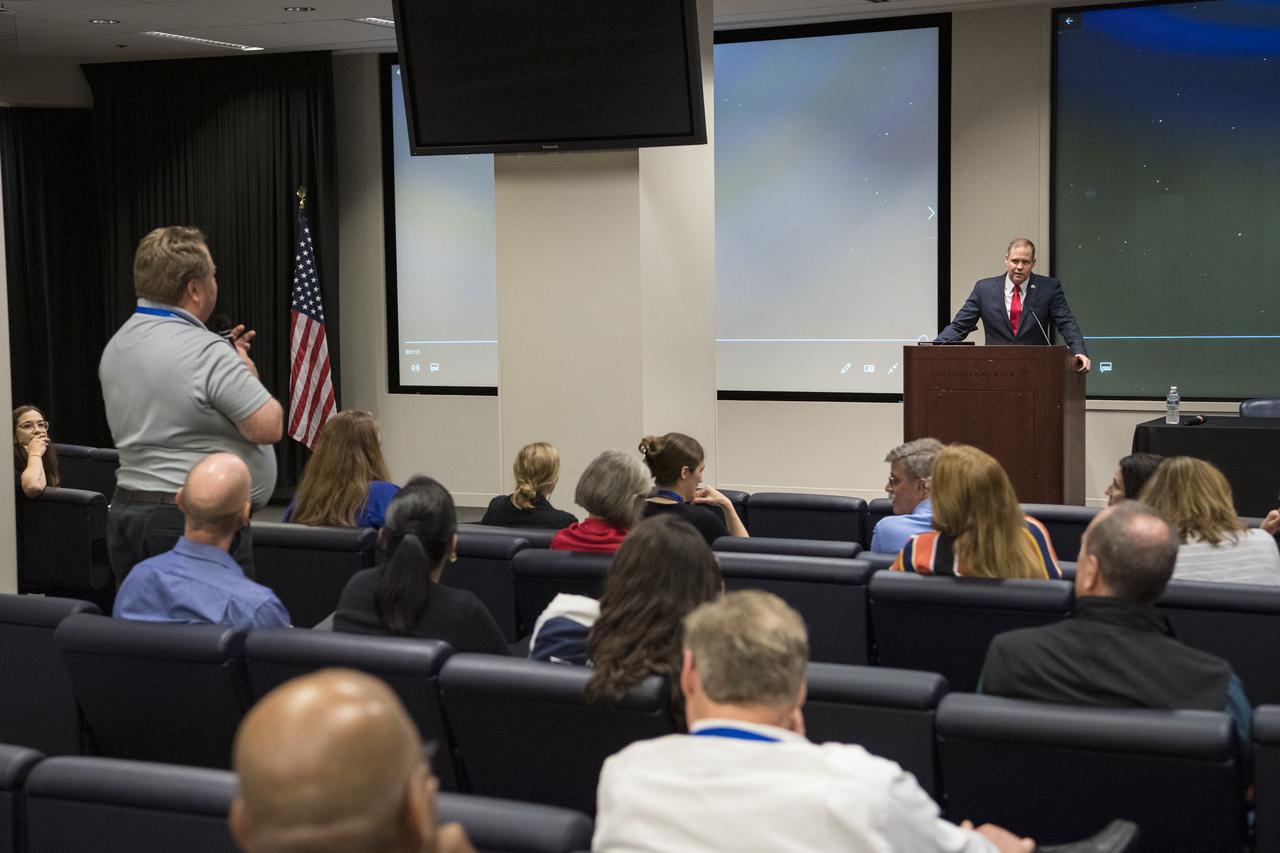
NASA Administrator Jim Bridenstine answers a question from a member of the audience at the Challenger Center Annual Conference, Wednesday, August 14, 2019 at the Lockheed Martin Global Vision Center in Arlington, VA. Photo Credit: (NASA/Aubrey Gemignani)
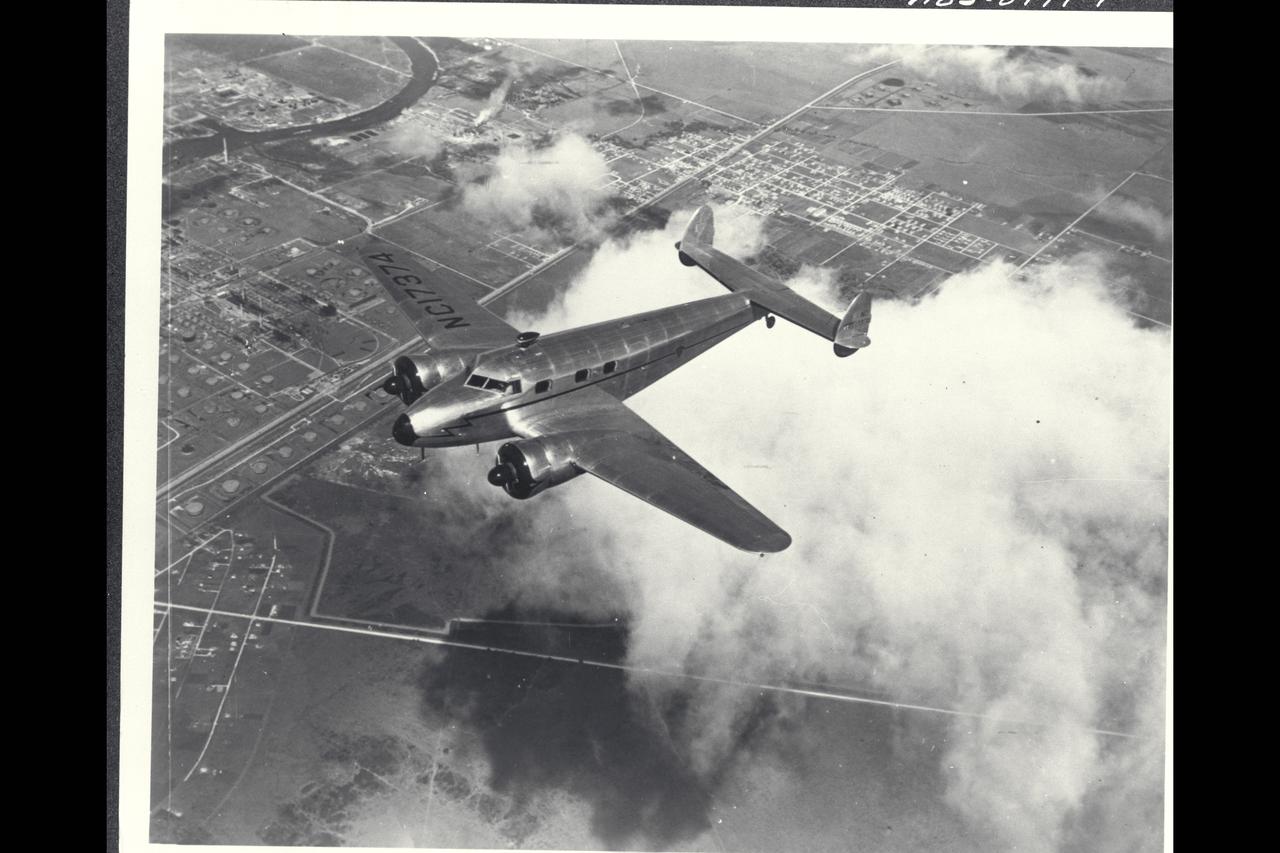
Lockheed Model 12 Airplane in Flight
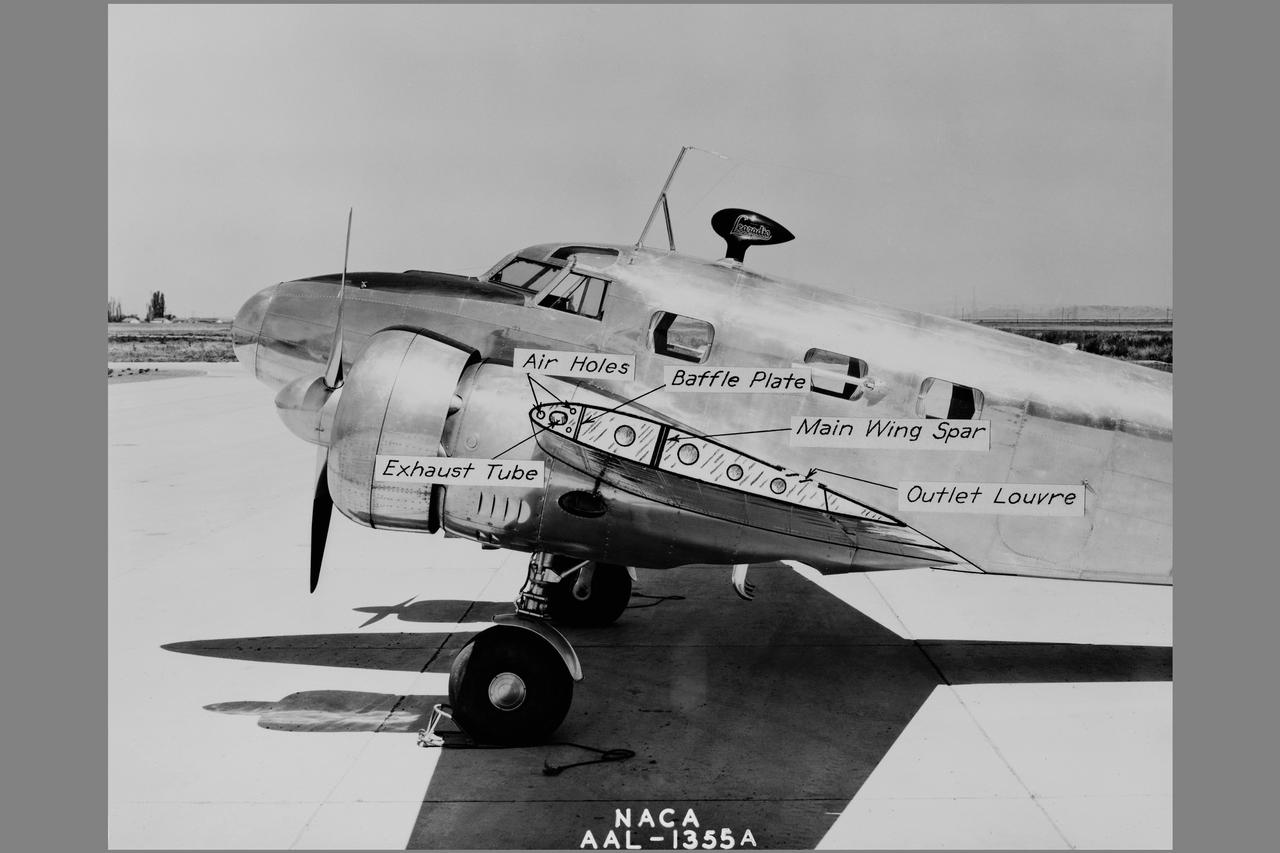
Lockheed 12A sectional view of heated wing
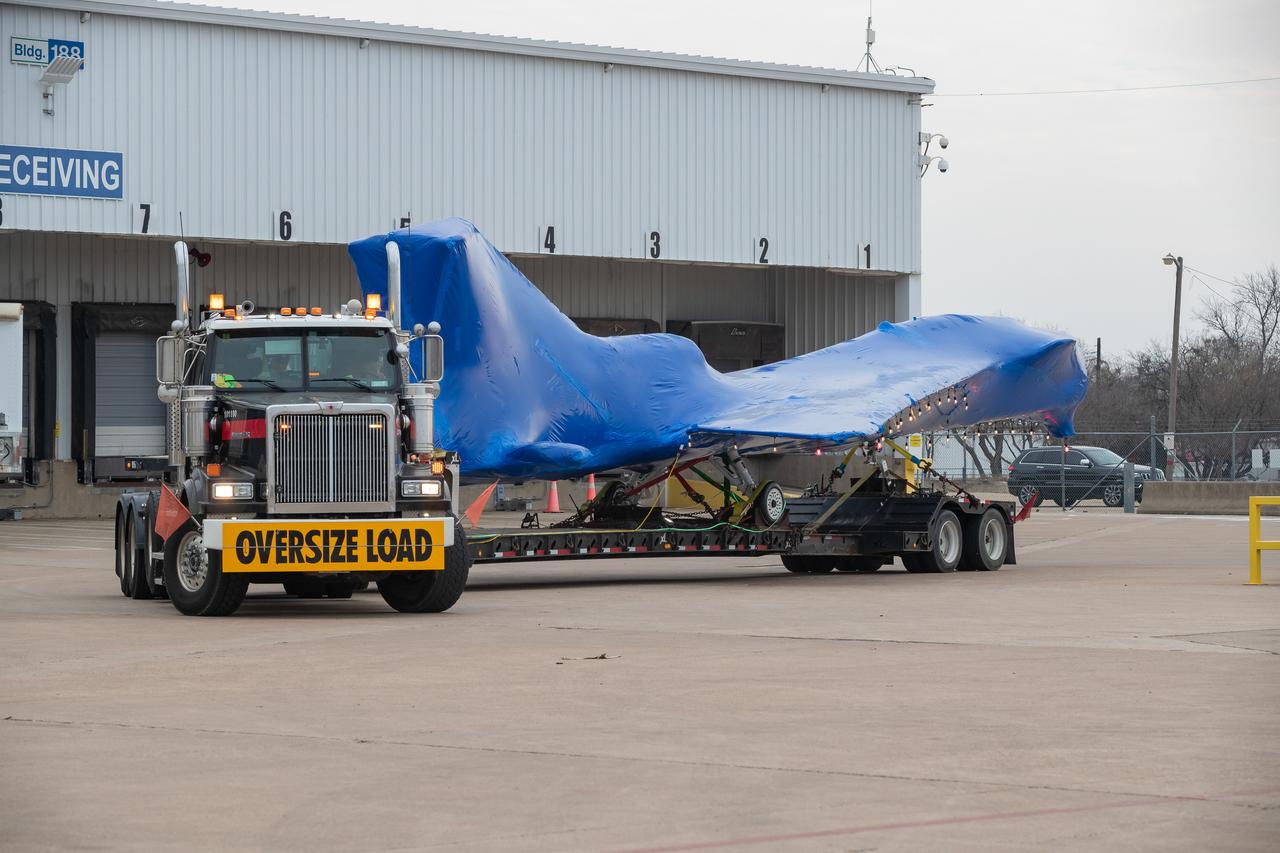
The X-59 arrives in Fort Worth, Texas from Palmdale, California, ready to undergo some important structural and fuel tests at the Lockheed Martin facility. The bright blue wrap around the X-plane is a precautionary measure to keep the exterior of the X-59 safe as it traveled through multiple states on its way to Texas.
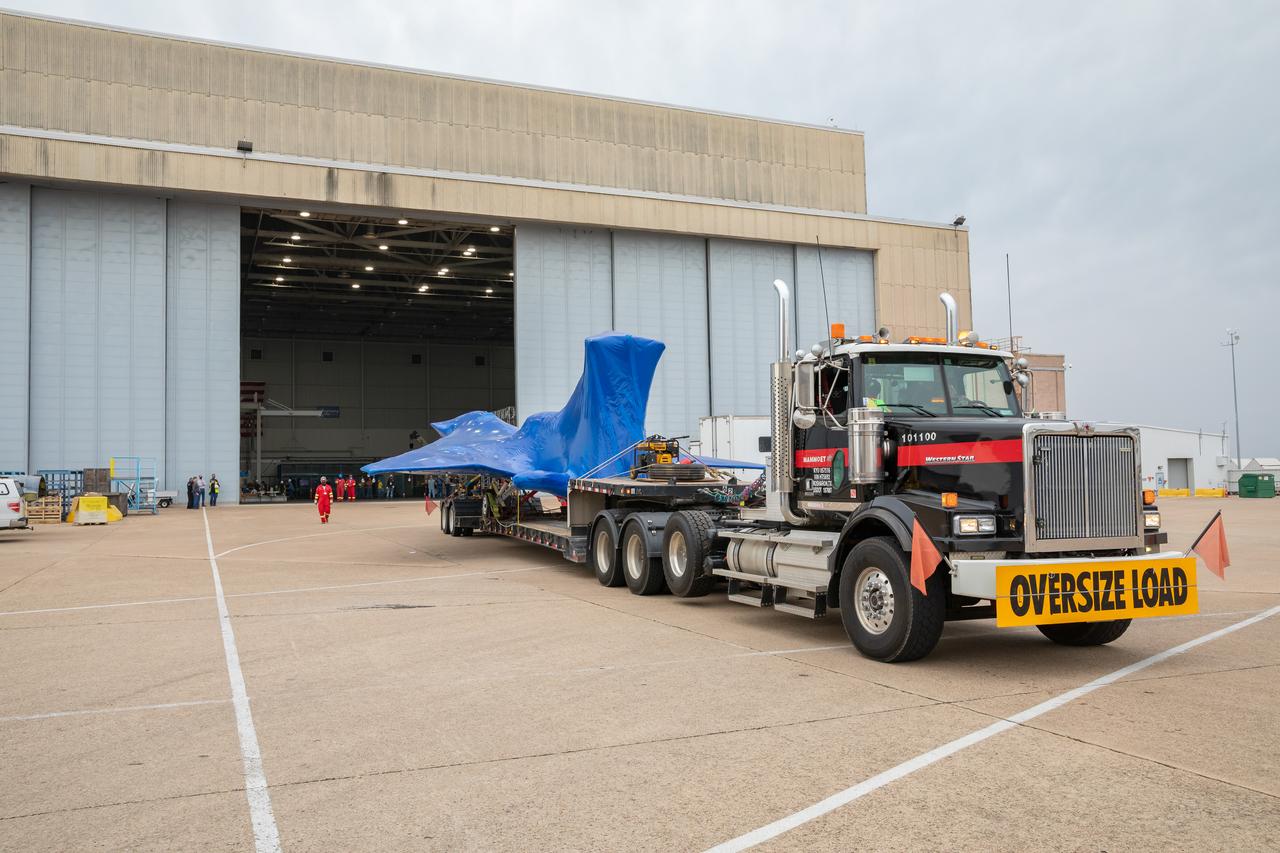
The X-59 arrives in Fort Worth, Texas from Palmdale, California, ready to undergo some important structural and fuel tests at the Lockheed Martin facility. The bright blue wrap around the X-plane is a precautionary measure to keep the exterior of the X-59 safe as it traveled through multiple states on its way to Texas.

NASA Administrator Jim Bridenstine takes a selfie with the audience at the Challenger Center Annual Conference, Wednesday, August 14, 2019 at the Lockheed Martin Global Vision Center in Arlington, VA. Photo Credit: (NASA/Aubrey Gemignani)
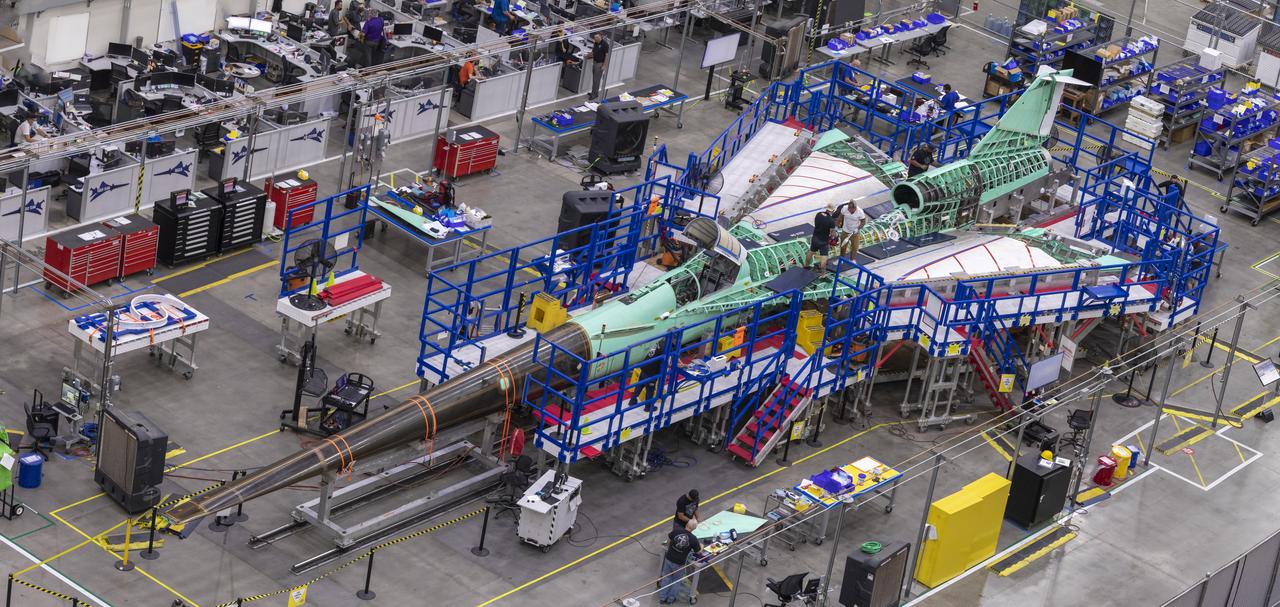
Event: Manufacturing Area From Above A overhead view of the X-59 with its nose on. The X-59’s nose is 38-feet long – approximately one third of the length of the entire aircraft. The aircraft, under construction at Lockheed Martin Skunk Works in Palmdale, California, will demonstrate the ability to fly supersonic while reducing the loud sonic boom to a quiet sonic thump.
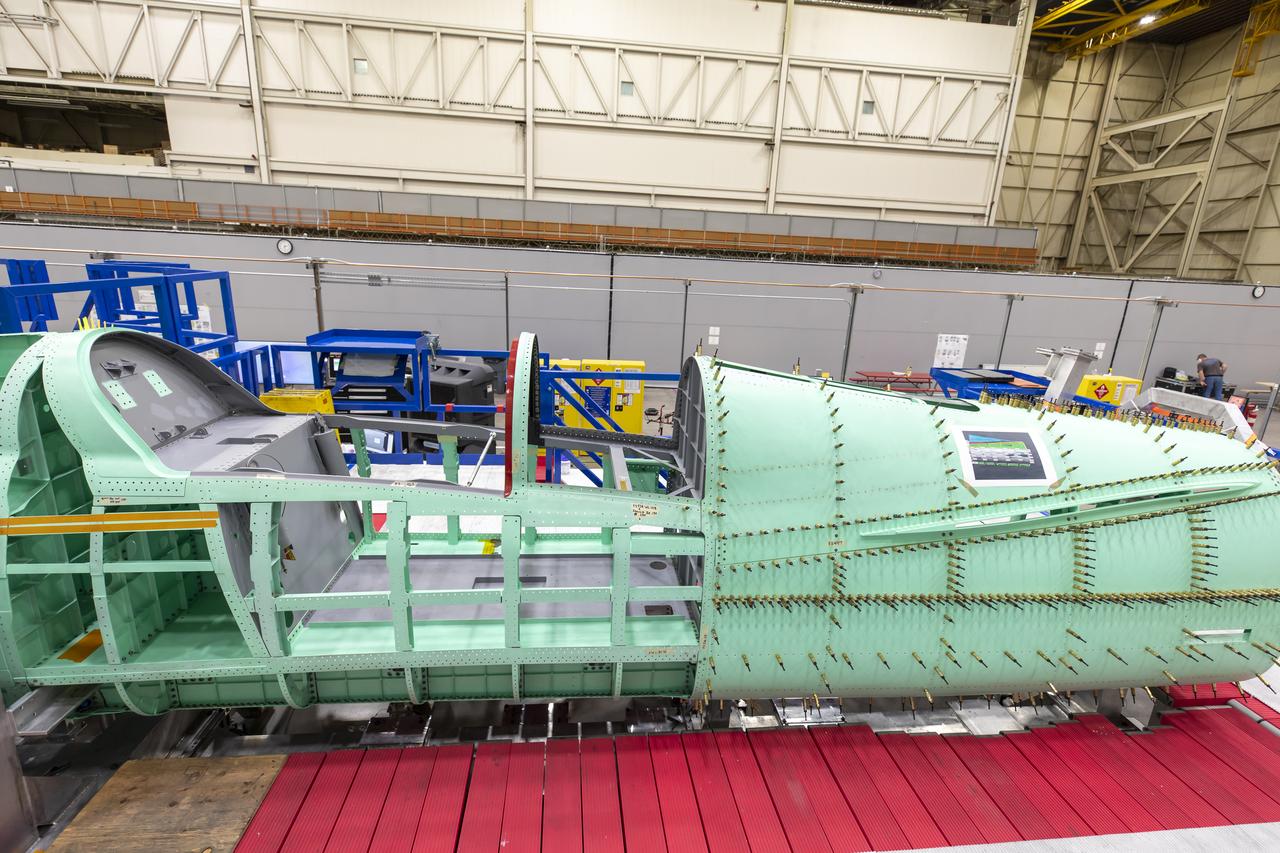
Event: SEG 210 Forebody A right side view of where the team is preparing the X-59 structure for installation of the forward fuselage, which contains the cockpit. The aircraft, under construction at Lockheed Martin Skunk Works in Palmdale, California, will fly to demonstrate the ability to fly supersonic while reducing the loud sonic boom to a quiet sonic thump.
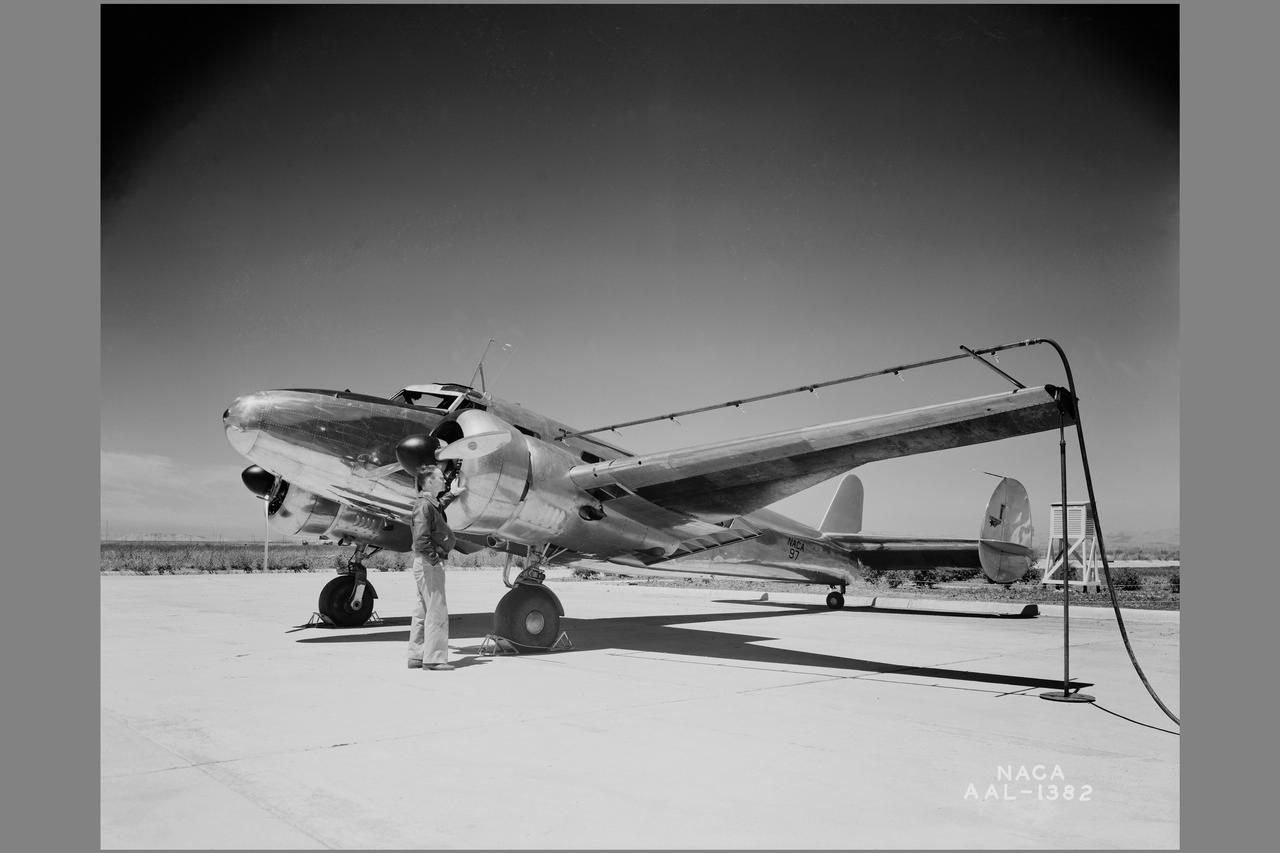
Lockheed 12A ground tests of cellular type heated wing
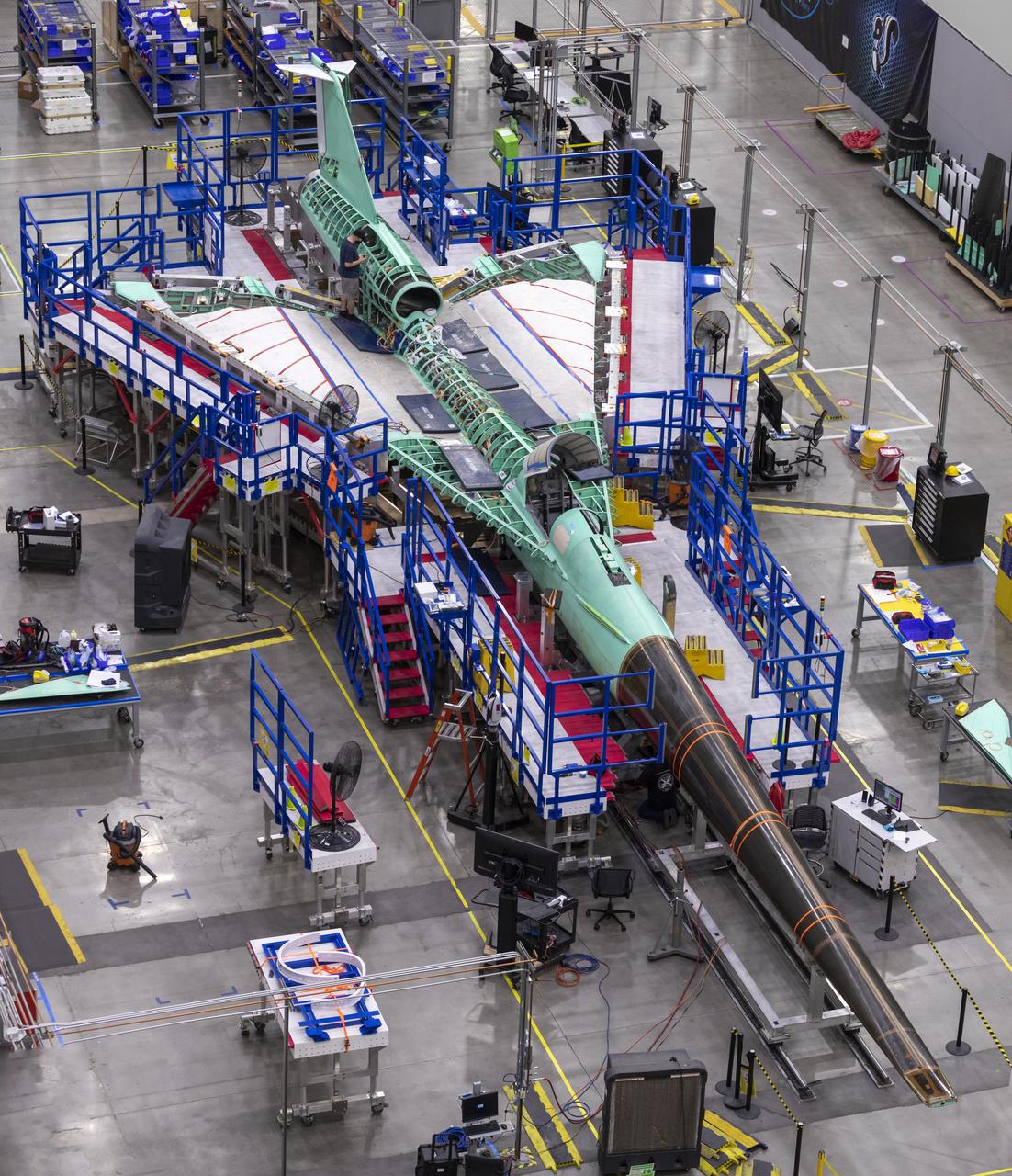
A overhead view of the X-59 with its nose on. The X-59’s nose is 38-feet long – approximately one third of the length of the entire aircraft. The plane is under construction at Lockheed Martin Skunk Works in Palmdale, California, will fly to demonstrate the ability to fly supersonic while reducing the loud sonic boom to a quiet sonic thump.
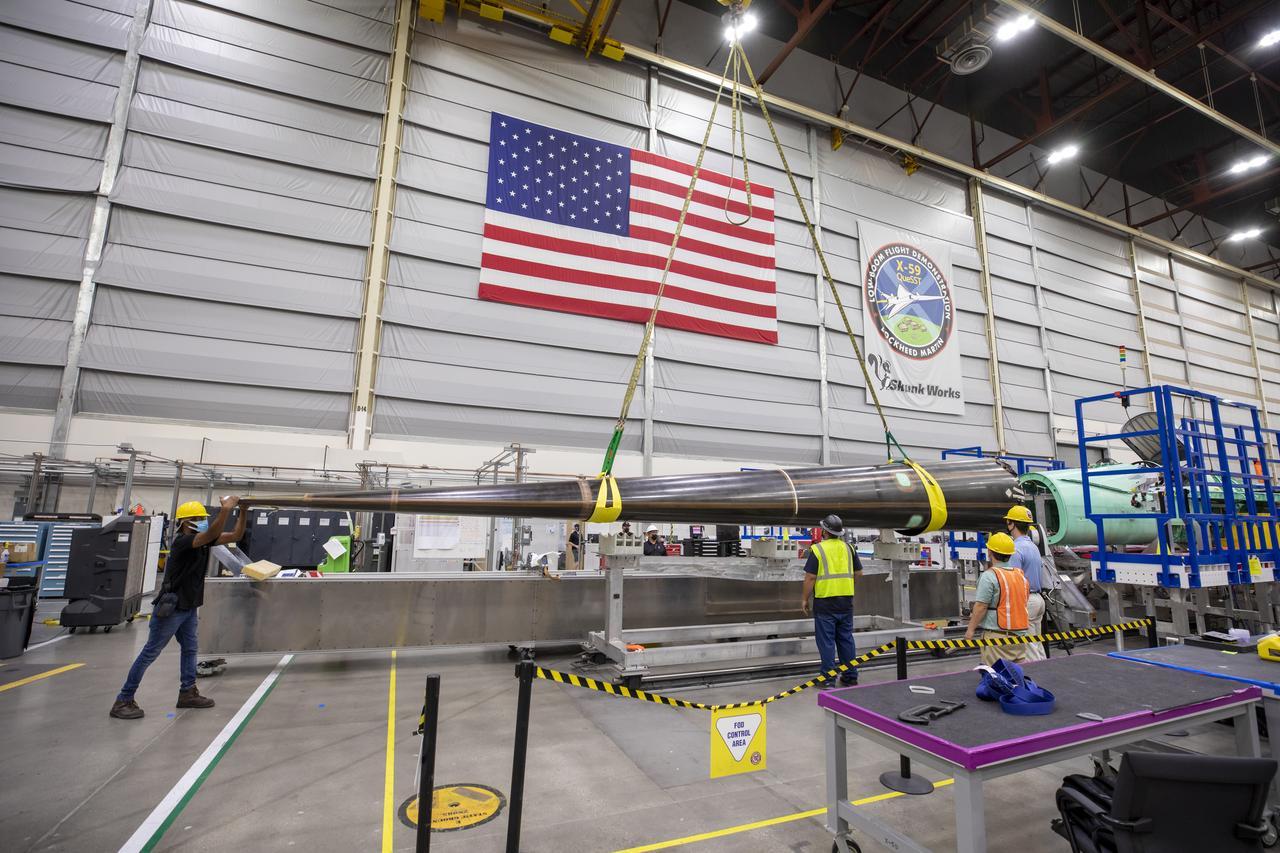
Event: SEG 230 Nose - Craned Onto Tooling A close up of the X-59’s duckbill nose, which is a crucial part of its supersonic design shaping. The team prepares the nose for a fit check. The X-59’s nose is 38-feet long – approximately one third of the length of the entire aircraft. The aircraft, under construction at Lockheed Martin Skunk Works in Palmdale, California, will demonstrate the ability to fly supersonic while reducing the loud sonic boom to a quiet sonic thump.
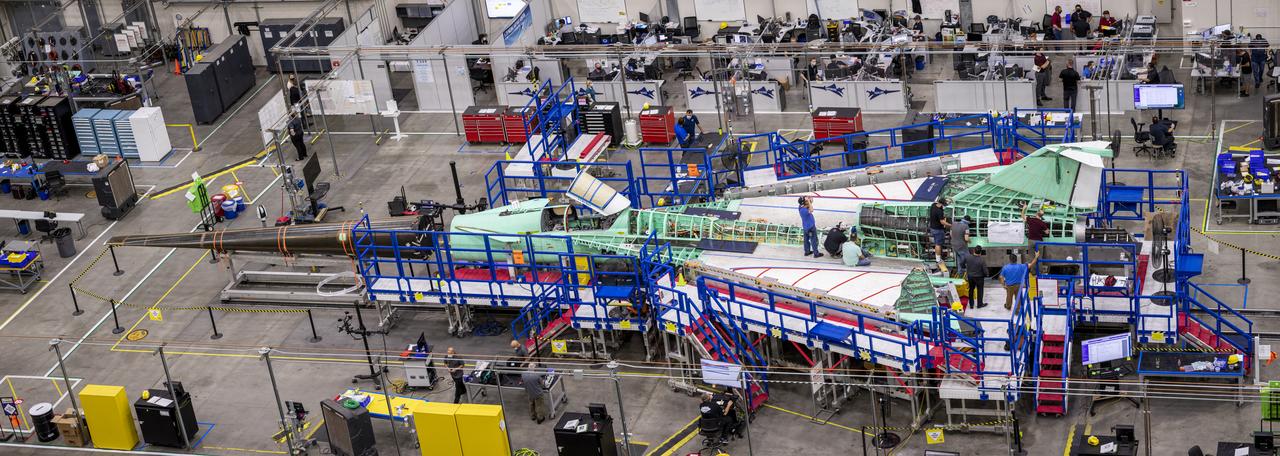
A panoramic side view of the left top of the X-59 supersonic plane with the tail on and the nose in the process of installation. The X-59’s nose is 38-feet long – approximately one third of the length of the entire aircraft. The aircraft, under construction at Lockheed Martin Skunk Works in Palmdale, California, will demonstrate the ability to fly supersonic while reducing the loud sonic boom to a quiet sonic thump.

NASA’s X-59 undergoes a structural stress test at Lockheed Martin’s facility at Fort Worth, Texas. The X-59 is a one-of-a-kind airplane designed to fly at supersonic speeds without making a startling sonic boom sound for the communities below. This is part of NASA’s Quesst mission, which plans to help enable supersonic air travel over land.
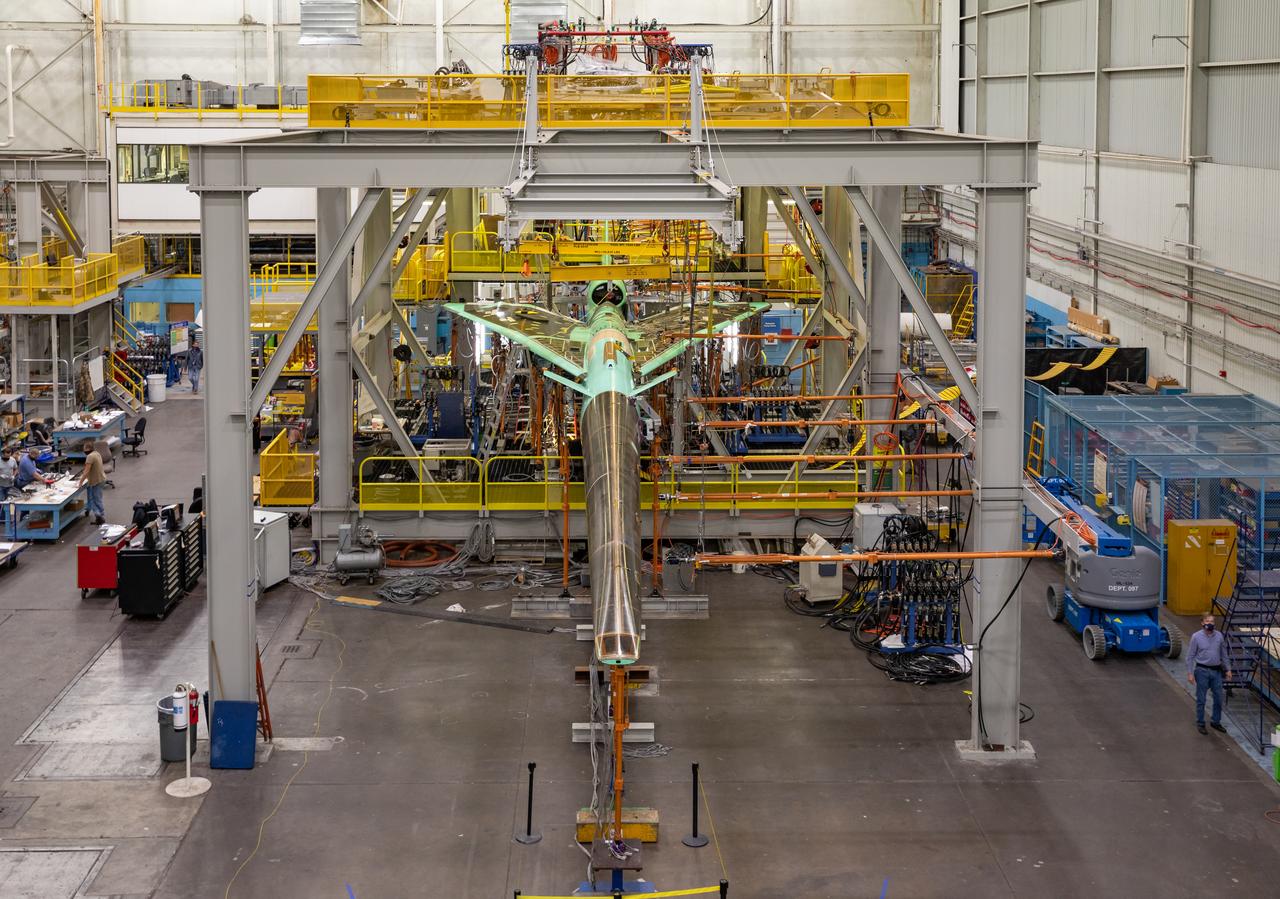
NASA’s X-59 undergoes a structural stress test at Lockheed Martin’s facility at Fort Worth, Texas. The X-59 is a one-of-a-kind airplane designed to fly at supersonic speeds without making a startling sonic boom sound for the communities below. This is part of NASA’s Quesst mission, which plans to help enable supersonic air travel over land.
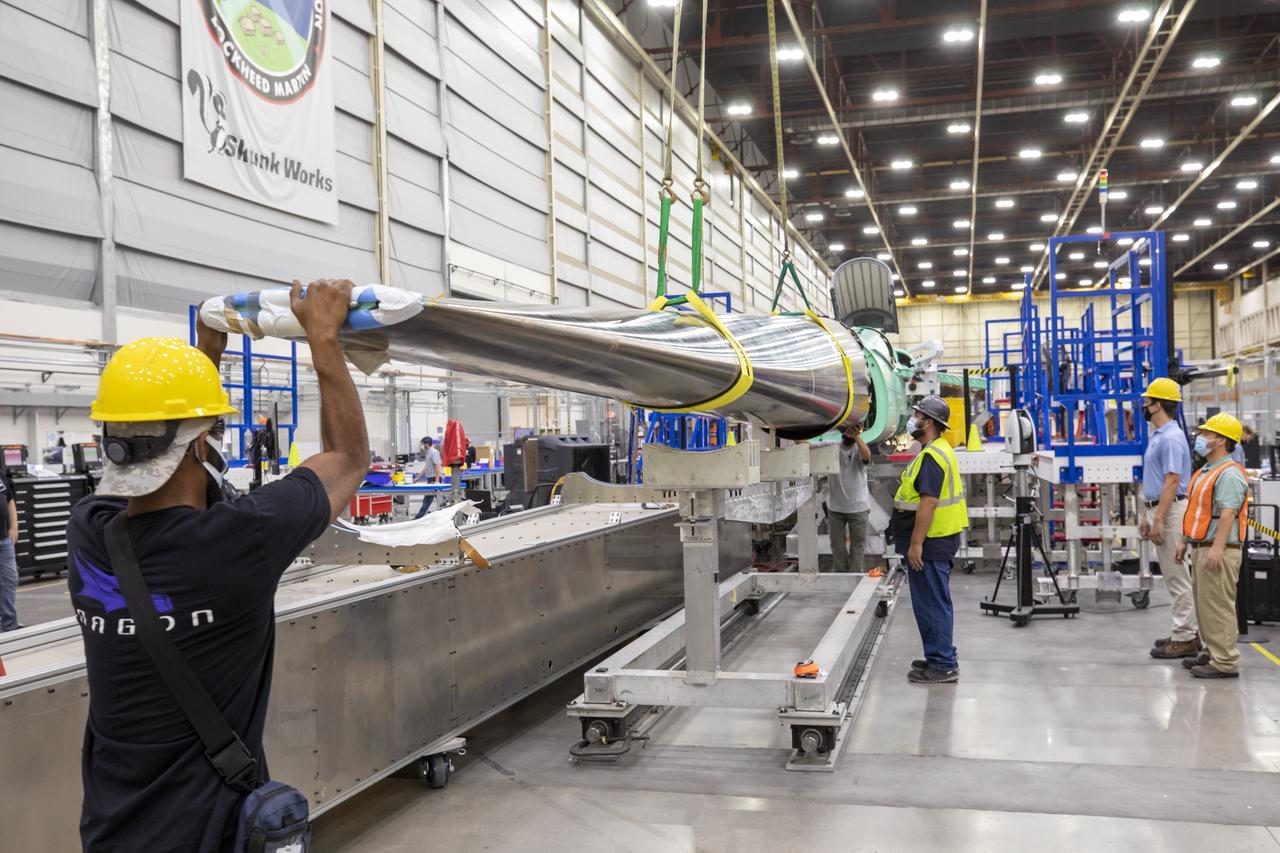
Event: SEG 230 Nose - Craned Onto Tooling A close-up of the X-59’s duckbill nose, which is a crucial part of its supersonic design shaping. The team prepares the nose for a fit check. The X-59’s nose is 38-feet long – approximately one third of the length of the entire aircraft. The aircraft, under construction at Lockheed Martin Skunk Works in Palmdale, California, will demonstrate the ability to fly supersonic while reducing the loud sonic boom to a quiet sonic thump.
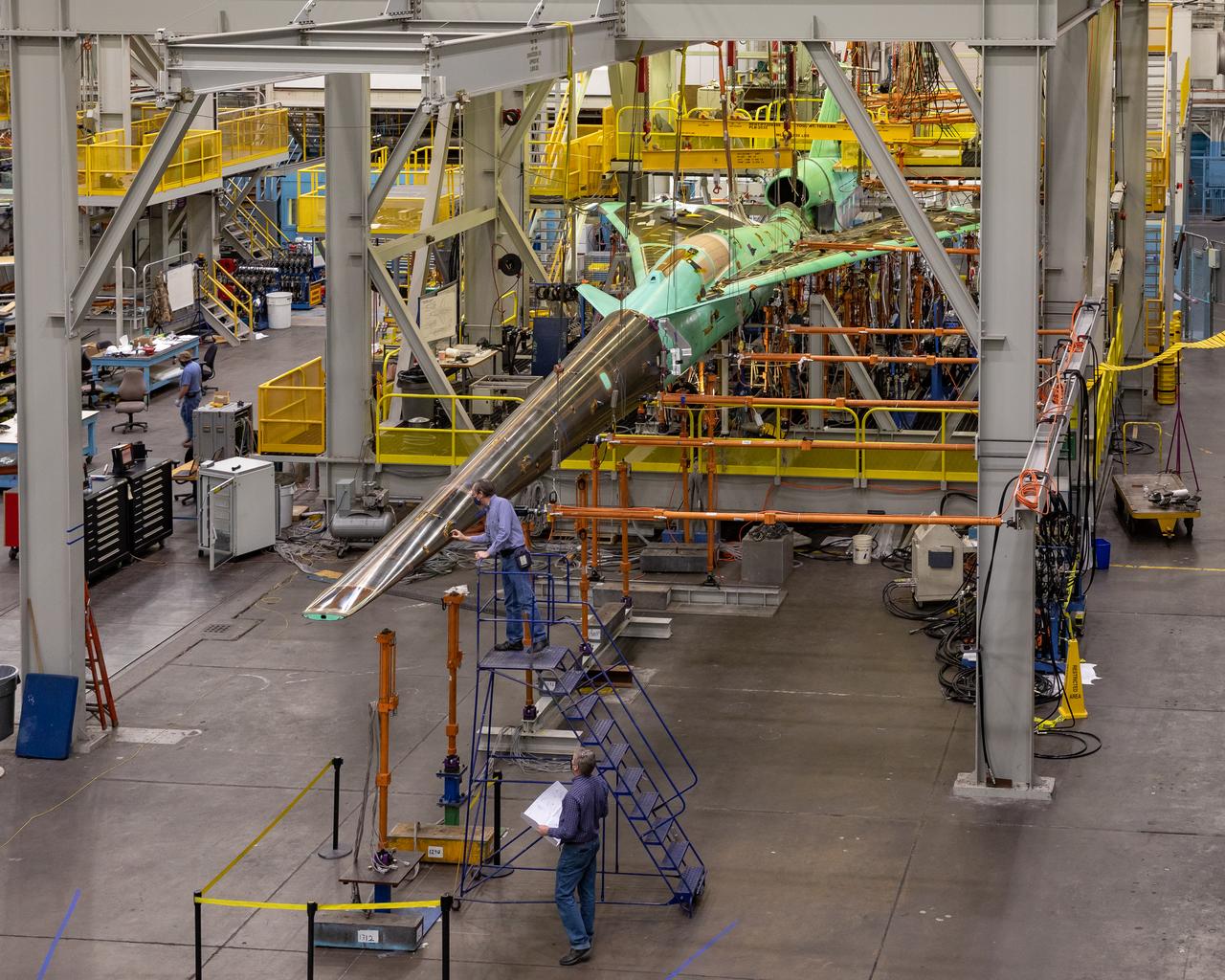
NASA’s X-59 undergoes a structural stress test at Lockheed Martin’s facility in Fort Worth, Texas. The X-59’s nose makes up one third of the aircraft, at 38-feet in length. The X-59 is a one-of-a-kind airplane designed to fly at supersonic speeds without making a startling sonic boom sound for the communities below. This is part of NASA’s Quesst mission, which plans to help enable supersonic air travel over land
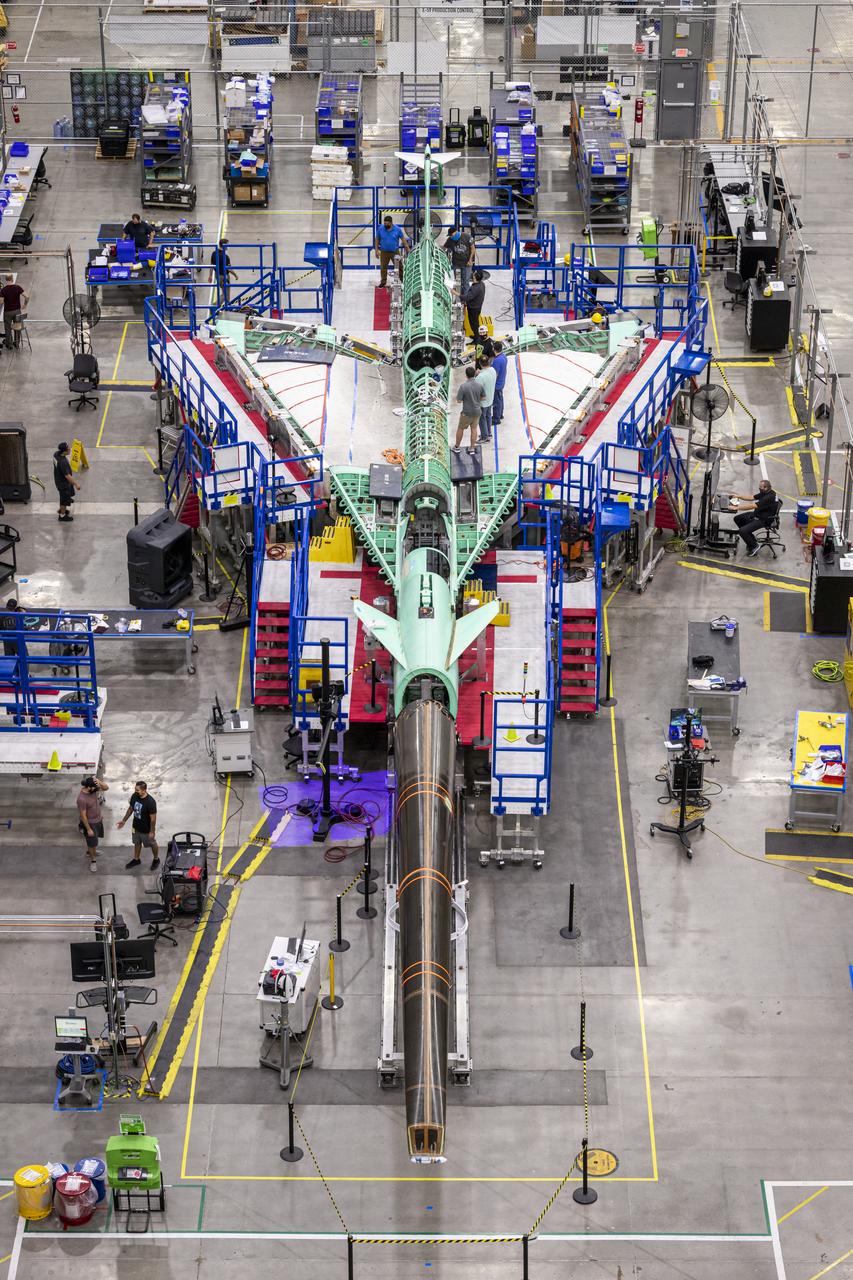
An overhead view of the X-59 supersonic plane with the tail on and the nose in the process of installation. The X-59’s nose is 38-feet long – approximately one third of the length of the entire aircraft. The aircraft, under construction at Lockheed Martin Skunk Works in Palmdale, California, will demonstrate the ability to fly supersonic while reducing the loud sonic boom to a quiet sonic thump.
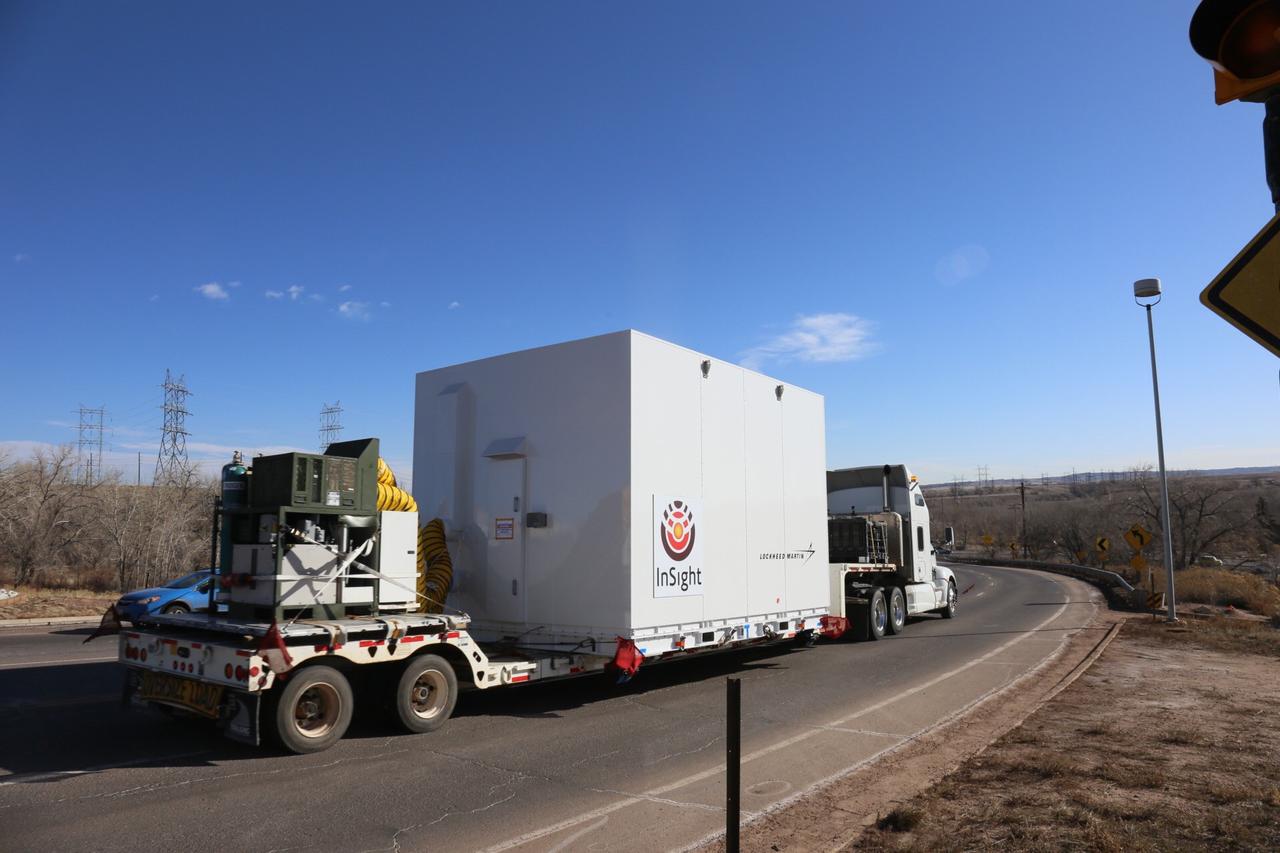
A truck carrying NASA s InSight spacecraft leaves Lockheed Martin Space, Denver, where the spacecraft was built and tested, on February 28, 2018. InSight was driven to Buckley Air Force Base, where it was loaded into a C-17 cargo aircraft and flown to Vandenberg Air Force Base, California. There, it will be prepared for a May launch. InSight, short for Interior Exploration using Seismic Investigations, Geodesy and Heat Transport, is the first mission dedicated to studying the deep interior of Mars. Its findings will advance understanding of the early history of all rocky planets, including Earth. https://photojournal.jpl.nasa.gov/catalog/PIA22225
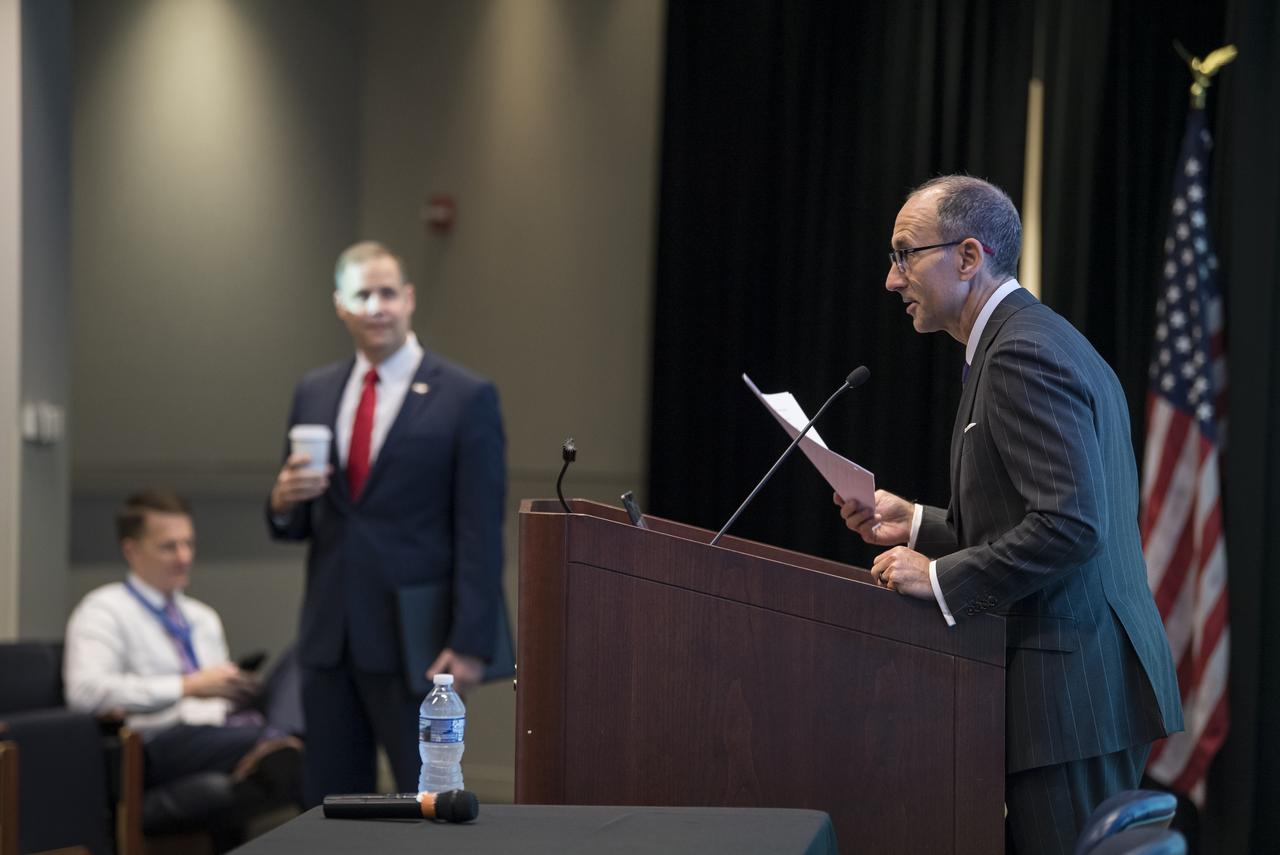
NASA Administrator Jim Bridenstine, standing left, is introduced by President and CEO of the Challenger Center, Lance Bush, just before giving keynote remarks at the Challenger Center Annual Conference, Wednesday, August 14, 2019 at the Lockheed Martin Global Vision Center in Arlington, VA. Photo Credit: (NASA/Aubrey Gemignani)
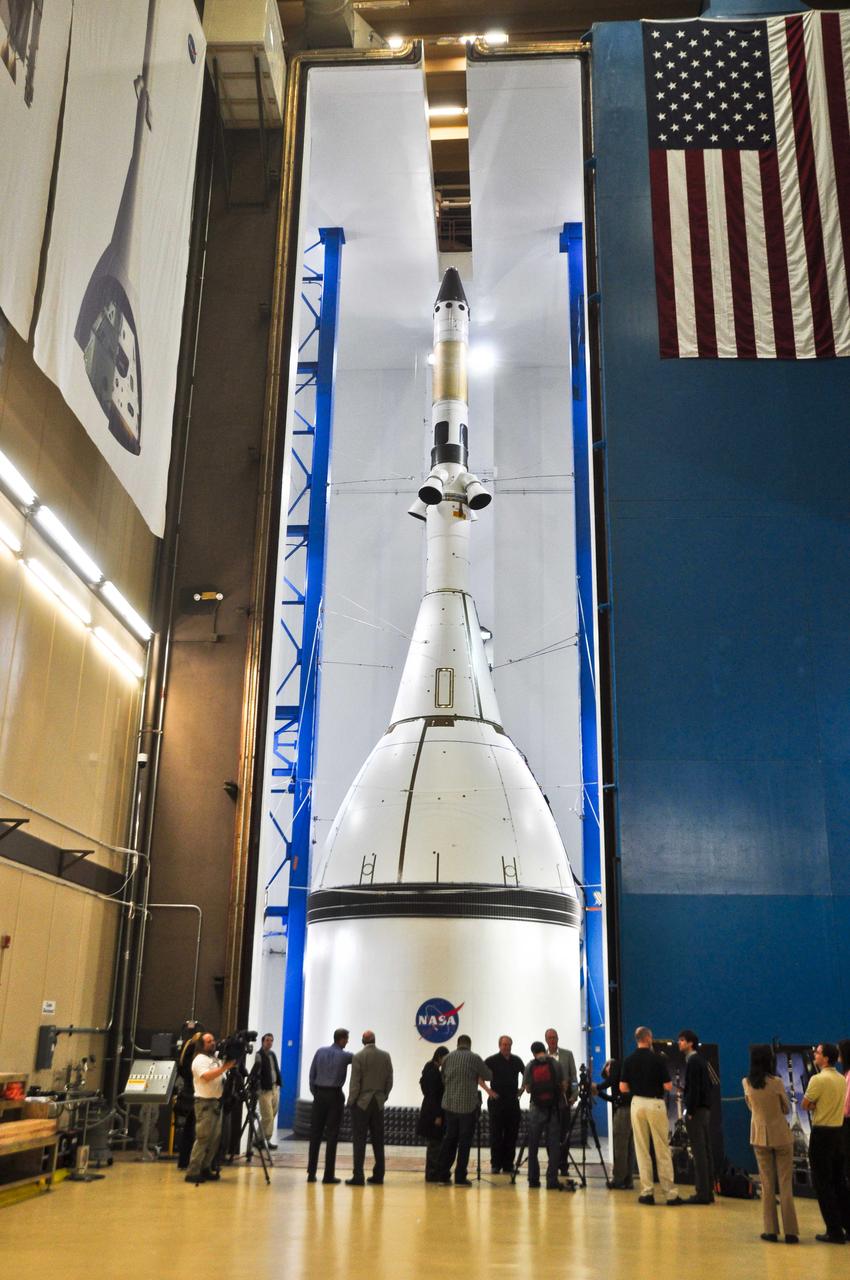
Orion Media Day takes place at Lockheed Martin’s Waterton facility in Littleton, Colorado on Oct. 21, 2011. Part of Batch image transfer from Flickr.
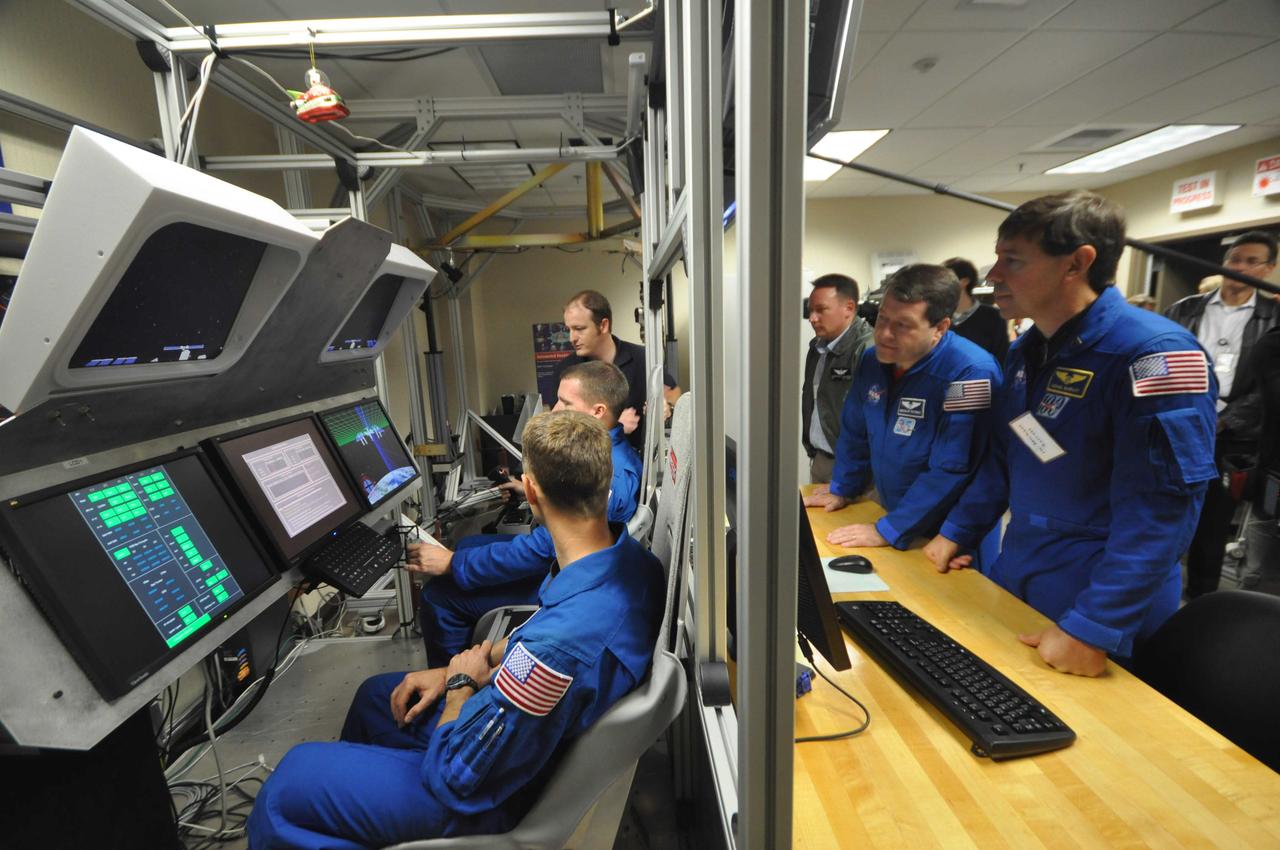
Orion Media Day takes place at Lockheed Martin’s Waterton facility in Littleton, Colorado on Oct. 21, 2011. Part of Batch image transfer from Flickr.
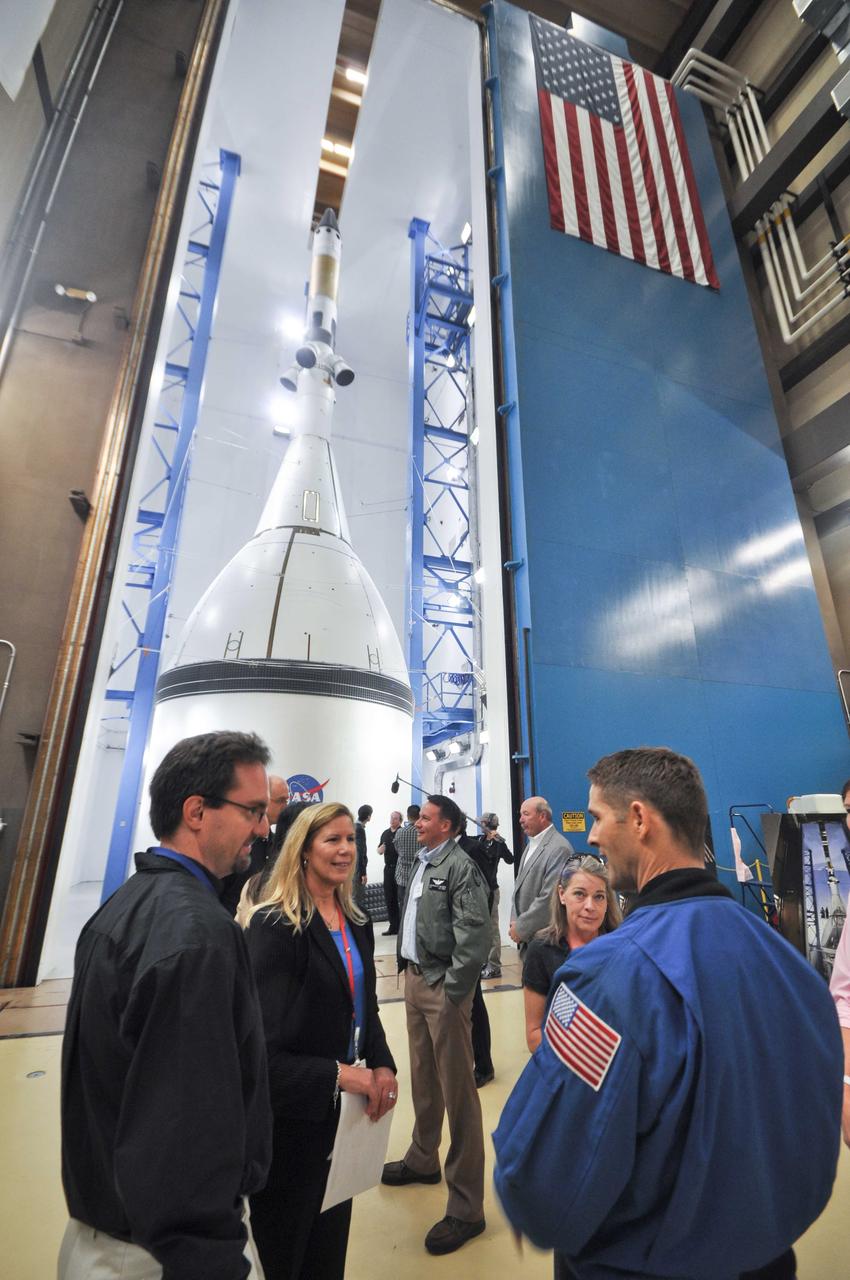
Orion Media Day takes place at Lockheed Martin’s Waterton facility in Littleton, Colorado on Oct. 21, 2011. Part of Batch image transfer from Flickr.
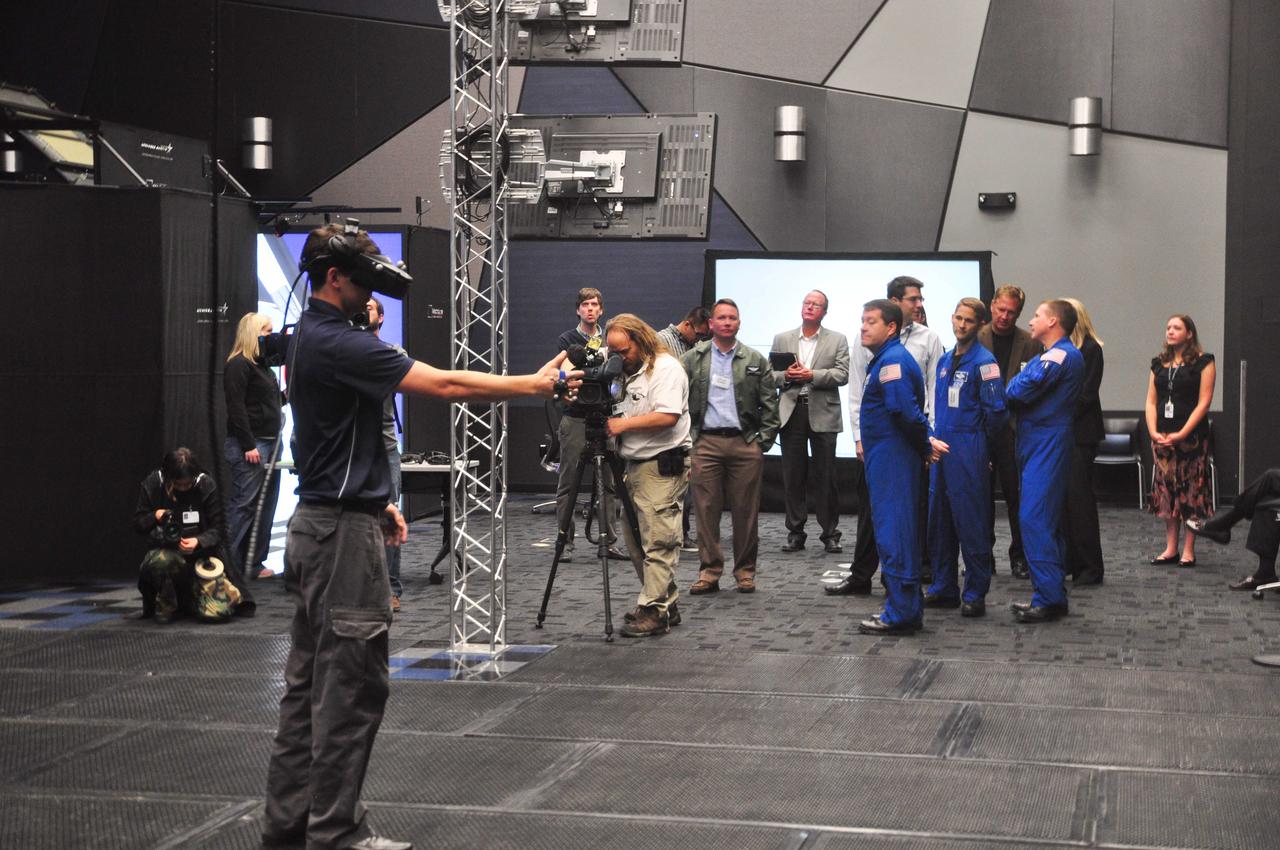
Orion Media Day takes place at Lockheed Martin’s Waterton facility in Littleton, Colorado on Oct. 21, 2011. Part of Batch image transfer from Flickr.
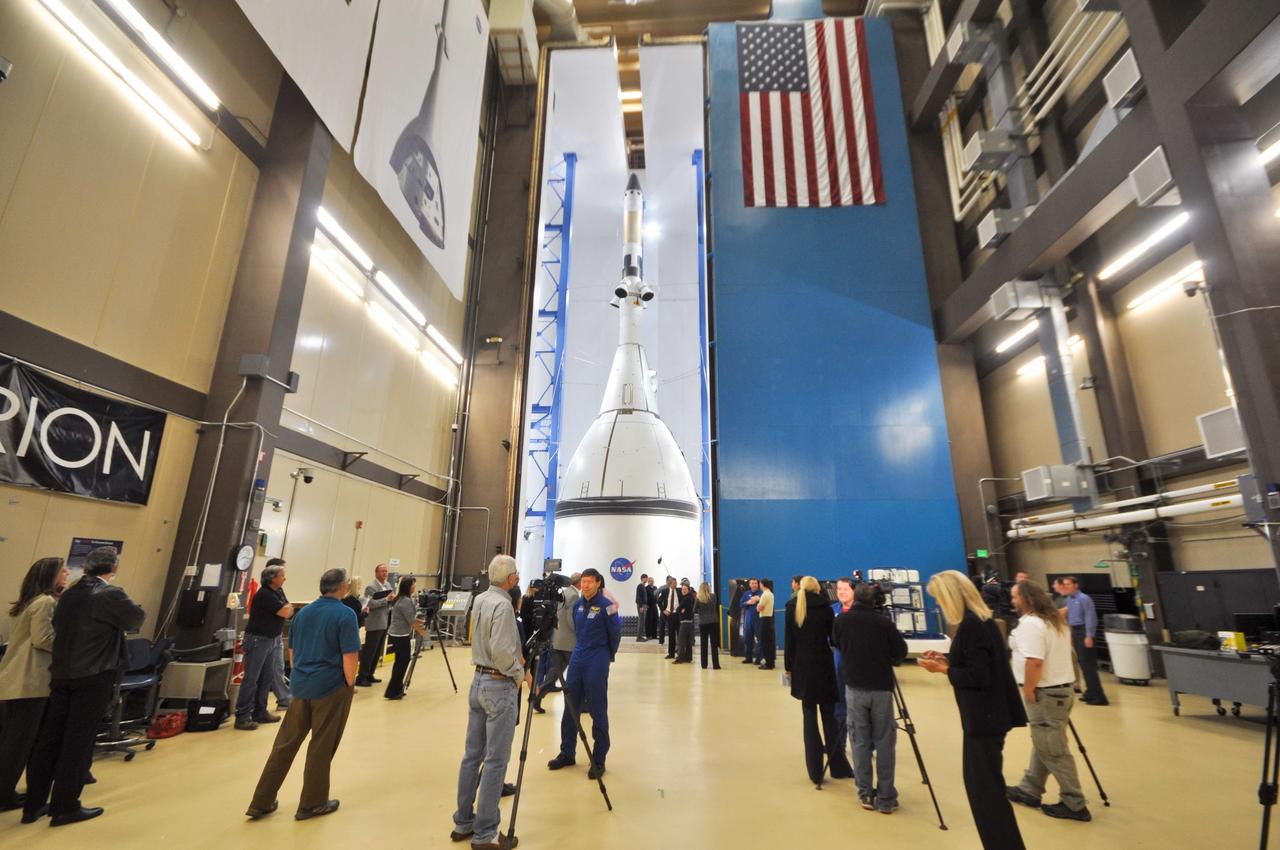
Orion Media Day takes place at Lockheed Martin’s Waterton facility in Littleton, Colorado on Oct. 21, 2011. Part of Batch image transfer from Flickr.
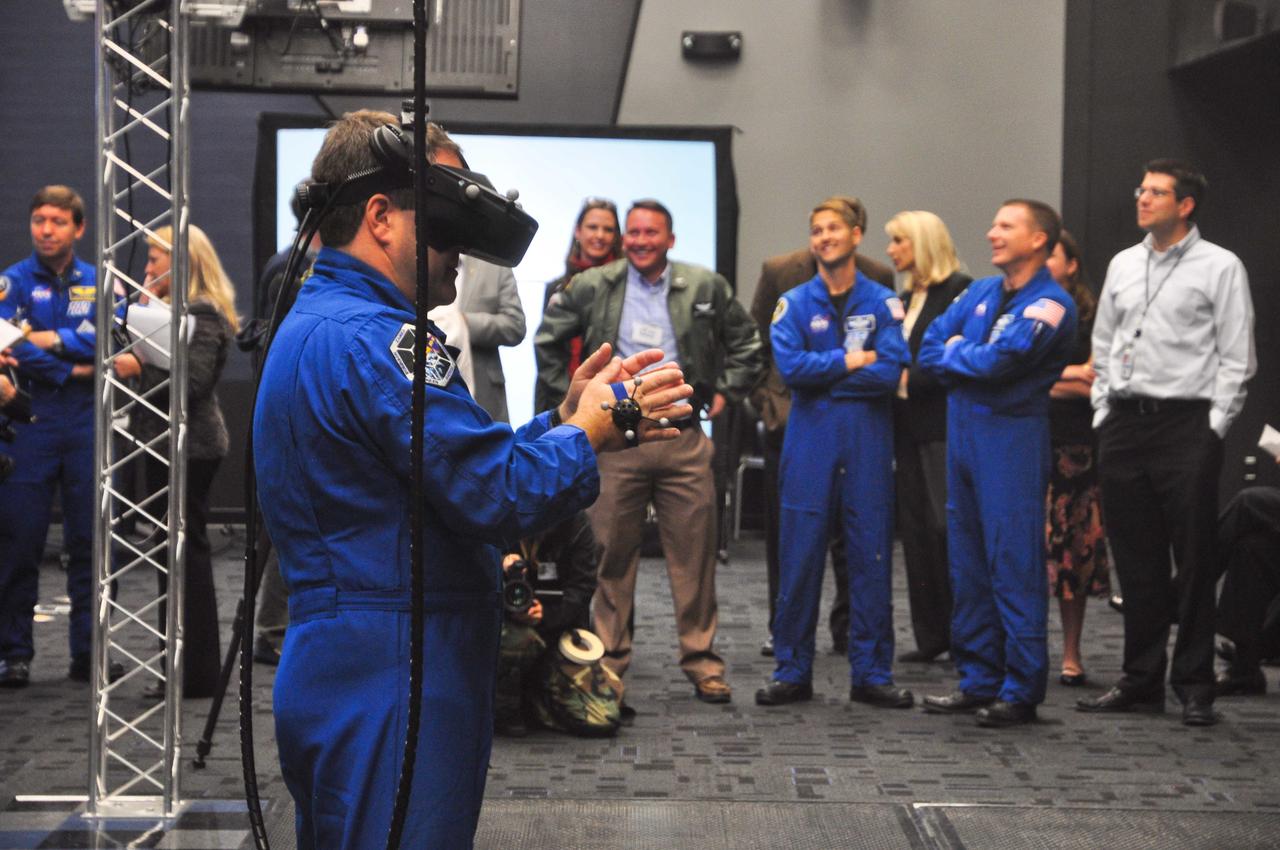
Orion Media Day takes place at Lockheed Martin’s Waterton facility in Littleton, Colorado on Oct. 21, 2011. Part of Batch image transfer from Flickr.
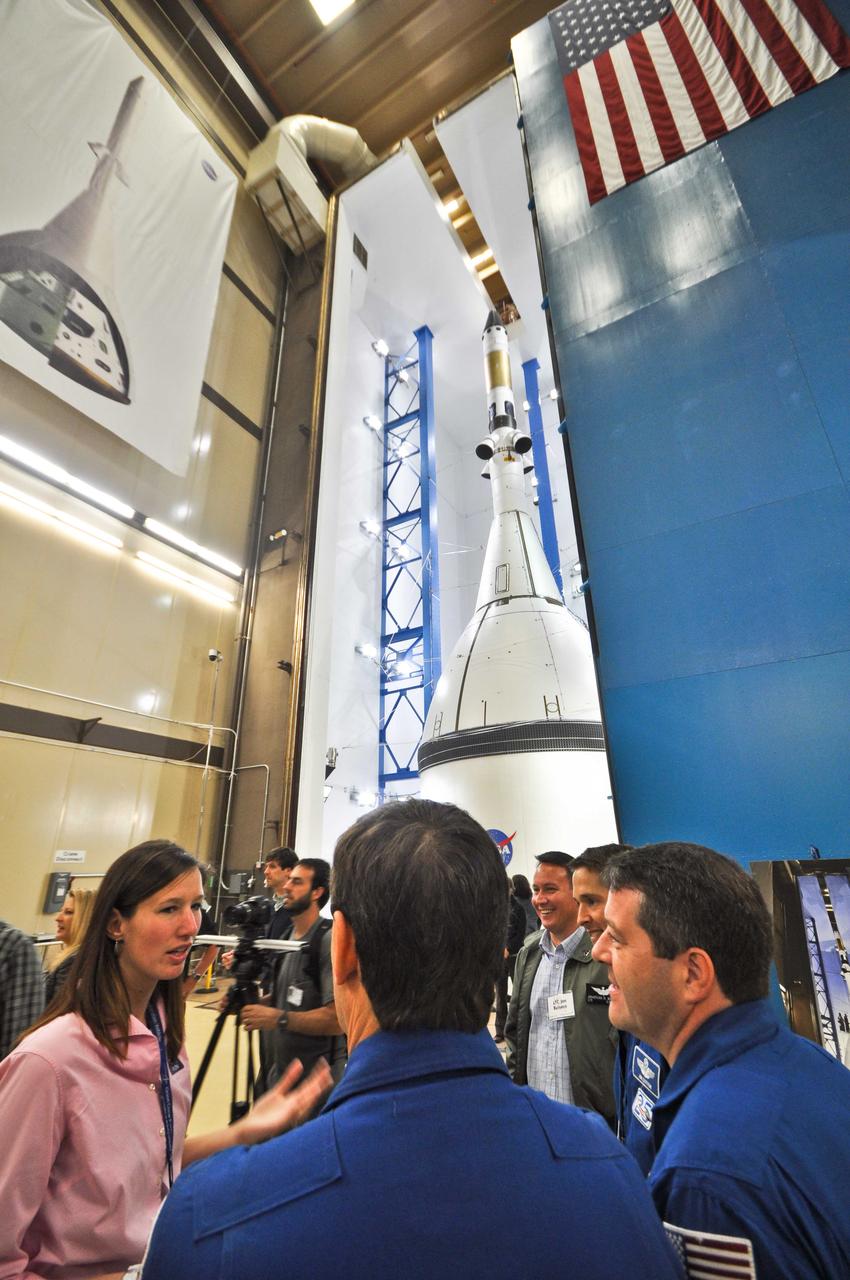
Orion Media Day takes place at Lockheed Martin’s Waterton facility in Littleton, Colorado on Oct. 21, 2011. Part of Batch image transfer from Flickr.
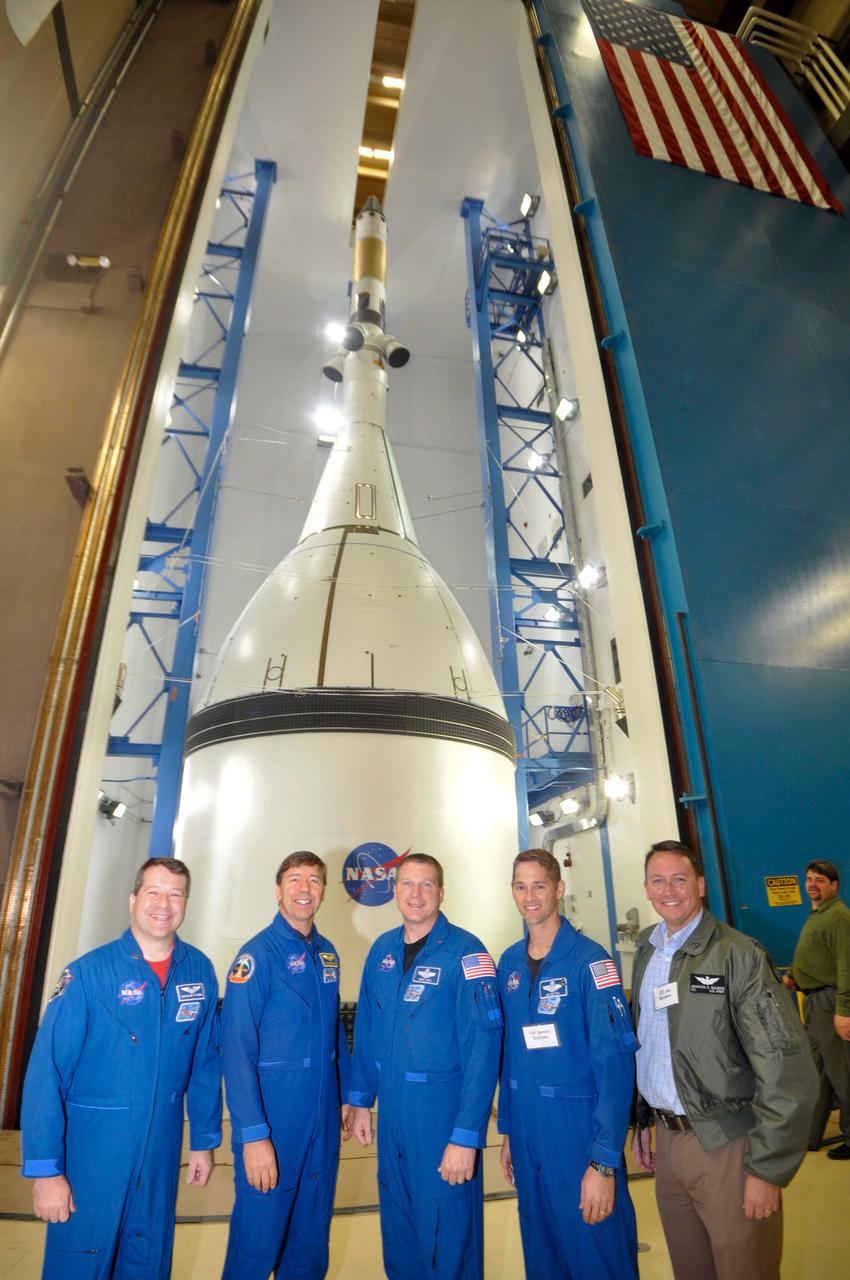
Orion Media Day takes place at Lockheed Martin’s Waterton facility in Littleton, Colorado on Oct. 21, 2011. Part of Batch image transfer from Flickr.
Orion Media Day takes place at Lockheed Martin’s Waterton facility in Littleton, Colorado on Oct. 21, 2011. Part of Batch image transfer from Flickr.
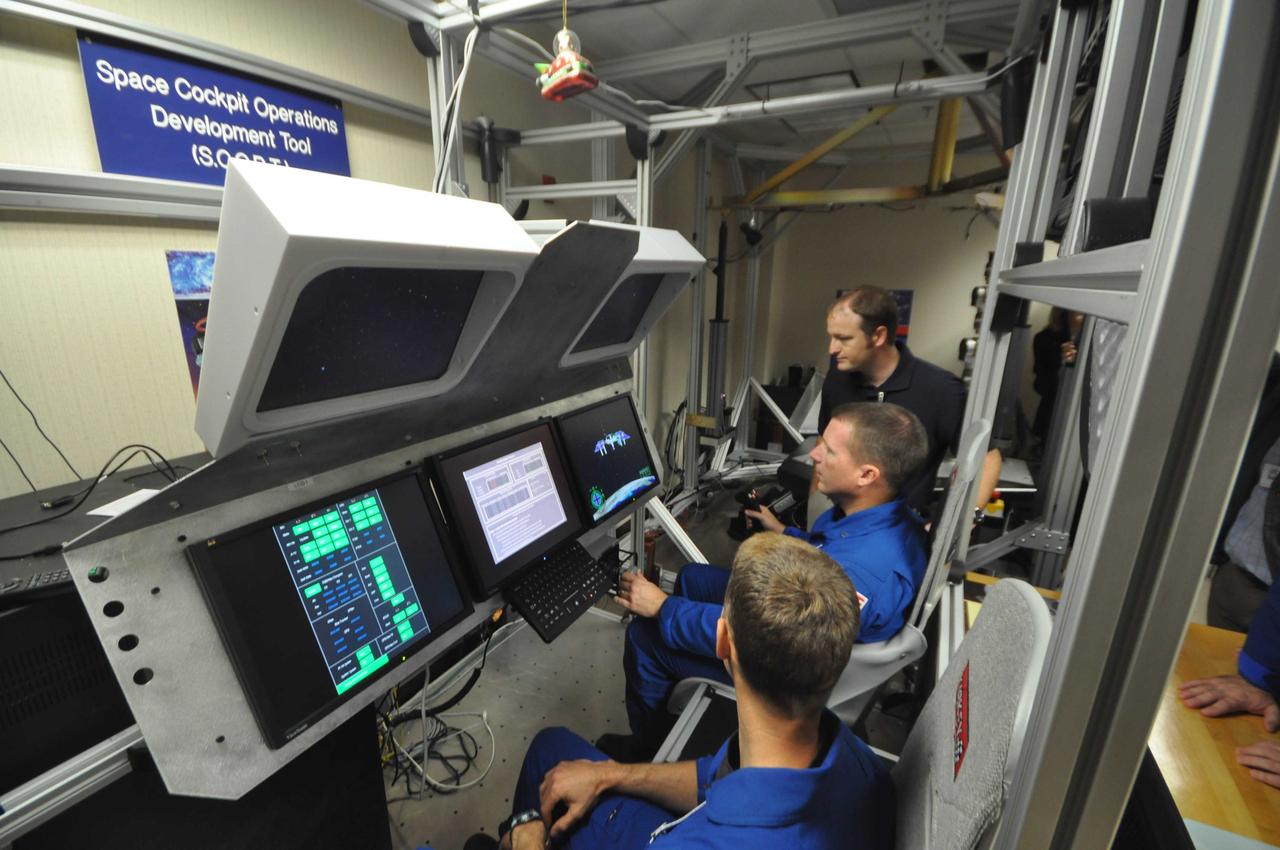
Orion Media Day takes place at Lockheed Martin’s Waterton facility in Littleton, Colorado on Oct. 21, 2011. Part of Batch image transfer from Flickr.
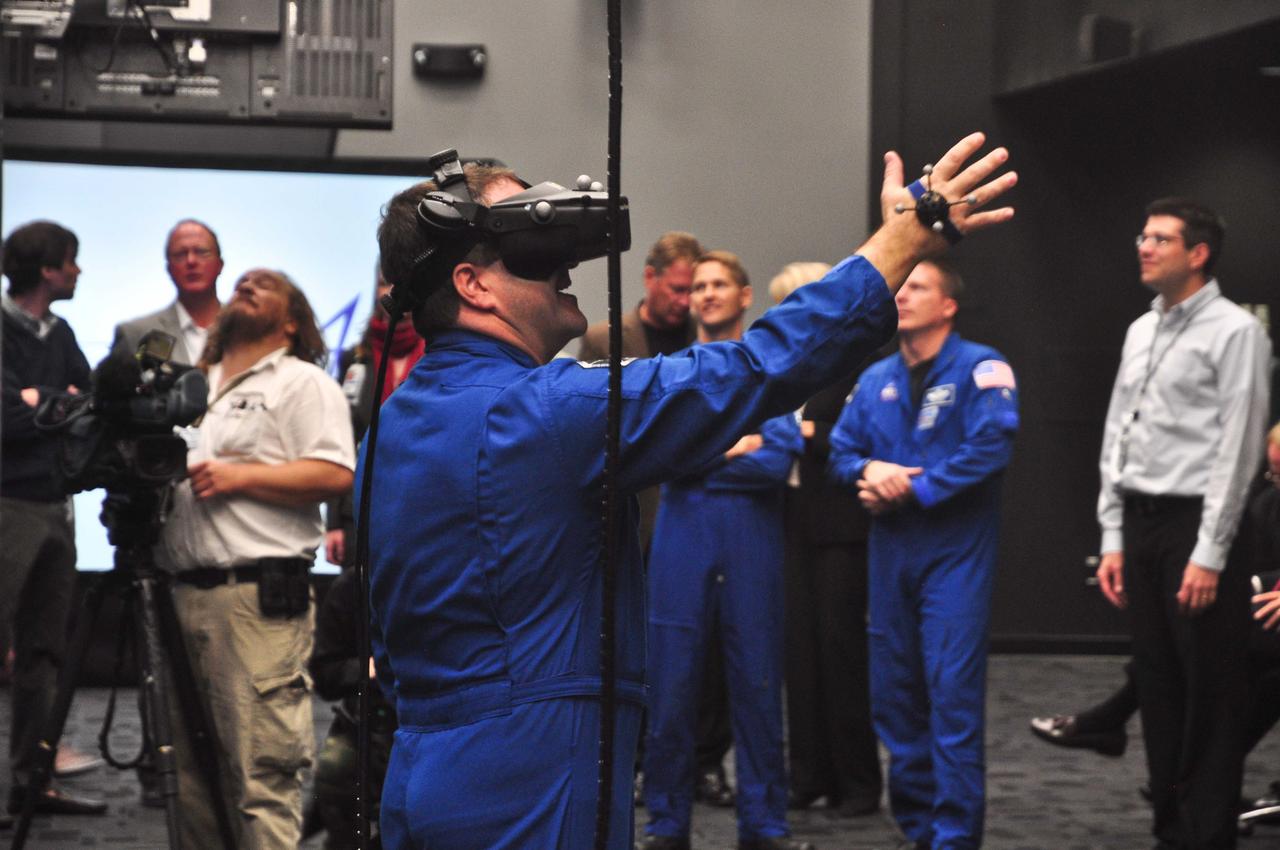
Orion Media Day takes place at Lockheed Martin’s Waterton facility in Littleton, Colorado on Oct. 21, 2011. Part of Batch image transfer from Flickr.

Orion Media Day takes place at Lockheed Martin’s Waterton facility in Littleton, Colorado on Oct. 21, 2011. Part of Batch image transfer from Flickr.
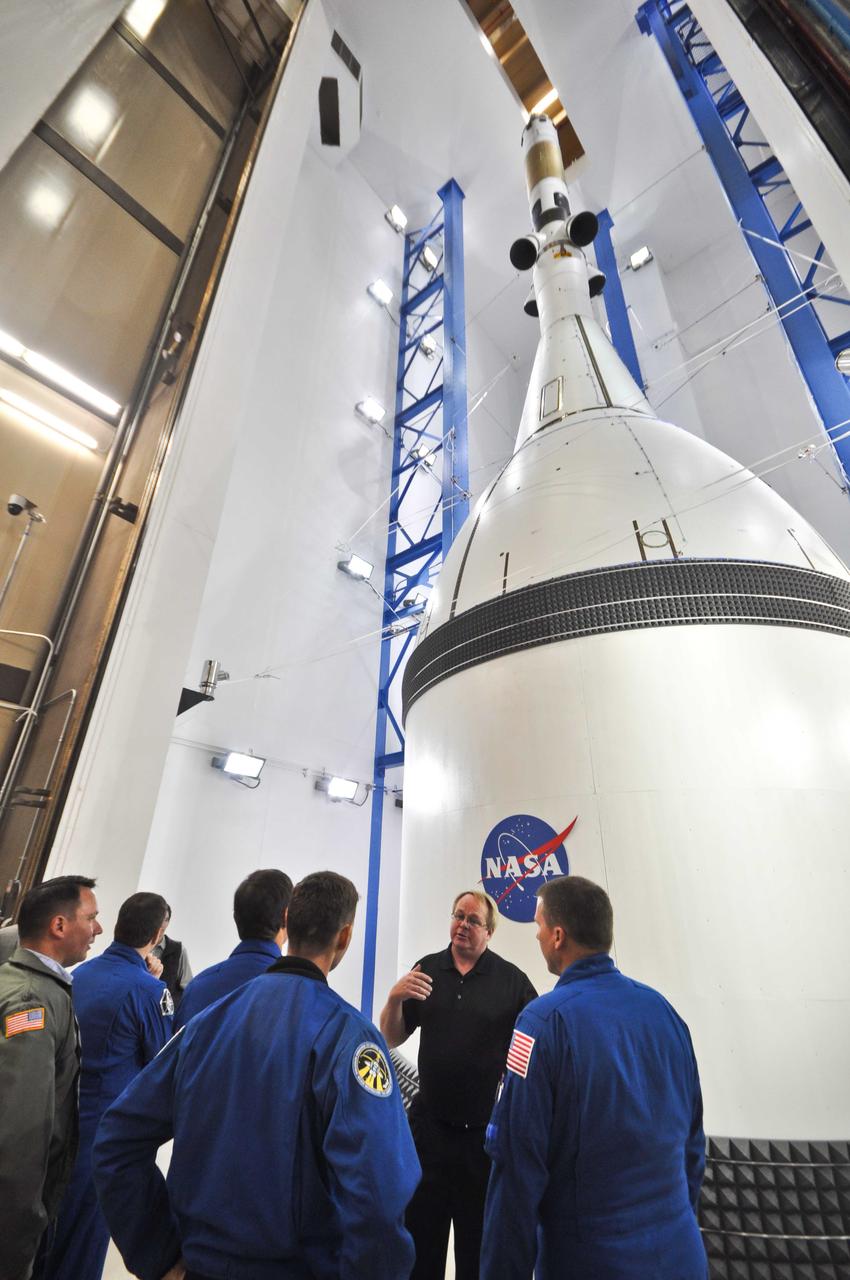
Orion Media Day takes place at Lockheed Martin’s Waterton facility in Littleton, Colorado on Oct. 21, 2011. Part of Batch image transfer from Flickr.
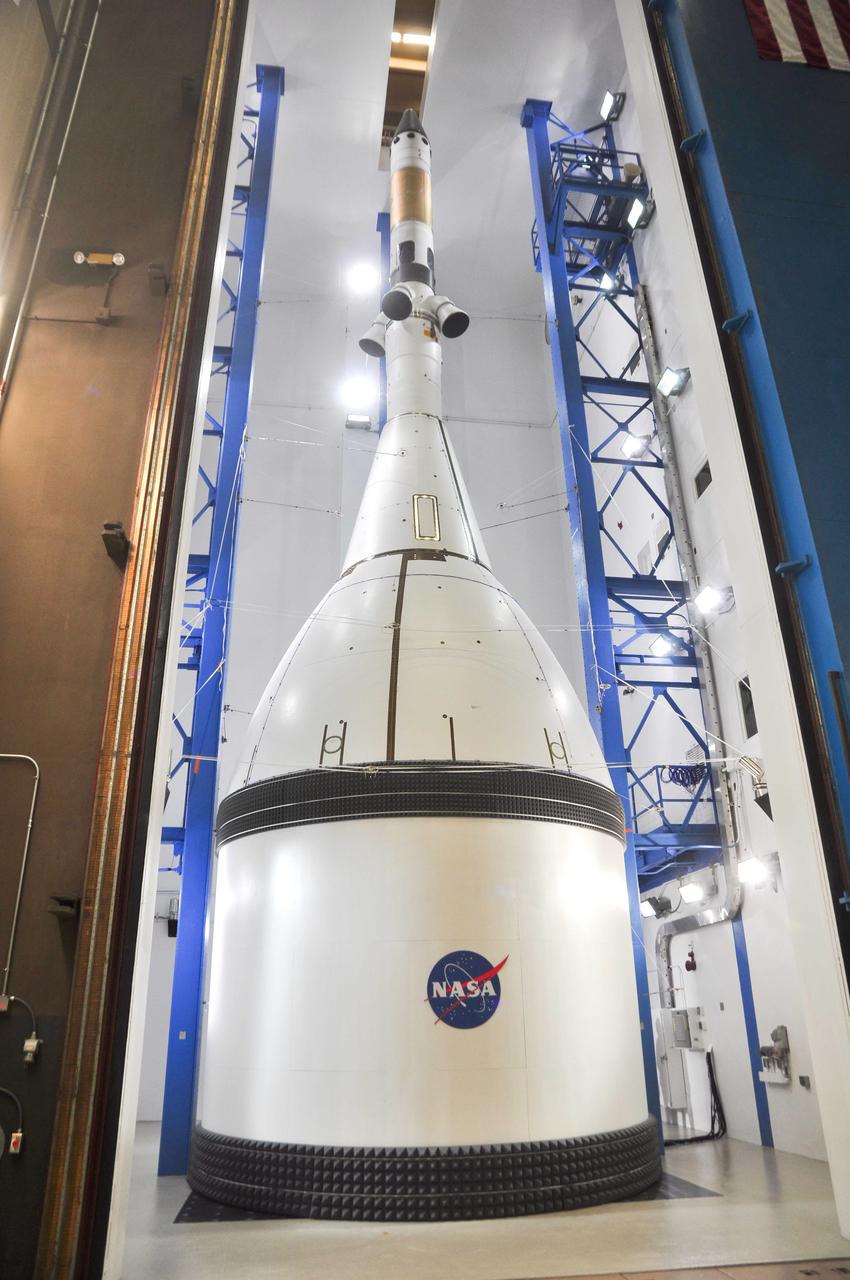
Orion Media Day takes place at Lockheed Martin’s Waterton facility in Littleton, Colorado on Oct. 21, 2011. Part of Batch image transfer from Flickr.
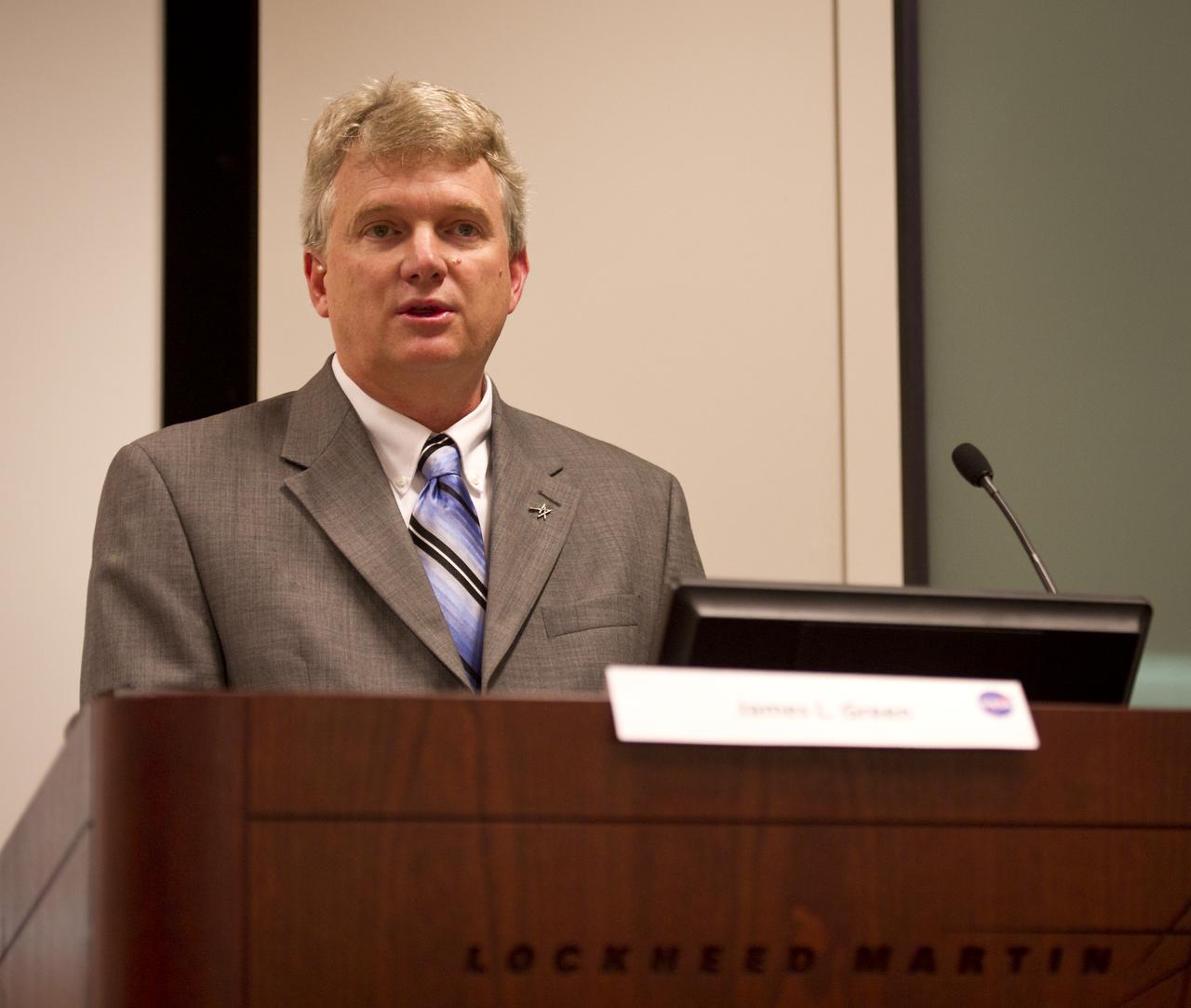
Stephen Price from Lockheed Martin Space Systems Company kicks off the ‚Äö√Ñ√∫Seeking Signs of Life‚Äö√Ñ√π Symposium, celebrating 50 Years of Exobiology and Astrobiology at NASA, Thursday, Oct. 14, 2010, at the Lockheed Martin Global Vision Center in Arlington, Va. NASA has been researching life in the universe since 1959, asking three fundamental questions: "How does life begin and evolve?"‚ "Is there life beyond Earth and, if so, how can we detect it?" and "What is the future of life on Earth and in the universe?" Photo Credit: (NASA/Bill Ingalls)
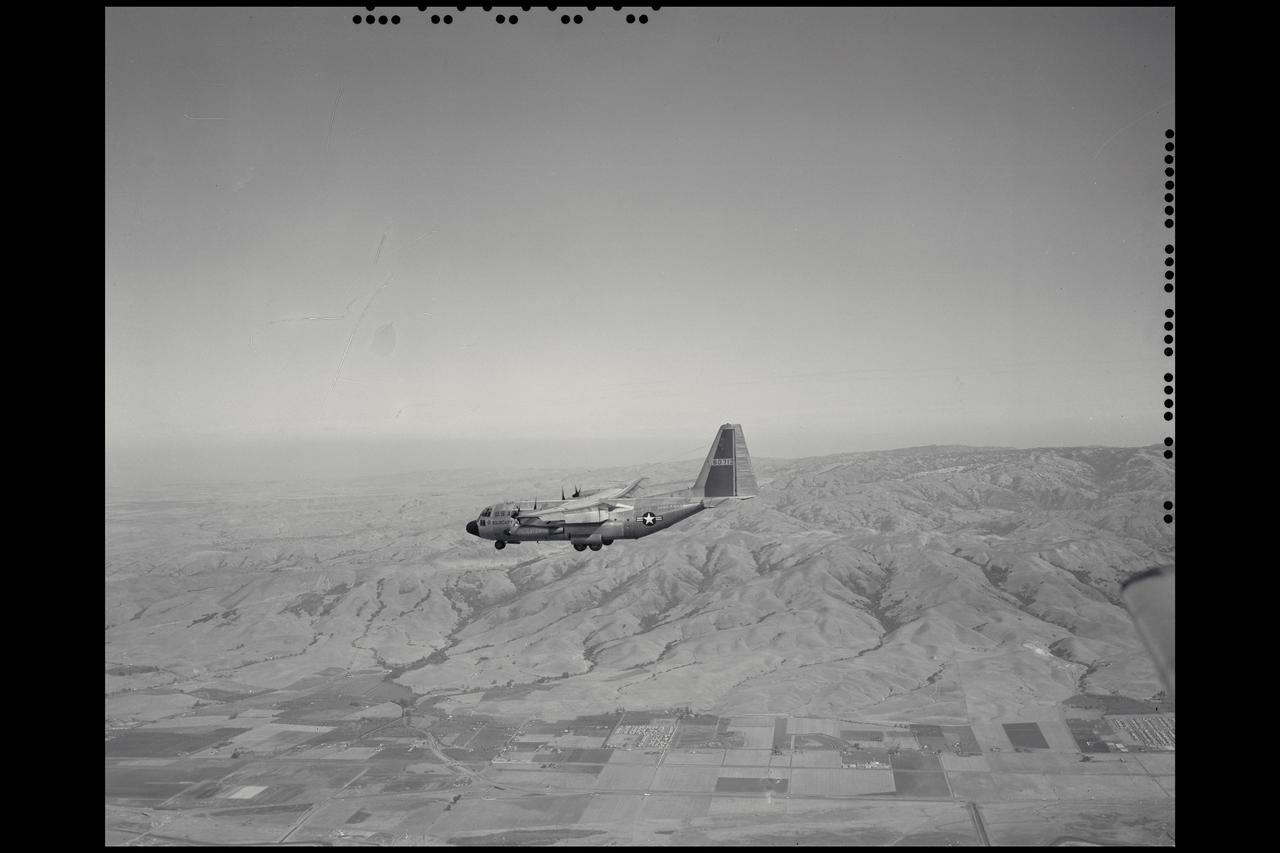
Lockheed NC-130B aircraft in flight over Santa Clara Valley, CA
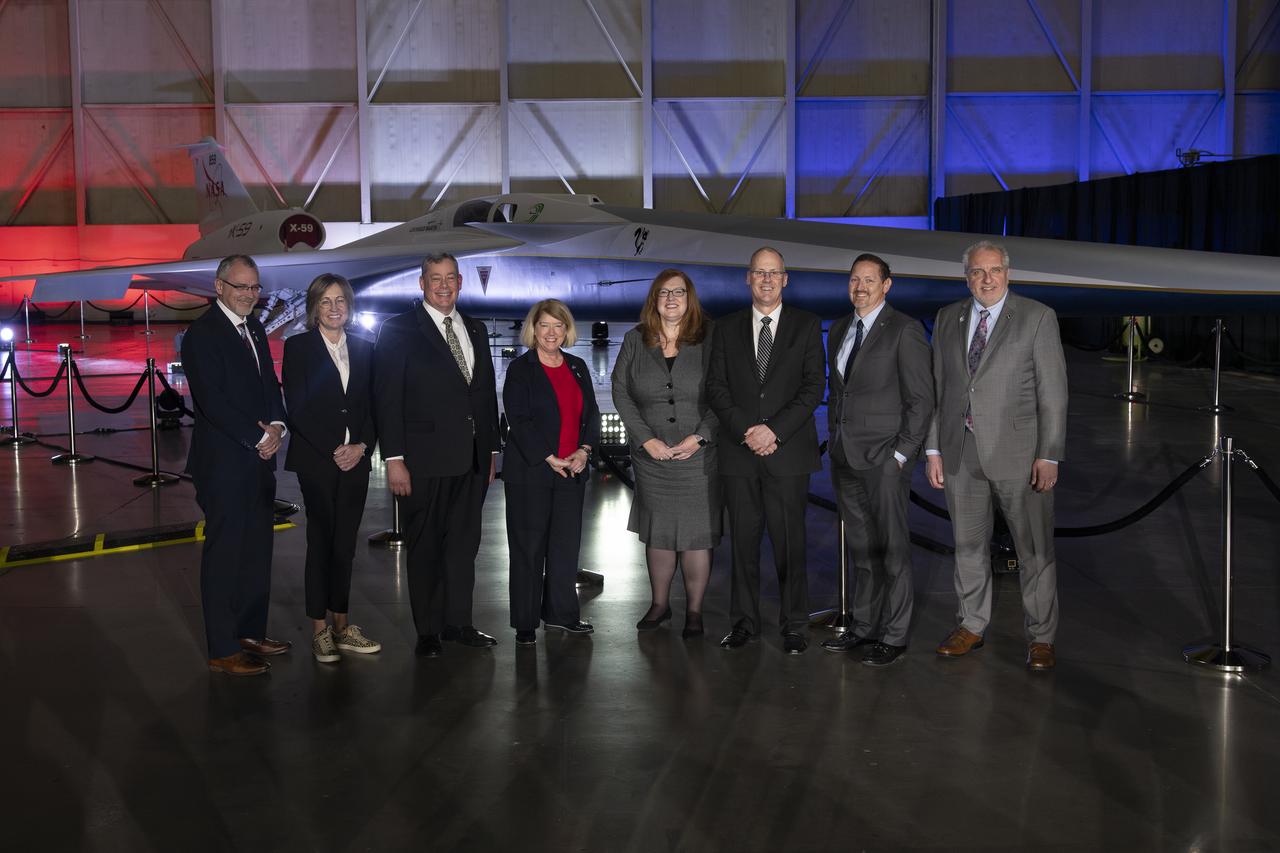
(from left to right) NASA Associate Administrator Jim Free, California Senior Economic Advisor to the Governor Dee Dee Myers, Lockheed Martin Executive Vice President of Aeronautics Greg Ulmer, NASA Deputy Administrator Pam Melroy, Low Boom Flight Demonstrator Project Manager Cathy Bahm, Lockheed Martin X-59 Project Manager David Richardson, Lockheed Martin Skunk Works Vice President and General Manager John Clark, and NASA Associate Administrator for the Aeronautics Research Mission Directorate Bob Pearce pose in front of the agency’s X-59 quiet supersonic research aircraft at a January 12, 2024 event at Lockheed Martin Skunk Works in Palmdale, California. The X-59 is the centerpiece of NASA’s Quesst mission, which seeks to solve one of the major barriers to supersonic flight over land, currently banned in the United States, by making sonic booms quieter.
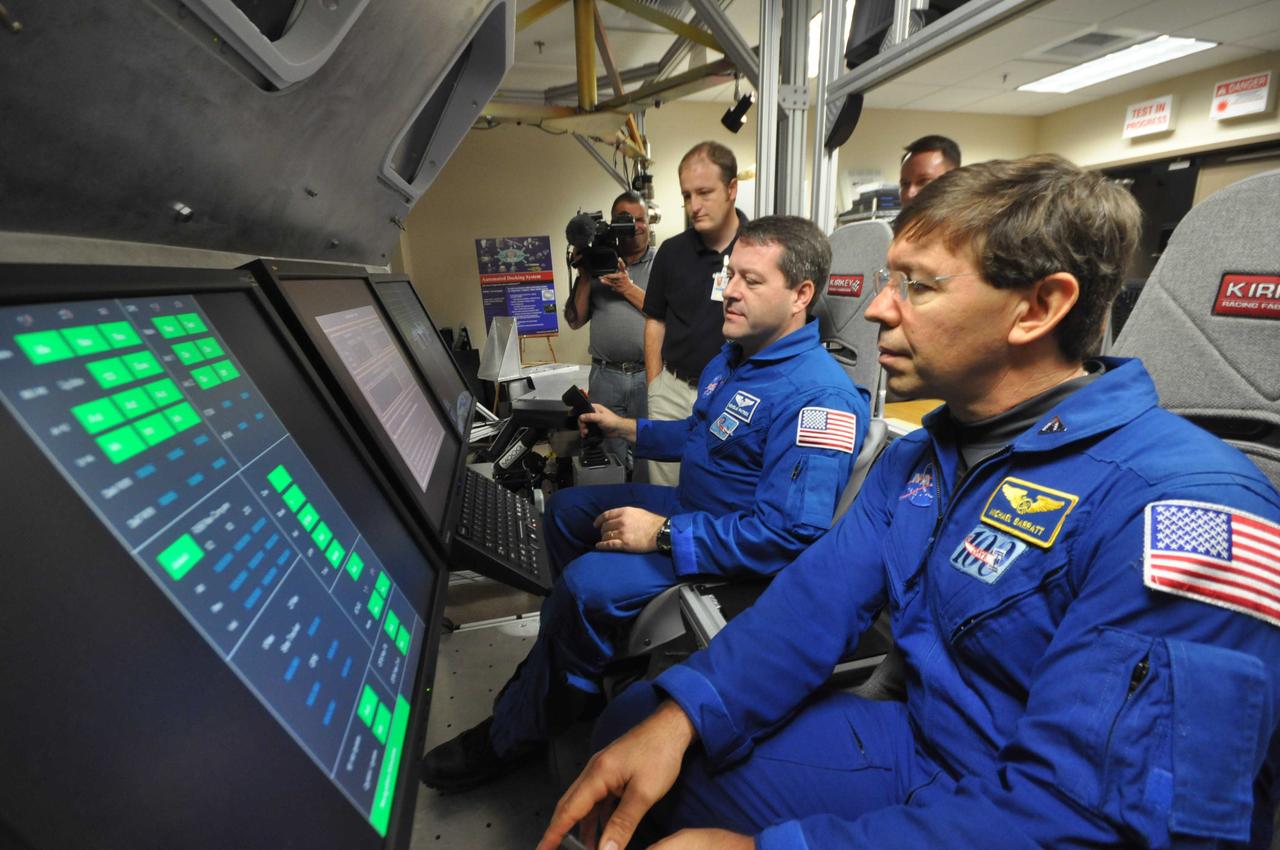
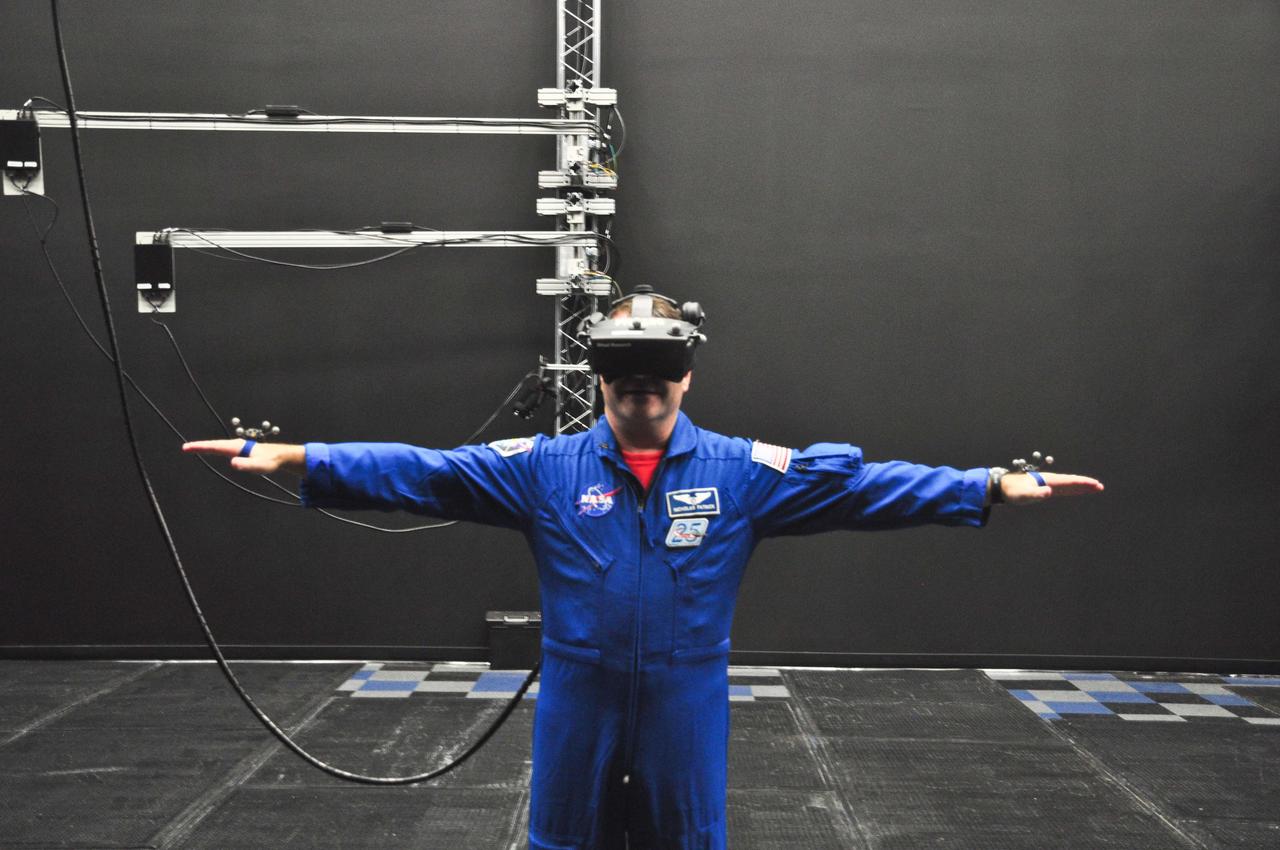
Orion Media Day takes place at Lockheed Martin’s Waterton facility in Littleton, Colorado on Oct. 21, 2011. Astronauts Michael Barratt and Nicholas Patrick are visible. Part of Batch image transfer from Flickr.
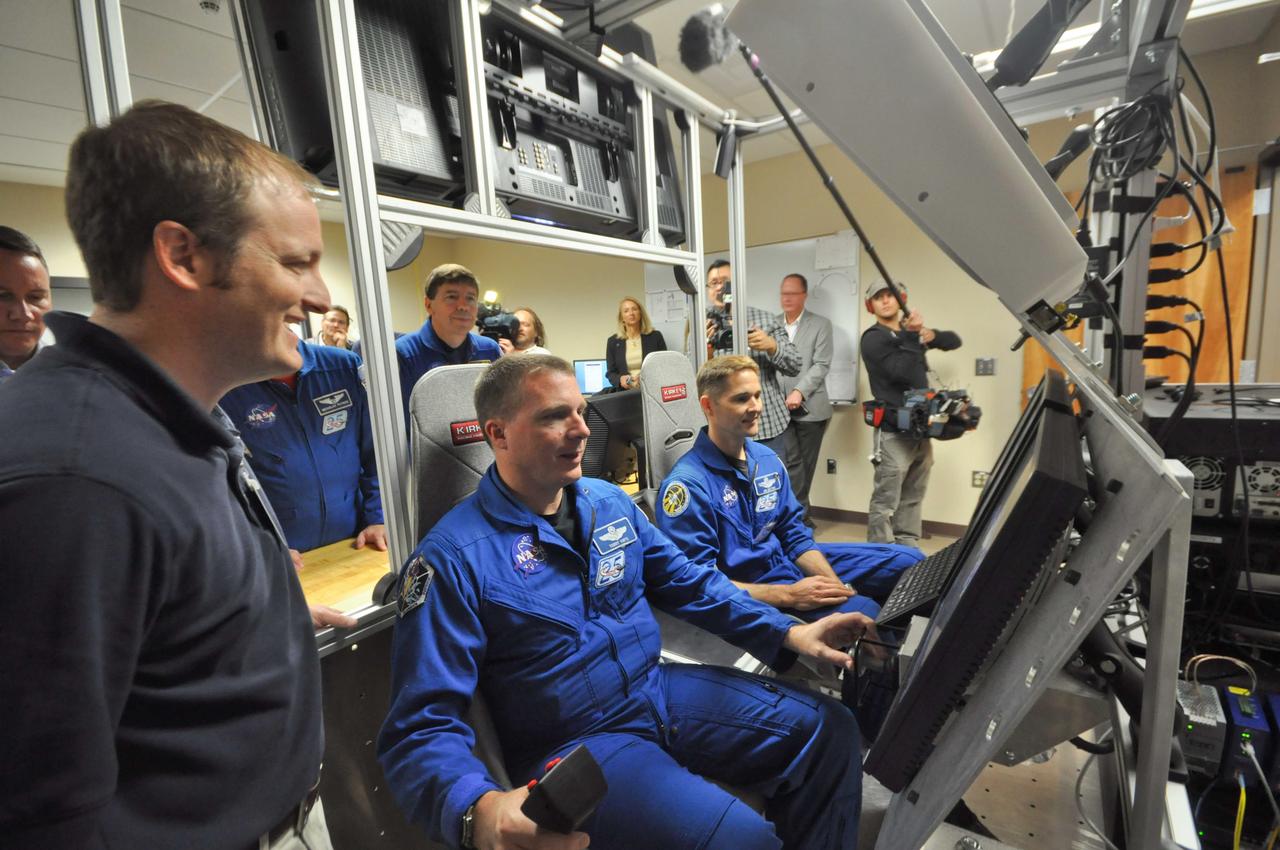
Orion Media Day takes place at Lockheed Martin’s Waterton facility in Littleton, Colorado on Oct. 21, 2011. Terry Virts visible Part of Batch image transfer from Flickr.
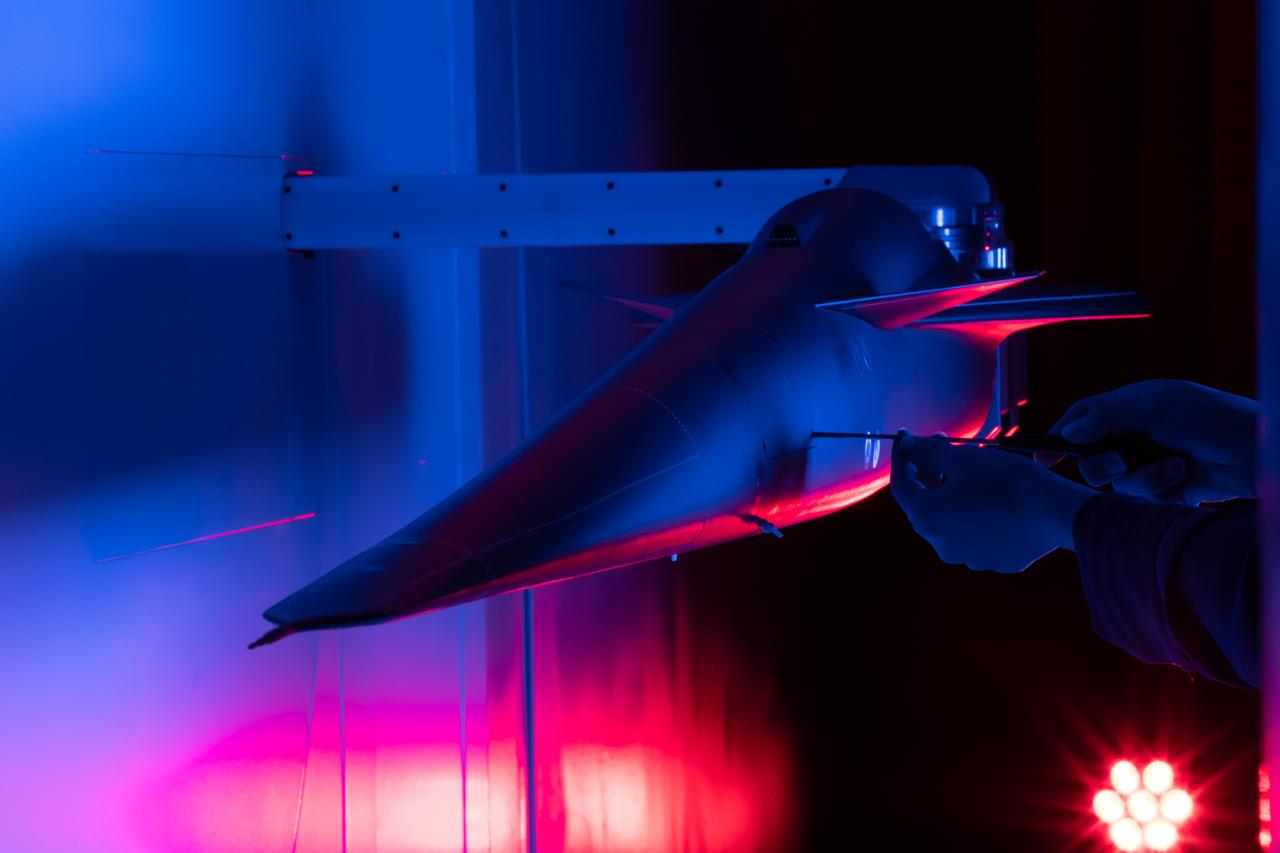
Event: Forebody and Nose - Windtunnel Testing A technician works on the X-59 model during testing in the low-speed wind tunnel at Lockheed Martin Skunk Works in Palmdale, California. These tests gave the team measurements of wind flow angle around the aircraft’s nose and confirmed computer predictions made using computational fluid dynamics (CFD) software tools. The data will be fed into the aircraft flight control system to tell the pilot the aircraft’s altitude, speed, and angle. This is part of NASA’s Quesst mission which plans to help enable supersonic air travel over land.
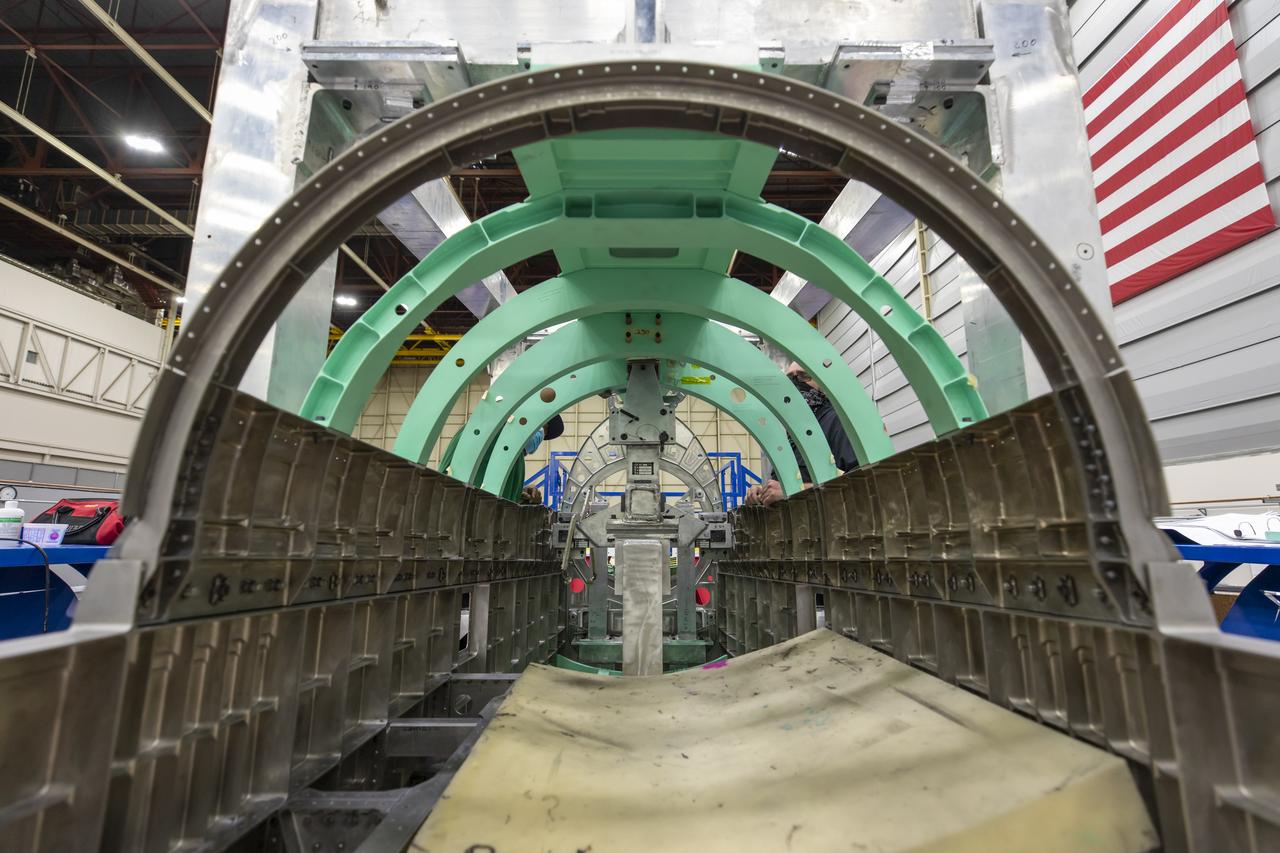
Event: SEG 510 Upper Empennage An inside peek at the X-59 gives us a view from the aft end looking at the engine bay. Later in the assembly process, the engine will be placed inside this section. The aircraft, under construction at Lockheed Martin Skunk Works in Palmdale, California, will demonstrate the ability to fly supersonic while reducing the loud sonic boom to a quiet sonic thump.
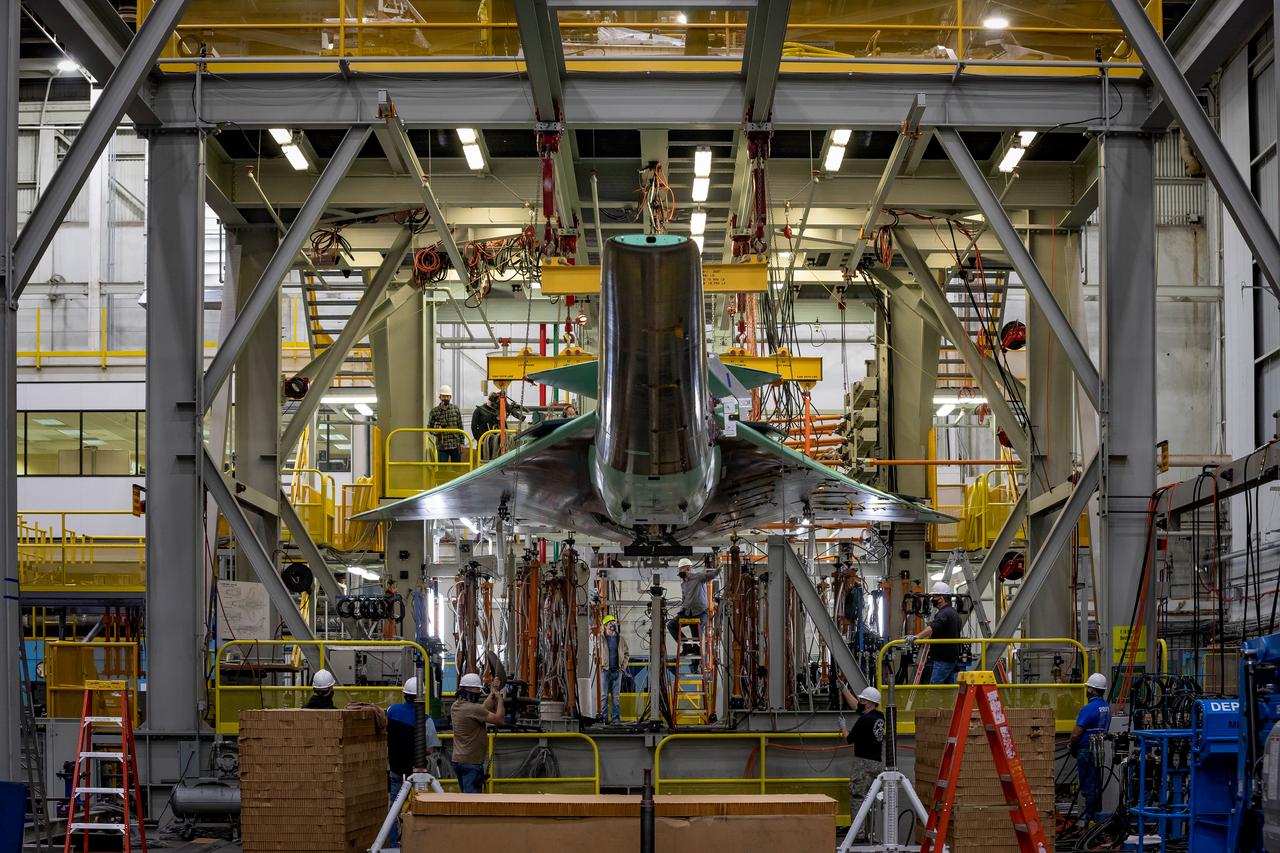
NASA’s X-59 is lowered into the test fixture as it prepares to undergo structural stress tests at Lockheed Martin in Fort Worth, Texas. The X-59 is a one-of-a-kind airplane designed to fly at supersonic speeds without making a startling sonic boom sound for the communities below. This is part of NASA’s Quesst mission which plans to help enable supersonic air travel over land.
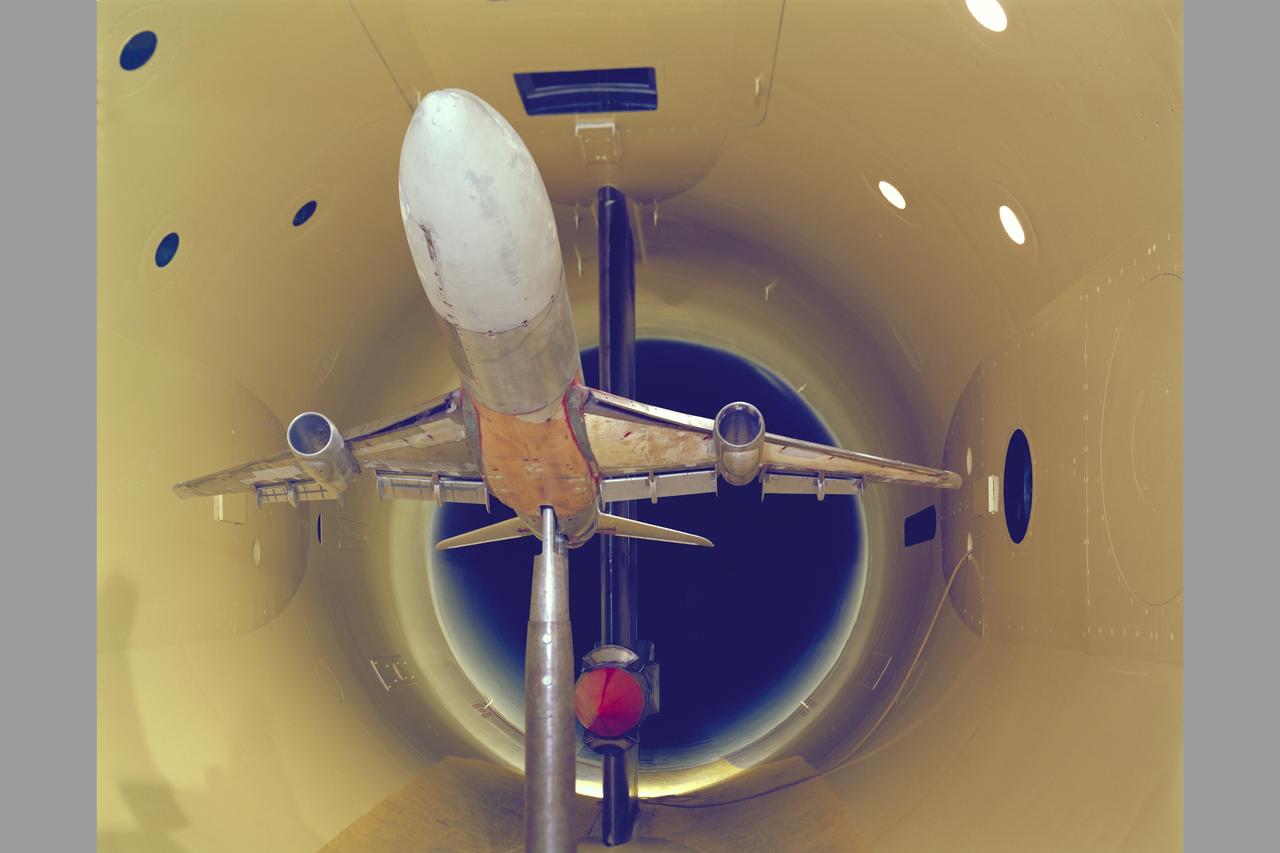
Lockheed L-1011 EET (Energy Efficient Transport) test-516 in 12ft. W.T.
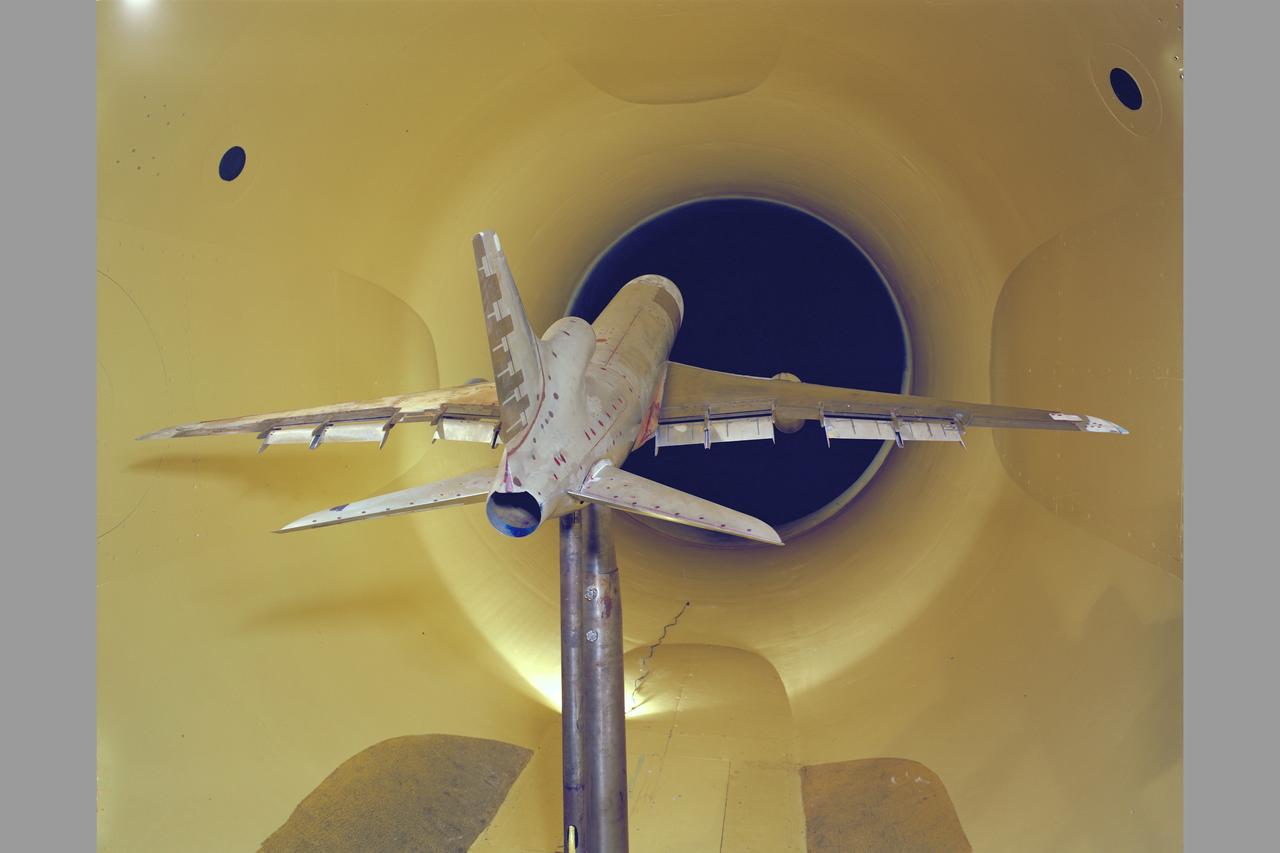
Lockheed L-1011 EET (Energy Efficient Transport) 12ft w.t. test-516

NASA Administrator Jim Bridenstine, right, speaks with President and CEO of the Challenger Center, Lance Bush, left, and Cheryl McNair, the widow of Challenger astronaut Ron McNair, after giving keynote remarks at the Challenger Center Annual Conference, Wednesday, August 14, 2019 at the Lockheed Martin Global Vision Center in Arlington, VA. Photo Credit: (NASA/Aubrey Gemignani)
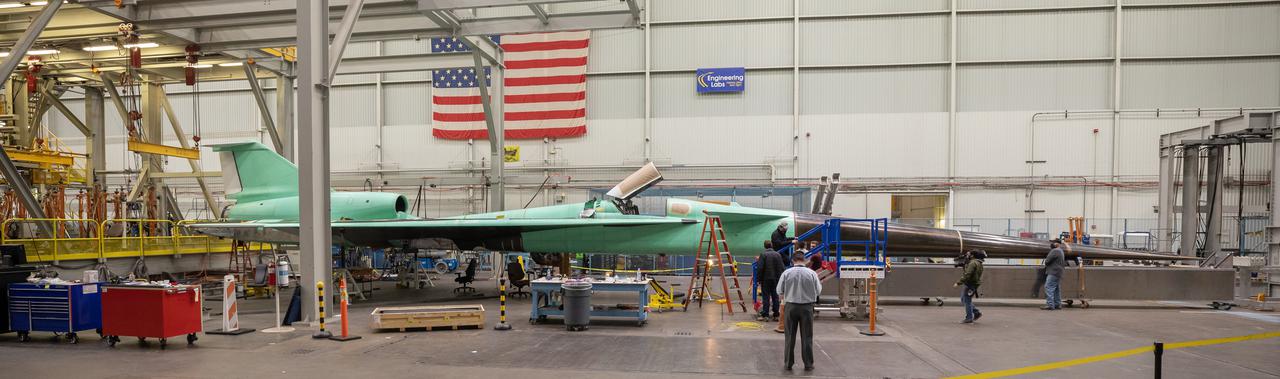
This panoramic side view of NASA’s X-59 Quiet SuperSonic Technology airplane shows the aircraft sitting on jacks at a Lockheed Martin test facility in Fort Worth, Texas. Lockheed Martin Aeronautics Company - Fort Worth - Chris Hanoch Subject: SEG 230 Nose Attachement FP#: 21-03420 POC: Analiese Smith, Chris Higgins Other info: X-59 in Fort Worth, testing
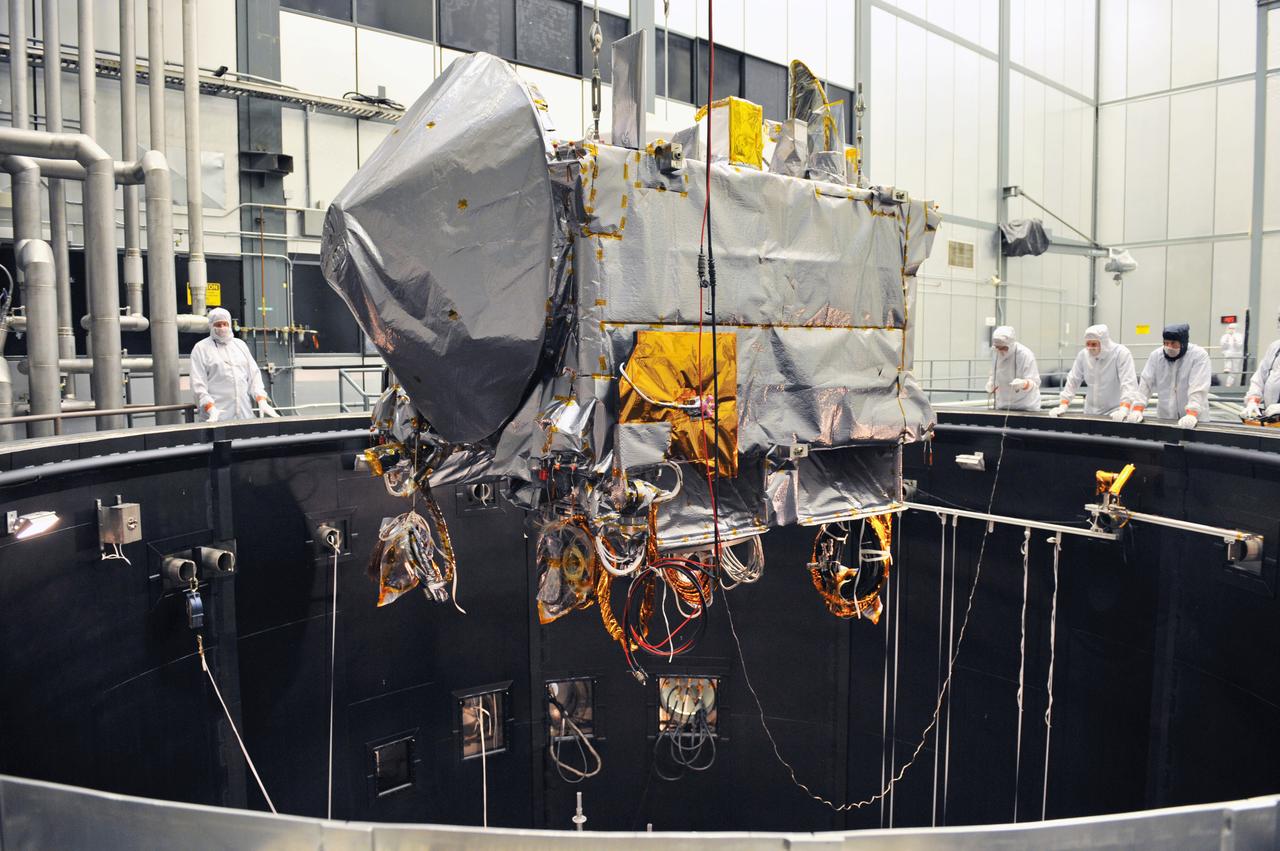
The OSIRIS-REx spacecraft being lifted into the thermal vacuum chamber at Lockheed Martin for environmental testing.
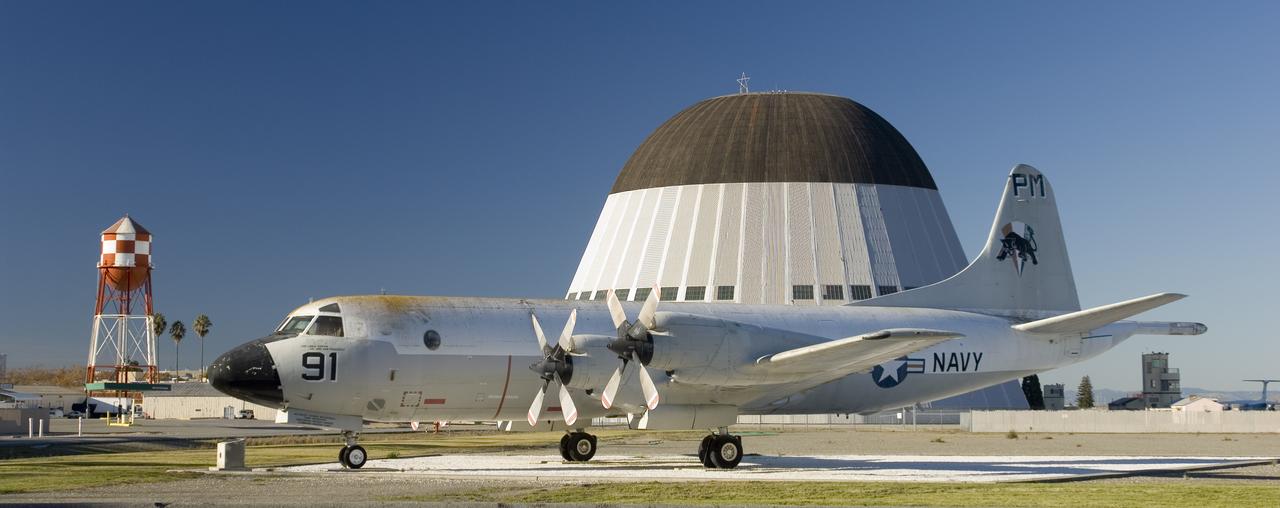
Ames and Moffett Field (MFA) historical sites and memorials Navy Lockheed P-3 Orion Long Range Antisubmarine Partol Aircraft on display in front of MFA Bldg 158 Flgiht Ops (tower) with monuments

Ames and Moffett Field (MFA) historical sites and memorials Navy Lockheed P-3 Orion Long Range Antisubmarine Partol Aircraft on display in front of MFA Bldg 158 Flgiht Ops (tower) with monuments