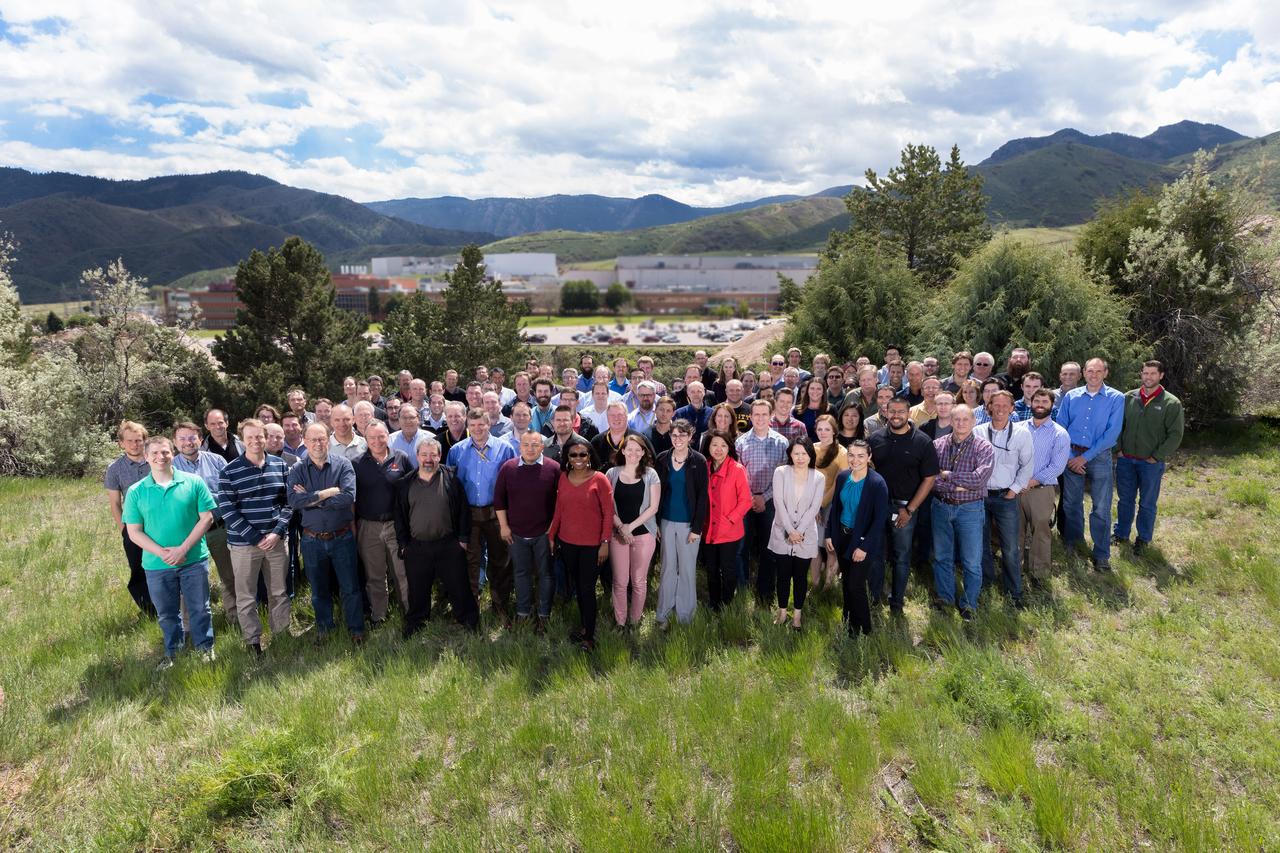
The InSight Team at Lockheed Martin Space in May 2017 The InSight team is comprised of scientists and engineers from multiple disciplines and is a unique collaboration between countries and organizations around the world. The science team includes co-investigators from the U.S., France, Germany, Austria, Belgium, Canada, Japan, Switzerland and the United Kingdom. https://photojournal.jpl.nasa.gov/catalog/PIA22235
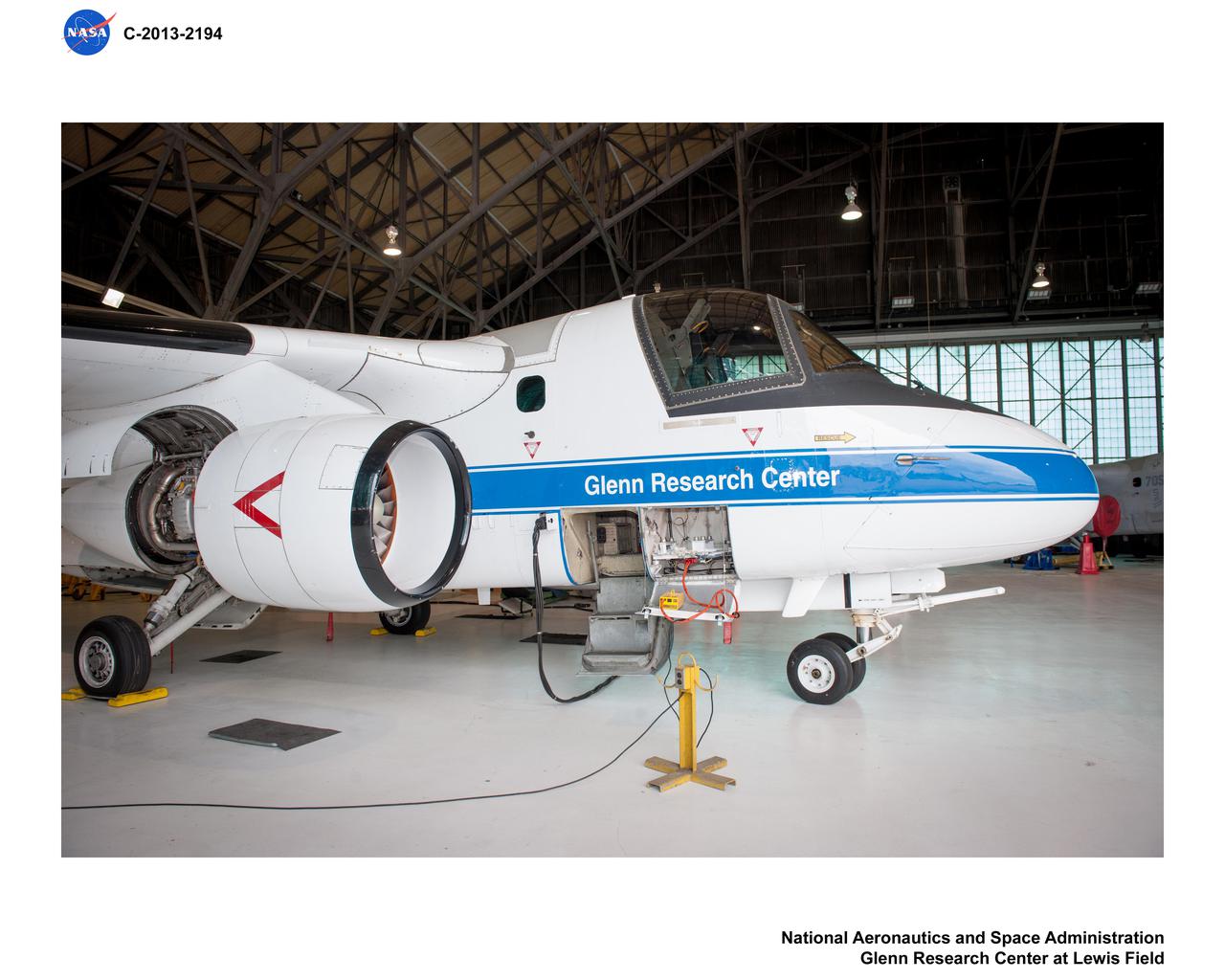
NASA, Lockheed Martin S-3B Viking Aircraft #N601NA, Unmanned Aircraft Communications Project
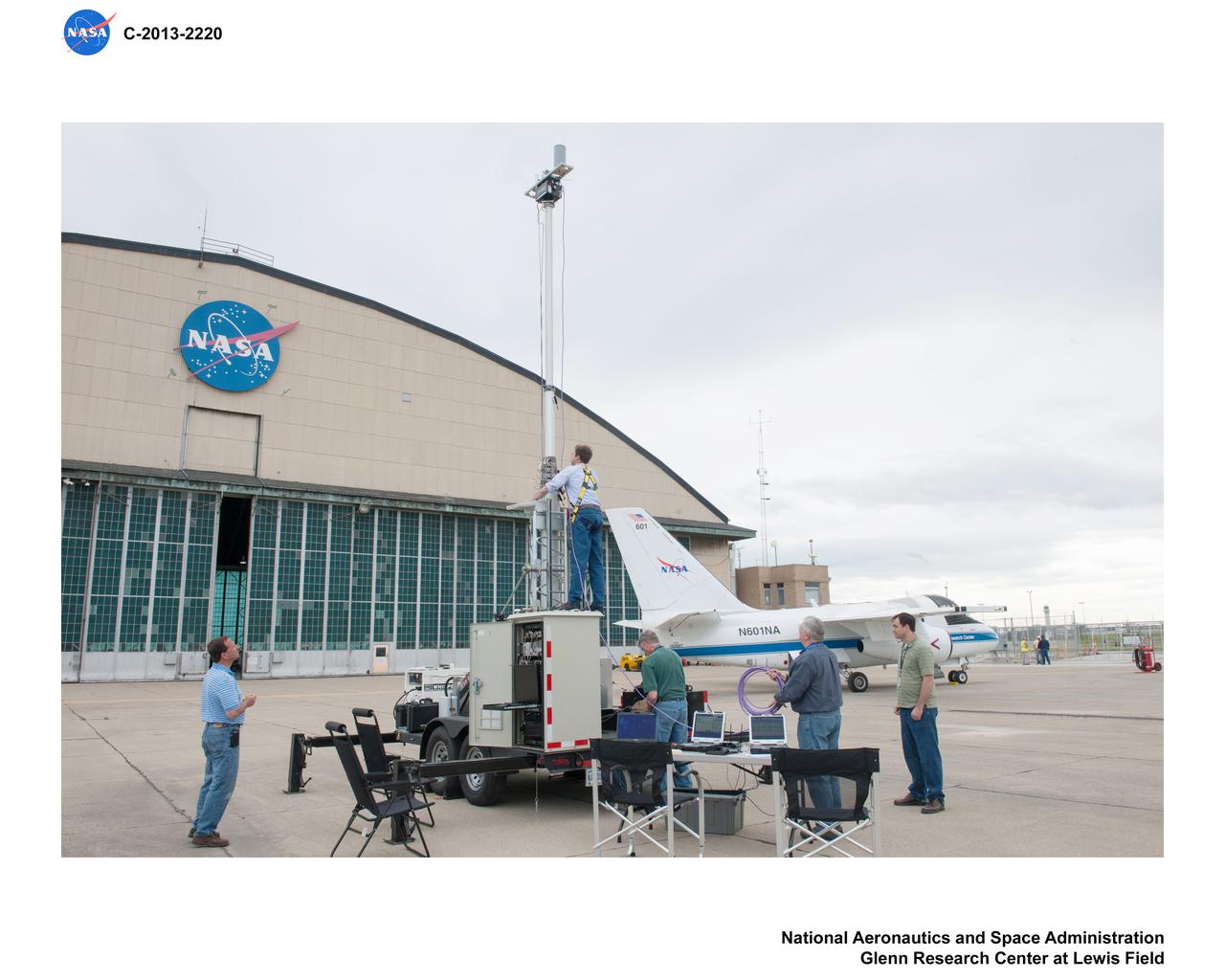
NASA, Lockheed Martin S-3B Viking Aircraft #N601NA, Unmanned Aircraft Communications Project
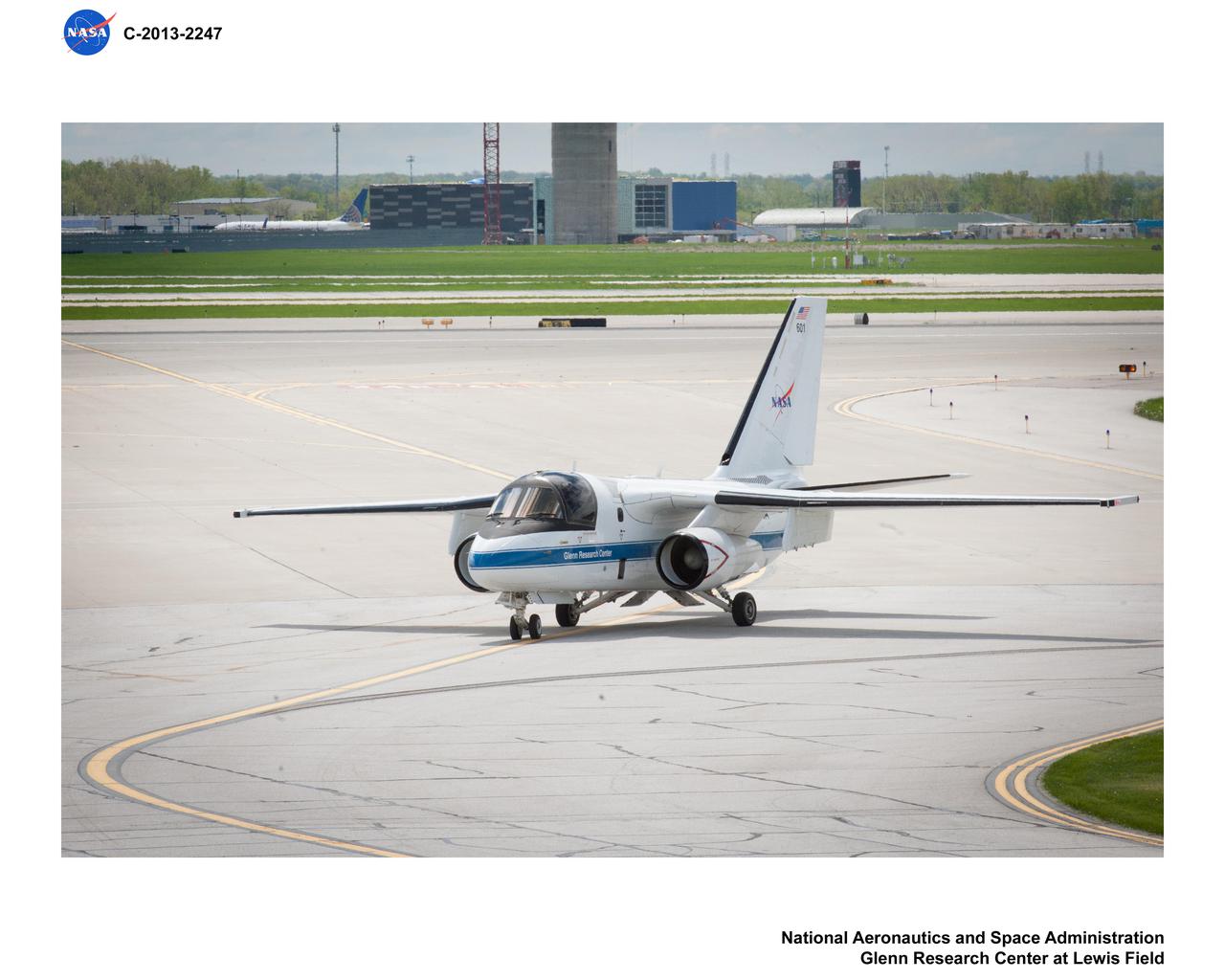
NASA, Lockheed Martin S-3B Viking Aircraft #N601NA, prepares for departure from Cleveland Hopkins Airport in support of the Unmanned Aircraft Communications Project
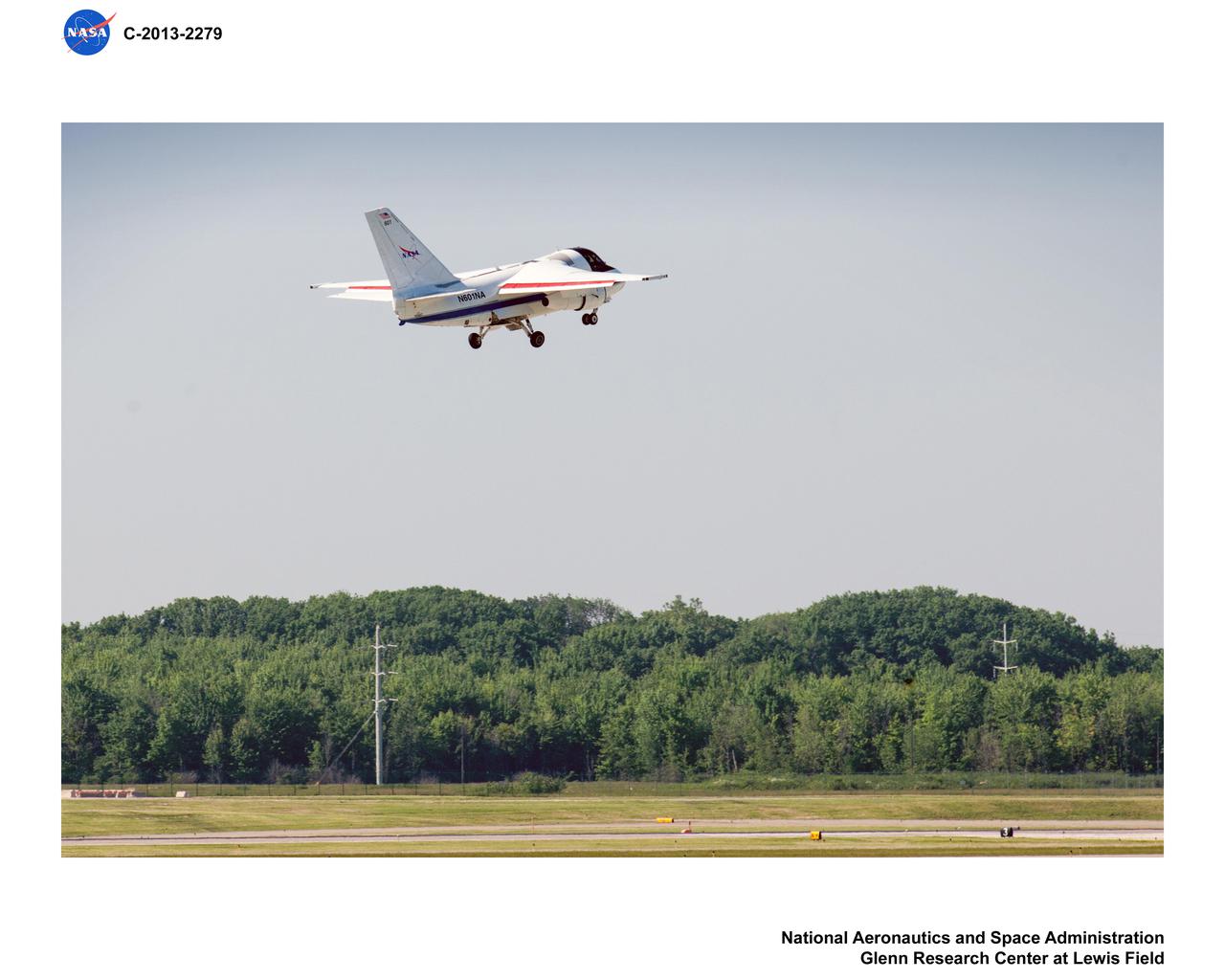
NASA, Lockheed Martin S-3B Viking Aircraft #N601NA, takes off from Cleveland Hopkins Airport, in support of the Unmanned Aircraft Communications Project

NASA, Lockheed Martin S-3B Viking Aircraft #N601NA
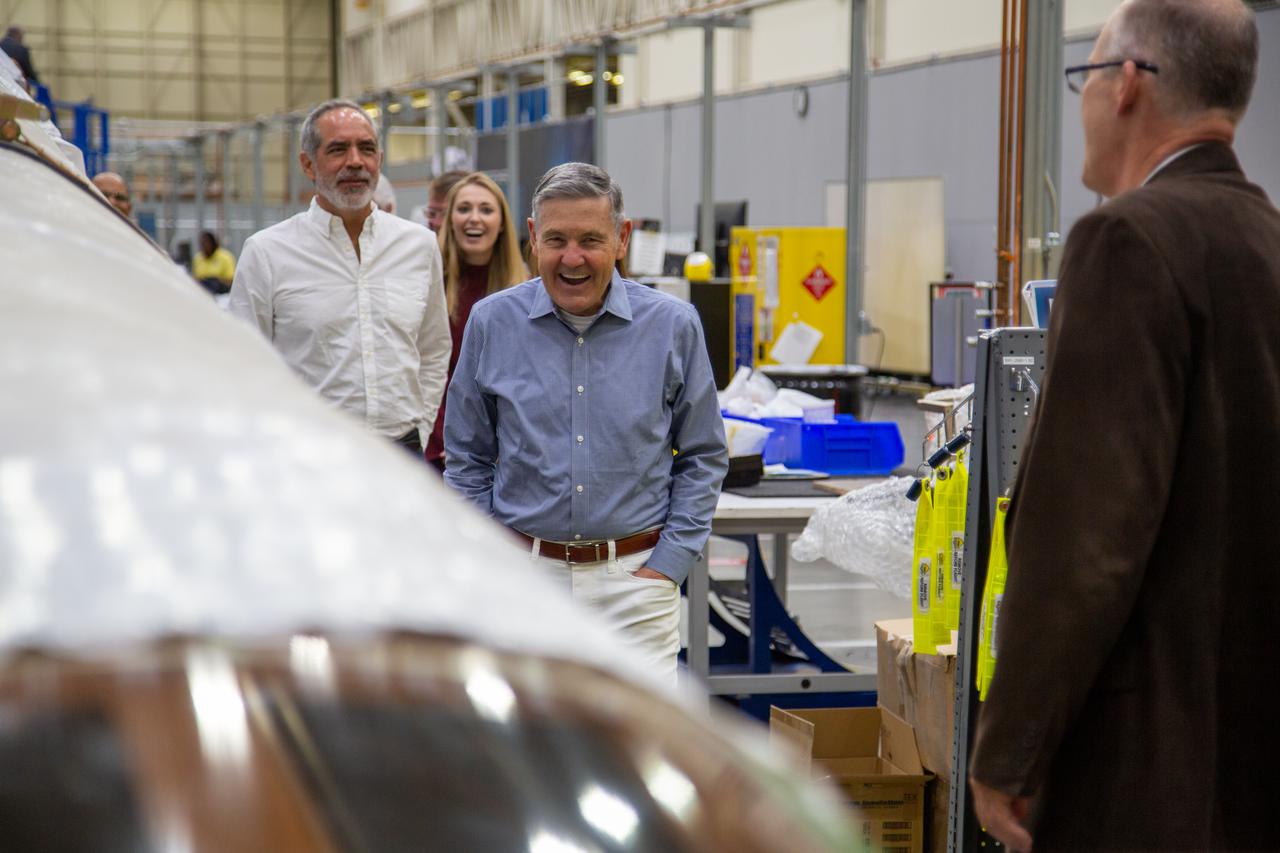
In July 2021, NASA associate administrator Bob Cabana visits Lockheed Martin in Palmdale, California to see the assembly of the X-59 QueSST.
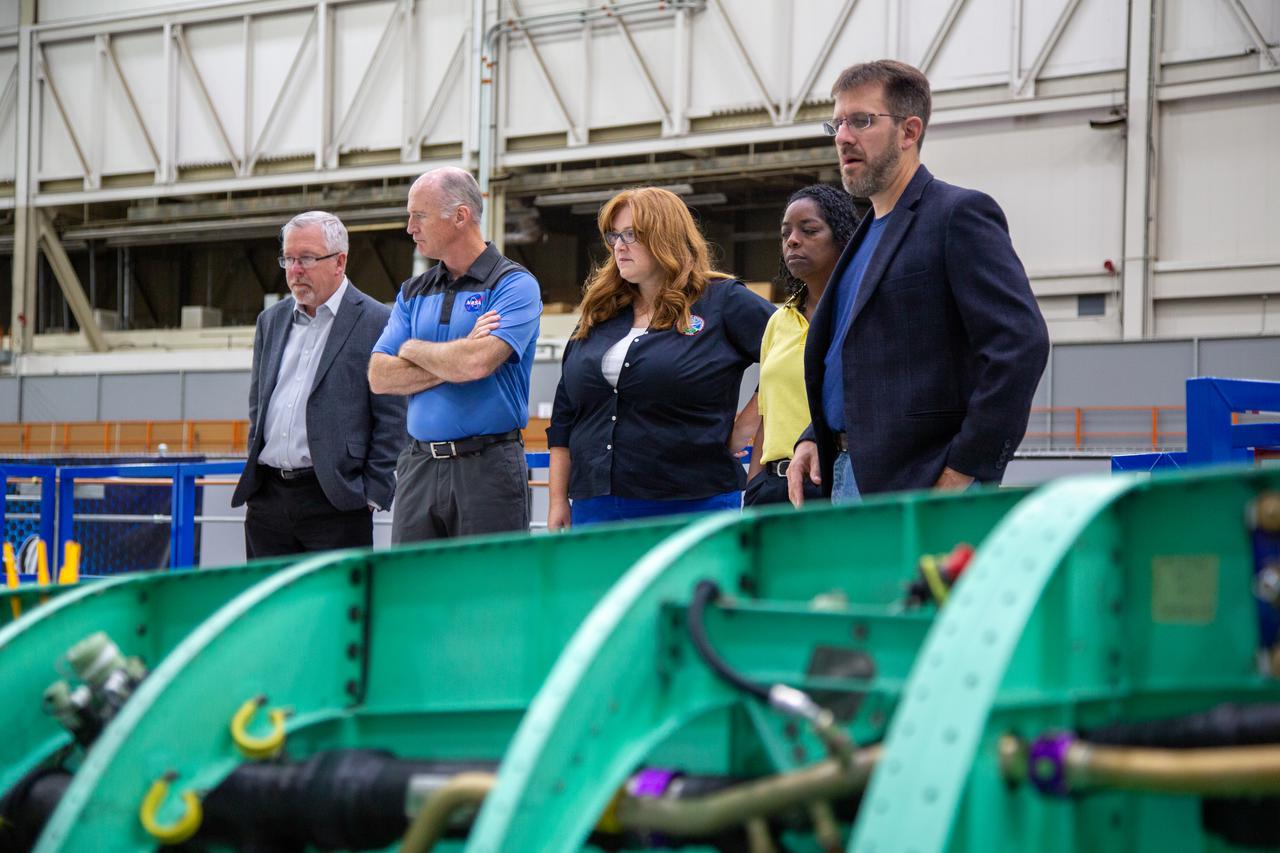
In July 2021, NASA associate administrator Bob Cabana visits Lockheed Martin in Palmdale, California to see the assembly of the X-59 QueSST.
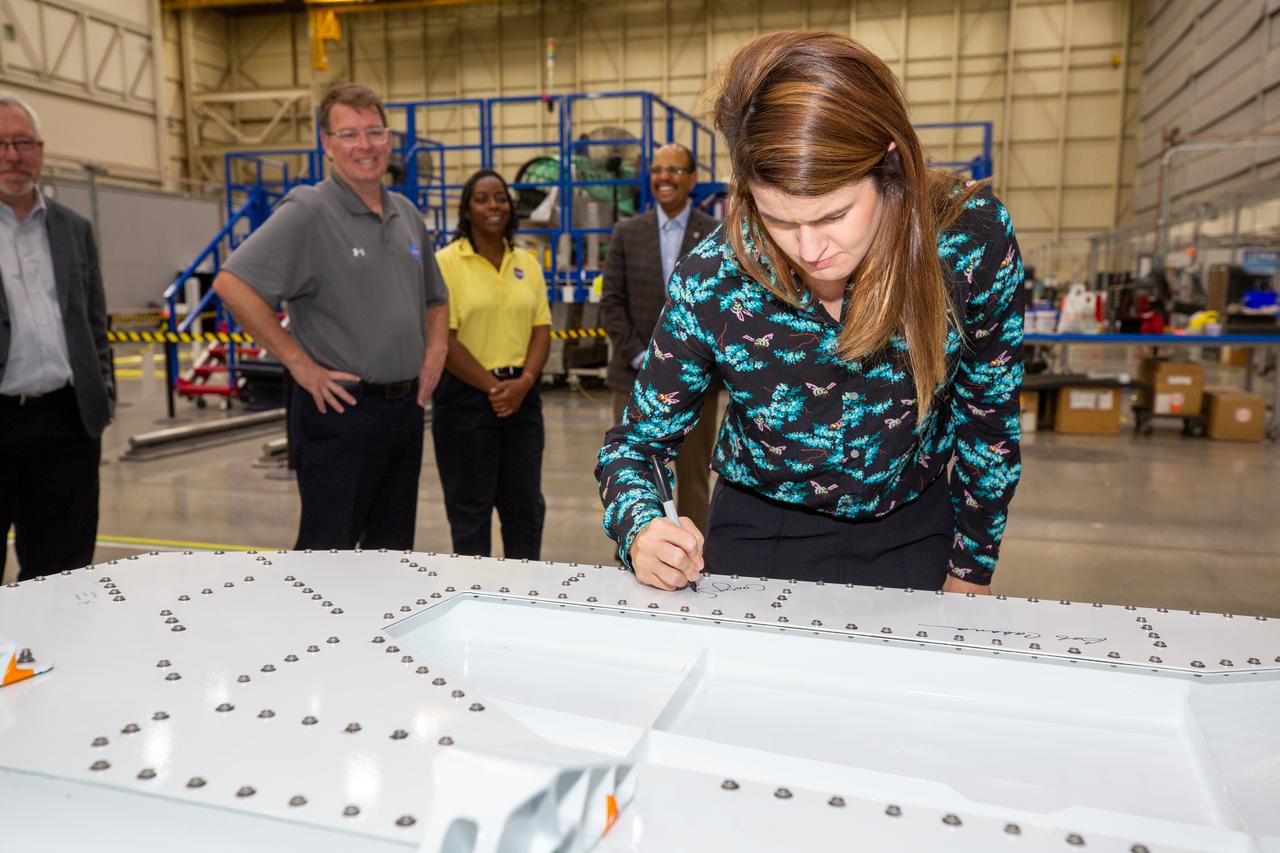
In July 2021, NASA associate administrator Bob Cabana visits Lockheed Martin in Palmdale, California to see the assembly of the X-59 QueSST.
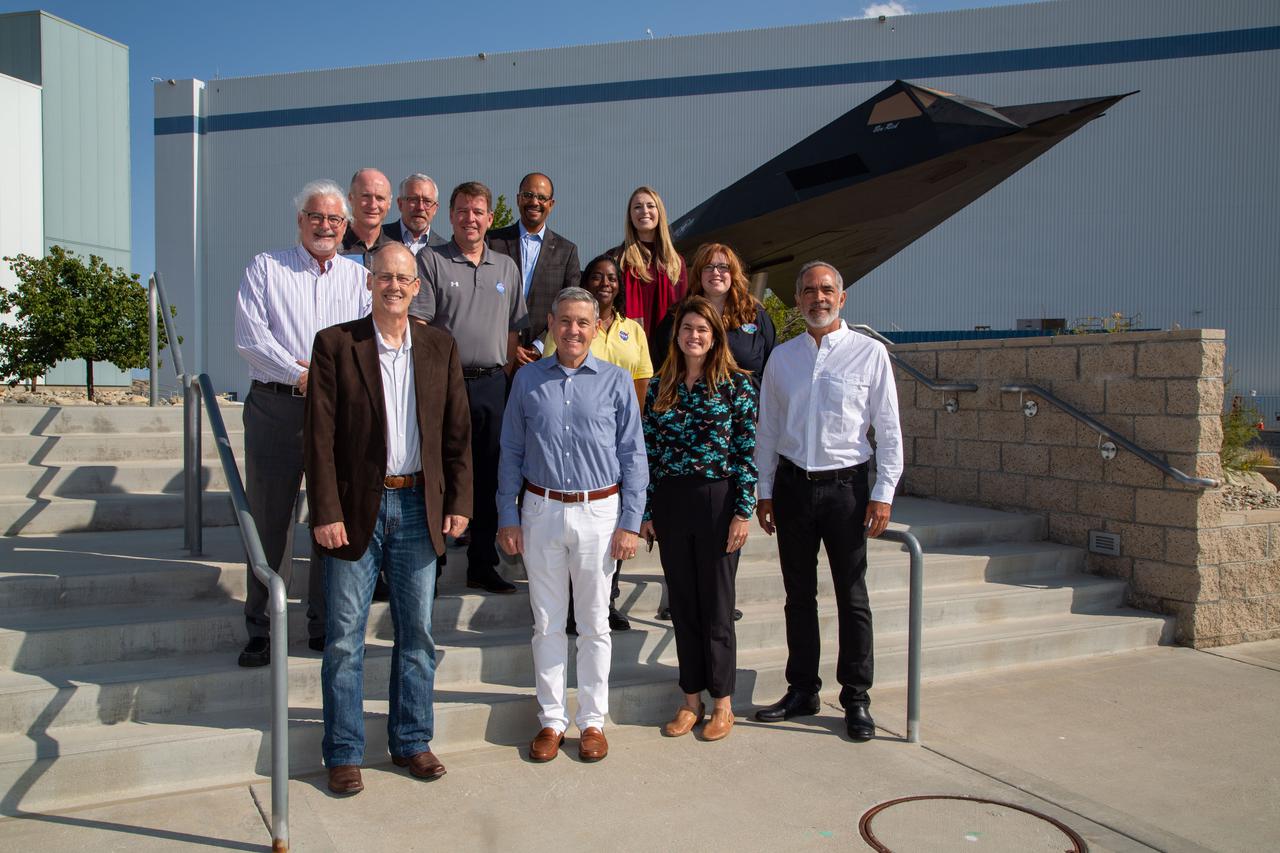
In July 2021, NASA associate administrator Bob Cabana visits Lockheed Martin in Palmdale, California to see the assembly of the X-59 QueSST.
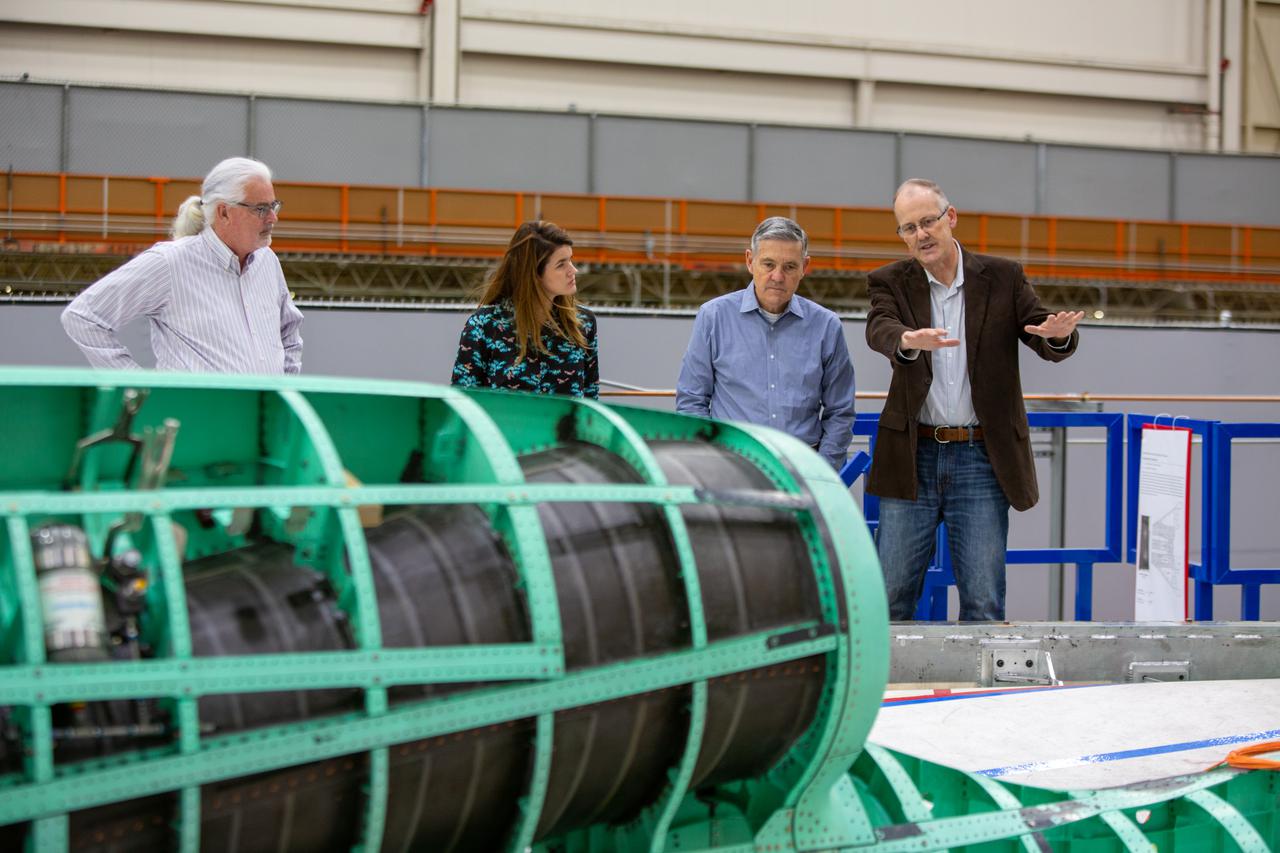
In July 2021, NASA associate administrator Bob Cabana visits Lockheed Martin in Palmdale, California to see the assembly of the X-59 QueSST.
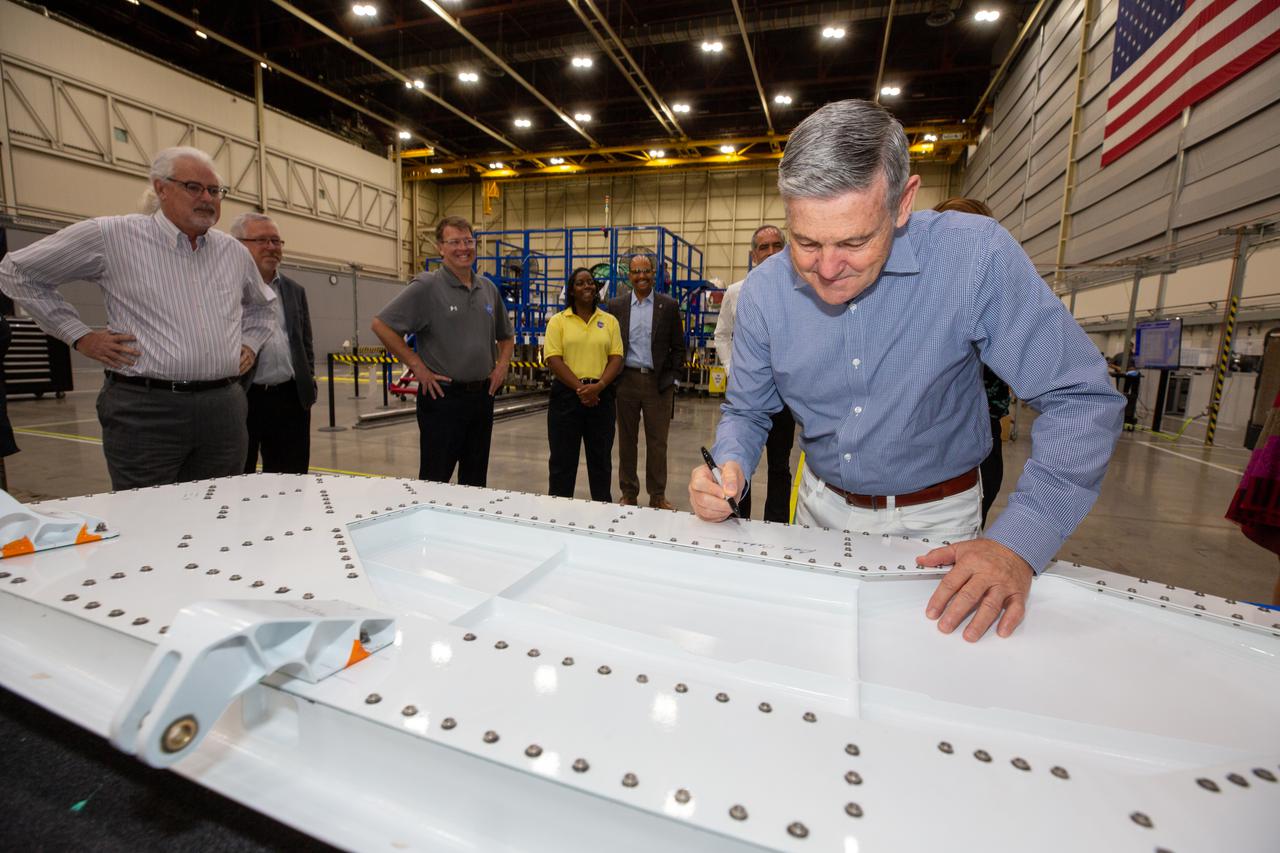
In July 2021, NASA associate administrator Bob Cabana visits Lockheed Martin in Palmdale, California to see the assembly of the X-59 QueSST.
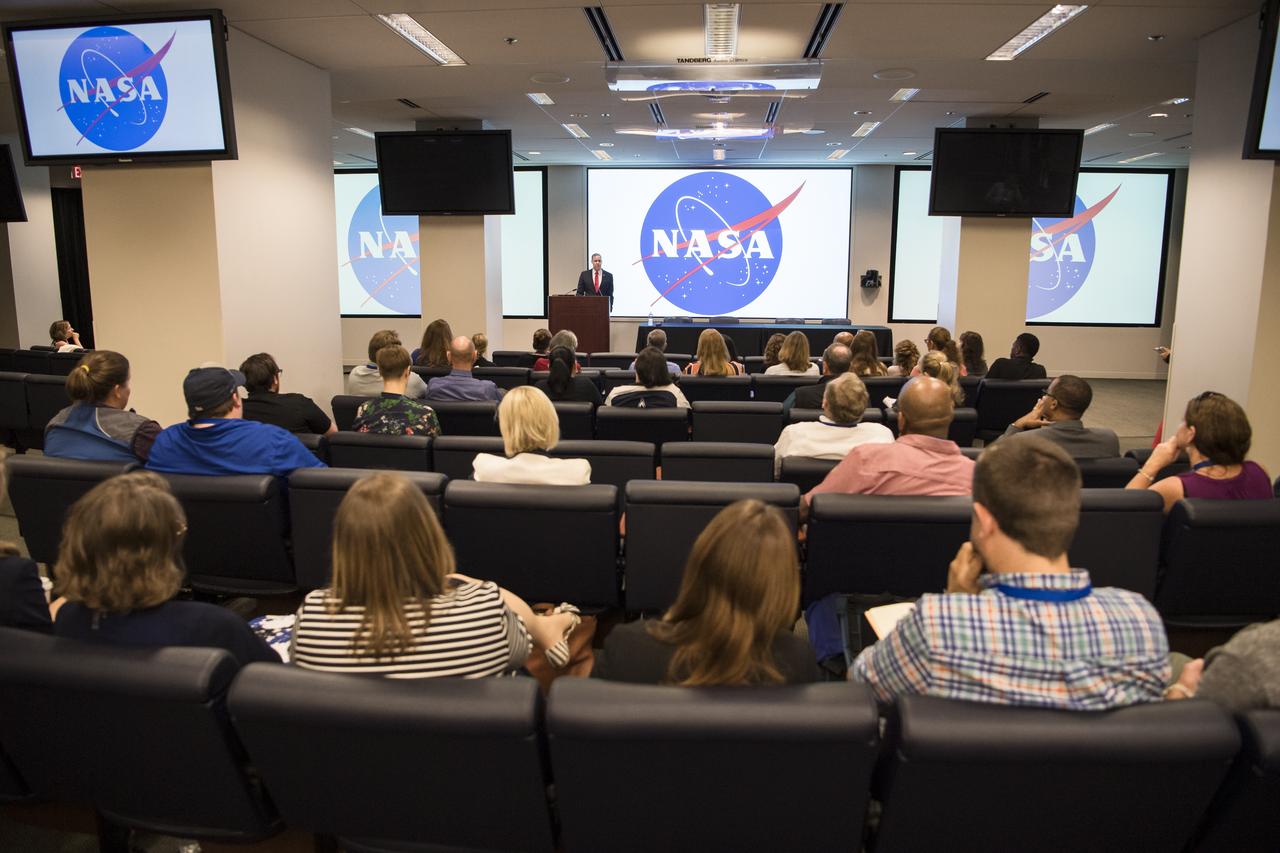
NASA Administrator Jim Bridenstine gives keynote remarks at the Challenger Center Annual Conference, Wednesday, August 14, 2019 at the Lockheed Martin Global Vision Center in Arlington, VA. Photo Credit: (NASA/Aubrey Gemignani)
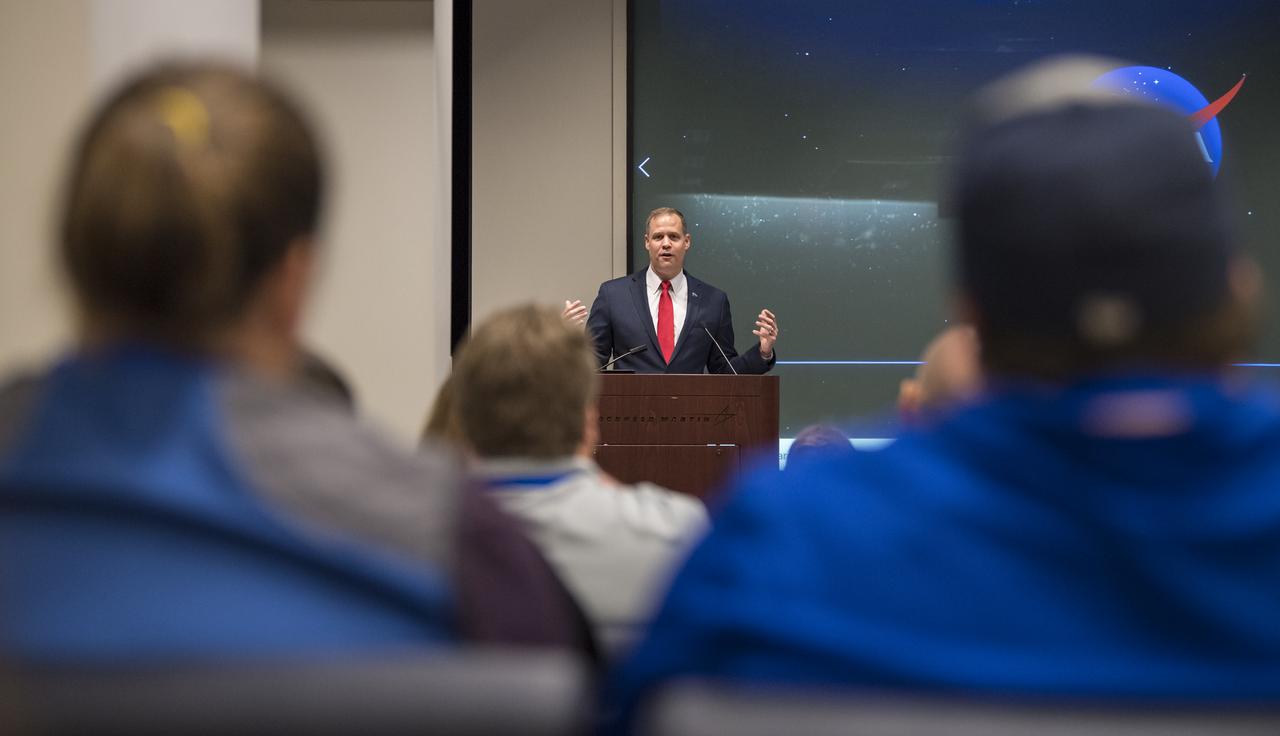
NASA Administrator Jim Bridenstine gives keynote remarks at the Challenger Center Annual Conference, Wednesday, August 14, 2019 at the Lockheed Martin Global Vision Center in Arlington, VA. Photo Credit: (NASA/Aubrey Gemignani)

NASA Administrator Jim Bridenstine gives keynote remarks at the Challenger Center Annual Conference, Wednesday, August 14, 2019 at the Lockheed Martin Global Vision Center in Arlington, VA. Photo Credit: (NASA/Aubrey Gemignani)
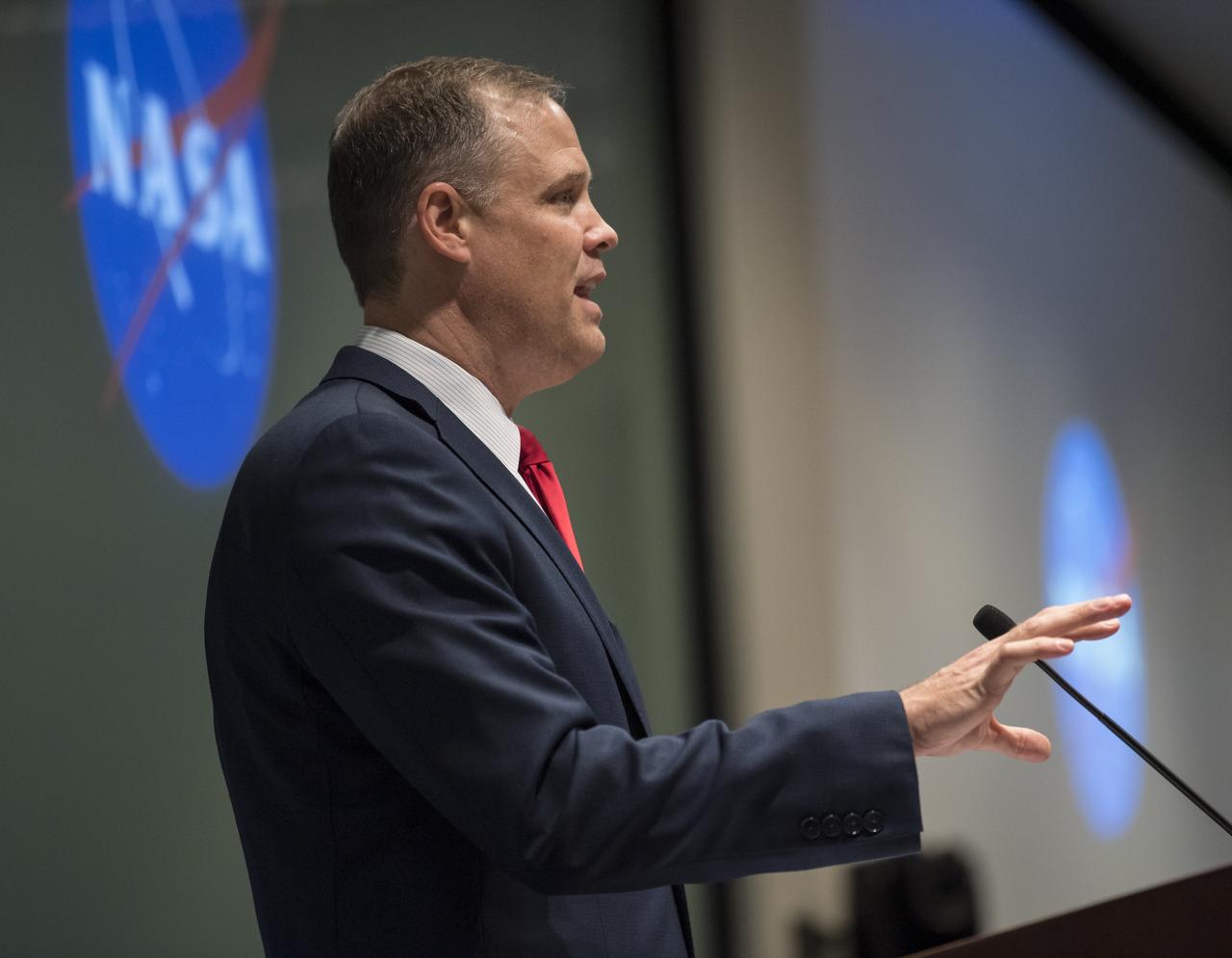
NASA Administrator Jim Bridenstine gives keynote remarks at the Challenger Center Annual Conference, Wednesday, August 14, 2019 at the Lockheed Martin Global Vision Center in Arlington, VA. Photo Credit: (NASA/Aubrey Gemignani)
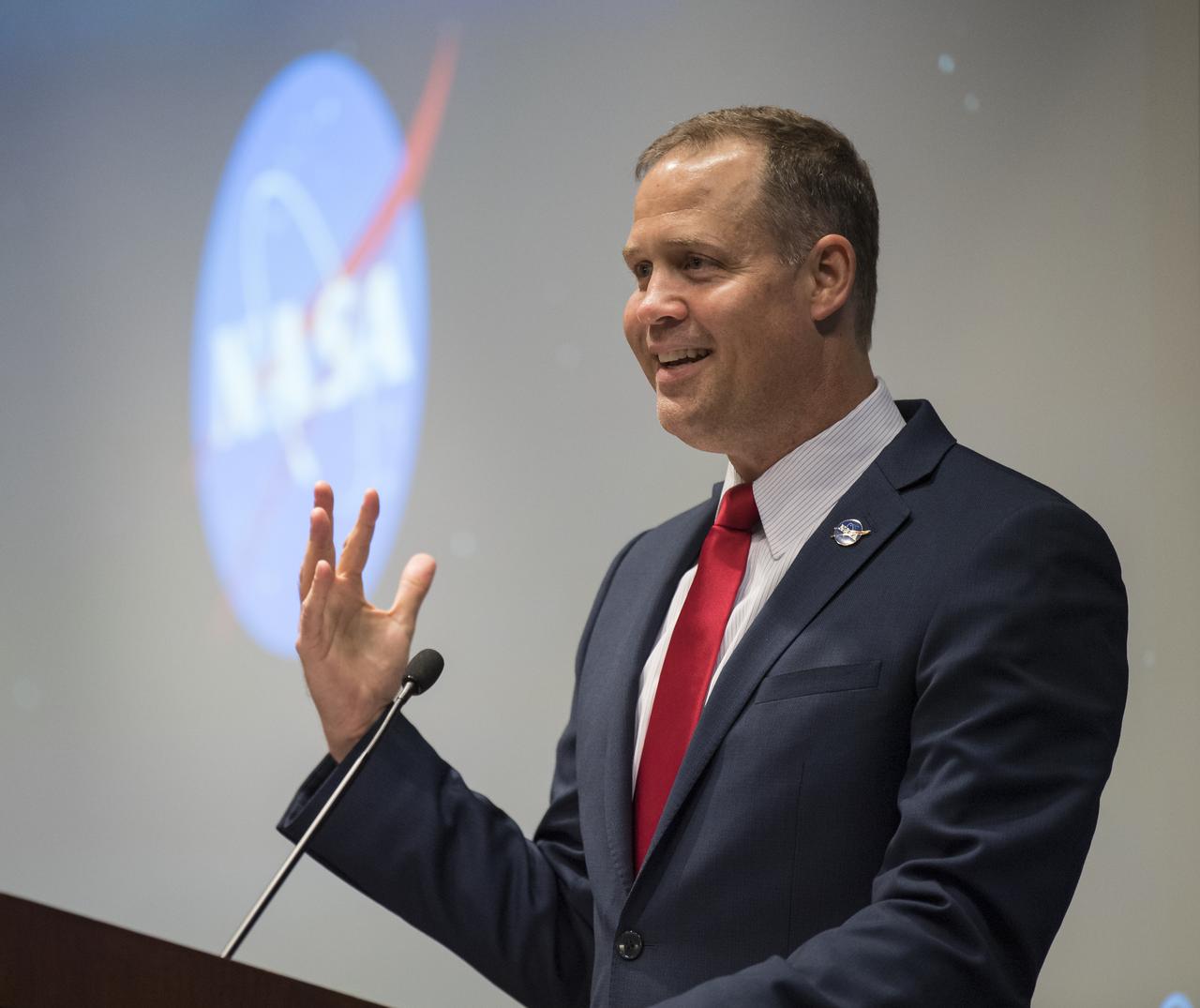
NASA Administrator Jim Bridenstine gives keynote remarks at the Challenger Center Annual Conference, Wednesday, August 14, 2019 at the Lockheed Martin Global Vision Center in Arlington, VA. Photo Credit: (NASA/Aubrey Gemignani)
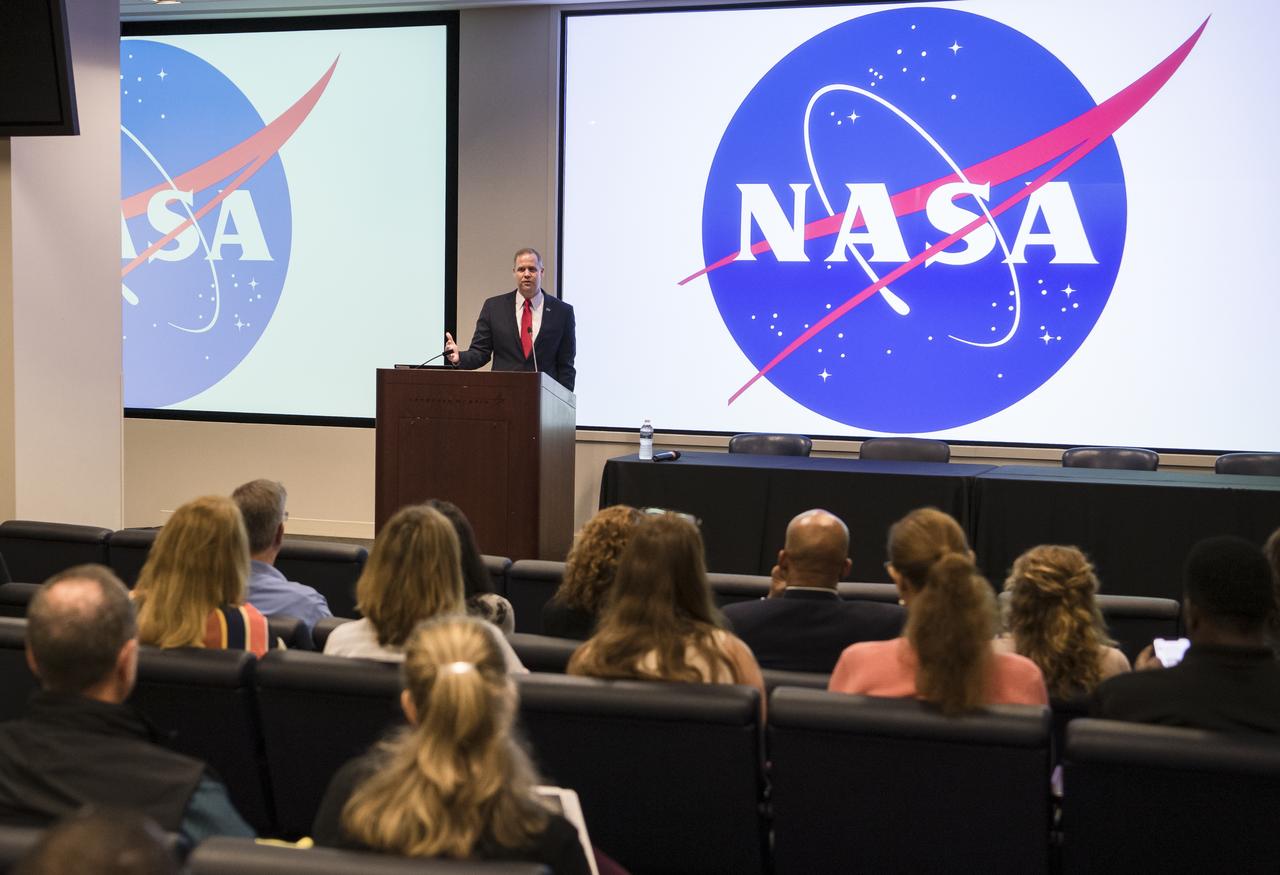
NASA Administrator Jim Bridenstine gives keynote remarks at the Challenger Center Annual Conference, Wednesday, August 14, 2019 at the Lockheed Martin Global Vision Center in Arlington, VA. Photo Credit: (NASA/Aubrey Gemignani)
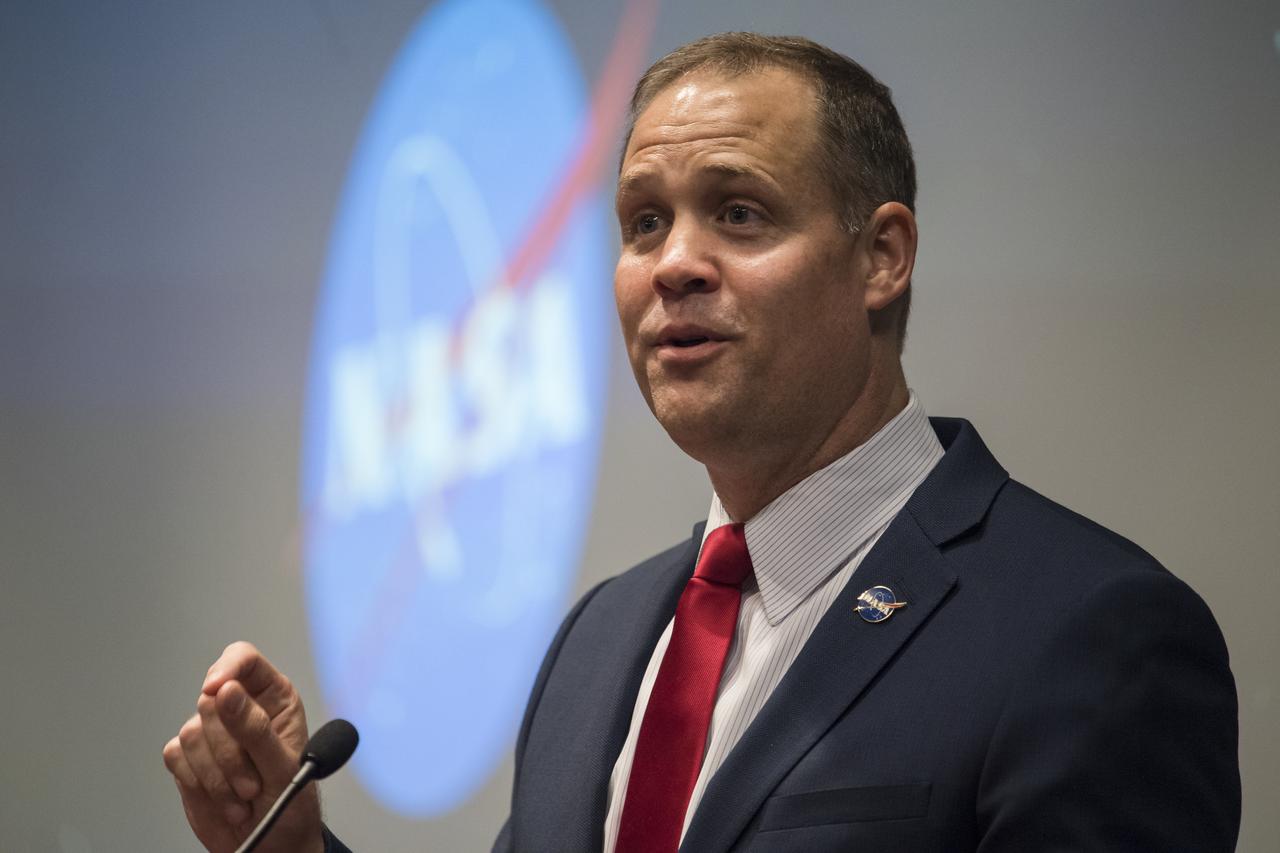
NASA Administrator Jim Bridenstine gives keynote remarks at the Challenger Center Annual Conference, Wednesday, August 14, 2019 at the Lockheed Martin Global Vision Center in Arlington, VA. Photo Credit: (NASA/Aubrey Gemignani)

NASA Administrator Jim Bridenstine gives keynote remarks at the Challenger Center Annual Conference, Wednesday, August 14, 2019 at the Lockheed Martin Global Vision Center in Arlington, VA. Photo Credit: (NASA/Aubrey Gemignani)
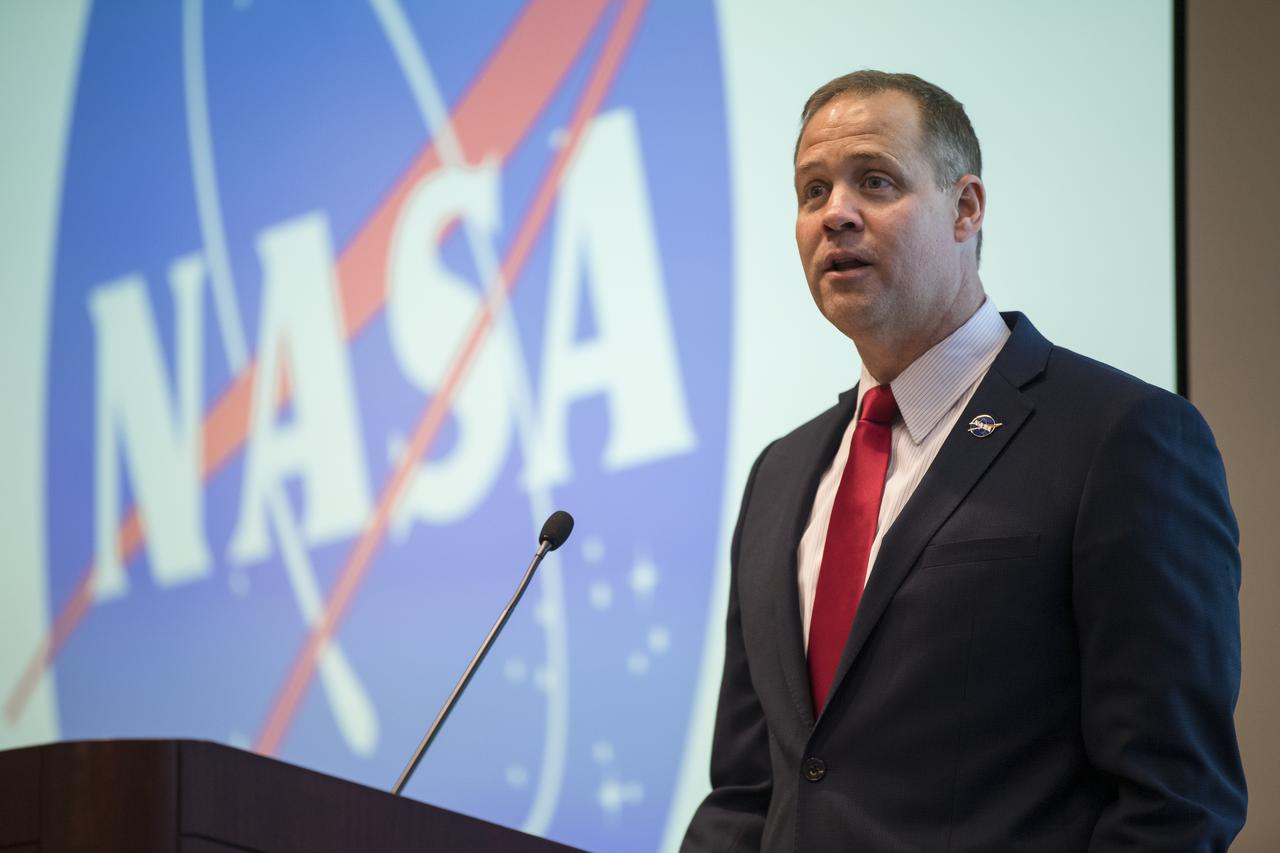
NASA Administrator Jim Bridenstine gives keynote remarks at the Challenger Center Annual Conference, Wednesday, August 14, 2019 at the Lockheed Martin Global Vision Center in Arlington, VA. Photo Credit: (NASA/Aubrey Gemignani)
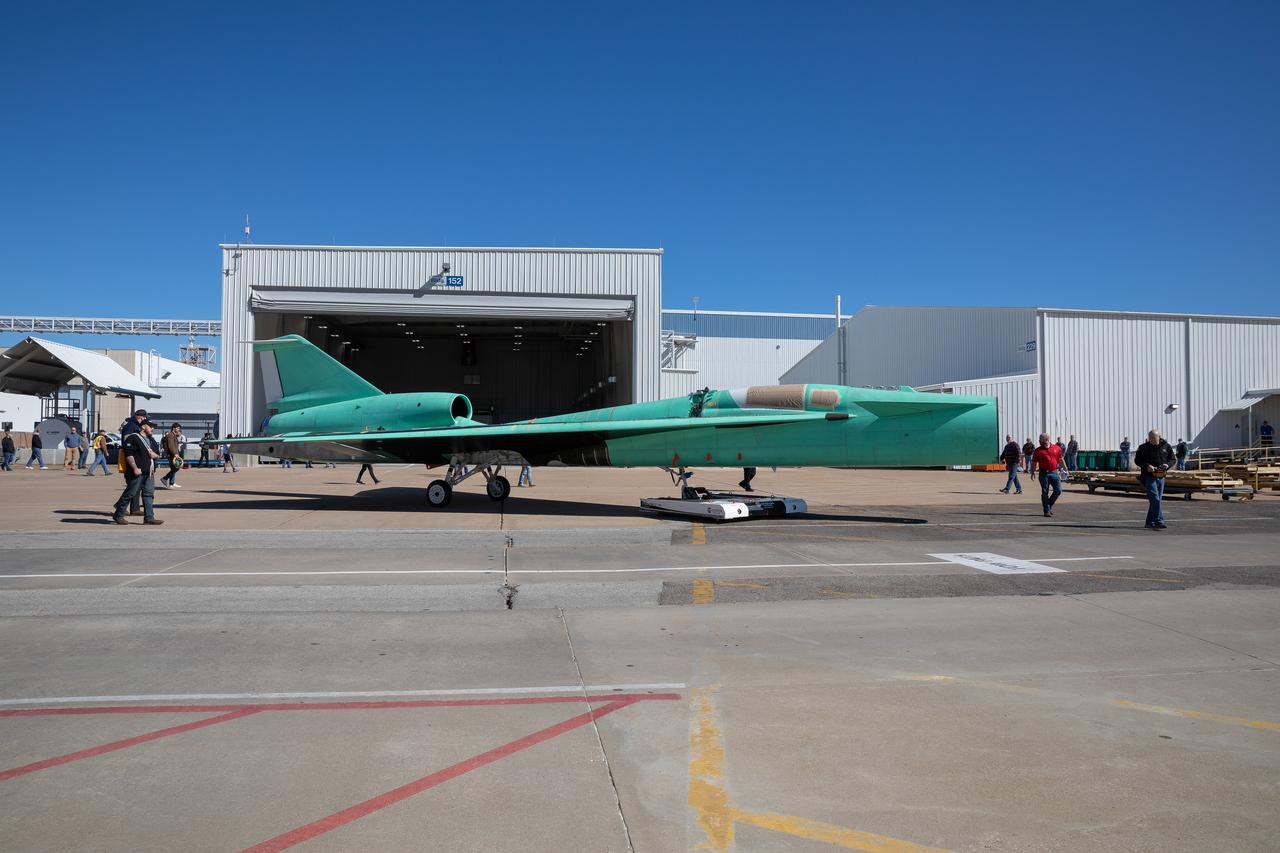
The X-59 is transported to the fuel barn at Lockheed Martin in Fort Worth, Texas to undergo fuel tank calibration tests. During this phase, the X-59’s gas tanks were filled and fuel-remaining sensors inside the aircraft were checked.
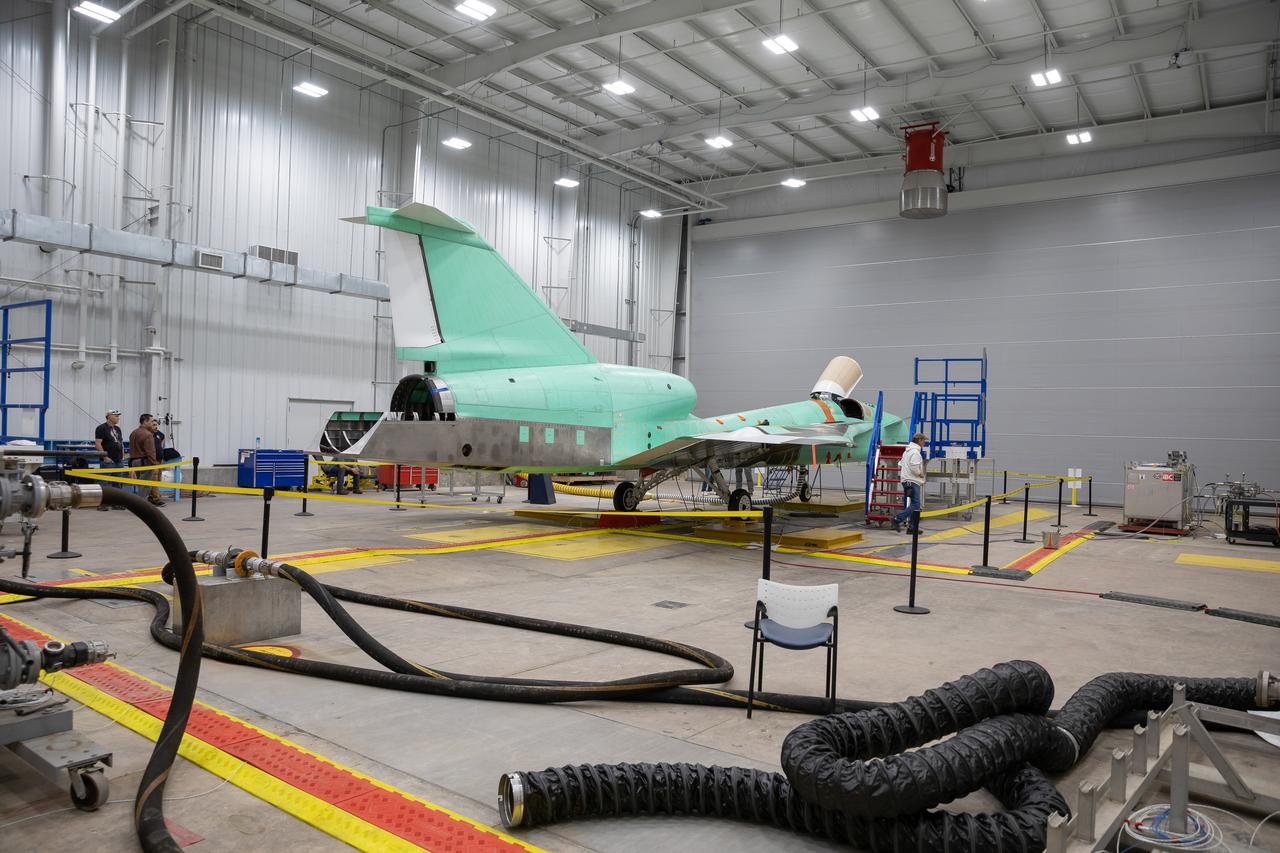
The X-59 sits in the fuel barn at Lockheed Martin in Fort Worth, Texas. While in the fuel barn, the X-59 underwent fuel tank calibration tests. During this phase, the X-59’s gas tanks were filled and fuel-remaining sensors inside the aircraft were checked.
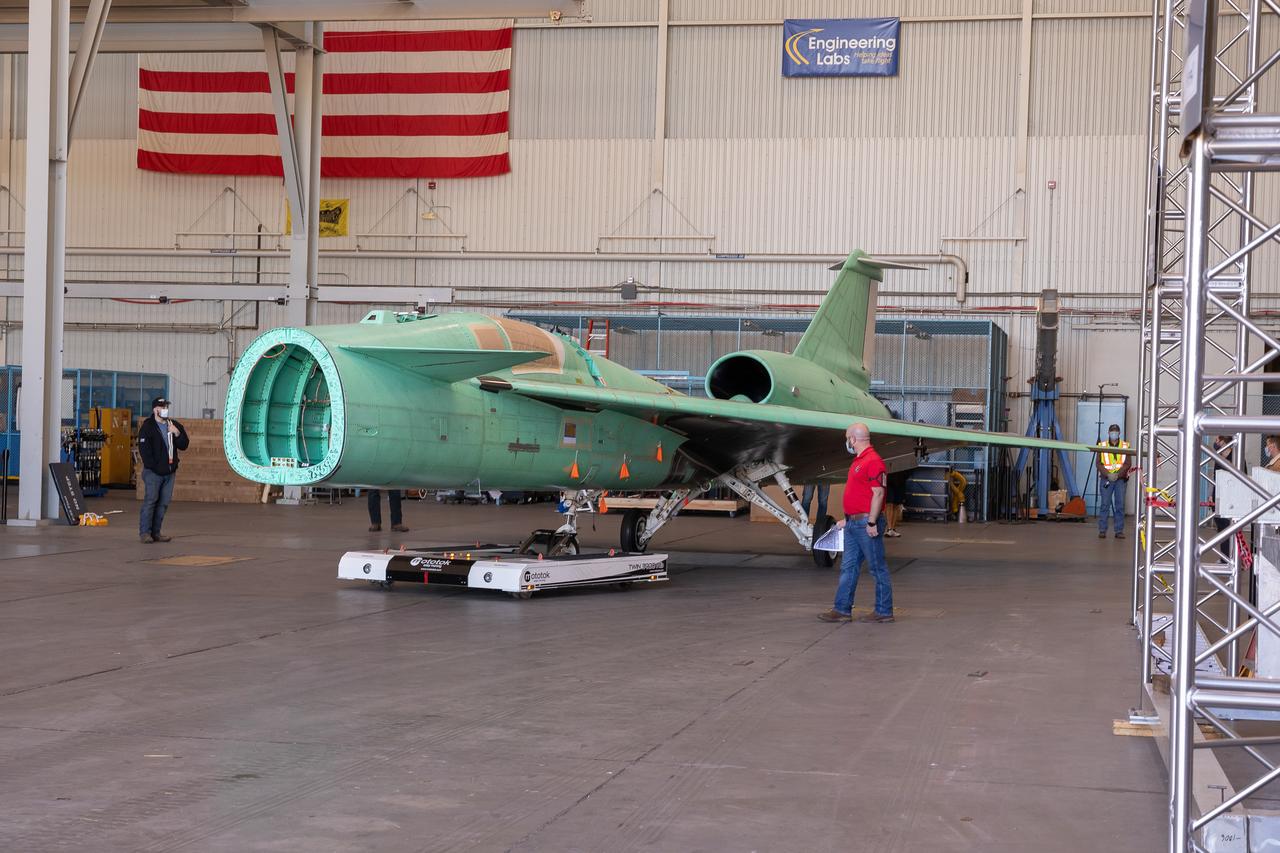
The X-59 is transported to the fuel barn at Lockheed Martin in Fort Worth, Texas to undergo fuel tank calibration tests. During this phase, the X-59’s gas tanks were filled and fuel-remaining sensors inside the aircraft were checked.
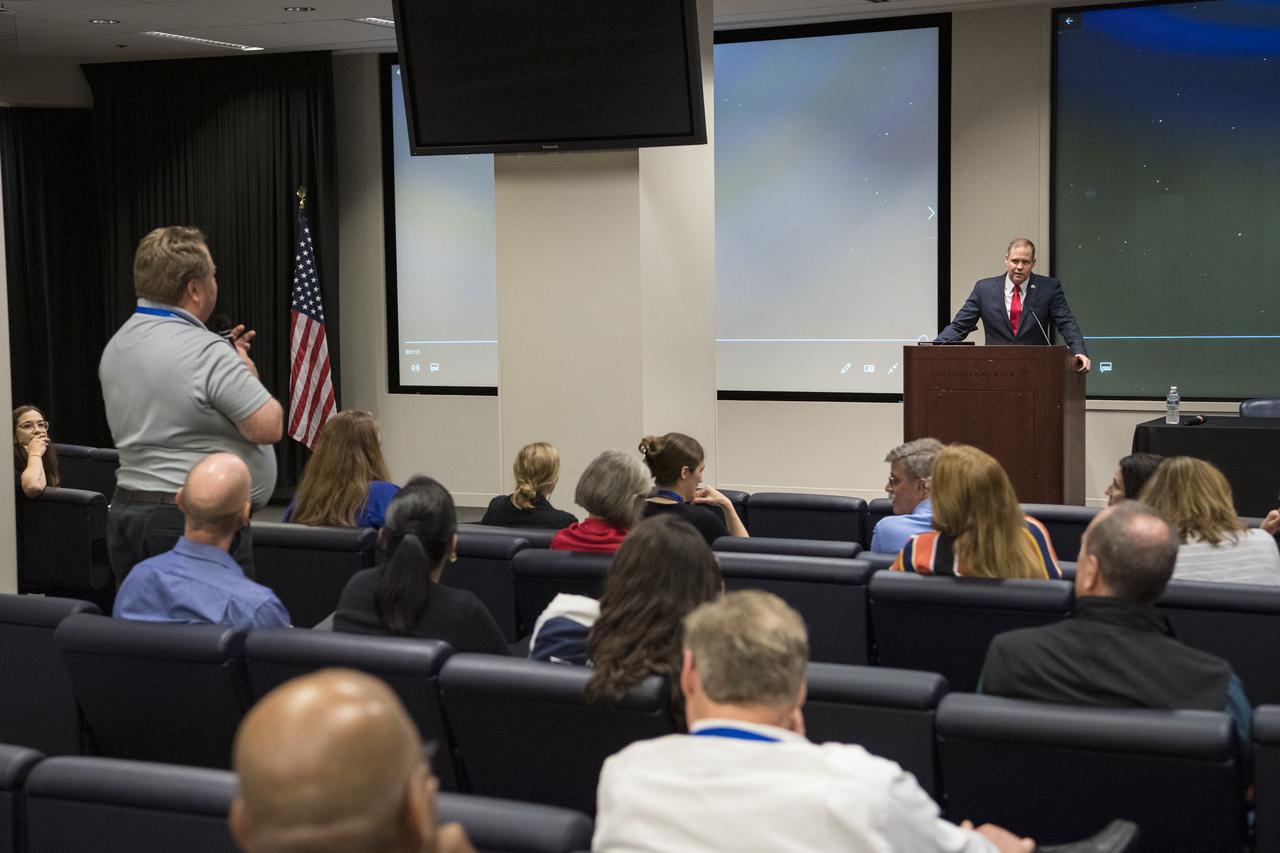
NASA Administrator Jim Bridenstine answers a question from a member of the audience at the Challenger Center Annual Conference, Wednesday, August 14, 2019 at the Lockheed Martin Global Vision Center in Arlington, VA. Photo Credit: (NASA/Aubrey Gemignani)
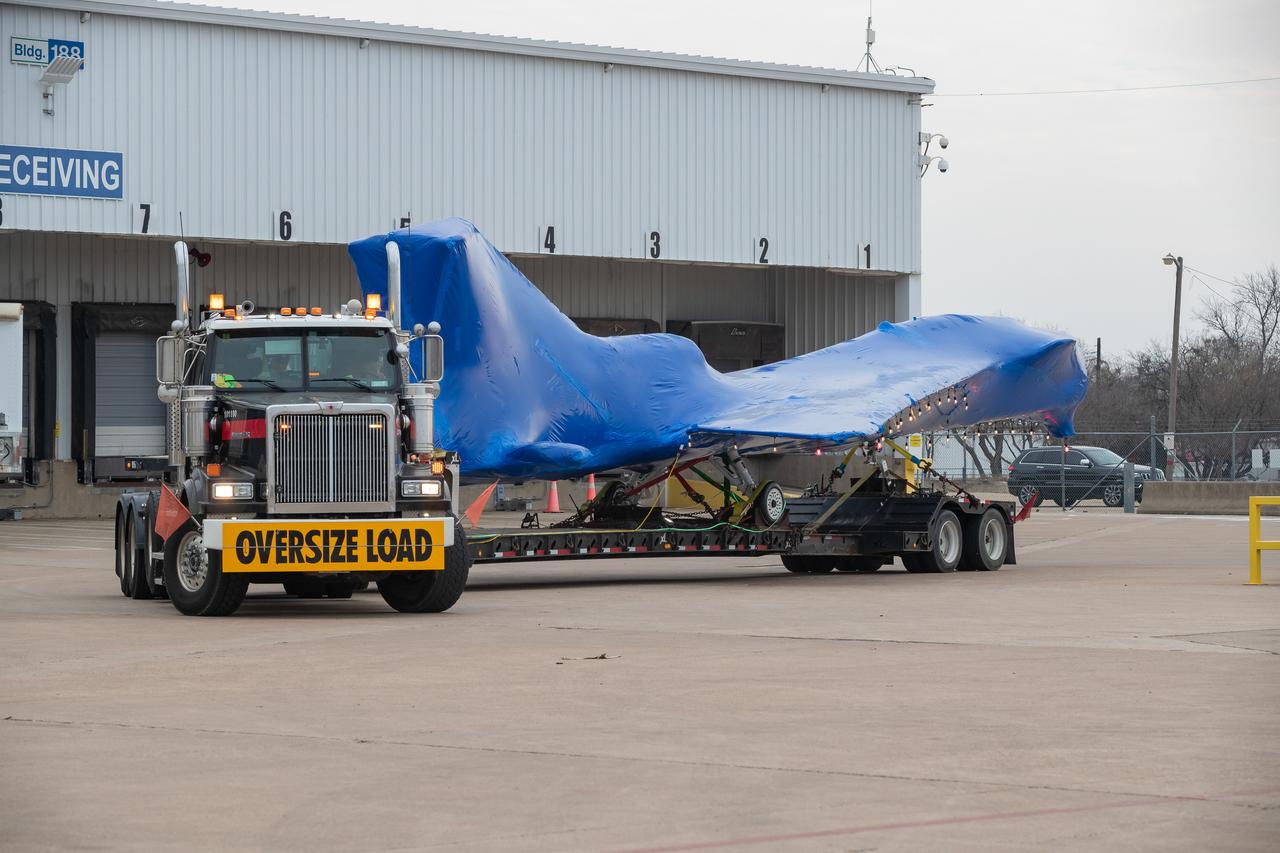
The X-59 arrives in Fort Worth, Texas from Palmdale, California, ready to undergo some important structural and fuel tests at the Lockheed Martin facility. The bright blue wrap around the X-plane is a precautionary measure to keep the exterior of the X-59 safe as it traveled through multiple states on its way to Texas.
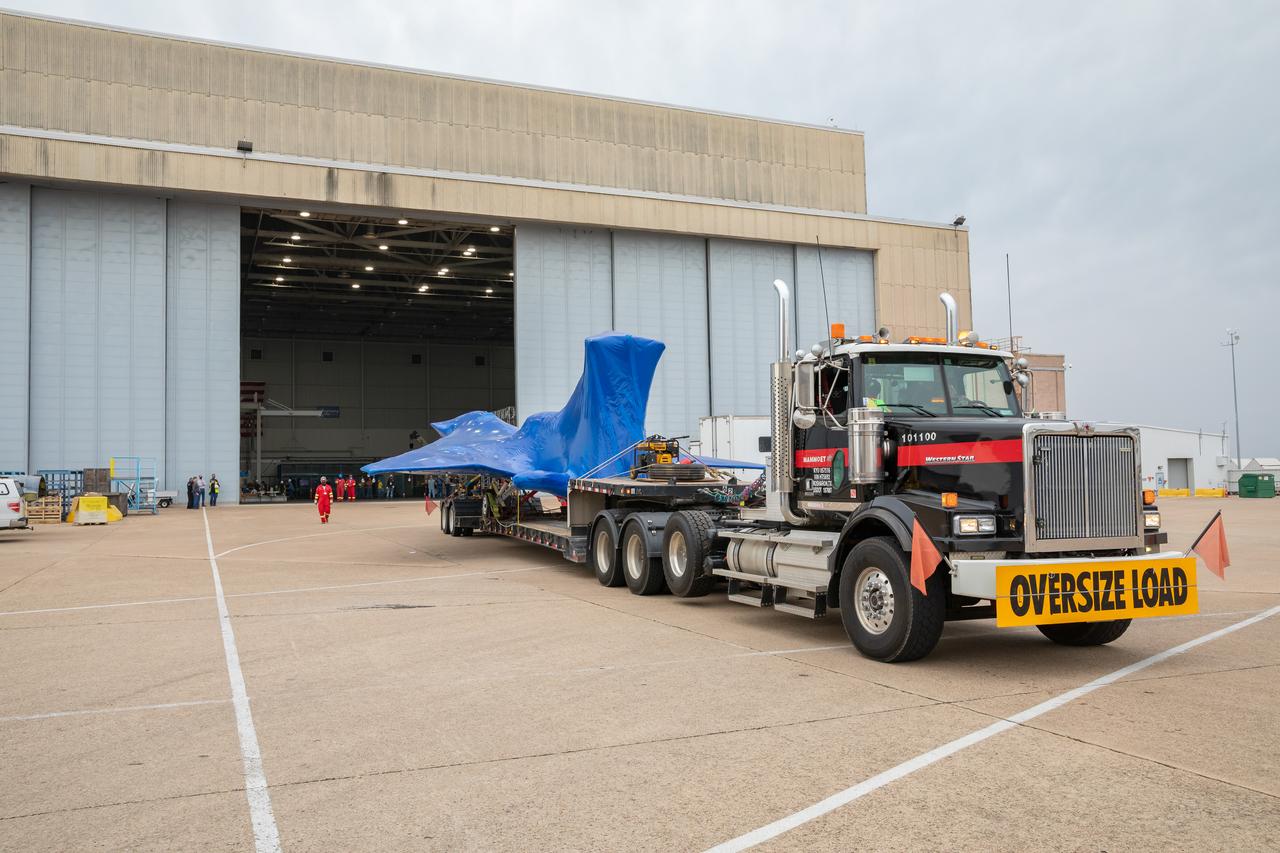
The X-59 arrives in Fort Worth, Texas from Palmdale, California, ready to undergo some important structural and fuel tests at the Lockheed Martin facility. The bright blue wrap around the X-plane is a precautionary measure to keep the exterior of the X-59 safe as it traveled through multiple states on its way to Texas.

NASA Administrator Jim Bridenstine takes a selfie with the audience at the Challenger Center Annual Conference, Wednesday, August 14, 2019 at the Lockheed Martin Global Vision Center in Arlington, VA. Photo Credit: (NASA/Aubrey Gemignani)

Lockheed Martin technicians work to align and check the fastener holes on the X-59’s fuselage skin. The aircraft, under construction at Lockheed Martin Skunk Works in Palmdale, California, will demonstrate the ability to fly supersonic while reducing the loud sonic boom to a quiet sonic thump.
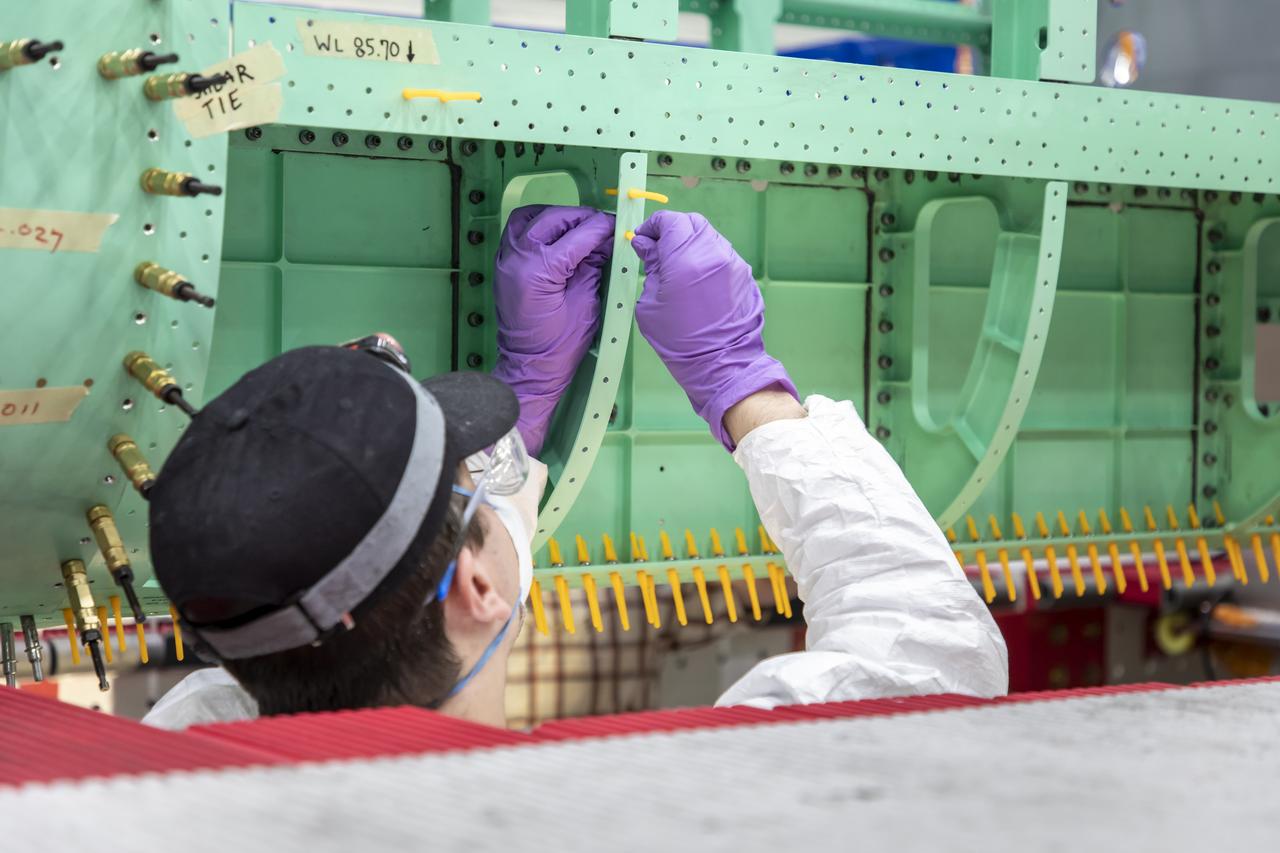
A Lockheed Martin technician prepares holes for installation of the fuselage panel on the X-59. The fuselage is the section of the aircraft that contains the cockpit. The aircraft, under construction at Lockheed Martin Skunk Works in Palmdale, California, will demonstrate the ability to fly supersonic while reducing the loud sonic boom to a quiet sonic thump.
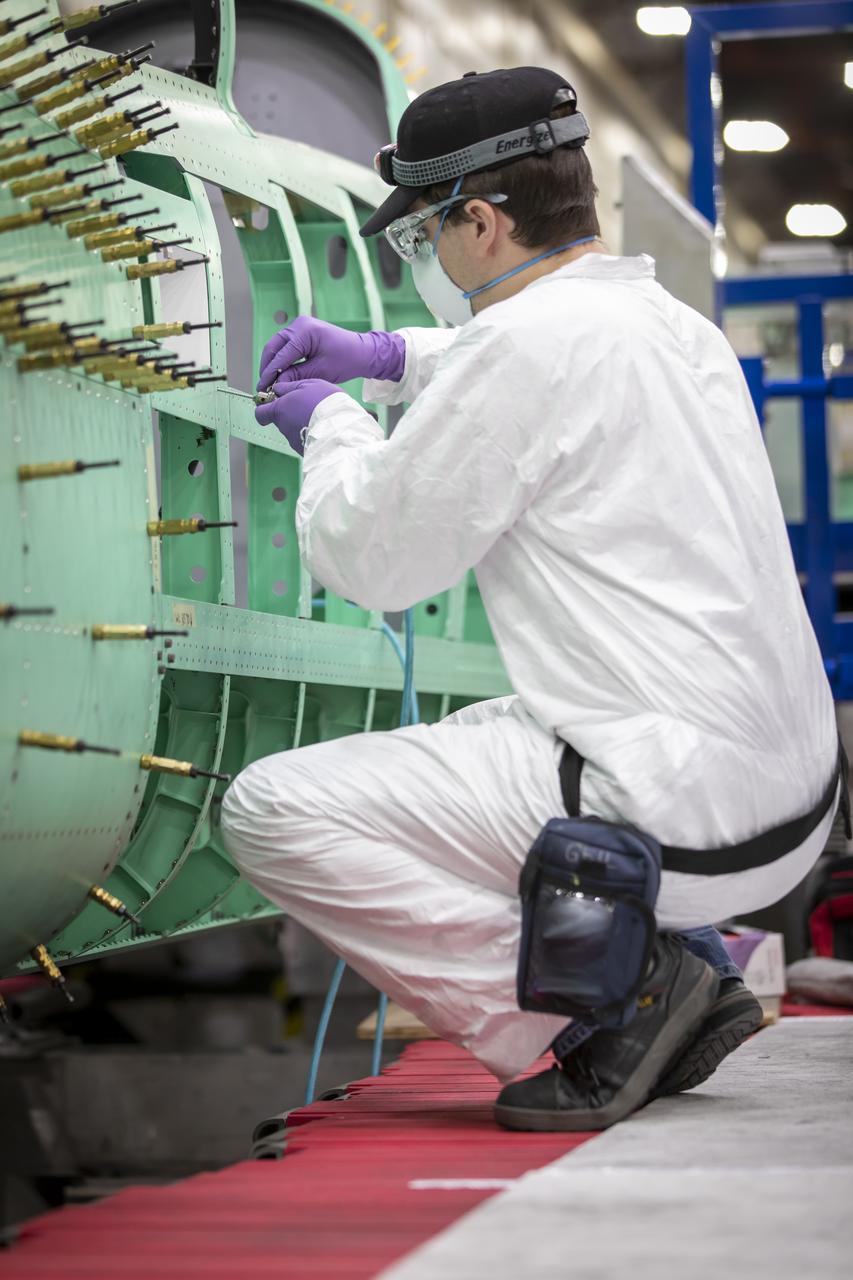
Event: SEG 210 Forebody A Lockheed Martin technician prepares to install the left fuselage skins onto the X-59. Once in the air, the aircraft, currently under construction at Lockheed Martin Skunk Works in Palmdale, California, will demonstrate the ability to fly supersonic while reducing the loud sonic boom to a quiet sonic thump.
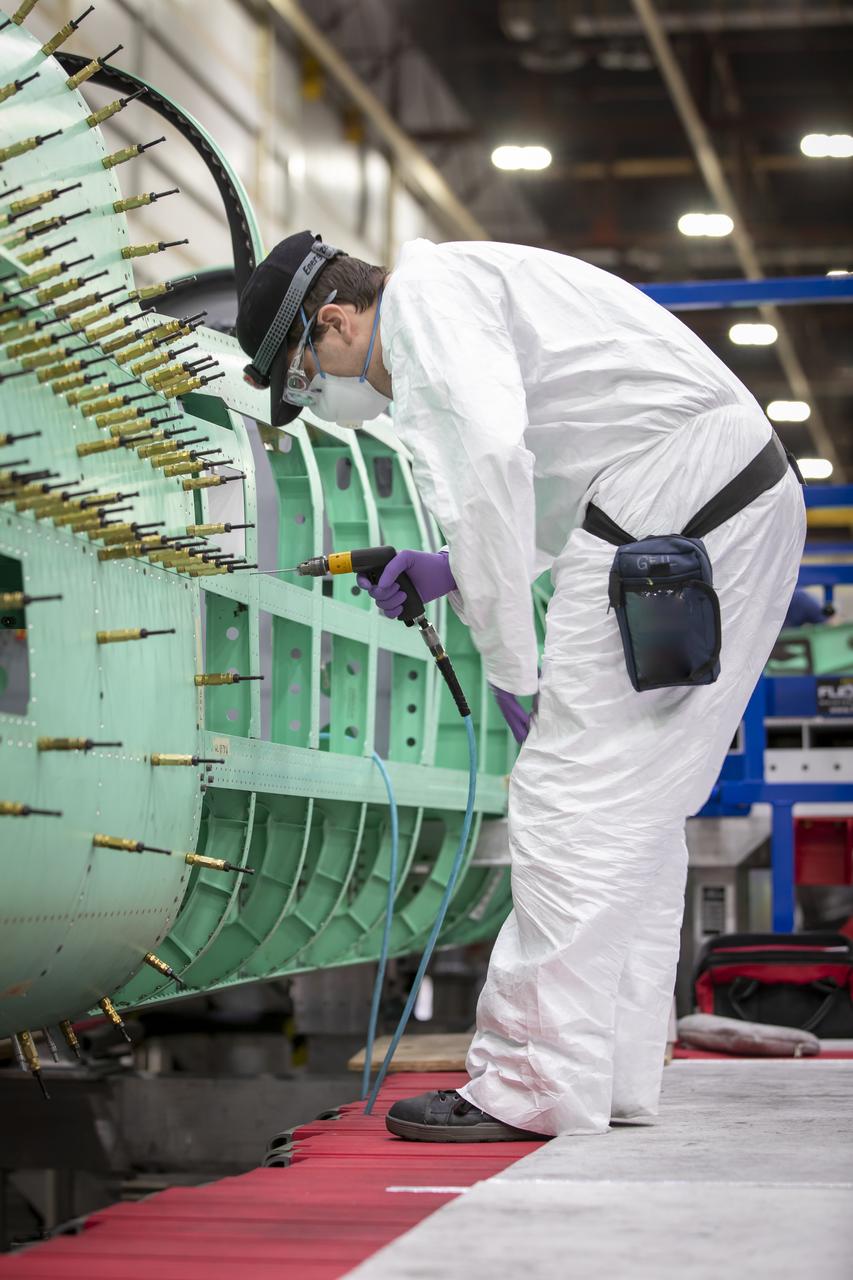
Event: SEG 210 Forebody A Lockheed Martin technician prepares to install the left fuselage skins onto the X-59. Once in the air, the aircraft, currently under construction at Lockheed Martin Skunk Works in Palmdale, California, will demonstrate the ability to fly supersonic while reducing the loud sonic boom to a quiet sonic thump.

NASA’s X-59 undergoes a structural stress test at Lockheed Martin’s facility at Fort Worth, Texas. The X-59 is a one-of-a-kind airplane designed to fly at supersonic speeds without making a startling sonic boom sound for the communities below. This is part of NASA’s Quesst mission, which plans to help enable supersonic air travel over land.
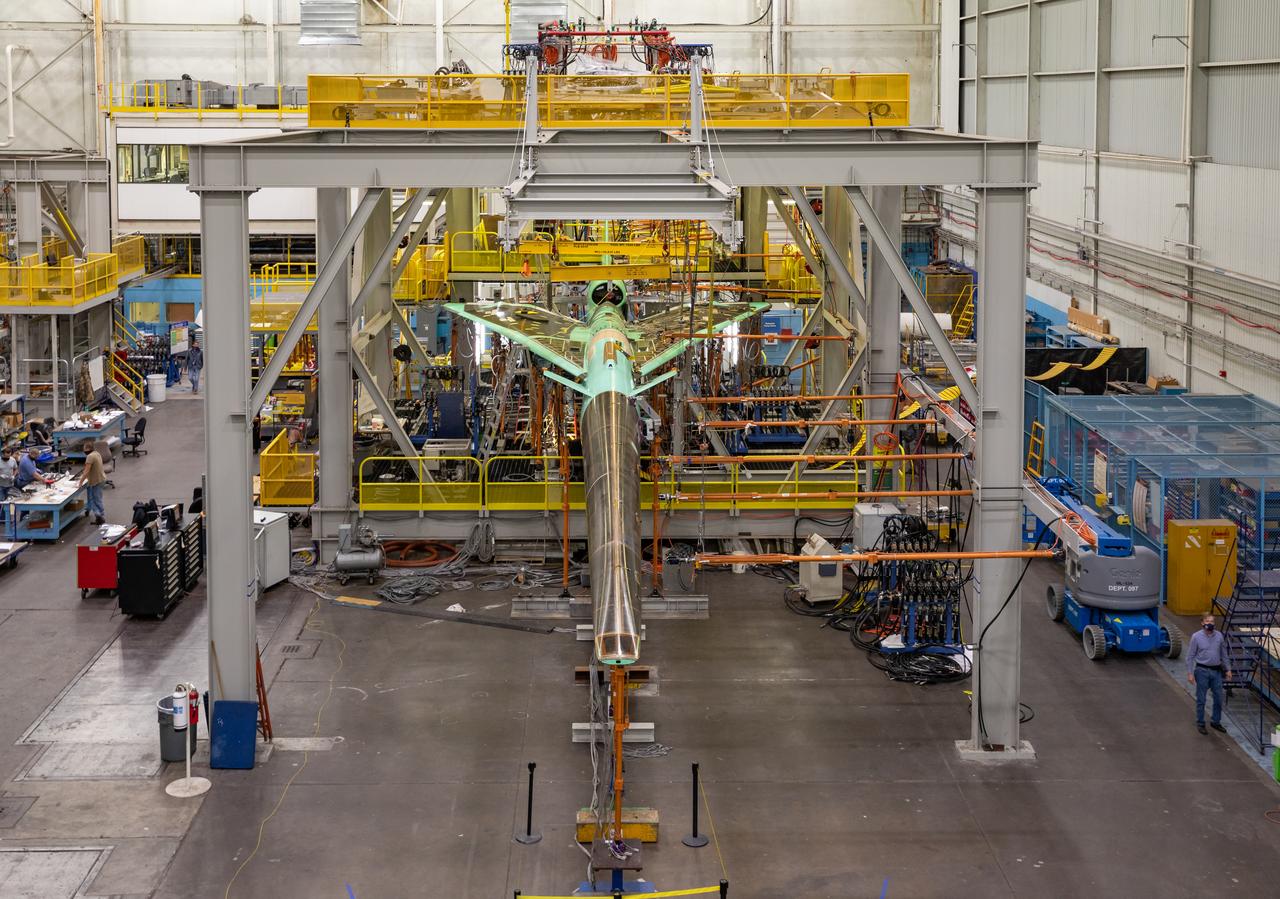
NASA’s X-59 undergoes a structural stress test at Lockheed Martin’s facility at Fort Worth, Texas. The X-59 is a one-of-a-kind airplane designed to fly at supersonic speeds without making a startling sonic boom sound for the communities below. This is part of NASA’s Quesst mission, which plans to help enable supersonic air travel over land.
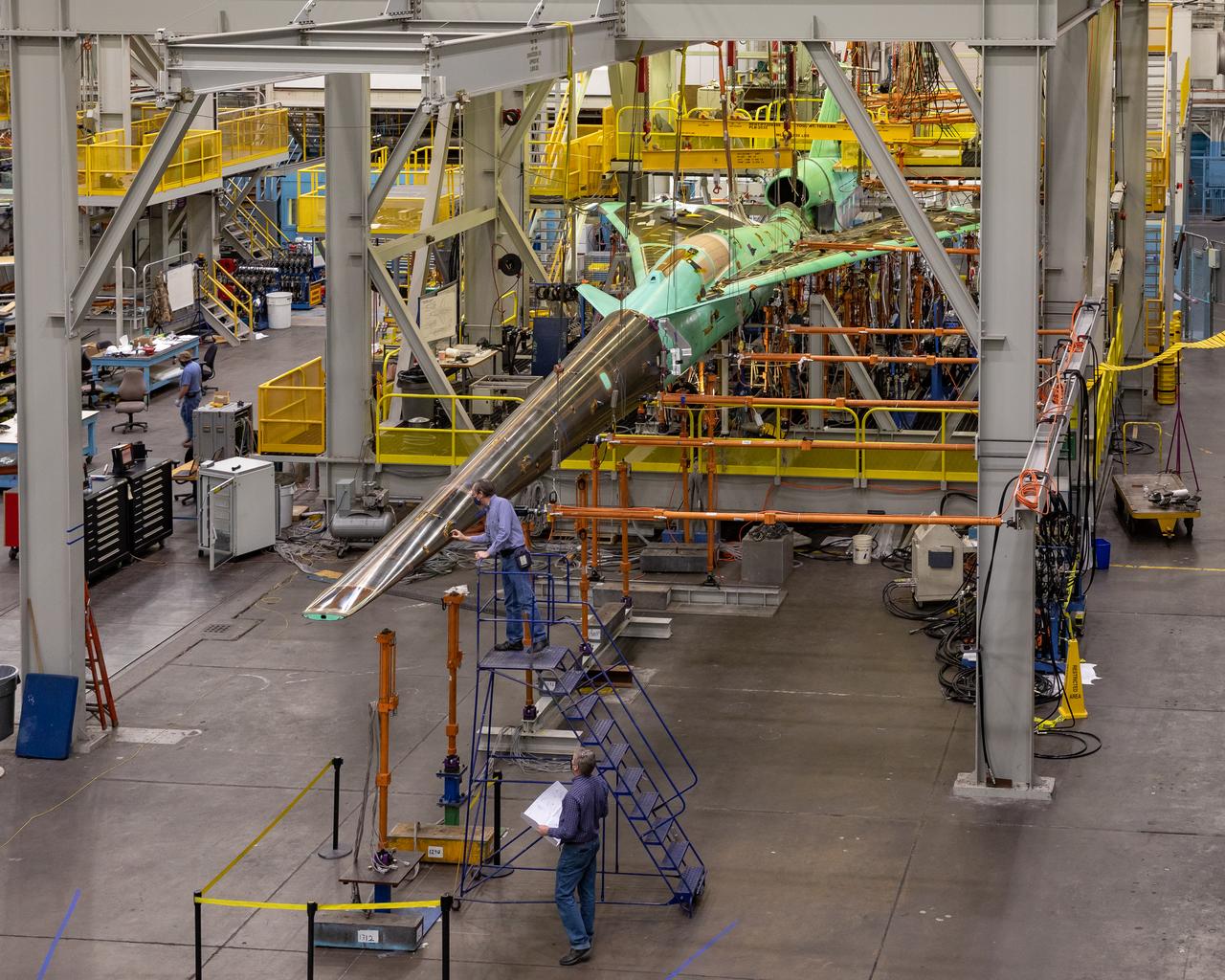
NASA’s X-59 undergoes a structural stress test at Lockheed Martin’s facility in Fort Worth, Texas. The X-59’s nose makes up one third of the aircraft, at 38-feet in length. The X-59 is a one-of-a-kind airplane designed to fly at supersonic speeds without making a startling sonic boom sound for the communities below. This is part of NASA’s Quesst mission, which plans to help enable supersonic air travel over land
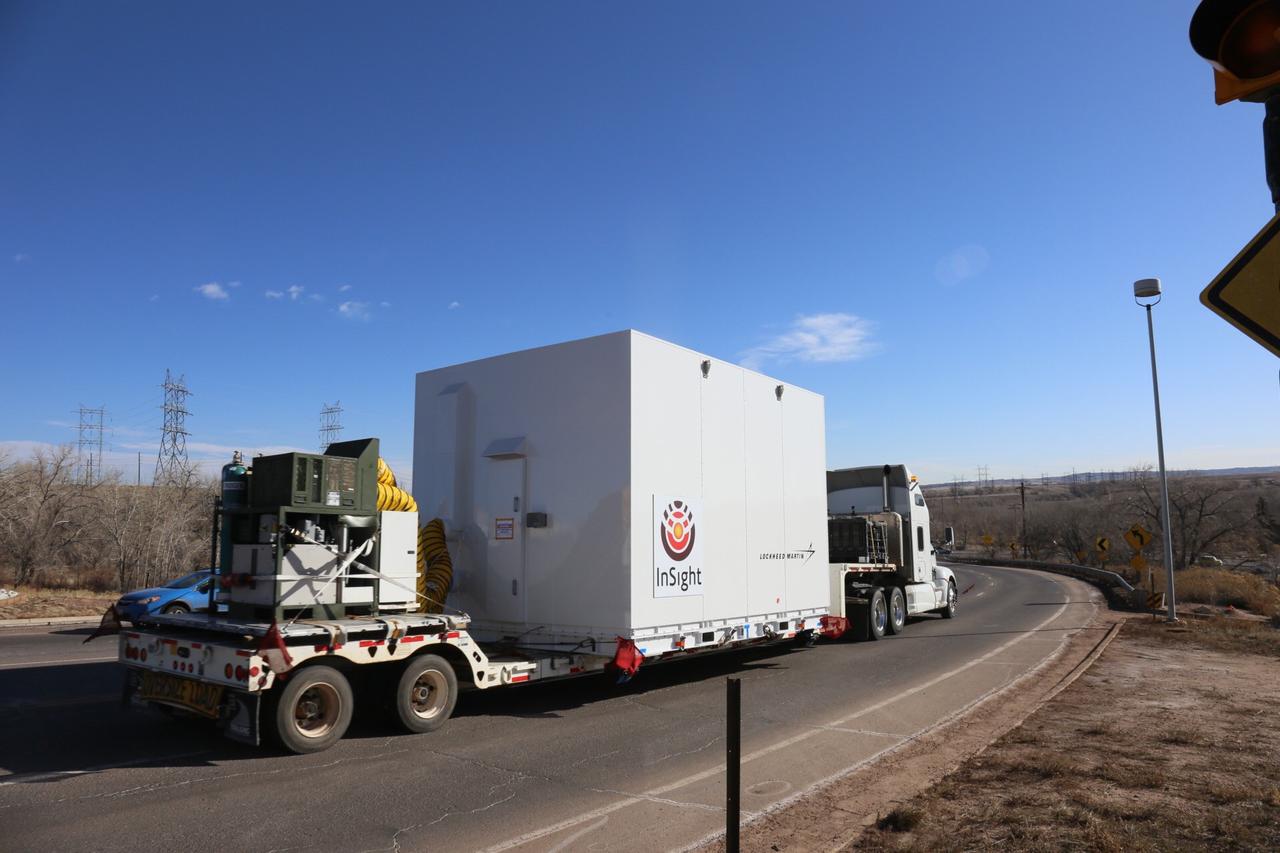
A truck carrying NASA s InSight spacecraft leaves Lockheed Martin Space, Denver, where the spacecraft was built and tested, on February 28, 2018. InSight was driven to Buckley Air Force Base, where it was loaded into a C-17 cargo aircraft and flown to Vandenberg Air Force Base, California. There, it will be prepared for a May launch. InSight, short for Interior Exploration using Seismic Investigations, Geodesy and Heat Transport, is the first mission dedicated to studying the deep interior of Mars. Its findings will advance understanding of the early history of all rocky planets, including Earth. https://photojournal.jpl.nasa.gov/catalog/PIA22225
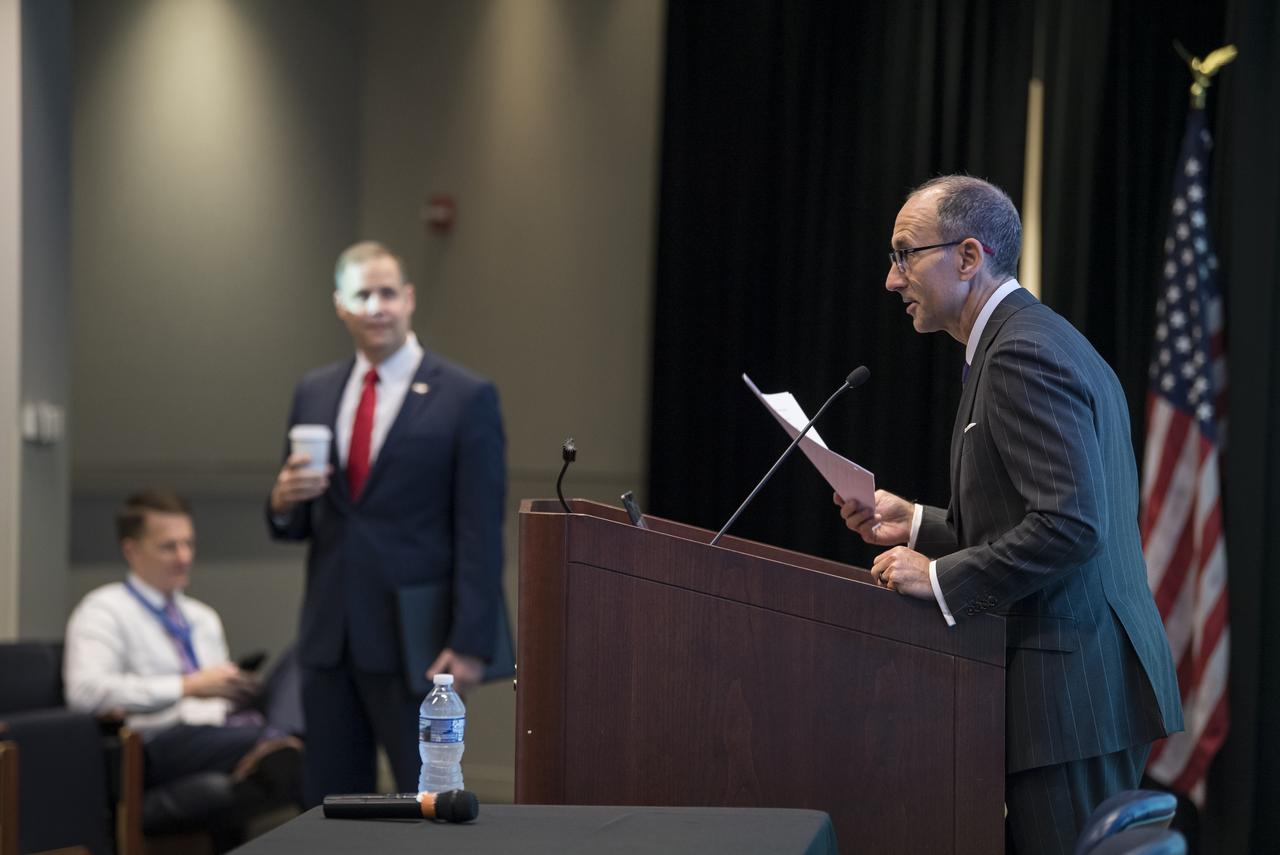
NASA Administrator Jim Bridenstine, standing left, is introduced by President and CEO of the Challenger Center, Lance Bush, just before giving keynote remarks at the Challenger Center Annual Conference, Wednesday, August 14, 2019 at the Lockheed Martin Global Vision Center in Arlington, VA. Photo Credit: (NASA/Aubrey Gemignani)
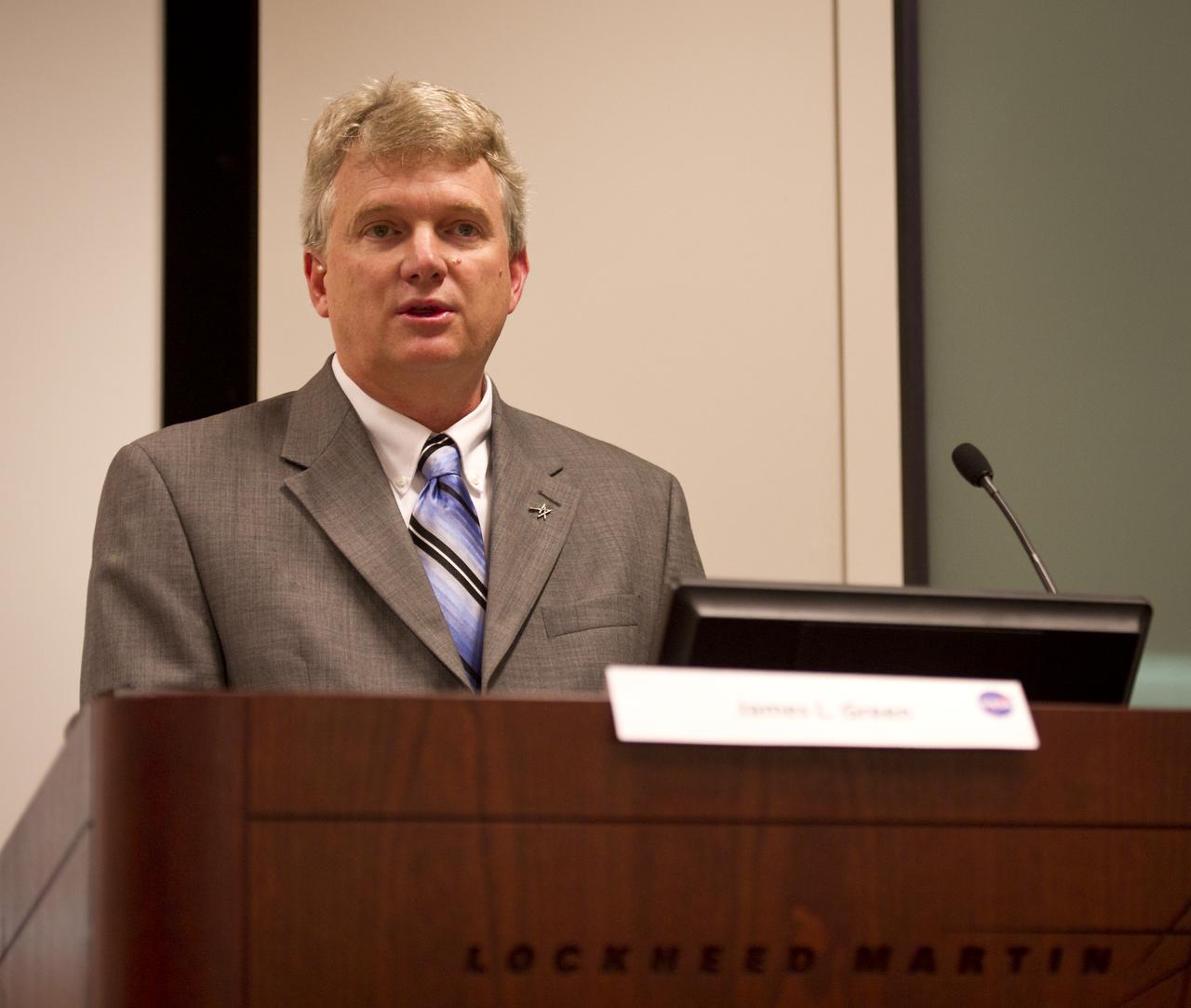
Stephen Price from Lockheed Martin Space Systems Company kicks off the ‚Äö√Ñ√∫Seeking Signs of Life‚Äö√Ñ√π Symposium, celebrating 50 Years of Exobiology and Astrobiology at NASA, Thursday, Oct. 14, 2010, at the Lockheed Martin Global Vision Center in Arlington, Va. NASA has been researching life in the universe since 1959, asking three fundamental questions: "How does life begin and evolve?"‚ "Is there life beyond Earth and, if so, how can we detect it?" and "What is the future of life on Earth and in the universe?" Photo Credit: (NASA/Bill Ingalls)
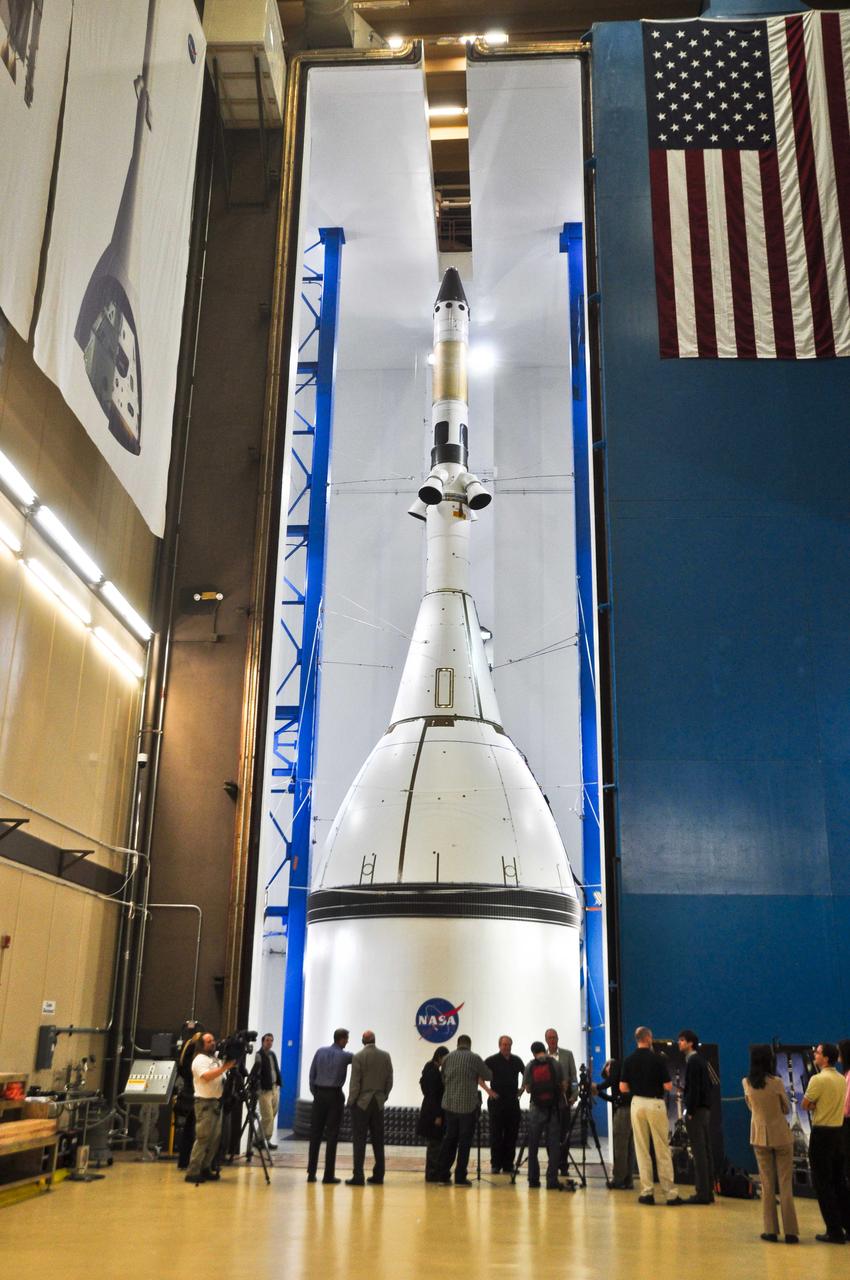
Orion Media Day takes place at Lockheed Martin’s Waterton facility in Littleton, Colorado on Oct. 21, 2011. Part of Batch image transfer from Flickr.
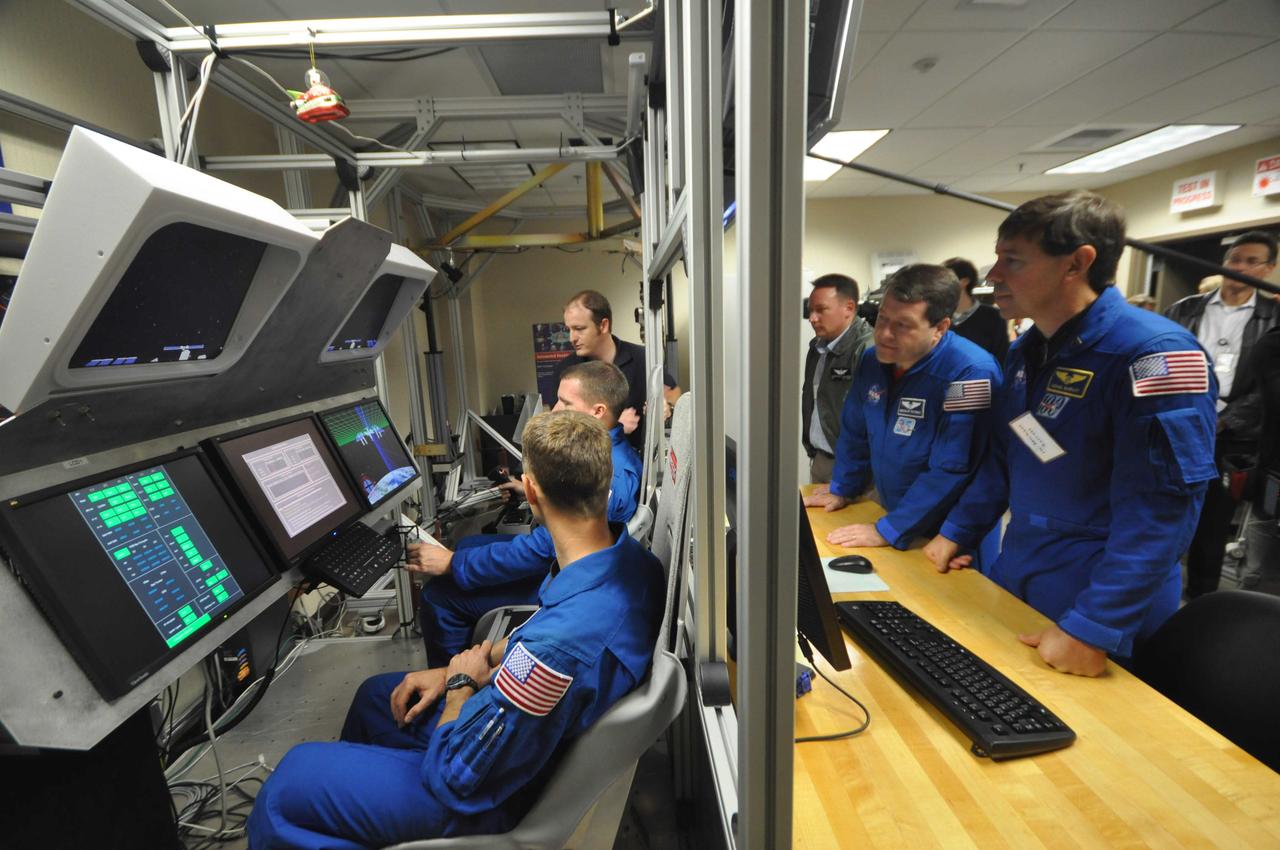
Orion Media Day takes place at Lockheed Martin’s Waterton facility in Littleton, Colorado on Oct. 21, 2011. Part of Batch image transfer from Flickr.
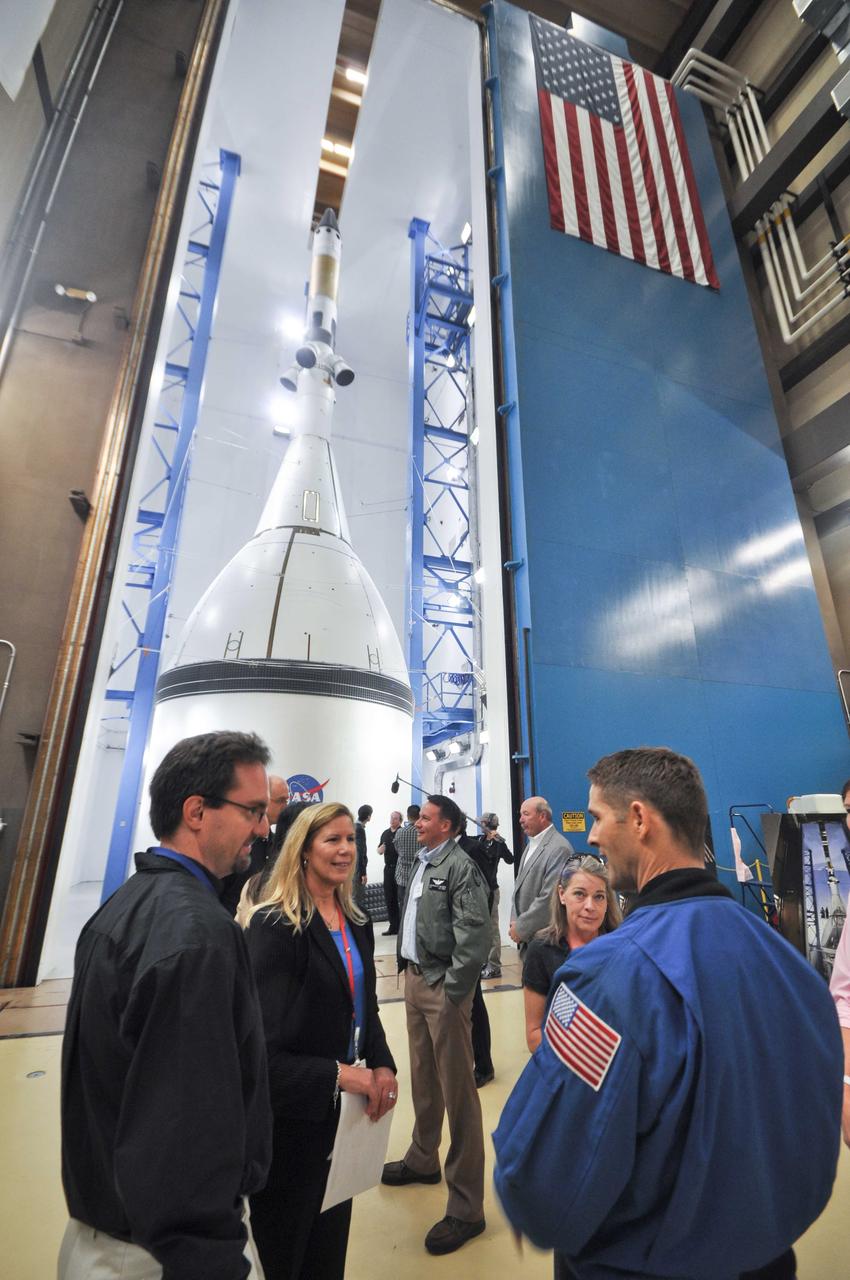
Orion Media Day takes place at Lockheed Martin’s Waterton facility in Littleton, Colorado on Oct. 21, 2011. Part of Batch image transfer from Flickr.
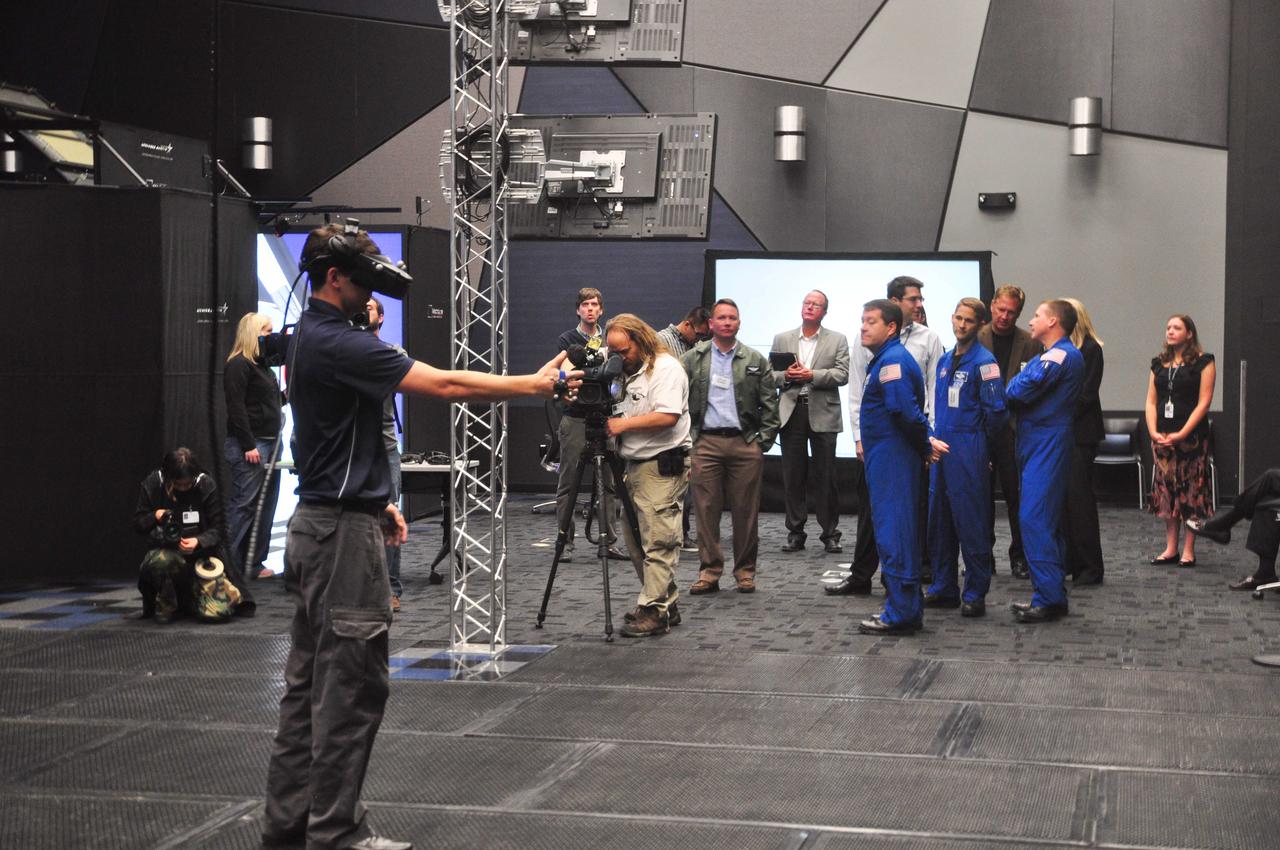
Orion Media Day takes place at Lockheed Martin’s Waterton facility in Littleton, Colorado on Oct. 21, 2011. Part of Batch image transfer from Flickr.
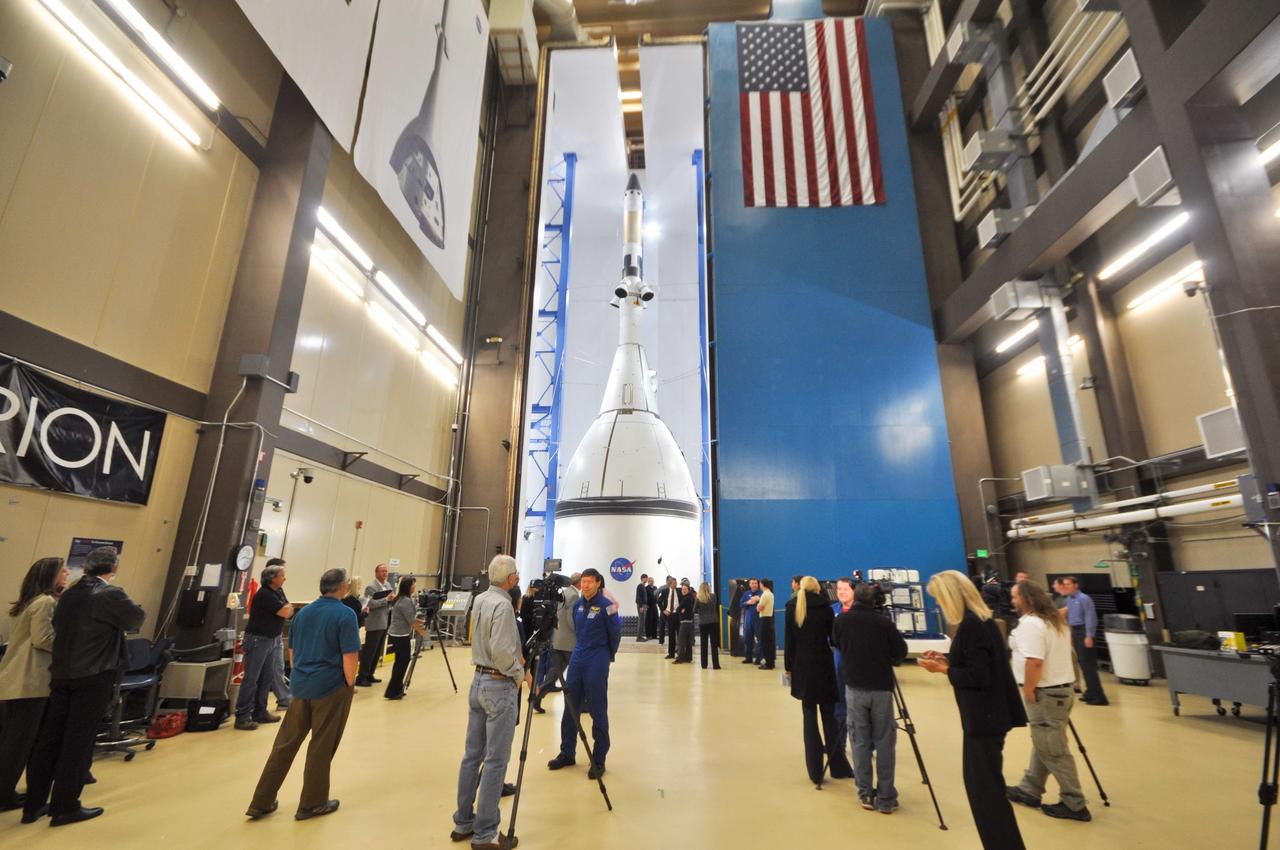
Orion Media Day takes place at Lockheed Martin’s Waterton facility in Littleton, Colorado on Oct. 21, 2011. Part of Batch image transfer from Flickr.
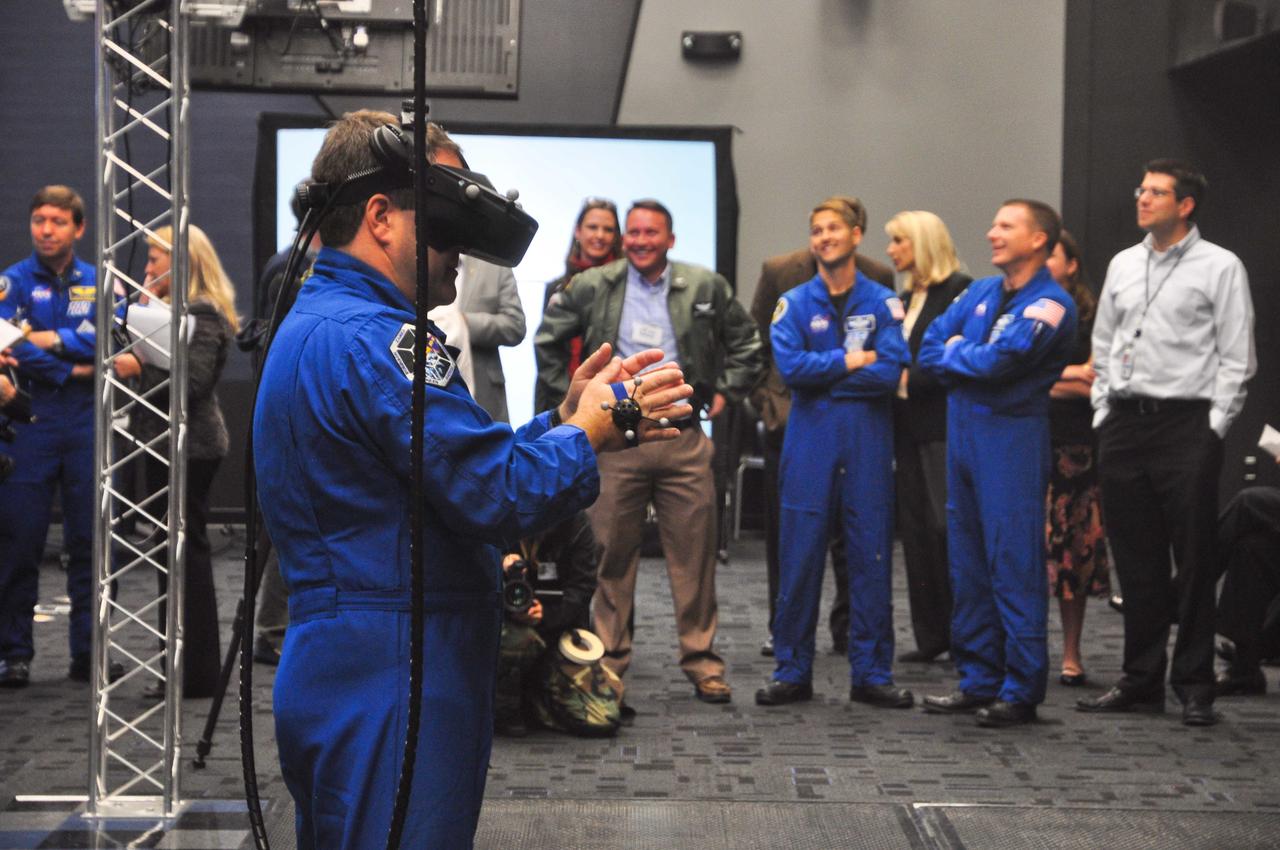
Orion Media Day takes place at Lockheed Martin’s Waterton facility in Littleton, Colorado on Oct. 21, 2011. Part of Batch image transfer from Flickr.
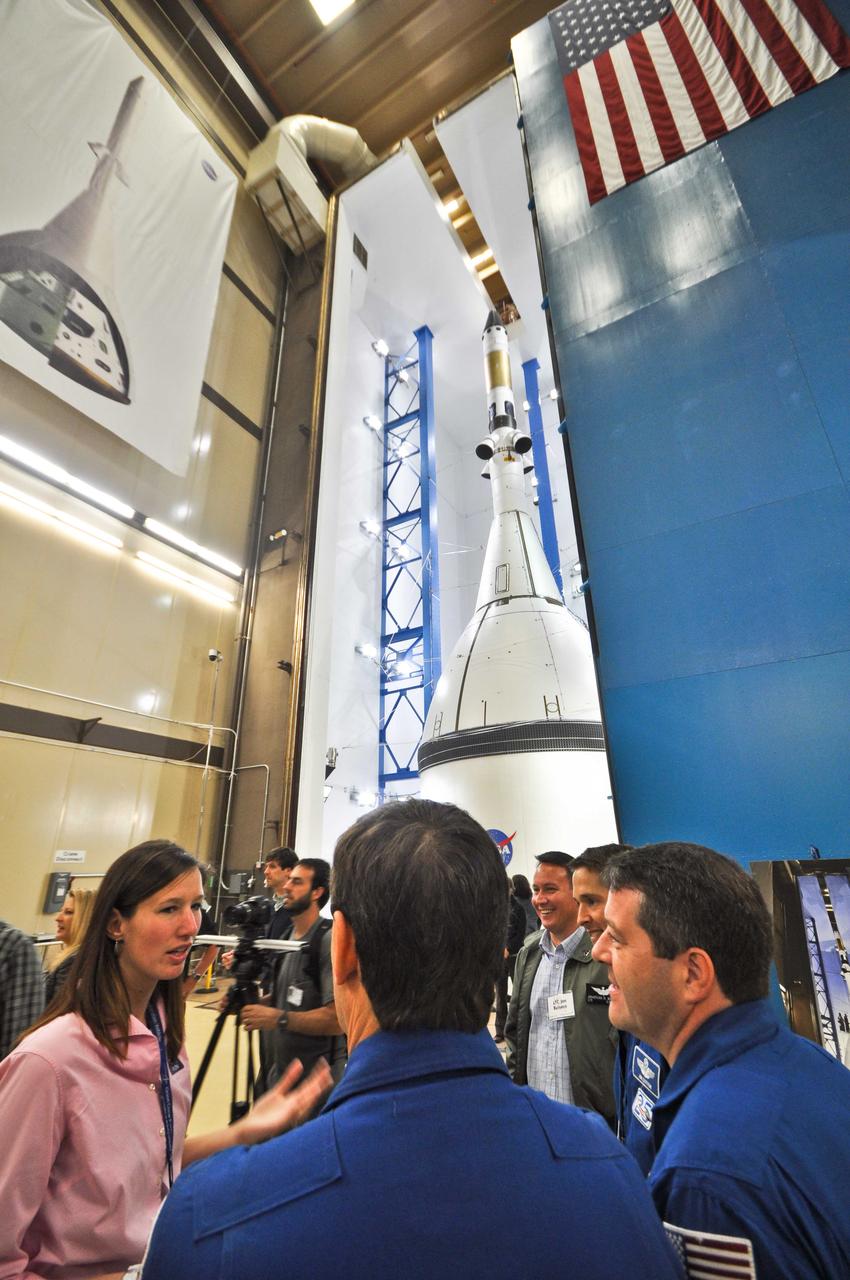
Orion Media Day takes place at Lockheed Martin’s Waterton facility in Littleton, Colorado on Oct. 21, 2011. Part of Batch image transfer from Flickr.
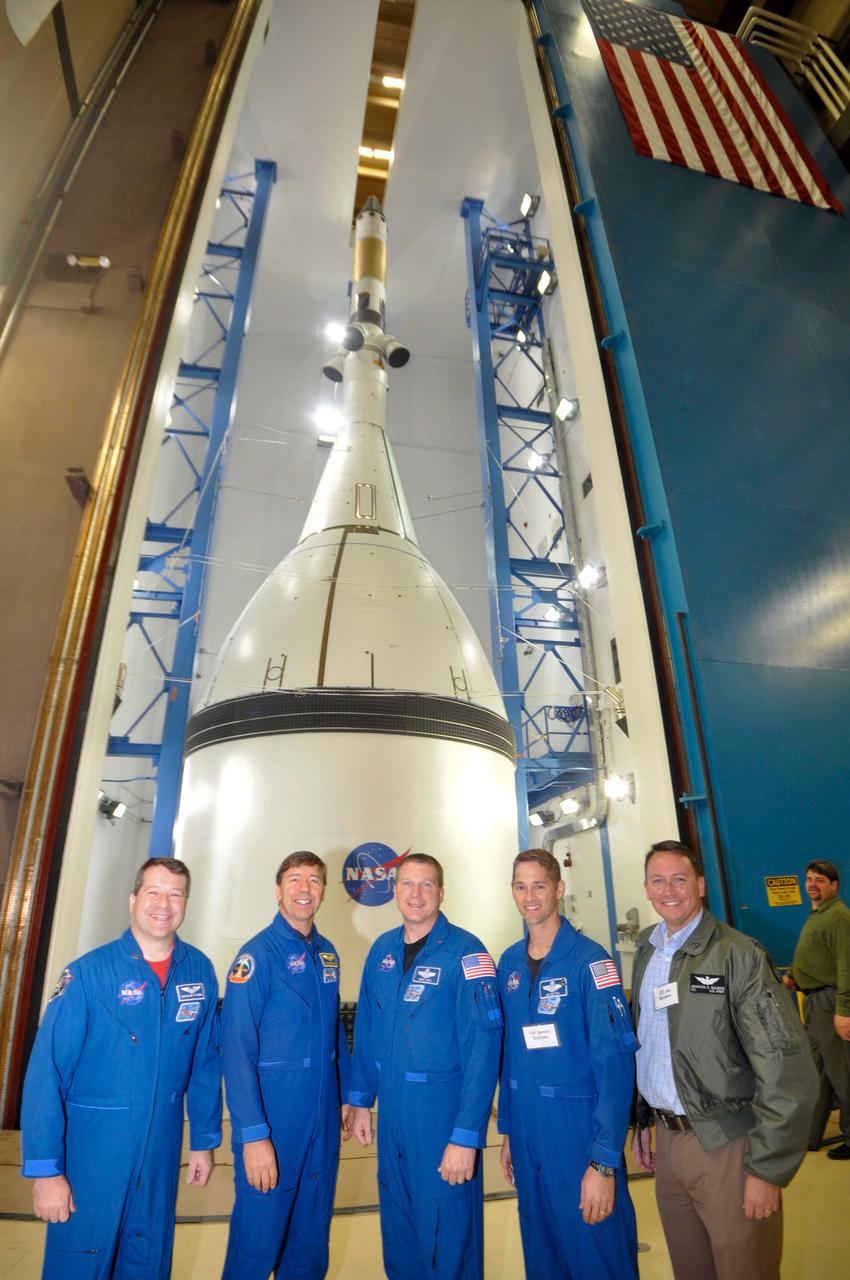
Orion Media Day takes place at Lockheed Martin’s Waterton facility in Littleton, Colorado on Oct. 21, 2011. Part of Batch image transfer from Flickr.
Orion Media Day takes place at Lockheed Martin’s Waterton facility in Littleton, Colorado on Oct. 21, 2011. Part of Batch image transfer from Flickr.
Orion Media Day takes place at Lockheed Martin’s Waterton facility in Littleton, Colorado on Oct. 21, 2011. Part of Batch image transfer from Flickr.
Orion Media Day takes place at Lockheed Martin’s Waterton facility in Littleton, Colorado on Oct. 21, 2011. Part of Batch image transfer from Flickr.

Orion Media Day takes place at Lockheed Martin’s Waterton facility in Littleton, Colorado on Oct. 21, 2011. Part of Batch image transfer from Flickr.
Orion Media Day takes place at Lockheed Martin’s Waterton facility in Littleton, Colorado on Oct. 21, 2011. Part of Batch image transfer from Flickr.
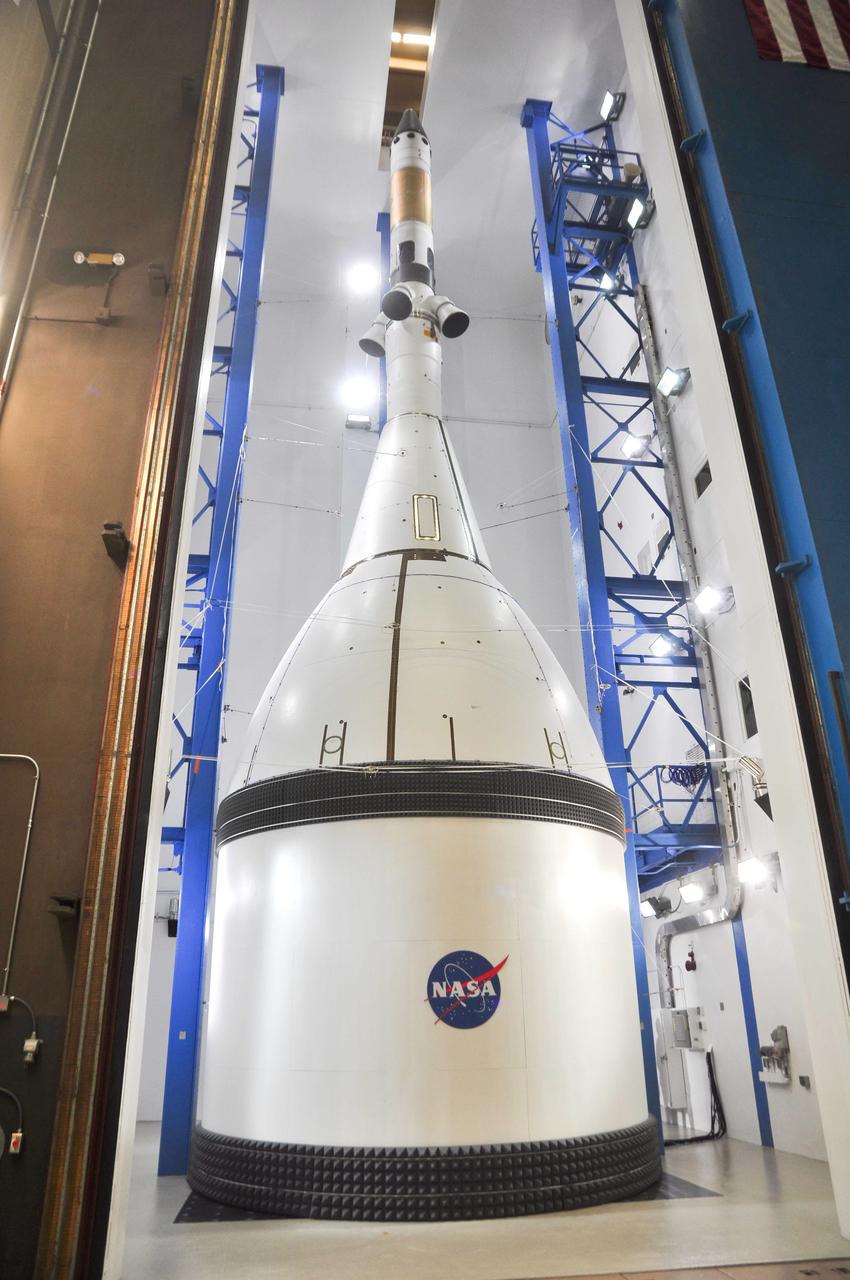
Orion Media Day takes place at Lockheed Martin’s Waterton facility in Littleton, Colorado on Oct. 21, 2011. Part of Batch image transfer from Flickr.
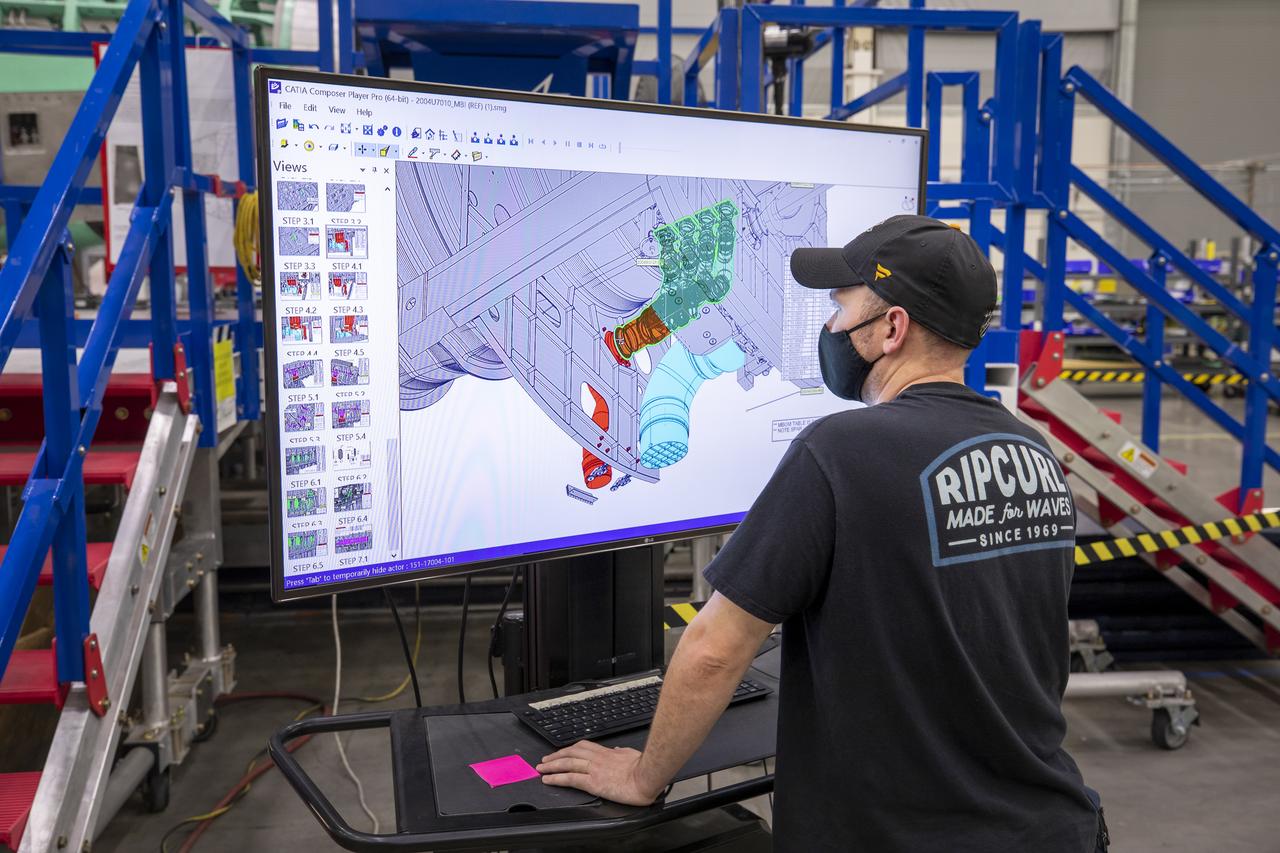
A Lockheed Martin technician looks at the connector installation on the cad model of the X-59 airplane. The aircraft, under construction at Lockheed Martin Skunk Works in Palmdale, California, will demonstrate the ability to fly supersonic while reducing the loud sonic boom to a quiet sonic thump.
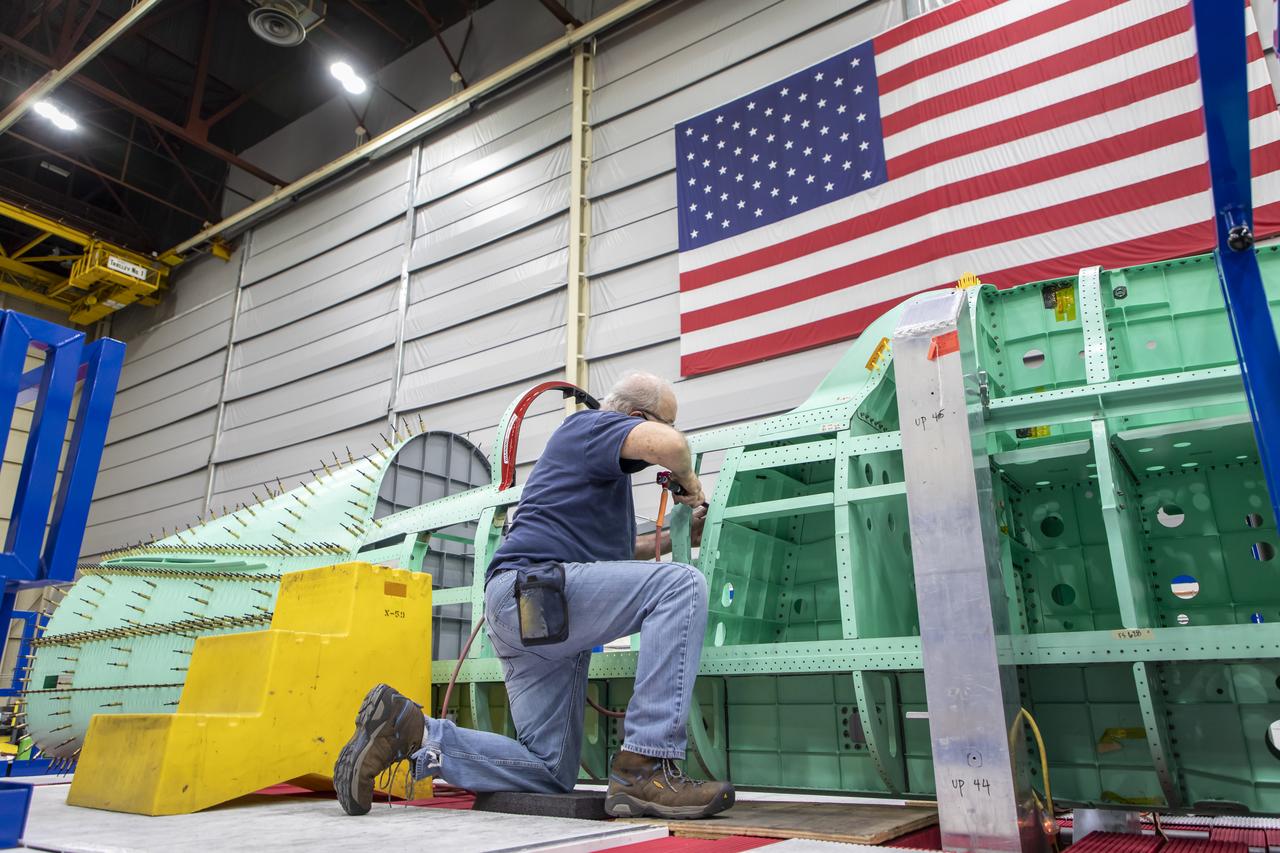
Event: SEG 210 Forebody A Lockheed Martin technician works on the ejection seat support structure and once complete, the ejection seat rails will be installed on the X-59 airplane. The aircraft, under construction at Lockheed Martin Skunk Works in Palmdale, California, will demonstrate the ability to fly supersonic while reducing the loud sonic boom to a quiet sonic thump.
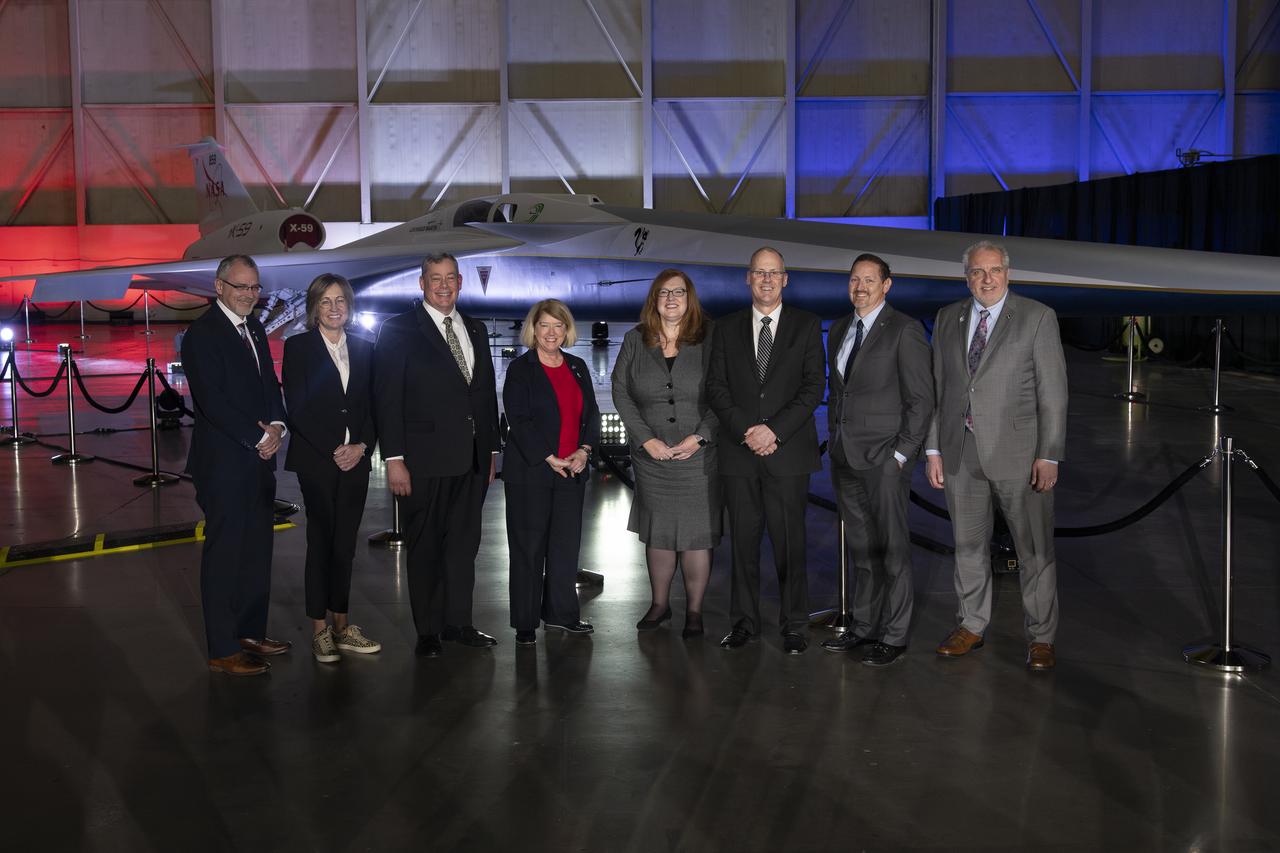
(from left to right) NASA Associate Administrator Jim Free, California Senior Economic Advisor to the Governor Dee Dee Myers, Lockheed Martin Executive Vice President of Aeronautics Greg Ulmer, NASA Deputy Administrator Pam Melroy, Low Boom Flight Demonstrator Project Manager Cathy Bahm, Lockheed Martin X-59 Project Manager David Richardson, Lockheed Martin Skunk Works Vice President and General Manager John Clark, and NASA Associate Administrator for the Aeronautics Research Mission Directorate Bob Pearce pose in front of the agency’s X-59 quiet supersonic research aircraft at a January 12, 2024 event at Lockheed Martin Skunk Works in Palmdale, California. The X-59 is the centerpiece of NASA’s Quesst mission, which seeks to solve one of the major barriers to supersonic flight over land, currently banned in the United States, by making sonic booms quieter.
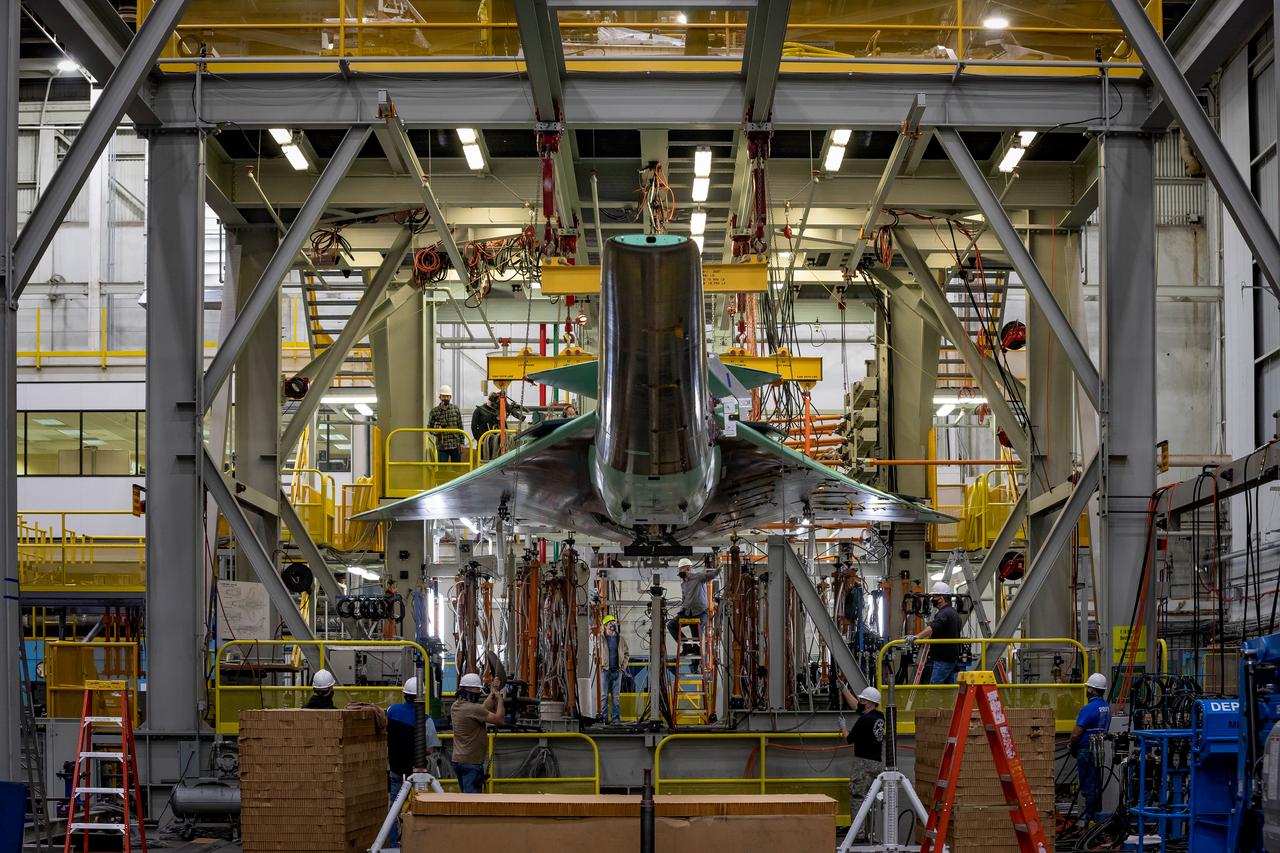
NASA’s X-59 is lowered into the test fixture as it prepares to undergo structural stress tests at Lockheed Martin in Fort Worth, Texas. The X-59 is a one-of-a-kind airplane designed to fly at supersonic speeds without making a startling sonic boom sound for the communities below. This is part of NASA’s Quesst mission which plans to help enable supersonic air travel over land.
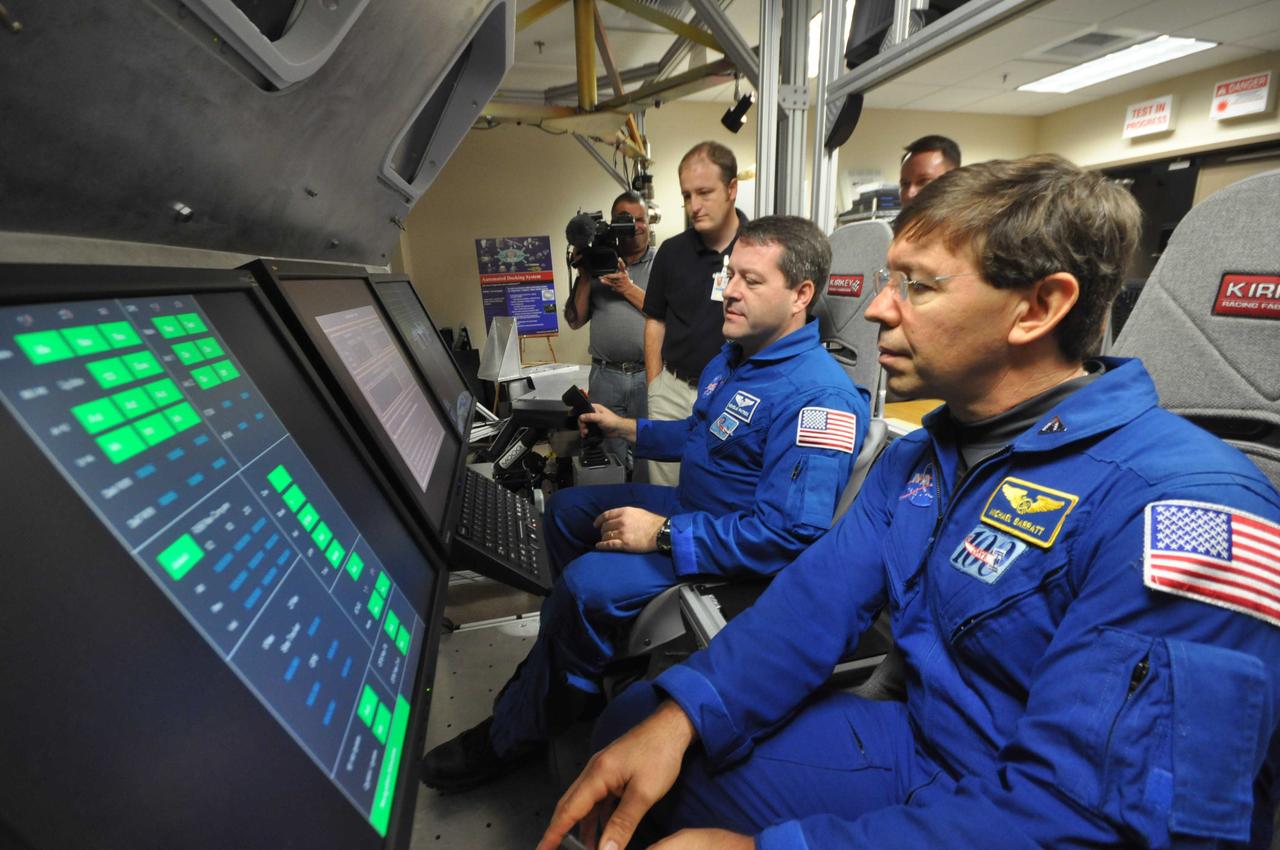
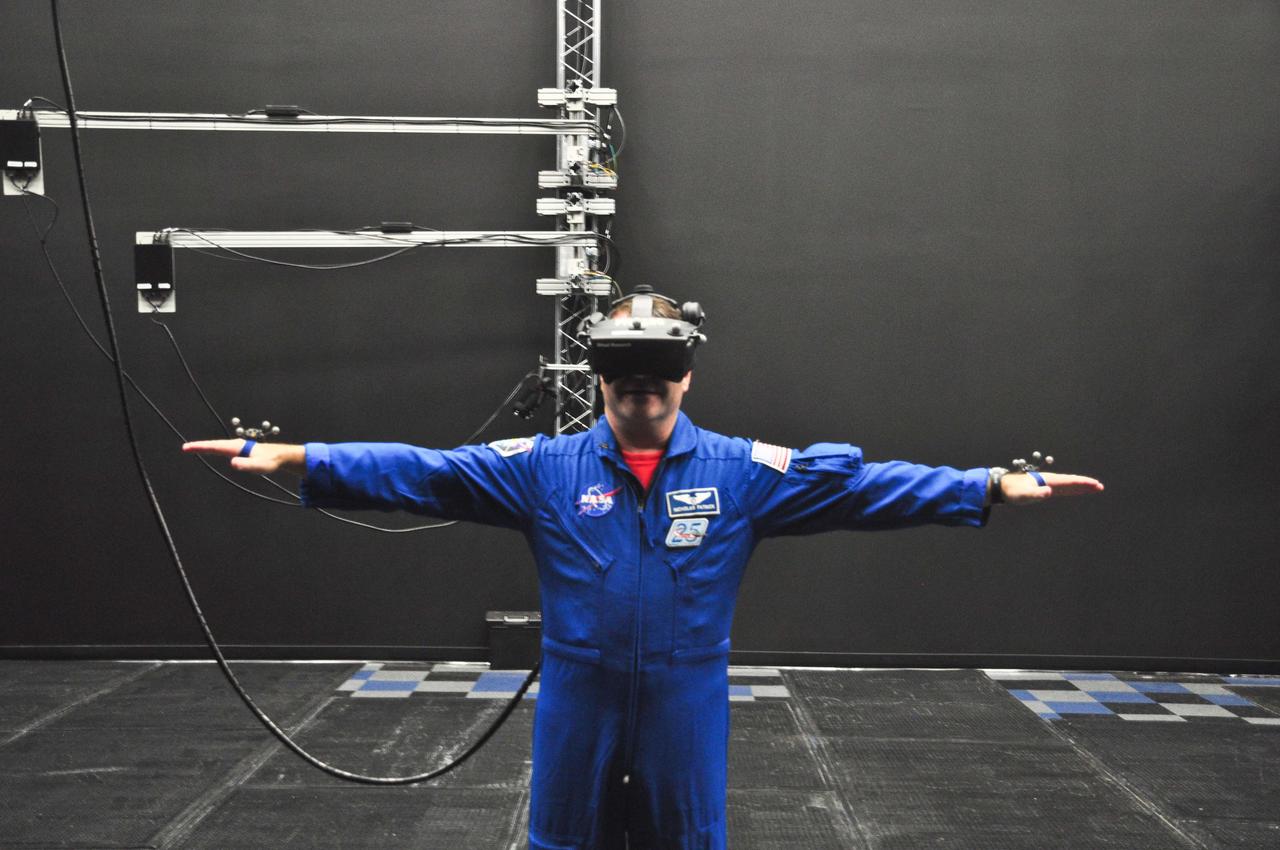
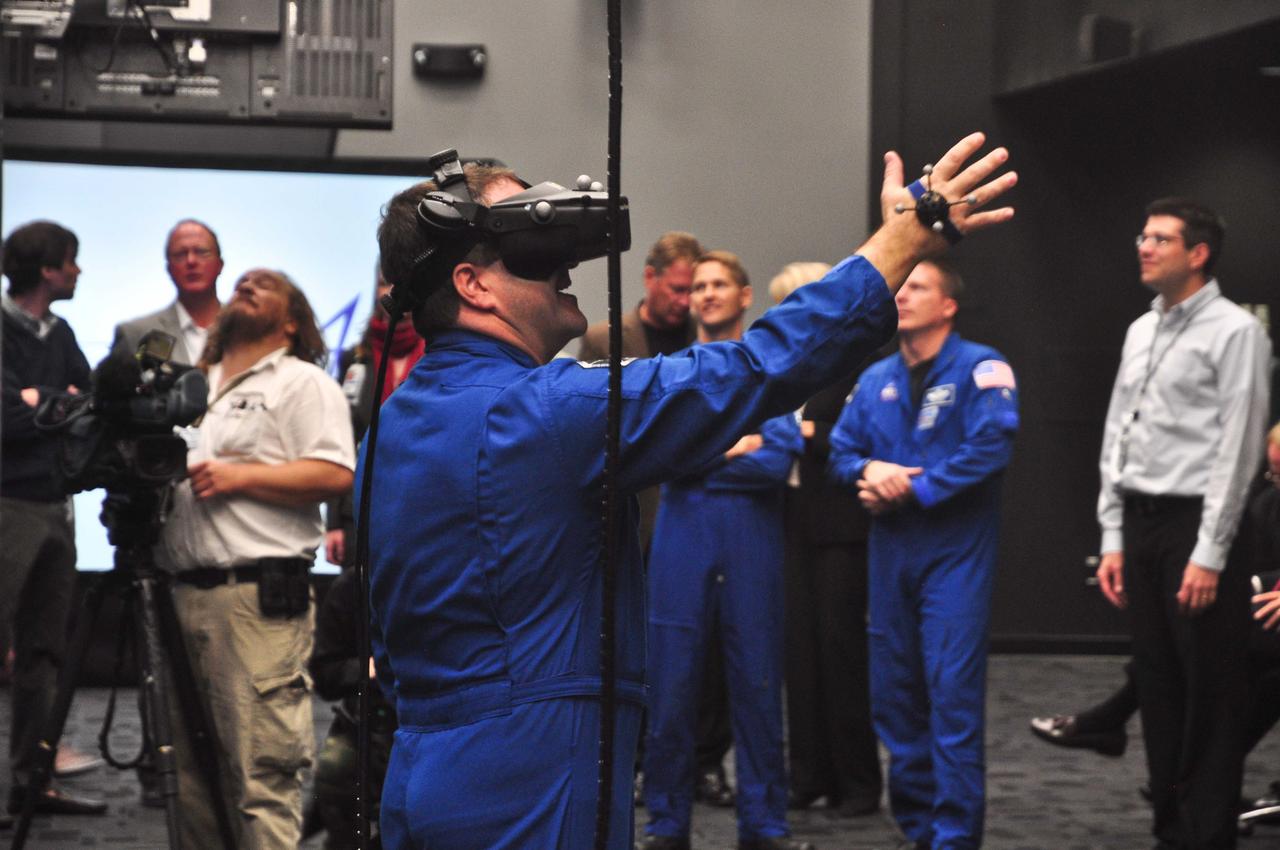
Orion Media Day takes place at Lockheed Martin’s Waterton facility in Littleton, Colorado on Oct. 21, 2011. Astronauts Michael Barratt and Nicholas Patrick are visible. Part of Batch image transfer from Flickr.
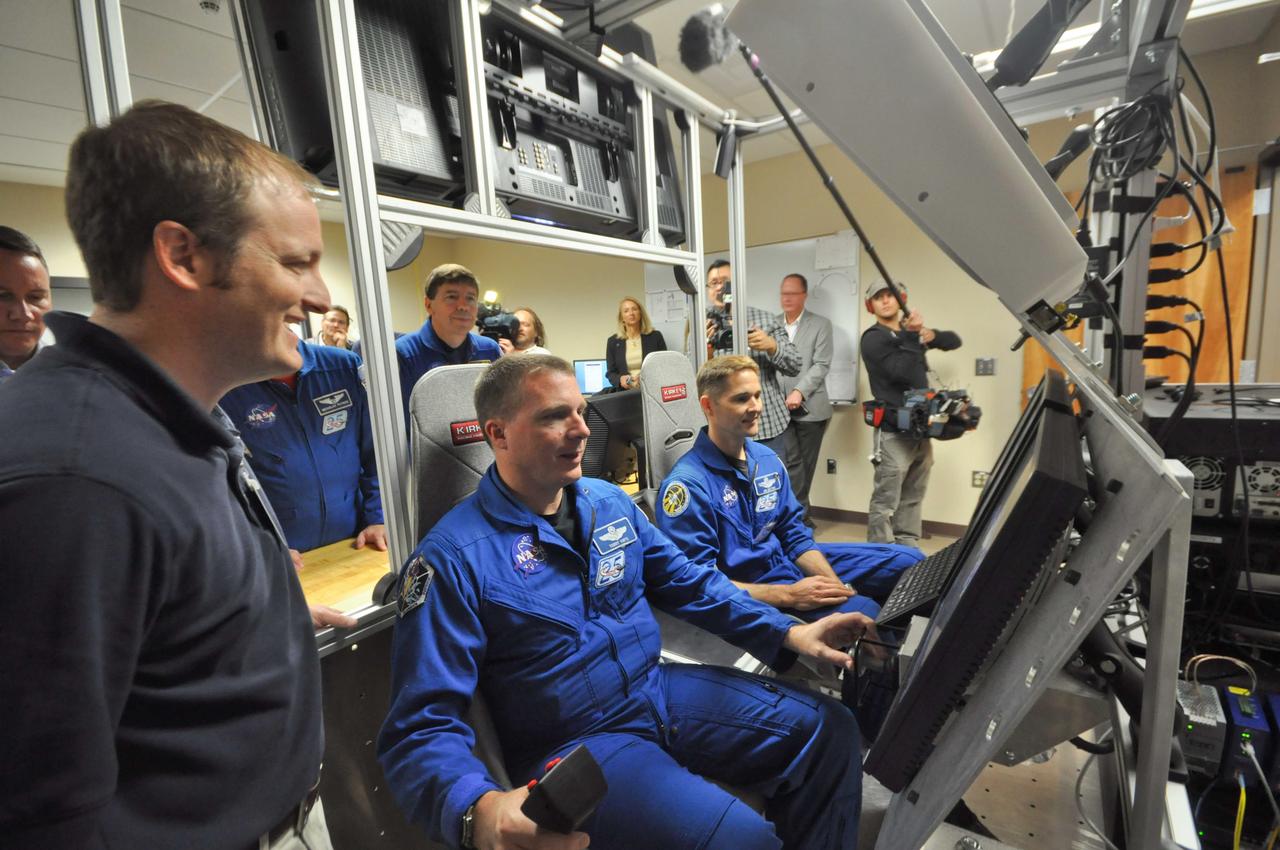
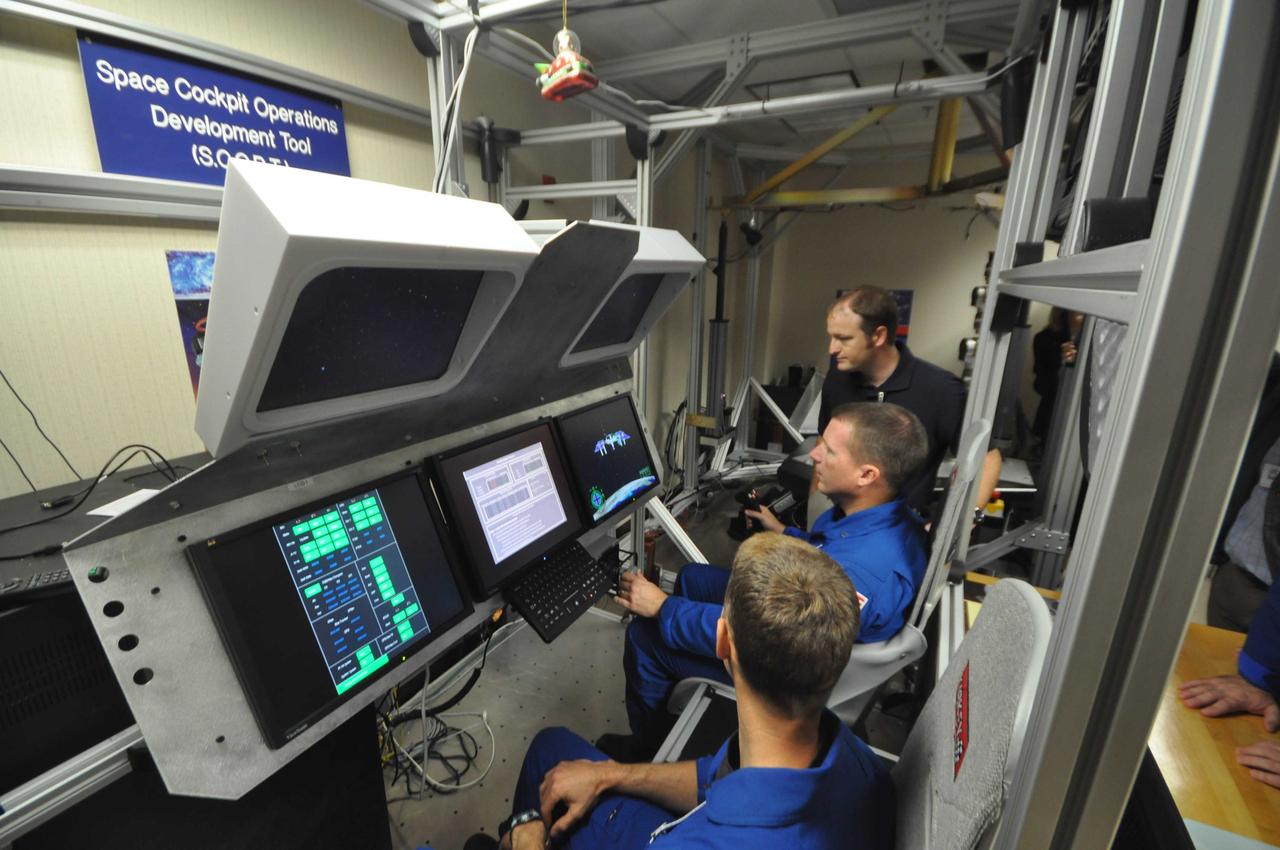
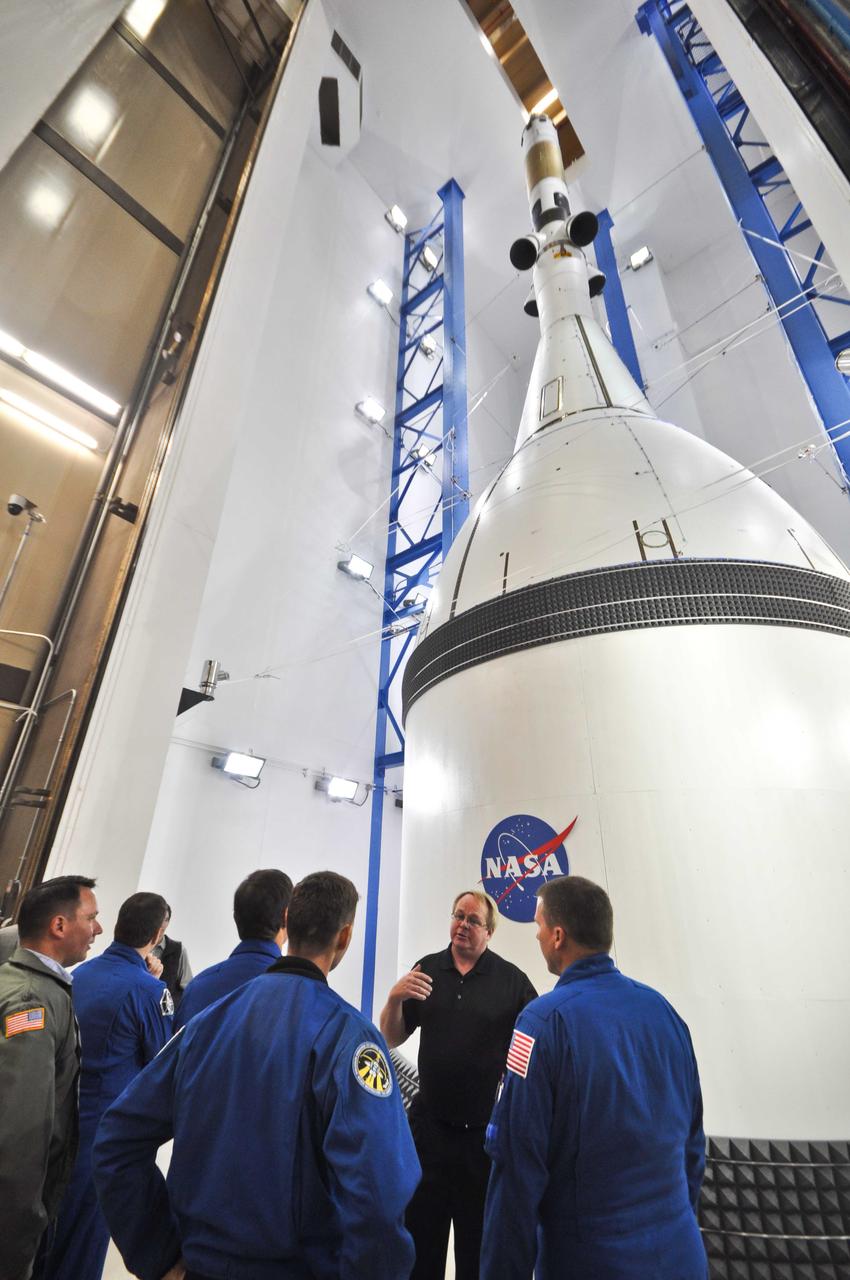
Orion Media Day takes place at Lockheed Martin’s Waterton facility in Littleton, Colorado on Oct. 21, 2011. Terry Virts visible Part of Batch image transfer from Flickr.

NASA Administrator Jim Bridenstine, right, speaks with President and CEO of the Challenger Center, Lance Bush, left, and Cheryl McNair, the widow of Challenger astronaut Ron McNair, after giving keynote remarks at the Challenger Center Annual Conference, Wednesday, August 14, 2019 at the Lockheed Martin Global Vision Center in Arlington, VA. Photo Credit: (NASA/Aubrey Gemignani)
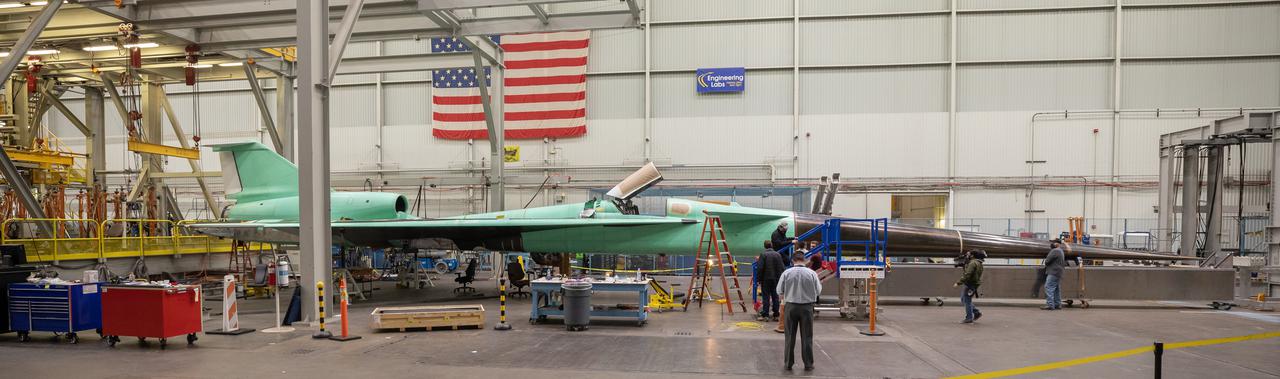
This panoramic side view of NASA’s X-59 Quiet SuperSonic Technology airplane shows the aircraft sitting on jacks at a Lockheed Martin test facility in Fort Worth, Texas. Lockheed Martin Aeronautics Company - Fort Worth - Chris Hanoch Subject: SEG 230 Nose Attachement FP#: 21-03420 POC: Analiese Smith, Chris Higgins Other info: X-59 in Fort Worth, testing

Event: SEG 410 Main Wing A Lockheed Martin technician works on the installation of wiring on the trailing edge structure of the right side of the X-59’s wing. The aircraft, under construction at Lockheed Martin Skunk Works in Palmdale, California, will demonstrate the ability to fly supersonic while reducing the loud sonic boom to a quiet sonic thump.
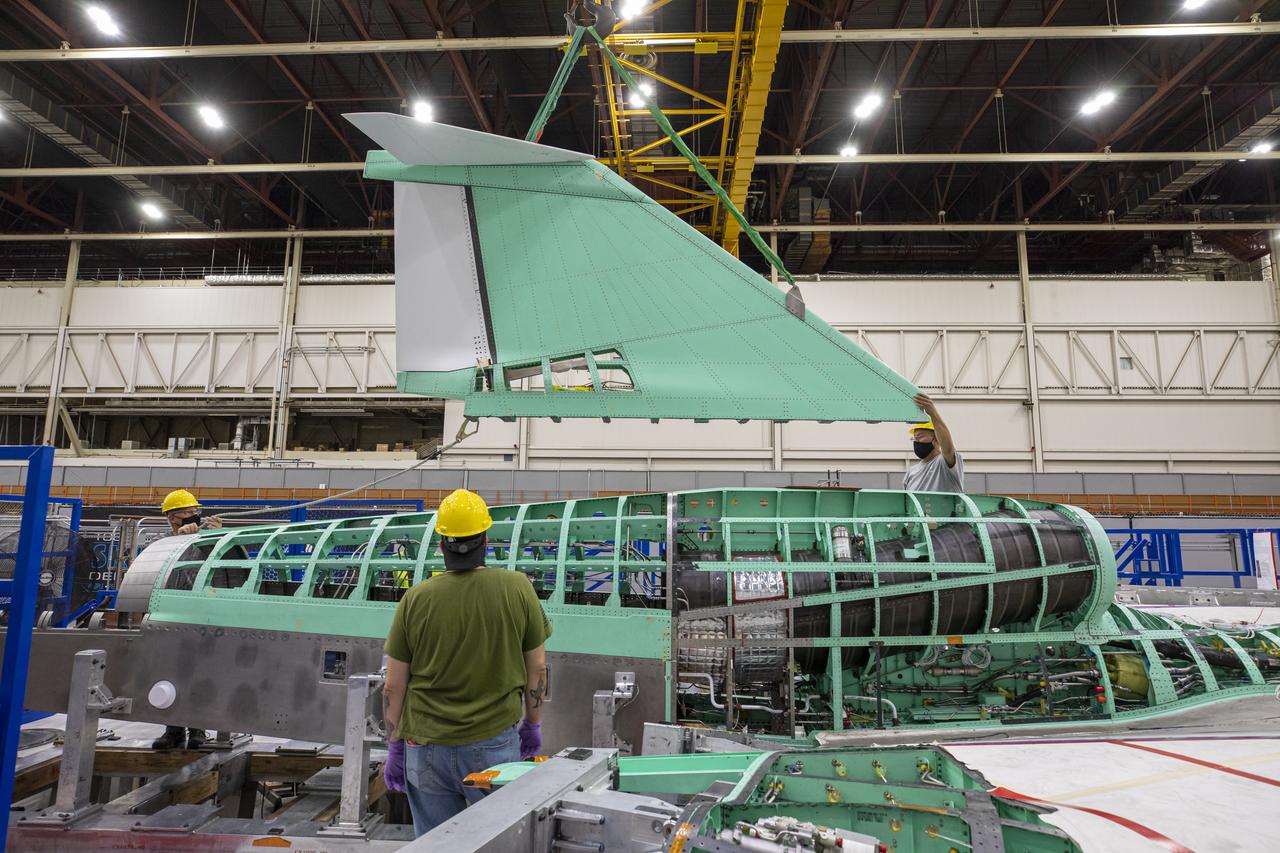
Event: SEG 570 Vertical Tail Assembly - Final Install Lockheed Martin technicians work on a fit check and installation of the vertical tail onto the X-59 aircraft. The plane is under construction at Lockheed Martin Skunk Works in Palmdale, California, will fly to demonstrate the ability to fly supersonic while reducing the loud sonic boom to a quiet sonic thump.
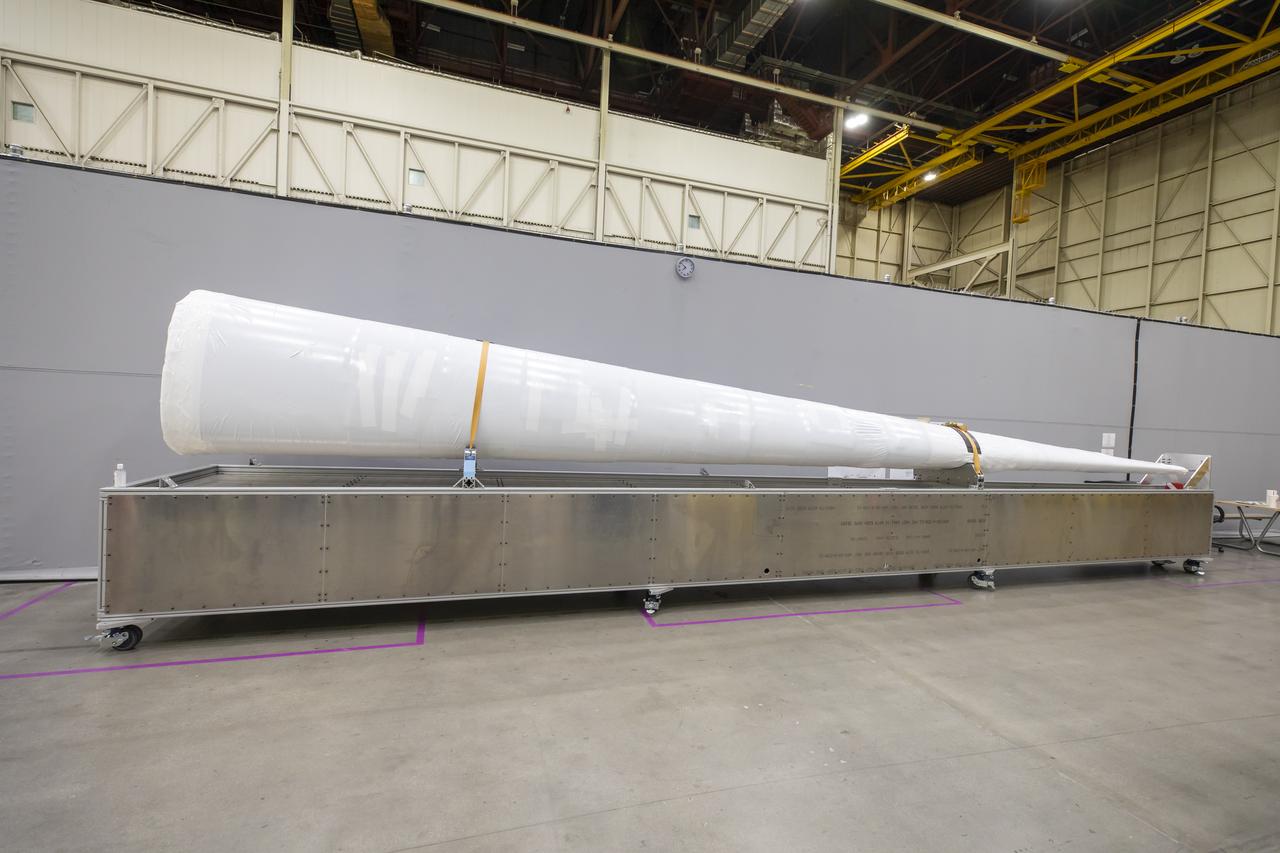
Event: SEG 230 Nose The X-59’s nose is wrapped up safely and rests on a dolly before the team temporarily attaches it to the aircraft for fit checks at Lockheed Martin in Palmdale, California. The full length of the X-plane’s nose is 38-feet – making up one third of the plane’s full length. The aircraft, under construction at Lockheed Martin Skunk Works in Palmdale, California, once in the air will demonstrate the ability to fly supersonic while reducing the loud sonic boom to a quiet sonic thump.
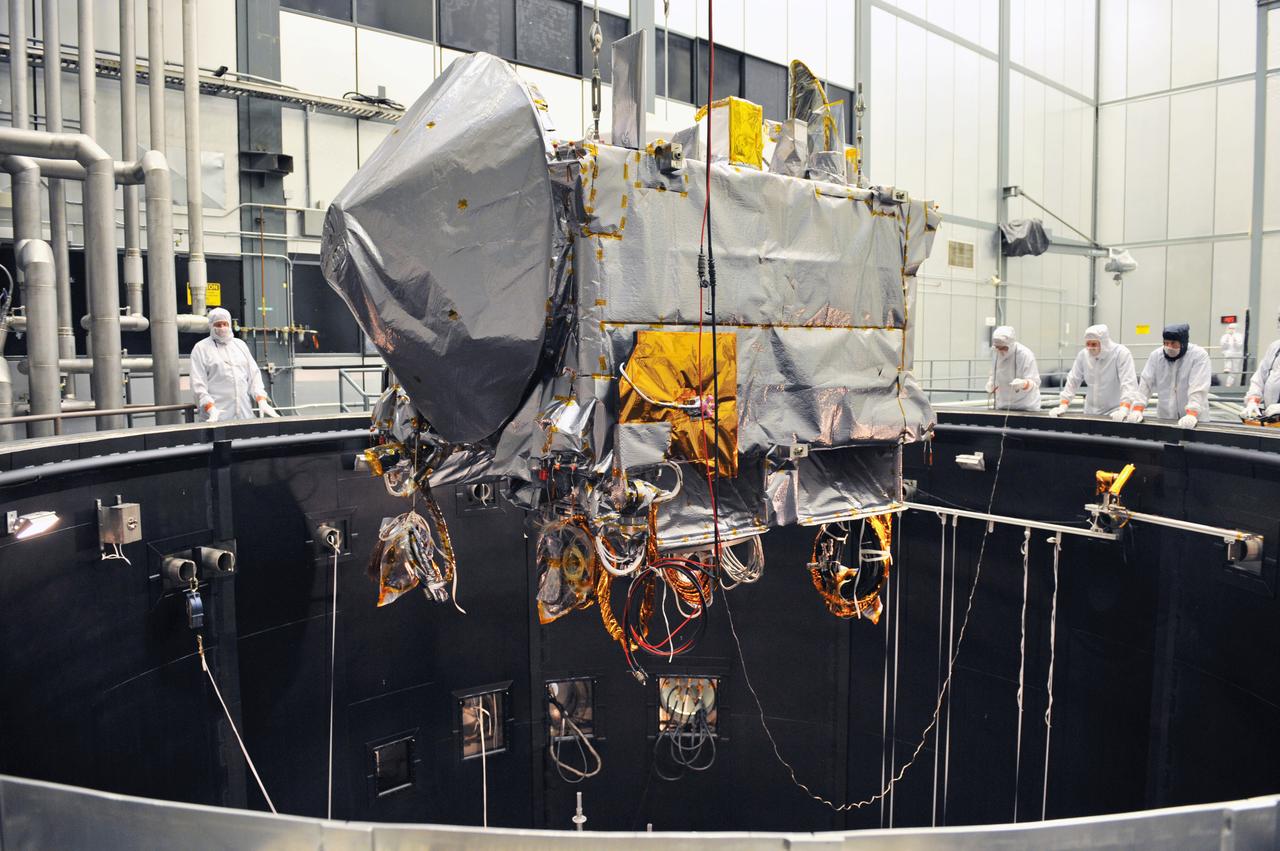
The OSIRIS-REx spacecraft being lifted into the thermal vacuum chamber at Lockheed Martin for environmental testing.
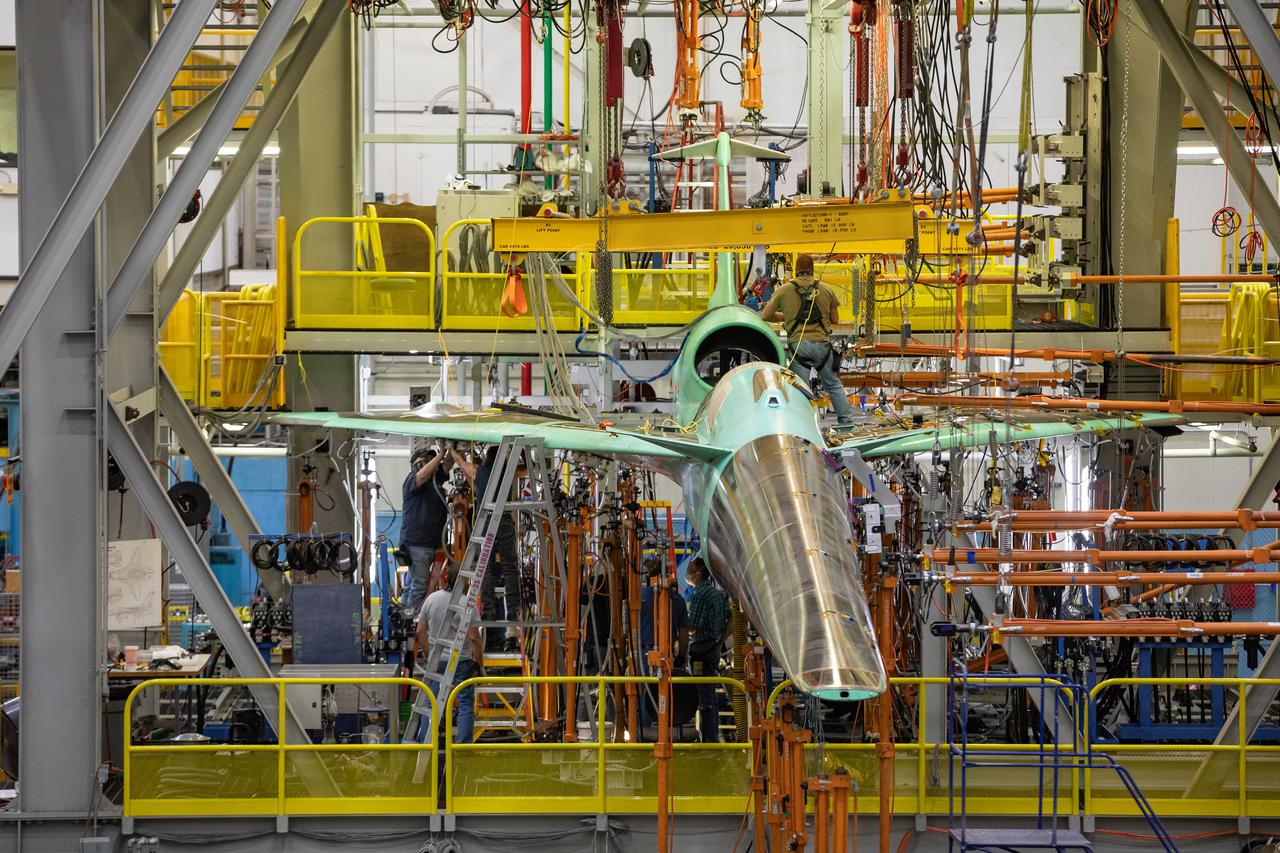
NASA’s X-59 Quiet SuperSonic Technology airplane undergoes structural stress tests at a Lockheed Martin facility in Fort Worth, Texas. Lockheed Martin Aeronautics Company - Fort Worth - Chris Hanoch Subject: X-59 - Various Angles in Test Fixture FP#: 21-03420 POC: Analiese Smith, Chris Higgins Other info: X-59 in Fort Worth, testing; high angle shots in fixture 1-10-22
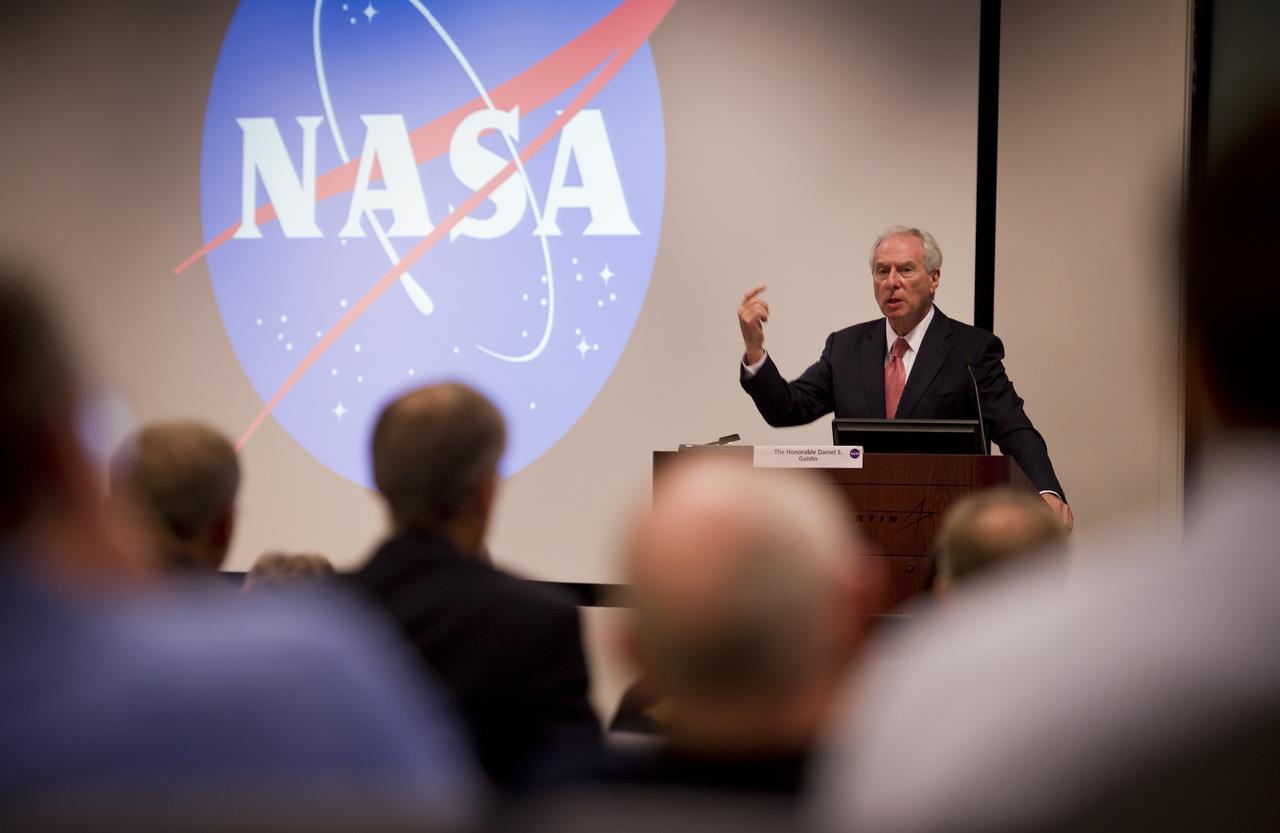
Dan Goldin, NASA's longest serving Administrator from 1992-2001 speaks during the "Seeking Signs of Life" Symposium, celebrating 50 Years of Exobiology and Astrobiology at NASA, Thursday, Oct. 14, 2010, at the Lockheed Martin Global Vision Center in Arlington, Va. NASA has been researching life in the universe since 1959, asking three fundamental questions: ‚"How does life begin and evolve?"‚ "Is there life beyond Earth and, if so, how can we detect it?‚" and "What is the future of life on Earth and in the universe?" Photo Credit: (NASA/Bill Ingalls)
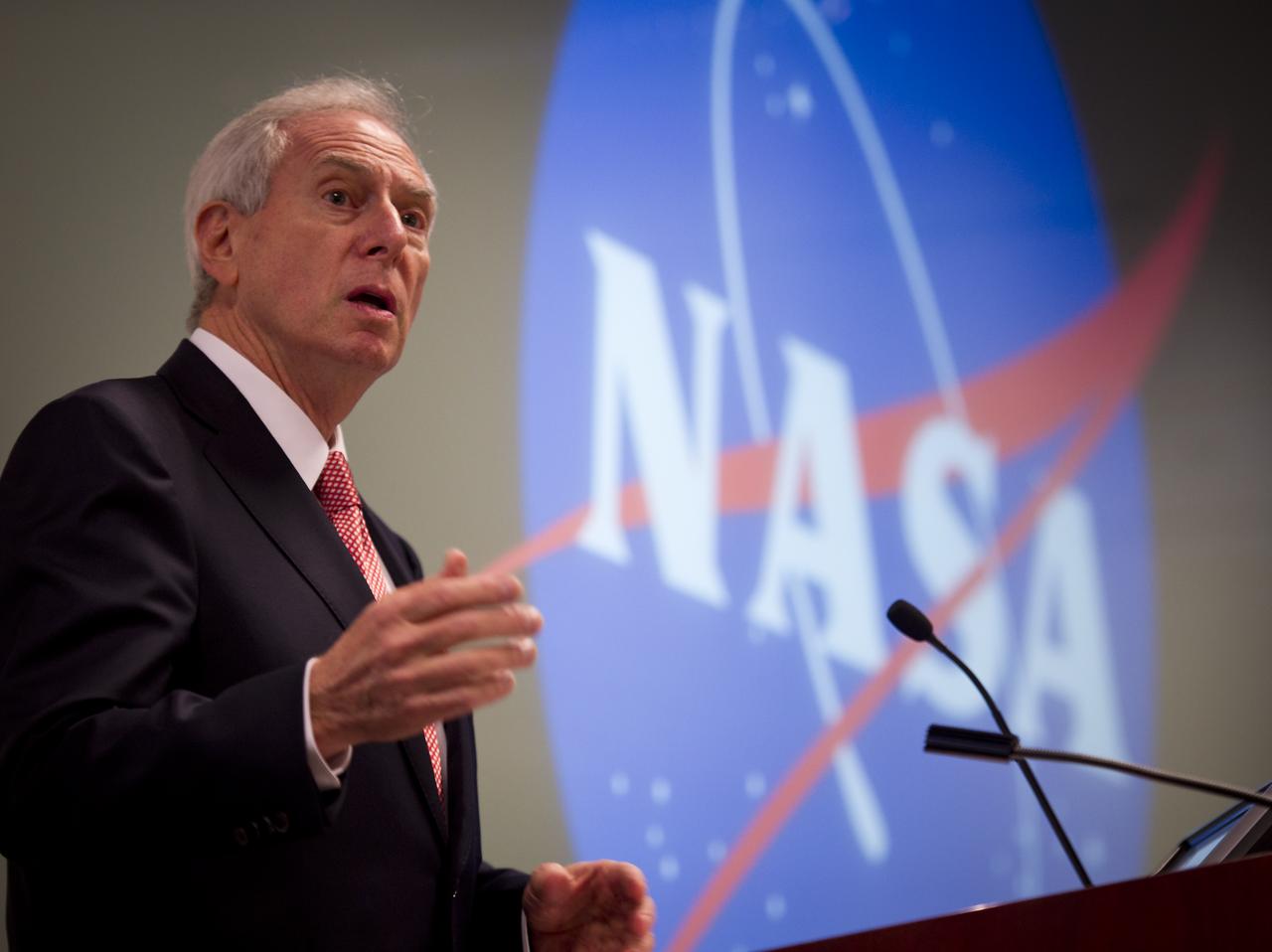
Dan Goldin, NASA's longest serving Administrator from 1992-2001 speaks during the "Seeking Signs of Life" Symposium, celebrating 50 Years of Exobiology and Astrobiology at NASA, Thursday, Oct. 14, 2010, at the Lockheed Martin Global Vision Center in Arlington, Va. NASA has been researching life in the universe since 1959, asking three fundamental questions: ‚"How does life begin and evolve?"‚ "Is there life beyond Earth and, if so, how can we detect it?‚" and "What is the future of life on Earth and in the universe?" Photo Credit: (NASA/Bill Ingalls)
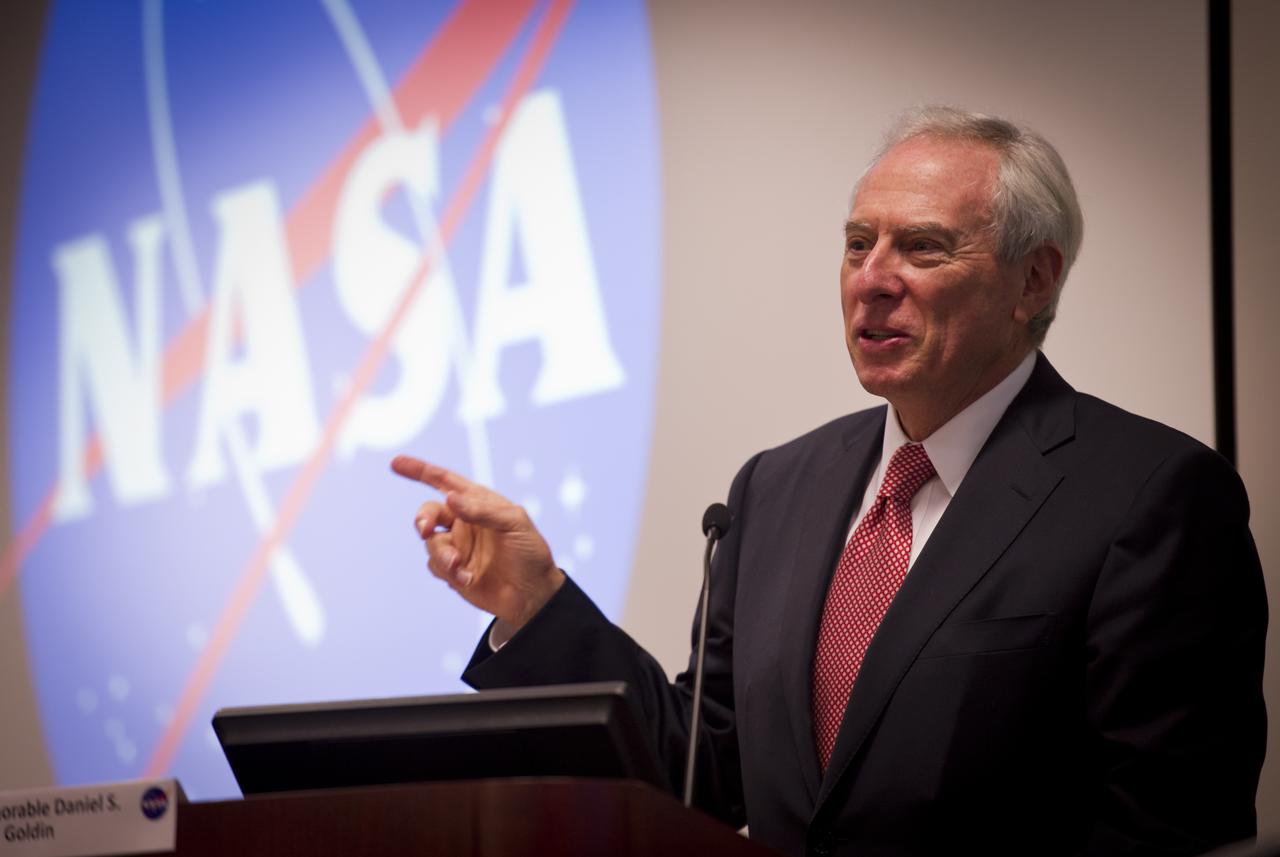
Dan Goldin, NASA's longest serving Administrator from 1992-2001 speaks during the "Seeking Signs of Life" Symposium, celebrating 50 Years of Exobiology and Astrobiology at NASA, Thursday, Oct. 14, 2010, at the Lockheed Martin Global Vision Center in Arlington, Va. NASA has been researching life in the universe since 1959, asking three fundamental questions: ‚"How does life begin and evolve?"‚ "Is there life beyond Earth and, if so, how can we detect it?‚" and "What is the future of life on Earth and in the universe?" Photo Credit: (NASA/Bill Ingalls)
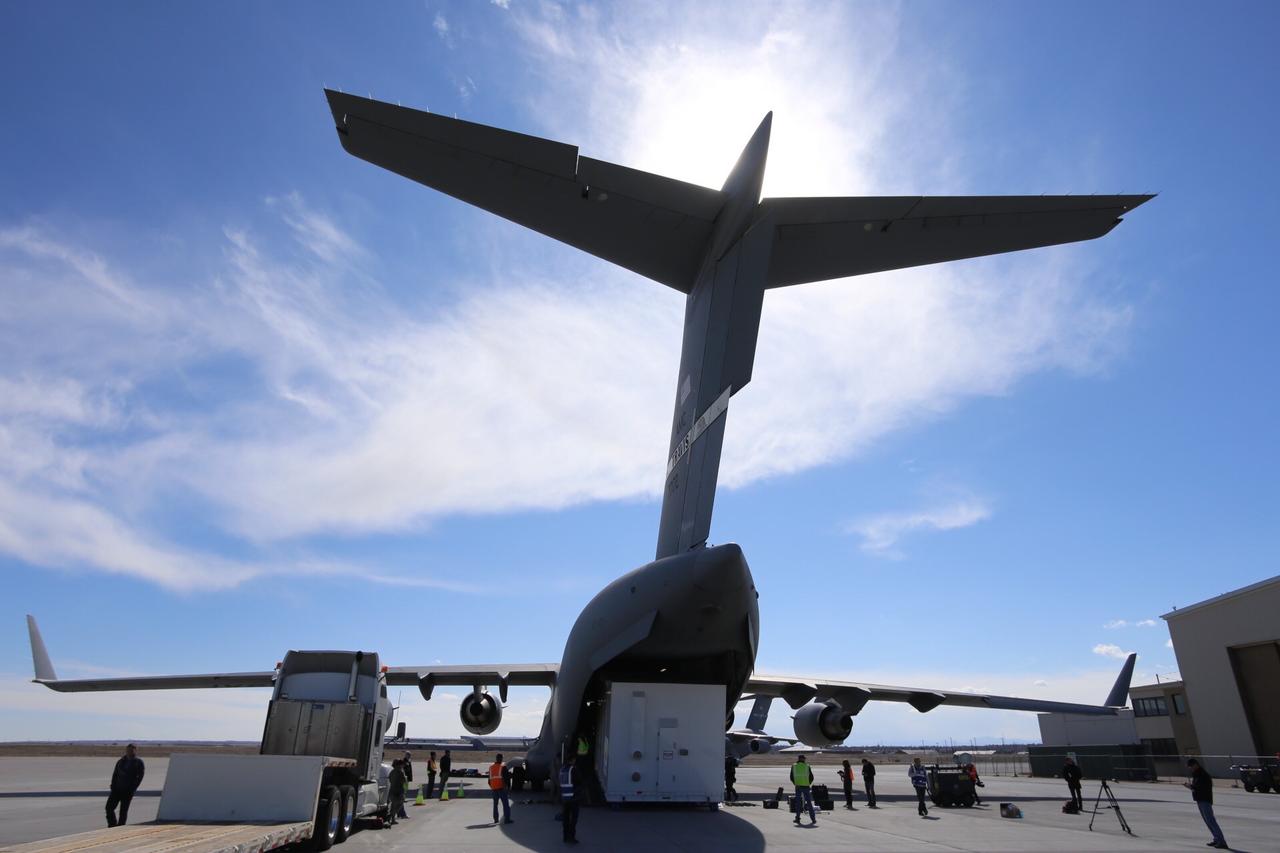
Personnel supporting NASA's InSight mission to Mars load the crated InSight spacecraft into a C-17 cargo aircraft at Buckley Air Force Base, Denver, for shipment to Vandenberg Air Force Base, California. The spacecraft, built in Colorado by Lockheed Martin Space, was shipped February 28, 2018, in preparation for launch from Vandenberg in May 2018. InSight, short for Interior Exploration using Seismic Investigations, Geodesy and Heat Transport, is the first mission dedicated to studying the deep interior of Mars. Its findings will advance understanding of the early history of all rocky planets, including Earth. https://photojournal.jpl.nasa.gov/catalog/PIA22252
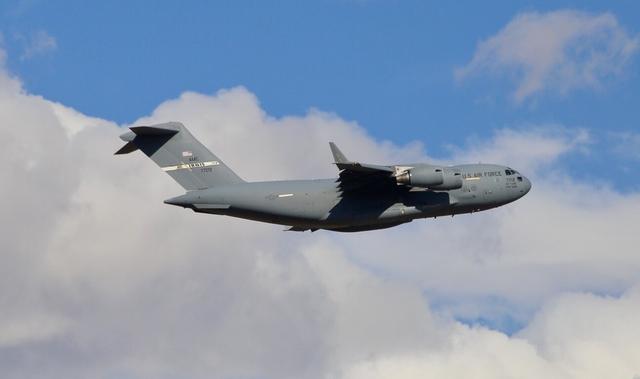
A C-17 cargo aircraft carrying NASA's InSight spacecraft flew from Buckley Air Force Base, Denver, to Vandenberg Air Force Base, California, on February 28, 2018. The spacecraft was being shipped from Lockheed Martin Space, Denver, where InSight was built and tested. Its launch period opens May 5, 2018. InSight, short for Interior Exploration using Seismic Investigations, Geodesy and Heat Transport, is the first mission dedicated to studying the deep interior of Mars. Its findings will advance understanding of the early history of all rocky planets, including Earth. https://photojournal.jpl.nasa.gov/catalog/PIA22251
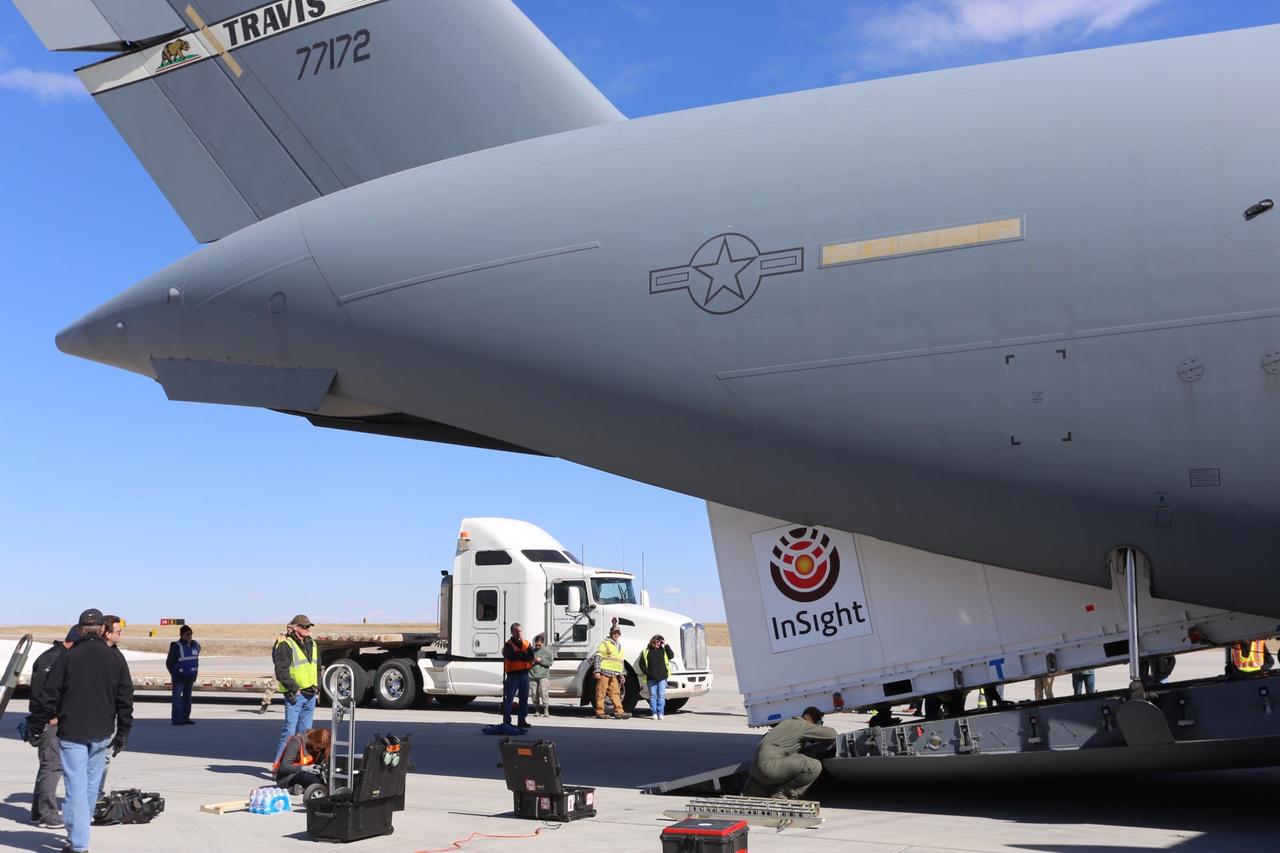
Personnel supporting NASA's InSight mission to Mars load the crated InSight spacecraft into a C-17 cargo aircraft at Buckley Air Force Base, Denver, for shipment to Vandenberg Air Force Base, California. The spacecraft, built in Colorado by Lockheed Martin Space, was shipped February 28, 2018, in preparation for launch from Vandenberg in May 2018. InSight, short for Interior Exploration using Seismic Investigations, Geodesy and Heat Transport, is the first mission dedicated to studying the deep interior of Mars. Its findings will advance understanding of the early history of all rocky planets, including Earth. https://photojournal.jpl.nasa.gov/catalog/PIA22253

Acting NASA Administrator Sean Duffy, left, speaks with Orion Assembly, Test, and Launch Operations Director at Lockheed Martin, Nathan Varn, during a tour of Lockheed Martin’s Orion Facility, Wednesday, July 30, 2025, at NASA’s Kennedy Space Center in Florida. Photo Credit: (NASA/Aubrey Gemignani)
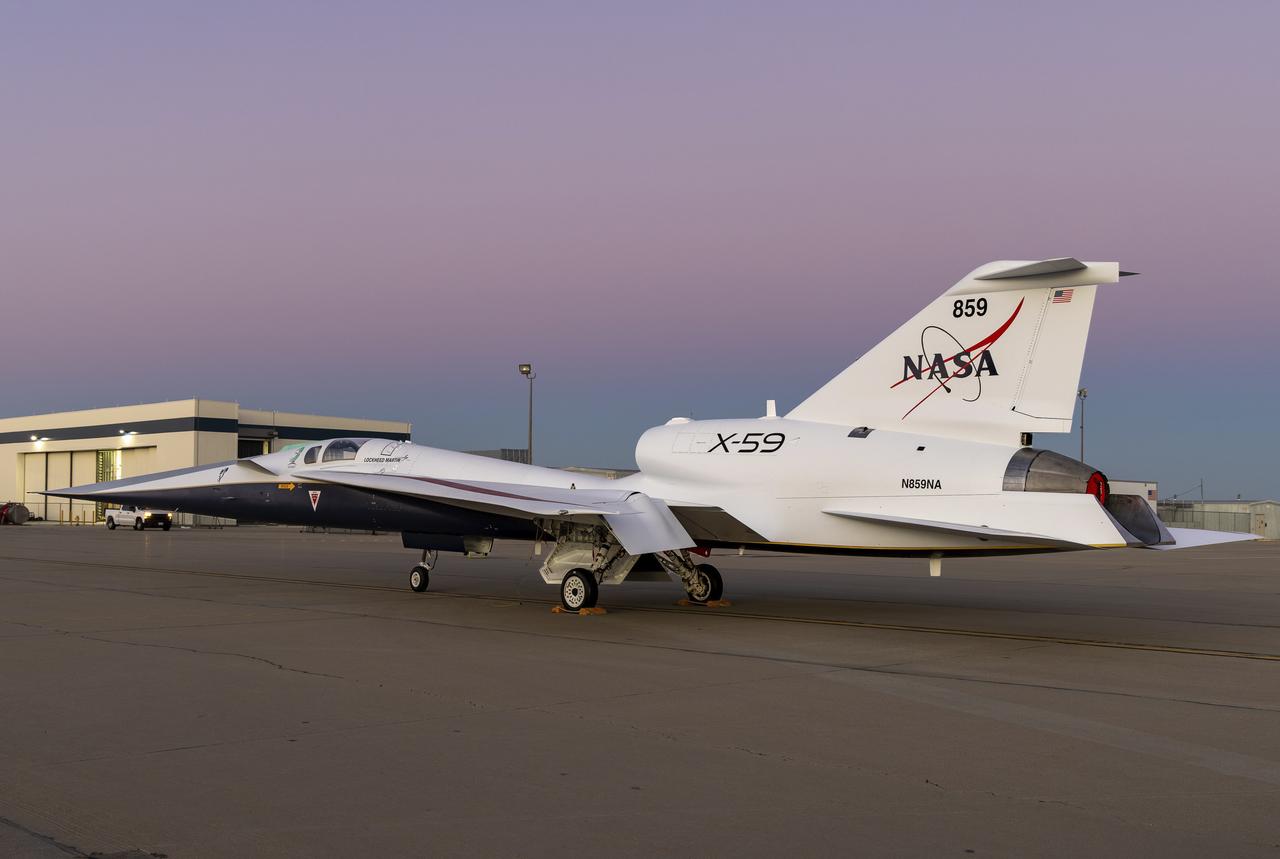
NASA’s X-59 quiet supersonic research aircraft sits on a ramp at Lockheed Martin Skunk Works in Palmdale, California, during sunset. The one-of-a-kind aircraft is powered by a General Electric F414 engine, a variant of the engines used on F/A-18 fighter jets. The engine is mounted above the fuselage to reduce the number of shockwaves that reach the ground. The X-59 is the centerpiece of NASA's Quesst mission, which aims to demonstrate quiet supersonic flight and enable future commercial travel over land – faster than the speed of sound.
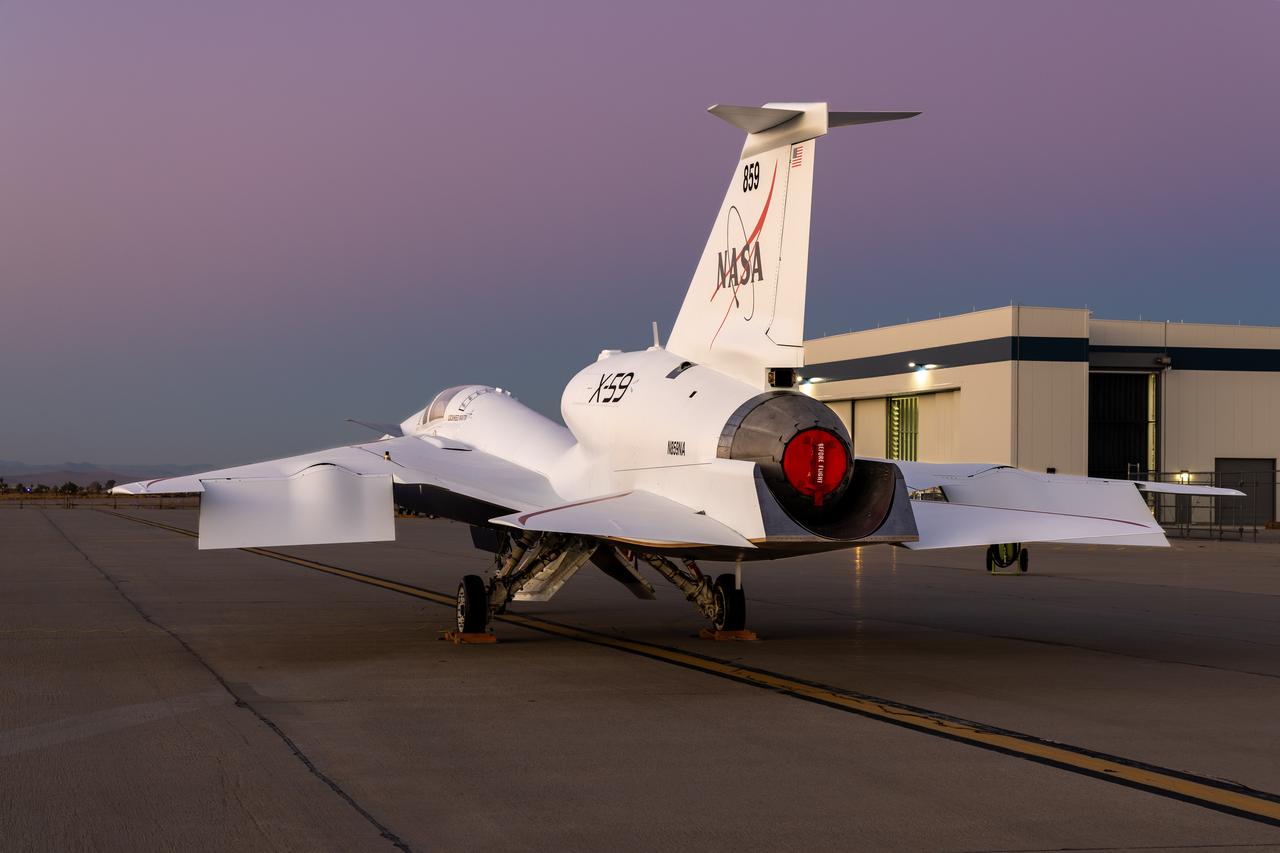
NASA’s X-59 quiet supersonic research aircraft sits on a ramp at Lockheed Martin Skunk Works in Palmdale, California, during sunset. The one-of-a-kind aircraft is powered by a General Electric F414 engine, a variant of the engines used on F/A-18 fighter jets. The engine is mounted above the fuselage to reduce the number of shockwaves that reach the ground. The X-59 is the centerpiece of NASA's Quesst mission, which aims to demonstrate quiet supersonic flight and enable future commercial travel over land – faster than the speed of sound.
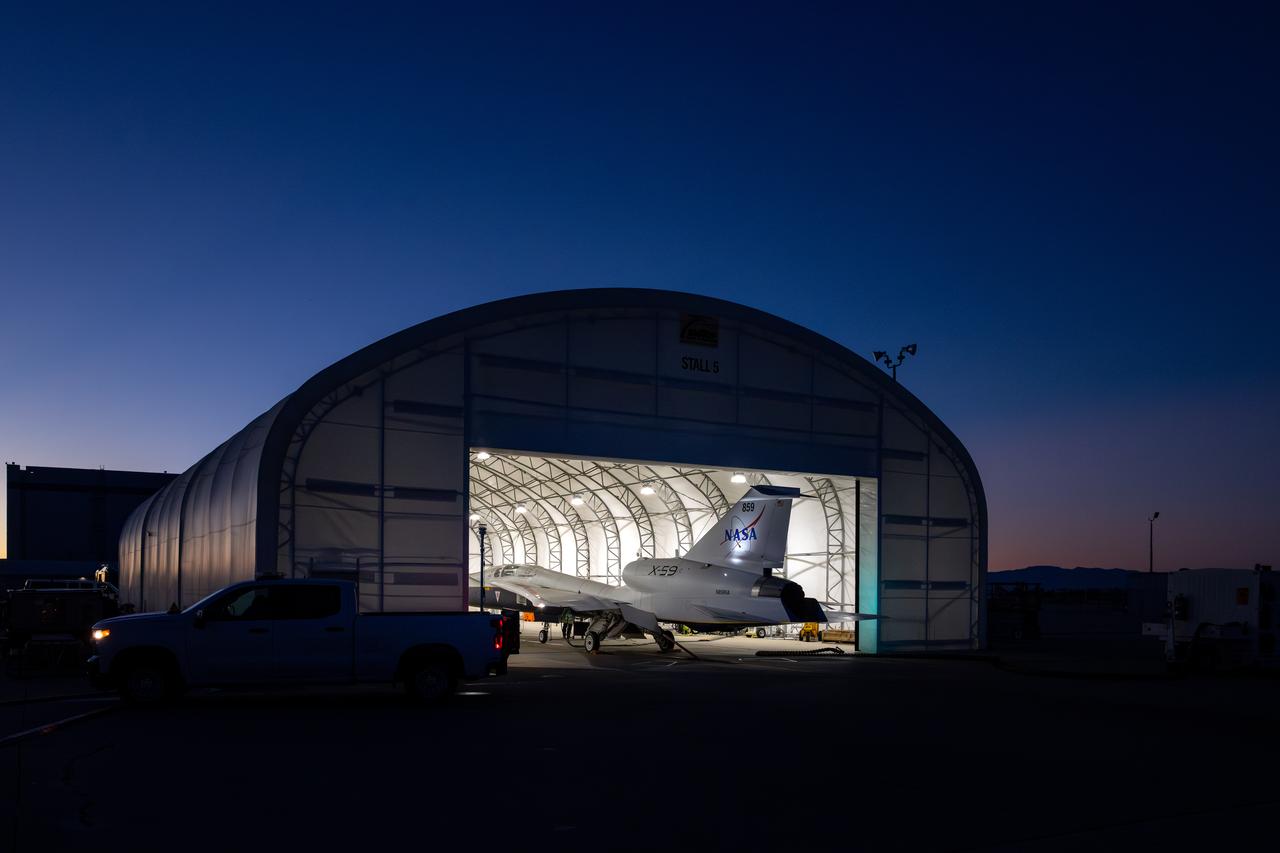
NASA’s X-59 quiet supersonic research aircraft sits inside its run stall following maximum afterburner testing at Lockheed Martin’s Skunk Works facility in Palmdale, California. The test demonstrates the engine’s ability to generate the thrust required for supersonic flight, advancing NASA’s Quesst mission. The X-59 is the centerpiece of the mission, designed to demonstrate quiet supersonic flight over land, addressing a key barrier to commercial supersonic travel.
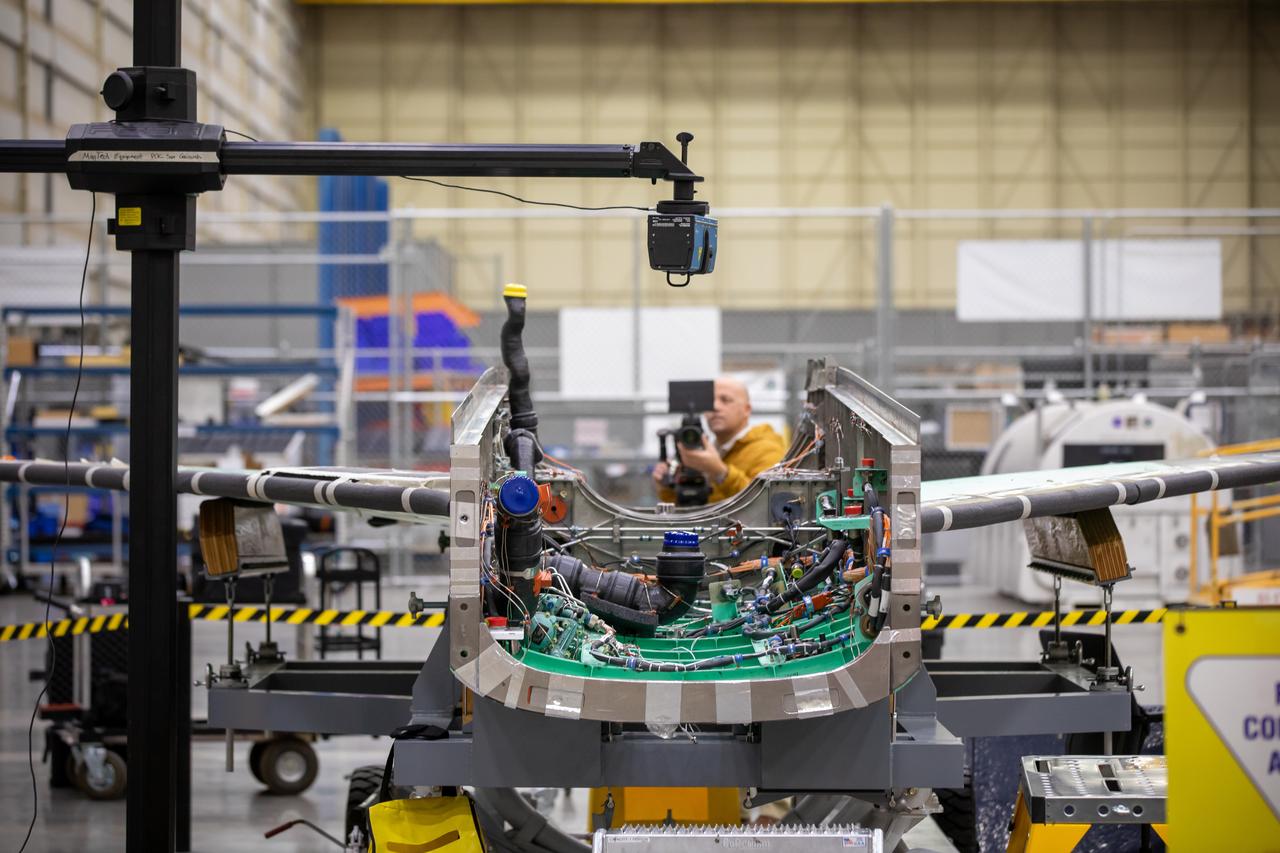
A laser scans the inside of the X-59 aircraft’s lower engine bay at Lockheed Martin Skunk Works in Palmdale, California. These scans can help identify potential hardware or wiring interferences prior to the final installation of the engine and lower tail.
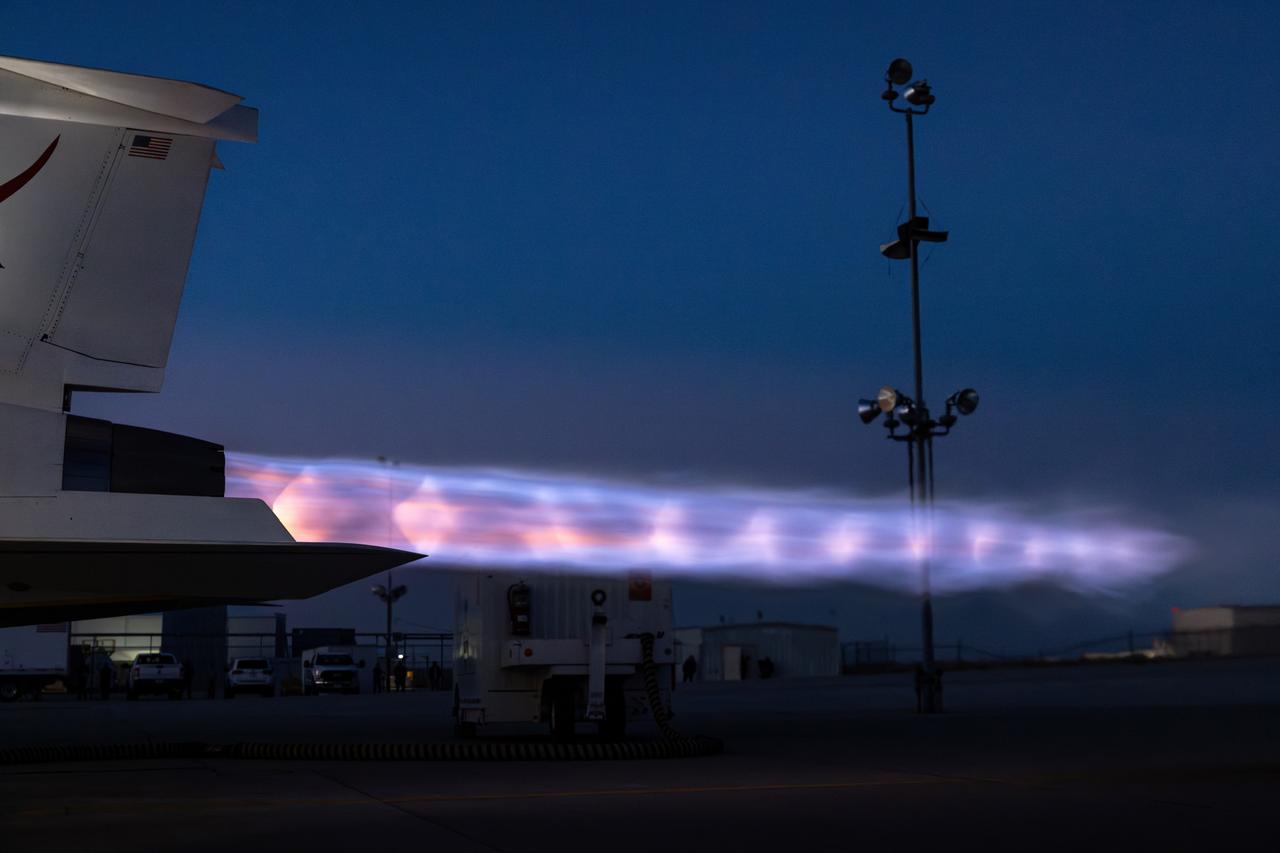
NASA’s X-59 lights up the night sky with its unique Mach diamonds, also known as shock diamonds, during maximum afterburner testing at Lockheed Martin Skunk Works in Palmdale, California. The test demonstrates the engine’s ability to generate the thrust required for supersonic flight, advancing NASA’s Quesst mission.
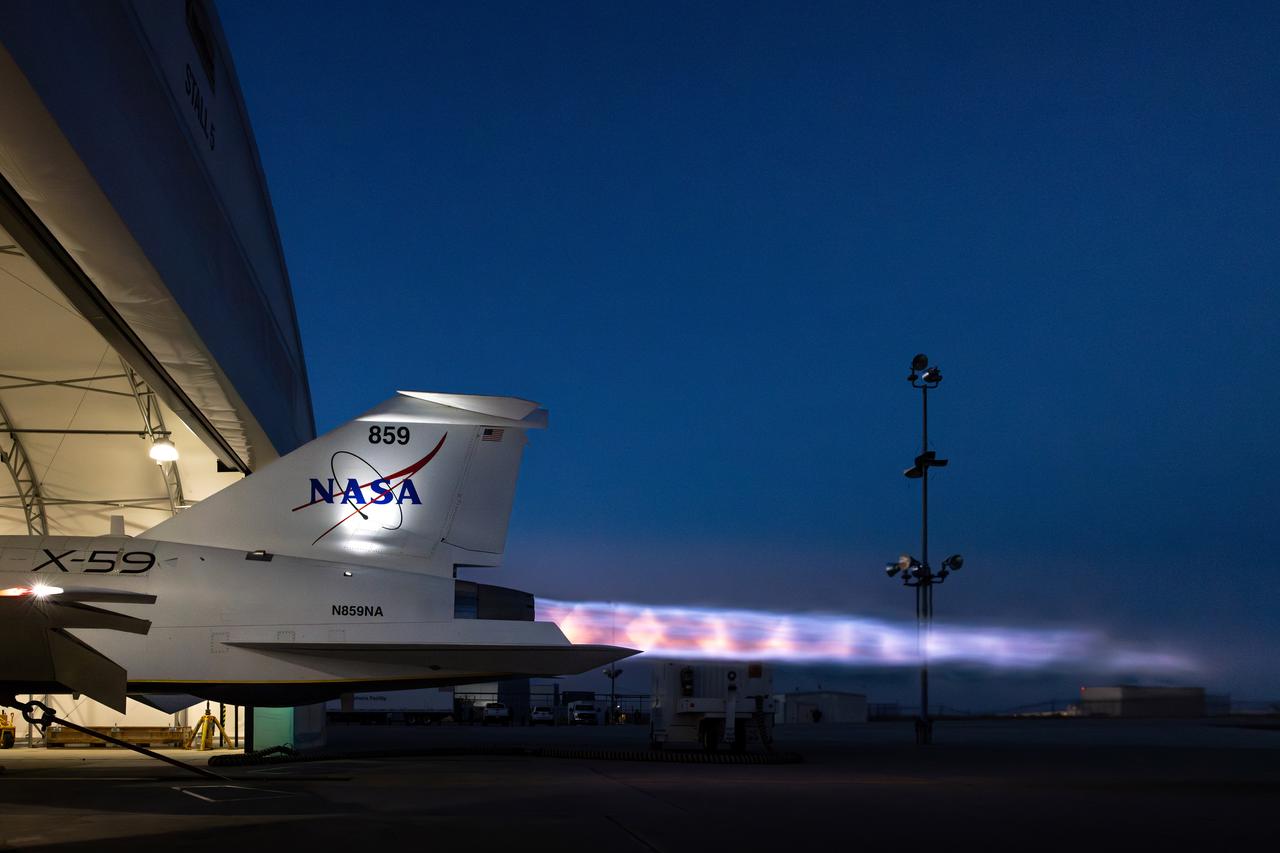
NASA’s X-59 lights up the night sky with its unique Mach diamonds, also known as shock diamonds, during maximum afterburner testing at Lockheed Martin Skunk Works in Palmdale, California. The test demonstrates the engine’s ability to generate the thrust required for supersonic flight, advancing NASA’s Quesst mission.
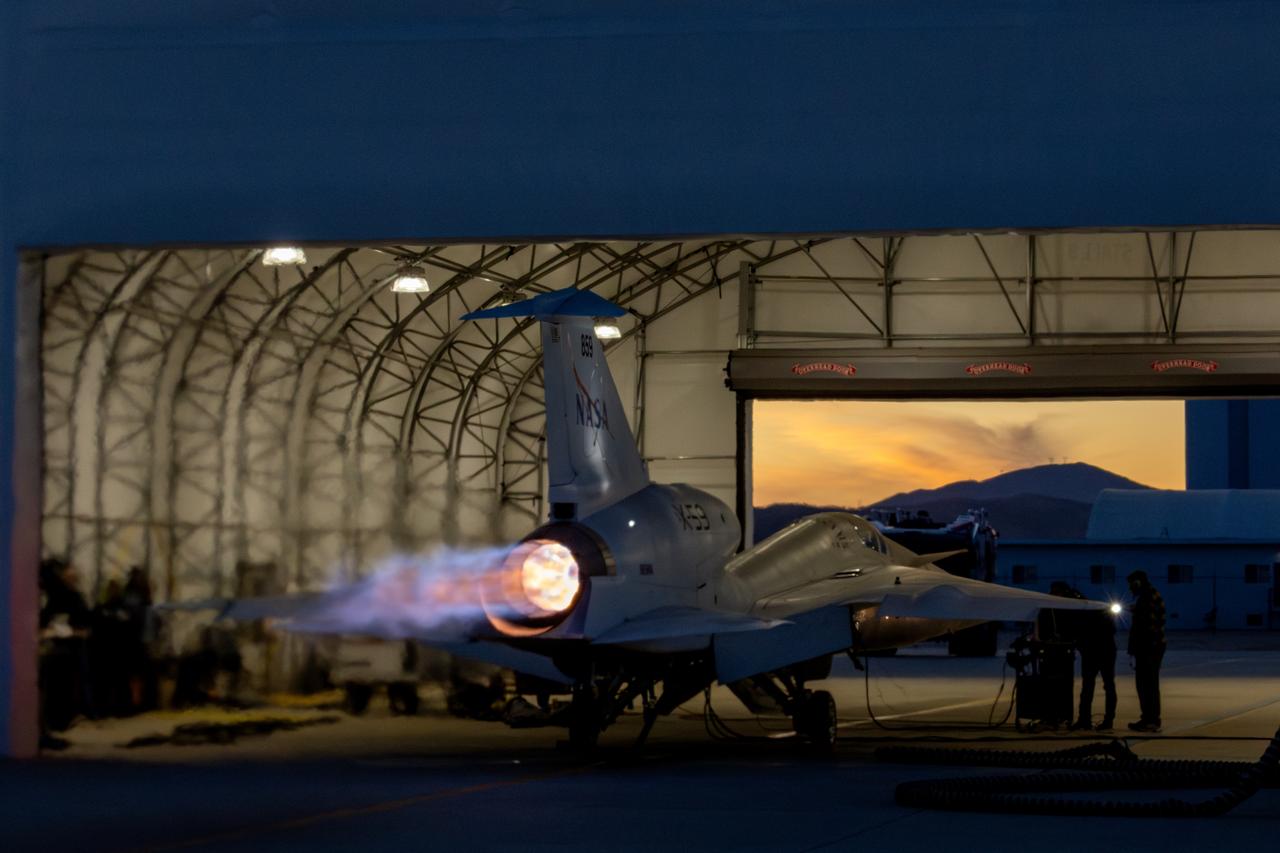
NASA’s X-59 lights up the night sky with its unique Mach diamonds, also known as shock diamonds, during maximum afterburner testing at Lockheed Martin Skunk Works in Palmdale, California. The test demonstrates the engine’s ability to generate the thrust required for supersonic flight, advancing NASA’s Quesst mission.
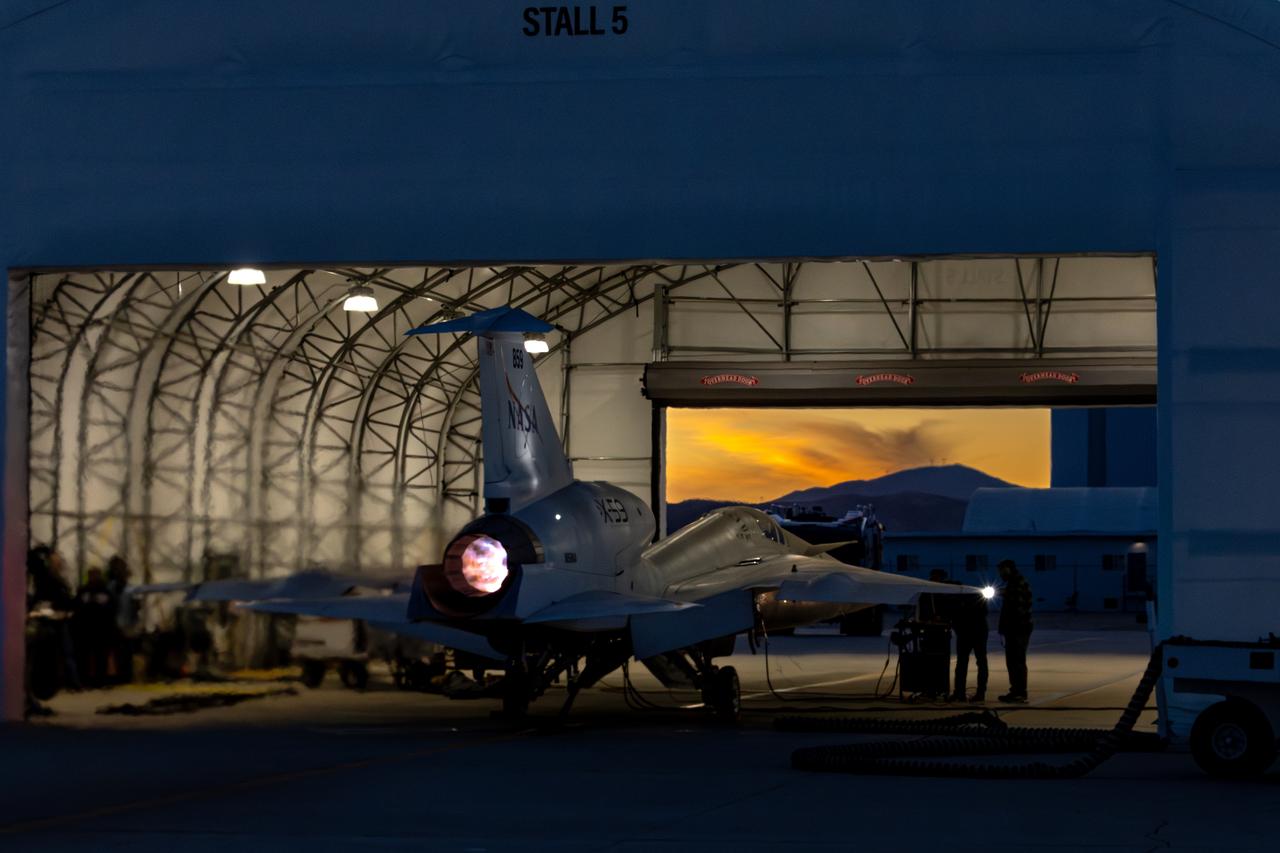
NASA’s X-59 lights up the night sky with its unique Mach diamonds, also known as shock diamonds, during maximum afterburner testing at Lockheed Martin Skunk Works in Palmdale, California. The test demonstrates the engine’s ability to generate the thrust required for supersonic flight, advancing NASA’s Quesst mission.
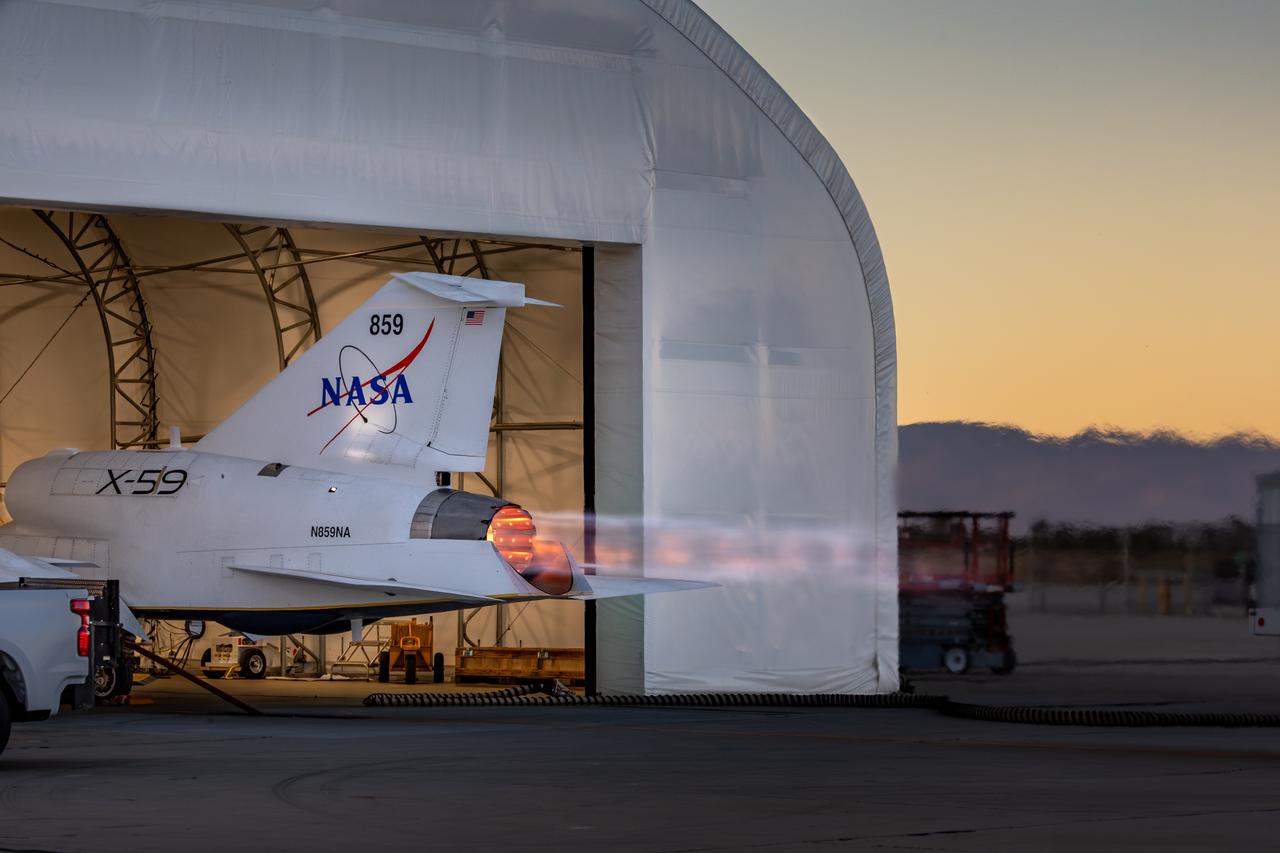
NASA’s X-59 lights up the night sky with its unique Mach diamonds, also known as shock diamonds, during maximum afterburner testing at Lockheed Martin Skunk Works in Palmdale, California. The test demonstrates the engine’s ability to generate the thrust required for supersonic flight, advancing NASA’s Quesst mission.

NASA’s X-59 lights up the night sky with its unique Mach diamonds, also known as shock diamonds, during maximum afterburner testing at Lockheed Martin Skunk Works in Palmdale, California. The test demonstrates the engine’s ability to generate the thrust required for supersonic flight, advancing NASA’s Quesst mission.
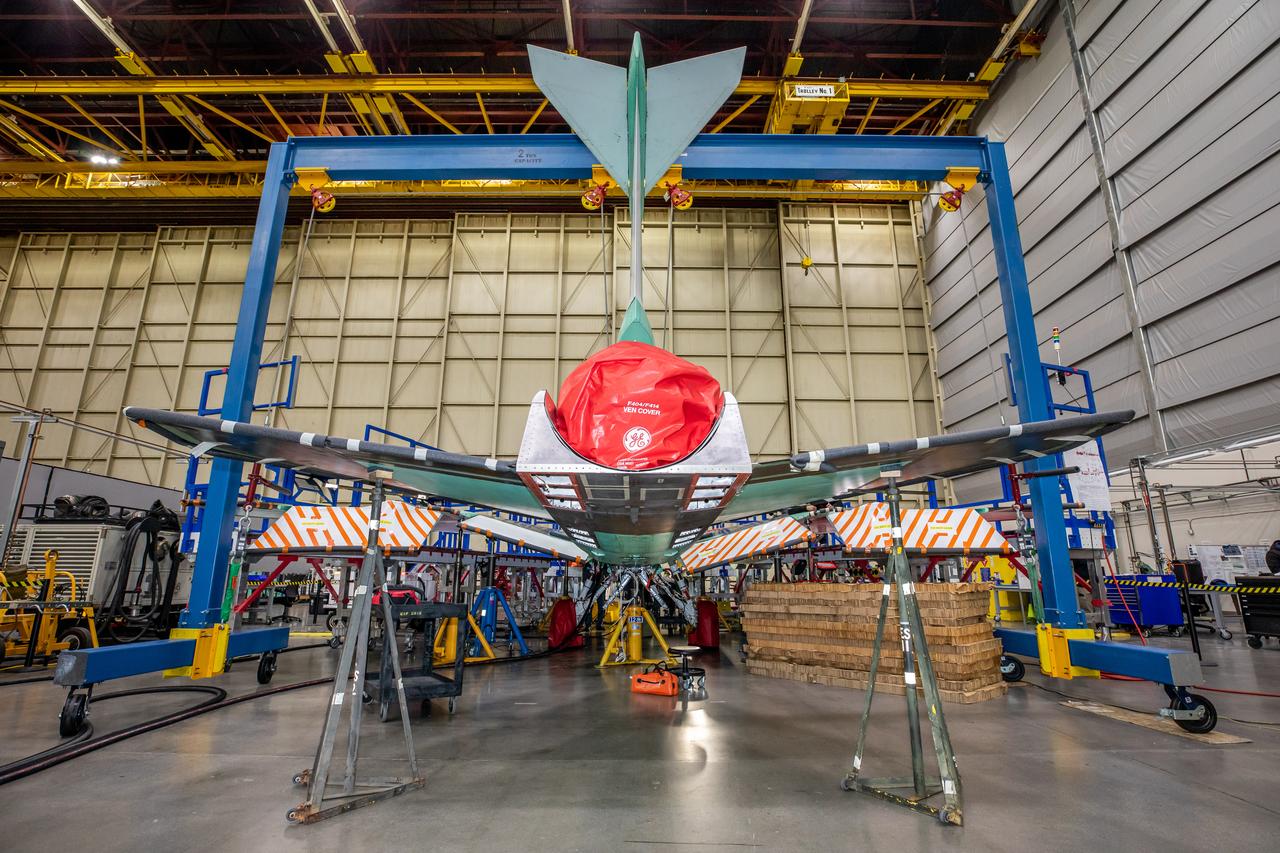
NASA’s X-59 sits in support framing while undergoing the installation of its lower empennage, or tail section, at Lockheed Martin Skunk Works in Palmdale, California in late March.
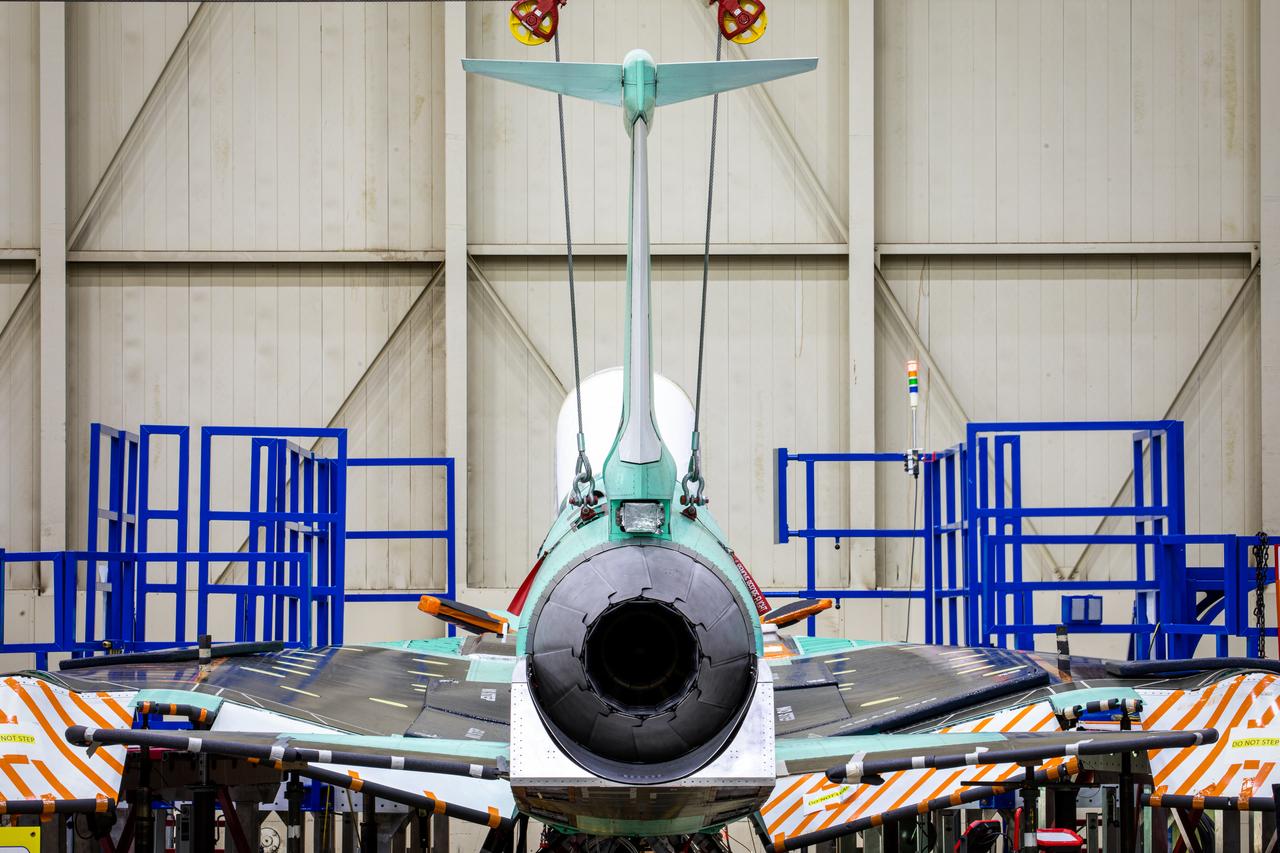
A perfectly framed up rearview shot of NASA’s X-59 tail after its recent installation of the lower empennage, or tail section, in late March at Lockheed Martin Skunk Works in Palmdale, California.
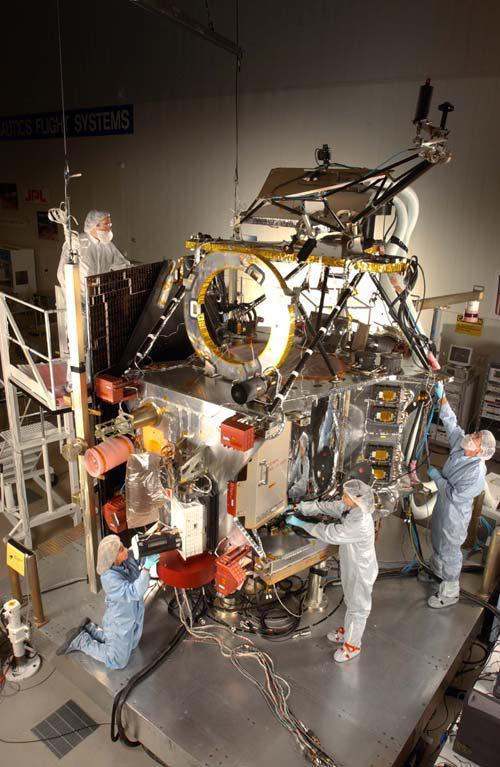
Engineers and technicians at Lockheed Martin Space Systems, Denver, building the Mars Reconnaissance Orbiter for NASA.
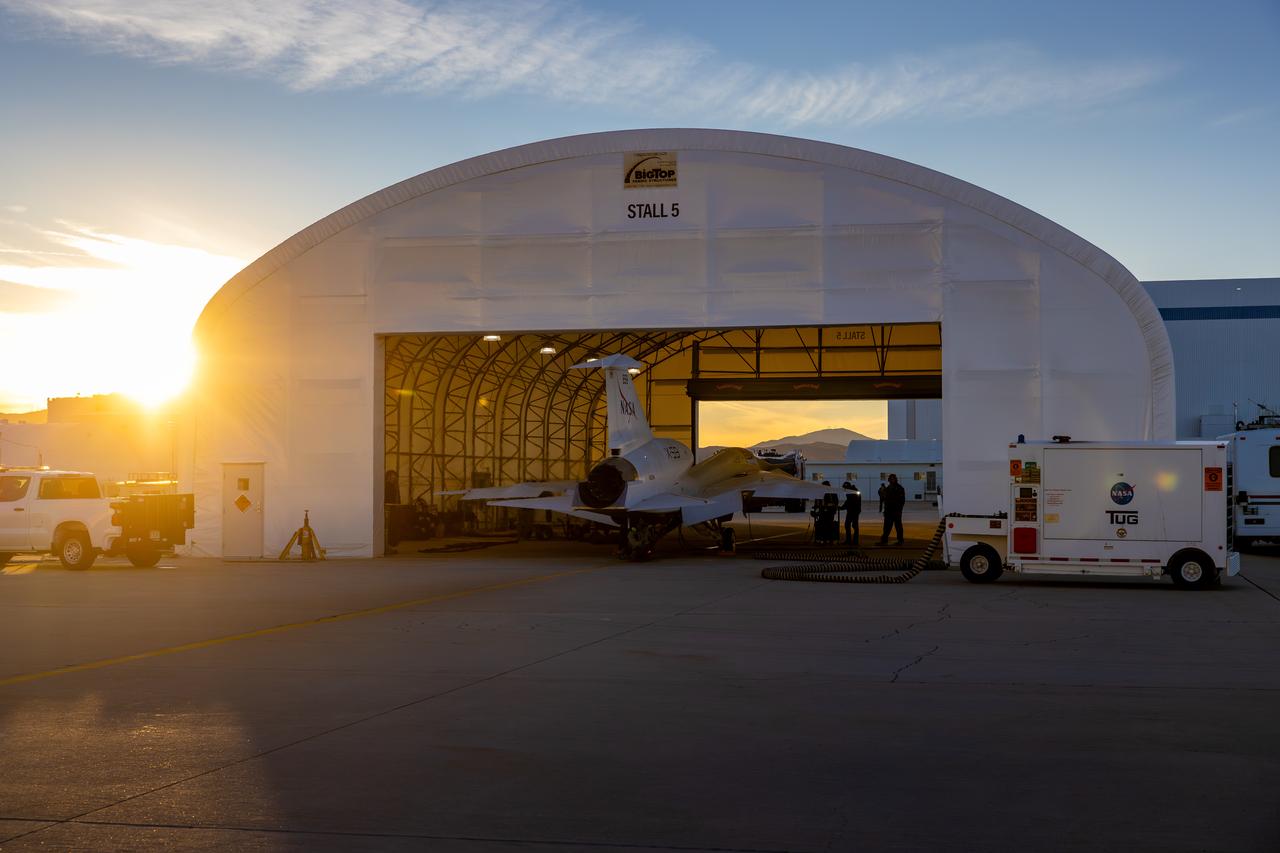
NASA’s X-59 quiet supersonic research aircraft sits inside its run stall in preparation for maximum afterburner testing at Lockheed Martin’s Skunk Works facility in Palmdale, California. Teams conduct final checks on the aircraft before its high-thrust engine runs. The X-59 is the centerpiece of NASA’s Quesst mission designed to demonstrate quiet supersonic flight over land, addressing a key barrier to commercial supersonic travel.
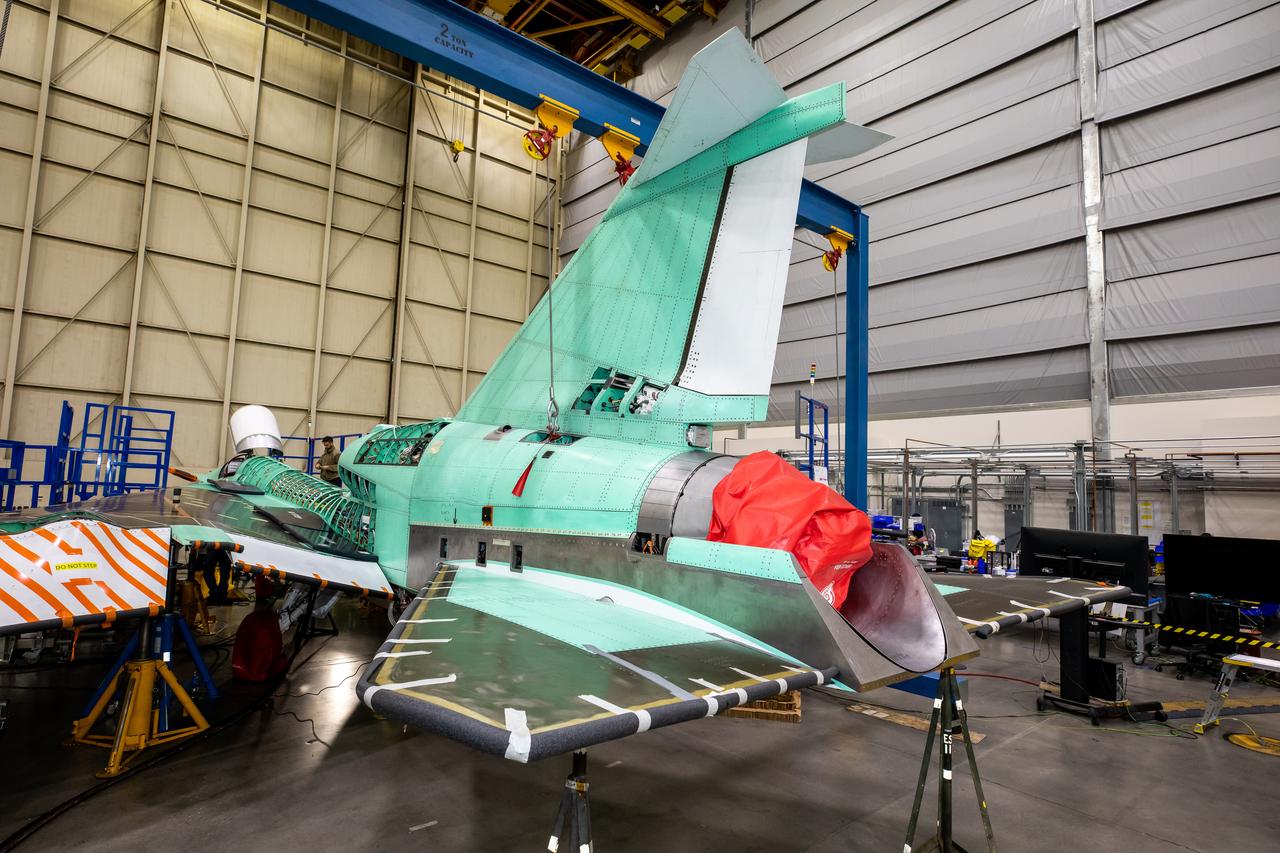
The tail of NASA’s X-59 aircraft is shown here in late March at Lockheed Martin Skunk Works in Palmdale, California where the plane recently underwent a final install of the lower empennage or better known as tail section of the plane.
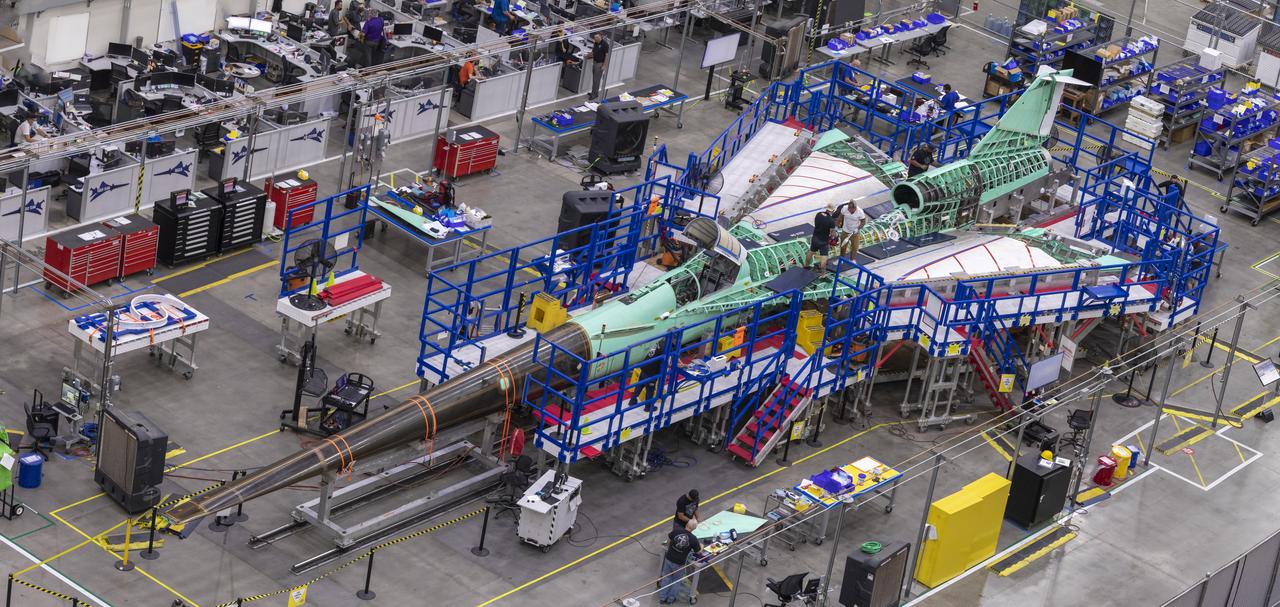
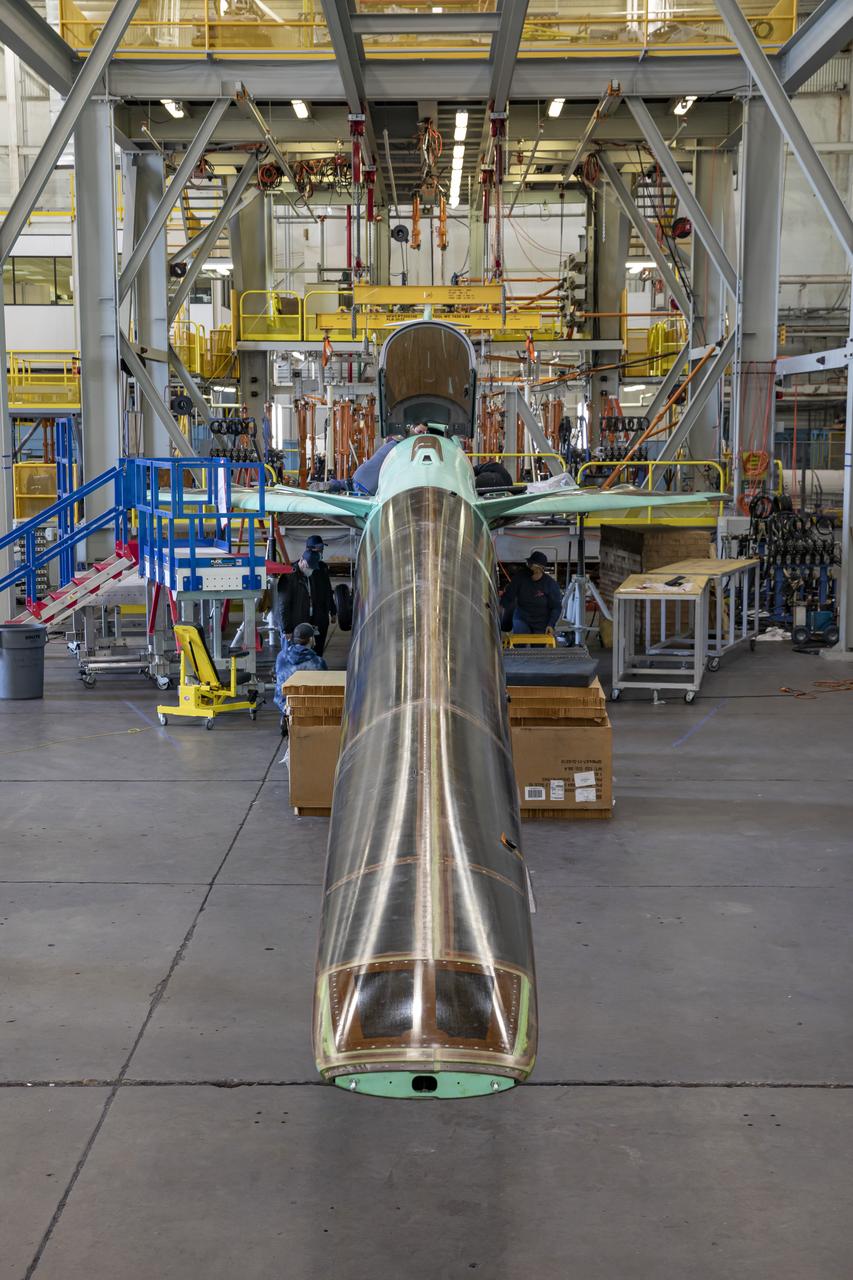
Event: Manufacturing Area From Above A overhead view of the X-59 with its nose on. The X-59’s nose is 38-feet long – approximately one third of the length of the entire aircraft. The aircraft, under construction at Lockheed Martin Skunk Works in Palmdale, California, will demonstrate the ability to fly supersonic while reducing the loud sonic boom to a quiet sonic thump.
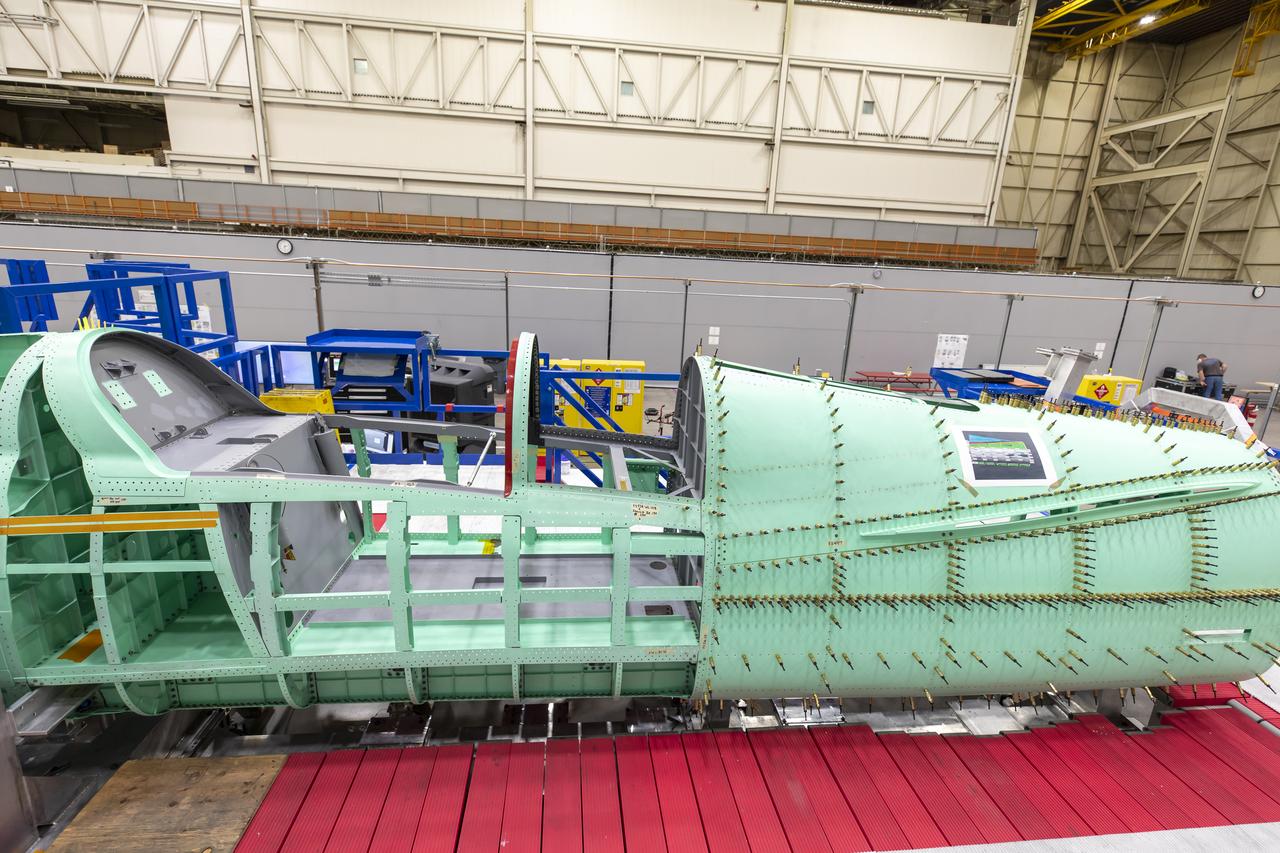
Event: SEG 210 Forebody A right side view of where the team is preparing the X-59 structure for installation of the forward fuselage, which contains the cockpit. The aircraft, under construction at Lockheed Martin Skunk Works in Palmdale, California, will fly to demonstrate the ability to fly supersonic while reducing the loud sonic boom to a quiet sonic thump.
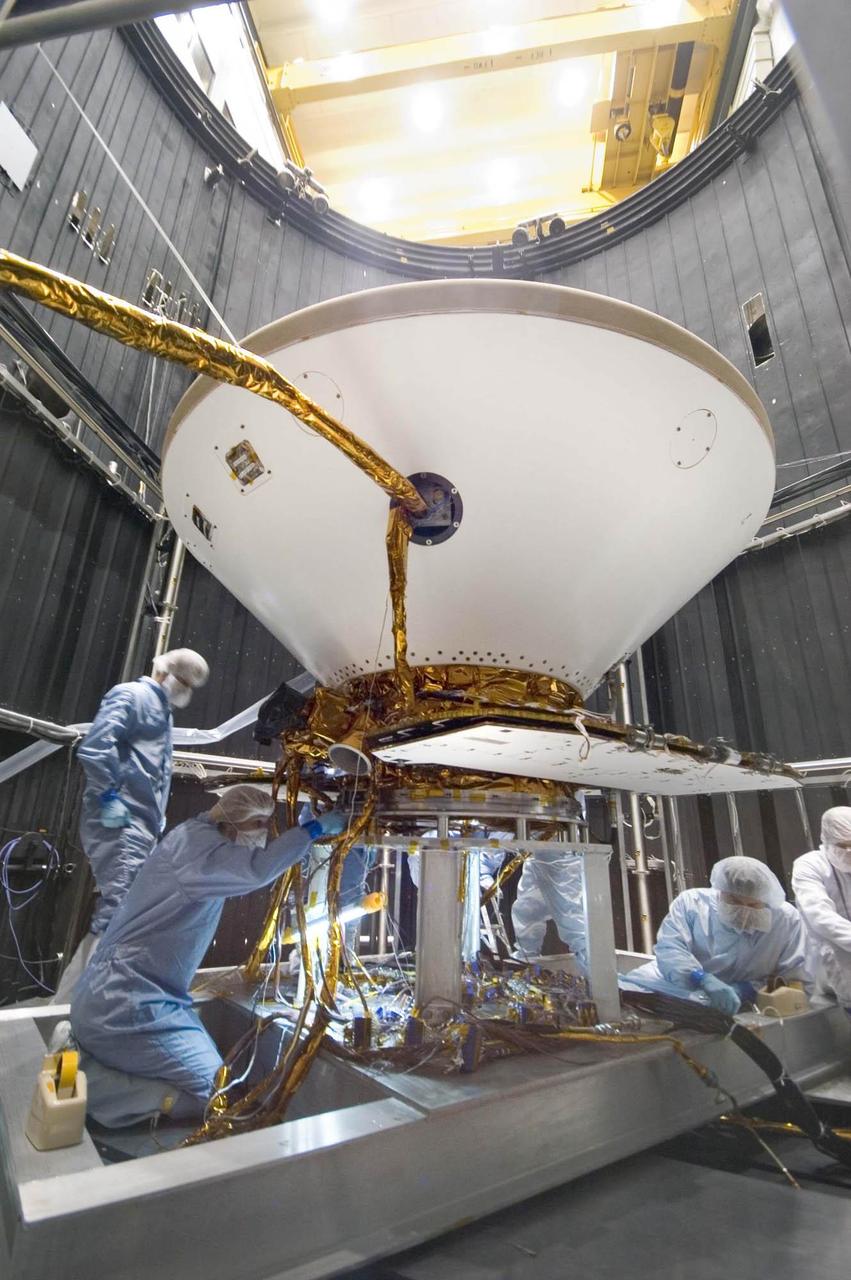
Inside a thermal vacuum at Lockheed Martin Space Systems, Denver, technicians prepared NASA Phoenix Mars Lander for environmental testing
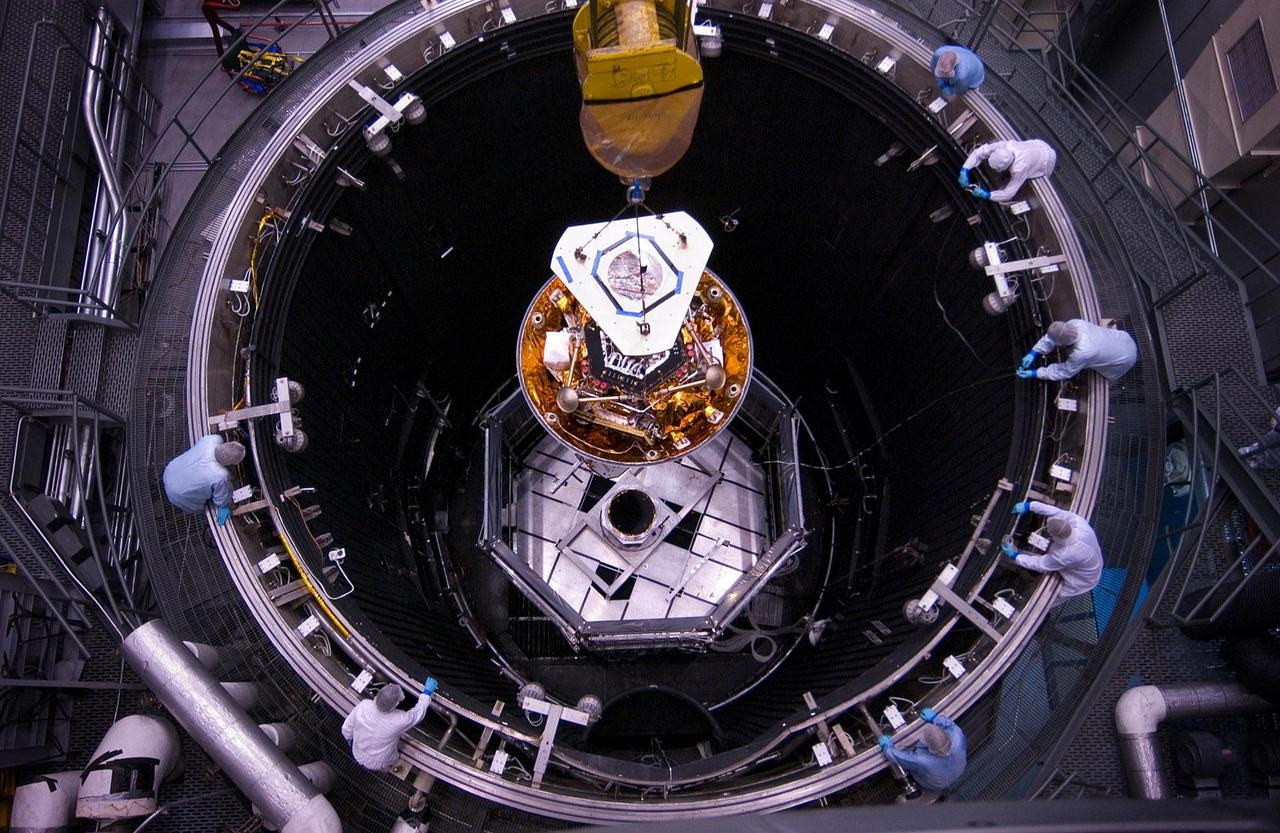
NASA Phoenix Mars Lander was lowered into a thermal vacuum chamber at Lockheed Martin Space Systems, Denver, in December 2006
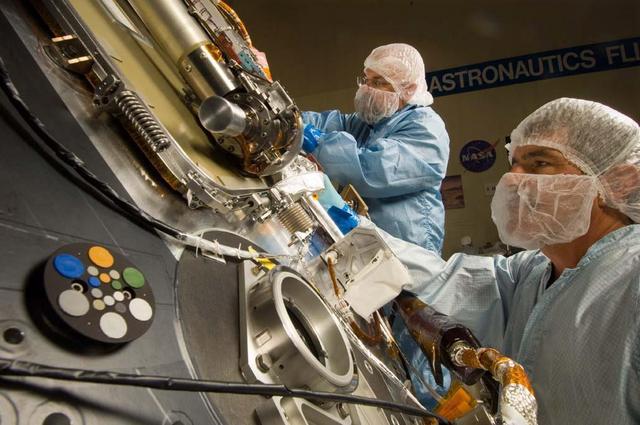
Lockheed Martin Space Systems technicians work on the science deck of NASA Phoenix Mars Lander
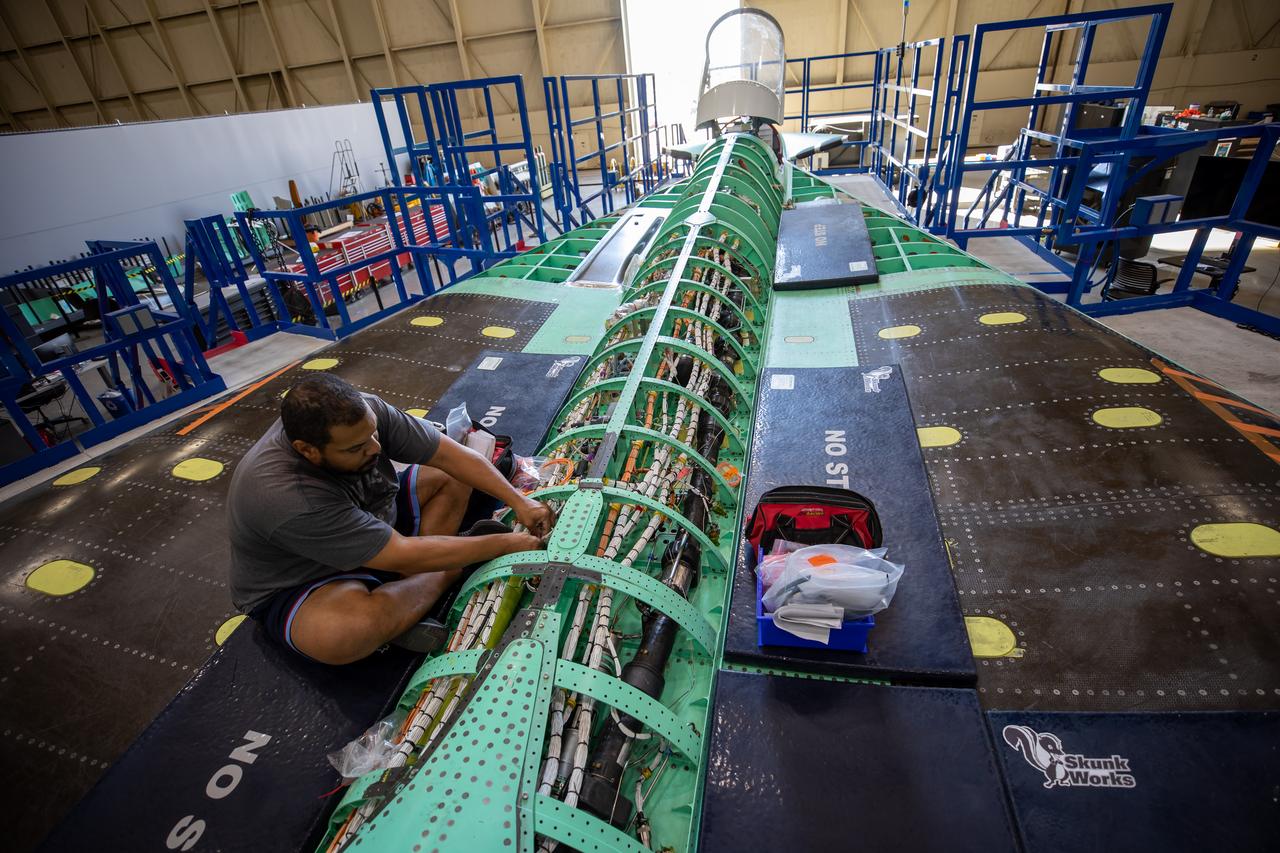
A Lockheed Martin technician works to complete wiring on the X-59 aircraft in preparation for the power-on system checkouts. Once complete, the X-59 aircraft will demonstrate the ability to fly supersonic while reducing the loud sonic boom to a quiet sonic thump and help enable commercial supersonic air travel over land. This aircraft is the centerpiece of NASA’s Quesst mission.
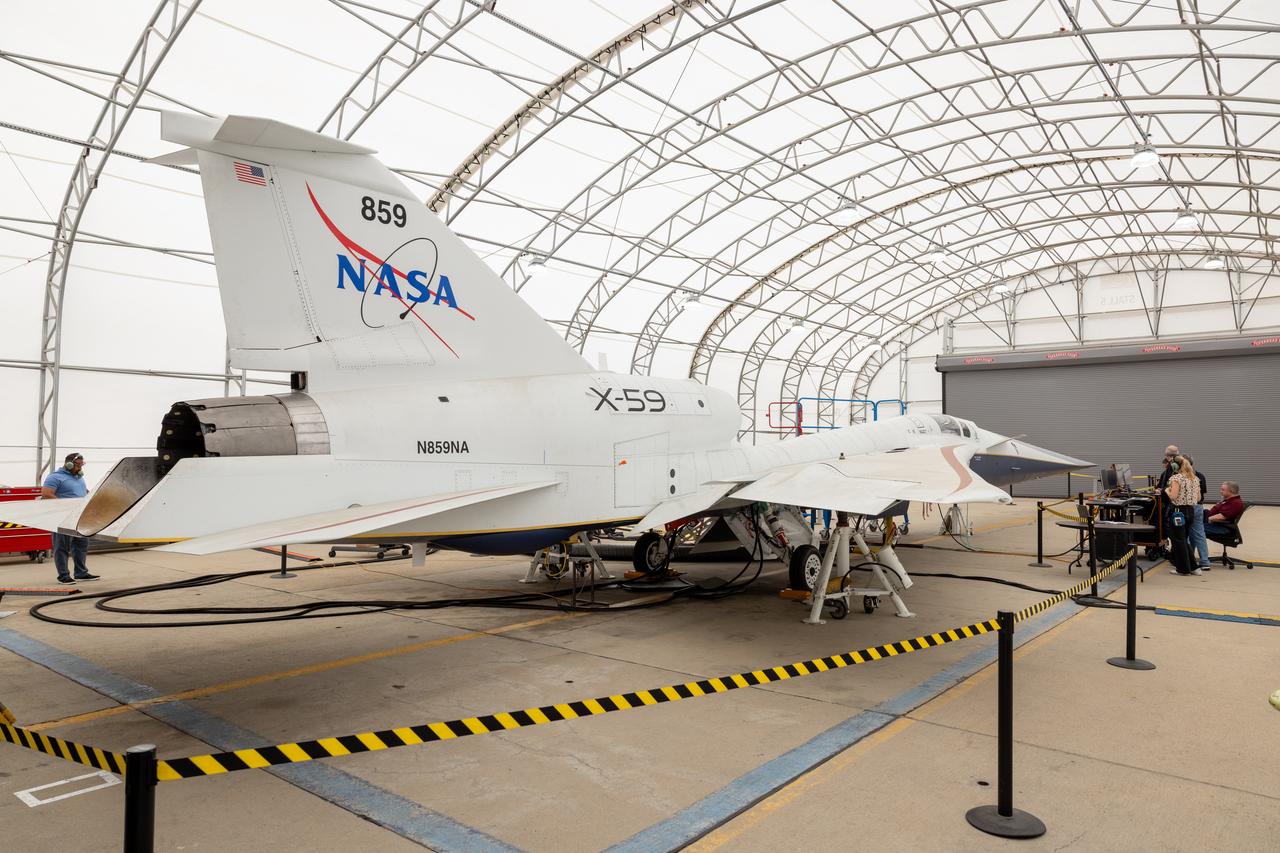
NASA’s X-59 quiet supersonic research aircraft successfully completed its “aluminum bird” systems test at Lockheed Martin’s Skunk Works facility in Palmdale, California. With NASA pilot James Less in the cockpit, the X-59 team simulated flight conditions from takeoff to landing – without ever leaving the ground. The test verified how the aircraft’s hardware and software work together, responding to pilot inputs and handling injected system failures. This milestone confirms the aircraft’s readiness for the next series of tests leading to first flight.
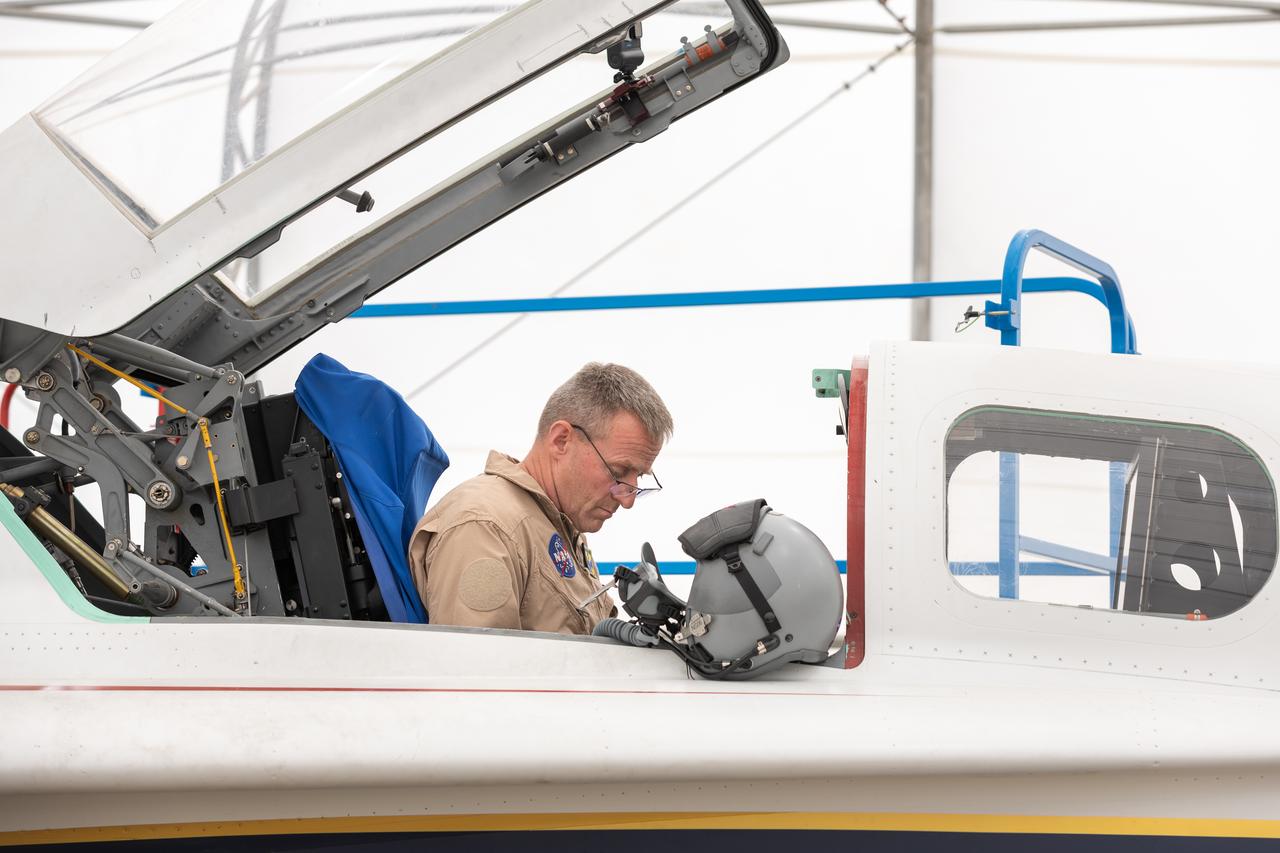
NASA’s X-59 quiet supersonic research aircraft successfully completed its “aluminum bird” systems test at Lockheed Martin’s Skunk Works facility in Palmdale, California. With NASA pilot James Less in the cockpit, the X-59 team simulated flight conditions from takeoff to landing – without ever leaving the ground. The test verified how the aircraft’s hardware and software work together, responding to pilot inputs and handling injected system failures. This milestone confirms the aircraft’s readiness for the next series of tests leading to first flight.
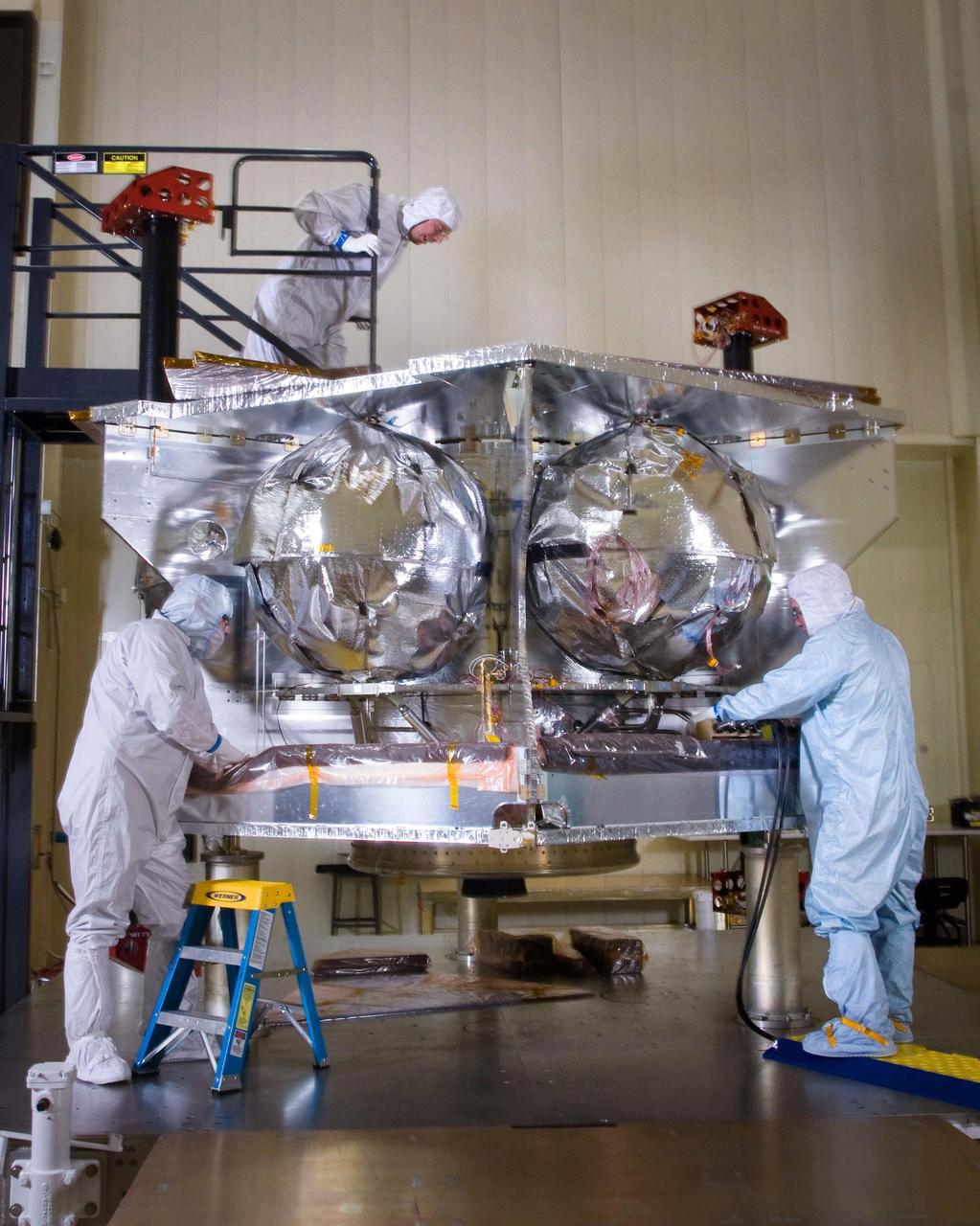
Assembly began April 1, 2010, for NASA Juno spacecraft. Workers at Lockheed Martin Space Systems in Denver, Colorado workers are readying the spacecraft propulsion module.
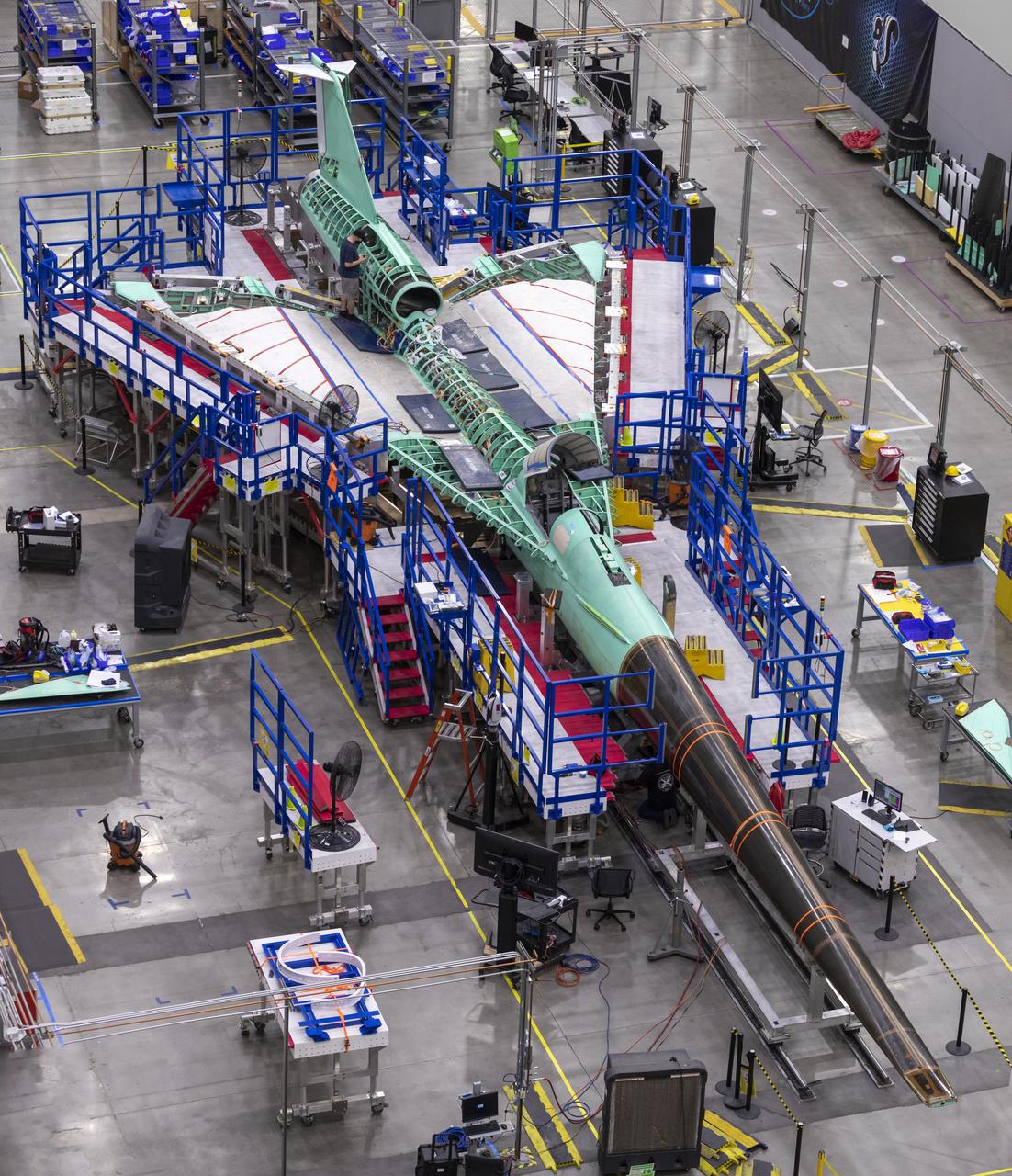
A overhead view of the X-59 with its nose on. The X-59’s nose is 38-feet long – approximately one third of the length of the entire aircraft. The plane is under construction at Lockheed Martin Skunk Works in Palmdale, California, will fly to demonstrate the ability to fly supersonic while reducing the loud sonic boom to a quiet sonic thump.
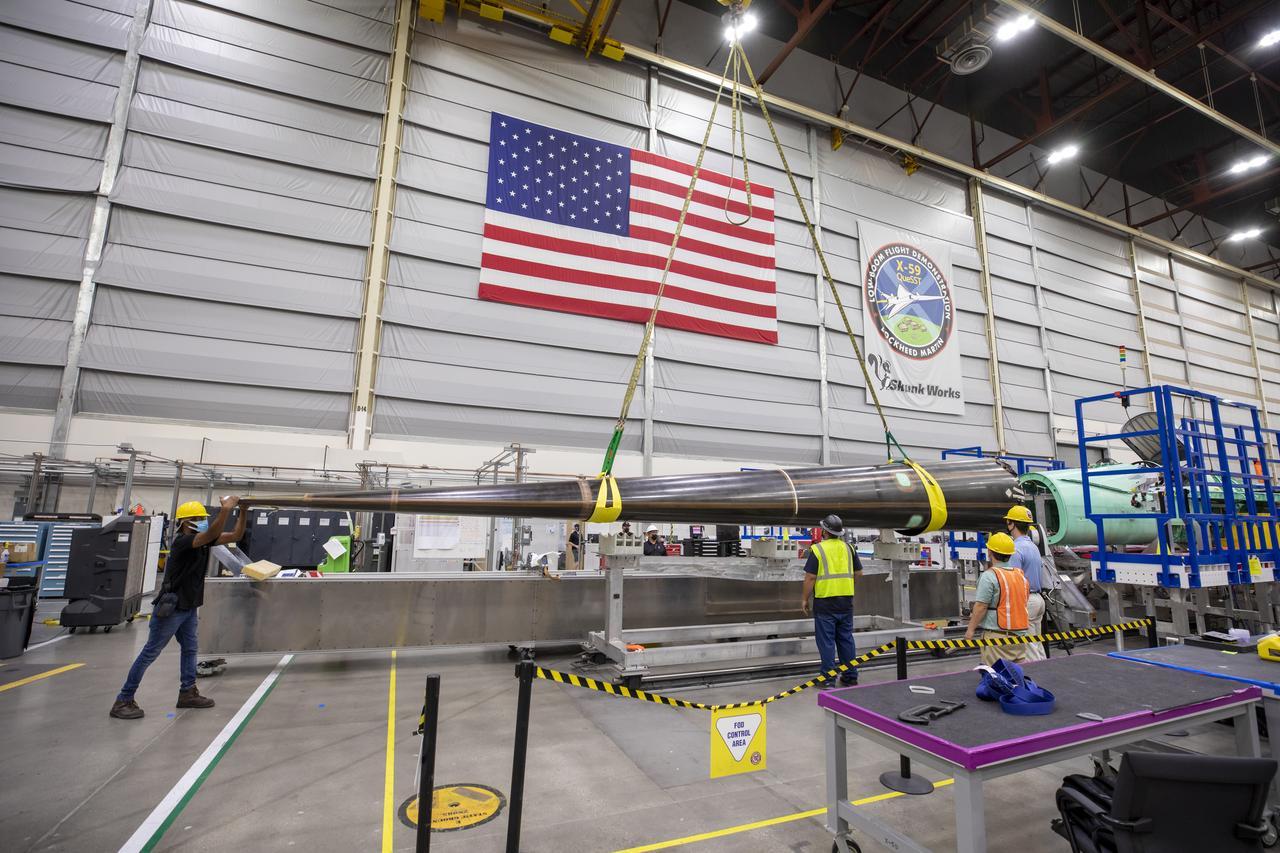
Event: SEG 230 Nose - Craned Onto Tooling A close up of the X-59’s duckbill nose, which is a crucial part of its supersonic design shaping. The team prepares the nose for a fit check. The X-59’s nose is 38-feet long – approximately one third of the length of the entire aircraft. The aircraft, under construction at Lockheed Martin Skunk Works in Palmdale, California, will demonstrate the ability to fly supersonic while reducing the loud sonic boom to a quiet sonic thump.
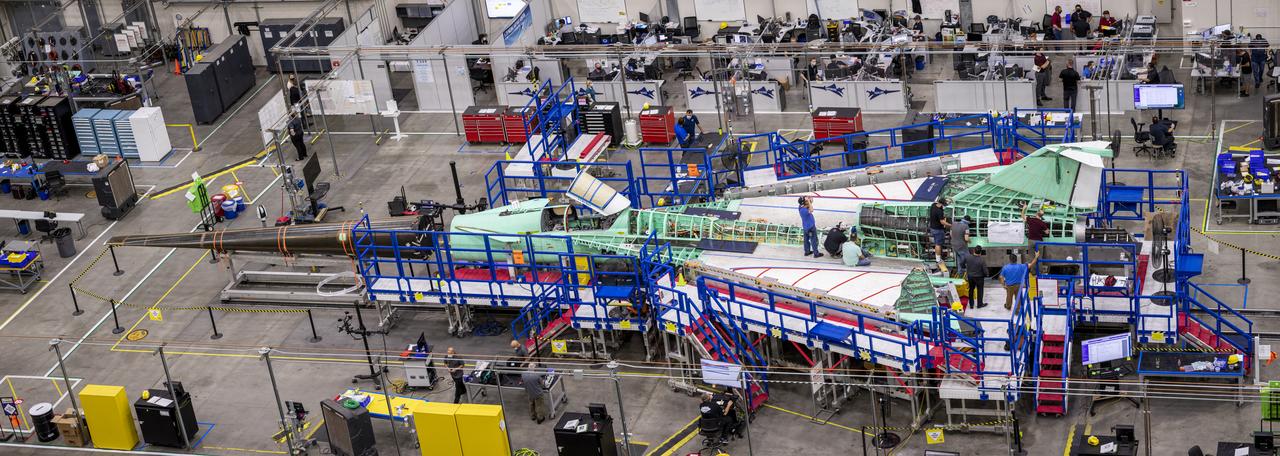
A panoramic side view of the left top of the X-59 supersonic plane with the tail on and the nose in the process of installation. The X-59’s nose is 38-feet long – approximately one third of the length of the entire aircraft. The aircraft, under construction at Lockheed Martin Skunk Works in Palmdale, California, will demonstrate the ability to fly supersonic while reducing the loud sonic boom to a quiet sonic thump.
NASA’s X-59 undergoes a structural stress test at a Lockheed Martin facility in Fort Worth, Texas. The X-59’s nose makes up one third of the aircraft, at 38-feet in length. The X-59 is a one-of-a-kind airplane designed to fly at supersonic speeds without making aa startling sonic boom sound for the communities below. This is part of NASA’s Quesst mission which plans to help enable supersonic air travel over land