
Acting NASA Administrator Sean Duffy, left, speaks with Orion Assembly, Test, and Launch Operations Director at Lockheed Martin, Nathan Varn, during a tour of Lockheed Martin’s Orion Facility, Wednesday, July 30, 2025, at NASA’s Kennedy Space Center in Florida. Photo Credit: (NASA/Aubrey Gemignani)
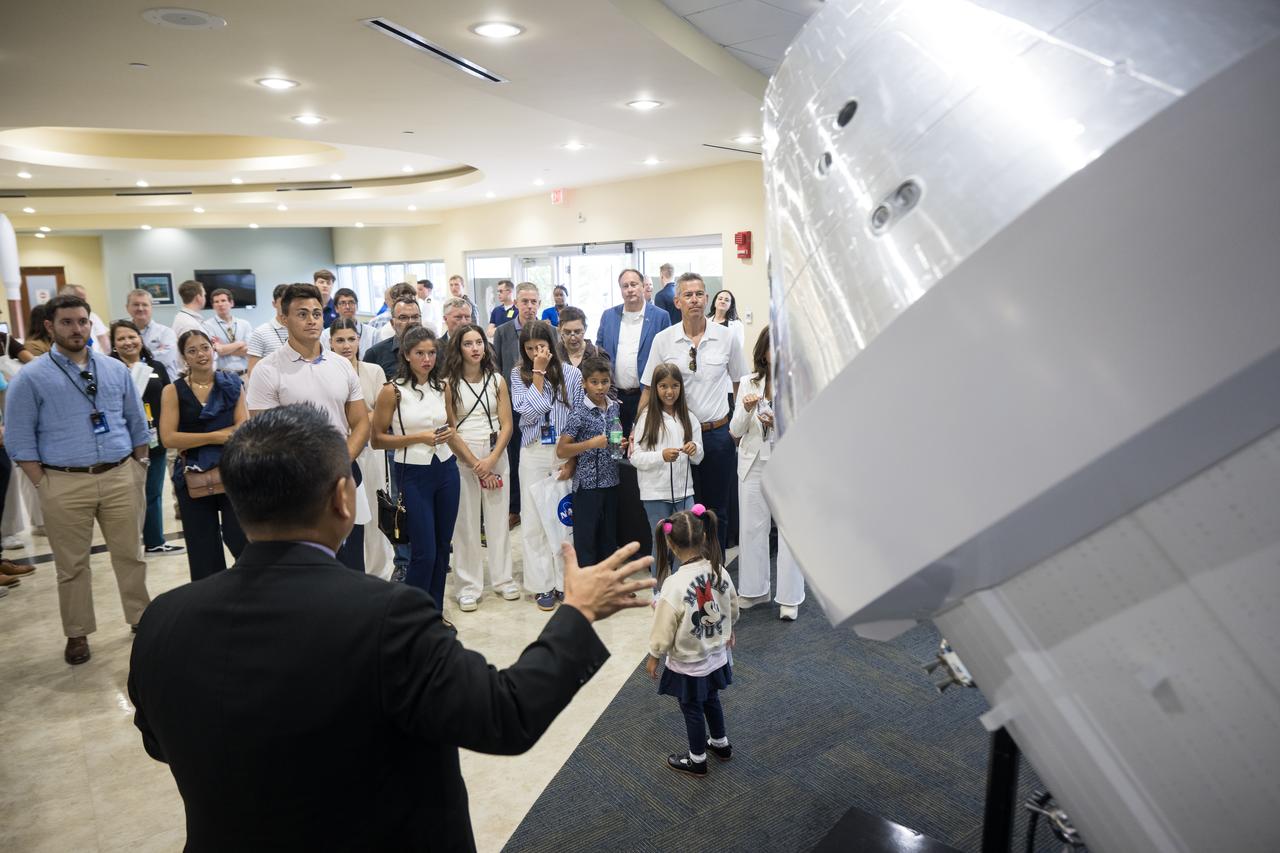
Acting NASA Administrator Sean Duffy and his family view a mockup of the Orion spacecraft during a tour of Lockheed Martin’s Orion Facility, Wednesday, July 30, 2025, at NASA’s Kennedy Space Center in Florida. Photo Credit: (NASA/Aubrey Gemignani)
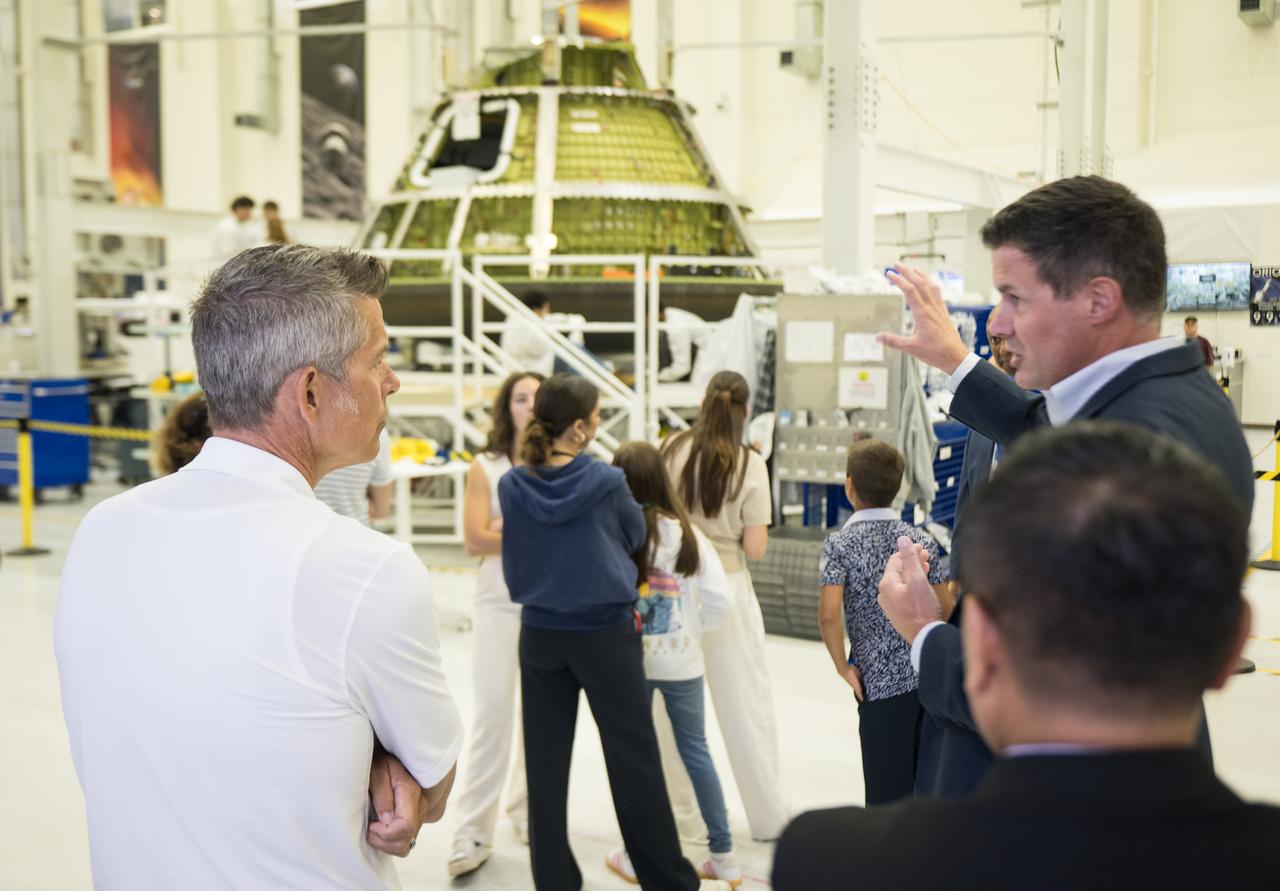
Acting NASA Administrator Sean Duffy, left, views the Orion spacecraft hardware during a tour of Lockheed Martin’s Orion Facility, Wednesday, July 30, 2025, at NASA’s Kennedy Space Center in Florida. Photo Credit: (NASA/Aubrey Gemignani)
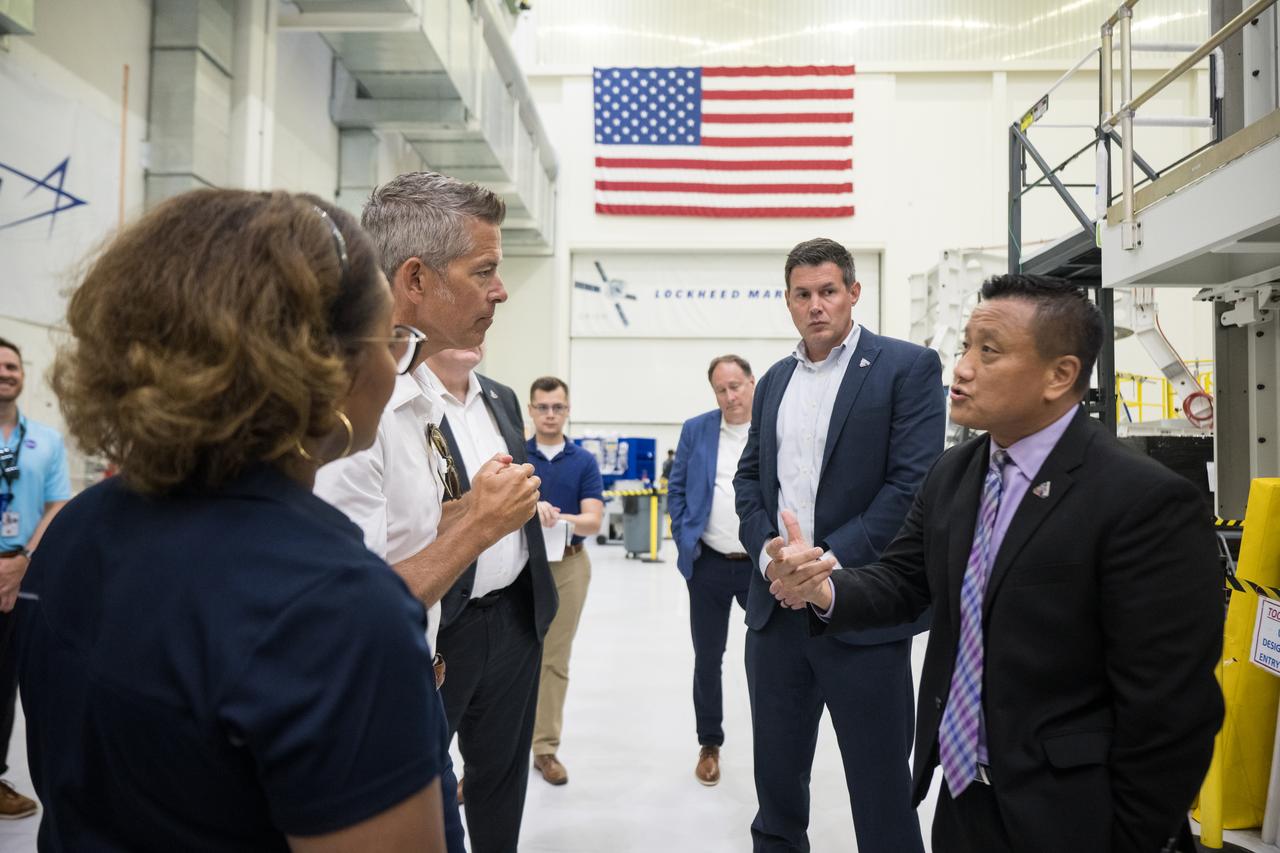
Acting NASA Administrator Sean Duffy speaks with Orion Program Manager, Howard Hu during a tour of Lockheed Martin’s Orion Facility, Wednesday, July 30, 2025, at NASA’s Kennedy Space Center in Florida. Photo Credit: (NASA/Aubrey Gemignani)
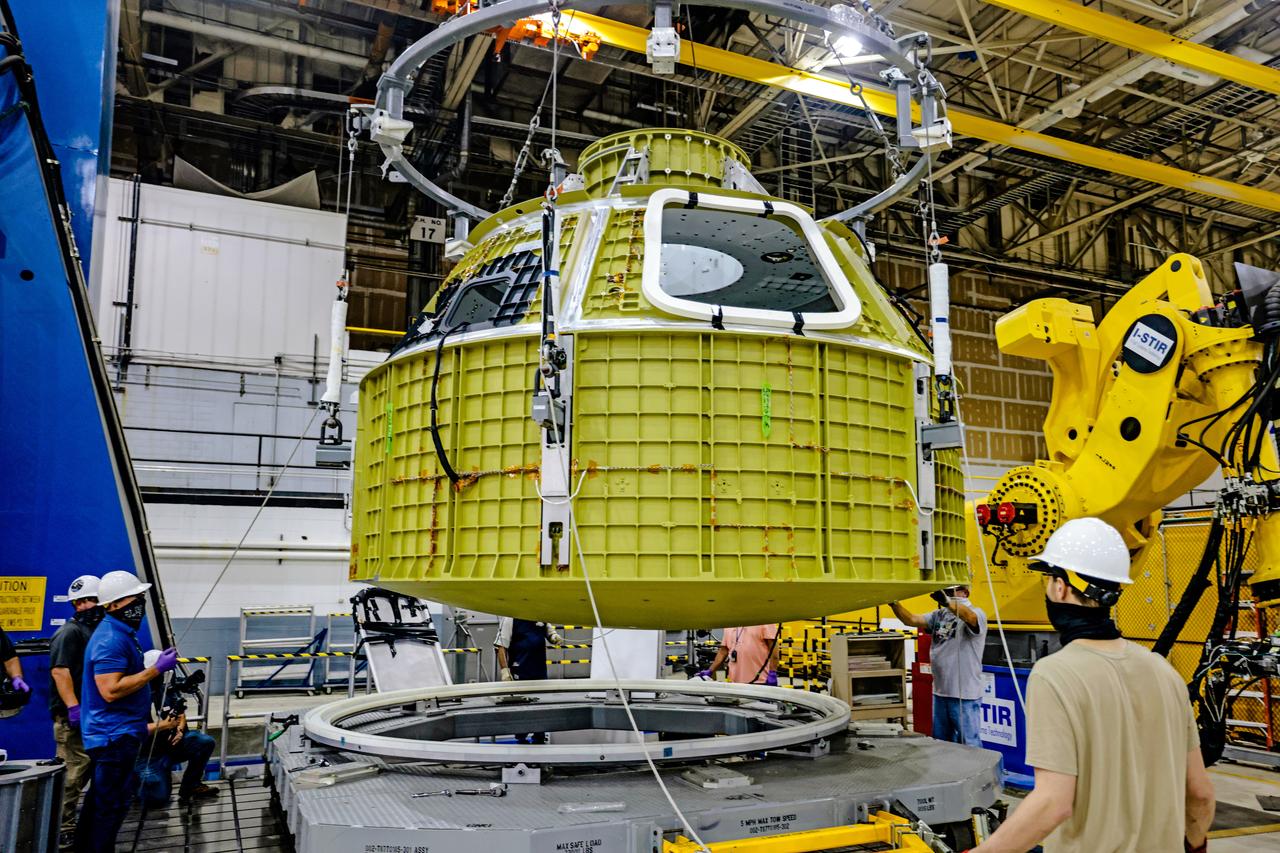
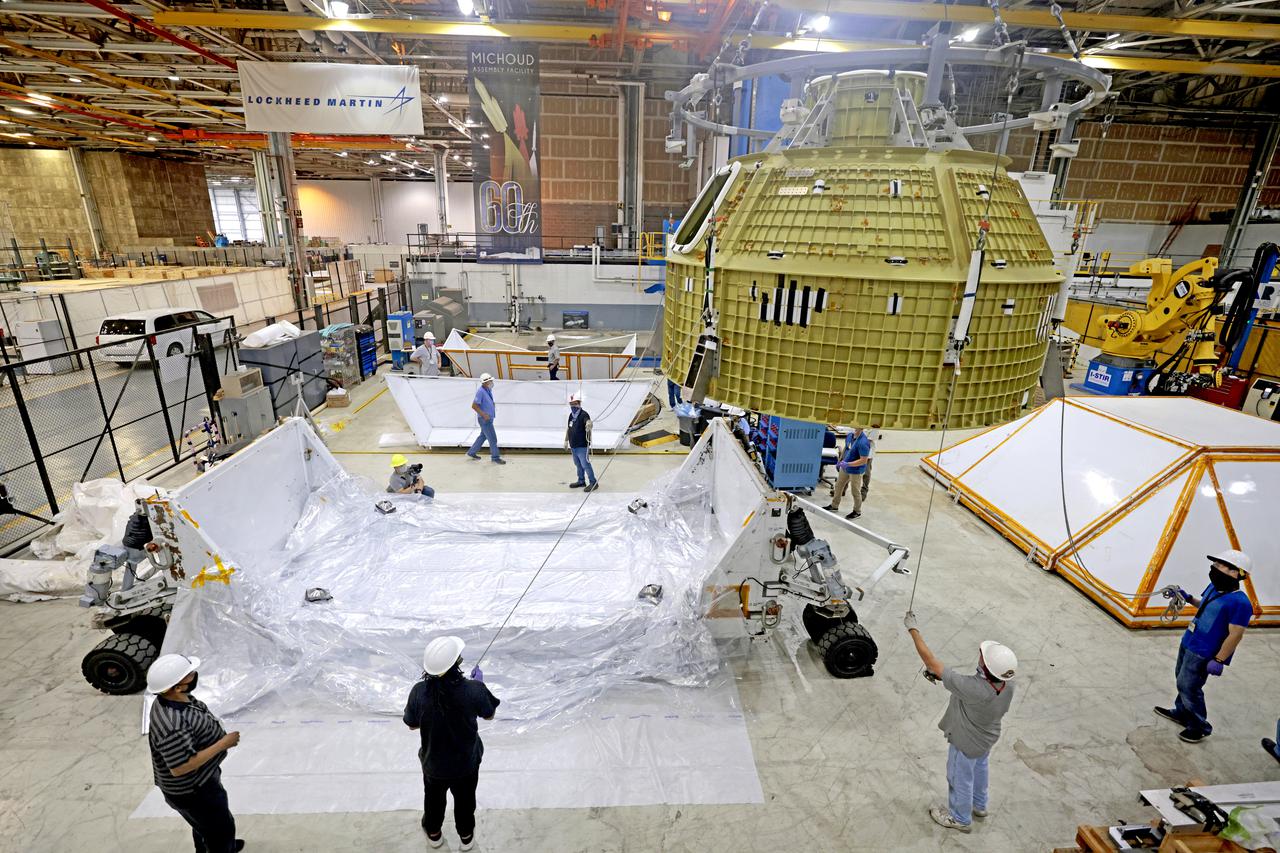
At NASA's Michoud Assembly Facility in New Orleans, Orion's newly completed pressure vessel for the Artemis III mission is lifted out of the welding tool on Aug. 27, 2021. The pressure vessel is the primary structure for Orion's crew module, joined together using state-of-the-art welding by technicians from lead contractor Lockheed Martin.
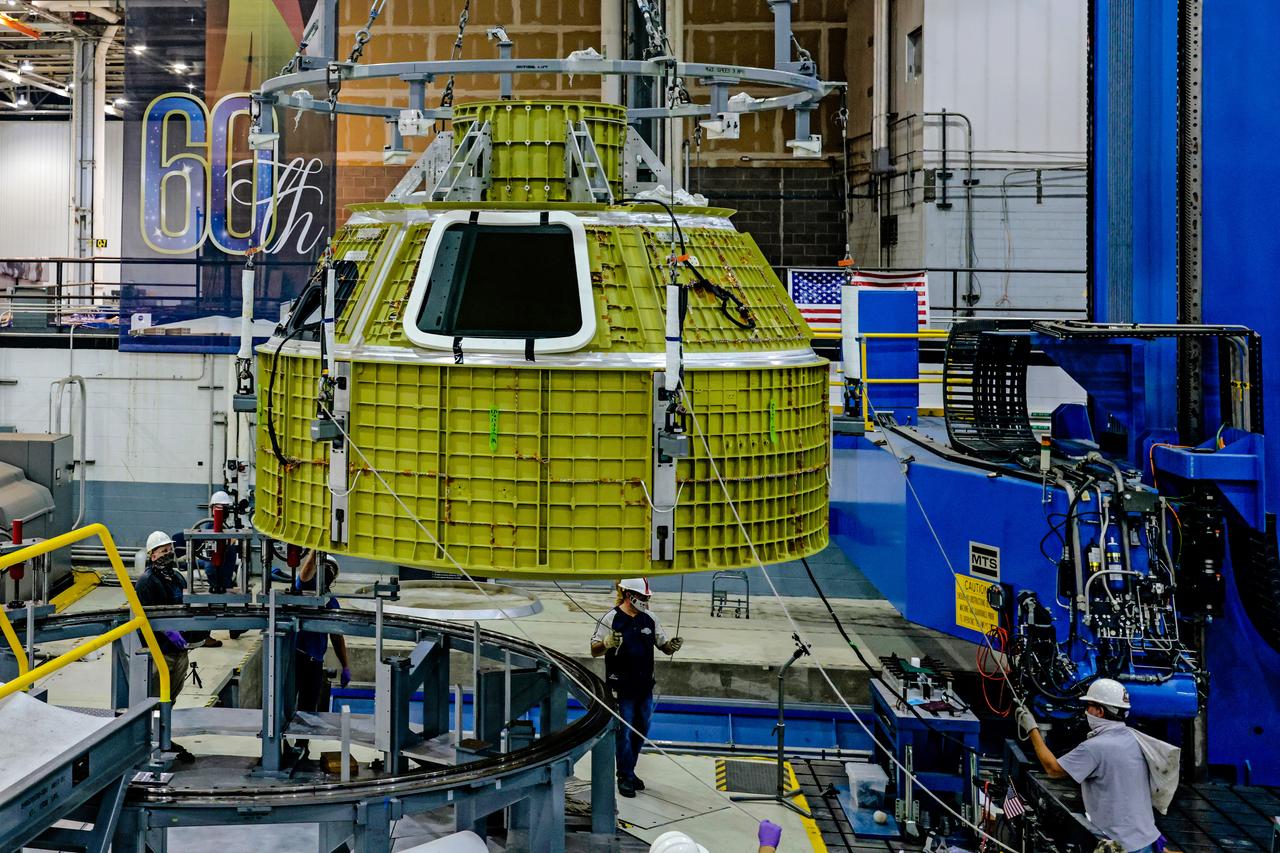
At NASA's Michoud Assembly Facility in New Orleans, Orion's newly completed pressure vessel for the Artemis III mission is lifted out of the welding tool on Aug. 27, 2021. The pressure vessel is the primary structure for Orion's crew module, joined together using state-of-the-art welding by technicians from lead contractor Lockheed Martin.
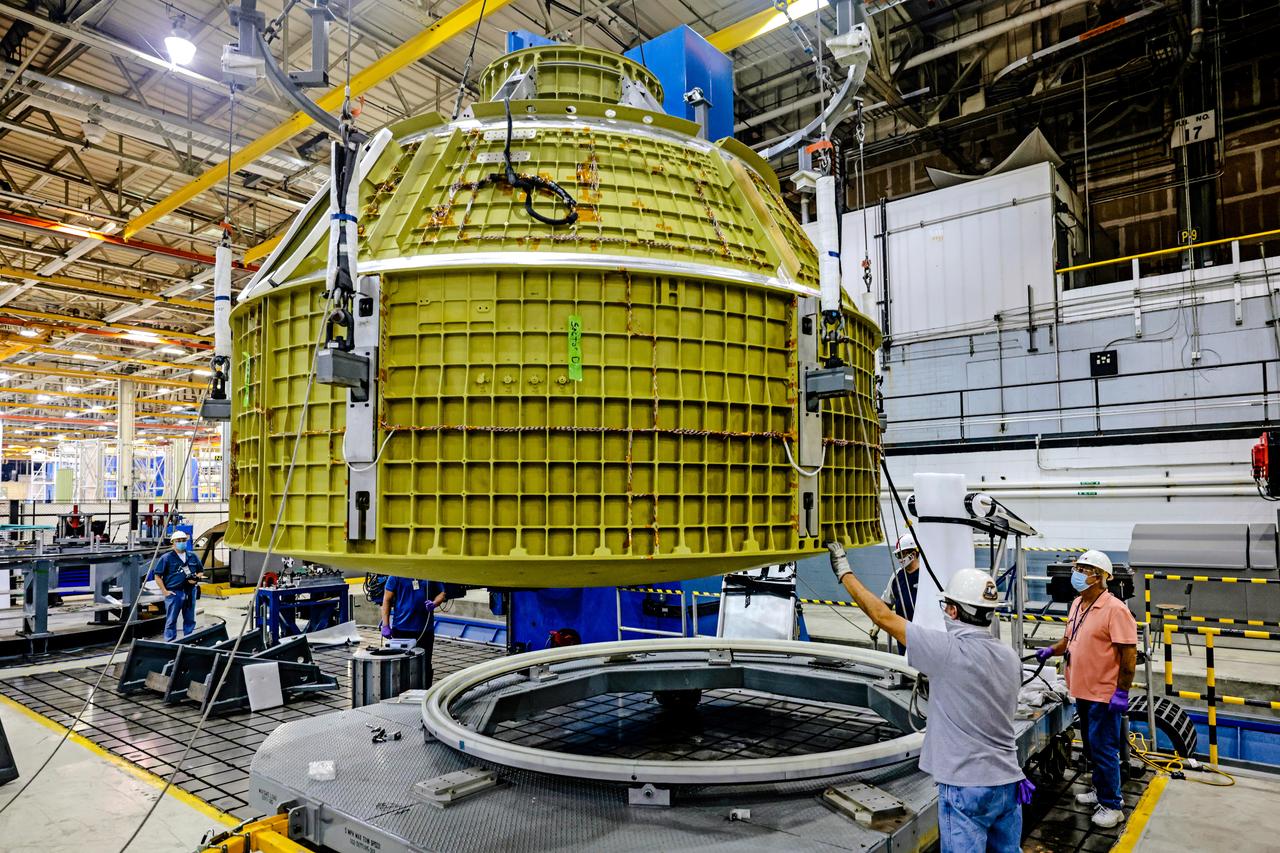
At NASA's Michoud Assembly Facility in New Orleans, Orion's newly completed pressure vessel for the Artemis III mission is lifted out of the welding tool on Aug. 27, 2021. The pressure vessel is the primary structure for Orion's crew module, joined together using state-of-the-art welding by technicians from lead contractor Lockheed Martin.
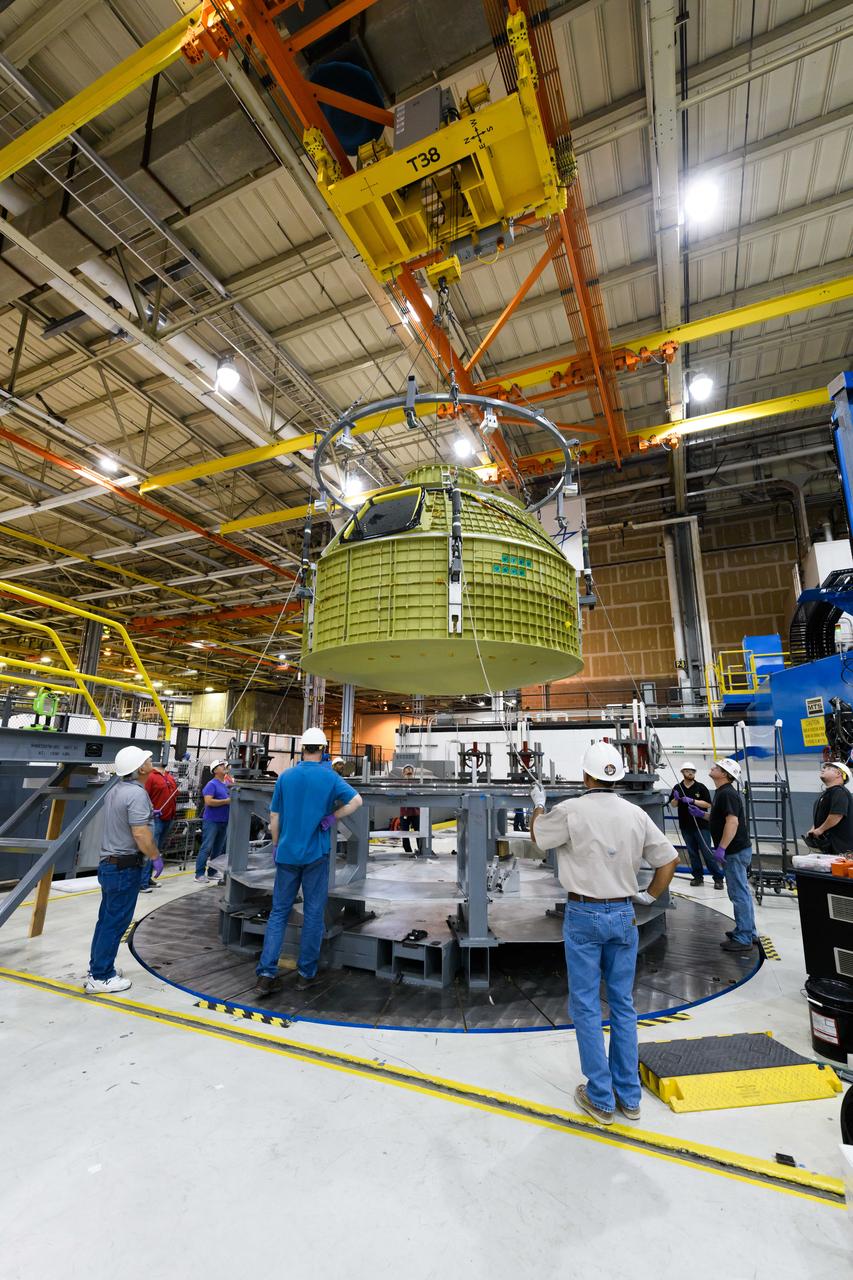
Lockheed Martin technicians at NASA's Michoud Assembly Facility in New Orleans, Louisiana, complete the final weld on the pressure vessel of the Orion crew module for Artemis II on July 24, 2018, the first flight of Orion with astronauts which will carry them farther into the solar system than ever before.
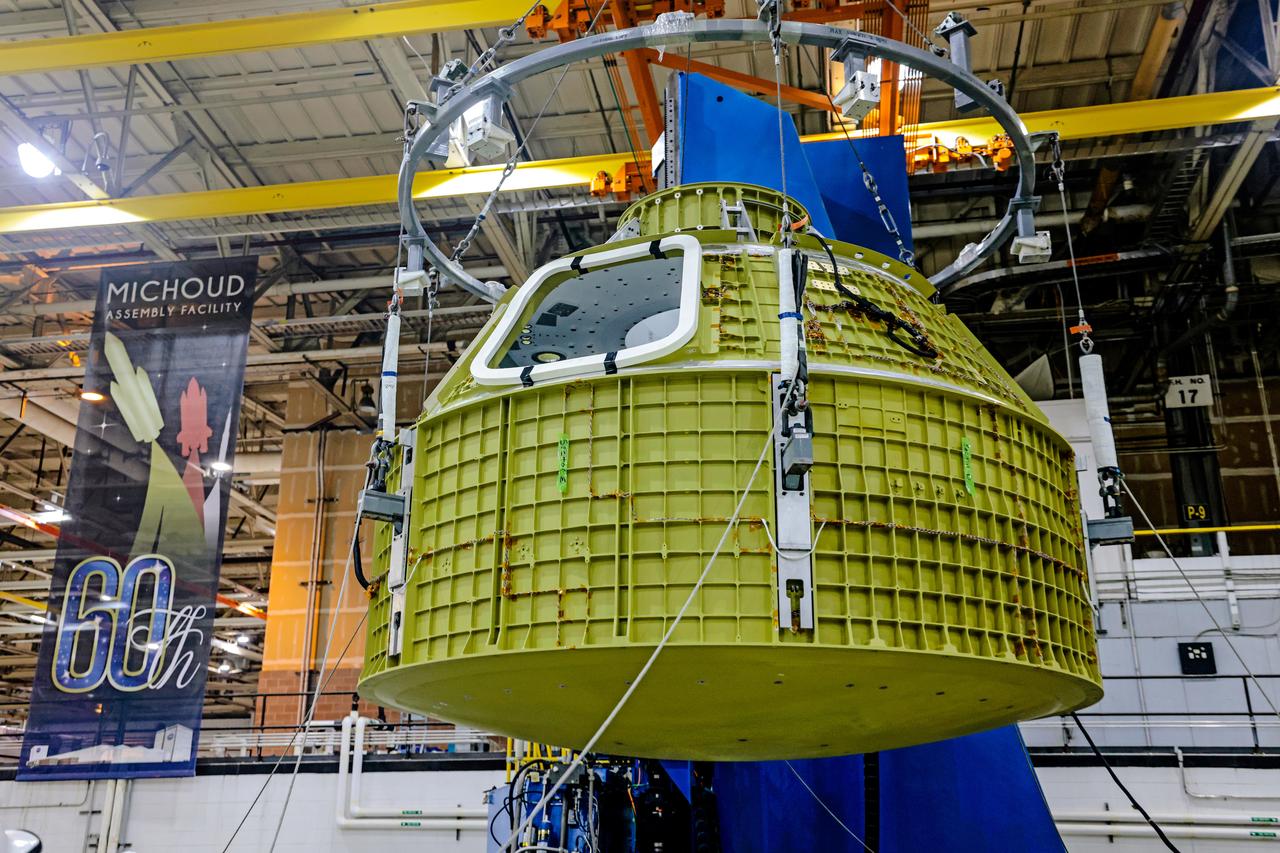
At NASA's Michoud Assembly Facility in New Orleans, Orion's newly completed pressure vessel for the Artemis III mission is lifted out of the welding tool on Aug. 27, 2021. The pressure vessel is the primary structure for Orion's crew module, joined together using state-of-the-art welding by technicians from lead contractor Lockheed Martin.
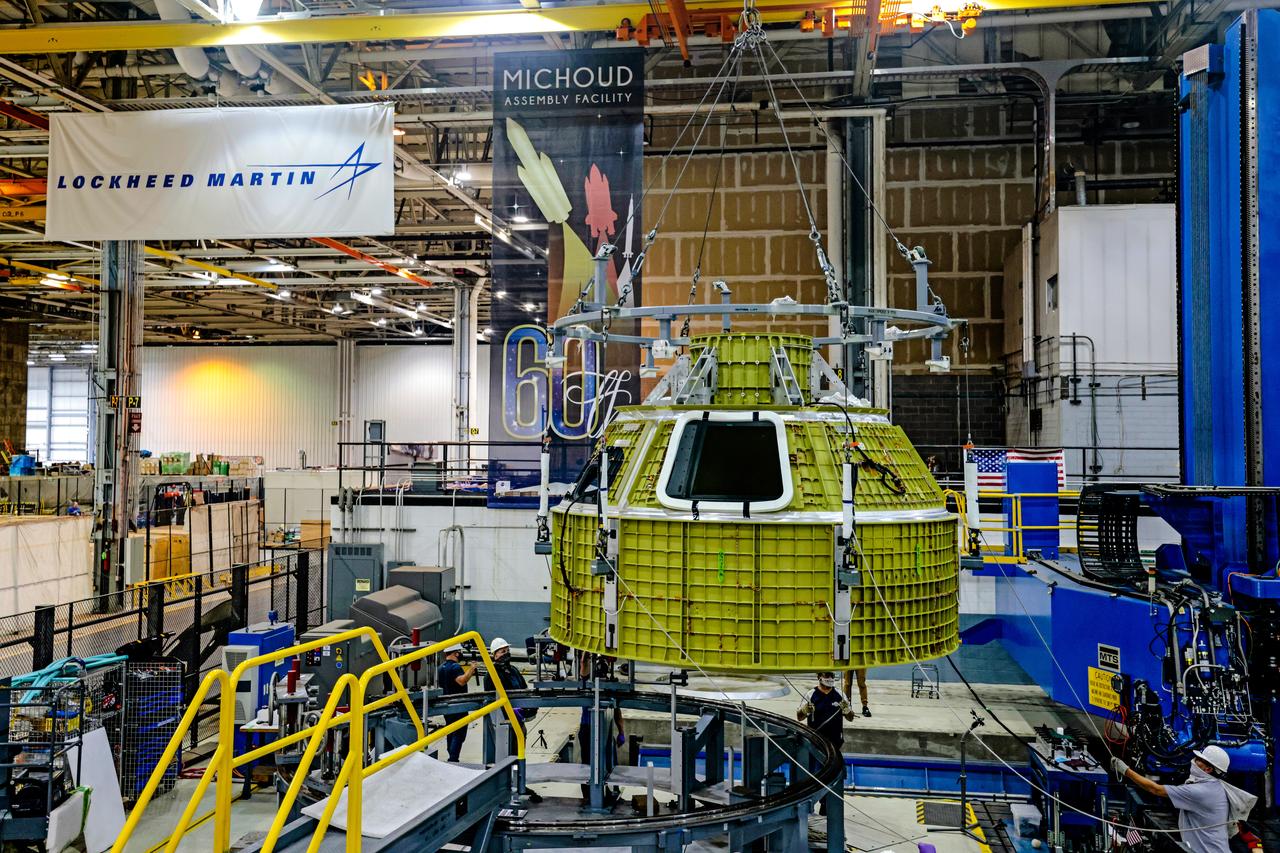
At NASA's Michoud Assembly Facility in New Orleans, Orion's newly completed pressure vessel for the Artemis III mission is lifted out of the welding tool on Aug. 27, 2021. The pressure vessel is the primary structure for Orion's crew module, joined together using state-of-the-art welding by technicians from lead contractor Lockheed Martin.
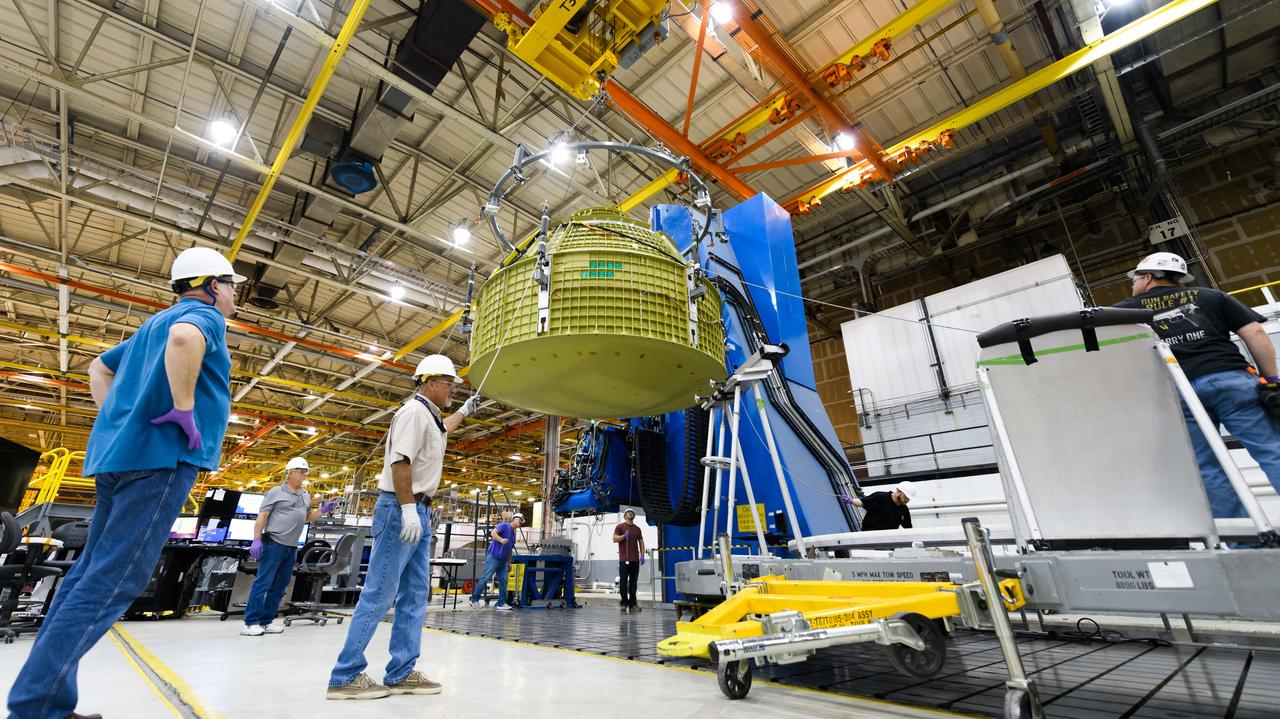
Lockheed Martin technicians at NASA's Michoud Assembly Facility in New Orleans, Louisiana, complete the final weld on the pressure vessel of the Orion crew module for Artemis II on July 24, 2018, the first flight of Orion with astronauts which will carry them farther into the solar system than ever before.
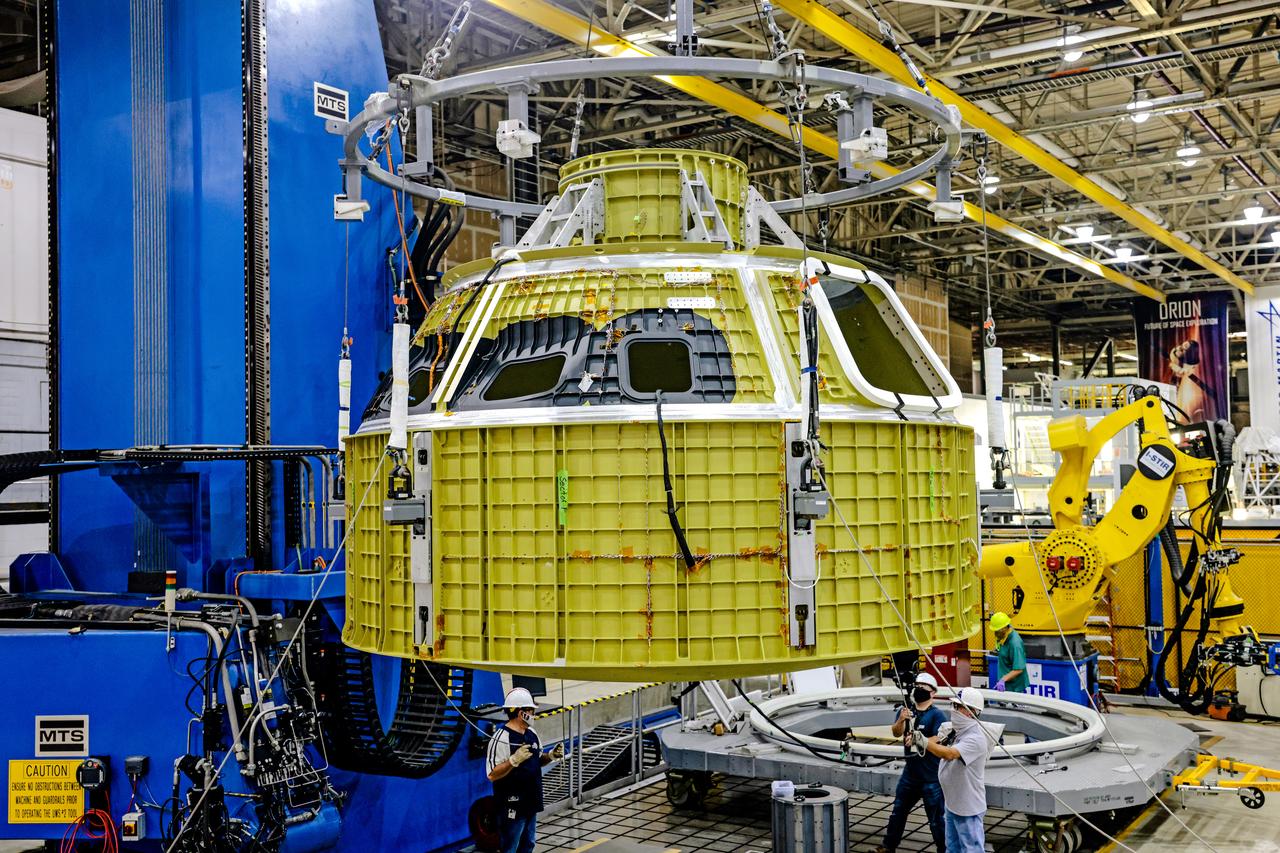
At NASA's Michoud Assembly Facility in New Orleans, Orion's newly completed pressure vessel for the Artemis III mission is lifted out of the welding tool on Aug. 27, 2021. The pressure vessel is the primary structure for Orion's crew module, joined together using state-of-the-art welding by technicians from lead contractor Lockheed Martin.
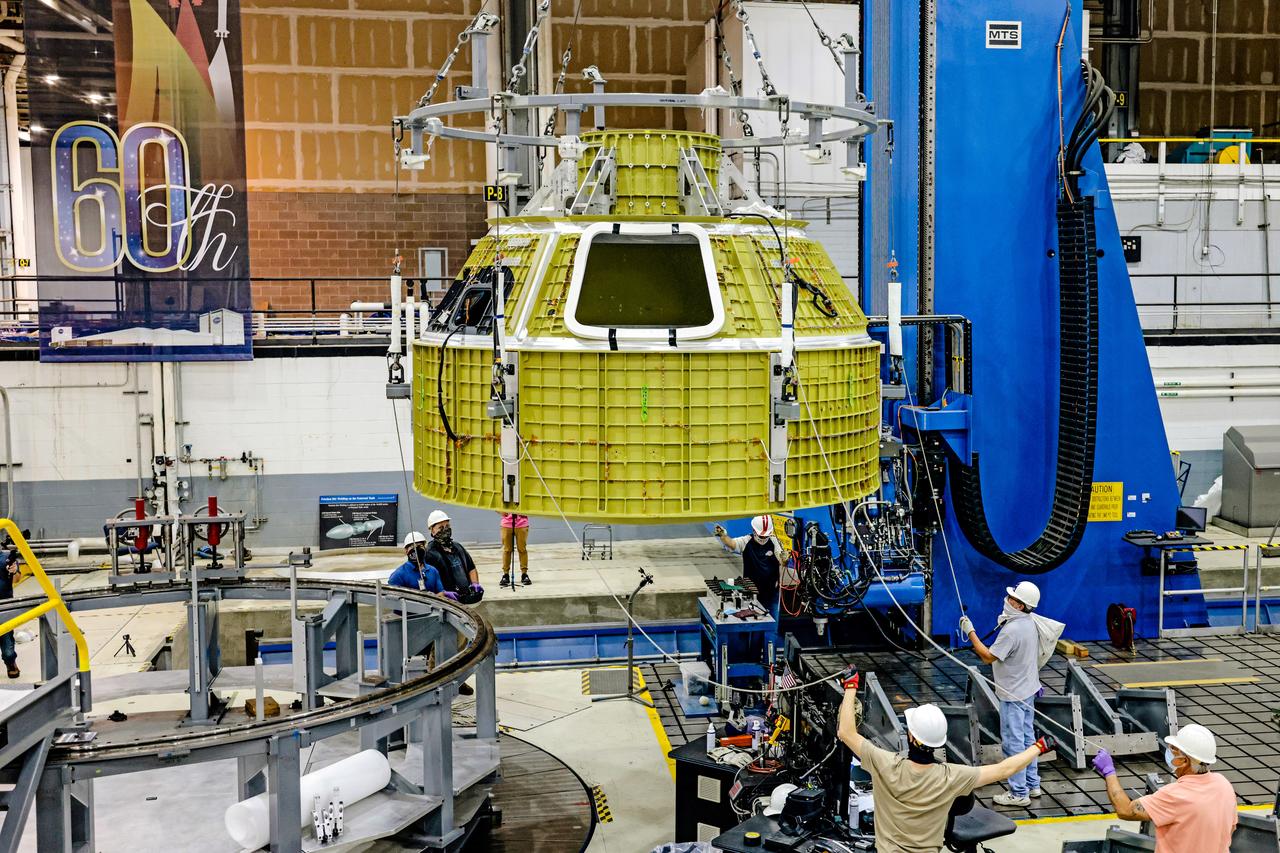
At NASA's Michoud Assembly Facility in New Orleans, Orion's newly completed pressure vessel for the Artemis III mission is lifted out of the welding tool on Aug. 27, 2021. The pressure vessel is the primary structure for Orion's crew module, joined together using state-of-the-art welding by technicians from lead contractor Lockheed Martin.
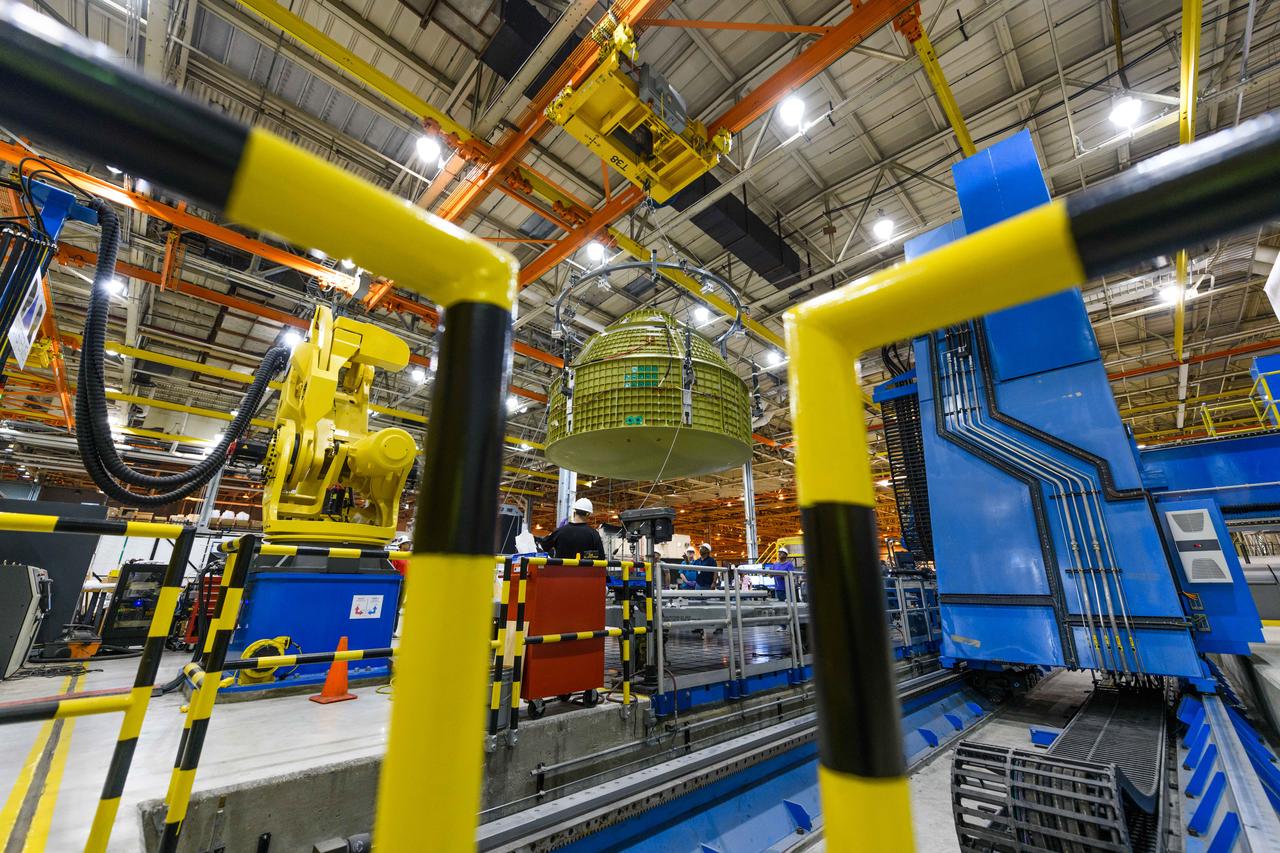
Lockheed Martin technicians at NASA's Michoud Assembly Facility in New Orleans, Louisiana, complete the final weld on the pressure vessel of the Orion crew module for Artemis II on July 24, 2018, the first flight of Orion with astronauts which will carry them farther into the solar system than ever before.
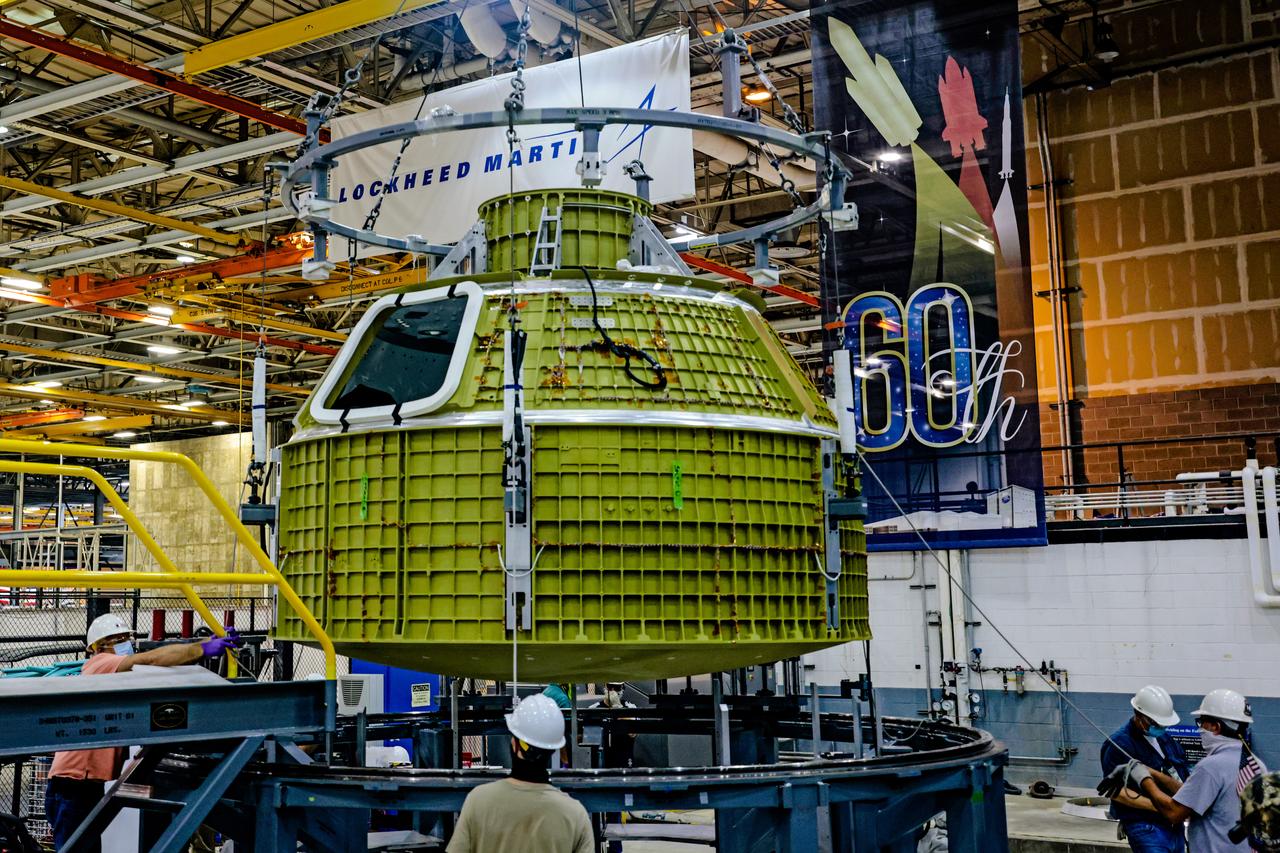
At NASA's Michoud Assembly Facility in New Orleans, Orion's newly completed pressure vessel for the Artemis III mission is lifted out of the welding tool on Aug. 27, 2021. The pressure vessel is the primary structure for Orion's crew module, joined together using state-of-the-art welding by technicians from lead contractor Lockheed Martin.
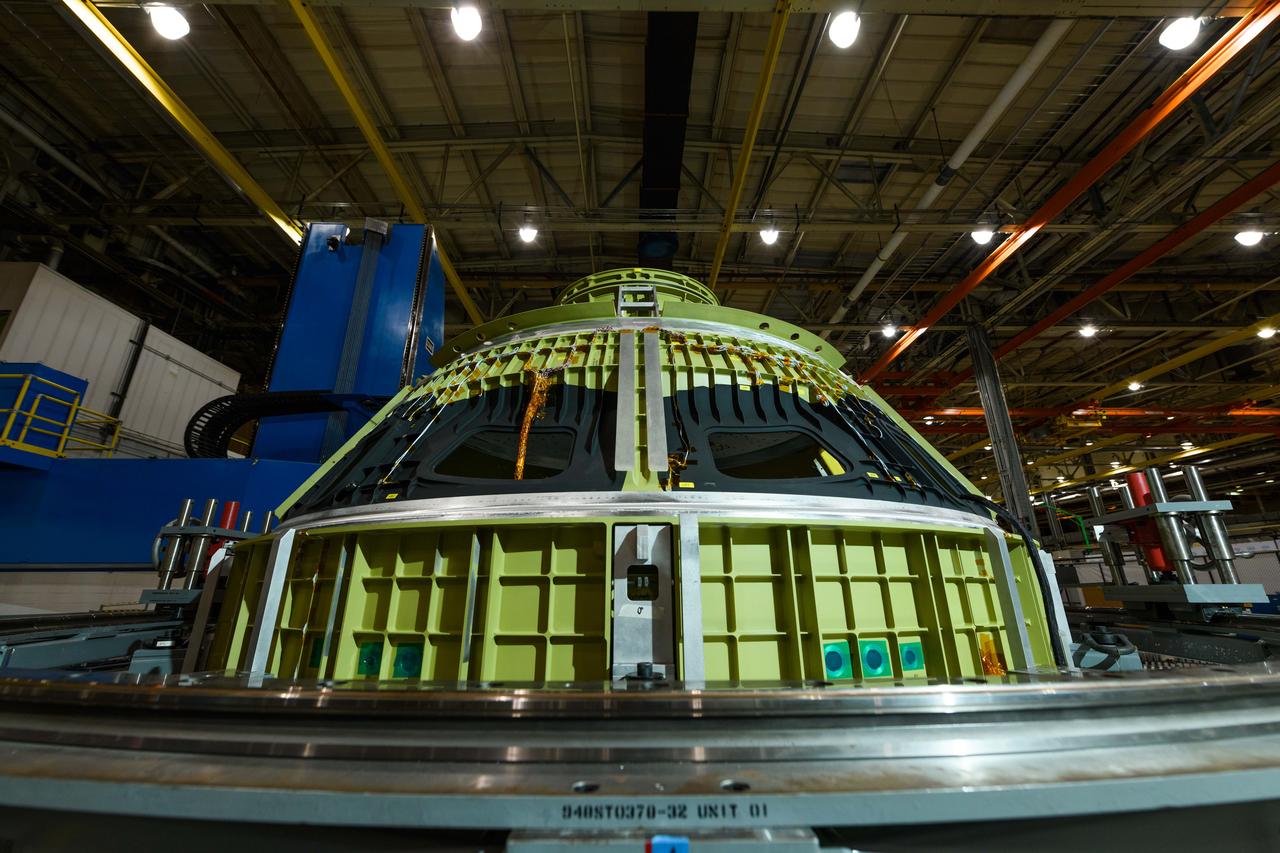
Lockheed Martin technicians at NASA's Michoud Assembly Facility in New Orleans, Louisiana, complete the final weld on the pressure vessel of the Orion crew module for Artemis II on July 24, 2018, the first flight of Orion with astronauts which will carry them farther into the solar system than ever before.
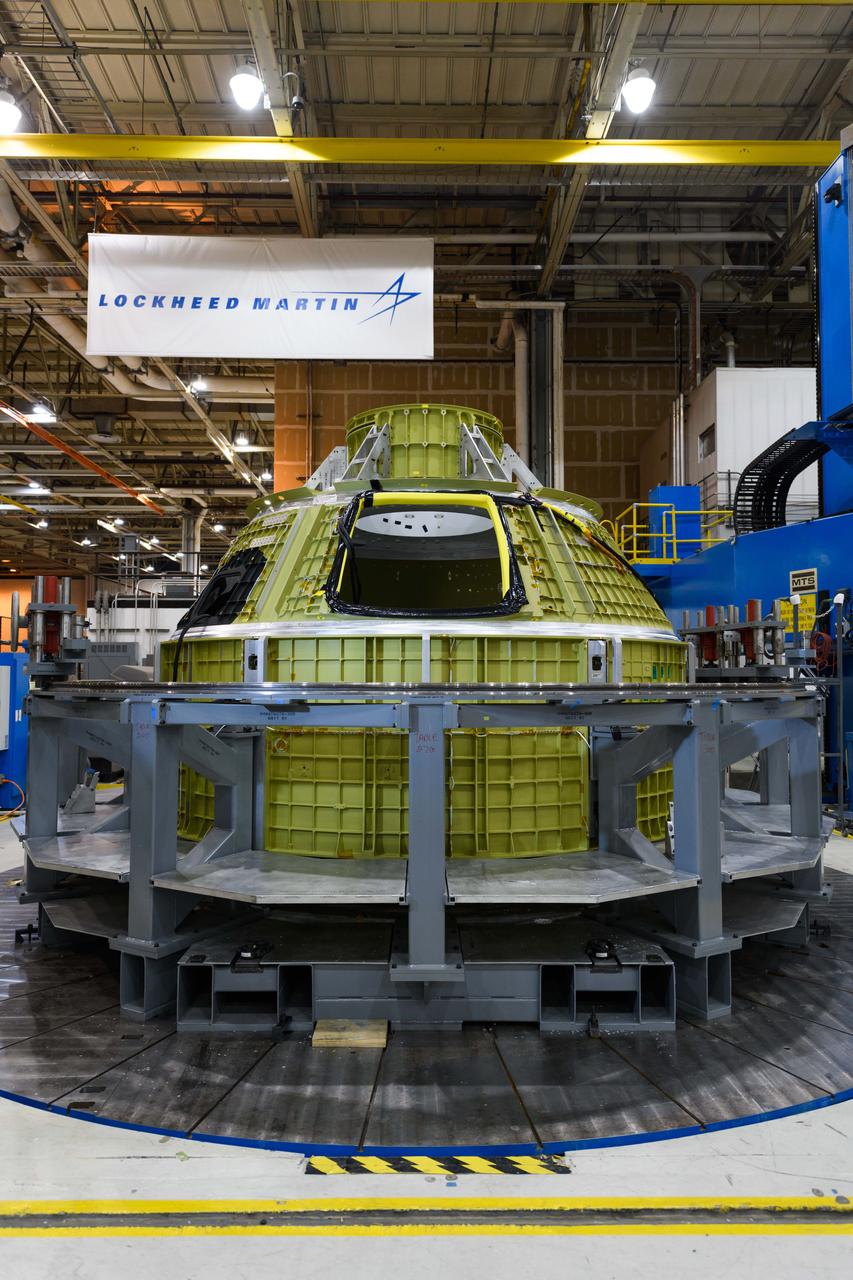
Lockheed Martin technicians at NASA's Michoud Assembly Facility in New Orleans, Louisiana, complete the final weld on the pressure vessel of the Orion crew module for Artemis II on July 24, 2018, the first flight of Orion with astronauts which will carry them farther into the solar system than ever before.
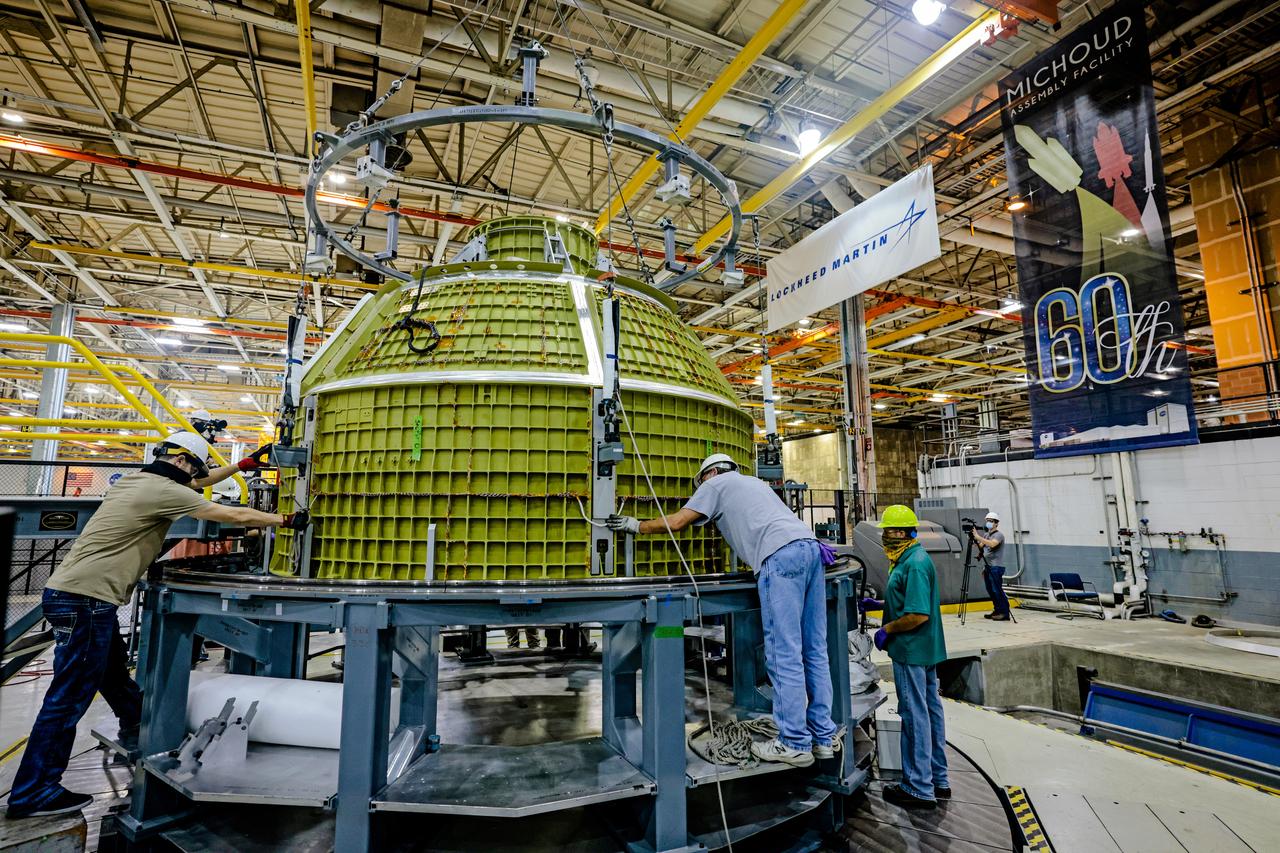
At NASA's Michoud Assembly Facility in New Orleans, Orion's newly completed pressure vessel for the Artemis III mission is lifted out of the welding tool on Aug. 27, 2021. The pressure vessel is the primary structure for Orion's crew module, joined together using state-of-the-art welding by technicians from lead contractor Lockheed Martin.
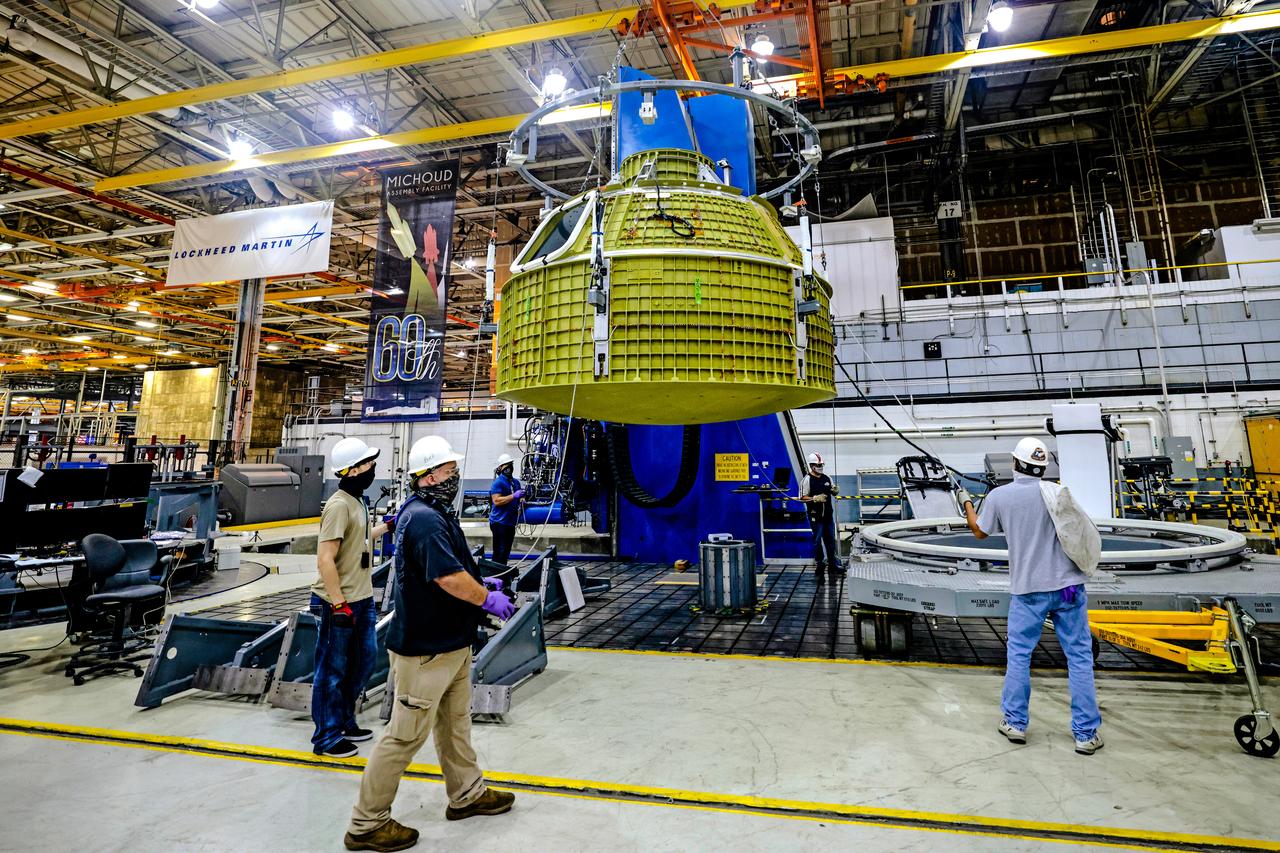
At NASA's Michoud Assembly Facility in New Orleans, Orion's newly completed pressure vessel for the Artemis III mission is lifted out of the welding tool on Aug. 27, 2021. The pressure vessel is the primary structure for Orion's crew module, joined together using state-of-the-art welding by technicians from lead contractor Lockheed Martin.
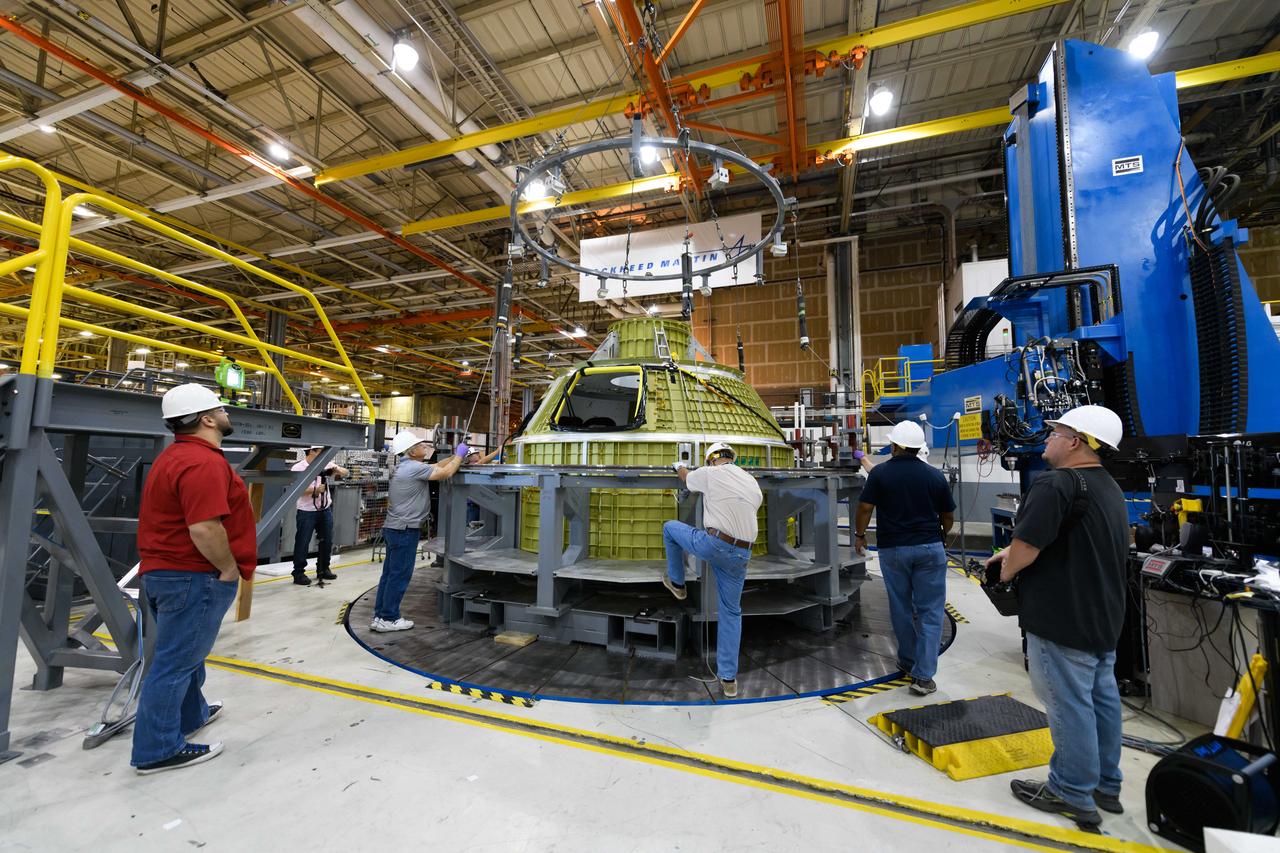
Lockheed Martin technicians at NASA's Michoud Assembly Facility in New Orleans, Louisiana, complete the final weld on the pressure vessel of the Orion crew module for Artemis II on July 24, 2018, the first flight of Orion with astronauts which will carry them farther into the solar system than ever before.
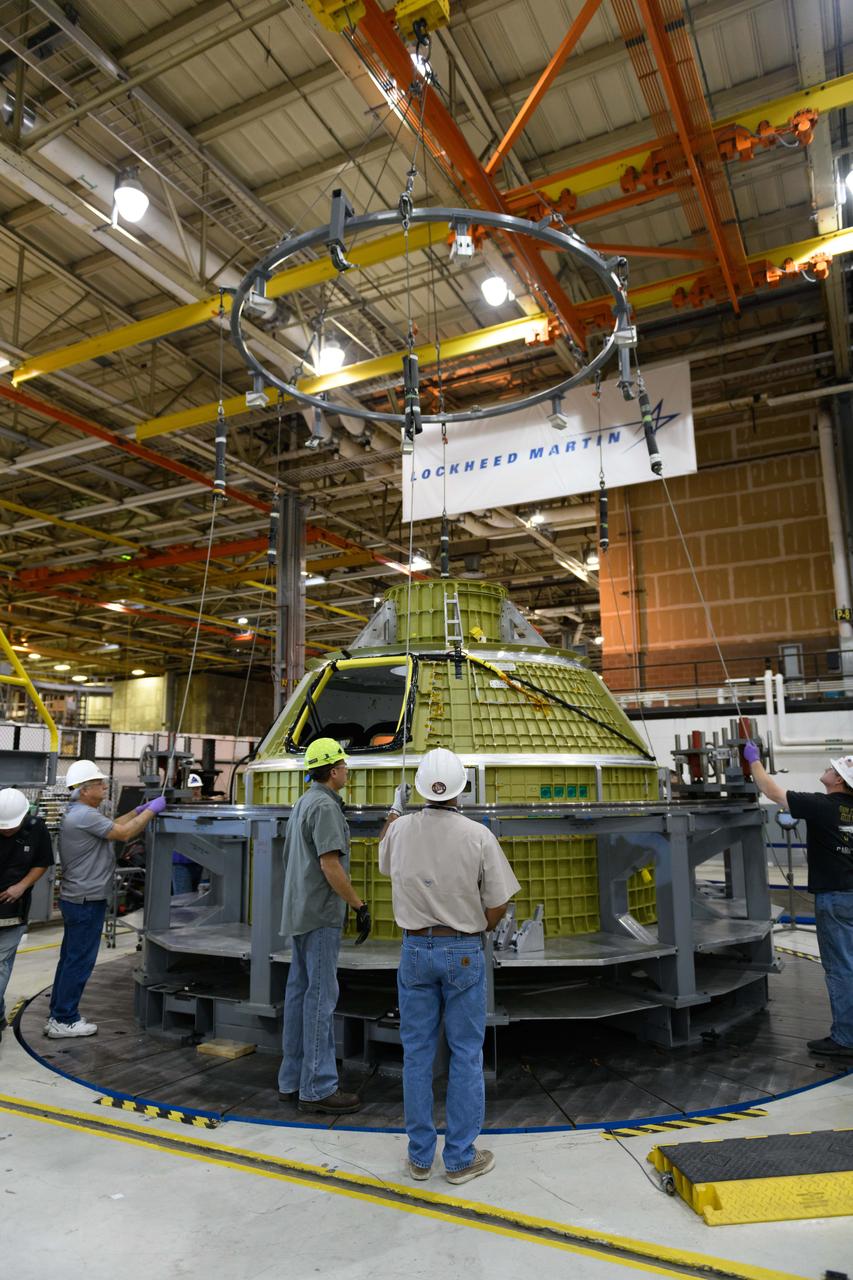
Lockheed Martin technicians at NASA's Michoud Assembly Facility in New Orleans, Louisiana, complete the final weld on the pressure vessel of the Orion crew module for Artemis II on July 24, 2018, the first flight of Orion with astronauts which will carry them farther into the solar system than ever before.
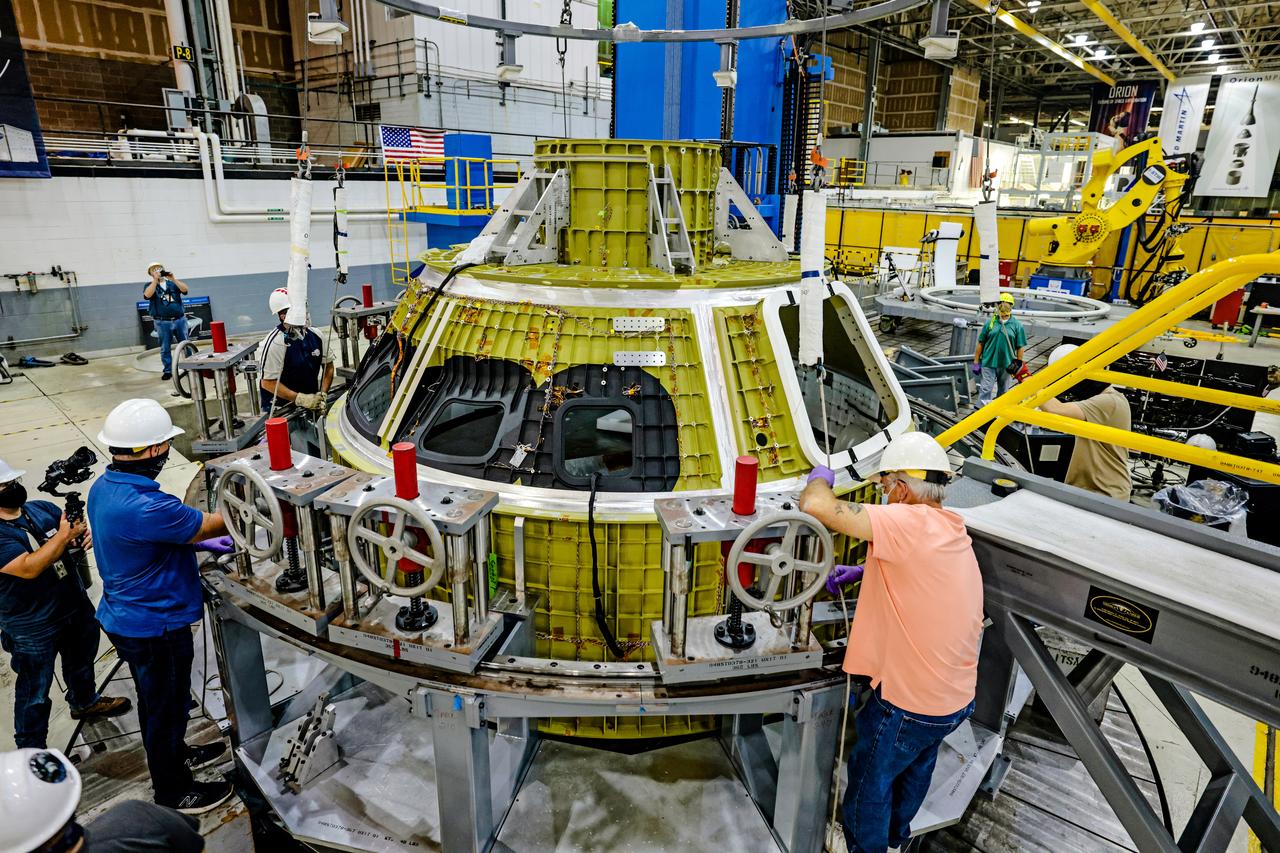
At NASA's Michoud Assembly Facility in New Orleans, Orion's newly completed pressure vessel for the Artemis III mission is lifted out of the welding tool on Aug. 27, 2021. The pressure vessel is the primary structure for Orion's crew module, joined together using state-of-the-art welding by technicians from lead contractor Lockheed Martin.
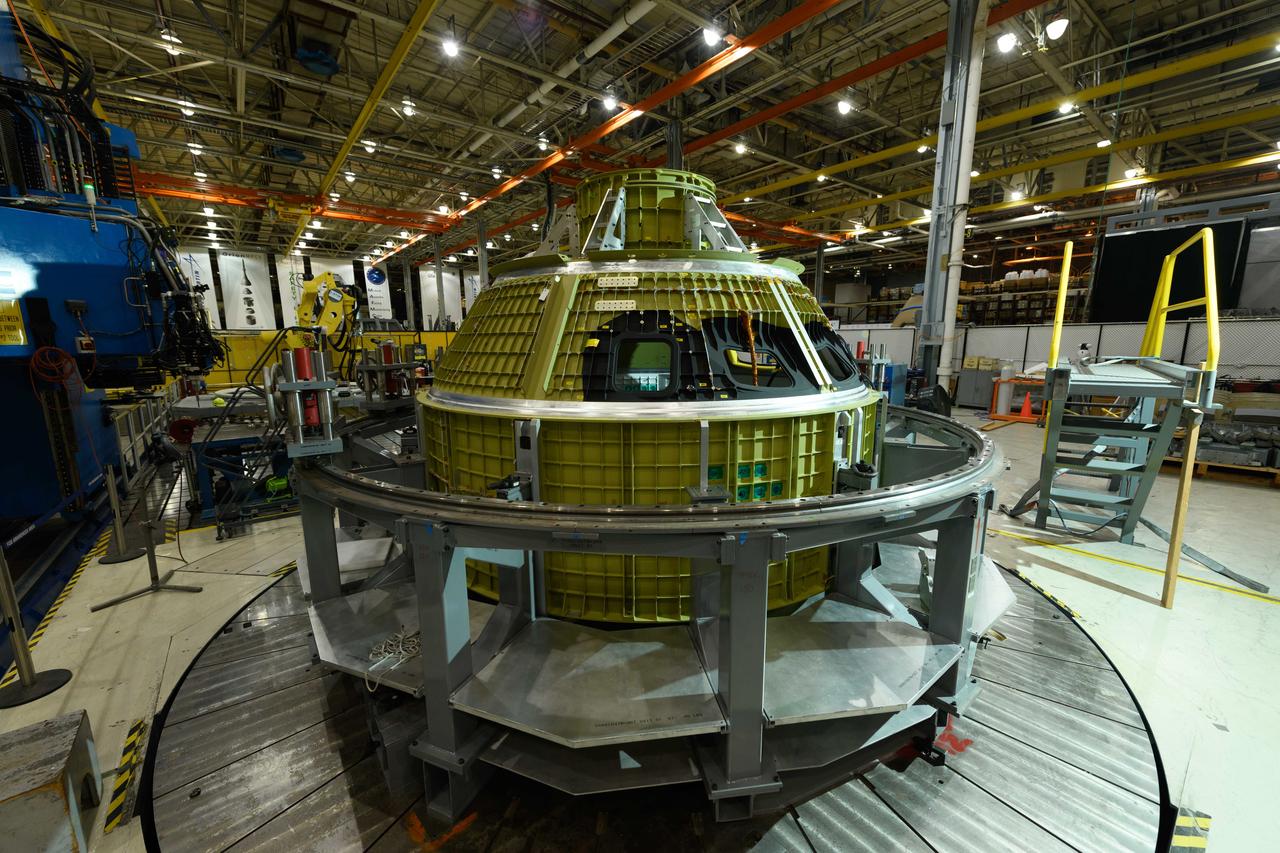
Lockheed Martin technicians at NASA's Michoud Assembly Facility in New Orleans, Louisiana, complete the final weld on the pressure vessel of the Orion crew module for Artemis II on July 24, 2018, the first flight of Orion with astronauts which will carry them farther into the solar system than ever before.
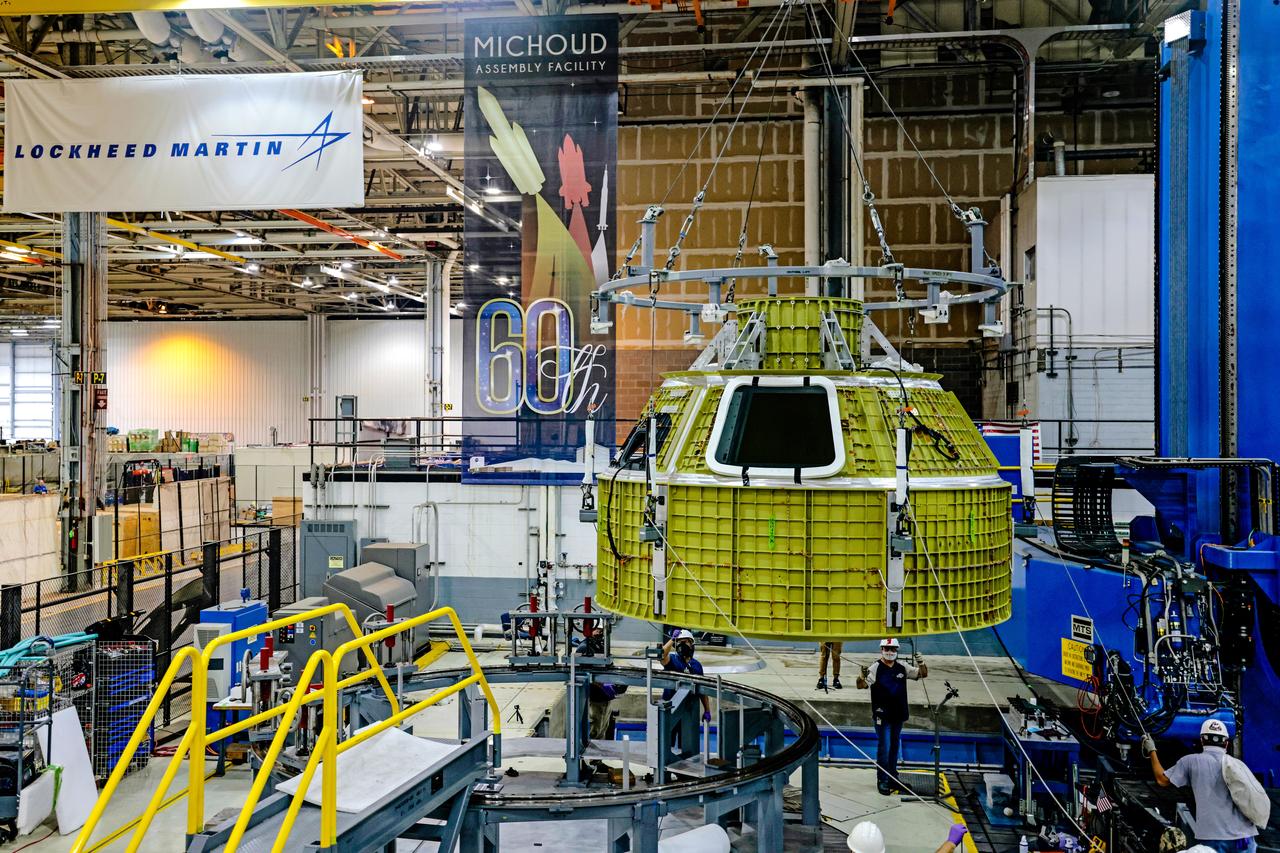
At NASA's Michoud Assembly Facility in New Orleans, Orion's newly completed pressure vessel for the Artemis III mission is lifted out of the welding tool on Aug. 27, 2021. The pressure vessel is the primary structure for Orion's crew module, joined together using state-of-the-art welding by technicians from lead contractor Lockheed Martin.
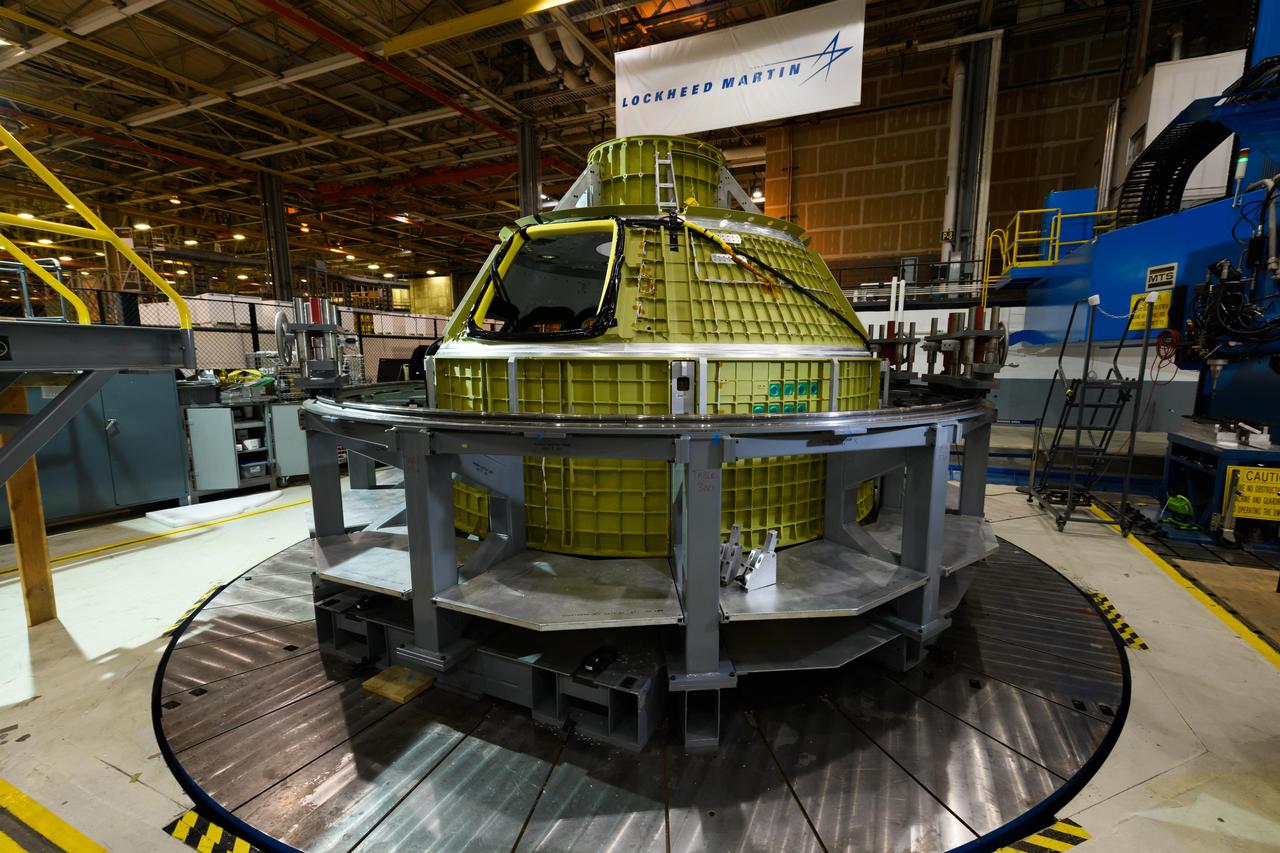
Lockheed Martin technicians at NASA's Michoud Assembly Facility in New Orleans, Louisiana, complete the final weld on the pressure vessel of the Orion crew module for Artemis II on July 24, 2018, the first flight of Orion with astronauts which will carry them farther into the solar system than ever before.
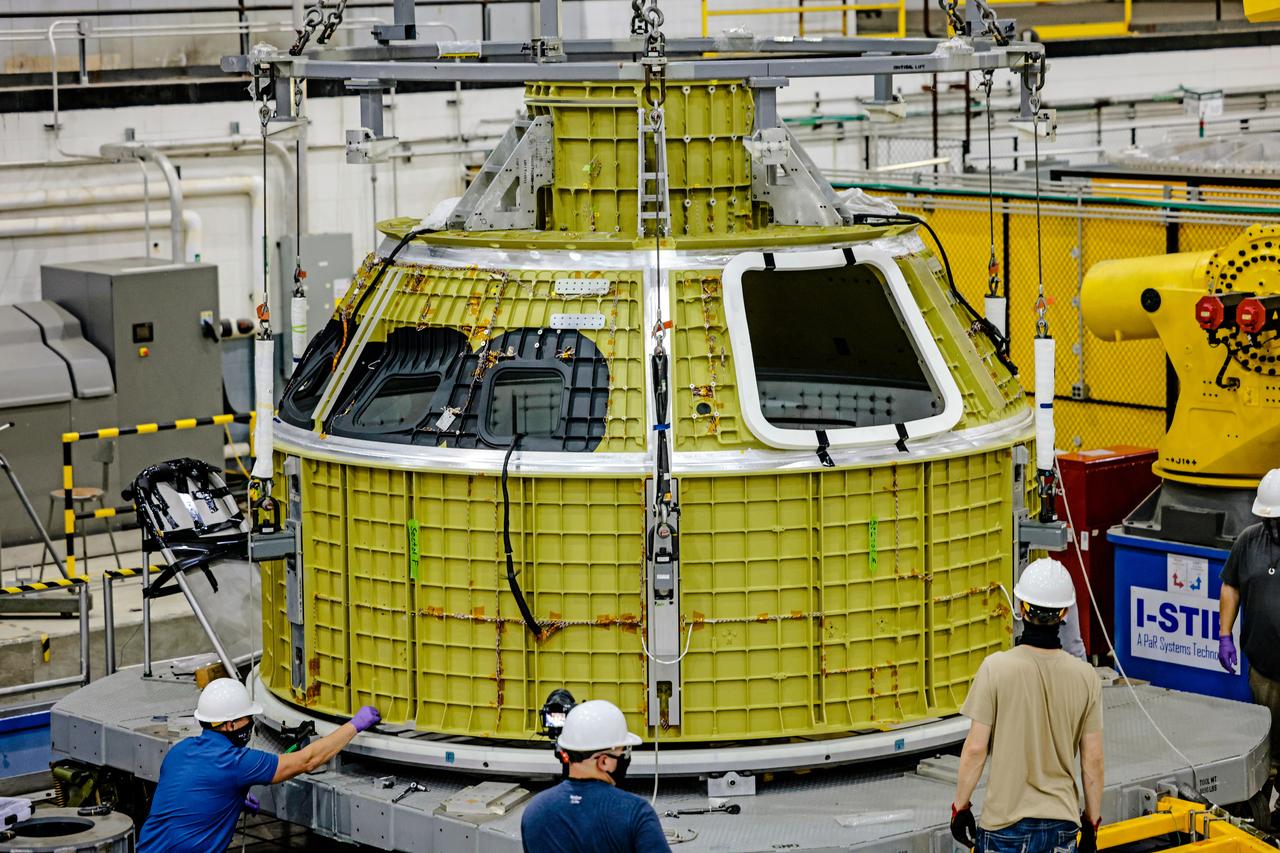
At NASA's Michoud Assembly Facility in New Orleans, Orion's newly completed pressure vessel for the Artemis III mission is lifted out of the welding tool on Aug. 27, 2021. The pressure vessel is the primary structure for Orion's crew module, joined together using state-of-the-art welding by technicians from lead contractor Lockheed Martin.
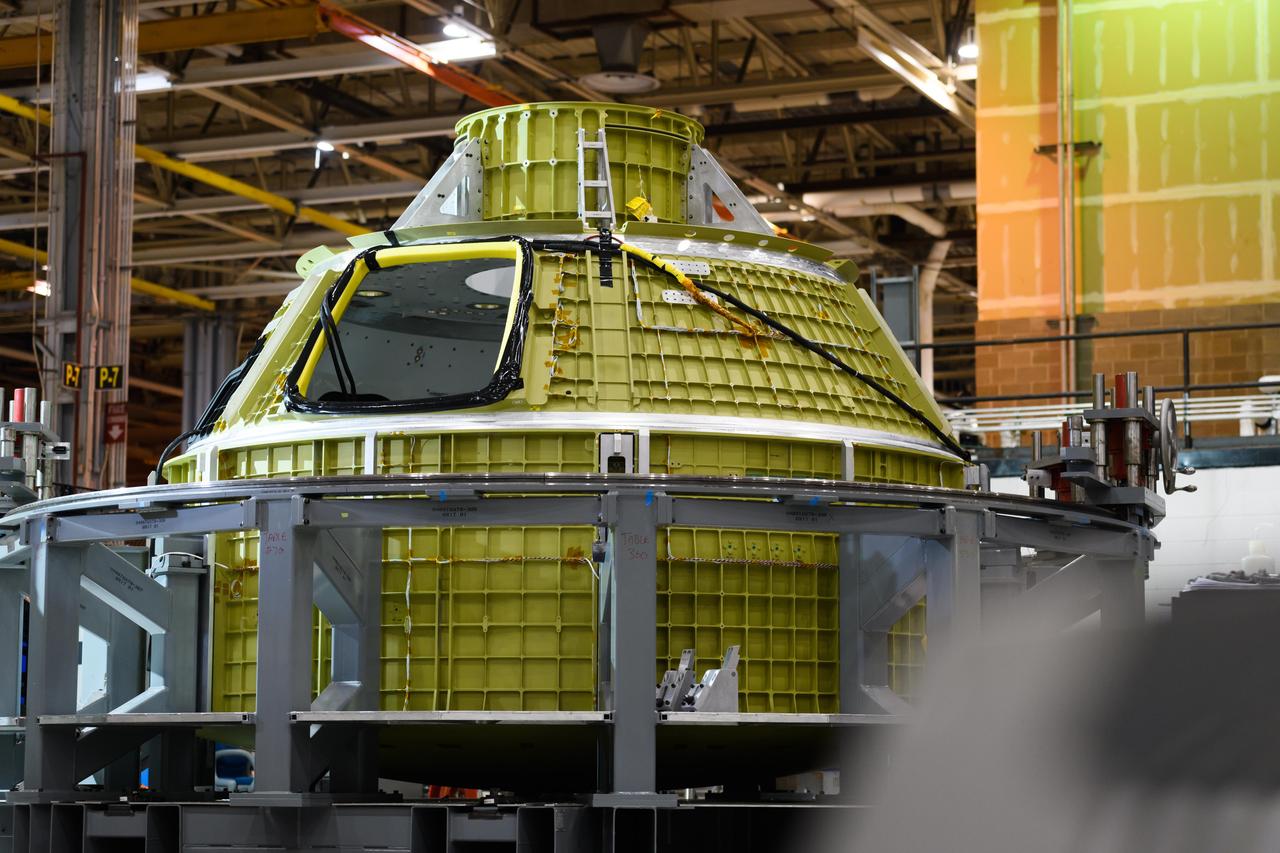
Lockheed Martin technicians at NASA's Michoud Assembly Facility in New Orleans, Louisiana, complete the final weld on the pressure vessel of the Orion crew module for Artemis II on July 24, 2018, the first flight of Orion with astronauts which will carry them farther into the solar system than ever before.
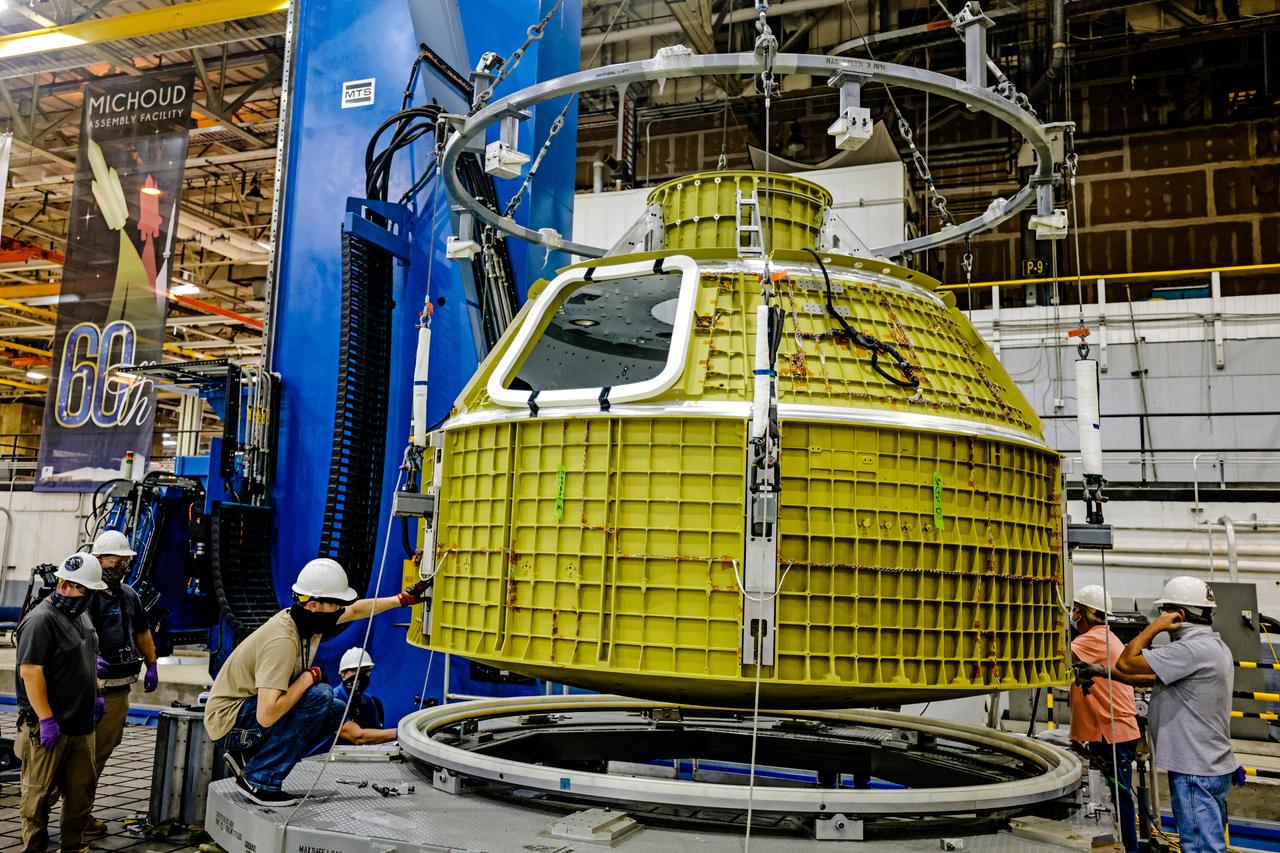
At NASA's Michoud Assembly Facility in New Orleans, Orion's newly completed pressure vessel for the Artemis III mission is lifted out of the welding tool on Aug. 27, 2021. The pressure vessel is the primary structure for Orion's crew module, joined together using state-of-the-art welding by technicians from lead contractor Lockheed Martin.
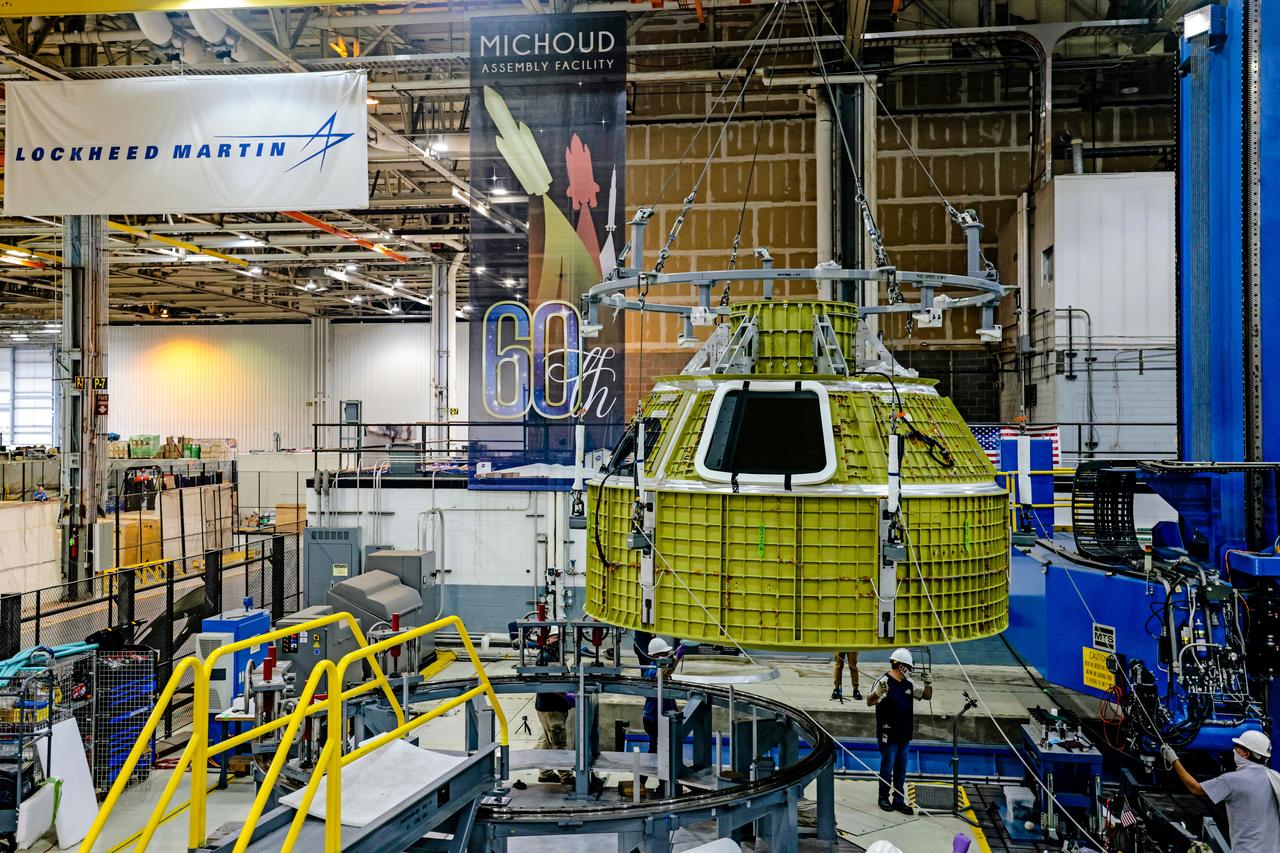
At NASA's Michoud Assembly Facility in New Orleans, Orion's newly completed pressure vessel for the Artemis III mission is lifted out of the welding tool on Aug. 27, 2021. The pressure vessel is the primary structure for Orion's crew module, joined together using state-of-the-art welding by technicians from lead contractor Lockheed Martin.
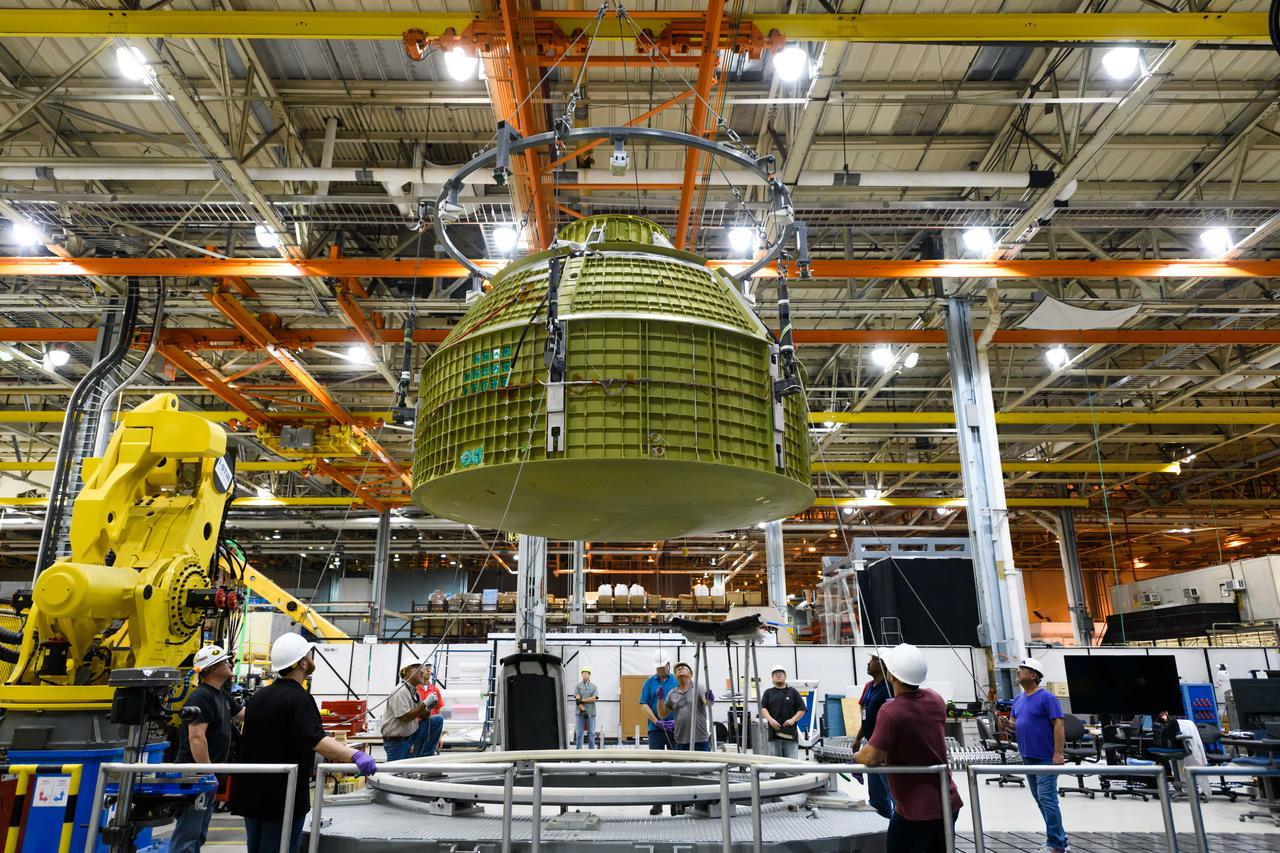
Lockheed Martin technicians at NASA's Michoud Assembly Facility in New Orleans, Louisiana, complete the final weld on the pressure vessel of the Orion crew module for Artemis II on July 24, 2018, the first flight of Orion with astronauts which will carry them farther into the solar system than ever before.
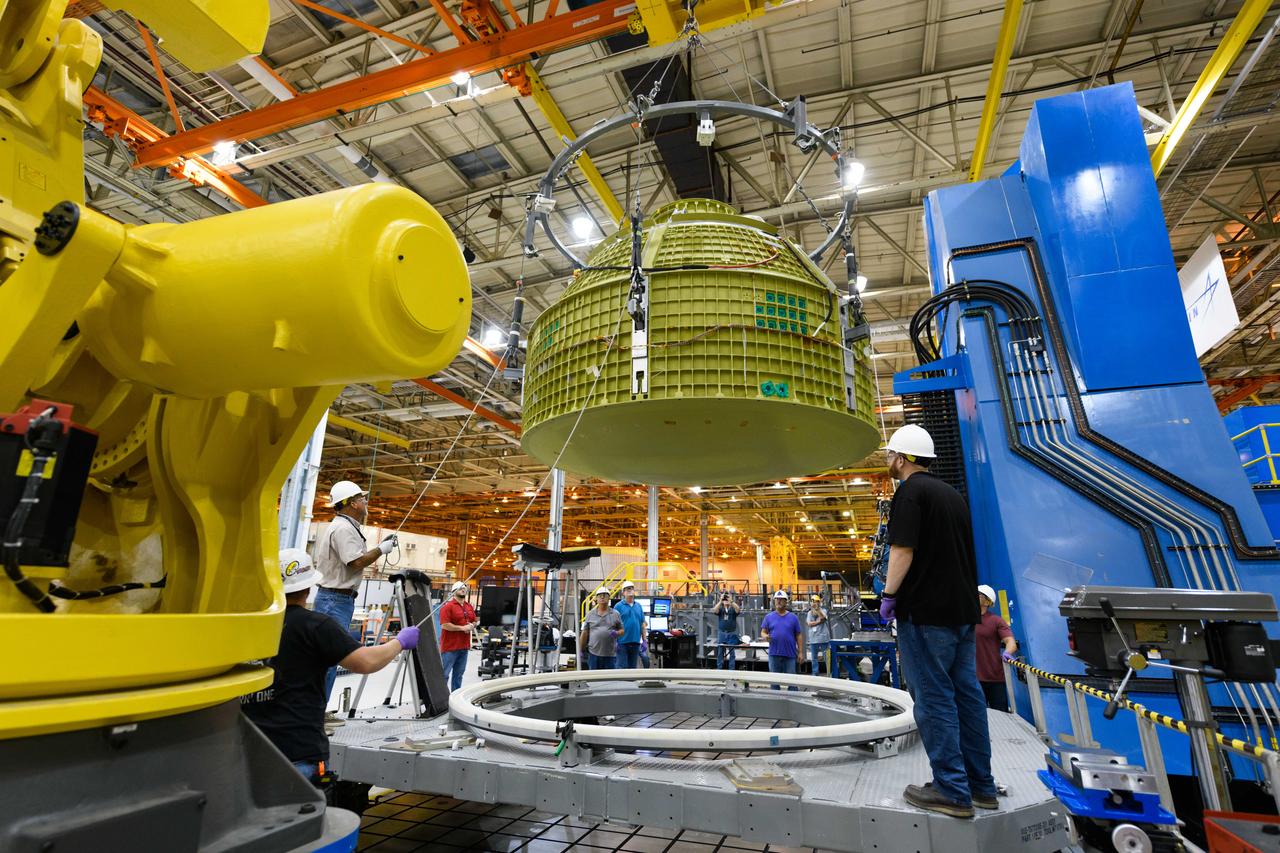
Lockheed Martin technicians at NASA's Michoud Assembly Facility in New Orleans, Louisiana, complete the final weld on the pressure vessel of the Orion crew module for Artemis II on July 24, 2018, the first flight of Orion with astronauts which will carry them farther into the solar system than ever before.
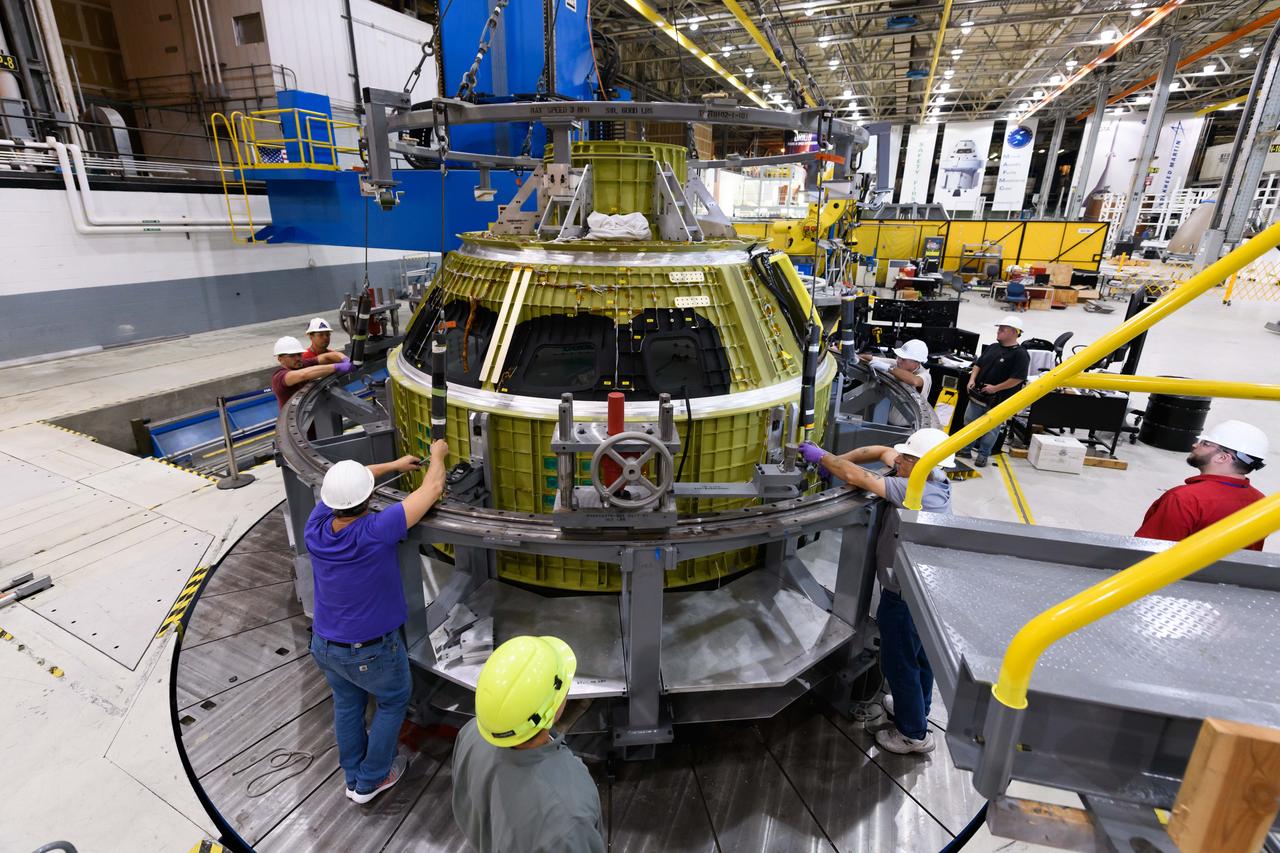
Lockheed Martin technicians at NASA's Michoud Assembly Facility in New Orleans, Louisiana, complete the final weld on the pressure vessel of the Orion crew module for Artemis II on July 24, 2018, the first flight of Orion with astronauts which will carry them farther into the solar system than ever before.
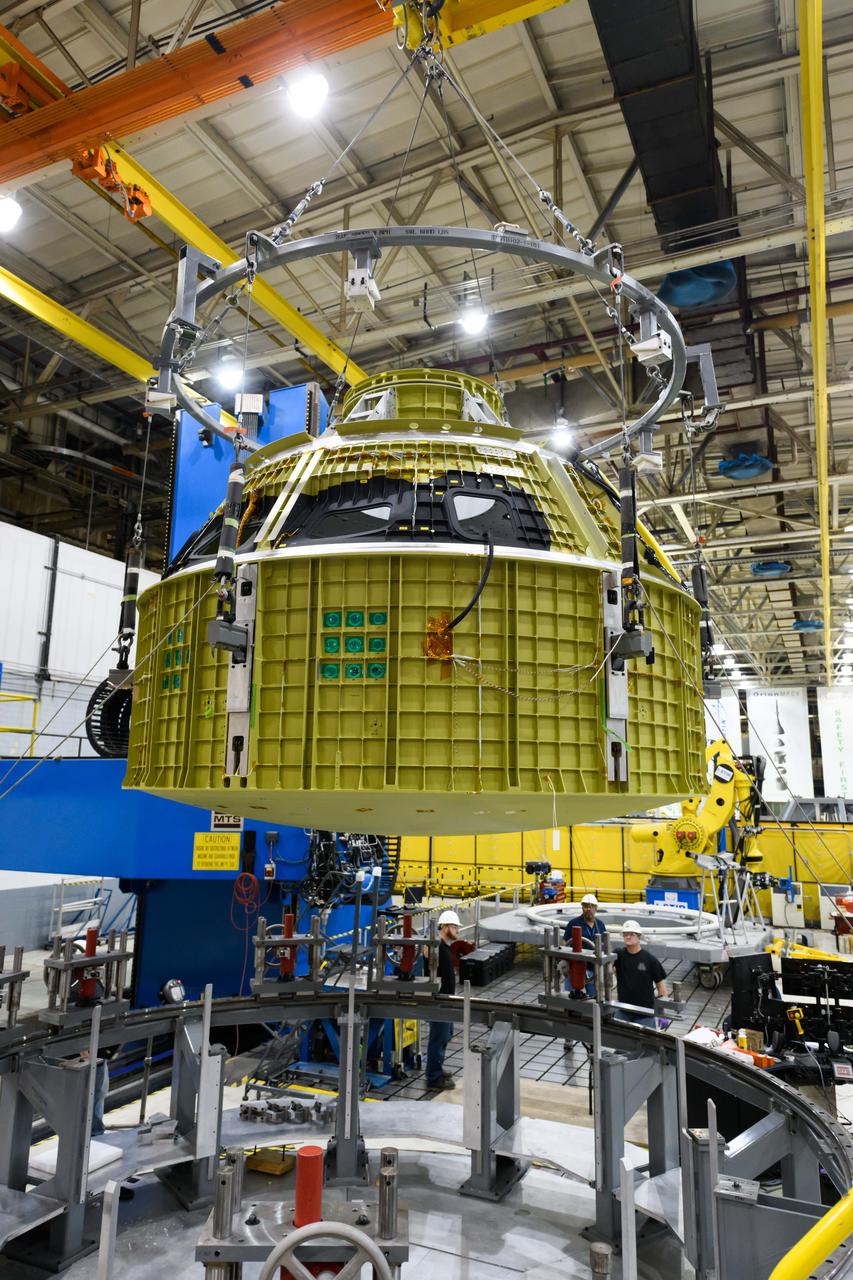
Lockheed Martin technicians at NASA's Michoud Assembly Facility in New Orleans, Louisiana, complete the final weld on the pressure vessel of the Orion crew module for Artemis II on July 24, 2018, the first flight of Orion with astronauts which will carry them farther into the solar system than ever before.
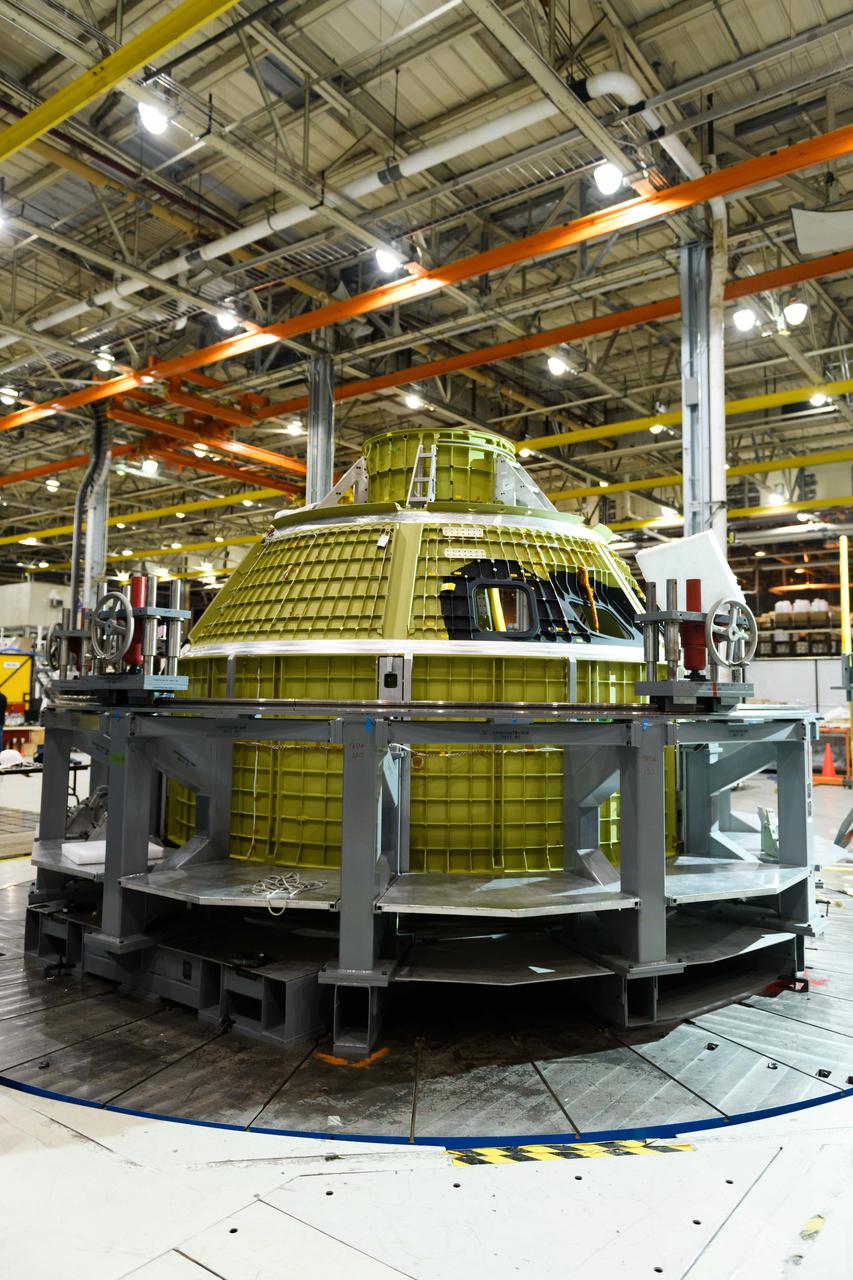
Lockheed Martin technicians at NASA's Michoud Assembly Facility in New Orleans, Louisiana, complete the final weld on the pressure vessel of the Orion crew module for Artemis II on July 24, 2018, the first flight of Orion with astronauts which will carry them farther into the solar system than ever before.
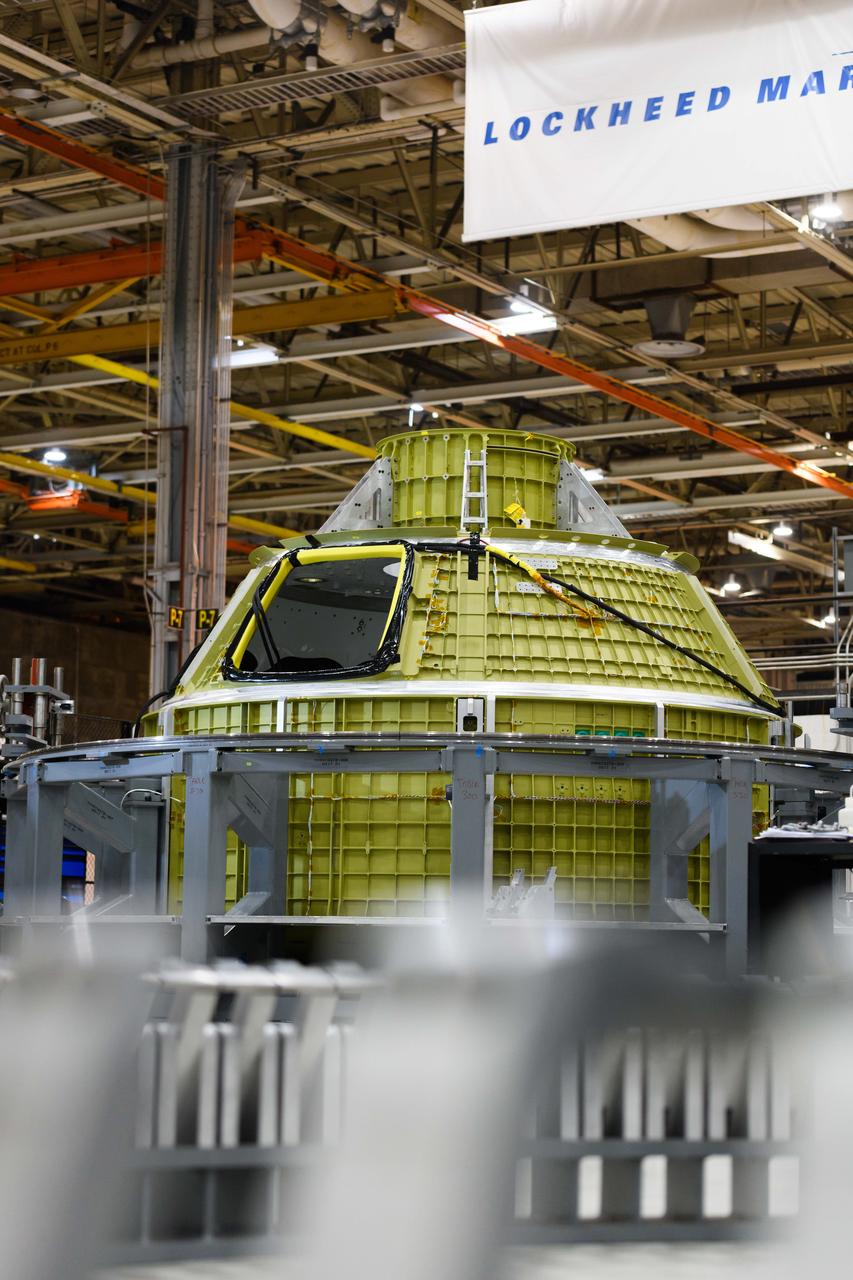
Lockheed Martin technicians at NASA's Michoud Assembly Facility in New Orleans, Louisiana, complete the final weld on the pressure vessel of the Orion crew module for Artemis II on July 24, 2018, the first flight of Orion with astronauts which will carry them farther into the solar system than ever before.
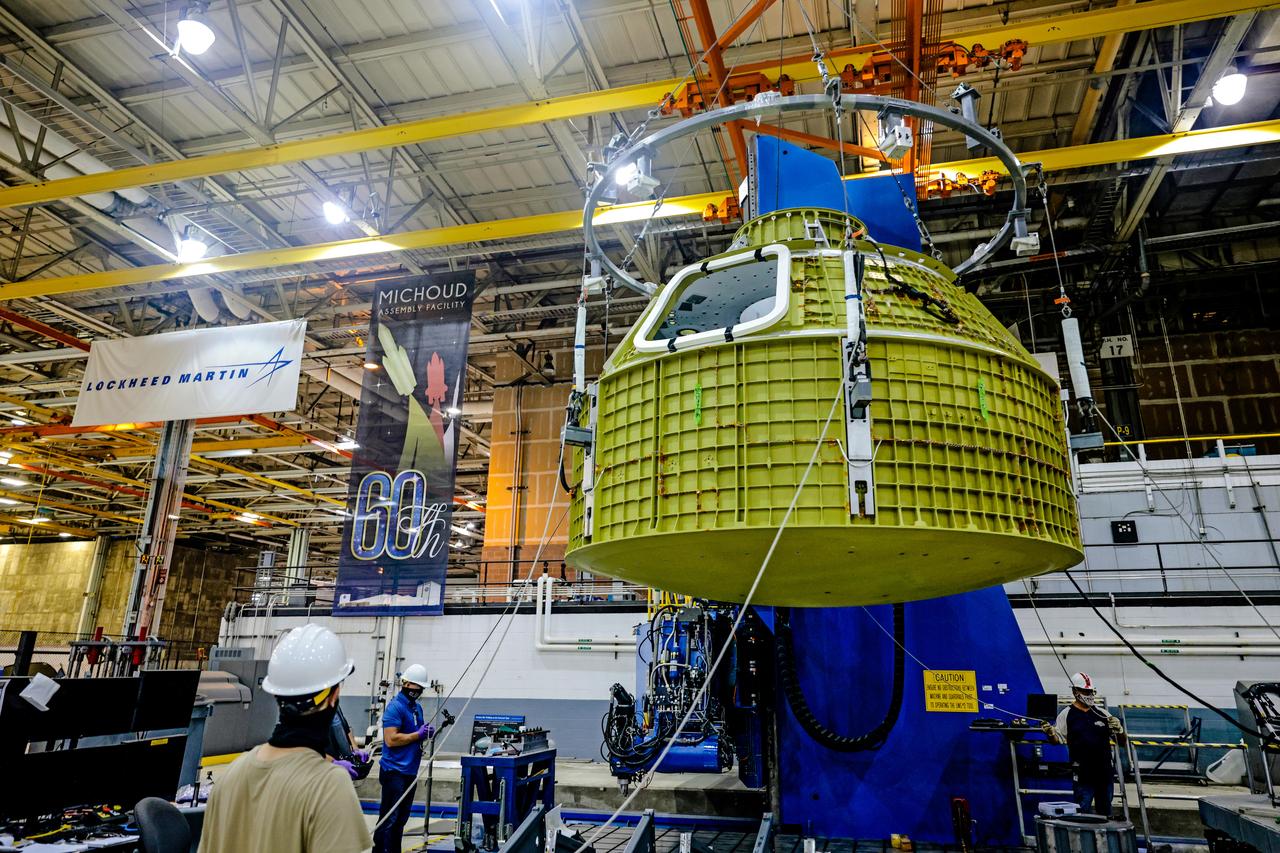
At NASA's Michoud Assembly Facility in New Orleans, Orion's newly completed pressure vessel for the Artemis III mission is lifted out of the welding tool on Aug. 27, 2021. The pressure vessel is the primary structure for Orion's crew module, joined together using state-of-the-art welding by technicians from lead contractor Lockheed Martin.
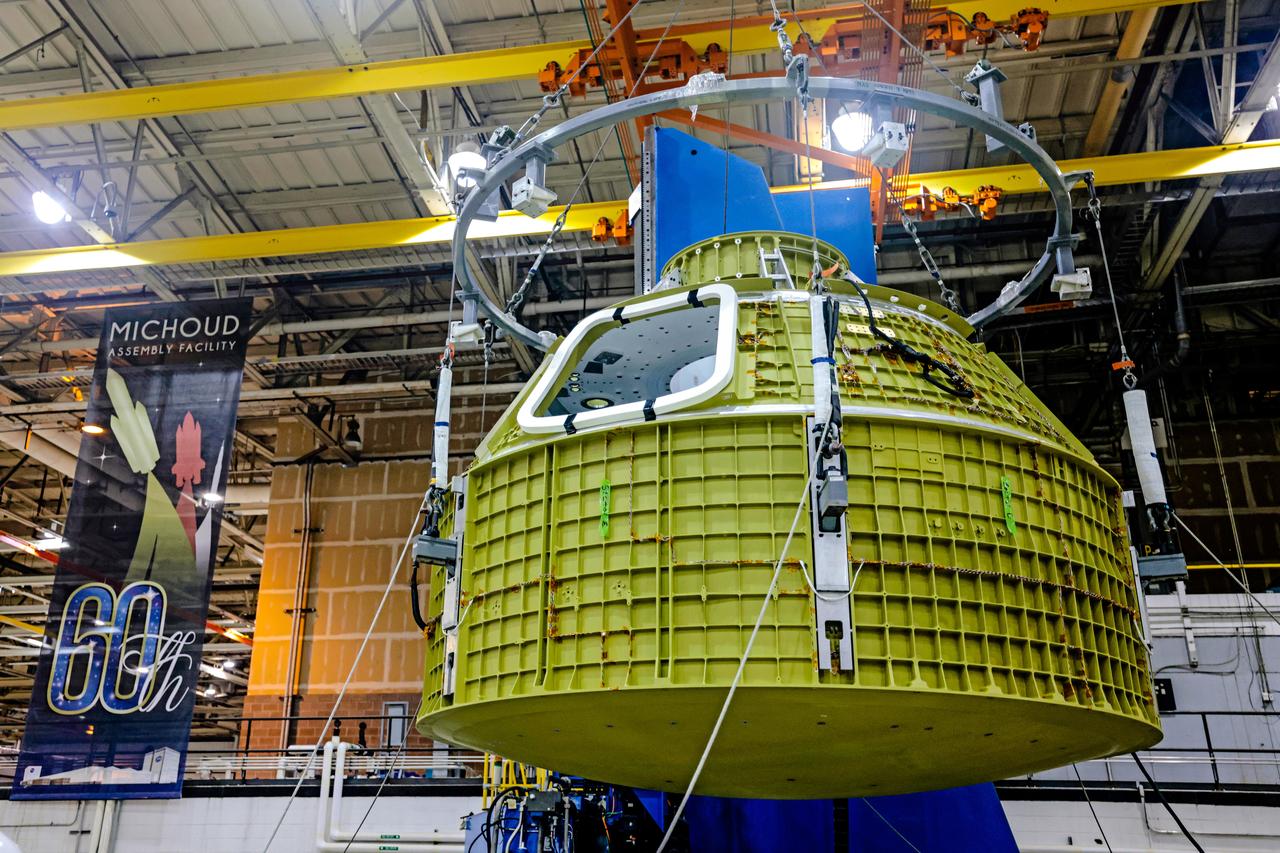
At NASA's Michoud Assembly Facility in New Orleans, Orion's newly completed pressure vessel for the Artemis III mission is lifted out of the welding tool on Aug. 27, 2021. The pressure vessel is the primary structure for Orion's crew module, joined together using state-of-the-art welding by technicians from lead contractor Lockheed Martin.
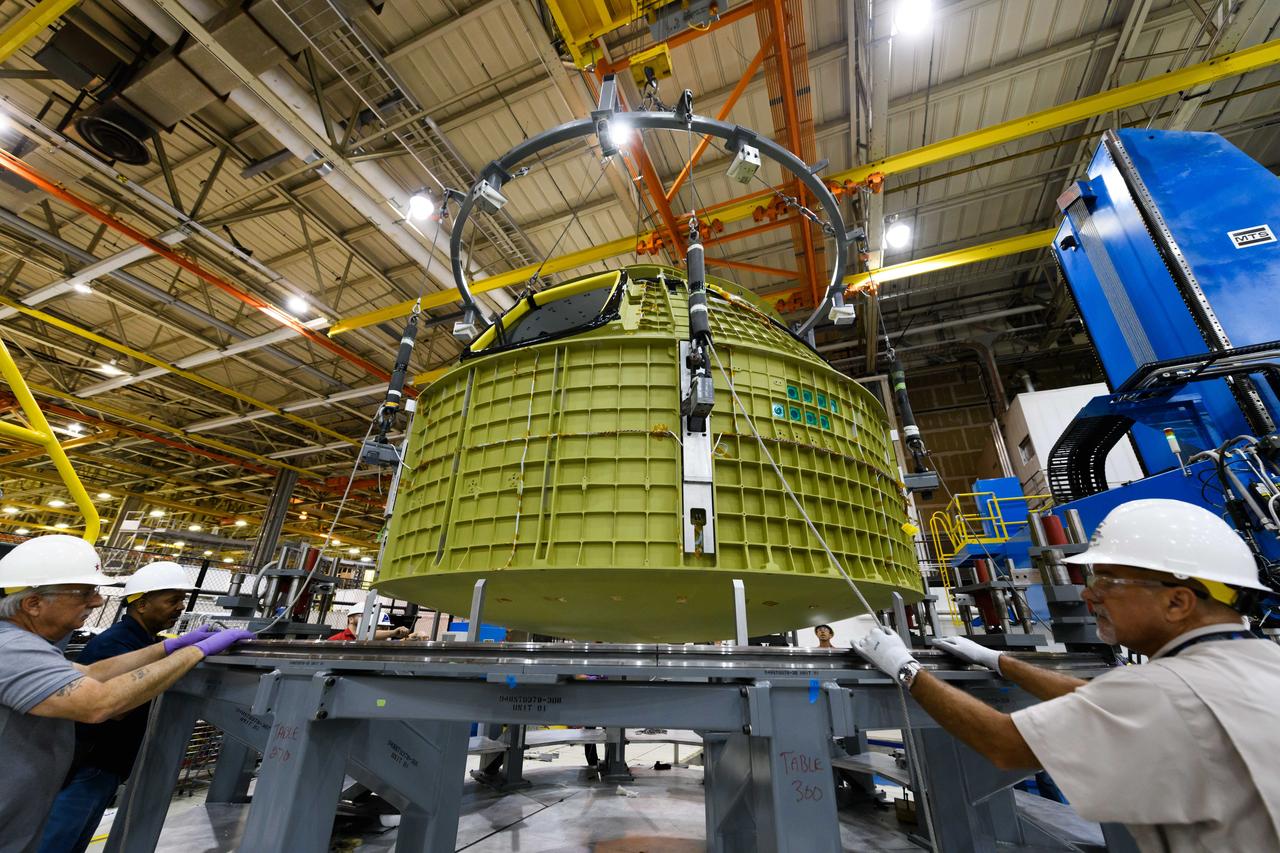
Lockheed Martin technicians at NASA's Michoud Assembly Facility in New Orleans, Louisiana, complete the final weld on the pressure vessel of the Orion crew module for Artemis II on July 24, 2018, the first flight of Orion with astronauts which will carry them farther into the solar system than ever before.

Lockheed Martin technicians at NASA's Michoud Assembly Facility in New Orleans, Louisiana, complete the final weld on the pressure vessel of the Orion crew module for Artemis II on July 24, 2018, the first flight of Orion with astronauts which will carry them farther into the solar system than ever before.
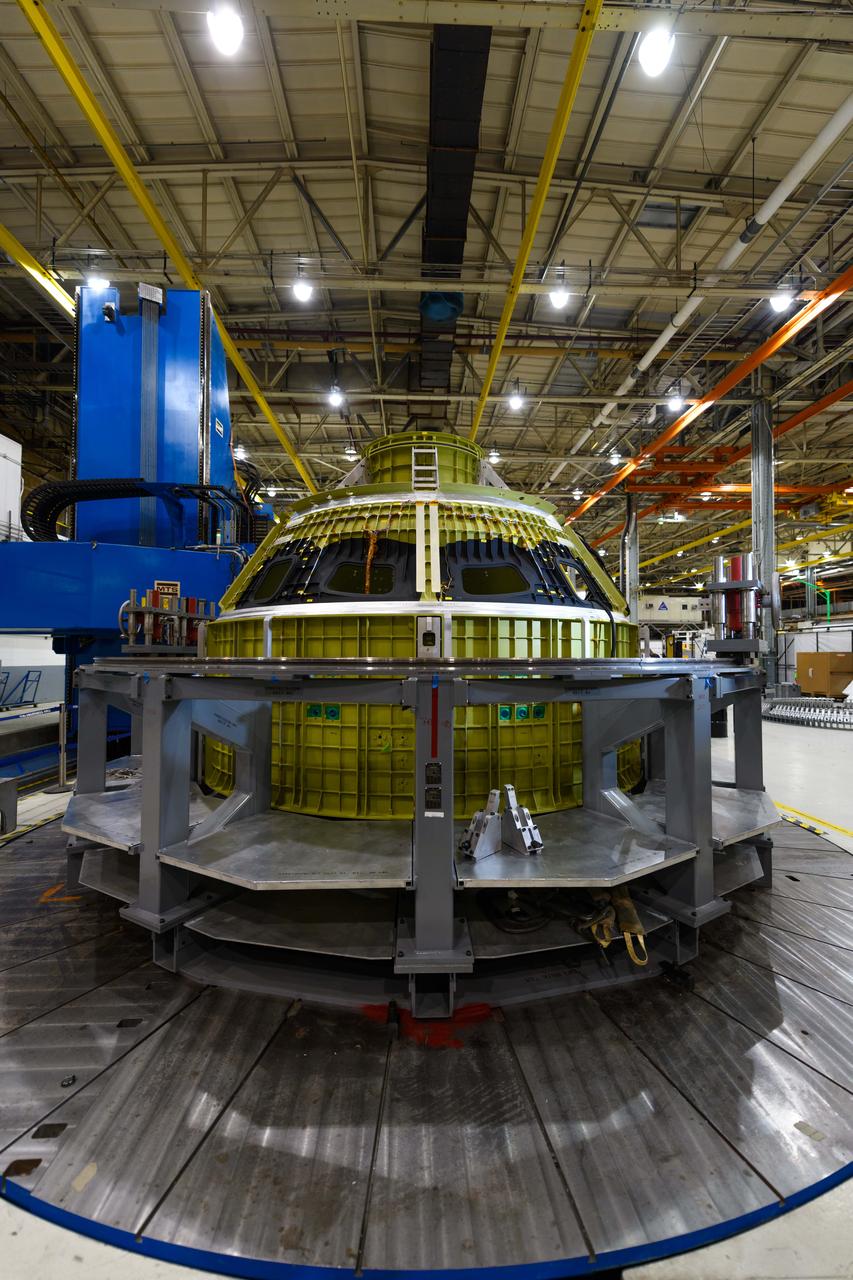
Lockheed Martin technicians at NASA's Michoud Assembly Facility in New Orleans, Louisiana, complete the final weld on the pressure vessel of the Orion crew module for Artemis II on July 24, 2018, the first flight of Orion with astronauts which will carry them farther into the solar system than ever before.
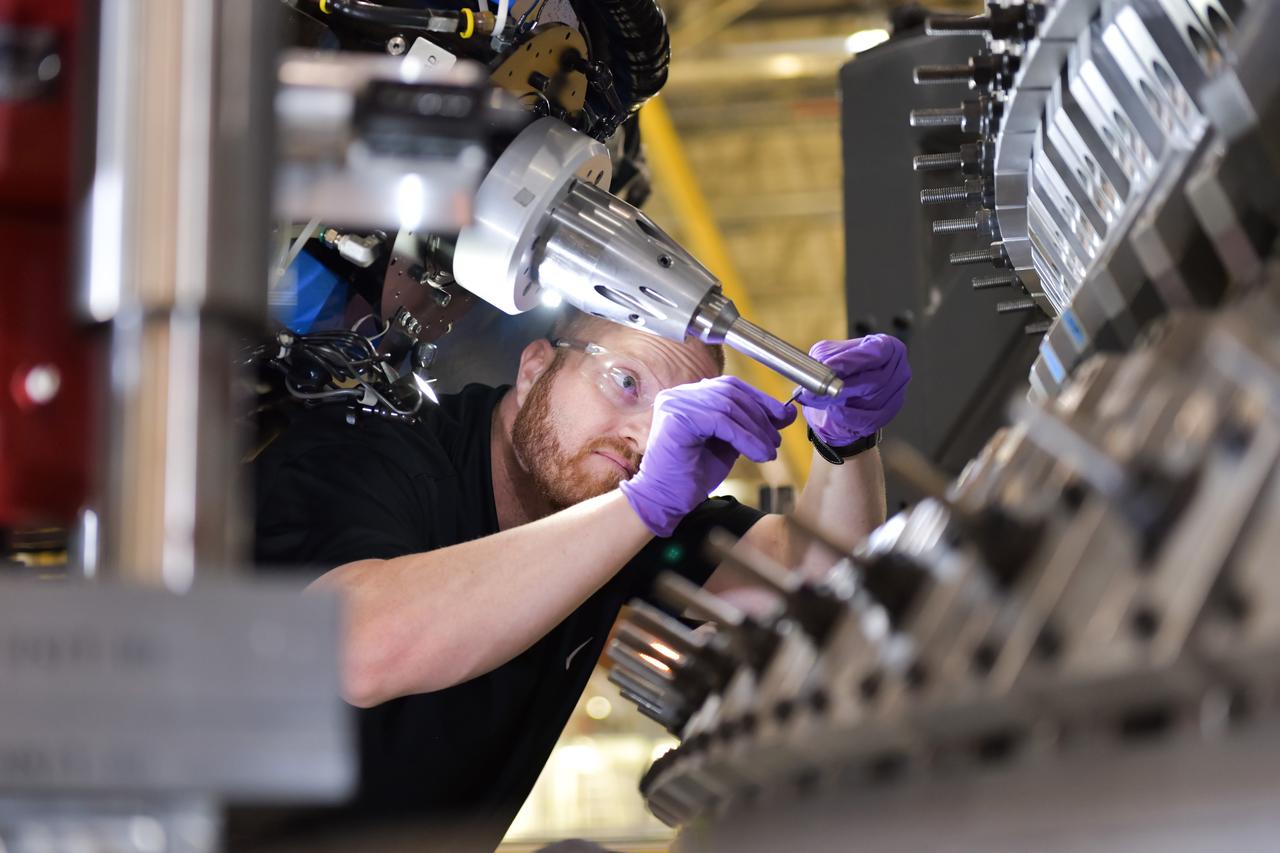
Lockheed Martin technicians at NASA's Michoud Assembly Facility in New Orleans, Louisiana, complete the final weld on the pressure vessel of the Orion crew module for Artemis II on July 24, 2018, the first flight of Orion with astronauts which will carry them farther into the solar system than ever before.
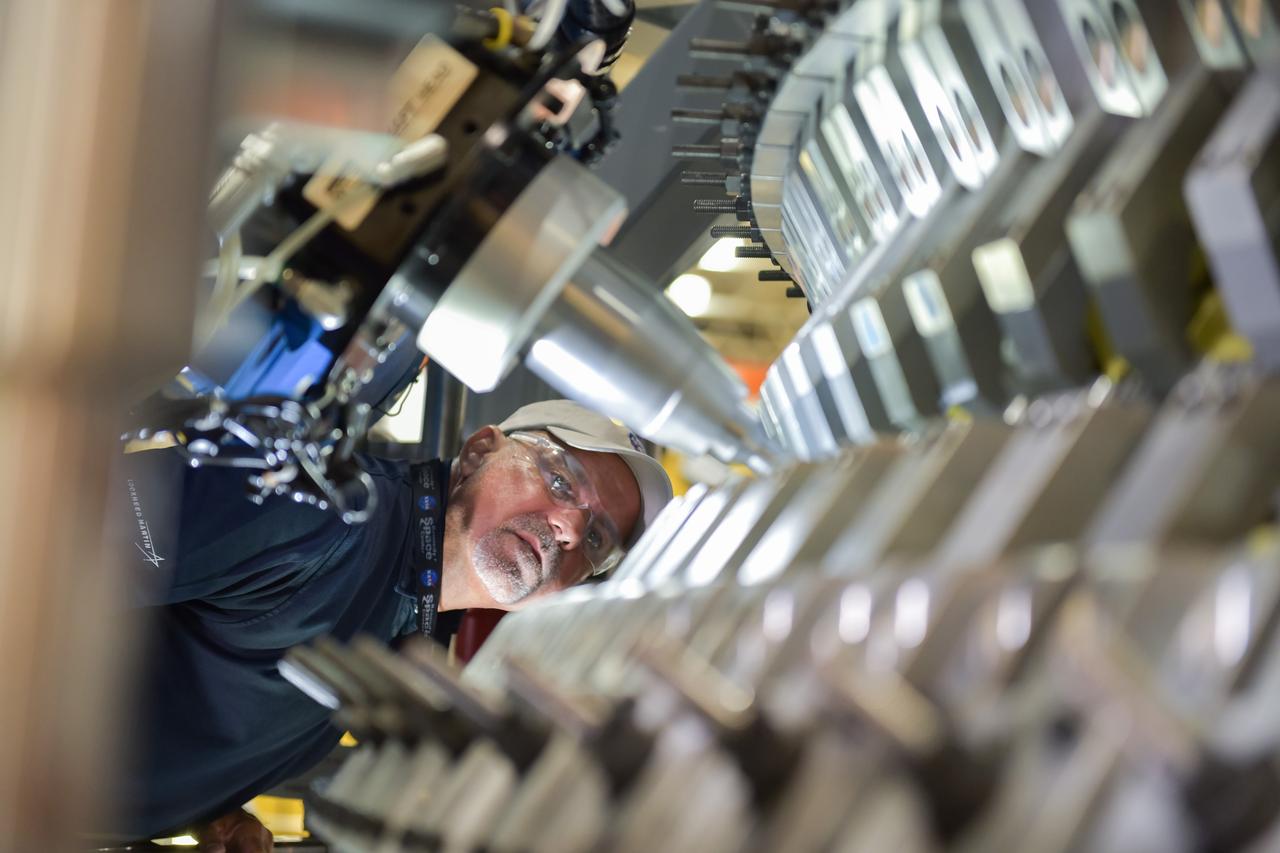
Lockheed Martin technicians at NASA's Michoud Assembly Facility in New Orleans, Louisiana, complete the final weld on the pressure vessel of the Orion crew module for Artemis II on July 24, 2018, the first flight of Orion with astronauts which will carry them farther into the solar system than ever before.
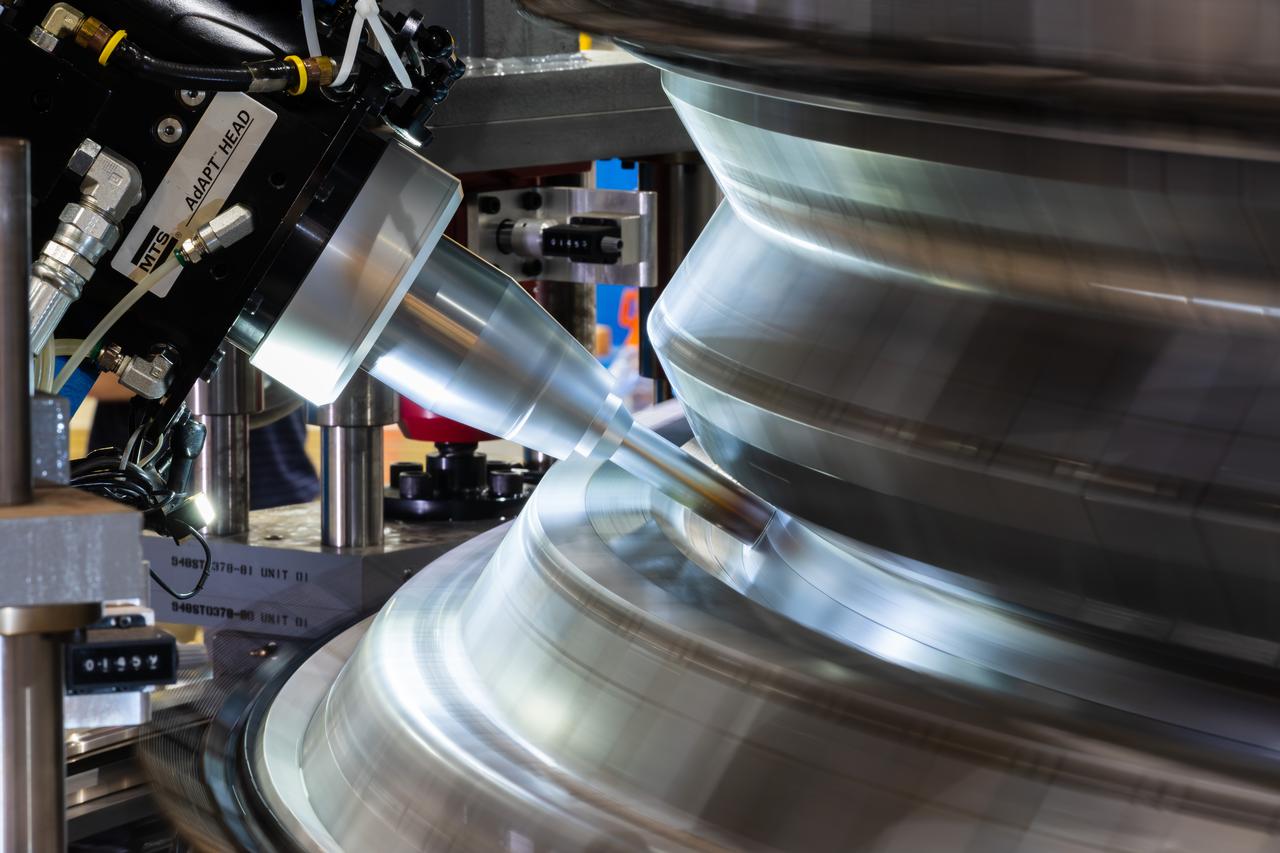
Lockheed Martin technicians at NASA's Michoud Assembly Facility in New Orleans, Louisiana, complete the final weld on the pressure vessel of the Orion crew module for Artemis II on July 24, 2018, the first flight of Orion with astronauts which will carry them farther into the solar system than ever before.
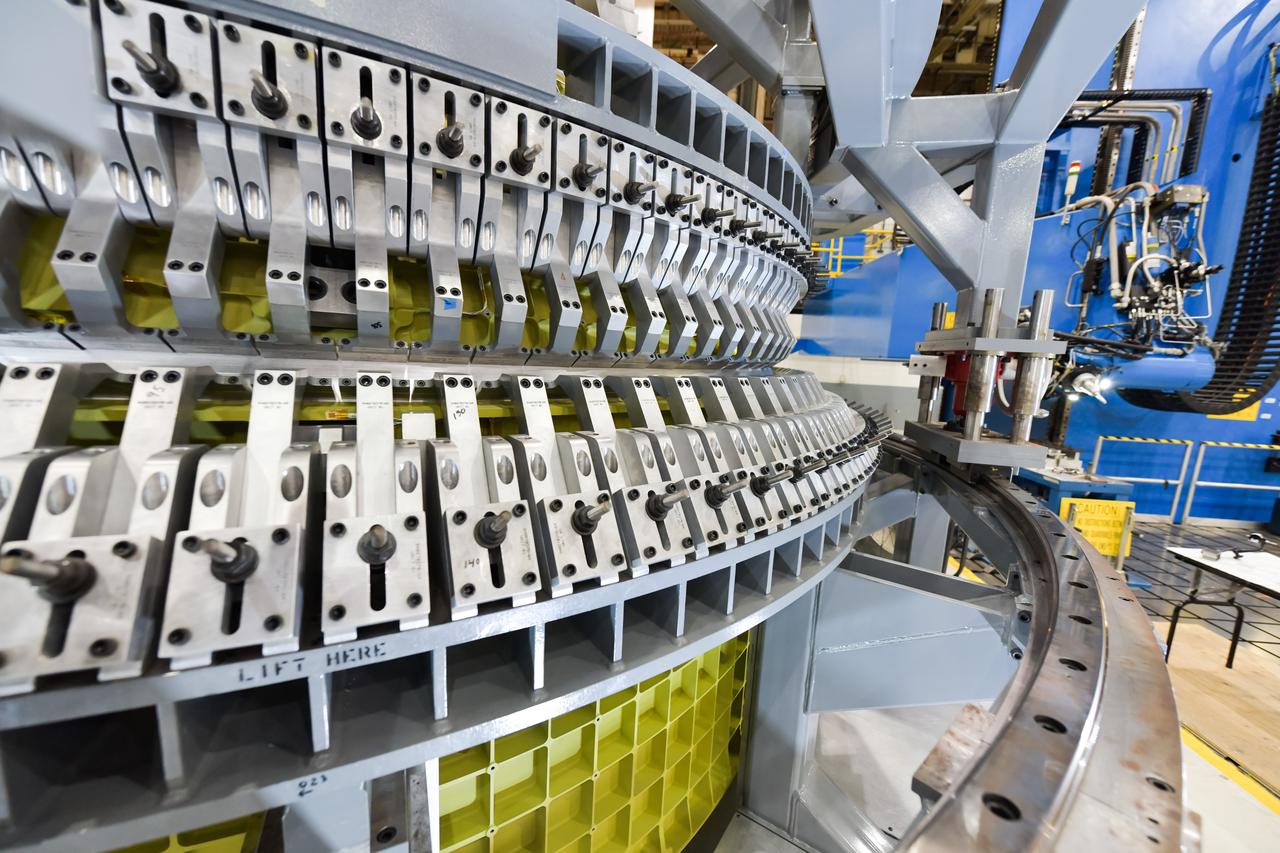
Lockheed Martin technicians at NASA's Michoud Assembly Facility in New Orleans, Louisiana, complete the final weld on the pressure vessel of the Orion crew module for Artemis II on July 24, 2018, the first flight of Orion with astronauts which will carry them farther into the solar system than ever before.
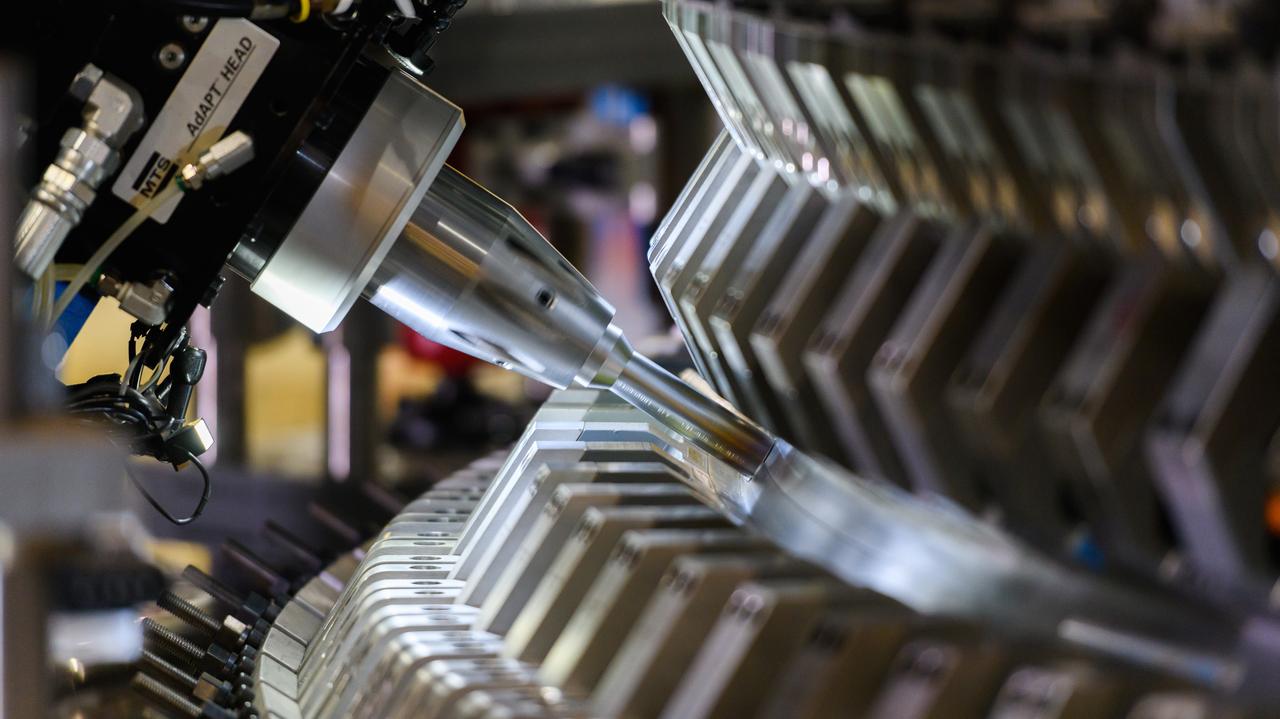
Lockheed Martin technicians at NASA's Michoud Assembly Facility in New Orleans, Louisiana, complete the final weld on the pressure vessel of the Orion crew module for Artemis II on July 24, 2018, the first flight of Orion with astronauts which will carry them farther into the solar system than ever before.
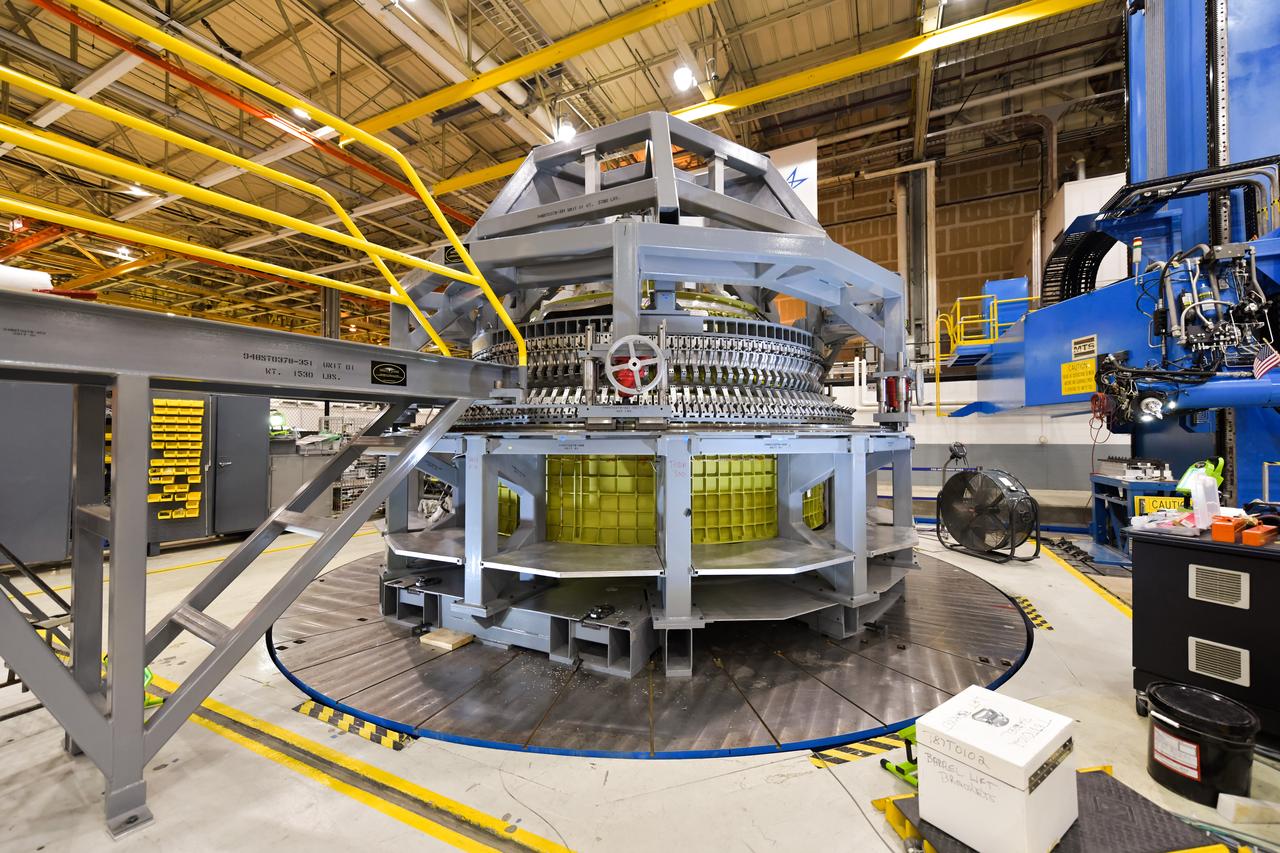
Lockheed Martin technicians at NASA's Michoud Assembly Facility in New Orleans, Louisiana, complete the final weld on the pressure vessel of the Orion crew module for Artemis II on July 24, 2018, the first flight of Orion with astronauts which will carry them farther into the solar system than ever before.
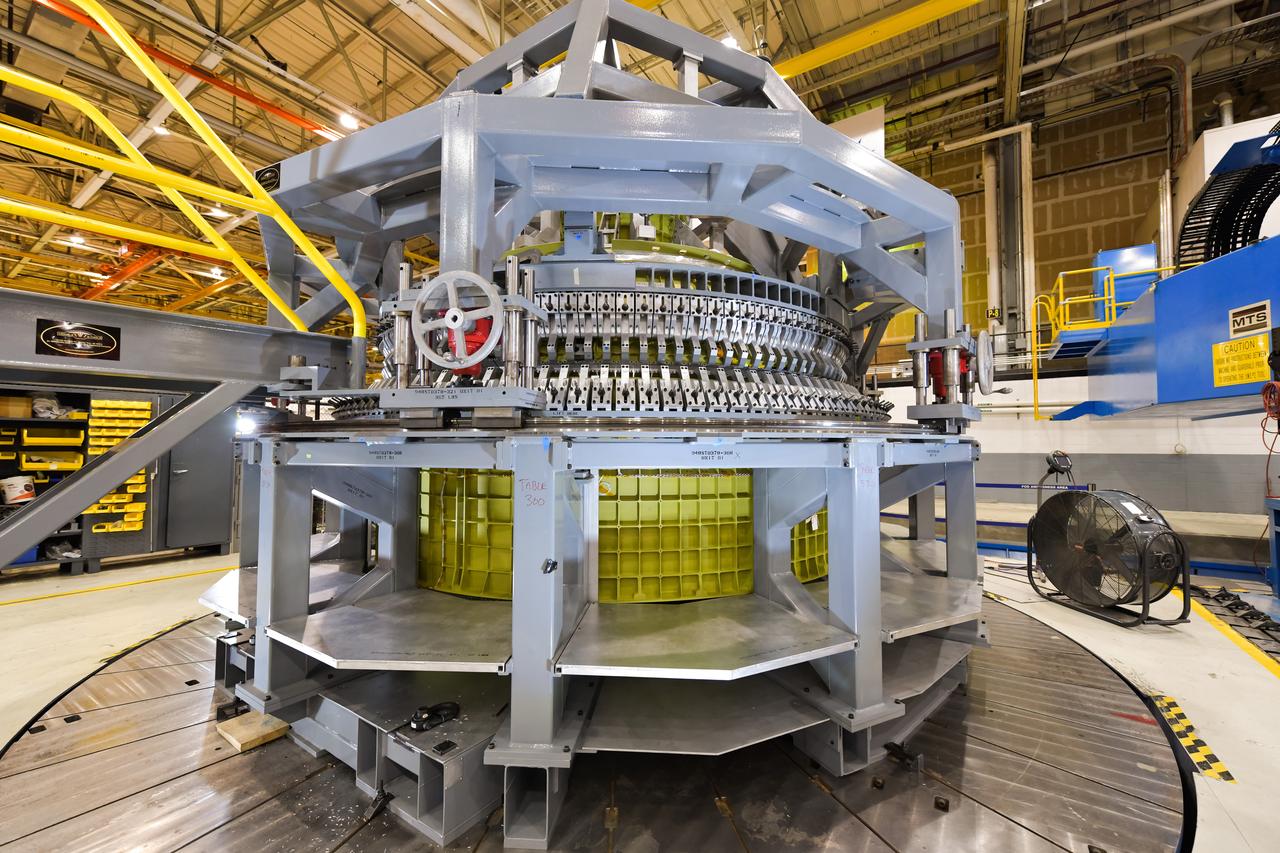
Lockheed Martin technicians at NASA's Michoud Assembly Facility in New Orleans, Louisiana, complete the final weld on the pressure vessel of the Orion crew module for Artemis II on July 24, 2018, the first flight of Orion with astronauts which will carry them farther into the solar system than ever before.
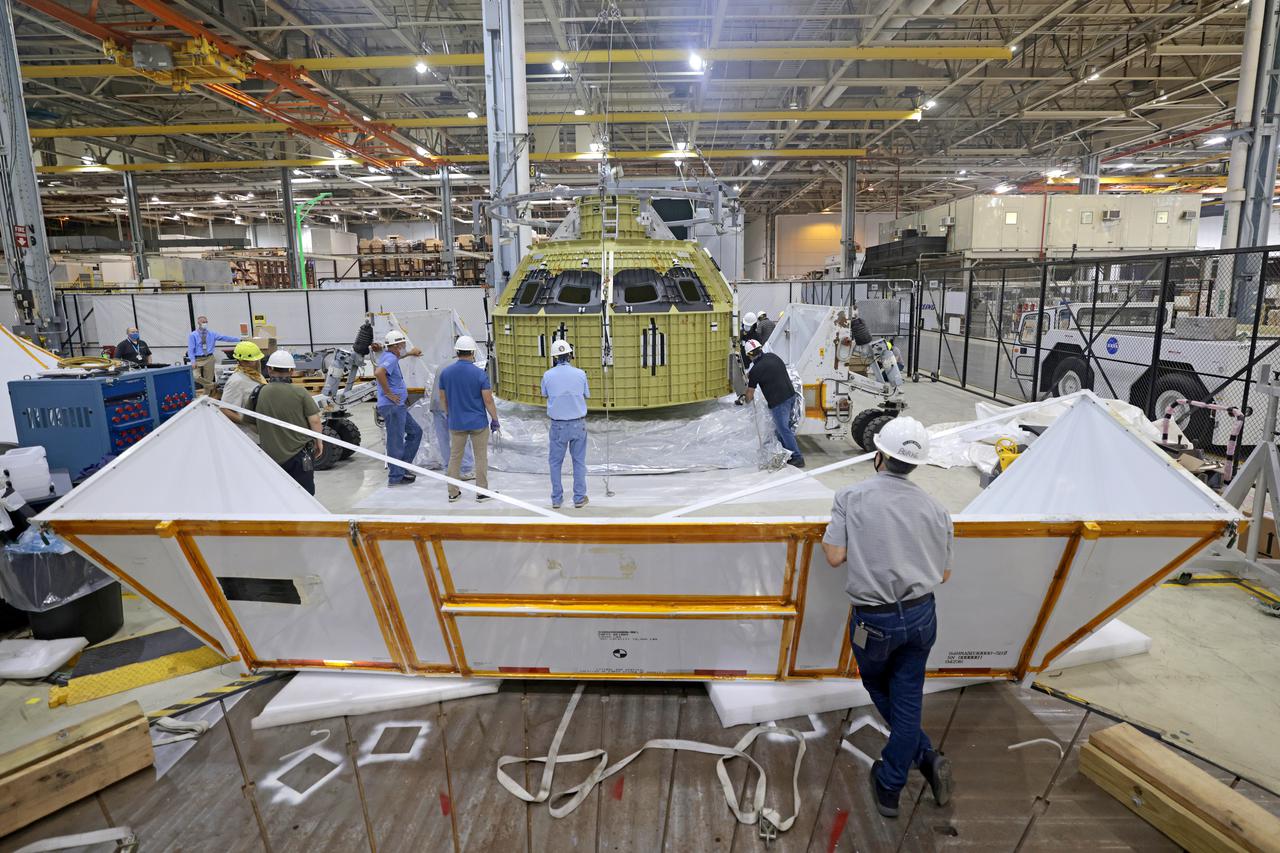
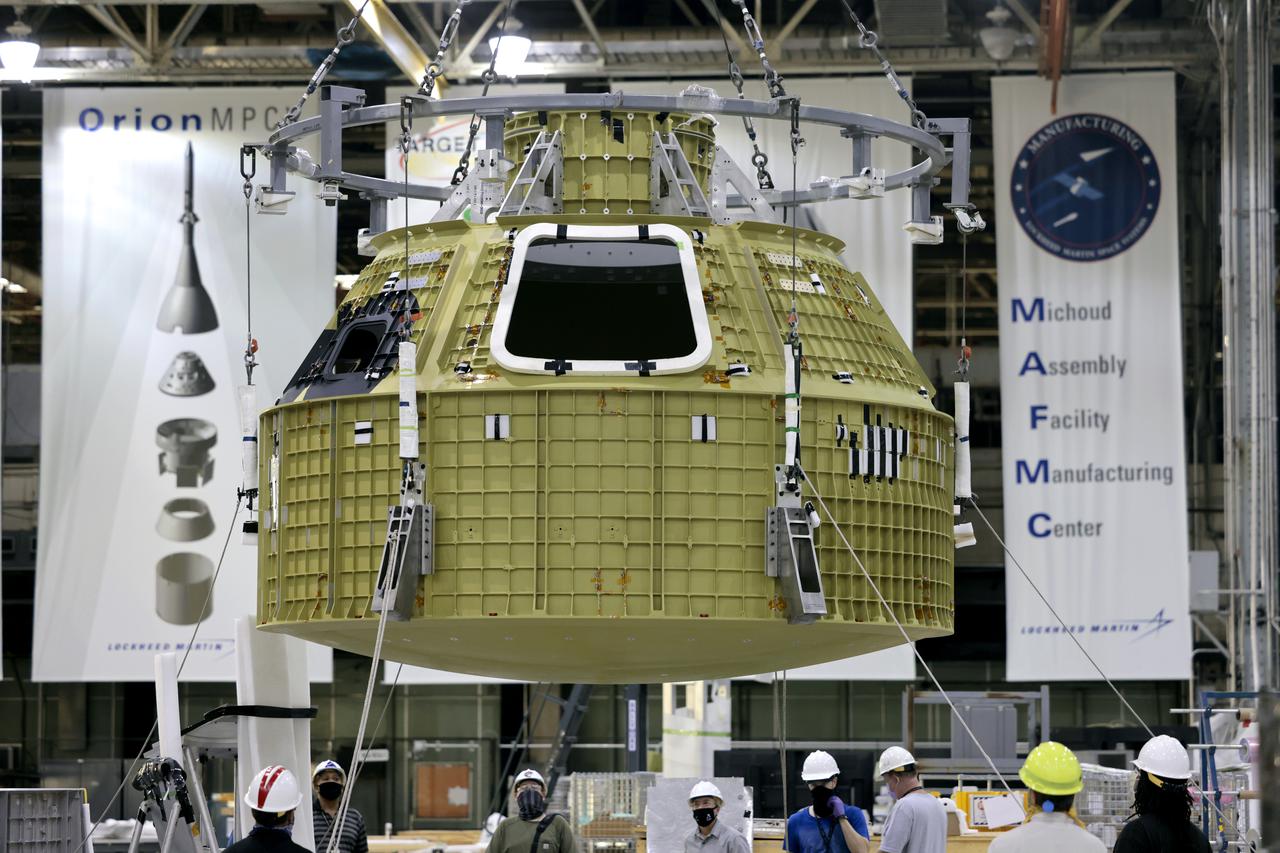
Technician’s at NASA’s Michoud Assembly Facility in New Orleans prepared the newly-welded Artemis III mission Orion pressure vessel for shipment to NASA’s Kennedy Space Center’s in Florida, where it later arrived on October 15 at Kennedy’s Neil A. Armstrong Operations and Checkout Building. The pressure vessel, which was joined together using state-of-the-art welding by technicians from lead contractor Lockheed Martin, is the Orion crew module primary structure – the core upon which all other elements of Orion’s crew module are integrated. The structure is a critical element for crew as it holds the pressurized atmosphere astronauts breathe and work in while in the vacuum of deep space. Once transported to Kennedy’s Vehicle Assembly Building high bay, teams will begin integration of the pressure vessel with the Orion spacecraft crew module adapter and other assembly. Photographed on Wednesday, October 13, 2021. Image credit: NASA/Michael DeMocker
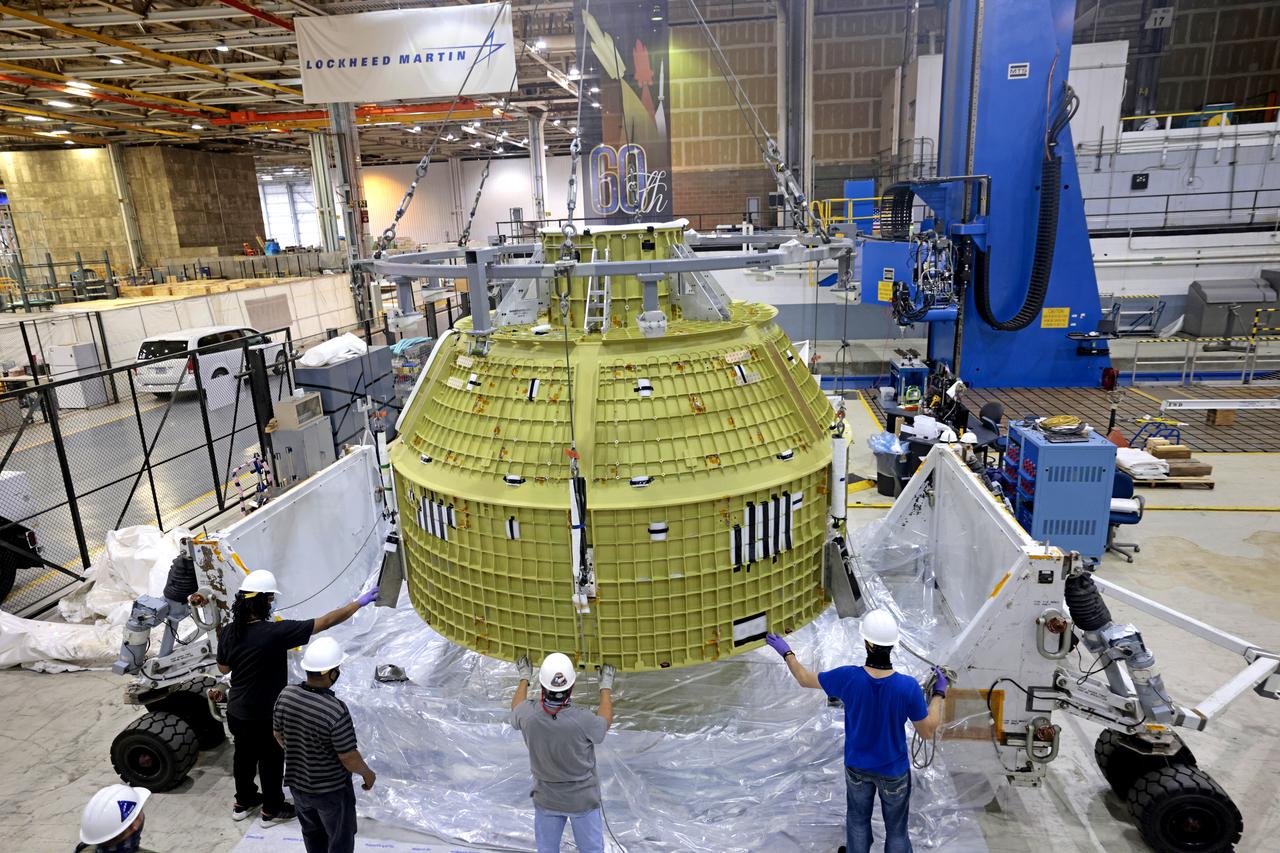
Technician’s at NASA’s Michoud Assembly Facility in New Orleans prepared the newly-welded Artemis III mission Orion pressure vessel for shipment to NASA’s Kennedy Space Center’s in Florida, where it later arrived on October 15 at Kennedy’s Neil A. Armstrong Operations and Checkout Building. The pressure vessel, which was joined together using state-of-the-art welding by technicians from lead contractor Lockheed Martin, is the Orion crew module primary structure – the core upon which all other elements of Orion’s crew module are integrated. The structure is a critical element for crew as it holds the pressurized atmosphere astronauts breathe and work in while in the vacuum of deep space. Once transported to Kennedy’s Vehicle Assembly Building high bay, teams will begin integration of the pressure vessel with the Orion spacecraft crew module adapter and other assembly. Photographed on Wednesday, October 13, 2021. Image credit: NASA/Michael DeMocker
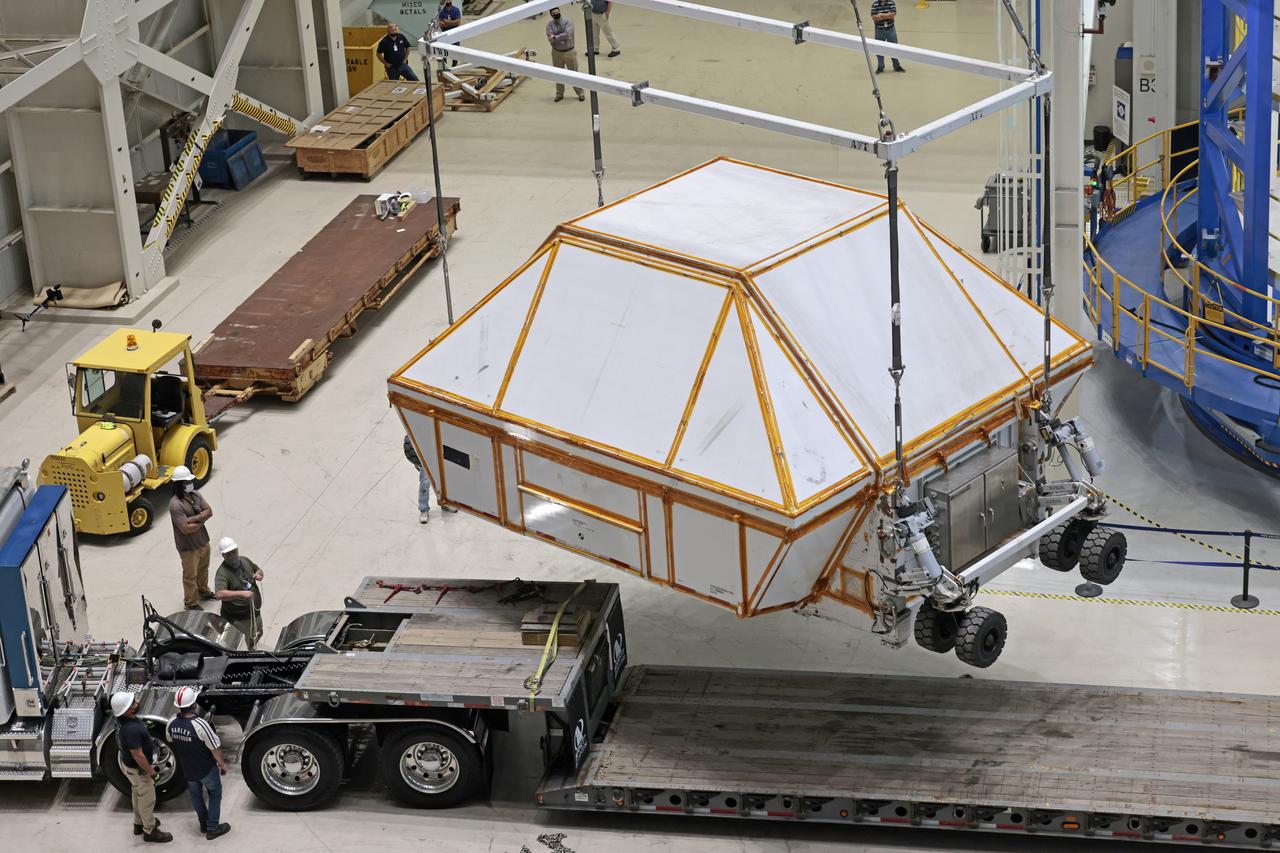
Technician’s at NASA’s Michoud Assembly Facility in New Orleans prepared the newly-welded Artemis III mission Orion pressure vessel for shipment to NASA’s Kennedy Space Center’s in Florida, where it later arrived on October 15 at Kennedy’s Neil A. Armstrong Operations and Checkout Building. The pressure vessel, which was joined together using state-of-the-art welding by technicians from lead contractor Lockheed Martin, is the Orion crew module primary structure – the core upon which all other elements of Orion’s crew module are integrated. The structure is a critical element for crew as it holds the pressurized atmosphere astronauts breathe and work in while in the vacuum of deep space. Once transported to Kennedy’s Vehicle Assembly Building high bay, teams will begin integration of the pressure vessel with the Orion spacecraft crew module adapter and other assembly. Photographed on Wednesday, October 13, 2021. Image credit: NASA/Michael DeMocker
Technician’s at NASA’s Michoud Assembly Facility in New Orleans prepared the newly-welded Artemis III mission Orion pressure vessel for shipment to NASA’s Kennedy Space Center’s in Florida, where it later arrived on October 15 at Kennedy’s Neil A. Armstrong Operations and Checkout Building. The pressure vessel, which was joined together using state-of-the-art welding by technicians from lead contractor Lockheed Martin, is the Orion crew module primary structure – the core upon which all other elements of Orion’s crew module are integrated. The structure is a critical element for crew as it holds the pressurized atmosphere astronauts breathe and work in while in the vacuum of deep space. Once transported to Kennedy’s Vehicle Assembly Building high bay, teams will begin integration of the pressure vessel with the Orion spacecraft crew module adapter and other assembly. Photographed on Wednesday, October 13, 2021. Image credit: NASA/Michael DeMocker
Technician’s at NASA’s Michoud Assembly Facility in New Orleans prepared the newly-welded Artemis III mission Orion pressure vessel for shipment to NASA’s Kennedy Space Center’s in Florida, where it later arrived on October 15 at Kennedy’s Neil A. Armstrong Operations and Checkout Building. The pressure vessel, which was joined together using state-of-the-art welding by technicians from lead contractor Lockheed Martin, is the Orion crew module primary structure – the core upon which all other elements of Orion’s crew module are integrated. The structure is a critical element for crew as it holds the pressurized atmosphere astronauts breathe and work in while in the vacuum of deep space. Once transported to Kennedy’s Vehicle Assembly Building high bay, teams will begin integration of the pressure vessel with the Orion spacecraft crew module adapter and other assembly. Photographed on Wednesday, October 13, 2021. Image credit: NASA/Michael DeMocker
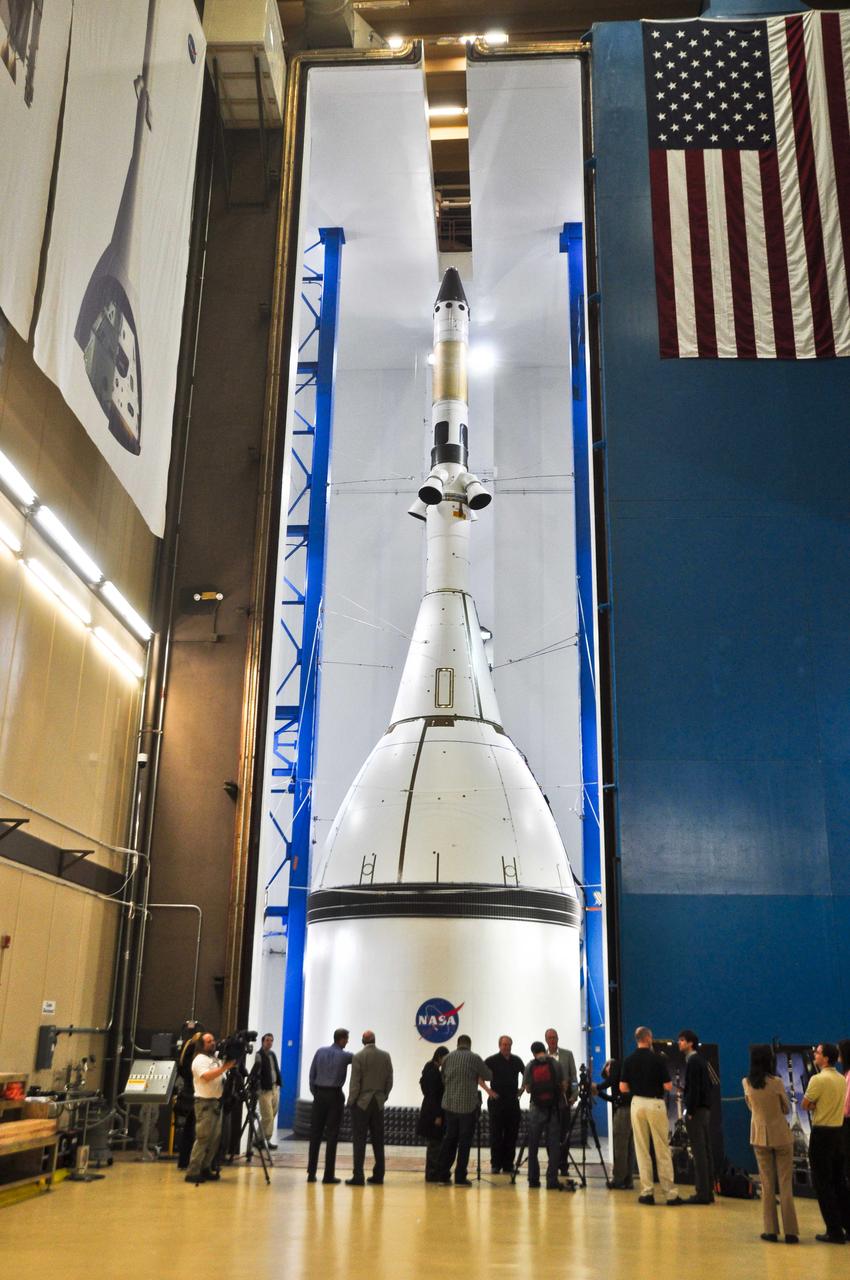
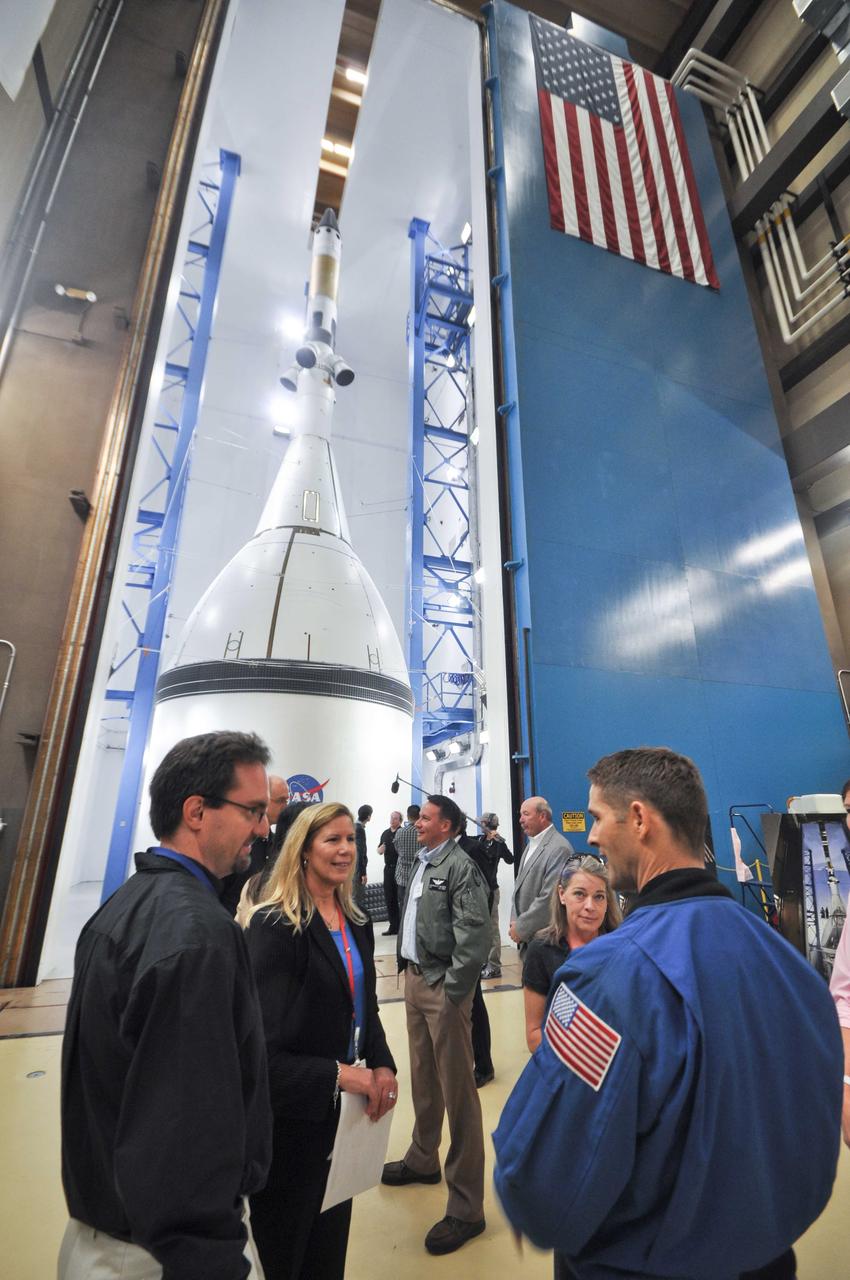
Orion Media Day takes place at Lockheed Martin’s Waterton facility in Littleton, Colorado on Oct. 21, 2011. Part of Batch image transfer from Flickr.
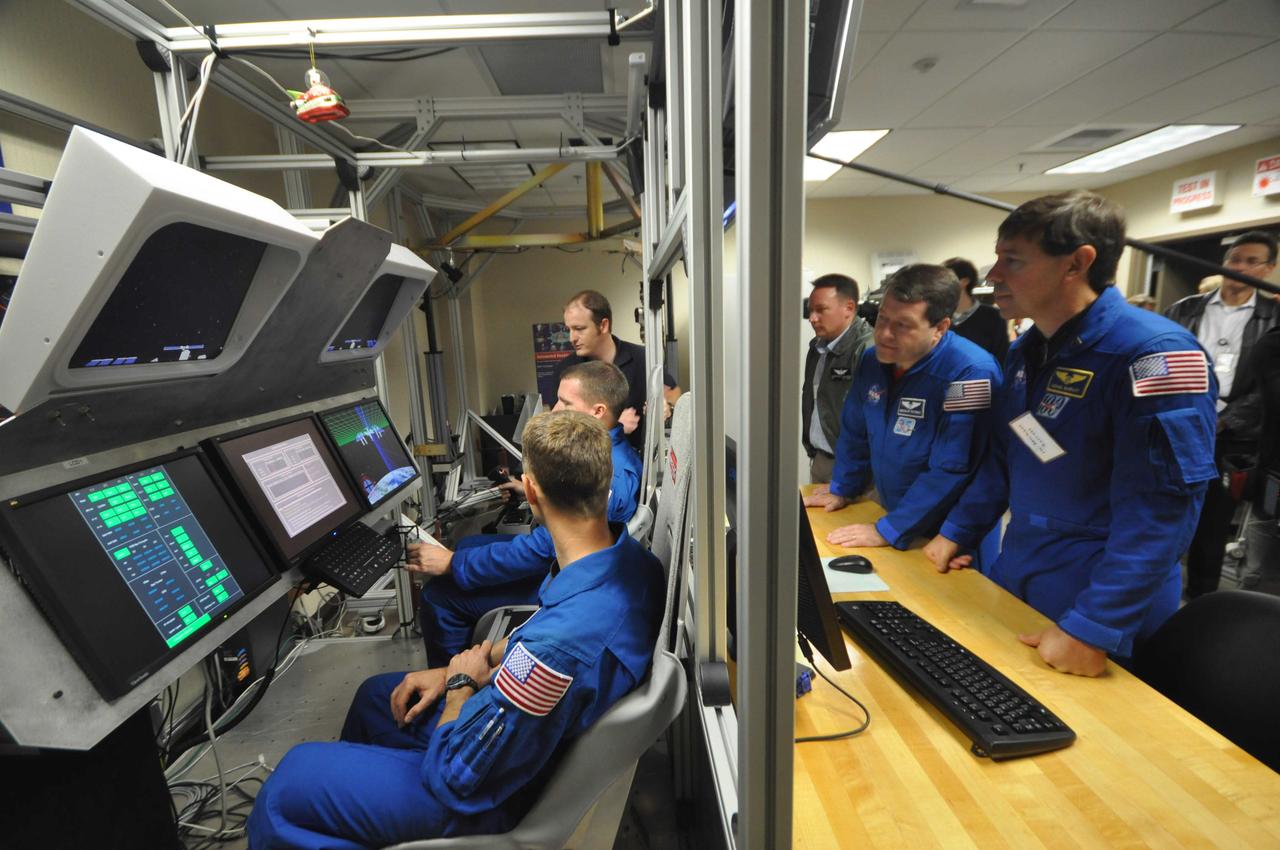
Orion Media Day takes place at Lockheed Martin’s Waterton facility in Littleton, Colorado on Oct. 21, 2011. Part of Batch image transfer from Flickr.
Orion Media Day takes place at Lockheed Martin’s Waterton facility in Littleton, Colorado on Oct. 21, 2011. Part of Batch image transfer from Flickr.
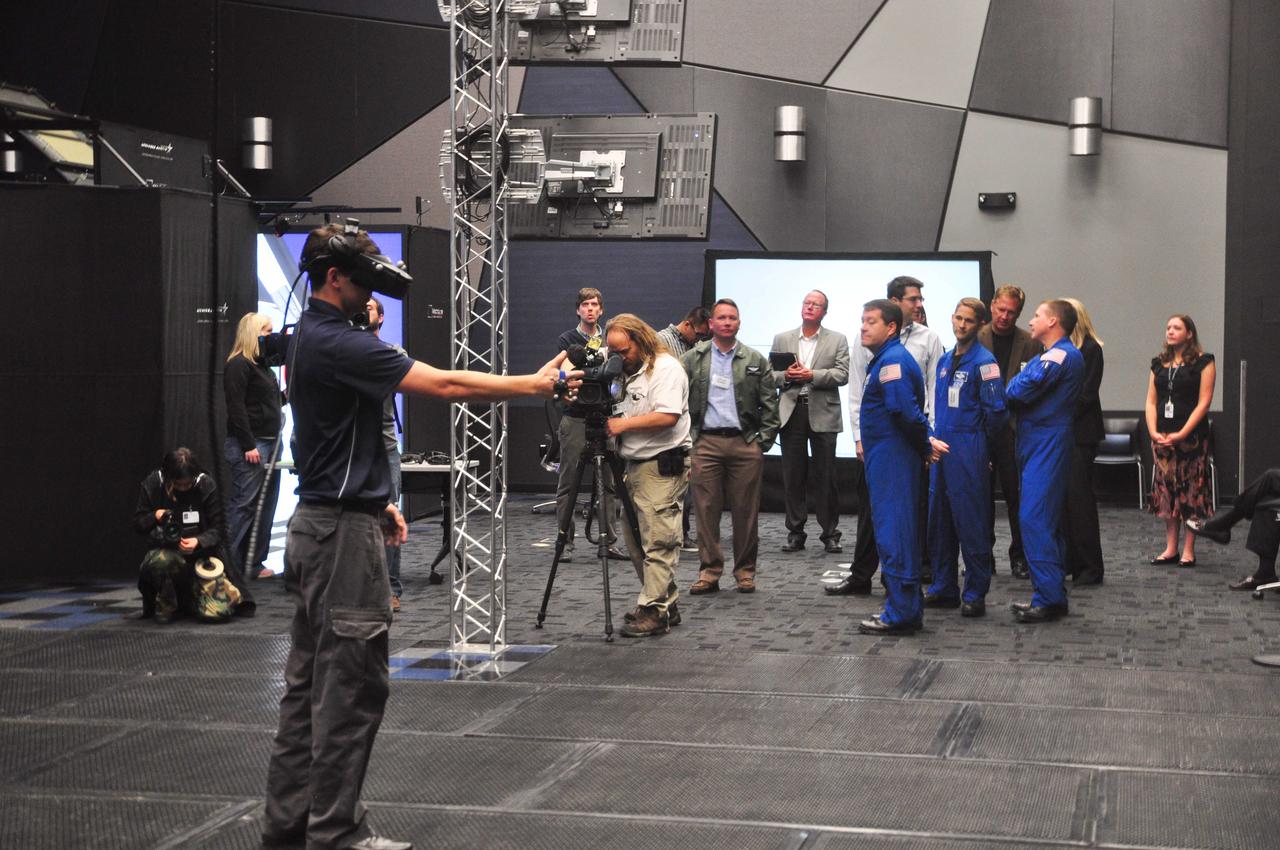
Orion Media Day takes place at Lockheed Martin’s Waterton facility in Littleton, Colorado on Oct. 21, 2011. Part of Batch image transfer from Flickr.
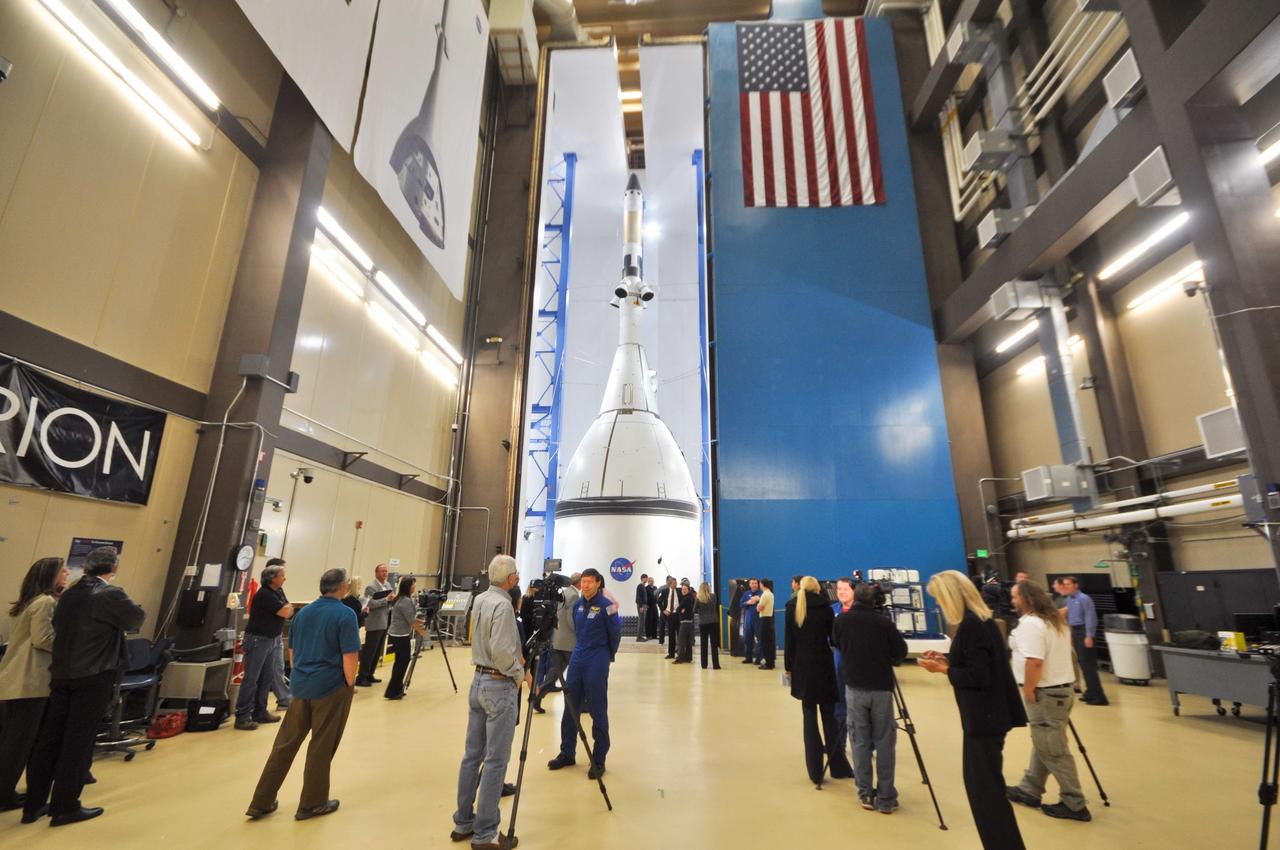
Orion Media Day takes place at Lockheed Martin’s Waterton facility in Littleton, Colorado on Oct. 21, 2011. Part of Batch image transfer from Flickr.
Orion Media Day takes place at Lockheed Martin’s Waterton facility in Littleton, Colorado on Oct. 21, 2011. Part of Batch image transfer from Flickr.
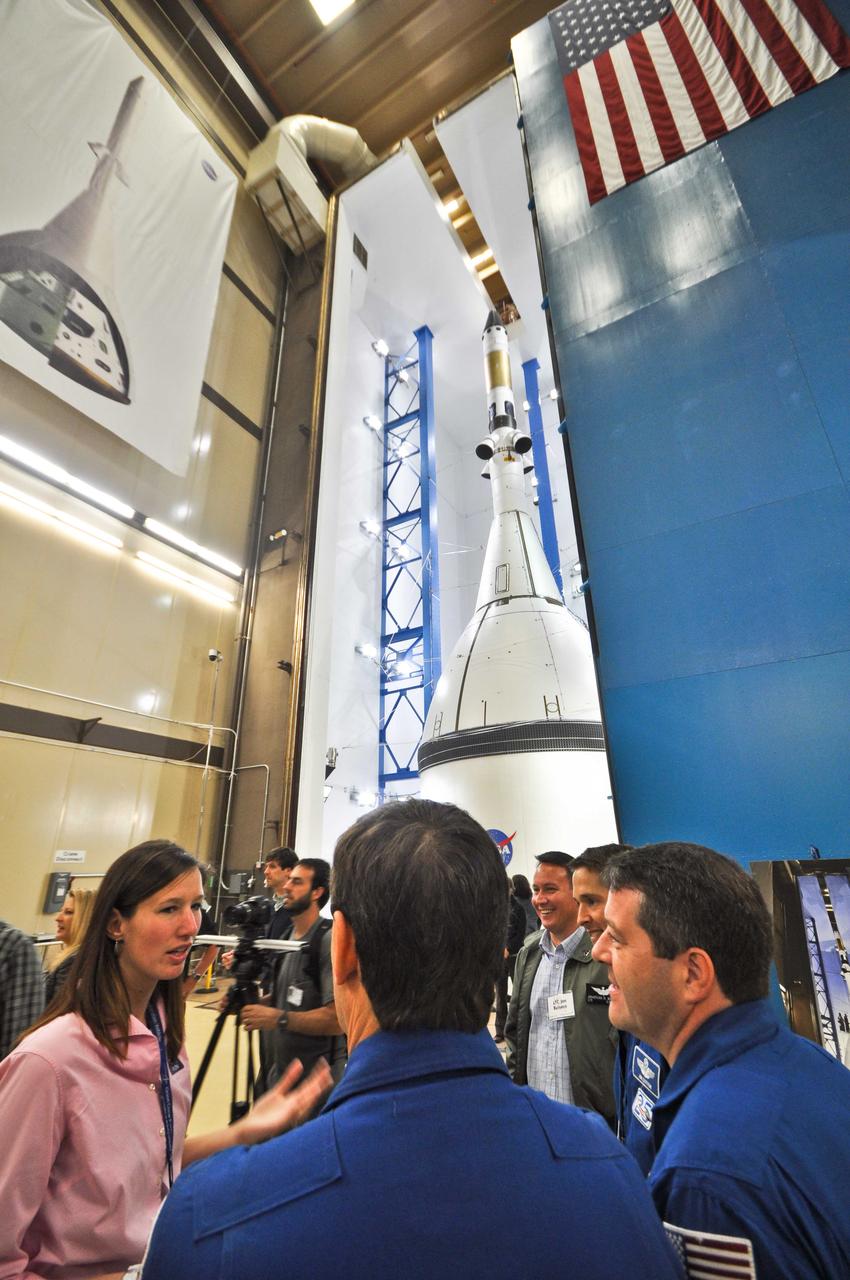
Orion Media Day takes place at Lockheed Martin’s Waterton facility in Littleton, Colorado on Oct. 21, 2011. Part of Batch image transfer from Flickr.
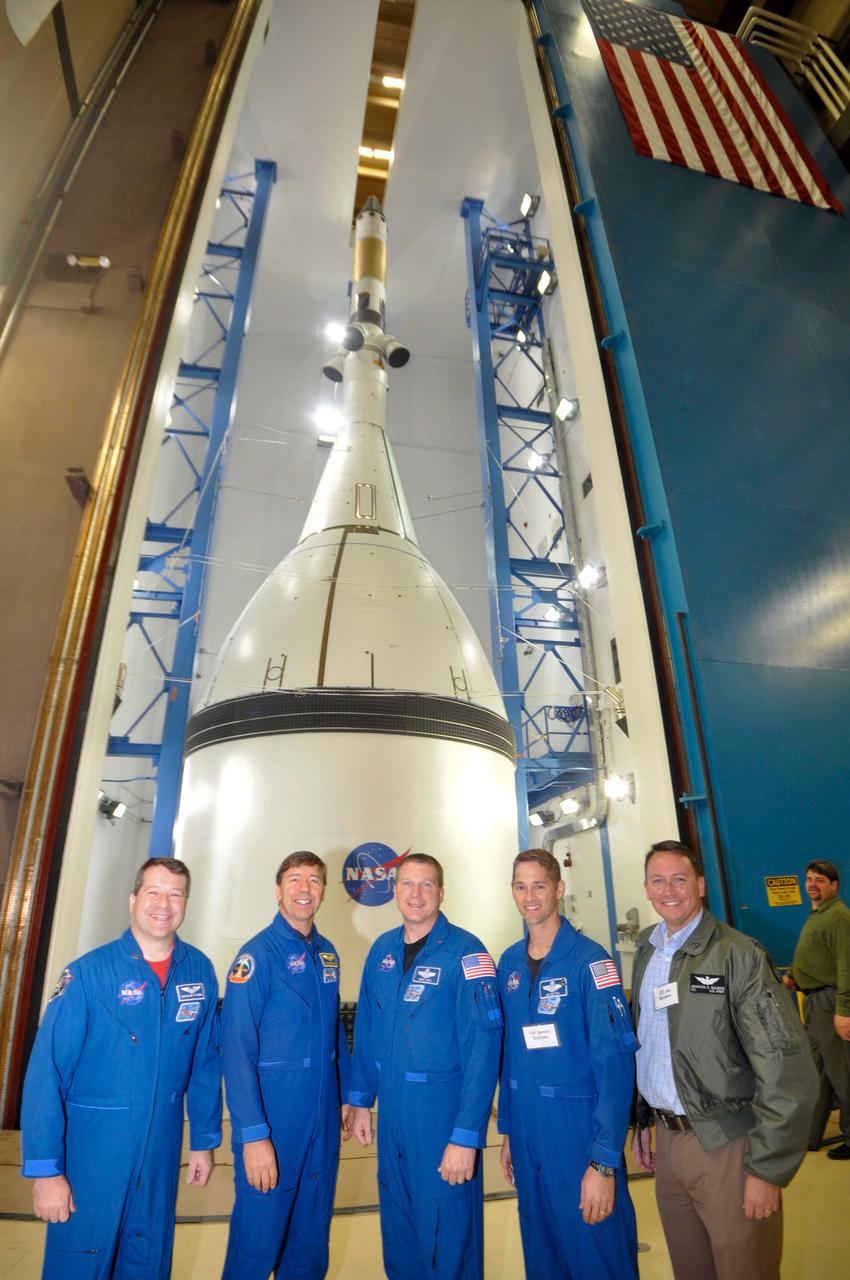
Orion Media Day takes place at Lockheed Martin’s Waterton facility in Littleton, Colorado on Oct. 21, 2011. Part of Batch image transfer from Flickr.
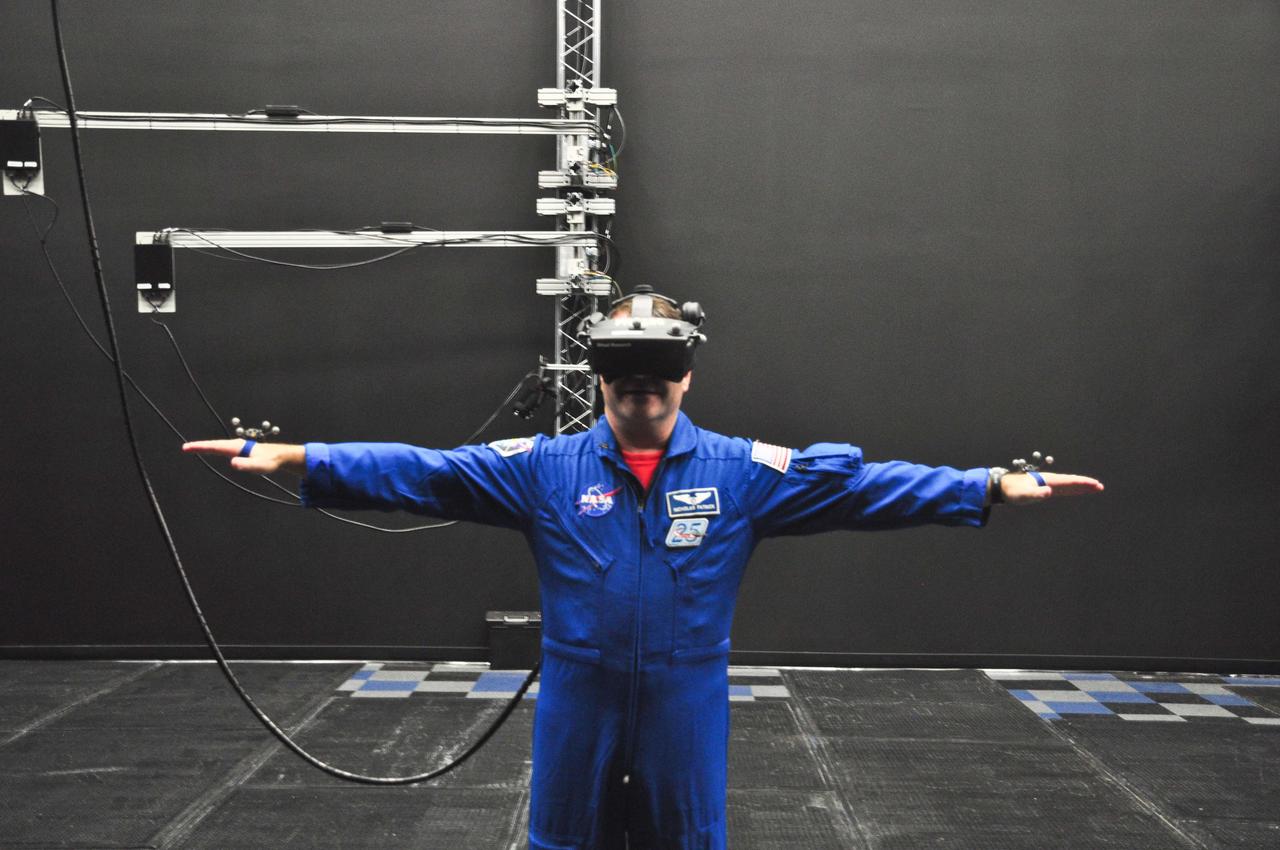
Orion Media Day takes place at Lockheed Martin’s Waterton facility in Littleton, Colorado on Oct. 21, 2011. Part of Batch image transfer from Flickr.
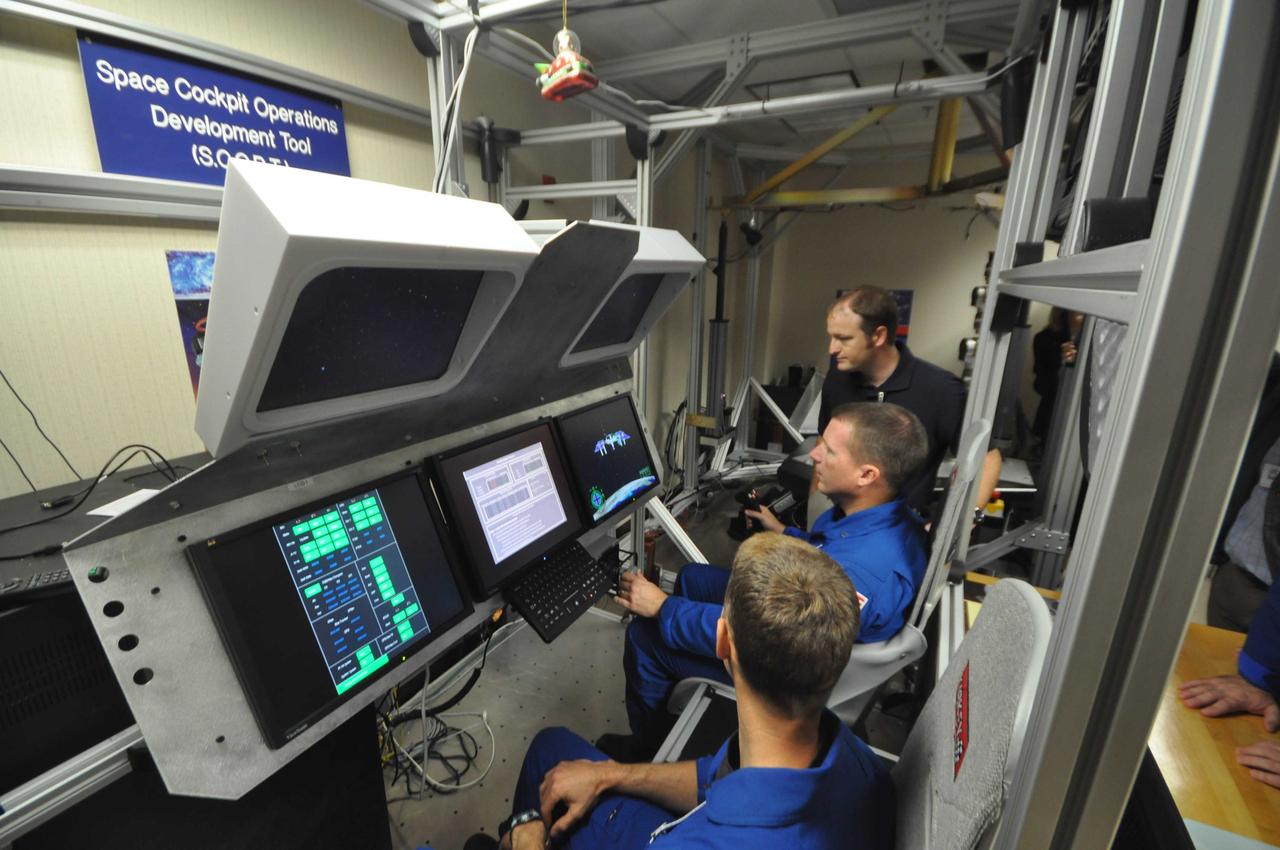
Orion Media Day takes place at Lockheed Martin’s Waterton facility in Littleton, Colorado on Oct. 21, 2011. Part of Batch image transfer from Flickr.
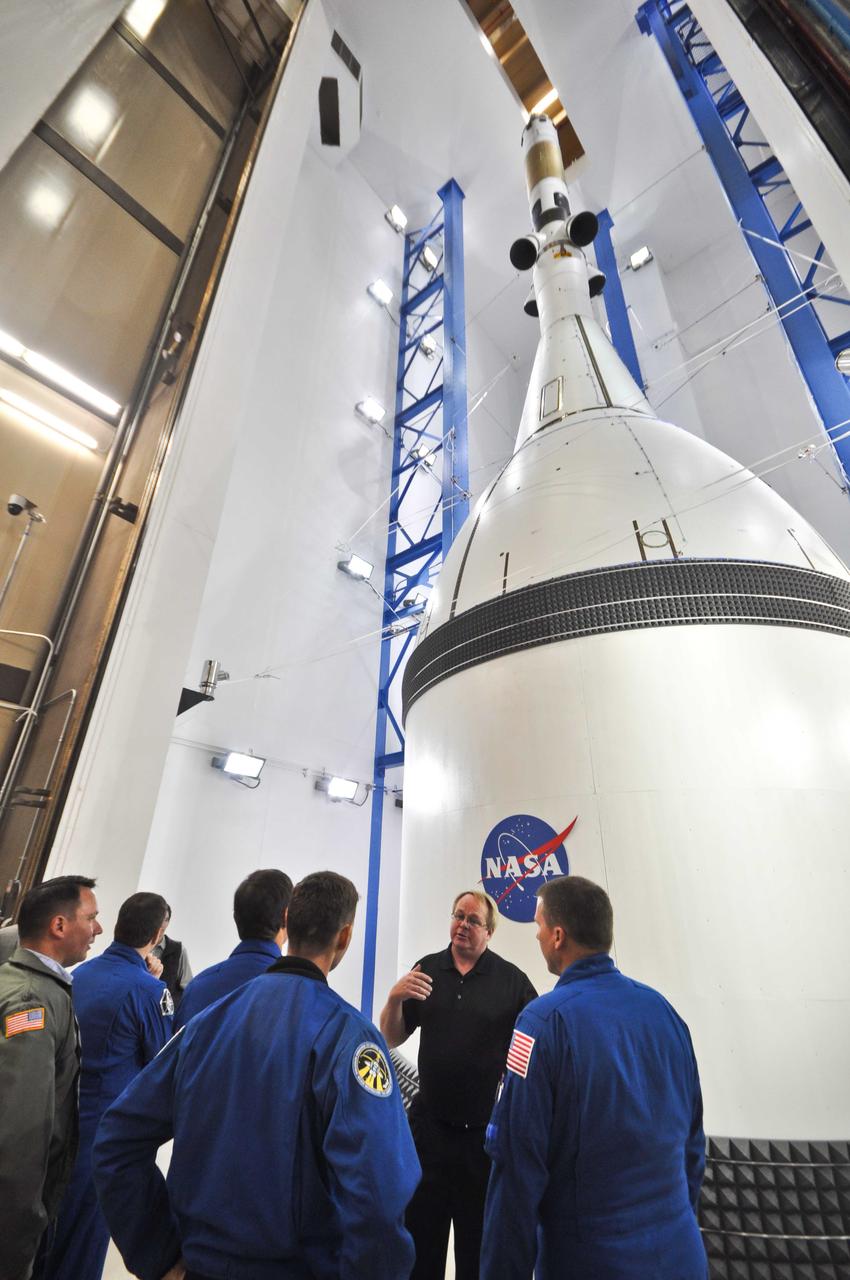
Orion Media Day takes place at Lockheed Martin’s Waterton facility in Littleton, Colorado on Oct. 21, 2011. Part of Batch image transfer from Flickr.

Orion Media Day takes place at Lockheed Martin’s Waterton facility in Littleton, Colorado on Oct. 21, 2011. Part of Batch image transfer from Flickr.
Orion Media Day takes place at Lockheed Martin’s Waterton facility in Littleton, Colorado on Oct. 21, 2011. Part of Batch image transfer from Flickr.
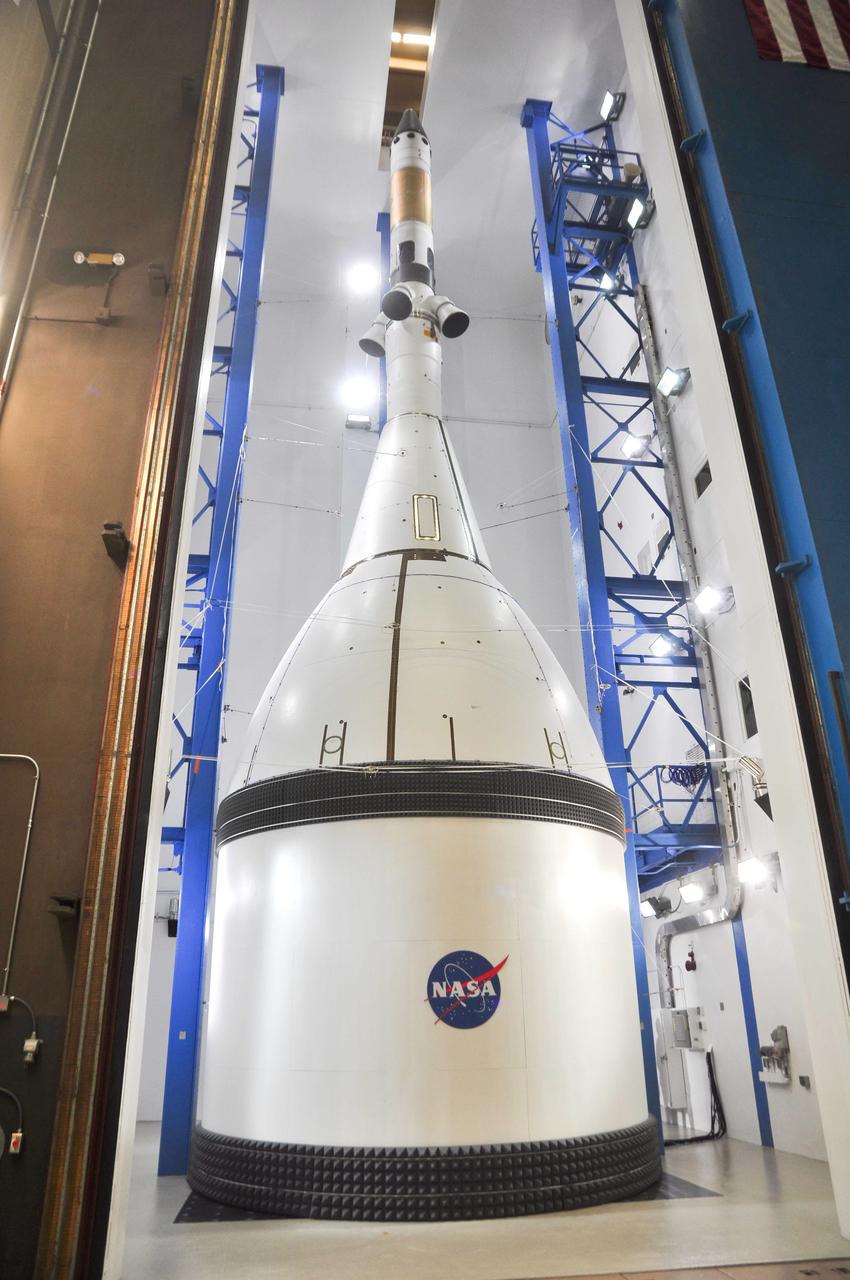
Orion Media Day takes place at Lockheed Martin’s Waterton facility in Littleton, Colorado on Oct. 21, 2011. Part of Batch image transfer from Flickr.
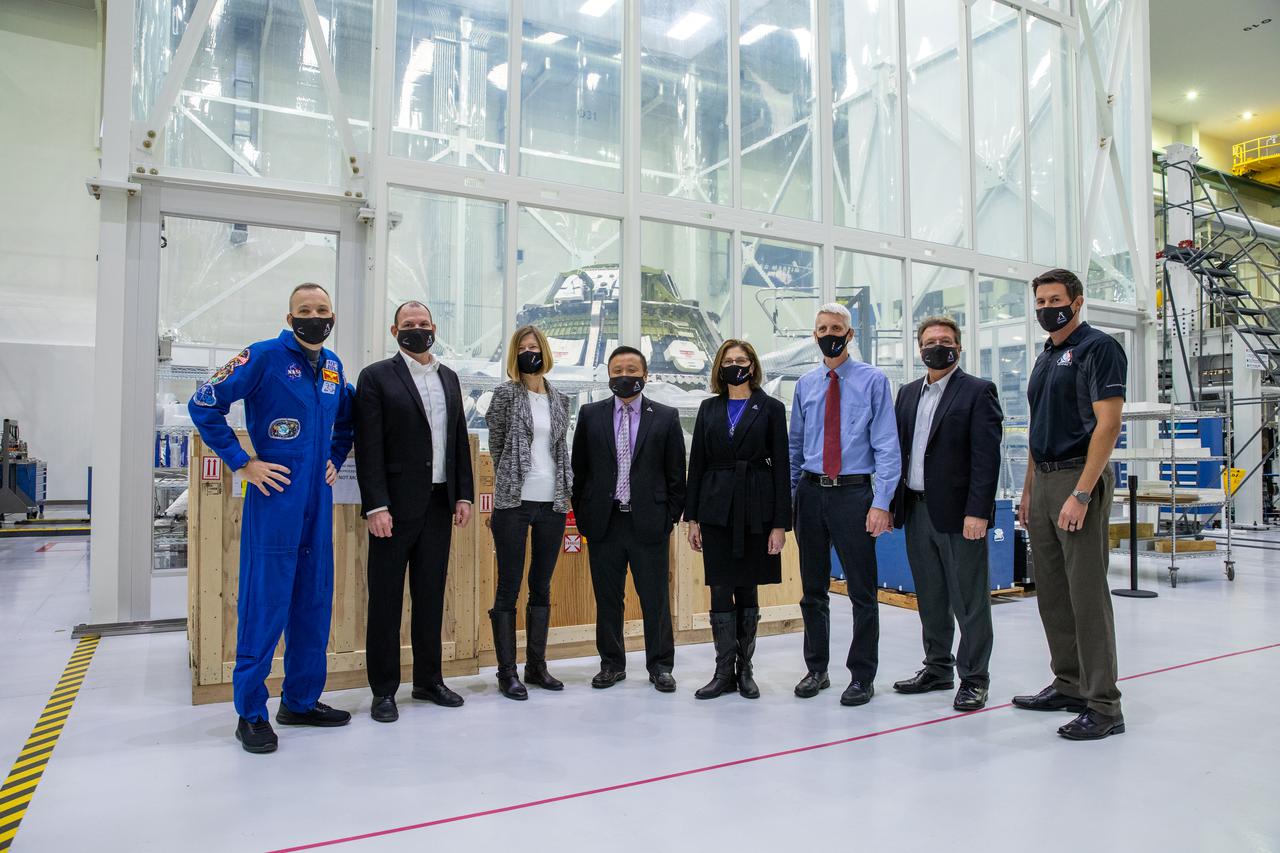
Kathy Lueders, third from left, associate administrator of the Human Exploration and Operations Mission Directorate, tours the Neil Armstrong Operations and Checkout Building high bay at NASA’s Kennedy Space Center in Florida on Jan. 14, 2021. In the background is the Orion crew module for the Artemis II mission. From left are NASA astronaut Randy Bresnik; Tony Antonelli, Lockheed Martin Orion Program director and Artemis II Mission director; Howard Hu, Orion deputy program manager; Cathy Koerner, Orion Program manager; Scott Wilson, Orion Production Operations manager; Jules Schneider, Lockheed Martin director of Orion Assembly, Test and Launch Operations at Kennedy; and Nathan Varn, Lockheed Martin Production Control director. The group also viewed the Orion spacecraft for Artemis I as it was lowered onto a transporter for the move to the Multi-Payload Processing Facility to begin ground processing by the Exploration Ground Systems and Jacobs teams.
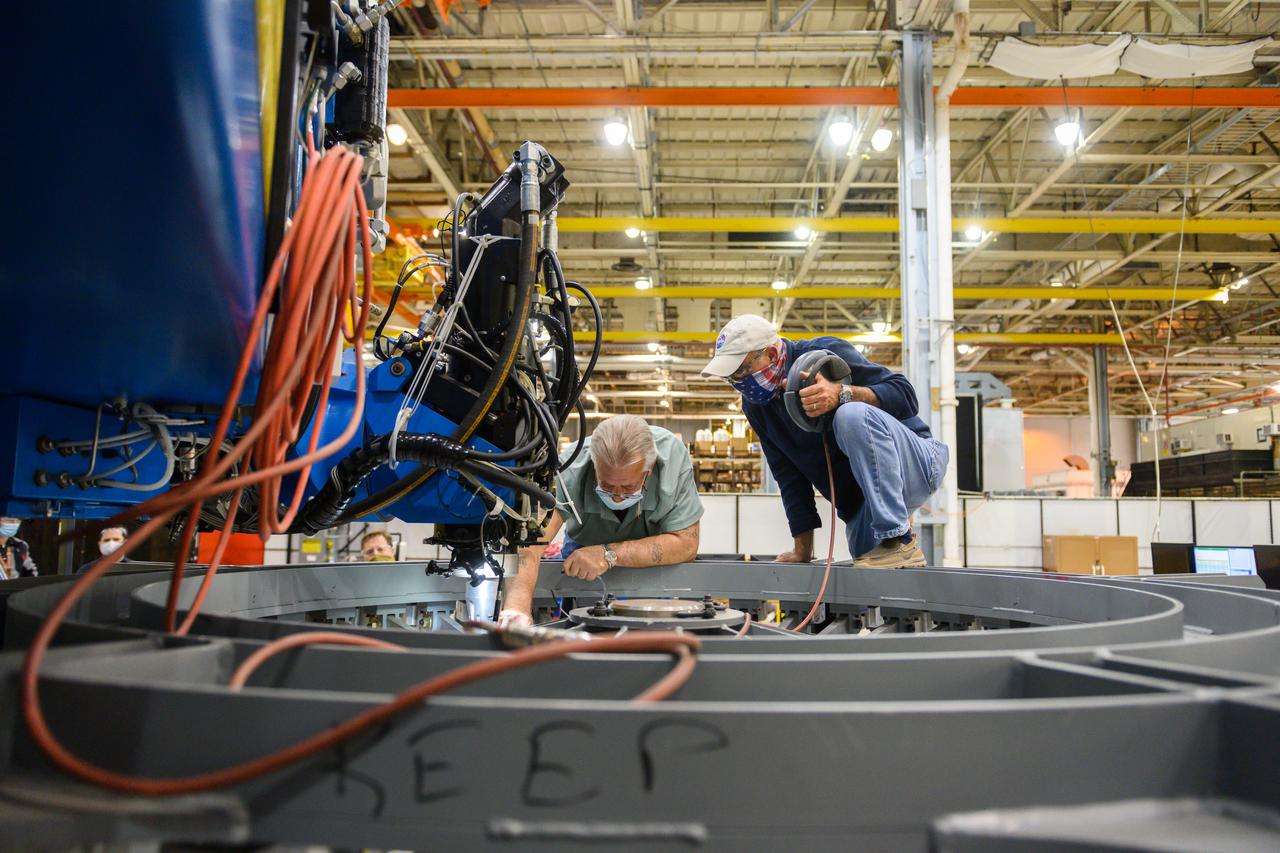
Technicians from Orion Prime Contractor Lockheed Martin weld the forward bulkhead of the pressure vessel to the tunnel hardware on the Orion Spacecraft for the Artemis III mission at NASA’s Michoud Assembly Facility in New Orleans. The crew module’s primary structure, the pressure vessel, is comprised of seven machined aluminum alloy pieces that are welded together through a weld process that produces a strong, air-tight habitable space for astronauts during the mission. The pressure vessel is designed to withstand the harsh and demanding environment of deep space and is the core structure upon which all the other elements of Orion’s crew module are integrated. This pressure vessel weld is the next step following the completion of the crew module cone panel welds and creates the top of the spacecraft. Work will then begin to join the barrel with the aft bulkhead to form the bottom of Orion. Last, the forward bulkhead will be welded to the top of the panels and, for the seventh and closeout weld, the bottom of the cone panels will be joined to the barrel to complete the pressure vessel. Once welding of the Artemis III crew module primary structure is complete, it will be shipped to NASA’s Kennedy Space Center in Florida where it will undergo further assembly beginning this fall. Orion, the Space Launch System, and Exploration Ground Systems programs are foundational elements of the Artemis program. Artemis I will be the first integrated flight test of Orion and SLS and is targeted to launch later this year. Artemis II will follow and is the first crewed mission, taking humans farther into space than ever before.
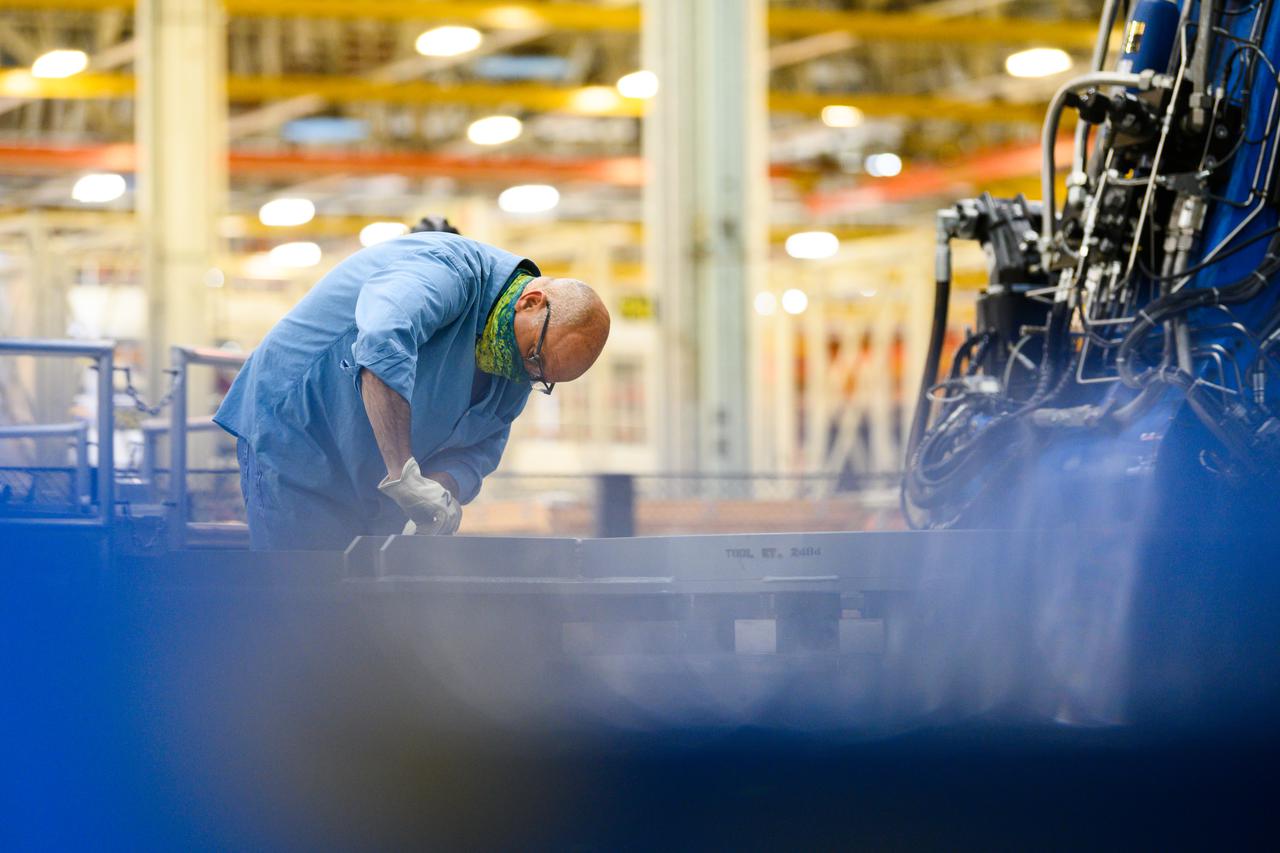
Technicians from Orion Prime Contractor Lockheed Martin weld the forward bulkhead of the pressure vessel to the tunnel hardware on the Orion Spacecraft for the Artemis III mission at NASA’s Michoud Assembly Facility in New Orleans. The crew module’s primary structure, the pressure vessel, is comprised of seven machined aluminum alloy pieces that are welded together through a weld process that produces a strong, air-tight habitable space for astronauts during the mission. The pressure vessel is designed to withstand the harsh and demanding environment of deep space and is the core structure upon which all the other elements of Orion’s crew module are integrated. This pressure vessel weld is the next step following the completion of the crew module cone panel welds and creates the top of the spacecraft. Work will then begin to join the barrel with the aft bulkhead to form the bottom of Orion. Last, the forward bulkhead will be welded to the top of the panels and, for the seventh and closeout weld, the bottom of the cone panels will be joined to the barrel to complete the pressure vessel. Once welding of the Artemis III crew module primary structure is complete, it will be shipped to NASA’s Kennedy Space Center in Florida where it will undergo further assembly beginning this fall. Orion, the Space Launch System, and Exploration Ground Systems programs are foundational elements of the Artemis program. Artemis I will be the first integrated flight test of Orion and SLS and is targeted to launch later this year. Artemis II will follow and is the first crewed mission, taking humans farther into space than ever before.
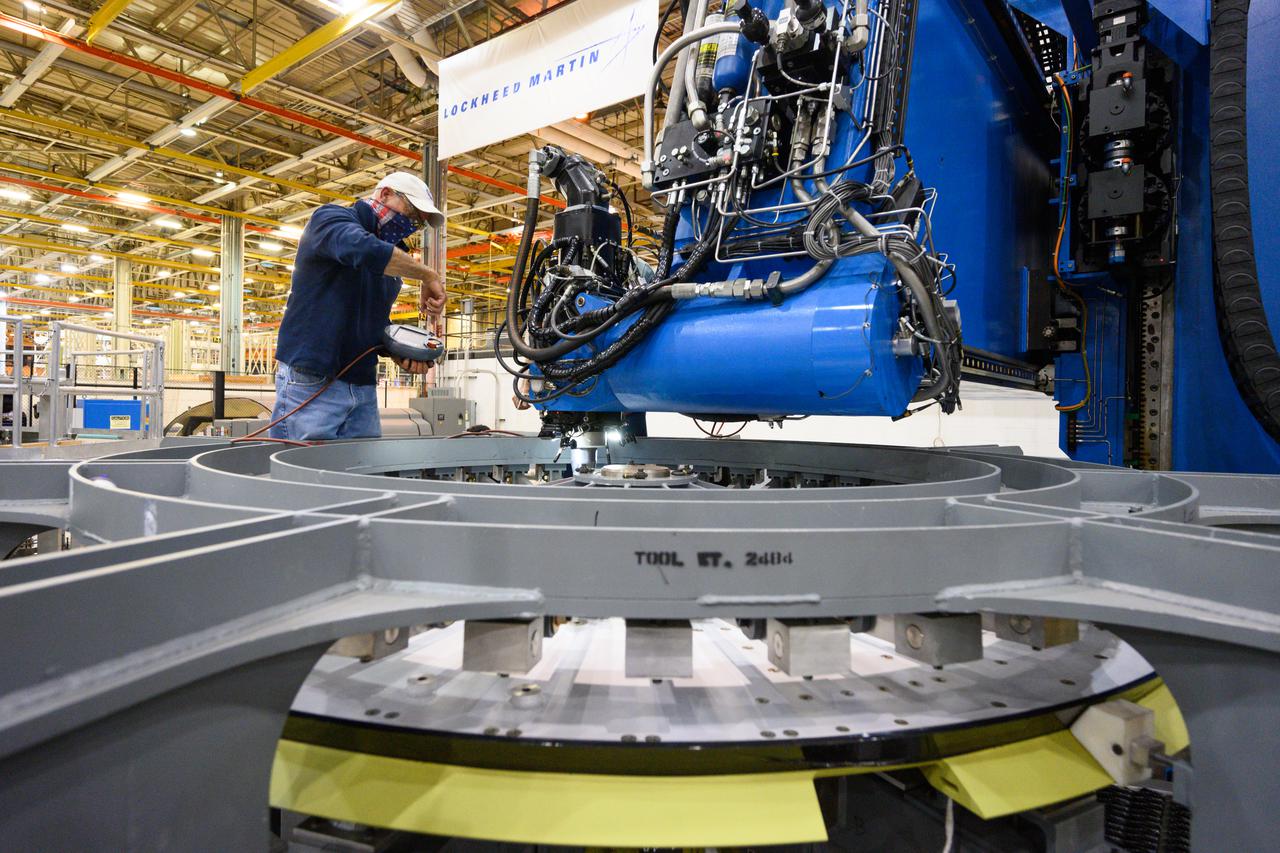
Technicians from Orion Prime Contractor Lockheed Martin weld the forward bulkhead of the pressure vessel to the tunnel hardware on the Orion Spacecraft for the Artemis III mission at NASA’s Michoud Assembly Facility in New Orleans. The crew module’s primary structure, the pressure vessel, is comprised of seven machined aluminum alloy pieces that are welded together through a weld process that produces a strong, air-tight habitable space for astronauts during the mission. The pressure vessel is designed to withstand the harsh and demanding environment of deep space and is the core structure upon which all the other elements of Orion’s crew module are integrated. This pressure vessel weld is the next step following the completion of the crew module cone panel welds and creates the top of the spacecraft. Work will then begin to join the barrel with the aft bulkhead to form the bottom of Orion. Last, the forward bulkhead will be welded to the top of the panels and, for the seventh and closeout weld, the bottom of the cone panels will be joined to the barrel to complete the pressure vessel. Once welding of the Artemis III crew module primary structure is complete, it will be shipped to NASA’s Kennedy Space Center in Florida where it will undergo further assembly beginning this fall. Orion, the Space Launch System, and Exploration Ground Systems programs are foundational elements of the Artemis program. Artemis I will be the first integrated flight test of Orion and SLS and is targeted to launch later this year. Artemis II will follow and is the first crewed mission, taking humans farther into space than ever before.
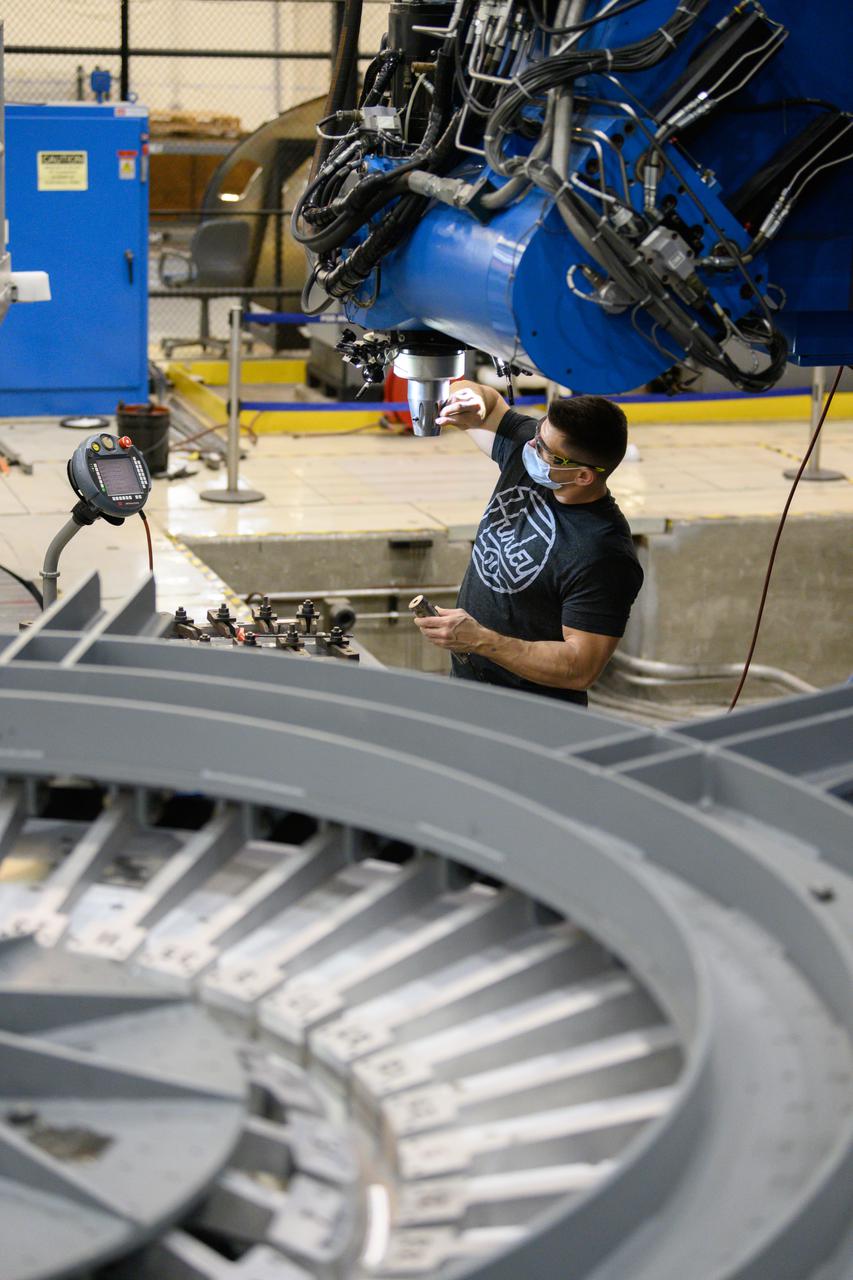
Technicians from Orion Prime Contractor Lockheed Martin weld the forward bulkhead of the pressure vessel to the tunnel hardware on the Orion Spacecraft for the Artemis III mission at NASA’s Michoud Assembly Facility in New Orleans. The crew module’s primary structure, the pressure vessel, is comprised of seven machined aluminum alloy pieces that are welded together through a weld process that produces a strong, air-tight habitable space for astronauts during the mission. The pressure vessel is designed to withstand the harsh and demanding environment of deep space and is the core structure upon which all the other elements of Orion’s crew module are integrated. This pressure vessel weld is the next step following the completion of the crew module cone panel welds and creates the top of the spacecraft. Work will then begin to join the barrel with the aft bulkhead to form the bottom of Orion. Last, the forward bulkhead will be welded to the top of the panels and, for the seventh and closeout weld, the bottom of the cone panels will be joined to the barrel to complete the pressure vessel. Once welding of the Artemis III crew module primary structure is complete, it will be shipped to NASA’s Kennedy Space Center in Florida where it will undergo further assembly beginning this fall. Orion, the Space Launch System, and Exploration Ground Systems programs are foundational elements of the Artemis program. Artemis I will be the first integrated flight test of Orion and SLS and is targeted to launch later this year. Artemis II will follow and is the first crewed mission, taking humans farther into space than ever before.
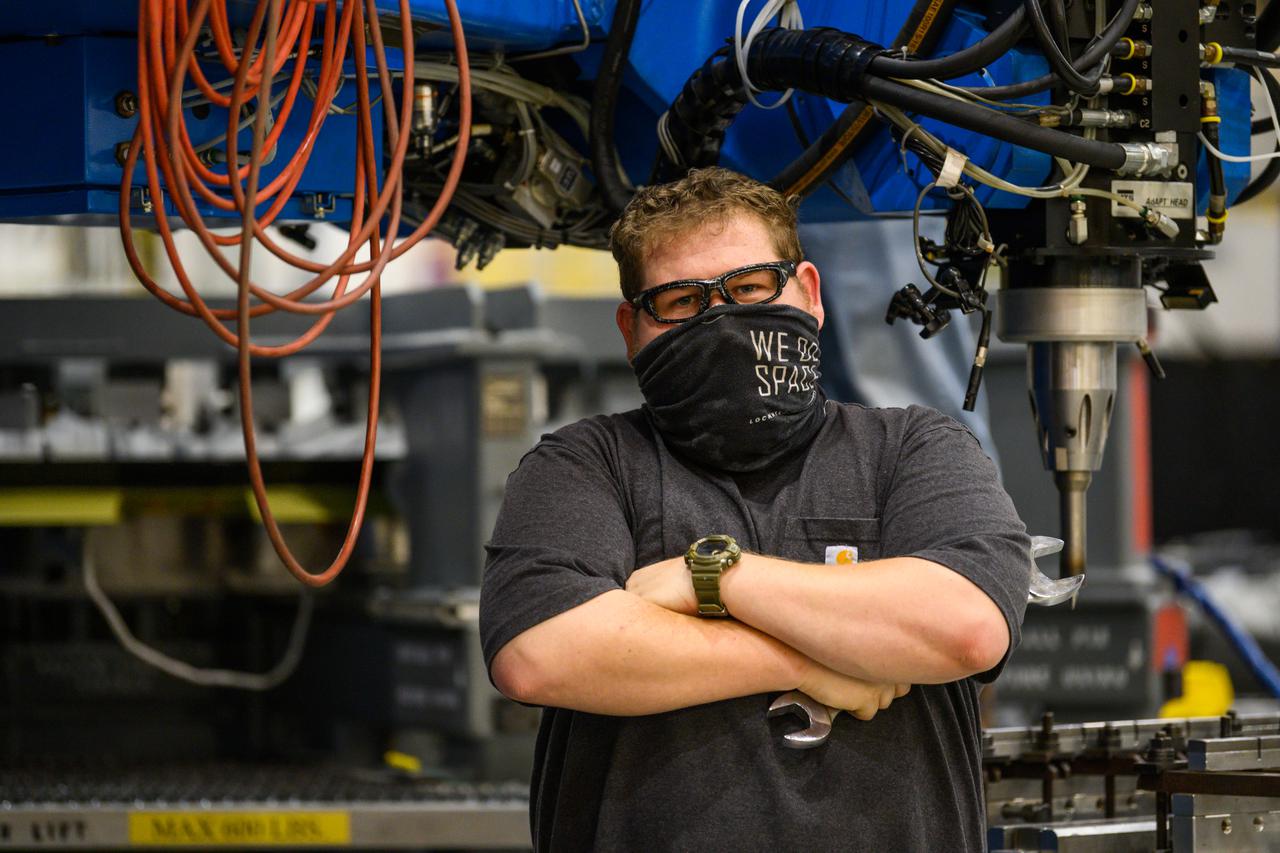
Technicians from Orion Prime Contractor Lockheed Martin weld the forward bulkhead of the pressure vessel to the tunnel hardware on the Orion Spacecraft for the Artemis III mission at NASA’s Michoud Assembly Facility in New Orleans. The crew module’s primary structure, the pressure vessel, is comprised of seven machined aluminum alloy pieces that are welded together through a weld process that produces a strong, air-tight habitable space for astronauts during the mission. The pressure vessel is designed to withstand the harsh and demanding environment of deep space and is the core structure upon which all the other elements of Orion’s crew module are integrated. This pressure vessel weld is the next step following the completion of the crew module cone panel welds and creates the top of the spacecraft. Work will then begin to join the barrel with the aft bulkhead to form the bottom of Orion. Last, the forward bulkhead will be welded to the top of the panels and, for the seventh and closeout weld, the bottom of the cone panels will be joined to the barrel to complete the pressure vessel. Once welding of the Artemis III crew module primary structure is complete, it will be shipped to NASA’s Kennedy Space Center in Florida where it will undergo further assembly beginning this fall. Orion, the Space Launch System, and Exploration Ground Systems programs are foundational elements of the Artemis program. Artemis I will be the first integrated flight test of Orion and SLS and is targeted to launch later this year. Artemis II will follow and is the first crewed mission, taking humans farther into space than ever before.
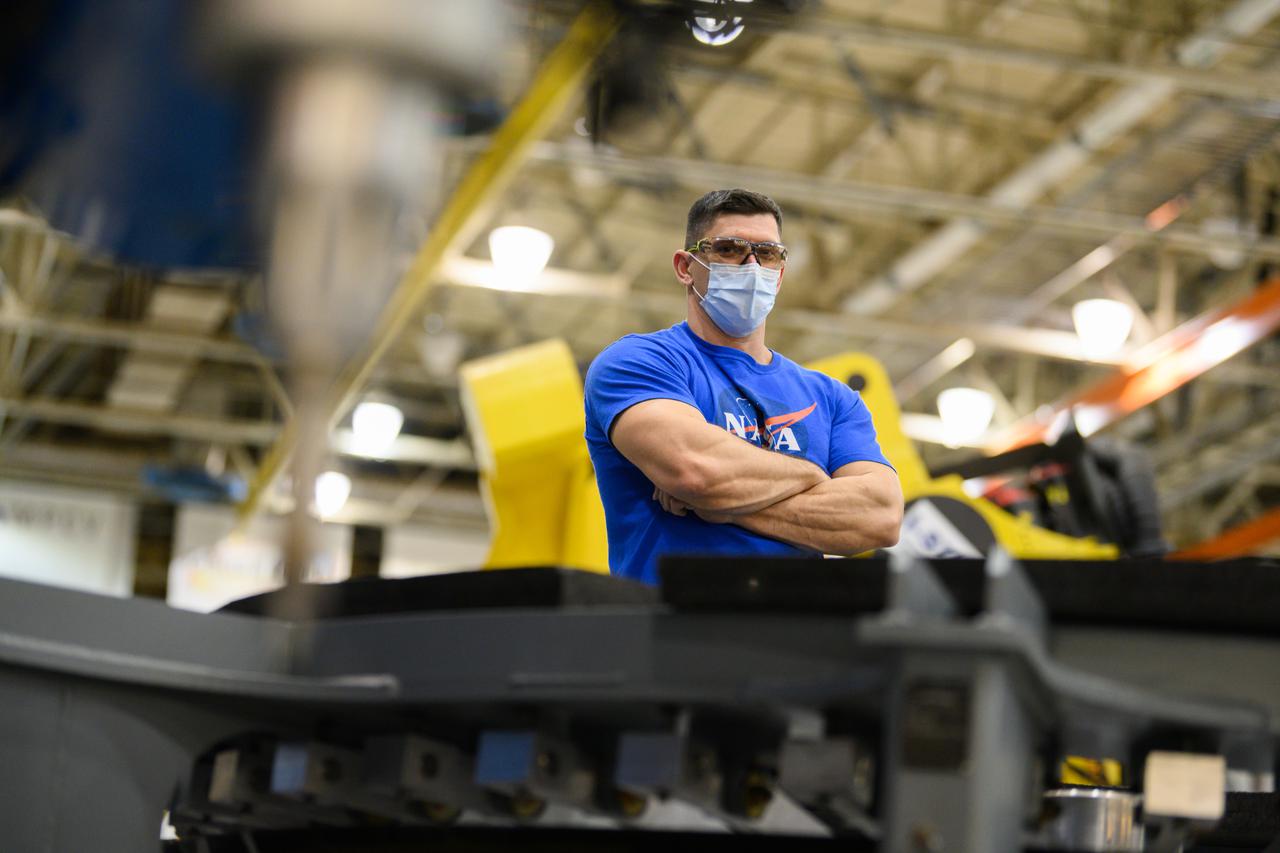
Technicians from Orion Prime Contractor Lockheed Martin weld the forward bulkhead of the pressure vessel to the tunnel hardware on the Orion Spacecraft for the Artemis III mission at NASA’s Michoud Assembly Facility in New Orleans. The crew module’s primary structure, the pressure vessel, is comprised of seven machined aluminum alloy pieces that are welded together through a weld process that produces a strong, air-tight habitable space for astronauts during the mission. The pressure vessel is designed to withstand the harsh and demanding environment of deep space and is the core structure upon which all the other elements of Orion’s crew module are integrated. This pressure vessel weld is the next step following the completion of the crew module cone panel welds and creates the top of the spacecraft. Work will then begin to join the barrel with the aft bulkhead to form the bottom of Orion. Last, the forward bulkhead will be welded to the top of the panels and, for the seventh and closeout weld, the bottom of the cone panels will be joined to the barrel to complete the pressure vessel. Once welding of the Artemis III crew module primary structure is complete, it will be shipped to NASA’s Kennedy Space Center in Florida where it will undergo further assembly beginning this fall. Orion, the Space Launch System, and Exploration Ground Systems programs are foundational elements of the Artemis program. Artemis I will be the first integrated flight test of Orion and SLS and is targeted to launch later this year. Artemis II will follow and is the first crewed mission, taking humans farther into space than ever before.
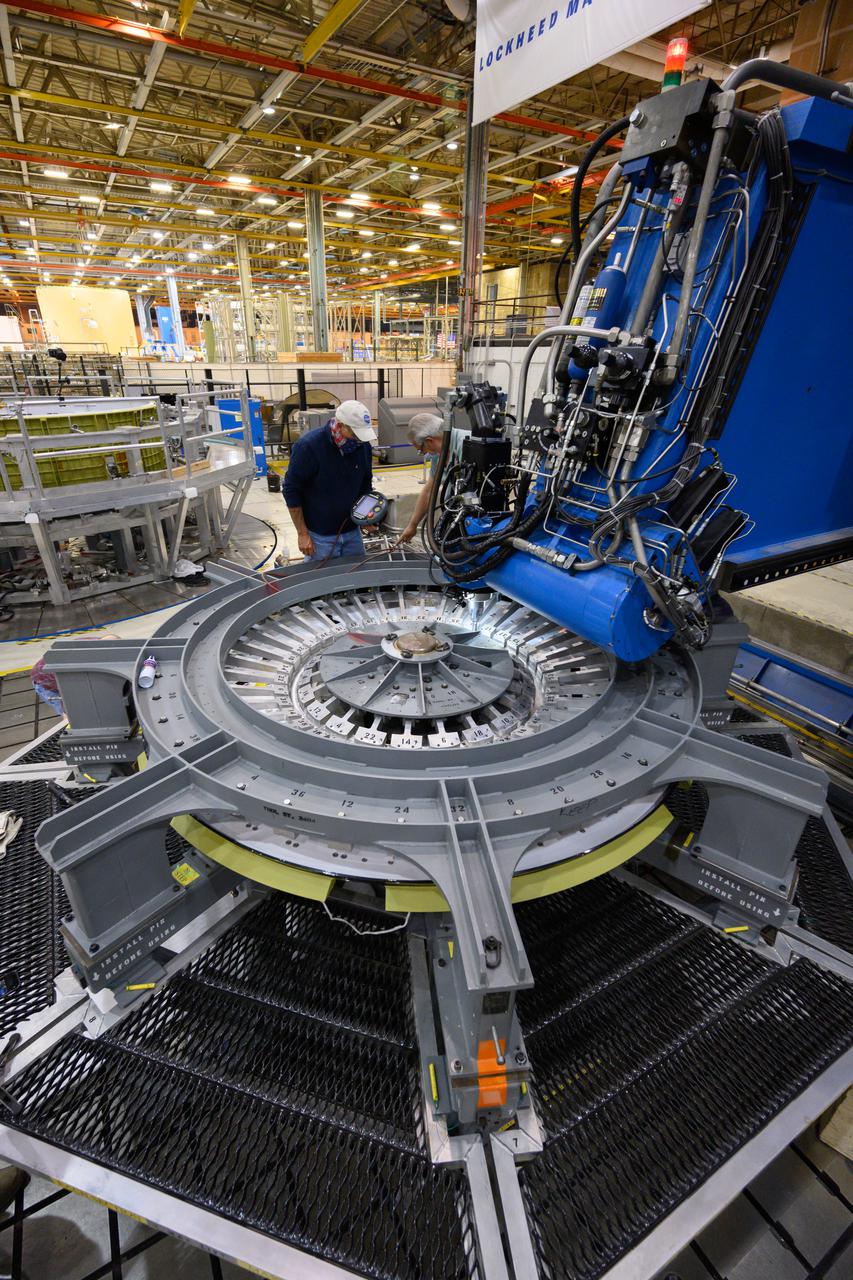
Technicians from Orion Prime Contractor Lockheed Martin weld the forward bulkhead of the pressure vessel to the tunnel hardware on the Orion Spacecraft for the Artemis III mission at NASA’s Michoud Assembly Facility in New Orleans. The crew module’s primary structure, the pressure vessel, is comprised of seven machined aluminum alloy pieces that are welded together through a weld process that produces a strong, air-tight habitable space for astronauts during the mission. The pressure vessel is designed to withstand the harsh and demanding environment of deep space and is the core structure upon which all the other elements of Orion’s crew module are integrated. This pressure vessel weld is the next step following the completion of the crew module cone panel welds and creates the top of the spacecraft. Work will then begin to join the barrel with the aft bulkhead to form the bottom of Orion. Last, the forward bulkhead will be welded to the top of the panels and, for the seventh and closeout weld, the bottom of the cone panels will be joined to the barrel to complete the pressure vessel. Once welding of the Artemis III crew module primary structure is complete, it will be shipped to NASA’s Kennedy Space Center in Florida where it will undergo further assembly beginning this fall. Orion, the Space Launch System, and Exploration Ground Systems programs are foundational elements of the Artemis program. Artemis I will be the first integrated flight test of Orion and SLS and is targeted to launch later this year. Artemis II will follow and is the first crewed mission, taking humans farther into space than ever before.
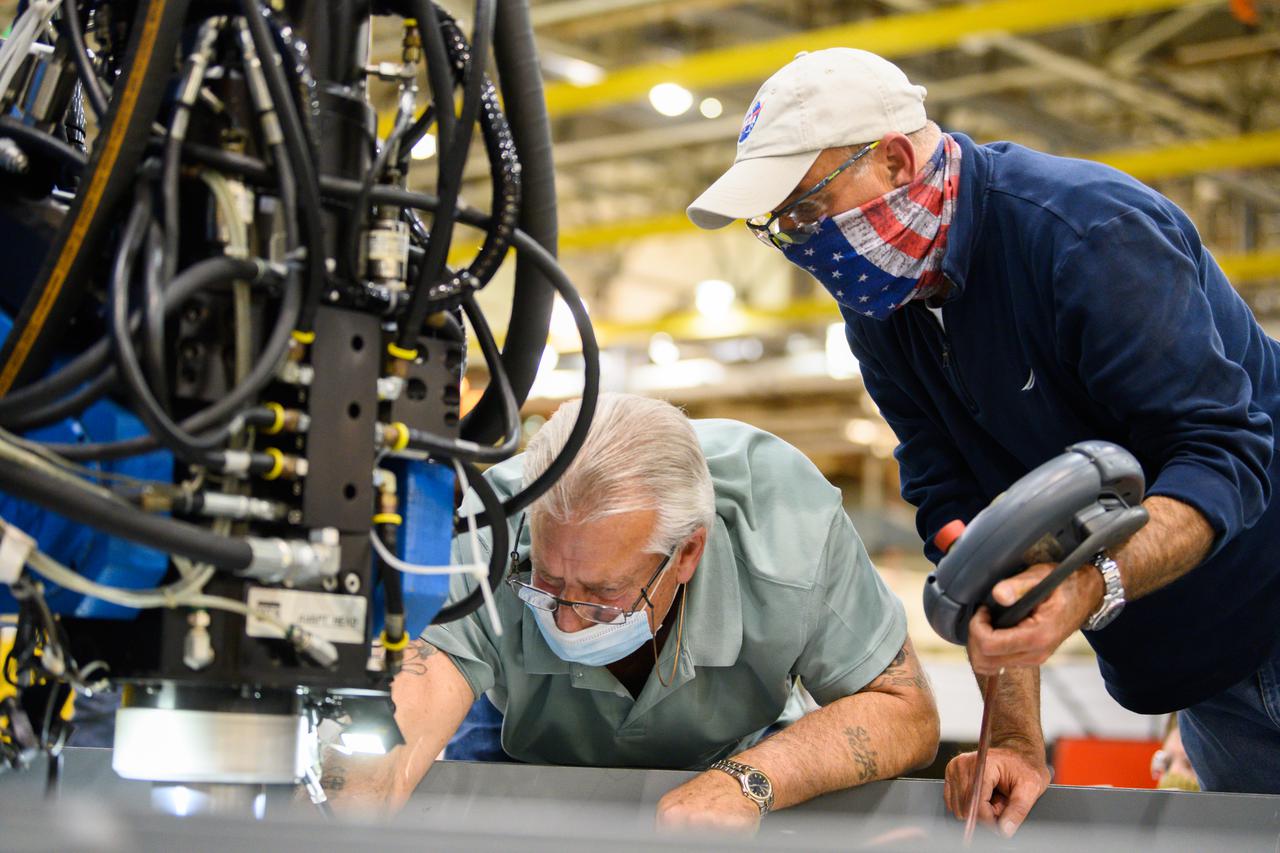
Technicians from Orion Prime Contractor Lockheed Martin weld the forward bulkhead of the pressure vessel to the tunnel hardware on the Orion Spacecraft for the Artemis III mission at NASA’s Michoud Assembly Facility in New Orleans. The crew module’s primary structure, the pressure vessel, is comprised of seven machined aluminum alloy pieces that are welded together through a weld process that produces a strong, air-tight habitable space for astronauts during the mission. The pressure vessel is designed to withstand the harsh and demanding environment of deep space and is the core structure upon which all the other elements of Orion’s crew module are integrated. This pressure vessel weld is the next step following the completion of the crew module cone panel welds and creates the top of the spacecraft. Work will then begin to join the barrel with the aft bulkhead to form the bottom of Orion. Last, the forward bulkhead will be welded to the top of the panels and, for the seventh and closeout weld, the bottom of the cone panels will be joined to the barrel to complete the pressure vessel. Once welding of the Artemis III crew module primary structure is complete, it will be shipped to NASA’s Kennedy Space Center in Florida where it will undergo further assembly beginning this fall. Orion, the Space Launch System, and Exploration Ground Systems programs are foundational elements of the Artemis program. Artemis I will be the first integrated flight test of Orion and SLS and is targeted to launch later this year. Artemis II will follow and is the first crewed mission, taking humans farther into space than ever before.
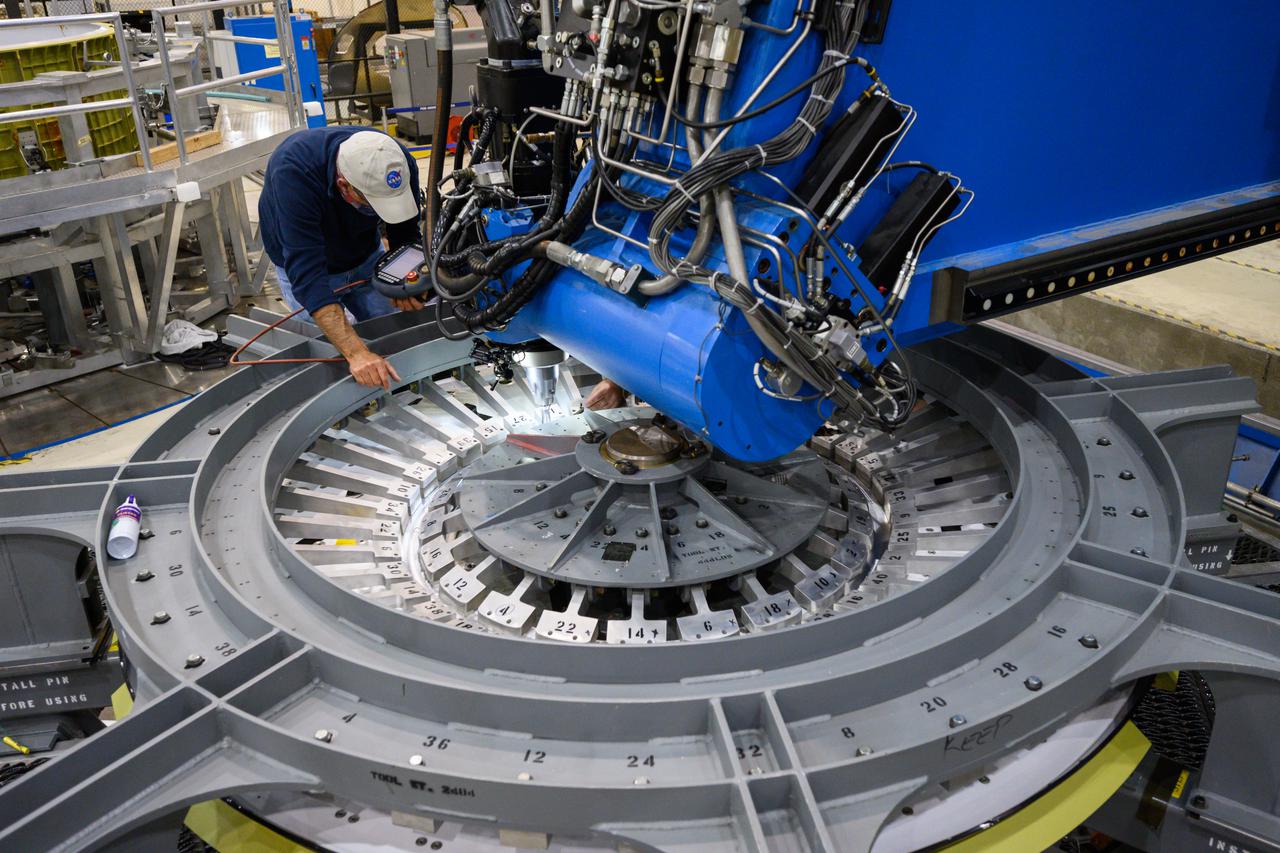
Technicians from Orion Prime Contractor Lockheed Martin weld the forward bulkhead of the pressure vessel to the tunnel hardware on the Orion Spacecraft for the Artemis III mission at NASA’s Michoud Assembly Facility in New Orleans. The crew module’s primary structure, the pressure vessel, is comprised of seven machined aluminum alloy pieces that are welded together through a weld process that produces a strong, air-tight habitable space for astronauts during the mission. The pressure vessel is designed to withstand the harsh and demanding environment of deep space and is the core structure upon which all the other elements of Orion’s crew module are integrated. This pressure vessel weld is the next step following the completion of the crew module cone panel welds and creates the top of the spacecraft. Work will then begin to join the barrel with the aft bulkhead to form the bottom of Orion. Last, the forward bulkhead will be welded to the top of the panels and, for the seventh and closeout weld, the bottom of the cone panels will be joined to the barrel to complete the pressure vessel. Once welding of the Artemis III crew module primary structure is complete, it will be shipped to NASA’s Kennedy Space Center in Florida where it will undergo further assembly beginning this fall. Orion, the Space Launch System, and Exploration Ground Systems programs are foundational elements of the Artemis program. Artemis I will be the first integrated flight test of Orion and SLS and is targeted to launch later this year. Artemis II will follow and is the first crewed mission, taking humans farther into space than ever before.
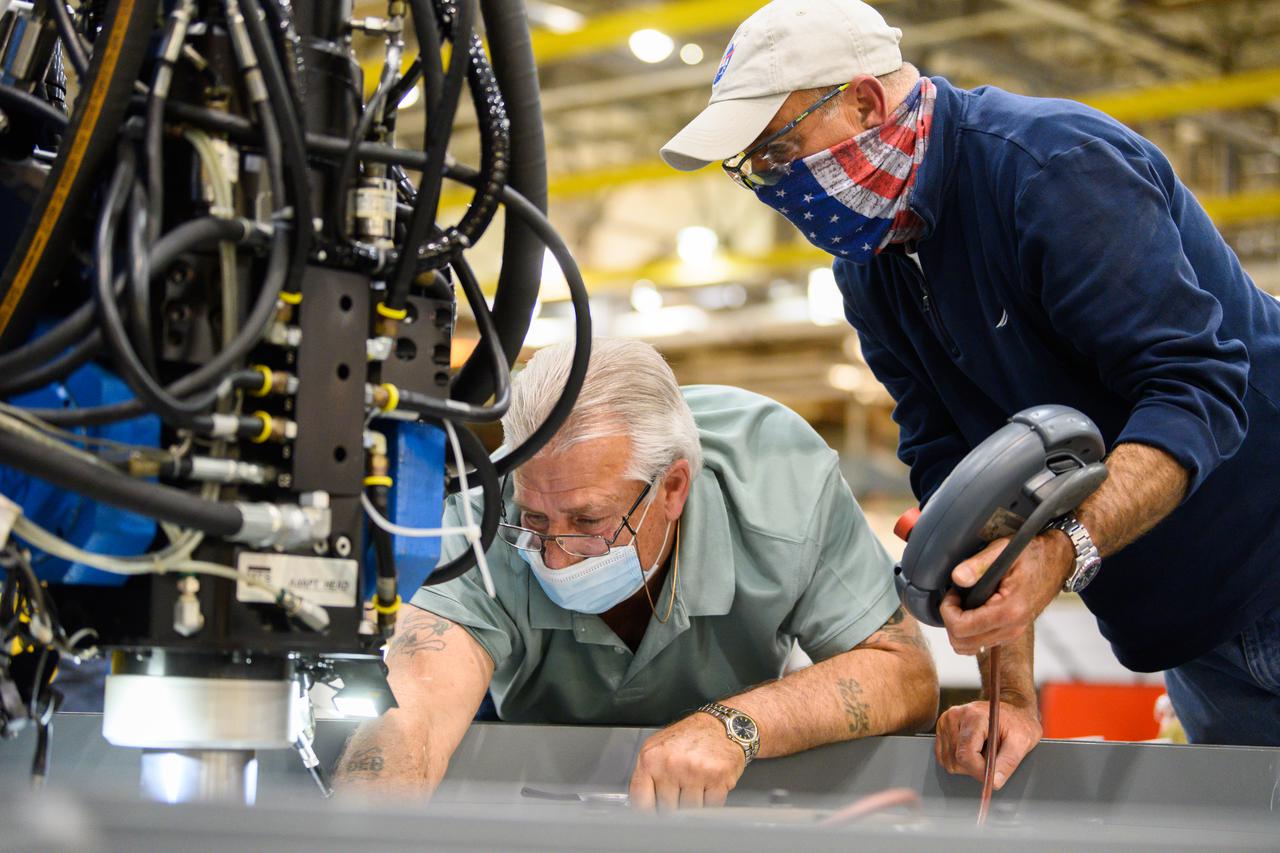
Technicians from Orion Prime Contractor Lockheed Martin weld the forward bulkhead of the pressure vessel to the tunnel hardware on the Orion Spacecraft for the Artemis III mission at NASA’s Michoud Assembly Facility in New Orleans. The crew module’s primary structure, the pressure vessel, is comprised of seven machined aluminum alloy pieces that are welded together through a weld process that produces a strong, air-tight habitable space for astronauts during the mission. The pressure vessel is designed to withstand the harsh and demanding environment of deep space and is the core structure upon which all the other elements of Orion’s crew module are integrated. This pressure vessel weld is the next step following the completion of the crew module cone panel welds and creates the top of the spacecraft. Work will then begin to join the barrel with the aft bulkhead to form the bottom of Orion. Last, the forward bulkhead will be welded to the top of the panels and, for the seventh and closeout weld, the bottom of the cone panels will be joined to the barrel to complete the pressure vessel. Once welding of the Artemis III crew module primary structure is complete, it will be shipped to NASA’s Kennedy Space Center in Florida where it will undergo further assembly beginning this fall. Orion, the Space Launch System, and Exploration Ground Systems programs are foundational elements of the Artemis program. Artemis I will be the first integrated flight test of Orion and SLS and is targeted to launch later this year. Artemis II will follow and is the first crewed mission, taking humans farther into space than ever before.
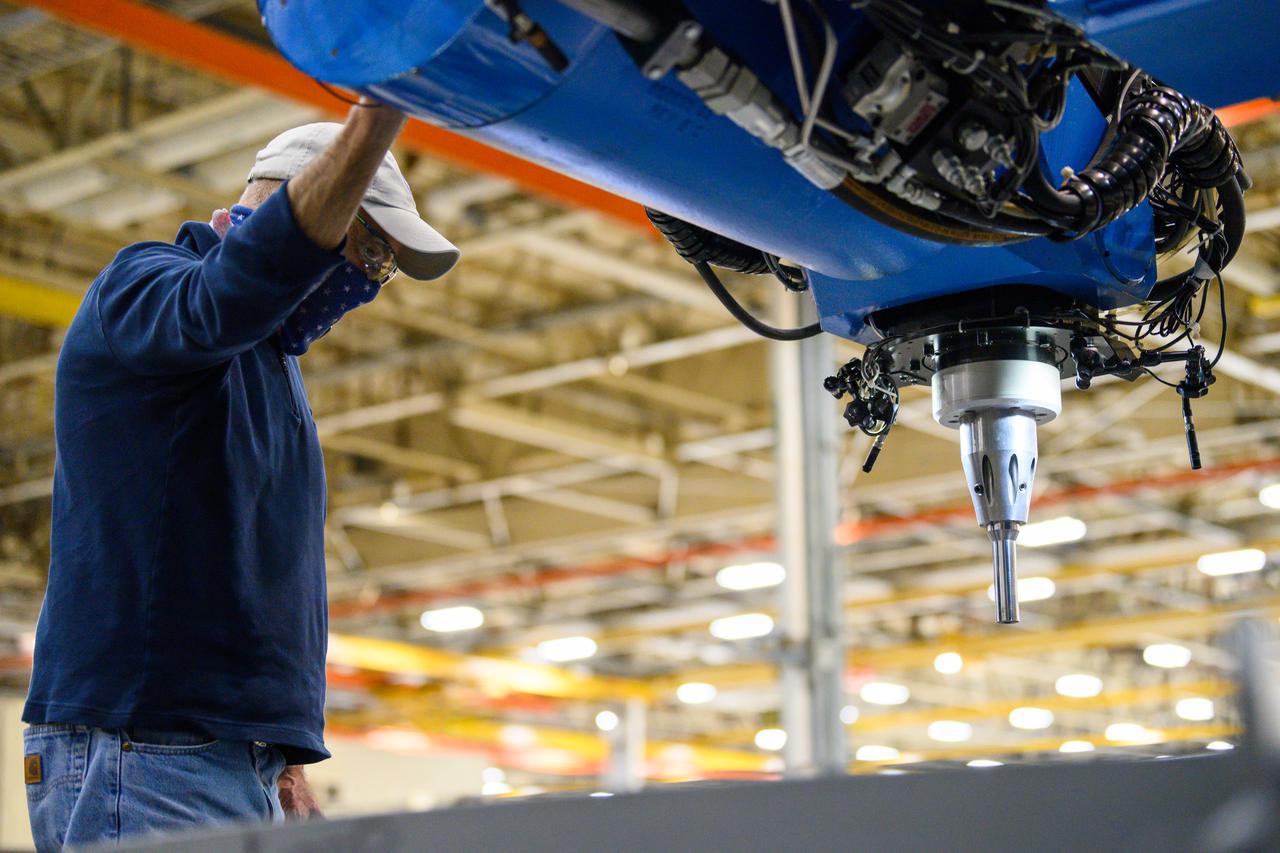
Technicians from Orion Prime Contractor Lockheed Martin weld the forward bulkhead of the pressure vessel to the tunnel hardware on the Orion Spacecraft for the Artemis III mission at NASA’s Michoud Assembly Facility in New Orleans. The crew module’s primary structure, the pressure vessel, is comprised of seven machined aluminum alloy pieces that are welded together through a weld process that produces a strong, air-tight habitable space for astronauts during the mission. The pressure vessel is designed to withstand the harsh and demanding environment of deep space and is the core structure upon which all the other elements of Orion’s crew module are integrated. This pressure vessel weld is the next step following the completion of the crew module cone panel welds and creates the top of the spacecraft. Work will then begin to join the barrel with the aft bulkhead to form the bottom of Orion. Last, the forward bulkhead will be welded to the top of the panels and, for the seventh and closeout weld, the bottom of the cone panels will be joined to the barrel to complete the pressure vessel. Once welding of the Artemis III crew module primary structure is complete, it will be shipped to NASA’s Kennedy Space Center in Florida where it will undergo further assembly beginning this fall. Orion, the Space Launch System, and Exploration Ground Systems programs are foundational elements of the Artemis program. Artemis I will be the first integrated flight test of Orion and SLS and is targeted to launch later this year. Artemis II will follow and is the first crewed mission, taking humans farther into space than ever before.
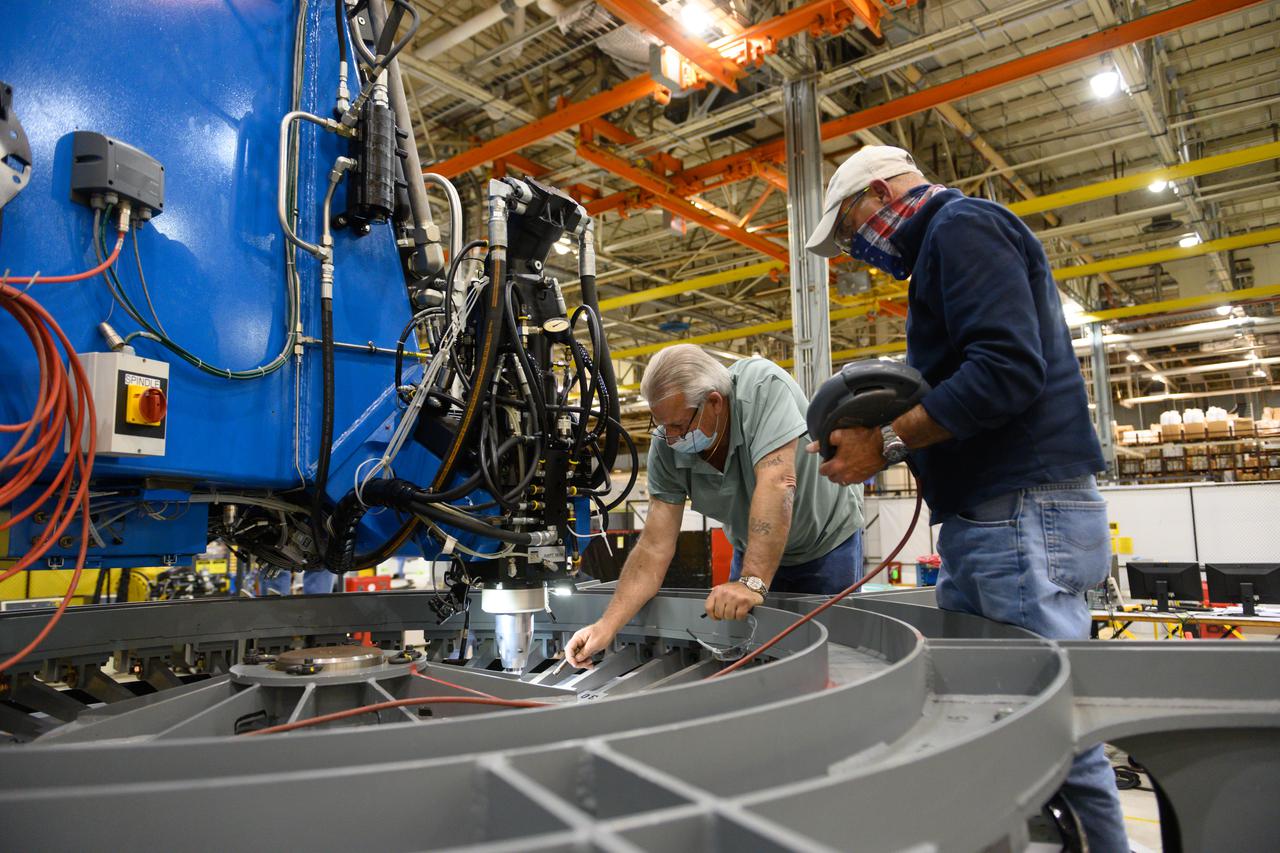
Technicians from Orion Prime Contractor Lockheed Martin weld the forward bulkhead of the pressure vessel to the tunnel hardware on the Orion Spacecraft for the Artemis III mission at NASA’s Michoud Assembly Facility in New Orleans. The crew module’s primary structure, the pressure vessel, is comprised of seven machined aluminum alloy pieces that are welded together through a weld process that produces a strong, air-tight habitable space for astronauts during the mission. The pressure vessel is designed to withstand the harsh and demanding environment of deep space and is the core structure upon which all the other elements of Orion’s crew module are integrated. This pressure vessel weld is the next step following the completion of the crew module cone panel welds and creates the top of the spacecraft. Work will then begin to join the barrel with the aft bulkhead to form the bottom of Orion. Last, the forward bulkhead will be welded to the top of the panels and, for the seventh and closeout weld, the bottom of the cone panels will be joined to the barrel to complete the pressure vessel. Once welding of the Artemis III crew module primary structure is complete, it will be shipped to NASA’s Kennedy Space Center in Florida where it will undergo further assembly beginning this fall. Orion, the Space Launch System, and Exploration Ground Systems programs are foundational elements of the Artemis program. Artemis I will be the first integrated flight test of Orion and SLS and is targeted to launch later this year. Artemis II will follow and is the first crewed mission, taking humans farther into space than ever before.
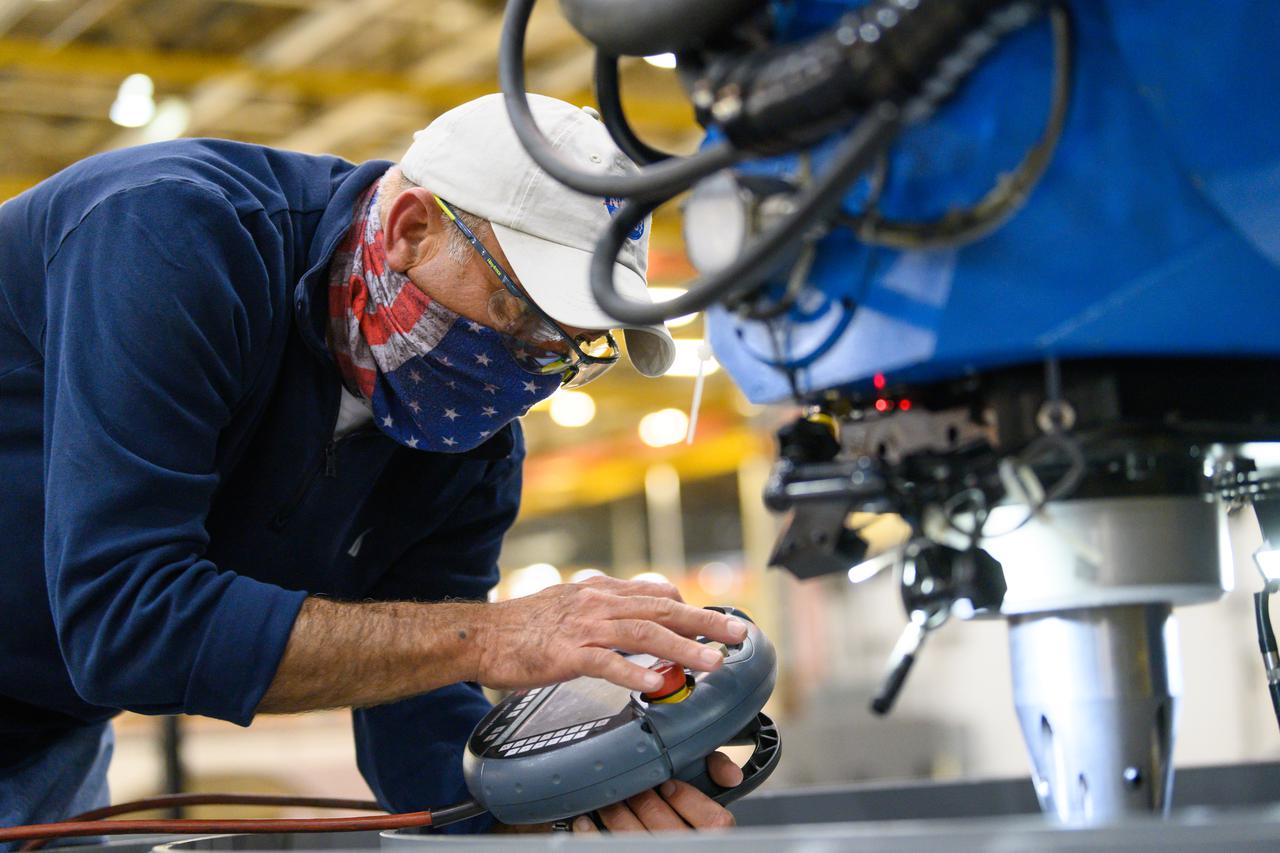
Technicians from Orion Prime Contractor Lockheed Martin weld the forward bulkhead of the pressure vessel to the tunnel hardware on the Orion Spacecraft for the Artemis III mission at NASA’s Michoud Assembly Facility in New Orleans. The crew module’s primary structure, the pressure vessel, is comprised of seven machined aluminum alloy pieces that are welded together through a weld process that produces a strong, air-tight habitable space for astronauts during the mission. The pressure vessel is designed to withstand the harsh and demanding environment of deep space and is the core structure upon which all the other elements of Orion’s crew module are integrated. This pressure vessel weld is the next step following the completion of the crew module cone panel welds and creates the top of the spacecraft. Work will then begin to join the barrel with the aft bulkhead to form the bottom of Orion. Last, the forward bulkhead will be welded to the top of the panels and, for the seventh and closeout weld, the bottom of the cone panels will be joined to the barrel to complete the pressure vessel. Once welding of the Artemis III crew module primary structure is complete, it will be shipped to NASA’s Kennedy Space Center in Florida where it will undergo further assembly beginning this fall. Orion, the Space Launch System, and Exploration Ground Systems programs are foundational elements of the Artemis program. Artemis I will be the first integrated flight test of Orion and SLS and is targeted to launch later this year. Artemis II will follow and is the first crewed mission, taking humans farther into space than ever before.
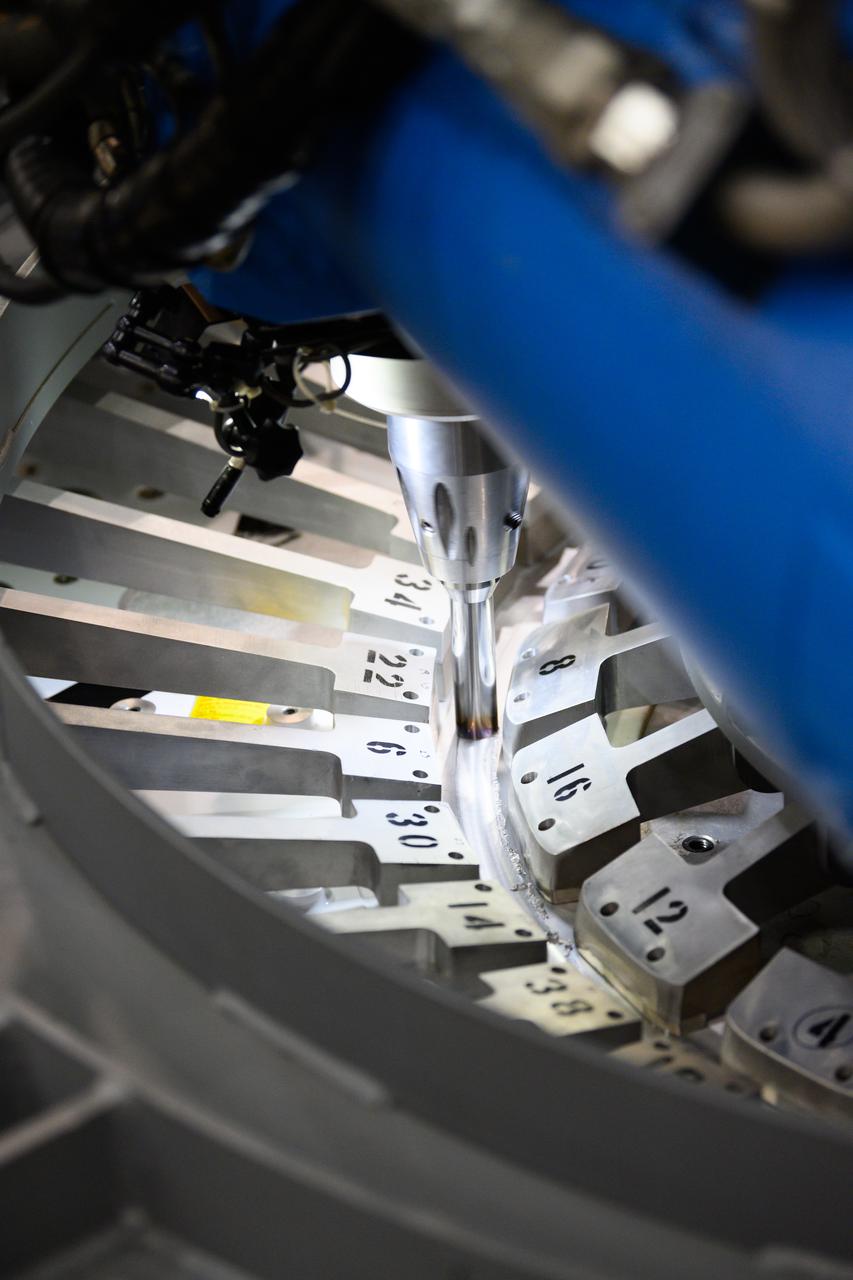
Technicians from Orion Prime Contractor Lockheed Martin weld the forward bulkhead of the pressure vessel to the tunnel hardware on the Orion Spacecraft for the Artemis III mission at NASA’s Michoud Assembly Facility in New Orleans. The crew module’s primary structure, the pressure vessel, is comprised of seven machined aluminum alloy pieces that are welded together through a weld process that produces a strong, air-tight habitable space for astronauts during the mission. The pressure vessel is designed to withstand the harsh and demanding environment of deep space and is the core structure upon which all the other elements of Orion’s crew module are integrated. This pressure vessel weld is the next step following the completion of the crew module cone panel welds and creates the top of the spacecraft. Work will then begin to join the barrel with the aft bulkhead to form the bottom of Orion. Last, the forward bulkhead will be welded to the top of the panels and, for the seventh and closeout weld, the bottom of the cone panels will be joined to the barrel to complete the pressure vessel. Once welding of the Artemis III crew module primary structure is complete, it will be shipped to NASA’s Kennedy Space Center in Florida where it will undergo further assembly beginning this fall. Orion, the Space Launch System, and Exploration Ground Systems programs are foundational elements of the Artemis program. Artemis I will be the first integrated flight test of Orion and SLS and is targeted to launch later this year. Artemis II will follow and is the first crewed mission, taking humans farther into space than ever before.
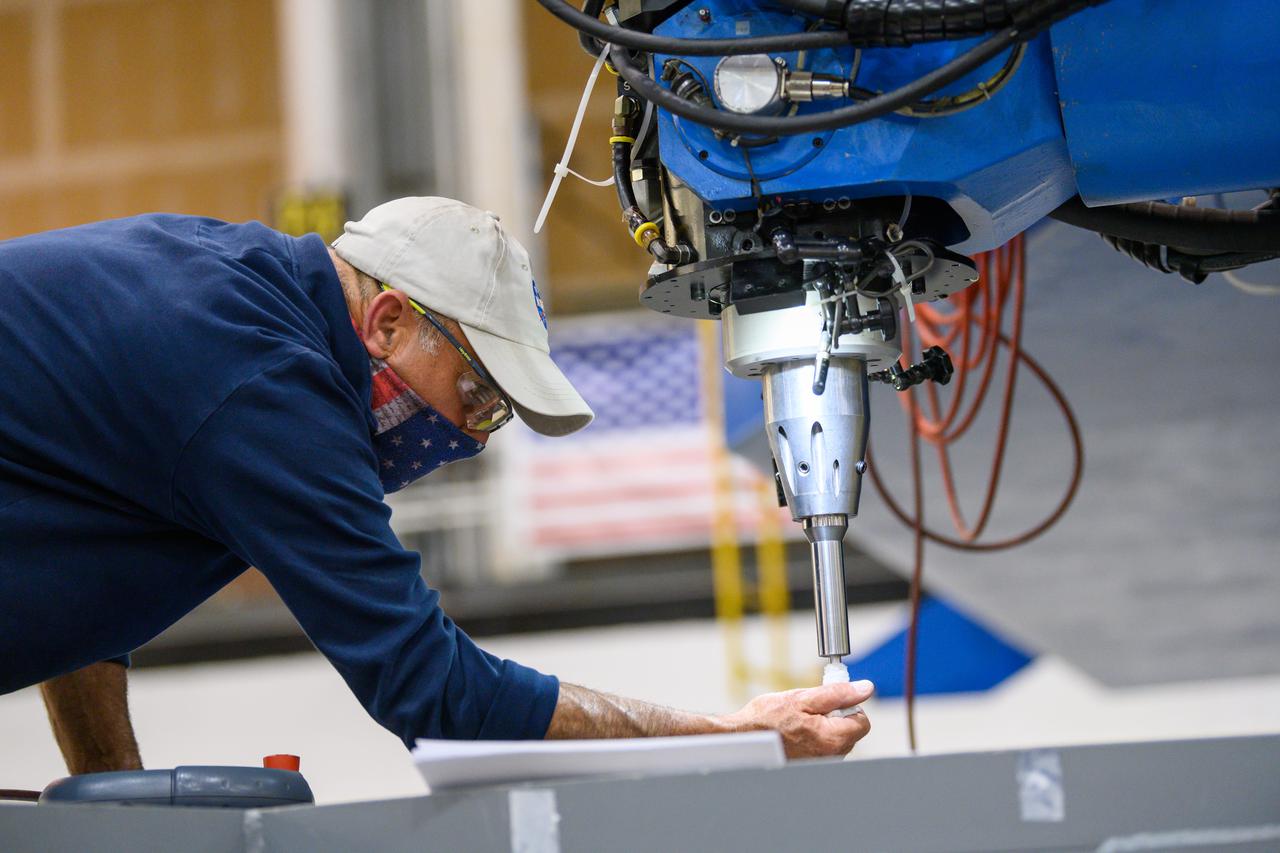
Technicians from Orion Prime Contractor Lockheed Martin weld the forward bulkhead of the pressure vessel to the tunnel hardware on the Orion Spacecraft for the Artemis III mission at NASA’s Michoud Assembly Facility in New Orleans. The crew module’s primary structure, the pressure vessel, is comprised of seven machined aluminum alloy pieces that are welded together through a weld process that produces a strong, air-tight habitable space for astronauts during the mission. The pressure vessel is designed to withstand the harsh and demanding environment of deep space and is the core structure upon which all the other elements of Orion’s crew module are integrated. This pressure vessel weld is the next step following the completion of the crew module cone panel welds and creates the top of the spacecraft. Work will then begin to join the barrel with the aft bulkhead to form the bottom of Orion. Last, the forward bulkhead will be welded to the top of the panels and, for the seventh and closeout weld, the bottom of the cone panels will be joined to the barrel to complete the pressure vessel. Once welding of the Artemis III crew module primary structure is complete, it will be shipped to NASA’s Kennedy Space Center in Florida where it will undergo further assembly beginning this fall. Orion, the Space Launch System, and Exploration Ground Systems programs are foundational elements of the Artemis program. Artemis I will be the first integrated flight test of Orion and SLS and is targeted to launch later this year. Artemis II will follow and is the first crewed mission, taking humans farther into space than ever before.
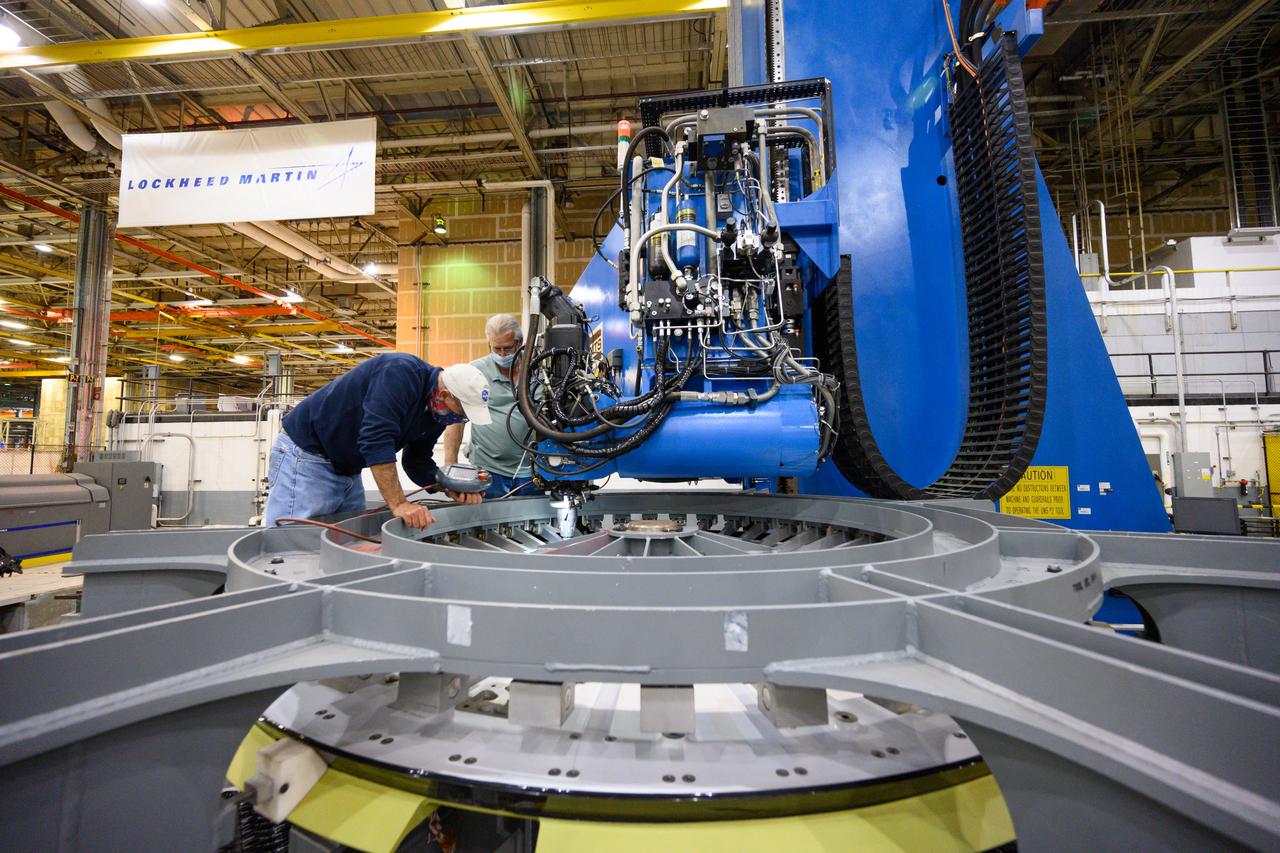
Technicians from Orion Prime Contractor Lockheed Martin weld the forward bulkhead of the pressure vessel to the tunnel hardware on the Orion Spacecraft for the Artemis III mission at NASA’s Michoud Assembly Facility in New Orleans. The crew module’s primary structure, the pressure vessel, is comprised of seven machined aluminum alloy pieces that are welded together through a weld process that produces a strong, air-tight habitable space for astronauts during the mission. The pressure vessel is designed to withstand the harsh and demanding environment of deep space and is the core structure upon which all the other elements of Orion’s crew module are integrated. This pressure vessel weld is the next step following the completion of the crew module cone panel welds and creates the top of the spacecraft. Work will then begin to join the barrel with the aft bulkhead to form the bottom of Orion. Last, the forward bulkhead will be welded to the top of the panels and, for the seventh and closeout weld, the bottom of the cone panels will be joined to the barrel to complete the pressure vessel. Once welding of the Artemis III crew module primary structure is complete, it will be shipped to NASA’s Kennedy Space Center in Florida where it will undergo further assembly beginning this fall. Orion, the Space Launch System, and Exploration Ground Systems programs are foundational elements of the Artemis program. Artemis I will be the first integrated flight test of Orion and SLS and is targeted to launch later this year. Artemis II will follow and is the first crewed mission, taking humans farther into space than ever before.
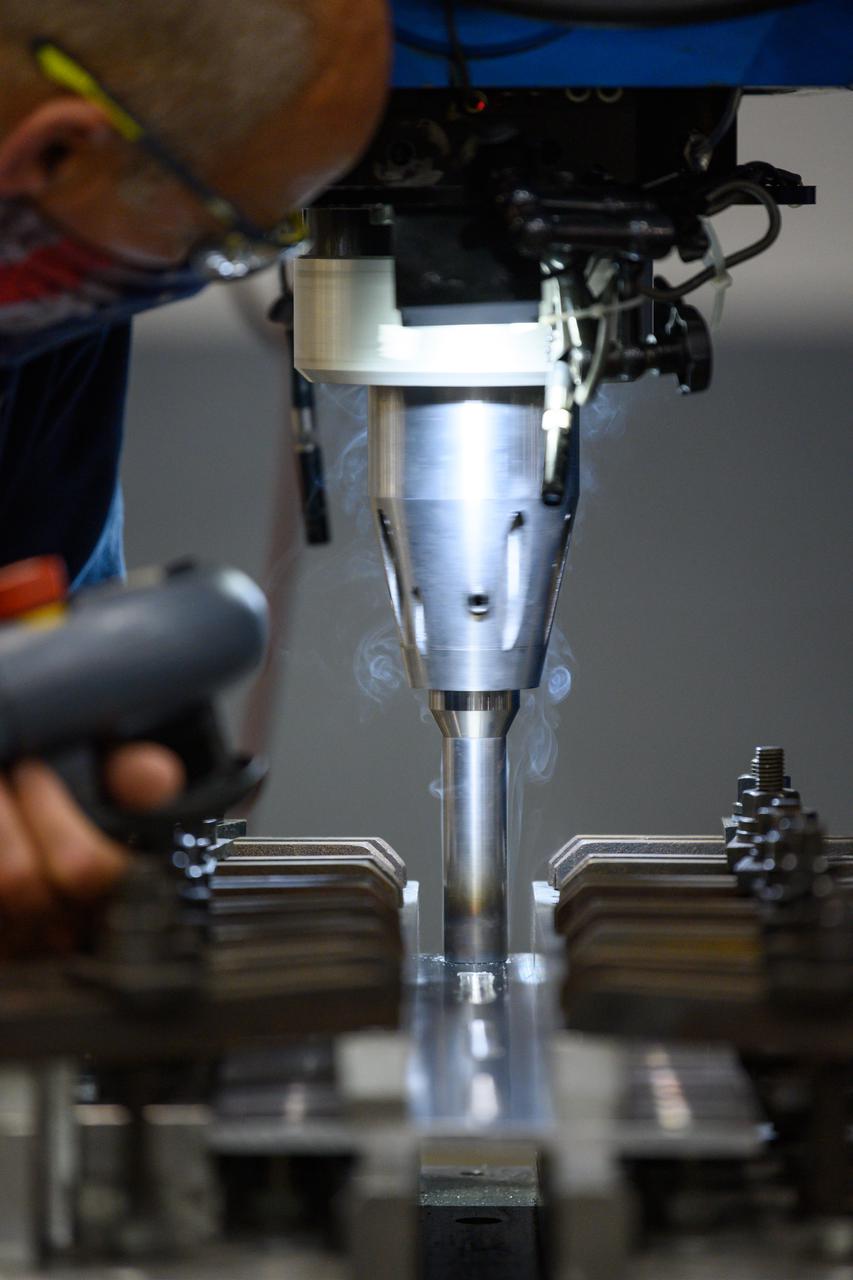
Technicians from Orion Prime Contractor Lockheed Martin weld the forward bulkhead of the pressure vessel to the tunnel hardware on the Orion Spacecraft for the Artemis III mission at NASA’s Michoud Assembly Facility in New Orleans. The crew module’s primary structure, the pressure vessel, is comprised of seven machined aluminum alloy pieces that are welded together through a weld process that produces a strong, air-tight habitable space for astronauts during the mission. The pressure vessel is designed to withstand the harsh and demanding environment of deep space and is the core structure upon which all the other elements of Orion’s crew module are integrated. This pressure vessel weld is the next step following the completion of the crew module cone panel welds and creates the top of the spacecraft. Work will then begin to join the barrel with the aft bulkhead to form the bottom of Orion. Last, the forward bulkhead will be welded to the top of the panels and, for the seventh and closeout weld, the bottom of the cone panels will be joined to the barrel to complete the pressure vessel. Once welding of the Artemis III crew module primary structure is complete, it will be shipped to NASA’s Kennedy Space Center in Florida where it will undergo further assembly beginning this fall. Orion, the Space Launch System, and Exploration Ground Systems programs are foundational elements of the Artemis program. Artemis I will be the first integrated flight test of Orion and SLS and is targeted to launch later this year. Artemis II will follow and is the first crewed mission, taking humans farther into space than ever before.
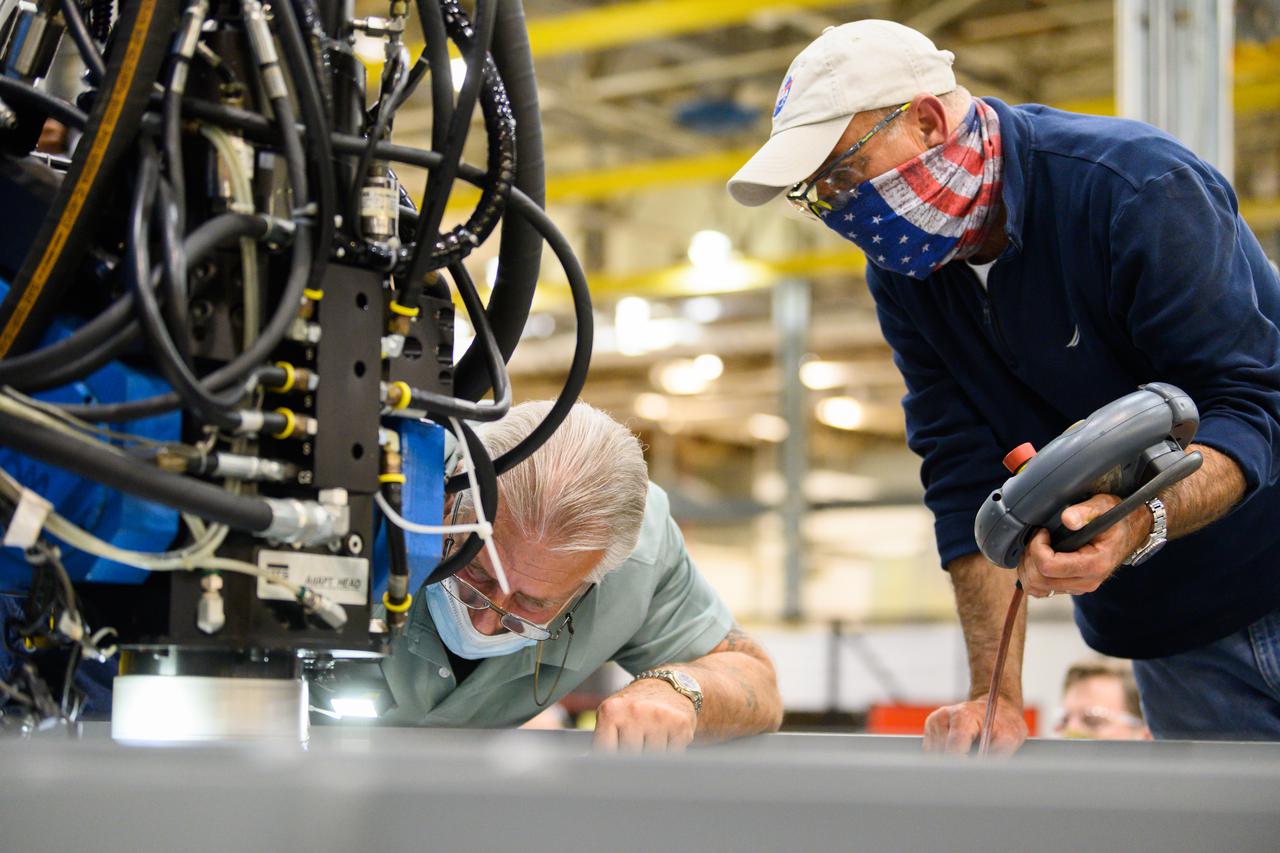
Technicians from Orion Prime Contractor Lockheed Martin weld the forward bulkhead of the pressure vessel to the tunnel hardware on the Orion Spacecraft for the Artemis III mission at NASA’s Michoud Assembly Facility in New Orleans. The crew module’s primary structure, the pressure vessel, is comprised of seven machined aluminum alloy pieces that are welded together through a weld process that produces a strong, air-tight habitable space for astronauts during the mission. The pressure vessel is designed to withstand the harsh and demanding environment of deep space and is the core structure upon which all the other elements of Orion’s crew module are integrated. This pressure vessel weld is the next step following the completion of the crew module cone panel welds and creates the top of the spacecraft. Work will then begin to join the barrel with the aft bulkhead to form the bottom of Orion. Last, the forward bulkhead will be welded to the top of the panels and, for the seventh and closeout weld, the bottom of the cone panels will be joined to the barrel to complete the pressure vessel. Once welding of the Artemis III crew module primary structure is complete, it will be shipped to NASA’s Kennedy Space Center in Florida where it will undergo further assembly beginning this fall. Orion, the Space Launch System, and Exploration Ground Systems programs are foundational elements of the Artemis program. Artemis I will be the first integrated flight test of Orion and SLS and is targeted to launch later this year. Artemis II will follow and is the first crewed mission, taking humans farther into space than ever before.
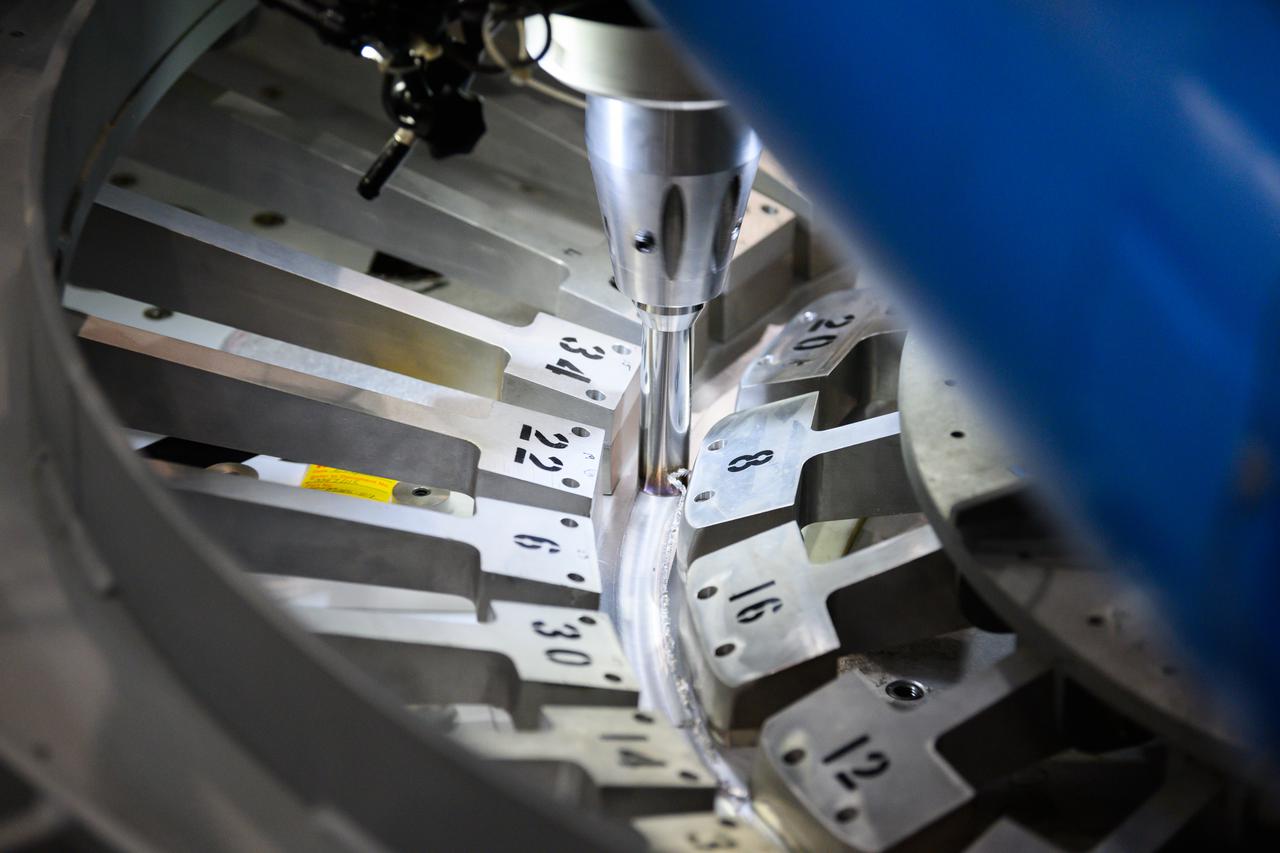
Technicians from Orion Prime Contractor Lockheed Martin weld the forward bulkhead of the pressure vessel to the tunnel hardware on the Orion Spacecraft for the Artemis III mission at NASA’s Michoud Assembly Facility in New Orleans. The crew module’s primary structure, the pressure vessel, is comprised of seven machined aluminum alloy pieces that are welded together through a weld process that produces a strong, air-tight habitable space for astronauts during the mission. The pressure vessel is designed to withstand the harsh and demanding environment of deep space and is the core structure upon which all the other elements of Orion’s crew module are integrated. This pressure vessel weld is the next step following the completion of the crew module cone panel welds and creates the top of the spacecraft. Work will then begin to join the barrel with the aft bulkhead to form the bottom of Orion. Last, the forward bulkhead will be welded to the top of the panels and, for the seventh and closeout weld, the bottom of the cone panels will be joined to the barrel to complete the pressure vessel. Once welding of the Artemis III crew module primary structure is complete, it will be shipped to NASA’s Kennedy Space Center in Florida where it will undergo further assembly beginning this fall. Orion, the Space Launch System, and Exploration Ground Systems programs are foundational elements of the Artemis program. Artemis I will be the first integrated flight test of Orion and SLS and is targeted to launch later this year. Artemis II will follow and is the first crewed mission, taking humans farther into space than ever before.
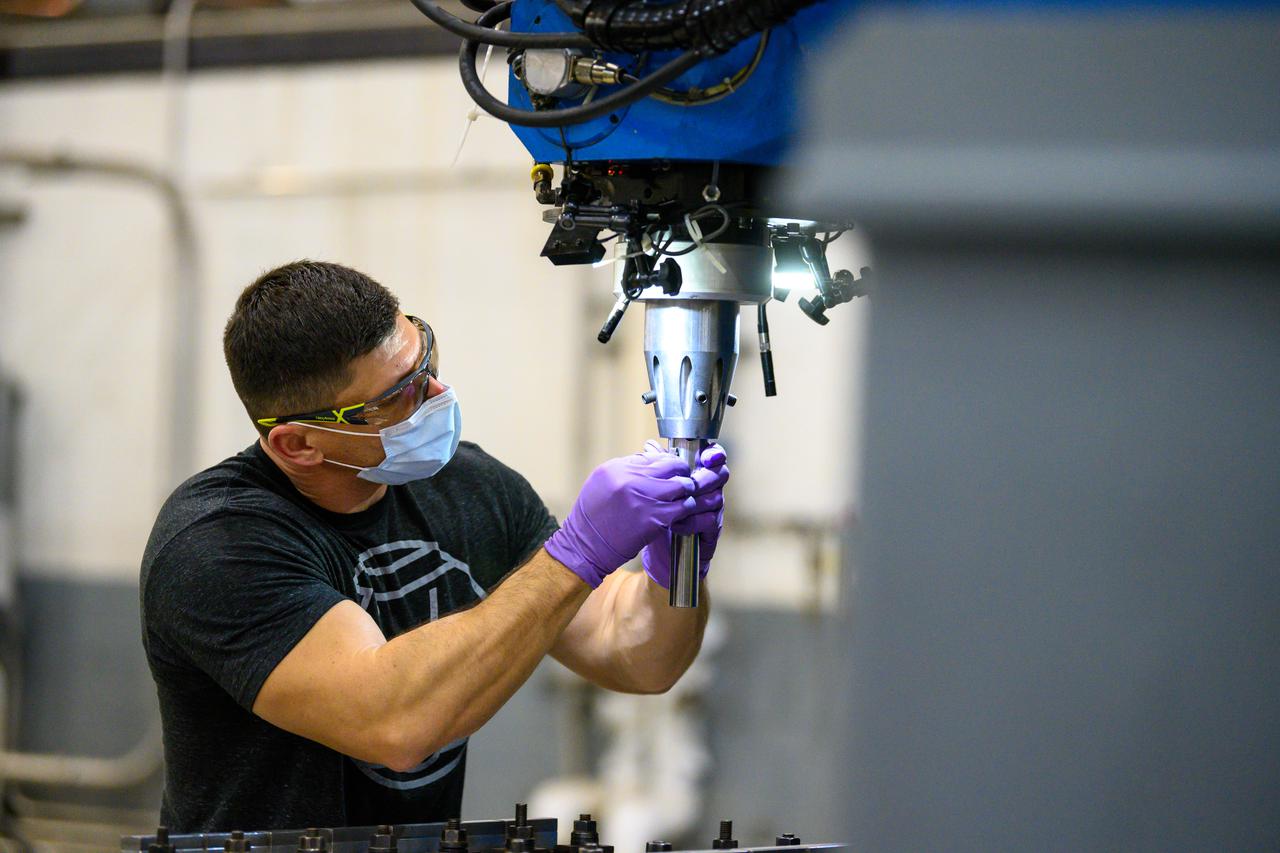
Technicians from Orion Prime Contractor Lockheed Martin weld the forward bulkhead of the pressure vessel to the tunnel hardware on the Orion Spacecraft for the Artemis III mission at NASA’s Michoud Assembly Facility in New Orleans. The crew module’s primary structure, the pressure vessel, is comprised of seven machined aluminum alloy pieces that are welded together through a weld process that produces a strong, air-tight habitable space for astronauts during the mission. The pressure vessel is designed to withstand the harsh and demanding environment of deep space and is the core structure upon which all the other elements of Orion’s crew module are integrated. This pressure vessel weld is the next step following the completion of the crew module cone panel welds and creates the top of the spacecraft. Work will then begin to join the barrel with the aft bulkhead to form the bottom of Orion. Last, the forward bulkhead will be welded to the top of the panels and, for the seventh and closeout weld, the bottom of the cone panels will be joined to the barrel to complete the pressure vessel. Once welding of the Artemis III crew module primary structure is complete, it will be shipped to NASA’s Kennedy Space Center in Florida where it will undergo further assembly beginning this fall. Orion, the Space Launch System, and Exploration Ground Systems programs are foundational elements of the Artemis program. Artemis I will be the first integrated flight test of Orion and SLS and is targeted to launch later this year. Artemis II will follow and is the first crewed mission, taking humans farther into space than ever before.
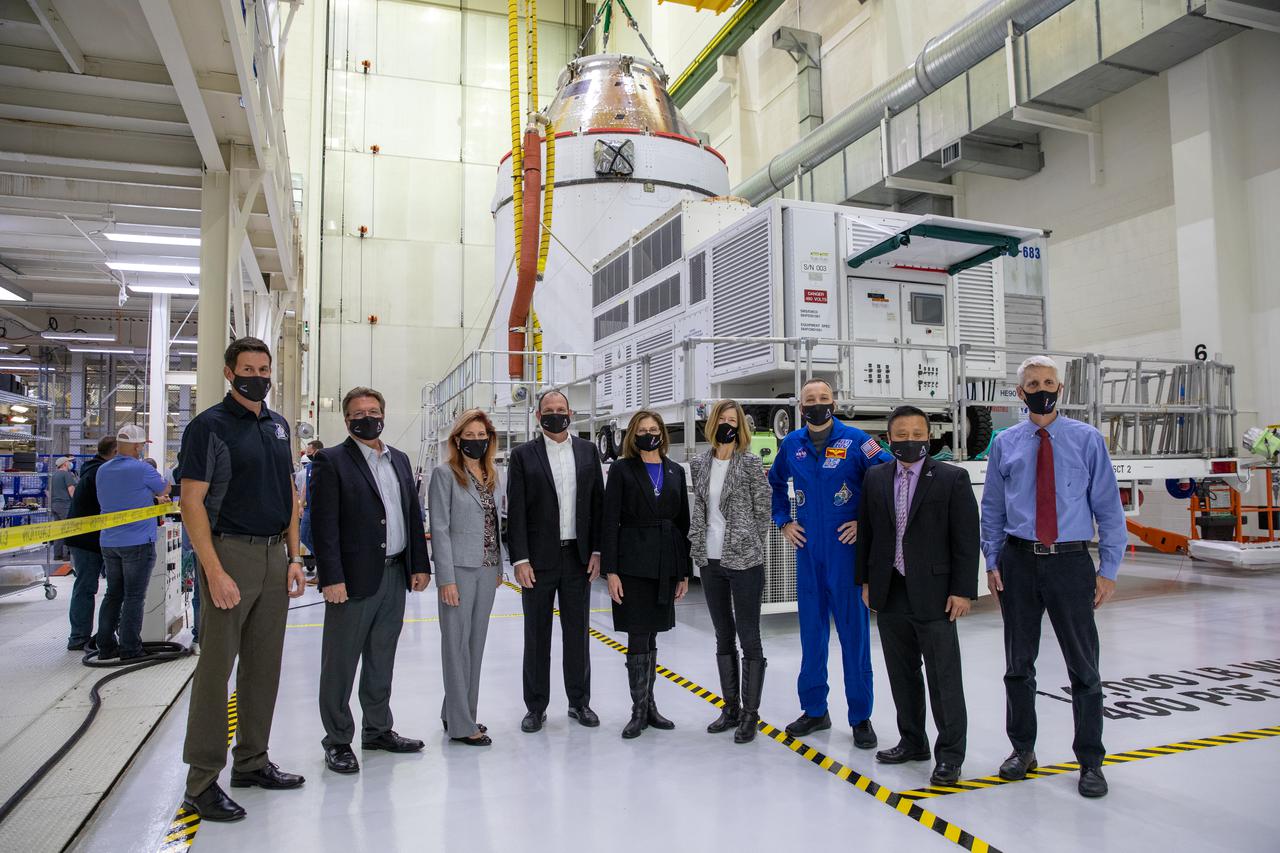
Orion is revealed for one of the final times on Jan. 14, as it is moved by crane to its transport pallet inside the Neil Armstrong Operations and Checkout Building at NASA’s Kennedy Space Center in Florida, along its path to the pad ahead of the Artemis I launch. Standing near Orion, from left, are Nathan Varn, Lockheed Martin Production Control director; Jules Schneider, Lockheed Martin Director of Orion Assembly, Test and Launch at Kennedy; Kelly DeFazio, Lockheed Martin Orion Program director for production operations; Tony Antonelli, Lockheed Martin Orion Program director and Artemis II mission director; Cathy Koerner, Orion Program manager; Kathy Lueders, associate administrator of the Human Exploration and Operations Mission Directorate; NASA astronaut Randy Bresnik; Howard Hu Orion Program deputy manager; and Scott Wilson, Orion Production Office manager. Teams across the globe have worked tirelessly to assemble the spacecraft, which will receive a protective covering prior to departing for the Multi-Payload Processing Facility to begin ground processing by the Exploration Ground Systems and Jacobs teams.

Lockheed Martin engineers at NASA's Michoud Assembly Facility in New Orleans, Louisiana, weld the cone section for the Orion spacecraft which will carry humans beyond the Moon on Artemis II, on Jan. 29, 2018.
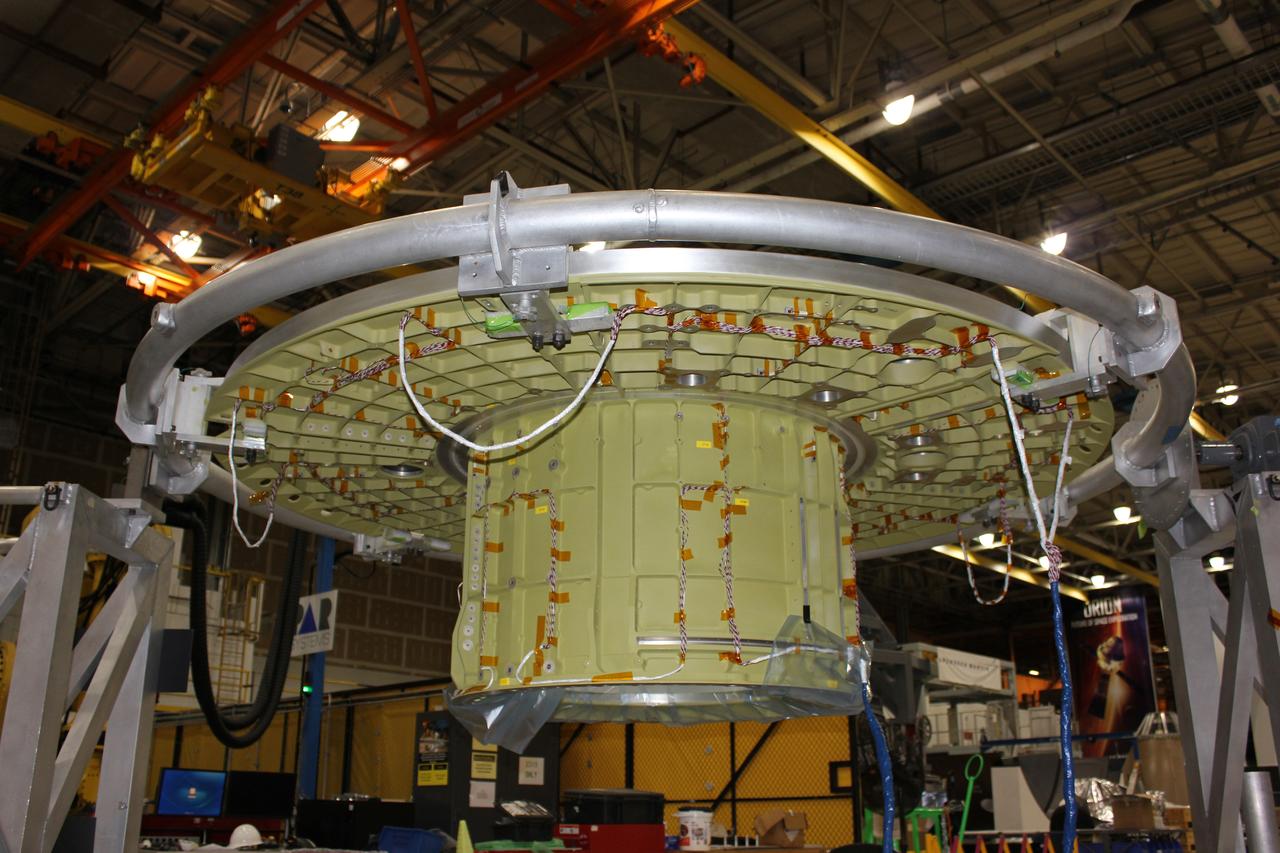
At NASA's Michoud Assembly Facility in Louisiana, Lockheed Martin technicians complete the first weld on the pressure vessel for Orion which will carry humans to deep space on Artemis II on Dec. 21, 2017.

At NASA's Michoud Assembly Facility in Louisiana, Lockheed Martin technicians complete the first weld on the pressure vessel for Orion which will carry humans to deep space on Artemis II on Dec. 21, 2017.
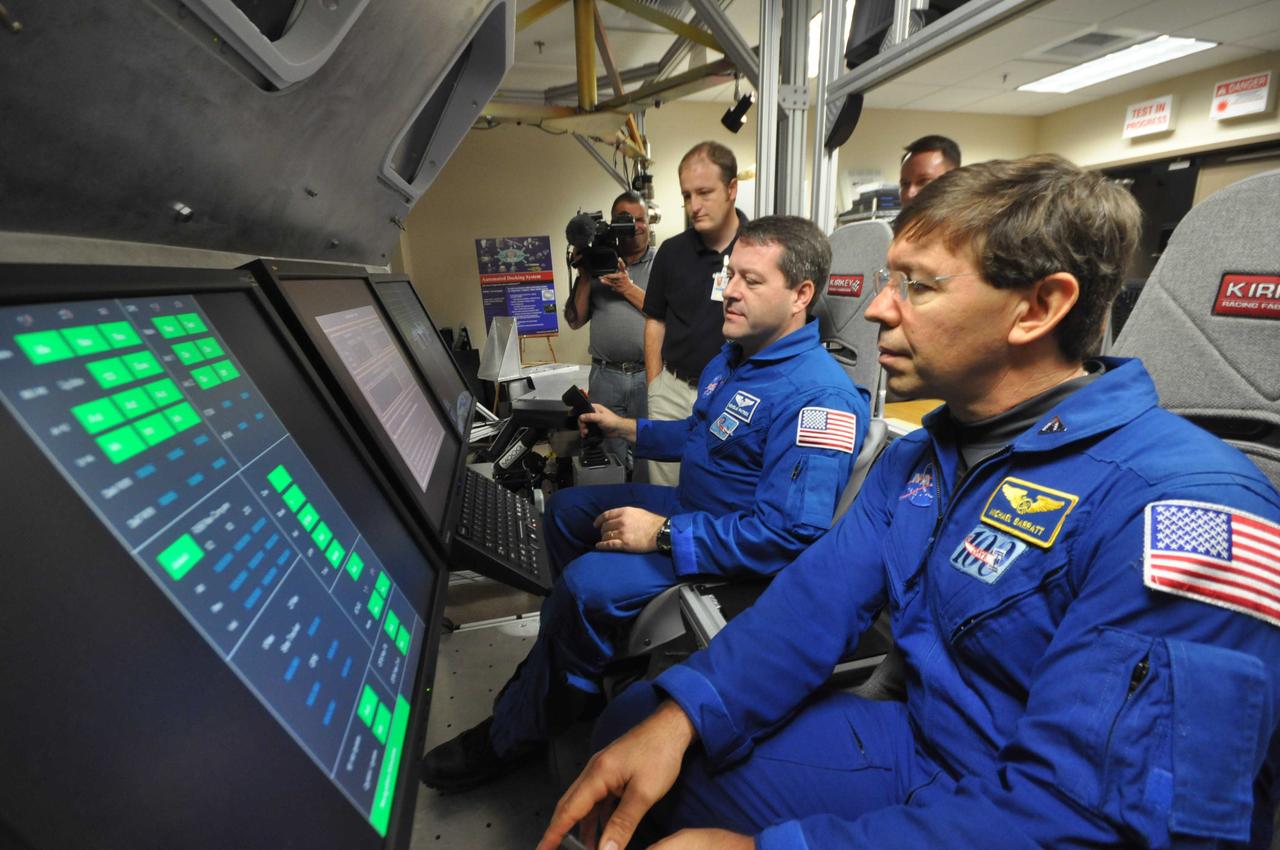
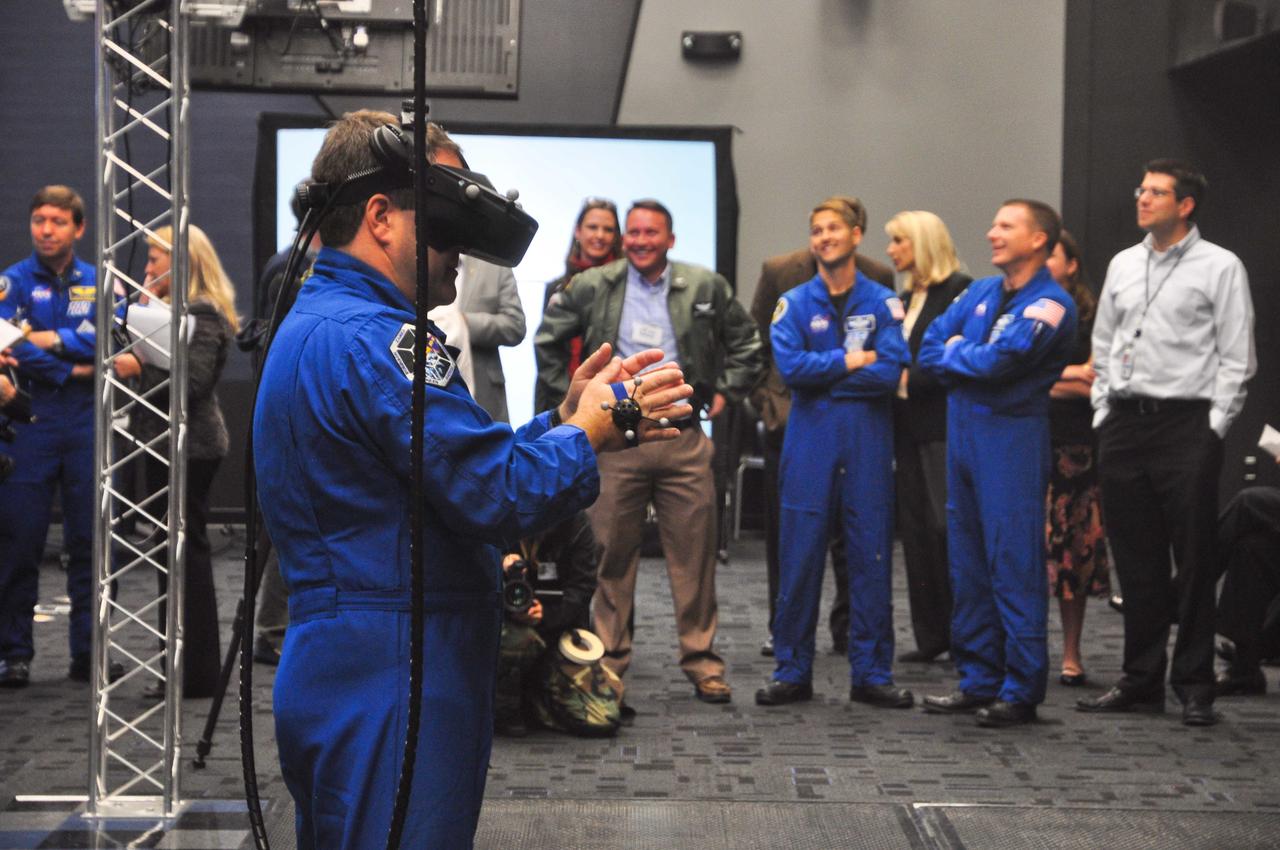
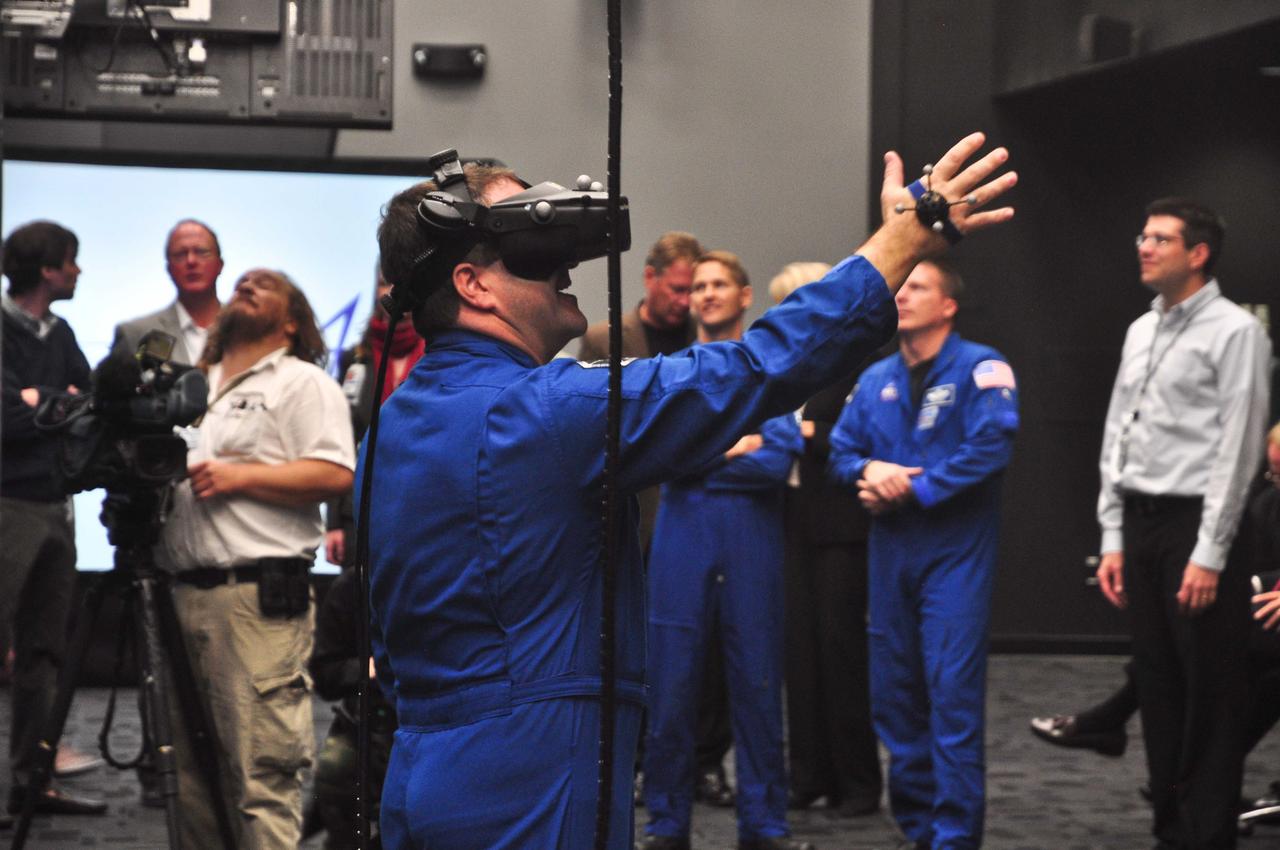
Orion Media Day takes place at Lockheed Martin’s Waterton facility in Littleton, Colorado on Oct. 21, 2011. Astronauts Michael Barratt and Nicholas Patrick are visible. Part of Batch image transfer from Flickr.

Lockheed Martin engineers at NASA's Michoud Assembly Facility in New Orleans, Louisiana, weld the cone section for the Orion spacecraft which will carry humans beyond the Moon on Artemis II, on Jan. 29, 2018.
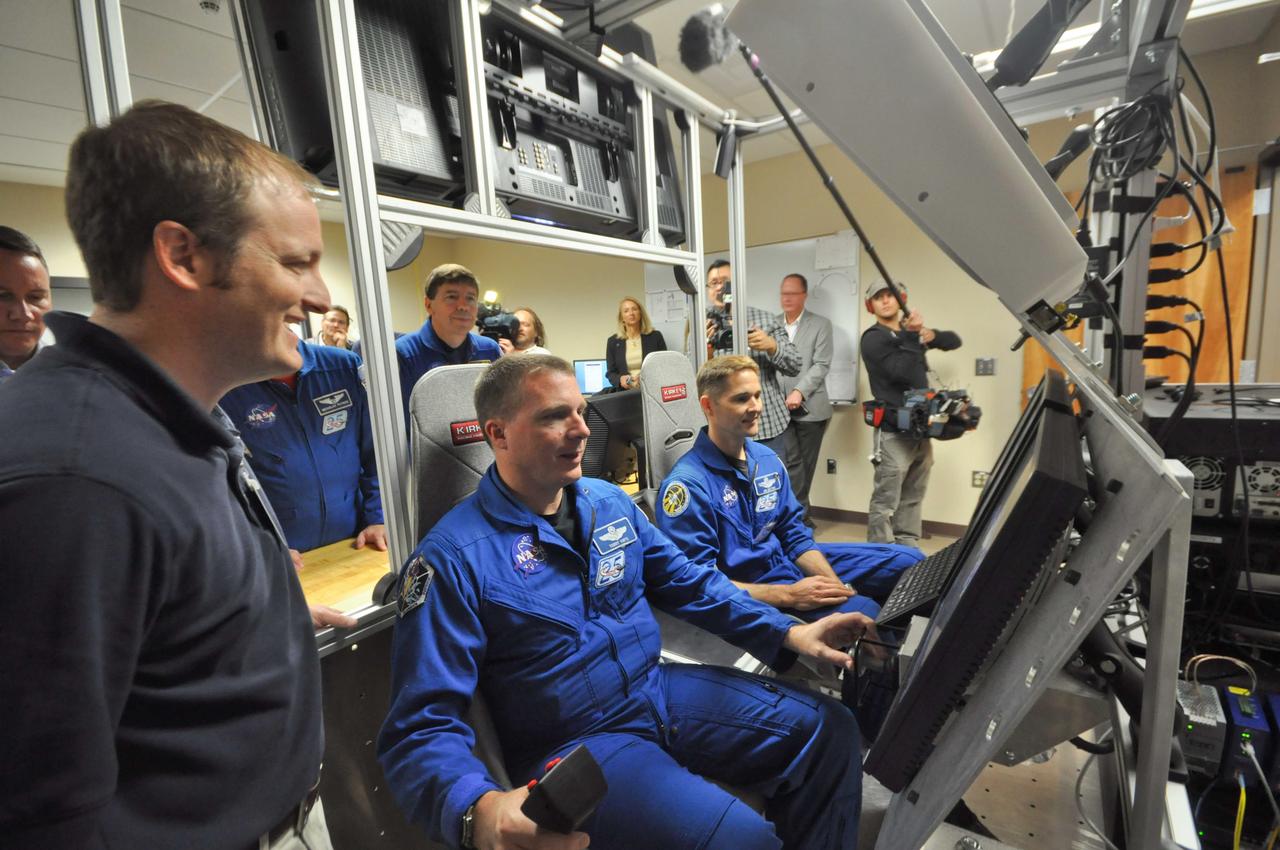
Orion Media Day takes place at Lockheed Martin’s Waterton facility in Littleton, Colorado on Oct. 21, 2011. Terry Virts visible Part of Batch image transfer from Flickr.
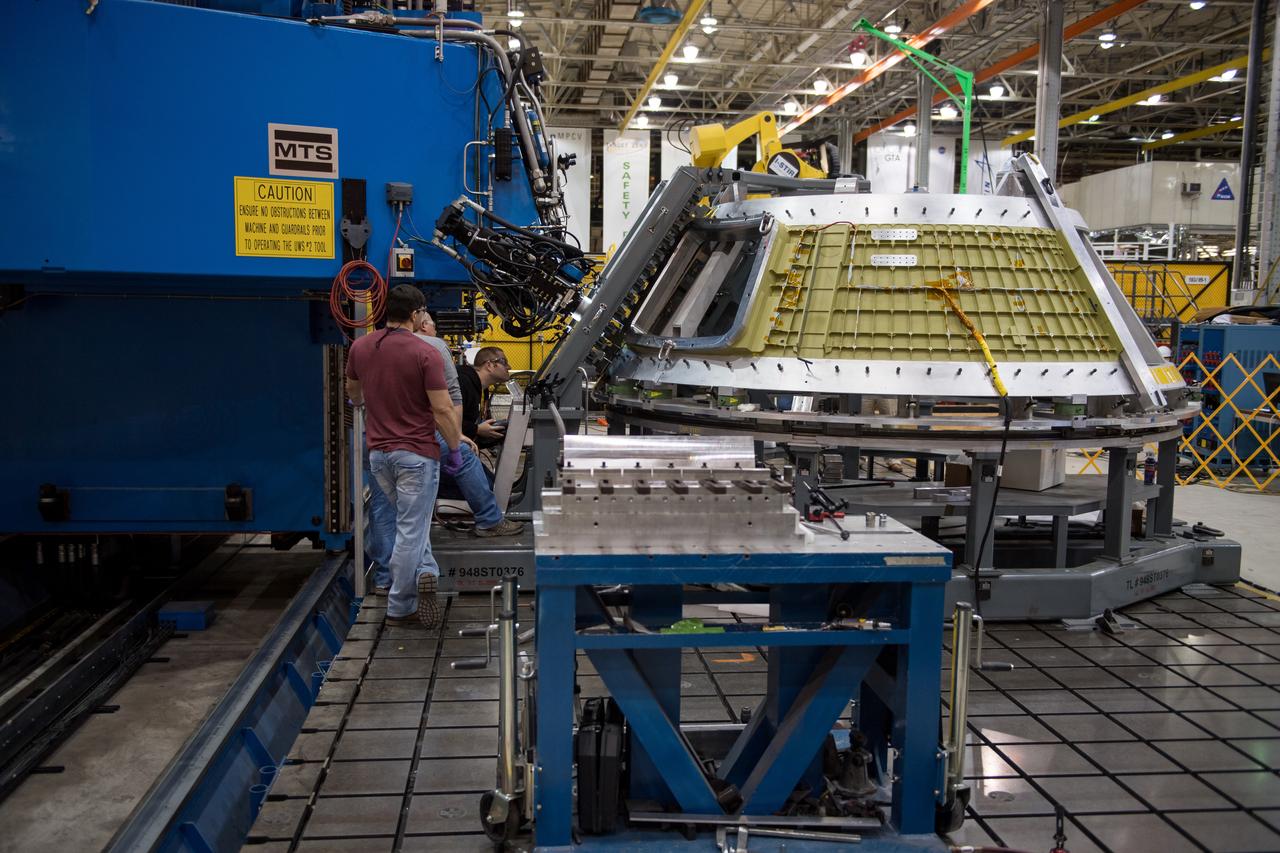
Lockheed Martin engineers at NASA's Michoud Assembly Facility in New Orleans, Louisiana, weld the cone section for the Orion spacecraft which will carry humans beyond the Moon on Artemis II, on Jan. 29, 2018.
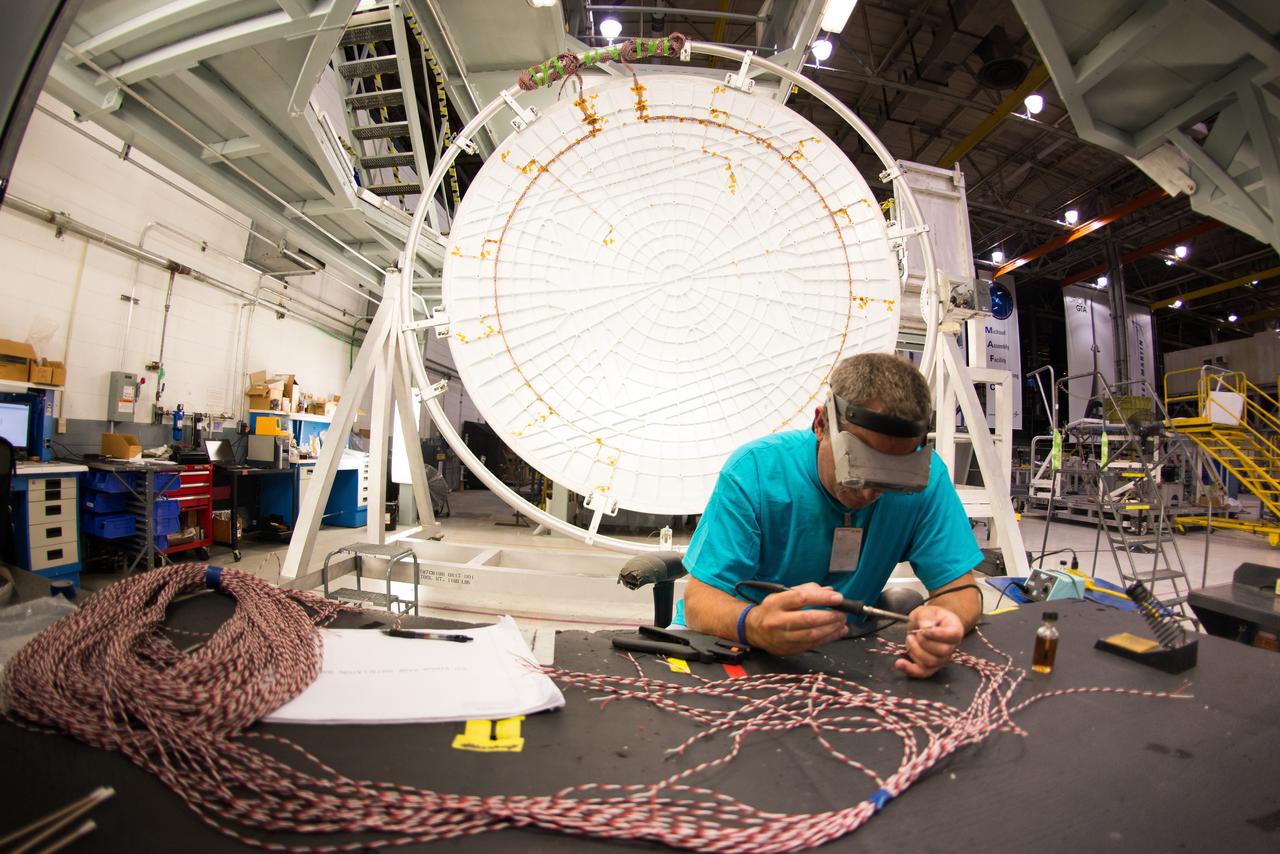
Lockheed Martin engineers at Michoud Assembly Facility in New Orleans, Louisiana, prepare elements of the Orion pressure vessel for welding on Sept. 23, 2015. Part of Batch image transfer from Flickr.
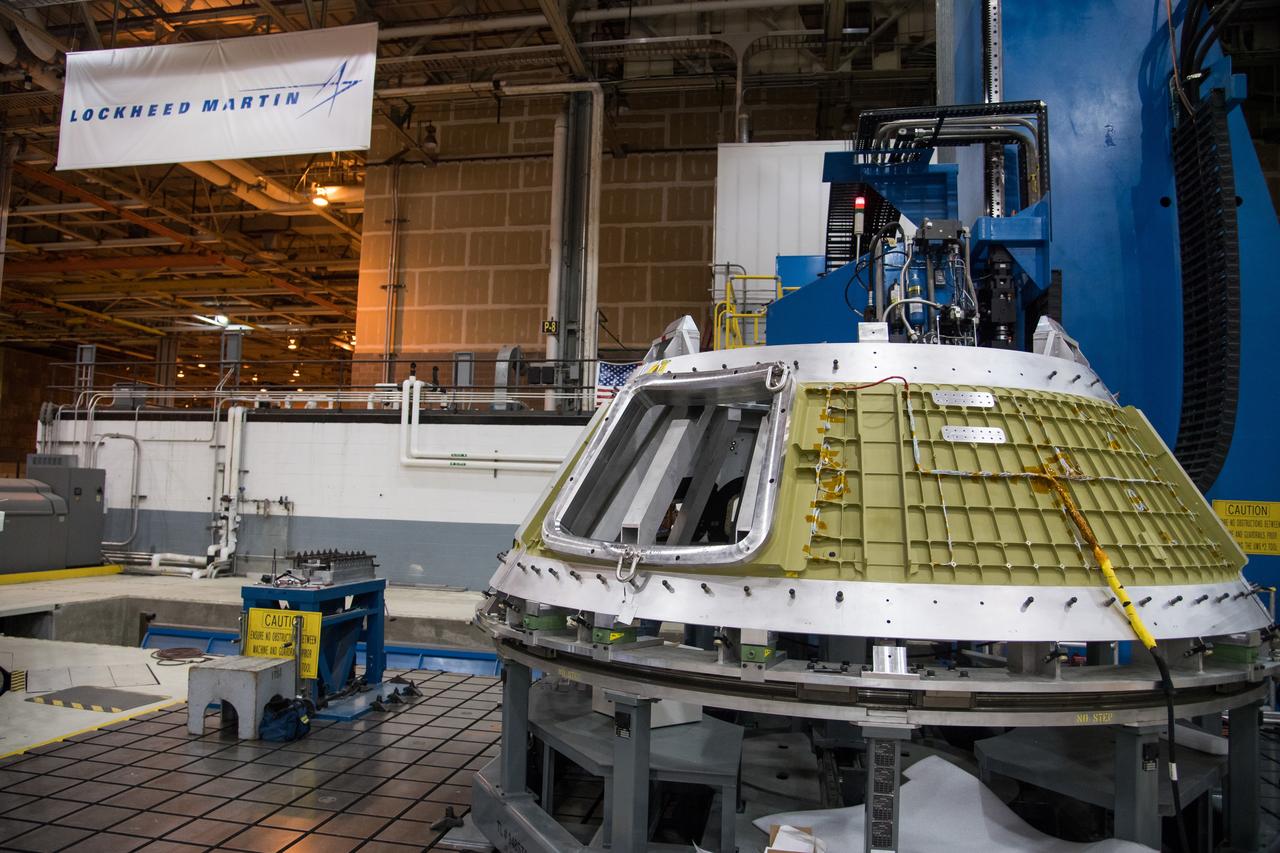
Lockheed Martin engineers at NASA's Michoud Assembly Facility in New Orleans, Louisiana, weld the cone section for the Orion spacecraft which will carry humans beyond the Moon on Artemis II, on Jan. 29, 2018.
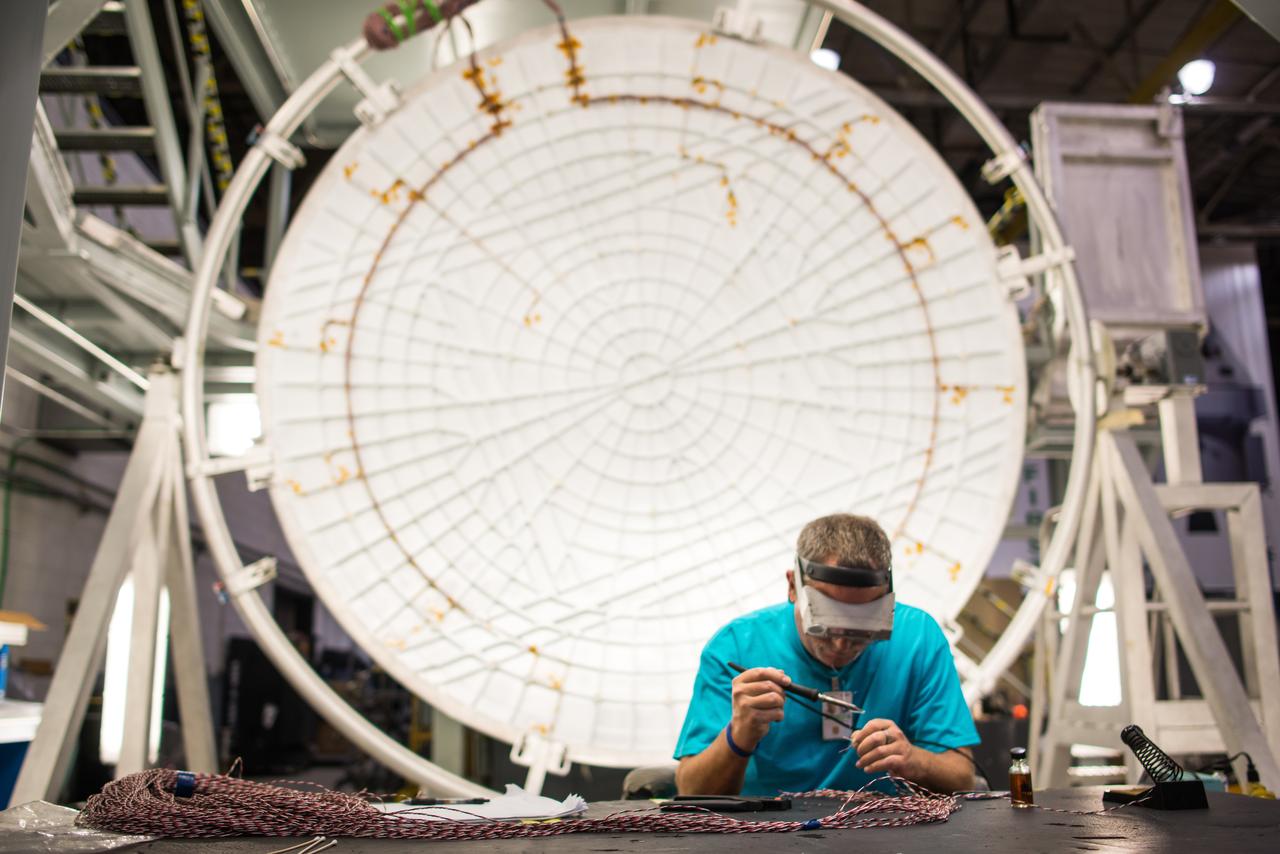
Lockheed Martin engineers at Michoud Assembly Facility in New Orleans, Louisiana, prepare elements of the Orion pressure vessel for welding on Sept. 23, 2015. Part of Batch image transfer from Flickr.
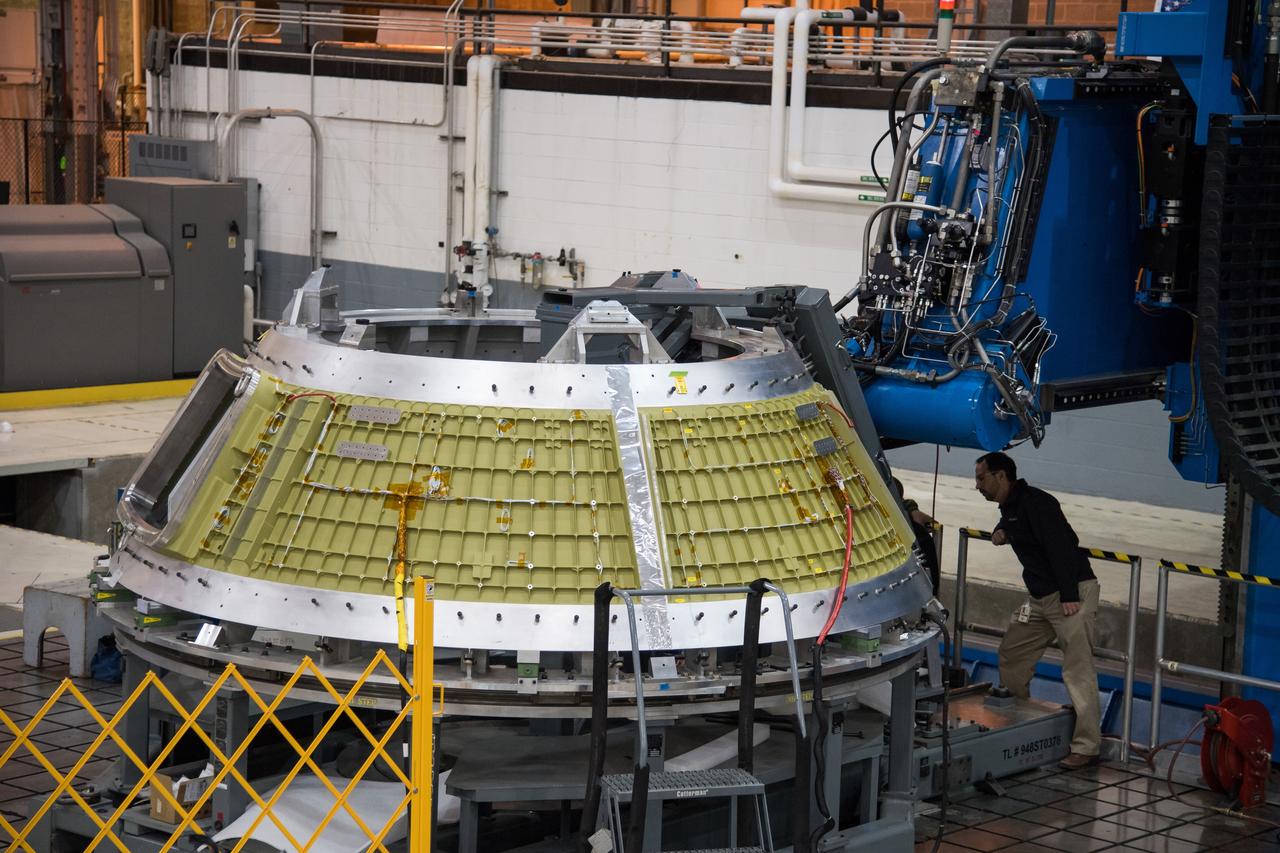
Lockheed Martin engineers at NASA's Michoud Assembly Facility in New Orleans, Louisiana, weld the cone section for the Orion spacecraft which will carry humans beyond the Moon on Artemis II, on Jan. 29, 2018.
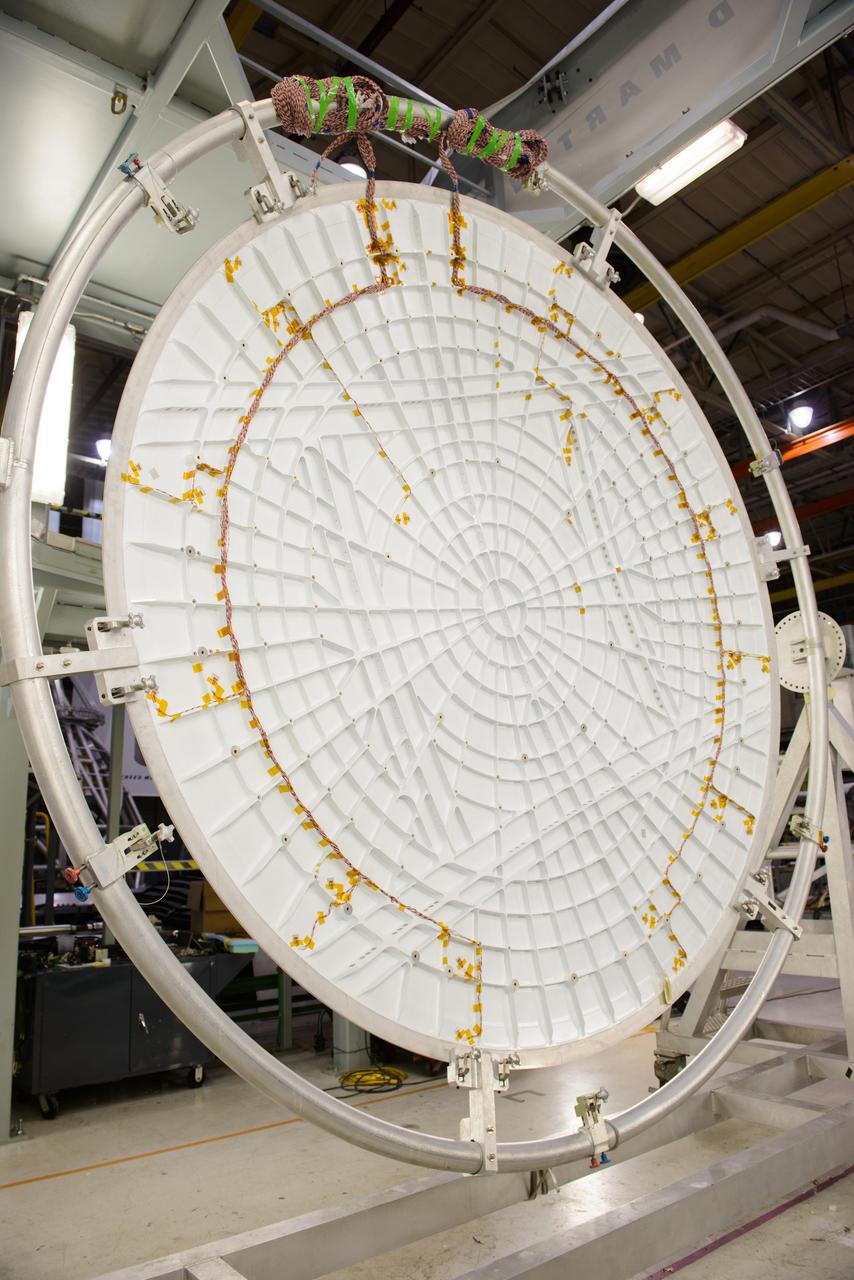
Lockheed Martin engineers at Michoud Assembly Facility in New Orleans, Louisiana, prepare elements of the Orion pressure vessel for welding on Sept. 23, 2015. Part of Batch image transfer from Flickr.