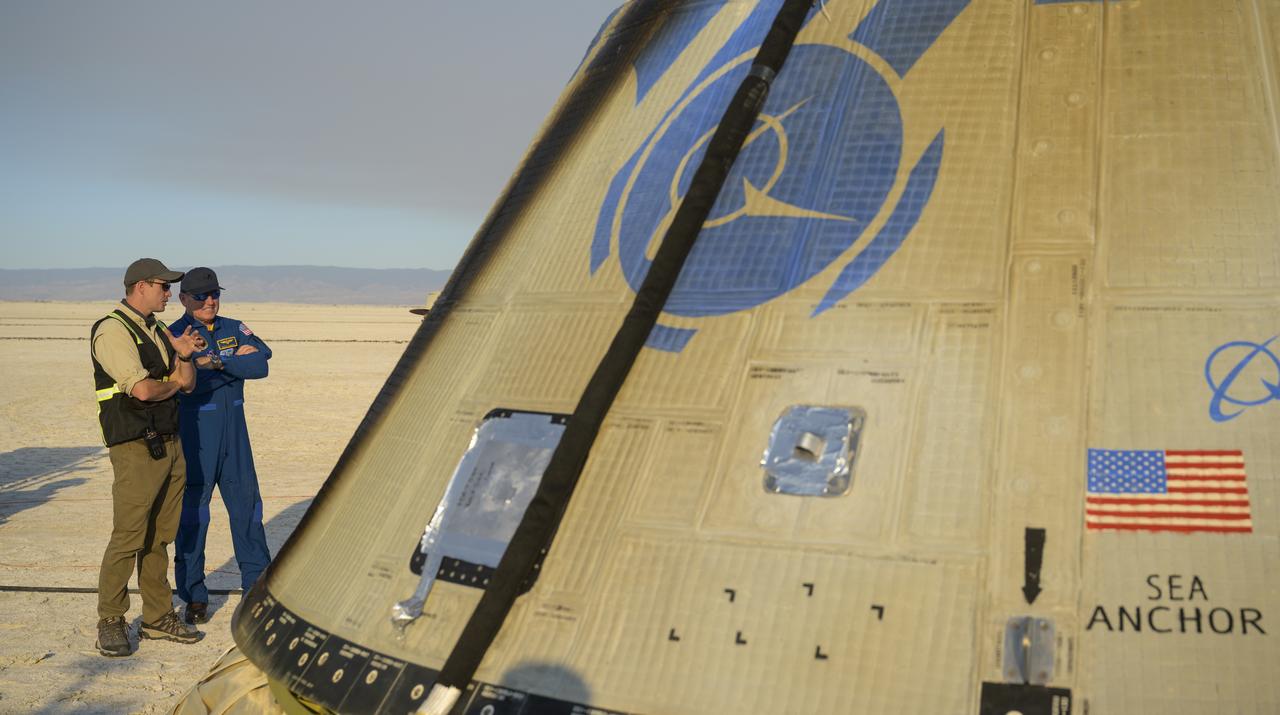
Boeing Starliner Launch Conductor Louis Atchison, left, and NASA astronaut Butch Wilmore look at Boeing’s CST-100 Starliner spacecraft after it landed at White Sands Missile Range’s Space Harbor, Wednesday, May 25, 2022, in New Mexico. Boeing’s Orbital Flight Test-2 (OFT-2) is Starliner’s second uncrewed flight test to the International Space Station as part of NASA's Commercial Crew Program. OFT-2 serves as an end-to-end test of the system's capabilities. Photo Credit: (NASA/Bill Ingalls)
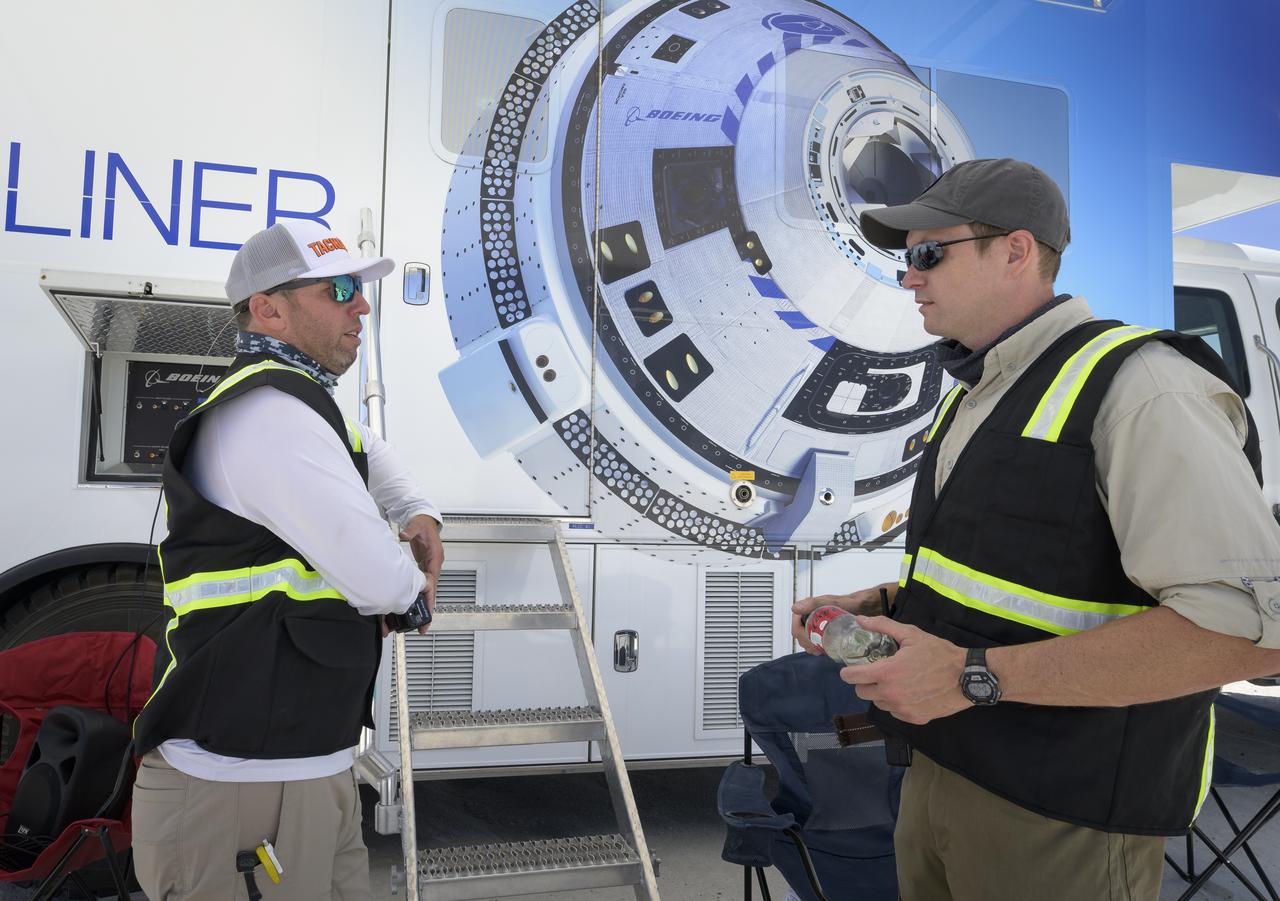
Boeing Recovery Director Bryan Gartner, left, and Boeing Starliner Launch Conductor Louis Atchison prepare for the landing of Boeing’s CST-100 Starliner spacecraft at White Sands Missile Range’s Space Harbor, Wednesday, May 25, 2022, in New Mexico. Boeing’s Orbital Flight Test-2 (OFT-2) is Starliner’s second uncrewed flight test to the International Space Station as part of NASA's Commercial Crew Program. OFT-2 serves as an end-to-end test of the system's capabilities. Photo Credit: (NASA/Bill Ingalls)
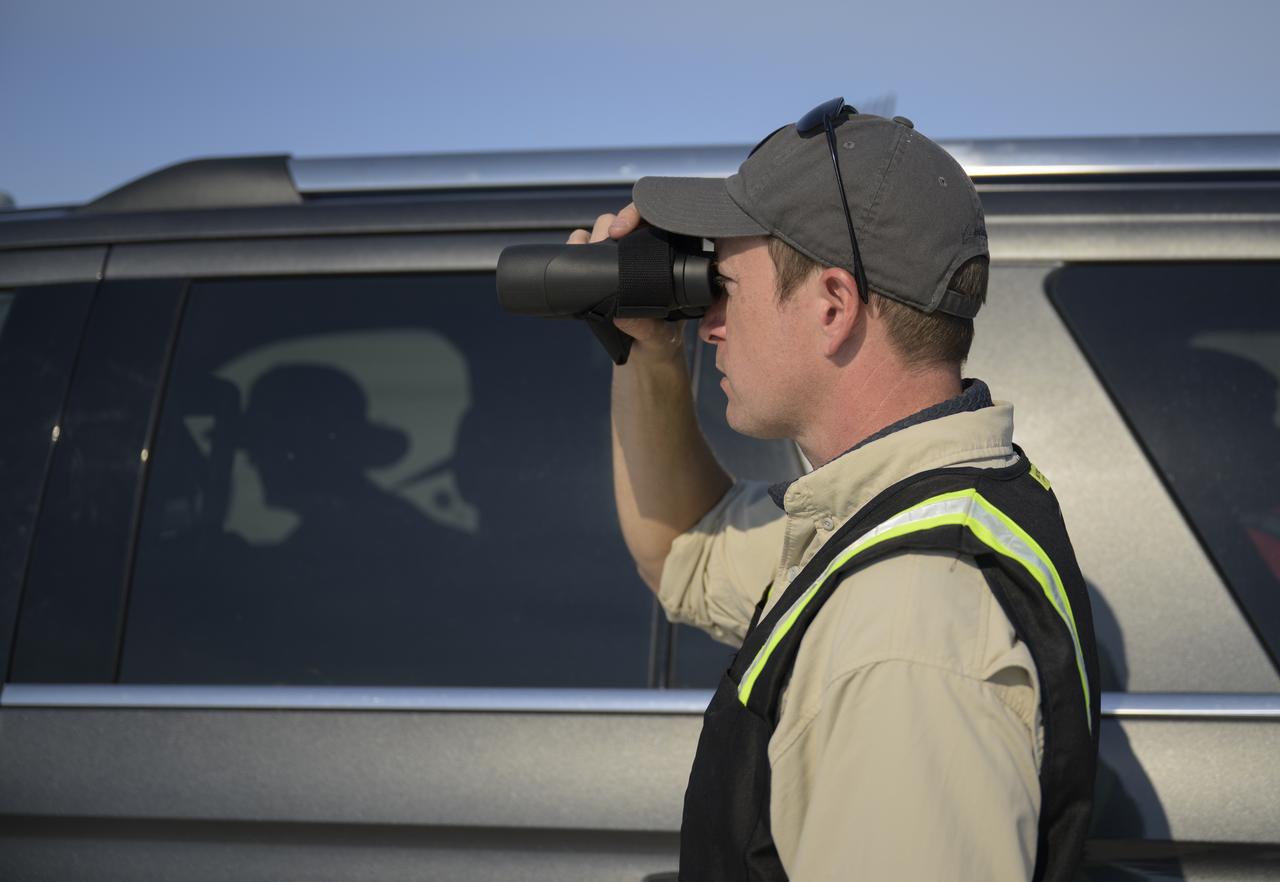
Boeing Starliner Launch Conductor Louis Atchison monitors teams as they work around Boeing’s CST-100 Starliner spacecraft after it landed at White Sands Missile Range’s Space Harbor, Wednesday, May 25, 2022, in New Mexico. Boeing’s Orbital Flight Test-2 (OFT-2) is Starliner’s second uncrewed flight test to the International Space Station as part of NASA's Commercial Crew Program. OFT-2 serves as an end-to-end test of the system's capabilities. Photo Credit: (NASA/Bill Ingalls)
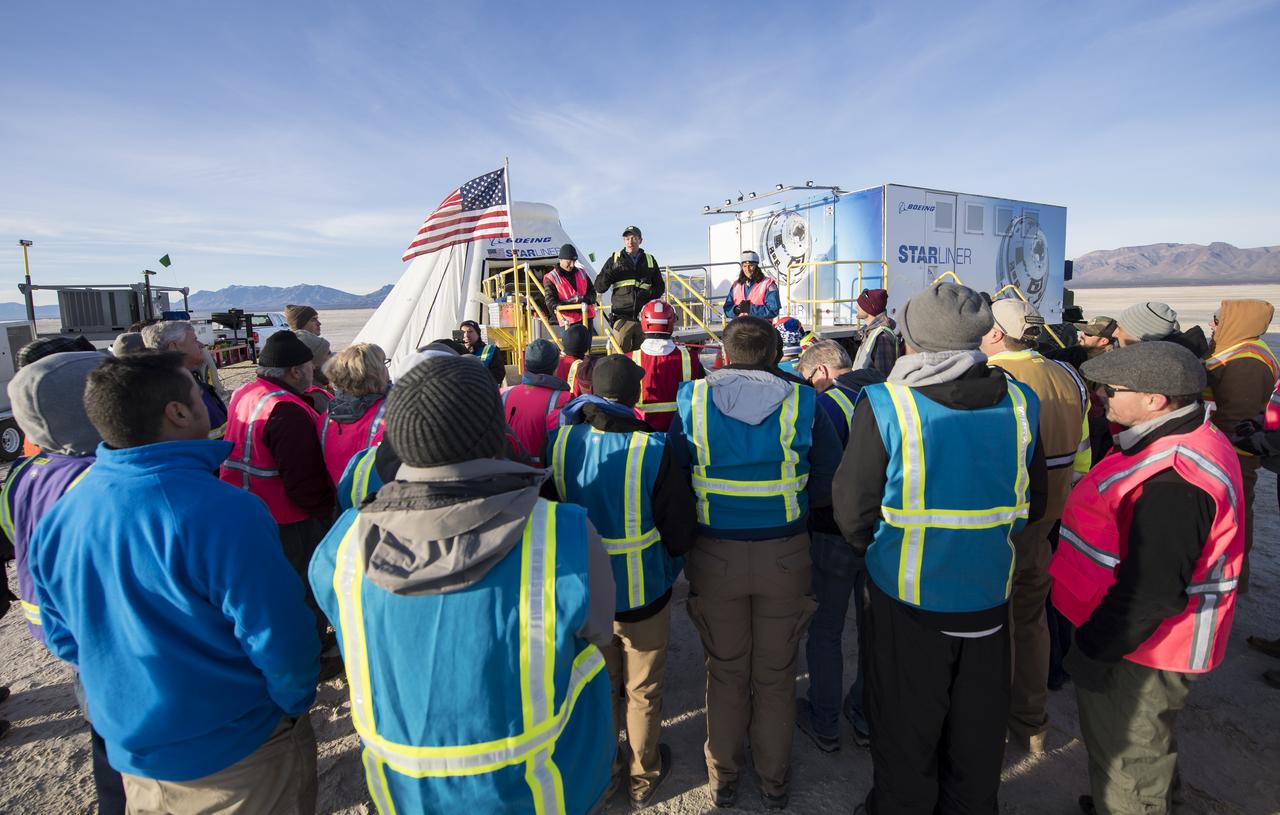
Louis Atchison, chief of launch and recovery operations, Boeing Commercial Crew Program, speaks to the teams from NASA, Boeing, and the White Sands Missile Range, after the Boeing CST-100 Starliner spacecraft landed in White Sands, New Mexico, Sunday, Dec. 22, 2019. The landing completes an abbreviated Orbital Flight Test for the company that still meets several mission objectives for NASA’s Commercial Crew program. The Starliner spacecraft launched on a United Launch Alliance Atlas V rocket at 6:36 a.m. Friday, Dec. 20 from Space Launch Complex 41 at Cape Canaveral Air Force Station in Florida. Photo Credit: (NASA/Aubrey Gemignani)
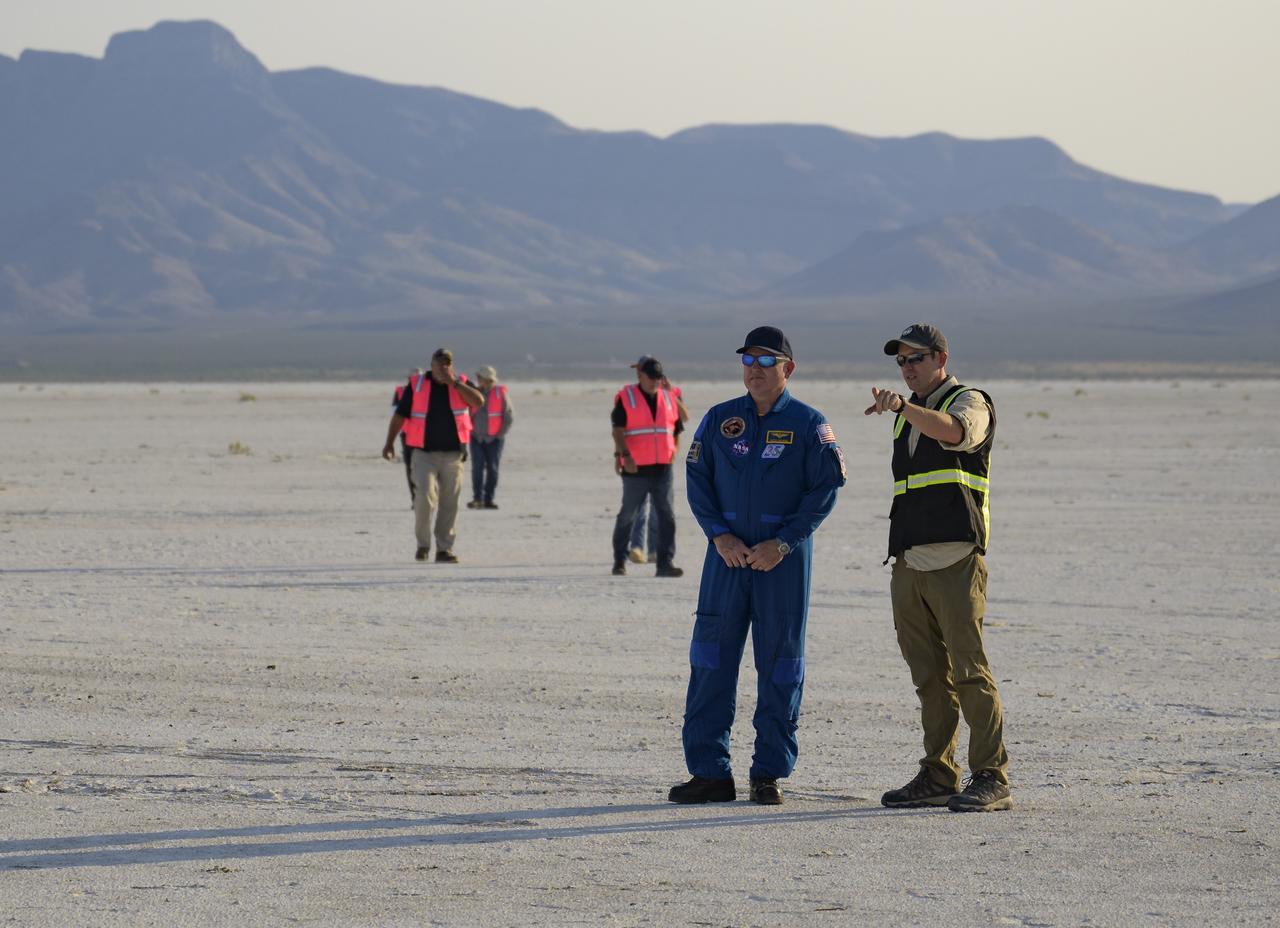
NASA astronaut Butch Wilmore, and Boeing Starliner Launch Conductor Louis Atchison, right, watch as Boeing and NASA teams work around Boeing’s CST-100 Starliner spacecraft after it landed at White Sands Missile Range’s Space Harbor, Wednesday, May 25, 2022, in New Mexico. Boeing’s Orbital Flight Test-2 (OFT-2) is Starliner’s second uncrewed flight test to the International Space Station as part of NASA's Commercial Crew Program. OFT-2 serves as an end-to-end test of the system's capabilities. Photo Credit: (NASA/Bill Ingalls)
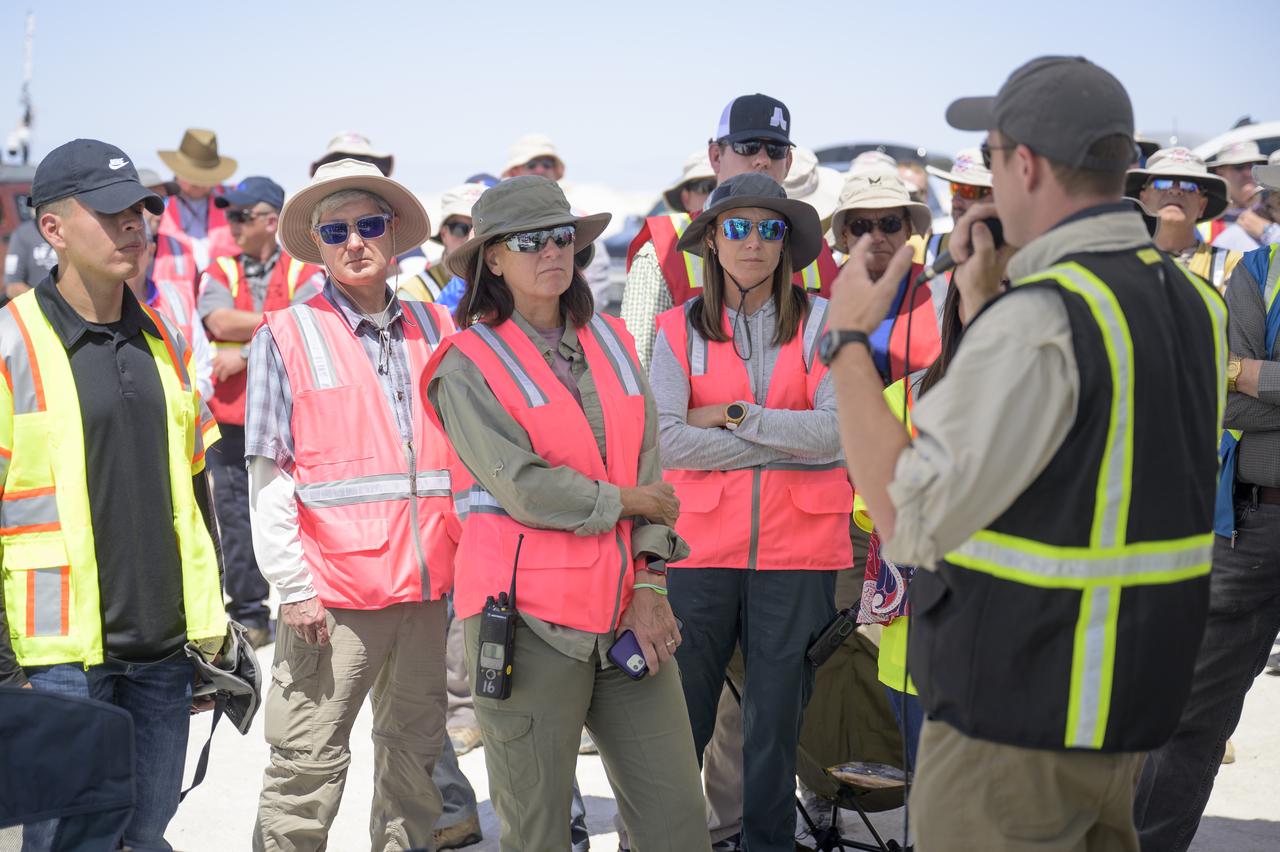
NASA astronaut and Crew Recovery Chief Shannon Walker, center, and other NASA and Boeing teams listen to Boeing Starliner Launch Conductor Louis Atchison as they prepare for the landing of Boeing’s CST-100 Starliner spacecraft at White Sands Missile Range’s Space Harbor, Wednesday, May 25, 2022, in New Mexico. Boeing’s Orbital Flight Test-2 (OFT-2) is Starliner’s second uncrewed flight test to the International Space Station as part of NASA's Commercial Crew Program. OFT-2 serves as an end-to-end test of the system's capabilities. Photo Credit: (NASA/Bill Ingalls)
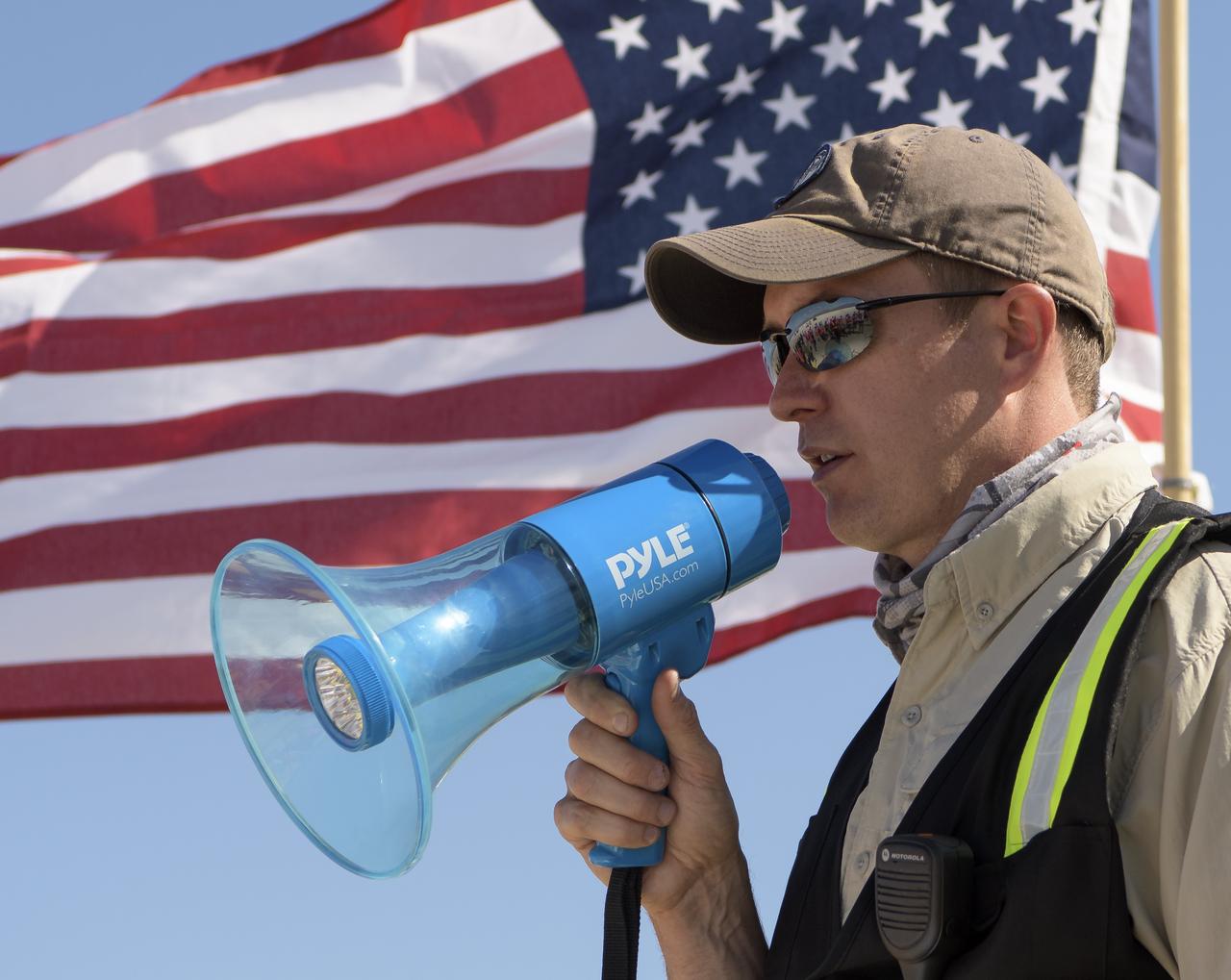
Louis Atchison chief of launch and recovery operations for Boeing Commercial Crew Program addresses teams from NASA, Boeing and the White Sands Missile Range during rehearsals for landing and crew extraction from Boeing’s CST-100 Starliner, which will be used to carry humans to the International Space Station, on Wednesday, Sept. 11, 2019 at the White Sands Missile Range outside Las Cruces, New Mexico. Using a convoy of vehicles Boeing uses to recover their spacecraft after landing and a boiler plate test article of the Starliner capsule, the teams worked through the steps necessary to safe the vehicle and get future crew members out of the Starliner to return home. NASA astronauts Mike Fincke and Nicole Mann and Boeing astronaut Chris Ferguson will fly to the space station aboard the Starliner for the Boeing Crew Flight Test mission. Photo Credit: (NASA/Bill Ingalls)
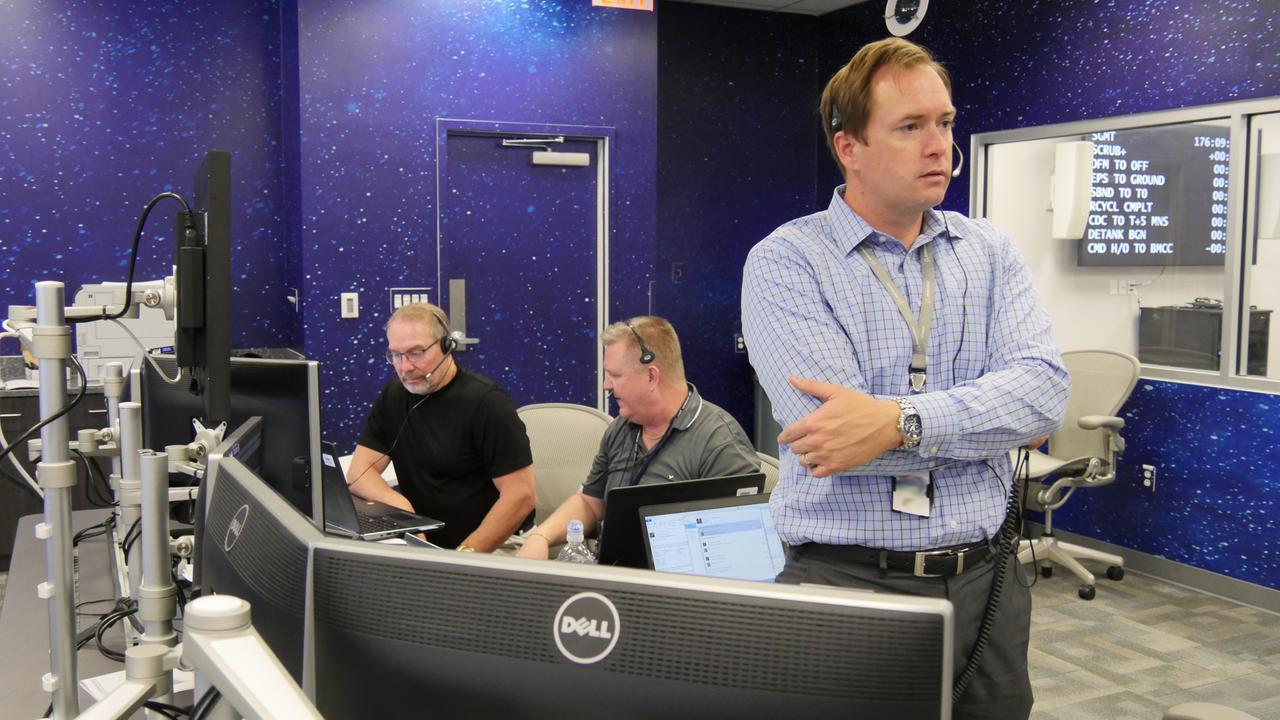
Inside the Boeing Mission Control Center at Kennedy Space Center, Fla., launch control teams for the CST-100 Starliner rehearse a fully integrated prelaunch simulation of the spacecraft’s upcoming Orbital Flight Test. Boeing Spacecraft Launch Conductor Louis Atchison speaks on console to the Mission Management Team as the countdown in the launch simulation progresses.
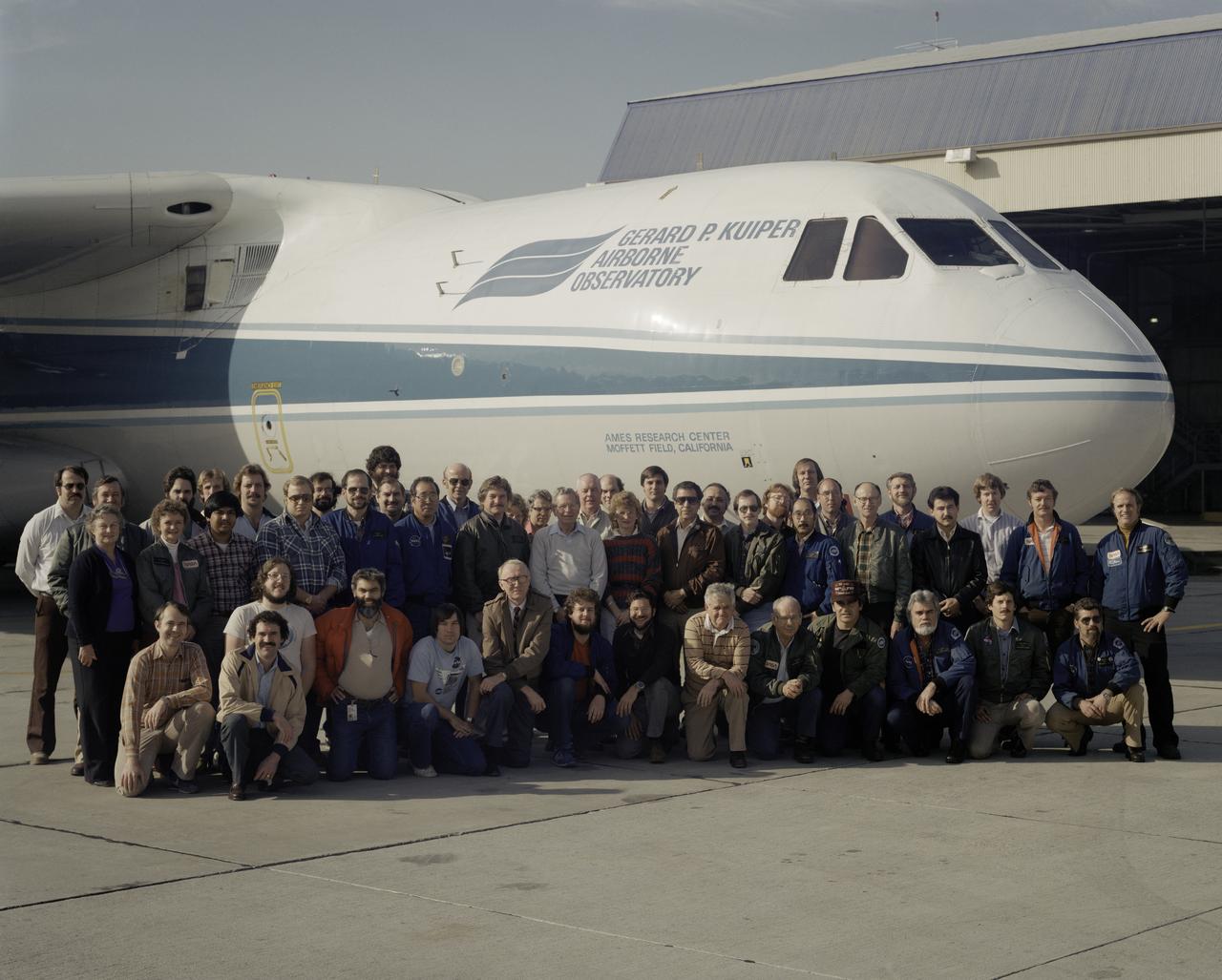
Medium Altitude Missions Branch: C-141 KAO Personnel, Mike Robinson, Mike Landis, Ed Hall, Tom Jones, John Graybeal, Louis Haughney, Brian Wright, Allan Meyer, Dick Gallant, Al Silva, Louis Russo, Hap Arnold, Randy Hobbs, Bill Laurie, Louis Foss, Sue Laurie, Tony Tieas, Tom Connors, Dave Brown, Alan Dunn, Don Oishi, Don Olson, Jim McClenahan, Wally Stahl, Sandy Mayville, Hank Hermosillo, Doug Ziebell, Ben Horita, Bill Hightower, Ron Sanchez, Terry Stoeffler, Lee Montz, Gene Moniz, John Brown, Bob America, Mike Craig, Kent Shiffer, Sandy Kogan, George Gull, Judy Pipher, Larry Helpher, Don MacKinnon, Jesse Bregmann, Jim Eilers, Nabil Hanania, Jim Cockrell, Keith Ackerman, Dave Walton, Lloyd Domeier, Pat Atchison
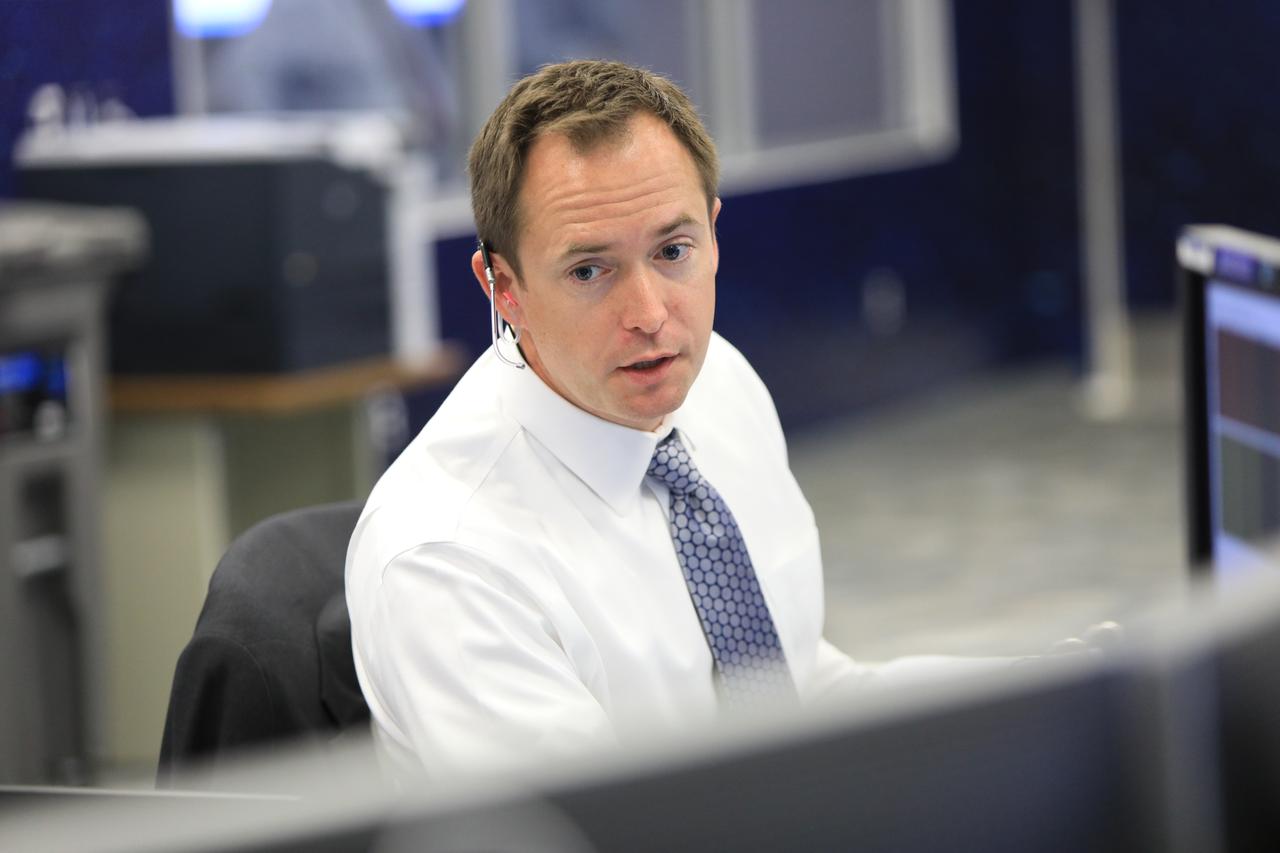
As part of the joint team that will launch Boeing’s CST-100 Starliner on a United Launch Alliance (ULA) Atlas V rocket in Boeing’s Orbital Flight Test (OFT), Boeing Spacecraft Launch Conductor Louis Atchison participated in a successful Integrated Crew Exercise on Feb. 12. NASA, ULA, Boeing and Department of Defense personnel executed a mock countdown that practiced fueling the rocket and operating on the unique launch day timeline that features a four-hour built-in hold at the T-minus 4 minute mark. OFT is Boeing’s uncrewed flight test of Starliner and part of NASA’s Commercial Crew Program, which will return human spaceflight launches into low-Earth orbit from U.S. soil.