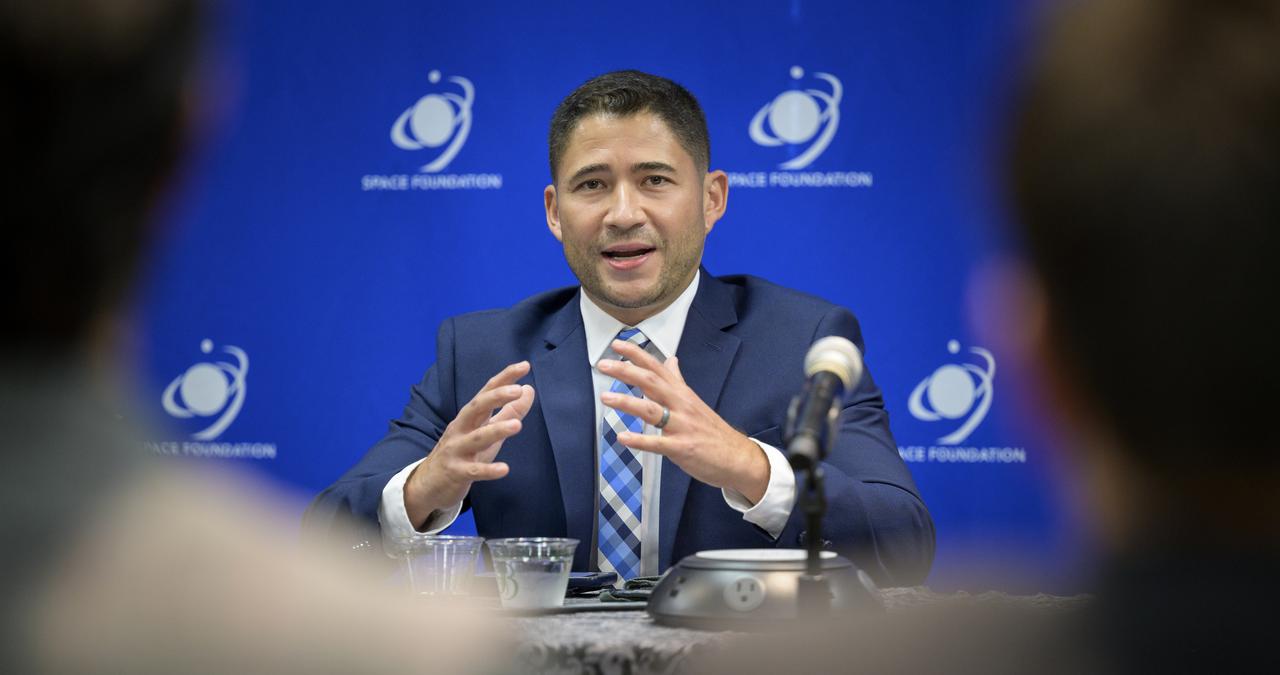
Dr. Luis Zea, implementation project manager, BioServe Space Technologies, Smead Aerospace Engineering Sciences, University of Colorado Boulder gives comments during a media event where NASA Administrator Bill Nelson introduce three local Colorado companies and university partners that help make NASA’s missions possible, Monday, Aug. 23, 2021, during the 36th Space Symposium in Colorado Springs, Colorado. Photo Credit: (NASA/Bill Ingalls)
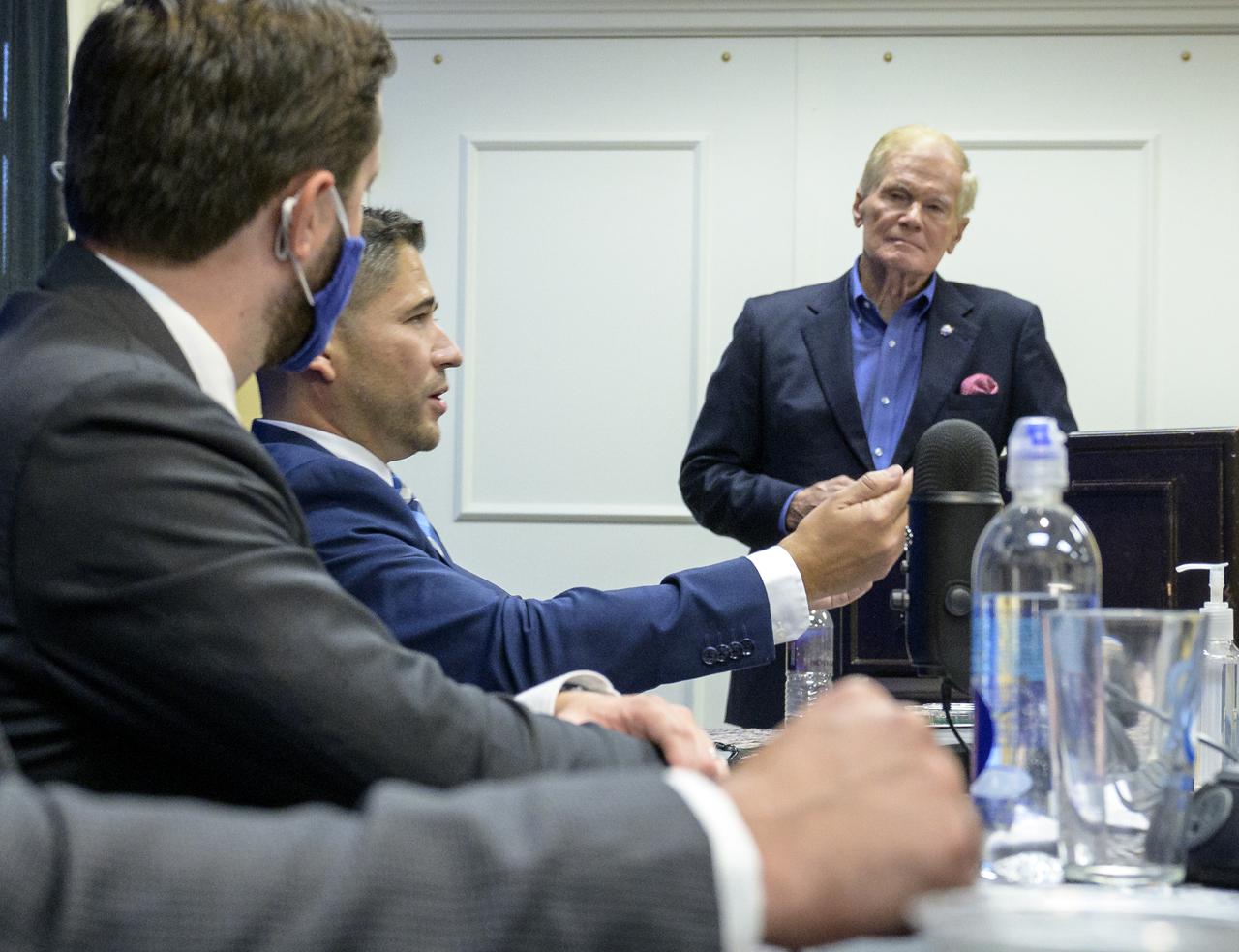
Dr. Luis Zea, implementation project manager, BioServe Space Technologies, Smead Aerospace Engineering Sciences, University of Colorado Boulder gives comments during a media event where NASA Administrator Bill Nelson introduce three local Colorado companies and university partners that help make NASA’s missions possible, Monday, Aug. 23, 2021, during the 36th Space Symposium in Colorado Springs, Colorado. Photo Credit: (NASA/Bill Ingalls)
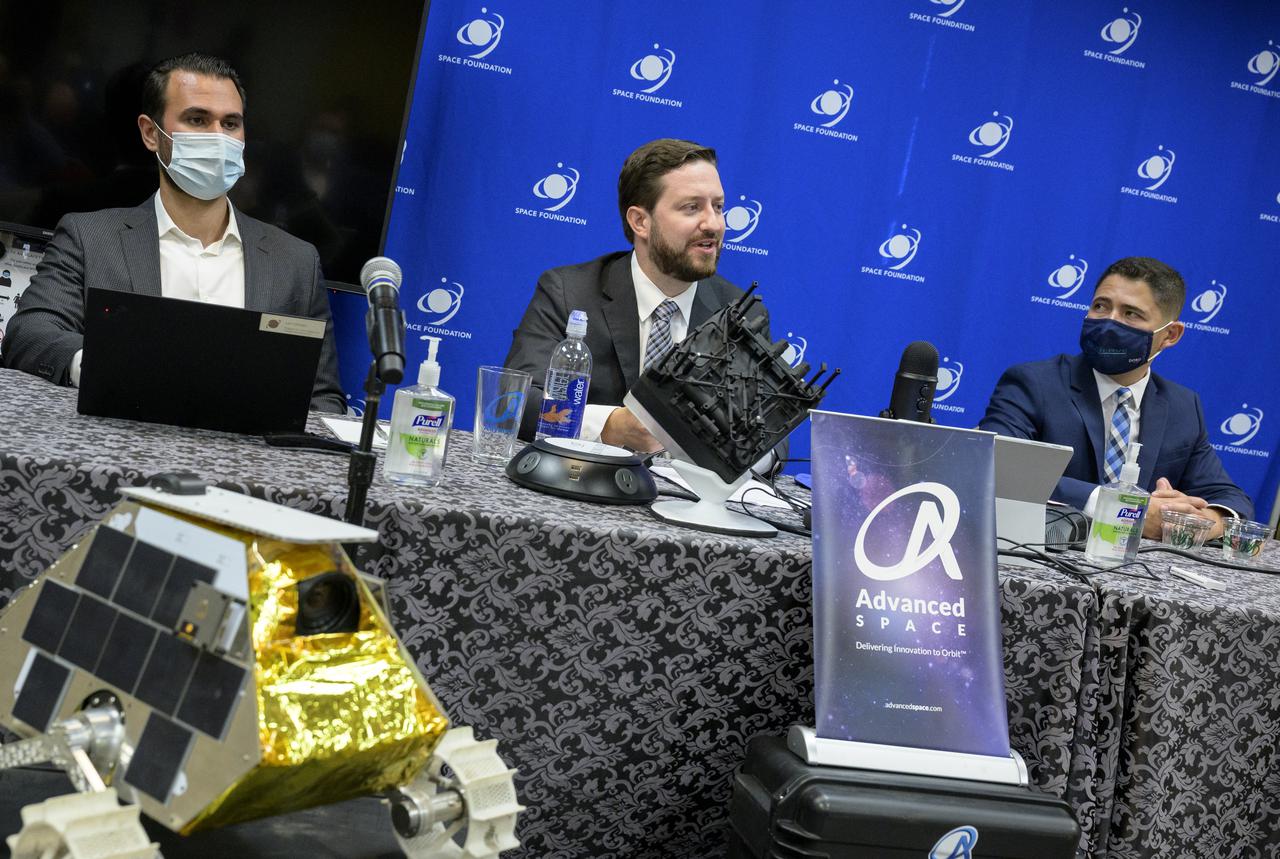
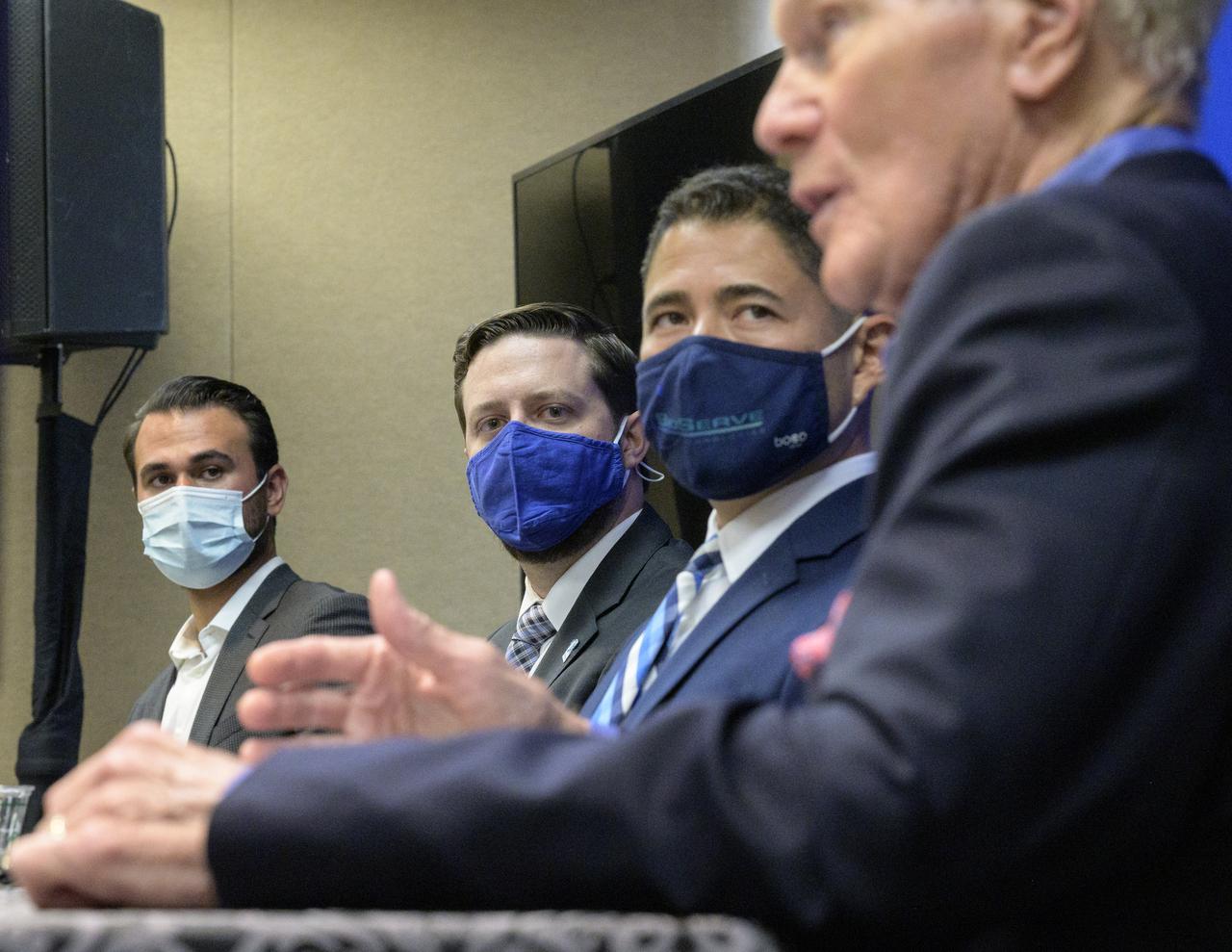
Justin Cyrus, CEO, Lunar Outpost of Golden, Colorado, left, Bradley Cheetham, CEO and president, Advanced Space of Westminster, Colorado, center, and Dr. Luis Zea, implementation project manager, BioServe Space Technologies, Smead Aerospace Engineering Sciences, University of Colorado Boulder, Monday, are seen during a media briefing where NASA Administrator Bill Nelson introduced the three local Colorado companies and university partners that help make NASA’s missions possible, Aug. 23, 2021, during the 36th Space Symposium in Colorado Springs, Colorado. Photo Credit: (NASA/Bill Ingalls)
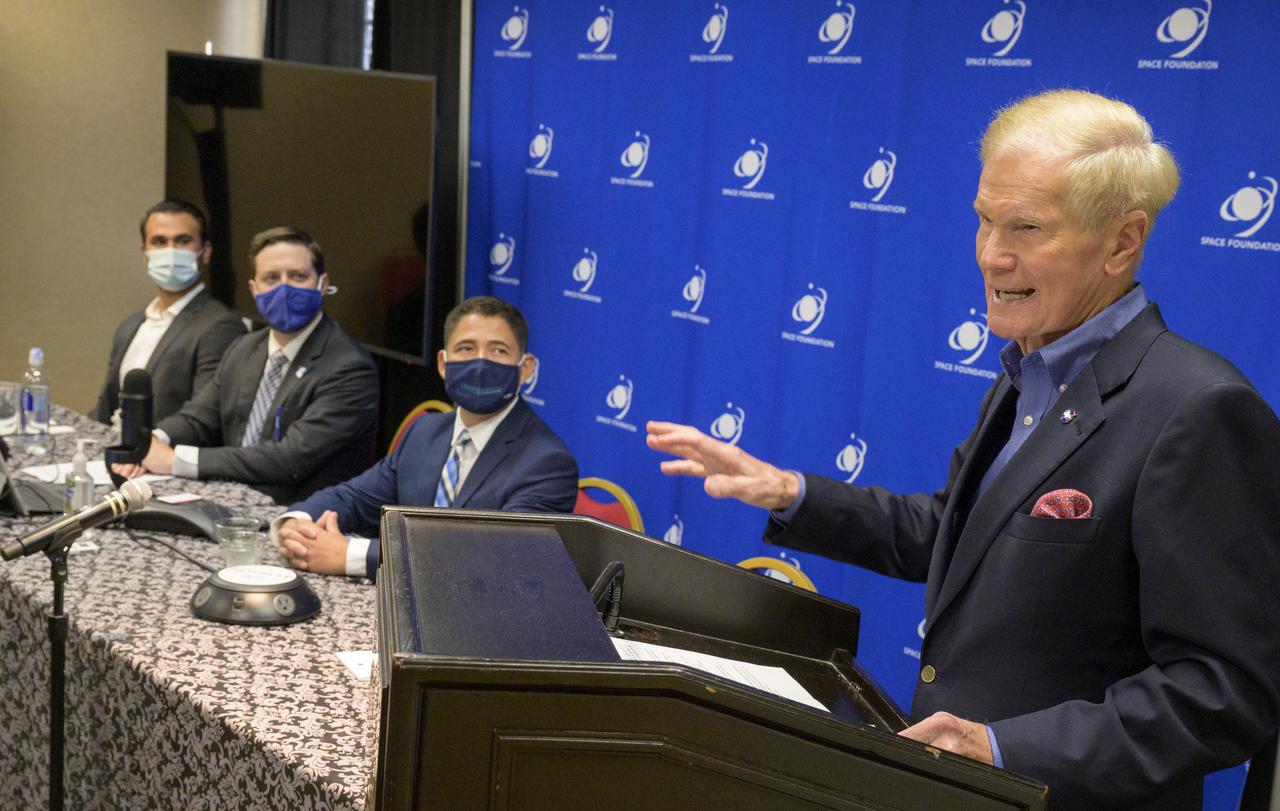
NASA Administrator Bill Nelson hosts an event to introduce media to three local Colorado companies and university partners that help make NASA’s missions possible; Justin Cyrus, CEO, Lunar Outpost of Golden, Colorado, left: Bradley Cheetham, CEO and president, Advanced Space of Westminster, Colorado, center: and Dr. Luis Zea, implementation project manager, BioServe Space Technologies, Smead Aerospace Engineering Sciences, University of Colorado Boulder, Monday, Aug. 23, 2021, during the 36th Space Symposium in Colorado Springs, Colorado. Photo Credit: (NASA/Bill Ingalls)
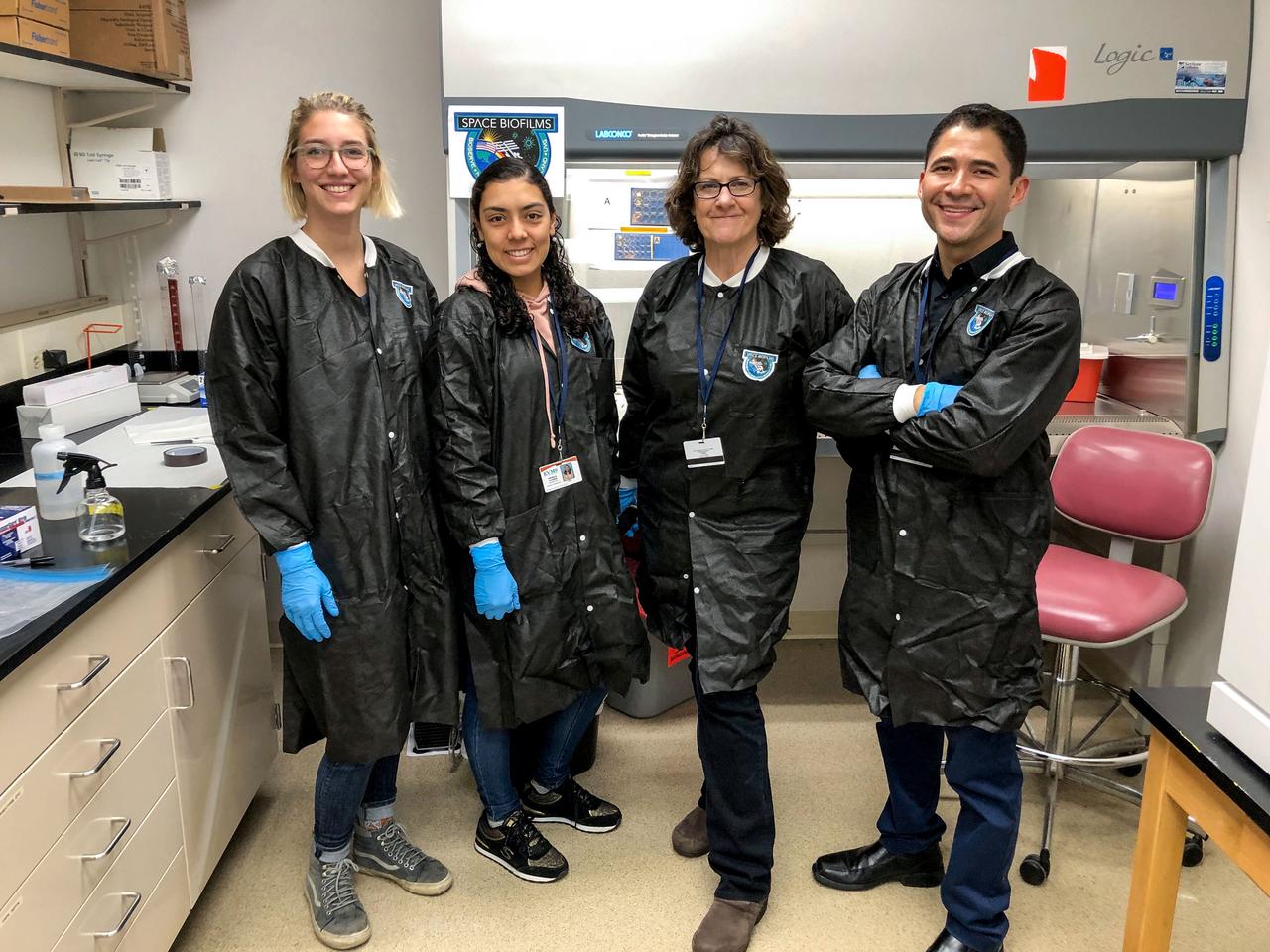
jsc2020e003402 (10/29/2019) --- The Space Bioflilms team, From left to right: University of Colorado, Boulder’s (CU) graduate students Rylee Schauer and Pamela Flores, Implementation Project Manager, BioServe’s Carla Hoehn, and the Principal Investigator, CU’s Luis Zea, Ph.D. The Characterization of Biofilm Formation, Growth, and Gene Expression on Different Materials and Environmental Conditions in Microgravity (Space Biofilms) investigation characterizes the mass, thickness, structure, and associated gene expression of biofilms that form in space by analyzing different microbial species grown on different materials. Biofilm formation can cause equipment malfunction and human illnesses, and could be a serious problem on future long-term human space missions.
NASA Administrator Bill Nelson hosts an event to introduce media to three local Colorado companies and university partners that help make NASA’s missions possible; Justin Cyrus, CEO, Lunar Outpost of Golden, Colorado, left: Bradley Cheetham, CEO and president, Advanced Space of Westminster, Colorado, center: and Dr. Luis Zea, implementation project manager, BioServe Space Technologies, Smead Aerospace Engineering Sciences, University of Colorado Boulder, Monday, Aug. 23, 2021, during the 36th Space Symposium in Colorado Springs, Colorado. Photo Credit: (NASA/Bill Ingalls)
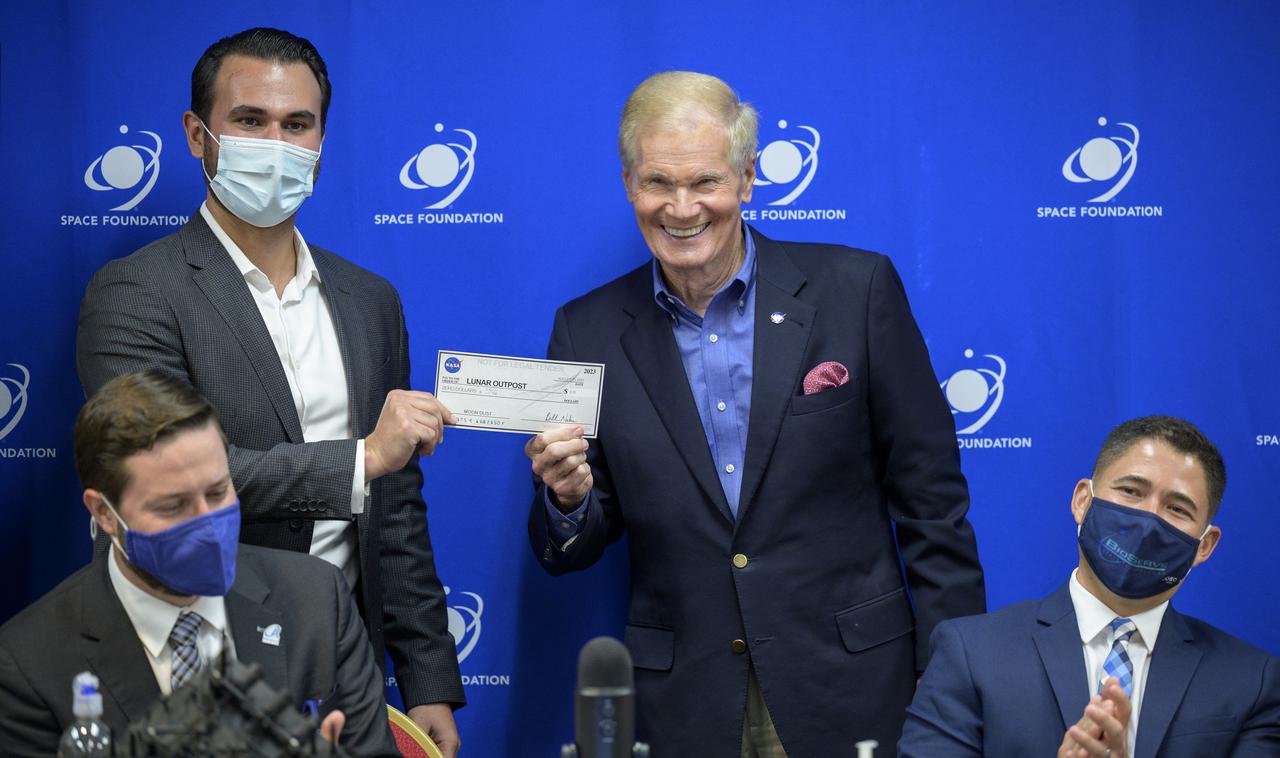
NASA Administrator Bill Nelson presents Justin Cyrus, CEO, Lunar Outpost of Golden, Colorado a check for $0.10 during an event to introduce media to three local Colorado companies and university partners that help make NASA’s missions possible, Monday, Aug. 23, 2021, during the 36th Space Symposium in Colorado Springs, Colorado. Lunar Outpost is one of four companies that will collect space resources and transfer ownership to NASA; Lunar Outpost proposed collection for $1 following arrival of a lander to the lunar South Pole in 2023 and is on track to accomplish this a year early as part of the Intuitive Machines 2 Mission in 2022. They recently passed their first milestone and is the first of the four proposals selected to do so, and will receive a payment of $0.10. Photo Credit: (NASA/Bill Ingalls)