
Karma Snyder, a project manager at NASA's John C. Stennis Space Center, was a senior design engineer on the RL10 liquid rocket engine that powered the Centaur, the upper stage of the rocket used in NASA's Lunar CRater Observation and Sensing Satellite (LCROSS) mission in October 2009. Part of the LCROSS mission was to search for water on the moon by striking the lunar surface with a rocket stage, creating a plume of debris that could be analyzed for water ice and vapor. Snyder's work on the RL10 took place from 1995 to 2001 when she was a senior design engineer with Pratt & Whitney Rocketdyne. Years later, she sees the project as one of her biggest accomplishments in light of the LCROSS mission. 'It's wonderful to see it come into full service,' she said. 'As one of my co-workers said, the original dream was to get that engine to the moon, and we're finally realizing that dream.'

Lunar CRater Observation and Sensing Satellite (LCROSS) and P.I. John Marmie at NASA Ames Research Center (N-240 rm173)

Lunar CRater Observation and Sensing Satellite (LCROSS) and P.I. Dan Andrew at NASA Ames Research Center (N-240 rm171)
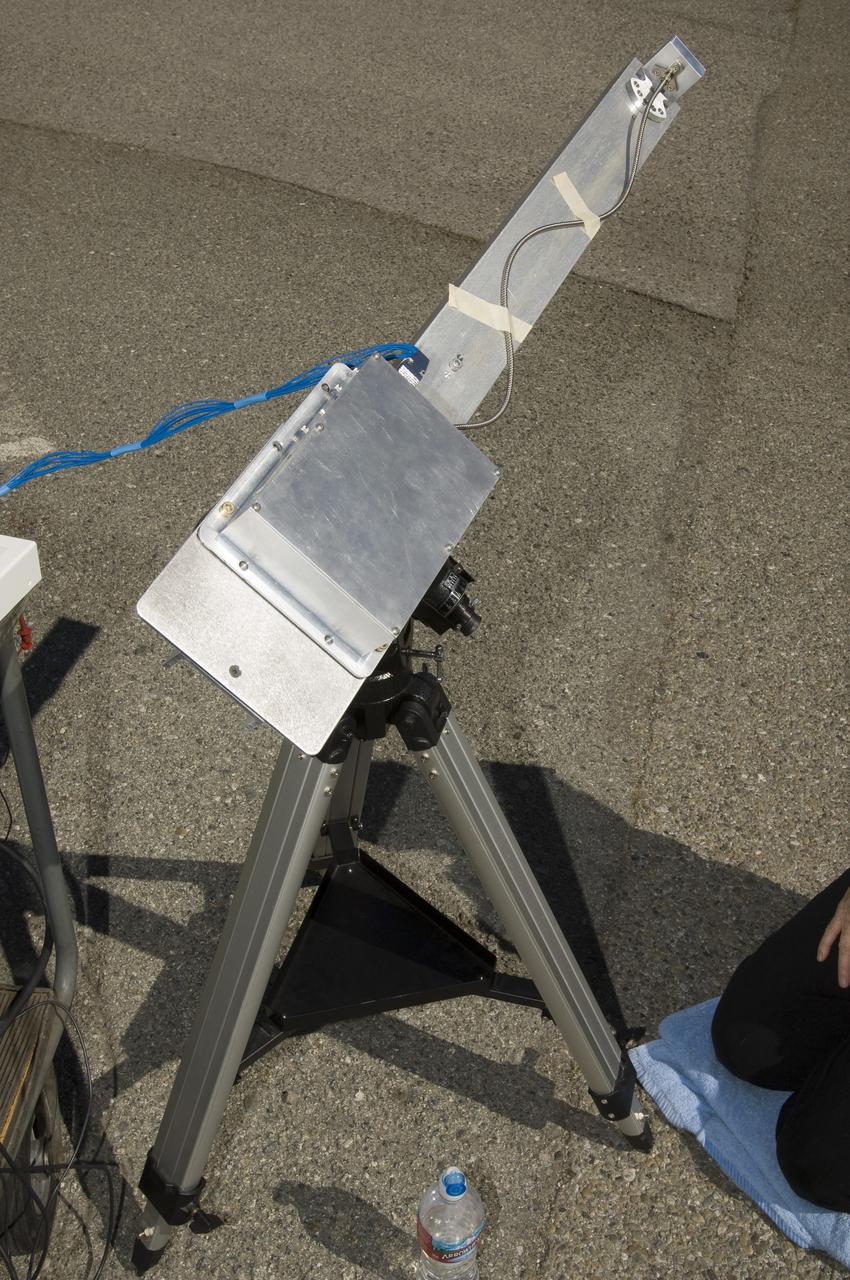
Lunar CRater Observation and Sensing Satellite (LCROSS) and P.I. at NASA Ames Research Center
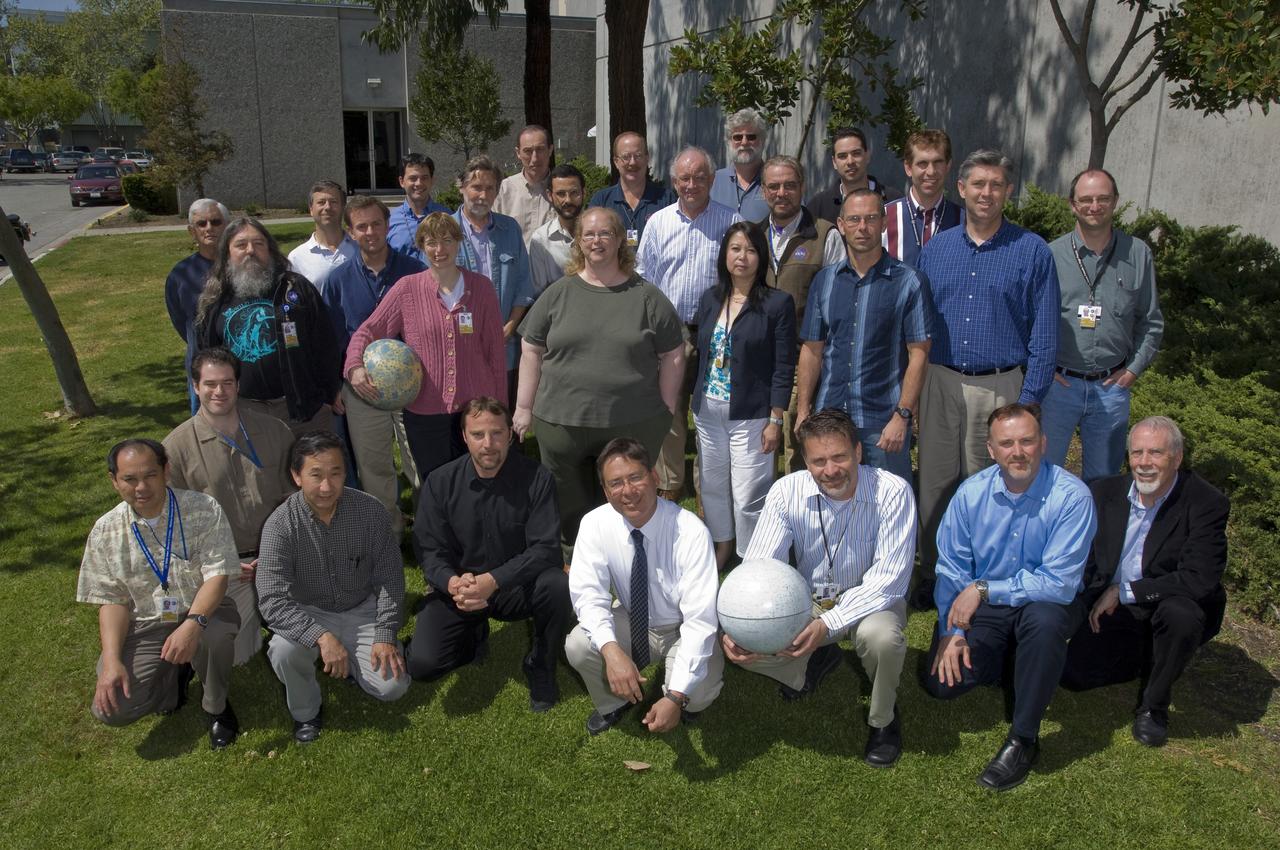
Lunar CRater Observation and Sensing Satellite (LCROSS) and P.I. at NASA Ames Research Center team in front of N-240A
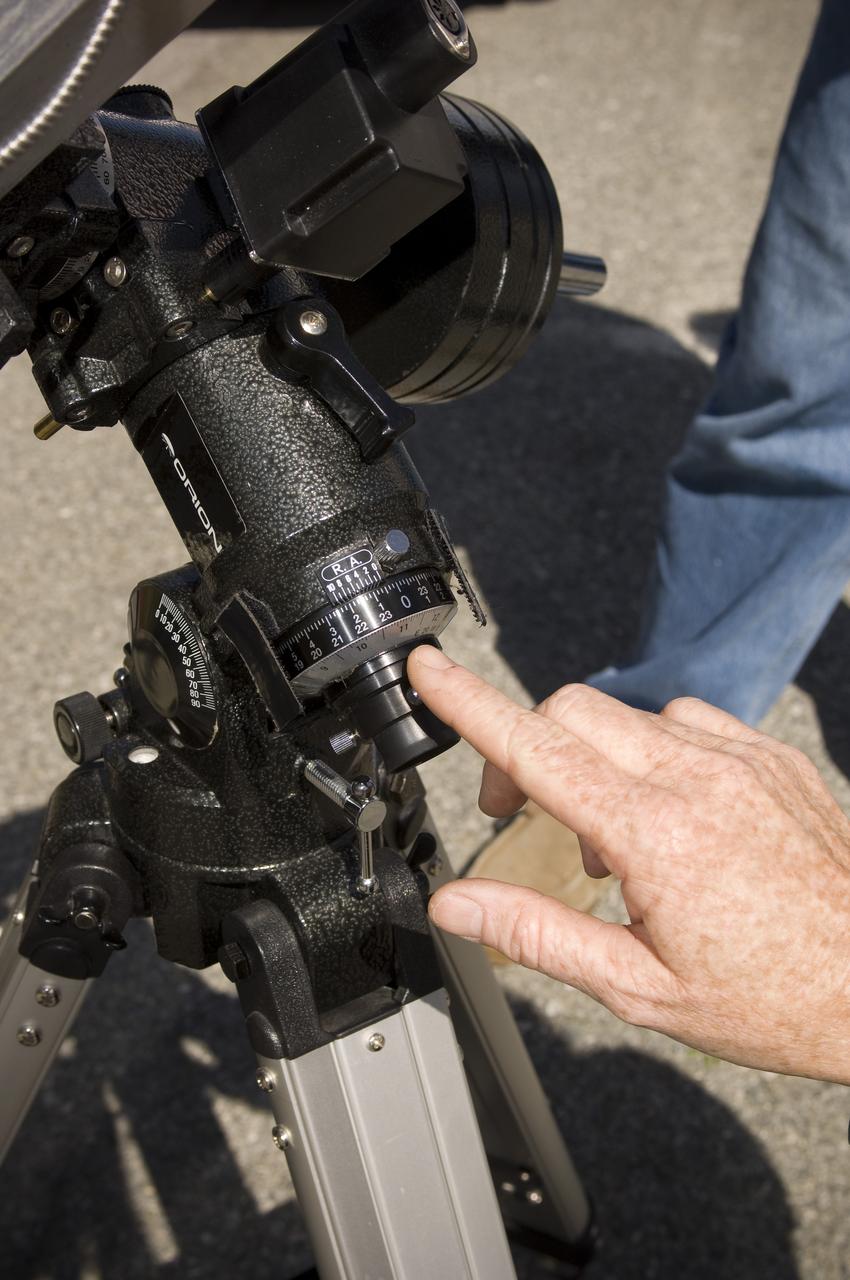
Lunar CRater Observation and Sensing Satellite (LCROSS) and P.I. at NASA Ames Research Center
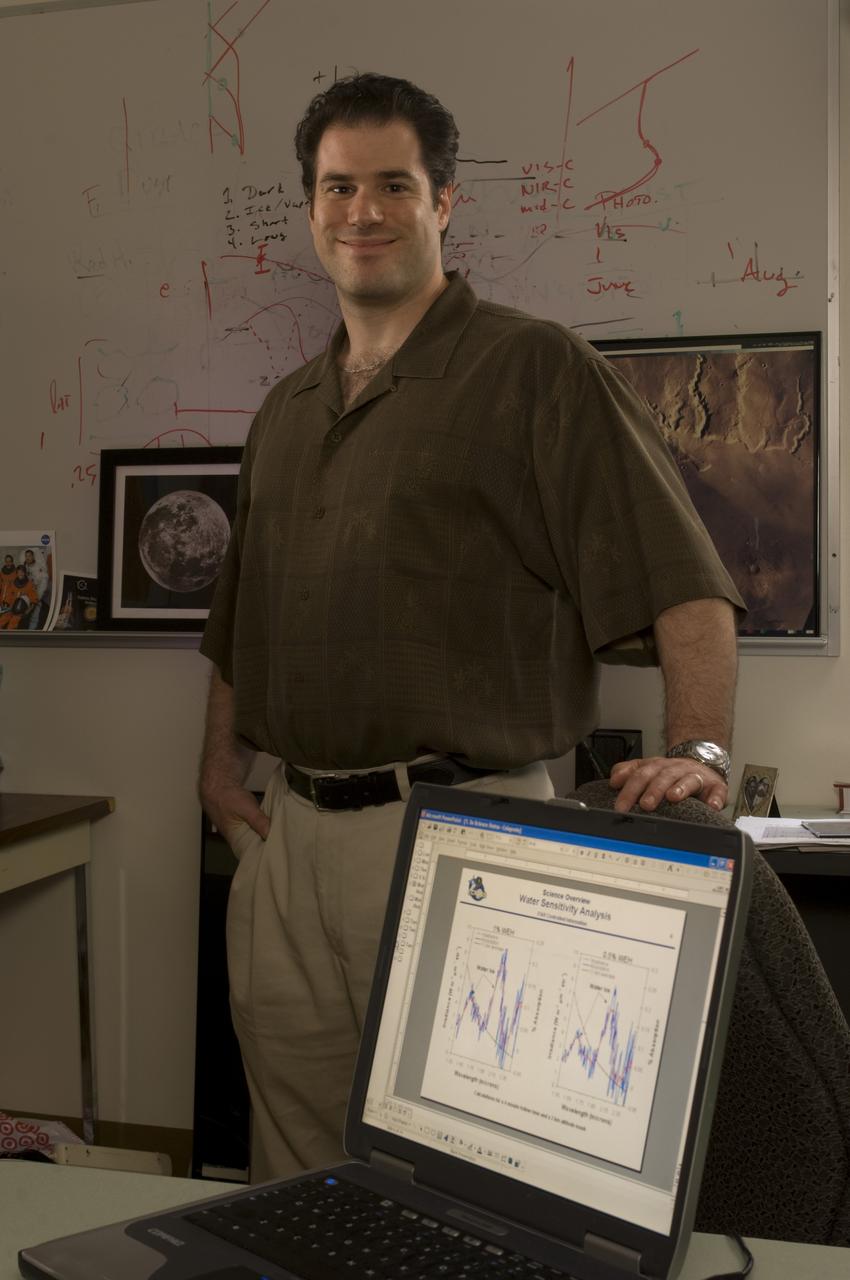
Lunar CRater Observation and Sensing Satellite (LCROSS) and P.I. Tony Colaprete at NASA Ames Research Center (N-245 rm 222)
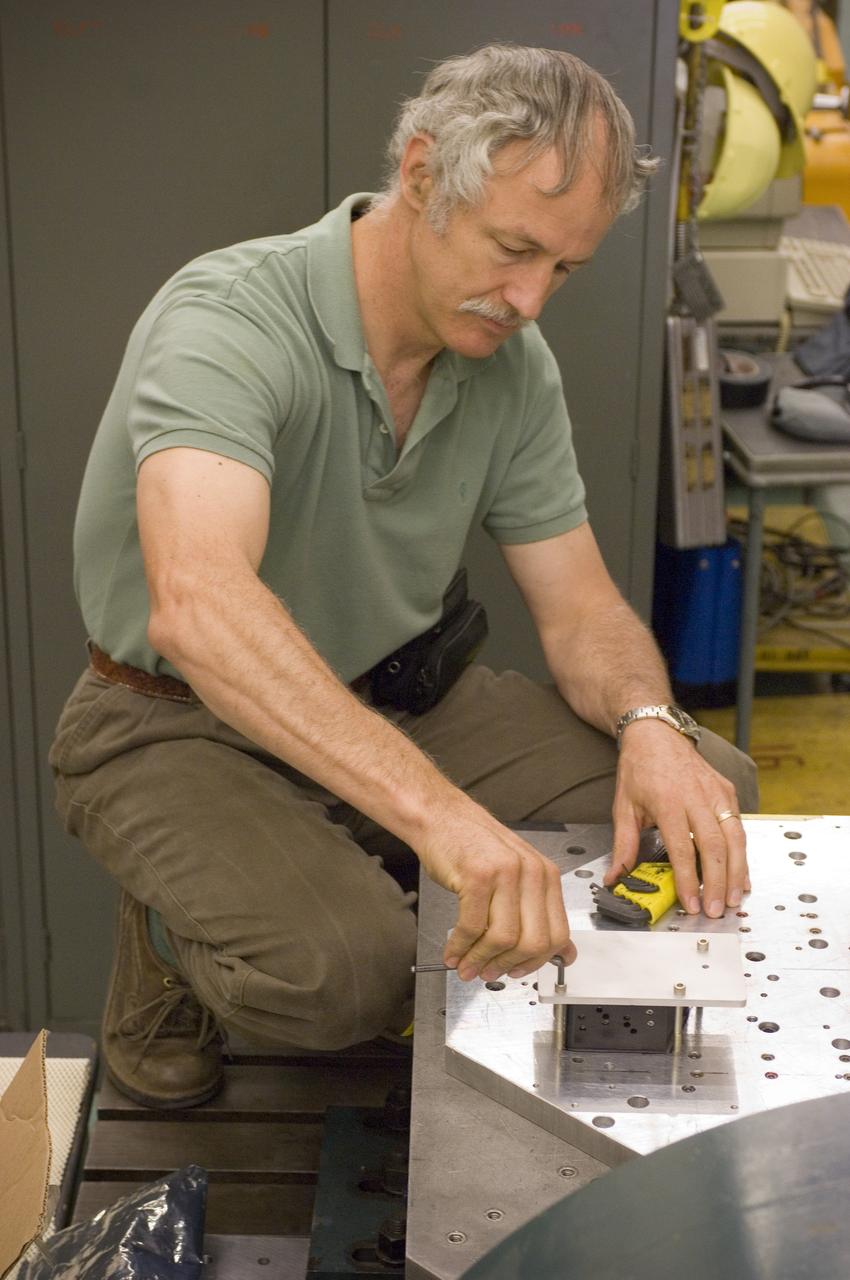
LCROSS (Lunar Crater Observation Sensing Satellite) Near InfraRed Spectrometer shake test in Ames N-244 high bay EEL Lab - with Lynn Hofland
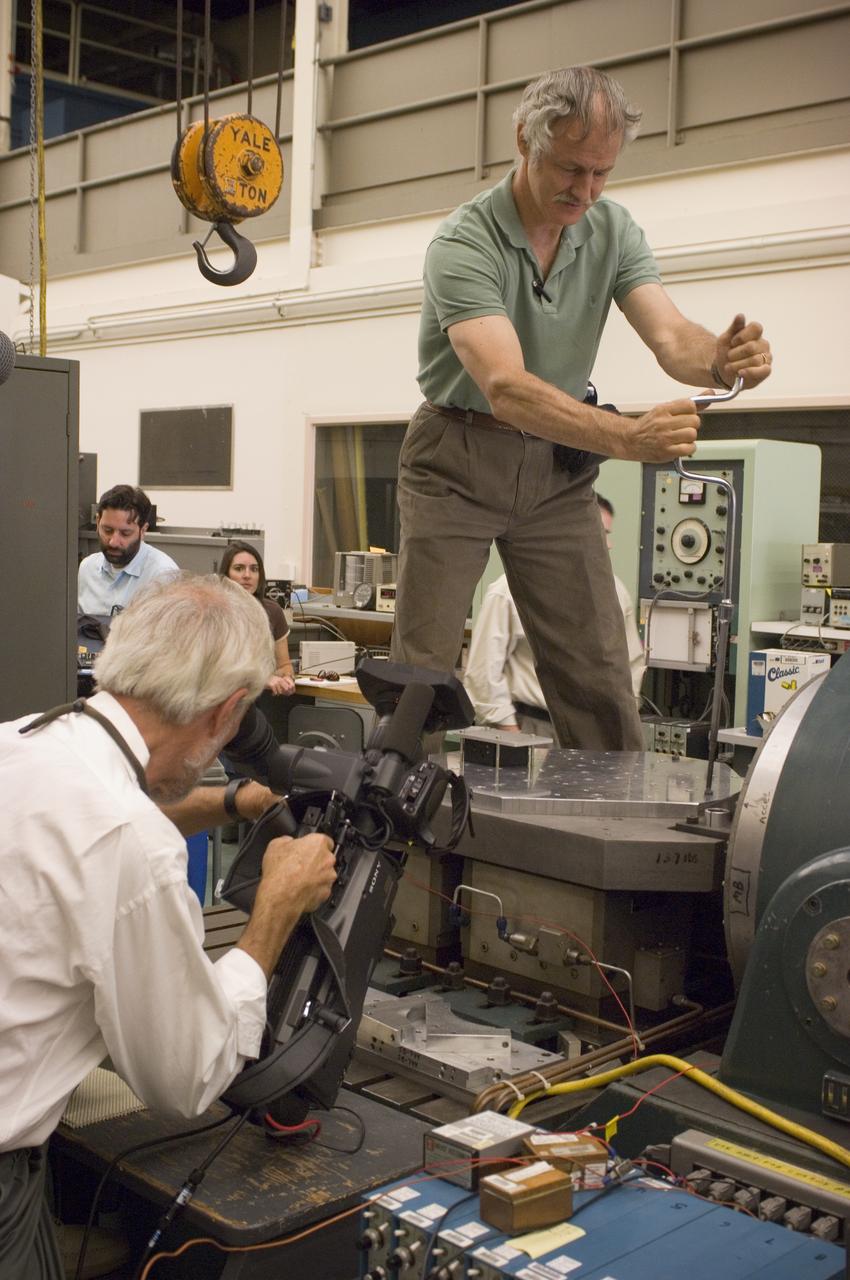
LCROSS (Lunar Crater Observation Sensing Satellite) Near InfraRed Spectrometer shake test in Ames N-244 high bay EEL Lab - with Lynn Hofland
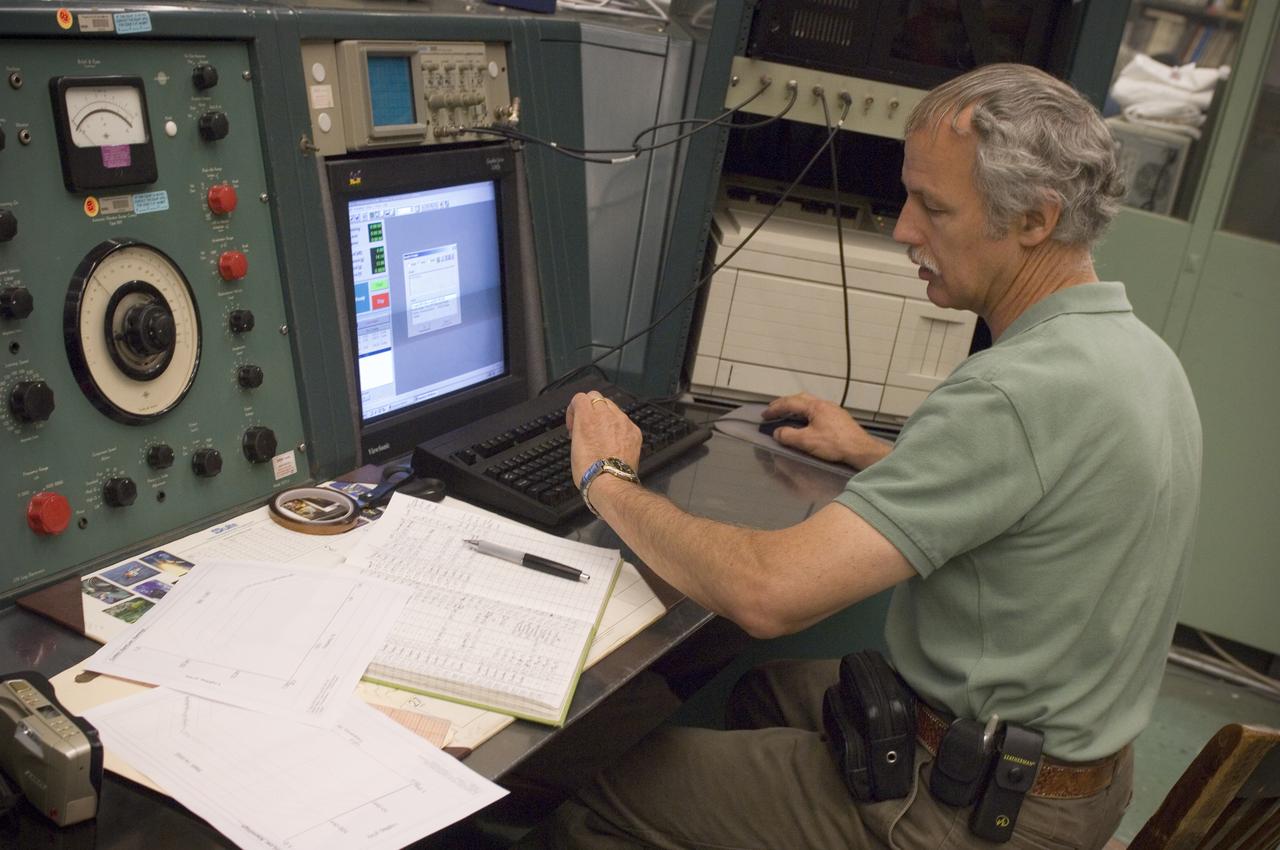
LCROSS (Lunar Crater Observation Sensing Satellite) Near InfraRed Spectrometer shake test in Ames N-244 high bay EEL Lab - with Lynn Hofland

LCROSS (Lunar Crater Observation Sensing Satellite) Near InfraRed Spectrometer shake test in Ames N-244 high bay EEL Lab - with Kimberly Ennico, Anthony Colaprete and Lynn Hofland
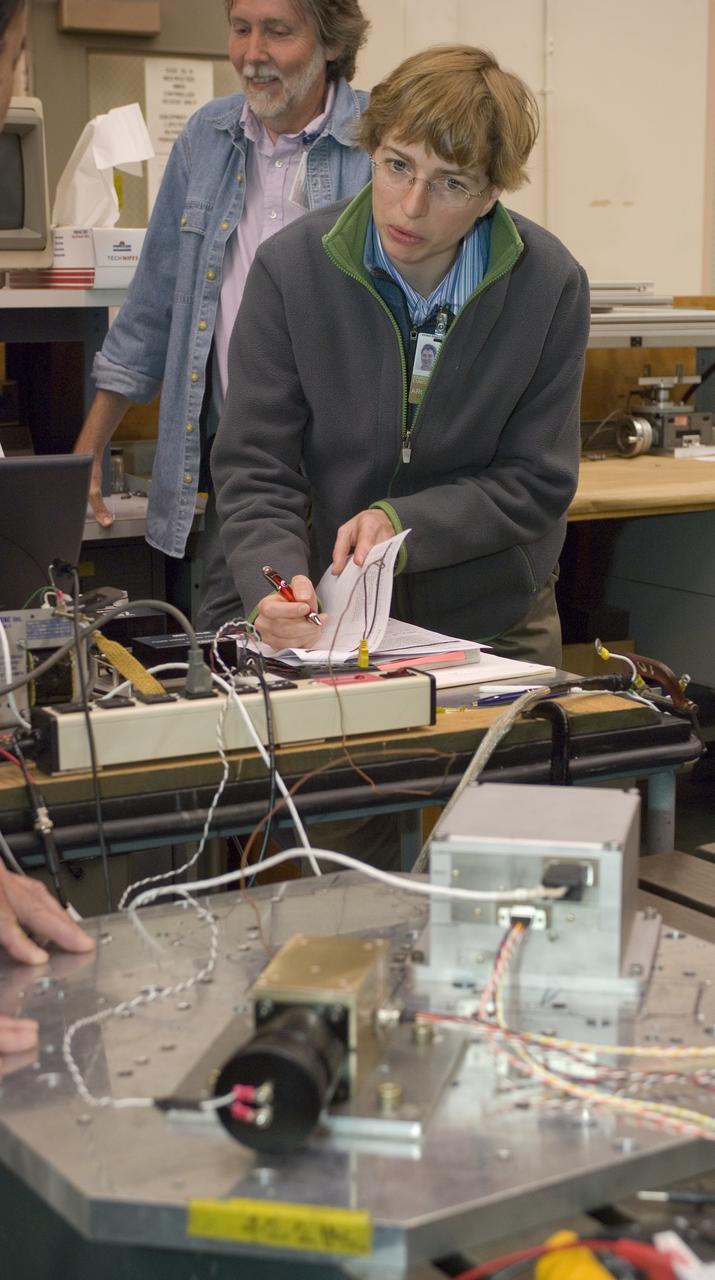
Lunar CRater Observation and Sensing Satellite (LCROSS) and P.I. at NASA Ames Research Center - Total Luminance Photometer shake test in N-244 EEL Laboratory; Kim Ennico takes notes on test set up

LCROSS (Lunar Crater Observation Sensing Satellite) Near InfraRed Spectrometer shake test in Ames N-244 high bay EEL Lab - with Anthony Colaprete, Ames code SST
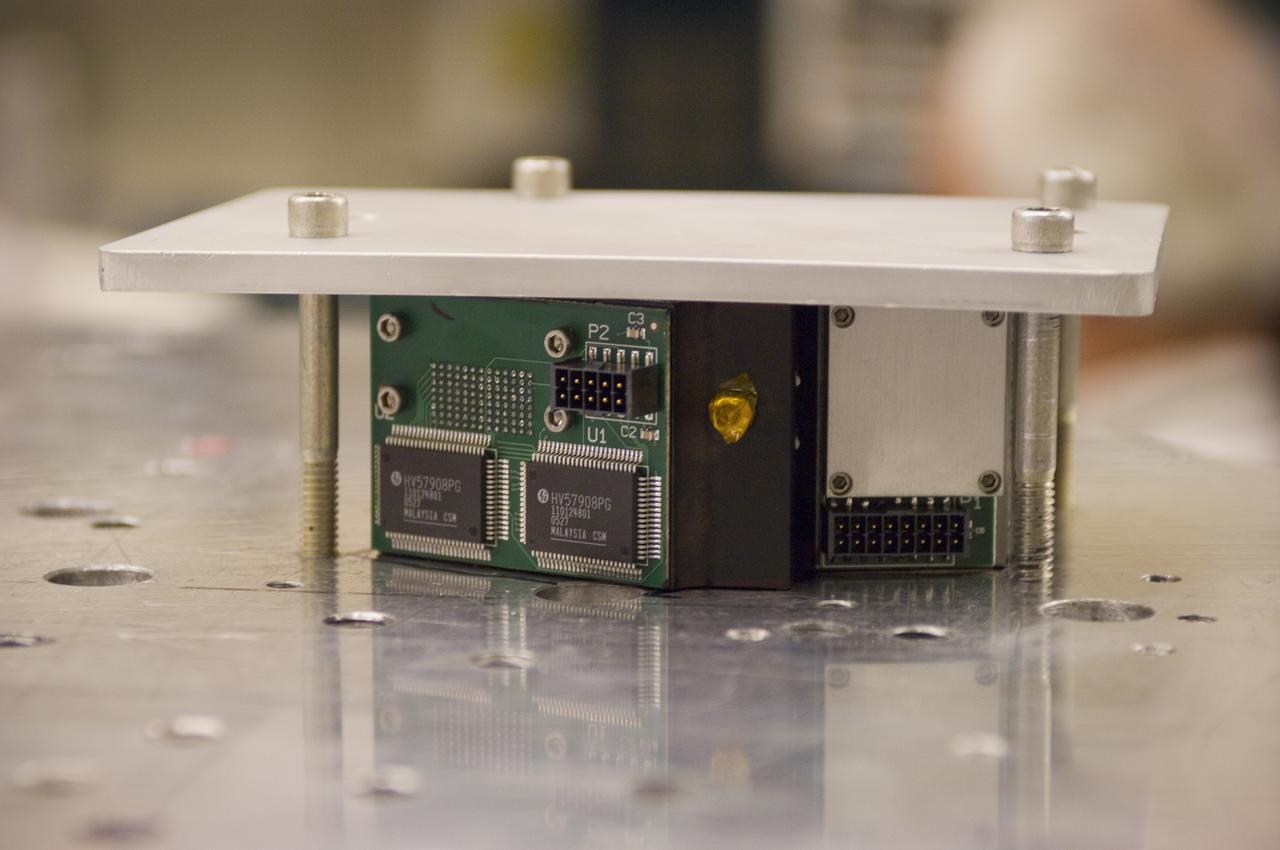
LCROSS (Lunar Crater Observation Sensing Satellite) Near InfraRed Spectrometer shake test in Ames N-244 high bay EEL Lab - Spectrometer on shake table
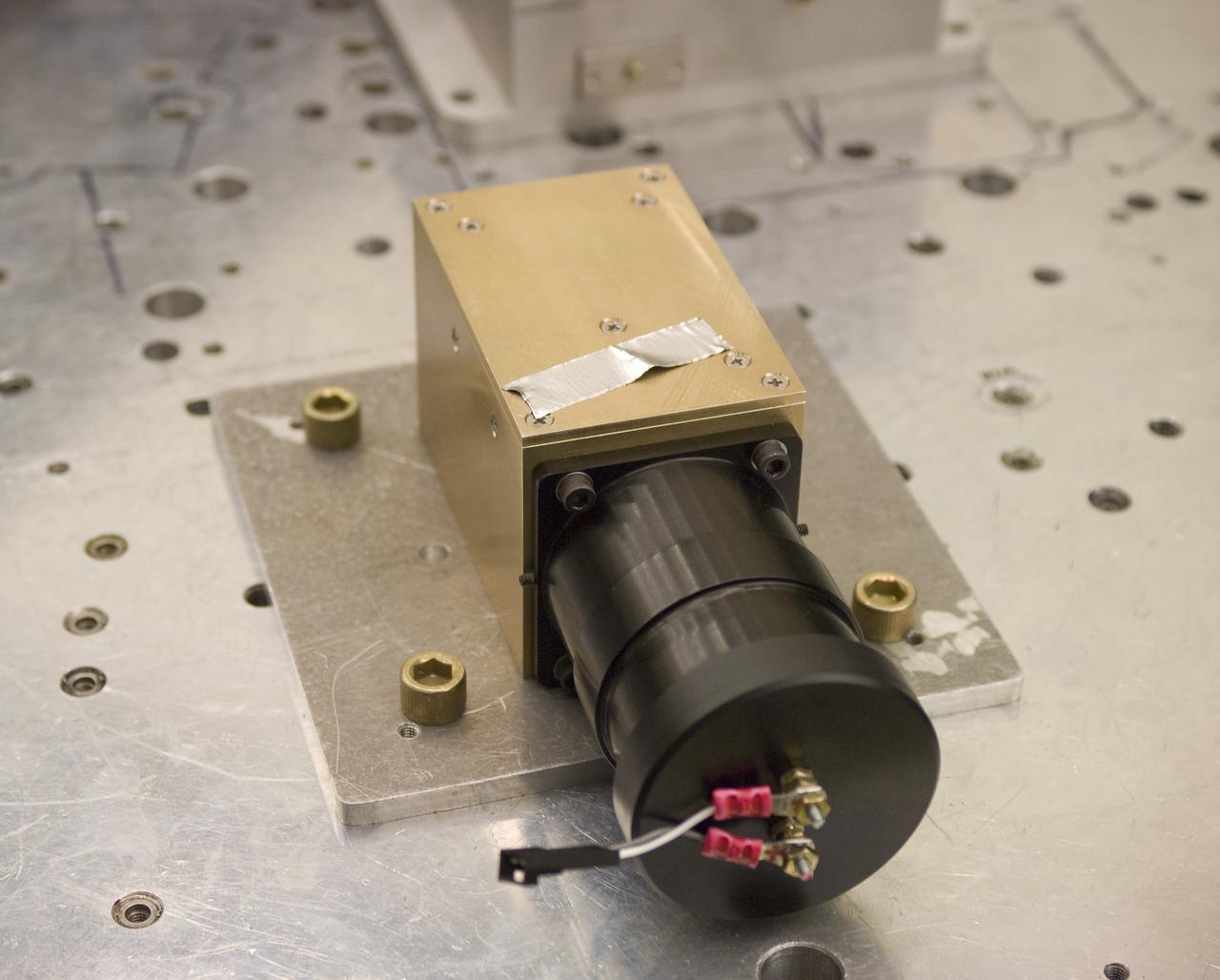
Lunar CRater Observation and Sensing Satellite (LCROSS) and P.I. at NASA Ames Research Center - close up of Total Luminance Photometer lens and electronics units on shake table in N-2444 EEL Laboratory

LCROSS (Lunar Crater Observation Sensing Satellite) Near InfraRed Spectrometer shake test in Ames N-244 high bay EEL Lab - with Kimberly Ennico, Anthony Colaprete and Lynn Hofland
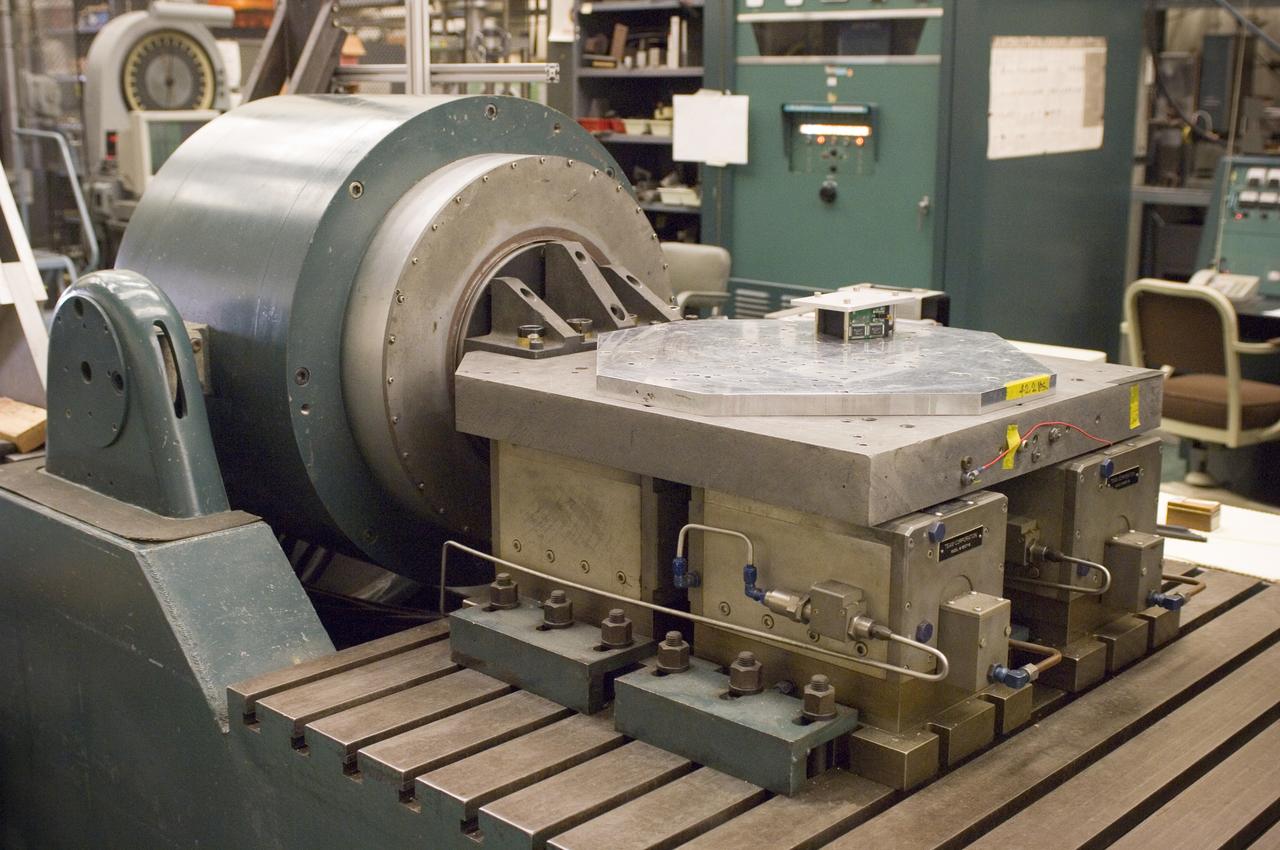
LCROSS (Lunar Crater Observation Sensing Satellite) Near InfraRed Spectrometer shake test in Ames N-244 high bay EEL Lab - Spectrometer on shake table
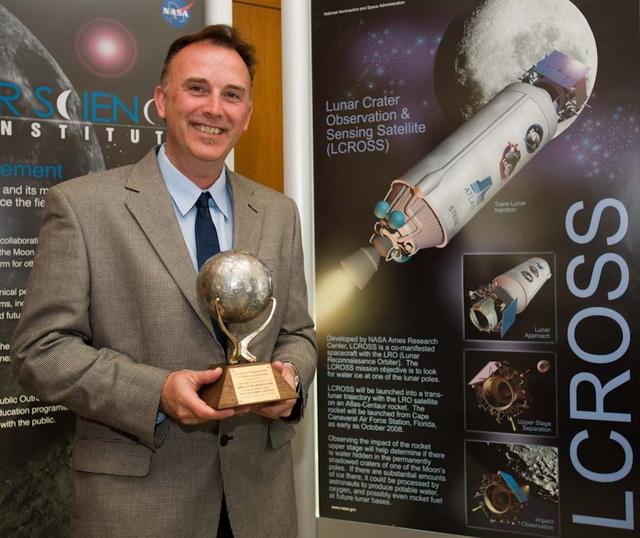
John Marmie, deputy project manager of the Lunar CRater Observation and Sensing Satellite Mission with the 2010 National Space Society Space Pioneer Award, which he accepted on behalf of the NASA Ames LCROSS mission team.

Lunar CRater Observation and Sensing Satellite (LCROSS) and P.I. at NASA Ames Research Center - Calibration of Polychromix Near Infra Red Spectrometer outside n-240 (EEL) with Diane Wooden

Lunar CRater Observation and Sensing Satellite (LCROSS) and P.I. at NASA Ames Research Center Dana Lynch looking at Total Luminance Photometer lens durnig shake testing in the EEL laboratory.
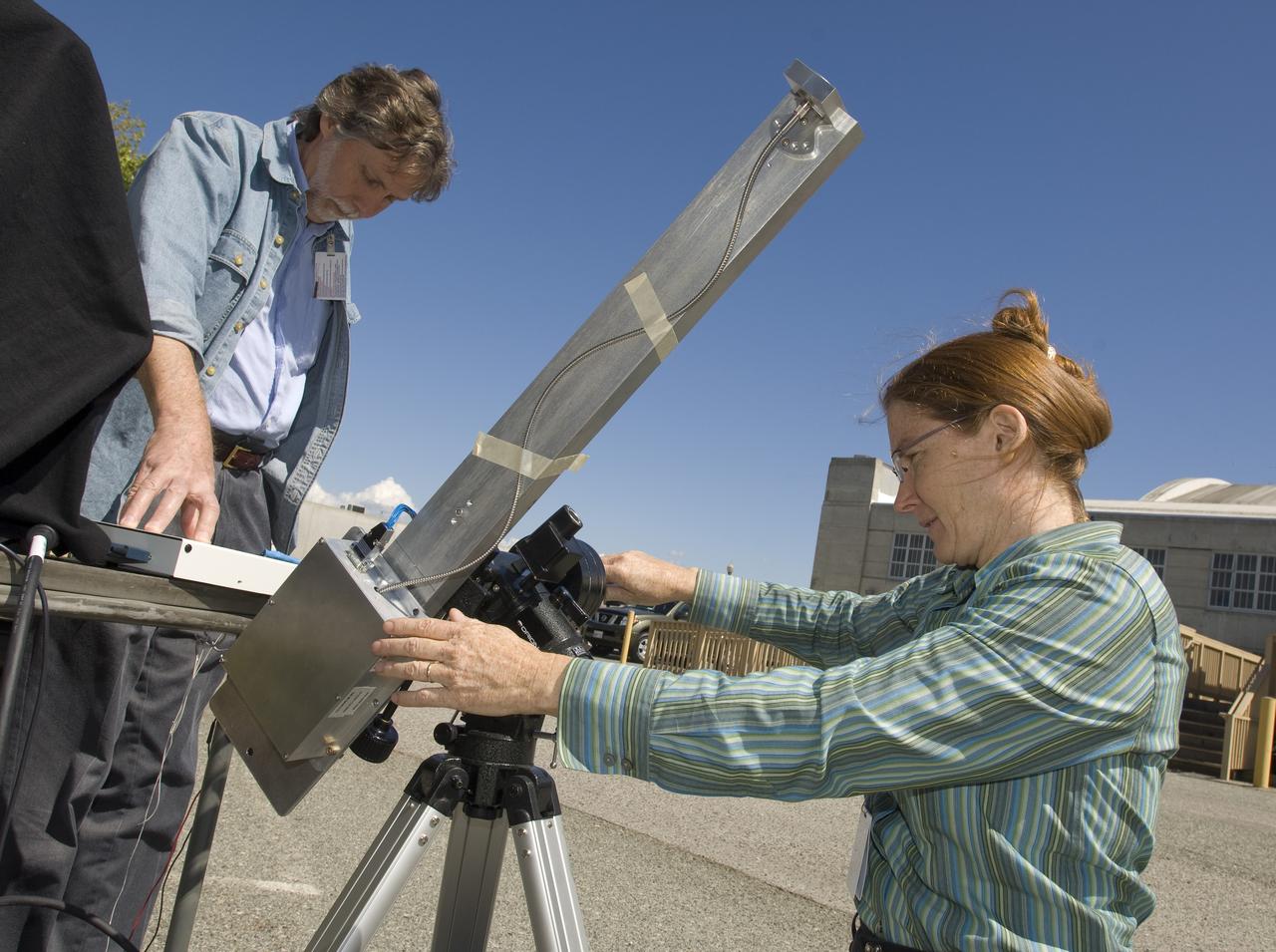
Lunar CRater Observation and Sensing Satellite (LCROSS) and P.I. at NASA Ames Research Center - Calibration of Polychromix Near Infra Red Spectrometer outside n-240 (EEL) with (l) Dan Lynch and (r) Diane Wooden
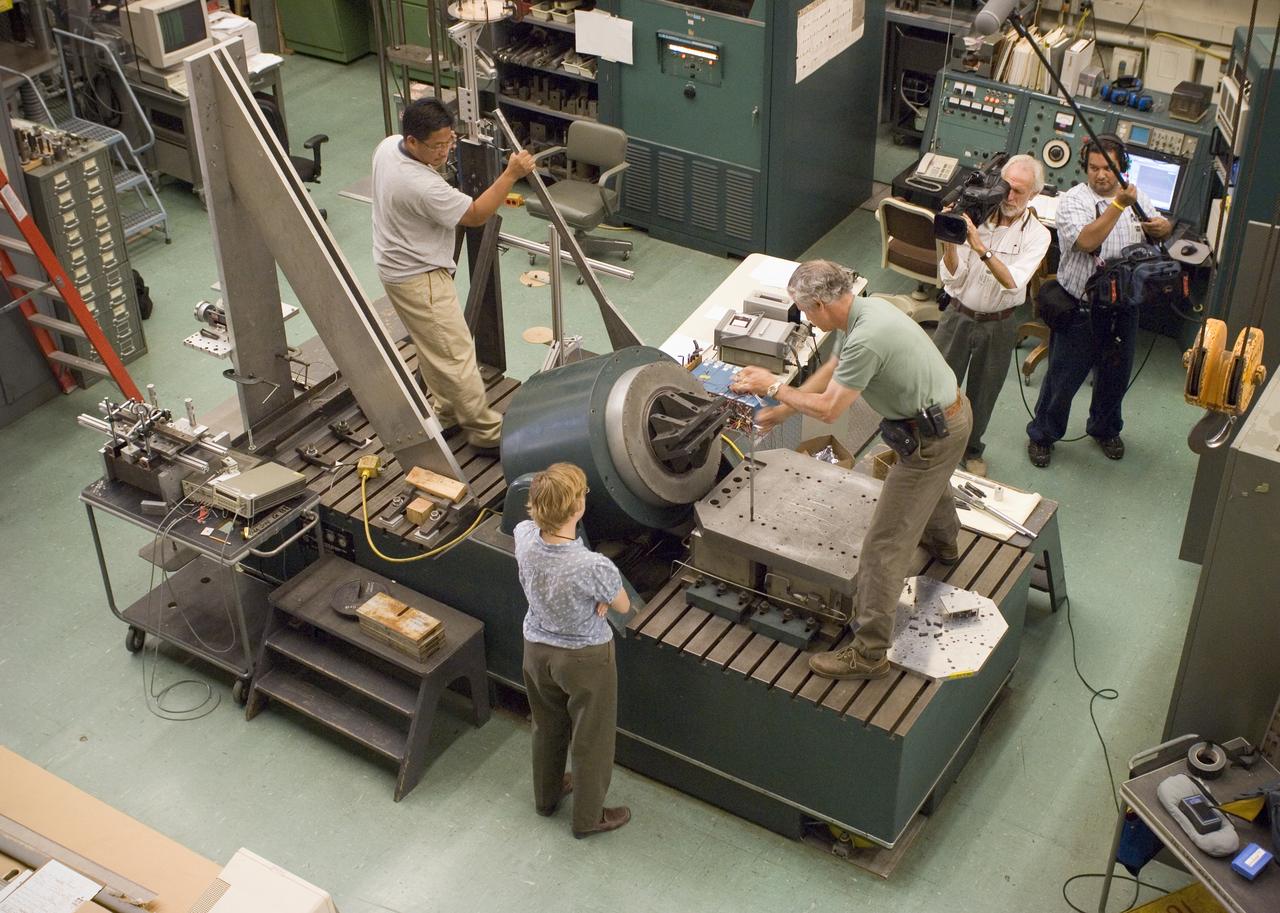
LCROSS (Lunar Crater Observation Sensing Satellite) Near InfraRed Spectrometer shake test in Ames N-244 high bay EEL Lab - with Kimberly Ennico, Lynn Hofland, Frank Pichay and Discovery Channel video crew
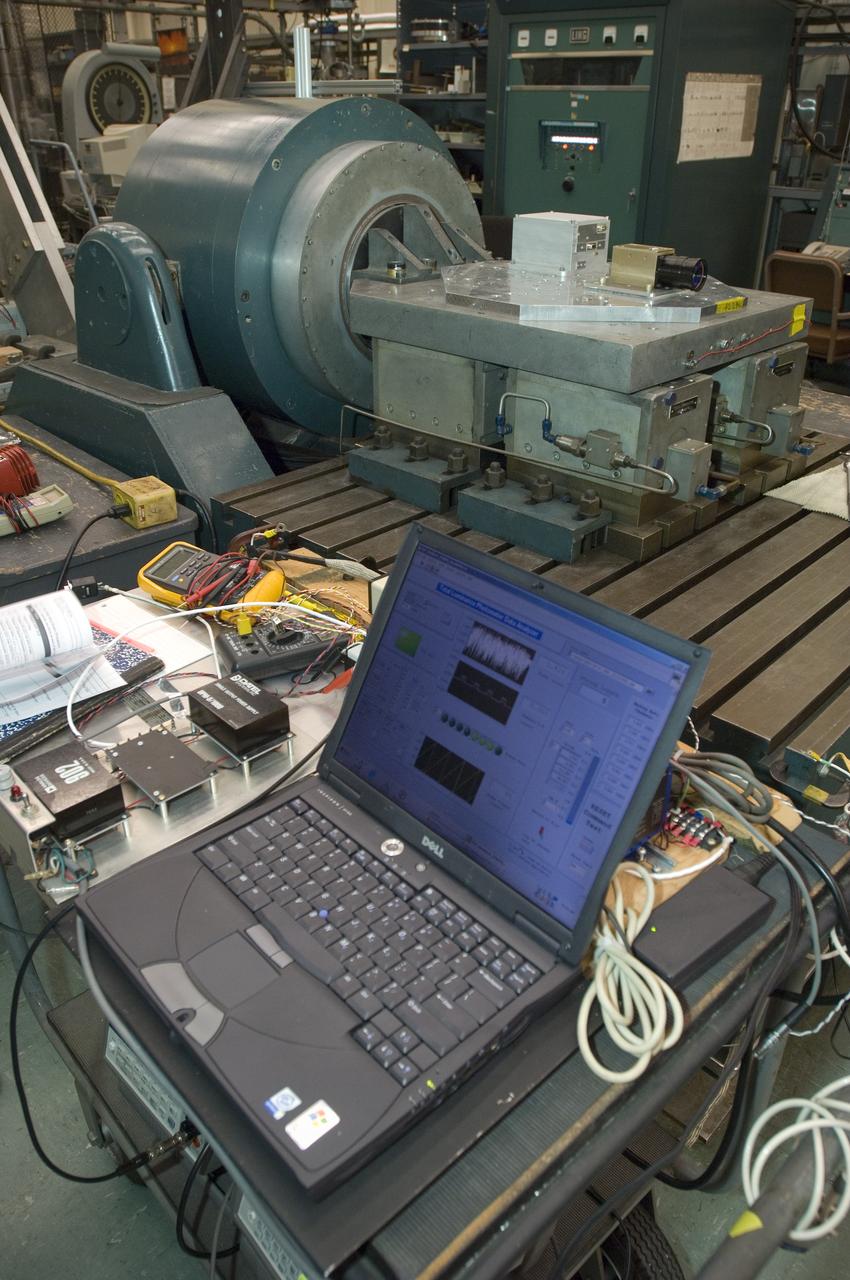
Lunar CRater Observation and Sensing Satellite (LCROSS) and P.I. at NASA Ames Research Center - shake table testing of the Total Luminance Photometer in the EEL lab N-2444. Data analyzer in foreground. (overview)

LCROSS (Lunar Crater Observation Sensing Satellite) Near InfraRed Spectrometer shake test in Ames N-244 high bay EEL Lab - with Lynn Hofland, Ames EEL lab) and Kimberly Ennico, LCROSS payload scientist
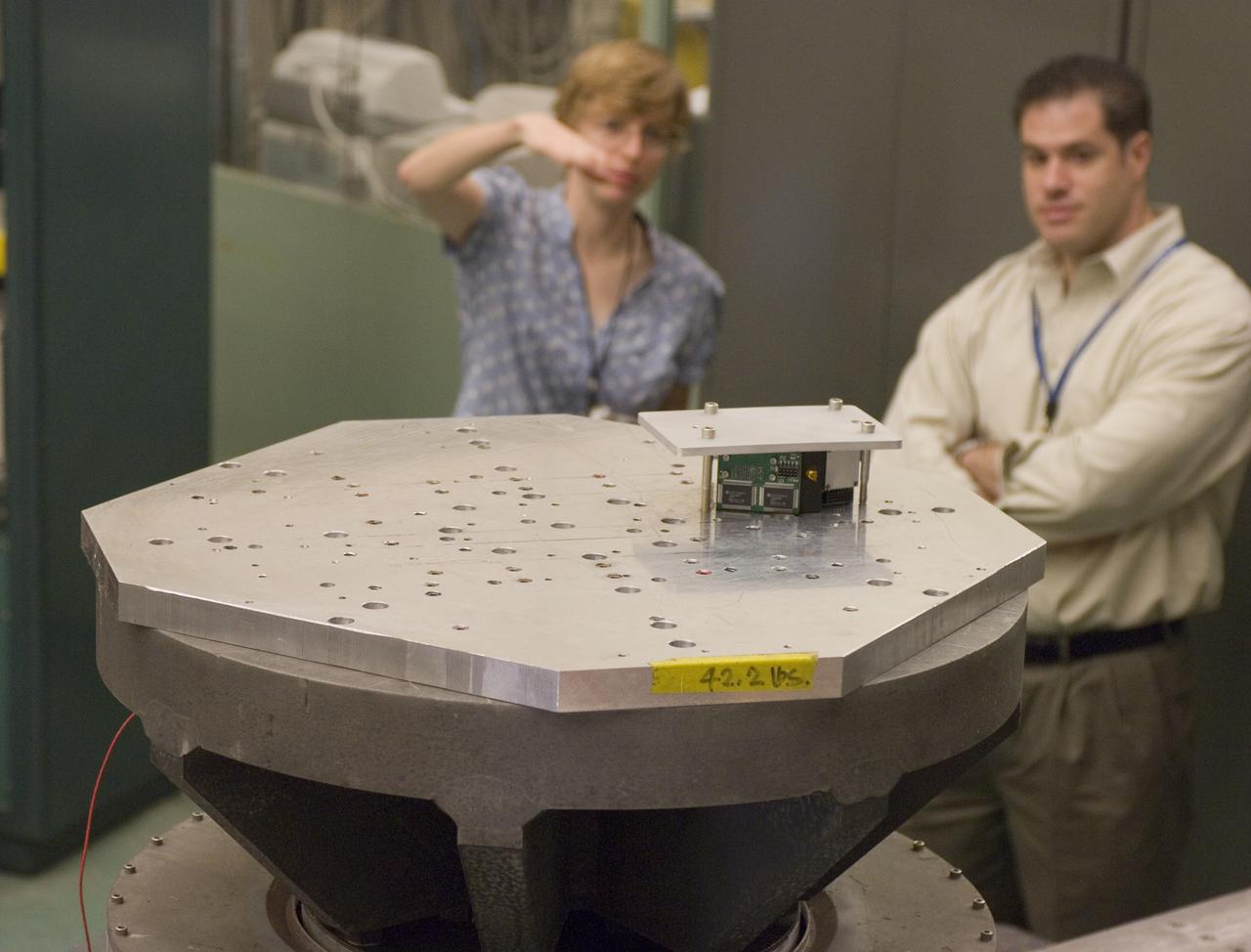
LCROSS (Lunar Crater Observation Sensing Satellite) Near InfraRed Spectrometer shake test in Ames N-244 high bay EEL Lab - with Kimberly Ennico and Anthony Colaprete
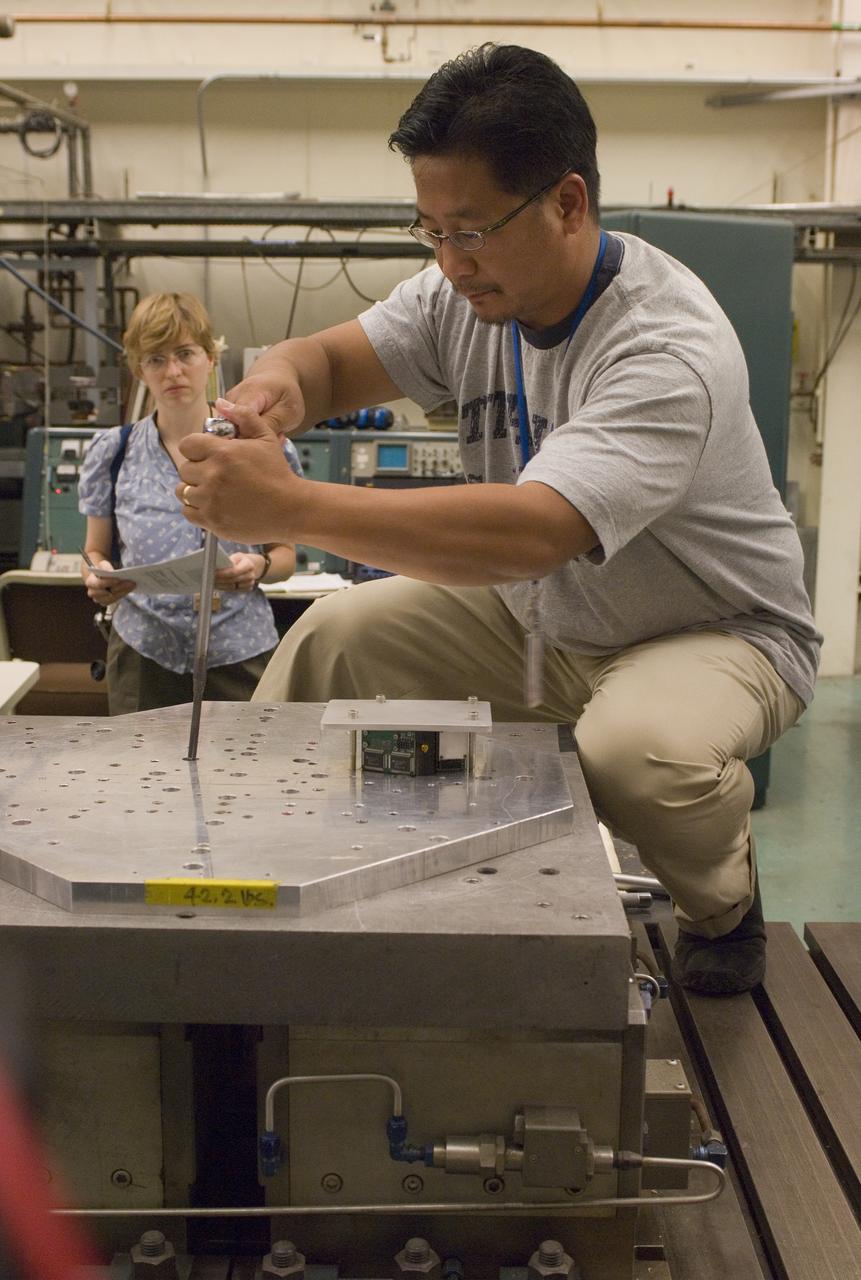
LCROSS (Lunar Crater Observation Sensing Satellite) Near InfraRed Spectrometer shake test in Ames N-244 high bay EEL Lab - with Frank Pichay, EEL lab
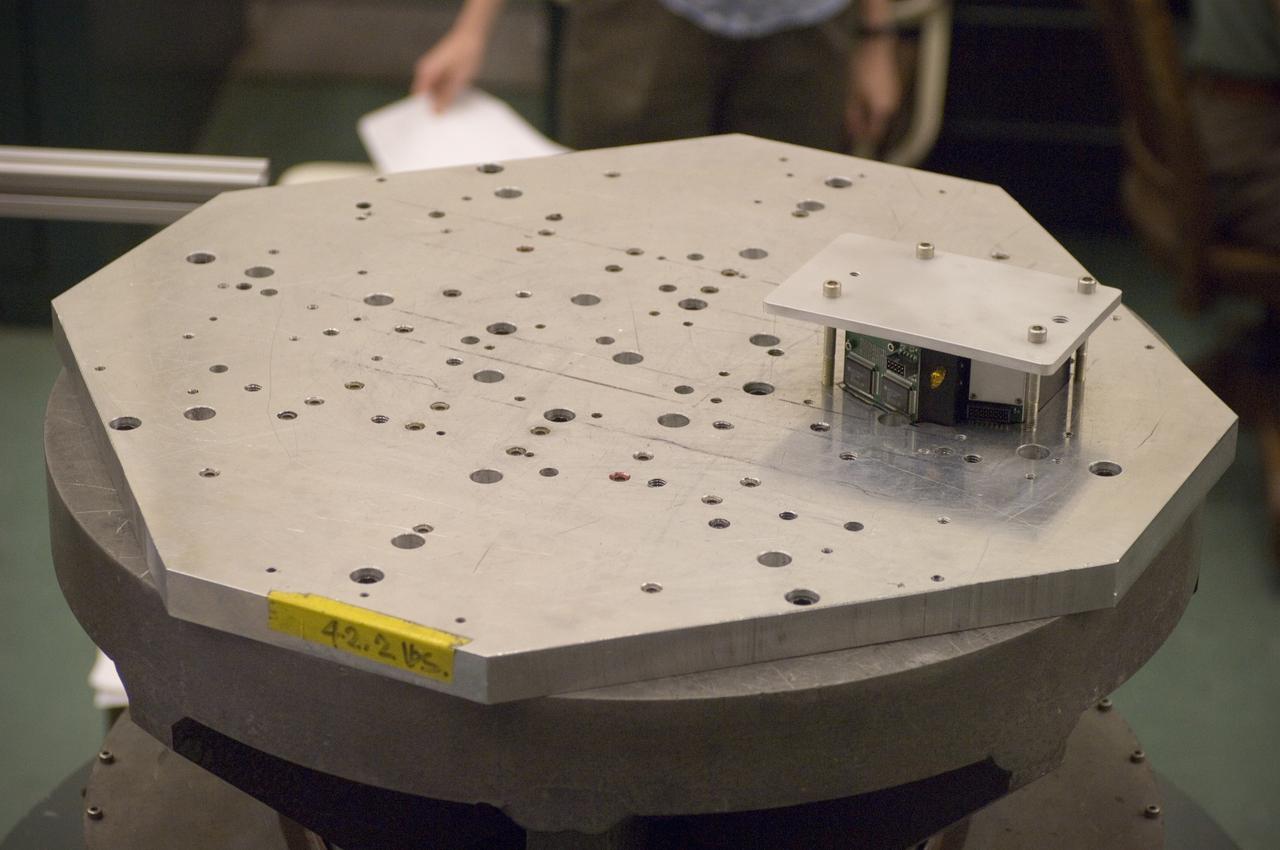
LCROSS (Lunar Crater Observation Sensing Satellite) Near InfraRed Spectrometer shake test in Ames N-244 high bay EEL Lab - Spectrometer on shake table

Lunar CRater Observation and Sensing Satellite (LCROSS) and P.I. at NASA Ames Research Center - Calibration of Polychromix Near Infra Red Spectrometer outside n-240 (EEL) with Diane Wooden
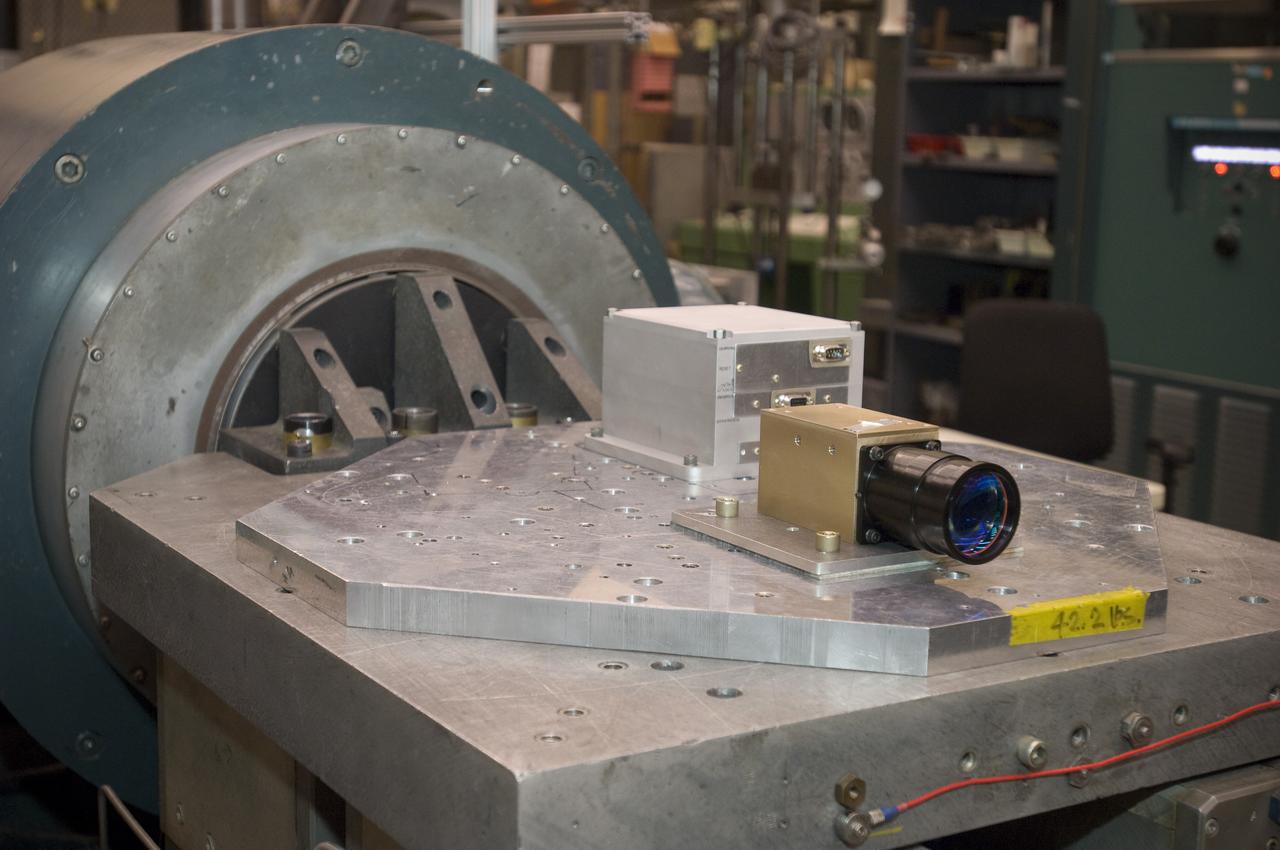
Lunar CRater Observation and Sensing Satellite (LCROSS) and P.I. at NASA Ames Research Center - close up of Total Luminance Photometer lens and electronics units on shake table in N-2444 EEL Laboratory

Lunar CRater Observation and Sensing Satellite (LCROSS) and P.I. at NASA Ames Research Center - close up of Total Luminance Photometer lens and electronics units on shake table in N-2444 EEL Laboratory
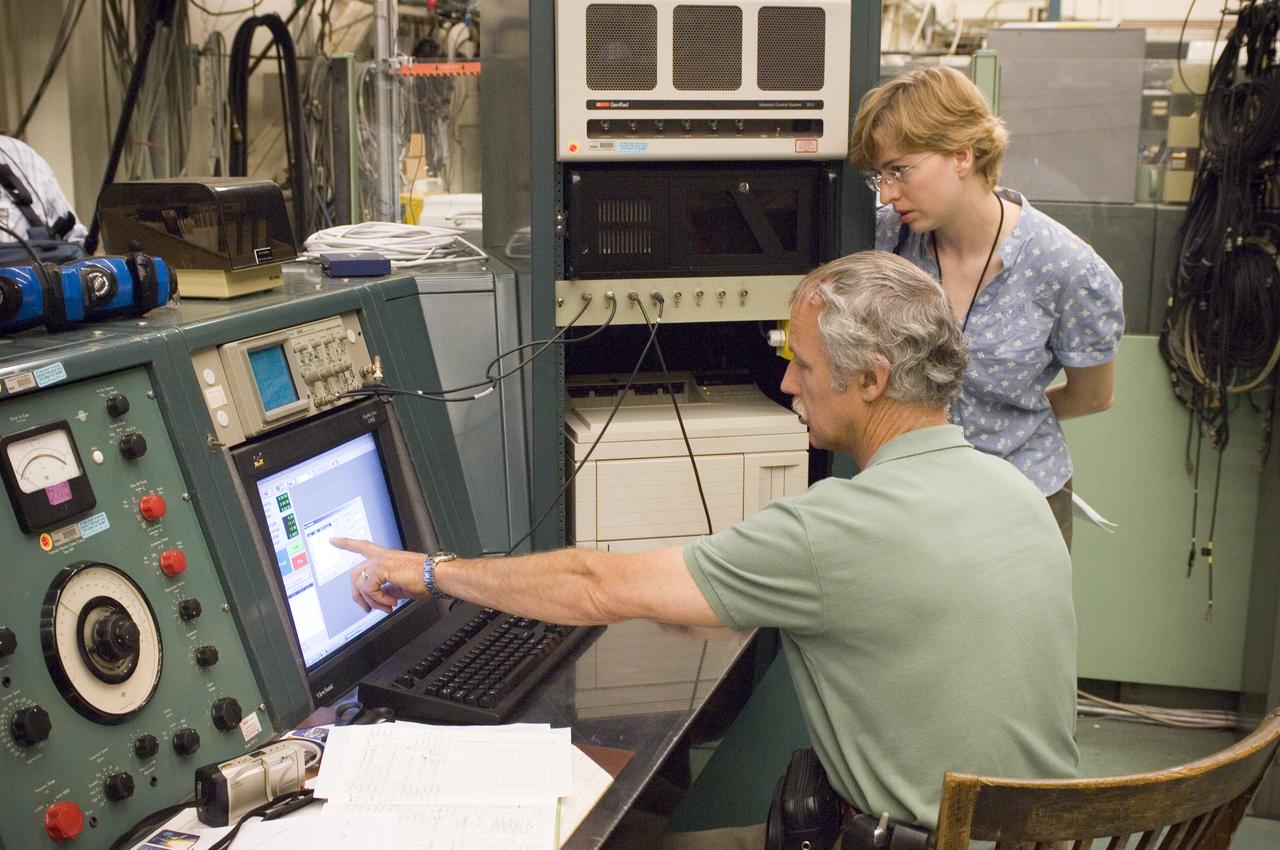
LCROSS (Lunar Crater Observation Sensing Satellite) Near InfraRed Spectrometer shake test in Ames N-244 high bay EEL Lab - with Lynn Hofland, Ames EEL lab) and Kimberly Ennico, LCROSS payload scientist
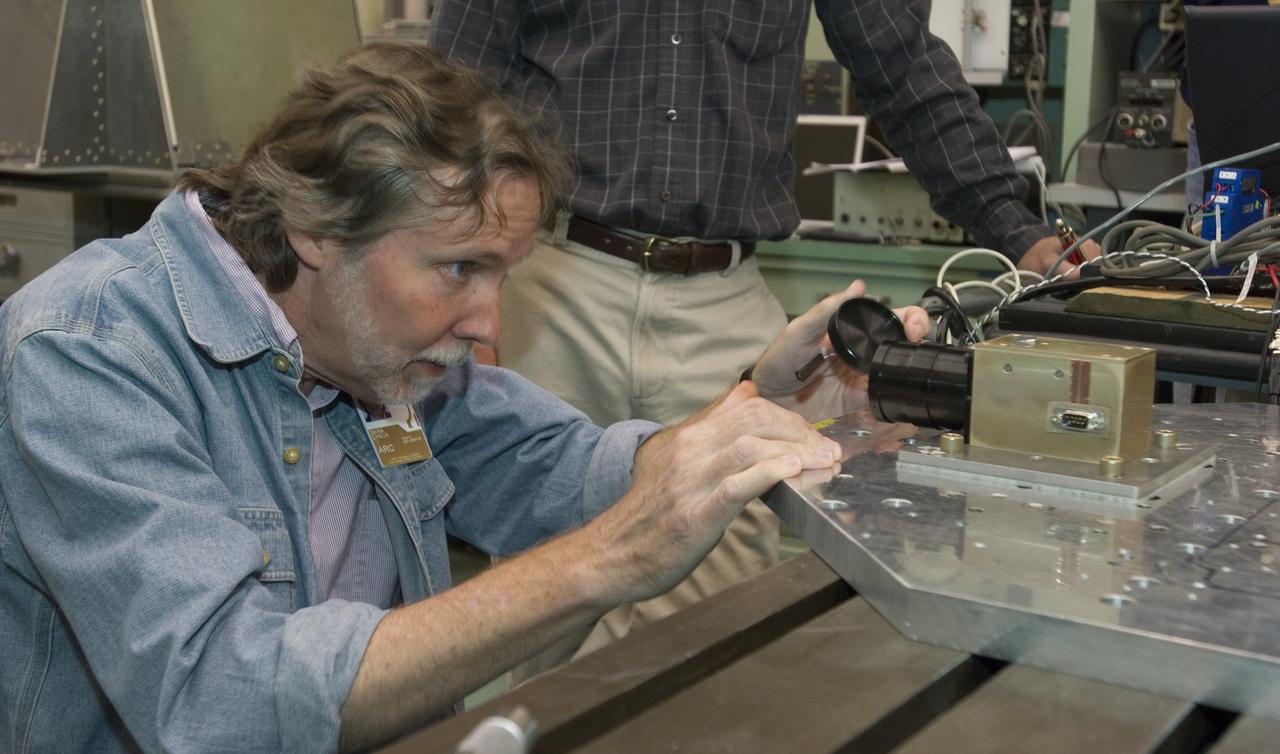
Lunar CRater Observation and Sensing Satellite (LCROSS) and P.I. at NASA Ames Research Center Dana Lynch looking at Total Luminance Photometer lens durnig shake testing in the EEL laboratory.
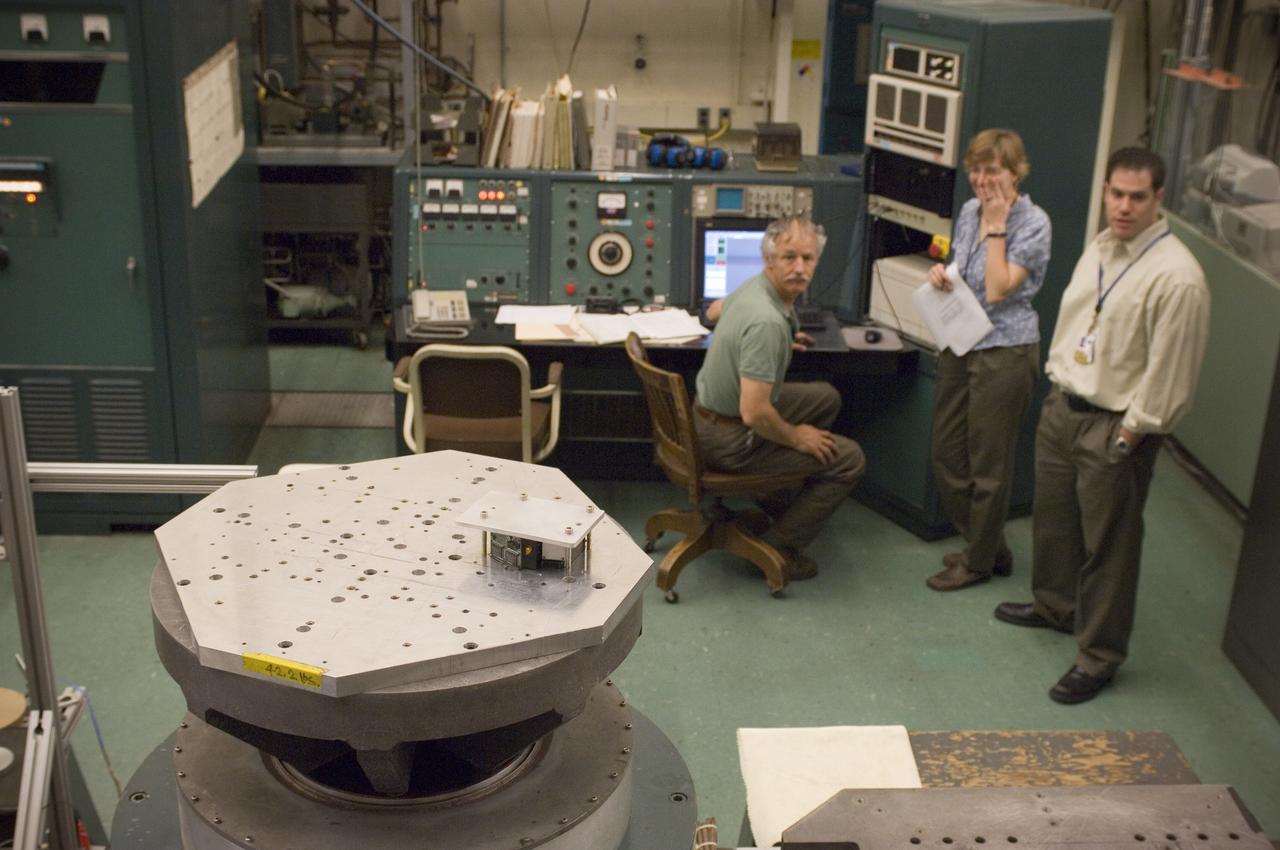
LCROSS (Lunar Crater Observation Sensing Satellite) Near InfraRed Spectrometer shake test in Ames N-244 high bay EEL Lab - with Kimberly Ennico, Anthony Colaprete and Lynn Hofland

Lunar CRater Observation and Sensing Satellite (LCROSS) and P.I. at NASA Ames Research Center - Calibration of Polychromix Near Infra Red Spectrometer outside n-240 (EEL) with Dana Lynch

Lunar CRater Observation and Sensing Satellite (LCROSS) and P.I. at NASA Ames Research Center - Total Luminance Photometer shake test in N-244 EEL Laboratory; Gi Kojima foreground and Damon Flansbury in backgroud.
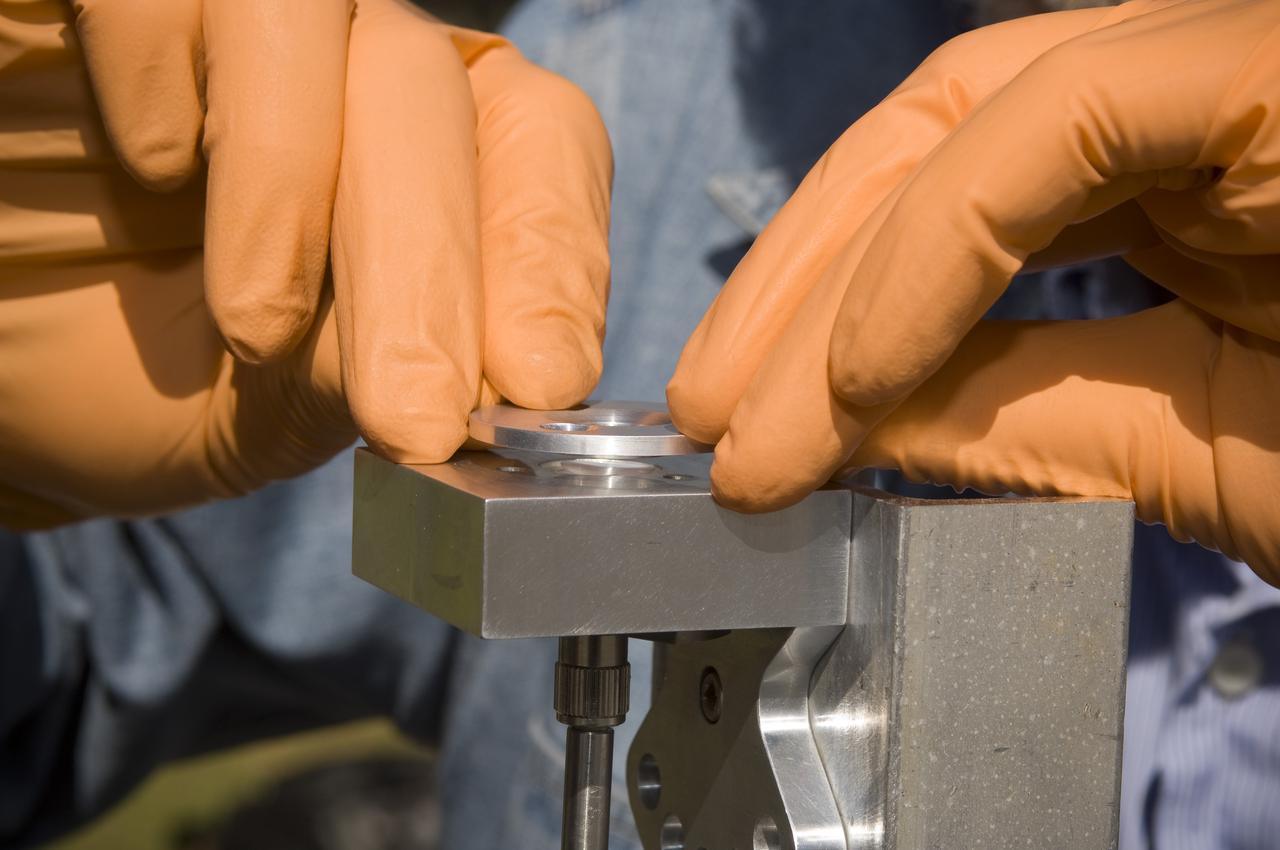
Lunar CRater Observation and Sensing Satellite (LCROSS) and P.I. at NASA Ames Research Center - Calibration of Polychromix Near Infra Red Spectrometer outside n-240 (EEL) with Dana Lynch
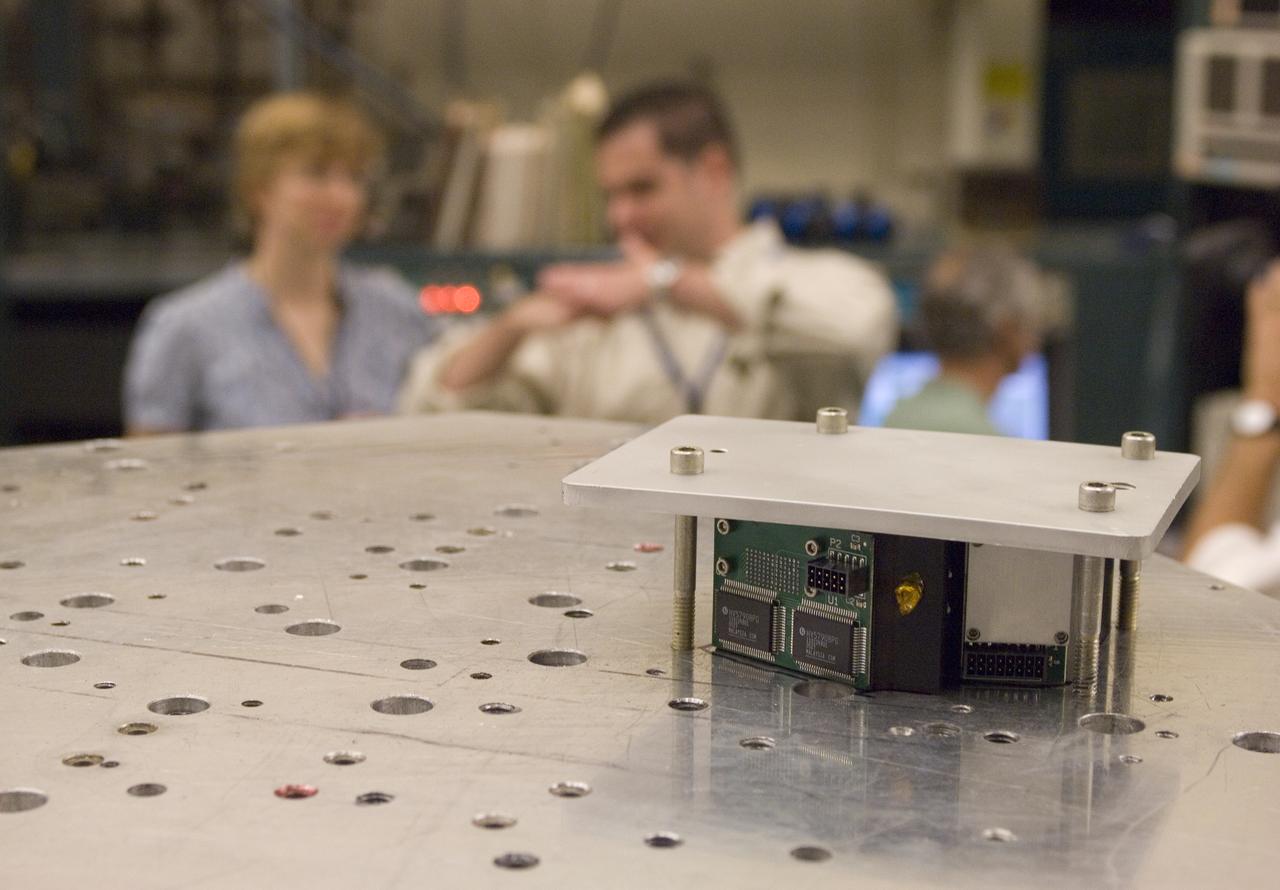
LCROSS (Lunar Crater Observation Sensing Satellite) Near InfraRed Spectrometer shake test in Ames N-244 high bay EEL Lab - with Kimberly Ennico and Anthony Colaprete
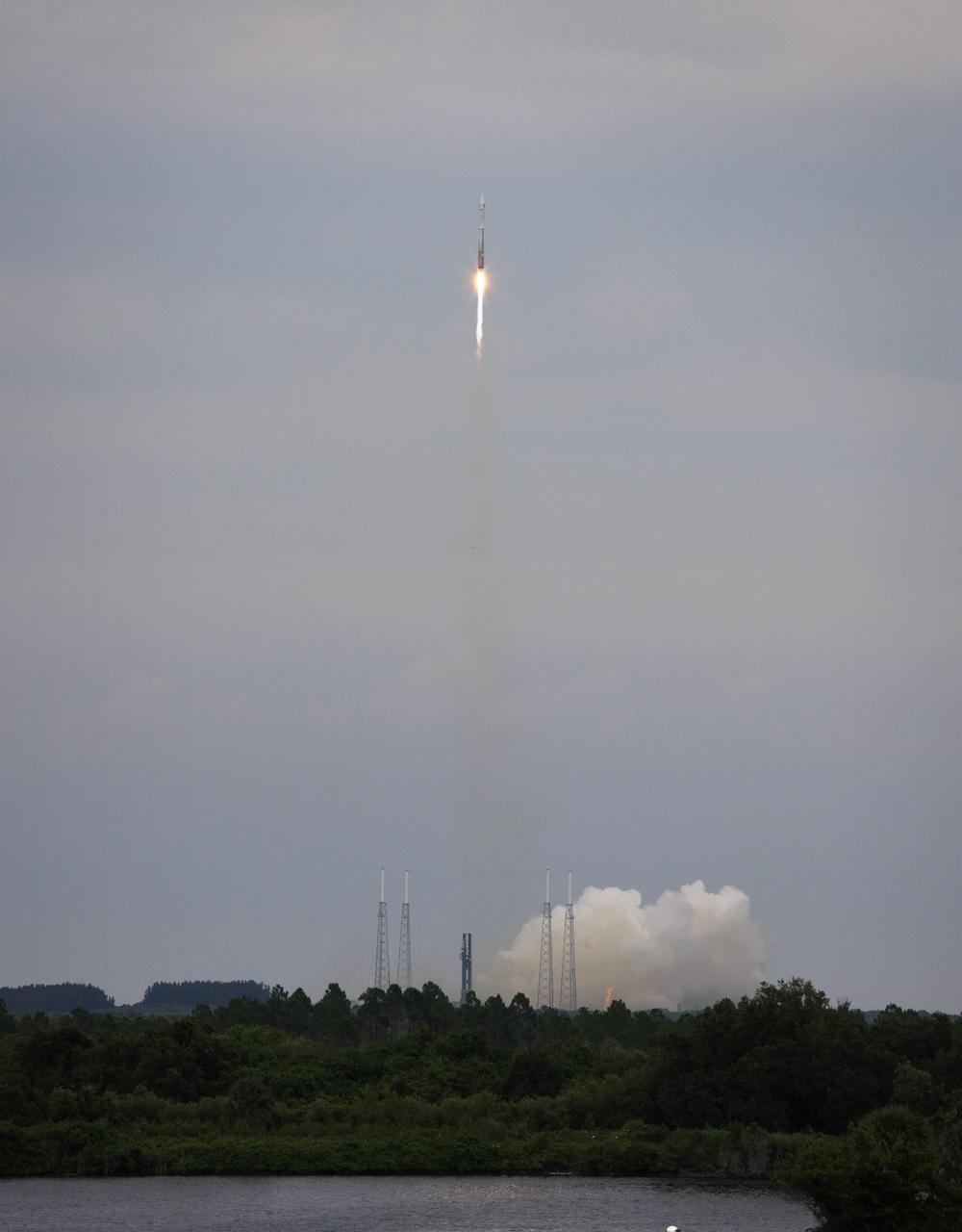
The Lunar Reconnaissance Orbiter and Lunar Crater Observation and Sensing Satellite are bound for the moon after a flawless liftoff Thursday, June 18, 2009, from Cape Canaveral Air Force Station in Florida aboard an Atlas V rocket. Photo Credit: (NASA/Bill Ingalls)
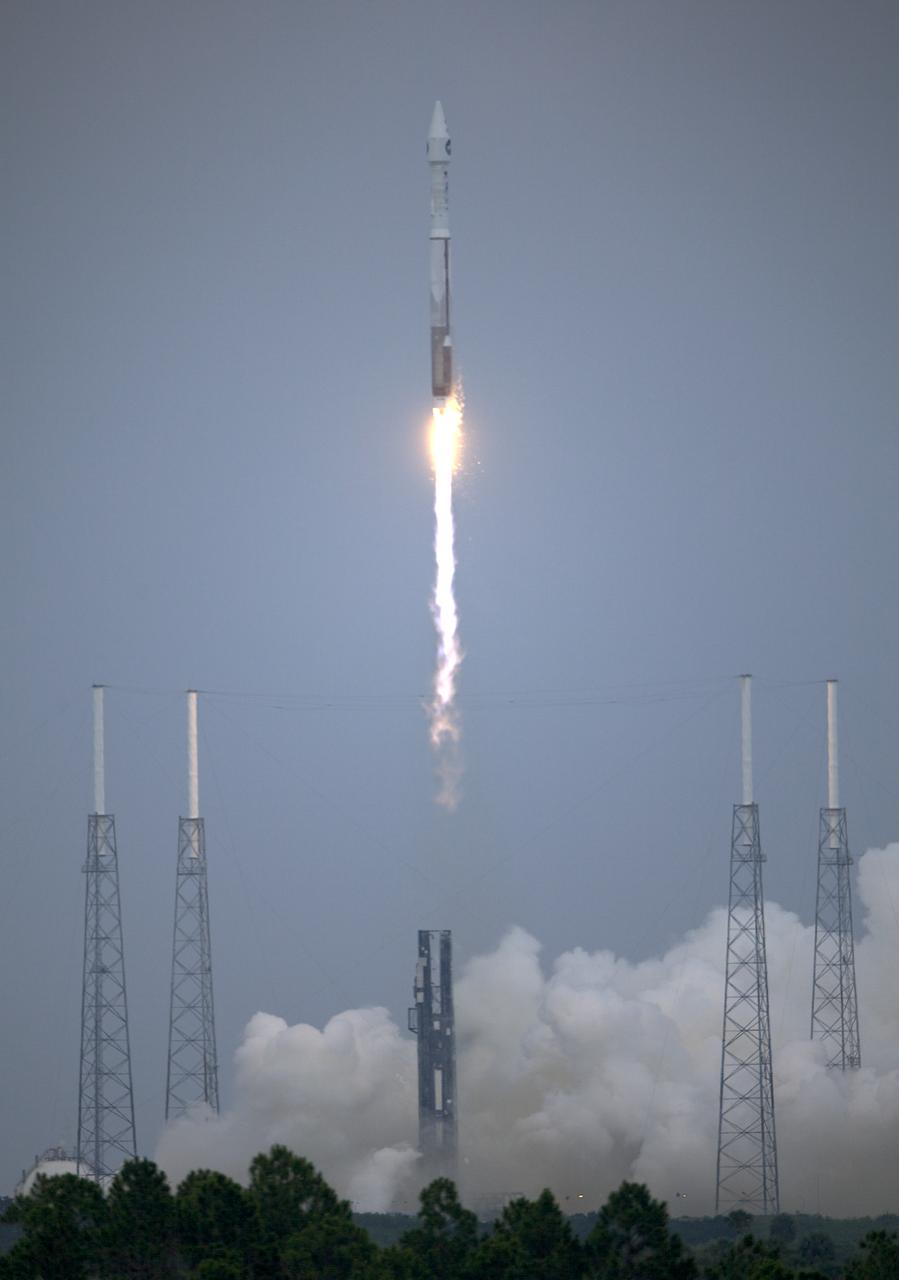
The Lunar Reconnaissance Orbiter and Lunar Crater Observation and Sensing Satellite are bound for the moon after a flawless liftoff Thursday, June 18, 2009, from Cape Canaveral Air Force Station in Florida aboard an Atlas V rocket. Photo Credit: (NASA/Bill Ingalls)
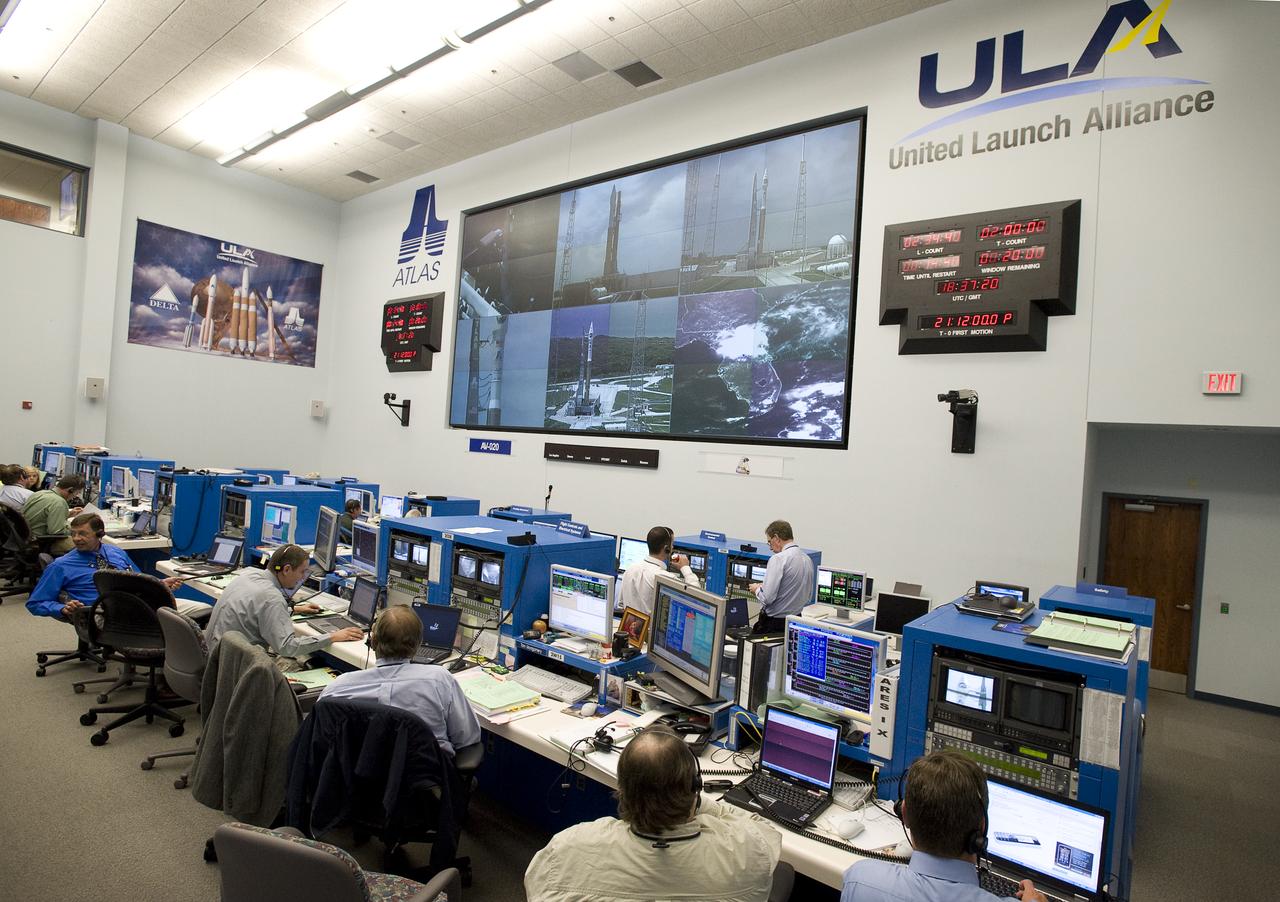
United Launch Alliance (ULA) team members work in the Atlas V Spaceflight Operations Center prior to the launch of the Lunar Reconnaissance Orbiter and Lunar Crater Observation and Sensing Satellite Thursday, June 18, 2009, from Cape Canaveral Air Force Station, Florida. . Photo Credit: (NASA/Bill Ingalls)

United Launch Alliance (ULA) team members work in the Atlas V Spaceflight Operations Center prior to the launch of the Lunar Reconnaissance Orbiter and Lunar Crater Observation and Sensing Satellite Thursday, June 18, 2009, from Cape Canaveral Air Force Station, Florida. Photo Credit: (NASA/Bill Ingalls)
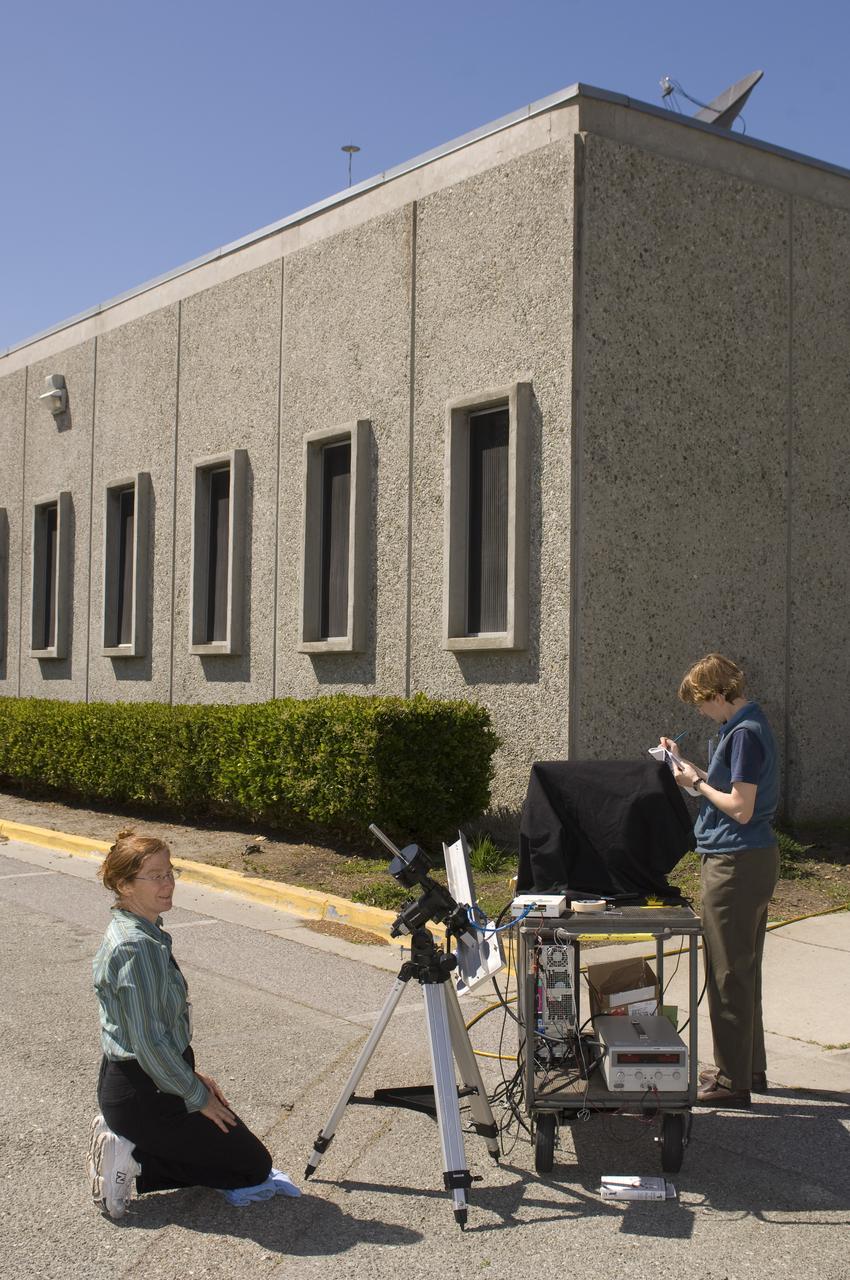
Lunar CRater Observation and Sensing Satellite (LCROSS) and P.I. at NASA Ames Research Center - Calibration of Polychromix Near Infra Red Spectrometer outside of N-240A (EEL) with (l to r)) Kim Ennico, Dana Lynch, and Diane Wooden
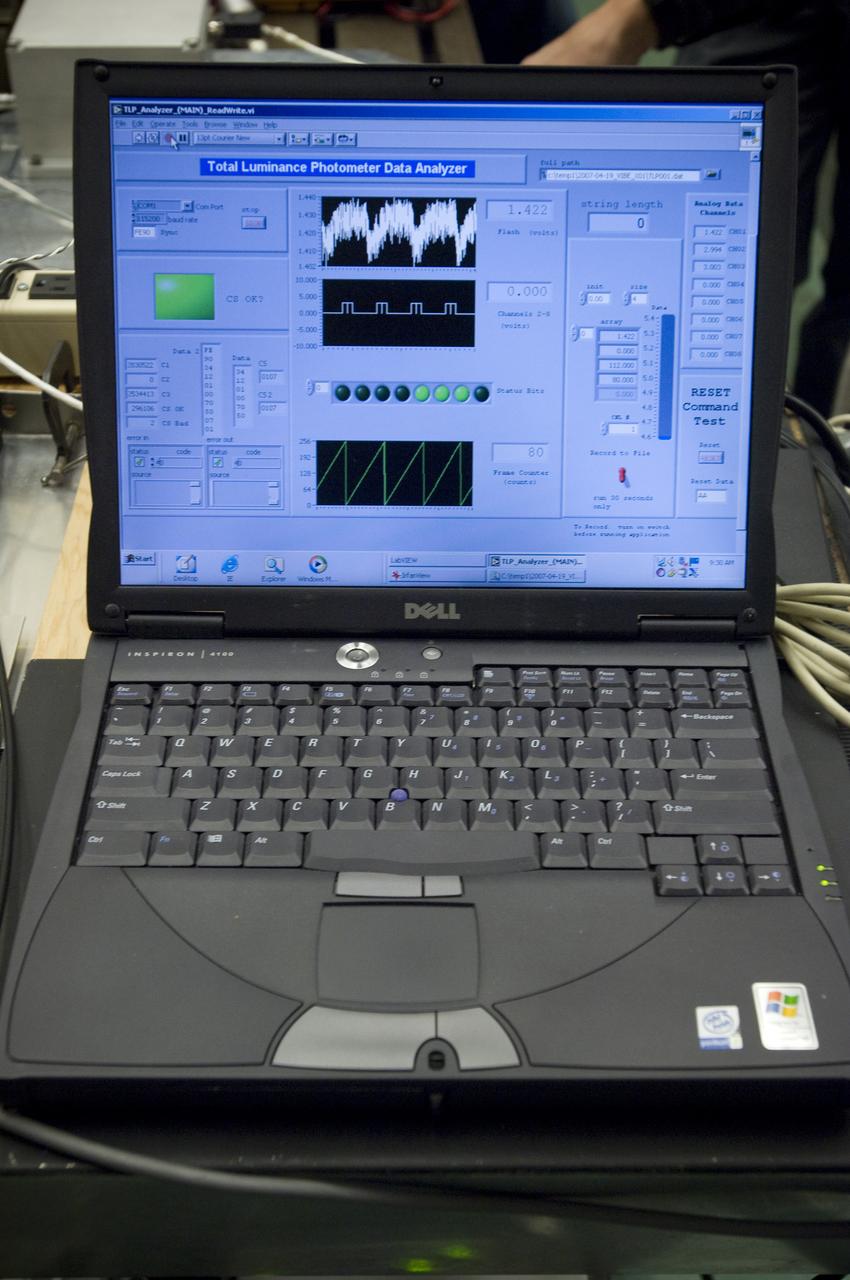
Lunar CRater Observation and Sensing Satellite (LCROSS) and P.I. at NASA Ames Research Center - Total Luminance Photometer lens and electronics units on shake table in N-2444 EEL Laboratory: shows total luminance photometer data analyzer
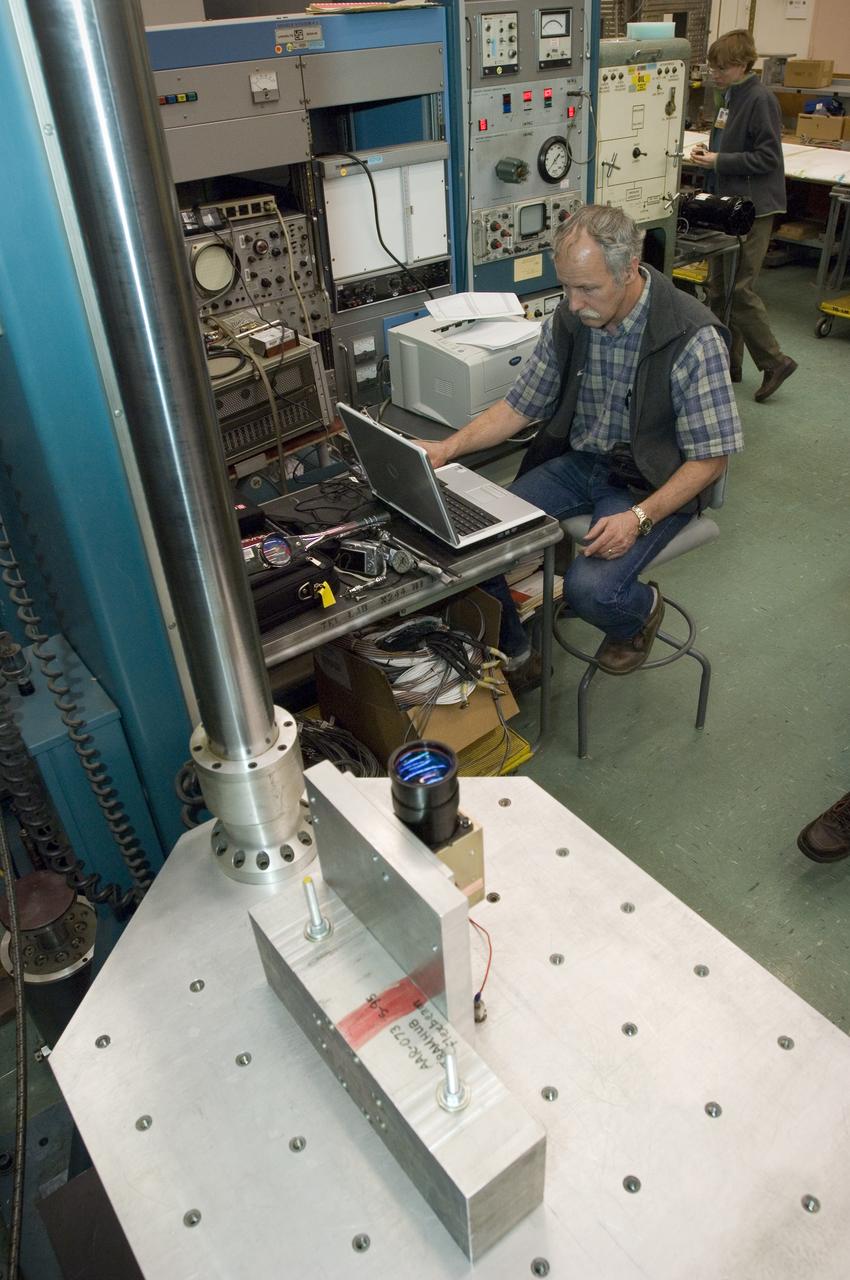
Lunar CRater Observation and Sensing Satellite (LCROSS) and P.I. at NASA Ames Research Center - Total Luminance Photometer lens and electronics units on shake table in N-2444 EEL Laboratory with Lynn Hofland (techician/operator EEL) oversees test run
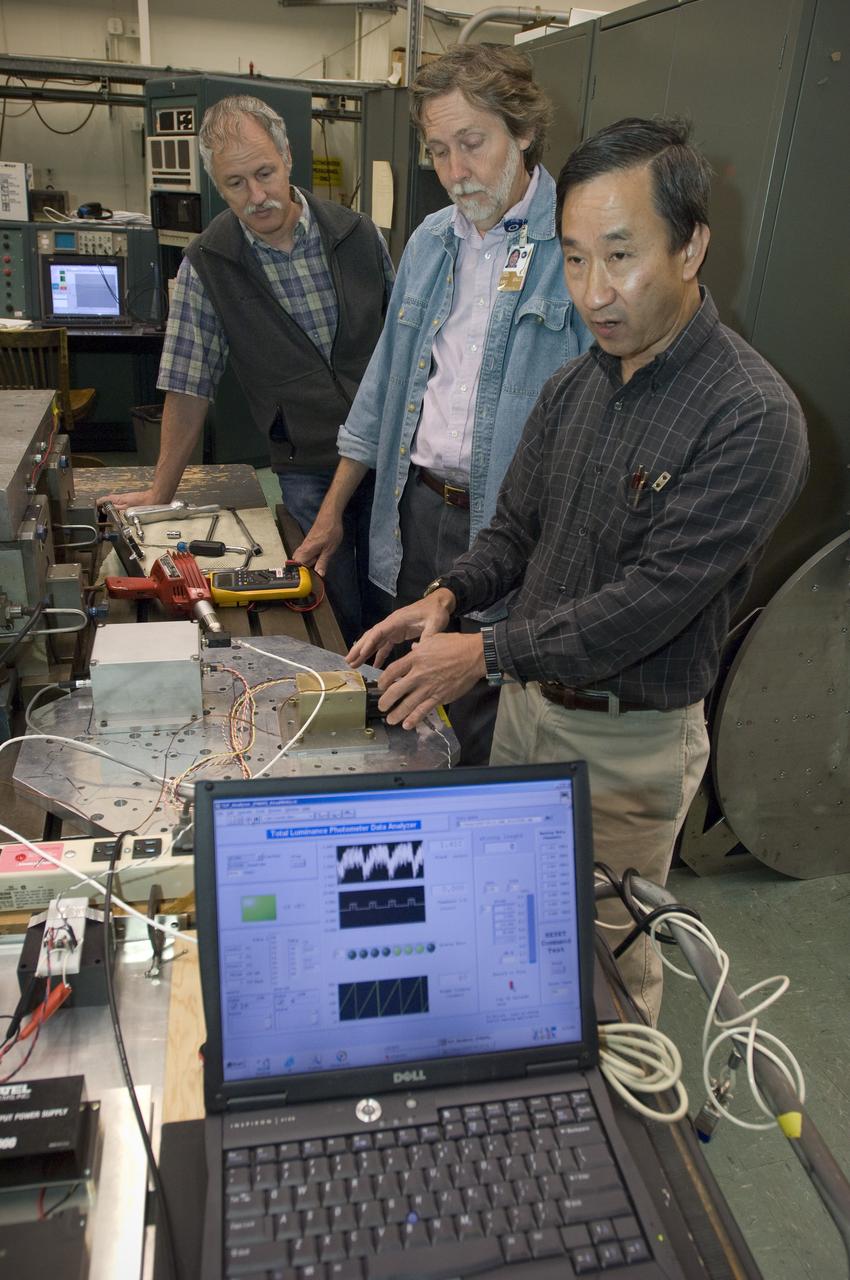
Lunar CRater Observation and Sensing Satellite (LCROSS) and P.I. at NASA Ames Research Center - Total Luminance Photometer lens and electronics units on shake table in N-2444 EEL Laboratory: Gi Kojima, Dana Lynch and Lynn Hofland check electronics. Data analyzer is the foreground.
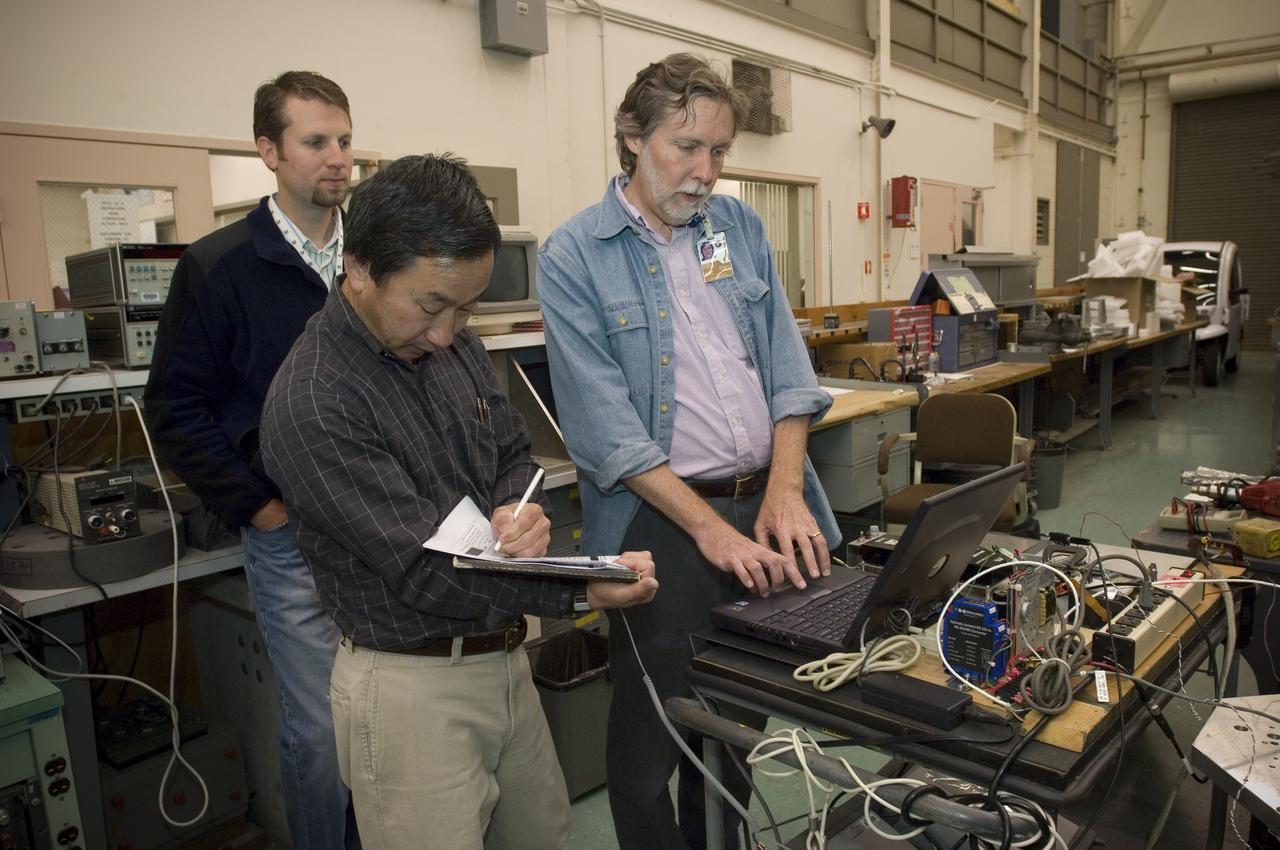
Lunar CRater Observation and Sensing Satellite (LCROSS) and P.I. at NASA Ames Research Center - Total Luminance Photometer lens and electronics units on shake table in N-2444 EEL Laboratory with (l) Gi Kojima (bk - middle) Damon Flansburg (r) Dana Lynch
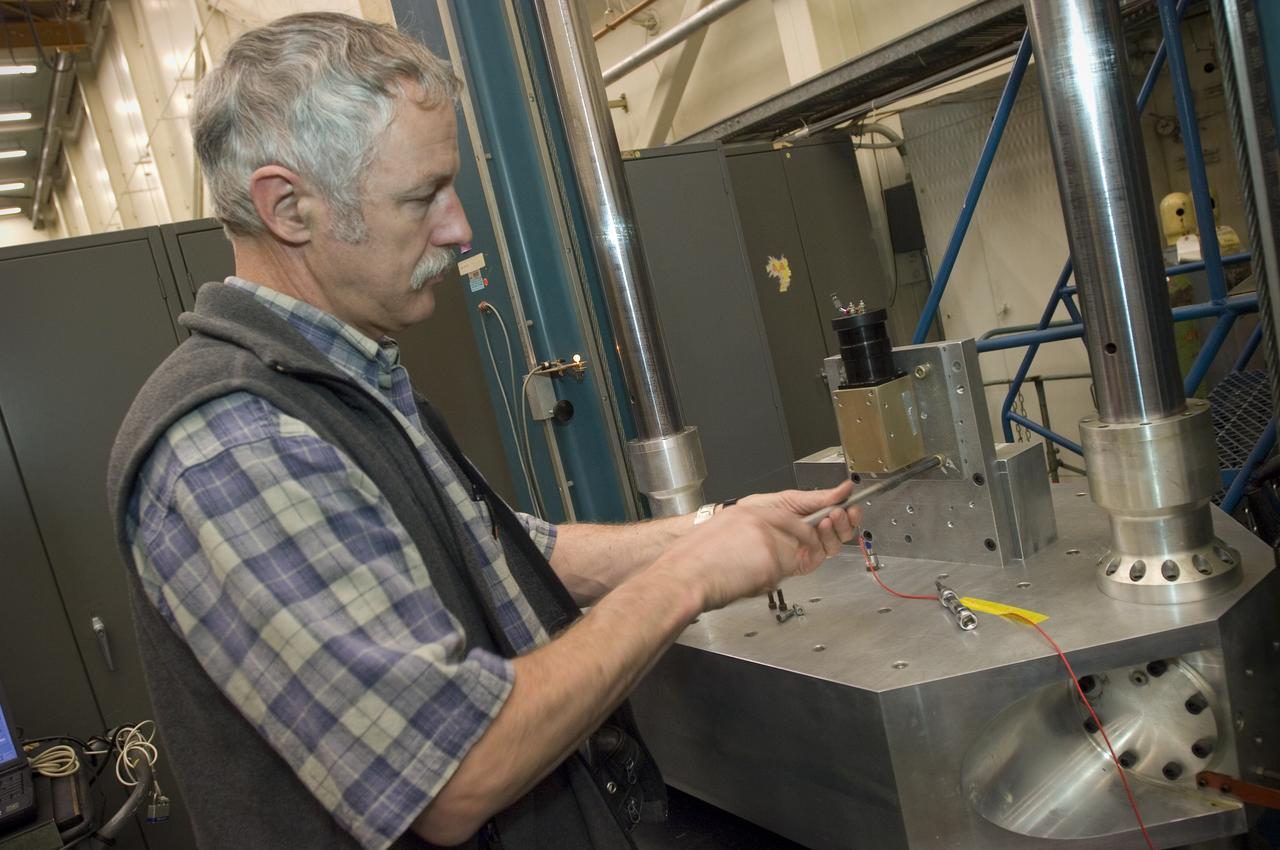
Lunar CRater Observation and Sensing Satellite (LCROSS) and P.I. at NASA Ames Research Center - Total Luminance Photometer lens and electronics units on shake table in N-2444 EEL Laboratory with Lynn Hofland (techician/operator EEL) tightens photometer to fixture on shake table
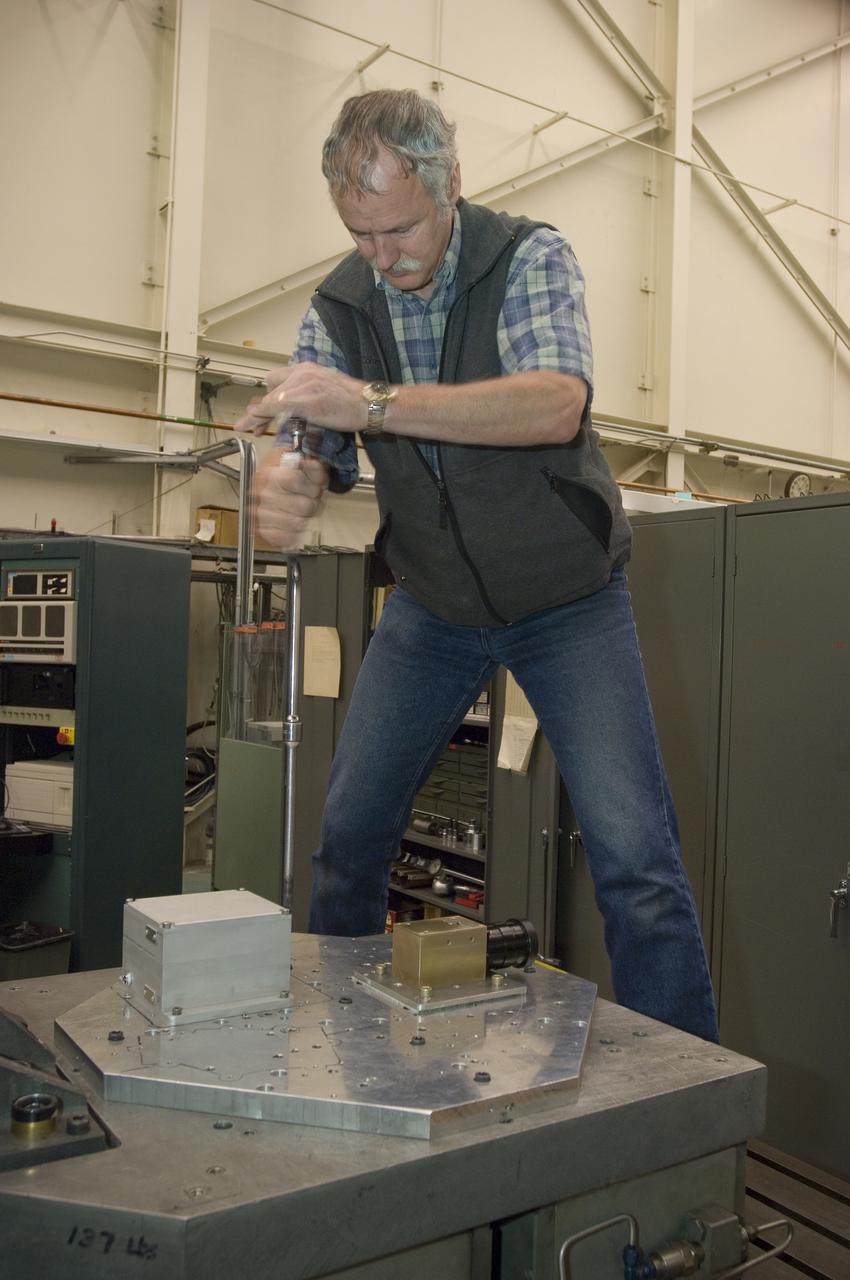
Lunar CRater Observation and Sensing Satellite (LCROSS) and P.I. at NASA Ames Research Center - Total Luminance Photometer lens and electronics units on shake table in N-2444 EEL Laboratory with Lynn Hofland (techician/operator EEL) bolts two pieces of the LCROSS photometer to bigger shake table
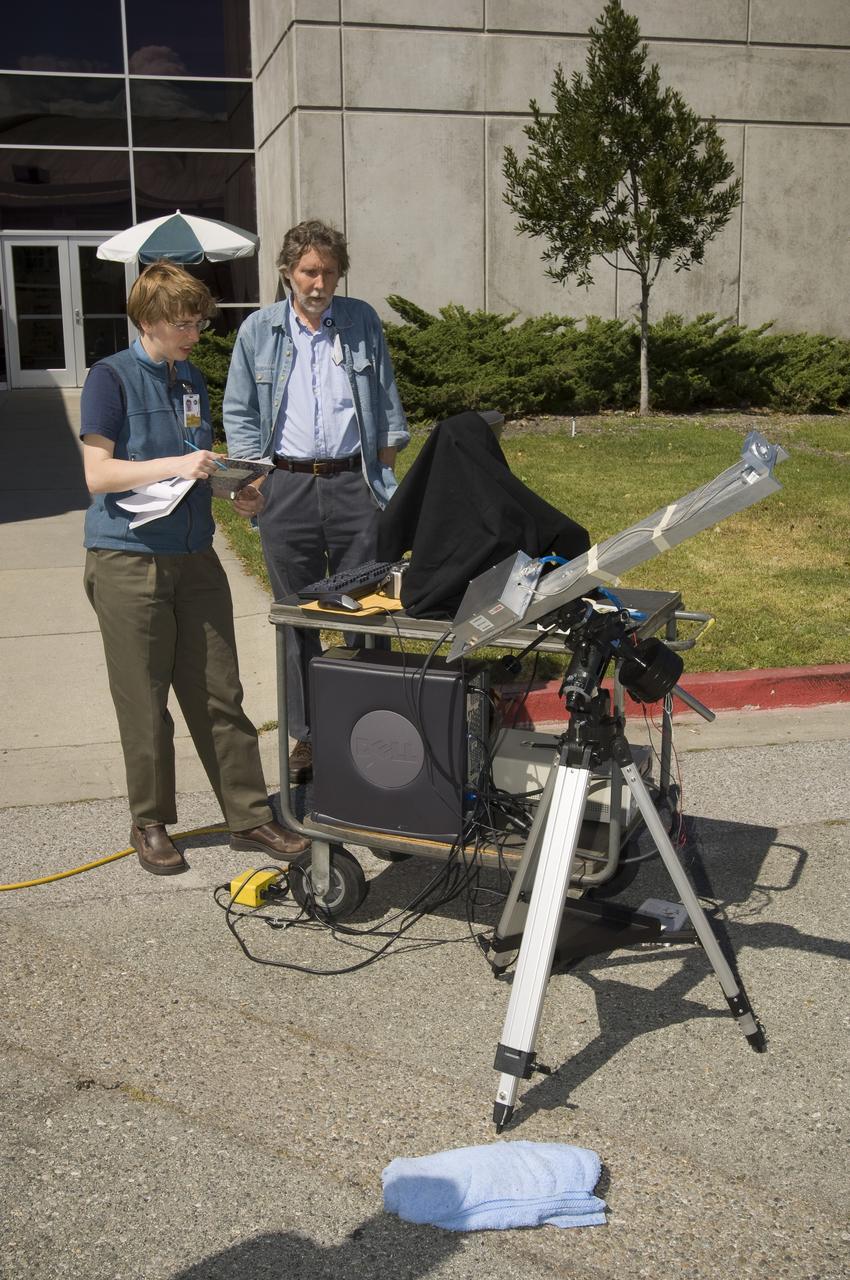
Lunar CRater Observation and Sensing Satellite (LCROSS) and P.I. at NASA Ames Research Center - Calibration of Polychromix Near Infra Red Spectrometer outside of N-240A (EEL) with (l to r)) Kim Ennico, Dana Lynch, and Diane Wooden
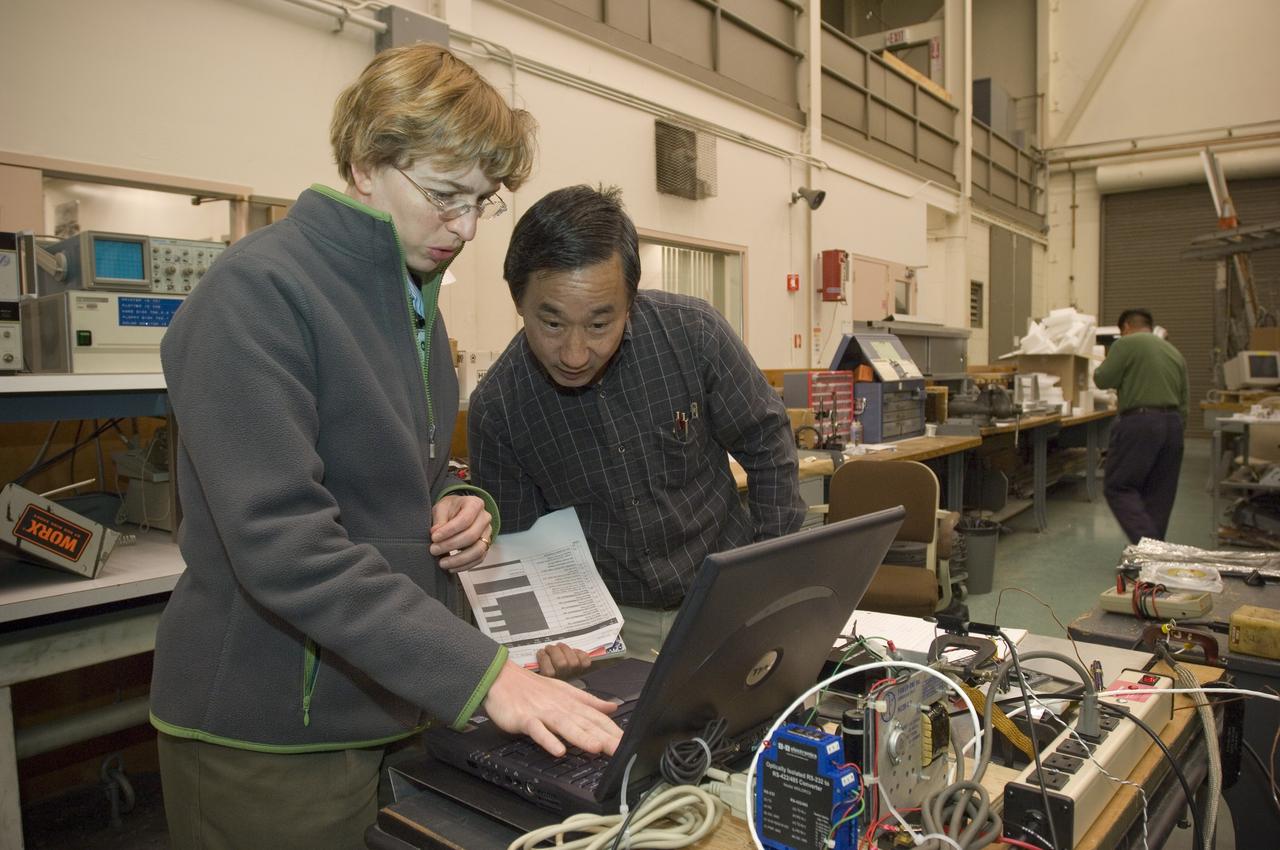
Lunar CRater Observation and Sensing Satellite (LCROSS) and P.I. at NASA Ames Research Center - Total Luminance Photometer lens and electronics units on shake table in N-2444 EEL Laboratory: Kim Ennico and Gi Kojima check electronics
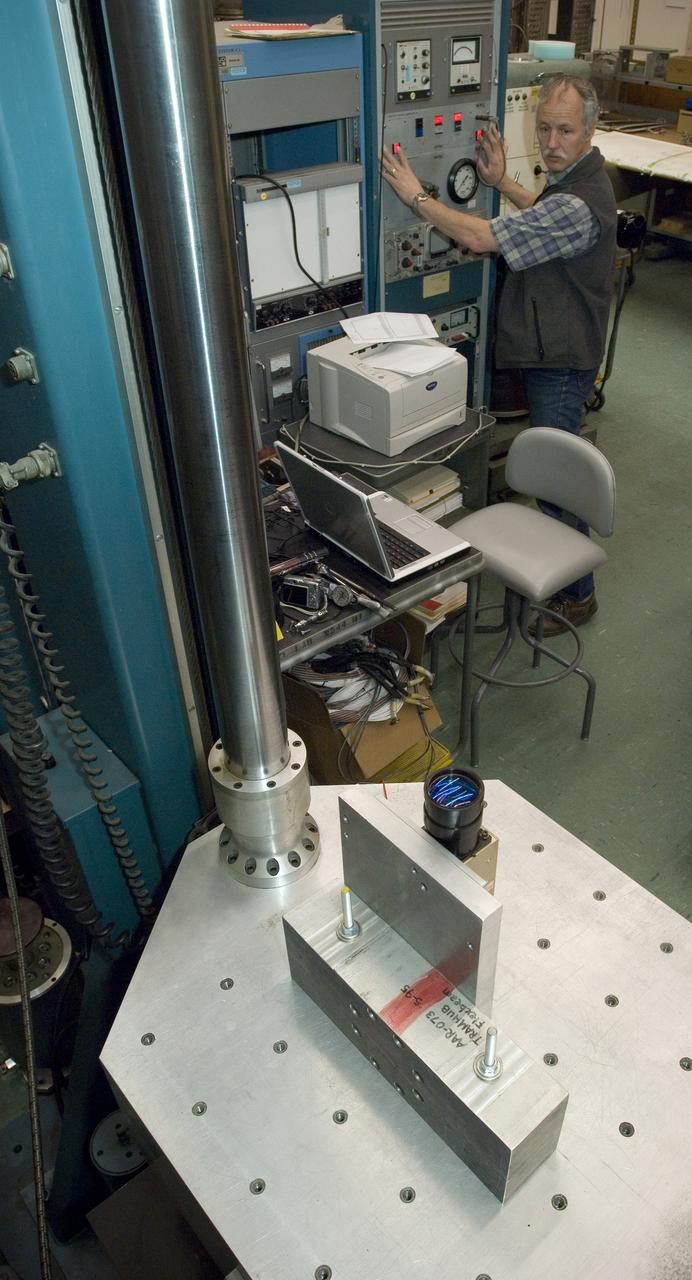
Lunar CRater Observation and Sensing Satellite (LCROSS) and P.I. at NASA Ames Research Center - Total Luminance Photometer lens and electronics units on shake table in N-2444 EEL Laboratory with Lynn Hofland (techician/operator EEL) oversees test run
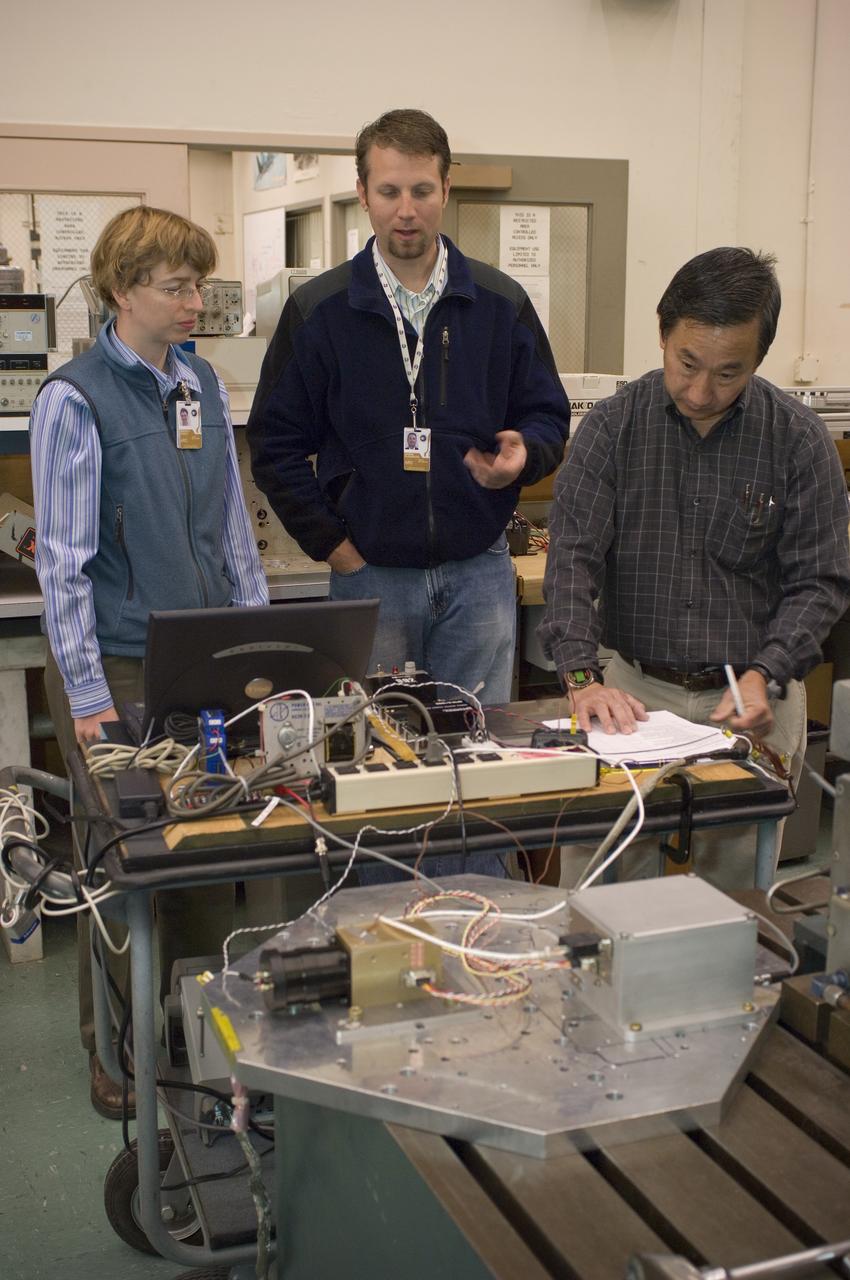
Lunar CRater Observation and Sensing Satellite (LCROSS) and P.I. at NASA Ames Research Center - (l to r) Kim Ennico, Damon Flansburg and Gi Kojima check out the LCROSS Total Luminance Photometer lens and electronics attached to a metal plate in preparation for a vibe (vibration) test on the shake table in N-2444 EEL Laboratory

CAPE CANAVERAL, Fla. –– On Cape Canaveral Air Force Station's Launch Complex 41, the Centaur upper stage is moved inside the Vertical Integration Facility for installation onto the Atlas V first stage, already in the tower. The Atlas V/Centaur is the launch vehicle for NASA's Lunar Reconnaissance Orbiter, or LRO, and NASA's Lunar CRater Observation and Sensing Satellite, known as LCROSS. LCROSS and LRO are the first missions in NASA's plan to return humans to the moon and begin establishing a lunar outpost by 2020. Photo credit: NASA/Jack Pfaller
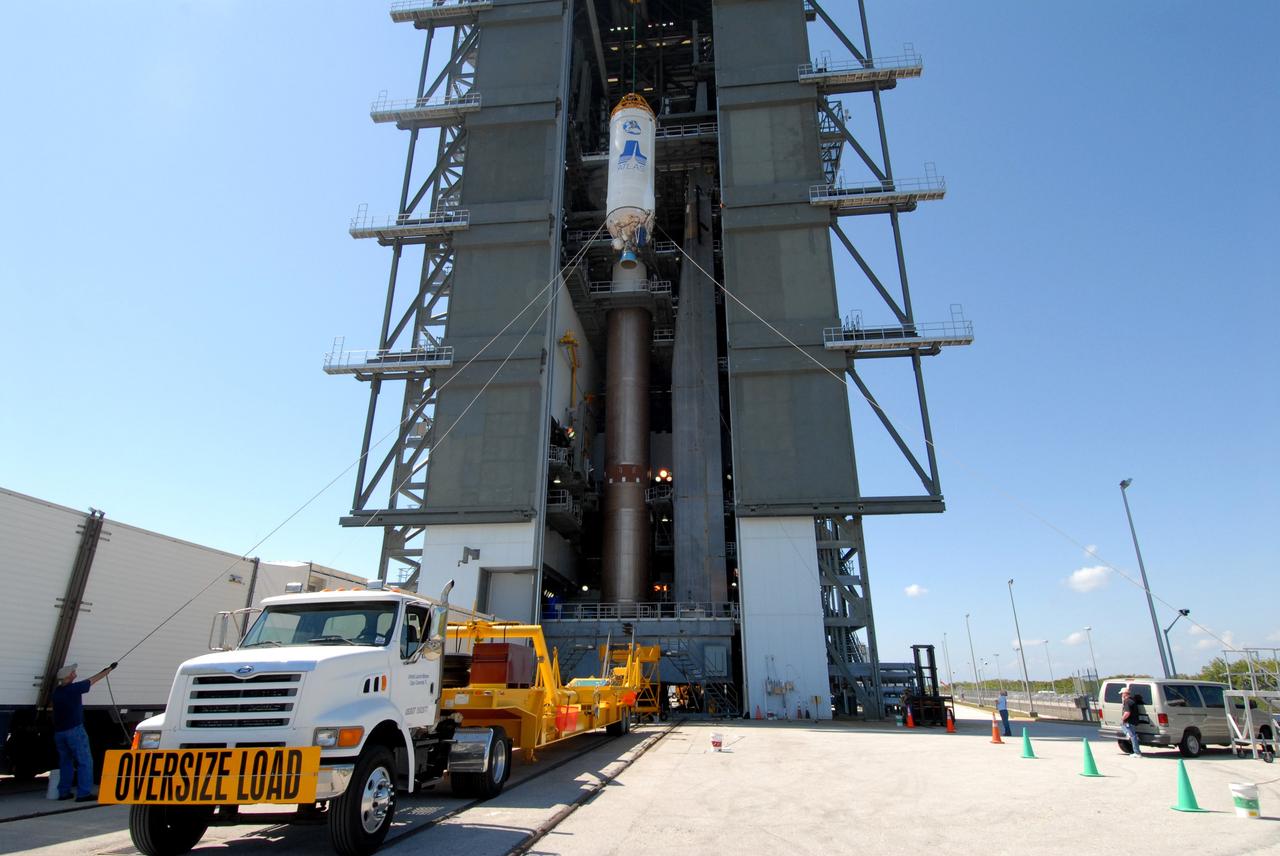
CAPE CANAVERAL, Fla. –– On Cape Canaveral Air Force Station's Launch Complex 41, the crane lifts the Centaur upper stage into the Vertical Integration Facility for installation onto the Atlas V first stage, seen in the tower. The Atlas V/Centaur is the launch vehicle for NASA's Lunar Reconnaissance Orbiter, or LRO, and NASA's Lunar CRater Observation and Sensing Satellite, known as LCROSS. LCROSS and LRO are the first missions in NASA's plan to return humans to the moon and begin establishing a lunar outpost by 2020. Photo credit: NASA/Jack Pfaller
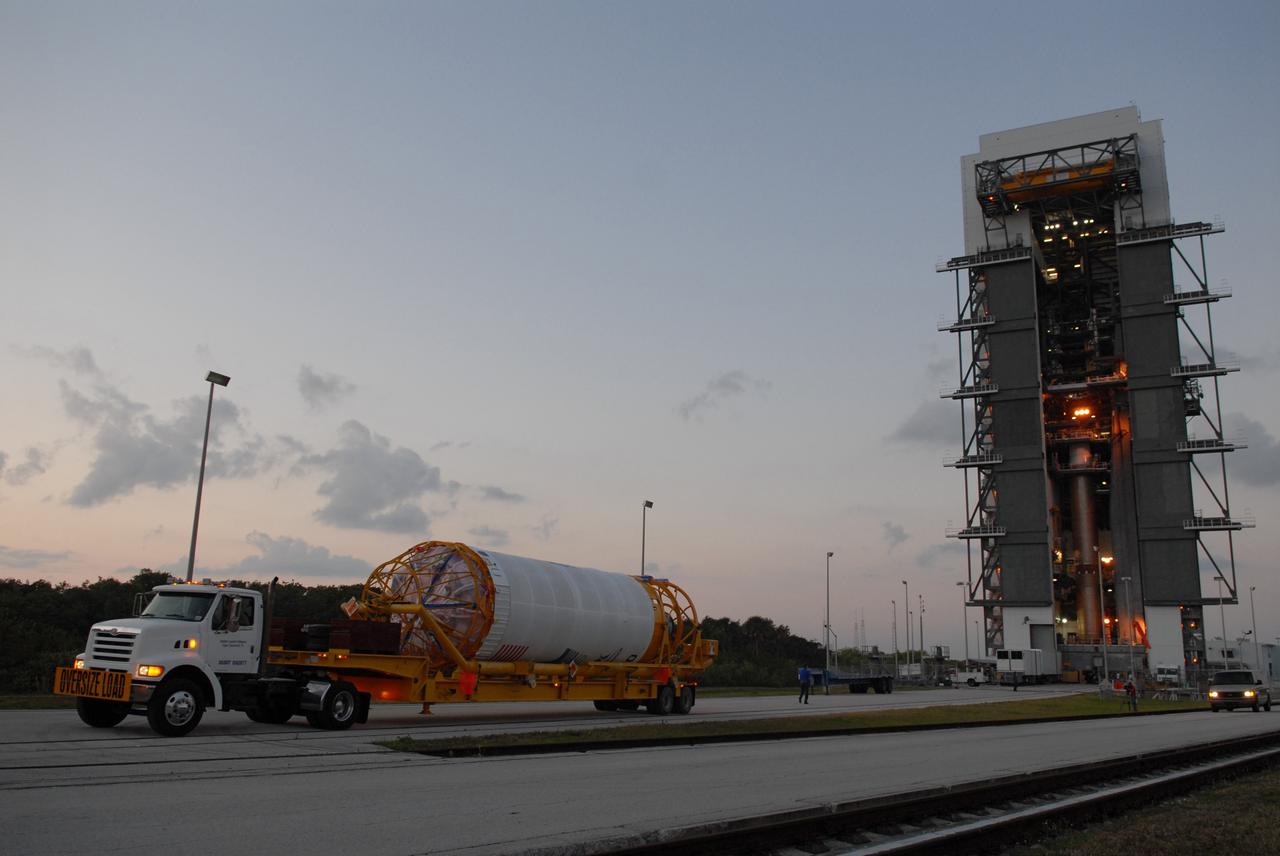
CAPE CANAVERAL, Fla. –– The Centaur upper stage is transported to the Vertical Integration Facility near Cape Canaveral Air Force Station's Launch Complex 41, where it will be lifted onto the Atlas V first stage. The Atlas V/Centaur is the launch vehicle for NASA's Lunar Reconnaissance Orbiter, or LRO, and NASA's Lunar CRater Observation and Sensing Satellite, known as LCROSS. LCROSS and LRO are the first missions in NASA's plan to return humans to the moon and begin establishing a lunar outpost by 2020. Photo credit: NASA/Jack Pfaller
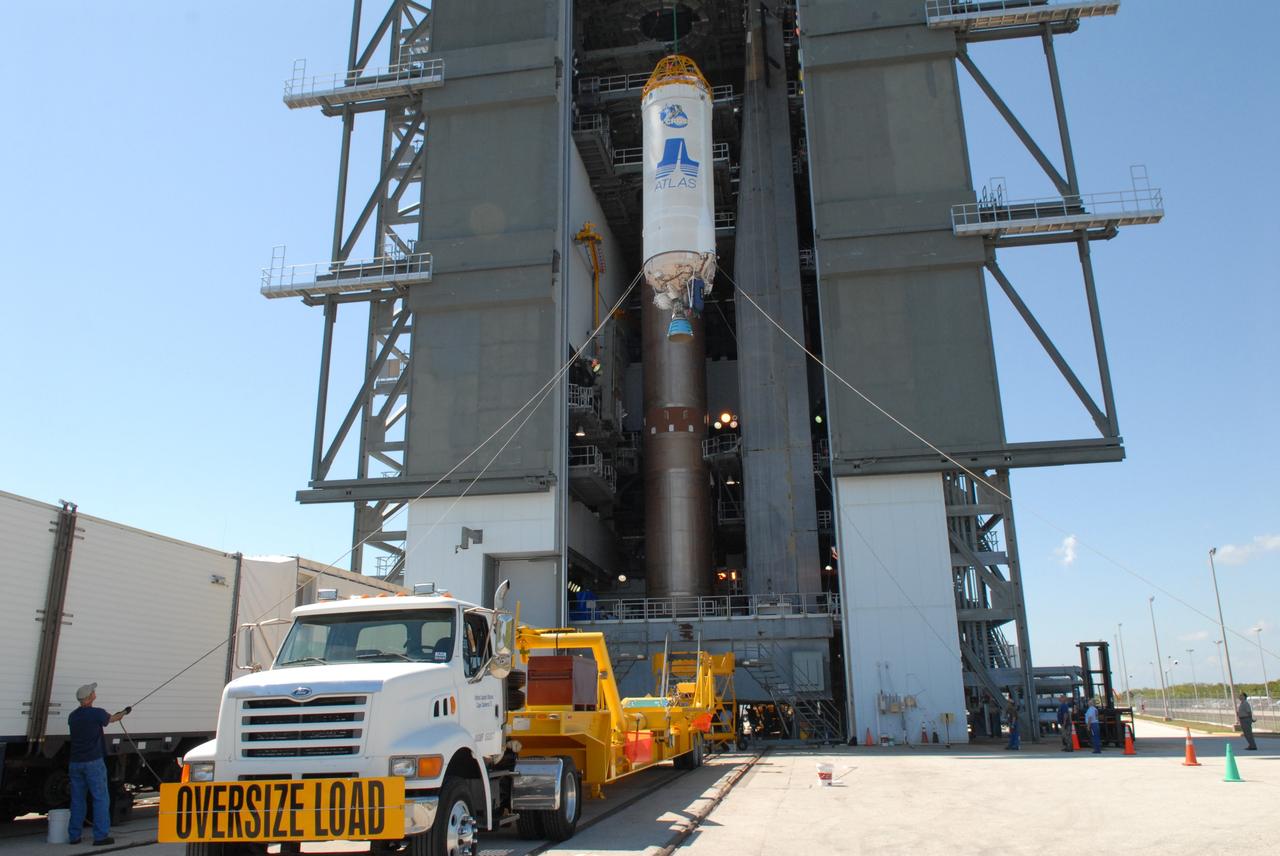
CAPE CANAVERAL, Fla. –– On Cape Canaveral Air Force Station's Launch Complex 41, the crane lifts the Centaur upper stage into the Vertical Integration Facility for installation onto the Atlas V first stage, already in the tower. The Atlas V/Centaur is the launch vehicle for NASA's Lunar Reconnaissance Orbiter, or LRO, and NASA's Lunar CRater Observation and Sensing Satellite, known as LCROSS. LCROSS and LRO are the first missions in NASA's plan to return humans to the moon and begin establishing a lunar outpost by 2020. Photo credit: NASA/Jack Pfaller
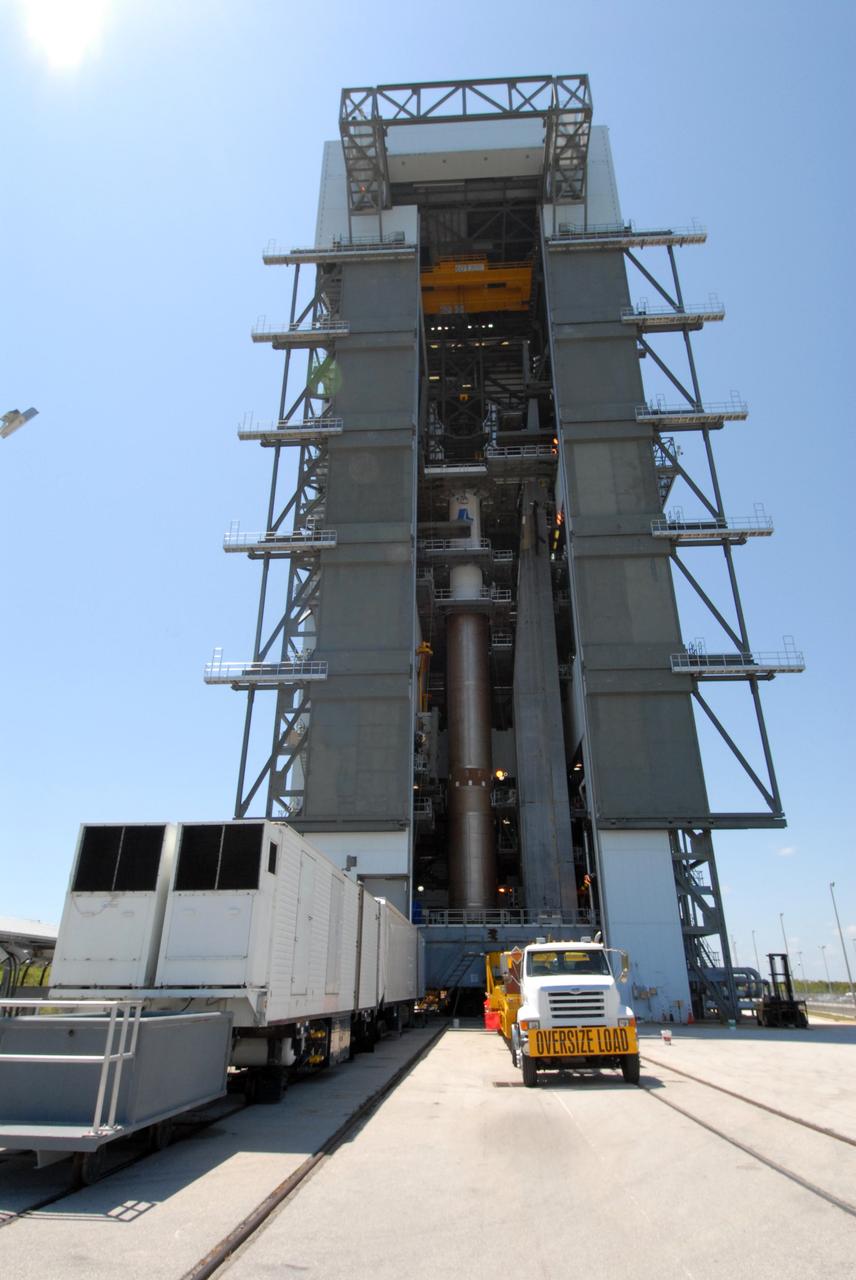
CAPE CANAVERAL, Fla. –– On Cape Canaveral Air Force Station's Launch Complex 41, the Centaur upper stage is moved into place in the Vertical Integration Facility for installation onto the Atlas V first stage, seen below it. The Atlas V/Centaur is the launch vehicle for NASA's Lunar Reconnaissance Orbiter, or LRO, and NASA's Lunar CRater Observation and Sensing Satellite, known as LCROSS. LCROSS and LRO are the first missions in NASA's plan to return humans to the moon and begin establishing a lunar outpost by 2020. Photo credit: NASA/Jack Pfaller
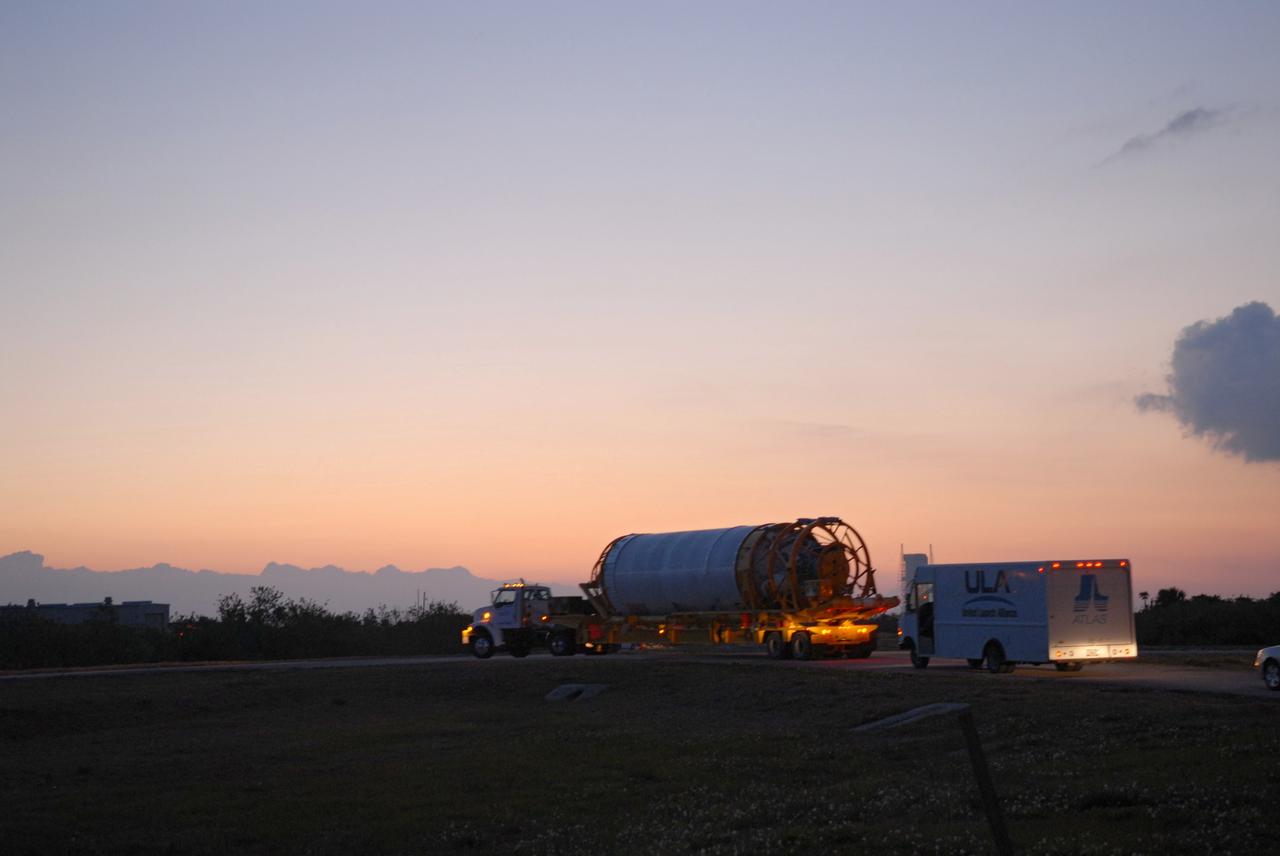
CAPE CANAVERAL, Fla. –– The Centaur upper stage is transported to the Vertical Integration Facility near Cape Canaveral Air Force Station's Launch Complex 41, where it will be lifted onto the Atlas V first stage. The Atlas V/Centaur is the launch vehicle for NASA's Lunar Reconnaissance Orbiter, or LRO, and NASA's Lunar CRater Observation and Sensing Satellite, known as LCROSS. LCROSS and LRO are the first missions in NASA's plan to return humans to the moon and begin establishing a lunar outpost by 2020. Photo credit: NASA/Jack Pfaller
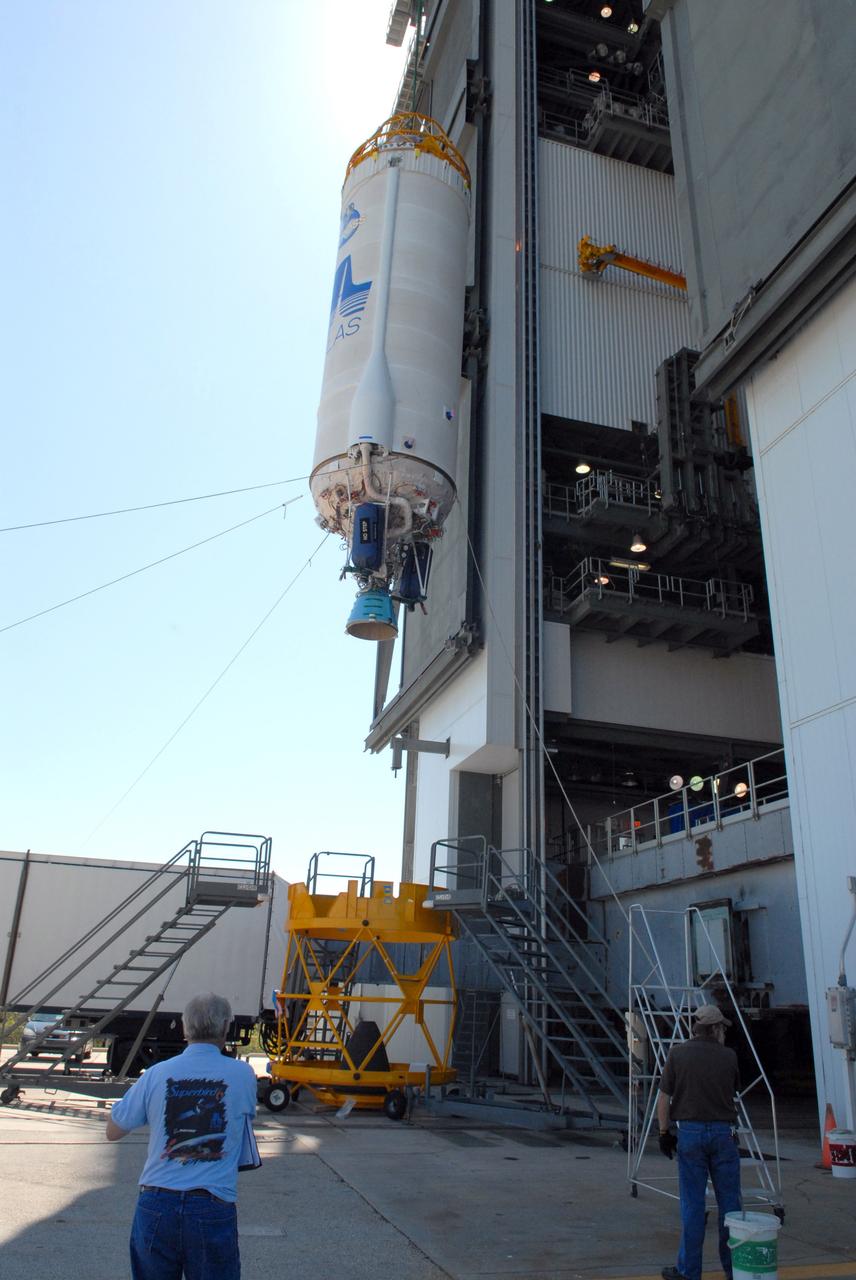
CAPE CANAVERAL, Fla. –– On Cape Canaveral Air Force Station's Launch Complex 41, the crane lifts the Centaur upper stage into the Vertical Integration Facility for installation onto the Atlas V first stage, already in the tower. The Atlas V/Centaur is the launch vehicle for NASA's Lunar Reconnaissance Orbiter, or LRO, and NASA's Lunar CRater Observation and Sensing Satellite, known as LCROSS. LCROSS and LRO are the first missions in NASA's plan to return humans to the moon and begin establishing a lunar outpost by 2020. Photo credit: NASA/Jack Pfaller

International Year of Asronomy 'Observe the Moon Night' public event on Shenandoah Plaza, located in NASA Research Park at NASA's Ames Research Center, Moffett Field, Calif. The moon observation eent featured dozens of telescopes set up by local amateur astronomers and astronomy clubs for the public to view the surface o the moon and other celestial objects. NASA experts will be on hand to provide information about NASA's plans for lunar exploration, including the recently launch Lunar Crater Observation Sensing Satellite (LCROSS) and Lunar Reconnaissance Obriter (LRO) missions.
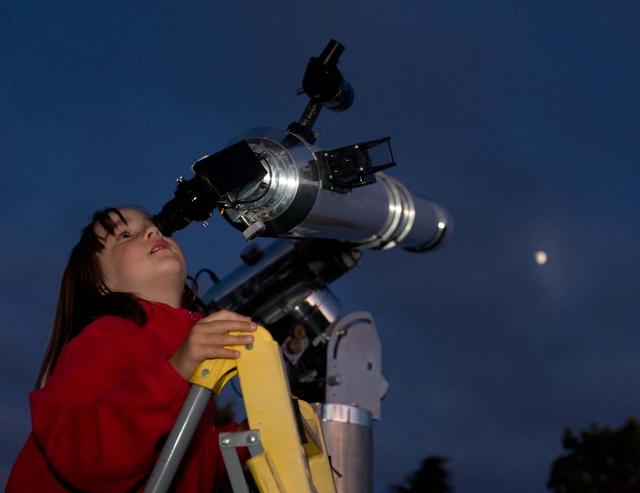
International Year of Asronomy 'Observe the Moon Night' public event on Shenandoah Plaza, located in NASA Research Park at NASA's Ames Research Center, Moffett Field, Calif. The moon observation eent featured dozens of telescopes set up by local amateur astronomers and astronomy clubs for the public to view the surface o the moon and other celestial objects. NASA experts will be on hand to provide information about NASA's plans for lunar exploration, including the recently launch Lunar Crater Observation Sensing Satellite (LCROSS) and Lunar Reconnaissance Obriter (LRO) missions.
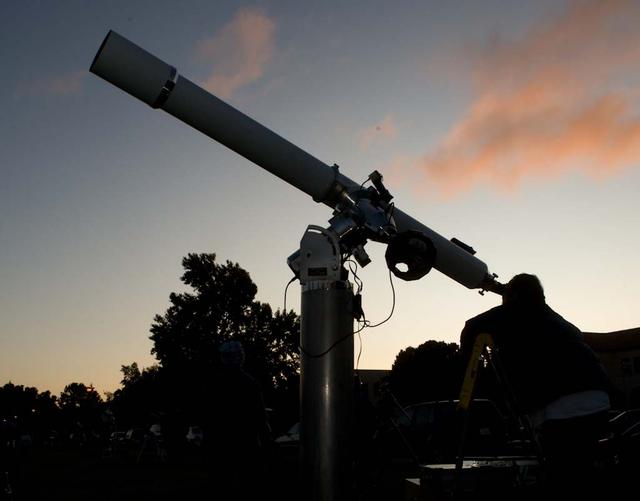
International Year of Asronomy 'Observe the Moon Night' public event on Shenandoah Plaza, located in NASA Research Park at NASA's Ames Research Center, Moffett Field, Calif. The moon observation eent featured dozens of telescopes set up by local amateur astronomers and astronomy clubs for the public to view the surface o the moon and other celestial objects. NASA experts will be on hand to provide information about NASA's plans for lunar exploration, including the recently launch Lunar Crater Observation Sensing Satellite (LCROSS) and Lunar Reconnaissance Obriter (LRO) missions.
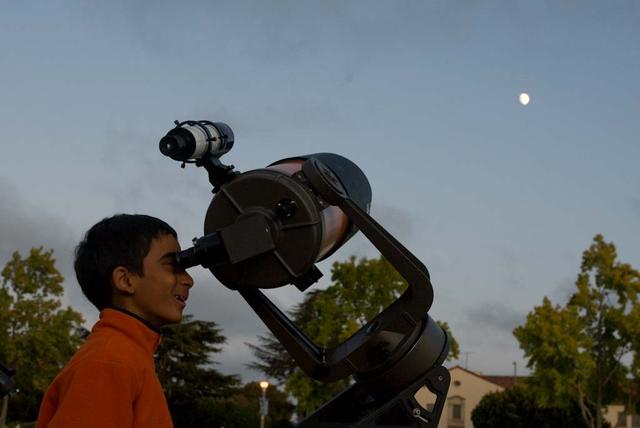
International Year of Asronomy 'Observe the Moon Night' public event on Shenandoah Plaza, located in NASA Research Park at NASA's Ames Research Center, Moffett Field, Calif. The moon observation eent featured dozens of telescopes set up by local amateur astronomers and astronomy clubs for the public to view the surface o the moon and other celestial objects. NASA experts will be on hand to provide information about NASA's plans for lunar exploration, including the recently launch Lunar Crater Observation Sensing Satellite (LCROSS) and Lunar Reconnaissance Obriter (LRO) missions.
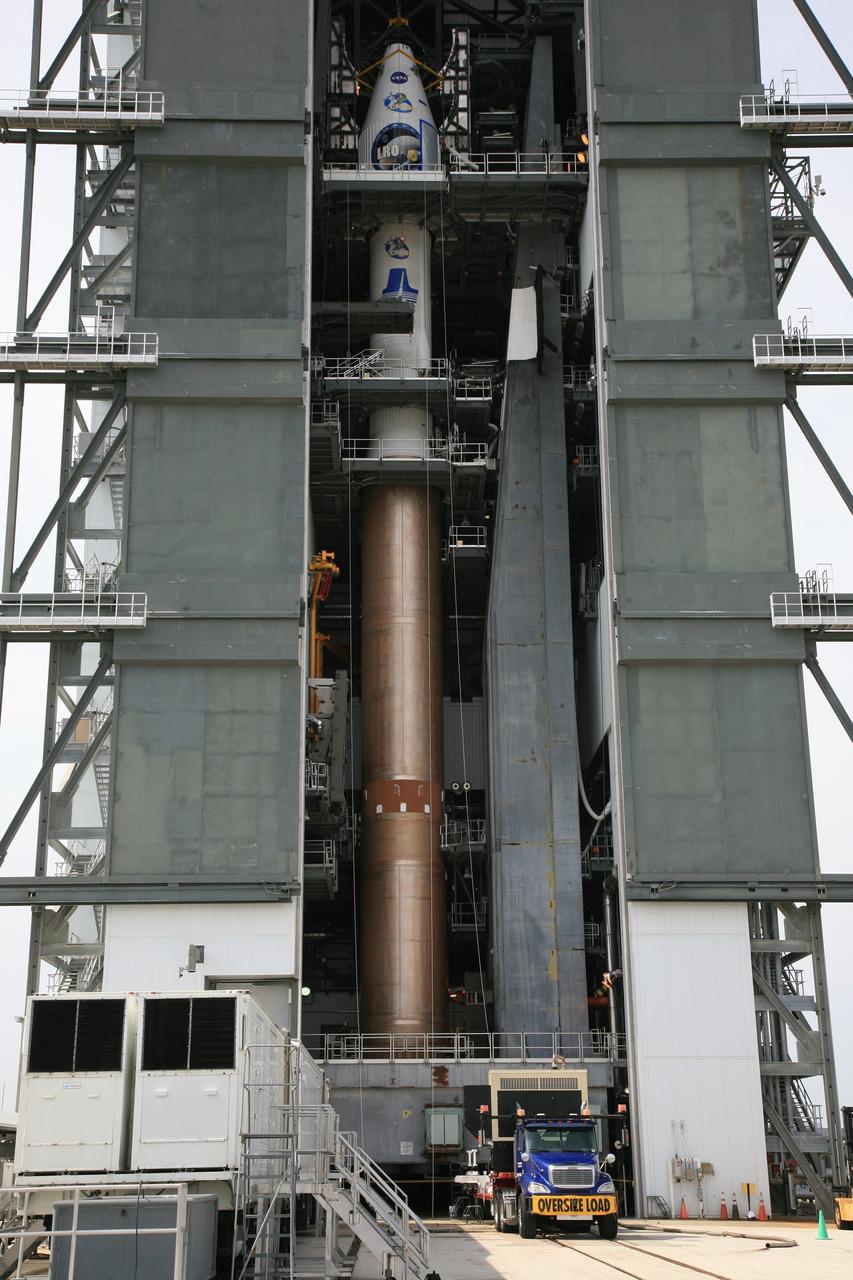
CAPE CANAVERAL, Fla. – On Launch Complex 41 at Cape Canaveral Air Force Station in Florida, the Lunar Reconnaissance Orbiter, or LRO, and NASA's Lunar Crater Observation and Sensing Satellite, known as LCROSS, are mated with the Atlas V rocket inside the mobile service tower for launch. The LRO includes five instruments that will help NASA characterize the moon's surface: DIVINER, LAMP, LEND, LOLA and LROC. Along with LCROSS, they will be launched aboard an Atlas V/Centaur rocket on June 17. Photo credit: NASA/Dimitri Gerondidakis
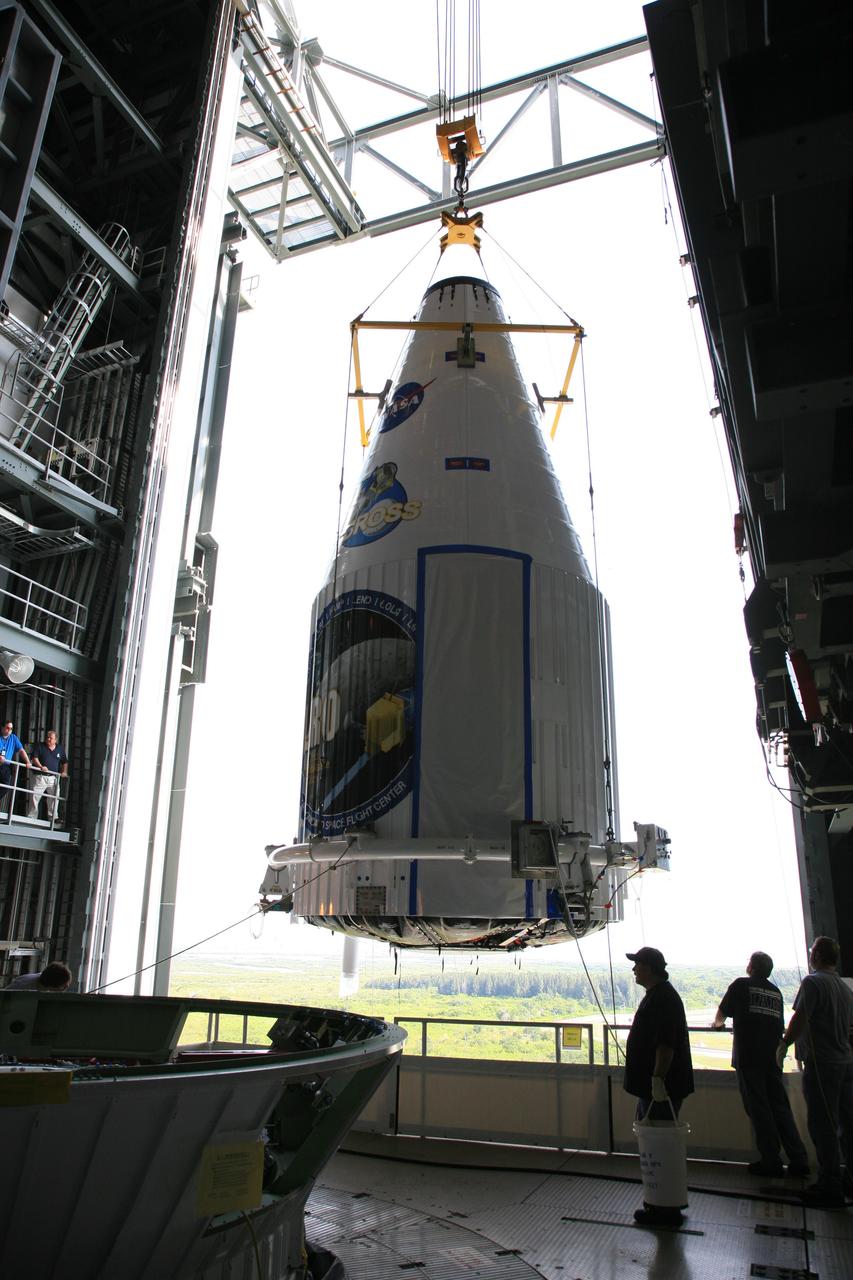
CAPE CANAVERAL, Fla. – On Launch Complex 41 at Cape Canaveral Air Force Station in Florida, the Lunar Reconnaissance Orbiter, or LRO, and NASA's Lunar Crater Observation and Sensing Satellite, known as LCROSS, are moved into the mobile service tower. The LRO will be mated to the Atlas V rocket for launch. The LRO includes five instruments that will help NASA characterize the moon's surface: DIVINER, LAMP, LEND, LOLA and LROC. Along with LCROSS, they will be launched aboard an Atlas V/Centaur rocket on June 17. Photo credit: NASA/Dimitri Gerondidakis

CAPE CANAVERAL, Fla. – Enroute to Launch Complex 41 at Cape Canaveral Air Force Station in Florida, the Lunar Reconnaissance Orbiter, or LRO, and NASA's Lunar Crater Observation and Sensing Satellite, known as LCROSS, move past the Vehicle Assembly Building at NASA's Kennedy Space Center in Florida. The LRO includes five instruments that will help NASA characterize the moon's surface: DIVINER, LAMP, LEND, LOLA and LROC. Along with LCROSS, they will be launched aboard an Atlas V/Centaur rocket on June 17. Photo credit: NASA/Dimitri Gerondidakis
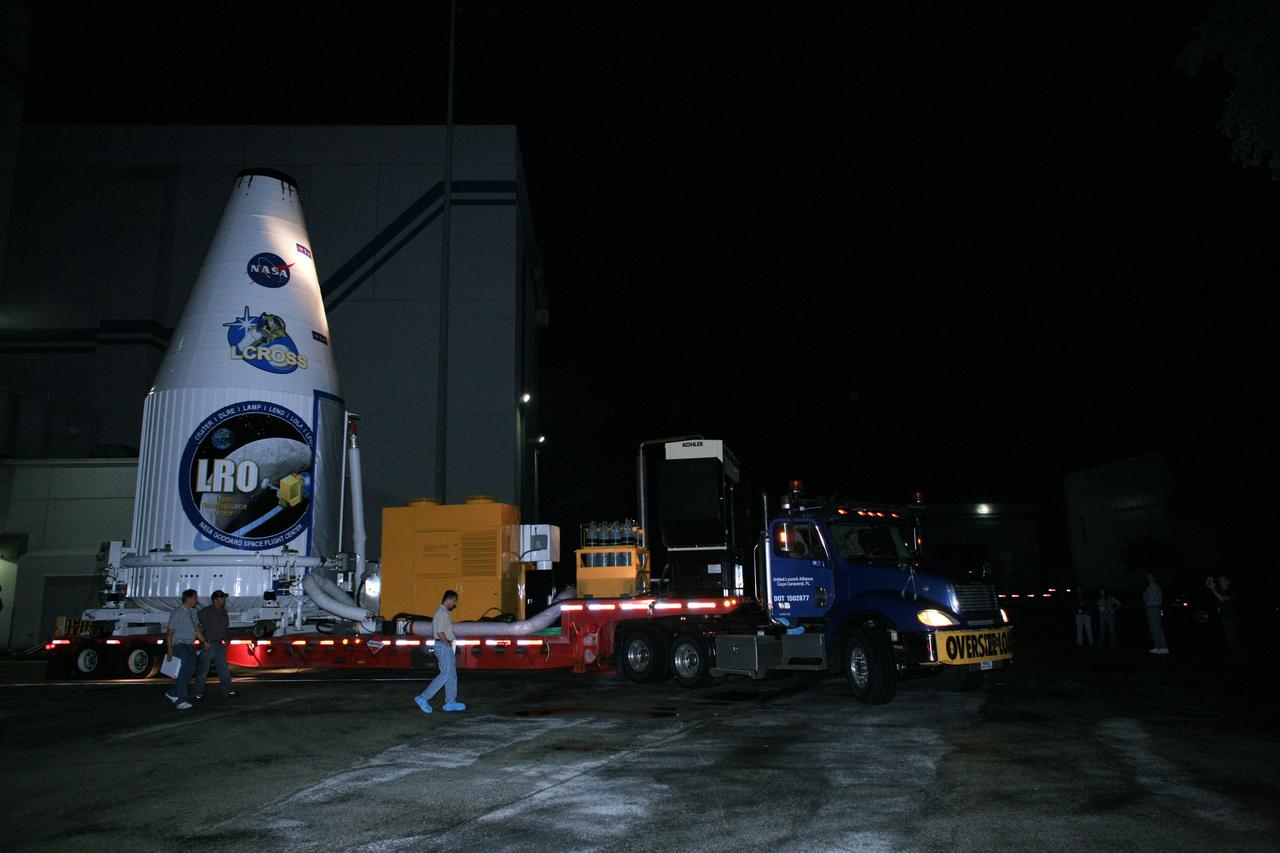
CAPE CANAVERAL, Fla. – Encased in the fairing, the Lunar Reconnaissance Orbiter, or LRO, and NASA's Lunar Crater Observation and Sensing Satellite, known as LCROSS, are moved out of Astrotech Space Operations in Titusville. It is being transported to Launch Complex 41 at Cape Canaveral Air Force Station in Florida. The LRO includes five instruments that will help NASA characterize the moon's surface: DIVINER, LAMP, LEND, LOLA and LROC. Along with LCROSS, they will be launched aboard an Atlas V/Centaur rocket on June 17. Photo credit: NASA/Dimitri Gerondidakis
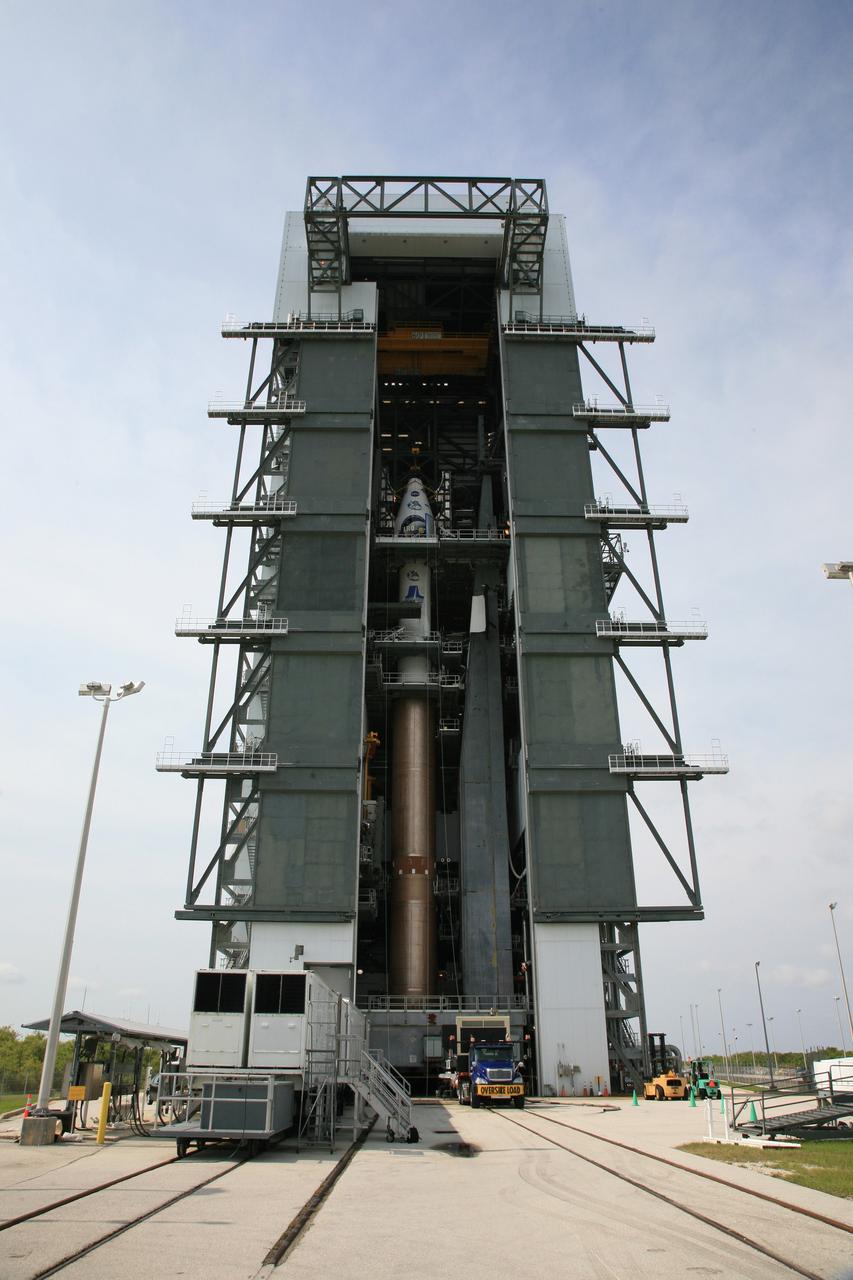
CAPE CANAVERAL, Fla. – On Launch Complex 41 at Cape Canaveral Air Force Station in Florida, the Lunar Reconnaissance Orbiter, or LRO, and NASA's Lunar Crater Observation and Sensing Satellite, known as LCROSS, are mated with the Atlas V rocket inside the mobile service tower for launch. The LRO includes five instruments that will help NASA characterize the moon's surface: DIVINER, LAMP, LEND, LOLA and LROC. Along with LCROSS, they will be launched aboard an Atlas V/Centaur rocket on June 17. Photo credit: NASA/Dimitri Gerondidakis
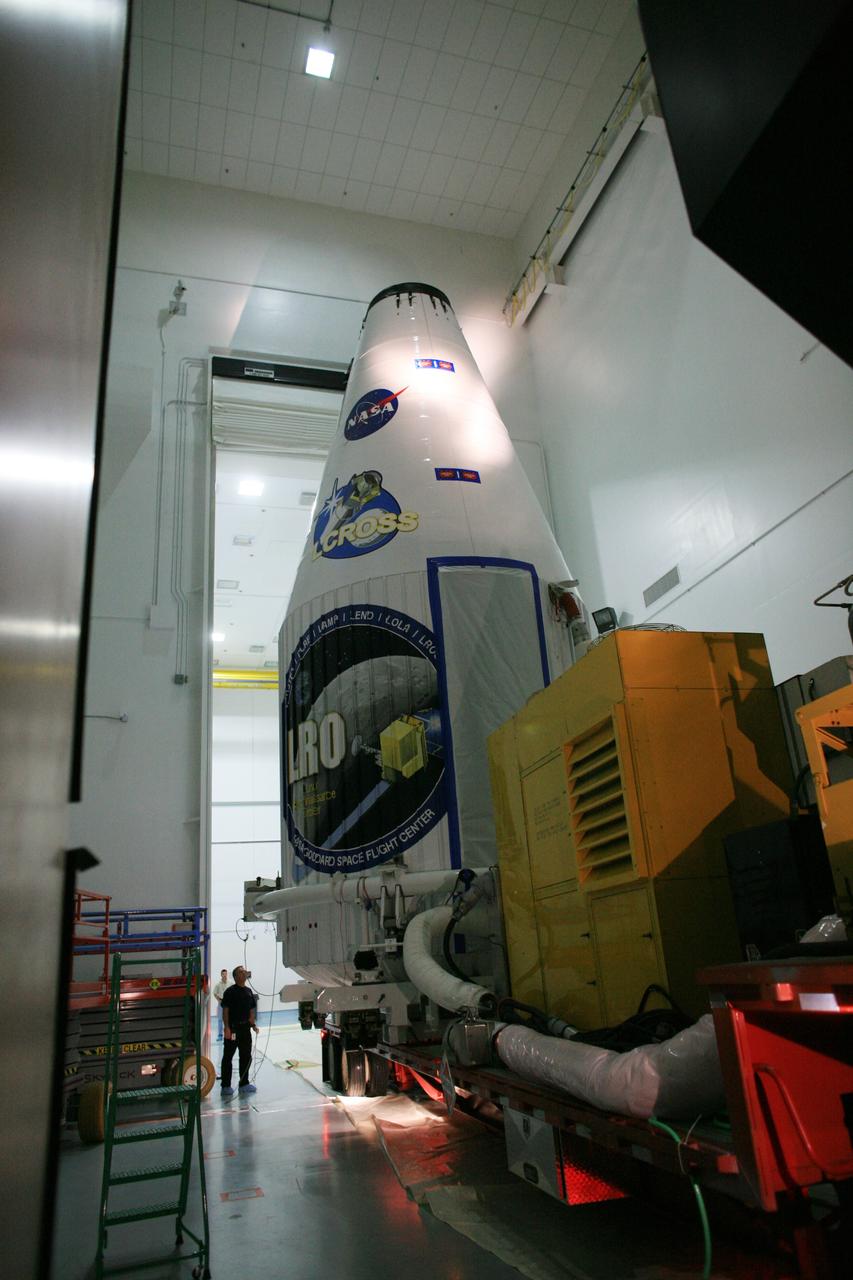
CAPE CANAVERAL, Fla. – Encased in the fairing, the Lunar Reconnaissance Orbiter, or LRO, and NASA's Lunar Crater Observation and Sensing Satellite, known as LCROSS, are moved out of Astrotech Space Operations in Titusville. It is being transported to Launch Complex 41 at Cape Canaveral Air Force Station in Florida. The LRO includes five instruments that will help NASA characterize the moon's surface: DIVINER, LAMP, LEND, LOLA and LROC. Along with LCROSS, they will be launched aboard an Atlas V/Centaur rocket on June 17. Photo credit: NASA/Dimitri Gerondidakis
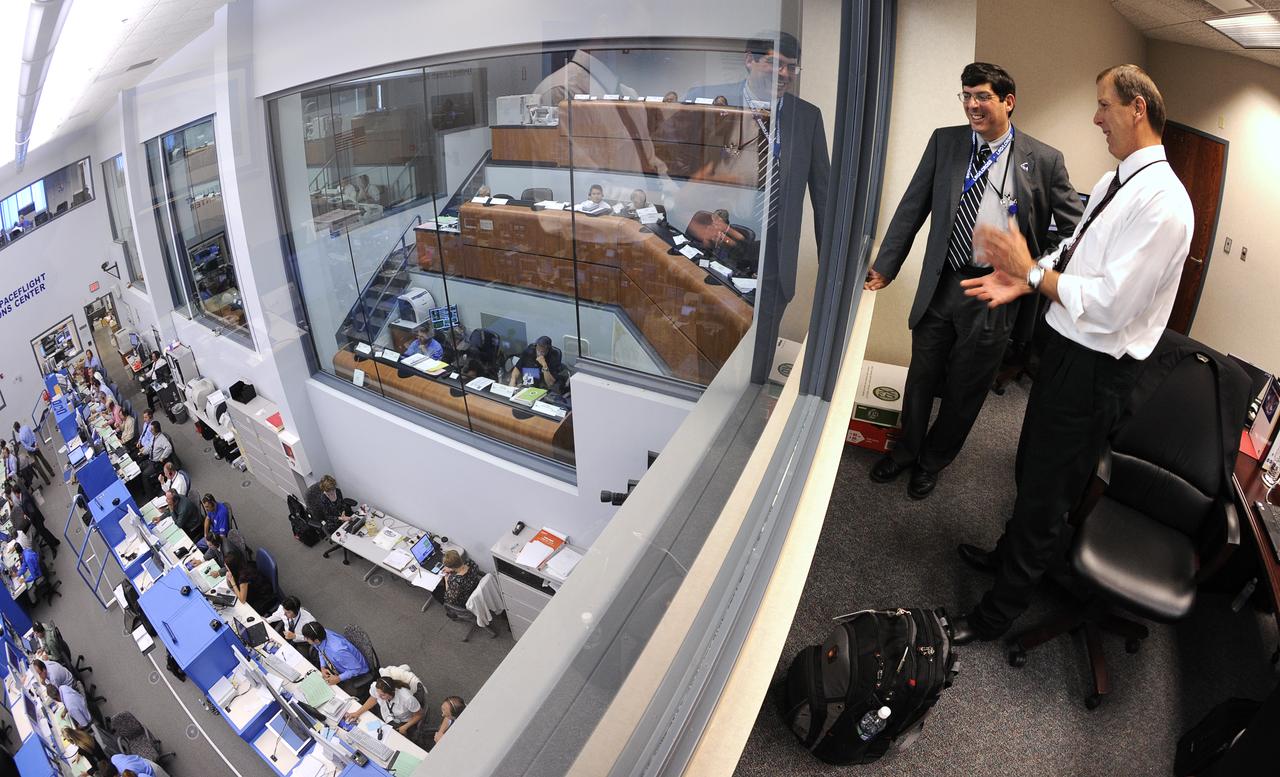
NASA Acting Administrator Chris Scolese, 2nd from right, looks out over the Atlas V Spaceflight Operations Center prior to the launch of the Lunar Reconnaissance Orbiter and Lunar Crater Observation and Sensing Satellite Thursday, June 18, 2009, from Cape Canaveral Air Force Station, Florida. Photo Credit: (NASA/Bill Ingalls)
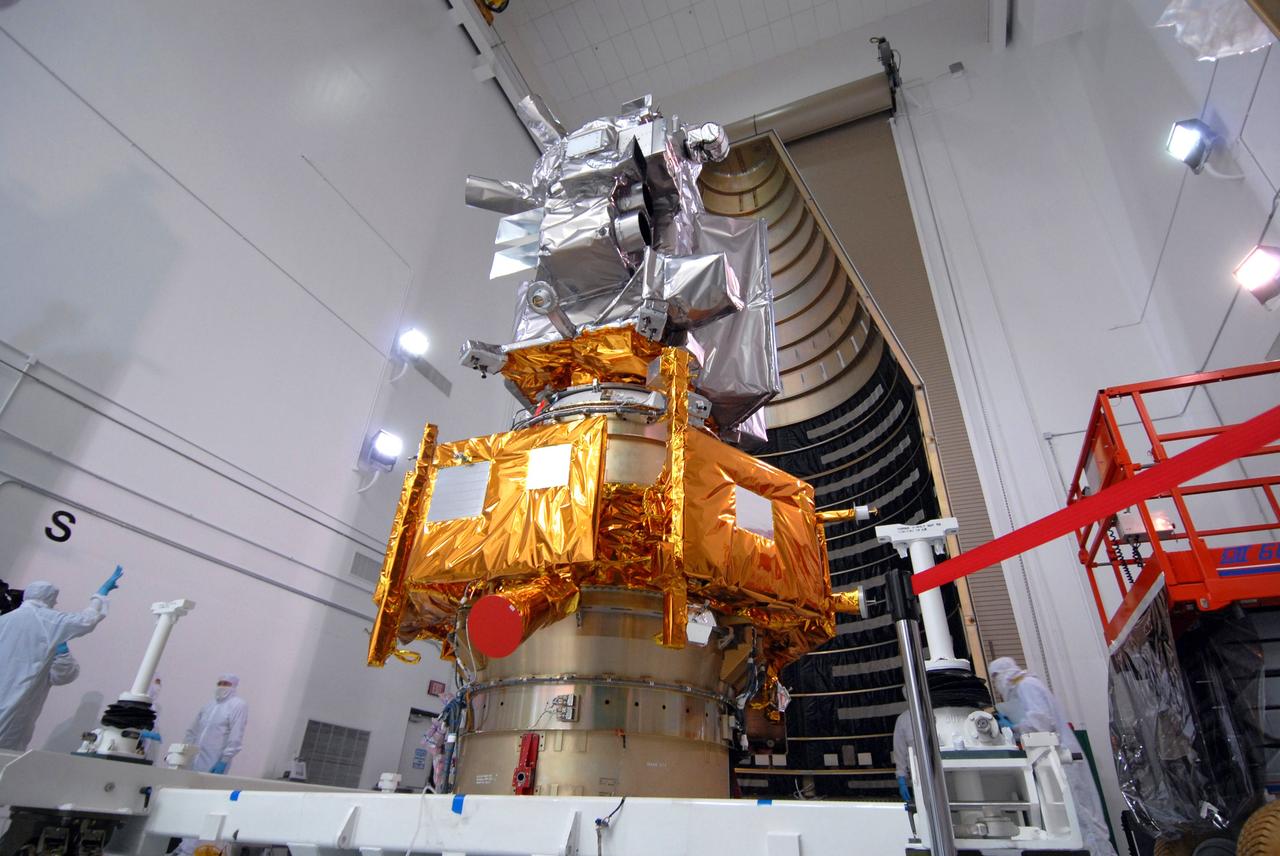
CAPE CANAVERAL, Fla. – At Astrotech Space Operations Facility in Titusville, Fla., NASA's Lunar Reconnaissance Orbiter, or LRO, and NASA's Lunar Crater Observation and Sensing Satellite, known as LCROSS, are being prepared for fairing installation. The LRO includes five instruments: DIVINER, LAMP, LEND, LOLA and LROC. They will be launched aboard an Atlas V/Centaur rocket no earlier than June 17 from Launch Complex-41 on Cape Canaveral Air Force Station in Florida. Photo credit: NASA/Jack Pfaller
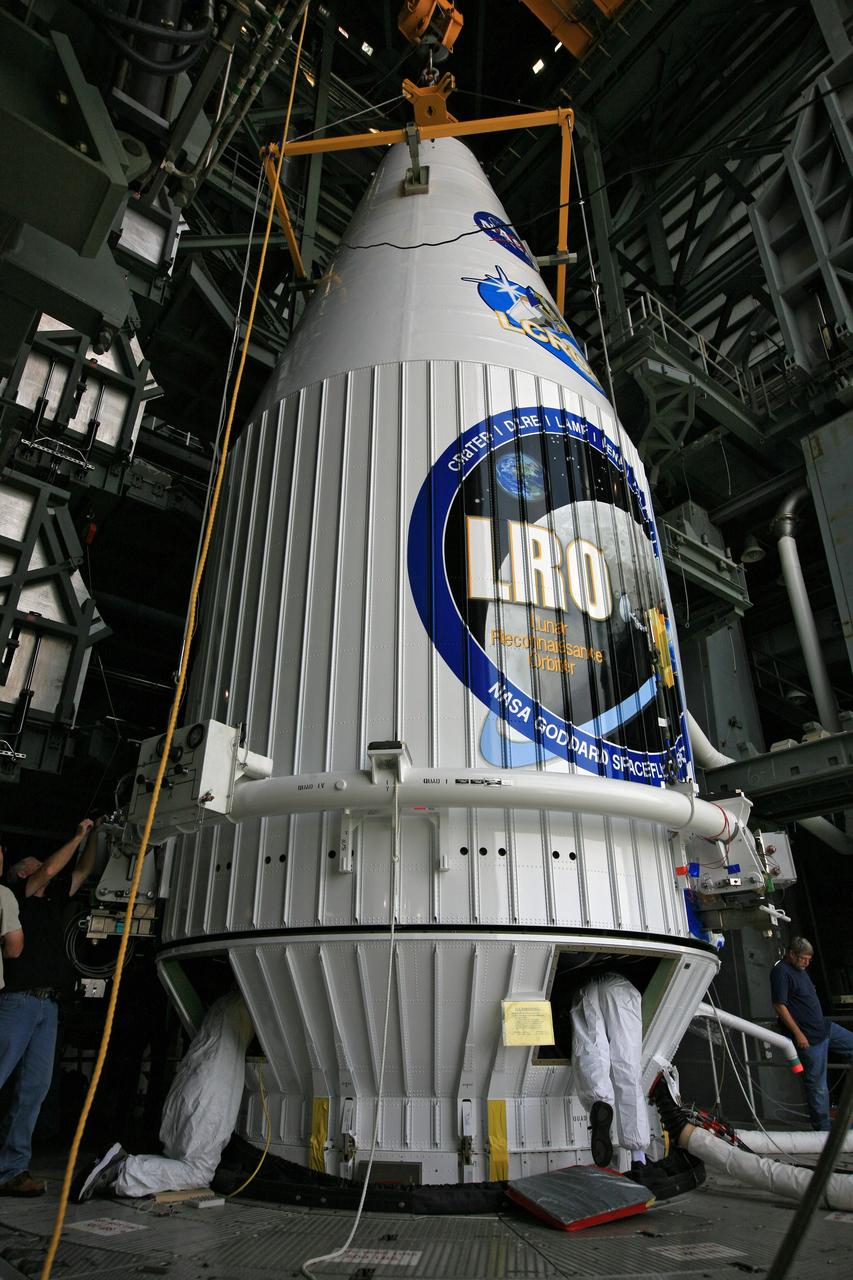
CAPE CANAVERAL, Fla. – On Launch Complex 41 at Cape Canaveral Air Force Station in Florida, workers prepare the Lunar Reconnaissance Orbiter, or LRO, and NASA's Lunar Crater Observation and Sensing Satellite, known as LCROSS, for mating inside the mobile service tower with the Atlas V rocket for launch. The LRO includes five instruments that will help NASA characterize the moon's surface: DIVINER, LAMP, LEND, LOLA and LROC. Along with LCROSS, they will be launched aboard an Atlas V/Centaur rocket on June 17. Photo credit: NASA/Dimitri Gerondidakis
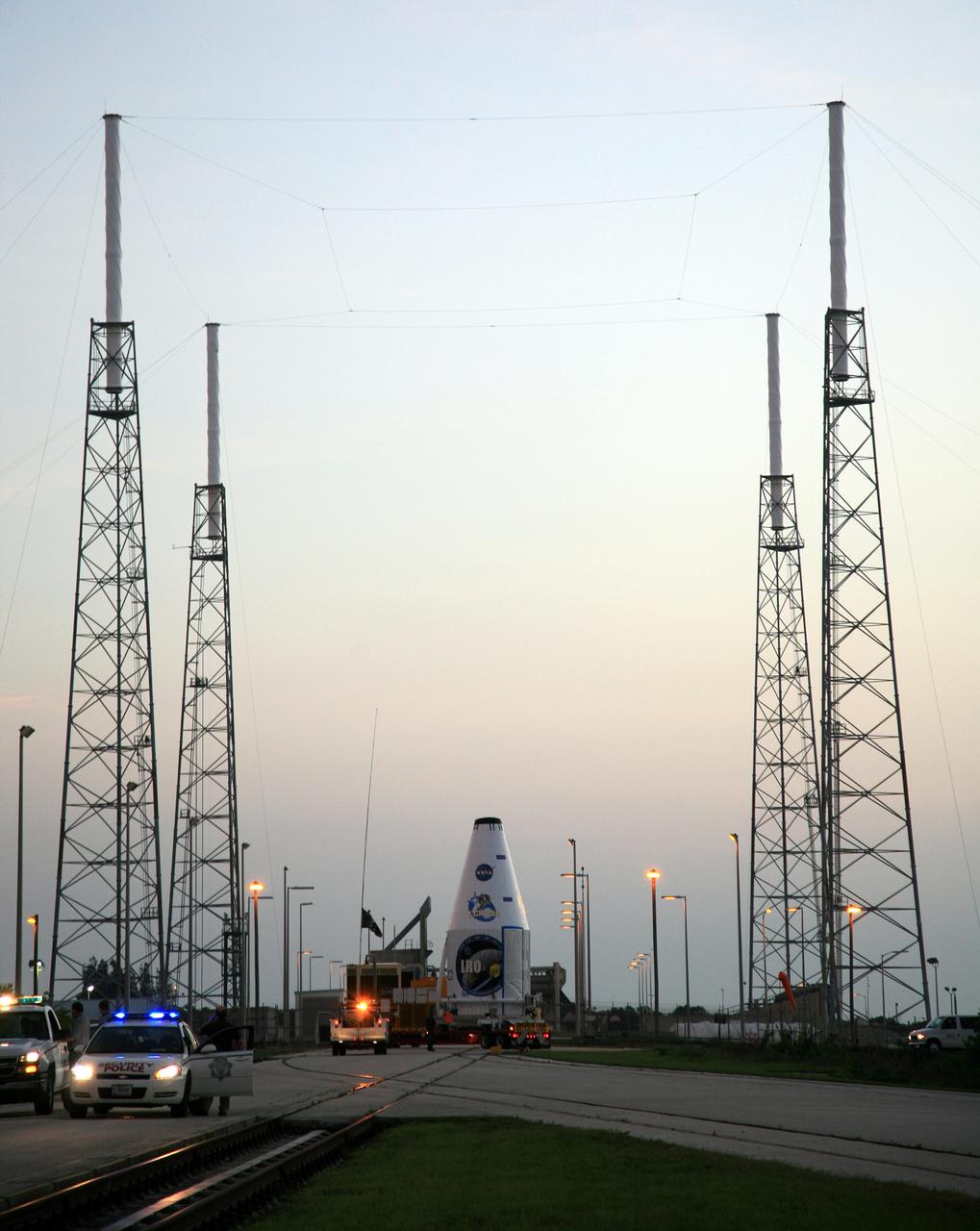
CAPE CANAVERAL, Fla. – The Lunar Reconnaissance Orbiter, or LRO, and NASA's Lunar Crater Observation and Sensing Satellite, known as LCROSS, arrive on Launch Complex 41 at Cape Canaveral Air Force Station in Florida. Surrounding the launch pad are the lightning protection towers. The LRO includes five instruments that will help NASA characterize the moon's surface: DIVINER, LAMP, LEND, LOLA and LROC. Along with LCROSS, they will be launched aboard an Atlas V/Centaur rocket on June 17. Photo credit: NASA/Dimitri Gerondidakis
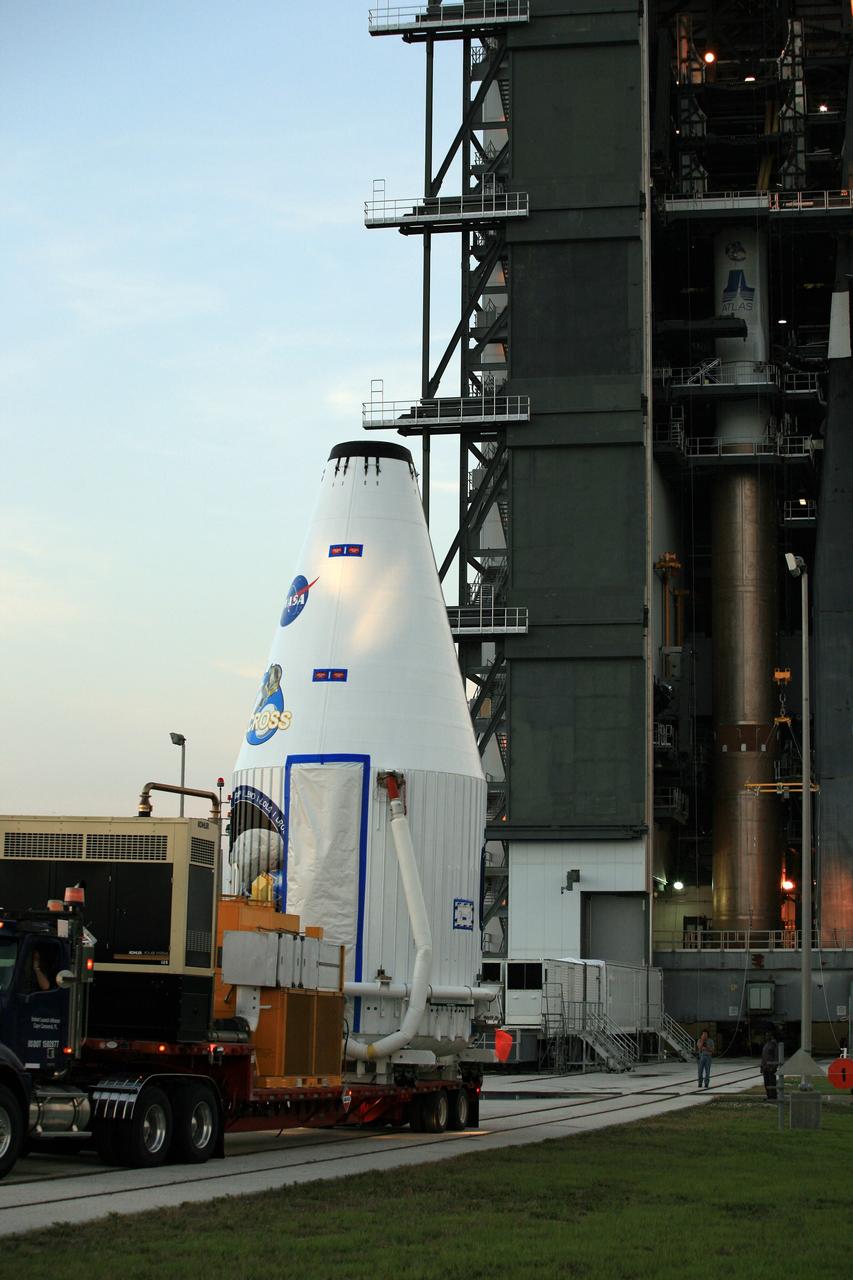
CAPE CANAVERAL, Fla. – The Lunar Reconnaissance Orbiter, or LRO, and NASA's Lunar Crater Observation and Sensing Satellite, known as LCROSS, are moved closer to the mobile service tower on Launch Complex 41 at Cape Canaveral Air Force Station in Florida. The LRO includes five instruments that will help NASA characterize the moon's surface: DIVINER, LAMP, LEND, LOLA and LROC. Along with LCROSS, they will be launched aboard an Atlas V/Centaur rocket on June 17. Photo credit: NASA/Dimitri Gerondidakis
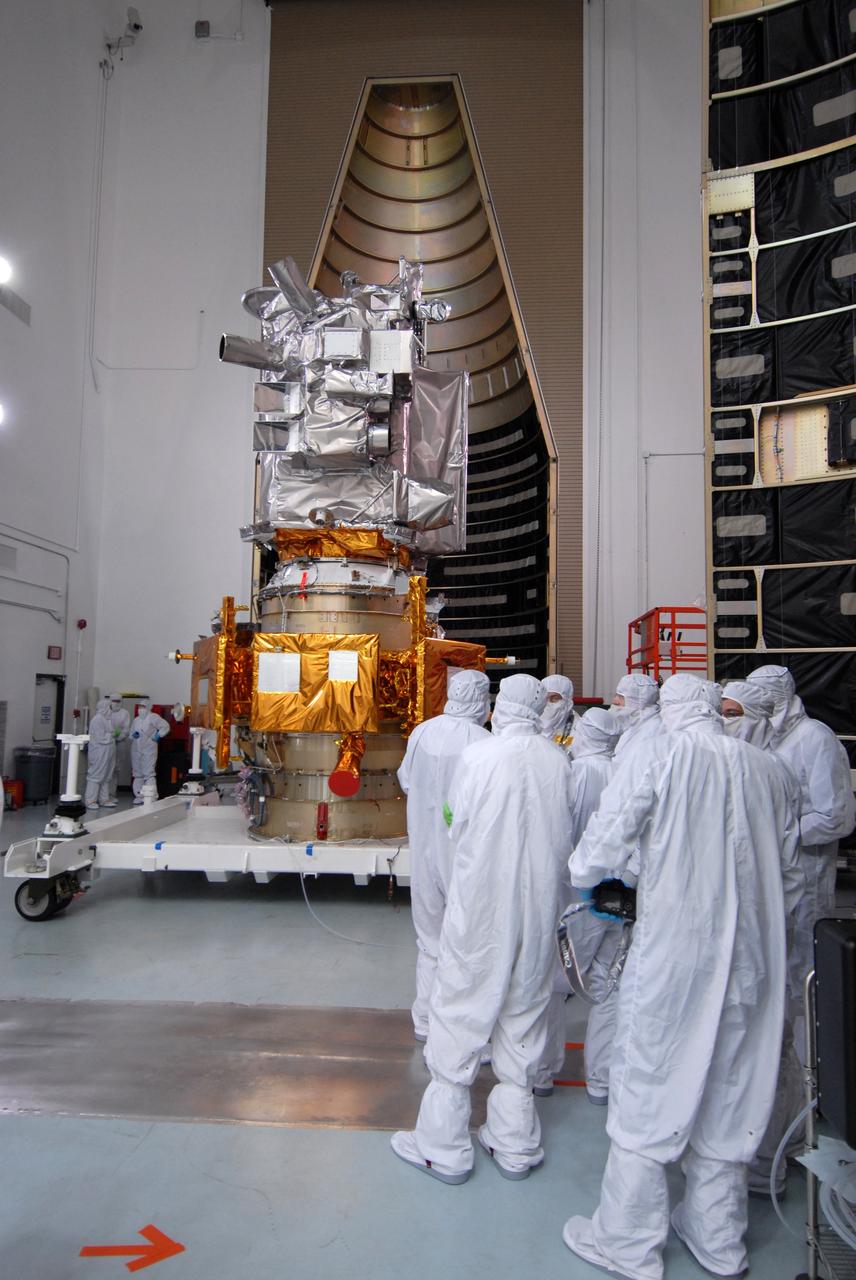
CAPE CANAVERAL, Fla. – At Astrotech Space Operations Facility in Titusville, Fla., garbed media representatives attend a showing of NASA's Lunar Reconnaissance Orbiter, or LRO, and NASA's Lunar Crater Observation and Sensing Satellite, known as LCROSS. The LRO includes five instruments: DIVINER, LAMP, LEND, LOLA and LROC. They will be launched aboard an Atlas V/Centaur rocket no earlier than June 17 from Launch Complex-41 on Cape Canaveral Air Force Station in Florida. Photo credit: NASA/Jack Pfaller
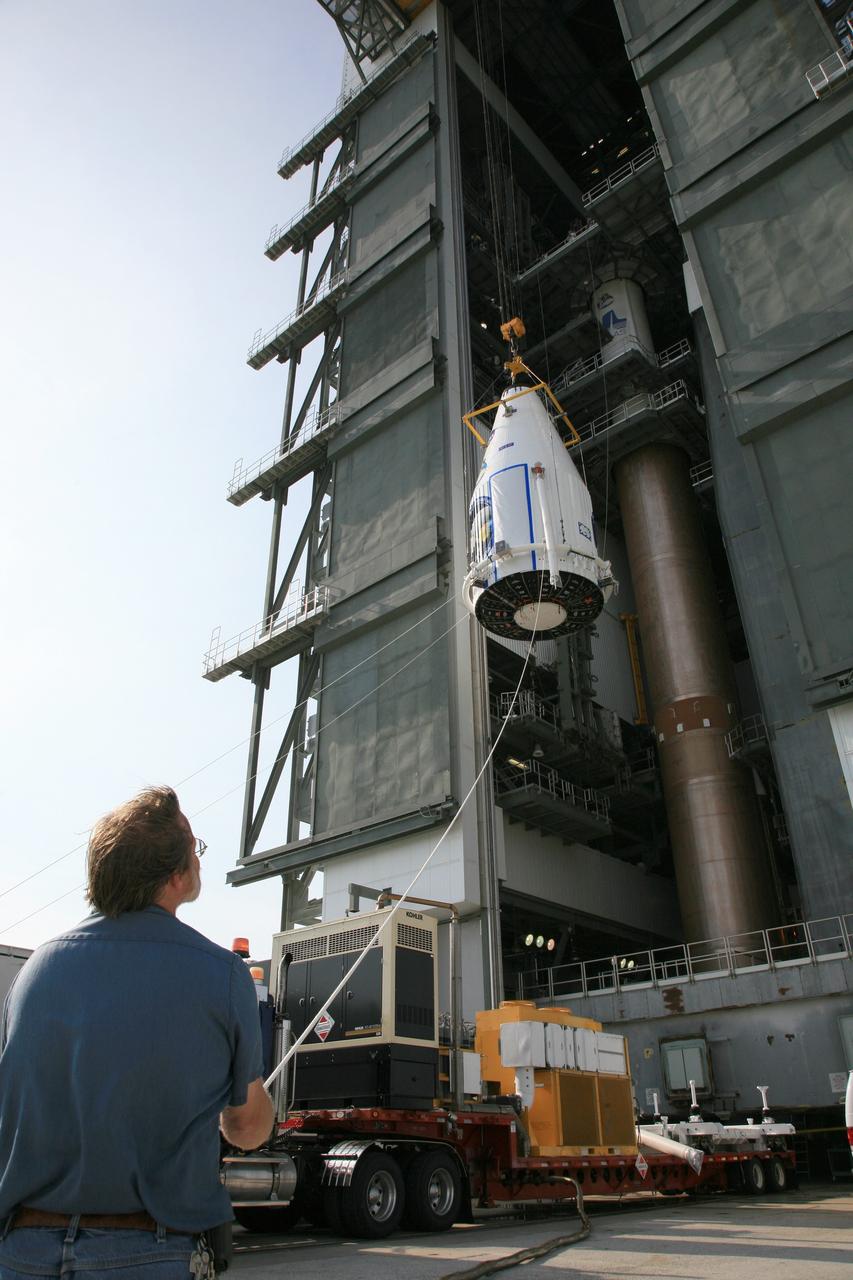
CAPE CANAVERAL, Fla. – On Launch Complex 41 at Cape Canaveral Air Force Station in Florida, the Lunar Reconnaissance Orbiter, or LRO, and NASA's Lunar Crater Observation and Sensing Satellite, known as LCROSS, are lifted into the mobile service tower. The LRO/LCROSS will be mated to the Atlas V rocket for launch. The LRO includes five instruments that will help NASA characterize the moon's surface: DIVINER, LAMP, LEND, LOLA and LROC. Along with LCROSS, they will be launched aboard an Atlas V/Centaur rocket on June 17. Photo credit: NASA/Dimitri Gerondidakis
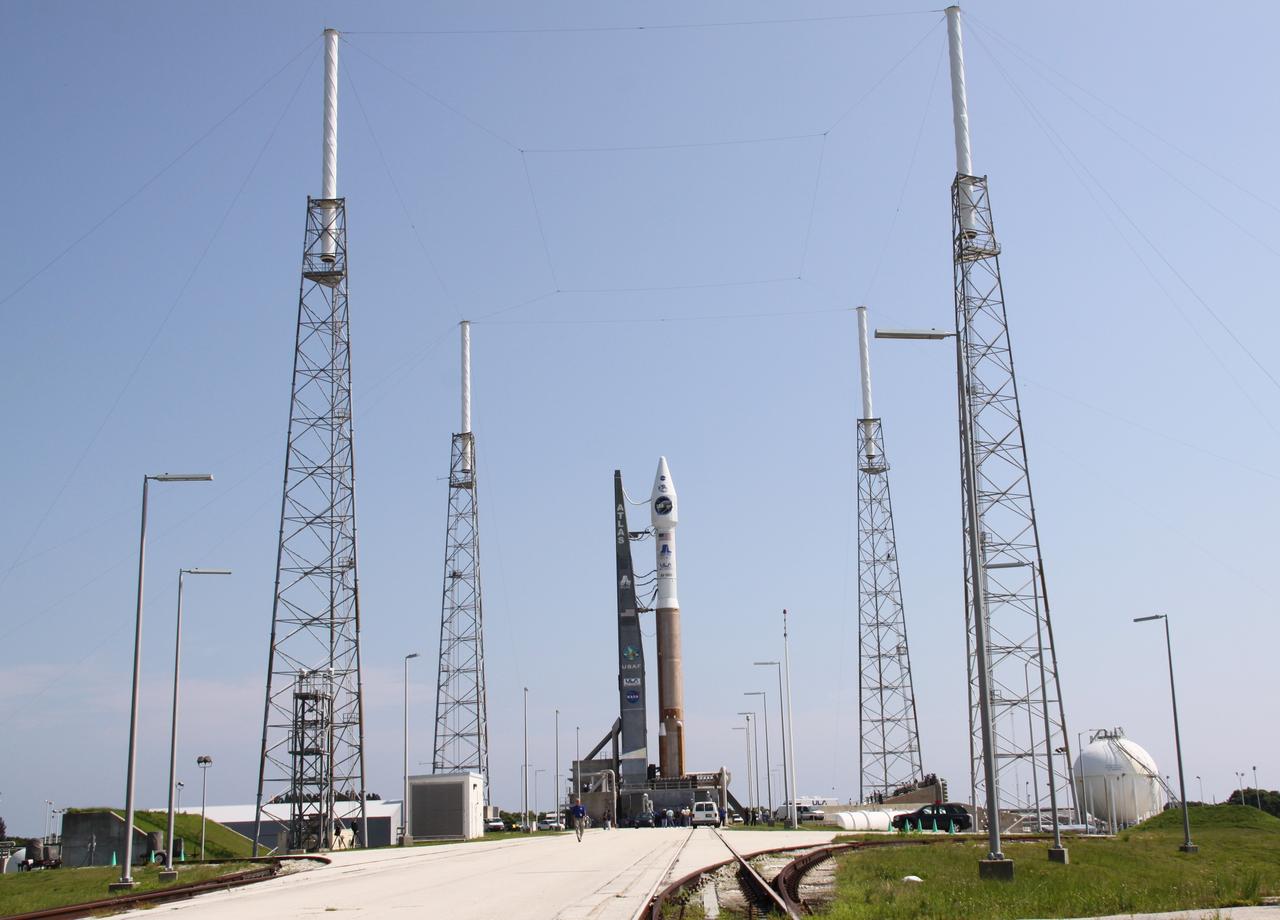
CAPE CANAVERAL, Fla. – On Launch Complex-41 on Cape Canaveral Air Force Station in Florida, the Atlas V/Centaur rocket with NASA's Lunar Reconnaissance Orbiter, or LRO, and NASA's Lunar Crater Observation and Sensing Satellite, known as LCROSS, on top reach the launch pad. Circling the pad are the protective lightning towers. LRO and LCROSS are the first missions in NASA's plan to return humans to the moon and begin establishing a lunar outpost by 2020. The LRO also includes seven instruments that will help NASA characterize the moon's surface: DIVINER, LAMP, LEND, LOLA, CRATER, Mini-RF and LROC. Launch is scheduled for 5:22 p.m. EDT June 18 . Photo credit: NASA/Jack Pfaller
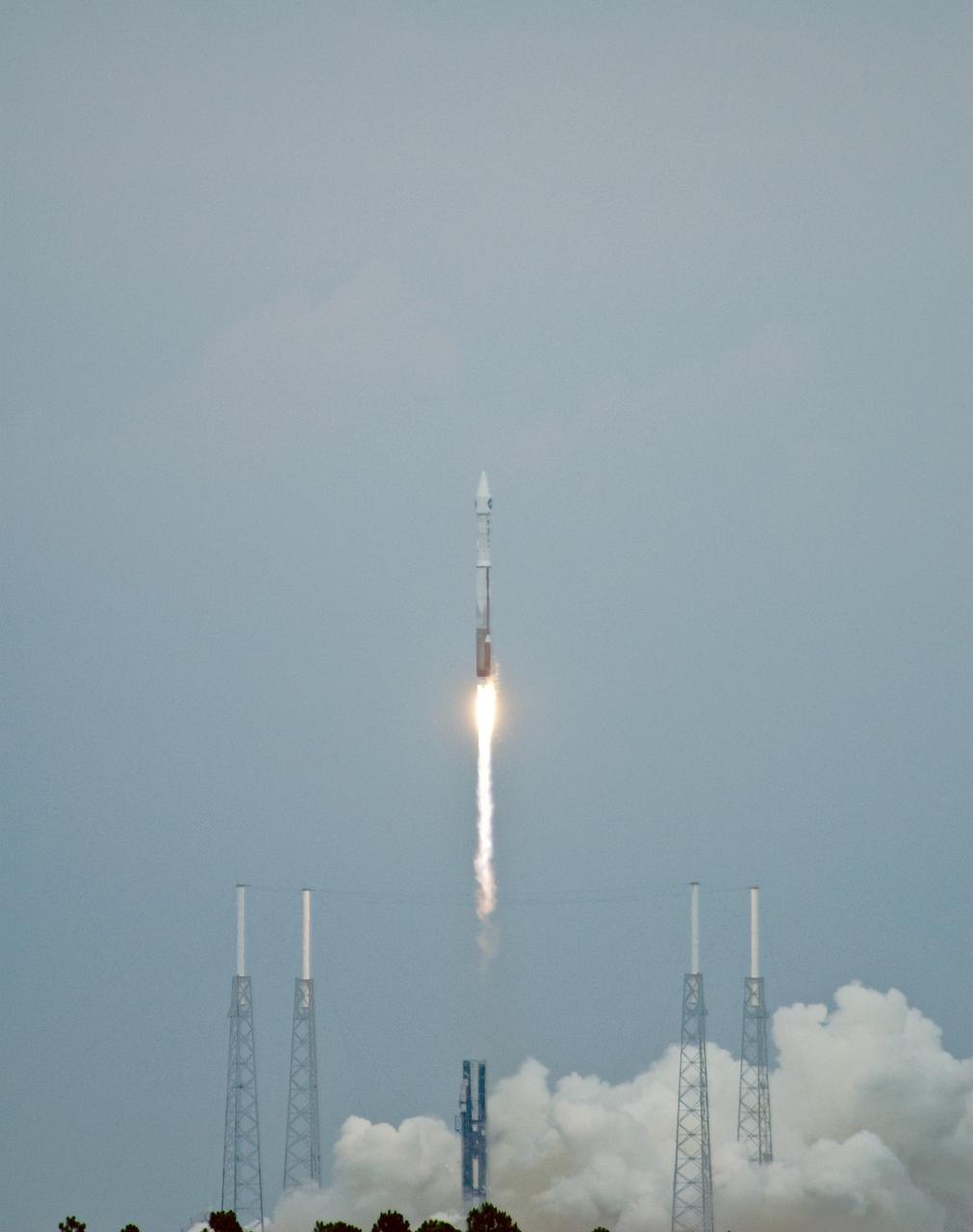
CAPE CANAVERAL, Fla. – Rising above the lightning towers around the pad, NASA's Lunar Reconnaissance Orbiter, or LRO, and NASA's Lunar Crater Observation and Sensing Satellite, known as LCROSS, lifts off from Launch Pad 41 at Cape Canaveral Air Force Station in Florida. LRO and LCROSS are the first missions in NASA's plan to return humans to the moon and begin establishing a lunar outpost by 2020. The LRO also includes seven instruments that will help NASA characterize the moon's surface: DIVINER, LAMP, LEND, LOLA , CRATER, Mini-RF and LROC. Launch was on-time at 5:32 p.m. EDT June 18. Photo credit: NASA/Sandra Joseph
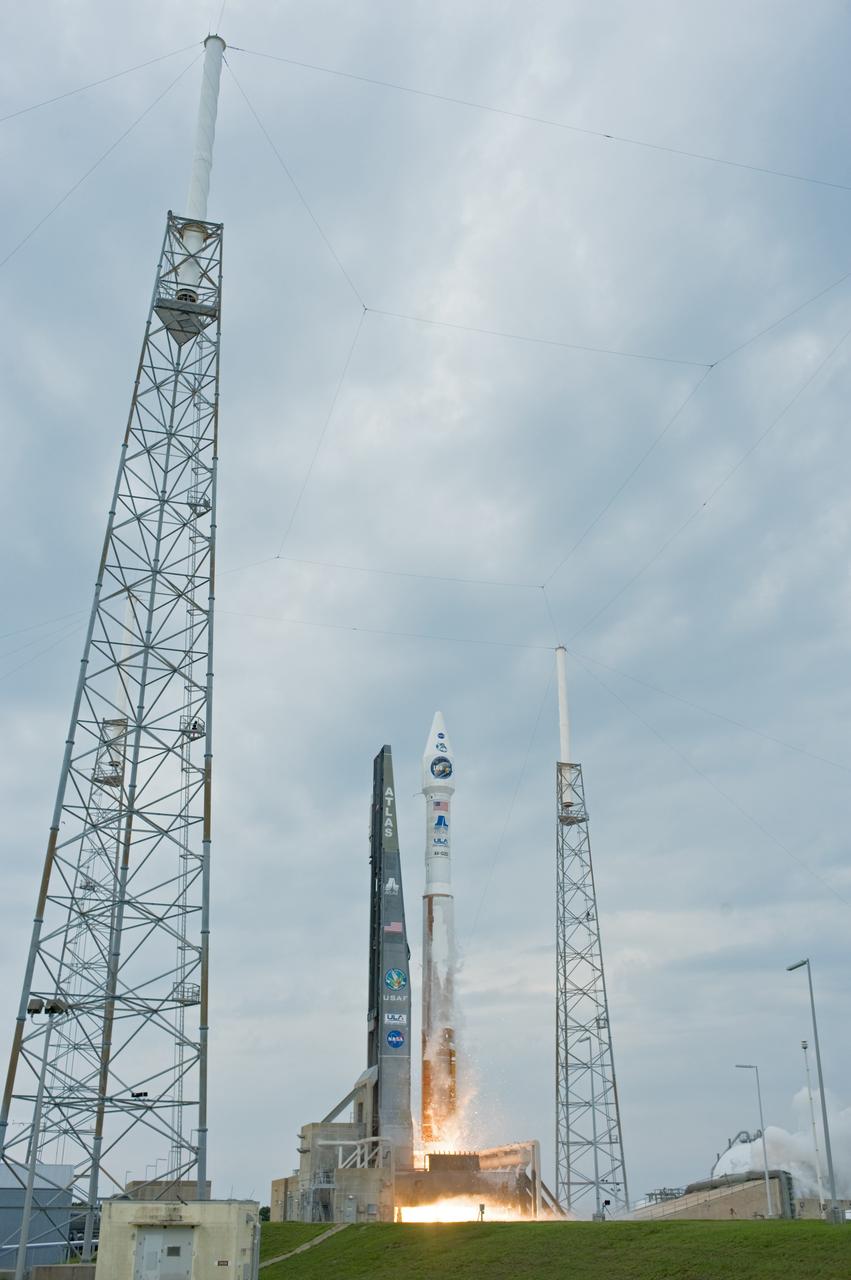
CAPE CANAVERAL, Fla. – NASA's Lunar Reconnaissance Orbiter, or LRO, and NASA's Lunar Crater Observation and Sensing Satellite, known as LCROSS, lifts off from Launch Pad 41 at Cape Canaveral Air Force Station in Florida atop an Atlas V/Centaur rocket. LRO and LCROSS are the first missions in NASA's plan to return humans to the moon and begin establishing a lunar outpost by 2020. The LRO also includes seven instruments that will help NASA characterize the moon's surface: DIVINER, LAMP, LEND, LOLA , CRATER, Mini-RF and LROC. Launch was on-time at 5:32 p.m. EDT. Photo credit: NASA/Tom Farrar, Kevin O'Connell
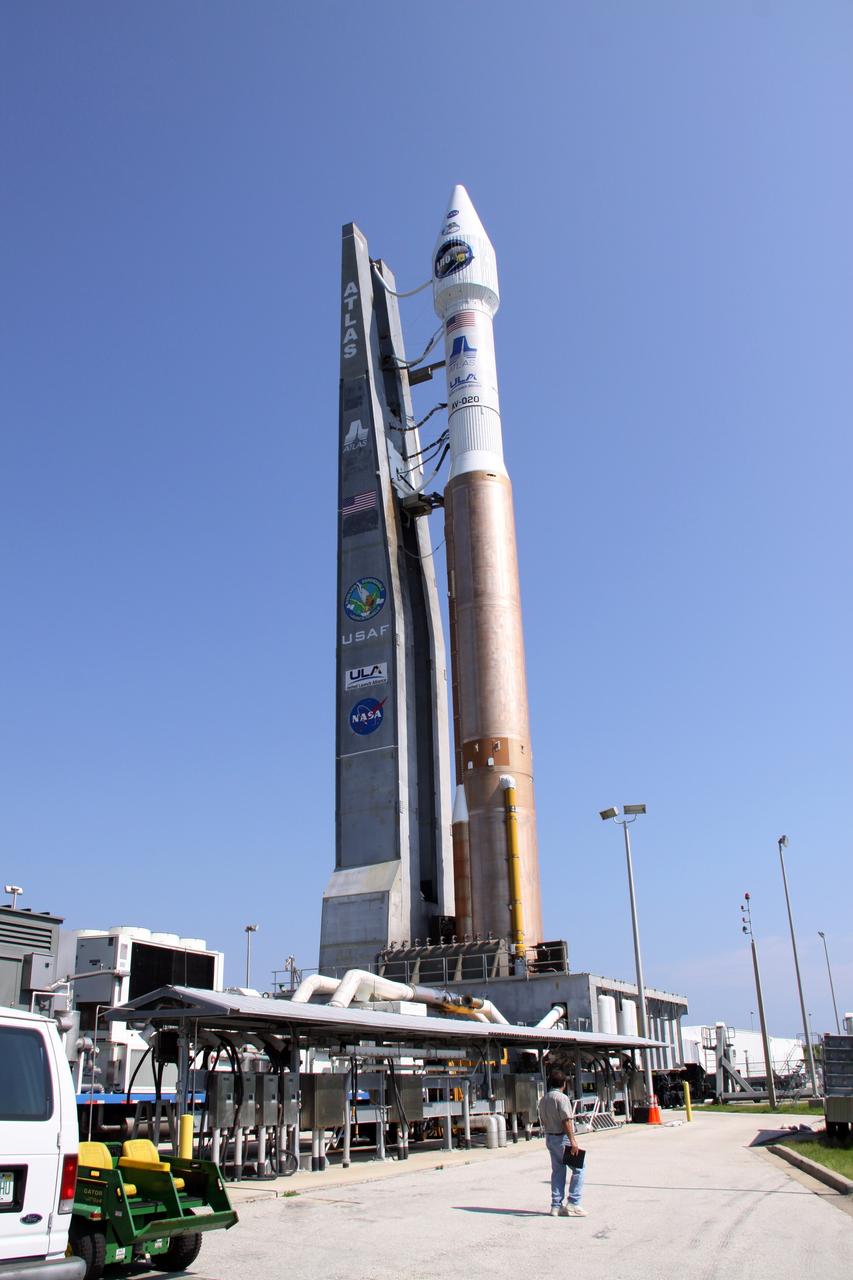
CAPE CANAVERAL, Fla. – On Launch Complex-41 on Cape Canaveral Air Force Station in Florida, NASA's Lunar Reconnaissance Orbiter, or LRO, and NASA's Lunar Crater Observation and Sensing Satellite, known as LCROSS, and launch gantry roll out to the launch pad. They are atop their launch vehicle, the Atlas V/Centaur rocket. LRO and LCROSS are the first missions in NASA's plan to return humans to the moon and begin establishing a lunar outpost by 2020. The LRO also includes seven instruments that will help NASA characterize the moon's surface: DIVINER, LAMP, LEND, LOLA, CRATER, Mini-RF and LROC. Launch is scheduled for 5:22 p.m. EDT June 18 . Photo credit: NASA/Jack Pfaller
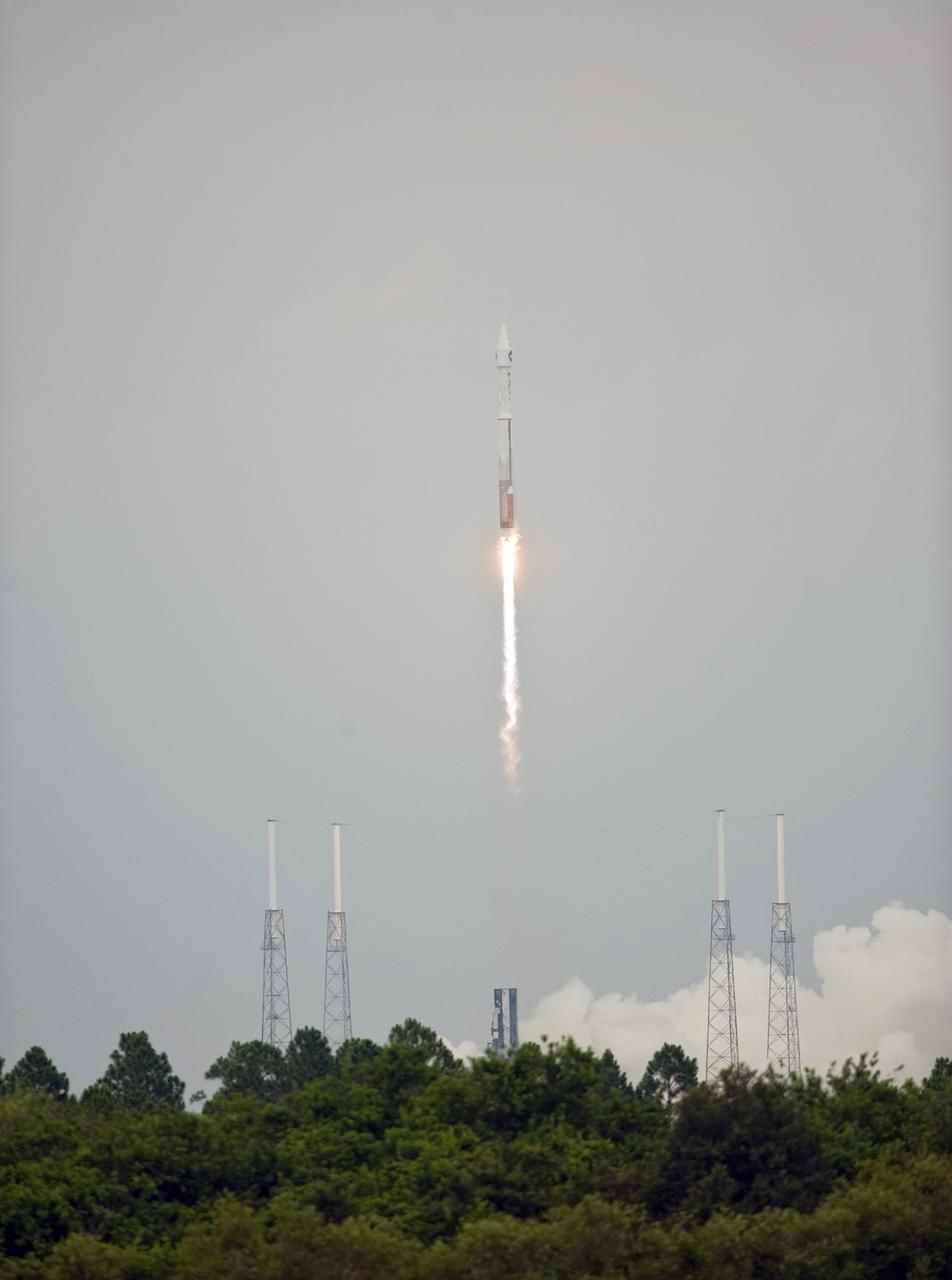
CAPE CANAVERAL, Fla. – Trailing a column of smoke, NASA's Lunar Reconnaissance Orbiter, or LRO, and NASA's Lunar Crater Observation and Sensing Satellite, known as LCROSS, lifts off from Launch Pad 41 at Cape Canaveral Air Force Station in Florida. LRO and LCROSS are the first missions in NASA's plan to return humans to the moon and begin establishing a lunar outpost by 2020. The LRO also includes seven instruments that will help NASA characterize the moon's surface: DIVINER, LAMP, LEND, LOLA , CRATER, Mini-RF and LROC. Launch was on-time at 5:32 p.m. EDT June 18. Photo credit: NASA/Tom Farrar
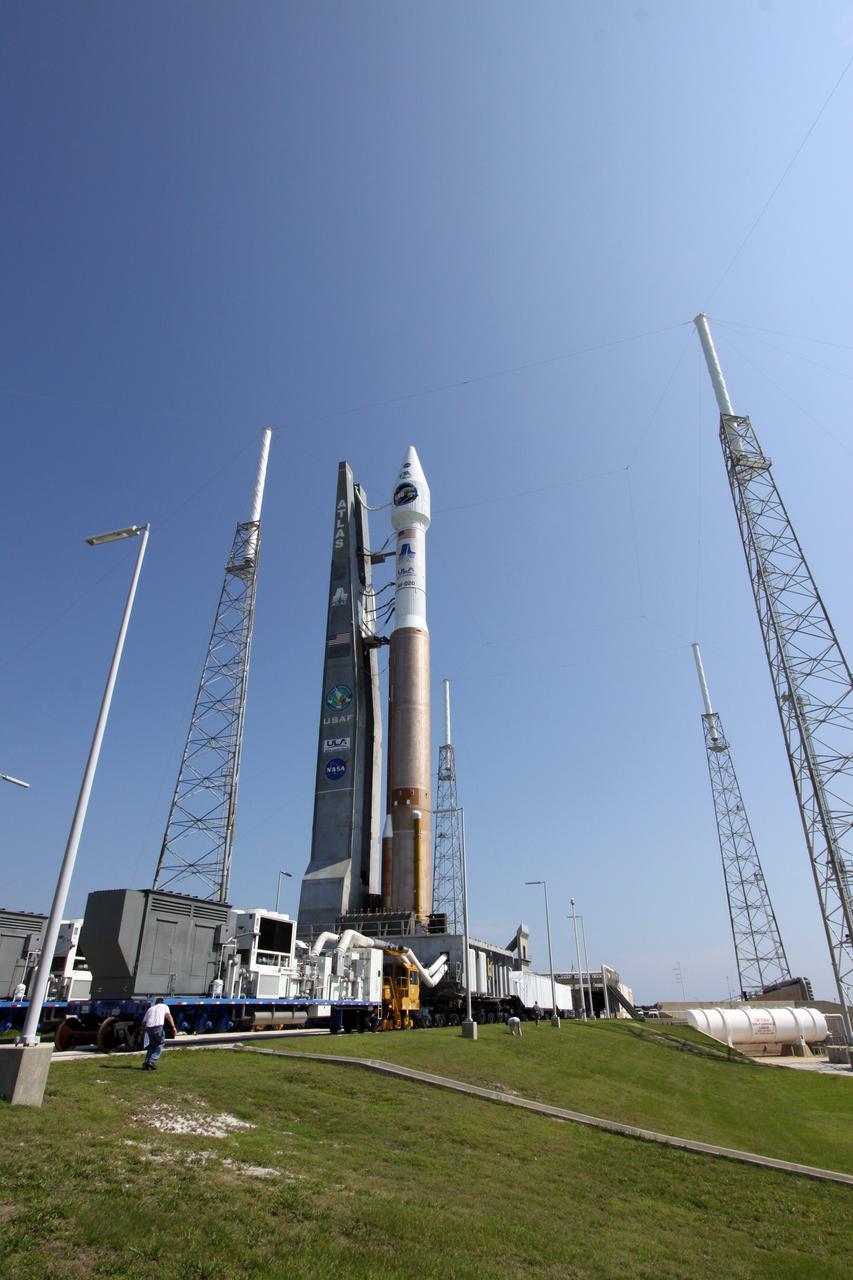
CAPE CANAVERAL, Fla. – On Launch Complex-41 on Cape Canaveral Air Force Station in Florida, the Atlas V/Centaur rocket with NASA's Lunar Reconnaissance Orbiter, or LRO, and NASA's Lunar Crater Observation and Sensing Satellite, known as LCROSS, on top reach the launch pad. Circling the pad are the protective lightning towers. LRO and LCROSS are the first missions in NASA's plan to return humans to the moon and begin establishing a lunar outpost by 2020. The LRO also includes seven instruments that will help NASA characterize the moon's surface: DIVINER, LAMP, LEND, LOLA, CRATER, Mini-RF and LROC. Launch is scheduled for 5:22 p.m. EDT June 18 . Photo credit: NASA/Jack Pfaller
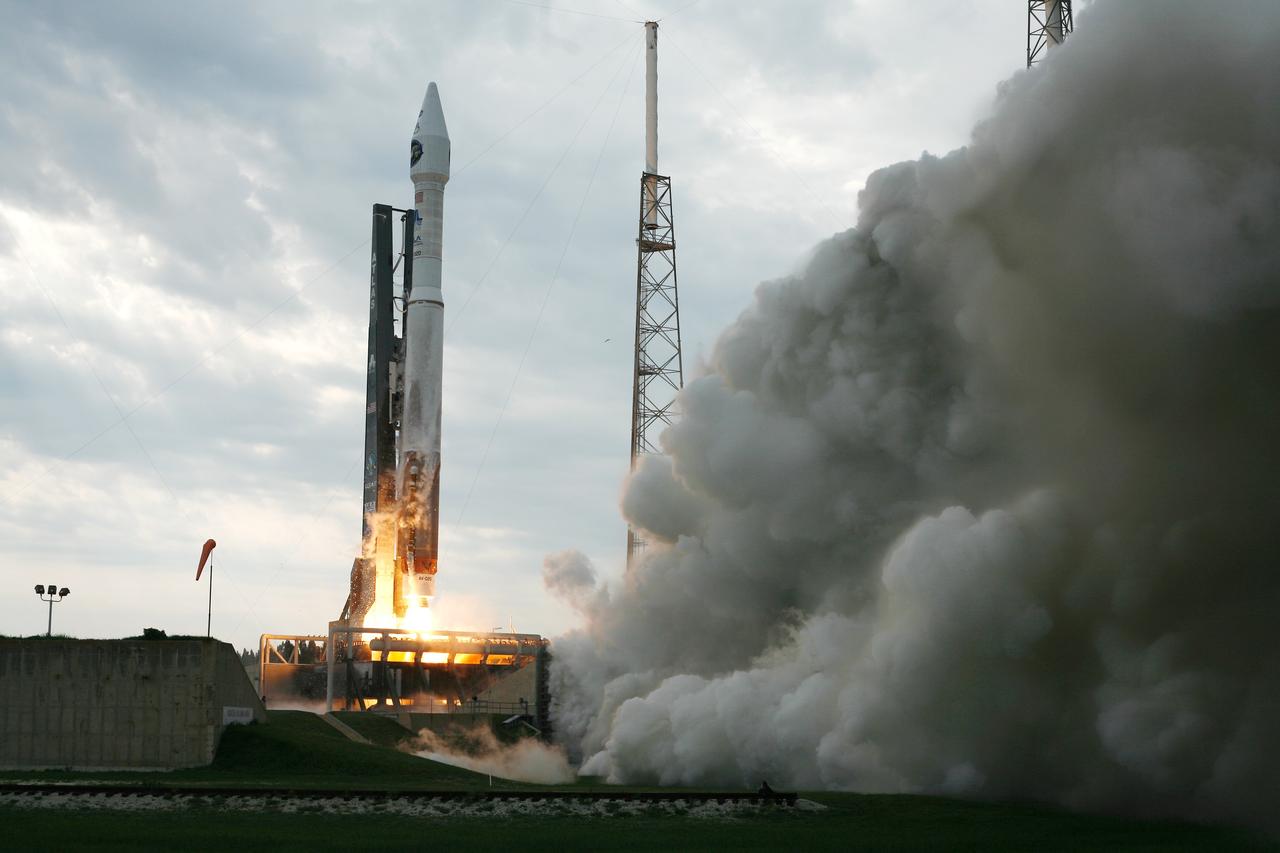
CAPE CANAVERAL, Fla. – Smoke rolls across Launch Pad 41 at Cape Canaveral Air force Station in Florida as the Atlas V/Centaur rocket topped with NASA's Lunar Reconnaissance Orbiter, or LRO, and NASA's Lunar Crater Observation and Sensing Satellite, known as LCROSS, lifts off. Launch was on-time at 5:32 p.m. EDT June 18. LRO and LCROSS are the first missions in NASA's plan to return humans to the moon and begin establishing a lunar outpost by 2020. The LRO also includes seven instruments that will help NASA characterize the moon's surface: DIVINER, LAMP, LEND, LOLA , CRATER, Mini-RF and LROC. Photo courtesy of Scott Andrews
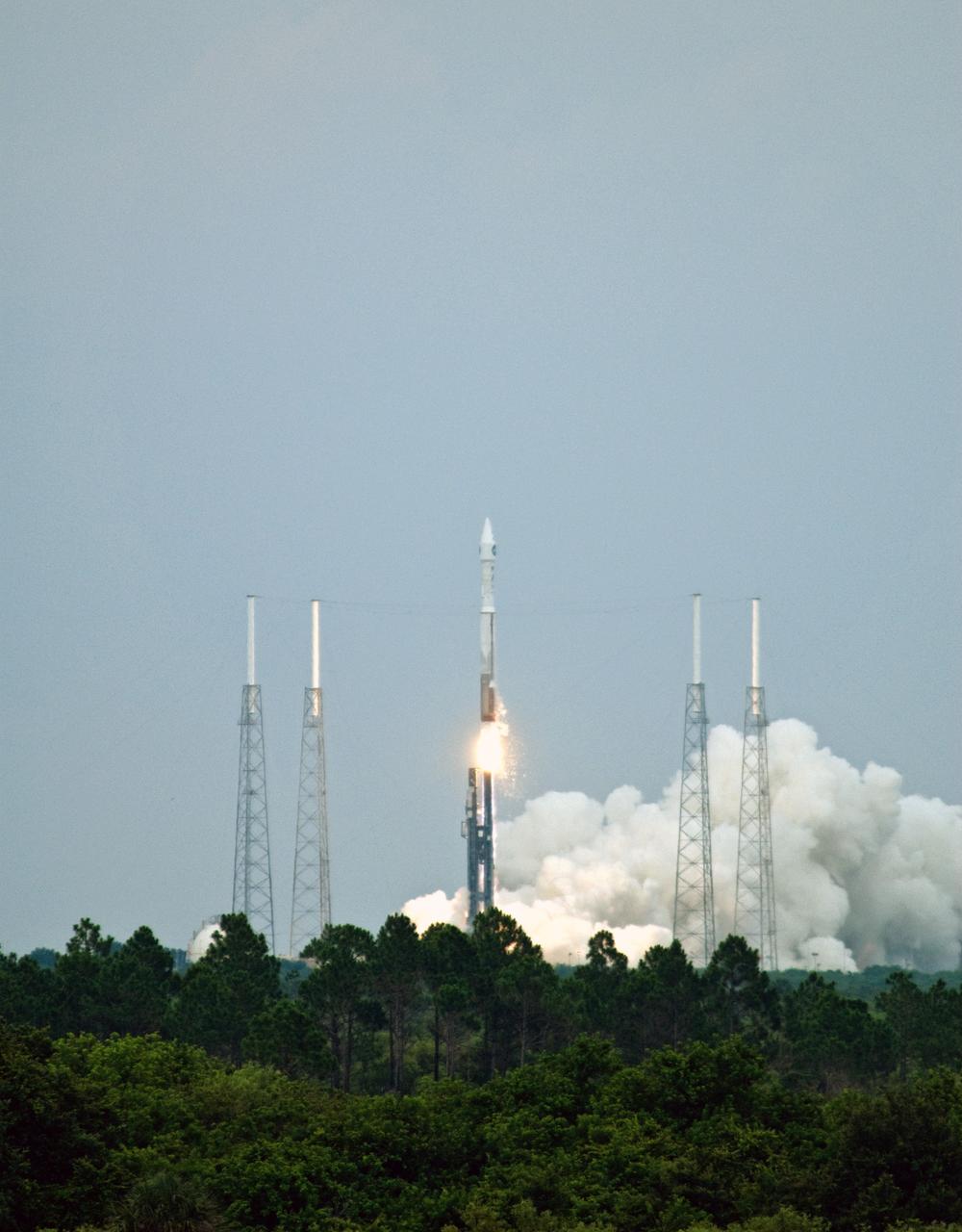
CAPE CANAVERAL, Fla. – NASA's Lunar Reconnaissance Orbiter, or LRO, and NASA's Lunar Crater Observation and Sensing Satellite, known as LCROSS, lifts off from Launch Pad 41 at Cape Canaveral Air Force Station in Florida. LRO and LCROSS are the first missions in NASA's plan to return humans to the moon and begin establishing a lunar outpost by 2020. The LRO also includes seven instruments that will help NASA characterize the moon's surface: DIVINER, LAMP, LEND, LOLA , CRATER, Mini-RF and LROC. Launch was on-time at 5:32 p.m. EDT June 18. Photo credit: NASA/Sandra Joseph
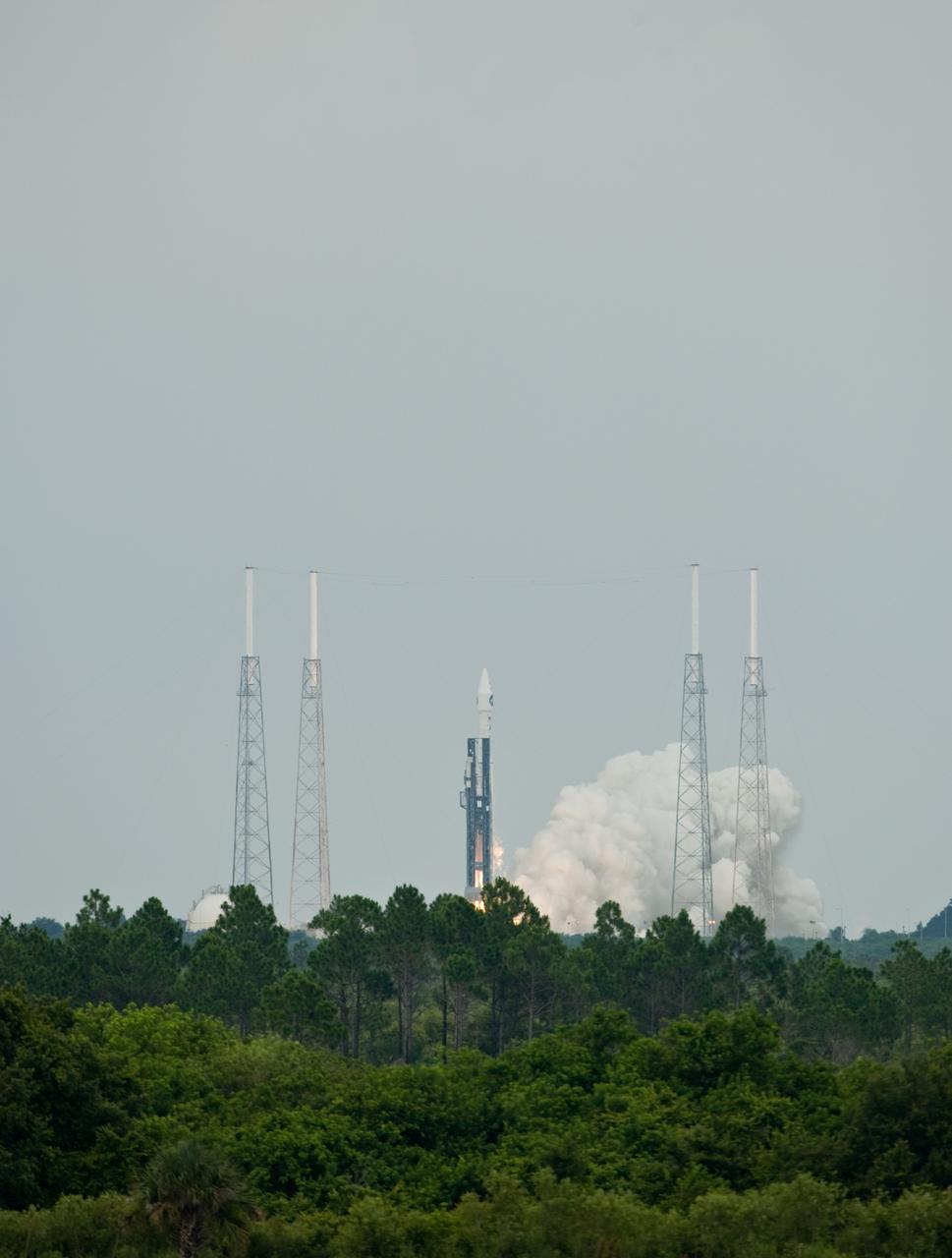
CAPE CANAVERAL, Fla. – With smoke and steam rolling from the launch pad, NASA's Lunar Reconnaissance Orbiter, or LRO, and NASA's Lunar Crater Observation and Sensing Satellite, known as LCROSS, lifts off from Launch Complex 41 at Cape Canaveral Air Force Station in Florida. Surrounding the pad are lightning towers. LRO and LCROSS are the first missions in NASA's plan to return humans to the moon and begin establishing a lunar outpost by 2020. The LRO also includes seven instruments that will help NASA characterize the moon's surface: DIVINER, LAMP, LEND, LOLA , CRATER, Mini-RF and LROC. Launch was on-time at 5:32 p.m. EDT June 18. Photo credit: NASA/Tom Farrar
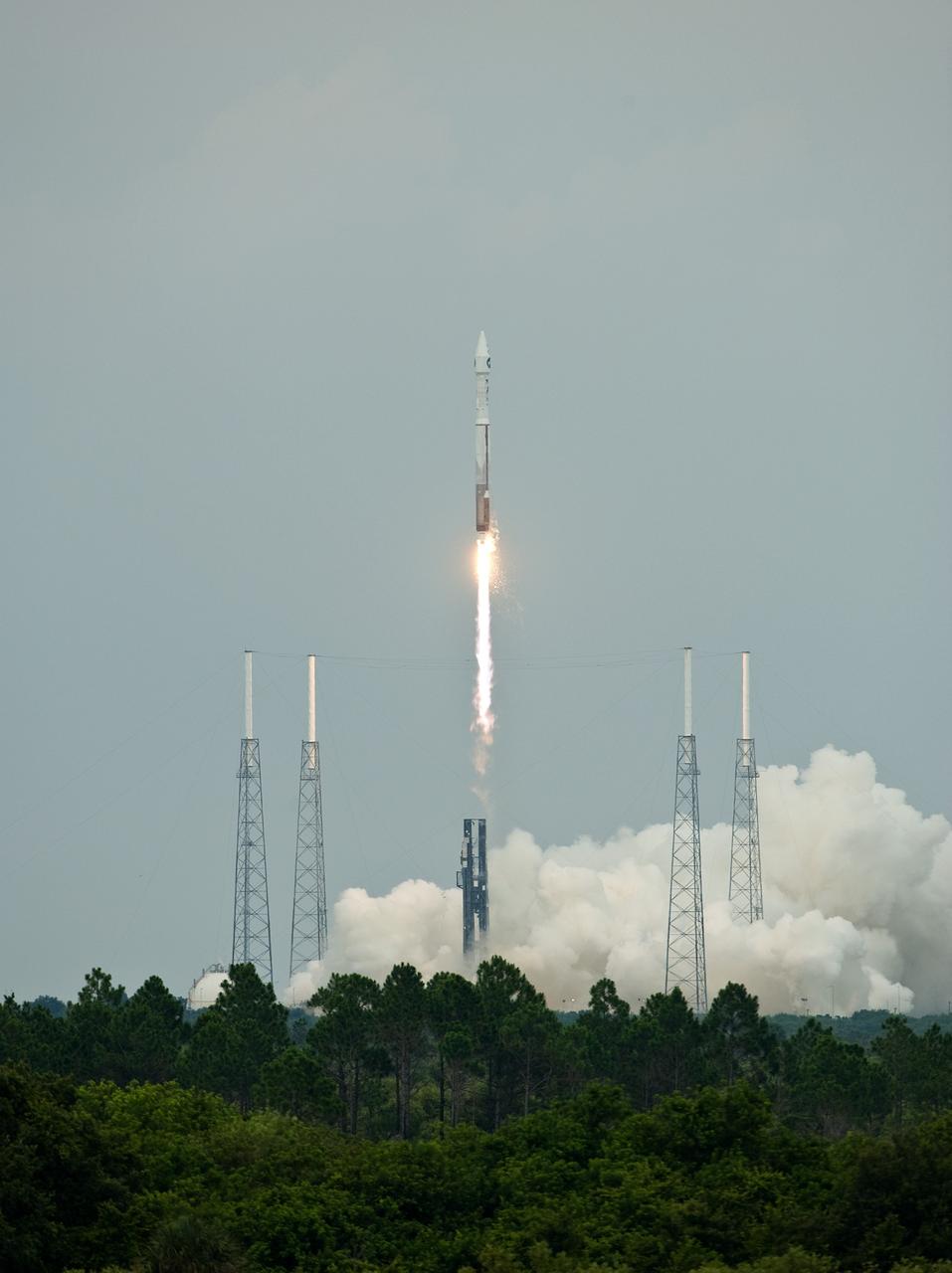
CAPE CANAVERAL, Fla. – Smoke fills the pad and trails behind the Atlas V/Centaur rocket as it roars into space carrying NASA's Lunar Reconnaissance Orbiter, or LRO, and NASA's Lunar Crater Observation and Sensing Satellite, known as LCROSS. Surrounding the pad are lightning towers. LRO and LCROSS are the first missions in NASA's plan to return humans to the moon and begin establishing a lunar outpost by 2020. The LRO also includes seven instruments that will help NASA characterize the moon's surface: DIVINER, LAMP, LEND, LOLA , CRATER, Mini-RF and LROC. Launch was on-time at 5:32 p.m. EDT June 18. Photo credit: NASA/Tom Farrar
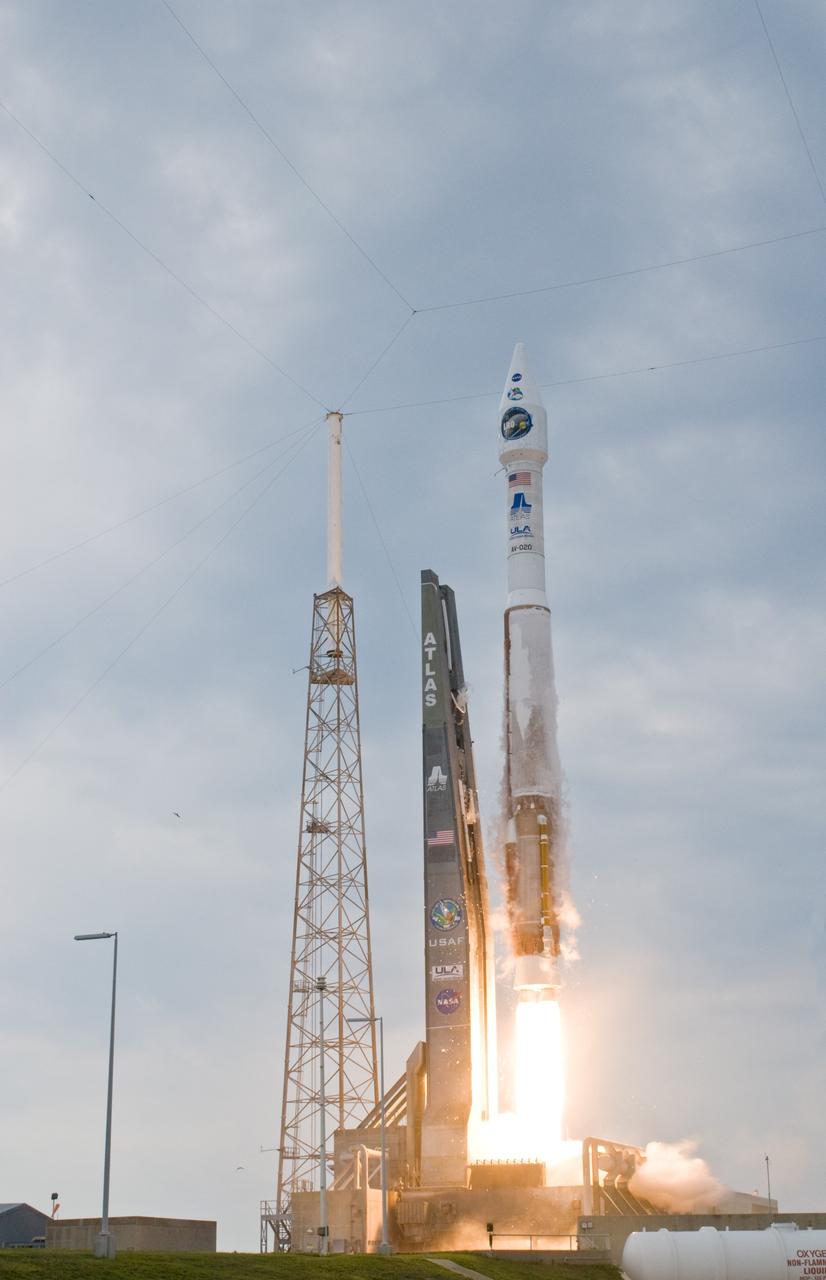
CAPE CANAVERAL, Fla. – Trailing a column of fire, the Atlas V/Centaur carrying NASA's Lunar Reconnaissance Orbiter, or LRO, and NASA's Lunar Crater Observation and Sensing Satellite, known as LCROSS, hurtles off Launch Complex 41 at Cape Canaveral Air Force Station in Florida. LRO and LCROSS are the first missions in NASA's plan to return humans to the moon and begin establishing a lunar outpost by 2020. The LRO also includes seven instruments that will help NASA characterize the moon's surface: DIVINER, LAMP, LEND, LOLA , CRATER, Mini-RF and LROC. Launch was on-time at 5:32 p.m. EDT. Photo credit: NASA/Sandra Joseph, Tony Gray
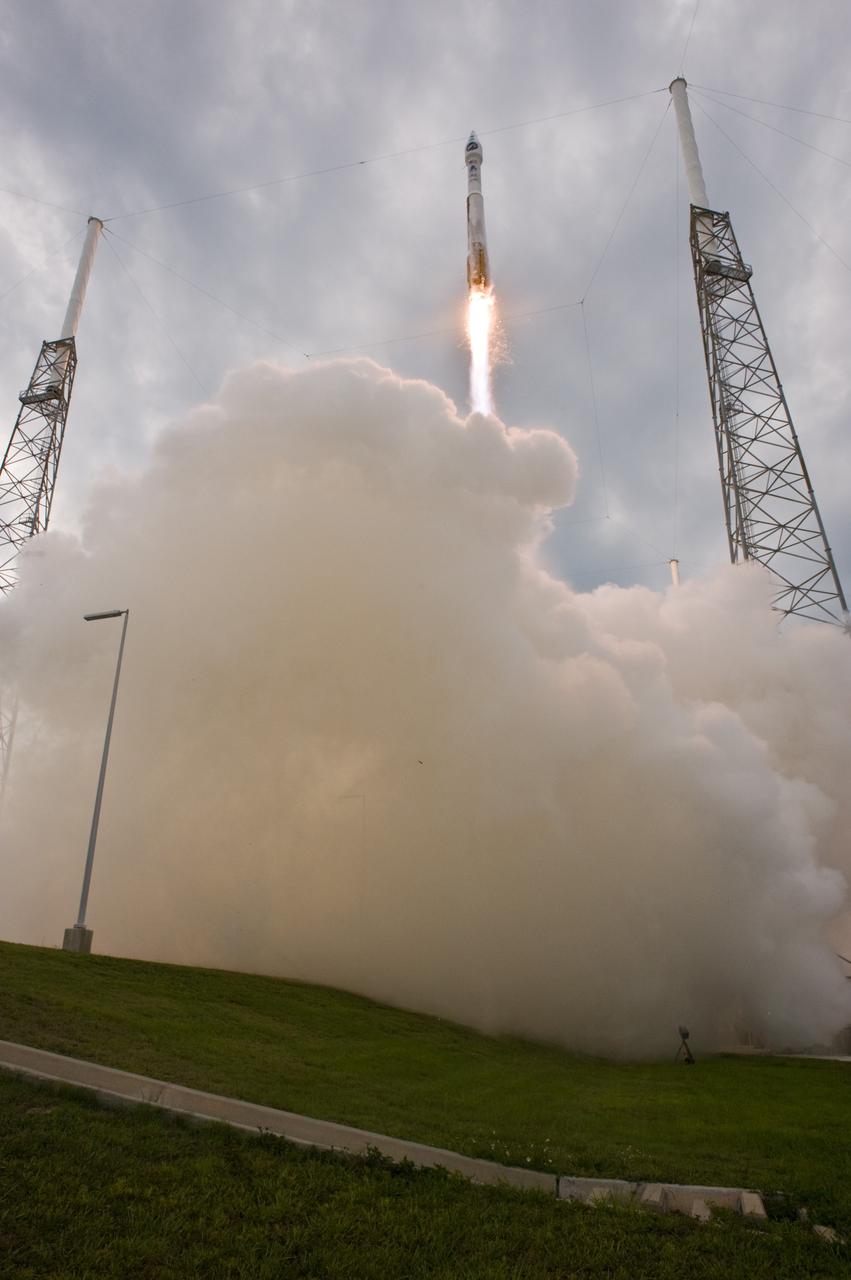
CAPE CANAVERAL, Fla. – On Launch Complex 41 at Cape Canaveral Air Force Station in Florida, smoke fills the pad as the Atlas V/Centaur carrying NASA's Lunar Reconnaissance Orbiter, or LRO, and NASA's Lunar Crater Observation and Sensing Satellite, known as LCROSS, lifts off. LRO and LCROSS are the first missions in NASA's plan to return humans to the moon and begin establishing a lunar outpost by 2020. The LRO also includes seven instruments that will help NASA characterize the moon's surface: DIVINER, LAMP, LEND, LOLA , CRATER, Mini-RF and LROC. Launch was on-time at 5:32 p.m. EDT. Photo credit: NASA/Sandra Joseph, Tony Gray
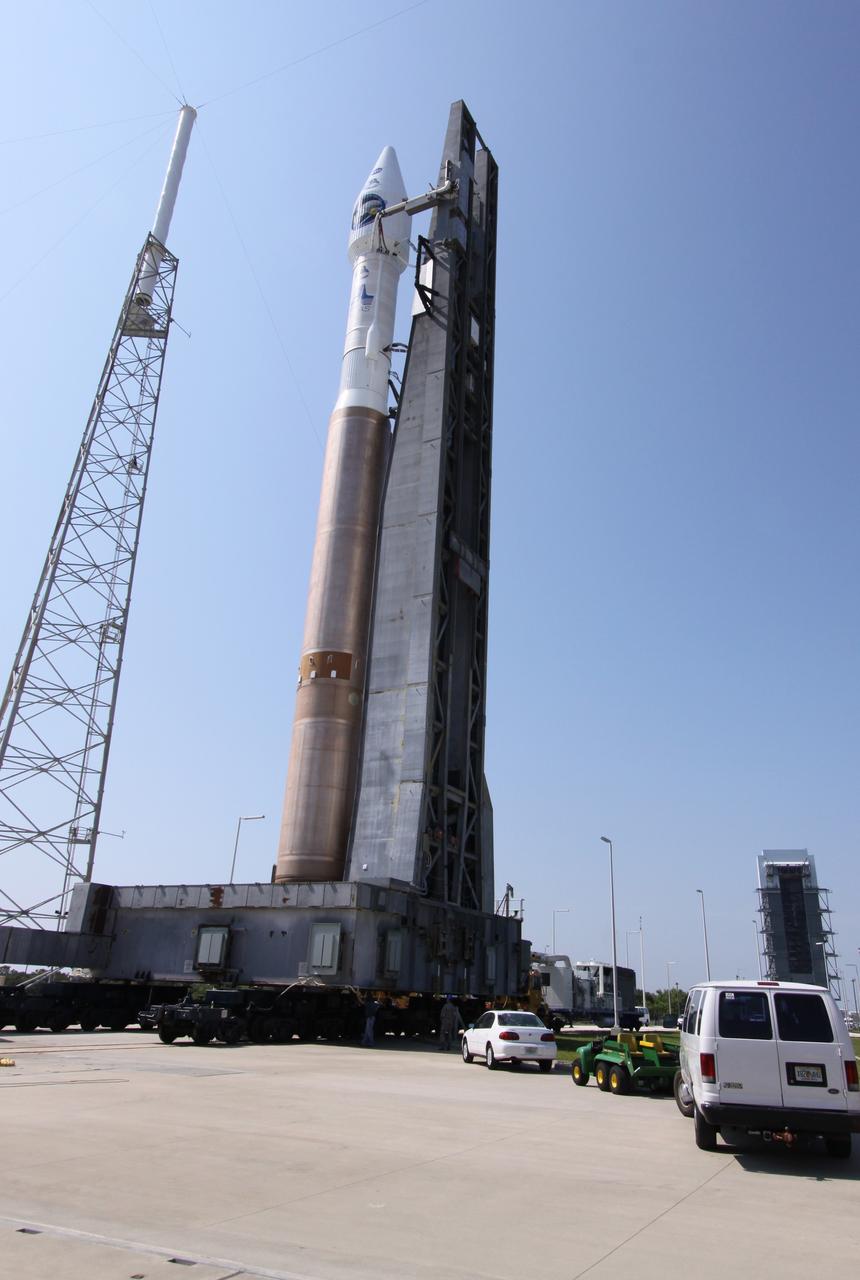
CAPE CANAVERAL, Fla. – On Launch Complex-41 on Cape Canaveral Air Force Station in Florida, the Atlas V/Centaur rocket with NASA's Lunar Reconnaissance Orbiter, or LRO, and NASA's Lunar Crater Observation and Sensing Satellite, known as LCROSS, on top reach the launch pad. Circling the pad are the protective lightning towers. LRO and LCROSS are the first missions in NASA's plan to return humans to the moon and begin establishing a lunar outpost by 2020. The LRO also includes seven instruments that will help NASA characterize the moon's surface: DIVINER, LAMP, LEND, LOLA, CRATER, Mini-RF and LROC. Launch is scheduled for 5:22 p.m. EDT June 18 . Photo credit: NASA/Jack Pfaller
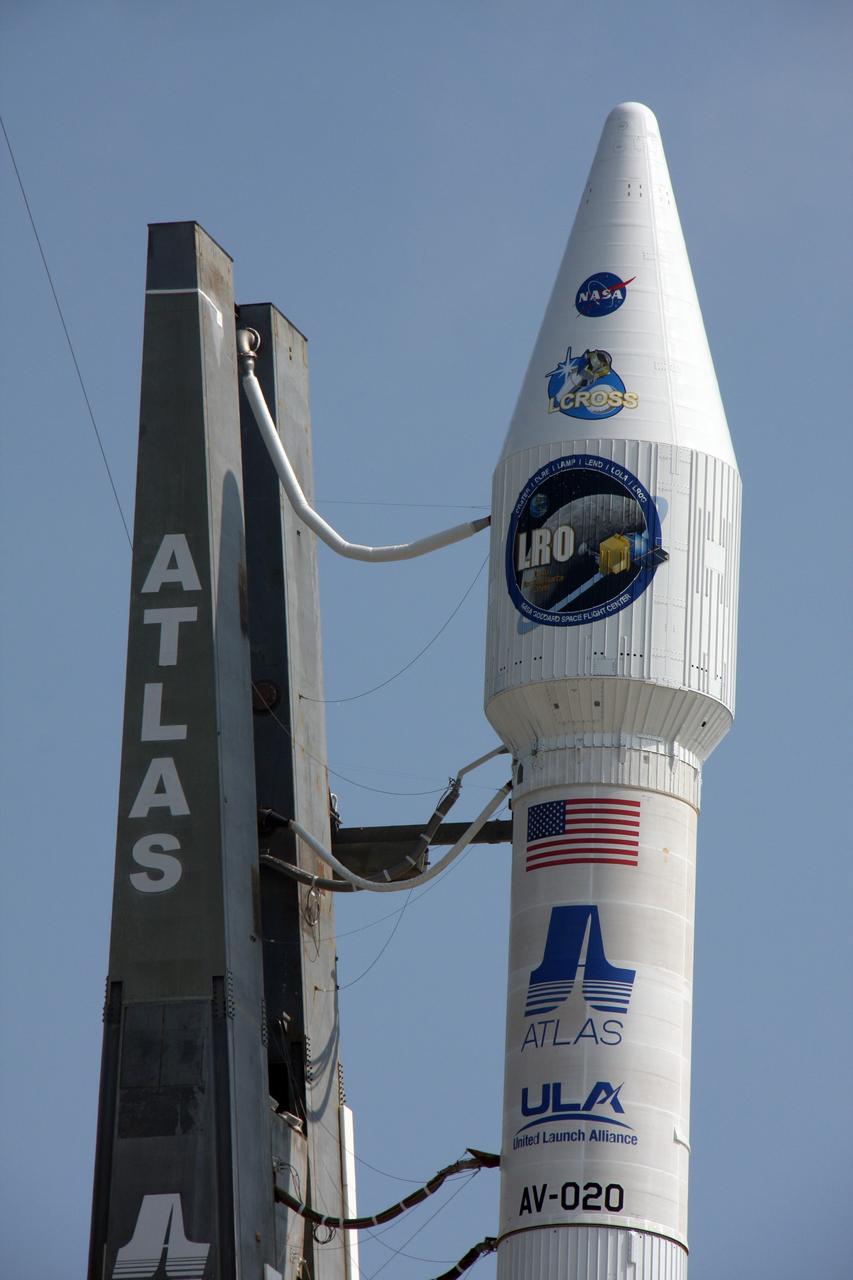
CAPE CANAVERAL, Fla. – NASA's Lunar Reconnaissance Orbiter, or LRO, and NASA's Lunar Crater Observation and Sensing Satellite, known as LCROSS, stand ready for liftoff on an Atlas V/Centaur rocket from Launch Pad 41 at Cape Canaveral Air Force Station in Florida. LRO and LCROSS are the first missions in NASA's plan to return humans to the moon and begin establishing a lunar outpost by 2020. The LRO also includes seven instruments that will help NASA characterize the moon's surface: DIVINER, LAMP, LEND, LOLA , CRATER, Mini-RF and LROC. Launch is scheduled for 5:12 p.m. EDT June 18. Photo credit: NASA/Ken Thornsley
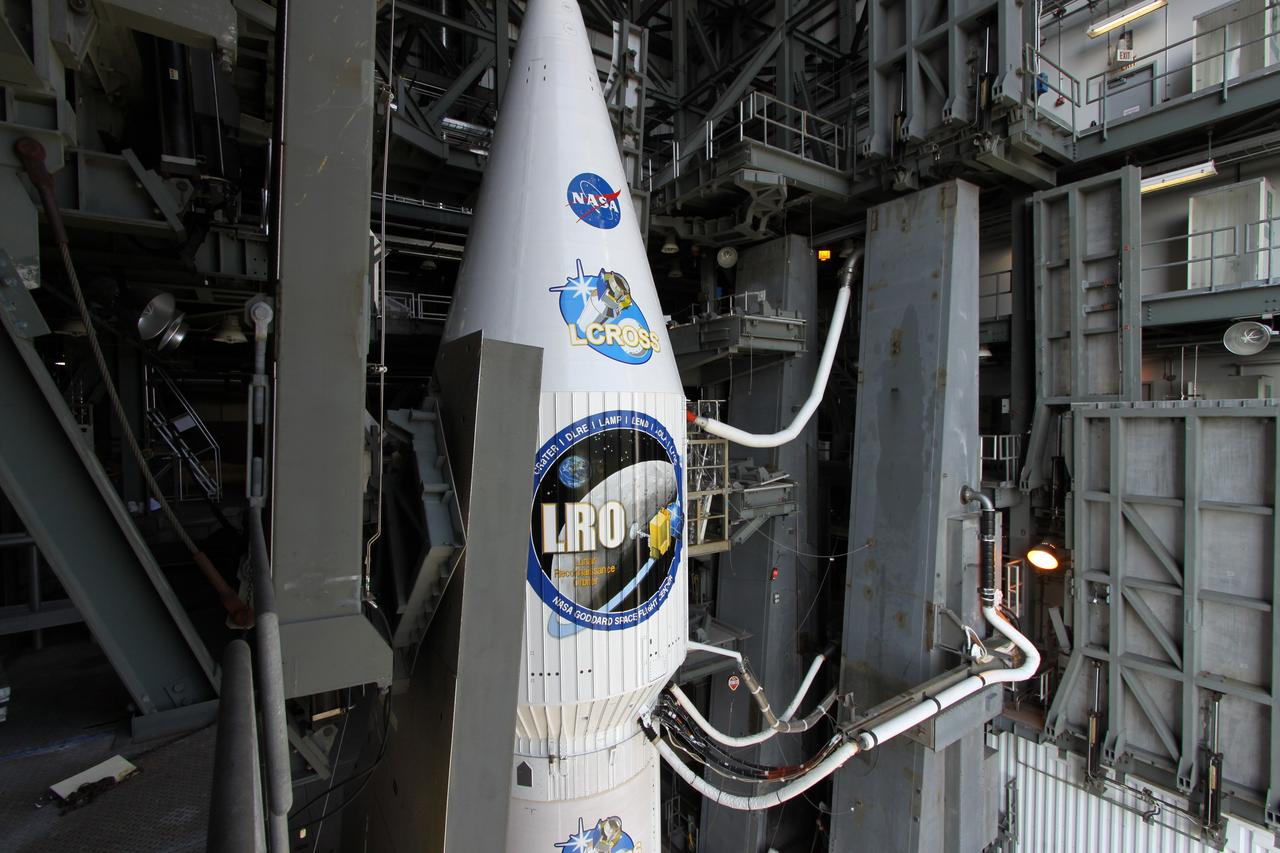
CAPE CANAVERAL, Fla. – On Launch Complex-41 on Cape Canaveral Air Force Station in Florida, NASA's Lunar Reconnaissance Orbiter, or LRO, and NASA's Lunar Crater Observation and Sensing Satellite, known as LCROSS, are ready to roll out to the launch pad atop the Atlas V/Centaur rocket. LRO and LCROSS are the first missions in NASA's plan to return humans to the moon and begin establishing a lunar outpost by 2020. The LRO also includes seven instruments that will help NASA characterize the moon's surface: DIVINER, LAMP, LEND, LOLA, CRATER, Mini-RF and LROC. Launch is scheduled for 5:22 p.m. EDT June 18 . Photo credit: NASA/Jack Pfaller
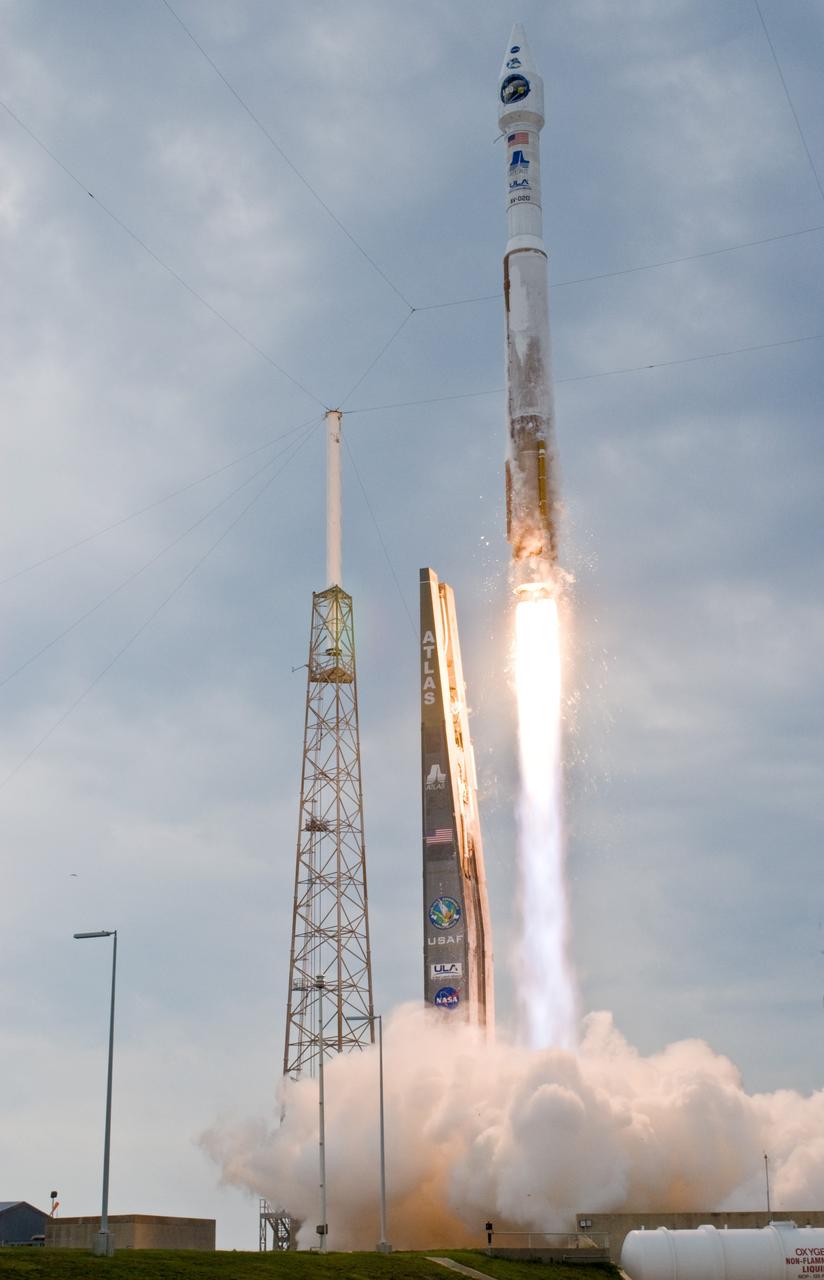
CAPE CANAVERAL, Fla. – Trailing a column of fire, the Atlas V/Centaur carrying NASA's Lunar Reconnaissance Orbiter, or LRO, and NASA's Lunar Crater Observation and Sensing Satellite, known as LCROSS, races above the lightning tower at left on Launch Complex 41 at Cape Canaveral Air Force Station in Florida. LRO and LCROSS are the first missions in NASA's plan to return humans to the moon and begin establishing a lunar outpost by 2020. The LRO also includes seven instruments that will help NASA characterize the moon's surface: DIVINER, LAMP, LEND, LOLA , CRATER, Mini-RF and LROC. Launch was on-time at 5:32 p.m. EDT. Photo credit: NASA/Sandra Joseph, Tony Gray
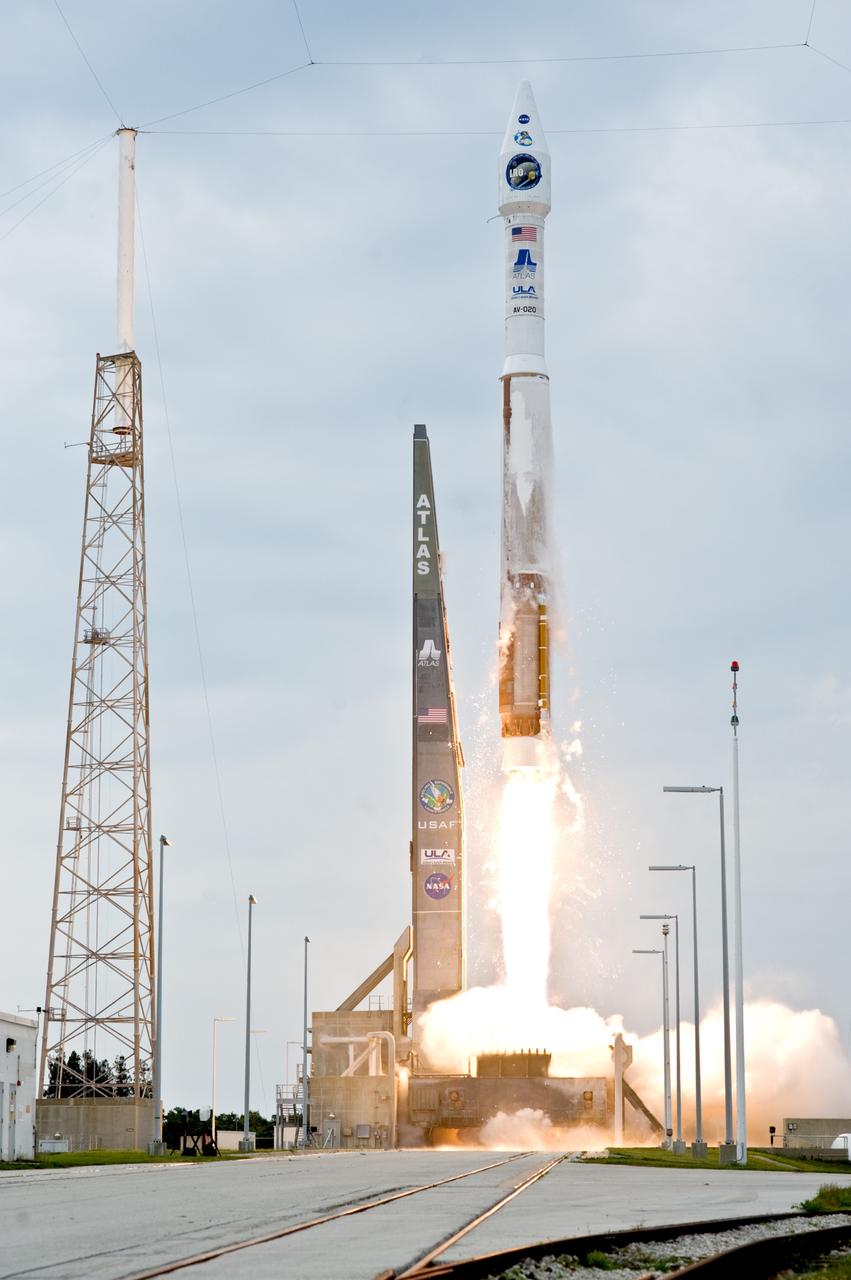
CAPE CANAVERAL, Fla. – Trailing a column of fire, the Atlas V/Centaur carrying NASA's Lunar Reconnaissance Orbiter, or LRO, and NASA's Lunar Crater Observation and Sensing Satellite, known as LCROSS, hurtles off Launch Complex 41 at Cape Canaveral Air Force Station in Florida. LRO and LCROSS are the first missions in NASA's plan to return humans to the moon and begin establishing a lunar outpost by 2020. The LRO also includes seven instruments that will help NASA characterize the moon's surface: DIVINER, LAMP, LEND, LOLA , CRATER, Mini-RF and LROC. Launch was on-time at 5:32 p.m. EDT. Photo credit: NASA/Tom Farrar, Kevin O'Connell
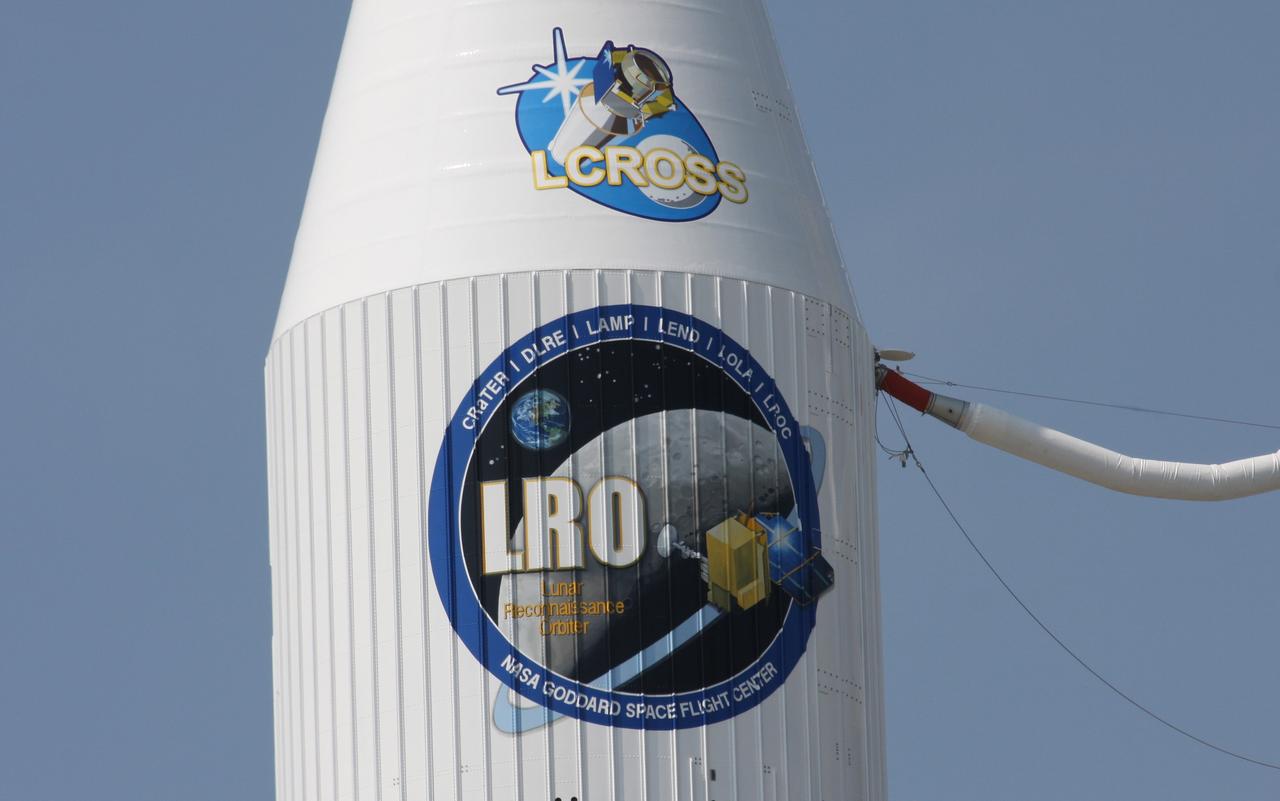
CAPE CANAVERAL, Fla. – A closeup of NASA's Lunar Reconnaissance Orbiter, or LRO, and NASA's Lunar Crater Observation and Sensing Satellite, known as LCROSS, ready for liftoff on an Atlas V/Centaur rocket from Launch Pad 41 at Cape Canaveral Air Force Station in Florida. LRO and LCROSS are the first missions in NASA's plan to return humans to the moon and begin establishing a lunar outpost by 2020. The LRO also includes seven instruments that will help NASA characterize the moon's surface: DIVINER, LAMP, LEND, LOLA , CRATER, Mini-RF and LROC. Launch is scheduled for 5:12 p.m. EDT June 18. Photo credit: NASA/Ken Thornsley
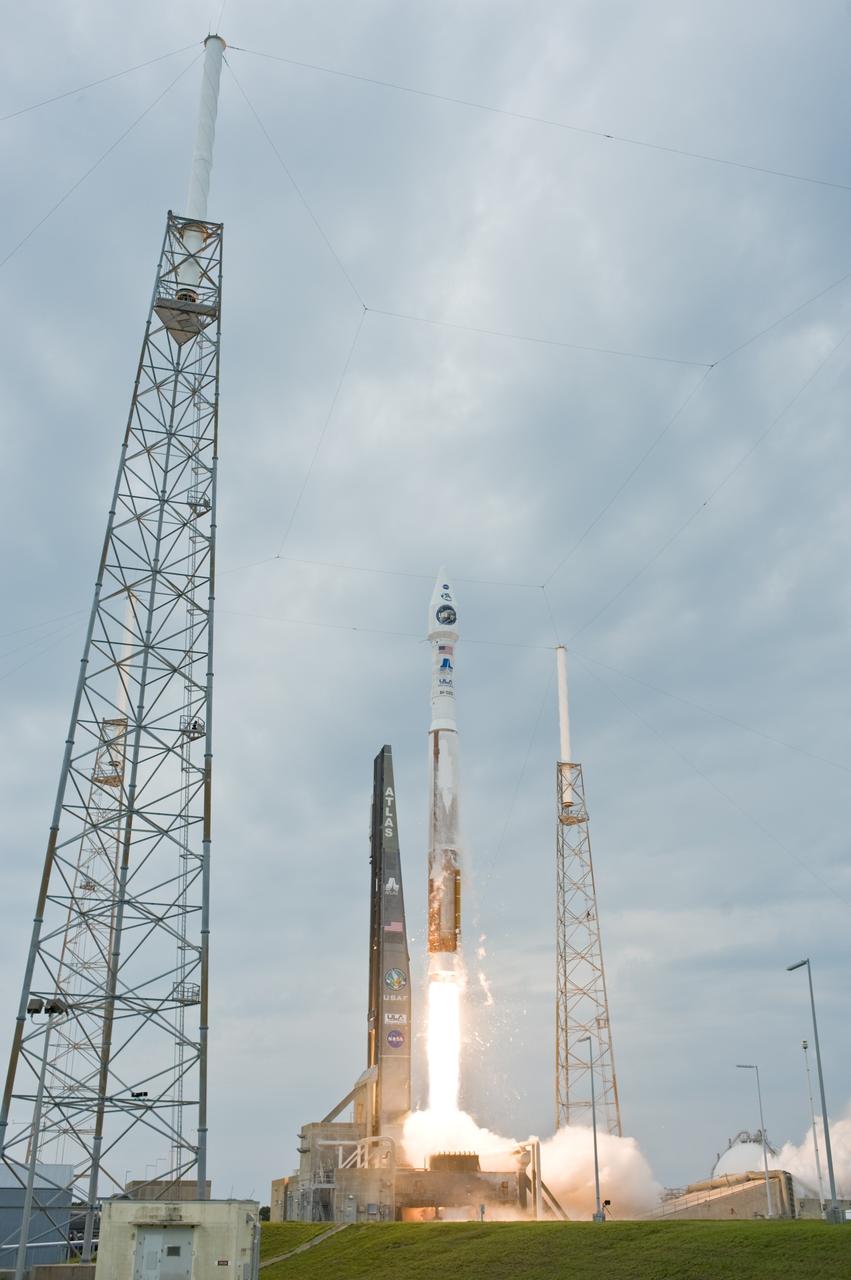
CAPE CANAVERAL, Fla. – Trailing a column of fire, the Atlas V/Centaur carrying NASA's Lunar Reconnaissance Orbiter, or LRO, and NASA's Lunar Crater Observation and Sensing Satellite, known as LCROSS, hurtles off Launch Complex 41 at Cape Canaveral Air Force Station in Florida. LRO and LCROSS are the first missions in NASA's plan to return humans to the moon and begin establishing a lunar outpost by 2020. The LRO also includes seven instruments that will help NASA characterize the moon's surface: DIVINER, LAMP, LEND, LOLA , CRATER, Mini-RF and LROC. Launch was on-time at 5:32 p.m. EDT. Photo credit: NASA/Tom Farrar, Kevin O'Connell
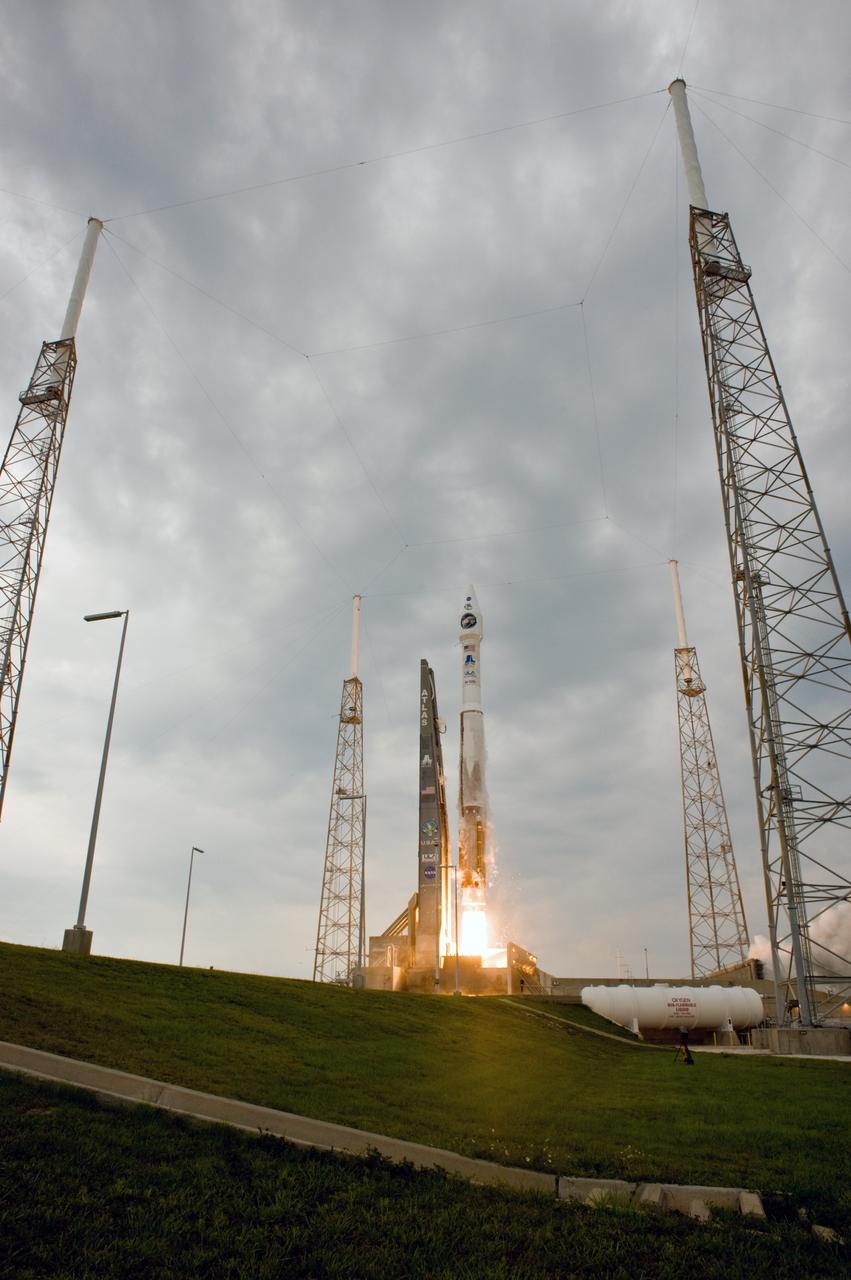
CAPE CANAVERAL, Fla. – Lightning towers stand like guards around Launch Complex 41 at Cape Canaveral Air Force Station in Florida as the Atlas V/Centaur carrying NASA's Lunar Reconnaissance Orbiter, or LRO, and NASA's Lunar Crater Observation and Sensing Satellite, known as LCROSS, lifts off. LRO and LCROSS are the first missions in NASA's plan to return humans to the moon and begin establishing a lunar outpost by 2020. The LRO also includes seven instruments that will help NASA characterize the moon's surface: DIVINER, LAMP, LEND, LOLA , CRATER, Mini-RF and LROC. Launch was on-time at 5:32 p.m. EDT. Photo credit: NASA/Sandra Joseph, Tony Gray
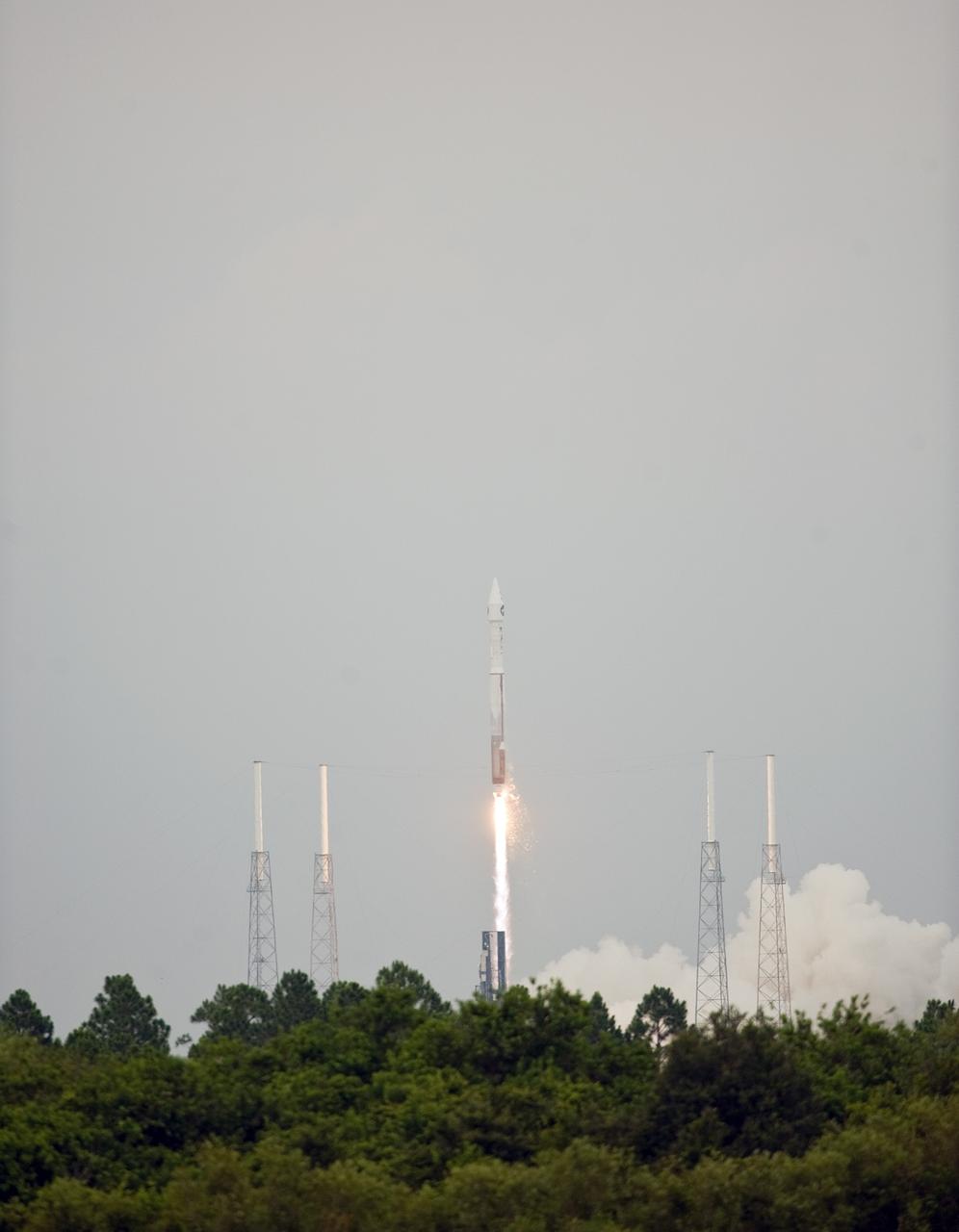
CAPE CANAVERAL, Fla. – Trailing a column of smoke, NASA's Lunar Reconnaissance Orbiter, or LRO, and NASA's Lunar Crater Observation and Sensing Satellite, known as LCROSS, lifts off from Launch Pad 41 at Cape Canaveral Air Force Station in Florida. LRO and LCROSS are the first missions in NASA's plan to return humans to the moon and begin establishing a lunar outpost by 2020. The LRO also includes seven instruments that will help NASA characterize the moon's surface: DIVINER, LAMP, LEND, LOLA , CRATER, Mini-RF and LROC. Launch was on-time at 5:32 p.m. EDT June 18. Photo credit: NASA/Tom Farrar
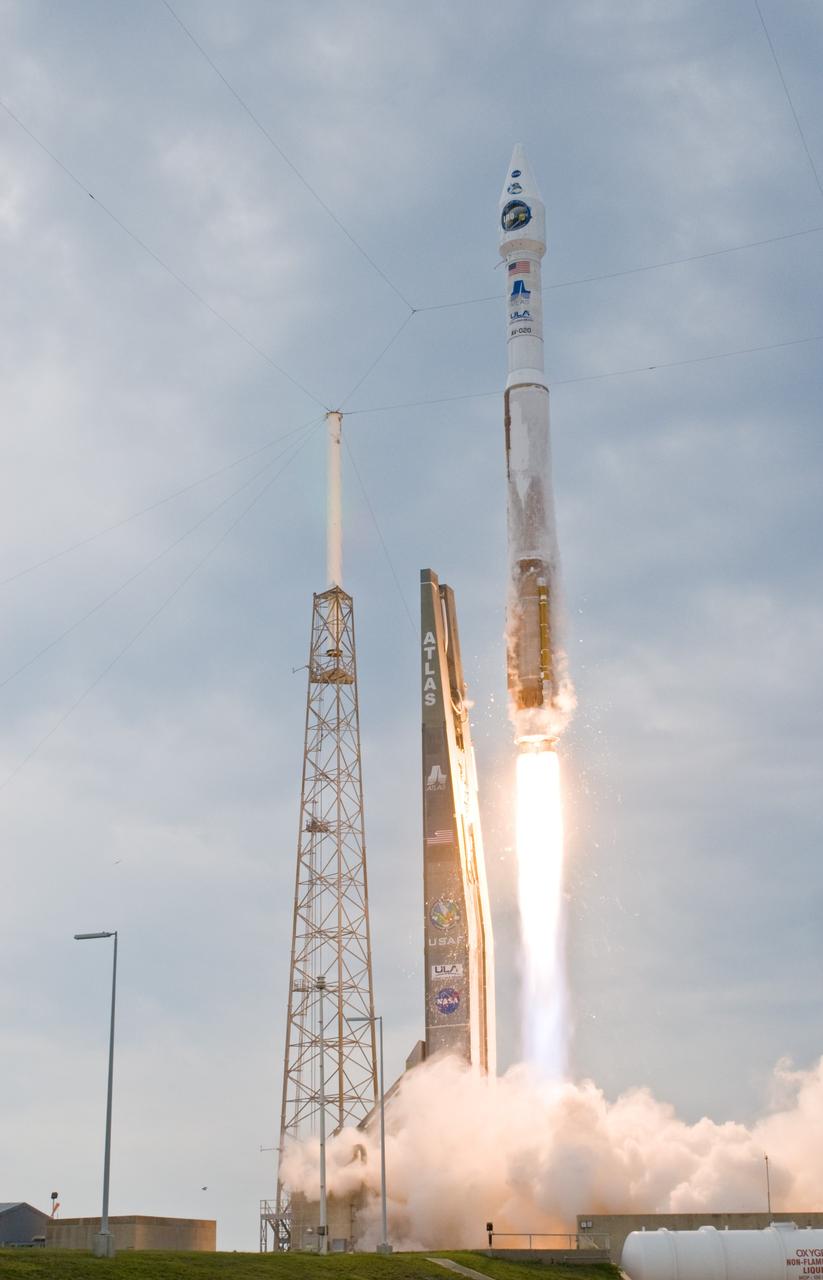
CAPE CANAVERAL, Fla. – Trailing a column of fire, the Atlas V/Centaur carrying NASA's Lunar Reconnaissance Orbiter, or LRO, and NASA's Lunar Crater Observation and Sensing Satellite, known as LCROSS, hurtles off Launch Complex 41 at Cape Canaveral Air Force Station in Florida. LRO and LCROSS are the first missions in NASA's plan to return humans to the moon and begin establishing a lunar outpost by 2020. The LRO also includes seven instruments that will help NASA characterize the moon's surface: DIVINER, LAMP, LEND, LOLA , CRATER, Mini-RF and LROC. Launch was on-time at 5:32 p.m. EDT. Photo credit: NASA/Sandra Joseph, Tony Gray
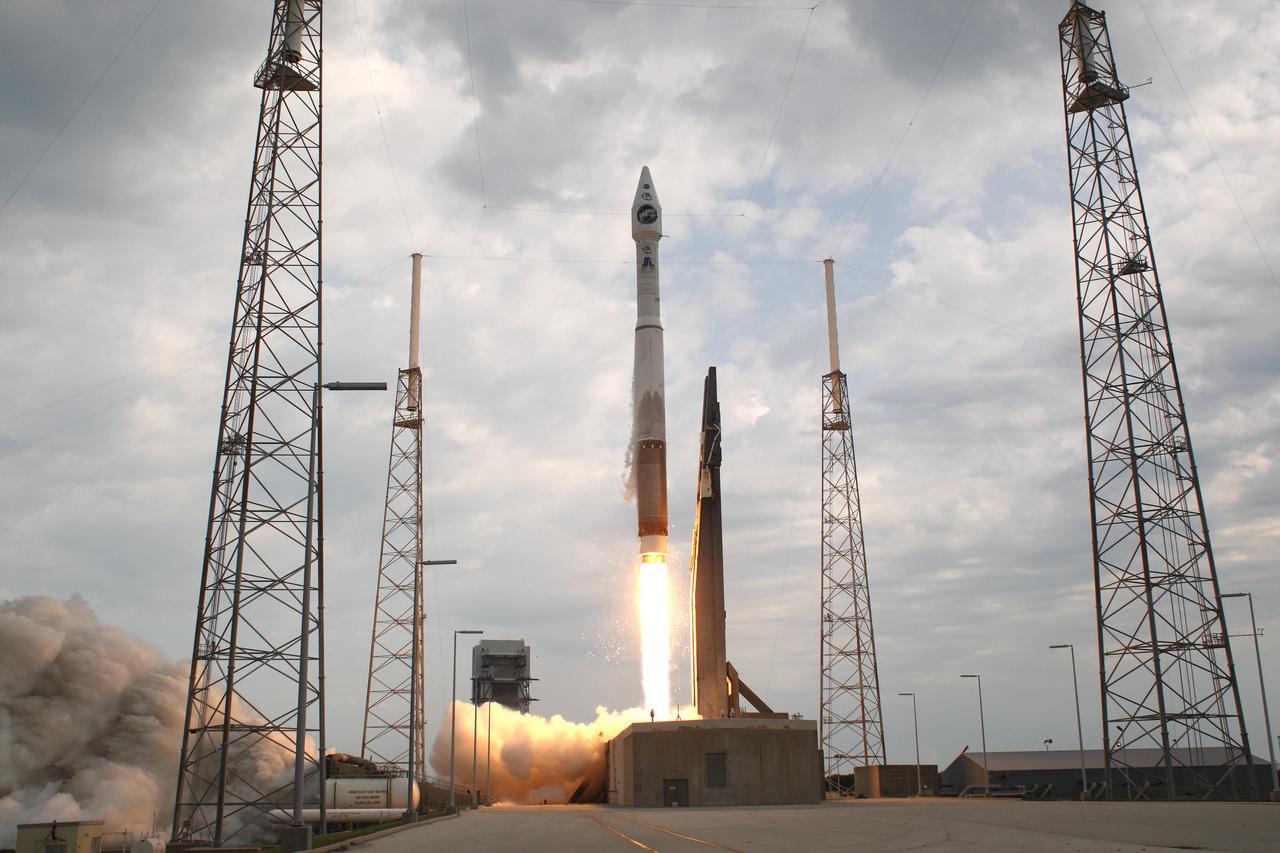
CAPE CANAVERAL, Fla. – The Atlas V/Centaur rocket with NASA's Lunar Reconnaissance Orbiter, or LRO, and NASA's Lunar Crater Observation and Sensing Satellite, known as LCROSS, on top leaps from Launch Pad 41 at Cape Canaveral Air force Station in Florida. Surrounding the pad are the towers that provide lightning protection. Launch was on-time at 5:32 p.m. EDT June 18. LRO and LCROSS are the first missions in NASA's plan to return humans to the moon and begin establishing a lunar outpost by 2020. The LRO also includes seven instruments that will help NASA characterize the moon's surface: DIVINER, LAMP, LEND, LOLA , CRATER, Mini-RF and LROC. Photo courtesy of Scott Andrews
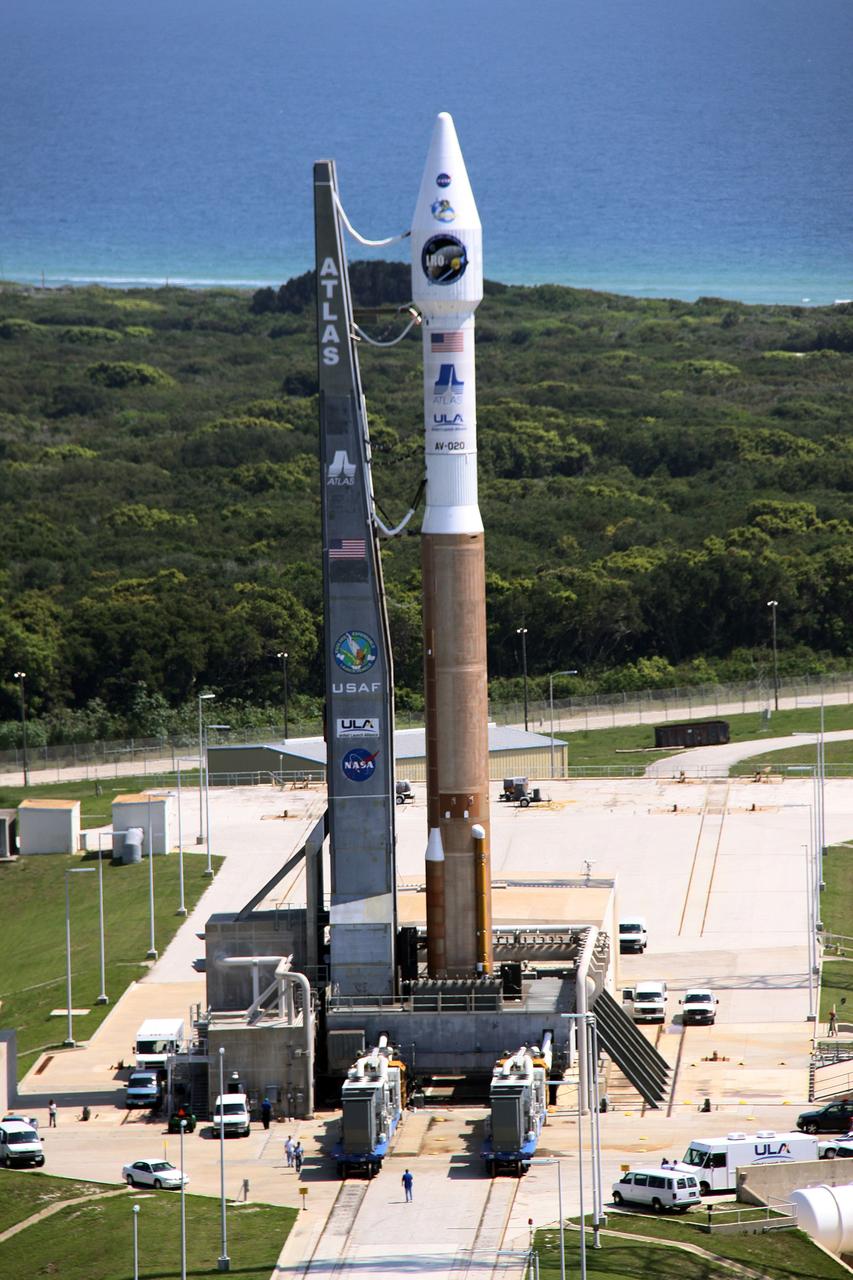
CAPE CANAVERAL, Fla. – The Atlas V/Centaur rocket with NASA's Lunar Reconnaissance Orbiter, or LRO, and NASA's Lunar Crater Observation and Sensing Satellite, known as LCROSS, on top are on the pad at Launch Complex-41 on Cape Canaveral Air Force Station in Florida. LRO and LCROSS are the first missions in NASA's plan to return humans to the moon and begin establishing a lunar outpost by 2020. The LRO also includes seven instruments that will help NASA characterize the moon's surface: DIVINER, LAMP, LEND, LOLA, CRATER, Mini-RF and LROC. Launch is scheduled for 5:22 p.m. EDT June 18 . Photo credit: NASA/Jack Pfaller