
Photo Date: 11/14/2023 Location: Turin, Italy Subject: ESA International Habitat (I-HAB) Photo Credit: ESA/Stephane Corvaja
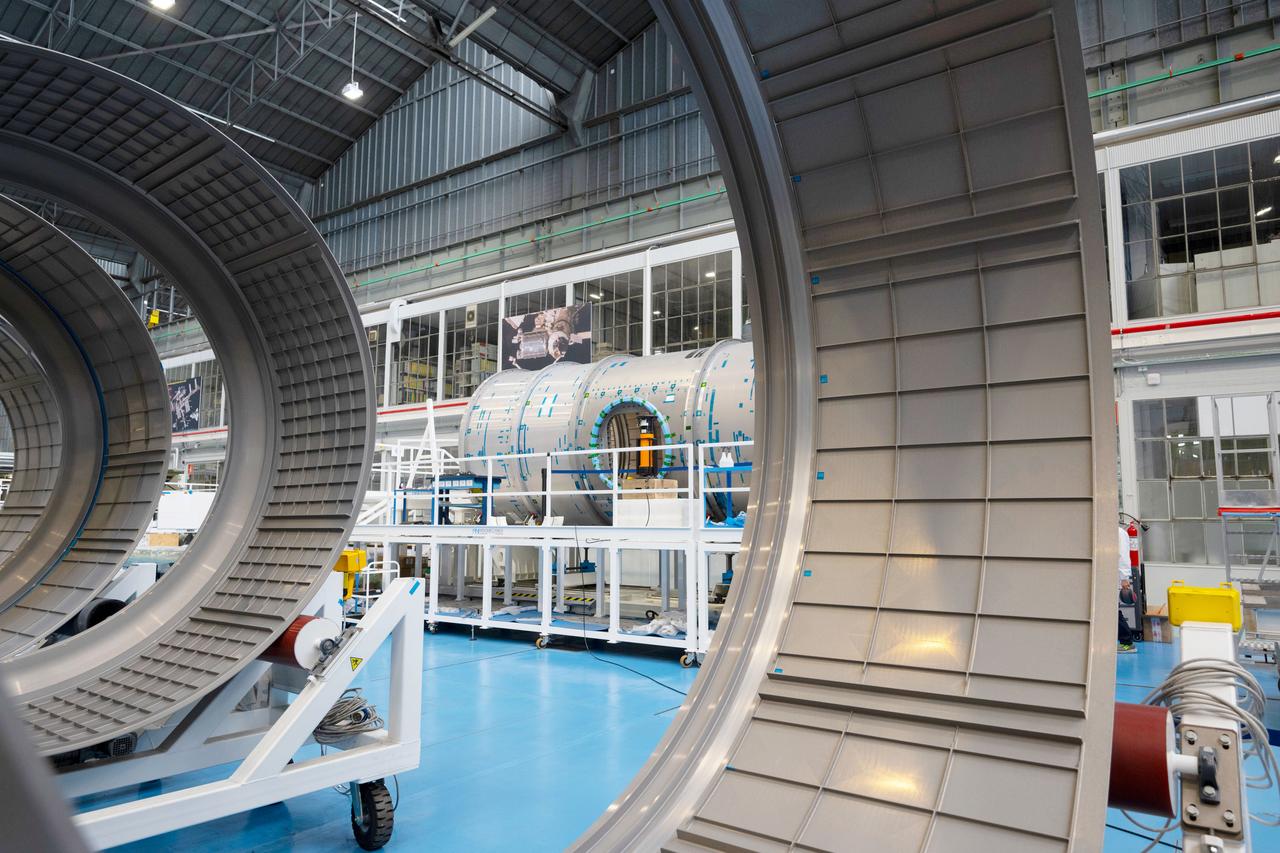
Photo Date: 11/14/2023 Location: Turin, Italy Subject: ESA International Habitat (I-HAB) Photo Credit: ESA/Stephane Corvaja
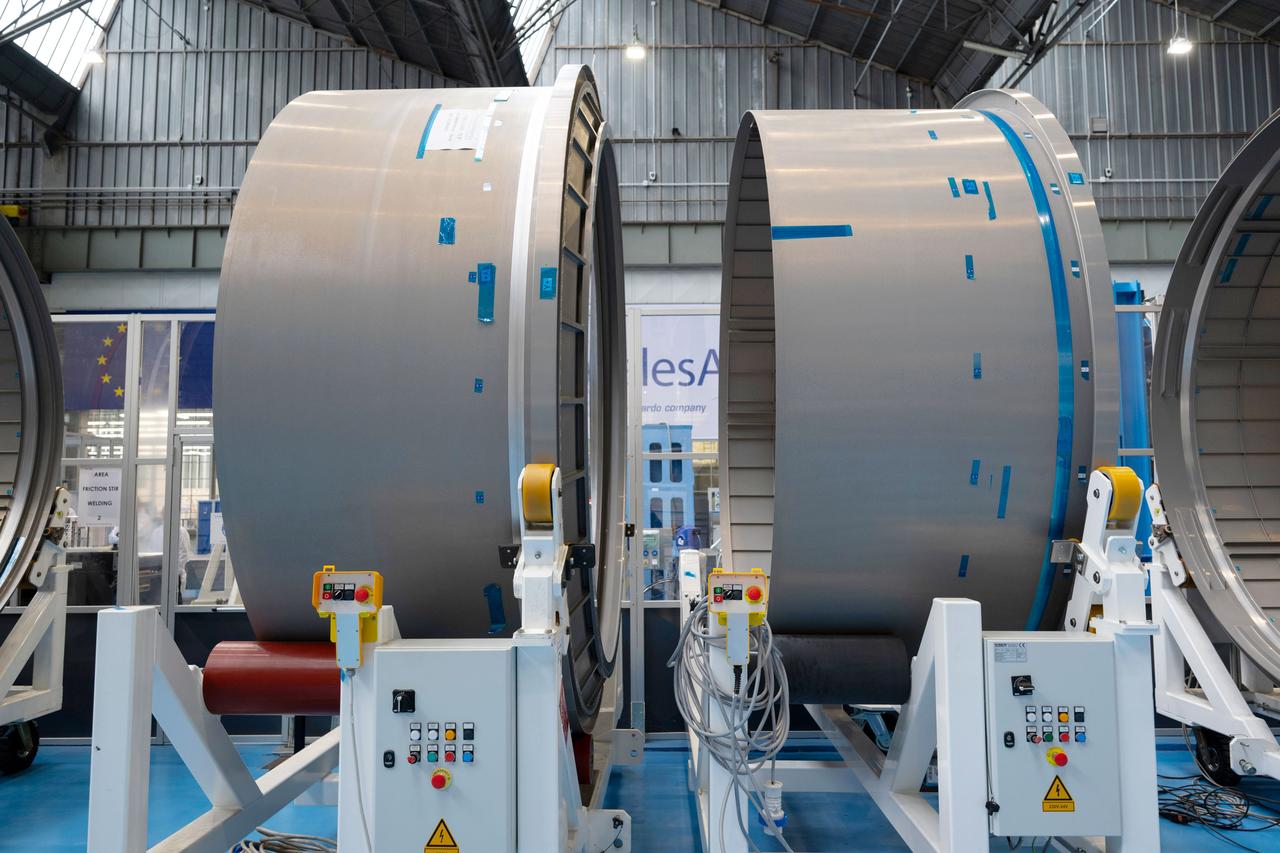
Photo Date: 11/14/2023 Location: Turin, Italy Subject: ESA International Habitat (I-HAB) Photo Credit: ESA/Stephane Corvaja
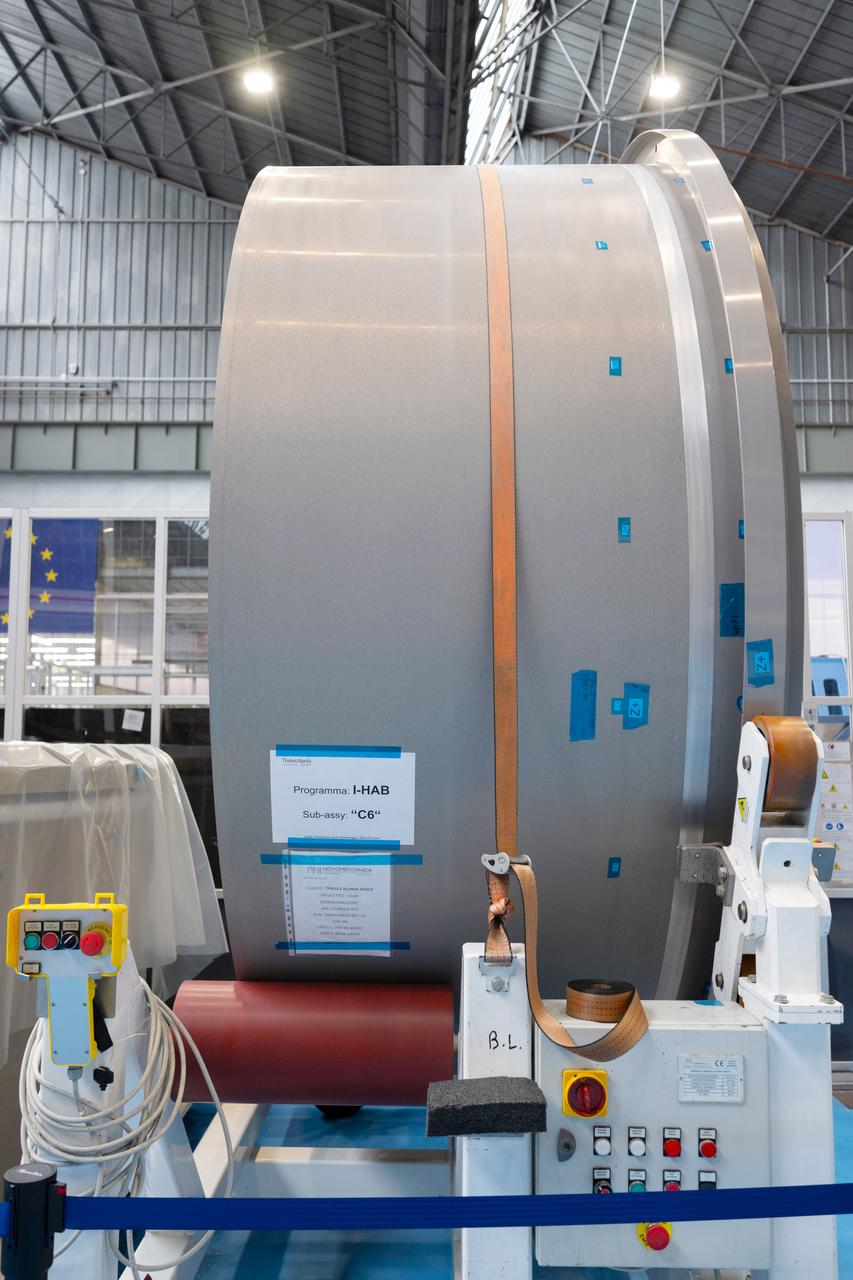
Photo Date: 11/14/2023 Location: Turin, Italy Subject: ESA International Habitat (I-HAB) Photo Credit: ESA/Stephane Corvaja
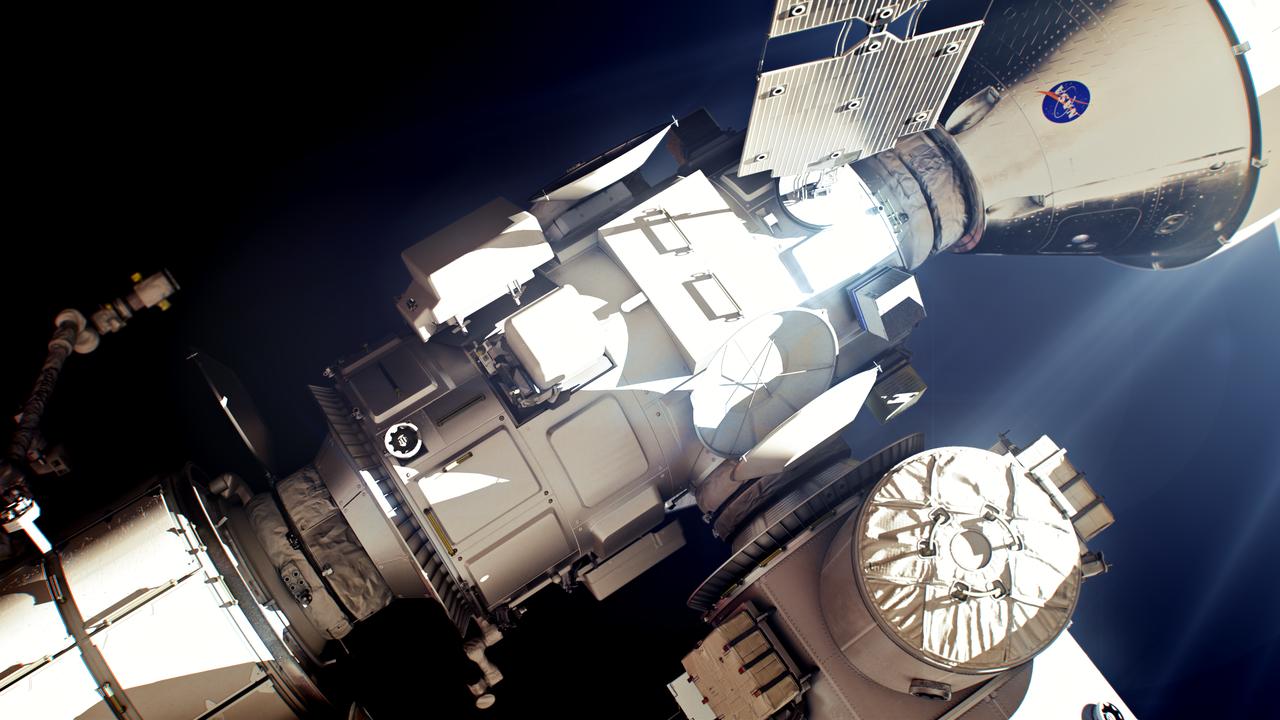
Gateway's International Habitat (I-Hab) module, provided by ESA, is one of two of the space station's habitation modules in addition to HALO. Astronauts will live, conduct science, and prepare for lunar surface missions inside I-Hab and HALO.
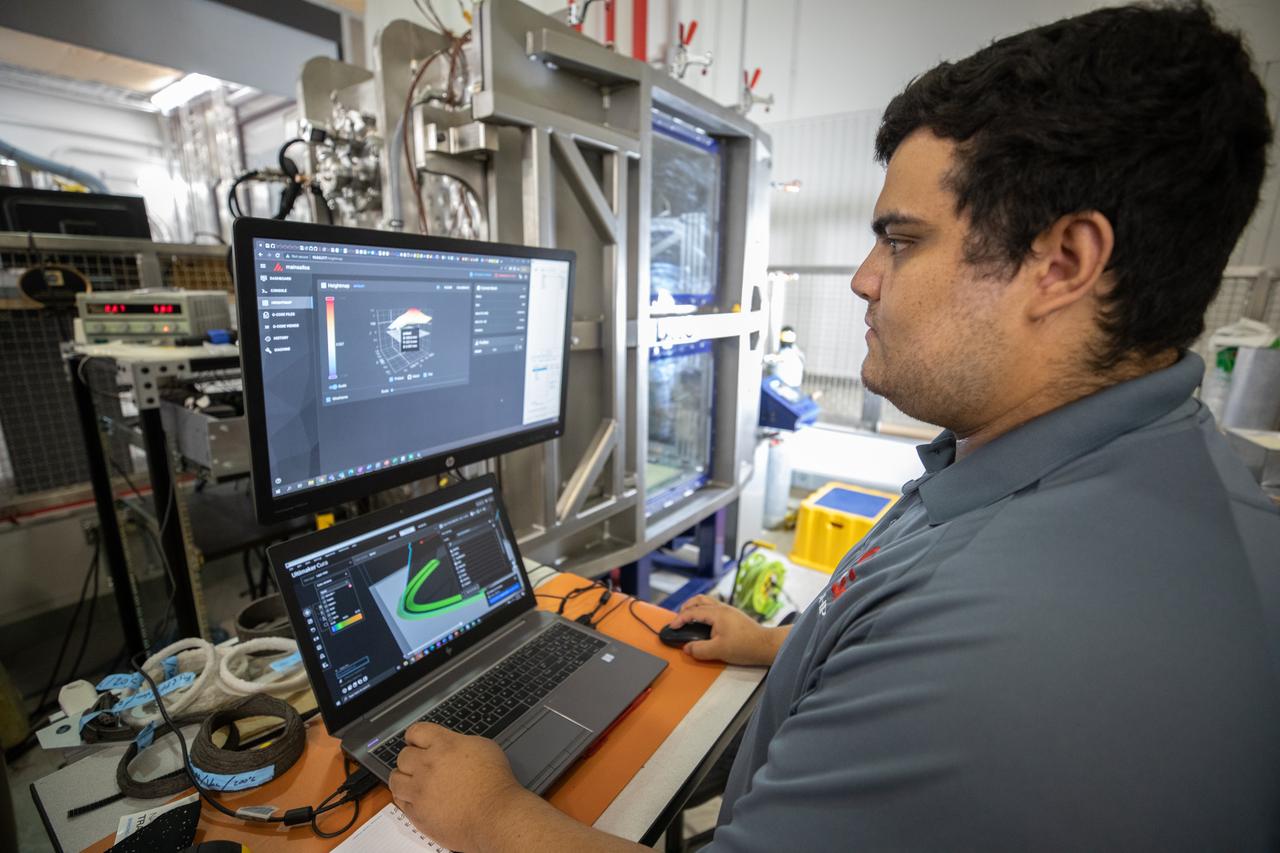
NASA Internships, Fellowships, and Scholarships (NIFS) intern Leonel Herrera tests a 3D printer on July 28, 2022, at Swamp Works at NASA’s Kennedy Space Center in Florida, as part of the Relevant Environment Additive Construction Technology (REACT) project. Among the key objectives of the project is developing an architectural and structural design for a shelter that provides protection to habitable assets on the lunar surface. Testing REACT derives from NASA’s 2020 Announcement of Collaboration Opportunity with AI SpaceFactory – an architectural and construction technology company and winner of NASA’s 3D Printed Habitat Challenge.
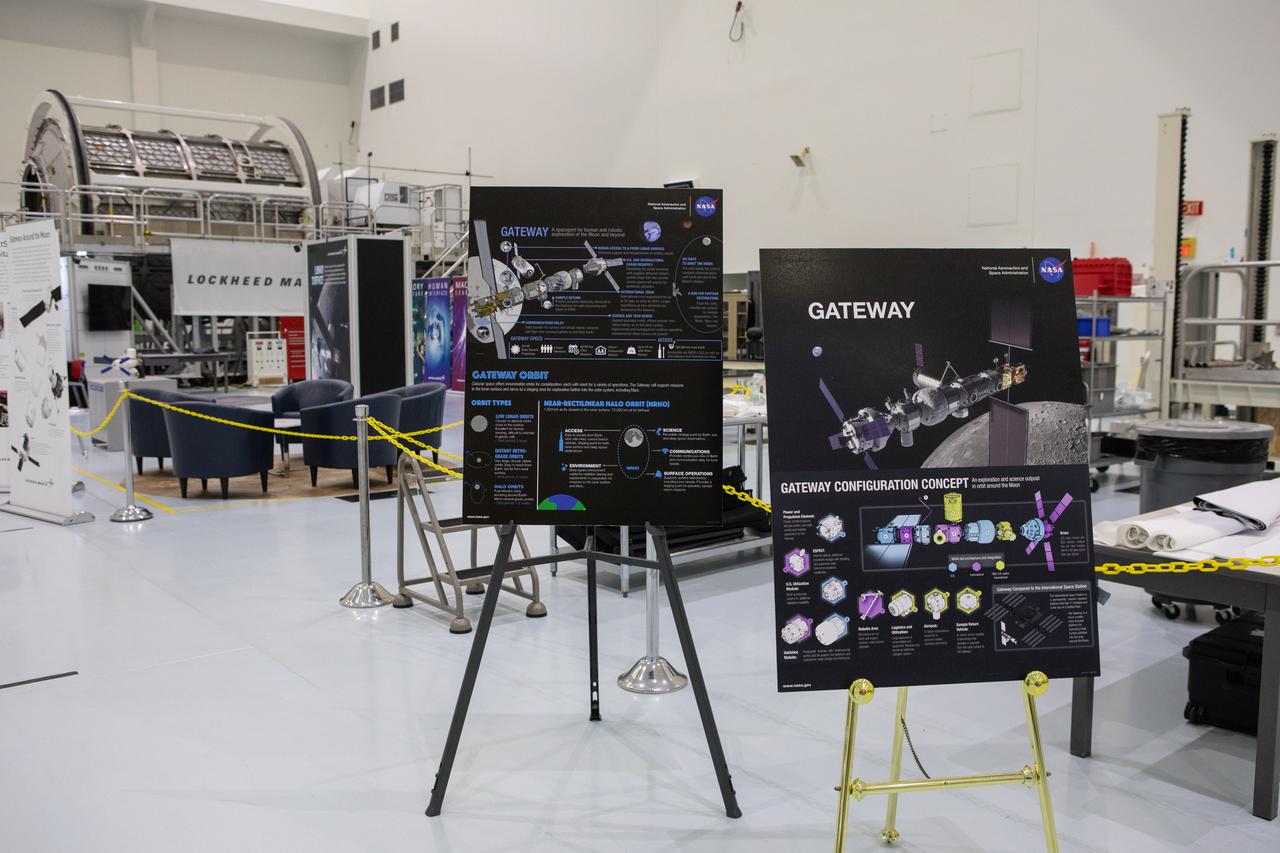
The Lockheed Martin prototype habitat for NASA’s lunar orbital platform, called the Gateway, is in view at far left in the high bay of the Space Station Processing Facility (SSPF) at NASA's Kennedy Space Center in Florida, on May 16, 2019. The center is celebrating the SSPF’s 25th anniversary. The facility was built to process elements for the International Space Station. Now it is providing support for current and future NASA and commercial provider programs, including Commercial Resupply Services, Artemis 1, sending the first woman and next man to the Moon, and deep space destinations including Mars.
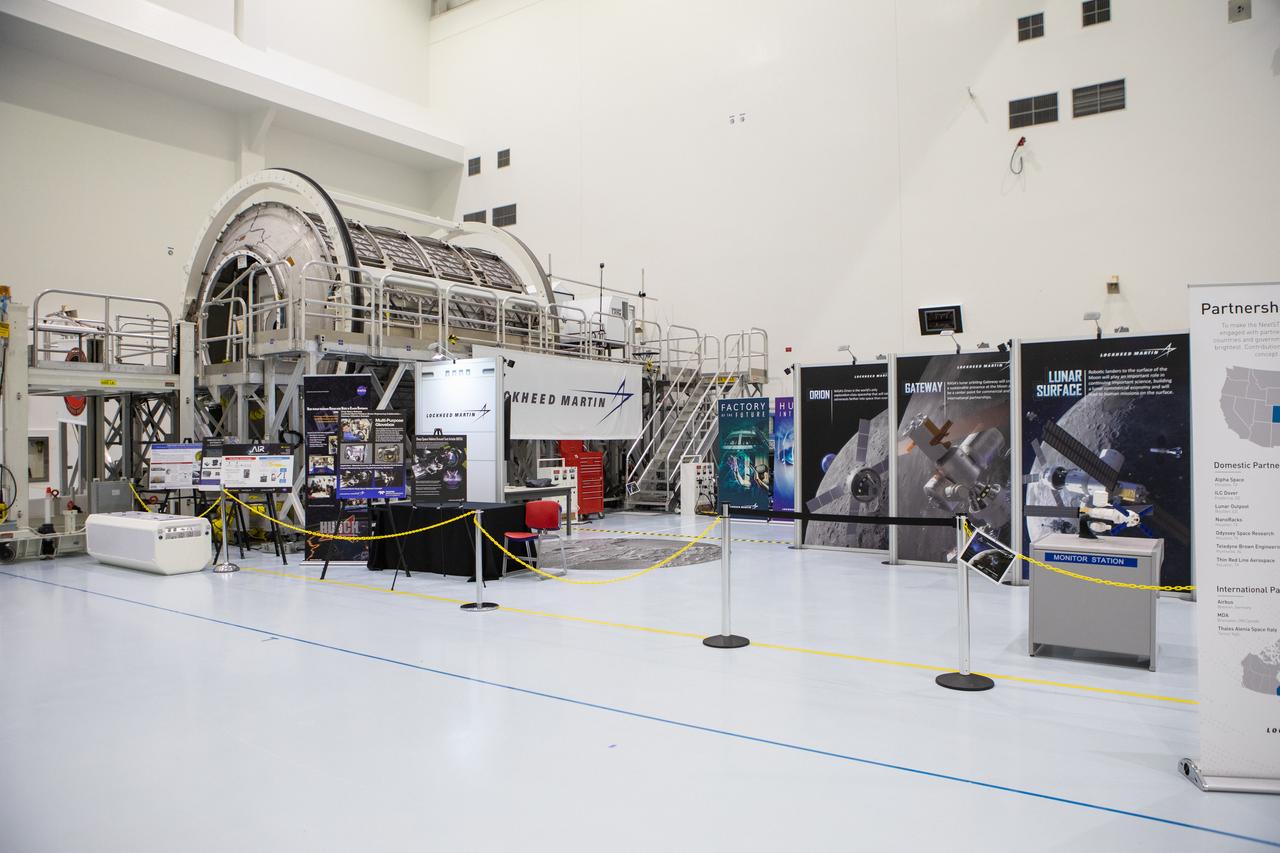
The Lockheed Martin prototype habitat for NASA’s lunar orbital platform, called the Gateway, is in view at left in the high bay of the Space Station Processing Facility (SSPF) at NASA's Kennedy Space Center in Florida, on May 16, 2019. The center is celebrating the SSPF’s 25th anniversary. The facility was built to process elements for the International Space Station. Now it is providing support for current and future NASA and commercial provider programs, including Commercial Resupply Services, Artemis 1, sending the first woman and next man to the Moon, and deep space destinations including Mars.
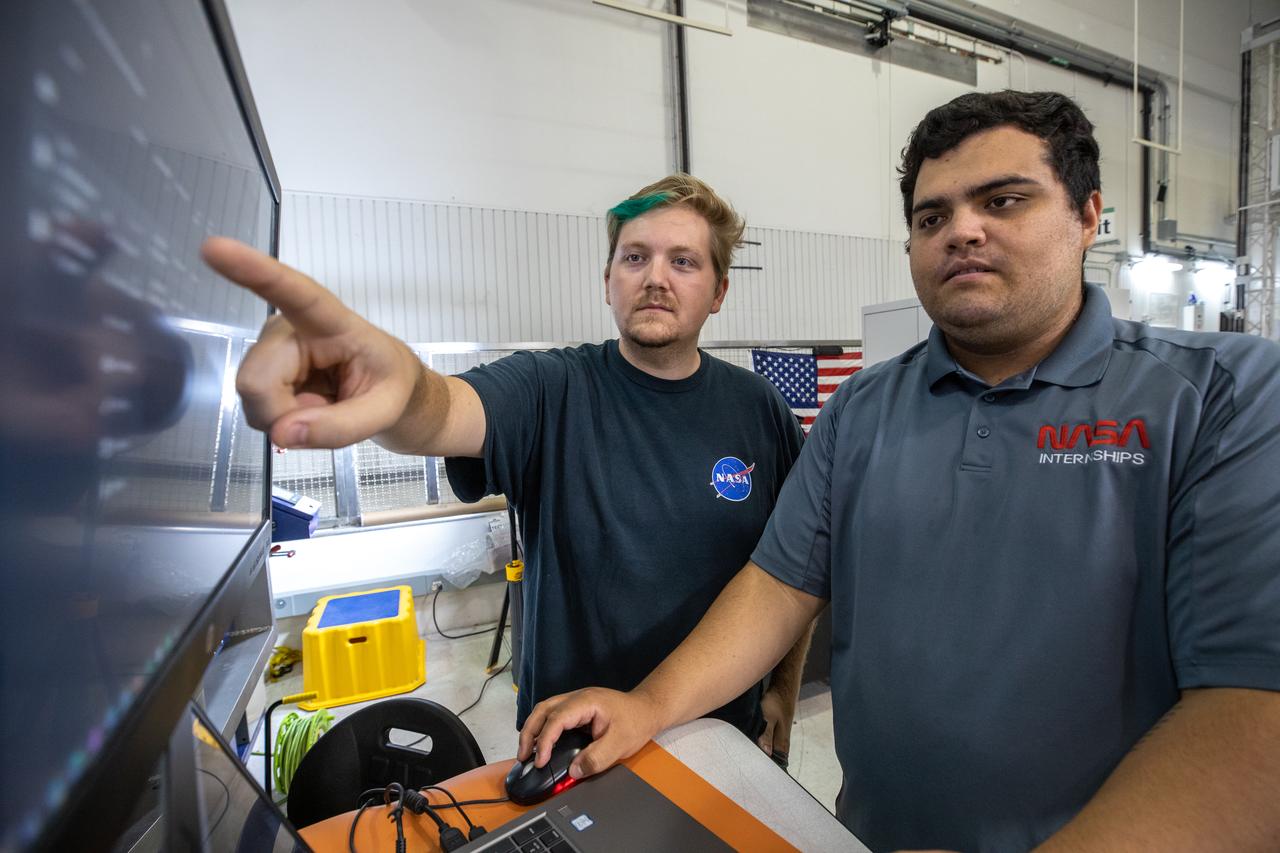
NASA engineer Evan Bell, left, and NASA Internships, Fellowships, and Scholarships (NIFS) intern Leonel Herrera test a 3D printer on July 28, 2022, at Swamp Works at NASA’s Kennedy Space Center in Florida, as part of the Relevant Environment Additive Construction Technology (REACT) project. Among the key objectives of the project is developing an architectural and structural design for a shelter that provides protection to habitable assets on the lunar surface. Testing REACT derives from NASA’s 2020 Announcement of Collaboration Opportunity with AI SpaceFactory – an architectural and construction technology company and winner of NASA’s 3D Printed Habitat Challenge.
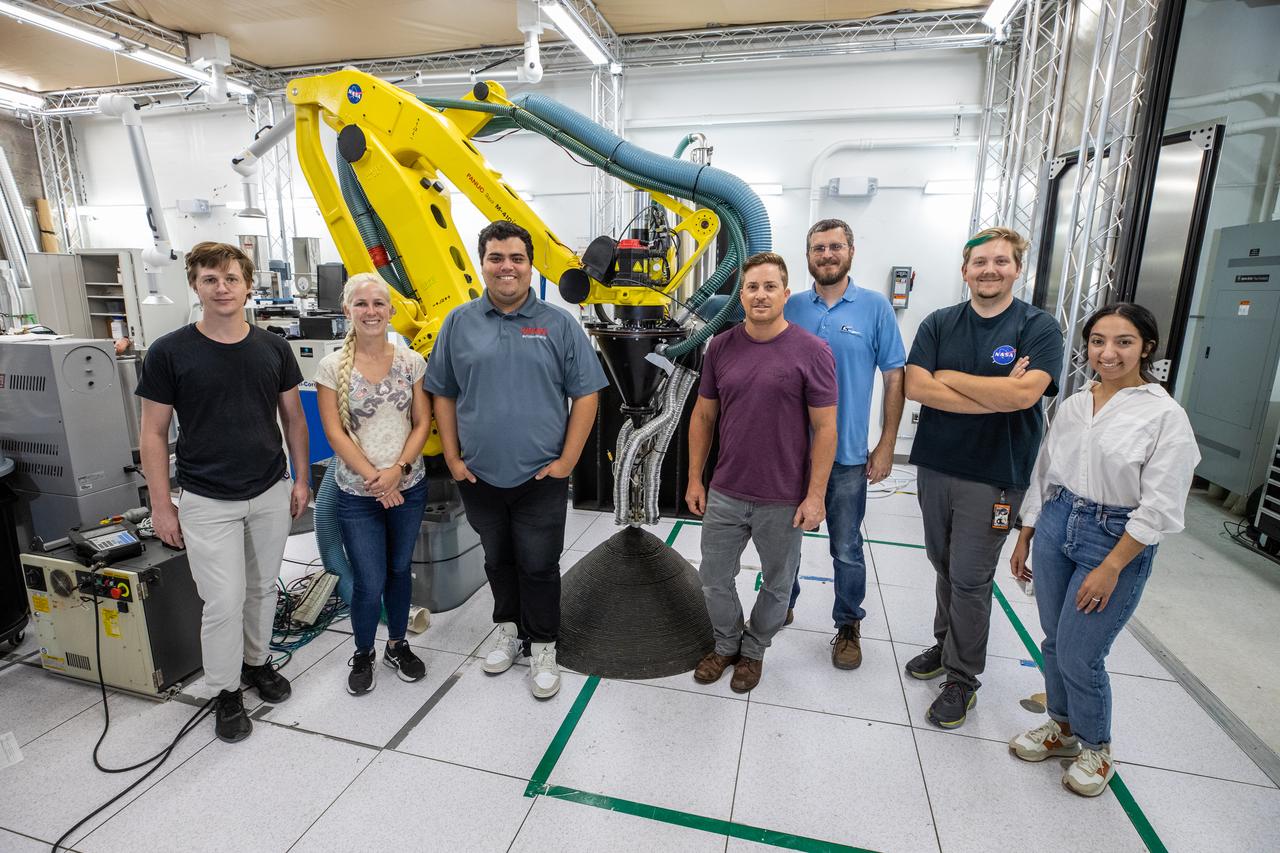
A team at NASA’s Kennedy Space Center in Florida poses with a Zero Launch Mass 3D printer on July 28, 2022, at the Florida spaceport’s Swamp Works, as part of the Relevant Environment Additive Construction Technology (REACT) project. Shown from left to right are: Tommy Lipscomb, materials engineer; Tesia Irwin, chemist; Leonel Herrera, NASA Internships, Fellowships, and Scholarships (NIFS) intern; Nathan Gelino, principal investigator; Matt Nugent, robotics engineer; Evan Bell, robotics engineer; and Nilab Azim, chemist. Among the key objectives of the project is developing an architectural and structural design for a shelter that provides protection to habitable assets on the lunar surface. Testing REACT derives from NASA’s 2020 Announcement of Collaboration Opportunity with AI SpaceFactory – an architectural and construction technology company and winner of NASA’s 3D Printed Habitat Challenge.