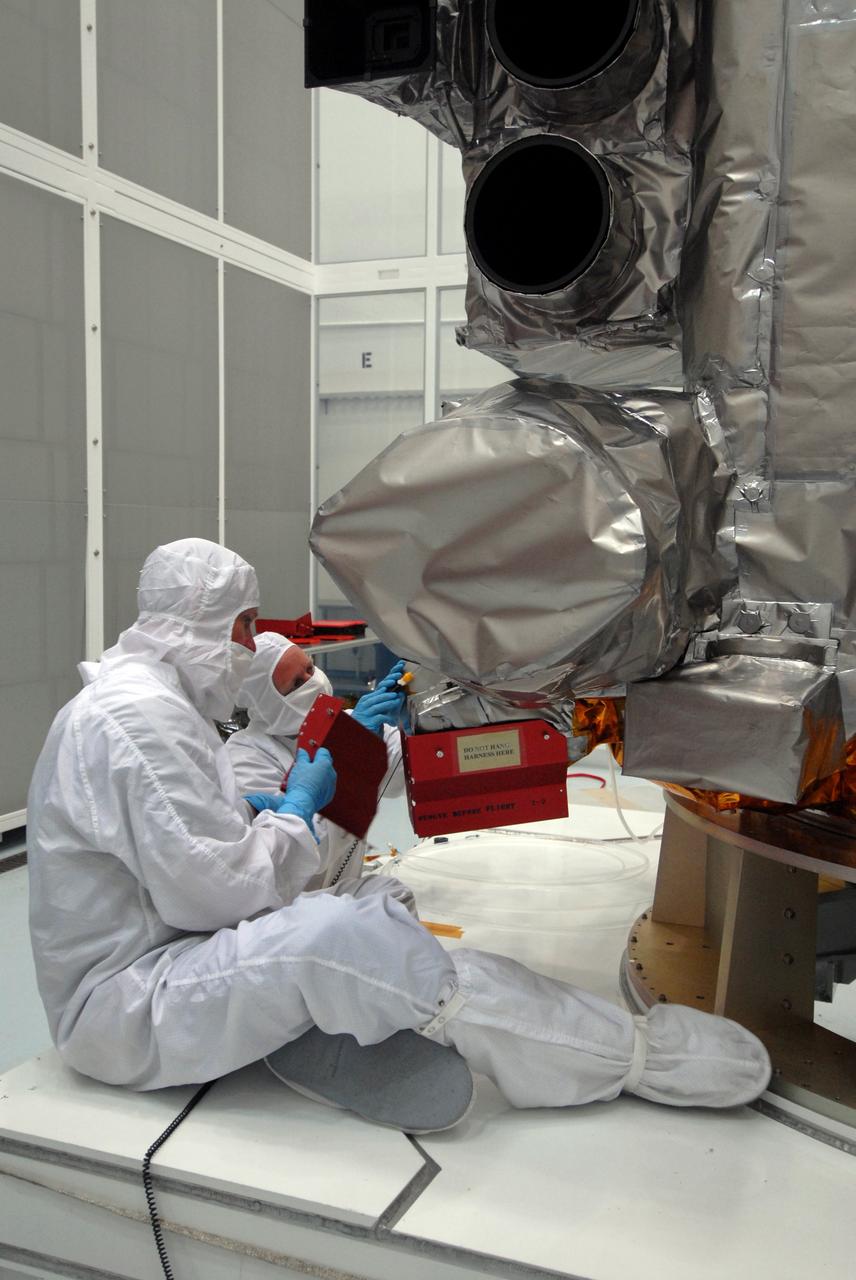
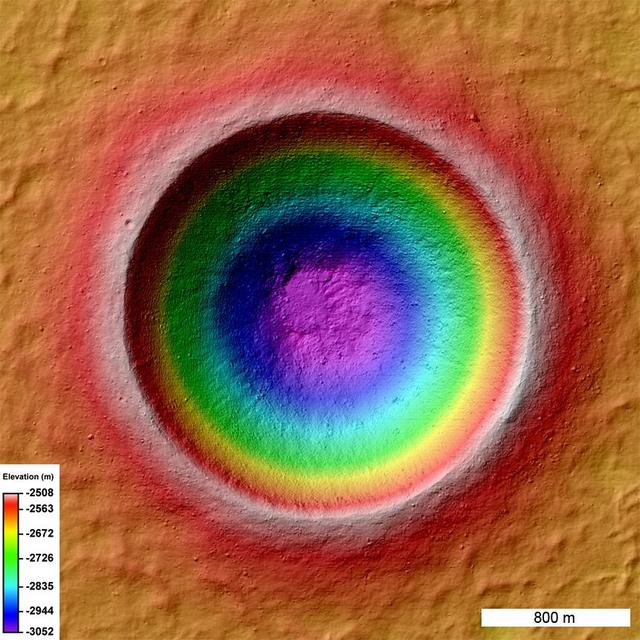
Loading the Lunar Reconnaissance Orbiter into the thermal vacuum chamber at Goddard Space Flight Center. Diviner is one of seven instruments aboard NASA LRO Mission.
Loading Lunar Reconnaissance Orbiter LRO in the Thermal Vacuum Chamber
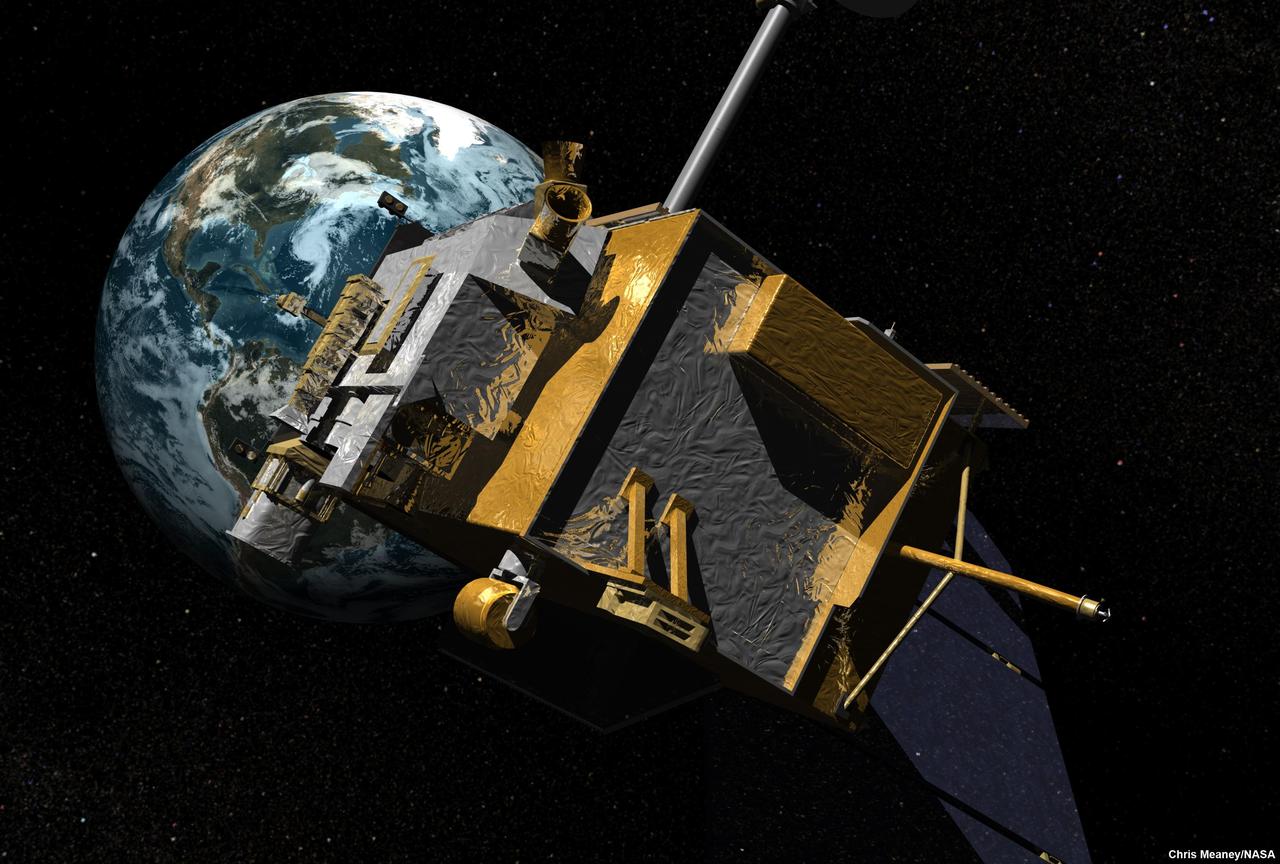
Artist rendering of the Lunar Reconnaissance Orbiter LRO, above the moon.  LRO carries seven instruments that make comprehensive remote sensing observations of the moon and measurements of the lunar radiation environment. The LRO mission is managed by NASA Goddard for the Science Mission Directorate at NASA Headquarters in Washington.  http://photojournal.jpl.nasa.gov/catalog/PIA18163
Lunar Reconnaissance Orbiter Artist Concept
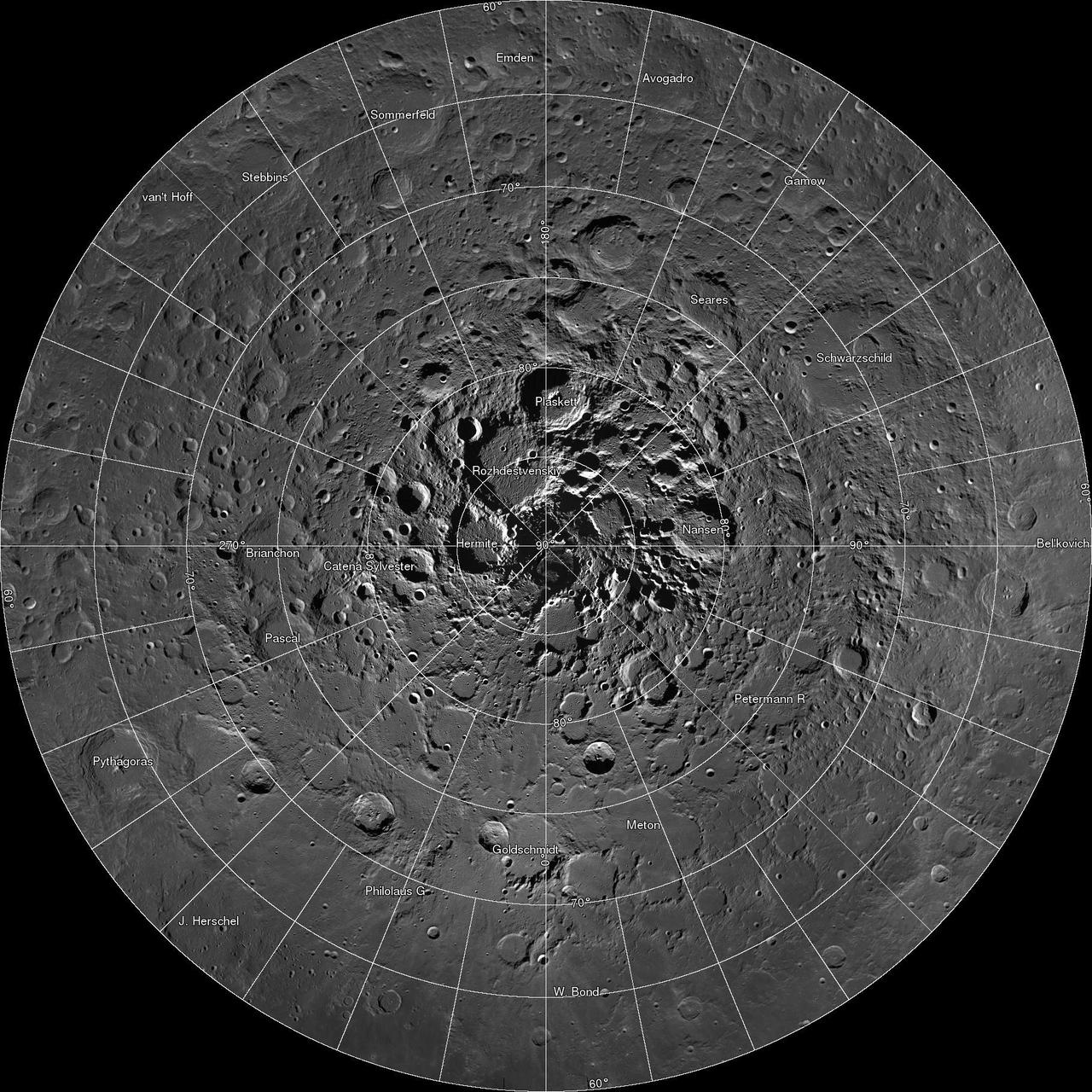
Scientists, using cameras aboard NASA Lunar Reconnaissance Orbiter LRO, have created the largest high resolution mosaic of our moon north polar region.
NASA Releases First Interactive Mosaic of Lunar North Pole
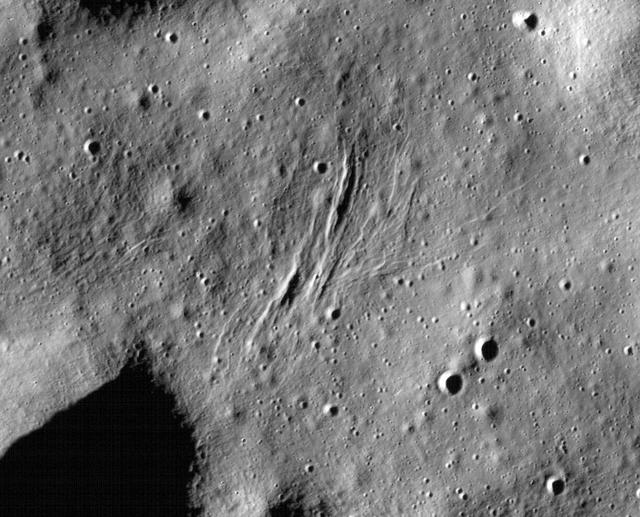
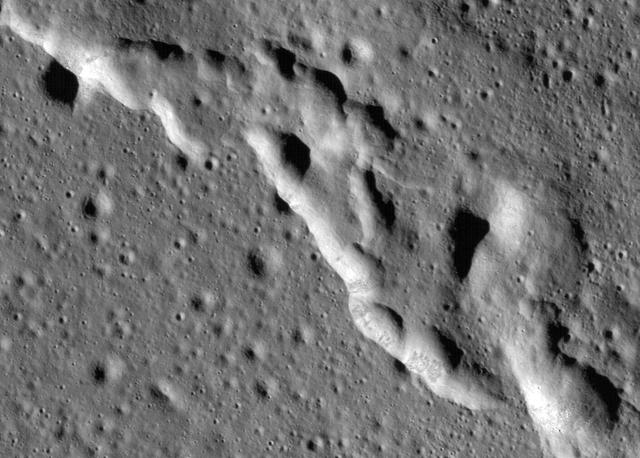
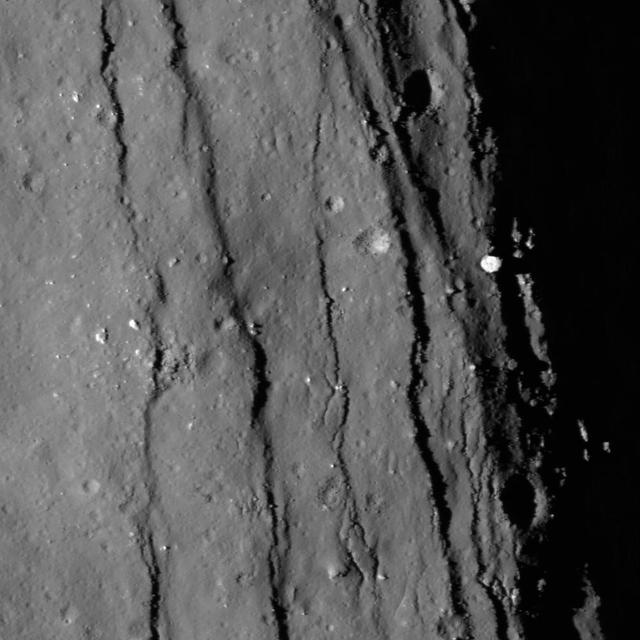
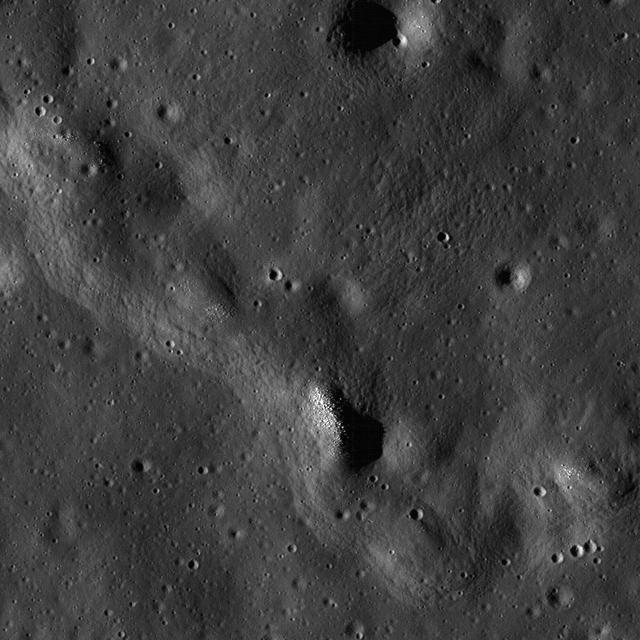
These graben - a kind of trench that is formed as a surface expands - were imaged near a region of the Moon called Mare Frigoris by NASA's Lunar Reconnaissance Orbiter (LRO).  https://photojournal.jpl.nasa.gov/catalog/PIA23237
Graben on the Moon
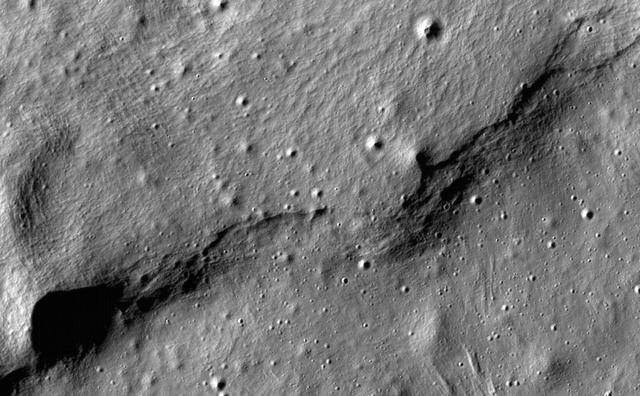
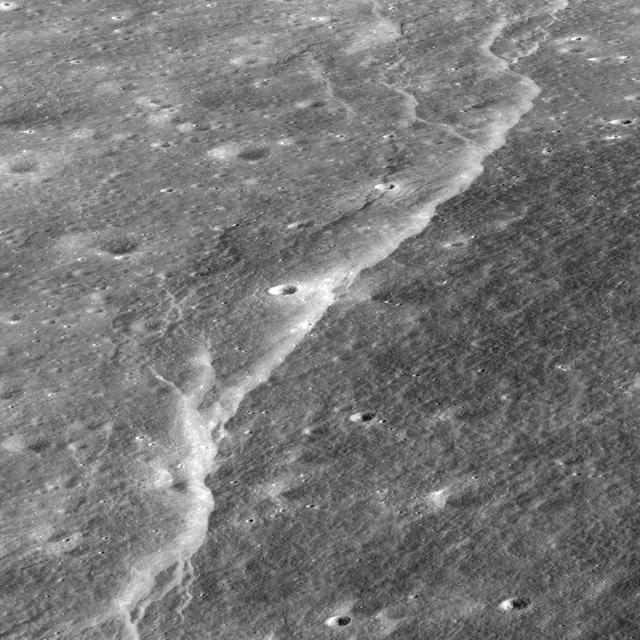
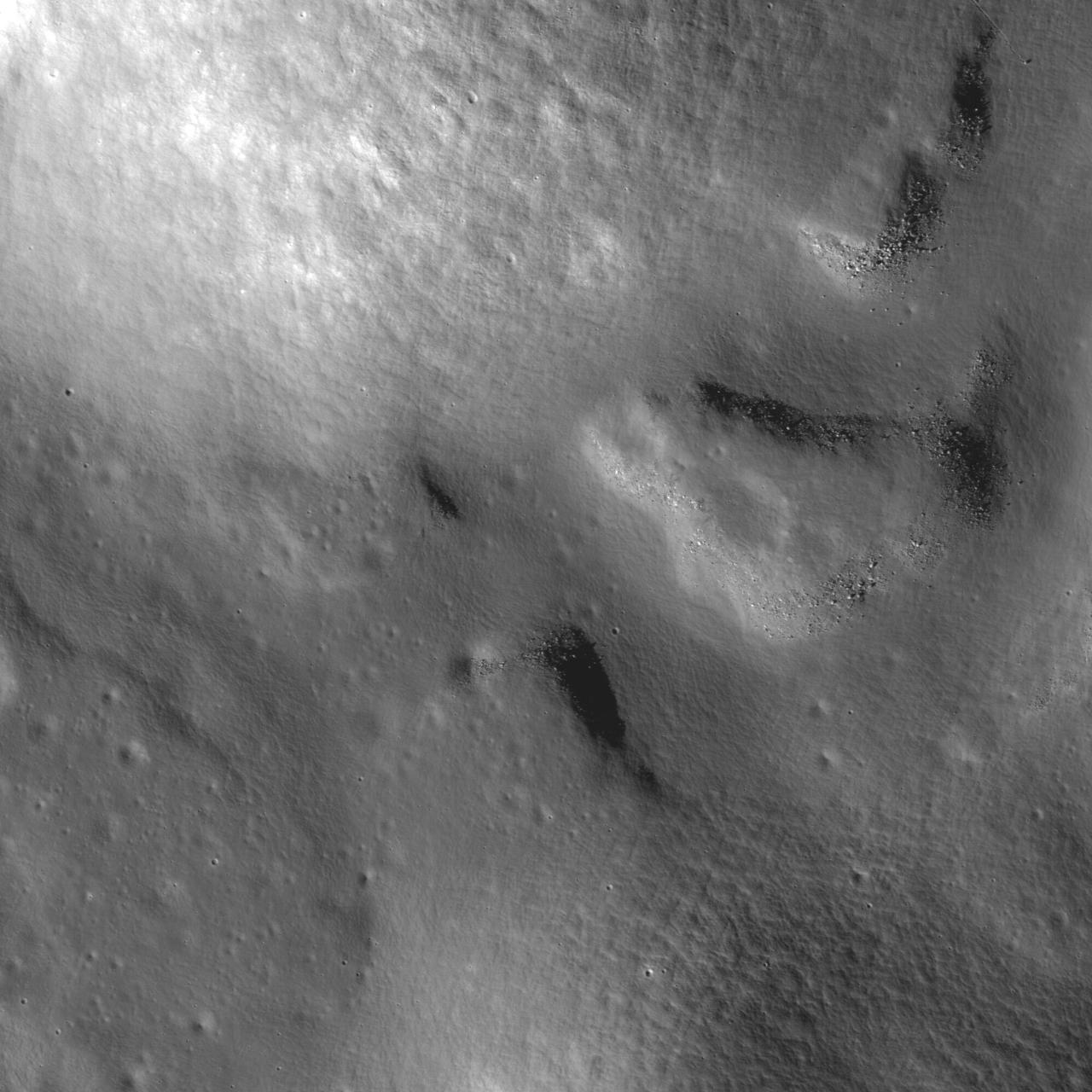
This image of lobate scarps - a kind of curved hill - was taken near a region of the Moon called Mare Frigoris by NASA's Lunar Reconnaissance Orbiter (LRO).  https://photojournal.jpl.nasa.gov/catalog/PIA23236
Lobate Scarps on the Moon
This NASA Lunar Reconnaissance Orbiter LRO image is of the summit crater of Hortensius Dome Phi. Summit craters of all the Hortensius Domes show no raised rims and are not circular, indicating they are analogous to volcanic calderas.
Hortensius Dome Phi
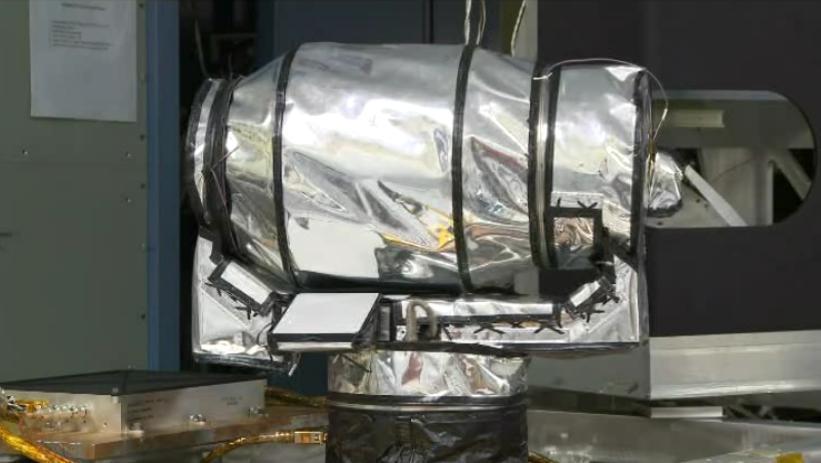
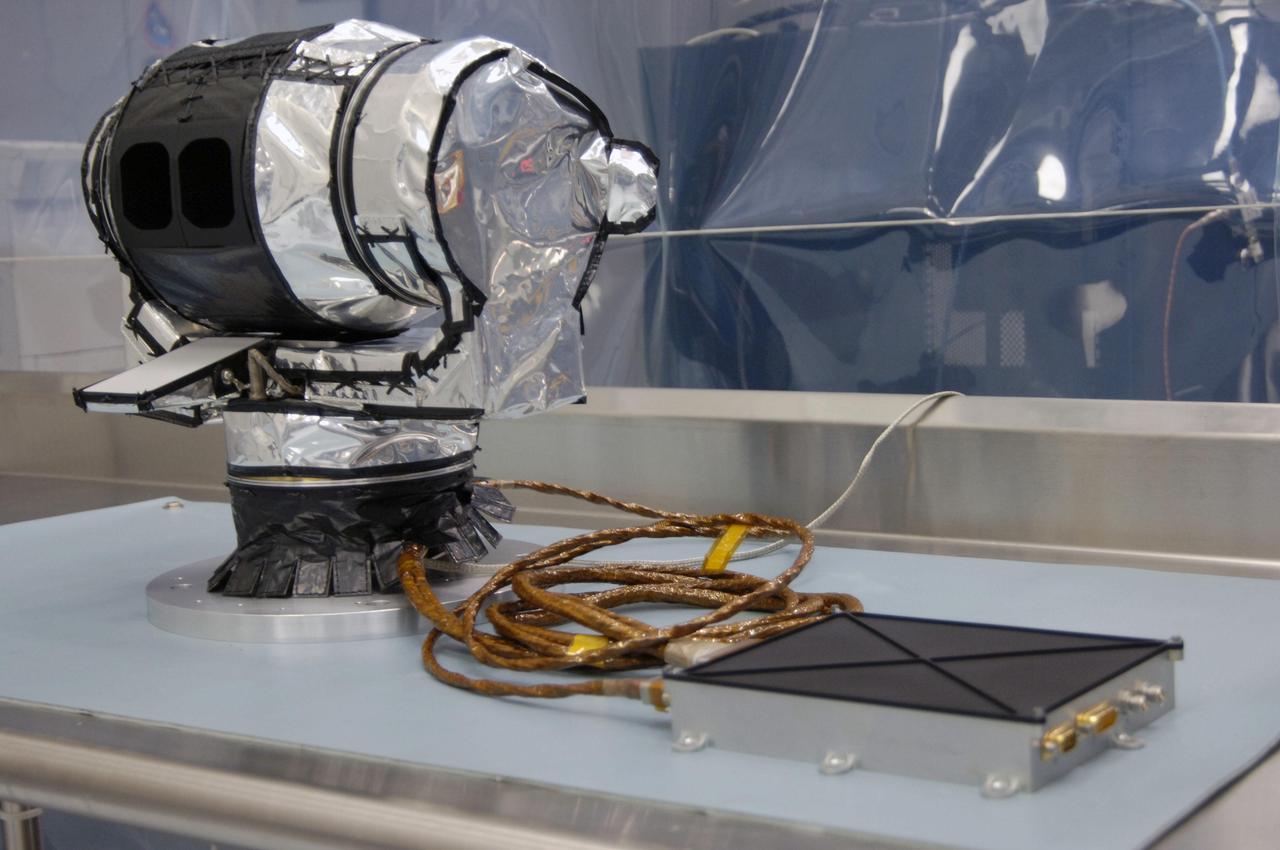
The Diviner instrument following integration to NASA Lunar Reconnaissance Orbiter. Diviner is one of seven instruments aboard the Lunar Reconnaissance Orbiter.
Diviner Following Integration to the Lunar Reconnaissance Orbiter LRO
NASA is scheduled to launch the Lunar Reconnaissance Orbiter, an unmanned mission to comprehensively map the entire moon, on June 18, 2009.
Lunar Reconnaissance Orbiter LRO Artist Concept
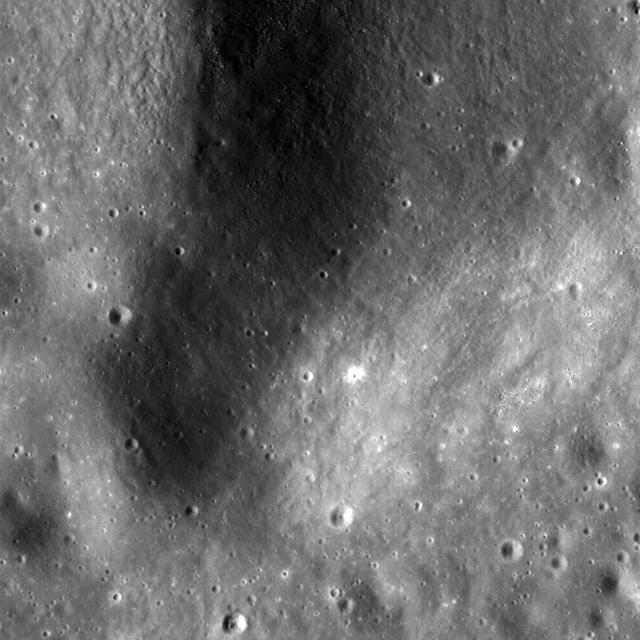
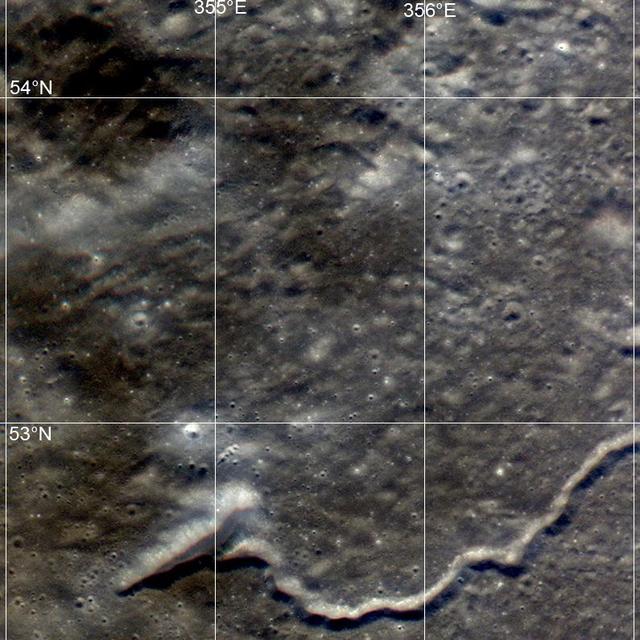
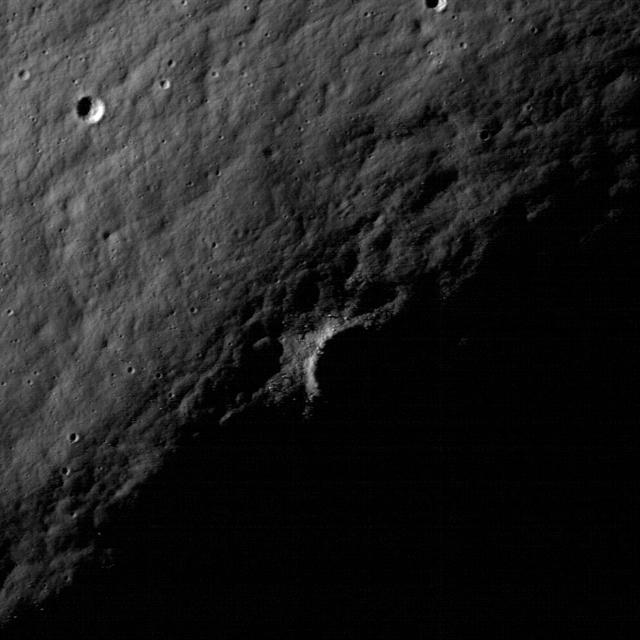
Scientists have discovered these wrinkle ridges in a region of the Moon called Mare Frigoris. These ridges add to evidence that the Moon has an actively changing surface. This image was taken by NASA's Lunar Reconnaissance Orbiter (LRO).  https://photojournal.jpl.nasa.gov/catalog/PIA23210
Wrinkle Ridges on the Moon
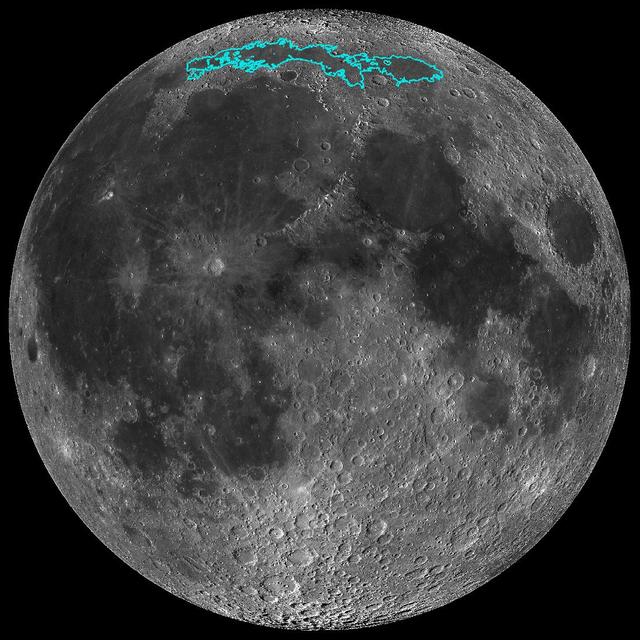
New surface features of the Moon have been discovered in a region called Mare Frigoris, outlined here in teal. This image is a mosaic composed of many images taken by NASA's Lunar Reconnaissance Orbiter (LRO).  https://photojournal.jpl.nasa.gov/catalog/PIA23209
The Moon's Mare Frigoris
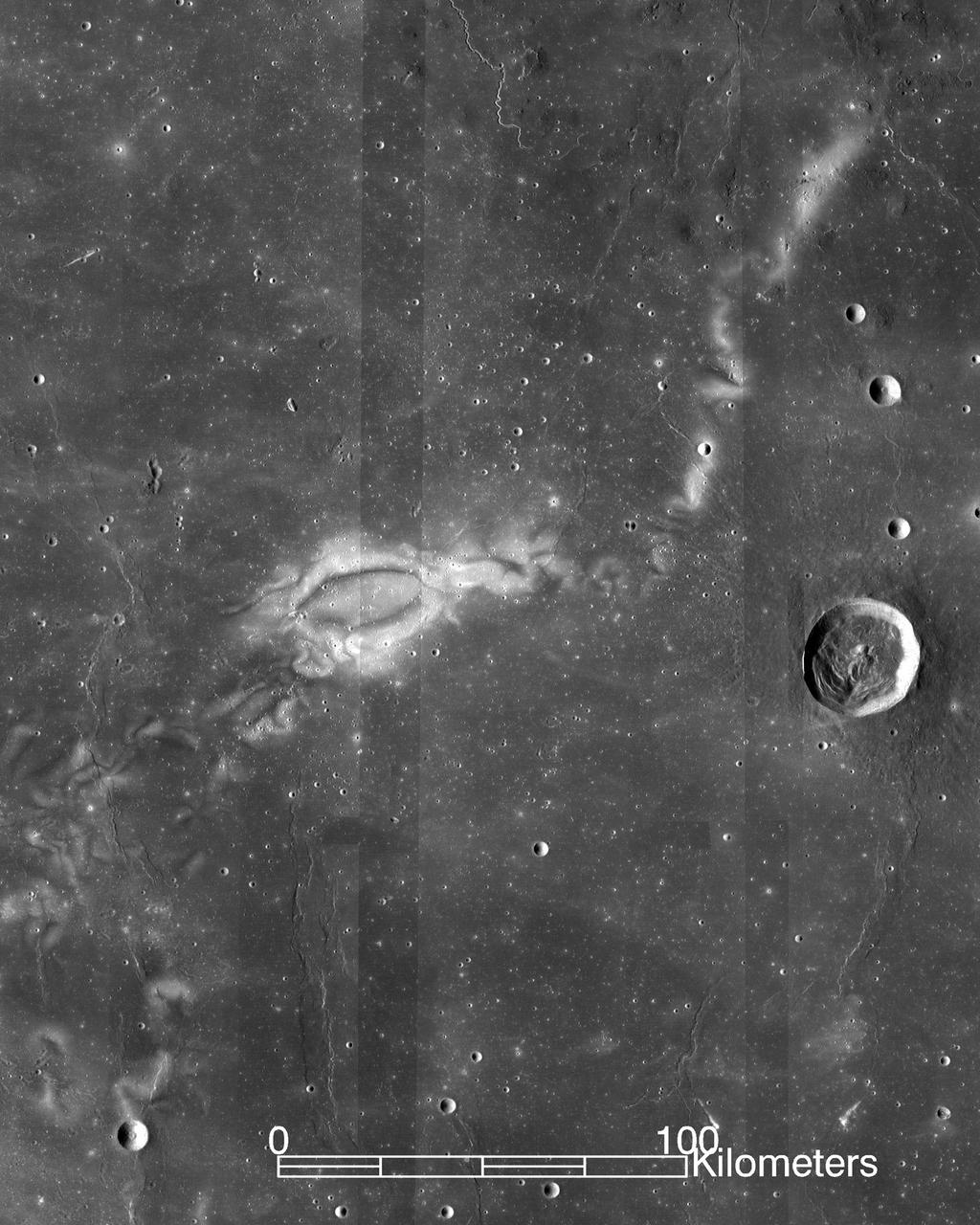
Research using data from NASA's ARTEMIS mission suggests that lunar swirls, like the Reiner Gamma lunar swirl imaged here by NASA's Lunar Reconnaissance Orbiter, could be the result of solar wind interactions with the Moon's isolated pockets of magnetic field.  Credits: NASA LRO WAC science team
Lunar Swirl Reiner Gamma
Close-up of the Diviner solar calibration target. Diviner is one of seven instruments aboard NASA LRO Mission.
Close-up of Diviner Solar Calibration Target
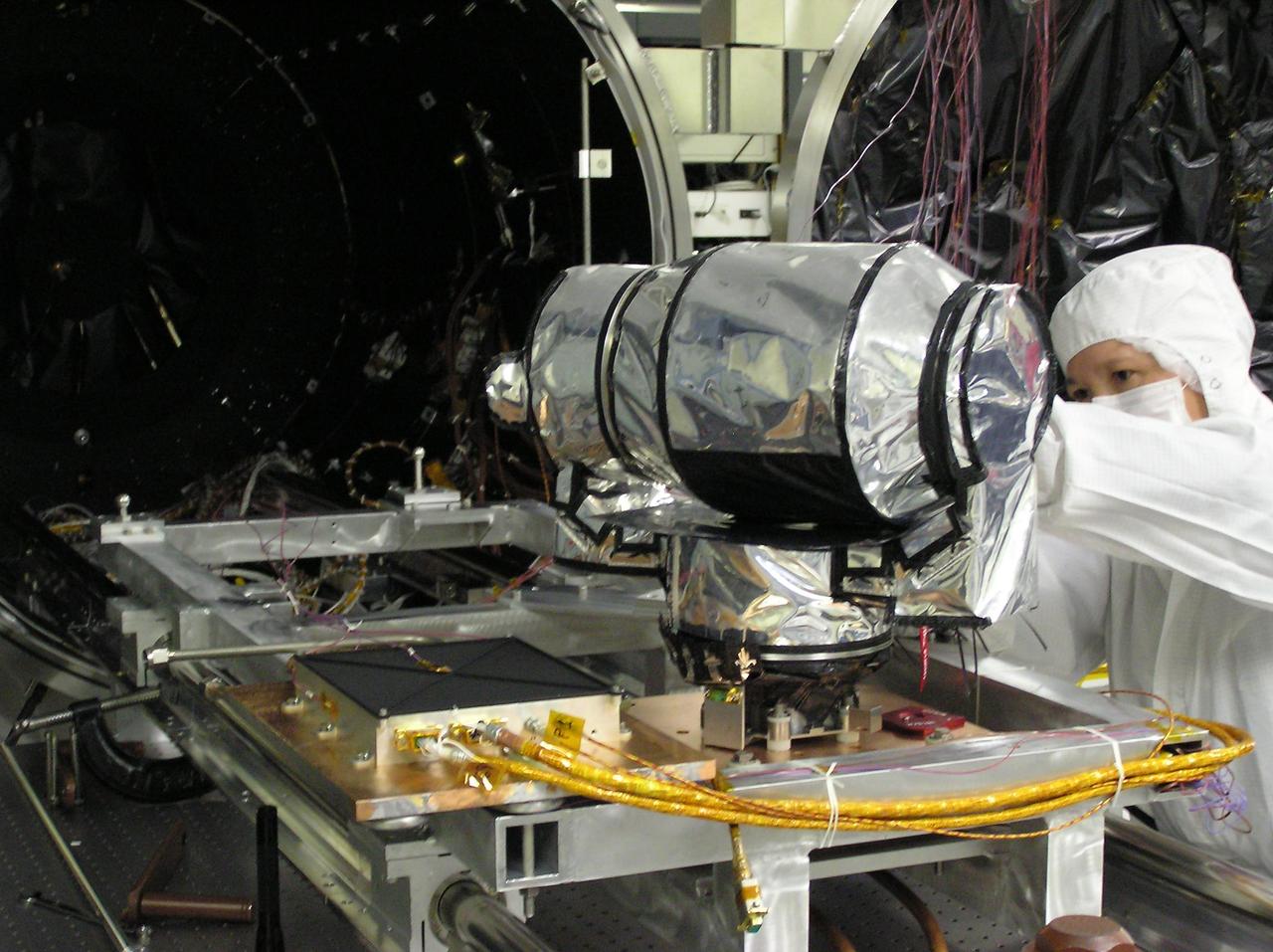
Diviner undergoing post thermal vacuum range of motion testing. Diviner is one of seven instruments aboard NASA LRO Mission.
Diviner Undergoing Post Thermal Vacuum Range of Motion Testing
The Diviner Instrument prior to shipment. Diviner is one of seven instruments aboard NASA LRO Mission.
The Diviner Instrument Prior to Shipment
This image shows final preparations being made for thermal balance testing of the Diviner Lunar Radiometer Experiment at JPL. Diviner is one of seven instruments aboard NASA LRO Mission.
Final Preparations for Diviner Thermal Balance Testing at JPL
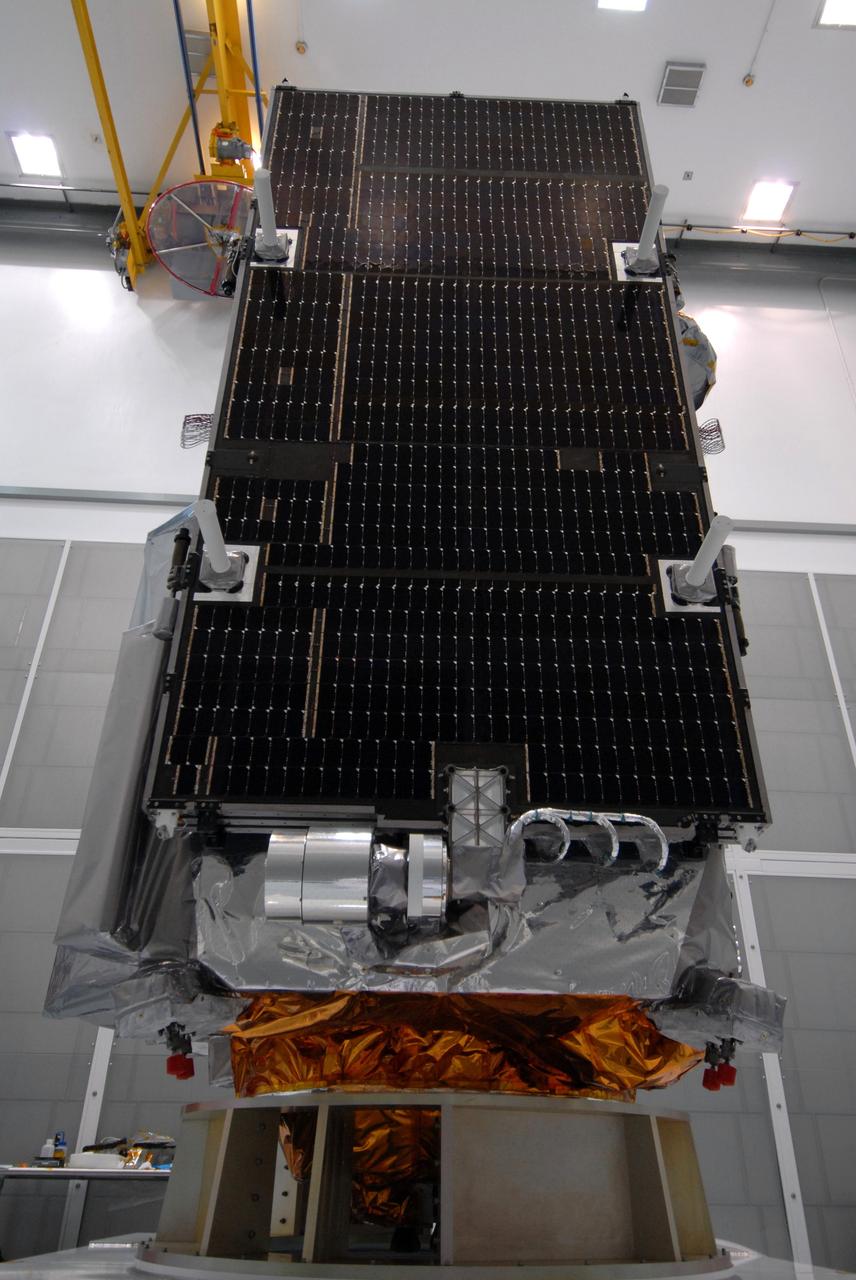
CAPE CANAVERAL, Fla. – One of three solar panels is seen during closeout of the Lunar Reconnaissance Orbiter, or LRO, at Astrotech Space Operations in Titusville, Fla. The satellite's primary mission is to search for water ice on the moon in a permanently shadowed crater near one of the lunar poles. LCROSS is a low-cost, accelerated-development, companion mission to NASA's Lunar Reconnaissance Orbiter, or LRO. LCROSS and LRO are the first missions in NASA's plan to return humans to the moon and begin establishing a lunar outpost by 2020. Launch is targeted for no earlier than June 2 from Cape Canaveral Air Force Station in Florida. Photo credit: NASA/Jack Pfaller
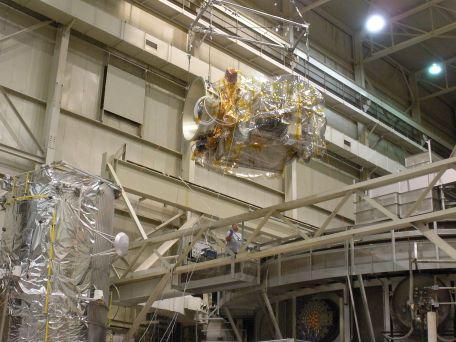
KSC-2009-2987
CAPE CANAVERAL, Fla. – At Astrotech Space Operations in Titusville, Fla.,  technicians remove red-tag items from the Lunar Reconnaissance Orbiter, or LRO, before flight.  The LRO will be mated with NASA's Lunar CRater Observation and Sensing Satellite, known as LCROSS, spacecraft.  Instruments on the LRO seen here are the LEND (bottom) that will measure the flux of neutrons from the moon and the LROC (above it), a narrow angle camera that will provide panchromatic images. The satellite's primary mission is to search for water ice on the moon in a permanently shadowed crater near one of the lunar poles. LCROSS is a low-cost, accelerated-development, companion mission to NASA's Lunar Reconnaissance Orbiter, or LRO. LCROSS and LRO are the first missions in NASA's plan to return humans to the moon and begin establishing a lunar outpost by 2020. Launch is targeted for no earlier than June 2 from Cape Canaveral Air Force Station in Florida. Photo credit: NASA/Jack Pfaller
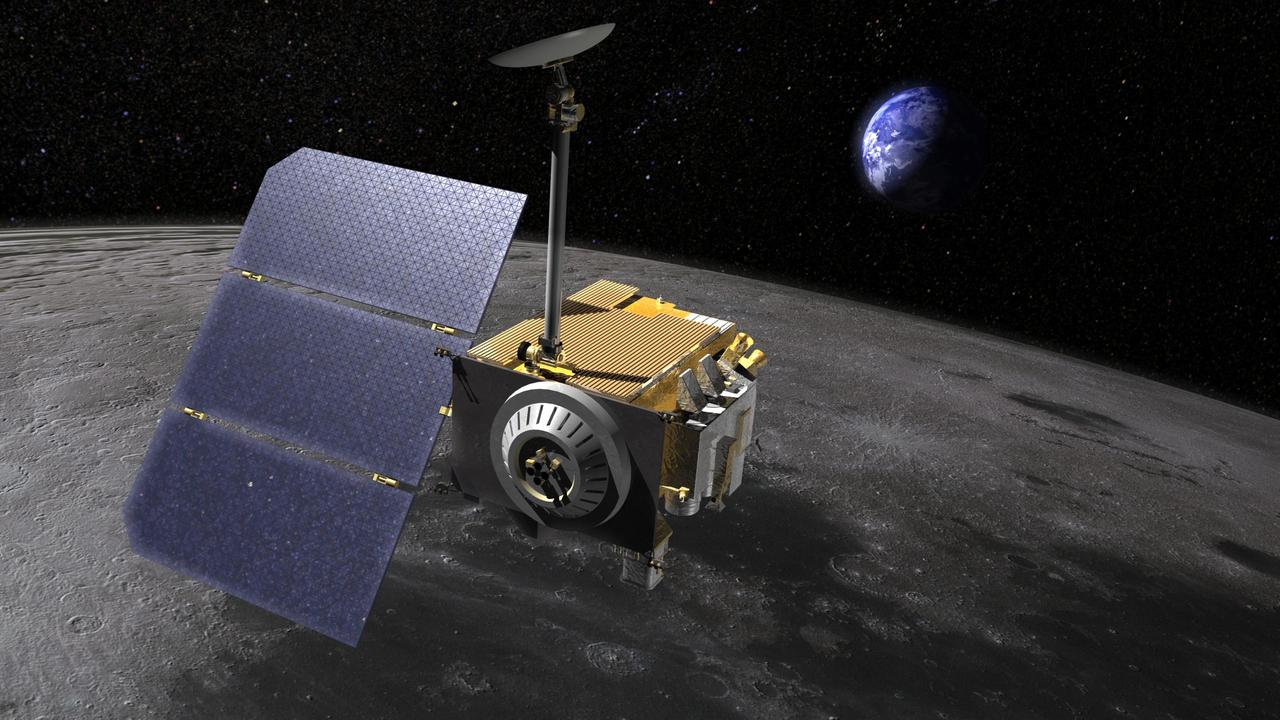
KSC-2009-2990
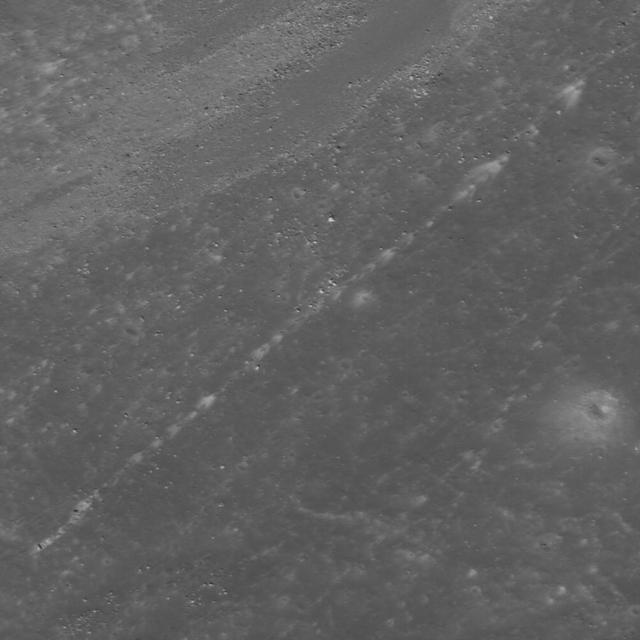
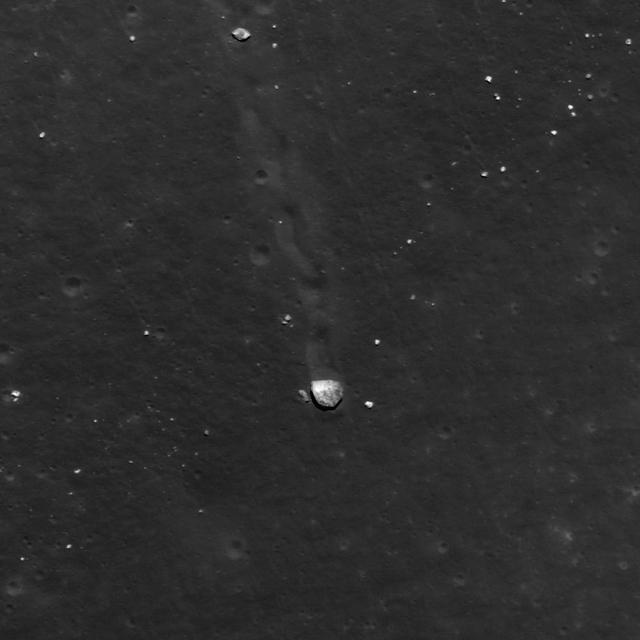
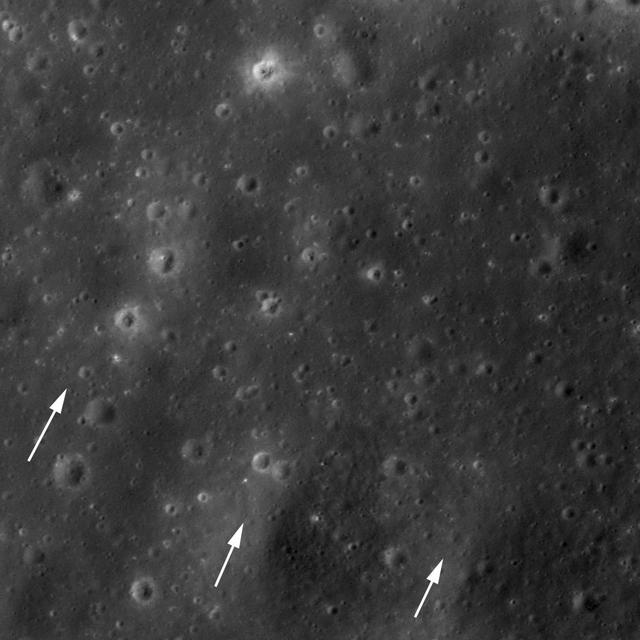
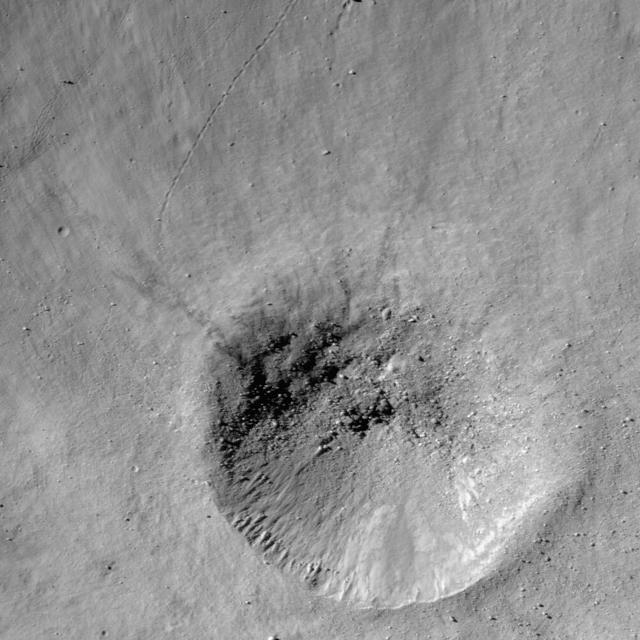
High-albedo marks on the lunar surface left by a boulder bouncing down the northeast wall of farside highlands crater Moore F in this image captured by NASA Lunar Reconnaissance Orbiter.
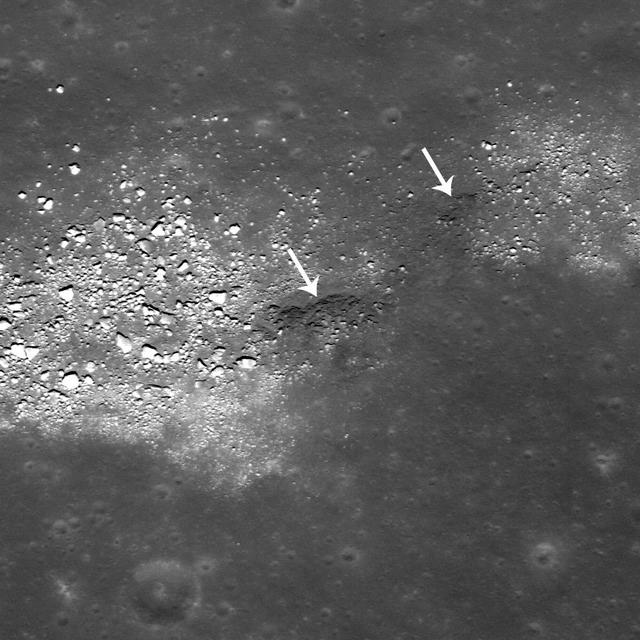
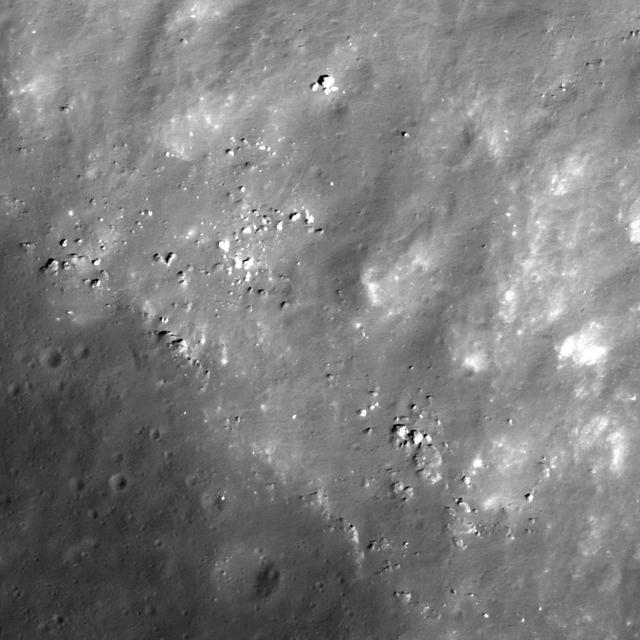
Bright Boulder Trail
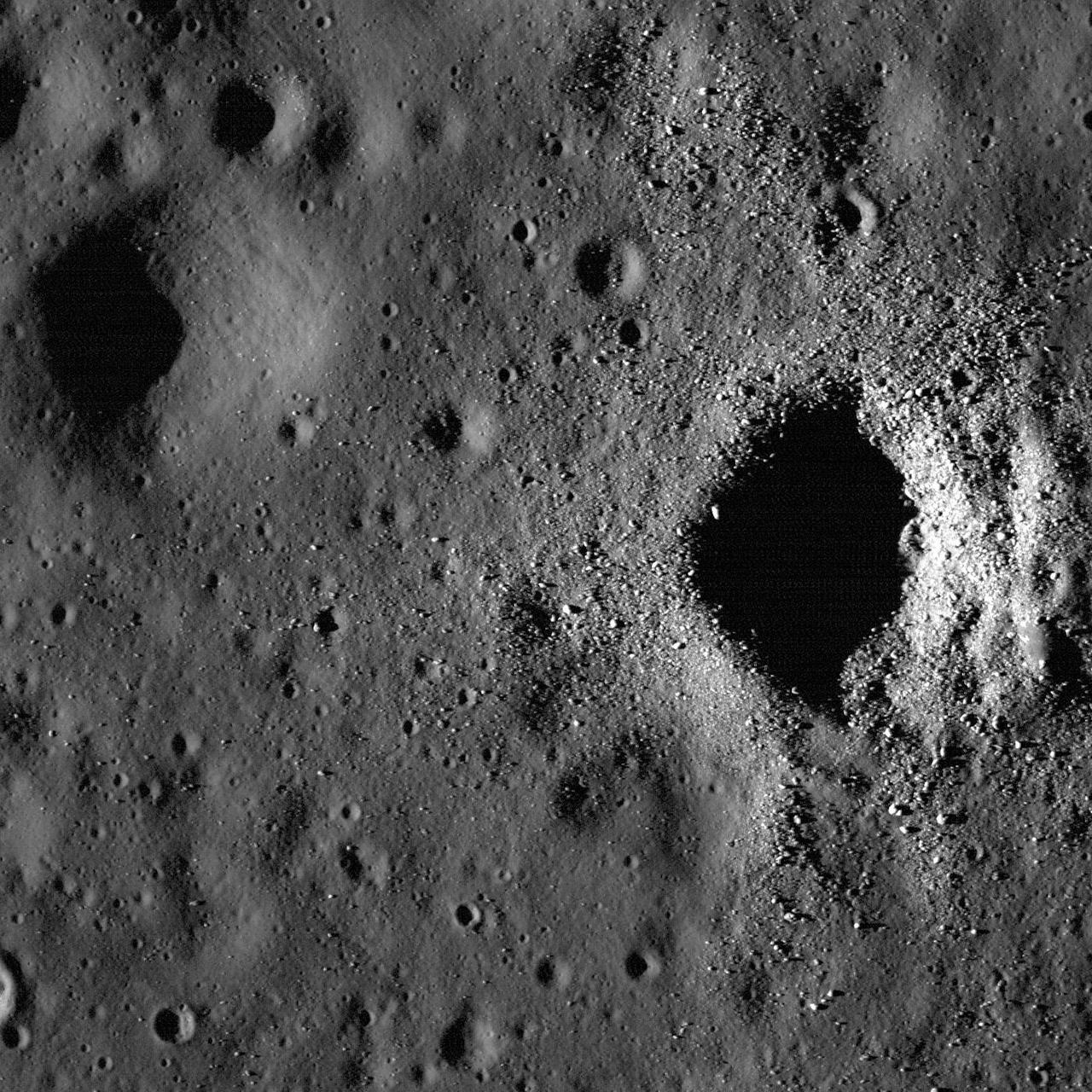
Mare Ingenii may be best known for its prominent lunar swirls, which are high albedo surface features associated with magnetic anomalies.
Depths of Mare Ingenii
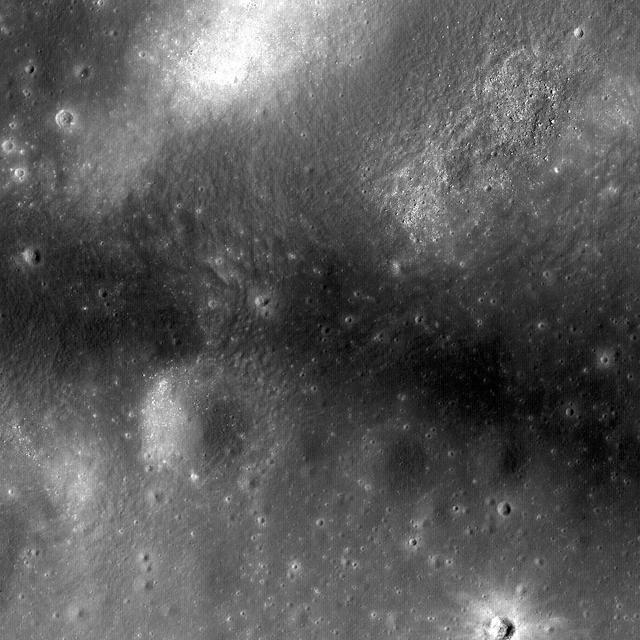
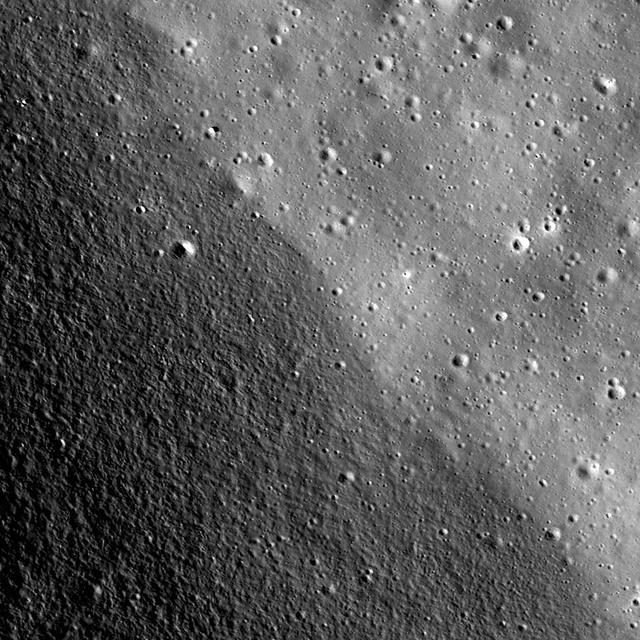
NASA Lunar Reconnaissance Orbiter looks at a mare-highlands boundary in northern Mare Frigoris.
Relative Timing of Geologic Events in Mare Frigoris
Reiner Gamma
Reiner Gamma
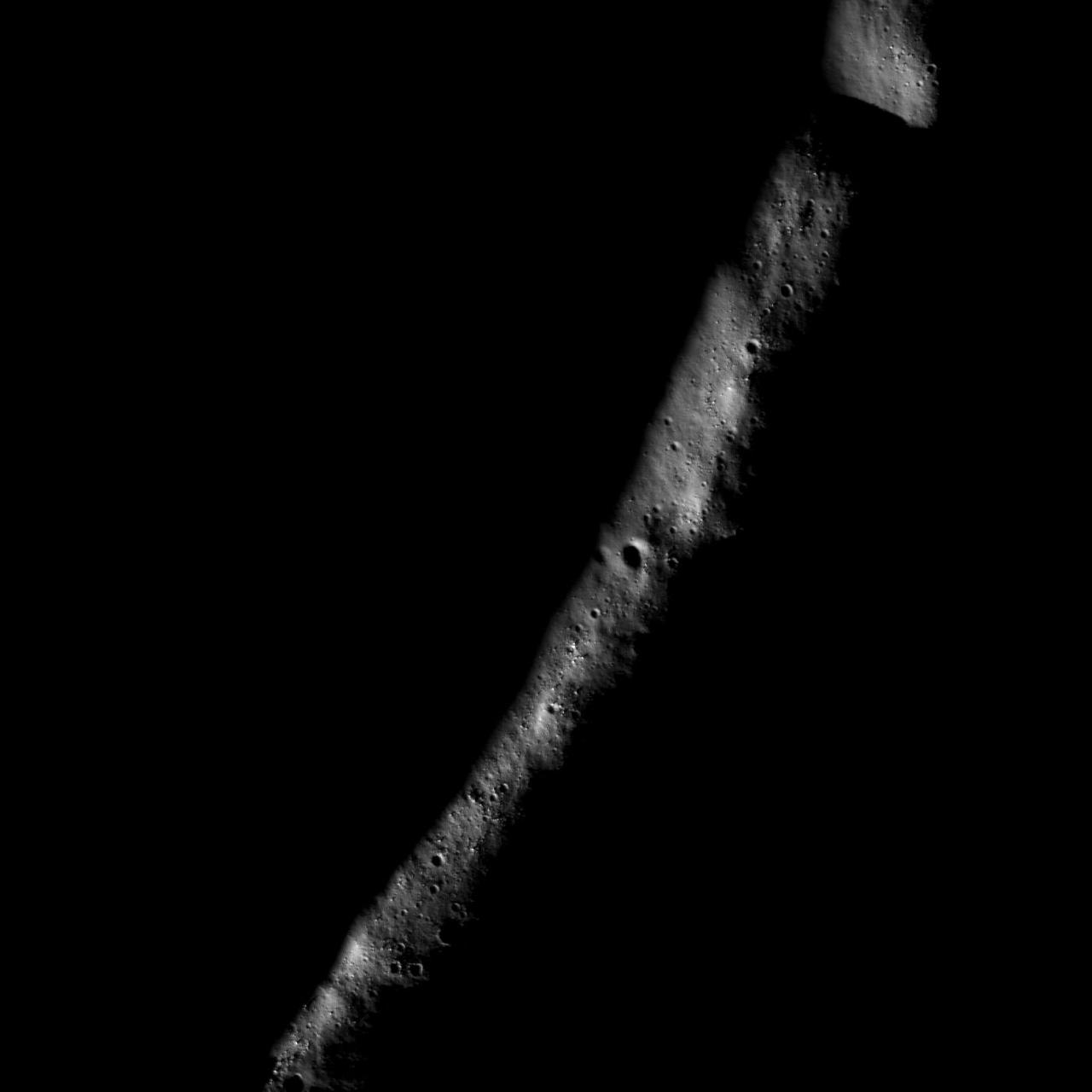
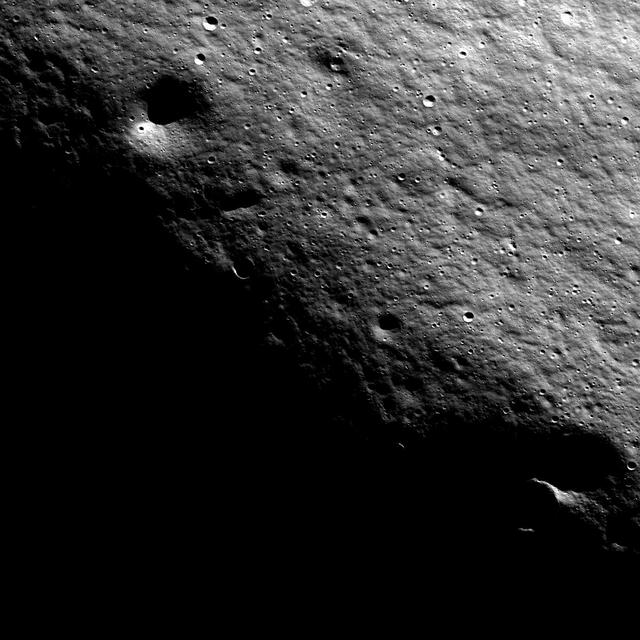
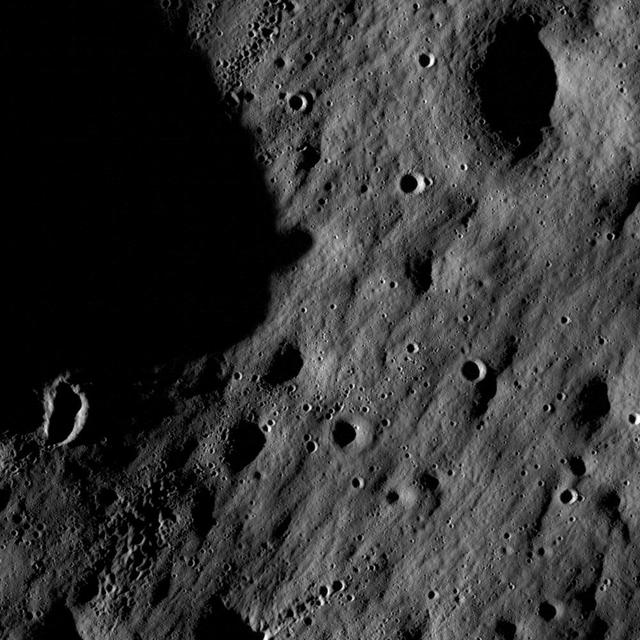
NASA Lunar Reconnaissance Orbiter shows a small portion of the rim of Erlanger crater. Much of its floor remains in permanent shadow due to its location near the north pole.
Eternal Darkness Near the North Pole
Delicate Patterns in Giordano Bruno Ejecta
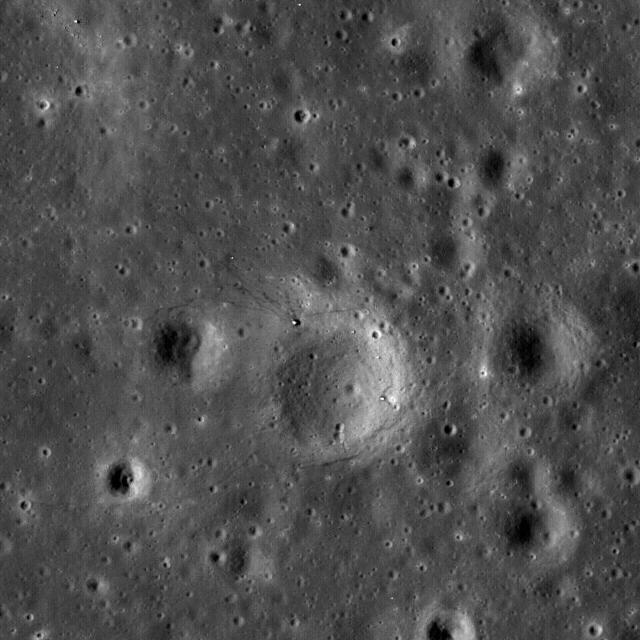
This image acquired by NASA Lunar Reconnaissance Orbiter shows a crater center of image formed by impact of the Apollo 14 Saturn IVB booster.
Ejecta Sweeps the Surface
Gassendi Central Peak
Hole in One
Hole in One
Up from the Depths
Up from the Depths
Boulders perched on the summit of the central peak of Tsiolkovskiy crater are seen in this image from NASA Lunar Reconnaissance Orbiter.
First Look: Apollo 12 and Surveyor 3
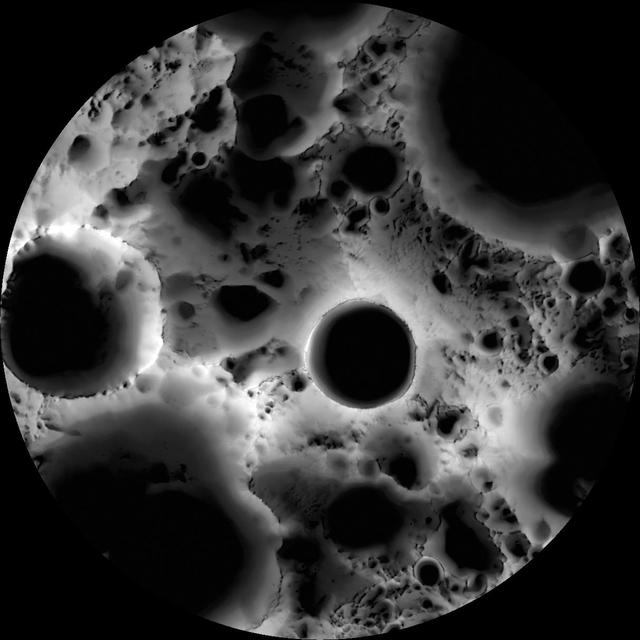
South Pole Illumination Map
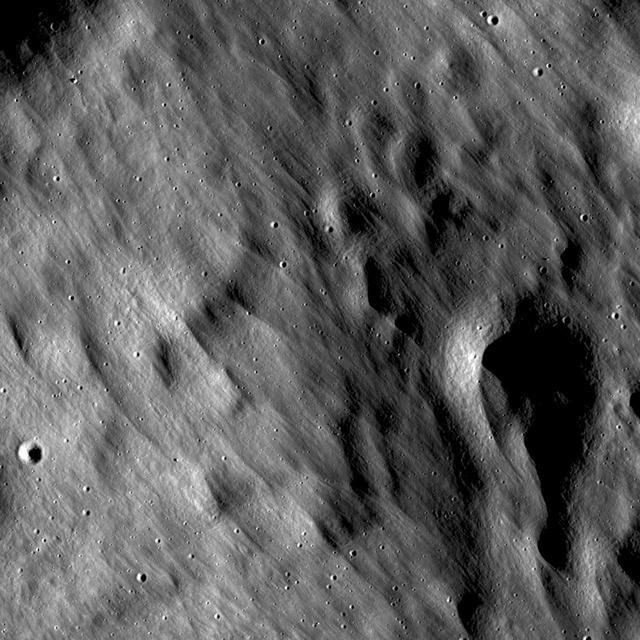
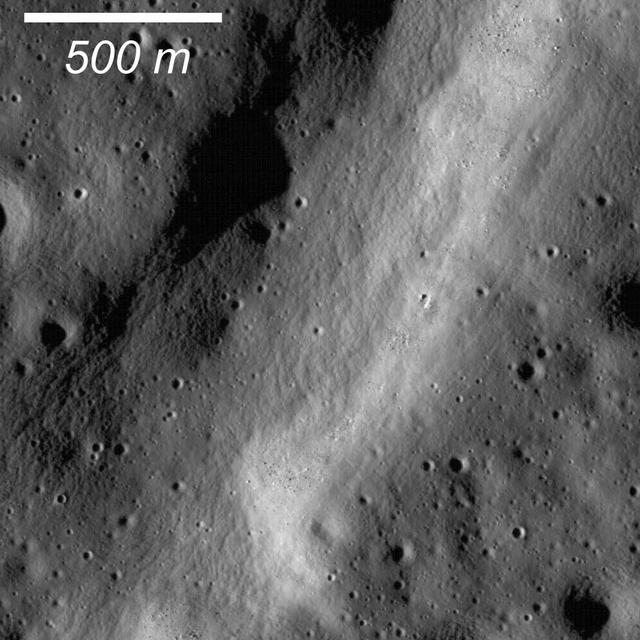
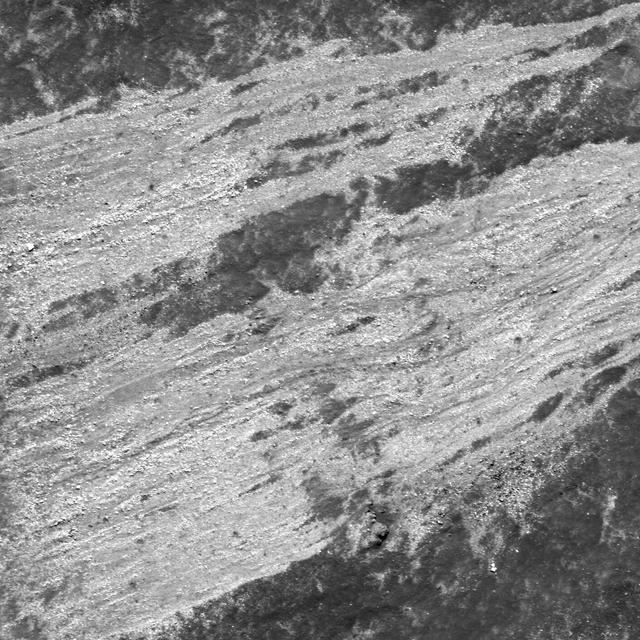
The lunar highlands exhibit rhythmic patterns thought to result from slow, downslope creep of the loose regolith soil. These subtle patterns are most easily seen when the Sun is low to the horizon in this image taken by NASA Lunar Reconnaissance Orbit
Near the Summit of Malapert Mountain
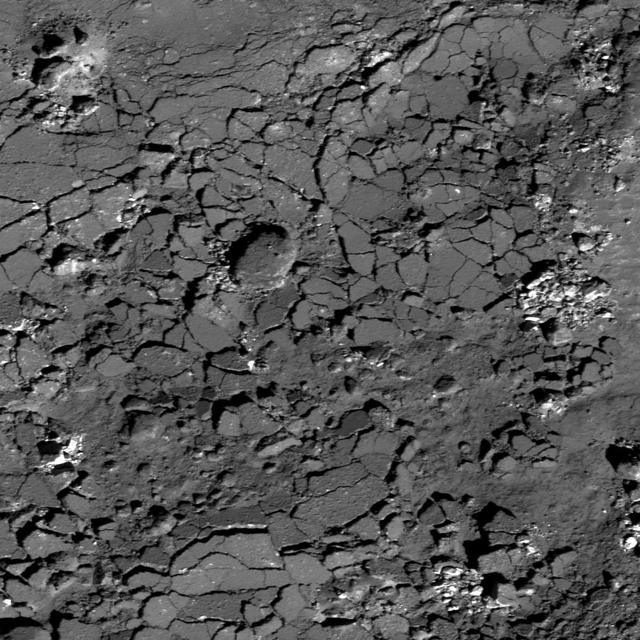
Fragmented Impact Melt
Linné Crater
Linné Crater
Fractures in the mare of Tsiolkovskiy Crater
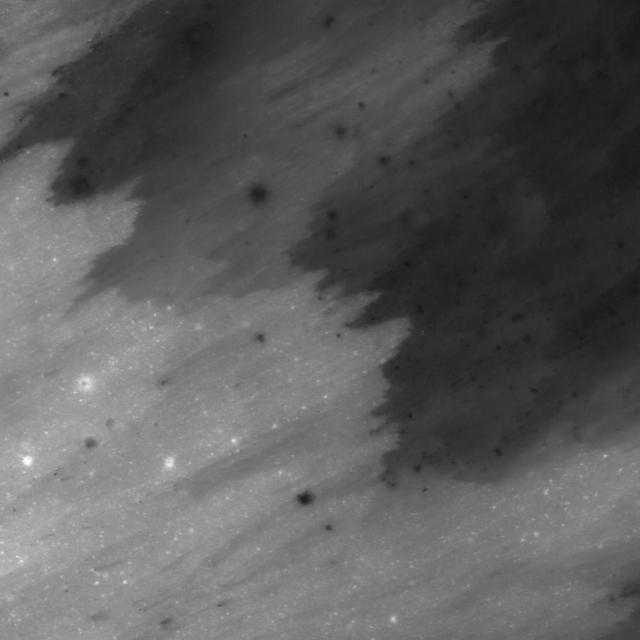
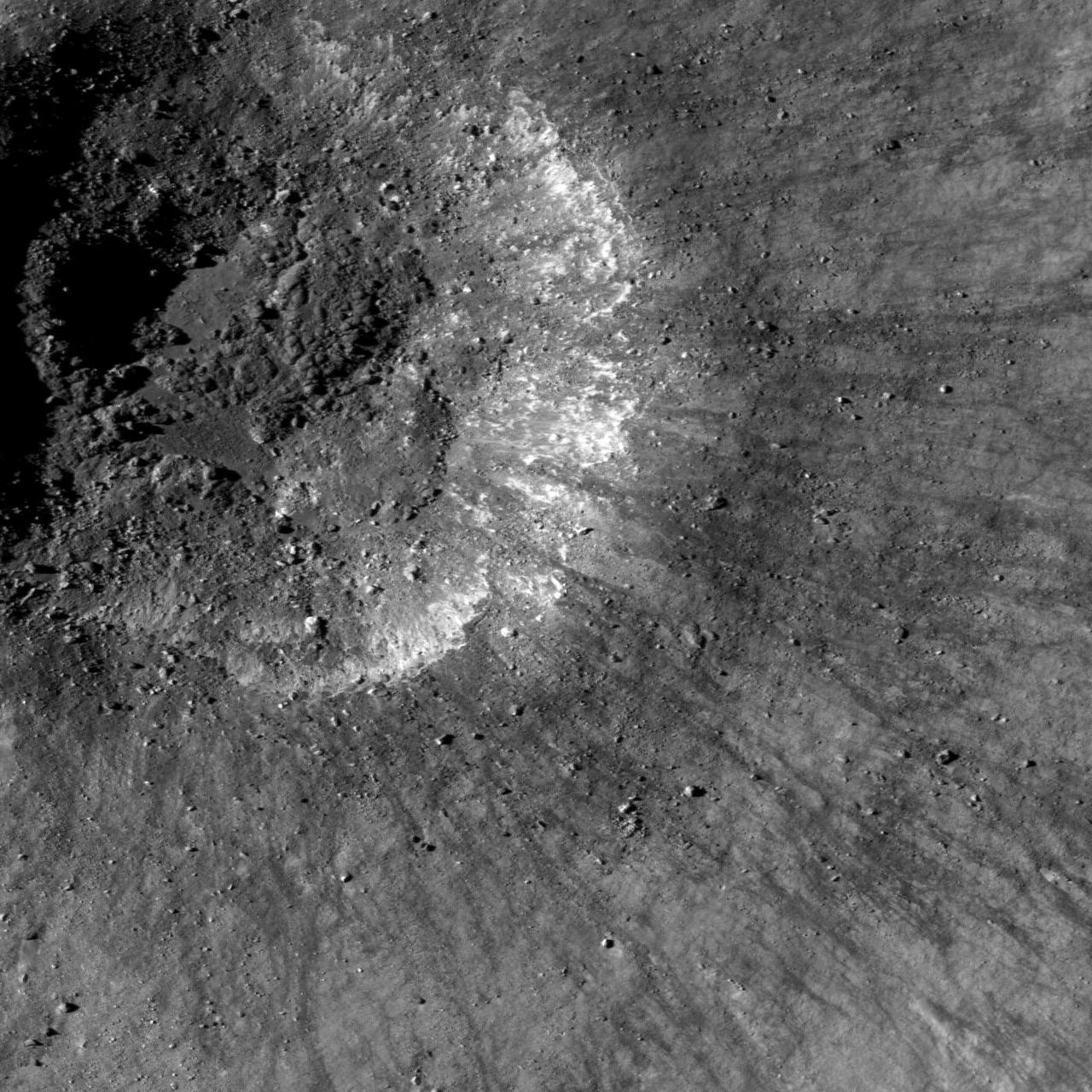
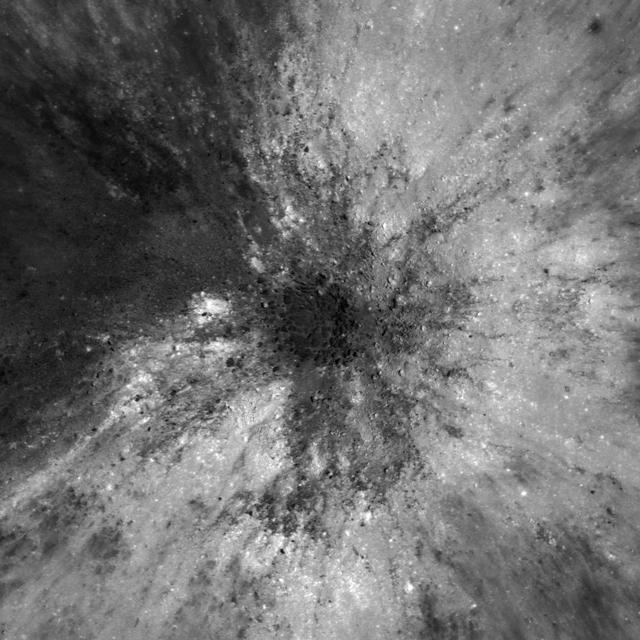
This is a view from NASA Lunar Reconnaissance Orbiter of a very young impact crater in Balmer basin. The dark streamers are impact melt splashes thrown out during the crater formation.
Recent Impact
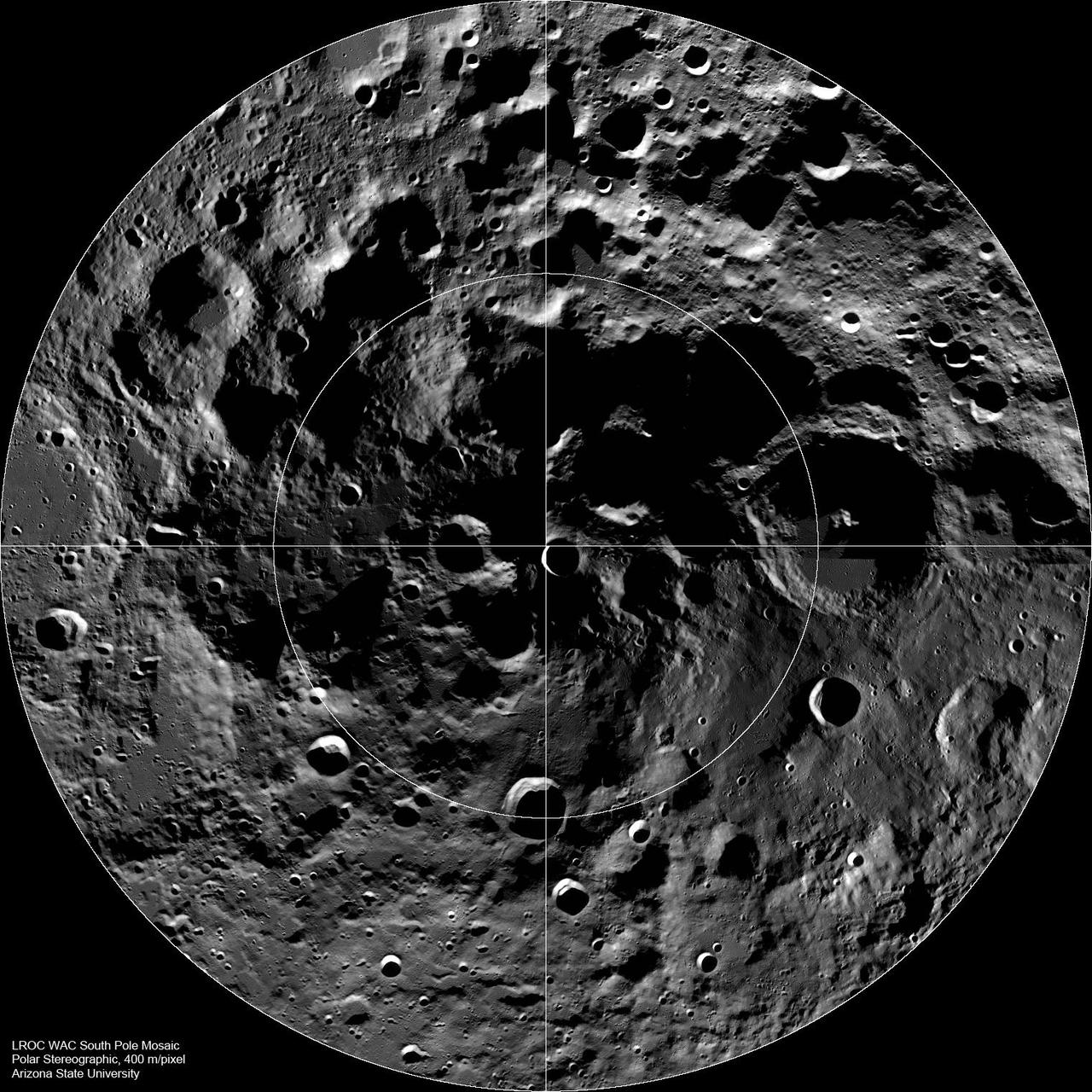
The Lunar South Pole
Ejecta in Tycho Crater
NASA Lunar Reconnaissance Orbiter looks at a terraced wall in Burg Crater.
Terraced Wall in Bürg Crater
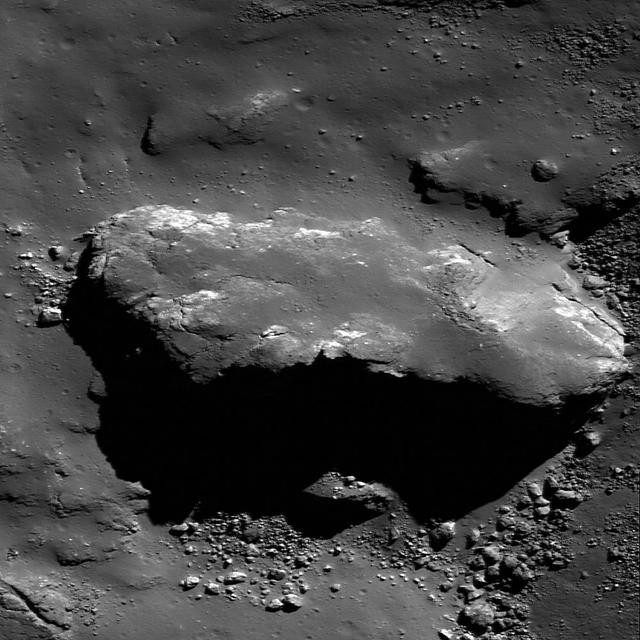
Buckland Boulders
Buckland Boulders
Southern Rim of Menelaus Crater
Highest Point on the Moon
Splendors of Mare Smythii
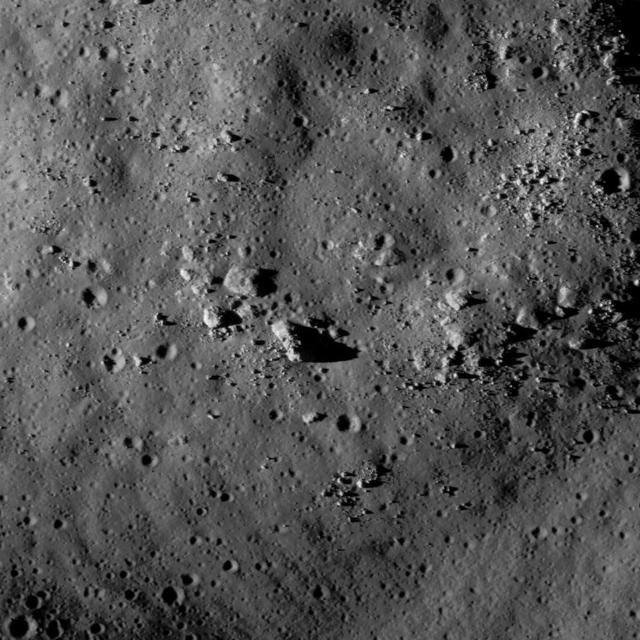
NASA Lunar Reconnaissance Orbiter sees bright crater rays and boulders.
Bright Crater Rays and Boulders
Bouldery Crater near Mare Australe
Archimedes - Mare Flooded Crater
Necho Jumbled Floor
Necho Jumbled Floor
Impact Melt on Klute W Wall
Ejecta from Copernicus
Impact Melt at Necho Crater
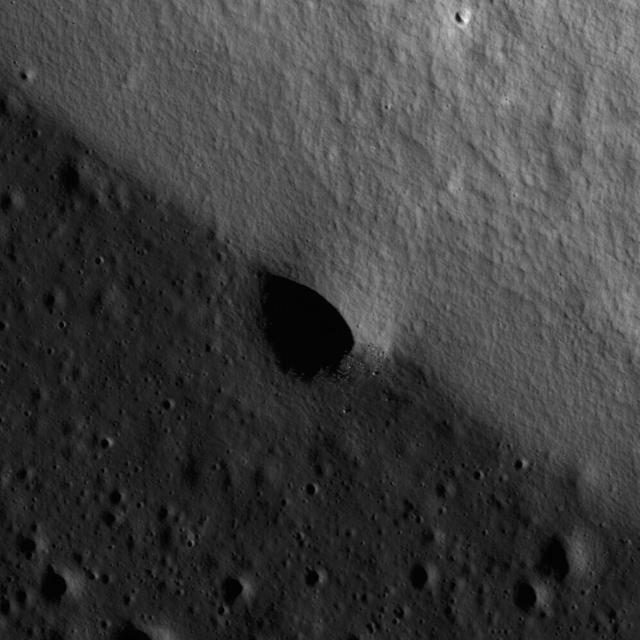
Sublunarean Void
Sublunarean Void
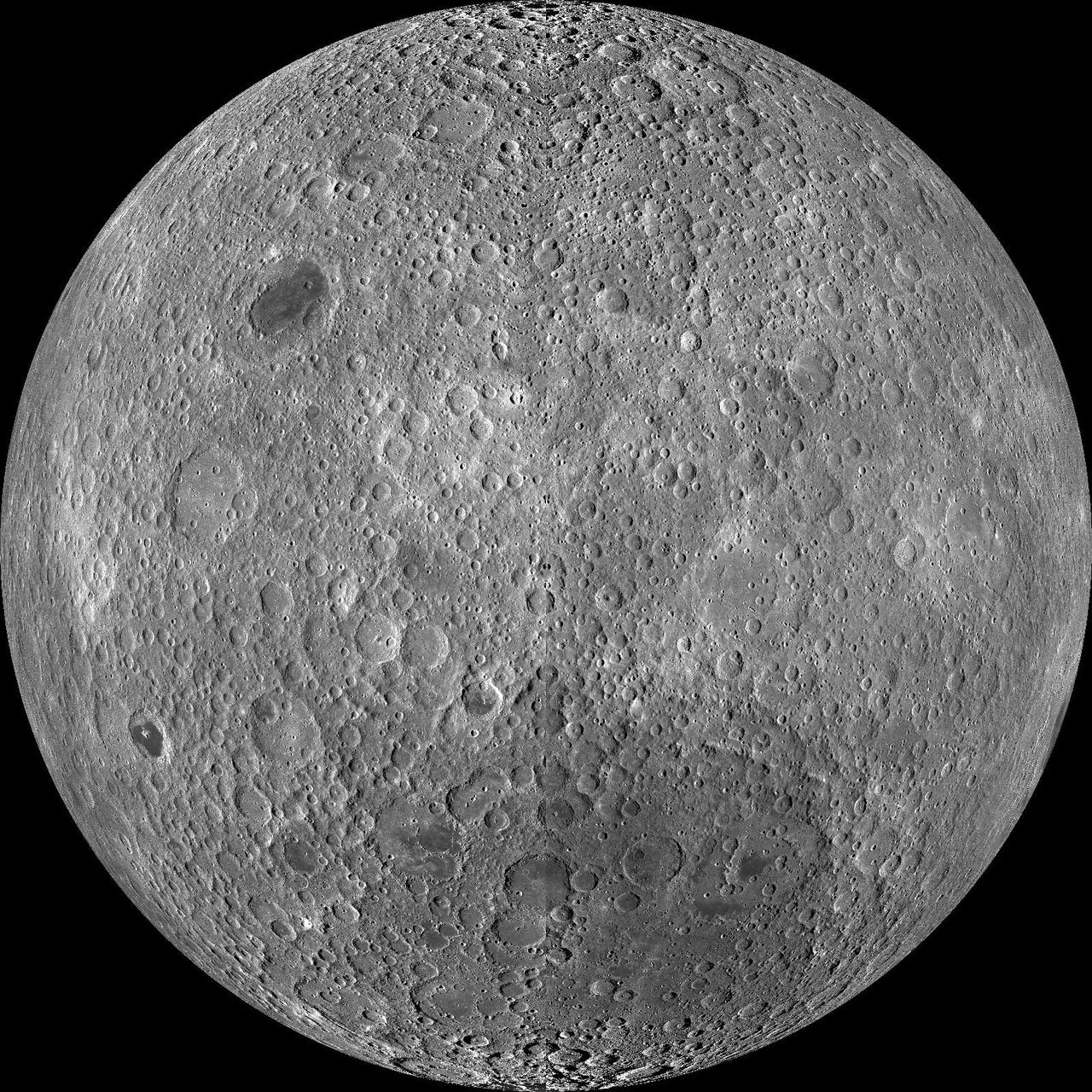
Farside! And All the Way Around
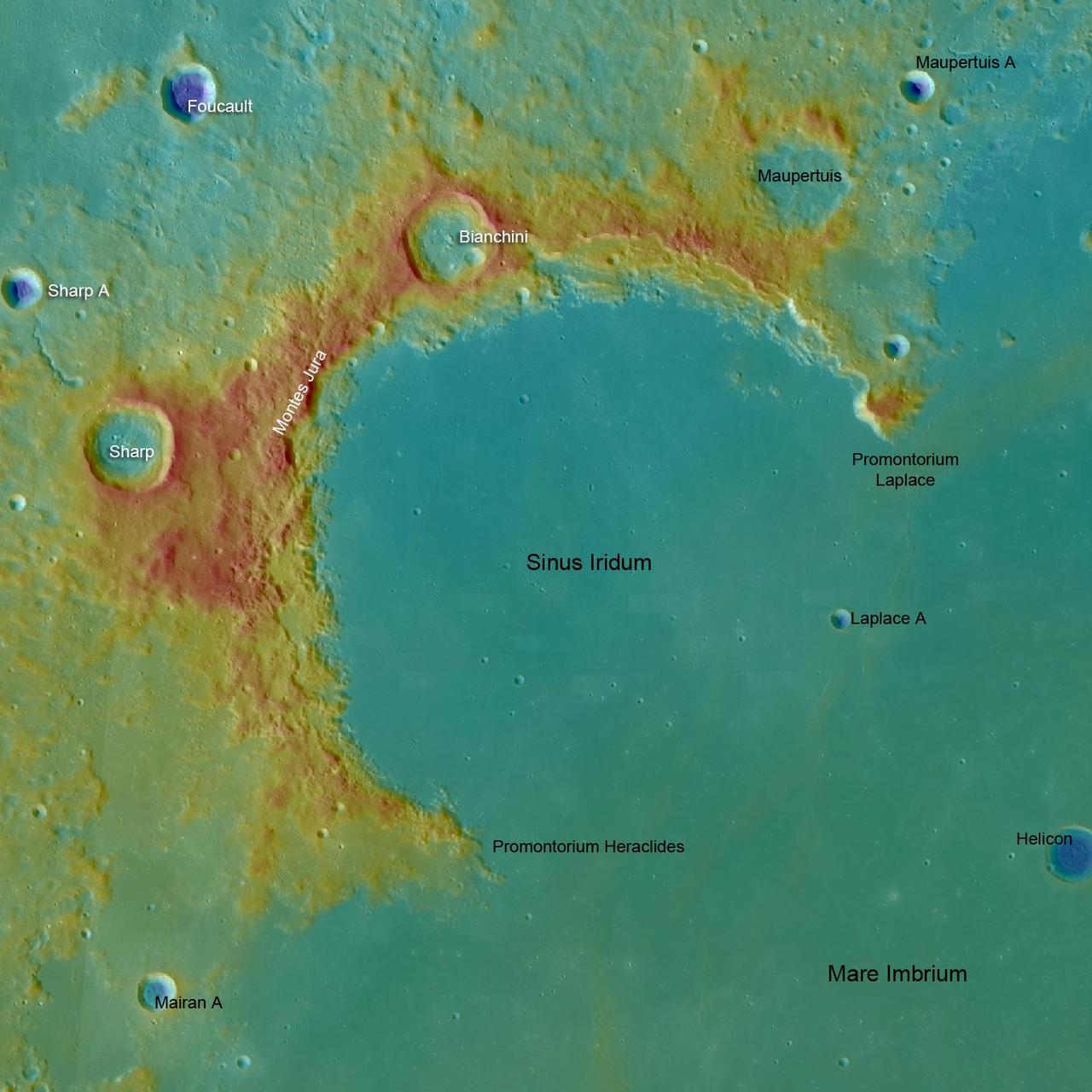
Sinus Iridum
Sinus Iridum
Smooth Floor in Copernicus Crater
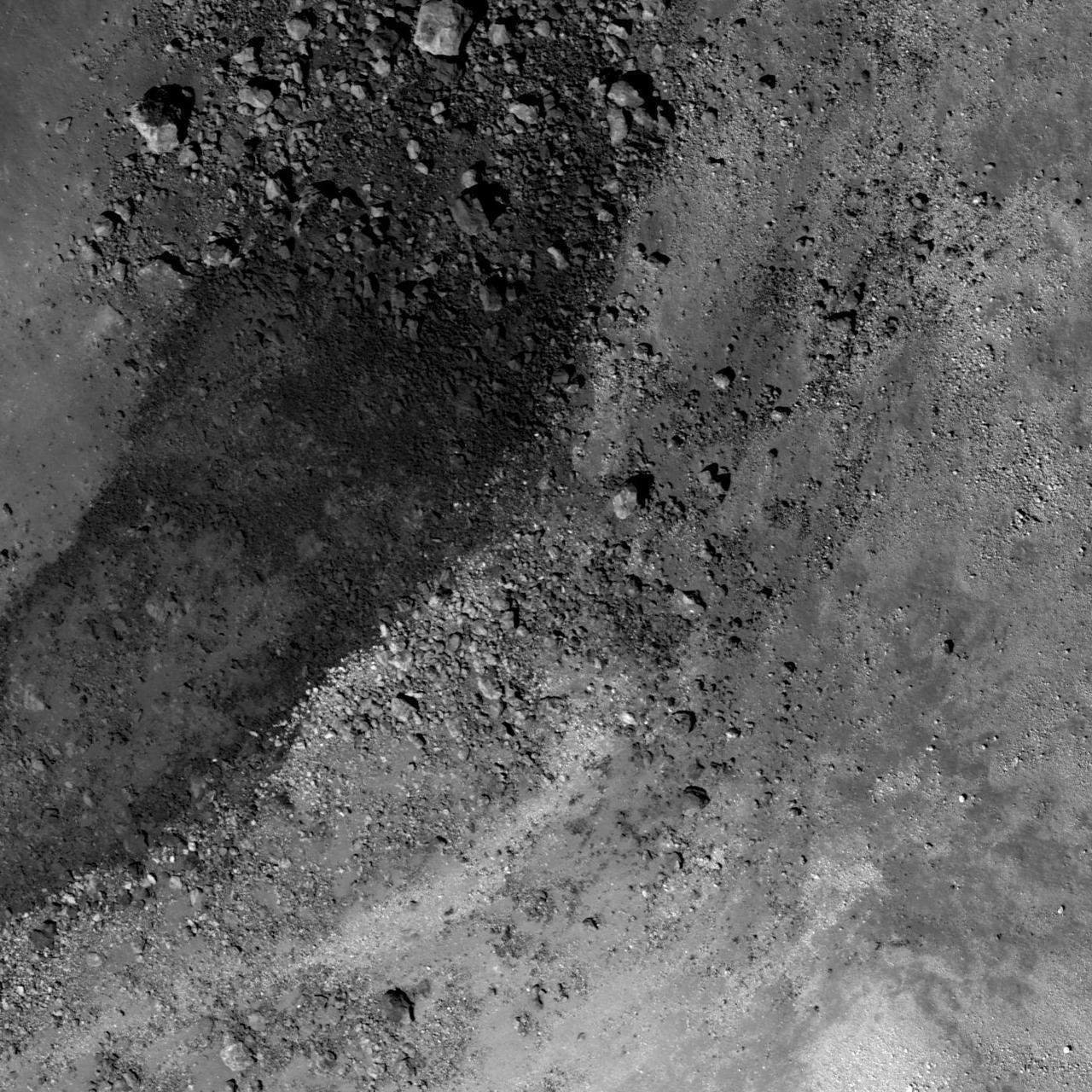
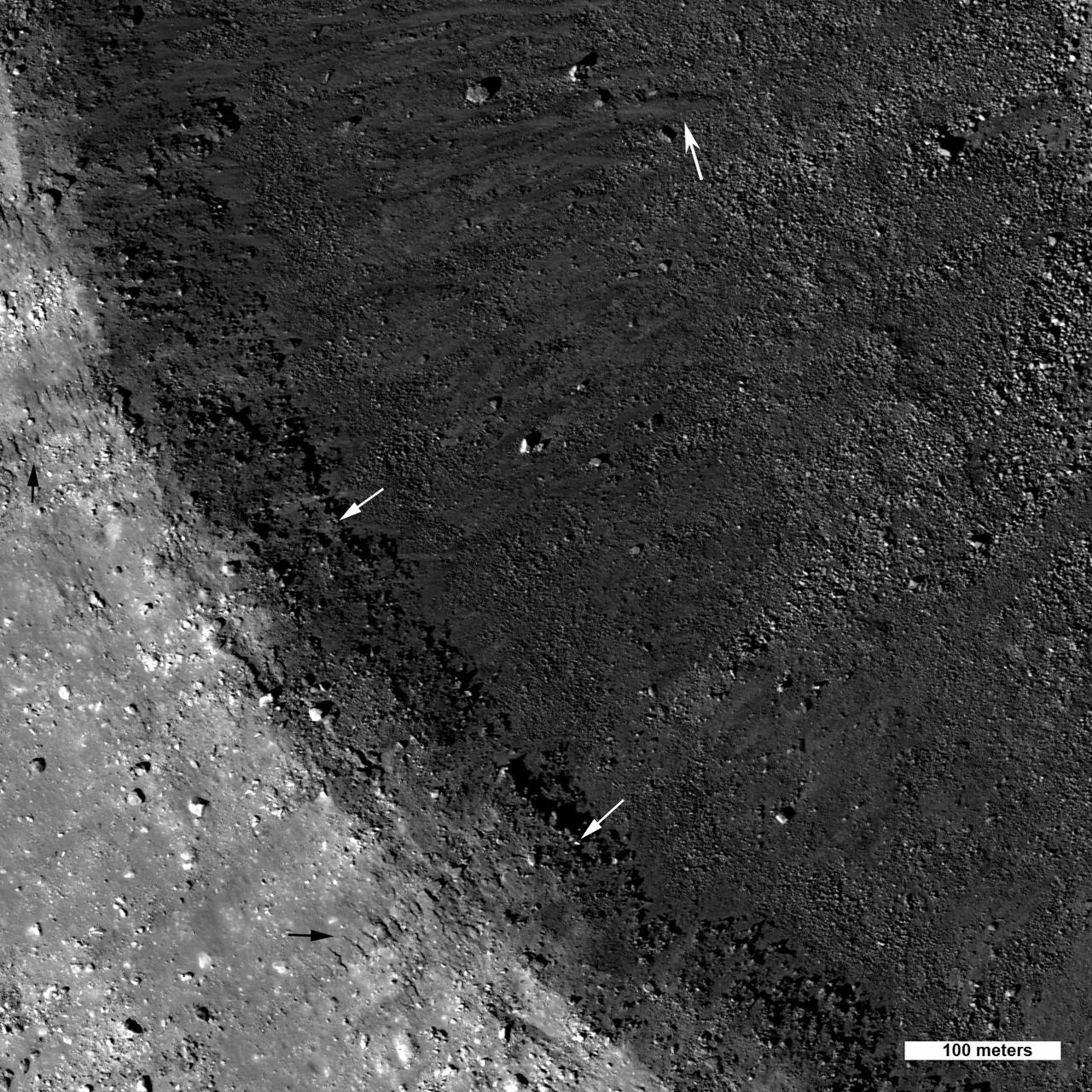
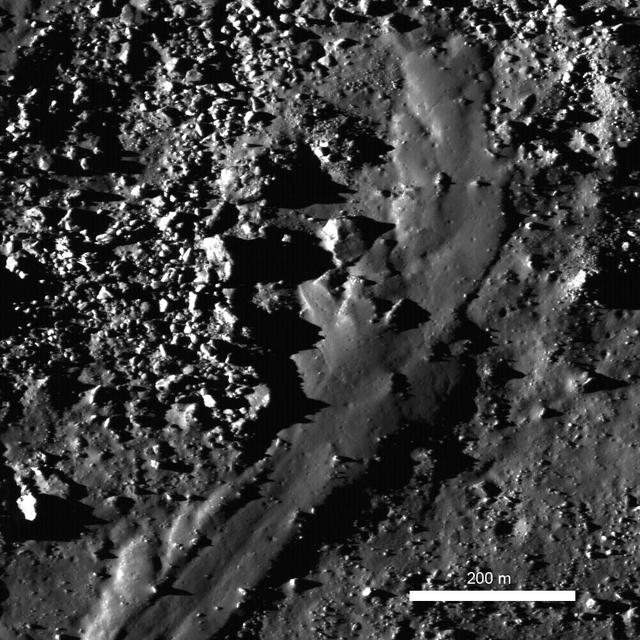
NASA Lunar Reconnaissance Orbiter captures a debris flow extending down the southwest wall of Janssen K crater.
Debris Flows I
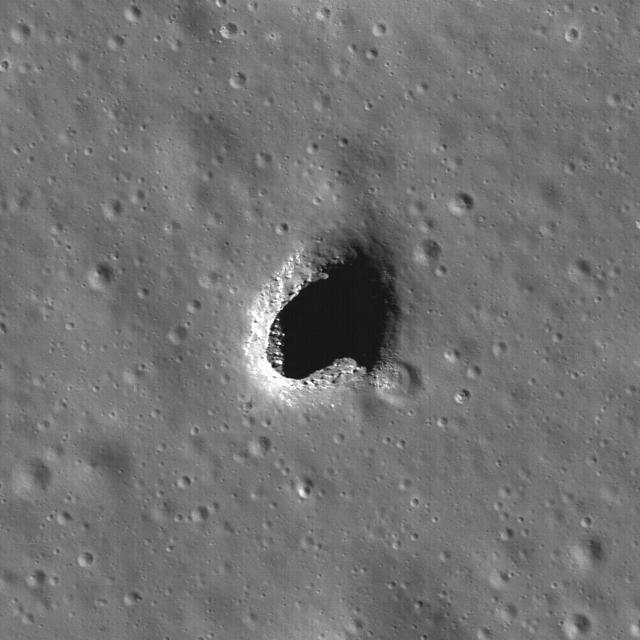
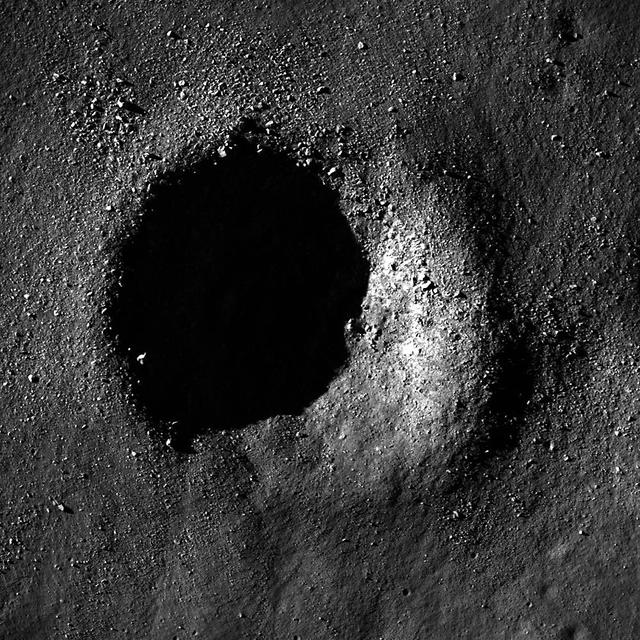
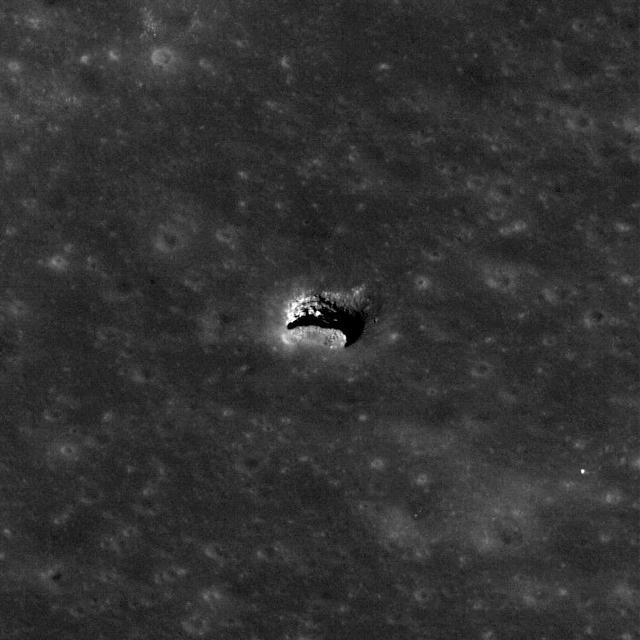
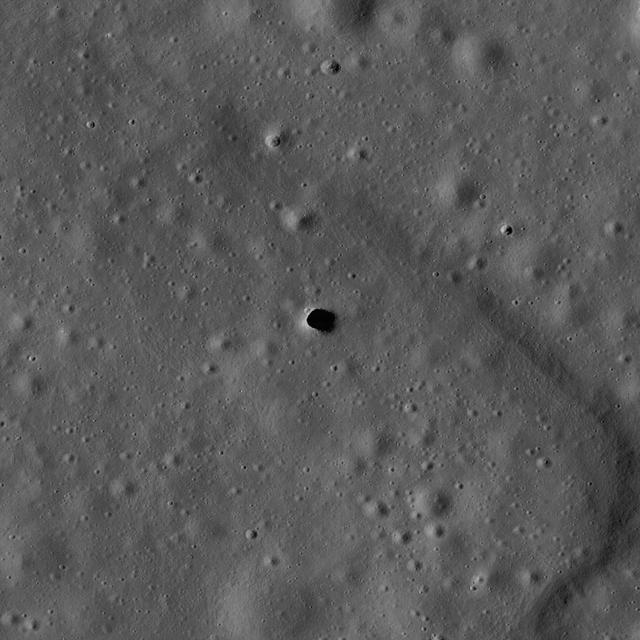
The Marius Hills pit is a possible skylight in a lava tube in an ancient volcanic region of the Moon called the Marius Hills. This image was taken by NASA Lunar Reconnaissance Orbiter.
Marius Hills Pit -- Lava Tube Skylight?
Scouring Secondary Ejecta
The unusual shapes of craters at the Flamsteed Constellation region of interest provide information about the thickness of the lunar regolith in this region in this image taken by NASA Lunar Reconnaissance Orbiter.
Each Crater Tells a Story
This image acquired by NASA Lunar Reconnaissance Orbiter shows a crater center of image formed by impact of the Apollo 14 Saturn IVB booster.
Apollo 14 S-IVB Impact Crater
Rima Calippus
Rima Calippus
Mounds in a Melt Pond
Regolith Patterns in Mendel-Rydberg
Gassendi A
Gassendi A
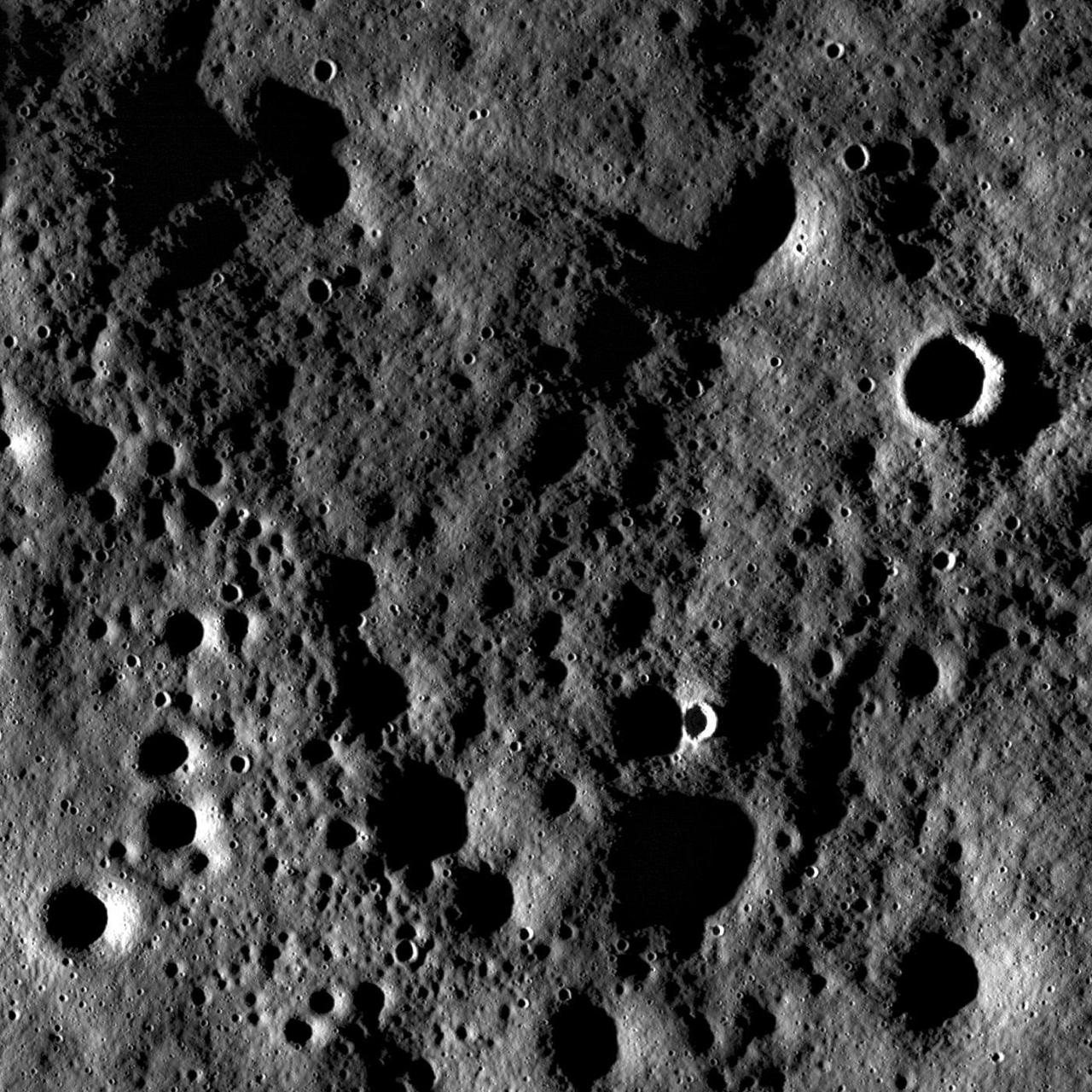
NASA Lunar Reconnaissance Orbiter captured this image of the floor of a l.2-km diameter crater in the Mare Frigoris.
Mare Frigoris Constellation Region of Interest
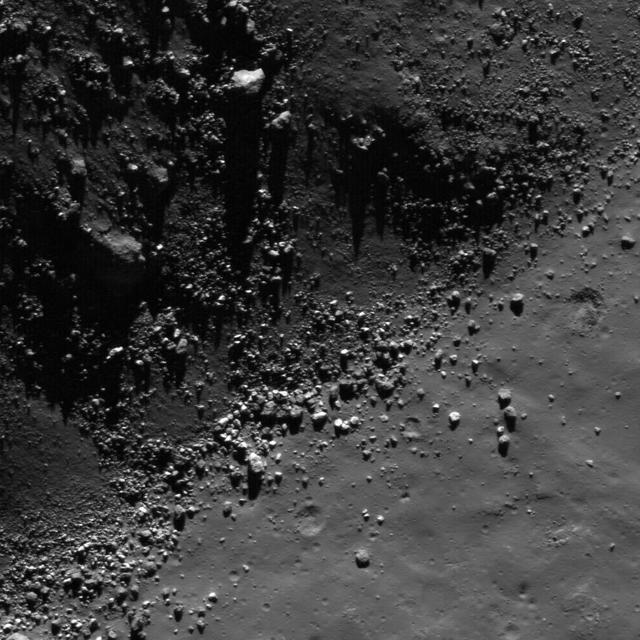
This NASA Lunar Reconnaissance Orbiter shows boulders on a wrinkle ridge in Mare Crisium.
Crisium Constellation Region of Interest
This image taken NASA Lunar Reconnaissance Orbiter is a high-resolution view of part of the floor of Riccioli Crater. The view is centered on the boundary between a spur of the crater central peak materials and volcanic lava flow deposits.
Riccioli Crater: Cracked, Melted, and Draped
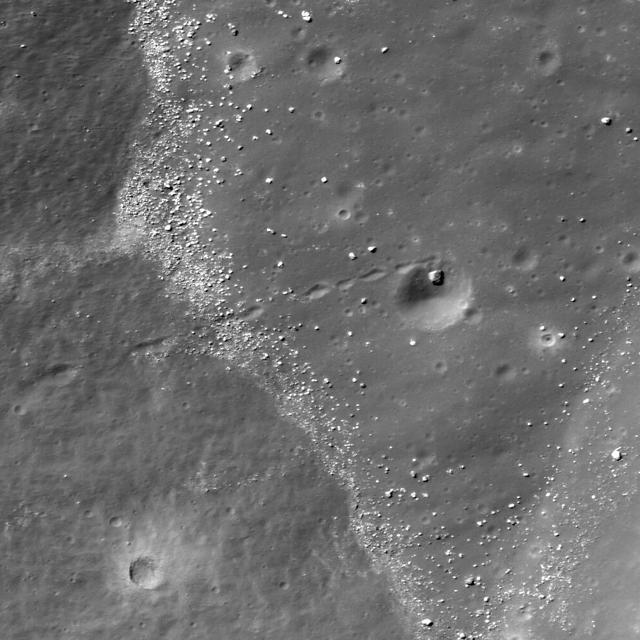
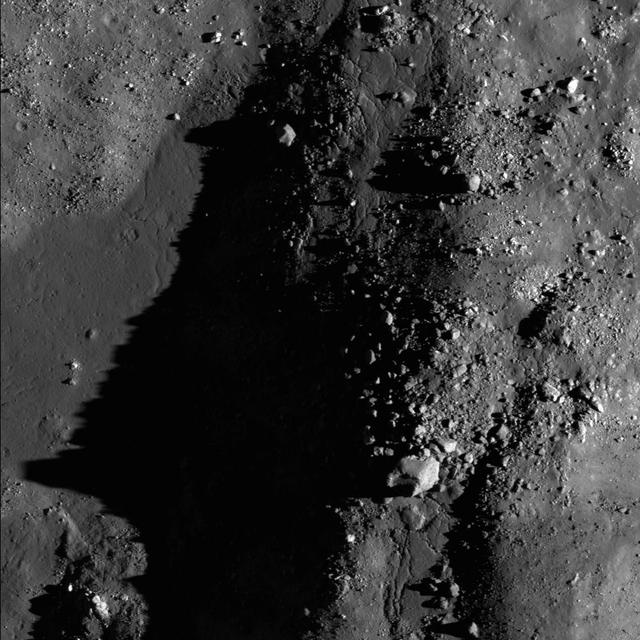
NASA Lunar Reconnaissance Orbiter spies many boulder trails are found on the lunar crater walls and basin massifs. Some of the trails are smooth and nearly straight while others are curvy or gouge into the surface.
Bouncing, Bounding Boulders!
Stratified Ejecta Blocks
NASA Lunar Reconnaissance Orbiter view of boulders on an outlying rampart of the complex central peak of Tsiolkovskiy crater.
Floor of Tsiolkovskiy -- Constellation Region of Interest
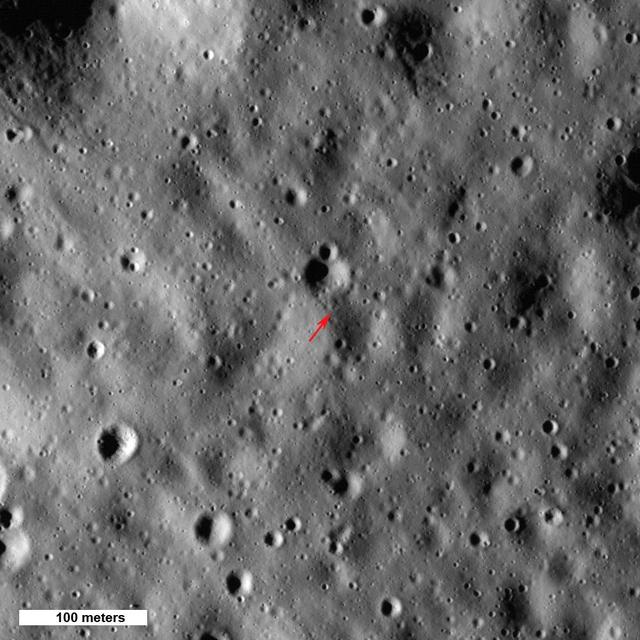
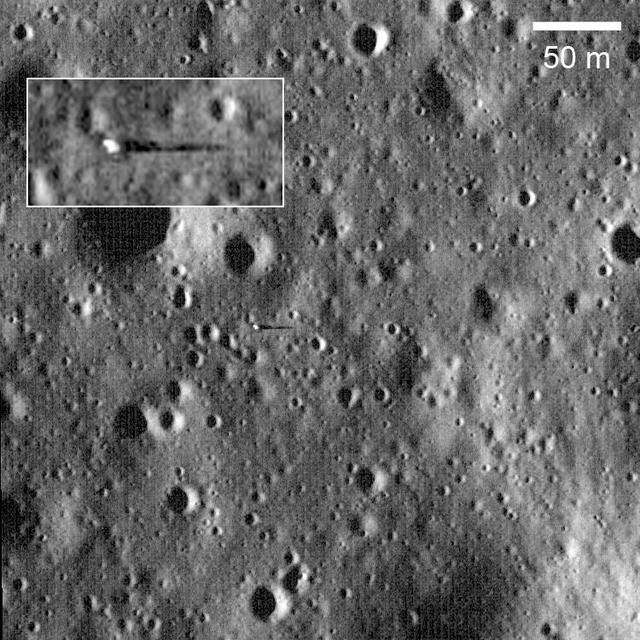
Surveyor 6 casting 18-meter long shadow with Sun just 8° above the horizon. Surveyor 6 Landed 10 November 1967 in Sinus Medii. This image was taken by NASA Lunar Reconnaissance Orbiter.
Surveyor 6 on the Plains of Sinus Medii
Graben are common extensional features on the Moon as well as the other terrestrial planets and icy satellites. This graben formed within a larger graben as captured by NASA Lunar Reconnaissance Orbiter.
Pull Apart -- Grabens
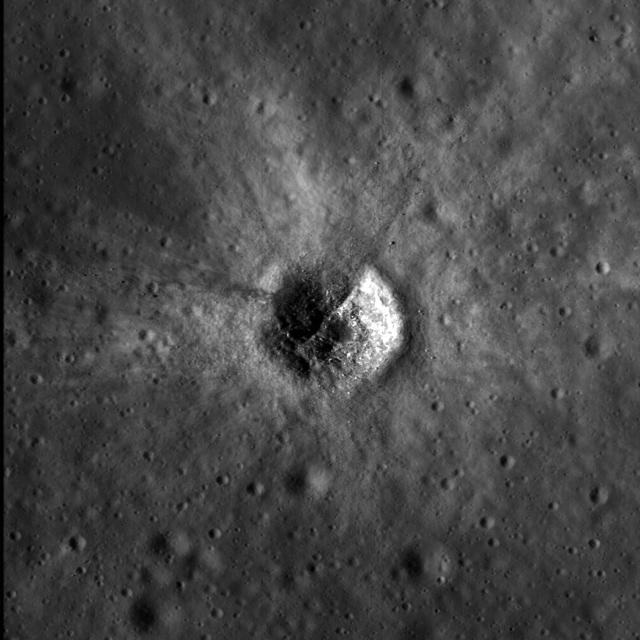
NASA Lunar Reconnaissance Orbiter takes a look at a fresh crater on the southwest rim of Metius B crater.
Small Crater on the wall of Metius B
Dark Halo Crater in Orientale
NASA Lunar Reconnaissance Orbiter sees hummocks and blocks on the ejecta blanket of Tsiolkovskiy crater.
Hummocks and Blocks and Craters
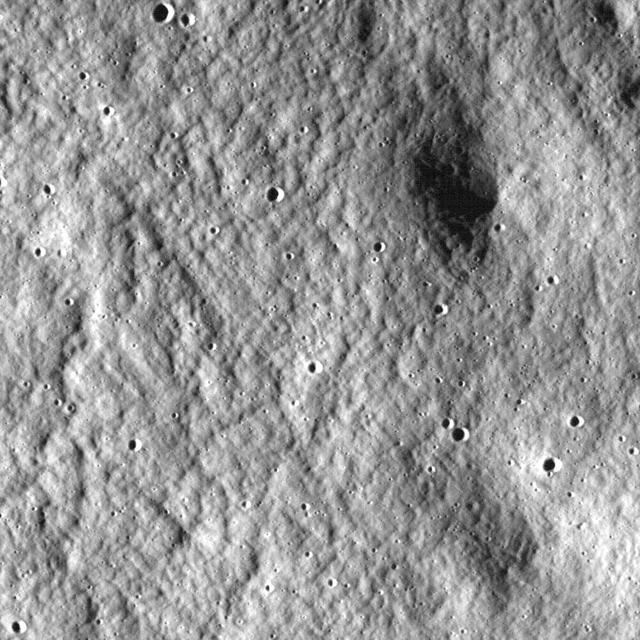
Full resolution detail from one of the first LROC NAC images. At this scale and lighting, impact craters dominate the landscape.
First LROC Images
This image taken by NASA Lunar Reconnaissance Orbiter shows a wide variety of geologic features on northwest of Plato crater.
Plato Crater
Farside Northern Highlands
This image from NASA Lunar Reconnaissance Orbiter shows a view of boulders, on the floor of Rutherfurd crater, about to disappear into the shadows of dusk.
Central Peak of Rutherfurd
Close-up view of the lunar highlands, northeast of Clavius crater, taken by NASA Lunar Reconnaissance Orbiter.
Swooping over the Lunar Highlands
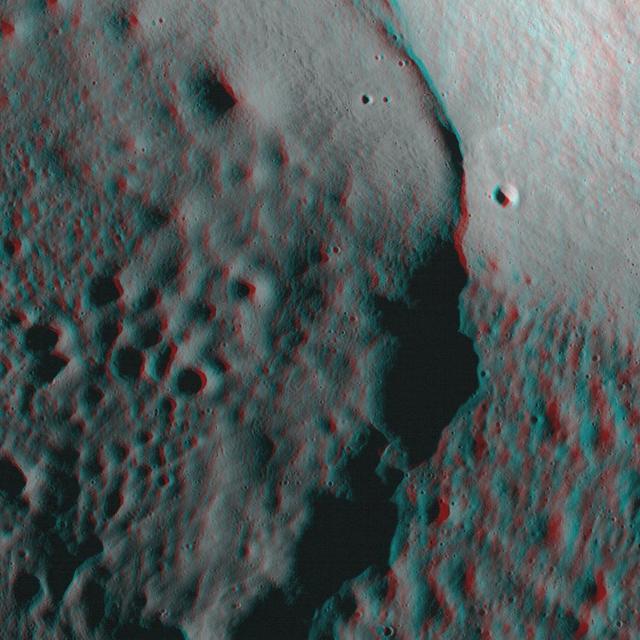
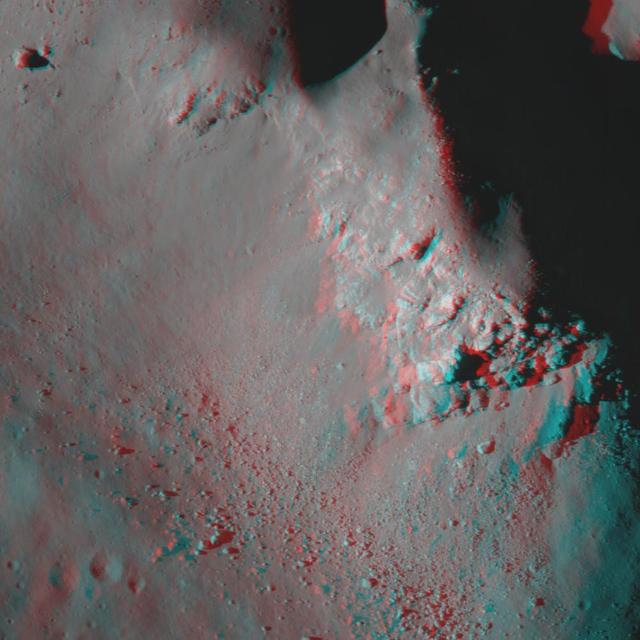
NASA Lunar Reconnaissance Orbiter looks at the Moon in 3D. 3D glasses are necessary to view this image.
The Moon in 3-D
Slope Failure near Aratus Crater
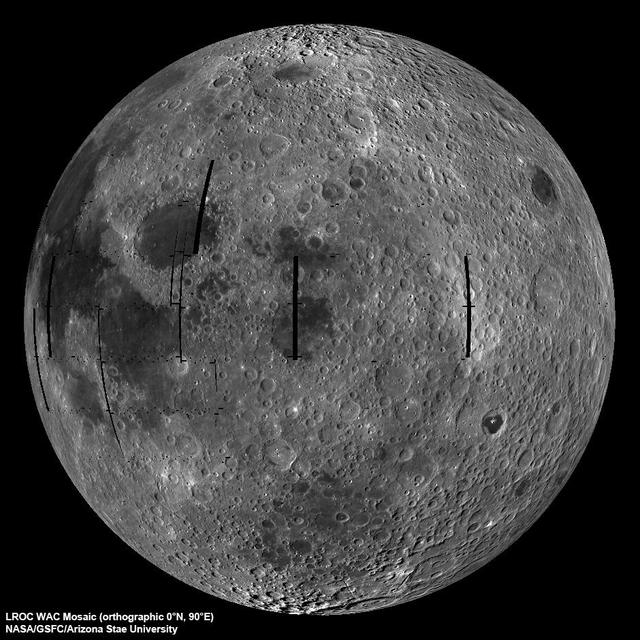
Moon seen from the East
This image from NASA Lunar Reconnaissance Orbiter shows a view of boulders, on the floor of Rutherfurd crater, about to disappear into the shadows of dusk.
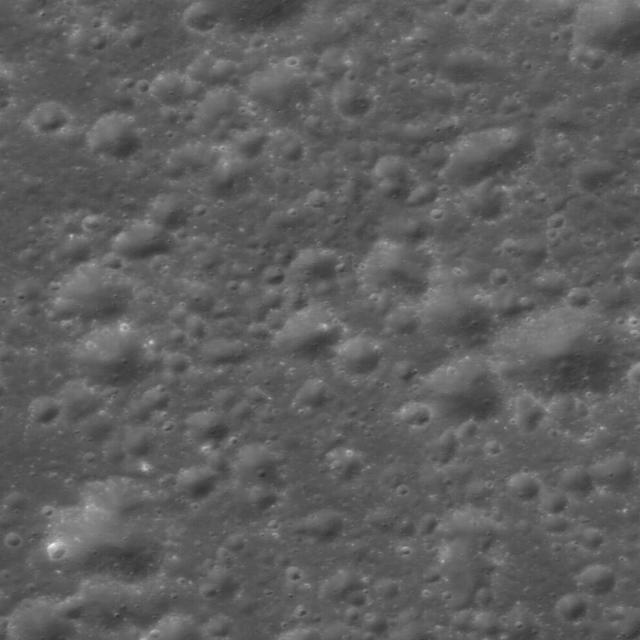
Cluster of Farside Secondary Craters
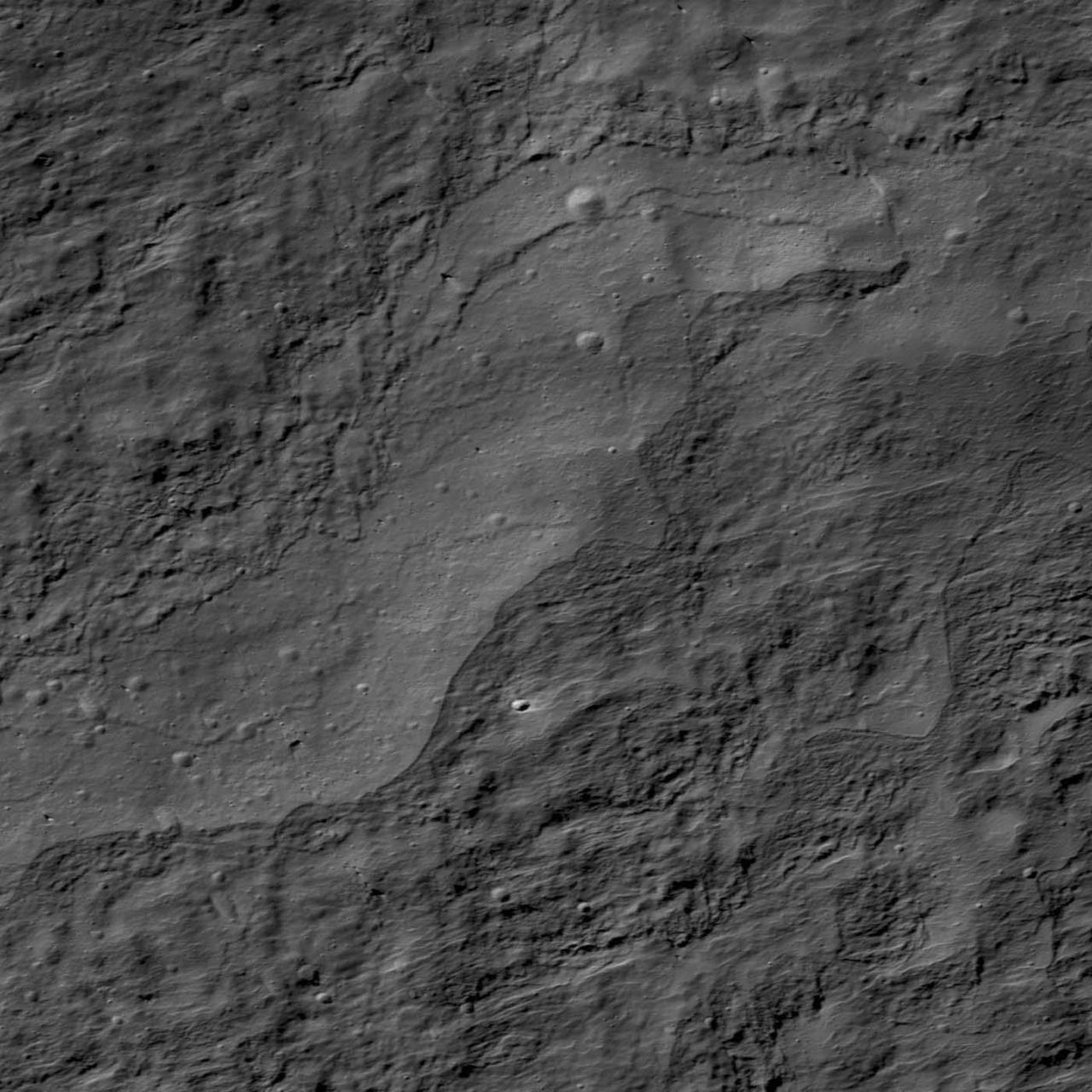
This image taken by NASA Lunar Reconnaissance Orbiter shows the spectacularly preserved viscous flow on the NE rim of Byrgius A crater.
Out of the Shadows: Impact Melt Flow at Byrgius A Crater
Necho Terraces
Necho Terraces
Seeing small areas of the Moon at 50 cm per pixel often presents unexpected views, and sometimes it is hard to interpret the geology at first glance, much less what is up and what is down, as evidenced by NASA Lunar Reconnaissance Orbiter.
Moon or Abstract Expressionism?
Slipher Crater: Fractured Moon in 3-D
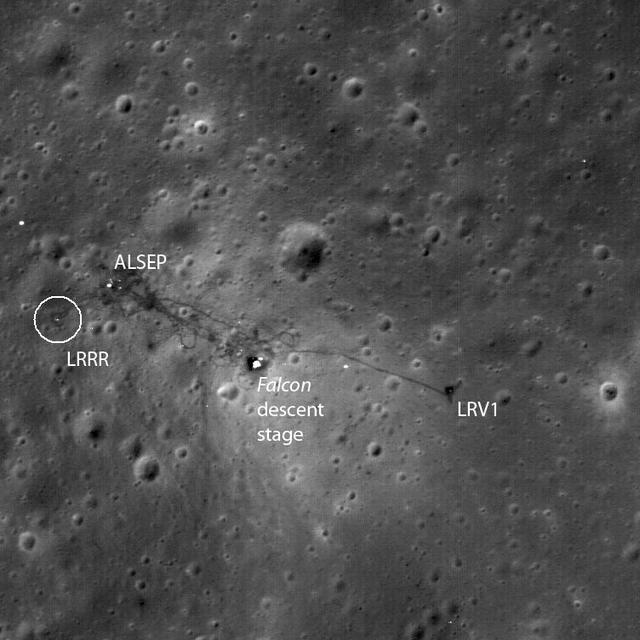
The Apollo 15 Lunar Laser Ranging Retroreflector - A Fundamental Point on the Moon
Lava Flows Exposed in Bessel Crater
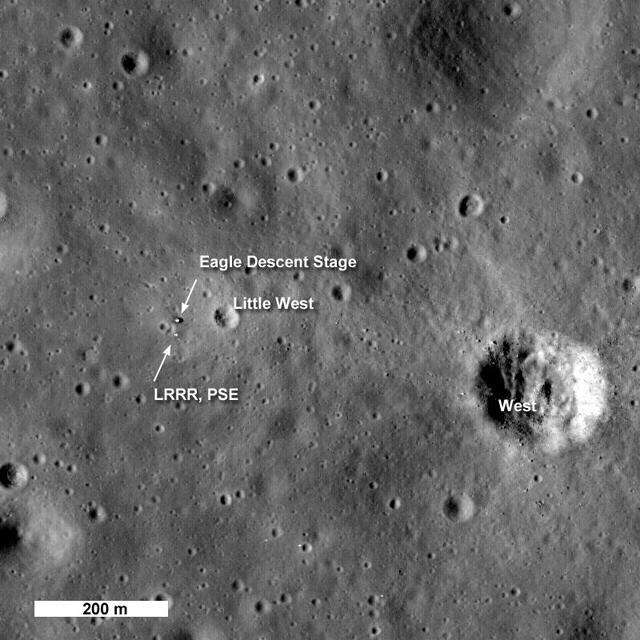
One month after its first image of the Apollo 11 landing site was acquired, NASA Lunar Reconnaissance Orbiter passed over the site again providing a new view of the historic site.
Apollo 11: Second Look
Diverse textures on the floor of Saha E which could be the result of impact melt coating boulders and other deposits on the floor of the crater on the lunar farside in this image taken by NASA Lunar Reconnaissance Orbiter.
The Floor of Saha E
A bottleneck at the start of the lunar sinuous rille within Vallis Alpes formed several morphologic features including a lava pond, a breached dam, and an island in the rille in this image captured by NASA Lunar Reconnaissance Orbiter.
Vallis Alpes
Wrinkle Ridge in Oceanus Procellarum
The Moon Largest Impact Basin
NASA Lunar Reconnaissance Orbiter captured this anaglyph image is a close up view of Copernicus crater. 3D glasses are necessary to view this image.
Central Peak of Copernicus Crater Anaglyph
A Path not Taken
A Path not Taken
NASA Lunar Reconnaissance Orbiter spied a very subtle mare-highlands boundary in Mare Moscoviense on the lunar farside, near the center of the Constellation Program region of interest.
Mare Moscoviense Constellation Site
A sinuous rille created by a lava flow snakes around the base of a massif in the Prinz-Harbinger region on the Moon in this image taken by NASA Lunar Reconnaissance Orbiter.
Rimae Prinz Region - Constellation Region of Interest
NASA Lunar Reconnaissance Orbiter shows a lobate scarp in the mare basalts of Aitken crater on the lunar farside arrows.
Aitken Crater
Fresh Crater on Oceanus Procellarum
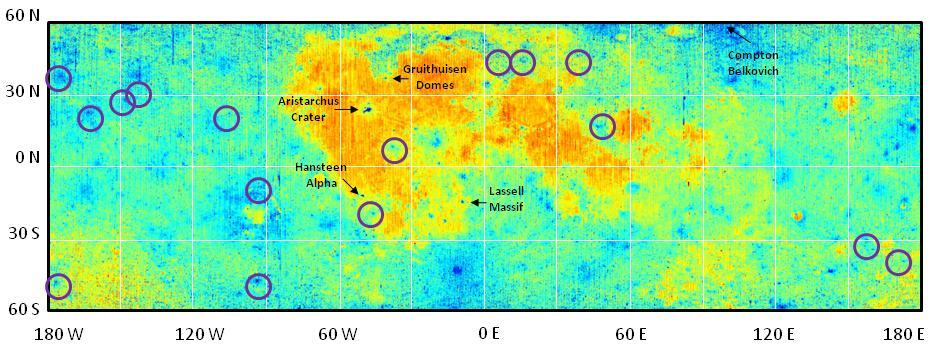
Diviner Global Composition
Barnstorming Linné Crater