Slice of Mare

Fractures in the mare of Tsiolkovskiy Crater
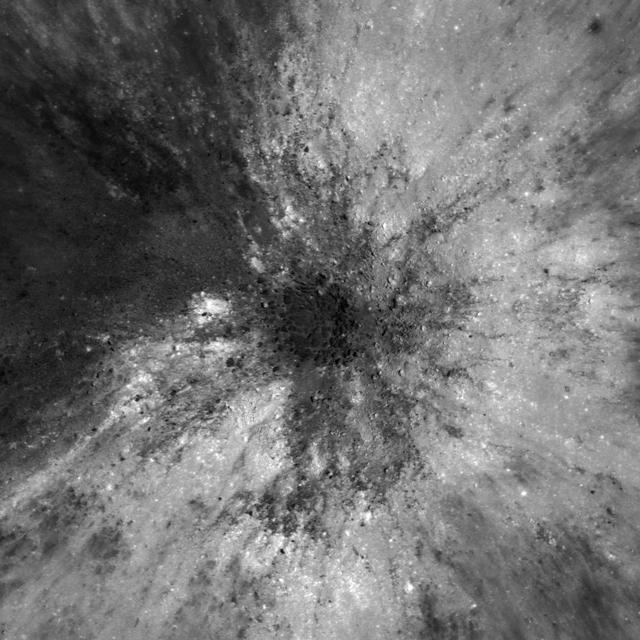
Splendors of Mare Smythii
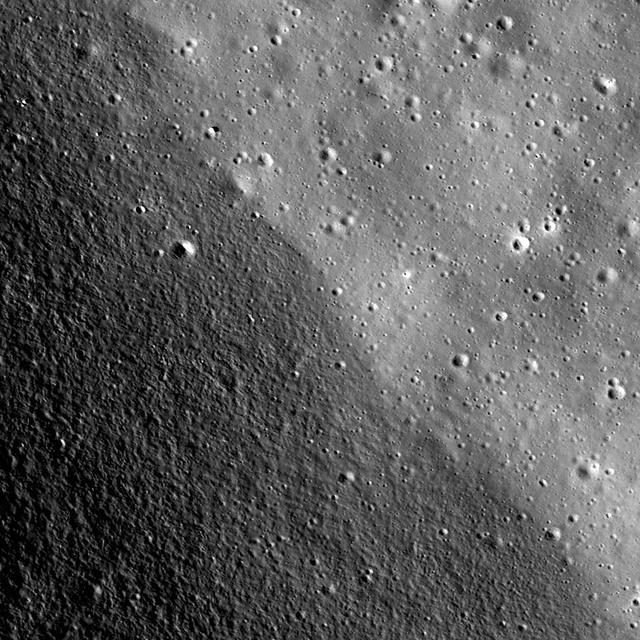
Archimedes - Mare Flooded Crater
Mare Chromium Crater
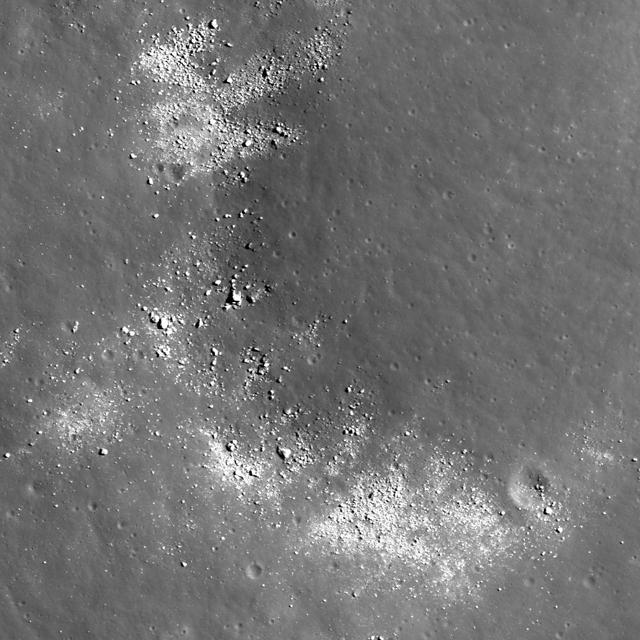
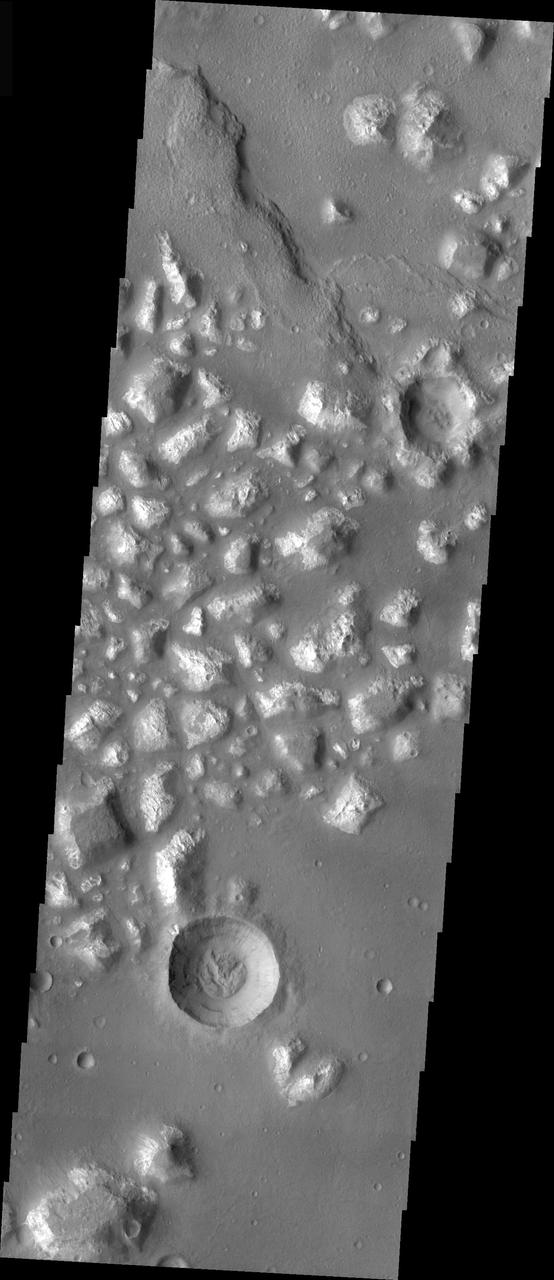
Exposed Boulders in the Aitken Mare
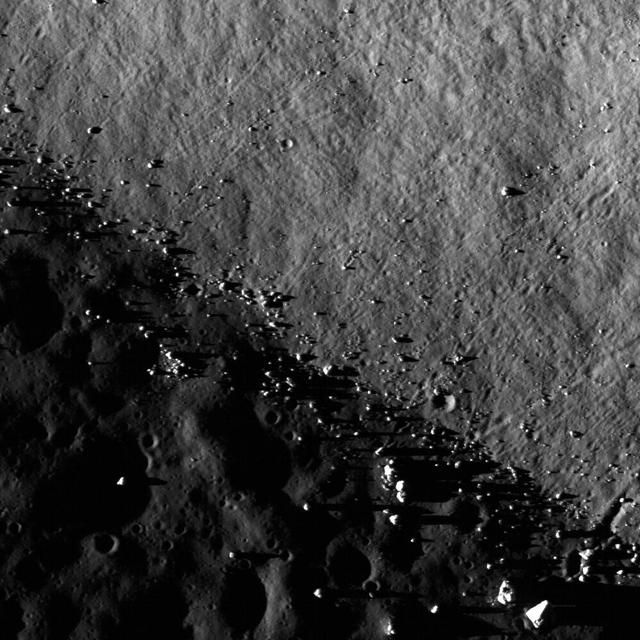
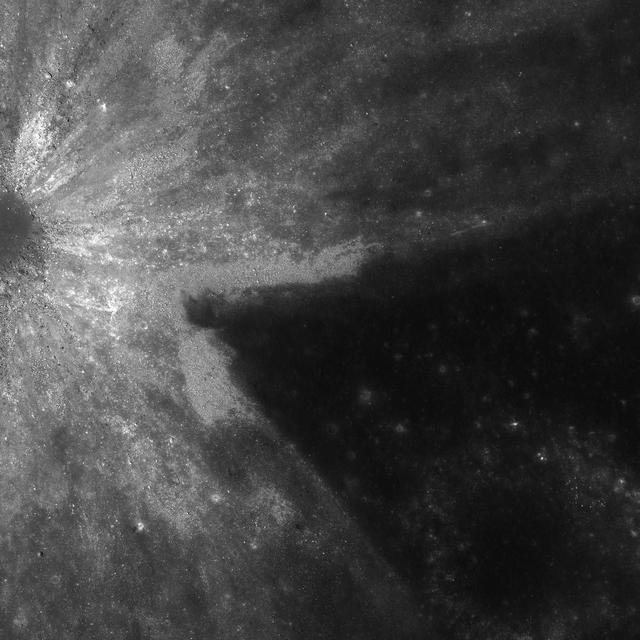
Central Peak/Mare Boundary
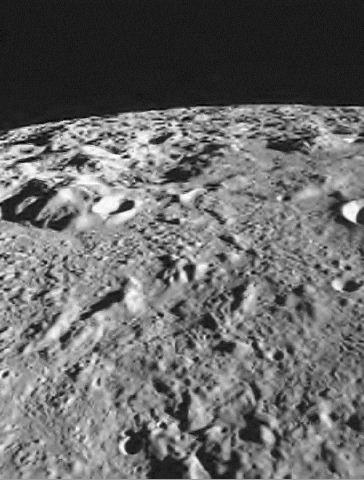
Mare Orientale Flyover
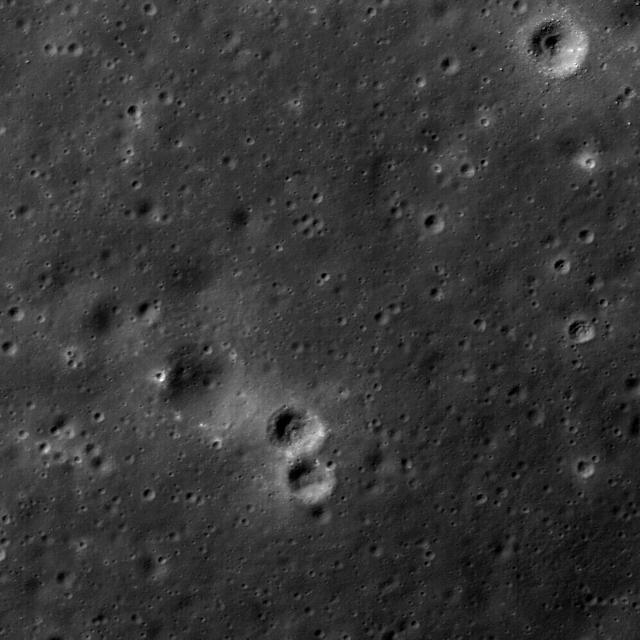
Lunar Swirls at the Mare Ingenii
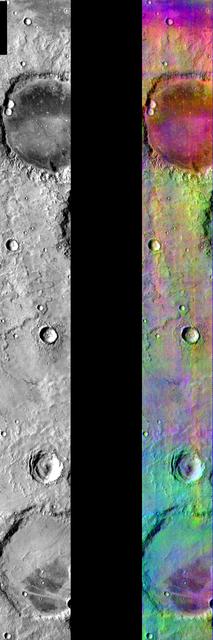
DCS Color near Mare Cimmerium
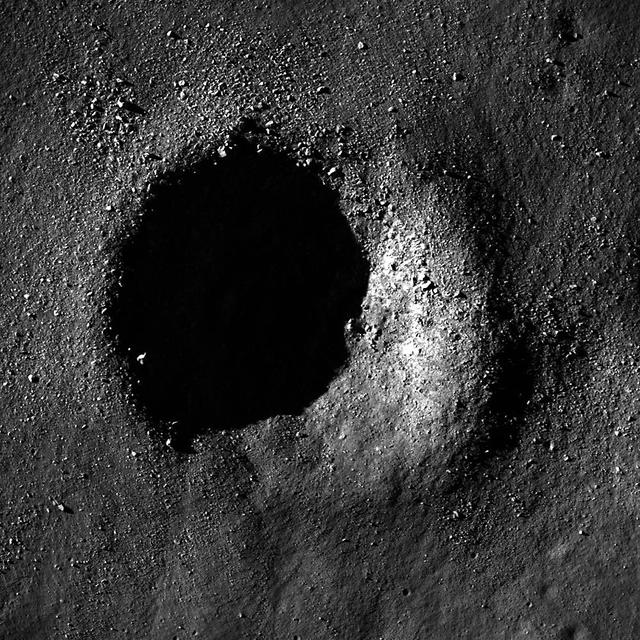
Bouldery Crater near Mare Australe
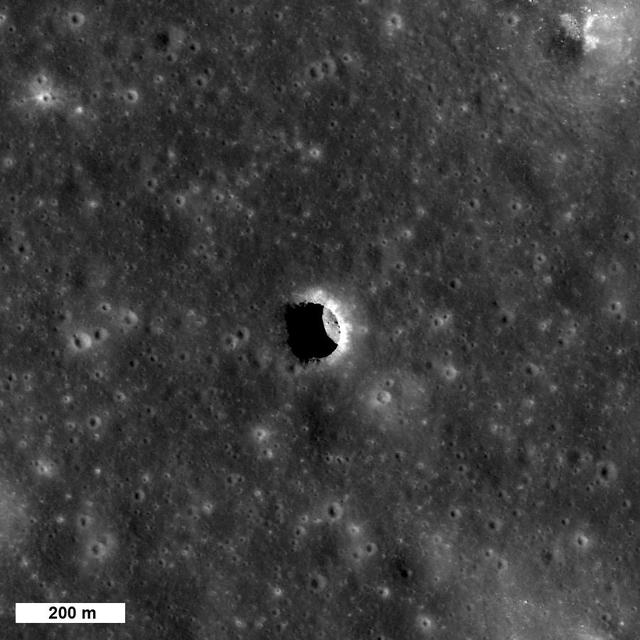
How Common are Mare Pit Craters?
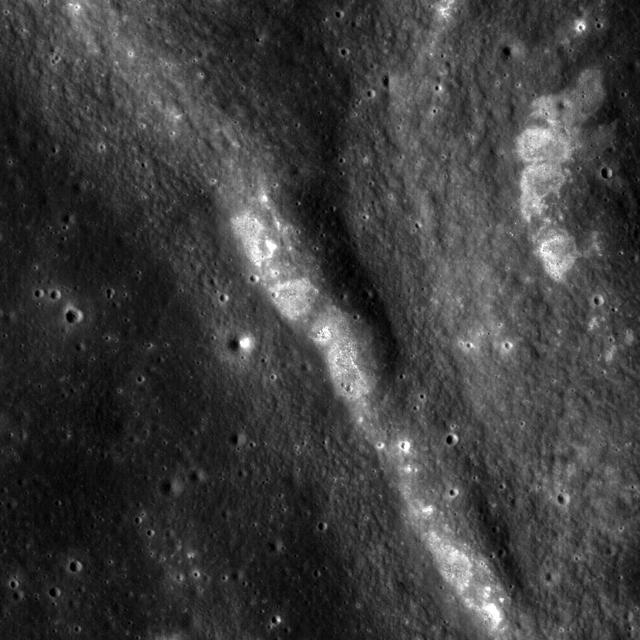
Constellation Region of Interest at Mare Tranquillitatis
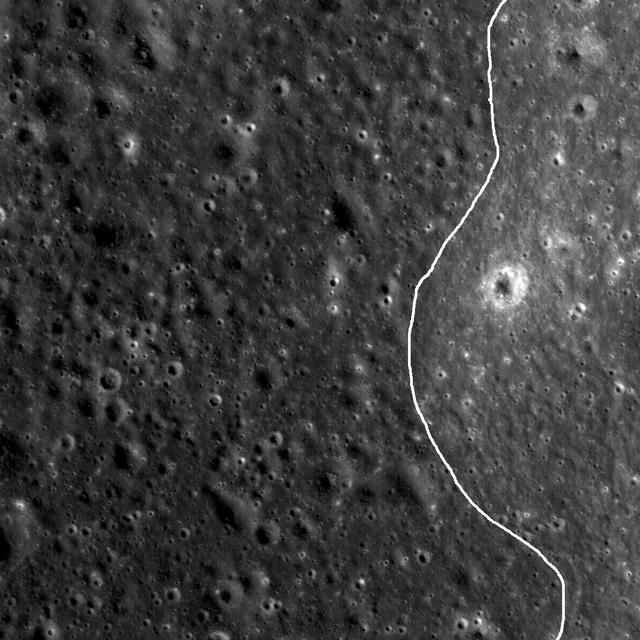
NASA Lunar Reconnaissance Orbiter spied a very subtle mare-highlands boundary in Mare Moscoviense on the lunar farside, near the center of the Constellation Program region of interest.
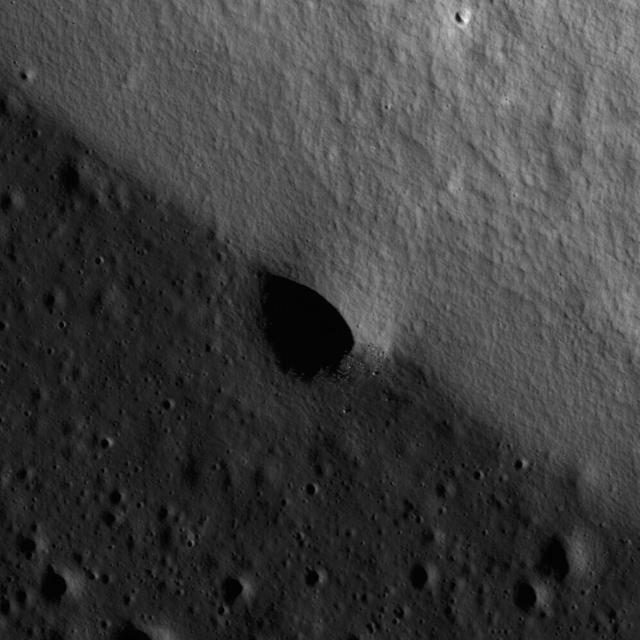
NASA Lunar Reconnaissance Orbiter looks at a mare-highlands boundary in northern Mare Frigoris.
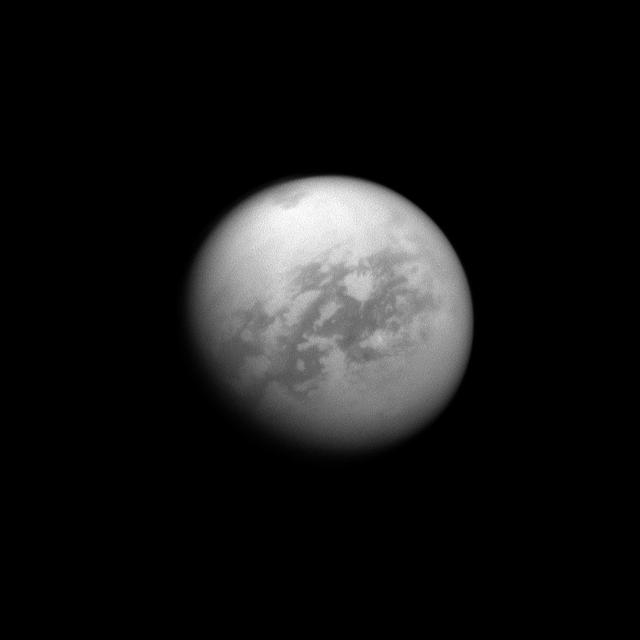
NASA Cassini spacecraft looks toward Saturn largest moon, Titan, and spies the huge Kraken Mare in the moon north. Kraken Mare, a large sea of liquid hydrocarbons, is visible as a dark area near the top of the image.
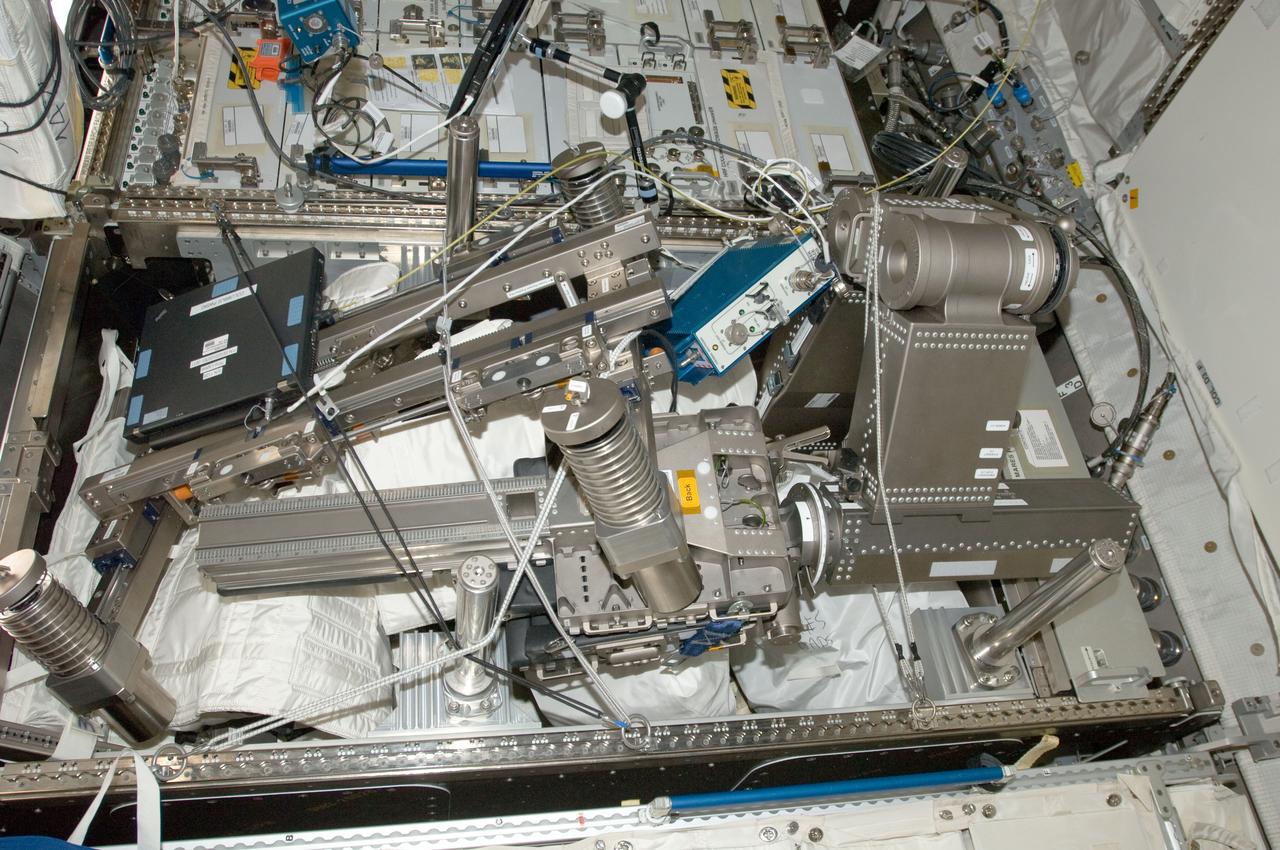
View of the Muscle Atrophy Research and Exercise System (MARES),in the Columbus Module (COL1F3). MARES will carry out research on musculoskeletal,bio-mechanical,and neuromuscular human physiology. Photo was taken during Expedition 34.
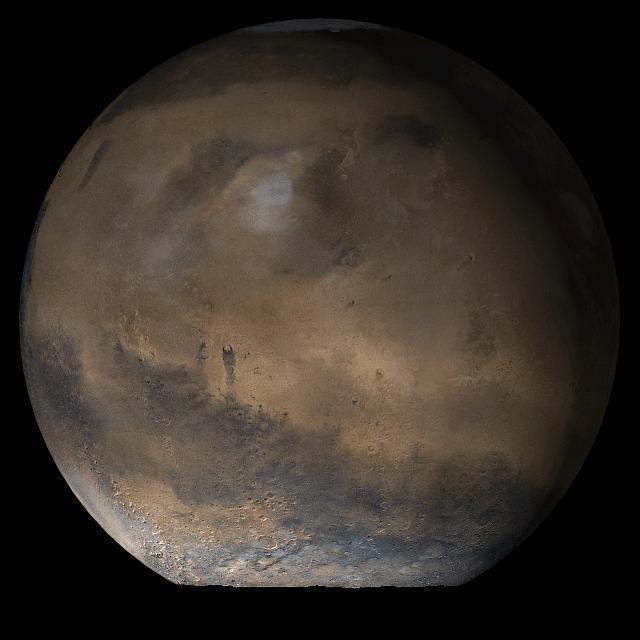
Mars at Ls 66?: Elysium/Mare Cimmerium
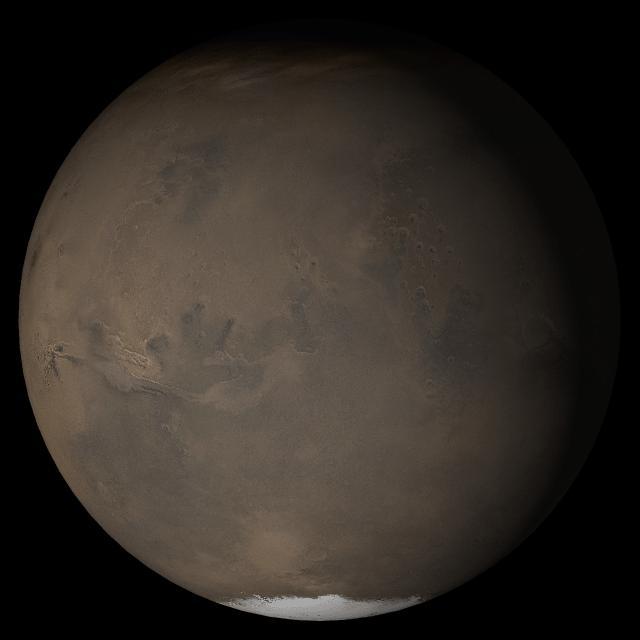
Mars at Ls 230°: Acidalia/Mare Erythraeum
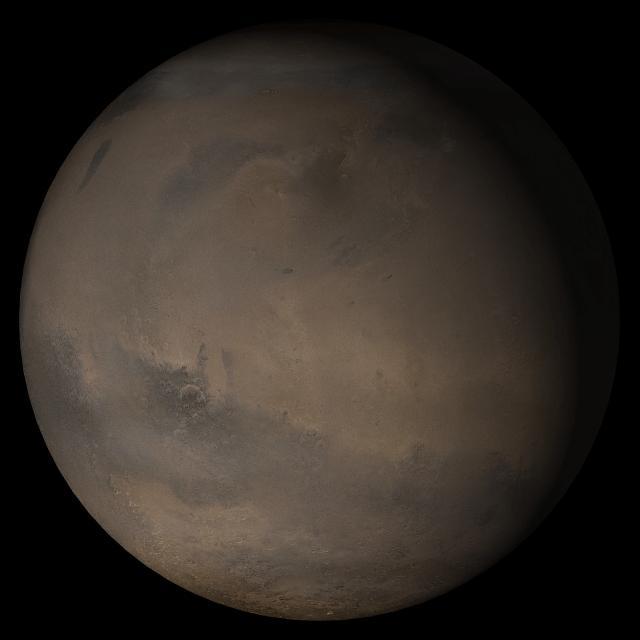
Mars at Ls 341°: Elysium/Mare Cimmerium
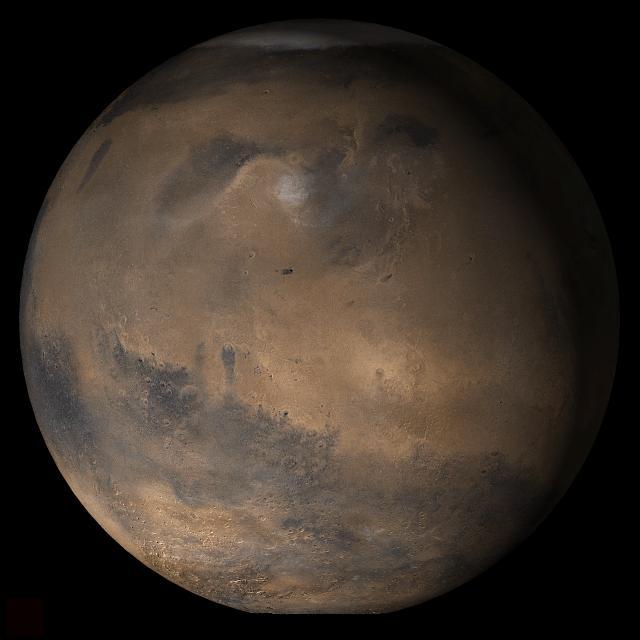
Mars at Ls 25°: Elysium/Mare Cimmerium
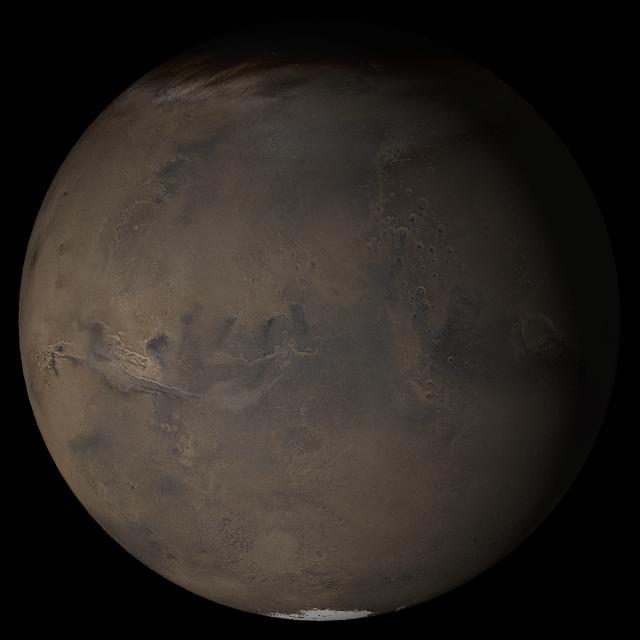
Mars at Ls 269?: Acidalia/Mare Erythraeum
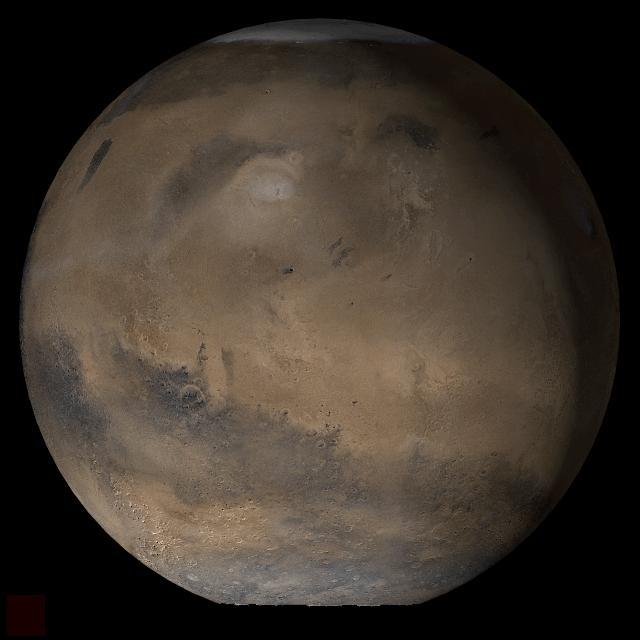
Mars at Ls 39°: Elysium/Mare Cimmerium
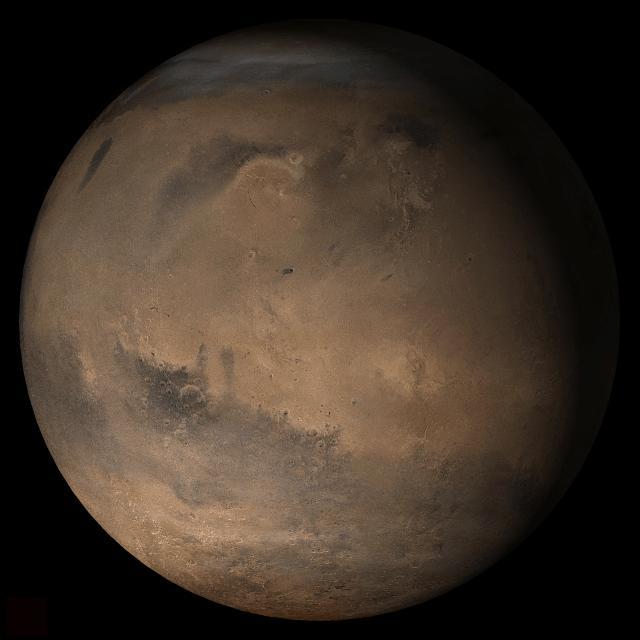
Mars at Ls 357°: Elysium/Mare Cimmerium
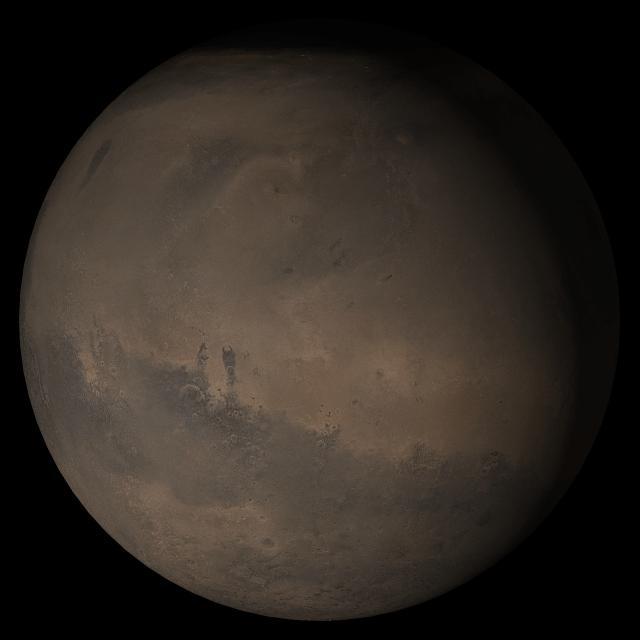
Mars at Ls 288°: Elysium/Mare Cimmerium
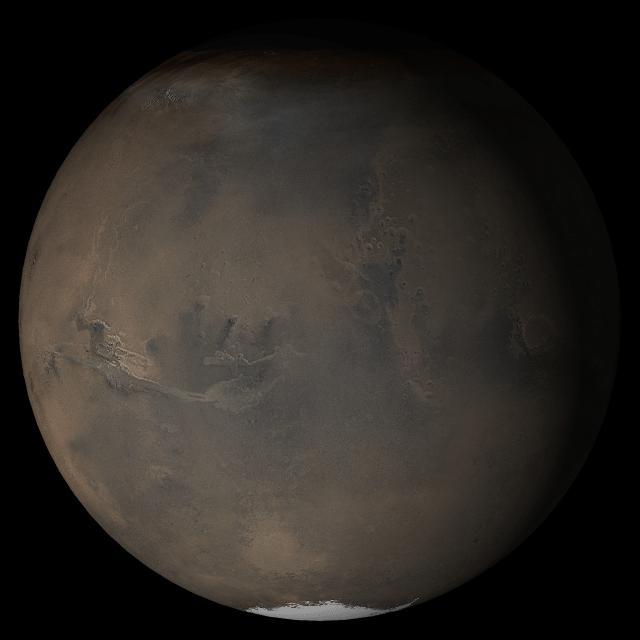
Mars at Ls 249°: Acidalia/Mare Erythraeum
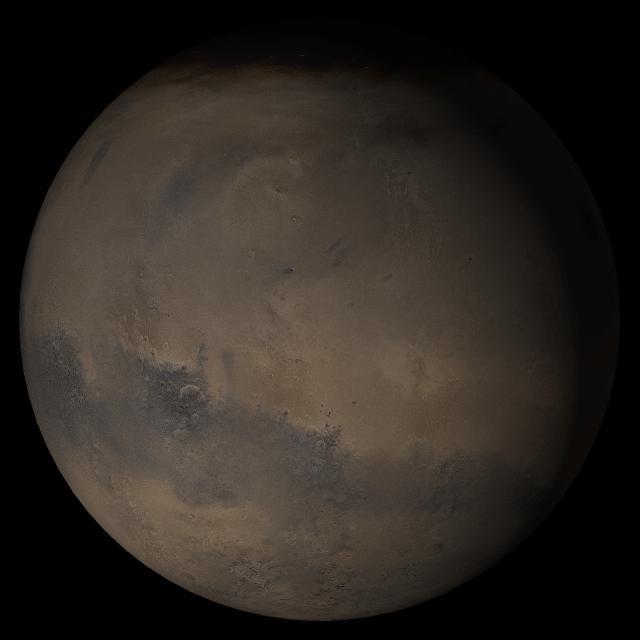
Mars at Ls 269°: Elysium/Mare Cimmerium
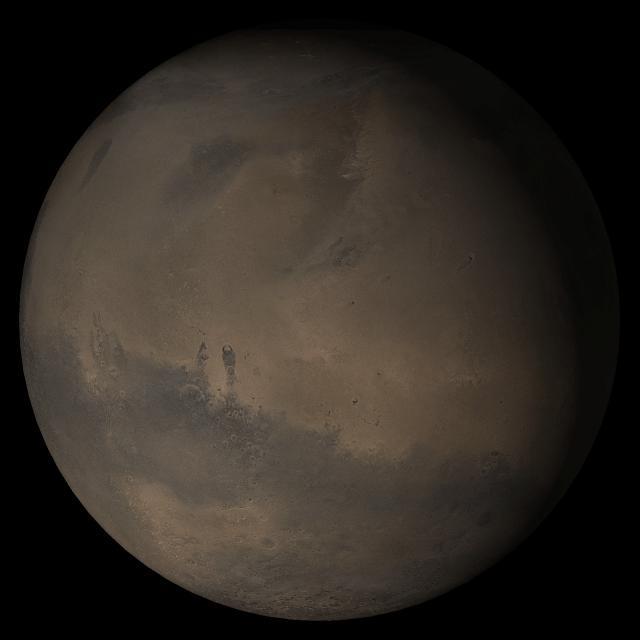
Mars at Ls 324°: Elysium/Mare Cimmerium
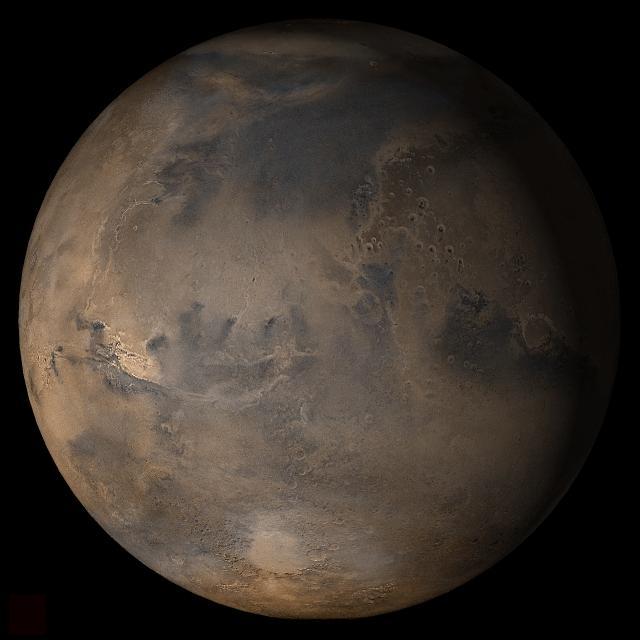
Mars at Ls 12°: Acidalia/Mare Erythraeum
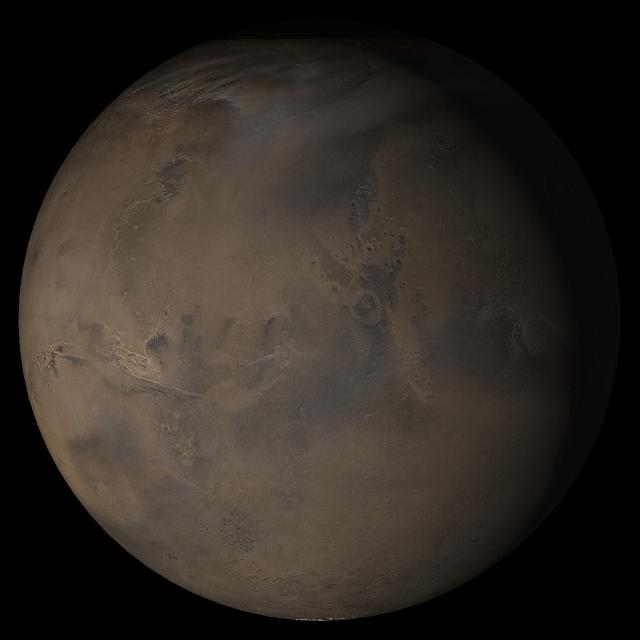
Mars at Ls 306°: Acidalia/Mare Erythraeum
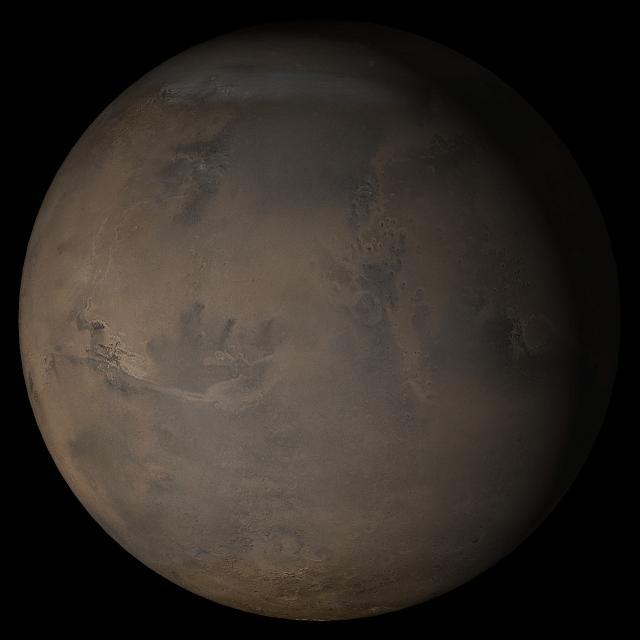
Mars at Ls 341°: Acidalia/Mare Erythraeum
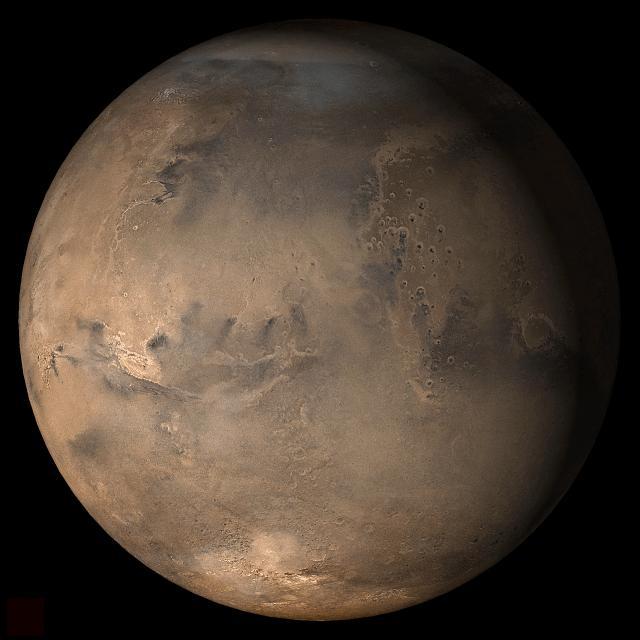
Mars at Ls 357°: Acidalia/Mare Erythraeum
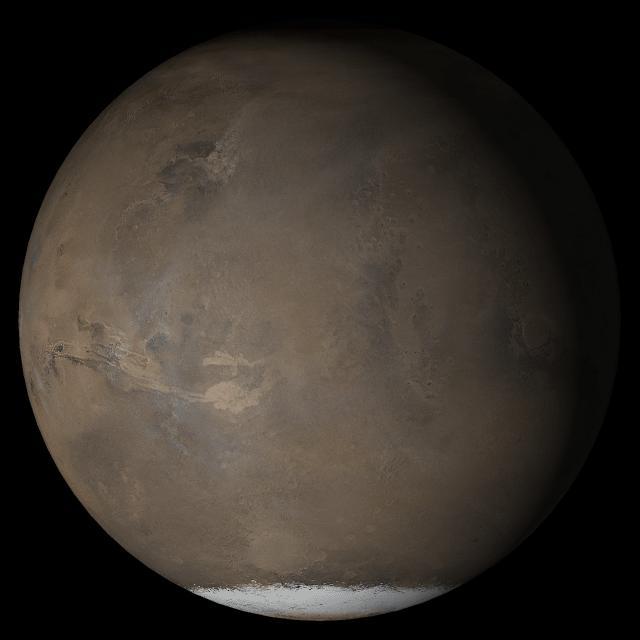
Mars at Ls 211°: Acidalia/Mare Erythraeum
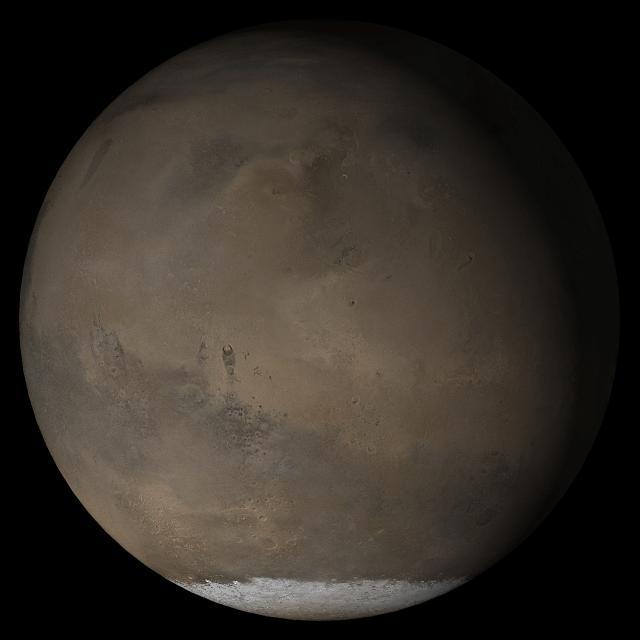
Mars at Ls 193°: Elysium/Mare Cimmerium
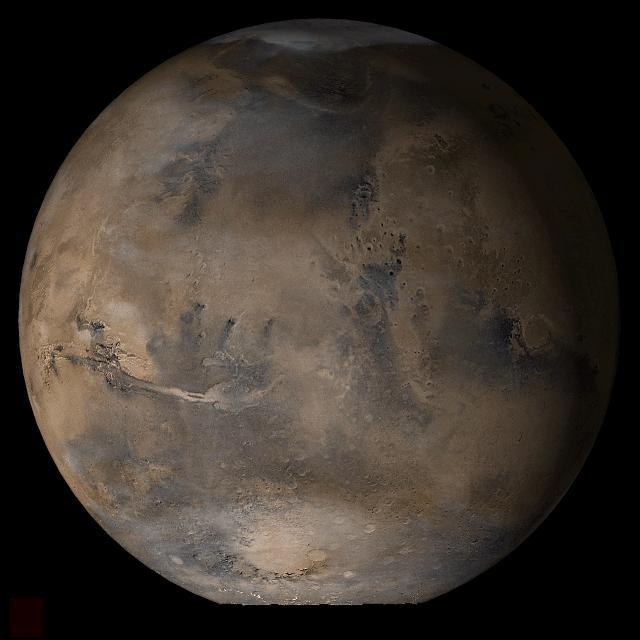
Mars at Ls 39°: Acidalia/Mare Erythraeum
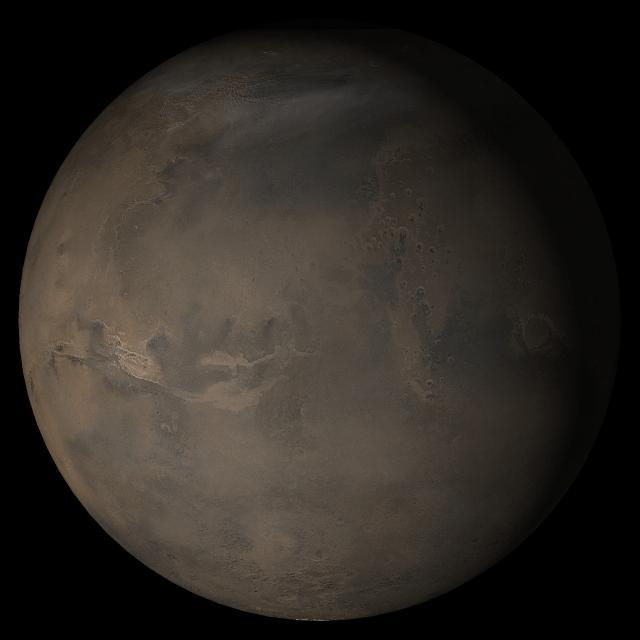
Mars at Ls 324°: Acidalia/Mare Erythraeum
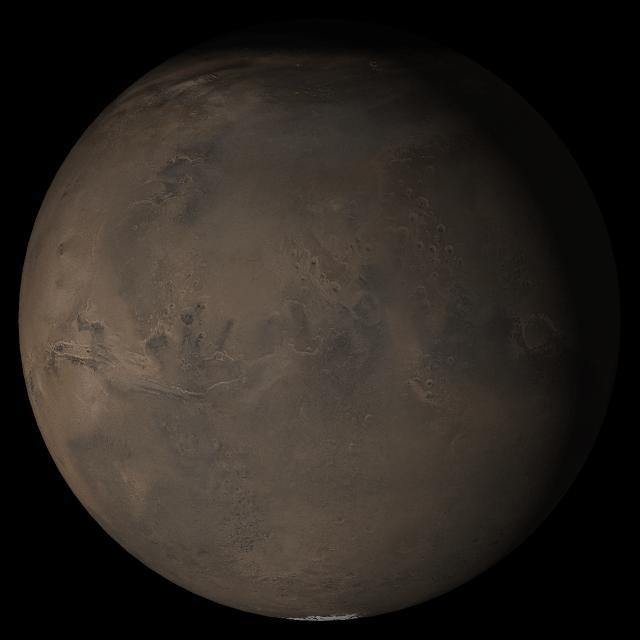
Mars at Ls 288°: Acidalia/Mare Erythraeum
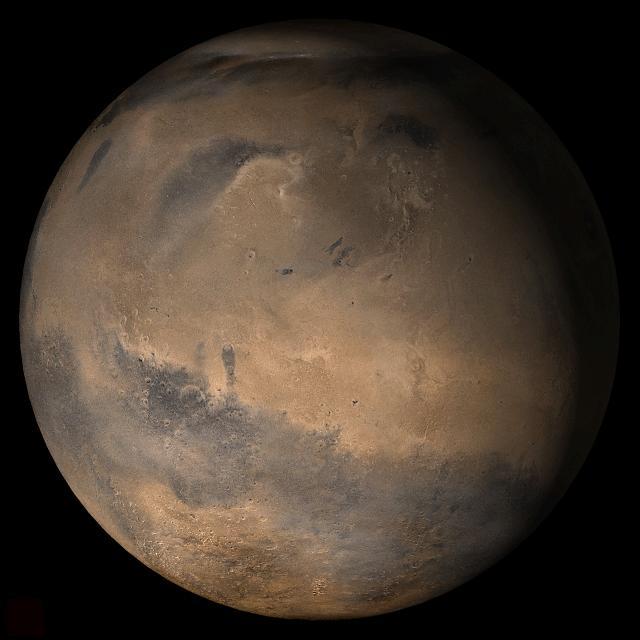
Mars at Ls 12°: Elysium/Mare Cimmerium
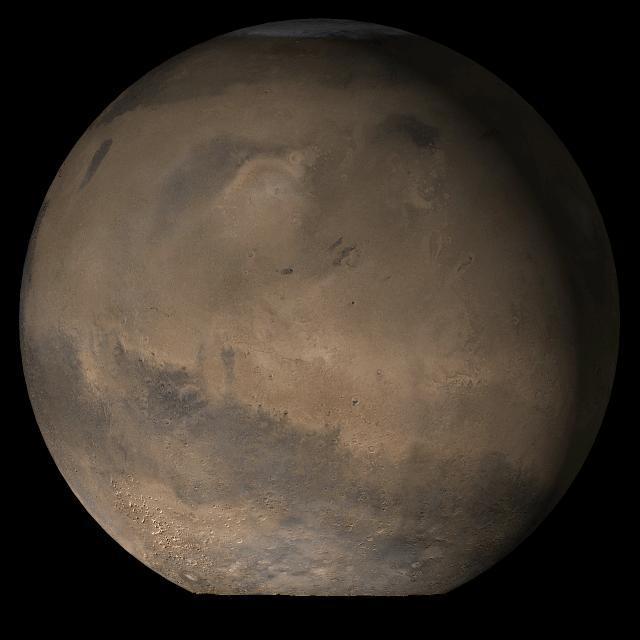
Mars at Ls 53°: Elysium/Mare Cimmerium
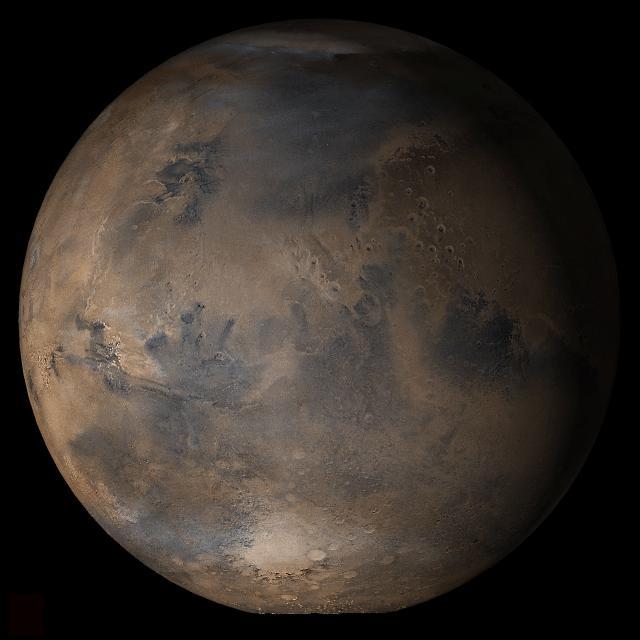
Mars at Ls 25°: Acidalia/Mare Erythraeum
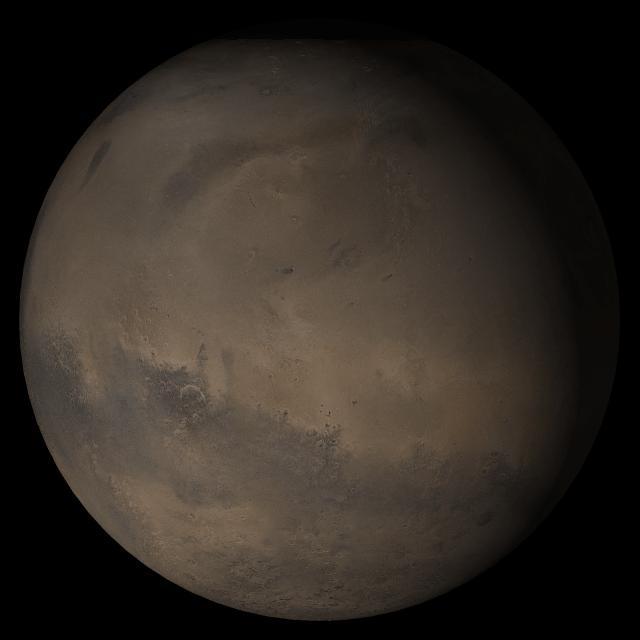
Mars at Ls 306°: Elysium/Mare Cimmerium
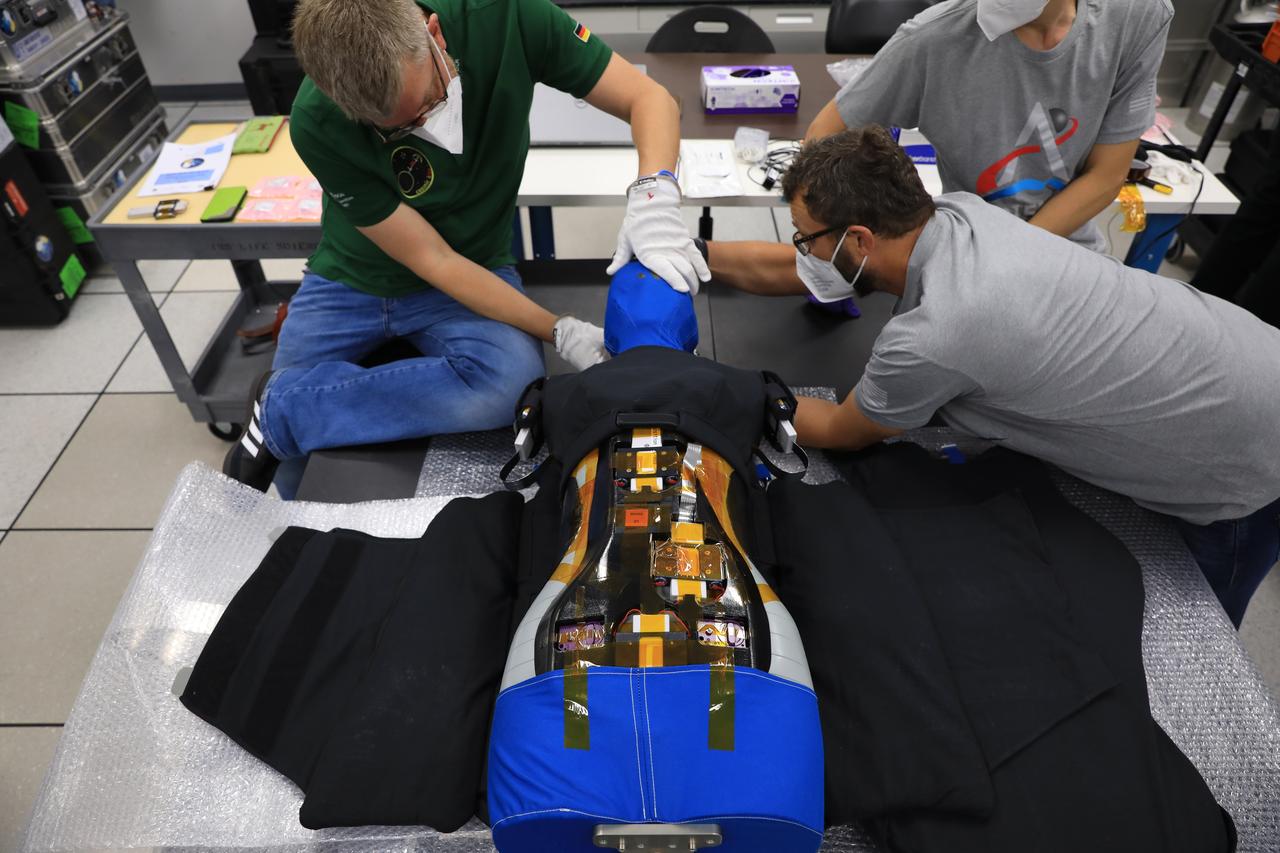
In preparation for the Artemis I flight test, teams at NASA’s Kennedy Space Center in Florida prepare the Matroshka AstroRad Radiation Experiment (MARE) investigation on Aug. 5, 2022. MARE will fly on Artemis I and features two manikins, called phantoms – Helga and Zohar – equipped with radiation detectors to determine the radiation risk on its way to the Moon. The phantoms will be seated as passengers in the Orion crew module, with Zohar also wearing the experimental AstroRad radiation protection vest. The MARE experiment is part of an agreement between NASA, the Israel Space Agency, and the German Aerospace Center. Artemis I will provide a foundation for human deep space exploration and demonstrate NASA’s capability to extend human presence to the Moon and beyond. The primary goal of Artemis I is to thoroughly test the Space Launch System rocket and Orion spacecraft’s integrated systems before crewed missions. Under Artemis, NASA aims to land the first woman and first person of color on the Moon and establish sustainable lunar exploration.
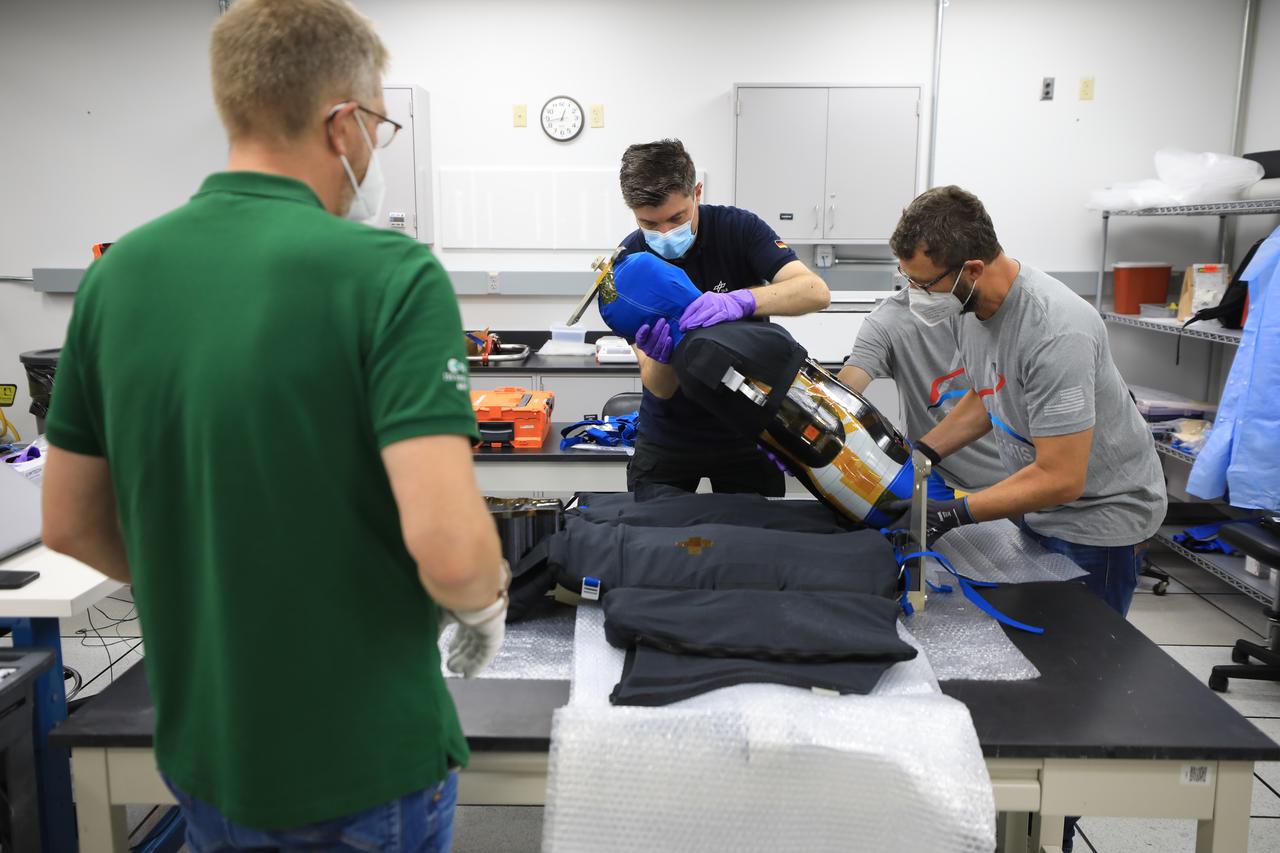
In preparation for the Artemis I flight test, teams at NASA’s Kennedy Space Center in Florida prepare the Matroshka AstroRad Radiation Experiment (MARE) investigation on Aug. 5, 2022. MARE will fly on Artemis I and features two manikins, called phantoms – Helga and Zohar – equipped with radiation detectors to determine the radiation risk on its way to the Moon. The phantoms will be seated as passengers in the Orion crew module, with Zohar also wearing the experimental AstroRad radiation protection vest. The MARE experiment is part of an agreement between NASA, the Israel Space Agency, and the German Aerospace Center. Artemis I will provide a foundation for human deep space exploration and demonstrate NASA’s capability to extend human presence to the Moon and beyond. The primary goal of Artemis I is to thoroughly test the Space Launch System rocket and Orion spacecraft’s integrated systems before crewed missions. Under Artemis, NASA aims to land the first woman and first person of color on the Moon and establish sustainable lunar exploration.
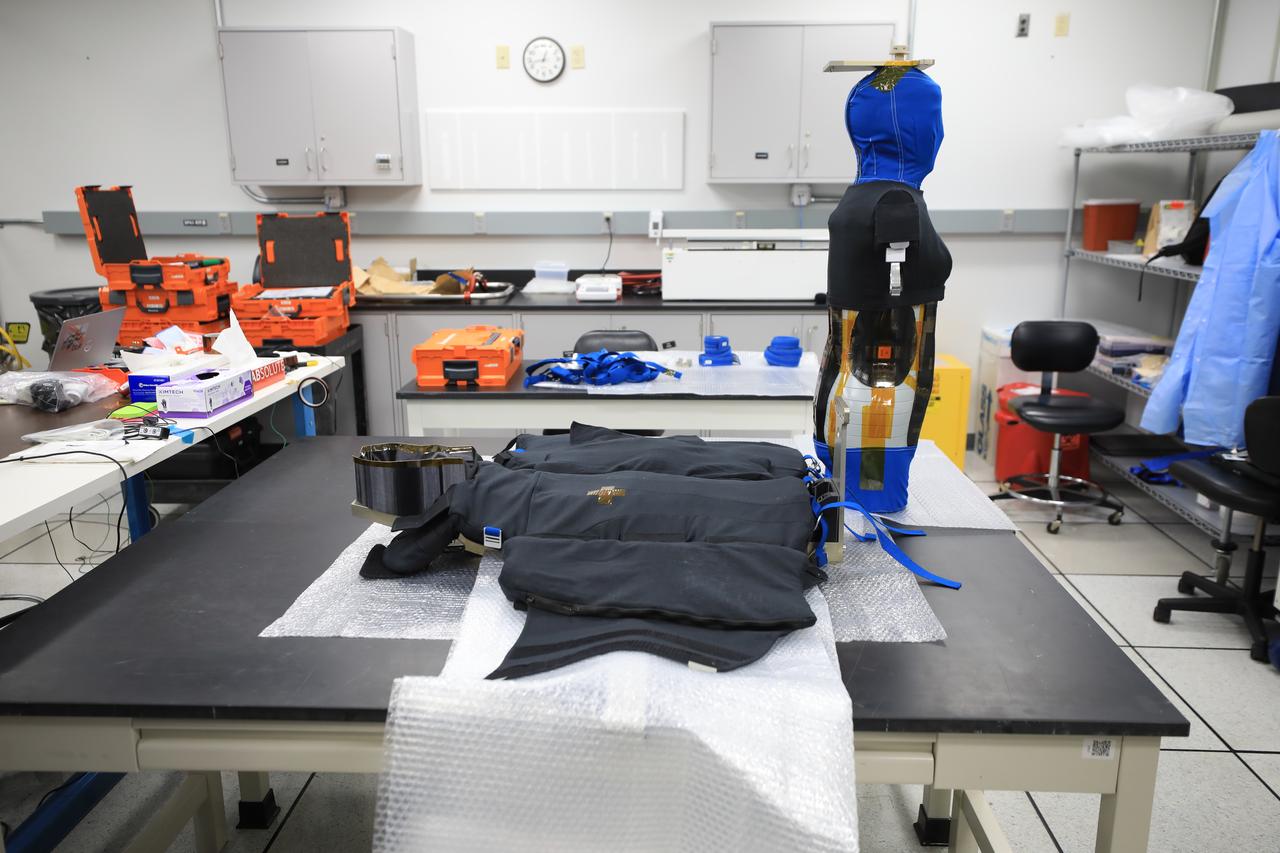
In preparation for the Artemis I flight test, teams at NASA’s Kennedy Space Center in Florida prepare the Matroshka AstroRad Radiation Experiment (MARE) investigation on Aug. 5, 2022. MARE will fly on Artemis I and features two manikins, called phantoms – Helga and Zohar – equipped with radiation detectors to determine the radiation risk on its way to the Moon. The phantoms will be seated as passengers in the Orion crew module, with Zohar also wearing the experimental AstroRad radiation protection vest. The MARE experiment is part of an agreement between NASA, the Israel Space Agency, and the German Aerospace Center. Artemis I will provide a foundation for human deep space exploration and demonstrate NASA’s capability to extend human presence to the Moon and beyond. The primary goal of Artemis I is to thoroughly test the Space Launch System rocket and Orion spacecraft’s integrated systems before crewed missions. Under Artemis, NASA aims to land the first woman and first person of color on the Moon and establish sustainable lunar exploration.
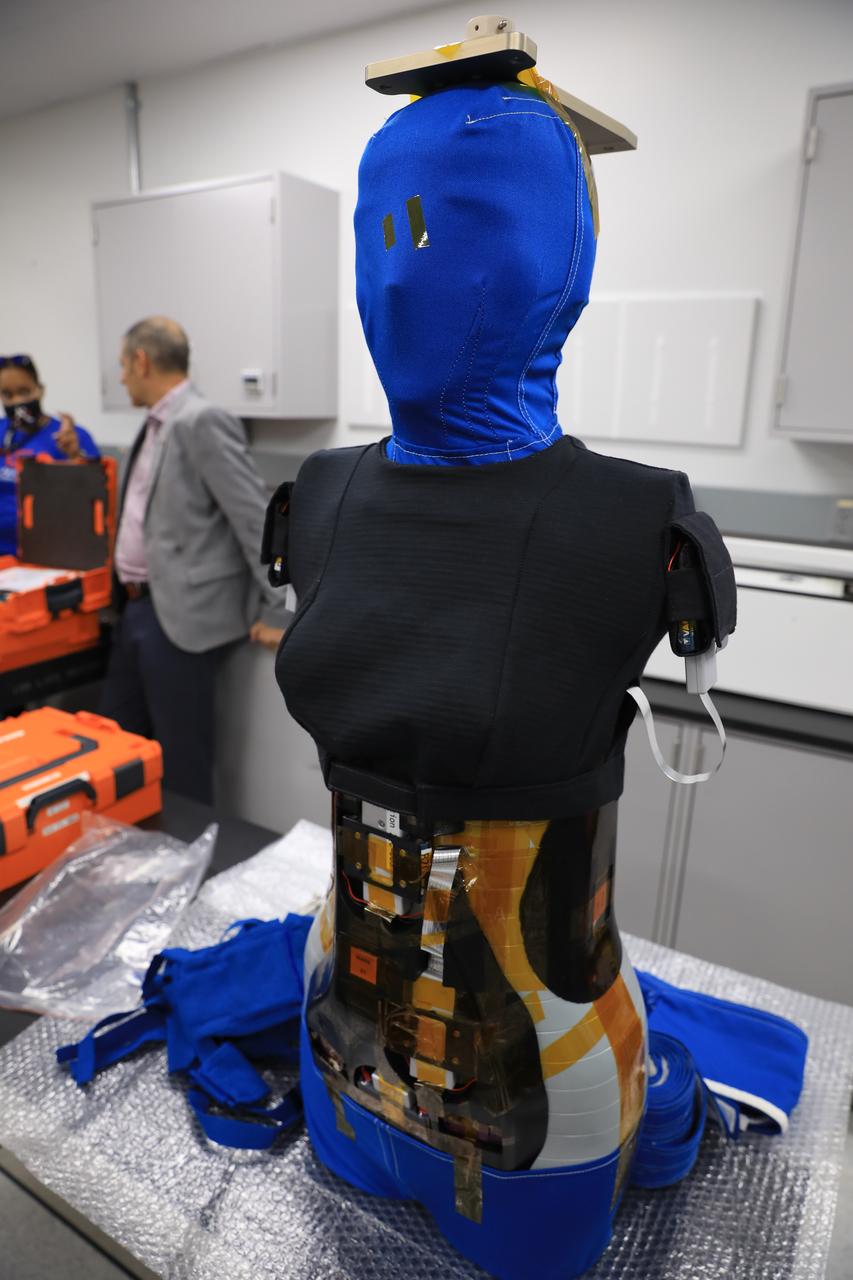
In preparation for the Artemis I flight test, teams at NASA’s Kennedy Space Center in Florida prepare the Matroshka AstroRad Radiation Experiment (MARE) investigation on Aug. 5, 2022. MARE will fly on Artemis I and features two manikins, called phantoms – Helga and Zohar – equipped with radiation detectors to determine the radiation risk on its way to the Moon. The phantoms will be seated as passengers in the Orion crew module, with Zohar also wearing the experimental AstroRad radiation protection vest. The MARE experiment is part of an agreement between NASA, the Israel Space Agency, and the German Aerospace Center. Artemis I will provide a foundation for human deep space exploration and demonstrate NASA’s capability to extend human presence to the Moon and beyond. The primary goal of Artemis I is to thoroughly test the Space Launch System rocket and Orion spacecraft’s integrated systems before crewed missions. Under Artemis, NASA aims to land the first woman and first person of color on the Moon and establish sustainable lunar exploration.

In preparation for the Artemis I flight test, teams at NASA’s Kennedy Space Center in Florida prepare two manikins, called phantoms, as part of the Matroshka AstroRad Radiation Experiment (MARE) investigation on Aug. 4, 2022. The two female phantoms – Helga and Zohar – will fly aboard the Orion crew module during Artemis I. Each will be equipped with radiation detectors, with Zohar also wearing a radiation protection vest, to determine the radiation risk on its way to the Moon. The MARE experiment is part of an agreement between NASA, the Israel Space Agency, and the German Aerospace Center. Artemis I will provide a foundation for human deep space exploration and demonstrate NASA’s capability to extend human presence to the Moon and beyond. The primary goal of Artemis I is to thoroughly test the Space Launch System rocket and Orion spacecraft’s integrated systems before crewed missions. Under Artemis, NASA aims to land the first woman and first person of color on the Moon and establish sustainable lunar exploration.
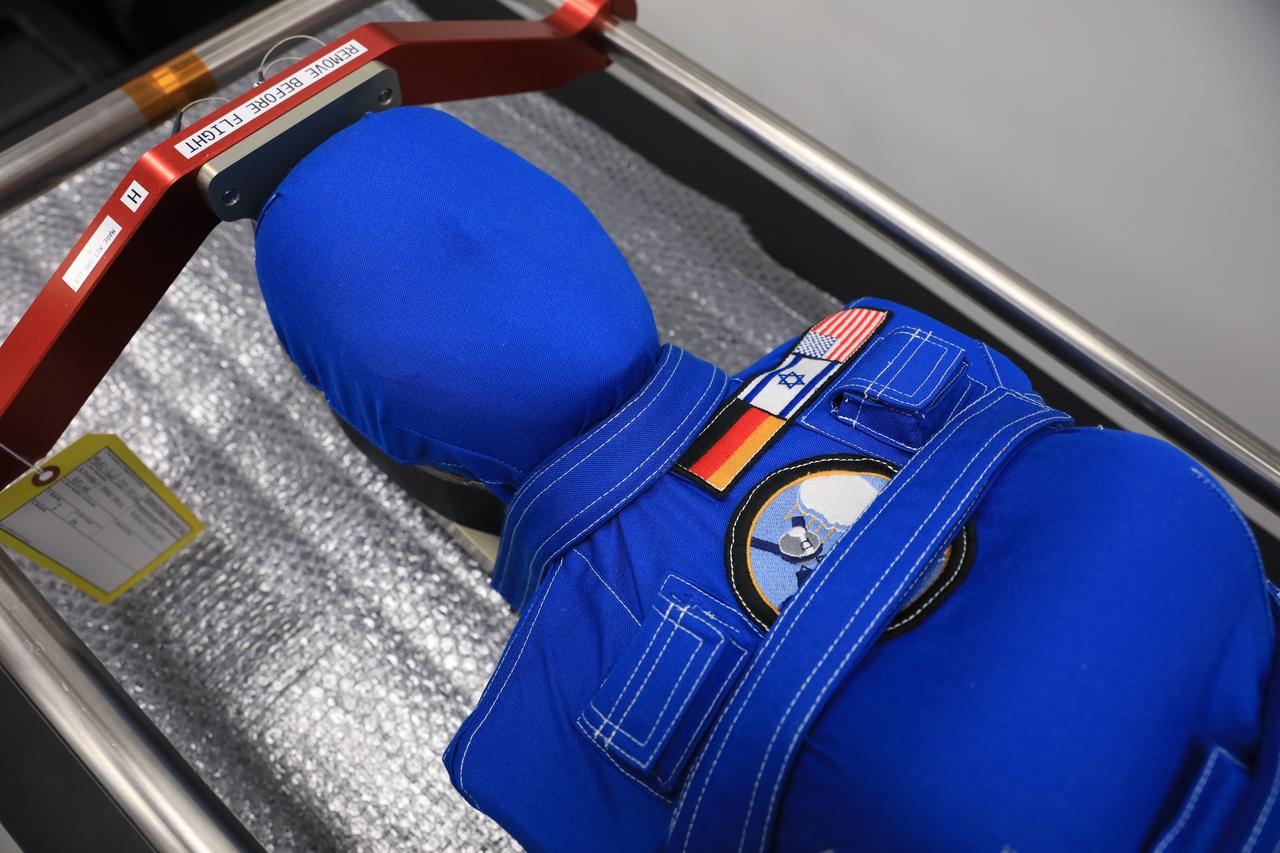
In preparation for the Artemis I flight test, teams at NASA’s Kennedy Space Center in Florida prepare two manikins, called phantoms, as part of the Matroshka AstroRad Radiation Experiment (MARE) investigation on Aug. 4, 2022. The two female phantoms – Helga and Zohar – will fly aboard the Orion crew module during Artemis I. Each will be equipped with radiation detectors, with Zohar also wearing a radiation protection vest, to determine the radiation risk on its way to the Moon. The MARE experiment is part of an agreement between NASA, the Israel Space Agency, and the German Aerospace Center. Artemis I will provide a foundation for human deep space exploration and demonstrate NASA’s capability to extend human presence to the Moon and beyond. The primary goal of Artemis I is to thoroughly test the Space Launch System rocket and Orion spacecraft’s integrated systems before crewed missions. Under Artemis, NASA aims to land the first woman and first person of color on the Moon and establish sustainable lunar exploration.
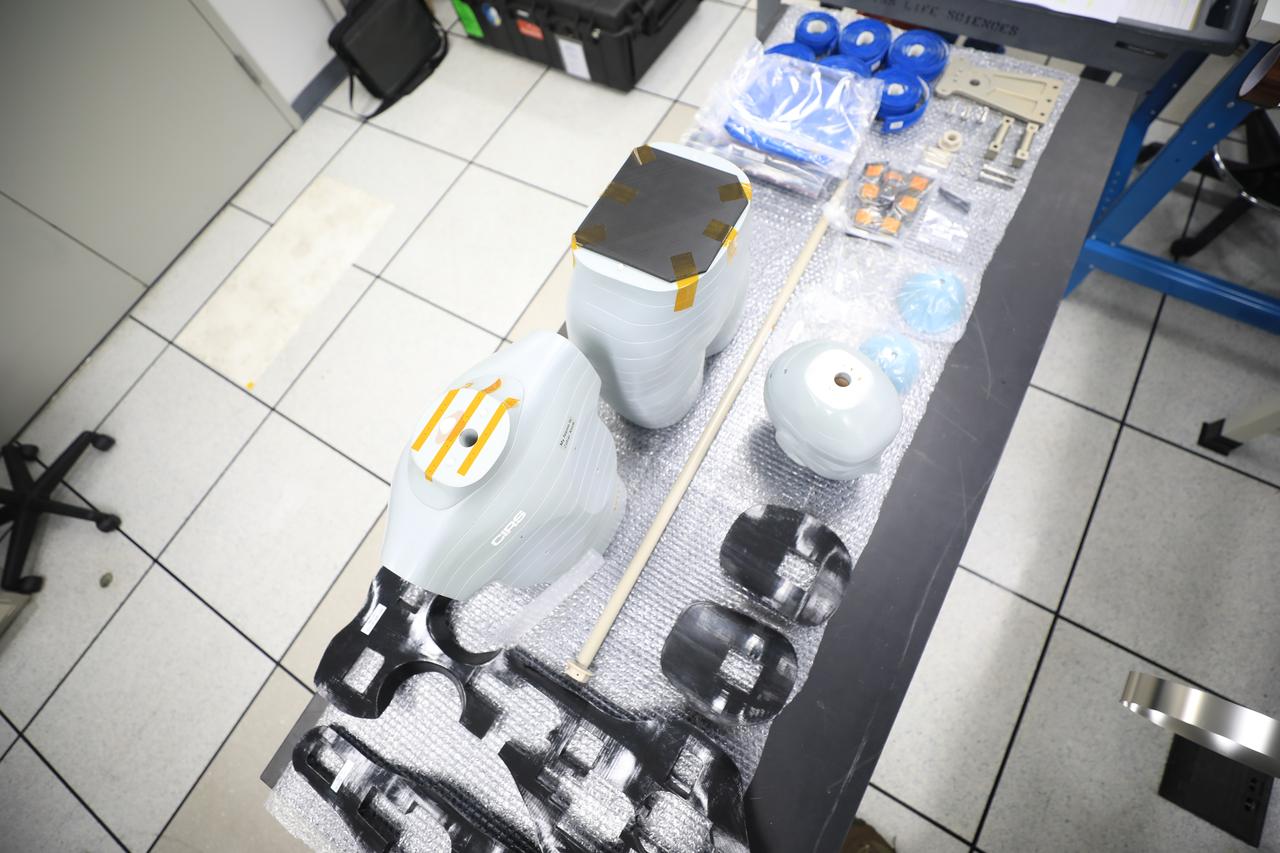
In preparation for the Artemis I flight test, teams at NASA’s Kennedy Space Center in Florida prepare two manikins, called phantoms, as part of the Matroshka AstroRad Radiation Experiment (MARE) investigation on Aug. 4, 2022. The two female phantoms – Helga and Zohar – will fly aboard the Orion crew module during Artemis I. Each will be equipped with radiation detectors, with Zohar also wearing a radiation protection vest, to determine the radiation risk on its way to the Moon. The MARE experiment is part of an agreement between NASA, the Israel Space Agency, and the German Aerospace Center. Artemis I will provide a foundation for human deep space exploration and demonstrate NASA’s capability to extend human presence to the Moon and beyond. The primary goal of Artemis I is to thoroughly test the Space Launch System rocket and Orion spacecraft’s integrated systems before crewed missions. Under Artemis, NASA aims to land the first woman and first person of color on the Moon and establish sustainable lunar exploration.
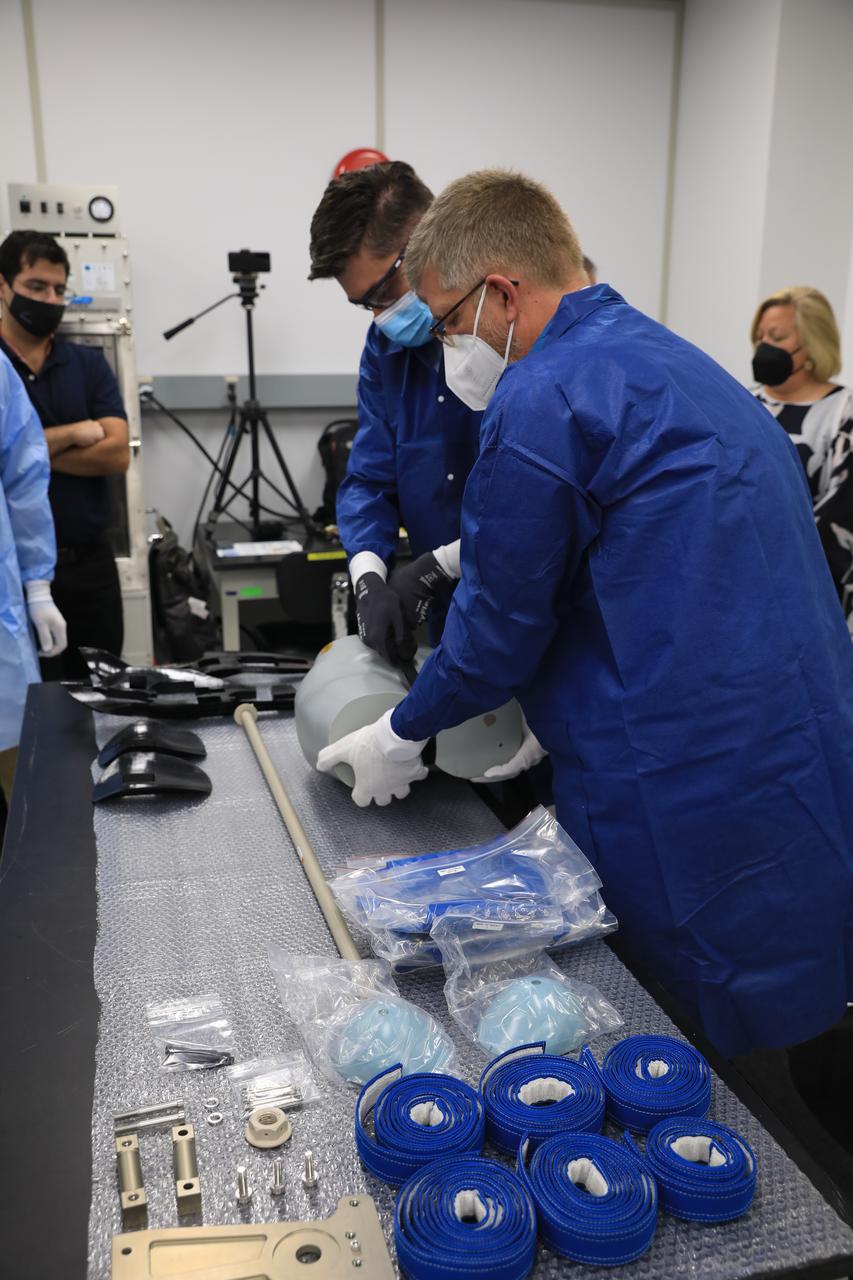
In preparation for the Artemis I flight test, teams at NASA’s Kennedy Space Center in Florida prepare two manikins, called phantoms, as part of the Matroshka AstroRad Radiation Experiment (MARE) investigation on Aug. 4, 2022. The two female phantoms – Helga and Zohar – will fly aboard the Orion crew module during Artemis I. Each will be equipped with radiation detectors, with Zohar also wearing a radiation protection vest, to determine the radiation risk on its way to the Moon. The MARE experiment is part of an agreement between NASA, the Israel Space Agency, and the German Aerospace Center. Artemis I will provide a foundation for human deep space exploration and demonstrate NASA’s capability to extend human presence to the Moon and beyond. The primary goal of Artemis I is to thoroughly test the Space Launch System rocket and Orion spacecraft’s integrated systems before crewed missions. Under Artemis, NASA aims to land the first woman and first person of color on the Moon and establish sustainable lunar exploration.
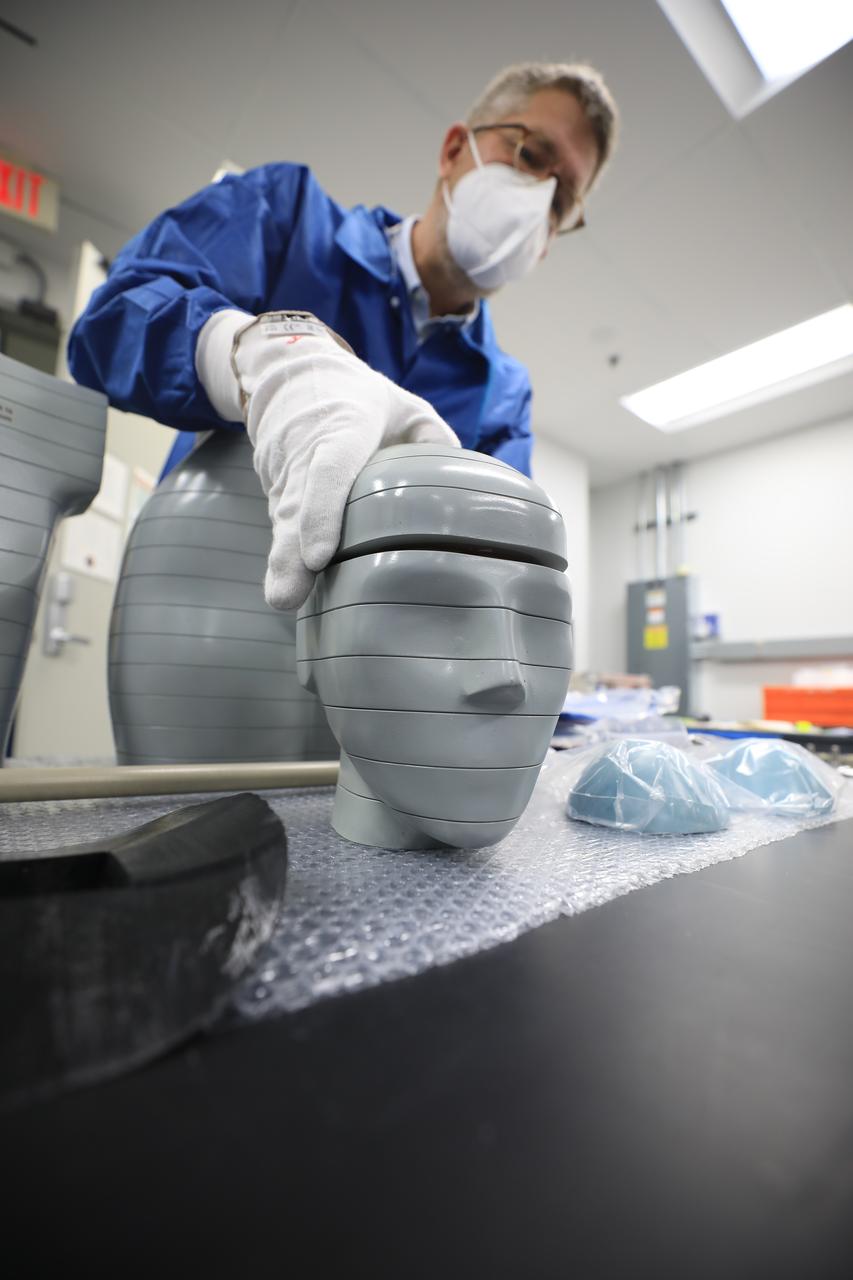
In preparation for the Artemis I flight test, teams at NASA’s Kennedy Space Center in Florida prepare two manikins, called phantoms, as part of the Matroshka AstroRad Radiation Experiment (MARE) investigation on Aug. 4, 2022. The two female phantoms – Helga and Zohar – will fly aboard the Orion crew module during Artemis I. Each will be equipped with radiation detectors, with Zohar also wearing a radiation protection vest, to determine the radiation risk on its way to the Moon. The MARE experiment is part of an agreement between NASA, the Israel Space Agency, and the German Aerospace Center. Artemis I will provide a foundation for human deep space exploration and demonstrate NASA’s capability to extend human presence to the Moon and beyond. The primary goal of Artemis I is to thoroughly test the Space Launch System rocket and Orion spacecraft’s integrated systems before crewed missions. Under Artemis, NASA aims to land the first woman and first person of color on the Moon and establish sustainable lunar exploration.
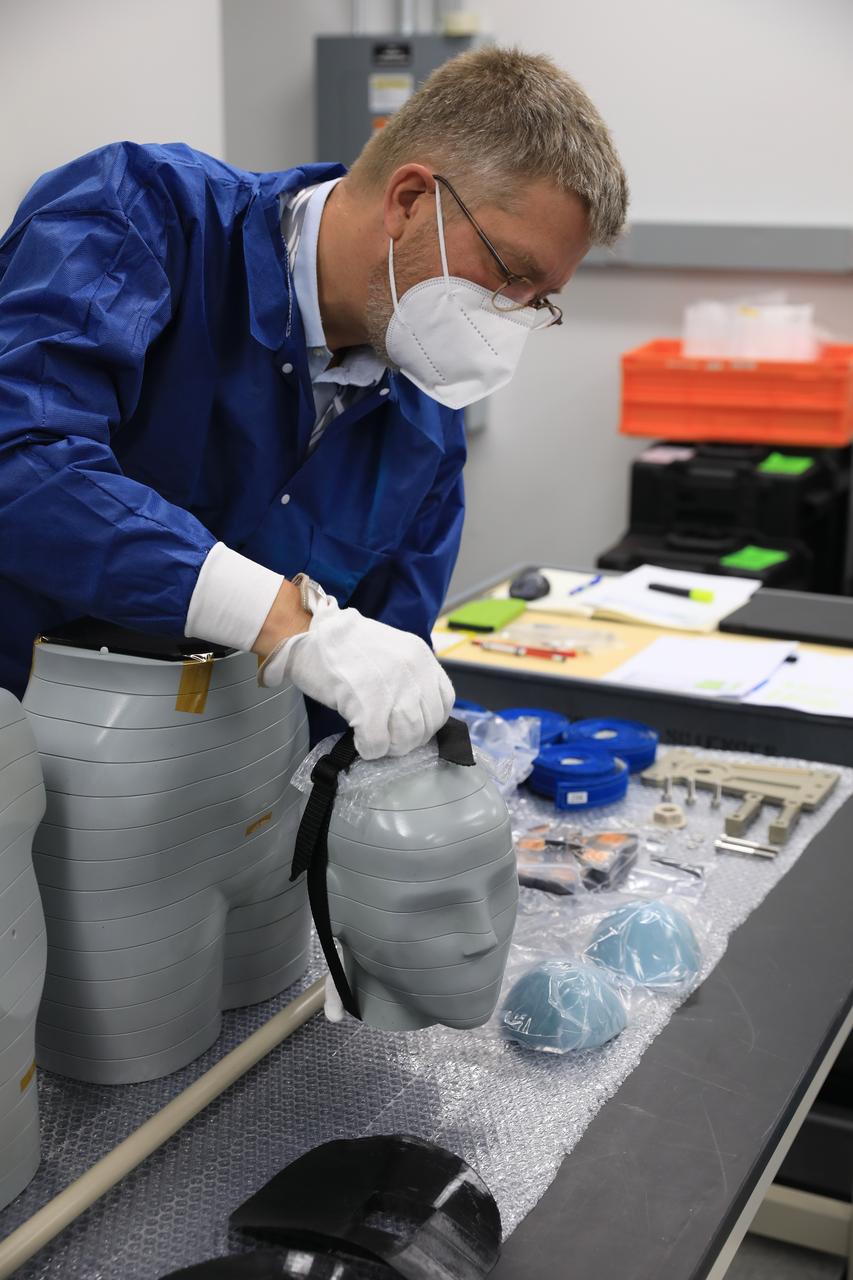
In preparation for the Artemis I flight test, teams at NASA’s Kennedy Space Center in Florida prepare two manikins, called phantoms, as part of the Matroshka AstroRad Radiation Experiment (MARE) investigation on Aug. 4, 2022. The two female phantoms – Helga and Zohar – will fly aboard the Orion crew module during Artemis I. Each will be equipped with radiation detectors, with Zohar also wearing a radiation protection vest, to determine the radiation risk on its way to the Moon. The MARE experiment is part of an agreement between NASA, the Israel Space Agency, and the German Aerospace Center. Artemis I will provide a foundation for human deep space exploration and demonstrate NASA’s capability to extend human presence to the Moon and beyond. The primary goal of Artemis I is to thoroughly test the Space Launch System rocket and Orion spacecraft’s integrated systems before crewed missions. Under Artemis, NASA aims to land the first woman and first person of color on the Moon and establish sustainable lunar exploration.
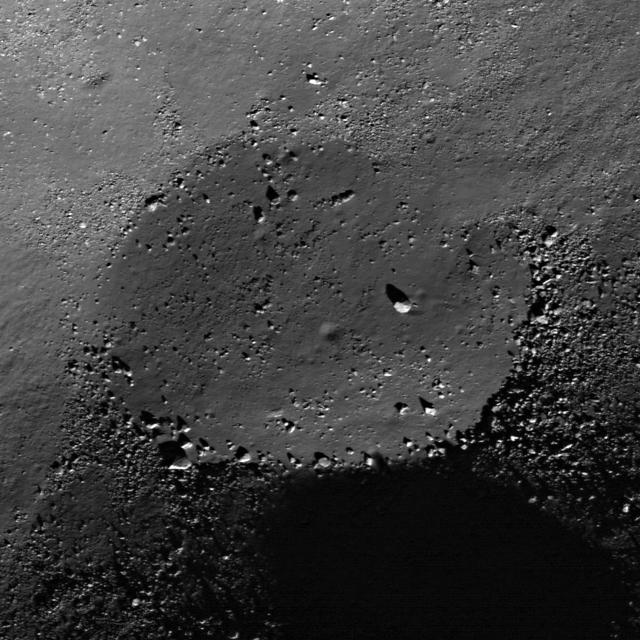
NASA Lunar Reconnaissance Orbiter captured this image of the floor of a l.2-km diameter crater in the Mare Frigoris.
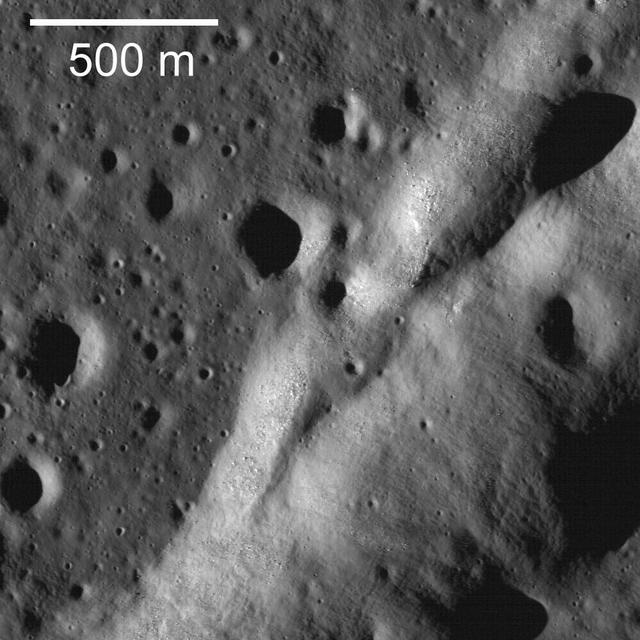
NASA Lunar Reconnaissance Orbiter captures a northeast-trending wrinkle ridge cuts across the plains of Mare Imbrium.
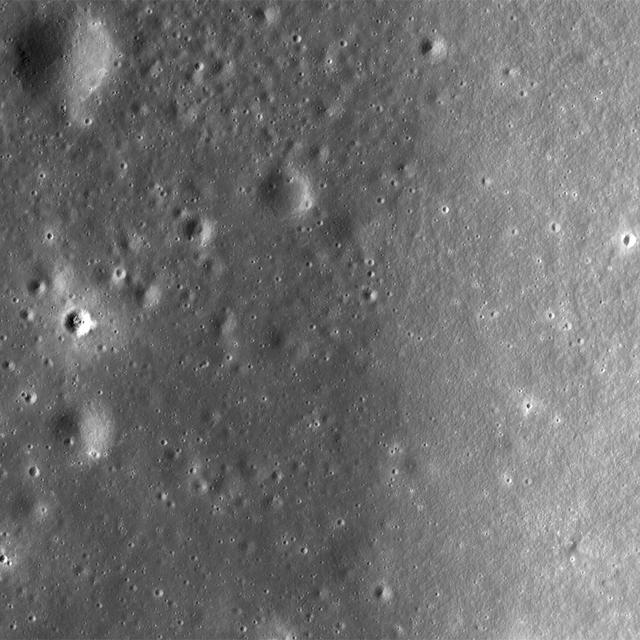
Montes Pyrenaeus meets Mare Nectaris in this image taken by NASA Lunar Reconnaissance Orbiter.
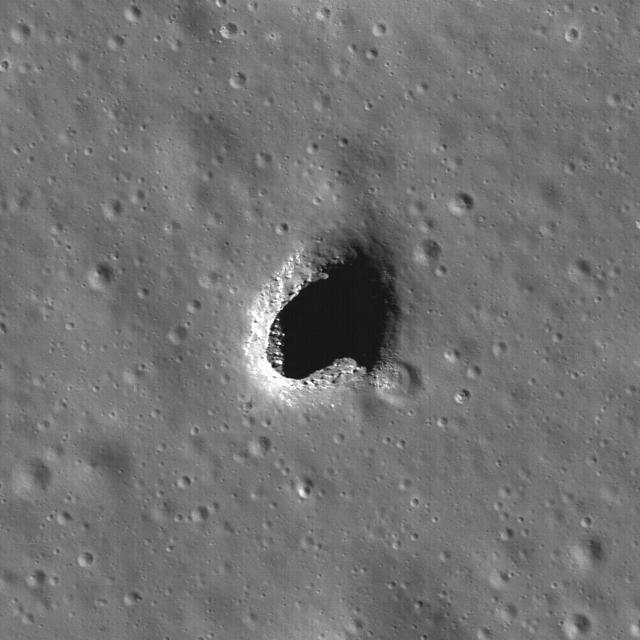
Mare Ingenii may be best known for its prominent lunar swirls, which are high albedo surface features associated with magnetic anomalies.
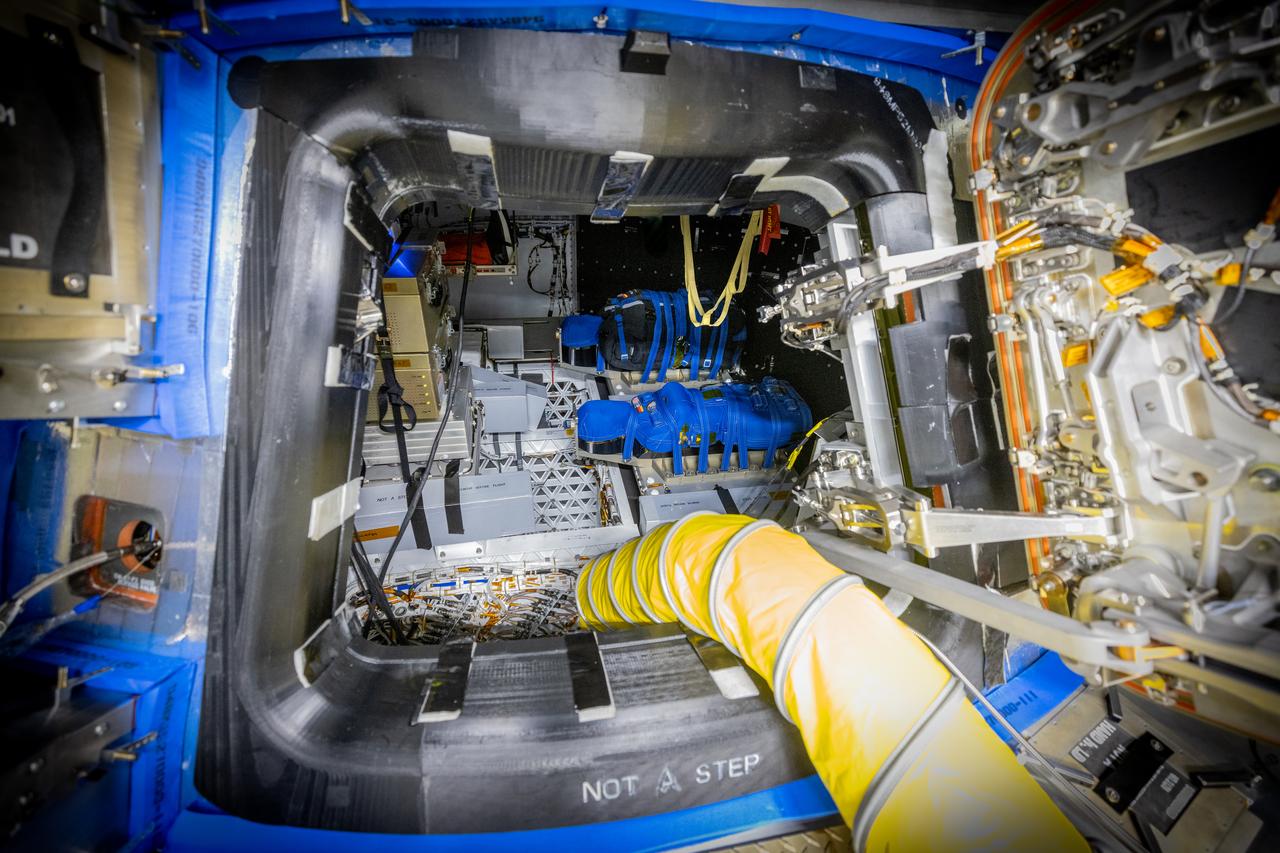
Two manikins are installed in the passenger seats inside the Artemis I Orion crew module atop the Space Launch System rocket in High Bay 3 of the Vehicle Assembly Building at NASA’s Kennedy Space Center in Florida on Aug. 8, 2022. As part of the Matroshka AstroRad Radiation Experiment (MARE) investigation, the two female manikins – Helga and Zohar – are equipped with radiation detectors, while Zohar also wears a radiation protection vest, to determine the radiation risk on its way to the Moon. Artemis I will provide a foundation for human deep space exploration and demonstrate NASA’s capability to extend human presence to the Moon and beyond. The primary goal of Artemis I is to thoroughly test the Space Launch System rocket and Orion spacecraft’s integrated systems before crewed missions. Under Artemis, NASA aims to land the first woman and first person of color on the Moon and establish sustainable lunar exploration.
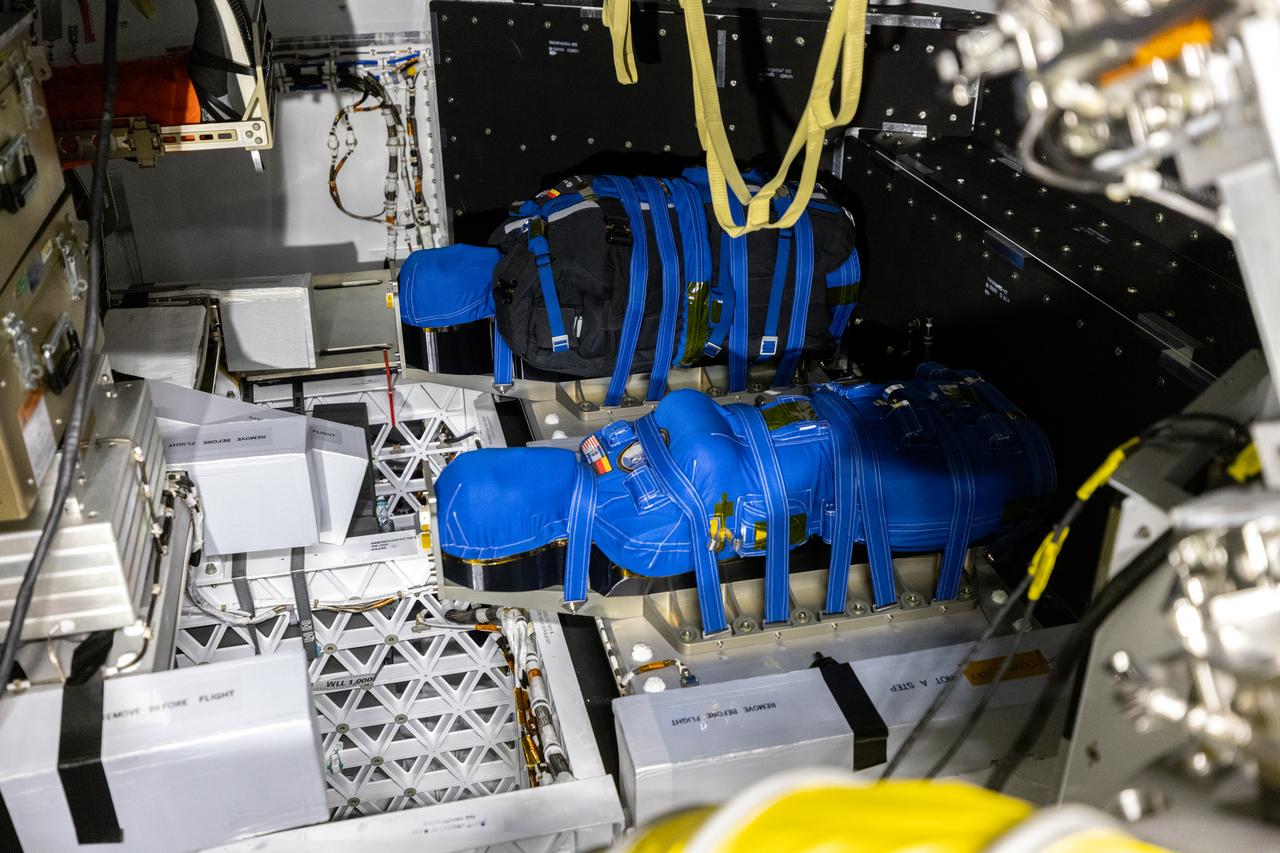
Two manikins are installed in the passenger seats inside the Artemis I Orion crew module atop the Space Launch System rocket in High Bay 3 of the Vehicle Assembly Building at NASA’s Kennedy Space Center in Florida on Aug. 8, 2022. As part of the Matroshka AstroRad Radiation Experiment (MARE) investigation, the two female manikins – Helga and Zohar – are equipped with radiation detectors, while Zohar also wears a radiation protection vest, to determine the radiation risk on its way to the Moon. Artemis I will provide a foundation for human deep space exploration and demonstrate NASA’s capability to extend human presence to the Moon and beyond. The primary goal of Artemis I is to thoroughly test the Space Launch System rocket and Orion spacecraft’s integrated systems before crewed missions. Under Artemis, NASA aims to land the first woman and first person of color on the Moon and establish sustainable lunar exploration.
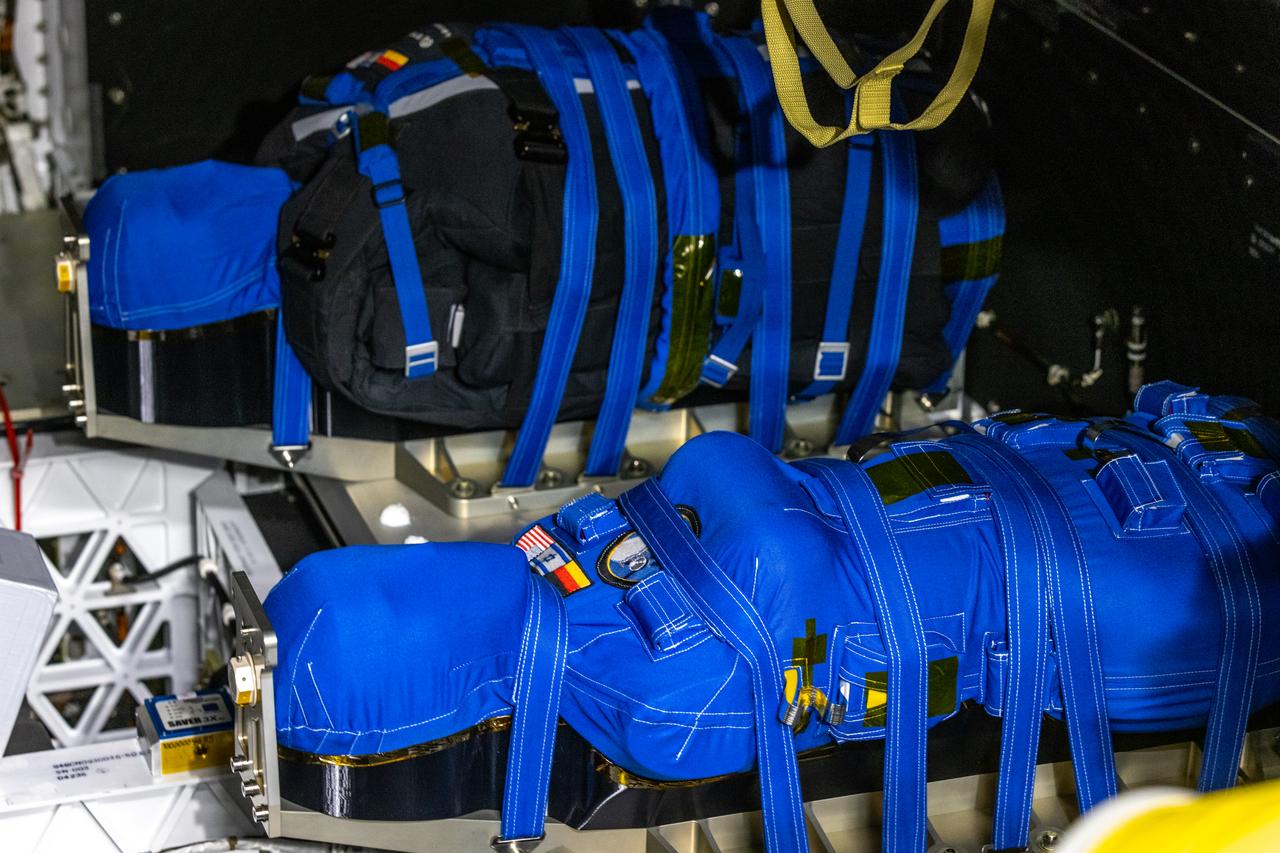
Two manikins are installed in the passenger seats inside the Artemis I Orion crew module atop the Space Launch System rocket in High Bay 3 of the Vehicle Assembly Building at NASA’s Kennedy Space Center in Florida on Aug. 8, 2022. As part of the Matroshka AstroRad Radiation Experiment (MARE) investigation, the two female manikins – Helga and Zohar – are equipped with radiation detectors, while Zohar also wears a radiation protection vest, to determine the radiation risk on its way to the Moon. Artemis I will provide a foundation for human deep space exploration and demonstrate NASA’s capability to extend human presence to the Moon and beyond. The primary goal of Artemis I is to thoroughly test the Space Launch System rocket and Orion spacecraft’s integrated systems before crewed missions. Under Artemis, NASA aims to land the first woman and first person of color on the Moon and establish sustainable lunar exploration.
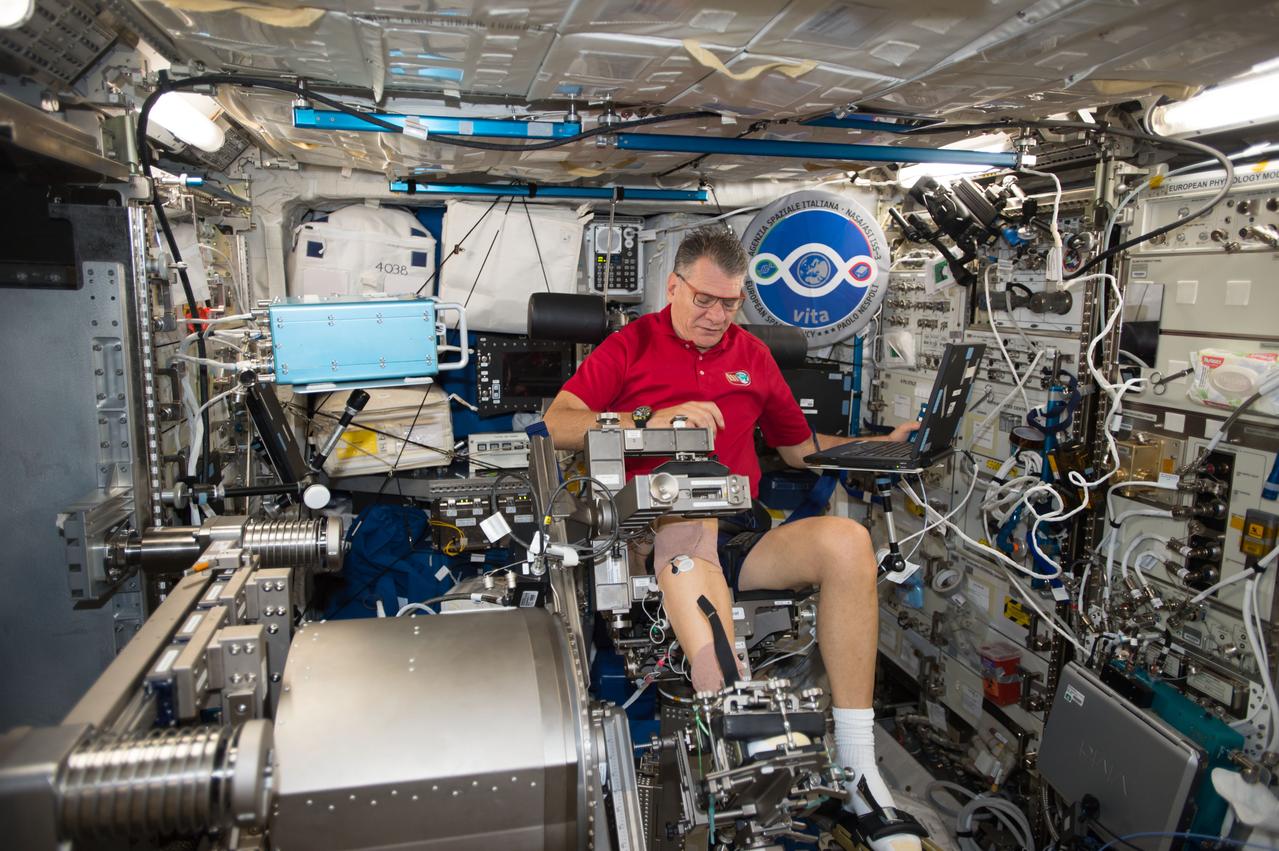
iss052e024957 (Aug. 1, 2017) --- Astronaut Paolo Nespoli ingressed the Muscle Atrophy Research & Exercise System (MARES) chair in the Columbus module and adjusted pads and constraints for the Sarcolab-3 ankle protocol. The data collected for Sarcolab-3 will be compared to pre and postflight measurements to assess the impact of hypothesized microgravity induced muscle loss.
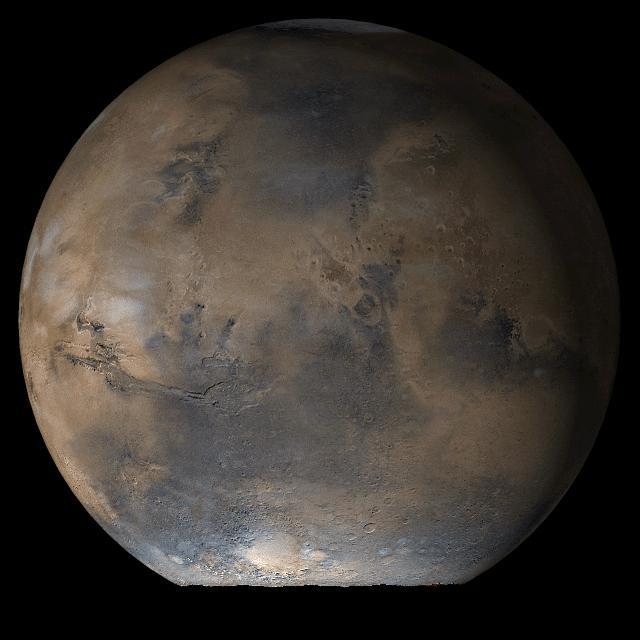
This MOC image shows the Acidalia/Mare Erythraeum face of Mars at Ls 66° in mid-June 2006
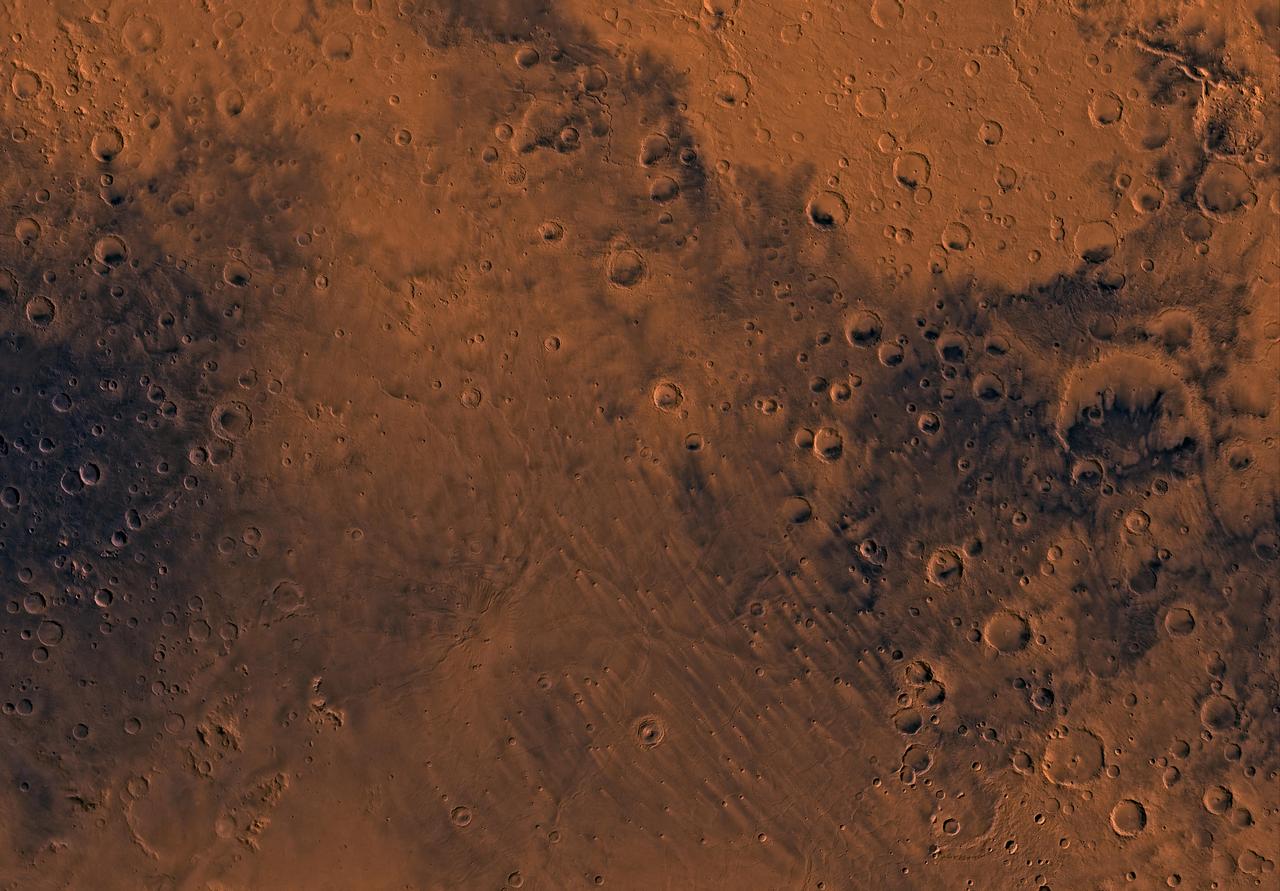
Mars digital-image mosaic merged with color of the MC-22 quadrangle, Mare Tyrrhenum region of Mars. This image is from NASA Viking Orbiter 1.

ISS024-E-014973 (17 Sept. 2010) --- NASA astronaut Doug Wheelock, Expedition 24 flight engineer, works with Muscle Atrophy Resistive Exercise System (MARES) hardware during installation of MARES payload in the Columbus laboratory of the International Space Station.
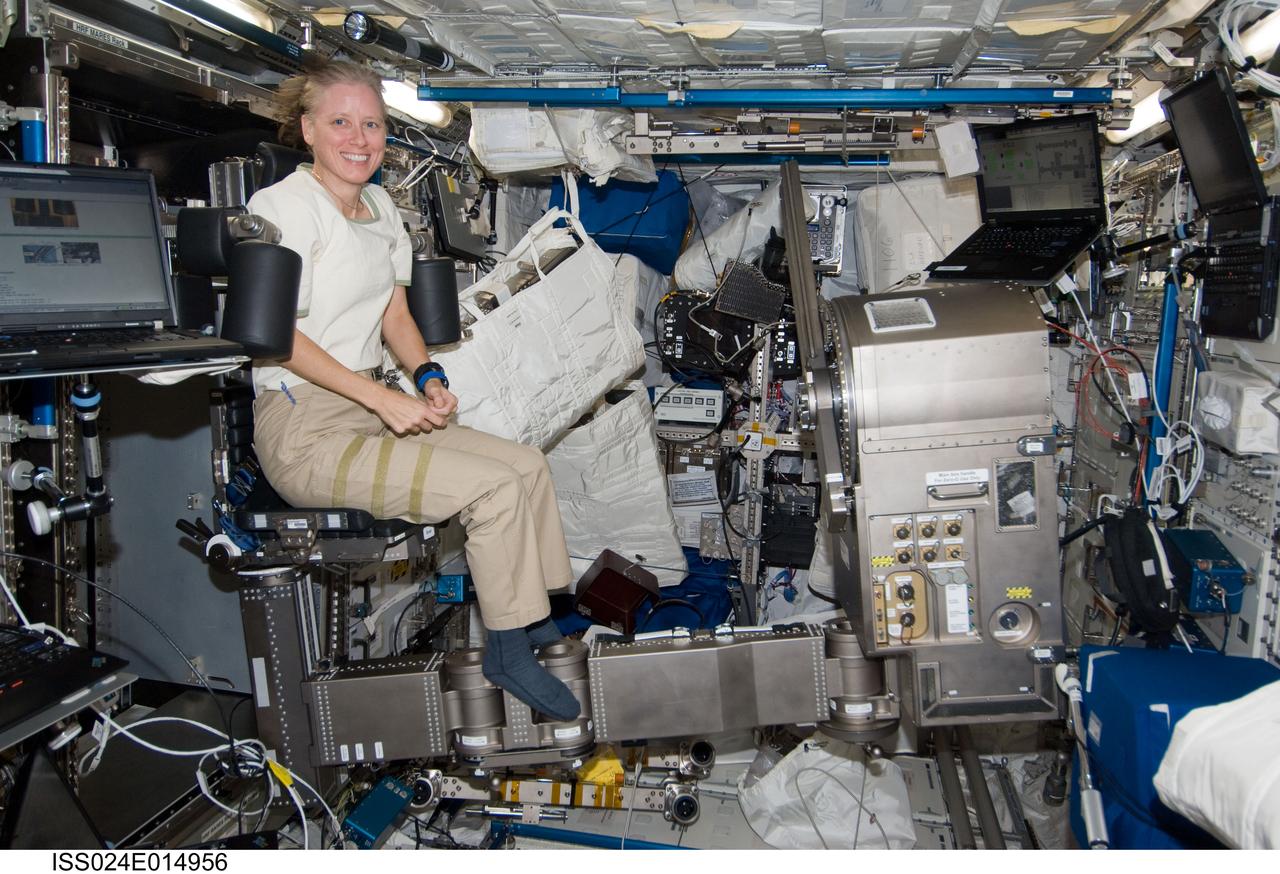
ISS024-E-014956 (16 Sept. 2010) --- NASA astronaut Shannon Walker, Expedition 24 flight engineer, works with Muscle Atrophy Resistive Exercise System (MARES) hardware during installation of MARES payload in the Columbus laboratory of the International Space Station.
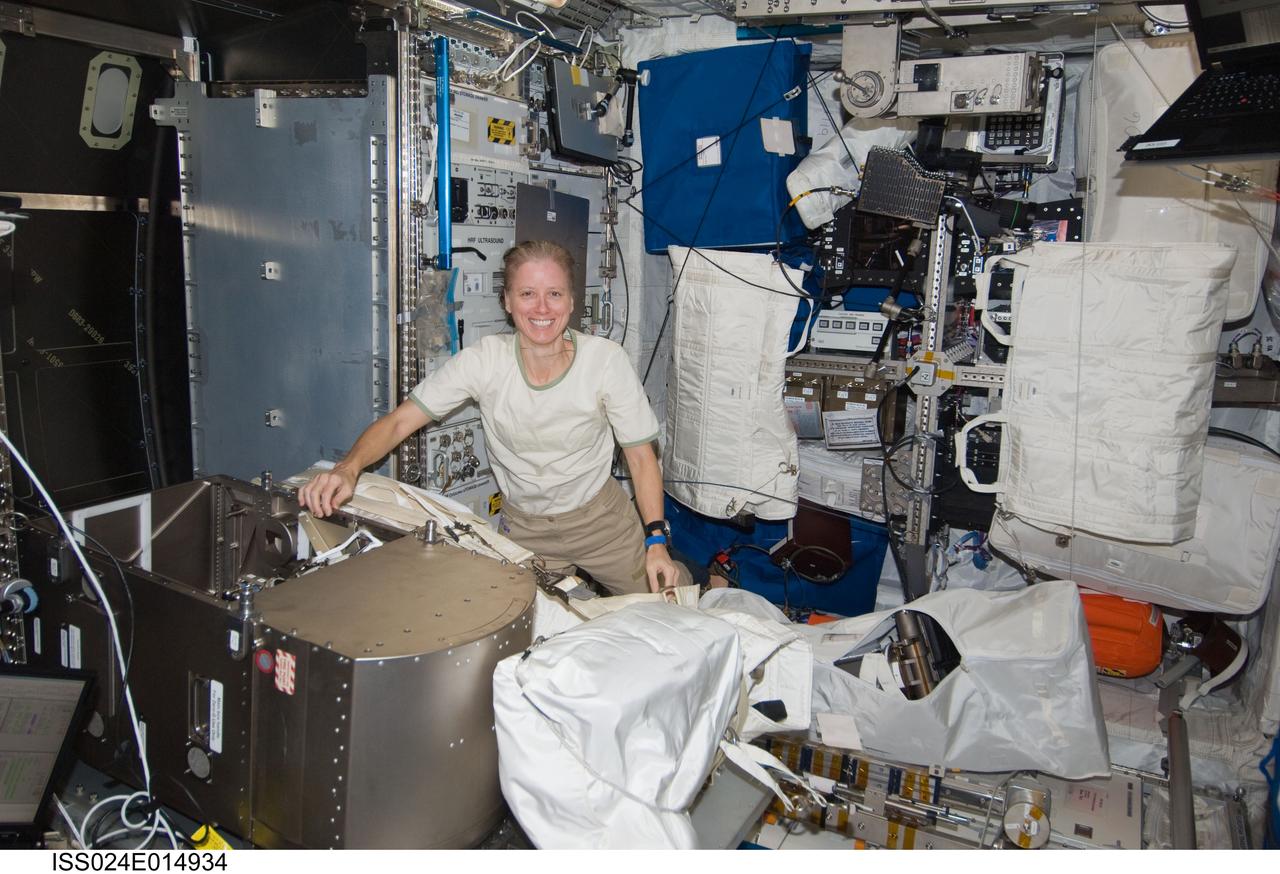
ISS024-E-014934 (16 Sept. 2010) --- NASA astronaut Shannon Walker, Expedition 24 flight engineer, works with Muscle Atrophy Resistive Exercise System (MARES) hardware during installation of MARES payload in the Columbus laboratory of the International Space Station.
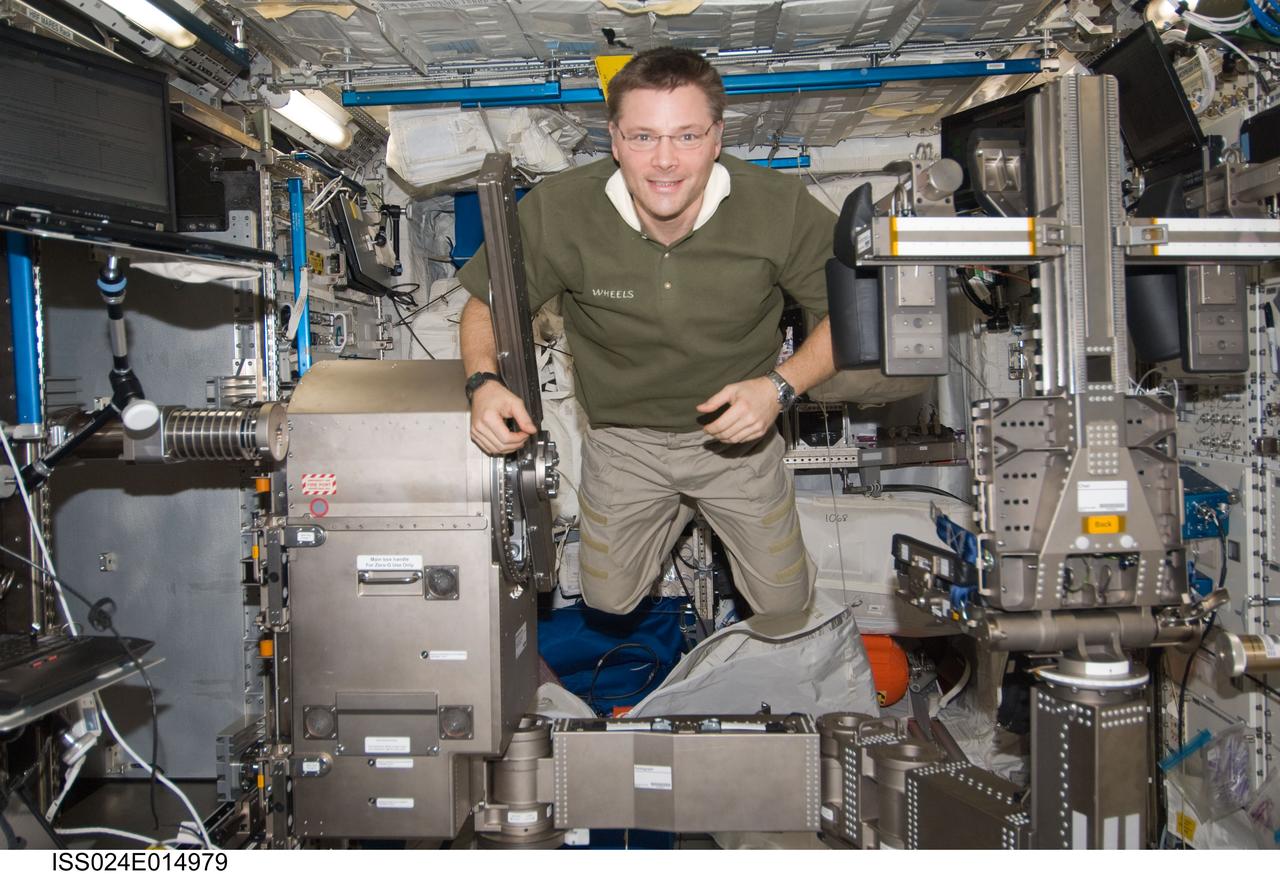
ISS024-E-014979 (17 Sept. 2010) --- NASA astronaut Doug Wheelock, Expedition 24 flight engineer, works with Muscle Atrophy Resistive Exercise System (MARES) hardware during installation of MARES payload in the Columbus laboratory of the International Space Station.
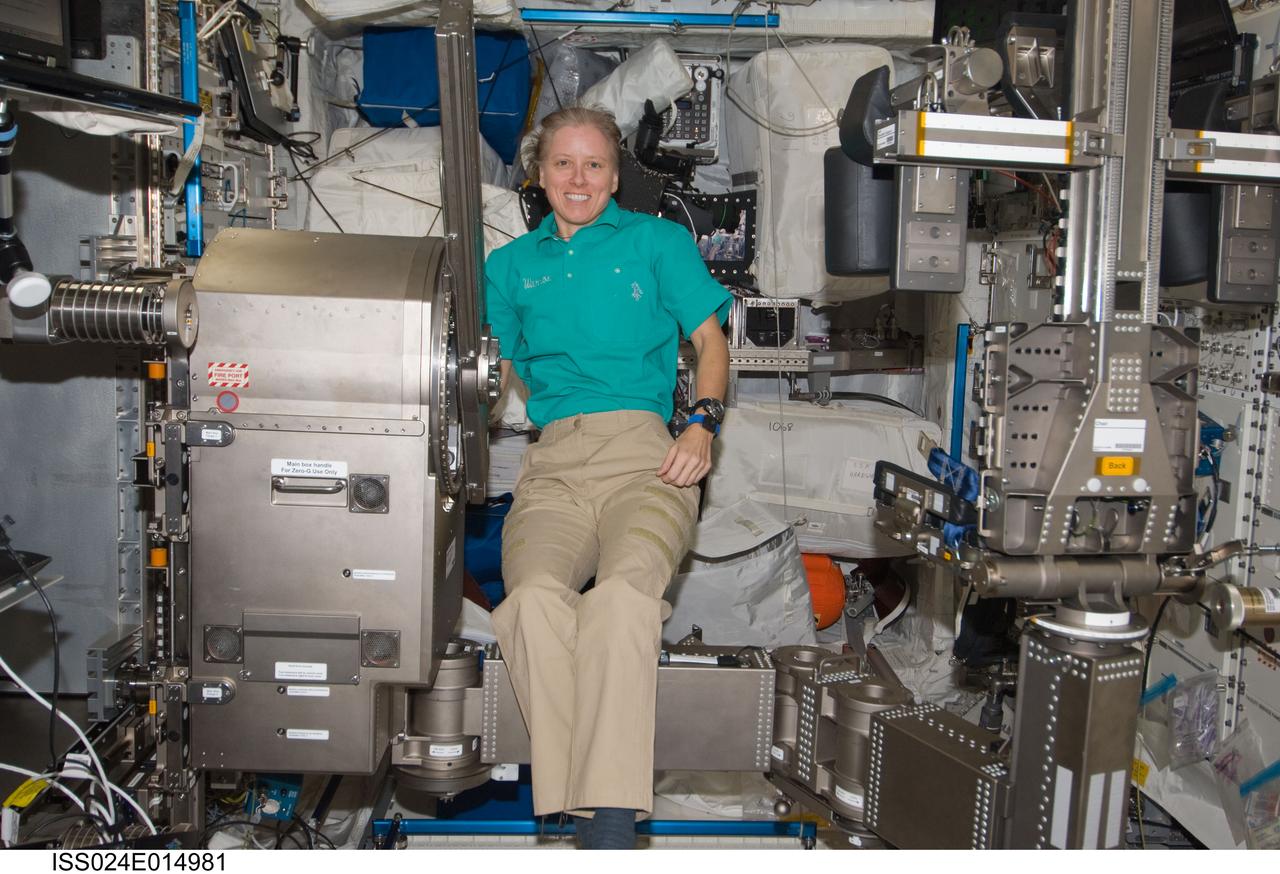
ISS024-E-014981 (17 Sept. 2010) --- NASA astronaut Shannon Walker, Expedition 24 flight engineer, works with Muscle Atrophy Resistive Exercise System (MARES) hardware during installation of MARES payload in the Columbus laboratory of the International Space Station.

ISS024-E-014930 (16 Sept. 2010) --- NASA astronaut Doug Wheelock, Expedition 24 flight engineer, works with Muscle Atrophy Resistive Exercise System (MARES) hardware during installation of MARES payload in the Columbus laboratory of the International Space Station.
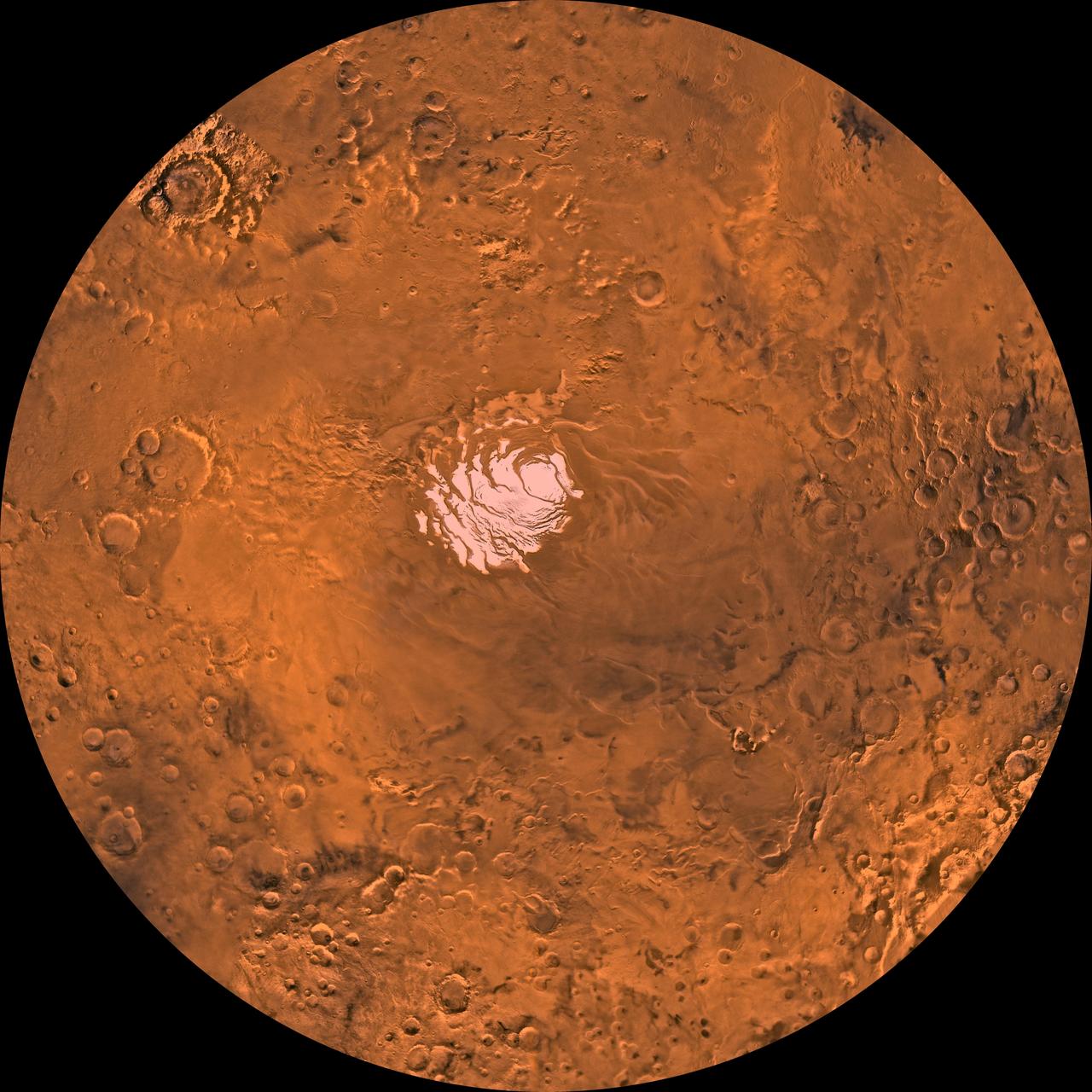
Mars digital-image mosaic merged with color of the MC-30 quadrangle, Mare Australe region of Mars. This image is from NASA's Viking Orbiter 1. http://photojournal.jpl.nasa.gov/catalog/PIA00190
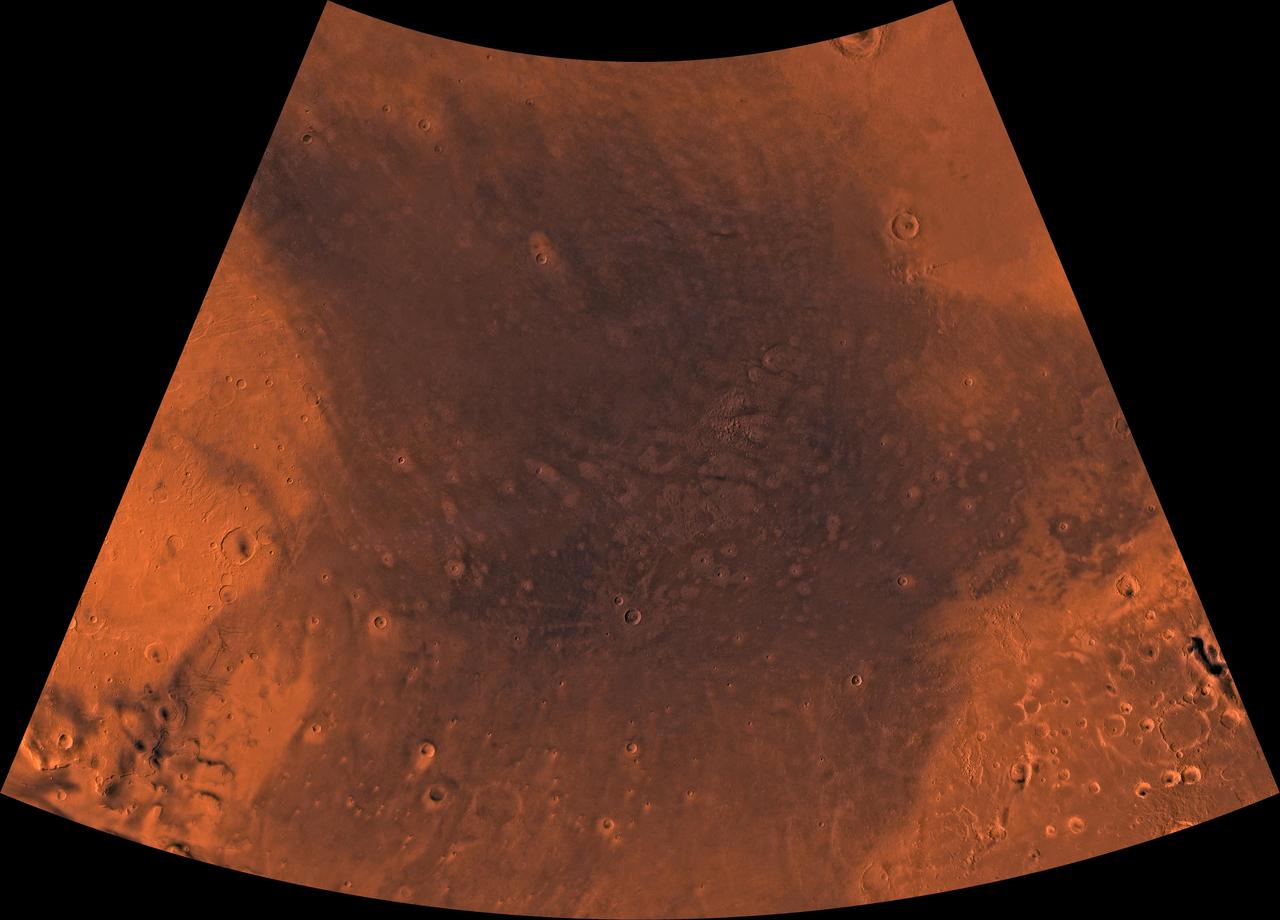
Mars digital-image mosaic merged with color of the MC-4 quadrangle, Mare Acidalium region of Mars. This image is from NASA's Viking Orbiter 1. http://photojournal.jpl.nasa.gov/catalog/PIA00164
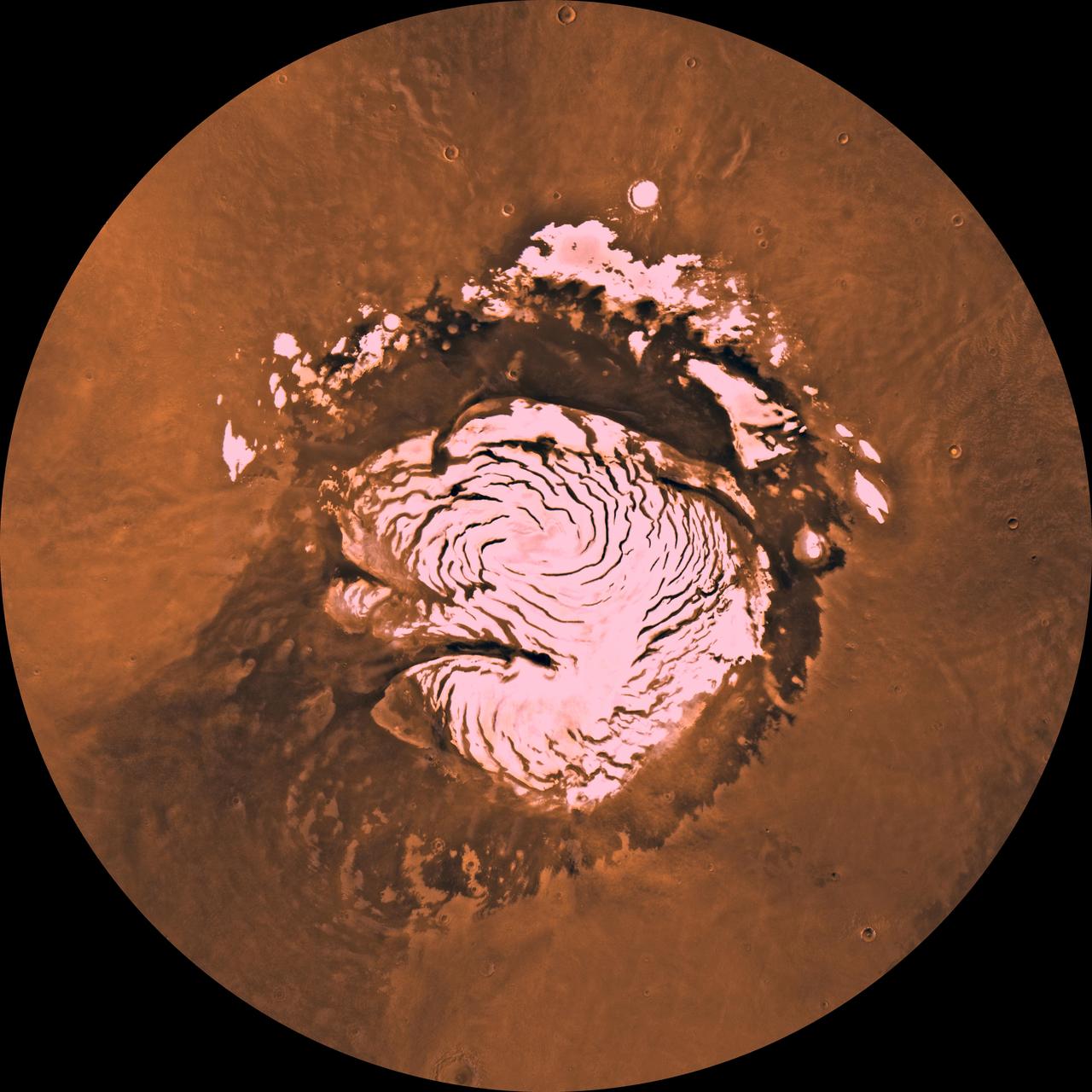
Mars digital-image mosaic merged with color of the MC-1 quadrangle, Mare Boreum region of Mars. This image is from NASA's Viking Orbiter 1. http://photojournal.jpl.nasa.gov/catalog/PIA00161
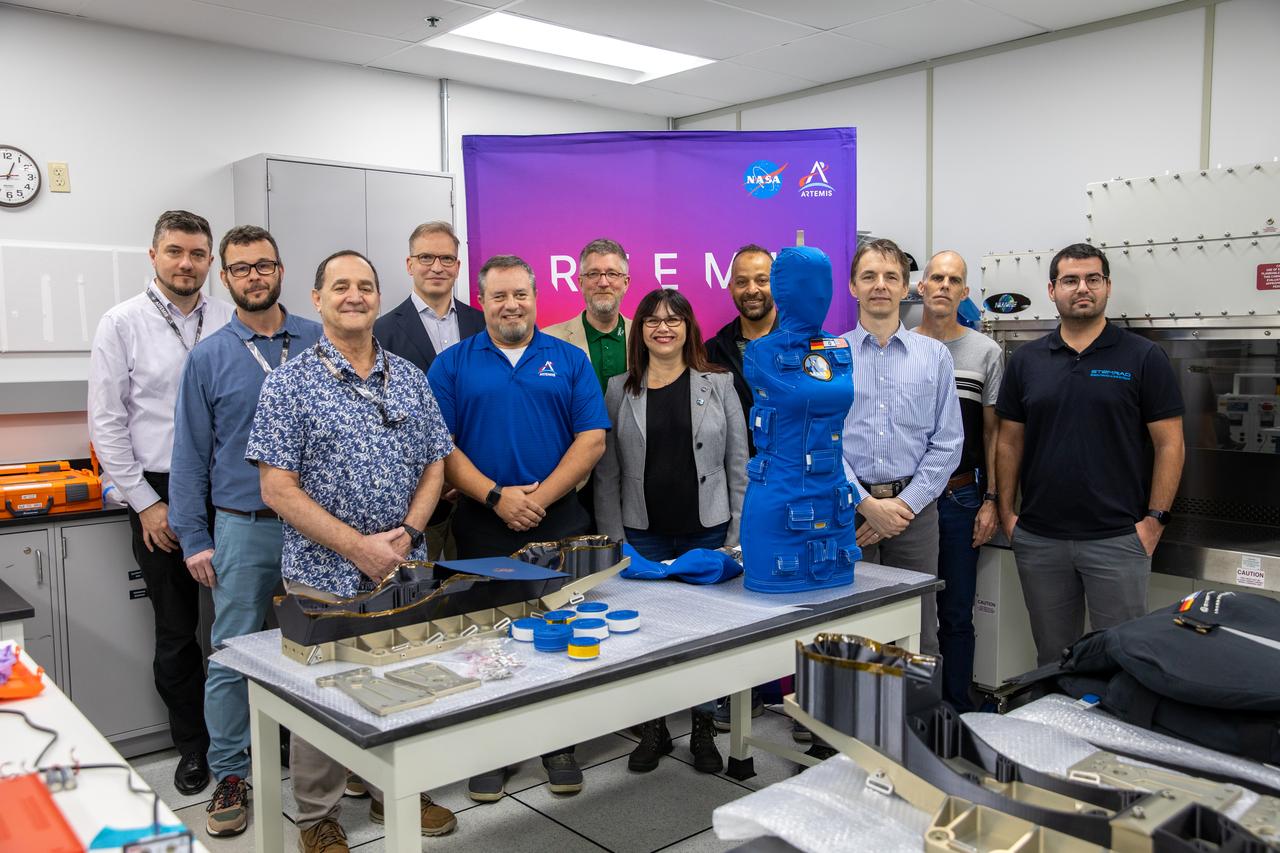
After a 25-day flight beyond the Moon and back inside the Artemis I Orion crew module, two manikins undergo post-flight payload inspections by teams from NASA, Lockheed Martin, AstroRad and the German Space Agency inside the Space Station Processing Facility at Kennedy Space Center in Florida on Jan. 17, 2023. As part of the Matroshka AstroRad Radiation Experiment (MARE) investigation, the two female manikins – Helga and Zohar – were equipped with radiation detectors. Zohar also wore a radiation protection vest, to determine the radiation risk during the Artemis I mission and potentially reduce exposure during future missions with astronauts. Artemis I Orion launched atop the Space Launch System (SLS) rocket from Kennedy’s Launch Complex 39B on Nov. 16, 2022, at 1:47 a.m. EST. During the flight, Orion flew farther than any spacecraft built for humans has ever flown, paving the way for human deep space exploration and demonstrating NASA’s commitment and capability to extend human presence to the Moon and beyond. The primary goal of Artemis I was to thoroughly test the SLS and Orion spacecraft’s integrated systems before crewed missions. Under Artemis, NASA aims to land the first woman and first person of color on the Moon and establish sustainable lunar exploration.
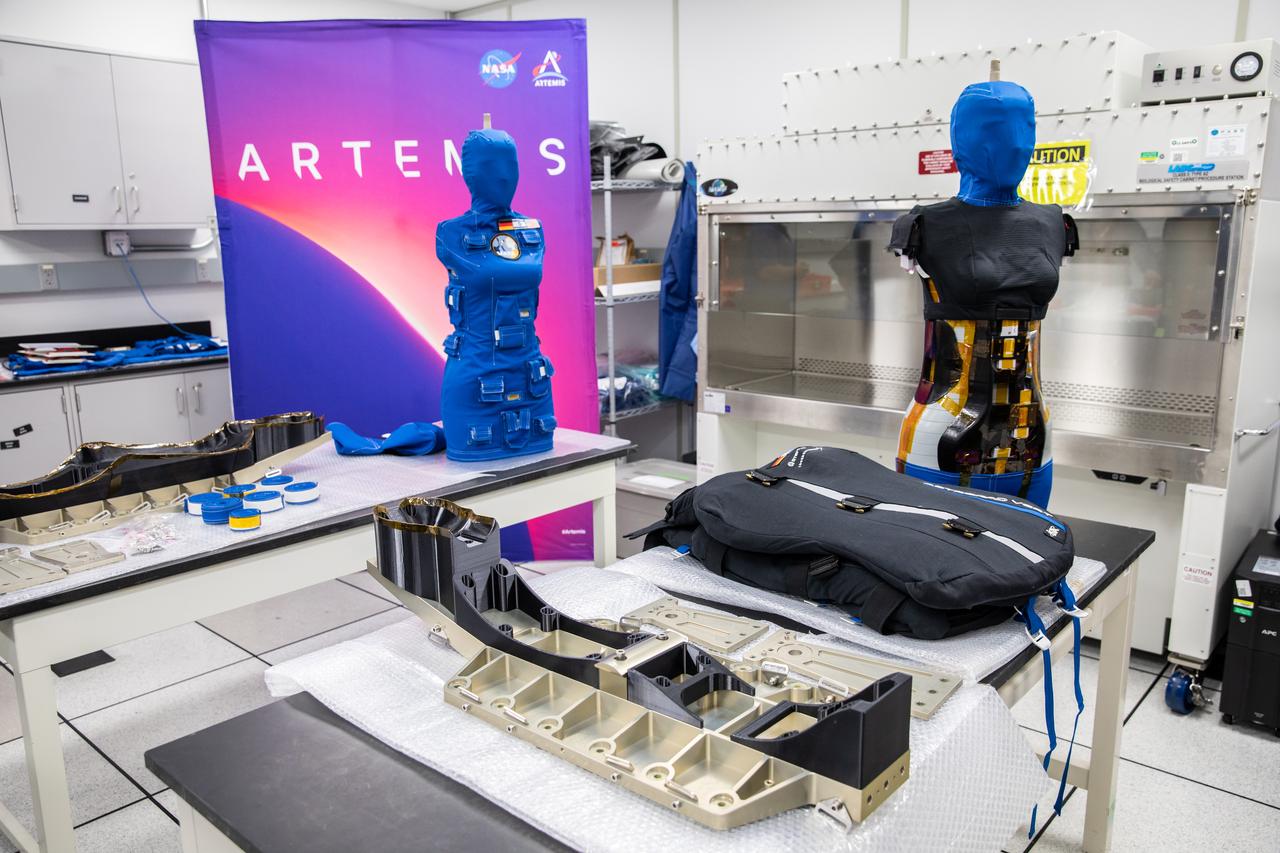
After a 25-day flight beyond the Moon and back inside the Artemis I Orion crew module, two manikins undergo post-flight payload inspections inside the Space Station Processing Facility at Kennedy Space Center in Florida on Jan. 11, 2023. As part of the Matroshka AstroRad Radiation Experiment (MARE) investigation, the two female manikins – Helga and Zohar – were equipped with radiation detectors. Zohar also wore a radiation protection vest, to determine the radiation risk during the Artemis I mission and potentially reduce exposure during future missions with astronauts. The detectors will be removed at Kennedy and the torsos will return to teams at the German Space Agency for further analysis. Artemis I Orion launched atop the Space Launch System (SLS) rocket from Kennedy’s Launch Complex 39B on Nov. 16, 2022, at 1:47 a.m. EST. During the flight, Orion flew farther than any spacecraft built for humans has ever flown, paving the way for human deep space exploration and demonstrating NASA’s commitment and capability to extend human presence to the Moon and beyond. The primary goal of Artemis I was to thoroughly test the SLS and Orion spacecraft’s integrated systems before crewed missions. Under Artemis, NASA aims to land the first woman and first person of color on the Moon and establish sustainable lunar exploration.
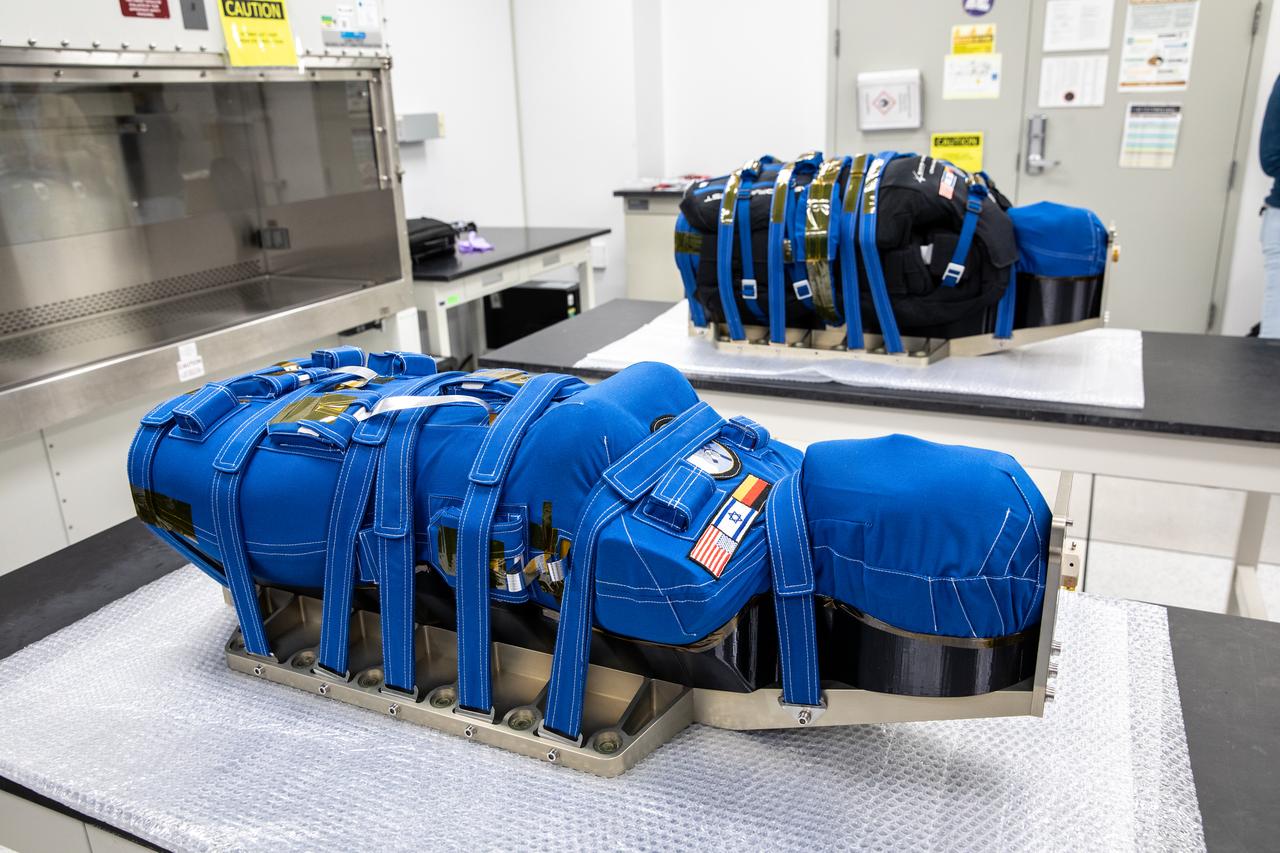
After a 25-day flight beyond the Moon and back inside the Artemis I Orion crew module, two manikins undergo post-flight payload inspections inside the Space Station Processing Facility at Kennedy Space Center in Florida on Jan. 11, 2023. As part of the Matroshka AstroRad Radiation Experiment (MARE) investigation, the two female manikins – Helga and Zohar – were equipped with radiation detectors. Zohar also wore a radiation protection vest, to determine the radiation risk during the Artemis I mission and potentially reduce exposure during future missions with astronauts. The detectors will be removed at Kennedy and the torsos will return to teams at the German Space Agency for further analysis. Artemis I Orion launched atop the Space Launch System (SLS) rocket from Kennedy’s Launch Complex 39B on Nov. 16, 2022, at 1:47 a.m. EST. During the flight, Orion flew farther than any spacecraft built for humans has ever flown, paving the way for human deep space exploration and demonstrating NASA’s commitment and capability to extend human presence to the Moon and beyond. The primary goal of Artemis I was to thoroughly test the SLS and Orion spacecraft’s integrated systems before crewed missions. Under Artemis, NASA aims to land the first woman and first person of color on the Moon and establish sustainable lunar exploration.
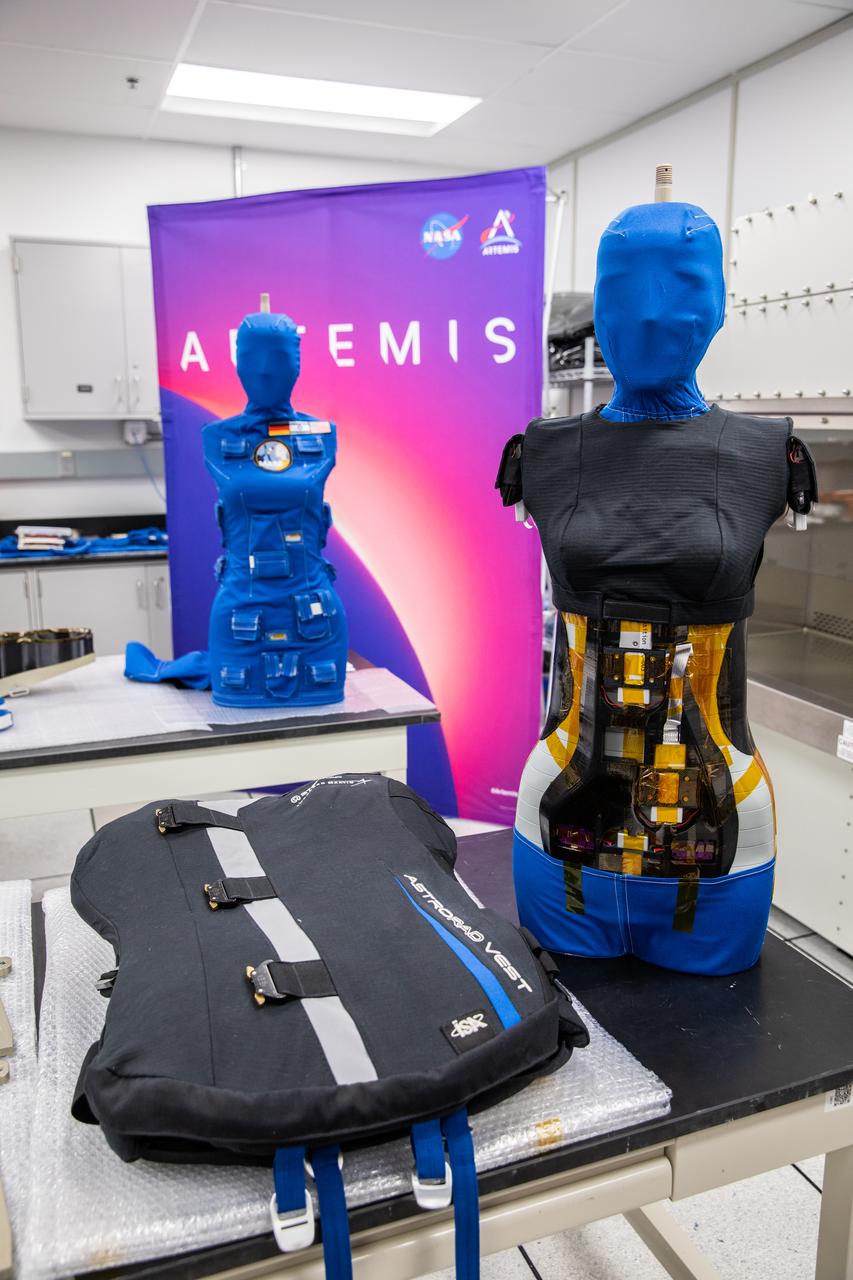
After a 25-day flight beyond the Moon and back inside the Artemis I Orion crew module, two manikins undergo post-flight payload inspections inside the Space Station Processing Facility at Kennedy Space Center in Florida on Jan. 11, 2023. As part of the Matroshka AstroRad Radiation Experiment (MARE) investigation, the two female manikins – Helga and Zohar – were equipped with radiation detectors. Zohar also wore a radiation protection vest, to determine the radiation risk during the Artemis I mission and potentially reduce exposure during future missions with astronauts. The detectors will be removed at Kennedy and the torsos will return to teams at the German Space Agency for further analysis. Artemis I Orion launched atop the Space Launch System (SLS) rocket from Kennedy’s Launch Complex 39B on Nov. 16, 2022, at 1:47 a.m. EST. During the flight, Orion flew farther than any spacecraft built for humans has ever flown, paving the way for human deep space exploration and demonstrating NASA’s commitment and capability to extend human presence to the Moon and beyond. The primary goal of Artemis I was to thoroughly test the SLS and Orion spacecraft’s integrated systems before crewed missions. Under Artemis, NASA aims to land the first woman and first person of color on the Moon and establish sustainable lunar exploration.
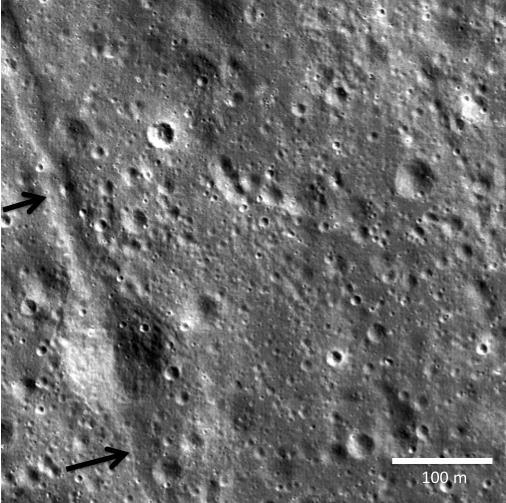
Two small black arrows on today image taken by NASA Lunar Reconnaissance Orbiter show the location of a small graben 28 meters in width in a pyroclastic mantling deposit in the SW portion of Mare Humorum.
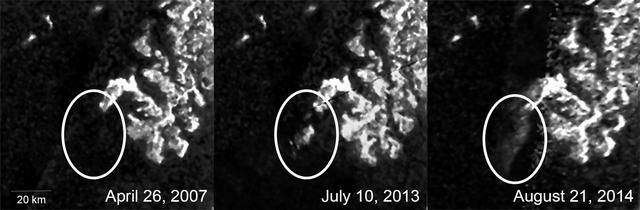
These three images, created from NASA Cassini Synthetic Aperture Radar SAR data, show the appearance and evolution of a mysterious feature in Ligeia Mare, one of the largest hydrocarbon seas on Saturn moon Titan.
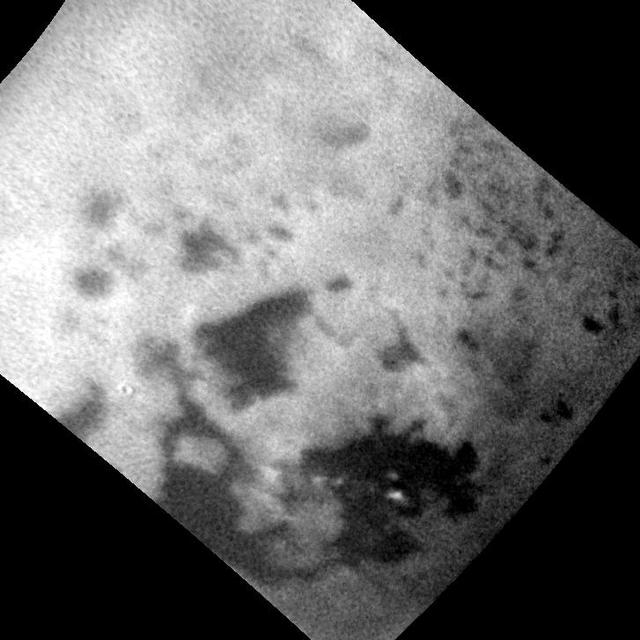
This frame from an animated sequence of NASA Cassini images shows methane clouds moving above the large methane sea on Saturn moon Titan known as Ligeia Mare.

Ligeia Mare, shown here in a false color image from NASA Cassini mission, is the second largest known body of liquid on Saturn moon Titan. It is filled with liquid hydrocarbons, such as ethane and methane.
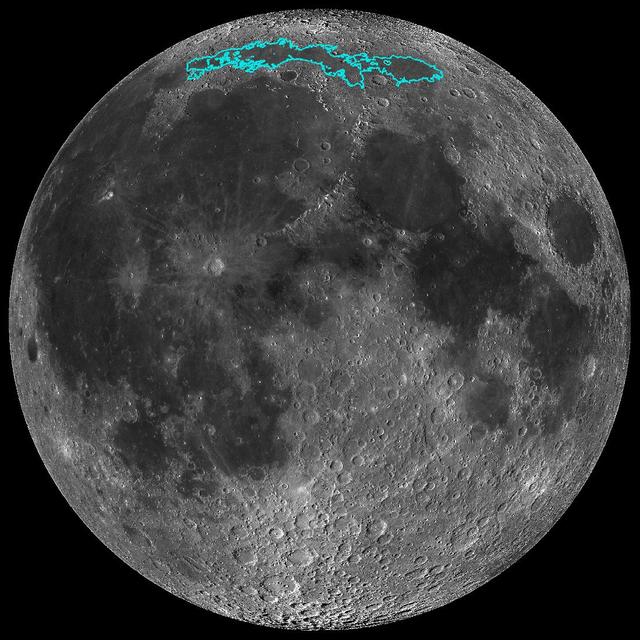
New surface features of the Moon have been discovered in a region called Mare Frigoris, outlined here in teal. This image is a mosaic composed of many images taken by NASA's Lunar Reconnaissance Orbiter (LRO). https://photojournal.jpl.nasa.gov/catalog/PIA23209

After a 25-day flight inside the Artemis I Orion crew module beyond the Moon and back, Helga, one of two identical phantom torsos, is shown without a radiation detection vest while undergoing post-flight payload inspections inside the Space Station Processing Facility at Kennedy Space Center in Florida on Jan. 11, 2023. The detectors will be removed at Kennedy and the torsos will return to teams at the German Space Agency for further analysis. As part of the Matroshka AstroRad Radiation Experiment (MARE) investigation, two female manikins – Helga and Zohar – were equipped with radiation detectors, while Zohar also wore a radiation protection vest, to determine the radiation risk during the Artemis I mission and potentially reduce exposure during future missions with astronauts. Artemis I Orion launched atop the Space Launch System (SLS) rocket from Kennedy’s Launch Complex 39B on Nov. 16, 2022, at 1:47 a.m. EST. During the flight, Orion flew farther than any spacecraft built for humans has ever flown, paving the way for human deep space exploration and demonstrating NASA’s commitment and capability to extend human presence to the Moon and beyond. The primary goal of Artemis I was to thoroughly test the SLS and Orion spacecraft’s integrated systems before crewed missions. Under Artemis, NASA aims to land the first woman and first person of color on the Moon and establish sustainable lunar exploration.
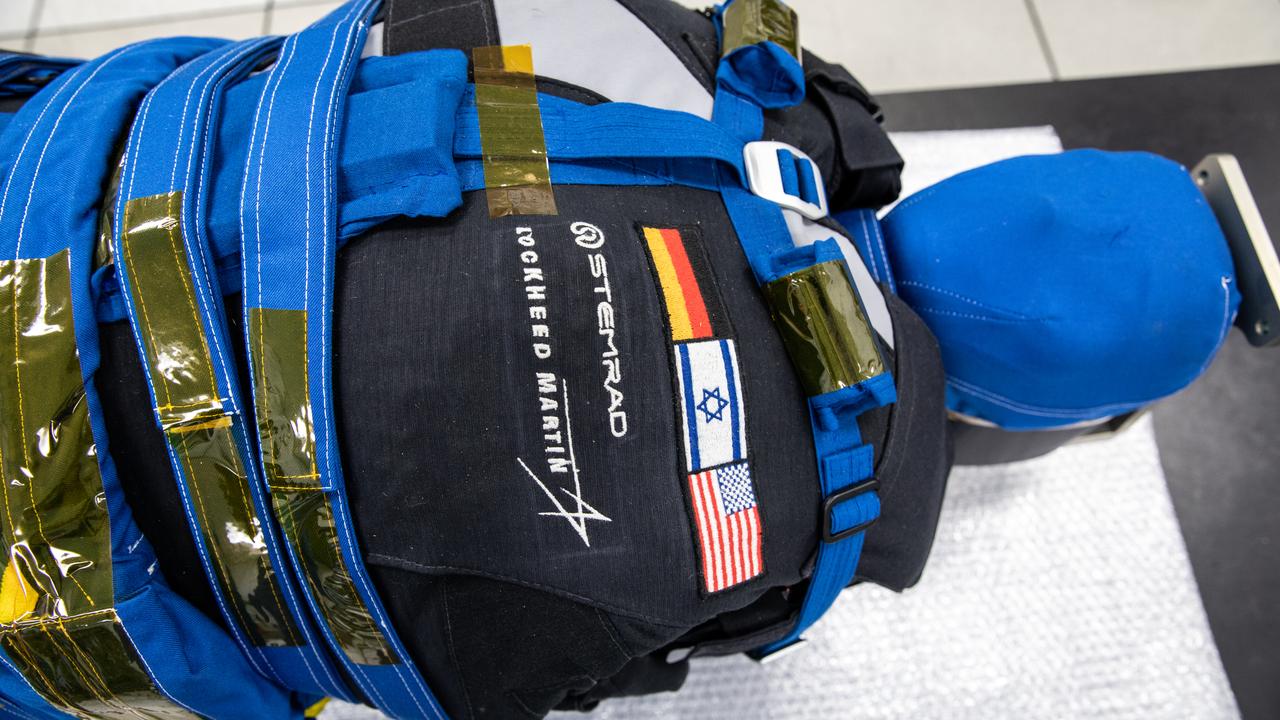
After a 25-day flight inside the Artemis I Orion crew module beyond the Moon and back, Helga, one of two identical phantom torsos, is shown without a radiation detection vest while undergoing post-flight payload inspections inside the Space Station Processing Facility at Kennedy Space Center in Florida on Jan. 11, 2023. The detectors will be removed at Kennedy and the torsos will return to teams at the German Space Agency for further analysis. As part of the Matroshka AstroRad Radiation Experiment (MARE) investigation, two female manikins – Helga and Zohar – were equipped with radiation detectors, while Zohar also wore a radiation protection vest, to determine the radiation risk during the Artemis I mission and potentially reduce exposure during future missions with astronauts. Artemis I Orion launched atop the Space Launch System (SLS) rocket from Kennedy’s Launch Complex 39B on Nov. 16, 2022, at 1:47 a.m. EST. During the flight, Orion flew farther than any spacecraft built for humans has ever flown, paving the way for human deep space exploration and demonstrating NASA’s commitment and capability to extend human presence to the Moon and beyond. The primary goal of Artemis I was to thoroughly test the SLS and Orion spacecraft’s integrated systems before crewed missions. Under Artemis, NASA aims to land the first woman and first person of color on the Moon and establish sustainable lunar exploration.
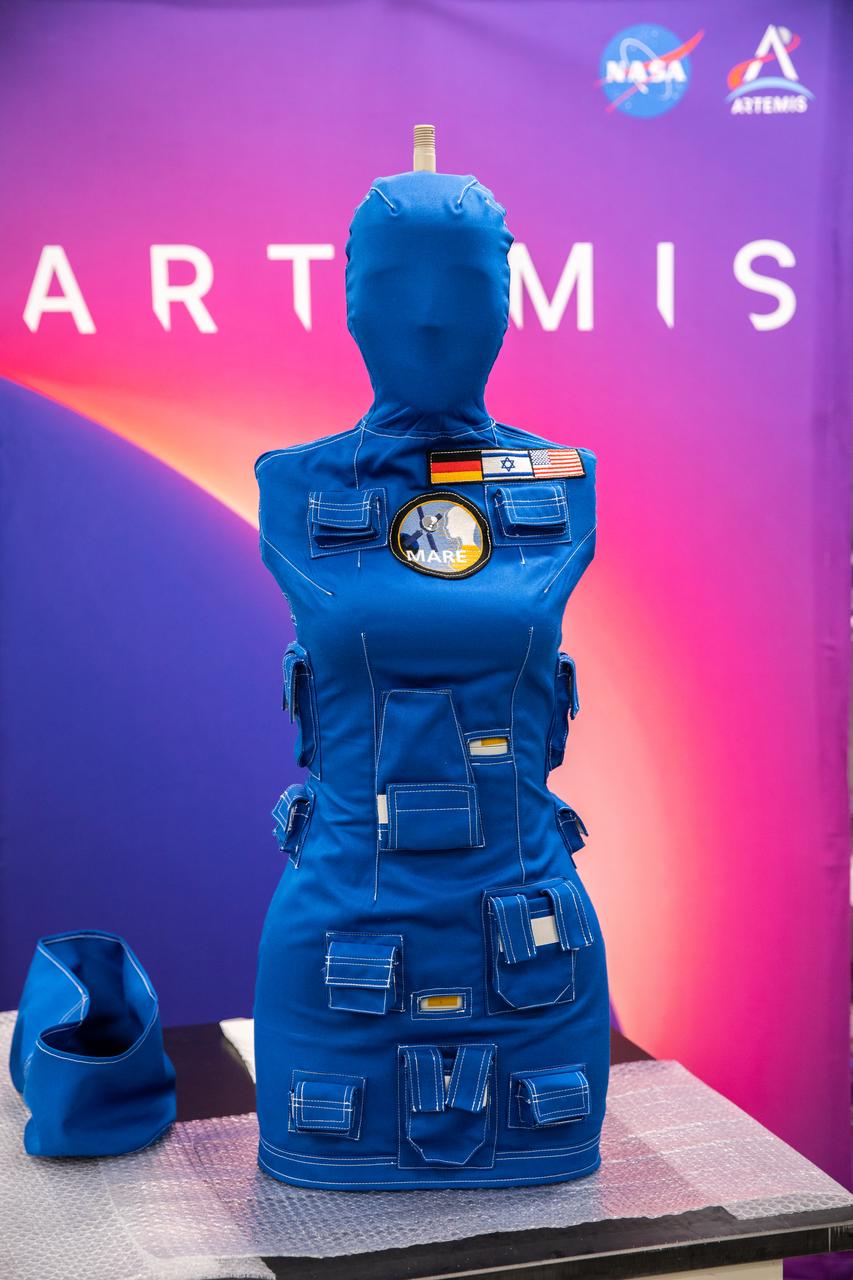
After a 25-day flight inside the Artemis I Orion crew module beyond the Moon and back, Helga, one of two identical phantom torsos, is shown without a radiation detection vest while undergoing post-flight payload inspections inside the Space Station Processing Facility at Kennedy Space Center in Florida on Jan. 11, 2023. The detectors will be removed at Kennedy and the torsos will return to teams at the German Space Agency for further analysis. As part of the Matroshka AstroRad Radiation Experiment (MARE) investigation, two female manikins – Helga and Zohar – were equipped with radiation detectors, while Zohar also wore a radiation protection vest, to determine the radiation risk during the Artemis I mission and potentially reduce exposure during future missions with astronauts. Artemis I Orion launched atop the Space Launch System (SLS) rocket from Kennedy’s Launch Complex 39B on Nov. 16, 2022, at 1:47 a.m. EST. During the flight, Orion flew farther than any spacecraft built for humans has ever flown, paving the way for human deep space exploration and demonstrating NASA’s commitment and capability to extend human presence to the Moon and beyond. The primary goal of Artemis I was to thoroughly test the SLS and Orion spacecraft’s integrated systems before crewed missions. Under Artemis, NASA aims to land the first woman and first person of color on the Moon and establish sustainable lunar exploration.

This image from the Radar instrument aboard NASA Cassini spacecraft show the evolution of a transient feature in the large hydrocarbon sea named Ligeia Mare on Saturn moon Titan.
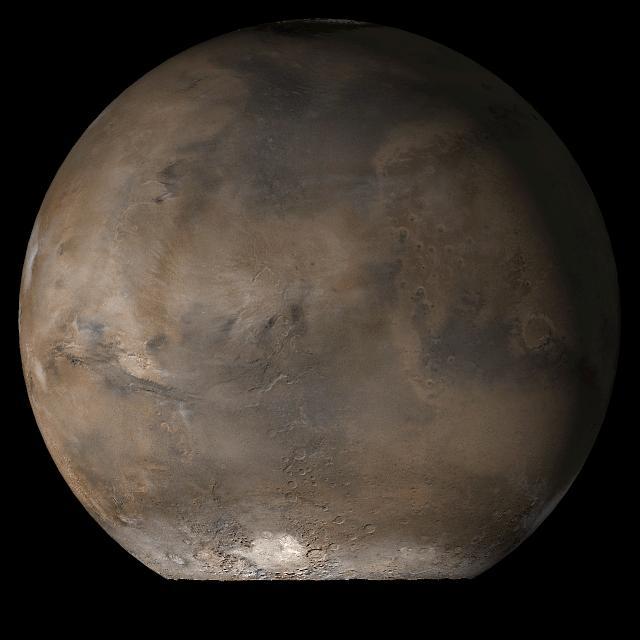
This picture is a composite of Mars Global Surveyor MGS Mars Orbiter Camera MOC daily global images acquired at Ls 107° of the Acidalia/Mare Erythraeum face during a previous Mars year
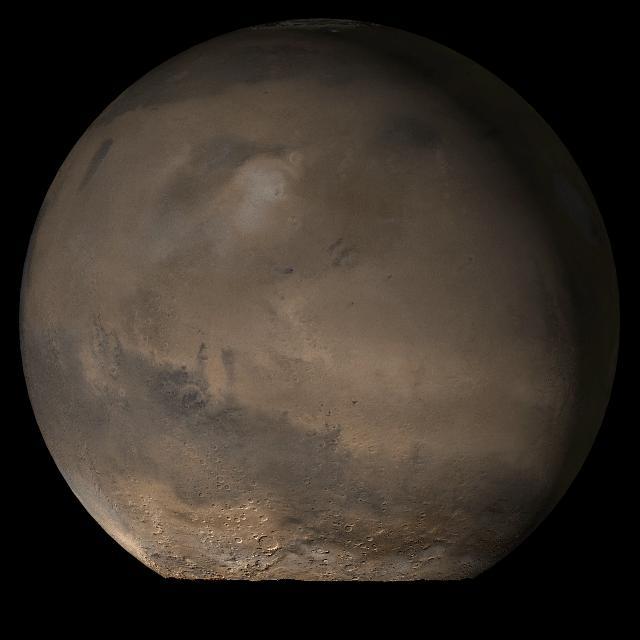
This picture is a composite of Mars Global Surveyor MGS Mars Orbiter Camera MOC daily global images acquired at Ls 79° during a previous Mars year of the Elysium/Mare Cimmerium face of Mars

This picture is a composite of Mars Global Surveyor MGS Mars Orbiter Camera MOC daily global images acquired at Ls 93° during a previous Mars year.of the Acidalia/Mare Erythraeum face of Mars
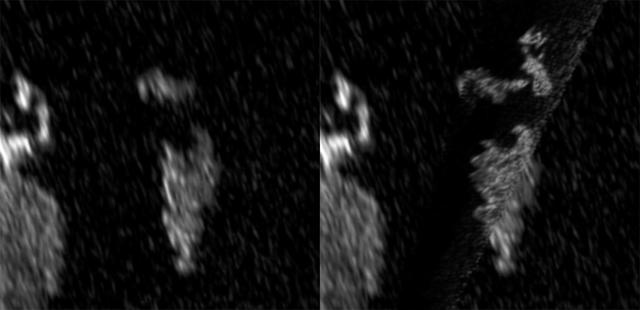
Two Synthetic Aperture Radar (SAR) images from the radar experiment on NASA's Cassini spacecraft show that, between May 2013 and August 2014, a bright feature appeared in Kraken Mare, the largest hydrocarbon sea on Saturn's moon Titan. Researchers think the bright feature is likely representative of something on the hydrocarbon sea's surface, such as waves or floating debris. A similar feature appeared in Ligea Mare, another Titan sea, and was seen to evolve in appearance between 2013 and 2014 (see PIA18430). The image at left was taken on May 23, 2013 at an incidence angle of 56 degrees; the image at right was taken on August 21, 2014 at an incidence angle of 5 degrees. Incidence angle refers to the angle at which the radar beam strikes the surface. http://photojournal.jpl.nasa.gov/catalog/PIA19047
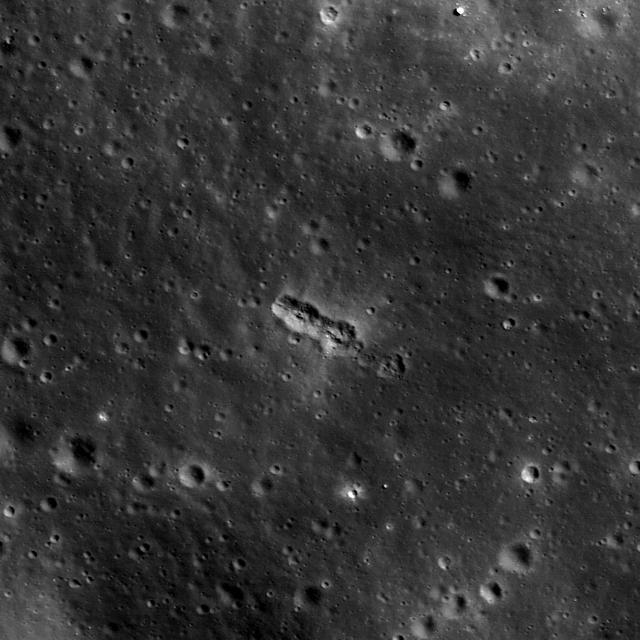
This image taken by NASA Lunar Reconnaissance Orbiter shows a small secondary crater chain near the southwestern margin of Mare Orientale, within the Inner Rook Mountains. The ~125-meter-long chain lies within the Orientale multi-ring basin.
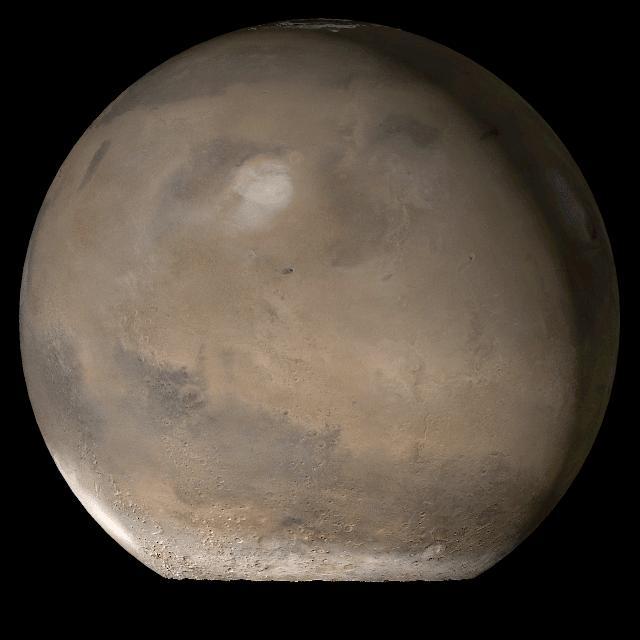
This picture is a composite of Mars Global Surveyor MGS Mars Orbiter Camera MOC daily global images acquired at L<sub>s</sub> 107° of the Elysium/Mare Cimmerium face during a previous Mars year
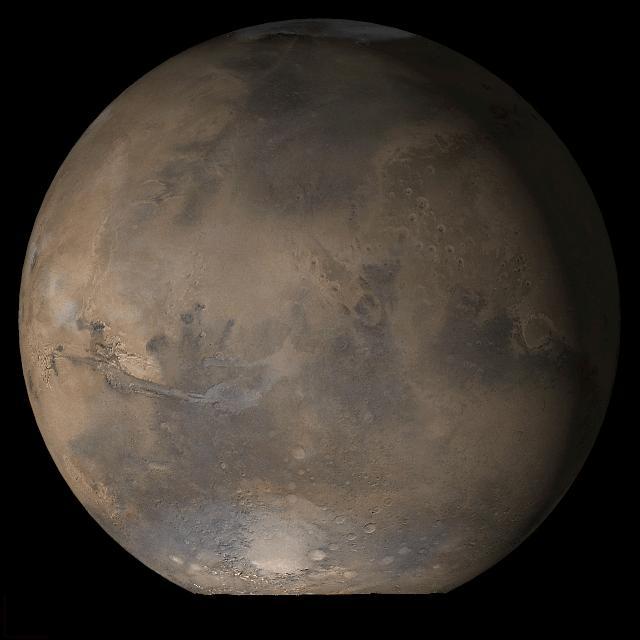
This picture is a composite of MOC daily global images acquired at Ls 53° during a previous Mars year. This month, Mars looks similar, as Ls 53° occurs in mid-May 2006. The picture shows the Acidalia/Mare Erythraeum face of Mars

The linear rille Rima Ariadaeus is found on the nearside of the Moon, nestled between Mare Tranquillitatis and Mare Vaporum in this image taken by NASA Lunar Reconnaissance Orbiter.

Presented here are side-by-side comparisons of a traditional Cassini Synthetic Aperture Radar (SAR) view and one made using a new technique for handling electronic noise that results in clearer views of Titan's surface. The technique, called despeckling, produces images that can be easier for researchers to interpret. The view is a mosaic of SAR swaths over Ligeia Mare, one of the large hydrocarbons seas on Titan. In particular, despeckling improves the visibility of channels flowing down to the sea. http://photojournal.jpl.nasa.gov/catalog/PIA19052
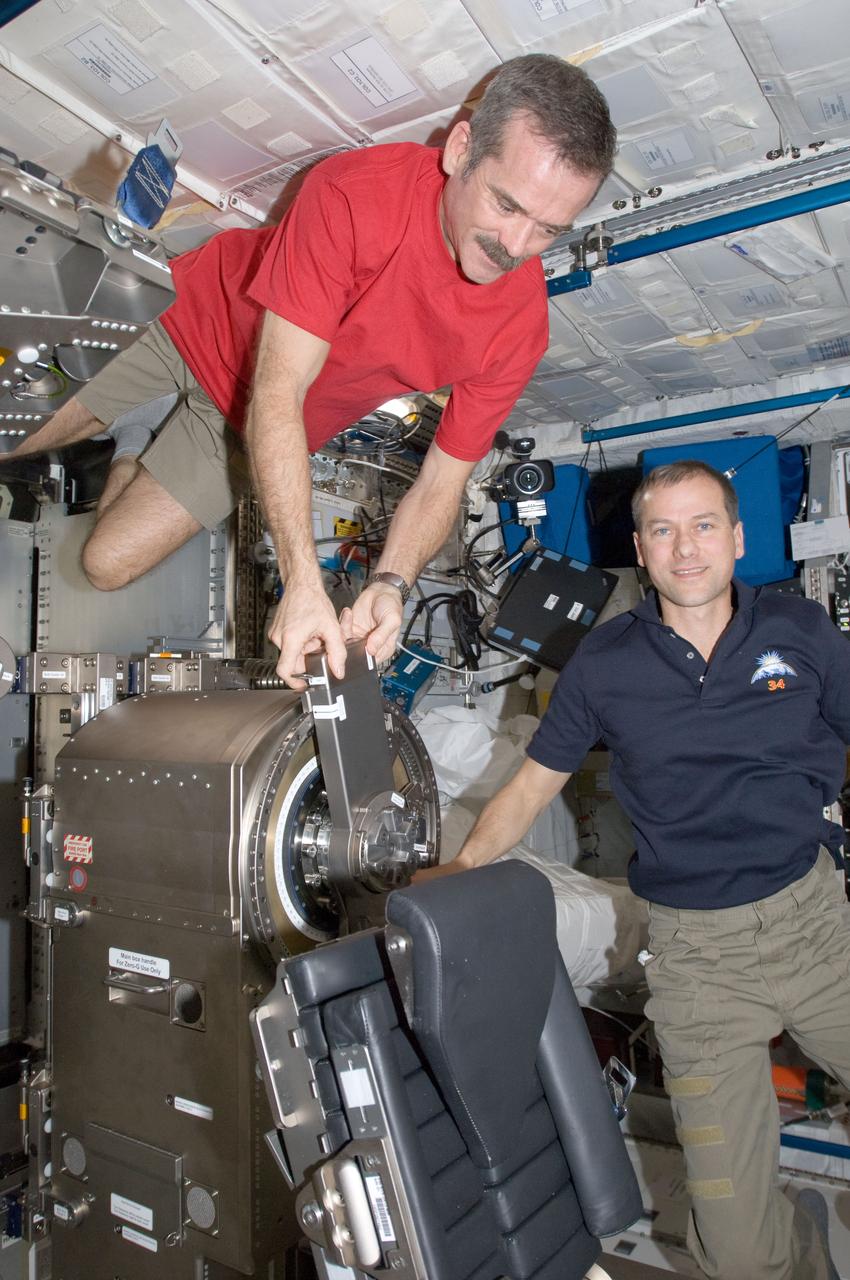
ISS034-E-014618 (3 Jan. 2013) --- Canadian Space Agency astronaut Chris Hadfield (left) and NASA astronaut Tom Marshburn, both Expedition 34 flight engineers, work with Muscle Atrophy Resistive Exercise System (MARES) hardware in the Columbus laboratory of the International Space Station.
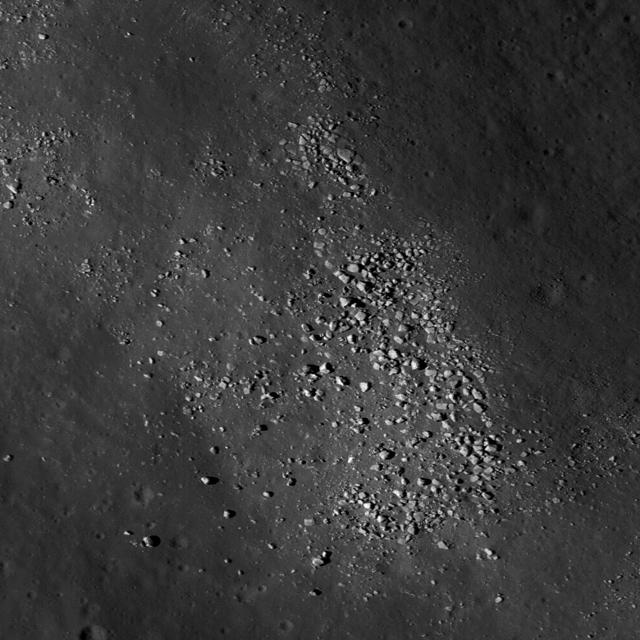
This NASA Lunar Reconnaissance Orbiter shows boulders on a wrinkle ridge in Mare Crisium.
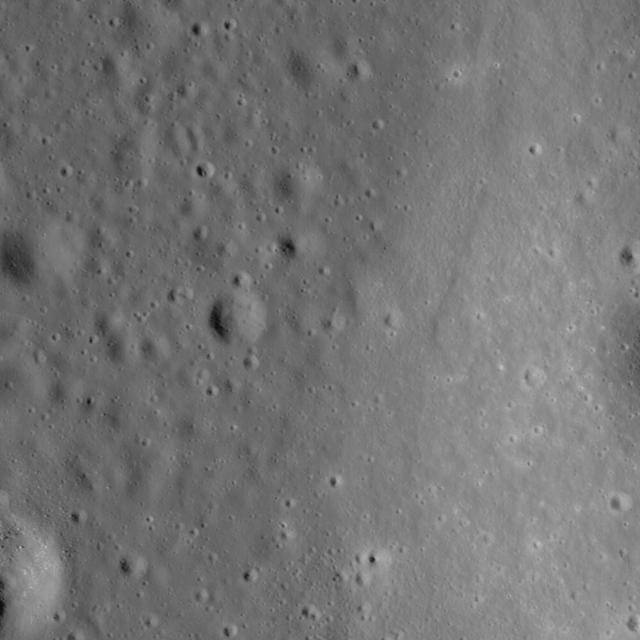
NASA Lunar Reconnaissance Orbiter catches the edge of Mare Moscoviense.
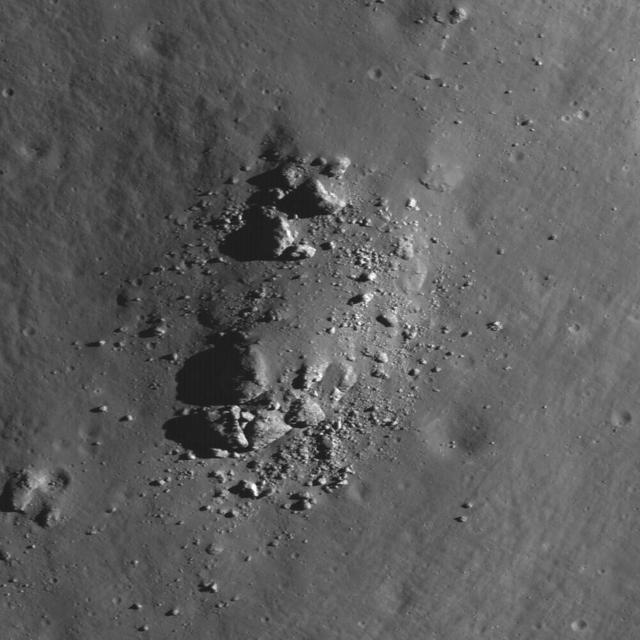
NASA Lunar Reconnaissance Orbiter captured this image of the floor of a crater in the Mare Frigoris.

This Cassini Synthetic Aperture Radar (SAR) image is presented as a perspective view and shows a landscape near the eastern shoreline of Kraken Mare, a hydrocarbon sea in Titan's north polar region. This image was processed using a technique for handling noise that results in clearer views that can be easier for researchers to interpret. The technique, called despeckling, also is useful for producing altimetry data and 3-D views called digital elevation maps. Scientists have used a technique called radargrammetry to determine the altitude of surface features in this view at a resolution of approximately half a mile, or 1 kilometer. The altimetry reveals that the area is smooth overall, with a maximum amplitude of 0.75 mile (1.2 kilometers) in height. The topography also shows that all observed channels flow downhill. The presence of what scientists call "knickpoints" -- locations on a river where a sharp change in slope occurs -- might indicate stratification in the bedrock, erosion mechanisms at work or a particular way the surface responds to runoff events, such as floods following large storms. One such knickpoint is visible just above the lower left corner, where an area of bright slopes is seen. The image was obtained during a flyby of Titan on April 10, 2007. A more traditional radar image of this area on Titan is seen in PIA19046. http://photojournal.jpl.nasa.gov/catalog/PIA19051
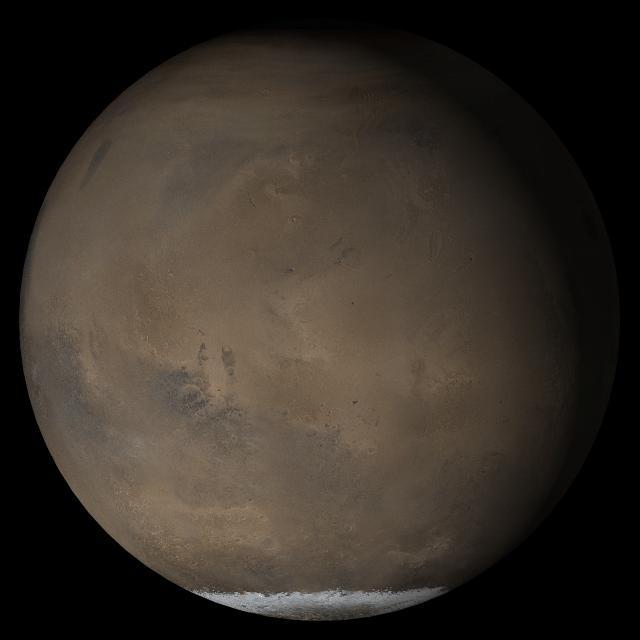
This picture is a composite of Mars Global Surveyor (MGS) Mars Orbiter Camera (MOC) daily global images acquired at Ls 211° during a previous Mars year. This month, Mars looks similar, as Ls 211° occurred in mid-May 2005. The picture shows the Elysium/Mare Cimmerium face of Mars. Over the course of the month, additional faces of Mars as it appears at this time of year are being posted for MOC Picture of the Day. Ls, solar longitude, is a measure of the time of year on Mars. Mars travels 360° around the Sun in 1 Mars year. The year begins at Ls 0°, the start of northern spring and southern autumn. http://photojournal.jpl.nasa.gov/catalog/PIA07988
![These images show cratered regions near the moon's Mare Nubium region, as photographed by the Lunar Reconnaissance Orbiter's LROC instrument. Each image shows a region 1,400 meters (0.87 miles) wide. the bottoms of both images face lunar north. The image below shows the location of these two images in relation to each other. [Locator Image] Credit: NASA/Goddard Space Flight Center/Arizona State University](https://images-assets.nasa.gov/image/GSFC_20171208_Archive_e002222/GSFC_20171208_Archive_e002222~thumb.jpg)
These images show cratered regions near the moon's Mare Nubium region, as photographed by the Lunar Reconnaissance Orbiter's LROC instrument. Each image shows a region 1,400 meters (0.87 miles) wide. the bottoms of both images face lunar north. The image below shows the location of these two images in relation to each other. [Locator Image] Credit: NASA/Goddard Space Flight Center/Arizona State University
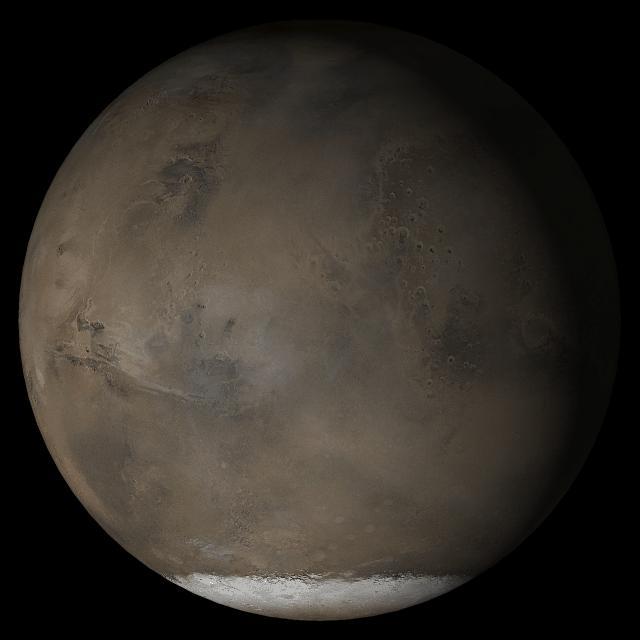
This picture is a composite of Mars Global Surveyor (MGS) Mars Orbiter Camera (MOC) daily global images acquired at Ls 193° during a previous Mars year. This month, Mars looks similar, as Ls 193° occurs in mid-April 2005. The picture shows the Acidalia/Mare Erythraeum face of Mars. Over the course of the month, additional faces of Mars as it appears at this time of year are being posted for MOC Picture of the Day. Ls, solar longitude, is a measure of the time of year on Mars. Mars travels 360° around the Sun in 1 Mars year. The year begins at Ls 0°, the start of northern spring and southern autumn. Location near: 47.3°N, 294.0°W Image width: ~3 km (~1.9 mi) Illumination from: lower left Season: Northern Summer. http://photojournal.jpl.nasa.gov/catalog/PIA07837