
Composite image of the planet Mars taken by Hubble Space Telescope (HST) Wide Field and Planetary Camera (WFPC).

Springtime on Mars: Hubble Best View of the Red Planet

Mars Radar Opens a Planet Third Dimension

Hubble Watches the Red Planet as Mars Global Surveyor Begins Aerobraking
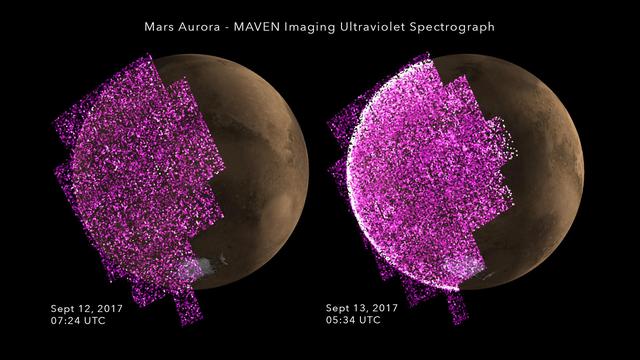
These images show the sudden appearance of a bright aurora on Mars during a solar storm in September 2017. The purple-white color scheme shows the intensity of ultraviolet light seen on Mars' night side before (left) and during (right) the event. A simulated image of Mars for the same time and orientation has been added, with the dayside crescent visible on the right. The auroral emission appears brightest at the edges of the planet where the line of sight passes along the length of the glowing atmosphere layer. The data are from observations by the Imaging Ultraviolet Spectrograph instrument (IUVS) on NASA's Mars Atmosphere and Volatile Evolution orbiter, or MAVEN. Note that, unlike auroras on Earth, the Martian aurora is not concentrated at the planet's polar regions. This is because Mars has no strong magnetic field like Earth's to concentrate the aurora near the poles. https://photojournal.jpl.nasa.gov/catalog/PIA21855
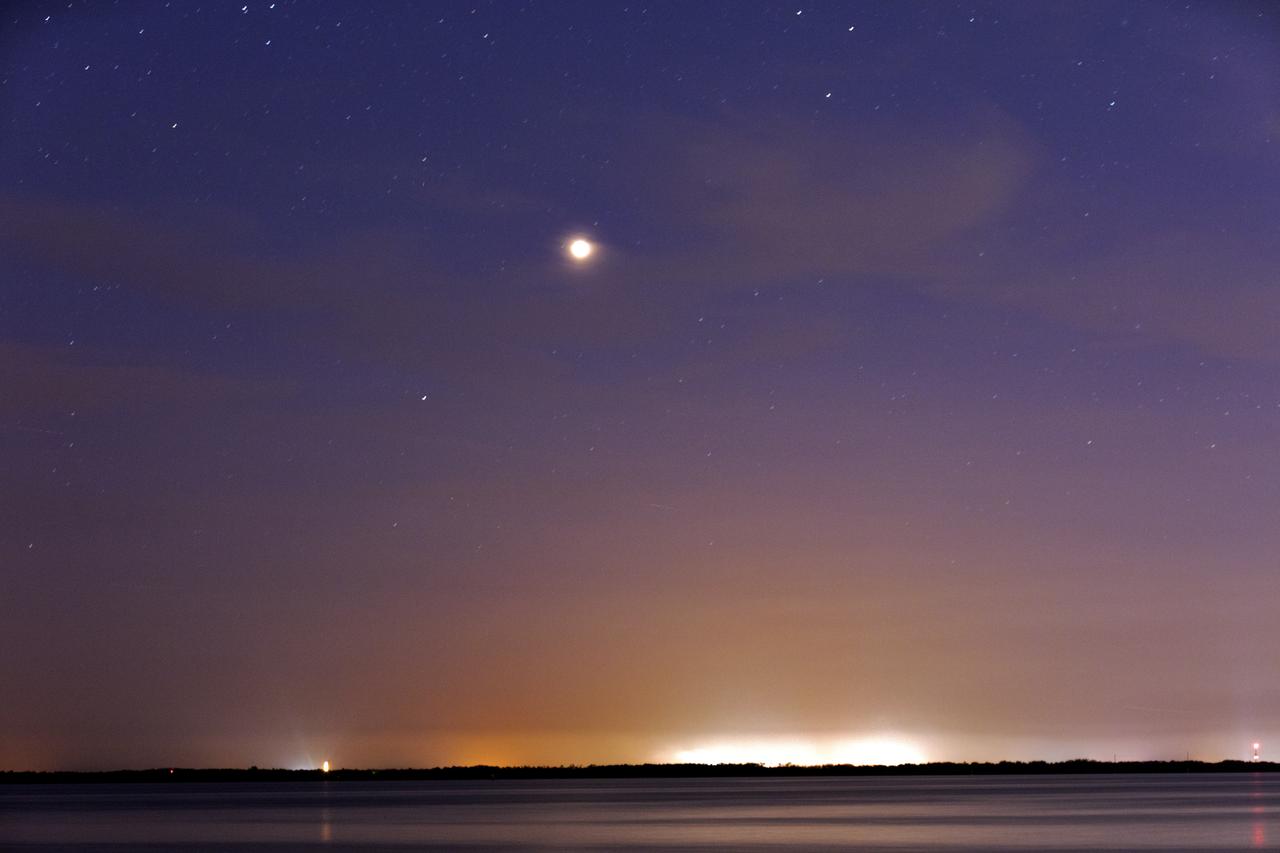
Mars shines brightly in the sky over Port Canaveral in Florida on Monday, July 30, 2018. The Red Planet appeared the brightest from July 27 to July 30, making its closest approach to Earth on July 31. The next Mars close approach is Oct. 6, 2020. A close approach is when Mars and Earth come nearest to each other in their orbits around the Sun.

Mars shines brightly in the sky over Port Canaveral in Florida on Monday, July 30, 2018. The Red Planet appeared the brightest from July 27 to July 30, making its closest approach to Earth on July 31. The next Mars close approach is Oct. 6, 2020. A close approach is when Mars and Earth come nearest to each other in their orbits around the Sun.
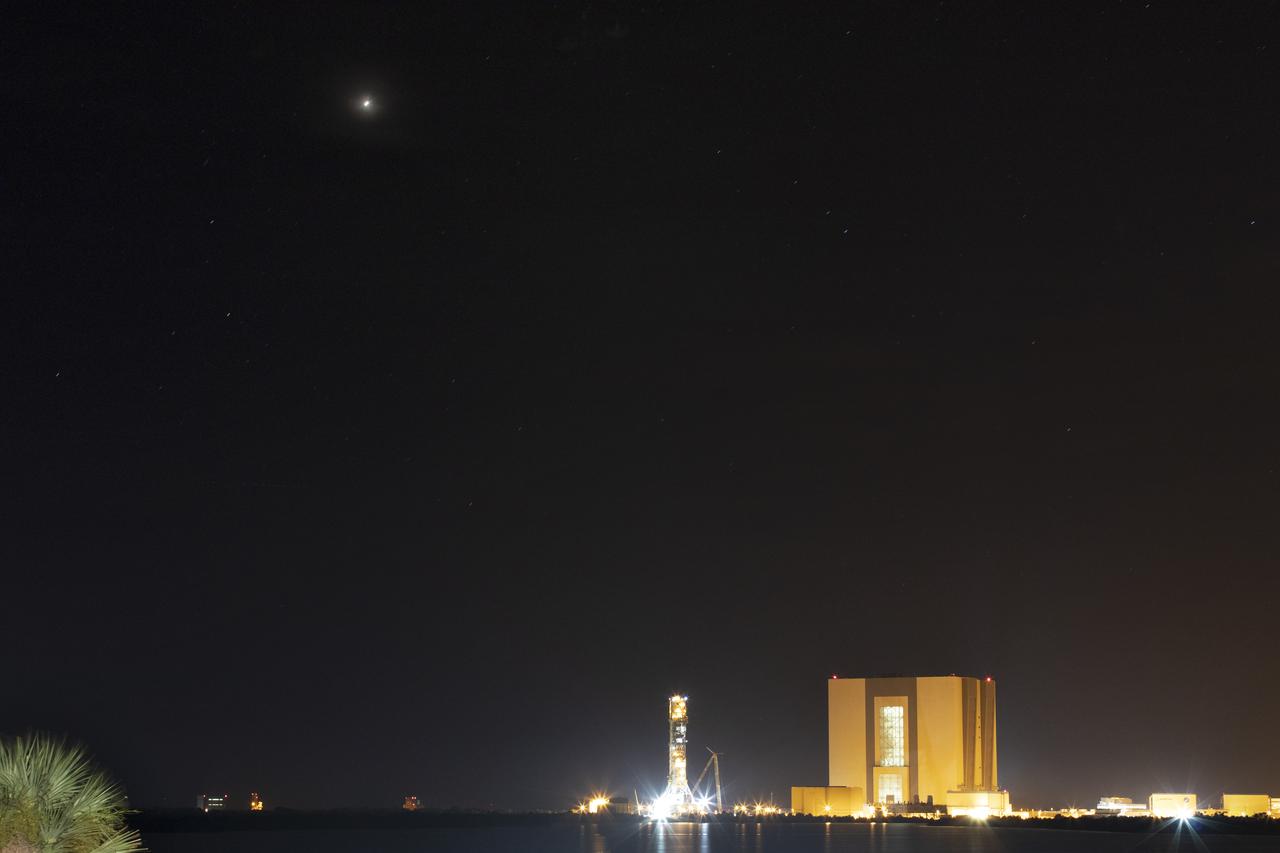
Mars is visible above the horizon in the night sky above Kennedy Space Center in Florida on Monday, July 30, 2018. The Red Planet appeared the brightest from July 27 to July 30, making its closest approach to Earth on July 31. The next Mars close approach is Oct. 6, 2020. A close approach is when Mars and Earth come nearest to each other in their orbits around the Sun.
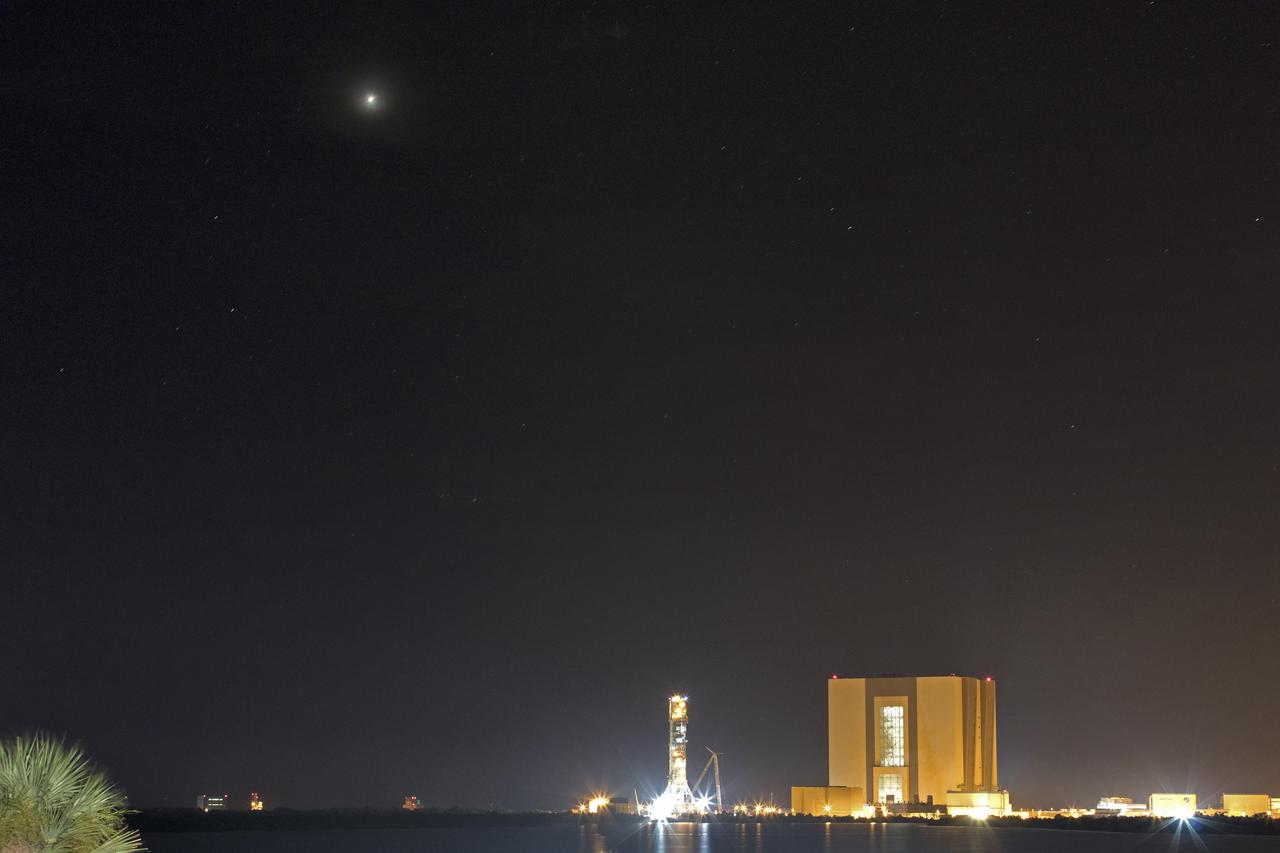
Mars is visible above the horizon in the night sky above Kennedy Space Center in Florida on Monday, July 30, 2018. The Red Planet appeared the brightest from July 27 to July 30, making its closest approach to Earth on July 31. The next Mars close approach is Oct. 6, 2020. A close approach is when Mars and Earth come nearest to each other in their orbits around the Sun.
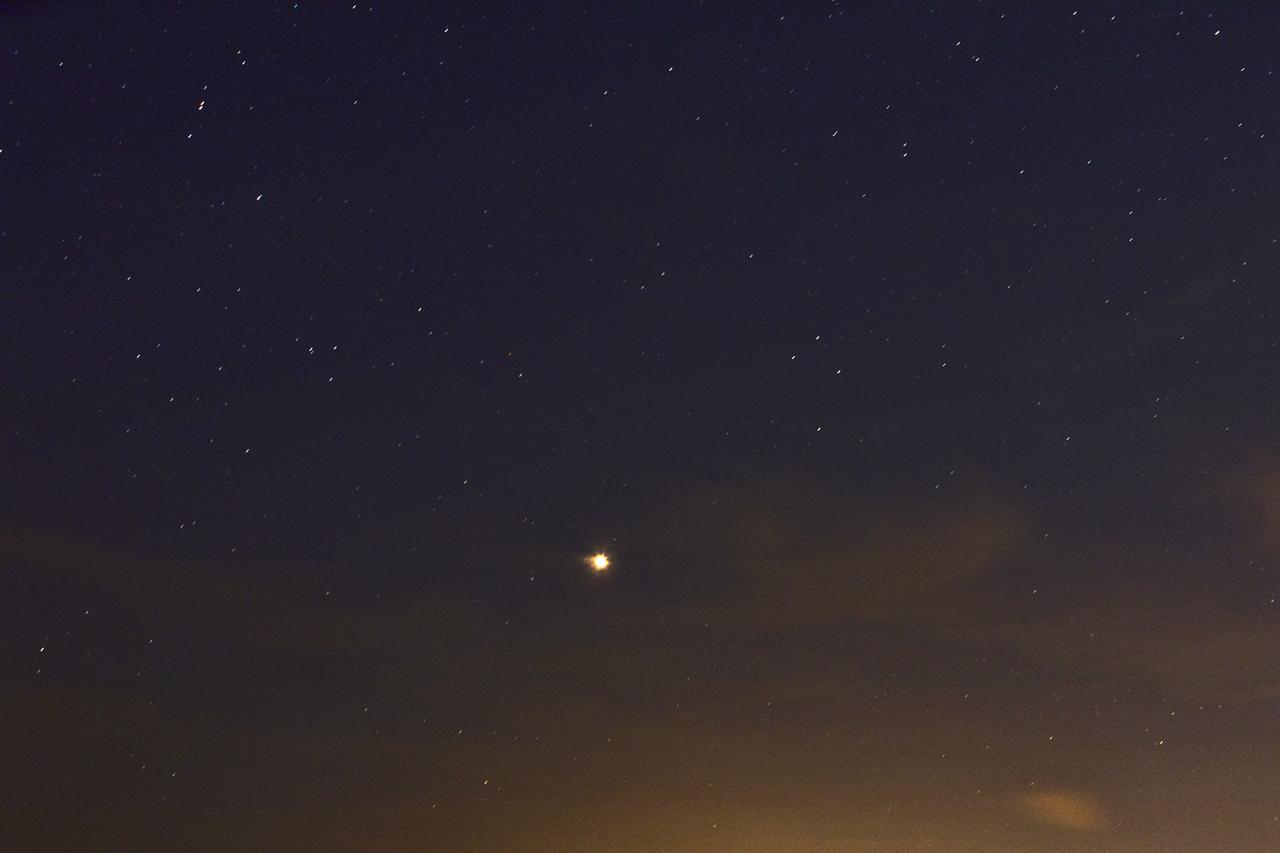
Mars shines brightly in the sky over Port Canaveral in Florida on Monday, July 30, 2018. The Red Planet appeared the brightest from July 27 to July 30, making its closest approach to Earth on July 31. The next Mars close approach is Oct. 6, 2020. A close approach is when Mars and Earth come nearest to each other in their orbits around the Sun.
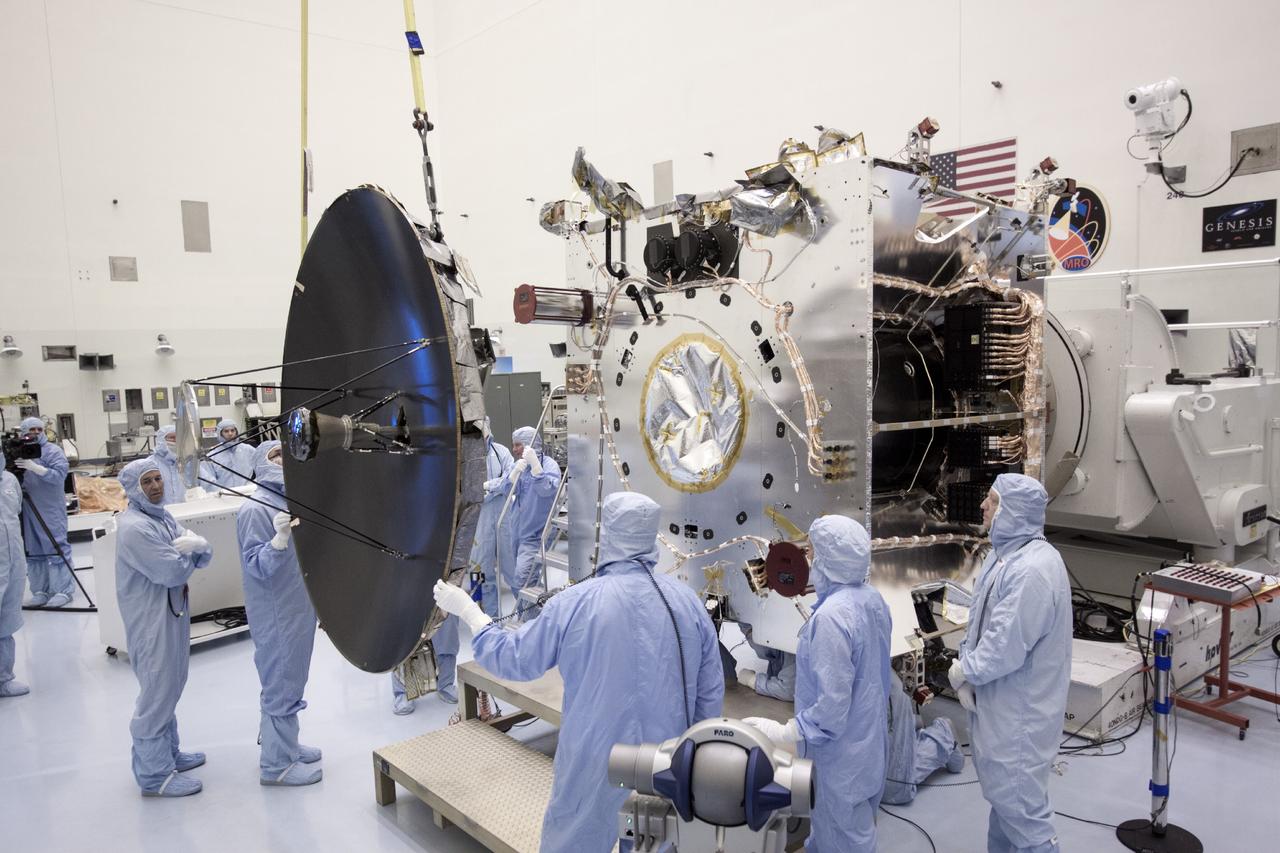
CAPE CANAVERAL, Fla. – At NASA’s Kennedy Space Center in Florida, technicians install the parabolic high gain antenna onto the Mars Atmosphere and Volatile Evolution, or MAVEN spacecraft, in the Payload Hazardous Servicing Facility. The antenna will communicate vast amounts of data to Earth during the mission. MAVEN is being prepared inside the facility for its scheduled November launch aboard a United Launch Alliance Atlas V rocket to Mars. Positioned in an orbit above the Red Planet, MAVEN will study the upper atmosphere of Mars in unprecedented detail. Photo credit: NASA/Jim Grossmann
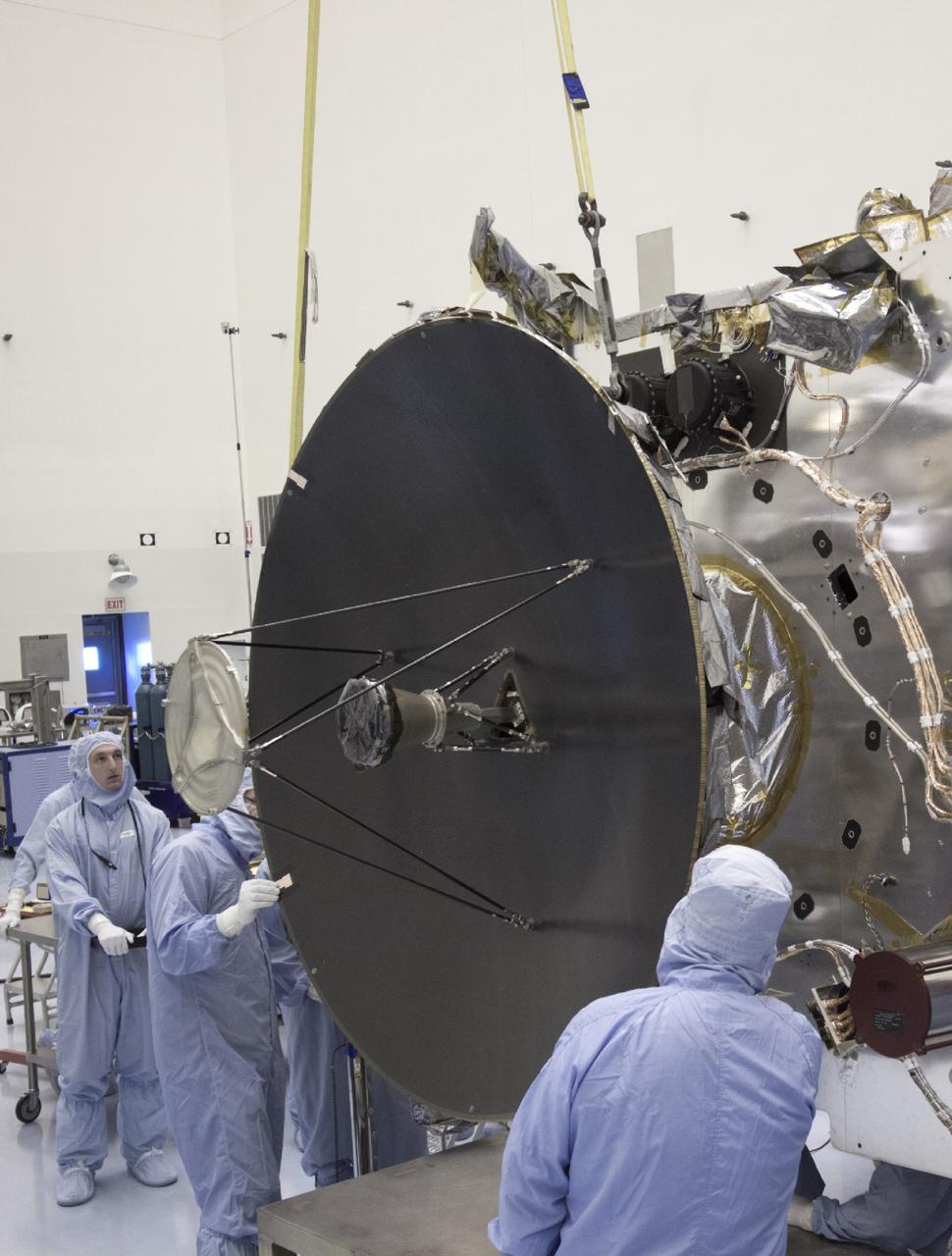
CAPE CANAVERAL, Fla. – At NASA’s Kennedy Space Center in Florida, technicians install the parabolic high gain antenna onto the Mars Atmosphere and Volatile Evolution, or MAVEN spacecraft, in the Payload Hazardous Servicing Facility. The antenna will communicate vast amounts of data to Earth during the mission. MAVEN is being prepared inside the facility for its scheduled November launch aboard a United Launch Alliance Atlas V rocket to Mars. Positioned in an orbit above the Red Planet, MAVEN will study the upper atmosphere of Mars in unprecedented detail. Photo credit: NASA/Jim Grossmann
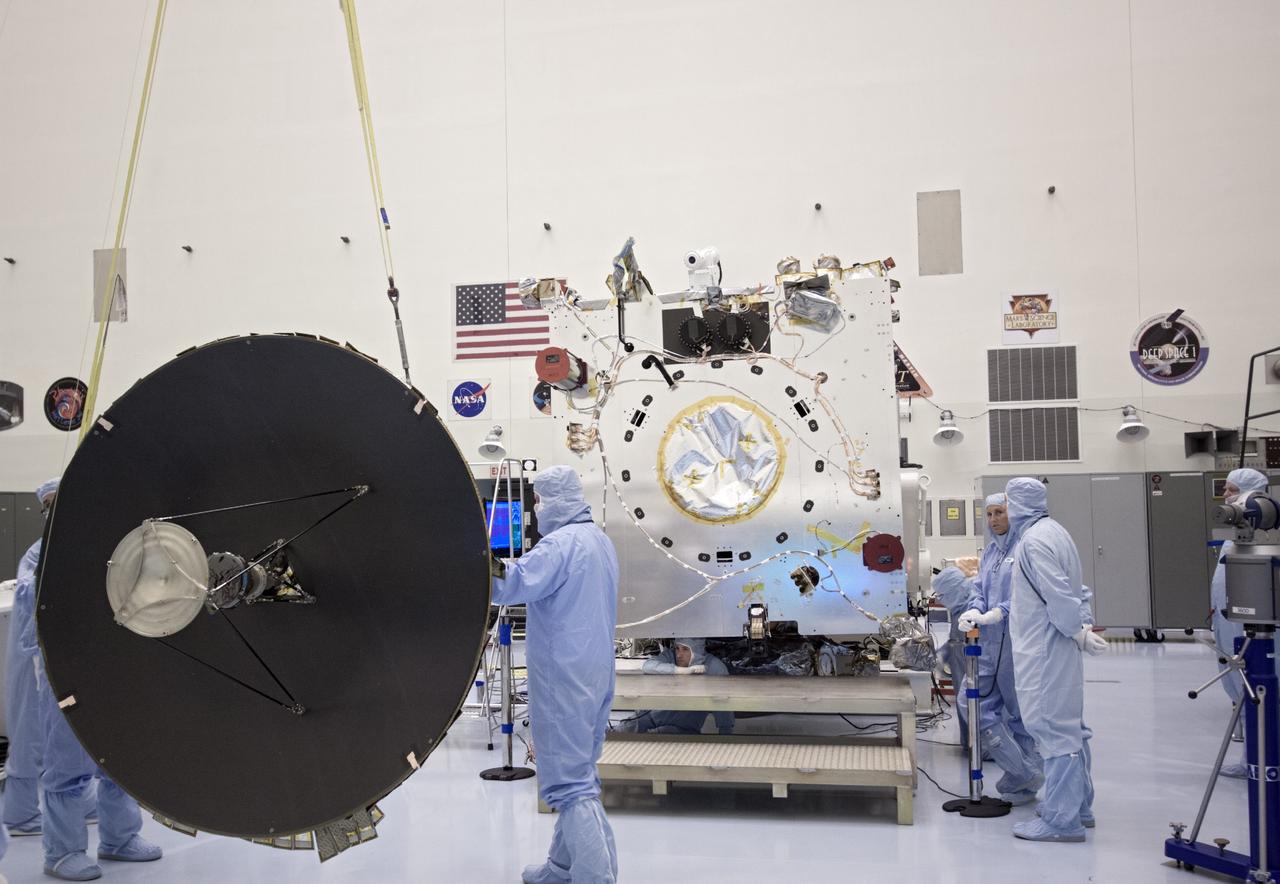
CAPE CANAVERAL, Fla. – At NASA’s Kennedy Space Center in Florida, technicians install the parabolic high gain antenna onto the Mars Atmosphere and Volatile Evolution, or MAVEN spacecraft, in the Payload Hazardous Servicing Facility. The antenna will communicate vast amounts of data to Earth during the mission. MAVEN is being prepared inside the facility for its scheduled November launch aboard a United Launch Alliance Atlas V rocket to Mars. Positioned in an orbit above the Red Planet, MAVEN will study the upper atmosphere of Mars in unprecedented detail. Photo credit: NASA/Jim Grossmann
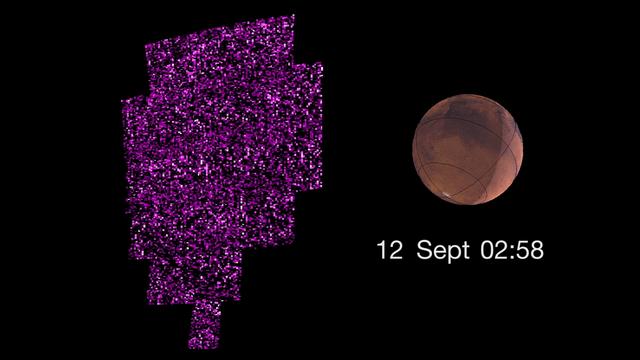
This frame from an animation shows the sudden appearance of a bright aurora on Mars during a solar storm. The purple-white color scheme shows the intensity of ultraviolet light seen on Mars' night side over the course of the event. The data are from observations on Sept. 12 and 13, 2017, by the Imaging Ultraviolet Spectrograph instrument (IUVS) on NASA's Mars Atmosphere and Volatile Evolution orbiter, or MAVEN. The aurora is occurring because energetic particles from the solar storm are bombarding gases in the planet's atmosphere, causing them to glow. A simulated image of the Mars surface for the same time and orientation is also shown, with the dayside crescent visible on the right. The auroral emission appears brightest at the edges of the planet where the line of sight passes along the length of the glowing atmosphere layer. Note that, unlike auroras on Earth, the Martian aurora is not concentrated at the planet's polar regions. This is because Mars has no strong magnetic field like Earth's to concentrate the aurora near the poles. An animation is available at https://photojournal.jpl.nasa.gov/catalog/PIA21854
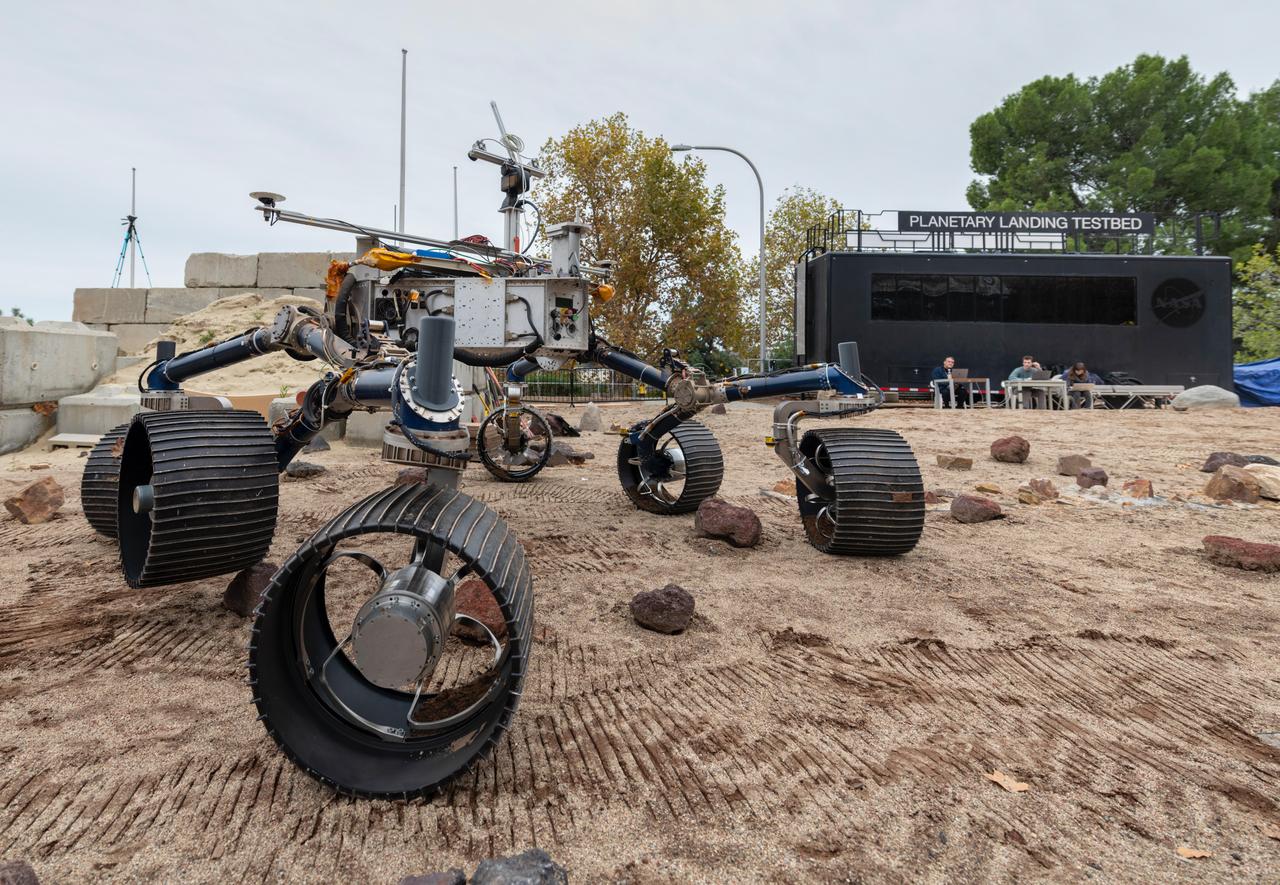
An engineering model of NASA's Mars 2020 rover makes tracks during a driving test in the Mars Yard, an area that simulates Mars-like conditions at NASA's Jet Propulsion Laboratory in Pasadena, California. This image was taken on Dec. 3, 2019, as engineers were trying out the software that will command the rover to move. Mars 2020 will launch from Cape Canaveral Air Force Station in Florida as early as July 2020. It will land at Jezero Crater on Feb. 18, 2021. JPL is building and will manage operations of the Mars 2020 rover for NASA. NASA's Launch Services Program, based at the agency's Kennedy Space Center in Florida, is responsible for launch management. Mars 2020 is part of a larger program that includes missions to the Moon as a way to prepare for human exploration of the Red Planet. Charged with returning astronauts to the Moon by 2024, NASA will establish a sustained human presence on and around the Moon by 2028 through NASA's Artemis lunar exploration plans. For more information about the mission, go to https://mars.nasa.gov/mars2020/. https://photojournal.jpl.nasa.gov/catalog/PIA23498

An illustration of the planet Mars, highlighting NASA's Mars Perseverance rover mission. https://photojournal.jpl.nasa.gov/catalog/PIA24348
An illustration of the planet Mars, highlighting NASA's Mars Perseverance rover and future human explorers. https://photojournal.jpl.nasa.gov/catalog/PIA24347
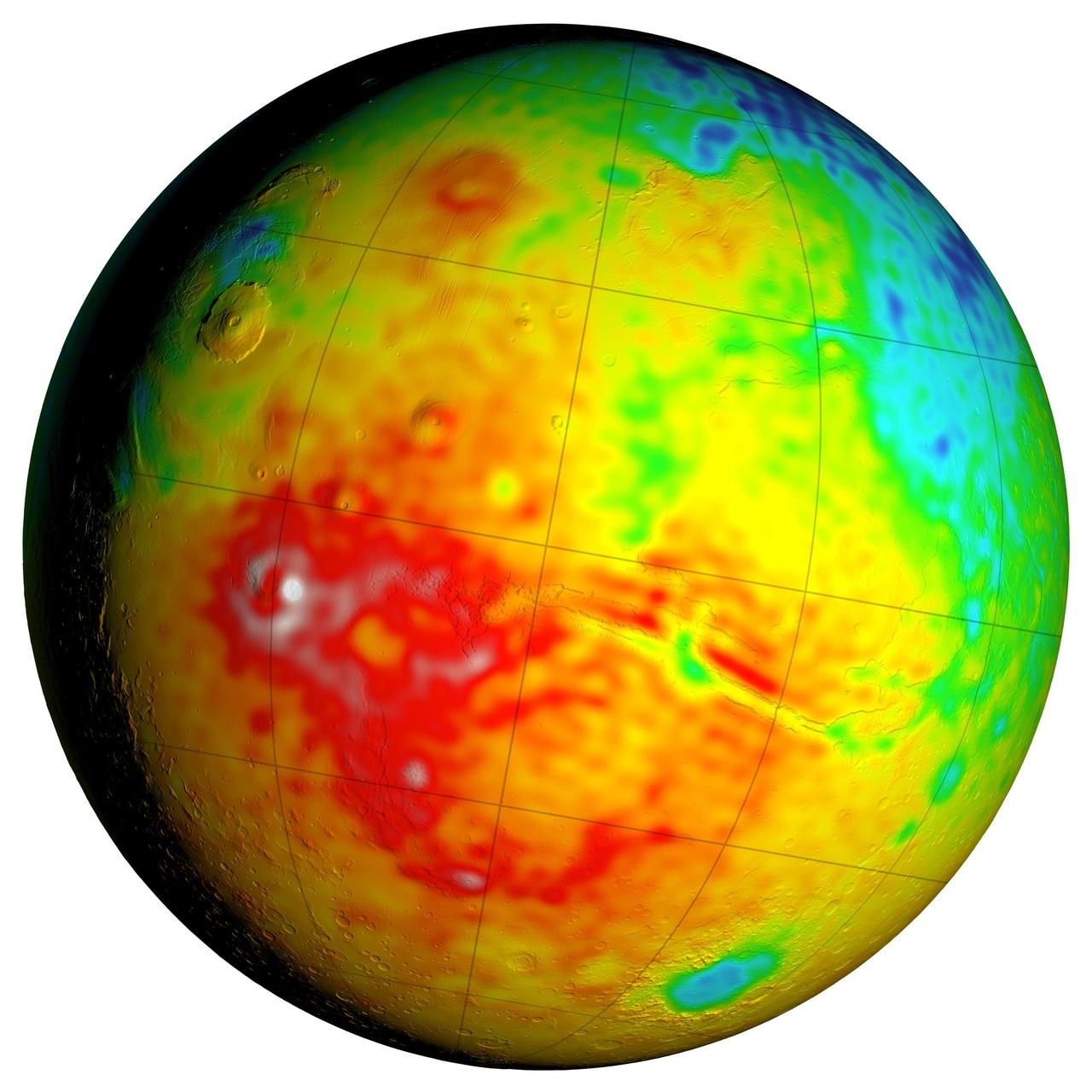
This Mars map shows variations in thickness of the planet crust, the relatively thin surface layer over the interior mantle of the planet. It shows unprecedented detail derived from new mapping of variations in Mars gravitational pull on orbiters.
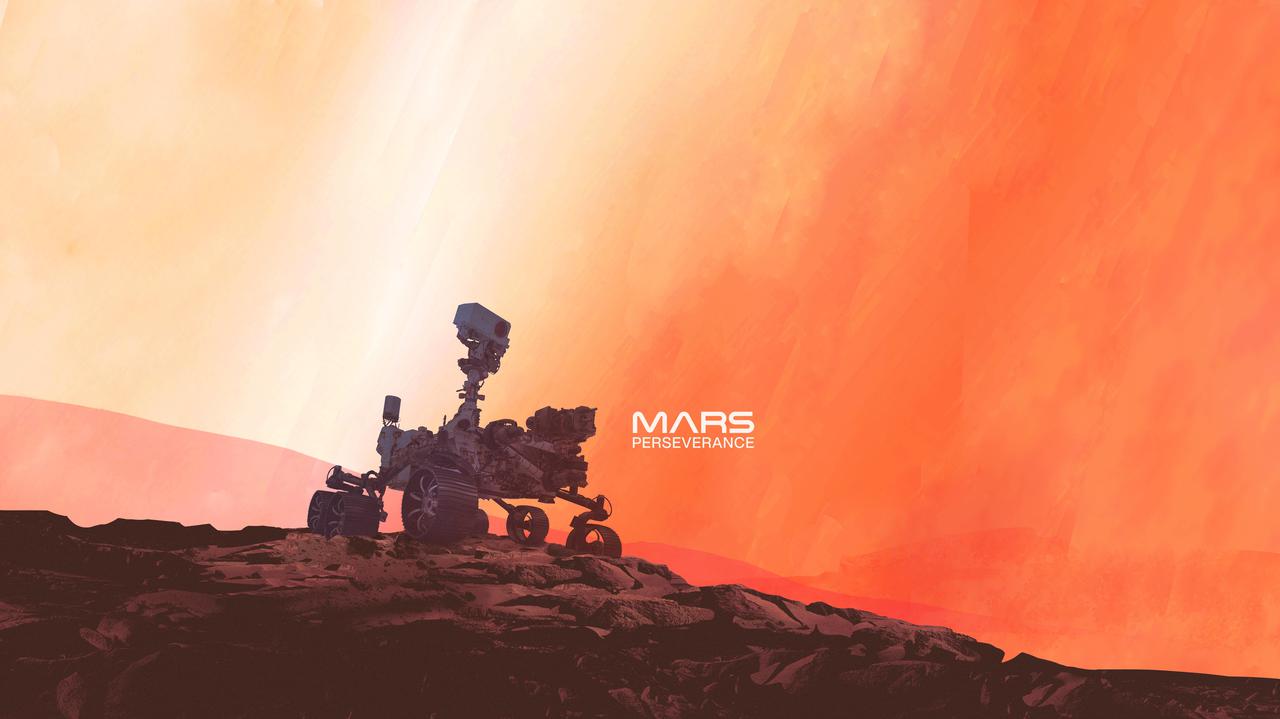
This illustration shows NASA's Mars Perseverance rover on the surface of the Red Planet. Perseverance will search for signs of ancient microbial life. It will also characterize the planet's climate and geology, collect samples for future return to Earth and pave the way for human exploration of the Red Planet. https://photojournal.jpl.nasa.gov/catalog/PIA24343
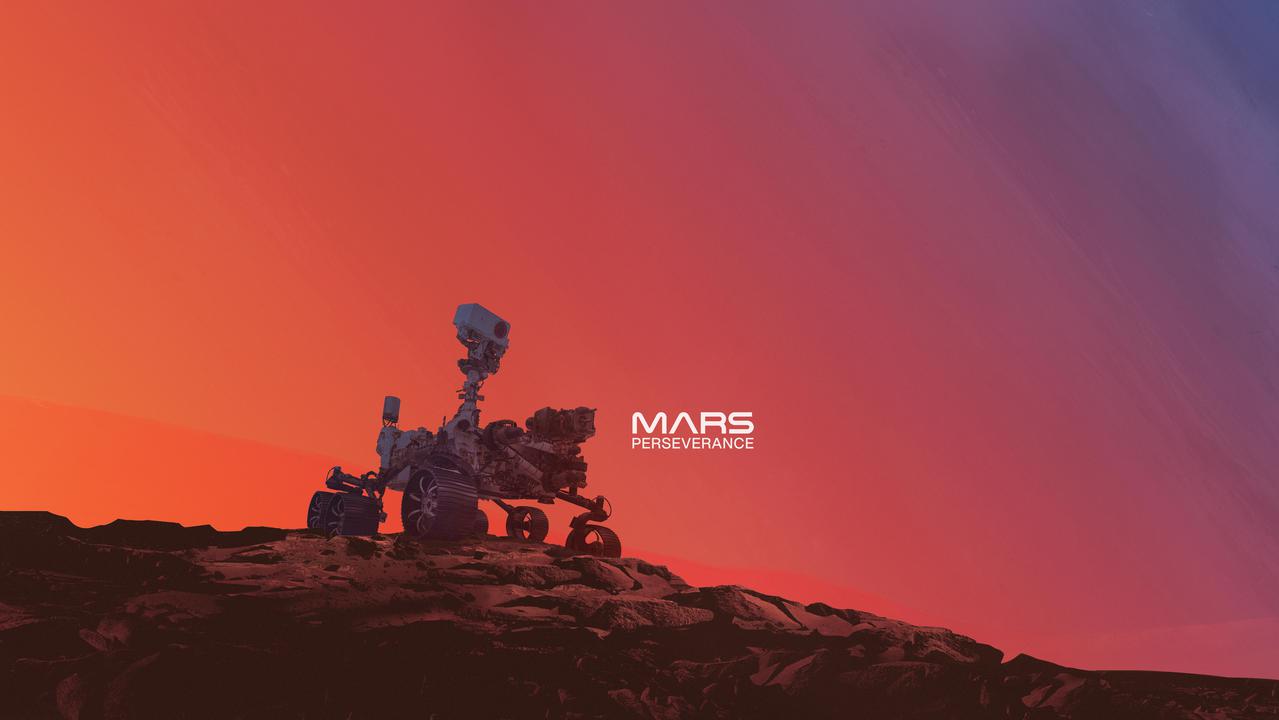
This illustration shows NASA's Mars Perseverance rover on the surface of the Red Planet. Perseverance will search for signs of ancient microbial life. It will also characterize the planet's climate and geology, collect samples for future return to Earth and pave the way for human exploration of the Red Planet. https://photojournal.jpl.nasa.gov/catalog/PIA24346

While photographing Mars, NASA’s Hubble Space Telescope captured a cameo appearance of the tiny moon Phobos on its trek around the Red Planet. Discovered in 1877, the diminutive, potato-shaped moon is so small that it appears star-like in the Hubble pictures. Phobos orbits Mars in just 7 hours and 39 minutes, which is faster than Mars rotates. The moon’s orbit is very slowly shrinking, meaning it will eventually shatter under Mars’ gravitational pull, or crash onto the planet. Hubble took 13 separate exposures over 22 minutes to create a time-lapse video showing the moon’s orbital path. Credit: NASA, ESA, and Z. Levay (STScI) <b><a href="http://www.nasa.gov/audience/formedia/features/MP_Photo_Guidelines.html" rel="nofollow">NASA image use policy.</a></b> <b><a href="http://www.nasa.gov/centers/goddard/home/index.html" rel="nofollow">NASA Goddard Space Flight Center</a></b> enables NASA’s mission through four scientific endeavors: Earth Science, Heliophysics, Solar System Exploration, and Astrophysics. Goddard plays a leading role in NASA’s accomplishments by contributing compelling scientific knowledge to advance the Agency’s mission. <b>Follow us on <a href="http://twitter.com/NASAGoddardPix" rel="nofollow">Twitter</a></b> <b>Like us on <a href="http://www.facebook.com/pages/Greenbelt-MD/NASA-Goddard/395013845897?ref=tsd" rel="nofollow">Facebook</a></b> <b>Find us on <a href="http://instagrid.me/nasagoddard/?vm=grid" rel="nofollow">Instagram</a></b>
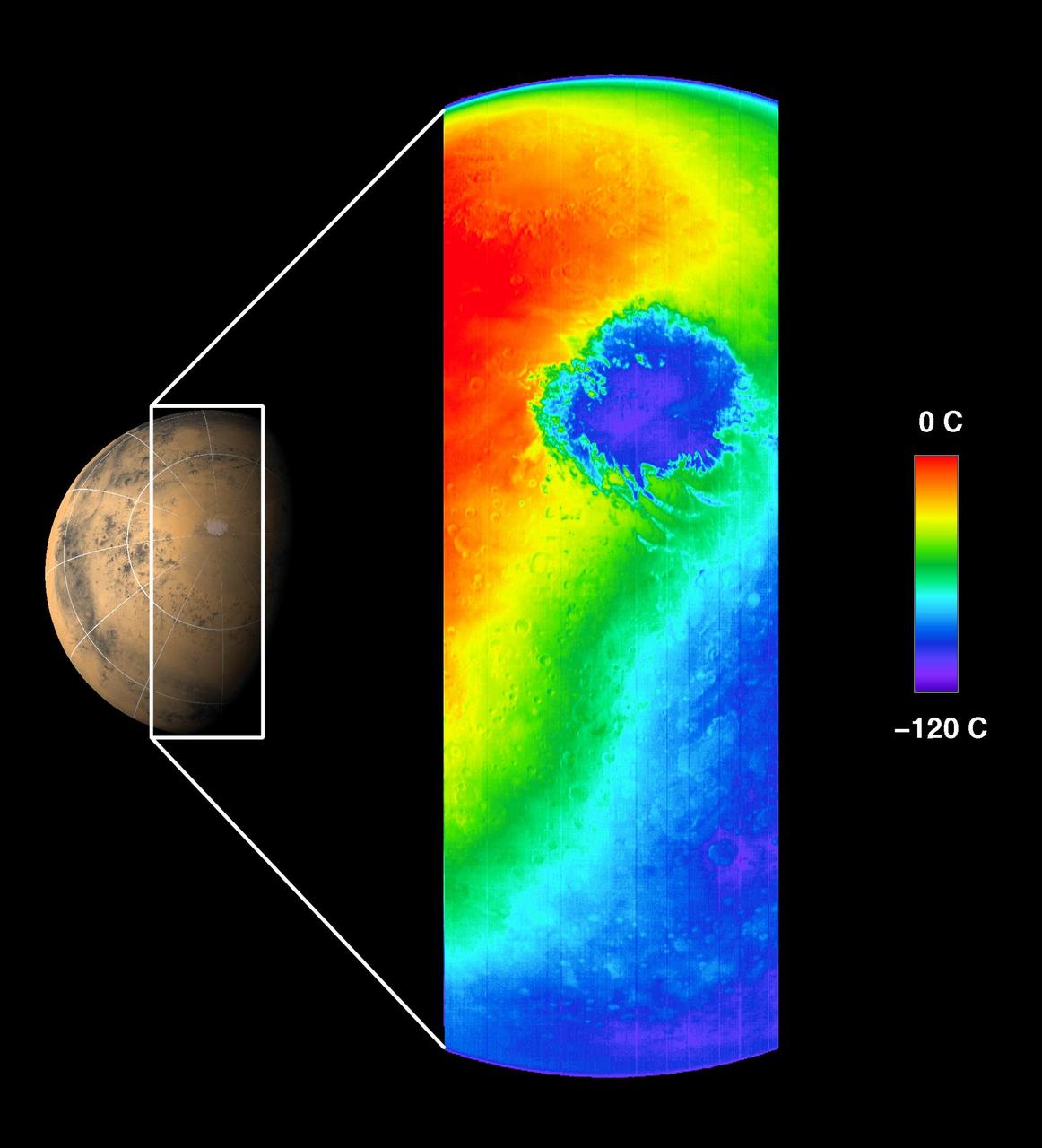
This thermal infrared image was acquired by NASA Mars Odyssey spacecraft on October 30, 2001, as the spacecraft orbited Mars on its ninth revolution around the planet.
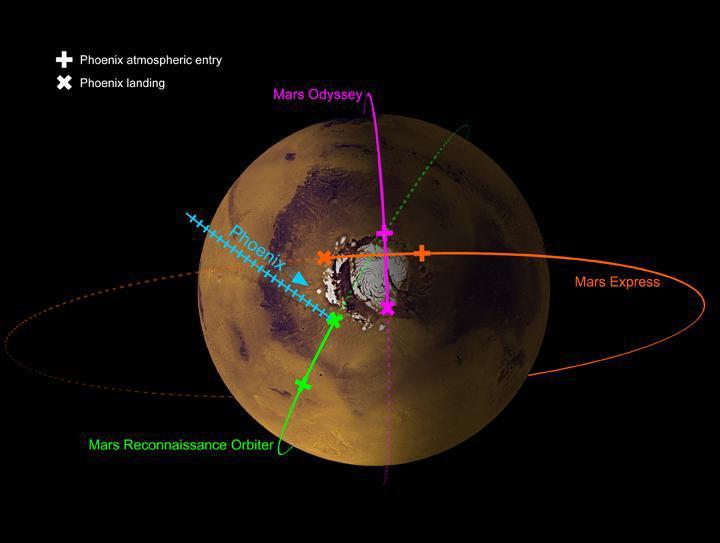
This image shows the paths of three spacecraft currently in orbit around Mars, as well as the path by which NASA Phoenix Mars Lander will approach and land on the planet.

This image is a single frame from a computer animation, which begins with a global view of the planet Mars compiled with images from NASA Mars Odyssey spacecraft.
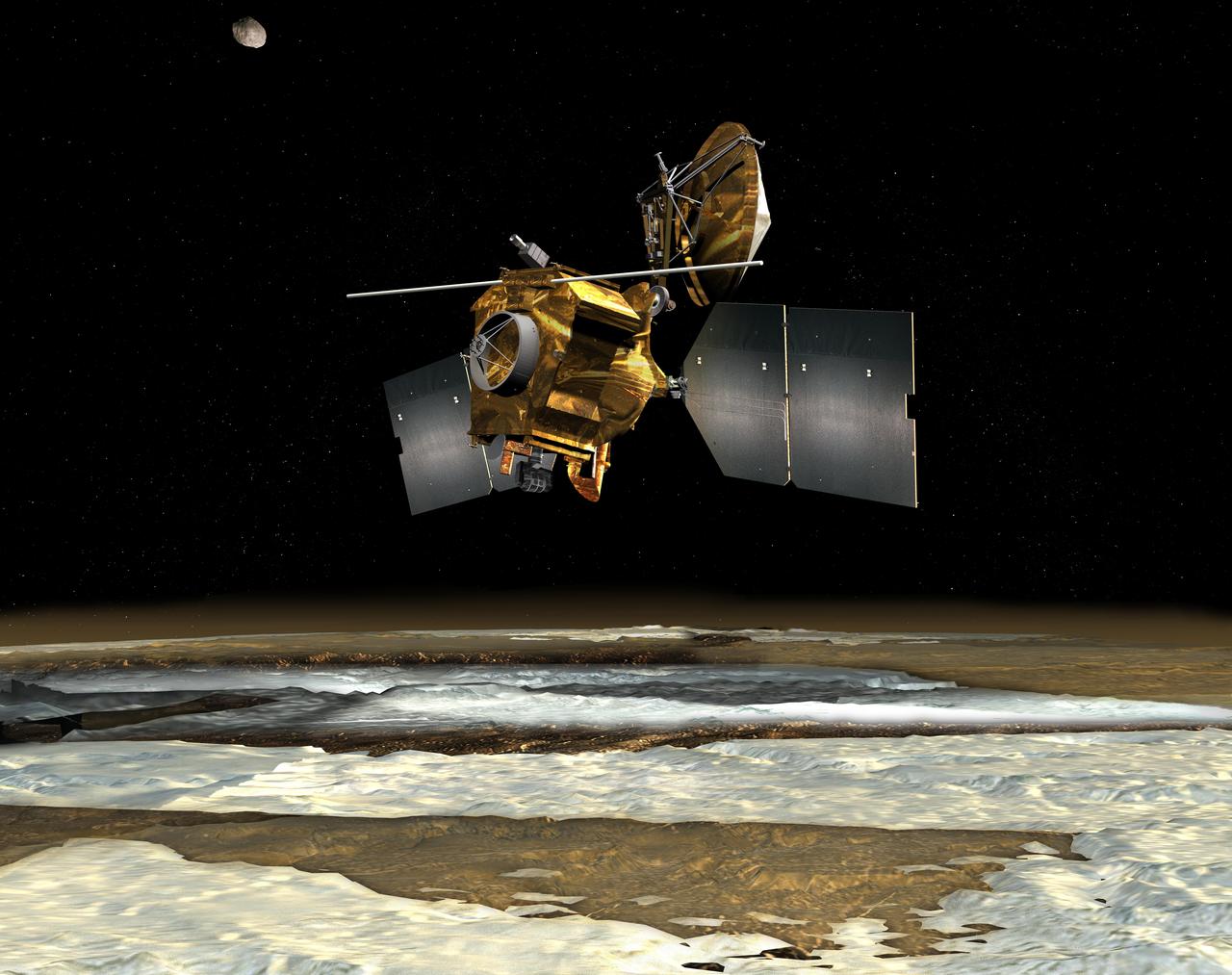
NASA Mars Reconnaissance Orbiter passes over the planet south polar region in this artist concept illustration.
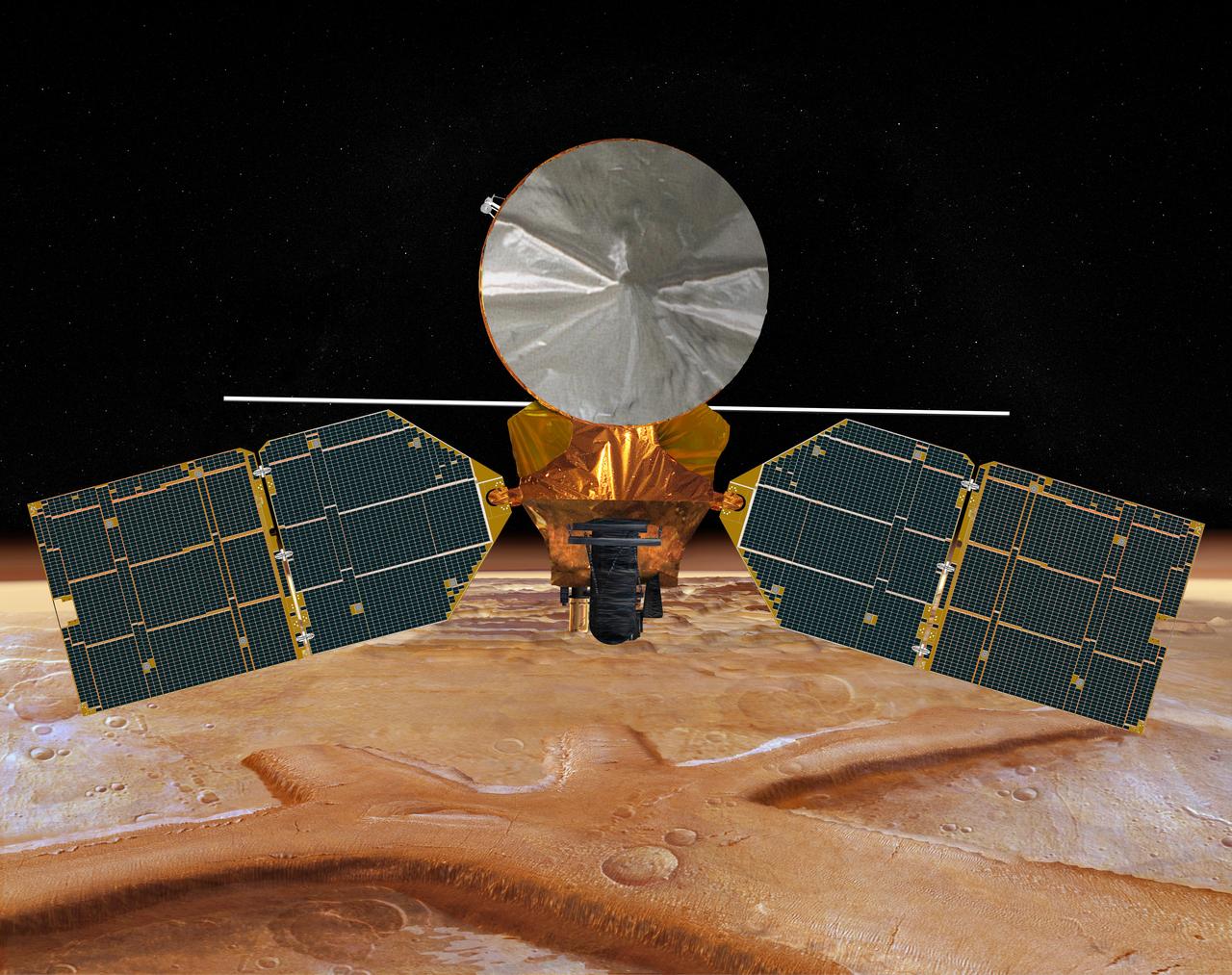
This artist concept of NASA Mars Reconnaissance Orbiter features the spacecraft main bus facing down, toward the red planet.

Dwarf planet Ceres is located in the main asteroid belt, between the orbits of Mars and Jupiter, as illustrated in this artist conception.
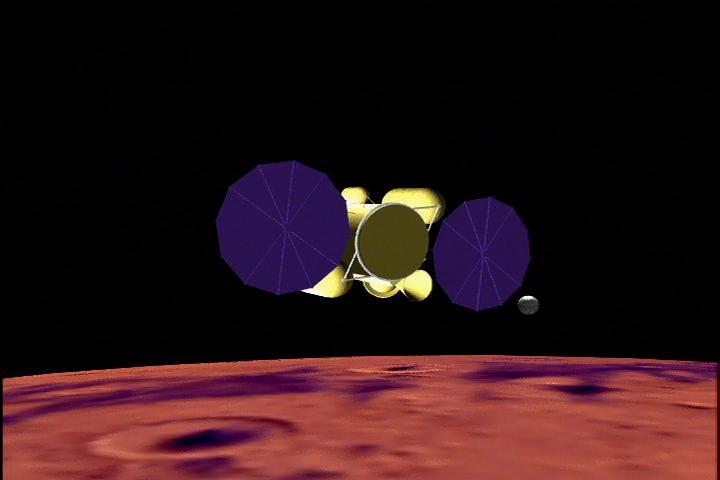
This artist concept shows the proposed NASA Mars sample return mission above the red planet.
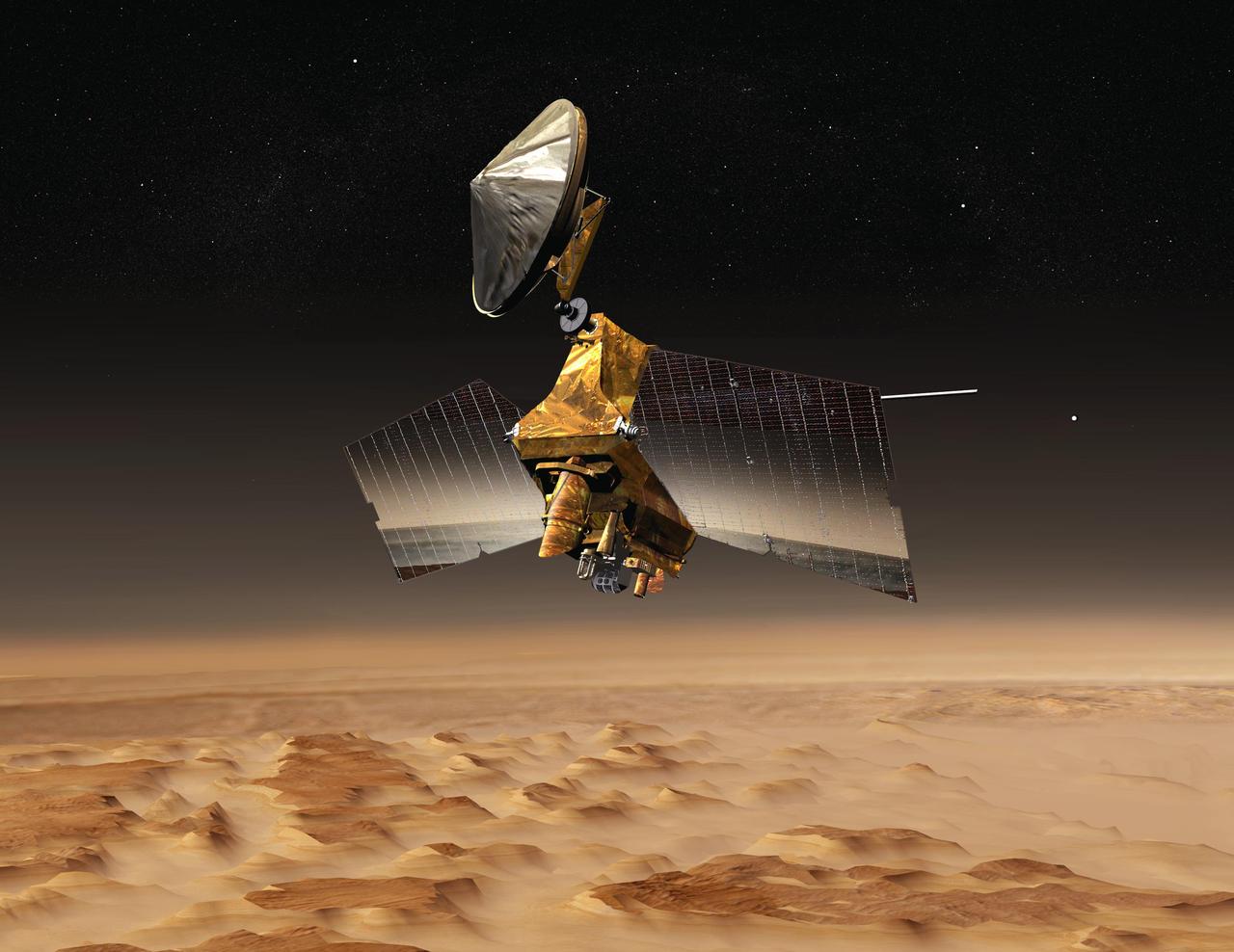
NASA Mars Reconnaissance Orbiter passes above a portion of the planet called Nilosyrtis Mensae in this artist concept illustration.
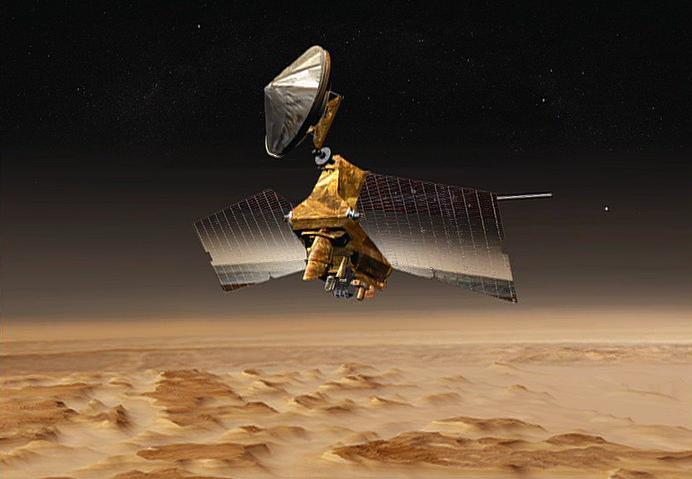
This artist concept shows NASA Mars Reconnaissance Orbiter mission over the red planet.

This diagram shows the approximate distances of the terrestrial planets from the Sun; they include Mercury, Venus, Earth, and Mars.
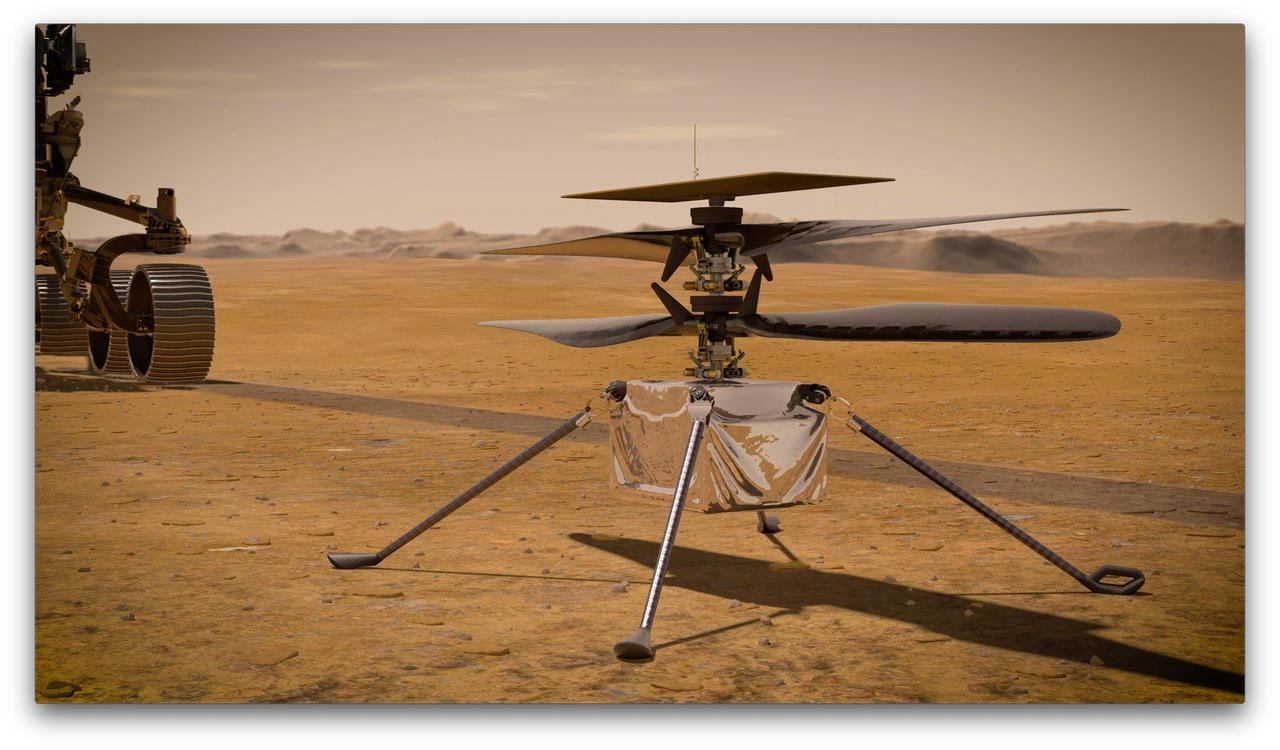
In this artist's concept, NASA's Ingenuity Mars Helicopter stands on the Red Planet's surface as NASA's Mars 2020 Perseverance rover (partially visible on the left) rolls away. Ingenuity, a technology experiment, will be the first aircraft to attempt controlled flight on another planet. It will arrive on Mars on Feb. 18, 2021, attached to the belly of NASA's Perseverance rover. Perseverance will deploy Ingenuity onto the surface of Mars, and Ingenuity is expected to attempt its first flight test in spring 2021. https://photojournal.jpl.nasa.gov/catalog/PIA23720
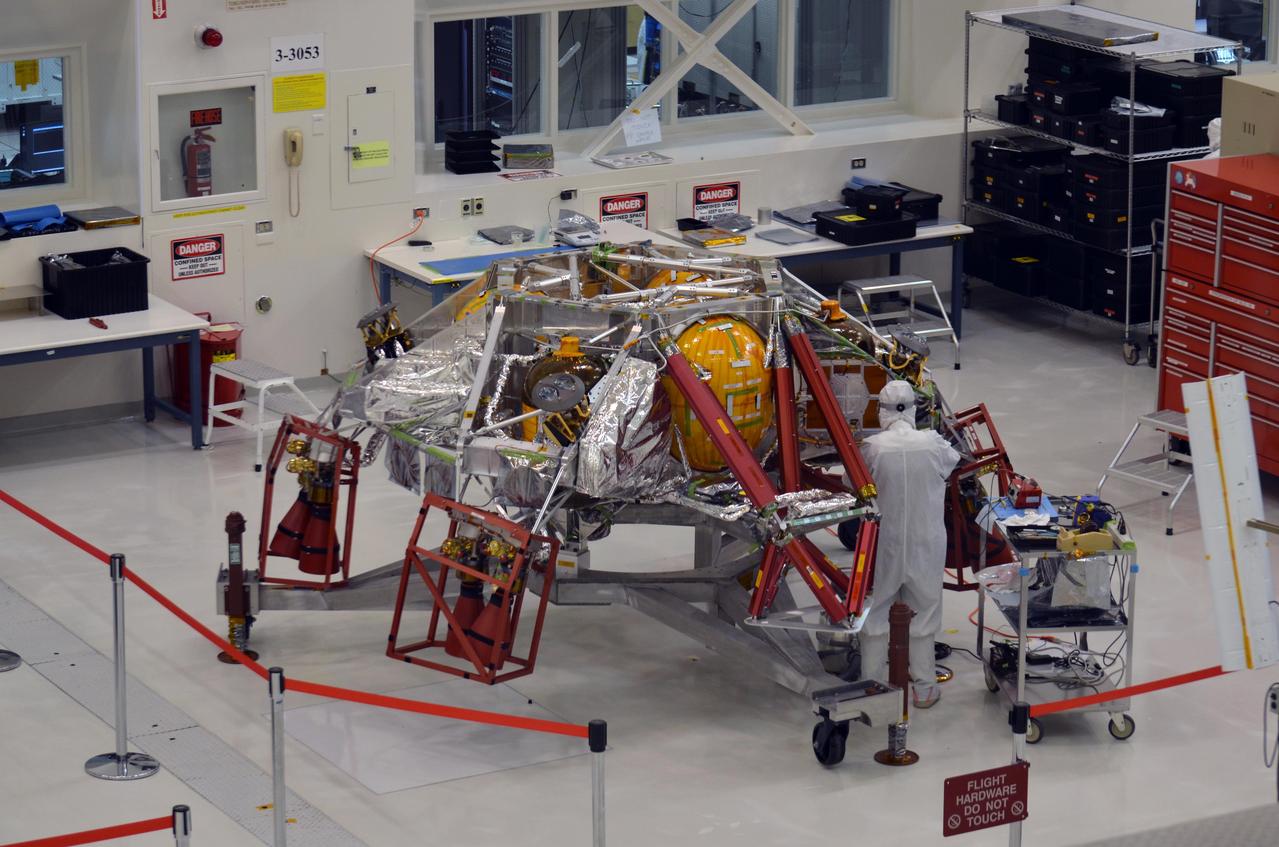
A technician works on the descent stage for NASA's Mars 2020 mission inside JPL's Spacecraft Assembly Facility. Mars 2020 is slated to carry NASA's next Mars rover to the Red Planet in July of 2020. https://photojournal.jpl.nasa.gov/catalog/PIA22342
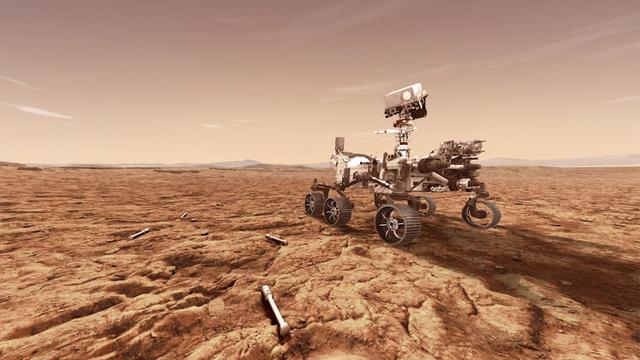
NASA's Mars 2020 rover will store rock and soil samples in sealed tubes on the planet's surface for future missions to retrieve, as seen in this illustration. The Mars 2020 rover, scheduled to launch in July 2020, represents the first leg of humanity's first planned round trip to another planet. NASA and the European Space Agency are solidifying concepts for a Mars sample return mission. https://photojournal.jpl.nasa.gov/catalog/PIA23492
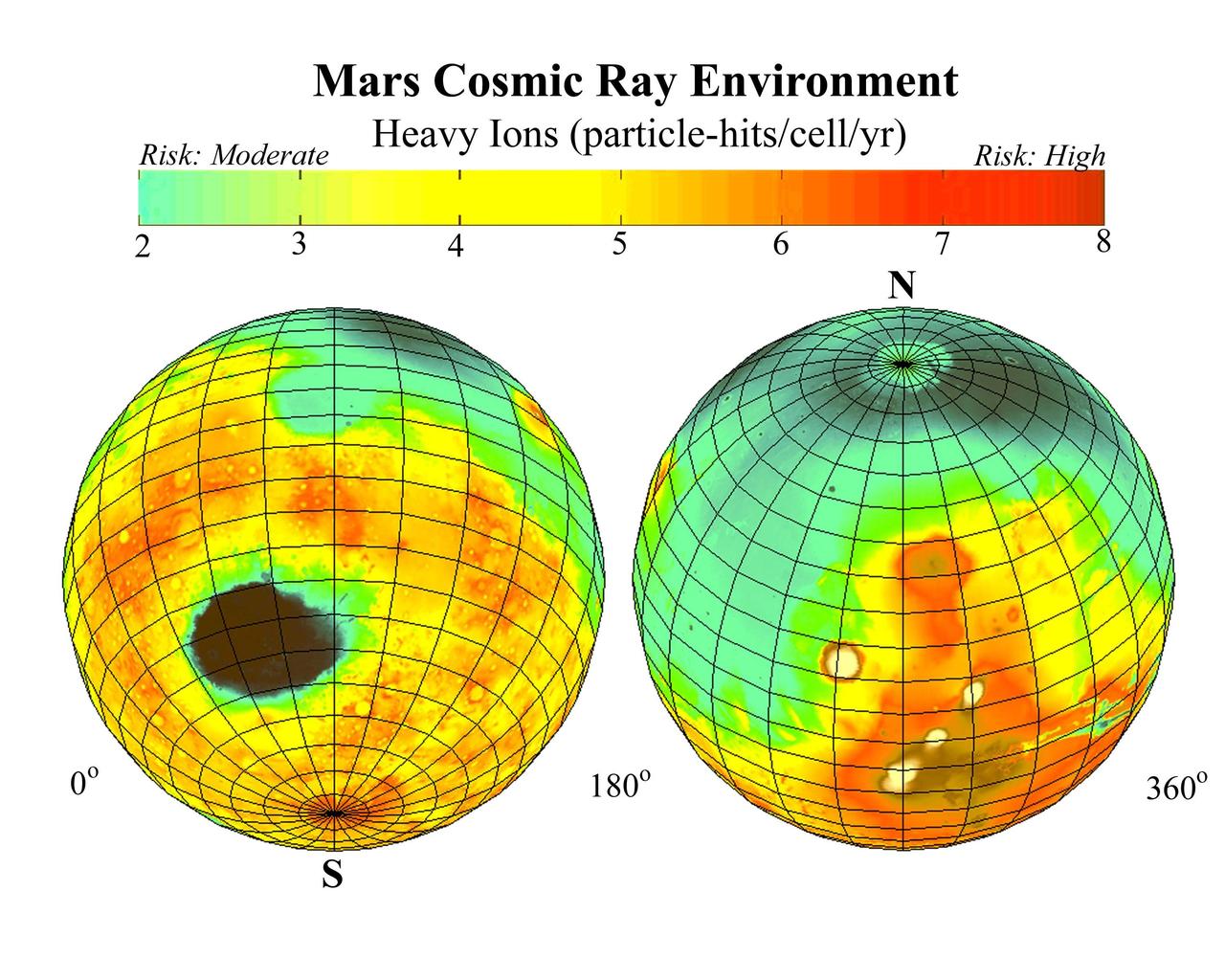
This global map of Mars, based on data from NASA Mars Odyssey, shows estimates for amounts of high-energy-particle cosmic radiation reaching the surface, a serious health concern for any future human exploration of the planet.
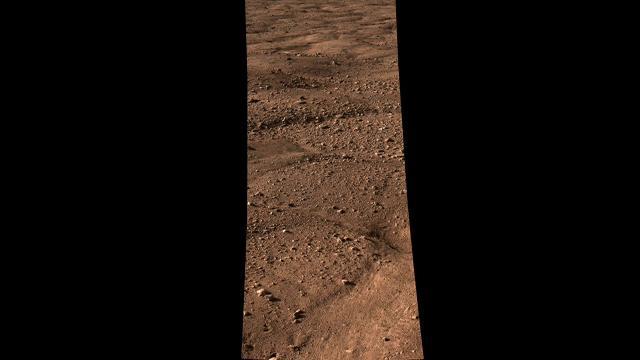
This image shows the vast plains of the northern polar region of Mars, as seen by NASA Phoenix Mars Lander shortly after touching down on the Red Planet. The flat landscape is strewn with tiny pebbles and shows polygonal cracking.
This global map of Mars, based on data from NASA Mars Odyssey, shows estimates for amounts of high-energy-particle cosmic radiation reaching the surface, a serious health concern for any future human exploration of the planet.
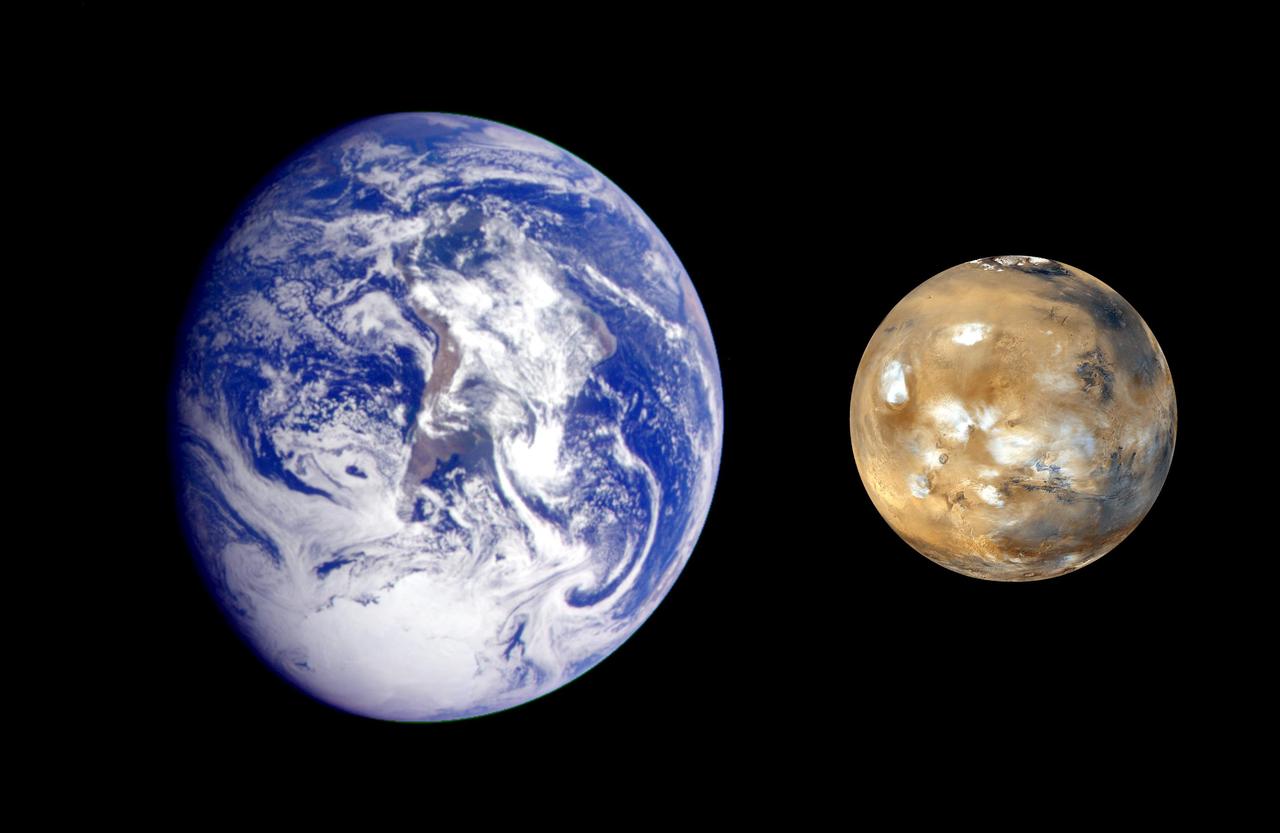
This composite image, from NASA Galileo and Mars Global Survey orbiters, of Earth and Mars was created to allow viewers to gain a better understanding of the relative sizes of the two planets.
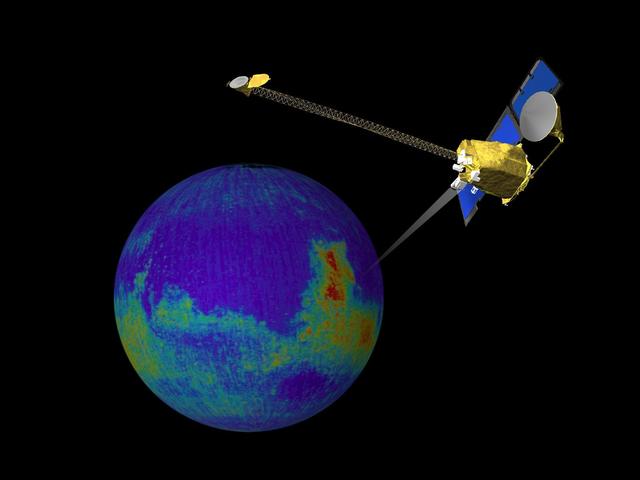
This image is a single frame from a computer animation, which begins with a global view of the planet Mars created from images by NASA Mars Odyssey. Color is used to emphasize the Martian topographic, andesite, and basalt compositional differences.
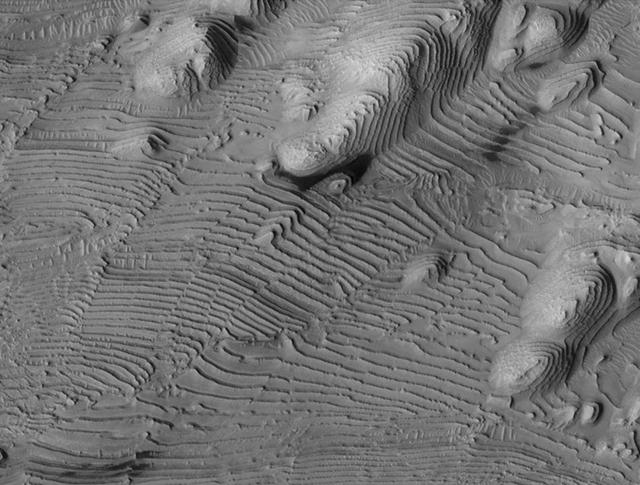
Rhythmic patterns of sedimentary layering in Danielson Crater on Mars result from periodic changes in climate related to changes in tilt of the planet in this image was taken by NASA Mars Reconnaissance Orbiter.
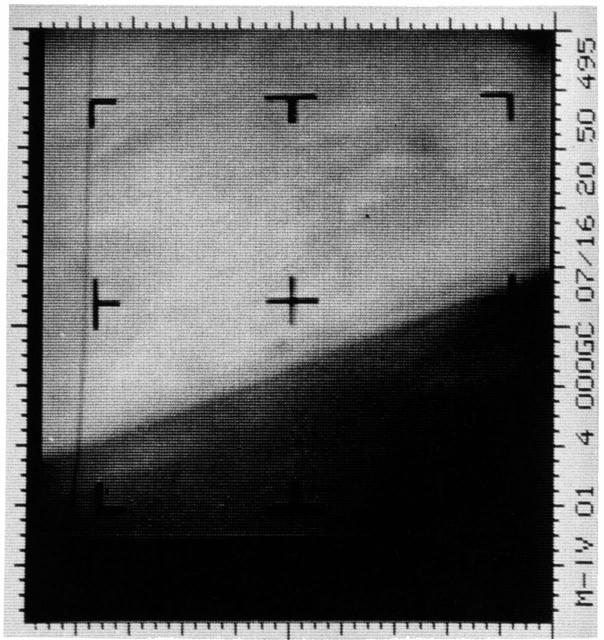
This is an enhanced contrast version of the first Mars photograph released on July 15, 1965. This is man first close-up photograph of another planet, a photographic representation of digital data radioed from Mars by the Mariner 4 spacecraft.
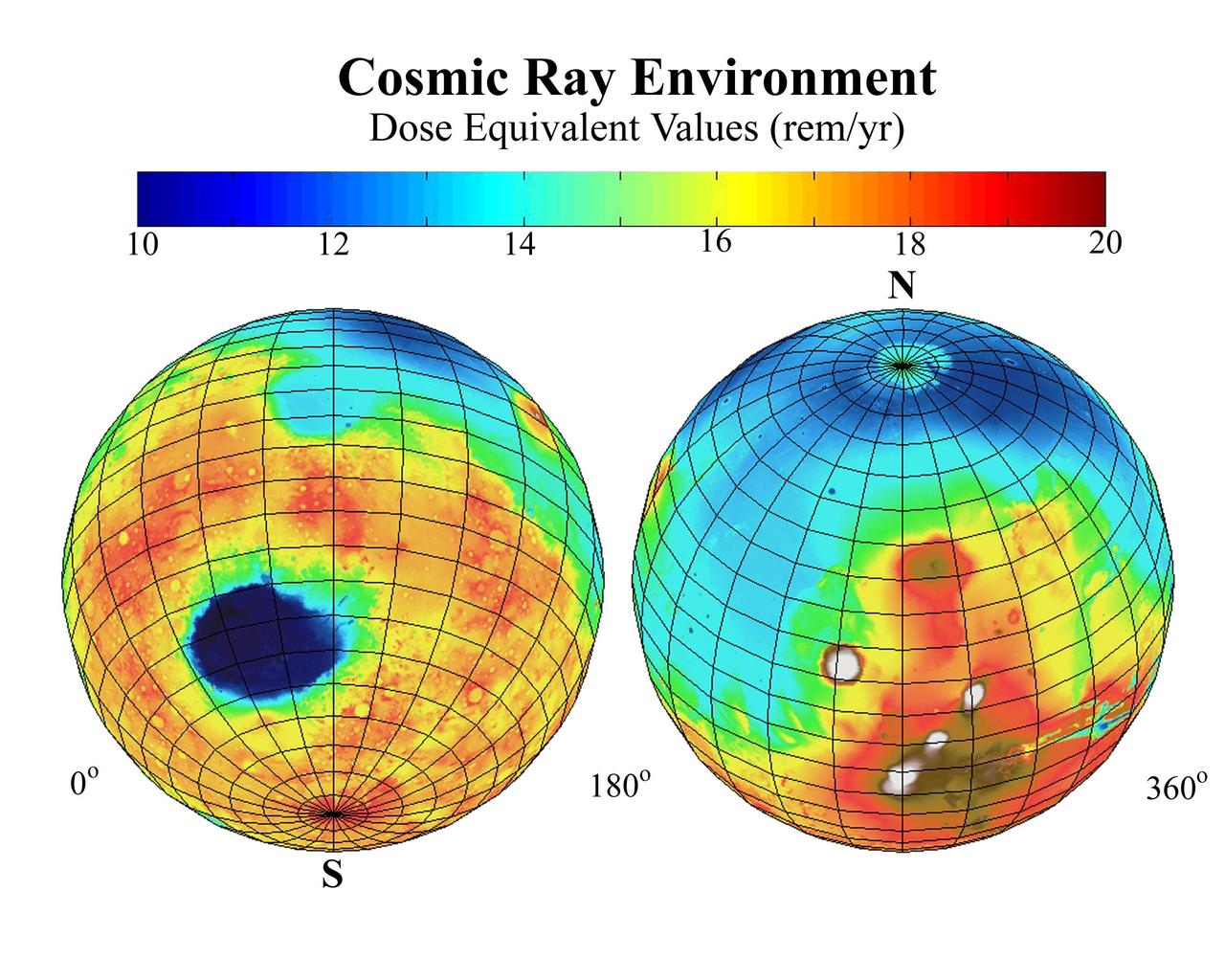
This global map of Mars, based on data from NASA Mars Odyssey, shows the estimated radiation dosages from cosmic rays reaching the surface, a serious health concern for any future human exploration of the planet.
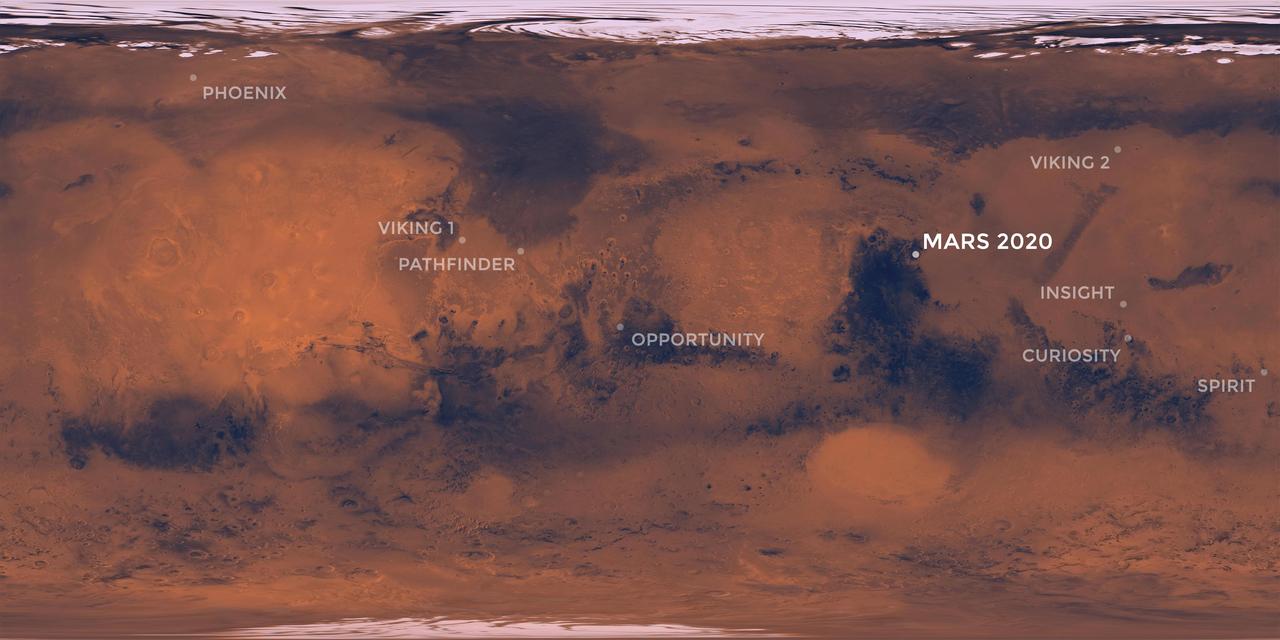
This map of the Red Planet shows Jezero Crater, where NASA's Mars 2020 rover is scheduled to land in February 2021. Also included are the locations where all of NASA's other successful Mars missions touched down. https://photojournal.jpl.nasa.gov/catalog/PIA23518
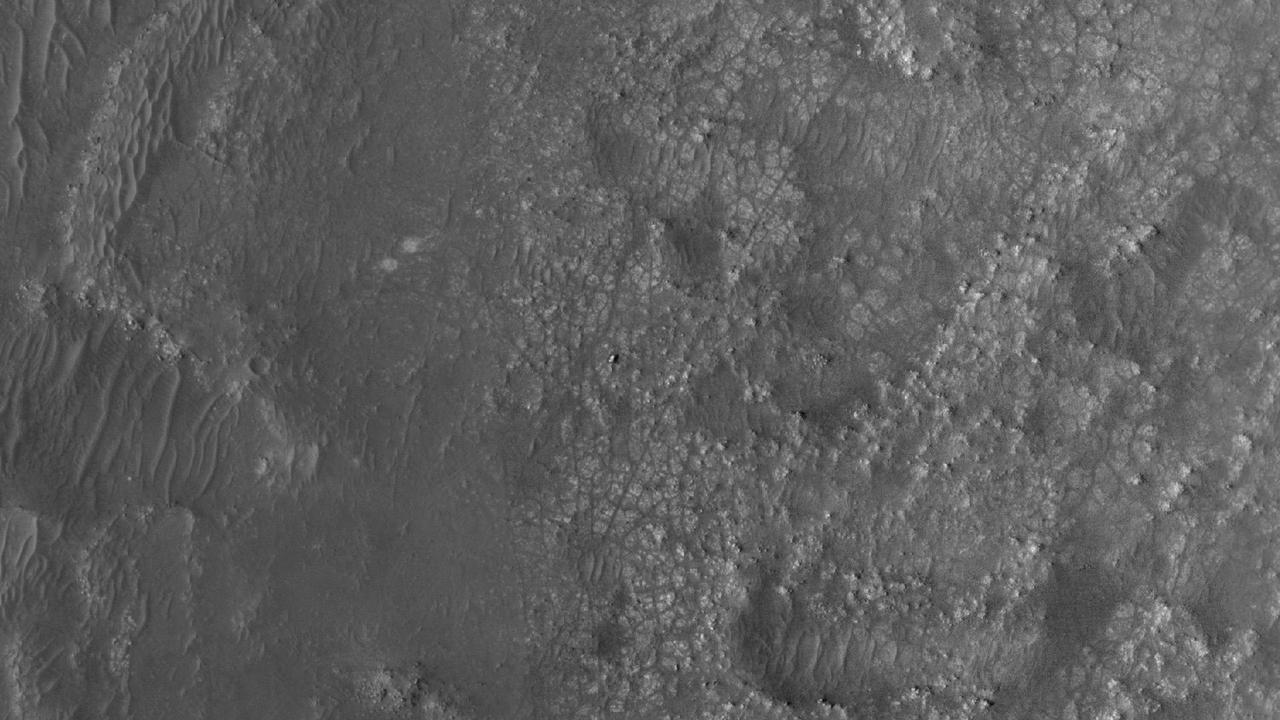
NASA's Perseverance Mars rover and Ingenuity helicopter were spotted on the surface of the Red Planet in this black-and-white image captured Feb. 26, 2022, by the HiRISE camera aboard NASA's Mars Reconnaissance Orbiter. The rover is viewed here sitting on fractured bedrock of the "Máaz" formation before its long drive to the Jezero Crater's delta. About 656 feet (200 meters) to the left is the Ingenuity helicopter, which is so small that it appears as a mere dot on the landscape. A key objective for Perseverance's mission on Mars is astrobiology, including the search for signs of ancient microbial life. The rover will characterize the planet's geology and past climate, pave the way for human exploration of the Red Planet, and be the first mission to collect and cache Martian rock and regolith (broken rock and dust). Subsequent NASA missions, in cooperation with ESA (European Space Agency), would send spacecraft to Mars to collect these sealed samples from the surface and return them to Earth for in-depth analysis. The Mars 2020 Perseverance mission is part of NASA's Moon to Mars exploration approach, which includes Artemis missions to the Moon that will help prepare for human exploration of the Red Planet. https://photojournal.jpl.nasa.gov/catalog/PIA25174
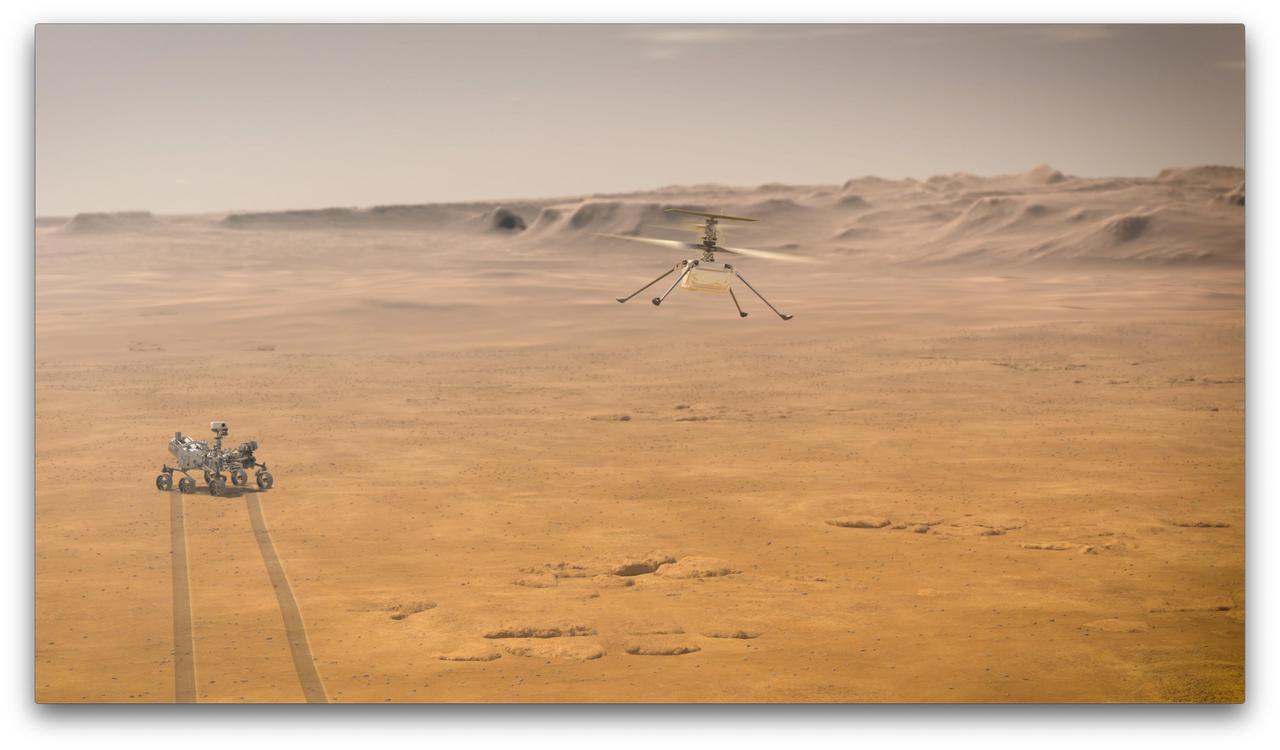
When NASA's Ingenuity Mars Helicopter attempts its first test flight on the Red Planet, the agency's Mars 2020 Perseverance rover will be close by, as seen in this artist's concept. Ingenuity, a technology experiment, will be the first aircraft to attempt controlled flight on another planet. When it attempts its test flights on Mars in spring 2021, Ingenuity will remain within a 0.6-mile (1-kilometer) radius of Perseverance so it can communicate wirelessly with the rover. Perseverance then communicates with relay orbiters around Mars that send the signal back to Earth. https://photojournal.jpl.nasa.gov/catalog/PIA23963

MarCO-B, one of the experimental Mars Cube One (MarCO) CubeSats, took this image of Mars from about 4,700 miles (6,000 kilometers) away during its flyby of the Red Planet on Nov. 26, 2018. MarCO-B was flying by Mars with its twin, MarCO-A, to attempt to serve as communications relays for NASA's InSight spacecraft as it landed on Mars. This image was taken at about 12:10 p.m. PST (3:10 p.m. EST) while MarCO-B was flying away from the planet after InSight landed. https://photojournal.jpl.nasa.gov/catalog/PIA22833
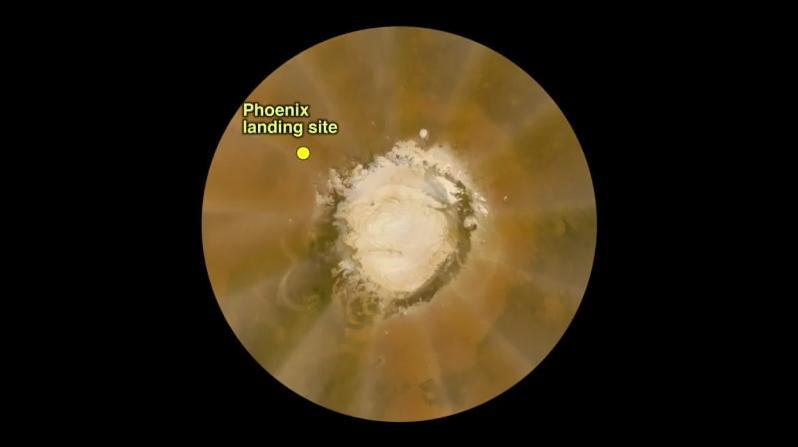
Scientists were anticipating clear skies when NASA Phoenix Mars Lander arrives on the north polar plains of the Red Planet Sunday, May 25, 2008.
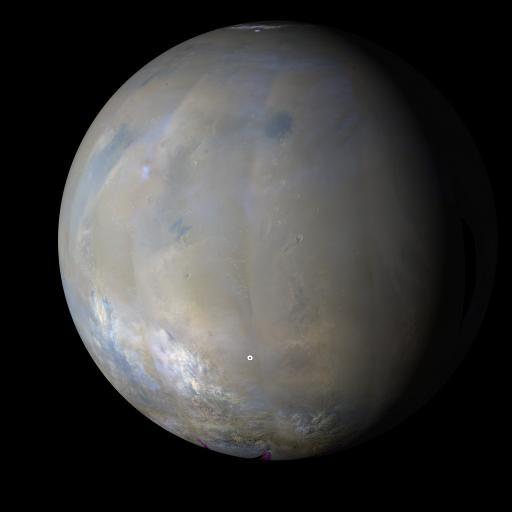
NASA MARCI acquires a global view of the red planet and its weather patterns every day. This image was taken on Nov. 3, 2008 by the Mars Reconnaissance Orbiter.
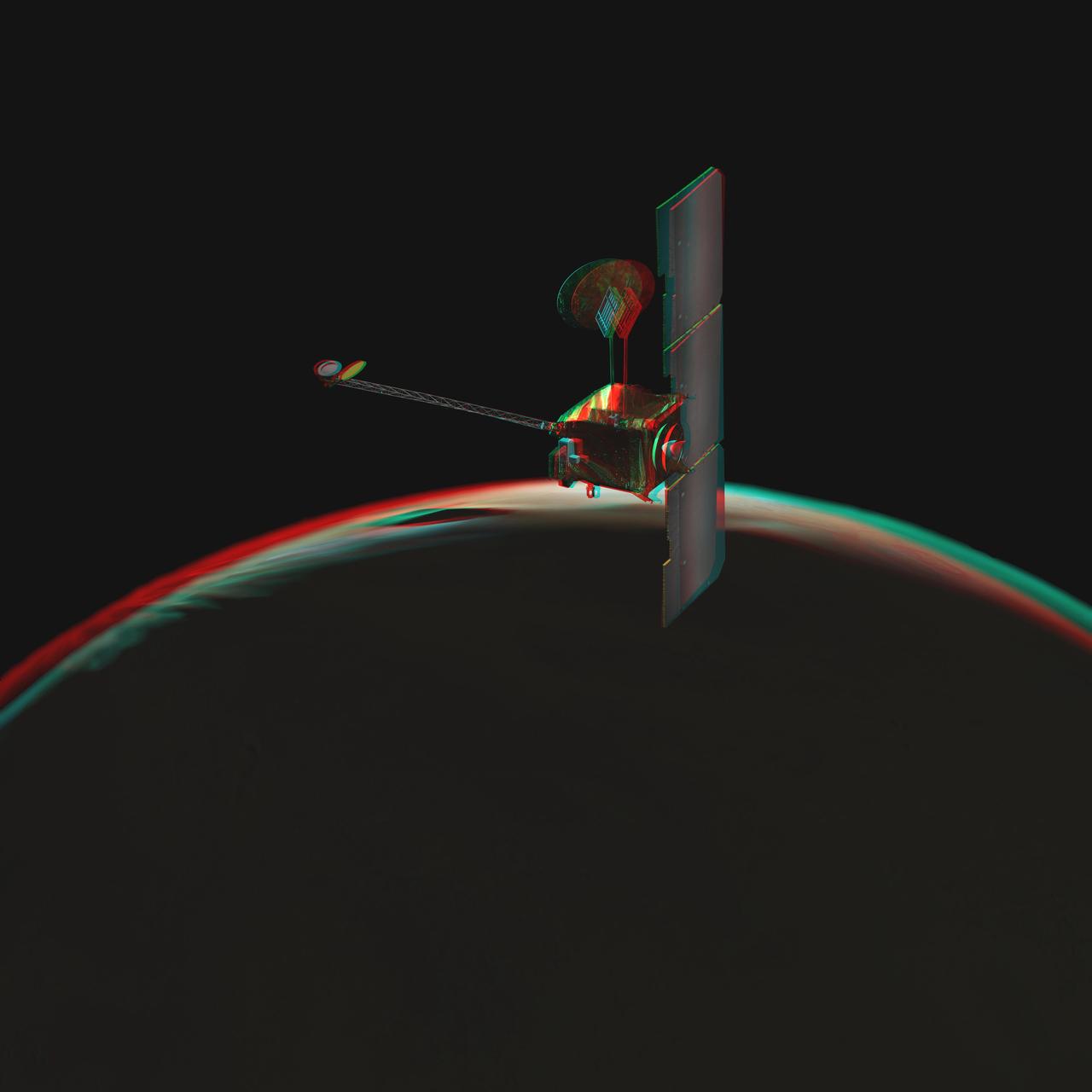
NASA Mars Odyssey spacecraft passes above a portion of the planet that is rotating into the sunlight in this artist concept illustration. 3D glasses are necessary to view this image.
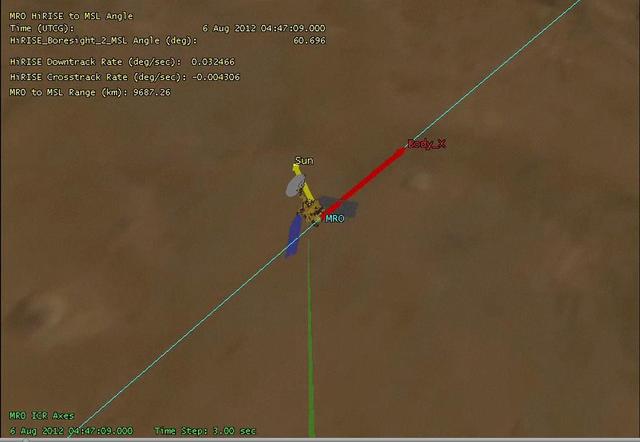
This frame from an animation shows NASA Mars Reconnaissance Orbiter flying over NASA Curiosity shown in pink as the rover lands on the Red Planet.
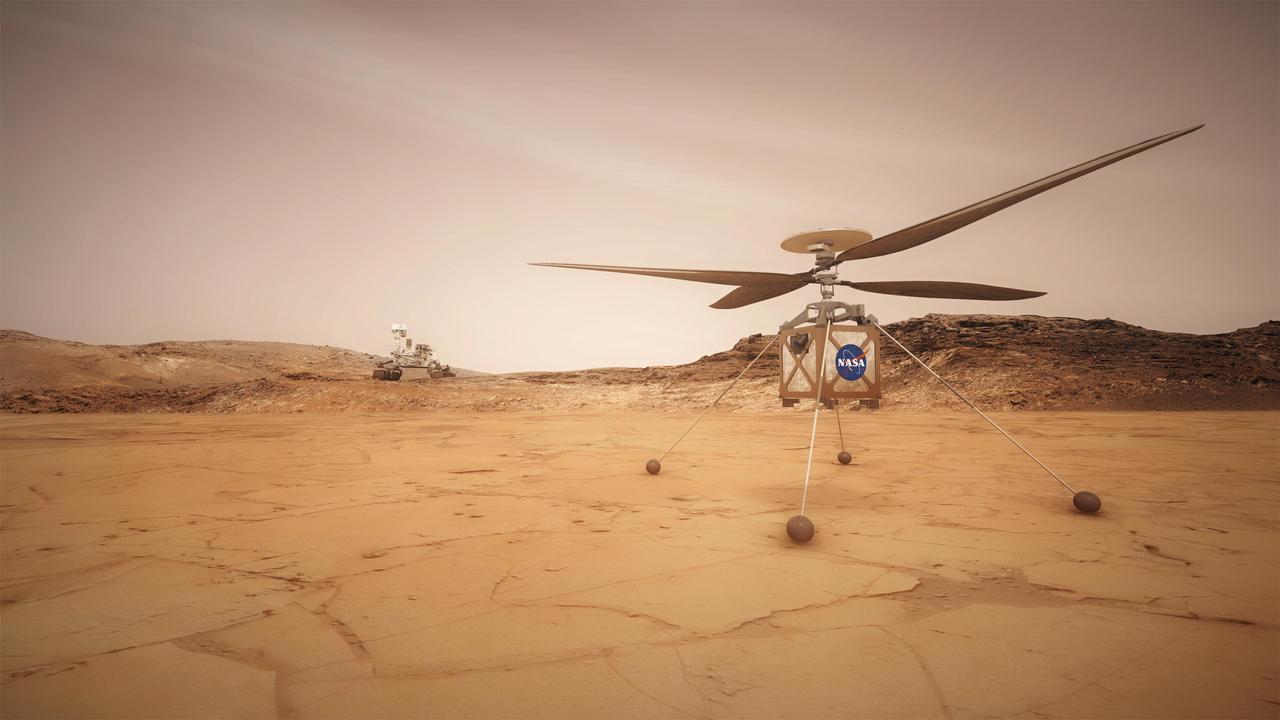
This artist concept shows the Mars Helicopter, a small, autonomous rotorcraft, which will travel with NASA's Mars 2020 rover mission, currently scheduled to launch in July 2020, to demonstrate the viability and potential of heavier-than-air vehicles on the Red Planet. https://photojournal.jpl.nasa.gov/catalog/PIA22460
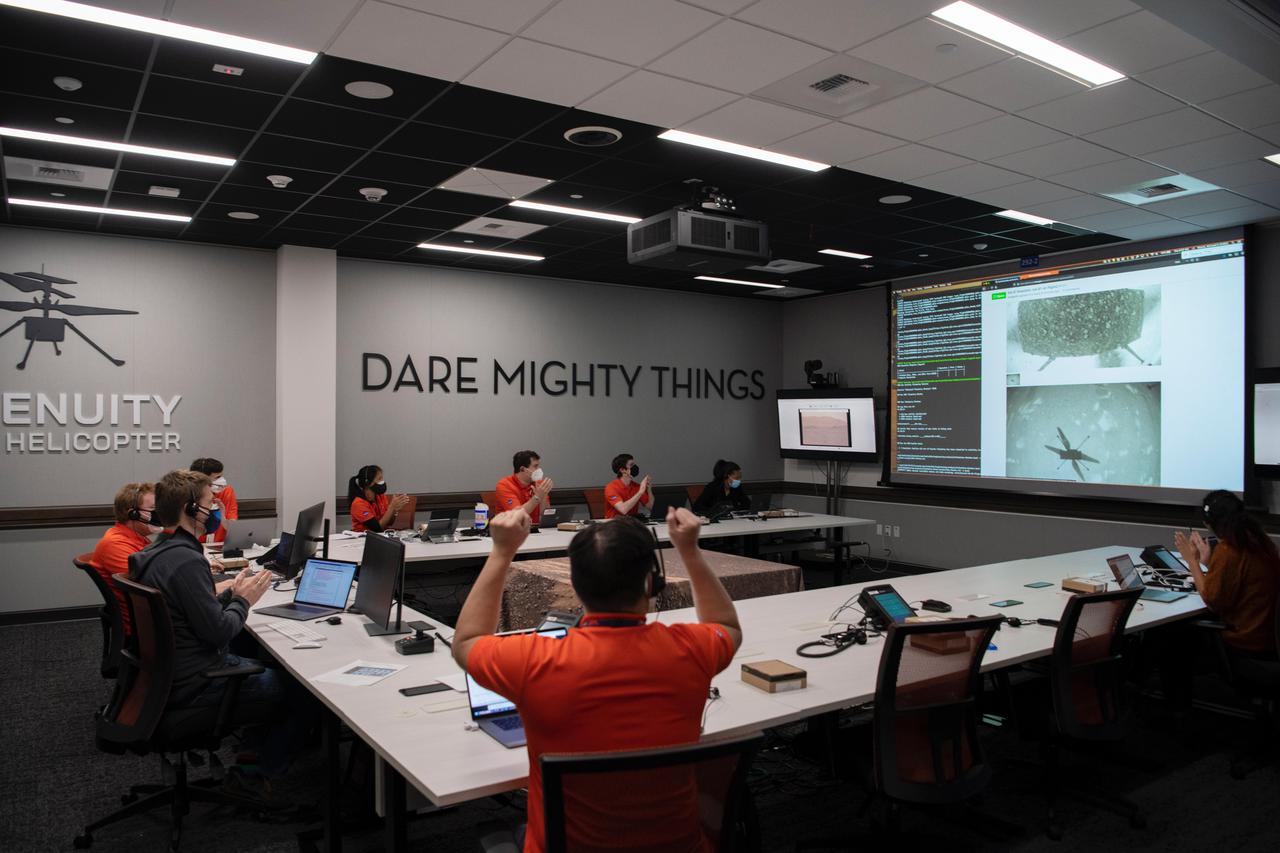
Members of NASA's Ingenuity Mars Helicopter team at the agency's Jet Propulsion Laboratory react to data showing that the helicopter completed its second flight on the Red Planet on April 22, 2021. The Ingenuity Mars Helicopter was built by JPL, which also manages this technology demonstration project for NASA Headquarters. It is supported by NASA's Science Mission Directorate, Aeronautics Research Mission Directorate, and Space Technology Mission Directorate. NASA's Ames Research Center and Langley Research Center provided significant flight performance analysis and technical assistance during Ingenuity's development. A key objective for Perseverance's mission on Mars is astrobiology, including the search for signs of ancient microbial life. The rover will characterize the planet's geology and past climate, pave the way for human exploration of the Red Planet, and be the first mission to collect and cache Martian rock and regolith (broken rock and dust). Subsequent NASA missions, in cooperation with ESA (European Space Agency), would send spacecraft to Mars to collect these sealed samples from the surface and return them to Earth for in-depth analysis. The Mars 2020 Perseverance mission is part of NASA's Moon to Mars exploration approach, which includes Artemis missions to the Moon that will help prepare for human exploration of the Red Planet. https://photojournal.jpl.nasa.gov/catalog/PIA24597

NASA's Ingenuity Mars Helicopter took this shot, capturing its own shadow, while hovering over the Martian surface on April 19, 2021, during the first instance of powered, controlled flight on another planet. It used its navigation camera, which autonomously tracks the ground during flight. The Ingenuity Mars Helicopter was built by JPL, which also manages this technology demonstration project for NASA Headquarters. It is supported by NASA's Science Mission Directorate, Aeronautics Research Mission Directorate, and Space Technology Mission Directorate. NASA's Ames Research Center and Langley Research Center provided significant flight performance analysis and technical assistance during Ingenuity's development. A key objective for Perseverance's mission on Mars is astrobiology, including the search for signs of ancient microbial life. The rover will characterize the planet's geology and past climate, pave the way for human exploration of the Red Planet, and be the first mission to collect and cache Martian rock and regolith (broken rock and dust). Subsequent NASA missions, in cooperation with ESA (European Space Agency), would send spacecraft to Mars to collect these sealed samples from the surface and return them to Earth for in-depth analysis. The Mars 2020 Perseverance mission is part of NASA's Moon to Mars exploration approach, which includes Artemis missions to the Moon that will help prepare for human exploration of the Red Planet. https://photojournal.jpl.nasa.gov/catalog/PIA24584
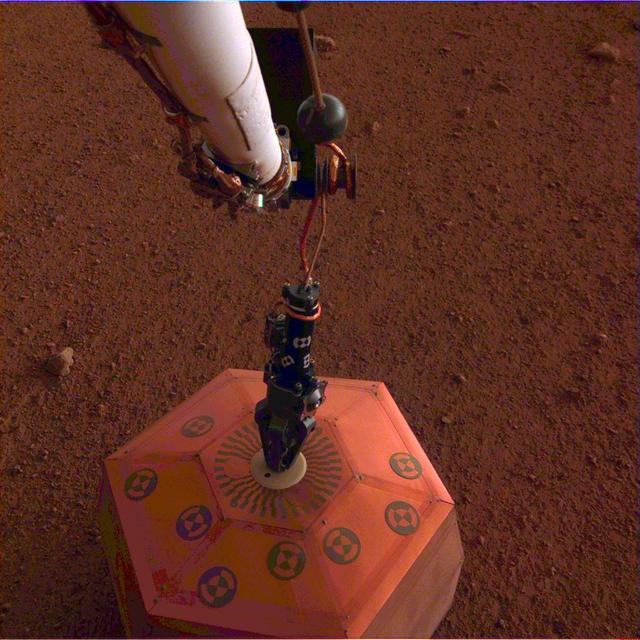
NASA's InSight lander placed its seismometer onto Mars on Dec. 19, 2018. This was the first time a seismometer had ever been placed onto the surface of another planet. The seismometer is the copper-colored object in this image, which was taken around Martian dusk. The seismometer, called Seismic Explorations for Interior Structure (SEIS), will measure seismic waves caused by marsquakes, meteorite strikes and other phenomena. Watching how these waves travel through Mars' interior will let scientists study how the planet's crust, mantle and core are layered. It will also reveal more about how all rocky bodies are formed, including Earth and its Moon. https://photojournal.jpl.nasa.gov/catalog/PIA22956
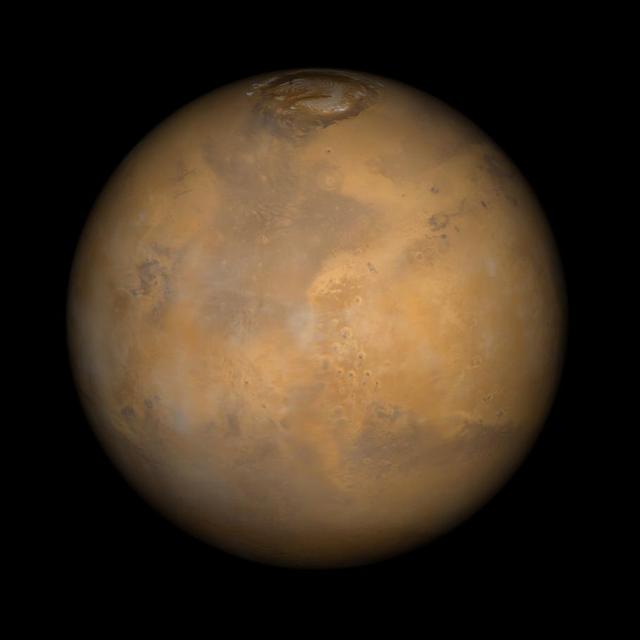
Somewhere down there sits the Mars Pathfinder lander and Sojourner rover. This Mars Global Surveyor Mars Orbiter Camera view of the red planet shows the region that includes Ares Vallis and the Chryse Plains upon which both Mars Pathfinder and the Viking 1 landed in 1997 and 1976, respectively. Acidalia Planitia is the dark surface that dominates the center left. The Pathfinder site is immediately south of Acidalia, just left of center in this view. Also shown--the north polar cap is at the top, and Arabia Terra and Sinus Meridiani are to the right. The bluish-white features are clouds. This is a color composite of 9 red and 9 blue image strips taken by the Mars Global Surveyor Mars Orbiter Camera on 9 successive orbits from pole-to-pole during the calibration phase of the mission in March 1999. The color is computer-enhanced and is not shown as it would actually appear to the human eye. http://photojournal.jpl.nasa.gov/catalog/PIA02000
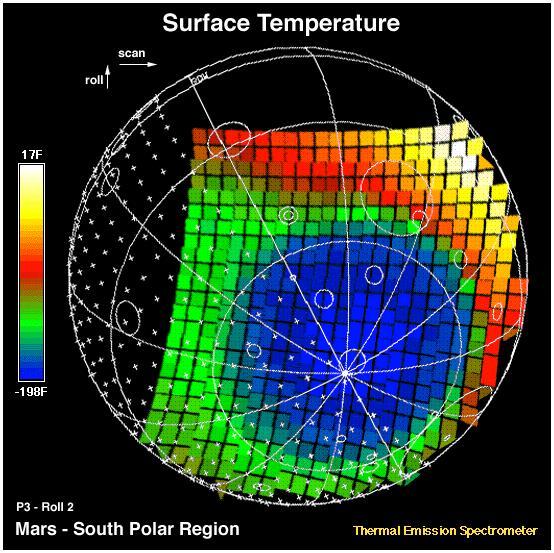
This image shows the temperature of the martian surface measured by the Mars Global Surveyor Thermal Emission Spectrometer (TES) instrument. On September 15, 3 hours and 48 minutes after the spacecrafts third close approach to the planet, the TES instrument was commanded to point at Mars and measure the temperature of the surface during a four minute scan. At this time MGS was approximately 15,000 miles (~24,000 km) from the planet, with a view looking up from beneath the planet at the south polar region. The circular blue region (- 198 F) is the south polar cap of Mars that is composed of CO2 ice. The night side of the planet, shown with crosses, is generally cool (green). The sunlit side of the planet reaches temperatures near 15 F (yellow). Each square represents an individual observation acquired in 2 seconds with a ground resolution of ~125 miles (~200 km). The TES instrument will remain on and collect similar images every 100 minutes to monitor the temperature of the surface and atmosphere throughout the aerobraking phase of the MGS mission. http://photojournal.jpl.nasa.gov/catalog/PIA00937

Scientists with NASA's Mars 2020 mission and the European-Russian ExoMars mission traveled to the Australian Outback to hone their research techniques before their missions launch to the Red Planet in the summer of 2020. The trip was designed to help them better understand how to search for signs of ancient life on Mars. https://photojournal.jpl.nasa.gov/catalog/PIA23275
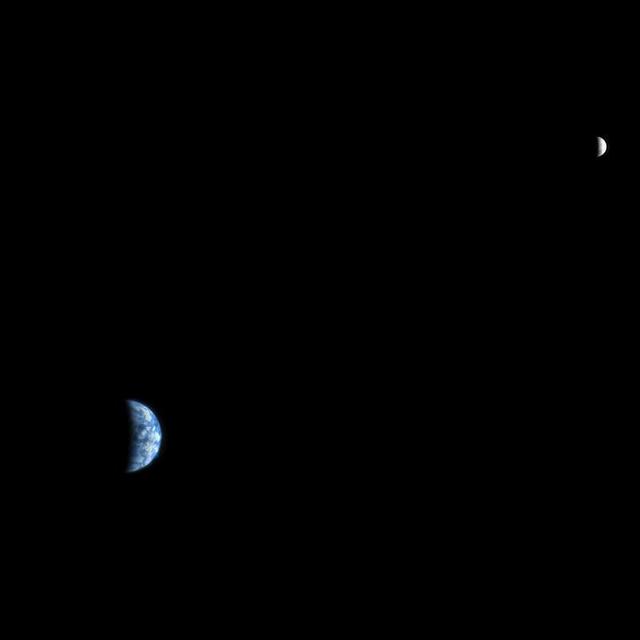
The High Resolution Imaging Science Experiment HiRISE camera would make a great backyard telescope for viewing Mars, and we can also use it at Mars to view other planets. This is an image of Earth and the moon, acquired on October 3, 2007.
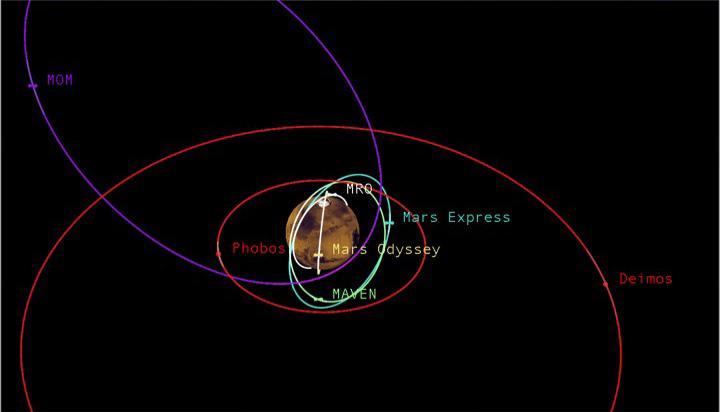
This graphic depicts the relative shapes and distances from Mars for five active orbiter missions plus the planet's two natural satellites. It illustrates the potential for intersections of the spacecraft orbits. The number of active orbiter missions at Mars increased from three to five in 2014. With the increased traffic, NASA has augmented a process for anticipating orbit intersections and avoiding collisions. NASA's Mars Odyssey and MRO (Mars Reconnaissance Orbiter) travel near-circular orbits. The European Space Agency's Mars Express, NASA's MAVEN (Mars Atmosphere and Volatile Evolution) and India's MOM (Mars Orbiter Mission), travel more elliptical orbits. Phobos and Deimos are the two natural moons of Mars. http://photojournal.jpl.nasa.gov/catalog/PIA19396
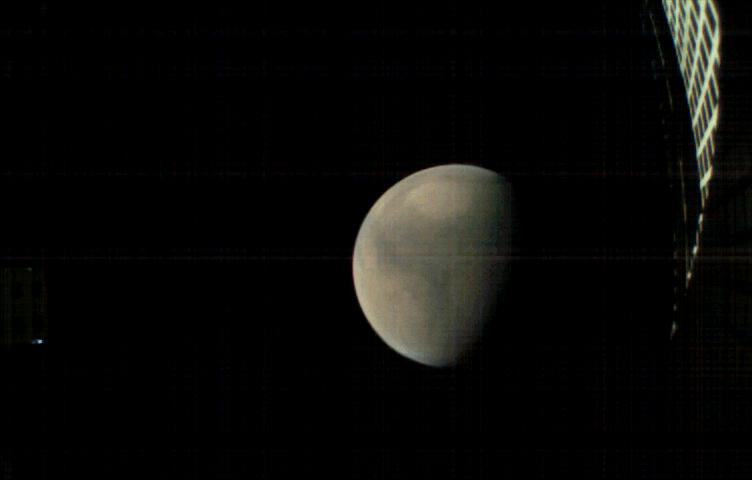
MarCO-B, one of the experimental Mars Cube One (MarCO) CubeSats, took these images as it approached Mars from about 357,300 miles (575,000 kilometers) to 11,200 miles (18,000 kilometers) away, just before NASA's InSight spacecraft landed on Mars on Nov. 26, 2018. MarCO-B flew by Mars with its twin, MarCO-A, to serve as communications relays for InSight as it touched down on the Red Planet. MarCO-B, nicknamed Wall-E, took these images on Sunday, Nov. 25 and Monday, Nov. 26, 2018. The bright point of light to the left is the corner of MarCO-B's high gain antenna feed and to the right is the high gain antenna, which let the CubeSat communicate with Earth. Animation available at https://photojournal.jpl.nasa.gov/catalog/PIA22655
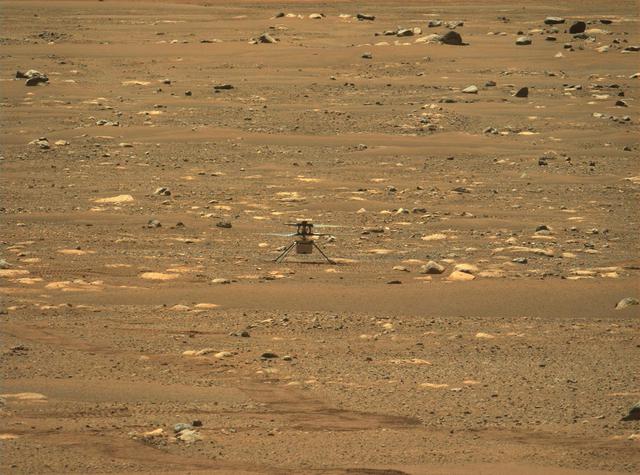
This image was taken after the first flight of NASA's Ingenuity Mars Helicopter — and the first powered, controlled flight on another planet. It was captured by Mastcam-Z, a pair of zoomable cameras aboard NASA's Perseverance Mars rover, on April 19, 2021. Flying in a controlled manner on Mars is far more difficult than flying on Earth. The Red Planet has significant gravity (about one-third that of Earth's), but its atmosphere is just 1% as dense as Earth's at the surface. Stitched together from multiple images, the mosaic is not white balanced; instead, it is displayed in a preliminary calibrated version of a natural color composite, approximately simulating the colors of the scene that we would see if we were there viewing it ourselves. Arizona State University in Tempe leads the operations of the Mastcam-Z instrument, working in collaboration with Malin Space Science Systems in San Diego. A key objective for Perseverance's mission on Mars is astrobiology, including the search for signs of ancient microbial life. The rover will characterize the planet's geology and past climate, pave the way for human exploration of the Red Planet, and be the first mission to collect and cache Martian rock and regolith (broken rock and dust). Subsequent NASA missions, in cooperation with ESA (European Space Agency), would send spacecraft to Mars to collect these sealed samples from the surface and return them to Earth for in-depth analysis. The Mars 2020 Perseverance mission is part of NASA's Moon to Mars exploration approach, which includes Artemis missions to the Moon that will help prepare for human exploration of the Red Planet. https://photojournal.jpl.nasa.gov/catalog/PIA24550
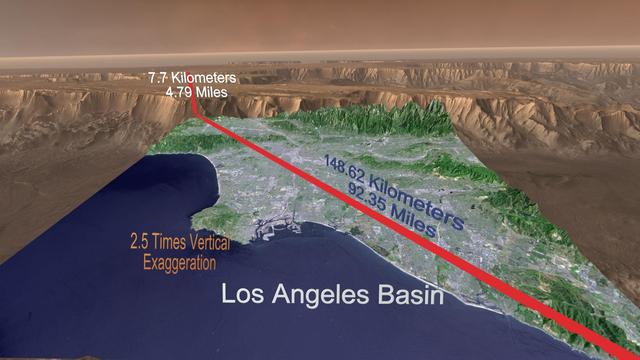
A Grand Canyon of Mars slices across the Red Planet near its equator. This canyon -- Valles Marineris, or the Mariner Valley -- is 10 times longer and deeper than Arizona Grand Canyon, and 20 times wider
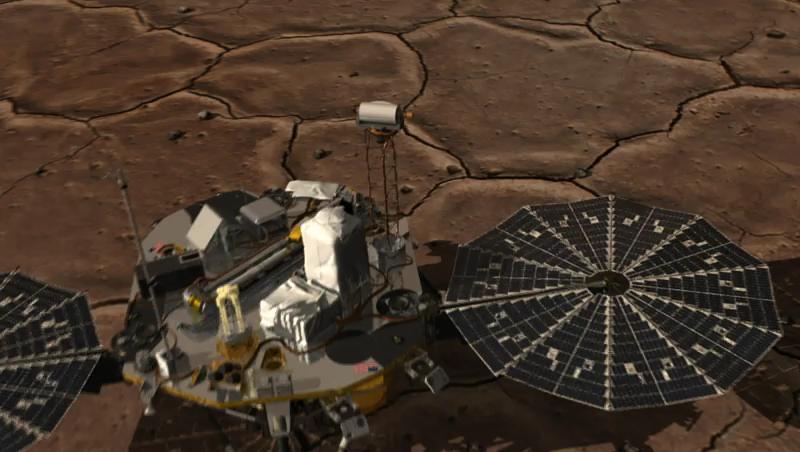
This image shows how NASA three-legged Phoenix Mars Lander is able to get a better look at its footing and the physical characteristics of the underlying soil on the surface of the Red Planet.
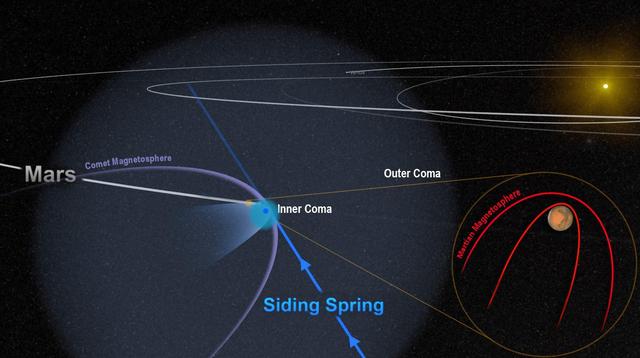
This artist depiction shows the close encounter between comet Siding Sprng and Mars in 2014. The comet powerful magnetic field temporarily merged with, and overwhelmed, the planet weak magnetic field.
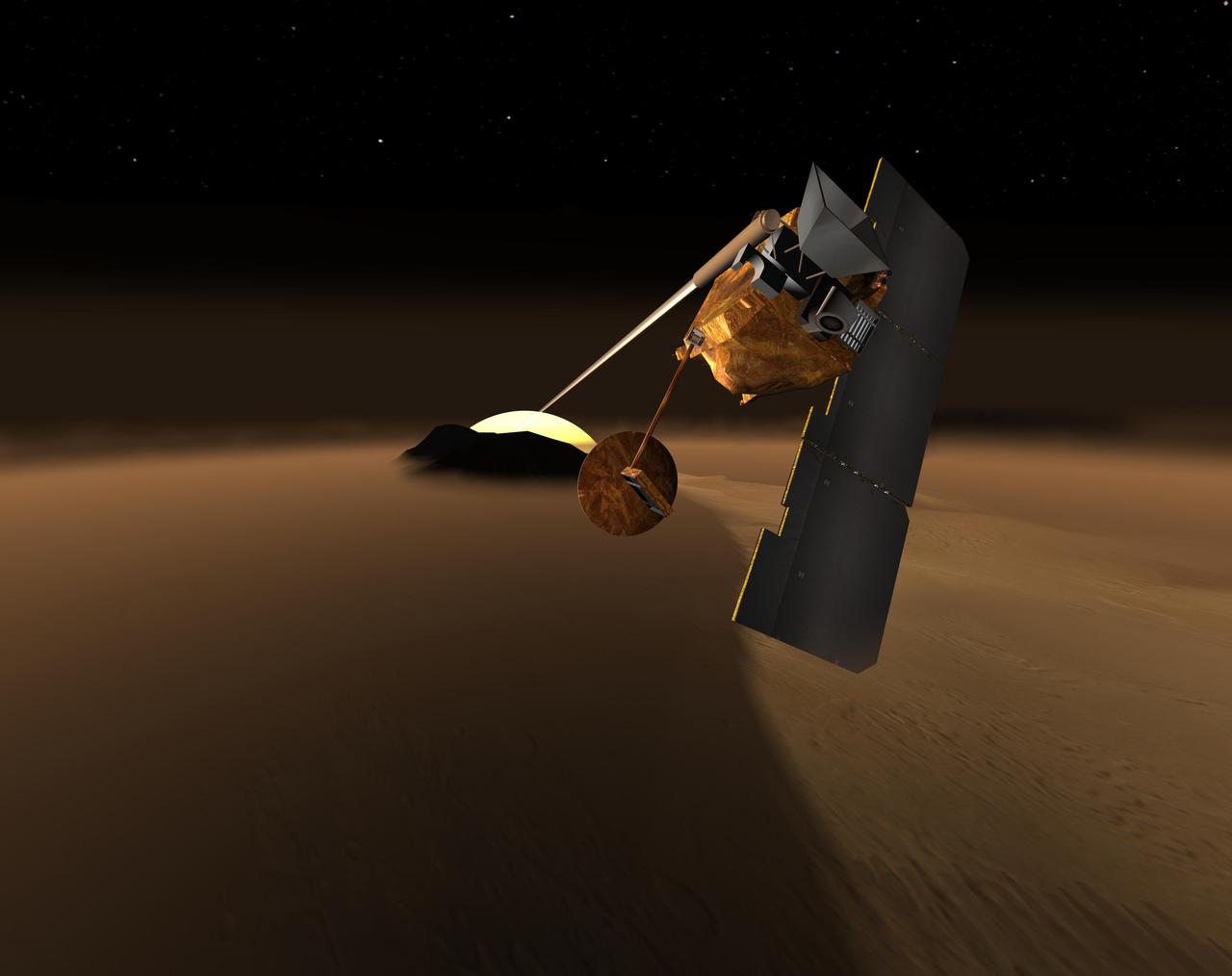
This artist rendition depicts a concept for NASA Mars orbiter that would scrutinize the martian atmosphere for chemical traces of life or environments supportive of life that might be present anywhere on the planet.

This is one of the last images ever taken by NASA's InSight Mars lander. Captured on Dec. 11, 2022, the 1,436th Martian day, or sol, of the mission, it shows InSight's seismometer on the Red Planet's surface. https://photojournal.jpl.nasa.gov/catalog/PIA25680
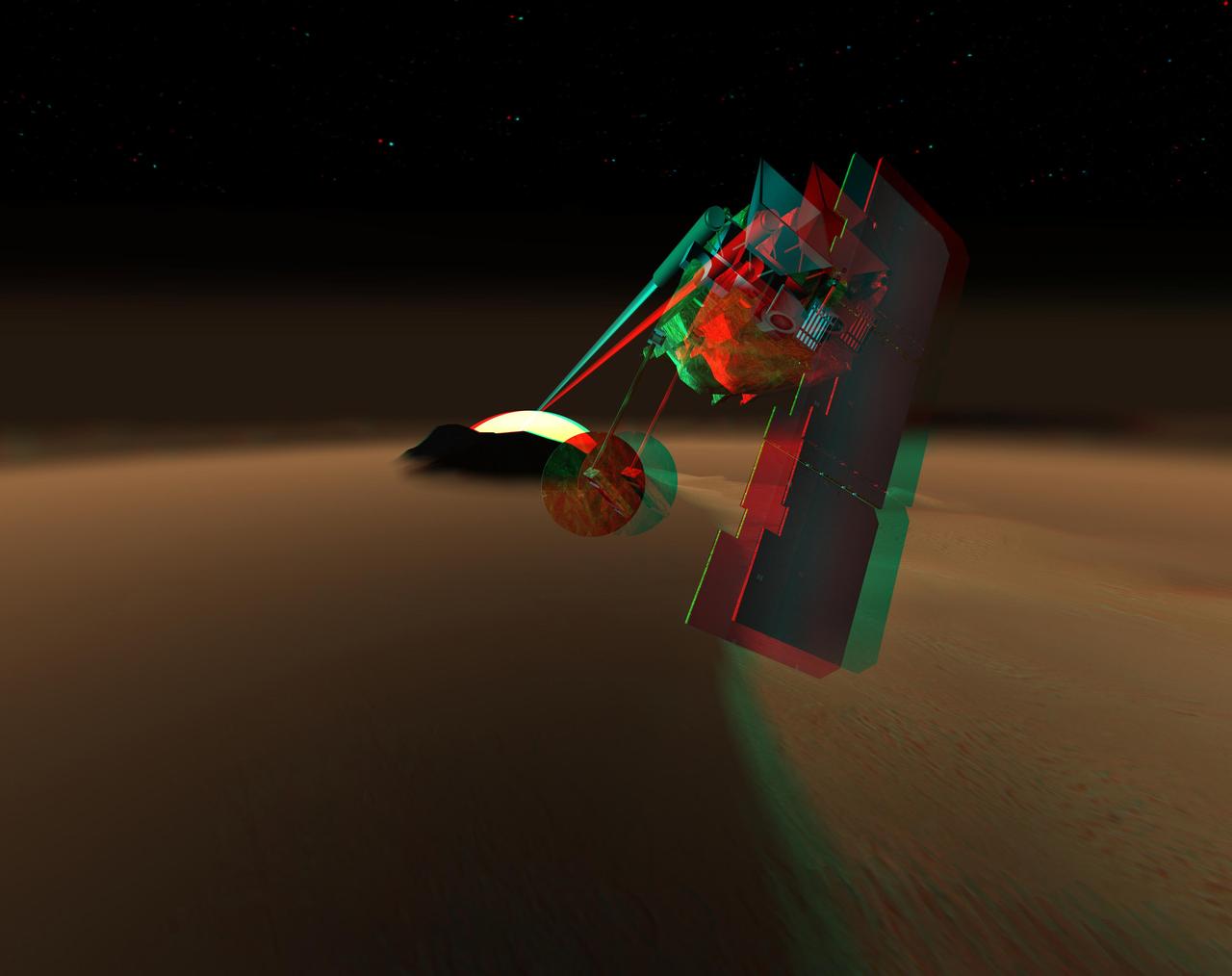
This artist rendition depicts a concept for a Mars orbiter that would scrutinize the martian atmosphere for chemical traces of life or environments supportive of life that might be present anywhere on the planet. 3D glasses are necessary.
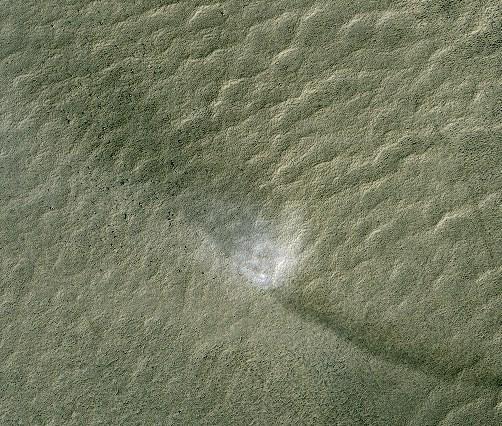
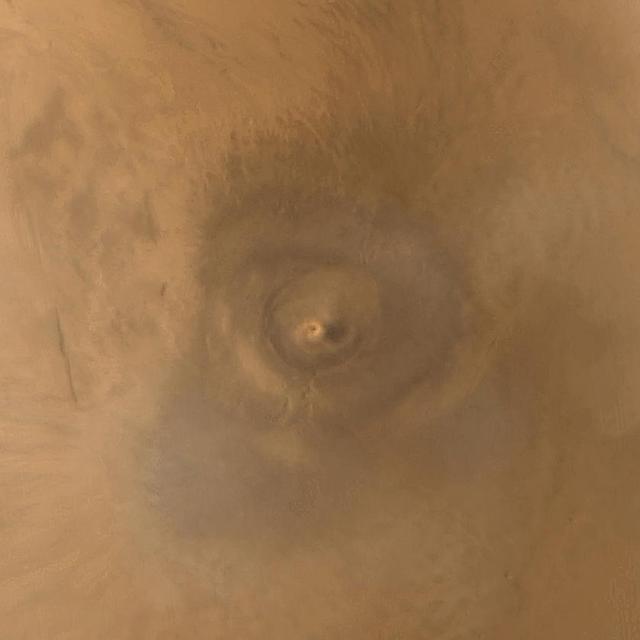
This telescopic view from orbit around Mars catches a Martian dust devil in action in the planet southern hemisphere. The swirling vortex of dust can be seen near the center of the image.
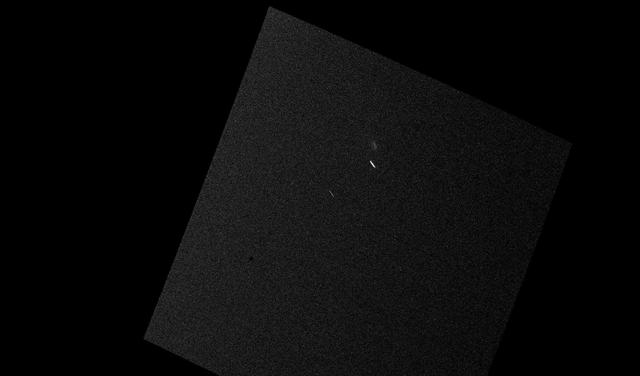
This image from an animiation of comet C/2013 A1 Siding Spring were taken by the Mast Camera Mastcam on NASA Curiosity Mars rover as the comet passed near the red planet on Oct. 19, 2014.
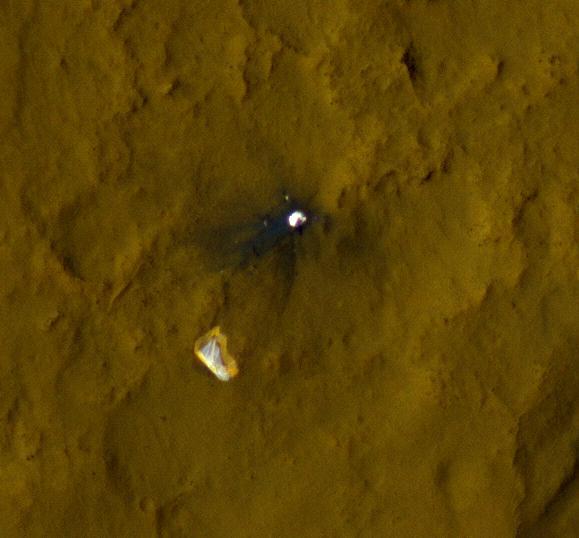
This color view of the parachute and back shell that helped deliver NASA Curiosity rover to the surface of the Red Planet was taken by the High-HiRISE camera on NASA Mars Reconnaissance Orbiter.
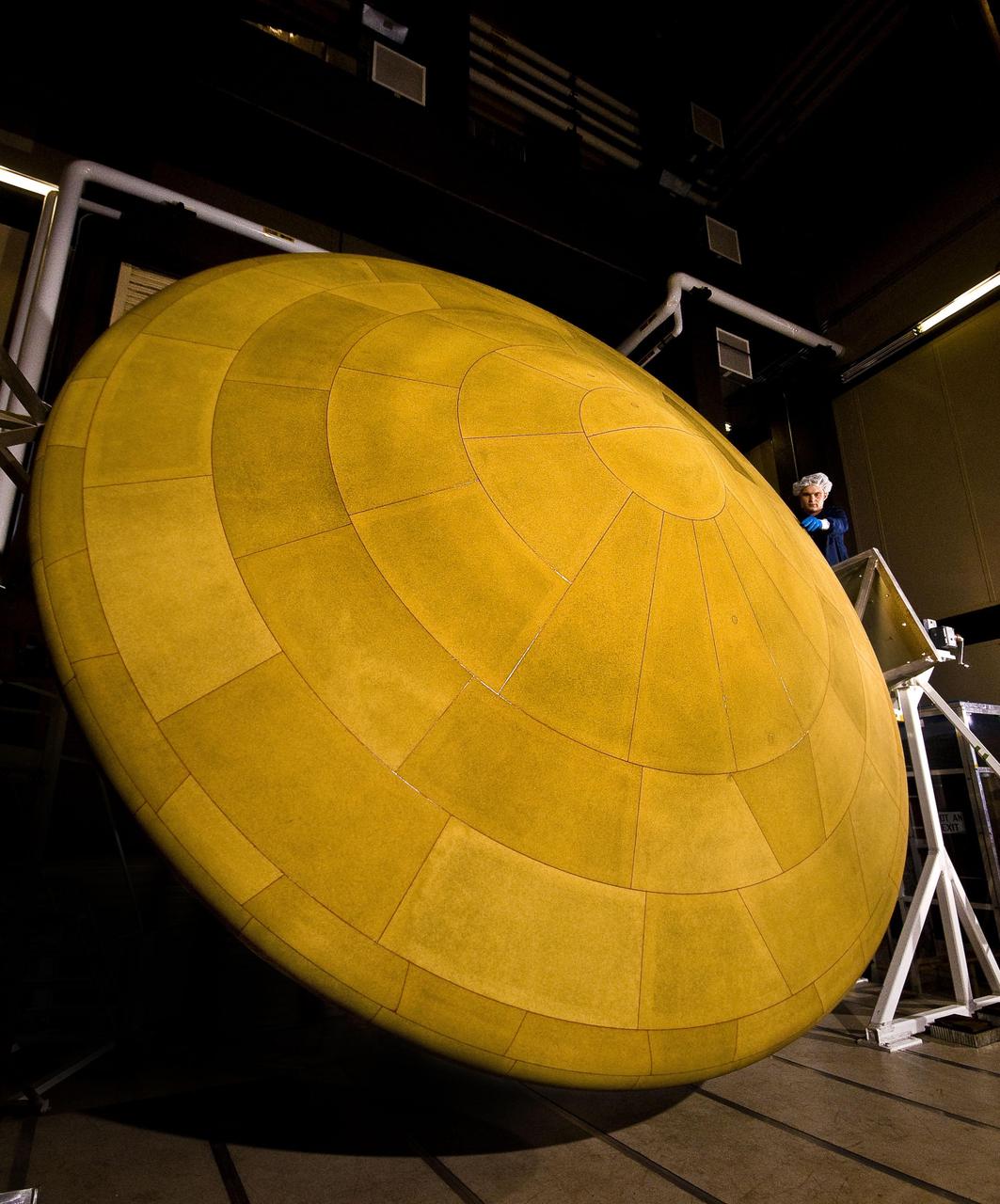
This image shows NASA Mars Science Laboratory heat shield, and a spacecraft worker at Lockheed Martin Space Systems, Denver. It is the largest heat shield ever built for descending through the atmosphere of any planet.
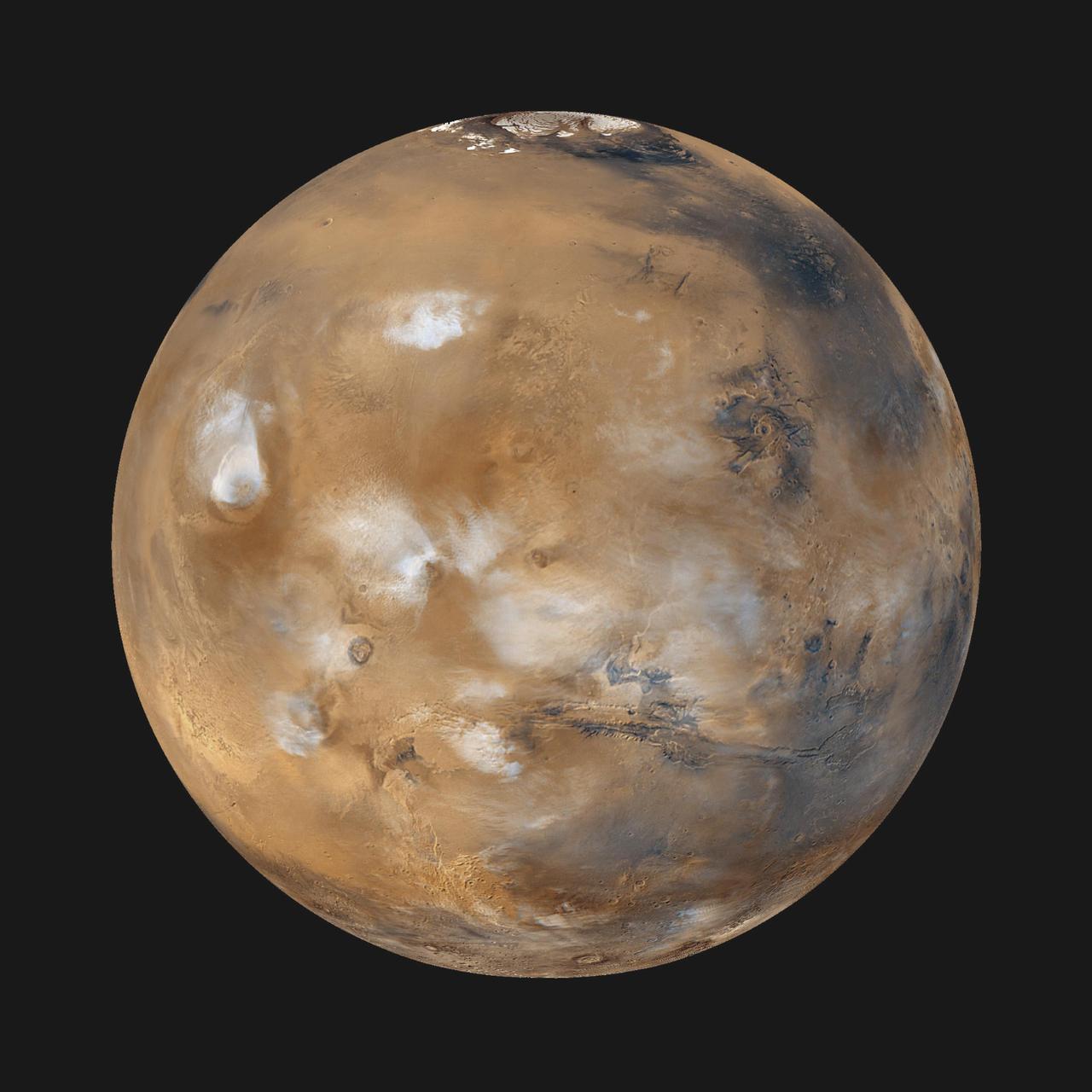
Twelve orbits a day provide NASA Mars Global Surveyor MOC wide angle cameras a global napshot of weather patterns across the planet. Here, bluish-white water ice clouds hang above the Tharsis volcanoes.
This NASA Mars Odyssey image shows a close-up view of the ridged plains in Hesperia Planum, a classic locality for Martian surfaces that formed in the middle ages of the planet history.
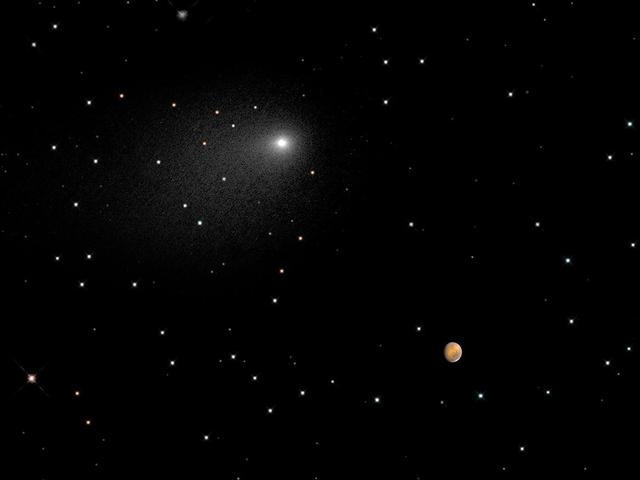
This synthesized composite of NASA Hubble Space Telescope images captures the positions of comet Siding Spring and Mars in a never-before-seen close passage of a comet by the Red Planet.
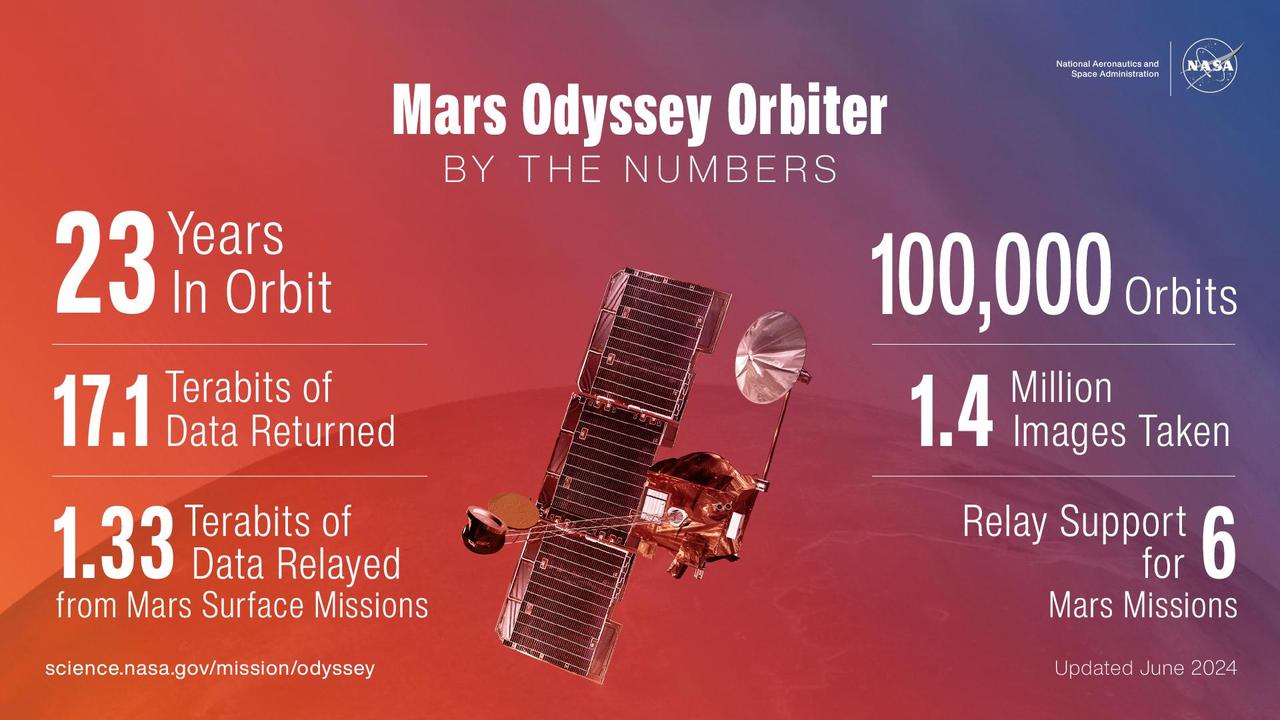
Since arriving at Mars on Oct. 24, 2001, NASA's 2001 Mars Odyssey orbiter has mapped the composition of the Martian surface, providing a window onto the past so scientists can use that data to piece together how the planet evolved. It has also served as a vital asset in relaying communications between landers and rovers on the Red Planet and mission teams back on Earth. Here are some of the highlights of the mission: Completed 100,000 orbits Captured more than 1.4 million images Returned 17.2 terabits of science data to Earth, including 1.3 terabits of data relayed from Mars surface missions Provided communications relay for six Mars surface missions: The Phoenix and InSight landers, and the Spirit, Opportunity, Curiosity, and Perseverance rovers https://photojournal.jpl.nasa.gov/catalog/PIA26361
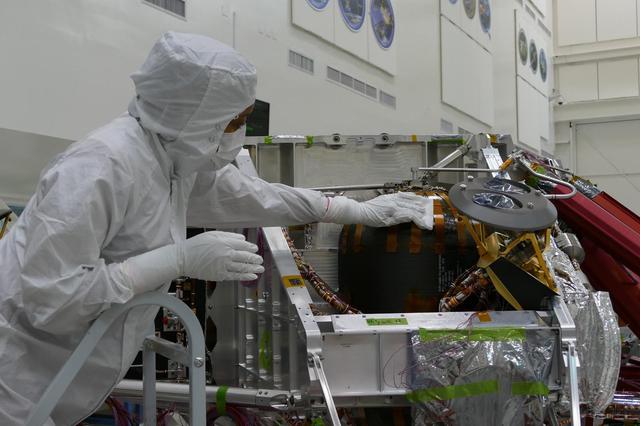
Wiping down hardware is part of the strategy to limit the number of Earth microbes going to the Red Planet for NASA's Mars 2020 Perseverance mission. This cleaning takes place in the Spacecraft Assembly Facility clean room at NASA's Jet Propulsion Laboratory in Southern California. https://photojournal.jpl.nasa.gov/catalog/PIA23717

This calibration target for Mars 2020's Scanning Habitable Environments with Raman & Luminescence for Organics & Chemicals (SHERLOC) instrument includes five samples of spacesuit material, the first to ever be flown to the Red Planet. By studying how these samples degrade in the Martian environment, engineers can develop better spacesuits. https://photojournal.jpl.nasa.gov/catalog/PIA23303
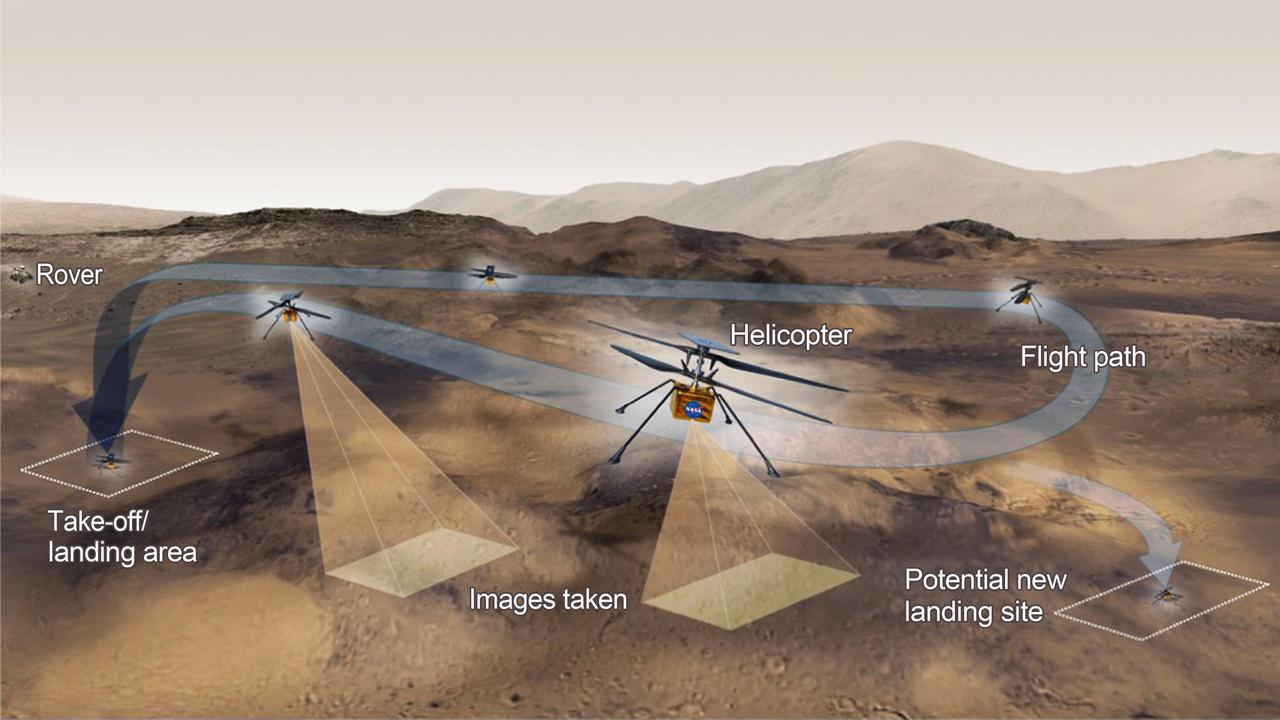
This graphic shows the general activities the team behind NASA's Ingenuity Mars Helicopter hopes to accomplish on a given test flight on the Red Planet. The helicopter will have 31 Earth days (30 sols, or Martian days) for its test flight program. https://photojournal.jpl.nasa.gov/catalog/PIA24496
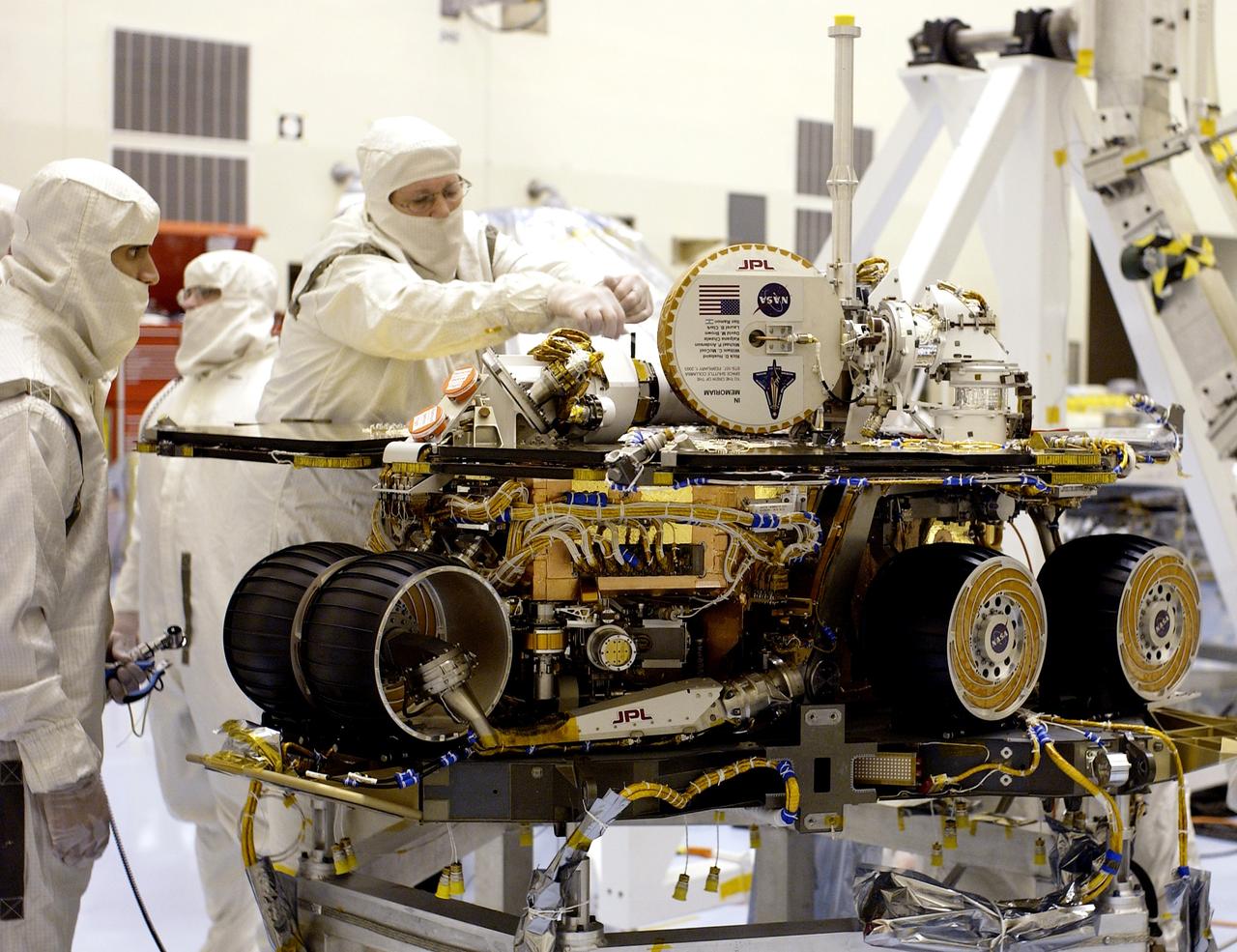
KENNEDY SPACE CENTER, FLA. -- This plaque commemorating the STS-107 Space Shuttle Columbia crew now looks over the Mars landscape after the successful landing and deployment of the Mars Exploration Rover “Spirit” Jan. 4 onto the red planet. The plaque, mounted on the high-gain antenna, is shown while the rover underwent final checkout March 28, 2003, in the Payload Hazardous Servicing Facility at KSC.
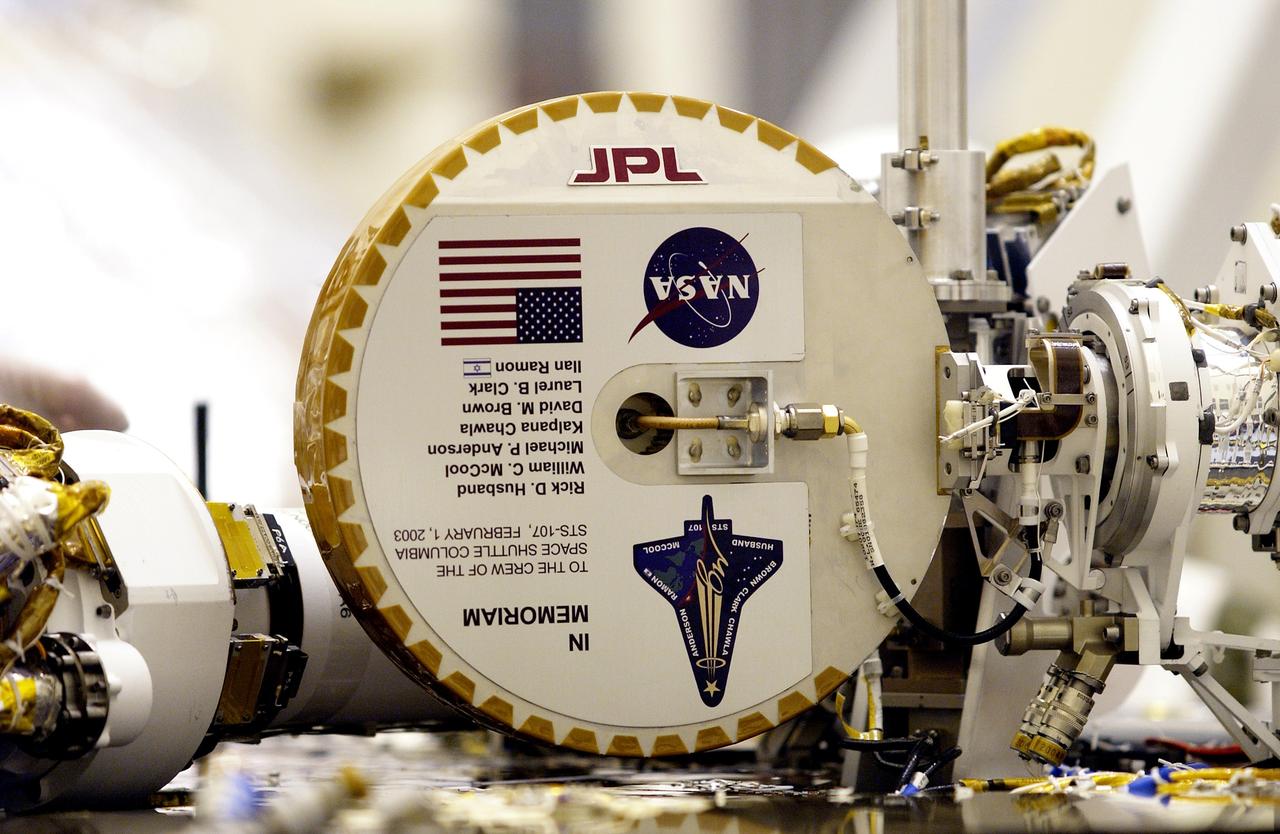
KENNEDY SPACE CENTER, FLA. -- This plaque commemorating the STS-107 Space Shuttle Columbia crew now looks over the Mars landscape after the successful landing and deployment of the Mars Exploration Rover “Spirit” Jan. 4 onto the red planet. The plaque, mounted on the high-gain antenna, is shown while the rover underwent final checkout March 28, 2003, in the Payload Hazardous Servicing Facility at KSC.
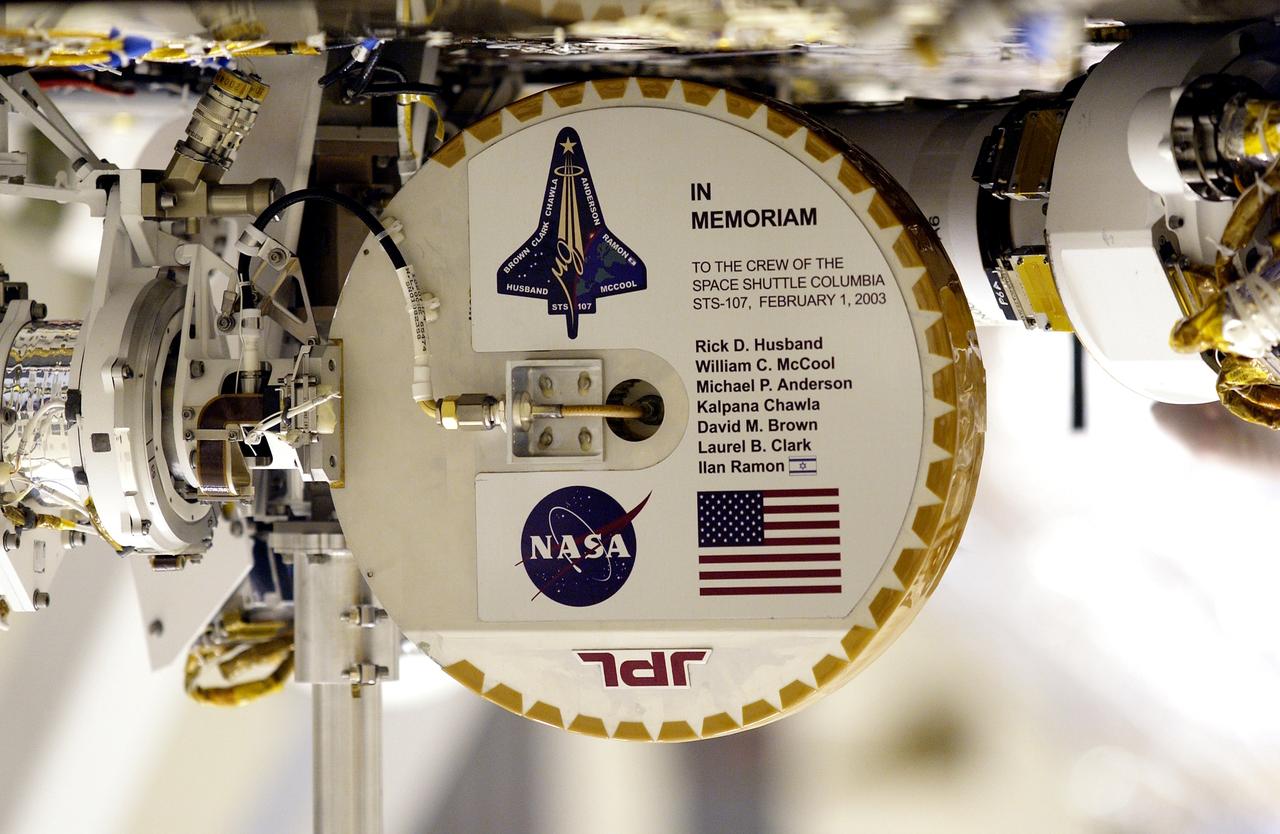
KENNEDY SPACE CENTER, FLA. --Shown upside down to read the names, this plaque commemorating the STS-107 Space Shuttle Columbia crew now looks over the Mars landscape after the successful landing and deployment of the Mars Exploration Rover “Spirit” Jan. 4 onto the red planet. The plaque, mounted on the high-gain antenna, is shown while the rover underwent final checkout March 28, 2003, in the Payload Hazardous Servicing Facility at KSC.
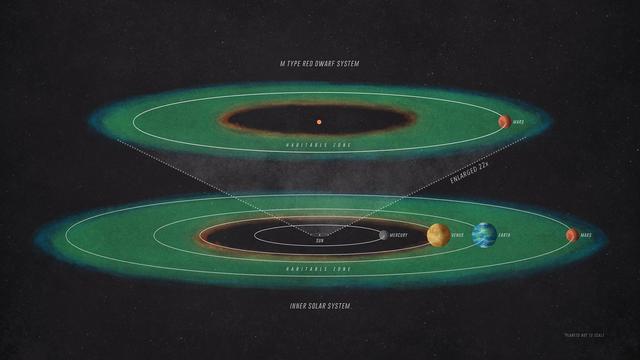
How habitable might an Exo-Mars be? It's a complex question but one that NASA's Mars Atmosphere and Volatile Evolution (MAVEN) mission can help answer. To receive the same amount of starlight as Mars receives from our Sun, a planet orbiting an M-type red dwarf would have to be positioned much closer to its star than Mercury is to the Sun. https://photojournal.jpl.nasa.gov/catalog/PIA22075

In this artist's concept, a two-stage United Launch Alliance (ULA) Atlas V launch vehicle speeds the Mars 2020 spacecraft toward the Red Planet. The rocket stands at 197 feet (60 meters) tall. This will be the 11th Mars launch on an Atlas rocket and the fifth by the Atlas V following NASA's Mars Reconnaissance Orbiter in 2005, Curiosity rover in 2011, MAVEN orbiter in 2013 and InSight lander in 2018. Charged with returning astronauts to the Moon by 2024, NASA will establish a sustained human presence on and around the Moon by 2028 through NASA's Artemis lunar exploration plans. https://photojournal.jpl.nasa.gov/catalog/PIA23922
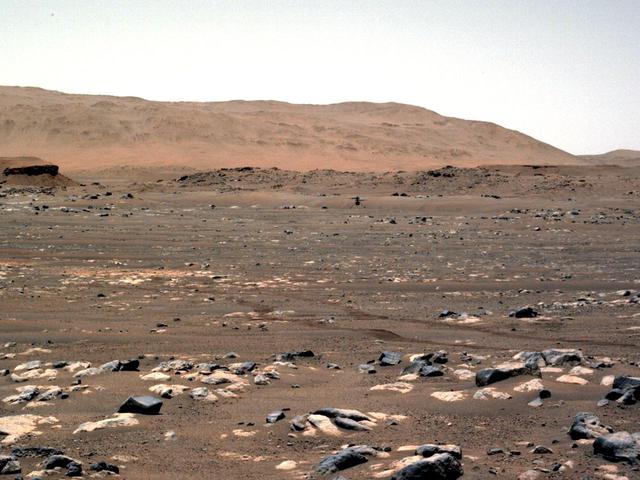
NASA's Ingenuity Mars Helicopter achieves powered, controlled flight for the first time on another planet, hovering for several seconds before touching back down on April 19, 2021. The image was taken by the left Navigation Camera, or Navcam, aboard the agency's Perseverance Mars rover from a distance of 210 feet (64 meters). A short movie was also recorded and can be downloaded here as a GIF. The Ingenuity Mars Helicopter was built by JPL, which also manages this technology demonstration project for NASA Headquarters. It is supported by NASA's Science Mission Directorate, Aeronautics Research Mission Directorate, and Space Technology Mission Directorate. NASA's Ames Research Center and Langley Research Center provided significant flight performance analysis and technical assistance during Ingenuity's development. A key objective for Perseverance's mission on Mars is astrobiology, including the search for signs of ancient microbial life. The rover will characterize the planet's geology and past climate, pave the way for human exploration of the Red Planet, and be the first mission to collect and cache Martian rock and regolith (broken rock and dust). Subsequent NASA missions, in cooperation with ESA (European Space Agency), would send spacecraft to Mars to collect these sealed samples from the surface and return them to Earth for in-depth analysis. The Mars 2020 Perseverance mission is part of NASA's Moon to Mars exploration approach, which includes Artemis missions to the Moon that will help prepare for human exploration of the Red Planet. Animation available at https://photojournal.jpl.nasa.gov/catalog/PIA24586
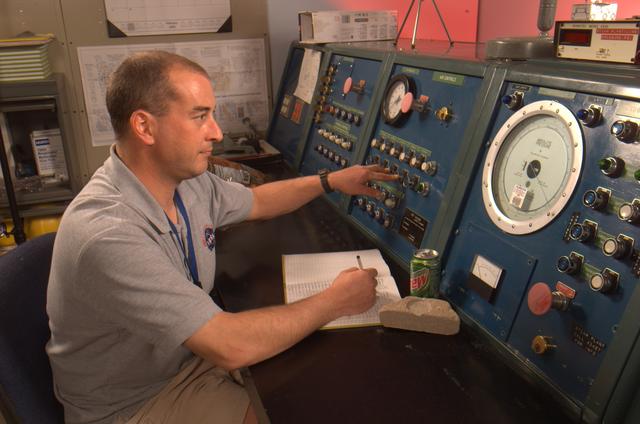
Ames Mars Wind Tunnel Facility N-245: NASA is simulating small martian 'dust devils' and wind in a laboraotry to determine how they may affect the landscape and environment of the red planet. Dust Devils on Mars are often a great deal biggger than those on Earth and can at times cover the whole planet. Martian winds & dust devils, big and little, collectively are a great force that is constantly changing the planet's environment. shown here: is the control room for the Mars W.T. with Eric Eddlemon

Ames Mars Wind Tunnel Facility N-245: NASA is simulating small martian 'dust devils' and wind in a laboraotry to determine how they may affect the landscape and environment of the red planet. Dust Devils on Mars are often a great deal biggger than those on Earth and can at times cover the whole planet. Martian winds & dust devils, big and little, collectively are a great force that is constantly changing the planet's environment. shown here walnut shell particles used in vortex generator to simulate quartz dust on Mars

Ames Mars Wind Tunnel Facility N-245: NASA is simulating small martian 'dust devils' and wind in a laboraotry to determine how they may affect the landscape and environment of the red planet. Dust Devils on Mars are often a great deal biggger than those on Earth and can at times cover the whole planet. Martian winds & dust devils, big and little, collectively are a great force that is constantly changing the planet's environment. shown here: Carbondale Red Clay dust used in vortex generatory and Mars Wind Tunnel

Ames Mars Wind Tunnel Facility N-245: NASA is simulating small martian 'dust devils' and wind in a laboraotry to determine how they may affect the landscape and environment of the red planet. Dust Devils on Mars are often a great deal biggger than those on Earth and can at times cover the whole planet. Martian winds & dust devils, big and little, collectively are a great force that is constantly changing the planet's environment. shown here: Silica Sand (Oklahoma 90) particles used in vortex generatory and Mars Wind Tunnel
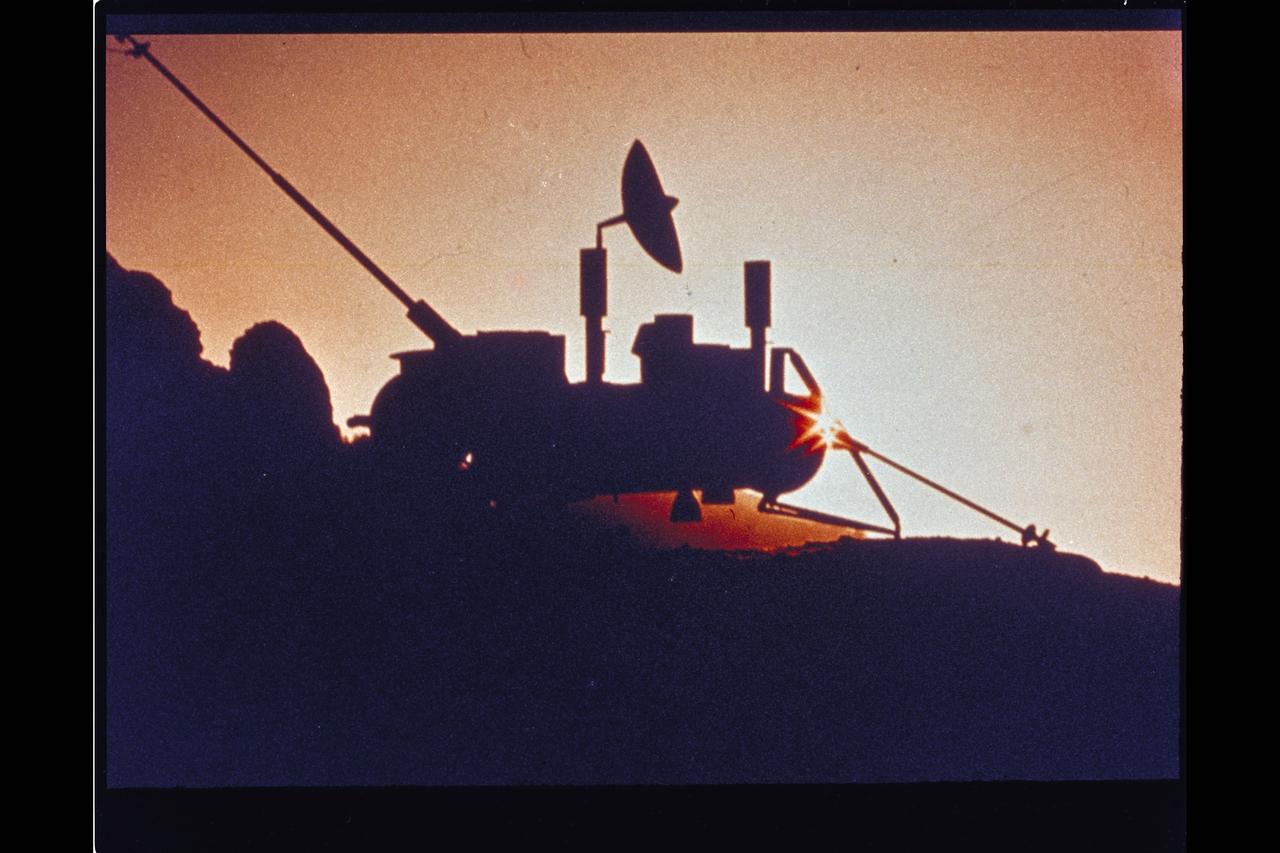
Artwork: JPL Spacecraft Vikings Explore Planet Mars
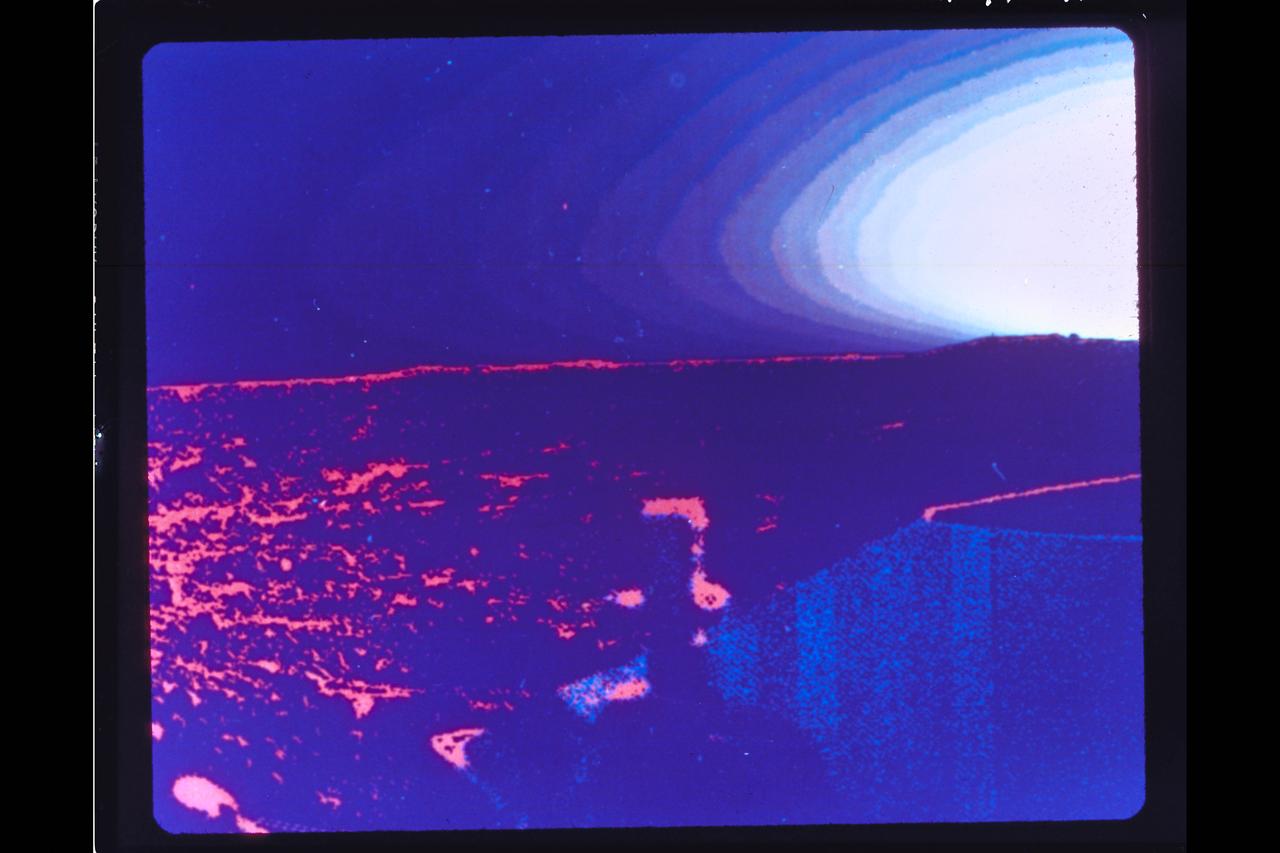
Artwork: JPL Viking Spacecraft to explore planet Mars
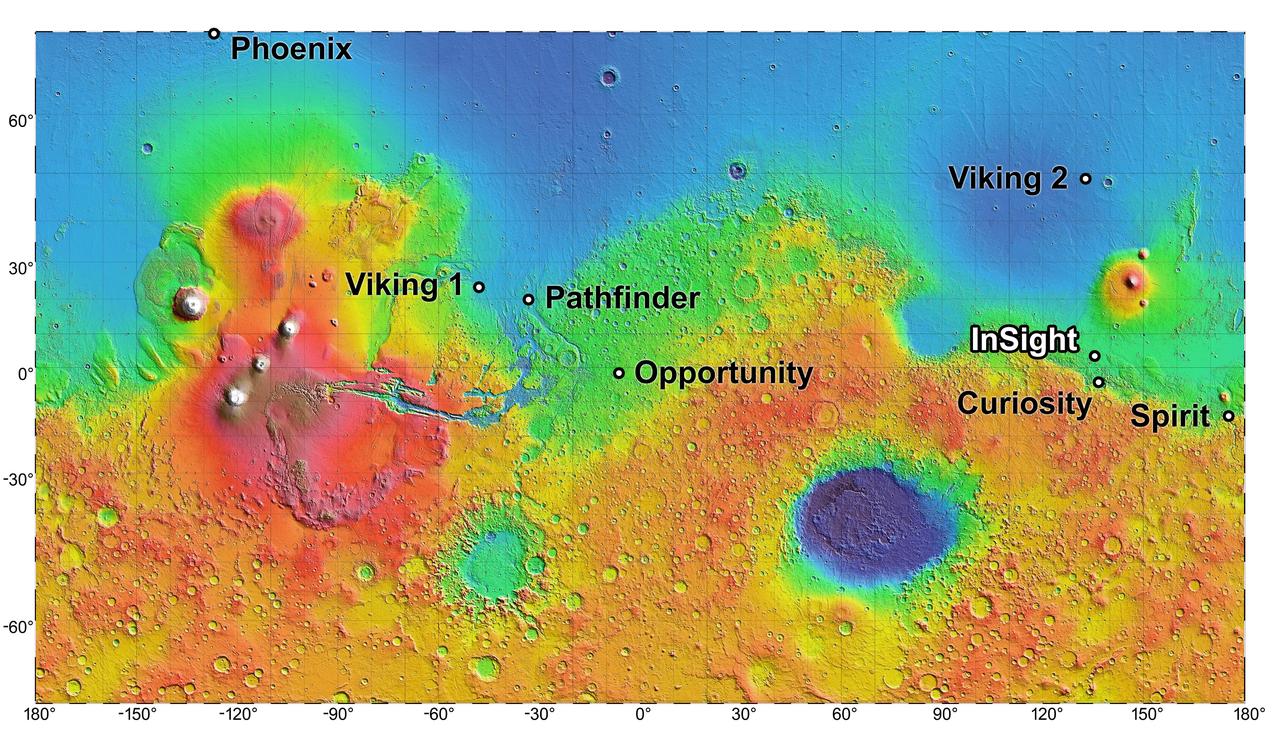
The process of selecting a site for NASA's next landing on Mars, planned for September 2016, has narrowed to four semifinalist sites located close together in the Elysium Planitia region of Mars. The mission known by the acronym InSight will study the Red Planet's interior, rather than surface features, to advance understanding of the processes that formed and shaped the rocky planets of the inner solar system, including Earth. The location of the cluster of semifinalist landing sites for InSight is indicated on this near-global topographic map of Mars, which also indicates landing sites of current and past NASA missions to the surface of Mars. The mission's full name is Interior Exploration Using Seismic Investigations, Geodesy and Heat Transport. The location of Elysium Planitia close to the Martian equator meets an engineering requirement for the stationary InSight lander to receive adequate solar irradiation year-round on its photovoltaic array. The location also meets an engineering constraint for low elevation, optimizing the amount of atmosphere the spacecraft can use for deceleration during its descent to the surface. The number of candidate landing sites for InSight was trimmed from 22 down to four in August 2013. This down-selection facilitates focusing the efforts to further evaluate the four sites. Cameras on NASA's Mars Reconnaissance Orbiter will be used to gather more information about them before the final selection. The topographic map uses data from the Mars Orbiter Laser Altimeter on NASA's Mars Global Surveyor spacecraft. The color coding on this map indicates elevation relative to a reference datum, since Mars has no "sea level." The lowest elevations are presented as dark blue; the highest as white. The difference between green and orange in the color coding is about 2.5 miles (4 kilometers) vertically. Note: After thorough examination, NASA managers have decided to suspend the planned March 2016 launch of the Interior Exploration using Seismic Investigations Geodesy and Heat Transport (InSight) mission. The decision follows unsuccessful attempts to repair a leak in a section of the prime instrument in the science payload. http://photojournal.jpl.nasa.gov/catalog/PIA17357
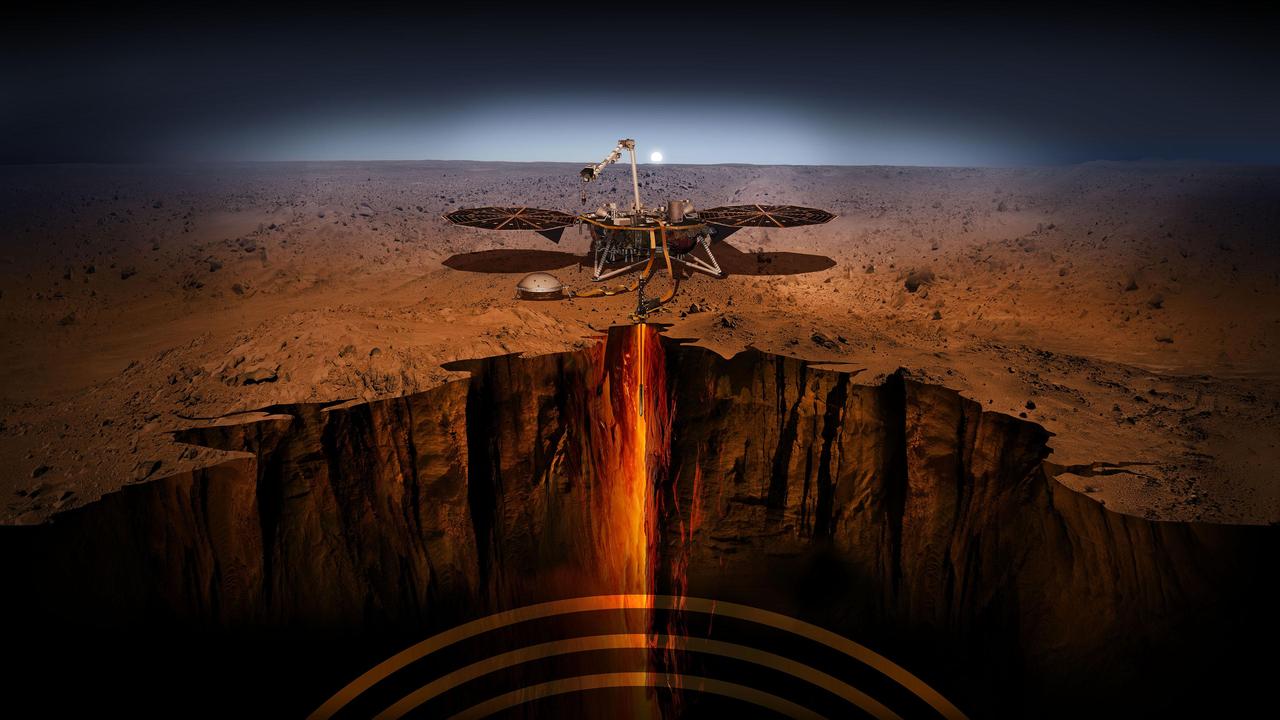
An artist illustration of the InSight lander on Mars. InSight, short for Interior Exploration using Seismic Investigations, Geodesy and Heat Transport, is designed to give the Red Planet its first thorough check up since it formed 4.5 billion years ago. The mission will look for tectonic activity and meteorite impacts, study how much heat is still flowing through the planet, and track Mars' wobble as it orbits the sun. While InSight is a Mars mission, it's more than a Mars mission. InSight will help answer key questions about the formation of the rocky planets of the solar system. https://photojournal.jpl.nasa.gov/catalog/PIA22745
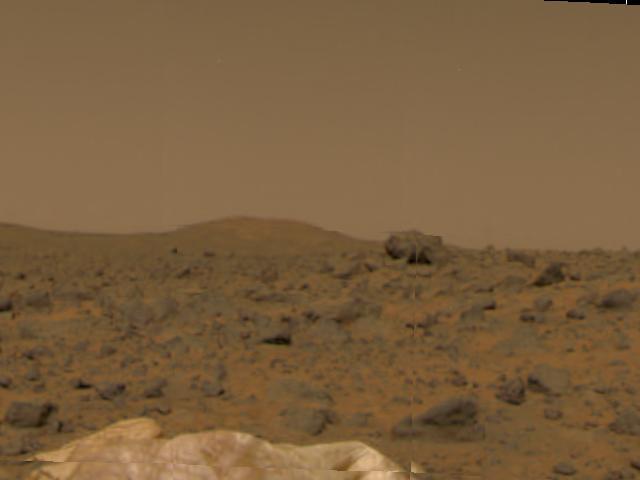
Portions of Mars Pathfinder's deflated airbags (seen in the foreground), a large rock in mid-field, and a hill in the background were taken by the Imager for Mars Pathfinder (IMP) aboard Mars Pathfinder during the spacecraft's first day on the Red Planet. Pathfinder successfully landed on Mars at 10:07 a.m. PDT earlier today. The IMP is a stereo imaging system with color capability provided by 24 selectable filters -- twelve filters per "eye." It stands 1.8 meters above the Martian surface, and has a resolution of two millimeters at a range of two meters. http://photojournal.jpl.nasa.gov/catalog/PIA00615
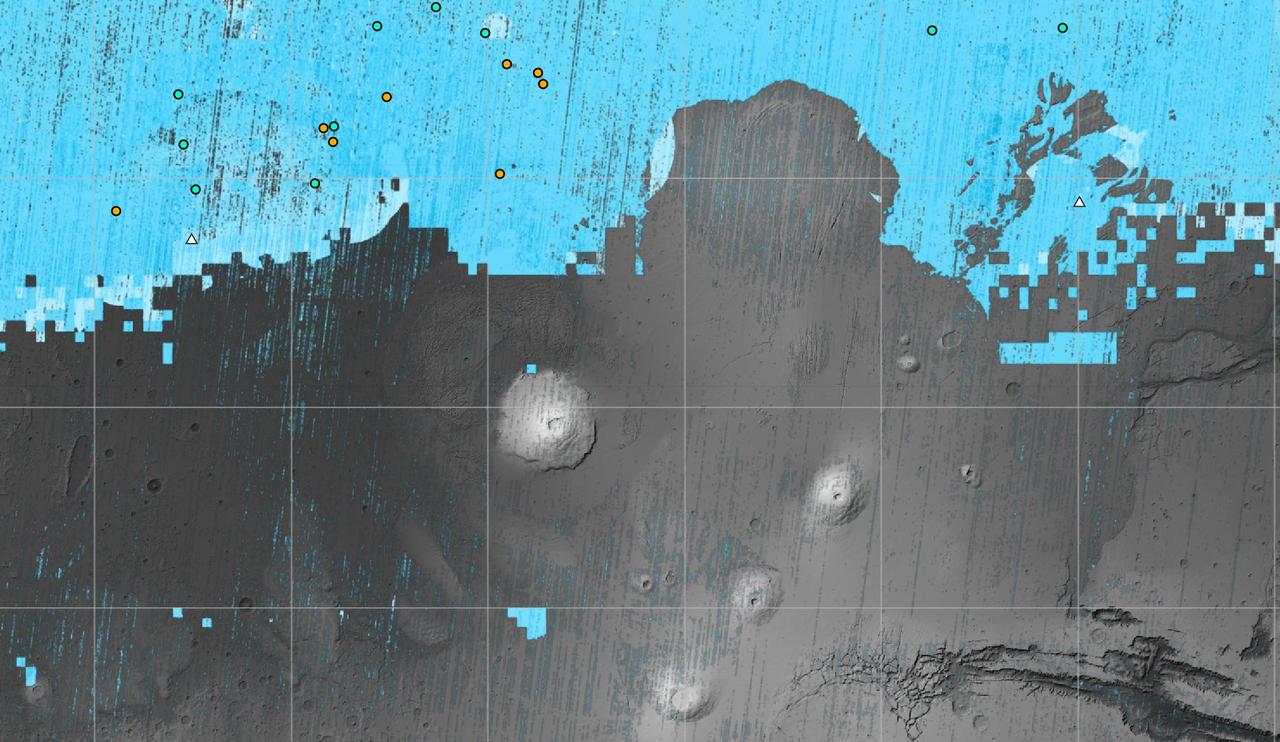
The blue areas on this map of Mars show regions where NASA missions have detected subsurface water ice. Scientists can use the map – part of the Subsurface Water Ice Mapping project, or SWIM – to decide where the first astronauts to set foot on the Red Planet should land. Triangles on the map are past and present Mars missions; circles are ice-exposing impact craters. Mars has both water ice and carbon dioxide ice (dry ice); water ice would be a critical resource for the first astronauts to step foot on Mars, who can use it for drinking, rocket fuel, and other purposes. The more water ice these astronauts land next to, the less they need to bring with them. Because the Martian atmosphere is so thin – less than 1% the pressure experienced at sea level on Earth – liquid water is unstable on the Red Planet and will vaporize unless it's frozen. But water ice on the planet's surface is only stable at high latitudes that are far too cold for astronauts and robots to survive. So SWIM attempts to locate water ice preserved within the subsurface in the mid-latitudes, where landing would be feasible. Such regions are far enough toward the pole for water ice to be plentiful, but close enough to the equator to avoid the coldest temperatures seen on Mars. SWIM combines data from several NASA missions, including the Mars Reconnaissance Orbiter (MRO), 2001 Mars Odyssey, and the now-inactive Mars Global Surveyor. The project mapped the area from the equator to 60 degrees north latitude. https://photojournal.jpl.nasa.gov/catalog/PIA26045
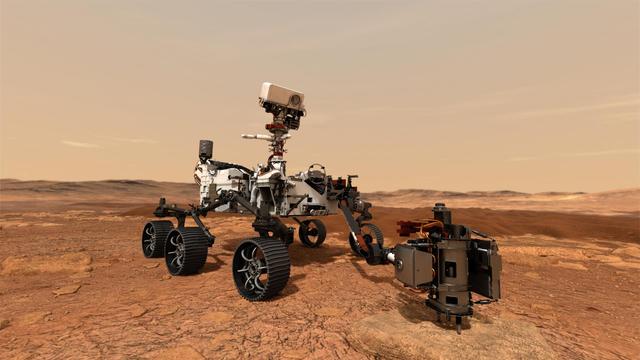
In this illustration, NASA's Mars 2020 rover uses its drill to core a rock sample on Mars. Scheduled to launch in July 2020, the Mars 2020 rover represents the first leg of humanity's first round trip to another planet. The rover will collect and store rock and soil samples on the planet's surface that future missions will retrieve and return to Earth. NASA and the European Space Agency are solidifying concepts for a Mars sample return mission. https://photojournal.jpl.nasa.gov/catalog/PIA23491
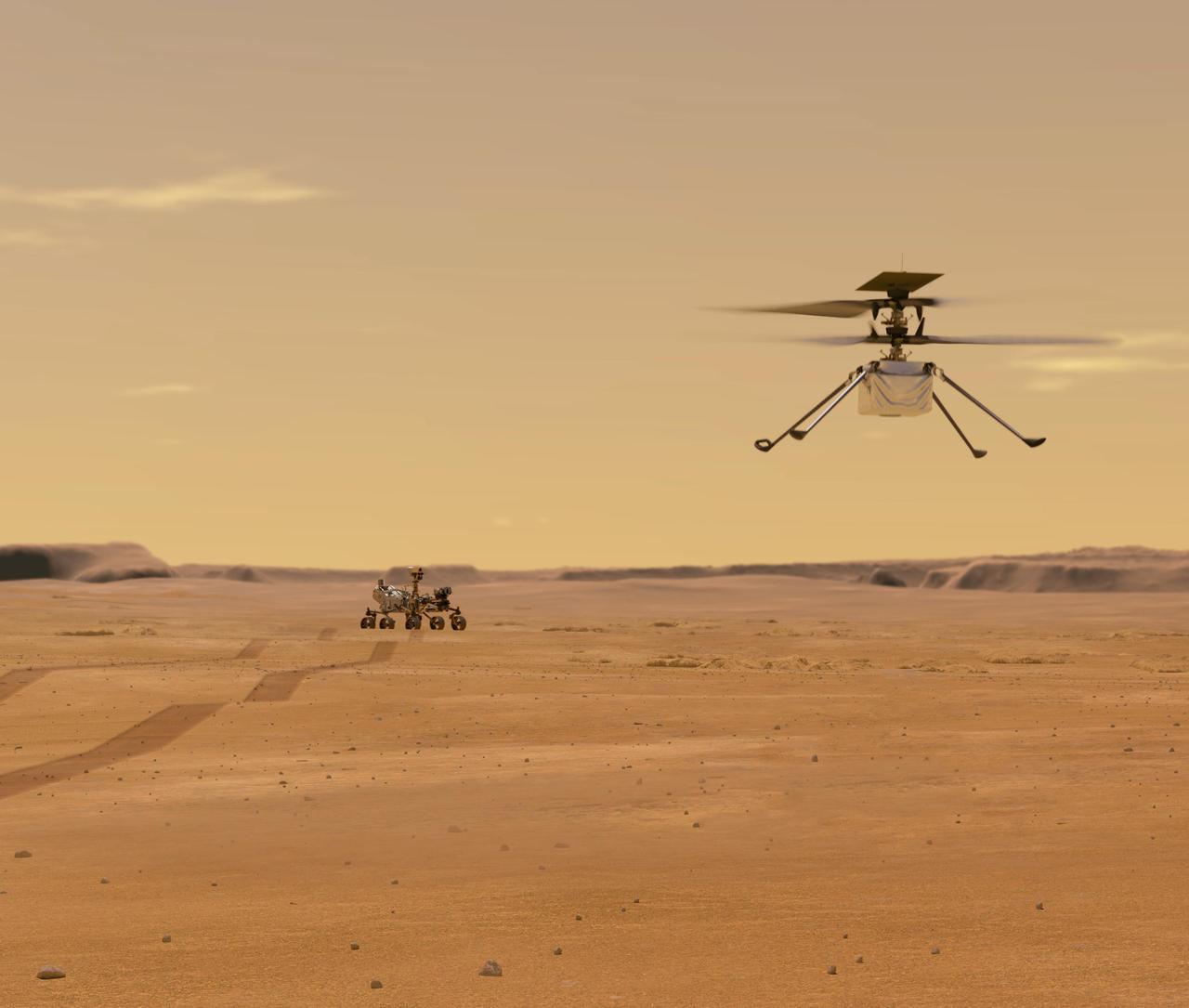
This illustration depicts Mars Helicopter Ingenuity during a test flight on Mars. Ingenuity was taken to the Red Planet strapped to the belly of the Perseverance rover (seen in the background). Ingenuity, a technology experiment, will be the first aircraft to attempt controlled flight on another planet. It will arrive on Mars on Feb. 18, 2021, attached to the belly of NASA's Mars 2020 Perseverance rover. Ingenuity is expected to attempt its first flight test in spring 2021. https://photojournal.jpl.nasa.gov/catalog/PIA24127
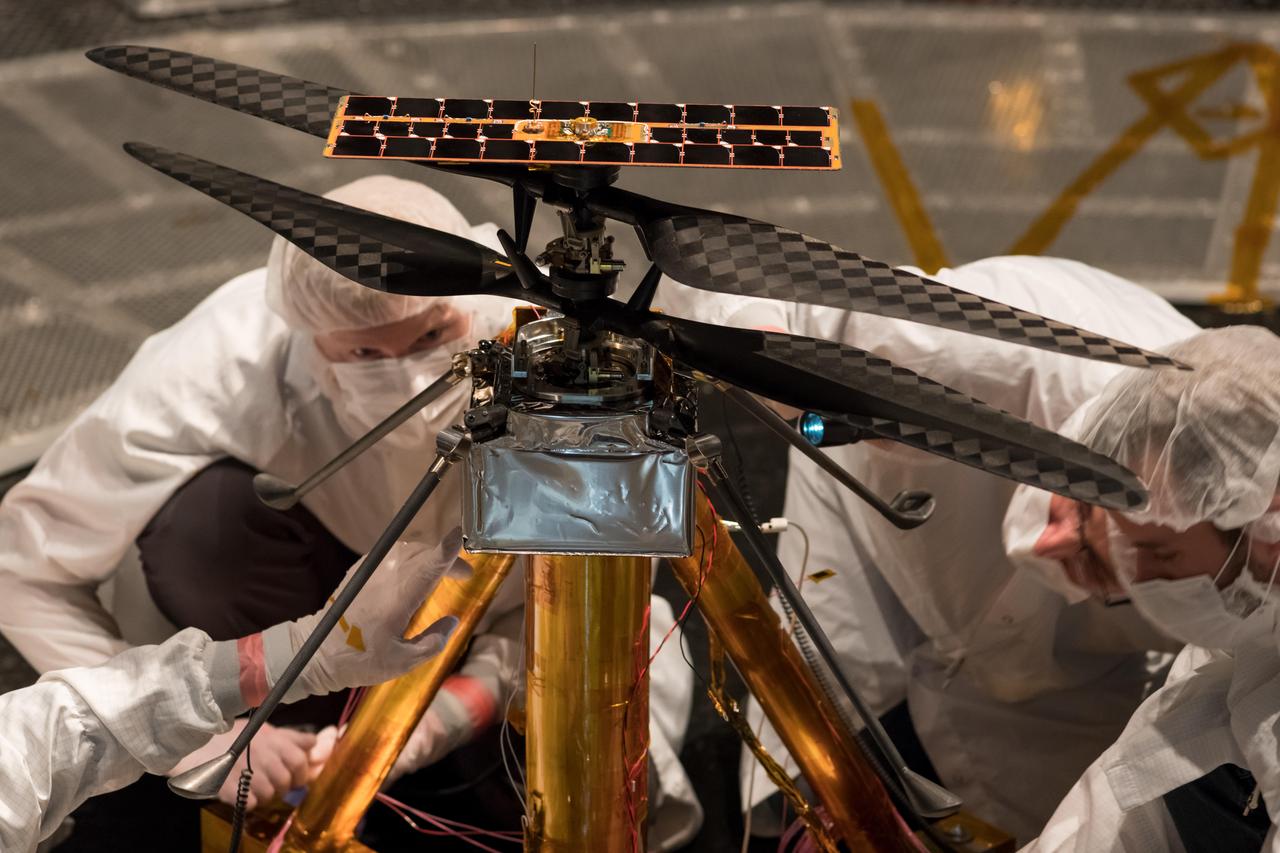
Members of the NASA Mars Helicopter team inspect the flight model (the actual vehicle going to the Red Planet), inside the Space Simulator, a 25-foot-wide (7.62-meter-wide) vacuum chamber at NASA's Jet Propulsion Laboratory in Pasadena, California, on Feb. 1, 2019. https://photojournal.jpl.nasa.gov/catalog/PIA23155

Havard Grip, chief pilot of NASA's Ingenuity Mars Helicopter, documents the details of each flight in the mission's logbook, The Nominal Pilot's Logbook for Planets and Moons, after each flight. Entries for Flights 9 and 10 are seen here. https://photojournal.jpl.nasa.gov/catalog/PIA24794
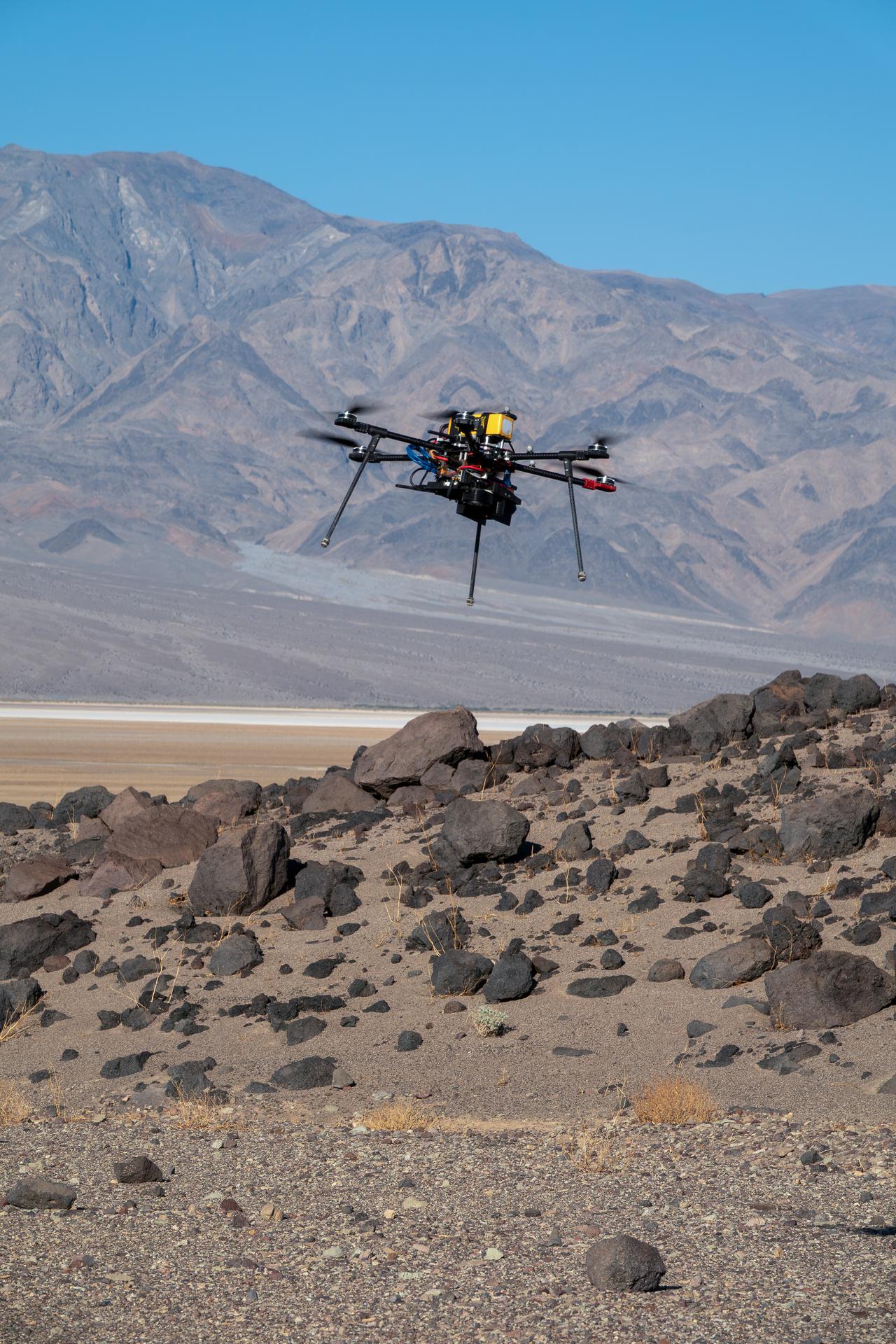
One of three drones used in recent tests by NASA’s Jet Propulsion Laboratory in Southern California flies over Mars Hill, a region of Death Valley National Park, in September 2025. The region’s rubbly, volcanic rocks have served as a Mars-like testing area and analog site for scientists since the 1970s, when NASA was preparing to land the twin Viking spacecraft on the Red Planet. The drone research — tests of navigation software for the Martian surface — was one of 25 projects funded by NASA’s Mars Exploration Program this past year to push the limits of future technologies. Sand dunes confused the navigation algorithm of the Ingenuity Mars helicopter during several of its last flights, including its 72nd and final flight on the Red Planet in January 2024. The navigation software in development would help future rotorcraft to track the surface of especially bland, featureless terrain similar to the barren sand dunes seen in parts of Death Valley and in the Mojave Desert and to land safely in cluttered environments like Mars Hill.
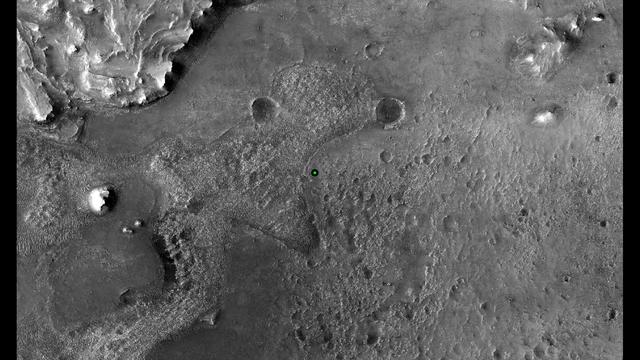
This image shows with a green dot where NASA's Perseverance rover landed in Jezero Crater on Mars on Feb. 18, 2021. The base image was taken by the HiRISE camera aboard NASA's Mars Reconnaissance Orbiter. A key objective for Perseverance's mission on Mars is astrobiology, including the search for signs of ancient microbial life. The rover will characterize the planet's geology and past climate, pave the way for human exploration of the Red Planet, and be the first mission to collect and cache Martian rock and regolith (broken rock and dust). Subsequent NASA missions, in cooperation with ESA (European Space Agency), would send spacecraft to Mars to collect these sealed samples from the surface and return them to Earth for in-depth analysis. The Mars 2020 Perseverance mission is part of NASA's Moon to Mars exploration approach, which includes Artemis missions to the Moon that will help prepare for human exploration of the Red Planet. https://photojournal.jpl.nasa.gov/catalog/PIA24331