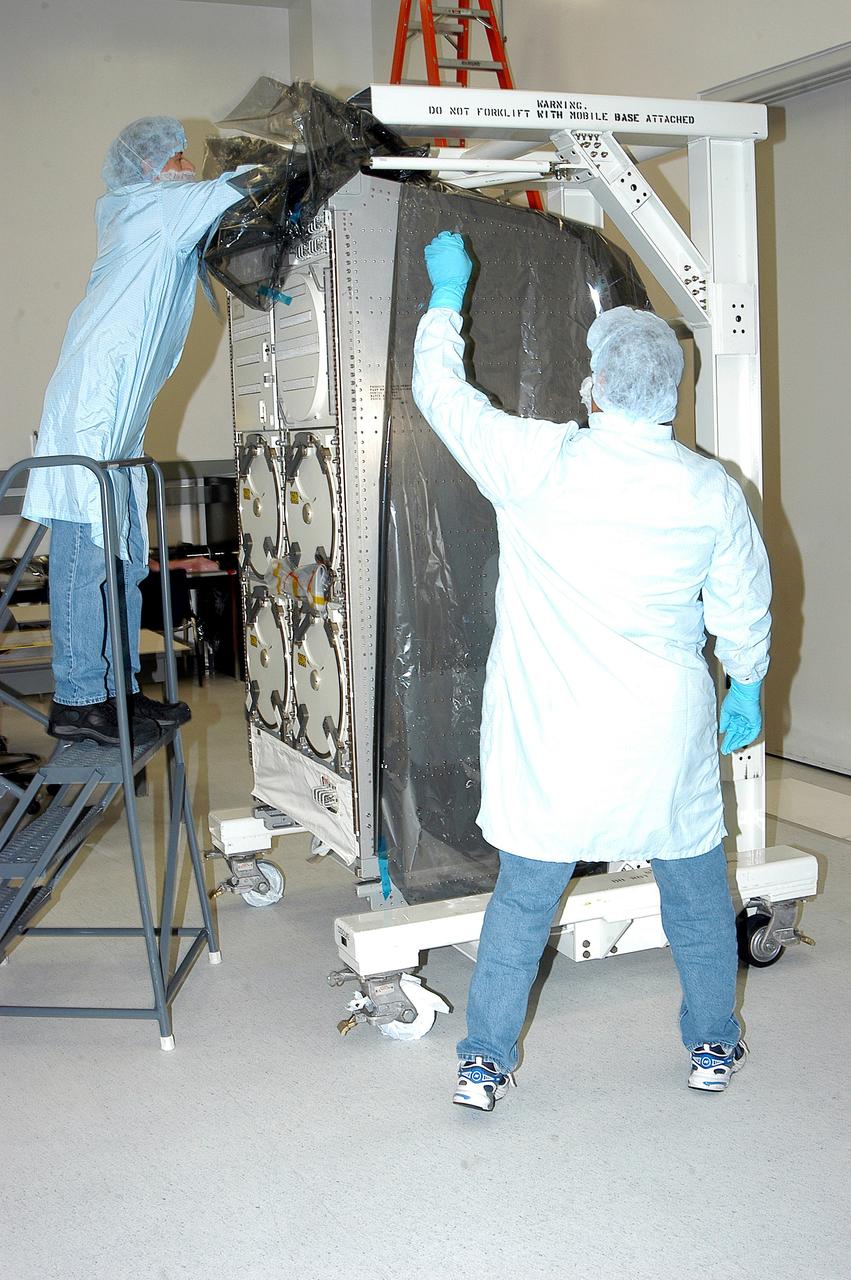
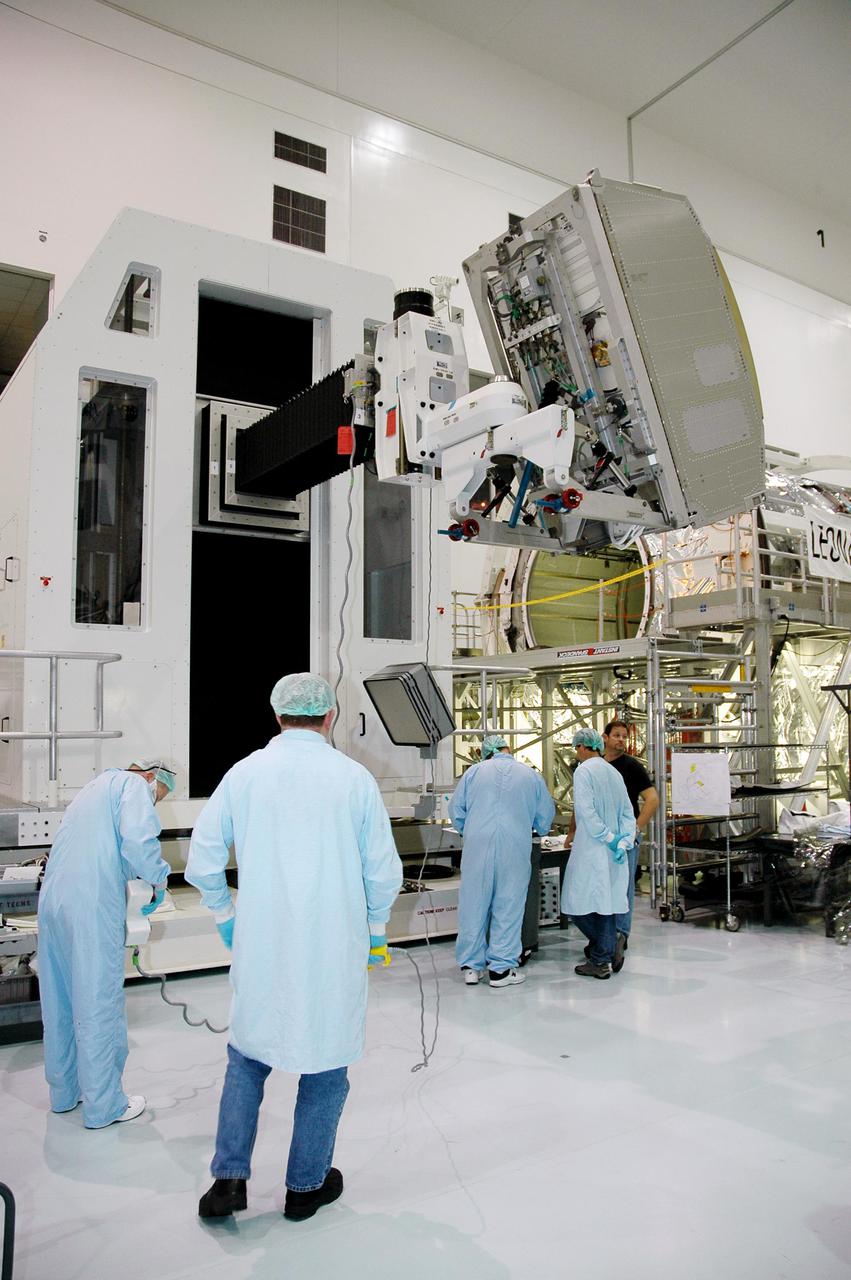
KENNEDY SPACE CENTER, FLA.  -  In the Space Station Processing Facility, technicians position the the Minus Eighty Degree Laboratory Freezer for ISS (MELFI) science rack for installation into the Multi-Purpose Logisitics Module Leonardo. Leonardo will fly on Space Shuttle Atlantis on mission STS-121.  The MELFI will provide cooling and storage for scientific experiment samples and perishable materials in four insulated containers, known as dewars, with independently selectable temperatures of -80 degrees Celsius, -26 degrees Celsius, and +4 degrees Celsius.  MELFI will also be used to transport samples to and from the Station.  MELFI is provided as laboratory support equipment by the European Space Agency. STS-121 is the second Return to Flight mission to the International Space Station. The launch window extends from Sept. 9 through Sept. 24.
KSC-05pd-1020
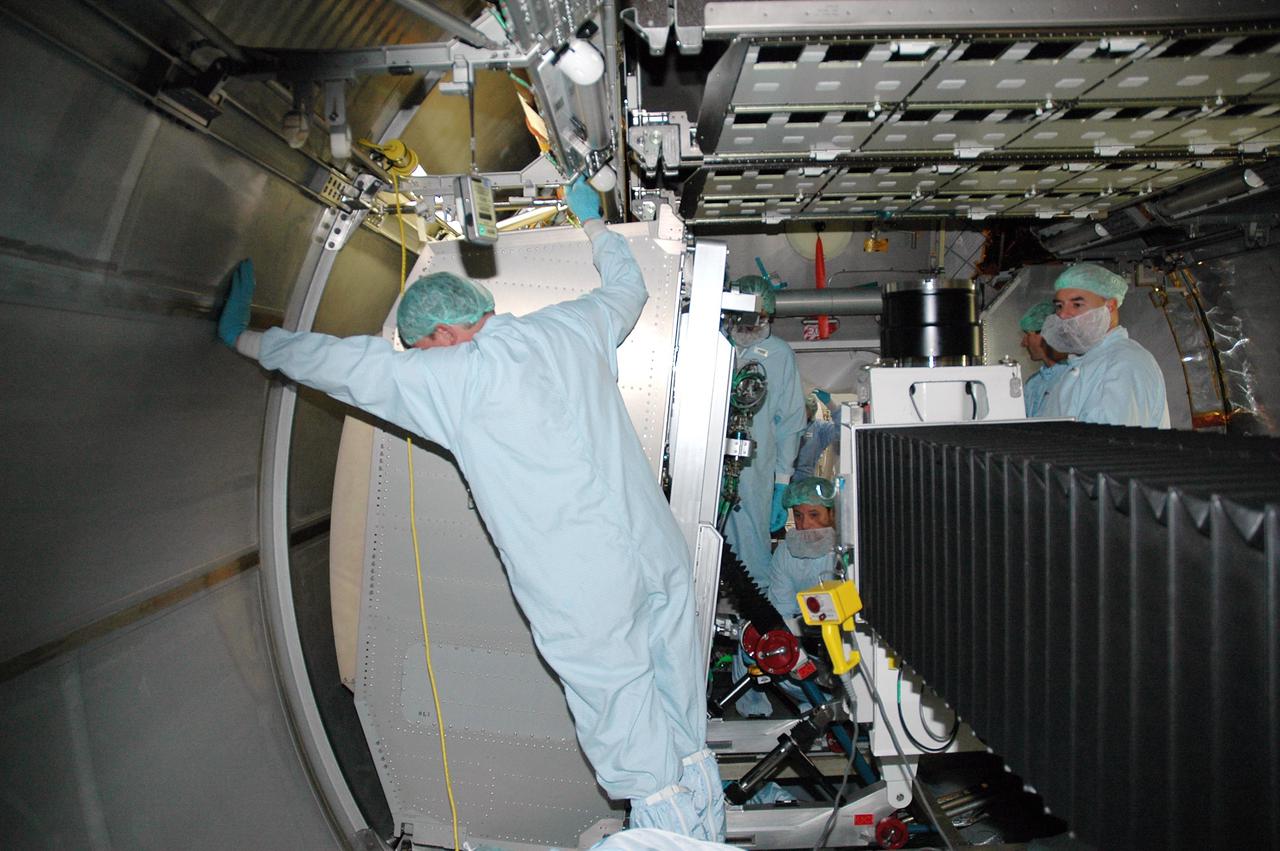
KENNEDY SPACE CENTER, FLA.  -  In the Space Station Processing Facility, technicians install the the Minus Eighty Degree Laboratory Freezer for ISS (MELFI) science rack into the Multi-Purpose Logisitics Module Leonardo. Leonardo will fly on Space Shuttle Atlantis on mission STS-121.  The MELFI will provide cooling and storage for scientific experiment samples and perishable materials in four insulated containers, known as dewars, with independently selectable temperatures of -80 degrees Celsius, -26 degrees Celsius, and +4 degrees Celsius.  MELFI will also be used to transport samples to and from the Station.  MELFI is provided as laboratory support equipment by the European Space Agency. STS-121 is the second Return to Flight mission to the International Space Station. The launch window extends from Sept. 9 through Sept. 24.
KSC-05pd-1024
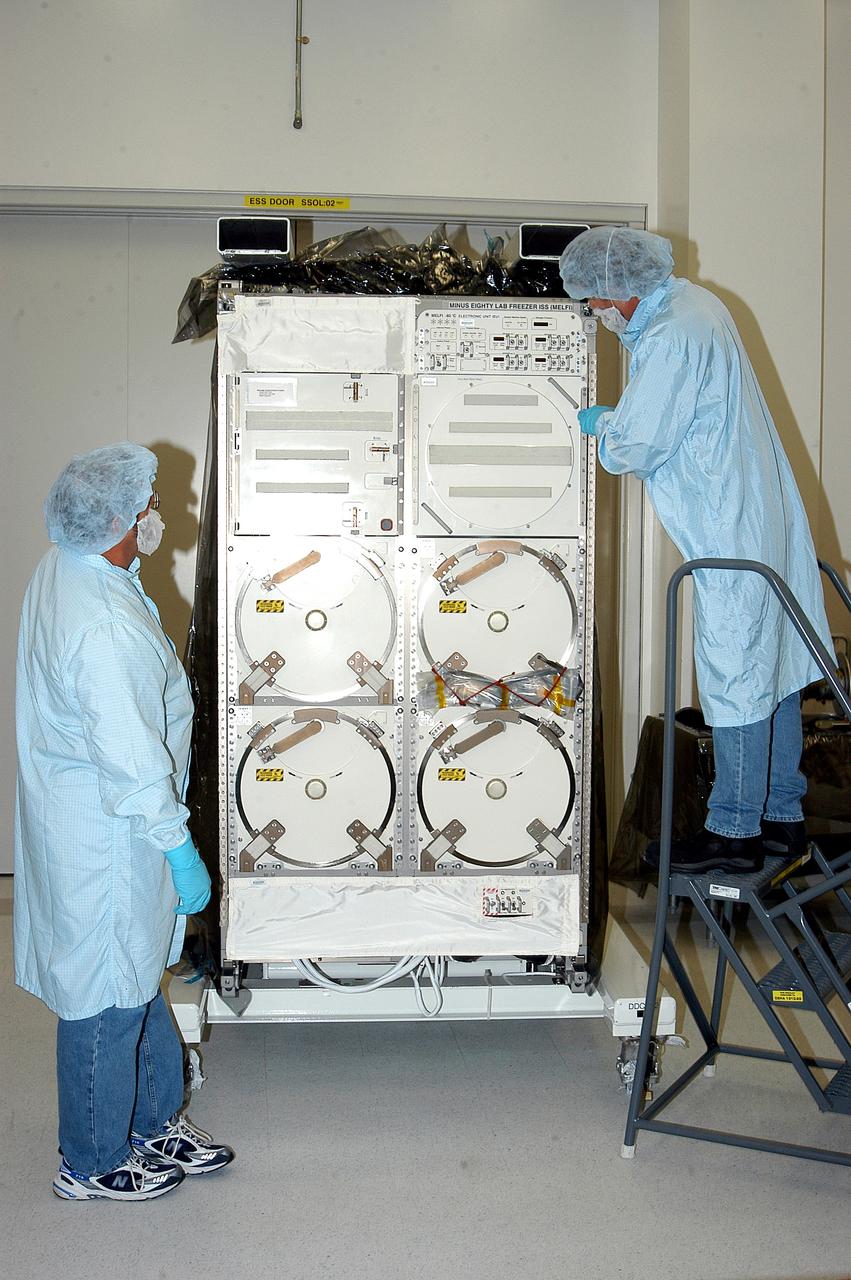
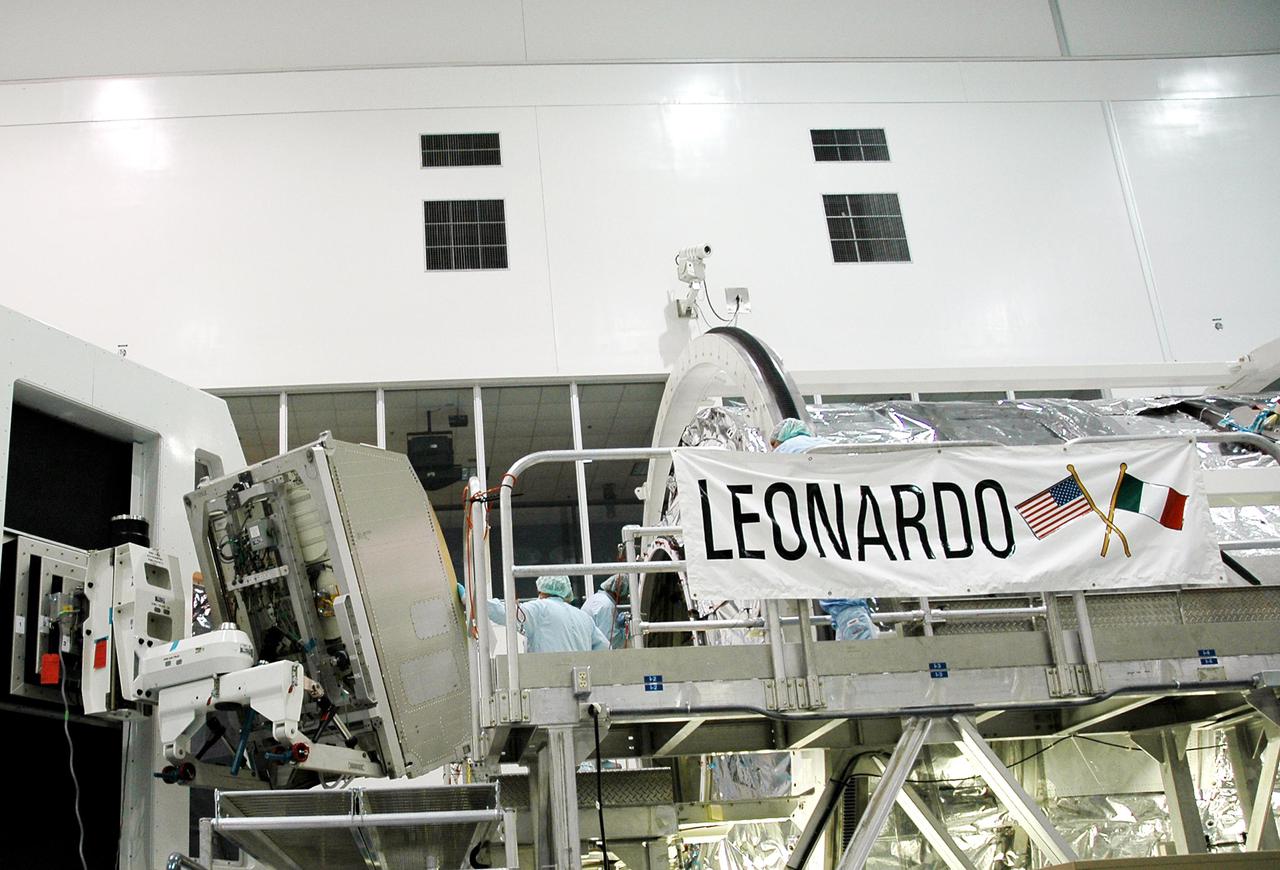
KENNEDY SPACE CENTER, FLA.  -  In the Space Station Processing Facility, the Minus Eighty Degree Laboratory Freezer for ISS (MELFI) science rack (left) is moved into position for installation into the Multi-Purpose Logisitics Module Leonardo. Leonardo will fly on Space Shuttle Atlantis on mission STS-121.  The MELFI will provide cooling and storage for scientific experiment samples and perishable materials in four insulated containers, known as dewars, with independently selectable temperatures of -80 degrees Celsius, -26 degrees Celsius, and +4 degrees Celsius.  MELFI will also be used to transport samples to and from the Station.  MELFI is provided as laboratory support equipment by the European Space Agency. STS-121 is the second Return to Flight mission to the International Space Station. The launch window extends from Sept. 9 through Sept. 24.
KSC-05pd-1021
KENNEDY SPACE CENTER, FLA.  -  In the Space Station Processing Facility, technicians prepare to install the the Minus Eighty Degree Laboratory Freezer for ISS (MELFI) science rack into the Multi-Purpose Logisitics Module Leonardo. Leonardo will fly on Space Shuttle Atlantis on mission STS-121.  The MELFI will provide cooling and storage for scientific experiment samples and perishable materials in four insulated containers, known as dewars, with independently selectable temperatures of -80 degrees Celsius, -26 degrees Celsius, and +4 degrees Celsius.  MELFI will also be used to transport samples to and from the Station.  MELFI is provided as laboratory support equipment by the European Space Agency. STS-121 is the second Return to Flight mission to the International Space Station. The launch window extends from Sept. 9 through Sept. 24.
KSC-05pd-1022
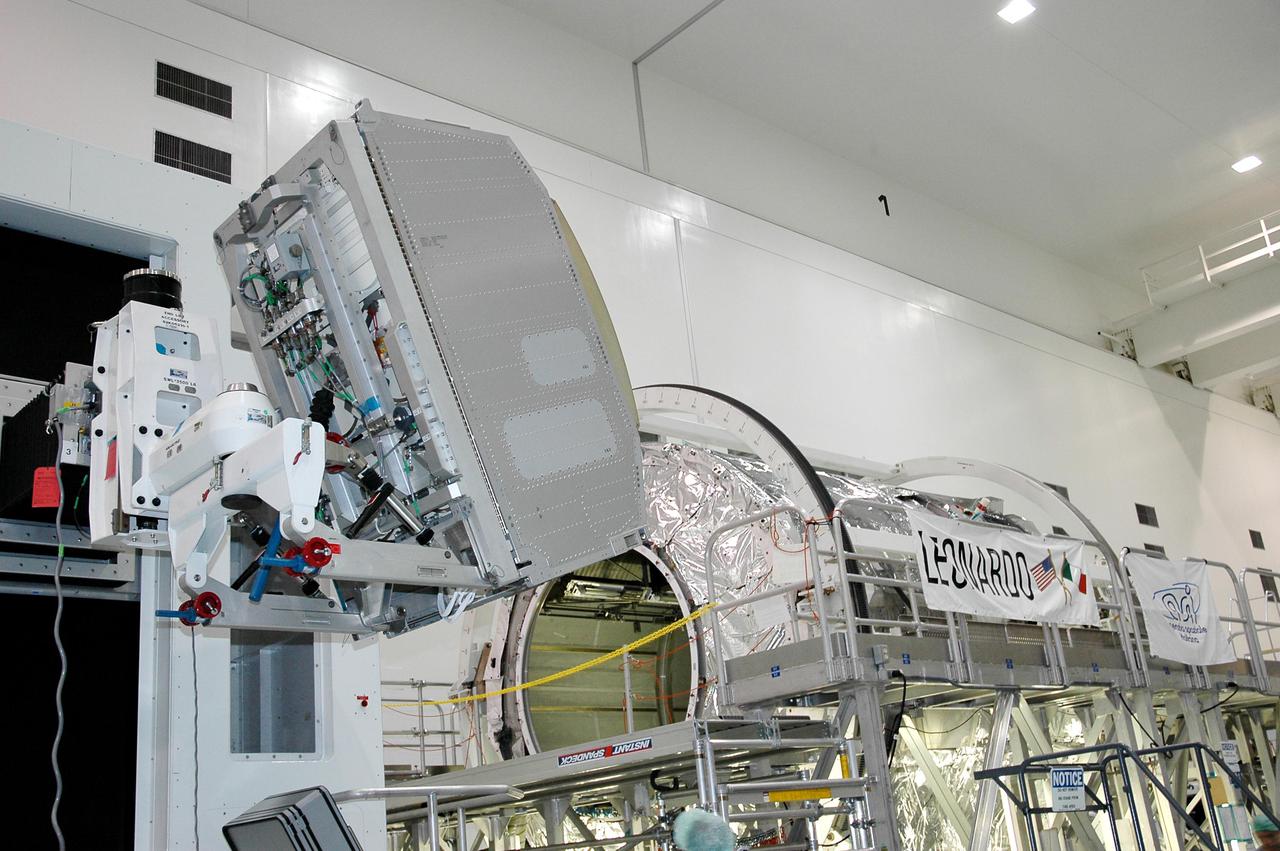
KENNEDY SPACE CENTER, FLA.  -  In the Space Station Processing Facility, a technician prepares to install the the Minus Eighty Degree Laboratory Freezer for ISS (MELFI) science rack into the Multi-Purpose Logisitics Module Leonardo. Leonardo will fly on Space Shuttle Atlantis on mission STS-121.  The MELFI will provide cooling and storage for scientific experiment samples and perishable materials in four insulated containers, known as dewars, with independently selectable temperatures of -80 degrees Celsius, -26 degrees Celsius, and +4 degrees Celsius.  MELFI will also be used to transport samples to and from the Station.  MELFI is provided as laboratory support equipment by the European Space Agency. STS-121 is the second Return to Flight mission to the International Space Station. The launch window extends from Sept. 9 through Sept. 24.
KSC-05pd-1023
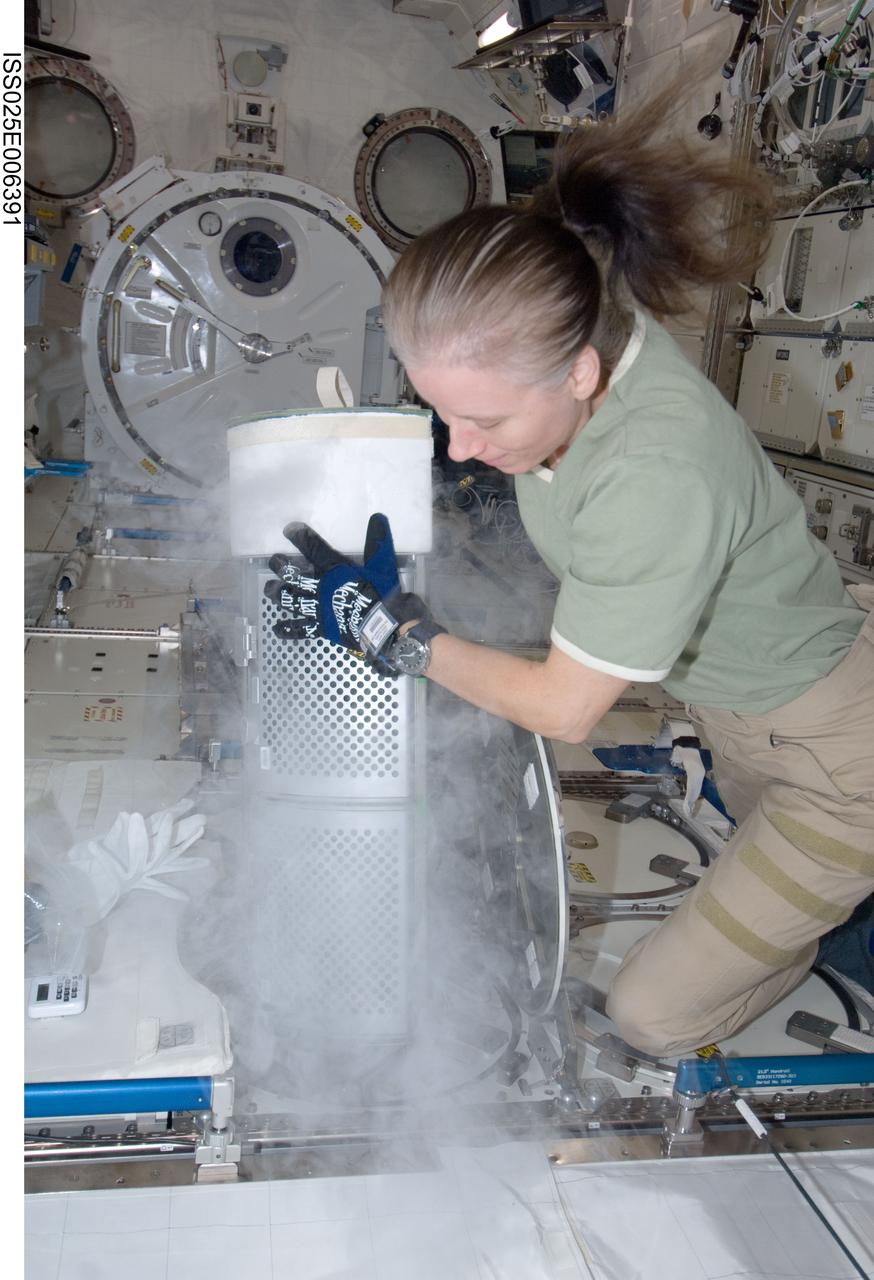
ISS025-E-006391 (8 Oct. 2010) --- NASA astronaut Shannon Walker, Expedition 25 flight engineer, services the Minus Eighty Laboratory Freezer for ISS (MELFI-1) in the Kibo laboratory of the International Space Station.
MELFI Ops
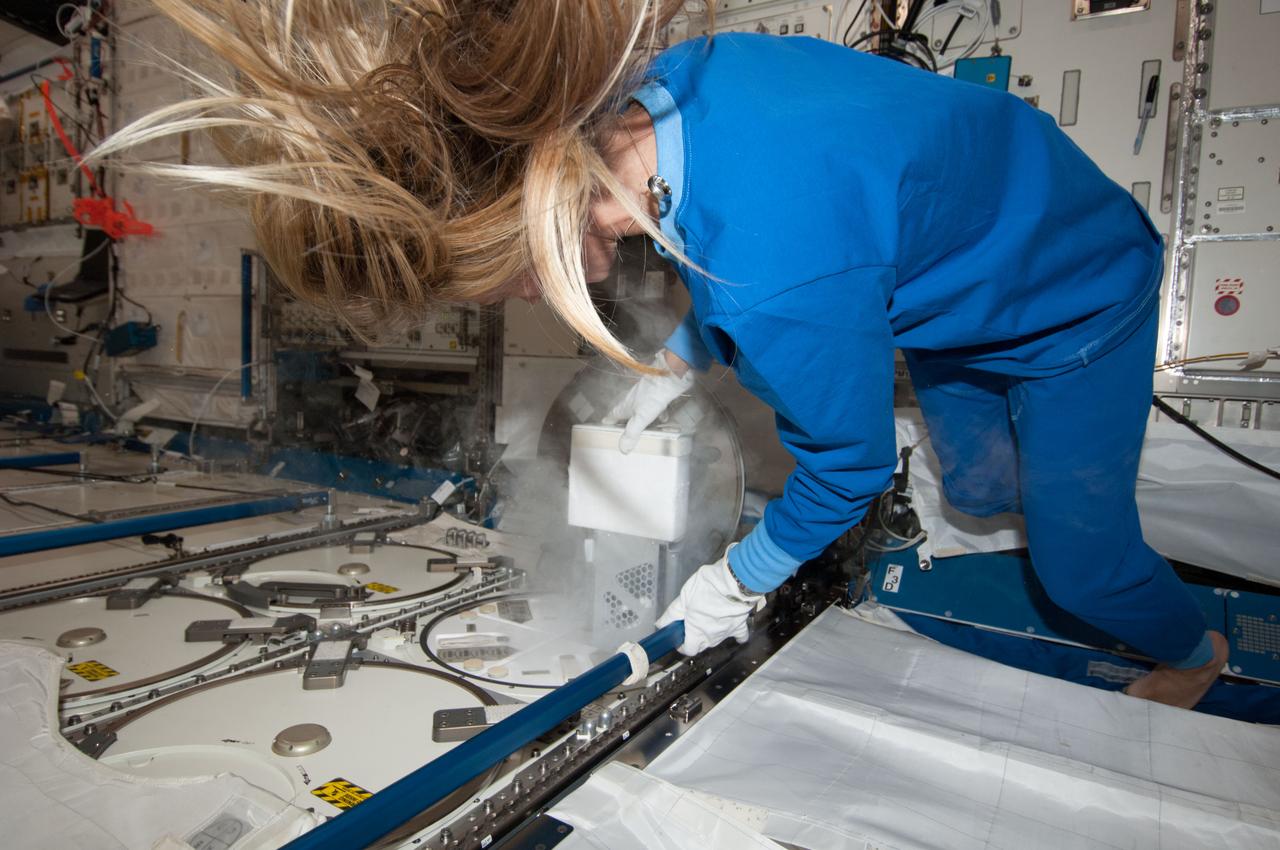
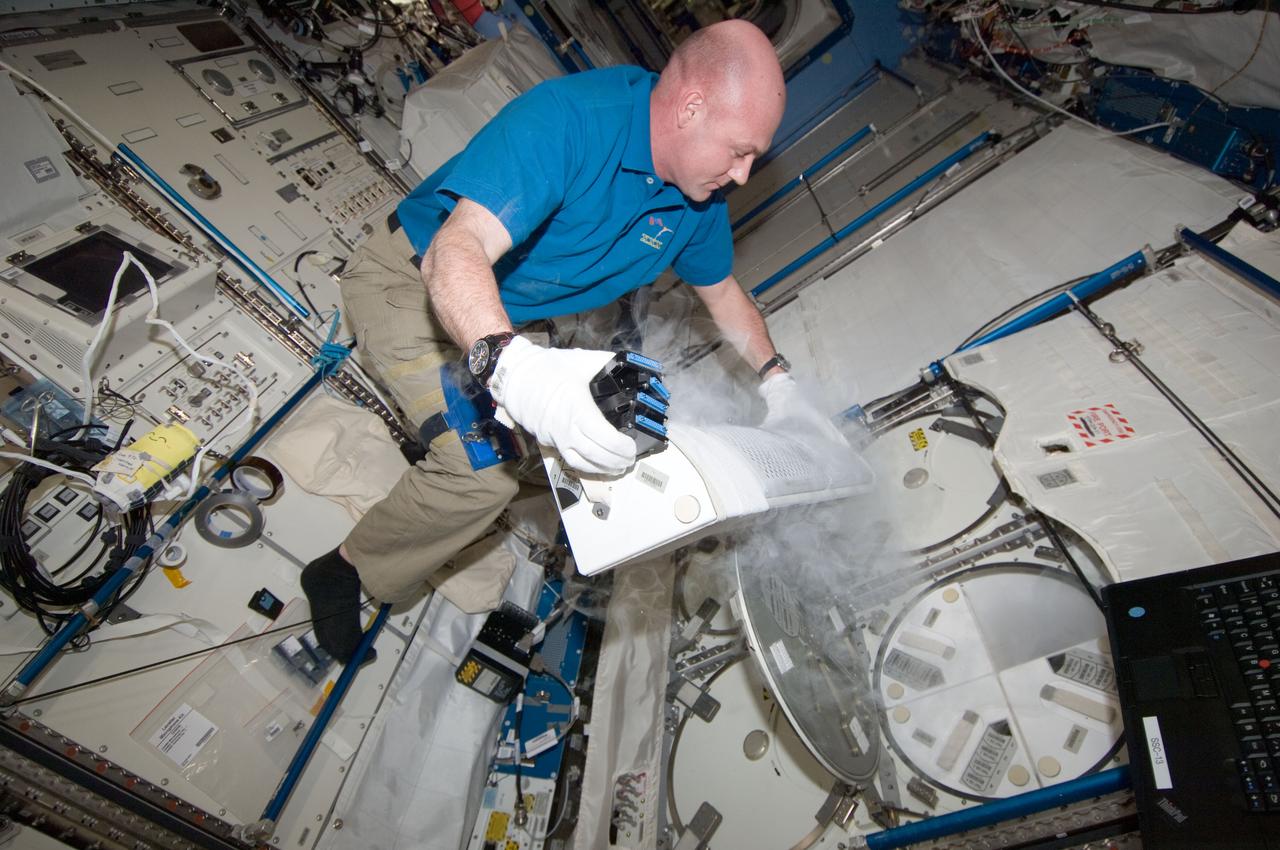
Astronaut Karen Nyberg,Expedition 36 flight engineer,works with samples in Minus Eighty-Degree Laboratory Freezer for ISS (MELFI-3) in the Destiny laboratory of the Earth-orbiting International Space Station.
MELFI ops
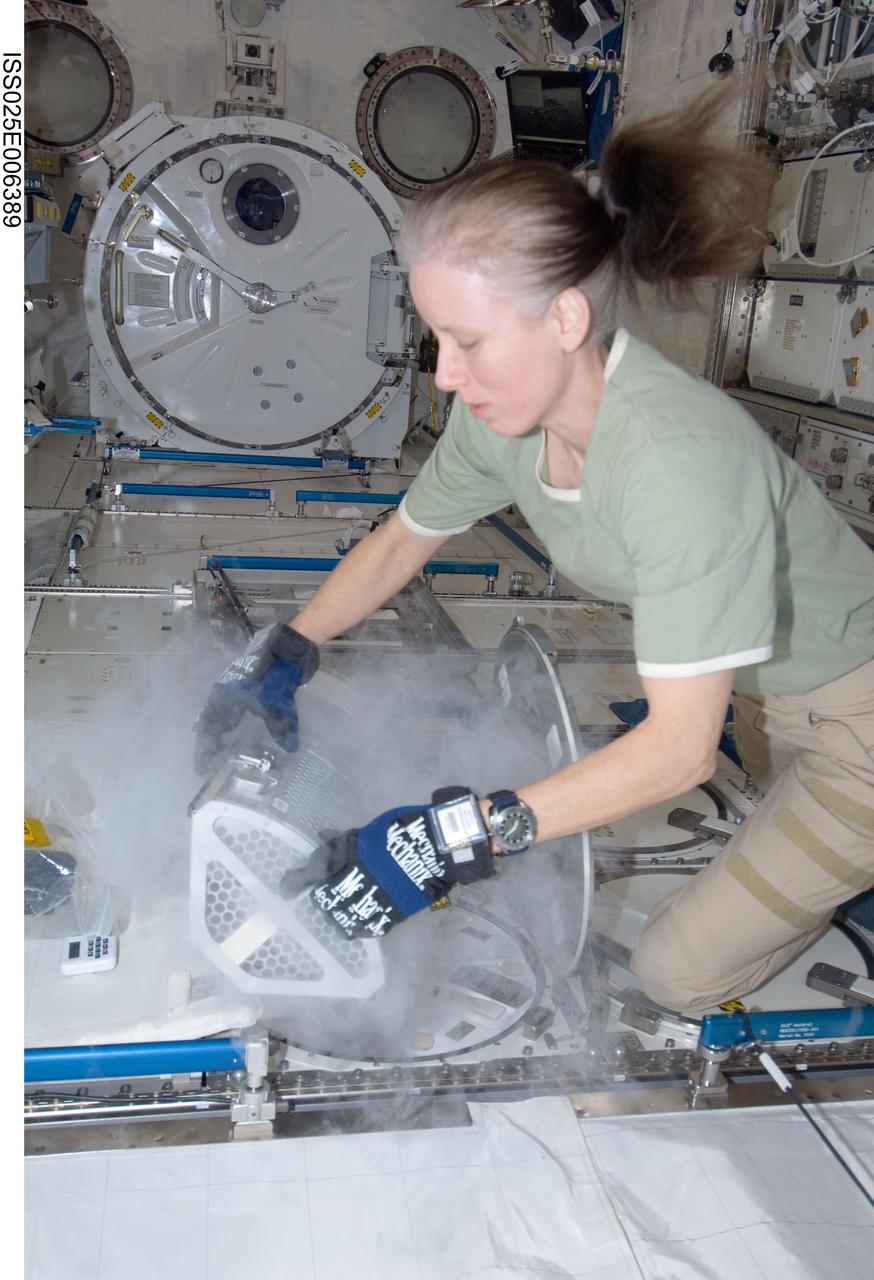
ISS025-E-006389 (8 Oct. 2010) --- NASA astronaut Shannon Walker, Expedition 25 flight engineer, services the Minus Eighty Laboratory Freezer for ISS (MELFI-1) in the Kibo laboratory of the International Space Station.
MELFI Ops
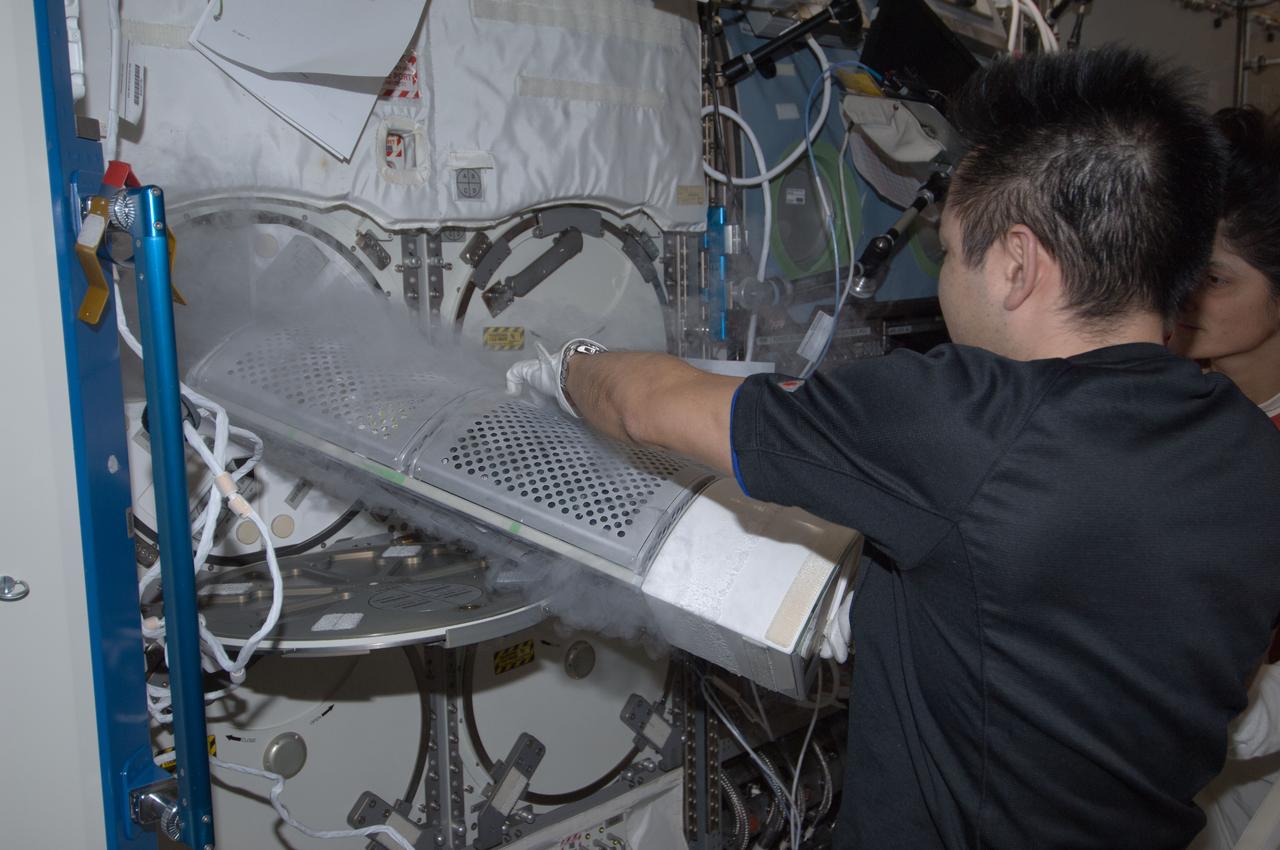
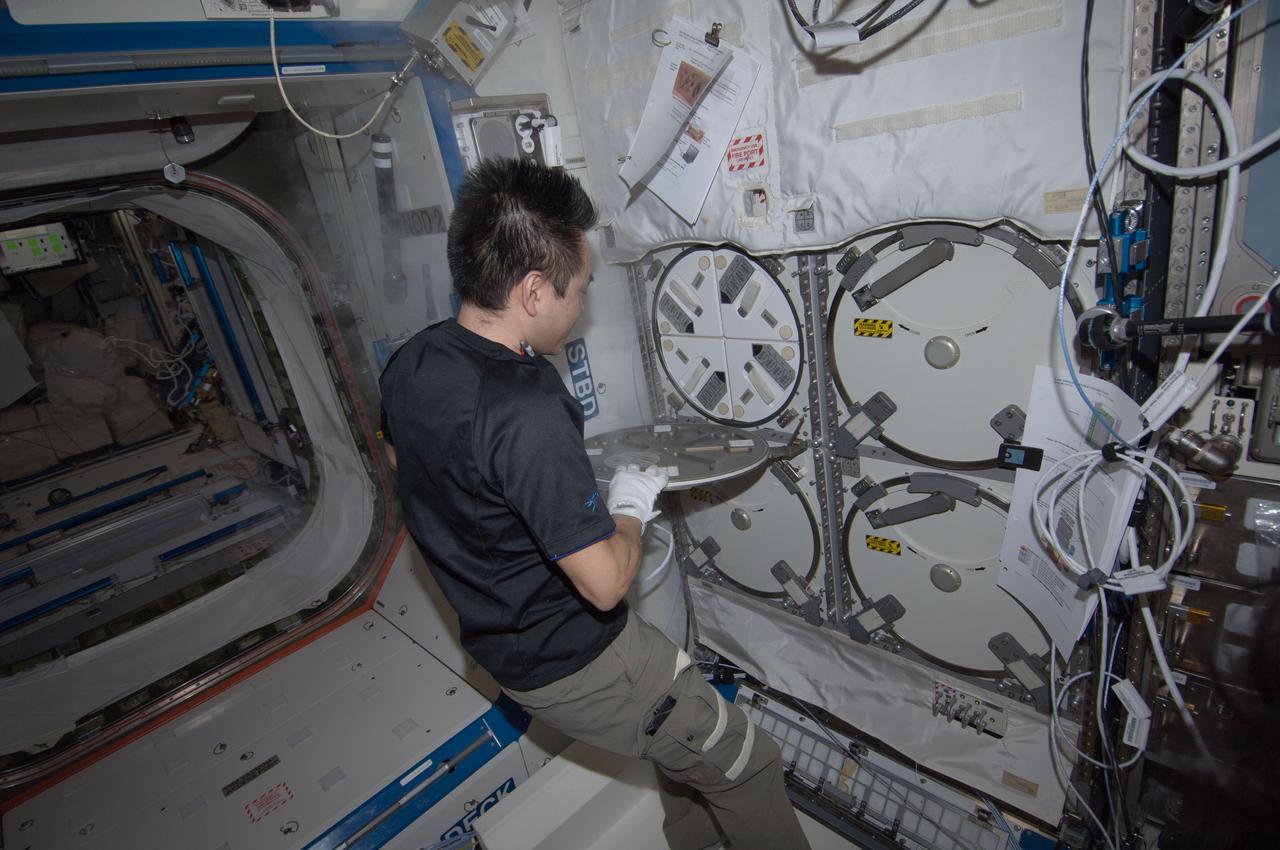
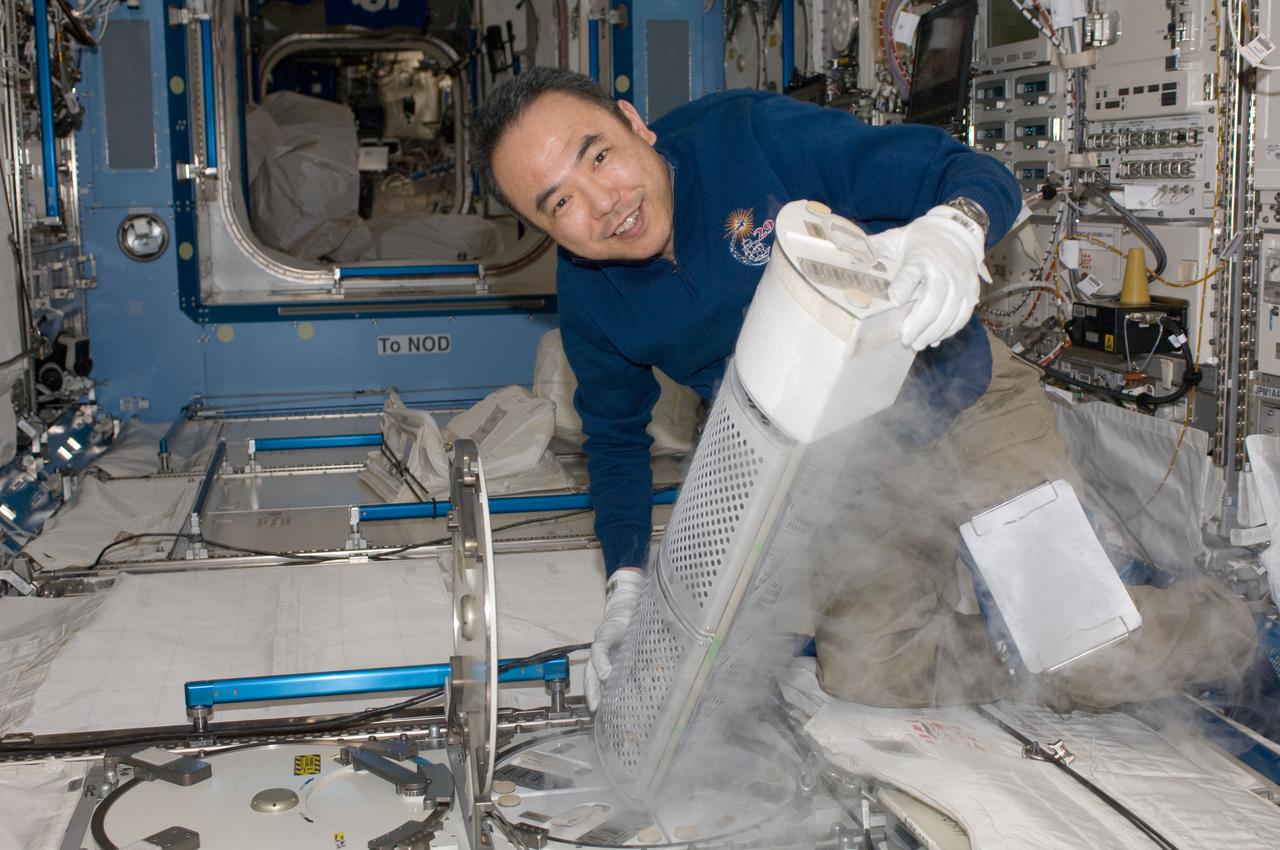
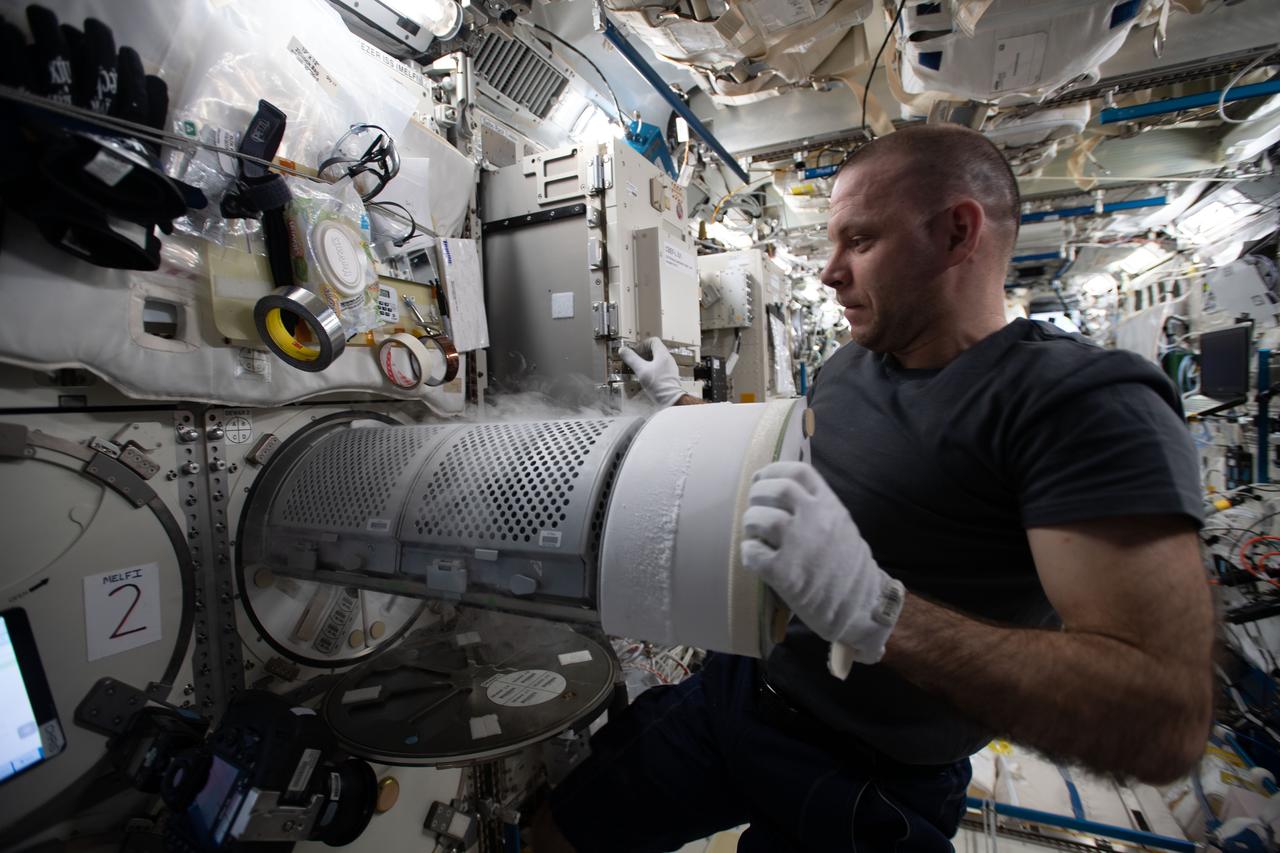
ISS033-E-016196 (26 Oct. 2012) --- Japan Aerospace Exploration Agency astronaut Aki Hoshide, Expedition 33 flight engineer, closes a dewar cover after servicing the Minus Eighty Laboratory Freezer for ISS-2 (MELFI-2) in the Destiny laboratory of the International Space Station.
MELFI ops
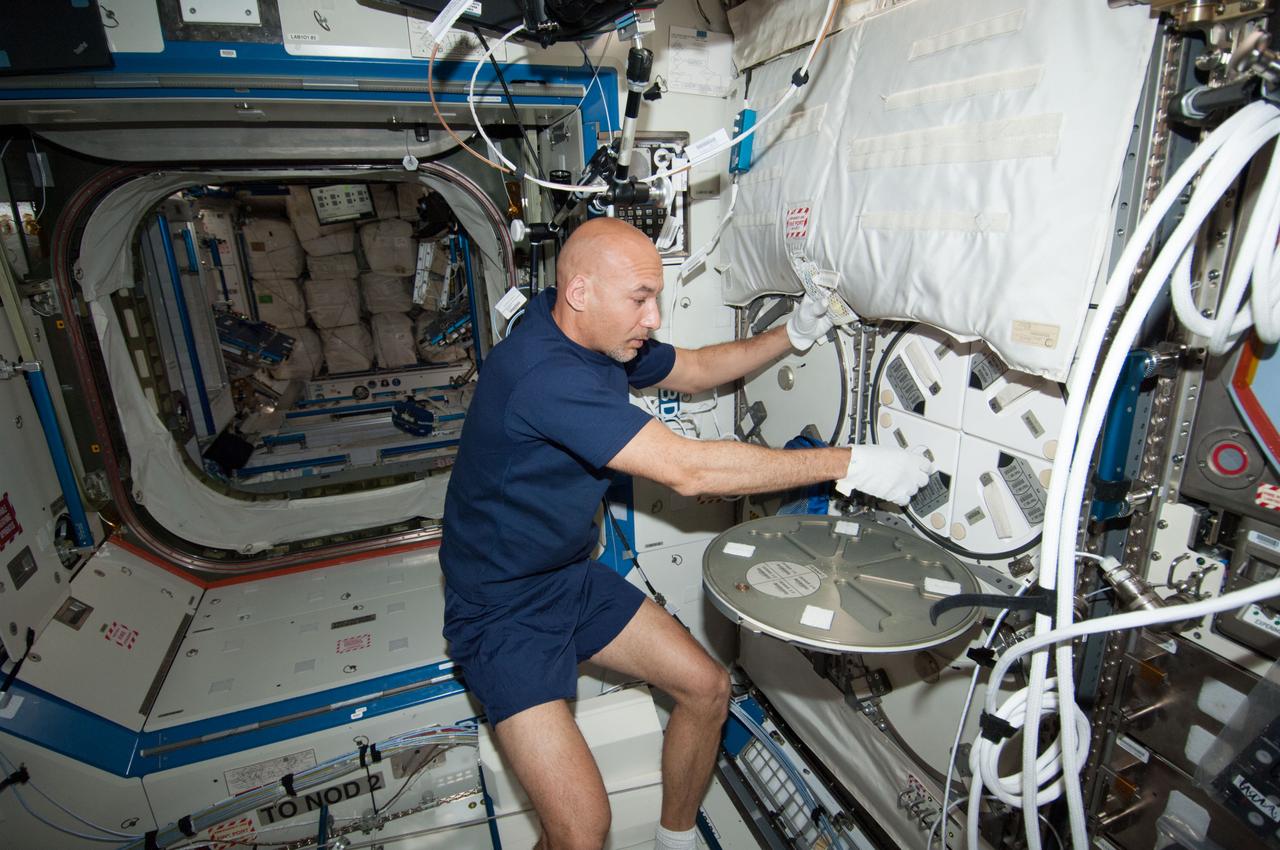
ISS036-E-006564 (6 June 2013) --- European Space Agency astronaut Luca Parmitano, Expedition 36 flight engineer, works with samples in Minus Eighty-Degree Laboratory Freezer for ISS (MELFI-3) in the Destiny laboratory of the Earth-orbiting International Space Station.
MELFI ops
ISS033-E-016183 (26 Oct. 2012) --- Japan Aerospace Exploration Agency astronaut Aki Hoshide, Expedition 33 flight engineer, services the Minus Eighty Laboratory Freezer for ISS-2 (MELFI-2) in the Destiny laboratory of the International Space Station.
MELFI ops
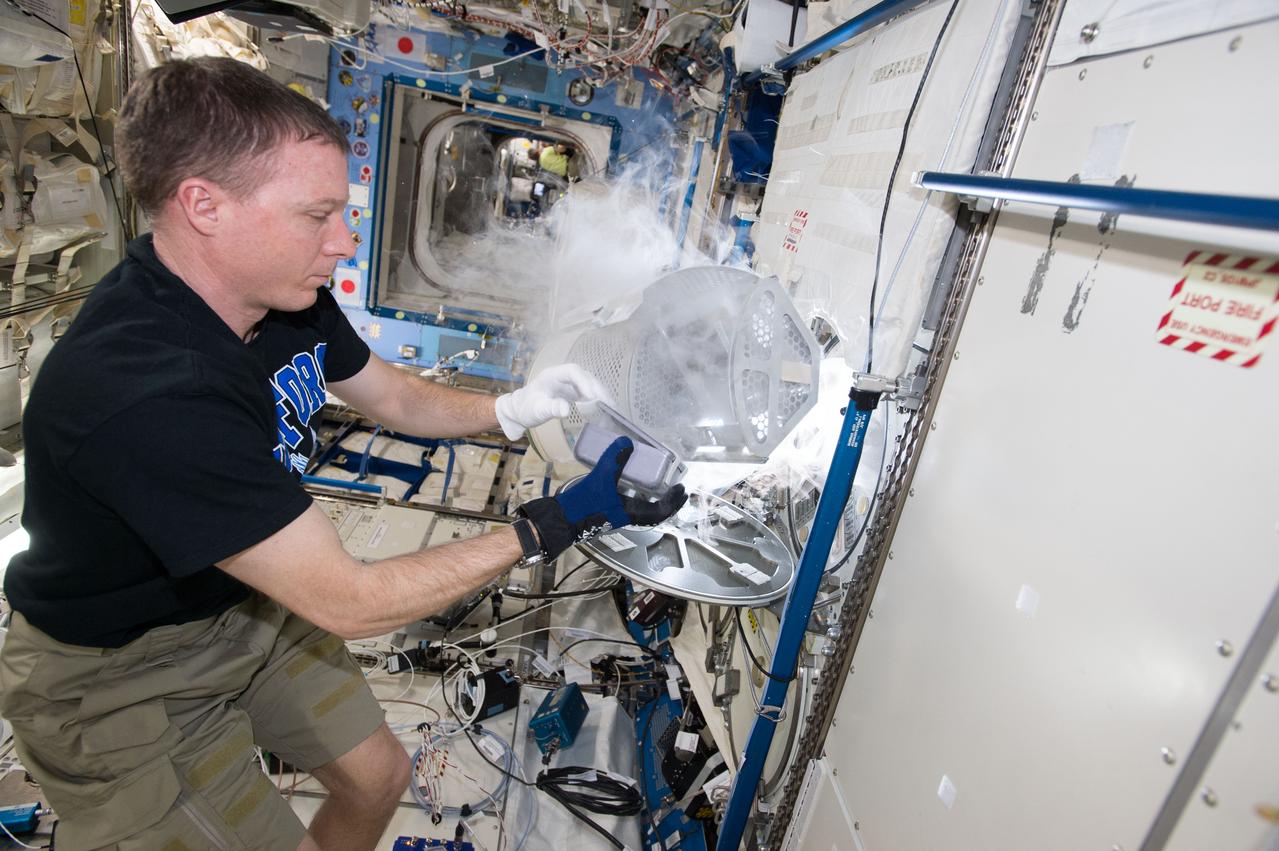
ISS043E207615 (05/18/2015) --- Expedition 43 Commander Terry Virts on the International Space Station works with experiment samples stored inside one of the station’s Minus Eighty-Degree Laboratory Freezer for ISS, or MELFI. These laboratory freezers are used to maintain experiment samples at ultra-cold temperatures throughout a mission.
MELFI ops
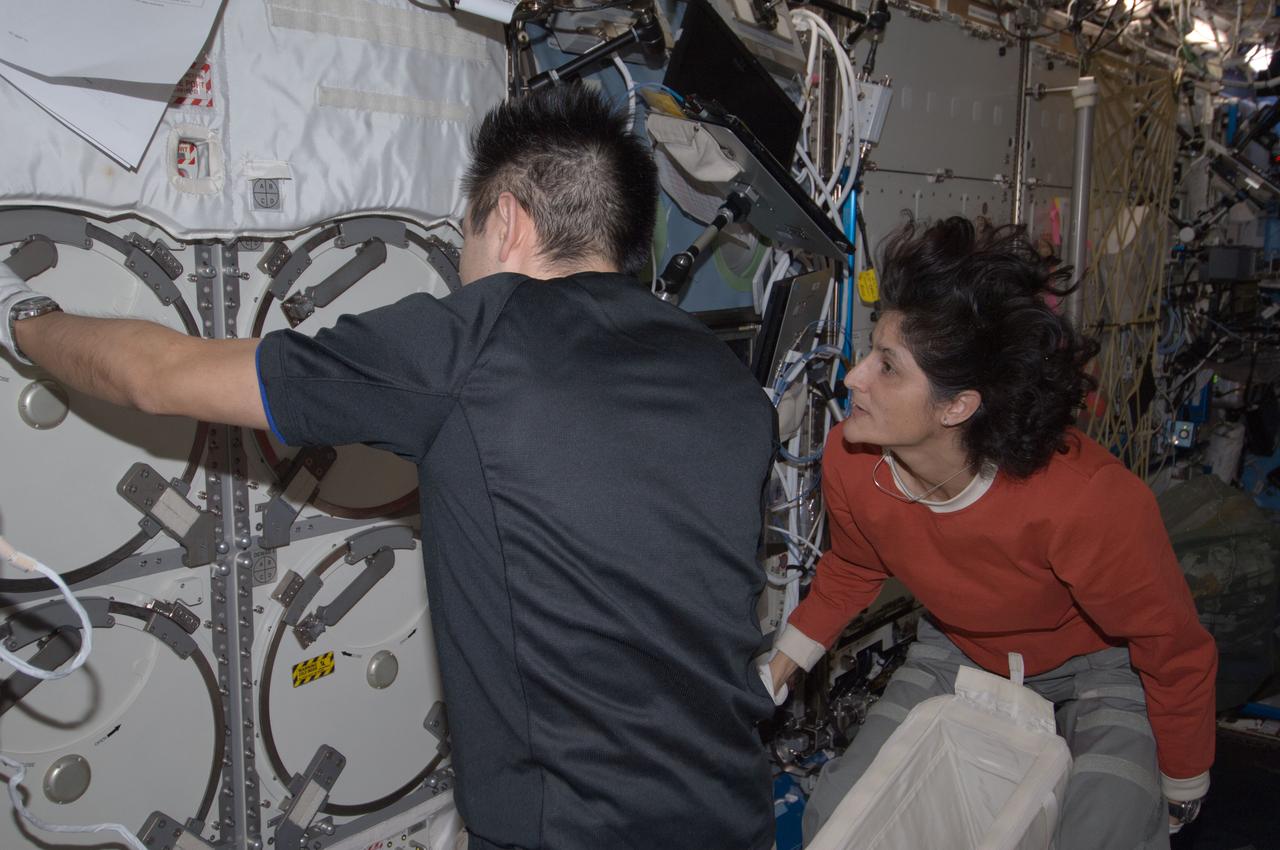
ISS033-E-016181 (26 Oct. 2012) --- NASA astronaut Sunita Williams, Expedition 33 commander; and Japan Aerospace Exploration Agency astronaut Aki Hoshide, flight engineer, prepare to service the Minus Eighty Laboratory Freezer for ISS-2 (MELFI-2) in the Destiny laboratory of the International Space Station.
MELFI ops
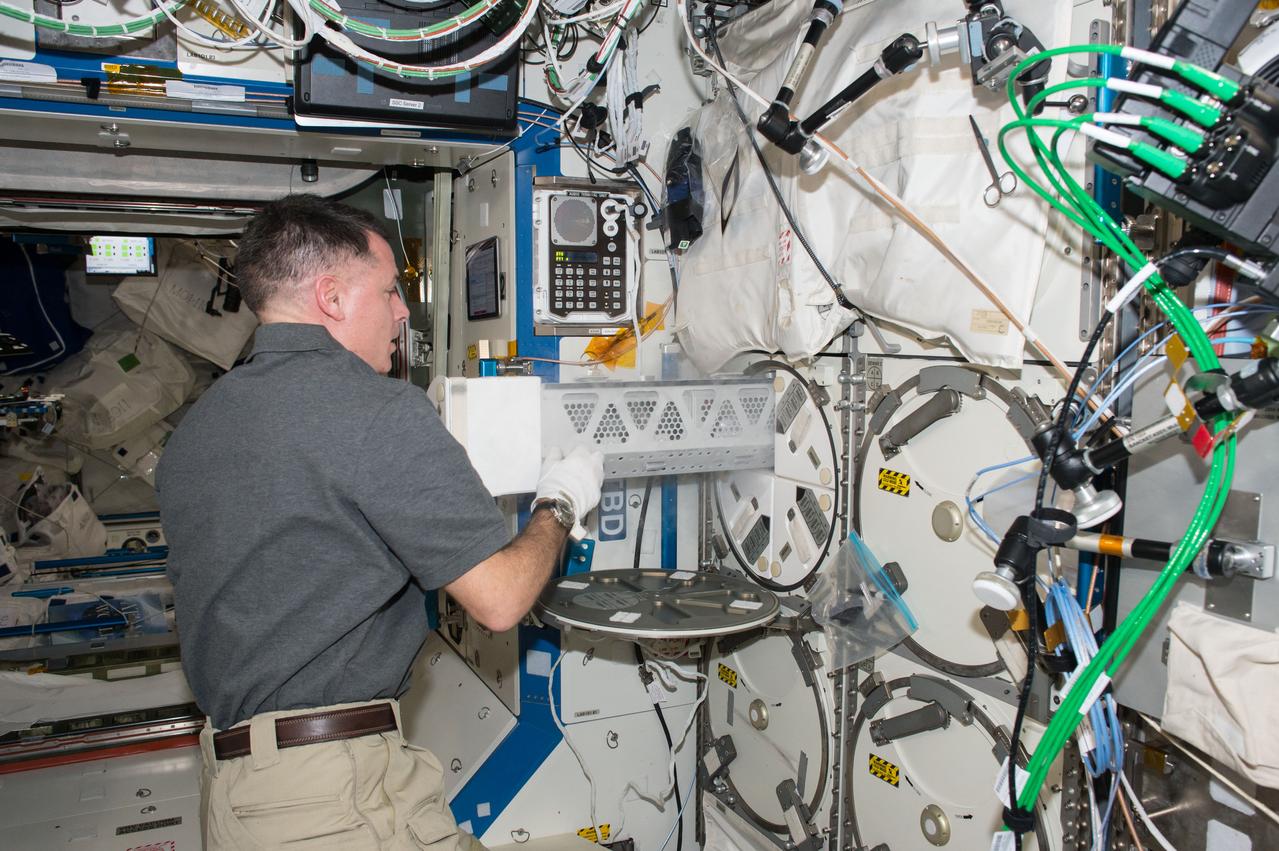
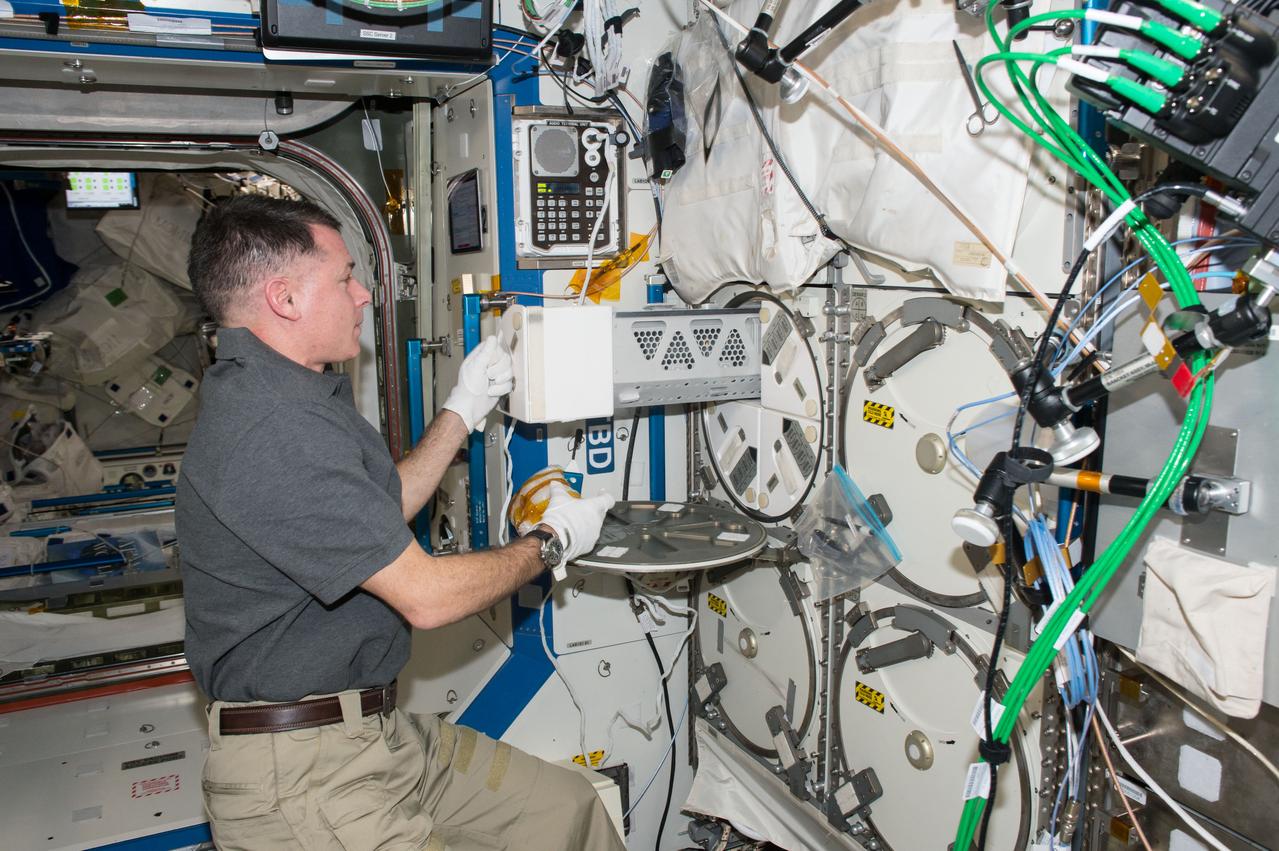
iss050e057444 (3/15/2017) --- NASA astronaut Shane Kimbrough removing a storage locker in the Minus Eighty-degree Laboratory Freezer for ISS (MELFI) to store samples from an experiment, in the U.S. Laboratory. The Minus Eighty-Degree Laboratory Freezer for ISS (MELFI) is a cold storage unit that maintains experiment samples at ultra-cold temperatures throughout a mission.
Kimbrough works with MELFI
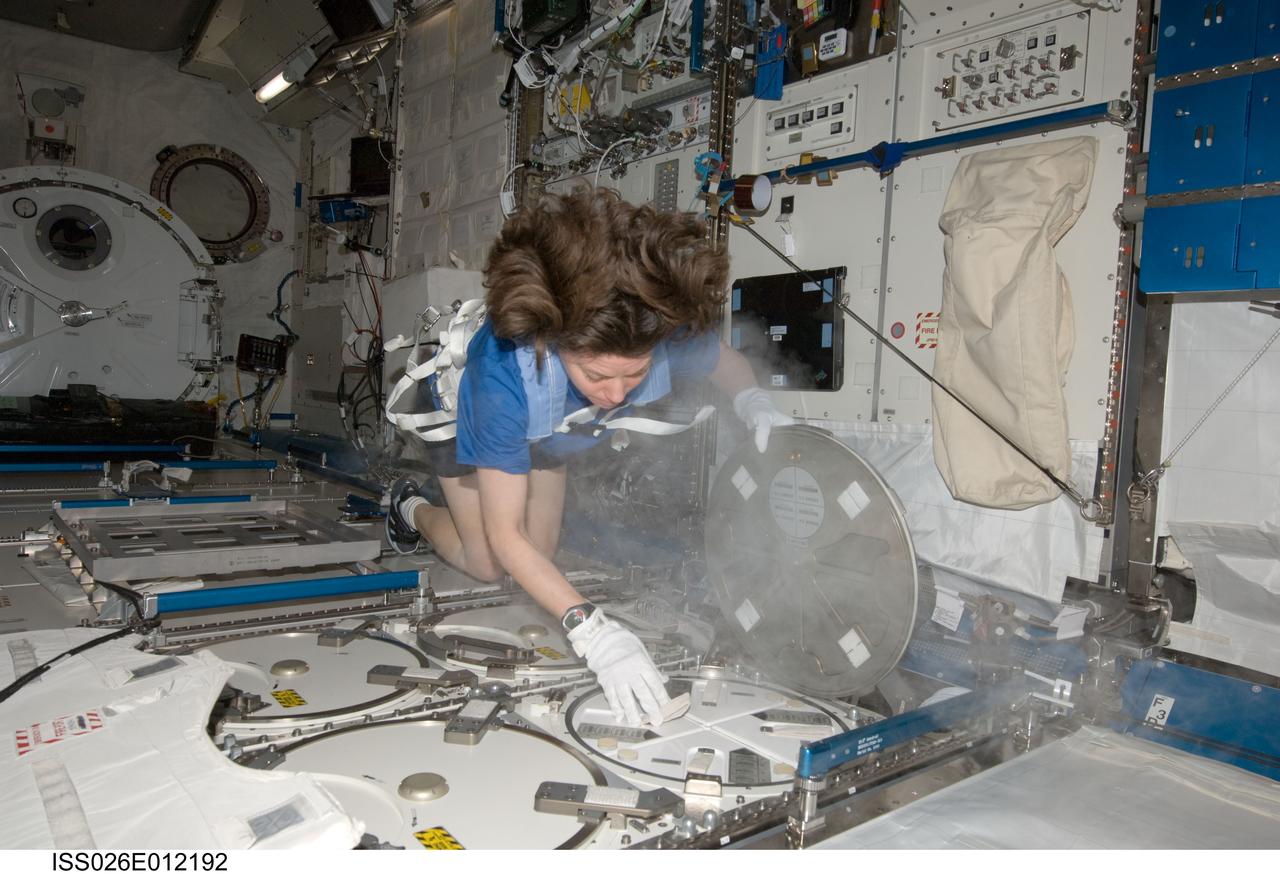
ISS026-E-012192 (26 Dec. 2010) --- NASA astronaut Catherine (Cady) Coleman, Expedition 26 flight engineer, services the Minus Eighty Laboratory Freezer for ISS (MELFI-1) in the Kibo laboratory of the International Space Station.
Coleman at MELFI in the JPM
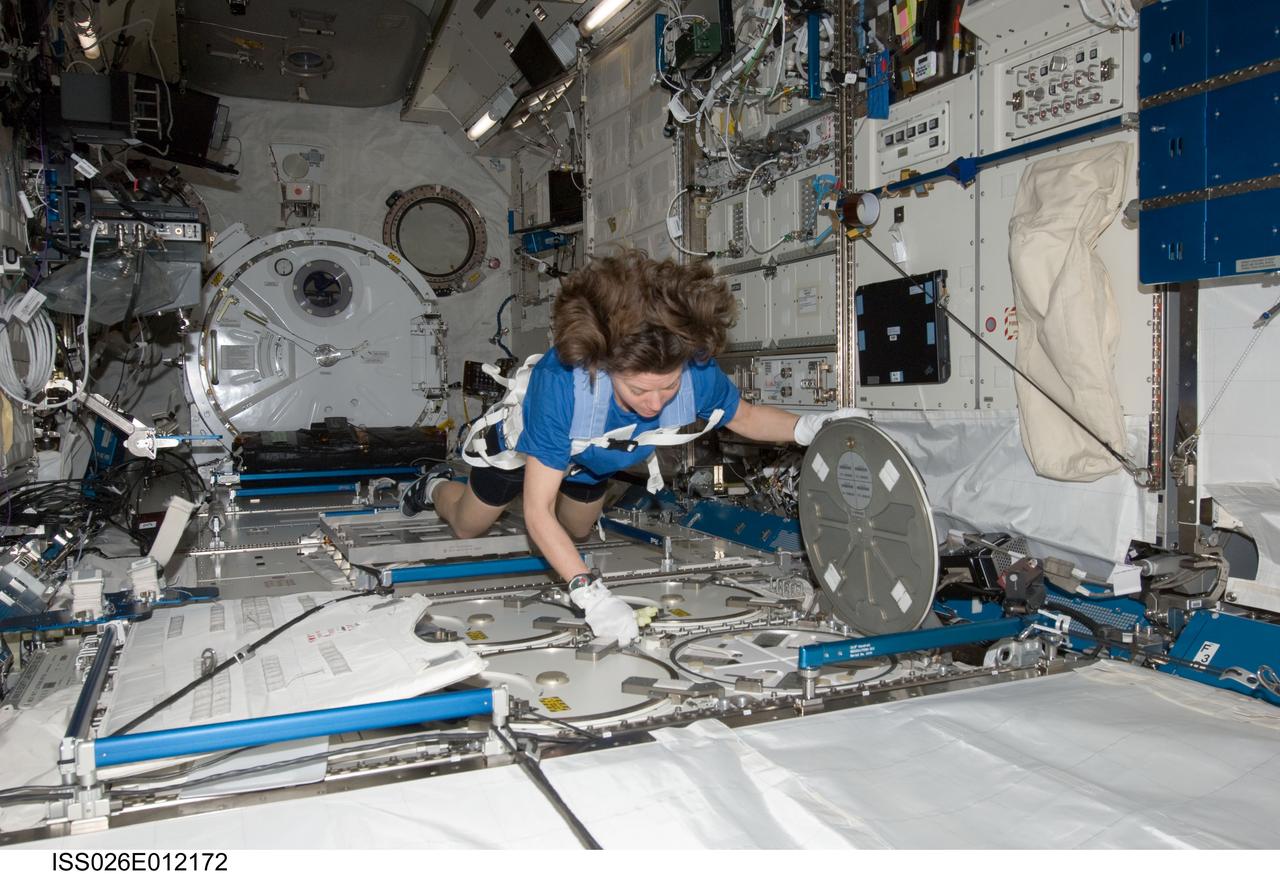
ISS026-E-012172 (26 Dec. 2010) --- NASA astronaut Catherine (Cady) Coleman, Expedition 26 flight engineer, services the Minus Eighty Laboratory Freezer for ISS (MELFI-1) in the Kibo laboratory of the International Space Station.
Coleman at MELFI in the JPM
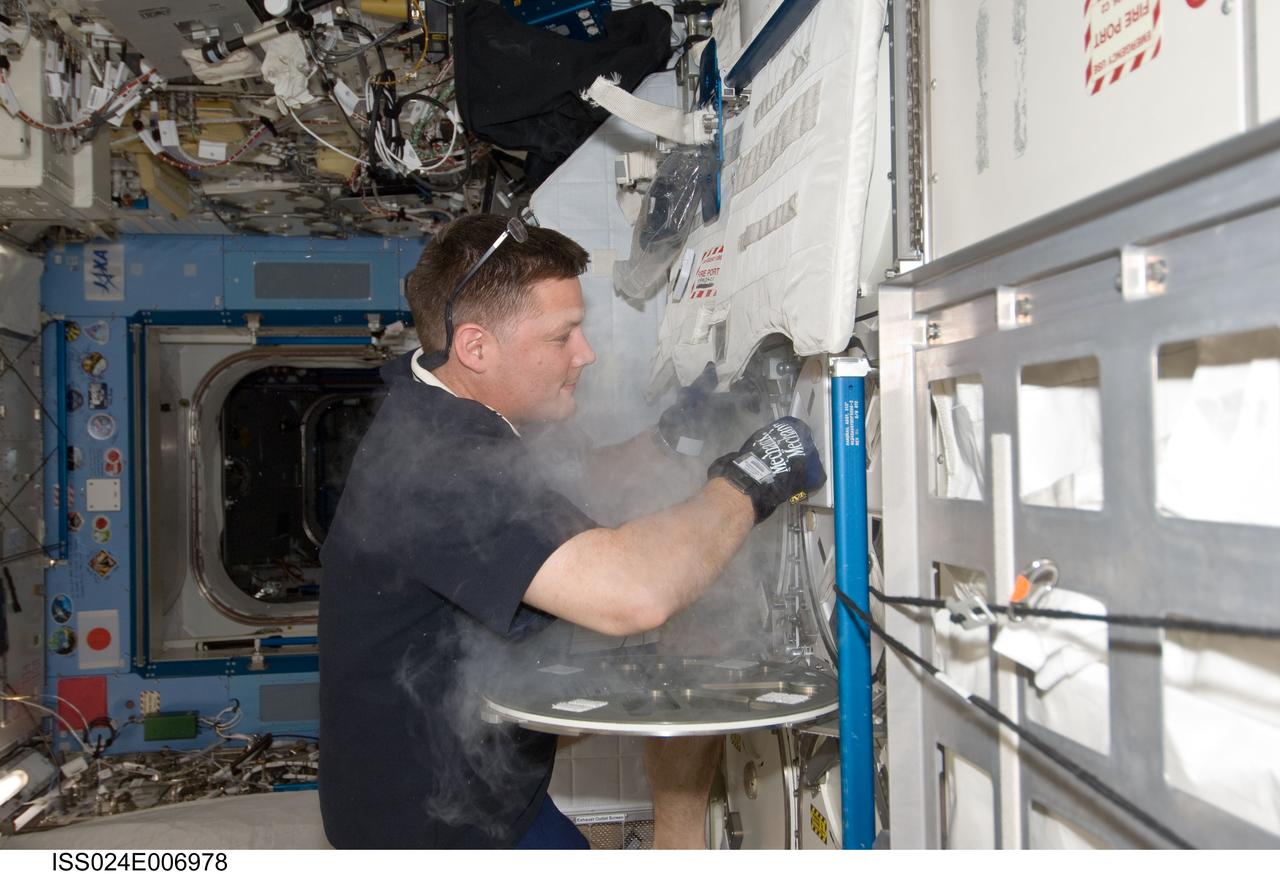
ISS024-E-006978 (27 June 2010) --- NASA astronaut Doug Wheelock, Expedition 24 flight engineer, services the Minus Eighty Laboratory Freezer for ISS (MELFI-1) in the Kibo laboratory of the International Space Station.
Sample stowage in MELFI
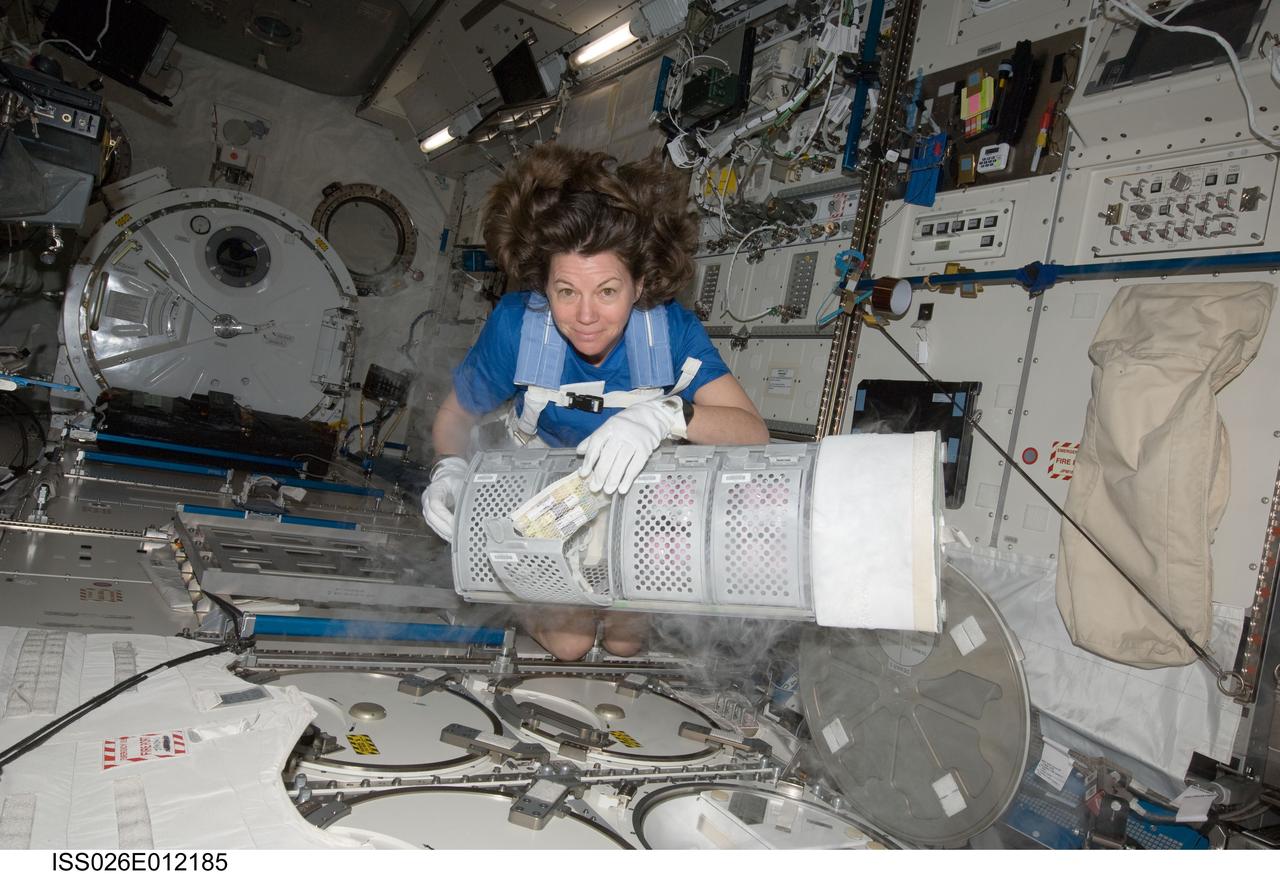
ISS026-E-012185 (26 Dec. 2010) --- NASA astronaut Catherine (Cady) Coleman, Expedition 26 flight engineer, services the Minus Eighty Laboratory Freezer for ISS (MELFI-1) in the Kibo laboratory of the International Space Station.
Coleman at MELFI in the JPM
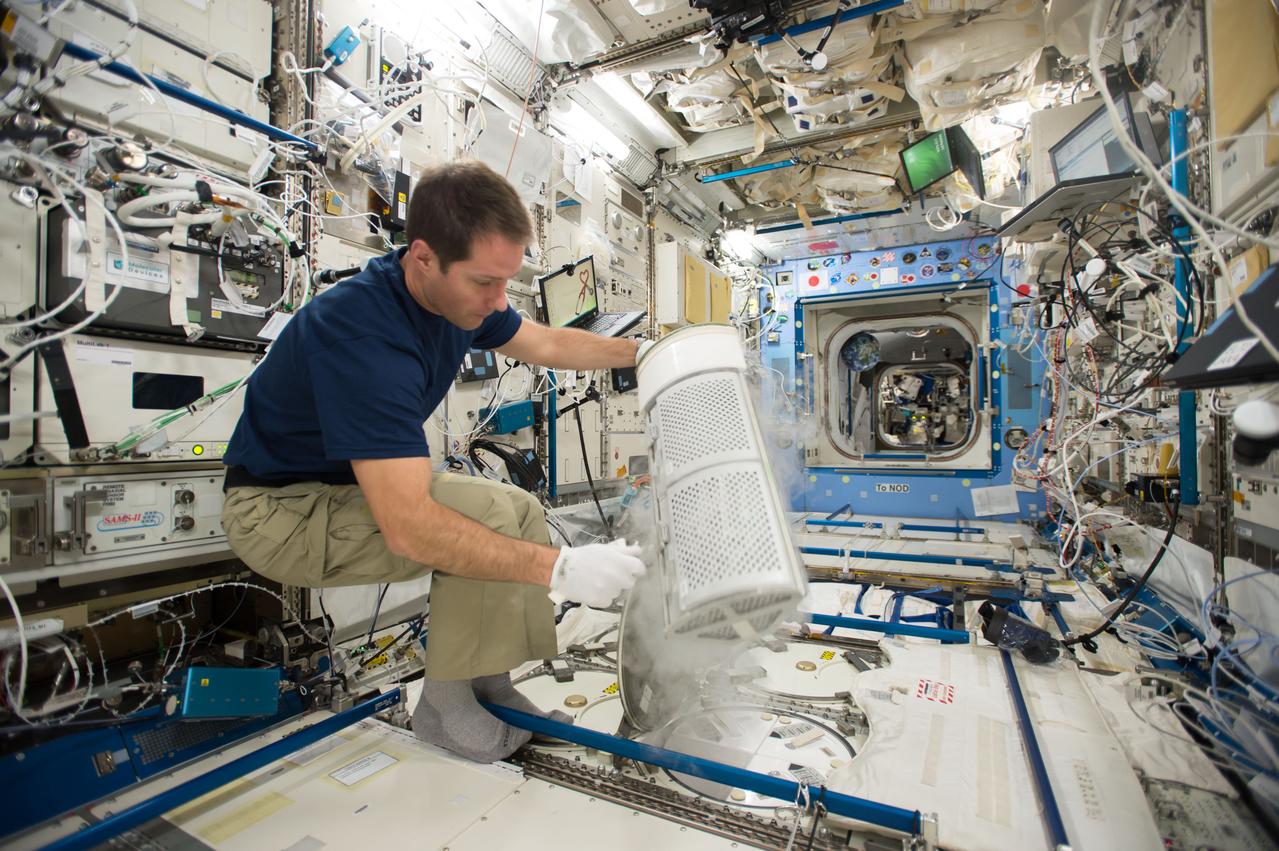
iss050e011020 (11/21/2016) --- European Space Agency (ESA) astronaut Thomas Pesquet adding MARROW samples to the Minus Eighty Laboratory Freezer for ISS (MELFI) in the Japanese Experiment Module (JEM) Pressurized Module (JPM). The MARROW study (Bone Marrow Adipose Reaction: Red Or White?) (Marrow) investigation looks at the effect of microgravity on the bone marrow.
MELFI Operations
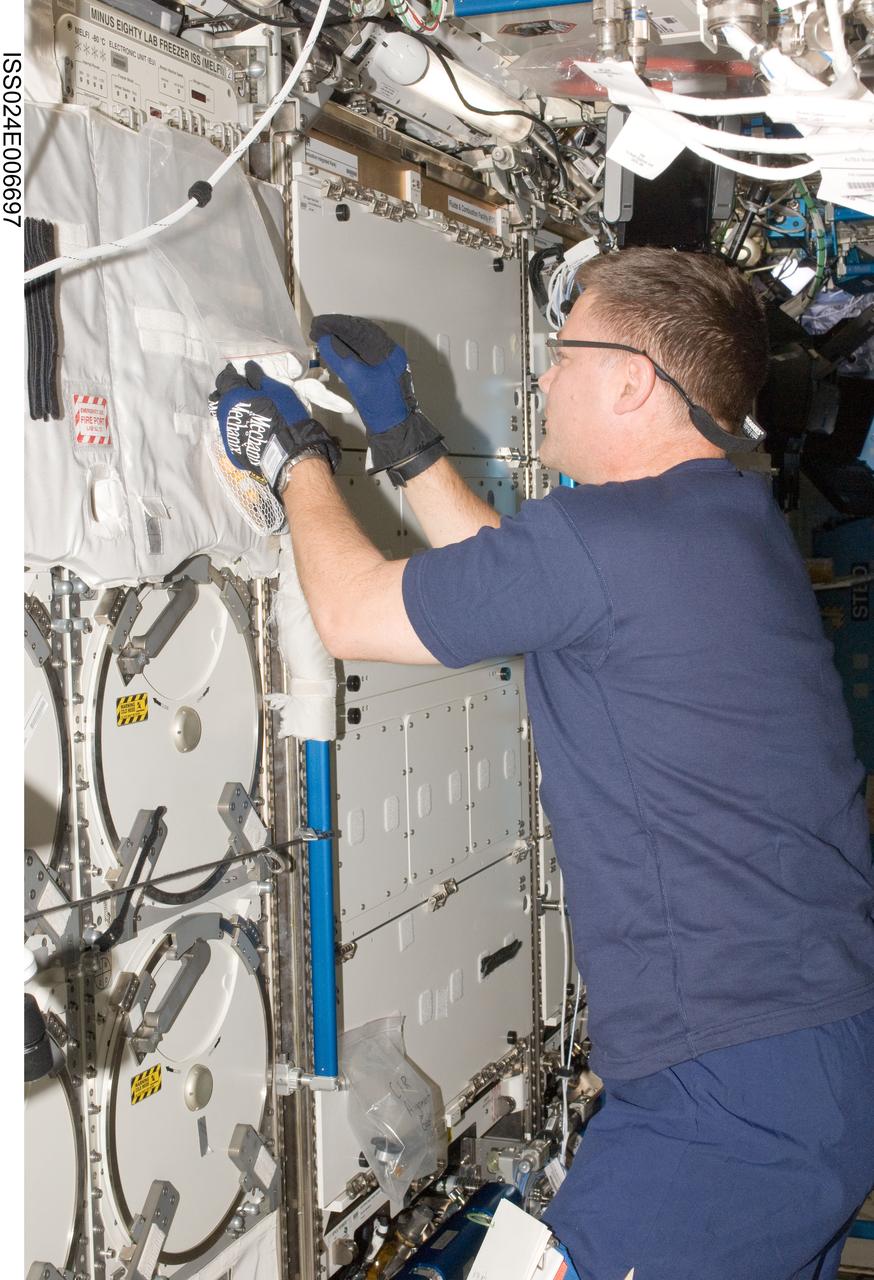
ISS024-E-006697 (28 June 2010) --- NASA astronaut Doug Wheelock, Expedition 24 flight engineer, prepares to insert biological samples into trays in the Minus Eighty Laboratory Freezer for ISS-2 (MELFI-2) in the Destiny laboratory of the International Space Station.
MELFI Sample Insertion
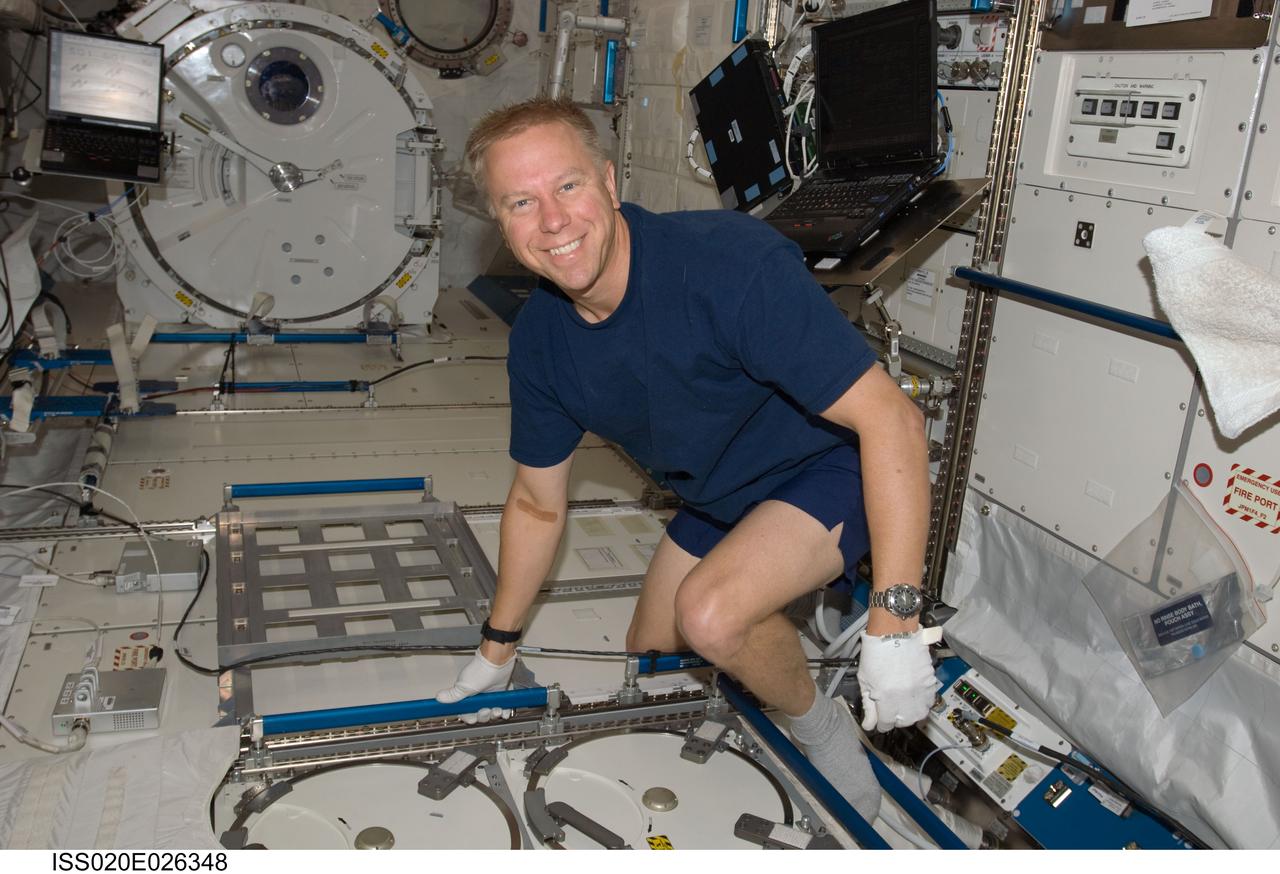
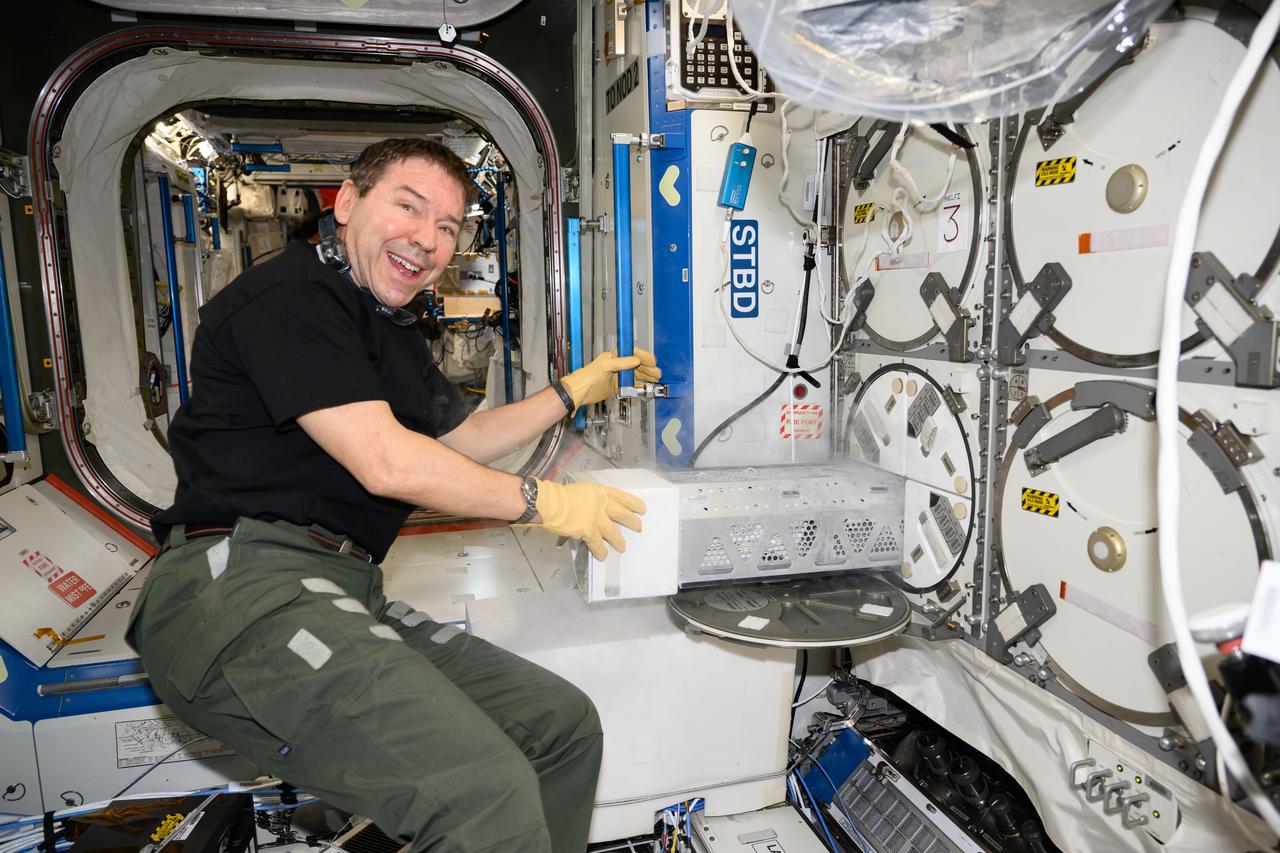
ISS020-E-026348 (30 July 2009) --- Astronaut Tim Kopra, Expedition 20 flight engineer, smiles for the camera as he completes the task of placing samples taken for the Nutritional Status Assessment (NUTRITION) w/Repository study into the Minus Eighty Degree Laboratory Freezer for ISS (MELFI) in the Kibo laboratory of the International Space Station.
NUTRITION w/Repository into MELFI
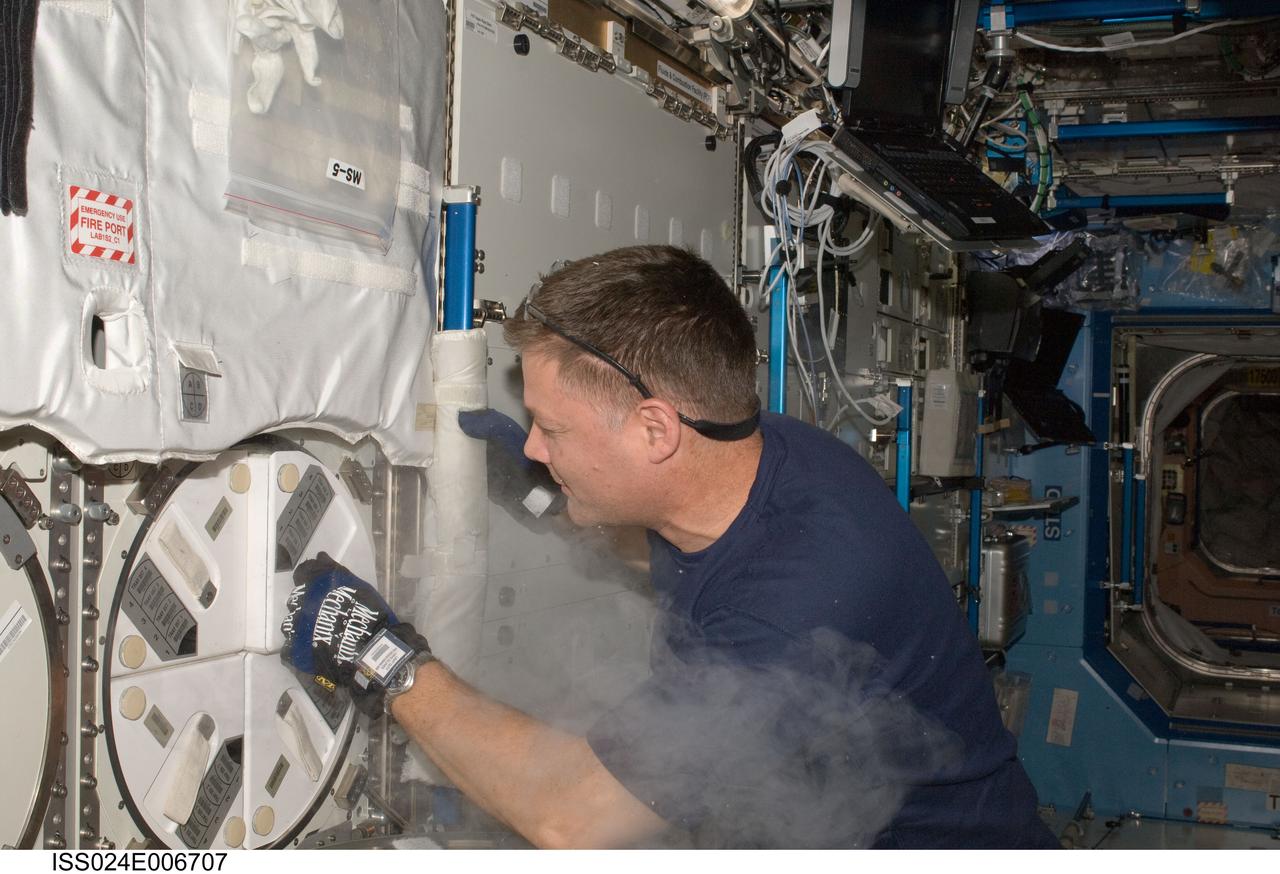
ISS024-E-006707 (28 June 2010) --- After inserting biological samples, NASA astronaut Doug Wheelock, Expedition 24 flight engineer, replaces a dewar tray in the Minus Eighty Laboratory Freezer for ISS-2 (MELFI-2) in the Destiny laboratory of the International Space Station.
MELFI Sample Insertion
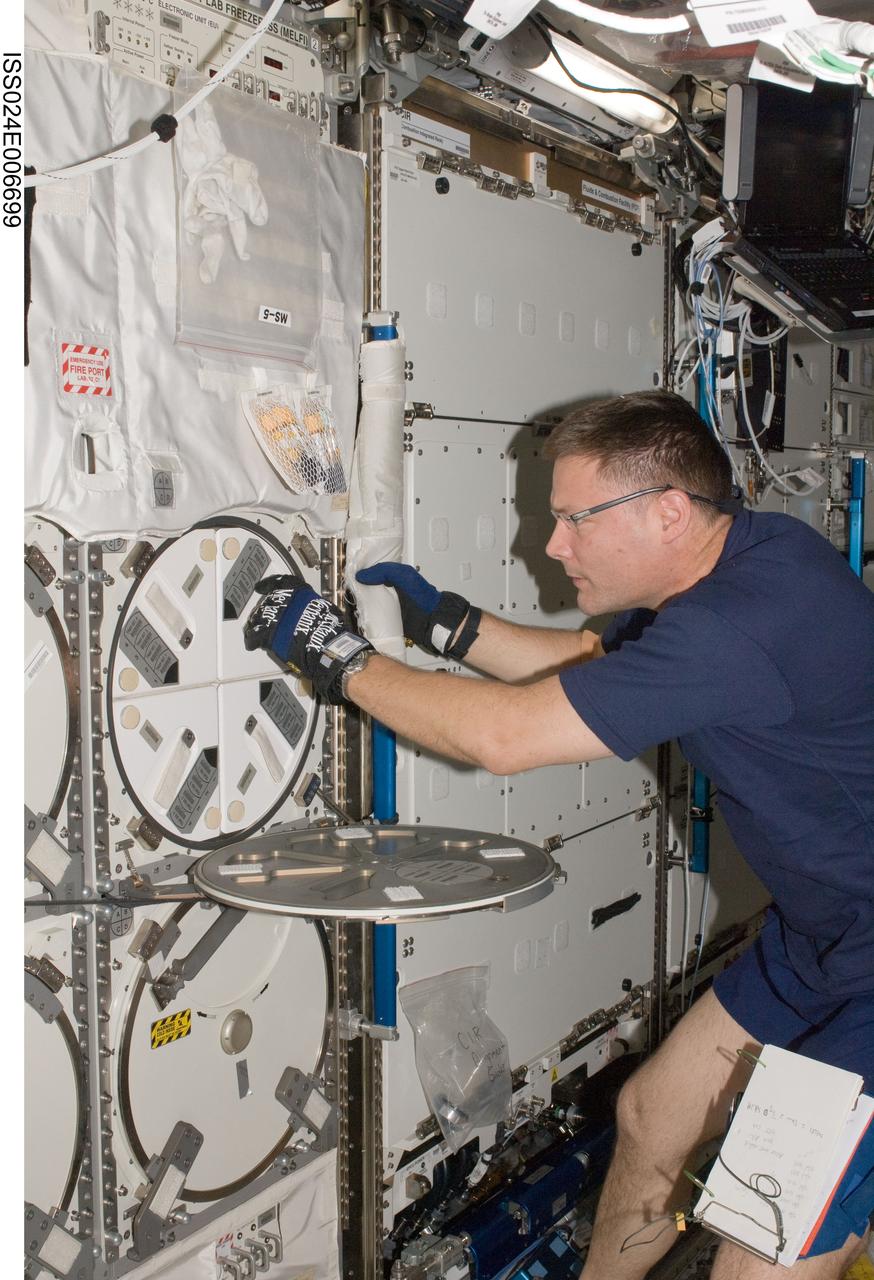
ISS024-E-006699 (28 June 2010) --- NASA astronaut Doug Wheelock, Expedition 24 flight engineer, prepares to insert biological samples into trays in the Minus Eighty Laboratory Freezer for ISS-2 (MELFI-2) in the Destiny laboratory of the International Space Station.
MELFI Sample Insertion
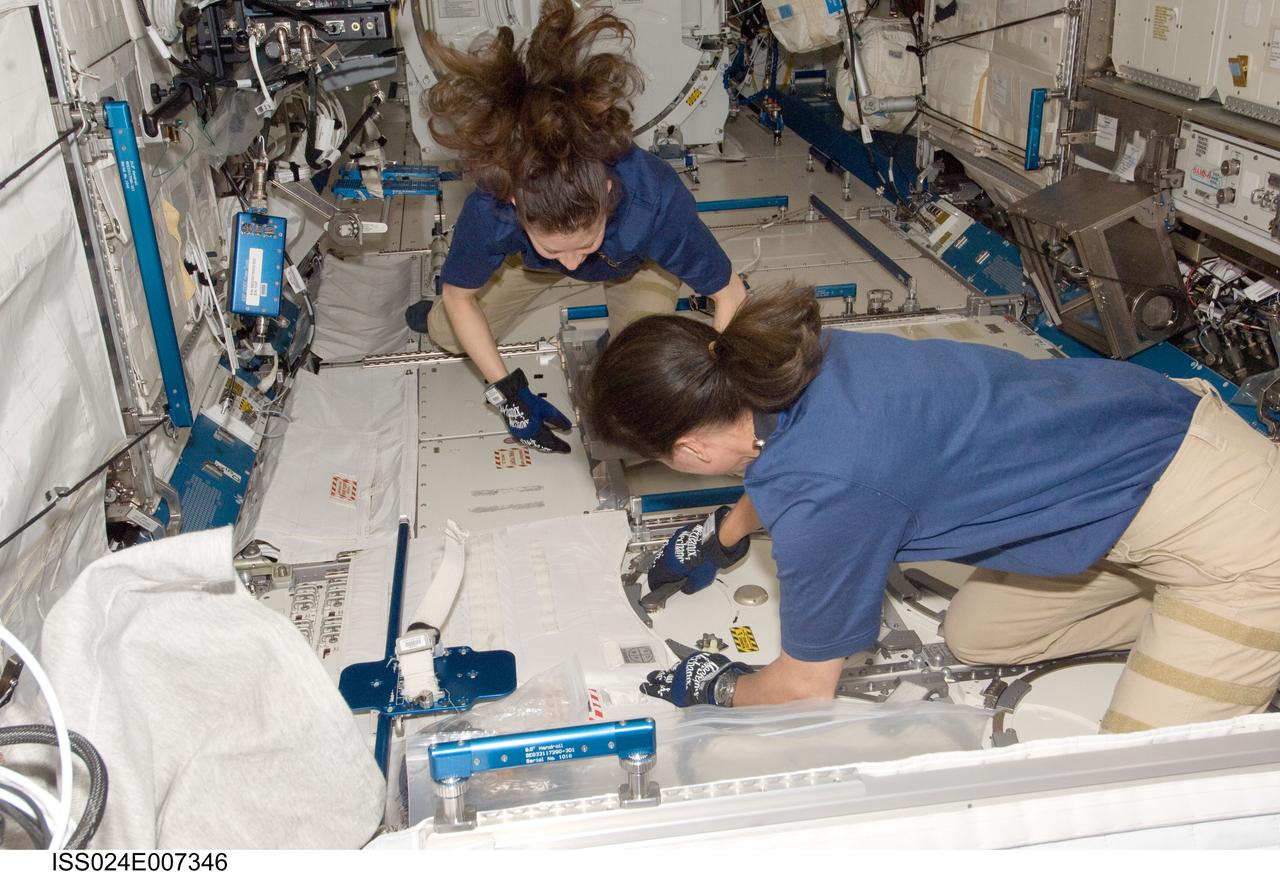
ISS024-E-007346 (2 July 2010) --- NASA astronauts Tracy Caldwell Dyson (background) and Shannon Walker, both Expedition 24 flight engineers, prepare to insert biological samples in a dewar tray in the Minus Eighty Laboratory Freezer for ISS (MELFI-1) in the Kibo laboratory of the International Space Station.
MELFI Sample Insertion
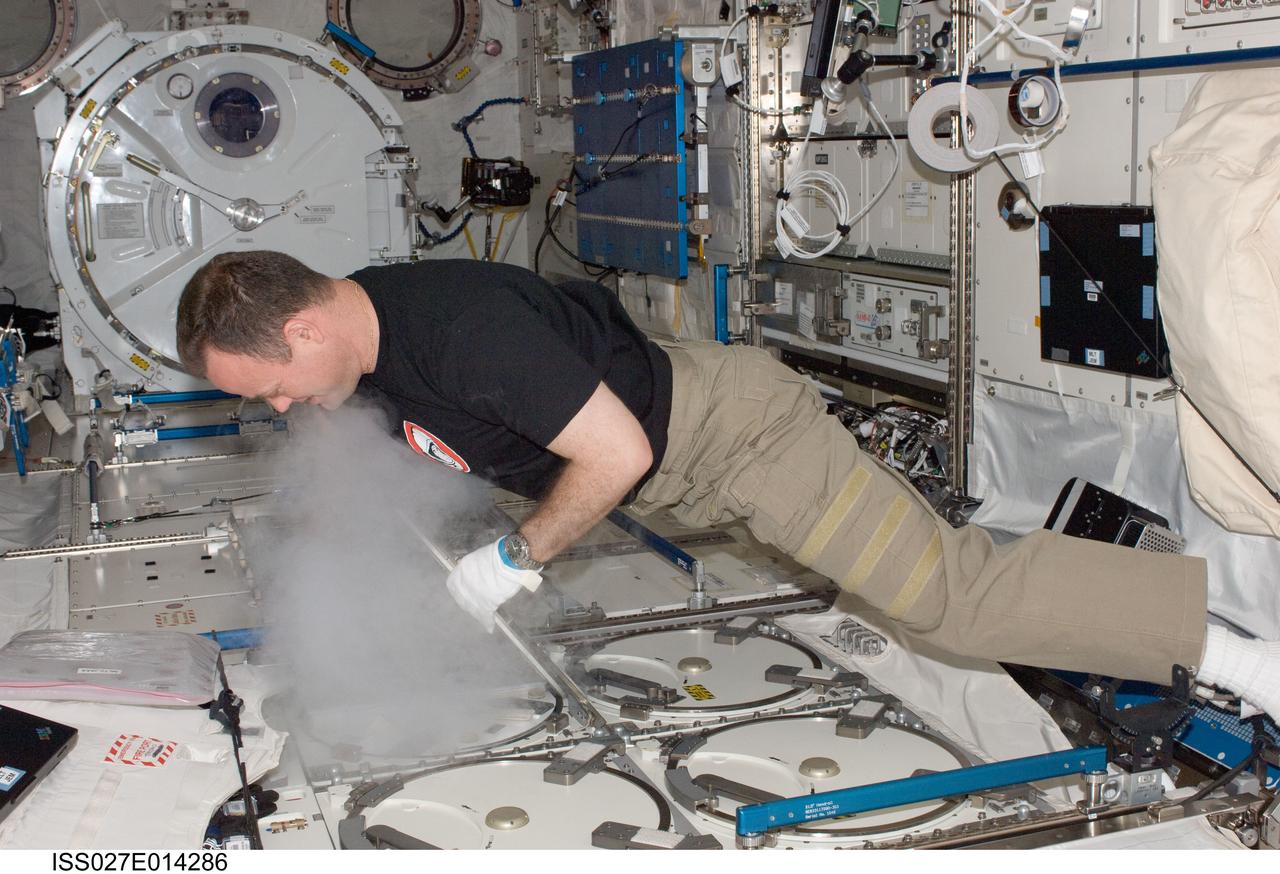
ISS027-E-014286 (14 April 2011) --- NASA astronaut Ron Garan, Expedition 27 flight engineer, replaces a dewar tray containing biological samples in the Minus Eighty Laboratory Freezer for ISS (MELFI-1) in the Kibo laboratory of the International Space Station.
Garan works with MELFI in Kibo
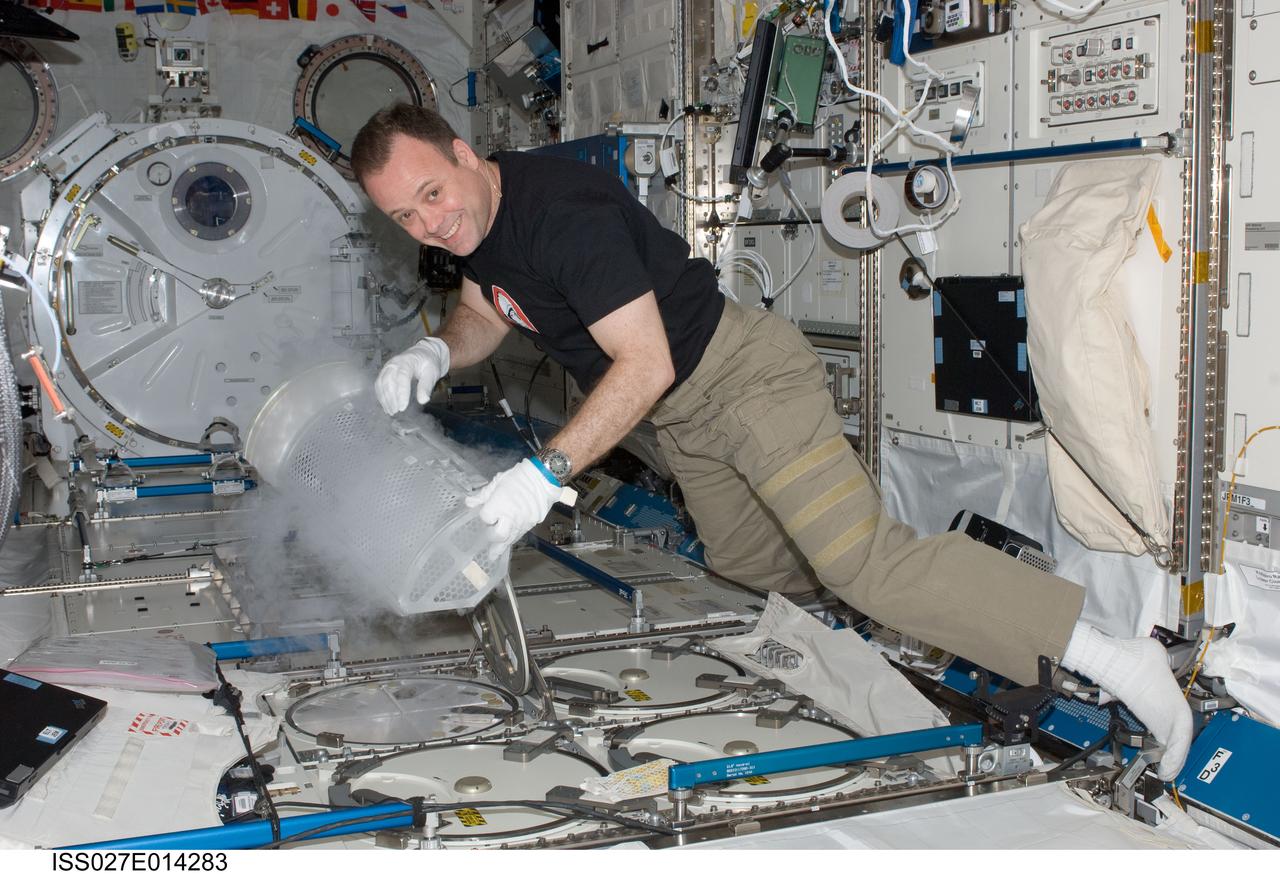
iss027e014283 (4/13/2011) --- Expedition 27 flight engineer Ron Garan prepares to stow a blood draw for the CSA (Canadian Space Agency) Vascular Blood Collection protocol in the Minus Eighty Laboratory Freezer for ISS (MELFI-1) in the Kibo laboratory of the International Space Station.
Garan works with MELFI in Kibo
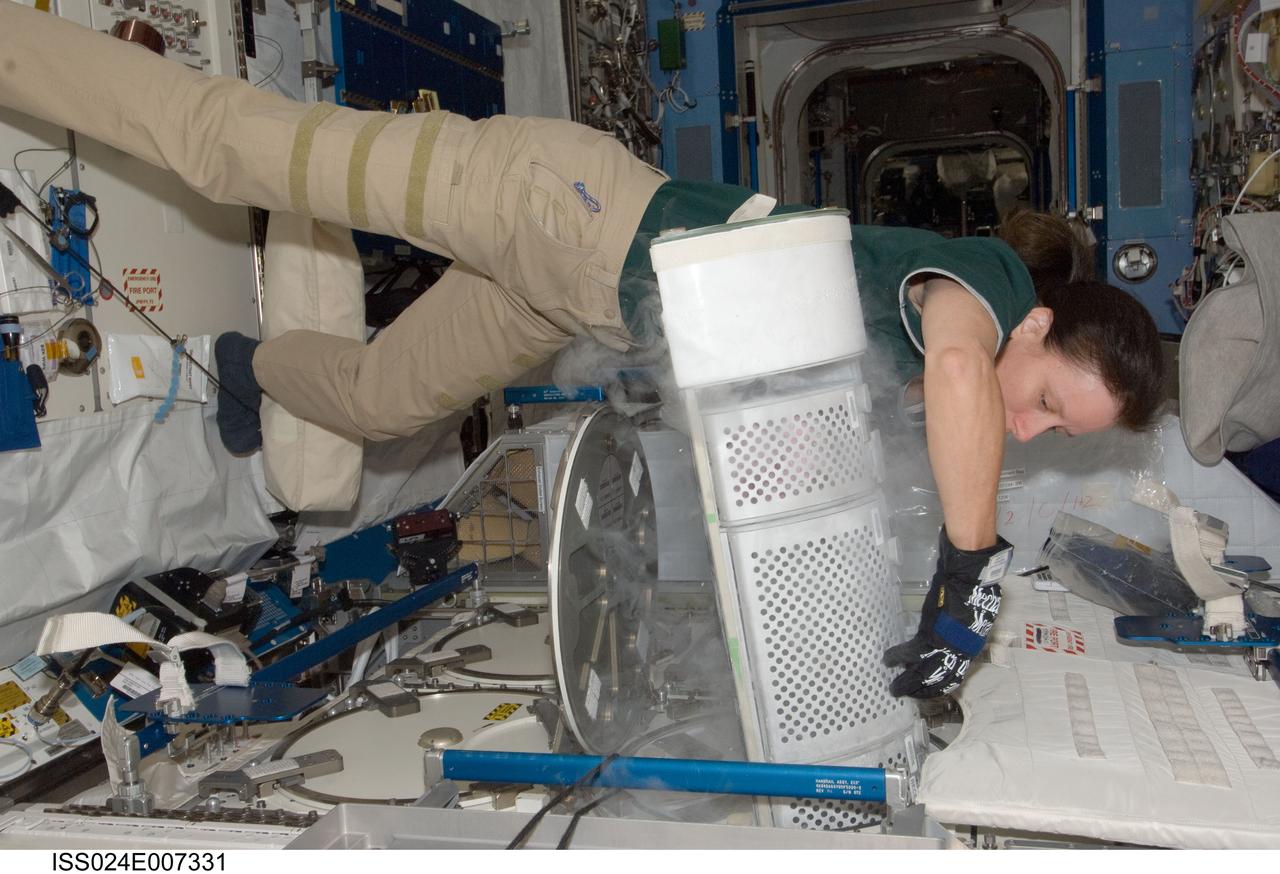
ISS024-E-007331 (2 July 2010) --- After inserting biological samples, NASA astronaut Shannon Walker, Expedition 24 flight engineer, replaces a dewar tray in the Minus Eighty Laboratory Freezer for ISS (MELFI-1) in the Kibo laboratory of the International Space Station.
MELFI Sample Insertion
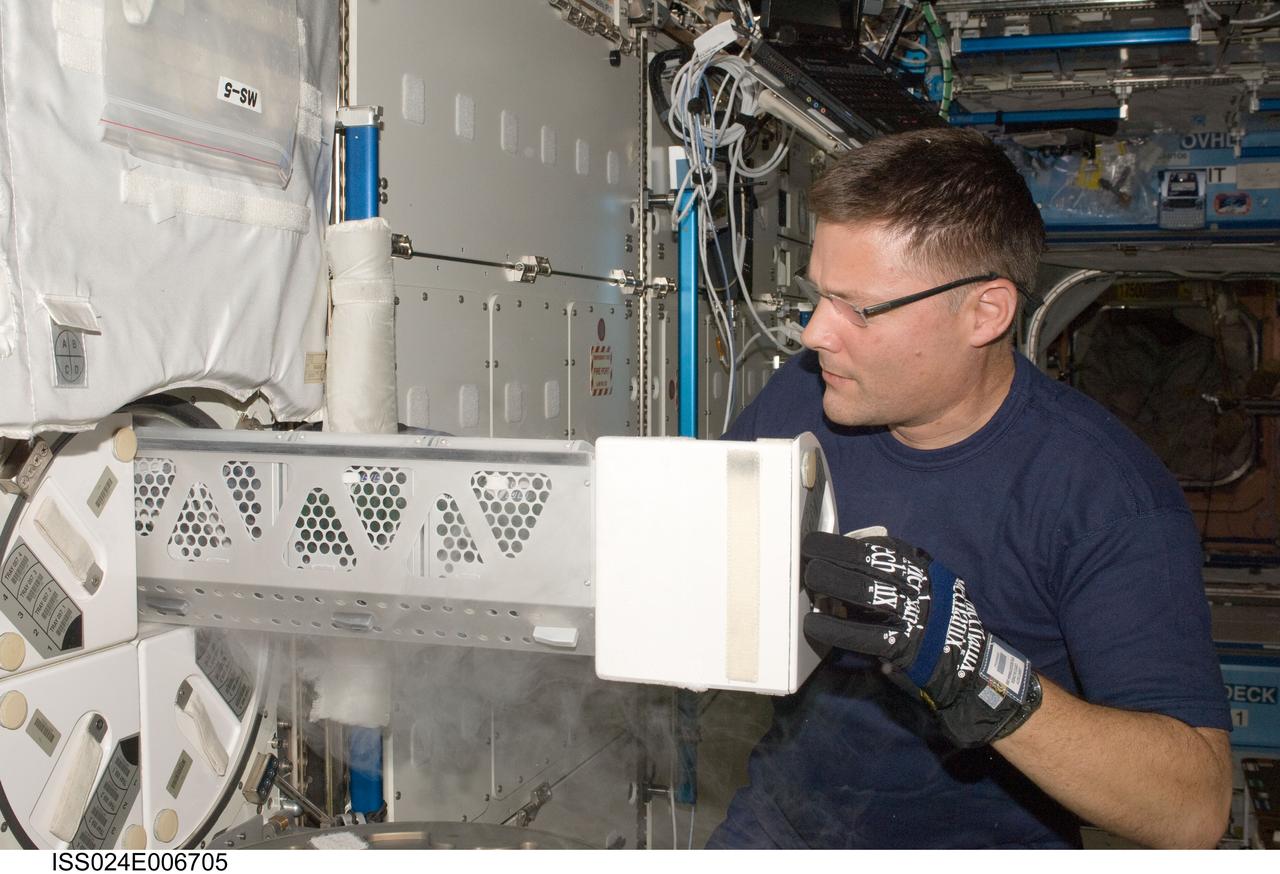
ISS024-E-006705 (28 June 2010) --- After inserting biological samples, NASA astronaut Doug Wheelock, Expedition 24 flight engineer, replaces a dewar tray in the Minus Eighty Laboratory Freezer for ISS-2 (MELFI-2) in the Destiny laboratory of the International Space Station.
MELFI Sample Insertion
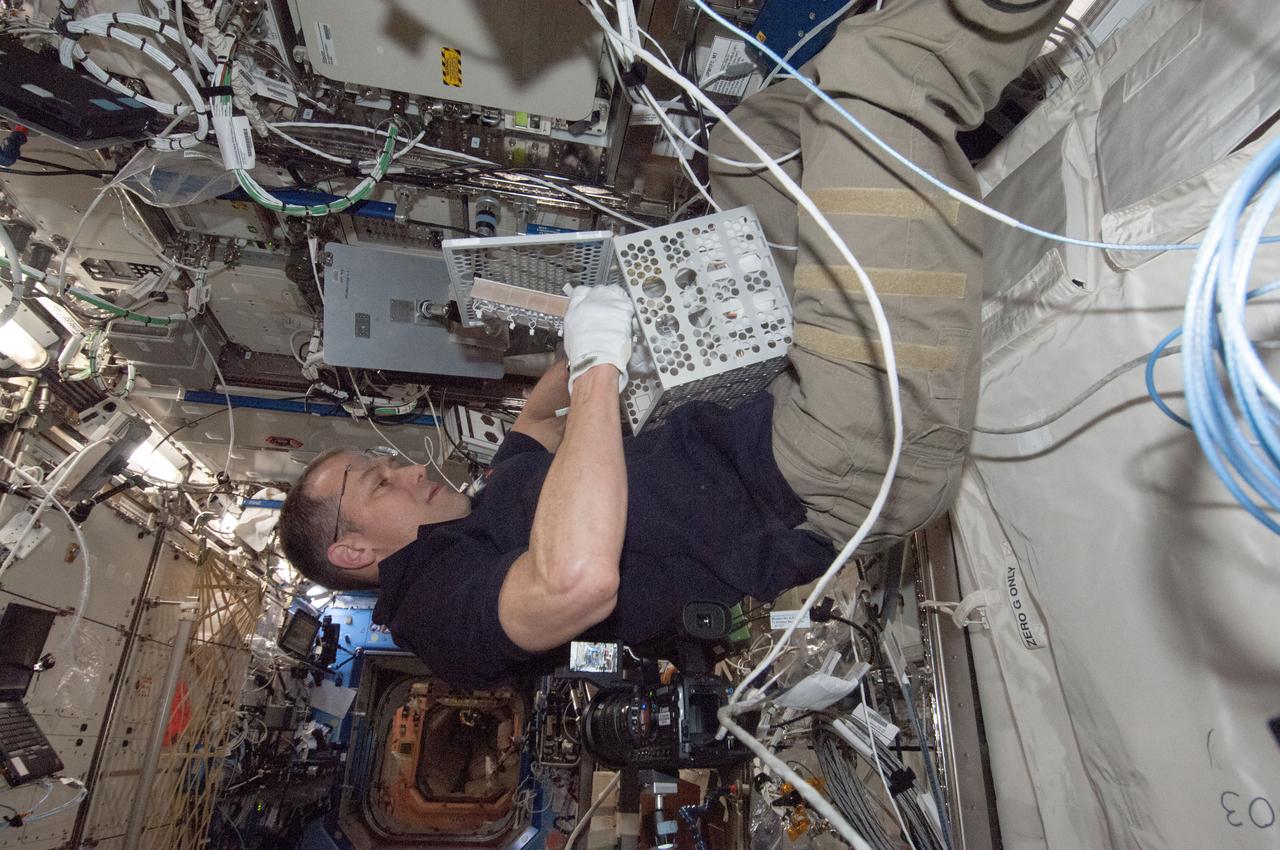
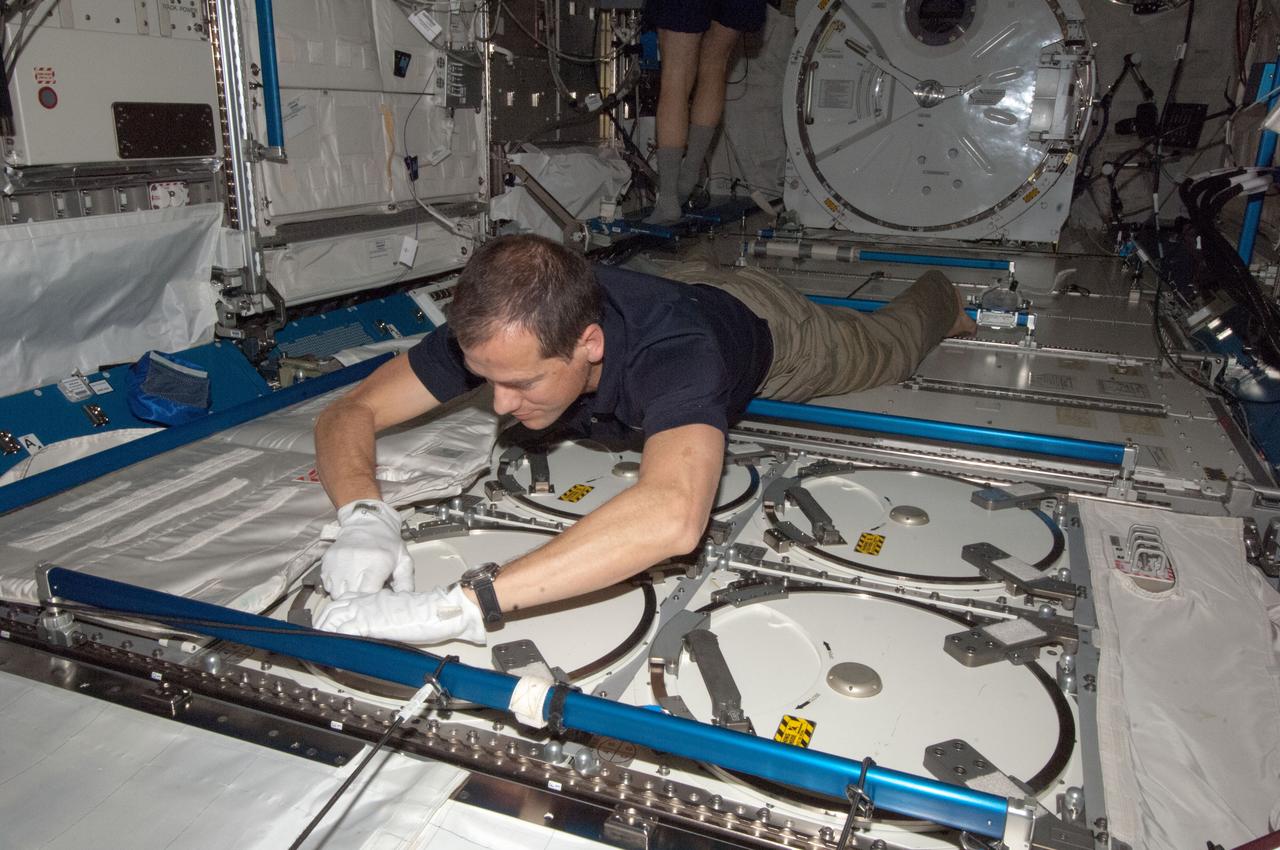
ISS034-E-067256 (12 March 2013) --- Expedition 34 Flight Engineer Tom Marshburn of NASA works with samples at the Minus Eighty-Degree Laboratory Freezer for the International Space Station (MELFI) in the U.S. lab Destiny aboard the International Space Station.
MELFI / GLACIER Transfers
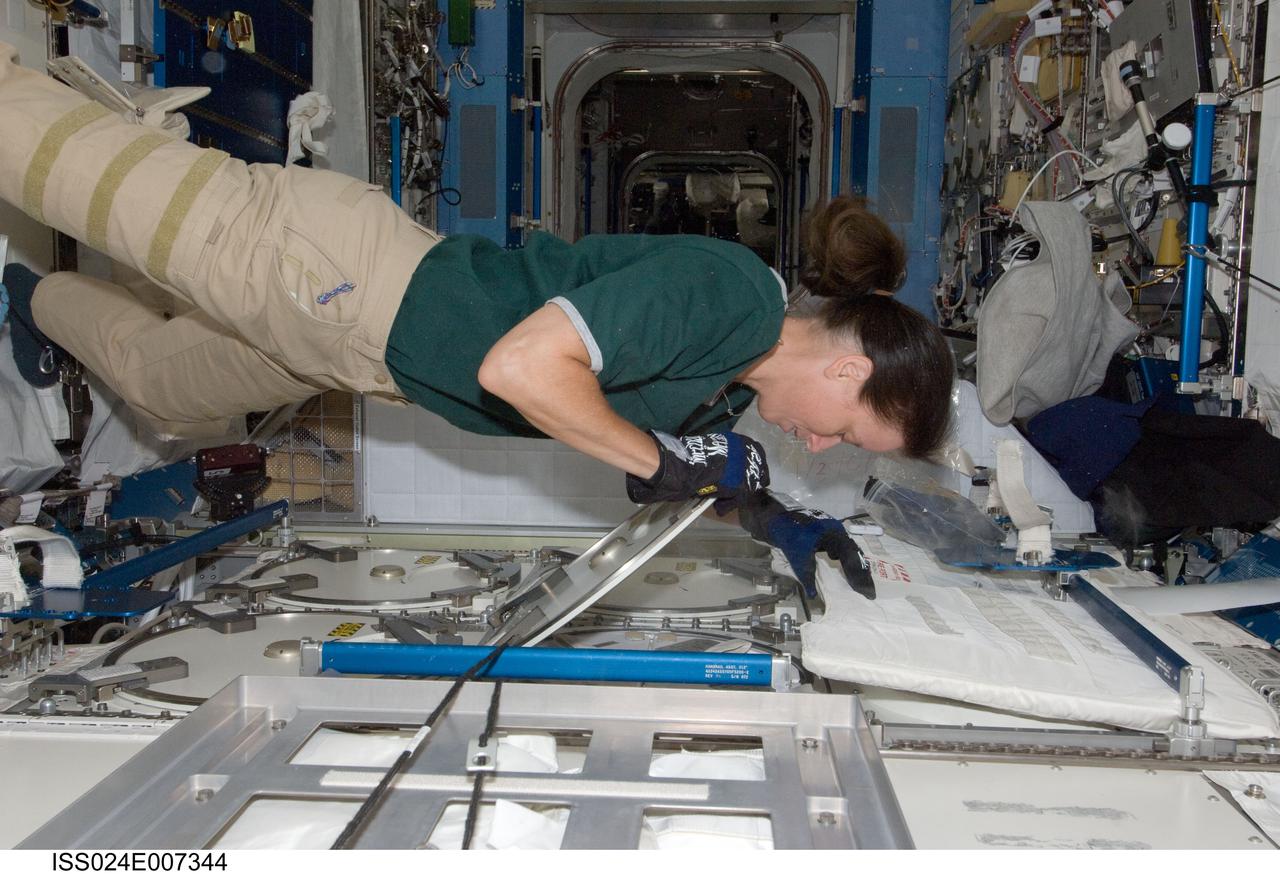
ISS024-E-007344 (2 July 2010) --- After inserting biological samples, NASA astronaut Shannon Walker, Expedition 24 flight engineer, replaces a dewar tray in the Minus Eighty Laboratory Freezer for ISS (MELFI-1) in the Kibo laboratory of the International Space Station.
MELFI Sample Insertion
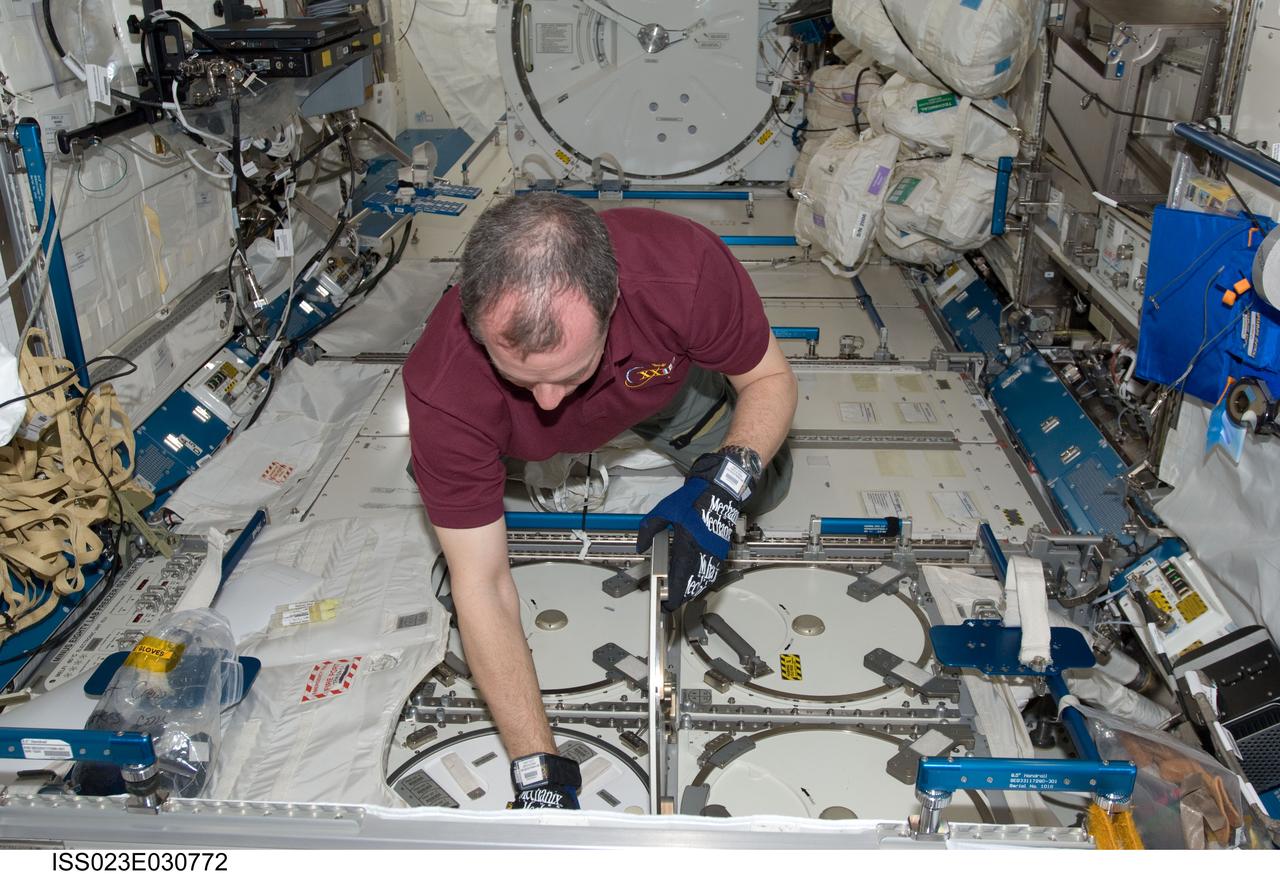
ISS023-E-030772 (2 May 2010) --- NASA astronaut T.J. Creamer, Expedition 23 flight engineer, services the Minus Eighty Laboratory Freezer for ISS (MELFI-1) in the Kibo laboratory of the International Space Station.
Creamer stows urine samples in MELFI
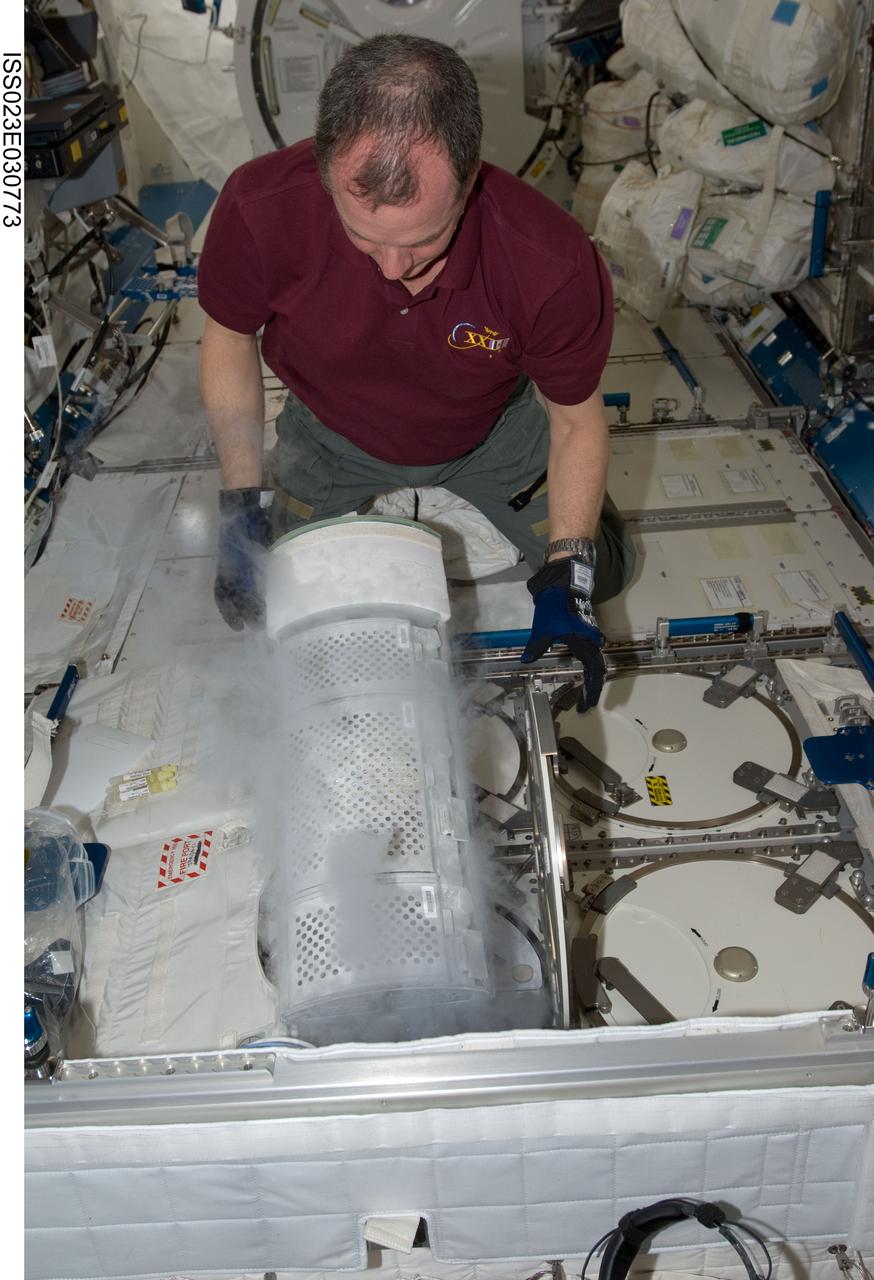
ISS023-E-030773 (2 May 2010) --- NASA astronaut T.J. Creamer, Expedition 23 flight engineer, services the Minus Eighty Laboratory Freezer for ISS (MELFI-1) in the Kibo laboratory of the International Space Station.
Creamer stows urine samples in MELFI
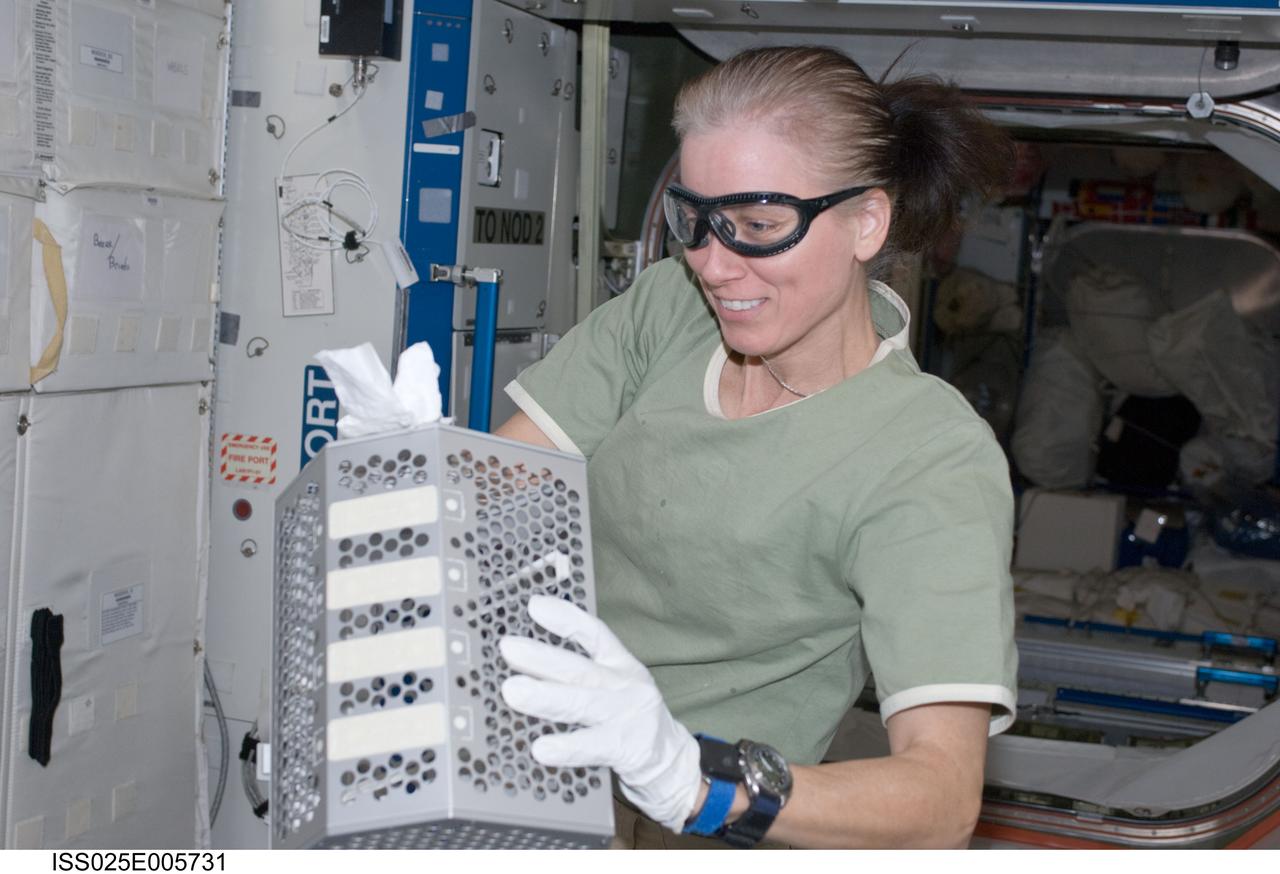
ISS025-E-005731 (1 Oct. 2010) --- NASA astronaut Shannon Walker, Expedition 25 flight engineer, services the Minus Eighty Laboratory Freezer for ISS-2 (MELFI-2) in the Destiny laboratory of the International Space Station.
Walker with MELFI-2 in U.S. Laboratory
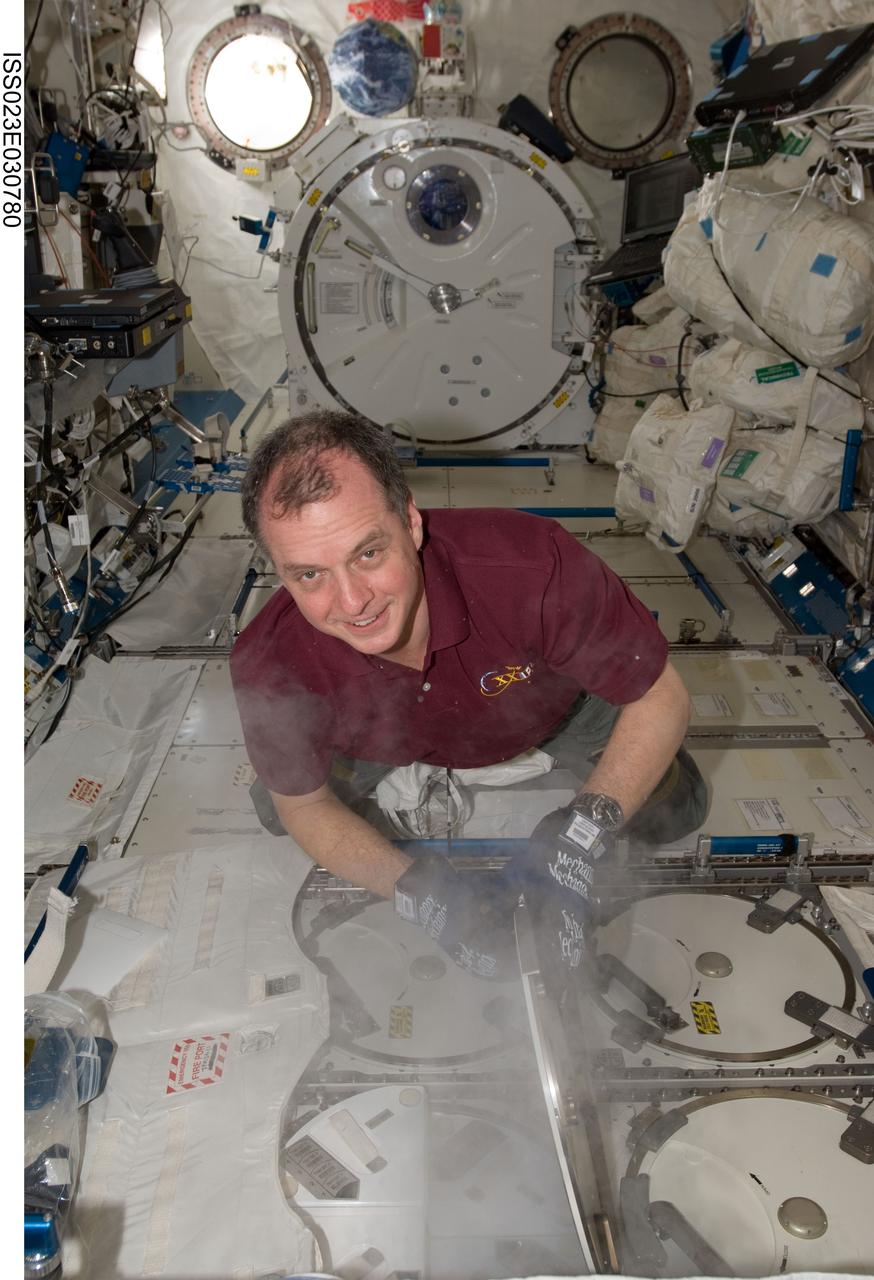
ISS023-E-030780 (2 May 2010) --- NASA astronaut T.J. Creamer, Expedition 23 flight engineer, services the Minus Eighty Laboratory Freezer for ISS (MELFI-1) in the Kibo laboratory of the International Space Station.
Creamer stows urine samples in MELFI
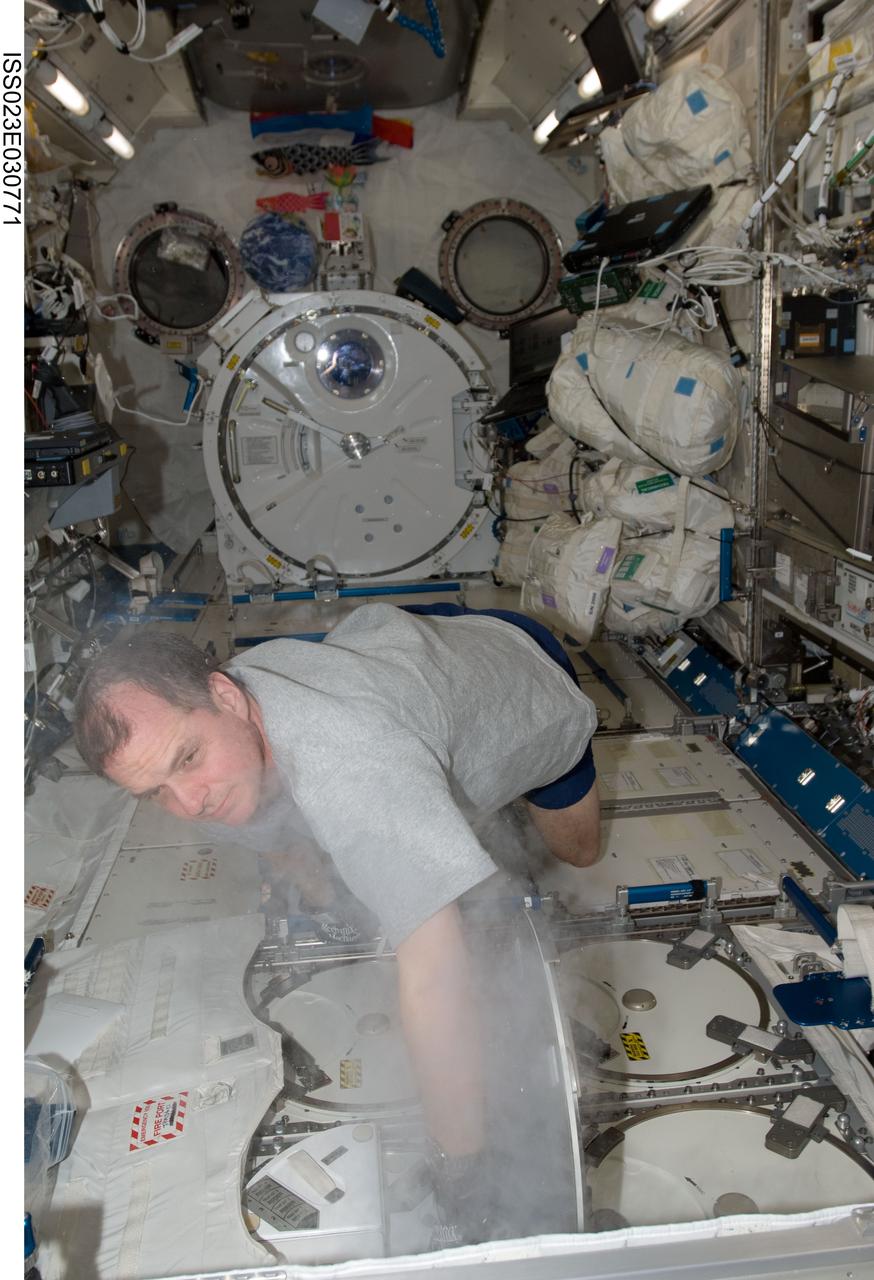
ISS023-E-030771 (2 May 2010) --- NASA astronaut T.J. Creamer, Expedition 23 flight engineer, services the Minus Eighty Laboratory Freezer for ISS (MELFI-1) in the Kibo laboratory of the International Space Station.
Creamer stows urine samples in MELFI
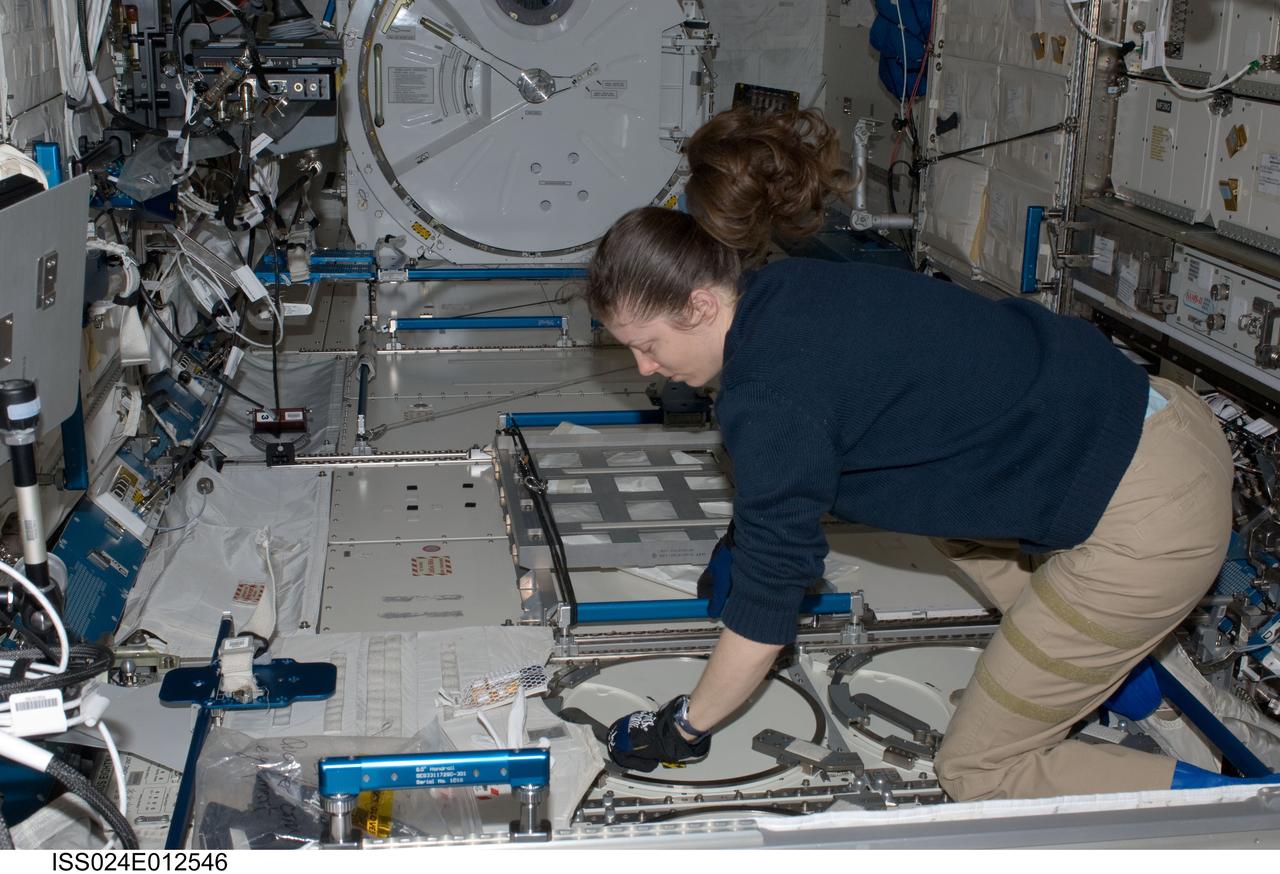
ISS024-E-012546 (26 Aug. 2010) --- NASA astronaut Tracy Caldwell Dyson, Expedition 24 flight engineer, prepares to insert biological samples in a dewar tray in the Minus Eighty Laboratory Freezer for ISS (MELFI-1) in the Kibo laboratory of the International Space Station.
Vascular Blood Collection stowage in MELFI
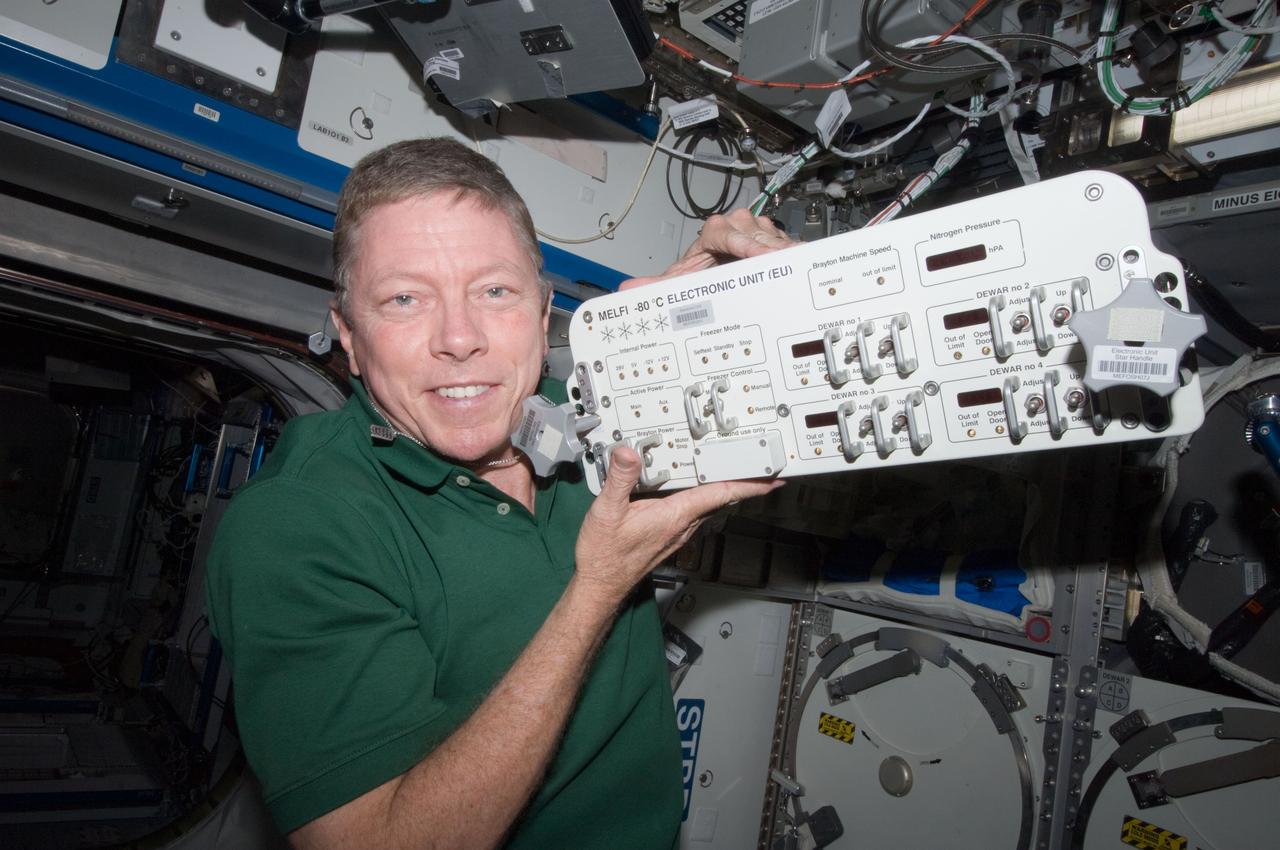
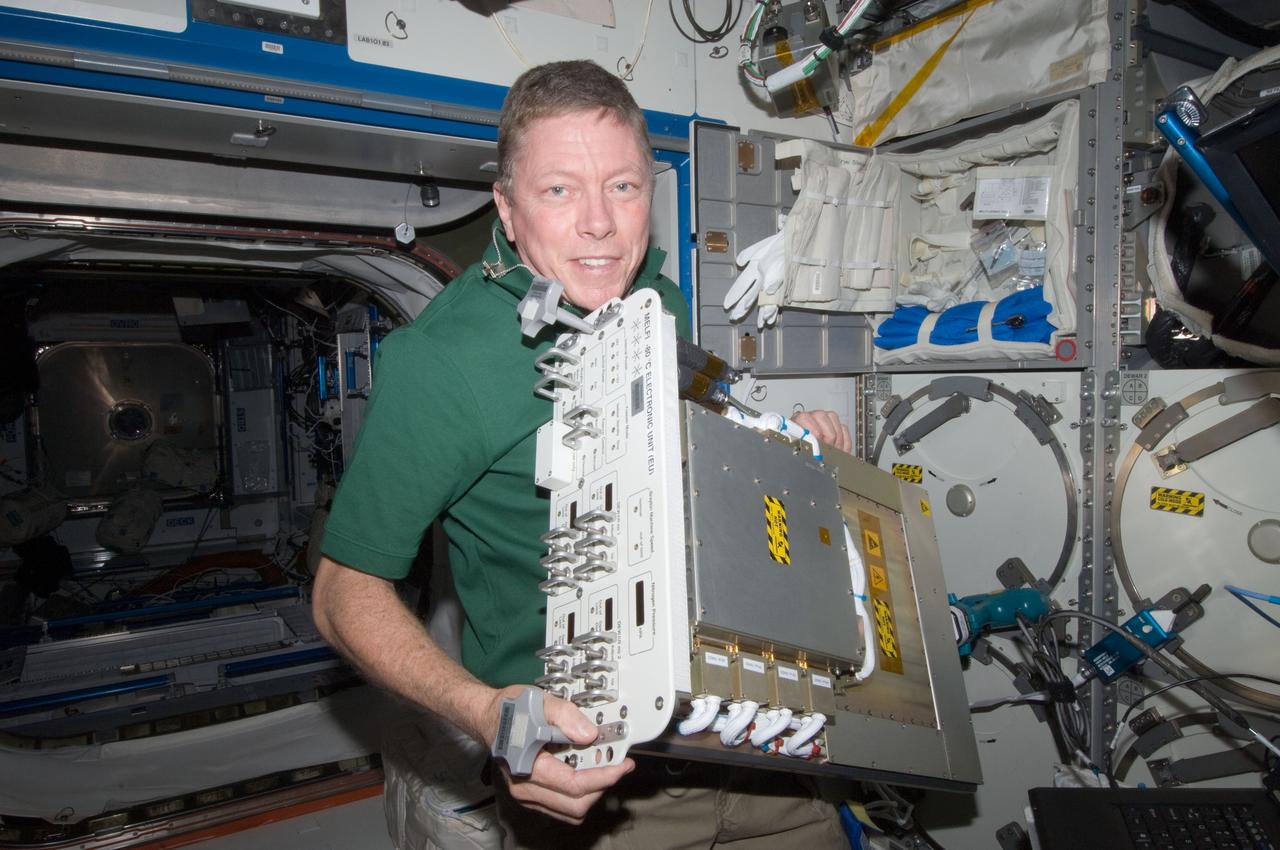
ISS028-E-013799 (1 July 2011) --- NASA astronaut Mike Fossum, Expedition 28 flight engineer, replaces a failed electronic unit for the Minus Eighty Laboratory Freezer for ISS 3 (MELFI-3) with a spare unit in the Kibo laboratory of the International Space Station.
MELFI-3 Electronic Unit Replacement
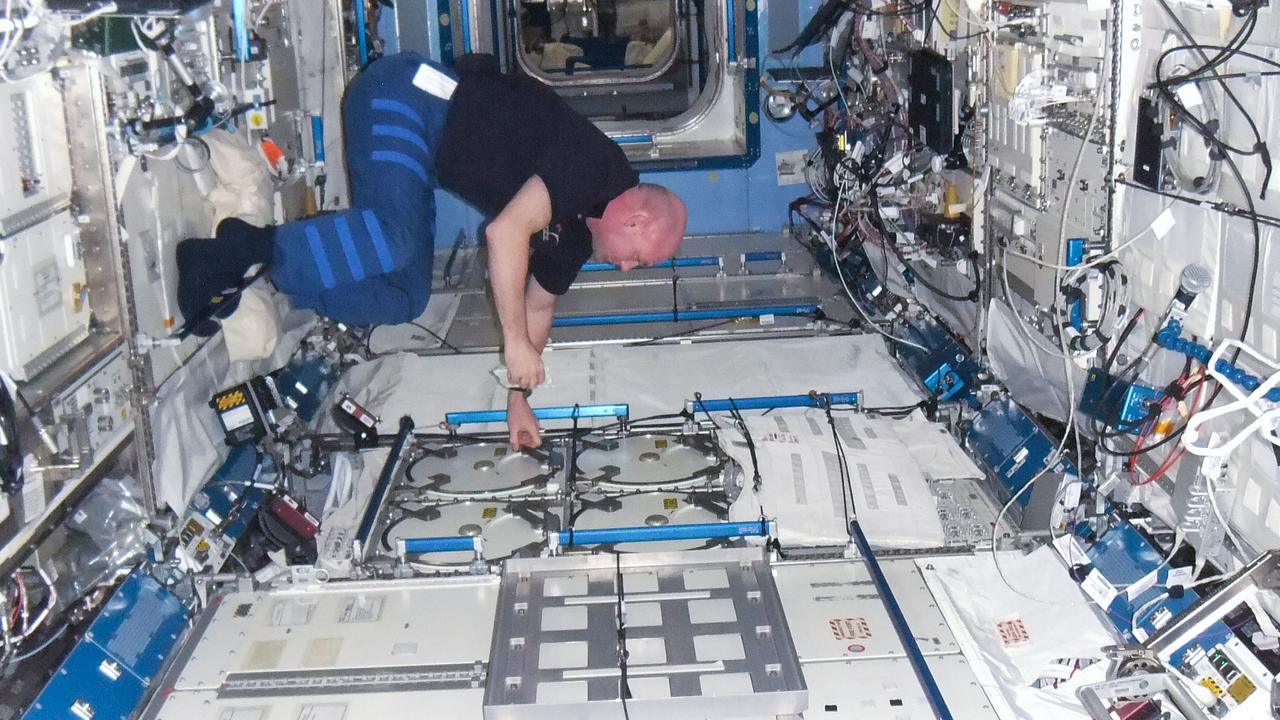
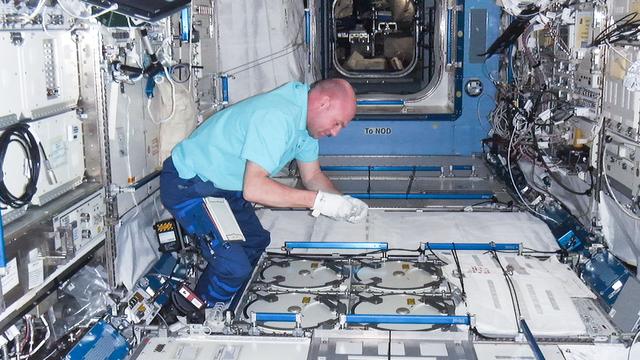
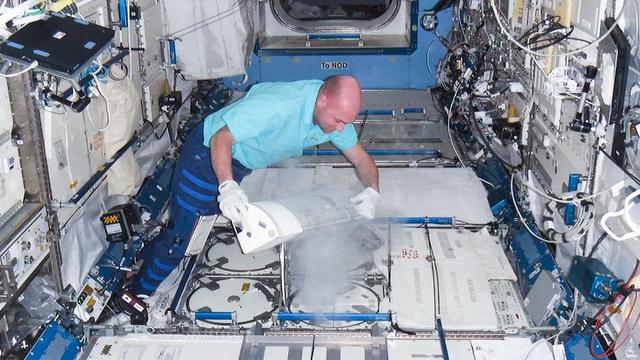
ISS030-E-116988 (27 Feb. 2012) --- European Space Agency astronaut Andre Kuipers, Expedition 30 flight engineer, is pictured near the Minus Eighty Laboratory Freezer for ISS (MELFI-1) in the Kibo laboratory of the International Space Station.
Kuipers prepares to open the MELFI in the JPM
ISS026-E-023814 (27 Dec. 2010) --- NASA astronaut Catherine (Cady) Coleman, Expedition 26 flight engineer, works with the Minus Eighty Degree Laboratory Freezer for ISS (MELFI) as part of the Nutritional Status Assessment (NUTRITION) study in the Japanese Kibo laboratory of the International Space Station.
Coleman prepares to insert samples into the MELFI
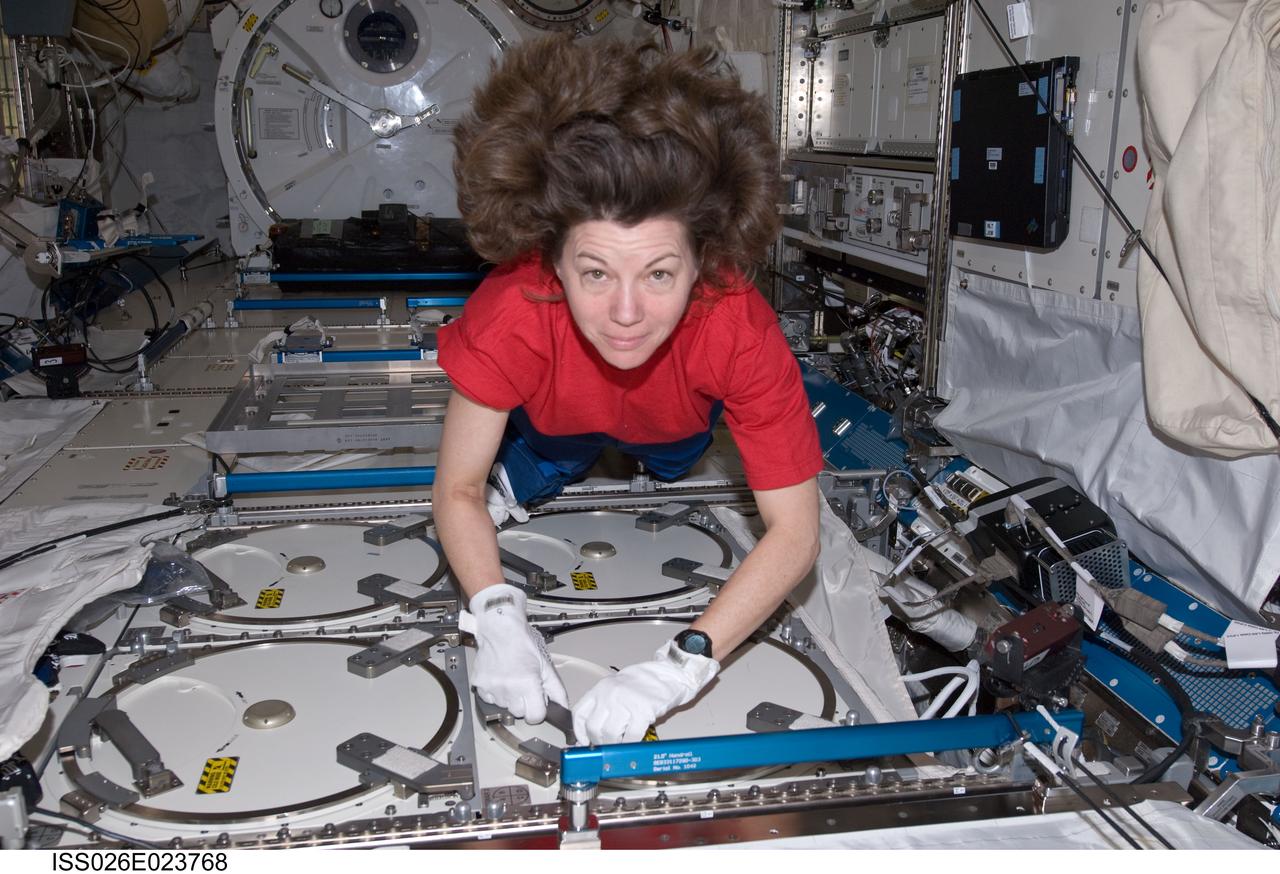
ISS026-E-023768 (27 Dec. 2010) --- NASA astronaut Catherine (Cady) Coleman, Expedition 26 flight engineer, prepares to insert samples into the Minus Eighty Degree Laboratory Freezer for ISS (MELFI) as part of the Nutritional Status Assessment (NUTRITION) study in the Japanese Kibo laboratory of the International Space Station.
Coleman prepares to insert samples into the MELFI
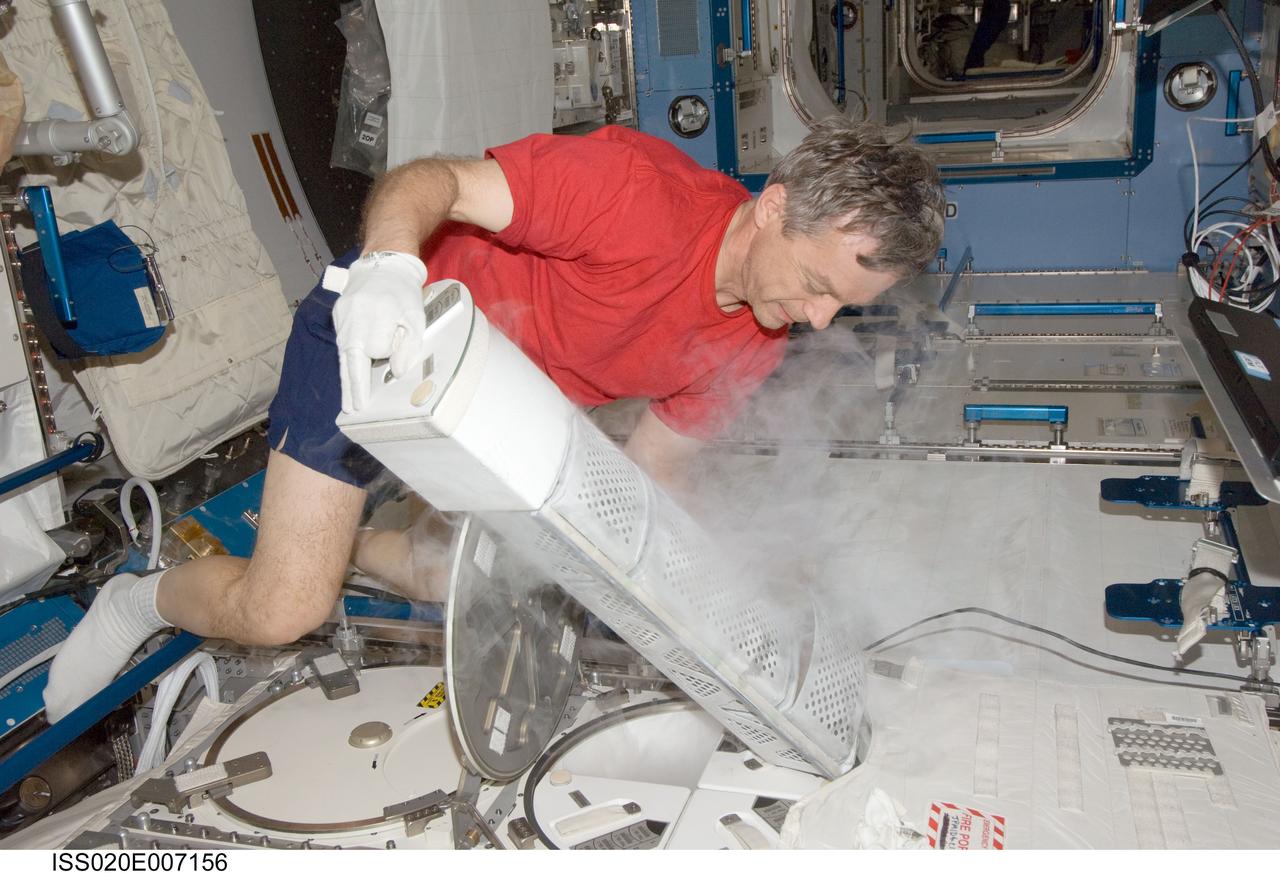
ISS020-E-007156 (7 June 2009) --- Canadian Space Agency astronaut Robert Thirsk, Expedition 20 flight engineer, performs an insertion of urine samples into the Minus Eighty Degree Laboratory Freezer for ISS (MELFI) as part of the Nutritional Status Assessment (NUTRITION) study in the Japanese Kibo laboratory of the International Space Station.
Thirsk inserts samples into MELFI in the JPM
ISS028-E-013797 (1 July 2011) --- NASA astronaut Mike Fossum, Expedition 28 flight engineer, replaces a failed electronic unit for the Minus Eighty Laboratory Freezer for ISS 3 (MELFI-3) with a spare unit in the Kibo laboratory of the International Space Station.
MELFI-3 Electronic Unit Replacement
ISS024-E-012555 (26 Aug. 2010) --- NASA astronaut Tracy Caldwell Dyson, Expedition 24 flight engineer, replaces a dewar tray containing biological samples in the Minus Eighty Laboratory Freezer for ISS (MELFI-1) in the Kibo laboratory of the International Space Station.
Vascular Blood Collection stowage in MELFI
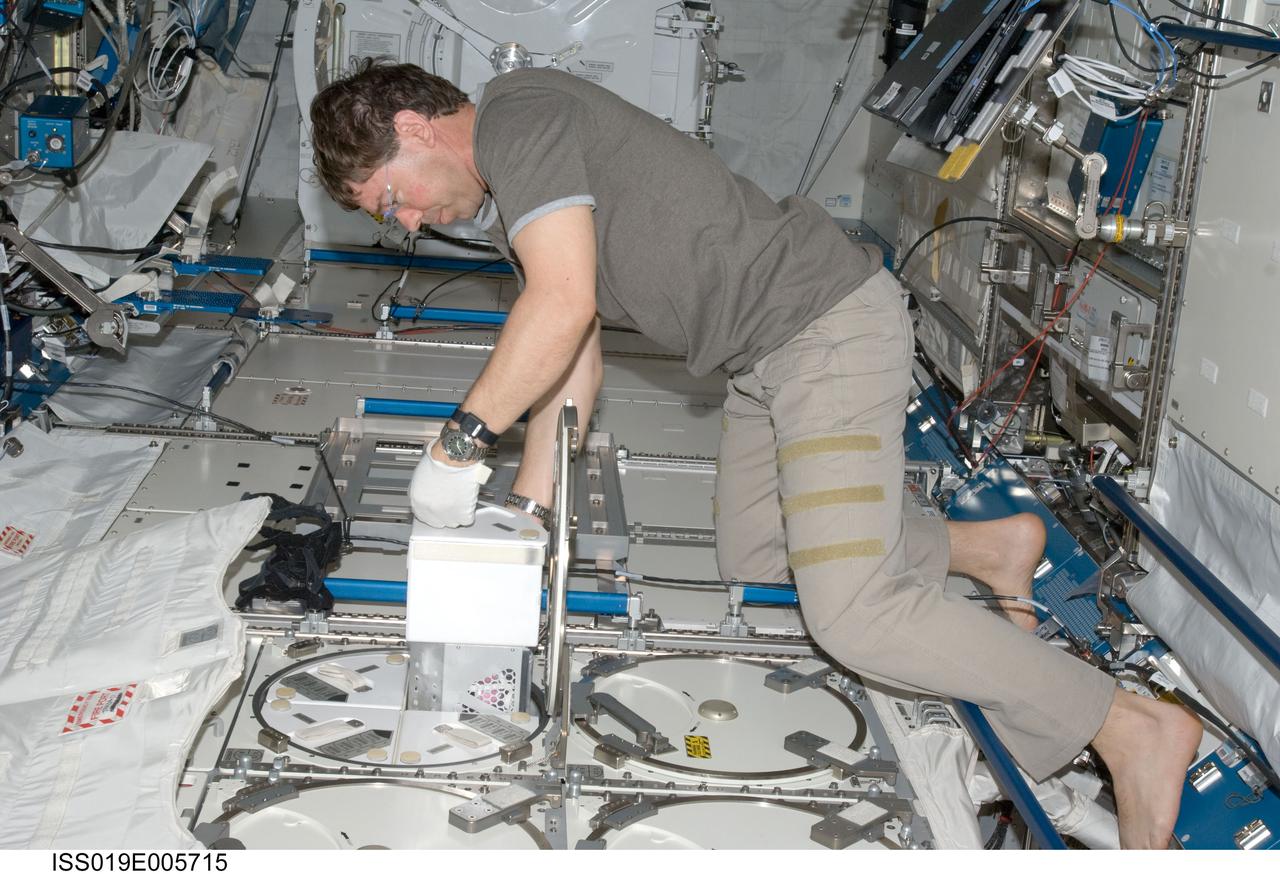
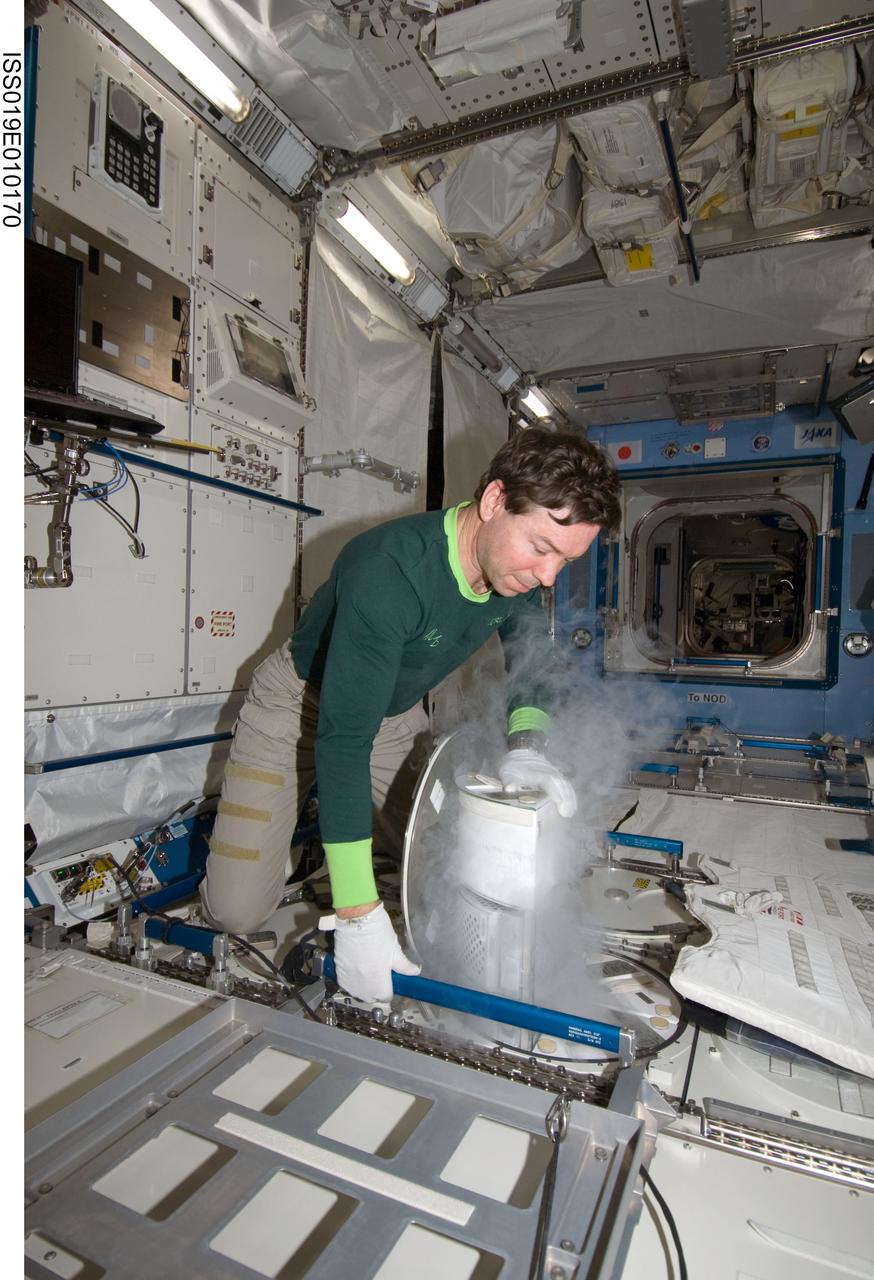
ISS019-E-005715 (11 April 2009) --- Astronaut Michael Barratt, Expedition 19/20 flight engineer, performs an insertion of urine samples into the Minus Eighty Degree Laboratory Freezer for ISS (MELFI) as part of the Nutritional Status Assessment (NUTRITION) study in the Japanese Kibo laboratory of the International Space Station.
MELFI Urine Sample First Insertion
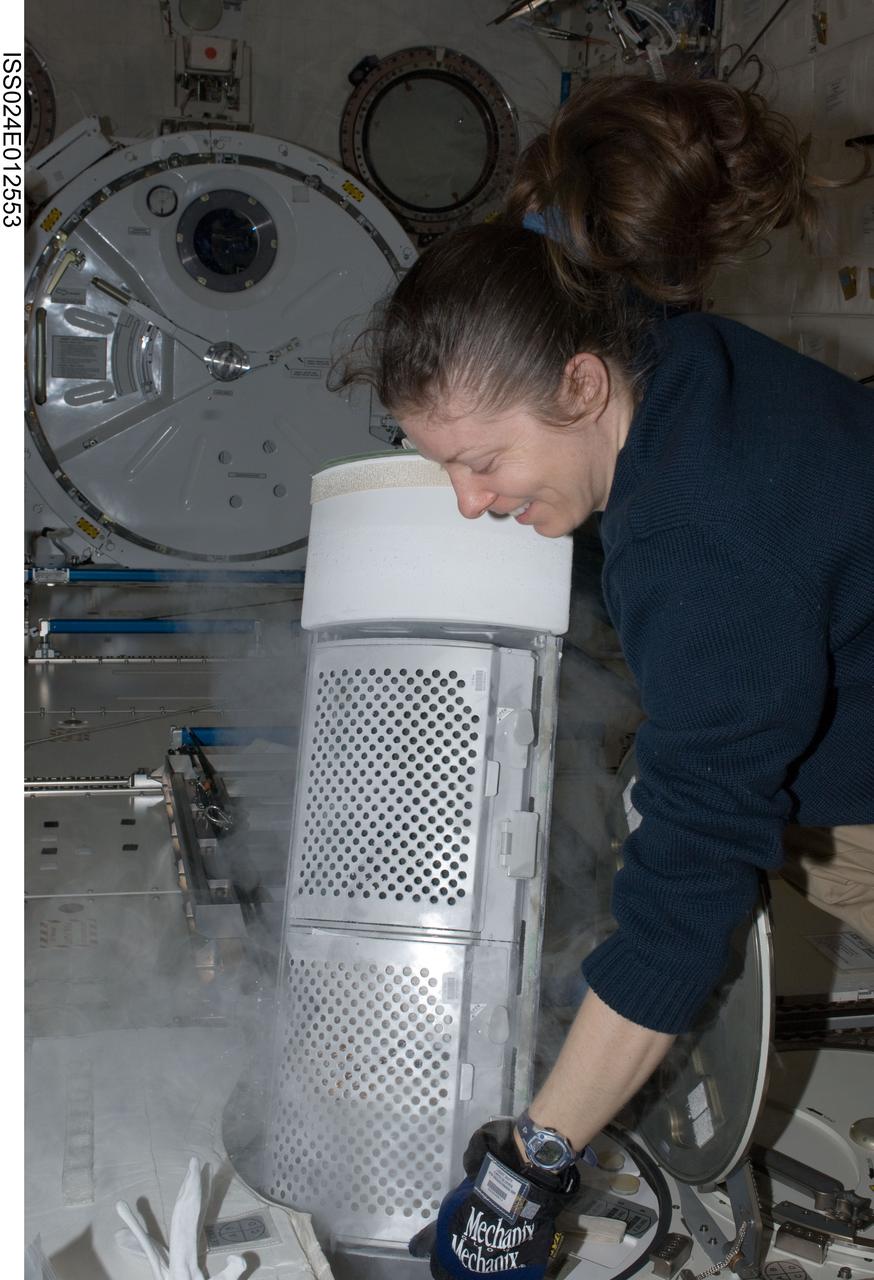
ISS024-E-012553 (26 Aug. 2010) --- NASA astronaut Tracy Caldwell Dyson, Expedition 24 flight engineer, replaces a dewar tray containing biological samples in the Minus Eighty Laboratory Freezer for ISS (MELFI-1) in the Kibo laboratory of the International Space Station.
Vascular Blood Collection stowage in MELFI
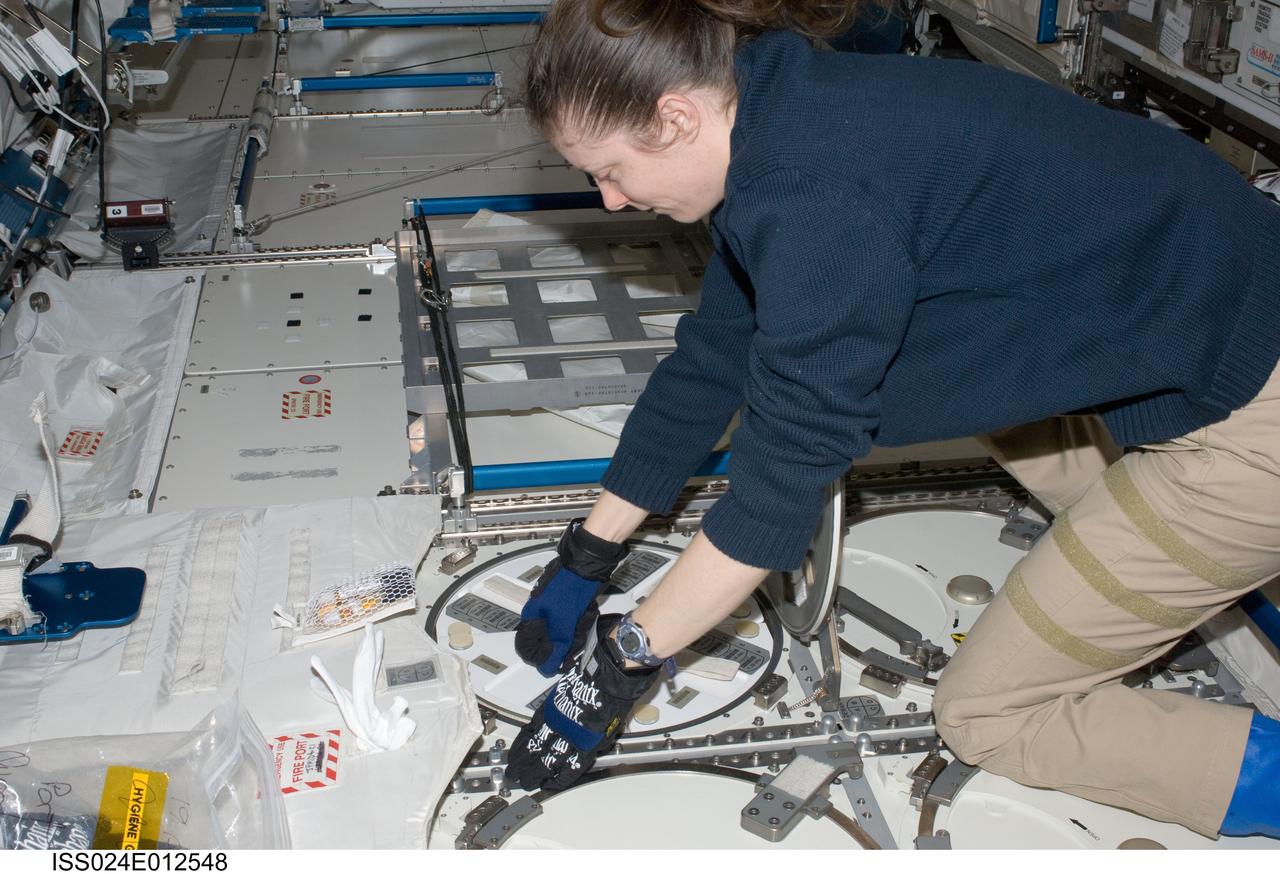
ISS024-E-012548 (26 Aug. 2010) --- NASA astronaut Tracy Caldwell Dyson, Expedition 24 flight engineer, prepares to insert biological samples in a dewar tray in the Minus Eighty Laboratory Freezer for ISS (MELFI-1) in the Kibo laboratory of the International Space Station.
Vascular Blood Collection stowage in MELFI
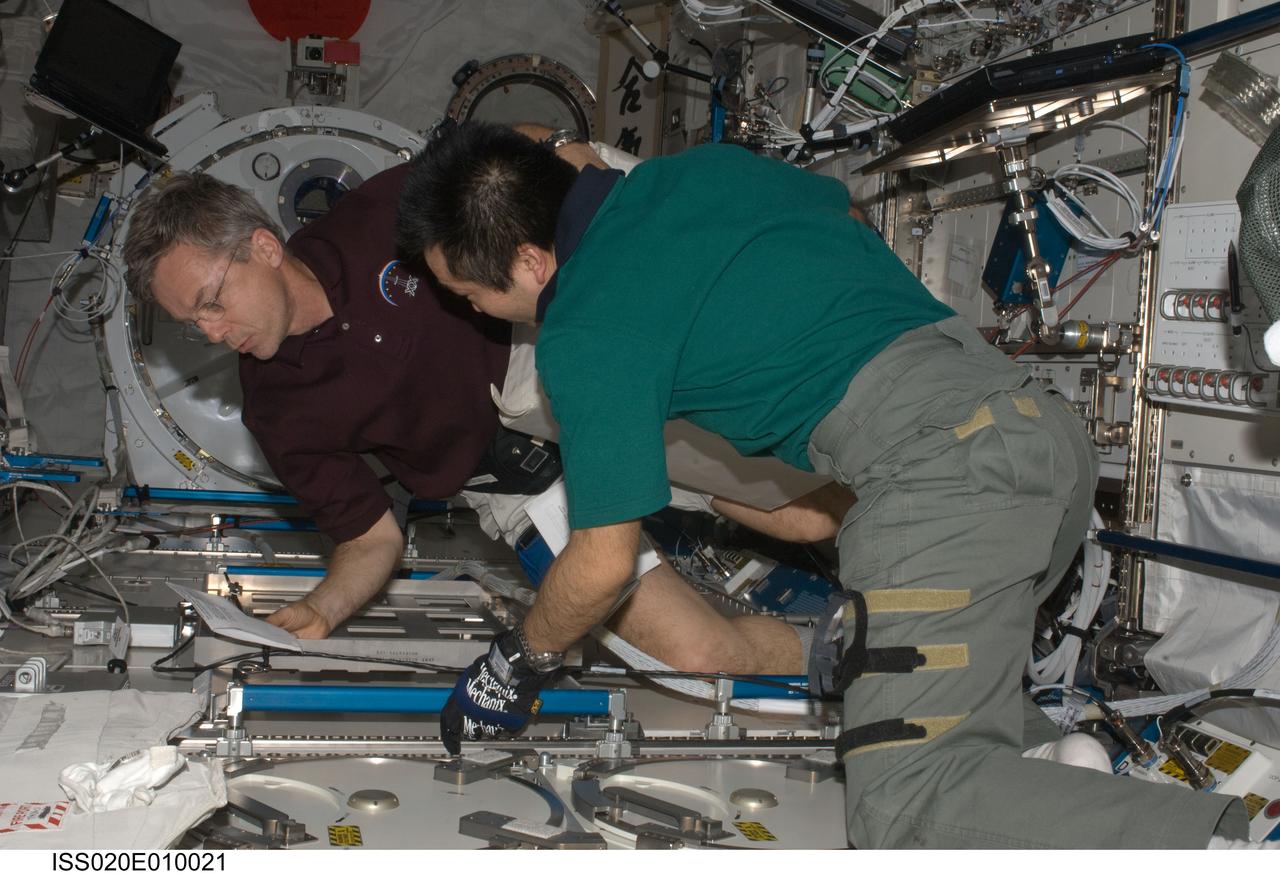
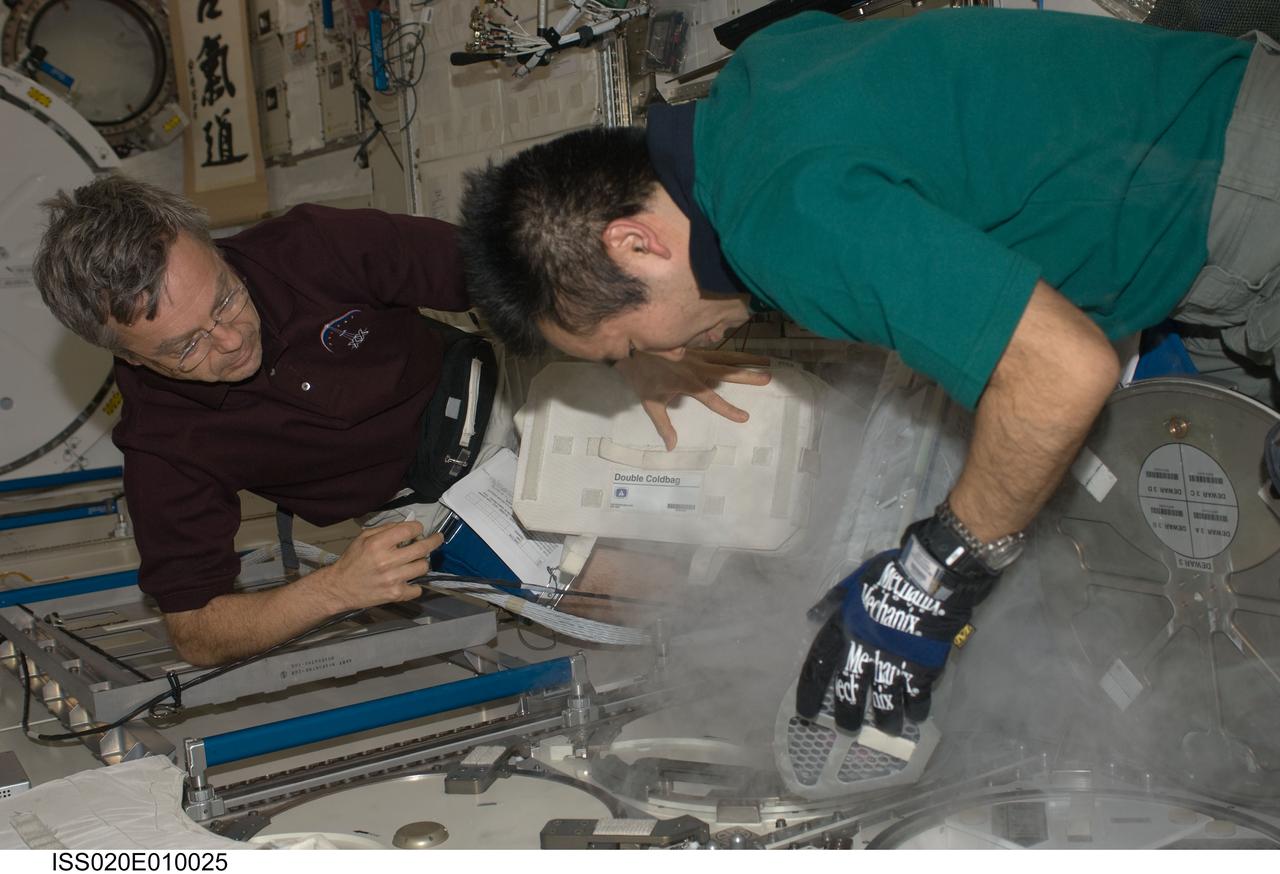
ISS020-E-010021 (15 June 2009) --- Canadian Space Agency astronaut Robert Thirsk (left) and Japan Aerospace Exploration Agency (JAXA) astronaut Koichi Wakata, both Expedition 20 flight engineers, prepare to put samples in the Minus Eighty Laboratory Freezer for ISS (MELFI) in the Kibo laboratory of the International Space Station. Samples were taken as part of the Nutritional Status Assessment (Nutrition) with Repository experiment, a study done by NASA to date of human physiologic changes during long-duration spaceflight.
Wakata and Thirsk with MELFI in KIBO
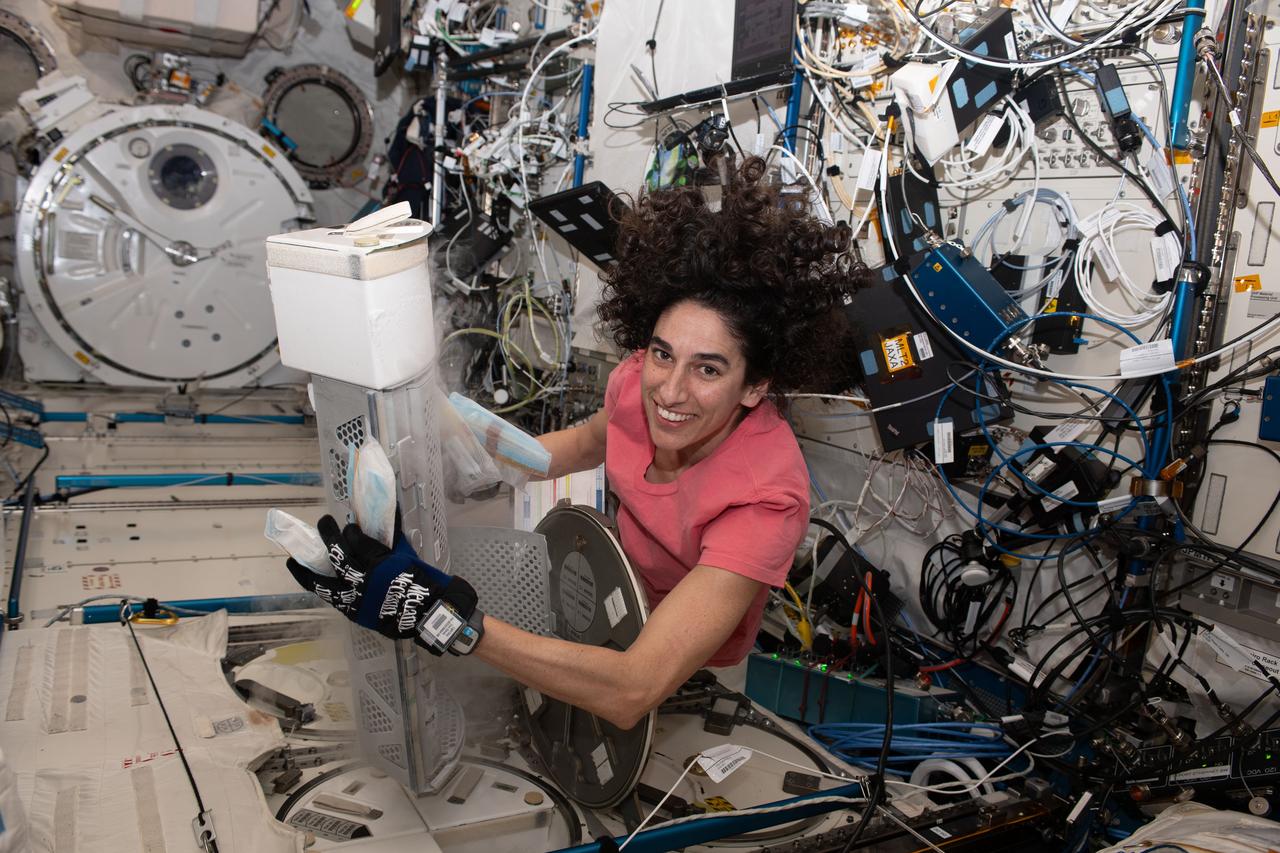
iss070e108265 (3/6/2024) --- Flight Engineer Jasmin Moghbeli works to retrieve Media Bags for the SS: Engineering Stem Cell-Derived Cardiac Microtissues with Metabolic Regulators in Space to Promote Cardiomyocyte Maturation (Project EAGLE) investigation from Minus Eighty Degree Laboratory Freezer for ISS-1 (MELFI-1). Photo was taken in the Kibo Japanese Experiment Module (JEM).
Moghbeli works with MELFI-1
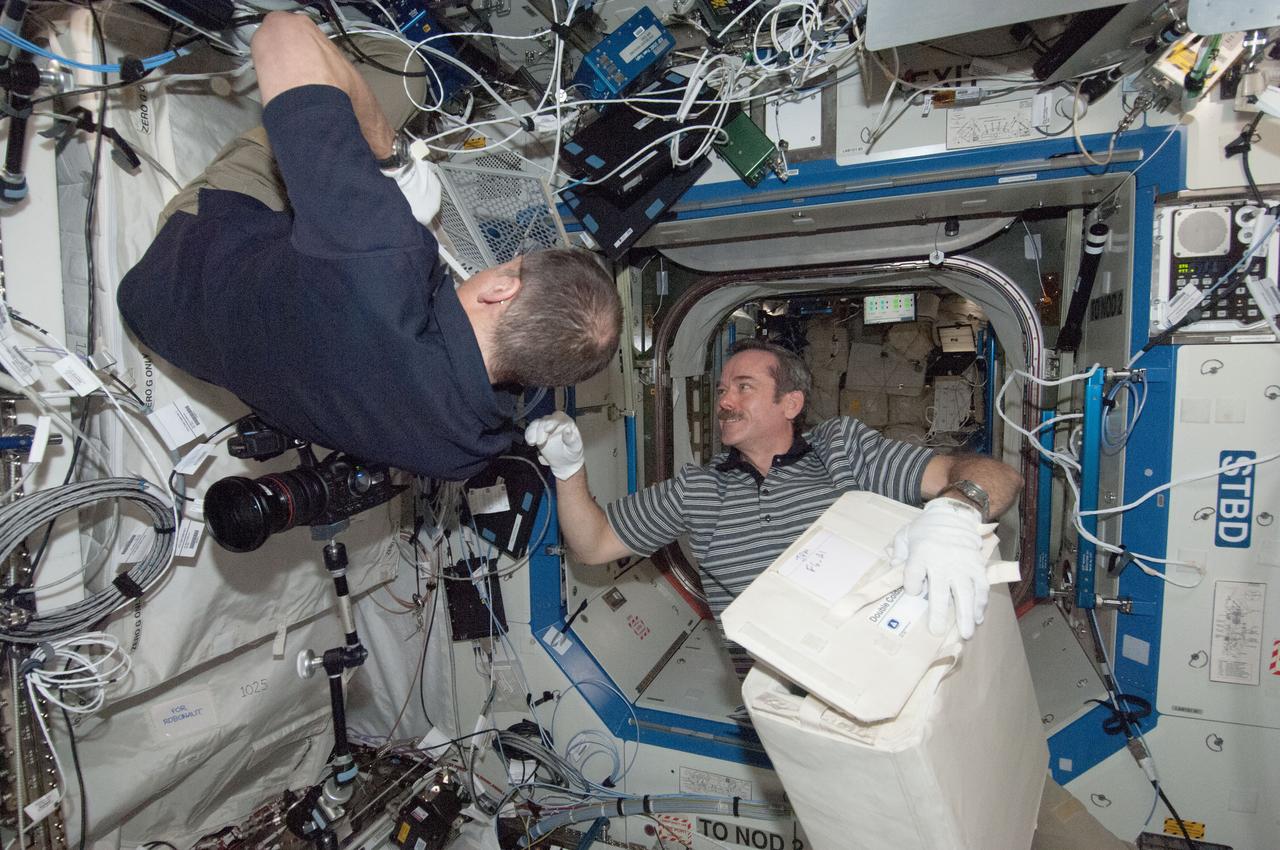
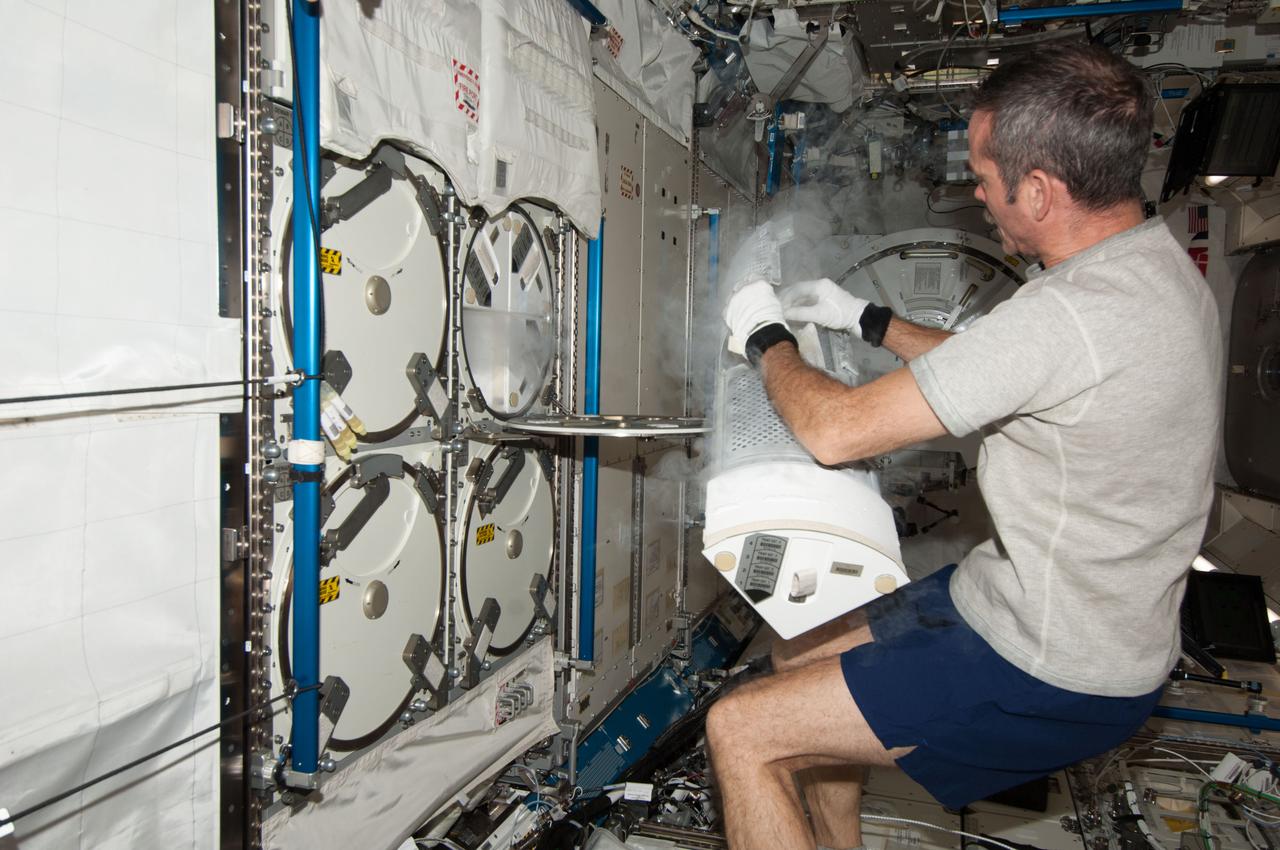
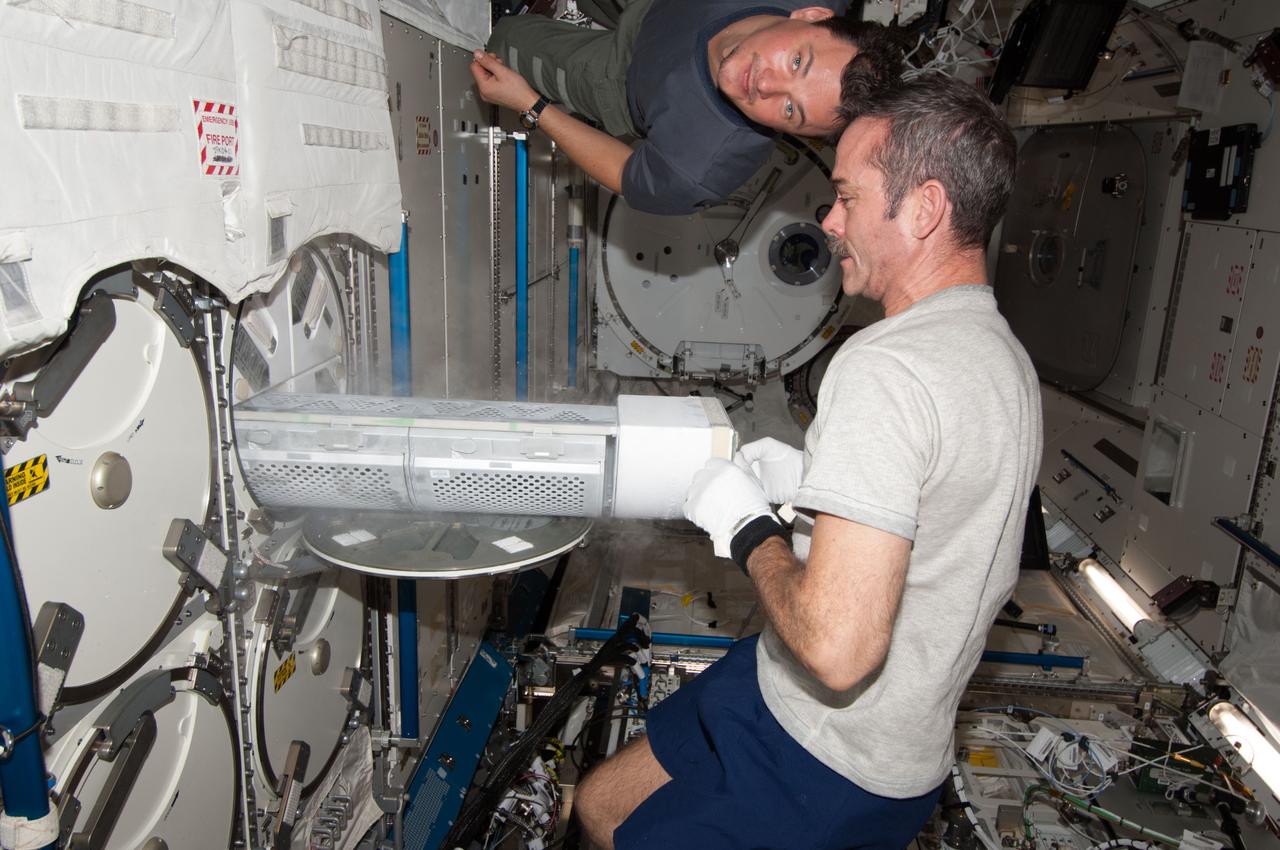
ISS034-E-067263 (12 March 2013) --- Canadian astronaut Chris Hadfield, right, assists fellow Expedition 34 flight engineer and NASA astronaut Tom Marshburn during Minus Eighty-Degree Laboratory Freezer for International Space Station (MELFI)operations. The two are doing transfers of samples connected to the General Laboratory Active Cryogenic ISS Experiment Refrigerator or GLACIER in the U.S. lab Destiny.
MELFI / GLACIER Transfers
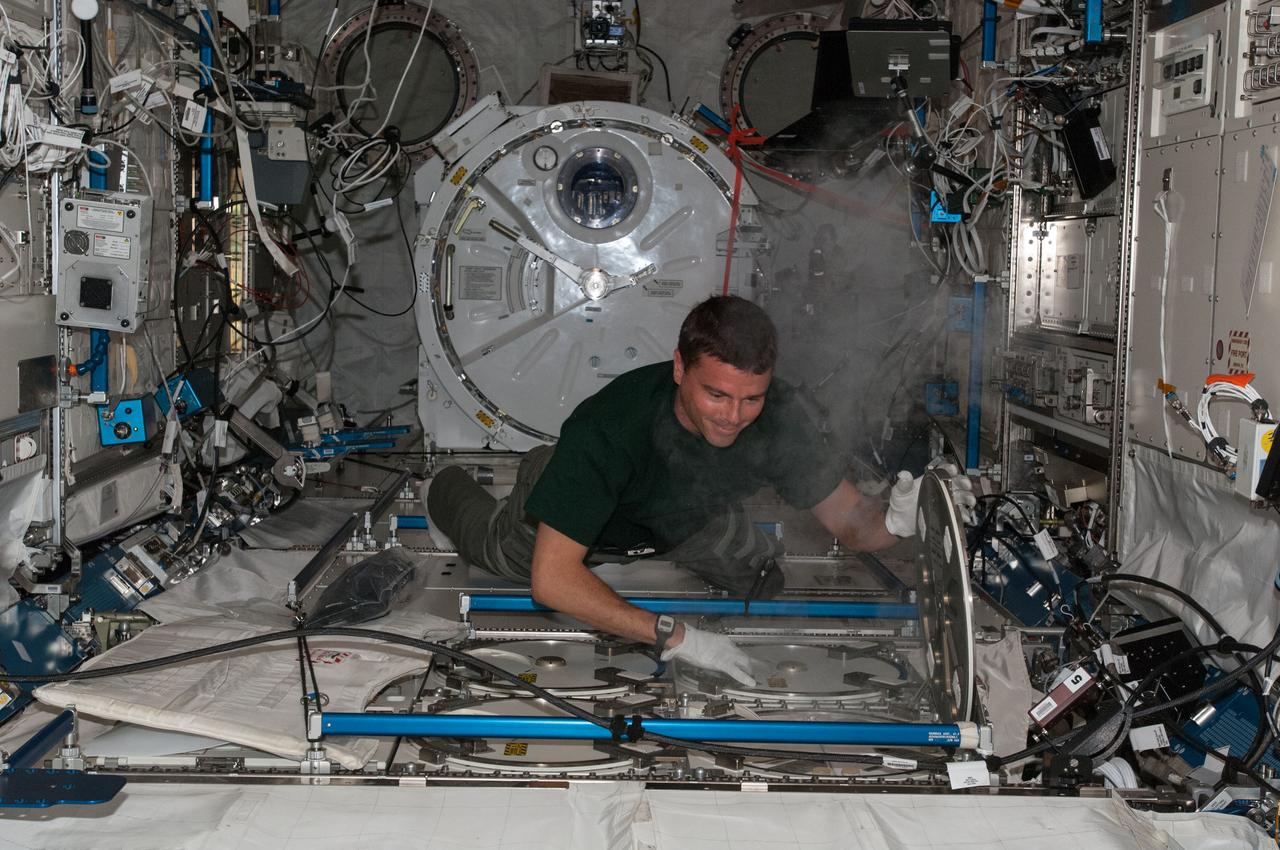
View of Astronaut Reid Wiseman,Expedition 40 flight engineer,inserting urine samples in the Minus Eighty Laboratory Freezer for ISS (MELFI) located in the Japanese Experiment Module (JEM).
HRF – Urine Sample MELFI Insertion
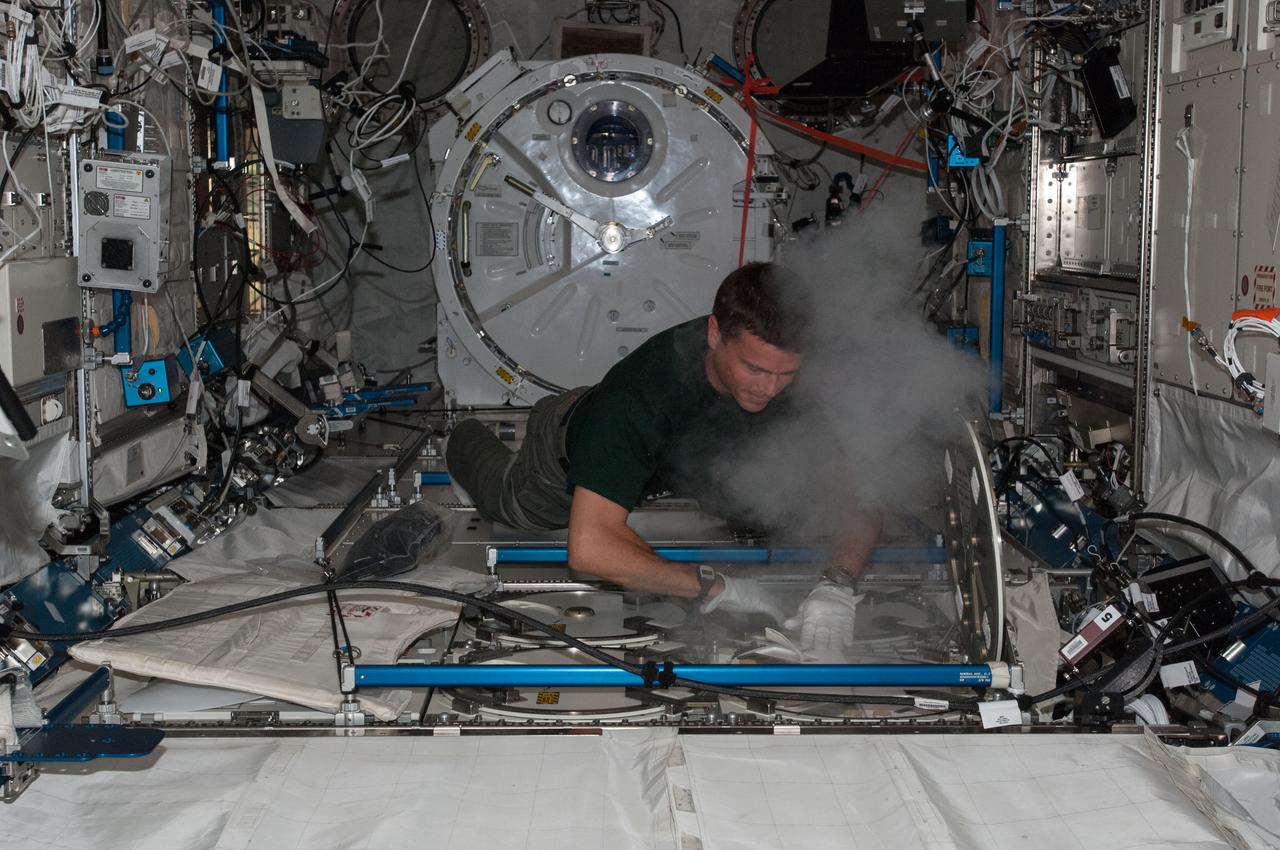
View of Astronaut Reid Wiseman,Expedition 40 flight engineer,inserting urine samples in the Minus Eighty Laboratory Freezer for ISS (MELFI) located in the Japanese Experiment Module (JEM).
HRF – Urine Sample MELFI Insertion
ISS020-E-010025 (15 June 2009) --- Japan Aerospace Exploration Agency (JAXA) astronaut Koichi Wakata, Expedition 20 flight engineer, removes a dewar tray from the Minus Eighty Laboratory Freezer for ISS (MELFI) in order to insert biological samples into the trays in the Kibo laboratory of the International Space Station. Samples were taken as part of the Nutritional Status Assessment (Nutrition) with Repository experiment, a study done by NASA to date of human physiologic changes during long-duration spaceflight. Canadian Space Agency astronaut Robert Thirsk, flight engineer, assisted Wakata.
Wakata and Thirsk with MELFI in KIBO
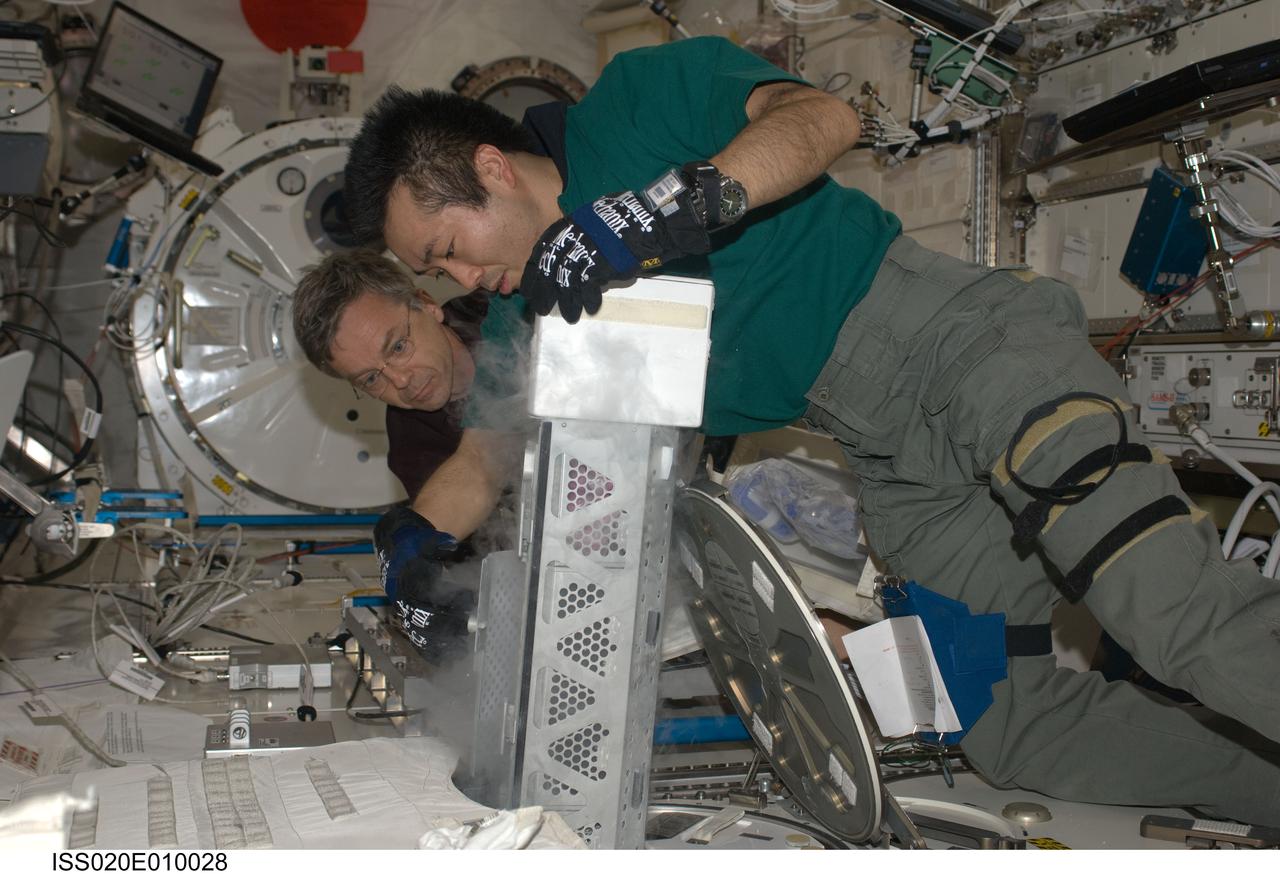
ISS020-E-010028 (15 June 2009) --- Japan Aerospace Exploration Agency (JAXA) astronaut Koichi Wakata, Expedition 20 flight engineer, returns a dewar tray to the Minus Eighty Laboratory Freezer for ISS (MELFI) after inserting biological samples into the trays in the Kibo laboratory of the International Space Station. Samples were taken as part of the Nutritional Status Assessment (Nutrition) with Repository experiment, a study done by NASA to date of human physiologic changes during long-duration spaceflight. Canadian Space Agency astronaut Robert Thirsk, flight engineer, assisted Wakata.
Wakata and Thirsk with MELFI in KIBO
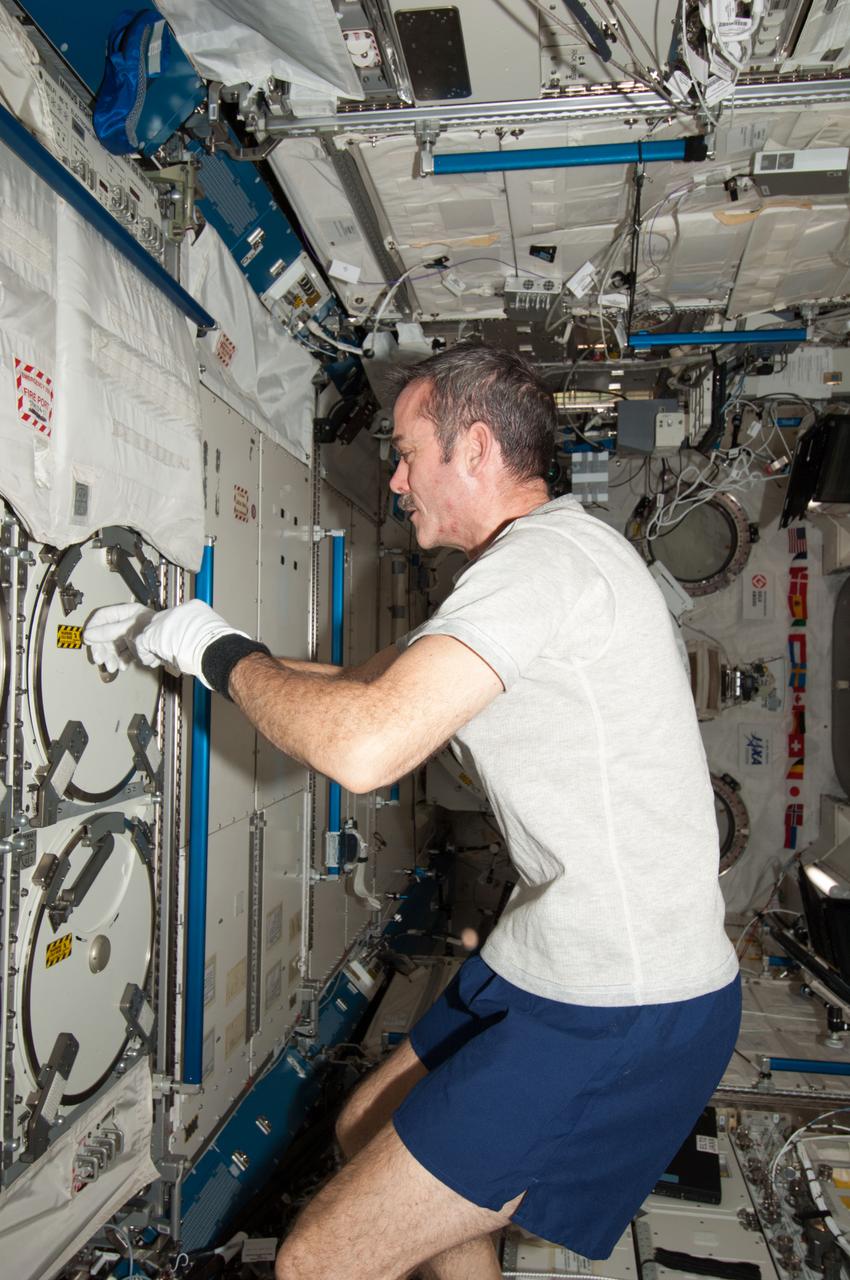
ISS034-E-023768 (7 Jan. 2013) --- Canadian Space Agency astronaut Chris Hadfield, Expedition 34 flight engineer, prepares to insert biological samples in the Minus Eighty Laboratory Freezer for ISS (MELFI-1) in the Kibo laboratory of the International Space Station.
Hadfield prepares to insert biological samples in the MELFI-1
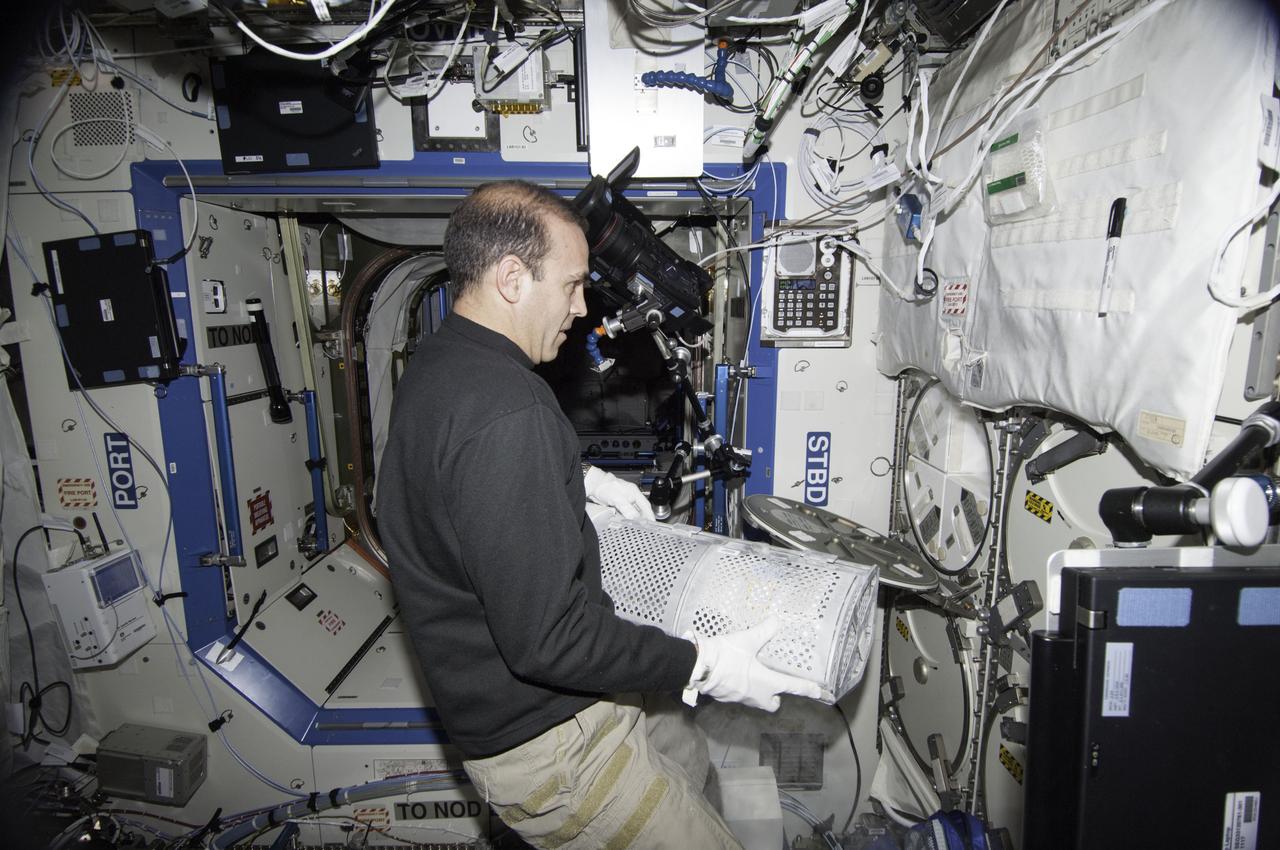
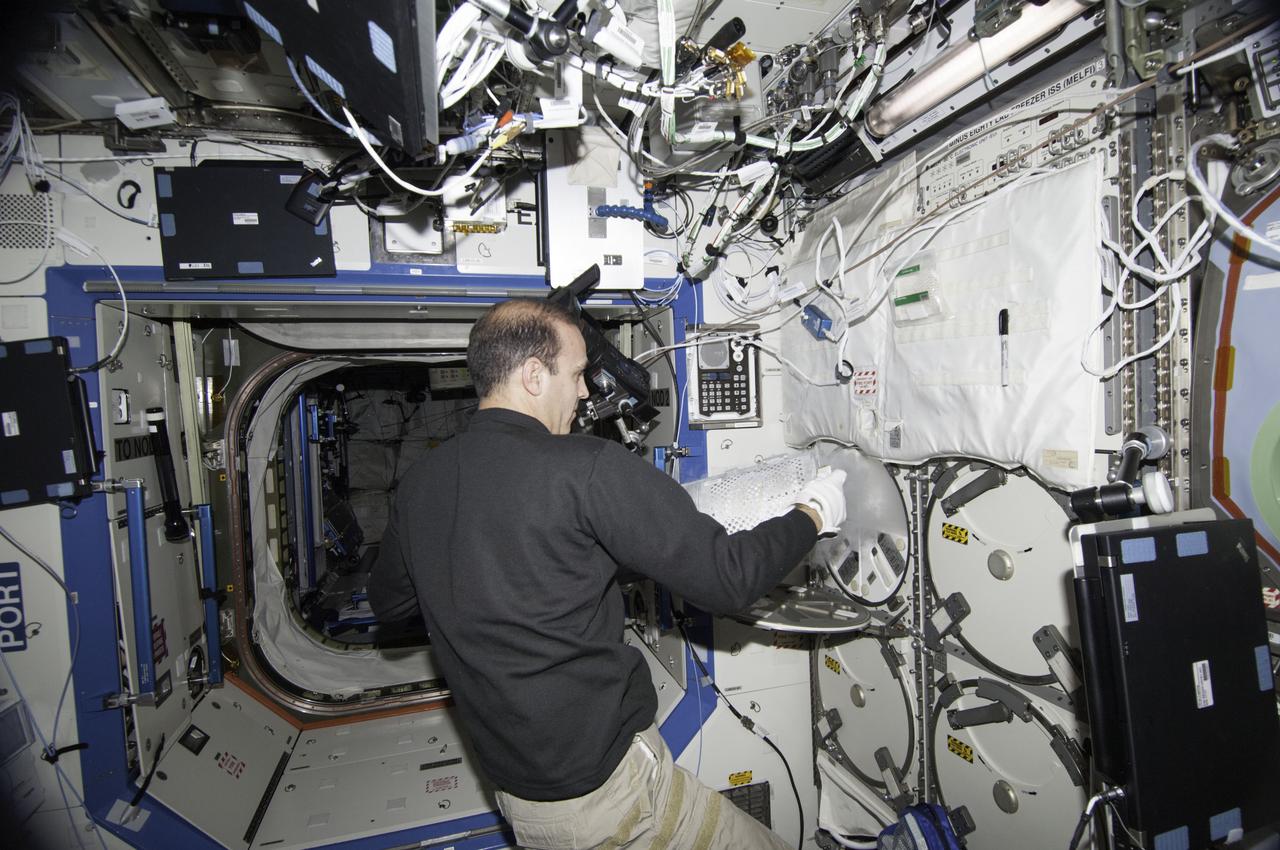
ISS038-E-006765 (21 Nov. 2013) --- In the International Space Station's Destiny laboratory, NASA astronaut Rick Mastracchio, Expedition 38 flight engineer, prepares to replace a dewar tray in the Minus Eighty Laboratory Freezer for ISS (MELFI) after inserting biological samples into the trays.
Mastracchio removing dewar tray from MELFI
ISS030-E-116878 (9 Feb. 2012) --- European Space Agency astronaut Andre Kuipers, Expedition 30 flight engineer, prepares to insert biological samples in the Minus Eighty Laboratory Freezer for ISS (MELFI-1) in the Kibo laboratory of the International Space Station.
Kuipers prepares to insert biological samples in the MELFI
ISS038-E-006757 (21 Nov. 2013) --- In the International Space Station's Destiny laboratory, NASA astronaut Rick Mastracchio, Expedition 38 flight engineer, removes a dewar tray from the Minus Eighty Laboratory Freezer for ISS (MELFI) in order to insert biological samples into the trays.
Mastracchio removing dewar tray from MELFI
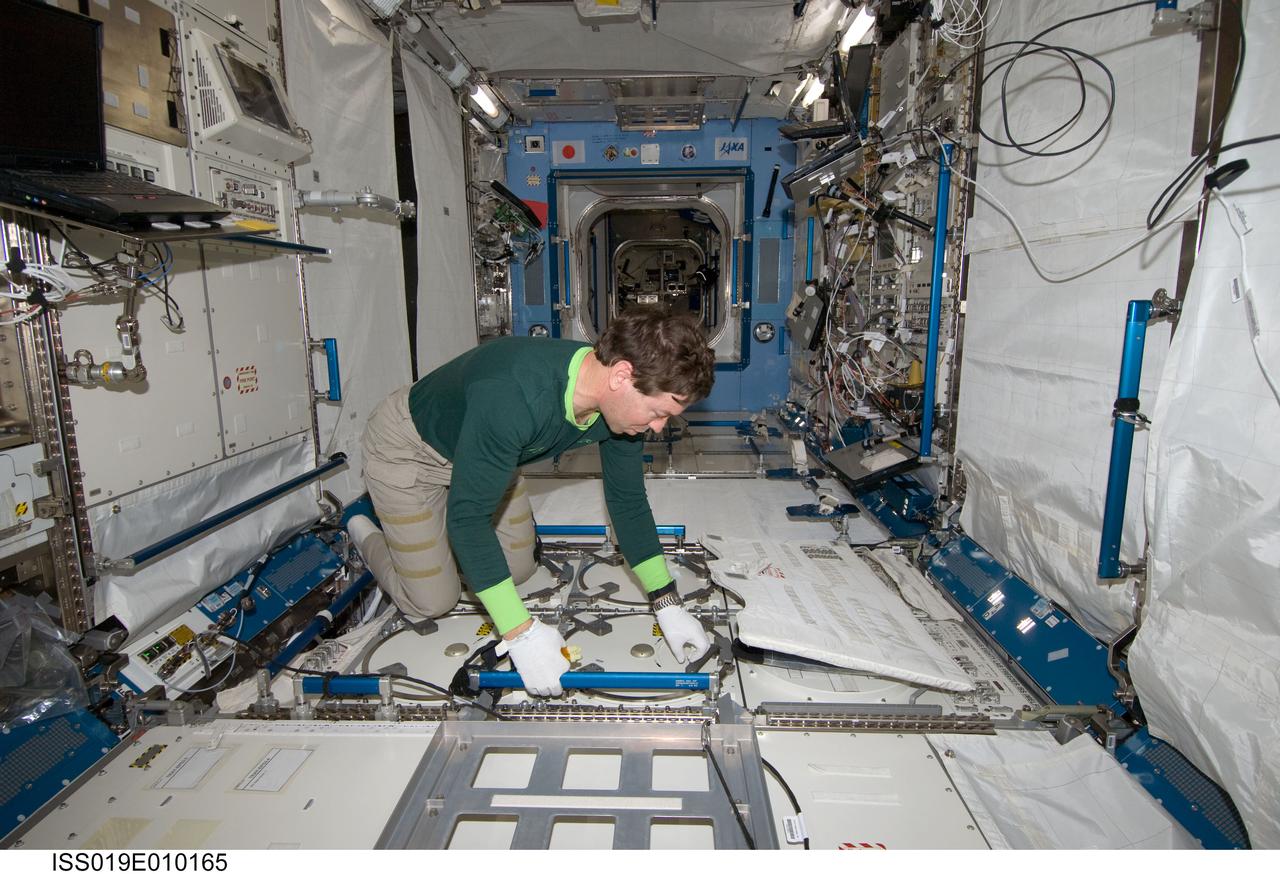
ISS019-E-010165 (18 April 2009) --- Astronaut Michael Barratt, Expedition 19/20 flight engineer, performs an insertion of urine samples into the Minus Eighty Degree Laboratory Freezer for ISS (MELFI) as part of the Nutritional Status Assessment (NUTRITION) study in the Japanese Kibo laboratory of the International Space Station.
Nutrition and Repository: Insertion of Urine Sample into MELFI
iss029e028495 (10/18/2011) --- Japan Aerospace Exploration Agency astronaut Satoshi Furukawa,Expedition 29 flight engineer,prepares to put samples from the CSA (Canadian Space Agency) Vascular Blood Collection protocol into the MELFI-1 (Minus Eighty Laboratory Freezer for ISS 1) unit.
Vascular Blood Collection protocol samples into MELFI
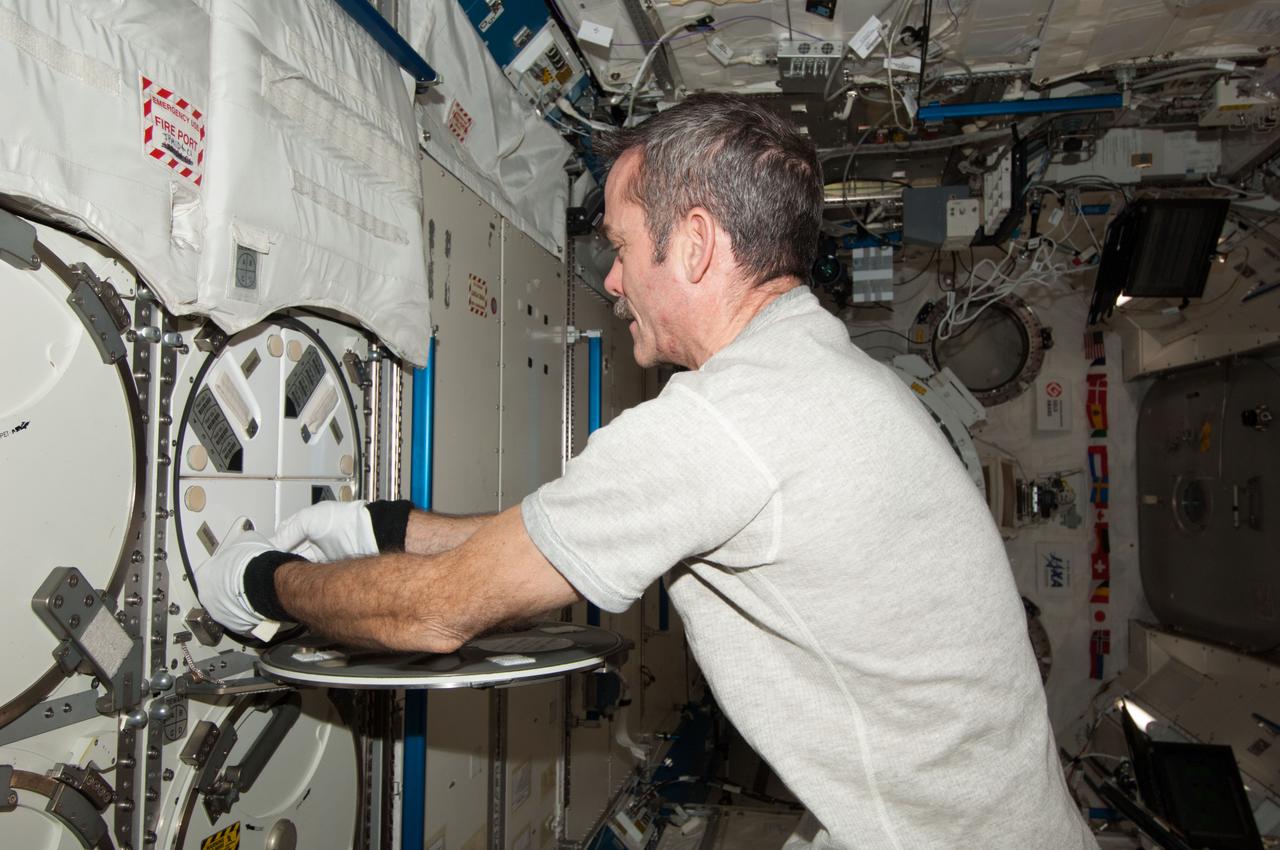
ISS034-E-023771 (7 Jan. 2013) --- Canadian Space Agency astronaut Chris Hadfield, Expedition 34 flight engineer, prepares to insert biological samples in the Minus Eighty Laboratory Freezer for ISS (MELFI-1) in the Kibo laboratory of the International Space Station.
Hadfield prepares to insert biological samples in the MELFI-1
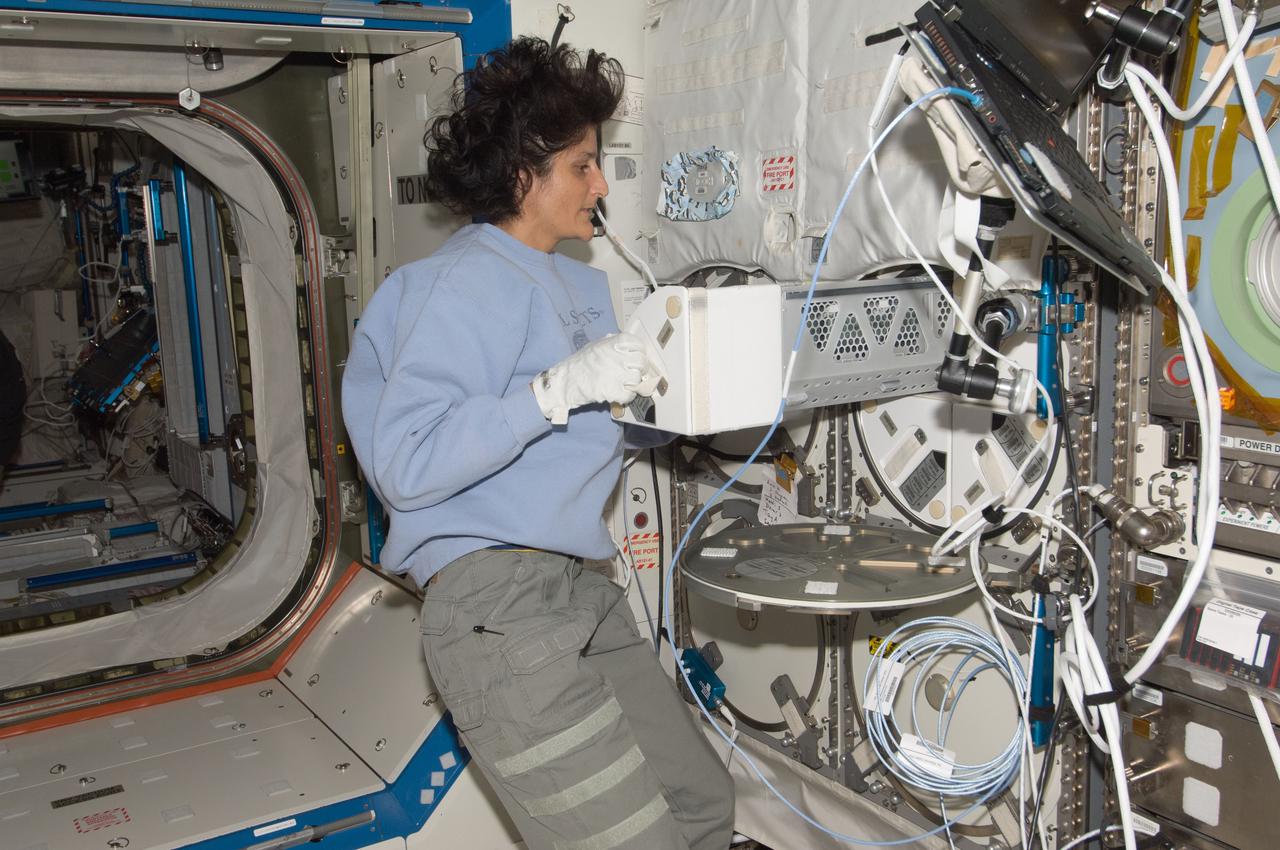
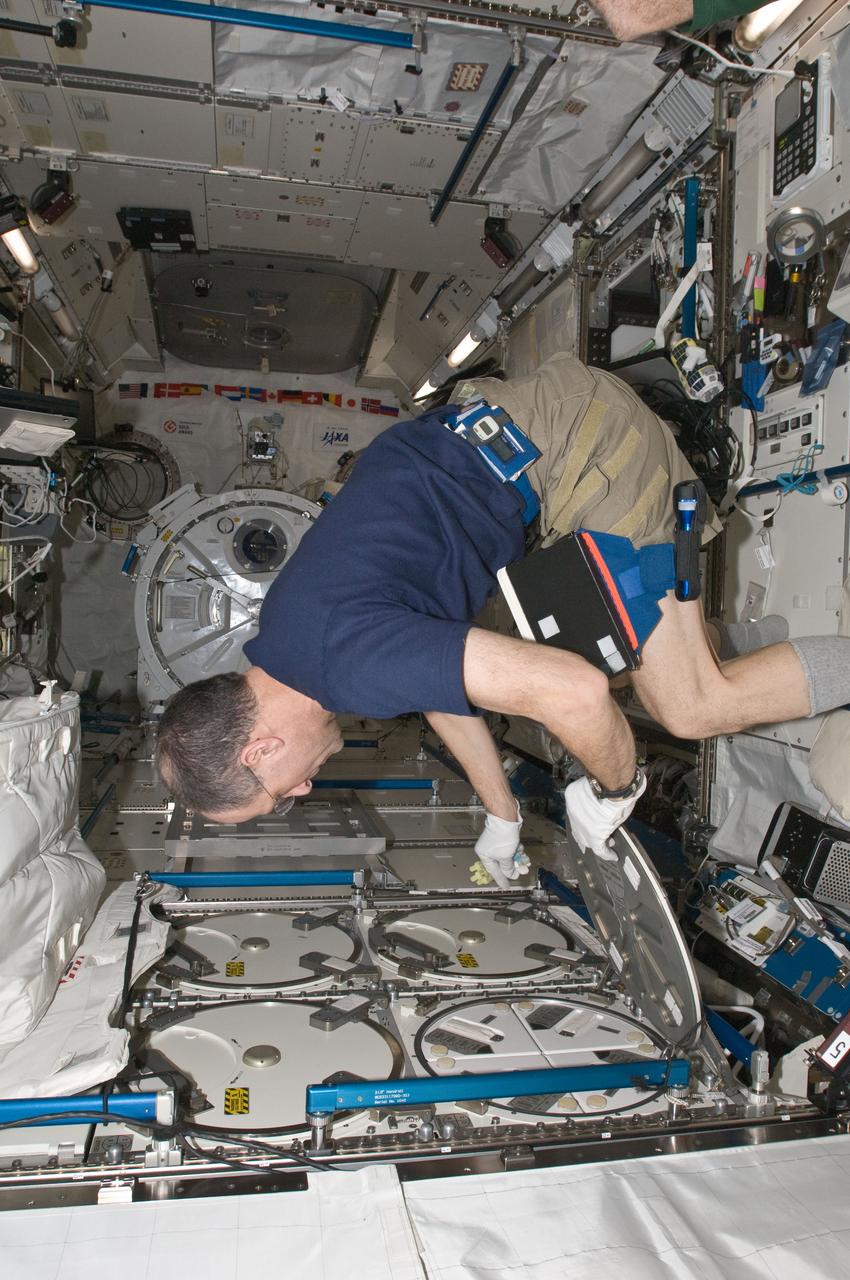
ISS032-E-011639 (2 Aug. 2012) --- NASA astronaut Sunita Williams, Expedition 32 flight engineer, prepares to insert biological samples in the Minus Eighty Laboratory Freezer for ISS-2 (MELFI-2) in the Destiny laboratory of the International Space Station.
FE Williams inserts Biological Samples into the MELFI-2
ISS030-E-116879 (9 Feb. 2012) --- European Space Agency astronaut Andre Kuipers, Expedition 30 flight engineer, prepares to insert biological samples in the Minus Eighty Laboratory Freezer for ISS (MELFI-1) in the Kibo laboratory of the International Space Station.
Kuipers prepares to insert biological samples in the MELFI
ISS034-E-026607 (7 Jan. 2013) --- NASA astronaut Tom Marshburn, Expedition 34 flight engineer, prepares to insert biological samples in the Minus Eighty Laboratory Freezer for ISS (MELFI-1) in the Kibo laboratory of the International Space Station.
Marshburn prepares to insert biological samples in the MELFI-1
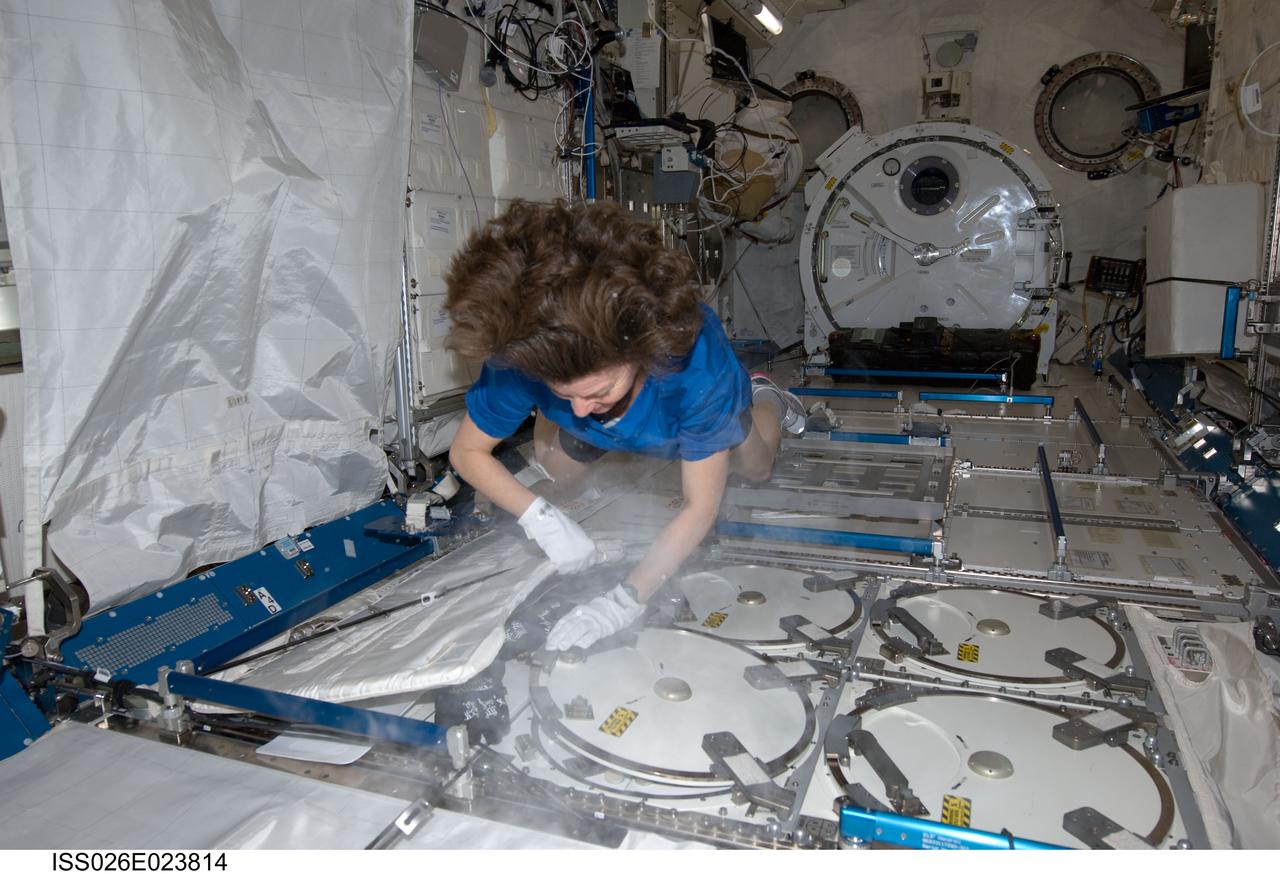
View of Canadian Space Agency (CSA) Chris Hadfield,Expedition 34 Flight Engineer (FE),preparing to insert biological samples in the Minus Eighty Laboratory Freezer for International Space Station (ISS) - (MELFI-1),in the Japanese Experiment Module (JEM) Pressurized Module (JPM).  Photo was taken during Expedition 34.
Hadfield prepares to insert biological samples in the MELFI-1
ISS030-E-116886 (9 Feb. 2012) --- European Space Agency astronaut Andre Kuipers, Expedition 30 flight engineer, prepares to insert biological samples in the Minus Eighty Laboratory Freezer for ISS (MELFI-1) in the Kibo laboratory of the International Space Station.
Kuipers prepares to insert biological samples in the MELFI
ISS019-E-010170 (18 April 2009) --- Astronaut Michael Barratt, Expedition 19/20 flight engineer, performs an insertion of urine samples into the Minus Eighty Degree Laboratory Freezer for ISS (MELFI) as part of the Nutritional Status Assessment (NUTRITION) study in the Japanese Kibo laboratory of the International Space Station.
Nutrition and Repository: Insertion of Urine Sample into MELFI
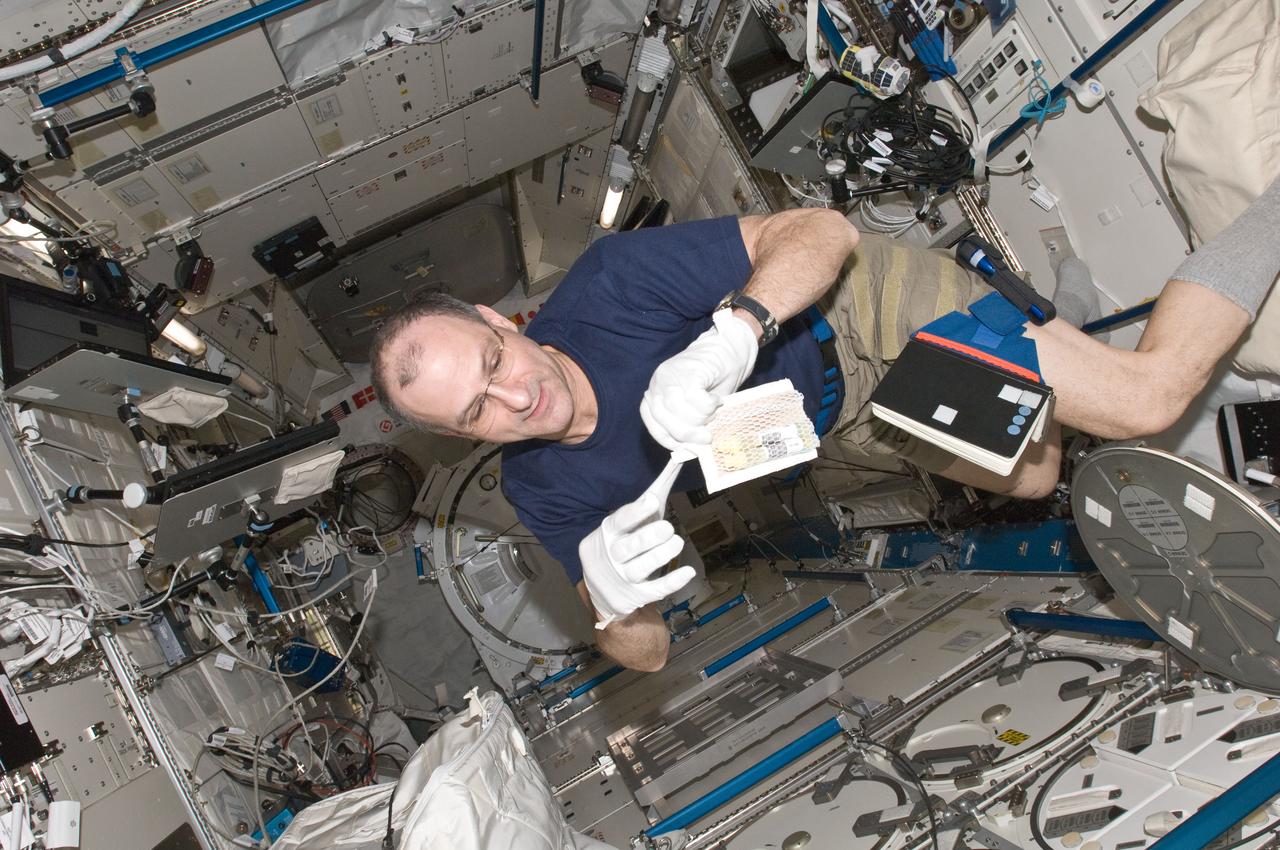
ISS030-E-050864 (26 Jan. 2012) --- NASA astronaut Don Pettit, Expedition 30 flight engineer, prepares to insert biological samples in the Minus Eighty Laboratory Freezer for ISS (MELFI-1) in the Kibo laboratory of the International Space Station.
Pettit prepares to insert biological samples in the MELFI in the JPM
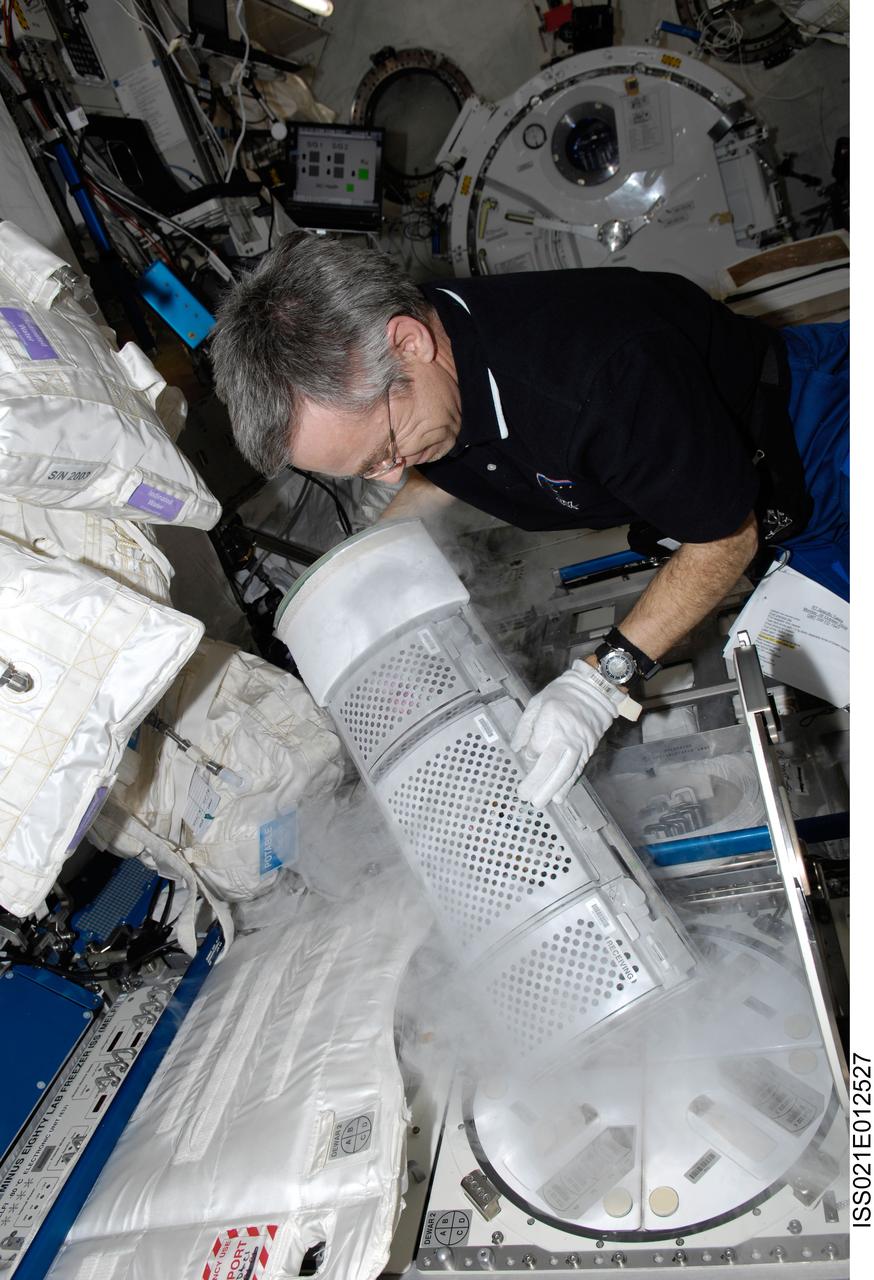
ISS021-E-012527 (26 Oct. 2009) --- Canadian Space Agency astronaut Robert Thirsk, Expedition 21 flight engineer, removes a dewar tray from the Minus Eighty Laboratory Freezer for ISS (MELFI) in order to insert biological samples into the trays in the Kibo laboratory of the International Space Station.
FE Thirsk removes a Dewar Tray from the MELFI
ISS030-E-033272 (24 Dec. 2011) --- European Space Agency astronaut Andre Kuipers, Expedition 30 flight engineer, prepares to insert ESA Role of Apoptosis in Lymphocyte Depression 2 (ROALD-2) experiment samples into a Minus Eighty Laboratory Freezer for ISS (MELFI-1) dewar tray located in the International Space Station's Kibo laboratory.
Kuipers works at the MELFI-1 in the JPM
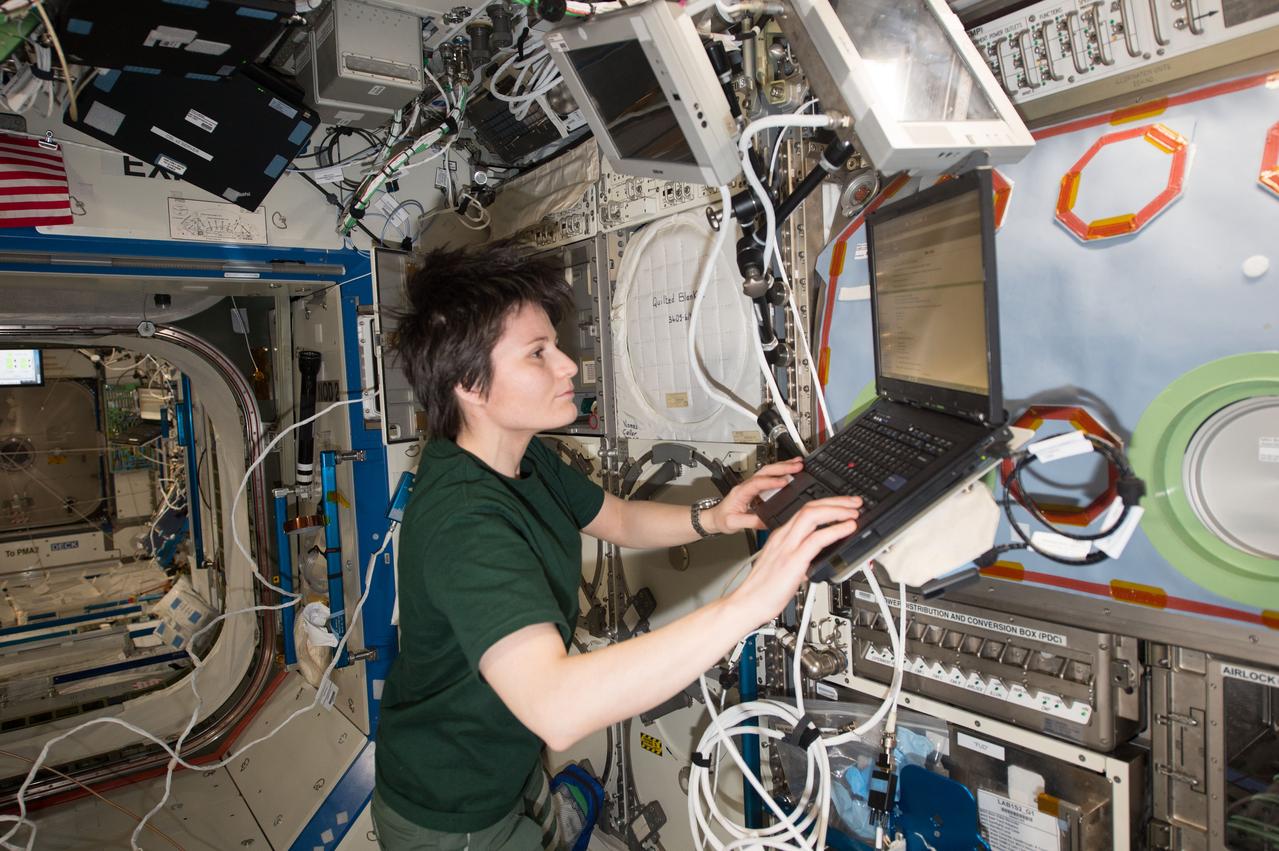
ISS043e000724 (03/13/2015) --- ESA (European Space Agency) astronaut Samantha Cristoforetti, Expedition 43 flight engineer works daily on science and maintenance duties on board the International Space Station. She is inspecting the Minus Eighty-degree Laboratory Freezer called by the shorter title "MELFI-3 Cold Box inspection". Astronauts are trained for long periods at the Johnson Space Center and in Russia before their missions in space begin so that they are fully trained for these complex duties.
MELFI-3 Cold Box inspection
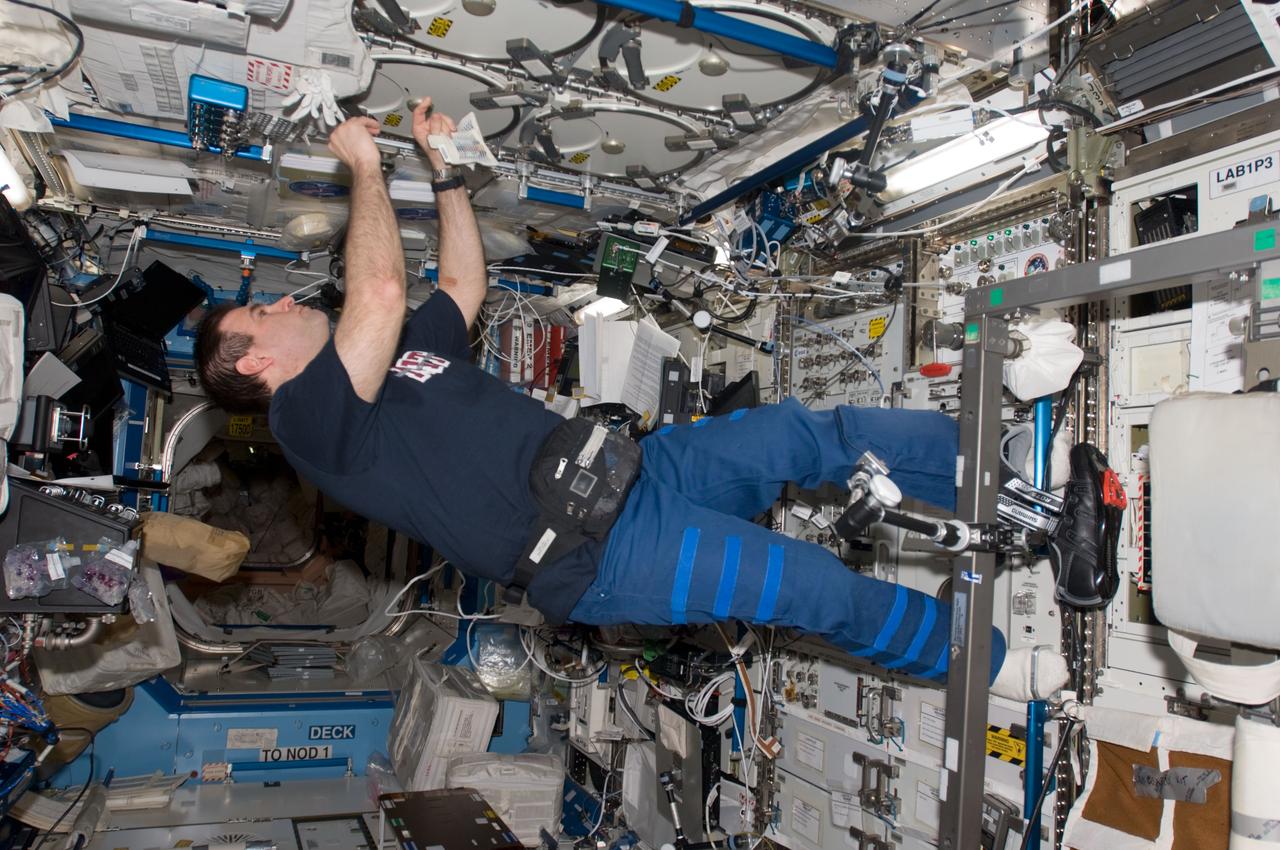
ISS017-E-017539 (27 Sept. 2008) --- NASA astronaut Greg Chamitoff, Expedition 17 flight engineer, works with the Minus Eighty Degree Laboratory Freezer for ISS (MELFI) as part of the Nutritional Status Assessment (NUTRITION) experiment in the Destiny laboratory of the International Space Station. MELFI is a low temperature freezer facility with nominal operating temperatures of -80, -26 and +4 degrees Celsius that will preserve experiment materials over long periods. The results of the Nutrition experiment will be used to better understand the time course effects of space flight on human physiology.
Chamitoff works with the MELFI in the U.S. Laboratory during Expedition 17
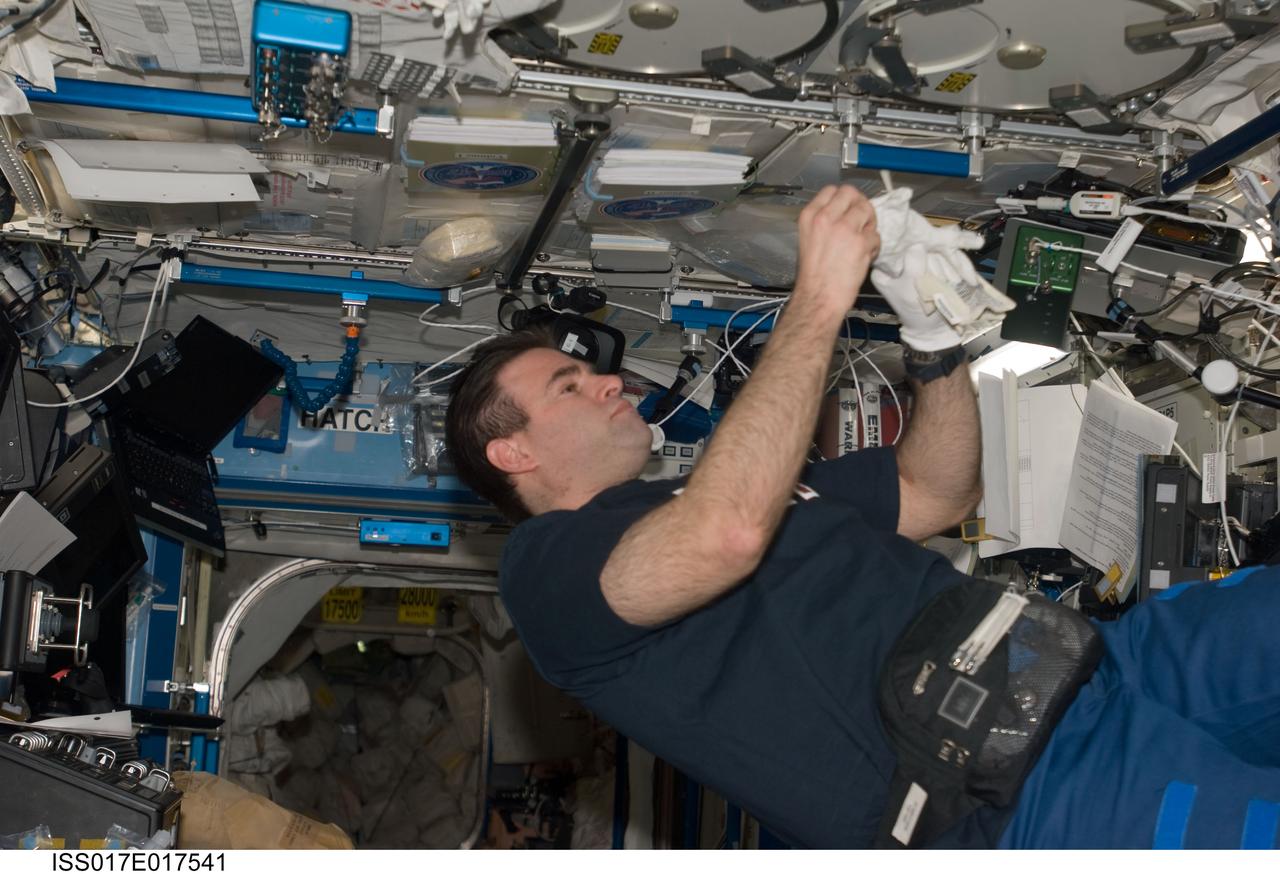
ISS017-E-017541 (27 Sept. 2008) --- NASA astronaut Greg Chamitoff, Expedition 17 flight engineer, works with the Minus Eighty Degree Laboratory Freezer for ISS (MELFI) as part of the Nutritional Status Assessment (NUTRITION) experiment in the Destiny laboratory of the International Space Station. MELFI is a low temperature freezer facility with nominal operating temperatures of -80, -26 and +4 degrees Celsius that will preserve experiment materials over long periods. The results of the Nutrition experiment will be used to better understand the time course effects of space flight on human physiology.
Chamitoff works with the MELFI in the U.S. Laboratory during Expedition 17
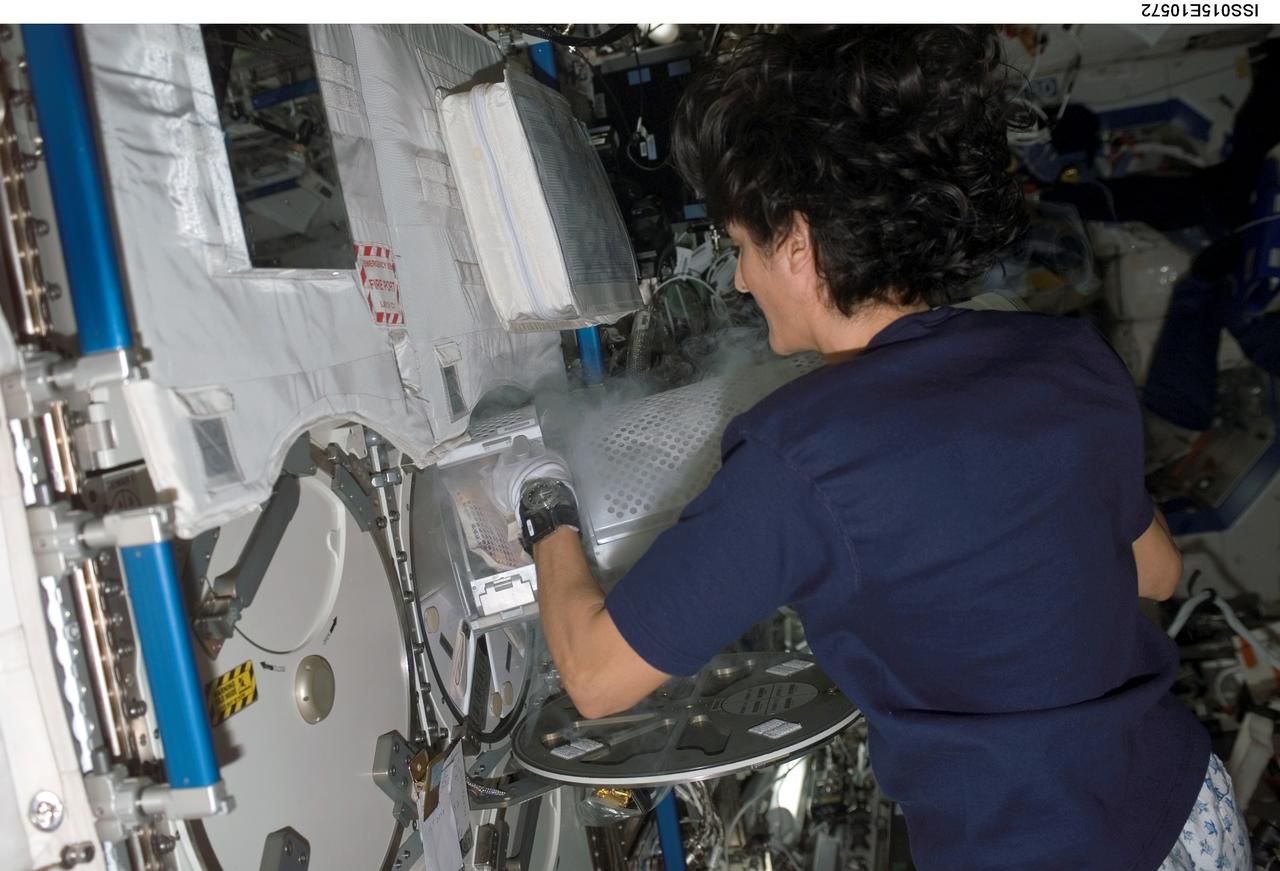
ISS015-E-10572 (1 June 2007) --- Astronaut Sunita L. Williams, Expedition 15 flight engineer, inserts test samples in the Minus Eighty Degree Laboratory Freezer for ISS (MELFI) as a part of the Nutritional Status Assessment (Nutrition) experiment in the Destiny laboratory of the International Space Station. MELFI is a low temperature freezer facility with nominal operating temperatures of -80, -26 and +4 degrees Celsius that will preserve experiment materials over long periods. The results of the Nutrition experiment will be used to better understand the time course effects of space flight on human physiology.
Williams loads the MELFI for the Nutrition Experiment during Expedition 15
ISS034-E-023786 (7 Jan. 2013) --- Canadian Space Agency astronaut Chris Hadfield, Expedition 34 flight engineer, prepares to insert biological samples in the Minus Eighty Laboratory Freezer for ISS (MELFI-1) in the Kibo laboratory of the International Space Station. Russian cosmonaut Roman Romanenko, flight engineer, is visible near Hadfield.
Hadfield prepares to insert biological samples in the MELFI-1
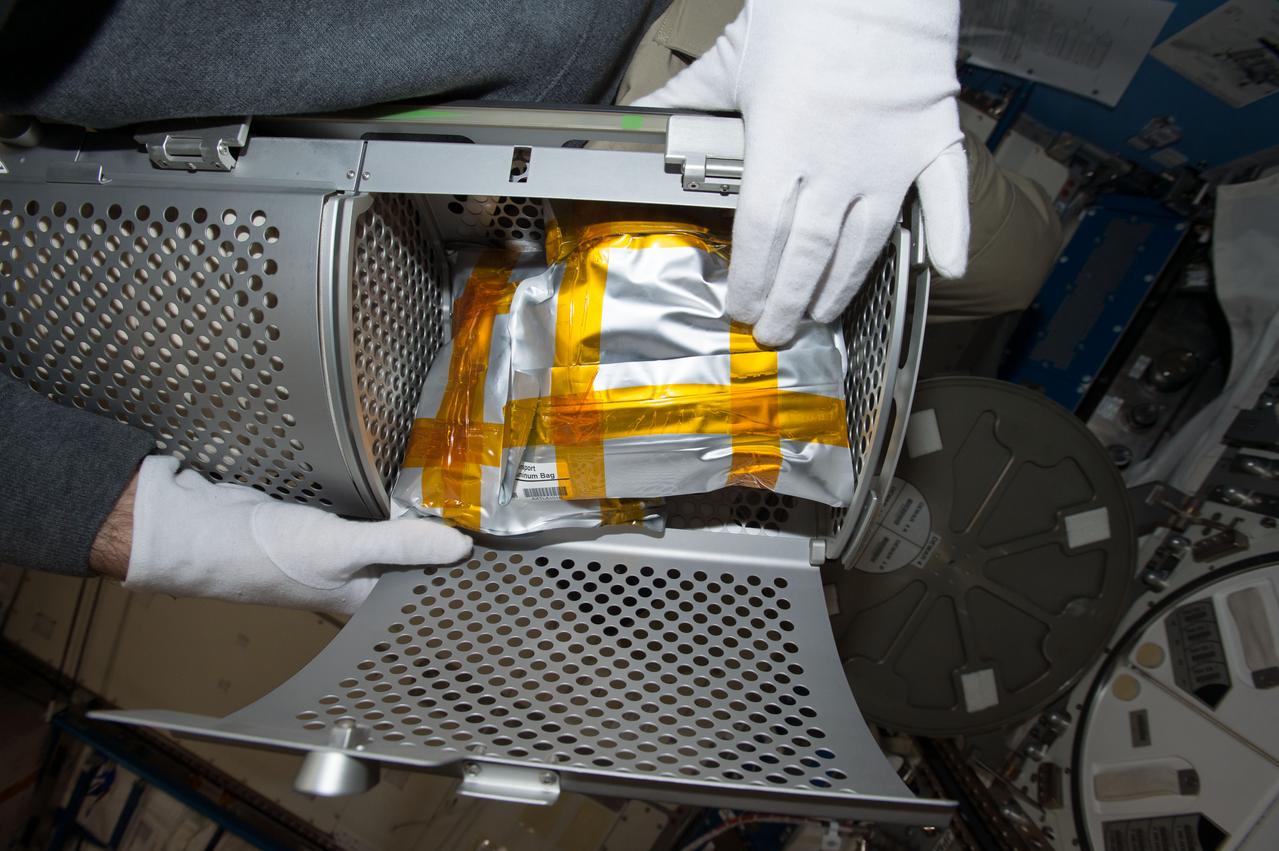
iss050e057655 (3/15/2020) --- Photographic documentation during Auxin Transport sample transfer to Minus Eighty-Degree Laboratory Freezer for ISS (MELFI) insertion. Studies on Gravity-Controlled Growth and Development in Plants Using True Microgravity Conditions (Auxin Transport) clarifies the role of auxins in pea and maize (corn) seedlings grown in microgravity, leading to new insight into how gravity, or the lack of gravity, affects plant development.
Auxin Transport Aluminum Bag MELFI Insertion
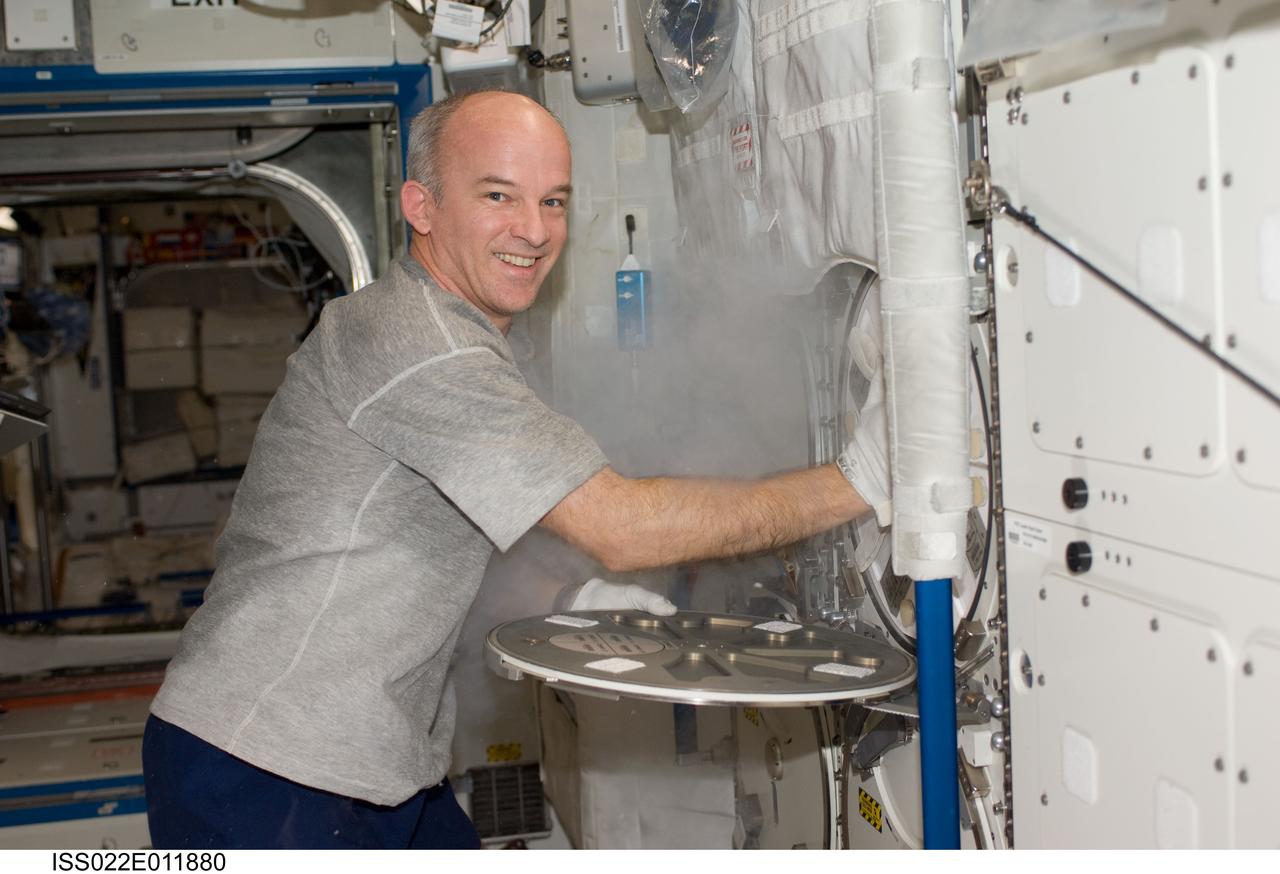
ISS022-E-011880 (16 Dec. 2009) --- NASA astronaut Jeffrey Williams, Expedition 22 commander, services the Advanced Plant Experiments on Orbit-Cambium (APEX-C) payload in the Minus Eighty Laboratory Freezer for ISS-2 (MELFI-2) in the Destiny laboratory of the International Space Station.
Williams installs the APXC Payload in MELFI during Expedition 22
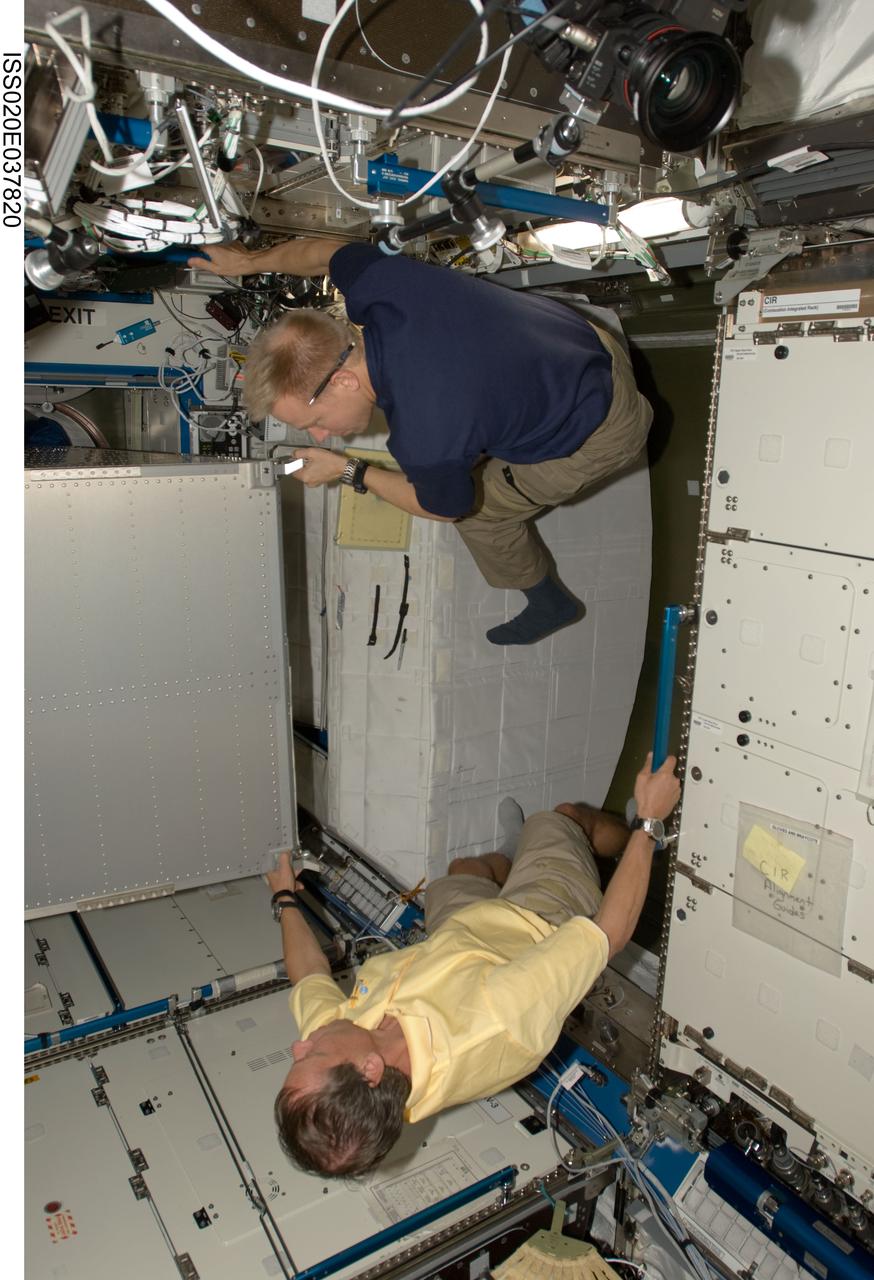
ISS020-E-037820 (2 Sept. 2009) --- European Space Agency astronaut Christer Fuglesang (bottom) and NASA astronaut Tim Kopra, both STS-128 mission specialists, install a new Minus Eighty Degree Laboratory Freezer for ISS (MELFI) rack in the Destiny laboratory of the International Space Station.
Minus Eighty Degree Laboratory Freezer for ISS (MELFI) rack
ISS030-E-050849 (26 Jan. 2012) --- NASA astronaut Don Pettit, Expedition 30 flight engineer, prepares to insert biological samples in the Minus Eighty Laboratory Freezer for ISS (MELFI-1) in the Kibo laboratory of the International Space Station.
Pettit prepares to insert biological samples in the MELFI-1 in the JPM
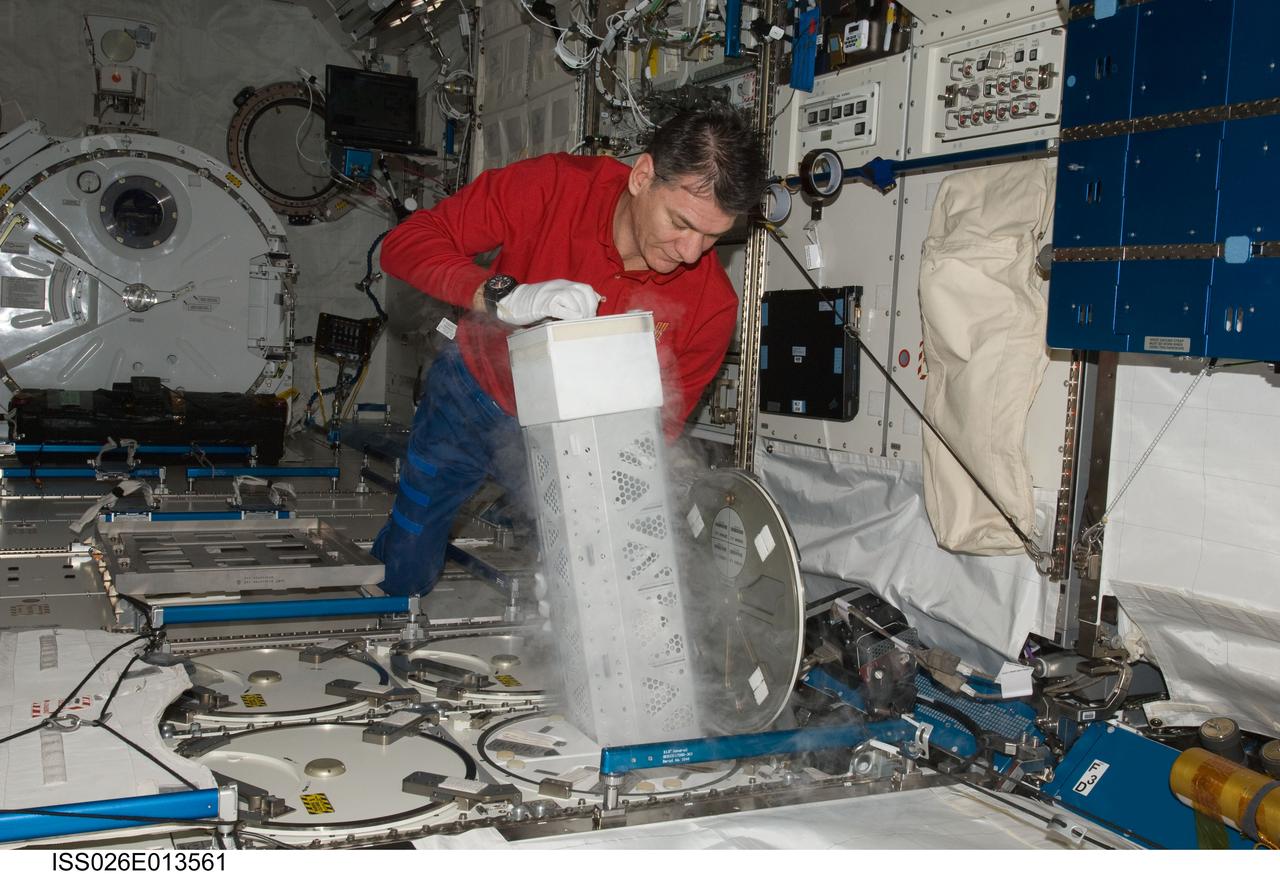
ISS026-E-013561 (26 Dec. 2010) --- European Space Agency astronaut Paolo Nespoli, Expedition 26 flight engineer, services the Minus Eighty Laboratory Freezer for ISS (MELFI-1) in the Kibo laboratory of the International Space Station.
Nespoli works on the MELFI in the Kibo JPM during Expedition 26
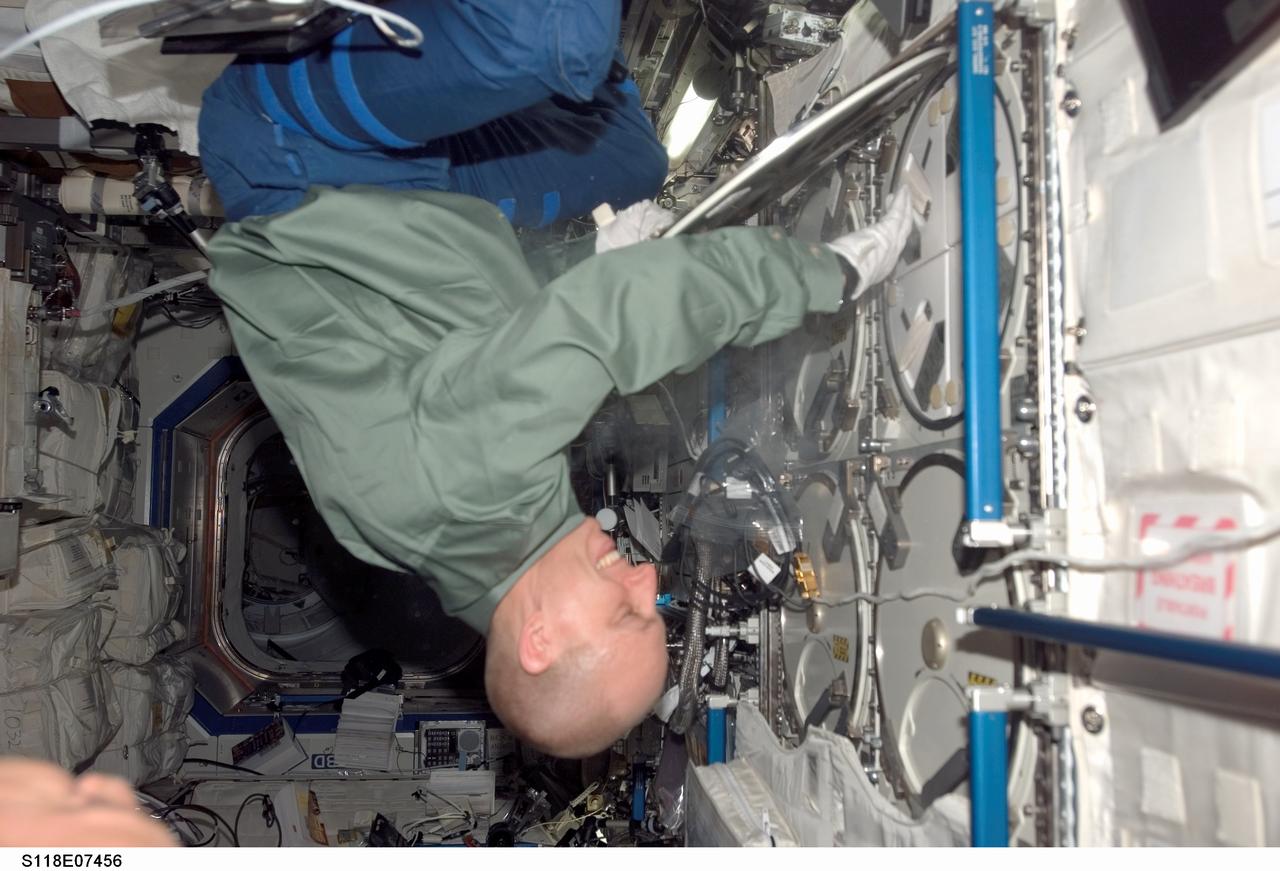
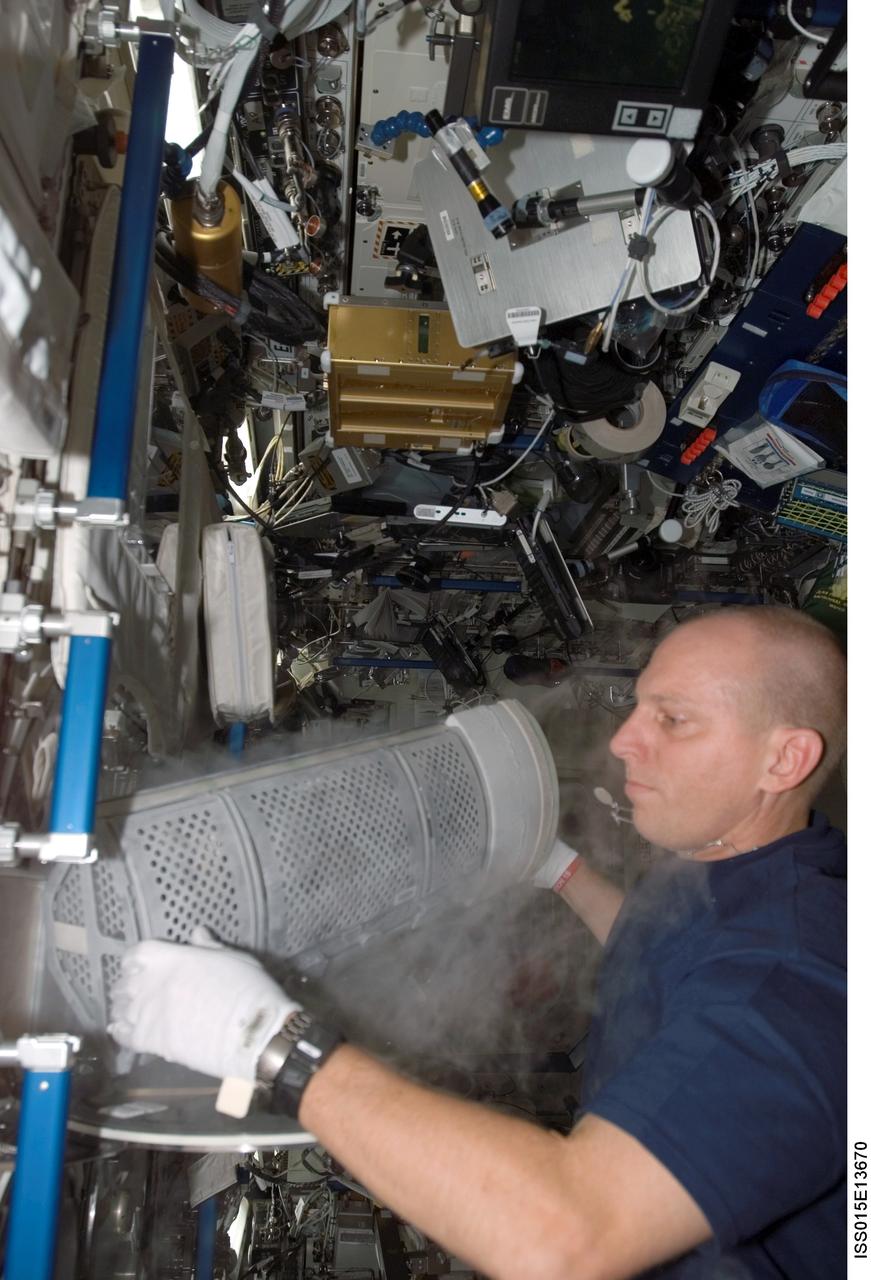
S118-E-07456 (13 Aug. 2007) --- Astronaut Clay Anderson, Expedition 15 flight engineer, works with the Minus Eighty Degree Laboratory Freezer for ISS (MELFI) in the Destiny laboratory of the International Space Station while Space Shuttle Endeavour (STS-118) remains docked with the station.
Anderson working at the MELFI during STS-118/Expedition 15 Joint Operations
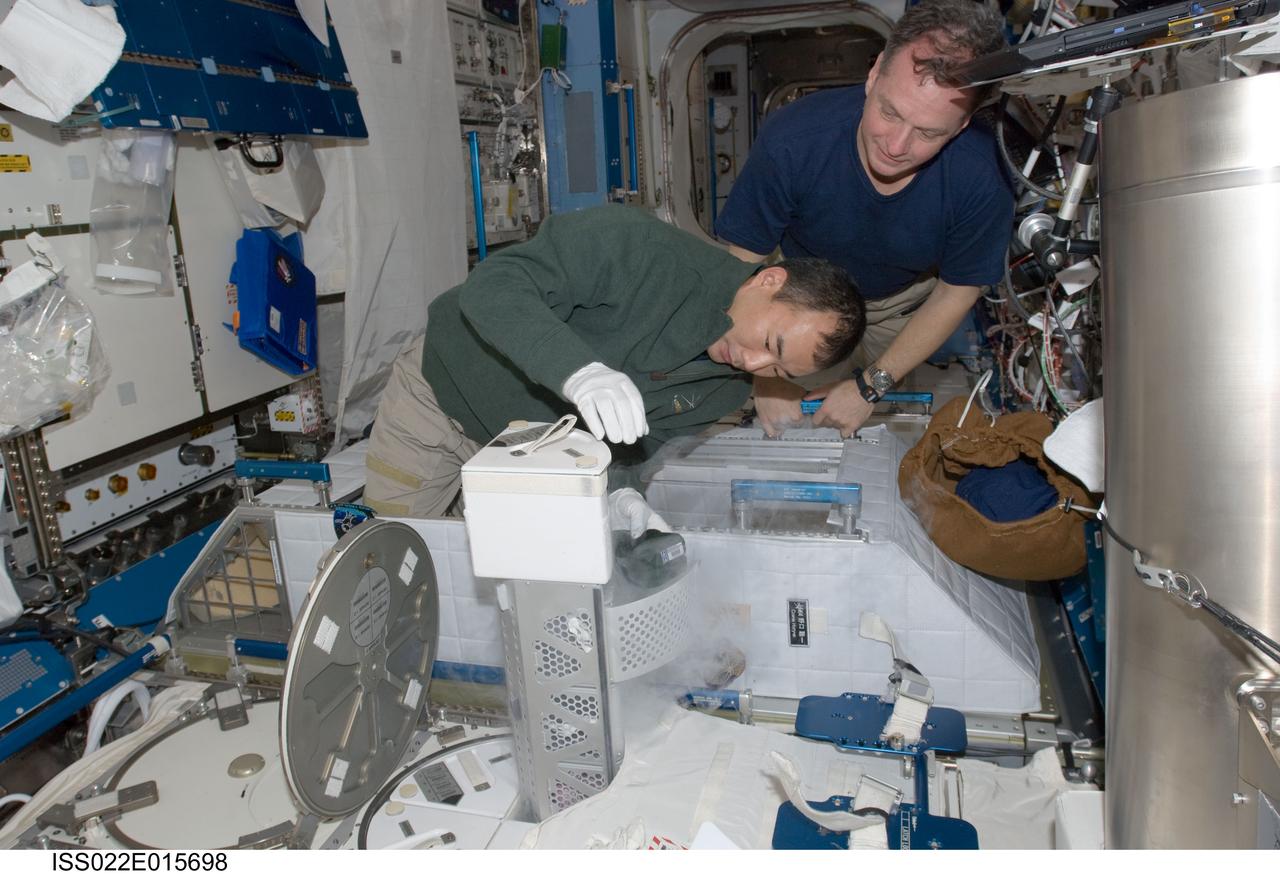
ISS022-E-015698 (28 Dec. 2009) --- Japan Aerospace Exploration Agency astronaut Soichi Noguchi (left) and NASA astronaut T.J. Creamer, both Expedition 22 flight engineers, service the Minus Eighty Laboratory Freezer for ISS (MELFI-1) in the Kibo laboratory of the International Space Station.
Noguchi and Creamer service the MELFI-1 in the JEM during Expedition 22
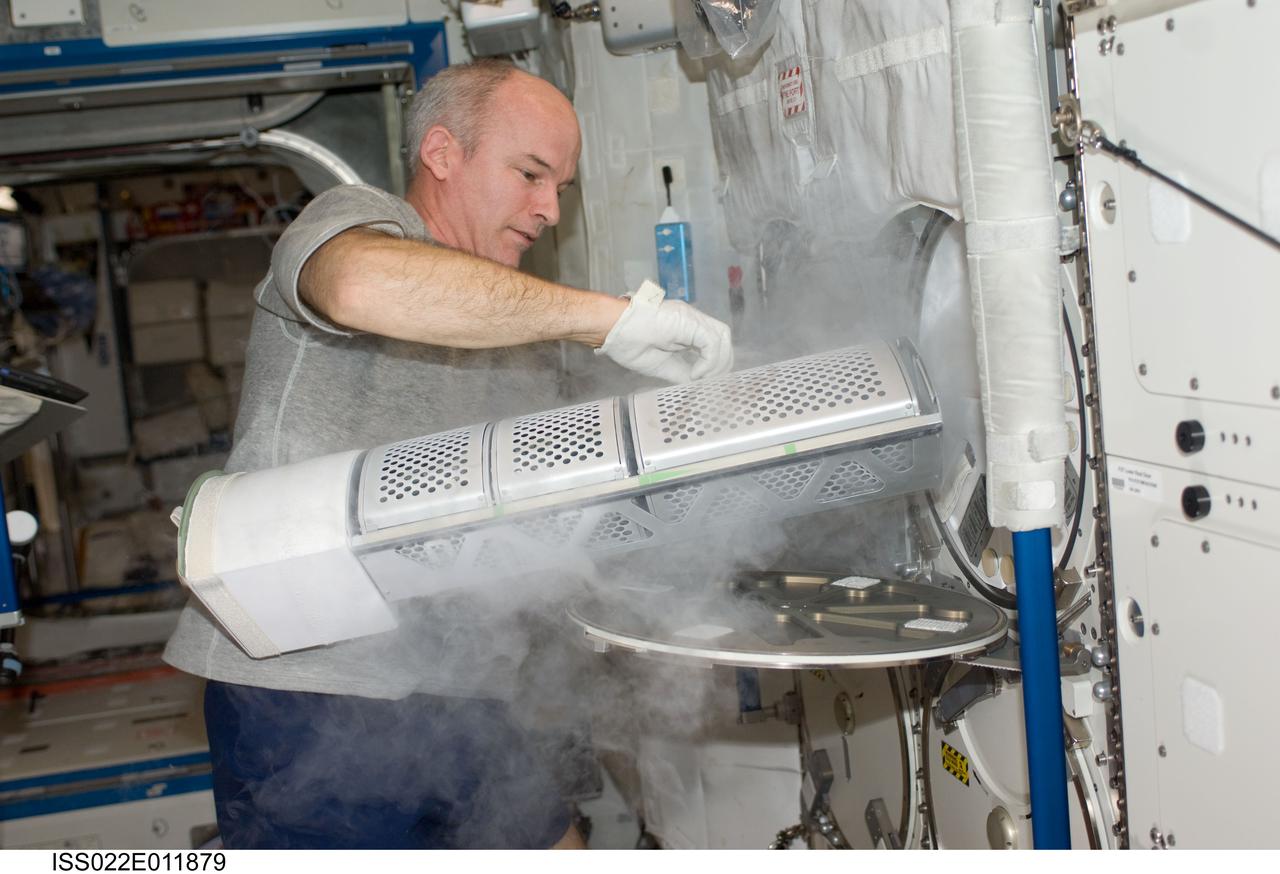
ISS022-E-011879 (16 Dec. 2009) --- NASA astronaut Jeffrey Williams, Expedition 22 commander, services the Advanced Plant Experiments on Orbit-Cambium (APEX-C) payload in the Minus Eighty Laboratory Freezer for ISS-2 (MELFI-2) in the Destiny laboratory of the International Space Station.
Williams installs the APXC Payload in MELFI during Expedition 22
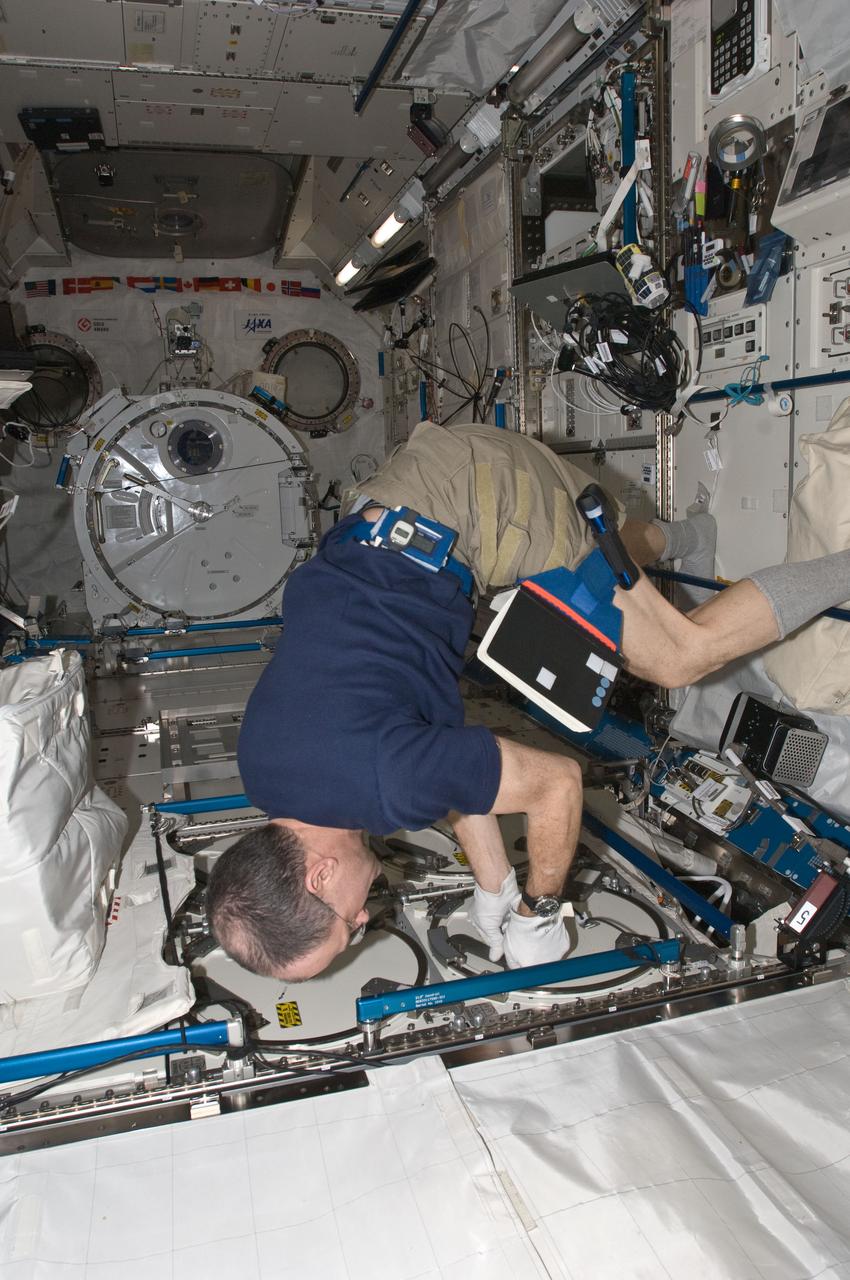
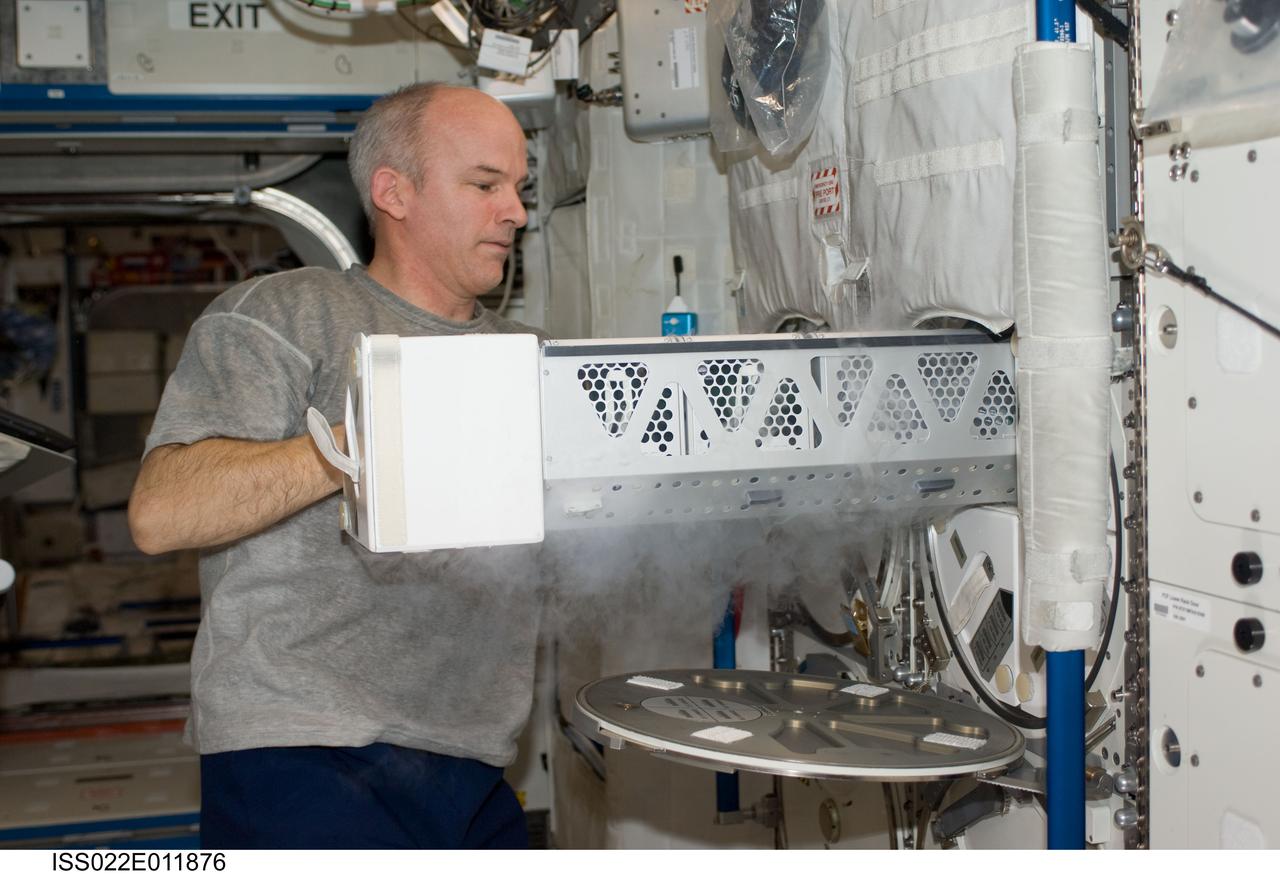
ISS022-E-011876 (16 Dec. 2009) --- NASA astronaut Jeffrey Williams, Expedition 22 commander, services the Advanced Plant Experiments on Orbit-Cambium (APEX-C) payload in the Minus Eighty Laboratory Freezer for ISS-2 (MELFI-2) in the Destiny laboratory of the International Space Station.
Williams installs the APXC Payload in MELFI during Expedition 22
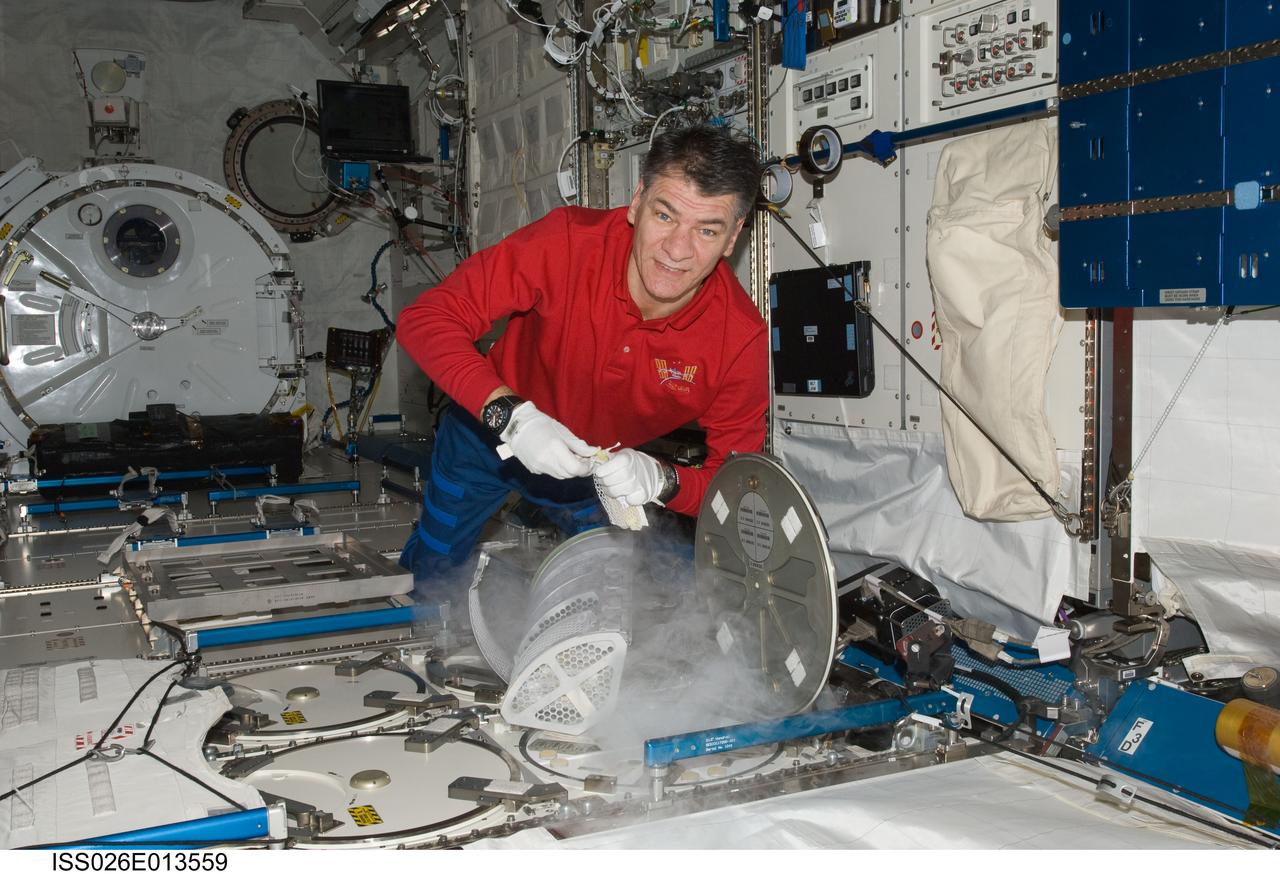
ISS026-E-013559 (26 Dec. 2010) --- European Space Agency astronaut Paolo Nespoli, Expedition 26 flight engineer, services the Minus Eighty Laboratory Freezer for ISS (MELFI-1) in the Kibo laboratory of the International Space Station.
Nespoli works on the MELFI in the Kibo JPM during Expedition 26
ISS030-E-050848 (26 Jan. 2012) --- NASA astronaut Don Pettit, Expedition 30 flight engineer, prepares to insert biological samples in the Minus Eighty Laboratory Freezer for ISS (MELFI-1) in the Kibo laboratory of the International Space Station.
Pettit prepares to insert biological samples in the MELFI-1 in the JPM
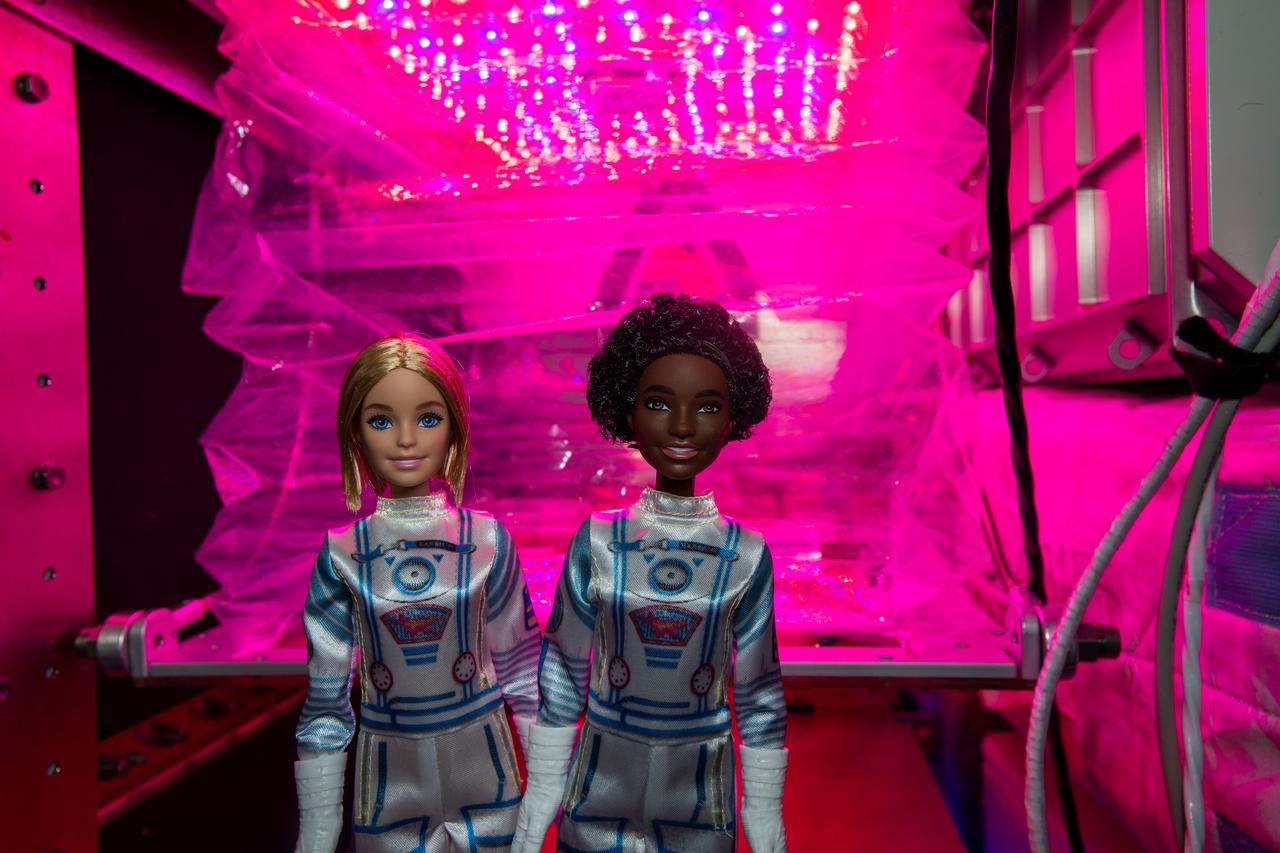
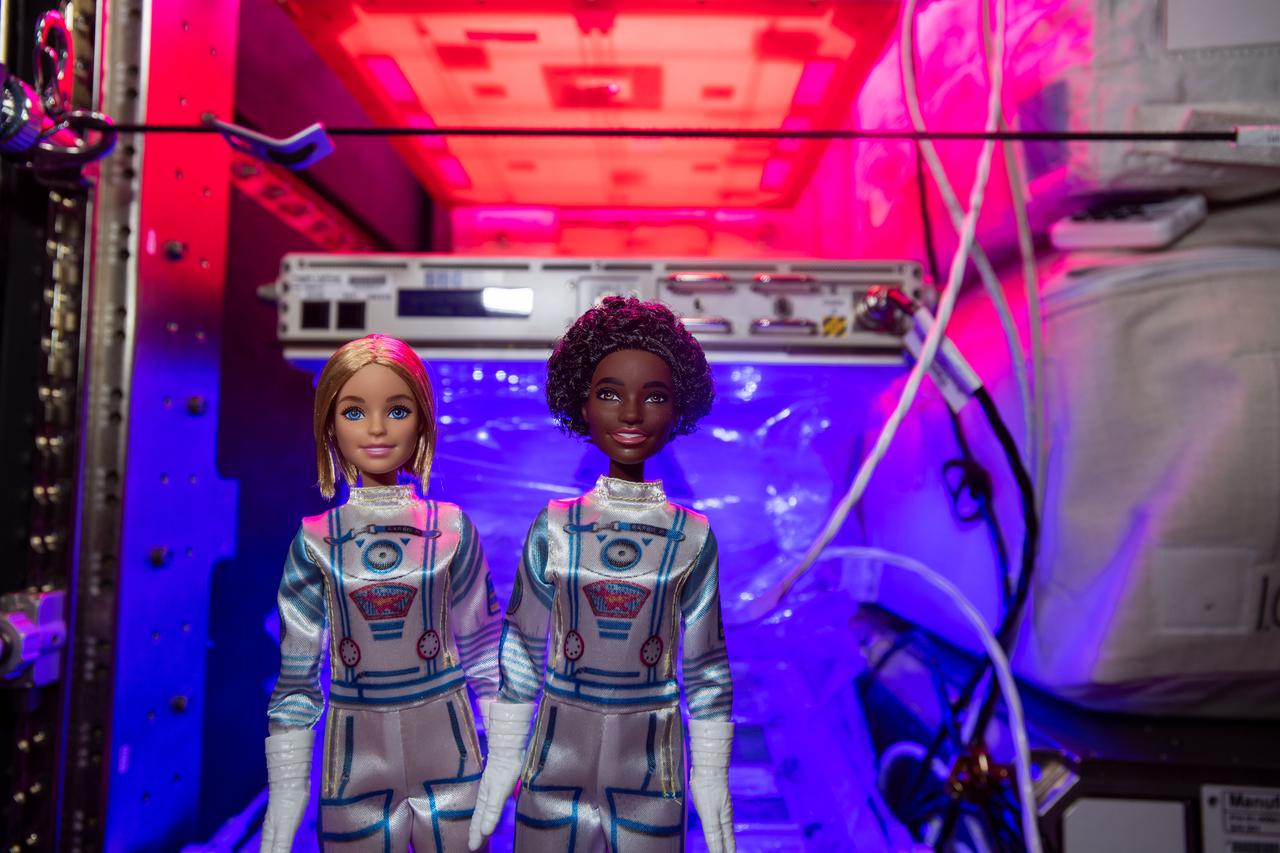
iss066e155896 (3/1/2022) --- DreamStar dolls float in front of Astrobee and Minus Eighty Laboratory Freezer for ISS (MELFI) aboard the International Space Station. The DreamStar science, technology, engineering, and mathematics (STEM) education project creates videos and educational materials highlighting women in space and reinforcing the message, “if you can see it, you can be it.”
Dreamstar - Digital Photo and Record Educational Video with Dolls in Front of Astrobee and MELFI
iss066e155892 (3/1/2022) --- DreamStar dolls float in front of Astrobee and Minus Eighty Laboratory Freezer for ISS (MELFI) aboard the International Space Station. The DreamStar science, technology, engineering, and mathematics (STEM) education project creates videos and educational materials highlighting women in space and reinforcing the message, “if you can see it, you can be it.”
Dreamstar - Digital Photo and Record Educational Video with Dolls in Front of Astrobee and MELFI
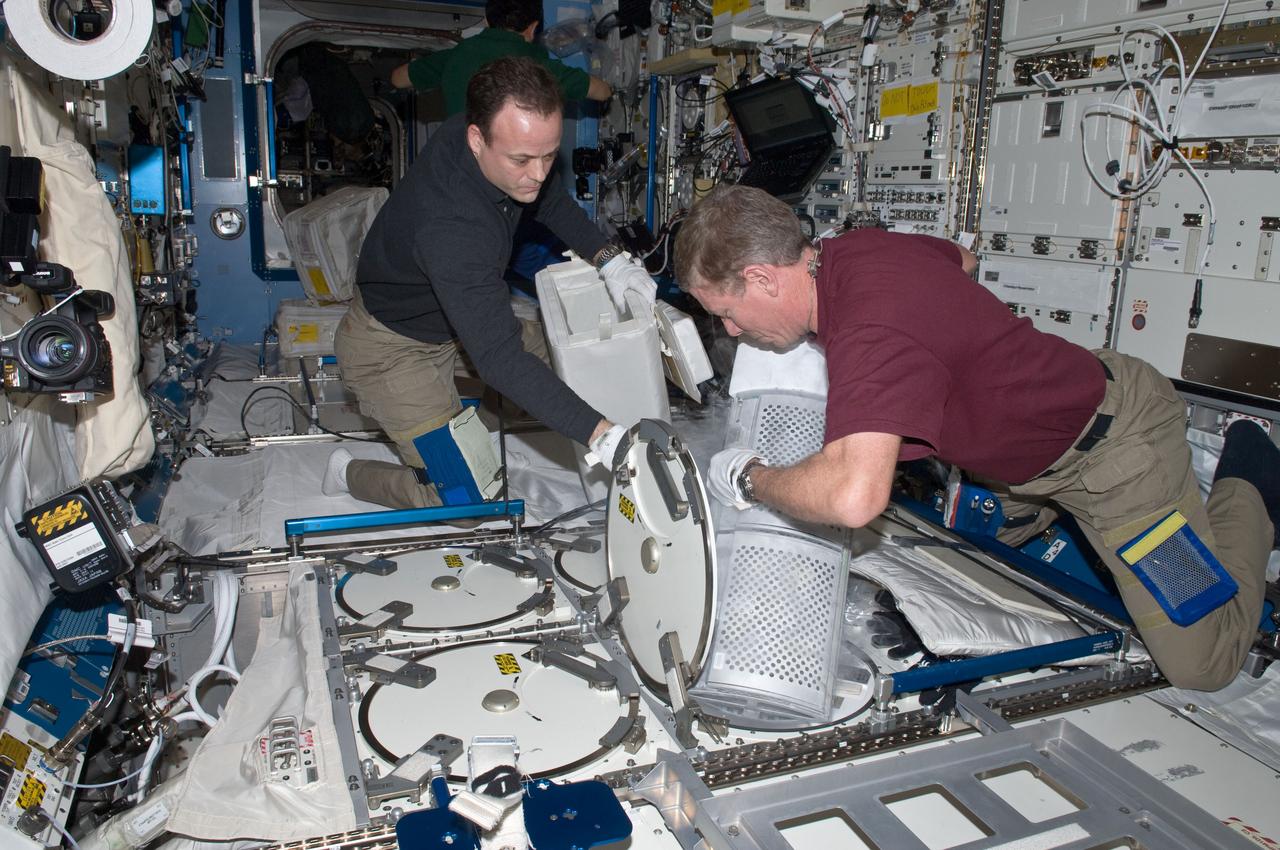
ISS028-E-014918 (8 July 2011) --- NASA astronauts Ron Garan (left) and Mike Fossum, both Expedition 28 flight engineers, remove samples from the General Laboratory Active Cryogenic ISS Experiment Refrigerator (GLACIER) and insert in the Minus Eighty Degree Laboratory Freezer for ISS (MELFI-1) in the Kibo laboratory of the International Space Station.
Expedition 28 Crew Members remove samples from the JPM MELFI
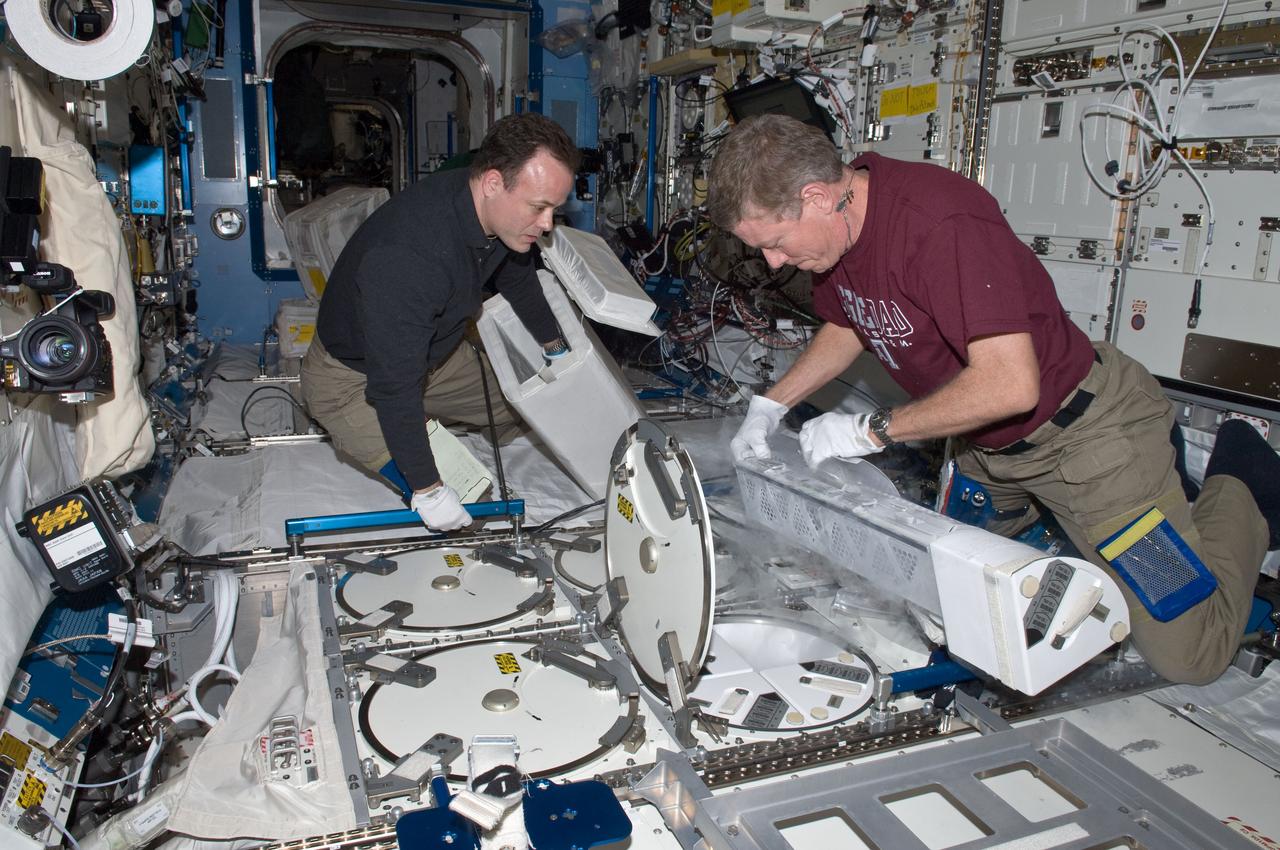
ISS028-E-014916 (8 July 2011) --- NASA astronauts Ron Garan (left) and Mike Fossum, both Expedition 28 flight engineers, remove samples from the General Laboratory Active Cryogenic ISS Experiment Refrigerator (GLACIER) and insert in the Minus Eighty Degree Laboratory Freezer for ISS (MELFI-1) in the Kibo laboratory of the International Space Station.
Expedition 28 Crew Members remove samples from the JPM MELFI
KENNEDY SPACE CENTER, FLA. -  After removing its cover, technicians look over the Minus Eighty Lab Freezer for ISS (MELFI),  provided as Laboratory Support Equipment by the European Space Agency for the International Space Station.  The lab will provide cooling and storage for reagents, samples and perishable materials in four insulated containers called dewars with independently selectable temperatures of -80°C, -26°C, and +4°C. It also will be used to transport samples to and from the station.   The MELFI is planned for launch on the ULF-1 mission.
KENNEDY SPACE CENTER, FLA. - After removing its cover, technicians look over the Minus Eighty Lab Freezer for ISS (MELFI), provided as Laboratory Support Equipment by the European Space Agency for the International Space Station. The lab will provide cooling and storage for reagents, samples and perishable materials in four insulated containers called dewars with independently selectable temperatures of -80°C, -26°C, and +4°C. It also will be used to transport samples to and from the station. The MELFI is planned for launch on the ULF-1 mission.
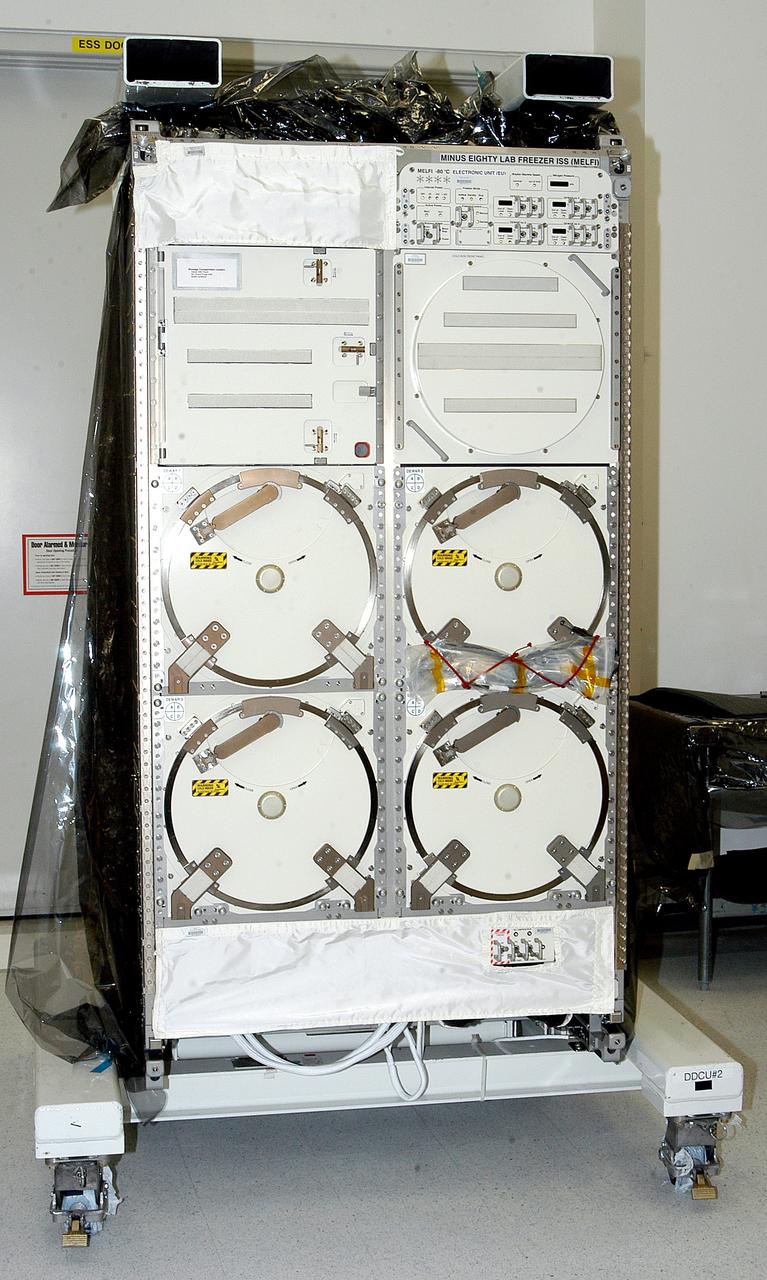
KENNEDY SPACE CENTER, FLA. -  The Minus Eighty Lab Freezer for ISS (MELFI), provided as Laboratory Support Equipment by the European Space Agency for the International Space Station, is seen in the Space Station Processing Facility.  The lab will provide cooling and storage for reagents, samples and perishable materials in four insulated containers called dewars with independently selectable temperatures of -80°C, -26°C, and +4°C. It also will be used to transport samples to and from the station.   The MELFI is planned for launch on the ULF-1 mission.
KENNEDY SPACE CENTER, FLA. - The Minus Eighty Lab Freezer for ISS (MELFI), provided as Laboratory Support Equipment by the European Space Agency for the International Space Station, is seen in the Space Station Processing Facility. The lab will provide cooling and storage for reagents, samples and perishable materials in four insulated containers called dewars with independently selectable temperatures of -80°C, -26°C, and +4°C. It also will be used to transport samples to and from the station. The MELFI is planned for launch on the ULF-1 mission.
KENNEDY SPACE CENTER, FLA. -  In the Space Station Processing Facility, technicians remove the cover from the Minus Eighty Lab Freezer for ISS(MELFI) provided as Laboratory Support Equipment by the European Space Agency for the International Space Station.  The lab will provide cooling and storage for reagents, samples and perishable materials in four insulated containers called dewars with independently selectable temperatures of -80°C, -26°C, and +4°C. It also will be used to transport samples to and from the station.   The MELFI is planned for launch on the ULF-1 mission.
KENNEDY SPACE CENTER, FLA. - In the Space Station Processing Facility, technicians remove the cover from the Minus Eighty Lab Freezer for ISS(MELFI) provided as Laboratory Support Equipment by the European Space Agency for the International Space Station. The lab will provide cooling and storage for reagents, samples and perishable materials in four insulated containers called dewars with independently selectable temperatures of -80°C, -26°C, and +4°C. It also will be used to transport samples to and from the station. The MELFI is planned for launch on the ULF-1 mission.
iss050e057428 (03/15/2017) --- NASA astronaut Shane Kimbrough removes a storage locker in the Minus Eighty-degree Laboratory Freezer for ISS (MELFI) to store samples from an experiment. MELFI is a cold storage unit that maintains experiment samples at ultra-cold temperatures throughout a mission.
iss050e057428
   Photographic documentation of inspection and regular maintenance on Minus Eighty-degree Laboratory Freezer for the ISS 3 (MELFI-3) located in the LAB1S1 rack. View is of European Space Agency (ESA) astronaut Samantha Cristoforetti, Expedition 43 flight engineer, at work with the MELFI-3.
iss043e000742
iss072e035693 (Oct. 11, 2024) --- NASA astronaut and Expedition 72 Flight Engineer Mike Barratt stows research samples in a science freezer, also known as the Minus Eighty-Degree Laboratory Freezer for ISS (MELFI). MELFI can preserve biological samples such as blood, microbes, plants, and more for retrieval and later analysis.
Astronaut Mike Barratt stows research samples in a science freezer
iss063e104373 (Oct. 7, 2020) --- Roscosmos cosmonaut and Expedition 63 Flight Engineer Ivan Vagner transfers biological samples into a science freezer for stowage and later analysis aboard the International Space Station.
Vagner working with MELFI
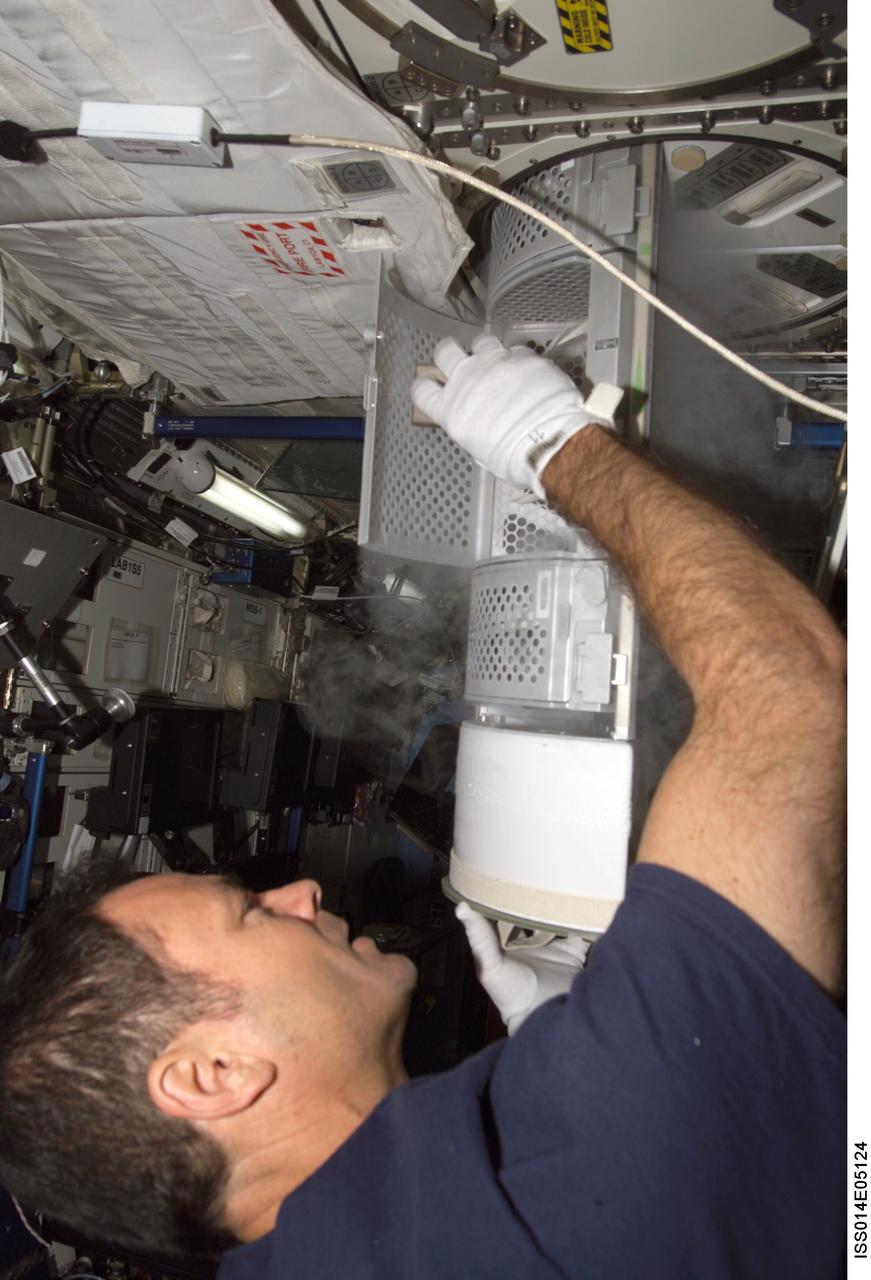
ISS014-E-05124 (3 Oct. 2006) --- Astronaut Michael E. Lopez-Alegria, Expedition 14 commander and NASA space station science officer, works with the Passive Observatories for Experimental Microbial Systems in Micro-G (POEMS) payload in the Minus Eighty Degree Laboratory Freezer for ISS (MELFI) in the Destiny laboratory of the International Space Station. MELFI is a low temperature freezer facility with nominal operating temperatures of -80, -26 and +4 degrees Celsius that will preserve experiment materials over long periods.
Lopez-Alegria with Passive Observatories for Experimental Microbial Systems in Micro-G (POEMS) sample container
ISS015-E-35308 (19 Oct. 2007) --- NASA astronaut Peggy A. Whitson, Expedition 16 commander, works with the Minus Eighty Degree Laboratory Freezer for ISS (MELFI) in the Destiny laboratory of the International Space Station. MELFI is a low temperature freezer facility with nominal operating temperatures of -80, -26 and +4 degrees Celsius that will preserve experiment materials over long periods.
Whitson working on the Nutrition Experiment during Expedition 15/Expedition 16
ISS014-E-17550 (20 March 2007) --- Astronaut Michael E. Lopez-Alegria, Expedition 14 commander and NASA space station science officer, prepares to insert a test sample in the Minus Eighty Degree Laboratory Freezer for ISS (MELFI) as part of the Nutritional Status Assessment (NUTRITION) experiment in the Destiny laboratory of the International Space Station. MELFI is a low temperature freezer facility with nominal operating temperatures of -80, -26 and +4 degrees Celsius that will preserve experiment materials over long periods.
Nutrition: blood sample collection
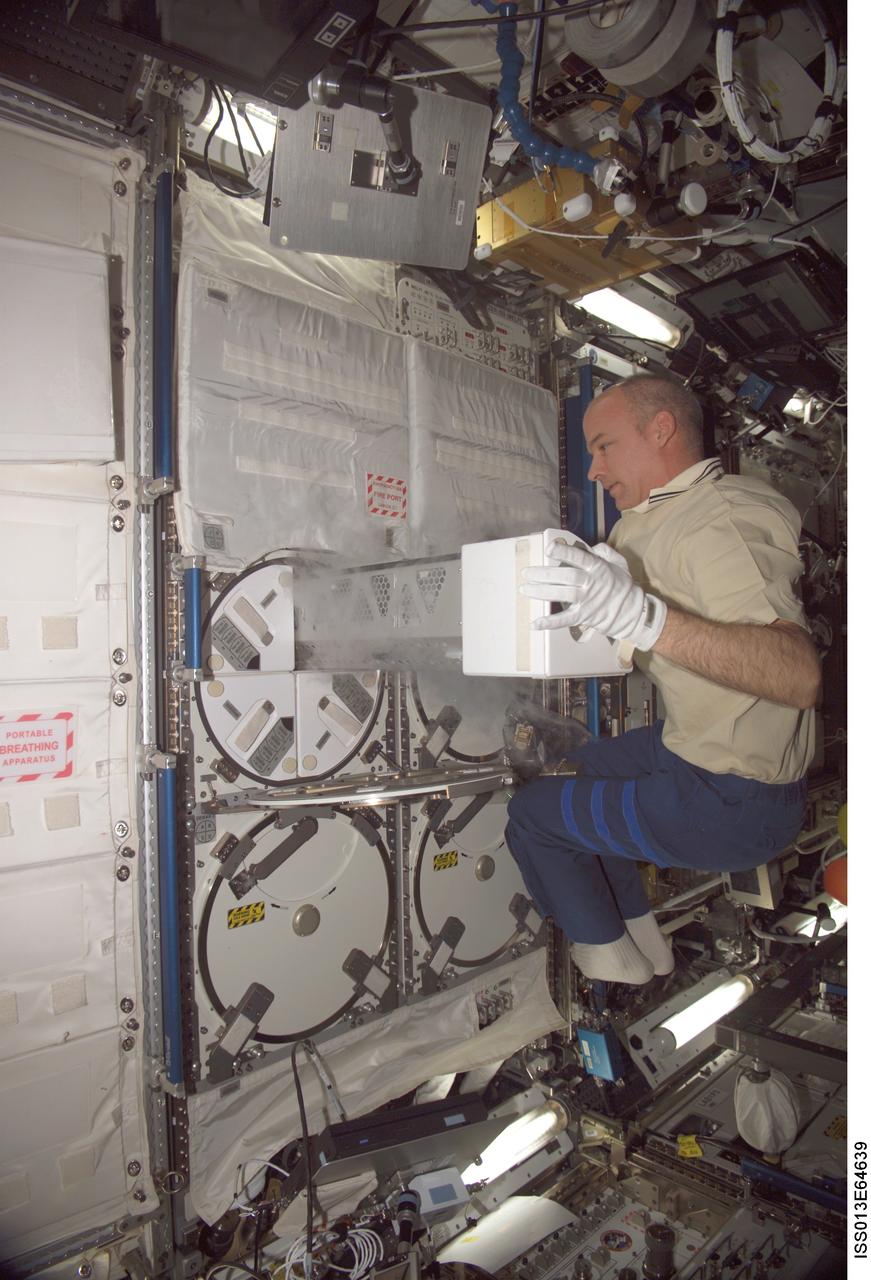
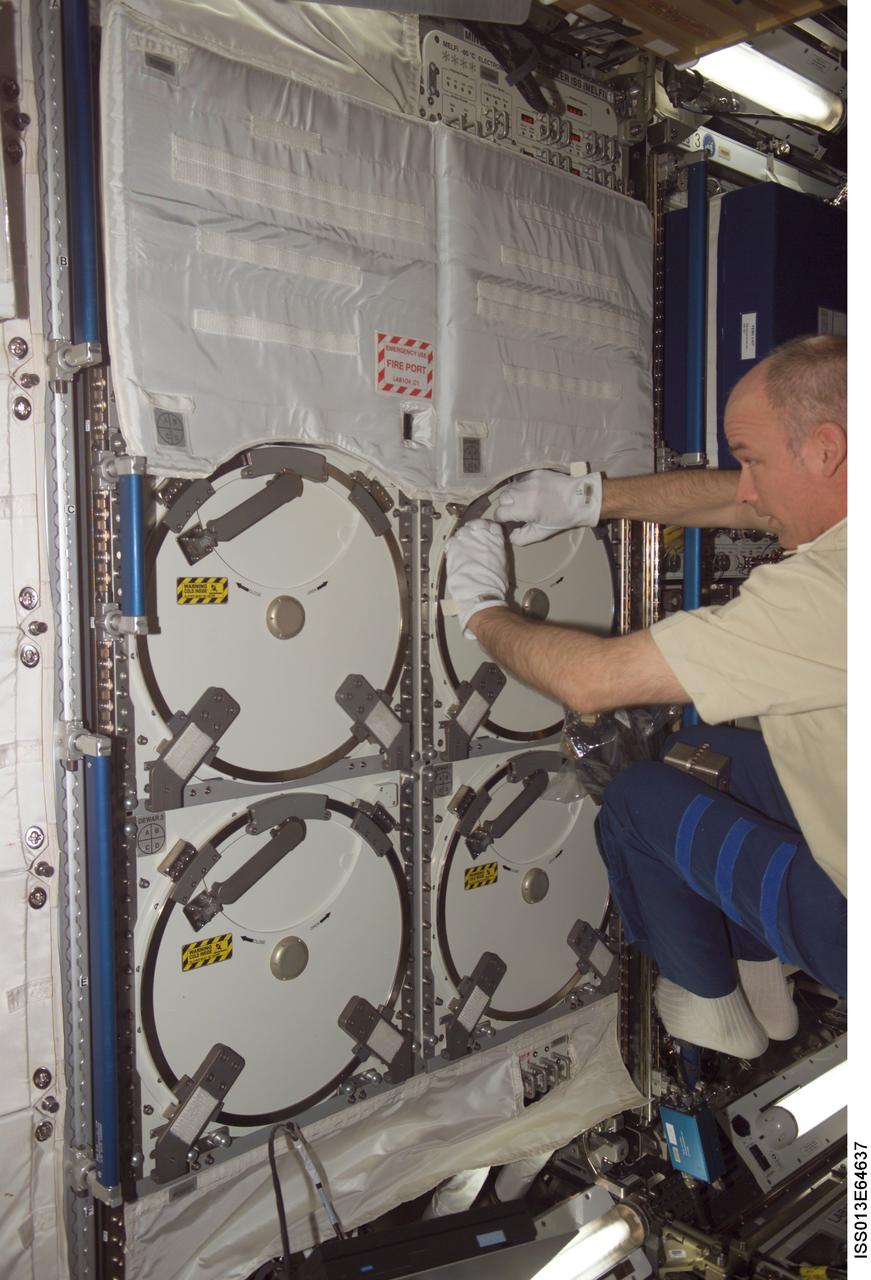
ISS013-E-64637 (2 Aug. 2006) --- Astronaut Jeffrey N. Williams, Expedition 13 NASA space station science officer and flight engineer, works with the Passive Observatories for Experimental Microbial Systems in Micro-G (POEMS) payload in the Minus Eighty Degree Laboratory Freezer for ISS (MELFI) in the Destiny laboratory of the International Space Station. MELFI is a low temperature freezer facility with nominal operating temperatures of -80, -26 and +4 degrees Celsius that will preserve experiment materials over long periods.
Williams working in the U.S. Laboratory during Expedition 13