
ARES 7 AXIS MILLING EQUIPMENT AND FACILITIES.
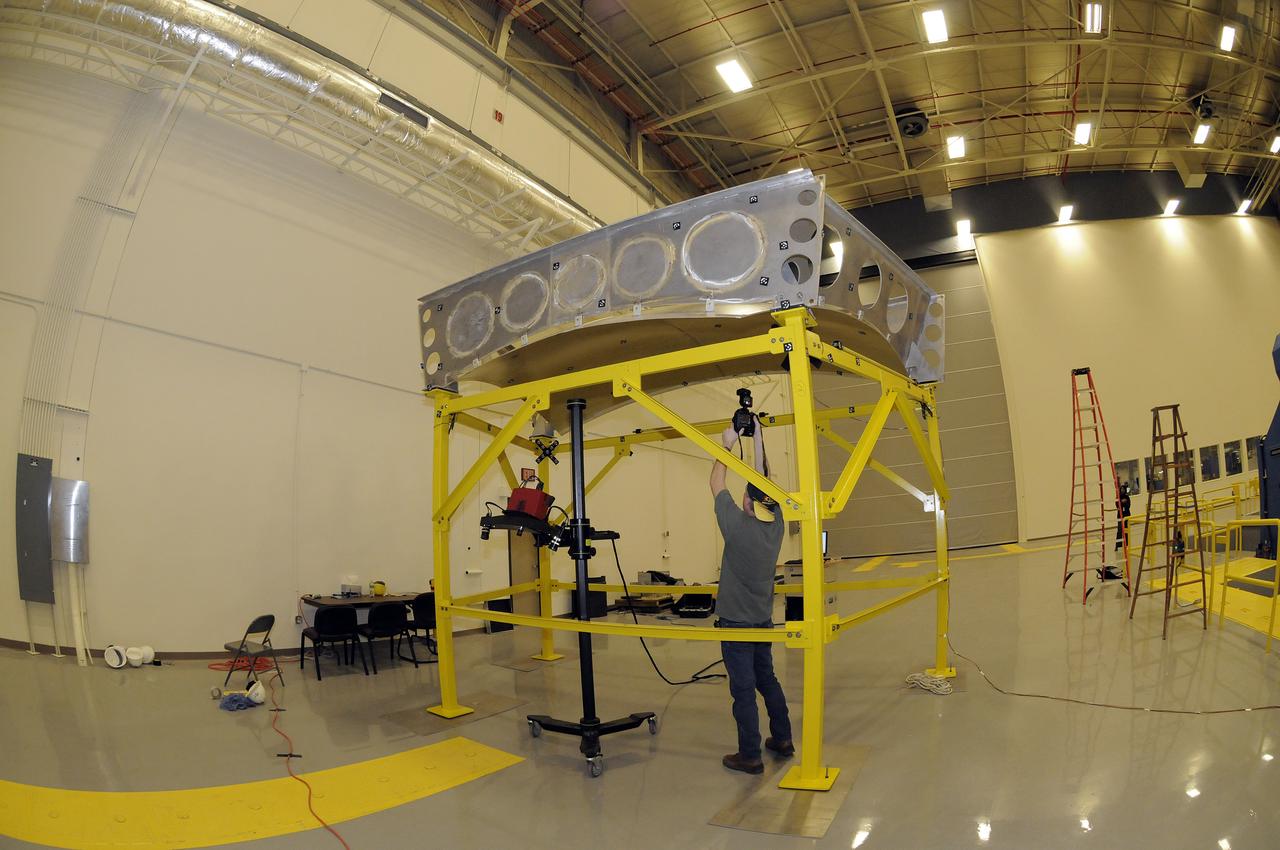
ARES 7 AXIS MILLING EQUIPMENT AND FACILITIES.
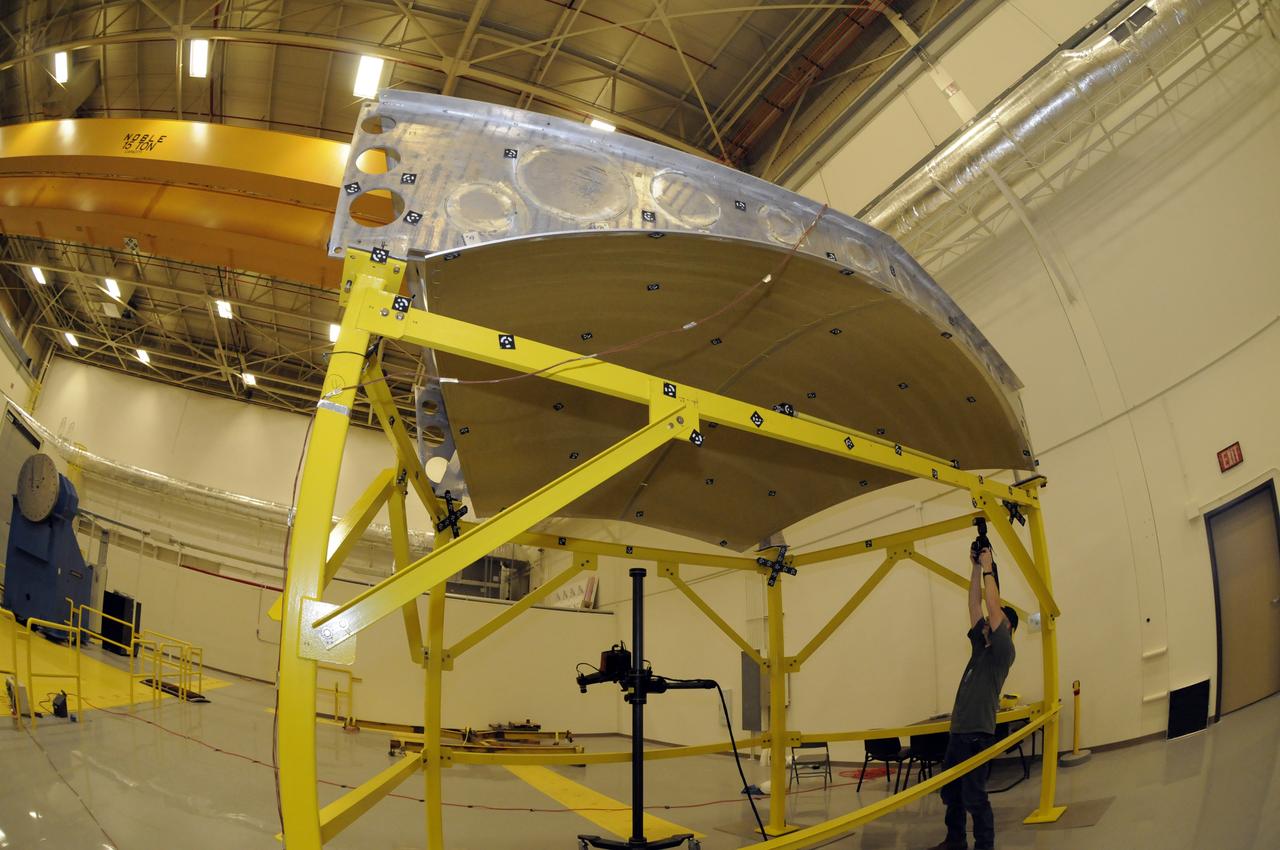
ARES 7 AXIS MILLING EQUIPMENT AND FACILITIES.
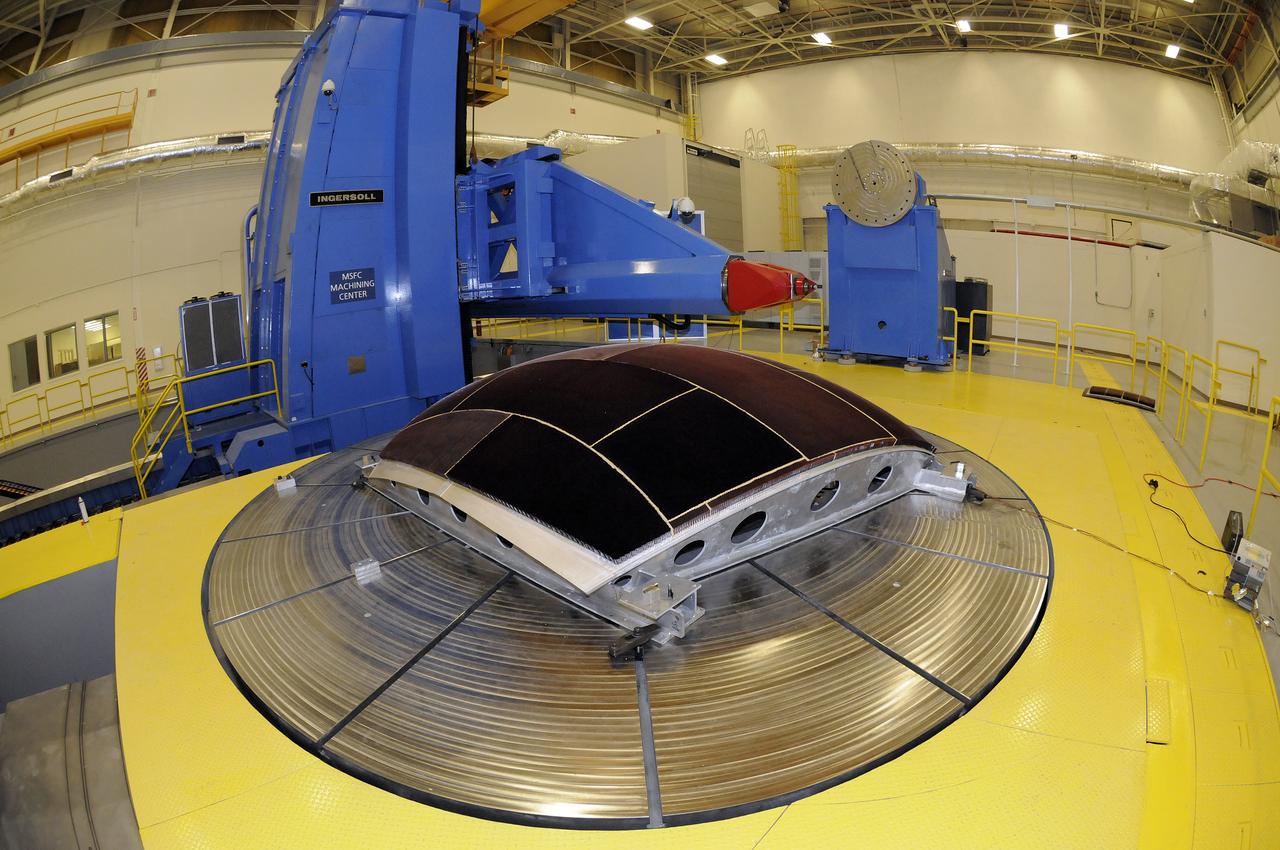
ARES 7 AXIS MILLING EQUIPMENT AND FACILITIES.
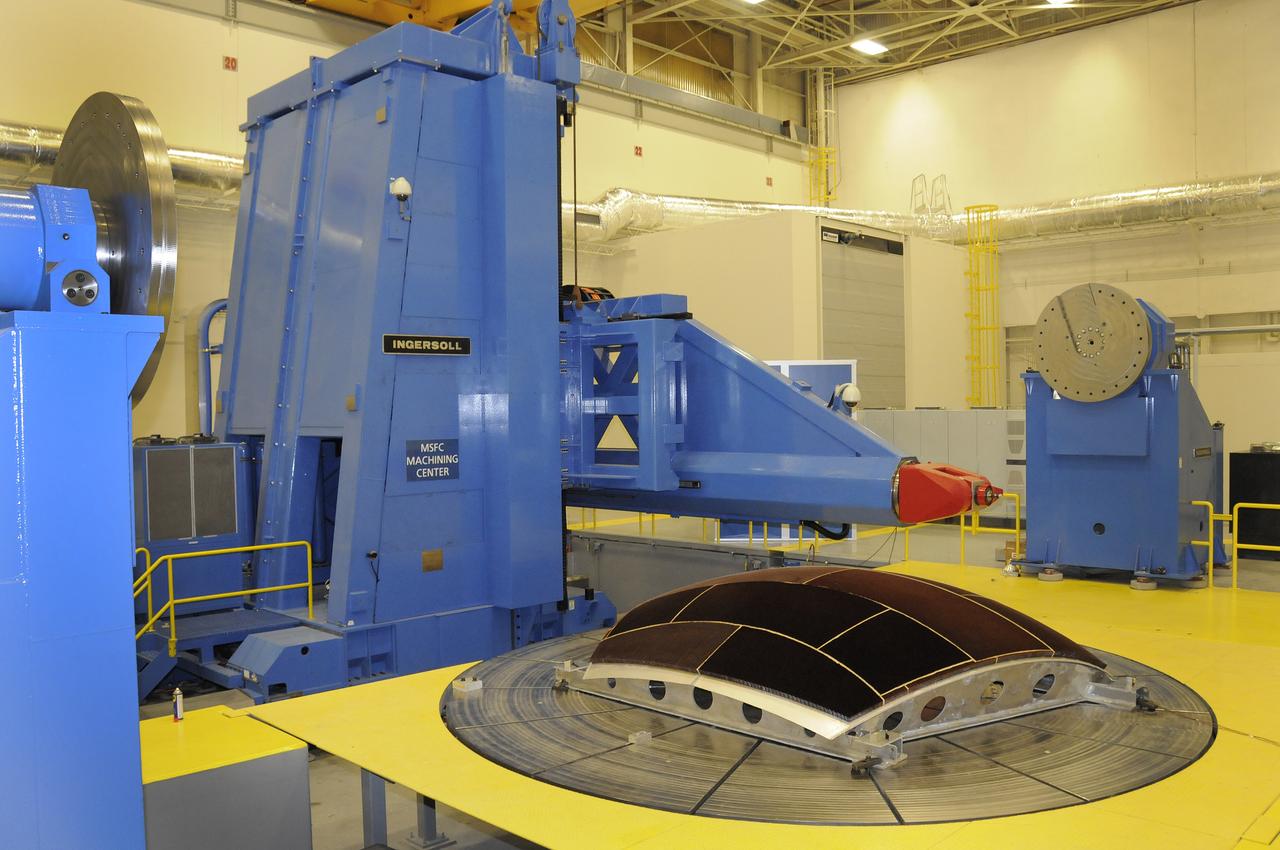
ARES 7 AXIS MILLING EQUIPMENT AND FACILITIES.
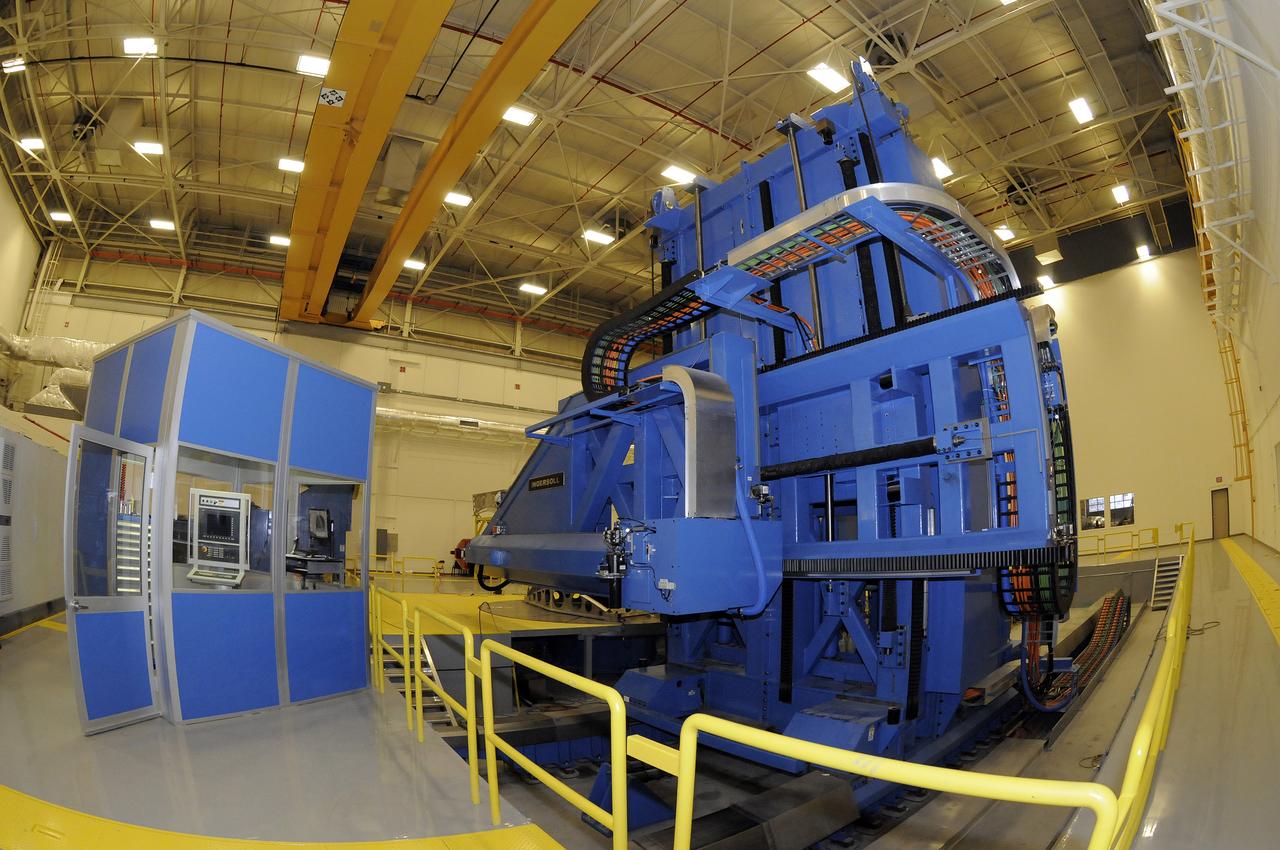
ARES 7 AXIS MILLING EQUIPMENT AND FACILITIES.
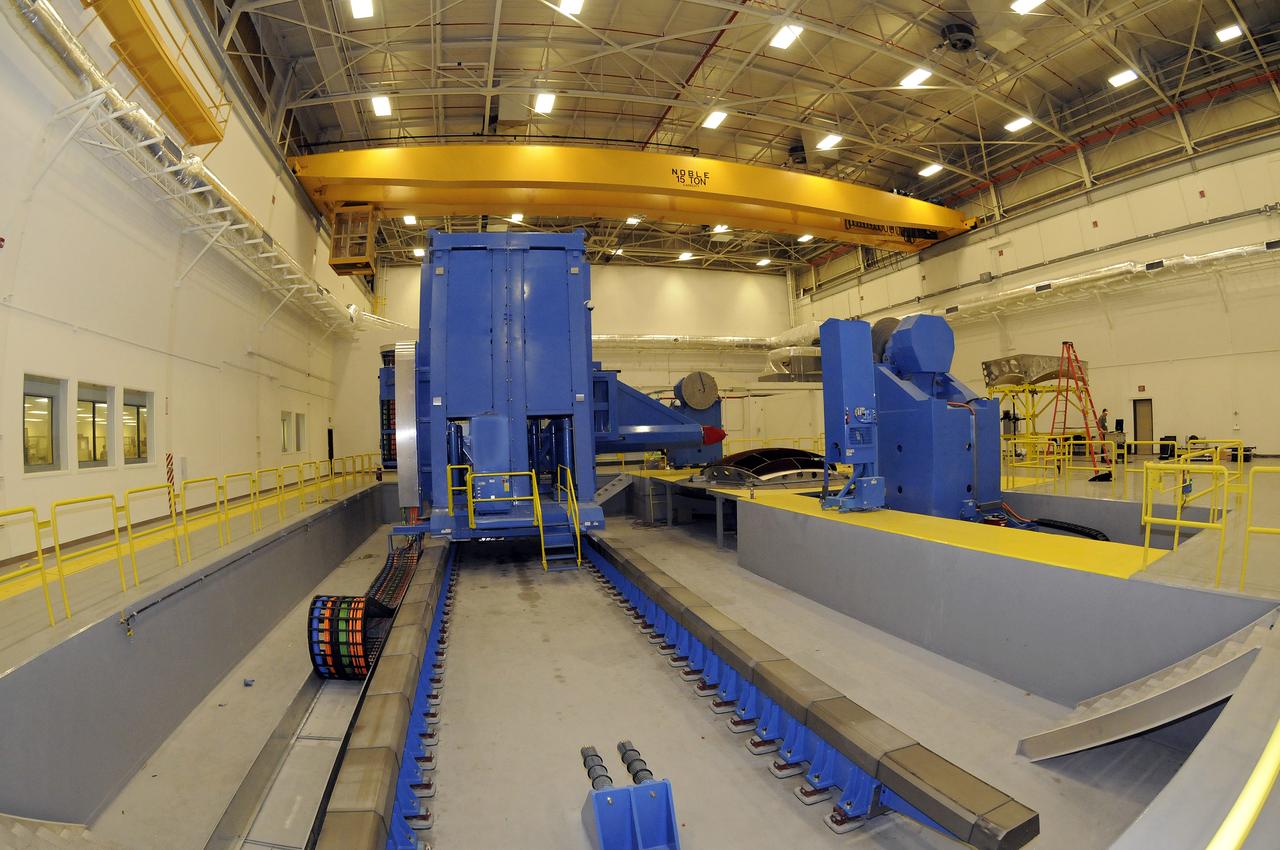
ARES 7 AXIS MILLING EQUIPMENT AND FACILITIES.
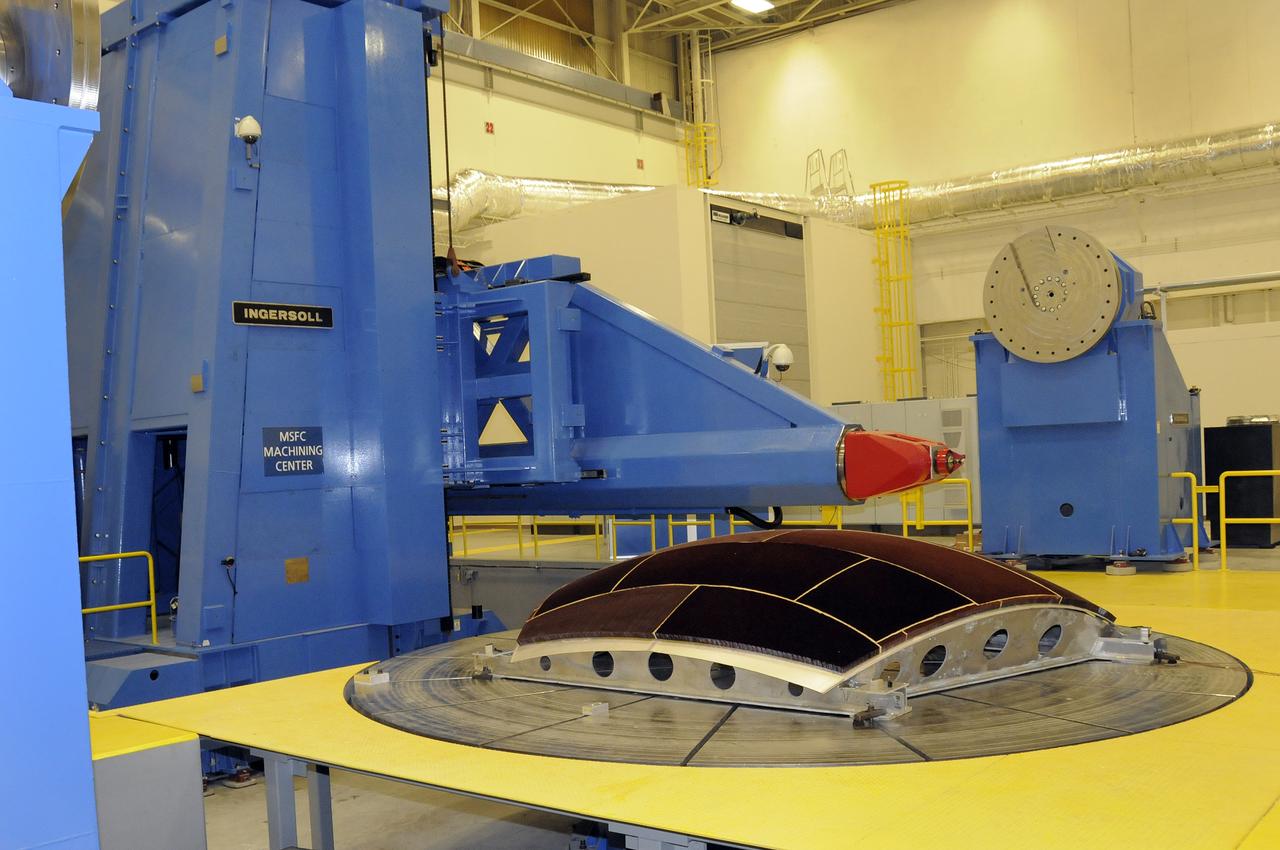
ARES 7 AXIS MILLING EQUIPMENT AND FACILITIES.
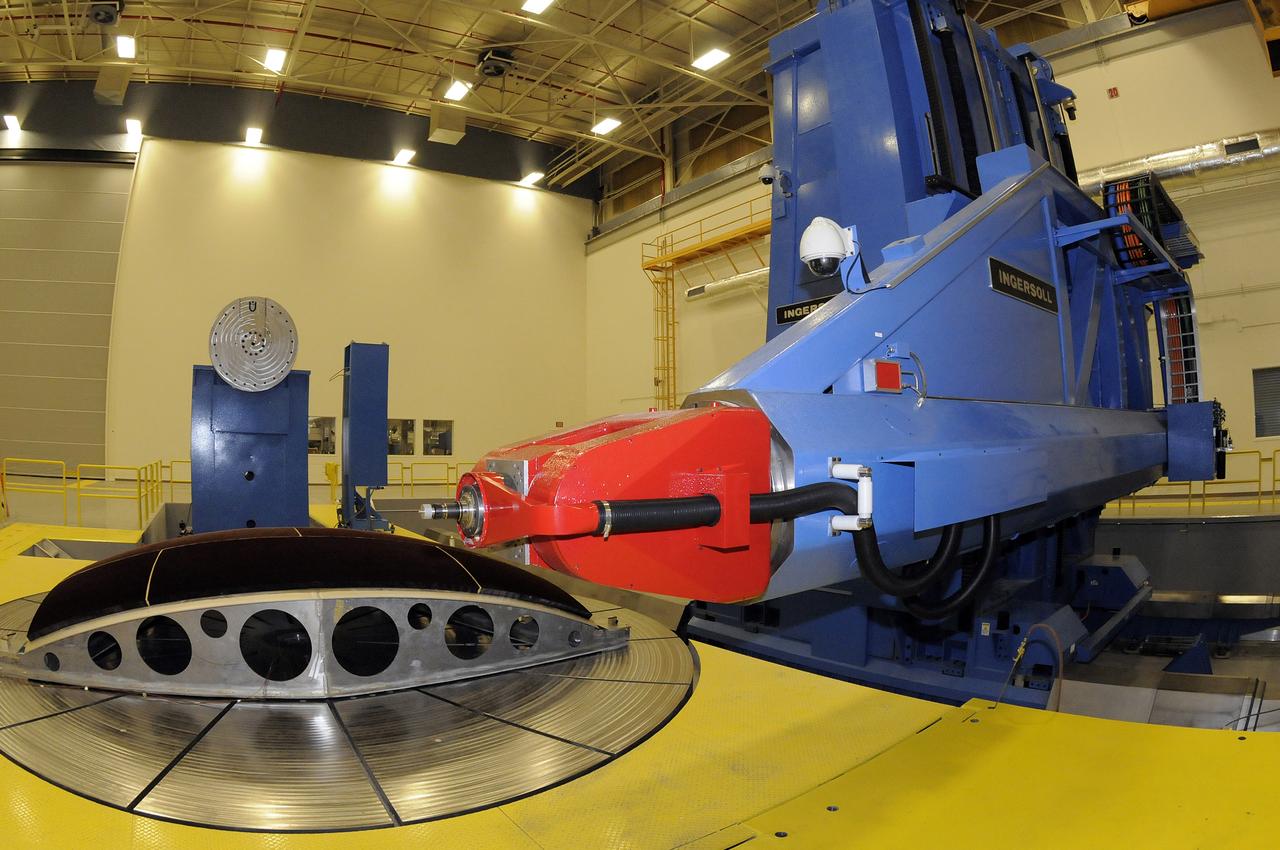
ARES 7 AXIS MILLING EQUIPMENT AND FACILITIES.
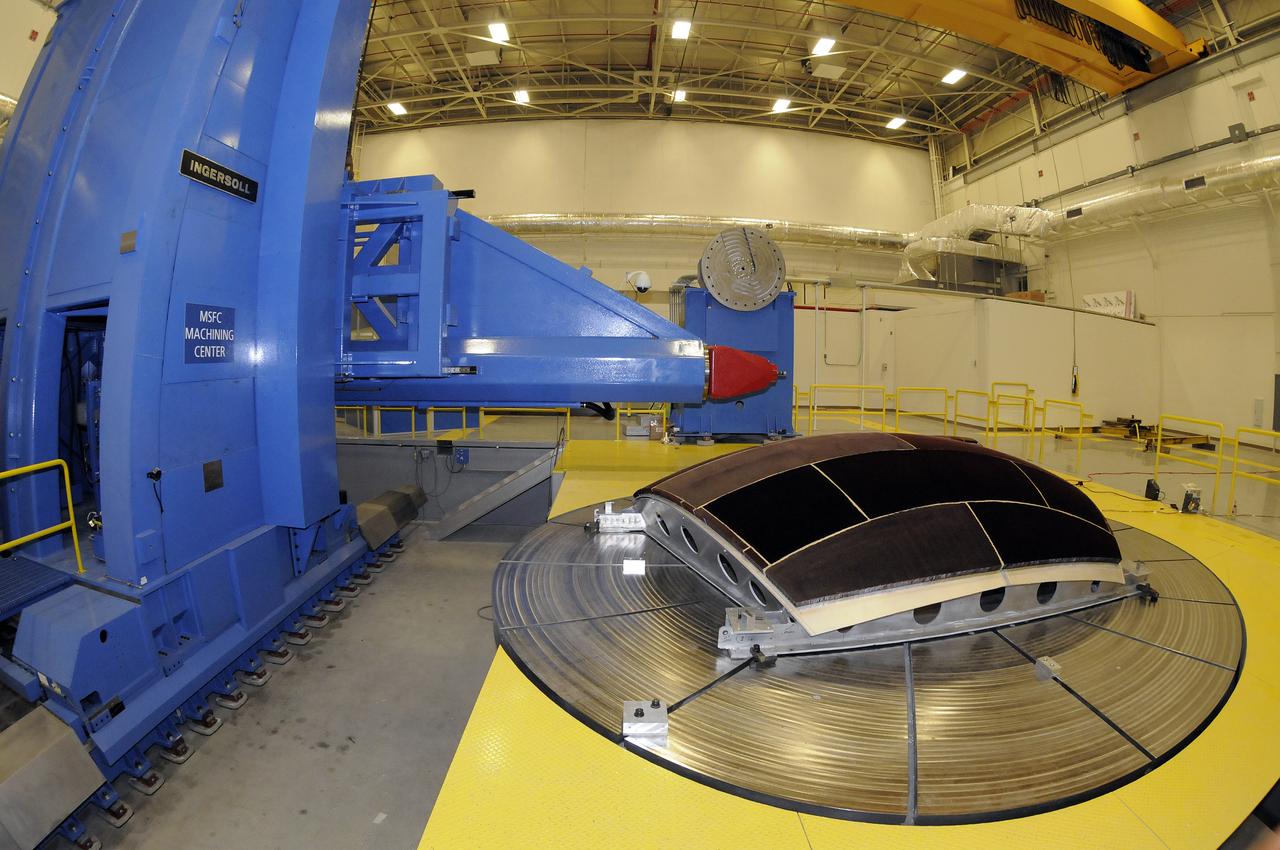
ARES 7 AXIS MILLING EQUIPMENT AND FACILITIES.
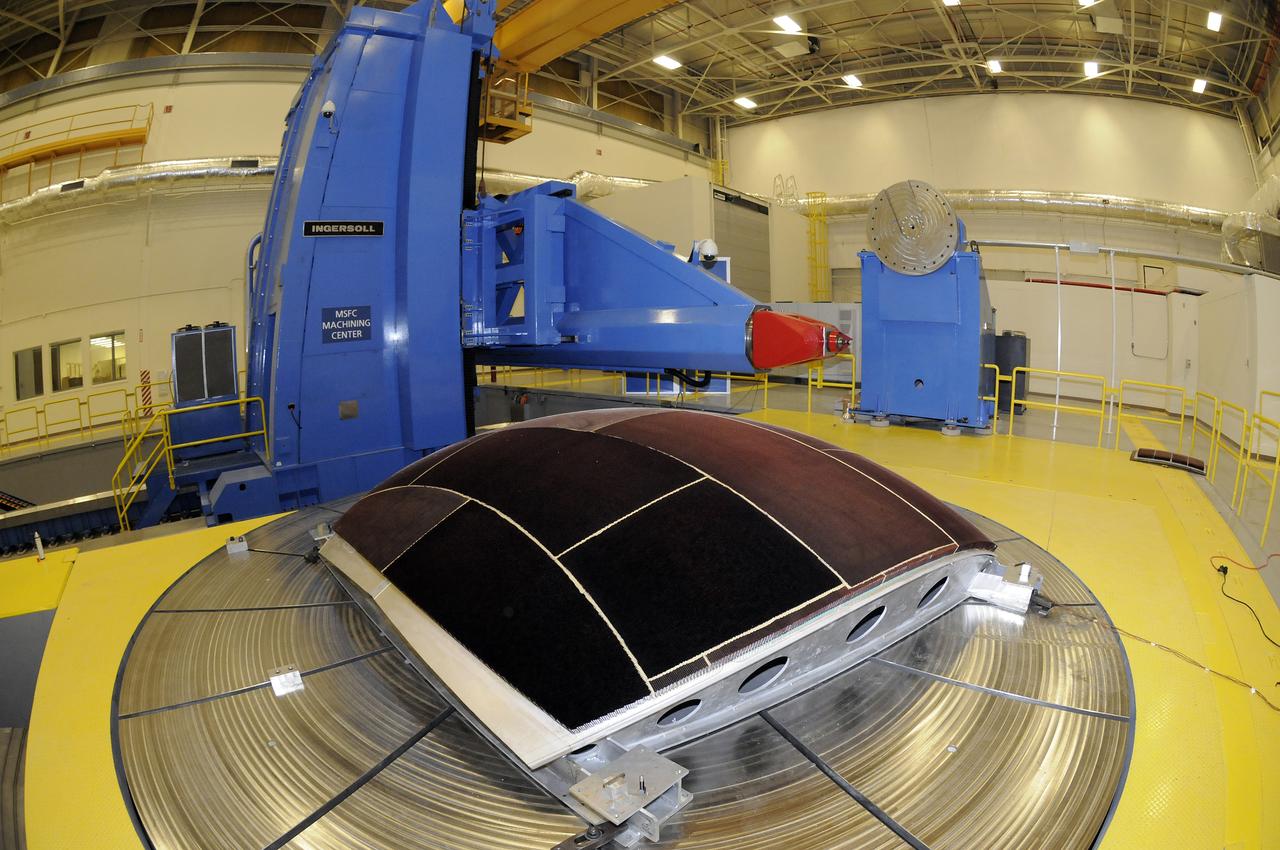
ARES 7 AXIS MILLING EQUIPMENT AND FACILITIES.
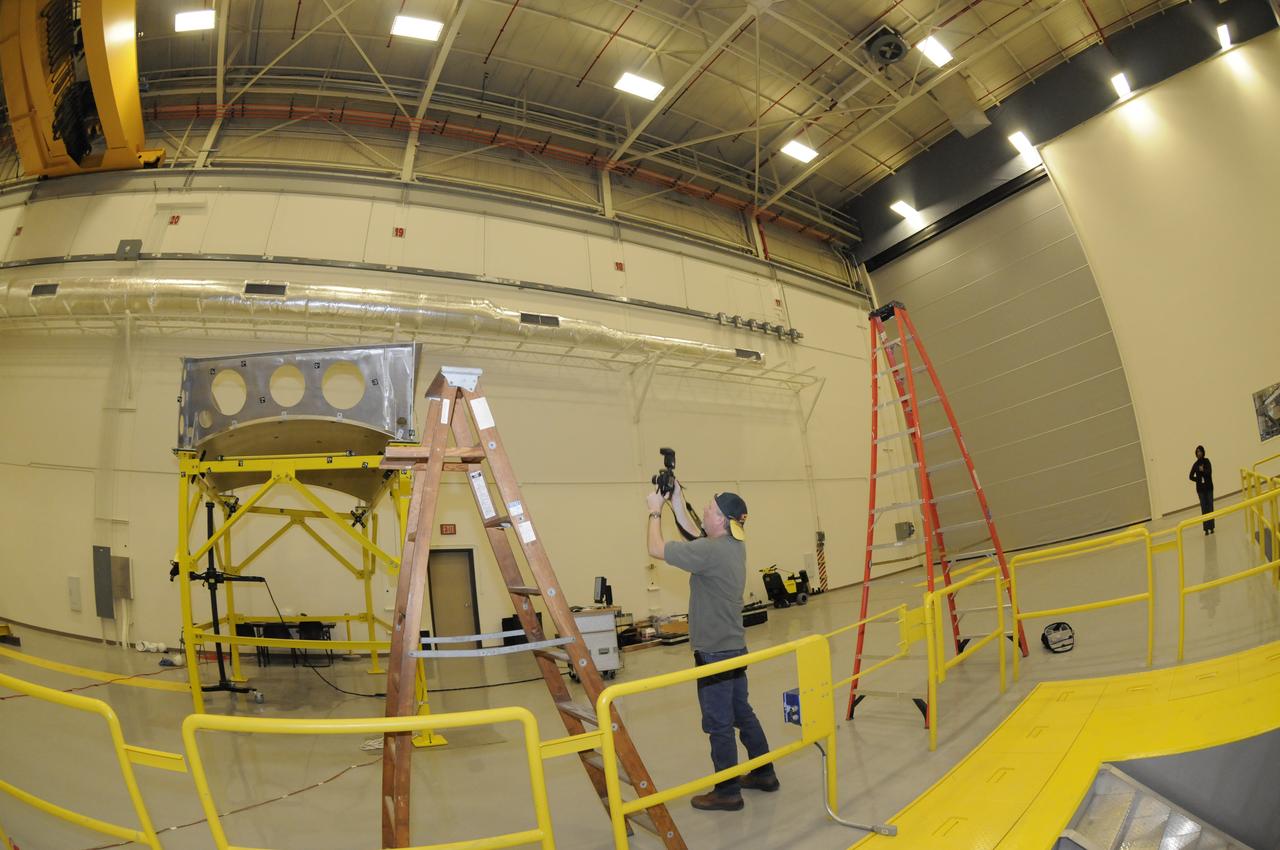
ARES 7 AXIS MILLING EQUIPMENT AND FACILITIES.
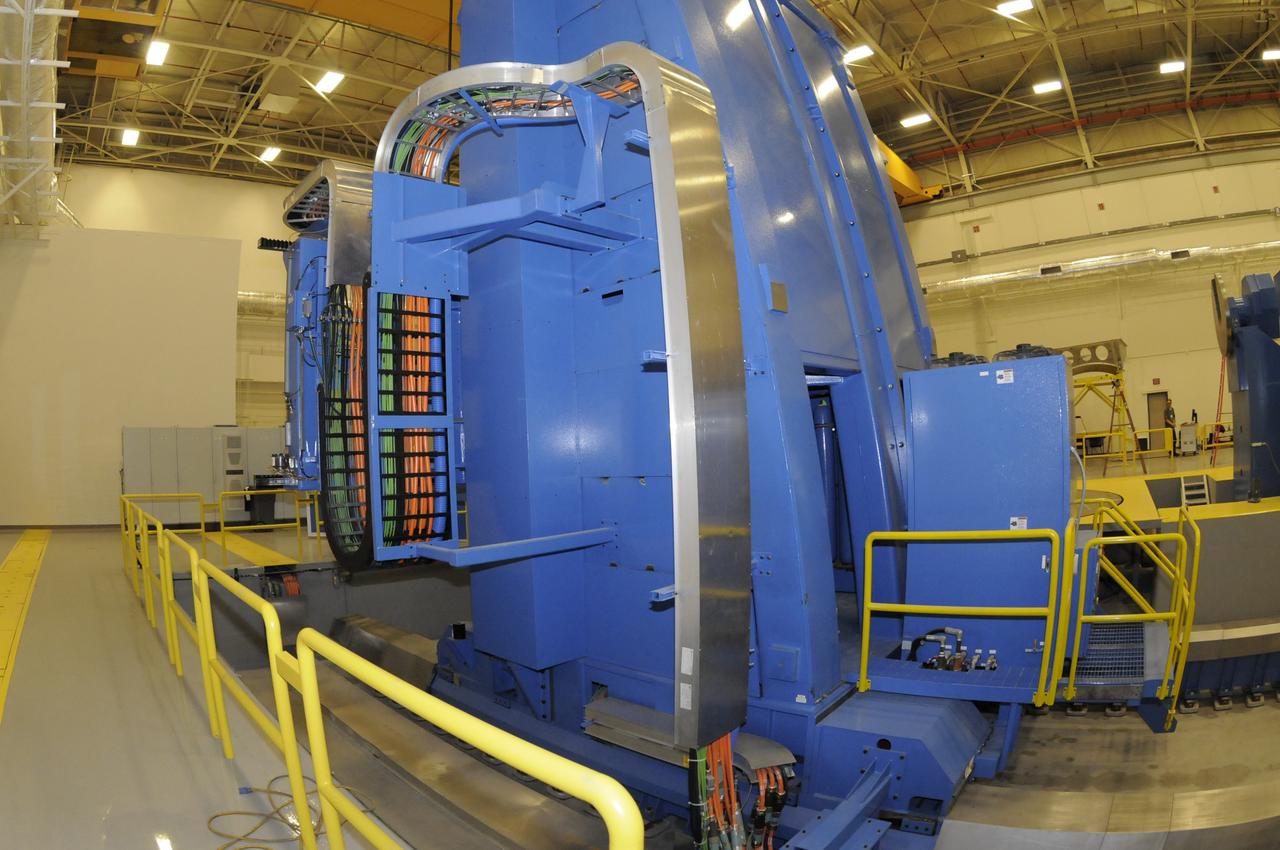
ARES 7 AXIS MILLING EQUIPMENT AND FACILITIES.
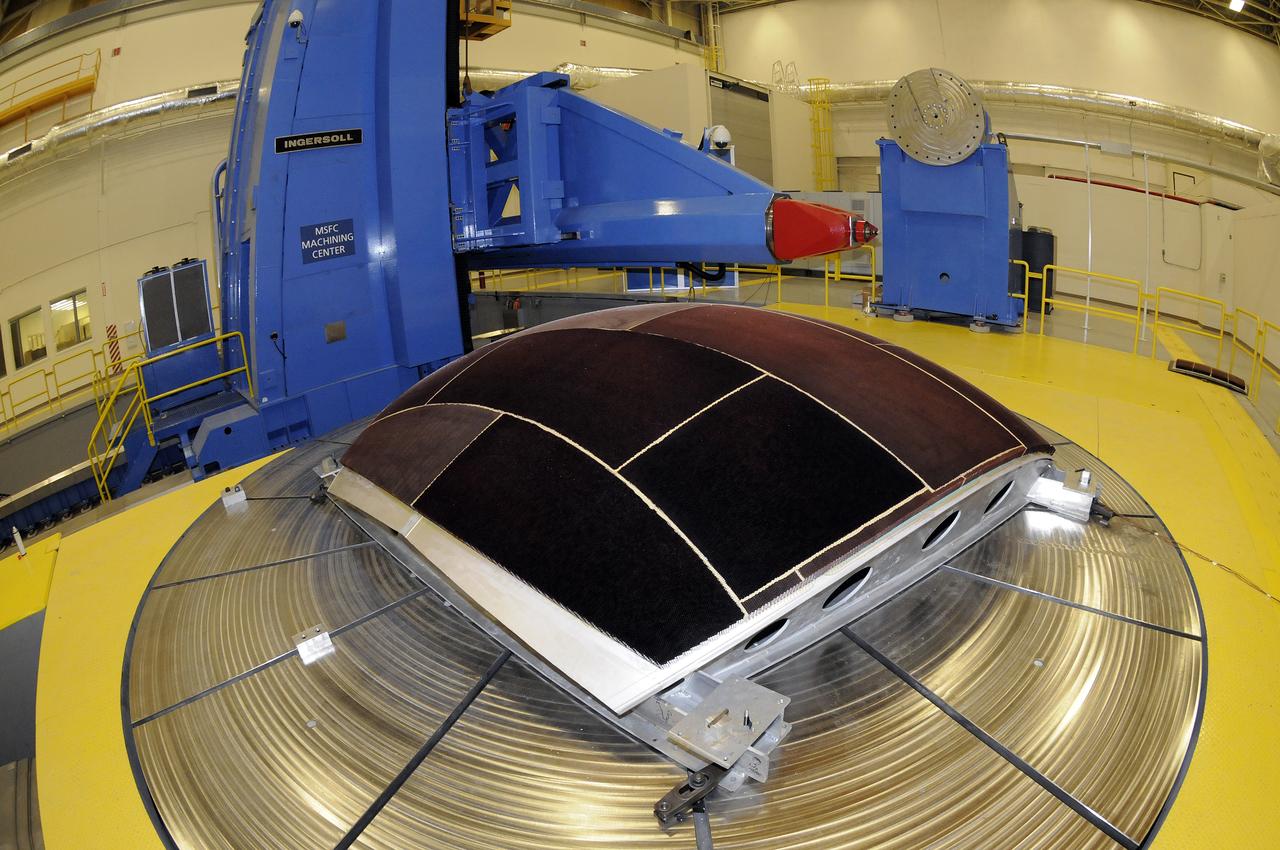
ARES 7 AXIS MILLING EQUIPMENT AND FACILITIES.
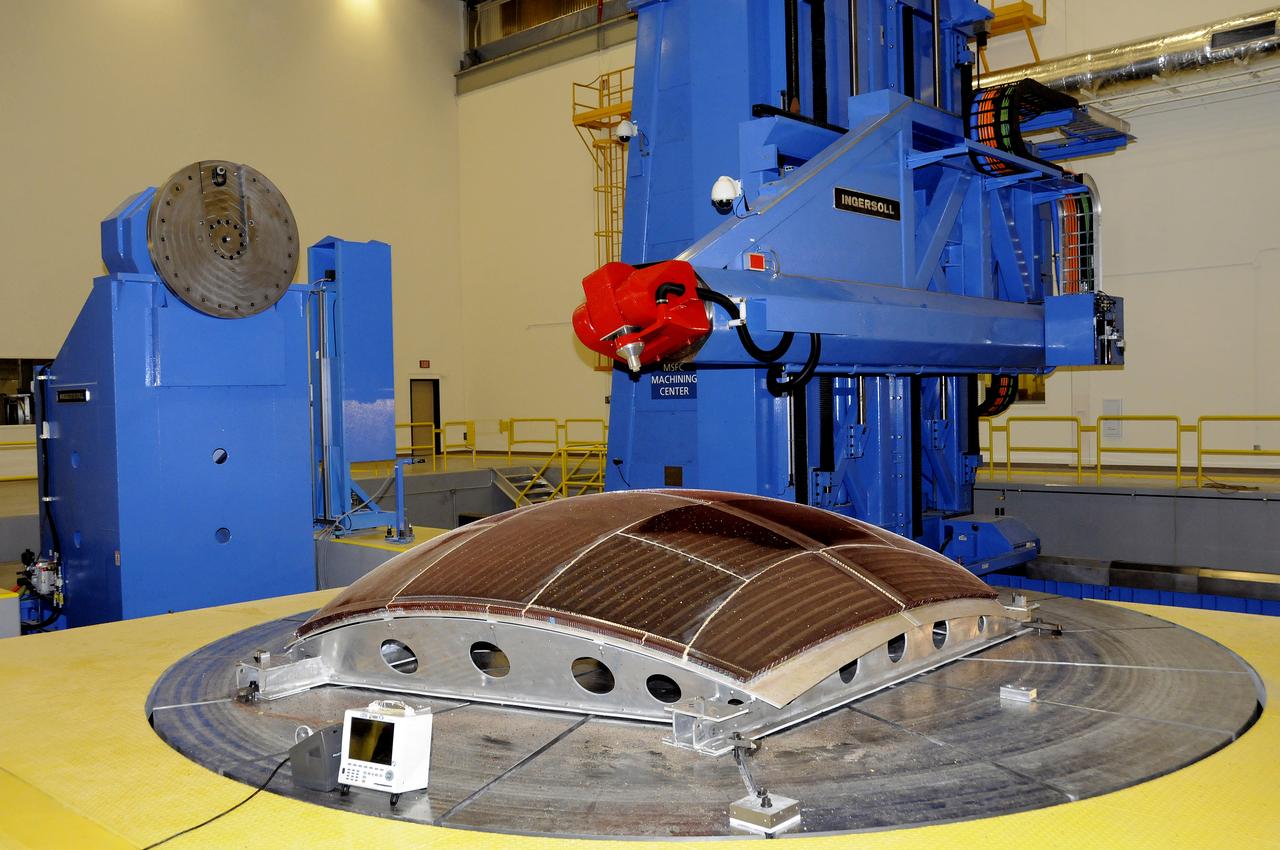
7-AXIS MILLING MACHINE PERFORMING THE ROUGH CUT ON THE 2ND QUARTER DOME DEMONSTRATION ARTICLE HONEYCOMB CORE
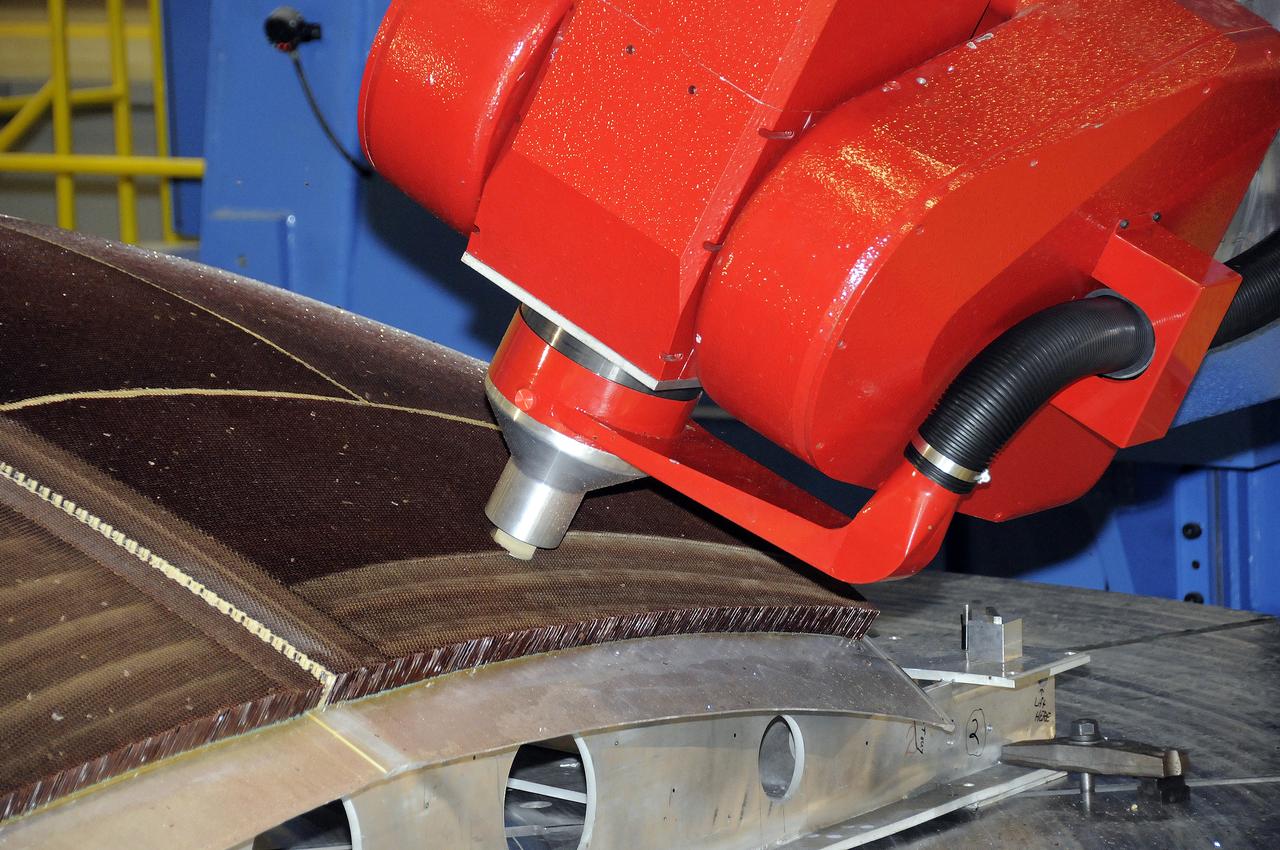
7-AXIS MILLING MACHINE PERFORMING THE ROUGH CUT ON THE 2ND QUARTER DOME DEMONSTRATION ARTICLE HONEYCOMB CORE
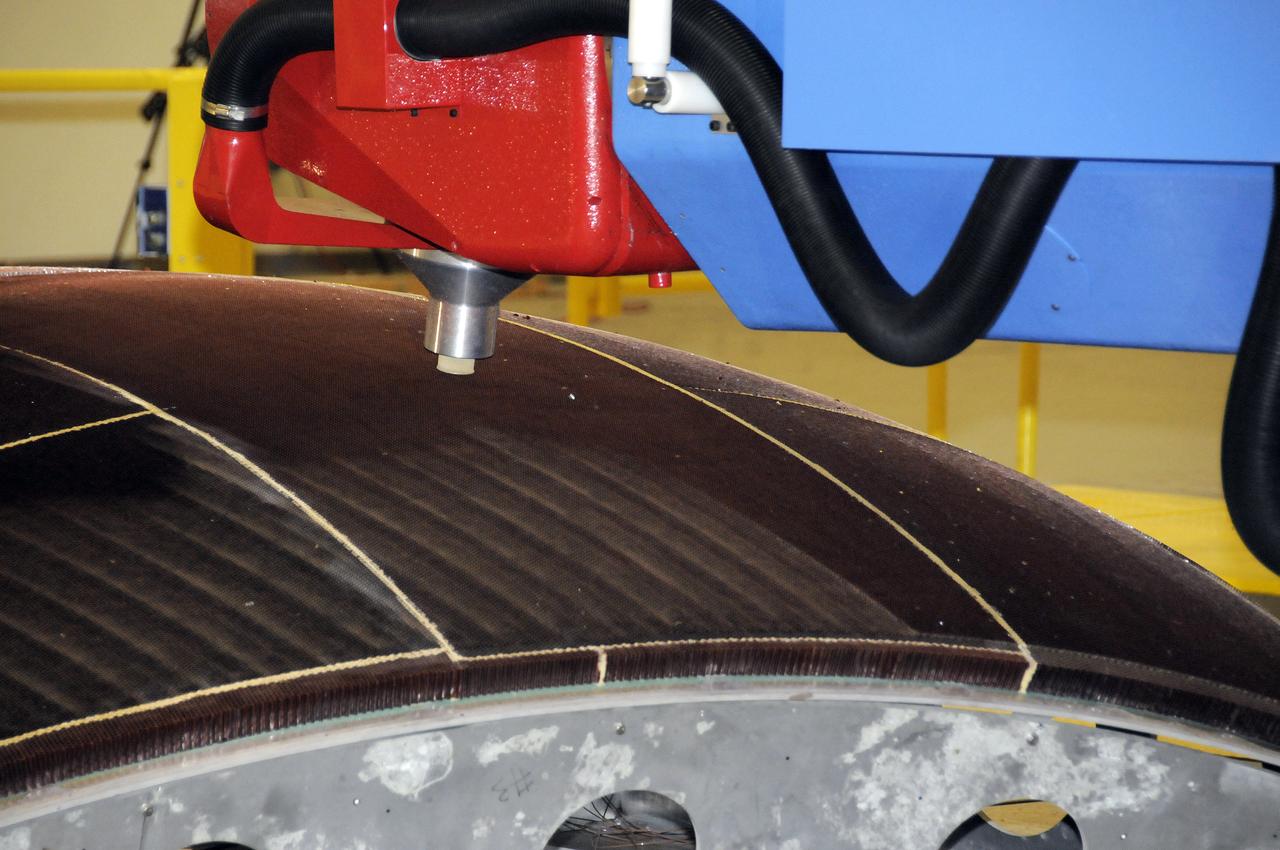
7-AXIS MILLING MACHINE PERFORMING THE ROUGH CUT ON THE 2ND QUARTER DOME DEMONSTRATION ARTICLE HONEYCOMB CORE
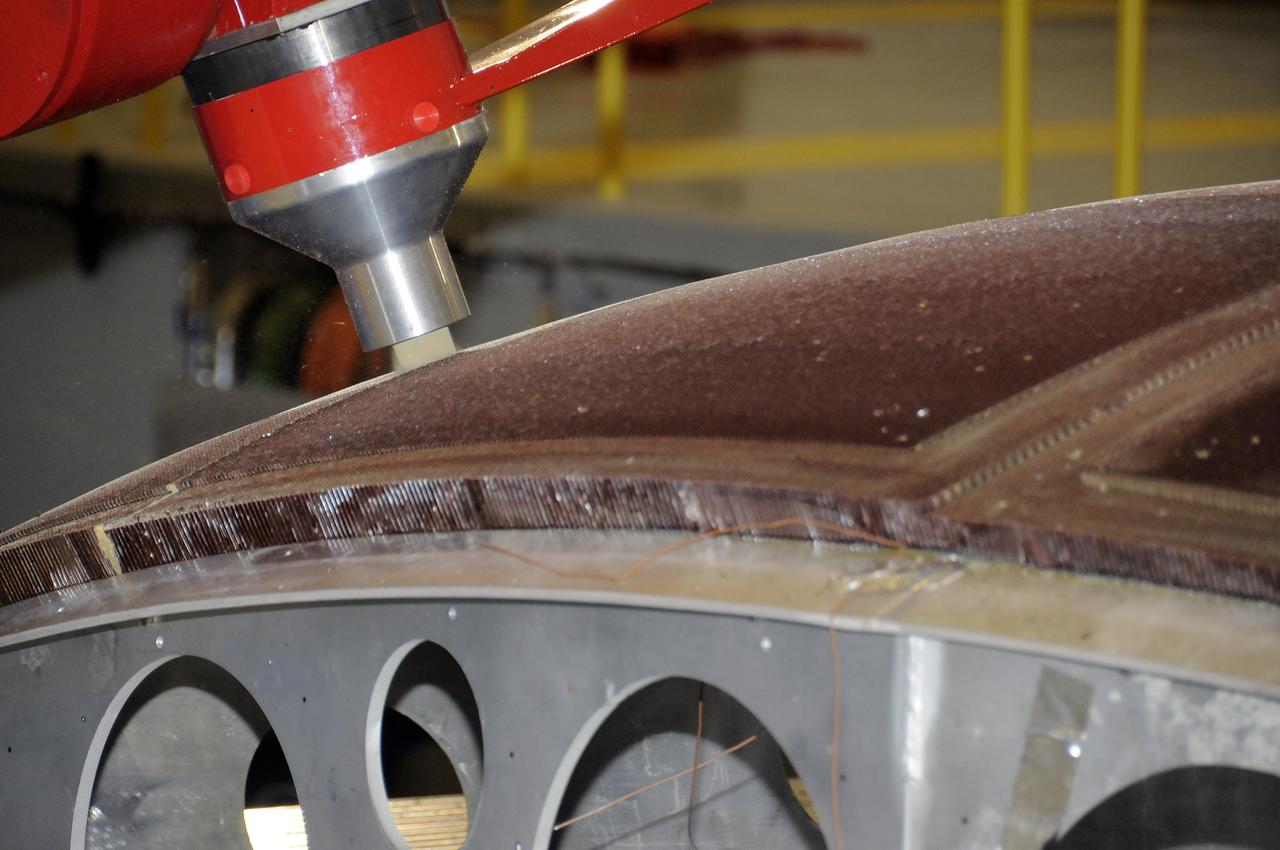
7-AXIS MILLING MACHINE PERFORMING THE ROUGH CUT ON THE 2ND QUARTER DOME DEMONSTRATION ARTICLE HONEYCOMB CORE
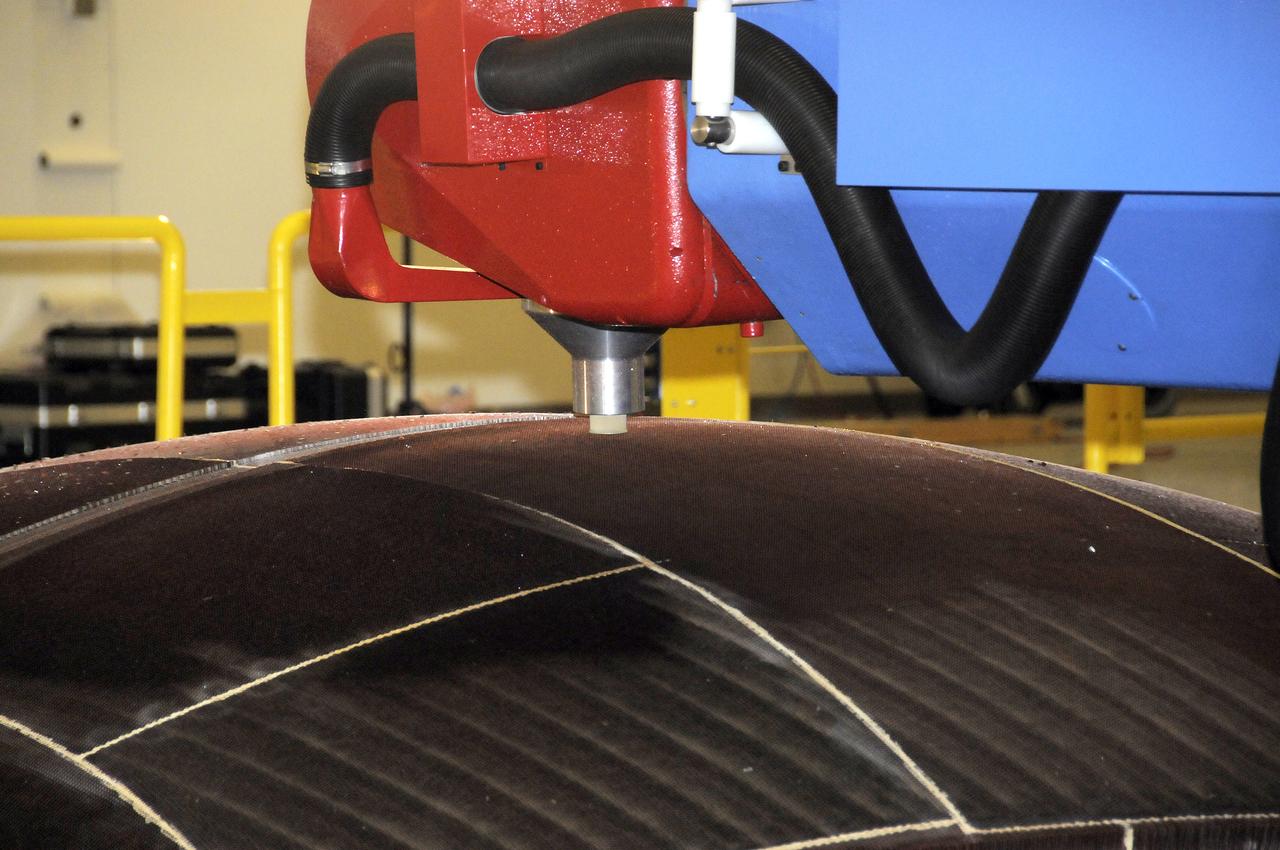
7-AXIS MILLING MACHINE PERFORMING THE ROUGH CUT ON THE 2ND QUARTER DOME DEMONSTRATION ARTICLE HONEYCOMB CORE
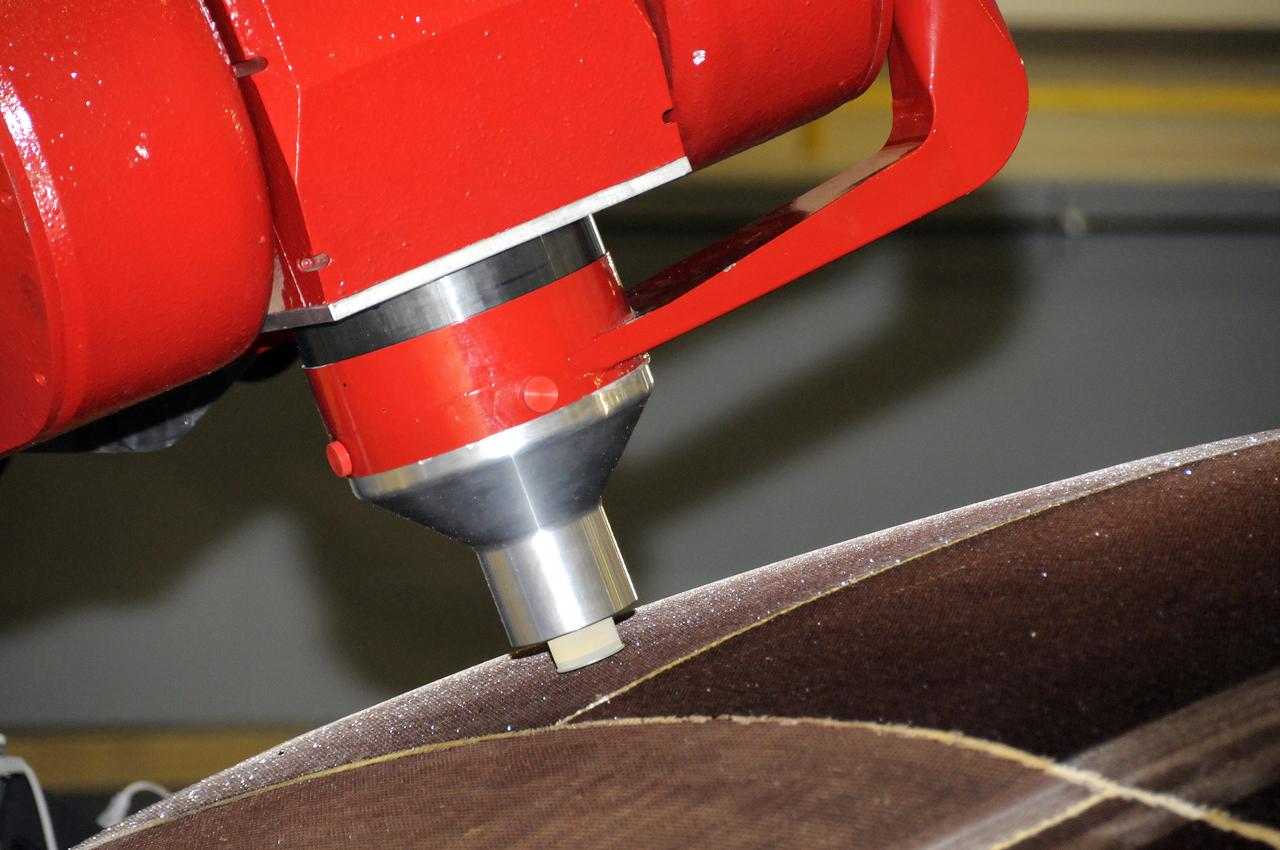
7-AXIS MILLING MACHINE PERFORMING THE ROUGH CUT ON THE 2ND QUARTER DOME DEMONSTRATION ARTICLE HONEYCOMB CORE
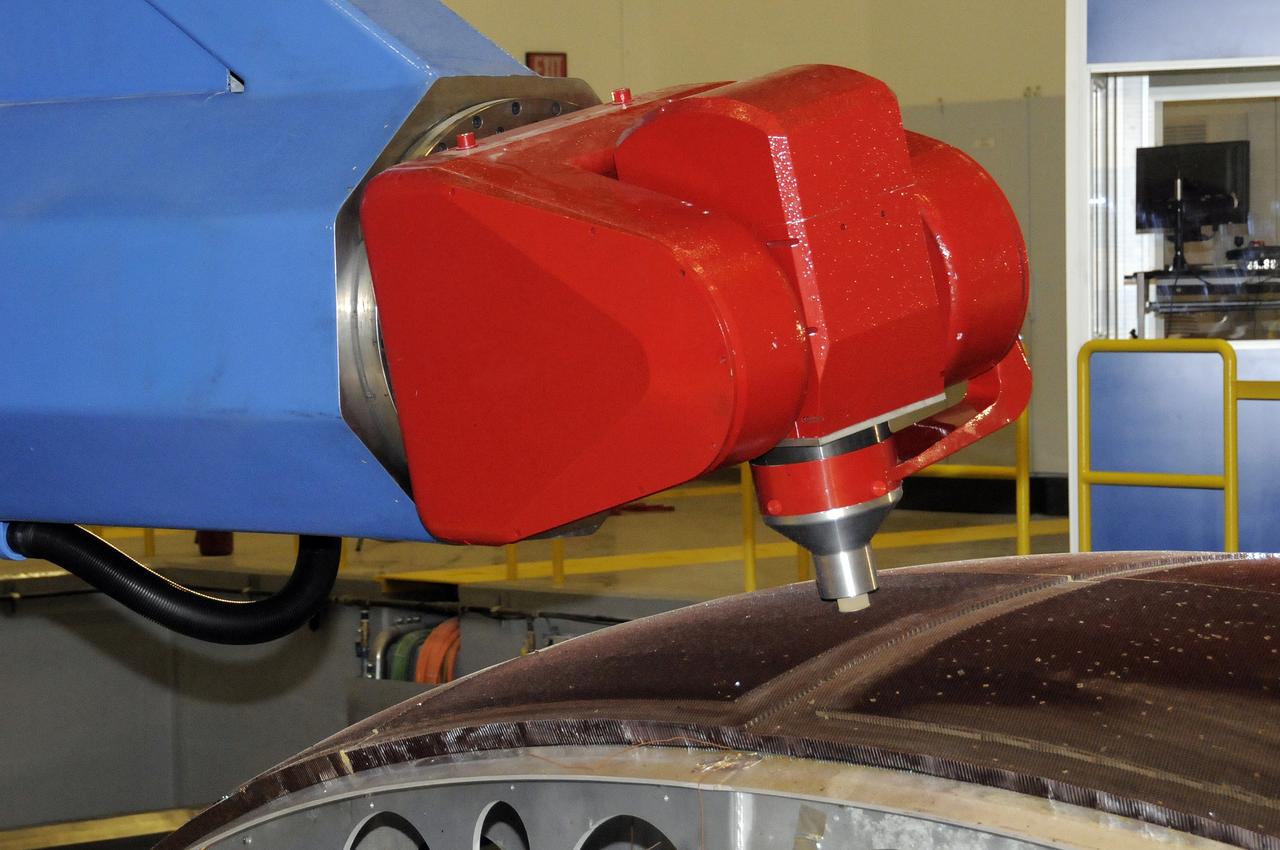
7-AXIS MILLING MACHINE PERFORMING THE ROUGH CUT ON THE 2ND QUARTER DOME DEMONSTRATION ARTICLE HONEYCOMB CORE
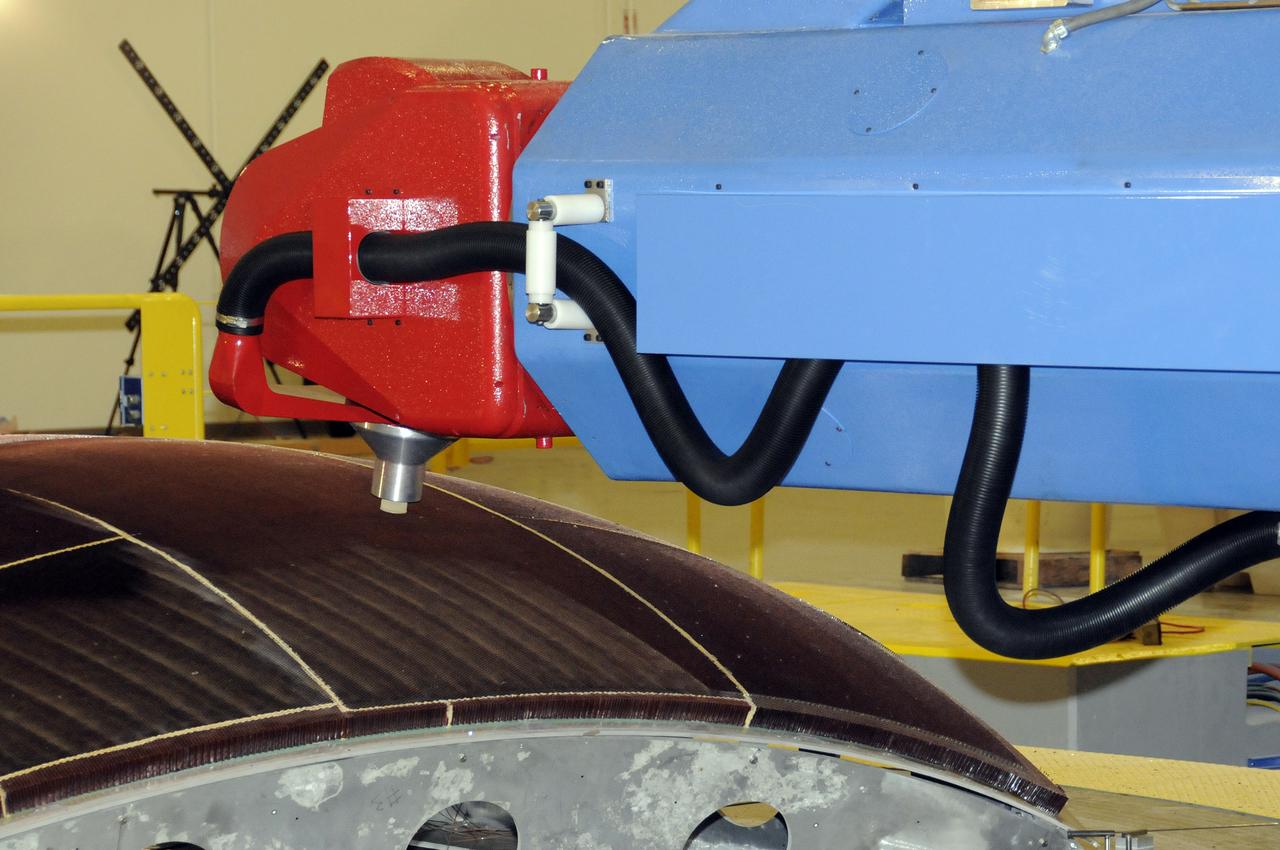
7-AXIS MILLING MACHINE PERFORMING THE ROUGH CUT ON THE 2ND QUARTER DOME DEMONSTRATION ARTICLE HONEYCOMB CORE

7-AXIS MILLING MACHINE PERFORMING THE ROUGH CUT ON THE 2ND QUARTER DOME DEMONSTRATION ARTICLE HONEYCOMB CORE

7-AXIS MILLING MACHINE PERFORMING THE ROUGH CUT ON THE 2ND QUARTER DOME DEMONSTRATION ARTICLE HONEYCOMB CORE
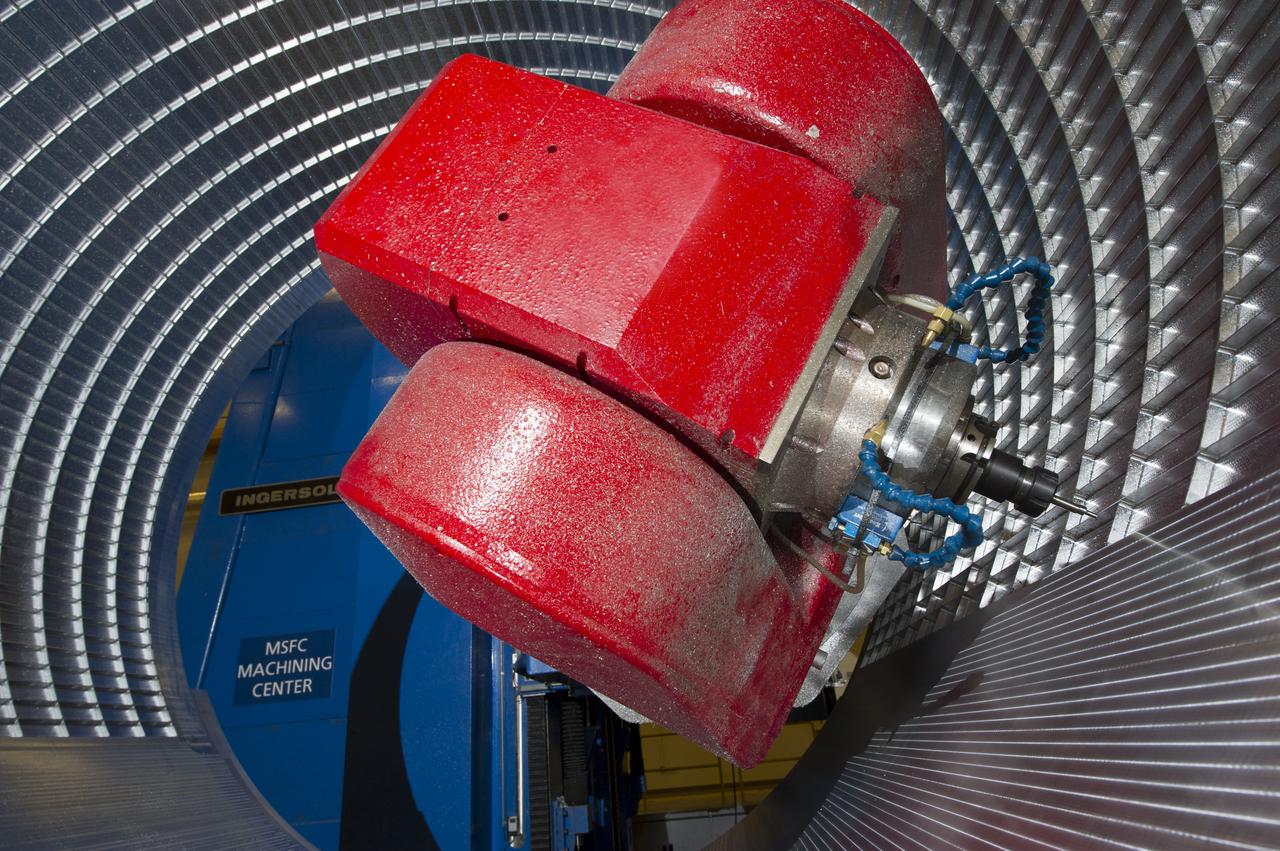
7-AXIS MILLING MACHINE CUTS ORTHOGRID TOOL PATH ON 8 FOOT CF1 BARREL IN SUPPORT OF SHELL BUCKLE TESTING
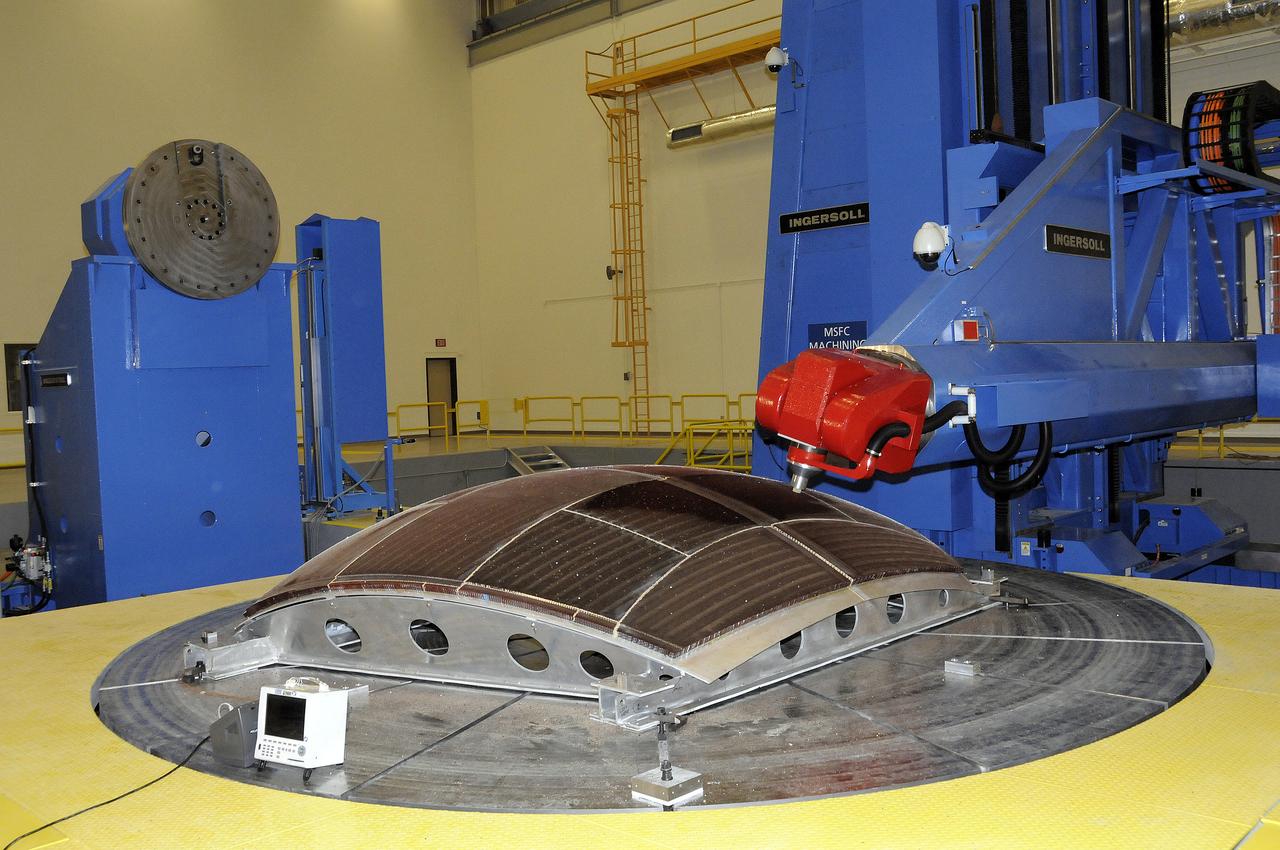
7-AXIS MILLING MACHINE PERFORMING THE ROUGH CUT ON THE 2ND QUARTER DOME DEMONSTRATION ARTICLE HONEYCOMB CORE
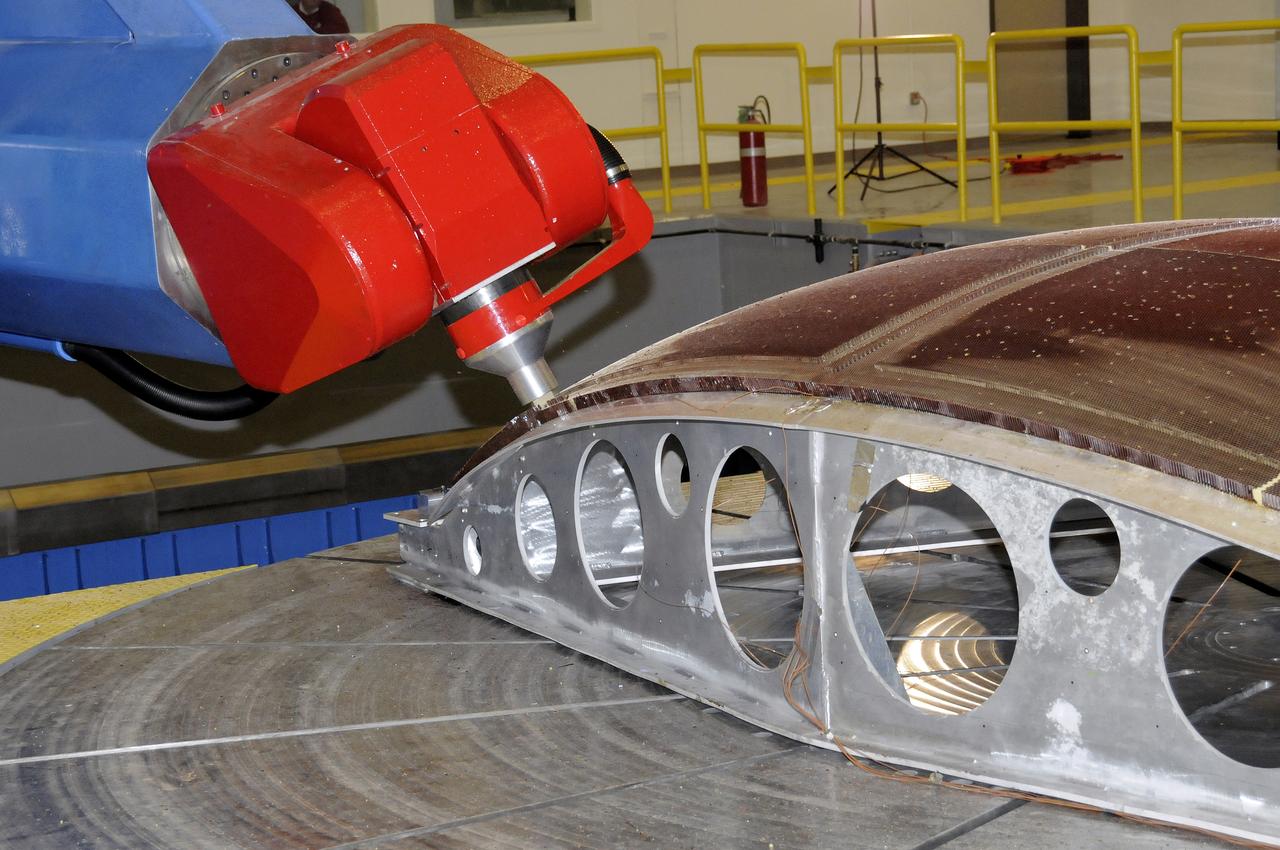
7-AXIS MILLING MACHINE PERFORMING THE ROUGH CUT ON THE 2ND QUARTER DOME DEMONSTRATION ARTICLE HONEYCOMB CORE
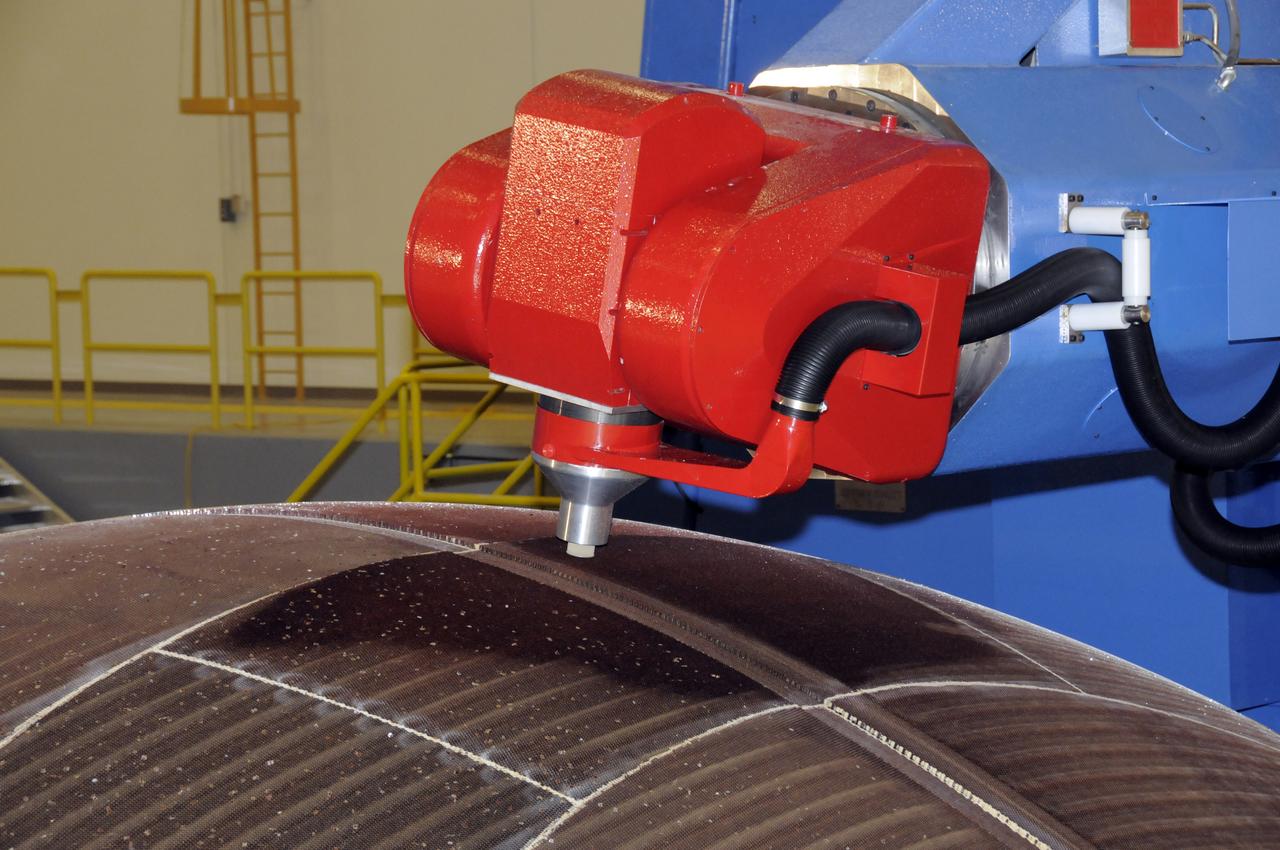
7-AXIS MILLING MACHINE PERFORMING THE ROUGH CUT ON THE 2ND QUARTER DOME DEMONSTRATION ARTICLE HONEYCOMB CORE

7-AXIS MILLING MACHINE PERFORMING THE ROUGH CUT ON THE 2ND QUARTER DOME DEMONSTRATION ARTICLE HONEYCOMB CORE
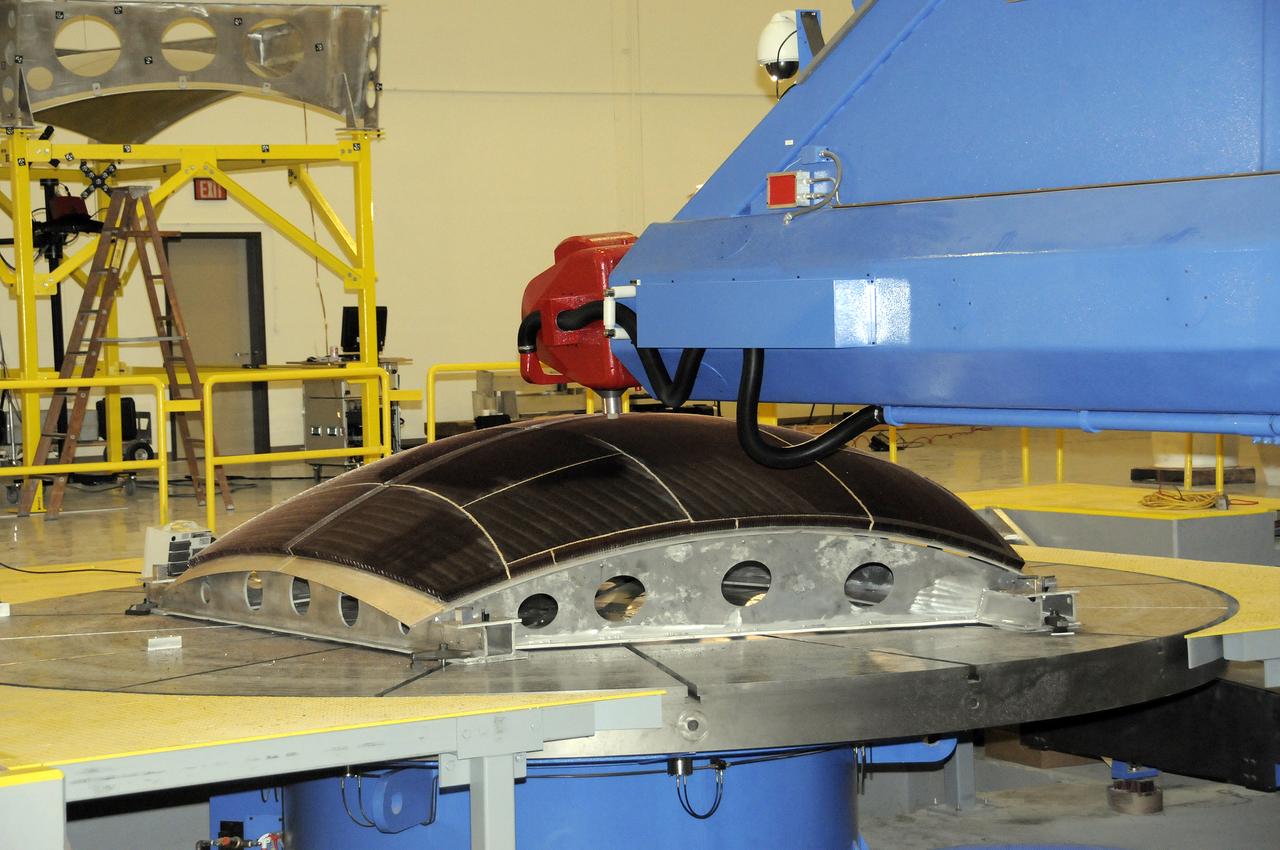
7-AXIS MILLING MACHINE PERFORMING THE ROUGH CUT ON THE 2ND QUARTER DOME DEMONSTRATION ARTICLE HONEYCOMB CORE
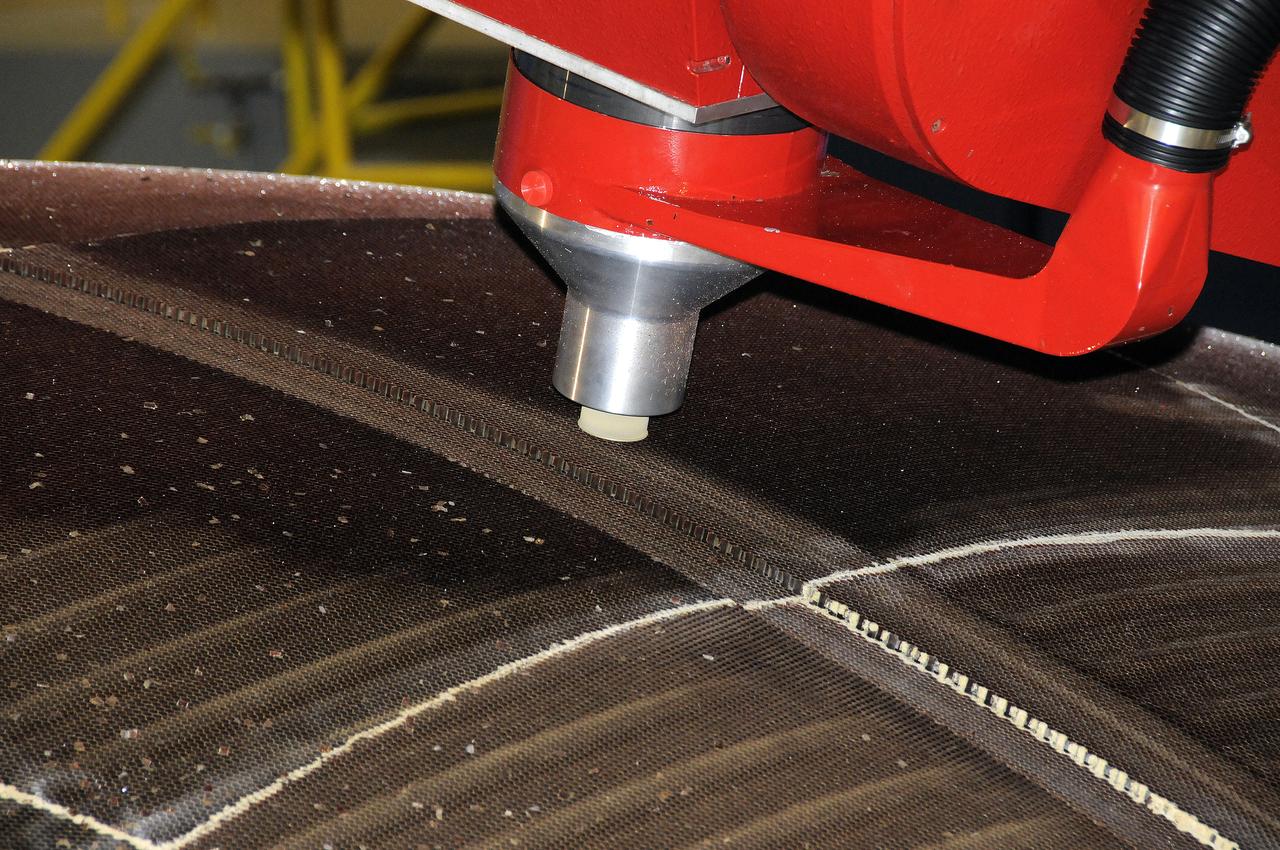
7-AXIS MILLING MACHINE PERFORMING THE ROUGH CUT ON THE 2ND QUARTER DOME DEMONSTRATION ARTICLE HONEYCOMB CORE

Patrick Mills and teams at NASA’s Marshall Space Flight Center help monitor launch conditions for the Demo-2 mission from the Huntsville Operations Support Center, HOSC.
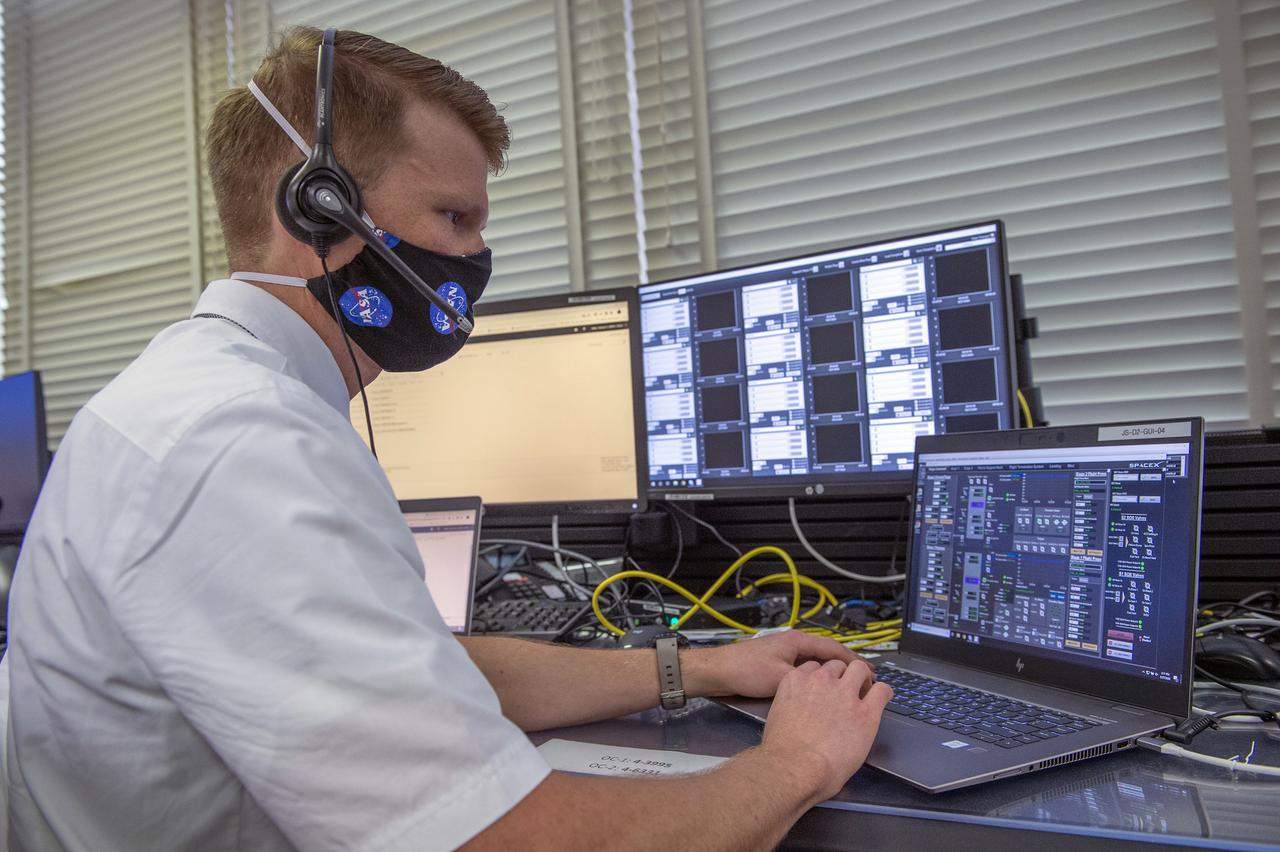
Patrick Mills and teams at NASA’s Marshall Space Flight Center help monitor launch conditions for the Demo-2 mission from the Huntsville Operations Support Center, HOSC.
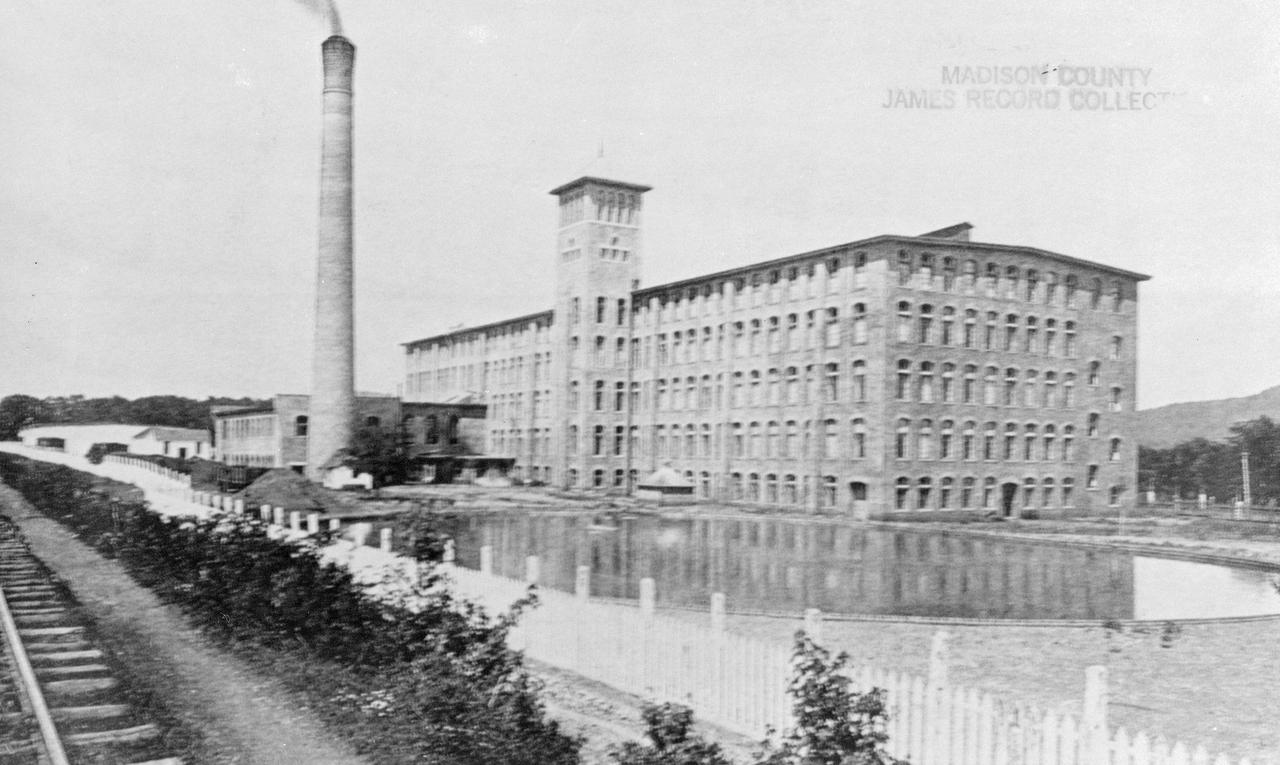
Years before Huntsville, Alabama got its start in missiles and space, the community was known as the State's leading cotton producer. This is a historical photo of the Dallas Cotton Mills printed in "The Huntsville Post" December 27, 1900. (Courtesy of Huntsville/Madison County Public Library)
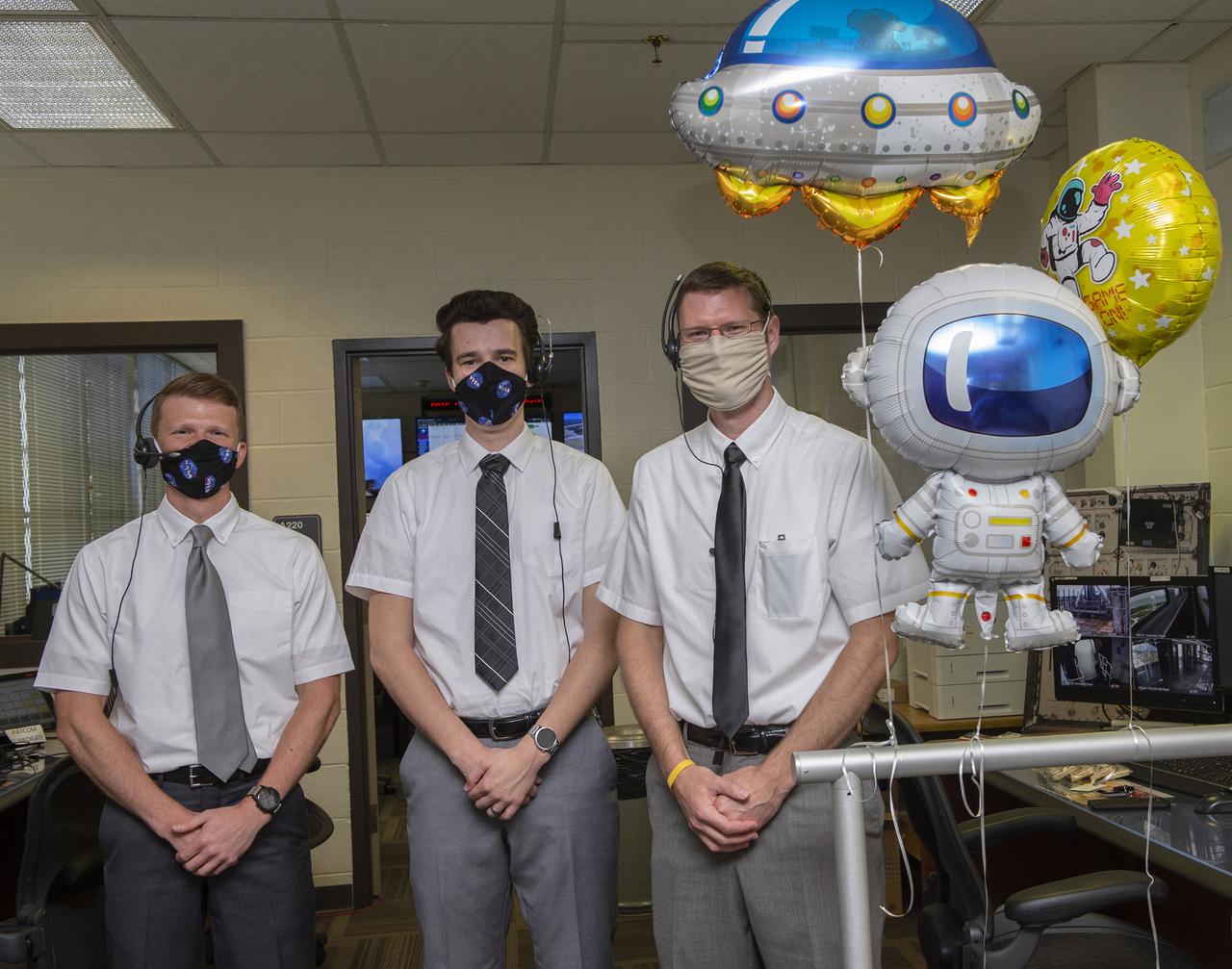
Patrick Mills, Stewart Whaley, Cameron Muelling and teams at NASA’s Marshall Space Flight Center help monitor launch conditions for the Demo-2 mission from the Huntsville Operations Support Center, HOSC.
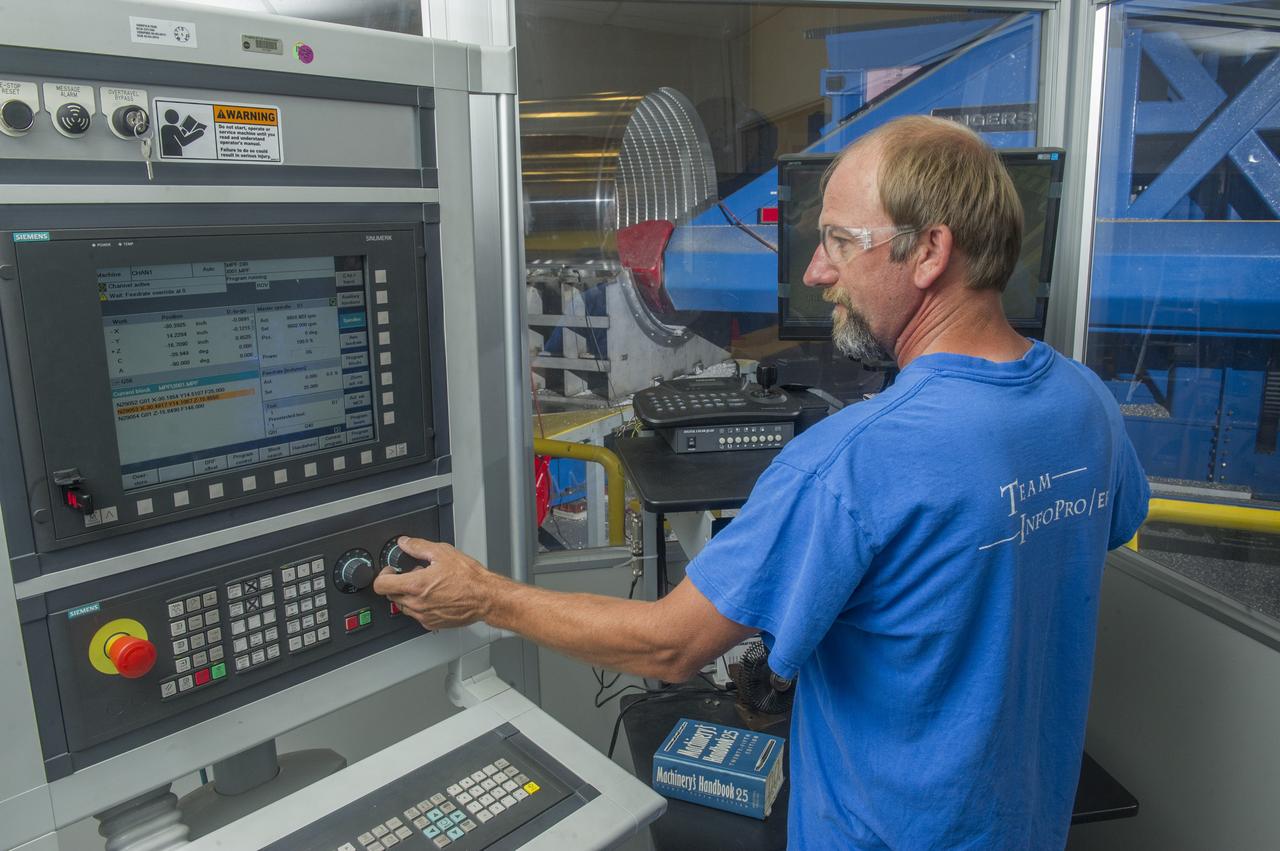
DAVID OSBORNE, A MACHINIST ON THE METTS CONTRACT, OPERATES THE 7-AXIS MILLING MACHINE WITH CF1 BARREL BEING PREPARED FOR SHELL BUCKLE TESTING
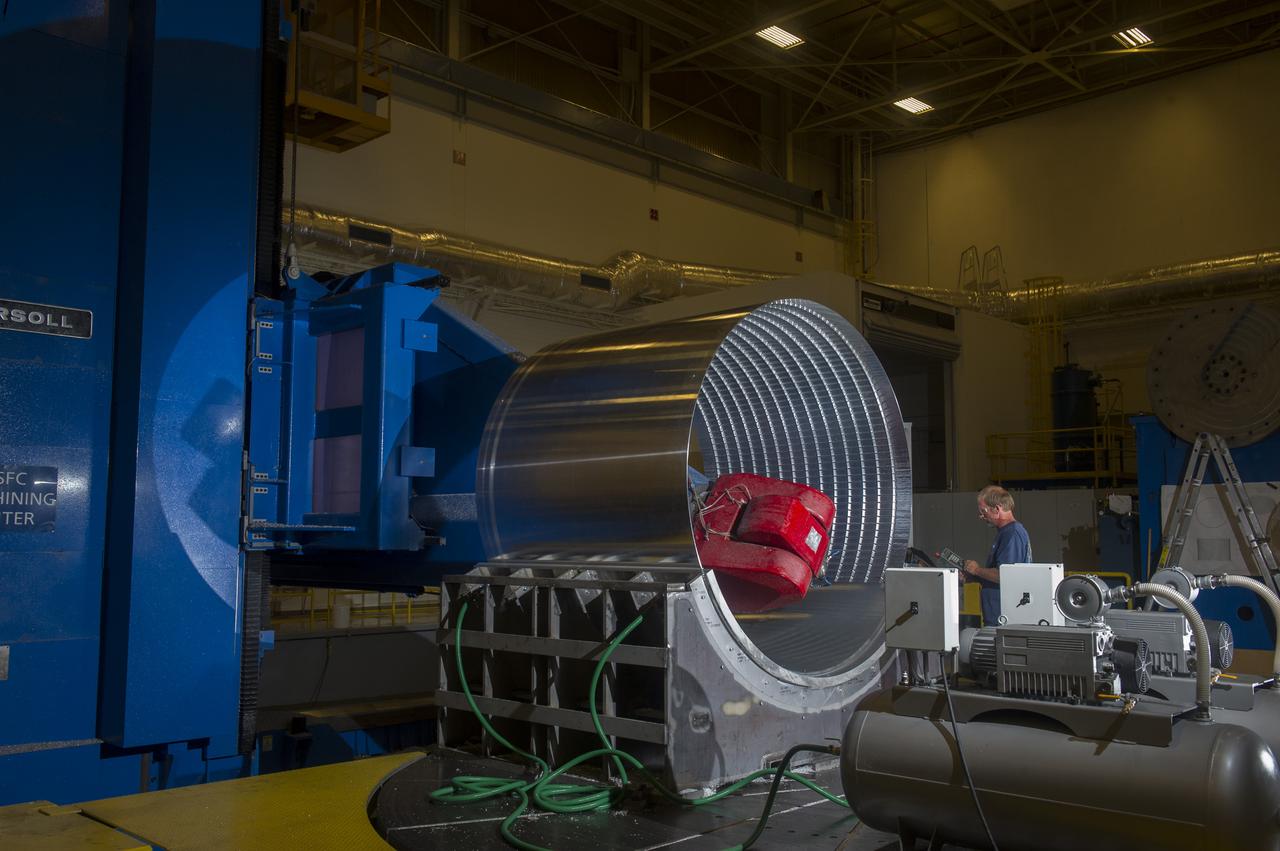
DAVID OSBORNE, A MACHINIST ON THE METTS CONTRACT, OPERATES THE 7-AXIS MILLING MACHINE WITH CF1 BARREL BEING PREPARED FOR SHELL BUCKLE TESTING
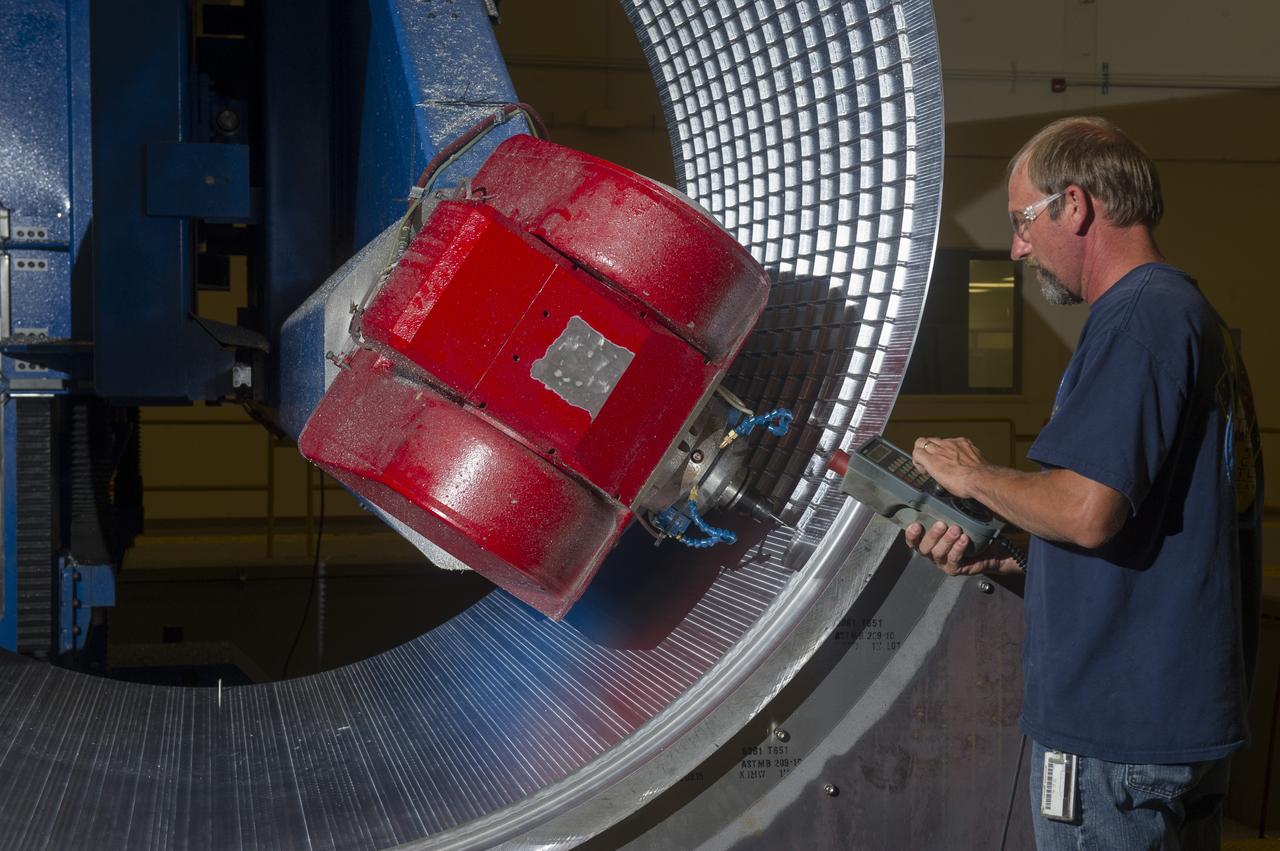
DAVID OSBORNE, A MACHINIST ON THE METTS CONTRACT, OPERATES THE 7-AXIS MILLING MACHINE WITH CF1 BARREL BEING PREPARED FOR SHELL BUCKLE TESTING
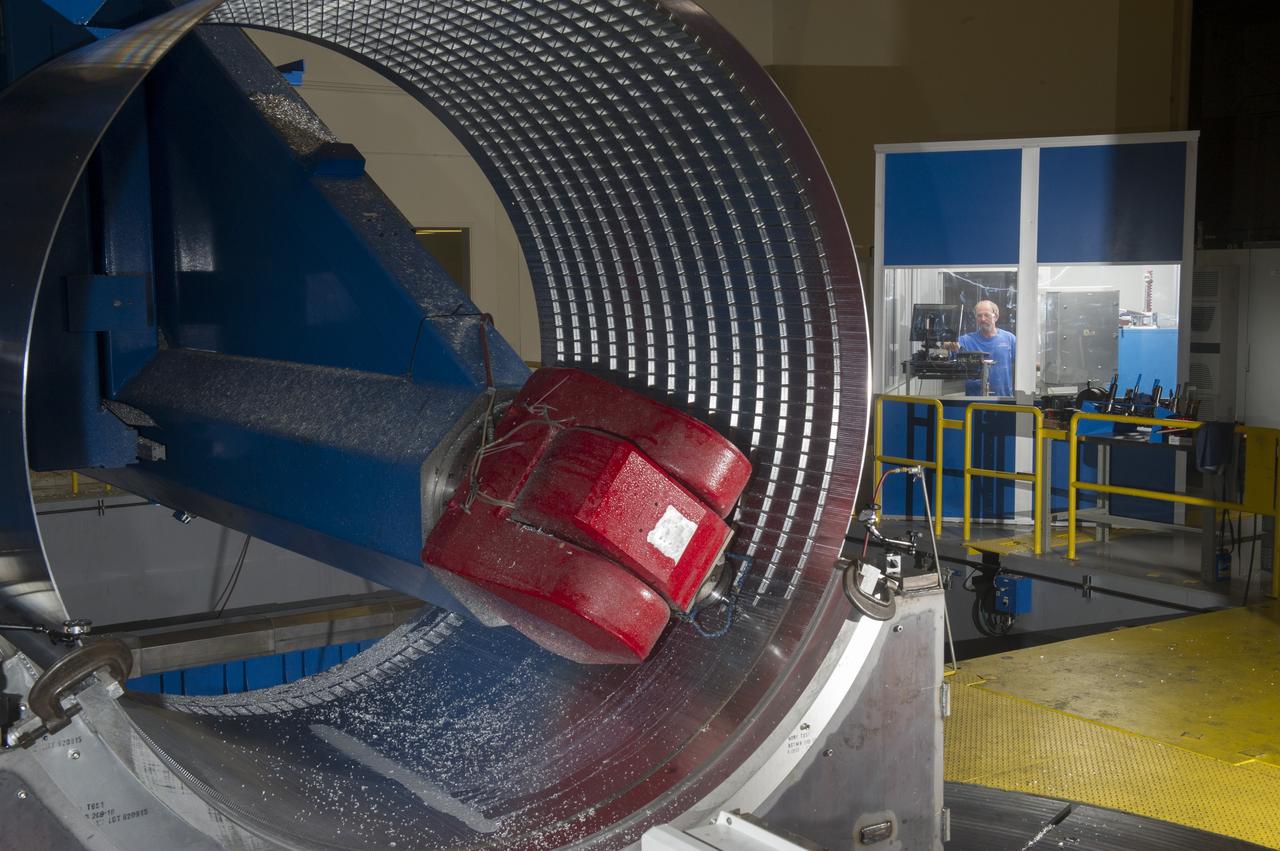
DAVID OSBORNE, A MACHINIST ON THE METTS CONTRACT, OPERATES THE 7-AXIS MILLING MACHINE WITH CF1 BARREL BEING PREPARED FOR SHELL BUCKLE TESTING
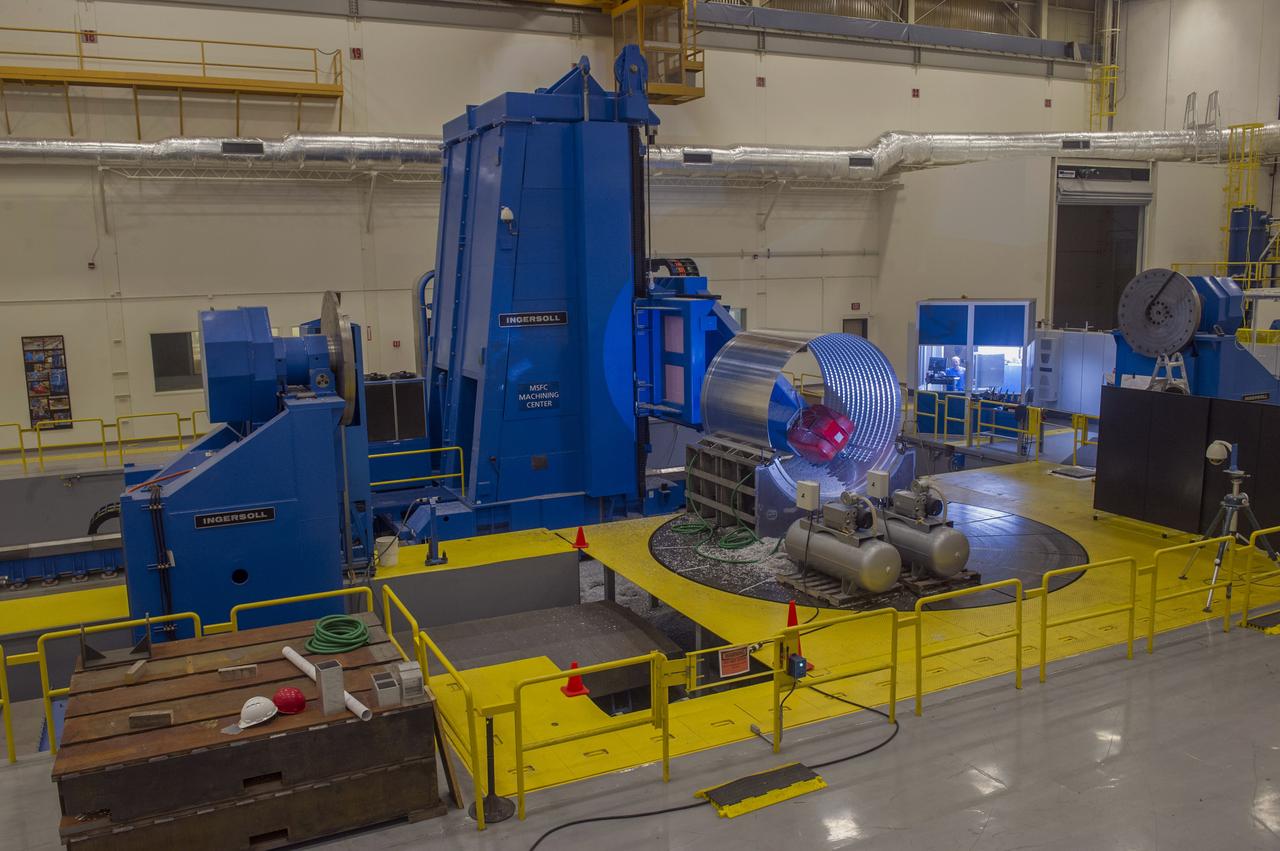
DAVID OSBORNE, A MACHINIST ON THE METTS CONTRACT, OPERATES THE 7-AXIS MILLING MACHINE WITH CF1 BARREL BEING PREPARED FOR SHELL BUCKLE TESTING
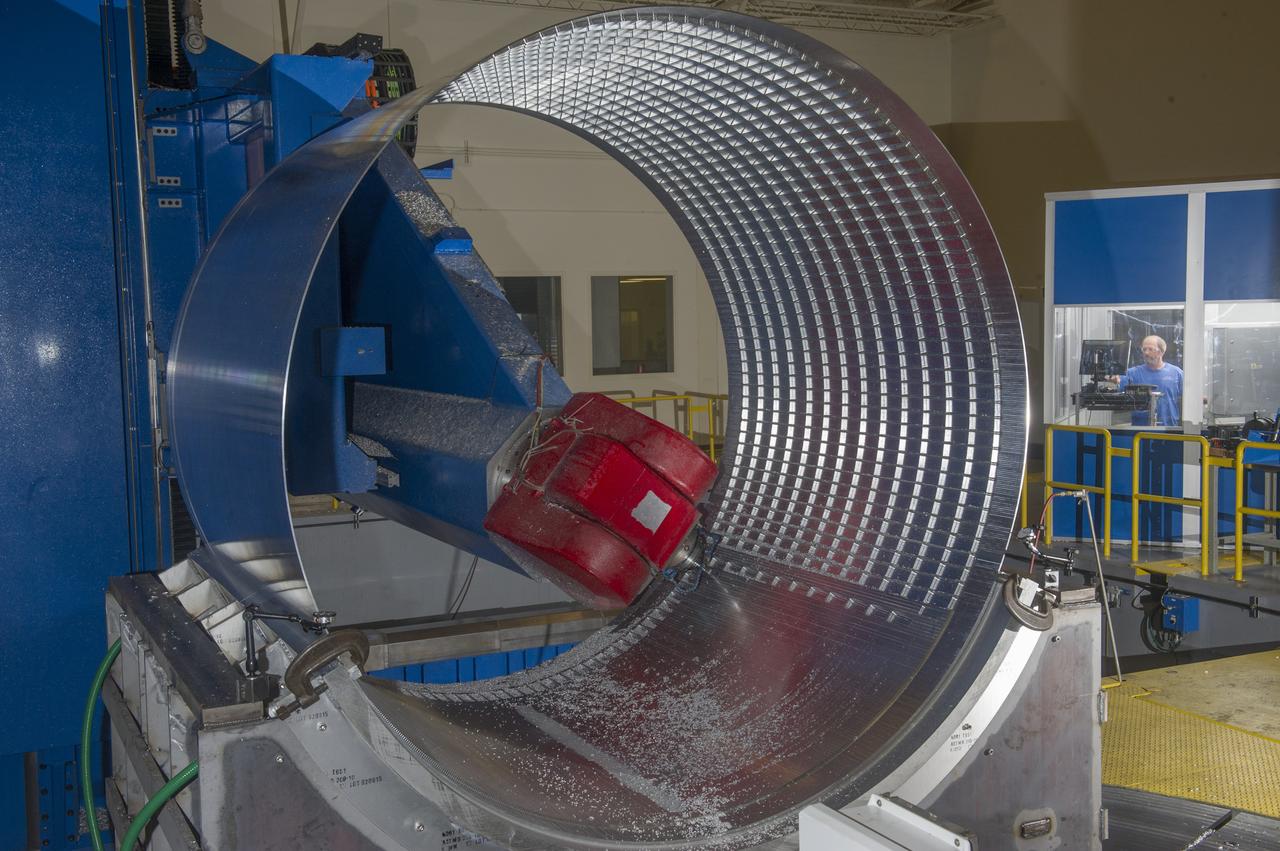
DAVID OSBORNE, A MACHINIST ON THE METTS CONTRACT, OPERATES THE 7-AXIS MILLING MACHINE WITH CF1 BARREL BEING PREPARED FOR SHELL BUCKLE TESTING
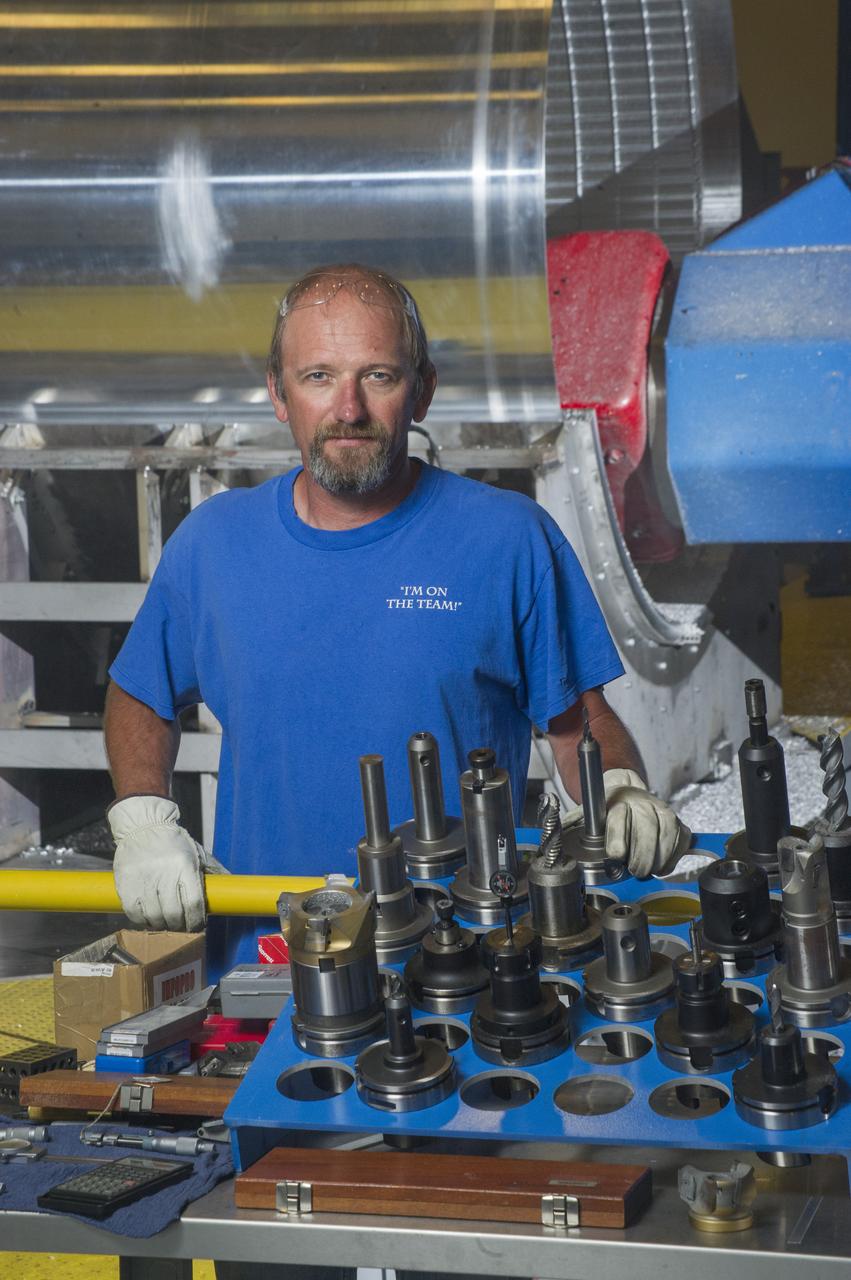
DAVID OSBORNE, A MACHINIST ON THE METTS CONTRACT, OPERATES THE 7-AXIS MILLING MACHINE WITH CF1 BARREL BEING PREPARED FOR SHELL BUCKLE TESTING
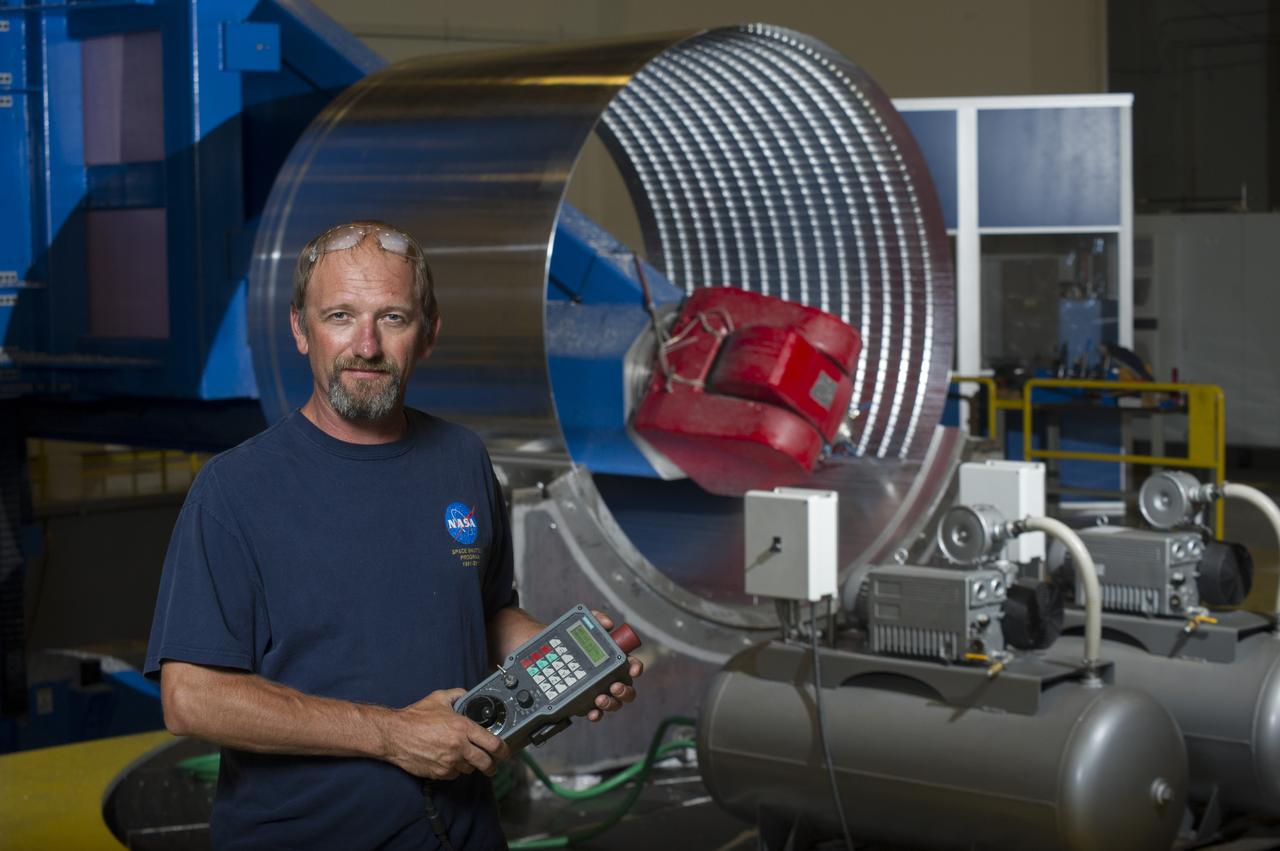
DAVID OSBORNE, A MACHINIST ON THE METTS CONTRACT, OPERATES THE 7-AXIS MILLING MACHINE WITH CF1 BARREL BEING PREPARED FOR SHELL BUCKLE TESTING
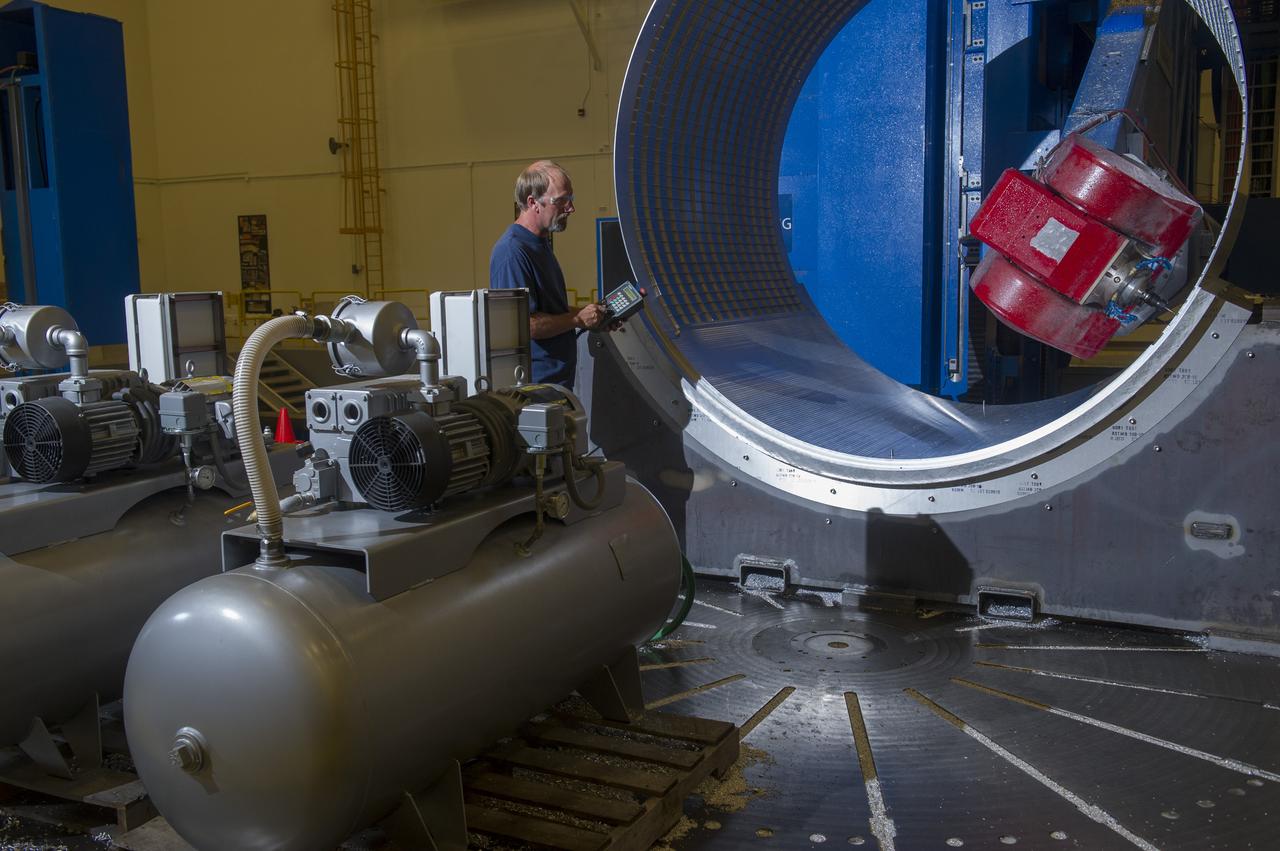
DAVID OSBORNE, A MACHINIST ON THE METTS CONTRACT, OPERATES THE 7-AXIS MILLING MACHINE WITH CF1 BARREL BEING PREPARED FOR SHELL BUCKLE TESTING
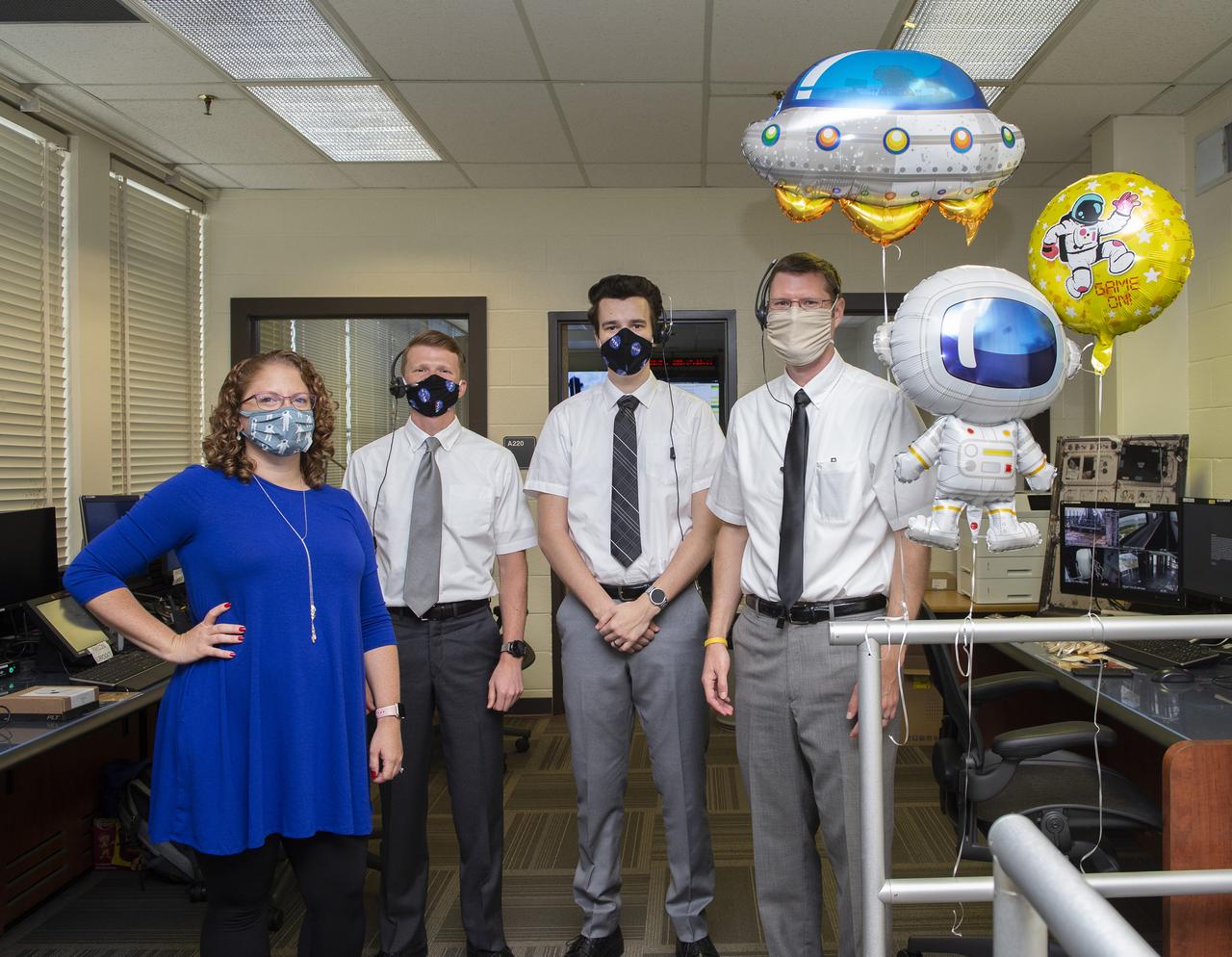
Amanda Stein, Patrick Mills, Stewart Whaley, Cameron Muelling and teams at NASA’s Marshall Space Flight Center help monitor launch conditions for the Demo-2 mission from the Huntsville Operations Support Center, HOSC.

Robert Lightfoot visited the facility housing the seven-axis milling tool as it performs work on the Spacecraft and Payload Integration adapters for the Space Launch System Program at MSFC. After a short tour, he took a few moment to address the media and answer questions, including how ISERV is examining the damage done by the recent tornado outbreak in Oklahoma, and more information on NASA's asteroid mission.
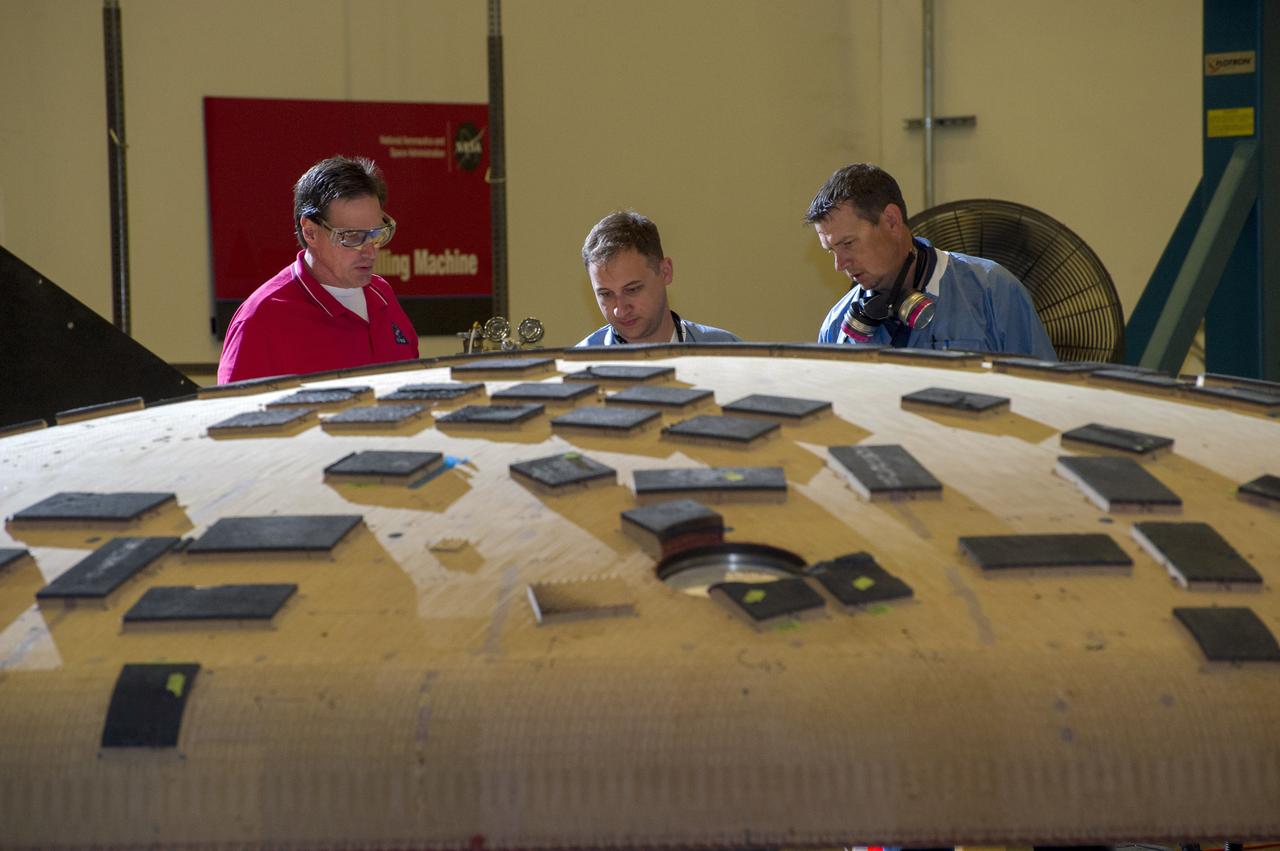
OVERSEEING ORION HEAT SHIELD WORK IN MARSHALL'S SEVEN-AXIS MILLING AND MACHINING FACILITY ARE, FROM LEFT, JOHN KOWAL, MANAGER OF ORION'S THERMAL PROTECTION SYSTEM AT JOHNSON SPACE CENTER; NICHOLAS CROWLEY, AN AMES ENGINEERING TECHNICIAN; AND ROB KORNIENKO, AMES ENGINEERING BRANCH CHIEF. THE HEAT SHIELD FLEW TO SPACE DURING THE EFT-1 FULL SCALE FLIGHT TEST OF ORION IN DECEMBER, 2014
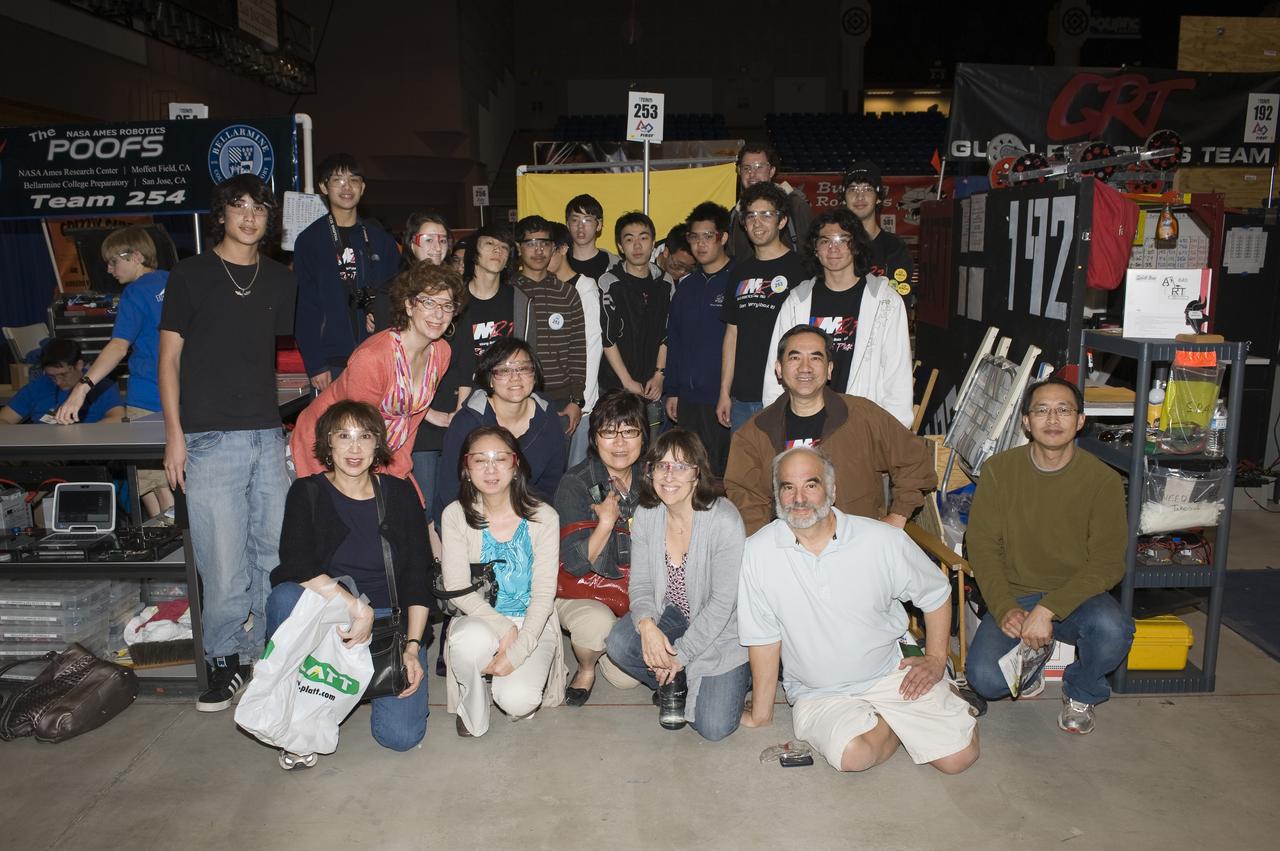
For Inspiration and Recognition of Science and Technology; FIRST Robotics Competition 2010 Silicon Valley Regional held at San Jose State University, San Jose, California Mills Robotics Team, Mills H.S, CA Team 253
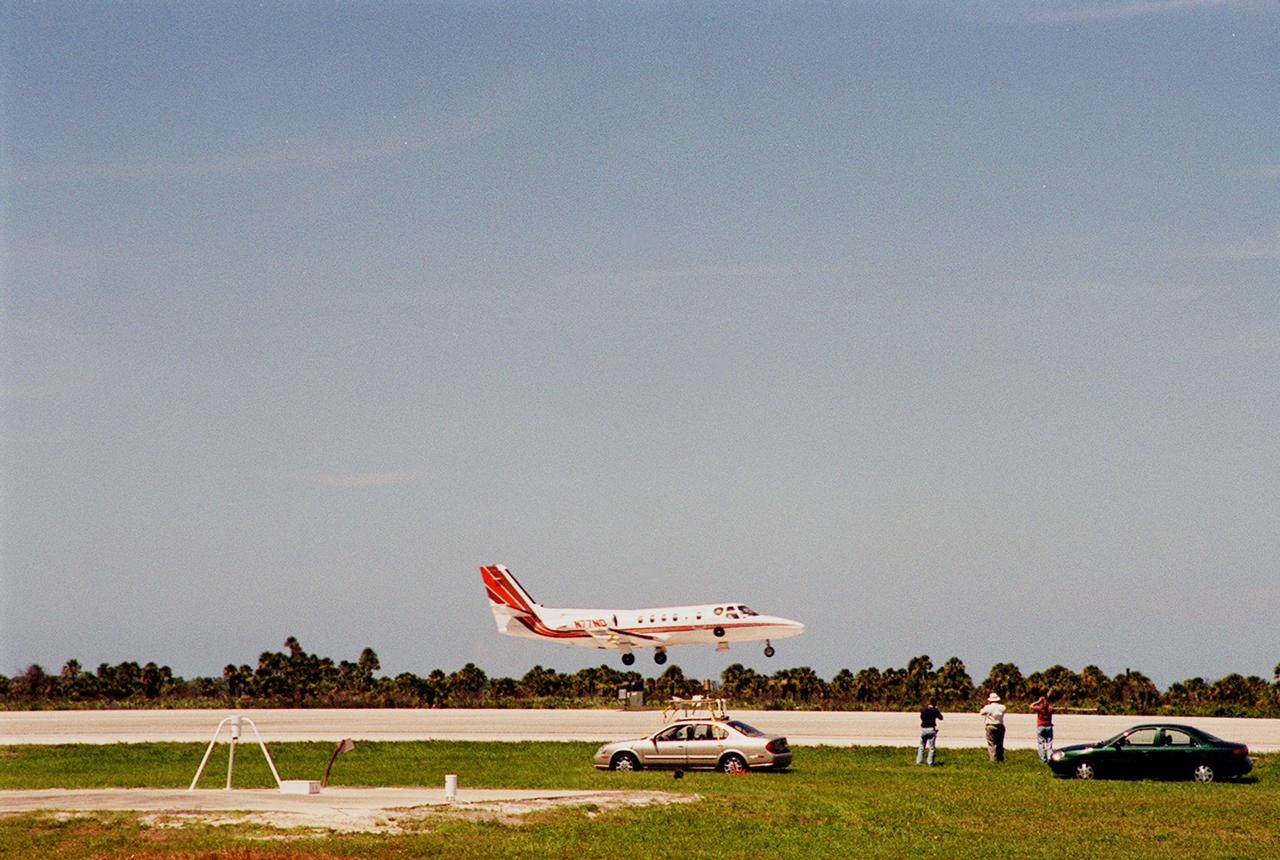
KENNEDY SPACE CENTER, FLA. -- At KSC's Shuttle Landing Facility, a specially equipped Cessna Citation aircraft flies over the runway to calibrate the Cesna's field mills with field mills on the ground (on the tripod at left) and on the car parked nearby (at center). Field mills measure electric fields. The aircraft is also equipped with cloud physics probes that measure the size, shape and number of ice and water particles in clouds. The plane is being flown into anvil clouds in the KSC area as part of a study to review and possibly modify lightning launch commit criteria. The weather study could lead to improved lightning avoidance rules and fewer launch scrubs for the Space Shuttle and other launch vehicles on the Eastern and Western ranges.
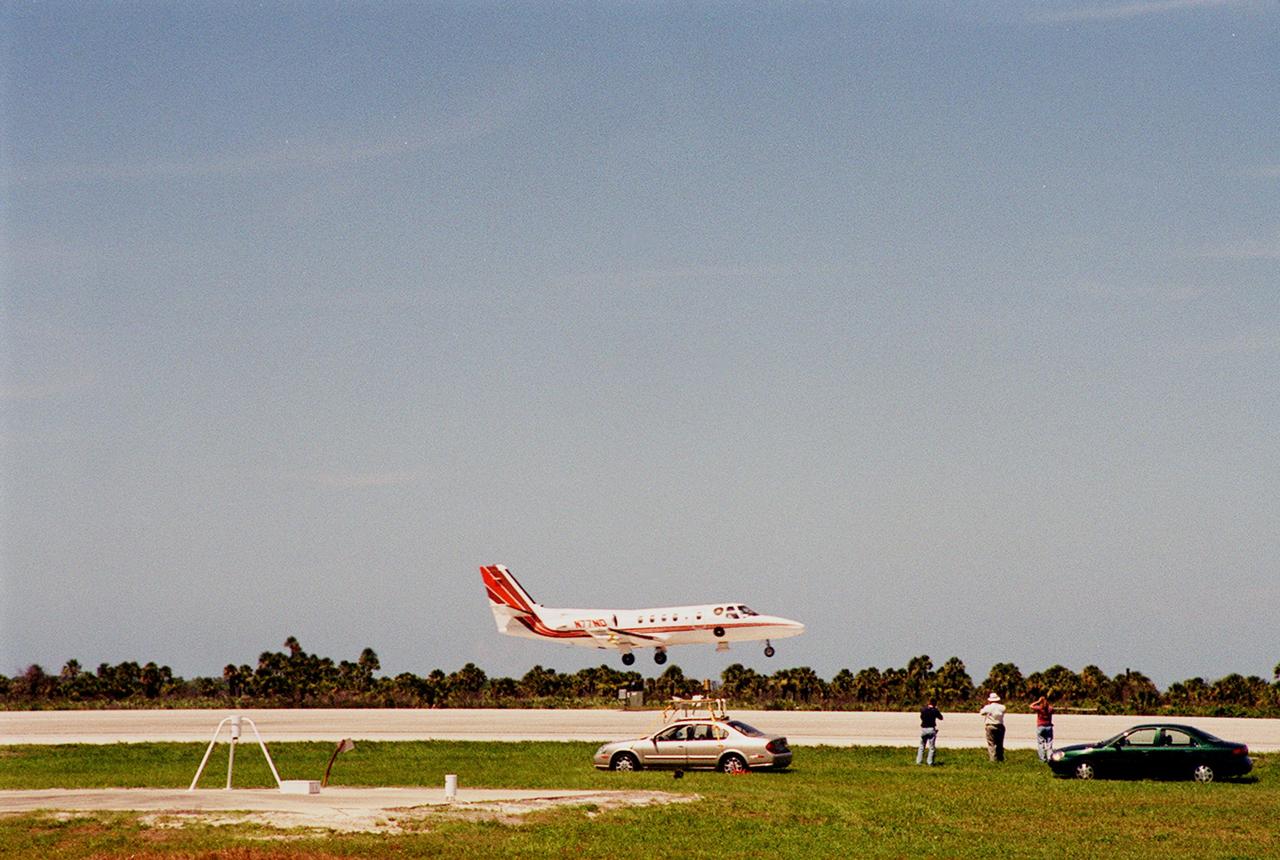
KENNEDY SPACE CENTER, FLA. -- At KSC's Shuttle Landing Facility, a specially equipped Cessna Citation aircraft flies over the runway to calibrate the Cesna's field mills with field mills on the ground (on the tripod at left) and on the car parked nearby (at center). Field mills measure electric fields. The aircraft is also equipped with cloud physics probes that measure the size, shape and number of ice and water particles in clouds. The plane is being flown into anvil clouds in the KSC area as part of a study to review and possibly modify lightning launch commit criteria. The weather study could lead to improved lightning avoidance rules and fewer launch scrubs for the Space Shuttle and other launch vehicles on the Eastern and Western ranges.
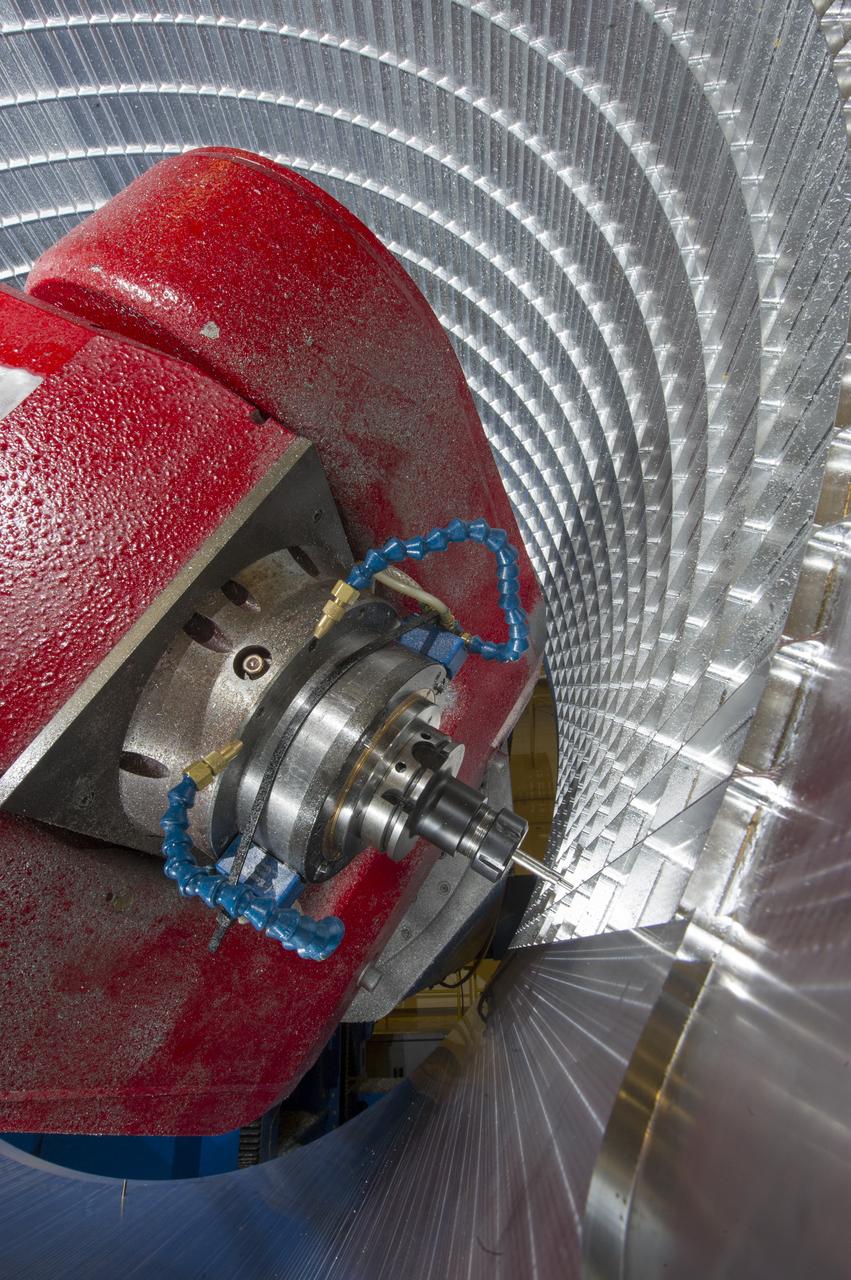
7-AXIS MILLING MACHINE CUTS ORTHOGRID TOOL PATH ON 8 FOOT CF1 BARREL IN SUPPORT OF SHELL BUCKLE TESTING
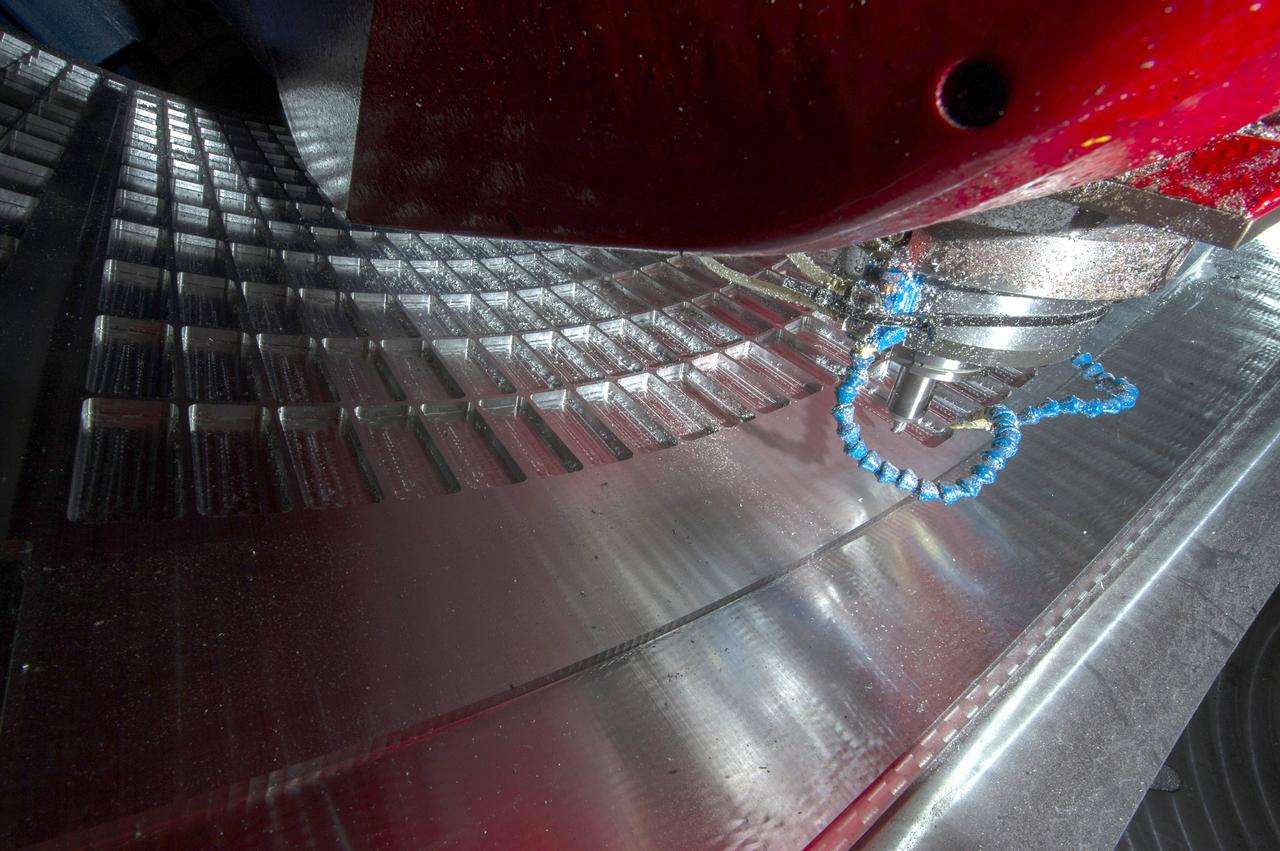
7-AXIS MILLING MACHINE CUTS ORTHOGRID TOOL PATH ON 8 FOOT CF1 BARREL IN SUPPORT OF SHELL BUCKLE TESTING
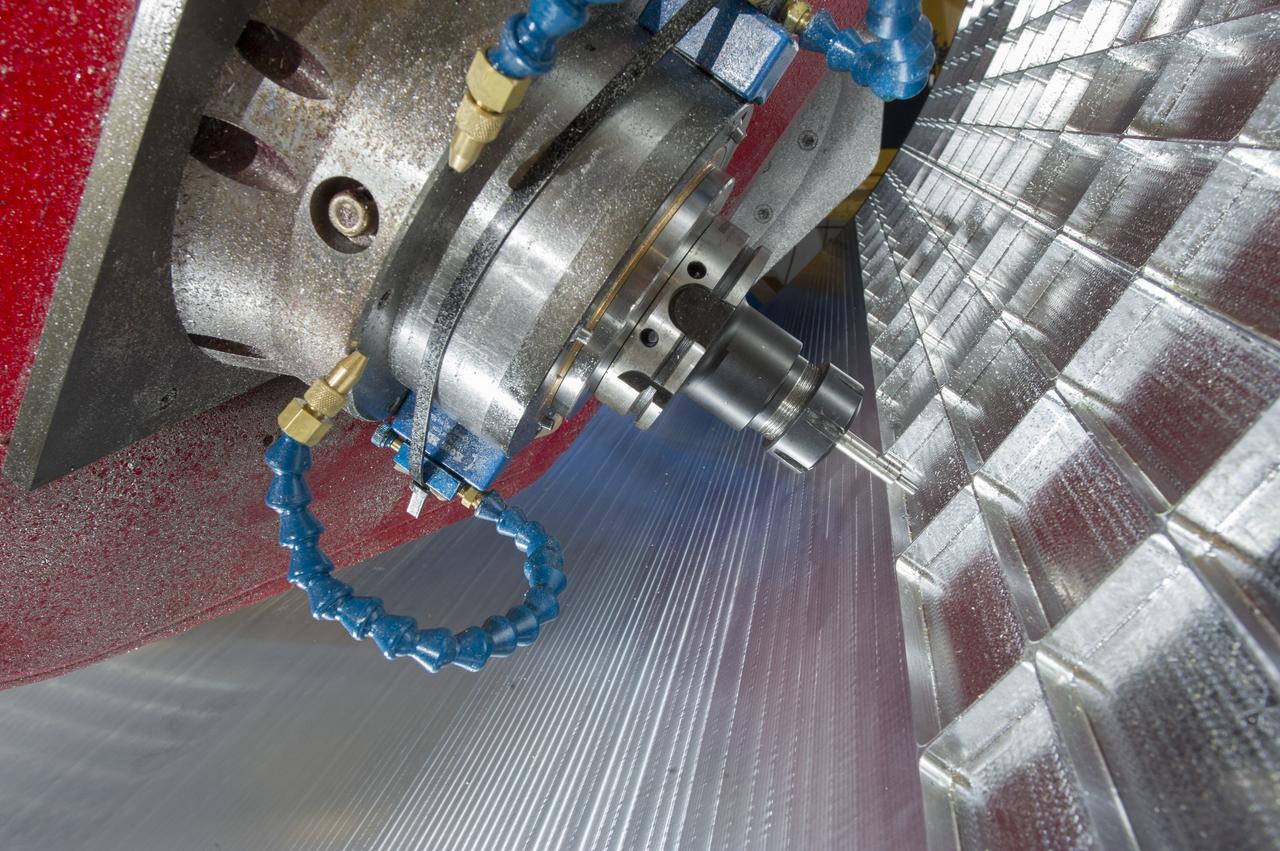
7-AXIS MILLING MACHINE CUTS ORTHOGRID TOOL PATH ON 8 FOOT CF1 BARREL IN SUPPORT OF SHELL BUCKLE TESTING
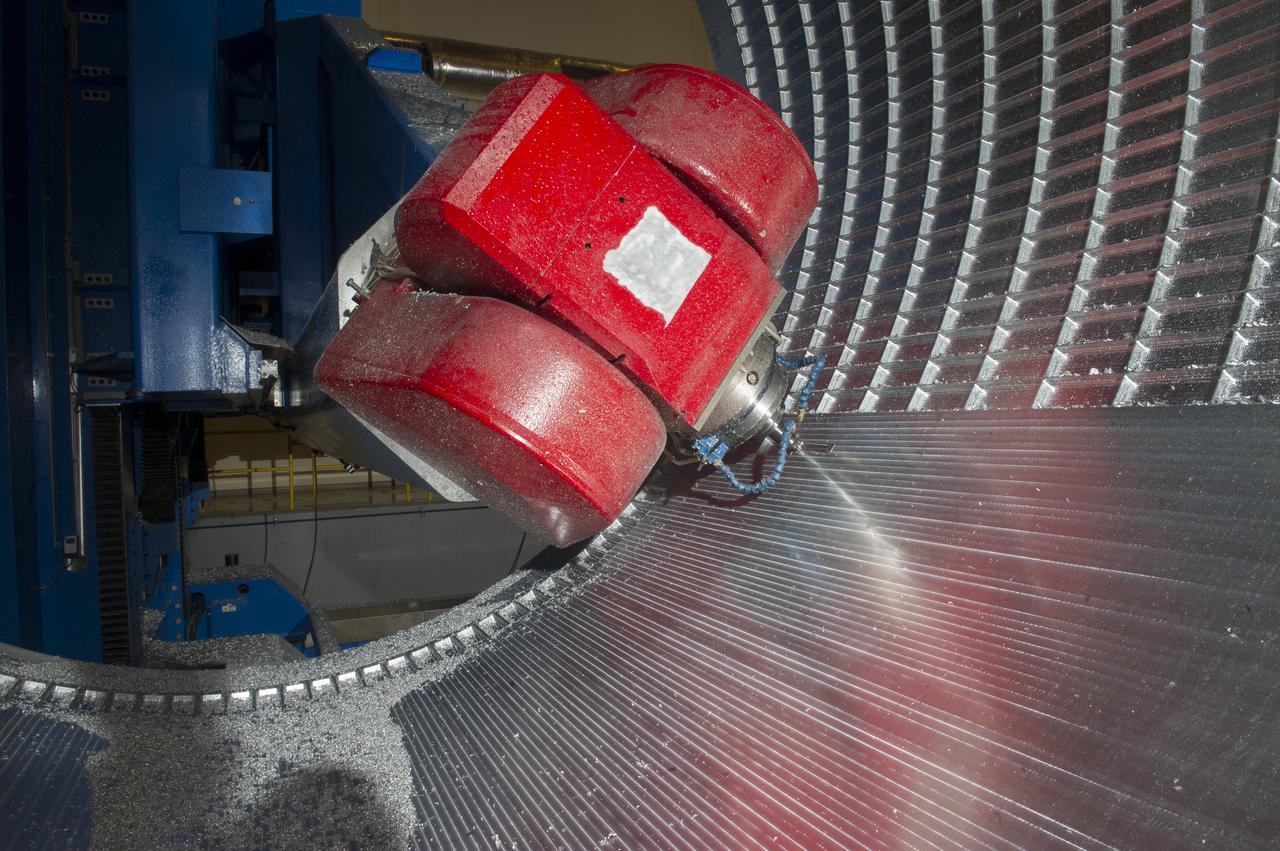
7-AXIS MILLING MACHINE CUTS ORTHOGRID TOOL PATH ON 8 FOOT CF1 BARREL IN SUPPORT OF SHELL BUCKLE TESTING
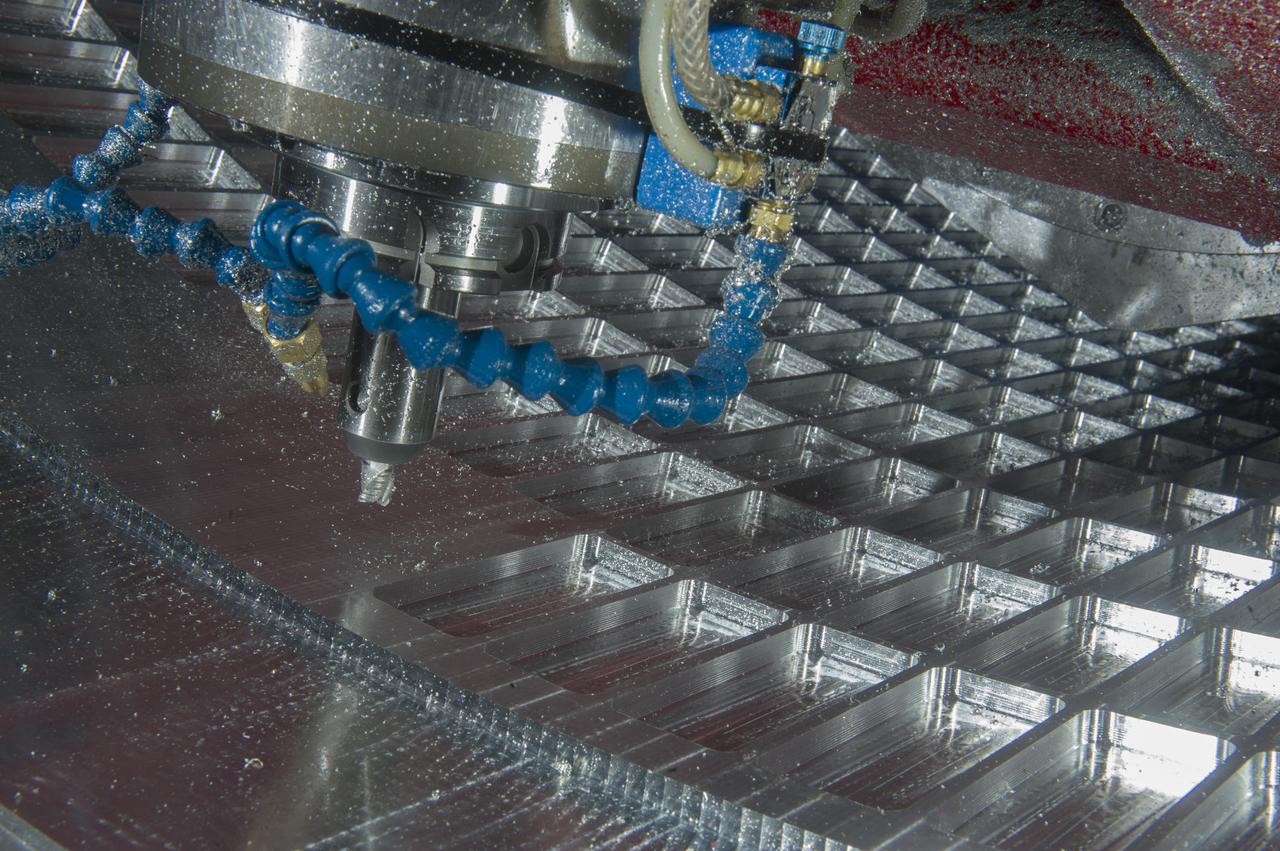
7-AXIS MILLING MACHINE CUTS ORTHOGRID TOOL PATH ON 8 FOOT CF1 BARREL IN SUPPORT OF SHELL BUCKLE TESTING
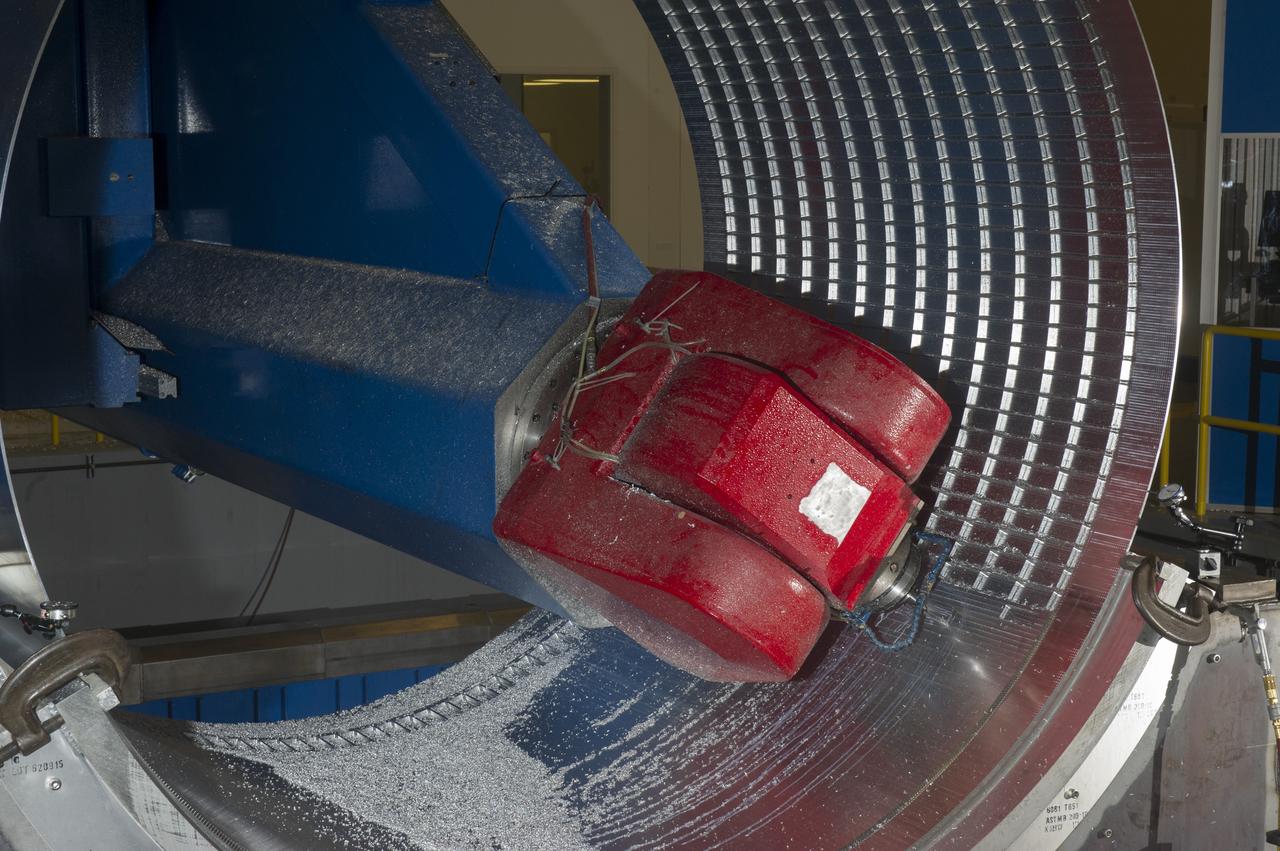
7-AXIS MILLING MACHINE CUTS ORTHOGRID TOOL PATH ON 8 FOOT CF1 BARREL IN SUPPORT OF SHELL BUCKLE TESTING
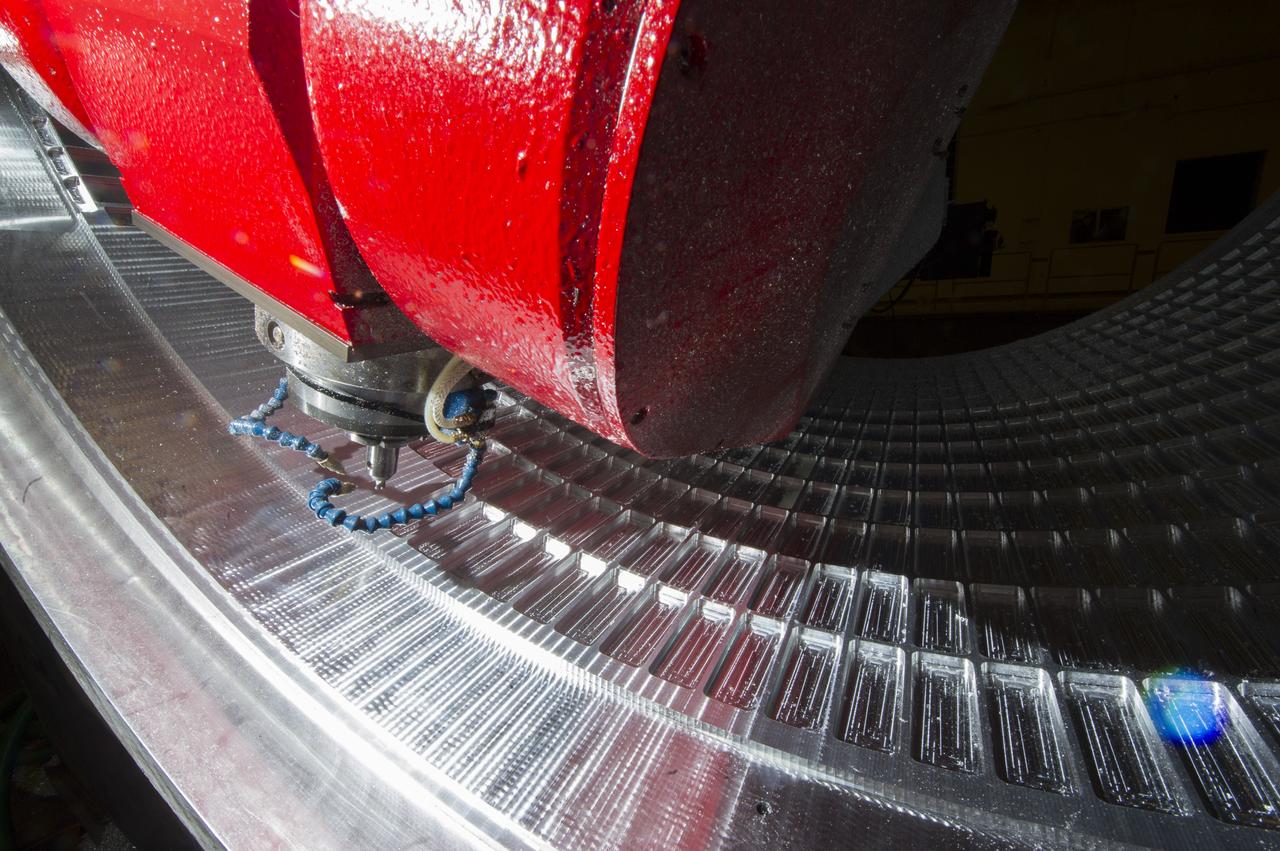
7-AXIS MILLING MACHINE CUTS ORTHOGRID TOOL PATH ON 8 FOOT CF1 BARREL IN SUPPORT OF SHELL BUCKLE TESTING
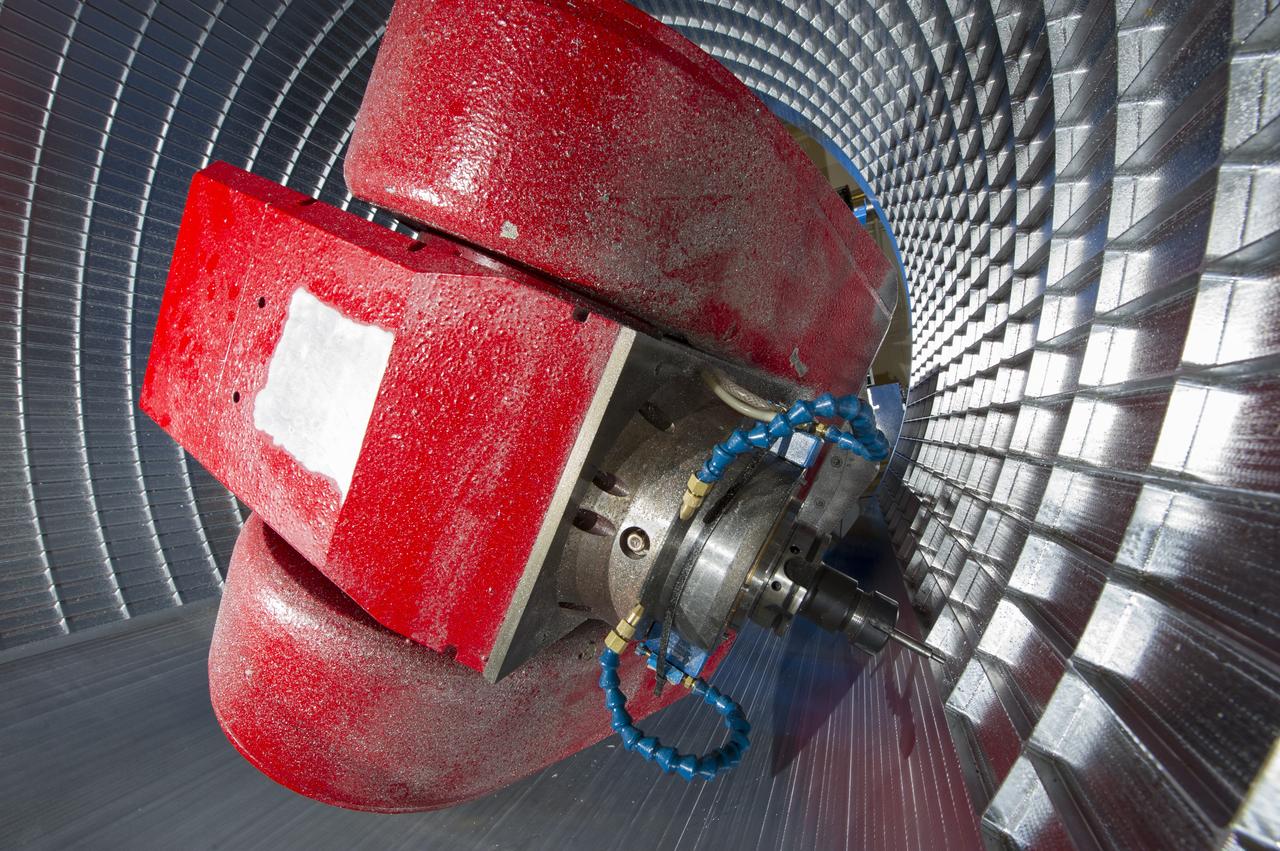
7-AXIS MILLING MACHINE CUTS ORTHOGRID TOOL PATH ON 8 FOOT CF1 BARREL IN SUPPORT OF SHELL BUCKLE TESTING
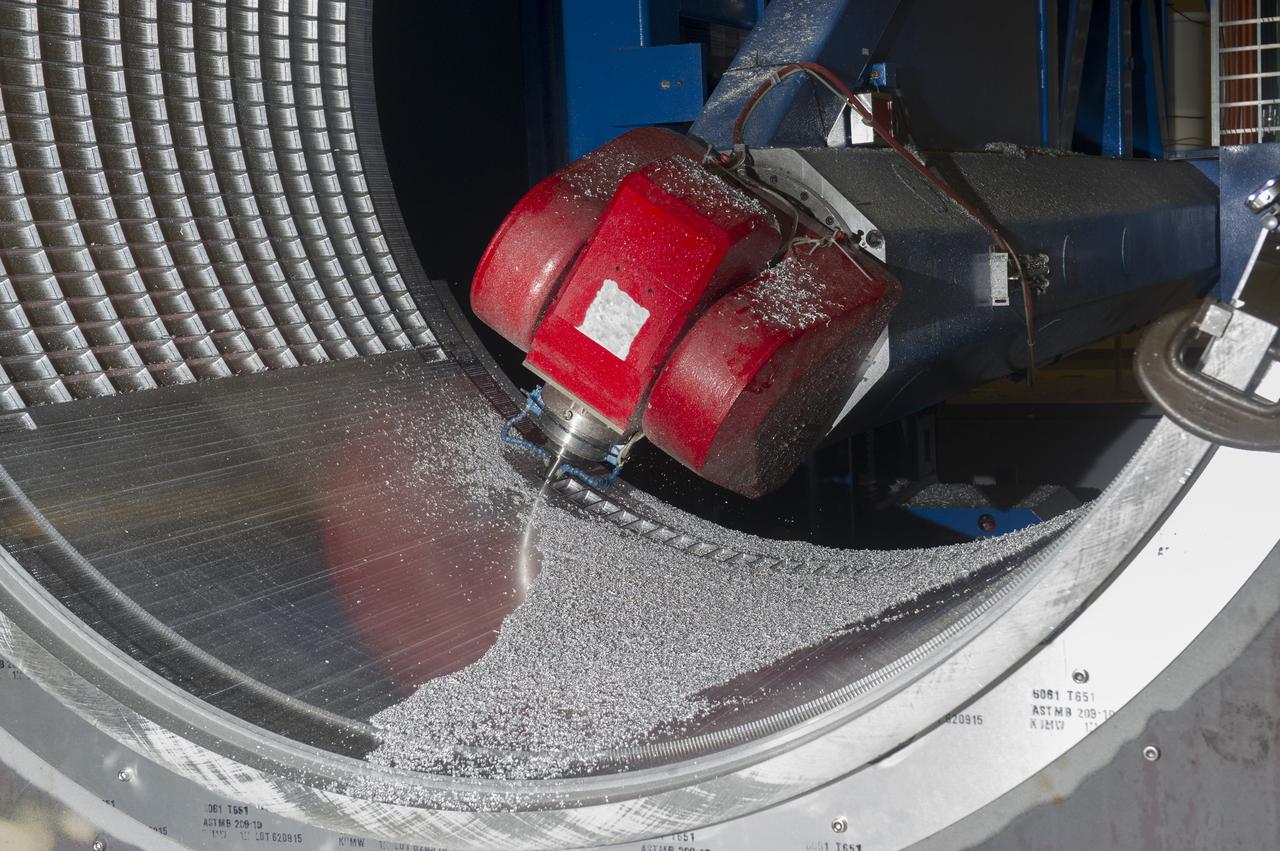
7-AXIS MILLING MACHINE CUTS ORTHOGRID TOOL PATH ON 8 FOOT CF1 BARREL IN SUPPORT OF SHELL BUCKLE TESTING
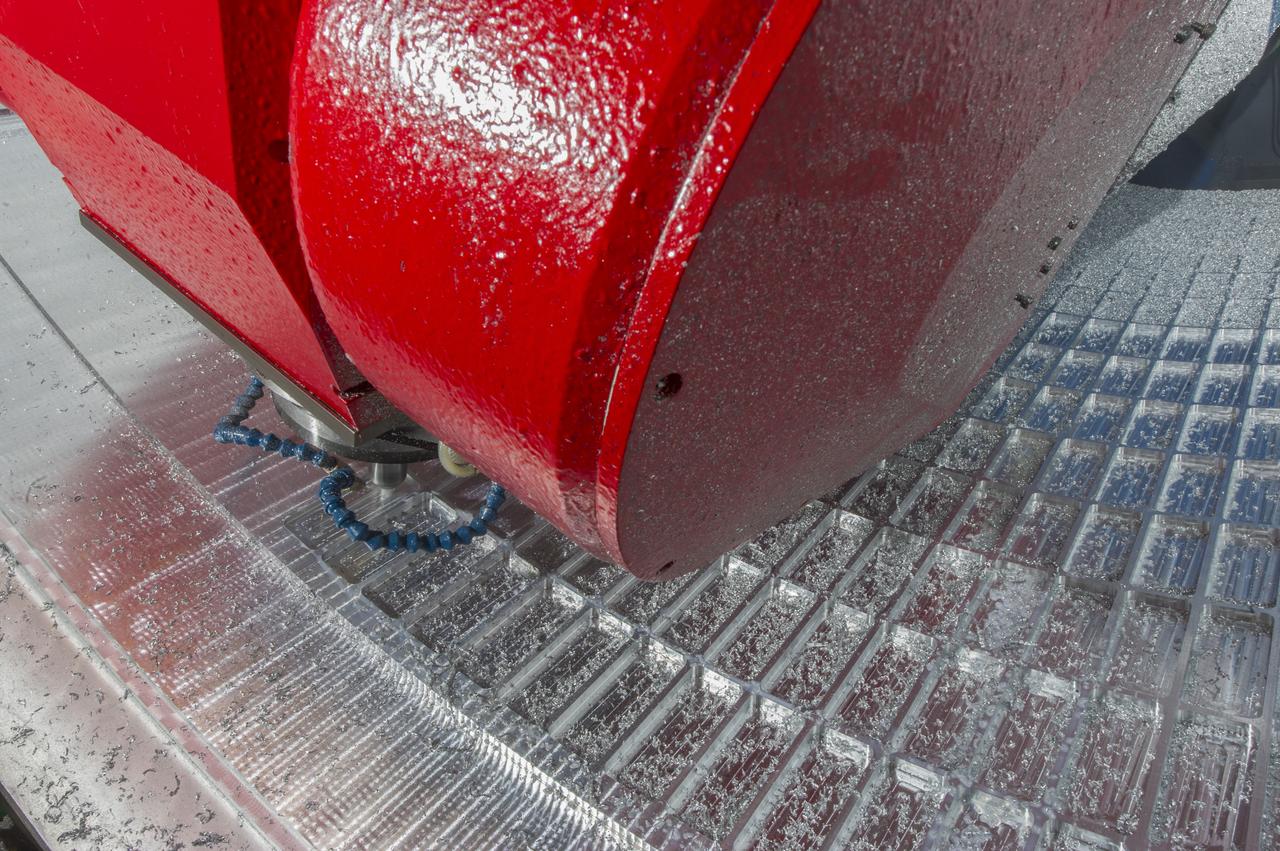
7-AXIS MILLING MACHINE CUTS ORTHOGRID TOOL PATH ON 8 FOOT CF1 BARREL IN SUPPORT OF SHELL BUCKLE TESTING
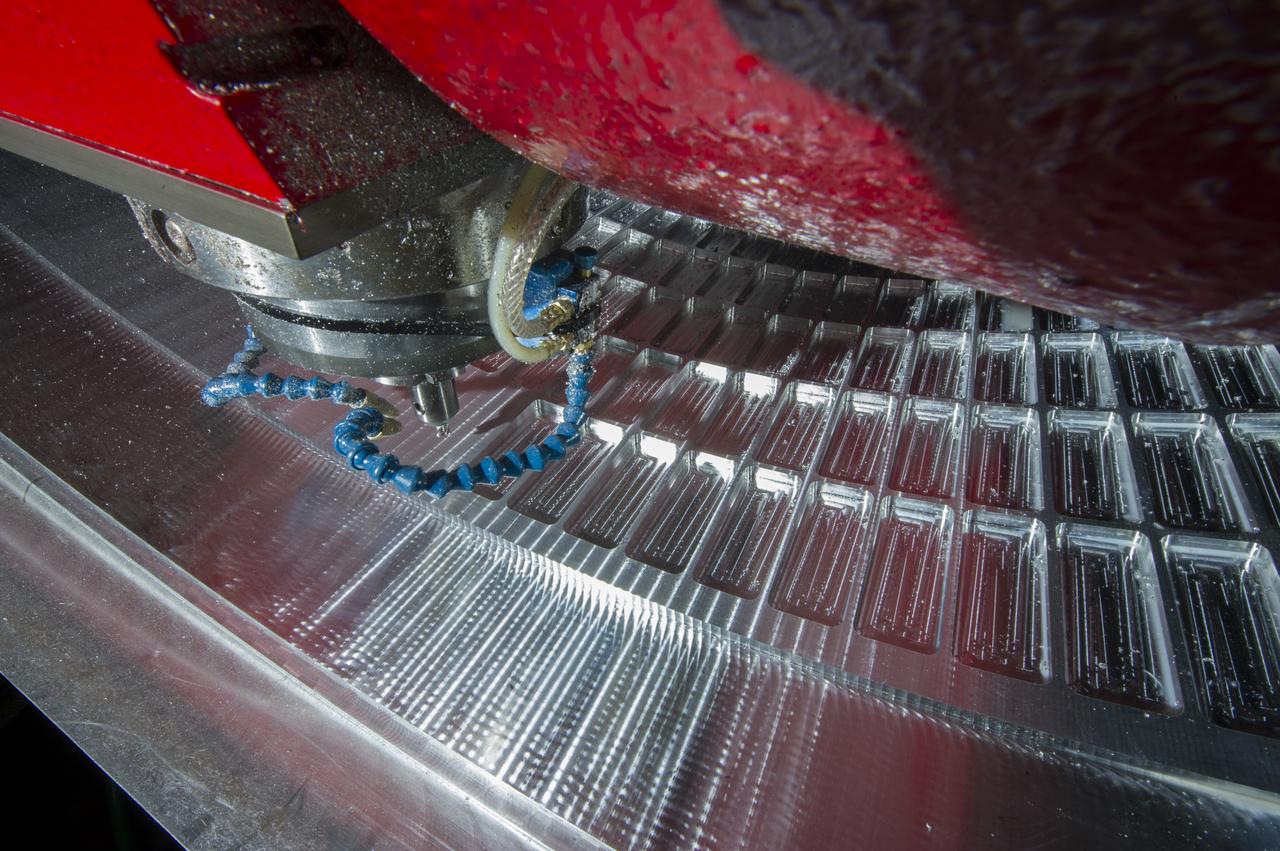
7-AXIS MILLING MACHINE CUTS ORTHOGRID TOOL PATH ON 8 FOOT CF1 BARREL IN SUPPORT OF SHELL BUCKLE TESTING

7-AXIS MILLING MACHINE CUTS ORTHOGRID TOOL PATH ON 8 FOOT CF1 BARREL IN SUPPORT OF SHELL BUCKLE TESTING
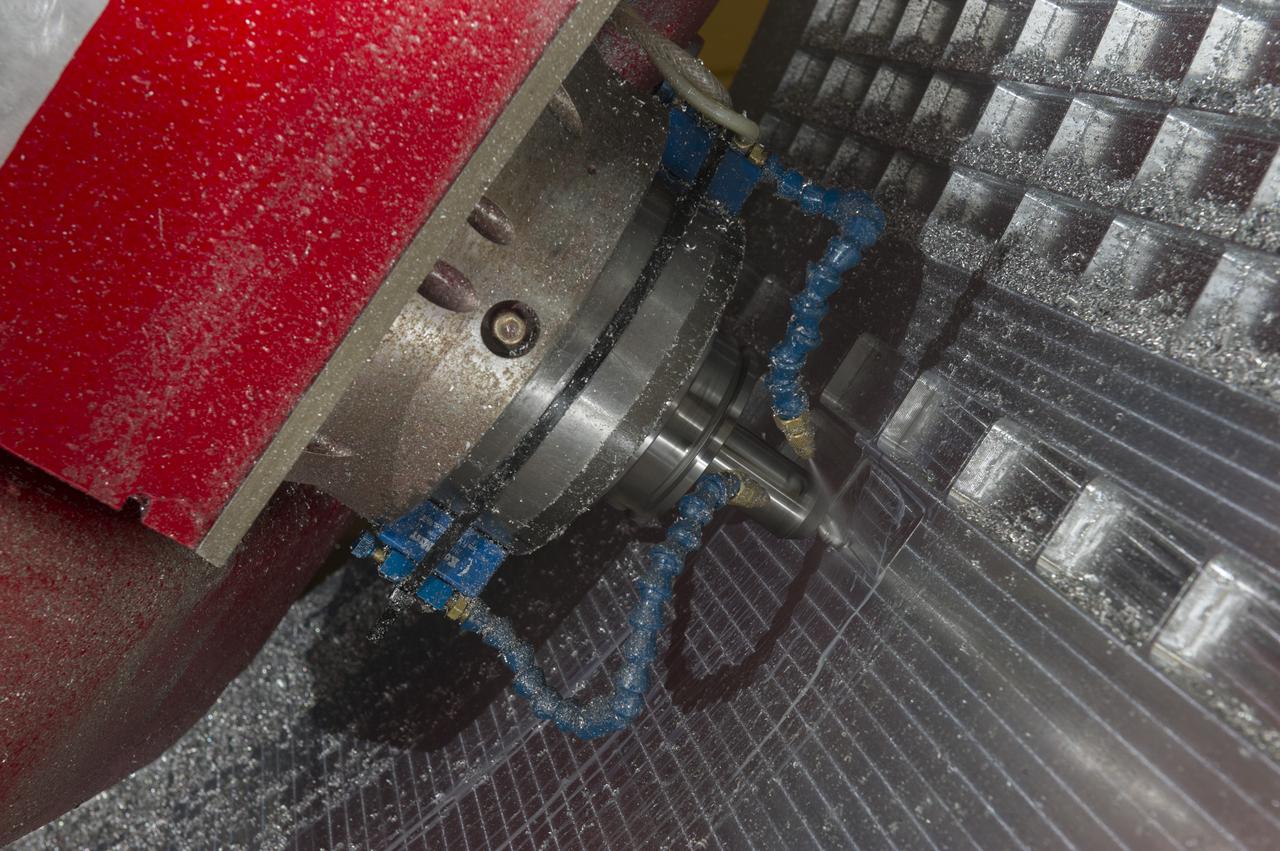
7-AXIS MILLING MACHINE CUTS ORTHOGRID TOOL PATH ON 8 FOOT CF1 BARREL IN SUPPORT OF SHELL BUCKLE TESTING
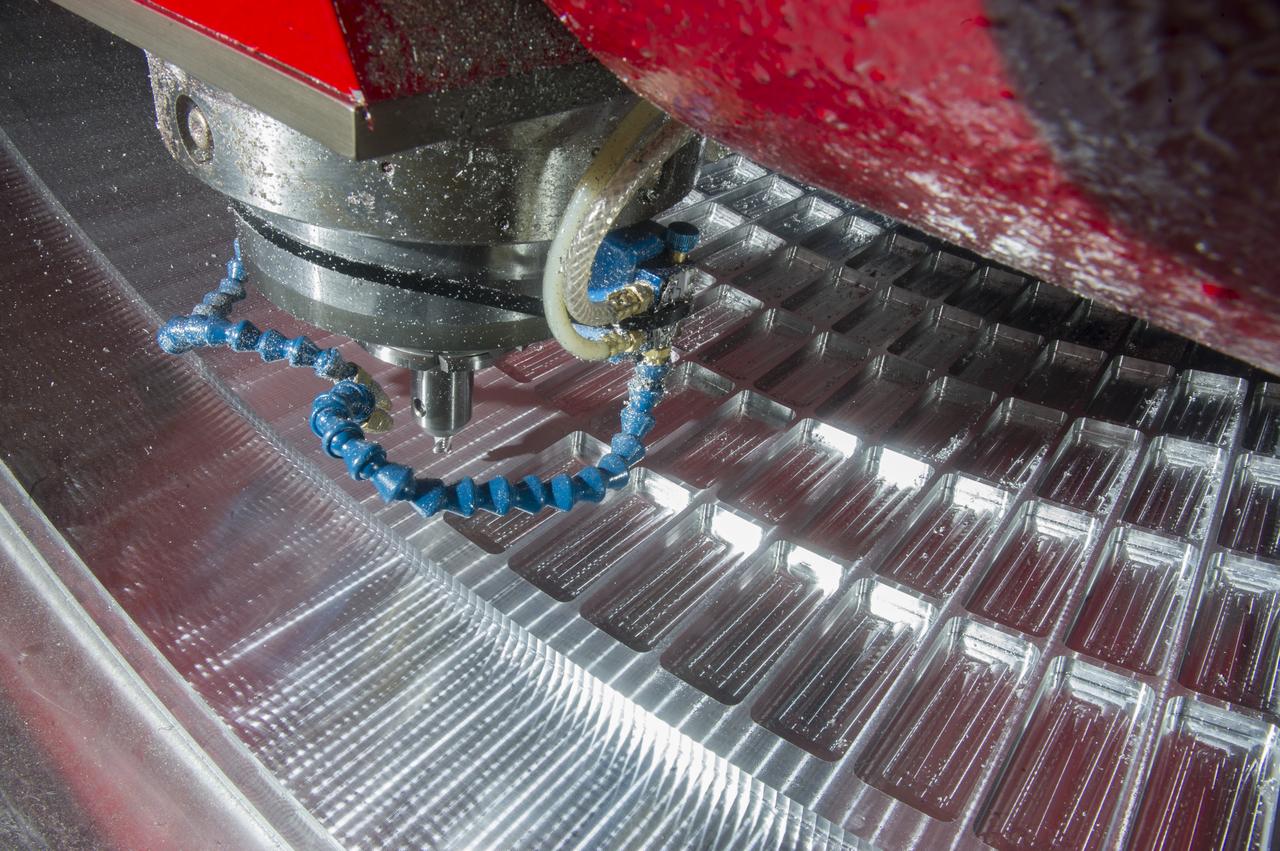
7-AXIS MILLING MACHINE CUTS ORTHOGRID TOOL PATH ON 8 FOOT CF1 BARREL IN SUPPORT OF SHELL BUCKLE TESTING
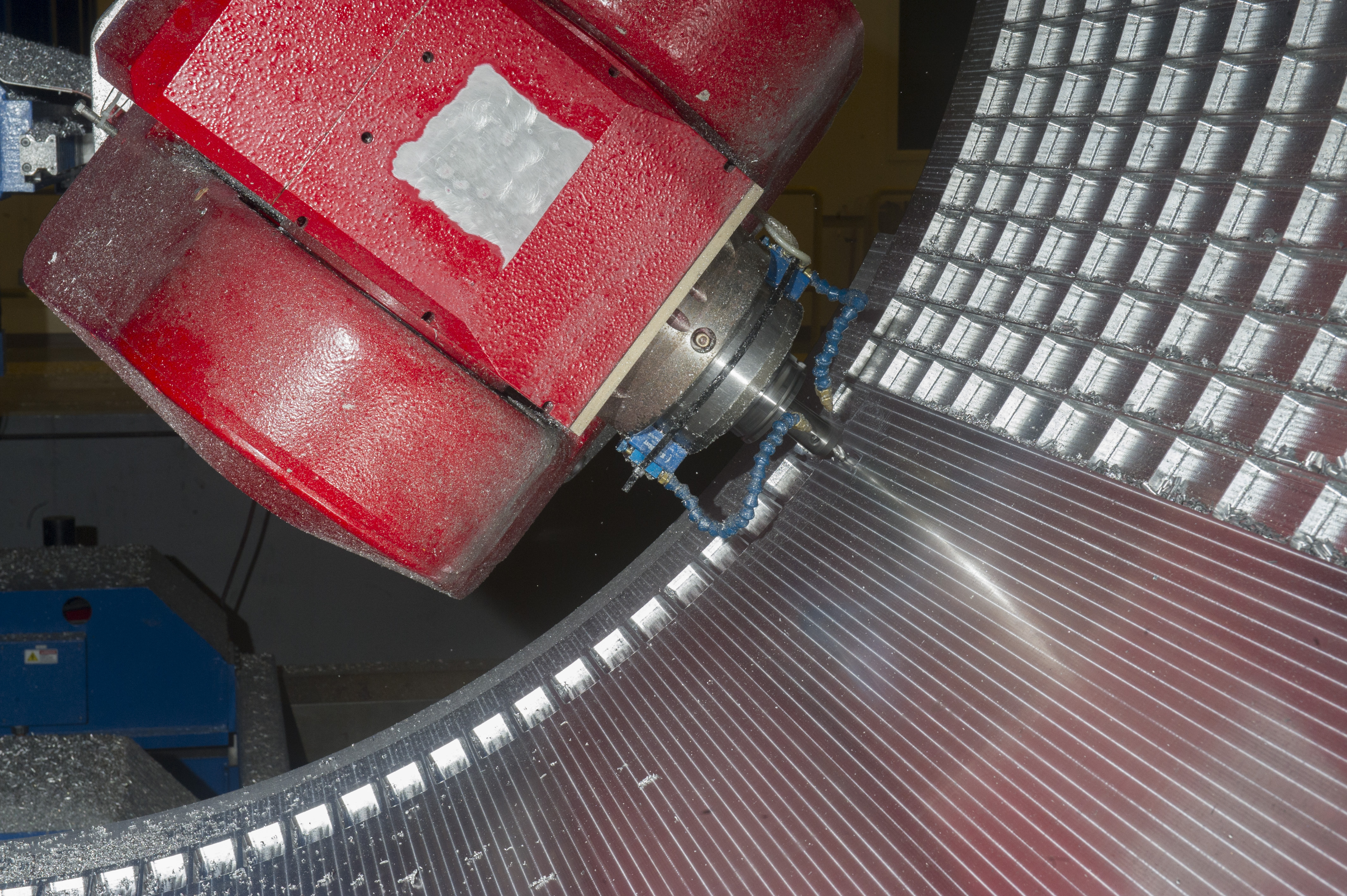
7-AXIS MILLING MACHINE CUTS ORTHOGRID TOOL PATH ON 8 FOOT CF1 BARREL IN SUPPORT OF SHELL BUCKLE TESTING
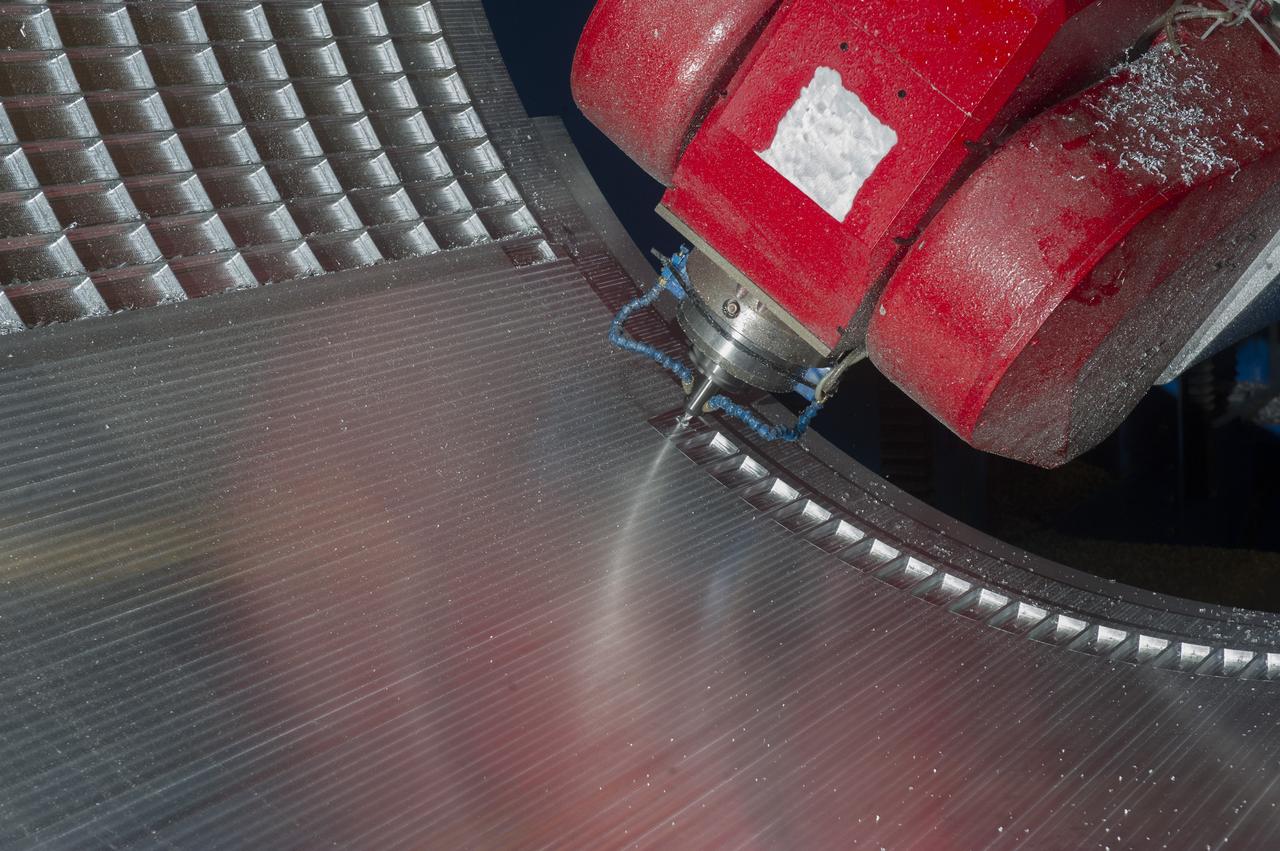
7-AXIS MILLING MACHINE CUTS ORTHOGRID TOOL PATH ON 8 FOOT CF1 BARREL IN SUPPORT OF SHELL BUCKLE TESTING
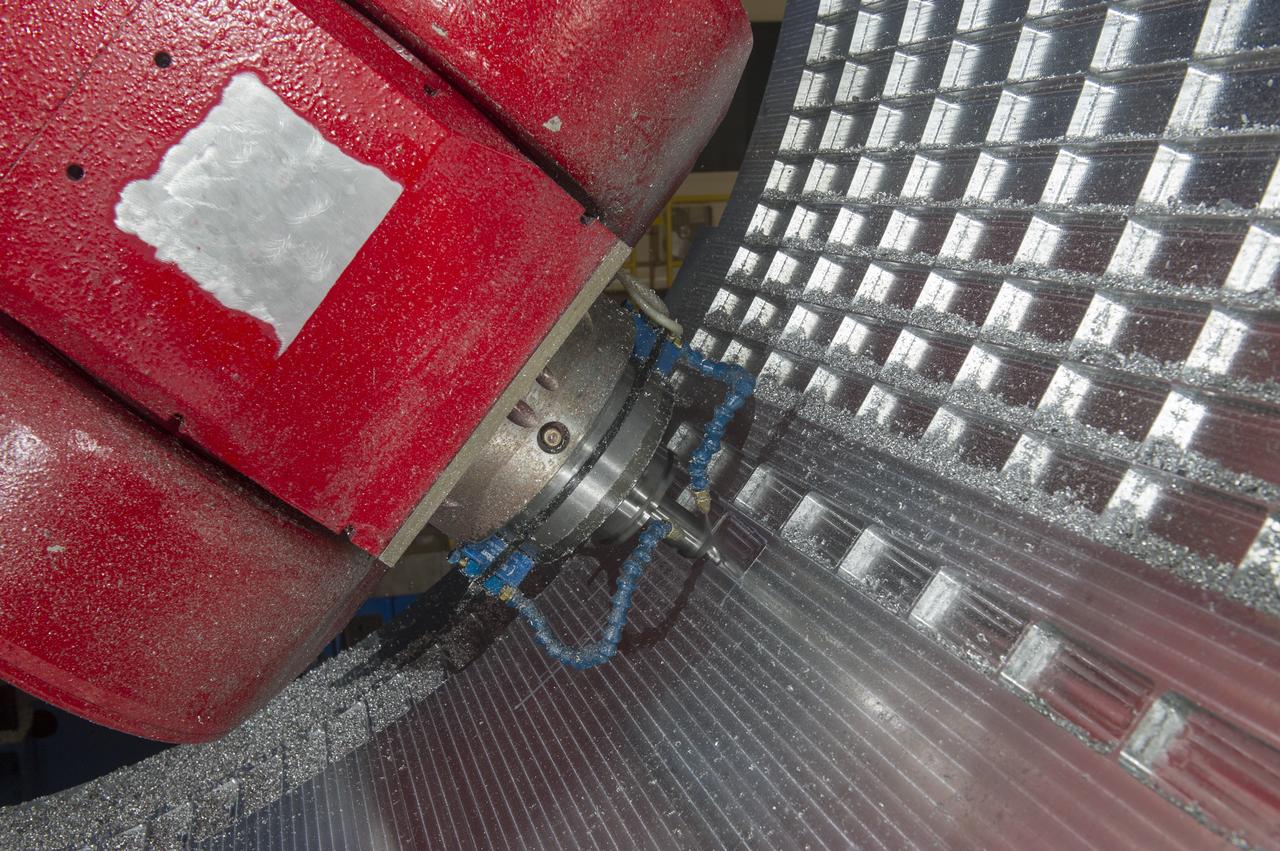
7-AXIS MILLING MACHINE CUTS ORTHOGRID TOOL PATH ON 8 FOOT CF1 BARREL IN SUPPORT OF SHELL BUCKLE TESTING
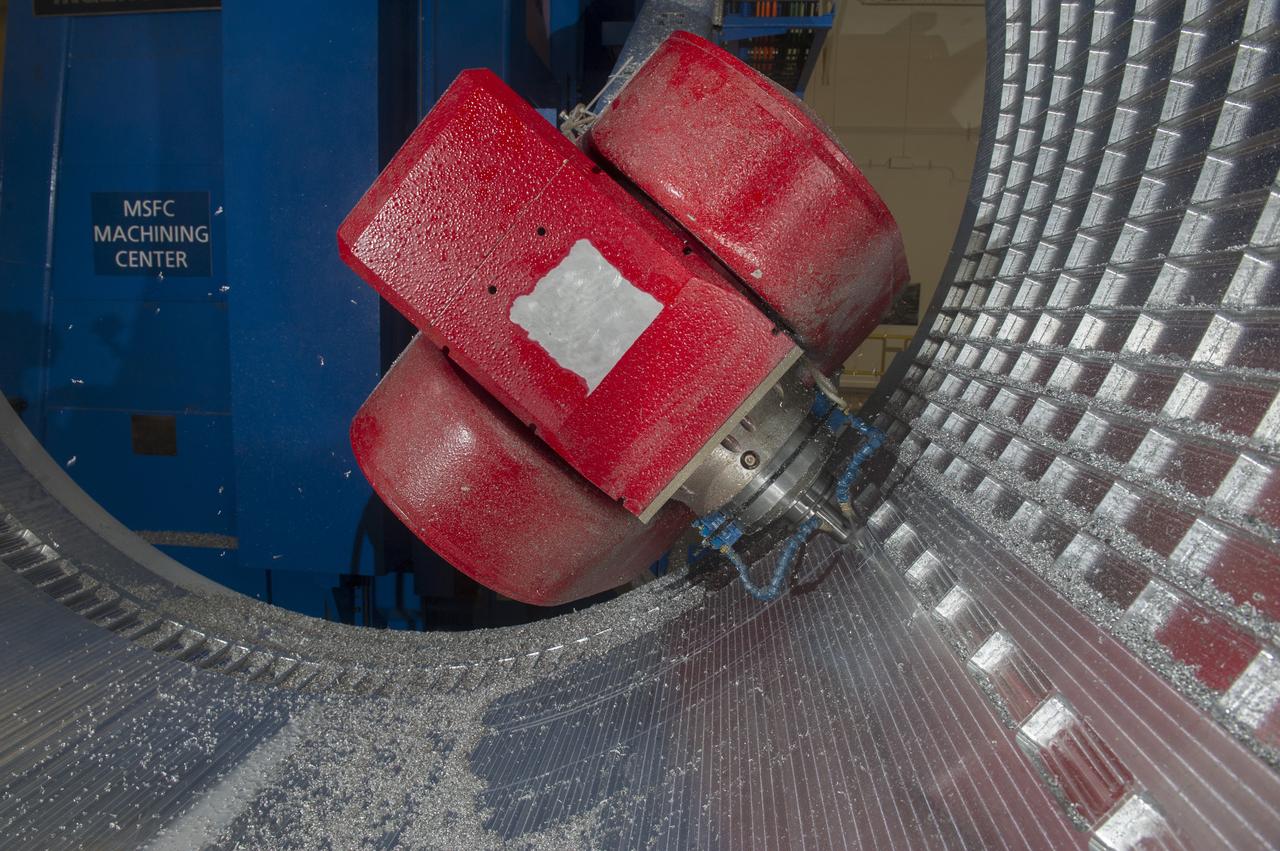
7-AXIS MILLING MACHINE CUTS ORTHOGRID TOOL PATH ON 8 FOOT CF1 BARREL IN SUPPORT OF SHELL BUCKLE TESTING
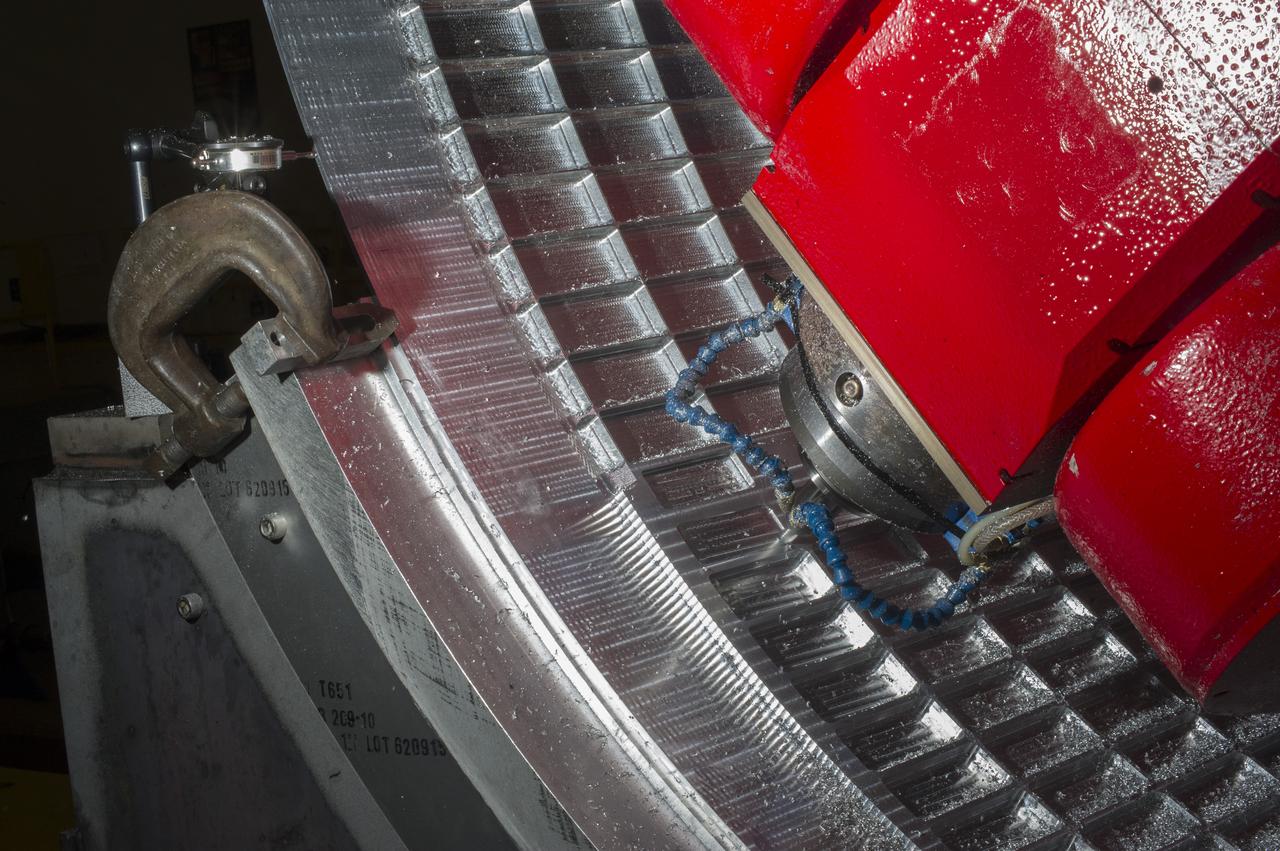
7-AXIS MILLING MACHINE CUTS ORTHOGRID TOOL PATH ON 8 FOOT CF1 BARREL IN SUPPORT OF SHELL BUCKLE TESTING
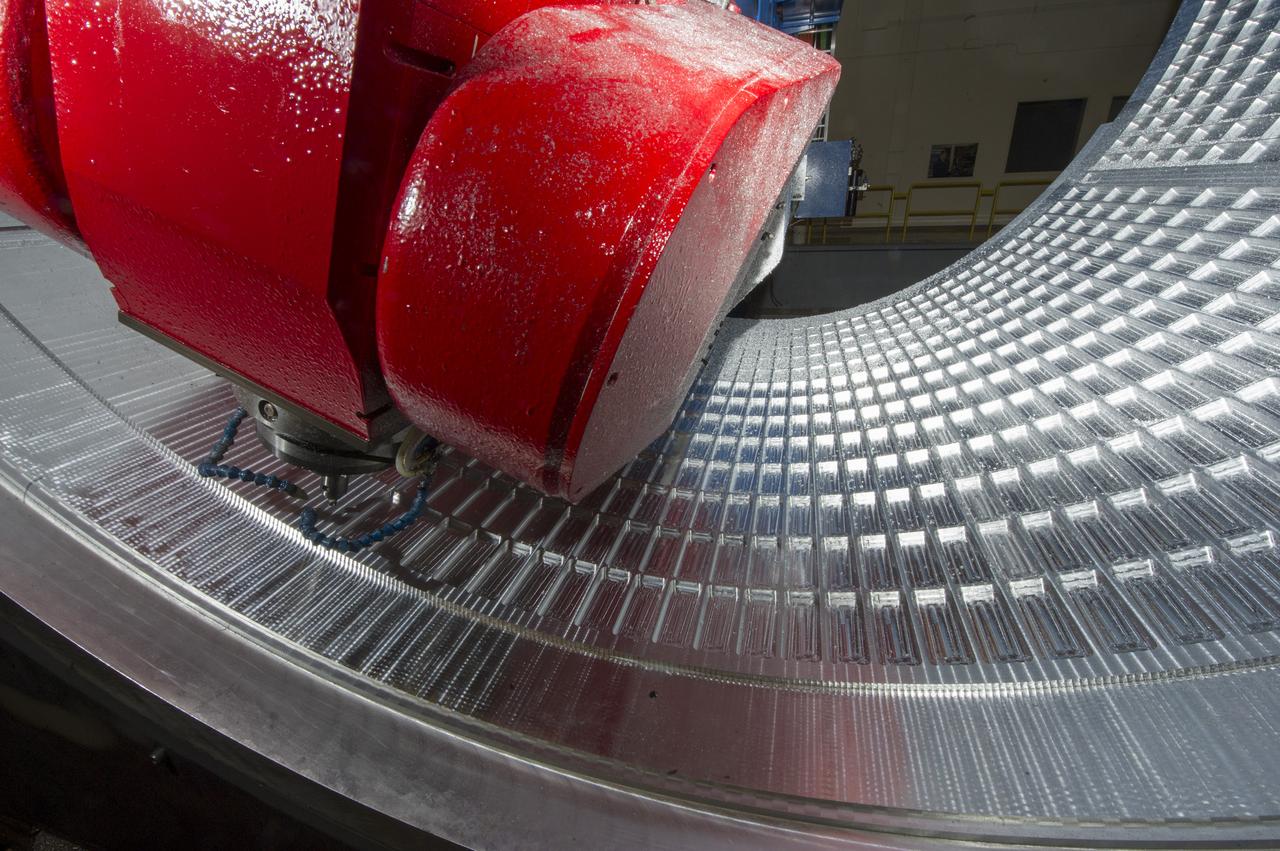
7-AXIS MILLING MACHINE CUTS ORTHOGRID TOOL PATH ON 8 FOOT CF1 BARREL IN SUPPORT OF SHELL BUCKLE TESTING
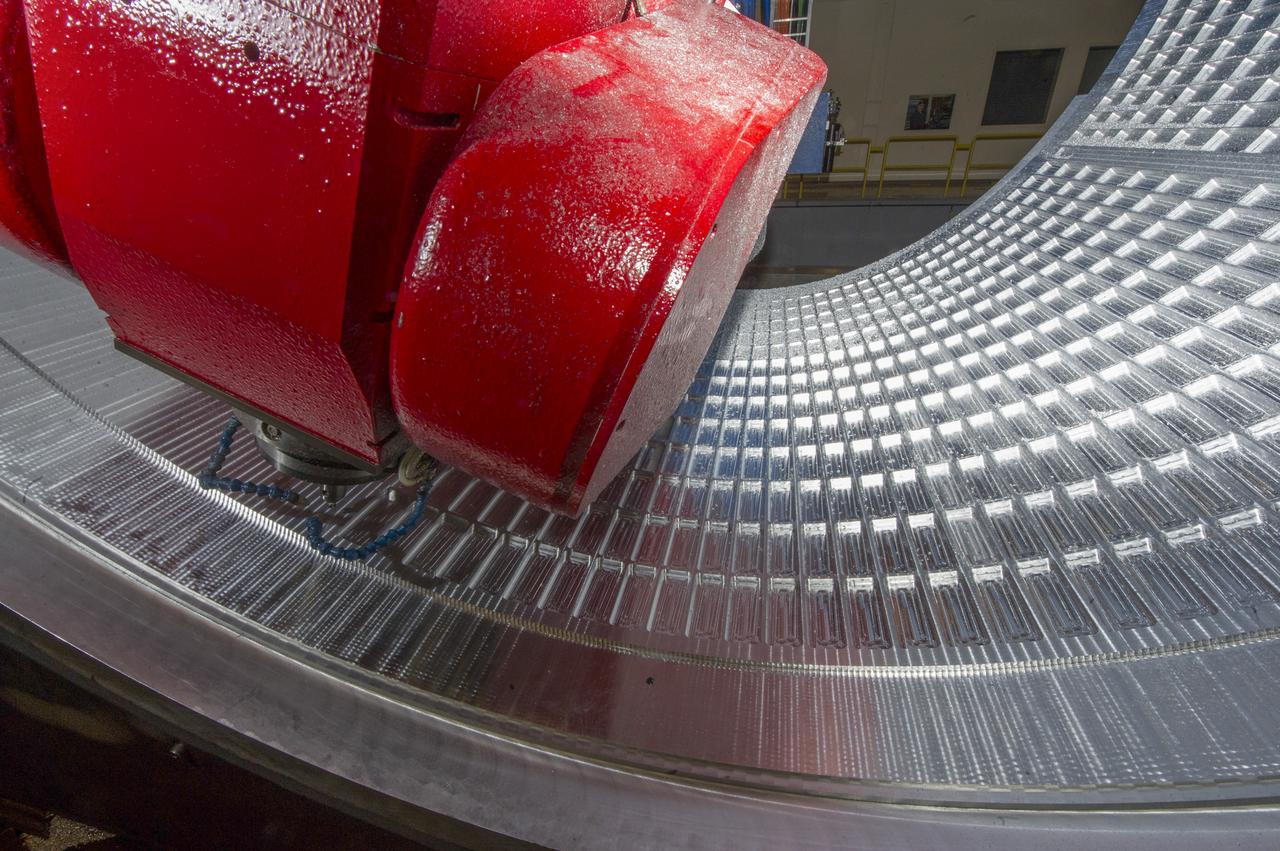
7-AXIS MILLING MACHINE CUTS ORTHOGRID TOOL PATH ON 8 FOOT CF1 BARREL IN SUPPORT OF SHELL BUCKLE TESTING
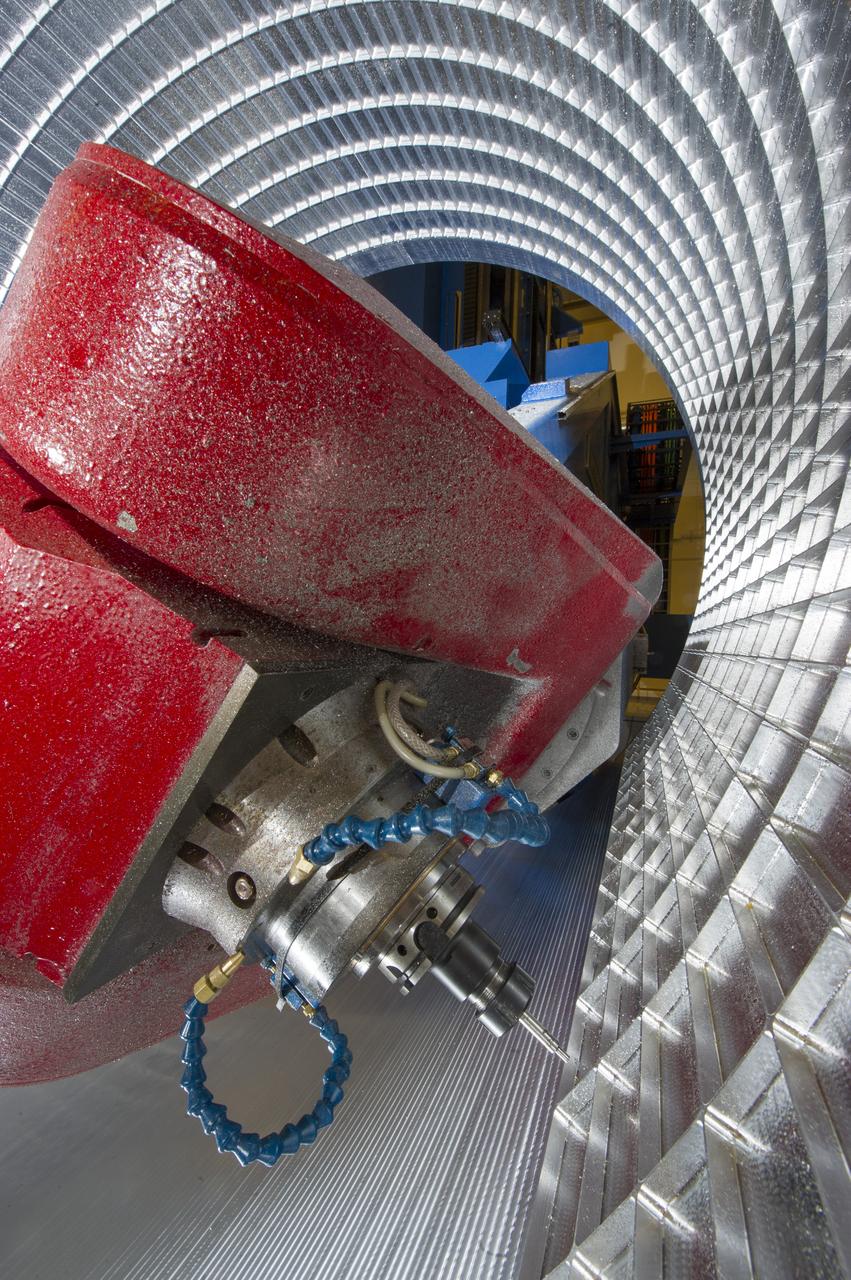
7-AXIS MILLING MACHINE CUTS ORTHOGRID TOOL PATH ON 8 FOOT CF1 BARREL IN SUPPORT OF SHELL BUCKLE TESTING
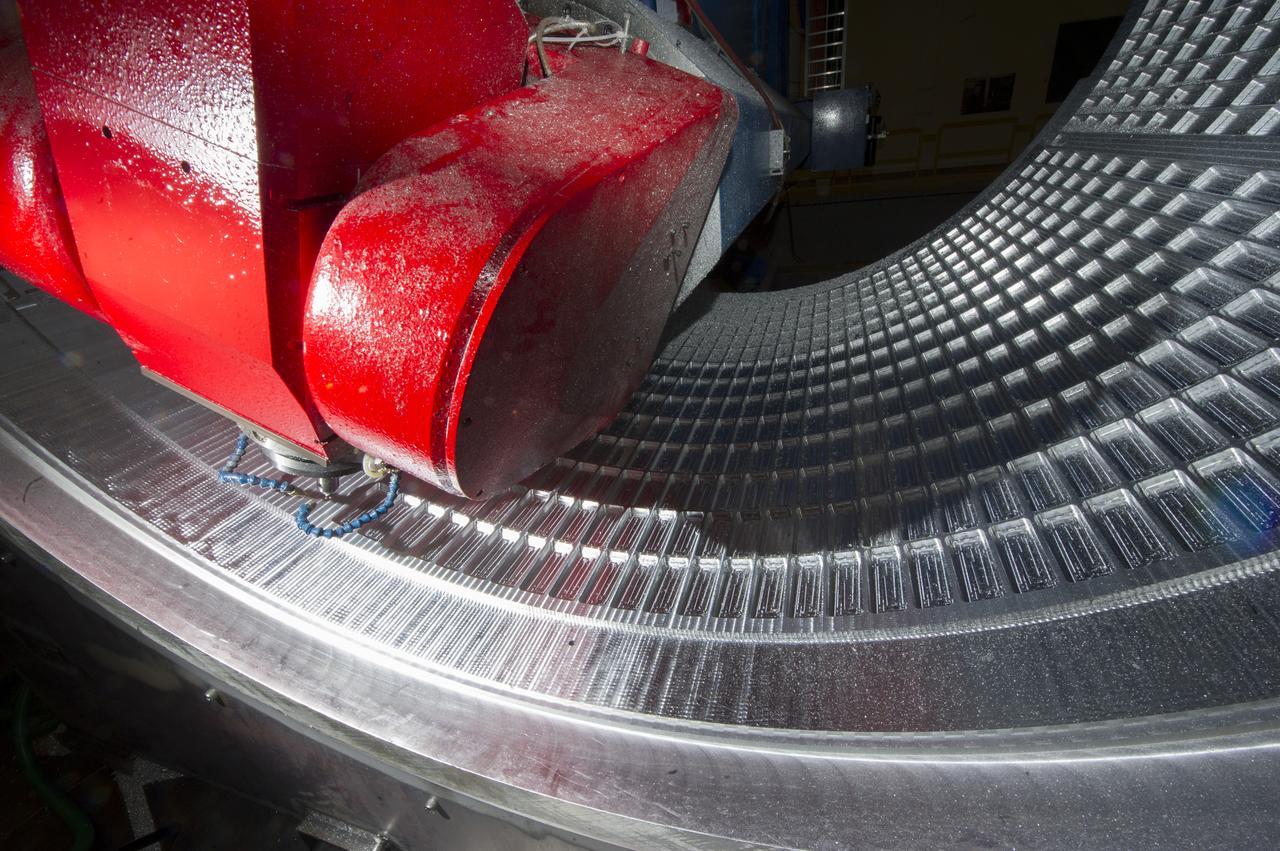
7-AXIS MILLING MACHINE CUTS ORTHOGRID TOOL PATH ON 8 FOOT CF1 BARREL IN SUPPORT OF SHELL BUCKLE TESTING
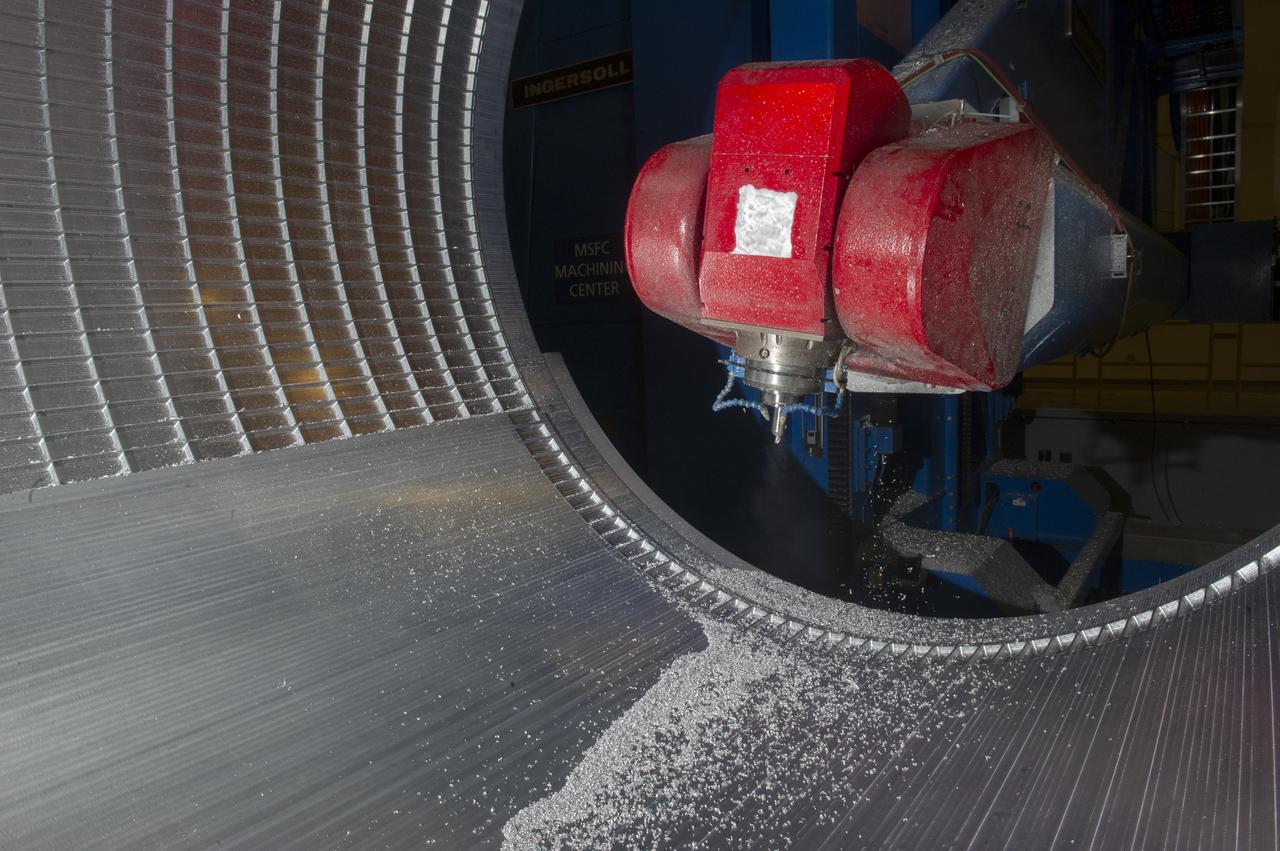
7-AXIS MILLING MACHINE CUTS ORTHOGRID TOOL PATH ON 8 FOOT CF1 BARREL IN SUPPORT OF SHELL BUCKLE TESTING
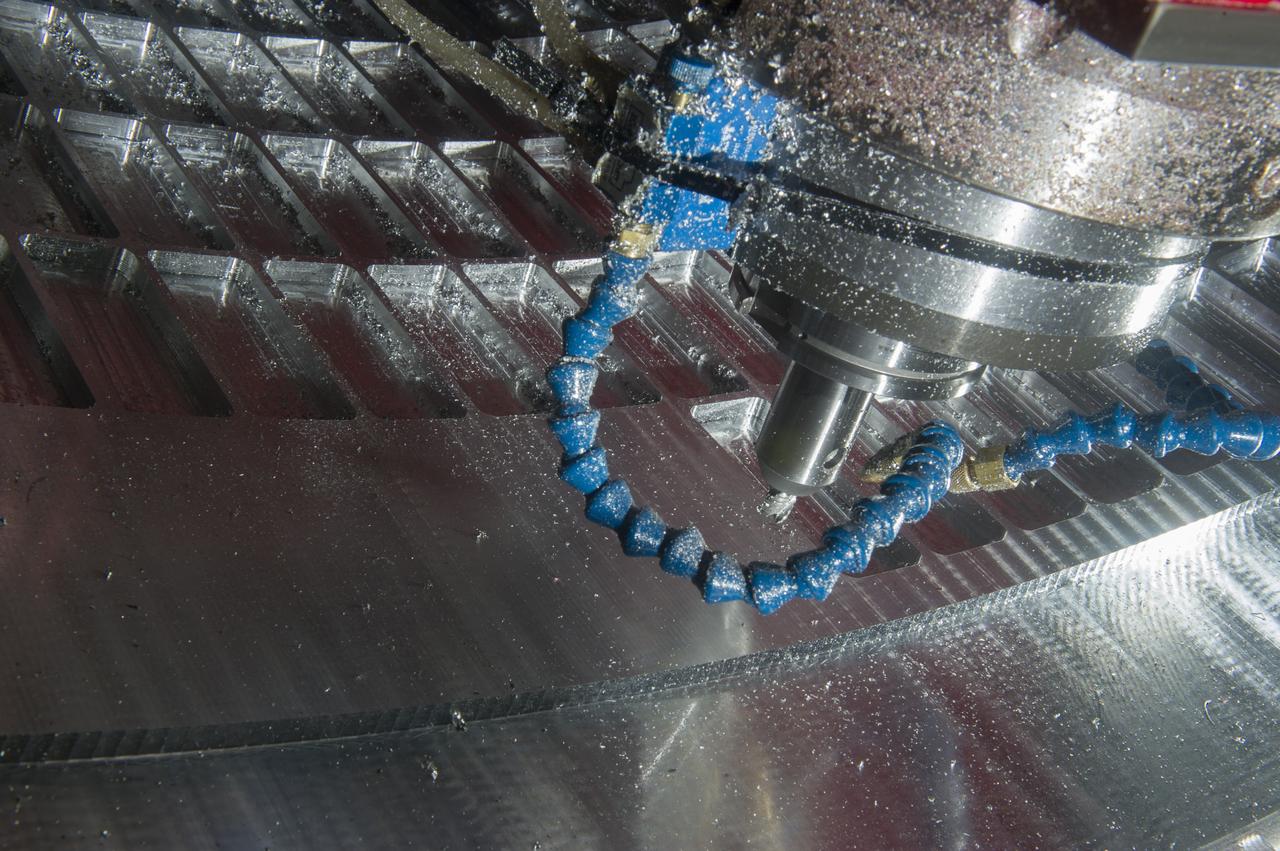
7-AXIS MILLING MACHINE CUTS ORTHOGRID TOOL PATH ON 8 FOOT CF1 BARREL IN SUPPORT OF SHELL BUCKLE TESTING
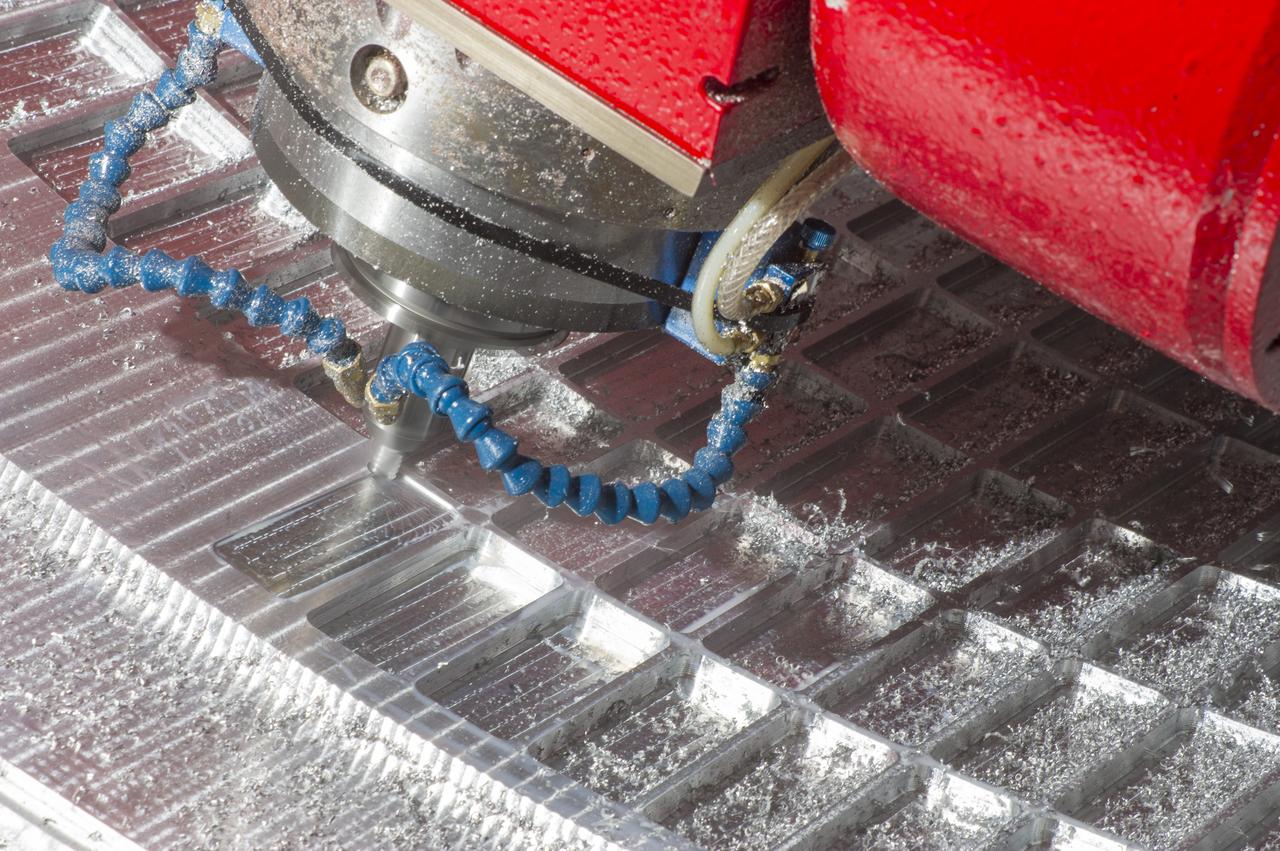
7-AXIS MILLING MACHINE CUTS ORTHOGRID TOOL PATH ON 8 FOOT CF1 BARREL IN SUPPORT OF SHELL BUCKLE TESTING
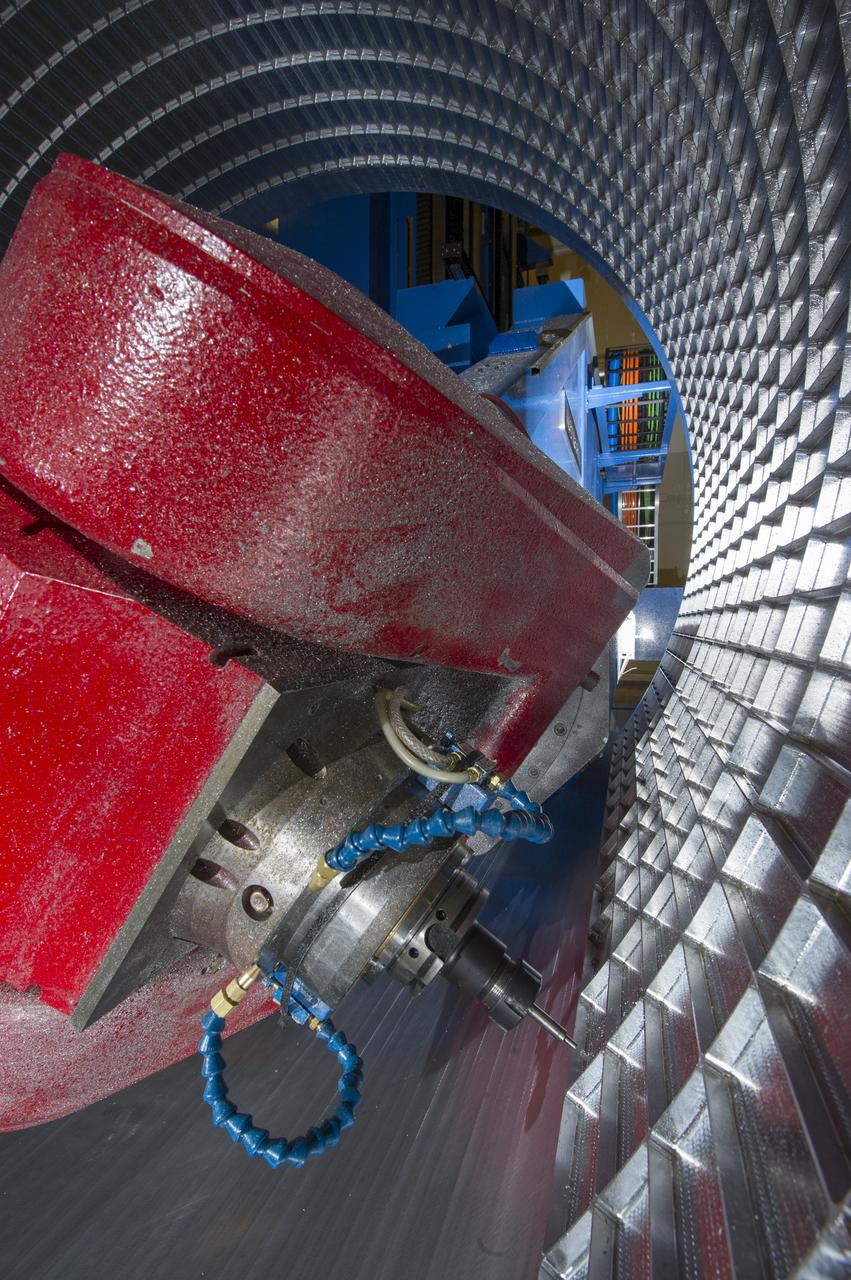
7-AXIS MILLING MACHINE CUTS ORTHOGRID TOOL PATH ON 8 FOOT CF1 BARREL IN SUPPORT OF SHELL BUCKLE TESTING

NASA astronaut and commander of the agency’s Artemis II mission, Reid Wiseman, a Baltimore native, left, joins Valerie Preactor, Kirk McEwen, and Keith Mills, right, for a WBAL radio interview prior to the start of an NFL game between the New Orleans Saints and the Baltimore Ravens at M&T Bank Stadium, Sunday, Sept. 20, 2026, in Baltimore. NASA’s engagement at NFL games is part of the agency's Inspiration Tour, aimed at strengthening connections between NASA and its partners and showcasing innovation in air and space in the lead up to the MAX POWER aerospace technology expo and airshow at the agency's Kennedy Space Center in early November. Photo Credit: (NASA/Bill Ingalls)
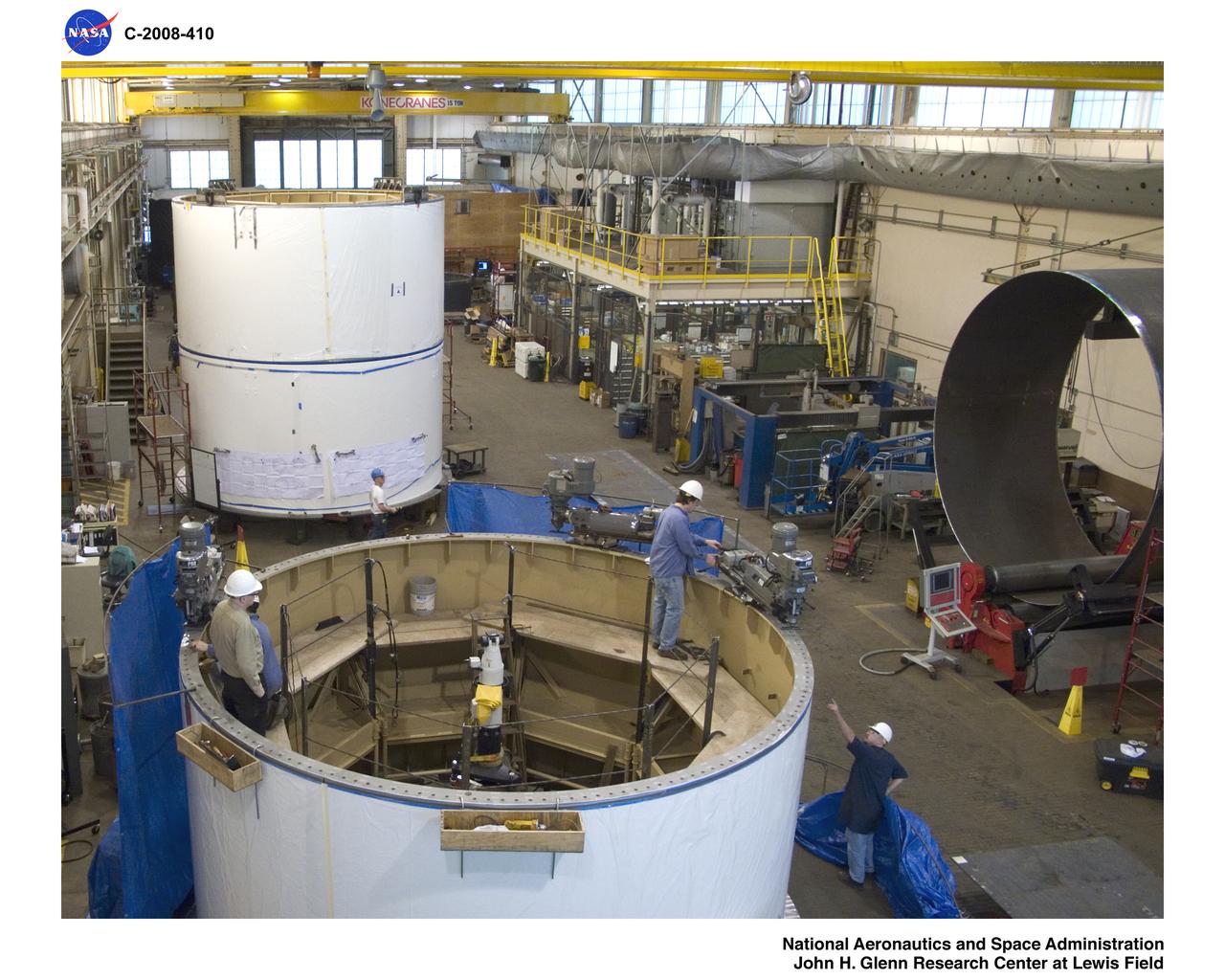
Inside Building 50, US-5 in foreground flange being milled, US-4 stacked on US-3 and steel rolled setting on Davi.
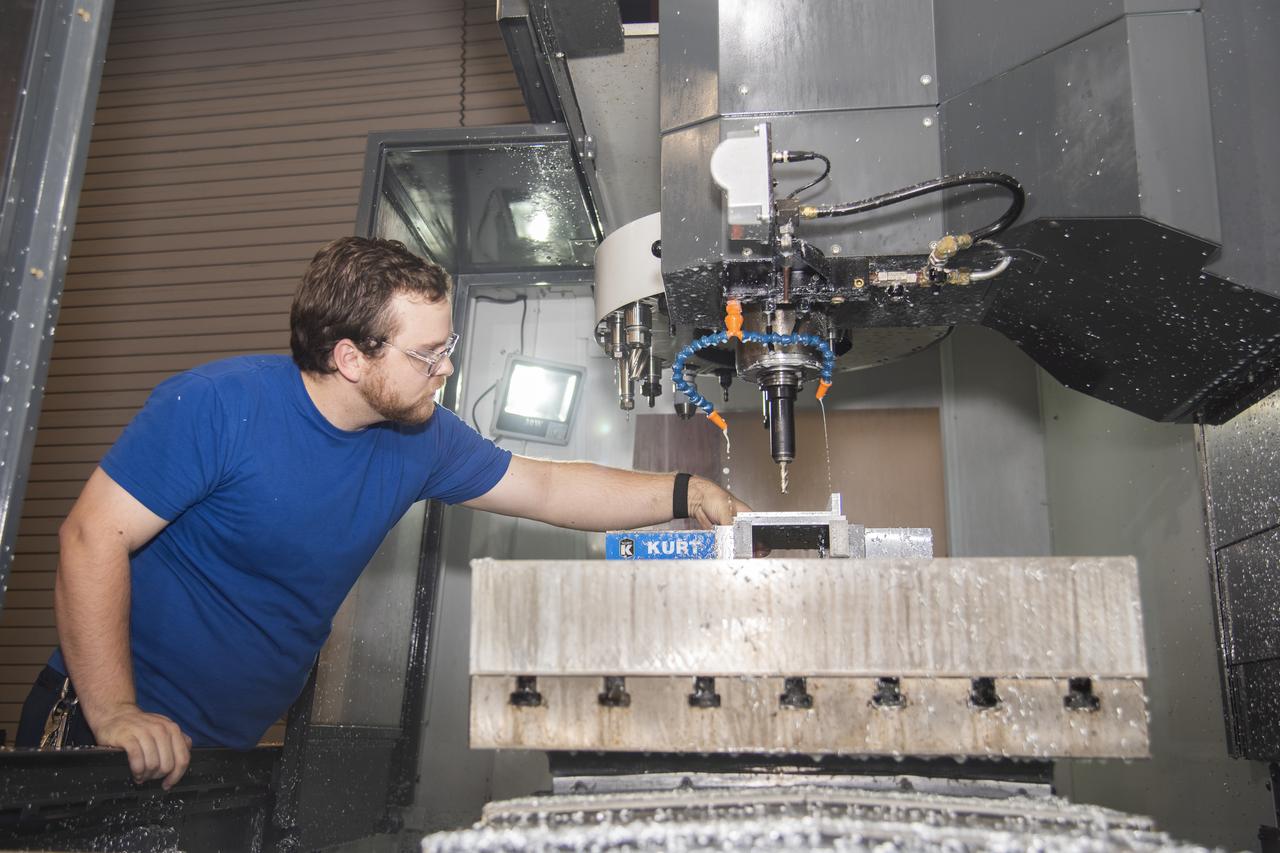
R.J. Smith mills a plate for the backup data acquisition system for the Orion Ascent Abort 2 crew module at NASA's Armstrong Flight Research Center in California.

At KSC’s Shuttle Landing Facility, a specially equipped Cessna Citation aircraft flies over the runway to calibrate the Cessna’s field mills with field mills on the ground (on the tripod at left) and on the car parked nearby (at right). Field mills measure electric fields. The aircraft is also equipped with cloud physics probes that measure the size, shape and number of ice and water particles in clouds. The plane is being flown into anvil clouds in the KSC area as part of a study to review and possibly modify lightning launch commit criteria. The weather study could lead to improved lightning avoidance rules and fewer launch scrubs for the Space Shuttle and other launch vehicles on the Eastern and Western ranges.; More information about this study can be found in <a href="http://www-pao.ksc.nasa.gov/kscpao/release/2000/56-00.htm">Release No. 56-00</a>
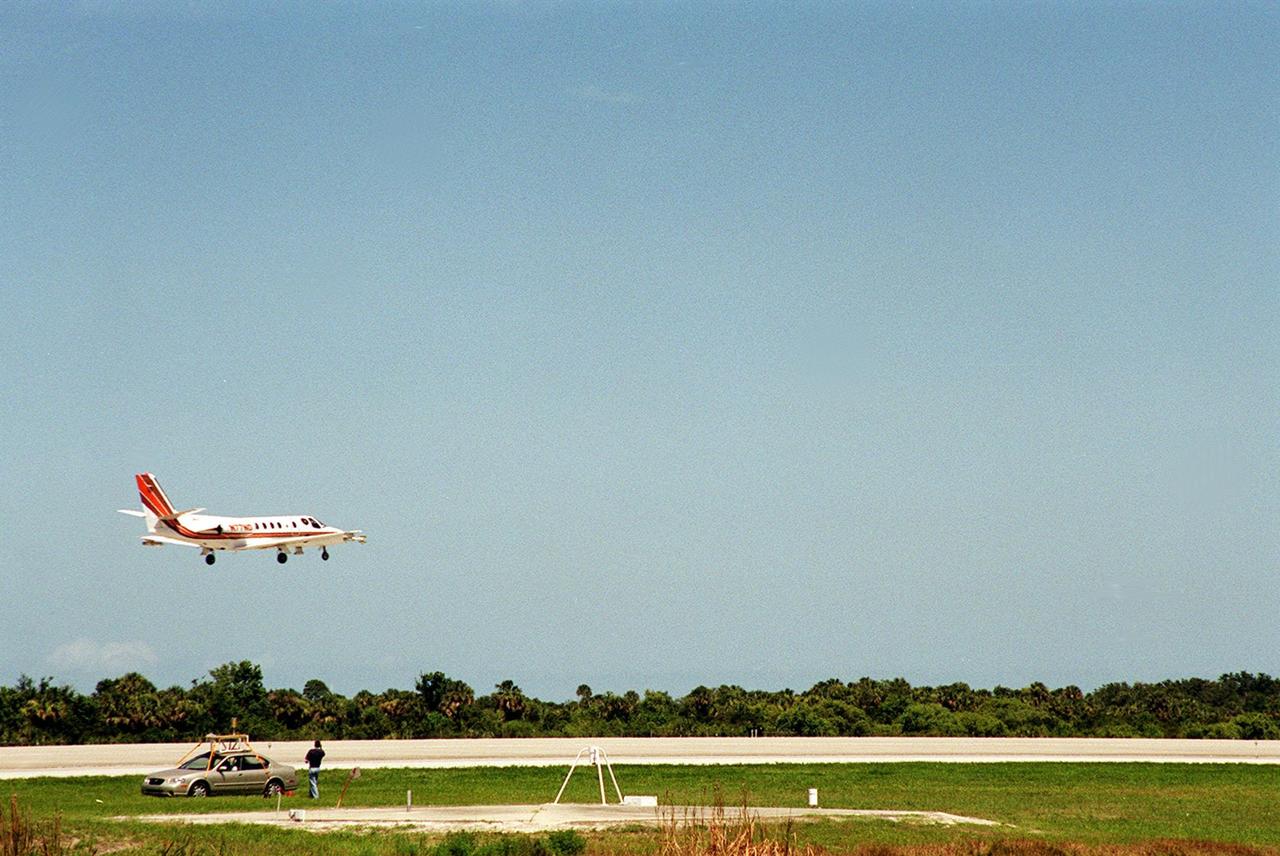
At KSC’s Shuttle Landing Facility, a specially equipped Cessna Citation aircraft approaches the runway to calibrate the Cessna’s field mills with field mills on the ground (on the tripod at left) and on the car parked nearby (at right). Field mills measure electric fields. The aircraft is also equipped with cloud physics probes that measure the size, shape and number of ice and water particles in clouds. The plane is being flown into anvil clouds in the KSC area as part of a study to review and possibly modify lightning launch commit criteria. The weather study could lead to improved lightning avoidance rules and fewer launch scrubs for the Space Shuttle and other launch vehicles on the Eastern and Western ranges.; More information on this study can be found in <a href="http://www-pao.ksc.nasa.gov/kscpao/release/2000/56-00.htm">Release No. 56-00</a>
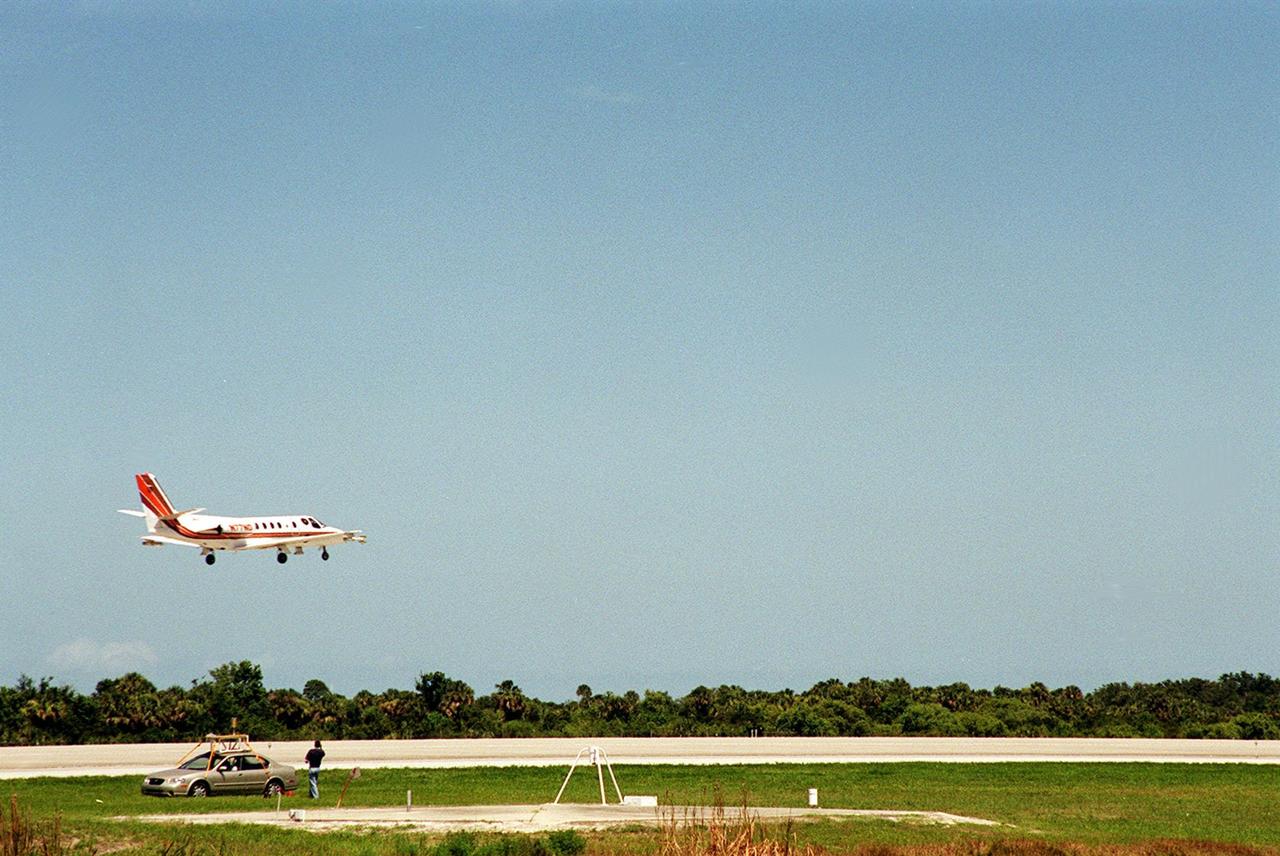
At KSC’s Shuttle Landing Facility, a specially equipped Cessna Citation aircraft approaches the runway to calibrate the Cessna’s field mills with field mills on the ground (on the tripod at left) and on the car parked nearby (at right). Field mills measure electric fields. The aircraft is also equipped with cloud physics probes that measure the size, shape and number of ice and water particles in clouds. The plane is being flown into anvil clouds in the KSC area as part of a study to review and possibly modify lightning launch commit criteria. The weather study could lead to improved lightning avoidance rules and fewer launch scrubs for the Space Shuttle and other launch vehicles on the Eastern and Western ranges.; More information on this study can be found in <a href="http://www-pao.ksc.nasa.gov/kscpao/release/2000/56-00.htm">Release No. 56-00</a>

At KSC’s Shuttle Landing Facility, a specially equipped Cessna Citation aircraft flies over the runway to calibrate the Cessna’s field mills with field mills on the ground (on the tripod at left) and on the car parked nearby (at right). Field mills measure electric fields. The aircraft is also equipped with cloud physics probes that measure the size, shape and number of ice and water particles in clouds. The plane is being flown into anvil clouds in the KSC area as part of a study to review and possibly modify lightning launch commit criteria. The weather study could lead to improved lightning avoidance rules and fewer launch scrubs for the Space Shuttle and other launch vehicles on the Eastern and Western ranges.; More information about this study can be found in <a href="http://www-pao.ksc.nasa.gov/kscpao/release/2000/56-00.htm">Release No. 56-00</a>
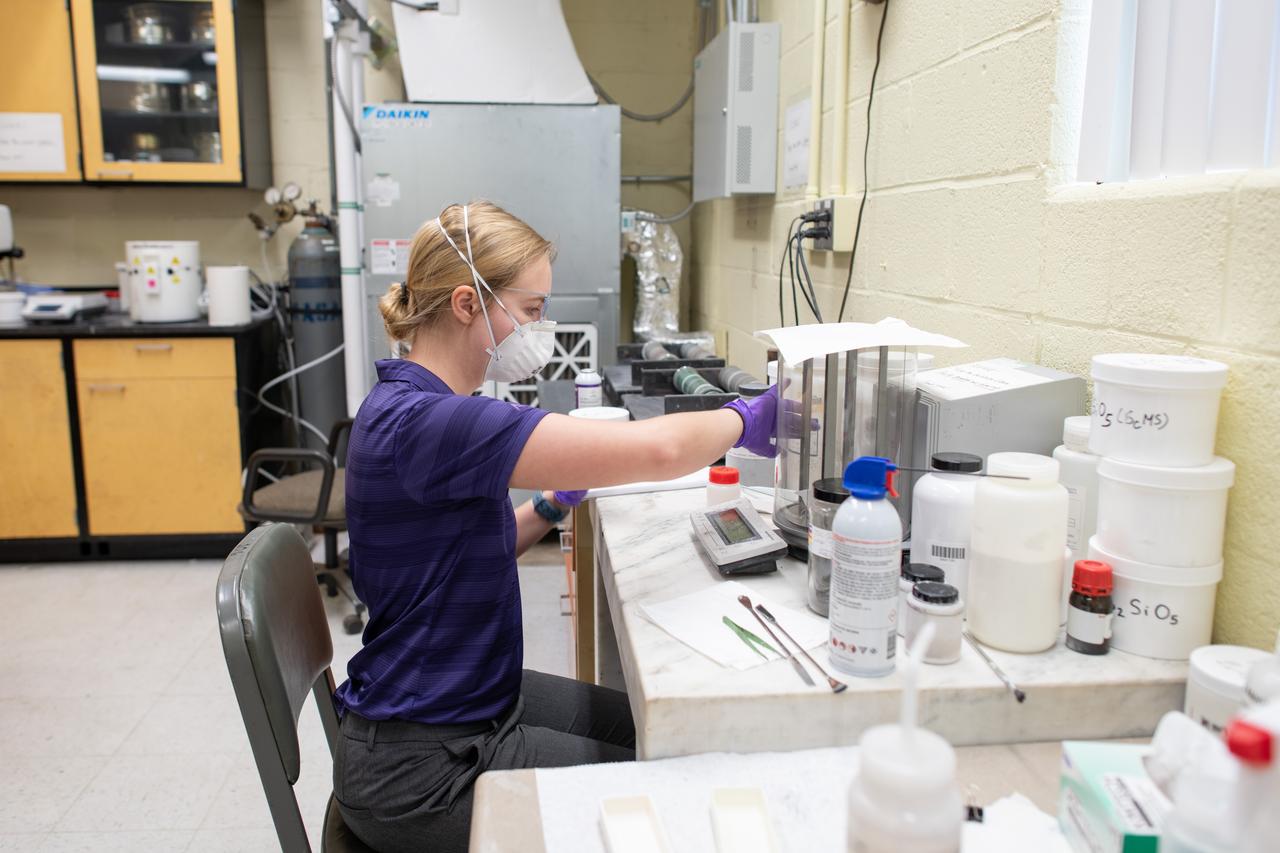
Sylvie Crowell who works in the Environmental Effects and Coatings Branch at NASA Glenn Research Center performs ball milling and particle size analysis on some lunar dust simulant on January 29, 2025.

Sylvie Crowell who works in the Environmental Effects and Coatings Branch at NASA Glenn Research Center performs ball milling and particle size analysis on some lunar dust simulant on January 29, 2025.
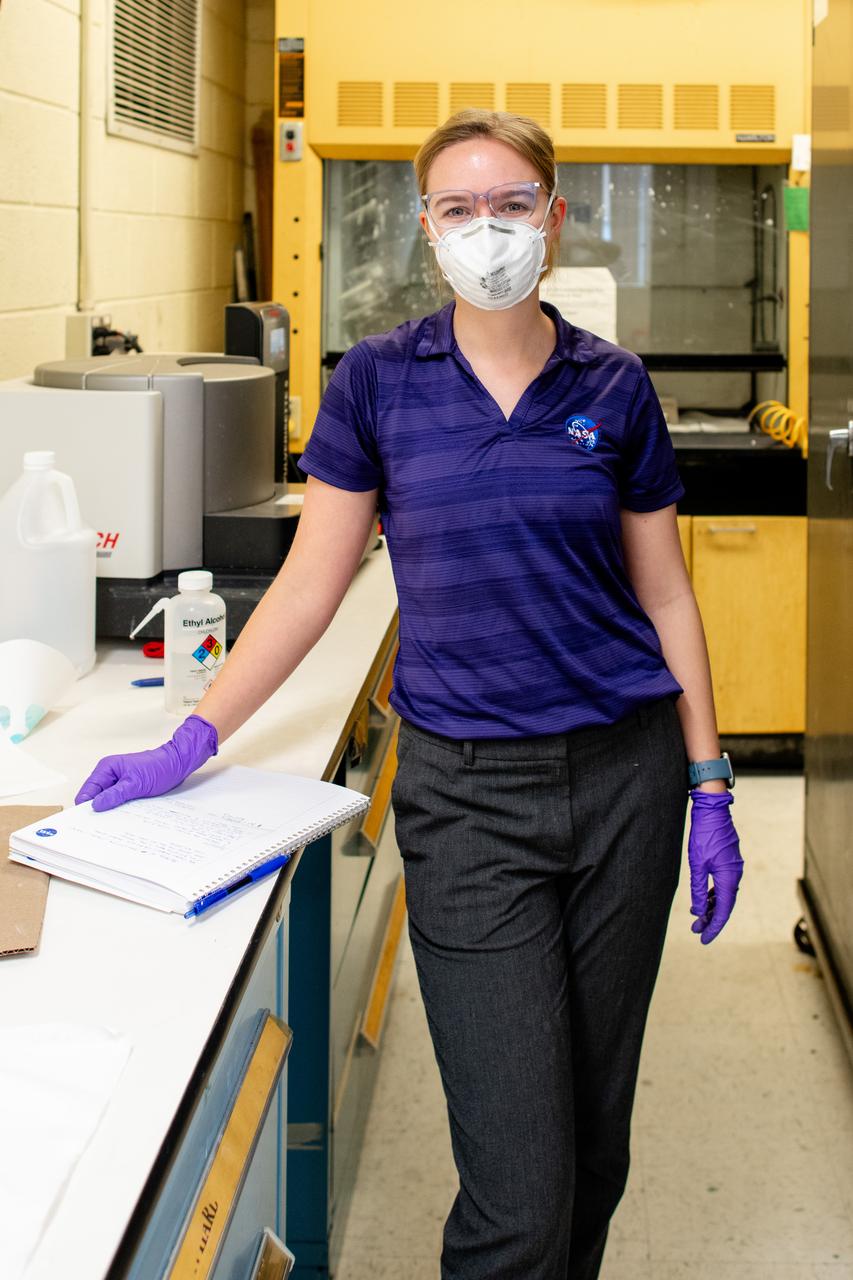
Sylvie Crowell who works in the Environmental Effects and Coatings Branch at NASA Glenn Research Center performs ball milling and particle size analysis on some lunar dust simulant on January 29, 2025.
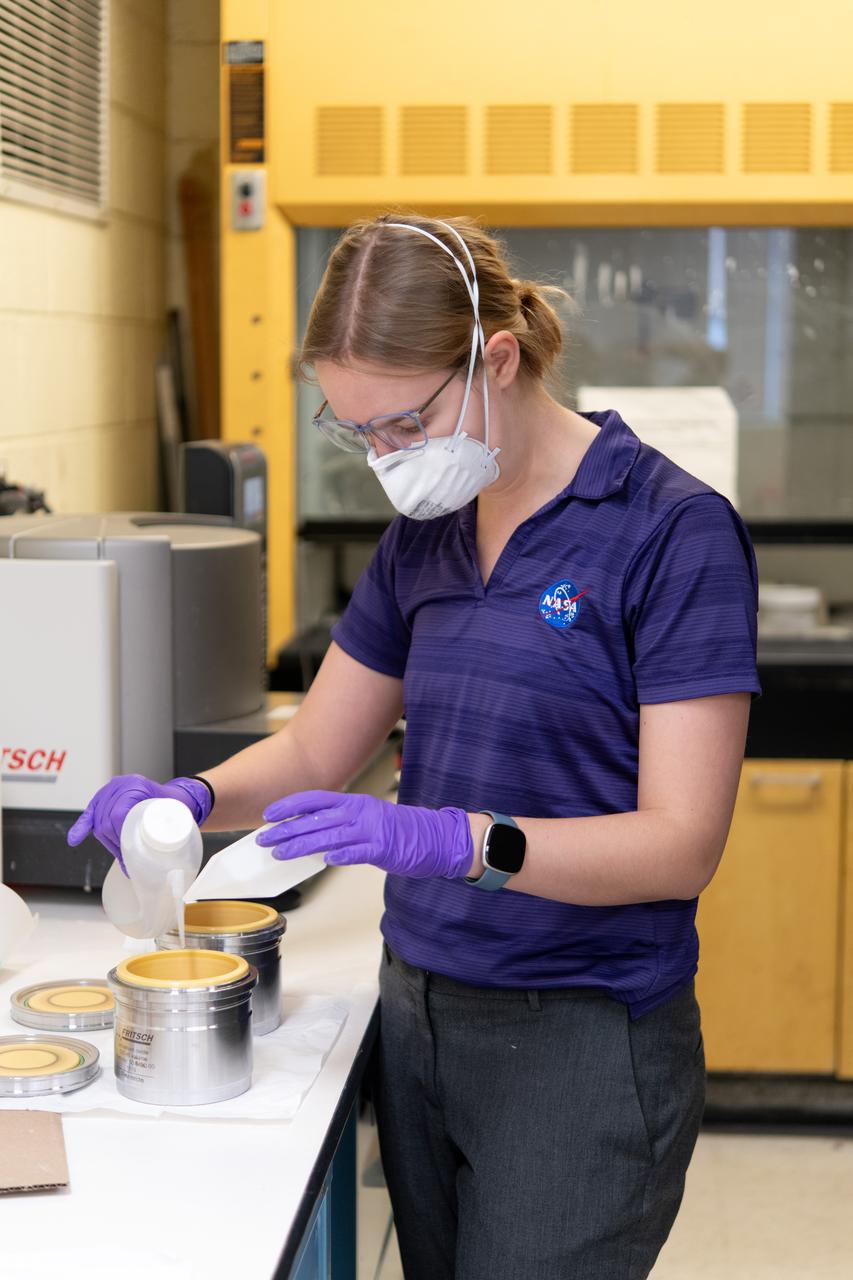
Sylvie Crowell who works in the Environmental Effects and Coatings Branch at NASA Glenn Research Center performs ball milling and particle size analysis on some lunar dust simulant on January 29, 2025.
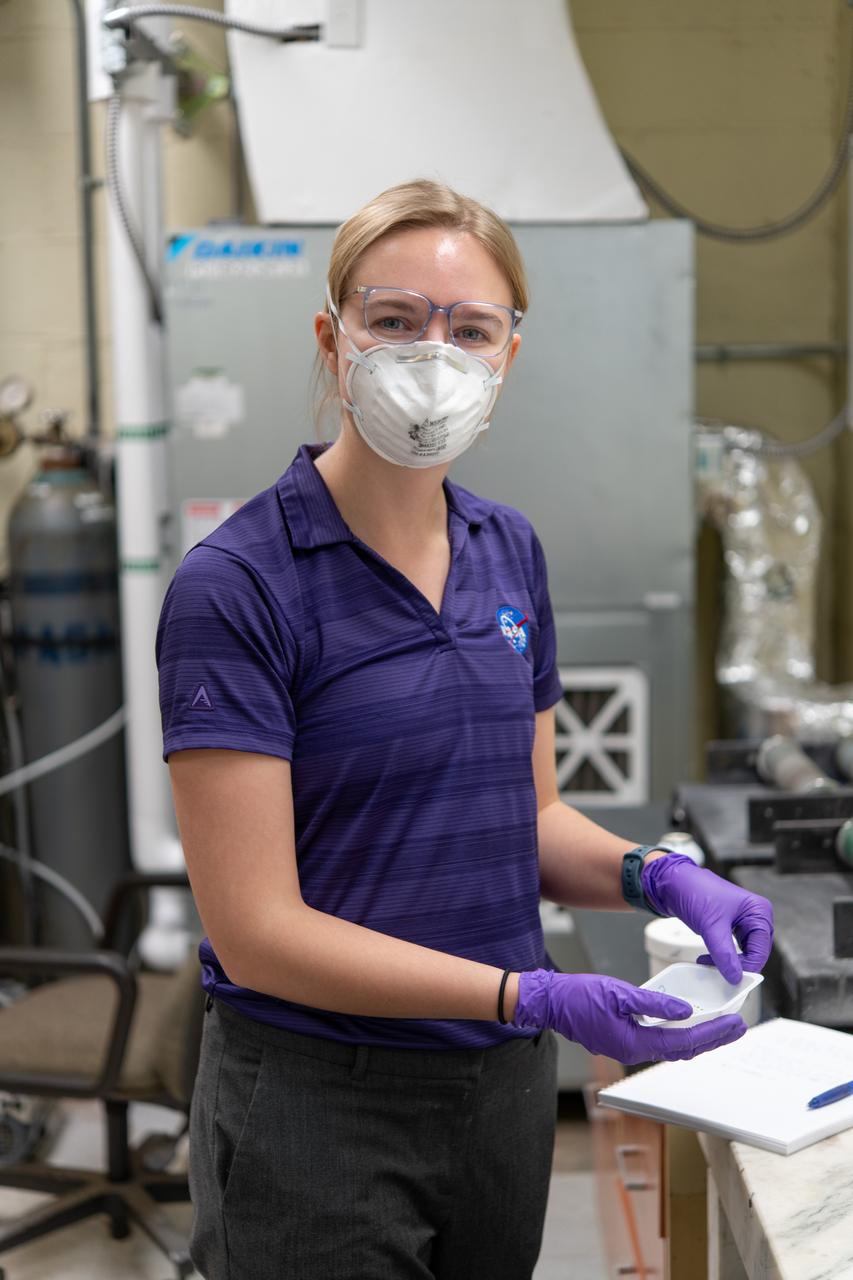
Sylvie Crowell who works in the Environmental Effects and Coatings Branch at NASA Glenn Research Center performs ball milling and particle size analysis on some lunar dust simulant on January 29, 2025.

XV-5A airplane installed in 40x80ft Subsonic Wind Tunnel at NASA Ames Research Center with Tom Mills. The propulsive lift system was tested to determine power-on performance characteristics in preparation for flight tests.
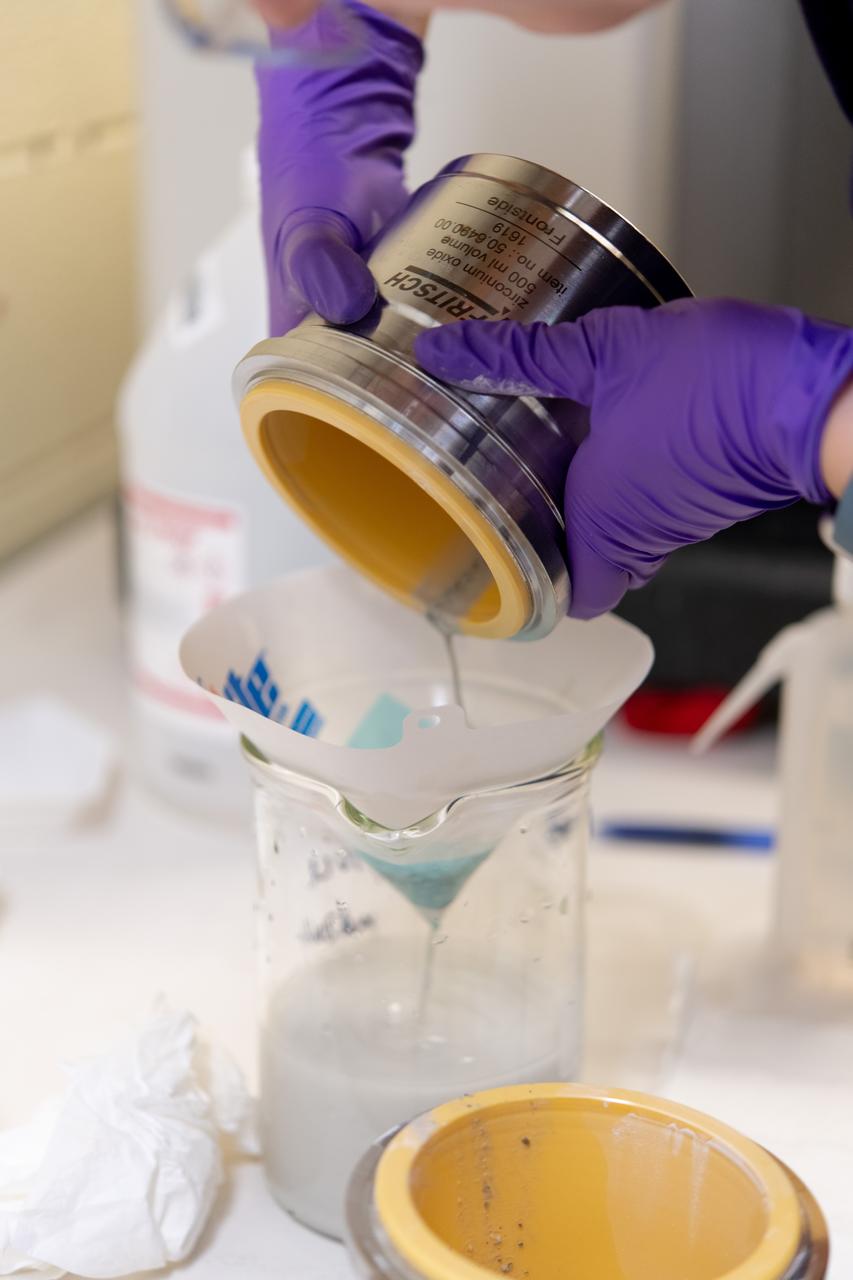
Sylvie Crowell who works in the Environmental Effects and Coatings Branch at NASA Glenn Research Center performs ball milling and particle size analysis on some lunar dust simulant on January 29, 2025.
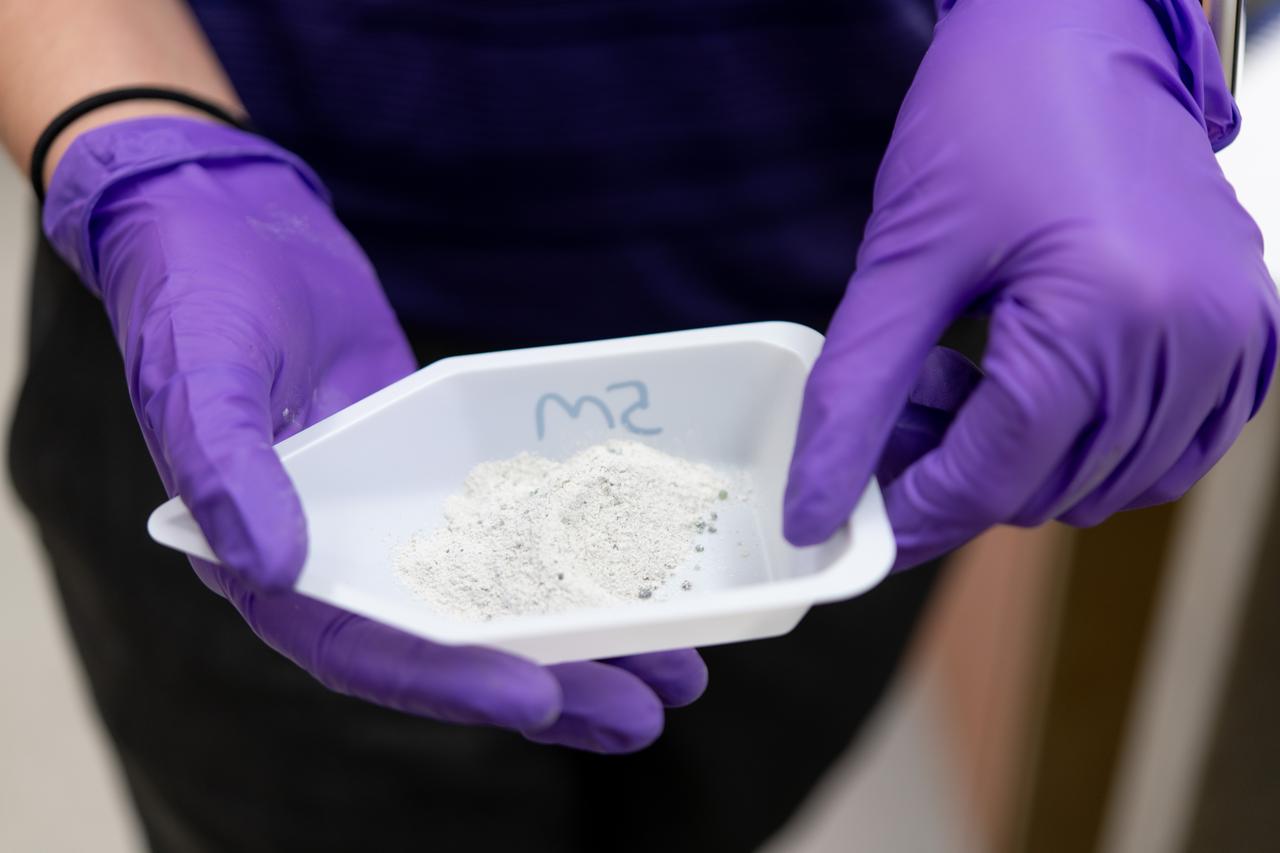
Sylvie Crowell who works in the Environmental Effects and Coatings Branch at NASA Glenn Research Center performs ball milling and particle size analysis on some lunar dust simulant on January 29, 2025.
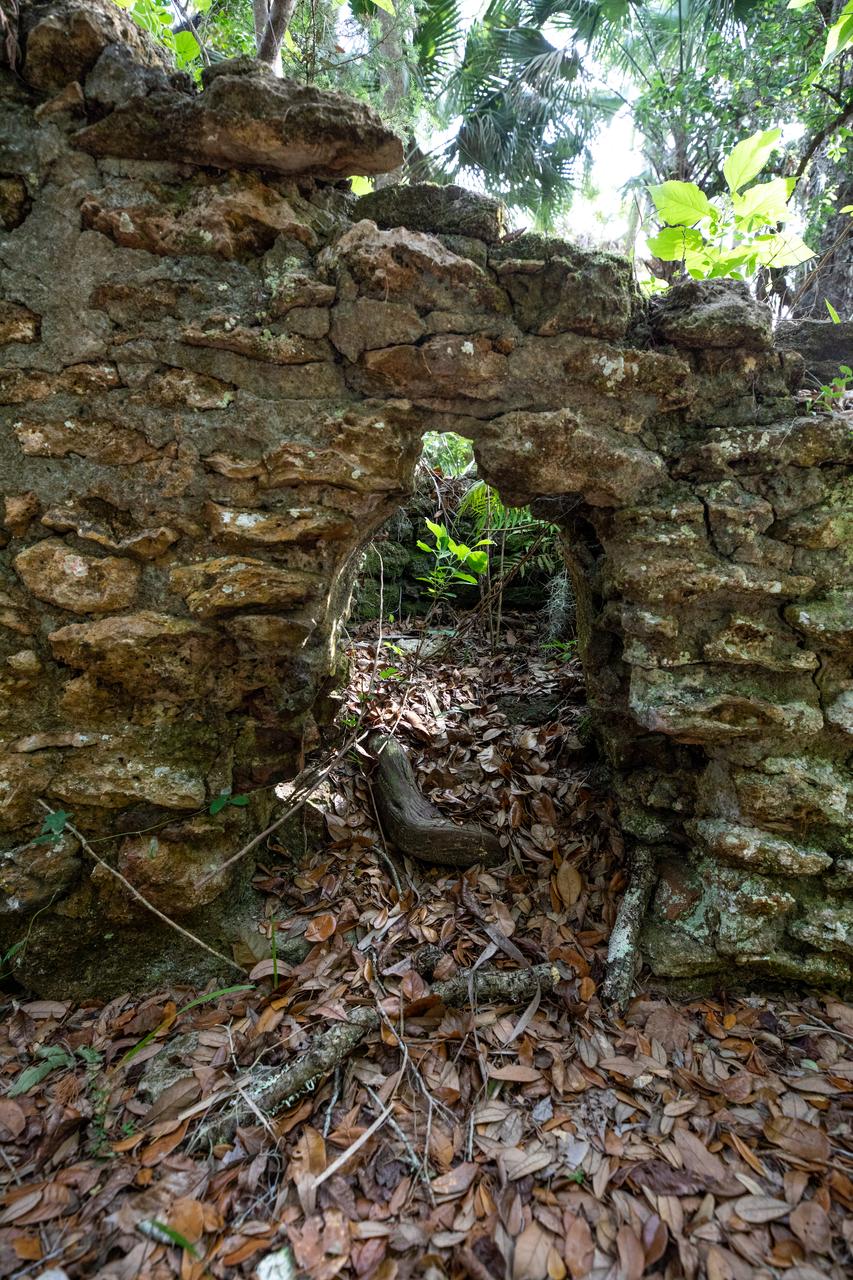
Archeological ruins of the Elliot Plantation sugar mill are revealed through the oak hammock at NASA’s Kennedy Space Center in Florida on May 26, 2022. The plantation’s enslaved community built the sugar mill structure, or sugar train, where sugar cane juice would be boiled during processing in graduated copper kettles until the liquid reduced into a thick syrup. The ruins of Elliot Plantation date from the 1760s and represent the largest, earliest, and southernmost British period sugar plantation in the U.S., as well as one of the most intact and best examples of a completely preserved enslaved landscape. The archeological site is managed through interagency cooperation between the National Park Service, the U.S. Fish and Wildlife Service, and NASA.
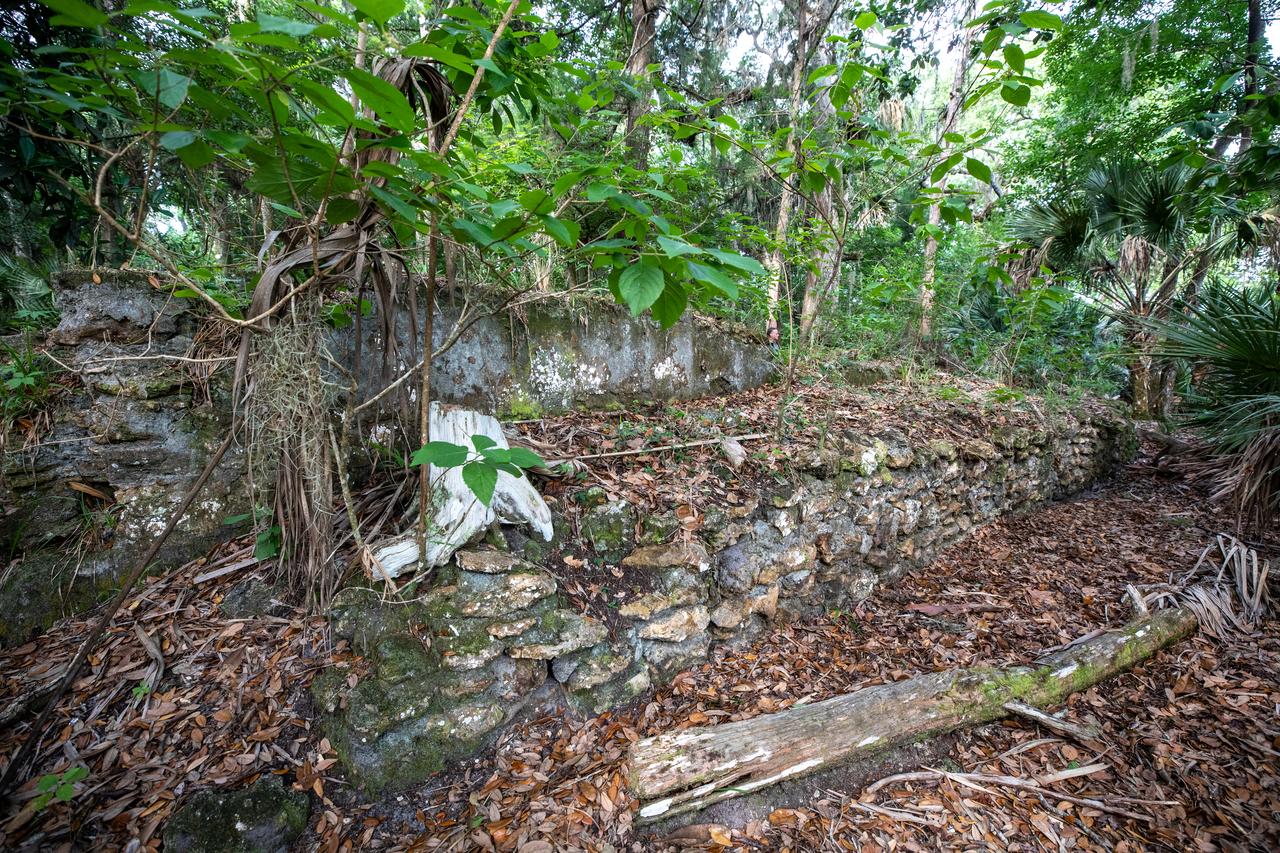
Archeological ruins of the Elliot Plantation sugar mill are revealed through the oak hammock at NASA’s Kennedy Space Center in Florida on May 26, 2022. The plantation’s enslaved community built the sugar mill structure, or sugar train, where sugar cane juice would be boiled during processing in graduated copper kettles until the liquid reduced into a thick syrup. The ruins of Elliot Plantation date from the 1760s and represent the largest, earliest, and southernmost British period sugar plantation in the U.S., as well as one of the most intact and best examples of a completely preserved enslaved landscape. The archeological site is managed through interagency cooperation between the National Park Service, the U.S. Fish and Wildlife Service, and NASA.
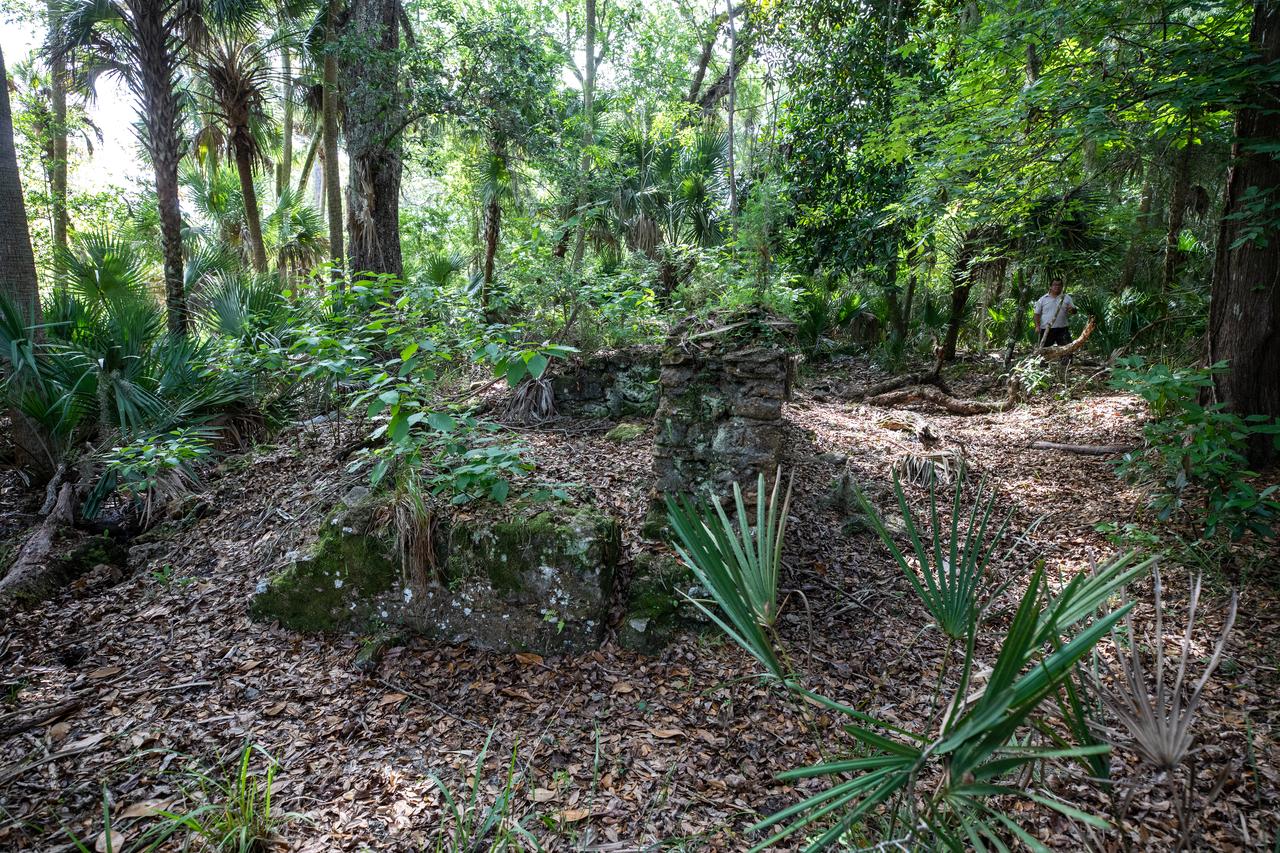
Archeological ruins of the Elliot Plantation sugar mill are revealed through the oak hammock at NASA’s Kennedy Space Center in Florida on May 26, 2022. The plantation’s enslaved community built the sugar mill structure, or sugar train, where sugar cane juice would be boiled during processing in graduated copper kettles until the liquid reduced into a thick syrup. The ruins of Elliot Plantation date from the 1760s and represent the largest, earliest, and southernmost British period sugar plantation in the U.S., as well as one of the most intact and best examples of a completely preserved enslaved landscape. The archeological site is managed through interagency cooperation between the National Park Service, the U.S. Fish and Wildlife Service, and NASA.
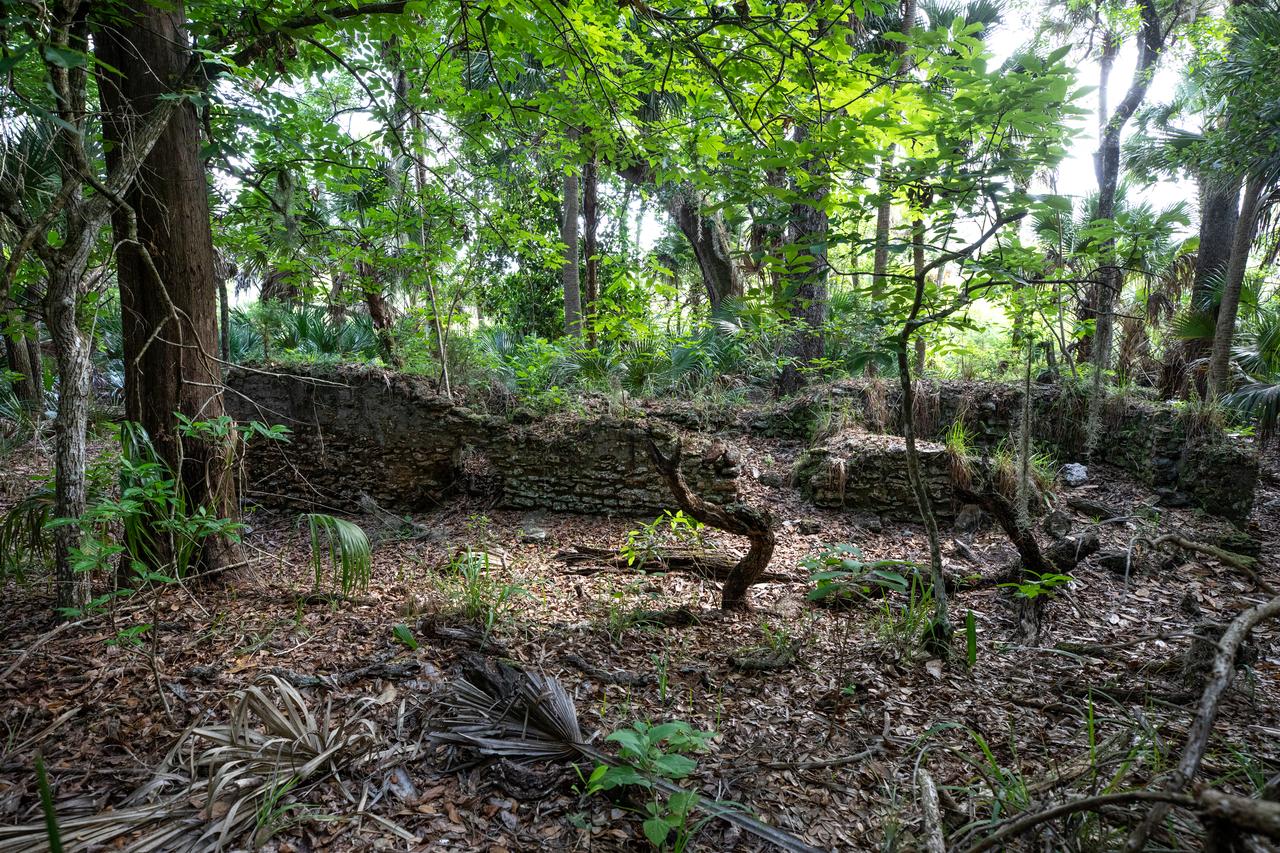
Archeological ruins of the Elliot Plantation sugar mill are revealed through the oak hammock at NASA’s Kennedy Space Center in Florida on May 26, 2022. The plantation’s enslaved community built the sugar mill structure, or sugar train, where sugar cane juice would be boiled during processing in graduated copper kettles until the liquid reduced into a thick syrup. The ruins of Elliot Plantation date from the 1760s and represent the largest, earliest, and southernmost British period sugar plantation in the U.S., as well as one of the most intact and best examples of a completely preserved enslaved landscape. The archeological site is managed through interagency cooperation between the National Park Service, the U.S. Fish and Wildlife Service, and NASA.
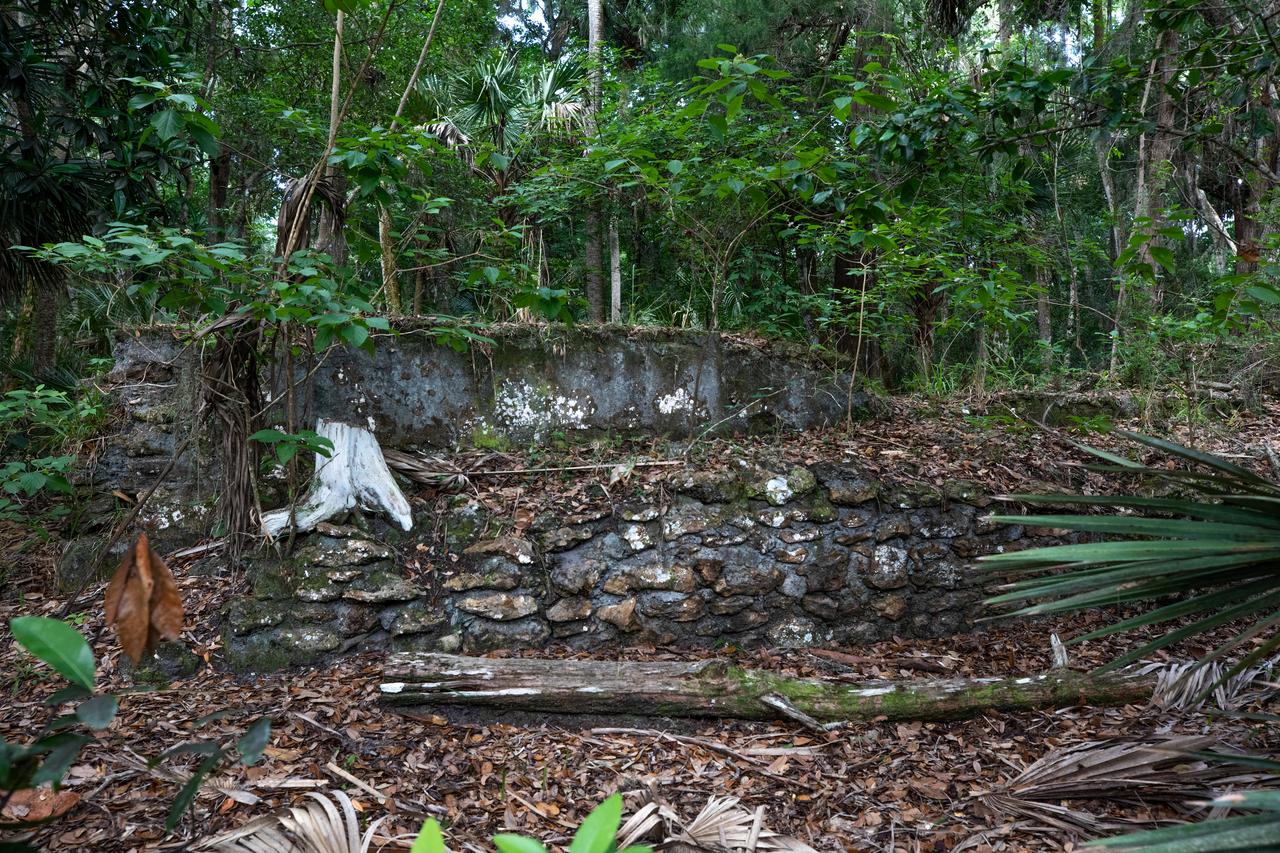
Archeological ruins of the Elliot Plantation sugar mill are revealed through the oak hammock at NASA’s Kennedy Space Center in Florida on May 26, 2022. The plantation’s enslaved community built the sugar mill structure, or sugar train, where sugar cane juice would be boiled during processing in graduated copper kettles until the liquid reduced into a thick syrup. The ruins of Elliot Plantation date from the 1760s and represent the largest, earliest, and southernmost British period sugar plantation in the U.S., as well as one of the most intact and best examples of a completely preserved enslaved landscape. The archeological site is managed through interagency cooperation between the National Park Service, the U.S. Fish and Wildlife Service, and NASA.
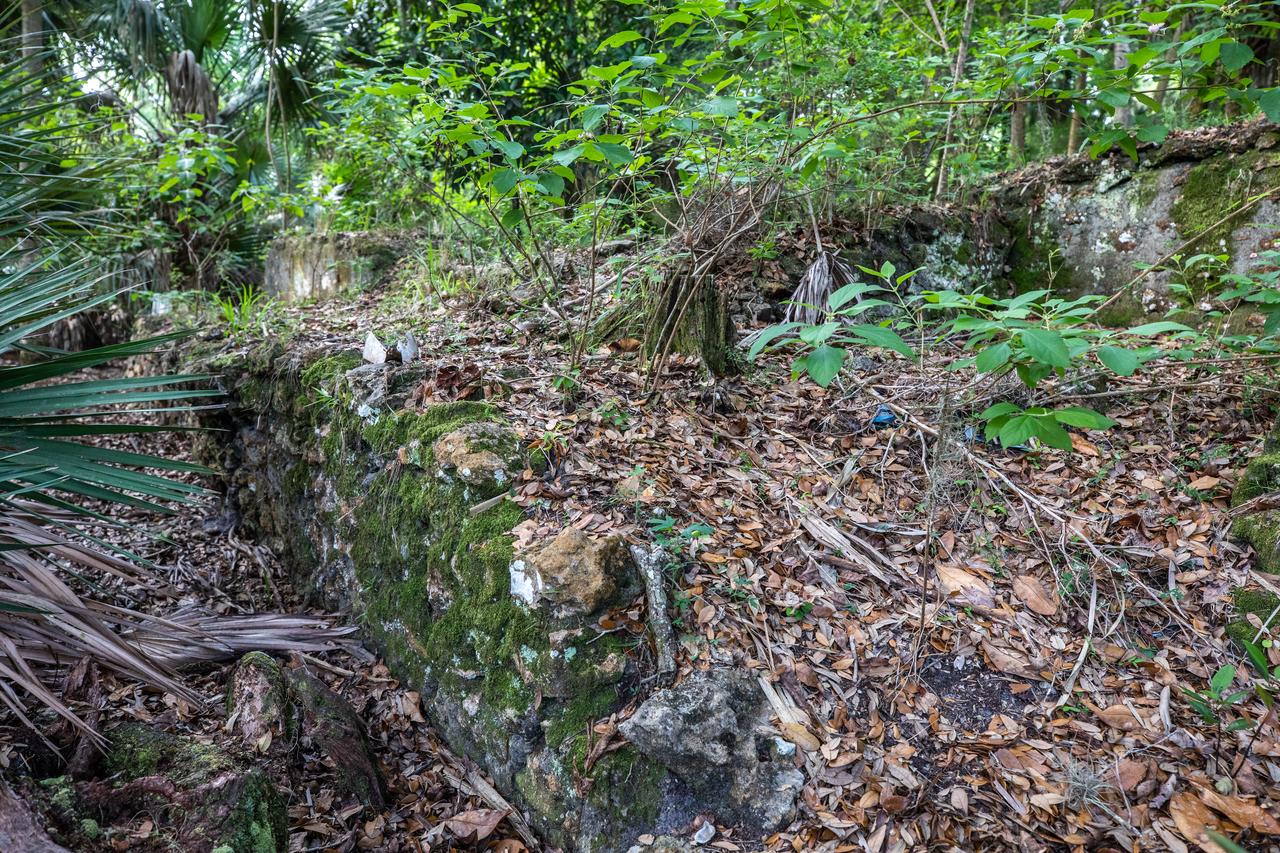
Archeological ruins of the Elliot Plantation sugar mill are revealed through the oak hammock at NASA’s Kennedy Space Center in Florida on May 26, 2022. The plantation’s enslaved community built the sugar mill structure, or sugar train, where sugar cane juice would be boiled during processing in graduated copper kettles until the liquid reduced into a thick syrup. The ruins of Elliot Plantation date from the 1760s and represent the largest, earliest, and southernmost British period sugar plantation in the U.S., as well as one of the most intact and best examples of a completely preserved enslaved landscape. The archeological site is managed through interagency cooperation between the National Park Service, the U.S. Fish and Wildlife Service, and NASA.
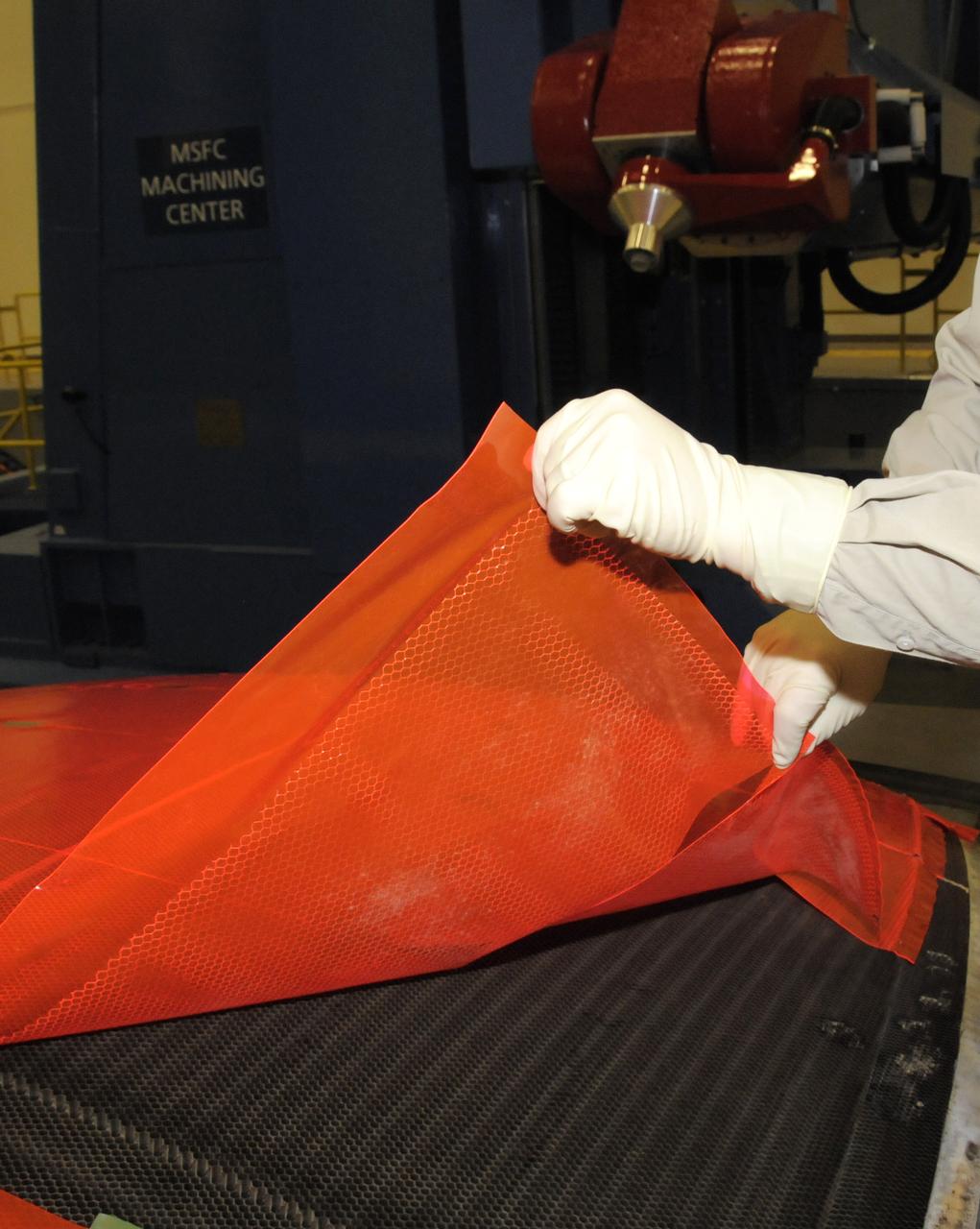
JOHN V. BAUSANO, IRC, COMPOSITE ENGINEER, CHECKING QUARTER DOME MACHINING VERIFICATION FILM
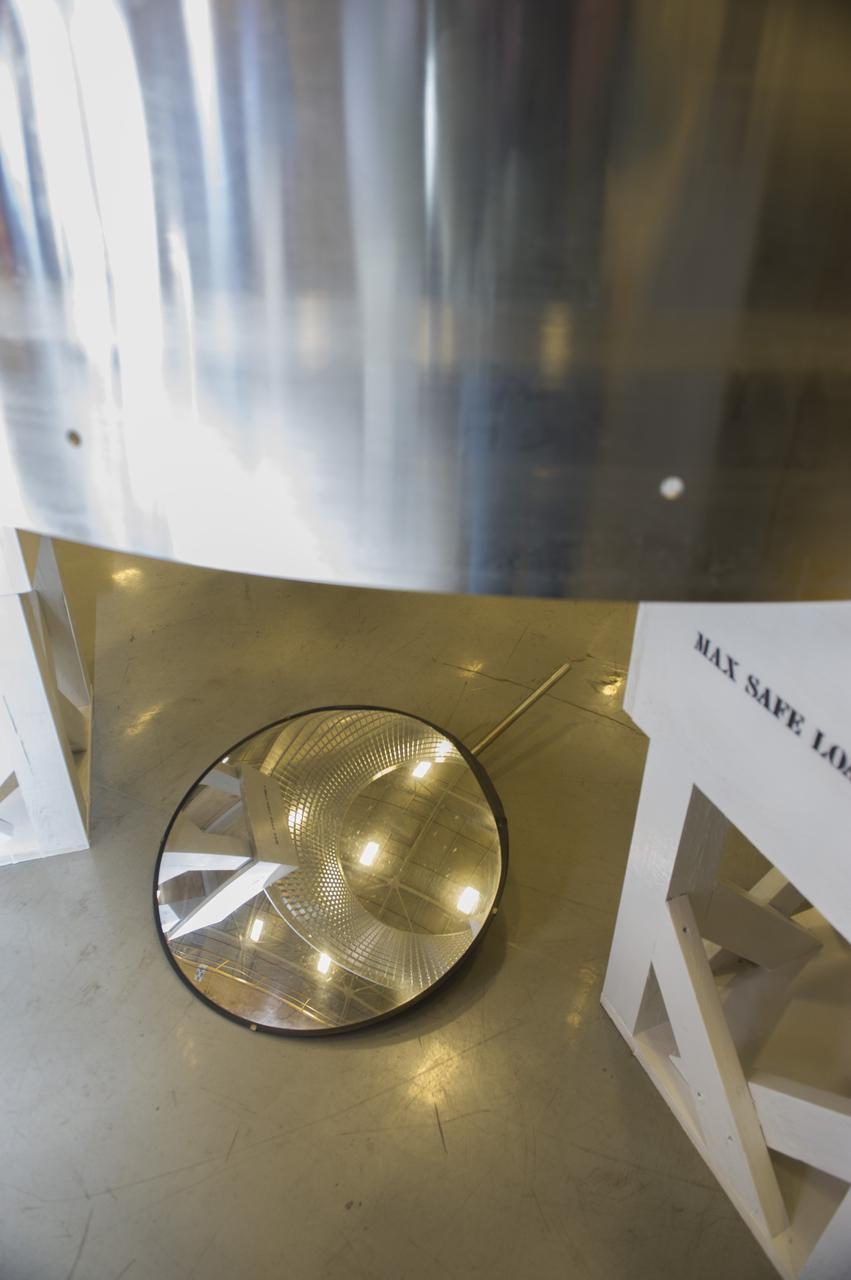
5TH SBKF (SHELL BUCKLE KNOCKDOWN FACTOR) WORKSHOP, MSFC, FEB. 3-4, 2015