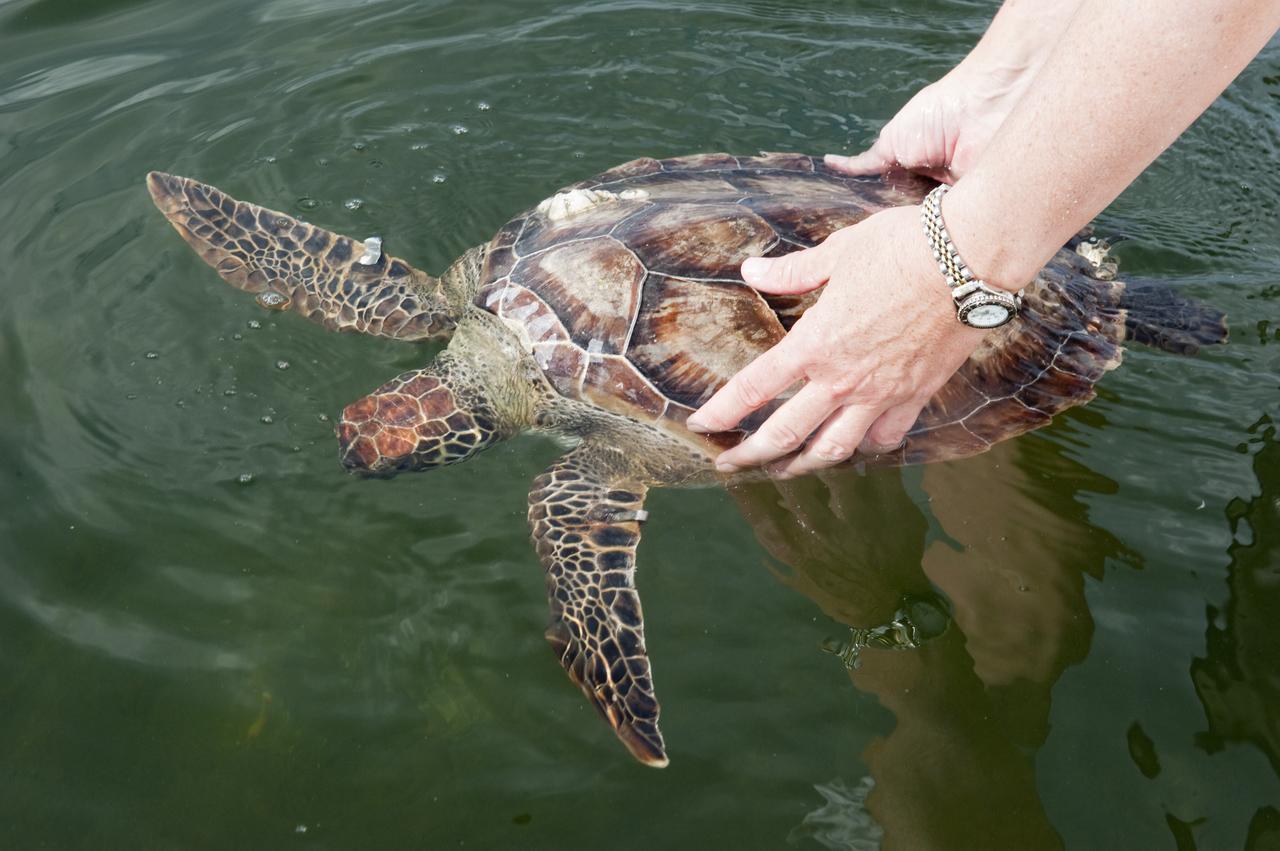
CAPE CANAVERAL, Fla. -- An endangered green sea turtle is released into the Mosquito Lagoon, which is part of Florida's Indian River. Workers with NASA's Kennedy Space Center, Innovative Health Applications and the Fish and Wildlife Conservation Commission rescued more than 300 turtles during this winter's frigid temperatures. Turtles that were stunned multiple times will be released in the Sebastian area of the Indian River, which often offers warmer water and could help prevent future stuns as winter progresses. NASA/Kim Shiflett
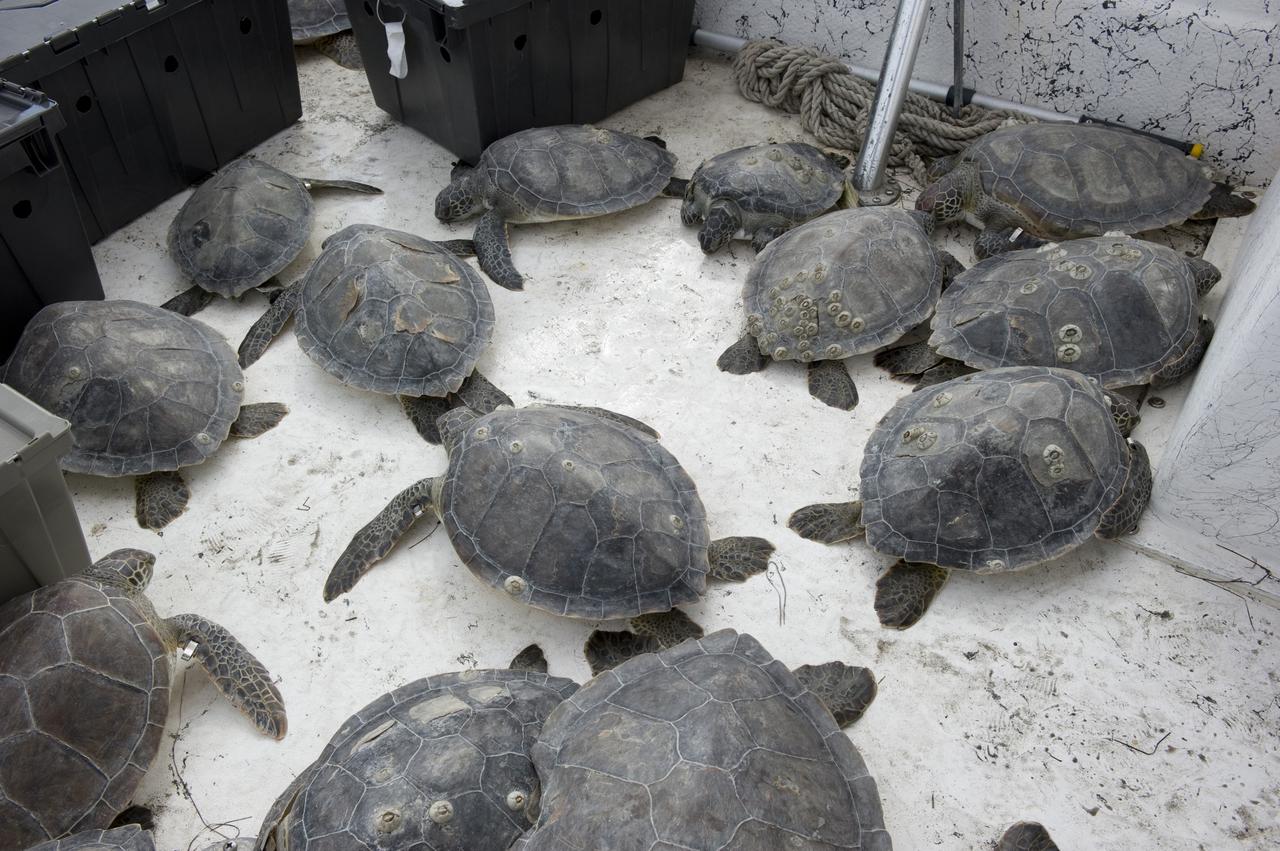
CAPE CANAVERAL, Fla. -- Several endangered green sea turtles that were "stunned" during two cold snaps in December 2010 are ready for release into the Mosquito Lagoon, which is part of Florida's Indian River. Workers with NASA's Kennedy Space Center, Innovative Health Applications and the Fish and Wildlife Conservation Commission rescued more than 300 turtles during this winter's frigid temperatures. Turtles that were stunned multiple times will be released in the Sebastian area of the Indian River, which often offers warmer water and could help prevent future stuns as winter progresses. NASA/Kim Shiflett
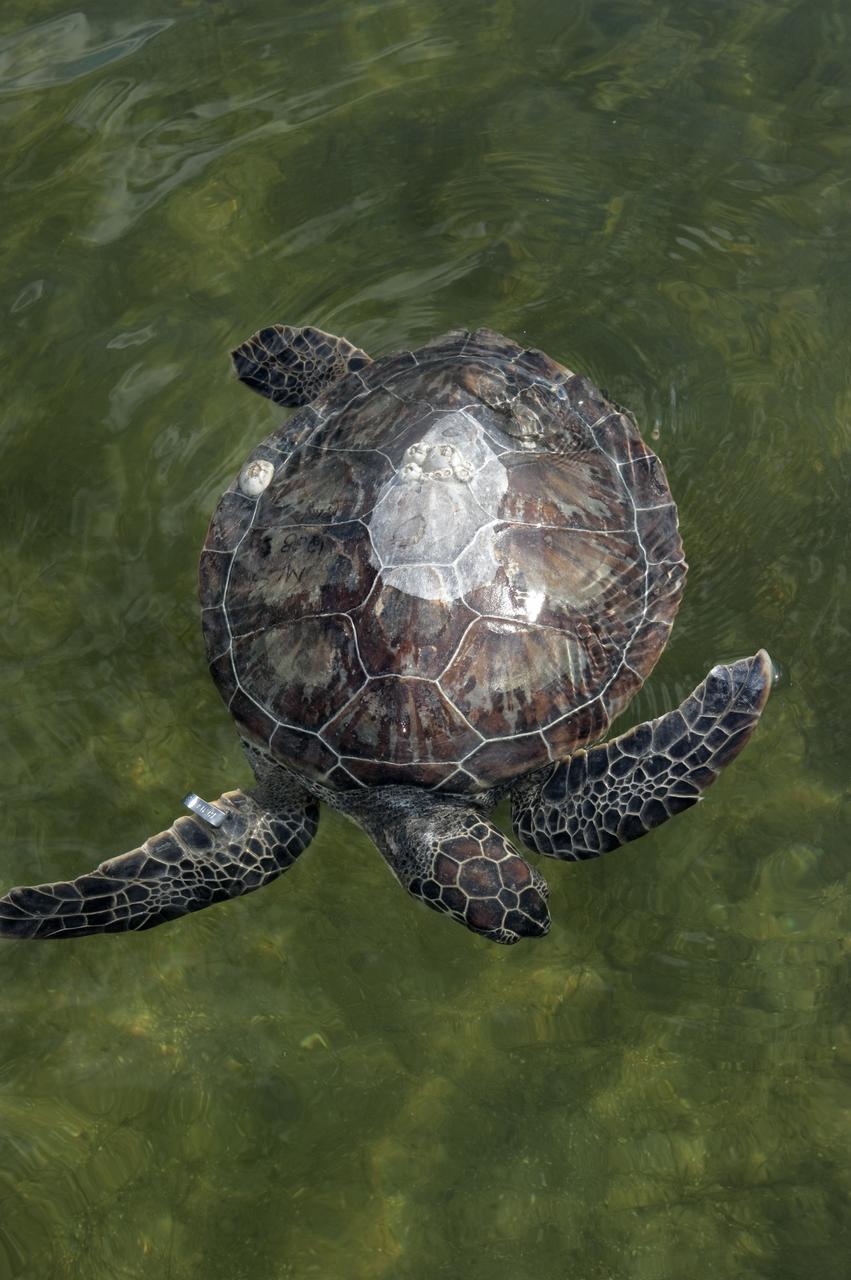
CAPE CANAVERAL, Fla. -- An endangered green sea turtle is released into the Mosquito Lagoon, which is part of Florida's Indian River. Workers with NASA's Kennedy Space Center, Innovative Health Applications and the Fish and Wildlife Conservation Commission rescued more than 300 turtles during this winter's frigid temperatures. Turtles that were stunned multiple times will be released in the Sebastian area of the Indian River, which often offers warmer water and could help prevent future stuns as winter progresses. NASA/Kim Shiflett
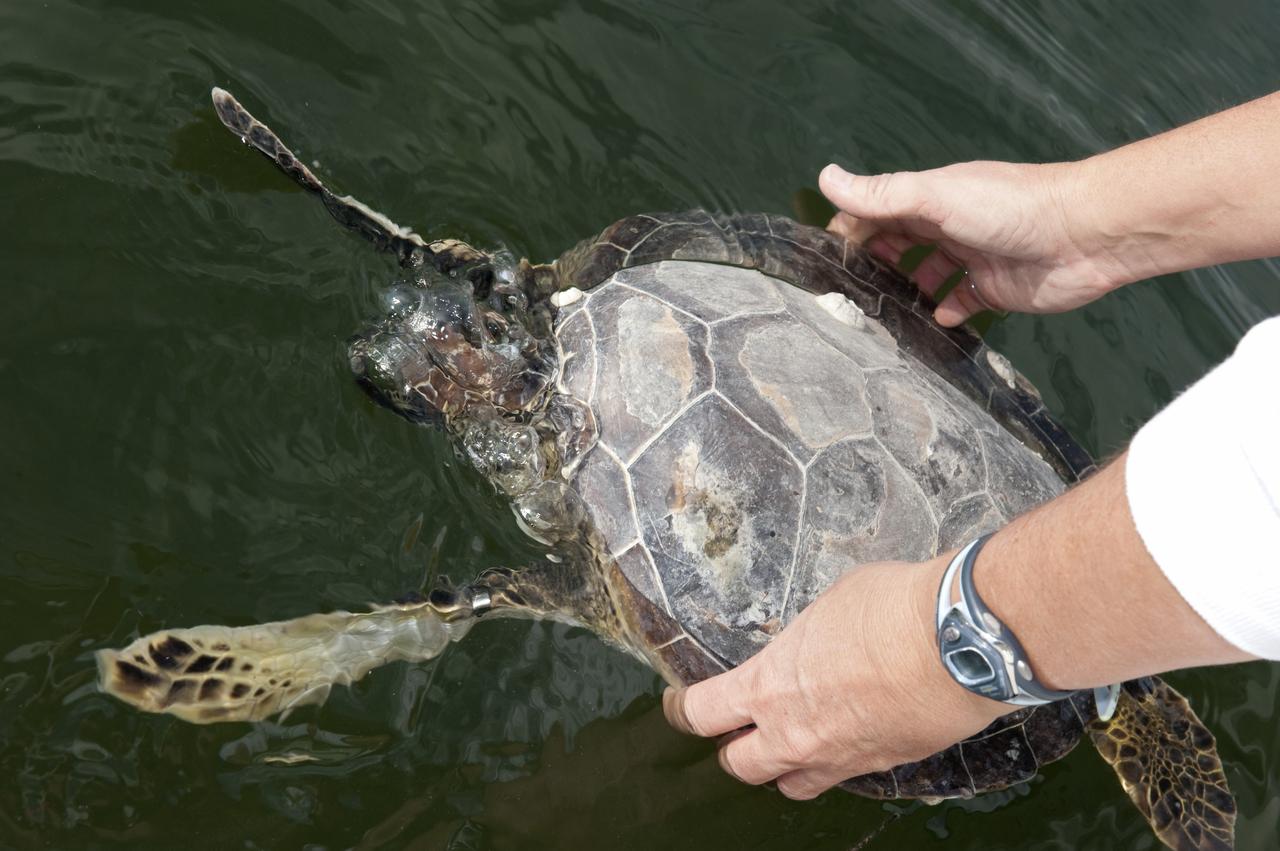
CAPE CANAVERAL, Fla. -- An endangered green sea turtle is released into the Mosquito Lagoon, which is part of Florida's Indian River. Workers with NASA's Kennedy Space Center, Innovative Health Applications and the Fish and Wildlife Conservation Commission rescued more than 300 turtles during this winter's frigid temperatures. Turtles that were stunned multiple times will be released in the Sebastian area of the Indian River, which often offers warmer water and could help prevent future stuns as winter progresses. NASA/Kim Shiflett
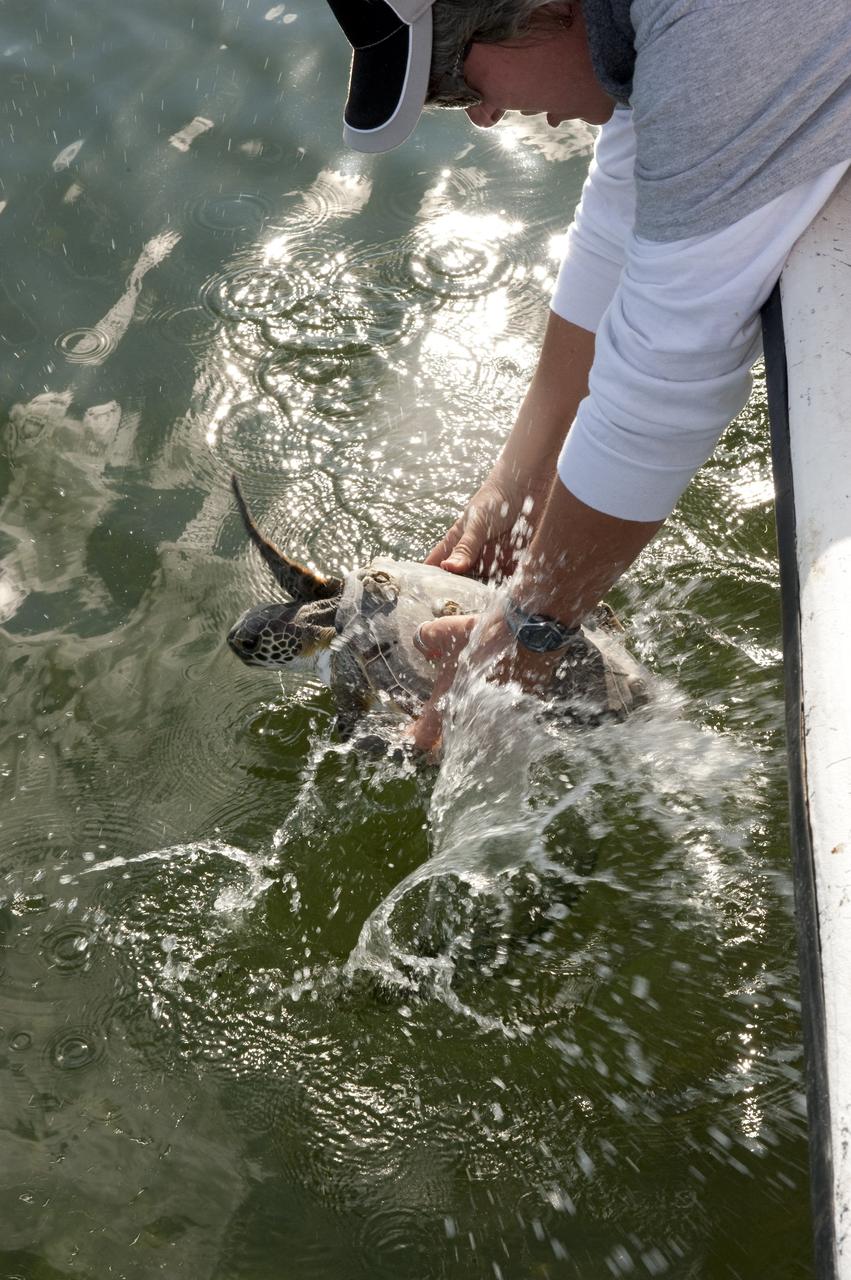
CAPE CANAVERAL, Fla. -- Donna Oddy, a biologist with Innovative Health Applications at NASA's Kennedy Space Center in Florida, releases an endangered green sea turtle into the Mosquito Lagoon, which is part of Florida's Indian River. The turtle was one of more than 300 that were "stunned" during two cold snaps in December 2010. Turtles that were stunned multiple times will be released in the Sebastian area of the Indian River, which often offers warmer water and could help prevent future stuns as winter progresses. NASA/Kim Shiflett
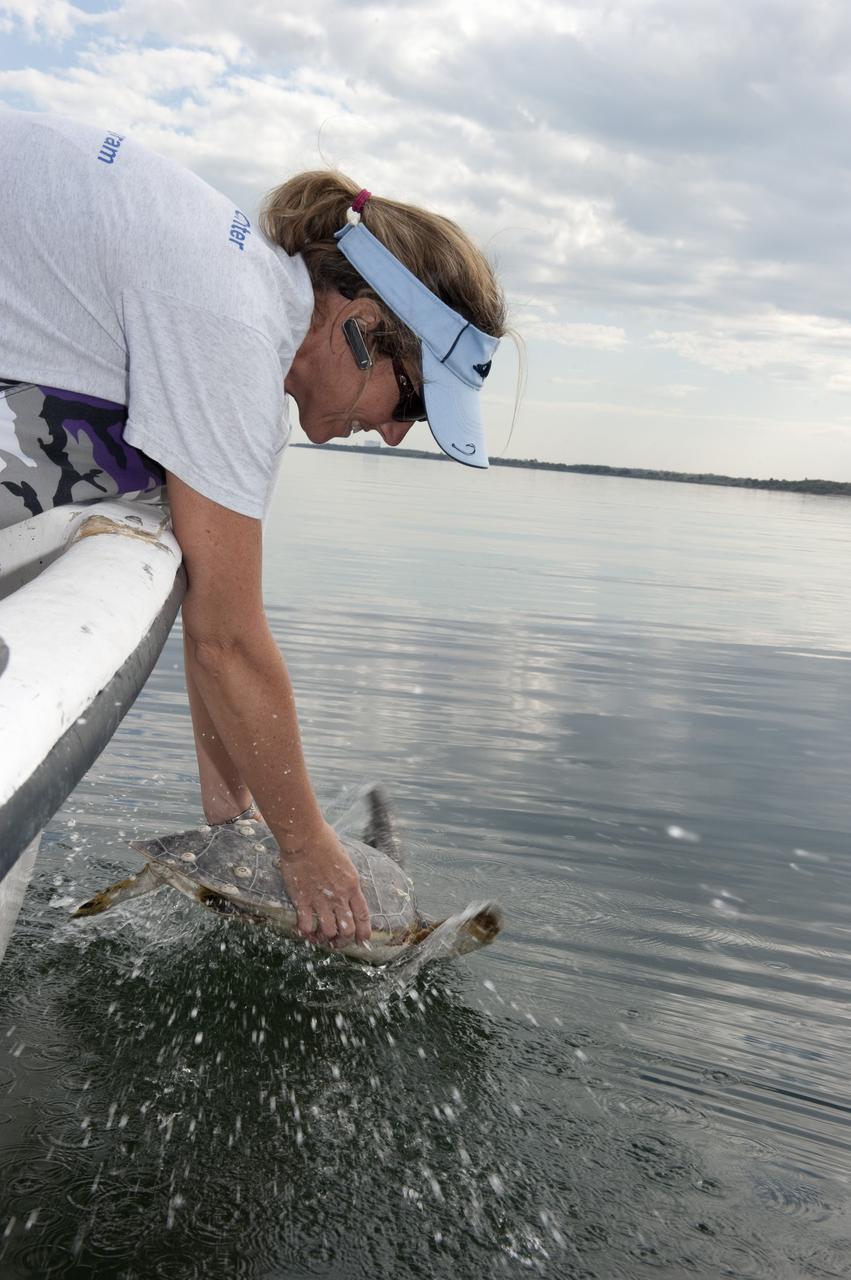
CAPE CANAVERAL, Fla. -- Karen Holloway, a biologist with Innovative Health Applications at NASA's Kennedy Space Center in Florida, releases an endangered green sea turtle into the Mosquito Lagoon, which is part of Florida's Indian River. The turtle was one of more than 300 that were "stunned" during two cold snaps in December 2010. Turtles that were stunned multiple times will be released in the Sebastian area of the Indian River, which often offers warmer water and could help prevent future stuns as winter progresses. NASA/Kim Shiflett
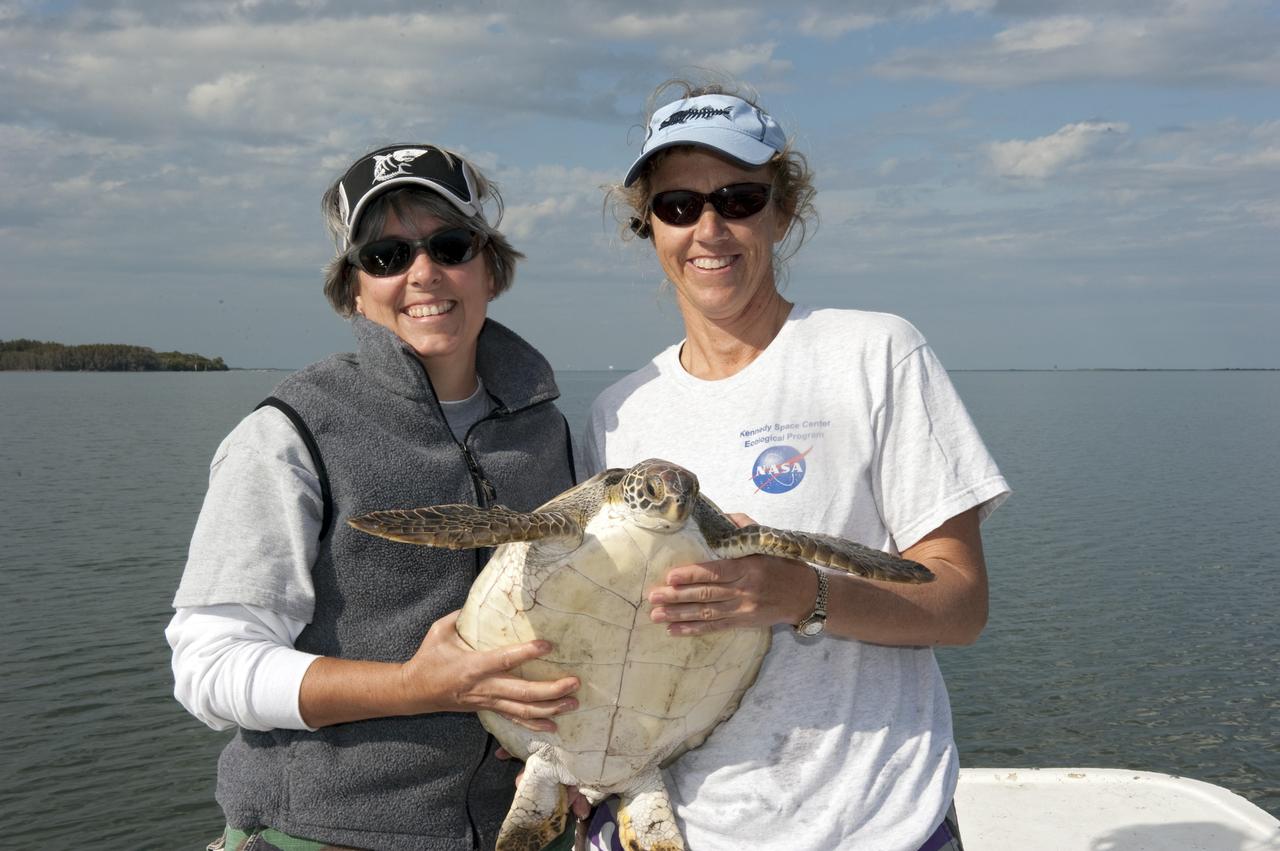
CAPE CANAVERAL, Fla. -- Donna Oddy, left, and Karen Holloway, biologists with Innovative Health Applications at NASA's Kennedy Space Center in Florida, are ready to release an endangered green sea turtle into the Mosquito Lagoon, which is part of Florida's Indian River. The turtle was one of more than 300 that were "stunned" during two cold snaps in December 2010. Turtles that were stunned multiple times will be released in the Sebastian area of the Indian River, which often offers warmer water and could help prevent future stuns as winter progresses. NASA/Kim Shiflett
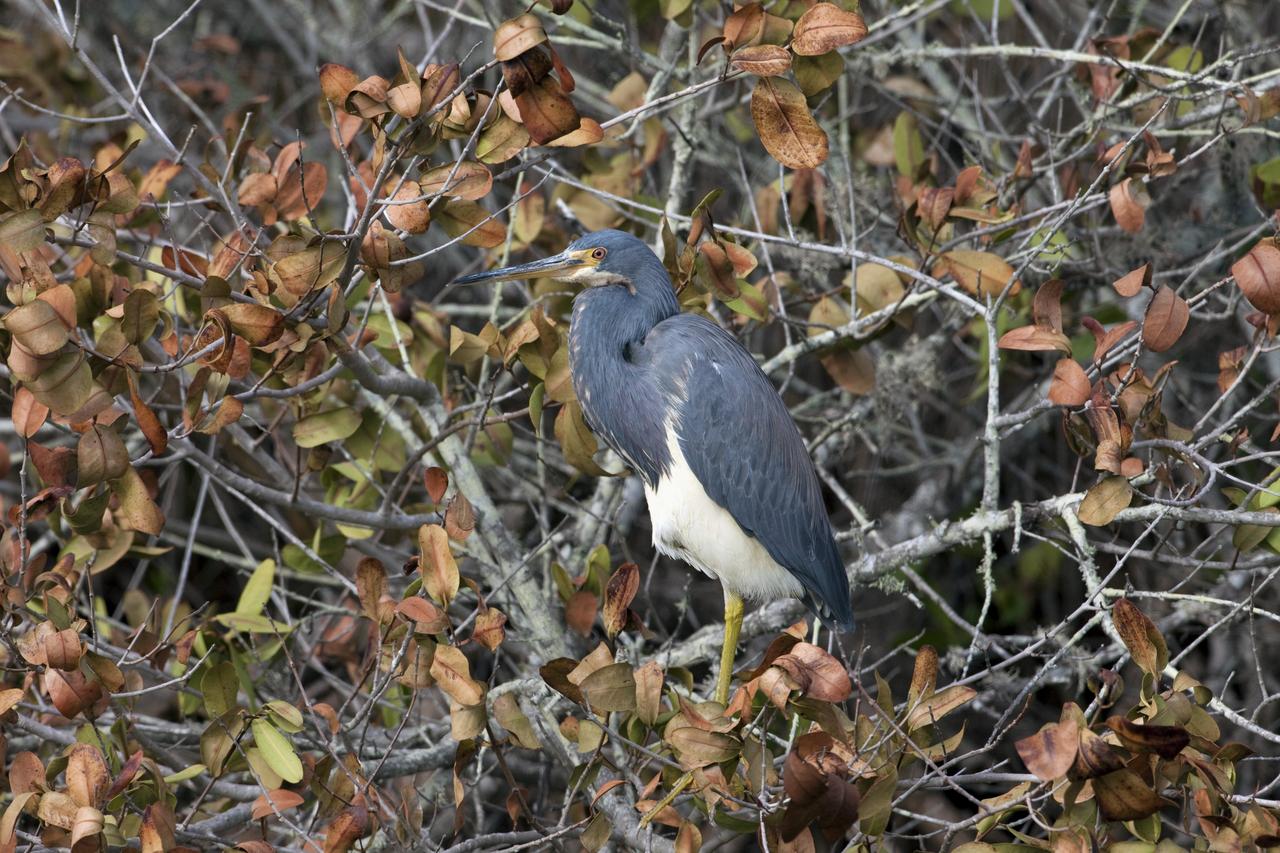
CAPE CANAVERAL, Fla. -- An Egretta Heron, also known as a Tricolored Heron, takes a break from flying just north of the Shuttle Landing Facility at NASA's Kennedy Space Center in Florida. Kennedy coexists with the Merritt Island National Wildlife Refuge, habitat to more than 310 species of birds, 25 mammals, 117 fish and 65 amphibians and reptiles. Photo credit: NASA/Frankie Martin
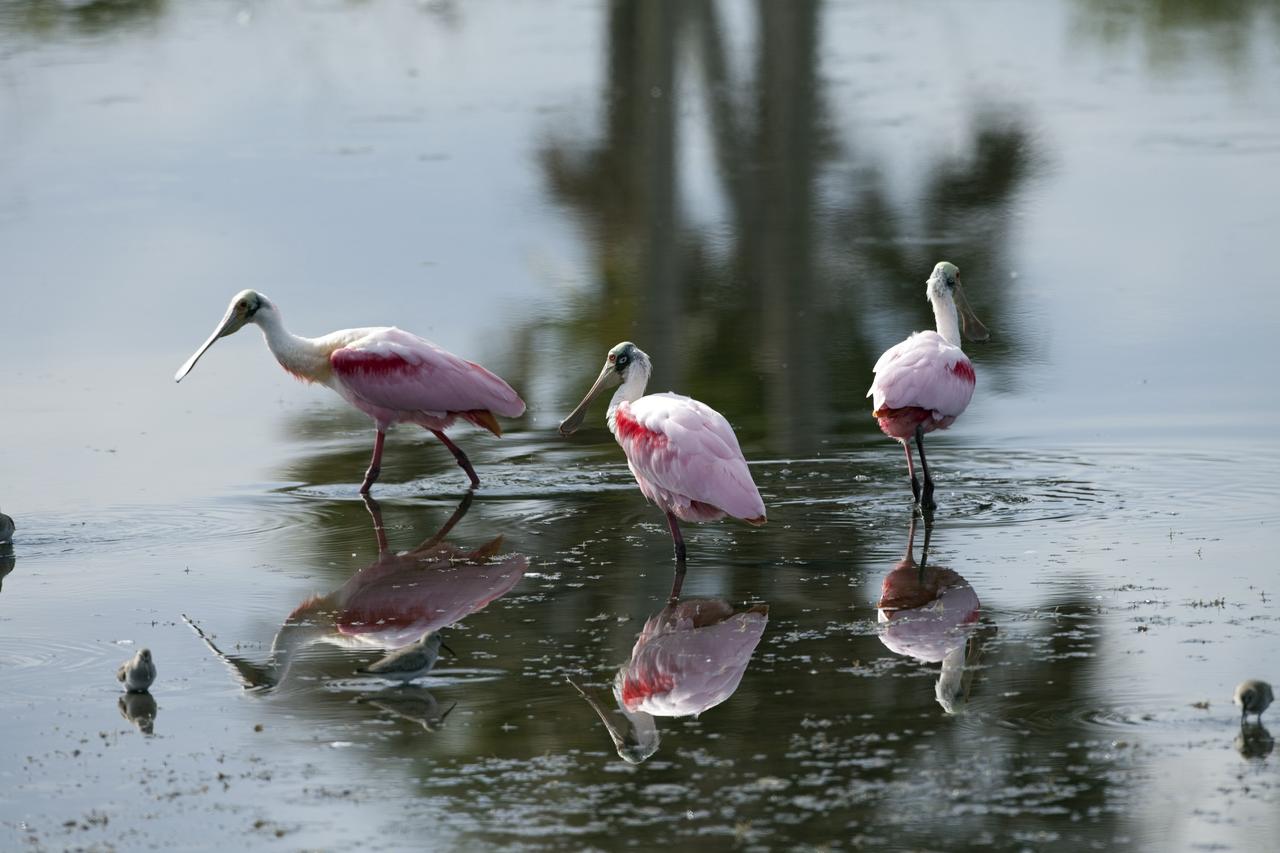
CAPE CANAVERAL, Fla. -- Roseate spoonbills wade through brackish water just north of the Shuttle Landing Facility at NASA's Kennedy Space Center in Florida. Kennedy coexists with the Merritt Island National Wildlife Refuge, habitat to more than 310 species of birds, 25 mammals, 117 fish and 65 amphibians and reptiles. Photo credit: NASA/Frankie Martin
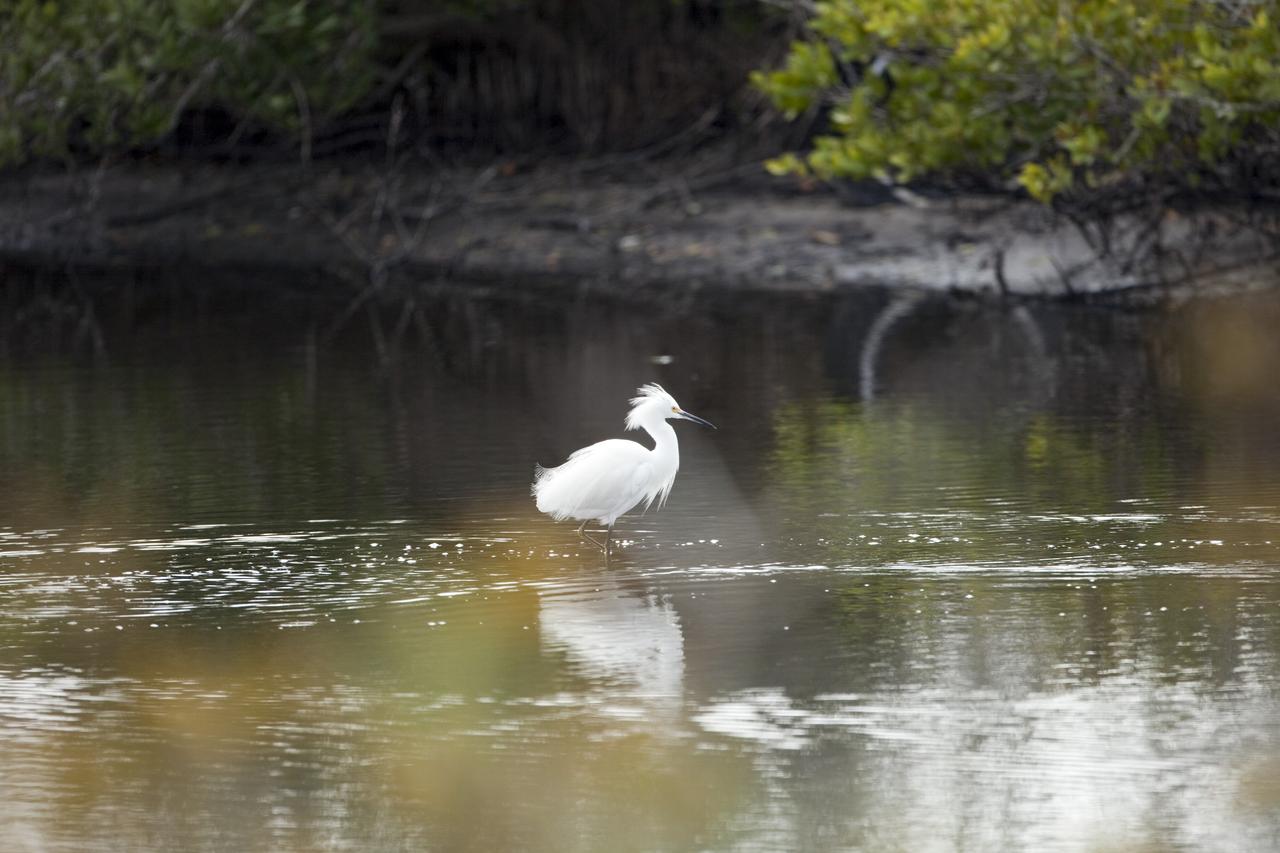
CAPE CANAVERAL, Fla. -- A snowy egret wades through brackish water just north of the Shuttle Landing Facility at NASA's Kennedy Space Center in Florida. This type of bird often stalks its prey in shallow water by running or shuffling its feet, flushing small fish, shrimp, frogs or crabs into view. Kennedy coexists with the Merritt Island National Wildlife Refuge, habitat to more than 310 species of birds, 25 mammals, 117 fish and 65 amphibians and reptiles. Photo credit: NASA/Frankie Martin
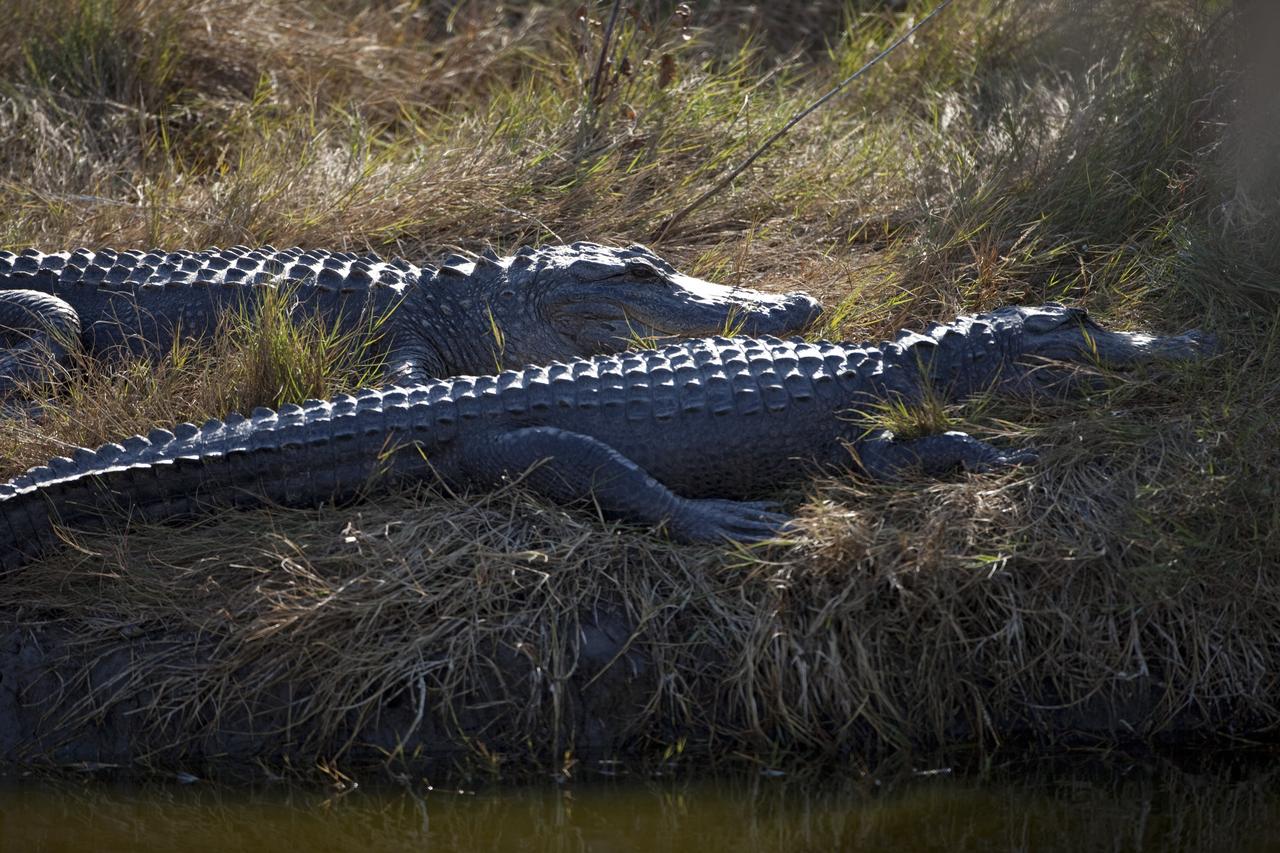
CAPE CANAVERAL, Fla. -- Two gators sunbathe just north of the Shuttle Landing Facility at NASA's Kennedy Space Center in Florida. Kennedy coexists with the Merritt Island National Wildlife Refuge, habitat to more than 310 species of birds, 25 mammals, 117 fish and 65 amphibians and reptiles. Photo credit: NASA/Frankie Martin
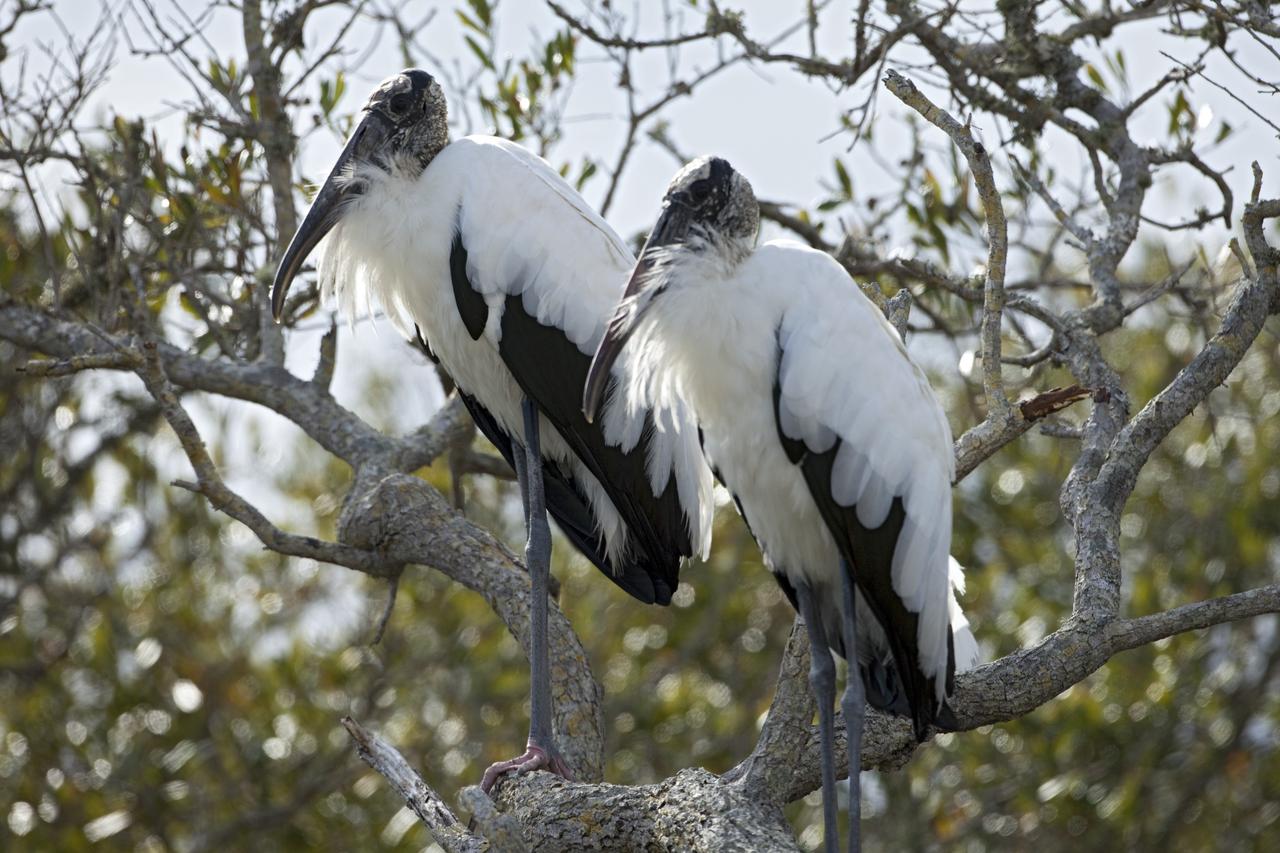
CAPE CANAVERAL, Fla. -- Two American wood storks take a break from flying just north of the Shuttle Landing Facility at NASA's Kennedy Space Center in Florida. Kennedy coexists with the Merritt Island National Wildlife Refuge, habitat to more than 310 species of birds, 25 mammals, 117 fish and 65 amphibians and reptiles. Photo credit: NASA/Frankie Martin
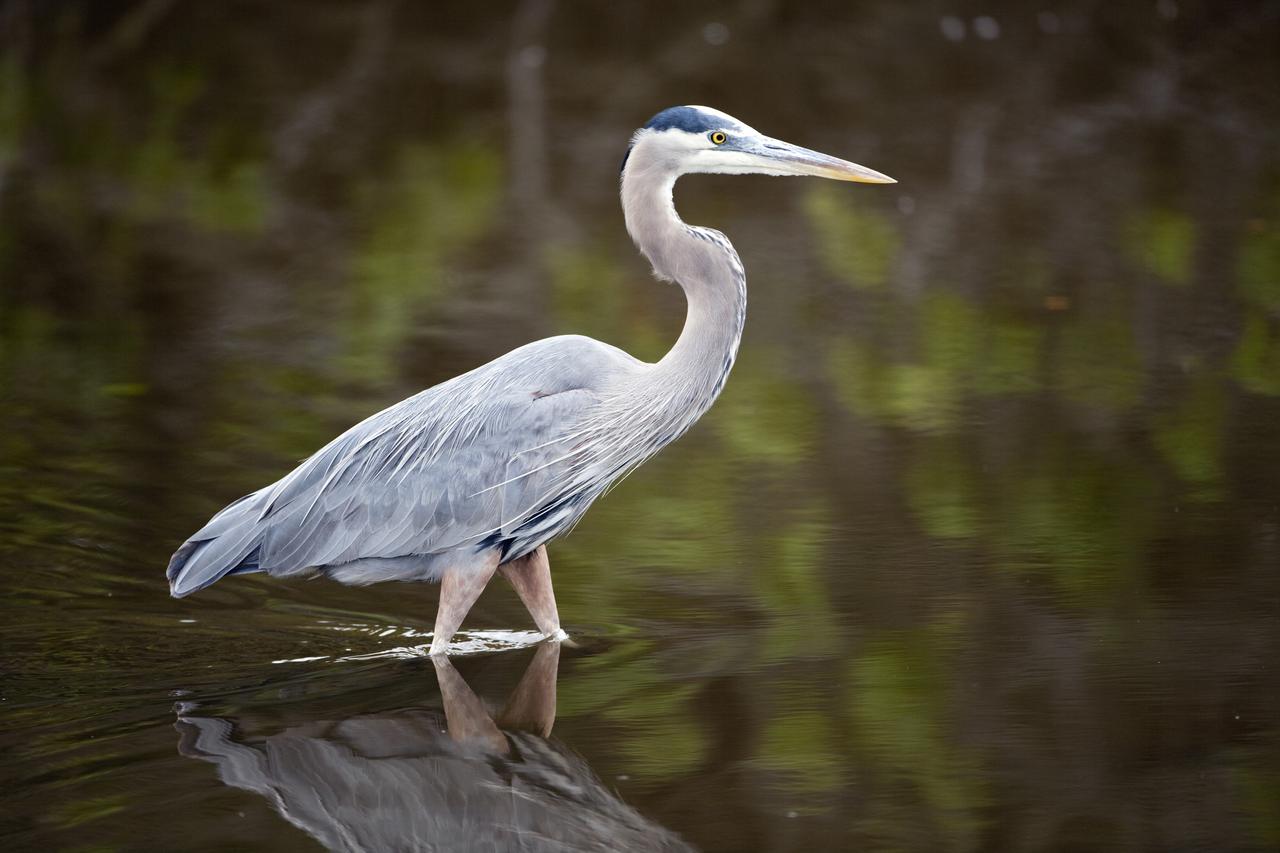
CAPE CANAVERAL, Fla. -- A great blue heron wades through brackish water just north of the Shuttle Landing Facility at NASA's Kennedy Space Center in Florida. Kennedy coexists with the Merritt Island National Wildlife Refuge, habitat to more than 310 species of birds, 25 mammals, 117 fish and 65 amphibians and reptiles. Photo credit: NASA/Frankie Martin