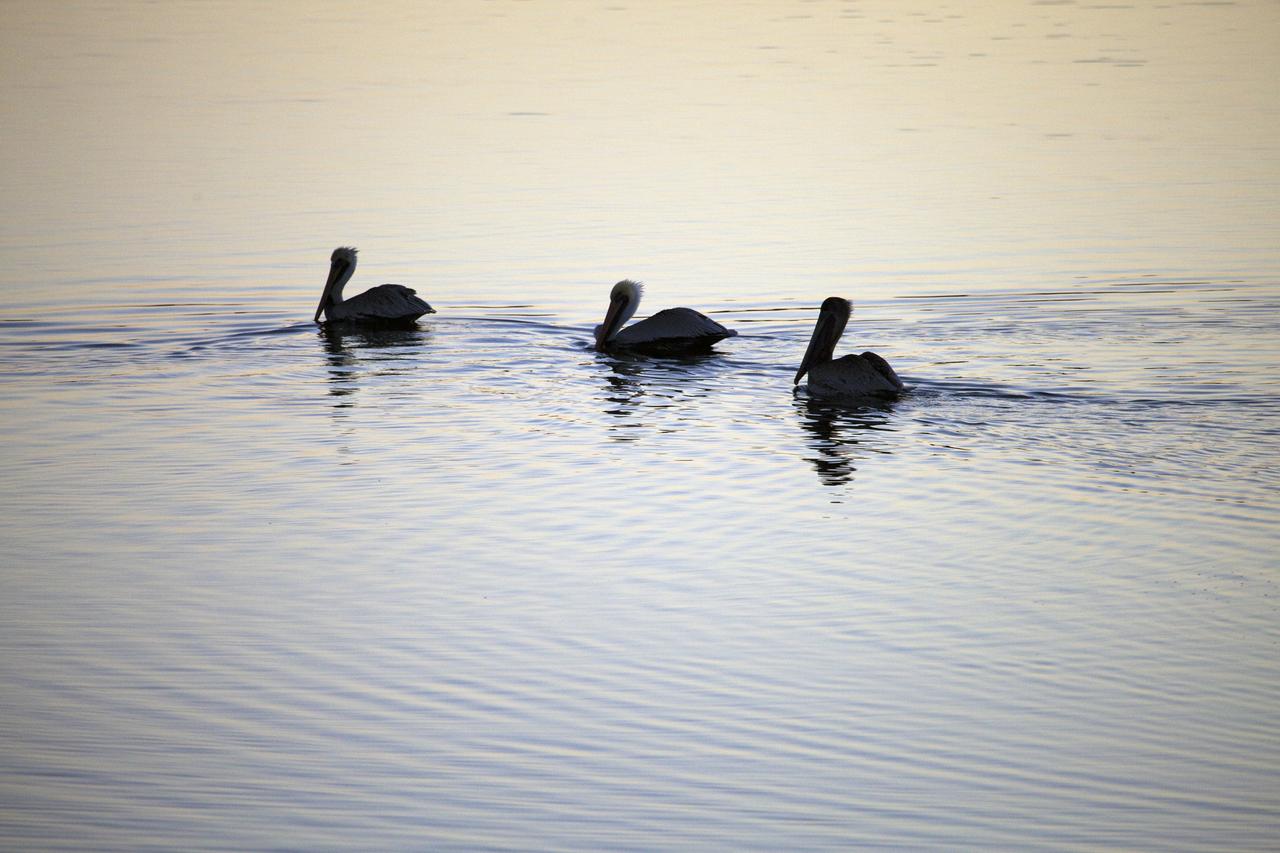
CAPE CANAVERAL, Fla. -- Brown pelicans take a dip in brackish water at NASA's Kennedy Space Center in Florida around dawn. Kennedy coexists with the Merritt Island National Wildlife Refuge, habitat to more than 310 species of birds, 25 mammals, 117 fish and 65 amphibians and reptiles. Photo credit: NASA/Frank Michaux
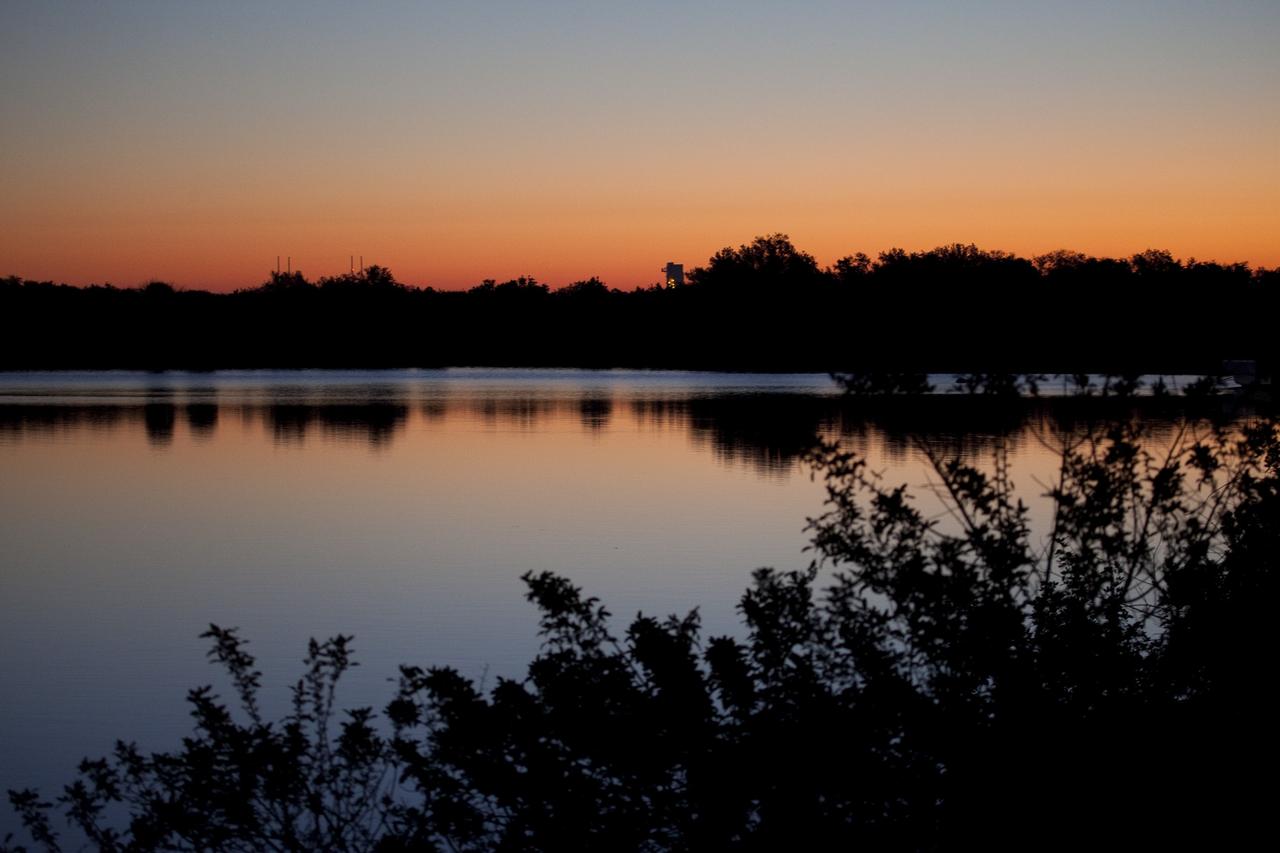
CAPE CANAVERAL, Fla. -- Launch Complex 39 is seen across brackish water as the sun rises at NASA's Kennedy Space Center in Florida. On the left is Launch Pad 39B, which is being restructured for future use. On the right is Launch Pad 39A, where space shuttle Discovery is being prepared for a tanking test. Kennedy coexists with the Merritt Island National Wildlife Refuge, habitat to more than 310 species of birds, 25 mammals, 117 fish and 65 amphibians and reptiles. Photo credit: NASA/Frank Michaux

CAPE CANAVERAL, Fla. -- On a brisk morning at Kennedy Space Center in Florida, birds flock to warmer water in the Launch Complex 39 area. In the background is the Vehicle Assembly Building and NASA's new mobile launcher. Kennedy coexists with the Merritt Island National Wildlife Refuge, habitat to more than 310 species of birds, 25 mammals, 117 fish and 65 amphibians and reptiles. Photo credit: NASA/Tony Gray

CAPE CANAVERAL, Fla. -- A wood stork eats breakfast while wading in brackish water at NASA's Kennedy Space Center in Florida around dawn. In 1984, the U.S. Fish and Wildlife Service declared the wood stork an endangered species. Kennedy coexists with the Merritt Island National Wildlife Refuge, habitat to more than 310 species of birds, 25 mammals, 117 fish and 65 amphibians and reptiles. Photo credit: NASA/Frank Michaux
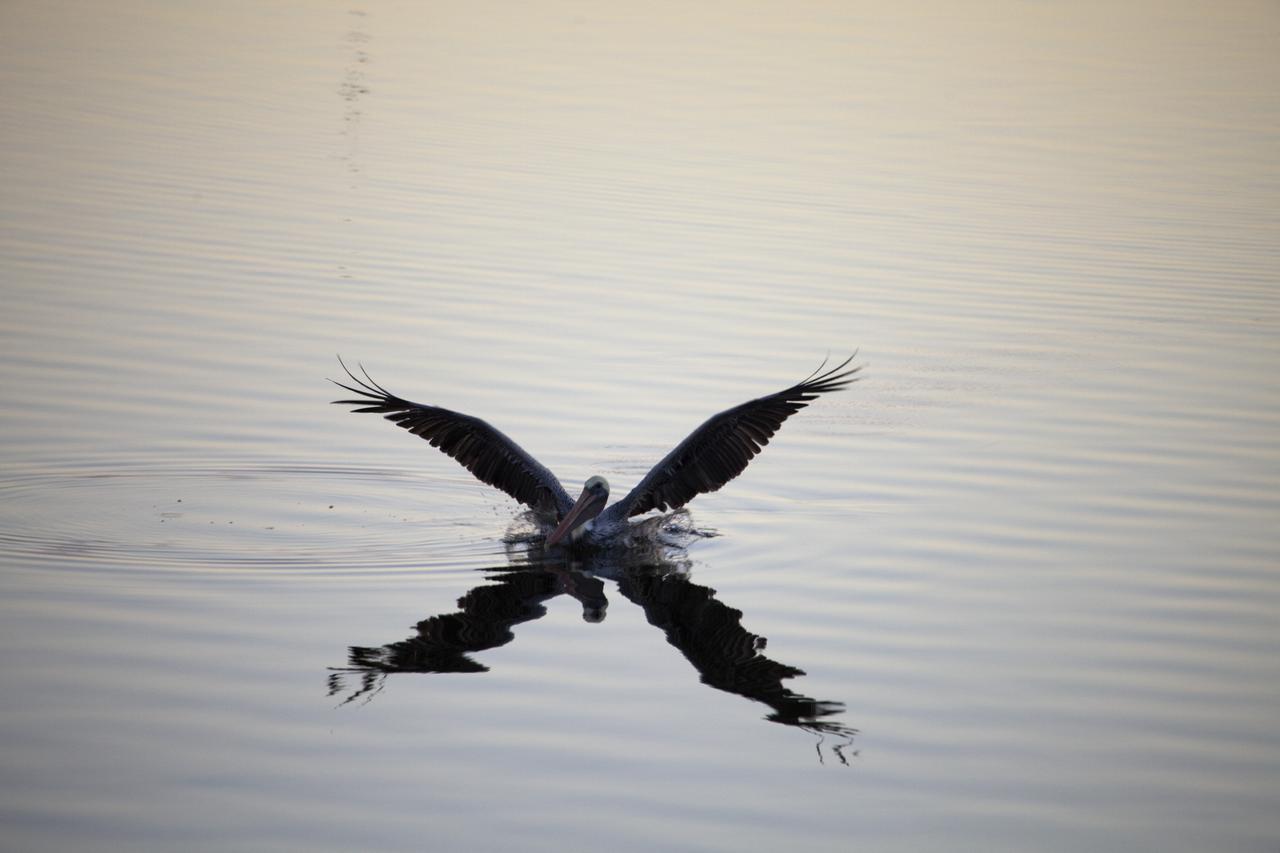
CAPE CANAVERAL, Fla. -- A brown pelican searches for fish in brackish water at NASA's Kennedy Space Center in Florida around dawn. Kennedy coexists with the Merritt Island National Wildlife Refuge, habitat to more than 310 species of birds, 25 mammals, 117 fish and 65 amphibians and reptiles. Photo credit: NASA/Frank Michaux
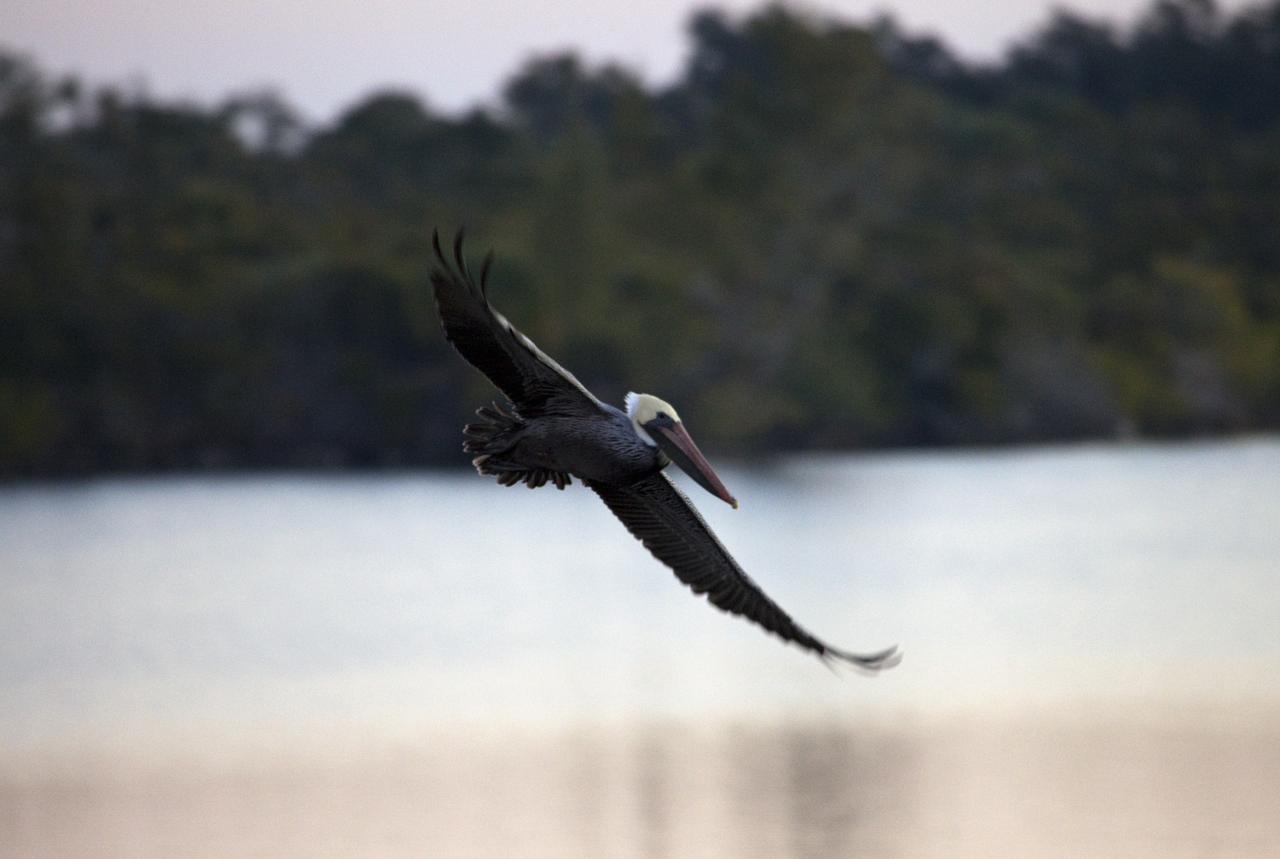
CAPE CANAVERAL, Fla. -- A brown pelican searches for fish in brackish water at NASA's Kennedy Space Center in Florida around dawn. Kennedy coexists with the Merritt Island National Wildlife Refuge, habitat to more than 310 species of birds, 25 mammals, 117 fish and 65 amphibians and reptiles. Photo credit: NASA/Frank Michaux
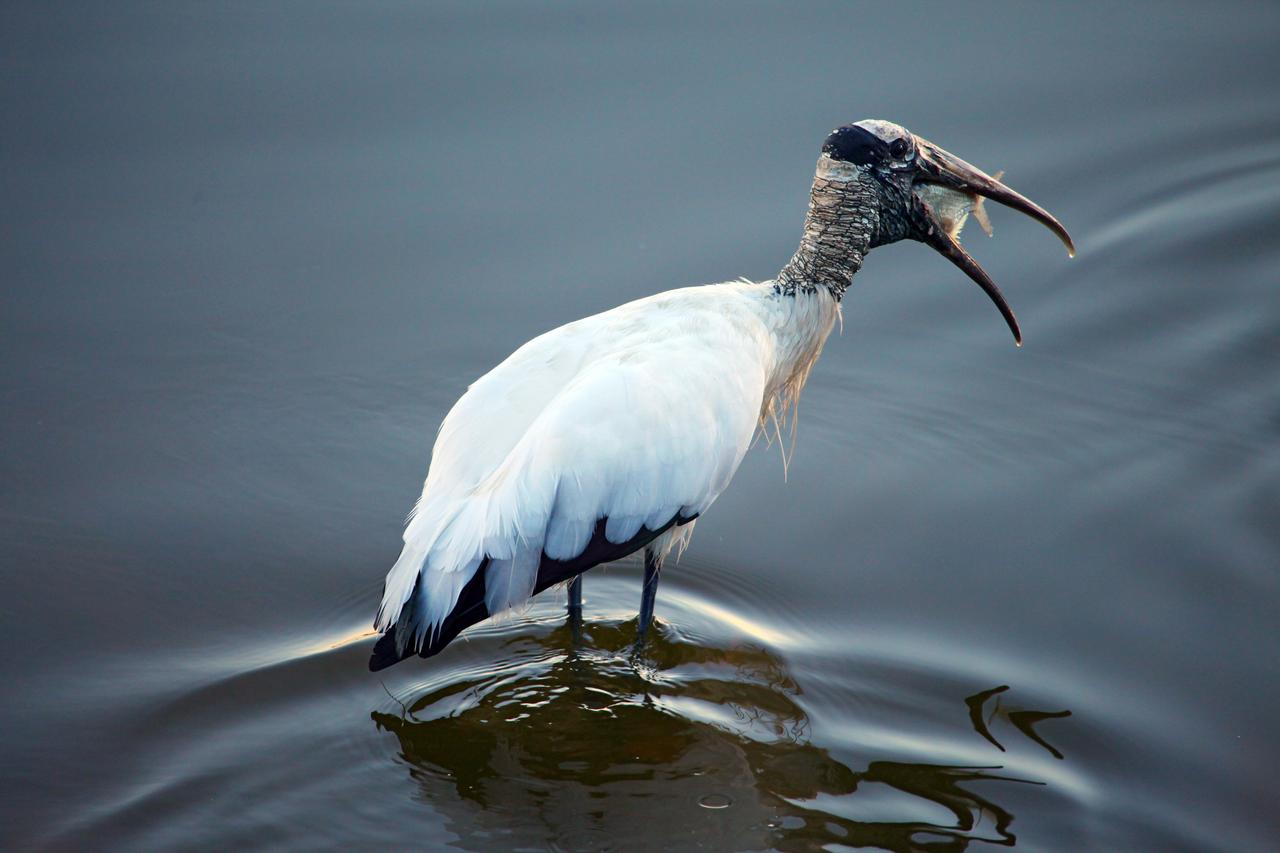
CAPE CANAVERAL, Fla. -- A wood stork eats breakfast while wading in brackish water at NASA's Kennedy Space Center in Florida around dawn. In 1984, the U.S. Fish and Wildlife Service declared the wood stork an endangered species. Kennedy coexists with the Merritt Island National Wildlife Refuge, habitat to more than 310 species of birds, 25 mammals, 117 fish and 65 amphibians and reptiles. Photo credit: NASA/Frank Michaux
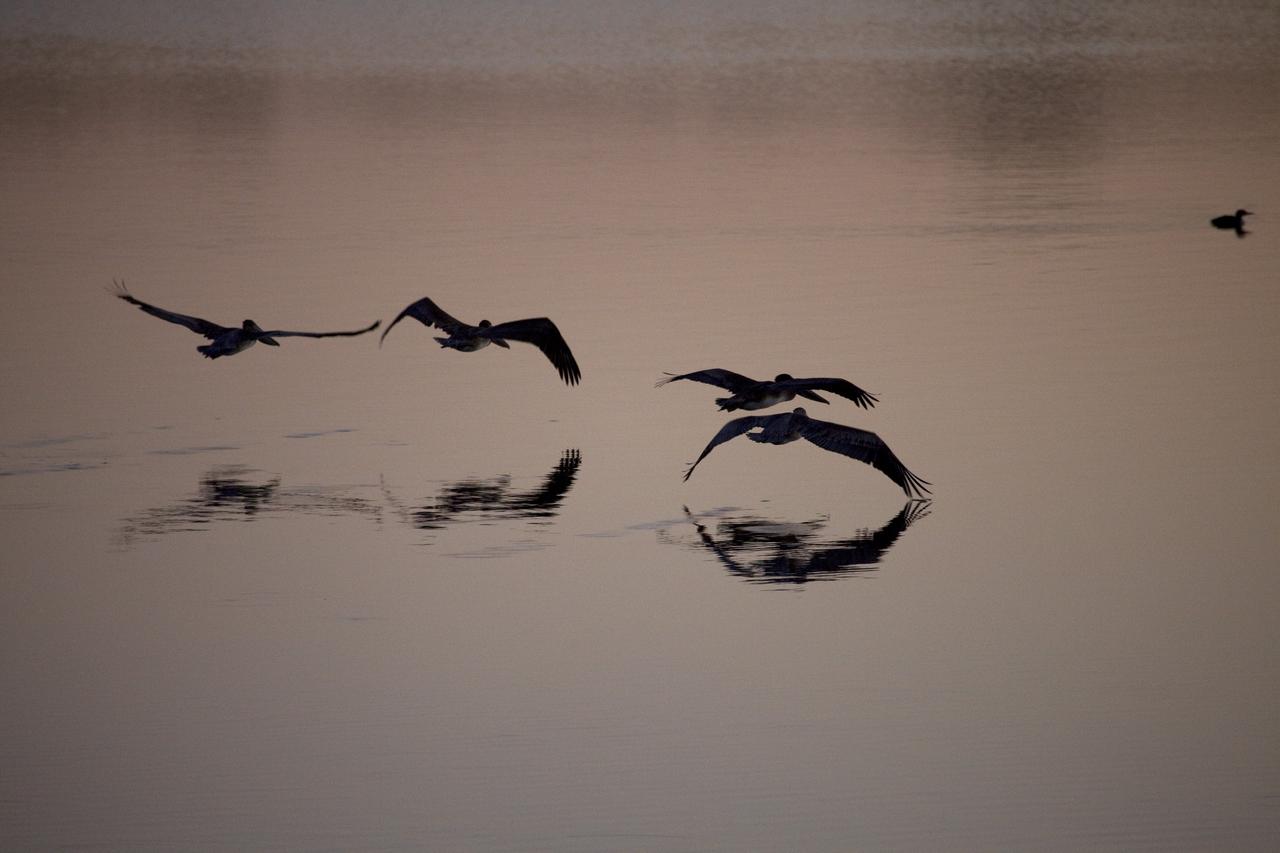
CAPE CANAVERAL, Fla. -- Brown pelicans search for fish in brackish water at NASA's Kennedy Space Center in Florida around dawn. Kennedy coexists with the Merritt Island National Wildlife Refuge, habitat to more than 310 species of birds, 25 mammals, 117 fish and 65 amphibians and reptiles. Photo credit: NASA/Frank Michaux
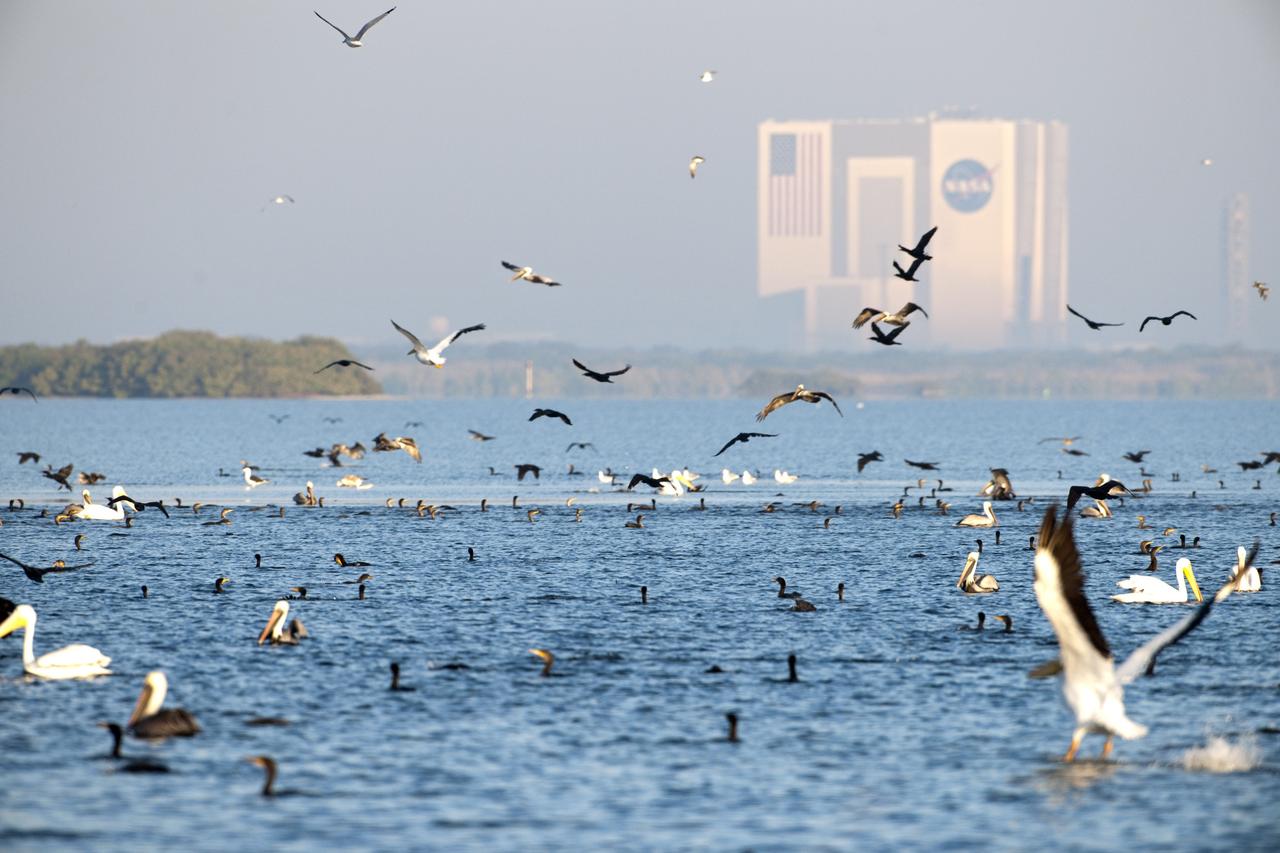
CAPE CANAVERAL, Fla. -- On a brisk morning at Kennedy Space Center in Florida, birds flock to warmer water in the Launch Complex 39 area. In the background is the Vehicle Assembly Building and NASA's new mobile launcher. Kennedy coexists with the Merritt Island National Wildlife Refuge, habitat to more than 310 species of birds, 25 mammals, 117 fish and 65 amphibians and reptiles. Photo credit: NASA/Tony Gray
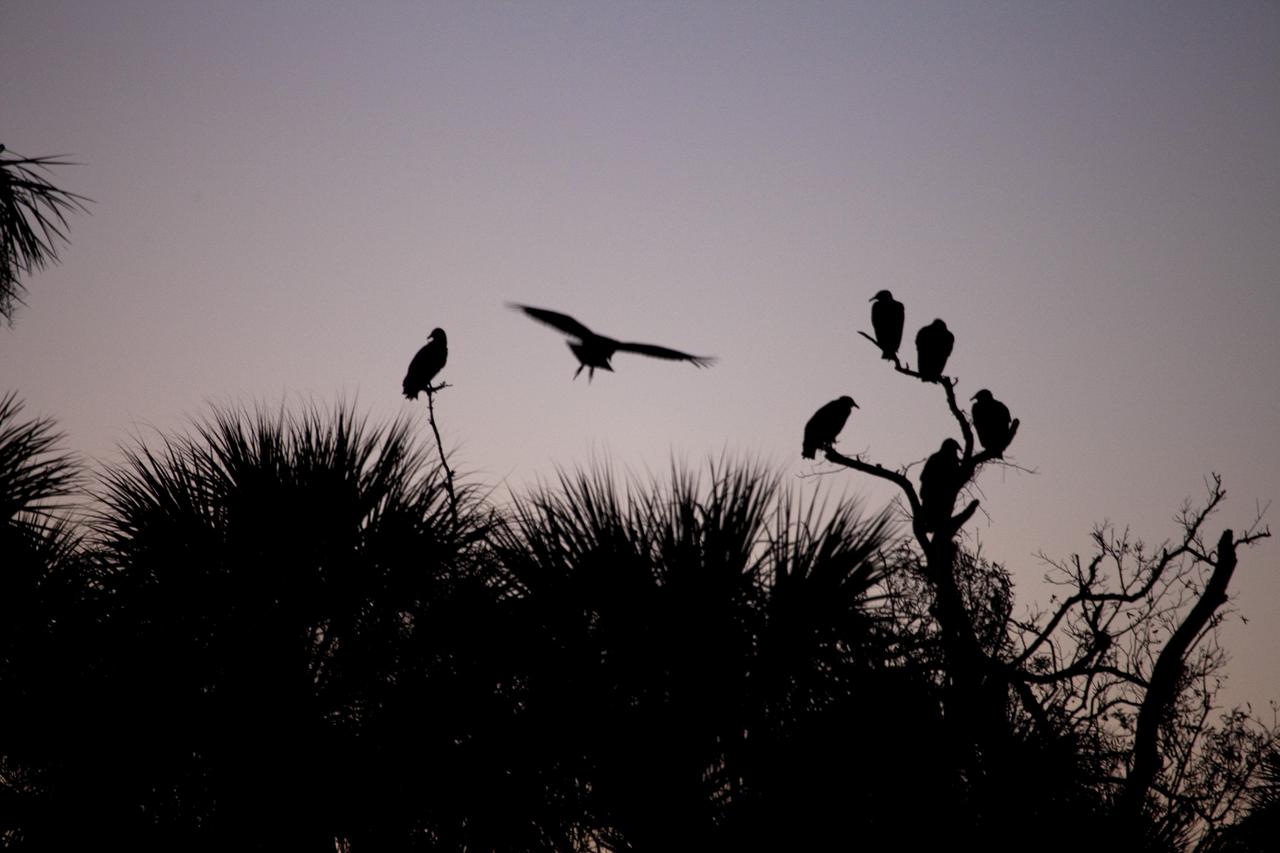
CAPE CANAVERAL, Fla. -- Black vultures gather at dawn at NASA's Kennedy Space Center in Florida. NASA's Environmental Management Branch monitors the movement and activity of about 250 black and turkey vultures using satellite trackers and radio transmitters. Kennedy coexists with the Merritt Island National Wildlife Refuge, habitat to more than 310 species of birds, 25 mammals, 117 fish and 65 amphibians and reptiles. Photo credit: NASA/Frank Michaux