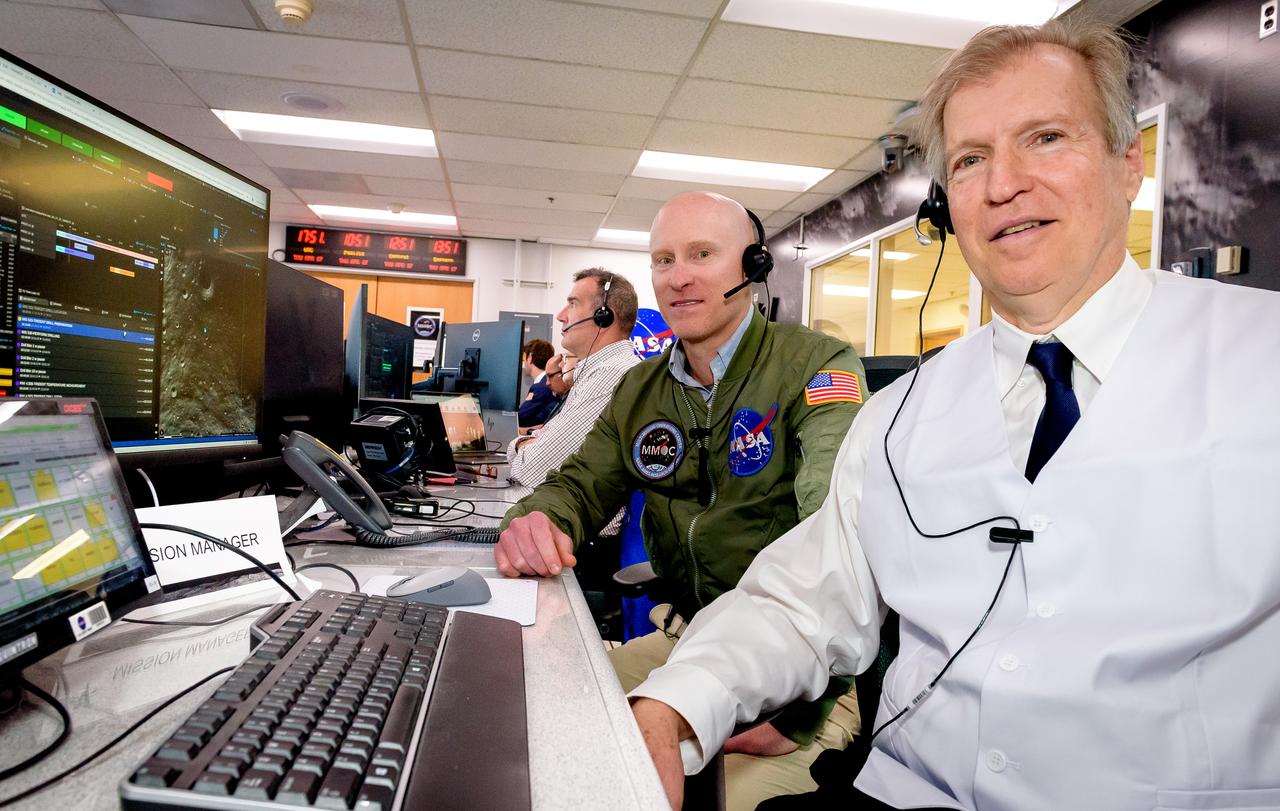
Volatiles Investigating Polar Exploration Rover (VIPER) mission systems manager Jay Trimble, right, with Multi-Mission Operations Center (MMOC) Director Justin Pane, during the vehicle operational readiness test in the MMOC, N240A.
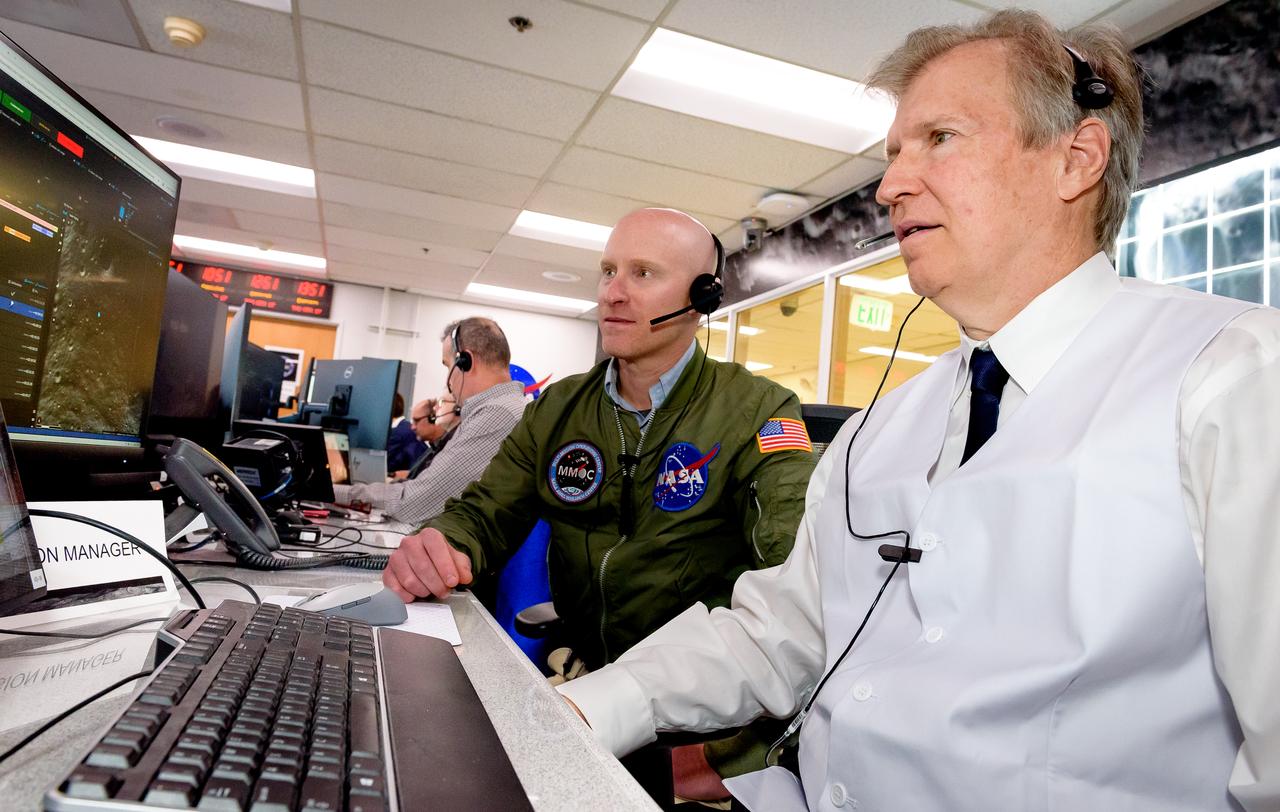
Volatiles Investigating Polar Exploration Rover (VIPER) mission systems manager Jay Trimble, right, with Multi-Mission Operations Center (MMOC) Director Justin Pane, during the vehicle operational readiness test in the MMOC, N240A.
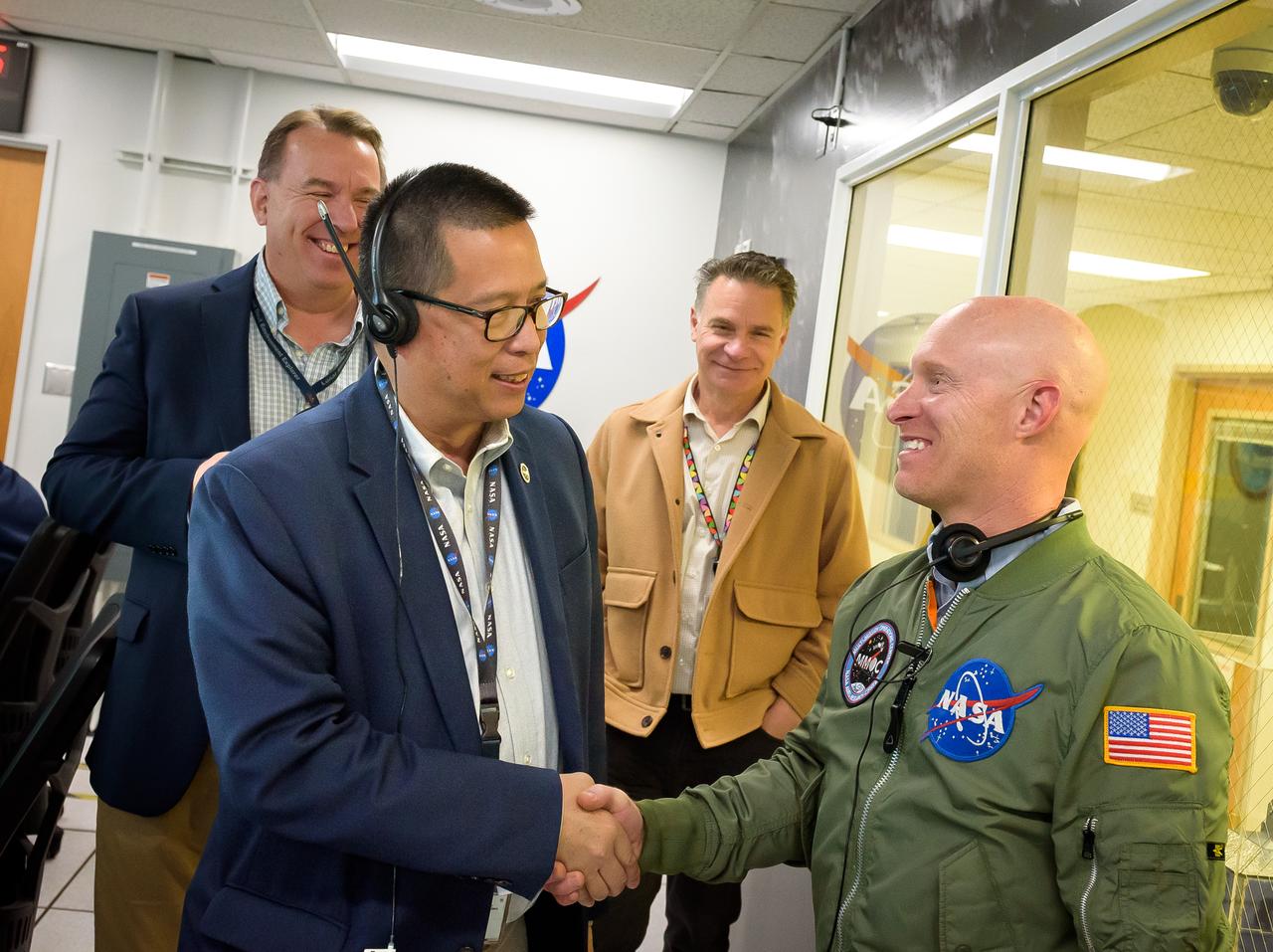
Center Director Eugene Tu, left, with Multi-Mission Operations Center (MMOC) Director Justin Pane during the Volatiles Investigating Polar Exploration Rover (VIPER) vehicle operational readiness test in the MMOC, N240A. Deputy Center Director David Korsmeyer, back left, with VIPER Project Manager Daniel Andrews.
IRIS MMOC (conrol room) Jim Strong, NASA Ames Engineering Project Management
IRIS MMOC (conrol room) John Marmie, Engineering Project Management, NASA Ames
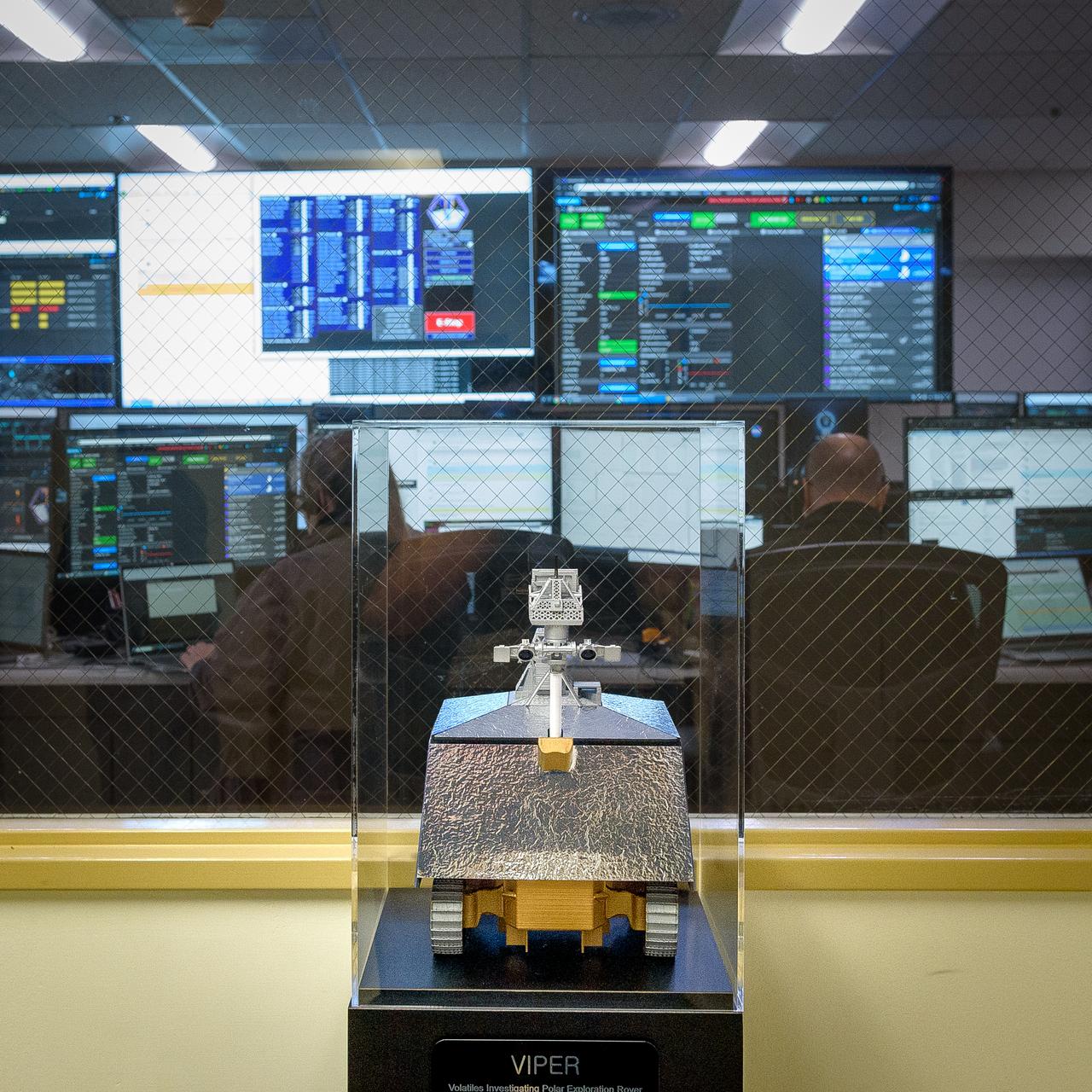
Volatiles Investigating Polar Exploration Rover (VIPER) model on display in front of the Multi-Mission Operations Center (MMOC), N240A.
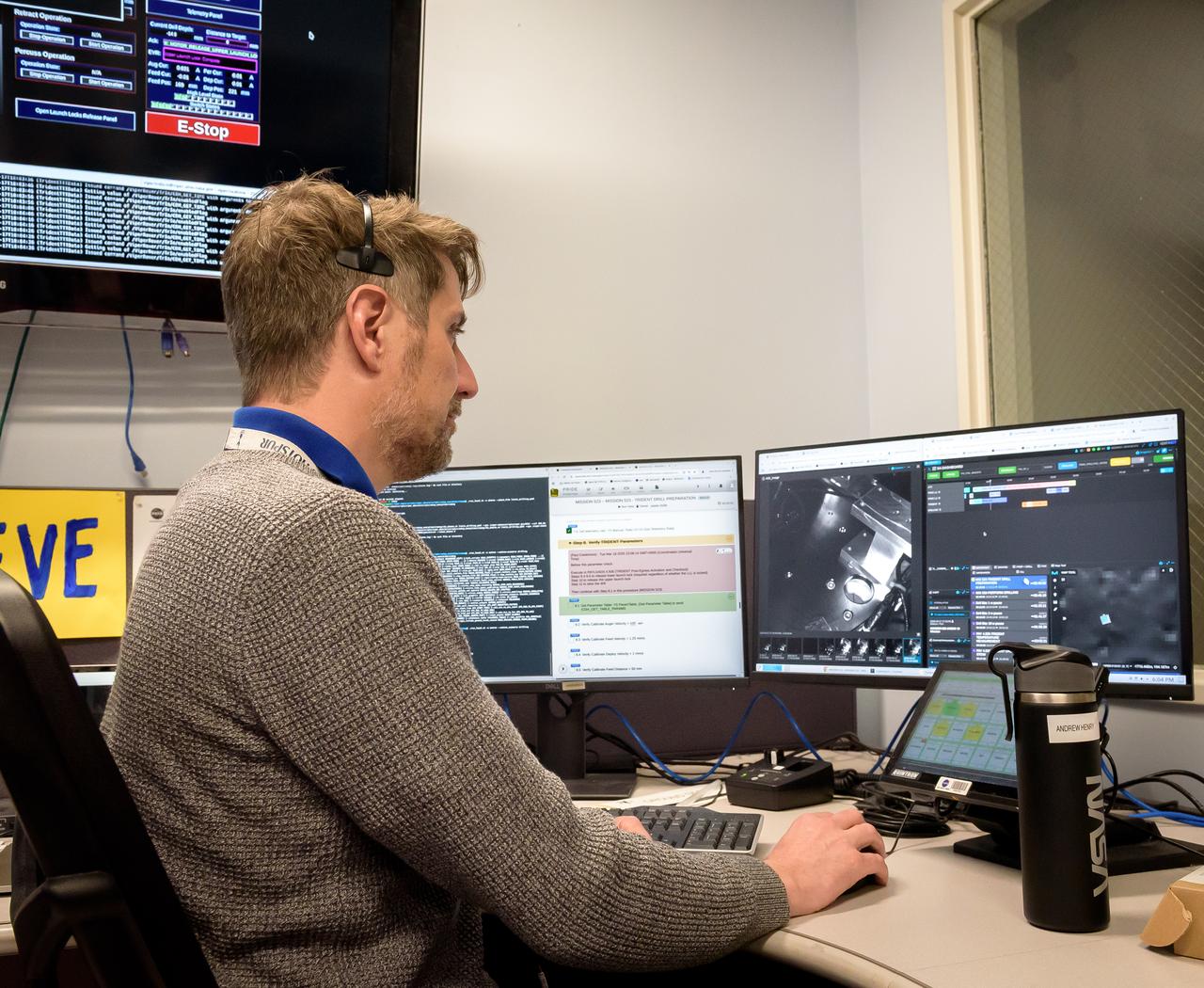
Andrew Henry during the Volatiles Investigating Polar Exploration Rover (VIPER) vehicle operational readiness test in the Multi-Mission Operations Center (MMOC), N240A.
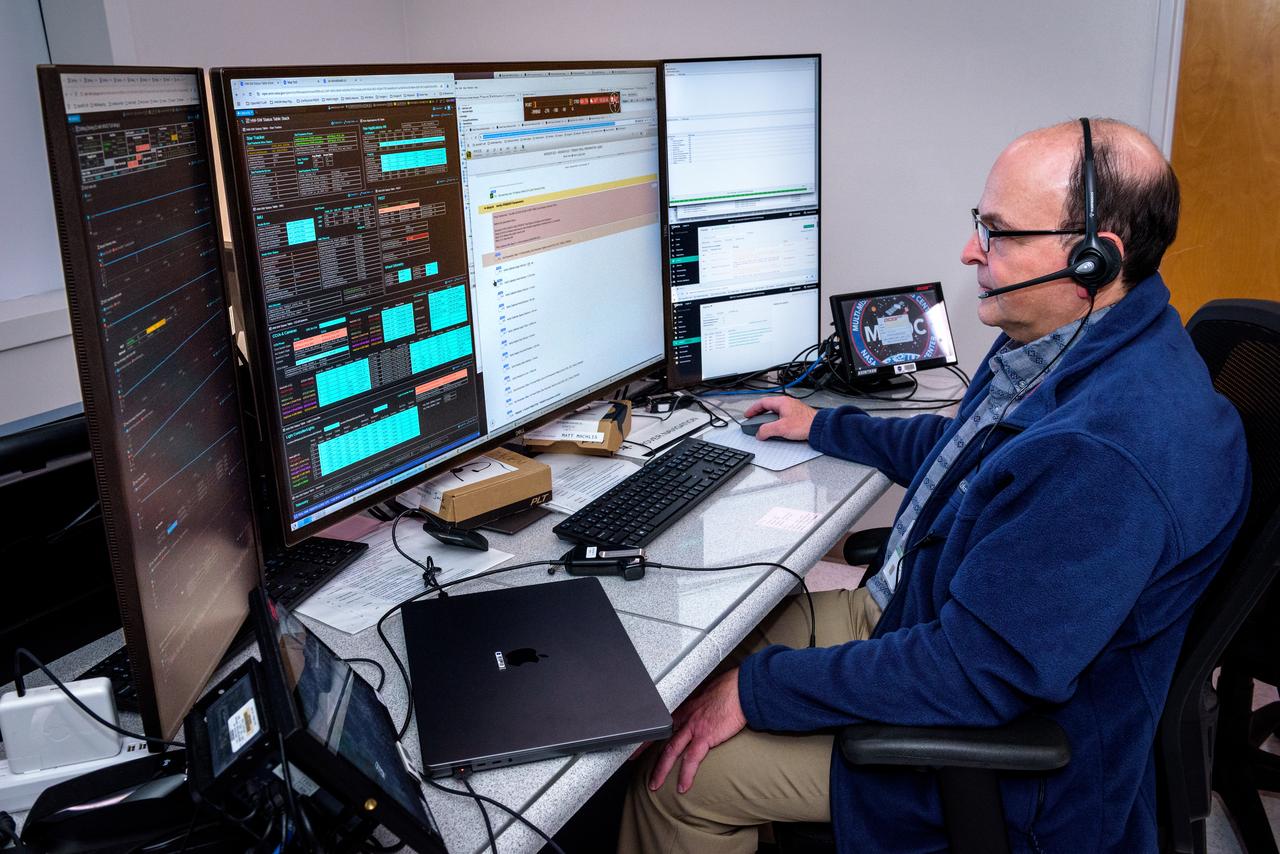
Matt Machlis during the Volatiles Investigating Polar Exploration Rover (VIPER) vehicle operational readiness test in the Multi-Mission Operations Center (MMOC), N240A.
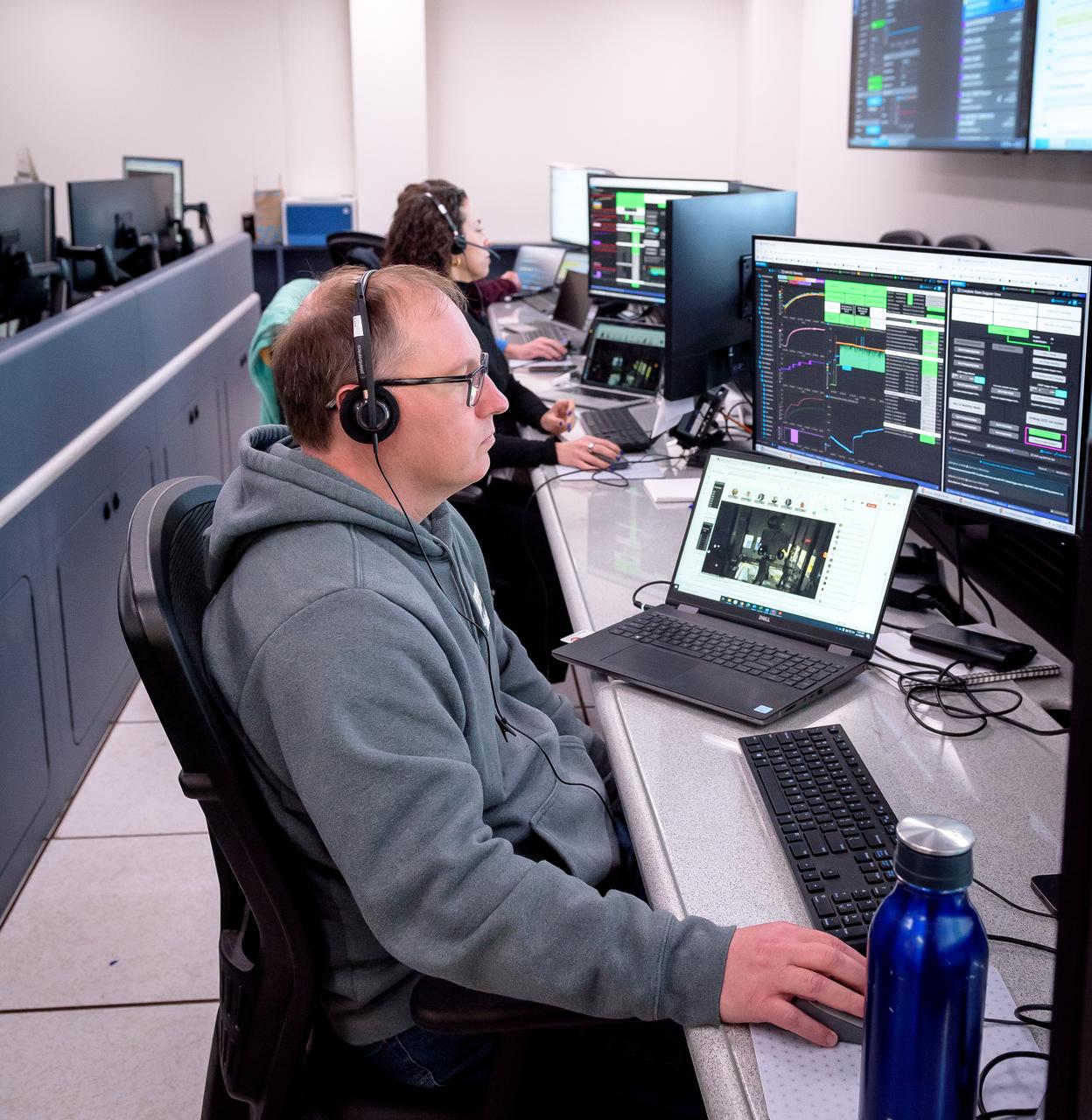
Richard Bielawski during the Volatiles Investigating Polar Exploration Rover (VIPER) vehicle operational readiness test in the Multi-Mission Operations Center (MMOC), N240A.
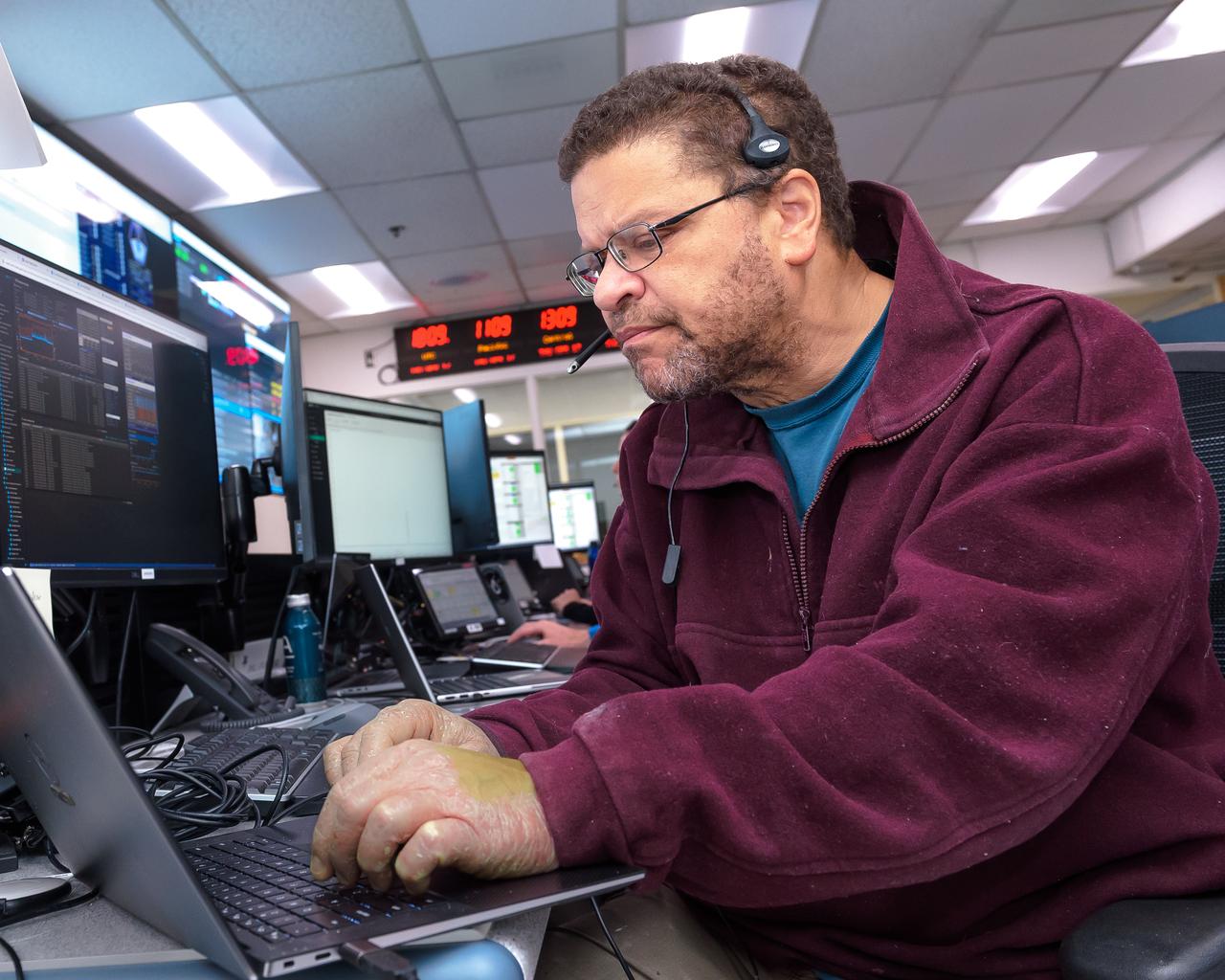
Hans Thomas during the Volatiles Investigating Polar Exploration Rover (VIPER) vehicle operational readiness test in the Multi-Mission Operations Center (MMOC), N240A.
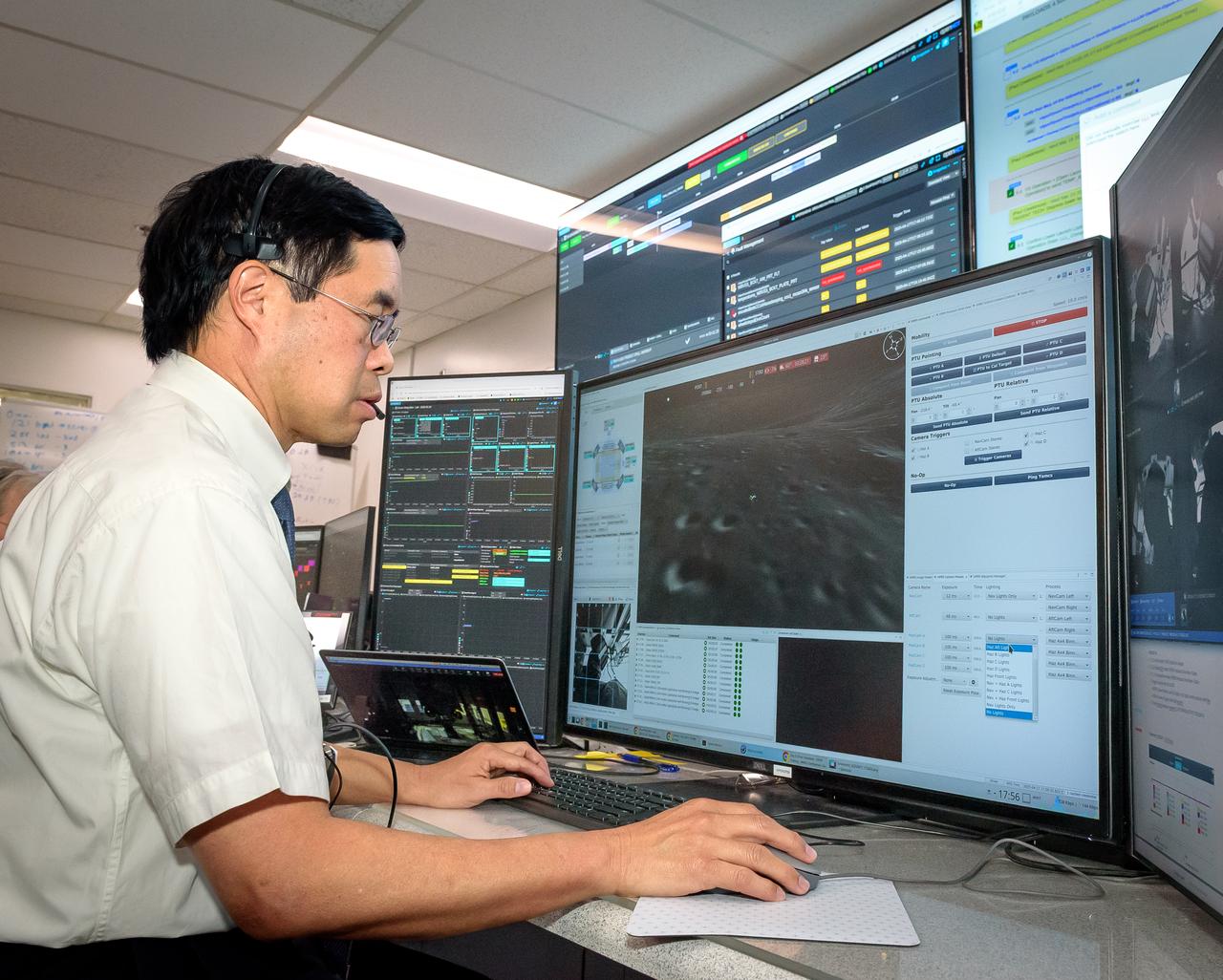
Terry Fong during the Volatiles Investigating Polar Exploration Rover (VIPER) vehicle operational readiness test in the Multi-Mission Operations Center (MMOC), N240A.
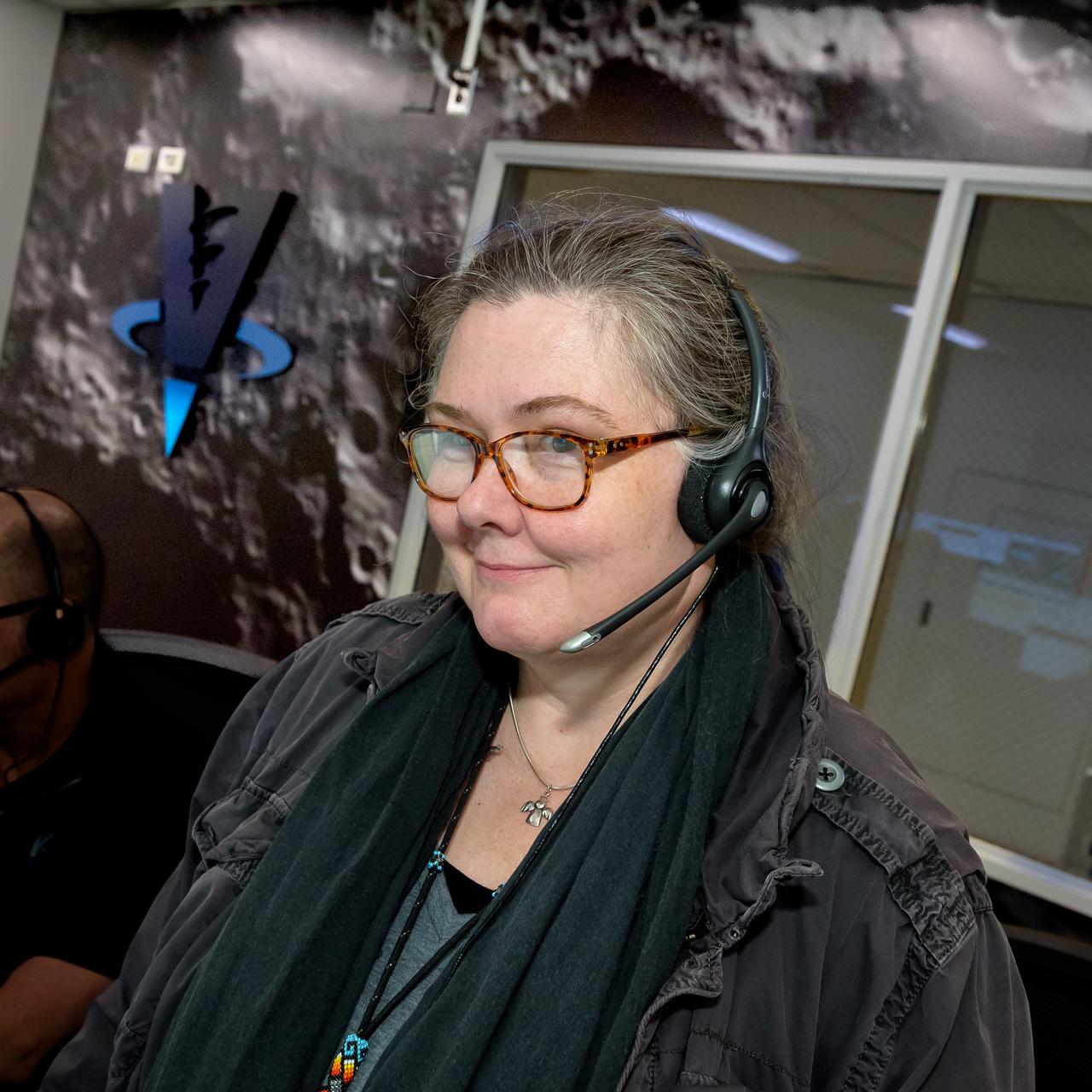
Sybil Adams during the Volatiles Investigating Polar Exploration Rover (VIPER) vehicle operational readiness test in the Multi-Mission Operations Center (MMOC), N240A.
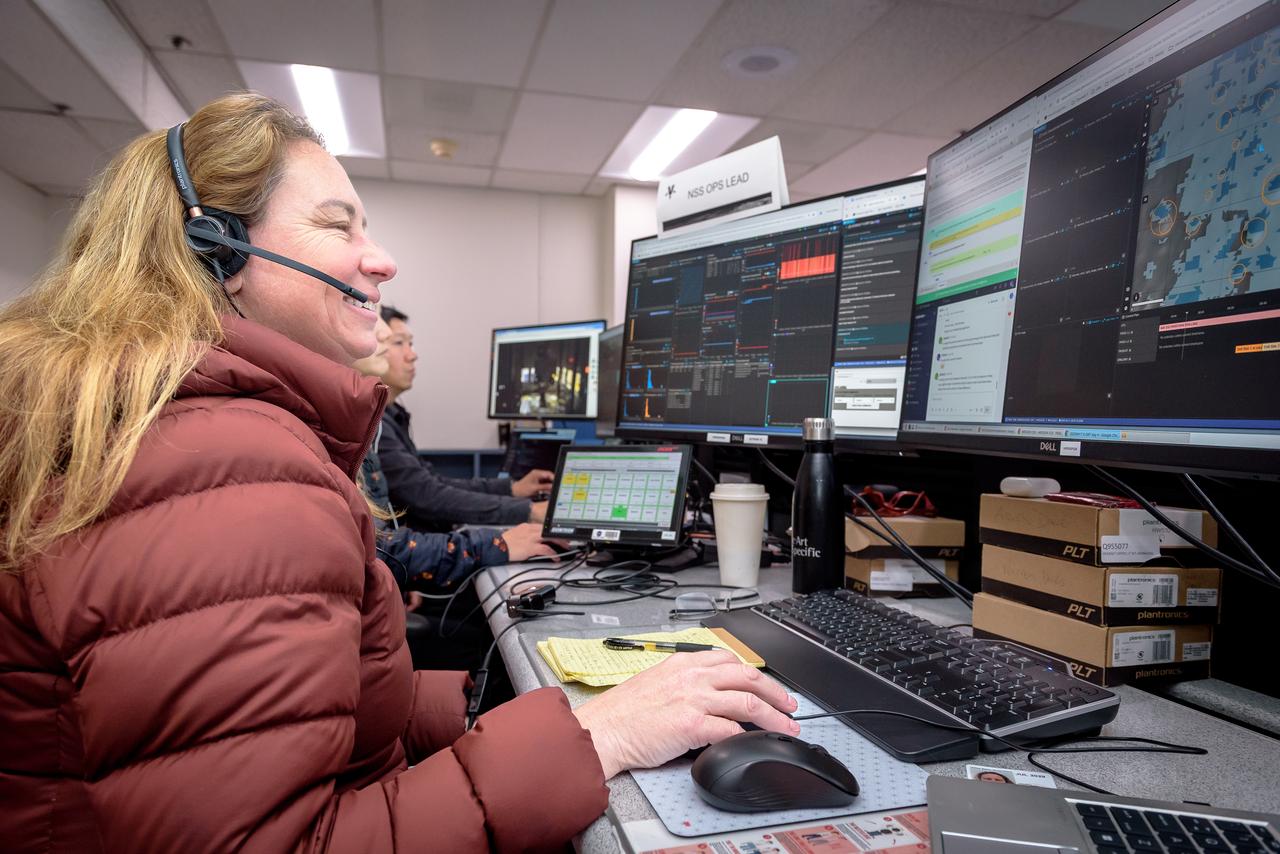
Erin Fritzler during the Volatiles Investigating Polar Exploration Rover (VIPER) vehicle operational readiness test in the Multi-Mission Operations Center (MMOC), N240A.
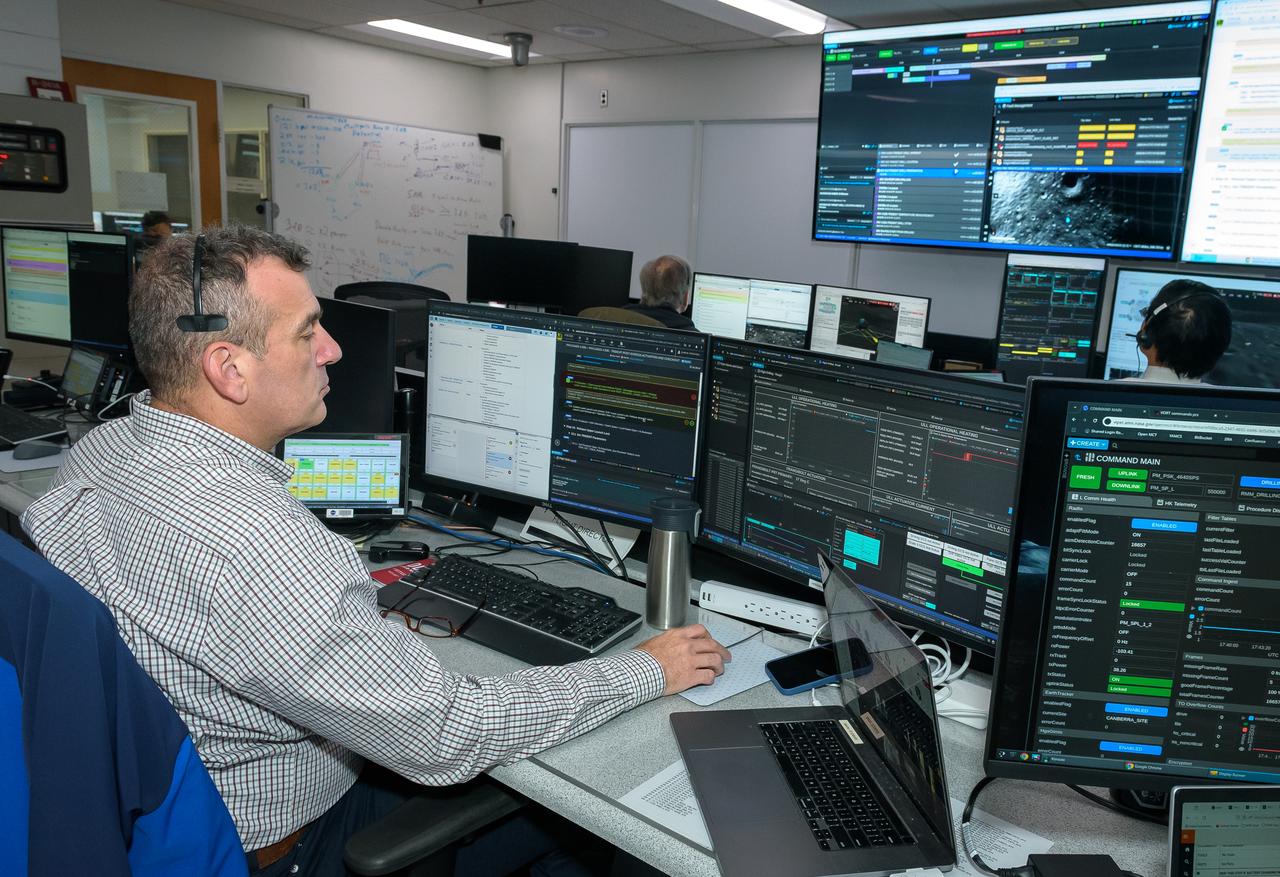
Chris Provencher during the Volatiles Investigating Polar Exploration Rover (VIPER) vehicle operational readiness test in the Multi-Mission Operations Center (MMOC), N240A.
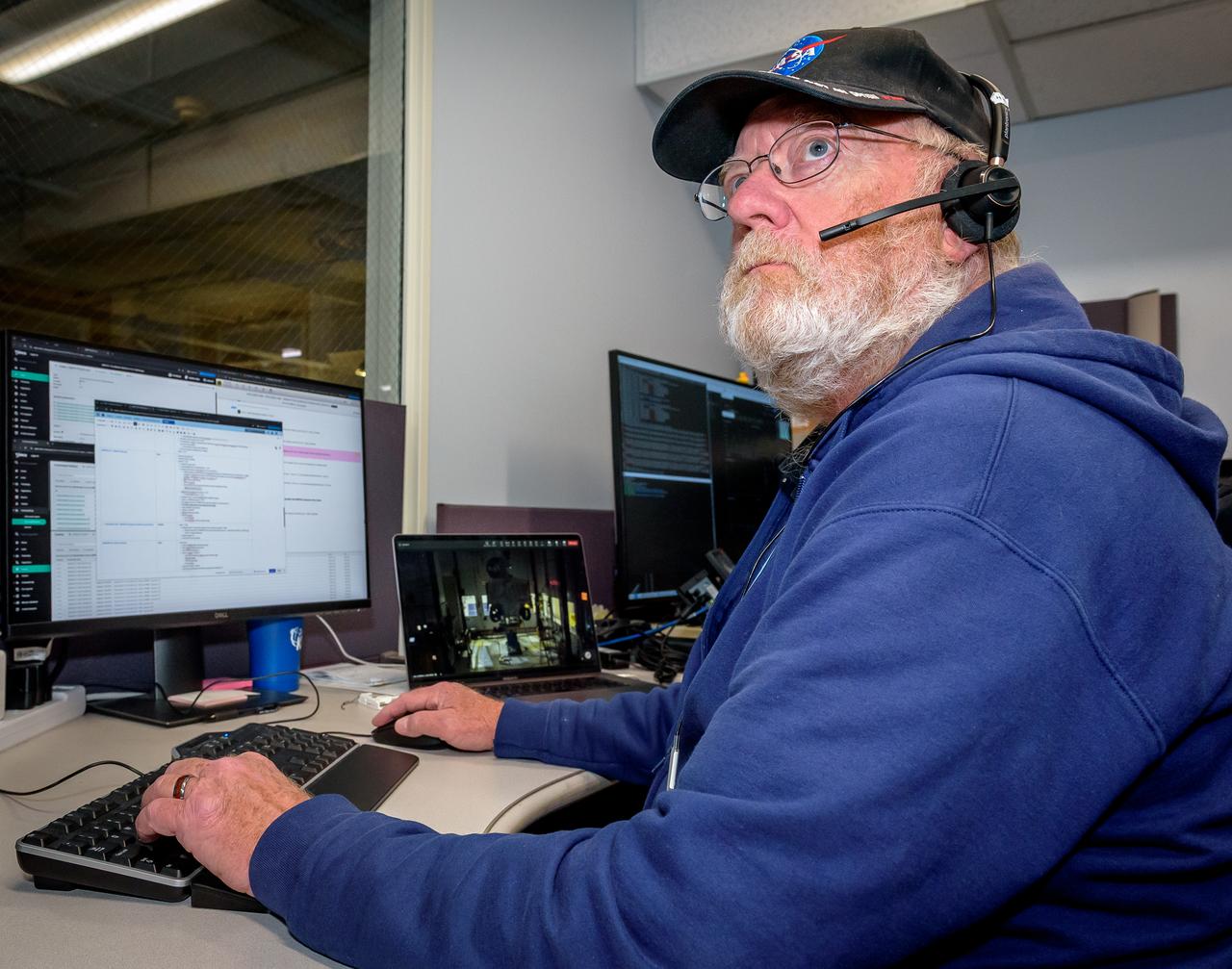
Rusty Hunt during the Volatiles Investigating Polar Exploration Rover (VIPER) vehicle operational readiness test in the Multi-Mission Operations Center (MMOC), N240A.
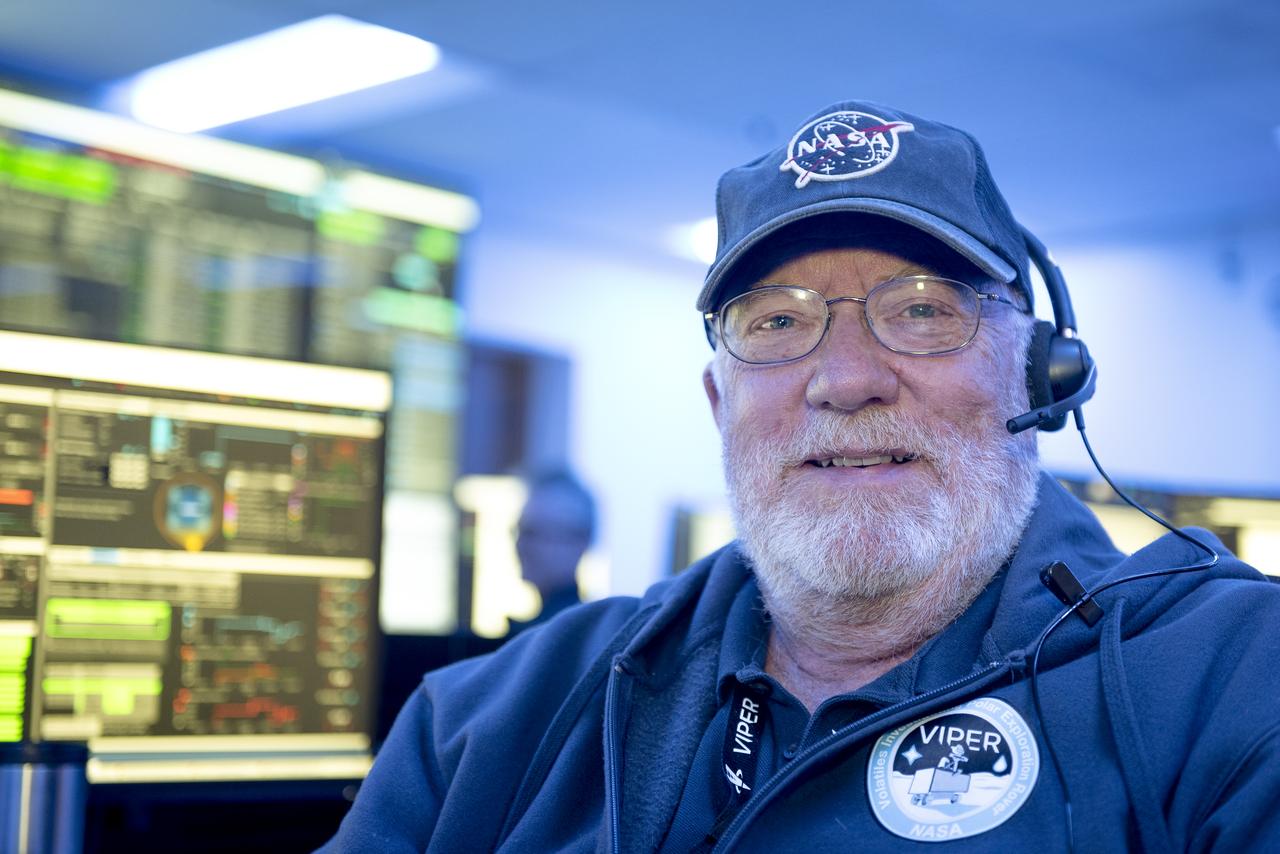
Location portrait of Rusty Hunt in the Multi-Mission Operations Center (MMOC), N240, for the Volatiles Investigating Polar Exploration Rover (VIPER) mission.
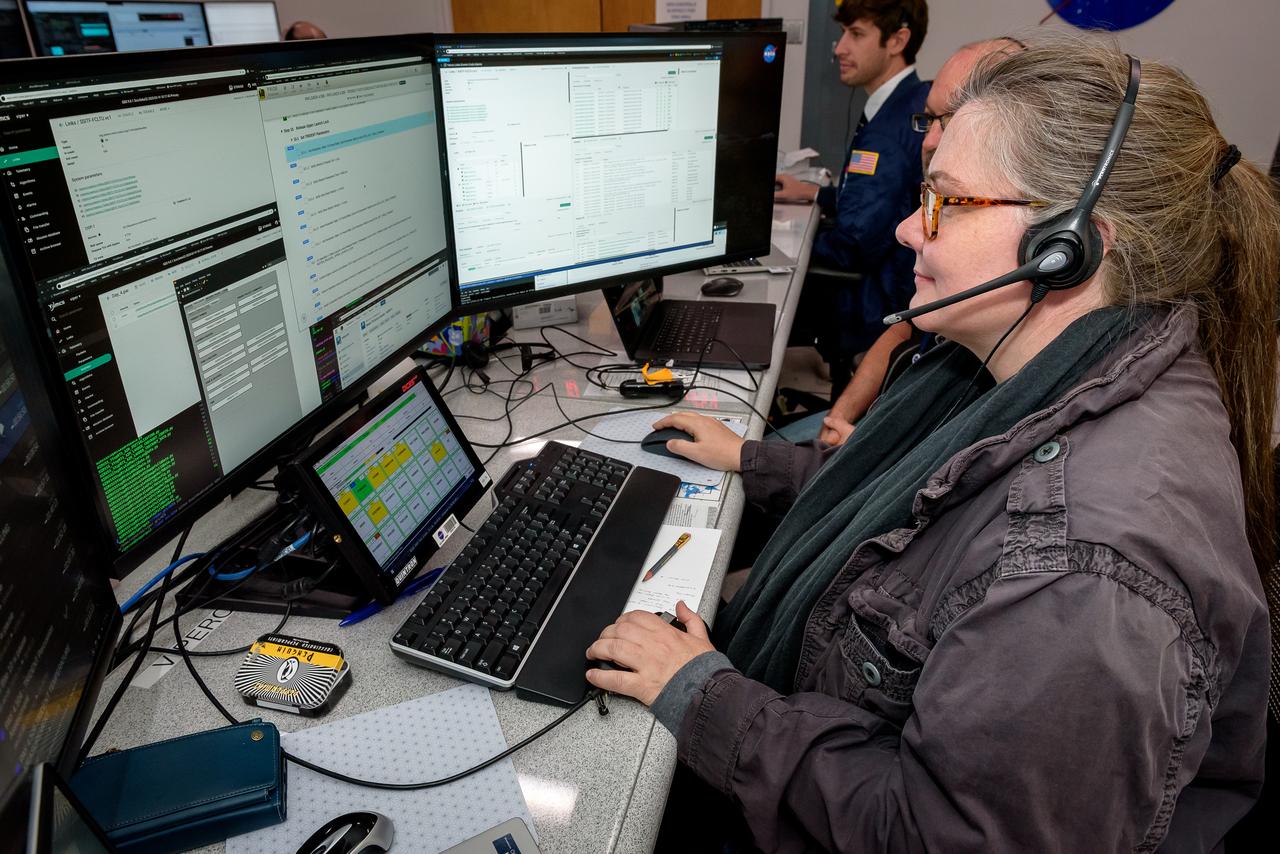
Sybil Adams during the Volatiles Investigating Polar Exploration Rover (VIPER) vehicle operational readiness test in the Multi-Mission Operations Center (MMOC), N240A.

Victoria Moore outside the Volatiles Investigating Polar Exploration Rover (VIPER) vehicle operational readiness test in the Multi-Mission Operations Center (MMOC), N240A.

Kaden Jeppsen during the Volatiles Investigating Polar Exploration Rover (VIPER) vehicle operational readiness test in the Multi-Mission Operations Center (MMOC), N240A.
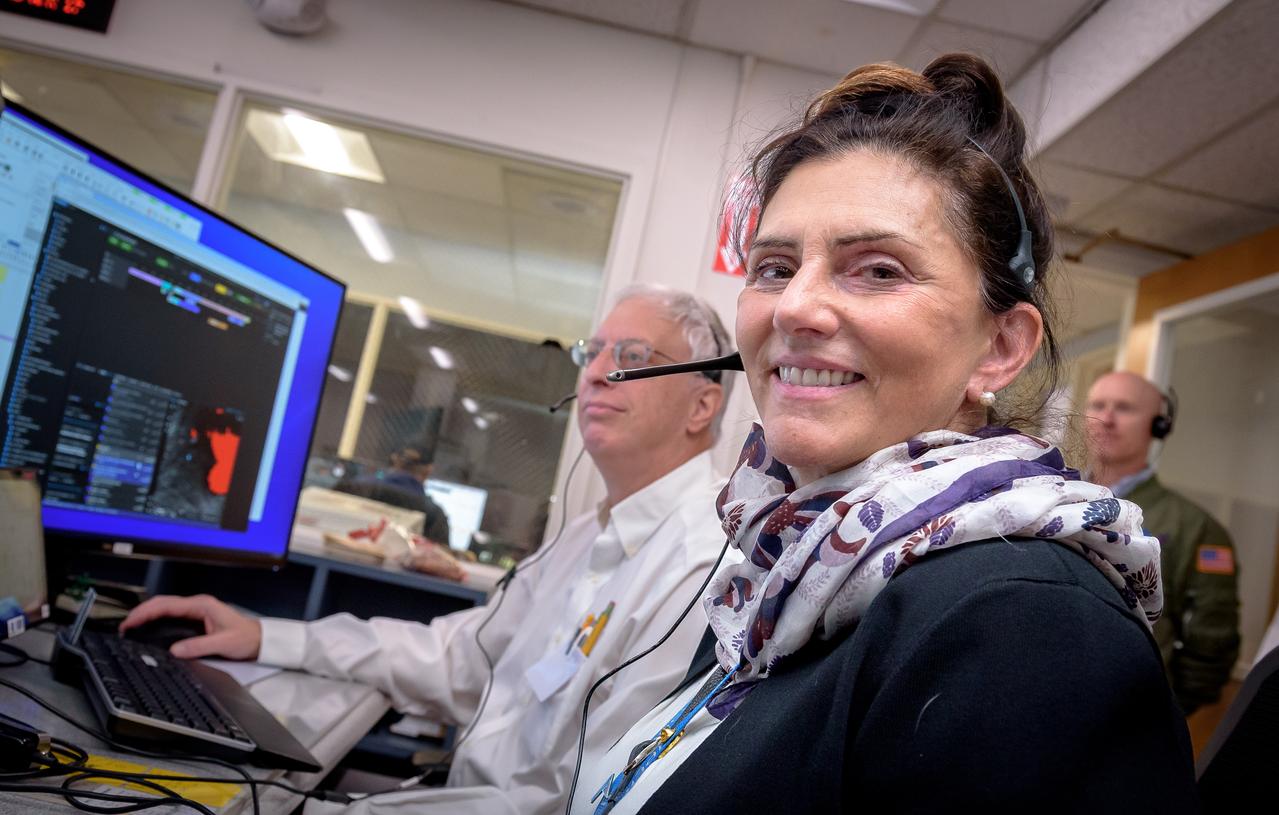
Loretta Falcone during the Volatiles Investigating Polar Exploration Rover (VIPER) vehicle operational readiness test in the Multi-Mission Operations Center (MMOC), N240A.
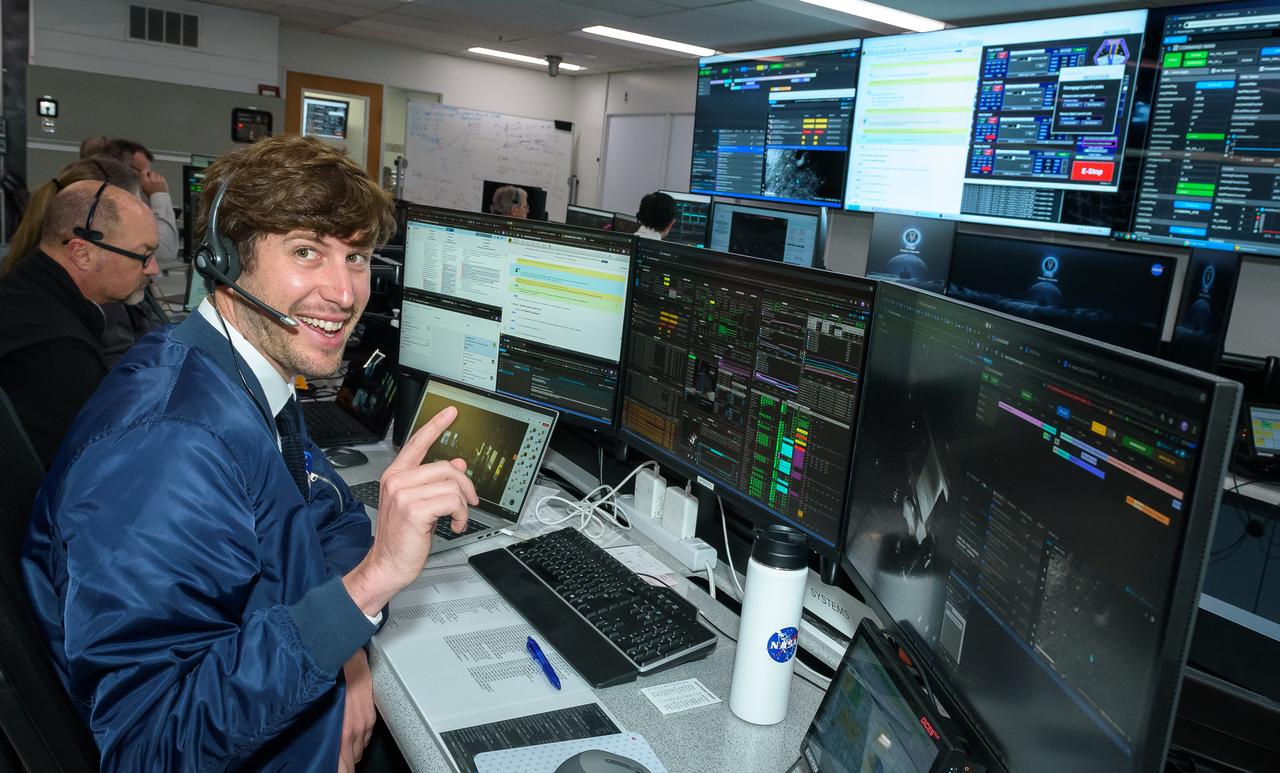
Jasper Wolfe during the Volatiles Investigating Polar Exploration Rover (VIPER) vehicle operational readiness test in the Multi-Mission Operations Center (MMOC), N240A.
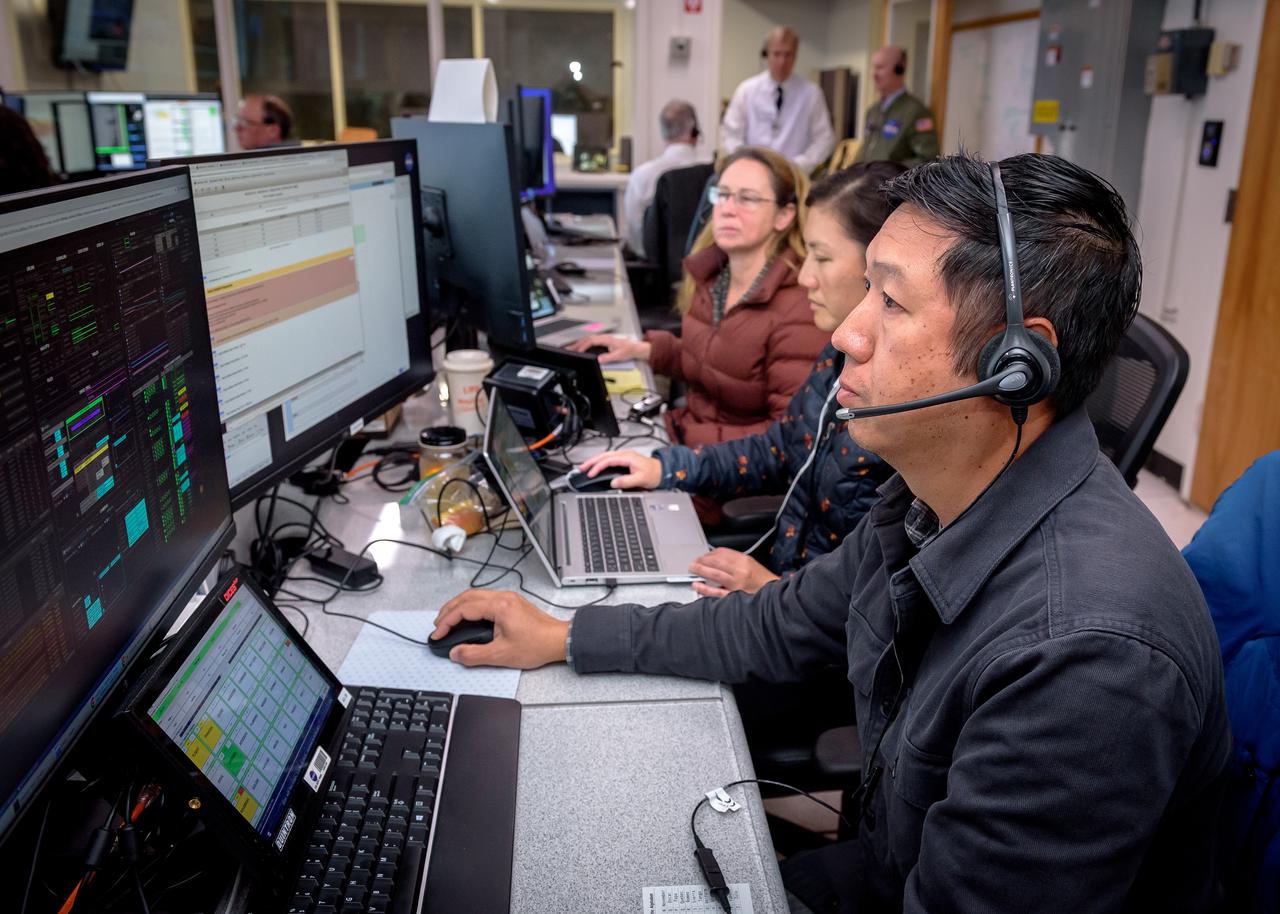
Vinh To during the Volatiles Investigating Polar Exploration Rover (VIPER) vehicle operational readiness test in the Multi-Mission Operations Center (MMOC), N240A.
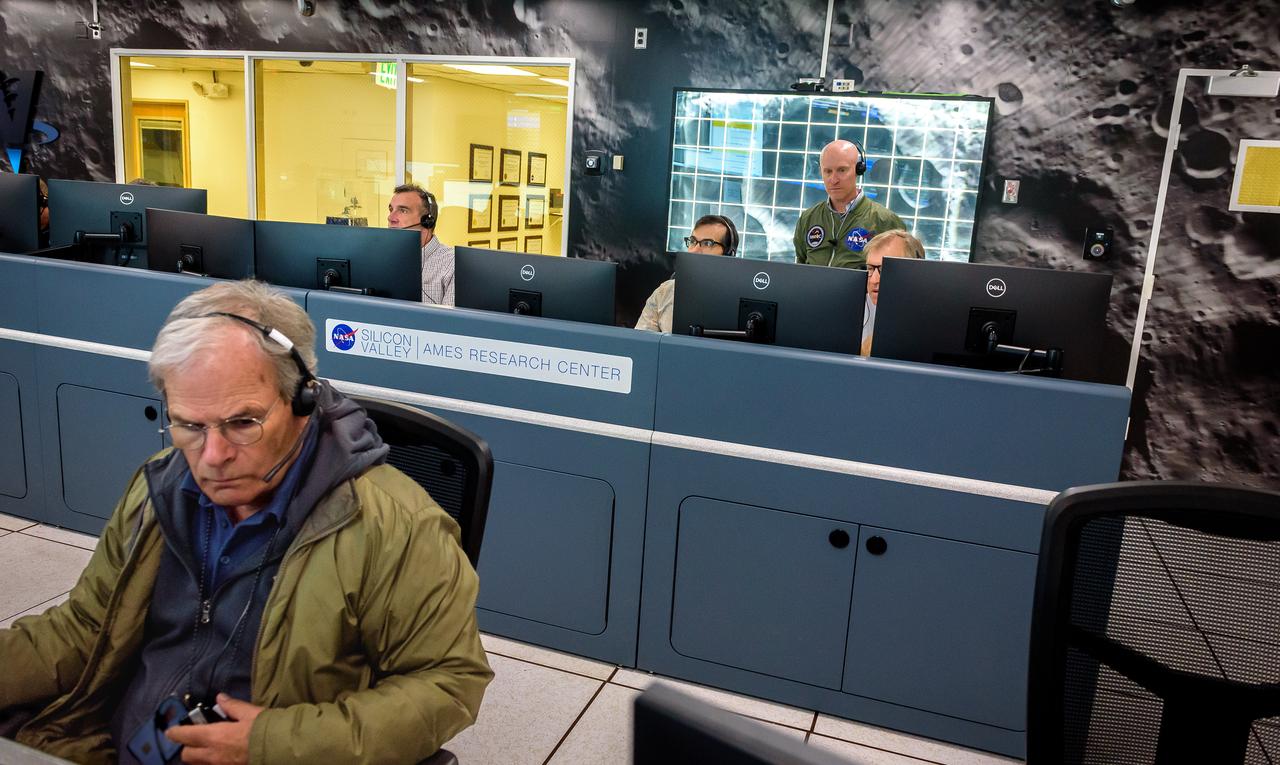
Rick Elphic during the Volatiles Investigating Polar Exploration Rover (VIPER) vehicle operational readiness test in the Multi-Mission Operations Center (MMOC), N240A.
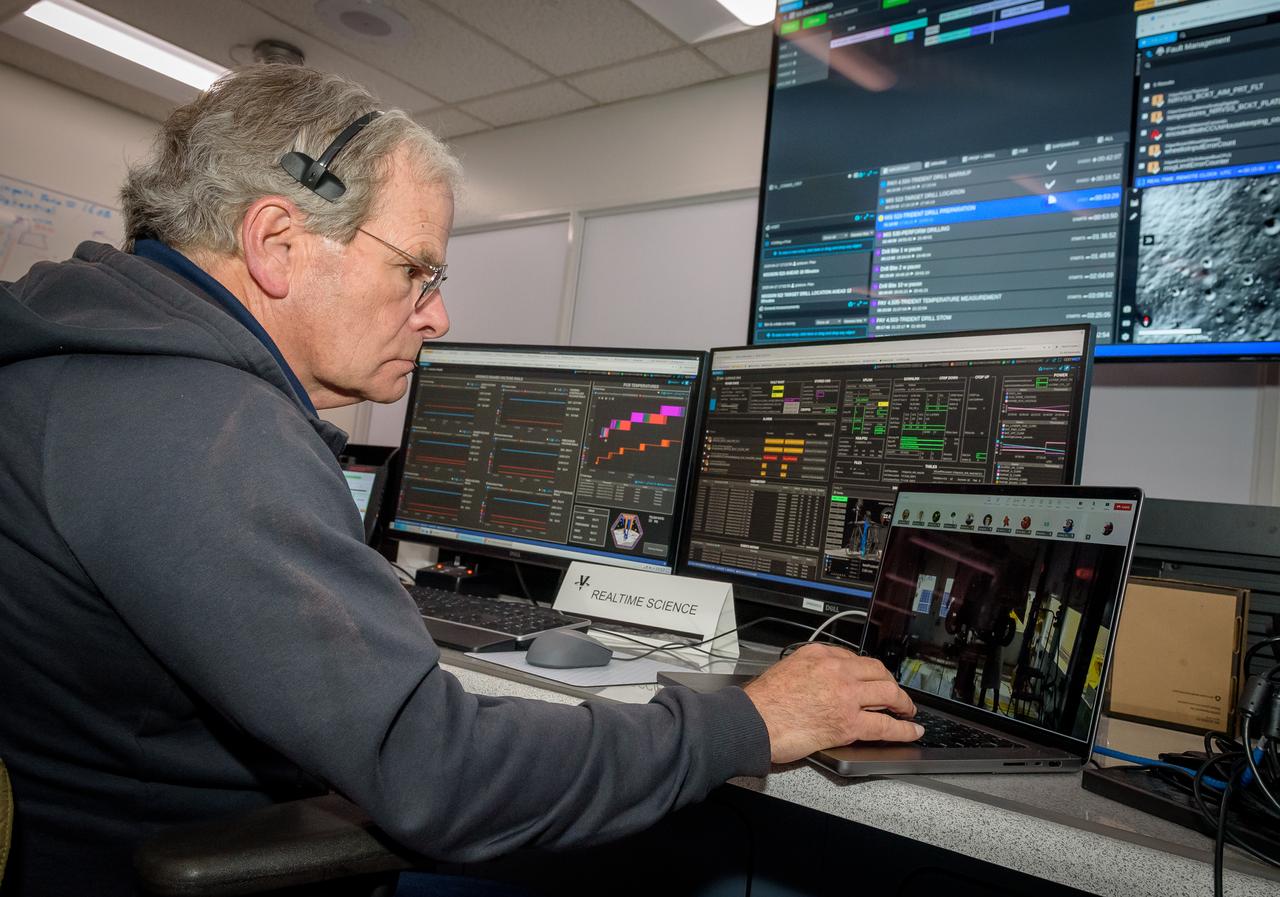
Rick Elphic during the Volatiles Investigating Polar Exploration Rover (VIPER) vehicle operational readiness test in the Multi-Mission Operations Center (MMOC), N240A.
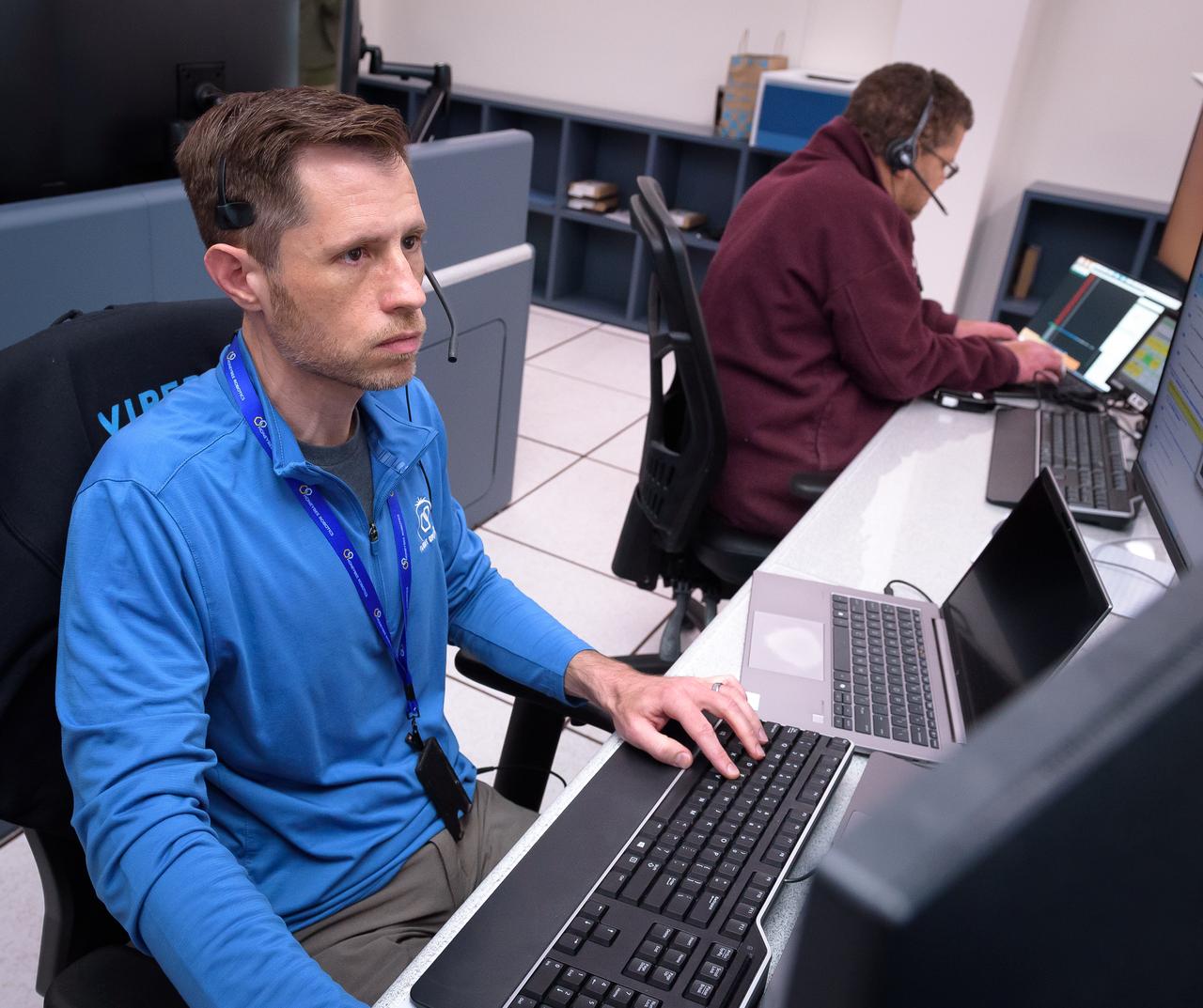
Paul Creekmore during the Volatiles Investigating Polar Exploration Rover (VIPER) vehicle operational readiness test in the Multi-Mission Operations Center (MMOC), N240A.
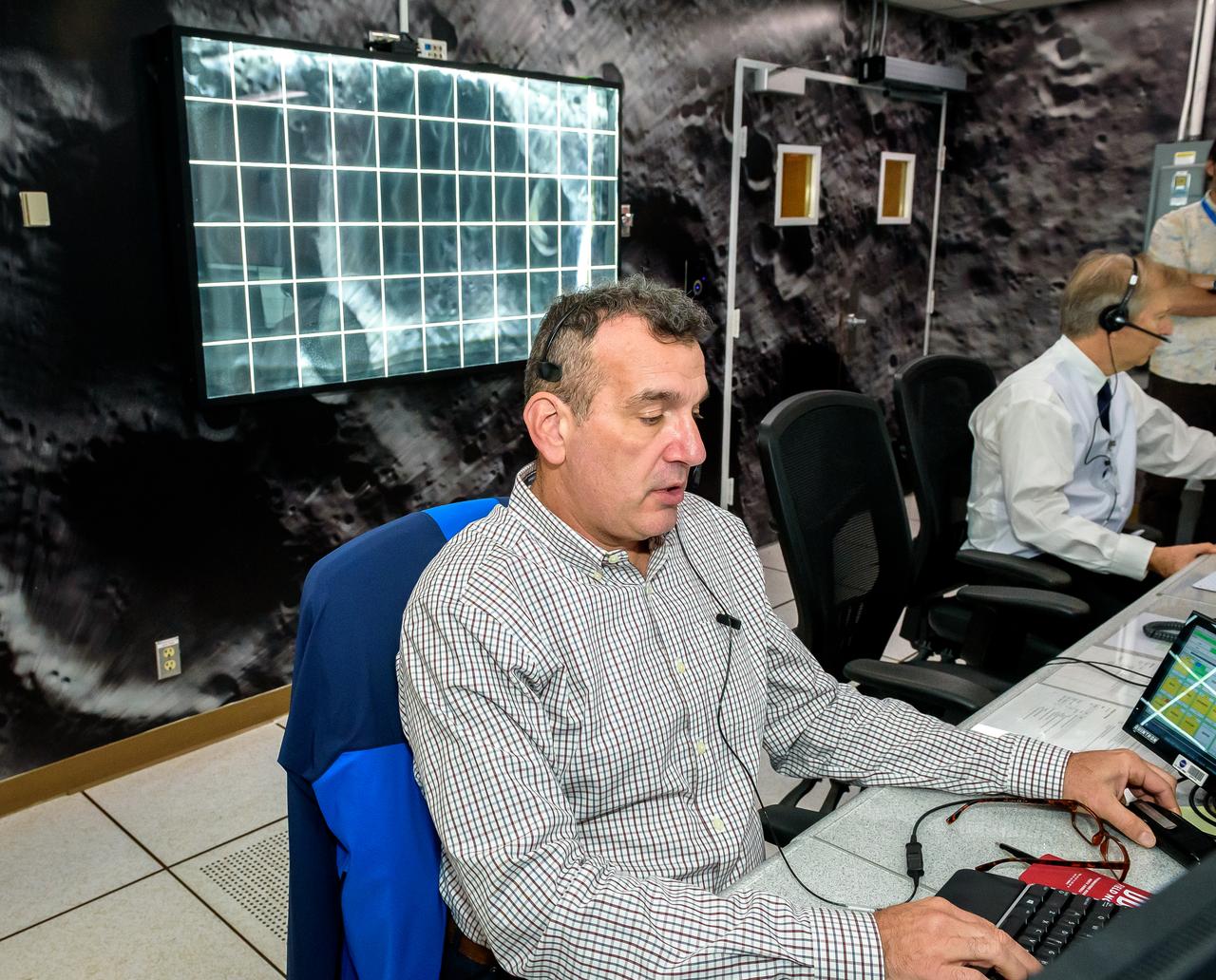
Chris Provencher during the Volatiles Investigating Polar Exploration Rover (VIPER) vehicle operational readiness test in the Multi-Mission Operations Center (MMOC), N240A.
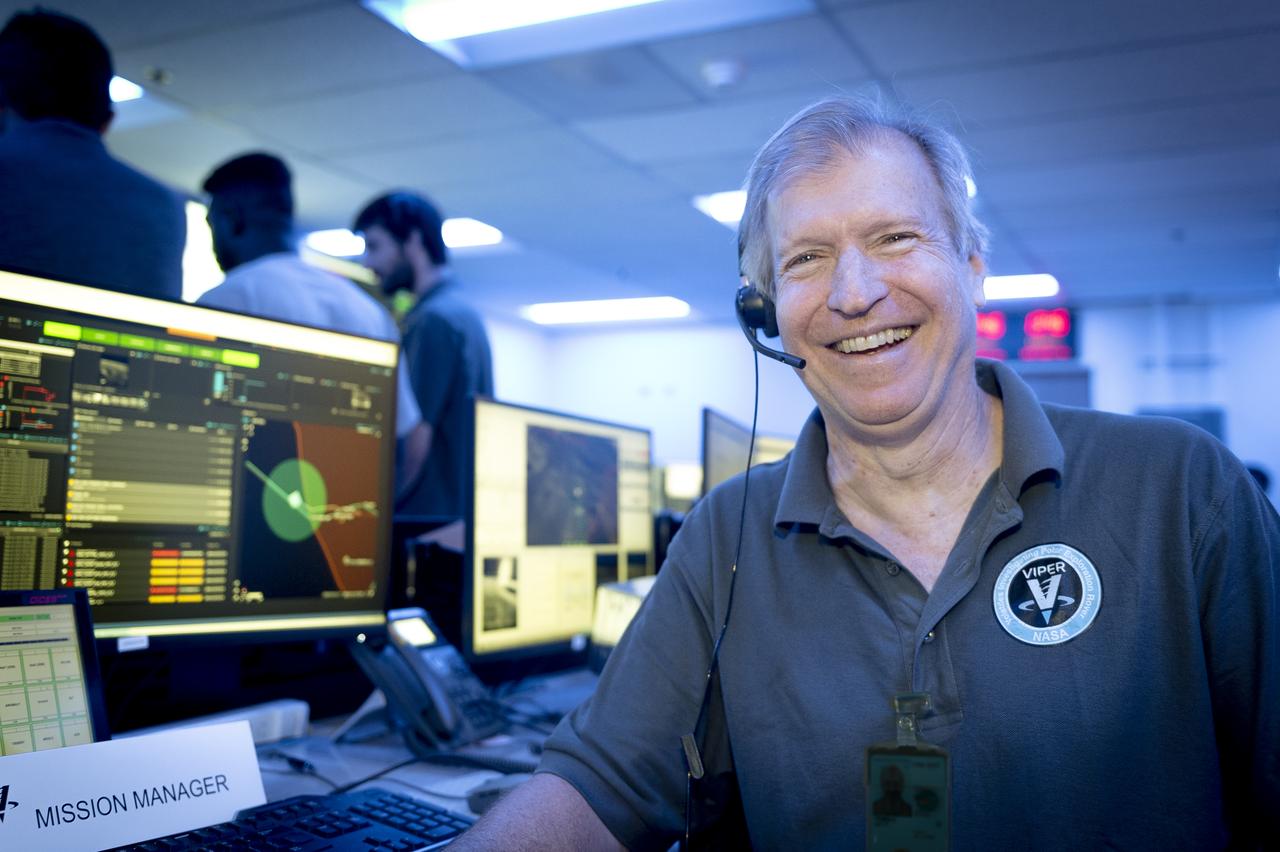
Location portrait of Jay Trimble in the Multi-Mission Operations Center (MMOC), N240, for the Volatiles Investigating Polar Exploration Rover (VIPER) mission.

Roshan Kalghatgi during the Volatiles Investigating Polar Exploration Rover (VIPER) vehicle operational readiness test in the Multi-Mission Operations Center (MMOC), N240A.
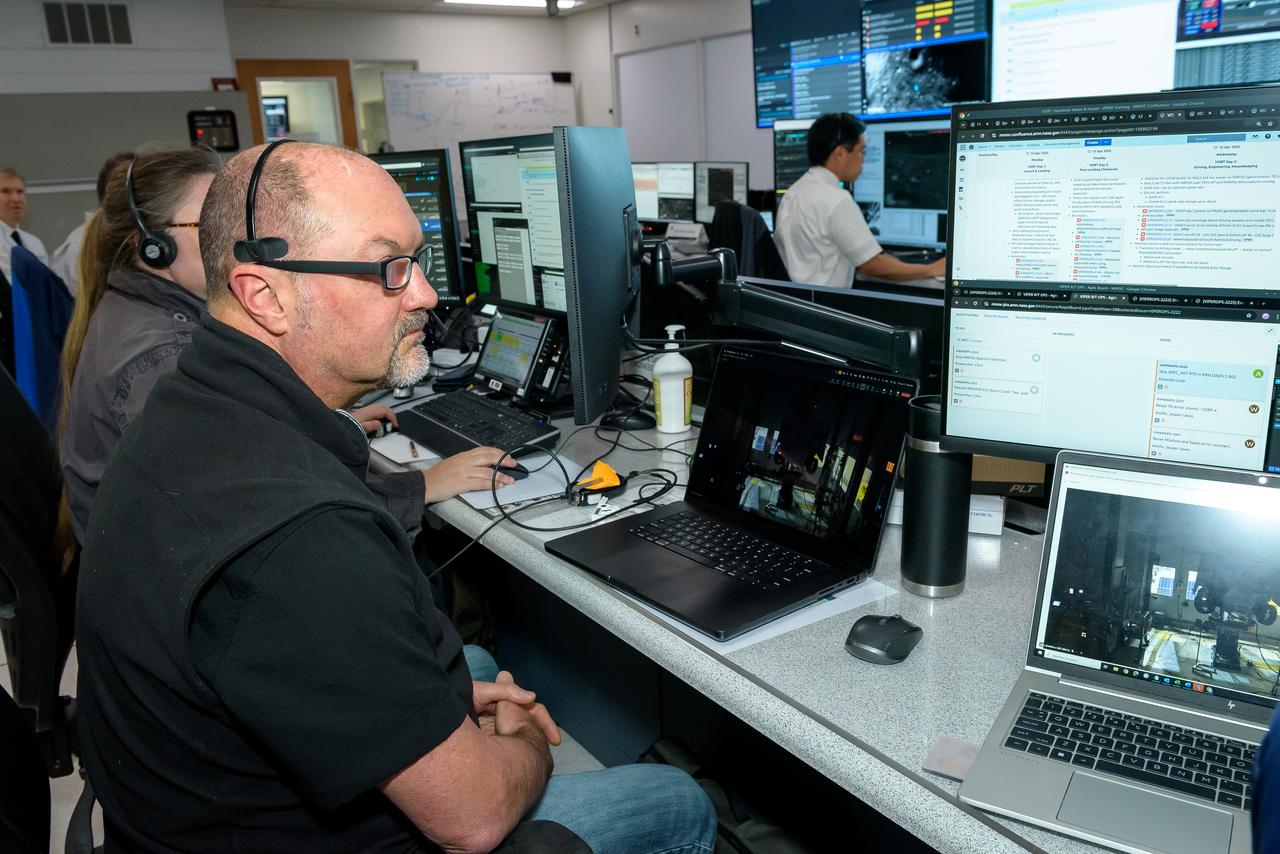
Charles Hacskaylo during the Volatiles Investigating Polar Exploration Rover (VIPER) vehicle operational readiness test in the Multi-Mission Operations Center (MMOC), N240A.
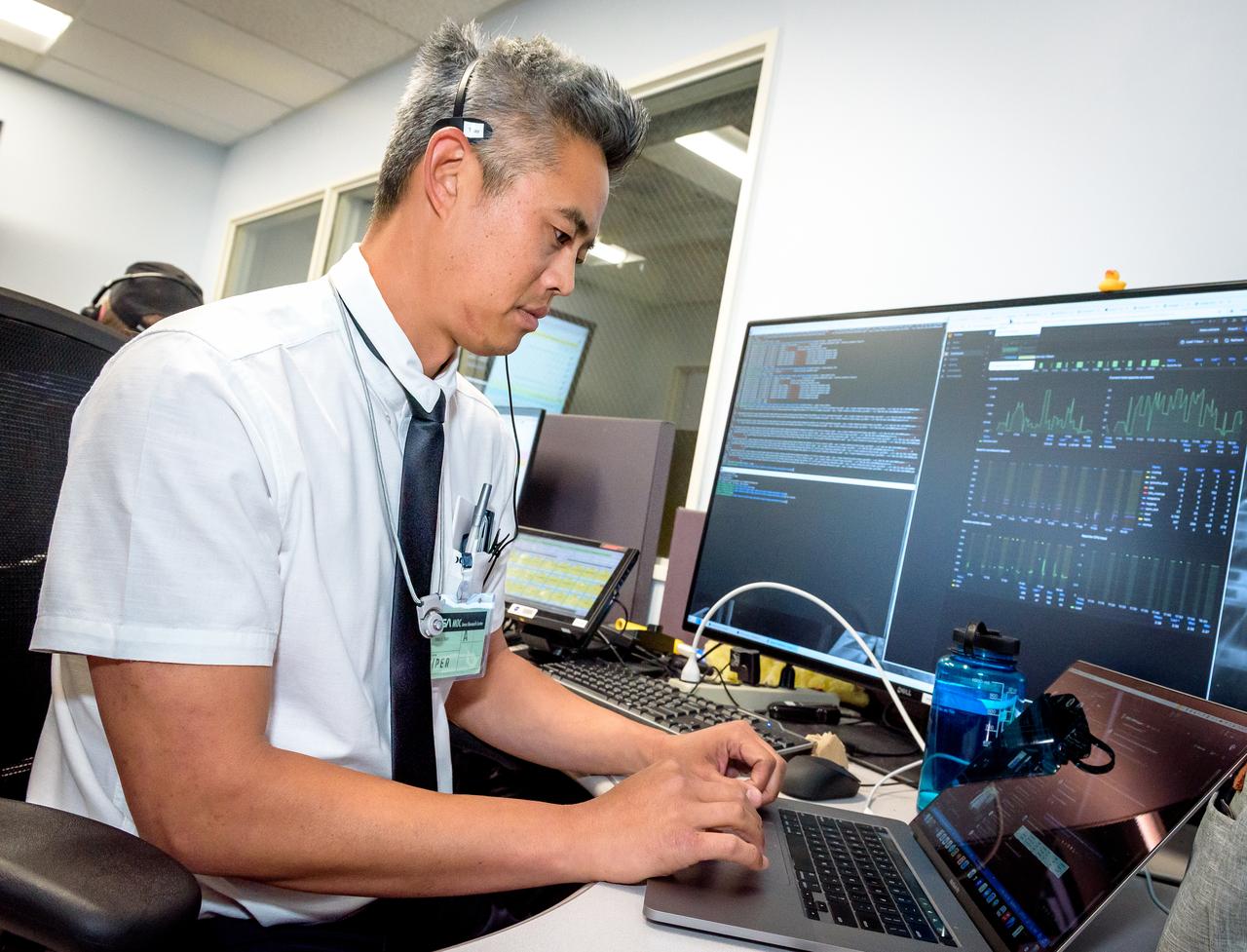
David Tsay during the Volatiles Investigating Polar Exploration Rover (VIPER) vehicle operational readiness test in the Multi-Mission Operations Center (MMOC), N240A.
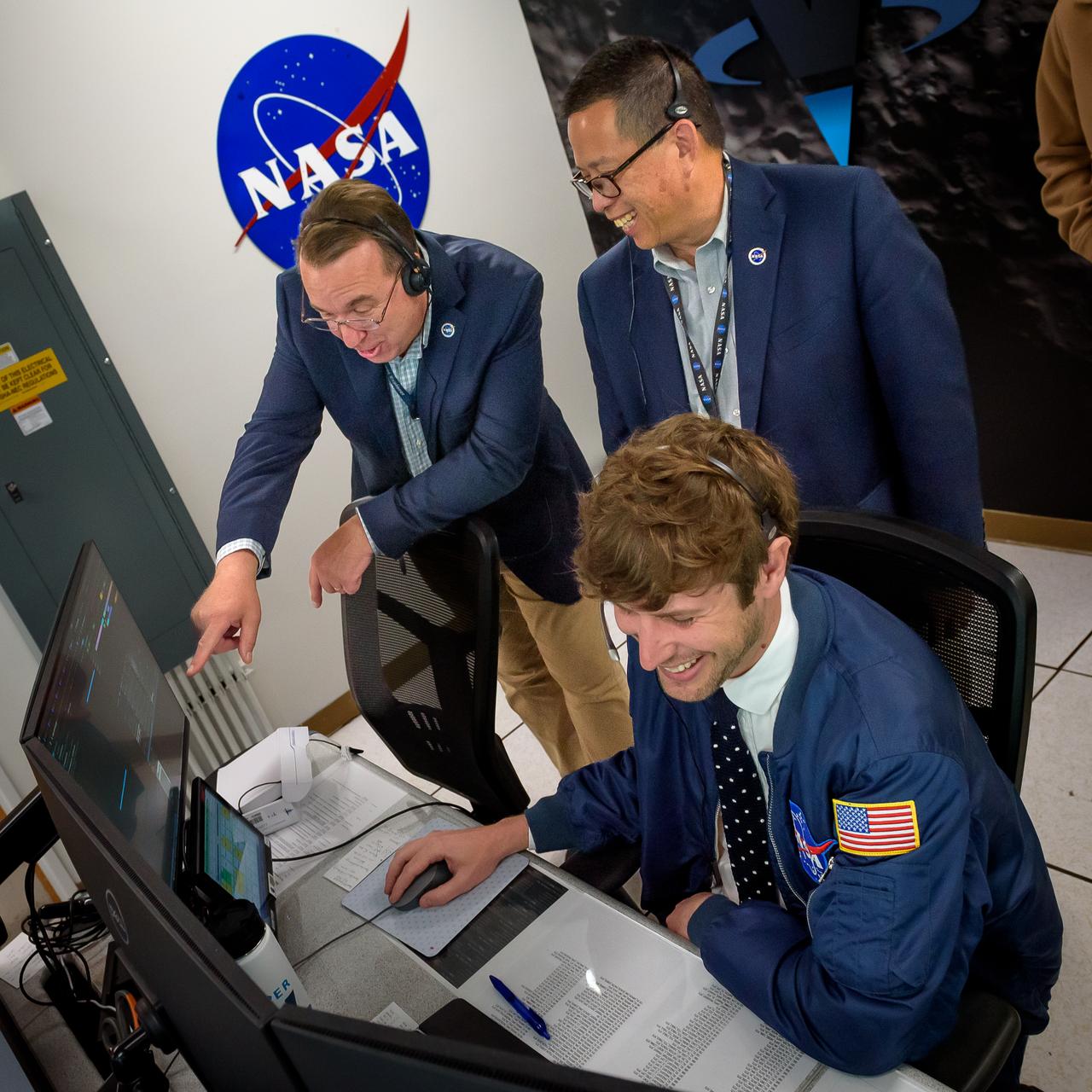
Volatiles Investigating Polar Exploration Rover (VIPER) vehicle operational readiness test in the Multi-Mission Operations Center (MMOC), N240A. Jasper Wolfe, front, with David Korsmeyer, and Eugene Tu.
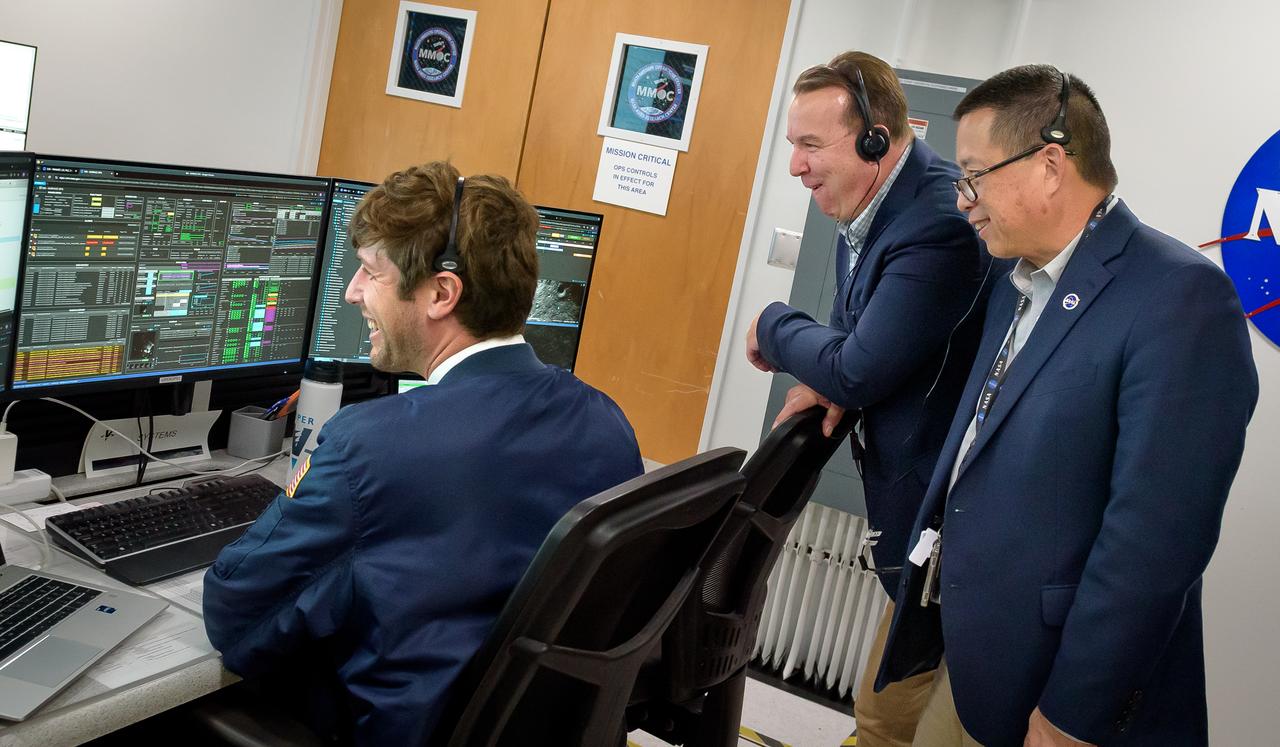
Volatiles Investigating Polar Exploration Rover (VIPER) vehicle operational readiness test in the Multi-Mission Operations Center (MMOC), N240A. Jasper Wolfe, left, with David Korsmeyer, and Eugene Tu, right.
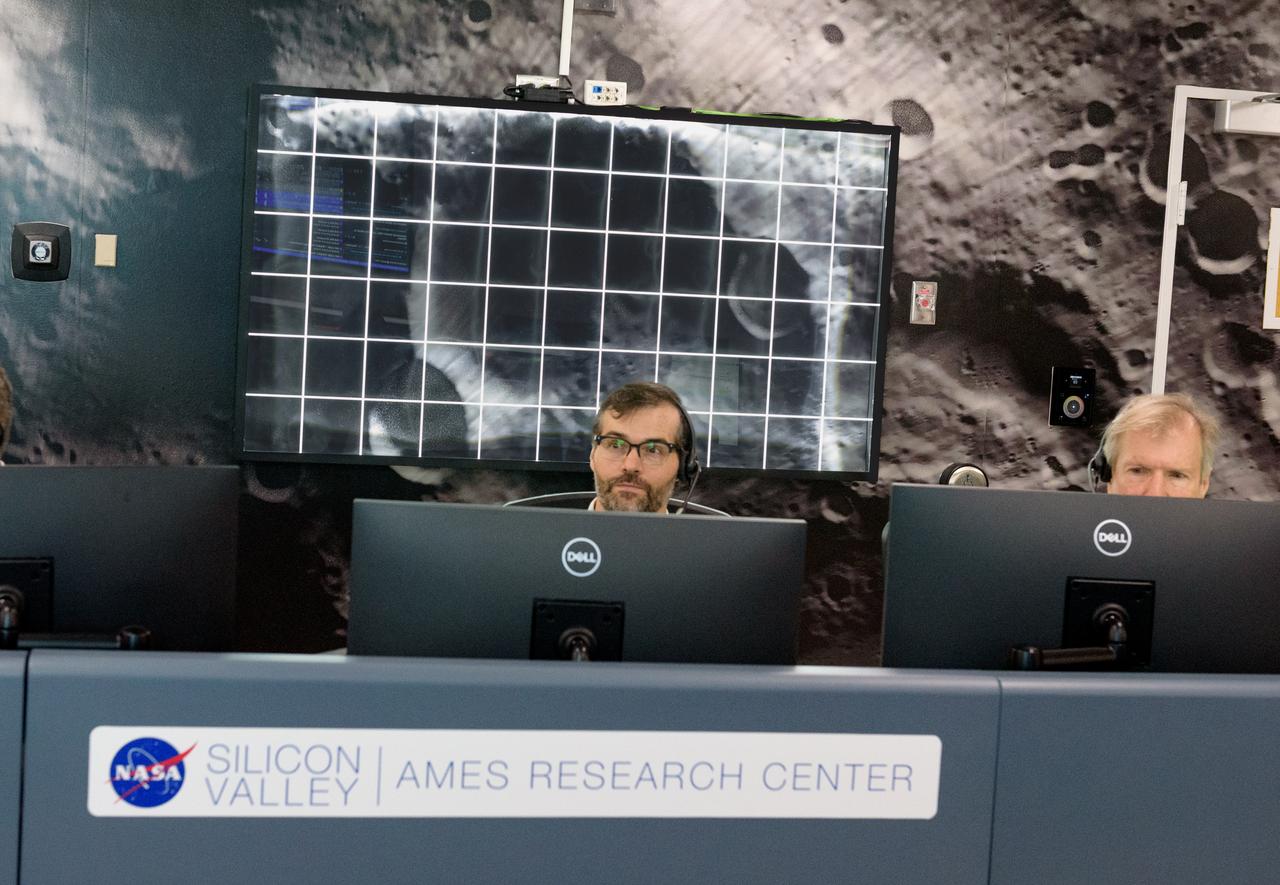
Zachary Burkland, left, and Jay Trimble, during the Volatiles Investigating Polar Exploration Rover (VIPER) vehicle operational readiness test in the Multi-Mission Operations Center (MMOC), N240A.
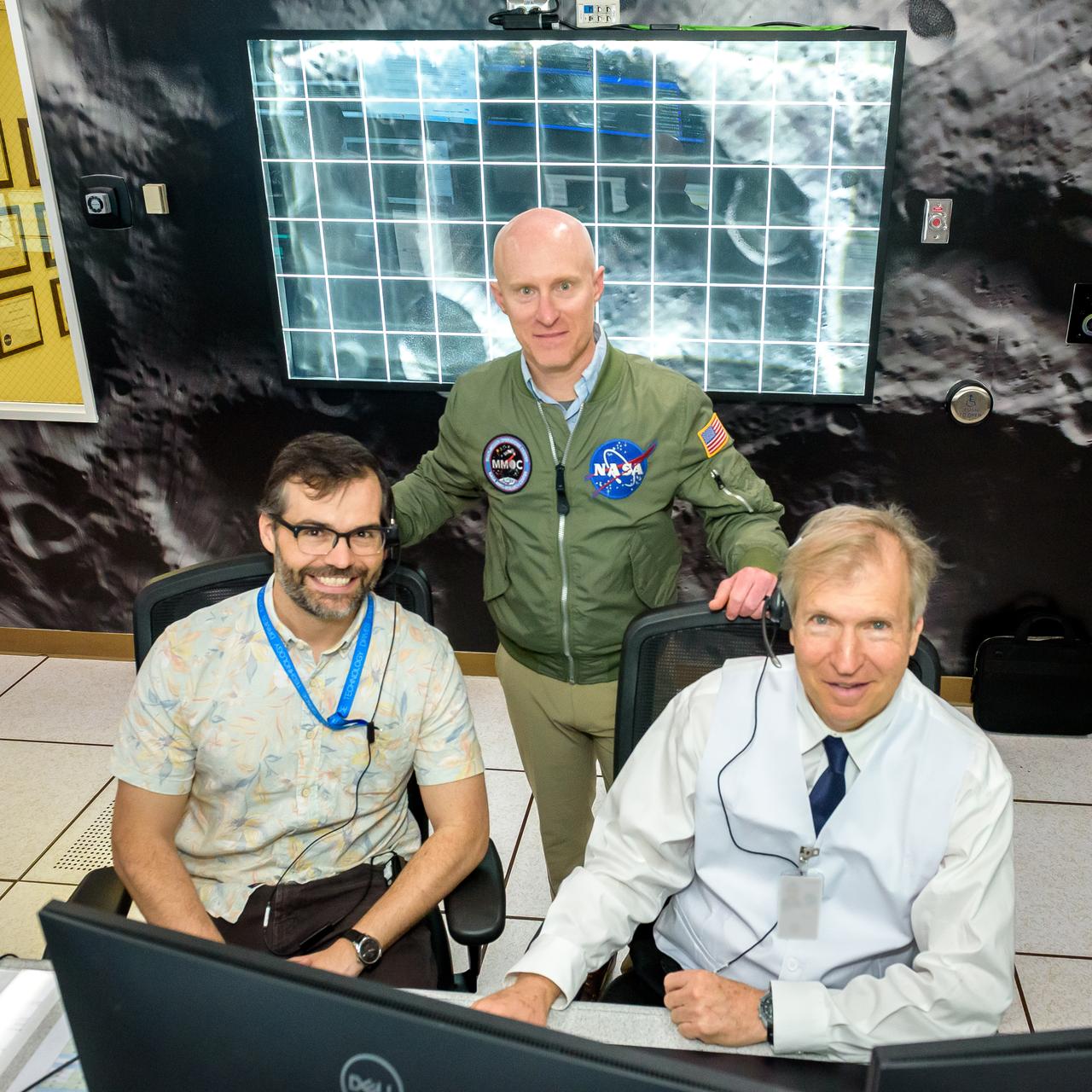
Zachary Burkland, left, Justin Pane, and Jay Trimble, right during the Volatiles Investigating Polar Exploration Rover (VIPER) vehicle operational readiness test in the Multi-Mission Operations Center (MMOC), N240A.
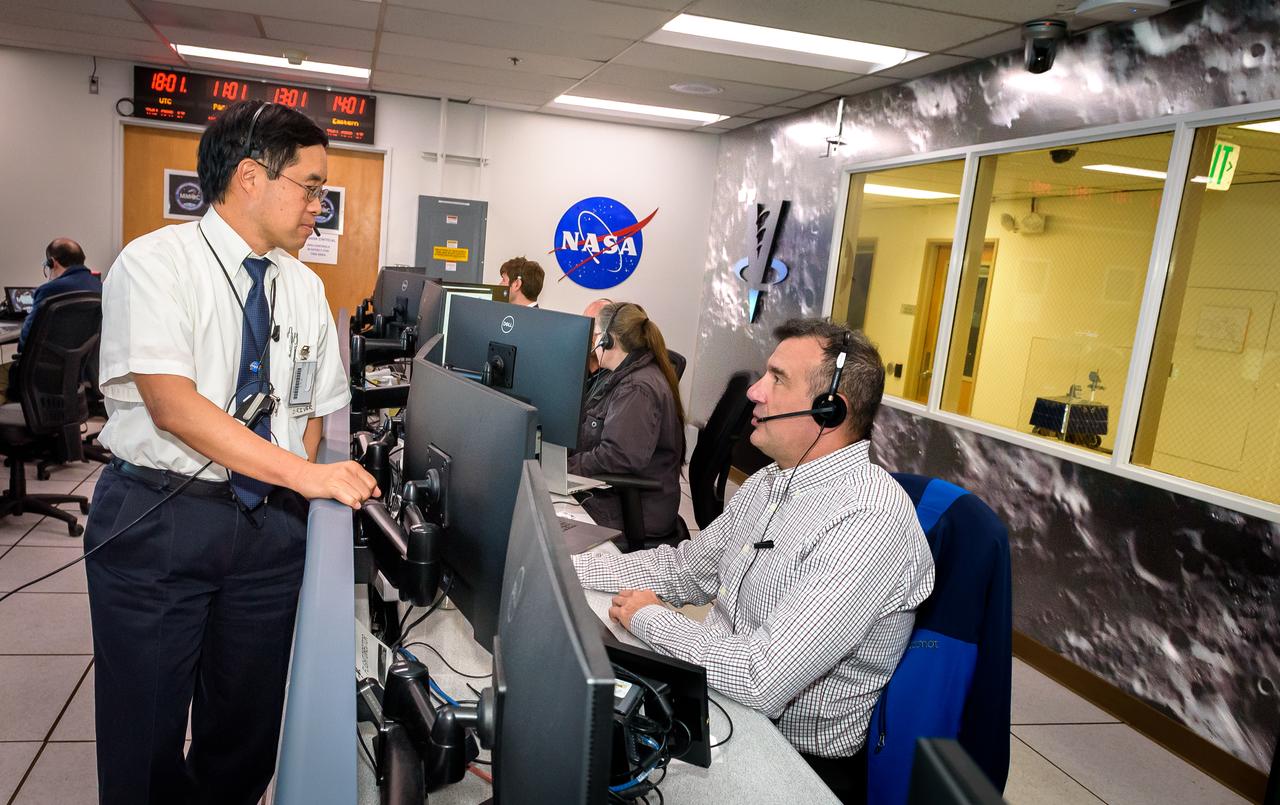
Terry Fong, left, and Chris Provencher during the Volatiles Investigating Polar Exploration Rover (VIPER) vehicle operational readiness test in the Multi-Mission Operations Center (MMOC), N240A.
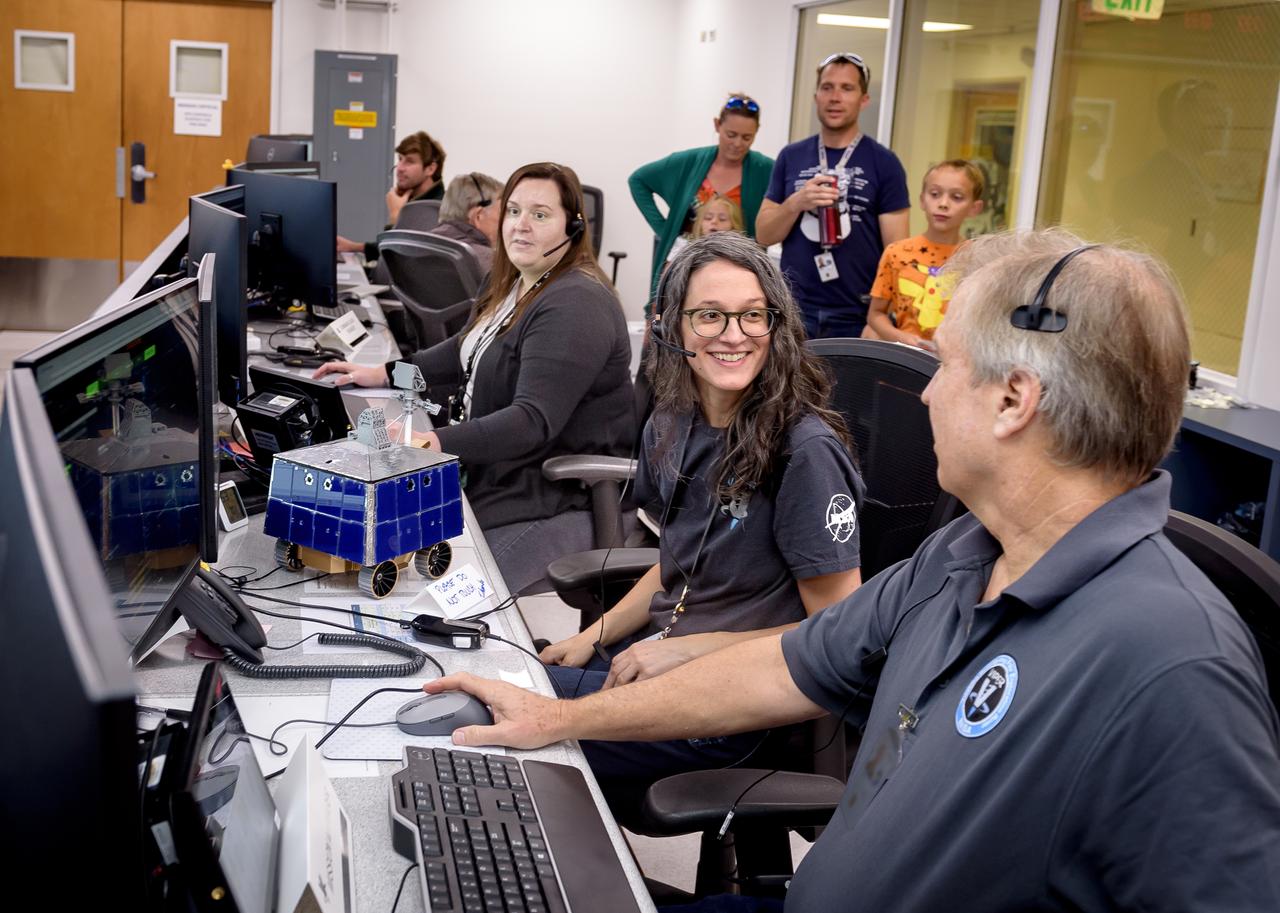
Right to left: Jay Trimble, Rachel Hoover, and Kelsey Herrmann in the Multi-Mission Operations Center (MMOC), N240, during Volatiles Investigating Polar Exploration Rover (VIPER) for VIPER Family Day.
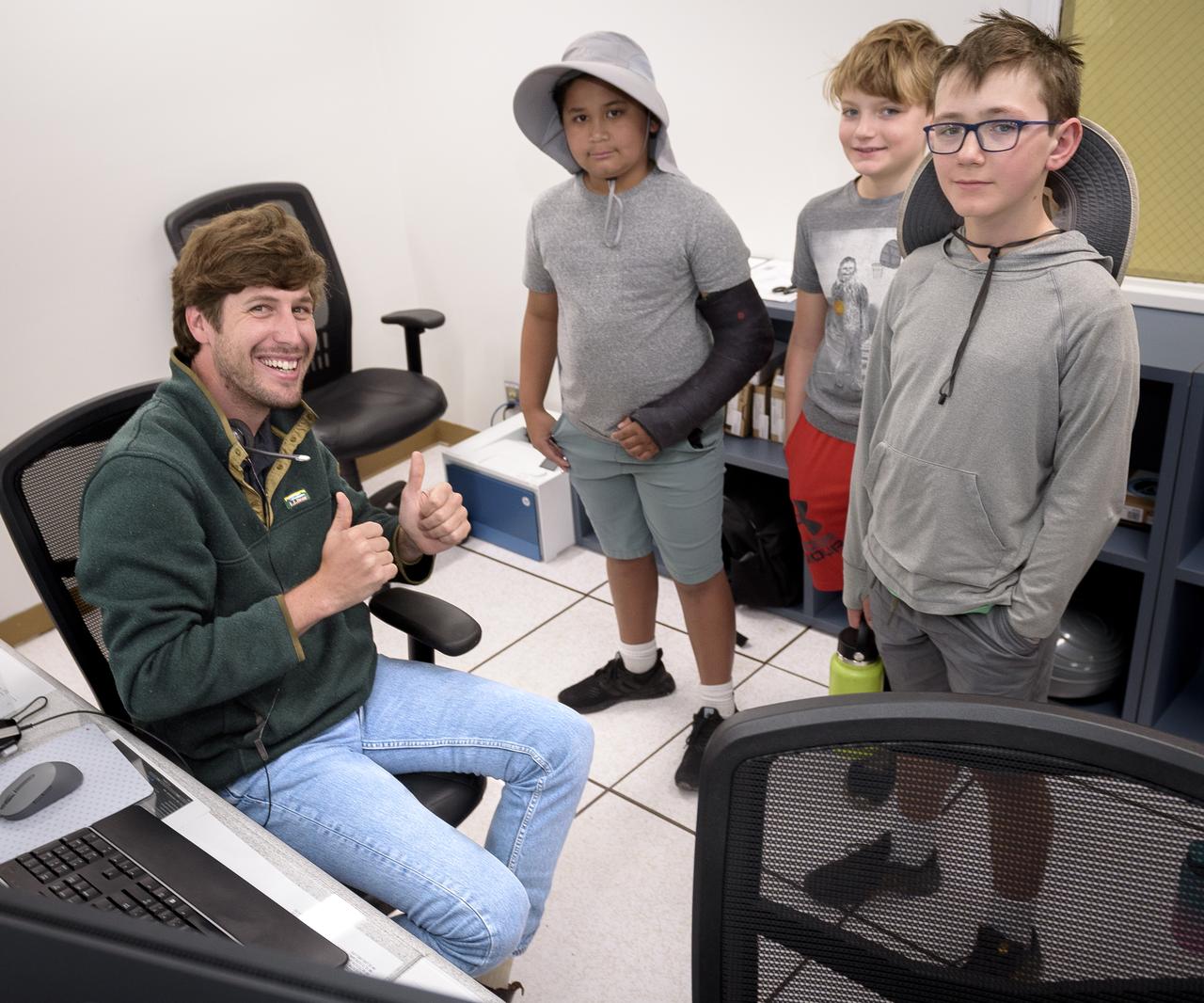
Jasper Wolfe, left, explains the Volatiles Investigating Polar Exploration Rover (VIPER) mission to visitors in the Multi-Mission Operations Center (MMOC), N240, for VIPER Family Day.
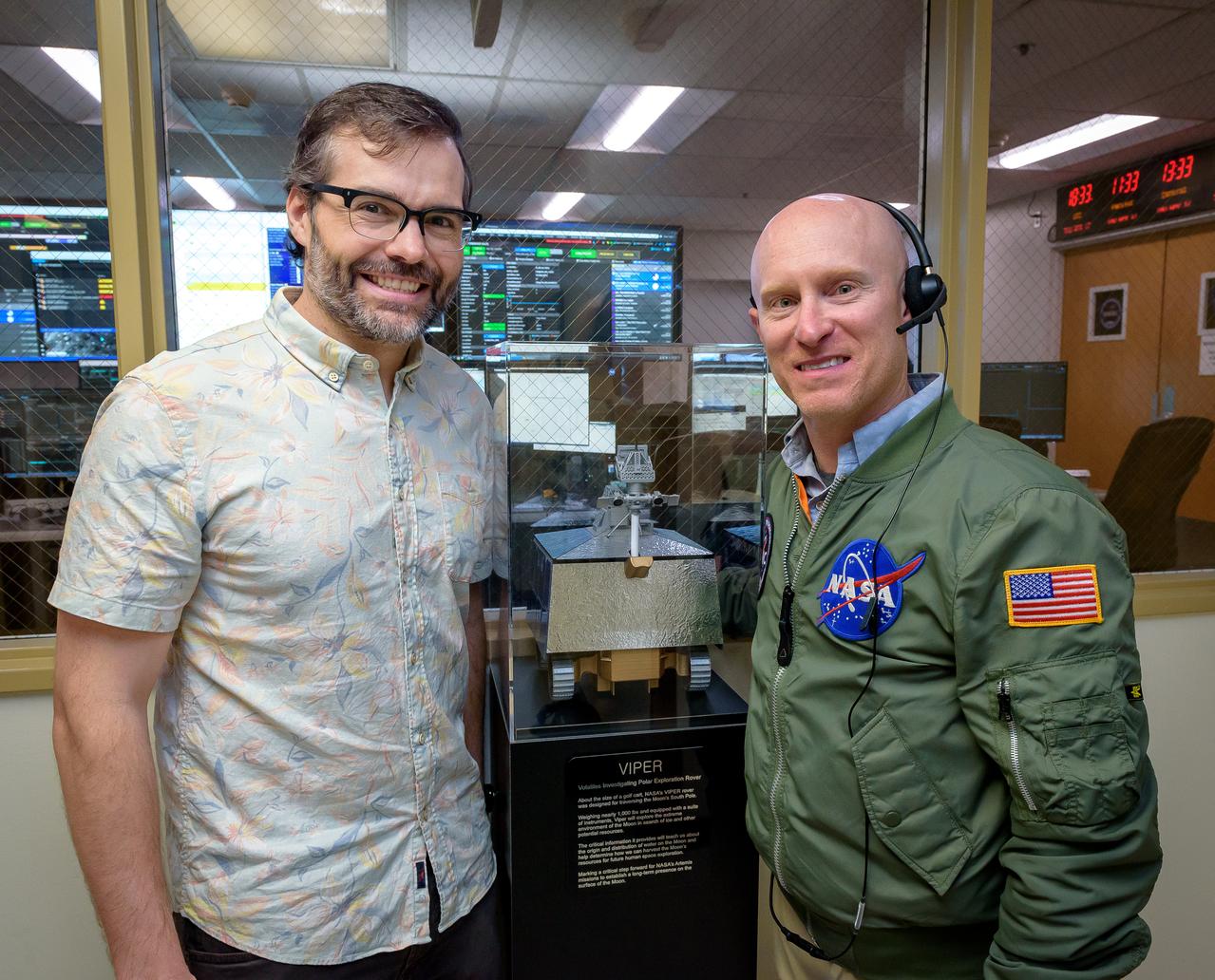
Zachary Burkland left and Justin Pane outside the Volatiles Investigating Polar Exploration Rover (VIPER) vehicle operational readiness test in the Multi-Mission Operations Center (MMOC), N240A.
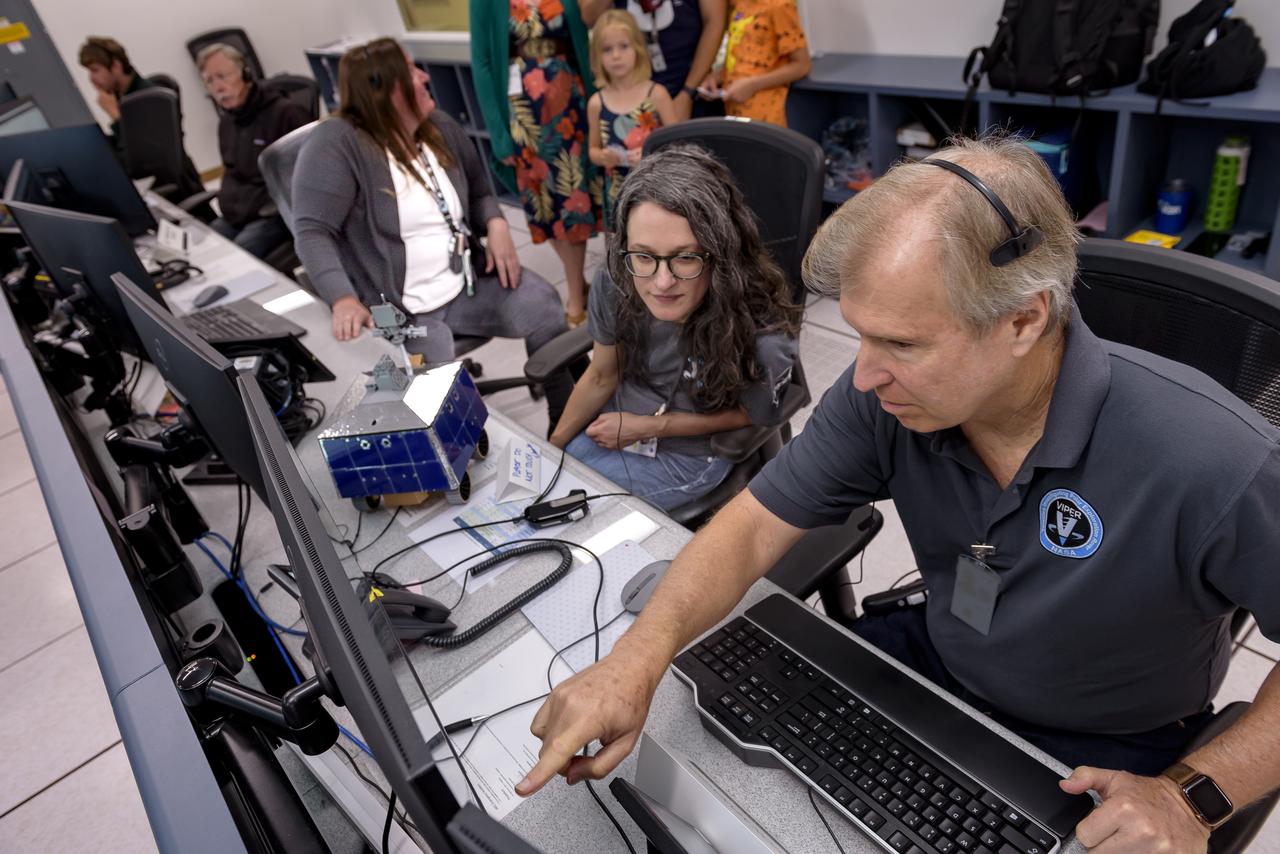
Right to left: Jay Trimble, Rachel Hoover, and Kelsey Herrmann in the Multi-Mission Operations Center (MMOC), N240, during Volatiles Investigating Polar Exploration Rover (VIPER) for VIPER Family Day.
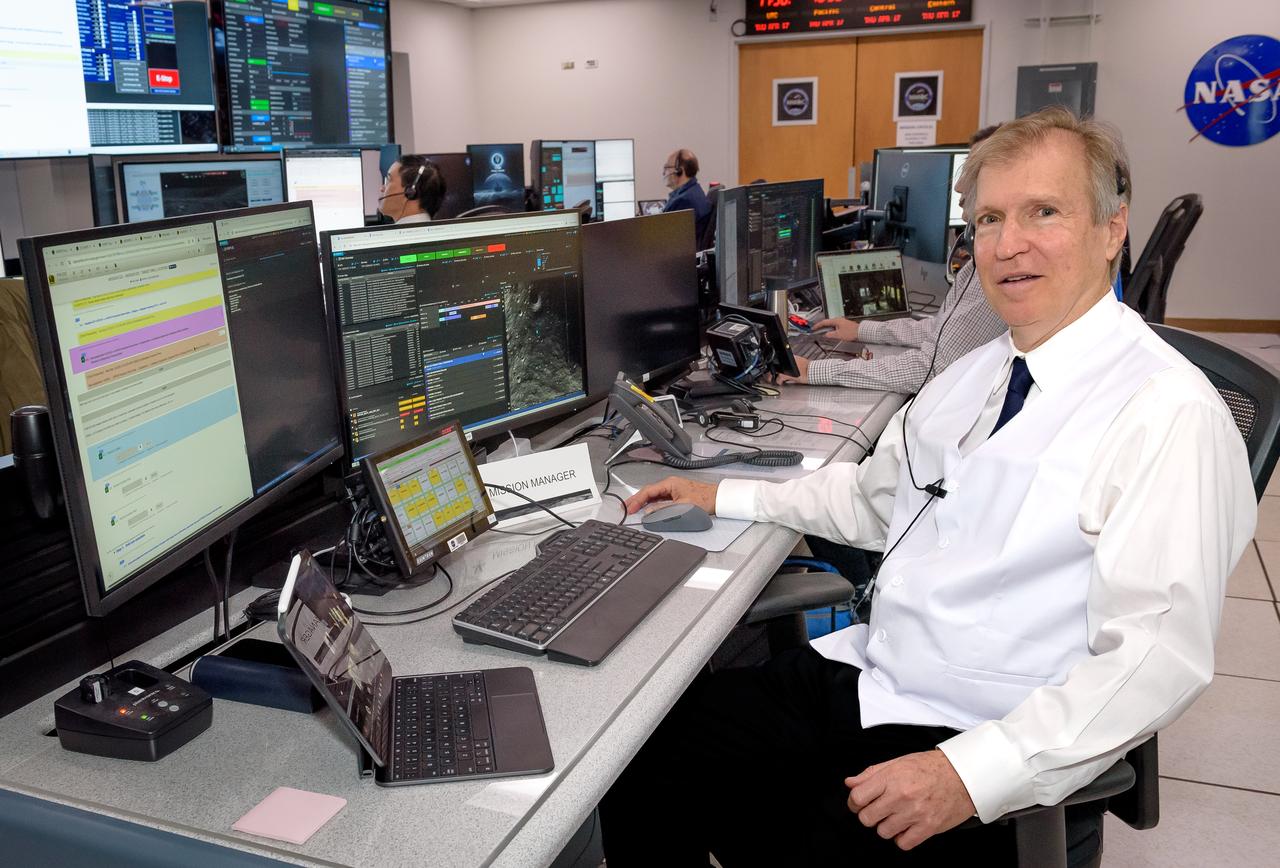
Volatiles Investigating Polar Exploration Rover (VIPER) mission systems manager Jay Trimble, during the vehicle operational readiness test in the Multi-Mission Operations Center (MMOC), N240A.
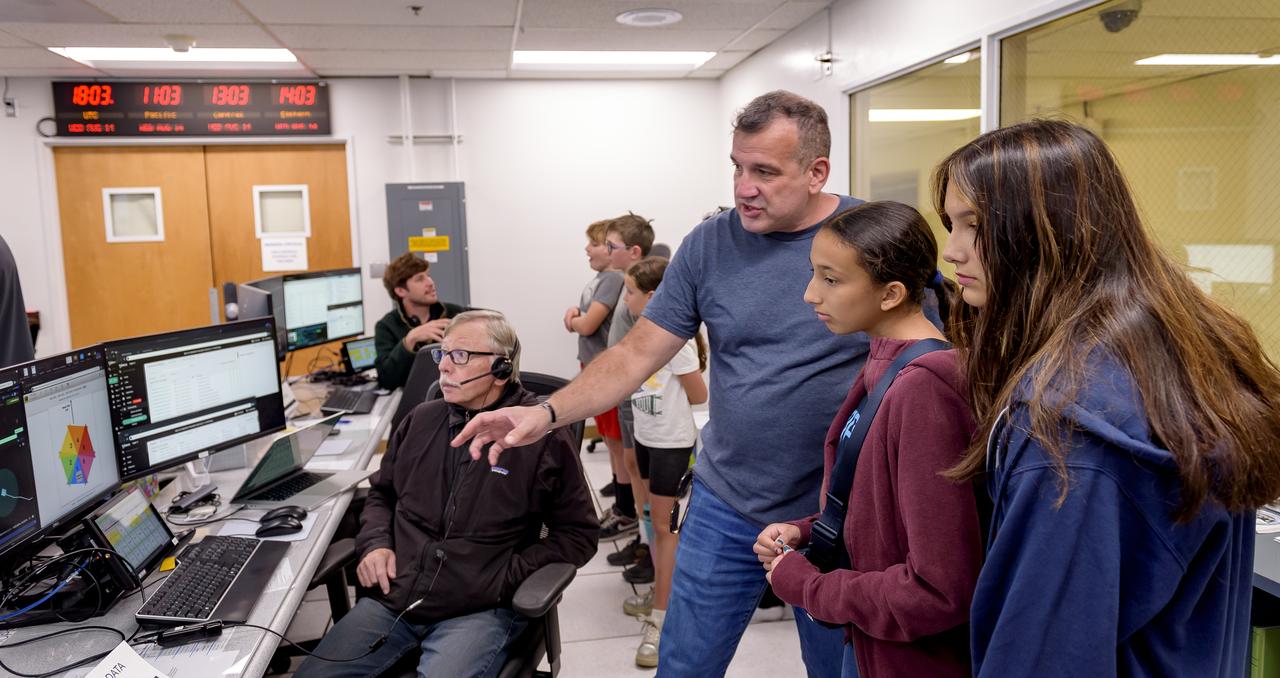
Chris Provencher explains the Volatiles Investigating Polar Exploration Rover (VIPER) mission to his family in the Multi-Mission Operations Center (MMOC), N240, for VIPER Family Day. Dennis Heher is seated at the control console at the left.
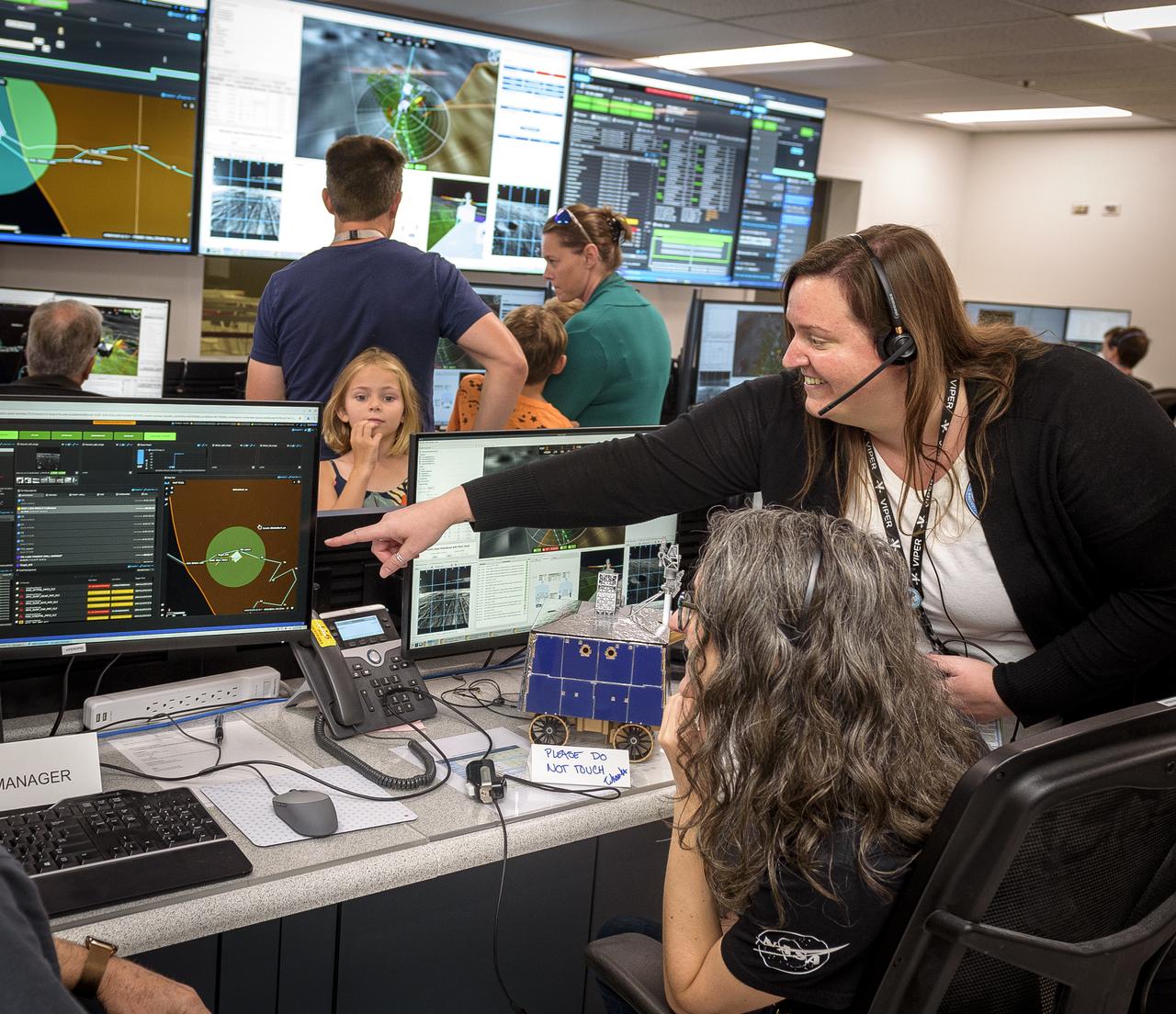
Kelsey Herrmann, right, reviewing the flight control display in the Multi-Mission Operations Center (MMOC), N240, for the Volatiles Investigating Polar Exploration Rover (VIPER) to Rachel Hoover during VIPER Family Day.
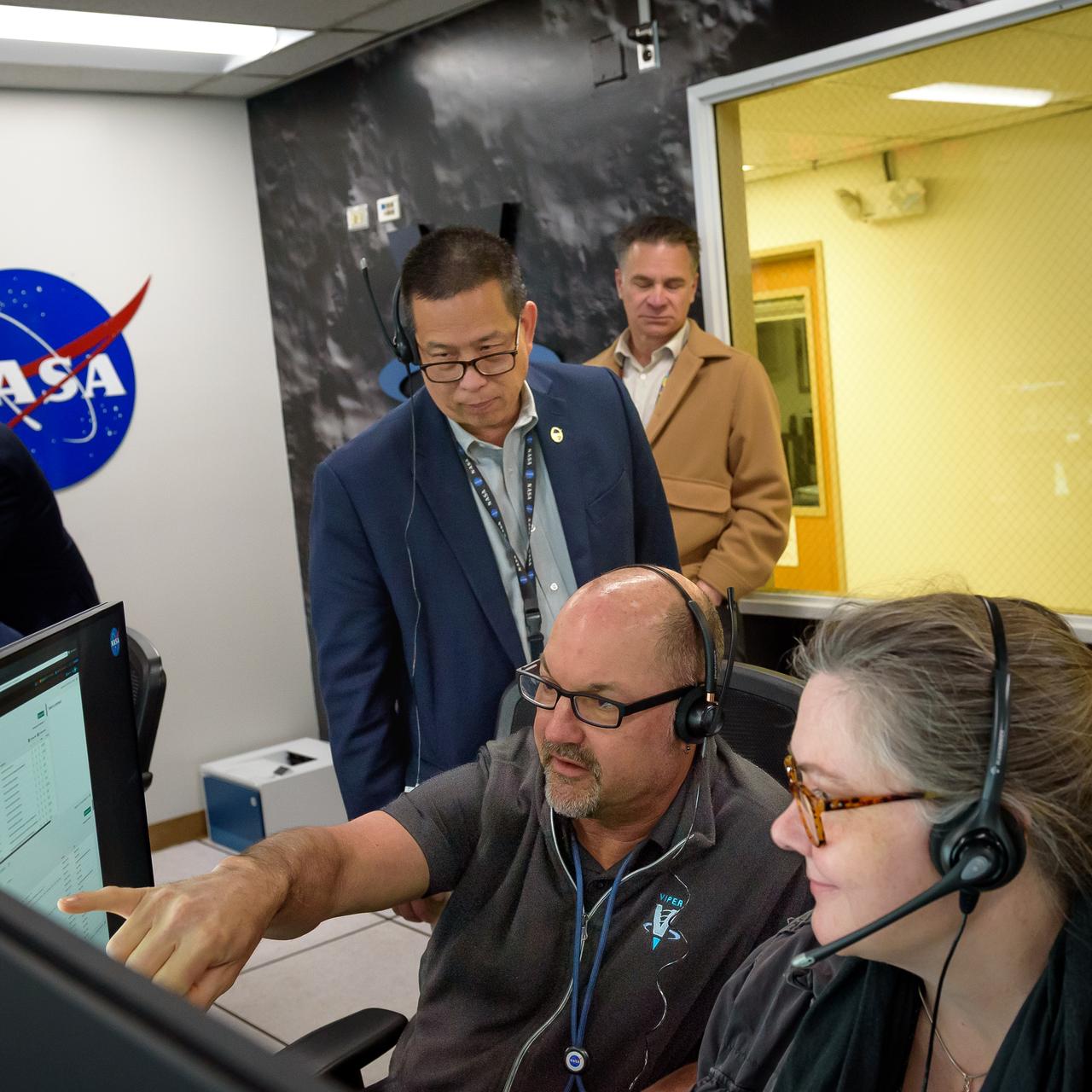
Volatiles Investigating Polar Exploration Rover (VIPER) vehicle operational readiness test in the Multi-Mission Operations Center (MMOC), N240A. On the console, Charles Hacskaylo, left, and Sybil Adams, and Eugene Tu and Dan Andrews standing behind.
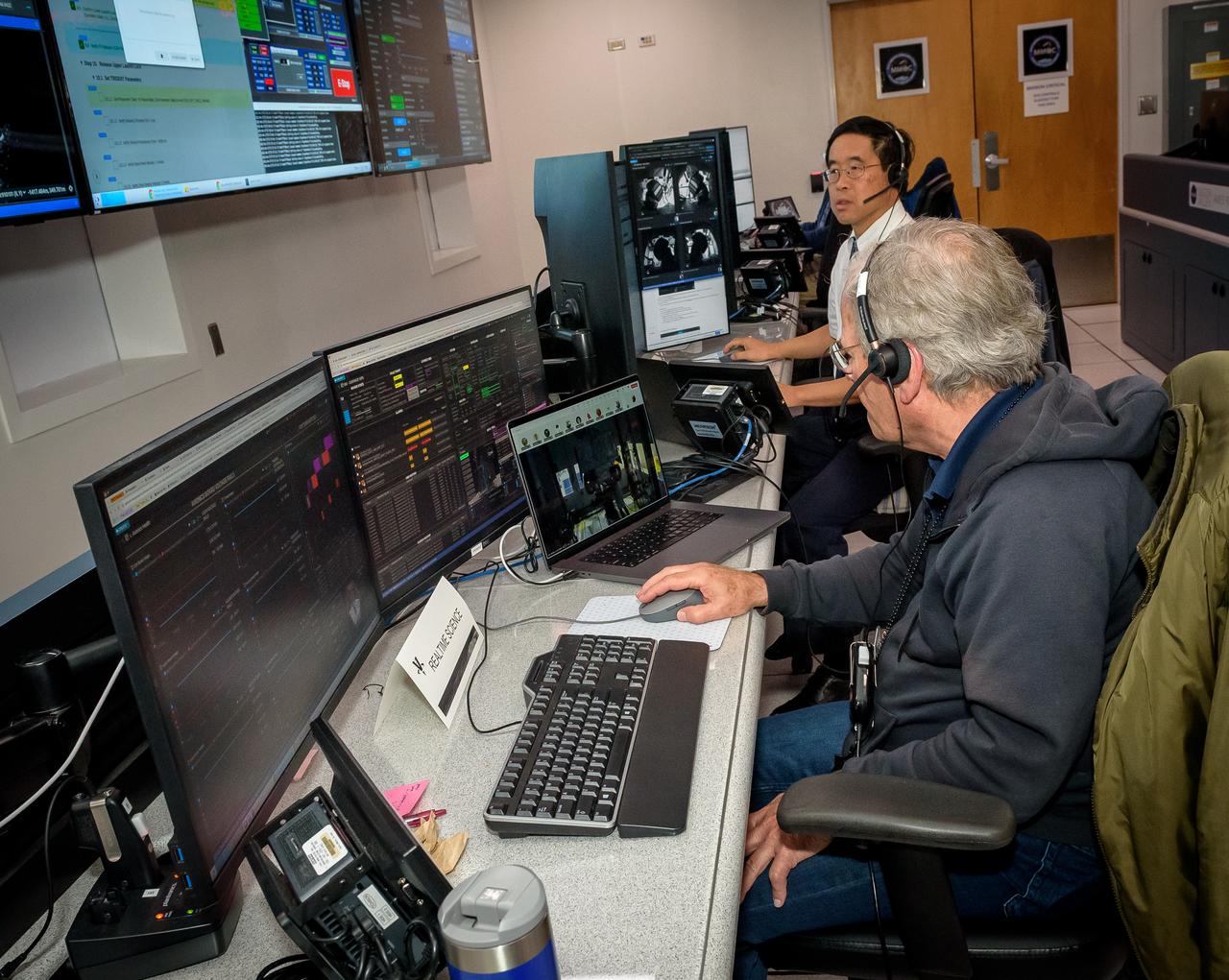
Rick Elphic, front, and Terry Fong, during the Volatiles Investigating Polar Exploration Rover (VIPER) vehicle operational readiness test in the Multi-Mission Operations Center (MMOC), N240A.
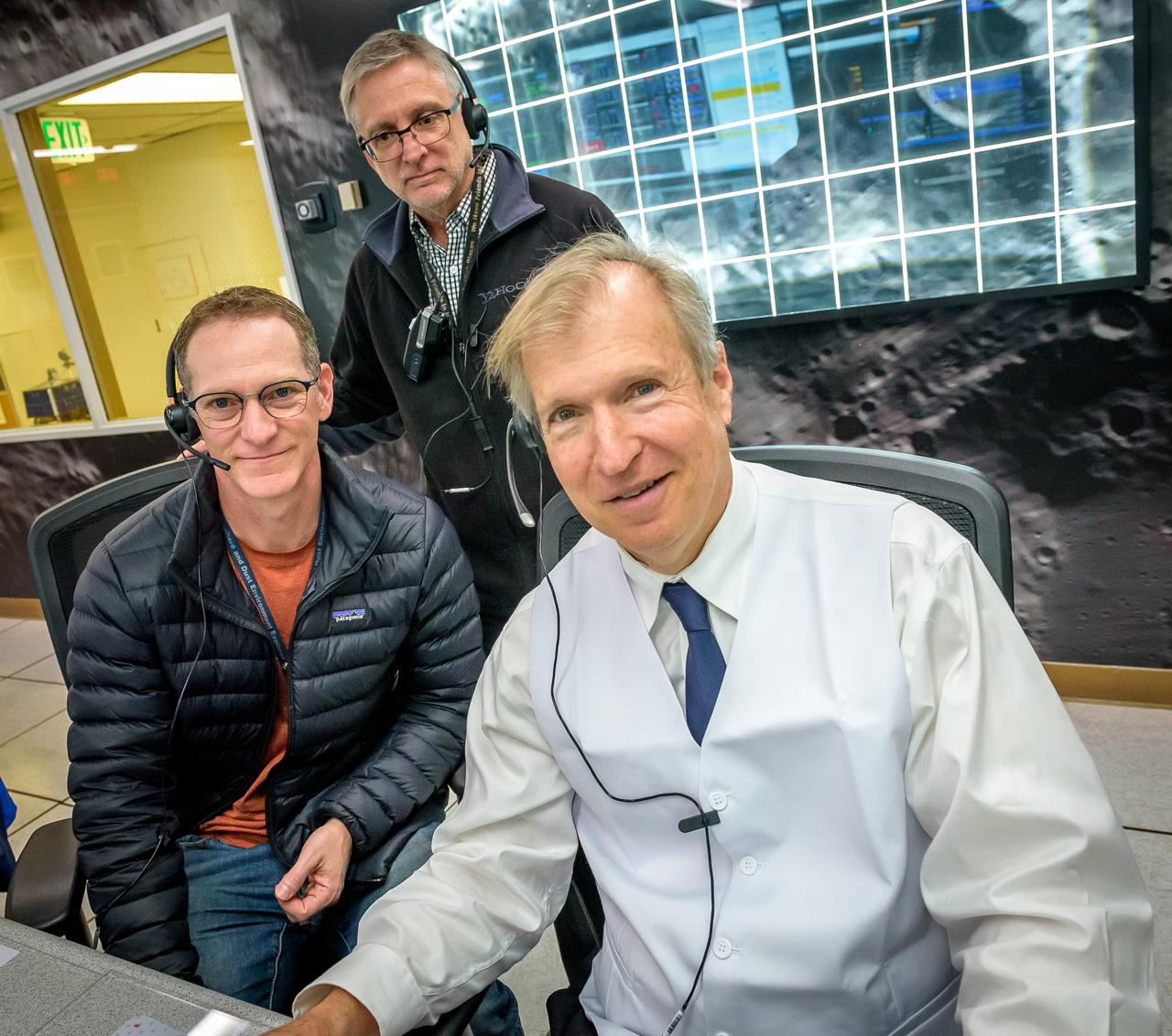
Ryan Vaughan, left, Dean Kontinos, and Jay Trimble, right during the Volatiles Investigating Polar Exploration Rover (VIPER) vehicle operational readiness test in the Multi-Mission Operations Center (MMOC), N240A.
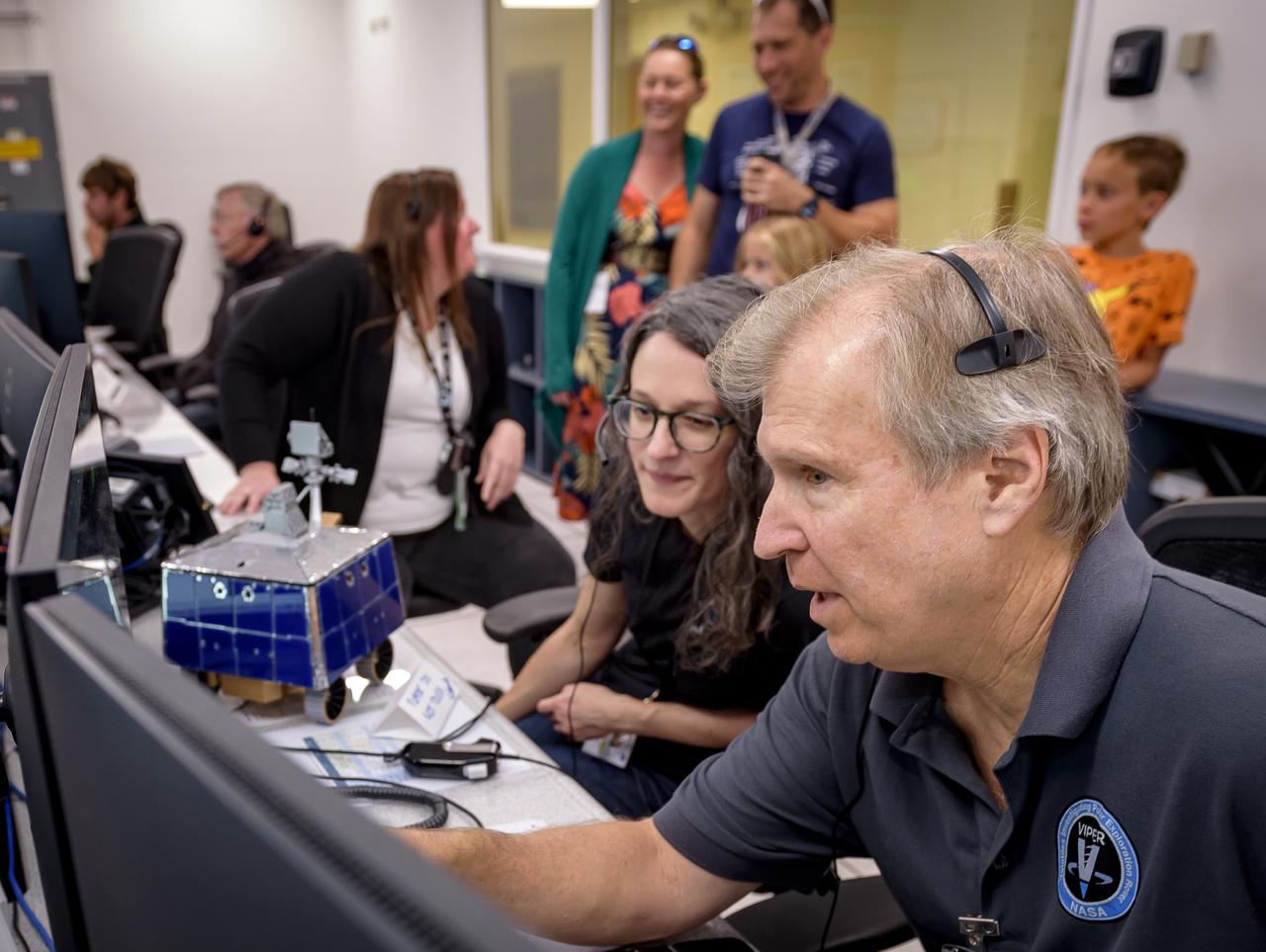
Right to left: Jay Trimble, Rachel Hoover, and Kelsey Herrmann in the Multi-Mission Operations Center (MMOC), N240, during Volatiles Investigating Polar Exploration Rover (VIPER) for VIPER Family Day.
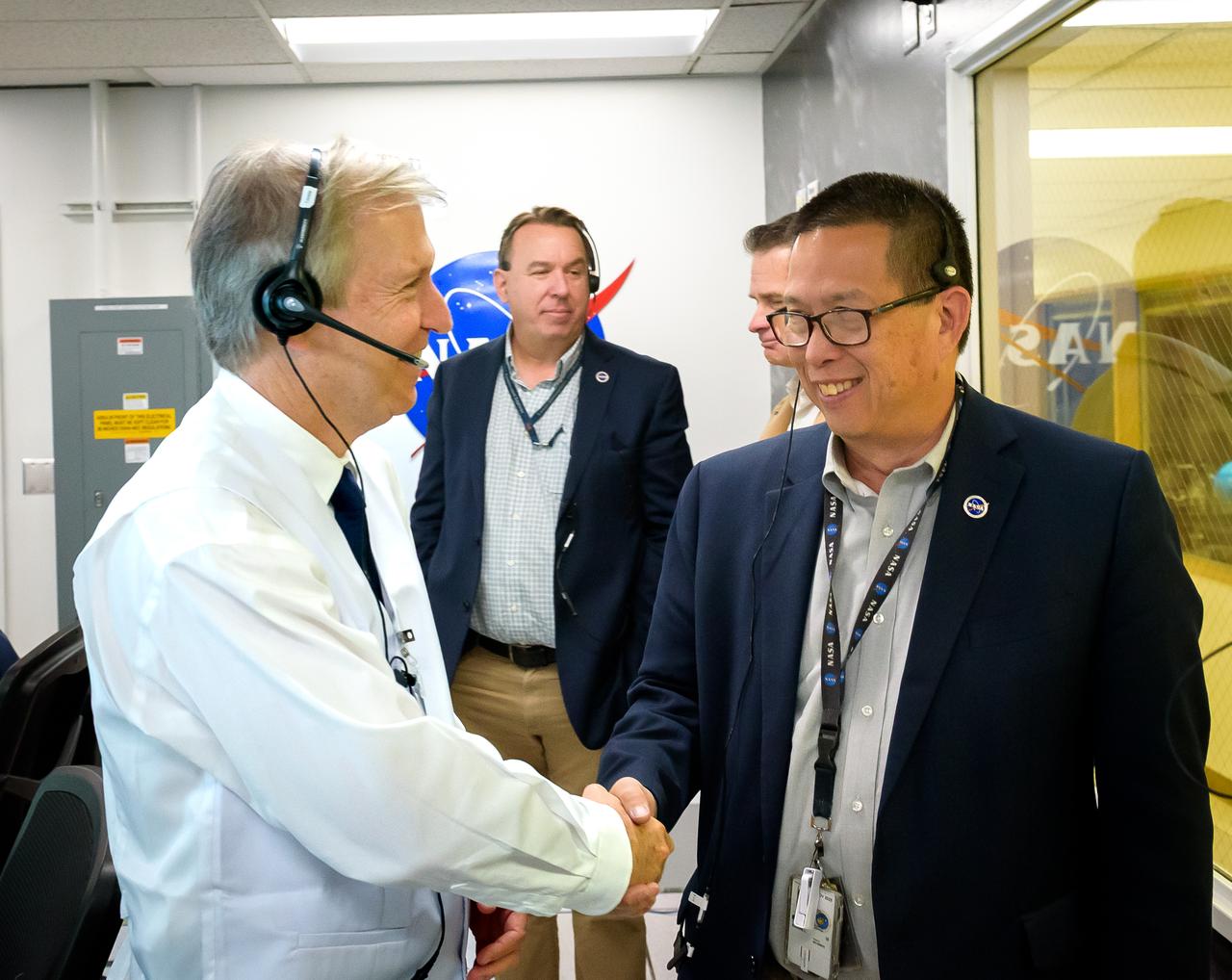
Volatiles Investigating Polar Exploration Rover (VIPER) mission systems manager Jay Trimble, left, with Center Director Eugene Tu during the vehicle operational readiness test in the Multi-Mission Operations Center (MMOC), N240A. Deputy Center Director David Korsmeyer, behind.
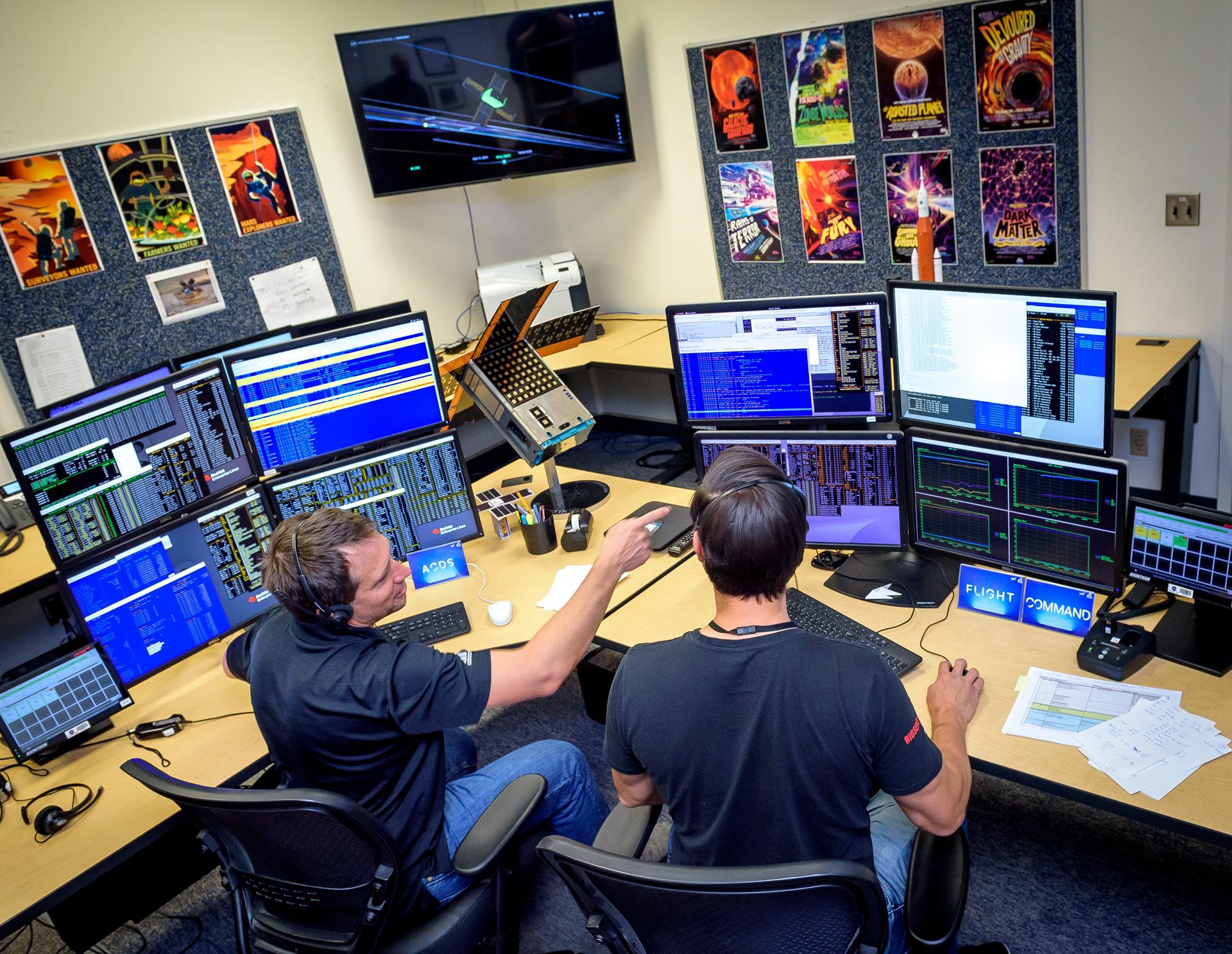
Jesse Fusco, left, and James Milsk at the BioSentinel command console in the Ames Multi-Mission Operations Center (MMOC), N240 Annex, Ceres control room 172, receiving spacecraft telemetry at the 3-year anniversary since launch on Artemis I.
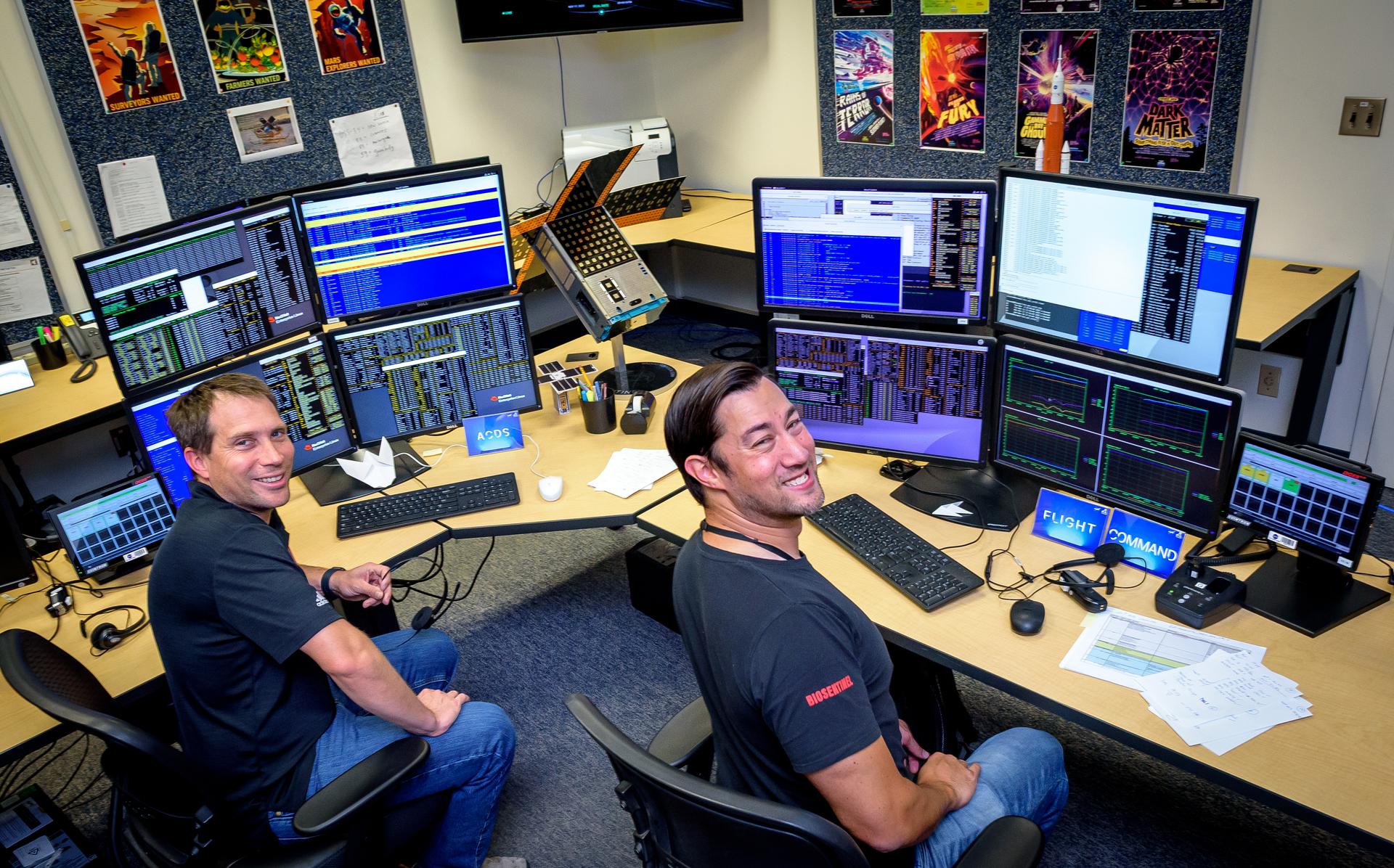
Jesse Fusco, left, and James Milsk at the BioSentinel command console in the Ames Multi-Mission Operations Center (MMOC), N240 Annex, Ceres control room 172, receiving spacecraft telemetry at the 3-year anniversary since launch on Artemis I.
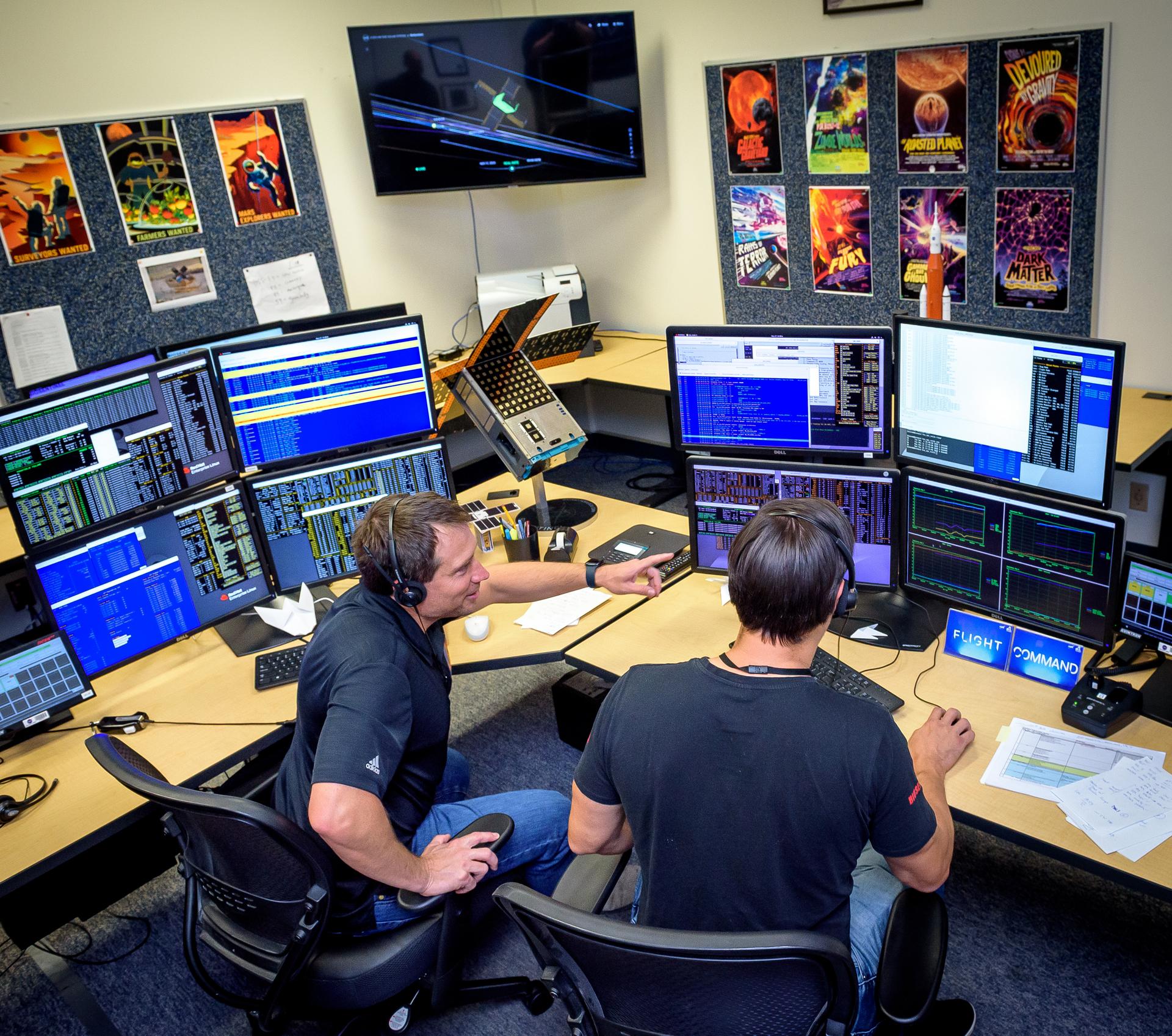
Jesse Fusco, left, and James Milsk at the BioSentinel command console in the Ames Multi-Mission Operations Center (MMOC), N240 Annex, Ceres control room 172, receiving spacecraft telemetry at the 3-year anniversary since launch on Artemis I.
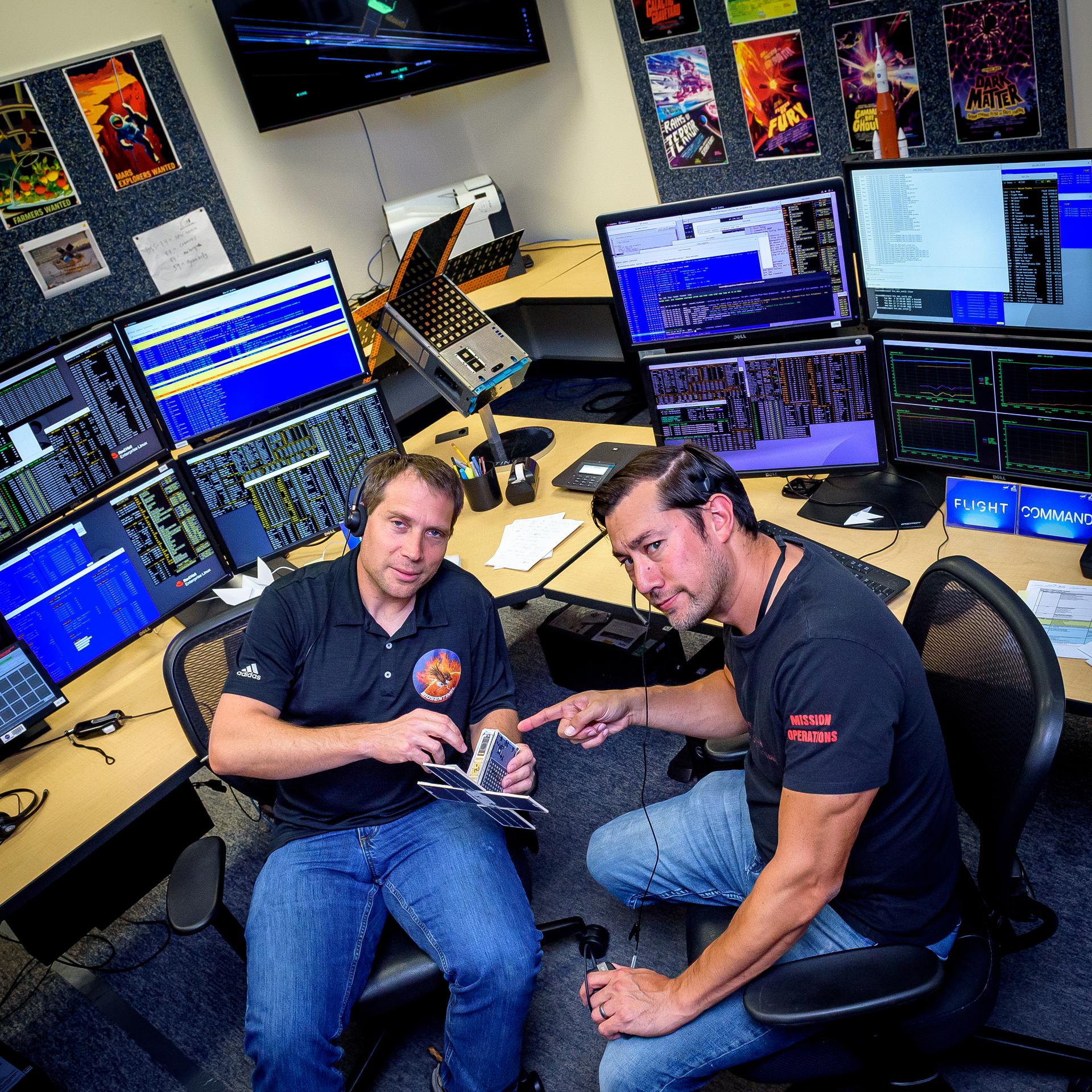
Jesse Fusco, left, and James Milsk at the BioSentinel command console in the Ames Multi-Mission Operations Center (MMOC), N240 Annex, Ceres control room 172, receiving spacecraft telemetry at the 3-year anniversary since launch on Artemis I.
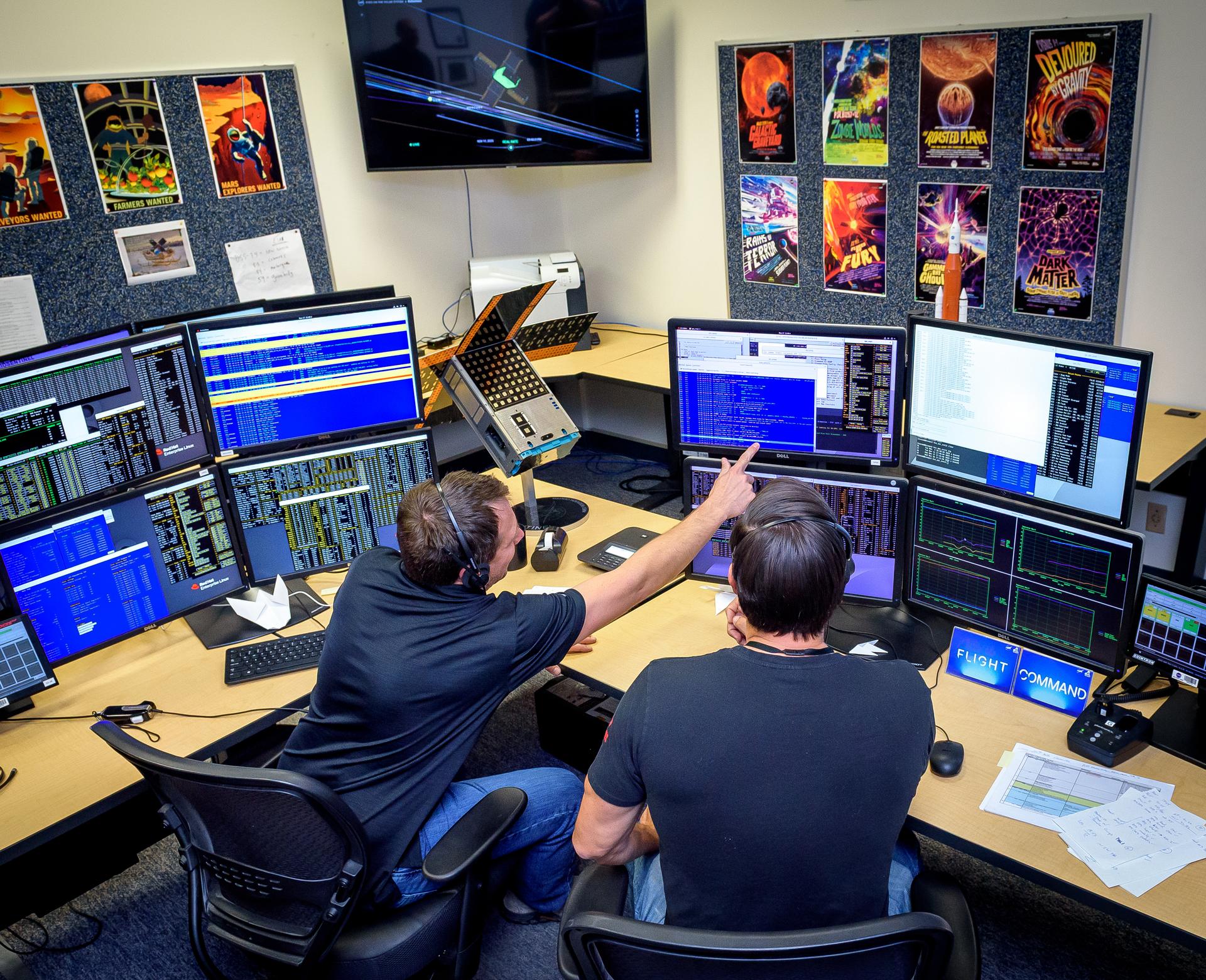
Jesse Fusco, left, and James Milsk at the BioSentinel command console in the Ames Multi-Mission Operations Center (MMOC), N240 Annex, Ceres control room 172, receiving spacecraft telemetry at the 3-year anniversary since launch on Artemis I.

Volatiles Investigating Polar Exploration Rover (VIPER) vehicle operational readiness test in the Multi-Mission Operations Center (MMOC), N240A. Jasper Wolfe, front, with David Korsmeyer, left, Jay Trimble, Eugene Tu, Dan Andrews, and Justin Pane, right.
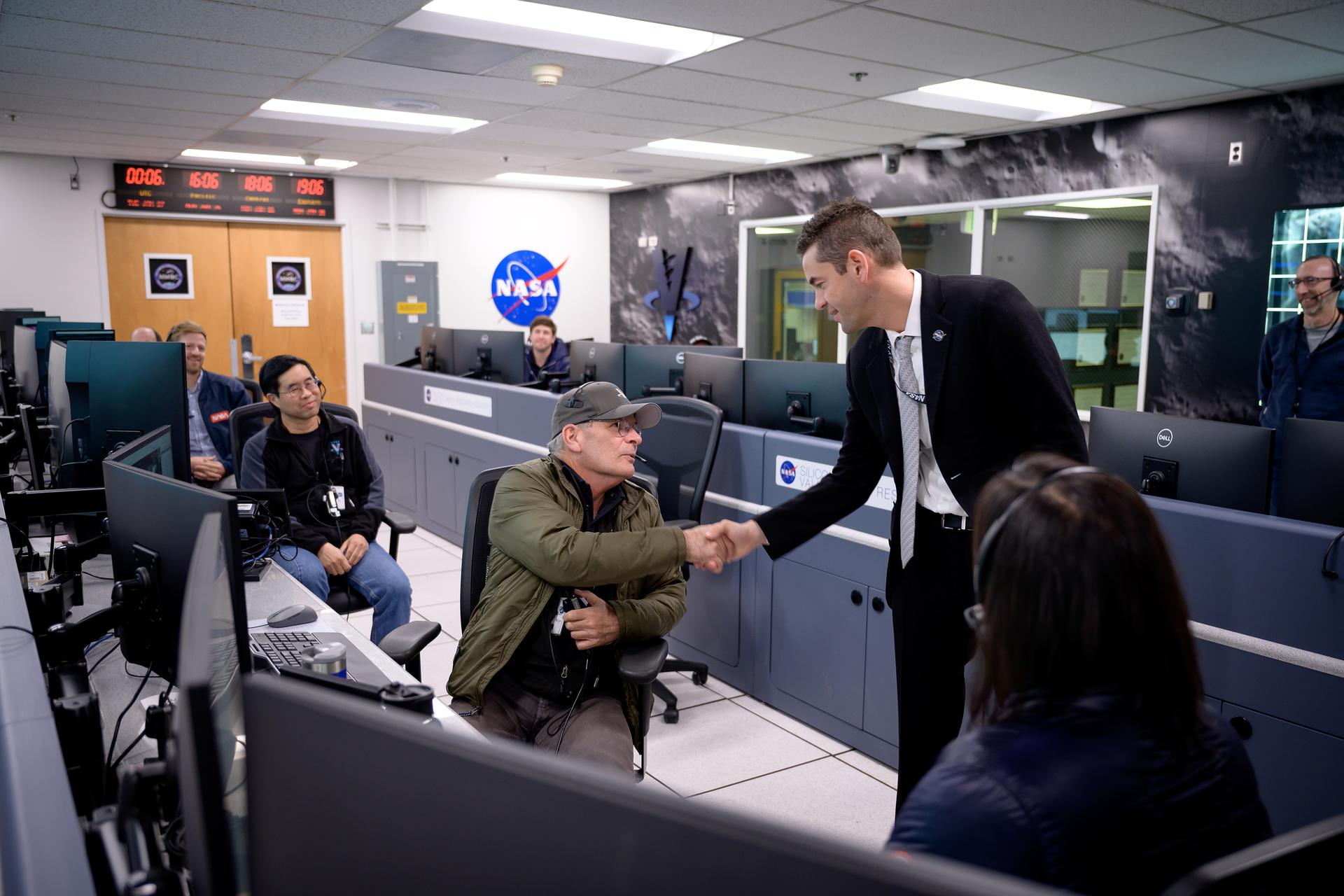
NASA Administrator Jared Isaacman speaks with Ames engineers during his visit to the Multi-Mission Operations Center (MMOC) in N240A.
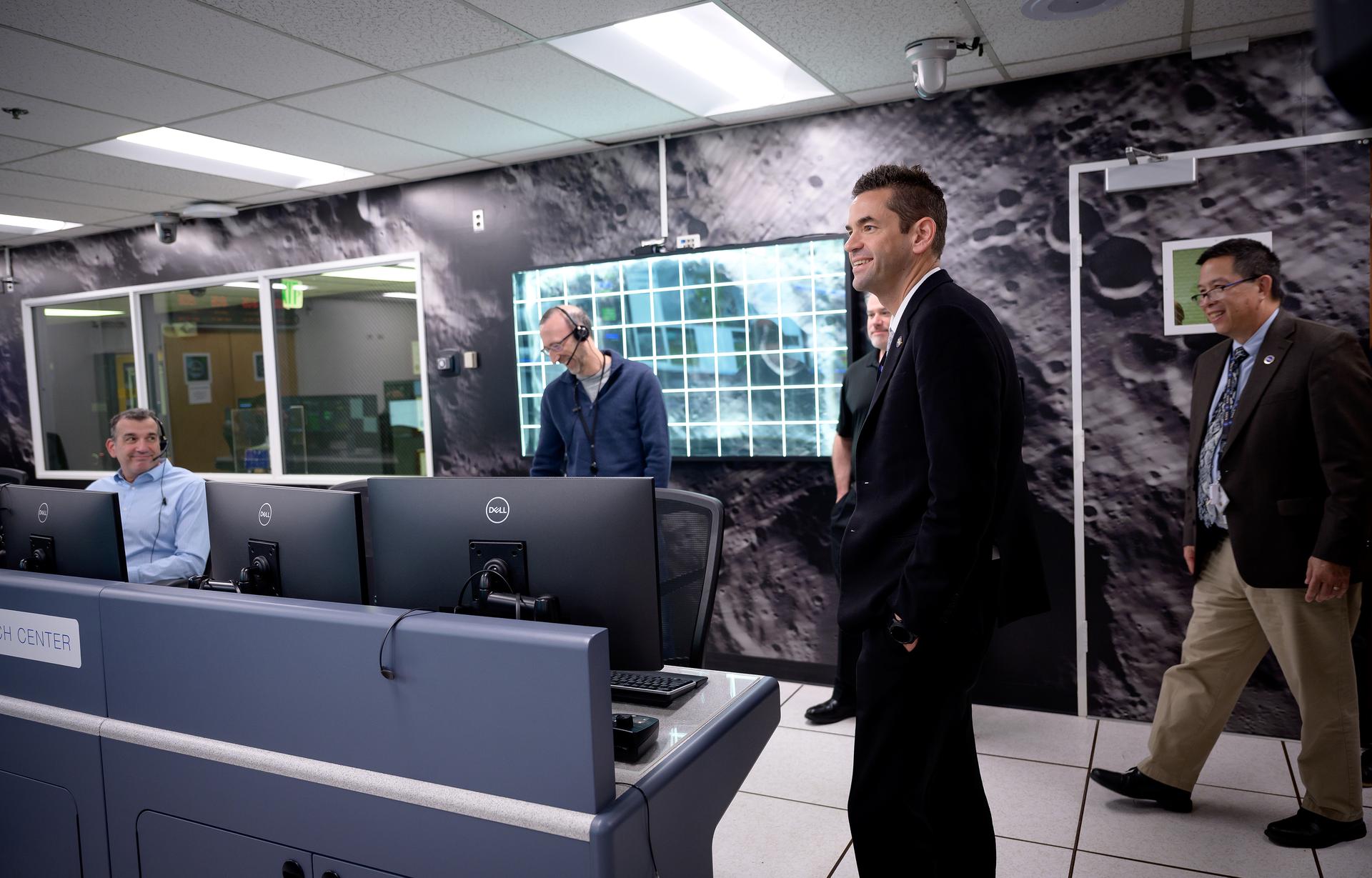
NASA Administrator Jared Isaacman speaks with Ames engineers during his visit to the Multi-Mission Operations Center (MMOC) in N240A.
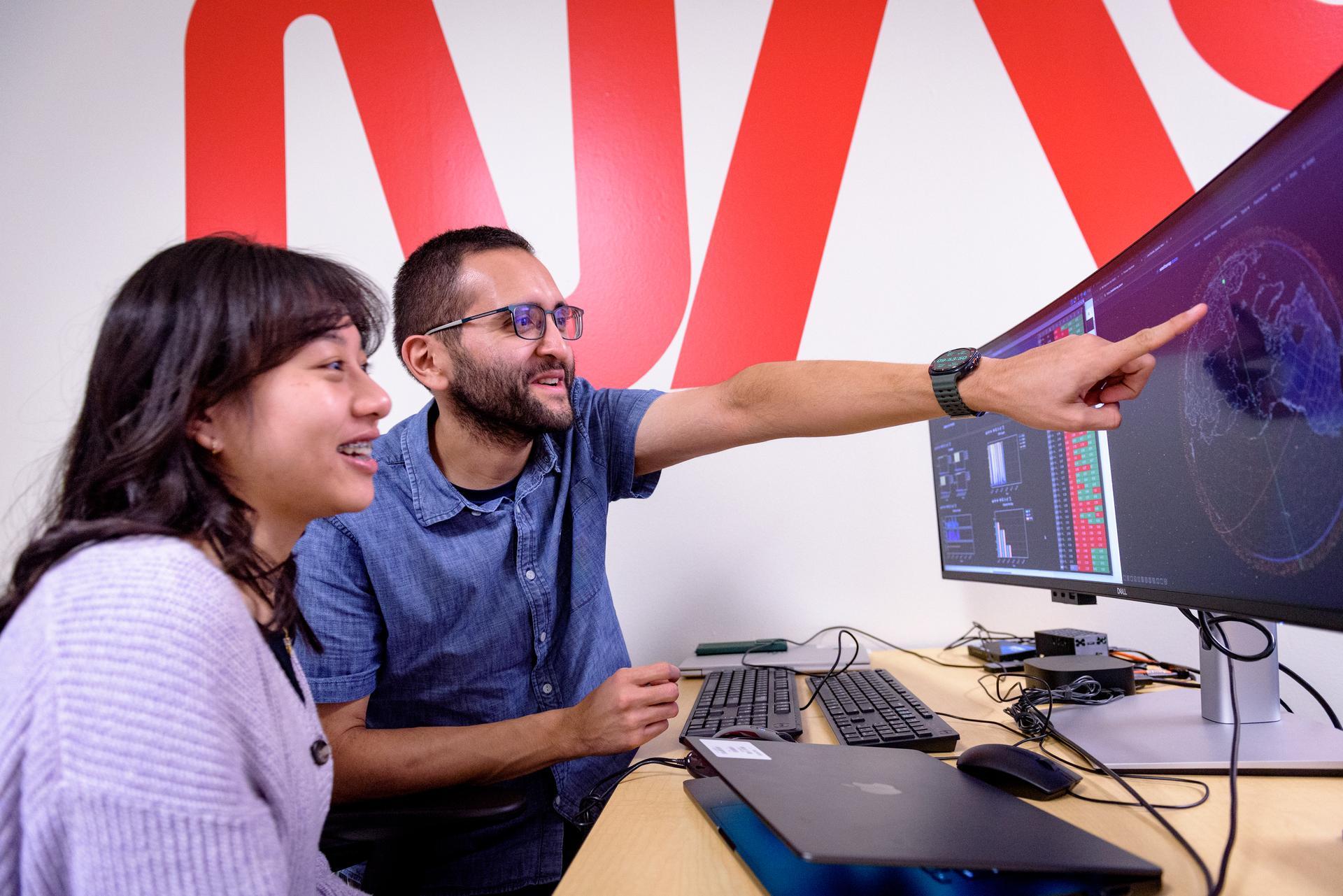
TechEdSat-11 operators Daphne Dao, left, and Alejandro Salas, in the Ames Multi-Mission Operations Center (MMOC), N240 Annex, Eros control room 162. The team monitors the spacecraft's status during the Exo-Brake “parachute” deployment. The ExoBrake is a drag device that increases the total surface area of the spacecraft to assist with a quicker deorbit. This maneuver is deployed at the end of mission to satisfy NASA's deorbit requirement and prevent space debris. TechEdSat has spent the last several months coordinating with NASA’s Conjunction Assessment Risk Analysis (CARA) team to ensure the spacecraft can safely deploy the ExoBrake without colliding into any other objects.
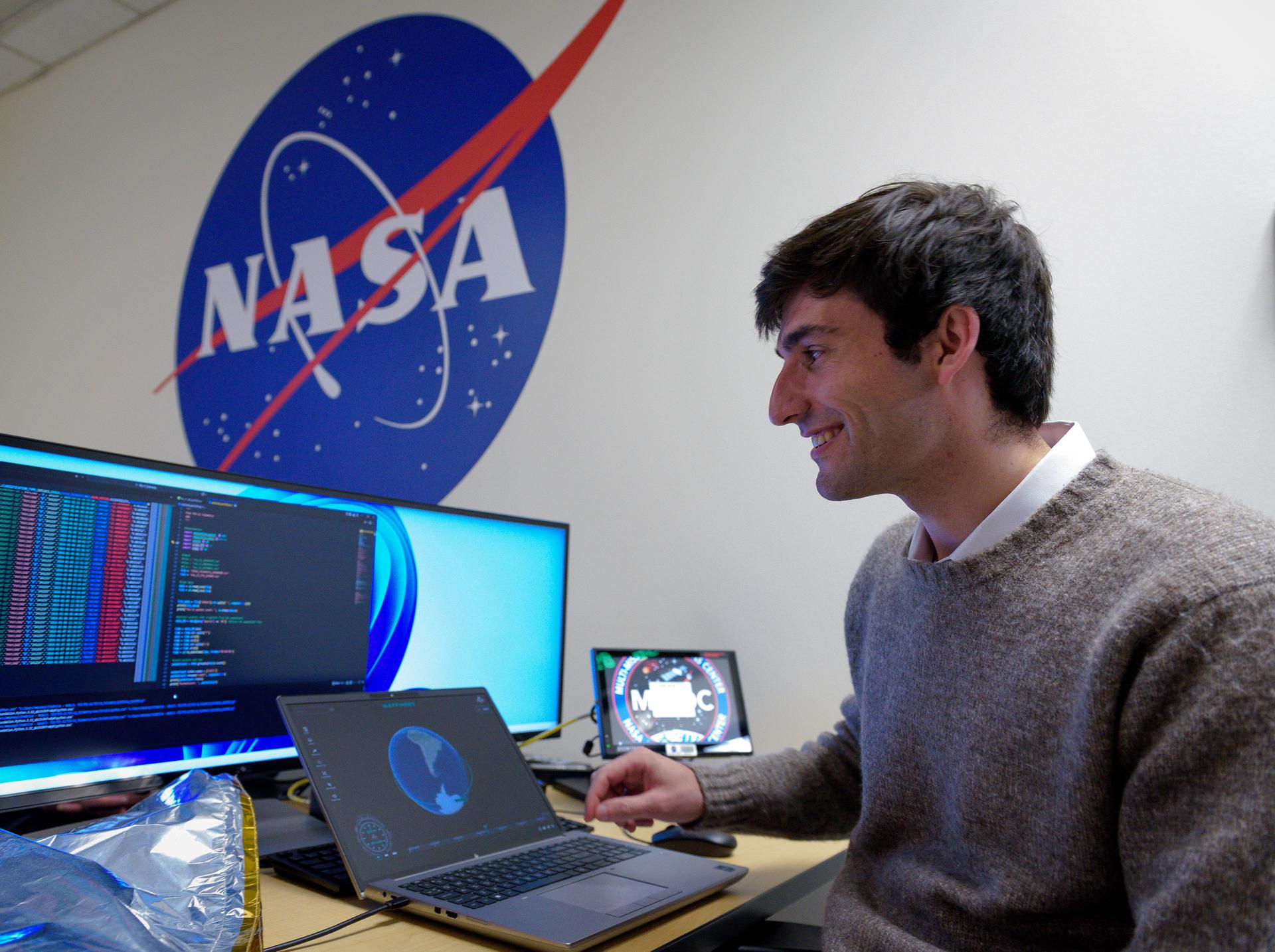
TechEdSat-11 operator Malachi Mooney-Rivkin, in the Ames Multi-Mission Operations Center (MMOC), N240 Annex, Eros control room 162. Malachi monitors the spacecraft's status during the Exo-Brake “parachute” deployment. The ExoBrake is a drag device that increases the total surface area of the spacecraft to assist with a quicker deorbit. This maneuver is deployed at the end of mission to satisfy NASA's deorbit requirement and prevent space debris. TechEdSat has spent the last several months coordinating with NASA’s Conjunction Assessment Risk Analysis (CARA) team to ensure the spacecraft can safely deploy the ExoBrake without colliding into any other objects.
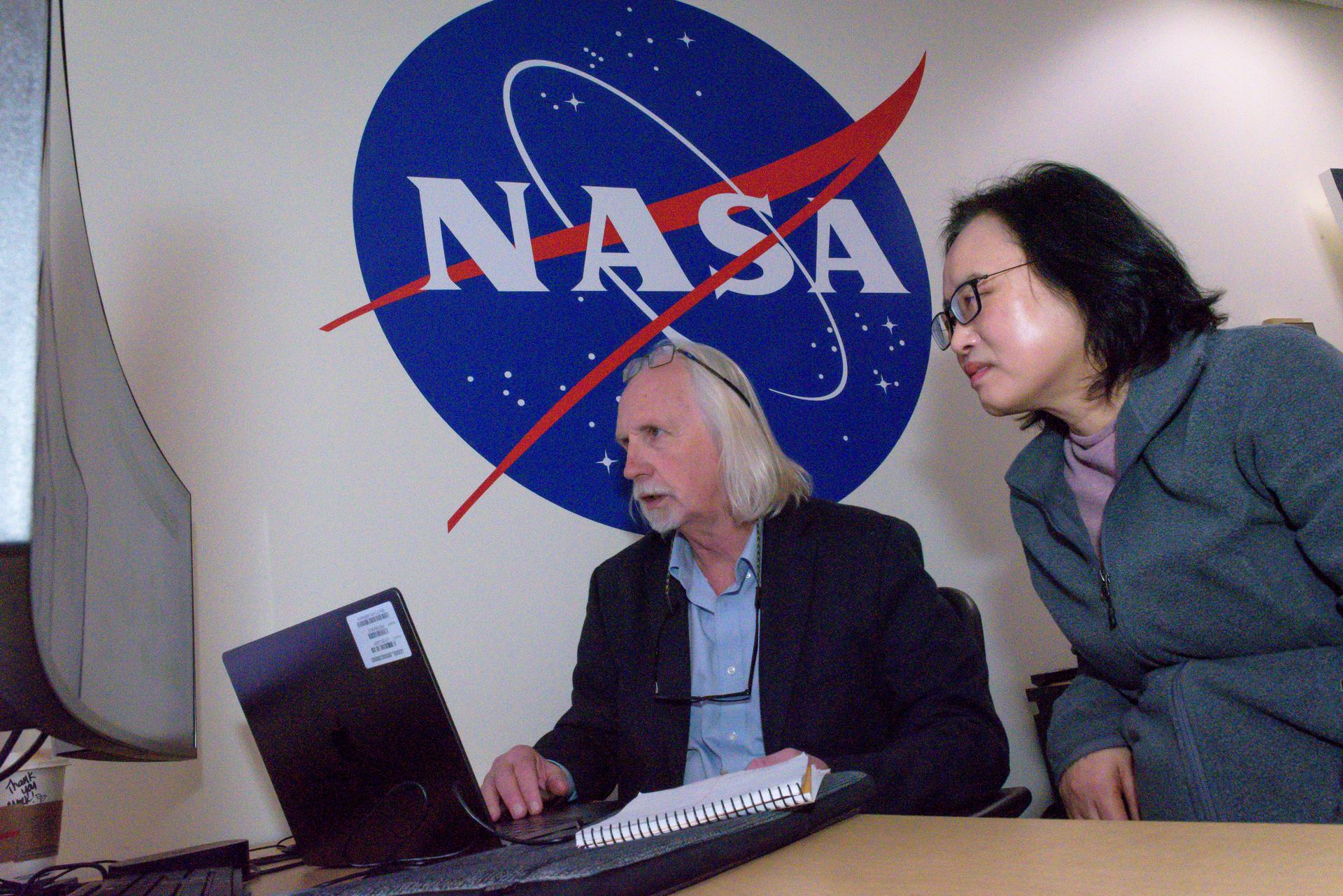
TechEdSat-11 operators Marcus Murbach, left, and Kyeong Ja Kim, in the Ames Multi-Mission Operations Center (MMOC), N240 Annex, Eros control room 162. The team monitors the spacecraft's status during the Exo-Brake “parachute” deployment. The ExoBrake is a drag device that increases the total surface area of the spacecraft to assist with a quicker deorbit. This maneuver is deployed at the end of mission to satisfy NASA's deorbit requirement and prevent space debris. TechEdSat has spent the last several months coordinating with NASA’s Conjunction Assessment Risk Analysis (CARA) team to ensure the spacecraft can safely deploy the ExoBrake without colliding into any other objects.
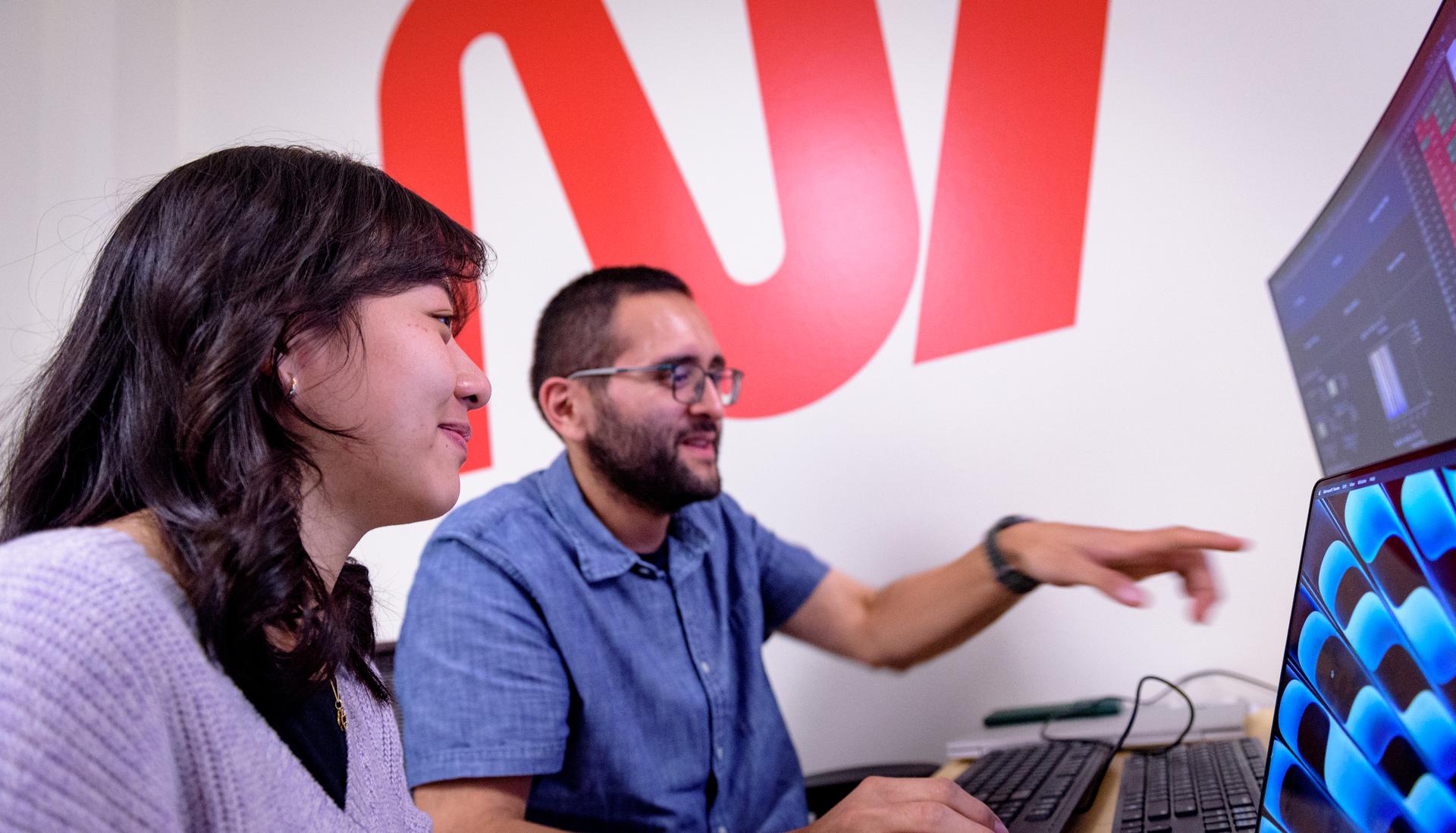
TechEdSat-11 operators Daphne Dao, left, and Alejandro Salas, in the Ames Multi-Mission Operations Center (MMOC), N240 Annex, Eros control room 162. The team monitors the spacecraft's status during the Exo-Brake “parachute” deployment. The ExoBrake is a drag device that increases the total surface area of the spacecraft to assist with a quicker deorbit. This maneuver is deployed at the end of mission to satisfy NASA's deorbit requirement and prevent space debris. TechEdSat has spent the last several months coordinating with NASA’s Conjunction Assessment Risk Analysis (CARA) team to ensure the spacecraft can safely deploy the ExoBrake without colliding into any other objects.
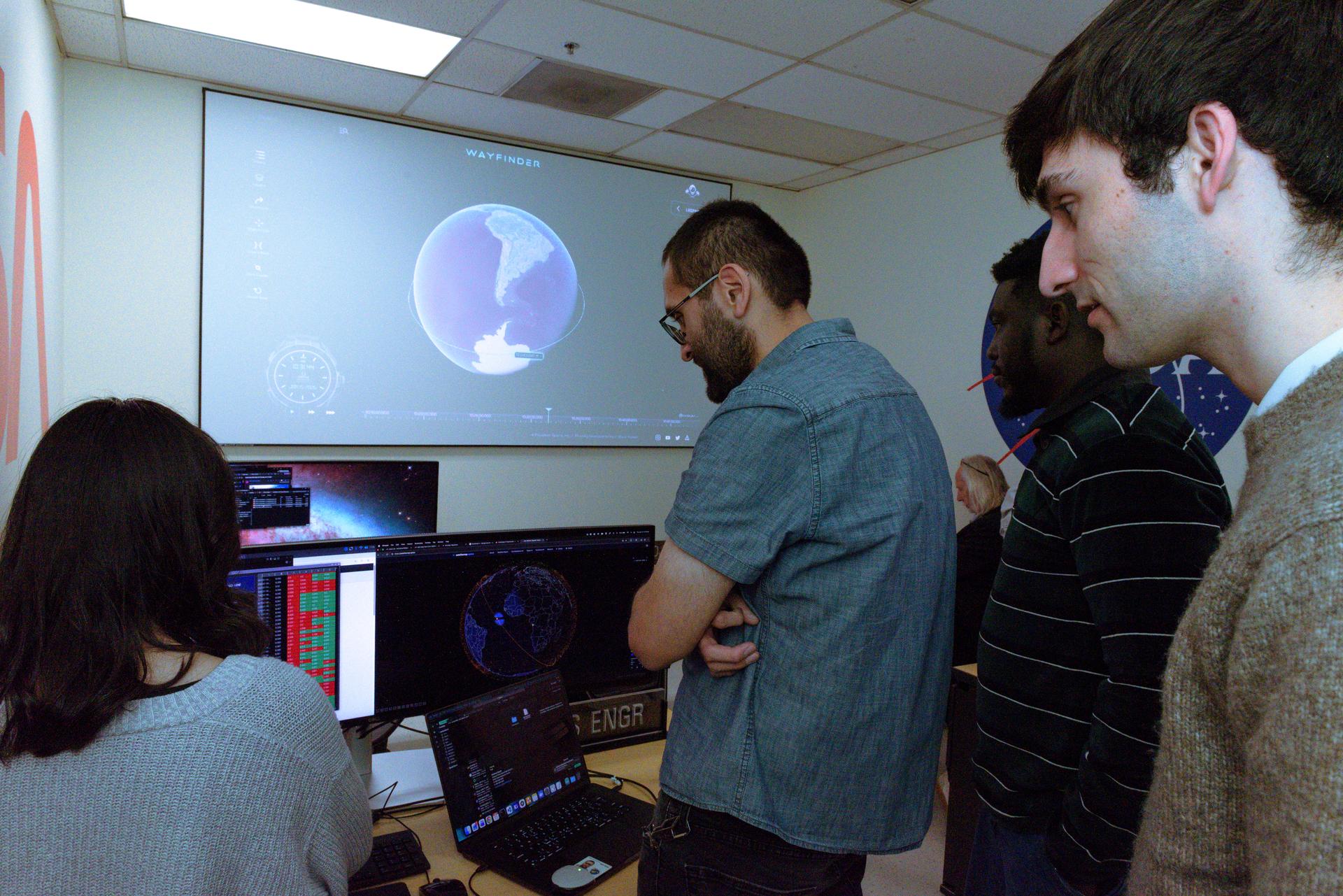
TechEdSat-11 operators Daphne Dao, left, Alejandro Salas, Kwabena Boateng, and Malachi Mooney-Rivkin, right, in the Ames Multi-Mission Operations Center (MMOC), N240 Annex, Eros control room 162. The team monitors the spacecraft's status during the Exo-Brake “parachute” deployment. The ExoBrake is a drag device that increases the total surface area of the spacecraft to assist with a quicker deorbit. This maneuver is deployed at the end of mission to satisfy NASA's deorbit requirement and prevent space debris. TechEdSat has spent the last several months coordinating with NASA’s Conjunction Assessment Risk Analysis (CARA) team to ensure the spacecraft can safely deploy the ExoBrake without colliding into any other objects.
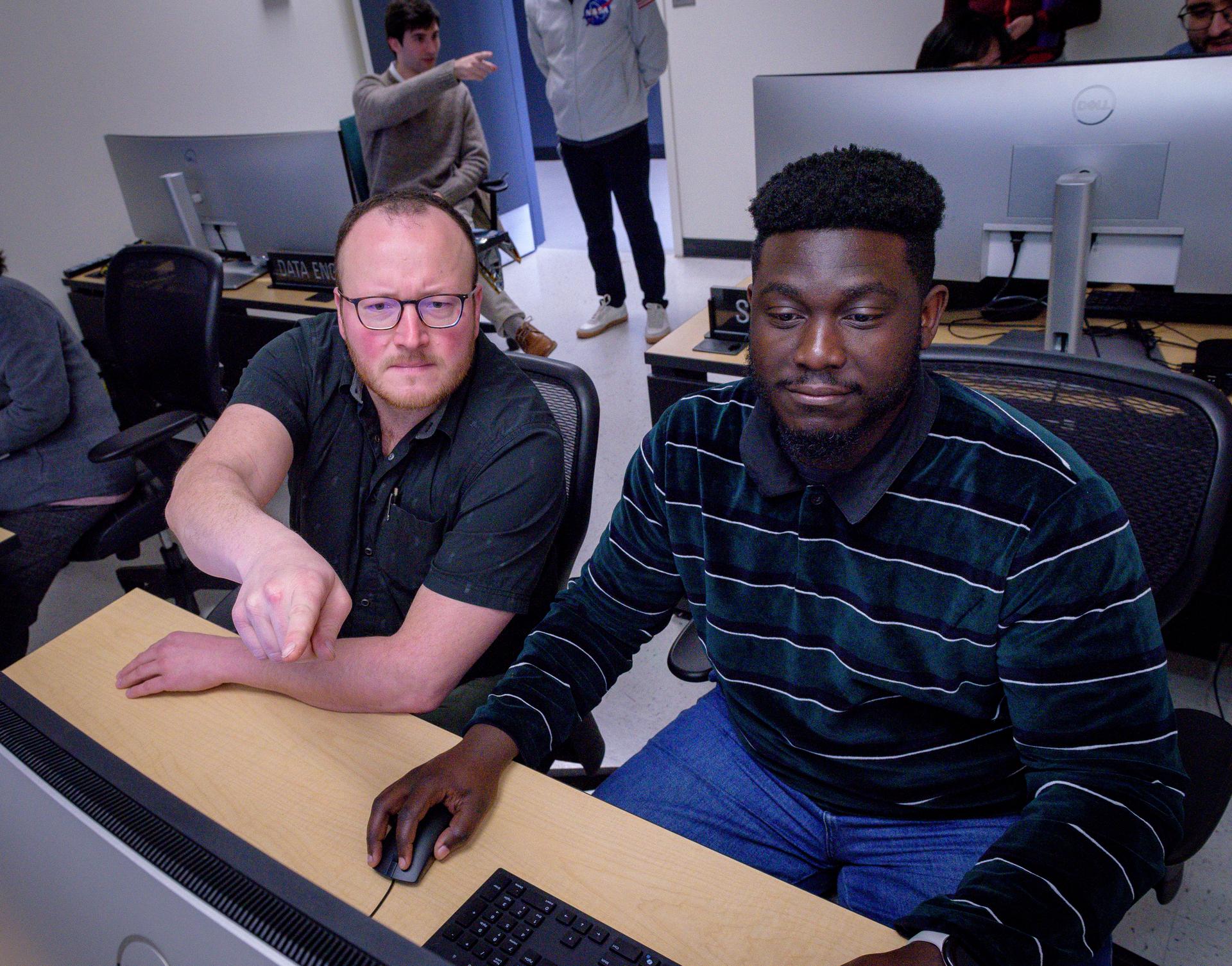
TechEdSat-11 operators Luke Idziak, left, and Kwabena Boateng, in the Ames Multi-Mission Operations Center (MMOC), N240 Annex, Eros control room 162. The operators monitor the spacecraft's status during the Exo-Brake “parachute” deployment. The ExoBrake is a drag device that increases the total surface area of the spacecraft to assist with a quicker deorbit. This maneuver is deployed at the end of mission to satisfy NASA's deorbit requirement and prevent space debris. TechEdSat has spent the last several months coordinating with NASA’s Conjunction Assessment Risk Analysis (CARA) team to ensure the spacecraft can safely deploy the ExoBrake without colliding into any other objects.
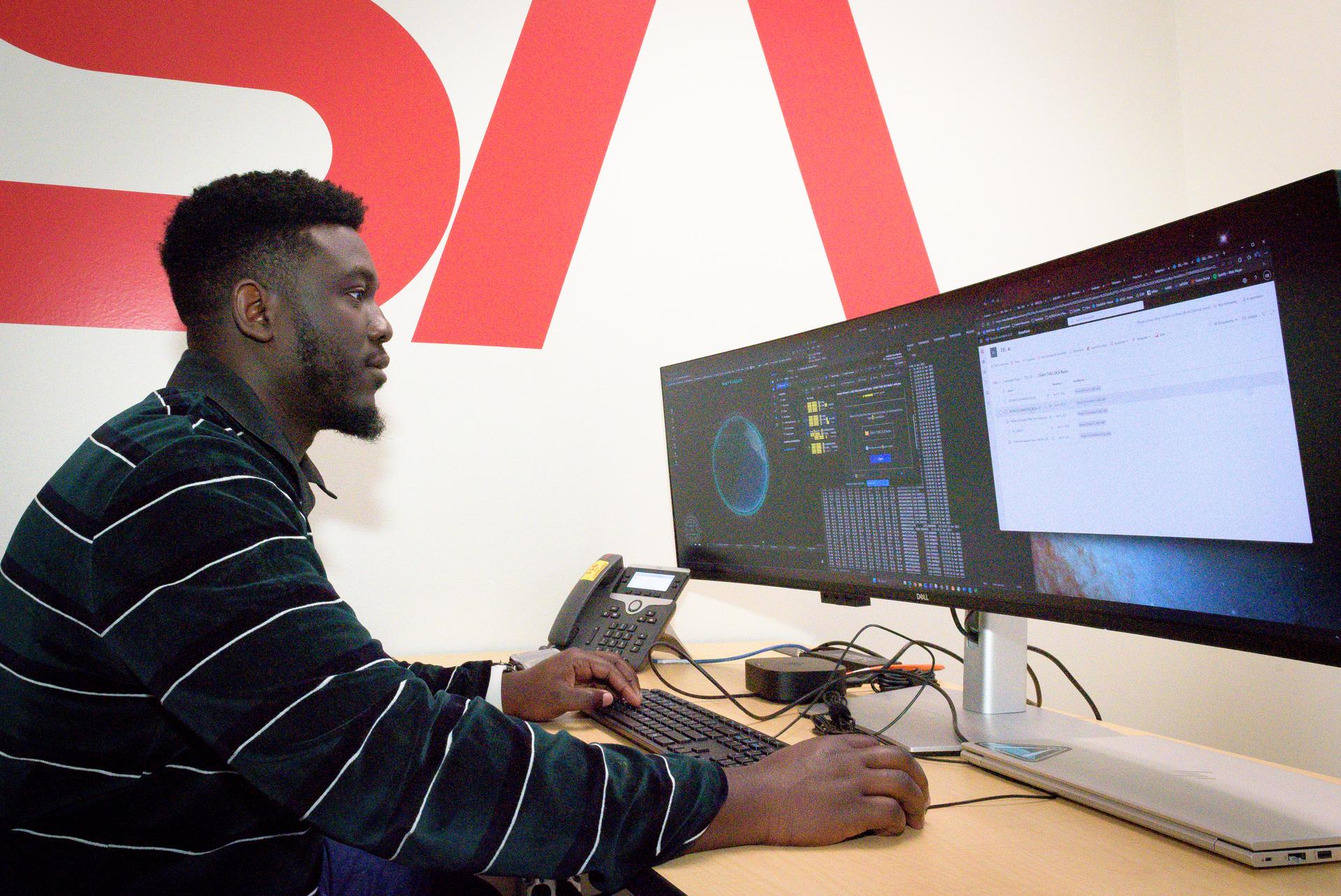
TechEdSat-11 operator Kwabena Boateng, in the Ames Multi-Mission Operations Center (MMOC), N240 Annex, Eros control room 162. Kwabena monitors the spacecraft's status during the Exo-Brake “parachute” deployment. The ExoBrake is a drag device that increases the total surface area of the spacecraft to assist with a quicker deorbit. This maneuver is deployed at the end of mission to satisfy NASA's deorbit requirement and prevent space debris. TechEdSat has spent the last several months coordinating with NASA’s Conjunction Assessment Risk Analysis (CARA) team to ensure the spacecraft can safely deploy the ExoBrake without colliding into any other objects.
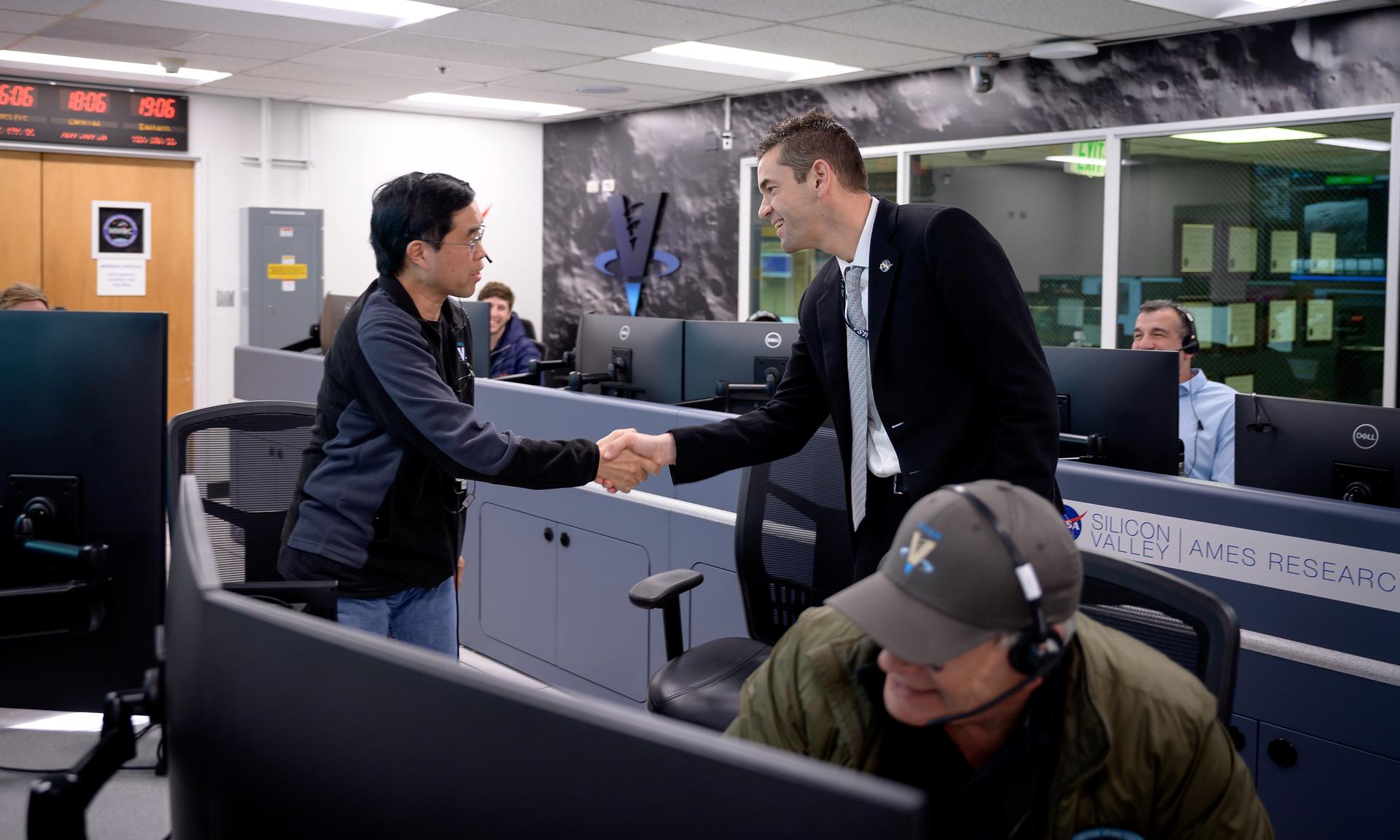
NASA Administrator Jared Isaacman meets Terry Fong during his visit to the Multi-Mission Operations Center (MMOC) in N240A.
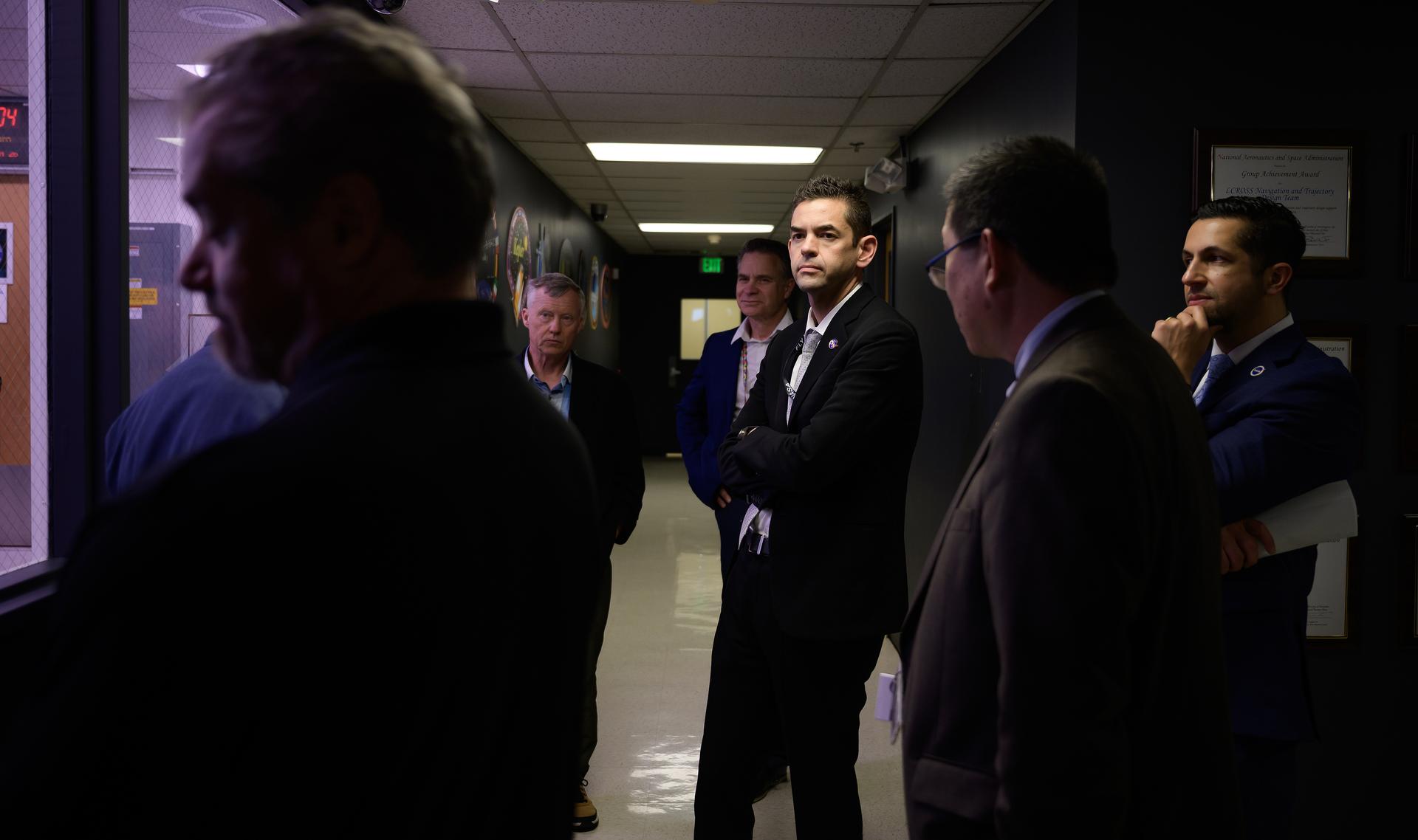
NASA Administrator Jared Isaacman, with Center Director Eugene Tu, and Associate Center Director Amir Deylami, tours the Multi-Mission Operations Center (MMOC) in N240A.
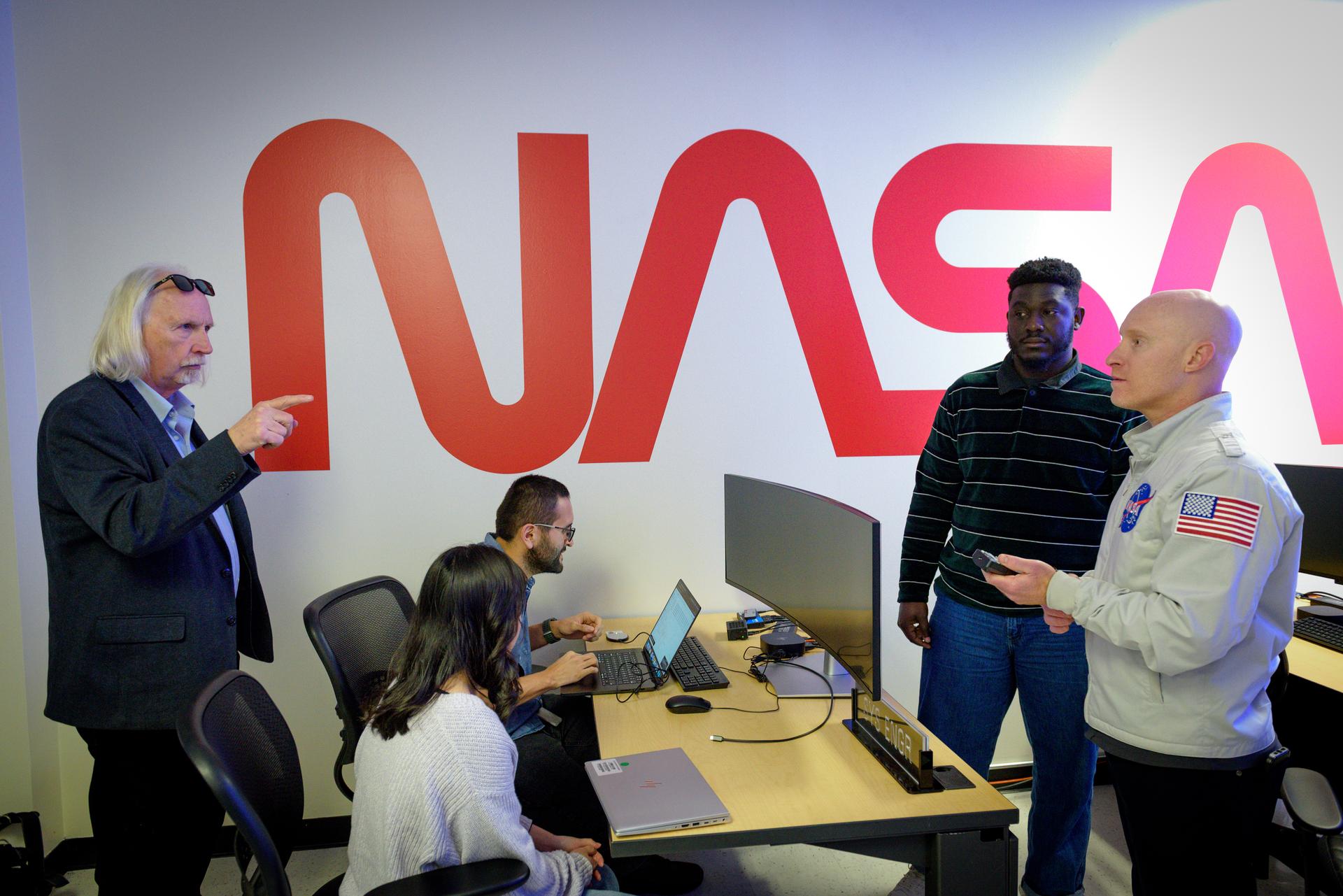
TechEdSat-11 operators Marcus Murbach, left, Daphne Dao and Alejandro Salas, seated, Kwabena Boateng, and Justin Pane, right, in the Ames Multi-Mission Operations Center (MMOC), N240 Annex, Eros control room 162. The team monitors the spacecraft's status during the Exo-Brake “parachute” deployment. The ExoBrake is a drag device that increases the total surface area of the spacecraft to assist with a quicker deorbit. This maneuver is deployed at the end of mission to satisfy NASA's deorbit requirement and prevent space debris. TechEdSat has spent the last several months coordinating with NASA’s Conjunction Assessment Risk Analysis (CARA) team to ensure the spacecraft can safely deploy the ExoBrake without colliding into any other objects.
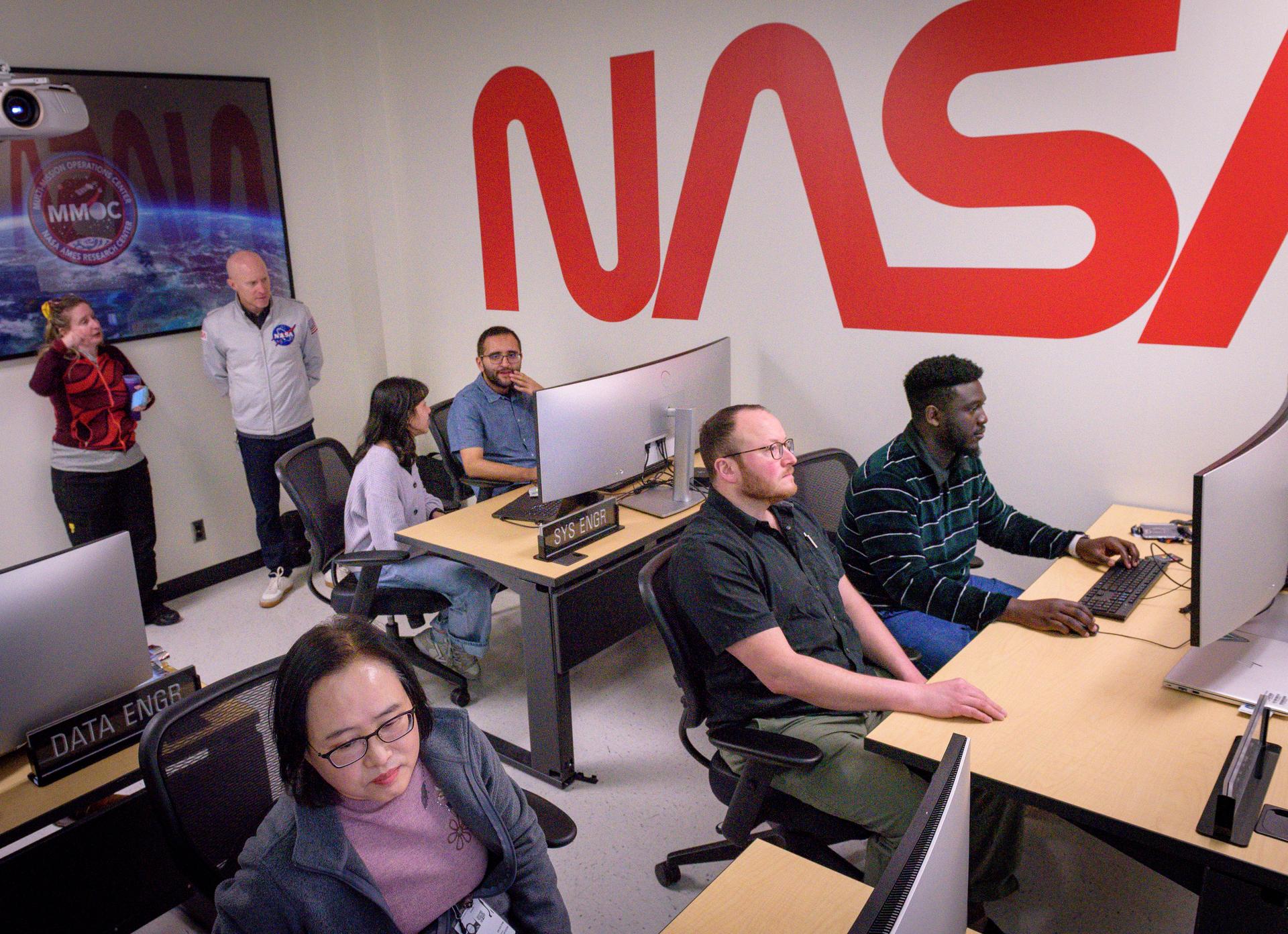
TechEdSat-11 operators Heather Smith, left, Justin Pane, Daphne Dao and Alejandro Salas, seated, Kyeong Ja Kim, Luke Idziak, and Kwabena Boateng right, in the Ames Multi-Mission Operations Center (MMOC), N240 Annex, Eros control room 162. The team monitors the spacecraft's status during the Exo-Brake “parachute” deployment. The ExoBrake is a drag device that increases the total surface area of the spacecraft to assist with a quicker deorbit. This maneuver is deployed at the end of mission to satisfy NASA's deorbit requirement and prevent space debris. TechEdSat has spent the last several months coordinating with NASA’s Conjunction Assessment Risk Analysis (CARA) team to ensure the spacecraft can safely deploy the ExoBrake without colliding into any other objects.
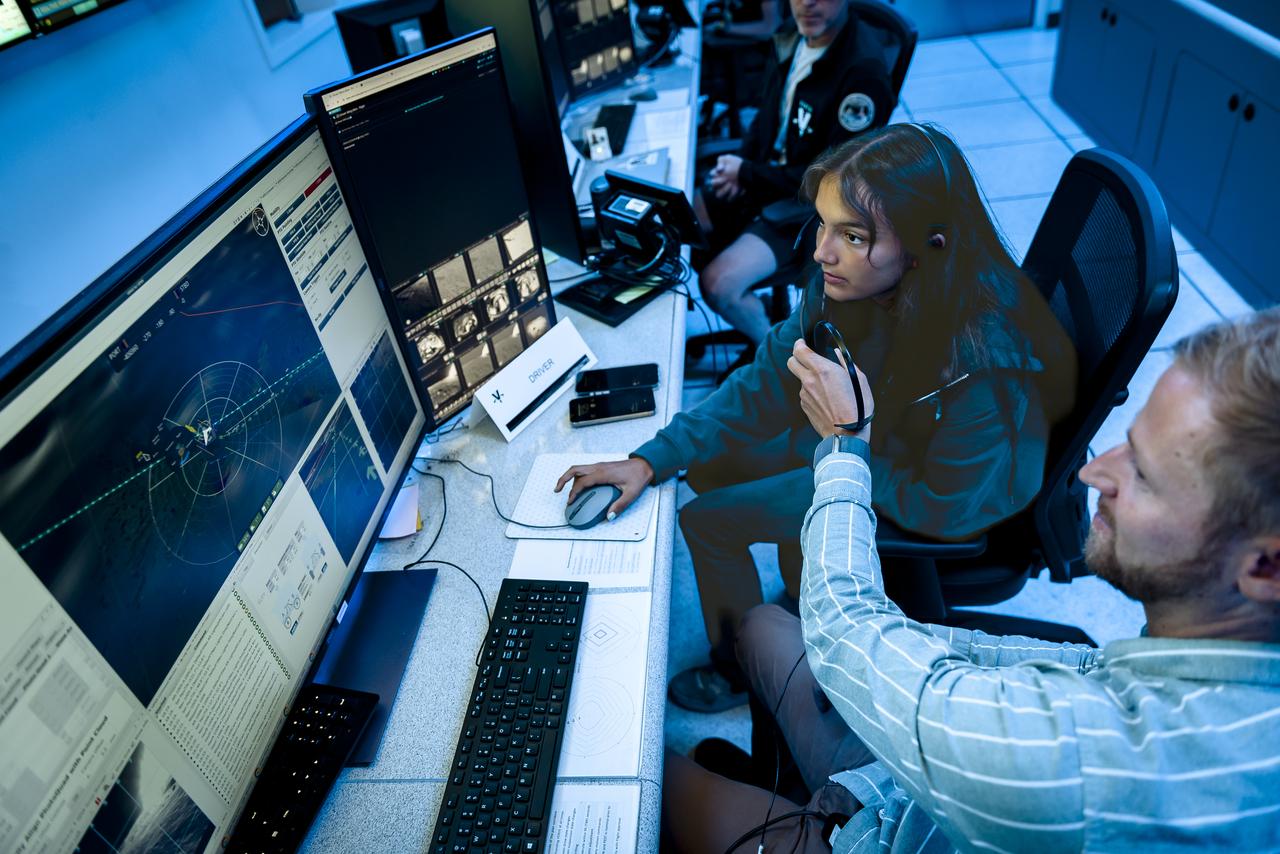
Arno Rogg explains the Volatiles Investigating Polar Exploration Rover (VIPER) mission to visitors in the Multi-Mission Operations Center (MMOC), N240, during VIPER Family Day.
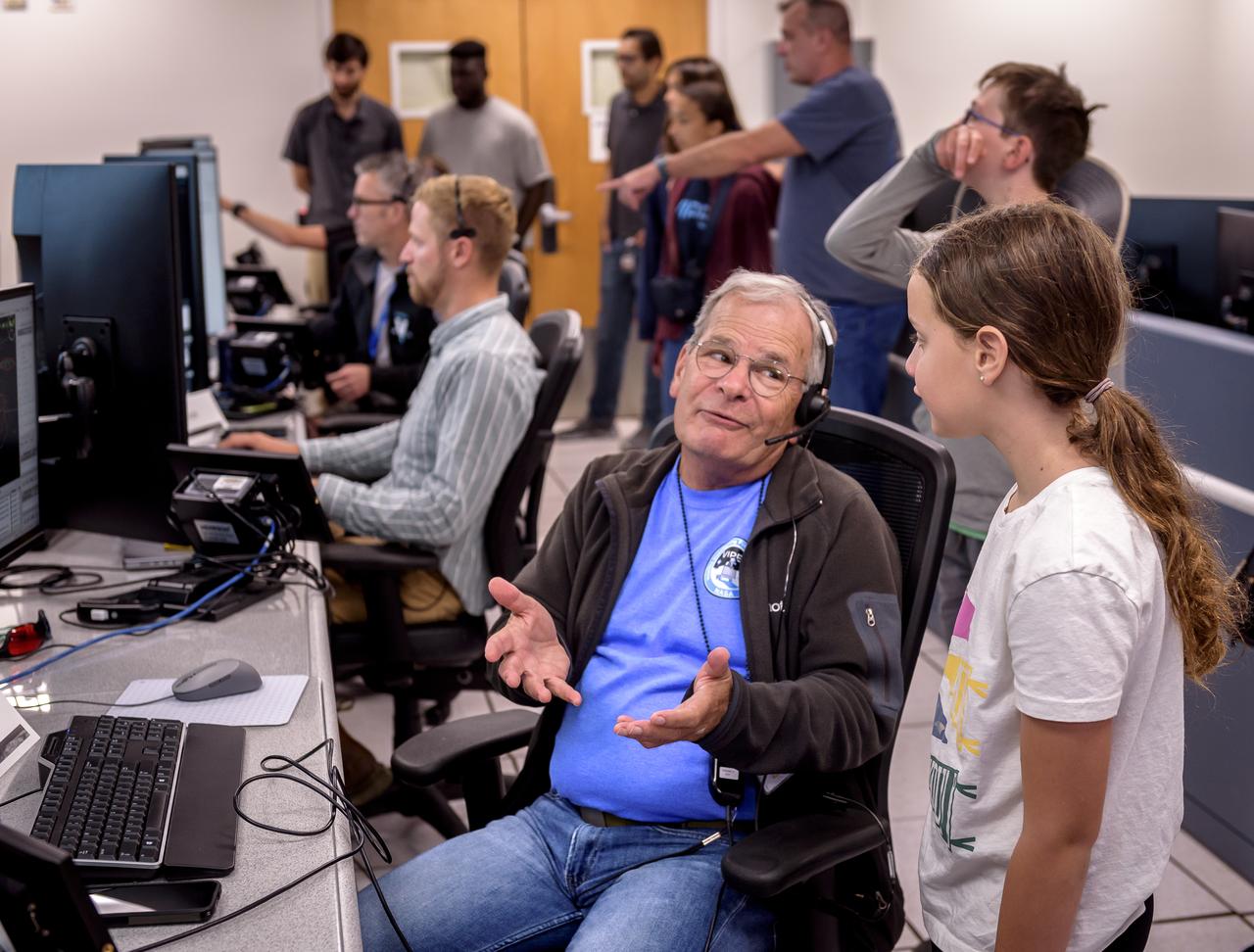
Rick Elphic, NSS instrument principal investigator, left, explains the Volatiles Investigating Polar Exploration Rover (VIPER) mission to visitors in the Multi-Mission Operations Center (MMOC), N240, during VIPER Family Day.
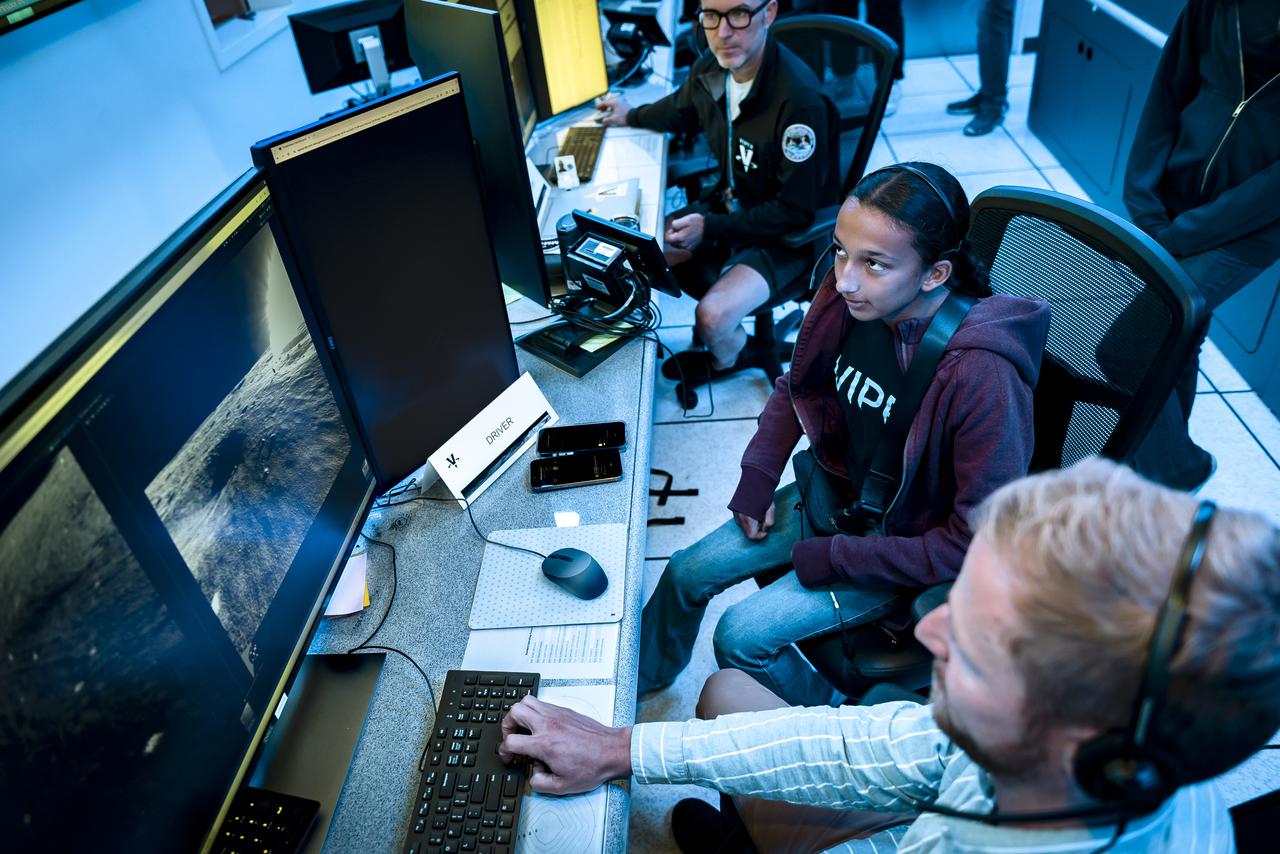
Arno Rogg explains the Volatiles Investigating Polar Exploration Rover (VIPER) mission to visitors in the Multi-Mission Operations Center (MMOC), N240, during VIPER Family Day.
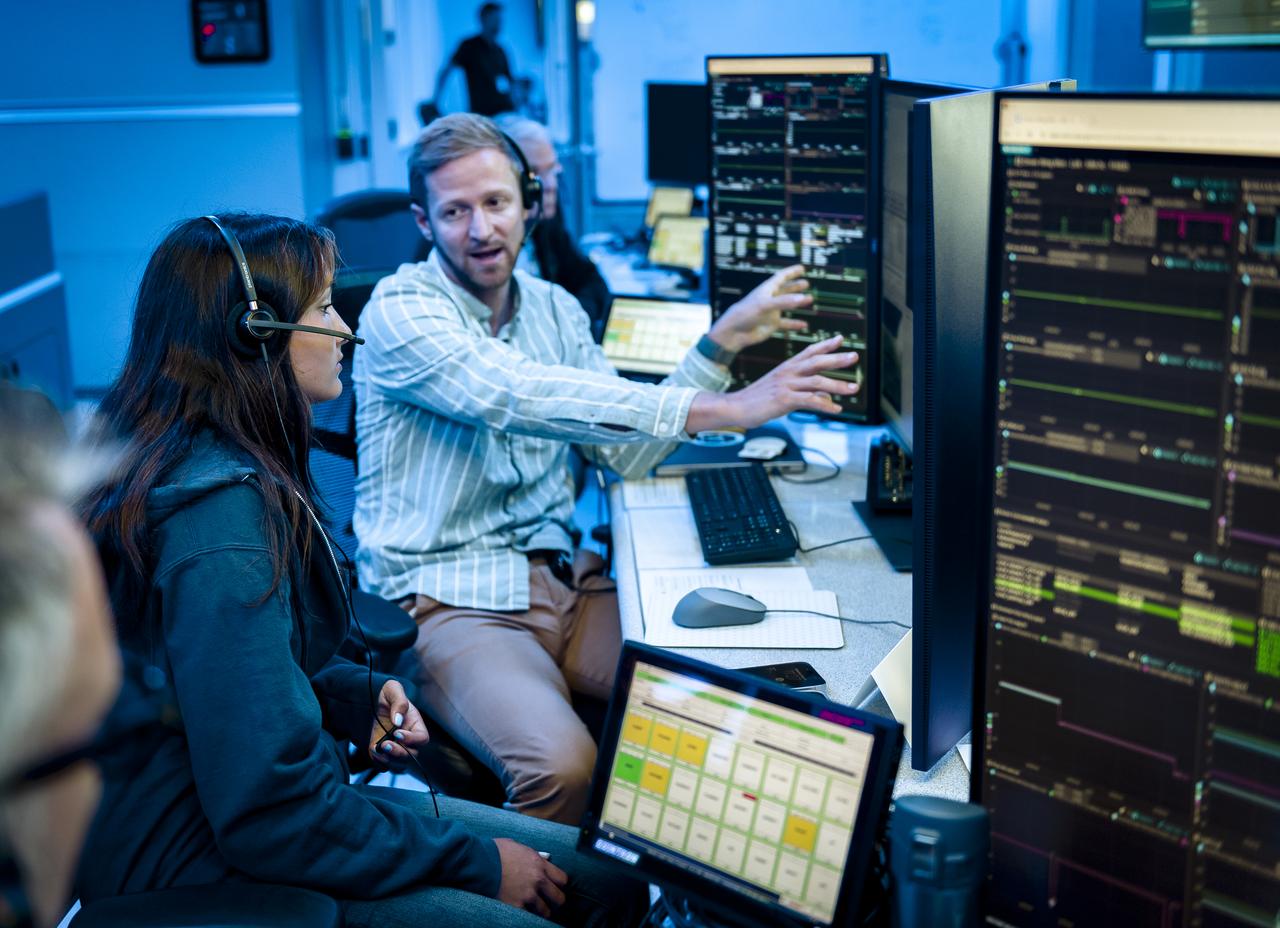
Arno Rogg explains the Volatiles Investigating Polar Exploration Rover (VIPER) mission to visitors in the Multi-Mission Operations Center (MMOC), N240, during VIPER Family Day.
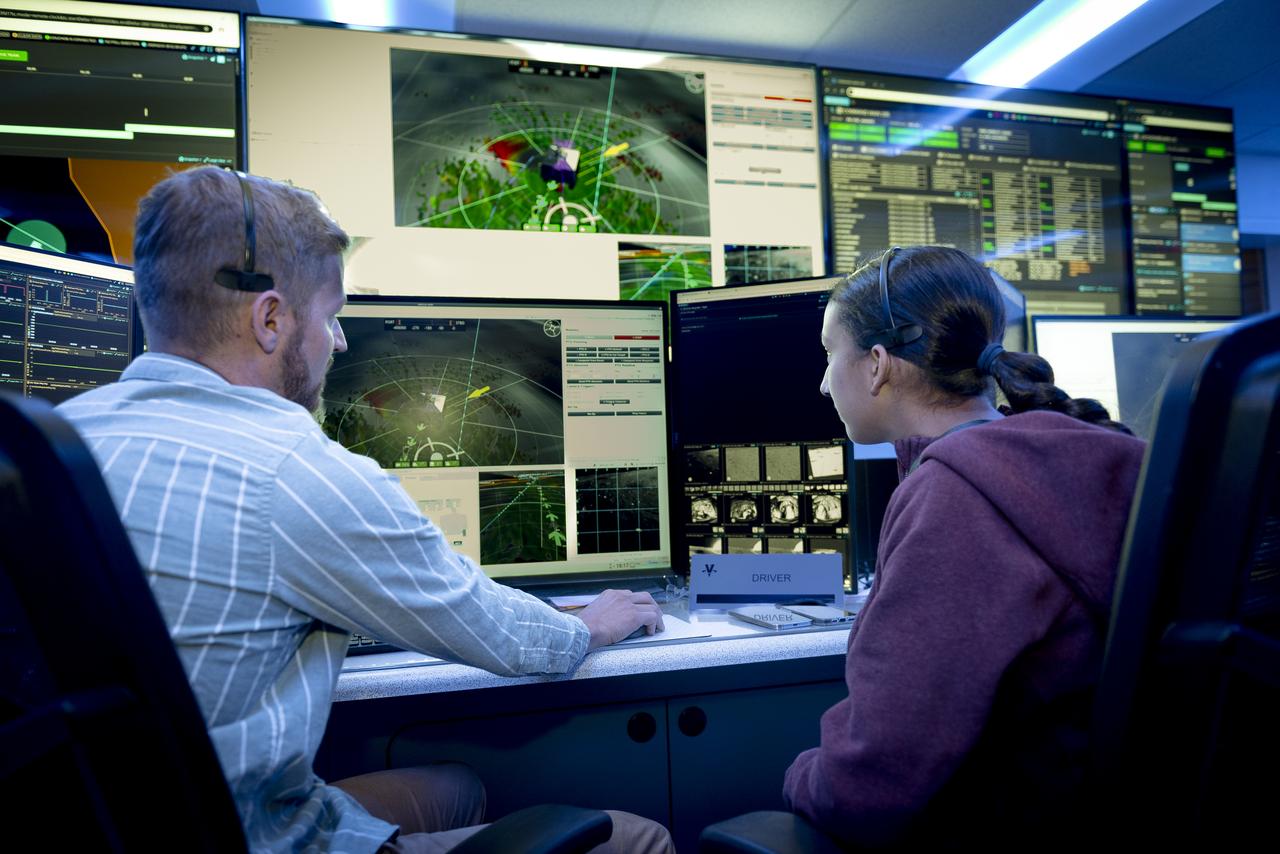
Arno Rogg explains the Volatiles Investigating Polar Exploration Rover (VIPER) mission to visitors in the Multi-Mission Operations Center (MMOC), N240, during VIPER Family Day.

TROPI-2; Preparation of experiment containers in EMCS (European Modular Cultivation System) Lab, N-236 Sixten Experiment Containers (ECs) being prepared with flight seeds in December and January will be hand carried to KSC for deployment on STS-130 (shuttle flight 20A). During the ISS (international Space Station) operations the two TROPi-2 experiments to begin by mid Feburary and be completed by early March will monitor by the payload team at Ames from our Multi-Mission Operations Center (MMOC) The experiment samples are scheduled to return on shuttle fight 19A. Left to right are Prem Kumar, Katherine Millar, Bob Bowman